Witness the Bay Area through captivating images and compelling narratives. Explore the latest visually-driven storytelling by KQED and immerse yourself in the heart of our community.
'A Pastor's Heart': How Rev. Amos C. Brown Shaped Faith in SF for Nearly 50 Years
Hella Juneteenth in Photos: Black Joy and Community in Oakland
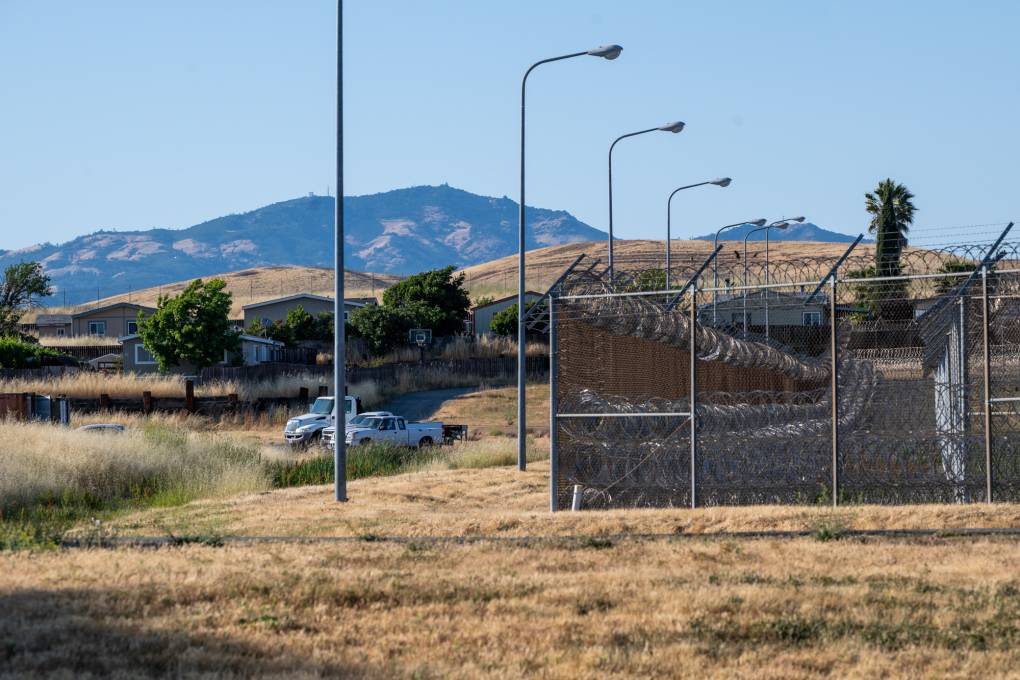
FCI Dublin Staff Bought Homes On-Site. Then the Prison Shut Down
‘No Kings’ Protests Draw Thousands Across the Bay Area to Rally Against President Trump
Oakland Coliseum, in Its Second Life, Hosts Major League Cricket’s West Coast Debut
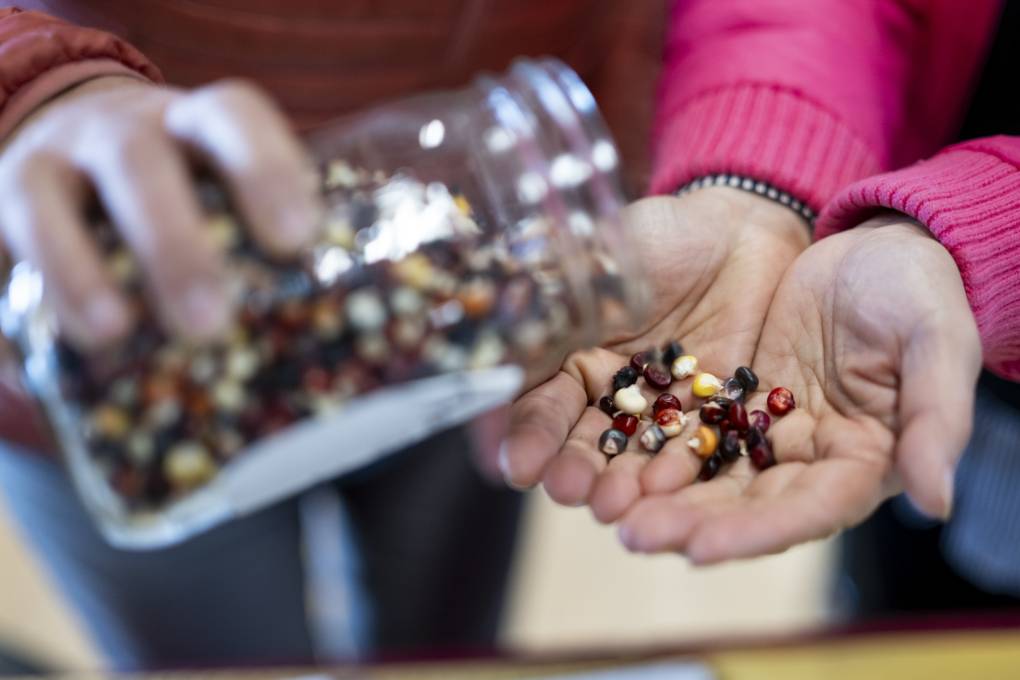
Home on the Grange: In Anderson Valley, Hippies, Old-Timers Return to Farming Roots
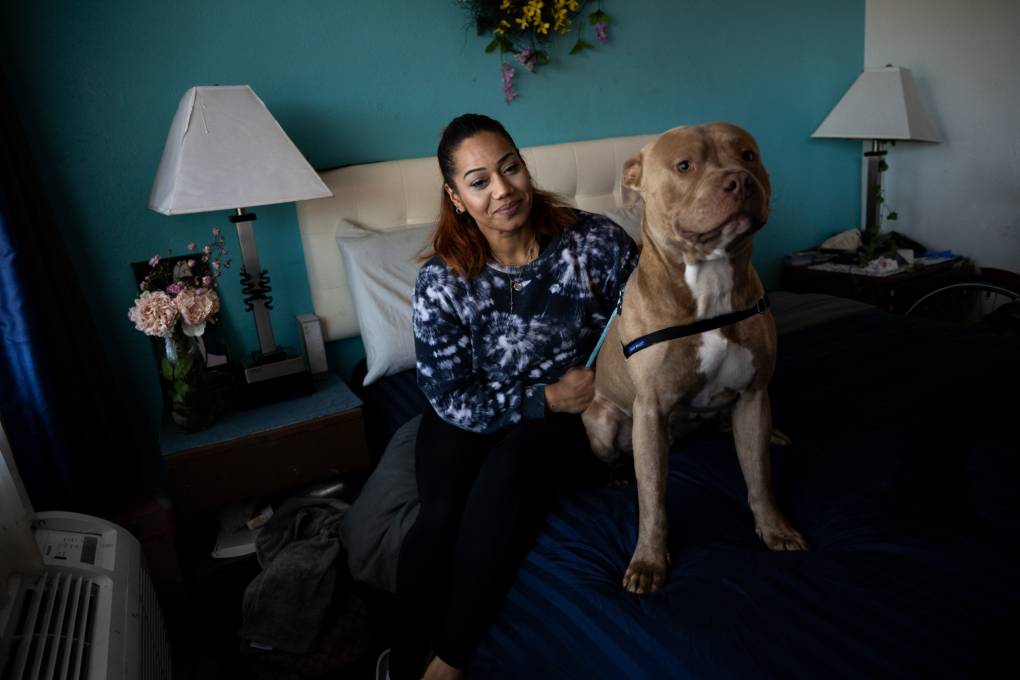
Berkeley’s Strategy for RV Encampments Could Be a Model for California
‘A Moment People Have Been Waiting For’: ICE Arrests Fuel SF Protests
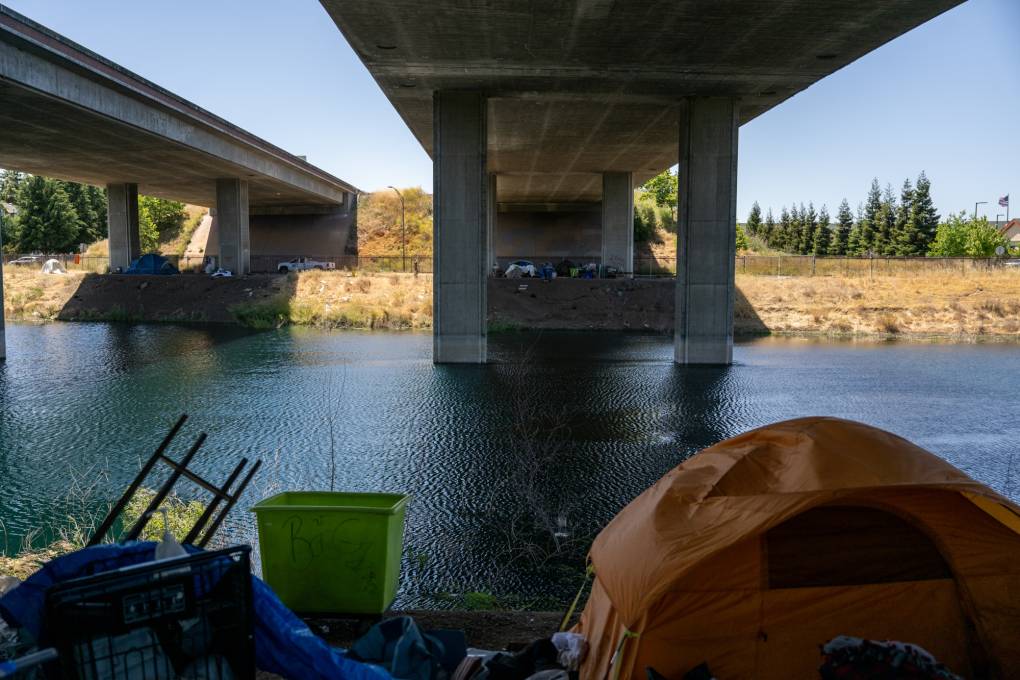
In San José, a Controversial Choice for Unhoused: Shelter or Arrest?
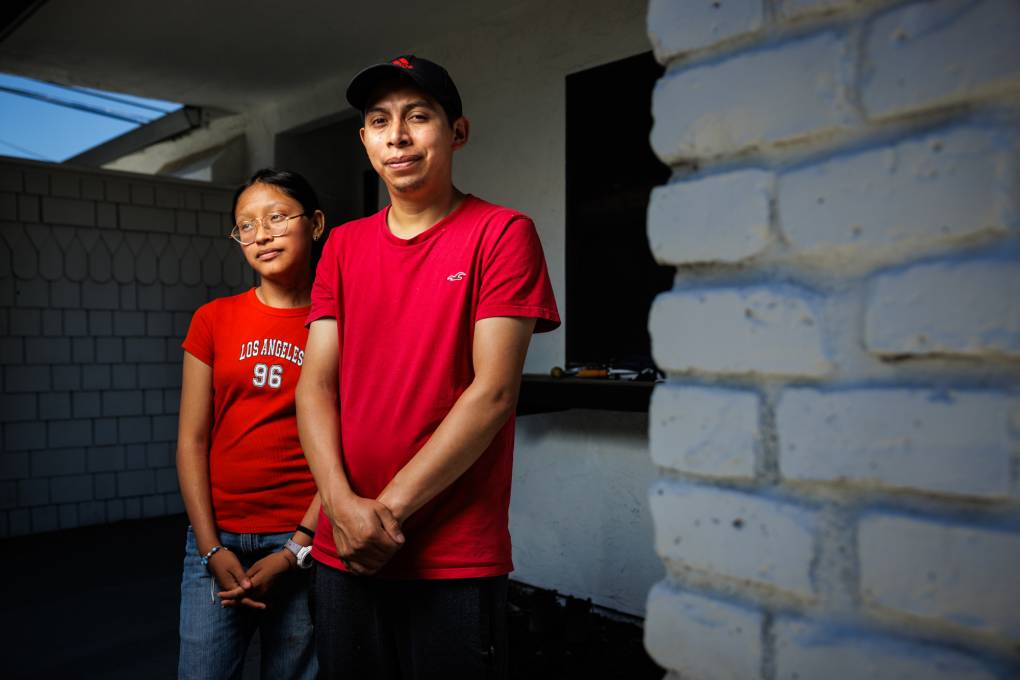
Some Families Separated at the Border Got Free Legal Aid. The US Just Cut That Contract
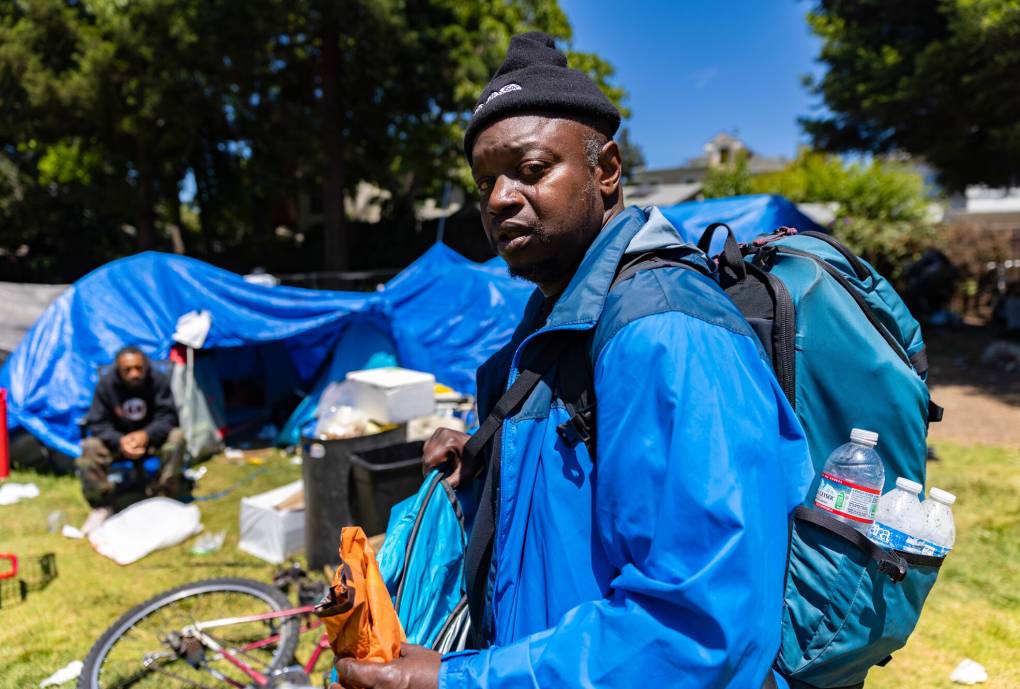
Berkeley Residents, Homeless Advocates Battle Over Fate of Ohlone Park Encampment
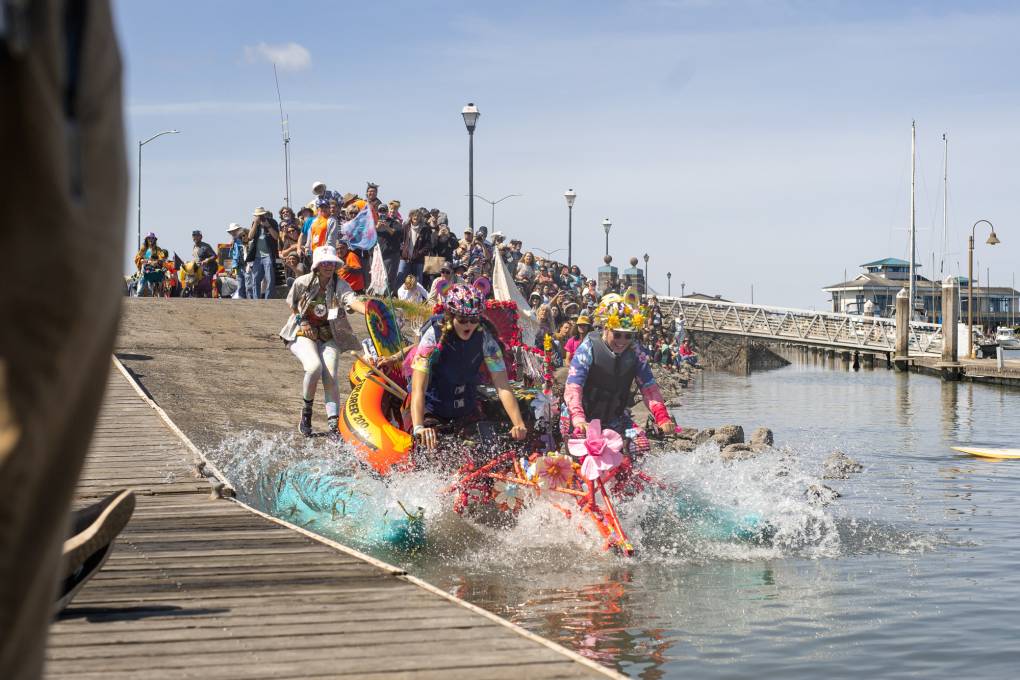
The Art World Has a Triathlon and It’s Very Physical
window.__IS_SSR__=true
window.__INITIAL_STATE__={
"attachmentsReducer": {
"audio_0": {
"type": "attachments",
"id": "audio_0",
"imgSizes": {
"kqedFullSize": {
"file": "https://ww2.kqed.org/news/wp-content/themes/KQED-unified/img/audio_bgs/background0.jpg"
}
}
},
"audio_1": {
"type": "attachments",
"id": "audio_1",
"imgSizes": {
"kqedFullSize": {
"file": "https://ww2.kqed.org/news/wp-content/themes/KQED-unified/img/audio_bgs/background1.jpg"
}
}
},
"audio_2": {
"type": "attachments",
"id": "audio_2",
"imgSizes": {
"kqedFullSize": {
"file": "https://ww2.kqed.org/news/wp-content/themes/KQED-unified/img/audio_bgs/background2.jpg"
}
}
},
"audio_3": {
"type": "attachments",
"id": "audio_3",
"imgSizes": {
"kqedFullSize": {
"file": "https://ww2.kqed.org/news/wp-content/themes/KQED-unified/img/audio_bgs/background3.jpg"
}
}
},
"audio_4": {
"type": "attachments",
"id": "audio_4",
"imgSizes": {
"kqedFullSize": {
"file": "https://ww2.kqed.org/news/wp-content/themes/KQED-unified/img/audio_bgs/background4.jpg"
}
}
},
"placeholder": {
"type": "attachments",
"id": "placeholder",
"imgSizes": {
"thumbnail": {
"file": "https://cdn.kqed.org/wp-content/uploads/2024/12/KQED-Default-Image-816638274-2000x1333-1-160x107.jpg",
"width": 160,
"height": 107,
"mimeType": "image/jpeg"
},
"medium": {
"file": "https://cdn.kqed.org/wp-content/uploads/2024/12/KQED-Default-Image-816638274-2000x1333-1-800x533.jpg",
"width": 800,
"height": 533,
"mimeType": "image/jpeg"
},
"medium_large": {
"file": "https://cdn.kqed.org/wp-content/uploads/2024/12/KQED-Default-Image-816638274-2000x1333-1-768x512.jpg",
"width": 768,
"height": 512,
"mimeType": "image/jpeg"
},
"large": {
"file": "https://cdn.kqed.org/wp-content/uploads/2024/12/KQED-Default-Image-816638274-2000x1333-1-1020x680.jpg",
"width": 1020,
"height": 680,
"mimeType": "image/jpeg"
},
"1536x1536": {
"file": "https://cdn.kqed.org/wp-content/uploads/2024/12/KQED-Default-Image-816638274-2000x1333-1-1536x1024.jpg",
"width": 1536,
"height": 1024,
"mimeType": "image/jpeg"
},
"fd-lrg": {
"file": "https://cdn.kqed.org/wp-content/uploads/2024/12/KQED-Default-Image-816638274-2000x1333-1-1536x1024.jpg",
"width": 1536,
"height": 1024,
"mimeType": "image/jpeg"
},
"fd-med": {
"file": "https://cdn.kqed.org/wp-content/uploads/2024/12/KQED-Default-Image-816638274-2000x1333-1-1020x680.jpg",
"width": 1020,
"height": 680,
"mimeType": "image/jpeg"
},
"fd-sm": {
"file": "https://cdn.kqed.org/wp-content/uploads/2024/12/KQED-Default-Image-816638274-2000x1333-1-800x533.jpg",
"width": 800,
"height": 533,
"mimeType": "image/jpeg"
},
"post-thumbnail": {
"file": "https://cdn.kqed.org/wp-content/uploads/2024/12/KQED-Default-Image-816638274-2000x1333-1-672x372.jpg",
"width": 672,
"height": 372,
"mimeType": "image/jpeg"
},
"twentyfourteen-full-width": {
"file": "https://cdn.kqed.org/wp-content/uploads/2024/12/KQED-Default-Image-816638274-2000x1333-1-1038x576.jpg",
"width": 1038,
"height": 576,
"mimeType": "image/jpeg"
},
"xxsmall": {
"file": "https://cdn.kqed.org/wp-content/uploads/2024/12/KQED-Default-Image-816638274-2000x1333-1-160x107.jpg",
"width": 160,
"height": 107,
"mimeType": "image/jpeg"
},
"xsmall": {
"file": "https://cdn.kqed.org/wp-content/uploads/2024/12/KQED-Default-Image-816638274-2000x1333-1-672x372.jpg",
"width": 672,
"height": 372,
"mimeType": "image/jpeg"
},
"small": {
"file": "https://cdn.kqed.org/wp-content/uploads/2024/12/KQED-Default-Image-816638274-2000x1333-1-672x372.jpg",
"width": 672,
"height": 372,
"mimeType": "image/jpeg"
},
"xlarge": {
"file": "https://cdn.kqed.org/wp-content/uploads/2024/12/KQED-Default-Image-816638274-2000x1333-1-1020x680.jpg",
"width": 1020,
"height": 680,
"mimeType": "image/jpeg"
},
"full-width": {
"file": "https://cdn.kqed.org/wp-content/uploads/2024/12/KQED-Default-Image-816638274-2000x1333-1-1920x1280.jpg",
"width": 1920,
"height": 1280,
"mimeType": "image/jpeg"
},
"guest-author-32": {
"file": "https://cdn.kqed.org/wp-content/uploads/2025/01/KQED-Default-Image-816638274-1333x1333-1-160x160.jpg",
"width": 32,
"height": 32,
"mimeType": "image/jpeg"
},
"guest-author-50": {
"file": "https://cdn.kqed.org/wp-content/uploads/2025/01/KQED-Default-Image-816638274-1333x1333-1-160x160.jpg",
"width": 50,
"height": 50,
"mimeType": "image/jpeg"
},
"guest-author-64": {
"file": "https://cdn.kqed.org/wp-content/uploads/2025/01/KQED-Default-Image-816638274-1333x1333-1-160x160.jpg",
"width": 64,
"height": 64,
"mimeType": "image/jpeg"
},
"guest-author-96": {
"file": "https://cdn.kqed.org/wp-content/uploads/2025/01/KQED-Default-Image-816638274-1333x1333-1-160x160.jpg",
"width": 96,
"height": 96,
"mimeType": "image/jpeg"
},
"guest-author-128": {
"file": "https://cdn.kqed.org/wp-content/uploads/2025/01/KQED-Default-Image-816638274-1333x1333-1-160x160.jpg",
"width": 128,
"height": 128,
"mimeType": "image/jpeg"
},
"detail": {
"file": "https://cdn.kqed.org/wp-content/uploads/2025/01/KQED-Default-Image-816638274-1333x1333-1-160x160.jpg",
"width": 160,
"height": 160,
"mimeType": "image/jpeg"
},
"kqedFullSize": {
"file": "https://cdn.kqed.org/wp-content/uploads/2024/12/KQED-Default-Image-816638274-2000x1333-1.jpg",
"width": 2000,
"height": 1333
}
}
},
"news_12045571": {
"type": "attachments",
"id": "news_12045571",
"meta": {
"index": "attachments_1716263798",
"site": "news",
"id": "12045571",
"found": true
},
"title": "REVAMOS_BROWN-67-MO-KQED",
"publishDate": 1750709805,
"status": "inherit",
"parent": 0,
"modified": 1750710015,
"caption": "After nearly five decades shaping faith, justice and community, Rev. Amos C. Brown, center, stepped down as pastor of Third Baptist Church of San Francisco — leaving behind a legacy now honored with a San Francisco street bearing his name.",
"credit": "Manuel Orbegozo for KQED",
"altTag": null,
"description": null,
"imgSizes": {
"thumbnail": {
"file": "https://cdn.kqed.org/wp-content/uploads/sites/10/2025/06/REVAMOS_BROWN-67-MO-KQED-160x107.jpg",
"width": 160,
"height": 107,
"mimeType": "image/jpeg"
},
"1536x1536": {
"file": "https://cdn.kqed.org/wp-content/uploads/sites/10/2025/06/REVAMOS_BROWN-67-MO-KQED-1536x1024.jpg",
"width": 1536,
"height": 1024,
"mimeType": "image/jpeg"
},
"post-thumbnail": {
"file": "https://cdn.kqed.org/wp-content/uploads/sites/10/2025/06/REVAMOS_BROWN-67-MO-KQED-672x372.jpg",
"width": 672,
"height": 372,
"mimeType": "image/jpeg"
},
"twentyfourteen-full-width": {
"file": "https://cdn.kqed.org/wp-content/uploads/sites/10/2025/06/REVAMOS_BROWN-67-MO-KQED-1038x576.jpg",
"width": 1038,
"height": 576,
"mimeType": "image/jpeg"
},
"kqedFullSize": {
"file": "https://cdn.kqed.org/wp-content/uploads/sites/10/2025/06/REVAMOS_BROWN-67-MO-KQED.jpg",
"width": 2000,
"height": 1333
}
},
"isLoading": false,
"fetchFailed": false
},
"news_12045155": {
"type": "attachments",
"id": "news_12045155",
"meta": {
"index": "attachments_1716263798",
"site": "news",
"id": "12045155",
"found": true
},
"title": "20250619_HELLAJUNETEENTH_GC-40-KQED",
"publishDate": 1750379123,
"status": "inherit",
"parent": 0,
"modified": 1750379235,
"caption": "People dance during the Hella Juneteenth festival at the Oakland Museum of California on June 19, 2025.",
"credit": "Gina Castro/KQED",
"altTag": null,
"description": null,
"imgSizes": {
"thumbnail": {
"file": "https://cdn.kqed.org/wp-content/uploads/sites/10/2025/06/20250619_HELLAJUNETEENTH_GC-40-KQED-160x107.jpg",
"width": 160,
"height": 107,
"mimeType": "image/jpeg"
},
"1536x1536": {
"file": "https://cdn.kqed.org/wp-content/uploads/sites/10/2025/06/20250619_HELLAJUNETEENTH_GC-40-KQED-1536x1024.jpg",
"width": 1536,
"height": 1024,
"mimeType": "image/jpeg"
},
"post-thumbnail": {
"file": "https://cdn.kqed.org/wp-content/uploads/sites/10/2025/06/20250619_HELLAJUNETEENTH_GC-40-KQED-672x372.jpg",
"width": 672,
"height": 372,
"mimeType": "image/jpeg"
},
"twentyfourteen-full-width": {
"file": "https://cdn.kqed.org/wp-content/uploads/sites/10/2025/06/20250619_HELLAJUNETEENTH_GC-40-KQED-1038x576.jpg",
"width": 1038,
"height": 576,
"mimeType": "image/jpeg"
},
"kqedFullSize": {
"file": "https://cdn.kqed.org/wp-content/uploads/sites/10/2025/06/20250619_HELLAJUNETEENTH_GC-40-KQED.jpg",
"width": 2000,
"height": 1333
}
},
"isLoading": false,
"fetchFailed": false
},
"news_12042809": {
"type": "attachments",
"id": "news_12042809",
"meta": {
"index": "attachments_1716263798",
"site": "news",
"id": "12042809",
"found": true
},
"title": "250530-DUBLINEMPLOYEES-52-BL-KQED",
"publishDate": 1749079934,
"status": "inherit",
"parent": 0,
"modified": 1749080006,
"caption": "A neighborhood of mobile homes next to the now-closed Federal Correctional Institution, Dublin, on May 30, 2025. Many prison employees bought homes on the property, forming a small community of staff and their families beside the facility.",
"credit": "Beth LaBerge/KQED",
"altTag": null,
"description": null,
"imgSizes": {
"medium": {
"file": "https://cdn.kqed.org/wp-content/uploads/sites/10/2025/06/250530-DUBLINEMPLOYEES-52-BL-KQED-800x533.jpg",
"width": 800,
"height": 533,
"mimeType": "image/jpeg"
},
"large": {
"file": "https://cdn.kqed.org/wp-content/uploads/sites/10/2025/06/250530-DUBLINEMPLOYEES-52-BL-KQED-1020x680.jpg",
"width": 1020,
"height": 680,
"mimeType": "image/jpeg"
},
"thumbnail": {
"file": "https://cdn.kqed.org/wp-content/uploads/sites/10/2025/06/250530-DUBLINEMPLOYEES-52-BL-KQED-160x107.jpg",
"width": 160,
"height": 107,
"mimeType": "image/jpeg"
},
"1536x1536": {
"file": "https://cdn.kqed.org/wp-content/uploads/sites/10/2025/06/250530-DUBLINEMPLOYEES-52-BL-KQED-1536x1024.jpg",
"width": 1536,
"height": 1024,
"mimeType": "image/jpeg"
},
"post-thumbnail": {
"file": "https://cdn.kqed.org/wp-content/uploads/sites/10/2025/06/250530-DUBLINEMPLOYEES-52-BL-KQED-672x372.jpg",
"width": 672,
"height": 372,
"mimeType": "image/jpeg"
},
"twentyfourteen-full-width": {
"file": "https://cdn.kqed.org/wp-content/uploads/sites/10/2025/06/250530-DUBLINEMPLOYEES-52-BL-KQED-1038x576.jpg",
"width": 1038,
"height": 576,
"mimeType": "image/jpeg"
},
"full-width": {
"file": "https://cdn.kqed.org/wp-content/uploads/sites/10/2025/06/250530-DUBLINEMPLOYEES-52-BL-KQED-1920x1280.jpg",
"width": 1920,
"height": 1280,
"mimeType": "image/jpeg"
},
"kqedFullSize": {
"file": "https://cdn.kqed.org/wp-content/uploads/sites/10/2025/06/250530-DUBLINEMPLOYEES-52-BL-KQED.jpg",
"width": 2000,
"height": 1333
}
},
"isLoading": false,
"fetchFailed": false
},
"news_12044465": {
"type": "attachments",
"id": "news_12044465",
"meta": {
"index": "attachments_1716263798",
"site": "news",
"id": "12044465",
"found": true
},
"title": "250614-NO-KINGS-SF-MD-11-KQED",
"publishDate": 1749940390,
"status": "inherit",
"parent": 0,
"modified": 1749940553,
"caption": "Thousands of protesters rally in front of City Hall in San Francisco as part of the No Kings protest on June 14, 2025.",
"credit": "Martin do Nascimento/KQED",
"altTag": null,
"description": null,
"imgSizes": {
"thumbnail": {
"file": "https://cdn.kqed.org/wp-content/uploads/sites/10/2025/06/250614-NO-KINGS-SF-MD-11-KQED-160x107.jpg",
"width": 160,
"height": 107,
"mimeType": "image/jpeg"
},
"1536x1536": {
"file": "https://cdn.kqed.org/wp-content/uploads/sites/10/2025/06/250614-NO-KINGS-SF-MD-11-KQED-1536x1025.jpg",
"width": 1536,
"height": 1025,
"mimeType": "image/jpeg"
},
"post-thumbnail": {
"file": "https://cdn.kqed.org/wp-content/uploads/sites/10/2025/06/250614-NO-KINGS-SF-MD-11-KQED-672x372.jpg",
"width": 672,
"height": 372,
"mimeType": "image/jpeg"
},
"twentyfourteen-full-width": {
"file": "https://cdn.kqed.org/wp-content/uploads/sites/10/2025/06/250614-NO-KINGS-SF-MD-11-KQED-1038x576.jpg",
"width": 1038,
"height": 576,
"mimeType": "image/jpeg"
},
"kqedFullSize": {
"file": "https://cdn.kqed.org/wp-content/uploads/sites/10/2025/06/250614-NO-KINGS-SF-MD-11-KQED.jpg",
"width": 2000,
"height": 1334
}
},
"isLoading": false,
"fetchFailed": false
},
"news_12044152": {
"type": "attachments",
"id": "news_12044152",
"meta": {
"index": "attachments_1716263798",
"site": "news",
"id": "12044152",
"found": true
},
"title": "20250612_CRICKETCOLISEUM_GC-13-KQED",
"publishDate": 1749833606,
"status": "inherit",
"parent": 0,
"modified": 1749833737,
"caption": "San Francisco Unicorns top order batter, Finn Allen (16), bats during their opening Major League Cricket game against the Washington Freedom at the Oakland Coliseum on June 12, 2025.",
"credit": "Gina Castro/KQED",
"altTag": null,
"description": null,
"imgSizes": {
"thumbnail": {
"file": "https://cdn.kqed.org/wp-content/uploads/sites/10/2025/06/20250612_CRICKETCOLISEUM_GC-13-KQED-160x101.jpg",
"width": 160,
"height": 101,
"mimeType": "image/jpeg"
},
"1536x1536": {
"file": "https://cdn.kqed.org/wp-content/uploads/sites/10/2025/06/20250612_CRICKETCOLISEUM_GC-13-KQED-1536x966.jpg",
"width": 1536,
"height": 966,
"mimeType": "image/jpeg"
},
"post-thumbnail": {
"file": "https://cdn.kqed.org/wp-content/uploads/sites/10/2025/06/20250612_CRICKETCOLISEUM_GC-13-KQED-672x372.jpg",
"width": 672,
"height": 372,
"mimeType": "image/jpeg"
},
"twentyfourteen-full-width": {
"file": "https://cdn.kqed.org/wp-content/uploads/sites/10/2025/06/20250612_CRICKETCOLISEUM_GC-13-KQED-1038x576.jpg",
"width": 1038,
"height": 576,
"mimeType": "image/jpeg"
},
"kqedFullSize": {
"file": "https://cdn.kqed.org/wp-content/uploads/sites/10/2025/06/20250612_CRICKETCOLISEUM_GC-13-KQED.jpg",
"width": 2000,
"height": 1258
}
},
"isLoading": false,
"fetchFailed": false
},
"news_12030043": {
"type": "attachments",
"id": "news_12030043",
"meta": {
"index": "attachments_1716263798",
"site": "news",
"id": "12030043",
"found": true
},
"title": "250301-ANDERSONVALLEYGRANGE-01-BL-KQED",
"publishDate": 1741284377,
"status": "inherit",
"parent": 0,
"modified": 1741284556,
"caption": "Victoria Joy pours corn seeds into Agnes Li’s hands at the Winter Abundance Gathering, a seed and scion exchange, at the Anderson Valley Grange in Philo, California, on March 1, 2025. The grange has served as a community hub since its establishment in the late 1930s, hosting local events, farmers' markets, and gatherings that celebrate the region's agricultural heritage.",
"credit": "Beth LaBerge/KQED",
"altTag": null,
"description": null,
"imgSizes": {
"medium": {
"file": "https://cdn.kqed.org/wp-content/uploads/sites/10/2025/03/250301-ANDERSONVALLEYGRANGE-01-BL-KQED-800x533.jpg",
"width": 800,
"height": 533,
"mimeType": "image/jpeg"
},
"large": {
"file": "https://cdn.kqed.org/wp-content/uploads/sites/10/2025/03/250301-ANDERSONVALLEYGRANGE-01-BL-KQED-1020x680.jpg",
"width": 1020,
"height": 680,
"mimeType": "image/jpeg"
},
"thumbnail": {
"file": "https://cdn.kqed.org/wp-content/uploads/sites/10/2025/03/250301-ANDERSONVALLEYGRANGE-01-BL-KQED-160x107.jpg",
"width": 160,
"height": 107,
"mimeType": "image/jpeg"
},
"1536x1536": {
"file": "https://cdn.kqed.org/wp-content/uploads/sites/10/2025/03/250301-ANDERSONVALLEYGRANGE-01-BL-KQED-1536x1024.jpg",
"width": 1536,
"height": 1024,
"mimeType": "image/jpeg"
},
"post-thumbnail": {
"file": "https://cdn.kqed.org/wp-content/uploads/sites/10/2025/03/250301-ANDERSONVALLEYGRANGE-01-BL-KQED-672x372.jpg",
"width": 672,
"height": 372,
"mimeType": "image/jpeg"
},
"twentyfourteen-full-width": {
"file": "https://cdn.kqed.org/wp-content/uploads/sites/10/2025/03/250301-ANDERSONVALLEYGRANGE-01-BL-KQED-1038x576.jpg",
"width": 1038,
"height": 576,
"mimeType": "image/jpeg"
},
"full-width": {
"file": "https://cdn.kqed.org/wp-content/uploads/sites/10/2025/03/250301-ANDERSONVALLEYGRANGE-01-BL-KQED-1920x1280.jpg",
"width": 1920,
"height": 1280,
"mimeType": "image/jpeg"
},
"kqedFullSize": {
"file": "https://cdn.kqed.org/wp-content/uploads/sites/10/2025/03/250301-ANDERSONVALLEYGRANGE-01-BL-KQED.jpg",
"width": 2000,
"height": 1333
}
},
"isLoading": false,
"fetchFailed": false
},
"news_12041253": {
"type": "attachments",
"id": "news_12041253",
"meta": {
"index": "attachments_1716263798",
"site": "news",
"id": "12041253",
"found": true
},
"title": "250520-BERKELEYRVBUYBACK-25-BL-KQED",
"publishDate": 1747932792,
"status": "inherit",
"parent": 12043516,
"modified": 1749577990,
"caption": "Resident Letty Guzman sits on her bed with her dog Pappa in her room at Horizon Community Village at the Capri Motel on University Avenue in Berkeley on May 20, 2025. The site, operated by Dorothy Day House, provides transitional housing and supportive services for unhoused individuals in Berkeley.",
"credit": "Beth LaBerge/KQED",
"altTag": null,
"description": null,
"imgSizes": {
"medium": {
"file": "https://cdn.kqed.org/wp-content/uploads/sites/10/2025/05/250520-BERKELEYRVBUYBACK-25-BL-KQED-800x533.jpg",
"width": 800,
"height": 533,
"mimeType": "image/jpeg"
},
"large": {
"file": "https://cdn.kqed.org/wp-content/uploads/sites/10/2025/05/250520-BERKELEYRVBUYBACK-25-BL-KQED-1020x680.jpg",
"width": 1020,
"height": 680,
"mimeType": "image/jpeg"
},
"thumbnail": {
"file": "https://cdn.kqed.org/wp-content/uploads/sites/10/2025/05/250520-BERKELEYRVBUYBACK-25-BL-KQED-160x107.jpg",
"width": 160,
"height": 107,
"mimeType": "image/jpeg"
},
"1536x1536": {
"file": "https://cdn.kqed.org/wp-content/uploads/sites/10/2025/05/250520-BERKELEYRVBUYBACK-25-BL-KQED-1536x1024.jpg",
"width": 1536,
"height": 1024,
"mimeType": "image/jpeg"
},
"post-thumbnail": {
"file": "https://cdn.kqed.org/wp-content/uploads/sites/10/2025/05/250520-BERKELEYRVBUYBACK-25-BL-KQED-672x372.jpg",
"width": 672,
"height": 372,
"mimeType": "image/jpeg"
},
"twentyfourteen-full-width": {
"file": "https://cdn.kqed.org/wp-content/uploads/sites/10/2025/05/250520-BERKELEYRVBUYBACK-25-BL-KQED-1038x576.jpg",
"width": 1038,
"height": 576,
"mimeType": "image/jpeg"
},
"full-width": {
"file": "https://cdn.kqed.org/wp-content/uploads/sites/10/2025/05/250520-BERKELEYRVBUYBACK-25-BL-KQED-1920x1280.jpg",
"width": 1920,
"height": 1280,
"mimeType": "image/jpeg"
},
"kqedFullSize": {
"file": "https://cdn.kqed.org/wp-content/uploads/sites/10/2025/05/250520-BERKELEYRVBUYBACK-25-BL-KQED.jpg",
"width": 2000,
"height": 1333
}
},
"isLoading": false,
"fetchFailed": false
},
"news_12043577": {
"type": "attachments",
"id": "news_12043577",
"meta": {
"index": "attachments_1716263798",
"site": "news",
"id": "12043577",
"found": true
},
"title": "250609-SF-IMMIGRATION-PROTESTS-MD-17-KQED-1",
"publishDate": 1749584296,
"status": "inherit",
"parent": 0,
"modified": 1749584309,
"caption": "Protesters march down Mission Street in San Francisco in opposition to the Trump Administration's immigration policy and enforcement on June 9, 2025.",
"credit": "Martin do Nascimento/KQED",
"altTag": null,
"description": null,
"imgSizes": {
"thumbnail": {
"file": "https://cdn.kqed.org/wp-content/uploads/sites/10/2025/06/250609-SF-IMMIGRATION-PROTESTS-MD-17-KQED-1-160x107.jpg",
"width": 160,
"height": 107,
"mimeType": "image/jpeg"
},
"1536x1536": {
"file": "https://cdn.kqed.org/wp-content/uploads/sites/10/2025/06/250609-SF-IMMIGRATION-PROTESTS-MD-17-KQED-1-1536x1025.jpg",
"width": 1536,
"height": 1025,
"mimeType": "image/jpeg"
},
"post-thumbnail": {
"file": "https://cdn.kqed.org/wp-content/uploads/sites/10/2025/06/250609-SF-IMMIGRATION-PROTESTS-MD-17-KQED-1-672x372.jpg",
"width": 672,
"height": 372,
"mimeType": "image/jpeg"
},
"twentyfourteen-full-width": {
"file": "https://cdn.kqed.org/wp-content/uploads/sites/10/2025/06/250609-SF-IMMIGRATION-PROTESTS-MD-17-KQED-1-1038x576.jpg",
"width": 1038,
"height": 576,
"mimeType": "image/jpeg"
},
"kqedFullSize": {
"file": "https://cdn.kqed.org/wp-content/uploads/sites/10/2025/06/250609-SF-IMMIGRATION-PROTESTS-MD-17-KQED-1.jpg",
"width": 2000,
"height": 1334
}
},
"isLoading": false,
"fetchFailed": false
},
"news_12042504": {
"type": "attachments",
"id": "news_12042504",
"meta": {
"index": "attachments_1716263798",
"site": "news",
"id": "12042504",
"found": true
},
"title": "An unhoused community near the Guadalupe River in San José on May 29, 2025.",
"publishDate": 1748970599,
"status": "inherit",
"parent": 0,
"modified": 1749155543,
"caption": "An unhoused community near the Guadalupe River in San José on May 29, 2025.",
"credit": "Beth LaBerge/KQED",
"altTag": null,
"description": null,
"imgSizes": {
"medium": {
"file": "https://cdn.kqed.org/wp-content/uploads/sites/10/2025/06/250529-SJARRESTSHELTERVOTE-06-BL-KQED-800x533.jpg",
"width": 800,
"height": 533,
"mimeType": "image/jpeg"
},
"large": {
"file": "https://cdn.kqed.org/wp-content/uploads/sites/10/2025/06/250529-SJARRESTSHELTERVOTE-06-BL-KQED-1020x680.jpg",
"width": 1020,
"height": 680,
"mimeType": "image/jpeg"
},
"thumbnail": {
"file": "https://cdn.kqed.org/wp-content/uploads/sites/10/2025/06/250529-SJARRESTSHELTERVOTE-06-BL-KQED-160x107.jpg",
"width": 160,
"height": 107,
"mimeType": "image/jpeg"
},
"1536x1536": {
"file": "https://cdn.kqed.org/wp-content/uploads/sites/10/2025/06/250529-SJARRESTSHELTERVOTE-06-BL-KQED-1536x1024.jpg",
"width": 1536,
"height": 1024,
"mimeType": "image/jpeg"
},
"post-thumbnail": {
"file": "https://cdn.kqed.org/wp-content/uploads/sites/10/2025/06/250529-SJARRESTSHELTERVOTE-06-BL-KQED-672x372.jpg",
"width": 672,
"height": 372,
"mimeType": "image/jpeg"
},
"twentyfourteen-full-width": {
"file": "https://cdn.kqed.org/wp-content/uploads/sites/10/2025/06/250529-SJARRESTSHELTERVOTE-06-BL-KQED-1038x576.jpg",
"width": 1038,
"height": 576,
"mimeType": "image/jpeg"
},
"full-width": {
"file": "https://cdn.kqed.org/wp-content/uploads/sites/10/2025/06/250529-SJARRESTSHELTERVOTE-06-BL-KQED-1920x1280.jpg",
"width": 1920,
"height": 1280,
"mimeType": "image/jpeg"
},
"kqedFullSize": {
"file": "https://cdn.kqed.org/wp-content/uploads/sites/10/2025/06/250529-SJARRESTSHELTERVOTE-06-BL-KQED.jpg",
"width": 2000,
"height": 1333
}
},
"isLoading": false,
"fetchFailed": false
},
"news_12041236": {
"type": "attachments",
"id": "news_12041236",
"meta": {
"index": "attachments_1716263798",
"site": "news",
"id": "12041236",
"found": true
},
"title": "250522-IMMIGRATION COURT FOLO-MD-04-KQED",
"publishDate": 1747932150,
"status": "inherit",
"parent": 0,
"modified": 1748461717,
"caption": "Andres Mendoza Pablo and his daughter Catalina stand outside of the house where they live in Stockton on May 22, 2025.",
"credit": "Martin do Nascimento/KQED",
"altTag": null,
"description": null,
"imgSizes": {
"medium": {
"file": "https://cdn.kqed.org/wp-content/uploads/sites/10/2025/05/250522-IMMIGRATION-COURT-FOLO-MD-04-KQED-800x534.jpg",
"width": 800,
"height": 534,
"mimeType": "image/jpeg"
},
"large": {
"file": "https://cdn.kqed.org/wp-content/uploads/sites/10/2025/05/250522-IMMIGRATION-COURT-FOLO-MD-04-KQED-1020x680.jpg",
"width": 1020,
"height": 680,
"mimeType": "image/jpeg"
},
"thumbnail": {
"file": "https://cdn.kqed.org/wp-content/uploads/sites/10/2025/05/250522-IMMIGRATION-COURT-FOLO-MD-04-KQED-160x107.jpg",
"width": 160,
"height": 107,
"mimeType": "image/jpeg"
},
"1536x1536": {
"file": "https://cdn.kqed.org/wp-content/uploads/sites/10/2025/05/250522-IMMIGRATION-COURT-FOLO-MD-04-KQED-1536x1025.jpg",
"width": 1536,
"height": 1025,
"mimeType": "image/jpeg"
},
"post-thumbnail": {
"file": "https://cdn.kqed.org/wp-content/uploads/sites/10/2025/05/250522-IMMIGRATION-COURT-FOLO-MD-04-KQED-672x372.jpg",
"width": 672,
"height": 372,
"mimeType": "image/jpeg"
},
"twentyfourteen-full-width": {
"file": "https://cdn.kqed.org/wp-content/uploads/sites/10/2025/05/250522-IMMIGRATION-COURT-FOLO-MD-04-KQED-1038x576.jpg",
"width": 1038,
"height": 576,
"mimeType": "image/jpeg"
},
"full-width": {
"file": "https://cdn.kqed.org/wp-content/uploads/sites/10/2025/05/250522-IMMIGRATION-COURT-FOLO-MD-04-KQED-1920x1281.jpg",
"width": 1920,
"height": 1281,
"mimeType": "image/jpeg"
},
"kqedFullSize": {
"file": "https://cdn.kqed.org/wp-content/uploads/sites/10/2025/05/250522-IMMIGRATION-COURT-FOLO-MD-04-KQED.jpg?ver=1747933065",
"width": 2000,
"height": 1334
}
},
"isLoading": false,
"fetchFailed": false
},
"news_12042186": {
"type": "attachments",
"id": "news_12042186",
"meta": {
"index": "attachments_1716263798",
"site": "news",
"id": "12042186",
"found": true
},
"title": "20250529_OhloneParkEncampment_GC-3_qed",
"publishDate": 1748627843,
"status": "inherit",
"parent": 12041966,
"modified": 1748627871,
"caption": "Travis Smith gets emotional as he contemplates leaving the Ohlone Park encampment in Berkeley on May 29, 2025.",
"credit": "Gina Castro/KQED",
"altTag": null,
"description": null,
"imgSizes": {
"medium": {
"file": "https://cdn.kqed.org/wp-content/uploads/sites/10/2025/05/20250529_OhloneParkEncampment_GC-3_qed-800x541.jpg",
"width": 800,
"height": 541,
"mimeType": "image/jpeg"
},
"large": {
"file": "https://cdn.kqed.org/wp-content/uploads/sites/10/2025/05/20250529_OhloneParkEncampment_GC-3_qed-1020x689.jpg",
"width": 1020,
"height": 689,
"mimeType": "image/jpeg"
},
"thumbnail": {
"file": "https://cdn.kqed.org/wp-content/uploads/sites/10/2025/05/20250529_OhloneParkEncampment_GC-3_qed-160x108.jpg",
"width": 160,
"height": 108,
"mimeType": "image/jpeg"
},
"1536x1536": {
"file": "https://cdn.kqed.org/wp-content/uploads/sites/10/2025/05/20250529_OhloneParkEncampment_GC-3_qed-1536x1038.jpg",
"width": 1536,
"height": 1038,
"mimeType": "image/jpeg"
},
"post-thumbnail": {
"file": "https://cdn.kqed.org/wp-content/uploads/sites/10/2025/05/20250529_OhloneParkEncampment_GC-3_qed-672x372.jpg",
"width": 672,
"height": 372,
"mimeType": "image/jpeg"
},
"twentyfourteen-full-width": {
"file": "https://cdn.kqed.org/wp-content/uploads/sites/10/2025/05/20250529_OhloneParkEncampment_GC-3_qed-1038x576.jpg",
"width": 1038,
"height": 576,
"mimeType": "image/jpeg"
},
"full-width": {
"file": "https://cdn.kqed.org/wp-content/uploads/sites/10/2025/05/20250529_OhloneParkEncampment_GC-3_qed-1920x1298.jpg",
"width": 1920,
"height": 1298,
"mimeType": "image/jpeg"
},
"kqedFullSize": {
"file": "https://cdn.kqed.org/wp-content/uploads/sites/10/2025/05/20250529_OhloneParkEncampment_GC-3_qed.jpg",
"width": 1972,
"height": 1333
}
},
"isLoading": false,
"fetchFailed": false
},
"news_12042172": {
"type": "attachments",
"id": "news_12042172",
"meta": {
"index": "attachments_1716263798",
"site": "news",
"id": "12042172",
"found": true
},
"title": "TITLE-KQED-1",
"publishDate": 1748626973,
"status": "inherit",
"parent": 12041968,
"modified": 1748626993,
"caption": "Weekend at Jerry's enters the Humboldt Bay for their first water crossing on day two of the Kinetic Grand Championship in Arcata, on Sunday May 25th, 2025.",
"credit": "Anna Vignet/KQED",
"altTag": null,
"description": null,
"imgSizes": {
"medium": {
"file": "https://cdn.kqed.org/wp-content/uploads/sites/10/2025/05/TITLE-KQED-1-800x533.jpg",
"width": 800,
"height": 533,
"mimeType": "image/jpeg"
},
"large": {
"file": "https://cdn.kqed.org/wp-content/uploads/sites/10/2025/05/TITLE-KQED-1-1020x680.jpg",
"width": 1020,
"height": 680,
"mimeType": "image/jpeg"
},
"thumbnail": {
"file": "https://cdn.kqed.org/wp-content/uploads/sites/10/2025/05/TITLE-KQED-1-160x107.jpg",
"width": 160,
"height": 107,
"mimeType": "image/jpeg"
},
"1536x1536": {
"file": "https://cdn.kqed.org/wp-content/uploads/sites/10/2025/05/TITLE-KQED-1-1536x1024.jpg",
"width": 1536,
"height": 1024,
"mimeType": "image/jpeg"
},
"post-thumbnail": {
"file": "https://cdn.kqed.org/wp-content/uploads/sites/10/2025/05/TITLE-KQED-1-672x372.jpg",
"width": 672,
"height": 372,
"mimeType": "image/jpeg"
},
"twentyfourteen-full-width": {
"file": "https://cdn.kqed.org/wp-content/uploads/sites/10/2025/05/TITLE-KQED-1-1038x576.jpg",
"width": 1038,
"height": 576,
"mimeType": "image/jpeg"
},
"full-width": {
"file": "https://cdn.kqed.org/wp-content/uploads/sites/10/2025/05/TITLE-KQED-1-1920x1280.jpg",
"width": 1920,
"height": 1280,
"mimeType": "image/jpeg"
},
"kqedFullSize": {
"file": "https://cdn.kqed.org/wp-content/uploads/sites/10/2025/05/TITLE-KQED-1.jpg",
"width": 2000,
"height": 1333
}
},
"isLoading": false,
"fetchFailed": false
}
},
"audioPlayerReducer": {
"postId": "stream_live",
"isPaused": true,
"isPlaying": false,
"pfsActive": false,
"pledgeModalIsOpen": true,
"playerDrawerIsOpen": false,
"liveAudioPlayStartedAt": 0,
"liveAudioPlayContext": ""
},
"authorsReducer": {
"gmarzorati": {
"type": "authors",
"id": "227",
"meta": {
"index": "authors_1716337520",
"id": "227",
"found": true
},
"name": "Guy Marzorati",
"firstName": "Guy",
"lastName": "Marzorati",
"slug": "gmarzorati",
"email": "gmarzorati@KQED.org",
"display_author_email": true,
"staff_mastheads": [
"news"
],
"title": "Correspondent",
"bio": "Guy Marzorati is a correspondent on KQED's California Politics and Government Desk, based in San Jose. A graduate of Santa Clara University, Guy joined KQED in 2013. He reports on state and local politics and produces KQED's digital voter guide.",
"avatar": "https://secure.gravatar.com/avatar/e7038b8dbfd55b104369b76b1cd0b9de?s=600&d=blank&r=g",
"twitter": "guymarzorati",
"facebook": null,
"instagram": null,
"linkedin": null,
"sites": [
{
"site": "",
"roles": [
"editor"
]
},
{
"site": "news",
"roles": [
"editor"
]
},
{
"site": "science",
"roles": [
"editor"
]
},
{
"site": "forum",
"roles": [
"editor"
]
},
{
"site": "elections",
"roles": [
"editor"
]
},
{
"site": "liveblog",
"roles": [
"editor"
]
}
],
"headData": {
"title": "Guy Marzorati | KQED",
"description": "Correspondent",
"ogImgSrc": "https://secure.gravatar.com/avatar/e7038b8dbfd55b104369b76b1cd0b9de?s=600&d=blank&r=g",
"twImgSrc": "https://secure.gravatar.com/avatar/e7038b8dbfd55b104369b76b1cd0b9de?s=600&d=blank&r=g"
},
"isLoading": false,
"link": "/author/gmarzorati"
},
"kqed": {
"type": "authors",
"id": "236",
"meta": {
"index": "authors_1716337520",
"id": "236",
"found": true
},
"name": "KQED News Staff",
"firstName": "KQED News Staff",
"lastName": null,
"slug": "kqed",
"email": "faq@kqed.org",
"display_author_email": false,
"staff_mastheads": [],
"title": null,
"bio": null,
"avatar": "https://secure.gravatar.com/avatar/ef0e801a68c4c54afa9180db14084167?s=600&d=blank&r=g",
"twitter": null,
"facebook": null,
"instagram": null,
"linkedin": null,
"sites": [
{
"site": "arts",
"roles": [
"contributor"
]
},
{
"site": "news",
"roles": [
"editor"
]
},
{
"site": "futureofyou",
"roles": [
"author"
]
}
],
"headData": {
"title": "KQED News Staff | KQED",
"description": null,
"ogImgSrc": "https://secure.gravatar.com/avatar/ef0e801a68c4c54afa9180db14084167?s=600&d=blank&r=g",
"twImgSrc": "https://secure.gravatar.com/avatar/ef0e801a68c4c54afa9180db14084167?s=600&d=blank&r=g"
},
"isLoading": false,
"link": "/author/kqed"
},
"matthewgreen": {
"type": "authors",
"id": "1263",
"meta": {
"index": "authors_1716337520",
"id": "1263",
"found": true
},
"name": "Matthew Green",
"firstName": "Matthew",
"lastName": "Green",
"slug": "matthewgreen",
"email": "mgreen@kqed.org",
"display_author_email": false,
"staff_mastheads": [],
"title": "KQED Editor/Reporter",
"bio": "Matthew Green is a digital media producer for KQED News. He previously produced \u003ca href=\"http://www.kqed.org/lowdown\">The Lowdown\u003c/a>, KQED’s multimedia news education blog. Matthew's written for numerous Bay Area publications, including the Oakland Tribune and San Francisco Chronicle. He also taught journalism classes at Fremont High School in East Oakland.\r\n\r\nEmail: mgreen@kqed.org; Twitter: @MGreenKQED",
"avatar": "https://secure.gravatar.com/avatar/3bf498d1267ca02c8494f33d8cfc575e?s=600&d=blank&r=g",
"twitter": "MGreenKQED",
"facebook": null,
"instagram": null,
"linkedin": null,
"sites": [
{
"site": "news",
"roles": []
},
{
"site": "lowdown",
"roles": []
},
{
"site": "science",
"roles": []
},
{
"site": "education",
"roles": []
},
{
"site": "quest",
"roles": []
},
{
"site": "liveblog",
"roles": []
}
],
"headData": {
"title": "Matthew Green | KQED",
"description": "KQED Editor/Reporter",
"ogImgSrc": "https://secure.gravatar.com/avatar/3bf498d1267ca02c8494f33d8cfc575e?s=600&d=blank&r=g",
"twImgSrc": "https://secure.gravatar.com/avatar/3bf498d1267ca02c8494f33d8cfc575e?s=600&d=blank&r=g"
},
"isLoading": false,
"link": "/author/matthewgreen"
},
"lmorehouse": {
"type": "authors",
"id": "3229",
"meta": {
"index": "authors_1716337520",
"id": "3229",
"found": true
},
"name": "Lisa Morehouse",
"firstName": "Lisa",
"lastName": "Morehouse",
"slug": "lmorehouse",
"email": "morehouse.lisa@gmail.com",
"display_author_email": false,
"staff_mastheads": [],
"title": "KQED Contributor",
"bio": "Lisa Morehouse is an award-winning public radio and print journalist, who has filed for National Public Radio, American Public Media, KQED Public Radio, Edutopia, and McSweeney’s. Her reporting has taken her from Samoan traveling circuses to Mississippi Delta classrooms to the homes of Lao refugees in rural Iowa. In addition to reporting, she teaches radio production to at-risk youth in the Bay Area. Her series \u003ca href=\"http://afterthegoldrushradio.com/\">After the Gold Rush\u003c/a> featured the changing industries, populations and identities of rural towns throughout California. She’s now producing \u003ca href=\"http://www.californiafoodways.com/\">California Foodways\u003c/a>, a series exploring the intersections of food, culture, economics, history and labor. Follow along on the \u003ca href=\"https://www.facebook.com/californiafoodways?ref=hl\">Facebook page\u003c/a> or on Twitter @cafoodways.",
"avatar": "https://secure.gravatar.com/avatar/dae74b002a6e256f39abb19d6f5acaea?s=600&d=blank&r=g",
"twitter": null,
"facebook": null,
"instagram": null,
"linkedin": null,
"sites": [
{
"site": "",
"roles": [
"editor"
]
},
{
"site": "news",
"roles": [
"author"
]
}
],
"headData": {
"title": "Lisa Morehouse | KQED",
"description": "KQED Contributor",
"ogImgSrc": "https://secure.gravatar.com/avatar/dae74b002a6e256f39abb19d6f5acaea?s=600&d=blank&r=g",
"twImgSrc": "https://secure.gravatar.com/avatar/dae74b002a6e256f39abb19d6f5acaea?s=600&d=blank&r=g"
},
"isLoading": false,
"link": "/author/lmorehouse"
},
"vrancano": {
"type": "authors",
"id": "11276",
"meta": {
"index": "authors_1716337520",
"id": "11276",
"found": true
},
"name": "Vanessa Rancaño",
"firstName": "Vanessa",
"lastName": "Rancaño",
"slug": "vrancano",
"email": "vrancano@kqed.org",
"display_author_email": false,
"staff_mastheads": [
"news"
],
"title": "Reporter",
"bio": "Vanessa Rancaño is a features reporter for KQED. She’s also covered homelessness and education for the station and reported from the Central Valley. Her work has aired across public radio, from flagship national news shows to longform narrative podcasts. Before taking up a mic, she worked as a freelance print journalist. She’s been recognized with a number of national and regional awards. Vanessa grew up in California's Central Valley. She's a former NPR Kroc Fellow, and a graduate of the UC Berkeley Graduate School of Journalism.",
"avatar": "https://secure.gravatar.com/avatar/b3a383dfb0e7ee1c17568f2cf067904ab654d6e3de9743fc661f3c788ade1bed?s=600&d=blank&r=g",
"twitter": "vanessarancano",
"bluesky": null,
"facebook": null,
"instagram": null,
"linkedin": null,
"sites": [
{
"site": "arts",
"roles": [
"editor"
]
},
{
"site": "news",
"roles": [
"editor"
]
},
{
"site": "liveblog",
"roles": [
"contributor"
]
}
],
"headData": {
"title": "Vanessa Rancaño | KQED",
"description": "Reporter",
"ogImgSrc": "https://secure.gravatar.com/avatar/b3a383dfb0e7ee1c17568f2cf067904ab654d6e3de9743fc661f3c788ade1bed?s=600&d=blank&r=g",
"twImgSrc": "https://secure.gravatar.com/avatar/b3a383dfb0e7ee1c17568f2cf067904ab654d6e3de9743fc661f3c788ade1bed?s=600&d=blank&r=g"
},
"isLoading": false,
"link": "/author/vrancano"
},
"ahall": {
"type": "authors",
"id": "11490",
"meta": {
"index": "authors_1716337520",
"id": "11490",
"found": true
},
"name": "Alex Hall",
"firstName": "Alex",
"lastName": "Hall",
"slug": "ahall",
"email": "ahall@kqed.org",
"display_author_email": false,
"staff_mastheads": [
"news"
],
"title": "KQED Enterprise & Accountability Reporter",
"bio": "Alex Hall is KQED's Enterprise and Accountability Reporter. She previously covered the Central Valley for five years from KQED's bureau in Fresno. Before joining KQED, Alex was an investigative reporting fellow at Wisconsin Public Radio and the Wisconsin Center for Investigative Journalism. She has also worked as a bilingual producer for NPR's investigative unit and freelance video producer for Reuters TV on the Latin America desk. She got her start in journalism in South America, where she worked as a radio producer and Spanish-English translator for CNN Chile. Her documentary and investigation into the series of deadly COVID-19 outbreaks at Foster Farms won a national Edward R. Murrow award and was named an Investigative Reporters & Editors award finalist. Alex's reporting for Reveal on the Wisconsin dairy industry's reliance on undocumented immigrant labor was made into a film, Los Lecheros, which won a regional Edward R. Murrow award for best news documentary.",
"avatar": "https://secure.gravatar.com/avatar/defcbeb88b0bf591ff9af41f22644051?s=600&d=blank&r=g",
"twitter": "@chalexhall",
"facebook": null,
"instagram": null,
"linkedin": null,
"sites": [
{
"site": "news",
"roles": [
"editor"
]
},
{
"site": "liveblog",
"roles": [
"author"
]
}
],
"headData": {
"title": "Alex Hall | KQED",
"description": "KQED Enterprise & Accountability Reporter",
"ogImgSrc": "https://secure.gravatar.com/avatar/defcbeb88b0bf591ff9af41f22644051?s=600&d=blank&r=g",
"twImgSrc": "https://secure.gravatar.com/avatar/defcbeb88b0bf591ff9af41f22644051?s=600&d=blank&r=g"
},
"isLoading": false,
"link": "/author/ahall"
},
"avignet": {
"type": "authors",
"id": "11683",
"meta": {
"index": "authors_1716337520",
"id": "11683",
"found": true
},
"name": "Anna Vignet",
"firstName": "Anna",
"lastName": "Vignet",
"slug": "avignet",
"email": "avignet@kqed.org",
"display_author_email": false,
"staff_mastheads": [
"news"
],
"title": "KQED Contributor",
"bio": null,
"avatar": "https://secure.gravatar.com/avatar/75b1c67fd0f5915bc8c1514aca495240?s=600&d=blank&r=g",
"twitter": null,
"facebook": null,
"instagram": null,
"linkedin": null,
"sites": [
{
"site": "arts",
"roles": [
"author"
]
},
{
"site": "news",
"roles": [
"editor"
]
}
],
"headData": {
"title": "Anna Vignet | KQED",
"description": "KQED Contributor",
"ogImgSrc": "https://secure.gravatar.com/avatar/75b1c67fd0f5915bc8c1514aca495240?s=600&d=blank&r=g",
"twImgSrc": "https://secure.gravatar.com/avatar/75b1c67fd0f5915bc8c1514aca495240?s=600&d=blank&r=g"
},
"isLoading": false,
"link": "/author/avignet"
},
"jlara": {
"type": "authors",
"id": "11761",
"meta": {
"index": "authors_1716337520",
"id": "11761",
"found": true
},
"name": "Juan Carlos Lara",
"firstName": "Juan Carlos",
"lastName": "Lara",
"slug": "jlara",
"email": "jlara@kqed.org",
"display_author_email": false,
"staff_mastheads": [],
"title": "KQED Contributor",
"bio": null,
"avatar": "https://secure.gravatar.com/avatar/19e2052b9b05657c5ff2af2121846e9c?s=600&d=blank&r=g",
"twitter": null,
"facebook": null,
"instagram": null,
"linkedin": null,
"sites": [
{
"site": "arts",
"roles": [
"editor"
]
},
{
"site": "news",
"roles": [
"editor"
]
},
{
"site": "forum",
"roles": [
"editor"
]
},
{
"site": "liveblog",
"roles": [
"contributor"
]
}
],
"headData": {
"title": "Juan Carlos Lara | KQED",
"description": "KQED Contributor",
"ogImgSrc": "https://secure.gravatar.com/avatar/19e2052b9b05657c5ff2af2121846e9c?s=600&d=blank&r=g",
"twImgSrc": "https://secure.gravatar.com/avatar/19e2052b9b05657c5ff2af2121846e9c?s=600&d=blank&r=g"
},
"isLoading": false,
"link": "/author/jlara"
},
"adahlstromeckman": {
"type": "authors",
"id": "11785",
"meta": {
"index": "authors_1716337520",
"id": "11785",
"found": true
},
"name": "Azul Dahlstrom-Eckman",
"firstName": "Azul",
"lastName": "Dahlstrom-Eckman",
"slug": "adahlstromeckman",
"email": "adahlstrom-eckman@kqed.org",
"display_author_email": true,
"staff_mastheads": [],
"title": "Reporter",
"bio": "Azul is a reporter for KQED focusing on transportation and features. He joined KQED in 2021 as an alumna of KALW's Audio Academy radio journalism training program.",
"avatar": "https://secure.gravatar.com/avatar/9cb750298435add7815a777f55bf1f46845c1386bb8452555c60a7b820b5aba3?s=600&d=blank&r=g",
"twitter": "@zuliemann",
"bluesky": "@azul415.bsky.social",
"facebook": null,
"instagram": null,
"linkedin": null,
"sites": [
{
"site": "arts",
"roles": [
"editor"
]
},
{
"site": "news",
"roles": [
"editor"
]
},
{
"site": "science",
"roles": [
"editor"
]
},
{
"site": "liveblog",
"roles": [
"author"
]
}
],
"headData": {
"title": "Azul Dahlstrom-Eckman | KQED",
"description": "Reporter",
"ogImgSrc": "https://secure.gravatar.com/avatar/9cb750298435add7815a777f55bf1f46845c1386bb8452555c60a7b820b5aba3?s=600&d=blank&r=g",
"twImgSrc": "https://secure.gravatar.com/avatar/9cb750298435add7815a777f55bf1f46845c1386bb8452555c60a7b820b5aba3?s=600&d=blank&r=g"
},
"isLoading": false,
"link": "/author/adahlstromeckman"
},
"sjohnson": {
"type": "authors",
"id": "11840",
"meta": {
"index": "authors_1716337520",
"id": "11840",
"found": true
},
"name": "Sydney Johnson",
"firstName": "Sydney",
"lastName": "Johnson",
"slug": "sjohnson",
"email": "sjohnson@kqed.org",
"display_author_email": false,
"staff_mastheads": [
"news"
],
"title": "KQED Reporter",
"bio": "Sydney Johnson is a general assignment reporter at KQED. She previously reported on public health and city government at the San Francisco Examiner, and before that, she covered statewide education policy for EdSource. Her reporting has won multiple local, state and national awards. Sydney is a graduate of the University of California, Berkeley and lives in San Francisco.",
"avatar": "https://secure.gravatar.com/avatar/97855f2719b72ad6190b7c535fe642c8?s=600&d=blank&r=g",
"twitter": "sydneyfjohnson",
"facebook": null,
"instagram": null,
"linkedin": null,
"sites": [
{
"site": "news",
"roles": [
"editor"
]
}
],
"headData": {
"title": "Sydney Johnson | KQED",
"description": "KQED Reporter",
"ogImgSrc": "https://secure.gravatar.com/avatar/97855f2719b72ad6190b7c535fe642c8?s=600&d=blank&r=g",
"twImgSrc": "https://secure.gravatar.com/avatar/97855f2719b72ad6190b7c535fe642c8?s=600&d=blank&r=g"
},
"isLoading": false,
"link": "/author/sjohnson"
},
"gcastro": {
"type": "authors",
"id": "11908",
"meta": {
"index": "authors_1716337520",
"id": "11908",
"found": true
},
"name": "Gina Castro",
"firstName": "Gina",
"lastName": "Castro",
"slug": "gcastro",
"email": "gcastro@kqed.org",
"display_author_email": false,
"staff_mastheads": [
"news"
],
"title": "KQED Contributor",
"bio": null,
"avatar": "https://secure.gravatar.com/avatar/27b36c9ac0b86aced91deb0fc63fc510307488fa6761ac6062ac2eb798ed123f?s=600&d=blank&r=g",
"twitter": null,
"bluesky": null,
"facebook": null,
"instagram": null,
"linkedin": null,
"sites": [
{
"site": "arts",
"roles": [
"editor"
]
},
{
"site": "news",
"roles": [
"editor"
]
},
{
"site": "science",
"roles": [
"editor"
]
}
],
"headData": {
"title": "Gina Castro | KQED",
"description": "KQED Contributor",
"ogImgSrc": "https://secure.gravatar.com/avatar/27b36c9ac0b86aced91deb0fc63fc510307488fa6761ac6062ac2eb798ed123f?s=600&d=blank&r=g",
"twImgSrc": "https://secure.gravatar.com/avatar/27b36c9ac0b86aced91deb0fc63fc510307488fa6761ac6062ac2eb798ed123f?s=600&d=blank&r=g"
},
"isLoading": false,
"link": "/author/gcastro"
},
"mmitchell": {
"type": "authors",
"id": "12012",
"meta": {
"index": "authors_1716337520",
"id": "12012",
"found": true
},
"name": "Meaghan Mitchell",
"firstName": "Meaghan",
"lastName": "Mitchell",
"slug": "mmitchell",
"email": "meaghanmitchell@gmail.com",
"display_author_email": false,
"staff_mastheads": [],
"title": "KQED Contributor",
"bio": null,
"avatar": "https://secure.gravatar.com/avatar/f5382d86673790e07dd22c71f8411f7ee82a8c4cd863732b646b3fc5cbb5894d?s=600&d=blank&r=g",
"twitter": null,
"bluesky": null,
"facebook": null,
"instagram": null,
"linkedin": null,
"sites": [
{
"site": "arts",
"roles": [
"contributor"
]
}
],
"headData": {
"title": "Meaghan Mitchell | KQED",
"description": "KQED Contributor",
"ogImgSrc": "https://secure.gravatar.com/avatar/f5382d86673790e07dd22c71f8411f7ee82a8c4cd863732b646b3fc5cbb5894d?s=600&d=blank&r=g",
"twImgSrc": "https://secure.gravatar.com/avatar/f5382d86673790e07dd22c71f8411f7ee82a8c4cd863732b646b3fc5cbb5894d?s=600&d=blank&r=g"
},
"isLoading": false,
"link": "/author/mmitchell"
}
},
"pagesReducer": {
"news_tag_photography": {
"type": "terms",
"id": "news_2672",
"meta": {
"index": "terms_1716263798",
"site": "news",
"id": "2672",
"score": 8.282925
},
"featImg": null,
"name": "Photography",
"description": "Witness the Bay Area through captivating images and compelling narratives. Explore the latest visually-driven storytelling by KQED and immerse yourself in the heart of our community.",
"taxonomy": "tag",
"headData": {
"twImgId": null,
"twTitle": null,
"ogTitle": null,
"ogImgId": null,
"twDescription": null,
"description": "Witness the Bay Area through captivating images and compelling narratives. Explore the latest visually-driven storytelling by KQED and immerse yourself in the heart of our community.",
"title": "Photography Archives | KQED News",
"ogDescription": null
},
"ttid": 2689,
"slug": "photography",
"isLoading": false,
"title": "Photography",
"pageMeta": {
"site": "news",
"WpPageTemplate": "page-topic-editorial",
"currentPage": 5
},
"blocks": [
{
"blockName": "kqed/company-paragraph",
"content": "Witness the Bay Area through captivating images and compelling narratives. Explore the latest visually-driven storytelling by KQED and immerse yourself in the heart of our community."
},
{
"blockName": "kqed/post-list",
"attrs": {
"layout": "cardArticle2",
"query": "posts/news?tag=photography",
"seeMore": false,
"paginated": true,
"page": 5
}
},
{
"blockName": "kqed/ad"
}
]
}
},
"pfsSessionReducer": {},
"postsReducer": {
"stream_live": {
"type": "live",
"id": "stream_live",
"audioUrl": "https://streams.kqed.org/kqedradio",
"title": "Live Stream",
"excerpt": "Live Stream information currently unavailable.",
"link": "/radio",
"featImg": "",
"label": {
"name": "KQED Live",
"link": "/"
}
},
"stream_kqedNewscast": {
"type": "posts",
"id": "stream_kqedNewscast",
"audioUrl": "https://www.kqed.org/.stream/anon/radio/RDnews/newscast.mp3?_=1",
"title": "KQED Newscast",
"featImg": "",
"label": {
"name": "88.5 FM",
"link": "/"
}
},
"news_12045522": {
"type": "posts",
"id": "news_12045522",
"meta": {
"index": "posts_1716263798",
"site": "news",
"id": "12045522",
"score": null,
"sort": [
1750762807000
]
},
"guestAuthors": [],
"slug": "faith-family-and-fillmore-rev-amos-c-browns-legacy-in-san-francisco",
"title": "'A Pastor's Heart': How Rev. Amos C. Brown Shaped Faith in SF for Nearly 50 Years",
"publishDate": 1750762807,
"format": "standard",
"headTitle": "‘A Pastor’s Heart’: How Rev. Amos C. Brown Shaped Faith in SF for Nearly 50 Years | KQED",
"labelTerm": {},
"content": "\u003cp>I slipped into the Third Baptist Church of \u003ca href=\"https://www.kqed.org/news/tag/san-francisco\">San Francisco\u003c/a> on the first Sunday in June. The usher handed me a program, communion crackers and grape juice.\u003c/p>\n\u003cp>“Oh, thanks,” I said, tearing open the packet and popping the wafer into my mouth.\u003c/p>\n\u003cp>He tapped my shoulder, stifling a laugh. “Not yet,” he whispered.\u003c/p>\n\u003cp>“Oops,” I muttered, spitting the cracker into my palm and quickly pocketing it.\u003c/p>\n\u003cp>[ad fullwidth]\u003c/p>\n\u003cp>I hadn’t been to church in a while. But watching Rev. Dr. Amos C. Brown beam proudly behind his successor, Rev. Devon Jerome Crawford, I realized I wasn’t a visitor. I was home.\u003c/p>\n\u003cp>After delivering his final sermon as pastor of the historic San Francisco church last Sunday, Brown leaves behind more than a pulpit — he leaves a legacy. Over nearly five decades, he helped shape the spiritual, cultural and political life of Black San Francisco, mentoring generations, fighting injustice and anchoring a community amid constant change.\u003c/p>\n\u003cp>His departure marks the end of an era — and the start of a new one.\u003c/p>\n\u003cfigure id=\"attachment_12045573\" class=\"wp-caption aligncenter\" style=\"max-width: 2000px\">\u003ca href=\"https://cdn.kqed.org/wp-content/uploads/sites/10/2025/06/REVAMOS_BROWN-78-MO-KQED.jpg\">\u003cimg loading=\"lazy\" decoding=\"async\" class=\"size-full wp-image-12045573\" src=\"https://cdn.kqed.org/wp-content/uploads/sites/10/2025/06/REVAMOS_BROWN-78-MO-KQED.jpg\" alt=\"\" width=\"2000\" height=\"1333\" srcset=\"https://cdn.kqed.org/wp-content/uploads/sites/10/2025/06/REVAMOS_BROWN-78-MO-KQED.jpg 2000w, https://cdn.kqed.org/wp-content/uploads/sites/10/2025/06/REVAMOS_BROWN-78-MO-KQED-160x107.jpg 160w, https://cdn.kqed.org/wp-content/uploads/sites/10/2025/06/REVAMOS_BROWN-78-MO-KQED-1536x1024.jpg 1536w\" sizes=\"auto, (max-width: 2000px) 100vw, 2000px\">\u003c/a>\u003cfigcaption class=\"wp-caption-text\">Family, politicians and congregants gather at the Third Baptist Church for a ceremony honoring the legacy of Rev. Amos C. Brown in San Francisco on June 22, 2025. \u003ccite>(Manuel Orbegozo for KQED)\u003c/cite>\u003c/figcaption>\u003c/figure>\n\u003cp>As a civil rights icon, spiritual leader and moral compass, his influence is now etched into the fabric of the city — from the pews of a Fillmore church to the chambers of City Hall.\u003c/p>\n\u003cp>The news of Brown’s retirement hit me with an unexpected sadness, the kind that settles deep in your chest and makes you realize how much time you’ve let slip away. As a child growing up in San Francisco, I never had to ask who Brown was. Church was part of my social life. Beyond worshiping on Sunday, it was a cultural hub, a gathering place for political activism, a place to feel safe.[aside postID=news_12003610 hero='https://cdn.kqed.org/wp-content/uploads/sites/10/2024/09/022_KQED_CAReparationsTaskForce_04132022_qed-1020x679.jpg']\u003c/p>\n\u003cp>My grandmother attended Third Baptist Church, sang in the choir and even prepared Sunday dinner for fellow congregants.\u003c/p>\n\u003cp>I have memories woven into the walls of Third Baptist: attending services in my Easter dress as a child, performing with the Touch of Class Choir from Phillip and Sala Burton High School under musical director Gregory Cole as a teen, and showing up to support friends who had lost loved ones.\u003c/p>\n\u003cp>Third Baptist wasn’t just a church. It was the heartbeat of Black San Francisco.\u003c/p>\n\u003cp>But as time passed, gentrification crept in, neighborhoods shifted, elders passed away — and so did the culture of the Black church. As an adult, I realized I hadn’t spent enough time with Brown, learning from him. In this era of generational change in Black leadership, I felt an urgency to support him, to absorb his wisdom while I still could.\u003c/p>\n\u003cp>The weight of our current moment — the cultural chaos, the relentless demands of being Black and resilient in a city that often feels indifferent to our struggles — had left me spiritually depleted. I needed the kind of restoration that only comes from being among your people.\u003c/p>\n\u003cp>After the service, I approached Brown to reintroduce myself.\u003c/p>\n\u003cp>“Where are your grandparents from?” he asked.\u003c/p>\n\u003cp>“My grandpas are from Alabama, and my grandmas are from Houston and Galveston,” I said.\u003c/p>\n\u003cp>He smiled, a quiet recognition in his eyes. “I know you,” he said. “I better see you at church.”\u003c/p>\n\u003cfigure id=\"attachment_12045564\" class=\"wp-caption aligncenter\" style=\"max-width: 2000px\">\u003ca href=\"https://cdn.kqed.org/wp-content/uploads/sites/10/2025/06/REVAMOS_BROWN-25-MO-KQED.jpg\">\u003cimg loading=\"lazy\" decoding=\"async\" class=\"size-full wp-image-12045564\" src=\"https://cdn.kqed.org/wp-content/uploads/sites/10/2025/06/REVAMOS_BROWN-25-MO-KQED.jpg\" alt=\"\" width=\"2000\" height=\"1334\" srcset=\"https://cdn.kqed.org/wp-content/uploads/sites/10/2025/06/REVAMOS_BROWN-25-MO-KQED.jpg 2000w, https://cdn.kqed.org/wp-content/uploads/sites/10/2025/06/REVAMOS_BROWN-25-MO-KQED-160x107.jpg 160w, https://cdn.kqed.org/wp-content/uploads/sites/10/2025/06/REVAMOS_BROWN-25-MO-KQED-1536x1025.jpg 1536w\" sizes=\"auto, (max-width: 2000px) 100vw, 2000px\">\u003c/a>\u003cfigcaption class=\"wp-caption-text\">A new street sign honoring Rev. Amos C. Brown was unveiled outside of Third Baptist Church of San Francisco on June 21, 2025. Photo by Manuel Orbegozo for KQED. \u003ccite>(Manuel Orbegozo for KQED)\u003c/cite>\u003c/figcaption>\u003c/figure>\n\u003ch2>Spread love the Dr. Amos C. Brown Way\u003c/h2>\n\u003cp>When I learned Supervisor Bilal Mahmood had prepared legislation to rename a street in Brown’s honor, I went to City Hall on June 2 to witness the moment.\u003c/p>\n\u003cp>Brown walked into City Hall that afternoon with the quiet confidence of someone who has outlasted empires. His brown suit was pressed crisp, his steps measured and his presence filled the hallway. At 84, he moved like a man who has carried the weight of a community for nearly half a century and was finally ready to set it down.\u003c/p>\n\u003cp>The San Francisco Board of Supervisors’ Land Use and Transportation Committee unanimously advanced legislation to rename the 800 and 900 blocks of Pierce Street as Dr. Amos C. Brown Way.[aside postID=news_11948198 hero='https://ww2.kqed.org/app/uploads/sites/10/2023/05/Rep-Episode-2_Thumbnail_1-1020x574.png']Crawford, Brown’s torchbearer, spoke of walking beside his mentor through the community.\u003c/p>\n\u003cp>“I’ve had the honor of walking with Dr. Brown through the streets of the Fillmore, standing beside him in the sanctuary of Third Baptist Church, getting haircuts and encouraging local youth at the Chicago Barbershop and sitting with grieving families as they prayed over loved ones during their most difficult hours,” he said. “And in every setting, he is the same: a man of integrity, a prophet with a pastor’s heart.”\u003c/p>\n\u003cp>Crawford, who relocated to the Bay Area earlier this year, called the street naming morally essential. “We are honoring a movement of justice, compassion, peace and, ultimately, love that has shaped generations,” he said.\u003c/p>\n\u003cp>Board President Rafael Mandelman embraced Brown after the vote.\u003c/p>\n\u003cp>“In a time when things are so divisive at the federal level, it feels right that we’re doing something decent and unifying here in San Francisco,” he told me.\u003c/p>\n\u003cp>Brown showed me the desk in the Board of Supervisors hearing room where he had carved “Rev. Amos Brown sat here.”\u003c/p>\n\u003cp>On his way out, he tipped his hat with a smile. “I’ll see you in church on Sunday,” said Brown, who served on the board for five years.\u003c/p>\n\u003cfigure id=\"attachment_12045562\" class=\"wp-caption aligncenter\" style=\"max-width: 2000px\">\u003ca href=\"https://cdn.kqed.org/wp-content/uploads/sites/10/2025/06/REVAMOS_BROWN-9-MO-KQED.jpg\">\u003cimg loading=\"lazy\" decoding=\"async\" class=\"size-full wp-image-12045562\" src=\"https://cdn.kqed.org/wp-content/uploads/sites/10/2025/06/REVAMOS_BROWN-9-MO-KQED.jpg\" alt=\"\" width=\"2000\" height=\"1333\" srcset=\"https://cdn.kqed.org/wp-content/uploads/sites/10/2025/06/REVAMOS_BROWN-9-MO-KQED.jpg 2000w, https://cdn.kqed.org/wp-content/uploads/sites/10/2025/06/REVAMOS_BROWN-9-MO-KQED-160x107.jpg 160w, https://cdn.kqed.org/wp-content/uploads/sites/10/2025/06/REVAMOS_BROWN-9-MO-KQED-1536x1024.jpg 1536w\" sizes=\"auto, (max-width: 2000px) 100vw, 2000px\">\u003c/a>\u003cfigcaption class=\"wp-caption-text\">Rev. Amos C. Brown waves to the crowd during a street renaming ceremony outside of the Third Baptist Church in the Fillmore District on June 21, 2025. \u003ccite>(Manuel Orbegozo for KQED)\u003c/cite>\u003c/figcaption>\u003c/figure>\n\u003cp>Supervisor Shamann Walton, who co-authored the street naming legislation, shared a personal detail that underscored his deep connection to Brown: “On his first Sunday as pastor, he christened me when I was one year old at Third Baptist, and we share February as our birthday month,” he said.[aside postID=news_12044638 hero='https://cdn.kqed.org/wp-content/uploads/sites/10/2025/06/12m-Reparations-1.jpg']Brown hasn’t just preached to San Francisco’s Black community; he has taught, inspired, baptized, eulogized and fought for them in boardrooms where they couldn’t get a seat.\u003c/p>\n\u003cp>Among those honored alongside Brown on June 3 was former \u003ca href=\"https://www.kqed.org/news/tag/bill-scott\">Police Chief Bill Scott\u003c/a>, recognized for his decades of public service. When Scott took the podium, he became emotional and acknowledged Brown first, his voice breaking as he spoke about the person who has been “a straight-up champion, in San Francisco and beyond.”\u003c/p>\n\u003cp>“This community owes him a debt of gratitude. I owe him a debt of gratitude,” Scott said. “As an African American man, I’m so proud of that. When I listen to him, and I’ve heard him preach many times, it always brings everybody into the conversation. He wants what’s best for everybody.”\u003c/p>\n\u003cp>Former Assistant Chief David Lazar recalled Brown’s hands-on approach. Twenty-six years ago, when Lazar was a vice officer dealing with prostitution problems in the Mission, Brown — then a member of the Board of Supervisors — insisted on seeing the situation for himself.\u003c/p>\n\u003cp>“He got in the car with me. That was the first time I met him. We went around and looked at everything,” Lazar recalled. “That’s a perfect example of someone on the ground. Here he was, in city government, but he came out to the community to see what was happening.”\u003c/p>\n\u003cfigure id=\"attachment_12045563\" class=\"wp-caption aligncenter\" style=\"max-width: 2000px\">\u003cimg loading=\"lazy\" decoding=\"async\" class=\"size-full wp-image-12045563\" src=\"https://cdn.kqed.org/wp-content/uploads/sites/10/2025/06/REVAMOS_BROWN-22-MO-KQED.jpg\" alt=\"\" width=\"2000\" height=\"1333\" srcset=\"https://cdn.kqed.org/wp-content/uploads/sites/10/2025/06/REVAMOS_BROWN-22-MO-KQED.jpg 2000w, https://cdn.kqed.org/wp-content/uploads/sites/10/2025/06/REVAMOS_BROWN-22-MO-KQED-160x107.jpg 160w, https://cdn.kqed.org/wp-content/uploads/sites/10/2025/06/REVAMOS_BROWN-22-MO-KQED-1536x1024.jpg 1536w\" sizes=\"auto, (max-width: 2000px) 100vw, 2000px\">\u003cfigcaption class=\"wp-caption-text\">Rev. Amos C. Brown stands outside Third Baptist Church in San Francisco on June 21, 2025, for the unveiling of a street sign and ceremony renaming a section of Pierce Street in his honor. \u003ccite>(Manuel Orbegozo for KQED)\u003c/cite>\u003c/figcaption>\u003c/figure>\n\u003cp>That personal approach defined Brown’s ministry. Former Mayor London Breed recalled how during the height of gun violence in the city, “time and again, young Black men were being killed. Families had no place to bury their sons.”\u003c/p>\n\u003cp>Brown never hesitated. “Every single time a call was made to Rev. Brown, he said, ‘Yes.’ Every time,” Breed said. “He wasn’t seeking recognition. Most of the time, he didn’t even want people to know what he had done.”\u003c/p>\n\u003cp>When San Francisco Mayor Daniel Lurie stood alongside Brown on the steps of City Hall on June 12, joined by other faith leaders and community groups, he reaffirmed the city’s commitment to remaining a sanctuary amid a wave of immigration raids and detentions that have \u003ca href=\"https://www.kqed.org/news/12043596/protesters-swarm-sf-immigration-court-after-more-ice-arrests\">sparked protests across California\u003c/a>.\u003c/p>\n\u003cp>The Board of Supervisors unanimously passed the street renaming. Jonathan Butler, the current president of the San Francisco NAACP, said the street renaming is “a legacy carved in concrete.”\u003c/p>\n\u003cp>“It’s an opportunity to teach our students in San Francisco about civil rights and the people who fought for it right here in this city,” he added.\u003c/p>\n\u003cp>At the June 21 unveiling of the Dr. Amos C. Brown Way street sign, Breed spoke about the impact of Brown’s service.\u003c/p>\n\u003cp>“There are even more people who don’t even realize that because of him, they are who they are,” she said. “I’m one of those people.”\u003c/p>\n\u003cfigure id=\"attachment_12045583\" class=\"wp-caption aligncenter\" style=\"max-width: 2560px\">\u003ca href=\"https://cdn.kqed.org/wp-content/uploads/sites/10/2025/06/GettyImages-569336329-scaled.jpg\">\u003cimg loading=\"lazy\" decoding=\"async\" class=\"size-full wp-image-12045583\" src=\"https://cdn.kqed.org/wp-content/uploads/sites/10/2025/06/GettyImages-569336329-scaled.jpg\" alt=\"\" width=\"2560\" height=\"1693\" srcset=\"https://cdn.kqed.org/wp-content/uploads/sites/10/2025/06/GettyImages-569336329-scaled.jpg 2560w, https://cdn.kqed.org/wp-content/uploads/sites/10/2025/06/GettyImages-569336329-2000x1323.jpg 2000w, https://cdn.kqed.org/wp-content/uploads/sites/10/2025/06/GettyImages-569336329-160x106.jpg 160w, https://cdn.kqed.org/wp-content/uploads/sites/10/2025/06/GettyImages-569336329-1536x1016.jpg 1536w, https://cdn.kqed.org/wp-content/uploads/sites/10/2025/06/GettyImages-569336329-2048x1355.jpg 2048w\" sizes=\"auto, (max-width: 2560px) 100vw, 2560px\">\u003c/a>\u003cfigcaption class=\"wp-caption-text\">Former San Francisco Mayor Art Agnos and Rev. Amos C. Brown, then president of the San Francisco NAACP, on Jan. 1, 1990. \u003ccite>(Photo by Clarence Gatson Collection/Gado/Getty Images)\u003c/cite>\u003c/figcaption>\u003c/figure>\n\u003ch2>A sanctuary in the city\u003c/h2>\n\u003cp>The doors of Third Baptist swing open for everyone.\u003c/p>\n\u003cp>Faith is welcome but not required. Your skin color doesn’t matter. Your zip code is irrelevant. What matters is that you come with reverence — for the history held in these walls, the culture that pulses through this community and the movement still unfolding in a space where civil rights and spiritual purpose have always been one.\u003c/p>\n\u003cp>Brown was mentored by Medgar Evers, the NAACP’s field secretary for Mississippi, who was murdered at his home in 1963. Inspired by Evers, a World War II veteran and civil rights activist, Brown founded the NAACP’s first youth council in Jackson, Mississippi.\u003c/p>\n\u003cp>https://www.youtube.com/watch?v=Rnw3ozE43qQ\u003c/p>\n\u003cp>Brown, whose great-grandfather was born enslaved, is one of eight students to take the only college class ever taught by Dr. Martin Luther King Jr. at Morehouse College.\u003c/p>\n\u003cp>After taking over Third Baptist in June 1976, Brown transformed the church into a hub for activism, interfaith coalition-building and empowerment.\u003c/p>\n\u003cfigure id=\"attachment_12045549\" class=\"wp-caption alignright\" style=\"max-width: 930px\">\u003ca href=\"https://cdn.kqed.org/wp-content/uploads/sites/10/2025/06/GettyImages-1321530122.jpg\">\u003cimg loading=\"lazy\" decoding=\"async\" class=\"size-full wp-image-12045549\" src=\"https://cdn.kqed.org/wp-content/uploads/sites/10/2025/06/GettyImages-1321530122.jpg\" alt=\"\" width=\"930\" height=\"1230\" srcset=\"https://cdn.kqed.org/wp-content/uploads/sites/10/2025/06/GettyImages-1321530122.jpg 930w, https://cdn.kqed.org/wp-content/uploads/sites/10/2025/06/GettyImages-1321530122-160x212.jpg 160w\" sizes=\"auto, (max-width: 930px) 100vw, 930px\">\u003c/a>\u003cfigcaption class=\"wp-caption-text\">Rev. Amos C. Brown as a San Francisco supervisor. \u003ccite>(Photo By Liz Hafalia/The San Francisco Chronicle via Getty Images)\u003c/cite>\u003c/figcaption>\u003c/figure>\n\u003cp>He served on the San Francisco Board of Supervisors from 1996 to 2001, first appointed by former Mayor Willie Brown Jr., then elected to the role. As president of the San Francisco NAACP, he led campaigns against police misconduct and government discrimination, pushing for equity in education, housing, public safety and healthcare.\u003c/p>\n\u003cp>“In my efforts to be concerned about the rights of Black people, I didn’t stop with just Black people,” he told me in a recent interview. “I’ve always been committed to equal protection under the law for LGBTQ+ people, for Asians, for Latinos and for immigrants, especially those from Africa and the Caribbean. Our activism must be rooted in justice for all.”\u003c/p>\n\u003cp>The Fillmore, a district once dubbed the Harlem of the West, is where his legacy is most deeply felt. He was one of the earliest and most vocal critics of the urban renewal programs that \u003ca href=\"https://www.kqed.org/news/11961026/thousands-sf-homes-destroyed-decades-ago-rebuilt-under-new-bill\">displaced thousands of Black families\u003c/a> during the 1960s and ‘70s.\u003c/p>\n\u003cp>“San Francisco has often looked at Black folks, but hasn’t truly seen us as worthy of having our watering hole, our gathering place, where we would be able to thrive and survive in this city,” Brown told me.\u003c/p>\n\u003cp>Brown, who served on the California Reparations Task Force, the first statewide body to study and recommend \u003ca href=\"https://www.kqed.org/reparations\">reparative measures for Black people\u003c/a> who suffered racial harm, continues advocating for spaces where the community can gather, celebrate culture and access resources denied by racist policies.\u003c/p>\n\u003cp>As former Vice President Kamala Harris — whose ascension to the highest levels of government began in Oakland and San Francisco — launched her presidential campaign last July, conservative media personalities \u003ca href=\"https://www.kqed.org/news/12003610/kamala-harris-embraced-reparations-5-years-ago-her-sf-pastor-says-criticism-is-unjust\">assailed her position on reparations\u003c/a> as extremist and zeroed in on her relationship with Brown.\u003c/p>\n\u003cp>Brown, who led the closing prayer at the Democratic National Convention on the night Harris accepted the nomination, said those who used reparations to attack Harris were misguided.\u003c/p>\n\u003cp>“They don’t know history,” Brown told KQED. “Anybody who just cancels out and says no, they don’t respect the humanity of Black people, and they have a deep, deep problem. For we are human, and we deserve the same thing that other human beings have received in terms of repair for harms done.\u003c/p>\n\u003cp>“That’s what reparations is all about, repairing the harm that was done to an individual, to a people, to a situation.”\u003c/p>\n\u003cfigure id=\"attachment_12045566\" class=\"wp-caption aligncenter\" style=\"max-width: 2000px\">\u003ca href=\"https://cdn.kqed.org/wp-content/uploads/sites/10/2025/06/REVAMOS_BROWN-51-MO-KQED.jpg\">\u003cimg loading=\"lazy\" decoding=\"async\" class=\"size-full wp-image-12045566\" src=\"https://cdn.kqed.org/wp-content/uploads/sites/10/2025/06/REVAMOS_BROWN-51-MO-KQED.jpg\" alt=\"\" width=\"2000\" height=\"1333\" srcset=\"https://cdn.kqed.org/wp-content/uploads/sites/10/2025/06/REVAMOS_BROWN-51-MO-KQED.jpg 2000w, https://cdn.kqed.org/wp-content/uploads/sites/10/2025/06/REVAMOS_BROWN-51-MO-KQED-160x107.jpg 160w, https://cdn.kqed.org/wp-content/uploads/sites/10/2025/06/REVAMOS_BROWN-51-MO-KQED-1536x1024.jpg 1536w\" sizes=\"auto, (max-width: 2000px) 100vw, 2000px\">\u003c/a>\u003cfigcaption class=\"wp-caption-text\">Rev. Devon Crawford waves to the congregation at Third Baptist Church in San Francisco on June 22. He succeeds Rev. Amos C. Brown, who led the church for nearly 50 years. \u003ccite>(Manuel Orbegozo for KQED)\u003c/cite>\u003c/figcaption>\u003c/figure>\n\u003cp>In retirement, Brown told me he’s working on a book chronicling his journey through faith, civil rights and public service.\u003c/p>\n\u003cp>“Retirement doesn’t mean I’m going to sit in a rocking chair and twiddle my thumbs,” he said. “I’ve always been an activist. I’ll just be working from a different corner of God’s Earth, so to speak.”\u003c/p>\n\u003cp>He’ll continue mentoring the next generation, including Crawford. “He’s got common sense, what we call motherwit. And he’s got empathy,” Brown said.\u003c/p>\n\u003cp>As San Francisco etches his name into concrete and memory, something deeper is happening.\u003c/p>\n\u003cp>This isn’t just about honoring the past — it’s about inheritance, the kind rooted in Sunday morning wisdom and weekday action, and in the understanding that some paths are meant to be walked together.\u003c/p>\n\u003cp>A street now bears Brown’s name, but the true monument lies in the choice to keep walking, to keep showing up, to keep returning to the places that shaped us — and continue the work that defines us.\u003c/p>\n\u003cp>And yes, I’ve been going to church — arriving right on time, communion wafer intact.\u003c/p>\n\u003cp>\u003cem>\u003ca href=\"https://www.linkedin.com/in/meaghanmitchellsf/\">Meaghan Mitchell\u003c/a> is a San Francisco native and narrative journalist whose first-person reporting is deeply rooted in the communities she covers. She was an early team member at the San Francisco Standard and previously served as an editor at Hoodline. Her work has appeared in SFGATE, San Francisco Bay View and SFist, among other outlets. She covers arts, culture and community life in underrepresented neighborhoods — centering stories on engagement, cultural identity, and social equity, while highlighting the resilience of San Francisco’s Black and Brown communities.\u003c/em>\u003c/p>\n\u003cp>[ad floatright]\u003c/p>\n",
"blocks": [],
"excerpt": "After nearly five decades shaping faith, justice and community, Rev. Amos C. Brown stepped down as pastor of Third Baptist Church of San Francisco — leaving behind a legacy now honored with a San Francisco street bearing his name.",
"status": "publish",
"parent": 0,
"modified": 1784161719,
"stats": {
"hasAudio": false,
"hasVideo": true,
"hasChartOrMap": false,
"iframeSrcs": [],
"hasGoogleForm": false,
"hasGallery": false,
"hasHearkenModule": false,
"hasPolis": false,
"paragraphCount": 63,
"wordCount": 2638
},
"headData": {
"title": "'A Pastor's Heart': How Rev. Amos C. Brown Shaped Faith in SF for Nearly 50 Years | KQED",
"description": "After nearly five decades shaping faith, justice and community, Rev. Amos C. Brown stepped down as pastor of Third Baptist Church of San Francisco — leaving behind a legacy now honored with a San Francisco street bearing his name.",
"ogTitle": "",
"ogDescription": "",
"ogImgId": "",
"twTitle": "",
"twDescription": "",
"twImgId": "",
"schema": {
"@context": "https://schema.org",
"@type": "NewsArticle",
"headline": "'A Pastor's Heart': How Rev. Amos C. Brown Shaped Faith in SF for Nearly 50 Years",
"datePublished": "2025-06-24T04:00:07-07:00",
"dateModified": "2026-07-15T17:28:39-07:00",
"image": "https://cdn.kqed.org/wp-content/uploads/2020/02/KQED-OG-Image@1x.png",
"isAccessibleForFree": "True",
"publisher": {
"@type": "NewsMediaOrganization",
"@id": "https://www.kqed.org/#organization",
"name": "KQED",
"logo": "https://cdn.kqed.org/wp-content/uploads/2020/02/KQED-OG-Image@1x.png",
"url": "https://www.kqed.org",
"sameAs": [
"https://www.facebook.com/KQED",
"https://twitter.com/KQED",
"https://www.instagram.com/kqed/",
"https://www.tiktok.com/@kqedofficial",
"https://www.linkedin.com/company/kqed",
"https://www.youtube.com/channel/UCeC0IOo7i1P_61zVUWbJ4nw"
]
}
}
},
"primaryCategory": {
"termId": 8,
"slug": "news",
"name": "News"
},
"source": "Reparations",
"sourceUrl": "https://www.kqed.org/reparations",
"sticky": false,
"nprStoryId": "kqed-12045522",
"templateType": "standard",
"featuredImageType": "standard",
"excludeFromSiteSearch": "Include",
"showOnAuthorArchivePages": "No",
"articleAge": "0",
"path": "/news/12045522/faith-family-and-fillmore-rev-amos-c-browns-legacy-in-san-francisco",
"audioTrackLength": null,
"parsedContent": [
{
"type": "contentString",
"content": "\u003cdiv class=\"post-body\">\u003cp>\u003cp>I slipped into the Third Baptist Church of \u003ca href=\"https://www.kqed.org/news/tag/san-francisco\">San Francisco\u003c/a> on the first Sunday in June. The usher handed me a program, communion crackers and grape juice.\u003c/p>\n\u003cp>“Oh, thanks,” I said, tearing open the packet and popping the wafer into my mouth.\u003c/p>\n\u003cp>He tapped my shoulder, stifling a laugh. “Not yet,” he whispered.\u003c/p>\n\u003cp>“Oops,” I muttered, spitting the cracker into my palm and quickly pocketing it.\u003c/p>\n\u003cp>\u003c/p>\u003c/div>",
"attributes": {
"named": {},
"numeric": []
}
},
{
"type": "component",
"content": "",
"name": "ad",
"attributes": {
"named": {
"label": "fullwidth"
},
"numeric": [
"fullwidth"
]
}
},
{
"type": "contentString",
"content": "\u003cdiv class=\"post-body\">\u003cp>\u003c/p>\n\u003cp>I hadn’t been to church in a while. But watching Rev. Dr. Amos C. Brown beam proudly behind his successor, Rev. Devon Jerome Crawford, I realized I wasn’t a visitor. I was home.\u003c/p>\n\u003cp>After delivering his final sermon as pastor of the historic San Francisco church last Sunday, Brown leaves behind more than a pulpit — he leaves a legacy. Over nearly five decades, he helped shape the spiritual, cultural and political life of Black San Francisco, mentoring generations, fighting injustice and anchoring a community amid constant change.\u003c/p>\n\u003cp>His departure marks the end of an era — and the start of a new one.\u003c/p>\n\u003cfigure id=\"attachment_12045573\" class=\"wp-caption aligncenter\" style=\"max-width: 2000px\">\u003ca href=\"https://cdn.kqed.org/wp-content/uploads/sites/10/2025/06/REVAMOS_BROWN-78-MO-KQED.jpg\">\u003cimg loading=\"lazy\" decoding=\"async\" class=\"size-full wp-image-12045573\" src=\"https://cdn.kqed.org/wp-content/uploads/sites/10/2025/06/REVAMOS_BROWN-78-MO-KQED.jpg\" alt=\"\" width=\"2000\" height=\"1333\" srcset=\"https://cdn.kqed.org/wp-content/uploads/sites/10/2025/06/REVAMOS_BROWN-78-MO-KQED.jpg 2000w, https://cdn.kqed.org/wp-content/uploads/sites/10/2025/06/REVAMOS_BROWN-78-MO-KQED-160x107.jpg 160w, https://cdn.kqed.org/wp-content/uploads/sites/10/2025/06/REVAMOS_BROWN-78-MO-KQED-1536x1024.jpg 1536w\" sizes=\"auto, (max-width: 2000px) 100vw, 2000px\">\u003c/a>\u003cfigcaption class=\"wp-caption-text\">Family, politicians and congregants gather at the Third Baptist Church for a ceremony honoring the legacy of Rev. Amos C. Brown in San Francisco on June 22, 2025. \u003ccite>(Manuel Orbegozo for KQED)\u003c/cite>\u003c/figcaption>\u003c/figure>\n\u003cp>As a civil rights icon, spiritual leader and moral compass, his influence is now etched into the fabric of the city — from the pews of a Fillmore church to the chambers of City Hall.\u003c/p>\n\u003cp>The news of Brown’s retirement hit me with an unexpected sadness, the kind that settles deep in your chest and makes you realize how much time you’ve let slip away. As a child growing up in San Francisco, I never had to ask who Brown was. Church was part of my social life. Beyond worshiping on Sunday, it was a cultural hub, a gathering place for political activism, a place to feel safe.\u003c/p>\u003c/div>",
"attributes": {
"named": {},
"numeric": []
}
},
{
"type": "component",
"content": "",
"name": "aside",
"attributes": {
"named": {
"postid": "news_12003610",
"hero": "https://cdn.kqed.org/wp-content/uploads/sites/10/2024/09/022_KQED_CAReparationsTaskForce_04132022_qed-1020x679.jpg",
"label": ""
},
"numeric": []
}
},
{
"type": "contentString",
"content": "\u003cdiv class=\"post-body\">\u003cp>\u003c/p>\n\u003cp>My grandmother attended Third Baptist Church, sang in the choir and even prepared Sunday dinner for fellow congregants.\u003c/p>\n\u003cp>I have memories woven into the walls of Third Baptist: attending services in my Easter dress as a child, performing with the Touch of Class Choir from Phillip and Sala Burton High School under musical director Gregory Cole as a teen, and showing up to support friends who had lost loved ones.\u003c/p>\n\u003cp>Third Baptist wasn’t just a church. It was the heartbeat of Black San Francisco.\u003c/p>\n\u003cp>But as time passed, gentrification crept in, neighborhoods shifted, elders passed away — and so did the culture of the Black church. As an adult, I realized I hadn’t spent enough time with Brown, learning from him. In this era of generational change in Black leadership, I felt an urgency to support him, to absorb his wisdom while I still could.\u003c/p>\n\u003cp>The weight of our current moment — the cultural chaos, the relentless demands of being Black and resilient in a city that often feels indifferent to our struggles — had left me spiritually depleted. I needed the kind of restoration that only comes from being among your people.\u003c/p>\n\u003cp>After the service, I approached Brown to reintroduce myself.\u003c/p>\n\u003cp>“Where are your grandparents from?” he asked.\u003c/p>\n\u003cp>“My grandpas are from Alabama, and my grandmas are from Houston and Galveston,” I said.\u003c/p>\n\u003cp>He smiled, a quiet recognition in his eyes. “I know you,” he said. “I better see you at church.”\u003c/p>\n\u003cfigure id=\"attachment_12045564\" class=\"wp-caption aligncenter\" style=\"max-width: 2000px\">\u003ca href=\"https://cdn.kqed.org/wp-content/uploads/sites/10/2025/06/REVAMOS_BROWN-25-MO-KQED.jpg\">\u003cimg loading=\"lazy\" decoding=\"async\" class=\"size-full wp-image-12045564\" src=\"https://cdn.kqed.org/wp-content/uploads/sites/10/2025/06/REVAMOS_BROWN-25-MO-KQED.jpg\" alt=\"\" width=\"2000\" height=\"1334\" srcset=\"https://cdn.kqed.org/wp-content/uploads/sites/10/2025/06/REVAMOS_BROWN-25-MO-KQED.jpg 2000w, https://cdn.kqed.org/wp-content/uploads/sites/10/2025/06/REVAMOS_BROWN-25-MO-KQED-160x107.jpg 160w, https://cdn.kqed.org/wp-content/uploads/sites/10/2025/06/REVAMOS_BROWN-25-MO-KQED-1536x1025.jpg 1536w\" sizes=\"auto, (max-width: 2000px) 100vw, 2000px\">\u003c/a>\u003cfigcaption class=\"wp-caption-text\">A new street sign honoring Rev. Amos C. Brown was unveiled outside of Third Baptist Church of San Francisco on June 21, 2025. Photo by Manuel Orbegozo for KQED. \u003ccite>(Manuel Orbegozo for KQED)\u003c/cite>\u003c/figcaption>\u003c/figure>\n\u003ch2>Spread love the Dr. Amos C. Brown Way\u003c/h2>\n\u003cp>When I learned Supervisor Bilal Mahmood had prepared legislation to rename a street in Brown’s honor, I went to City Hall on June 2 to witness the moment.\u003c/p>\n\u003cp>Brown walked into City Hall that afternoon with the quiet confidence of someone who has outlasted empires. His brown suit was pressed crisp, his steps measured and his presence filled the hallway. At 84, he moved like a man who has carried the weight of a community for nearly half a century and was finally ready to set it down.\u003c/p>\n\u003cp>The San Francisco Board of Supervisors’ Land Use and Transportation Committee unanimously advanced legislation to rename the 800 and 900 blocks of Pierce Street as Dr. Amos C. Brown Way.\u003c/p>\u003c/div>",
"attributes": {
"named": {},
"numeric": []
}
},
{
"type": "component",
"content": "",
"name": "aside",
"attributes": {
"named": {
"postid": "news_11948198",
"hero": "https://ww2.kqed.org/app/uploads/sites/10/2023/05/Rep-Episode-2_Thumbnail_1-1020x574.png",
"label": ""
},
"numeric": []
}
},
{
"type": "contentString",
"content": "\u003cdiv class=\"post-body\">\u003cp>Crawford, Brown’s torchbearer, spoke of walking beside his mentor through the community.\u003c/p>\n\u003cp>“I’ve had the honor of walking with Dr. Brown through the streets of the Fillmore, standing beside him in the sanctuary of Third Baptist Church, getting haircuts and encouraging local youth at the Chicago Barbershop and sitting with grieving families as they prayed over loved ones during their most difficult hours,” he said. “And in every setting, he is the same: a man of integrity, a prophet with a pastor’s heart.”\u003c/p>\n\u003cp>Crawford, who relocated to the Bay Area earlier this year, called the street naming morally essential. “We are honoring a movement of justice, compassion, peace and, ultimately, love that has shaped generations,” he said.\u003c/p>\n\u003cp>Board President Rafael Mandelman embraced Brown after the vote.\u003c/p>\n\u003cp>“In a time when things are so divisive at the federal level, it feels right that we’re doing something decent and unifying here in San Francisco,” he told me.\u003c/p>\n\u003cp>Brown showed me the desk in the Board of Supervisors hearing room where he had carved “Rev. Amos Brown sat here.”\u003c/p>\n\u003cp>On his way out, he tipped his hat with a smile. “I’ll see you in church on Sunday,” said Brown, who served on the board for five years.\u003c/p>\n\u003cfigure id=\"attachment_12045562\" class=\"wp-caption aligncenter\" style=\"max-width: 2000px\">\u003ca href=\"https://cdn.kqed.org/wp-content/uploads/sites/10/2025/06/REVAMOS_BROWN-9-MO-KQED.jpg\">\u003cimg loading=\"lazy\" decoding=\"async\" class=\"size-full wp-image-12045562\" src=\"https://cdn.kqed.org/wp-content/uploads/sites/10/2025/06/REVAMOS_BROWN-9-MO-KQED.jpg\" alt=\"\" width=\"2000\" height=\"1333\" srcset=\"https://cdn.kqed.org/wp-content/uploads/sites/10/2025/06/REVAMOS_BROWN-9-MO-KQED.jpg 2000w, https://cdn.kqed.org/wp-content/uploads/sites/10/2025/06/REVAMOS_BROWN-9-MO-KQED-160x107.jpg 160w, https://cdn.kqed.org/wp-content/uploads/sites/10/2025/06/REVAMOS_BROWN-9-MO-KQED-1536x1024.jpg 1536w\" sizes=\"auto, (max-width: 2000px) 100vw, 2000px\">\u003c/a>\u003cfigcaption class=\"wp-caption-text\">Rev. Amos C. Brown waves to the crowd during a street renaming ceremony outside of the Third Baptist Church in the Fillmore District on June 21, 2025. \u003ccite>(Manuel Orbegozo for KQED)\u003c/cite>\u003c/figcaption>\u003c/figure>\n\u003cp>Supervisor Shamann Walton, who co-authored the street naming legislation, shared a personal detail that underscored his deep connection to Brown: “On his first Sunday as pastor, he christened me when I was one year old at Third Baptist, and we share February as our birthday month,” he said.\u003c/p>\u003c/div>",
"attributes": {
"named": {},
"numeric": []
}
},
{
"type": "component",
"content": "",
"name": "aside",
"attributes": {
"named": {
"postid": "news_12044638",
"hero": "https://cdn.kqed.org/wp-content/uploads/sites/10/2025/06/12m-Reparations-1.jpg",
"label": ""
},
"numeric": []
}
},
{
"type": "contentString",
"content": "\u003cdiv class=\"post-body\">\u003cp>Brown hasn’t just preached to San Francisco’s Black community; he has taught, inspired, baptized, eulogized and fought for them in boardrooms where they couldn’t get a seat.\u003c/p>\n\u003cp>Among those honored alongside Brown on June 3 was former \u003ca href=\"https://www.kqed.org/news/tag/bill-scott\">Police Chief Bill Scott\u003c/a>, recognized for his decades of public service. When Scott took the podium, he became emotional and acknowledged Brown first, his voice breaking as he spoke about the person who has been “a straight-up champion, in San Francisco and beyond.”\u003c/p>\n\u003cp>“This community owes him a debt of gratitude. I owe him a debt of gratitude,” Scott said. “As an African American man, I’m so proud of that. When I listen to him, and I’ve heard him preach many times, it always brings everybody into the conversation. He wants what’s best for everybody.”\u003c/p>\n\u003cp>Former Assistant Chief David Lazar recalled Brown’s hands-on approach. Twenty-six years ago, when Lazar was a vice officer dealing with prostitution problems in the Mission, Brown — then a member of the Board of Supervisors — insisted on seeing the situation for himself.\u003c/p>\n\u003cp>“He got in the car with me. That was the first time I met him. We went around and looked at everything,” Lazar recalled. “That’s a perfect example of someone on the ground. Here he was, in city government, but he came out to the community to see what was happening.”\u003c/p>\n\u003cfigure id=\"attachment_12045563\" class=\"wp-caption aligncenter\" style=\"max-width: 2000px\">\u003cimg loading=\"lazy\" decoding=\"async\" class=\"size-full wp-image-12045563\" src=\"https://cdn.kqed.org/wp-content/uploads/sites/10/2025/06/REVAMOS_BROWN-22-MO-KQED.jpg\" alt=\"\" width=\"2000\" height=\"1333\" srcset=\"https://cdn.kqed.org/wp-content/uploads/sites/10/2025/06/REVAMOS_BROWN-22-MO-KQED.jpg 2000w, https://cdn.kqed.org/wp-content/uploads/sites/10/2025/06/REVAMOS_BROWN-22-MO-KQED-160x107.jpg 160w, https://cdn.kqed.org/wp-content/uploads/sites/10/2025/06/REVAMOS_BROWN-22-MO-KQED-1536x1024.jpg 1536w\" sizes=\"auto, (max-width: 2000px) 100vw, 2000px\">\u003cfigcaption class=\"wp-caption-text\">Rev. Amos C. Brown stands outside Third Baptist Church in San Francisco on June 21, 2025, for the unveiling of a street sign and ceremony renaming a section of Pierce Street in his honor. \u003ccite>(Manuel Orbegozo for KQED)\u003c/cite>\u003c/figcaption>\u003c/figure>\n\u003cp>That personal approach defined Brown’s ministry. Former Mayor London Breed recalled how during the height of gun violence in the city, “time and again, young Black men were being killed. Families had no place to bury their sons.”\u003c/p>\n\u003cp>Brown never hesitated. “Every single time a call was made to Rev. Brown, he said, ‘Yes.’ Every time,” Breed said. “He wasn’t seeking recognition. Most of the time, he didn’t even want people to know what he had done.”\u003c/p>\n\u003cp>When San Francisco Mayor Daniel Lurie stood alongside Brown on the steps of City Hall on June 12, joined by other faith leaders and community groups, he reaffirmed the city’s commitment to remaining a sanctuary amid a wave of immigration raids and detentions that have \u003ca href=\"https://www.kqed.org/news/12043596/protesters-swarm-sf-immigration-court-after-more-ice-arrests\">sparked protests across California\u003c/a>.\u003c/p>\n\u003cp>The Board of Supervisors unanimously passed the street renaming. Jonathan Butler, the current president of the San Francisco NAACP, said the street renaming is “a legacy carved in concrete.”\u003c/p>\n\u003cp>“It’s an opportunity to teach our students in San Francisco about civil rights and the people who fought for it right here in this city,” he added.\u003c/p>\n\u003cp>At the June 21 unveiling of the Dr. Amos C. Brown Way street sign, Breed spoke about the impact of Brown’s service.\u003c/p>\n\u003cp>“There are even more people who don’t even realize that because of him, they are who they are,” she said. “I’m one of those people.”\u003c/p>\n\u003cfigure id=\"attachment_12045583\" class=\"wp-caption aligncenter\" style=\"max-width: 2560px\">\u003ca href=\"https://cdn.kqed.org/wp-content/uploads/sites/10/2025/06/GettyImages-569336329-scaled.jpg\">\u003cimg loading=\"lazy\" decoding=\"async\" class=\"size-full wp-image-12045583\" src=\"https://cdn.kqed.org/wp-content/uploads/sites/10/2025/06/GettyImages-569336329-scaled.jpg\" alt=\"\" width=\"2560\" height=\"1693\" srcset=\"https://cdn.kqed.org/wp-content/uploads/sites/10/2025/06/GettyImages-569336329-scaled.jpg 2560w, https://cdn.kqed.org/wp-content/uploads/sites/10/2025/06/GettyImages-569336329-2000x1323.jpg 2000w, https://cdn.kqed.org/wp-content/uploads/sites/10/2025/06/GettyImages-569336329-160x106.jpg 160w, https://cdn.kqed.org/wp-content/uploads/sites/10/2025/06/GettyImages-569336329-1536x1016.jpg 1536w, https://cdn.kqed.org/wp-content/uploads/sites/10/2025/06/GettyImages-569336329-2048x1355.jpg 2048w\" sizes=\"auto, (max-width: 2560px) 100vw, 2560px\">\u003c/a>\u003cfigcaption class=\"wp-caption-text\">Former San Francisco Mayor Art Agnos and Rev. Amos C. Brown, then president of the San Francisco NAACP, on Jan. 1, 1990. \u003ccite>(Photo by Clarence Gatson Collection/Gado/Getty Images)\u003c/cite>\u003c/figcaption>\u003c/figure>\n\u003ch2>A sanctuary in the city\u003c/h2>\n\u003cp>The doors of Third Baptist swing open for everyone.\u003c/p>\n\u003cp>Faith is welcome but not required. Your skin color doesn’t matter. Your zip code is irrelevant. What matters is that you come with reverence — for the history held in these walls, the culture that pulses through this community and the movement still unfolding in a space where civil rights and spiritual purpose have always been one.\u003c/p>\n\u003cp>Brown was mentored by Medgar Evers, the NAACP’s field secretary for Mississippi, who was murdered at his home in 1963. Inspired by Evers, a World War II veteran and civil rights activist, Brown founded the NAACP’s first youth council in Jackson, Mississippi.\u003c/p>\u003c/p>\u003cp>\u003cspan class='utils-parseShortcode-shortcodes-__youtubeShortcode__embedYoutube'>\n \u003cspan class='utils-parseShortcode-shortcodes-__youtubeShortcode__embedYoutubeInside'>\n \u003ciframe\n loading='lazy'\n class='utils-parseShortcode-shortcodes-__youtubeShortcode__youtubePlayer'\n type='text/html'\n src='//www.youtube.com/embed/Rnw3ozE43qQ'\n title='//www.youtube.com/embed/Rnw3ozE43qQ'\n allowfullscreen='true'\n style='border:0;'>\u003c/iframe>\n \u003c/span>\n \u003c/span>\u003c/p>\u003cp>\u003cp>Brown, whose great-grandfather was born enslaved, is one of eight students to take the only college class ever taught by Dr. Martin Luther King Jr. at Morehouse College.\u003c/p>\n\u003cp>After taking over Third Baptist in June 1976, Brown transformed the church into a hub for activism, interfaith coalition-building and empowerment.\u003c/p>\n\u003cfigure id=\"attachment_12045549\" class=\"wp-caption alignright\" style=\"max-width: 930px\">\u003ca href=\"https://cdn.kqed.org/wp-content/uploads/sites/10/2025/06/GettyImages-1321530122.jpg\">\u003cimg loading=\"lazy\" decoding=\"async\" class=\"size-full wp-image-12045549\" src=\"https://cdn.kqed.org/wp-content/uploads/sites/10/2025/06/GettyImages-1321530122.jpg\" alt=\"\" width=\"930\" height=\"1230\" srcset=\"https://cdn.kqed.org/wp-content/uploads/sites/10/2025/06/GettyImages-1321530122.jpg 930w, https://cdn.kqed.org/wp-content/uploads/sites/10/2025/06/GettyImages-1321530122-160x212.jpg 160w\" sizes=\"auto, (max-width: 930px) 100vw, 930px\">\u003c/a>\u003cfigcaption class=\"wp-caption-text\">Rev. Amos C. Brown as a San Francisco supervisor. \u003ccite>(Photo By Liz Hafalia/The San Francisco Chronicle via Getty Images)\u003c/cite>\u003c/figcaption>\u003c/figure>\n\u003cp>He served on the San Francisco Board of Supervisors from 1996 to 2001, first appointed by former Mayor Willie Brown Jr., then elected to the role. As president of the San Francisco NAACP, he led campaigns against police misconduct and government discrimination, pushing for equity in education, housing, public safety and healthcare.\u003c/p>\n\u003cp>“In my efforts to be concerned about the rights of Black people, I didn’t stop with just Black people,” he told me in a recent interview. “I’ve always been committed to equal protection under the law for LGBTQ+ people, for Asians, for Latinos and for immigrants, especially those from Africa and the Caribbean. Our activism must be rooted in justice for all.”\u003c/p>\n\u003cp>The Fillmore, a district once dubbed the Harlem of the West, is where his legacy is most deeply felt. He was one of the earliest and most vocal critics of the urban renewal programs that \u003ca href=\"https://www.kqed.org/news/11961026/thousands-sf-homes-destroyed-decades-ago-rebuilt-under-new-bill\">displaced thousands of Black families\u003c/a> during the 1960s and ‘70s.\u003c/p>\n\u003cp>“San Francisco has often looked at Black folks, but hasn’t truly seen us as worthy of having our watering hole, our gathering place, where we would be able to thrive and survive in this city,” Brown told me.\u003c/p>\n\u003cp>Brown, who served on the California Reparations Task Force, the first statewide body to study and recommend \u003ca href=\"https://www.kqed.org/reparations\">reparative measures for Black people\u003c/a> who suffered racial harm, continues advocating for spaces where the community can gather, celebrate culture and access resources denied by racist policies.\u003c/p>\n\u003cp>As former Vice President Kamala Harris — whose ascension to the highest levels of government began in Oakland and San Francisco — launched her presidential campaign last July, conservative media personalities \u003ca href=\"https://www.kqed.org/news/12003610/kamala-harris-embraced-reparations-5-years-ago-her-sf-pastor-says-criticism-is-unjust\">assailed her position on reparations\u003c/a> as extremist and zeroed in on her relationship with Brown.\u003c/p>\n\u003cp>Brown, who led the closing prayer at the Democratic National Convention on the night Harris accepted the nomination, said those who used reparations to attack Harris were misguided.\u003c/p>\n\u003cp>“They don’t know history,” Brown told KQED. “Anybody who just cancels out and says no, they don’t respect the humanity of Black people, and they have a deep, deep problem. For we are human, and we deserve the same thing that other human beings have received in terms of repair for harms done.\u003c/p>\n\u003cp>“That’s what reparations is all about, repairing the harm that was done to an individual, to a people, to a situation.”\u003c/p>\n\u003cfigure id=\"attachment_12045566\" class=\"wp-caption aligncenter\" style=\"max-width: 2000px\">\u003ca href=\"https://cdn.kqed.org/wp-content/uploads/sites/10/2025/06/REVAMOS_BROWN-51-MO-KQED.jpg\">\u003cimg loading=\"lazy\" decoding=\"async\" class=\"size-full wp-image-12045566\" src=\"https://cdn.kqed.org/wp-content/uploads/sites/10/2025/06/REVAMOS_BROWN-51-MO-KQED.jpg\" alt=\"\" width=\"2000\" height=\"1333\" srcset=\"https://cdn.kqed.org/wp-content/uploads/sites/10/2025/06/REVAMOS_BROWN-51-MO-KQED.jpg 2000w, https://cdn.kqed.org/wp-content/uploads/sites/10/2025/06/REVAMOS_BROWN-51-MO-KQED-160x107.jpg 160w, https://cdn.kqed.org/wp-content/uploads/sites/10/2025/06/REVAMOS_BROWN-51-MO-KQED-1536x1024.jpg 1536w\" sizes=\"auto, (max-width: 2000px) 100vw, 2000px\">\u003c/a>\u003cfigcaption class=\"wp-caption-text\">Rev. Devon Crawford waves to the congregation at Third Baptist Church in San Francisco on June 22. He succeeds Rev. Amos C. Brown, who led the church for nearly 50 years. \u003ccite>(Manuel Orbegozo for KQED)\u003c/cite>\u003c/figcaption>\u003c/figure>\n\u003cp>In retirement, Brown told me he’s working on a book chronicling his journey through faith, civil rights and public service.\u003c/p>\n\u003cp>“Retirement doesn’t mean I’m going to sit in a rocking chair and twiddle my thumbs,” he said. “I’ve always been an activist. I’ll just be working from a different corner of God’s Earth, so to speak.”\u003c/p>\n\u003cp>He’ll continue mentoring the next generation, including Crawford. “He’s got common sense, what we call motherwit. And he’s got empathy,” Brown said.\u003c/p>\n\u003cp>As San Francisco etches his name into concrete and memory, something deeper is happening.\u003c/p>\n\u003cp>This isn’t just about honoring the past — it’s about inheritance, the kind rooted in Sunday morning wisdom and weekday action, and in the understanding that some paths are meant to be walked together.\u003c/p>\n\u003cp>A street now bears Brown’s name, but the true monument lies in the choice to keep walking, to keep showing up, to keep returning to the places that shaped us — and continue the work that defines us.\u003c/p>\n\u003cp>And yes, I’ve been going to church — arriving right on time, communion wafer intact.\u003c/p>\n\u003cp>\u003cem>\u003ca href=\"https://www.linkedin.com/in/meaghanmitchellsf/\">Meaghan Mitchell\u003c/a> is a San Francisco native and narrative journalist whose first-person reporting is deeply rooted in the communities she covers. She was an early team member at the San Francisco Standard and previously served as an editor at Hoodline. Her work has appeared in SFGATE, San Francisco Bay View and SFist, among other outlets. She covers arts, culture and community life in underrepresented neighborhoods — centering stories on engagement, cultural identity, and social equity, while highlighting the resilience of San Francisco’s Black and Brown communities.\u003c/em>\u003c/p>\n\u003cp>\u003c/p>\u003c/div>",
"attributes": {
"named": {},
"numeric": []
}
},
{
"type": "component",
"content": "",
"name": "ad",
"attributes": {
"named": {
"label": "floatright"
},
"numeric": [
"floatright"
]
}
},
{
"type": "contentString",
"content": "\u003cdiv class=\"post-body\">\u003cp>\u003c/p>\n\u003c/div>\u003c/p>",
"attributes": {
"named": {},
"numeric": []
}
}
],
"link": "/news/12045522/faith-family-and-fillmore-rev-amos-c-browns-legacy-in-san-francisco",
"authors": [
"12012"
],
"categories": [
"news_31795",
"news_8",
"news_34199"
],
"tags": [
"news_28272",
"news_18538",
"news_4750",
"news_33935",
"news_27626",
"news_2672",
"news_38"
],
"featImg": "news_12045571",
"label": "source_news_12045522"
},
"news_12044959": {
"type": "posts",
"id": "news_12044959",
"meta": {
"index": "posts_1716263798",
"site": "news",
"id": "12044959",
"score": null,
"sort": [
1750384532000
]
},
"guestAuthors": [],
"slug": "hella-juneteenth-in-photos-black-joy-and-community-in-oakland",
"title": "Hella Juneteenth in Photos: Black Joy and Community in Oakland",
"publishDate": 1750384532,
"format": "standard",
"headTitle": "Hella Juneteenth in Photos: Black Joy and Community in Oakland | KQED",
"labelTerm": {
"site": "news"
},
"content": "\u003cp>About 3,000 people packed the Oakland Museum of California Thursday for the sold-out, second annual Hella Juneteenth festival — a celebration of Black joy, pride, community and freedom.\u003c/p>\n\u003cp>Juneteenth, the day in 1865 when enslaved people in Galveston, Texas, learned they were free, became a federal holiday in 2021 — though communities have marked the occasion for generations.\u003c/p>\n\u003cp>[ad fullwidth]\u003c/p>\n\u003cfigure id=\"attachment_12045139\" class=\"wp-caption aligncenter\" style=\"max-width: 2000px\">\u003cimg loading=\"lazy\" decoding=\"async\" class=\"size-full wp-image-12045139\" src=\"https://cdn.kqed.org/wp-content/uploads/sites/10/2025/06/20250619_HELLAJUNETEENTH_GC-9-KQED.jpg\" alt=\"\" width=\"2000\" height=\"1333\" srcset=\"https://cdn.kqed.org/wp-content/uploads/sites/10/2025/06/20250619_HELLAJUNETEENTH_GC-9-KQED.jpg 2000w, https://cdn.kqed.org/wp-content/uploads/sites/10/2025/06/20250619_HELLAJUNETEENTH_GC-9-KQED-160x107.jpg 160w, https://cdn.kqed.org/wp-content/uploads/sites/10/2025/06/20250619_HELLAJUNETEENTH_GC-9-KQED-1536x1024.jpg 1536w\" sizes=\"auto, (max-width: 2000px) 100vw, 2000px\">\u003cfigcaption class=\"wp-caption-text\">A group of friends dance at the Hella Juneteenth festival at the Oakland Museum of California on June 19, 2025. \u003ccite>(Gina Castro/KQED)\u003c/cite>\u003c/figcaption>\u003c/figure>\n\u003cp>The event, hosted by Hella Creatives, included a cookout, live music, Black-owned vendors, line dancing and other activities.\u003c/p>\n\u003cp>For Bay Area native Ashley Hughes, Juneteenth is a time to embrace and honor her roots. “It means being a Black woman feeling liberated, feeling happy,” she said.\u003c/p>\n\u003cp>For Margaret Ellis, whose family is from Louisiana and descended from people kidnapped in the early 1800s and transported on the Caledonia, Juneteenth is a day of community and honoring her ancestors. Ellis’ family celebrates each year and has taught her children and grandchildren that they “come from more than slavery.”\u003c/p>\n\u003cp>Aunti Afua, 81, of Oakland, has been celebrating Juneteenth her entire life. “I’m here because this is a celebration of what we have been through and where we are going,” she said. “We ain’t done yet.”\u003c/p>\n\u003cfigure id=\"attachment_12045148\" class=\"wp-caption aligncenter\" style=\"max-width: 1333px\">\u003cimg loading=\"lazy\" decoding=\"async\" class=\"size-full wp-image-12045148\" src=\"https://cdn.kqed.org/wp-content/uploads/sites/10/2025/06/20250619_HELLAJUNETEENTH_GC-26-KQED.jpg\" alt=\"\" width=\"1333\" height=\"2000\" srcset=\"https://cdn.kqed.org/wp-content/uploads/sites/10/2025/06/20250619_HELLAJUNETEENTH_GC-26-KQED.jpg 1333w, https://cdn.kqed.org/wp-content/uploads/sites/10/2025/06/20250619_HELLAJUNETEENTH_GC-26-KQED-160x240.jpg 160w, https://cdn.kqed.org/wp-content/uploads/sites/10/2025/06/20250619_HELLAJUNETEENTH_GC-26-KQED-1024x1536.jpg 1024w\" sizes=\"auto, (max-width: 1333px) 100vw, 1333px\">\u003cfigcaption class=\"wp-caption-text\">Dean Rene and Lawren Wooten pose for a photo at the Hella Juneteenth festival at the Oakland Museum of California on June 19, 2025. \u003ccite>(Gina Castro/KQED)\u003c/cite>\u003c/figcaption>\u003c/figure>\n\u003cfigure id=\"attachment_12045160\" class=\"wp-caption aligncenter\" style=\"max-width: 1333px\">\u003cimg loading=\"lazy\" decoding=\"async\" class=\"size-full wp-image-12045160\" src=\"https://cdn.kqed.org/wp-content/uploads/sites/10/2025/06/20250619_HELLAJUNETEENTH_GC-48-KQED.jpg\" alt=\"\" width=\"1333\" height=\"2000\" srcset=\"https://cdn.kqed.org/wp-content/uploads/sites/10/2025/06/20250619_HELLAJUNETEENTH_GC-48-KQED.jpg 1333w, https://cdn.kqed.org/wp-content/uploads/sites/10/2025/06/20250619_HELLAJUNETEENTH_GC-48-KQED-160x240.jpg 160w, https://cdn.kqed.org/wp-content/uploads/sites/10/2025/06/20250619_HELLAJUNETEENTH_GC-48-KQED-1024x1536.jpg 1024w\" sizes=\"auto, (max-width: 1333px) 100vw, 1333px\">\u003cfigcaption class=\"wp-caption-text\">Siblings Elijah, 2, and Samara, 4, pose for a photo at the Hella Juneteenth festival at the Oakland Museum of California on June 19, 2025. \u003ccite>(Gina Castro/KQED)\u003c/cite>\u003c/figcaption>\u003c/figure>\n\u003cfigure id=\"attachment_12045140\" class=\"wp-caption aligncenter\" style=\"max-width: 2000px\">\u003cimg loading=\"lazy\" decoding=\"async\" class=\"size-full wp-image-12045140\" src=\"https://cdn.kqed.org/wp-content/uploads/sites/10/2025/06/20250619_HELLAJUNETEENTH_GC-11-KQED.jpg\" alt=\"\" width=\"2000\" height=\"1333\" srcset=\"https://cdn.kqed.org/wp-content/uploads/sites/10/2025/06/20250619_HELLAJUNETEENTH_GC-11-KQED.jpg 2000w, https://cdn.kqed.org/wp-content/uploads/sites/10/2025/06/20250619_HELLAJUNETEENTH_GC-11-KQED-160x107.jpg 160w, https://cdn.kqed.org/wp-content/uploads/sites/10/2025/06/20250619_HELLAJUNETEENTH_GC-11-KQED-1536x1024.jpg 1536w\" sizes=\"auto, (max-width: 2000px) 100vw, 2000px\">\u003cfigcaption class=\"wp-caption-text\">Jordyn Johnson, 9, gets the continent of Africa painted on her face at the Hella Juneteenth festival at the Oakland Museum of California on June 19, 2025. \u003ccite>(Gina Castro/KQED)\u003c/cite>\u003c/figcaption>\u003c/figure>\n\u003cfigure id=\"attachment_12045144\" class=\"wp-caption aligncenter\" style=\"max-width: 2000px\">\u003cimg loading=\"lazy\" decoding=\"async\" class=\"size-full wp-image-12045144\" src=\"https://cdn.kqed.org/wp-content/uploads/sites/10/2025/06/20250619_HELLAJUNETEENTH_GC-18-KQED.jpg\" alt=\"\" width=\"2000\" height=\"1318\" srcset=\"https://cdn.kqed.org/wp-content/uploads/sites/10/2025/06/20250619_HELLAJUNETEENTH_GC-18-KQED.jpg 2000w, https://cdn.kqed.org/wp-content/uploads/sites/10/2025/06/20250619_HELLAJUNETEENTH_GC-18-KQED-160x105.jpg 160w, https://cdn.kqed.org/wp-content/uploads/sites/10/2025/06/20250619_HELLAJUNETEENTH_GC-18-KQED-1536x1012.jpg 1536w\" sizes=\"auto, (max-width: 2000px) 100vw, 2000px\">\u003cfigcaption class=\"wp-caption-text\">From top, Uilani Gray, Denise Hayes, Michelle Smith, Ebony Rice and Anitra Clark take a selfie at Hella Juneteenth. \u003ccite>(Gina Castro/KQED)\u003c/cite>\u003c/figcaption>\u003c/figure>\n\u003cfigure id=\"attachment_12045158\" class=\"wp-caption aligncenter\" style=\"max-width: 2000px\">\u003cimg loading=\"lazy\" decoding=\"async\" class=\"size-full wp-image-12045158\" src=\"https://cdn.kqed.org/wp-content/uploads/sites/10/2025/06/20250619_HELLAJUNETEENTH_GC-43-KQED.jpg\" alt=\"\" width=\"2000\" height=\"1333\" srcset=\"https://cdn.kqed.org/wp-content/uploads/sites/10/2025/06/20250619_HELLAJUNETEENTH_GC-43-KQED.jpg 2000w, https://cdn.kqed.org/wp-content/uploads/sites/10/2025/06/20250619_HELLAJUNETEENTH_GC-43-KQED-160x107.jpg 160w, https://cdn.kqed.org/wp-content/uploads/sites/10/2025/06/20250619_HELLAJUNETEENTH_GC-43-KQED-1536x1024.jpg 1536w\" sizes=\"auto, (max-width: 2000px) 100vw, 2000px\">\u003cfigcaption class=\"wp-caption-text\">People celebrating at the second annual Hella Juneteenth. \u003ccite>(Gina Castro/KQED)\u003c/cite>\u003c/figcaption>\u003c/figure>\n\u003cfigure id=\"attachment_12045152\" class=\"wp-caption aligncenter\" style=\"max-width: 2000px\">\u003cimg loading=\"lazy\" decoding=\"async\" class=\"size-full wp-image-12045152\" src=\"https://cdn.kqed.org/wp-content/uploads/sites/10/2025/06/20250619_HELLAJUNETEENTH_GC-36-KQED.jpg\" alt=\"\" width=\"2000\" height=\"1333\" srcset=\"https://cdn.kqed.org/wp-content/uploads/sites/10/2025/06/20250619_HELLAJUNETEENTH_GC-36-KQED.jpg 2000w, https://cdn.kqed.org/wp-content/uploads/sites/10/2025/06/20250619_HELLAJUNETEENTH_GC-36-KQED-160x107.jpg 160w, https://cdn.kqed.org/wp-content/uploads/sites/10/2025/06/20250619_HELLAJUNETEENTH_GC-36-KQED-1536x1024.jpg 1536w\" sizes=\"auto, (max-width: 2000px) 100vw, 2000px\">\u003cfigcaption class=\"wp-caption-text\">Three attendees enjoying the sun at the Hella Juneteenth festival. \u003ccite>(Gina Castro/KQED)\u003c/cite>\u003c/figcaption>\u003c/figure>\n\u003cfigure id=\"attachment_12045138\" class=\"wp-caption aligncenter\" style=\"max-width: 2000px\">\u003cimg loading=\"lazy\" decoding=\"async\" class=\"size-full wp-image-12045138\" src=\"https://cdn.kqed.org/wp-content/uploads/sites/10/2025/06/20250619_HELLAJUNETEENTH_GC-8-KQED.jpg\" alt=\"\" width=\"2000\" height=\"1333\" srcset=\"https://cdn.kqed.org/wp-content/uploads/sites/10/2025/06/20250619_HELLAJUNETEENTH_GC-8-KQED.jpg 2000w, https://cdn.kqed.org/wp-content/uploads/sites/10/2025/06/20250619_HELLAJUNETEENTH_GC-8-KQED-160x107.jpg 160w, https://cdn.kqed.org/wp-content/uploads/sites/10/2025/06/20250619_HELLAJUNETEENTH_GC-8-KQED-1536x1024.jpg 1536w\" sizes=\"auto, (max-width: 2000px) 100vw, 2000px\">\u003cfigcaption class=\"wp-caption-text\">Lisha Bell wears “Black Lives Matter” earrings at the Hella Juneteenth festival. \u003ccite>(Gina Castro/KQED)\u003c/cite>\u003c/figcaption>\u003c/figure>\n\u003cfigure id=\"attachment_12045150\" class=\"wp-caption aligncenter\" style=\"max-width: 2000px\">\u003cimg loading=\"lazy\" decoding=\"async\" class=\"size-full wp-image-12045150\" src=\"https://cdn.kqed.org/wp-content/uploads/sites/10/2025/06/20250619_HELLAJUNETEENTH_GC-30-KQED.jpg\" alt=\"\" width=\"2000\" height=\"1333\" srcset=\"https://cdn.kqed.org/wp-content/uploads/sites/10/2025/06/20250619_HELLAJUNETEENTH_GC-30-KQED.jpg 2000w, https://cdn.kqed.org/wp-content/uploads/sites/10/2025/06/20250619_HELLAJUNETEENTH_GC-30-KQED-160x107.jpg 160w, https://cdn.kqed.org/wp-content/uploads/sites/10/2025/06/20250619_HELLAJUNETEENTH_GC-30-KQED-1536x1024.jpg 1536w\" sizes=\"auto, (max-width: 2000px) 100vw, 2000px\">\u003cfigcaption class=\"wp-caption-text\">Veronica Talton, left, and Aunti Afua, 81, dance during the Hella Juneteenth festival at the Oakland Museum of California on June 19, 2025. \u003ccite>(Gina Castro/KQED)\u003c/cite>\u003c/figcaption>\u003c/figure>\n\u003cp>\u003c/p>\n",
"blocks": [],
"excerpt": "Photos by Gina Castro show thousands celebrating freedom and culture at the Oakland Museum of California.",
"status": "publish",
"parent": 0,
"modified": 1750388230,
"stats": {
"hasAudio": false,
"hasVideo": false,
"hasChartOrMap": false,
"iframeSrcs": [],
"hasGoogleForm": false,
"hasGallery": false,
"hasHearkenModule": false,
"hasPolis": false,
"paragraphCount": 8,
"wordCount": 406
},
"headData": {
"title": "Hella Juneteenth in Photos: Black Joy and Community in Oakland | KQED",
"description": "Photos by Gina Castro show thousands celebrating freedom and culture at the Oakland Museum of California.",
"ogTitle": "",
"ogDescription": "",
"ogImgId": "",
"twTitle": "",
"twDescription": "",
"twImgId": "",
"schema": {
"@context": "https://schema.org",
"@type": "NewsArticle",
"headline": "Hella Juneteenth in Photos: Black Joy and Community in Oakland",
"datePublished": "2025-06-19T18:55:32-07:00",
"dateModified": "2025-06-19T19:57:10-07:00",
"image": "https://cdn.kqed.org/wp-content/uploads/2020/02/KQED-OG-Image@1x.png",
"isAccessibleForFree": "True",
"publisher": {
"@type": "NewsMediaOrganization",
"@id": "https://www.kqed.org/#organization",
"name": "KQED",
"logo": "https://cdn.kqed.org/wp-content/uploads/2020/02/KQED-OG-Image@1x.png",
"url": "https://www.kqed.org",
"sameAs": [
"https://www.facebook.com/KQED",
"https://twitter.com/KQED",
"https://www.instagram.com/kqed/",
"https://www.tiktok.com/@kqedofficial",
"https://www.linkedin.com/company/kqed",
"https://www.youtube.com/channel/UCeC0IOo7i1P_61zVUWbJ4nw"
]
}
}
},
"sticky": false,
"nprStoryId": "kqed-12044959",
"templateType": "standard",
"featuredImageType": "standard",
"excludeFromSiteSearch": "Include",
"articleAge": "0",
"path": "/news/12044959/hella-juneteenth-in-photos-black-joy-and-community-in-oakland",
"audioTrackLength": null,
"parsedContent": [
{
"type": "contentString",
"content": "\u003cdiv class=\"post-body\">\u003cp>\u003cp>About 3,000 people packed the Oakland Museum of California Thursday for the sold-out, second annual Hella Juneteenth festival — a celebration of Black joy, pride, community and freedom.\u003c/p>\n\u003cp>Juneteenth, the day in 1865 when enslaved people in Galveston, Texas, learned they were free, became a federal holiday in 2021 — though communities have marked the occasion for generations.\u003c/p>\n\u003cp>\u003c/p>\u003c/div>",
"attributes": {
"named": {},
"numeric": []
}
},
{
"type": "component",
"content": "",
"name": "ad",
"attributes": {
"named": {
"label": "fullwidth"
},
"numeric": [
"fullwidth"
]
}
},
{
"type": "contentString",
"content": "\u003cdiv class=\"post-body\">\u003cp>\u003c/p>\n\u003cfigure id=\"attachment_12045139\" class=\"wp-caption aligncenter\" style=\"max-width: 2000px\">\u003cimg loading=\"lazy\" decoding=\"async\" class=\"size-full wp-image-12045139\" src=\"https://cdn.kqed.org/wp-content/uploads/sites/10/2025/06/20250619_HELLAJUNETEENTH_GC-9-KQED.jpg\" alt=\"\" width=\"2000\" height=\"1333\" srcset=\"https://cdn.kqed.org/wp-content/uploads/sites/10/2025/06/20250619_HELLAJUNETEENTH_GC-9-KQED.jpg 2000w, https://cdn.kqed.org/wp-content/uploads/sites/10/2025/06/20250619_HELLAJUNETEENTH_GC-9-KQED-160x107.jpg 160w, https://cdn.kqed.org/wp-content/uploads/sites/10/2025/06/20250619_HELLAJUNETEENTH_GC-9-KQED-1536x1024.jpg 1536w\" sizes=\"auto, (max-width: 2000px) 100vw, 2000px\">\u003cfigcaption class=\"wp-caption-text\">A group of friends dance at the Hella Juneteenth festival at the Oakland Museum of California on June 19, 2025. \u003ccite>(Gina Castro/KQED)\u003c/cite>\u003c/figcaption>\u003c/figure>\n\u003cp>The event, hosted by Hella Creatives, included a cookout, live music, Black-owned vendors, line dancing and other activities.\u003c/p>\n\u003cp>For Bay Area native Ashley Hughes, Juneteenth is a time to embrace and honor her roots. “It means being a Black woman feeling liberated, feeling happy,” she said.\u003c/p>\n\u003cp>For Margaret Ellis, whose family is from Louisiana and descended from people kidnapped in the early 1800s and transported on the Caledonia, Juneteenth is a day of community and honoring her ancestors. Ellis’ family celebrates each year and has taught her children and grandchildren that they “come from more than slavery.”\u003c/p>\n\u003cp>Aunti Afua, 81, of Oakland, has been celebrating Juneteenth her entire life. “I’m here because this is a celebration of what we have been through and where we are going,” she said. “We ain’t done yet.”\u003c/p>\n\u003cfigure id=\"attachment_12045148\" class=\"wp-caption aligncenter\" style=\"max-width: 1333px\">\u003cimg loading=\"lazy\" decoding=\"async\" class=\"size-full wp-image-12045148\" src=\"https://cdn.kqed.org/wp-content/uploads/sites/10/2025/06/20250619_HELLAJUNETEENTH_GC-26-KQED.jpg\" alt=\"\" width=\"1333\" height=\"2000\" srcset=\"https://cdn.kqed.org/wp-content/uploads/sites/10/2025/06/20250619_HELLAJUNETEENTH_GC-26-KQED.jpg 1333w, https://cdn.kqed.org/wp-content/uploads/sites/10/2025/06/20250619_HELLAJUNETEENTH_GC-26-KQED-160x240.jpg 160w, https://cdn.kqed.org/wp-content/uploads/sites/10/2025/06/20250619_HELLAJUNETEENTH_GC-26-KQED-1024x1536.jpg 1024w\" sizes=\"auto, (max-width: 1333px) 100vw, 1333px\">\u003cfigcaption class=\"wp-caption-text\">Dean Rene and Lawren Wooten pose for a photo at the Hella Juneteenth festival at the Oakland Museum of California on June 19, 2025. \u003ccite>(Gina Castro/KQED)\u003c/cite>\u003c/figcaption>\u003c/figure>\n\u003cfigure id=\"attachment_12045160\" class=\"wp-caption aligncenter\" style=\"max-width: 1333px\">\u003cimg loading=\"lazy\" decoding=\"async\" class=\"size-full wp-image-12045160\" src=\"https://cdn.kqed.org/wp-content/uploads/sites/10/2025/06/20250619_HELLAJUNETEENTH_GC-48-KQED.jpg\" alt=\"\" width=\"1333\" height=\"2000\" srcset=\"https://cdn.kqed.org/wp-content/uploads/sites/10/2025/06/20250619_HELLAJUNETEENTH_GC-48-KQED.jpg 1333w, https://cdn.kqed.org/wp-content/uploads/sites/10/2025/06/20250619_HELLAJUNETEENTH_GC-48-KQED-160x240.jpg 160w, https://cdn.kqed.org/wp-content/uploads/sites/10/2025/06/20250619_HELLAJUNETEENTH_GC-48-KQED-1024x1536.jpg 1024w\" sizes=\"auto, (max-width: 1333px) 100vw, 1333px\">\u003cfigcaption class=\"wp-caption-text\">Siblings Elijah, 2, and Samara, 4, pose for a photo at the Hella Juneteenth festival at the Oakland Museum of California on June 19, 2025. \u003ccite>(Gina Castro/KQED)\u003c/cite>\u003c/figcaption>\u003c/figure>\n\u003cfigure id=\"attachment_12045140\" class=\"wp-caption aligncenter\" style=\"max-width: 2000px\">\u003cimg loading=\"lazy\" decoding=\"async\" class=\"size-full wp-image-12045140\" src=\"https://cdn.kqed.org/wp-content/uploads/sites/10/2025/06/20250619_HELLAJUNETEENTH_GC-11-KQED.jpg\" alt=\"\" width=\"2000\" height=\"1333\" srcset=\"https://cdn.kqed.org/wp-content/uploads/sites/10/2025/06/20250619_HELLAJUNETEENTH_GC-11-KQED.jpg 2000w, https://cdn.kqed.org/wp-content/uploads/sites/10/2025/06/20250619_HELLAJUNETEENTH_GC-11-KQED-160x107.jpg 160w, https://cdn.kqed.org/wp-content/uploads/sites/10/2025/06/20250619_HELLAJUNETEENTH_GC-11-KQED-1536x1024.jpg 1536w\" sizes=\"auto, (max-width: 2000px) 100vw, 2000px\">\u003cfigcaption class=\"wp-caption-text\">Jordyn Johnson, 9, gets the continent of Africa painted on her face at the Hella Juneteenth festival at the Oakland Museum of California on June 19, 2025. \u003ccite>(Gina Castro/KQED)\u003c/cite>\u003c/figcaption>\u003c/figure>\n\u003cfigure id=\"attachment_12045144\" class=\"wp-caption aligncenter\" style=\"max-width: 2000px\">\u003cimg loading=\"lazy\" decoding=\"async\" class=\"size-full wp-image-12045144\" src=\"https://cdn.kqed.org/wp-content/uploads/sites/10/2025/06/20250619_HELLAJUNETEENTH_GC-18-KQED.jpg\" alt=\"\" width=\"2000\" height=\"1318\" srcset=\"https://cdn.kqed.org/wp-content/uploads/sites/10/2025/06/20250619_HELLAJUNETEENTH_GC-18-KQED.jpg 2000w, https://cdn.kqed.org/wp-content/uploads/sites/10/2025/06/20250619_HELLAJUNETEENTH_GC-18-KQED-160x105.jpg 160w, https://cdn.kqed.org/wp-content/uploads/sites/10/2025/06/20250619_HELLAJUNETEENTH_GC-18-KQED-1536x1012.jpg 1536w\" sizes=\"auto, (max-width: 2000px) 100vw, 2000px\">\u003cfigcaption class=\"wp-caption-text\">From top, Uilani Gray, Denise Hayes, Michelle Smith, Ebony Rice and Anitra Clark take a selfie at Hella Juneteenth. \u003ccite>(Gina Castro/KQED)\u003c/cite>\u003c/figcaption>\u003c/figure>\n\u003cfigure id=\"attachment_12045158\" class=\"wp-caption aligncenter\" style=\"max-width: 2000px\">\u003cimg loading=\"lazy\" decoding=\"async\" class=\"size-full wp-image-12045158\" src=\"https://cdn.kqed.org/wp-content/uploads/sites/10/2025/06/20250619_HELLAJUNETEENTH_GC-43-KQED.jpg\" alt=\"\" width=\"2000\" height=\"1333\" srcset=\"https://cdn.kqed.org/wp-content/uploads/sites/10/2025/06/20250619_HELLAJUNETEENTH_GC-43-KQED.jpg 2000w, https://cdn.kqed.org/wp-content/uploads/sites/10/2025/06/20250619_HELLAJUNETEENTH_GC-43-KQED-160x107.jpg 160w, https://cdn.kqed.org/wp-content/uploads/sites/10/2025/06/20250619_HELLAJUNETEENTH_GC-43-KQED-1536x1024.jpg 1536w\" sizes=\"auto, (max-width: 2000px) 100vw, 2000px\">\u003cfigcaption class=\"wp-caption-text\">People celebrating at the second annual Hella Juneteenth. \u003ccite>(Gina Castro/KQED)\u003c/cite>\u003c/figcaption>\u003c/figure>\n\u003cfigure id=\"attachment_12045152\" class=\"wp-caption aligncenter\" style=\"max-width: 2000px\">\u003cimg loading=\"lazy\" decoding=\"async\" class=\"size-full wp-image-12045152\" src=\"https://cdn.kqed.org/wp-content/uploads/sites/10/2025/06/20250619_HELLAJUNETEENTH_GC-36-KQED.jpg\" alt=\"\" width=\"2000\" height=\"1333\" srcset=\"https://cdn.kqed.org/wp-content/uploads/sites/10/2025/06/20250619_HELLAJUNETEENTH_GC-36-KQED.jpg 2000w, https://cdn.kqed.org/wp-content/uploads/sites/10/2025/06/20250619_HELLAJUNETEENTH_GC-36-KQED-160x107.jpg 160w, https://cdn.kqed.org/wp-content/uploads/sites/10/2025/06/20250619_HELLAJUNETEENTH_GC-36-KQED-1536x1024.jpg 1536w\" sizes=\"auto, (max-width: 2000px) 100vw, 2000px\">\u003cfigcaption class=\"wp-caption-text\">Three attendees enjoying the sun at the Hella Juneteenth festival. \u003ccite>(Gina Castro/KQED)\u003c/cite>\u003c/figcaption>\u003c/figure>\n\u003cfigure id=\"attachment_12045138\" class=\"wp-caption aligncenter\" style=\"max-width: 2000px\">\u003cimg loading=\"lazy\" decoding=\"async\" class=\"size-full wp-image-12045138\" src=\"https://cdn.kqed.org/wp-content/uploads/sites/10/2025/06/20250619_HELLAJUNETEENTH_GC-8-KQED.jpg\" alt=\"\" width=\"2000\" height=\"1333\" srcset=\"https://cdn.kqed.org/wp-content/uploads/sites/10/2025/06/20250619_HELLAJUNETEENTH_GC-8-KQED.jpg 2000w, https://cdn.kqed.org/wp-content/uploads/sites/10/2025/06/20250619_HELLAJUNETEENTH_GC-8-KQED-160x107.jpg 160w, https://cdn.kqed.org/wp-content/uploads/sites/10/2025/06/20250619_HELLAJUNETEENTH_GC-8-KQED-1536x1024.jpg 1536w\" sizes=\"auto, (max-width: 2000px) 100vw, 2000px\">\u003cfigcaption class=\"wp-caption-text\">Lisha Bell wears “Black Lives Matter” earrings at the Hella Juneteenth festival. \u003ccite>(Gina Castro/KQED)\u003c/cite>\u003c/figcaption>\u003c/figure>\n\u003cfigure id=\"attachment_12045150\" class=\"wp-caption aligncenter\" style=\"max-width: 2000px\">\u003cimg loading=\"lazy\" decoding=\"async\" class=\"size-full wp-image-12045150\" src=\"https://cdn.kqed.org/wp-content/uploads/sites/10/2025/06/20250619_HELLAJUNETEENTH_GC-30-KQED.jpg\" alt=\"\" width=\"2000\" height=\"1333\" srcset=\"https://cdn.kqed.org/wp-content/uploads/sites/10/2025/06/20250619_HELLAJUNETEENTH_GC-30-KQED.jpg 2000w, https://cdn.kqed.org/wp-content/uploads/sites/10/2025/06/20250619_HELLAJUNETEENTH_GC-30-KQED-160x107.jpg 160w, https://cdn.kqed.org/wp-content/uploads/sites/10/2025/06/20250619_HELLAJUNETEENTH_GC-30-KQED-1536x1024.jpg 1536w\" sizes=\"auto, (max-width: 2000px) 100vw, 2000px\">\u003cfigcaption class=\"wp-caption-text\">Veronica Talton, left, and Aunti Afua, 81, dance during the Hella Juneteenth festival at the Oakland Museum of California on June 19, 2025. \u003ccite>(Gina Castro/KQED)\u003c/cite>\u003c/figcaption>\u003c/figure>\n\u003cp>\u003c/p>\n\u003c/div>\u003c/p>",
"attributes": {
"named": {},
"numeric": []
}
}
],
"link": "/news/12044959/hella-juneteenth-in-photos-black-joy-and-community-in-oakland",
"authors": [
"11908"
],
"categories": [
"news_223",
"news_28250",
"news_8"
],
"tags": [
"news_32662",
"news_28272",
"news_29600",
"news_30652",
"news_22973",
"news_27626",
"news_23528",
"news_34054",
"news_2501",
"news_2672",
"news_22493"
],
"featImg": "news_12045155",
"label": "news"
},
"news_12043352": {
"type": "posts",
"id": "news_12043352",
"meta": {
"index": "posts_1716263798",
"site": "news",
"id": "12043352",
"score": null,
"sort": [
1750078825000
]
},
"guestAuthors": [],
"slug": "fci-dublin-staff-bought-homes-on-site-then-the-prison-shut-down",
"title": "FCI Dublin Staff Bought Homes On-Site. Then the Prison Shut Down",
"publishDate": 1750078825,
"format": "image",
"headTitle": "FCI Dublin Staff Bought Homes On-Site. Then the Prison Shut Down | KQED",
"labelTerm": {
"site": "news"
},
"content": "\u003cp>When Mallory Myers’ wife was offered a job at \u003ca href=\"https://www.kqed.org/news/tag/fci-dublin\">Federal Correctional Institution Dublin\u003c/a> in the summer of 2023, the option to live in on-site housing was an attractive incentive.\u003c/p>\n\u003cp>The staff housing area, a community of around 20 to 25 manufactured homes tucked just behind the prison’s rear barbed wire fence, offered a rare and affordable exception to one of the most expensive housing markets in the country.\u003c/p>\n\u003cp>The couple purchased a three-bedroom, two-bathroom home from another employee for $136,700, packed up their belongings and moved from the East Coast in September of that year.\u003c/p>\n\u003cp>They quickly grew to love their neighborhood.\u003c/p>\n\u003cp>[ad fullwidth]\u003c/p>\n\u003cp>\u003cstrong>“\u003c/strong>We had patrol vehicles that were 24–7,” Myers said, looking back. “They have to do perimeter checks constantly,” Myers said. “So it was very safe, very quiet. The neighbors are wonderful people.”\u003c/p>\n\u003cp>But the following spring, FCI Dublin abruptly shut down after years of turmoil that saw the prison’s former warden and seven other officers charged with crimes related to the sexual abuse of inmates. All but one were convicted. In December, the Bureau of Prisons announced the facility would not reopen.\u003c/p>\n\u003cp>This month, Myers and her wife were one of 21 households to receive an official eviction notice ordering them to remove their homes from the government’s land by September, according to a union representative.\u003c/p>\n\u003cfigure id=\"attachment_12042803\" class=\"wp-caption aligncenter\" style=\"max-width: 2000px\">\u003cimg loading=\"lazy\" decoding=\"async\" class=\"wp-image-12042803 size-full\" src=\"https://cdn.kqed.org/wp-content/uploads/sites/10/2025/06/250530-DUBLINEMPLOYEES-08-BL-KQED.jpg\" alt=\"\" width=\"2000\" height=\"1333\" srcset=\"https://cdn.kqed.org/wp-content/uploads/sites/10/2025/06/250530-DUBLINEMPLOYEES-08-BL-KQED.jpg 2000w, https://cdn.kqed.org/wp-content/uploads/sites/10/2025/06/250530-DUBLINEMPLOYEES-08-BL-KQED-800x533.jpg 800w, https://cdn.kqed.org/wp-content/uploads/sites/10/2025/06/250530-DUBLINEMPLOYEES-08-BL-KQED-1020x680.jpg 1020w, https://cdn.kqed.org/wp-content/uploads/sites/10/2025/06/250530-DUBLINEMPLOYEES-08-BL-KQED-160x107.jpg 160w, https://cdn.kqed.org/wp-content/uploads/sites/10/2025/06/250530-DUBLINEMPLOYEES-08-BL-KQED-1536x1024.jpg 1536w, https://cdn.kqed.org/wp-content/uploads/sites/10/2025/06/250530-DUBLINEMPLOYEES-08-BL-KQED-1920x1280.jpg 1920w\" sizes=\"auto, (max-width: 2000px) 100vw, 2000px\">\u003cfigcaption class=\"wp-caption-text\">Mallory Myers, the spouse of a staff member, pets her dog at their home next to the now-closed Federal Correctional Institution, Dublin, on May 30, 2025. \u003ccite>(Beth LaBerge/KQED)\u003c/cite>\u003c/figcaption>\u003c/figure>\n\u003cp>But because manufactured homes are expensive to move, and many mobile home parks won’t accept them, the couple is faced with accepting a fraction of the home’s initial price from someone who will haul it away.\u003c/p>\n\u003cp>On a recent hot summer day, they and other neighbors gathered on the porch of a home within sight of the now deserted prison yard and shared their stories. They had jumped at what appeared to be a wise investment, and were now scrambling to find a way to minimize the financial damage.\u003c/p>\n\u003cp>“Even when we sell this house, we are still going to take a huge hit. We’re going to be paying on this house for many years,” said Tammy LaMirand, who worked in food service at the prison and said she got a loan from a family member to buy her home next door to Myers. “There’s a few of us in that situation. But the people that got [loans] from the banks, they’re going to have to go through foreclosure.”\u003c/p>\n\u003cp>The wife of a prison chaplain said their family purchased a home for $95,000 within two months of Dublin closing.[aside postID=news_12041857 hero='https://cdn.kqed.org/wp-content/uploads/sites/10/2024/09/240408-FCIDublin-009-BL_qed-1020x680.jpg']The chaplain has since transferred to another prison while his family continues living at FCI Dublin and while they figure out what to do next, said the woman, who asked to be identified as “Shef,” an abbreviation of her first name.\u003c/p>\n\u003cp>“The financial stress, it’s already expensive here,” she said. “Now you have to pay two mortgages. It’s a lot to bear.”\u003c/p>\n\u003cp>One employee, who asked not to be named for fear of retaliation, told KQED he purchased his home six months before Dublin shut down. He recently transferred to work at another prison in a county that won’t allow manufactured homes more than 20 years old.\u003c/p>\n\u003cp>He now owes more than $175,000 and is going through the foreclosure process.\u003c/p>\n\u003cp>“The agency basically put us in the position of inviting us to acquire a decades-old manufactured home that was dilapidated,” the employee said. “But then announcing to us six months later, oh by the way we’re closing, and we’ve been planning on closing for years.”\u003c/p>\n\u003cp>“It had a significant emotional, mental, physical toll on me and my family,” he said.\u003c/p>\n\u003cfigure id=\"attachment_12044245\" class=\"wp-caption aligncenter\" style=\"max-width: 2560px\">\u003cimg loading=\"lazy\" decoding=\"async\" class=\"size-full wp-image-12044245\" src=\"https://cdn.kqed.org/wp-content/uploads/sites/10/2025/06/250530-DublinEmployees-21-BL-scaled.jpg\" alt=\"\" width=\"2560\" height=\"1707\" srcset=\"https://cdn.kqed.org/wp-content/uploads/sites/10/2025/06/250530-DublinEmployees-21-BL-scaled.jpg 2560w, https://cdn.kqed.org/wp-content/uploads/sites/10/2025/06/250530-DublinEmployees-21-BL-2000x1333.jpg 2000w, https://cdn.kqed.org/wp-content/uploads/sites/10/2025/06/250530-DublinEmployees-21-BL-160x107.jpg 160w, https://cdn.kqed.org/wp-content/uploads/sites/10/2025/06/250530-DublinEmployees-21-BL-1536x1024.jpg 1536w, https://cdn.kqed.org/wp-content/uploads/sites/10/2025/06/250530-DublinEmployees-21-BL-2048x1365.jpg 2048w\" sizes=\"auto, (max-width: 2560px) 100vw, 2560px\">\u003cfigcaption class=\"wp-caption-text\">A neighborhood of mobile homes next to the now-closed Federal Correctional Institution, Dublin, on May 30, 2025. \u003ccite>(Beth LaBerge/KQED)\u003c/cite>\u003c/figcaption>\u003c/figure>\n\u003cp>Last week, local union representatives contacted attorneys with the American Federation of Government Employees seeking support in filing a federal lawsuit in an attempt to prevent the evictions and around 80 to 90 employee layoffs.\u003c/p>\n\u003cp>Edward Canales, president of the Council of Prison Locals C-33, local 3584, said some staff are waiting to hear what union attorneys say before moving their homes, in the hopes they will be able to stay.\u003c/p>\n\u003cp>“Most people, as of now, are not leaving,” Canales told KQED in a text message. “So far, no mobile home has been moved from [the] lot.”\u003c/p>\n\u003cp>A spokesperson for the American Federation of Government Employees, AFL-CIO, declined to comment on any potential legal action.\u003c/p>\n\u003cp>For years, the staff housing at FCI Dublin provided a mutually beneficial exchange between the Bureau of Prisons and the prison’s employees.\u003c/p>\n\u003cfigure id=\"attachment_12042810\" class=\"wp-caption aligncenter\" style=\"max-width: 2000px\">\u003cimg loading=\"lazy\" decoding=\"async\" class=\"size-full wp-image-12042810\" src=\"https://cdn.kqed.org/wp-content/uploads/sites/10/2025/06/250530-DUBLINEMPLOYEES-55-BL-KQED.jpg\" alt=\"\" width=\"2000\" height=\"1333\" srcset=\"https://cdn.kqed.org/wp-content/uploads/sites/10/2025/06/250530-DUBLINEMPLOYEES-55-BL-KQED.jpg 2000w, https://cdn.kqed.org/wp-content/uploads/sites/10/2025/06/250530-DUBLINEMPLOYEES-55-BL-KQED-800x533.jpg 800w, https://cdn.kqed.org/wp-content/uploads/sites/10/2025/06/250530-DUBLINEMPLOYEES-55-BL-KQED-1020x680.jpg 1020w, https://cdn.kqed.org/wp-content/uploads/sites/10/2025/06/250530-DUBLINEMPLOYEES-55-BL-KQED-160x107.jpg 160w, https://cdn.kqed.org/wp-content/uploads/sites/10/2025/06/250530-DUBLINEMPLOYEES-55-BL-KQED-1536x1024.jpg 1536w, https://cdn.kqed.org/wp-content/uploads/sites/10/2025/06/250530-DUBLINEMPLOYEES-55-BL-KQED-1920x1280.jpg 1920w\" sizes=\"auto, (max-width: 2000px) 100vw, 2000px\">\u003cfigcaption class=\"wp-caption-text\">The now-closed Federal Correctional Institution, Dublin, on May 30, 2025. The prison was a low-security women’s facility with a history of staff sexual abuse scandals. \u003ccite>(Beth LaBerge/KQED)\u003c/cite>\u003c/figcaption>\u003c/figure>\n\u003cp>Incoming hires purchased mobile homes from departing staff and rented the land beneath them from the government with the expectation that they could one day sell the homes to another employee once they left.\u003c/p>\n\u003cp>The system afforded FCI Dublin’s teachers, maintenance workers, correctional officers and other staff an affordable housing investment. And with many workers commuting to Dublin because of the high cost of living in the area, it gave the perpetually short-staffed prison a reliable resource: nearby employees who could respond quickly should the need arise during off hours.\u003c/p>\n\u003cp>But the homes, and the employees’ investment in them, only held their worth while the prison operated.\u003c/p>\n\u003cp>In an \u003ca href=\"https://www.documentcloud.org/documents/25969931-april-2024-brief/\">April 2024 brief filed in federal court\u003c/a> as part of a class action lawsuit, attorneys for the Bureau of Prisons disclosed the agency had “been considering the closure of FCI Dublin for many years.”\u003c/p>\n\u003cp>Employees say that information was never shared with prospective hires who were offered a chance to purchase on-site mobile homes. As FCI Dublin shuts down permanently, some say the agency took advantage of them by allowing them to purchase homes attached to a facility they knew could close.\u003c/p>\n\u003cfigure id=\"attachment_12042807\" class=\"wp-caption aligncenter\" style=\"max-width: 2000px\">\u003cimg loading=\"lazy\" decoding=\"async\" class=\"size-full wp-image-12042807\" src=\"https://cdn.kqed.org/wp-content/uploads/sites/10/2025/06/250530-DUBLINEMPLOYEES-24-BL-KQED.jpg\" alt=\"\" width=\"2000\" height=\"1333\" srcset=\"https://cdn.kqed.org/wp-content/uploads/sites/10/2025/06/250530-DUBLINEMPLOYEES-24-BL-KQED.jpg 2000w, https://cdn.kqed.org/wp-content/uploads/sites/10/2025/06/250530-DUBLINEMPLOYEES-24-BL-KQED-800x533.jpg 800w, https://cdn.kqed.org/wp-content/uploads/sites/10/2025/06/250530-DUBLINEMPLOYEES-24-BL-KQED-1020x680.jpg 1020w, https://cdn.kqed.org/wp-content/uploads/sites/10/2025/06/250530-DUBLINEMPLOYEES-24-BL-KQED-160x107.jpg 160w, https://cdn.kqed.org/wp-content/uploads/sites/10/2025/06/250530-DUBLINEMPLOYEES-24-BL-KQED-1536x1024.jpg 1536w, https://cdn.kqed.org/wp-content/uploads/sites/10/2025/06/250530-DUBLINEMPLOYEES-24-BL-KQED-1920x1280.jpg 1920w\" sizes=\"auto, (max-width: 2000px) 100vw, 2000px\">\u003cfigcaption class=\"wp-caption-text\">The spouse of a correctional officer washes dishes at their home in the mobile home community next to the now-closed Federal Correctional Institution, Dublin, on May 30, 2025. \u003ccite>(Beth LaBerge/KQED)\u003c/cite>\u003c/figcaption>\u003c/figure>\n\u003cp>Asked about the employees’ claims, a BOP spokesperson said the office does not comment on matters subject to legal proceedings or that are pending before the court.\u003c/p>\n\u003cp>\u003cstrong>“\u003c/strong>They could have told them two years ago, hey, we were going to be shutting down staff housing and gave all these people ample time to do what they needed to do for their families and make these adjustments,” said Susan Canales, the union local’s secretary treasurer and Edward Canales’ wife.\u003c/p>\n\u003cp>Had she known the prison would close, Myers said, she and her wife would have never moved to Dublin.\u003c/p>\n\u003cp>“We feel scammed and victimized for having been allowed to move here under the guise of this incentive,” Myers said. “You know, there were so many times that they could have just provided us even a slip of paper saying that, hey, there’s a chance this place is going to close.”\u003c/p>\n\u003ch2>‘We’re collateral damage’\u003c/h2>\n\u003cp>The staff housing area at FCI Dublin is made up of two neat rows of manufactured homes and a basketball court and a picnic table area surrounded by dried grass. At the end of one road, a section of the fence that fell down months ago serves as a reminder of the maintenance that’s been abandoned since the inmates left last year.\u003c/p>\n\u003cp>In April 2024, amidst a federal class action lawsuit filed on behalf of women at the prison, \u003ca href=\"https://www.kqed.org/news/11982014/judge-chooses-top-pick-for-special-master-to-oversee-womens-prison-following-rampant-abuse\">a federal judge appointed a special master\u003c/a> to oversee Dublin and gave her full access to the facility and its records.\u003c/p>\n\u003cp>Ten days later, the Bureau abruptly announced it was \u003ca href=\"https://www.kqed.org/news/11983151/infamous-womens-prison-plagued-by-sex-abuse-closes\">shutting the prison down\u003c/a>.\u003c/p>\n\u003cfigure id=\"attachment_12042808\" class=\"wp-caption aligncenter\" style=\"max-width: 2000px\">\u003cimg loading=\"lazy\" decoding=\"async\" class=\"size-full wp-image-12042808\" src=\"https://cdn.kqed.org/wp-content/uploads/sites/10/2025/06/250530-DUBLINEMPLOYEES-39-BL-KQED.jpg\" alt=\"\" width=\"2000\" height=\"1333\" srcset=\"https://cdn.kqed.org/wp-content/uploads/sites/10/2025/06/250530-DUBLINEMPLOYEES-39-BL-KQED.jpg 2000w, https://cdn.kqed.org/wp-content/uploads/sites/10/2025/06/250530-DUBLINEMPLOYEES-39-BL-KQED-800x533.jpg 800w, https://cdn.kqed.org/wp-content/uploads/sites/10/2025/06/250530-DUBLINEMPLOYEES-39-BL-KQED-1020x680.jpg 1020w, https://cdn.kqed.org/wp-content/uploads/sites/10/2025/06/250530-DUBLINEMPLOYEES-39-BL-KQED-160x107.jpg 160w, https://cdn.kqed.org/wp-content/uploads/sites/10/2025/06/250530-DUBLINEMPLOYEES-39-BL-KQED-1536x1024.jpg 1536w, https://cdn.kqed.org/wp-content/uploads/sites/10/2025/06/250530-DUBLINEMPLOYEES-39-BL-KQED-1920x1280.jpg 1920w\" sizes=\"auto, (max-width: 2000px) 100vw, 2000px\">\u003cfigcaption class=\"wp-caption-text\">A neighborhood of mobile homes next to the now-closed Federal Correctional Institution, Dublin, on May 30, 2025. \u003ccite>(Beth LaBerge/KQED)\u003c/cite>\u003c/figcaption>\u003c/figure>\n\u003cp>In a statement, the Bureau’s then-Director Collette S. Peters said the agency had provided a tremendous amount of resources to address FCI Dublin’s culture, recruitment and retention, aging infrastructure and employee misconduct.\u003c/p>\n\u003cp>“Despite these steps and resources, we have determined that FCI Dublin is not meeting expected standards and that the best course of action is to close the facility. This decision is being made after ongoing evaluation of the effectiveness of those unprecedented steps and additional resources.”\u003c/p>\n\u003cp>Peters said the agency was committed to mitigating the impact on inmates, employees and external stakeholders.\u003c/p>\n\u003cp>“No employees will lose their jobs as a result of this action,” Peters said.\u003c/p>\n\u003cp>At the time, there were around 185–200 employees at the facility, the union said. Some left for other institutions. Those who stayed continued doing different tasks with the expectation — and hope — that it would be used for another purpose.\u003c/p>\n\u003cfigure id=\"attachment_12044246\" class=\"wp-caption aligncenter\" style=\"max-width: 2560px\">\u003cimg loading=\"lazy\" decoding=\"async\" class=\"size-full wp-image-12044246\" src=\"https://cdn.kqed.org/wp-content/uploads/sites/10/2025/06/250530-DublinEmployees-35-BL-scaled.jpg\" alt=\"\" width=\"2560\" height=\"1707\" srcset=\"https://cdn.kqed.org/wp-content/uploads/sites/10/2025/06/250530-DublinEmployees-35-BL-scaled.jpg 2560w, https://cdn.kqed.org/wp-content/uploads/sites/10/2025/06/250530-DublinEmployees-35-BL-2000x1333.jpg 2000w, https://cdn.kqed.org/wp-content/uploads/sites/10/2025/06/250530-DublinEmployees-35-BL-160x107.jpg 160w, https://cdn.kqed.org/wp-content/uploads/sites/10/2025/06/250530-DublinEmployees-35-BL-1536x1024.jpg 1536w, https://cdn.kqed.org/wp-content/uploads/sites/10/2025/06/250530-DublinEmployees-35-BL-2048x1365.jpg 2048w\" sizes=\"auto, (max-width: 2560px) 100vw, 2560px\">\u003cfigcaption class=\"wp-caption-text\">A view of the now-closed Federal Correctional Institution, Dublin, visible from a mobile home community in Dublin on May 30, 2025. \u003ccite>(Beth LaBerge/KQED)\u003c/cite>\u003c/figcaption>\u003c/figure>\n\u003cp>But in December, the agency announced the closure was permanent, citing a very difficult budget situation and significant maintenance and repair backlogs.\u003c/p>\n\u003cp>Six other facilities across the country would also deactivate, according to a press release.\u003c/p>\n\u003cp>“As a result of this decision, the position you occupy has been identified to be abolished and you will be considered a potentially displaced employee,” Acting Warden Charles Hubbard wrote in a Dec. 5 letter to Dublin’s remaining 151 employees.\u003c/p>\n\u003cp>Some staff said they believe another factor was at play in the closure: the agency’s desire to eliminate the stigma of years of officer misconduct and bad press.\u003c/p>\n\u003cp>“You have a lot of cases in other institutions, the same type of cases, and they’re still open. But here, the warden was incarcerated, and they want everything to go away,” said one employee who worked as an educator at the prison and who asked not to be named. “They don’t want to hold themselves accountable for what happened here. And I don’t think that’s fair.”\u003c/p>\n\u003cfigure id=\"attachment_12042805\" class=\"wp-caption aligncenter\" style=\"max-width: 2000px\">\u003cimg loading=\"lazy\" decoding=\"async\" class=\"size-full wp-image-12042805\" src=\"https://cdn.kqed.org/wp-content/uploads/sites/10/2025/06/250530-DUBLINEMPLOYEES-17-BL-KQED.jpg\" alt=\"\" width=\"2000\" height=\"1333\" srcset=\"https://cdn.kqed.org/wp-content/uploads/sites/10/2025/06/250530-DUBLINEMPLOYEES-17-BL-KQED.jpg 2000w, https://cdn.kqed.org/wp-content/uploads/sites/10/2025/06/250530-DUBLINEMPLOYEES-17-BL-KQED-800x533.jpg 800w, https://cdn.kqed.org/wp-content/uploads/sites/10/2025/06/250530-DUBLINEMPLOYEES-17-BL-KQED-1020x680.jpg 1020w, https://cdn.kqed.org/wp-content/uploads/sites/10/2025/06/250530-DUBLINEMPLOYEES-17-BL-KQED-160x107.jpg 160w, https://cdn.kqed.org/wp-content/uploads/sites/10/2025/06/250530-DUBLINEMPLOYEES-17-BL-KQED-1536x1024.jpg 1536w, https://cdn.kqed.org/wp-content/uploads/sites/10/2025/06/250530-DUBLINEMPLOYEES-17-BL-KQED-1920x1280.jpg 1920w\" sizes=\"auto, (max-width: 2000px) 100vw, 2000px\">\u003cfigcaption class=\"wp-caption-text\">Valentina Stone, 14, gets ready for a school dance with the help of her mother, a correctional officer, at their home in the mobile home community next to the now-closed Federal Correctional Institution, Dublin, on May 30, 2025. \u003ccite>(Beth LaBerge/KQED)\u003c/cite>\u003c/figcaption>\u003c/figure>\n\u003cp>Standing on a neighbor’s porch, she said she didn’t know her plans for the future, but worried she might have to move right before her 14-year-old daughter starts high school in the fall.\u003c/p>\n\u003cp>“I’m her sole provider,” she said. “My goal was to sell my mobile home and get that money and put it down for a down payment for a house. Now I can’t sell it. I don’t have a down payment. It’s her and I up here in the Bay Area.”\u003c/p>\n\u003cp>That night, she helped her daughter get ready for a middle school dance, knowing that it could be one of her last as a student of Dublin schools, after having grown up here.\u003c/p>\n\u003cp>“We follow policy. We pay our taxes. Yet I’m losing my house, my career, my community. She’s losing her high school. How is that fair? It’s not fair. We are hardworking people,” she said. “From the warden down, we were all punished. But what about the warden — up?”\u003c/p>\n\u003cp>In January, Hubbard informed the union that employees with mobile homes on the prison’s property would have to remove them.\u003c/p>\n\u003cfigure id=\"attachment_12042804\" class=\"wp-caption aligncenter\" style=\"max-width: 2000px\">\u003cimg loading=\"lazy\" decoding=\"async\" class=\"size-full wp-image-12042804\" src=\"https://cdn.kqed.org/wp-content/uploads/sites/10/2025/06/250530-DUBLINEMPLOYEES-12-BL-KQED.jpg\" alt=\"\" width=\"2000\" height=\"1333\" srcset=\"https://cdn.kqed.org/wp-content/uploads/sites/10/2025/06/250530-DUBLINEMPLOYEES-12-BL-KQED.jpg 2000w, https://cdn.kqed.org/wp-content/uploads/sites/10/2025/06/250530-DUBLINEMPLOYEES-12-BL-KQED-800x533.jpg 800w, https://cdn.kqed.org/wp-content/uploads/sites/10/2025/06/250530-DUBLINEMPLOYEES-12-BL-KQED-1020x680.jpg 1020w, https://cdn.kqed.org/wp-content/uploads/sites/10/2025/06/250530-DUBLINEMPLOYEES-12-BL-KQED-160x107.jpg 160w, https://cdn.kqed.org/wp-content/uploads/sites/10/2025/06/250530-DUBLINEMPLOYEES-12-BL-KQED-1536x1024.jpg 1536w, https://cdn.kqed.org/wp-content/uploads/sites/10/2025/06/250530-DUBLINEMPLOYEES-12-BL-KQED-1920x1280.jpg 1920w\" sizes=\"auto, (max-width: 2000px) 100vw, 2000px\">\u003cfigcaption class=\"wp-caption-text\">Edward Canales (left), union president for FCI Dublin correctional officers, and Jose Lau, vice president, stand in the prison staff mobile home community next to the now-closed Federal Correctional Institution, Dublin, on May 30, 2025. \u003ccite>(Beth LaBerge/KQED)\u003c/cite>\u003c/figcaption>\u003c/figure>\n\u003cp>“There is no method at this time that would permit me to acquire the mobile homes on behalf of the government,” Hubbard wrote in a follow-up email to Edward Canales.\u003c/p>\n\u003cp>Soon after, union officials reported that Immigration and Customs Enforcement had \u003ca href=\"https://www.kqed.org/news/12027154/ice-weighs-turning-fci-dublin-into-detention-center-union-leaders-say\">conducted an assessment of the facility\u003c/a>. Rumors circulated that ICE or a private prison company could soon convert FCI Dublin into an immigrant detention facility, raising hope that new employees might be interested in taking over the homes.\u003c/p>\n\u003cp>But a BOP spokesperson refuted those rumors this month.\u003c/p>\n\u003cp>“FCI Dublin remains under the jurisdiction of the Department of Justice and there are no plans to reopen it,” Randilee Giamusso told KQED in an email.\u003c/p>\n\u003cp>In recent months, some employees have tried selling their homes.\u003c/p>\n\u003cfigure id=\"attachment_12042802\" class=\"wp-caption aligncenter\" style=\"max-width: 2000px\">\u003cimg loading=\"lazy\" decoding=\"async\" class=\"size-full wp-image-12042802\" src=\"https://cdn.kqed.org/wp-content/uploads/sites/10/2025/06/250530-DUBLINEMPLOYEES-04-BL-KQED.jpg\" alt=\"\" width=\"2000\" height=\"1333\" srcset=\"https://cdn.kqed.org/wp-content/uploads/sites/10/2025/06/250530-DUBLINEMPLOYEES-04-BL-KQED.jpg 2000w, https://cdn.kqed.org/wp-content/uploads/sites/10/2025/06/250530-DUBLINEMPLOYEES-04-BL-KQED-800x533.jpg 800w, https://cdn.kqed.org/wp-content/uploads/sites/10/2025/06/250530-DUBLINEMPLOYEES-04-BL-KQED-1020x680.jpg 1020w, https://cdn.kqed.org/wp-content/uploads/sites/10/2025/06/250530-DUBLINEMPLOYEES-04-BL-KQED-160x107.jpg 160w, https://cdn.kqed.org/wp-content/uploads/sites/10/2025/06/250530-DUBLINEMPLOYEES-04-BL-KQED-1536x1024.jpg 1536w, https://cdn.kqed.org/wp-content/uploads/sites/10/2025/06/250530-DUBLINEMPLOYEES-04-BL-KQED-1920x1280.jpg 1920w\" sizes=\"auto, (max-width: 2000px) 100vw, 2000px\">\u003cfigcaption class=\"wp-caption-text\">Mallory Myers, the spouse of a staff member, stands in the half-renovated bathroom at their home next to the now-closed Federal Correctional Institution, Dublin, on May 30, 2025. \u003ccite>(Beth LaBerge/KQED)\u003c/cite>\u003c/figcaption>\u003c/figure>\n\u003cp>Zillow ads posted in April show bright photos of two of the \u003ca href=\"https://www.zillow.com/homedetails/6700-Goodfellow-Ave-APT-11-Dublin-CA-94568/153076247_zpid/\">staff’s mobile homes\u003c/a> and \u003ca href=\"https://www.zillow.com/homedetails/6700-Goodfellow-Rd-23-Dublin-CA-94568/449414793_zpid/\">asking prices that are fractions\u003c/a> of those of other nearby homes.\u003c/p>\n\u003cp>Below are images of side-by-side bathroom sinks, wood laminate flooring and clean carpet. One of the ads boasts new windows, new siding, granite countertops and plenty of lighting — with the caveat: this home must be moved from its current location.\u003c/p>\n\u003cp>“Nobody wants to come and buy it and move; they want to buy it and stay,” said Shef, the wife of a former FCI Dublin chaplain. “So anybody that comes in and shows interest, if they find out we have to move it, then they lose interest. So we can’t sell it to anybody.”\u003c/p>\n\u003cp>Despite the name, most mobile homes — or manufactured homes as they’re referred to if built after 1975 — are difficult and expensive to relocate. And many mobile home parks won’t accept homes that have been moved from another lot.\u003c/p>\n\u003cp>\u003cstrong>“\u003c/strong>There’s no available spaces. Almost all parks are full. And if there are available spaces, many parks will only take newer homes,” said Bruce Stanton, an attorney specializing in mobile home law. “That’s a real problem. That’s why very few homes, once they’re sited in a park, are ever moved.”[aside postID=news_12027154 hero='https://cdn.kqed.org/wp-content/uploads/sites/10/2024/07/240408-FCIDublin-012-BL_qed-1020x680.jpg']“It’s also very expensive to move homes. It could cost $15,000 to $20,000 to disassemble a home, truck it someplace else and reset it,” Stanton said. “Mobile homes are not really mobile.”\u003c/p>\n\u003cp>Last month, the employees started boarding buses daily to work at USP Atwater, a high-security federal prison for men just outside the Central Valley town of Merced. They would ride the bus for nearly two hours, work for three and then come back.\u003c/p>\n\u003cp>The agency offered employees 15-minute meetings with human resources staff to help identify other jobs they might be interested in.\u003c/p>\n\u003cp>The remaining 80 to 90 employees at Dublin received Reduction in Force notices on or around June 4, a union representative said.\u003c/p>\n\u003cp>“While most of our staff have accepted positions at other BOP institutions, retired, or resigned, approximately 30 staff have yet to act and will be impacted,” a BOP spokesperson said in a statement.\u003c/p>\n\u003cp>Employees in the staff housing area received notices that same day, saying their housing was being terminated and that they must have their houses emptied of their personal property and vacated on or before Sept. 5.\u003c/p>\n\u003cp>As they consider their options, some have reached out to attorneys seeking legal advice.\u003c/p>\n\u003cp>“The majority of people, I’d say 70%, are saying that they’re going to wait to see as far as what our attorneys say,” Edward Canales said. “They’re also looking for other attorneys that might take the case.”\u003c/p>\n\u003cp>In the meantime, LaMirand, Myers and one other employee told KQED they are considering selling their homes to a Southern California company that has offered to purchase them for a fraction of their value.\u003c/p>\n\u003cp>“I just want to come out not owing anything. That’s taking away from my kids’ college,” LaMirand said. “This hits us financially. It hits everybody financially, but this really hits us — hard. So, yeah, we’re collateral damage.”\u003c/p>\n\u003cp>[ad floatright]\u003c/p>\n",
"blocks": [],
"excerpt": "In interviews with KQED, nine current and former FCI Dublin employees or their family members shared the toll that the prison’s closure is taking on their finances. ",
"status": "publish",
"parent": 0,
"modified": 1750192391,
"stats": {
"hasAudio": false,
"hasVideo": false,
"hasChartOrMap": false,
"iframeSrcs": [],
"hasGoogleForm": false,
"hasGallery": false,
"hasHearkenModule": false,
"hasPolis": false,
"paragraphCount": 69,
"wordCount": 2861
},
"headData": {
"title": "FCI Dublin Staff Bought Homes On-Site. Then the Prison Shut Down | KQED",
"description": "In interviews with KQED, nine current and former FCI Dublin employees or their family members shared the toll that the prison’s closure is taking on their finances. ",
"ogTitle": "",
"ogDescription": "",
"ogImgId": "",
"twTitle": "",
"twDescription": "",
"twImgId": "",
"schema": {
"@context": "https://schema.org",
"@type": "NewsArticle",
"headline": "FCI Dublin Staff Bought Homes On-Site. Then the Prison Shut Down",
"datePublished": "2025-06-16T06:00:25-07:00",
"dateModified": "2025-06-17T13:33:11-07:00",
"image": "https://cdn.kqed.org/wp-content/uploads/2020/02/KQED-OG-Image@1x.png",
"isAccessibleForFree": "True",
"publisher": {
"@type": "NewsMediaOrganization",
"@id": "https://www.kqed.org/#organization",
"name": "KQED",
"logo": "https://cdn.kqed.org/wp-content/uploads/2020/02/KQED-OG-Image@1x.png",
"url": "https://www.kqed.org",
"sameAs": [
"https://www.facebook.com/KQED",
"https://twitter.com/KQED",
"https://www.instagram.com/kqed/",
"https://www.tiktok.com/@kqedofficial",
"https://www.linkedin.com/company/kqed",
"https://www.youtube.com/channel/UCeC0IOo7i1P_61zVUWbJ4nw"
]
}
}
},
"audioUrl": "https://traffic.omny.fm/d/clips/0af137ef-751e-4b19-a055-aaef00d2d578/ffca7e9f-6831-41c5-bcaf-aaef00f5a073/c0081e5e-d362-433b-a9ff-b2ff011671de/audio.mp3",
"sticky": false,
"nprStoryId": "kqed-12043352",
"templateType": "standard",
"featuredImageType": "standard",
"excludeFromSiteSearch": "Include",
"articleAge": "0",
"path": "/news/12043352/fci-dublin-staff-bought-homes-on-site-then-the-prison-shut-down",
"audioTrackLength": null,
"parsedContent": [
{
"type": "contentString",
"content": "\u003cdiv class=\"post-body\">\u003cp>\u003cp>When Mallory Myers’ wife was offered a job at \u003ca href=\"https://www.kqed.org/news/tag/fci-dublin\">Federal Correctional Institution Dublin\u003c/a> in the summer of 2023, the option to live in on-site housing was an attractive incentive.\u003c/p>\n\u003cp>The staff housing area, a community of around 20 to 25 manufactured homes tucked just behind the prison’s rear barbed wire fence, offered a rare and affordable exception to one of the most expensive housing markets in the country.\u003c/p>\n\u003cp>The couple purchased a three-bedroom, two-bathroom home from another employee for $136,700, packed up their belongings and moved from the East Coast in September of that year.\u003c/p>\n\u003cp>They quickly grew to love their neighborhood.\u003c/p>\n\u003cp>\u003c/p>\u003c/div>",
"attributes": {
"named": {},
"numeric": []
}
},
{
"type": "component",
"content": "",
"name": "ad",
"attributes": {
"named": {
"label": "fullwidth"
},
"numeric": [
"fullwidth"
]
}
},
{
"type": "contentString",
"content": "\u003cdiv class=\"post-body\">\u003cp>\u003c/p>\n\u003cp>\u003cstrong>“\u003c/strong>We had patrol vehicles that were 24–7,” Myers said, looking back. “They have to do perimeter checks constantly,” Myers said. “So it was very safe, very quiet. The neighbors are wonderful people.”\u003c/p>\n\u003cp>But the following spring, FCI Dublin abruptly shut down after years of turmoil that saw the prison’s former warden and seven other officers charged with crimes related to the sexual abuse of inmates. All but one were convicted. In December, the Bureau of Prisons announced the facility would not reopen.\u003c/p>\n\u003cp>This month, Myers and her wife were one of 21 households to receive an official eviction notice ordering them to remove their homes from the government’s land by September, according to a union representative.\u003c/p>\n\u003cfigure id=\"attachment_12042803\" class=\"wp-caption aligncenter\" style=\"max-width: 2000px\">\u003cimg loading=\"lazy\" decoding=\"async\" class=\"wp-image-12042803 size-full\" src=\"https://cdn.kqed.org/wp-content/uploads/sites/10/2025/06/250530-DUBLINEMPLOYEES-08-BL-KQED.jpg\" alt=\"\" width=\"2000\" height=\"1333\" srcset=\"https://cdn.kqed.org/wp-content/uploads/sites/10/2025/06/250530-DUBLINEMPLOYEES-08-BL-KQED.jpg 2000w, https://cdn.kqed.org/wp-content/uploads/sites/10/2025/06/250530-DUBLINEMPLOYEES-08-BL-KQED-800x533.jpg 800w, https://cdn.kqed.org/wp-content/uploads/sites/10/2025/06/250530-DUBLINEMPLOYEES-08-BL-KQED-1020x680.jpg 1020w, https://cdn.kqed.org/wp-content/uploads/sites/10/2025/06/250530-DUBLINEMPLOYEES-08-BL-KQED-160x107.jpg 160w, https://cdn.kqed.org/wp-content/uploads/sites/10/2025/06/250530-DUBLINEMPLOYEES-08-BL-KQED-1536x1024.jpg 1536w, https://cdn.kqed.org/wp-content/uploads/sites/10/2025/06/250530-DUBLINEMPLOYEES-08-BL-KQED-1920x1280.jpg 1920w\" sizes=\"auto, (max-width: 2000px) 100vw, 2000px\">\u003cfigcaption class=\"wp-caption-text\">Mallory Myers, the spouse of a staff member, pets her dog at their home next to the now-closed Federal Correctional Institution, Dublin, on May 30, 2025. \u003ccite>(Beth LaBerge/KQED)\u003c/cite>\u003c/figcaption>\u003c/figure>\n\u003cp>But because manufactured homes are expensive to move, and many mobile home parks won’t accept them, the couple is faced with accepting a fraction of the home’s initial price from someone who will haul it away.\u003c/p>\n\u003cp>On a recent hot summer day, they and other neighbors gathered on the porch of a home within sight of the now deserted prison yard and shared their stories. They had jumped at what appeared to be a wise investment, and were now scrambling to find a way to minimize the financial damage.\u003c/p>\n\u003cp>“Even when we sell this house, we are still going to take a huge hit. We’re going to be paying on this house for many years,” said Tammy LaMirand, who worked in food service at the prison and said she got a loan from a family member to buy her home next door to Myers. “There’s a few of us in that situation. But the people that got [loans] from the banks, they’re going to have to go through foreclosure.”\u003c/p>\n\u003cp>The wife of a prison chaplain said their family purchased a home for $95,000 within two months of Dublin closing.\u003c/p>\u003c/div>",
"attributes": {
"named": {},
"numeric": []
}
},
{
"type": "component",
"content": "",
"name": "aside",
"attributes": {
"named": {
"postid": "news_12041857",
"hero": "https://cdn.kqed.org/wp-content/uploads/sites/10/2024/09/240408-FCIDublin-009-BL_qed-1020x680.jpg",
"label": ""
},
"numeric": []
}
},
{
"type": "contentString",
"content": "\u003cdiv class=\"post-body\">\u003cp>The chaplain has since transferred to another prison while his family continues living at FCI Dublin and while they figure out what to do next, said the woman, who asked to be identified as “Shef,” an abbreviation of her first name.\u003c/p>\n\u003cp>“The financial stress, it’s already expensive here,” she said. “Now you have to pay two mortgages. It’s a lot to bear.”\u003c/p>\n\u003cp>One employee, who asked not to be named for fear of retaliation, told KQED he purchased his home six months before Dublin shut down. He recently transferred to work at another prison in a county that won’t allow manufactured homes more than 20 years old.\u003c/p>\n\u003cp>He now owes more than $175,000 and is going through the foreclosure process.\u003c/p>\n\u003cp>“The agency basically put us in the position of inviting us to acquire a decades-old manufactured home that was dilapidated,” the employee said. “But then announcing to us six months later, oh by the way we’re closing, and we’ve been planning on closing for years.”\u003c/p>\n\u003cp>“It had a significant emotional, mental, physical toll on me and my family,” he said.\u003c/p>\n\u003cfigure id=\"attachment_12044245\" class=\"wp-caption aligncenter\" style=\"max-width: 2560px\">\u003cimg loading=\"lazy\" decoding=\"async\" class=\"size-full wp-image-12044245\" src=\"https://cdn.kqed.org/wp-content/uploads/sites/10/2025/06/250530-DublinEmployees-21-BL-scaled.jpg\" alt=\"\" width=\"2560\" height=\"1707\" srcset=\"https://cdn.kqed.org/wp-content/uploads/sites/10/2025/06/250530-DublinEmployees-21-BL-scaled.jpg 2560w, https://cdn.kqed.org/wp-content/uploads/sites/10/2025/06/250530-DublinEmployees-21-BL-2000x1333.jpg 2000w, https://cdn.kqed.org/wp-content/uploads/sites/10/2025/06/250530-DublinEmployees-21-BL-160x107.jpg 160w, https://cdn.kqed.org/wp-content/uploads/sites/10/2025/06/250530-DublinEmployees-21-BL-1536x1024.jpg 1536w, https://cdn.kqed.org/wp-content/uploads/sites/10/2025/06/250530-DublinEmployees-21-BL-2048x1365.jpg 2048w\" sizes=\"auto, (max-width: 2560px) 100vw, 2560px\">\u003cfigcaption class=\"wp-caption-text\">A neighborhood of mobile homes next to the now-closed Federal Correctional Institution, Dublin, on May 30, 2025. \u003ccite>(Beth LaBerge/KQED)\u003c/cite>\u003c/figcaption>\u003c/figure>\n\u003cp>Last week, local union representatives contacted attorneys with the American Federation of Government Employees seeking support in filing a federal lawsuit in an attempt to prevent the evictions and around 80 to 90 employee layoffs.\u003c/p>\n\u003cp>Edward Canales, president of the Council of Prison Locals C-33, local 3584, said some staff are waiting to hear what union attorneys say before moving their homes, in the hopes they will be able to stay.\u003c/p>\n\u003cp>“Most people, as of now, are not leaving,” Canales told KQED in a text message. “So far, no mobile home has been moved from [the] lot.”\u003c/p>\n\u003cp>A spokesperson for the American Federation of Government Employees, AFL-CIO, declined to comment on any potential legal action.\u003c/p>\n\u003cp>For years, the staff housing at FCI Dublin provided a mutually beneficial exchange between the Bureau of Prisons and the prison’s employees.\u003c/p>\n\u003cfigure id=\"attachment_12042810\" class=\"wp-caption aligncenter\" style=\"max-width: 2000px\">\u003cimg loading=\"lazy\" decoding=\"async\" class=\"size-full wp-image-12042810\" src=\"https://cdn.kqed.org/wp-content/uploads/sites/10/2025/06/250530-DUBLINEMPLOYEES-55-BL-KQED.jpg\" alt=\"\" width=\"2000\" height=\"1333\" srcset=\"https://cdn.kqed.org/wp-content/uploads/sites/10/2025/06/250530-DUBLINEMPLOYEES-55-BL-KQED.jpg 2000w, https://cdn.kqed.org/wp-content/uploads/sites/10/2025/06/250530-DUBLINEMPLOYEES-55-BL-KQED-800x533.jpg 800w, https://cdn.kqed.org/wp-content/uploads/sites/10/2025/06/250530-DUBLINEMPLOYEES-55-BL-KQED-1020x680.jpg 1020w, https://cdn.kqed.org/wp-content/uploads/sites/10/2025/06/250530-DUBLINEMPLOYEES-55-BL-KQED-160x107.jpg 160w, https://cdn.kqed.org/wp-content/uploads/sites/10/2025/06/250530-DUBLINEMPLOYEES-55-BL-KQED-1536x1024.jpg 1536w, https://cdn.kqed.org/wp-content/uploads/sites/10/2025/06/250530-DUBLINEMPLOYEES-55-BL-KQED-1920x1280.jpg 1920w\" sizes=\"auto, (max-width: 2000px) 100vw, 2000px\">\u003cfigcaption class=\"wp-caption-text\">The now-closed Federal Correctional Institution, Dublin, on May 30, 2025. The prison was a low-security women’s facility with a history of staff sexual abuse scandals. \u003ccite>(Beth LaBerge/KQED)\u003c/cite>\u003c/figcaption>\u003c/figure>\n\u003cp>Incoming hires purchased mobile homes from departing staff and rented the land beneath them from the government with the expectation that they could one day sell the homes to another employee once they left.\u003c/p>\n\u003cp>The system afforded FCI Dublin’s teachers, maintenance workers, correctional officers and other staff an affordable housing investment. And with many workers commuting to Dublin because of the high cost of living in the area, it gave the perpetually short-staffed prison a reliable resource: nearby employees who could respond quickly should the need arise during off hours.\u003c/p>\n\u003cp>But the homes, and the employees’ investment in them, only held their worth while the prison operated.\u003c/p>\n\u003cp>In an \u003ca href=\"https://www.documentcloud.org/documents/25969931-april-2024-brief/\">April 2024 brief filed in federal court\u003c/a> as part of a class action lawsuit, attorneys for the Bureau of Prisons disclosed the agency had “been considering the closure of FCI Dublin for many years.”\u003c/p>\n\u003cp>Employees say that information was never shared with prospective hires who were offered a chance to purchase on-site mobile homes. As FCI Dublin shuts down permanently, some say the agency took advantage of them by allowing them to purchase homes attached to a facility they knew could close.\u003c/p>\n\u003cfigure id=\"attachment_12042807\" class=\"wp-caption aligncenter\" style=\"max-width: 2000px\">\u003cimg loading=\"lazy\" decoding=\"async\" class=\"size-full wp-image-12042807\" src=\"https://cdn.kqed.org/wp-content/uploads/sites/10/2025/06/250530-DUBLINEMPLOYEES-24-BL-KQED.jpg\" alt=\"\" width=\"2000\" height=\"1333\" srcset=\"https://cdn.kqed.org/wp-content/uploads/sites/10/2025/06/250530-DUBLINEMPLOYEES-24-BL-KQED.jpg 2000w, https://cdn.kqed.org/wp-content/uploads/sites/10/2025/06/250530-DUBLINEMPLOYEES-24-BL-KQED-800x533.jpg 800w, https://cdn.kqed.org/wp-content/uploads/sites/10/2025/06/250530-DUBLINEMPLOYEES-24-BL-KQED-1020x680.jpg 1020w, https://cdn.kqed.org/wp-content/uploads/sites/10/2025/06/250530-DUBLINEMPLOYEES-24-BL-KQED-160x107.jpg 160w, https://cdn.kqed.org/wp-content/uploads/sites/10/2025/06/250530-DUBLINEMPLOYEES-24-BL-KQED-1536x1024.jpg 1536w, https://cdn.kqed.org/wp-content/uploads/sites/10/2025/06/250530-DUBLINEMPLOYEES-24-BL-KQED-1920x1280.jpg 1920w\" sizes=\"auto, (max-width: 2000px) 100vw, 2000px\">\u003cfigcaption class=\"wp-caption-text\">The spouse of a correctional officer washes dishes at their home in the mobile home community next to the now-closed Federal Correctional Institution, Dublin, on May 30, 2025. \u003ccite>(Beth LaBerge/KQED)\u003c/cite>\u003c/figcaption>\u003c/figure>\n\u003cp>Asked about the employees’ claims, a BOP spokesperson said the office does not comment on matters subject to legal proceedings or that are pending before the court.\u003c/p>\n\u003cp>\u003cstrong>“\u003c/strong>They could have told them two years ago, hey, we were going to be shutting down staff housing and gave all these people ample time to do what they needed to do for their families and make these adjustments,” said Susan Canales, the union local’s secretary treasurer and Edward Canales’ wife.\u003c/p>\n\u003cp>Had she known the prison would close, Myers said, she and her wife would have never moved to Dublin.\u003c/p>\n\u003cp>“We feel scammed and victimized for having been allowed to move here under the guise of this incentive,” Myers said. “You know, there were so many times that they could have just provided us even a slip of paper saying that, hey, there’s a chance this place is going to close.”\u003c/p>\n\u003ch2>‘We’re collateral damage’\u003c/h2>\n\u003cp>The staff housing area at FCI Dublin is made up of two neat rows of manufactured homes and a basketball court and a picnic table area surrounded by dried grass. At the end of one road, a section of the fence that fell down months ago serves as a reminder of the maintenance that’s been abandoned since the inmates left last year.\u003c/p>\n\u003cp>In April 2024, amidst a federal class action lawsuit filed on behalf of women at the prison, \u003ca href=\"https://www.kqed.org/news/11982014/judge-chooses-top-pick-for-special-master-to-oversee-womens-prison-following-rampant-abuse\">a federal judge appointed a special master\u003c/a> to oversee Dublin and gave her full access to the facility and its records.\u003c/p>\n\u003cp>Ten days later, the Bureau abruptly announced it was \u003ca href=\"https://www.kqed.org/news/11983151/infamous-womens-prison-plagued-by-sex-abuse-closes\">shutting the prison down\u003c/a>.\u003c/p>\n\u003cfigure id=\"attachment_12042808\" class=\"wp-caption aligncenter\" style=\"max-width: 2000px\">\u003cimg loading=\"lazy\" decoding=\"async\" class=\"size-full wp-image-12042808\" src=\"https://cdn.kqed.org/wp-content/uploads/sites/10/2025/06/250530-DUBLINEMPLOYEES-39-BL-KQED.jpg\" alt=\"\" width=\"2000\" height=\"1333\" srcset=\"https://cdn.kqed.org/wp-content/uploads/sites/10/2025/06/250530-DUBLINEMPLOYEES-39-BL-KQED.jpg 2000w, https://cdn.kqed.org/wp-content/uploads/sites/10/2025/06/250530-DUBLINEMPLOYEES-39-BL-KQED-800x533.jpg 800w, https://cdn.kqed.org/wp-content/uploads/sites/10/2025/06/250530-DUBLINEMPLOYEES-39-BL-KQED-1020x680.jpg 1020w, https://cdn.kqed.org/wp-content/uploads/sites/10/2025/06/250530-DUBLINEMPLOYEES-39-BL-KQED-160x107.jpg 160w, https://cdn.kqed.org/wp-content/uploads/sites/10/2025/06/250530-DUBLINEMPLOYEES-39-BL-KQED-1536x1024.jpg 1536w, https://cdn.kqed.org/wp-content/uploads/sites/10/2025/06/250530-DUBLINEMPLOYEES-39-BL-KQED-1920x1280.jpg 1920w\" sizes=\"auto, (max-width: 2000px) 100vw, 2000px\">\u003cfigcaption class=\"wp-caption-text\">A neighborhood of mobile homes next to the now-closed Federal Correctional Institution, Dublin, on May 30, 2025. \u003ccite>(Beth LaBerge/KQED)\u003c/cite>\u003c/figcaption>\u003c/figure>\n\u003cp>In a statement, the Bureau’s then-Director Collette S. Peters said the agency had provided a tremendous amount of resources to address FCI Dublin’s culture, recruitment and retention, aging infrastructure and employee misconduct.\u003c/p>\n\u003cp>“Despite these steps and resources, we have determined that FCI Dublin is not meeting expected standards and that the best course of action is to close the facility. This decision is being made after ongoing evaluation of the effectiveness of those unprecedented steps and additional resources.”\u003c/p>\n\u003cp>Peters said the agency was committed to mitigating the impact on inmates, employees and external stakeholders.\u003c/p>\n\u003cp>“No employees will lose their jobs as a result of this action,” Peters said.\u003c/p>\n\u003cp>At the time, there were around 185–200 employees at the facility, the union said. Some left for other institutions. Those who stayed continued doing different tasks with the expectation — and hope — that it would be used for another purpose.\u003c/p>\n\u003cfigure id=\"attachment_12044246\" class=\"wp-caption aligncenter\" style=\"max-width: 2560px\">\u003cimg loading=\"lazy\" decoding=\"async\" class=\"size-full wp-image-12044246\" src=\"https://cdn.kqed.org/wp-content/uploads/sites/10/2025/06/250530-DublinEmployees-35-BL-scaled.jpg\" alt=\"\" width=\"2560\" height=\"1707\" srcset=\"https://cdn.kqed.org/wp-content/uploads/sites/10/2025/06/250530-DublinEmployees-35-BL-scaled.jpg 2560w, https://cdn.kqed.org/wp-content/uploads/sites/10/2025/06/250530-DublinEmployees-35-BL-2000x1333.jpg 2000w, https://cdn.kqed.org/wp-content/uploads/sites/10/2025/06/250530-DublinEmployees-35-BL-160x107.jpg 160w, https://cdn.kqed.org/wp-content/uploads/sites/10/2025/06/250530-DublinEmployees-35-BL-1536x1024.jpg 1536w, https://cdn.kqed.org/wp-content/uploads/sites/10/2025/06/250530-DublinEmployees-35-BL-2048x1365.jpg 2048w\" sizes=\"auto, (max-width: 2560px) 100vw, 2560px\">\u003cfigcaption class=\"wp-caption-text\">A view of the now-closed Federal Correctional Institution, Dublin, visible from a mobile home community in Dublin on May 30, 2025. \u003ccite>(Beth LaBerge/KQED)\u003c/cite>\u003c/figcaption>\u003c/figure>\n\u003cp>But in December, the agency announced the closure was permanent, citing a very difficult budget situation and significant maintenance and repair backlogs.\u003c/p>\n\u003cp>Six other facilities across the country would also deactivate, according to a press release.\u003c/p>\n\u003cp>“As a result of this decision, the position you occupy has been identified to be abolished and you will be considered a potentially displaced employee,” Acting Warden Charles Hubbard wrote in a Dec. 5 letter to Dublin’s remaining 151 employees.\u003c/p>\n\u003cp>Some staff said they believe another factor was at play in the closure: the agency’s desire to eliminate the stigma of years of officer misconduct and bad press.\u003c/p>\n\u003cp>“You have a lot of cases in other institutions, the same type of cases, and they’re still open. But here, the warden was incarcerated, and they want everything to go away,” said one employee who worked as an educator at the prison and who asked not to be named. “They don’t want to hold themselves accountable for what happened here. And I don’t think that’s fair.”\u003c/p>\n\u003cfigure id=\"attachment_12042805\" class=\"wp-caption aligncenter\" style=\"max-width: 2000px\">\u003cimg loading=\"lazy\" decoding=\"async\" class=\"size-full wp-image-12042805\" src=\"https://cdn.kqed.org/wp-content/uploads/sites/10/2025/06/250530-DUBLINEMPLOYEES-17-BL-KQED.jpg\" alt=\"\" width=\"2000\" height=\"1333\" srcset=\"https://cdn.kqed.org/wp-content/uploads/sites/10/2025/06/250530-DUBLINEMPLOYEES-17-BL-KQED.jpg 2000w, https://cdn.kqed.org/wp-content/uploads/sites/10/2025/06/250530-DUBLINEMPLOYEES-17-BL-KQED-800x533.jpg 800w, https://cdn.kqed.org/wp-content/uploads/sites/10/2025/06/250530-DUBLINEMPLOYEES-17-BL-KQED-1020x680.jpg 1020w, https://cdn.kqed.org/wp-content/uploads/sites/10/2025/06/250530-DUBLINEMPLOYEES-17-BL-KQED-160x107.jpg 160w, https://cdn.kqed.org/wp-content/uploads/sites/10/2025/06/250530-DUBLINEMPLOYEES-17-BL-KQED-1536x1024.jpg 1536w, https://cdn.kqed.org/wp-content/uploads/sites/10/2025/06/250530-DUBLINEMPLOYEES-17-BL-KQED-1920x1280.jpg 1920w\" sizes=\"auto, (max-width: 2000px) 100vw, 2000px\">\u003cfigcaption class=\"wp-caption-text\">Valentina Stone, 14, gets ready for a school dance with the help of her mother, a correctional officer, at their home in the mobile home community next to the now-closed Federal Correctional Institution, Dublin, on May 30, 2025. \u003ccite>(Beth LaBerge/KQED)\u003c/cite>\u003c/figcaption>\u003c/figure>\n\u003cp>Standing on a neighbor’s porch, she said she didn’t know her plans for the future, but worried she might have to move right before her 14-year-old daughter starts high school in the fall.\u003c/p>\n\u003cp>“I’m her sole provider,” she said. “My goal was to sell my mobile home and get that money and put it down for a down payment for a house. Now I can’t sell it. I don’t have a down payment. It’s her and I up here in the Bay Area.”\u003c/p>\n\u003cp>That night, she helped her daughter get ready for a middle school dance, knowing that it could be one of her last as a student of Dublin schools, after having grown up here.\u003c/p>\n\u003cp>“We follow policy. We pay our taxes. Yet I’m losing my house, my career, my community. She’s losing her high school. How is that fair? It’s not fair. We are hardworking people,” she said. “From the warden down, we were all punished. But what about the warden — up?”\u003c/p>\n\u003cp>In January, Hubbard informed the union that employees with mobile homes on the prison’s property would have to remove them.\u003c/p>\n\u003cfigure id=\"attachment_12042804\" class=\"wp-caption aligncenter\" style=\"max-width: 2000px\">\u003cimg loading=\"lazy\" decoding=\"async\" class=\"size-full wp-image-12042804\" src=\"https://cdn.kqed.org/wp-content/uploads/sites/10/2025/06/250530-DUBLINEMPLOYEES-12-BL-KQED.jpg\" alt=\"\" width=\"2000\" height=\"1333\" srcset=\"https://cdn.kqed.org/wp-content/uploads/sites/10/2025/06/250530-DUBLINEMPLOYEES-12-BL-KQED.jpg 2000w, https://cdn.kqed.org/wp-content/uploads/sites/10/2025/06/250530-DUBLINEMPLOYEES-12-BL-KQED-800x533.jpg 800w, https://cdn.kqed.org/wp-content/uploads/sites/10/2025/06/250530-DUBLINEMPLOYEES-12-BL-KQED-1020x680.jpg 1020w, https://cdn.kqed.org/wp-content/uploads/sites/10/2025/06/250530-DUBLINEMPLOYEES-12-BL-KQED-160x107.jpg 160w, https://cdn.kqed.org/wp-content/uploads/sites/10/2025/06/250530-DUBLINEMPLOYEES-12-BL-KQED-1536x1024.jpg 1536w, https://cdn.kqed.org/wp-content/uploads/sites/10/2025/06/250530-DUBLINEMPLOYEES-12-BL-KQED-1920x1280.jpg 1920w\" sizes=\"auto, (max-width: 2000px) 100vw, 2000px\">\u003cfigcaption class=\"wp-caption-text\">Edward Canales (left), union president for FCI Dublin correctional officers, and Jose Lau, vice president, stand in the prison staff mobile home community next to the now-closed Federal Correctional Institution, Dublin, on May 30, 2025. \u003ccite>(Beth LaBerge/KQED)\u003c/cite>\u003c/figcaption>\u003c/figure>\n\u003cp>“There is no method at this time that would permit me to acquire the mobile homes on behalf of the government,” Hubbard wrote in a follow-up email to Edward Canales.\u003c/p>\n\u003cp>Soon after, union officials reported that Immigration and Customs Enforcement had \u003ca href=\"https://www.kqed.org/news/12027154/ice-weighs-turning-fci-dublin-into-detention-center-union-leaders-say\">conducted an assessment of the facility\u003c/a>. Rumors circulated that ICE or a private prison company could soon convert FCI Dublin into an immigrant detention facility, raising hope that new employees might be interested in taking over the homes.\u003c/p>\n\u003cp>But a BOP spokesperson refuted those rumors this month.\u003c/p>\n\u003cp>“FCI Dublin remains under the jurisdiction of the Department of Justice and there are no plans to reopen it,” Randilee Giamusso told KQED in an email.\u003c/p>\n\u003cp>In recent months, some employees have tried selling their homes.\u003c/p>\n\u003cfigure id=\"attachment_12042802\" class=\"wp-caption aligncenter\" style=\"max-width: 2000px\">\u003cimg loading=\"lazy\" decoding=\"async\" class=\"size-full wp-image-12042802\" src=\"https://cdn.kqed.org/wp-content/uploads/sites/10/2025/06/250530-DUBLINEMPLOYEES-04-BL-KQED.jpg\" alt=\"\" width=\"2000\" height=\"1333\" srcset=\"https://cdn.kqed.org/wp-content/uploads/sites/10/2025/06/250530-DUBLINEMPLOYEES-04-BL-KQED.jpg 2000w, https://cdn.kqed.org/wp-content/uploads/sites/10/2025/06/250530-DUBLINEMPLOYEES-04-BL-KQED-800x533.jpg 800w, https://cdn.kqed.org/wp-content/uploads/sites/10/2025/06/250530-DUBLINEMPLOYEES-04-BL-KQED-1020x680.jpg 1020w, https://cdn.kqed.org/wp-content/uploads/sites/10/2025/06/250530-DUBLINEMPLOYEES-04-BL-KQED-160x107.jpg 160w, https://cdn.kqed.org/wp-content/uploads/sites/10/2025/06/250530-DUBLINEMPLOYEES-04-BL-KQED-1536x1024.jpg 1536w, https://cdn.kqed.org/wp-content/uploads/sites/10/2025/06/250530-DUBLINEMPLOYEES-04-BL-KQED-1920x1280.jpg 1920w\" sizes=\"auto, (max-width: 2000px) 100vw, 2000px\">\u003cfigcaption class=\"wp-caption-text\">Mallory Myers, the spouse of a staff member, stands in the half-renovated bathroom at their home next to the now-closed Federal Correctional Institution, Dublin, on May 30, 2025. \u003ccite>(Beth LaBerge/KQED)\u003c/cite>\u003c/figcaption>\u003c/figure>\n\u003cp>Zillow ads posted in April show bright photos of two of the \u003ca href=\"https://www.zillow.com/homedetails/6700-Goodfellow-Ave-APT-11-Dublin-CA-94568/153076247_zpid/\">staff’s mobile homes\u003c/a> and \u003ca href=\"https://www.zillow.com/homedetails/6700-Goodfellow-Rd-23-Dublin-CA-94568/449414793_zpid/\">asking prices that are fractions\u003c/a> of those of other nearby homes.\u003c/p>\n\u003cp>Below are images of side-by-side bathroom sinks, wood laminate flooring and clean carpet. One of the ads boasts new windows, new siding, granite countertops and plenty of lighting — with the caveat: this home must be moved from its current location.\u003c/p>\n\u003cp>“Nobody wants to come and buy it and move; they want to buy it and stay,” said Shef, the wife of a former FCI Dublin chaplain. “So anybody that comes in and shows interest, if they find out we have to move it, then they lose interest. So we can’t sell it to anybody.”\u003c/p>\n\u003cp>Despite the name, most mobile homes — or manufactured homes as they’re referred to if built after 1975 — are difficult and expensive to relocate. And many mobile home parks won’t accept homes that have been moved from another lot.\u003c/p>\n\u003cp>\u003cstrong>“\u003c/strong>There’s no available spaces. Almost all parks are full. And if there are available spaces, many parks will only take newer homes,” said Bruce Stanton, an attorney specializing in mobile home law. “That’s a real problem. That’s why very few homes, once they’re sited in a park, are ever moved.”\u003c/p>\u003c/div>",
"attributes": {
"named": {},
"numeric": []
}
},
{
"type": "component",
"content": "",
"name": "aside",
"attributes": {
"named": {
"postid": "news_12027154",
"hero": "https://cdn.kqed.org/wp-content/uploads/sites/10/2024/07/240408-FCIDublin-012-BL_qed-1020x680.jpg",
"label": ""
},
"numeric": []
}
},
{
"type": "contentString",
"content": "\u003cdiv class=\"post-body\">\u003cp>“It’s also very expensive to move homes. It could cost $15,000 to $20,000 to disassemble a home, truck it someplace else and reset it,” Stanton said. “Mobile homes are not really mobile.”\u003c/p>\n\u003cp>Last month, the employees started boarding buses daily to work at USP Atwater, a high-security federal prison for men just outside the Central Valley town of Merced. They would ride the bus for nearly two hours, work for three and then come back.\u003c/p>\n\u003cp>The agency offered employees 15-minute meetings with human resources staff to help identify other jobs they might be interested in.\u003c/p>\n\u003cp>The remaining 80 to 90 employees at Dublin received Reduction in Force notices on or around June 4, a union representative said.\u003c/p>\n\u003cp>“While most of our staff have accepted positions at other BOP institutions, retired, or resigned, approximately 30 staff have yet to act and will be impacted,” a BOP spokesperson said in a statement.\u003c/p>\n\u003cp>Employees in the staff housing area received notices that same day, saying their housing was being terminated and that they must have their houses emptied of their personal property and vacated on or before Sept. 5.\u003c/p>\n\u003cp>As they consider their options, some have reached out to attorneys seeking legal advice.\u003c/p>\n\u003cp>“The majority of people, I’d say 70%, are saying that they’re going to wait to see as far as what our attorneys say,” Edward Canales said. “They’re also looking for other attorneys that might take the case.”\u003c/p>\n\u003cp>In the meantime, LaMirand, Myers and one other employee told KQED they are considering selling their homes to a Southern California company that has offered to purchase them for a fraction of their value.\u003c/p>\n\u003cp>“I just want to come out not owing anything. That’s taking away from my kids’ college,” LaMirand said. “This hits us financially. It hits everybody financially, but this really hits us — hard. So, yeah, we’re collateral damage.”\u003c/p>\n\u003cp>\u003c/p>\u003c/div>",
"attributes": {
"named": {},
"numeric": []
}
},
{
"type": "component",
"content": "",
"name": "ad",
"attributes": {
"named": {
"label": "floatright"
},
"numeric": [
"floatright"
]
}
},
{
"type": "contentString",
"content": "\u003cdiv class=\"post-body\">\u003cp>\u003c/p>\n\u003c/div>\u003c/p>",
"attributes": {
"named": {},
"numeric": []
}
}
],
"link": "/news/12043352/fci-dublin-staff-bought-homes-on-site-then-the-prison-shut-down",
"authors": [
"11490"
],
"categories": [
"news_31795",
"news_34551",
"news_8"
],
"tags": [
"news_3921",
"news_18538",
"news_616",
"news_3543",
"news_18352",
"news_33723",
"news_33888",
"news_1775",
"news_19904",
"news_2672",
"news_32043"
],
"featImg": "news_12042809",
"label": "news"
},
"news_12044426": {
"type": "posts",
"id": "news_12044426",
"meta": {
"index": "posts_1716263798",
"site": "news",
"id": "12044426",
"score": null,
"sort": [
1749927624000
]
},
"guestAuthors": [],
"slug": "no-kings-protests-draw-thousands-across-the-bay-area-to-rally-against-president-trump",
"title": "‘No Kings’ Protests Draw Thousands Across the Bay Area to Rally Against President Trump",
"publishDate": 1749927624,
"format": "standard",
"headTitle": "‘No Kings’ Protests Draw Thousands Across the Bay Area to Rally Against President Trump | KQED",
"labelTerm": {
"site": "news"
},
"content": "\u003cp>\u003cem>Updated 6 p.m. Saturday\u003c/em>\u003c/p>\n\u003cp>Thousands of people flooded streets across the Bay Area Saturday as part of a national day of action against President Donald Trump and his administration’s policies.\u003c/p>\n\u003cp>Dozens of No Kings protests took place around the region in multiple cities including Oakland, San José, Palo Alto, Berkeley, Santa Rosa, Alameda, Fremont and Vallejo. They coincided with a military parade in Washington D.C. and Trump’s 79th birthday.\u003c/p>\n\u003cp>[ad fullwidth]\u003c/p>\n\u003cp>“It’s a protest to reject authoritarian rule and the idea that any one person including President Trump is above the people,” said Liliana Soroceanu an organizer with Indivisible San Francisco.\u003c/p>\n\u003cp>Thousands marched from Dolores Park to Civic Center in San Francisco, with protesters densely spanning the entire 1.5-mile path.\u003c/p>\n\u003cfigure id=\"attachment_12044521\" class=\"wp-caption aligncenter\" style=\"max-width: 2500px\">\u003cimg loading=\"lazy\" decoding=\"async\" class=\"wp-image-12044521 size-full\" src=\"https://cdn.kqed.org/wp-content/uploads/sites/10/2025/06/250614-NO-KINGS-SF-MD-DIPTYCH-01-KQED.jpg\" alt=\"\" width=\"2500\" height=\"831\" srcset=\"https://cdn.kqed.org/wp-content/uploads/sites/10/2025/06/250614-NO-KINGS-SF-MD-DIPTYCH-01-KQED.jpg 2500w, https://cdn.kqed.org/wp-content/uploads/sites/10/2025/06/250614-NO-KINGS-SF-MD-DIPTYCH-01-KQED-2000x665.jpg 2000w, https://cdn.kqed.org/wp-content/uploads/sites/10/2025/06/250614-NO-KINGS-SF-MD-DIPTYCH-01-KQED-160x53.jpg 160w, https://cdn.kqed.org/wp-content/uploads/sites/10/2025/06/250614-NO-KINGS-SF-MD-DIPTYCH-01-KQED-1536x511.jpg 1536w, https://cdn.kqed.org/wp-content/uploads/sites/10/2025/06/250614-NO-KINGS-SF-MD-DIPTYCH-01-KQED-2048x681.jpg 2048w\" sizes=\"auto, (max-width: 2500px) 100vw, 2500px\">\u003cfigcaption class=\"wp-caption-text\">Crowds gather in Mission Dolores Park in San Francisco for the ‘No Kings’ protest that coincides with President Donald Trump’s 79th birthday on June 14, 2025. \u003ccite>(Martin do Nascimento/KQED)\u003c/cite>\u003c/figcaption>\u003c/figure>\n\u003cfigure id=\"attachment_12044428\" class=\"wp-caption aligncenter\" style=\"max-width: 2000px\">\u003cimg loading=\"lazy\" decoding=\"async\" class=\"size-full wp-image-12044428\" src=\"https://cdn.kqed.org/wp-content/uploads/sites/10/2025/06/250614-NO-KINGS-SF-MD-03-KQED.jpg\" alt=\"\" width=\"2000\" height=\"1334\" srcset=\"https://cdn.kqed.org/wp-content/uploads/sites/10/2025/06/250614-NO-KINGS-SF-MD-03-KQED.jpg 2000w, https://cdn.kqed.org/wp-content/uploads/sites/10/2025/06/250614-NO-KINGS-SF-MD-03-KQED-160x107.jpg 160w, https://cdn.kqed.org/wp-content/uploads/sites/10/2025/06/250614-NO-KINGS-SF-MD-03-KQED-1536x1025.jpg 1536w\" sizes=\"auto, (max-width: 2000px) 100vw, 2000px\">\u003cfigcaption class=\"wp-caption-text\">Thousands of people demonstrate as part of the during the ‘No Kings’ protest in San Francisco. \u003ccite>(Martin do Nascimento/KQED)\u003c/cite>\u003c/figcaption>\u003c/figure>\n\u003cp>Michelle Espinoza, a San Francisco resident, is a daughter of immigrants from Mexico. She said she was at the protests to show her support for her friends and family and those who were not able to join out of fear.\u003c/p>\n\u003cp>“It does make me feel better to see that there’s all of these people who are coming to support, not just the Latino community but all people affected by this administration,” Espinoza said. “It brings a kind of hope.”\u003c/p>\n\u003cfigure id=\"attachment_12044459\" class=\"wp-caption aligncenter\" style=\"max-width: 2000px\">\u003cimg loading=\"lazy\" decoding=\"async\" class=\"size-full wp-image-12044459\" src=\"https://cdn.kqed.org/wp-content/uploads/sites/10/2025/06/250614-NO-KINGS-SF-MD-01-KQED-1.jpg\" alt=\"\" width=\"2000\" height=\"1333\" srcset=\"https://cdn.kqed.org/wp-content/uploads/sites/10/2025/06/250614-NO-KINGS-SF-MD-01-KQED-1.jpg 2000w, https://cdn.kqed.org/wp-content/uploads/sites/10/2025/06/250614-NO-KINGS-SF-MD-01-KQED-1-160x107.jpg 160w, https://cdn.kqed.org/wp-content/uploads/sites/10/2025/06/250614-NO-KINGS-SF-MD-01-KQED-1-1536x1024.jpg 1536w\" sizes=\"auto, (max-width: 2000px) 100vw, 2000px\">\u003cfigcaption class=\"wp-caption-text\">Protesters march down Dolores Street in San Francisco. \u003ccite>(Martin do Nascimento/KQED)\u003c/cite>\u003c/figcaption>\u003c/figure>\n\u003cfigure id=\"attachment_12044461\" class=\"wp-caption aligncenter\" style=\"max-width: 2000px\">\u003cimg loading=\"lazy\" decoding=\"async\" class=\"size-full wp-image-12044461\" src=\"https://cdn.kqed.org/wp-content/uploads/sites/10/2025/06/250614-NO-KINGS-SF-MD-07-KQED.jpg\" alt=\"\" width=\"2000\" height=\"1334\" srcset=\"https://cdn.kqed.org/wp-content/uploads/sites/10/2025/06/250614-NO-KINGS-SF-MD-07-KQED.jpg 2000w, https://cdn.kqed.org/wp-content/uploads/sites/10/2025/06/250614-NO-KINGS-SF-MD-07-KQED-160x107.jpg 160w, https://cdn.kqed.org/wp-content/uploads/sites/10/2025/06/250614-NO-KINGS-SF-MD-07-KQED-1536x1025.jpg 1536w\" sizes=\"auto, (max-width: 2000px) 100vw, 2000px\">\u003cfigcaption class=\"wp-caption-text\">Protesters march down Market Street in San Francisco. \u003ccite>(Martin do Nascimento/KQED)\u003c/cite>\u003c/figcaption>\u003c/figure>\n\u003cp>Maria Alvarez, who protested in San José, said she feels outraged.\u003c/p>\n\u003cp>“This president needs to get put in check,” said Alvarez, the daughter of an immigrant. “All kinds of people are getting oppressed and it’s not acceptable at all. I’m just here out of rage.”\u003c/p>\n\u003cp>Marta Guerrero and her daughter Karina Soto, both of whom are educators, said they were at the protest in San José to support democracy.\u003c/p>\n\u003cp>“We know what this country can be, the promise of this country,” said Soto. “We have to fight for it, because I had no idea how quickly it could be taken away.”\u003c/p>\n\u003cfigure id=\"attachment_12044457\" class=\"wp-caption aligncenter\" style=\"max-width: 2000px\">\u003cimg loading=\"lazy\" decoding=\"async\" class=\"size-full wp-image-12044457\" src=\"https://cdn.kqed.org/wp-content/uploads/sites/10/2025/06/250614-NO-KINGS-SAN-JOSE-AC-08-KQED.jpg\" alt=\"\" width=\"2000\" height=\"1333\" srcset=\"https://cdn.kqed.org/wp-content/uploads/sites/10/2025/06/250614-NO-KINGS-SAN-JOSE-AC-08-KQED.jpg 2000w, https://cdn.kqed.org/wp-content/uploads/sites/10/2025/06/250614-NO-KINGS-SAN-JOSE-AC-08-KQED-160x107.jpg 160w, https://cdn.kqed.org/wp-content/uploads/sites/10/2025/06/250614-NO-KINGS-SAN-JOSE-AC-08-KQED-1536x1024.jpg 1536w\" sizes=\"auto, (max-width: 2000px) 100vw, 2000px\">\u003cfigcaption class=\"wp-caption-text\">Daniella coats herself in a Mexican flag to protest the Trump administration during the ‘No Kings’ protest in San José on June 14, 2025. \u003ccite>(Aryk Copley for KQED)\u003c/cite>\u003c/figcaption>\u003c/figure>\n\u003cfigure id=\"attachment_12044473\" class=\"wp-caption aligncenter\" style=\"max-width: 2500px\">\u003cimg loading=\"lazy\" decoding=\"async\" class=\"wp-image-12044473 size-full\" src=\"https://cdn.kqed.org/wp-content/uploads/sites/10/3333/06/Side-by-side-Downpage-1.jpg\" alt=\"\" width=\"2500\" height=\"833\" srcset=\"https://cdn.kqed.org/wp-content/uploads/sites/10/3333/06/Side-by-side-Downpage-1.jpg 2500w, https://cdn.kqed.org/wp-content/uploads/sites/10/3333/06/Side-by-side-Downpage-1-2000x666.jpg 2000w, https://cdn.kqed.org/wp-content/uploads/sites/10/3333/06/Side-by-side-Downpage-1-160x53.jpg 160w, https://cdn.kqed.org/wp-content/uploads/sites/10/3333/06/Side-by-side-Downpage-1-1536x512.jpg 1536w, https://cdn.kqed.org/wp-content/uploads/sites/10/3333/06/Side-by-side-Downpage-1-2048x682.jpg 2048w\" sizes=\"auto, (max-width: 2500px) 100vw, 2500px\">\u003cfigcaption class=\"wp-caption-text\">Protestors dressed as battered and imprisoned versions of Lady Liberty (left) and Mo Little Dove (right) join other protestors in a demonstration outside of the Old County Courthouse in San Jose during a No Kings Day protest on June 14, 2025. \u003ccite>(Aryk Copley for KQED)\u003c/cite>\u003c/figcaption>\u003c/figure>\n\u003cfigure id=\"attachment_12044458\" class=\"wp-caption aligncenter\" style=\"max-width: 2000px\">\u003cimg loading=\"lazy\" decoding=\"async\" class=\"size-full wp-image-12044458\" src=\"https://cdn.kqed.org/wp-content/uploads/sites/10/2025/06/250614-NO-KINGS-SAN-JOSE-AC-09-KQED.jpg\" alt=\"\" width=\"2000\" height=\"1333\" srcset=\"https://cdn.kqed.org/wp-content/uploads/sites/10/2025/06/250614-NO-KINGS-SAN-JOSE-AC-09-KQED.jpg 2000w, https://cdn.kqed.org/wp-content/uploads/sites/10/2025/06/250614-NO-KINGS-SAN-JOSE-AC-09-KQED-160x107.jpg 160w, https://cdn.kqed.org/wp-content/uploads/sites/10/2025/06/250614-NO-KINGS-SAN-JOSE-AC-09-KQED-1536x1024.jpg 1536w\" sizes=\"auto, (max-width: 2000px) 100vw, 2000px\">\u003cfigcaption class=\"wp-caption-text\">Officers from the Santa Clara Sheriff’s Department on duty at the ‘No Kings’ protest in San José. \u003ccite>(Aryk Copley for KQED)\u003c/cite>\u003c/figcaption>\u003c/figure>\n\u003cp>Sara Moiseff, who’s transgender, also took part in the demonstrations in San José, taking aim at the federal government’s immigration enforcement via deportations .\u003c/p>\n\u003cp>“Transgender people are one of the most highly ostracized and persecuted minorities in this country, and they continue to receive only more pushback, more hatred, more discrimination,” Moiseff said. “I want to be a part of the fight against oppressive forces in the country.”\u003c/p>\n\u003cfigure id=\"attachment_12044452\" class=\"wp-caption aligncenter\" style=\"max-width: 2000px\">\u003cimg loading=\"lazy\" decoding=\"async\" class=\"size-full wp-image-12044452\" src=\"https://cdn.kqed.org/wp-content/uploads/sites/10/2025/06/250614-NO-KINGS-SAN-JOSE-AC-03-KQED.jpg\" alt=\"\" width=\"2000\" height=\"1333\" srcset=\"https://cdn.kqed.org/wp-content/uploads/sites/10/2025/06/250614-NO-KINGS-SAN-JOSE-AC-03-KQED.jpg 2000w, https://cdn.kqed.org/wp-content/uploads/sites/10/2025/06/250614-NO-KINGS-SAN-JOSE-AC-03-KQED-160x107.jpg 160w, https://cdn.kqed.org/wp-content/uploads/sites/10/2025/06/250614-NO-KINGS-SAN-JOSE-AC-03-KQED-1536x1024.jpg 1536w\" sizes=\"auto, (max-width: 2000px) 100vw, 2000px\">\u003cfigcaption class=\"wp-caption-text\">Protestors gather in St. James Park during the ‘No Kings’ protest in San José . \u003ccite>(Aryk Copley for KQED)\u003c/cite>\u003c/figcaption>\u003c/figure>\n\u003cfigure id=\"attachment_12044454\" class=\"wp-caption aligncenter\" style=\"max-width: 2000px\">\u003cimg loading=\"lazy\" decoding=\"async\" class=\"size-full wp-image-12044454\" src=\"https://cdn.kqed.org/wp-content/uploads/sites/10/2025/06/250614-NO-KINGS-SAN-JOSE-AC-05-KQED.jpg\" alt=\"\" width=\"2000\" height=\"1333\" srcset=\"https://cdn.kqed.org/wp-content/uploads/sites/10/2025/06/250614-NO-KINGS-SAN-JOSE-AC-05-KQED.jpg 2000w, https://cdn.kqed.org/wp-content/uploads/sites/10/2025/06/250614-NO-KINGS-SAN-JOSE-AC-05-KQED-160x107.jpg 160w, https://cdn.kqed.org/wp-content/uploads/sites/10/2025/06/250614-NO-KINGS-SAN-JOSE-AC-05-KQED-1536x1024.jpg 1536w\" sizes=\"auto, (max-width: 2000px) 100vw, 2000px\">\u003cfigcaption class=\"wp-caption-text\">Will Komar holds up a homemade sign in San José. \u003ccite>(Aryk Copley for KQED)\u003c/cite>\u003c/figcaption>\u003c/figure>\n\u003cp>At a rally in Oakland, which organizers say drew an estimated 10,000 demonstrators, Denise Martin emphasized immigration rights and gay rights as key motivators for coming out to protest.\u003c/p>\n\u003cp>“We are the people and we want to be heard,” Martin said. “Our freedom is important to all of us, and the Constitution. … Nobody’s above the law.”\u003c/p>\n\u003cp>Giving a speech at Frank H. Ogawa Plaza, Oakland Councilmember Carroll Fife said she hadn’t seen such a big crowd in 30 years. She told the crowd that the police chief warned her and other elected officials about coming out today in the wake of the shootings in Minnesota where a Democratic state legislator and her husband were killed and another was injured.\u003c/p>\n\u003cfigure id=\"attachment_12044478\" class=\"wp-caption aligncenter\" style=\"max-width: 2000px\">\u003cimg loading=\"lazy\" decoding=\"async\" class=\"size-full wp-image-12044478\" src=\"https://cdn.kqed.org/wp-content/uploads/sites/10/2025/06/20250614_NOKINGSOAKLAND_GC-2-KQED.jpg\" alt=\"\" width=\"2000\" height=\"1333\" srcset=\"https://cdn.kqed.org/wp-content/uploads/sites/10/2025/06/20250614_NOKINGSOAKLAND_GC-2-KQED.jpg 2000w, https://cdn.kqed.org/wp-content/uploads/sites/10/2025/06/20250614_NOKINGSOAKLAND_GC-2-KQED-160x107.jpg 160w, https://cdn.kqed.org/wp-content/uploads/sites/10/2025/06/20250614_NOKINGSOAKLAND_GC-2-KQED-1536x1024.jpg 1536w\" sizes=\"auto, (max-width: 2000px) 100vw, 2000px\">\u003cfigcaption class=\"wp-caption-text\">Oakland mayor Barbara Lee speaks to a crowd of protesters at the ‘No Kings’ protest in Oakland. \u003ccite>(Gina Castro/KQED)\u003c/cite>\u003c/figcaption>\u003c/figure>\n\u003cfigure id=\"attachment_12044480\" class=\"wp-caption aligncenter\" style=\"max-width: 2000px\">\u003cimg loading=\"lazy\" decoding=\"async\" class=\"wp-image-12044480 size-full\" src=\"https://cdn.kqed.org/wp-content/uploads/sites/10/2025/06/20250614_NOKINGSOAKLAND_GC-9-KQED.jpg\" alt=\"\" width=\"2000\" height=\"1333\" srcset=\"https://cdn.kqed.org/wp-content/uploads/sites/10/2025/06/20250614_NOKINGSOAKLAND_GC-9-KQED.jpg 2000w, https://cdn.kqed.org/wp-content/uploads/sites/10/2025/06/20250614_NOKINGSOAKLAND_GC-9-KQED-160x107.jpg 160w, https://cdn.kqed.org/wp-content/uploads/sites/10/2025/06/20250614_NOKINGSOAKLAND_GC-9-KQED-1536x1024.jpg 1536w\" sizes=\"auto, (max-width: 2000px) 100vw, 2000px\">\u003cfigcaption class=\"wp-caption-text\">Thousands of protesters march in Oakland. \u003ccite>(Gina Castro/KQED)\u003c/cite>\u003c/figcaption>\u003c/figure>\n\u003cp>“Because elected officials are being targeted, because the way that our undocumented citizens are being targeted, makes me want to stand even taller and stronger,” said Fife. “Undocumented immigrants bring trillions of dollars that they will not see a benefit from, and they still work hard for our country. That is the most patriotic thing they could do. We are patriots and we are not ceding ground to the right.”\u003c/p>\n\u003cp>Congresswoman Lateefah Simon praised what she called “the most diverse congressional district in the United States.”\u003c/p>\n\u003cp>“We smell the stench of fascism,” said Simon. “Let me say this to the president of the United States: you don’t get to storm the Capitol, lie to our people, defund the future, and then return four years later, demanding a crown. We say: Hell no.”\u003c/p>\n\u003cp>Konani Chinn, 20, described the crowd of thousands gathered in Oakland as “super powerful” and praised everyone who came out.\u003c/p>\n\u003cp>“It takes a lot of effort for everyone to come out here, especially like I mean this protest is mostly older white people who are privileged. … Protests that I’ve been to personally in the past few years have been a lot of young people, more like marginalized people who are actively being affected. I think it’s really amazing that all these people are coming out regardless of their connection to it.”\u003c/p>\n\u003cfigure id=\"attachment_12044483\" class=\"wp-caption aligncenter\" style=\"max-width: 2000px\">\u003cimg loading=\"lazy\" decoding=\"async\" class=\"size-full wp-image-12044483\" src=\"https://cdn.kqed.org/wp-content/uploads/sites/10/2025/06/20250614_NOKINGSOAKLAND_GC-24-KQED.jpg\" alt=\"\" width=\"2000\" height=\"1333\" srcset=\"https://cdn.kqed.org/wp-content/uploads/sites/10/2025/06/20250614_NOKINGSOAKLAND_GC-24-KQED.jpg 2000w, https://cdn.kqed.org/wp-content/uploads/sites/10/2025/06/20250614_NOKINGSOAKLAND_GC-24-KQED-160x107.jpg 160w, https://cdn.kqed.org/wp-content/uploads/sites/10/2025/06/20250614_NOKINGSOAKLAND_GC-24-KQED-1536x1024.jpg 1536w\" sizes=\"auto, (max-width: 2000px) 100vw, 2000px\">\u003cfigcaption class=\"wp-caption-text\">An inflatable Trump chicken is displayed at Frank H. Ogawa plaza in Oakland. \u003ccite>(Gina Castro/KQED)\u003c/cite>\u003c/figcaption>\u003c/figure>\n\u003cfigure id=\"attachment_12044522\" class=\"wp-caption aligncenter\" style=\"max-width: 2500px\">\u003cimg loading=\"lazy\" decoding=\"async\" class=\"size-full wp-image-12044522\" src=\"https://cdn.kqed.org/wp-content/uploads/sites/10/2025/06/250614-NO-KINGS-SF-MD-DIPTYCH-02-KQED.jpg\" alt=\"\" width=\"2500\" height=\"831\" srcset=\"https://cdn.kqed.org/wp-content/uploads/sites/10/2025/06/250614-NO-KINGS-SF-MD-DIPTYCH-02-KQED.jpg 2500w, https://cdn.kqed.org/wp-content/uploads/sites/10/2025/06/250614-NO-KINGS-SF-MD-DIPTYCH-02-KQED-2000x665.jpg 2000w, https://cdn.kqed.org/wp-content/uploads/sites/10/2025/06/250614-NO-KINGS-SF-MD-DIPTYCH-02-KQED-160x53.jpg 160w, https://cdn.kqed.org/wp-content/uploads/sites/10/2025/06/250614-NO-KINGS-SF-MD-DIPTYCH-02-KQED-1536x511.jpg 1536w, https://cdn.kqed.org/wp-content/uploads/sites/10/2025/06/250614-NO-KINGS-SF-MD-DIPTYCH-02-KQED-2048x681.jpg 2048w\" sizes=\"auto, (max-width: 2500px) 100vw, 2500px\">\u003cfigcaption class=\"wp-caption-text\">Congresswoman Lateefah Simon (right) addresses hundreds of protesters at Frank H. Ogawa Plaza in Oakland. \u003ccite>(Gina Castro/KQED)\u003c/cite>\u003c/figcaption>\u003c/figure>\n\u003cp>Protesters Mary Richardson, Joann George and Carol McCullough all came to the Oakland protest and expressed disgust and shame with their country.\u003c/p>\n\u003cp>“Everything that we had fought for is being taken away from us,” said McCullough.\u003c/p>\n\u003cp>“People really need to pay attention,” George added. “when their Medicaid stops and their Social Security gets affected, they will know what this man is about.”\u003c/p>\n\u003cp>Robin Kettelle, who just turned 66, said at the rally in Oakland, “Enough is enough. I want to show the world that there is another set of beliefs that’s going on in America.”\u003c/p>\n\u003cfigure id=\"attachment_12044479\" class=\"wp-caption aligncenter\" style=\"max-width: 2000px\">\u003cimg loading=\"lazy\" decoding=\"async\" class=\"size-full wp-image-12044479\" src=\"https://cdn.kqed.org/wp-content/uploads/sites/10/2025/06/20250614_NOKINGSOAKLAND_GC-8-KQED.jpg\" alt=\"\" width=\"2000\" height=\"1333\" srcset=\"https://cdn.kqed.org/wp-content/uploads/sites/10/2025/06/20250614_NOKINGSOAKLAND_GC-8-KQED.jpg 2000w, https://cdn.kqed.org/wp-content/uploads/sites/10/2025/06/20250614_NOKINGSOAKLAND_GC-8-KQED-160x107.jpg 160w, https://cdn.kqed.org/wp-content/uploads/sites/10/2025/06/20250614_NOKINGSOAKLAND_GC-8-KQED-1536x1024.jpg 1536w\" sizes=\"auto, (max-width: 2000px) 100vw, 2000px\">\u003cfigcaption class=\"wp-caption-text\">Thousands of protesters march at the ‘No Kings’ protest in Oakland. \u003ccite>(Gina Castro/KQED)\u003c/cite>\u003c/figcaption>\u003c/figure>\n\u003cp>Planning for the national day of action began weeks ago to protest Trump’s military parade.\u003c/p>\n\u003cp>But Soroceanu said Trump’s deployment of the California National Guard and U.S. Marines in Los Angeles added to the sense of urgency among organizers.\u003c/p>\n\u003cp>The Trump administration’s immigration raids in L.A. this month sparked large-scale protests throughout the region. Trump federalized the National Guard on June 7, deploying 2,000 Guard troops, and later 700 Marines, to respond to the protests. Gov. Gavin Newsom has challenged the move in court, arguing the administration violated the law by not coordinating the deployment with him.\u003c/p>\n\u003cfigure id=\"attachment_12044464\" class=\"wp-caption aligncenter\" style=\"max-width: 2000px\">\u003cimg loading=\"lazy\" decoding=\"async\" class=\"wp-image-12044464 size-full\" src=\"https://cdn.kqed.org/wp-content/uploads/sites/10/2025/06/250614-NO-KINGS-SF-MD-10-KQED.jpg\" alt=\"\" width=\"2000\" height=\"1334\" srcset=\"https://cdn.kqed.org/wp-content/uploads/sites/10/2025/06/250614-NO-KINGS-SF-MD-10-KQED.jpg 2000w, https://cdn.kqed.org/wp-content/uploads/sites/10/2025/06/250614-NO-KINGS-SF-MD-10-KQED-160x107.jpg 160w, https://cdn.kqed.org/wp-content/uploads/sites/10/2025/06/250614-NO-KINGS-SF-MD-10-KQED-1536x1025.jpg 1536w\" sizes=\"auto, (max-width: 2000px) 100vw, 2000px\">\u003cfigcaption class=\"wp-caption-text\">Protesters march in front of City Hall in San Francisco. \u003ccite>(Martin do Nascimento/KQED)\u003c/cite>\u003c/figcaption>\u003c/figure>\n\u003cp>“This militarization of law enforcement, which is both illegal and inappropriate, has escalated events in L.A. Yesterday, they assaulted a U.S. senator. So this is all behavior of a fascist regime,” Soroceanu said, referring to \u003ca href=\"https://www.kqed.org/news/12043957/california-sen-alex-padilla-forced-to-ground-handcuffed-by-agents-at-dhs-briefing\">an incident Thursday\u003c/a> when California Sen. Alex Padilla was removed from a press conference with Homeland Security Secretary Kristi Noem, and forced to the ground.\u003c/p>\n\u003cp>San Francisco police arrested more than 200 people in the hours following demonstrations on June 8 and 9, accusing some of vandalizing businesses or throwing objects at police.\u003c/p>\n\u003cp>Soroceanu and other organizers urged attendees to remain peaceful and nonviolent at Saturday’s protests, but local and state officials said they prepared for massive turnout and the possibility of clashes between protesters and police.\u003c/p>\n\u003cfigure id=\"attachment_12044463\" class=\"wp-caption aligncenter\" style=\"max-width: 2000px\">\u003cimg loading=\"lazy\" decoding=\"async\" class=\"wp-image-12044463 size-full\" src=\"https://cdn.kqed.org/wp-content/uploads/sites/10/2025/06/250614-NO-KINGS-SF-MD-09-KQED.jpg\" alt=\"\" width=\"2000\" height=\"1334\" srcset=\"https://cdn.kqed.org/wp-content/uploads/sites/10/2025/06/250614-NO-KINGS-SF-MD-09-KQED.jpg 2000w, https://cdn.kqed.org/wp-content/uploads/sites/10/2025/06/250614-NO-KINGS-SF-MD-09-KQED-160x107.jpg 160w, https://cdn.kqed.org/wp-content/uploads/sites/10/2025/06/250614-NO-KINGS-SF-MD-09-KQED-1536x1025.jpg 1536w\" sizes=\"auto, (max-width: 2000px) 100vw, 2000px\">\u003cfigcaption class=\"wp-caption-text\">Drake Housman, 9, chants alongside other rally-goers in the No Kings protest in San Francisco. \u003ccite>(Martin do Nascimento/KQED)\u003c/cite>\u003c/figcaption>\u003c/figure>\n\u003cp>Earlier Saturday, dozens of demonstrators and immigration lawyers gathered on Tehama Street in San Francisco, after they said immigrants received text messages from Immigration and Customs Enforcement telling them to “check-in” there.\u003c/p>\n\u003cp>“We expect they were planning detentions at check-ins,” said Sanika Mahajan, director of Community Engagement and Organizing at Mission Action, an immigrant advocacy group in San Francisco’s Mission District. “[ICE] have had to change tactics because of the people that have been showing up in large numbers to try to stop detentions.”\u003c/p>\n\u003cp>Camille Taiara, a volunteer with the National Lawyers Guild, said the doors to the offices were closed and that people who had shown up for the check-in didn’t know what to do.\u003c/p>\n\u003cfigure id=\"attachment_12044456\" class=\"wp-caption aligncenter\" style=\"max-width: 2000px\">\u003cimg loading=\"lazy\" decoding=\"async\" class=\"size-full wp-image-12044456\" src=\"https://cdn.kqed.org/wp-content/uploads/sites/10/2025/06/250614-NO-KINGS-SAN-JOSE-AC-07-KQED.jpg\" alt=\"\" width=\"2000\" height=\"1333\" srcset=\"https://cdn.kqed.org/wp-content/uploads/sites/10/2025/06/250614-NO-KINGS-SAN-JOSE-AC-07-KQED.jpg 2000w, https://cdn.kqed.org/wp-content/uploads/sites/10/2025/06/250614-NO-KINGS-SAN-JOSE-AC-07-KQED-160x107.jpg 160w, https://cdn.kqed.org/wp-content/uploads/sites/10/2025/06/250614-NO-KINGS-SAN-JOSE-AC-07-KQED-1536x1024.jpg 1536w\" sizes=\"auto, (max-width: 2000px) 100vw, 2000px\">\u003cfigcaption class=\"wp-caption-text\">Doddie the dog sports a taco costume during a ‘No Kings’ protest in San José. \u003ccite>(Aryk Copley for KQED)\u003c/cite>\u003c/figcaption>\u003c/figure>\n\u003cp>“The people who are reporting here all have immigration cases with the court, so they’re trying to do the right thing,” said Taiara. “They say these people are criminals … but there’s no due process and it’s been shown that the vast majority of people they are grabbing and detaining and sending God-knows-where have no criminal records.”\u003c/p>\n\u003cp>“Basically, it’s state terror,” Taiara added.\u003c/p>\n\u003cp>ICE officials did not immediately respond to a request for comment.\u003c/p>\n\u003cfigure id=\"attachment_12044451\" class=\"wp-caption aligncenter\" style=\"max-width: 2000px\">\u003cimg loading=\"lazy\" decoding=\"async\" class=\"size-full wp-image-12044451\" src=\"https://cdn.kqed.org/wp-content/uploads/sites/10/2025/06/250614-NO-KINGS-SAN-JOSE-AC-02-KQED.jpg\" alt=\"\" width=\"2000\" height=\"1333\" srcset=\"https://cdn.kqed.org/wp-content/uploads/sites/10/2025/06/250614-NO-KINGS-SAN-JOSE-AC-02-KQED.jpg 2000w, https://cdn.kqed.org/wp-content/uploads/sites/10/2025/06/250614-NO-KINGS-SAN-JOSE-AC-02-KQED-160x107.jpg 160w, https://cdn.kqed.org/wp-content/uploads/sites/10/2025/06/250614-NO-KINGS-SAN-JOSE-AC-02-KQED-1536x1024.jpg 1536w\" sizes=\"auto, (max-width: 2000px) 100vw, 2000px\">\u003cfigcaption class=\"wp-caption-text\">Young dancers perform outside of the Old County Courthouse in San José. \u003ccite>(Aryk Copley for KQED)\u003c/cite>\u003c/figcaption>\u003c/figure>\n\u003cp>Gov. Newsom announced Friday that the California Highway Patrol and the state’s Office of Emergency Services would pre-deploy personnel to cities across the state ahead of the No Kings protests.\u003c/p>\n\u003cp>“California has zero tolerance for those who plan to take advantage of peaceful demonstrations with violence,” Newsom said. “We’re pre-deploying resources to maintain safety — and we will prosecute those who break the law.”\u003c/p>\n\u003cp>Newsom added that all eight of CHP’s Special Response Teams, consisting of 700 officers, were staged throughout the state.\u003c/p>\n\u003cp>San Francisco Mayor Daniel Lurie also announced Friday that he was activating the emergency operations center, where several city agencies, including law enforcement and emergency services, would be coordinating the city’s response.\u003c/p>\n\u003cfigure id=\"attachment_12044467\" class=\"wp-caption aligncenter\" style=\"max-width: 2000px\">\u003cimg loading=\"lazy\" decoding=\"async\" class=\"wp-image-12044467 size-full\" src=\"https://cdn.kqed.org/wp-content/uploads/sites/10/2025/06/250614-NO-KINGS-SF-MD-13-KQED.jpg\" alt=\"\" width=\"2000\" height=\"1334\" srcset=\"https://cdn.kqed.org/wp-content/uploads/sites/10/2025/06/250614-NO-KINGS-SF-MD-13-KQED.jpg 2000w, https://cdn.kqed.org/wp-content/uploads/sites/10/2025/06/250614-NO-KINGS-SF-MD-13-KQED-160x107.jpg 160w, https://cdn.kqed.org/wp-content/uploads/sites/10/2025/06/250614-NO-KINGS-SF-MD-13-KQED-1536x1025.jpg 1536w\" sizes=\"auto, (max-width: 2000px) 100vw, 2000px\">\u003cfigcaption class=\"wp-caption-text\">Supporters cheer from their car as protesters march down Van Ness Ave. in San Francisco. \u003ccite>(Martin do Nascimento/KQED)\u003c/cite>\u003c/figcaption>\u003c/figure>\n\u003cp>Lurie was flanked by the police chief, the sheriff, the district attorney and the head of the department of emergency management, many of whom stressed that law enforcement will arrest anybody who breaks the law.\u003cem> \u003c/em>\u003c/p>\n\u003cp>\u003cem>KQED’s Juan Carlos Lara, Attila Pelit, Sara Hossaini, Vanessa Rancaño and Brian Krans contributed to this story, which will be updated throughout the day.\u003c/em>\u003c/p>\n\u003cp>[ad floatright]\u003c/p>\n",
"blocks": [],
"excerpt": "Dozens of anti-Trump protests took place across the Bay Area on Saturday — from San José to Calistoga.",
"status": "publish",
"parent": 0,
"modified": 1749999229,
"stats": {
"hasAudio": false,
"hasVideo": false,
"hasChartOrMap": false,
"iframeSrcs": [],
"hasGoogleForm": false,
"hasGallery": false,
"hasHearkenModule": false,
"hasPolis": false,
"paragraphCount": 45,
"wordCount": 1929
},
"headData": {
"title": "‘No Kings’ Protests Draw Thousands Across the Bay Area to Rally Against President Trump | KQED",
"description": "Dozens of anti-Trump protests took place across the Bay Area on Saturday — from San José to Calistoga.",
"ogTitle": "",
"ogDescription": "",
"ogImgId": "",
"twTitle": "",
"twDescription": "",
"twImgId": "",
"schema": {
"@context": "https://schema.org",
"@type": "NewsArticle",
"headline": "‘No Kings’ Protests Draw Thousands Across the Bay Area to Rally Against President Trump",
"datePublished": "2025-06-14T12:00:24-07:00",
"dateModified": "2025-06-15T07:53:49-07:00",
"image": "https://cdn.kqed.org/wp-content/uploads/2020/02/KQED-OG-Image@1x.png",
"isAccessibleForFree": "True",
"publisher": {
"@type": "NewsMediaOrganization",
"@id": "https://www.kqed.org/#organization",
"name": "KQED",
"logo": "https://cdn.kqed.org/wp-content/uploads/2020/02/KQED-OG-Image@1x.png",
"url": "https://www.kqed.org",
"sameAs": [
"https://www.facebook.com/KQED",
"https://twitter.com/KQED",
"https://www.instagram.com/kqed/",
"https://www.tiktok.com/@kqedofficial",
"https://www.linkedin.com/company/kqed",
"https://www.youtube.com/channel/UCeC0IOo7i1P_61zVUWbJ4nw"
]
}
}
},
"sticky": false,
"nprStoryId": "kqed-12044426",
"templateType": "standard",
"featuredImageType": "standard",
"excludeFromSiteSearch": "Include",
"articleAge": "0",
"path": "/news/12044426/no-kings-protests-draw-thousands-across-the-bay-area-to-rally-against-president-trump",
"audioTrackLength": null,
"parsedContent": [
{
"type": "contentString",
"content": "\u003cdiv class=\"post-body\">\u003cp>\u003cp>\u003cem>Updated 6 p.m. Saturday\u003c/em>\u003c/p>\n\u003cp>Thousands of people flooded streets across the Bay Area Saturday as part of a national day of action against President Donald Trump and his administration’s policies.\u003c/p>\n\u003cp>Dozens of No Kings protests took place around the region in multiple cities including Oakland, San José, Palo Alto, Berkeley, Santa Rosa, Alameda, Fremont and Vallejo. They coincided with a military parade in Washington D.C. and Trump’s 79th birthday.\u003c/p>\n\u003cp>\u003c/p>\u003c/div>",
"attributes": {
"named": {},
"numeric": []
}
},
{
"type": "component",
"content": "",
"name": "ad",
"attributes": {
"named": {
"label": "fullwidth"
},
"numeric": [
"fullwidth"
]
}
},
{
"type": "contentString",
"content": "\u003cdiv class=\"post-body\">\u003cp>\u003c/p>\n\u003cp>“It’s a protest to reject authoritarian rule and the idea that any one person including President Trump is above the people,” said Liliana Soroceanu an organizer with Indivisible San Francisco.\u003c/p>\n\u003cp>Thousands marched from Dolores Park to Civic Center in San Francisco, with protesters densely spanning the entire 1.5-mile path.\u003c/p>\n\u003cfigure id=\"attachment_12044521\" class=\"wp-caption aligncenter\" style=\"max-width: 2500px\">\u003cimg loading=\"lazy\" decoding=\"async\" class=\"wp-image-12044521 size-full\" src=\"https://cdn.kqed.org/wp-content/uploads/sites/10/2025/06/250614-NO-KINGS-SF-MD-DIPTYCH-01-KQED.jpg\" alt=\"\" width=\"2500\" height=\"831\" srcset=\"https://cdn.kqed.org/wp-content/uploads/sites/10/2025/06/250614-NO-KINGS-SF-MD-DIPTYCH-01-KQED.jpg 2500w, https://cdn.kqed.org/wp-content/uploads/sites/10/2025/06/250614-NO-KINGS-SF-MD-DIPTYCH-01-KQED-2000x665.jpg 2000w, https://cdn.kqed.org/wp-content/uploads/sites/10/2025/06/250614-NO-KINGS-SF-MD-DIPTYCH-01-KQED-160x53.jpg 160w, https://cdn.kqed.org/wp-content/uploads/sites/10/2025/06/250614-NO-KINGS-SF-MD-DIPTYCH-01-KQED-1536x511.jpg 1536w, https://cdn.kqed.org/wp-content/uploads/sites/10/2025/06/250614-NO-KINGS-SF-MD-DIPTYCH-01-KQED-2048x681.jpg 2048w\" sizes=\"auto, (max-width: 2500px) 100vw, 2500px\">\u003cfigcaption class=\"wp-caption-text\">Crowds gather in Mission Dolores Park in San Francisco for the ‘No Kings’ protest that coincides with President Donald Trump’s 79th birthday on June 14, 2025. \u003ccite>(Martin do Nascimento/KQED)\u003c/cite>\u003c/figcaption>\u003c/figure>\n\u003cfigure id=\"attachment_12044428\" class=\"wp-caption aligncenter\" style=\"max-width: 2000px\">\u003cimg loading=\"lazy\" decoding=\"async\" class=\"size-full wp-image-12044428\" src=\"https://cdn.kqed.org/wp-content/uploads/sites/10/2025/06/250614-NO-KINGS-SF-MD-03-KQED.jpg\" alt=\"\" width=\"2000\" height=\"1334\" srcset=\"https://cdn.kqed.org/wp-content/uploads/sites/10/2025/06/250614-NO-KINGS-SF-MD-03-KQED.jpg 2000w, https://cdn.kqed.org/wp-content/uploads/sites/10/2025/06/250614-NO-KINGS-SF-MD-03-KQED-160x107.jpg 160w, https://cdn.kqed.org/wp-content/uploads/sites/10/2025/06/250614-NO-KINGS-SF-MD-03-KQED-1536x1025.jpg 1536w\" sizes=\"auto, (max-width: 2000px) 100vw, 2000px\">\u003cfigcaption class=\"wp-caption-text\">Thousands of people demonstrate as part of the during the ‘No Kings’ protest in San Francisco. \u003ccite>(Martin do Nascimento/KQED)\u003c/cite>\u003c/figcaption>\u003c/figure>\n\u003cp>Michelle Espinoza, a San Francisco resident, is a daughter of immigrants from Mexico. She said she was at the protests to show her support for her friends and family and those who were not able to join out of fear.\u003c/p>\n\u003cp>“It does make me feel better to see that there’s all of these people who are coming to support, not just the Latino community but all people affected by this administration,” Espinoza said. “It brings a kind of hope.”\u003c/p>\n\u003cfigure id=\"attachment_12044459\" class=\"wp-caption aligncenter\" style=\"max-width: 2000px\">\u003cimg loading=\"lazy\" decoding=\"async\" class=\"size-full wp-image-12044459\" src=\"https://cdn.kqed.org/wp-content/uploads/sites/10/2025/06/250614-NO-KINGS-SF-MD-01-KQED-1.jpg\" alt=\"\" width=\"2000\" height=\"1333\" srcset=\"https://cdn.kqed.org/wp-content/uploads/sites/10/2025/06/250614-NO-KINGS-SF-MD-01-KQED-1.jpg 2000w, https://cdn.kqed.org/wp-content/uploads/sites/10/2025/06/250614-NO-KINGS-SF-MD-01-KQED-1-160x107.jpg 160w, https://cdn.kqed.org/wp-content/uploads/sites/10/2025/06/250614-NO-KINGS-SF-MD-01-KQED-1-1536x1024.jpg 1536w\" sizes=\"auto, (max-width: 2000px) 100vw, 2000px\">\u003cfigcaption class=\"wp-caption-text\">Protesters march down Dolores Street in San Francisco. \u003ccite>(Martin do Nascimento/KQED)\u003c/cite>\u003c/figcaption>\u003c/figure>\n\u003cfigure id=\"attachment_12044461\" class=\"wp-caption aligncenter\" style=\"max-width: 2000px\">\u003cimg loading=\"lazy\" decoding=\"async\" class=\"size-full wp-image-12044461\" src=\"https://cdn.kqed.org/wp-content/uploads/sites/10/2025/06/250614-NO-KINGS-SF-MD-07-KQED.jpg\" alt=\"\" width=\"2000\" height=\"1334\" srcset=\"https://cdn.kqed.org/wp-content/uploads/sites/10/2025/06/250614-NO-KINGS-SF-MD-07-KQED.jpg 2000w, https://cdn.kqed.org/wp-content/uploads/sites/10/2025/06/250614-NO-KINGS-SF-MD-07-KQED-160x107.jpg 160w, https://cdn.kqed.org/wp-content/uploads/sites/10/2025/06/250614-NO-KINGS-SF-MD-07-KQED-1536x1025.jpg 1536w\" sizes=\"auto, (max-width: 2000px) 100vw, 2000px\">\u003cfigcaption class=\"wp-caption-text\">Protesters march down Market Street in San Francisco. \u003ccite>(Martin do Nascimento/KQED)\u003c/cite>\u003c/figcaption>\u003c/figure>\n\u003cp>Maria Alvarez, who protested in San José, said she feels outraged.\u003c/p>\n\u003cp>“This president needs to get put in check,” said Alvarez, the daughter of an immigrant. “All kinds of people are getting oppressed and it’s not acceptable at all. I’m just here out of rage.”\u003c/p>\n\u003cp>Marta Guerrero and her daughter Karina Soto, both of whom are educators, said they were at the protest in San José to support democracy.\u003c/p>\n\u003cp>“We know what this country can be, the promise of this country,” said Soto. “We have to fight for it, because I had no idea how quickly it could be taken away.”\u003c/p>\n\u003cfigure id=\"attachment_12044457\" class=\"wp-caption aligncenter\" style=\"max-width: 2000px\">\u003cimg loading=\"lazy\" decoding=\"async\" class=\"size-full wp-image-12044457\" src=\"https://cdn.kqed.org/wp-content/uploads/sites/10/2025/06/250614-NO-KINGS-SAN-JOSE-AC-08-KQED.jpg\" alt=\"\" width=\"2000\" height=\"1333\" srcset=\"https://cdn.kqed.org/wp-content/uploads/sites/10/2025/06/250614-NO-KINGS-SAN-JOSE-AC-08-KQED.jpg 2000w, https://cdn.kqed.org/wp-content/uploads/sites/10/2025/06/250614-NO-KINGS-SAN-JOSE-AC-08-KQED-160x107.jpg 160w, https://cdn.kqed.org/wp-content/uploads/sites/10/2025/06/250614-NO-KINGS-SAN-JOSE-AC-08-KQED-1536x1024.jpg 1536w\" sizes=\"auto, (max-width: 2000px) 100vw, 2000px\">\u003cfigcaption class=\"wp-caption-text\">Daniella coats herself in a Mexican flag to protest the Trump administration during the ‘No Kings’ protest in San José on June 14, 2025. \u003ccite>(Aryk Copley for KQED)\u003c/cite>\u003c/figcaption>\u003c/figure>\n\u003cfigure id=\"attachment_12044473\" class=\"wp-caption aligncenter\" style=\"max-width: 2500px\">\u003cimg loading=\"lazy\" decoding=\"async\" class=\"wp-image-12044473 size-full\" src=\"https://cdn.kqed.org/wp-content/uploads/sites/10/3333/06/Side-by-side-Downpage-1.jpg\" alt=\"\" width=\"2500\" height=\"833\" srcset=\"https://cdn.kqed.org/wp-content/uploads/sites/10/3333/06/Side-by-side-Downpage-1.jpg 2500w, https://cdn.kqed.org/wp-content/uploads/sites/10/3333/06/Side-by-side-Downpage-1-2000x666.jpg 2000w, https://cdn.kqed.org/wp-content/uploads/sites/10/3333/06/Side-by-side-Downpage-1-160x53.jpg 160w, https://cdn.kqed.org/wp-content/uploads/sites/10/3333/06/Side-by-side-Downpage-1-1536x512.jpg 1536w, https://cdn.kqed.org/wp-content/uploads/sites/10/3333/06/Side-by-side-Downpage-1-2048x682.jpg 2048w\" sizes=\"auto, (max-width: 2500px) 100vw, 2500px\">\u003cfigcaption class=\"wp-caption-text\">Protestors dressed as battered and imprisoned versions of Lady Liberty (left) and Mo Little Dove (right) join other protestors in a demonstration outside of the Old County Courthouse in San Jose during a No Kings Day protest on June 14, 2025. \u003ccite>(Aryk Copley for KQED)\u003c/cite>\u003c/figcaption>\u003c/figure>\n\u003cfigure id=\"attachment_12044458\" class=\"wp-caption aligncenter\" style=\"max-width: 2000px\">\u003cimg loading=\"lazy\" decoding=\"async\" class=\"size-full wp-image-12044458\" src=\"https://cdn.kqed.org/wp-content/uploads/sites/10/2025/06/250614-NO-KINGS-SAN-JOSE-AC-09-KQED.jpg\" alt=\"\" width=\"2000\" height=\"1333\" srcset=\"https://cdn.kqed.org/wp-content/uploads/sites/10/2025/06/250614-NO-KINGS-SAN-JOSE-AC-09-KQED.jpg 2000w, https://cdn.kqed.org/wp-content/uploads/sites/10/2025/06/250614-NO-KINGS-SAN-JOSE-AC-09-KQED-160x107.jpg 160w, https://cdn.kqed.org/wp-content/uploads/sites/10/2025/06/250614-NO-KINGS-SAN-JOSE-AC-09-KQED-1536x1024.jpg 1536w\" sizes=\"auto, (max-width: 2000px) 100vw, 2000px\">\u003cfigcaption class=\"wp-caption-text\">Officers from the Santa Clara Sheriff’s Department on duty at the ‘No Kings’ protest in San José. \u003ccite>(Aryk Copley for KQED)\u003c/cite>\u003c/figcaption>\u003c/figure>\n\u003cp>Sara Moiseff, who’s transgender, also took part in the demonstrations in San José, taking aim at the federal government’s immigration enforcement via deportations .\u003c/p>\n\u003cp>“Transgender people are one of the most highly ostracized and persecuted minorities in this country, and they continue to receive only more pushback, more hatred, more discrimination,” Moiseff said. “I want to be a part of the fight against oppressive forces in the country.”\u003c/p>\n\u003cfigure id=\"attachment_12044452\" class=\"wp-caption aligncenter\" style=\"max-width: 2000px\">\u003cimg loading=\"lazy\" decoding=\"async\" class=\"size-full wp-image-12044452\" src=\"https://cdn.kqed.org/wp-content/uploads/sites/10/2025/06/250614-NO-KINGS-SAN-JOSE-AC-03-KQED.jpg\" alt=\"\" width=\"2000\" height=\"1333\" srcset=\"https://cdn.kqed.org/wp-content/uploads/sites/10/2025/06/250614-NO-KINGS-SAN-JOSE-AC-03-KQED.jpg 2000w, https://cdn.kqed.org/wp-content/uploads/sites/10/2025/06/250614-NO-KINGS-SAN-JOSE-AC-03-KQED-160x107.jpg 160w, https://cdn.kqed.org/wp-content/uploads/sites/10/2025/06/250614-NO-KINGS-SAN-JOSE-AC-03-KQED-1536x1024.jpg 1536w\" sizes=\"auto, (max-width: 2000px) 100vw, 2000px\">\u003cfigcaption class=\"wp-caption-text\">Protestors gather in St. James Park during the ‘No Kings’ protest in San José . \u003ccite>(Aryk Copley for KQED)\u003c/cite>\u003c/figcaption>\u003c/figure>\n\u003cfigure id=\"attachment_12044454\" class=\"wp-caption aligncenter\" style=\"max-width: 2000px\">\u003cimg loading=\"lazy\" decoding=\"async\" class=\"size-full wp-image-12044454\" src=\"https://cdn.kqed.org/wp-content/uploads/sites/10/2025/06/250614-NO-KINGS-SAN-JOSE-AC-05-KQED.jpg\" alt=\"\" width=\"2000\" height=\"1333\" srcset=\"https://cdn.kqed.org/wp-content/uploads/sites/10/2025/06/250614-NO-KINGS-SAN-JOSE-AC-05-KQED.jpg 2000w, https://cdn.kqed.org/wp-content/uploads/sites/10/2025/06/250614-NO-KINGS-SAN-JOSE-AC-05-KQED-160x107.jpg 160w, https://cdn.kqed.org/wp-content/uploads/sites/10/2025/06/250614-NO-KINGS-SAN-JOSE-AC-05-KQED-1536x1024.jpg 1536w\" sizes=\"auto, (max-width: 2000px) 100vw, 2000px\">\u003cfigcaption class=\"wp-caption-text\">Will Komar holds up a homemade sign in San José. \u003ccite>(Aryk Copley for KQED)\u003c/cite>\u003c/figcaption>\u003c/figure>\n\u003cp>At a rally in Oakland, which organizers say drew an estimated 10,000 demonstrators, Denise Martin emphasized immigration rights and gay rights as key motivators for coming out to protest.\u003c/p>\n\u003cp>“We are the people and we want to be heard,” Martin said. “Our freedom is important to all of us, and the Constitution. … Nobody’s above the law.”\u003c/p>\n\u003cp>Giving a speech at Frank H. Ogawa Plaza, Oakland Councilmember Carroll Fife said she hadn’t seen such a big crowd in 30 years. She told the crowd that the police chief warned her and other elected officials about coming out today in the wake of the shootings in Minnesota where a Democratic state legislator and her husband were killed and another was injured.\u003c/p>\n\u003cfigure id=\"attachment_12044478\" class=\"wp-caption aligncenter\" style=\"max-width: 2000px\">\u003cimg loading=\"lazy\" decoding=\"async\" class=\"size-full wp-image-12044478\" src=\"https://cdn.kqed.org/wp-content/uploads/sites/10/2025/06/20250614_NOKINGSOAKLAND_GC-2-KQED.jpg\" alt=\"\" width=\"2000\" height=\"1333\" srcset=\"https://cdn.kqed.org/wp-content/uploads/sites/10/2025/06/20250614_NOKINGSOAKLAND_GC-2-KQED.jpg 2000w, https://cdn.kqed.org/wp-content/uploads/sites/10/2025/06/20250614_NOKINGSOAKLAND_GC-2-KQED-160x107.jpg 160w, https://cdn.kqed.org/wp-content/uploads/sites/10/2025/06/20250614_NOKINGSOAKLAND_GC-2-KQED-1536x1024.jpg 1536w\" sizes=\"auto, (max-width: 2000px) 100vw, 2000px\">\u003cfigcaption class=\"wp-caption-text\">Oakland mayor Barbara Lee speaks to a crowd of protesters at the ‘No Kings’ protest in Oakland. \u003ccite>(Gina Castro/KQED)\u003c/cite>\u003c/figcaption>\u003c/figure>\n\u003cfigure id=\"attachment_12044480\" class=\"wp-caption aligncenter\" style=\"max-width: 2000px\">\u003cimg loading=\"lazy\" decoding=\"async\" class=\"wp-image-12044480 size-full\" src=\"https://cdn.kqed.org/wp-content/uploads/sites/10/2025/06/20250614_NOKINGSOAKLAND_GC-9-KQED.jpg\" alt=\"\" width=\"2000\" height=\"1333\" srcset=\"https://cdn.kqed.org/wp-content/uploads/sites/10/2025/06/20250614_NOKINGSOAKLAND_GC-9-KQED.jpg 2000w, https://cdn.kqed.org/wp-content/uploads/sites/10/2025/06/20250614_NOKINGSOAKLAND_GC-9-KQED-160x107.jpg 160w, https://cdn.kqed.org/wp-content/uploads/sites/10/2025/06/20250614_NOKINGSOAKLAND_GC-9-KQED-1536x1024.jpg 1536w\" sizes=\"auto, (max-width: 2000px) 100vw, 2000px\">\u003cfigcaption class=\"wp-caption-text\">Thousands of protesters march in Oakland. \u003ccite>(Gina Castro/KQED)\u003c/cite>\u003c/figcaption>\u003c/figure>\n\u003cp>“Because elected officials are being targeted, because the way that our undocumented citizens are being targeted, makes me want to stand even taller and stronger,” said Fife. “Undocumented immigrants bring trillions of dollars that they will not see a benefit from, and they still work hard for our country. That is the most patriotic thing they could do. We are patriots and we are not ceding ground to the right.”\u003c/p>\n\u003cp>Congresswoman Lateefah Simon praised what she called “the most diverse congressional district in the United States.”\u003c/p>\n\u003cp>“We smell the stench of fascism,” said Simon. “Let me say this to the president of the United States: you don’t get to storm the Capitol, lie to our people, defund the future, and then return four years later, demanding a crown. We say: Hell no.”\u003c/p>\n\u003cp>Konani Chinn, 20, described the crowd of thousands gathered in Oakland as “super powerful” and praised everyone who came out.\u003c/p>\n\u003cp>“It takes a lot of effort for everyone to come out here, especially like I mean this protest is mostly older white people who are privileged. … Protests that I’ve been to personally in the past few years have been a lot of young people, more like marginalized people who are actively being affected. I think it’s really amazing that all these people are coming out regardless of their connection to it.”\u003c/p>\n\u003cfigure id=\"attachment_12044483\" class=\"wp-caption aligncenter\" style=\"max-width: 2000px\">\u003cimg loading=\"lazy\" decoding=\"async\" class=\"size-full wp-image-12044483\" src=\"https://cdn.kqed.org/wp-content/uploads/sites/10/2025/06/20250614_NOKINGSOAKLAND_GC-24-KQED.jpg\" alt=\"\" width=\"2000\" height=\"1333\" srcset=\"https://cdn.kqed.org/wp-content/uploads/sites/10/2025/06/20250614_NOKINGSOAKLAND_GC-24-KQED.jpg 2000w, https://cdn.kqed.org/wp-content/uploads/sites/10/2025/06/20250614_NOKINGSOAKLAND_GC-24-KQED-160x107.jpg 160w, https://cdn.kqed.org/wp-content/uploads/sites/10/2025/06/20250614_NOKINGSOAKLAND_GC-24-KQED-1536x1024.jpg 1536w\" sizes=\"auto, (max-width: 2000px) 100vw, 2000px\">\u003cfigcaption class=\"wp-caption-text\">An inflatable Trump chicken is displayed at Frank H. Ogawa plaza in Oakland. \u003ccite>(Gina Castro/KQED)\u003c/cite>\u003c/figcaption>\u003c/figure>\n\u003cfigure id=\"attachment_12044522\" class=\"wp-caption aligncenter\" style=\"max-width: 2500px\">\u003cimg loading=\"lazy\" decoding=\"async\" class=\"size-full wp-image-12044522\" src=\"https://cdn.kqed.org/wp-content/uploads/sites/10/2025/06/250614-NO-KINGS-SF-MD-DIPTYCH-02-KQED.jpg\" alt=\"\" width=\"2500\" height=\"831\" srcset=\"https://cdn.kqed.org/wp-content/uploads/sites/10/2025/06/250614-NO-KINGS-SF-MD-DIPTYCH-02-KQED.jpg 2500w, https://cdn.kqed.org/wp-content/uploads/sites/10/2025/06/250614-NO-KINGS-SF-MD-DIPTYCH-02-KQED-2000x665.jpg 2000w, https://cdn.kqed.org/wp-content/uploads/sites/10/2025/06/250614-NO-KINGS-SF-MD-DIPTYCH-02-KQED-160x53.jpg 160w, https://cdn.kqed.org/wp-content/uploads/sites/10/2025/06/250614-NO-KINGS-SF-MD-DIPTYCH-02-KQED-1536x511.jpg 1536w, https://cdn.kqed.org/wp-content/uploads/sites/10/2025/06/250614-NO-KINGS-SF-MD-DIPTYCH-02-KQED-2048x681.jpg 2048w\" sizes=\"auto, (max-width: 2500px) 100vw, 2500px\">\u003cfigcaption class=\"wp-caption-text\">Congresswoman Lateefah Simon (right) addresses hundreds of protesters at Frank H. Ogawa Plaza in Oakland. \u003ccite>(Gina Castro/KQED)\u003c/cite>\u003c/figcaption>\u003c/figure>\n\u003cp>Protesters Mary Richardson, Joann George and Carol McCullough all came to the Oakland protest and expressed disgust and shame with their country.\u003c/p>\n\u003cp>“Everything that we had fought for is being taken away from us,” said McCullough.\u003c/p>\n\u003cp>“People really need to pay attention,” George added. “when their Medicaid stops and their Social Security gets affected, they will know what this man is about.”\u003c/p>\n\u003cp>Robin Kettelle, who just turned 66, said at the rally in Oakland, “Enough is enough. I want to show the world that there is another set of beliefs that’s going on in America.”\u003c/p>\n\u003cfigure id=\"attachment_12044479\" class=\"wp-caption aligncenter\" style=\"max-width: 2000px\">\u003cimg loading=\"lazy\" decoding=\"async\" class=\"size-full wp-image-12044479\" src=\"https://cdn.kqed.org/wp-content/uploads/sites/10/2025/06/20250614_NOKINGSOAKLAND_GC-8-KQED.jpg\" alt=\"\" width=\"2000\" height=\"1333\" srcset=\"https://cdn.kqed.org/wp-content/uploads/sites/10/2025/06/20250614_NOKINGSOAKLAND_GC-8-KQED.jpg 2000w, https://cdn.kqed.org/wp-content/uploads/sites/10/2025/06/20250614_NOKINGSOAKLAND_GC-8-KQED-160x107.jpg 160w, https://cdn.kqed.org/wp-content/uploads/sites/10/2025/06/20250614_NOKINGSOAKLAND_GC-8-KQED-1536x1024.jpg 1536w\" sizes=\"auto, (max-width: 2000px) 100vw, 2000px\">\u003cfigcaption class=\"wp-caption-text\">Thousands of protesters march at the ‘No Kings’ protest in Oakland. \u003ccite>(Gina Castro/KQED)\u003c/cite>\u003c/figcaption>\u003c/figure>\n\u003cp>Planning for the national day of action began weeks ago to protest Trump’s military parade.\u003c/p>\n\u003cp>But Soroceanu said Trump’s deployment of the California National Guard and U.S. Marines in Los Angeles added to the sense of urgency among organizers.\u003c/p>\n\u003cp>The Trump administration’s immigration raids in L.A. this month sparked large-scale protests throughout the region. Trump federalized the National Guard on June 7, deploying 2,000 Guard troops, and later 700 Marines, to respond to the protests. Gov. Gavin Newsom has challenged the move in court, arguing the administration violated the law by not coordinating the deployment with him.\u003c/p>\n\u003cfigure id=\"attachment_12044464\" class=\"wp-caption aligncenter\" style=\"max-width: 2000px\">\u003cimg loading=\"lazy\" decoding=\"async\" class=\"wp-image-12044464 size-full\" src=\"https://cdn.kqed.org/wp-content/uploads/sites/10/2025/06/250614-NO-KINGS-SF-MD-10-KQED.jpg\" alt=\"\" width=\"2000\" height=\"1334\" srcset=\"https://cdn.kqed.org/wp-content/uploads/sites/10/2025/06/250614-NO-KINGS-SF-MD-10-KQED.jpg 2000w, https://cdn.kqed.org/wp-content/uploads/sites/10/2025/06/250614-NO-KINGS-SF-MD-10-KQED-160x107.jpg 160w, https://cdn.kqed.org/wp-content/uploads/sites/10/2025/06/250614-NO-KINGS-SF-MD-10-KQED-1536x1025.jpg 1536w\" sizes=\"auto, (max-width: 2000px) 100vw, 2000px\">\u003cfigcaption class=\"wp-caption-text\">Protesters march in front of City Hall in San Francisco. \u003ccite>(Martin do Nascimento/KQED)\u003c/cite>\u003c/figcaption>\u003c/figure>\n\u003cp>“This militarization of law enforcement, which is both illegal and inappropriate, has escalated events in L.A. Yesterday, they assaulted a U.S. senator. So this is all behavior of a fascist regime,” Soroceanu said, referring to \u003ca href=\"https://www.kqed.org/news/12043957/california-sen-alex-padilla-forced-to-ground-handcuffed-by-agents-at-dhs-briefing\">an incident Thursday\u003c/a> when California Sen. Alex Padilla was removed from a press conference with Homeland Security Secretary Kristi Noem, and forced to the ground.\u003c/p>\n\u003cp>San Francisco police arrested more than 200 people in the hours following demonstrations on June 8 and 9, accusing some of vandalizing businesses or throwing objects at police.\u003c/p>\n\u003cp>Soroceanu and other organizers urged attendees to remain peaceful and nonviolent at Saturday’s protests, but local and state officials said they prepared for massive turnout and the possibility of clashes between protesters and police.\u003c/p>\n\u003cfigure id=\"attachment_12044463\" class=\"wp-caption aligncenter\" style=\"max-width: 2000px\">\u003cimg loading=\"lazy\" decoding=\"async\" class=\"wp-image-12044463 size-full\" src=\"https://cdn.kqed.org/wp-content/uploads/sites/10/2025/06/250614-NO-KINGS-SF-MD-09-KQED.jpg\" alt=\"\" width=\"2000\" height=\"1334\" srcset=\"https://cdn.kqed.org/wp-content/uploads/sites/10/2025/06/250614-NO-KINGS-SF-MD-09-KQED.jpg 2000w, https://cdn.kqed.org/wp-content/uploads/sites/10/2025/06/250614-NO-KINGS-SF-MD-09-KQED-160x107.jpg 160w, https://cdn.kqed.org/wp-content/uploads/sites/10/2025/06/250614-NO-KINGS-SF-MD-09-KQED-1536x1025.jpg 1536w\" sizes=\"auto, (max-width: 2000px) 100vw, 2000px\">\u003cfigcaption class=\"wp-caption-text\">Drake Housman, 9, chants alongside other rally-goers in the No Kings protest in San Francisco. \u003ccite>(Martin do Nascimento/KQED)\u003c/cite>\u003c/figcaption>\u003c/figure>\n\u003cp>Earlier Saturday, dozens of demonstrators and immigration lawyers gathered on Tehama Street in San Francisco, after they said immigrants received text messages from Immigration and Customs Enforcement telling them to “check-in” there.\u003c/p>\n\u003cp>“We expect they were planning detentions at check-ins,” said Sanika Mahajan, director of Community Engagement and Organizing at Mission Action, an immigrant advocacy group in San Francisco’s Mission District. “[ICE] have had to change tactics because of the people that have been showing up in large numbers to try to stop detentions.”\u003c/p>\n\u003cp>Camille Taiara, a volunteer with the National Lawyers Guild, said the doors to the offices were closed and that people who had shown up for the check-in didn’t know what to do.\u003c/p>\n\u003cfigure id=\"attachment_12044456\" class=\"wp-caption aligncenter\" style=\"max-width: 2000px\">\u003cimg loading=\"lazy\" decoding=\"async\" class=\"size-full wp-image-12044456\" src=\"https://cdn.kqed.org/wp-content/uploads/sites/10/2025/06/250614-NO-KINGS-SAN-JOSE-AC-07-KQED.jpg\" alt=\"\" width=\"2000\" height=\"1333\" srcset=\"https://cdn.kqed.org/wp-content/uploads/sites/10/2025/06/250614-NO-KINGS-SAN-JOSE-AC-07-KQED.jpg 2000w, https://cdn.kqed.org/wp-content/uploads/sites/10/2025/06/250614-NO-KINGS-SAN-JOSE-AC-07-KQED-160x107.jpg 160w, https://cdn.kqed.org/wp-content/uploads/sites/10/2025/06/250614-NO-KINGS-SAN-JOSE-AC-07-KQED-1536x1024.jpg 1536w\" sizes=\"auto, (max-width: 2000px) 100vw, 2000px\">\u003cfigcaption class=\"wp-caption-text\">Doddie the dog sports a taco costume during a ‘No Kings’ protest in San José. \u003ccite>(Aryk Copley for KQED)\u003c/cite>\u003c/figcaption>\u003c/figure>\n\u003cp>“The people who are reporting here all have immigration cases with the court, so they’re trying to do the right thing,” said Taiara. “They say these people are criminals … but there’s no due process and it’s been shown that the vast majority of people they are grabbing and detaining and sending God-knows-where have no criminal records.”\u003c/p>\n\u003cp>“Basically, it’s state terror,” Taiara added.\u003c/p>\n\u003cp>ICE officials did not immediately respond to a request for comment.\u003c/p>\n\u003cfigure id=\"attachment_12044451\" class=\"wp-caption aligncenter\" style=\"max-width: 2000px\">\u003cimg loading=\"lazy\" decoding=\"async\" class=\"size-full wp-image-12044451\" src=\"https://cdn.kqed.org/wp-content/uploads/sites/10/2025/06/250614-NO-KINGS-SAN-JOSE-AC-02-KQED.jpg\" alt=\"\" width=\"2000\" height=\"1333\" srcset=\"https://cdn.kqed.org/wp-content/uploads/sites/10/2025/06/250614-NO-KINGS-SAN-JOSE-AC-02-KQED.jpg 2000w, https://cdn.kqed.org/wp-content/uploads/sites/10/2025/06/250614-NO-KINGS-SAN-JOSE-AC-02-KQED-160x107.jpg 160w, https://cdn.kqed.org/wp-content/uploads/sites/10/2025/06/250614-NO-KINGS-SAN-JOSE-AC-02-KQED-1536x1024.jpg 1536w\" sizes=\"auto, (max-width: 2000px) 100vw, 2000px\">\u003cfigcaption class=\"wp-caption-text\">Young dancers perform outside of the Old County Courthouse in San José. \u003ccite>(Aryk Copley for KQED)\u003c/cite>\u003c/figcaption>\u003c/figure>\n\u003cp>Gov. Newsom announced Friday that the California Highway Patrol and the state’s Office of Emergency Services would pre-deploy personnel to cities across the state ahead of the No Kings protests.\u003c/p>\n\u003cp>“California has zero tolerance for those who plan to take advantage of peaceful demonstrations with violence,” Newsom said. “We’re pre-deploying resources to maintain safety — and we will prosecute those who break the law.”\u003c/p>\n\u003cp>Newsom added that all eight of CHP’s Special Response Teams, consisting of 700 officers, were staged throughout the state.\u003c/p>\n\u003cp>San Francisco Mayor Daniel Lurie also announced Friday that he was activating the emergency operations center, where several city agencies, including law enforcement and emergency services, would be coordinating the city’s response.\u003c/p>\n\u003cfigure id=\"attachment_12044467\" class=\"wp-caption aligncenter\" style=\"max-width: 2000px\">\u003cimg loading=\"lazy\" decoding=\"async\" class=\"wp-image-12044467 size-full\" src=\"https://cdn.kqed.org/wp-content/uploads/sites/10/2025/06/250614-NO-KINGS-SF-MD-13-KQED.jpg\" alt=\"\" width=\"2000\" height=\"1334\" srcset=\"https://cdn.kqed.org/wp-content/uploads/sites/10/2025/06/250614-NO-KINGS-SF-MD-13-KQED.jpg 2000w, https://cdn.kqed.org/wp-content/uploads/sites/10/2025/06/250614-NO-KINGS-SF-MD-13-KQED-160x107.jpg 160w, https://cdn.kqed.org/wp-content/uploads/sites/10/2025/06/250614-NO-KINGS-SF-MD-13-KQED-1536x1025.jpg 1536w\" sizes=\"auto, (max-width: 2000px) 100vw, 2000px\">\u003cfigcaption class=\"wp-caption-text\">Supporters cheer from their car as protesters march down Van Ness Ave. in San Francisco. \u003ccite>(Martin do Nascimento/KQED)\u003c/cite>\u003c/figcaption>\u003c/figure>\n\u003cp>Lurie was flanked by the police chief, the sheriff, the district attorney and the head of the department of emergency management, many of whom stressed that law enforcement will arrest anybody who breaks the law.\u003cem> \u003c/em>\u003c/p>\n\u003cp>\u003cem>KQED’s Juan Carlos Lara, Attila Pelit, Sara Hossaini, Vanessa Rancaño and Brian Krans contributed to this story, which will be updated throughout the day.\u003c/em>\u003c/p>\n\u003cp>\u003c/p>\u003c/div>",
"attributes": {
"named": {},
"numeric": []
}
},
{
"type": "component",
"content": "",
"name": "ad",
"attributes": {
"named": {
"label": "floatright"
},
"numeric": [
"floatright"
]
}
},
{
"type": "contentString",
"content": "\u003cdiv class=\"post-body\">\u003cp>\u003c/p>\n\u003c/div>\u003c/p>",
"attributes": {
"named": {},
"numeric": []
}
}
],
"link": "/news/12044426/no-kings-protests-draw-thousands-across-the-bay-area-to-rally-against-president-trump",
"authors": [
"236"
],
"categories": [
"news_1169",
"news_8",
"news_13"
],
"tags": [
"news_27626",
"news_20202",
"news_2672",
"news_745",
"news_38",
"news_35256",
"news_20529"
],
"featImg": "news_12044465",
"label": "news"
},
"news_12044302": {
"type": "posts",
"id": "news_12044302",
"meta": {
"index": "posts_1716263798",
"site": "news",
"id": "12044302",
"score": null,
"sort": [
1749851459000
]
},
"guestAuthors": [],
"slug": "oakland-coliseum-in-its-2nd-life-hosts-major-league-crickets-west-coast-debut",
"title": "Oakland Coliseum, in Its Second Life, Hosts Major League Cricket’s West Coast Debut",
"publishDate": 1749851459,
"format": "standard",
"headTitle": "Oakland Coliseum, in Its Second Life, Hosts Major League Cricket’s West Coast Debut | KQED",
"labelTerm": {
"site": "news"
},
"content": "\u003cp>The sweet sound of the crack of a wooden bat once again filled the Oakland Coliseum on Thursday night as Major League Cricket \u003ca href=\"http://kqed.org/news/12032881/oakland-coliseum-host-major-league-cricket-could-2028-la-olympics-be-next\">made its debut\u003c/a> at the stadium.\u003c/p>\n\u003cp>More than 5,000 fans came to cheer and wave orange flags as the San Francisco Unicorns took on the Washington Freedom in the 2025 MLC season opener.\u003c/p>\n\u003cfigure id=\"attachment_12044154\" class=\"wp-caption aligncenter\" style=\"max-width: 2000px\">\u003cimg loading=\"lazy\" decoding=\"async\" class=\"size-full wp-image-12044154\" src=\"https://cdn.kqed.org/wp-content/uploads/sites/10/2025/06/20250612_CRICKETCOLISEUM_GC-19-KQED.jpg\" alt=\"\" width=\"2000\" height=\"1333\" srcset=\"https://cdn.kqed.org/wp-content/uploads/sites/10/2025/06/20250612_CRICKETCOLISEUM_GC-19-KQED.jpg 2000w, https://cdn.kqed.org/wp-content/uploads/sites/10/2025/06/20250612_CRICKETCOLISEUM_GC-19-KQED-160x107.jpg 160w, https://cdn.kqed.org/wp-content/uploads/sites/10/2025/06/20250612_CRICKETCOLISEUM_GC-19-KQED-1536x1024.jpg 1536w\" sizes=\"auto, (max-width: 2000px) 100vw, 2000px\">\u003cfigcaption class=\"wp-caption-text\">San Francisco Unicorns fans celebrate a 6 during the San Francisco Unicorns opening Major League Cricket game against the Washington Freedom at the Oakland Coliseum on June 12, 2025. \u003ccite>(Gina Castro/KQED)\u003c/cite>\u003c/figcaption>\u003c/figure>\n\u003cp>Major League Cricket is only in its third season in the United States, where the second-most-watched sport in the world is hoping to establish a foothold.\u003c/p>\n\u003cp>[ad fullwidth]\u003c/p>\n\u003cp>“ Cricket is a religion in India,” said Shripad Gokhale, who traveled with his wife, son and daughter from Arizona to attend the match.\u003c/p>\n\u003cp>Hours before the game, fans dressed in Banana costumes (just for fun) set up their own friendly cricket match in the Coliseum parking lot. Amid the crack of beer cans and music, people took turns bowling cricket balls and batting in front of a plastic wicket.\u003c/p>\n\u003cfigure id=\"attachment_12044146\" class=\"wp-caption aligncenter\" style=\"max-width: 2000px\">\u003cimg loading=\"lazy\" decoding=\"async\" class=\"size-full wp-image-12044146\" src=\"https://cdn.kqed.org/wp-content/uploads/sites/10/2025/06/20250612_CRICKETCOLISEUM_GC-1-KQED.jpg\" alt=\"\" width=\"2000\" height=\"1333\" srcset=\"https://cdn.kqed.org/wp-content/uploads/sites/10/2025/06/20250612_CRICKETCOLISEUM_GC-1-KQED.jpg 2000w, https://cdn.kqed.org/wp-content/uploads/sites/10/2025/06/20250612_CRICKETCOLISEUM_GC-1-KQED-160x107.jpg 160w, https://cdn.kqed.org/wp-content/uploads/sites/10/2025/06/20250612_CRICKETCOLISEUM_GC-1-KQED-1536x1024.jpg 1536w\" sizes=\"auto, (max-width: 2000px) 100vw, 2000px\">\u003cfigcaption class=\"wp-caption-text\">Fans, dressed as bananas, play a game of cricket in the parking lot at the Oakland Coliseum, ahead of the inaugural Major League Cricket game between the San Francisco Unicorns and Washington Freedom, on June 12, 2025. \u003ccite>(Gina Castro/KQED)\u003c/cite>\u003c/figcaption>\u003c/figure>\n\u003cp>“ Cricket’s part of our bloodline in Australia, it’s pretty huge. So it’s pretty exciting to see cricket here in the states,” said Bobby Bent, who drove up from Fresno to catch the first match.\u003c/p>\n\u003cp>While cricket has a reputation for matches that can last up to five days — sometimes without a clear winner — MLC plays a faster-paced version, called T20, in which games last around three hours.\u003c/p>\n\u003cfigure id=\"attachment_12044156\" class=\"wp-caption aligncenter\" style=\"max-width: 2000px\">\u003cimg loading=\"lazy\" decoding=\"async\" class=\"size-full wp-image-12044156\" src=\"https://cdn.kqed.org/wp-content/uploads/sites/10/2025/06/20250612_CRICKETCOLISEUM_GC-25-KQED.jpg\" alt=\"\" width=\"2000\" height=\"1333\" srcset=\"https://cdn.kqed.org/wp-content/uploads/sites/10/2025/06/20250612_CRICKETCOLISEUM_GC-25-KQED.jpg 2000w, https://cdn.kqed.org/wp-content/uploads/sites/10/2025/06/20250612_CRICKETCOLISEUM_GC-25-KQED-160x107.jpg 160w, https://cdn.kqed.org/wp-content/uploads/sites/10/2025/06/20250612_CRICKETCOLISEUM_GC-25-KQED-1536x1024.jpg 1536w\" sizes=\"auto, (max-width: 2000px) 100vw, 2000px\">\u003cfigcaption class=\"wp-caption-text\">The San Francisco Unicorns play Washington Freedom during their opening Major League Cricket game at the Oakland Coliseum on June 12, 2025. \u003ccite>(Gina Castro/KQED)\u003c/cite>\u003c/figcaption>\u003c/figure>\n\u003cp>Thursday night’s matchup was a rematch of last year’s MLC finals, which saw the Freedom walk away with the trophy over the Unicorns. But this time the Unicorns prevailed, besting the Freedom by 123 runs, in a final score of 269–146.[aside postID=news_12039317 hero='https://cdn.kqed.org/wp-content/uploads/sites/10/2021/10/IMG_1625-1020x765.jpg']The game was a slugfest, with the Unicorns breaking multiple MLC records. Unicorns opener Finn Allen hit a league record 19 sixes (that’s the cricket equivalent of a home run), in a game that saw the Unicorns also break the league record for the widest margin of victory.\u003c/p>\n\u003cp>Unlike other major league sports in the U.S., MLC does not have a home-and-away stadium format. Instead, the six teams in the league play tournament-style.\u003c/p>\n\u003cp>The Coliseum is set to host nine matches over the next week before the tournament moves to Texas and Florida for the remainder of the season.\u003c/p>\n\u003cp>With the arrival of cricket at the Coliseum, the MLC hopes to tap into dedicated fans in the Bay Area as it seeks to grow the sport’s reach in the United States. The sport is particularly popular among the \u003ca href=\"https://www.kqed.org/news/11935325/cricket-one-of-the-worlds-most-popular-sports-goes-to-bat-in-the-tri-valley\">Bay Area’s South Asian communities\u003c/a>.\u003c/p>\n\u003cfigure id=\"attachment_12044157\" class=\"wp-caption aligncenter\" style=\"max-width: 2000px\">\u003cimg loading=\"lazy\" decoding=\"async\" class=\"size-full wp-image-12044157\" src=\"https://cdn.kqed.org/wp-content/uploads/sites/10/2025/06/20250612_CRICKETCOLISEUM_GC-26-KQED.jpg\" alt=\"\" width=\"2000\" height=\"1333\" srcset=\"https://cdn.kqed.org/wp-content/uploads/sites/10/2025/06/20250612_CRICKETCOLISEUM_GC-26-KQED.jpg 2000w, https://cdn.kqed.org/wp-content/uploads/sites/10/2025/06/20250612_CRICKETCOLISEUM_GC-26-KQED-160x107.jpg 160w, https://cdn.kqed.org/wp-content/uploads/sites/10/2025/06/20250612_CRICKETCOLISEUM_GC-26-KQED-1536x1024.jpg 1536w\" sizes=\"auto, (max-width: 2000px) 100vw, 2000px\">\u003cfigcaption class=\"wp-caption-text\">Fans wave San Francisco Unicorns flags during the Unicorns’ opening game of Major League Cricket, against the Washington Freedom, at the Oakland Coliseum on June 12, 2025. \u003ccite>(Gina Castro/KQED)\u003c/cite>\u003c/figcaption>\u003c/figure>\n\u003cp>“ You can walk through any park in the city of Fremont on a weekend, and you’ll see that the fields are packed,” Fremont Mayor Raj Salwan said during a news conference on Wednesday at the Coliseum. “ This is more than just a game. It’s a celebration of our diversity, and a dream come true for so many local fans.”\u003c/p>\n\u003cfigure id=\"attachment_12044155\" class=\"wp-caption aligncenter\" style=\"max-width: 2000px\">\u003cimg loading=\"lazy\" decoding=\"async\" class=\"size-full wp-image-12044155\" src=\"https://cdn.kqed.org/wp-content/uploads/sites/10/2025/06/20250612_CRICKETCOLISEUM_GC-23-KQED.jpg\" alt=\"\" width=\"2000\" height=\"1333\" srcset=\"https://cdn.kqed.org/wp-content/uploads/sites/10/2025/06/20250612_CRICKETCOLISEUM_GC-23-KQED.jpg 2000w, https://cdn.kqed.org/wp-content/uploads/sites/10/2025/06/20250612_CRICKETCOLISEUM_GC-23-KQED-160x107.jpg 160w, https://cdn.kqed.org/wp-content/uploads/sites/10/2025/06/20250612_CRICKETCOLISEUM_GC-23-KQED-1536x1024.jpg 1536w\" sizes=\"auto, (max-width: 2000px) 100vw, 2000px\">\u003cfigcaption class=\"wp-caption-text\">Fans wave flags as the San Francisco Unicorns play the Washington Freedom during their opening Major League Cricket game at the Oakland Coliseum on June 12, 2025. \u003ccite>(Gina Castro/KQED)\u003c/cite>\u003c/figcaption>\u003c/figure>\n\u003cp>Subbu Kuchibhotla, who plays in a weekend league in Fremont, said he’s seen cricket grow exponentially in the South Bay in recent years.\u003c/p>\n\u003cp>“There’s about six or seven leagues across San Ramon, Fremont, Sunnyvale, you name it. It’s pretty competitive,” Kuchibhotla said.\u003c/p>\n\u003cp>The Coliseum games mark a bittersweet moment for the city of Oakland, which has seen the departure of the Warriors, the Raiders and most recently the A’s. The stadium has had a second life, hosting other local professional sports teams, such as the Oakland Roots and Soul soccer clubs.\u003c/p>\n\u003cp>Mikey Seraydarian of Oakland said he’s recently gotten into cricket and is just excited to see a sports team call the Coliseum home again.\u003c/p>\n\u003cp>“I’ll take any chance to be in the Coliseum again. Even just like walking over the BART bridge, I got chills,” Seraydarian said.\u003c/p>\n\u003cfigure id=\"attachment_12044148\" class=\"wp-caption aligncenter\" style=\"max-width: 2000px\">\u003cimg loading=\"lazy\" decoding=\"async\" class=\"size-full wp-image-12044148\" src=\"https://cdn.kqed.org/wp-content/uploads/sites/10/2025/06/20250612_CRICKETCOLISEUM_GC-6-KQED.jpg\" alt=\"\" width=\"2000\" height=\"1325\" srcset=\"https://cdn.kqed.org/wp-content/uploads/sites/10/2025/06/20250612_CRICKETCOLISEUM_GC-6-KQED.jpg 2000w, https://cdn.kqed.org/wp-content/uploads/sites/10/2025/06/20250612_CRICKETCOLISEUM_GC-6-KQED-160x106.jpg 160w, https://cdn.kqed.org/wp-content/uploads/sites/10/2025/06/20250612_CRICKETCOLISEUM_GC-6-KQED-1536x1018.jpg 1536w\" sizes=\"auto, (max-width: 2000px) 100vw, 2000px\">\u003cfigcaption class=\"wp-caption-text\">A San Francisco Unicorns player practices bowling ahead of their opening Major League Cricket game against the Washington Freedom at the Oakland Coliseum on June 12, 2025. \u003ccite>(Gina Castro/KQED)\u003c/cite>\u003c/figcaption>\u003c/figure>\n\u003cp>During the Wednesday news conference, Oakland Mayor Barbara Lee thanked MLC for investing $3 million into improvements to the Coliseum to help make it ready for cricket. These efforts included trucking in a pitch — the hard grassy surface similar to an infield in baseball — from the East Coast and bringing in cricket groundskeeping experts from Australia.\u003c/p>\n\u003cp>“ We are deeply grateful. That’s jobs. That’s economic activity. That’s energy and momentum for this part of town, and that’s what our residents need the most,” Lee said.\u003c/p>\n\u003cfigure id=\"attachment_12044158\" class=\"wp-caption aligncenter\" style=\"max-width: 2000px\">\u003cimg loading=\"lazy\" decoding=\"async\" class=\"size-full wp-image-12044158\" src=\"https://cdn.kqed.org/wp-content/uploads/sites/10/2025/06/20250612_CRICKETCOLISEUM_GC-32-KQED.jpg\" alt=\"\" width=\"2000\" height=\"1333\" srcset=\"https://cdn.kqed.org/wp-content/uploads/sites/10/2025/06/20250612_CRICKETCOLISEUM_GC-32-KQED.jpg 2000w, https://cdn.kqed.org/wp-content/uploads/sites/10/2025/06/20250612_CRICKETCOLISEUM_GC-32-KQED-160x107.jpg 160w, https://cdn.kqed.org/wp-content/uploads/sites/10/2025/06/20250612_CRICKETCOLISEUM_GC-32-KQED-1536x1024.jpg 1536w\" sizes=\"auto, (max-width: 2000px) 100vw, 2000px\">\u003cfigcaption class=\"wp-caption-text\">The San Francisco Unicorns celebrate during their opening Major League Cricket game against the Washington Freedom at the Oakland Coliseum on June 12, 2025. \u003ccite>(Gina Castro/KQED)\u003c/cite>\u003c/figcaption>\u003c/figure>\n\u003cp>According to city officials, the MLC games at the Coliseum are an opportunity to showcase the venue as a probable host for cricket matches in the 2028 Olympics. The sport is set to return to the Summer Games for only the second time in Olympic history, after a 128-year hiatus.\u003c/p>\n\u003cp>All six teams in the MLC have an obligation to build a home stadium in the coming years. Whether MLC will return to the Coliseum next season is still up in the air, as \u003ca href=\"https://www.kqed.org/news/12041329/oaklands-army-base-redevelopment-was-a-win-for-locals-can-the-coliseum-be-the-same\">is the future ownership of the Coliseum itself.\u003c/a>\u003c/p>\n\u003cp>The unicorns said in a statement to KQED: “As we look to the future, we’re actively exploring all options for a permanent home for Bay Area cricket fans to enjoy for generations to come.”\u003c/p>\n\u003cp>[ad floatright]\u003c/p>\n",
"blocks": [],
"excerpt": "After losing the A’s, the Oakland Coliseum was once again filled with the sound of the crack of a wooden bat as thousands of fans cheered on the San Francisco Unicorns.",
"status": "publish",
"parent": 0,
"modified": 1750291433,
"stats": {
"hasAudio": false,
"hasVideo": false,
"hasChartOrMap": false,
"iframeSrcs": [],
"hasGoogleForm": false,
"hasGallery": false,
"hasHearkenModule": false,
"hasPolis": false,
"paragraphCount": 24,
"wordCount": 1124
},
"headData": {
"title": "Oakland Coliseum, in Its Second Life, Hosts Major League Cricket’s West Coast Debut | KQED",
"description": "After losing the A’s, the Oakland Coliseum was once again filled with the sound of the crack of a wooden bat as thousands of fans cheered on the San Francisco Unicorns.",
"ogTitle": "",
"ogDescription": "",
"ogImgId": "",
"twTitle": "",
"twDescription": "",
"twImgId": "",
"schema": {
"@context": "https://schema.org",
"@type": "NewsArticle",
"headline": "Oakland Coliseum, in Its Second Life, Hosts Major League Cricket’s West Coast Debut",
"datePublished": "2025-06-13T14:50:59-07:00",
"dateModified": "2025-06-18T17:03:53-07:00",
"image": "https://cdn.kqed.org/wp-content/uploads/2020/02/KQED-OG-Image@1x.png",
"isAccessibleForFree": "True",
"publisher": {
"@type": "NewsMediaOrganization",
"@id": "https://www.kqed.org/#organization",
"name": "KQED",
"logo": "https://cdn.kqed.org/wp-content/uploads/2020/02/KQED-OG-Image@1x.png",
"url": "https://www.kqed.org",
"sameAs": [
"https://www.facebook.com/KQED",
"https://twitter.com/KQED",
"https://www.instagram.com/kqed/",
"https://www.tiktok.com/@kqedofficial",
"https://www.linkedin.com/company/kqed",
"https://www.youtube.com/channel/UCeC0IOo7i1P_61zVUWbJ4nw"
]
}
}
},
"audioUrl": "https://traffic.omny.fm/d/clips/0af137ef-751e-4b19-a055-aaef00d2d578/ffca7e9f-6831-41c5-bcaf-aaef00f5a073/830b7d31-ecb6-494b-b6d1-b2fb01095b38/audio.mp3",
"sticky": false,
"nprStoryId": "kqed-12044302",
"templateType": "standard",
"featuredImageType": "standard",
"excludeFromSiteSearch": "Include",
"articleAge": "0",
"path": "/news/12044302/oakland-coliseum-in-its-2nd-life-hosts-major-league-crickets-west-coast-debut",
"audioTrackLength": null,
"parsedContent": [
{
"type": "contentString",
"content": "\u003cdiv class=\"post-body\">\u003cp>\u003cp>The sweet sound of the crack of a wooden bat once again filled the Oakland Coliseum on Thursday night as Major League Cricket \u003ca href=\"http://kqed.org/news/12032881/oakland-coliseum-host-major-league-cricket-could-2028-la-olympics-be-next\">made its debut\u003c/a> at the stadium.\u003c/p>\n\u003cp>More than 5,000 fans came to cheer and wave orange flags as the San Francisco Unicorns took on the Washington Freedom in the 2025 MLC season opener.\u003c/p>\n\u003cfigure id=\"attachment_12044154\" class=\"wp-caption aligncenter\" style=\"max-width: 2000px\">\u003cimg loading=\"lazy\" decoding=\"async\" class=\"size-full wp-image-12044154\" src=\"https://cdn.kqed.org/wp-content/uploads/sites/10/2025/06/20250612_CRICKETCOLISEUM_GC-19-KQED.jpg\" alt=\"\" width=\"2000\" height=\"1333\" srcset=\"https://cdn.kqed.org/wp-content/uploads/sites/10/2025/06/20250612_CRICKETCOLISEUM_GC-19-KQED.jpg 2000w, https://cdn.kqed.org/wp-content/uploads/sites/10/2025/06/20250612_CRICKETCOLISEUM_GC-19-KQED-160x107.jpg 160w, https://cdn.kqed.org/wp-content/uploads/sites/10/2025/06/20250612_CRICKETCOLISEUM_GC-19-KQED-1536x1024.jpg 1536w\" sizes=\"auto, (max-width: 2000px) 100vw, 2000px\">\u003cfigcaption class=\"wp-caption-text\">San Francisco Unicorns fans celebrate a 6 during the San Francisco Unicorns opening Major League Cricket game against the Washington Freedom at the Oakland Coliseum on June 12, 2025. \u003ccite>(Gina Castro/KQED)\u003c/cite>\u003c/figcaption>\u003c/figure>\n\u003cp>Major League Cricket is only in its third season in the United States, where the second-most-watched sport in the world is hoping to establish a foothold.\u003c/p>\n\u003cp>\u003c/p>\u003c/div>",
"attributes": {
"named": {},
"numeric": []
}
},
{
"type": "component",
"content": "",
"name": "ad",
"attributes": {
"named": {
"label": "fullwidth"
},
"numeric": [
"fullwidth"
]
}
},
{
"type": "contentString",
"content": "\u003cdiv class=\"post-body\">\u003cp>\u003c/p>\n\u003cp>“ Cricket is a religion in India,” said Shripad Gokhale, who traveled with his wife, son and daughter from Arizona to attend the match.\u003c/p>\n\u003cp>Hours before the game, fans dressed in Banana costumes (just for fun) set up their own friendly cricket match in the Coliseum parking lot. Amid the crack of beer cans and music, people took turns bowling cricket balls and batting in front of a plastic wicket.\u003c/p>\n\u003cfigure id=\"attachment_12044146\" class=\"wp-caption aligncenter\" style=\"max-width: 2000px\">\u003cimg loading=\"lazy\" decoding=\"async\" class=\"size-full wp-image-12044146\" src=\"https://cdn.kqed.org/wp-content/uploads/sites/10/2025/06/20250612_CRICKETCOLISEUM_GC-1-KQED.jpg\" alt=\"\" width=\"2000\" height=\"1333\" srcset=\"https://cdn.kqed.org/wp-content/uploads/sites/10/2025/06/20250612_CRICKETCOLISEUM_GC-1-KQED.jpg 2000w, https://cdn.kqed.org/wp-content/uploads/sites/10/2025/06/20250612_CRICKETCOLISEUM_GC-1-KQED-160x107.jpg 160w, https://cdn.kqed.org/wp-content/uploads/sites/10/2025/06/20250612_CRICKETCOLISEUM_GC-1-KQED-1536x1024.jpg 1536w\" sizes=\"auto, (max-width: 2000px) 100vw, 2000px\">\u003cfigcaption class=\"wp-caption-text\">Fans, dressed as bananas, play a game of cricket in the parking lot at the Oakland Coliseum, ahead of the inaugural Major League Cricket game between the San Francisco Unicorns and Washington Freedom, on June 12, 2025. \u003ccite>(Gina Castro/KQED)\u003c/cite>\u003c/figcaption>\u003c/figure>\n\u003cp>“ Cricket’s part of our bloodline in Australia, it’s pretty huge. So it’s pretty exciting to see cricket here in the states,” said Bobby Bent, who drove up from Fresno to catch the first match.\u003c/p>\n\u003cp>While cricket has a reputation for matches that can last up to five days — sometimes without a clear winner — MLC plays a faster-paced version, called T20, in which games last around three hours.\u003c/p>\n\u003cfigure id=\"attachment_12044156\" class=\"wp-caption aligncenter\" style=\"max-width: 2000px\">\u003cimg loading=\"lazy\" decoding=\"async\" class=\"size-full wp-image-12044156\" src=\"https://cdn.kqed.org/wp-content/uploads/sites/10/2025/06/20250612_CRICKETCOLISEUM_GC-25-KQED.jpg\" alt=\"\" width=\"2000\" height=\"1333\" srcset=\"https://cdn.kqed.org/wp-content/uploads/sites/10/2025/06/20250612_CRICKETCOLISEUM_GC-25-KQED.jpg 2000w, https://cdn.kqed.org/wp-content/uploads/sites/10/2025/06/20250612_CRICKETCOLISEUM_GC-25-KQED-160x107.jpg 160w, https://cdn.kqed.org/wp-content/uploads/sites/10/2025/06/20250612_CRICKETCOLISEUM_GC-25-KQED-1536x1024.jpg 1536w\" sizes=\"auto, (max-width: 2000px) 100vw, 2000px\">\u003cfigcaption class=\"wp-caption-text\">The San Francisco Unicorns play Washington Freedom during their opening Major League Cricket game at the Oakland Coliseum on June 12, 2025. \u003ccite>(Gina Castro/KQED)\u003c/cite>\u003c/figcaption>\u003c/figure>\n\u003cp>Thursday night’s matchup was a rematch of last year’s MLC finals, which saw the Freedom walk away with the trophy over the Unicorns. But this time the Unicorns prevailed, besting the Freedom by 123 runs, in a final score of 269–146.\u003c/p>\u003c/div>",
"attributes": {
"named": {},
"numeric": []
}
},
{
"type": "component",
"content": "",
"name": "aside",
"attributes": {
"named": {
"postid": "news_12039317",
"hero": "https://cdn.kqed.org/wp-content/uploads/sites/10/2021/10/IMG_1625-1020x765.jpg",
"label": ""
},
"numeric": []
}
},
{
"type": "contentString",
"content": "\u003cdiv class=\"post-body\">\u003cp>The game was a slugfest, with the Unicorns breaking multiple MLC records. Unicorns opener Finn Allen hit a league record 19 sixes (that’s the cricket equivalent of a home run), in a game that saw the Unicorns also break the league record for the widest margin of victory.\u003c/p>\n\u003cp>Unlike other major league sports in the U.S., MLC does not have a home-and-away stadium format. Instead, the six teams in the league play tournament-style.\u003c/p>\n\u003cp>The Coliseum is set to host nine matches over the next week before the tournament moves to Texas and Florida for the remainder of the season.\u003c/p>\n\u003cp>With the arrival of cricket at the Coliseum, the MLC hopes to tap into dedicated fans in the Bay Area as it seeks to grow the sport’s reach in the United States. The sport is particularly popular among the \u003ca href=\"https://www.kqed.org/news/11935325/cricket-one-of-the-worlds-most-popular-sports-goes-to-bat-in-the-tri-valley\">Bay Area’s South Asian communities\u003c/a>.\u003c/p>\n\u003cfigure id=\"attachment_12044157\" class=\"wp-caption aligncenter\" style=\"max-width: 2000px\">\u003cimg loading=\"lazy\" decoding=\"async\" class=\"size-full wp-image-12044157\" src=\"https://cdn.kqed.org/wp-content/uploads/sites/10/2025/06/20250612_CRICKETCOLISEUM_GC-26-KQED.jpg\" alt=\"\" width=\"2000\" height=\"1333\" srcset=\"https://cdn.kqed.org/wp-content/uploads/sites/10/2025/06/20250612_CRICKETCOLISEUM_GC-26-KQED.jpg 2000w, https://cdn.kqed.org/wp-content/uploads/sites/10/2025/06/20250612_CRICKETCOLISEUM_GC-26-KQED-160x107.jpg 160w, https://cdn.kqed.org/wp-content/uploads/sites/10/2025/06/20250612_CRICKETCOLISEUM_GC-26-KQED-1536x1024.jpg 1536w\" sizes=\"auto, (max-width: 2000px) 100vw, 2000px\">\u003cfigcaption class=\"wp-caption-text\">Fans wave San Francisco Unicorns flags during the Unicorns’ opening game of Major League Cricket, against the Washington Freedom, at the Oakland Coliseum on June 12, 2025. \u003ccite>(Gina Castro/KQED)\u003c/cite>\u003c/figcaption>\u003c/figure>\n\u003cp>“ You can walk through any park in the city of Fremont on a weekend, and you’ll see that the fields are packed,” Fremont Mayor Raj Salwan said during a news conference on Wednesday at the Coliseum. “ This is more than just a game. It’s a celebration of our diversity, and a dream come true for so many local fans.”\u003c/p>\n\u003cfigure id=\"attachment_12044155\" class=\"wp-caption aligncenter\" style=\"max-width: 2000px\">\u003cimg loading=\"lazy\" decoding=\"async\" class=\"size-full wp-image-12044155\" src=\"https://cdn.kqed.org/wp-content/uploads/sites/10/2025/06/20250612_CRICKETCOLISEUM_GC-23-KQED.jpg\" alt=\"\" width=\"2000\" height=\"1333\" srcset=\"https://cdn.kqed.org/wp-content/uploads/sites/10/2025/06/20250612_CRICKETCOLISEUM_GC-23-KQED.jpg 2000w, https://cdn.kqed.org/wp-content/uploads/sites/10/2025/06/20250612_CRICKETCOLISEUM_GC-23-KQED-160x107.jpg 160w, https://cdn.kqed.org/wp-content/uploads/sites/10/2025/06/20250612_CRICKETCOLISEUM_GC-23-KQED-1536x1024.jpg 1536w\" sizes=\"auto, (max-width: 2000px) 100vw, 2000px\">\u003cfigcaption class=\"wp-caption-text\">Fans wave flags as the San Francisco Unicorns play the Washington Freedom during their opening Major League Cricket game at the Oakland Coliseum on June 12, 2025. \u003ccite>(Gina Castro/KQED)\u003c/cite>\u003c/figcaption>\u003c/figure>\n\u003cp>Subbu Kuchibhotla, who plays in a weekend league in Fremont, said he’s seen cricket grow exponentially in the South Bay in recent years.\u003c/p>\n\u003cp>“There’s about six or seven leagues across San Ramon, Fremont, Sunnyvale, you name it. It’s pretty competitive,” Kuchibhotla said.\u003c/p>\n\u003cp>The Coliseum games mark a bittersweet moment for the city of Oakland, which has seen the departure of the Warriors, the Raiders and most recently the A’s. The stadium has had a second life, hosting other local professional sports teams, such as the Oakland Roots and Soul soccer clubs.\u003c/p>\n\u003cp>Mikey Seraydarian of Oakland said he’s recently gotten into cricket and is just excited to see a sports team call the Coliseum home again.\u003c/p>\n\u003cp>“I’ll take any chance to be in the Coliseum again. Even just like walking over the BART bridge, I got chills,” Seraydarian said.\u003c/p>\n\u003cfigure id=\"attachment_12044148\" class=\"wp-caption aligncenter\" style=\"max-width: 2000px\">\u003cimg loading=\"lazy\" decoding=\"async\" class=\"size-full wp-image-12044148\" src=\"https://cdn.kqed.org/wp-content/uploads/sites/10/2025/06/20250612_CRICKETCOLISEUM_GC-6-KQED.jpg\" alt=\"\" width=\"2000\" height=\"1325\" srcset=\"https://cdn.kqed.org/wp-content/uploads/sites/10/2025/06/20250612_CRICKETCOLISEUM_GC-6-KQED.jpg 2000w, https://cdn.kqed.org/wp-content/uploads/sites/10/2025/06/20250612_CRICKETCOLISEUM_GC-6-KQED-160x106.jpg 160w, https://cdn.kqed.org/wp-content/uploads/sites/10/2025/06/20250612_CRICKETCOLISEUM_GC-6-KQED-1536x1018.jpg 1536w\" sizes=\"auto, (max-width: 2000px) 100vw, 2000px\">\u003cfigcaption class=\"wp-caption-text\">A San Francisco Unicorns player practices bowling ahead of their opening Major League Cricket game against the Washington Freedom at the Oakland Coliseum on June 12, 2025. \u003ccite>(Gina Castro/KQED)\u003c/cite>\u003c/figcaption>\u003c/figure>\n\u003cp>During the Wednesday news conference, Oakland Mayor Barbara Lee thanked MLC for investing $3 million into improvements to the Coliseum to help make it ready for cricket. These efforts included trucking in a pitch — the hard grassy surface similar to an infield in baseball — from the East Coast and bringing in cricket groundskeeping experts from Australia.\u003c/p>\n\u003cp>“ We are deeply grateful. That’s jobs. That’s economic activity. That’s energy and momentum for this part of town, and that’s what our residents need the most,” Lee said.\u003c/p>\n\u003cfigure id=\"attachment_12044158\" class=\"wp-caption aligncenter\" style=\"max-width: 2000px\">\u003cimg loading=\"lazy\" decoding=\"async\" class=\"size-full wp-image-12044158\" src=\"https://cdn.kqed.org/wp-content/uploads/sites/10/2025/06/20250612_CRICKETCOLISEUM_GC-32-KQED.jpg\" alt=\"\" width=\"2000\" height=\"1333\" srcset=\"https://cdn.kqed.org/wp-content/uploads/sites/10/2025/06/20250612_CRICKETCOLISEUM_GC-32-KQED.jpg 2000w, https://cdn.kqed.org/wp-content/uploads/sites/10/2025/06/20250612_CRICKETCOLISEUM_GC-32-KQED-160x107.jpg 160w, https://cdn.kqed.org/wp-content/uploads/sites/10/2025/06/20250612_CRICKETCOLISEUM_GC-32-KQED-1536x1024.jpg 1536w\" sizes=\"auto, (max-width: 2000px) 100vw, 2000px\">\u003cfigcaption class=\"wp-caption-text\">The San Francisco Unicorns celebrate during their opening Major League Cricket game against the Washington Freedom at the Oakland Coliseum on June 12, 2025. \u003ccite>(Gina Castro/KQED)\u003c/cite>\u003c/figcaption>\u003c/figure>\n\u003cp>According to city officials, the MLC games at the Coliseum are an opportunity to showcase the venue as a probable host for cricket matches in the 2028 Olympics. The sport is set to return to the Summer Games for only the second time in Olympic history, after a 128-year hiatus.\u003c/p>\n\u003cp>All six teams in the MLC have an obligation to build a home stadium in the coming years. Whether MLC will return to the Coliseum next season is still up in the air, as \u003ca href=\"https://www.kqed.org/news/12041329/oaklands-army-base-redevelopment-was-a-win-for-locals-can-the-coliseum-be-the-same\">is the future ownership of the Coliseum itself.\u003c/a>\u003c/p>\n\u003cp>The unicorns said in a statement to KQED: “As we look to the future, we’re actively exploring all options for a permanent home for Bay Area cricket fans to enjoy for generations to come.”\u003c/p>\n\u003cp>\u003c/p>\u003c/div>",
"attributes": {
"named": {},
"numeric": []
}
},
{
"type": "component",
"content": "",
"name": "ad",
"attributes": {
"named": {
"label": "floatright"
},
"numeric": [
"floatright"
]
}
},
{
"type": "contentString",
"content": "\u003cdiv class=\"post-body\">\u003cp>\u003c/p>\n\u003c/div>\u003c/p>",
"attributes": {
"named": {},
"numeric": []
}
}
],
"link": "/news/12044302/oakland-coliseum-in-its-2nd-life-hosts-major-league-crickets-west-coast-debut",
"authors": [
"11785"
],
"categories": [
"news_31795",
"news_28250",
"news_8",
"news_10"
],
"tags": [
"news_33130",
"news_18538",
"news_18352",
"news_34054",
"news_17596",
"news_2672",
"news_38",
"news_34078"
],
"featImg": "news_12044152",
"label": "news"
},
"news_12042713": {
"type": "posts",
"id": "news_12042713",
"meta": {
"index": "posts_1716263798",
"site": "news",
"id": "12042713",
"score": null,
"sort": [
1749823225000
]
},
"guestAuthors": [],
"slug": "home-on-the-grange-in-anderson-valley-hippies-old-timers-return-to-farming-roots",
"title": "Home on the Grange: In Anderson Valley, Hippies, Old-Timers Return to Farming Roots",
"publishDate": 1749823225,
"format": "standard",
"headTitle": "Home on the Grange: In Anderson Valley, Hippies, Old-Timers Return to Farming Roots | KQED",
"labelTerm": {
"term": 26731,
"site": "news"
},
"content": "\u003cp>\u003cem>For her series \u003ca href=\"https://www.kqed.org/californiafoodways\">California Foodways\u003c/a>, Lisa Morehouse is reporting a story about food and farming from each of California’s 58 counties.\u003c/em>\u003c/p>\n\u003cp>Every month, the \u003ca href=\"https://www.kqed.org/bayareabites/tag/anderson-valley\">Anderson Valley \u003c/a>Grange holds a pancake breakfast at their Grange hall in the town of Philo. A team of volunteers prepares pancakes, eggs and bacon for the 100 or so community members who show up.\u003c/p>\n\u003cp>In the kitchen during January’s breakfast, a man known as Captain Rainbow called out “Danger, danger!” as he pulled sizzling bacon out of the oven.\u003c/p>\n\u003cp>As a trio of local musicians played, Erich Jonas mixed a hyper-local pancake batter. It includes flour from the Mendocino Grain Project, which he called “absolutely perfect for this local feast,” and just about half a can of the best beer from the Anderson Valley Brewing Company.\u003c/p>\n\u003cp>“And so here we go. We’re going to add this magic ingredient, just enough to wet the batter down so it’s not sticky,” he said, while whisking.\u003c/p>\n\u003cp>[ad fullwidth]\u003c/p>\n\u003cp>Grange halls like this one have been around for more than 150 years — the Grange began as a fraternal organization for farmers. Even though farming — and Grange membership — are down to a fraction of what they were decades ago, many rural towns still rely on Grange halls as community centers.\u003c/p>\n\u003cp>“Whether it’s doing a holiday dinner or … hosting a local food bank, it’s a place where people can do what’s most natural to us, which is focus on our cooperative dynamics and community,” Jonas said.\u003c/p>\n\u003cfigure id=\"attachment_12030055\" class=\"wp-caption aligncenter\" style=\"max-width: 2000px\">\u003ca href=\"https://cdn.kqed.org/wp-content/uploads/sites/10/2025/03/250301-ANDERSONVALLEYGRANGE-47-BL-KQED.jpg\">\u003cimg loading=\"lazy\" decoding=\"async\" class=\"size-full wp-image-12030055\" src=\"https://cdn.kqed.org/wp-content/uploads/sites/10/2025/03/250301-ANDERSONVALLEYGRANGE-47-BL-KQED.jpg\" alt=\"\" width=\"2000\" height=\"1333\" srcset=\"https://cdn.kqed.org/wp-content/uploads/sites/10/2025/03/250301-ANDERSONVALLEYGRANGE-47-BL-KQED.jpg 2000w, https://cdn.kqed.org/wp-content/uploads/sites/10/2025/03/250301-ANDERSONVALLEYGRANGE-47-BL-KQED-800x533.jpg 800w, https://cdn.kqed.org/wp-content/uploads/sites/10/2025/03/250301-ANDERSONVALLEYGRANGE-47-BL-KQED-1020x680.jpg 1020w, https://cdn.kqed.org/wp-content/uploads/sites/10/2025/03/250301-ANDERSONVALLEYGRANGE-47-BL-KQED-160x107.jpg 160w, https://cdn.kqed.org/wp-content/uploads/sites/10/2025/03/250301-ANDERSONVALLEYGRANGE-47-BL-KQED-1536x1024.jpg 1536w, https://cdn.kqed.org/wp-content/uploads/sites/10/2025/03/250301-ANDERSONVALLEYGRANGE-47-BL-KQED-1920x1280.jpg 1920w\" sizes=\"auto, (max-width: 2000px) 100vw, 2000px\">\u003c/a>\u003cfigcaption class=\"wp-caption-text\">A sign for the Anderson Valley Brewing Company on a fermentation tank in Boonville, California, on March 1, 2025. The sign includes the words Bahl Mornin, meaning Good Morning in the Boontling language. \u003ccite>(Beth LaBerge/KQED)\u003c/cite>\u003c/figcaption>\u003c/figure>\n\u003cp>In the Anderson Valley, many people credit this place for bringing together groups of people that were once really divided.\u003c/p>\n\u003cp>The Order of the Patrons of Husbandry, better known as the Grange, was founded in 1867 as a social and educational organization for farmers. It gained membership as Grangers banded together to fight the high prices that grain elevators and \u003ca href=\"https://www.britannica.com/event/Granger-movement\">railroads\u003c/a> were charging to store and transport their crops. Their non-partisan political advocacy began with \u003ca href=\"https://www.kqed.org/news/12029560/the-california-railroads-surprising-impact-on-food-and-civil-rights\">issues like regulating the railroads\u003c/a> and making sure mail was delivered to rural areas for free.\u003c/p>\n\u003cp>Captain Rainbow explained, “The farmers essentially created the Grange as like a co-op, and they had some power in numbers like a union.”\u003c/p>\n\u003cp>The Anderson Valley is an agricultural community. Dozens of vineyards line Highway 128, and they grow a lot of cannabis in this region, too. But wine and cannabis didn’t dominate the Valley when Captain Rainbow arrived here in the early 1970s.\u003c/p>\n\u003cp>“When I first came here, the economy of the valley was sheep farming, and apples, and logging, pretty much.”\u003c/p>\n\u003cp>[aside postID=news_12029568 hero='https://cdn.kqed.org/wp-content/uploads/sites/10/2025/03/20250308_BESANS-MARKET_DMB_00963-KQED-1020x680.jpg']\u003c/p>\n\u003cp>He said he wore a loincloth, lived up in the woods with some other back-to-the-landers, and didn’t come into town too much.\u003c/p>\n\u003cp>“In those days, if you were a hippie, you weren’t particularly welcome here,” he said. “The nickname of the bar was ‘the Bucket of Blood,’ and it was pretty renowned for being a pretty rugged spot. I didn’t go in the bar for about 10 years because it was chainsaw haircut time if you did.”\u003c/p>\n\u003cp>Rainbow still has the long hair — now gray, pulled back in a neat ponytail.\u003c/p>\n\u003cp>Back then, the only affordable place in town to hold an event was at the old Grange hall, built in 1939.\u003c/p>\n\u003cp>“It had a really nice old fir dance floor, and a big barrel stove with a bunch of firewood to warm the place up, and a little tiny goofy stage,” Rainbow said. “That’s where we’d have our rock and roll parties and do our little plays and our clown shows.”\u003c/p>\n\u003cfigure id=\"attachment_12030052\" class=\"wp-caption aligncenter\" style=\"max-width: 2000px\">\u003ca href=\"https://cdn.kqed.org/wp-content/uploads/sites/10/2025/03/250301-ANDERSONVALLEYGRANGE-38-BL-KQED.jpg\">\u003cimg loading=\"lazy\" decoding=\"async\" class=\"size-full wp-image-12030052\" src=\"https://cdn.kqed.org/wp-content/uploads/sites/10/2025/03/250301-ANDERSONVALLEYGRANGE-38-BL-KQED.jpg\" alt=\"\" width=\"2000\" height=\"1333\" srcset=\"https://cdn.kqed.org/wp-content/uploads/sites/10/2025/03/250301-ANDERSONVALLEYGRANGE-38-BL-KQED.jpg 2000w, https://cdn.kqed.org/wp-content/uploads/sites/10/2025/03/250301-ANDERSONVALLEYGRANGE-38-BL-KQED-800x533.jpg 800w, https://cdn.kqed.org/wp-content/uploads/sites/10/2025/03/250301-ANDERSONVALLEYGRANGE-38-BL-KQED-1020x680.jpg 1020w, https://cdn.kqed.org/wp-content/uploads/sites/10/2025/03/250301-ANDERSONVALLEYGRANGE-38-BL-KQED-160x107.jpg 160w, https://cdn.kqed.org/wp-content/uploads/sites/10/2025/03/250301-ANDERSONVALLEYGRANGE-38-BL-KQED-1536x1024.jpg 1536w, https://cdn.kqed.org/wp-content/uploads/sites/10/2025/03/250301-ANDERSONVALLEYGRANGE-38-BL-KQED-1920x1280.jpg 1920w\" sizes=\"auto, (max-width: 2000px) 100vw, 2000px\">\u003c/a>\u003cfigcaption class=\"wp-caption-text\">Captain Rainbow stands in the doorway of the Anderson Valley Grange during the Winter Abundance Gathering, a seed and scion exchange, in Philo, California, on March 1, 2025. Established in the late 1930s, the Grange has long been a community hub, hosting local events, farmers’ markets, and gatherings that honor the region’s agricultural heritage. \u003ccite>(Beth LaBerge/KQED)\u003c/cite>\u003c/figcaption>\u003c/figure>\n\u003cp>Rainbow said the Grange membership back then was made up of old-timers who were a little reluctant to rent out the hall to hippies.\u003c/p>\n\u003cp>“But they didn’t have any money either,” so they grudgingly relented. “And you know what?” Rainbow said, “We loved that building, too, so we did take care of it.”\u003c/p>\n\u003cp>But one morning in 1985, Rainbow heard some terrible news: the Grange hall burned down. News spread fast, and people from across the valley went to see the damage.\u003c/p>\n\u003cp>“There was nothing left,” Rainbow said. “I mean, it was just a pile of gray and black charred stuff. It was gone.”\u003c/p>\n\u003cp>As Anderson Valley’s Grangers planned to rebuild the hall, the hippies begged them to include a stage and a wooden floor for dancing. They even made a bargain with the Grangers, one they never thought they’d have to keep: if the insurance money ran out, they would help the Grangers rebuild the hall. The insurance money didn’t last, and so, working one day a week, it took this incongruous group of volunteers six years to build the new Grange hall.[aside postID=news_12029560 hero='https://cdn.kqed.org/wp-content/uploads/sites/10/2024/12/CSRM_39595_p-1020x679.jpg']“This was, to me, the nut of a coming together of different groups of people who needed each other,” Captain Rainbow said. “They needed us to do the work for free, and we needed them to provide this space and this place and the possibility that we could have a dance hall again.”\u003c/p>\n\u003cp>Even if a hippie had a bad encounter with an old timer at the Bucket of Blood saloon the night before, Rainbow said, “The next day, hungover, both of you would be hanging sheetrock together, and you’d find out that, hey, you’re all right.”\u003c/p>\n\u003cp>Instead of drinking or talking politics, they were building something together.\u003c/p>\n\u003cp>“I gained a lot of friends in the valley that way. I’m not sure this holds for everyone else in the valley, but for me, that was the time things opened up, because we were engaged in a common purpose. Rather than looking at our differences, we were looking at our samenesses,” Rainbow said.\u003c/p>\n\u003cp>As the Anderson Valley Grangers saw their peers getting older, they looked around at the younger volunteers who were showing up with skills and interest, and they saw something else: potential Grange members.\u003c/p>\n\u003cp>Captain Rainbow remembered, “One day, one of those guys came up to me and said, ‘Hey, you know, you want to join the grange?’ And my eyes got big, and I went, ‘Really?’ And they asked other people who had been volunteering, as well, to become members. We couldn’t believe it. We went, ‘What? You’re kidding. You really … you want us? You want us?’ And they did.”\u003c/p>\n\u003cfigure id=\"attachment_12030053\" class=\"wp-caption aligncenter\" style=\"max-width: 2000px\">\u003ca href=\"https://cdn.kqed.org/wp-content/uploads/sites/10/2025/03/250301-ANDERSONVALLEYGRANGE-41-BL-KQED.jpg\">\u003cimg loading=\"lazy\" decoding=\"async\" class=\"size-full wp-image-12030053\" src=\"https://cdn.kqed.org/wp-content/uploads/sites/10/2025/03/250301-ANDERSONVALLEYGRANGE-41-BL-KQED.jpg\" alt=\"\" width=\"2000\" height=\"1333\" srcset=\"https://cdn.kqed.org/wp-content/uploads/sites/10/2025/03/250301-ANDERSONVALLEYGRANGE-41-BL-KQED.jpg 2000w, https://cdn.kqed.org/wp-content/uploads/sites/10/2025/03/250301-ANDERSONVALLEYGRANGE-41-BL-KQED-800x533.jpg 800w, https://cdn.kqed.org/wp-content/uploads/sites/10/2025/03/250301-ANDERSONVALLEYGRANGE-41-BL-KQED-1020x680.jpg 1020w, https://cdn.kqed.org/wp-content/uploads/sites/10/2025/03/250301-ANDERSONVALLEYGRANGE-41-BL-KQED-160x107.jpg 160w, https://cdn.kqed.org/wp-content/uploads/sites/10/2025/03/250301-ANDERSONVALLEYGRANGE-41-BL-KQED-1536x1024.jpg 1536w, https://cdn.kqed.org/wp-content/uploads/sites/10/2025/03/250301-ANDERSONVALLEYGRANGE-41-BL-KQED-1920x1280.jpg 1920w\" sizes=\"auto, (max-width: 2000px) 100vw, 2000px\">\u003c/a>\u003cfigcaption class=\"wp-caption-text\">Captain Rainbow talks with a friend during the Winter Abundance Gathering, a seed and scion exchange, at the Anderson Valley Grange in Philo, California, on March 1, 2025. Established in the late 1930s, the Grange has long been a community hub, hosting local events, farmers’ markets, and gatherings that honor the region’s agricultural heritage. \u003ccite>(Beth LaBerge/KQED)\u003c/cite>\u003c/figcaption>\u003c/figure>\n\u003cp>Both sides had to compromise a bit. When they became members, the hippies had to go through some rituals, learn the secret handshake, and the password. This new contingent wasn’t going to go all in for the traditions of a fraternal organization, but Captain Rainbow and others learned the origins of many of these rituals and began to understand.\u003c/p>\n\u003cp>“The secret handshake and all that stuff came about because they would go to Washington D.C. and lobby for farmers’ rights,” Rainbow said, “and they had to know who was a Granger.”\u003c/p>\n\u003cp>Soon enough, Captain Rainbow found himself appointed Grange Master, and he’s been involved ever since.\u003c/p>\n\u003cp>These days, people know the Anderson Valley Grange Hall for its annual variety show and as a place to hold meetings, dances and quinceañeras, but it still has agricultural connections.\u003c/p>\n\u003cp>The reality of this was on full display in early March. The parking lot was packed before the official start of the event at the hall.\u003c/p>\n\u003cp>Local food groups rented out the Grange hall for a day of education and seed and scion exchanges.[aside postID=news_12015282 hero='https://cdn.kqed.org/wp-content/uploads/sites/10/2024/11/240715-StillLifeCafe-03-1020x680.jpg']Amid grafting workshops, people walked in carrying containers full of seeds and grocery bags with cuttings from trees — young shoots, called scions.\u003c/p>\n\u003cp>On one side of the Grange hall, tables were covered with scion wood. Barbara Goodell, one of the event’s organizers, pointed out many of the varieties she saw:\u003c/p>\n\u003cp>“Nuts, grapes, figs on this table. There’s apples, peaches, persimmons, plums, all kinds of things. Anything that you can graft, it’s here.”\u003c/p>\n\u003cp>Grafting lets growers join two different plants together into one — like a hearty rootstock with a scion of a really delicious apple variety.\u003c/p>\n\u003cp>“It’s not rocket science, necessarily,” Goodell said. “It’s putting two sticks together in the right way.”\u003c/p>\n\u003cp>The other side of the hall was all about seeds, including seed libraries for each of Mendocino County’s library branches.\u003c/p>\n\u003cp>Kat Wu and Sab Mai came up from San Jose. They chatted with Jini Reynolds, a Grange advocate and leader, about how to save seeds from their small home garden.\u003c/p>\n\u003cfigure id=\"attachment_12030048\" class=\"wp-caption aligncenter\" style=\"max-width: 2000px\">\u003ca href=\"https://cdn.kqed.org/wp-content/uploads/sites/10/2025/03/250301-ANDERSONVALLEYGRANGE-22-BL-KQED.jpg\">\u003cimg loading=\"lazy\" decoding=\"async\" class=\"size-full wp-image-12030048\" src=\"https://cdn.kqed.org/wp-content/uploads/sites/10/2025/03/250301-ANDERSONVALLEYGRANGE-22-BL-KQED.jpg\" alt=\"\" width=\"2000\" height=\"1333\" srcset=\"https://cdn.kqed.org/wp-content/uploads/sites/10/2025/03/250301-ANDERSONVALLEYGRANGE-22-BL-KQED.jpg 2000w, https://cdn.kqed.org/wp-content/uploads/sites/10/2025/03/250301-ANDERSONVALLEYGRANGE-22-BL-KQED-800x533.jpg 800w, https://cdn.kqed.org/wp-content/uploads/sites/10/2025/03/250301-ANDERSONVALLEYGRANGE-22-BL-KQED-1020x680.jpg 1020w, https://cdn.kqed.org/wp-content/uploads/sites/10/2025/03/250301-ANDERSONVALLEYGRANGE-22-BL-KQED-160x107.jpg 160w, https://cdn.kqed.org/wp-content/uploads/sites/10/2025/03/250301-ANDERSONVALLEYGRANGE-22-BL-KQED-1536x1024.jpg 1536w, https://cdn.kqed.org/wp-content/uploads/sites/10/2025/03/250301-ANDERSONVALLEYGRANGE-22-BL-KQED-1920x1280.jpg 1920w\" sizes=\"auto, (max-width: 2000px) 100vw, 2000px\">\u003c/a>\u003cfigcaption class=\"wp-caption-text\">Community members gather for the Winter Abundance Gathering, a seed and scion exchange, at the Anderson Valley Grange in Philo, California, on March 1, 2025. Established in the late 1930s, the Grange has long been a community hub, hosting local events, farmers’ markets, and gatherings that honor the region’s agricultural heritage. \u003ccite>(Beth LaBerge/KQED)\u003c/cite>\u003c/figcaption>\u003c/figure>\n\u003cp>“The important thing about saving seeds is to mark down what kind of climate you grew it in, the things that made you successful, like the soils or did you have a raised bed, so that other people in your community can then understand how they can grow,” Reynolds said.\u003c/p>\n\u003cp>She encouraged Wu and Mai to look for resources in their own region, too.\u003c/p>\n\u003cp>“I’m with the Grange, and we’re a national organization. So you have Granges down in your area, too. Maybe put together some kind of seed exchange so that you can all share information,” she told them.\u003c/p>\n\u003cp>Reynolds is a member of another Grange in Mendocino County, about an hour away from the Anderson Valley hall. There are seven community Granges in Mendocino County.\u003c/p>\n\u003cp>When Reynolds moved to a one-acre farm in Mendocino County 50 years ago, she’d attend parties and PTA meetings at the local grange hall, but had no idea what “Grange” meant. As she learned more about the organization, she got more committed.\u003c/p>\n\u003cp>Starting about 15 years ago, there was a lot of tension within California Granges. Rifts widened over values, leadership and property. Many groups in California broke away from the national Grange.[aside postID=news_11999452 hero='https://cdn.kqed.org/wp-content/uploads/sites/10/2024/08/DiversGearUp-1020x680.jpg']During this time, Reynolds said, she studied Grange history and bylaws. She decided to help the organization grow and change it from within.\u003c/p>\n\u003cp>“I’m now kind of like a cheerleader for the Grange,” Reynolds said. “Because I see that — even clear across the nation, not just California —all of us are looking at, ‘How do we live sustainably? How do we keep our community centers? Where do we get the support?’”\u003c/p>\n\u003cp>Now, she’s president of what’s called the “Pomona” — the regional Grange serving Mendocino and Lake Counties, and she’s \u003ca href=\"https://www.castategrange.org/field-representatives\">helping state granges\u003c/a> rebuild their membership. She’s also on the diversity team of the national Grange.\u003c/p>\n\u003cp>In the early days, the Grange helped farmers organize and fight railroad moguls. The needs for today’s rural communities are different. Many Granges are modernizing their halls to be emergency shelters. Reynolds pointed out that members can get discounts on propane and can attend practical workshops.\u003c/p>\n\u003cp>“Come on down and learn how to do CPR. Come on down and learn how to handle that ham radio. Come on down and learn this skill on how to put new gravel in your driveway,” she said.\u003c/p>\n\u003cp>Mendocino County Grangers even started a retirement facility that houses 170 people.\u003c/p>\n\u003cfigure id=\"attachment_12030050\" class=\"wp-caption aligncenter\" style=\"max-width: 2000px\">\u003ca href=\"https://cdn.kqed.org/wp-content/uploads/sites/10/2025/03/250301-ANDERSONVALLEYGRANGE-29-BL-KQED.jpg\">\u003cimg loading=\"lazy\" decoding=\"async\" class=\"size-full wp-image-12030050\" src=\"https://cdn.kqed.org/wp-content/uploads/sites/10/2025/03/250301-ANDERSONVALLEYGRANGE-29-BL-KQED.jpg\" alt=\"\" width=\"2000\" height=\"1333\" srcset=\"https://cdn.kqed.org/wp-content/uploads/sites/10/2025/03/250301-ANDERSONVALLEYGRANGE-29-BL-KQED.jpg 2000w, https://cdn.kqed.org/wp-content/uploads/sites/10/2025/03/250301-ANDERSONVALLEYGRANGE-29-BL-KQED-800x533.jpg 800w, https://cdn.kqed.org/wp-content/uploads/sites/10/2025/03/250301-ANDERSONVALLEYGRANGE-29-BL-KQED-1020x680.jpg 1020w, https://cdn.kqed.org/wp-content/uploads/sites/10/2025/03/250301-ANDERSONVALLEYGRANGE-29-BL-KQED-160x107.jpg 160w, https://cdn.kqed.org/wp-content/uploads/sites/10/2025/03/250301-ANDERSONVALLEYGRANGE-29-BL-KQED-1536x1024.jpg 1536w, https://cdn.kqed.org/wp-content/uploads/sites/10/2025/03/250301-ANDERSONVALLEYGRANGE-29-BL-KQED-1920x1280.jpg 1920w\" sizes=\"auto, (max-width: 2000px) 100vw, 2000px\">\u003c/a>\u003cfigcaption class=\"wp-caption-text\">Stuart (left) talks with Victoria Joy about seeds during the Winter Abundance Gathering, a seed and scion exchange, at the Anderson Valley Grange in Philo, California, on March 1, 2025. Established in the late 1930s, the Grange has long been a community hub, hosting local events, farmers’ markets, and gatherings that honor the region’s agricultural heritage. \u003ccite>(Beth LaBerge/KQED)\u003c/cite>\u003c/figcaption>\u003c/figure>\n\u003cp>In rural California, one concern comes up again and again: fire. One that stays with Reynolds is 2017’s \u003ca href=\"https://www.mendocinocounty.gov/Home/Components/News/News/6829/#:~:text=The%20fire%20began%20on%20October,the%20lives%20of%20nine%20individuals.\">Redwood Complex\u003c/a> fire. The disaster killed nine people. It destroyed 350 homes and 36,000 acres, and required thousands of people to evacuate. When roads opened back up, Reynolds said she was the one with the key to the Redwood Valley Grange, which was still standing. She let PG&E in to get the propane turned back on, she said.\u003c/p>\n\u003cp>“I told my husband, ‘I can’t close the door to the Grange,’” she said, with emotion creeping into her voice. “All of my neighbors were going back to see if they had a house or not, or whether their farms were there anymore, whether they had anything left at all, and they were driving right past the Grange.”\u003c/p>\n\u003cp>Reynolds said that she, her husband, and other volunteers made brownies and coffee, and put out a sandwich board, saying, “Come on in.”\u003c/p>\n\u003cp>“And all of a sudden, people were bringing food down there,” she said. “Red Cross was outside, FEMA was in the room and they started answering people’s questions.”\u003c/p>\n\u003cp>Families were able to reconnect and find each other after the fire.\u003c/p>\n\u003cp>“This is all because of a Grange hall. If we didn’t have the Grange hall, none of this would have happened.”\u003c/p>\n\u003cp>Nationally, the Grange was at its peak in the 1950s, with over 850,000 members. That dropped a lot over the decades, as farmland was paved over for suburbs, and membership in civic organizations declined.[aside postID=news_11948223 hero='https://ww2.kqed.org/app/uploads/sites/10/2023/05/mas-in-blooms-sized-1020x574.jpg'] But the last few years have seen membership grow incrementally.\u003c/p>\n\u003cp>California has 120 Granges, and in the last year alone, seven Granges opened — some brand new, some brought back to life or reorganized, since the state-wide rift. Reynolds said, revitalizing the Grange is her calling. She’s working to reestablish Granges in Fort Bragg and Upper Lake — communities in Mendocino and Lake Counties — in the coming months.\u003c/p>\n\u003cp>She said she knows that the Grange needs to be truly inclusive to keep growing and represent all the people living in rural areas. As someone with Paiute ancestry, that’s dear to her heart. She pointed out that the National organization has changed language, like “Grange Master,” to “President.” A number of Granges — including in California — have a majority Latino population. And California’s state Grange is translating all documents into Spanish.\u003c/p>\n\u003cp>“It’s going to be a while, but we’re working on that. And as far as the indigenous people,” she said, getting emotional, “we’re working on that.”\u003c/p>\n\u003cp>Thinking about the future of the Anderson Valley Grange, Captain Rainbow gets a little nostalgic. “When my generation came in and became part of the Grange, the old-timers, they needed us. And now, I’m a geezer now!” He called his peer group new old-timers.\u003c/p>\n\u003cfigure id=\"attachment_12030051\" class=\"wp-caption aligncenter\" style=\"max-width: 2000px\">\u003ca href=\"https://cdn.kqed.org/wp-content/uploads/sites/10/2025/03/250301-ANDERSONVALLEYGRANGE-35-BL-KQED.jpg\">\u003cimg loading=\"lazy\" decoding=\"async\" class=\"size-full wp-image-12030051\" src=\"https://cdn.kqed.org/wp-content/uploads/sites/10/2025/03/250301-ANDERSONVALLEYGRANGE-35-BL-KQED.jpg\" alt=\"\" width=\"2000\" height=\"1333\" srcset=\"https://cdn.kqed.org/wp-content/uploads/sites/10/2025/03/250301-ANDERSONVALLEYGRANGE-35-BL-KQED.jpg 2000w, https://cdn.kqed.org/wp-content/uploads/sites/10/2025/03/250301-ANDERSONVALLEYGRANGE-35-BL-KQED-800x533.jpg 800w, https://cdn.kqed.org/wp-content/uploads/sites/10/2025/03/250301-ANDERSONVALLEYGRANGE-35-BL-KQED-1020x680.jpg 1020w, https://cdn.kqed.org/wp-content/uploads/sites/10/2025/03/250301-ANDERSONVALLEYGRANGE-35-BL-KQED-160x107.jpg 160w, https://cdn.kqed.org/wp-content/uploads/sites/10/2025/03/250301-ANDERSONVALLEYGRANGE-35-BL-KQED-1536x1024.jpg 1536w, https://cdn.kqed.org/wp-content/uploads/sites/10/2025/03/250301-ANDERSONVALLEYGRANGE-35-BL-KQED-1920x1280.jpg 1920w\" sizes=\"auto, (max-width: 2000px) 100vw, 2000px\">\u003c/a>\u003cfigcaption class=\"wp-caption-text\">Jerzy Skupny (right) teaches a grafting workshop during the Winter Abundance Gathering, a seed and scion exchange, at the Anderson Valley Grange in Philo, California, on March 1, 2025. Established in the late 1930s, the Grange has long been a community hub, hosting local events, farmers’ markets, and gatherings that honor the region’s agricultural heritage. \u003ccite>(Beth LaBerge/KQED)\u003c/cite>\u003c/figcaption>\u003c/figure>\n\u003cp>Though the Anderson Valley Grange Hall fills up for dances, pancake breakfasts and seed exchanges, the chapter hovers between 40 and 50 members, and many of them are from Rainbow’s generation.\u003c/p>\n\u003cp>“We need some fresh blood,” Rainbow said. Although, he said, “there’s still some folks who are coming and want to do small-time agricultural farming,” he worries there won’t be enough, or that they won’t have the same spirit.\u003c/p>\n\u003cp>“But who knows, things evolve. They change. And who am I to claim that I know what’s going to happen or what’s right,” he said.\u003c/p>\n\u003cp>“Why I came here was a sense of place,” he said.\u003c/p>\n\u003cp>Hopefully, he said, the Grange can remain “a focal point for this sense of place,” and continue to be a space that brings people together in the Anderson Valley.\u003c/p>\n\u003cp>\u003cem>This story was produced with support from the \u003c/em>\u003ca href=\"https://thefern.org/\">\u003cem>Food and Environment Reporting Network\u003c/em>\u003c/a>\u003cem>. It’s part of Lisa’s series \u003c/em>\u003ca href=\"https://californiafoodways.com/\">\u003cem>California Foodways\u003c/em>\u003c/a>\u003cem>. \u003c/em>\u003c/p>\n\u003cp>[ad floatright]\u003c/p>\n",
"blocks": [],
"excerpt": "In Mendocino County, a community bands together over farming, food and wildfire resilience at a historic Grange hall.",
"status": "publish",
"parent": 0,
"modified": 1749835083,
"stats": {
"hasAudio": false,
"hasVideo": false,
"hasChartOrMap": false,
"iframeSrcs": [],
"hasGoogleForm": false,
"hasGallery": false,
"hasHearkenModule": false,
"hasPolis": false,
"paragraphCount": 70,
"wordCount": 3078
},
"headData": {
"title": "Home on the Grange: In Anderson Valley, Hippies, Old-Timers Return to Farming Roots | KQED",
"description": "In Mendocino County, a community bands together over farming, food and wildfire resilience at a historic Grange hall.",
"ogTitle": "",
"ogDescription": "",
"ogImgId": "",
"twTitle": "",
"twDescription": "",
"twImgId": "",
"schema": {
"@context": "https://schema.org",
"@type": "NewsArticle",
"headline": "Home on the Grange: In Anderson Valley, Hippies, Old-Timers Return to Farming Roots",
"datePublished": "2025-06-13T07:00:25-07:00",
"dateModified": "2025-06-13T10:18:03-07:00",
"image": "https://cdn.kqed.org/wp-content/uploads/2020/02/KQED-OG-Image@1x.png",
"isAccessibleForFree": "True",
"publisher": {
"@type": "NewsMediaOrganization",
"@id": "https://www.kqed.org/#organization",
"name": "KQED",
"logo": "https://cdn.kqed.org/wp-content/uploads/2020/02/KQED-OG-Image@1x.png",
"url": "https://www.kqed.org",
"sameAs": [
"https://www.facebook.com/KQED",
"https://twitter.com/KQED",
"https://www.instagram.com/kqed/",
"https://www.tiktok.com/@kqedofficial",
"https://www.linkedin.com/company/kqed",
"https://www.youtube.com/channel/UCeC0IOo7i1P_61zVUWbJ4nw"
]
}
}
},
"audioUrl": "https://traffic.omny.fm/d/clips/0af137ef-751e-4b19-a055-aaef00d2d578/ffca7e9f-6831-41c5-bcaf-aaef00f5a073/3e912379-ea12-4d42-9354-b2f4013f09d3/audio.mp3",
"sticky": false,
"nprStoryId": "kqed-12042713",
"templateType": "standard",
"featuredImageType": "standard",
"excludeFromSiteSearch": "Include",
"articleAge": "0",
"path": "/news/12042713/home-on-the-grange-in-anderson-valley-hippies-old-timers-return-to-farming-roots",
"audioTrackLength": null,
"parsedContent": [
{
"type": "contentString",
"content": "\u003cdiv class=\"post-body\">\u003cp>\u003cp>\u003cem>For her series \u003ca href=\"https://www.kqed.org/californiafoodways\">California Foodways\u003c/a>, Lisa Morehouse is reporting a story about food and farming from each of California’s 58 counties.\u003c/em>\u003c/p>\n\u003cp>Every month, the \u003ca href=\"https://www.kqed.org/bayareabites/tag/anderson-valley\">Anderson Valley \u003c/a>Grange holds a pancake breakfast at their Grange hall in the town of Philo. A team of volunteers prepares pancakes, eggs and bacon for the 100 or so community members who show up.\u003c/p>\n\u003cp>In the kitchen during January’s breakfast, a man known as Captain Rainbow called out “Danger, danger!” as he pulled sizzling bacon out of the oven.\u003c/p>\n\u003cp>As a trio of local musicians played, Erich Jonas mixed a hyper-local pancake batter. It includes flour from the Mendocino Grain Project, which he called “absolutely perfect for this local feast,” and just about half a can of the best beer from the Anderson Valley Brewing Company.\u003c/p>\n\u003cp>“And so here we go. We’re going to add this magic ingredient, just enough to wet the batter down so it’s not sticky,” he said, while whisking.\u003c/p>\n\u003cp>\u003c/p>\u003c/div>",
"attributes": {
"named": {},
"numeric": []
}
},
{
"type": "component",
"content": "",
"name": "ad",
"attributes": {
"named": {
"label": "fullwidth"
},
"numeric": [
"fullwidth"
]
}
},
{
"type": "contentString",
"content": "\u003cdiv class=\"post-body\">\u003cp>\u003c/p>\n\u003cp>Grange halls like this one have been around for more than 150 years — the Grange began as a fraternal organization for farmers. Even though farming — and Grange membership — are down to a fraction of what they were decades ago, many rural towns still rely on Grange halls as community centers.\u003c/p>\n\u003cp>“Whether it’s doing a holiday dinner or … hosting a local food bank, it’s a place where people can do what’s most natural to us, which is focus on our cooperative dynamics and community,” Jonas said.\u003c/p>\n\u003cfigure id=\"attachment_12030055\" class=\"wp-caption aligncenter\" style=\"max-width: 2000px\">\u003ca href=\"https://cdn.kqed.org/wp-content/uploads/sites/10/2025/03/250301-ANDERSONVALLEYGRANGE-47-BL-KQED.jpg\">\u003cimg loading=\"lazy\" decoding=\"async\" class=\"size-full wp-image-12030055\" src=\"https://cdn.kqed.org/wp-content/uploads/sites/10/2025/03/250301-ANDERSONVALLEYGRANGE-47-BL-KQED.jpg\" alt=\"\" width=\"2000\" height=\"1333\" srcset=\"https://cdn.kqed.org/wp-content/uploads/sites/10/2025/03/250301-ANDERSONVALLEYGRANGE-47-BL-KQED.jpg 2000w, https://cdn.kqed.org/wp-content/uploads/sites/10/2025/03/250301-ANDERSONVALLEYGRANGE-47-BL-KQED-800x533.jpg 800w, https://cdn.kqed.org/wp-content/uploads/sites/10/2025/03/250301-ANDERSONVALLEYGRANGE-47-BL-KQED-1020x680.jpg 1020w, https://cdn.kqed.org/wp-content/uploads/sites/10/2025/03/250301-ANDERSONVALLEYGRANGE-47-BL-KQED-160x107.jpg 160w, https://cdn.kqed.org/wp-content/uploads/sites/10/2025/03/250301-ANDERSONVALLEYGRANGE-47-BL-KQED-1536x1024.jpg 1536w, https://cdn.kqed.org/wp-content/uploads/sites/10/2025/03/250301-ANDERSONVALLEYGRANGE-47-BL-KQED-1920x1280.jpg 1920w\" sizes=\"auto, (max-width: 2000px) 100vw, 2000px\">\u003c/a>\u003cfigcaption class=\"wp-caption-text\">A sign for the Anderson Valley Brewing Company on a fermentation tank in Boonville, California, on March 1, 2025. The sign includes the words Bahl Mornin, meaning Good Morning in the Boontling language. \u003ccite>(Beth LaBerge/KQED)\u003c/cite>\u003c/figcaption>\u003c/figure>\n\u003cp>In the Anderson Valley, many people credit this place for bringing together groups of people that were once really divided.\u003c/p>\n\u003cp>The Order of the Patrons of Husbandry, better known as the Grange, was founded in 1867 as a social and educational organization for farmers. It gained membership as Grangers banded together to fight the high prices that grain elevators and \u003ca href=\"https://www.britannica.com/event/Granger-movement\">railroads\u003c/a> were charging to store and transport their crops. Their non-partisan political advocacy began with \u003ca href=\"https://www.kqed.org/news/12029560/the-california-railroads-surprising-impact-on-food-and-civil-rights\">issues like regulating the railroads\u003c/a> and making sure mail was delivered to rural areas for free.\u003c/p>\n\u003cp>Captain Rainbow explained, “The farmers essentially created the Grange as like a co-op, and they had some power in numbers like a union.”\u003c/p>\n\u003cp>The Anderson Valley is an agricultural community. Dozens of vineyards line Highway 128, and they grow a lot of cannabis in this region, too. But wine and cannabis didn’t dominate the Valley when Captain Rainbow arrived here in the early 1970s.\u003c/p>\n\u003cp>“When I first came here, the economy of the valley was sheep farming, and apples, and logging, pretty much.”\u003c/p>\n\u003cp>\u003c/p>\u003c/div>",
"attributes": {
"named": {},
"numeric": []
}
},
{
"type": "component",
"content": "",
"name": "aside",
"attributes": {
"named": {
"postid": "news_12029568",
"hero": "https://cdn.kqed.org/wp-content/uploads/sites/10/2025/03/20250308_BESANS-MARKET_DMB_00963-KQED-1020x680.jpg",
"label": ""
},
"numeric": []
}
},
{
"type": "contentString",
"content": "\u003cdiv class=\"post-body\">\u003cp>\u003c/p>\n\u003cp>He said he wore a loincloth, lived up in the woods with some other back-to-the-landers, and didn’t come into town too much.\u003c/p>\n\u003cp>“In those days, if you were a hippie, you weren’t particularly welcome here,” he said. “The nickname of the bar was ‘the Bucket of Blood,’ and it was pretty renowned for being a pretty rugged spot. I didn’t go in the bar for about 10 years because it was chainsaw haircut time if you did.”\u003c/p>\n\u003cp>Rainbow still has the long hair — now gray, pulled back in a neat ponytail.\u003c/p>\n\u003cp>Back then, the only affordable place in town to hold an event was at the old Grange hall, built in 1939.\u003c/p>\n\u003cp>“It had a really nice old fir dance floor, and a big barrel stove with a bunch of firewood to warm the place up, and a little tiny goofy stage,” Rainbow said. “That’s where we’d have our rock and roll parties and do our little plays and our clown shows.”\u003c/p>\n\u003cfigure id=\"attachment_12030052\" class=\"wp-caption aligncenter\" style=\"max-width: 2000px\">\u003ca href=\"https://cdn.kqed.org/wp-content/uploads/sites/10/2025/03/250301-ANDERSONVALLEYGRANGE-38-BL-KQED.jpg\">\u003cimg loading=\"lazy\" decoding=\"async\" class=\"size-full wp-image-12030052\" src=\"https://cdn.kqed.org/wp-content/uploads/sites/10/2025/03/250301-ANDERSONVALLEYGRANGE-38-BL-KQED.jpg\" alt=\"\" width=\"2000\" height=\"1333\" srcset=\"https://cdn.kqed.org/wp-content/uploads/sites/10/2025/03/250301-ANDERSONVALLEYGRANGE-38-BL-KQED.jpg 2000w, https://cdn.kqed.org/wp-content/uploads/sites/10/2025/03/250301-ANDERSONVALLEYGRANGE-38-BL-KQED-800x533.jpg 800w, https://cdn.kqed.org/wp-content/uploads/sites/10/2025/03/250301-ANDERSONVALLEYGRANGE-38-BL-KQED-1020x680.jpg 1020w, https://cdn.kqed.org/wp-content/uploads/sites/10/2025/03/250301-ANDERSONVALLEYGRANGE-38-BL-KQED-160x107.jpg 160w, https://cdn.kqed.org/wp-content/uploads/sites/10/2025/03/250301-ANDERSONVALLEYGRANGE-38-BL-KQED-1536x1024.jpg 1536w, https://cdn.kqed.org/wp-content/uploads/sites/10/2025/03/250301-ANDERSONVALLEYGRANGE-38-BL-KQED-1920x1280.jpg 1920w\" sizes=\"auto, (max-width: 2000px) 100vw, 2000px\">\u003c/a>\u003cfigcaption class=\"wp-caption-text\">Captain Rainbow stands in the doorway of the Anderson Valley Grange during the Winter Abundance Gathering, a seed and scion exchange, in Philo, California, on March 1, 2025. Established in the late 1930s, the Grange has long been a community hub, hosting local events, farmers’ markets, and gatherings that honor the region’s agricultural heritage. \u003ccite>(Beth LaBerge/KQED)\u003c/cite>\u003c/figcaption>\u003c/figure>\n\u003cp>Rainbow said the Grange membership back then was made up of old-timers who were a little reluctant to rent out the hall to hippies.\u003c/p>\n\u003cp>“But they didn’t have any money either,” so they grudgingly relented. “And you know what?” Rainbow said, “We loved that building, too, so we did take care of it.”\u003c/p>\n\u003cp>But one morning in 1985, Rainbow heard some terrible news: the Grange hall burned down. News spread fast, and people from across the valley went to see the damage.\u003c/p>\n\u003cp>“There was nothing left,” Rainbow said. “I mean, it was just a pile of gray and black charred stuff. It was gone.”\u003c/p>\n\u003cp>As Anderson Valley’s Grangers planned to rebuild the hall, the hippies begged them to include a stage and a wooden floor for dancing. They even made a bargain with the Grangers, one they never thought they’d have to keep: if the insurance money ran out, they would help the Grangers rebuild the hall. The insurance money didn’t last, and so, working one day a week, it took this incongruous group of volunteers six years to build the new Grange hall.\u003c/p>\u003c/div>",
"attributes": {
"named": {},
"numeric": []
}
},
{
"type": "component",
"content": "",
"name": "aside",
"attributes": {
"named": {
"postid": "news_12029560",
"hero": "https://cdn.kqed.org/wp-content/uploads/sites/10/2024/12/CSRM_39595_p-1020x679.jpg",
"label": ""
},
"numeric": []
}
},
{
"type": "contentString",
"content": "\u003cdiv class=\"post-body\">\u003cp>“This was, to me, the nut of a coming together of different groups of people who needed each other,” Captain Rainbow said. “They needed us to do the work for free, and we needed them to provide this space and this place and the possibility that we could have a dance hall again.”\u003c/p>\n\u003cp>Even if a hippie had a bad encounter with an old timer at the Bucket of Blood saloon the night before, Rainbow said, “The next day, hungover, both of you would be hanging sheetrock together, and you’d find out that, hey, you’re all right.”\u003c/p>\n\u003cp>Instead of drinking or talking politics, they were building something together.\u003c/p>\n\u003cp>“I gained a lot of friends in the valley that way. I’m not sure this holds for everyone else in the valley, but for me, that was the time things opened up, because we were engaged in a common purpose. Rather than looking at our differences, we were looking at our samenesses,” Rainbow said.\u003c/p>\n\u003cp>As the Anderson Valley Grangers saw their peers getting older, they looked around at the younger volunteers who were showing up with skills and interest, and they saw something else: potential Grange members.\u003c/p>\n\u003cp>Captain Rainbow remembered, “One day, one of those guys came up to me and said, ‘Hey, you know, you want to join the grange?’ And my eyes got big, and I went, ‘Really?’ And they asked other people who had been volunteering, as well, to become members. We couldn’t believe it. We went, ‘What? You’re kidding. You really … you want us? You want us?’ And they did.”\u003c/p>\n\u003cfigure id=\"attachment_12030053\" class=\"wp-caption aligncenter\" style=\"max-width: 2000px\">\u003ca href=\"https://cdn.kqed.org/wp-content/uploads/sites/10/2025/03/250301-ANDERSONVALLEYGRANGE-41-BL-KQED.jpg\">\u003cimg loading=\"lazy\" decoding=\"async\" class=\"size-full wp-image-12030053\" src=\"https://cdn.kqed.org/wp-content/uploads/sites/10/2025/03/250301-ANDERSONVALLEYGRANGE-41-BL-KQED.jpg\" alt=\"\" width=\"2000\" height=\"1333\" srcset=\"https://cdn.kqed.org/wp-content/uploads/sites/10/2025/03/250301-ANDERSONVALLEYGRANGE-41-BL-KQED.jpg 2000w, https://cdn.kqed.org/wp-content/uploads/sites/10/2025/03/250301-ANDERSONVALLEYGRANGE-41-BL-KQED-800x533.jpg 800w, https://cdn.kqed.org/wp-content/uploads/sites/10/2025/03/250301-ANDERSONVALLEYGRANGE-41-BL-KQED-1020x680.jpg 1020w, https://cdn.kqed.org/wp-content/uploads/sites/10/2025/03/250301-ANDERSONVALLEYGRANGE-41-BL-KQED-160x107.jpg 160w, https://cdn.kqed.org/wp-content/uploads/sites/10/2025/03/250301-ANDERSONVALLEYGRANGE-41-BL-KQED-1536x1024.jpg 1536w, https://cdn.kqed.org/wp-content/uploads/sites/10/2025/03/250301-ANDERSONVALLEYGRANGE-41-BL-KQED-1920x1280.jpg 1920w\" sizes=\"auto, (max-width: 2000px) 100vw, 2000px\">\u003c/a>\u003cfigcaption class=\"wp-caption-text\">Captain Rainbow talks with a friend during the Winter Abundance Gathering, a seed and scion exchange, at the Anderson Valley Grange in Philo, California, on March 1, 2025. Established in the late 1930s, the Grange has long been a community hub, hosting local events, farmers’ markets, and gatherings that honor the region’s agricultural heritage. \u003ccite>(Beth LaBerge/KQED)\u003c/cite>\u003c/figcaption>\u003c/figure>\n\u003cp>Both sides had to compromise a bit. When they became members, the hippies had to go through some rituals, learn the secret handshake, and the password. This new contingent wasn’t going to go all in for the traditions of a fraternal organization, but Captain Rainbow and others learned the origins of many of these rituals and began to understand.\u003c/p>\n\u003cp>“The secret handshake and all that stuff came about because they would go to Washington D.C. and lobby for farmers’ rights,” Rainbow said, “and they had to know who was a Granger.”\u003c/p>\n\u003cp>Soon enough, Captain Rainbow found himself appointed Grange Master, and he’s been involved ever since.\u003c/p>\n\u003cp>These days, people know the Anderson Valley Grange Hall for its annual variety show and as a place to hold meetings, dances and quinceañeras, but it still has agricultural connections.\u003c/p>\n\u003cp>The reality of this was on full display in early March. The parking lot was packed before the official start of the event at the hall.\u003c/p>\n\u003cp>Local food groups rented out the Grange hall for a day of education and seed and scion exchanges.\u003c/p>\u003c/div>",
"attributes": {
"named": {},
"numeric": []
}
},
{
"type": "component",
"content": "",
"name": "aside",
"attributes": {
"named": {
"postid": "news_12015282",
"hero": "https://cdn.kqed.org/wp-content/uploads/sites/10/2024/11/240715-StillLifeCafe-03-1020x680.jpg",
"label": ""
},
"numeric": []
}
},
{
"type": "contentString",
"content": "\u003cdiv class=\"post-body\">\u003cp>Amid grafting workshops, people walked in carrying containers full of seeds and grocery bags with cuttings from trees — young shoots, called scions.\u003c/p>\n\u003cp>On one side of the Grange hall, tables were covered with scion wood. Barbara Goodell, one of the event’s organizers, pointed out many of the varieties she saw:\u003c/p>\n\u003cp>“Nuts, grapes, figs on this table. There’s apples, peaches, persimmons, plums, all kinds of things. Anything that you can graft, it’s here.”\u003c/p>\n\u003cp>Grafting lets growers join two different plants together into one — like a hearty rootstock with a scion of a really delicious apple variety.\u003c/p>\n\u003cp>“It’s not rocket science, necessarily,” Goodell said. “It’s putting two sticks together in the right way.”\u003c/p>\n\u003cp>The other side of the hall was all about seeds, including seed libraries for each of Mendocino County’s library branches.\u003c/p>\n\u003cp>Kat Wu and Sab Mai came up from San Jose. They chatted with Jini Reynolds, a Grange advocate and leader, about how to save seeds from their small home garden.\u003c/p>\n\u003cfigure id=\"attachment_12030048\" class=\"wp-caption aligncenter\" style=\"max-width: 2000px\">\u003ca href=\"https://cdn.kqed.org/wp-content/uploads/sites/10/2025/03/250301-ANDERSONVALLEYGRANGE-22-BL-KQED.jpg\">\u003cimg loading=\"lazy\" decoding=\"async\" class=\"size-full wp-image-12030048\" src=\"https://cdn.kqed.org/wp-content/uploads/sites/10/2025/03/250301-ANDERSONVALLEYGRANGE-22-BL-KQED.jpg\" alt=\"\" width=\"2000\" height=\"1333\" srcset=\"https://cdn.kqed.org/wp-content/uploads/sites/10/2025/03/250301-ANDERSONVALLEYGRANGE-22-BL-KQED.jpg 2000w, https://cdn.kqed.org/wp-content/uploads/sites/10/2025/03/250301-ANDERSONVALLEYGRANGE-22-BL-KQED-800x533.jpg 800w, https://cdn.kqed.org/wp-content/uploads/sites/10/2025/03/250301-ANDERSONVALLEYGRANGE-22-BL-KQED-1020x680.jpg 1020w, https://cdn.kqed.org/wp-content/uploads/sites/10/2025/03/250301-ANDERSONVALLEYGRANGE-22-BL-KQED-160x107.jpg 160w, https://cdn.kqed.org/wp-content/uploads/sites/10/2025/03/250301-ANDERSONVALLEYGRANGE-22-BL-KQED-1536x1024.jpg 1536w, https://cdn.kqed.org/wp-content/uploads/sites/10/2025/03/250301-ANDERSONVALLEYGRANGE-22-BL-KQED-1920x1280.jpg 1920w\" sizes=\"auto, (max-width: 2000px) 100vw, 2000px\">\u003c/a>\u003cfigcaption class=\"wp-caption-text\">Community members gather for the Winter Abundance Gathering, a seed and scion exchange, at the Anderson Valley Grange in Philo, California, on March 1, 2025. Established in the late 1930s, the Grange has long been a community hub, hosting local events, farmers’ markets, and gatherings that honor the region’s agricultural heritage. \u003ccite>(Beth LaBerge/KQED)\u003c/cite>\u003c/figcaption>\u003c/figure>\n\u003cp>“The important thing about saving seeds is to mark down what kind of climate you grew it in, the things that made you successful, like the soils or did you have a raised bed, so that other people in your community can then understand how they can grow,” Reynolds said.\u003c/p>\n\u003cp>She encouraged Wu and Mai to look for resources in their own region, too.\u003c/p>\n\u003cp>“I’m with the Grange, and we’re a national organization. So you have Granges down in your area, too. Maybe put together some kind of seed exchange so that you can all share information,” she told them.\u003c/p>\n\u003cp>Reynolds is a member of another Grange in Mendocino County, about an hour away from the Anderson Valley hall. There are seven community Granges in Mendocino County.\u003c/p>\n\u003cp>When Reynolds moved to a one-acre farm in Mendocino County 50 years ago, she’d attend parties and PTA meetings at the local grange hall, but had no idea what “Grange” meant. As she learned more about the organization, she got more committed.\u003c/p>\n\u003cp>Starting about 15 years ago, there was a lot of tension within California Granges. Rifts widened over values, leadership and property. Many groups in California broke away from the national Grange.\u003c/p>\u003c/div>",
"attributes": {
"named": {},
"numeric": []
}
},
{
"type": "component",
"content": "",
"name": "aside",
"attributes": {
"named": {
"postid": "news_11999452",
"hero": "https://cdn.kqed.org/wp-content/uploads/sites/10/2024/08/DiversGearUp-1020x680.jpg",
"label": ""
},
"numeric": []
}
},
{
"type": "contentString",
"content": "\u003cdiv class=\"post-body\">\u003cp>During this time, Reynolds said, she studied Grange history and bylaws. She decided to help the organization grow and change it from within.\u003c/p>\n\u003cp>“I’m now kind of like a cheerleader for the Grange,” Reynolds said. “Because I see that — even clear across the nation, not just California —all of us are looking at, ‘How do we live sustainably? How do we keep our community centers? Where do we get the support?’”\u003c/p>\n\u003cp>Now, she’s president of what’s called the “Pomona” — the regional Grange serving Mendocino and Lake Counties, and she’s \u003ca href=\"https://www.castategrange.org/field-representatives\">helping state granges\u003c/a> rebuild their membership. She’s also on the diversity team of the national Grange.\u003c/p>\n\u003cp>In the early days, the Grange helped farmers organize and fight railroad moguls. The needs for today’s rural communities are different. Many Granges are modernizing their halls to be emergency shelters. Reynolds pointed out that members can get discounts on propane and can attend practical workshops.\u003c/p>\n\u003cp>“Come on down and learn how to do CPR. Come on down and learn how to handle that ham radio. Come on down and learn this skill on how to put new gravel in your driveway,” she said.\u003c/p>\n\u003cp>Mendocino County Grangers even started a retirement facility that houses 170 people.\u003c/p>\n\u003cfigure id=\"attachment_12030050\" class=\"wp-caption aligncenter\" style=\"max-width: 2000px\">\u003ca href=\"https://cdn.kqed.org/wp-content/uploads/sites/10/2025/03/250301-ANDERSONVALLEYGRANGE-29-BL-KQED.jpg\">\u003cimg loading=\"lazy\" decoding=\"async\" class=\"size-full wp-image-12030050\" src=\"https://cdn.kqed.org/wp-content/uploads/sites/10/2025/03/250301-ANDERSONVALLEYGRANGE-29-BL-KQED.jpg\" alt=\"\" width=\"2000\" height=\"1333\" srcset=\"https://cdn.kqed.org/wp-content/uploads/sites/10/2025/03/250301-ANDERSONVALLEYGRANGE-29-BL-KQED.jpg 2000w, https://cdn.kqed.org/wp-content/uploads/sites/10/2025/03/250301-ANDERSONVALLEYGRANGE-29-BL-KQED-800x533.jpg 800w, https://cdn.kqed.org/wp-content/uploads/sites/10/2025/03/250301-ANDERSONVALLEYGRANGE-29-BL-KQED-1020x680.jpg 1020w, https://cdn.kqed.org/wp-content/uploads/sites/10/2025/03/250301-ANDERSONVALLEYGRANGE-29-BL-KQED-160x107.jpg 160w, https://cdn.kqed.org/wp-content/uploads/sites/10/2025/03/250301-ANDERSONVALLEYGRANGE-29-BL-KQED-1536x1024.jpg 1536w, https://cdn.kqed.org/wp-content/uploads/sites/10/2025/03/250301-ANDERSONVALLEYGRANGE-29-BL-KQED-1920x1280.jpg 1920w\" sizes=\"auto, (max-width: 2000px) 100vw, 2000px\">\u003c/a>\u003cfigcaption class=\"wp-caption-text\">Stuart (left) talks with Victoria Joy about seeds during the Winter Abundance Gathering, a seed and scion exchange, at the Anderson Valley Grange in Philo, California, on March 1, 2025. Established in the late 1930s, the Grange has long been a community hub, hosting local events, farmers’ markets, and gatherings that honor the region’s agricultural heritage. \u003ccite>(Beth LaBerge/KQED)\u003c/cite>\u003c/figcaption>\u003c/figure>\n\u003cp>In rural California, one concern comes up again and again: fire. One that stays with Reynolds is 2017’s \u003ca href=\"https://www.mendocinocounty.gov/Home/Components/News/News/6829/#:~:text=The%20fire%20began%20on%20October,the%20lives%20of%20nine%20individuals.\">Redwood Complex\u003c/a> fire. The disaster killed nine people. It destroyed 350 homes and 36,000 acres, and required thousands of people to evacuate. When roads opened back up, Reynolds said she was the one with the key to the Redwood Valley Grange, which was still standing. She let PG&E in to get the propane turned back on, she said.\u003c/p>\n\u003cp>“I told my husband, ‘I can’t close the door to the Grange,’” she said, with emotion creeping into her voice. “All of my neighbors were going back to see if they had a house or not, or whether their farms were there anymore, whether they had anything left at all, and they were driving right past the Grange.”\u003c/p>\n\u003cp>Reynolds said that she, her husband, and other volunteers made brownies and coffee, and put out a sandwich board, saying, “Come on in.”\u003c/p>\n\u003cp>“And all of a sudden, people were bringing food down there,” she said. “Red Cross was outside, FEMA was in the room and they started answering people’s questions.”\u003c/p>\n\u003cp>Families were able to reconnect and find each other after the fire.\u003c/p>\n\u003cp>“This is all because of a Grange hall. If we didn’t have the Grange hall, none of this would have happened.”\u003c/p>\n\u003cp>Nationally, the Grange was at its peak in the 1950s, with over 850,000 members. That dropped a lot over the decades, as farmland was paved over for suburbs, and membership in civic organizations declined.\u003c/p>\u003c/div>",
"attributes": {
"named": {},
"numeric": []
}
},
{
"type": "component",
"content": "",
"name": "aside",
"attributes": {
"named": {
"postid": "news_11948223",
"hero": "https://ww2.kqed.org/app/uploads/sites/10/2023/05/mas-in-blooms-sized-1020x574.jpg",
"label": ""
},
"numeric": []
}
},
{
"type": "contentString",
"content": "\u003cdiv class=\"post-body\">\u003cp> But the last few years have seen membership grow incrementally.\u003c/p>\n\u003cp>California has 120 Granges, and in the last year alone, seven Granges opened — some brand new, some brought back to life or reorganized, since the state-wide rift. Reynolds said, revitalizing the Grange is her calling. She’s working to reestablish Granges in Fort Bragg and Upper Lake — communities in Mendocino and Lake Counties — in the coming months.\u003c/p>\n\u003cp>She said she knows that the Grange needs to be truly inclusive to keep growing and represent all the people living in rural areas. As someone with Paiute ancestry, that’s dear to her heart. She pointed out that the National organization has changed language, like “Grange Master,” to “President.” A number of Granges — including in California — have a majority Latino population. And California’s state Grange is translating all documents into Spanish.\u003c/p>\n\u003cp>“It’s going to be a while, but we’re working on that. And as far as the indigenous people,” she said, getting emotional, “we’re working on that.”\u003c/p>\n\u003cp>Thinking about the future of the Anderson Valley Grange, Captain Rainbow gets a little nostalgic. “When my generation came in and became part of the Grange, the old-timers, they needed us. And now, I’m a geezer now!” He called his peer group new old-timers.\u003c/p>\n\u003cfigure id=\"attachment_12030051\" class=\"wp-caption aligncenter\" style=\"max-width: 2000px\">\u003ca href=\"https://cdn.kqed.org/wp-content/uploads/sites/10/2025/03/250301-ANDERSONVALLEYGRANGE-35-BL-KQED.jpg\">\u003cimg loading=\"lazy\" decoding=\"async\" class=\"size-full wp-image-12030051\" src=\"https://cdn.kqed.org/wp-content/uploads/sites/10/2025/03/250301-ANDERSONVALLEYGRANGE-35-BL-KQED.jpg\" alt=\"\" width=\"2000\" height=\"1333\" srcset=\"https://cdn.kqed.org/wp-content/uploads/sites/10/2025/03/250301-ANDERSONVALLEYGRANGE-35-BL-KQED.jpg 2000w, https://cdn.kqed.org/wp-content/uploads/sites/10/2025/03/250301-ANDERSONVALLEYGRANGE-35-BL-KQED-800x533.jpg 800w, https://cdn.kqed.org/wp-content/uploads/sites/10/2025/03/250301-ANDERSONVALLEYGRANGE-35-BL-KQED-1020x680.jpg 1020w, https://cdn.kqed.org/wp-content/uploads/sites/10/2025/03/250301-ANDERSONVALLEYGRANGE-35-BL-KQED-160x107.jpg 160w, https://cdn.kqed.org/wp-content/uploads/sites/10/2025/03/250301-ANDERSONVALLEYGRANGE-35-BL-KQED-1536x1024.jpg 1536w, https://cdn.kqed.org/wp-content/uploads/sites/10/2025/03/250301-ANDERSONVALLEYGRANGE-35-BL-KQED-1920x1280.jpg 1920w\" sizes=\"auto, (max-width: 2000px) 100vw, 2000px\">\u003c/a>\u003cfigcaption class=\"wp-caption-text\">Jerzy Skupny (right) teaches a grafting workshop during the Winter Abundance Gathering, a seed and scion exchange, at the Anderson Valley Grange in Philo, California, on March 1, 2025. Established in the late 1930s, the Grange has long been a community hub, hosting local events, farmers’ markets, and gatherings that honor the region’s agricultural heritage. \u003ccite>(Beth LaBerge/KQED)\u003c/cite>\u003c/figcaption>\u003c/figure>\n\u003cp>Though the Anderson Valley Grange Hall fills up for dances, pancake breakfasts and seed exchanges, the chapter hovers between 40 and 50 members, and many of them are from Rainbow’s generation.\u003c/p>\n\u003cp>“We need some fresh blood,” Rainbow said. Although, he said, “there’s still some folks who are coming and want to do small-time agricultural farming,” he worries there won’t be enough, or that they won’t have the same spirit.\u003c/p>\n\u003cp>“But who knows, things evolve. They change. And who am I to claim that I know what’s going to happen or what’s right,” he said.\u003c/p>\n\u003cp>“Why I came here was a sense of place,” he said.\u003c/p>\n\u003cp>Hopefully, he said, the Grange can remain “a focal point for this sense of place,” and continue to be a space that brings people together in the Anderson Valley.\u003c/p>\n\u003cp>\u003cem>This story was produced with support from the \u003c/em>\u003ca href=\"https://thefern.org/\">\u003cem>Food and Environment Reporting Network\u003c/em>\u003c/a>\u003cem>. It’s part of Lisa’s series \u003c/em>\u003ca href=\"https://californiafoodways.com/\">\u003cem>California Foodways\u003c/em>\u003c/a>\u003cem>. \u003c/em>\u003c/p>\n\u003cp>\u003c/p>\u003c/div>",
"attributes": {
"named": {},
"numeric": []
}
},
{
"type": "component",
"content": "",
"name": "ad",
"attributes": {
"named": {
"label": "floatright"
},
"numeric": [
"floatright"
]
}
},
{
"type": "contentString",
"content": "\u003cdiv class=\"post-body\">\u003cp>\u003c/p>\n\u003c/div>\u003c/p>",
"attributes": {
"named": {},
"numeric": []
}
}
],
"link": "/news/12042713/home-on-the-grange-in-anderson-valley-hippies-old-timers-return-to-farming-roots",
"authors": [
"3229"
],
"programs": [
"news_72",
"news_26731"
],
"series": [
"news_17045"
],
"categories": [
"news_31795",
"news_8"
],
"tags": [
"news_18538",
"news_255",
"news_27626",
"news_2062",
"news_2672",
"news_17286",
"news_30233",
"news_17041",
"news_4463"
],
"featImg": "news_12030043",
"label": "news_26731"
},
"news_12043516": {
"type": "posts",
"id": "news_12043516",
"meta": {
"index": "posts_1716263798",
"site": "news",
"id": "12043516",
"score": null,
"sort": [
1749747601000
]
},
"guestAuthors": [],
"slug": "rv-encampments-are-notoriously-hard-to-close-this-city-found-something-that-works",
"title": "Berkeley’s Strategy for RV Encampments Could Be a Model for California",
"publishDate": 1749747601,
"format": "standard",
"headTitle": "Berkeley’s Strategy for RV Encampments Could Be a Model for California | KQED",
"labelTerm": {
"site": "news"
},
"content": "\u003cp>In January, three generations of the Hall family were living in a pair of RVs, tucked into an industrial corner of \u003ca href=\"https://www.kqed.org/news/tag/berkeley\">Berkeley\u003c/a>. Fannie Hall shared her blue and white 29-footer with her adult daughter and granddaughter, plus a pack of yapping Chihuahuas — Hall’s beloved Tutti, her daughter’s Blu, and nine puppies. Across the street, Hall’s son lived in a second camper.\u003c/p>\n\u003cp>“I’m letting him stay in the cottage — I call it the cottage,” Hall, 64, said with a laugh, motioning toward a red and white RV she likened to a vacation home. “We all got homeless about the same time.”\u003c/p>\n\u003cp>That was roughly six years ago, after the house they rented in San Pablo was red-tagged for code violations. They were forced to move out with a week’s notice, Hall said, and eventually all ended up on Berkeley’s Second Street — a stretch of wrecked asphalt at the city’s western edge lined with barbed wire-ringed recycling and construction businesses.\u003c/p>\n\u003cp>[ad fullwidth]\u003c/p>\n\u003cp>Around the corner, another family shared their own set of RVs. Patrick, 58, and his wife had moved into the area around the same time as the Halls, after Patrick’s wife had a heart attack, lost her job as an administrative assistant and the couple got evicted from their San Pablo home.\u003c/p>\n\u003cp>“We haven’t been able to afford anywhere around here,” said Patrick, who asked to be identified only by his first name because he doesn’t want his employers to know his living situation. “So this is kind of where we just landed.”\u003c/p>\n\u003cfigure id=\"attachment_12041257\" class=\"wp-caption aligncenter\" style=\"max-width: 2000px\">\u003cimg loading=\"lazy\" decoding=\"async\" class=\"size-full wp-image-12041257\" src=\"https://cdn.kqed.org/wp-content/uploads/sites/10/2025/05/250520-BERKELEYRVBUYBACK-43-BL-KQED.jpg\" alt=\"\" width=\"2000\" height=\"1333\" srcset=\"https://cdn.kqed.org/wp-content/uploads/sites/10/2025/05/250520-BERKELEYRVBUYBACK-43-BL-KQED.jpg 2000w, https://cdn.kqed.org/wp-content/uploads/sites/10/2025/05/250520-BERKELEYRVBUYBACK-43-BL-KQED-800x533.jpg 800w, https://cdn.kqed.org/wp-content/uploads/sites/10/2025/05/250520-BERKELEYRVBUYBACK-43-BL-KQED-1020x680.jpg 1020w, https://cdn.kqed.org/wp-content/uploads/sites/10/2025/05/250520-BERKELEYRVBUYBACK-43-BL-KQED-160x107.jpg 160w, https://cdn.kqed.org/wp-content/uploads/sites/10/2025/05/250520-BERKELEYRVBUYBACK-43-BL-KQED-1536x1024.jpg 1536w, https://cdn.kqed.org/wp-content/uploads/sites/10/2025/05/250520-BERKELEYRVBUYBACK-43-BL-KQED-1920x1280.jpg 1920w\" sizes=\"auto, (max-width: 2000px) 100vw, 2000px\">\u003cfigcaption class=\"wp-caption-text\">A stretch of Harrison Street in northwest Berkeley on May 20, 2025, is home to an unhoused population. \u003ccite>(Beth LaBerge/KQED)\u003c/cite>\u003c/figcaption>\u003c/figure>\n\u003cp>Both families were working — Hall as a home health aide three days a week and Patrick as a security guard — and they tried to keep their areas tidy.\u003c/p>\n\u003cp>But by the time Elvia Guzman, 42, and her husband moved there in 2024, the area had become a well-established encampment with dozens of people living in motorhomes, broken down buses, cars and tents.\u003c/p>\n\u003cp>“Second Street was a place where there was a lot of RVs and a little community there,” she said, explaining authorities had broken up a similar site where the couple was living in Richmond. “They weren’t really bothering us over here, so it felt more comfortable.”\u003c/p>\n\u003cp>Over time, the area grew increasingly chaotic. Hall watched in frustration as garbage piles swelled to mini mountains and fires broke out. The mess eventually became her problem, attracting pests — “I’ve had my camper chewed on and killed multiple rats up in my camper,” she said — and the authorities.[aside postID=news_12043568 hero='https://cdn.kqed.org/wp-content/uploads/sites/10/2025/06/240130-HomelessCount-46-BL_qed.jpg']In 2023, police were called to the area around 250 times, and there were 20 reported fires, according to \u003ca href=\"https://berkeleyca.gov/sites/default/files/documents/2024-09-10%20Item%2037%20Encampment%20Policy%20Resolution.pdf\">city documents\u003c/a>. Neighbors complained to the city council that there were “human feces just about anywhere you dare to look,” “a stabbing,” and fights resulting in “retaliatory arson.”\u003c/p>\n\u003cp>The city provided porta potties, dumpsters, mobile showers and laundry facilities, and cleared nearly 40 tons of debris over the years. Still, by early 2024, officials deemed the area an imminent health hazard, citing used hypodermic needles, rotting food, a rat infestation and waste-contaminated storm drains.\u003c/p>\n\u003cp>A few months later, \u003ca href=\"https://www.kqed.org/news/12014227/progressive-berkeley-new-tough-stance-homeless-encampments\">even famously liberal Berkeley had had enough\u003c/a> and city leaders directed staff to focus on cleaning up the area. They started laying plans to close the encampment for good and, ideally, house its inhabitants.\u003c/p>\n\u003cp>Peter Radu, who oversees Berkeley’s Homeless Response Team, knew they would need to try something different. Past outreach efforts offering shelter to the residents had largely failed. A staff report noted engagement wasn’t successful because many of the RV dwellers did not consider themselves homeless.\u003c/p>\n\u003cp>Hall explained it this way: With an apartment out of reach, her RV offered a degree of privacy, security and independence, not to mention a valuable asset that could be traded for cash. Accepting temporary shelter risked all that.\u003c/p>\n\u003cfigure id=\"attachment_12041250\" class=\"wp-caption aligncenter\" style=\"max-width: 2000px\">\u003cimg loading=\"lazy\" decoding=\"async\" class=\"size-full wp-image-12041250\" src=\"https://cdn.kqed.org/wp-content/uploads/sites/10/2025/05/250520-BERKELEYRVBUYBACK-17-BL-KQED.jpg\" alt=\"\" width=\"2000\" height=\"1333\" srcset=\"https://cdn.kqed.org/wp-content/uploads/sites/10/2025/05/250520-BERKELEYRVBUYBACK-17-BL-KQED.jpg 2000w, https://cdn.kqed.org/wp-content/uploads/sites/10/2025/05/250520-BERKELEYRVBUYBACK-17-BL-KQED-800x533.jpg 800w, https://cdn.kqed.org/wp-content/uploads/sites/10/2025/05/250520-BERKELEYRVBUYBACK-17-BL-KQED-1020x680.jpg 1020w, https://cdn.kqed.org/wp-content/uploads/sites/10/2025/05/250520-BERKELEYRVBUYBACK-17-BL-KQED-160x107.jpg 160w, https://cdn.kqed.org/wp-content/uploads/sites/10/2025/05/250520-BERKELEYRVBUYBACK-17-BL-KQED-1536x1024.jpg 1536w, https://cdn.kqed.org/wp-content/uploads/sites/10/2025/05/250520-BERKELEYRVBUYBACK-17-BL-KQED-1920x1280.jpg 1920w\" sizes=\"auto, (max-width: 2000px) 100vw, 2000px\">\u003cfigcaption class=\"wp-caption-text\">The Horizon Community Village at the Capri Motel on University Avenue in Berkeley on May 20, 2025. \u003ccite>(Beth LaBerge/KQED)\u003c/cite>\u003c/figcaption>\u003c/figure>\n\u003cp>“They can’t guarantee you housing once you get in there,” she said, expressing concern that she might be forced to move out of the shelter before a permanent home opened up. Her family could land back on the streets and worse off if they gave up their campers.\u003c/p>\n\u003cp>So, Radu and his colleagues decided to test a new strategy: cash for RVs. If the participants agreed to move indoors, they would get $175 per linear foot of RV, or about $6,000 for a 35-foot vehicle. They’d receive 15% of the payout when they moved into a motel shelter and the rest after they tried out the shelter and their RV was towed. If residents decided not to stick with the program during the trial period, they’d still pocket the initial payment and keep their vehicle.\u003c/p>\n\u003cp>The approach was modeled after a pilot in \u003ca href=\"https://www.marincounty.gov/news-releases/new-initiatives-approved-binford-road-encampment?language=es\">Marin County that was \u003c/a>itself inspired by a cash incentive meant to get \u003ca href=\"https://www.sfchronicle.com/bayarea/article/sausalito-homeless-encampment-17531723.php\">boat dwellers out of Richardson Bay\u003c/a>. It had a lot of promise, said UCSF Benioff Homelessness and Housing Initiative Director Margot Kushel, who has \u003ca href=\"https://homelessness.ucsf.edu/resources/long-road-home-housing-and-service-needs-people-who-inhabit-oversized-vehicles\">studied the needs of people living in large vehicles. \u003c/a>\u003c/p>\n\u003cp>“The city designed this to really gain people’s trust and to make sure that people were not left worse off than they were when they started,” she said. \u003ca href=\"https://homelessness.ucsf.edu/resources/long-road-home-housing-and-service-needs-people-who-inhabit-oversized-vehicles\">She called Berkeley’s program \u003c/a>“quite innovative” and said it could prove valuable in the future as the state contends with RV homelessness.\u003c/p>\n\u003cfigure id=\"attachment_12041249\" class=\"wp-caption aligncenter\" style=\"max-width: 2000px\">\u003cimg loading=\"lazy\" decoding=\"async\" class=\"size-full wp-image-12041249\" src=\"https://cdn.kqed.org/wp-content/uploads/sites/10/2025/05/250520-BERKELEYRVBUYBACK-10-BL-KQED.jpg\" alt=\"\" width=\"2000\" height=\"1333\" srcset=\"https://cdn.kqed.org/wp-content/uploads/sites/10/2025/05/250520-BERKELEYRVBUYBACK-10-BL-KQED.jpg 2000w, https://cdn.kqed.org/wp-content/uploads/sites/10/2025/05/250520-BERKELEYRVBUYBACK-10-BL-KQED-800x533.jpg 800w, https://cdn.kqed.org/wp-content/uploads/sites/10/2025/05/250520-BERKELEYRVBUYBACK-10-BL-KQED-1020x680.jpg 1020w, https://cdn.kqed.org/wp-content/uploads/sites/10/2025/05/250520-BERKELEYRVBUYBACK-10-BL-KQED-160x107.jpg 160w, https://cdn.kqed.org/wp-content/uploads/sites/10/2025/05/250520-BERKELEYRVBUYBACK-10-BL-KQED-1536x1024.jpg 1536w, https://cdn.kqed.org/wp-content/uploads/sites/10/2025/05/250520-BERKELEYRVBUYBACK-10-BL-KQED-1920x1280.jpg 1920w\" sizes=\"auto, (max-width: 2000px) 100vw, 2000px\">\u003cfigcaption class=\"wp-caption-text\">Teahana Roman, program manager, speaks with a resident at Horizon Community Village at the Capri Motel on University Avenue in Berkeley on May 20, 2025. The site, operated by Dorothy Day House, provides transitional housing and supportive services for unhoused individuals in Berkeley. \u003ccite>(Beth LaBerge/KQED)\u003c/cite>\u003c/figcaption>\u003c/figure>\n\u003cp>As cities work to clean up homeless encampments under increasing pressure from Gov. Gavin Newsom and housed residents, RV communities present a distinct — and notoriously difficult — challenge, especially with \u003ca href=\"https://www.tandfonline.com/doi/full/10.1080/10511482.2022.2117990?src=#abstract\">more\u003c/a> \u003ca href=\"https://usich.gov/sites/default/files/document/How_Communities_Are_Responding_to_Vehicular_Homelessness.pdf\">and more\u003c/a> Californians taking up residence in them.\u003c/p>\n\u003cp>Over half of Alameda County’s unsheltered homeless population \u003ca href=\"https://homelessness.acgov.org/data_point_in_time.page?\">now lives in some kind of car or RV\u003c/a>, but strategies for managing and resolving this unique form of homelessness are lagging.\u003c/p>\n\u003cp>In San Francisco, attempts to \u003ca href=\"https://www.kqed.org/news/11999643/unhoused-san-francisco-rv-families-forced-to-move-yet-again-with-nowhere-to-go\">clear RV encampments\u003c/a> have led to widespread public outcry, and after moving to ban overnight RV parking, the \u003ca href=\"https://www.kqed.org/news/12017544/sf-supes-reverse-citys-controversial-rv-parking-ban\">city reversed course\u003c/a> under pressure from advocates. Now, Mayor Daniel Lurie is \u003ca href=\"https://www.kqed.org/news/12043568/san-francisco-mayor-proposes-to-ban-rvs-from-long-term-street-parking\">again proposing to ban the vehicles\u003c/a>, this time with a similar offer to Berkeley’s, as part of a broader plan to get motorhomes off the streets.\u003c/p>\n\u003cp>Kushel’s \u003ca href=\"https://homelessness.ucsf.edu/resources/long-road-home-housing-and-service-needs-people-who-inhabit-oversized-vehicles\">research\u003c/a> found that people living in RVs are reluctant to give them up for anything short of permanent housing — a dilemma when there’s little to offer.\u003c/p>\n\u003cp>Berkeley officials designed their strategy with that in mind, but residents still had reservations.\u003c/p>\n\u003cfigure id=\"attachment_12041248\" class=\"wp-caption aligncenter\" style=\"max-width: 2000px\">\u003cimg loading=\"lazy\" decoding=\"async\" class=\"size-full wp-image-12041248\" src=\"https://cdn.kqed.org/wp-content/uploads/sites/10/2025/05/250520-BERKELEYRVBUYBACK-05-BL-KQED.jpg\" alt=\"\" width=\"2000\" height=\"1333\" srcset=\"https://cdn.kqed.org/wp-content/uploads/sites/10/2025/05/250520-BERKELEYRVBUYBACK-05-BL-KQED.jpg 2000w, https://cdn.kqed.org/wp-content/uploads/sites/10/2025/05/250520-BERKELEYRVBUYBACK-05-BL-KQED-800x533.jpg 800w, https://cdn.kqed.org/wp-content/uploads/sites/10/2025/05/250520-BERKELEYRVBUYBACK-05-BL-KQED-1020x680.jpg 1020w, https://cdn.kqed.org/wp-content/uploads/sites/10/2025/05/250520-BERKELEYRVBUYBACK-05-BL-KQED-160x107.jpg 160w, https://cdn.kqed.org/wp-content/uploads/sites/10/2025/05/250520-BERKELEYRVBUYBACK-05-BL-KQED-1536x1024.jpg 1536w, https://cdn.kqed.org/wp-content/uploads/sites/10/2025/05/250520-BERKELEYRVBUYBACK-05-BL-KQED-1920x1280.jpg 1920w\" sizes=\"auto, (max-width: 2000px) 100vw, 2000px\">\u003cfigcaption class=\"wp-caption-text\">An empty stretch of Second Street in northwest Berkeley on May 20, 2025, was once home to a large unhoused population. \u003ccite>(Beth LaBerge/KQED)\u003c/cite>\u003c/figcaption>\u003c/figure>\n\u003cp>“It sounds good,” Patrick said, “but that’s what makes me a little leery — maybe it just sounds too good to be true.”\u003c/p>\n\u003cp>Hall was wary, too. What she didn’t know about the motel program gave her pause. “[You] don’t know if it’s going to be safe,” she said. “You’re going in with strangers.”\u003c/p>\n\u003cp>But so did what she knew. “You can’t have anybody visiting you,” Hall said, “You can’t cook in the room.”\u003c/p>\n\u003cp>For Guzman, though RV living never felt truly safe, the possibility of ending up on the streets in a tent, even less protected from the elements, was even more terrifying.\u003c/p>\n\u003cp>To get the program to work, city staff and nonprofit outreach workers spent roughly three months coaxing residents, explaining their offer, listening to concerns and making accommodations to the shelter policies where possible. A one-dog-per-person rule stretched to allow four dogs in one room; friends were allowed to bunk together.\u003c/p>\n\u003cfigure id=\"attachment_12041252\" class=\"wp-caption aligncenter\" style=\"max-width: 2000px\">\u003cimg loading=\"lazy\" decoding=\"async\" class=\"size-full wp-image-12041252\" src=\"https://cdn.kqed.org/wp-content/uploads/sites/10/2025/05/250520-BERKELEYRVBUYBACK-20-BL-KQED.jpg\" alt=\"\" width=\"2000\" height=\"1333\" srcset=\"https://cdn.kqed.org/wp-content/uploads/sites/10/2025/05/250520-BERKELEYRVBUYBACK-20-BL-KQED.jpg 2000w, https://cdn.kqed.org/wp-content/uploads/sites/10/2025/05/250520-BERKELEYRVBUYBACK-20-BL-KQED-800x533.jpg 800w, https://cdn.kqed.org/wp-content/uploads/sites/10/2025/05/250520-BERKELEYRVBUYBACK-20-BL-KQED-1020x680.jpg 1020w, https://cdn.kqed.org/wp-content/uploads/sites/10/2025/05/250520-BERKELEYRVBUYBACK-20-BL-KQED-160x107.jpg 160w, https://cdn.kqed.org/wp-content/uploads/sites/10/2025/05/250520-BERKELEYRVBUYBACK-20-BL-KQED-1536x1024.jpg 1536w, https://cdn.kqed.org/wp-content/uploads/sites/10/2025/05/250520-BERKELEYRVBUYBACK-20-BL-KQED-1920x1280.jpg 1920w\" sizes=\"auto, (max-width: 2000px) 100vw, 2000px\">\u003cfigcaption class=\"wp-caption-text\">Resident Letty Guzman looks out of the window in her room at Horizon Community Village at the Capri Motel on University Avenue in Berkeley on May 20, 2025. The site, operated by Dorothy Day House, provides transitional housing and supportive services for unhoused individuals in Berkeley. \u003ccite>(Beth LaBerge/KQED)\u003c/cite>\u003c/figcaption>\u003c/figure>\n\u003cp>“All of that really matters,” Radu said. But ultimately, it was the city’s cash offer that overcame many of the residents’ reservations.\u003c/p>\n\u003cp>Guzman and her husband ended up accepting roughly $3,000 for their vehicle, which they promptly put into savings. That gives them some reassurance, she said, in case they get kicked out or the program ends. “We don’t have another RV to go to or a Plan B, so we gotta have something put aside for that, just in case.”\u003c/p>\n\u003cp>Patrick and his wife also took the city up on its offer. For them, it solved a logistical problem: What to do with their motorhomes if they moved into a shelter? They have two cars and two RVs and stand to get about $4,900 for just one of them.\u003c/p>\n\u003cp>“The buy-back program kind of makes everything sort of doable because it gives me a little money in my pocket, and I don’t have to worry about my stuff getting towed because it’s not my stuff anymore,” he said.\u003c/p>\n\u003cp>The Halls, on the other hand, opted out because, as Fannie Hall said, “I’d rather stay where I’m safe and I’m familiar with.” But they were among the exceptions.\u003c/p>\n\u003cfigure id=\"attachment_12041247\" class=\"wp-caption aligncenter\" style=\"max-width: 2000px\">\u003cimg loading=\"lazy\" decoding=\"async\" class=\"size-full wp-image-12041247\" src=\"https://cdn.kqed.org/wp-content/uploads/sites/10/2025/05/250520-BERKELEYRVBUYBACK-03-BL-KQED.jpg\" alt=\"\" width=\"2000\" height=\"1333\" srcset=\"https://cdn.kqed.org/wp-content/uploads/sites/10/2025/05/250520-BERKELEYRVBUYBACK-03-BL-KQED.jpg 2000w, https://cdn.kqed.org/wp-content/uploads/sites/10/2025/05/250520-BERKELEYRVBUYBACK-03-BL-KQED-800x533.jpg 800w, https://cdn.kqed.org/wp-content/uploads/sites/10/2025/05/250520-BERKELEYRVBUYBACK-03-BL-KQED-1020x680.jpg 1020w, https://cdn.kqed.org/wp-content/uploads/sites/10/2025/05/250520-BERKELEYRVBUYBACK-03-BL-KQED-160x107.jpg 160w, https://cdn.kqed.org/wp-content/uploads/sites/10/2025/05/250520-BERKELEYRVBUYBACK-03-BL-KQED-1536x1024.jpg 1536w, https://cdn.kqed.org/wp-content/uploads/sites/10/2025/05/250520-BERKELEYRVBUYBACK-03-BL-KQED-1920x1280.jpg 1920w\" sizes=\"auto, (max-width: 2000px) 100vw, 2000px\">\u003cfigcaption class=\"wp-caption-text\">An empty stretch of Second Street in northwest Berkeley on May 20, 2025, was once home to a large unhoused population. \u003ccite>(Beth LaBerge/KQED)\u003c/cite>\u003c/figcaption>\u003c/figure>\n\u003cp>A total of 36 people and 26 dogs moved from the encampment into a city-leased motel in central Berkeley beginning in January. Of the 32 vehicles workers encountered on Second Street during the closure process, just three remain on the streets.\u003c/p>\n\u003cp>“By that metric, it was a resounding success and something that we’re looking to expand upon hopefully in other encampments,” Radu said.\u003c/p>\n\u003cp>Kushel and her team are now evaluating the program’s success at Berkeley’s request — a highly unusual step. The city built the research plan into its application for $5.4 million in state \u003ca href=\"https://www.hcd.ca.gov/grants-and-funding/programs-active/encampment-resolution-funding-program\">Encampment Resolution Funding\u003c/a> last year.[aside postID=news_11999643 hero='https://cdn.kqed.org/wp-content/uploads/sites/10/2024/08/SFZooRVs-1020x683.jpg'] While California has put \u003ca href=\"https://lao.ca.gov/Publications/Report/5007\">$1 billion toward the grants\u003c/a> since 2021, \u003ca href=\"https://www.kqed.org/news/11982237/california-audit-questions-state-homelessness-spending-san-jose\">there’s little quality research on what works\u003c/a> when it comes to successfully closing encampments. Radu and Kushel want to change that.\u003c/p>\n\u003cp>“I hope that we are leaning into this crisis with both a sense of urgency and also a sense of moving beyond rhetoric to actually explore what does work, what doesn’t work and to try to get as many win-wins as we possibly can,” Kushel said. “The story is just beginning, but I think we’ve already learned a lot.”\u003c/p>\n\u003cp>As part of the research, Kushel will be looking closely at the holdouts, like Hall and her family, to understand why they refused to accept the city’s offer. The answer might influence how they design future programs.\u003c/p>\n\u003cp>The Halls left Second Street in late April with help from the city of Berkeley to get their RVs running. Rats had gnawed through some wiring, Hall said, and the motorhomes needed new batteries, which the city sprang for.\u003c/p>\n\u003cp>They’re now adjusting to life behind a Target on the Oakland-Emeryville border. “We’re all kind of watching out for each other like we did over on Second Street,” she said.\u003c/p>\n\u003cp>Hall is applying for housing and still works three days a week as a home health aide, she said. “I’m just trying to keep the faith and then hopefully something gives.”\u003c/p>\n\u003cfigure id=\"attachment_12041251\" class=\"wp-caption aligncenter\" style=\"max-width: 2000px\">\u003cimg loading=\"lazy\" decoding=\"async\" class=\"size-full wp-image-12041251\" src=\"https://cdn.kqed.org/wp-content/uploads/sites/10/2025/05/250520-BERKELEYRVBUYBACK-19-BL-KQED.jpg\" alt=\"\" width=\"2000\" height=\"1333\" srcset=\"https://cdn.kqed.org/wp-content/uploads/sites/10/2025/05/250520-BERKELEYRVBUYBACK-19-BL-KQED.jpg 2000w, https://cdn.kqed.org/wp-content/uploads/sites/10/2025/05/250520-BERKELEYRVBUYBACK-19-BL-KQED-800x533.jpg 800w, https://cdn.kqed.org/wp-content/uploads/sites/10/2025/05/250520-BERKELEYRVBUYBACK-19-BL-KQED-1020x680.jpg 1020w, https://cdn.kqed.org/wp-content/uploads/sites/10/2025/05/250520-BERKELEYRVBUYBACK-19-BL-KQED-160x107.jpg 160w, https://cdn.kqed.org/wp-content/uploads/sites/10/2025/05/250520-BERKELEYRVBUYBACK-19-BL-KQED-1536x1024.jpg 1536w, https://cdn.kqed.org/wp-content/uploads/sites/10/2025/05/250520-BERKELEYRVBUYBACK-19-BL-KQED-1920x1280.jpg 1920w\" sizes=\"auto, (max-width: 2000px) 100vw, 2000px\">\u003cfigcaption class=\"wp-caption-text\">Resident Letty Guzman holds a cat pillow in her room at Horizon Community Village at the Capri Motel on University Avenue in Berkeley on May 20, 2025. \u003ccite>(Beth LaBerge/KQED)\u003c/cite>\u003c/figcaption>\u003c/figure>\n\u003cp>About a mile away, Guzman sat inside the Capri Motel, a two-story terracotta-roofed building on a busy street in Berkeley. It was a weekday in May, and a group of formerly homeless residents were playing cornhole in the courtyard.\u003c/p>\n\u003cp>Guzman said she’s working with program staff to replace her ID, birth certificate and other documents that were stolen when she lived in the RV so she can apply for apartments. Like most of the residents there, it’ll take her several months, even a year or more, to get into a permanent home.\u003c/p>\n\u003cp>“We’re just hoping to end up with our housing like we’ve been wanting for so many years now and be stable,” she said. “I just want a boring, normal, regular life, that’s all. I’ll be happy with that.”\u003c/p>\n\u003cp>On Second Street, there’s little trace of the encampment she and the Halls left behind. The heaps of garbage and barking dogs are gone. Dozens of new street signs line the road, threatening would-be lodgers with arrest. There’s not an RV in sight, just crumbling pavement, weeds and graffiti.\u003c/p>\n\u003cp>[ad floatright]\u003c/p>\n",
"blocks": [],
"excerpt": "As Gov. Gavin Newsom ups pressure to clean encampments across California, Berkeley is finding success with a novel approach to helping move people off the streets. ",
"status": "publish",
"parent": 0,
"modified": 1750958623,
"stats": {
"hasAudio": false,
"hasVideo": false,
"hasChartOrMap": false,
"iframeSrcs": [],
"hasGoogleForm": false,
"hasGallery": false,
"hasHearkenModule": false,
"hasPolis": false,
"paragraphCount": 46,
"wordCount": 2349
},
"headData": {
"title": "Berkeley’s Strategy for RV Encampments Could Be a Model for California | KQED",
"description": "As Gov. Gavin Newsom ups pressure to clean encampments across California, Berkeley is finding success with a novel approach to helping move people off the streets. ",
"ogTitle": "",
"ogDescription": "",
"ogImgId": "",
"twTitle": "",
"twDescription": "",
"twImgId": "",
"schema": {
"@context": "https://schema.org",
"@type": "NewsArticle",
"headline": "Berkeley’s Strategy for RV Encampments Could Be a Model for California",
"datePublished": "2025-06-12T10:00:01-07:00",
"dateModified": "2025-06-26T10:23:43-07:00",
"image": "https://cdn.kqed.org/wp-content/uploads/2020/02/KQED-OG-Image@1x.png",
"isAccessibleForFree": "True",
"publisher": {
"@type": "NewsMediaOrganization",
"@id": "https://www.kqed.org/#organization",
"name": "KQED",
"logo": "https://cdn.kqed.org/wp-content/uploads/2020/02/KQED-OG-Image@1x.png",
"url": "https://www.kqed.org",
"sameAs": [
"https://www.facebook.com/KQED",
"https://twitter.com/KQED",
"https://www.instagram.com/kqed/",
"https://www.tiktok.com/@kqedofficial",
"https://www.linkedin.com/company/kqed",
"https://www.youtube.com/channel/UCeC0IOo7i1P_61zVUWbJ4nw"
]
}
}
},
"primaryCategory": {
"termId": 8,
"slug": "news",
"name": "News"
},
"audioUrl": "https://traffic.omny.fm/d/clips/0af137ef-751e-4b19-a055-aaef00d2d578/ffca7e9f-6831-4[…]f-aaef00f5a073/0925c989-e25a-43e4-8b07-b30701012c0b/audio.mp3",
"sticky": false,
"nprStoryId": "kqed-12043516",
"templateType": "standard",
"featuredImageType": "standard",
"excludeFromSiteSearch": "Include",
"articleAge": "0",
"path": "/news/12043516/rv-encampments-are-notoriously-hard-to-close-this-city-found-something-that-works",
"audioTrackLength": null,
"parsedContent": [
{
"type": "contentString",
"content": "\u003cdiv class=\"post-body\">\u003cp>\u003cp>In January, three generations of the Hall family were living in a pair of RVs, tucked into an industrial corner of \u003ca href=\"https://www.kqed.org/news/tag/berkeley\">Berkeley\u003c/a>. Fannie Hall shared her blue and white 29-footer with her adult daughter and granddaughter, plus a pack of yapping Chihuahuas — Hall’s beloved Tutti, her daughter’s Blu, and nine puppies. Across the street, Hall’s son lived in a second camper.\u003c/p>\n\u003cp>“I’m letting him stay in the cottage — I call it the cottage,” Hall, 64, said with a laugh, motioning toward a red and white RV she likened to a vacation home. “We all got homeless about the same time.”\u003c/p>\n\u003cp>That was roughly six years ago, after the house they rented in San Pablo was red-tagged for code violations. They were forced to move out with a week’s notice, Hall said, and eventually all ended up on Berkeley’s Second Street — a stretch of wrecked asphalt at the city’s western edge lined with barbed wire-ringed recycling and construction businesses.\u003c/p>\n\u003cp>\u003c/p>\u003c/div>",
"attributes": {
"named": {},
"numeric": []
}
},
{
"type": "component",
"content": "",
"name": "ad",
"attributes": {
"named": {
"label": "fullwidth"
},
"numeric": [
"fullwidth"
]
}
},
{
"type": "contentString",
"content": "\u003cdiv class=\"post-body\">\u003cp>\u003c/p>\n\u003cp>Around the corner, another family shared their own set of RVs. Patrick, 58, and his wife had moved into the area around the same time as the Halls, after Patrick’s wife had a heart attack, lost her job as an administrative assistant and the couple got evicted from their San Pablo home.\u003c/p>\n\u003cp>“We haven’t been able to afford anywhere around here,” said Patrick, who asked to be identified only by his first name because he doesn’t want his employers to know his living situation. “So this is kind of where we just landed.”\u003c/p>\n\u003cfigure id=\"attachment_12041257\" class=\"wp-caption aligncenter\" style=\"max-width: 2000px\">\u003cimg loading=\"lazy\" decoding=\"async\" class=\"size-full wp-image-12041257\" src=\"https://cdn.kqed.org/wp-content/uploads/sites/10/2025/05/250520-BERKELEYRVBUYBACK-43-BL-KQED.jpg\" alt=\"\" width=\"2000\" height=\"1333\" srcset=\"https://cdn.kqed.org/wp-content/uploads/sites/10/2025/05/250520-BERKELEYRVBUYBACK-43-BL-KQED.jpg 2000w, https://cdn.kqed.org/wp-content/uploads/sites/10/2025/05/250520-BERKELEYRVBUYBACK-43-BL-KQED-800x533.jpg 800w, https://cdn.kqed.org/wp-content/uploads/sites/10/2025/05/250520-BERKELEYRVBUYBACK-43-BL-KQED-1020x680.jpg 1020w, https://cdn.kqed.org/wp-content/uploads/sites/10/2025/05/250520-BERKELEYRVBUYBACK-43-BL-KQED-160x107.jpg 160w, https://cdn.kqed.org/wp-content/uploads/sites/10/2025/05/250520-BERKELEYRVBUYBACK-43-BL-KQED-1536x1024.jpg 1536w, https://cdn.kqed.org/wp-content/uploads/sites/10/2025/05/250520-BERKELEYRVBUYBACK-43-BL-KQED-1920x1280.jpg 1920w\" sizes=\"auto, (max-width: 2000px) 100vw, 2000px\">\u003cfigcaption class=\"wp-caption-text\">A stretch of Harrison Street in northwest Berkeley on May 20, 2025, is home to an unhoused population. \u003ccite>(Beth LaBerge/KQED)\u003c/cite>\u003c/figcaption>\u003c/figure>\n\u003cp>Both families were working — Hall as a home health aide three days a week and Patrick as a security guard — and they tried to keep their areas tidy.\u003c/p>\n\u003cp>But by the time Elvia Guzman, 42, and her husband moved there in 2024, the area had become a well-established encampment with dozens of people living in motorhomes, broken down buses, cars and tents.\u003c/p>\n\u003cp>“Second Street was a place where there was a lot of RVs and a little community there,” she said, explaining authorities had broken up a similar site where the couple was living in Richmond. “They weren’t really bothering us over here, so it felt more comfortable.”\u003c/p>\n\u003cp>Over time, the area grew increasingly chaotic. Hall watched in frustration as garbage piles swelled to mini mountains and fires broke out. The mess eventually became her problem, attracting pests — “I’ve had my camper chewed on and killed multiple rats up in my camper,” she said — and the authorities.\u003c/p>\u003c/div>",
"attributes": {
"named": {},
"numeric": []
}
},
{
"type": "component",
"content": "",
"name": "aside",
"attributes": {
"named": {
"postid": "news_12043568",
"hero": "https://cdn.kqed.org/wp-content/uploads/sites/10/2025/06/240130-HomelessCount-46-BL_qed.jpg",
"label": ""
},
"numeric": []
}
},
{
"type": "contentString",
"content": "\u003cdiv class=\"post-body\">\u003cp>In 2023, police were called to the area around 250 times, and there were 20 reported fires, according to \u003ca href=\"https://berkeleyca.gov/sites/default/files/documents/2024-09-10%20Item%2037%20Encampment%20Policy%20Resolution.pdf\">city documents\u003c/a>. Neighbors complained to the city council that there were “human feces just about anywhere you dare to look,” “a stabbing,” and fights resulting in “retaliatory arson.”\u003c/p>\n\u003cp>The city provided porta potties, dumpsters, mobile showers and laundry facilities, and cleared nearly 40 tons of debris over the years. Still, by early 2024, officials deemed the area an imminent health hazard, citing used hypodermic needles, rotting food, a rat infestation and waste-contaminated storm drains.\u003c/p>\n\u003cp>A few months later, \u003ca href=\"https://www.kqed.org/news/12014227/progressive-berkeley-new-tough-stance-homeless-encampments\">even famously liberal Berkeley had had enough\u003c/a> and city leaders directed staff to focus on cleaning up the area. They started laying plans to close the encampment for good and, ideally, house its inhabitants.\u003c/p>\n\u003cp>Peter Radu, who oversees Berkeley’s Homeless Response Team, knew they would need to try something different. Past outreach efforts offering shelter to the residents had largely failed. A staff report noted engagement wasn’t successful because many of the RV dwellers did not consider themselves homeless.\u003c/p>\n\u003cp>Hall explained it this way: With an apartment out of reach, her RV offered a degree of privacy, security and independence, not to mention a valuable asset that could be traded for cash. Accepting temporary shelter risked all that.\u003c/p>\n\u003cfigure id=\"attachment_12041250\" class=\"wp-caption aligncenter\" style=\"max-width: 2000px\">\u003cimg loading=\"lazy\" decoding=\"async\" class=\"size-full wp-image-12041250\" src=\"https://cdn.kqed.org/wp-content/uploads/sites/10/2025/05/250520-BERKELEYRVBUYBACK-17-BL-KQED.jpg\" alt=\"\" width=\"2000\" height=\"1333\" srcset=\"https://cdn.kqed.org/wp-content/uploads/sites/10/2025/05/250520-BERKELEYRVBUYBACK-17-BL-KQED.jpg 2000w, https://cdn.kqed.org/wp-content/uploads/sites/10/2025/05/250520-BERKELEYRVBUYBACK-17-BL-KQED-800x533.jpg 800w, https://cdn.kqed.org/wp-content/uploads/sites/10/2025/05/250520-BERKELEYRVBUYBACK-17-BL-KQED-1020x680.jpg 1020w, https://cdn.kqed.org/wp-content/uploads/sites/10/2025/05/250520-BERKELEYRVBUYBACK-17-BL-KQED-160x107.jpg 160w, https://cdn.kqed.org/wp-content/uploads/sites/10/2025/05/250520-BERKELEYRVBUYBACK-17-BL-KQED-1536x1024.jpg 1536w, https://cdn.kqed.org/wp-content/uploads/sites/10/2025/05/250520-BERKELEYRVBUYBACK-17-BL-KQED-1920x1280.jpg 1920w\" sizes=\"auto, (max-width: 2000px) 100vw, 2000px\">\u003cfigcaption class=\"wp-caption-text\">The Horizon Community Village at the Capri Motel on University Avenue in Berkeley on May 20, 2025. \u003ccite>(Beth LaBerge/KQED)\u003c/cite>\u003c/figcaption>\u003c/figure>\n\u003cp>“They can’t guarantee you housing once you get in there,” she said, expressing concern that she might be forced to move out of the shelter before a permanent home opened up. Her family could land back on the streets and worse off if they gave up their campers.\u003c/p>\n\u003cp>So, Radu and his colleagues decided to test a new strategy: cash for RVs. If the participants agreed to move indoors, they would get $175 per linear foot of RV, or about $6,000 for a 35-foot vehicle. They’d receive 15% of the payout when they moved into a motel shelter and the rest after they tried out the shelter and their RV was towed. If residents decided not to stick with the program during the trial period, they’d still pocket the initial payment and keep their vehicle.\u003c/p>\n\u003cp>The approach was modeled after a pilot in \u003ca href=\"https://www.marincounty.gov/news-releases/new-initiatives-approved-binford-road-encampment?language=es\">Marin County that was \u003c/a>itself inspired by a cash incentive meant to get \u003ca href=\"https://www.sfchronicle.com/bayarea/article/sausalito-homeless-encampment-17531723.php\">boat dwellers out of Richardson Bay\u003c/a>. It had a lot of promise, said UCSF Benioff Homelessness and Housing Initiative Director Margot Kushel, who has \u003ca href=\"https://homelessness.ucsf.edu/resources/long-road-home-housing-and-service-needs-people-who-inhabit-oversized-vehicles\">studied the needs of people living in large vehicles. \u003c/a>\u003c/p>\n\u003cp>“The city designed this to really gain people’s trust and to make sure that people were not left worse off than they were when they started,” she said. \u003ca href=\"https://homelessness.ucsf.edu/resources/long-road-home-housing-and-service-needs-people-who-inhabit-oversized-vehicles\">She called Berkeley’s program \u003c/a>“quite innovative” and said it could prove valuable in the future as the state contends with RV homelessness.\u003c/p>\n\u003cfigure id=\"attachment_12041249\" class=\"wp-caption aligncenter\" style=\"max-width: 2000px\">\u003cimg loading=\"lazy\" decoding=\"async\" class=\"size-full wp-image-12041249\" src=\"https://cdn.kqed.org/wp-content/uploads/sites/10/2025/05/250520-BERKELEYRVBUYBACK-10-BL-KQED.jpg\" alt=\"\" width=\"2000\" height=\"1333\" srcset=\"https://cdn.kqed.org/wp-content/uploads/sites/10/2025/05/250520-BERKELEYRVBUYBACK-10-BL-KQED.jpg 2000w, https://cdn.kqed.org/wp-content/uploads/sites/10/2025/05/250520-BERKELEYRVBUYBACK-10-BL-KQED-800x533.jpg 800w, https://cdn.kqed.org/wp-content/uploads/sites/10/2025/05/250520-BERKELEYRVBUYBACK-10-BL-KQED-1020x680.jpg 1020w, https://cdn.kqed.org/wp-content/uploads/sites/10/2025/05/250520-BERKELEYRVBUYBACK-10-BL-KQED-160x107.jpg 160w, https://cdn.kqed.org/wp-content/uploads/sites/10/2025/05/250520-BERKELEYRVBUYBACK-10-BL-KQED-1536x1024.jpg 1536w, https://cdn.kqed.org/wp-content/uploads/sites/10/2025/05/250520-BERKELEYRVBUYBACK-10-BL-KQED-1920x1280.jpg 1920w\" sizes=\"auto, (max-width: 2000px) 100vw, 2000px\">\u003cfigcaption class=\"wp-caption-text\">Teahana Roman, program manager, speaks with a resident at Horizon Community Village at the Capri Motel on University Avenue in Berkeley on May 20, 2025. The site, operated by Dorothy Day House, provides transitional housing and supportive services for unhoused individuals in Berkeley. \u003ccite>(Beth LaBerge/KQED)\u003c/cite>\u003c/figcaption>\u003c/figure>\n\u003cp>As cities work to clean up homeless encampments under increasing pressure from Gov. Gavin Newsom and housed residents, RV communities present a distinct — and notoriously difficult — challenge, especially with \u003ca href=\"https://www.tandfonline.com/doi/full/10.1080/10511482.2022.2117990?src=#abstract\">more\u003c/a> \u003ca href=\"https://usich.gov/sites/default/files/document/How_Communities_Are_Responding_to_Vehicular_Homelessness.pdf\">and more\u003c/a> Californians taking up residence in them.\u003c/p>\n\u003cp>Over half of Alameda County’s unsheltered homeless population \u003ca href=\"https://homelessness.acgov.org/data_point_in_time.page?\">now lives in some kind of car or RV\u003c/a>, but strategies for managing and resolving this unique form of homelessness are lagging.\u003c/p>\n\u003cp>In San Francisco, attempts to \u003ca href=\"https://www.kqed.org/news/11999643/unhoused-san-francisco-rv-families-forced-to-move-yet-again-with-nowhere-to-go\">clear RV encampments\u003c/a> have led to widespread public outcry, and after moving to ban overnight RV parking, the \u003ca href=\"https://www.kqed.org/news/12017544/sf-supes-reverse-citys-controversial-rv-parking-ban\">city reversed course\u003c/a> under pressure from advocates. Now, Mayor Daniel Lurie is \u003ca href=\"https://www.kqed.org/news/12043568/san-francisco-mayor-proposes-to-ban-rvs-from-long-term-street-parking\">again proposing to ban the vehicles\u003c/a>, this time with a similar offer to Berkeley’s, as part of a broader plan to get motorhomes off the streets.\u003c/p>\n\u003cp>Kushel’s \u003ca href=\"https://homelessness.ucsf.edu/resources/long-road-home-housing-and-service-needs-people-who-inhabit-oversized-vehicles\">research\u003c/a> found that people living in RVs are reluctant to give them up for anything short of permanent housing — a dilemma when there’s little to offer.\u003c/p>\n\u003cp>Berkeley officials designed their strategy with that in mind, but residents still had reservations.\u003c/p>\n\u003cfigure id=\"attachment_12041248\" class=\"wp-caption aligncenter\" style=\"max-width: 2000px\">\u003cimg loading=\"lazy\" decoding=\"async\" class=\"size-full wp-image-12041248\" src=\"https://cdn.kqed.org/wp-content/uploads/sites/10/2025/05/250520-BERKELEYRVBUYBACK-05-BL-KQED.jpg\" alt=\"\" width=\"2000\" height=\"1333\" srcset=\"https://cdn.kqed.org/wp-content/uploads/sites/10/2025/05/250520-BERKELEYRVBUYBACK-05-BL-KQED.jpg 2000w, https://cdn.kqed.org/wp-content/uploads/sites/10/2025/05/250520-BERKELEYRVBUYBACK-05-BL-KQED-800x533.jpg 800w, https://cdn.kqed.org/wp-content/uploads/sites/10/2025/05/250520-BERKELEYRVBUYBACK-05-BL-KQED-1020x680.jpg 1020w, https://cdn.kqed.org/wp-content/uploads/sites/10/2025/05/250520-BERKELEYRVBUYBACK-05-BL-KQED-160x107.jpg 160w, https://cdn.kqed.org/wp-content/uploads/sites/10/2025/05/250520-BERKELEYRVBUYBACK-05-BL-KQED-1536x1024.jpg 1536w, https://cdn.kqed.org/wp-content/uploads/sites/10/2025/05/250520-BERKELEYRVBUYBACK-05-BL-KQED-1920x1280.jpg 1920w\" sizes=\"auto, (max-width: 2000px) 100vw, 2000px\">\u003cfigcaption class=\"wp-caption-text\">An empty stretch of Second Street in northwest Berkeley on May 20, 2025, was once home to a large unhoused population. \u003ccite>(Beth LaBerge/KQED)\u003c/cite>\u003c/figcaption>\u003c/figure>\n\u003cp>“It sounds good,” Patrick said, “but that’s what makes me a little leery — maybe it just sounds too good to be true.”\u003c/p>\n\u003cp>Hall was wary, too. What she didn’t know about the motel program gave her pause. “[You] don’t know if it’s going to be safe,” she said. “You’re going in with strangers.”\u003c/p>\n\u003cp>But so did what she knew. “You can’t have anybody visiting you,” Hall said, “You can’t cook in the room.”\u003c/p>\n\u003cp>For Guzman, though RV living never felt truly safe, the possibility of ending up on the streets in a tent, even less protected from the elements, was even more terrifying.\u003c/p>\n\u003cp>To get the program to work, city staff and nonprofit outreach workers spent roughly three months coaxing residents, explaining their offer, listening to concerns and making accommodations to the shelter policies where possible. A one-dog-per-person rule stretched to allow four dogs in one room; friends were allowed to bunk together.\u003c/p>\n\u003cfigure id=\"attachment_12041252\" class=\"wp-caption aligncenter\" style=\"max-width: 2000px\">\u003cimg loading=\"lazy\" decoding=\"async\" class=\"size-full wp-image-12041252\" src=\"https://cdn.kqed.org/wp-content/uploads/sites/10/2025/05/250520-BERKELEYRVBUYBACK-20-BL-KQED.jpg\" alt=\"\" width=\"2000\" height=\"1333\" srcset=\"https://cdn.kqed.org/wp-content/uploads/sites/10/2025/05/250520-BERKELEYRVBUYBACK-20-BL-KQED.jpg 2000w, https://cdn.kqed.org/wp-content/uploads/sites/10/2025/05/250520-BERKELEYRVBUYBACK-20-BL-KQED-800x533.jpg 800w, https://cdn.kqed.org/wp-content/uploads/sites/10/2025/05/250520-BERKELEYRVBUYBACK-20-BL-KQED-1020x680.jpg 1020w, https://cdn.kqed.org/wp-content/uploads/sites/10/2025/05/250520-BERKELEYRVBUYBACK-20-BL-KQED-160x107.jpg 160w, https://cdn.kqed.org/wp-content/uploads/sites/10/2025/05/250520-BERKELEYRVBUYBACK-20-BL-KQED-1536x1024.jpg 1536w, https://cdn.kqed.org/wp-content/uploads/sites/10/2025/05/250520-BERKELEYRVBUYBACK-20-BL-KQED-1920x1280.jpg 1920w\" sizes=\"auto, (max-width: 2000px) 100vw, 2000px\">\u003cfigcaption class=\"wp-caption-text\">Resident Letty Guzman looks out of the window in her room at Horizon Community Village at the Capri Motel on University Avenue in Berkeley on May 20, 2025. The site, operated by Dorothy Day House, provides transitional housing and supportive services for unhoused individuals in Berkeley. \u003ccite>(Beth LaBerge/KQED)\u003c/cite>\u003c/figcaption>\u003c/figure>\n\u003cp>“All of that really matters,” Radu said. But ultimately, it was the city’s cash offer that overcame many of the residents’ reservations.\u003c/p>\n\u003cp>Guzman and her husband ended up accepting roughly $3,000 for their vehicle, which they promptly put into savings. That gives them some reassurance, she said, in case they get kicked out or the program ends. “We don’t have another RV to go to or a Plan B, so we gotta have something put aside for that, just in case.”\u003c/p>\n\u003cp>Patrick and his wife also took the city up on its offer. For them, it solved a logistical problem: What to do with their motorhomes if they moved into a shelter? They have two cars and two RVs and stand to get about $4,900 for just one of them.\u003c/p>\n\u003cp>“The buy-back program kind of makes everything sort of doable because it gives me a little money in my pocket, and I don’t have to worry about my stuff getting towed because it’s not my stuff anymore,” he said.\u003c/p>\n\u003cp>The Halls, on the other hand, opted out because, as Fannie Hall said, “I’d rather stay where I’m safe and I’m familiar with.” But they were among the exceptions.\u003c/p>\n\u003cfigure id=\"attachment_12041247\" class=\"wp-caption aligncenter\" style=\"max-width: 2000px\">\u003cimg loading=\"lazy\" decoding=\"async\" class=\"size-full wp-image-12041247\" src=\"https://cdn.kqed.org/wp-content/uploads/sites/10/2025/05/250520-BERKELEYRVBUYBACK-03-BL-KQED.jpg\" alt=\"\" width=\"2000\" height=\"1333\" srcset=\"https://cdn.kqed.org/wp-content/uploads/sites/10/2025/05/250520-BERKELEYRVBUYBACK-03-BL-KQED.jpg 2000w, https://cdn.kqed.org/wp-content/uploads/sites/10/2025/05/250520-BERKELEYRVBUYBACK-03-BL-KQED-800x533.jpg 800w, https://cdn.kqed.org/wp-content/uploads/sites/10/2025/05/250520-BERKELEYRVBUYBACK-03-BL-KQED-1020x680.jpg 1020w, https://cdn.kqed.org/wp-content/uploads/sites/10/2025/05/250520-BERKELEYRVBUYBACK-03-BL-KQED-160x107.jpg 160w, https://cdn.kqed.org/wp-content/uploads/sites/10/2025/05/250520-BERKELEYRVBUYBACK-03-BL-KQED-1536x1024.jpg 1536w, https://cdn.kqed.org/wp-content/uploads/sites/10/2025/05/250520-BERKELEYRVBUYBACK-03-BL-KQED-1920x1280.jpg 1920w\" sizes=\"auto, (max-width: 2000px) 100vw, 2000px\">\u003cfigcaption class=\"wp-caption-text\">An empty stretch of Second Street in northwest Berkeley on May 20, 2025, was once home to a large unhoused population. \u003ccite>(Beth LaBerge/KQED)\u003c/cite>\u003c/figcaption>\u003c/figure>\n\u003cp>A total of 36 people and 26 dogs moved from the encampment into a city-leased motel in central Berkeley beginning in January. Of the 32 vehicles workers encountered on Second Street during the closure process, just three remain on the streets.\u003c/p>\n\u003cp>“By that metric, it was a resounding success and something that we’re looking to expand upon hopefully in other encampments,” Radu said.\u003c/p>\n\u003cp>Kushel and her team are now evaluating the program’s success at Berkeley’s request — a highly unusual step. The city built the research plan into its application for $5.4 million in state \u003ca href=\"https://www.hcd.ca.gov/grants-and-funding/programs-active/encampment-resolution-funding-program\">Encampment Resolution Funding\u003c/a> last year.\u003c/p>\u003c/div>",
"attributes": {
"named": {},
"numeric": []
}
},
{
"type": "component",
"content": "",
"name": "aside",
"attributes": {
"named": {
"postid": "news_11999643",
"hero": "https://cdn.kqed.org/wp-content/uploads/sites/10/2024/08/SFZooRVs-1020x683.jpg",
"label": ""
},
"numeric": []
}
},
{
"type": "contentString",
"content": "\u003cdiv class=\"post-body\">\u003cp> While California has put \u003ca href=\"https://lao.ca.gov/Publications/Report/5007\">$1 billion toward the grants\u003c/a> since 2021, \u003ca href=\"https://www.kqed.org/news/11982237/california-audit-questions-state-homelessness-spending-san-jose\">there’s little quality research on what works\u003c/a> when it comes to successfully closing encampments. Radu and Kushel want to change that.\u003c/p>\n\u003cp>“I hope that we are leaning into this crisis with both a sense of urgency and also a sense of moving beyond rhetoric to actually explore what does work, what doesn’t work and to try to get as many win-wins as we possibly can,” Kushel said. “The story is just beginning, but I think we’ve already learned a lot.”\u003c/p>\n\u003cp>As part of the research, Kushel will be looking closely at the holdouts, like Hall and her family, to understand why they refused to accept the city’s offer. The answer might influence how they design future programs.\u003c/p>\n\u003cp>The Halls left Second Street in late April with help from the city of Berkeley to get their RVs running. Rats had gnawed through some wiring, Hall said, and the motorhomes needed new batteries, which the city sprang for.\u003c/p>\n\u003cp>They’re now adjusting to life behind a Target on the Oakland-Emeryville border. “We’re all kind of watching out for each other like we did over on Second Street,” she said.\u003c/p>\n\u003cp>Hall is applying for housing and still works three days a week as a home health aide, she said. “I’m just trying to keep the faith and then hopefully something gives.”\u003c/p>\n\u003cfigure id=\"attachment_12041251\" class=\"wp-caption aligncenter\" style=\"max-width: 2000px\">\u003cimg loading=\"lazy\" decoding=\"async\" class=\"size-full wp-image-12041251\" src=\"https://cdn.kqed.org/wp-content/uploads/sites/10/2025/05/250520-BERKELEYRVBUYBACK-19-BL-KQED.jpg\" alt=\"\" width=\"2000\" height=\"1333\" srcset=\"https://cdn.kqed.org/wp-content/uploads/sites/10/2025/05/250520-BERKELEYRVBUYBACK-19-BL-KQED.jpg 2000w, https://cdn.kqed.org/wp-content/uploads/sites/10/2025/05/250520-BERKELEYRVBUYBACK-19-BL-KQED-800x533.jpg 800w, https://cdn.kqed.org/wp-content/uploads/sites/10/2025/05/250520-BERKELEYRVBUYBACK-19-BL-KQED-1020x680.jpg 1020w, https://cdn.kqed.org/wp-content/uploads/sites/10/2025/05/250520-BERKELEYRVBUYBACK-19-BL-KQED-160x107.jpg 160w, https://cdn.kqed.org/wp-content/uploads/sites/10/2025/05/250520-BERKELEYRVBUYBACK-19-BL-KQED-1536x1024.jpg 1536w, https://cdn.kqed.org/wp-content/uploads/sites/10/2025/05/250520-BERKELEYRVBUYBACK-19-BL-KQED-1920x1280.jpg 1920w\" sizes=\"auto, (max-width: 2000px) 100vw, 2000px\">\u003cfigcaption class=\"wp-caption-text\">Resident Letty Guzman holds a cat pillow in her room at Horizon Community Village at the Capri Motel on University Avenue in Berkeley on May 20, 2025. \u003ccite>(Beth LaBerge/KQED)\u003c/cite>\u003c/figcaption>\u003c/figure>\n\u003cp>About a mile away, Guzman sat inside the Capri Motel, a two-story terracotta-roofed building on a busy street in Berkeley. It was a weekday in May, and a group of formerly homeless residents were playing cornhole in the courtyard.\u003c/p>\n\u003cp>Guzman said she’s working with program staff to replace her ID, birth certificate and other documents that were stolen when she lived in the RV so she can apply for apartments. Like most of the residents there, it’ll take her several months, even a year or more, to get into a permanent home.\u003c/p>\n\u003cp>“We’re just hoping to end up with our housing like we’ve been wanting for so many years now and be stable,” she said. “I just want a boring, normal, regular life, that’s all. I’ll be happy with that.”\u003c/p>\n\u003cp>On Second Street, there’s little trace of the encampment she and the Halls left behind. The heaps of garbage and barking dogs are gone. Dozens of new street signs line the road, threatening would-be lodgers with arrest. There’s not an RV in sight, just crumbling pavement, weeds and graffiti.\u003c/p>\n\u003cp>\u003c/p>\u003c/div>",
"attributes": {
"named": {},
"numeric": []
}
},
{
"type": "component",
"content": "",
"name": "ad",
"attributes": {
"named": {
"label": "floatright"
},
"numeric": [
"floatright"
]
}
},
{
"type": "contentString",
"content": "\u003cdiv class=\"post-body\">\u003cp>\u003c/p>\n\u003c/div>\u003c/p>",
"attributes": {
"named": {},
"numeric": []
}
}
],
"link": "/news/12043516/rv-encampments-are-notoriously-hard-to-close-this-city-found-something-that-works",
"authors": [
"11276"
],
"categories": [
"news_31795",
"news_6266",
"news_8"
],
"tags": [
"news_3921",
"news_129",
"news_18538",
"news_35095",
"news_27626",
"news_21214",
"news_1775",
"news_2672",
"news_24635",
"news_38",
"news_922"
],
"featImg": "news_12041253",
"label": "news"
},
"news_12043445": {
"type": "posts",
"id": "news_12043445",
"meta": {
"index": "posts_1716263798",
"site": "news",
"id": "12043445",
"score": null,
"sort": [
1749570332000
]
},
"guestAuthors": [],
"slug": "a-moment-people-have-been-waiting-for-ice-arrests-fuel-sf-protests",
"title": "‘A Moment People Have Been Waiting For’: ICE Arrests Fuel SF Protests",
"publishDate": 1749570332,
"format": "standard",
"headTitle": "‘A Moment People Have Been Waiting For’: ICE Arrests Fuel SF Protests | KQED",
"labelTerm": {
"site": "news"
},
"content": "\u003cp>\u003cem>Updated 8:45 a.m. Tuesday\u003c/em>\u003c/p>\n\u003cp>San Francisco Mayor Daniel Lurie’s honeymoon is over, as \u003ca href=\"https://www.kqed.org/news/12043314/california-to-sue-trump-for-sending-national-guard-troops-into-la-after-ice-protests\">growing fears over immigration enforcement\u003c/a> and mass arrests of protesters have pushed people into the streets.\u003c/p>\n\u003cp>On Monday afternoon, a few hundred gathered at City Hall to protest \u003ca href=\"https://www.kqed.org/news/12042983/bay-area-immigrant-groups-react-to-trumps-draconian-new-travel-ban\">President Donald Trump’s travel ban\u003c/a>, which will bar most citizens of 19 countries from entering the U.S. It began less than 24 hours after San Francisco police \u003ca href=\"https://www.kqed.org/news/12043333/san-francisco-prepares-for-more-ice-protests-after-night-of-mass-arrests\">arrested more than 150 protesters\u003c/a> rallying against recent Immigration and Customs Enforcement raids.\u003c/p>\n\u003cfigure id=\"attachment_12043507\" class=\"wp-caption aligncenter\" style=\"max-width: 2000px\">\u003cimg loading=\"lazy\" decoding=\"async\" class=\"wp-image-12043507 size-full\" src=\"https://cdn.kqed.org/wp-content/uploads/sites/10/2025/06/250609-SF-IMMIGRATION-PROTESTS-MD-05-KQED-1.jpg\" alt=\"\" width=\"2000\" height=\"1334\" srcset=\"https://cdn.kqed.org/wp-content/uploads/sites/10/2025/06/250609-SF-IMMIGRATION-PROTESTS-MD-05-KQED-1.jpg 2000w, https://cdn.kqed.org/wp-content/uploads/sites/10/2025/06/250609-SF-IMMIGRATION-PROTESTS-MD-05-KQED-1-160x107.jpg 160w, https://cdn.kqed.org/wp-content/uploads/sites/10/2025/06/250609-SF-IMMIGRATION-PROTESTS-MD-05-KQED-1-1536x1025.jpg 1536w\" sizes=\"auto, (max-width: 2000px) 100vw, 2000px\">\u003cfigcaption class=\"wp-caption-text\">Jess P. waves an upside-down flag at a rally against the Trump administration’s travel bans in front of City Hall in San Francisco on June 9, 2025. \u003ccite>(Martin do Nascimento/KQED)\u003c/cite>\u003c/figcaption>\u003c/figure>\n\u003cp>Supervisor Bilal Mahmood joined other officials denouncing the mass arrests, as well as the Trump administration’s deployment of National Guard troops and \u003ca href=\"https://www.kqed.org/news/12043453/trump-mobilizes-marines-for-duty-in-los-angeles\">mobilization of Marines\u003c/a> in Los Angeles. Mahmood said he plans to introduce legislation at Tuesday’s board meeting to affirm the public’s First Amendment rights.\u003c/p>\n\u003cp>“People should not be afraid to go out into the streets,” Mahmood told KQED. “This is about a fundamental and inalienable right to protest.”\u003c/p>\n\u003cp>[ad fullwidth]\u003c/p>\n\u003cp>He addressed Trump directly during the rally.\u003c/p>\n\u003cp>“Donald Trump, you are a coward. You are a wannabe king, anchored in hatred,” Mahmood said. “And if you’re thinking of targeting a single one of my residents in District 5 — the families, the children or the seniors — you’re going to have to come through me first.”\u003c/p>\n\u003cfigure id=\"attachment_12043504\" class=\"wp-caption aligncenter\" style=\"max-width: 2000px\">\u003cimg loading=\"lazy\" decoding=\"async\" class=\"wp-image-12043504 size-full\" src=\"https://cdn.kqed.org/wp-content/uploads/sites/10/2025/06/250609-SF-IMMIGRATION-PROTESTS-MD-18-KQED.jpg\" alt=\"\" width=\"2000\" height=\"1334\" srcset=\"https://cdn.kqed.org/wp-content/uploads/sites/10/2025/06/250609-SF-IMMIGRATION-PROTESTS-MD-18-KQED.jpg 2000w, https://cdn.kqed.org/wp-content/uploads/sites/10/2025/06/250609-SF-IMMIGRATION-PROTESTS-MD-18-KQED-160x107.jpg 160w, https://cdn.kqed.org/wp-content/uploads/sites/10/2025/06/250609-SF-IMMIGRATION-PROTESTS-MD-18-KQED-1536x1025.jpg 1536w\" sizes=\"auto, (max-width: 2000px) 100vw, 2000px\">\u003cfigcaption class=\"wp-caption-text\">Carlos Camplis (center) and other protesters rally in the Mission District in San Francisco on June 9, 2025. \u003ccite>(Martin do Nascimento/KQED)\u003c/cite>\u003c/figcaption>\u003c/figure>\n\u003cp>California sued the Trump administration on Monday over its deployment of \u003ca href=\"https://www.kqed.org/news/12043221/protesters-and-immigration-authorities-face-off-for-a-2nd-day-in-la-area-after-arrests\">thousands of National Guard troops\u003c/a> in Los Angeles over the weekend, after widespread demonstrations against increased immigration enforcement erupted across the city.\u003c/p>\n\u003cp>In their \u003ca href=\"https://oag.ca.gov/system/files/attachments/press-docs/ECF%201%20-%20Complaint%20NG.pdf\">lawsuit\u003c/a>, Gov. Gavin Newsom and Attorney General Rob Bonta argue that Trump’s activation of the guard violated the limits on federal power under the 10th Amendment because Newsom did not ask for the troops. Under ordinary circumstances, National Guard units are under the command of state governors.\u003c/p>\n\u003cfigure id=\"attachment_12043503\" class=\"wp-caption aligncenter\" style=\"max-width: 2000px\">\u003cimg loading=\"lazy\" decoding=\"async\" class=\"wp-image-12043503 size-full\" src=\"https://cdn.kqed.org/wp-content/uploads/sites/10/2025/06/250609-SF-IMMIGRATION-PROTESTS-MD-08-KQED-3.jpg\" alt=\"\" width=\"2000\" height=\"1334\" srcset=\"https://cdn.kqed.org/wp-content/uploads/sites/10/2025/06/250609-SF-IMMIGRATION-PROTESTS-MD-08-KQED-3.jpg 2000w, https://cdn.kqed.org/wp-content/uploads/sites/10/2025/06/250609-SF-IMMIGRATION-PROTESTS-MD-08-KQED-3-160x107.jpg 160w, https://cdn.kqed.org/wp-content/uploads/sites/10/2025/06/250609-SF-IMMIGRATION-PROTESTS-MD-08-KQED-3-1536x1025.jpg 1536w\" sizes=\"auto, (max-width: 2000px) 100vw, 2000px\">\u003cfigcaption class=\"wp-caption-text\">San Francisco City Supervisor Jackie Fielder addresses protesters on June 9, 2025. \u003ccite>(Martin do Nascimento/KQED)\u003c/cite>\u003c/figcaption>\u003c/figure>\n\u003cp>On Monday evening, thousands filled the intersection of Mission and 24th streets, demanding an end to ICE raids and the dismissal of charges against protesters arrested in San Francisco on Sunday. Chants and cheers kicked off the event with high energy. Signs in the crowd read “Full citizenship rights for all immigrants” and “Abolish ICE now!” The event was organized by several advocacy groups working in solidarity with protesters in Los Angeles.[aside postID=news_12043314 hero='https://cdn.kqed.org/wp-content/uploads/sites/10/2025/06/GavinNewsomRobBontaGetty.jpg']\u003c/p>\n\u003cp>After marching through the Mission, the group largely dissipated. Multiple arrests were made after two small groups broke off later in the evening, according to the San Francisco Police Department. The demonstrations were “overwhelmingly peaceful,” according to a statement SFPD released around midnight, but the two small groups “broke off and committed vandalism and other criminal acts.”\u003c/p>\n\u003cp>KQED has requested more information on the arrests.\u003c/p>\n\u003cp>“I understand why people are out in the streets, and I know there is fear in our communities,” Lurie \u003ca href=\"https://x.com/DanielLurie/status/1932332150524924322\">posted on X\u003c/a> shortly after the arrests. “As mayor, I will always ensure we protect your right to protest peacefully—and your right to be safe.”\u003c/p>\n\u003cp>Over the weekend, activists clashed with local law enforcement during dramatic protests against immigration raids in Los Angeles and surrounding areas. Labor leader David Huerta was detained while documenting and protesting a \u003ca href=\"https://www.kqed.org/news/12043346/sf-rallies-for-david-huerta-california-union-leader-arrested-in-la-immigration-raid\">workplace raid in downtown LA’s garment district\u003c/a>. Video of the arrest shows him being violently knocked to the ground, his head resting on the curb.\u003c/p>\n\u003cp>Huerta was released from custody on Monday on a $50,000 bond. His arrest — and the backlash that followed — has become a flashpoint in the ongoing protests.\u003c/p>\n\u003cp>“I’m here in solidarity with all immigrants in support of their rights and our rights in the state of California,” Armon Kasmai, a San Francisco Unified School District teacher, said. “We were watching the news and wanted to come out and make sure that we’re out in full force and part of the numbers making a stand.”\u003c/p>\n\u003cfigure id=\"attachment_12043499\" class=\"wp-caption aligncenter\" style=\"max-width: 2000px\">\u003cimg loading=\"lazy\" decoding=\"async\" class=\"size-full wp-image-12043499\" src=\"https://cdn.kqed.org/wp-content/uploads/sites/10/2025/06/250609-SF-IMMIGRATION-PROTESTS-MD-16-KQED.jpg\" alt=\"\" width=\"2000\" height=\"1334\" srcset=\"https://cdn.kqed.org/wp-content/uploads/sites/10/2025/06/250609-SF-IMMIGRATION-PROTESTS-MD-16-KQED.jpg 2000w, https://cdn.kqed.org/wp-content/uploads/sites/10/2025/06/250609-SF-IMMIGRATION-PROTESTS-MD-16-KQED-160x107.jpg 160w, https://cdn.kqed.org/wp-content/uploads/sites/10/2025/06/250609-SF-IMMIGRATION-PROTESTS-MD-16-KQED-1536x1025.jpg 1536w\" sizes=\"auto, (max-width: 2000px) 100vw, 2000px\">\u003cfigcaption class=\"wp-caption-text\">Emilia Rivera and other protesters march in the Mission District on June 9, 2025. \u003ccite>(Martin do Nascimento/KQED)\u003c/cite>\u003c/figcaption>\u003c/figure>\n\u003cp>The atmosphere was militant and tense. Marchers were energized — as if this were the moment many had long been waiting for. Jackie Gain said it reminded her of the 2020 protests after George Floyd’s murder.\u003c/p>\n\u003cp>“Everyone’s just uniting to fight back. It’s what we need,” said Gain, who has lived in the city for a decade. “Fighting for all the people that have been sent away, people that are, you know, fearful of being sent away. Fighting for human rights.”\u003c/p>\n\u003cfigure id=\"attachment_12043485\" class=\"wp-caption aligncenter\" style=\"max-width: 2000px\">\u003cimg loading=\"lazy\" decoding=\"async\" class=\"wp-image-12043485 size-full\" src=\"https://cdn.kqed.org/wp-content/uploads/sites/10/2025/06/250609-SF-IMMIGRATION-PROTESTS-MD-10-KQED.jpg\" alt=\"\" width=\"2000\" height=\"1334\" srcset=\"https://cdn.kqed.org/wp-content/uploads/sites/10/2025/06/250609-SF-IMMIGRATION-PROTESTS-MD-10-KQED.jpg 2000w, https://cdn.kqed.org/wp-content/uploads/sites/10/2025/06/250609-SF-IMMIGRATION-PROTESTS-MD-10-KQED-160x107.jpg 160w, https://cdn.kqed.org/wp-content/uploads/sites/10/2025/06/250609-SF-IMMIGRATION-PROTESTS-MD-10-KQED-1536x1025.jpg 1536w\" sizes=\"auto, (max-width: 2000px) 100vw, 2000px\">\u003cfigcaption class=\"wp-caption-text\">Protesters march down Mission Street in San Francisco on June 9, 2025. \u003ccite>(Martin do Nascimento/KQED)\u003c/cite>\u003c/figcaption>\u003c/figure>\n\u003cp>Supervisor Jackie Fielder, who was at Sunday night’s protest, defended efforts to challenge ICE. She noted that more than a dozen people, including a 3-year-old child, were \u003ca href=\"https://www.kqed.org/news/12042887/ice-arrests-15-people-in-san-francisco-including-a-child\">arrested at the ICE office in San Francisco on June 4\u003c/a> after appearing for check-in appointments.\u003c/p>\n\u003cp>“I want to thank all of the people that are protesting from LA to here in SF, because when the government turns on its own people, it’s up to the people to put the government in check,” Fielder said. “ICE is not promoting public safety. It’s promoting violence and racism. As a sanctuary city, San Francisco will not stand for it.”[aside postID=news_12043346 hero='https://cdn.kqed.org/wp-content/uploads/sites/10/2025/06/101822-DAVID-HUERTA-AP-CM-01-KQED.jpg']\u003c/p>\n\u003cp>Nearly all of the people arrested on Sunday night were cited and released, according to the San Francisco Police Department. City officials said some people damaged Muni buses and broke windows of downtown businesses, but more information about the extent of the damage has not been shared. Three officers were injured during the demonstration, the police department said.\u003c/p>\n\u003cp>Lurie, who has been \u003ca href=\"https://www.kqed.org/news/12023569/lurie-tiptoes-around-trump-as-sf-leaders-challenge-executive-orders\">cautious on matters relating to Trump\u003c/a>, diverging from his predecessor and other \u003ca href=\"https://www.kqed.org/news/12023560/bay-area-officials-vow-uphold-sanctuary-immigrants-despite-threats-from-trump\">Bay Area Democrats\u003c/a>, defended the right to protest, but said violence and vandalism were unacceptable in a Monday evening social media post.\u003c/p>\n\u003cp>“As mayor, my No. 1 priority is — and has always been — the safety of everyone in our city,” he said in a video \u003ca href=\"https://www.instagram.com/reel/DKswvabS3z-/?igsh=NTc4MTIwNjQ2YQ%3D%3D\">posted on Instagram\u003c/a>. “But right now, many in our immigrant community are living in fear.\u003c/p>\n\u003cp>“The tactics being used across the country to target immigrant communities are designed to sow fear. These tactics make people afraid to go to work, afraid to send their kids to school, afraid to report a crime — and that makes us all less safe.”\u003c/p>\n\u003cp>[ad floatright]\u003c/p>\n",
"blocks": [],
"excerpt": "Mayor Daniel Lurie is under pressure as protests swell over ICE raids and Trump's agenda.",
"status": "publish",
"parent": 0,
"modified": 1749585749,
"stats": {
"hasAudio": false,
"hasVideo": false,
"hasChartOrMap": false,
"iframeSrcs": [],
"hasGoogleForm": false,
"hasGallery": false,
"hasHearkenModule": false,
"hasPolis": false,
"paragraphCount": 26,
"wordCount": 1209
},
"headData": {
"title": "‘A Moment People Have Been Waiting For’: ICE Arrests Fuel SF Protests | KQED",
"description": "Mayor Daniel Lurie is under pressure as protests swell over ICE raids and Trump's agenda.",
"ogTitle": "",
"ogDescription": "",
"ogImgId": "",
"twTitle": "",
"twDescription": "",
"twImgId": "",
"schema": {
"@context": "https://schema.org",
"@type": "NewsArticle",
"headline": "‘A Moment People Have Been Waiting For’: ICE Arrests Fuel SF Protests",
"datePublished": "2025-06-10T08:45:32-07:00",
"dateModified": "2025-06-10T13:02:29-07:00",
"image": "https://cdn.kqed.org/wp-content/uploads/2020/02/KQED-OG-Image@1x.png",
"isAccessibleForFree": "True",
"publisher": {
"@type": "NewsMediaOrganization",
"@id": "https://www.kqed.org/#organization",
"name": "KQED",
"logo": "https://cdn.kqed.org/wp-content/uploads/2020/02/KQED-OG-Image@1x.png",
"url": "https://www.kqed.org",
"sameAs": [
"https://www.facebook.com/KQED",
"https://twitter.com/KQED",
"https://www.instagram.com/kqed/",
"https://www.tiktok.com/@kqedofficial",
"https://www.linkedin.com/company/kqed",
"https://www.youtube.com/channel/UCeC0IOo7i1P_61zVUWbJ4nw"
]
}
}
},
"sticky": false,
"nprStoryId": "kqed-12043445",
"templateType": "standard",
"featuredImageType": "standard",
"excludeFromSiteSearch": "Include",
"articleAge": "0",
"path": "/news/12043445/a-moment-people-have-been-waiting-for-ice-arrests-fuel-sf-protests",
"audioTrackLength": null,
"parsedContent": [
{
"type": "contentString",
"content": "\u003cdiv class=\"post-body\">\u003cp>\u003cp>\u003cem>Updated 8:45 a.m. Tuesday\u003c/em>\u003c/p>\n\u003cp>San Francisco Mayor Daniel Lurie’s honeymoon is over, as \u003ca href=\"https://www.kqed.org/news/12043314/california-to-sue-trump-for-sending-national-guard-troops-into-la-after-ice-protests\">growing fears over immigration enforcement\u003c/a> and mass arrests of protesters have pushed people into the streets.\u003c/p>\n\u003cp>On Monday afternoon, a few hundred gathered at City Hall to protest \u003ca href=\"https://www.kqed.org/news/12042983/bay-area-immigrant-groups-react-to-trumps-draconian-new-travel-ban\">President Donald Trump’s travel ban\u003c/a>, which will bar most citizens of 19 countries from entering the U.S. It began less than 24 hours after San Francisco police \u003ca href=\"https://www.kqed.org/news/12043333/san-francisco-prepares-for-more-ice-protests-after-night-of-mass-arrests\">arrested more than 150 protesters\u003c/a> rallying against recent Immigration and Customs Enforcement raids.\u003c/p>\n\u003cfigure id=\"attachment_12043507\" class=\"wp-caption aligncenter\" style=\"max-width: 2000px\">\u003cimg loading=\"lazy\" decoding=\"async\" class=\"wp-image-12043507 size-full\" src=\"https://cdn.kqed.org/wp-content/uploads/sites/10/2025/06/250609-SF-IMMIGRATION-PROTESTS-MD-05-KQED-1.jpg\" alt=\"\" width=\"2000\" height=\"1334\" srcset=\"https://cdn.kqed.org/wp-content/uploads/sites/10/2025/06/250609-SF-IMMIGRATION-PROTESTS-MD-05-KQED-1.jpg 2000w, https://cdn.kqed.org/wp-content/uploads/sites/10/2025/06/250609-SF-IMMIGRATION-PROTESTS-MD-05-KQED-1-160x107.jpg 160w, https://cdn.kqed.org/wp-content/uploads/sites/10/2025/06/250609-SF-IMMIGRATION-PROTESTS-MD-05-KQED-1-1536x1025.jpg 1536w\" sizes=\"auto, (max-width: 2000px) 100vw, 2000px\">\u003cfigcaption class=\"wp-caption-text\">Jess P. waves an upside-down flag at a rally against the Trump administration’s travel bans in front of City Hall in San Francisco on June 9, 2025. \u003ccite>(Martin do Nascimento/KQED)\u003c/cite>\u003c/figcaption>\u003c/figure>\n\u003cp>Supervisor Bilal Mahmood joined other officials denouncing the mass arrests, as well as the Trump administration’s deployment of National Guard troops and \u003ca href=\"https://www.kqed.org/news/12043453/trump-mobilizes-marines-for-duty-in-los-angeles\">mobilization of Marines\u003c/a> in Los Angeles. Mahmood said he plans to introduce legislation at Tuesday’s board meeting to affirm the public’s First Amendment rights.\u003c/p>\n\u003cp>“People should not be afraid to go out into the streets,” Mahmood told KQED. “This is about a fundamental and inalienable right to protest.”\u003c/p>\n\u003cp>\u003c/p>\u003c/div>",
"attributes": {
"named": {},
"numeric": []
}
},
{
"type": "component",
"content": "",
"name": "ad",
"attributes": {
"named": {
"label": "fullwidth"
},
"numeric": [
"fullwidth"
]
}
},
{
"type": "contentString",
"content": "\u003cdiv class=\"post-body\">\u003cp>\u003c/p>\n\u003cp>He addressed Trump directly during the rally.\u003c/p>\n\u003cp>“Donald Trump, you are a coward. You are a wannabe king, anchored in hatred,” Mahmood said. “And if you’re thinking of targeting a single one of my residents in District 5 — the families, the children or the seniors — you’re going to have to come through me first.”\u003c/p>\n\u003cfigure id=\"attachment_12043504\" class=\"wp-caption aligncenter\" style=\"max-width: 2000px\">\u003cimg loading=\"lazy\" decoding=\"async\" class=\"wp-image-12043504 size-full\" src=\"https://cdn.kqed.org/wp-content/uploads/sites/10/2025/06/250609-SF-IMMIGRATION-PROTESTS-MD-18-KQED.jpg\" alt=\"\" width=\"2000\" height=\"1334\" srcset=\"https://cdn.kqed.org/wp-content/uploads/sites/10/2025/06/250609-SF-IMMIGRATION-PROTESTS-MD-18-KQED.jpg 2000w, https://cdn.kqed.org/wp-content/uploads/sites/10/2025/06/250609-SF-IMMIGRATION-PROTESTS-MD-18-KQED-160x107.jpg 160w, https://cdn.kqed.org/wp-content/uploads/sites/10/2025/06/250609-SF-IMMIGRATION-PROTESTS-MD-18-KQED-1536x1025.jpg 1536w\" sizes=\"auto, (max-width: 2000px) 100vw, 2000px\">\u003cfigcaption class=\"wp-caption-text\">Carlos Camplis (center) and other protesters rally in the Mission District in San Francisco on June 9, 2025. \u003ccite>(Martin do Nascimento/KQED)\u003c/cite>\u003c/figcaption>\u003c/figure>\n\u003cp>California sued the Trump administration on Monday over its deployment of \u003ca href=\"https://www.kqed.org/news/12043221/protesters-and-immigration-authorities-face-off-for-a-2nd-day-in-la-area-after-arrests\">thousands of National Guard troops\u003c/a> in Los Angeles over the weekend, after widespread demonstrations against increased immigration enforcement erupted across the city.\u003c/p>\n\u003cp>In their \u003ca href=\"https://oag.ca.gov/system/files/attachments/press-docs/ECF%201%20-%20Complaint%20NG.pdf\">lawsuit\u003c/a>, Gov. Gavin Newsom and Attorney General Rob Bonta argue that Trump’s activation of the guard violated the limits on federal power under the 10th Amendment because Newsom did not ask for the troops. Under ordinary circumstances, National Guard units are under the command of state governors.\u003c/p>\n\u003cfigure id=\"attachment_12043503\" class=\"wp-caption aligncenter\" style=\"max-width: 2000px\">\u003cimg loading=\"lazy\" decoding=\"async\" class=\"wp-image-12043503 size-full\" src=\"https://cdn.kqed.org/wp-content/uploads/sites/10/2025/06/250609-SF-IMMIGRATION-PROTESTS-MD-08-KQED-3.jpg\" alt=\"\" width=\"2000\" height=\"1334\" srcset=\"https://cdn.kqed.org/wp-content/uploads/sites/10/2025/06/250609-SF-IMMIGRATION-PROTESTS-MD-08-KQED-3.jpg 2000w, https://cdn.kqed.org/wp-content/uploads/sites/10/2025/06/250609-SF-IMMIGRATION-PROTESTS-MD-08-KQED-3-160x107.jpg 160w, https://cdn.kqed.org/wp-content/uploads/sites/10/2025/06/250609-SF-IMMIGRATION-PROTESTS-MD-08-KQED-3-1536x1025.jpg 1536w\" sizes=\"auto, (max-width: 2000px) 100vw, 2000px\">\u003cfigcaption class=\"wp-caption-text\">San Francisco City Supervisor Jackie Fielder addresses protesters on June 9, 2025. \u003ccite>(Martin do Nascimento/KQED)\u003c/cite>\u003c/figcaption>\u003c/figure>\n\u003cp>On Monday evening, thousands filled the intersection of Mission and 24th streets, demanding an end to ICE raids and the dismissal of charges against protesters arrested in San Francisco on Sunday. Chants and cheers kicked off the event with high energy. Signs in the crowd read “Full citizenship rights for all immigrants” and “Abolish ICE now!” The event was organized by several advocacy groups working in solidarity with protesters in Los Angeles.\u003c/p>\u003c/div>",
"attributes": {
"named": {},
"numeric": []
}
},
{
"type": "component",
"content": "",
"name": "aside",
"attributes": {
"named": {
"postid": "news_12043314",
"hero": "https://cdn.kqed.org/wp-content/uploads/sites/10/2025/06/GavinNewsomRobBontaGetty.jpg",
"label": ""
},
"numeric": []
}
},
{
"type": "contentString",
"content": "\u003cdiv class=\"post-body\">\u003cp>\u003c/p>\n\u003cp>After marching through the Mission, the group largely dissipated. Multiple arrests were made after two small groups broke off later in the evening, according to the San Francisco Police Department. The demonstrations were “overwhelmingly peaceful,” according to a statement SFPD released around midnight, but the two small groups “broke off and committed vandalism and other criminal acts.”\u003c/p>\n\u003cp>KQED has requested more information on the arrests.\u003c/p>\n\u003cp>“I understand why people are out in the streets, and I know there is fear in our communities,” Lurie \u003ca href=\"https://x.com/DanielLurie/status/1932332150524924322\">posted on X\u003c/a> shortly after the arrests. “As mayor, I will always ensure we protect your right to protest peacefully—and your right to be safe.”\u003c/p>\n\u003cp>Over the weekend, activists clashed with local law enforcement during dramatic protests against immigration raids in Los Angeles and surrounding areas. Labor leader David Huerta was detained while documenting and protesting a \u003ca href=\"https://www.kqed.org/news/12043346/sf-rallies-for-david-huerta-california-union-leader-arrested-in-la-immigration-raid\">workplace raid in downtown LA’s garment district\u003c/a>. Video of the arrest shows him being violently knocked to the ground, his head resting on the curb.\u003c/p>\n\u003cp>Huerta was released from custody on Monday on a $50,000 bond. His arrest — and the backlash that followed — has become a flashpoint in the ongoing protests.\u003c/p>\n\u003cp>“I’m here in solidarity with all immigrants in support of their rights and our rights in the state of California,” Armon Kasmai, a San Francisco Unified School District teacher, said. “We were watching the news and wanted to come out and make sure that we’re out in full force and part of the numbers making a stand.”\u003c/p>\n\u003cfigure id=\"attachment_12043499\" class=\"wp-caption aligncenter\" style=\"max-width: 2000px\">\u003cimg loading=\"lazy\" decoding=\"async\" class=\"size-full wp-image-12043499\" src=\"https://cdn.kqed.org/wp-content/uploads/sites/10/2025/06/250609-SF-IMMIGRATION-PROTESTS-MD-16-KQED.jpg\" alt=\"\" width=\"2000\" height=\"1334\" srcset=\"https://cdn.kqed.org/wp-content/uploads/sites/10/2025/06/250609-SF-IMMIGRATION-PROTESTS-MD-16-KQED.jpg 2000w, https://cdn.kqed.org/wp-content/uploads/sites/10/2025/06/250609-SF-IMMIGRATION-PROTESTS-MD-16-KQED-160x107.jpg 160w, https://cdn.kqed.org/wp-content/uploads/sites/10/2025/06/250609-SF-IMMIGRATION-PROTESTS-MD-16-KQED-1536x1025.jpg 1536w\" sizes=\"auto, (max-width: 2000px) 100vw, 2000px\">\u003cfigcaption class=\"wp-caption-text\">Emilia Rivera and other protesters march in the Mission District on June 9, 2025. \u003ccite>(Martin do Nascimento/KQED)\u003c/cite>\u003c/figcaption>\u003c/figure>\n\u003cp>The atmosphere was militant and tense. Marchers were energized — as if this were the moment many had long been waiting for. Jackie Gain said it reminded her of the 2020 protests after George Floyd’s murder.\u003c/p>\n\u003cp>“Everyone’s just uniting to fight back. It’s what we need,” said Gain, who has lived in the city for a decade. “Fighting for all the people that have been sent away, people that are, you know, fearful of being sent away. Fighting for human rights.”\u003c/p>\n\u003cfigure id=\"attachment_12043485\" class=\"wp-caption aligncenter\" style=\"max-width: 2000px\">\u003cimg loading=\"lazy\" decoding=\"async\" class=\"wp-image-12043485 size-full\" src=\"https://cdn.kqed.org/wp-content/uploads/sites/10/2025/06/250609-SF-IMMIGRATION-PROTESTS-MD-10-KQED.jpg\" alt=\"\" width=\"2000\" height=\"1334\" srcset=\"https://cdn.kqed.org/wp-content/uploads/sites/10/2025/06/250609-SF-IMMIGRATION-PROTESTS-MD-10-KQED.jpg 2000w, https://cdn.kqed.org/wp-content/uploads/sites/10/2025/06/250609-SF-IMMIGRATION-PROTESTS-MD-10-KQED-160x107.jpg 160w, https://cdn.kqed.org/wp-content/uploads/sites/10/2025/06/250609-SF-IMMIGRATION-PROTESTS-MD-10-KQED-1536x1025.jpg 1536w\" sizes=\"auto, (max-width: 2000px) 100vw, 2000px\">\u003cfigcaption class=\"wp-caption-text\">Protesters march down Mission Street in San Francisco on June 9, 2025. \u003ccite>(Martin do Nascimento/KQED)\u003c/cite>\u003c/figcaption>\u003c/figure>\n\u003cp>Supervisor Jackie Fielder, who was at Sunday night’s protest, defended efforts to challenge ICE. She noted that more than a dozen people, including a 3-year-old child, were \u003ca href=\"https://www.kqed.org/news/12042887/ice-arrests-15-people-in-san-francisco-including-a-child\">arrested at the ICE office in San Francisco on June 4\u003c/a> after appearing for check-in appointments.\u003c/p>\n\u003cp>“I want to thank all of the people that are protesting from LA to here in SF, because when the government turns on its own people, it’s up to the people to put the government in check,” Fielder said. “ICE is not promoting public safety. It’s promoting violence and racism. As a sanctuary city, San Francisco will not stand for it.”\u003c/p>\u003c/div>",
"attributes": {
"named": {},
"numeric": []
}
},
{
"type": "component",
"content": "",
"name": "aside",
"attributes": {
"named": {
"postid": "news_12043346",
"hero": "https://cdn.kqed.org/wp-content/uploads/sites/10/2025/06/101822-DAVID-HUERTA-AP-CM-01-KQED.jpg",
"label": ""
},
"numeric": []
}
},
{
"type": "contentString",
"content": "\u003cdiv class=\"post-body\">\u003cp>\u003c/p>\n\u003cp>Nearly all of the people arrested on Sunday night were cited and released, according to the San Francisco Police Department. City officials said some people damaged Muni buses and broke windows of downtown businesses, but more information about the extent of the damage has not been shared. Three officers were injured during the demonstration, the police department said.\u003c/p>\n\u003cp>Lurie, who has been \u003ca href=\"https://www.kqed.org/news/12023569/lurie-tiptoes-around-trump-as-sf-leaders-challenge-executive-orders\">cautious on matters relating to Trump\u003c/a>, diverging from his predecessor and other \u003ca href=\"https://www.kqed.org/news/12023560/bay-area-officials-vow-uphold-sanctuary-immigrants-despite-threats-from-trump\">Bay Area Democrats\u003c/a>, defended the right to protest, but said violence and vandalism were unacceptable in a Monday evening social media post.\u003c/p>\n\u003cp>“As mayor, my No. 1 priority is — and has always been — the safety of everyone in our city,” he said in a video \u003ca href=\"https://www.instagram.com/reel/DKswvabS3z-/?igsh=NTc4MTIwNjQ2YQ%3D%3D\">posted on Instagram\u003c/a>. “But right now, many in our immigrant community are living in fear.\u003c/p>\n\u003cp>“The tactics being used across the country to target immigrant communities are designed to sow fear. These tactics make people afraid to go to work, afraid to send their kids to school, afraid to report a crime — and that makes us all less safe.”\u003c/p>\n\u003cp>\u003c/p>\u003c/div>",
"attributes": {
"named": {},
"numeric": []
}
},
{
"type": "component",
"content": "",
"name": "ad",
"attributes": {
"named": {
"label": "floatright"
},
"numeric": [
"floatright"
]
}
},
{
"type": "contentString",
"content": "\u003cdiv class=\"post-body\">\u003cp>\u003c/p>\n\u003c/div>\u003c/p>",
"attributes": {
"named": {},
"numeric": []
}
}
],
"link": "/news/12043445/a-moment-people-have-been-waiting-for-ice-arrests-fuel-sf-protests",
"authors": [
"11840"
],
"categories": [
"news_31795",
"news_1169",
"news_8",
"news_13"
],
"tags": [
"news_18538",
"news_1323",
"news_27626",
"news_20202",
"news_2672",
"news_17968",
"news_745",
"news_38",
"news_20529"
],
"featImg": "news_12043577",
"label": "news"
},
"news_12042370": {
"type": "posts",
"id": "news_12042370",
"meta": {
"index": "posts_1716263798",
"site": "news",
"id": "12042370",
"score": null,
"sort": [
1749156859000
]
},
"guestAuthors": [],
"slug": "in-san-jose-a-controversial-choice-for-unhoused-shelter-or-arrest",
"title": "In San José, a Controversial Choice for Unhoused: Shelter or Arrest?",
"publishDate": 1749156859,
"format": "standard",
"headTitle": "In San José, a Controversial Choice for Unhoused: Shelter or Arrest? | KQED",
"labelTerm": {
"site": "news"
},
"content": "\u003cp>On a warm May afternoon, Butch Larson and David Garcia leaned intently over a makeshift workbench outside Larson’s tent, one of a dozen lining the Guadalupe River Trail in South \u003ca href=\"https://www.kqed.org/news/tag/san-jose\">San José\u003c/a>.\u003c/p>\n\u003cp>Above them, cars roared along an overpass on Highway 85, enveloping the encampment in an unceasing din, but providing the pair a break from the midday sun.\u003c/p>\n\u003cp>Larson tinkered with the underside of a small skateboard. He worked slowly, still recovering mobility in his right arm after suffering a stroke last year. Larson has been unhoused since 2012, living for the last four years in this encampment off Cherry Avenue. Garcia arrived a year or two later.\u003c/p>\n\u003cp>[ad fullwidth]\u003c/p>\n\u003cp>Just a hundred yards away, a construction crew worked on what San José officials hope will be future homes for Larson and Garcia: a 128-unit tiny home village set to open this fall. People experiencing homelessness in the immediate area will be offered first preference for a private room.\u003c/p>\n\u003cp>But Larson and Garcia aren’t interested, at least not right now. Both said the facilities have too many rules and too little space for their tools.\u003c/p>\n\u003cp>“We don’t want those,” Garcia said. “They should give us a hotel room.”\u003c/p>\n\u003cfigure id=\"attachment_12042505\" class=\"wp-caption aligncenter\" style=\"max-width: 2000px\">\u003cimg loading=\"lazy\" decoding=\"async\" class=\"size-full wp-image-12042505\" src=\"https://cdn.kqed.org/wp-content/uploads/sites/10/2025/06/250529-SJARRESTSHELTERVOTE-09-BL-KQED.jpg\" alt=\"\" width=\"2000\" height=\"1333\" srcset=\"https://cdn.kqed.org/wp-content/uploads/sites/10/2025/06/250529-SJARRESTSHELTERVOTE-09-BL-KQED.jpg 2000w, https://cdn.kqed.org/wp-content/uploads/sites/10/2025/06/250529-SJARRESTSHELTERVOTE-09-BL-KQED-800x533.jpg 800w, https://cdn.kqed.org/wp-content/uploads/sites/10/2025/06/250529-SJARRESTSHELTERVOTE-09-BL-KQED-1020x680.jpg 1020w, https://cdn.kqed.org/wp-content/uploads/sites/10/2025/06/250529-SJARRESTSHELTERVOTE-09-BL-KQED-160x107.jpg 160w, https://cdn.kqed.org/wp-content/uploads/sites/10/2025/06/250529-SJARRESTSHELTERVOTE-09-BL-KQED-1536x1024.jpg 1536w, https://cdn.kqed.org/wp-content/uploads/sites/10/2025/06/250529-SJARRESTSHELTERVOTE-09-BL-KQED-1920x1280.jpg 1920w\" sizes=\"auto, (max-width: 2000px) 100vw, 2000px\">\u003cfigcaption class=\"wp-caption-text\">Butch Larson repairs a bicycle near the place he lives along the Guadalupe River in San José on May 29, 2025. \u003ccite>(Beth LaBerge/KQED)\u003c/cite>\u003c/figcaption>\u003c/figure>\n\u003cp>Larson doesn’t want that either. He lived briefly in a former downtown motel that was converted into a temporary housing unit, and said it felt “like a jail.”\u003c/p>\n\u003cp>“I couldn’t smoke no marijuana or drink alcohol there,” he said. “I couldn’t have my tools, I couldn’t have my electric bike, I couldn’t have my motorbike, I couldn’t have my electric skateboard.”\u003c/p>\n\u003cp>But Larson, Garcia and others living in encampments near interim housing sites could soon face new pressure to move indoors.\u003c/p>\n\u003cp>The San José City Council will vote next week on a \u003ca href=\"https://www.kqed.org/news/12031813/san-jose-council-gives-initial-approval-mayors-controversial-homelessness-pay-plans\">controversial plan\u003c/a> authored by Mayor Matt Mahan to arrest unhoused people who refuse multiple offers of shelter. The proposal, called Responsibility to Shelter, is aimed at getting unhoused people into temporary housing or a court-ordered behavioral health treatment program.[aside postID=news_12029843 hero='https://cdn.kqed.org/wp-content/uploads/sites/10/2025/03/240620-AffordableHousingPresser-10-BL_qed-1-1020x680.jpg']Mahan is leading a call echoed by mayors across California, and recently \u003ca href=\"https://www.kqed.org/news/12039730/newsom-pushes-cities-ban-homeless-encampments-across-california\">by Gov. Gavin Newsom:\u003c/a> if shelter space is available, living in often unsafe and unsanitary encampments cannot be an acceptable alternative. If encampments persist after the city has\u003ca href=\"https://www.kqed.org/news/11989926/san-jose-council-approves-budget-with-historic-shift-in-unhoused-spending\"> spent millions\u003c/a> of taxpayer dollars on temporary housing, Mahan argued, winning support for future shelter in San José will prove impossible.\u003c/p>\n\u003cp>“In addition to our moral responsibility to intervene in cycles of addiction and mental illness and get people indoors into treatment, we have a duty and really a political necessity to bring the whole community along,” Mahan told KQED.\u003c/p>\n\u003cp>Critics of the mayor’s plan argue that such enforcement is premature. City data shows most unhoused people in San José accept shelter when offered. And even if every person living outdoors wanted a bed, the city is still far from being able to offer one: while there are more than 3,000 city and county-run shelter units in San José, an estimated 5,477 people are \u003ca href=\"https://www.kqed.org/news/12026630/san-jose-has-an-idea-to-bring-street-homelessness-to-functional-zero-can-it-work\">living without shelter\u003c/a>.\u003c/p>\n\u003cp>Santa Clara County officials, whose collaboration would be required once an arrest is made, are deeply skeptical. Without additional treatment beds, they warn, the plan could push more people through a revolving door between the courthouse, the jailhouse and the streets.\u003c/p>\n\u003cp>Back at the encampment near Cherry Avenue, Larson and Garcia said the threat of arrest would do little to change their mind.\u003c/p>\n\u003cp>“I’ve been telling everybody out here, I’ll probably be the first person to go to jail over this s–t,” Larson said.\u003c/p>\n\u003ch2>New police and outreach units\u003c/h2>\n\u003cp>Both supporters and opponents of the plan agree that unhoused people who are arrested won’t be spending nights in jail, at least not initially.\u003c/p>\n\u003cp>The plan before the council on Tuesday would add an expectation to accept shelter to the city’s encampment code of conduct. That code of conduct also prohibits camping in a “no encampment zone,” which includes the two-block radius around existing temporary housing sites.\u003c/p>\n\u003cfigure id=\"attachment_12042510\" class=\"wp-caption aligncenter\" style=\"max-width: 2000px\">\u003cimg loading=\"lazy\" decoding=\"async\" class=\"wp-image-12042510 size-full\" src=\"https://cdn.kqed.org/wp-content/uploads/sites/10/2025/06/250529-SJARRESTSHELTERVOTE-26-BL-KQED.jpg\" alt=\"\" width=\"2000\" height=\"1333\" srcset=\"https://cdn.kqed.org/wp-content/uploads/sites/10/2025/06/250529-SJARRESTSHELTERVOTE-26-BL-KQED.jpg 2000w, https://cdn.kqed.org/wp-content/uploads/sites/10/2025/06/250529-SJARRESTSHELTERVOTE-26-BL-KQED-800x533.jpg 800w, https://cdn.kqed.org/wp-content/uploads/sites/10/2025/06/250529-SJARRESTSHELTERVOTE-26-BL-KQED-1020x680.jpg 1020w, https://cdn.kqed.org/wp-content/uploads/sites/10/2025/06/250529-SJARRESTSHELTERVOTE-26-BL-KQED-160x107.jpg 160w, https://cdn.kqed.org/wp-content/uploads/sites/10/2025/06/250529-SJARRESTSHELTERVOTE-26-BL-KQED-1536x1024.jpg 1536w, https://cdn.kqed.org/wp-content/uploads/sites/10/2025/06/250529-SJARRESTSHELTERVOTE-26-BL-KQED-1920x1280.jpg 1920w\" sizes=\"auto, (max-width: 2000px) 100vw, 2000px\">\u003cfigcaption class=\"wp-caption-text\">A sign in front of the Via del Oro interim housing site in San José on May 29, 2025, announces a no-encampment zone. \u003ccite>(Beth LaBerge/KQED)\u003c/cite>\u003c/figcaption>\u003c/figure>\n\u003cp>But the code of conduct is not enforceable by arrest, San José Chief of Police Paul Joseph told the city council last month. Instead, violations would be used “to prioritize which campsites are in need of abatement and which can wait.”\u003c/p>\n\u003cp>That means encampments near the city’s interim housing communities, such as the Cherry Avenue site, will be prioritized for enforcement.\u003c/p>\n\u003cp>Riley, who declined to share his last name, has lived there for two and a half years. He flashed a bright smile underneath a pair of black Ray-Ban sunglasses, but said frankly, “It’s hard out here.”[aside postID=news_12031813 hero='https://cdn.kqed.org/wp-content/uploads/sites/10/2025/03/240409-SJEncampmentBan-045-BL_qed-1020x680.jpg']“I mean, with no air conditioning and your stuff gets stolen,” he said. “That’s the biggest thing, actually, because I like nice clothes, but it gets stolen. It gets stolen a lot.”\u003c/p>\n\u003cp>Asked about the mayor’s enforcement plan, Riley said it didn’t sound too extreme.\u003c/p>\n\u003cp>“Honestly, I feel like if you don’t want to be homeless, then you should accept the resources, even if it’s not a mansion,” he added, gesturing at the nearby tiny homes under construction behind a chain-link fence. “If they gave me a chance right now, once they’re done, I would do it.”\u003c/p>\n\u003cp>Under the proposal, that offer will come from a new seven-person team of housing and parks workers, who will spend time building relationships with people in encampments.\u003c/p>\n\u003cp>These offers of housing distinguish Responsibility to Shelter from encampment laws being rolled out in other California cities. After the Supreme Court ruled last year in the Grants Pass decision that jurisdictions\u003ca href=\"https://www.kqed.org/news/11983492/how-a-pivotal-case-on-homelessness-could-redefine-policies-in-california-and-the-nation\"> could legally clear tents\u003c/a> without offering shelter, cities \u003ca href=\"https://www.kqed.org/news/12026580/this-bay-area-city-just-passed-the-most-extreme-encampment-ban-in-california\">such as Fremont\u003c/a> and Fresno \u003ca href=\"https://www.kqed.org/news/12019944/in-fresno-one-of-californias-toughest-new-camping-bans-comes-into-focus\">have passed \u003c/a>outright bans on camping.\u003c/p>\n\u003cp>Once the housing team has made several offers of shelter (originally proposed by Mahan as three offers but revised to give discretion to outreach workers), a new “Neighborhood Quality of Life” police unit could be dispatched. That unit, made up of one sergeant and six officers, would make arrests for any misdemeanor violations at the site, such as trespassing or illegal dumping.\u003c/p>\n\u003cfigure id=\"attachment_12026470\" class=\"wp-caption aligncenter\" style=\"max-width: 2000px\">\u003cimg loading=\"lazy\" decoding=\"async\" class=\"wp-image-12026470 size-full\" src=\"https://cdn.kqed.org/wp-content/uploads/sites/10/2025/02/240620-AffordableHousingPresser-16-BL_qed.jpg\" alt=\"\" width=\"2000\" height=\"1333\" srcset=\"https://cdn.kqed.org/wp-content/uploads/sites/10/2025/02/240620-AffordableHousingPresser-16-BL_qed.jpg 2000w, https://cdn.kqed.org/wp-content/uploads/sites/10/2025/02/240620-AffordableHousingPresser-16-BL_qed-800x533.jpg 800w, https://cdn.kqed.org/wp-content/uploads/sites/10/2025/02/240620-AffordableHousingPresser-16-BL_qed-1020x680.jpg 1020w, https://cdn.kqed.org/wp-content/uploads/sites/10/2025/02/240620-AffordableHousingPresser-16-BL_qed-160x107.jpg 160w, https://cdn.kqed.org/wp-content/uploads/sites/10/2025/02/240620-AffordableHousingPresser-16-BL_qed-1536x1024.jpg 1536w, https://cdn.kqed.org/wp-content/uploads/sites/10/2025/02/240620-AffordableHousingPresser-16-BL_qed-1920x1280.jpg 1920w\" sizes=\"auto, (max-width: 2000px) 100vw, 2000px\">\u003cfigcaption class=\"wp-caption-text\">San José Mayor Matt Mahan speaks at a press conference in San Francisco on June 20, 2024. \u003ccite>(Beth LaBerge/KQED)\u003c/cite>\u003c/figcaption>\u003c/figure>\n\u003cp>Mahan sees the arrests as a pathway to services that only the county can provide — a forcing function for judges to order participation in mental health or substance use programs, and to pressure the county to fund more housing for people enrolled in such treatment.\u003c/p>\n\u003cp>“For those individuals who are a subset of the population, but our most vulnerable neighbors and, frankly, the most impactful on the rest of society, success is getting into treatment,” he said.\u003c/p>\n\u003cp>But Jamie Chang, associate professor of social welfare at UC Berkeley, said there’s little evidence that arrests will make a positive difference in the life of someone experiencing homelessness. She questions the premise that people who are resisting shelter are necessarily in need of mental health or substance use treatment.\u003c/p>\n\u003cp>“I’m very concerned about people who are not accepting shelter for various reasons, because they have disabilities, because they have too much stuff,” she said. “I think it’s very clear that people experiencing homelessness have many, and oftentimes very valid reasons for refusing shelter.”\u003c/p>\n\u003ch2>County says plan is ‘unnecessary and ineffective’\u003c/h2>\n\u003cp>For people who are arrested under the Responsibility to Shelter plan, the path to treatment is not straightforward.\u003c/p>\n\u003cp>San José officials want police to bring arrestees to a county facility where people under the influence of drugs or alcohol or those experiencing a mental health crisis can stay up to 24 hours — but they haven’t reached an agreement with the county to make that happen.\u003c/p>\n\u003cp>In the absence of a deal, San José police will bring the unhoused person they arrest to the county jail, where they will be immediately released with a citation to appear in court, a sheriff’s office spokesperson said, citing a state law that prohibits jailings for most misdemeanors.\u003c/p>\n\u003cfigure id=\"attachment_12042508\" class=\"wp-caption aligncenter\" style=\"max-width: 2000px\">\u003cimg loading=\"lazy\" decoding=\"async\" class=\"size-full wp-image-12042508\" src=\"https://cdn.kqed.org/wp-content/uploads/sites/10/2025/06/250529-SJARRESTSHELTERVOTE-20-BL-KQED.jpg\" alt=\"\" width=\"2000\" height=\"1333\" srcset=\"https://cdn.kqed.org/wp-content/uploads/sites/10/2025/06/250529-SJARRESTSHELTERVOTE-20-BL-KQED.jpg 2000w, https://cdn.kqed.org/wp-content/uploads/sites/10/2025/06/250529-SJARRESTSHELTERVOTE-20-BL-KQED-800x533.jpg 800w, https://cdn.kqed.org/wp-content/uploads/sites/10/2025/06/250529-SJARRESTSHELTERVOTE-20-BL-KQED-1020x680.jpg 1020w, https://cdn.kqed.org/wp-content/uploads/sites/10/2025/06/250529-SJARRESTSHELTERVOTE-20-BL-KQED-160x107.jpg 160w, https://cdn.kqed.org/wp-content/uploads/sites/10/2025/06/250529-SJARRESTSHELTERVOTE-20-BL-KQED-1536x1024.jpg 1536w, https://cdn.kqed.org/wp-content/uploads/sites/10/2025/06/250529-SJARRESTSHELTERVOTE-20-BL-KQED-1920x1280.jpg 1920w\" sizes=\"auto, (max-width: 2000px) 100vw, 2000px\">\u003cfigcaption class=\"wp-caption-text\">Signs posted in the Santa Teresa neighborhood of San José on May 29, 2025, announce that video surveillance is in use. \u003ccite>(Beth LaBerge/KQED)\u003c/cite>\u003c/figcaption>\u003c/figure>\n\u003cp>Damon Silver, Santa Clara County’s acting public defender, said it’s unlikely at that point for the person experiencing homelessness — just released from county jail and likely separated from their belongings — to navigate the path to treatment.\u003c/p>\n\u003cp>“They’re struggling to survive,” Silver said. “And for us to expect that they’re likely going to be able to manage both the transportation, the monitoring of when their court date is and then arrive successfully at court? I think we’re going to anticipate a large failure-to-appear rate.”\u003c/p>\n\u003cp>That failure to appear could lead a judge to issue a bench warrant, which raises the chances that the unhoused person would have to spend time in jail until their next court appearance.[aside postID=news_12026437 hero='https://cdn.kqed.org/wp-content/uploads/sites/10/2025/02/240620-AffordableHousingPresser-16-BL_qed-1020x680.jpg']If the person experiencing homelessness does appear for their arraignment, San José’s city attorney will ask that the case be referred to the county behavioral health court. The public defender might push back on the terms of a proposed treatment plan or ask that the judge dismiss the case.\u003c/p>\n\u003cp>If placed in a diversion program, the unhoused person could be connected to therapy, treatment or counseling. But judges, lawyers and service providers who work in the county’s diversion system all agreed: without housing, treatment will fail.\u003c/p>\n\u003cp>“We don’t have enough housing beds for people in this county,” Silver said. “We don’t frankly have enough mental health beds for people in this county, and we don’t have enough substance abuse beds and treatment for people in this county.”\u003c/p>\n\u003cp>The public defender’s skepticism has been echoed by top Santa Clara County brass. In a \u003ca href=\"https://cdn.kqed.org/wp-content/uploads/sites/10/2025/06/Letter-to-CSJ-re-Arrests-of-Unhoused-Individuals-for-Nonviolent-Misdemeanors-5.12.pdf\" target=\"_blank\" rel=\"noopener\">May 12 letter\u003c/a> addressed to San José leaders, Board of Supervisors President Otto Lee, District Attorney Jeff Rosen, Sheriff Robert Jonsen and County Executive James R. Williams called the potential homeless arrests “unnecessary and ineffective.”\u003c/p>\n\u003cp>“At a time of tremendous budgetary challenges, City policies should not divert limited public safety resources to address what is ultimately a problem caused by the lack of affordable housing in our cities,” they said.\u003c/p>\n\u003ch2>Mayor: Encampments ‘undermine’ support for housing\u003c/h2>\n\u003cp>Two days after the letter was sent, newly elected District 10 Councilmember George Casey fired back against county leadership during a hearing on the city budget.\u003c/p>\n\u003cp>It is members of the city council, Casey argued, not the county government, who field the brunt of complaints from residents about persistent street homelessness.\u003c/p>\n\u003cp>“Most people don’t know who their county supervisor is or what the county is responsible for, and we’re the ones that catch hell,” Casey said. “So they get to sit back in the cuts and do nothing, and they’ve done nothing. And so the idea that we’re going to let that letter or whatever they are willing to do or not do dictate what we do is ridiculous.”\u003c/p>\n\u003cfigure id=\"attachment_12042506\" class=\"wp-caption aligncenter\" style=\"max-width: 2000px\">\u003cimg loading=\"lazy\" decoding=\"async\" class=\"size-full wp-image-12042506\" src=\"https://cdn.kqed.org/wp-content/uploads/sites/10/2025/06/250529-SJARRESTSHELTERVOTE-14-BL-KQED.jpg\" alt=\"\" width=\"2000\" height=\"1333\" srcset=\"https://cdn.kqed.org/wp-content/uploads/sites/10/2025/06/250529-SJARRESTSHELTERVOTE-14-BL-KQED.jpg 2000w, https://cdn.kqed.org/wp-content/uploads/sites/10/2025/06/250529-SJARRESTSHELTERVOTE-14-BL-KQED-800x533.jpg 800w, https://cdn.kqed.org/wp-content/uploads/sites/10/2025/06/250529-SJARRESTSHELTERVOTE-14-BL-KQED-1020x680.jpg 1020w, https://cdn.kqed.org/wp-content/uploads/sites/10/2025/06/250529-SJARRESTSHELTERVOTE-14-BL-KQED-160x107.jpg 160w, https://cdn.kqed.org/wp-content/uploads/sites/10/2025/06/250529-SJARRESTSHELTERVOTE-14-BL-KQED-1536x1024.jpg 1536w, https://cdn.kqed.org/wp-content/uploads/sites/10/2025/06/250529-SJARRESTSHELTERVOTE-14-BL-KQED-1920x1280.jpg 1920w\" sizes=\"auto, (max-width: 2000px) 100vw, 2000px\">\u003cfigcaption class=\"wp-caption-text\">An interim housing site is built near an unhoused community along the Guadalupe River in San José on May 29, 2025. \u003ccite>(Beth LaBerge/KQED)\u003c/cite>\u003c/figcaption>\u003c/figure>\n\u003cp>Casey is intimately familiar with the politics of homeless housing. Five of the city’s 13 interim housing communities lie along a stretch of Monterey Road that straddles District 10 and District 2.\u003c/p>\n\u003cp>As the council has approved more temporary housing projects in South San José, they have layered on incentives to ameliorate concerns from residents living near the sites: the no encampment zones within a two-block radius, first preference for beds to people experiencing homelessness in the immediate area and a Community Advisory Committee to solicit feedback from nearby residents after the housing opens.\u003c/p>\n\u003cp>Issa Ajlouny leads the Community Advisory Committee for the recently opened Via del Oro interim housing complex. The site has been open for less than two months, but Ajlouny said he has already fielded complaints from neighbors about lingering encampments, fires and reported thefts.\u003c/p>\n\u003cfigure id=\"attachment_12042507\" class=\"wp-caption aligncenter\" style=\"max-width: 2000px\">\u003cimg loading=\"lazy\" decoding=\"async\" class=\"size-full wp-image-12042507\" src=\"https://cdn.kqed.org/wp-content/uploads/sites/10/2025/06/250529-SJARRESTSHELTERVOTE-16-BL-KQED.jpg\" alt=\"\" width=\"2000\" height=\"1333\" srcset=\"https://cdn.kqed.org/wp-content/uploads/sites/10/2025/06/250529-SJARRESTSHELTERVOTE-16-BL-KQED.jpg 2000w, https://cdn.kqed.org/wp-content/uploads/sites/10/2025/06/250529-SJARRESTSHELTERVOTE-16-BL-KQED-800x533.jpg 800w, https://cdn.kqed.org/wp-content/uploads/sites/10/2025/06/250529-SJARRESTSHELTERVOTE-16-BL-KQED-1020x680.jpg 1020w, https://cdn.kqed.org/wp-content/uploads/sites/10/2025/06/250529-SJARRESTSHELTERVOTE-16-BL-KQED-160x107.jpg 160w, https://cdn.kqed.org/wp-content/uploads/sites/10/2025/06/250529-SJARRESTSHELTERVOTE-16-BL-KQED-1536x1024.jpg 1536w, https://cdn.kqed.org/wp-content/uploads/sites/10/2025/06/250529-SJARRESTSHELTERVOTE-16-BL-KQED-1920x1280.jpg 1920w\" sizes=\"auto, (max-width: 2000px) 100vw, 2000px\">\u003cfigcaption class=\"wp-caption-text\">Issa Ajlouny, founder and president of SAFER San José (Safety Advocate For Empowering Residents), sits at his home in San José on May 29, 2025. \u003ccite>(Beth LaBerge/KQED)\u003c/cite>\u003c/figcaption>\u003c/figure>\n\u003cp>“I feel like I’m the mediator,” he said. “I’m trying to be the person that says, ‘Hey, neighborhood, we need to be good neighbors to [the unhoused] and try to help them, our tax dollars are going towards it, we might as well do that.’ But in turn, we needed to be treated as good neighbors … and that actually is not happening right now.”\u003c/p>\n\u003cp>Ajlouny wants to see tougher enforcement and larger no-encampment zones — and he supports the Responsibility to Shelter plan, which would be enforced primarily in neighborhoods like his, near interim housing sites.\u003c/p>\n\u003cp>The message from the city when Via del Oro was approved was “We’ll throw you a bone,” Ajlouny said. “And the bone hasn’t landed yet.”\u003c/p>\n\u003cp>San José is operating more than 1,200 temporary units with on-site services — including private rooms and prefabricated apartments in tiny home villages, converted motel rooms and parking spaces for RVs. More than 500 additional shelter spaces are expected to open later this year.\u003c/p>\n\u003cp>A 2023 \u003ca href=\"https://www.kqed.org/news/11942734/emergency-calls-complaints-are-down-near-san-joses-temporary-housing-sites-so-why-are-they-still-so-politically-risky\">KQED analysis\u003c/a> found that neighborhood fears about the city’s first five interim housing sites never came to pass. But Mahan believes that the future of homeless housing in San José is predicated on residents like Ajlouny seeing meaningful improvements in their neighborhoods.\u003c/p>\n\u003cp>“We can’t do that if 10%, 20%, 30% of people are saying, ‘No thanks, I want to stay right here, continuing with my lifestyle in my tent,’” Mahan said. “It completely undermines the rationale for the work and the political support that the community is willing to give to these efforts.”\u003c/p>\n\u003ch2>‘We haven’t necessarily solved the problem’\u003c/h2>\n\u003cp>In early March, a parking lot for RV-dwellers opened on Berryessa Road in north San José, with on-site bathrooms and showers, along with case managers and hot meals.\u003c/p>\n\u003cp>The opening was preceded by months of messaging, both to people staying in their vehicles nearby and people living in the neighborhood, that RVs would be cleared from the area once the safe parking lot launched.\u003c/p>\n\u003cp>Councilmember David Cohen said there were about 20 RVs on nearby streets when the site opened. A month later, about half remained. Now, the streets are clear.\u003c/p>\n\u003cfigure id=\"attachment_12042509\" class=\"wp-caption aligncenter\" style=\"max-width: 2000px\">\u003cimg loading=\"lazy\" decoding=\"async\" class=\"size-full wp-image-12042509\" src=\"https://cdn.kqed.org/wp-content/uploads/sites/10/2025/06/250529-SJARRESTSHELTERVOTE-22-BL-KQED.jpg\" alt=\"\" width=\"2000\" height=\"1333\" srcset=\"https://cdn.kqed.org/wp-content/uploads/sites/10/2025/06/250529-SJARRESTSHELTERVOTE-22-BL-KQED.jpg 2000w, https://cdn.kqed.org/wp-content/uploads/sites/10/2025/06/250529-SJARRESTSHELTERVOTE-22-BL-KQED-800x533.jpg 800w, https://cdn.kqed.org/wp-content/uploads/sites/10/2025/06/250529-SJARRESTSHELTERVOTE-22-BL-KQED-1020x680.jpg 1020w, https://cdn.kqed.org/wp-content/uploads/sites/10/2025/06/250529-SJARRESTSHELTERVOTE-22-BL-KQED-160x107.jpg 160w, https://cdn.kqed.org/wp-content/uploads/sites/10/2025/06/250529-SJARRESTSHELTERVOTE-22-BL-KQED-1536x1024.jpg 1536w, https://cdn.kqed.org/wp-content/uploads/sites/10/2025/06/250529-SJARRESTSHELTERVOTE-22-BL-KQED-1920x1280.jpg 1920w\" sizes=\"auto, (max-width: 2000px) 100vw, 2000px\">\u003cfigcaption class=\"wp-caption-text\">RVs line Vía Del Oro Drive in San José on May 29, 2025. \u003ccite>(Beth LaBerge/KQED)\u003c/cite>\u003c/figcaption>\u003c/figure>\n\u003cp>“People who moved in early went back, and spoke to some of the people they knew on the [streets] and said ‘Actually it’s a pretty nice place,’” Cohen said. “As we build more of these sites and people see how they work, I believe more and more people will be accepting of the service and fewer will be service-resistant.”\u003c/p>\n\u003cp>But the story didn’t end with the cleared streets.\u003c/p>\n\u003cp>“Now we have another street a couple blocks away that has RVs on it that didn’t before,” Cohen said.\u003c/p>\n\u003cp>Cohen said he’ll wait for any amendments to the Responsibility to Shelter plan on Tuesday before making a final decision on his vote.\u003c/p>\n\u003cp>He agrees with the mayor that the city can’t wait until there is a bed available for every unhoused person in San José before clearing tents or lived-in vehicles — that there’s value in showing neighborhoods that new shelter sites will come with clean streets.\u003c/p>\n\u003cp>“But we have to understand that when we don’t have enough beds for everybody, we haven’t necessarily solved the problem,” he said. “We’ve just moved the problem.”\u003c/p>\n\u003cp>[ad floatright]\u003c/p>\n",
"blocks": [],
"excerpt": "Mayor Matt Mahan says the threat of arrest after multiple offers of shelter could help clear encampments and open paths to treatment. But Santa Clara County officials are skeptical. ",
"status": "publish",
"parent": 0,
"modified": 1749499330,
"stats": {
"hasAudio": false,
"hasVideo": false,
"hasChartOrMap": false,
"iframeSrcs": [],
"hasGoogleForm": false,
"hasGallery": false,
"hasHearkenModule": false,
"hasPolis": false,
"paragraphCount": 62,
"wordCount": 2893
},
"headData": {
"title": "In San José, a Controversial Choice for Unhoused: Shelter or Arrest? | KQED",
"description": "Mayor Matt Mahan says the threat of arrest after multiple offers of shelter could help clear encampments and open paths to treatment. But Santa Clara County officials are skeptical. ",
"ogTitle": "",
"ogDescription": "",
"ogImgId": "",
"twTitle": "",
"twDescription": "",
"twImgId": "",
"schema": {
"@context": "https://schema.org",
"@type": "NewsArticle",
"headline": "In San José, a Controversial Choice for Unhoused: Shelter or Arrest?",
"datePublished": "2025-06-05T13:54:19-07:00",
"dateModified": "2025-06-09T13:02:10-07:00",
"image": "https://cdn.kqed.org/wp-content/uploads/2020/02/KQED-OG-Image@1x.png",
"isAccessibleForFree": "True",
"publisher": {
"@type": "NewsMediaOrganization",
"@id": "https://www.kqed.org/#organization",
"name": "KQED",
"logo": "https://cdn.kqed.org/wp-content/uploads/2020/02/KQED-OG-Image@1x.png",
"url": "https://www.kqed.org",
"sameAs": [
"https://www.facebook.com/KQED",
"https://twitter.com/KQED",
"https://www.instagram.com/kqed/",
"https://www.tiktok.com/@kqedofficial",
"https://www.linkedin.com/company/kqed",
"https://www.youtube.com/channel/UCeC0IOo7i1P_61zVUWbJ4nw"
]
}
}
},
"audioUrl": "https://traffic.omny.fm/d/clips/0af137ef-751e-4b19-a055-aaef00d2d578/ffca7e9f-6831-41c5-bcaf-aaef00f5a073/315d26b3-3e2a-4021-bd52-b2f70113dc2e/audio.mp3",
"sticky": false,
"nprStoryId": "kqed-12042370",
"templateType": "standard",
"featuredImageType": "standard",
"excludeFromSiteSearch": "Include",
"articleAge": "0",
"path": "/news/12042370/in-san-jose-a-controversial-choice-for-unhoused-shelter-or-arrest",
"audioTrackLength": null,
"parsedContent": [
{
"type": "contentString",
"content": "\u003cdiv class=\"post-body\">\u003cp>\u003cp>On a warm May afternoon, Butch Larson and David Garcia leaned intently over a makeshift workbench outside Larson’s tent, one of a dozen lining the Guadalupe River Trail in South \u003ca href=\"https://www.kqed.org/news/tag/san-jose\">San José\u003c/a>.\u003c/p>\n\u003cp>Above them, cars roared along an overpass on Highway 85, enveloping the encampment in an unceasing din, but providing the pair a break from the midday sun.\u003c/p>\n\u003cp>Larson tinkered with the underside of a small skateboard. He worked slowly, still recovering mobility in his right arm after suffering a stroke last year. Larson has been unhoused since 2012, living for the last four years in this encampment off Cherry Avenue. Garcia arrived a year or two later.\u003c/p>\n\u003cp>\u003c/p>\u003c/div>",
"attributes": {
"named": {},
"numeric": []
}
},
{
"type": "component",
"content": "",
"name": "ad",
"attributes": {
"named": {
"label": "fullwidth"
},
"numeric": [
"fullwidth"
]
}
},
{
"type": "contentString",
"content": "\u003cdiv class=\"post-body\">\u003cp>\u003c/p>\n\u003cp>Just a hundred yards away, a construction crew worked on what San José officials hope will be future homes for Larson and Garcia: a 128-unit tiny home village set to open this fall. People experiencing homelessness in the immediate area will be offered first preference for a private room.\u003c/p>\n\u003cp>But Larson and Garcia aren’t interested, at least not right now. Both said the facilities have too many rules and too little space for their tools.\u003c/p>\n\u003cp>“We don’t want those,” Garcia said. “They should give us a hotel room.”\u003c/p>\n\u003cfigure id=\"attachment_12042505\" class=\"wp-caption aligncenter\" style=\"max-width: 2000px\">\u003cimg loading=\"lazy\" decoding=\"async\" class=\"size-full wp-image-12042505\" src=\"https://cdn.kqed.org/wp-content/uploads/sites/10/2025/06/250529-SJARRESTSHELTERVOTE-09-BL-KQED.jpg\" alt=\"\" width=\"2000\" height=\"1333\" srcset=\"https://cdn.kqed.org/wp-content/uploads/sites/10/2025/06/250529-SJARRESTSHELTERVOTE-09-BL-KQED.jpg 2000w, https://cdn.kqed.org/wp-content/uploads/sites/10/2025/06/250529-SJARRESTSHELTERVOTE-09-BL-KQED-800x533.jpg 800w, https://cdn.kqed.org/wp-content/uploads/sites/10/2025/06/250529-SJARRESTSHELTERVOTE-09-BL-KQED-1020x680.jpg 1020w, https://cdn.kqed.org/wp-content/uploads/sites/10/2025/06/250529-SJARRESTSHELTERVOTE-09-BL-KQED-160x107.jpg 160w, https://cdn.kqed.org/wp-content/uploads/sites/10/2025/06/250529-SJARRESTSHELTERVOTE-09-BL-KQED-1536x1024.jpg 1536w, https://cdn.kqed.org/wp-content/uploads/sites/10/2025/06/250529-SJARRESTSHELTERVOTE-09-BL-KQED-1920x1280.jpg 1920w\" sizes=\"auto, (max-width: 2000px) 100vw, 2000px\">\u003cfigcaption class=\"wp-caption-text\">Butch Larson repairs a bicycle near the place he lives along the Guadalupe River in San José on May 29, 2025. \u003ccite>(Beth LaBerge/KQED)\u003c/cite>\u003c/figcaption>\u003c/figure>\n\u003cp>Larson doesn’t want that either. He lived briefly in a former downtown motel that was converted into a temporary housing unit, and said it felt “like a jail.”\u003c/p>\n\u003cp>“I couldn’t smoke no marijuana or drink alcohol there,” he said. “I couldn’t have my tools, I couldn’t have my electric bike, I couldn’t have my motorbike, I couldn’t have my electric skateboard.”\u003c/p>\n\u003cp>But Larson, Garcia and others living in encampments near interim housing sites could soon face new pressure to move indoors.\u003c/p>\n\u003cp>The San José City Council will vote next week on a \u003ca href=\"https://www.kqed.org/news/12031813/san-jose-council-gives-initial-approval-mayors-controversial-homelessness-pay-plans\">controversial plan\u003c/a> authored by Mayor Matt Mahan to arrest unhoused people who refuse multiple offers of shelter. The proposal, called Responsibility to Shelter, is aimed at getting unhoused people into temporary housing or a court-ordered behavioral health treatment program.\u003c/p>\u003c/div>",
"attributes": {
"named": {},
"numeric": []
}
},
{
"type": "component",
"content": "",
"name": "aside",
"attributes": {
"named": {
"postid": "news_12029843",
"hero": "https://cdn.kqed.org/wp-content/uploads/sites/10/2025/03/240620-AffordableHousingPresser-10-BL_qed-1-1020x680.jpg",
"label": ""
},
"numeric": []
}
},
{
"type": "contentString",
"content": "\u003cdiv class=\"post-body\">\u003cp>Mahan is leading a call echoed by mayors across California, and recently \u003ca href=\"https://www.kqed.org/news/12039730/newsom-pushes-cities-ban-homeless-encampments-across-california\">by Gov. Gavin Newsom:\u003c/a> if shelter space is available, living in often unsafe and unsanitary encampments cannot be an acceptable alternative. If encampments persist after the city has\u003ca href=\"https://www.kqed.org/news/11989926/san-jose-council-approves-budget-with-historic-shift-in-unhoused-spending\"> spent millions\u003c/a> of taxpayer dollars on temporary housing, Mahan argued, winning support for future shelter in San José will prove impossible.\u003c/p>\n\u003cp>“In addition to our moral responsibility to intervene in cycles of addiction and mental illness and get people indoors into treatment, we have a duty and really a political necessity to bring the whole community along,” Mahan told KQED.\u003c/p>\n\u003cp>Critics of the mayor’s plan argue that such enforcement is premature. City data shows most unhoused people in San José accept shelter when offered. And even if every person living outdoors wanted a bed, the city is still far from being able to offer one: while there are more than 3,000 city and county-run shelter units in San José, an estimated 5,477 people are \u003ca href=\"https://www.kqed.org/news/12026630/san-jose-has-an-idea-to-bring-street-homelessness-to-functional-zero-can-it-work\">living without shelter\u003c/a>.\u003c/p>\n\u003cp>Santa Clara County officials, whose collaboration would be required once an arrest is made, are deeply skeptical. Without additional treatment beds, they warn, the plan could push more people through a revolving door between the courthouse, the jailhouse and the streets.\u003c/p>\n\u003cp>Back at the encampment near Cherry Avenue, Larson and Garcia said the threat of arrest would do little to change their mind.\u003c/p>\n\u003cp>“I’ve been telling everybody out here, I’ll probably be the first person to go to jail over this s–t,” Larson said.\u003c/p>\n\u003ch2>New police and outreach units\u003c/h2>\n\u003cp>Both supporters and opponents of the plan agree that unhoused people who are arrested won’t be spending nights in jail, at least not initially.\u003c/p>\n\u003cp>The plan before the council on Tuesday would add an expectation to accept shelter to the city’s encampment code of conduct. That code of conduct also prohibits camping in a “no encampment zone,” which includes the two-block radius around existing temporary housing sites.\u003c/p>\n\u003cfigure id=\"attachment_12042510\" class=\"wp-caption aligncenter\" style=\"max-width: 2000px\">\u003cimg loading=\"lazy\" decoding=\"async\" class=\"wp-image-12042510 size-full\" src=\"https://cdn.kqed.org/wp-content/uploads/sites/10/2025/06/250529-SJARRESTSHELTERVOTE-26-BL-KQED.jpg\" alt=\"\" width=\"2000\" height=\"1333\" srcset=\"https://cdn.kqed.org/wp-content/uploads/sites/10/2025/06/250529-SJARRESTSHELTERVOTE-26-BL-KQED.jpg 2000w, https://cdn.kqed.org/wp-content/uploads/sites/10/2025/06/250529-SJARRESTSHELTERVOTE-26-BL-KQED-800x533.jpg 800w, https://cdn.kqed.org/wp-content/uploads/sites/10/2025/06/250529-SJARRESTSHELTERVOTE-26-BL-KQED-1020x680.jpg 1020w, https://cdn.kqed.org/wp-content/uploads/sites/10/2025/06/250529-SJARRESTSHELTERVOTE-26-BL-KQED-160x107.jpg 160w, https://cdn.kqed.org/wp-content/uploads/sites/10/2025/06/250529-SJARRESTSHELTERVOTE-26-BL-KQED-1536x1024.jpg 1536w, https://cdn.kqed.org/wp-content/uploads/sites/10/2025/06/250529-SJARRESTSHELTERVOTE-26-BL-KQED-1920x1280.jpg 1920w\" sizes=\"auto, (max-width: 2000px) 100vw, 2000px\">\u003cfigcaption class=\"wp-caption-text\">A sign in front of the Via del Oro interim housing site in San José on May 29, 2025, announces a no-encampment zone. \u003ccite>(Beth LaBerge/KQED)\u003c/cite>\u003c/figcaption>\u003c/figure>\n\u003cp>But the code of conduct is not enforceable by arrest, San José Chief of Police Paul Joseph told the city council last month. Instead, violations would be used “to prioritize which campsites are in need of abatement and which can wait.”\u003c/p>\n\u003cp>That means encampments near the city’s interim housing communities, such as the Cherry Avenue site, will be prioritized for enforcement.\u003c/p>\n\u003cp>Riley, who declined to share his last name, has lived there for two and a half years. He flashed a bright smile underneath a pair of black Ray-Ban sunglasses, but said frankly, “It’s hard out here.”\u003c/p>\u003c/div>",
"attributes": {
"named": {},
"numeric": []
}
},
{
"type": "component",
"content": "",
"name": "aside",
"attributes": {
"named": {
"postid": "news_12031813",
"hero": "https://cdn.kqed.org/wp-content/uploads/sites/10/2025/03/240409-SJEncampmentBan-045-BL_qed-1020x680.jpg",
"label": ""
},
"numeric": []
}
},
{
"type": "contentString",
"content": "\u003cdiv class=\"post-body\">\u003cp>“I mean, with no air conditioning and your stuff gets stolen,” he said. “That’s the biggest thing, actually, because I like nice clothes, but it gets stolen. It gets stolen a lot.”\u003c/p>\n\u003cp>Asked about the mayor’s enforcement plan, Riley said it didn’t sound too extreme.\u003c/p>\n\u003cp>“Honestly, I feel like if you don’t want to be homeless, then you should accept the resources, even if it’s not a mansion,” he added, gesturing at the nearby tiny homes under construction behind a chain-link fence. “If they gave me a chance right now, once they’re done, I would do it.”\u003c/p>\n\u003cp>Under the proposal, that offer will come from a new seven-person team of housing and parks workers, who will spend time building relationships with people in encampments.\u003c/p>\n\u003cp>These offers of housing distinguish Responsibility to Shelter from encampment laws being rolled out in other California cities. After the Supreme Court ruled last year in the Grants Pass decision that jurisdictions\u003ca href=\"https://www.kqed.org/news/11983492/how-a-pivotal-case-on-homelessness-could-redefine-policies-in-california-and-the-nation\"> could legally clear tents\u003c/a> without offering shelter, cities \u003ca href=\"https://www.kqed.org/news/12026580/this-bay-area-city-just-passed-the-most-extreme-encampment-ban-in-california\">such as Fremont\u003c/a> and Fresno \u003ca href=\"https://www.kqed.org/news/12019944/in-fresno-one-of-californias-toughest-new-camping-bans-comes-into-focus\">have passed \u003c/a>outright bans on camping.\u003c/p>\n\u003cp>Once the housing team has made several offers of shelter (originally proposed by Mahan as three offers but revised to give discretion to outreach workers), a new “Neighborhood Quality of Life” police unit could be dispatched. That unit, made up of one sergeant and six officers, would make arrests for any misdemeanor violations at the site, such as trespassing or illegal dumping.\u003c/p>\n\u003cfigure id=\"attachment_12026470\" class=\"wp-caption aligncenter\" style=\"max-width: 2000px\">\u003cimg loading=\"lazy\" decoding=\"async\" class=\"wp-image-12026470 size-full\" src=\"https://cdn.kqed.org/wp-content/uploads/sites/10/2025/02/240620-AffordableHousingPresser-16-BL_qed.jpg\" alt=\"\" width=\"2000\" height=\"1333\" srcset=\"https://cdn.kqed.org/wp-content/uploads/sites/10/2025/02/240620-AffordableHousingPresser-16-BL_qed.jpg 2000w, https://cdn.kqed.org/wp-content/uploads/sites/10/2025/02/240620-AffordableHousingPresser-16-BL_qed-800x533.jpg 800w, https://cdn.kqed.org/wp-content/uploads/sites/10/2025/02/240620-AffordableHousingPresser-16-BL_qed-1020x680.jpg 1020w, https://cdn.kqed.org/wp-content/uploads/sites/10/2025/02/240620-AffordableHousingPresser-16-BL_qed-160x107.jpg 160w, https://cdn.kqed.org/wp-content/uploads/sites/10/2025/02/240620-AffordableHousingPresser-16-BL_qed-1536x1024.jpg 1536w, https://cdn.kqed.org/wp-content/uploads/sites/10/2025/02/240620-AffordableHousingPresser-16-BL_qed-1920x1280.jpg 1920w\" sizes=\"auto, (max-width: 2000px) 100vw, 2000px\">\u003cfigcaption class=\"wp-caption-text\">San José Mayor Matt Mahan speaks at a press conference in San Francisco on June 20, 2024. \u003ccite>(Beth LaBerge/KQED)\u003c/cite>\u003c/figcaption>\u003c/figure>\n\u003cp>Mahan sees the arrests as a pathway to services that only the county can provide — a forcing function for judges to order participation in mental health or substance use programs, and to pressure the county to fund more housing for people enrolled in such treatment.\u003c/p>\n\u003cp>“For those individuals who are a subset of the population, but our most vulnerable neighbors and, frankly, the most impactful on the rest of society, success is getting into treatment,” he said.\u003c/p>\n\u003cp>But Jamie Chang, associate professor of social welfare at UC Berkeley, said there’s little evidence that arrests will make a positive difference in the life of someone experiencing homelessness. She questions the premise that people who are resisting shelter are necessarily in need of mental health or substance use treatment.\u003c/p>\n\u003cp>“I’m very concerned about people who are not accepting shelter for various reasons, because they have disabilities, because they have too much stuff,” she said. “I think it’s very clear that people experiencing homelessness have many, and oftentimes very valid reasons for refusing shelter.”\u003c/p>\n\u003ch2>County says plan is ‘unnecessary and ineffective’\u003c/h2>\n\u003cp>For people who are arrested under the Responsibility to Shelter plan, the path to treatment is not straightforward.\u003c/p>\n\u003cp>San José officials want police to bring arrestees to a county facility where people under the influence of drugs or alcohol or those experiencing a mental health crisis can stay up to 24 hours — but they haven’t reached an agreement with the county to make that happen.\u003c/p>\n\u003cp>In the absence of a deal, San José police will bring the unhoused person they arrest to the county jail, where they will be immediately released with a citation to appear in court, a sheriff’s office spokesperson said, citing a state law that prohibits jailings for most misdemeanors.\u003c/p>\n\u003cfigure id=\"attachment_12042508\" class=\"wp-caption aligncenter\" style=\"max-width: 2000px\">\u003cimg loading=\"lazy\" decoding=\"async\" class=\"size-full wp-image-12042508\" src=\"https://cdn.kqed.org/wp-content/uploads/sites/10/2025/06/250529-SJARRESTSHELTERVOTE-20-BL-KQED.jpg\" alt=\"\" width=\"2000\" height=\"1333\" srcset=\"https://cdn.kqed.org/wp-content/uploads/sites/10/2025/06/250529-SJARRESTSHELTERVOTE-20-BL-KQED.jpg 2000w, https://cdn.kqed.org/wp-content/uploads/sites/10/2025/06/250529-SJARRESTSHELTERVOTE-20-BL-KQED-800x533.jpg 800w, https://cdn.kqed.org/wp-content/uploads/sites/10/2025/06/250529-SJARRESTSHELTERVOTE-20-BL-KQED-1020x680.jpg 1020w, https://cdn.kqed.org/wp-content/uploads/sites/10/2025/06/250529-SJARRESTSHELTERVOTE-20-BL-KQED-160x107.jpg 160w, https://cdn.kqed.org/wp-content/uploads/sites/10/2025/06/250529-SJARRESTSHELTERVOTE-20-BL-KQED-1536x1024.jpg 1536w, https://cdn.kqed.org/wp-content/uploads/sites/10/2025/06/250529-SJARRESTSHELTERVOTE-20-BL-KQED-1920x1280.jpg 1920w\" sizes=\"auto, (max-width: 2000px) 100vw, 2000px\">\u003cfigcaption class=\"wp-caption-text\">Signs posted in the Santa Teresa neighborhood of San José on May 29, 2025, announce that video surveillance is in use. \u003ccite>(Beth LaBerge/KQED)\u003c/cite>\u003c/figcaption>\u003c/figure>\n\u003cp>Damon Silver, Santa Clara County’s acting public defender, said it’s unlikely at that point for the person experiencing homelessness — just released from county jail and likely separated from their belongings — to navigate the path to treatment.\u003c/p>\n\u003cp>“They’re struggling to survive,” Silver said. “And for us to expect that they’re likely going to be able to manage both the transportation, the monitoring of when their court date is and then arrive successfully at court? I think we’re going to anticipate a large failure-to-appear rate.”\u003c/p>\n\u003cp>That failure to appear could lead a judge to issue a bench warrant, which raises the chances that the unhoused person would have to spend time in jail until their next court appearance.\u003c/p>\u003c/div>",
"attributes": {
"named": {},
"numeric": []
}
},
{
"type": "component",
"content": "",
"name": "aside",
"attributes": {
"named": {
"postid": "news_12026437",
"hero": "https://cdn.kqed.org/wp-content/uploads/sites/10/2025/02/240620-AffordableHousingPresser-16-BL_qed-1020x680.jpg",
"label": ""
},
"numeric": []
}
},
{
"type": "contentString",
"content": "\u003cdiv class=\"post-body\">\u003cp>If the person experiencing homelessness does appear for their arraignment, San José’s city attorney will ask that the case be referred to the county behavioral health court. The public defender might push back on the terms of a proposed treatment plan or ask that the judge dismiss the case.\u003c/p>\n\u003cp>If placed in a diversion program, the unhoused person could be connected to therapy, treatment or counseling. But judges, lawyers and service providers who work in the county’s diversion system all agreed: without housing, treatment will fail.\u003c/p>\n\u003cp>“We don’t have enough housing beds for people in this county,” Silver said. “We don’t frankly have enough mental health beds for people in this county, and we don’t have enough substance abuse beds and treatment for people in this county.”\u003c/p>\n\u003cp>The public defender’s skepticism has been echoed by top Santa Clara County brass. In a \u003ca href=\"https://cdn.kqed.org/wp-content/uploads/sites/10/2025/06/Letter-to-CSJ-re-Arrests-of-Unhoused-Individuals-for-Nonviolent-Misdemeanors-5.12.pdf\" target=\"_blank\" rel=\"noopener\">May 12 letter\u003c/a> addressed to San José leaders, Board of Supervisors President Otto Lee, District Attorney Jeff Rosen, Sheriff Robert Jonsen and County Executive James R. Williams called the potential homeless arrests “unnecessary and ineffective.”\u003c/p>\n\u003cp>“At a time of tremendous budgetary challenges, City policies should not divert limited public safety resources to address what is ultimately a problem caused by the lack of affordable housing in our cities,” they said.\u003c/p>\n\u003ch2>Mayor: Encampments ‘undermine’ support for housing\u003c/h2>\n\u003cp>Two days after the letter was sent, newly elected District 10 Councilmember George Casey fired back against county leadership during a hearing on the city budget.\u003c/p>\n\u003cp>It is members of the city council, Casey argued, not the county government, who field the brunt of complaints from residents about persistent street homelessness.\u003c/p>\n\u003cp>“Most people don’t know who their county supervisor is or what the county is responsible for, and we’re the ones that catch hell,” Casey said. “So they get to sit back in the cuts and do nothing, and they’ve done nothing. And so the idea that we’re going to let that letter or whatever they are willing to do or not do dictate what we do is ridiculous.”\u003c/p>\n\u003cfigure id=\"attachment_12042506\" class=\"wp-caption aligncenter\" style=\"max-width: 2000px\">\u003cimg loading=\"lazy\" decoding=\"async\" class=\"size-full wp-image-12042506\" src=\"https://cdn.kqed.org/wp-content/uploads/sites/10/2025/06/250529-SJARRESTSHELTERVOTE-14-BL-KQED.jpg\" alt=\"\" width=\"2000\" height=\"1333\" srcset=\"https://cdn.kqed.org/wp-content/uploads/sites/10/2025/06/250529-SJARRESTSHELTERVOTE-14-BL-KQED.jpg 2000w, https://cdn.kqed.org/wp-content/uploads/sites/10/2025/06/250529-SJARRESTSHELTERVOTE-14-BL-KQED-800x533.jpg 800w, https://cdn.kqed.org/wp-content/uploads/sites/10/2025/06/250529-SJARRESTSHELTERVOTE-14-BL-KQED-1020x680.jpg 1020w, https://cdn.kqed.org/wp-content/uploads/sites/10/2025/06/250529-SJARRESTSHELTERVOTE-14-BL-KQED-160x107.jpg 160w, https://cdn.kqed.org/wp-content/uploads/sites/10/2025/06/250529-SJARRESTSHELTERVOTE-14-BL-KQED-1536x1024.jpg 1536w, https://cdn.kqed.org/wp-content/uploads/sites/10/2025/06/250529-SJARRESTSHELTERVOTE-14-BL-KQED-1920x1280.jpg 1920w\" sizes=\"auto, (max-width: 2000px) 100vw, 2000px\">\u003cfigcaption class=\"wp-caption-text\">An interim housing site is built near an unhoused community along the Guadalupe River in San José on May 29, 2025. \u003ccite>(Beth LaBerge/KQED)\u003c/cite>\u003c/figcaption>\u003c/figure>\n\u003cp>Casey is intimately familiar with the politics of homeless housing. Five of the city’s 13 interim housing communities lie along a stretch of Monterey Road that straddles District 10 and District 2.\u003c/p>\n\u003cp>As the council has approved more temporary housing projects in South San José, they have layered on incentives to ameliorate concerns from residents living near the sites: the no encampment zones within a two-block radius, first preference for beds to people experiencing homelessness in the immediate area and a Community Advisory Committee to solicit feedback from nearby residents after the housing opens.\u003c/p>\n\u003cp>Issa Ajlouny leads the Community Advisory Committee for the recently opened Via del Oro interim housing complex. The site has been open for less than two months, but Ajlouny said he has already fielded complaints from neighbors about lingering encampments, fires and reported thefts.\u003c/p>\n\u003cfigure id=\"attachment_12042507\" class=\"wp-caption aligncenter\" style=\"max-width: 2000px\">\u003cimg loading=\"lazy\" decoding=\"async\" class=\"size-full wp-image-12042507\" src=\"https://cdn.kqed.org/wp-content/uploads/sites/10/2025/06/250529-SJARRESTSHELTERVOTE-16-BL-KQED.jpg\" alt=\"\" width=\"2000\" height=\"1333\" srcset=\"https://cdn.kqed.org/wp-content/uploads/sites/10/2025/06/250529-SJARRESTSHELTERVOTE-16-BL-KQED.jpg 2000w, https://cdn.kqed.org/wp-content/uploads/sites/10/2025/06/250529-SJARRESTSHELTERVOTE-16-BL-KQED-800x533.jpg 800w, https://cdn.kqed.org/wp-content/uploads/sites/10/2025/06/250529-SJARRESTSHELTERVOTE-16-BL-KQED-1020x680.jpg 1020w, https://cdn.kqed.org/wp-content/uploads/sites/10/2025/06/250529-SJARRESTSHELTERVOTE-16-BL-KQED-160x107.jpg 160w, https://cdn.kqed.org/wp-content/uploads/sites/10/2025/06/250529-SJARRESTSHELTERVOTE-16-BL-KQED-1536x1024.jpg 1536w, https://cdn.kqed.org/wp-content/uploads/sites/10/2025/06/250529-SJARRESTSHELTERVOTE-16-BL-KQED-1920x1280.jpg 1920w\" sizes=\"auto, (max-width: 2000px) 100vw, 2000px\">\u003cfigcaption class=\"wp-caption-text\">Issa Ajlouny, founder and president of SAFER San José (Safety Advocate For Empowering Residents), sits at his home in San José on May 29, 2025. \u003ccite>(Beth LaBerge/KQED)\u003c/cite>\u003c/figcaption>\u003c/figure>\n\u003cp>“I feel like I’m the mediator,” he said. “I’m trying to be the person that says, ‘Hey, neighborhood, we need to be good neighbors to [the unhoused] and try to help them, our tax dollars are going towards it, we might as well do that.’ But in turn, we needed to be treated as good neighbors … and that actually is not happening right now.”\u003c/p>\n\u003cp>Ajlouny wants to see tougher enforcement and larger no-encampment zones — and he supports the Responsibility to Shelter plan, which would be enforced primarily in neighborhoods like his, near interim housing sites.\u003c/p>\n\u003cp>The message from the city when Via del Oro was approved was “We’ll throw you a bone,” Ajlouny said. “And the bone hasn’t landed yet.”\u003c/p>\n\u003cp>San José is operating more than 1,200 temporary units with on-site services — including private rooms and prefabricated apartments in tiny home villages, converted motel rooms and parking spaces for RVs. More than 500 additional shelter spaces are expected to open later this year.\u003c/p>\n\u003cp>A 2023 \u003ca href=\"https://www.kqed.org/news/11942734/emergency-calls-complaints-are-down-near-san-joses-temporary-housing-sites-so-why-are-they-still-so-politically-risky\">KQED analysis\u003c/a> found that neighborhood fears about the city’s first five interim housing sites never came to pass. But Mahan believes that the future of homeless housing in San José is predicated on residents like Ajlouny seeing meaningful improvements in their neighborhoods.\u003c/p>\n\u003cp>“We can’t do that if 10%, 20%, 30% of people are saying, ‘No thanks, I want to stay right here, continuing with my lifestyle in my tent,’” Mahan said. “It completely undermines the rationale for the work and the political support that the community is willing to give to these efforts.”\u003c/p>\n\u003ch2>‘We haven’t necessarily solved the problem’\u003c/h2>\n\u003cp>In early March, a parking lot for RV-dwellers opened on Berryessa Road in north San José, with on-site bathrooms and showers, along with case managers and hot meals.\u003c/p>\n\u003cp>The opening was preceded by months of messaging, both to people staying in their vehicles nearby and people living in the neighborhood, that RVs would be cleared from the area once the safe parking lot launched.\u003c/p>\n\u003cp>Councilmember David Cohen said there were about 20 RVs on nearby streets when the site opened. A month later, about half remained. Now, the streets are clear.\u003c/p>\n\u003cfigure id=\"attachment_12042509\" class=\"wp-caption aligncenter\" style=\"max-width: 2000px\">\u003cimg loading=\"lazy\" decoding=\"async\" class=\"size-full wp-image-12042509\" src=\"https://cdn.kqed.org/wp-content/uploads/sites/10/2025/06/250529-SJARRESTSHELTERVOTE-22-BL-KQED.jpg\" alt=\"\" width=\"2000\" height=\"1333\" srcset=\"https://cdn.kqed.org/wp-content/uploads/sites/10/2025/06/250529-SJARRESTSHELTERVOTE-22-BL-KQED.jpg 2000w, https://cdn.kqed.org/wp-content/uploads/sites/10/2025/06/250529-SJARRESTSHELTERVOTE-22-BL-KQED-800x533.jpg 800w, https://cdn.kqed.org/wp-content/uploads/sites/10/2025/06/250529-SJARRESTSHELTERVOTE-22-BL-KQED-1020x680.jpg 1020w, https://cdn.kqed.org/wp-content/uploads/sites/10/2025/06/250529-SJARRESTSHELTERVOTE-22-BL-KQED-160x107.jpg 160w, https://cdn.kqed.org/wp-content/uploads/sites/10/2025/06/250529-SJARRESTSHELTERVOTE-22-BL-KQED-1536x1024.jpg 1536w, https://cdn.kqed.org/wp-content/uploads/sites/10/2025/06/250529-SJARRESTSHELTERVOTE-22-BL-KQED-1920x1280.jpg 1920w\" sizes=\"auto, (max-width: 2000px) 100vw, 2000px\">\u003cfigcaption class=\"wp-caption-text\">RVs line Vía Del Oro Drive in San José on May 29, 2025. \u003ccite>(Beth LaBerge/KQED)\u003c/cite>\u003c/figcaption>\u003c/figure>\n\u003cp>“People who moved in early went back, and spoke to some of the people they knew on the [streets] and said ‘Actually it’s a pretty nice place,’” Cohen said. “As we build more of these sites and people see how they work, I believe more and more people will be accepting of the service and fewer will be service-resistant.”\u003c/p>\n\u003cp>But the story didn’t end with the cleared streets.\u003c/p>\n\u003cp>“Now we have another street a couple blocks away that has RVs on it that didn’t before,” Cohen said.\u003c/p>\n\u003cp>Cohen said he’ll wait for any amendments to the Responsibility to Shelter plan on Tuesday before making a final decision on his vote.\u003c/p>\n\u003cp>He agrees with the mayor that the city can’t wait until there is a bed available for every unhoused person in San José before clearing tents or lived-in vehicles — that there’s value in showing neighborhoods that new shelter sites will come with clean streets.\u003c/p>\n\u003cp>“But we have to understand that when we don’t have enough beds for everybody, we haven’t necessarily solved the problem,” he said. “We’ve just moved the problem.”\u003c/p>\n\u003cp>\u003c/p>\u003c/div>",
"attributes": {
"named": {},
"numeric": []
}
},
{
"type": "component",
"content": "",
"name": "ad",
"attributes": {
"named": {
"label": "floatright"
},
"numeric": [
"floatright"
]
}
},
{
"type": "contentString",
"content": "\u003cdiv class=\"post-body\">\u003cp>\u003c/p>\n\u003c/div>\u003c/p>",
"attributes": {
"named": {},
"numeric": []
}
}
],
"link": "/news/12042370/in-san-jose-a-controversial-choice-for-unhoused-shelter-or-arrest",
"authors": [
"227"
],
"categories": [
"news_6266",
"news_28250",
"news_8",
"news_13"
],
"tags": [
"news_3921",
"news_27626",
"news_34377",
"news_35213",
"news_1775",
"news_31197",
"news_2672",
"news_17968",
"news_18541",
"news_21285"
],
"featImg": "news_12042504",
"label": "news"
},
"news_12040537": {
"type": "posts",
"id": "news_12040537",
"meta": {
"index": "posts_1716263798",
"site": "news",
"id": "12040537",
"score": null,
"sort": [
1748959234000
]
},
"guestAuthors": [],
"slug": "some-families-separated-at-the-border-got-free-legal-aid-the-us-just-cut-that-contract",
"title": "Some Families Separated at the Border Got Free Legal Aid. The US Just Cut That Contract",
"publishDate": 1748959234,
"format": "standard",
"headTitle": "Some Families Separated at the Border Got Free Legal Aid. The US Just Cut That Contract | KQED",
"labelTerm": {
"site": "news"
},
"content": "\u003cp>\u003ca href=\"https://www.kqed.org/news/12042452/algunas-familias-separadas-en-la-frontera-recibieron-asistencia-juridica-gratuita-ee-uu-acaba-de-rescindir-ese-contrato\">\u003cem>Leer en español \u003c/em>\u003c/a>\u003c/p>\n\u003cp>Andres Mendoza Pablo said he still remembers the day in early 2018, while being held in an \u003ca href=\"https://www.kqed.org/news/tag/immigration-detention\">immigration detention\u003c/a> facility near the U.S.-Mexico border, when the officials came to take his daughter away.\u003c/p>\n\u003cp>“She was only 4 years old, I couldn’t give her to them. She was just starting to talk, but in our dialect. She didn’t know Spanish or English,” Mendoza, who is Mayan from Guatemala and speaks an indigenous dialect called Mam at home, said in Spanish.\u003c/p>\n\u003cp>After he refused to give them his daughter, Mendoza said eight officials grabbed the pair and pushed them up against a wall. Some pried his arms open while others spread his legs, and finally, his daughter was pulled from his chest and taken away screaming.\u003c/p>\n\u003cp>[ad fullwidth]\u003c/p>\n\u003cp>For weeks, Mendoza did not know where his daughter Catalina was or when he would see her again. When he asked the detention center officials about her, he said they’d insist that he had been detained alone and that they did not have his daughter in custody.\u003c/p>\n\u003cp>Through the Guatemalan Consulate, Mendoza learned that his daughter had been taken to El Paso, Texas, hundreds of miles away. It would take a total of four months for the pair to be reunited in Guatemala.\u003c/p>\n\u003cfigure id=\"attachment_12041239\" class=\"wp-caption aligncenter\" style=\"max-width: 2000px\">\u003cimg loading=\"lazy\" decoding=\"async\" class=\"size-full wp-image-12041239\" src=\"https://cdn.kqed.org/wp-content/uploads/sites/10/2025/05/250522-IMMIGRATION-COURT-FOLO-MD-07-KQED.jpg\" alt=\"\" width=\"2000\" height=\"1334\" srcset=\"https://cdn.kqed.org/wp-content/uploads/sites/10/2025/05/250522-IMMIGRATION-COURT-FOLO-MD-07-KQED.jpg 2000w, https://cdn.kqed.org/wp-content/uploads/sites/10/2025/05/250522-IMMIGRATION-COURT-FOLO-MD-07-KQED-800x534.jpg 800w, https://cdn.kqed.org/wp-content/uploads/sites/10/2025/05/250522-IMMIGRATION-COURT-FOLO-MD-07-KQED-1020x680.jpg 1020w, https://cdn.kqed.org/wp-content/uploads/sites/10/2025/05/250522-IMMIGRATION-COURT-FOLO-MD-07-KQED-160x107.jpg 160w, https://cdn.kqed.org/wp-content/uploads/sites/10/2025/05/250522-IMMIGRATION-COURT-FOLO-MD-07-KQED-1536x1025.jpg 1536w, https://cdn.kqed.org/wp-content/uploads/sites/10/2025/05/250522-IMMIGRATION-COURT-FOLO-MD-07-KQED-1920x1281.jpg 1920w\" sizes=\"auto, (max-width: 2000px) 100vw, 2000px\">\u003cfigcaption class=\"wp-caption-text\">Alicia Chales Gomez shows a photo of her daughter Catalina at age 4, on May 22, 2025. \u003ccite>(Martin do Nascimento/KQED)\u003c/cite>\u003c/figcaption>\u003c/figure>\n\u003cp>Mendoza, who now lives in Stockton, is one of the thousands of parents who were forcibly separated from their children in immigration detention during President Trump’s first term.\u003c/p>\n\u003cp>As part of a court settlement in an ACLU class-action lawsuit over the separations, the federal government agreed to \u003ca href=\"https://www.kqed.org/news/12026959/families-separated-at-the-border-are-protected-by-a-2023-settlement-will-trump-honor-it\">fund legal services for those families\u003c/a>, including help applying for asylum or temporary permission to live and work in the U.S. But legal service providers say that program, known as Legal Access Services for Reunified Families, is now in jeopardy.\u003c/p>\n\u003ch2>Criticisms of the government’s plan\u003c/h2>\n\u003cp>Last month, the government said it would \u003ca href=\"https://www.kqed.org/news/12038327/doj-proposes-giving-legal-advice-to-immigrants-in-cases-it-oversees\">not renew its legal services contract\u003c/a> with \u003ca href=\"https://acaciajustice.org/\">Acacia Center for Justice\u003c/a>, which expired less than 20 days later on April 30.\u003c/p>\n\u003cp>ACLU lawyers have argued that this constitutes a breach of the settlement agreement, and they want the courts to step in. The two sides are set to meet again in court on Wednesday.\u003c/p>\n\u003cp>Officials with U.S. Immigration and Customs Enforcement and the \u003ca href=\"https://www.justice.gov/eoir\">Executive Office for Immigration Review\u003c/a>, which is now running the program, declined to comment for this story.\u003c/p>\n\u003cfigure id=\"attachment_12041240\" class=\"wp-caption aligncenter\" style=\"max-width: 2000px\">\u003cimg loading=\"lazy\" decoding=\"async\" class=\"wp-image-12041240 size-full\" src=\"https://cdn.kqed.org/wp-content/uploads/sites/10/2025/05/250522-IMMIGRATION-COURT-FOLO-MD-08-KQED.jpg\" alt=\"\" width=\"2000\" height=\"1334\" srcset=\"https://cdn.kqed.org/wp-content/uploads/sites/10/2025/05/250522-IMMIGRATION-COURT-FOLO-MD-08-KQED.jpg 2000w, https://cdn.kqed.org/wp-content/uploads/sites/10/2025/05/250522-IMMIGRATION-COURT-FOLO-MD-08-KQED-800x534.jpg 800w, https://cdn.kqed.org/wp-content/uploads/sites/10/2025/05/250522-IMMIGRATION-COURT-FOLO-MD-08-KQED-1020x680.jpg 1020w, https://cdn.kqed.org/wp-content/uploads/sites/10/2025/05/250522-IMMIGRATION-COURT-FOLO-MD-08-KQED-160x107.jpg 160w, https://cdn.kqed.org/wp-content/uploads/sites/10/2025/05/250522-IMMIGRATION-COURT-FOLO-MD-08-KQED-1536x1025.jpg 1536w, https://cdn.kqed.org/wp-content/uploads/sites/10/2025/05/250522-IMMIGRATION-COURT-FOLO-MD-08-KQED-1920x1281.jpg 1920w\" sizes=\"auto, (max-width: 2000px) 100vw, 2000px\">\u003cfigcaption class=\"wp-caption-text\">Catalina Mendoza at her home in Stockton on May 22, 2025. \u003ccite>(Martin do Nascimento/KQED)\u003c/cite>\u003c/figcaption>\u003c/figure>\n\u003cp>In court filings, lawyers for ICE have laid out some of their plans. They said EOIR will use pro bono attorneys to “maximize efficiency in the delivery of the program services.”\u003c/p>\n\u003cp>During a federal court hearing in Southern California on May 15, ICE lawyers said they had already received 71 responses from individuals or organizations expressing interest in doing this pro bono work and are working to find more.\u003c/p>\n\u003cp>“EOIR is going about this differently. There will be more group training, more web-based programs, they are doing a lot of outreach,” said Christina Parascandola, one of the attorneys for ICE.[aside postID=news_12025647 hero='https://cdn.kqed.org/wp-content/uploads/sites/10/2025/01/GettyImages-1243312873-1020x680.jpg']However, legal service providers like Sara Van Hofwegen, managing director for legal access programs at Acacia, have expressed skepticism that the government will find enough pro bono attorneys to meet the needs of the nearly 1,200 class members that Acacia and its subcontractors had helped.\u003c/p>\n\u003cp>“Basically, what the government is doing is they’re cutting funding from legal service providers, and then they’re turning around to the same legal service providers and saying, ‘Please take these cases for free,’” Van Hofwegen said.\u003c/p>\n\u003cp>Van Hofwegen also emphasized that providing quality help to immigrant families that were forcibly separated requires a level of trust with legal service providers that the federal government is unlikely to provide.\u003c/p>\n\u003cp>“In our consultations with folks, we ask them all about their histories. They disclose really personal things that have happened to them,” Van Hofwegen said. “It’s not realistic to expect that they would have that kind of relationship with the government that harms them, and we think far fewer people will come forward to receive services.”\u003c/p>\n\u003cp>Mendoza echoed that sentiment.\u003c/p>\n\u003cp>“I remember what the government did to me. It separated me from my daughter. The first thing they’re going to do is — this scares me — I think they’re going to deport me and my family,” Mendoza said.\u003c/p>\n\u003ch2>Providers and clients in limbo\u003c/h2>\n\u003cp>The legal service providers working with the reunited families said the cancellation of the contract came as a surprise to them.\u003c/p>\n\u003cp>“They even sent us over a statement of work, asked us for a bunch of different budgets, and then suddenly we got a notice that they did not intend to renew the program. We got that notice April 11,” Van Hofwegen said.\u003c/p>\n\u003cp>Despite the contract’s expiration at the end of April, some of the regional offices that were subcontracted to provide legal aid decided to continue offering their services.\u003c/p>\n\u003cfigure id=\"attachment_12041237\" class=\"wp-caption aligncenter\" style=\"max-width: 2000px\">\u003cimg loading=\"lazy\" decoding=\"async\" class=\"wp-image-12041237 size-full\" src=\"https://cdn.kqed.org/wp-content/uploads/sites/10/2025/05/250522-IMMIGRATION-COURT-FOLO-MD-05-KQED.jpg\" alt=\"\" width=\"2000\" height=\"1334\" srcset=\"https://cdn.kqed.org/wp-content/uploads/sites/10/2025/05/250522-IMMIGRATION-COURT-FOLO-MD-05-KQED.jpg 2000w, https://cdn.kqed.org/wp-content/uploads/sites/10/2025/05/250522-IMMIGRATION-COURT-FOLO-MD-05-KQED-800x534.jpg 800w, https://cdn.kqed.org/wp-content/uploads/sites/10/2025/05/250522-IMMIGRATION-COURT-FOLO-MD-05-KQED-1020x680.jpg 1020w, https://cdn.kqed.org/wp-content/uploads/sites/10/2025/05/250522-IMMIGRATION-COURT-FOLO-MD-05-KQED-160x107.jpg 160w, https://cdn.kqed.org/wp-content/uploads/sites/10/2025/05/250522-IMMIGRATION-COURT-FOLO-MD-05-KQED-1536x1025.jpg 1536w, https://cdn.kqed.org/wp-content/uploads/sites/10/2025/05/250522-IMMIGRATION-COURT-FOLO-MD-05-KQED-1920x1281.jpg 1920w\" sizes=\"auto, (max-width: 2000px) 100vw, 2000px\">\u003cfigcaption class=\"wp-caption-text\">Elizandro and Catalina Mendoza play soccer behind the house where they live in Stockton on May 22, 2025. \u003ccite>(Martin do Nascimento/KQED)\u003c/cite>\u003c/figcaption>\u003c/figure>\n\u003cp>One of those is the Immigration Center for Women and Children, a San Francisco-based nonprofit. Danielle Fritz, the center’s directing attorney, said her office is prioritizing cases where families have impending deadlines.\u003c/p>\n\u003cp>“I’d say probably about half of the people we’ve served need support with various things, whether that’s parole reauthorization applications, filing motions to the immigration court, meeting deadlines for filing for asylum,” Fritz said.\u003c/p>\n\u003cp>Without funding, however, Fritz said the program is unsustainable. She hopes the issue is resolved in court soon and the contract is reinstated, but in the meantime, families could miss those crucial deadlines.\u003c/p>\n\u003cp>As part of the settlement agreement, legal service providers helped class members with immigration applications such as those for parole, which grants them permission to live in the country for three years.\u003c/p>\n\u003cp>Mendoza and his family’s parole was set to expire on May 3, but he said ICWC helped them renew it.\u003c/p>\n\u003cfigure id=\"attachment_12041238\" class=\"wp-caption aligncenter\" style=\"max-width: 2000px\">\u003cimg loading=\"lazy\" decoding=\"async\" class=\"wp-image-12041238 size-full\" src=\"https://cdn.kqed.org/wp-content/uploads/sites/10/2025/05/250522-IMMIGRATION-COURT-FOLO-MD-06-KQED.jpg\" alt=\"\" width=\"2000\" height=\"1334\" srcset=\"https://cdn.kqed.org/wp-content/uploads/sites/10/2025/05/250522-IMMIGRATION-COURT-FOLO-MD-06-KQED.jpg 2000w, https://cdn.kqed.org/wp-content/uploads/sites/10/2025/05/250522-IMMIGRATION-COURT-FOLO-MD-06-KQED-800x534.jpg 800w, https://cdn.kqed.org/wp-content/uploads/sites/10/2025/05/250522-IMMIGRATION-COURT-FOLO-MD-06-KQED-1020x680.jpg 1020w, https://cdn.kqed.org/wp-content/uploads/sites/10/2025/05/250522-IMMIGRATION-COURT-FOLO-MD-06-KQED-160x107.jpg 160w, https://cdn.kqed.org/wp-content/uploads/sites/10/2025/05/250522-IMMIGRATION-COURT-FOLO-MD-06-KQED-1536x1025.jpg 1536w, https://cdn.kqed.org/wp-content/uploads/sites/10/2025/05/250522-IMMIGRATION-COURT-FOLO-MD-06-KQED-1920x1281.jpg 1920w\" sizes=\"auto, (max-width: 2000px) 100vw, 2000px\">\u003cfigcaption class=\"wp-caption-text\">Catalina Mendoza reaches for a soccer ball that rolled into the family’s garden behind the house where they live in Stockton on May 22, 2025. \u003ccite>(Martin do Nascimento/KQED)\u003c/cite>\u003c/figcaption>\u003c/figure>\n\u003cp>He also hopes to use those legal services to apply for asylum on the basis of political and racial persecution.\u003c/p>\n\u003cp>Mendoza said he previously worked as a driver for a member of a controversial, now-disbanded conservative political party and had become a target for opponents. One day, he said, somebody poured boiling water over his small shack, scarring his daughter on her neck and chest. He also faced discrimination as an indigenous person in Guatemala, he said.\u003c/p>\n\u003cp>At the May 15 court hearing, Lee Gelernt, deputy director of the ACLU’s Immigrants’ Rights Project, said that while 414 people had parole or work authorizations that were set to lapse in May alone, EOIR had so far only connected 74 people to pro bono attorneys.\u003c/p>\n\u003cp>Lawyers for ICE countered that the ACLU could not point to a single case so far where the government had denied a class member services. They also argued in court filings that the settlement agreement does not obligate them to hire a contractor to help with renewing parole or work authorizations, only with the initial applications.\u003c/p>\n\u003cp>United States District Judge Dana M. Sabraw ultimately ordered the government to notify the ACLU within 24 hours if it detains any member of the class action or their immediate family, but ICE lawyers have requested that Sabraw rescind that order or at least give them up to 72 hours.\u003c/p>\n\u003cp>Sabraw has indicated that he will rule on whether the government is violating the settlement agreement during or soon after the upcoming hearing on Wednesday, and in the meantime, families that rely on these services await anxiously.\u003c/p>\n\u003cfigure id=\"attachment_12041235\" class=\"wp-caption aligncenter\" style=\"max-width: 2000px\">\u003cimg loading=\"lazy\" decoding=\"async\" class=\"size-full wp-image-12041235\" src=\"https://cdn.kqed.org/wp-content/uploads/sites/10/2025/05/250522-IMMIGRATION-COURT-FOLO-MD-01-KQED.jpg\" alt=\"\" width=\"2000\" height=\"1334\" srcset=\"https://cdn.kqed.org/wp-content/uploads/sites/10/2025/05/250522-IMMIGRATION-COURT-FOLO-MD-01-KQED.jpg 2000w, https://cdn.kqed.org/wp-content/uploads/sites/10/2025/05/250522-IMMIGRATION-COURT-FOLO-MD-01-KQED-800x534.jpg 800w, https://cdn.kqed.org/wp-content/uploads/sites/10/2025/05/250522-IMMIGRATION-COURT-FOLO-MD-01-KQED-1020x680.jpg 1020w, https://cdn.kqed.org/wp-content/uploads/sites/10/2025/05/250522-IMMIGRATION-COURT-FOLO-MD-01-KQED-160x107.jpg 160w, https://cdn.kqed.org/wp-content/uploads/sites/10/2025/05/250522-IMMIGRATION-COURT-FOLO-MD-01-KQED-1536x1025.jpg 1536w, https://cdn.kqed.org/wp-content/uploads/sites/10/2025/05/250522-IMMIGRATION-COURT-FOLO-MD-01-KQED-1920x1281.jpg 1920w\" sizes=\"auto, (max-width: 2000px) 100vw, 2000px\">\u003cfigcaption class=\"wp-caption-text\">Maximo Hernandez Perez stands in front of the home where he and his family live in Stockton on May 22, 2025. \u003ccite>(Martin do Nascimento/KQED)\u003c/cite>\u003c/figcaption>\u003c/figure>\n\u003cp>“My children were very worried because they are very attached to their school, they already have a lot of friends, they’re close with their teachers, they like school a lot,” said Maximo Hernandez Perez, another class member whose parole was set to expire in May.\u003c/p>\n\u003cp>Hernandez said he’s been trying to establish a life in the U.S. for decades, originally fleeing Guatemala in 1989 due to fears of being conscripted into the military.\u003c/p>\n\u003cp>He and his daughter, Celina, then 14 years old, were detained after crossing the border in 2017.[aside postID=news_12042197 hero='https://cdn.kqed.org/wp-content/uploads/sites/10/2025/05/008_KQED_630Sansome_02052020_1470_qed-1020x680.jpg']Border Patrol rounded them up with others that were caught, Hernandez said, and they were loaded into separate vehicles: adults in one, children in another.\u003c/p>\n\u003cp>Hernandez was deported, and Celina was sent to live with a family member in Florida. The pair would talk over the phone, but they would not see each other in person for almost five years.\u003c/p>\n\u003cp>“I told her, ‘It’s OK, daughter, it is OK. You see how we suffered [in detention], and we were there for a long time. Only God knows if one day we’ll see each other. And if not, you’re there so give it your all,’” Hernandez said. “‘Value what happened to us, I want you to behave.’”\u003c/p>\n\u003cp>Although the time apart was difficult and even traumatizing, Hernandez said he thanks God and the legal aid program for how far his family has come.\u003c/p>\n\u003cp>One of his sons graduated from high school last week, and another daughter will be heading for college soon, but by then, they will need help renewing their parole again.\u003c/p>\n\u003cp>Hernandez said he hopes the program is still around to offer that help.\u003c/p>\n\u003cp>[ad floatright]\u003c/p>\n",
"blocks": [],
"excerpt": "As part of a settlement in a lawsuit over the separations under the first Trump administration, the government agreed to fund legal services. But providers say the program is in jeopardy. ",
"status": "publish",
"parent": 0,
"modified": 1749069149,
"stats": {
"hasAudio": false,
"hasVideo": false,
"hasChartOrMap": false,
"iframeSrcs": [],
"hasGoogleForm": false,
"hasGallery": false,
"hasHearkenModule": false,
"hasPolis": false,
"paragraphCount": 43,
"wordCount": 1730
},
"headData": {
"title": "Some Families Separated at the Border Got Free Legal Aid. The US Just Cut That Contract | KQED",
"description": "As part of a settlement in a lawsuit over the separations under the first Trump administration, the government agreed to fund legal services. But providers say the program is in jeopardy. ",
"ogTitle": "",
"ogDescription": "",
"ogImgId": "",
"twTitle": "",
"twDescription": "",
"twImgId": "",
"schema": {
"@context": "https://schema.org",
"@type": "NewsArticle",
"headline": "Some Families Separated at the Border Got Free Legal Aid. The US Just Cut That Contract",
"datePublished": "2025-06-03T07:00:34-07:00",
"dateModified": "2025-06-04T13:32:29-07:00",
"image": "https://cdn.kqed.org/wp-content/uploads/2020/02/KQED-OG-Image@1x.png",
"isAccessibleForFree": "True",
"publisher": {
"@type": "NewsMediaOrganization",
"@id": "https://www.kqed.org/#organization",
"name": "KQED",
"logo": "https://cdn.kqed.org/wp-content/uploads/2020/02/KQED-OG-Image@1x.png",
"url": "https://www.kqed.org",
"sameAs": [
"https://www.facebook.com/KQED",
"https://twitter.com/KQED",
"https://www.instagram.com/kqed/",
"https://www.tiktok.com/@kqedofficial",
"https://www.linkedin.com/company/kqed",
"https://www.youtube.com/channel/UCeC0IOo7i1P_61zVUWbJ4nw"
]
}
}
},
"audioUrl": "https://traffic.omny.fm/d/clips/0af137ef-751e-4b19-a055-aaef00d2d578/ffca7e9f-6831-41c5-bcaf-aaef00f5a073/37f633d1-55d9-4916-bd0b-b2f1010417ec/audio.mp3",
"sticky": false,
"nprStoryId": "kqed-12040537",
"templateType": "standard",
"featuredImageType": "standard",
"excludeFromSiteSearch": "Include",
"articleAge": "0",
"path": "/news/12040537/some-families-separated-at-the-border-got-free-legal-aid-the-us-just-cut-that-contract",
"audioTrackLength": null,
"parsedContent": [
{
"type": "contentString",
"content": "\u003cdiv class=\"post-body\">\u003cp>\u003cp>\u003ca href=\"https://www.kqed.org/news/12042452/algunas-familias-separadas-en-la-frontera-recibieron-asistencia-juridica-gratuita-ee-uu-acaba-de-rescindir-ese-contrato\">\u003cem>Leer en español \u003c/em>\u003c/a>\u003c/p>\n\u003cp>Andres Mendoza Pablo said he still remembers the day in early 2018, while being held in an \u003ca href=\"https://www.kqed.org/news/tag/immigration-detention\">immigration detention\u003c/a> facility near the U.S.-Mexico border, when the officials came to take his daughter away.\u003c/p>\n\u003cp>“She was only 4 years old, I couldn’t give her to them. She was just starting to talk, but in our dialect. She didn’t know Spanish or English,” Mendoza, who is Mayan from Guatemala and speaks an indigenous dialect called Mam at home, said in Spanish.\u003c/p>\n\u003cp>After he refused to give them his daughter, Mendoza said eight officials grabbed the pair and pushed them up against a wall. Some pried his arms open while others spread his legs, and finally, his daughter was pulled from his chest and taken away screaming.\u003c/p>\n\u003cp>\u003c/p>\u003c/div>",
"attributes": {
"named": {},
"numeric": []
}
},
{
"type": "component",
"content": "",
"name": "ad",
"attributes": {
"named": {
"label": "fullwidth"
},
"numeric": [
"fullwidth"
]
}
},
{
"type": "contentString",
"content": "\u003cdiv class=\"post-body\">\u003cp>\u003c/p>\n\u003cp>For weeks, Mendoza did not know where his daughter Catalina was or when he would see her again. When he asked the detention center officials about her, he said they’d insist that he had been detained alone and that they did not have his daughter in custody.\u003c/p>\n\u003cp>Through the Guatemalan Consulate, Mendoza learned that his daughter had been taken to El Paso, Texas, hundreds of miles away. It would take a total of four months for the pair to be reunited in Guatemala.\u003c/p>\n\u003cfigure id=\"attachment_12041239\" class=\"wp-caption aligncenter\" style=\"max-width: 2000px\">\u003cimg loading=\"lazy\" decoding=\"async\" class=\"size-full wp-image-12041239\" src=\"https://cdn.kqed.org/wp-content/uploads/sites/10/2025/05/250522-IMMIGRATION-COURT-FOLO-MD-07-KQED.jpg\" alt=\"\" width=\"2000\" height=\"1334\" srcset=\"https://cdn.kqed.org/wp-content/uploads/sites/10/2025/05/250522-IMMIGRATION-COURT-FOLO-MD-07-KQED.jpg 2000w, https://cdn.kqed.org/wp-content/uploads/sites/10/2025/05/250522-IMMIGRATION-COURT-FOLO-MD-07-KQED-800x534.jpg 800w, https://cdn.kqed.org/wp-content/uploads/sites/10/2025/05/250522-IMMIGRATION-COURT-FOLO-MD-07-KQED-1020x680.jpg 1020w, https://cdn.kqed.org/wp-content/uploads/sites/10/2025/05/250522-IMMIGRATION-COURT-FOLO-MD-07-KQED-160x107.jpg 160w, https://cdn.kqed.org/wp-content/uploads/sites/10/2025/05/250522-IMMIGRATION-COURT-FOLO-MD-07-KQED-1536x1025.jpg 1536w, https://cdn.kqed.org/wp-content/uploads/sites/10/2025/05/250522-IMMIGRATION-COURT-FOLO-MD-07-KQED-1920x1281.jpg 1920w\" sizes=\"auto, (max-width: 2000px) 100vw, 2000px\">\u003cfigcaption class=\"wp-caption-text\">Alicia Chales Gomez shows a photo of her daughter Catalina at age 4, on May 22, 2025. \u003ccite>(Martin do Nascimento/KQED)\u003c/cite>\u003c/figcaption>\u003c/figure>\n\u003cp>Mendoza, who now lives in Stockton, is one of the thousands of parents who were forcibly separated from their children in immigration detention during President Trump’s first term.\u003c/p>\n\u003cp>As part of a court settlement in an ACLU class-action lawsuit over the separations, the federal government agreed to \u003ca href=\"https://www.kqed.org/news/12026959/families-separated-at-the-border-are-protected-by-a-2023-settlement-will-trump-honor-it\">fund legal services for those families\u003c/a>, including help applying for asylum or temporary permission to live and work in the U.S. But legal service providers say that program, known as Legal Access Services for Reunified Families, is now in jeopardy.\u003c/p>\n\u003ch2>Criticisms of the government’s plan\u003c/h2>\n\u003cp>Last month, the government said it would \u003ca href=\"https://www.kqed.org/news/12038327/doj-proposes-giving-legal-advice-to-immigrants-in-cases-it-oversees\">not renew its legal services contract\u003c/a> with \u003ca href=\"https://acaciajustice.org/\">Acacia Center for Justice\u003c/a>, which expired less than 20 days later on April 30.\u003c/p>\n\u003cp>ACLU lawyers have argued that this constitutes a breach of the settlement agreement, and they want the courts to step in. The two sides are set to meet again in court on Wednesday.\u003c/p>\n\u003cp>Officials with U.S. Immigration and Customs Enforcement and the \u003ca href=\"https://www.justice.gov/eoir\">Executive Office for Immigration Review\u003c/a>, which is now running the program, declined to comment for this story.\u003c/p>\n\u003cfigure id=\"attachment_12041240\" class=\"wp-caption aligncenter\" style=\"max-width: 2000px\">\u003cimg loading=\"lazy\" decoding=\"async\" class=\"wp-image-12041240 size-full\" src=\"https://cdn.kqed.org/wp-content/uploads/sites/10/2025/05/250522-IMMIGRATION-COURT-FOLO-MD-08-KQED.jpg\" alt=\"\" width=\"2000\" height=\"1334\" srcset=\"https://cdn.kqed.org/wp-content/uploads/sites/10/2025/05/250522-IMMIGRATION-COURT-FOLO-MD-08-KQED.jpg 2000w, https://cdn.kqed.org/wp-content/uploads/sites/10/2025/05/250522-IMMIGRATION-COURT-FOLO-MD-08-KQED-800x534.jpg 800w, https://cdn.kqed.org/wp-content/uploads/sites/10/2025/05/250522-IMMIGRATION-COURT-FOLO-MD-08-KQED-1020x680.jpg 1020w, https://cdn.kqed.org/wp-content/uploads/sites/10/2025/05/250522-IMMIGRATION-COURT-FOLO-MD-08-KQED-160x107.jpg 160w, https://cdn.kqed.org/wp-content/uploads/sites/10/2025/05/250522-IMMIGRATION-COURT-FOLO-MD-08-KQED-1536x1025.jpg 1536w, https://cdn.kqed.org/wp-content/uploads/sites/10/2025/05/250522-IMMIGRATION-COURT-FOLO-MD-08-KQED-1920x1281.jpg 1920w\" sizes=\"auto, (max-width: 2000px) 100vw, 2000px\">\u003cfigcaption class=\"wp-caption-text\">Catalina Mendoza at her home in Stockton on May 22, 2025. \u003ccite>(Martin do Nascimento/KQED)\u003c/cite>\u003c/figcaption>\u003c/figure>\n\u003cp>In court filings, lawyers for ICE have laid out some of their plans. They said EOIR will use pro bono attorneys to “maximize efficiency in the delivery of the program services.”\u003c/p>\n\u003cp>During a federal court hearing in Southern California on May 15, ICE lawyers said they had already received 71 responses from individuals or organizations expressing interest in doing this pro bono work and are working to find more.\u003c/p>\n\u003cp>“EOIR is going about this differently. There will be more group training, more web-based programs, they are doing a lot of outreach,” said Christina Parascandola, one of the attorneys for ICE.\u003c/p>\u003c/div>",
"attributes": {
"named": {},
"numeric": []
}
},
{
"type": "component",
"content": "",
"name": "aside",
"attributes": {
"named": {
"postid": "news_12025647",
"hero": "https://cdn.kqed.org/wp-content/uploads/sites/10/2025/01/GettyImages-1243312873-1020x680.jpg",
"label": ""
},
"numeric": []
}
},
{
"type": "contentString",
"content": "\u003cdiv class=\"post-body\">\u003cp>However, legal service providers like Sara Van Hofwegen, managing director for legal access programs at Acacia, have expressed skepticism that the government will find enough pro bono attorneys to meet the needs of the nearly 1,200 class members that Acacia and its subcontractors had helped.\u003c/p>\n\u003cp>“Basically, what the government is doing is they’re cutting funding from legal service providers, and then they’re turning around to the same legal service providers and saying, ‘Please take these cases for free,’” Van Hofwegen said.\u003c/p>\n\u003cp>Van Hofwegen also emphasized that providing quality help to immigrant families that were forcibly separated requires a level of trust with legal service providers that the federal government is unlikely to provide.\u003c/p>\n\u003cp>“In our consultations with folks, we ask them all about their histories. They disclose really personal things that have happened to them,” Van Hofwegen said. “It’s not realistic to expect that they would have that kind of relationship with the government that harms them, and we think far fewer people will come forward to receive services.”\u003c/p>\n\u003cp>Mendoza echoed that sentiment.\u003c/p>\n\u003cp>“I remember what the government did to me. It separated me from my daughter. The first thing they’re going to do is — this scares me — I think they’re going to deport me and my family,” Mendoza said.\u003c/p>\n\u003ch2>Providers and clients in limbo\u003c/h2>\n\u003cp>The legal service providers working with the reunited families said the cancellation of the contract came as a surprise to them.\u003c/p>\n\u003cp>“They even sent us over a statement of work, asked us for a bunch of different budgets, and then suddenly we got a notice that they did not intend to renew the program. We got that notice April 11,” Van Hofwegen said.\u003c/p>\n\u003cp>Despite the contract’s expiration at the end of April, some of the regional offices that were subcontracted to provide legal aid decided to continue offering their services.\u003c/p>\n\u003cfigure id=\"attachment_12041237\" class=\"wp-caption aligncenter\" style=\"max-width: 2000px\">\u003cimg loading=\"lazy\" decoding=\"async\" class=\"wp-image-12041237 size-full\" src=\"https://cdn.kqed.org/wp-content/uploads/sites/10/2025/05/250522-IMMIGRATION-COURT-FOLO-MD-05-KQED.jpg\" alt=\"\" width=\"2000\" height=\"1334\" srcset=\"https://cdn.kqed.org/wp-content/uploads/sites/10/2025/05/250522-IMMIGRATION-COURT-FOLO-MD-05-KQED.jpg 2000w, https://cdn.kqed.org/wp-content/uploads/sites/10/2025/05/250522-IMMIGRATION-COURT-FOLO-MD-05-KQED-800x534.jpg 800w, https://cdn.kqed.org/wp-content/uploads/sites/10/2025/05/250522-IMMIGRATION-COURT-FOLO-MD-05-KQED-1020x680.jpg 1020w, https://cdn.kqed.org/wp-content/uploads/sites/10/2025/05/250522-IMMIGRATION-COURT-FOLO-MD-05-KQED-160x107.jpg 160w, https://cdn.kqed.org/wp-content/uploads/sites/10/2025/05/250522-IMMIGRATION-COURT-FOLO-MD-05-KQED-1536x1025.jpg 1536w, https://cdn.kqed.org/wp-content/uploads/sites/10/2025/05/250522-IMMIGRATION-COURT-FOLO-MD-05-KQED-1920x1281.jpg 1920w\" sizes=\"auto, (max-width: 2000px) 100vw, 2000px\">\u003cfigcaption class=\"wp-caption-text\">Elizandro and Catalina Mendoza play soccer behind the house where they live in Stockton on May 22, 2025. \u003ccite>(Martin do Nascimento/KQED)\u003c/cite>\u003c/figcaption>\u003c/figure>\n\u003cp>One of those is the Immigration Center for Women and Children, a San Francisco-based nonprofit. Danielle Fritz, the center’s directing attorney, said her office is prioritizing cases where families have impending deadlines.\u003c/p>\n\u003cp>“I’d say probably about half of the people we’ve served need support with various things, whether that’s parole reauthorization applications, filing motions to the immigration court, meeting deadlines for filing for asylum,” Fritz said.\u003c/p>\n\u003cp>Without funding, however, Fritz said the program is unsustainable. She hopes the issue is resolved in court soon and the contract is reinstated, but in the meantime, families could miss those crucial deadlines.\u003c/p>\n\u003cp>As part of the settlement agreement, legal service providers helped class members with immigration applications such as those for parole, which grants them permission to live in the country for three years.\u003c/p>\n\u003cp>Mendoza and his family’s parole was set to expire on May 3, but he said ICWC helped them renew it.\u003c/p>\n\u003cfigure id=\"attachment_12041238\" class=\"wp-caption aligncenter\" style=\"max-width: 2000px\">\u003cimg loading=\"lazy\" decoding=\"async\" class=\"wp-image-12041238 size-full\" src=\"https://cdn.kqed.org/wp-content/uploads/sites/10/2025/05/250522-IMMIGRATION-COURT-FOLO-MD-06-KQED.jpg\" alt=\"\" width=\"2000\" height=\"1334\" srcset=\"https://cdn.kqed.org/wp-content/uploads/sites/10/2025/05/250522-IMMIGRATION-COURT-FOLO-MD-06-KQED.jpg 2000w, https://cdn.kqed.org/wp-content/uploads/sites/10/2025/05/250522-IMMIGRATION-COURT-FOLO-MD-06-KQED-800x534.jpg 800w, https://cdn.kqed.org/wp-content/uploads/sites/10/2025/05/250522-IMMIGRATION-COURT-FOLO-MD-06-KQED-1020x680.jpg 1020w, https://cdn.kqed.org/wp-content/uploads/sites/10/2025/05/250522-IMMIGRATION-COURT-FOLO-MD-06-KQED-160x107.jpg 160w, https://cdn.kqed.org/wp-content/uploads/sites/10/2025/05/250522-IMMIGRATION-COURT-FOLO-MD-06-KQED-1536x1025.jpg 1536w, https://cdn.kqed.org/wp-content/uploads/sites/10/2025/05/250522-IMMIGRATION-COURT-FOLO-MD-06-KQED-1920x1281.jpg 1920w\" sizes=\"auto, (max-width: 2000px) 100vw, 2000px\">\u003cfigcaption class=\"wp-caption-text\">Catalina Mendoza reaches for a soccer ball that rolled into the family’s garden behind the house where they live in Stockton on May 22, 2025. \u003ccite>(Martin do Nascimento/KQED)\u003c/cite>\u003c/figcaption>\u003c/figure>\n\u003cp>He also hopes to use those legal services to apply for asylum on the basis of political and racial persecution.\u003c/p>\n\u003cp>Mendoza said he previously worked as a driver for a member of a controversial, now-disbanded conservative political party and had become a target for opponents. One day, he said, somebody poured boiling water over his small shack, scarring his daughter on her neck and chest. He also faced discrimination as an indigenous person in Guatemala, he said.\u003c/p>\n\u003cp>At the May 15 court hearing, Lee Gelernt, deputy director of the ACLU’s Immigrants’ Rights Project, said that while 414 people had parole or work authorizations that were set to lapse in May alone, EOIR had so far only connected 74 people to pro bono attorneys.\u003c/p>\n\u003cp>Lawyers for ICE countered that the ACLU could not point to a single case so far where the government had denied a class member services. They also argued in court filings that the settlement agreement does not obligate them to hire a contractor to help with renewing parole or work authorizations, only with the initial applications.\u003c/p>\n\u003cp>United States District Judge Dana M. Sabraw ultimately ordered the government to notify the ACLU within 24 hours if it detains any member of the class action or their immediate family, but ICE lawyers have requested that Sabraw rescind that order or at least give them up to 72 hours.\u003c/p>\n\u003cp>Sabraw has indicated that he will rule on whether the government is violating the settlement agreement during or soon after the upcoming hearing on Wednesday, and in the meantime, families that rely on these services await anxiously.\u003c/p>\n\u003cfigure id=\"attachment_12041235\" class=\"wp-caption aligncenter\" style=\"max-width: 2000px\">\u003cimg loading=\"lazy\" decoding=\"async\" class=\"size-full wp-image-12041235\" src=\"https://cdn.kqed.org/wp-content/uploads/sites/10/2025/05/250522-IMMIGRATION-COURT-FOLO-MD-01-KQED.jpg\" alt=\"\" width=\"2000\" height=\"1334\" srcset=\"https://cdn.kqed.org/wp-content/uploads/sites/10/2025/05/250522-IMMIGRATION-COURT-FOLO-MD-01-KQED.jpg 2000w, https://cdn.kqed.org/wp-content/uploads/sites/10/2025/05/250522-IMMIGRATION-COURT-FOLO-MD-01-KQED-800x534.jpg 800w, https://cdn.kqed.org/wp-content/uploads/sites/10/2025/05/250522-IMMIGRATION-COURT-FOLO-MD-01-KQED-1020x680.jpg 1020w, https://cdn.kqed.org/wp-content/uploads/sites/10/2025/05/250522-IMMIGRATION-COURT-FOLO-MD-01-KQED-160x107.jpg 160w, https://cdn.kqed.org/wp-content/uploads/sites/10/2025/05/250522-IMMIGRATION-COURT-FOLO-MD-01-KQED-1536x1025.jpg 1536w, https://cdn.kqed.org/wp-content/uploads/sites/10/2025/05/250522-IMMIGRATION-COURT-FOLO-MD-01-KQED-1920x1281.jpg 1920w\" sizes=\"auto, (max-width: 2000px) 100vw, 2000px\">\u003cfigcaption class=\"wp-caption-text\">Maximo Hernandez Perez stands in front of the home where he and his family live in Stockton on May 22, 2025. \u003ccite>(Martin do Nascimento/KQED)\u003c/cite>\u003c/figcaption>\u003c/figure>\n\u003cp>“My children were very worried because they are very attached to their school, they already have a lot of friends, they’re close with their teachers, they like school a lot,” said Maximo Hernandez Perez, another class member whose parole was set to expire in May.\u003c/p>\n\u003cp>Hernandez said he’s been trying to establish a life in the U.S. for decades, originally fleeing Guatemala in 1989 due to fears of being conscripted into the military.\u003c/p>\n\u003cp>He and his daughter, Celina, then 14 years old, were detained after crossing the border in 2017.\u003c/p>\u003c/div>",
"attributes": {
"named": {},
"numeric": []
}
},
{
"type": "component",
"content": "",
"name": "aside",
"attributes": {
"named": {
"postid": "news_12042197",
"hero": "https://cdn.kqed.org/wp-content/uploads/sites/10/2025/05/008_KQED_630Sansome_02052020_1470_qed-1020x680.jpg",
"label": ""
},
"numeric": []
}
},
{
"type": "contentString",
"content": "\u003cdiv class=\"post-body\">\u003cp>Border Patrol rounded them up with others that were caught, Hernandez said, and they were loaded into separate vehicles: adults in one, children in another.\u003c/p>\n\u003cp>Hernandez was deported, and Celina was sent to live with a family member in Florida. The pair would talk over the phone, but they would not see each other in person for almost five years.\u003c/p>\n\u003cp>“I told her, ‘It’s OK, daughter, it is OK. You see how we suffered [in detention], and we were there for a long time. Only God knows if one day we’ll see each other. And if not, you’re there so give it your all,’” Hernandez said. “‘Value what happened to us, I want you to behave.’”\u003c/p>\n\u003cp>Although the time apart was difficult and even traumatizing, Hernandez said he thanks God and the legal aid program for how far his family has come.\u003c/p>\n\u003cp>One of his sons graduated from high school last week, and another daughter will be heading for college soon, but by then, they will need help renewing their parole again.\u003c/p>\n\u003cp>Hernandez said he hopes the program is still around to offer that help.\u003c/p>\n\u003cp>\u003c/p>\u003c/div>",
"attributes": {
"named": {},
"numeric": []
}
},
{
"type": "component",
"content": "",
"name": "ad",
"attributes": {
"named": {
"label": "floatright"
},
"numeric": [
"floatright"
]
}
},
{
"type": "contentString",
"content": "\u003cdiv class=\"post-body\">\u003cp>\u003c/p>\n\u003c/div>\u003c/p>",
"attributes": {
"named": {},
"numeric": []
}
}
],
"link": "/news/12040537/some-families-separated-at-the-border-got-free-legal-aid-the-us-just-cut-that-contract",
"authors": [
"11761"
],
"categories": [
"news_31795",
"news_1169",
"news_8",
"news_13"
],
"tags": [
"news_350",
"news_18538",
"news_1323",
"news_20466",
"news_23456",
"news_20202",
"news_2672",
"news_17968",
"news_18355",
"news_244"
],
"featImg": "news_12041236",
"label": "news"
},
"news_12041966": {
"type": "posts",
"id": "news_12041966",
"meta": {
"index": "posts_1716263798",
"site": "news",
"id": "12041966",
"score": null,
"sort": [
1748615402000
]
},
"guestAuthors": [],
"slug": "berkeley-residents-homeless-advocates-battle-over-fate-of-ohlone-park-encampment",
"title": "Berkeley Residents, Homeless Advocates Battle Over Fate of Ohlone Park Encampment",
"publishDate": 1748615402,
"format": "standard",
"headTitle": "Berkeley Residents, Homeless Advocates Battle Over Fate of Ohlone Park Encampment | KQED",
"labelTerm": {
"site": "news"
},
"content": "\u003cp>Clutching his morning coffee, Jeremy Wren walked across the grassy field at Ohlone Park toward the tent he’s been living in for the last two months, his large Siberian husky, Jeremiah, in tow.\u003c/p>\n\u003cp>“We were supposed to be out yesterday, but they came and told us that they had to wait for the court to be done,” said Wren, one of about 40 residents at the encampment located on a stretch of greenway near downtown Berkeley.\u003c/p>\n\u003cp>The site on Hearst Avenue, which emerged some six months ago as a protest over the city’s new encampment policy, has become the latest flashpoint in the progressive city’s perennial struggle to manage its intractable homelessness crisis.\u003c/p>\n\u003cp>[ad fullwidth]\u003c/p>\n\u003cp>Amid a concerted campaign by neighbors to remove the encampment, which some have called a \u003ca href=\"https://www.berkeleyscanner.com/2025/05/22/community/guest-essay-ohlone-park-encampment-public-health-public-safety-emergency/\">public health and safety disaster\u003c/a>, the city pledged to begin the process of sweeping the site this week. But that plan was postponed at the 11th hour, after the Berkeley Homeless Union, a group representing encampment residents, sued the city on Tuesday. A federal judge who had previously denied the group’s effort to block the sweep agreed to another hearing, set for June 6, over its latest request for a restraining order.\u003c/p>\n\u003cp>So for at least another week, the tents will remain.\u003c/p>\n\u003cp>For Wren, 53, who has gotten used to the site and the sense of community that has developed around it, this latest reprieve offers at least a temporary source of relief. He came to Berkeley from the Central Valley about five months ago, first staying for months at an encampment at Civic Center Park, and then moving here, along with most other residents from that encampment, \u003ca href=\"https://www.berkeleyside.org/2025/04/11/civic-center-park-camp-cleared\">after the city fenced off the site\u003c/a>.\u003c/p>\n\u003cfigure id=\"attachment_12042052\" class=\"wp-caption aligncenter\" style=\"max-width: 2000px\">\u003cimg loading=\"lazy\" decoding=\"async\" class=\"size-full wp-image-12042052\" src=\"https://cdn.kqed.org/wp-content/uploads/sites/10/2025/05/20250529_OHLONEPARKENCAMPMENT_GC-22-KQED.jpg\" alt=\"\" width=\"2000\" height=\"1333\" srcset=\"https://cdn.kqed.org/wp-content/uploads/sites/10/2025/05/20250529_OHLONEPARKENCAMPMENT_GC-22-KQED.jpg 2000w, https://cdn.kqed.org/wp-content/uploads/sites/10/2025/05/20250529_OHLONEPARKENCAMPMENT_GC-22-KQED-800x533.jpg 800w, https://cdn.kqed.org/wp-content/uploads/sites/10/2025/05/20250529_OHLONEPARKENCAMPMENT_GC-22-KQED-1020x680.jpg 1020w, https://cdn.kqed.org/wp-content/uploads/sites/10/2025/05/20250529_OHLONEPARKENCAMPMENT_GC-22-KQED-160x107.jpg 160w, https://cdn.kqed.org/wp-content/uploads/sites/10/2025/05/20250529_OHLONEPARKENCAMPMENT_GC-22-KQED-1536x1024.jpg 1536w, https://cdn.kqed.org/wp-content/uploads/sites/10/2025/05/20250529_OHLONEPARKENCAMPMENT_GC-22-KQED-1920x1280.jpg 1920w\" sizes=\"auto, (max-width: 2000px) 100vw, 2000px\">\u003cfigcaption class=\"wp-caption-text\">The homeless encampment at Ohlone Park in Berkeley on May 29, 2025. \u003ccite>(Gina Castro/KQED)\u003c/cite>\u003c/figcaption>\u003c/figure>\n\u003cp>But he said he’s sympathetic to the concerns of people who live in houses near the park that don’t want to see a homeless encampment outside their windows.\u003c/p>\n\u003cp>“We’ve got a few of the bad apples. But everything’s pretty much OK,” Wren said. “We try to police ourselves and keep things cordial for the neighbors, because they have issues with people going on their front lawns and taking their lights and stuff like that,” he added. “We try to nip that in a bud.”\u003c/p>\n\u003cp>[aside postID=news_12004348 hero='https://cdn.kqed.org/wp-content/uploads/sites/10/2024/09/026_Berkeley_PeoplesPark_02192021_qed-1020x680.jpg']\u003c/p>\n\u003cp>But many people who live near the encampment, which borders a dog park and is just a stone’s throw from several playgrounds, see things quite differently.\u003c/p>\n\u003cp>A group called Save Ohlone Park has demanded that Berkeley immediately remove the encampment. It recently submitted a petition with hundreds of signatures and threatened to pursue its own legal challenge against the city if it doesn’t take action soon.\u003c/p>\n\u003cp>“I’ve been coming to this park almost every day, multiple times a day, for about a year now, and it was a beautiful community. I felt welcomed and included,” said Nicholas Alexander, an active member of that group, who lives a few blocks from the park.\u003c/p>\n\u003cp>When the encampment ballooned in size a few months ago, following the closure of the Civic Center site, it dramatically changed the dynamic of the park and the surrounding neighborhood, he said.\u003c/p>\n\u003cp>“There are people I haven’t seen for months now,” said Alexander, as he stood in the neighboring dog park, watching his German shepherd frolic with a cluster of smaller mutts. “They refuse to come here because of the drama, because of fights, because of open drug use, because of public defecation and urination, because they’re finding needles in the public playgrounds, in the children’s sandboxes.”\u003c/p>\n\u003cfigure id=\"attachment_12042050\" class=\"wp-caption aligncenter\" style=\"max-width: 2000px\">\u003cimg loading=\"lazy\" decoding=\"async\" class=\"size-full wp-image-12042050\" src=\"https://cdn.kqed.org/wp-content/uploads/sites/10/2025/05/20250529_OHLONEPARKENCAMPMENT_GC-9-KQED.jpg\" alt=\"\" width=\"2000\" height=\"1333\" srcset=\"https://cdn.kqed.org/wp-content/uploads/sites/10/2025/05/20250529_OHLONEPARKENCAMPMENT_GC-9-KQED.jpg 2000w, https://cdn.kqed.org/wp-content/uploads/sites/10/2025/05/20250529_OHLONEPARKENCAMPMENT_GC-9-KQED-800x533.jpg 800w, https://cdn.kqed.org/wp-content/uploads/sites/10/2025/05/20250529_OHLONEPARKENCAMPMENT_GC-9-KQED-1020x680.jpg 1020w, https://cdn.kqed.org/wp-content/uploads/sites/10/2025/05/20250529_OHLONEPARKENCAMPMENT_GC-9-KQED-160x107.jpg 160w, https://cdn.kqed.org/wp-content/uploads/sites/10/2025/05/20250529_OHLONEPARKENCAMPMENT_GC-9-KQED-1536x1024.jpg 1536w, https://cdn.kqed.org/wp-content/uploads/sites/10/2025/05/20250529_OHLONEPARKENCAMPMENT_GC-9-KQED-1920x1280.jpg 1920w\" sizes=\"auto, (max-width: 2000px) 100vw, 2000px\">\u003cfigcaption class=\"wp-caption-text\">Dishawnte Willis looks at lottery scratchers by his tent at the homeless encampment at Ohlone Park in Berkeley on May 29, 2025. \u003ccite>(Gina Castro/KQED)\u003c/cite>\u003c/figcaption>\u003c/figure>\n\u003cp>As a formerly unhoused resident who spent years living and working in various encampments throughout the city, including the longstanding \u003ca href=\"https://www.kqed.org/news/tag/peoples-park\">controversial site at People’s Park\u003c/a>, Alexander said he is intimately familiar with the pain and uncertainty of not having a place to call one’s own. But he said encampments like this, which exist for months without any concrete rules or organization, and largely consist of people from outside the community, can quickly turn toxic.\u003c/p>\n\u003cp>“I’m part of a generation of homeless street kids in Berkeley,” said Alexander, 38, who exited homelessness more than a year ago after receiving one of the 32 Section 8 vouchers that were offered as part of a lottery involving about 5,000 applicants.\u003c/p>\n\u003cp>“I know the eventual outcome of this kind of space. It’s unmanageable,” he said. “You get so many people that there’s no mitigating the harms, and it just becomes an overflow of negativity until you have to clear it. And we have been at that overflow for weeks now.”\u003c/p>\n\u003cp>Alexander was among the more than 100 residents who last week packed into North Berkeley Senior Center, across the street from the encampment, for \u003ca href=\"https://www.berkeleyscanner.com/2025/05/28/community/berkeley-ohlone-park-homeless-camp-closure-planned/\">a heated community meeting\u003c/a> about the site. During one particularly emotional moment, a man who lives near the park recounted holding his infant child as someone wearing a Spiderman mask appeared outside his house and began smoking meth. Police later apprehended the person, confiscating multiple knives, the man said.\u003c/p>\n\u003cp>“That is just one of the many stories, and why I feel so strongly about this,” Alexander said. “Because it has changed the entire fabric of this community.”\u003c/p>\n\u003cp>Berkeley Councilmember Rashi Kesarwani, whose district includes the part of the park where the encampment is located, convened the meeting after fielding a fusillade of complaints in recent months from her constituents.\u003c/p>\n\u003cfigure id=\"attachment_12042051\" class=\"wp-caption aligncenter\" style=\"max-width: 2000px\">\u003cimg loading=\"lazy\" decoding=\"async\" class=\"size-full wp-image-12042051\" src=\"https://cdn.kqed.org/wp-content/uploads/sites/10/2025/05/20250529_OHLONEPARKENCAMPMENT_GC-12-KQED.jpg\" alt=\"\" width=\"2000\" height=\"1333\" srcset=\"https://cdn.kqed.org/wp-content/uploads/sites/10/2025/05/20250529_OHLONEPARKENCAMPMENT_GC-12-KQED.jpg 2000w, https://cdn.kqed.org/wp-content/uploads/sites/10/2025/05/20250529_OHLONEPARKENCAMPMENT_GC-12-KQED-800x533.jpg 800w, https://cdn.kqed.org/wp-content/uploads/sites/10/2025/05/20250529_OHLONEPARKENCAMPMENT_GC-12-KQED-1020x680.jpg 1020w, https://cdn.kqed.org/wp-content/uploads/sites/10/2025/05/20250529_OHLONEPARKENCAMPMENT_GC-12-KQED-160x107.jpg 160w, https://cdn.kqed.org/wp-content/uploads/sites/10/2025/05/20250529_OHLONEPARKENCAMPMENT_GC-12-KQED-1536x1024.jpg 1536w, https://cdn.kqed.org/wp-content/uploads/sites/10/2025/05/20250529_OHLONEPARKENCAMPMENT_GC-12-KQED-1920x1280.jpg 1920w\" sizes=\"auto, (max-width: 2000px) 100vw, 2000px\">\u003cfigcaption class=\"wp-caption-text\">A public notice of an encampment closure is posted on Dishawnte Willis’ tent at the homeless encampment at Ohlone Park in Berkeley on May 29, 2025. \u003ccite>(Gina Castro/KQED)\u003c/cite>\u003c/figcaption>\u003c/figure>\n\u003cp>“I have always said, and I want to continue to reiterate, that I believe that our parks need to be safe and welcoming recreational spaces for all, from seniors to toddlers,” she told KQED. “And the protest encampment that was established at Ohlone Park has always been in violation of park rules that ban overnight camping.”\u003c/p>\n\u003cp>That protest effort, Kesarwani said, is led by a group called Where Do We Go Berkeley, which began directing unhoused people to this and other encampments after the city approved its \u003ca href=\"https://www.kqed.org/news/12004348/berkeley-moves-to-expand-homeless-encampment-sweeps-in-more-aggressive-approach\">updated encampment policy\u003c/a> last year. The policy, which Kesarwani authored, was passed in the wake of the U.S. Supreme Court’s \u003ca href=\"https://www.kqed.org/news/11983492/how-a-pivotal-case-on-homelessness-could-redefine-policies-in-california-and-the-nation\">landmark Grant’s Pass ruling\u003c/a>, giving cities the authority to sweep encampments and arrest people living in them, regardless of whether any shelter options are available.\u003c/p>\n\u003cp>Kesarwani said her policy simply clarifies that Berkeley can and should remove encampments that pose acute public health or safety hazards.\u003c/p>\n\u003cp>“I thought it was important to be clear that we will offer shelter whenever practicable, but in specific instances, when an encampment poses a life, safety or health risk, then we will close that encampment in an effort to protect the life of the individual who is sheltering there, as well as neighboring employees and residents,” she said, citing the longstanding encampment in West Berkeley along Harrison Street that the city has tried to close down for years amid an \u003ca href=\"https://www.kqed.org/news/12004348/berkeley-moves-to-expand-homeless-encampment-sweeps-in-more-aggressive-approach\">ongoing court battle\u003c/a> with the same group now representing Ohlone Park residents.\u003c/p>\n\u003cfigure id=\"attachment_12042049\" class=\"wp-caption aligncenter\" style=\"max-width: 2000px\">\u003cimg loading=\"lazy\" decoding=\"async\" class=\"size-full wp-image-12042049\" src=\"https://cdn.kqed.org/wp-content/uploads/sites/10/2025/05/20250529_OHLONEPARKENCAMPMENT_GC-6-KQED.jpg\" alt=\"\" width=\"2000\" height=\"1333\" srcset=\"https://cdn.kqed.org/wp-content/uploads/sites/10/2025/05/20250529_OHLONEPARKENCAMPMENT_GC-6-KQED.jpg 2000w, https://cdn.kqed.org/wp-content/uploads/sites/10/2025/05/20250529_OHLONEPARKENCAMPMENT_GC-6-KQED-800x533.jpg 800w, https://cdn.kqed.org/wp-content/uploads/sites/10/2025/05/20250529_OHLONEPARKENCAMPMENT_GC-6-KQED-1020x680.jpg 1020w, https://cdn.kqed.org/wp-content/uploads/sites/10/2025/05/20250529_OHLONEPARKENCAMPMENT_GC-6-KQED-160x107.jpg 160w, https://cdn.kqed.org/wp-content/uploads/sites/10/2025/05/20250529_OHLONEPARKENCAMPMENT_GC-6-KQED-1536x1024.jpg 1536w, https://cdn.kqed.org/wp-content/uploads/sites/10/2025/05/20250529_OHLONEPARKENCAMPMENT_GC-6-KQED-1920x1280.jpg 1920w\" sizes=\"auto, (max-width: 2000px) 100vw, 2000px\">\u003cfigcaption class=\"wp-caption-text\">The encampment at Ohlone Park in Berkeley on May 29, 2025. \u003ccite>(Gina Castro/KQED)\u003c/cite>\u003c/figcaption>\u003c/figure>\n\u003cp>“You have makeshift wooden structures with propane tanks inside. You have used syringes. You have open feces and urine. You have rotting food. You have rodents and rodent-harboring conditions,” Kesarwani said. “You have police and fire that are called to that encampment about every three days.”\u003c/p>\n\u003cp>That said, she added, every time the city has closed an encampment, it always offers shelter beds or hotel rooms and an array of social services.\u003c/p>\n\u003cp>“I want the public to know that whenever the city closes an encampment, we do so with the utmost care,” she said. “We offer shelter. We offer motel rooms. We also store people’s belongings so that they can retrieve items that are important to them at a later time.”\u003c/p>\n\u003cp>Wren has experienced the city’s outreach firsthand and appreciates the effort. He said he recently spent 28 days in a motel on the city’s dime, and frequently gets his meals and showers at Dorothy Day House, a nearby shelter.\u003c/p>\n\u003cp>“I think Berkeley’s trying, I really do,” he said. “It’s hard to deal with this, you know? So I understand [the mayor’s] situation, but I thank her for what she has done for me, because there’s a lot of resources around here.”\u003c/p>\n\u003cp>But despite all that, Wren said he still prefers living outside and intends to move to another encampment in the city if this one gets closed down. The shelters he’s stayed in, while helpful, have still kind of felt like “jail,” he said.\u003c/p>\n\u003cp>“I just don’t like the confinement, you know? I’d rather be living in the open,” he said, motioning to his tent in a shady area against a fence, next to a cardboard red Snoopy dog house with a garbage bag stuffed inside it. “I don’t wanna say I’m used to being homeless, but I kind of am.”\u003c/p>\n\u003cp>[ad floatright]\u003c/p>\n",
"blocks": [],
"excerpt": "The site near downtown Berkeley has become the latest flashpoint in this progressive city’s perennial struggle to manage its intractable homelessness crisis. ",
"status": "publish",
"parent": 0,
"modified": 1749054357,
"stats": {
"hasAudio": false,
"hasVideo": false,
"hasChartOrMap": false,
"iframeSrcs": [],
"hasGoogleForm": false,
"hasGallery": false,
"hasHearkenModule": false,
"hasPolis": false,
"paragraphCount": 33,
"wordCount": 1645
},
"headData": {
"title": "Berkeley Residents, Homeless Advocates Battle Over Fate of Ohlone Park Encampment | KQED",
"description": "The site near downtown Berkeley has become the latest flashpoint in this progressive city’s perennial struggle to manage its intractable homelessness crisis. ",
"ogTitle": "",
"ogDescription": "",
"ogImgId": "",
"twTitle": "",
"twDescription": "",
"twImgId": "",
"schema": {
"@context": "https://schema.org",
"@type": "NewsArticle",
"headline": "Berkeley Residents, Homeless Advocates Battle Over Fate of Ohlone Park Encampment",
"datePublished": "2025-05-30T07:30:02-07:00",
"dateModified": "2025-06-04T09:25:57-07:00",
"image": "https://cdn.kqed.org/wp-content/uploads/2020/02/KQED-OG-Image@1x.png",
"isAccessibleForFree": "True",
"publisher": {
"@type": "NewsMediaOrganization",
"@id": "https://www.kqed.org/#organization",
"name": "KQED",
"logo": "https://cdn.kqed.org/wp-content/uploads/2020/02/KQED-OG-Image@1x.png",
"url": "https://www.kqed.org",
"sameAs": [
"https://www.facebook.com/KQED",
"https://twitter.com/KQED",
"https://www.instagram.com/kqed/",
"https://www.tiktok.com/@kqedofficial",
"https://www.linkedin.com/company/kqed",
"https://www.youtube.com/channel/UCeC0IOo7i1P_61zVUWbJ4nw"
]
}
}
},
"sticky": false,
"nprStoryId": "kqed-12041966",
"templateType": "standard",
"featuredImageType": "standard",
"excludeFromSiteSearch": "Include",
"articleAge": "0",
"path": "/news/12041966/berkeley-residents-homeless-advocates-battle-over-fate-of-ohlone-park-encampment",
"audioTrackLength": null,
"parsedContent": [
{
"type": "contentString",
"content": "\u003cdiv class=\"post-body\">\u003cp>\u003cp>Clutching his morning coffee, Jeremy Wren walked across the grassy field at Ohlone Park toward the tent he’s been living in for the last two months, his large Siberian husky, Jeremiah, in tow.\u003c/p>\n\u003cp>“We were supposed to be out yesterday, but they came and told us that they had to wait for the court to be done,” said Wren, one of about 40 residents at the encampment located on a stretch of greenway near downtown Berkeley.\u003c/p>\n\u003cp>The site on Hearst Avenue, which emerged some six months ago as a protest over the city’s new encampment policy, has become the latest flashpoint in the progressive city’s perennial struggle to manage its intractable homelessness crisis.\u003c/p>\n\u003cp>\u003c/p>\u003c/div>",
"attributes": {
"named": {},
"numeric": []
}
},
{
"type": "component",
"content": "",
"name": "ad",
"attributes": {
"named": {
"label": "fullwidth"
},
"numeric": [
"fullwidth"
]
}
},
{
"type": "contentString",
"content": "\u003cdiv class=\"post-body\">\u003cp>\u003c/p>\n\u003cp>Amid a concerted campaign by neighbors to remove the encampment, which some have called a \u003ca href=\"https://www.berkeleyscanner.com/2025/05/22/community/guest-essay-ohlone-park-encampment-public-health-public-safety-emergency/\">public health and safety disaster\u003c/a>, the city pledged to begin the process of sweeping the site this week. But that plan was postponed at the 11th hour, after the Berkeley Homeless Union, a group representing encampment residents, sued the city on Tuesday. A federal judge who had previously denied the group’s effort to block the sweep agreed to another hearing, set for June 6, over its latest request for a restraining order.\u003c/p>\n\u003cp>So for at least another week, the tents will remain.\u003c/p>\n\u003cp>For Wren, 53, who has gotten used to the site and the sense of community that has developed around it, this latest reprieve offers at least a temporary source of relief. He came to Berkeley from the Central Valley about five months ago, first staying for months at an encampment at Civic Center Park, and then moving here, along with most other residents from that encampment, \u003ca href=\"https://www.berkeleyside.org/2025/04/11/civic-center-park-camp-cleared\">after the city fenced off the site\u003c/a>.\u003c/p>\n\u003cfigure id=\"attachment_12042052\" class=\"wp-caption aligncenter\" style=\"max-width: 2000px\">\u003cimg loading=\"lazy\" decoding=\"async\" class=\"size-full wp-image-12042052\" src=\"https://cdn.kqed.org/wp-content/uploads/sites/10/2025/05/20250529_OHLONEPARKENCAMPMENT_GC-22-KQED.jpg\" alt=\"\" width=\"2000\" height=\"1333\" srcset=\"https://cdn.kqed.org/wp-content/uploads/sites/10/2025/05/20250529_OHLONEPARKENCAMPMENT_GC-22-KQED.jpg 2000w, https://cdn.kqed.org/wp-content/uploads/sites/10/2025/05/20250529_OHLONEPARKENCAMPMENT_GC-22-KQED-800x533.jpg 800w, https://cdn.kqed.org/wp-content/uploads/sites/10/2025/05/20250529_OHLONEPARKENCAMPMENT_GC-22-KQED-1020x680.jpg 1020w, https://cdn.kqed.org/wp-content/uploads/sites/10/2025/05/20250529_OHLONEPARKENCAMPMENT_GC-22-KQED-160x107.jpg 160w, https://cdn.kqed.org/wp-content/uploads/sites/10/2025/05/20250529_OHLONEPARKENCAMPMENT_GC-22-KQED-1536x1024.jpg 1536w, https://cdn.kqed.org/wp-content/uploads/sites/10/2025/05/20250529_OHLONEPARKENCAMPMENT_GC-22-KQED-1920x1280.jpg 1920w\" sizes=\"auto, (max-width: 2000px) 100vw, 2000px\">\u003cfigcaption class=\"wp-caption-text\">The homeless encampment at Ohlone Park in Berkeley on May 29, 2025. \u003ccite>(Gina Castro/KQED)\u003c/cite>\u003c/figcaption>\u003c/figure>\n\u003cp>But he said he’s sympathetic to the concerns of people who live in houses near the park that don’t want to see a homeless encampment outside their windows.\u003c/p>\n\u003cp>“We’ve got a few of the bad apples. But everything’s pretty much OK,” Wren said. “We try to police ourselves and keep things cordial for the neighbors, because they have issues with people going on their front lawns and taking their lights and stuff like that,” he added. “We try to nip that in a bud.”\u003c/p>\n\u003cp>\u003c/p>\u003c/div>",
"attributes": {
"named": {},
"numeric": []
}
},
{
"type": "component",
"content": "",
"name": "aside",
"attributes": {
"named": {
"postid": "news_12004348",
"hero": "https://cdn.kqed.org/wp-content/uploads/sites/10/2024/09/026_Berkeley_PeoplesPark_02192021_qed-1020x680.jpg",
"label": ""
},
"numeric": []
}
},
{
"type": "contentString",
"content": "\u003cdiv class=\"post-body\">\u003cp>\u003c/p>\n\u003cp>But many people who live near the encampment, which borders a dog park and is just a stone’s throw from several playgrounds, see things quite differently.\u003c/p>\n\u003cp>A group called Save Ohlone Park has demanded that Berkeley immediately remove the encampment. It recently submitted a petition with hundreds of signatures and threatened to pursue its own legal challenge against the city if it doesn’t take action soon.\u003c/p>\n\u003cp>“I’ve been coming to this park almost every day, multiple times a day, for about a year now, and it was a beautiful community. I felt welcomed and included,” said Nicholas Alexander, an active member of that group, who lives a few blocks from the park.\u003c/p>\n\u003cp>When the encampment ballooned in size a few months ago, following the closure of the Civic Center site, it dramatically changed the dynamic of the park and the surrounding neighborhood, he said.\u003c/p>\n\u003cp>“There are people I haven’t seen for months now,” said Alexander, as he stood in the neighboring dog park, watching his German shepherd frolic with a cluster of smaller mutts. “They refuse to come here because of the drama, because of fights, because of open drug use, because of public defecation and urination, because they’re finding needles in the public playgrounds, in the children’s sandboxes.”\u003c/p>\n\u003cfigure id=\"attachment_12042050\" class=\"wp-caption aligncenter\" style=\"max-width: 2000px\">\u003cimg loading=\"lazy\" decoding=\"async\" class=\"size-full wp-image-12042050\" src=\"https://cdn.kqed.org/wp-content/uploads/sites/10/2025/05/20250529_OHLONEPARKENCAMPMENT_GC-9-KQED.jpg\" alt=\"\" width=\"2000\" height=\"1333\" srcset=\"https://cdn.kqed.org/wp-content/uploads/sites/10/2025/05/20250529_OHLONEPARKENCAMPMENT_GC-9-KQED.jpg 2000w, https://cdn.kqed.org/wp-content/uploads/sites/10/2025/05/20250529_OHLONEPARKENCAMPMENT_GC-9-KQED-800x533.jpg 800w, https://cdn.kqed.org/wp-content/uploads/sites/10/2025/05/20250529_OHLONEPARKENCAMPMENT_GC-9-KQED-1020x680.jpg 1020w, https://cdn.kqed.org/wp-content/uploads/sites/10/2025/05/20250529_OHLONEPARKENCAMPMENT_GC-9-KQED-160x107.jpg 160w, https://cdn.kqed.org/wp-content/uploads/sites/10/2025/05/20250529_OHLONEPARKENCAMPMENT_GC-9-KQED-1536x1024.jpg 1536w, https://cdn.kqed.org/wp-content/uploads/sites/10/2025/05/20250529_OHLONEPARKENCAMPMENT_GC-9-KQED-1920x1280.jpg 1920w\" sizes=\"auto, (max-width: 2000px) 100vw, 2000px\">\u003cfigcaption class=\"wp-caption-text\">Dishawnte Willis looks at lottery scratchers by his tent at the homeless encampment at Ohlone Park in Berkeley on May 29, 2025. \u003ccite>(Gina Castro/KQED)\u003c/cite>\u003c/figcaption>\u003c/figure>\n\u003cp>As a formerly unhoused resident who spent years living and working in various encampments throughout the city, including the longstanding \u003ca href=\"https://www.kqed.org/news/tag/peoples-park\">controversial site at People’s Park\u003c/a>, Alexander said he is intimately familiar with the pain and uncertainty of not having a place to call one’s own. But he said encampments like this, which exist for months without any concrete rules or organization, and largely consist of people from outside the community, can quickly turn toxic.\u003c/p>\n\u003cp>“I’m part of a generation of homeless street kids in Berkeley,” said Alexander, 38, who exited homelessness more than a year ago after receiving one of the 32 Section 8 vouchers that were offered as part of a lottery involving about 5,000 applicants.\u003c/p>\n\u003cp>“I know the eventual outcome of this kind of space. It’s unmanageable,” he said. “You get so many people that there’s no mitigating the harms, and it just becomes an overflow of negativity until you have to clear it. And we have been at that overflow for weeks now.”\u003c/p>\n\u003cp>Alexander was among the more than 100 residents who last week packed into North Berkeley Senior Center, across the street from the encampment, for \u003ca href=\"https://www.berkeleyscanner.com/2025/05/28/community/berkeley-ohlone-park-homeless-camp-closure-planned/\">a heated community meeting\u003c/a> about the site. During one particularly emotional moment, a man who lives near the park recounted holding his infant child as someone wearing a Spiderman mask appeared outside his house and began smoking meth. Police later apprehended the person, confiscating multiple knives, the man said.\u003c/p>\n\u003cp>“That is just one of the many stories, and why I feel so strongly about this,” Alexander said. “Because it has changed the entire fabric of this community.”\u003c/p>\n\u003cp>Berkeley Councilmember Rashi Kesarwani, whose district includes the part of the park where the encampment is located, convened the meeting after fielding a fusillade of complaints in recent months from her constituents.\u003c/p>\n\u003cfigure id=\"attachment_12042051\" class=\"wp-caption aligncenter\" style=\"max-width: 2000px\">\u003cimg loading=\"lazy\" decoding=\"async\" class=\"size-full wp-image-12042051\" src=\"https://cdn.kqed.org/wp-content/uploads/sites/10/2025/05/20250529_OHLONEPARKENCAMPMENT_GC-12-KQED.jpg\" alt=\"\" width=\"2000\" height=\"1333\" srcset=\"https://cdn.kqed.org/wp-content/uploads/sites/10/2025/05/20250529_OHLONEPARKENCAMPMENT_GC-12-KQED.jpg 2000w, https://cdn.kqed.org/wp-content/uploads/sites/10/2025/05/20250529_OHLONEPARKENCAMPMENT_GC-12-KQED-800x533.jpg 800w, https://cdn.kqed.org/wp-content/uploads/sites/10/2025/05/20250529_OHLONEPARKENCAMPMENT_GC-12-KQED-1020x680.jpg 1020w, https://cdn.kqed.org/wp-content/uploads/sites/10/2025/05/20250529_OHLONEPARKENCAMPMENT_GC-12-KQED-160x107.jpg 160w, https://cdn.kqed.org/wp-content/uploads/sites/10/2025/05/20250529_OHLONEPARKENCAMPMENT_GC-12-KQED-1536x1024.jpg 1536w, https://cdn.kqed.org/wp-content/uploads/sites/10/2025/05/20250529_OHLONEPARKENCAMPMENT_GC-12-KQED-1920x1280.jpg 1920w\" sizes=\"auto, (max-width: 2000px) 100vw, 2000px\">\u003cfigcaption class=\"wp-caption-text\">A public notice of an encampment closure is posted on Dishawnte Willis’ tent at the homeless encampment at Ohlone Park in Berkeley on May 29, 2025. \u003ccite>(Gina Castro/KQED)\u003c/cite>\u003c/figcaption>\u003c/figure>\n\u003cp>“I have always said, and I want to continue to reiterate, that I believe that our parks need to be safe and welcoming recreational spaces for all, from seniors to toddlers,” she told KQED. “And the protest encampment that was established at Ohlone Park has always been in violation of park rules that ban overnight camping.”\u003c/p>\n\u003cp>That protest effort, Kesarwani said, is led by a group called Where Do We Go Berkeley, which began directing unhoused people to this and other encampments after the city approved its \u003ca href=\"https://www.kqed.org/news/12004348/berkeley-moves-to-expand-homeless-encampment-sweeps-in-more-aggressive-approach\">updated encampment policy\u003c/a> last year. The policy, which Kesarwani authored, was passed in the wake of the U.S. Supreme Court’s \u003ca href=\"https://www.kqed.org/news/11983492/how-a-pivotal-case-on-homelessness-could-redefine-policies-in-california-and-the-nation\">landmark Grant’s Pass ruling\u003c/a>, giving cities the authority to sweep encampments and arrest people living in them, regardless of whether any shelter options are available.\u003c/p>\n\u003cp>Kesarwani said her policy simply clarifies that Berkeley can and should remove encampments that pose acute public health or safety hazards.\u003c/p>\n\u003cp>“I thought it was important to be clear that we will offer shelter whenever practicable, but in specific instances, when an encampment poses a life, safety or health risk, then we will close that encampment in an effort to protect the life of the individual who is sheltering there, as well as neighboring employees and residents,” she said, citing the longstanding encampment in West Berkeley along Harrison Street that the city has tried to close down for years amid an \u003ca href=\"https://www.kqed.org/news/12004348/berkeley-moves-to-expand-homeless-encampment-sweeps-in-more-aggressive-approach\">ongoing court battle\u003c/a> with the same group now representing Ohlone Park residents.\u003c/p>\n\u003cfigure id=\"attachment_12042049\" class=\"wp-caption aligncenter\" style=\"max-width: 2000px\">\u003cimg loading=\"lazy\" decoding=\"async\" class=\"size-full wp-image-12042049\" src=\"https://cdn.kqed.org/wp-content/uploads/sites/10/2025/05/20250529_OHLONEPARKENCAMPMENT_GC-6-KQED.jpg\" alt=\"\" width=\"2000\" height=\"1333\" srcset=\"https://cdn.kqed.org/wp-content/uploads/sites/10/2025/05/20250529_OHLONEPARKENCAMPMENT_GC-6-KQED.jpg 2000w, https://cdn.kqed.org/wp-content/uploads/sites/10/2025/05/20250529_OHLONEPARKENCAMPMENT_GC-6-KQED-800x533.jpg 800w, https://cdn.kqed.org/wp-content/uploads/sites/10/2025/05/20250529_OHLONEPARKENCAMPMENT_GC-6-KQED-1020x680.jpg 1020w, https://cdn.kqed.org/wp-content/uploads/sites/10/2025/05/20250529_OHLONEPARKENCAMPMENT_GC-6-KQED-160x107.jpg 160w, https://cdn.kqed.org/wp-content/uploads/sites/10/2025/05/20250529_OHLONEPARKENCAMPMENT_GC-6-KQED-1536x1024.jpg 1536w, https://cdn.kqed.org/wp-content/uploads/sites/10/2025/05/20250529_OHLONEPARKENCAMPMENT_GC-6-KQED-1920x1280.jpg 1920w\" sizes=\"auto, (max-width: 2000px) 100vw, 2000px\">\u003cfigcaption class=\"wp-caption-text\">The encampment at Ohlone Park in Berkeley on May 29, 2025. \u003ccite>(Gina Castro/KQED)\u003c/cite>\u003c/figcaption>\u003c/figure>\n\u003cp>“You have makeshift wooden structures with propane tanks inside. You have used syringes. You have open feces and urine. You have rotting food. You have rodents and rodent-harboring conditions,” Kesarwani said. “You have police and fire that are called to that encampment about every three days.”\u003c/p>\n\u003cp>That said, she added, every time the city has closed an encampment, it always offers shelter beds or hotel rooms and an array of social services.\u003c/p>\n\u003cp>“I want the public to know that whenever the city closes an encampment, we do so with the utmost care,” she said. “We offer shelter. We offer motel rooms. We also store people’s belongings so that they can retrieve items that are important to them at a later time.”\u003c/p>\n\u003cp>Wren has experienced the city’s outreach firsthand and appreciates the effort. He said he recently spent 28 days in a motel on the city’s dime, and frequently gets his meals and showers at Dorothy Day House, a nearby shelter.\u003c/p>\n\u003cp>“I think Berkeley’s trying, I really do,” he said. “It’s hard to deal with this, you know? So I understand [the mayor’s] situation, but I thank her for what she has done for me, because there’s a lot of resources around here.”\u003c/p>\n\u003cp>But despite all that, Wren said he still prefers living outside and intends to move to another encampment in the city if this one gets closed down. The shelters he’s stayed in, while helpful, have still kind of felt like “jail,” he said.\u003c/p>\n\u003cp>“I just don’t like the confinement, you know? I’d rather be living in the open,” he said, motioning to his tent in a shady area against a fence, next to a cardboard red Snoopy dog house with a garbage bag stuffed inside it. “I don’t wanna say I’m used to being homeless, but I kind of am.”\u003c/p>\n\u003cp>\u003c/p>\u003c/div>",
"attributes": {
"named": {},
"numeric": []
}
},
{
"type": "component",
"content": "",
"name": "ad",
"attributes": {
"named": {
"label": "floatright"
},
"numeric": [
"floatright"
]
}
},
{
"type": "contentString",
"content": "\u003cdiv class=\"post-body\">\u003cp>\u003c/p>\n\u003c/div>\u003c/p>",
"attributes": {
"named": {},
"numeric": []
}
}
],
"link": "/news/12041966/berkeley-residents-homeless-advocates-battle-over-fate-of-ohlone-park-encampment",
"authors": [
"1263"
],
"categories": [
"news_19906",
"news_6266",
"news_28250",
"news_8"
],
"tags": [
"news_129",
"news_35094",
"news_35129",
"news_21214",
"news_21733",
"news_2672"
],
"featImg": "news_12042186",
"label": "news"
},
"news_12041968": {
"type": "posts",
"id": "news_12041968",
"meta": {
"index": "posts_1716263798",
"site": "news",
"id": "12041968",
"score": null,
"sort": [
1748558391000
]
},
"guestAuthors": [],
"slug": "the-art-world-has-a-triathlon-and-its-very-physical",
"title": "The Art World Has a Triathlon and It’s Very Physical",
"publishDate": 1748558391,
"format": "standard",
"headTitle": "The Art World Has a Triathlon and It’s Very Physical | KQED",
"labelTerm": {
"site": "news"
},
"content": "\u003cp>On Saturday morning, the skies were gray above Arcata. But the town square was bursting with color, as crowds of people in costume surrounded dozens of gigantic moving sculptures.\u003c/p>\n\u003cfigure id=\"attachment_12042158\" class=\"wp-caption aligncenter\" style=\"max-width: 2000px\">\u003cimg loading=\"lazy\" decoding=\"async\" class=\"wp-image-12042158 size-full\" src=\"https://cdn.kqed.org/wp-content/uploads/sites/10/2025/05/KGC-EDITED-9-KQED-1.jpg\" alt=\"\" width=\"2000\" height=\"1333\" srcset=\"https://cdn.kqed.org/wp-content/uploads/sites/10/2025/05/KGC-EDITED-9-KQED-1.jpg 2000w, https://cdn.kqed.org/wp-content/uploads/sites/10/2025/05/KGC-EDITED-9-KQED-1-800x533.jpg 800w, https://cdn.kqed.org/wp-content/uploads/sites/10/2025/05/KGC-EDITED-9-KQED-1-1020x680.jpg 1020w, https://cdn.kqed.org/wp-content/uploads/sites/10/2025/05/KGC-EDITED-9-KQED-1-160x107.jpg 160w, https://cdn.kqed.org/wp-content/uploads/sites/10/2025/05/KGC-EDITED-9-KQED-1-1536x1024.jpg 1536w, https://cdn.kqed.org/wp-content/uploads/sites/10/2025/05/KGC-EDITED-9-KQED-1-1920x1280.jpg 1920w\" sizes=\"auto, (max-width: 2000px) 100vw, 2000px\">\u003cfigcaption class=\"wp-caption-text\">Teams Dolly Spartan and Dolly Partonon do a lap around Arcata Plaza before the race. \u003ccite>(Anna Vignet/KQED)\u003c/cite>\u003c/figcaption>\u003c/figure>\n\u003cfigure id=\"attachment_12042155\" class=\"wp-caption aligncenter\" style=\"max-width: 2000px\">\u003cimg loading=\"lazy\" decoding=\"async\" class=\"wp-image-12042155 size-full\" src=\"https://cdn.kqed.org/wp-content/uploads/sites/10/2025/05/KGC-EDITED-6-KQED-1.jpg\" alt=\"\" width=\"2000\" height=\"1333\" srcset=\"https://cdn.kqed.org/wp-content/uploads/sites/10/2025/05/KGC-EDITED-6-KQED-1.jpg 2000w, https://cdn.kqed.org/wp-content/uploads/sites/10/2025/05/KGC-EDITED-6-KQED-1-800x533.jpg 800w, https://cdn.kqed.org/wp-content/uploads/sites/10/2025/05/KGC-EDITED-6-KQED-1-1020x680.jpg 1020w, https://cdn.kqed.org/wp-content/uploads/sites/10/2025/05/KGC-EDITED-6-KQED-1-160x107.jpg 160w, https://cdn.kqed.org/wp-content/uploads/sites/10/2025/05/KGC-EDITED-6-KQED-1-1536x1024.jpg 1536w, https://cdn.kqed.org/wp-content/uploads/sites/10/2025/05/KGC-EDITED-6-KQED-1-1920x1280.jpg 1920w\" sizes=\"auto, (max-width: 2000px) 100vw, 2000px\">\u003cfigcaption class=\"wp-caption-text\">Before the race starts, teams gather in Arcata Plaza to show off their pageantry and art vehicles. \u003ccite>(Anna Vignet/KQED)\u003c/cite>\u003c/figcaption>\u003c/figure>\n\u003cp>There was Dolly Spartan, which was not to be confused with Dolly Partonon; a black spy vehicle that spit fire; a group of bees that also danced.\u003c/p>\n\u003cp>A broken airplane was adorned with penguins and the environmentalist message: “They can’t fly. Neither should we.”\u003c/p>\n\u003cp>[ad fullwidth]\u003c/p>\n\u003cfigure id=\"attachment_12042156\" class=\"wp-caption aligncenter\" style=\"max-width: 2000px\">\u003cimg loading=\"lazy\" decoding=\"async\" class=\"wp-image-12042156 size-full\" src=\"https://cdn.kqed.org/wp-content/uploads/sites/10/2025/05/KGC-EDITED-7-KQED-1.jpg\" alt=\"\" width=\"2000\" height=\"1333\" srcset=\"https://cdn.kqed.org/wp-content/uploads/sites/10/2025/05/KGC-EDITED-7-KQED-1.jpg 2000w, https://cdn.kqed.org/wp-content/uploads/sites/10/2025/05/KGC-EDITED-7-KQED-1-800x533.jpg 800w, https://cdn.kqed.org/wp-content/uploads/sites/10/2025/05/KGC-EDITED-7-KQED-1-1020x680.jpg 1020w, https://cdn.kqed.org/wp-content/uploads/sites/10/2025/05/KGC-EDITED-7-KQED-1-160x107.jpg 160w, https://cdn.kqed.org/wp-content/uploads/sites/10/2025/05/KGC-EDITED-7-KQED-1-1536x1024.jpg 1536w, https://cdn.kqed.org/wp-content/uploads/sites/10/2025/05/KGC-EDITED-7-KQED-1-1920x1280.jpg 1920w\" sizes=\"auto, (max-width: 2000px) 100vw, 2000px\">\u003cfigcaption class=\"wp-caption-text\">Every year, Arcata Plaza fills with hundreds of spectators ahead of the Kinetic Grand Championship. \u003ccite>(Anna Vignet/KQED)\u003c/cite>\u003c/figcaption>\u003c/figure>\n\u003cfigure id=\"attachment_12042160\" class=\"wp-caption aligncenter\" style=\"max-width: 2000px\">\u003cimg loading=\"lazy\" decoding=\"async\" class=\"wp-image-12042160 size-full\" src=\"https://cdn.kqed.org/wp-content/uploads/sites/10/2025/05/KGC-EDITED-12-KQED-1.jpg\" alt=\"\" width=\"2000\" height=\"1333\" srcset=\"https://cdn.kqed.org/wp-content/uploads/sites/10/2025/05/KGC-EDITED-12-KQED-1.jpg 2000w, https://cdn.kqed.org/wp-content/uploads/sites/10/2025/05/KGC-EDITED-12-KQED-1-800x533.jpg 800w, https://cdn.kqed.org/wp-content/uploads/sites/10/2025/05/KGC-EDITED-12-KQED-1-1020x680.jpg 1020w, https://cdn.kqed.org/wp-content/uploads/sites/10/2025/05/KGC-EDITED-12-KQED-1-160x107.jpg 160w, https://cdn.kqed.org/wp-content/uploads/sites/10/2025/05/KGC-EDITED-12-KQED-1-1536x1024.jpg 1536w, https://cdn.kqed.org/wp-content/uploads/sites/10/2025/05/KGC-EDITED-12-KQED-1-1920x1280.jpg 1920w\" sizes=\"auto, (max-width: 2000px) 100vw, 2000px\">\u003cfigcaption class=\"wp-caption-text\">Kinetic sculptures started the first leg of the race on Saturday, May 24, passing dairy farms and fields towards the coast in Humboldt County. \u003ccite>(Anna Vignet/KQED)\u003c/cite>\u003c/figcaption>\u003c/figure>\n\u003cp>At noon, the race took off through town, past dairy farms, then to the beach, as part of the first leg of a three-day race called the Kinetic Grand Championship.\u003c/p>\n\u003cp>\u003ciframe loading=\"lazy\" title=\"Moving Sculptures Dazzle and Delight at the Kinetic Grand Championship\" width=\"640\" height=\"360\" src=\"https://www.youtube.com/embed/CWptB6V-Ldc?feature=oembed\" frameborder=\"0\" allow=\"accelerometer; autoplay; clipboard-write; encrypted-media; gyroscope; picture-in-picture; web-share\" referrerpolicy=\"strict-origin-when-cross-origin\" allowfullscreen>\u003c/iframe>\u003c/p>\n\u003cp>The race, known as the “triathlon of the art world,” took place Memorial Day weekend in Humboldt County. Founded in 1969 by artist Hobart Brown, it’s a local tradition where teams race homemade human-powered art vehicles over 50 miles of land, sand, water and mud.\u003c/p>\n\u003cfigure id=\"attachment_12041989\" class=\"wp-caption aligncenter\" style=\"max-width: 2560px\">\u003cimg loading=\"lazy\" decoding=\"async\" class=\"size-full wp-image-12041989\" src=\"https://cdn.kqed.org/wp-content/uploads/sites/10/2025/05/KGC-edited-2-scaled.jpg\" alt=\"\" width=\"2560\" height=\"1710\" srcset=\"https://cdn.kqed.org/wp-content/uploads/sites/10/2025/05/KGC-edited-2-scaled.jpg 2560w, https://cdn.kqed.org/wp-content/uploads/sites/10/2025/05/KGC-edited-2-800x534.jpg 800w, https://cdn.kqed.org/wp-content/uploads/sites/10/2025/05/KGC-edited-2-1020x681.jpg 1020w, https://cdn.kqed.org/wp-content/uploads/sites/10/2025/05/KGC-edited-2-160x107.jpg 160w, https://cdn.kqed.org/wp-content/uploads/sites/10/2025/05/KGC-edited-2-1536x1026.jpg 1536w, https://cdn.kqed.org/wp-content/uploads/sites/10/2025/05/KGC-edited-2-2048x1368.jpg 2048w, https://cdn.kqed.org/wp-content/uploads/sites/10/2025/05/KGC-edited-2-1920x1282.jpg 1920w\" sizes=\"auto, (max-width: 2560px) 100vw, 2560px\">\u003cfigcaption class=\"wp-caption-text\">In Arcata, several teams build their race sculptures in the Kinetic Lab, a warehouse dedicated to kinetic artists and metal workers. \u003ccite>(Anna Vignet/KQED)\u003c/cite>\u003c/figcaption>\u003c/figure>\n\u003cp>Most teams consist of a pilot, pit crew and a group of costumed peons following closely on their own bicycles. The rules are lengthy, but cheeky, advising each team to keep “an item of comfort (we recommend a teddy bear)” on their craft at all times.\u003c/p>\n\u003cfigure id=\"attachment_12042159\" class=\"wp-caption aligncenter\" style=\"max-width: 2000px\">\u003cimg loading=\"lazy\" decoding=\"async\" class=\"wp-image-12042159 size-full\" src=\"https://cdn.kqed.org/wp-content/uploads/sites/10/2025/05/KGC-EDITED-10-KQED-1.jpg\" alt=\"\" width=\"2000\" height=\"1333\" srcset=\"https://cdn.kqed.org/wp-content/uploads/sites/10/2025/05/KGC-EDITED-10-KQED-1.jpg 2000w, https://cdn.kqed.org/wp-content/uploads/sites/10/2025/05/KGC-EDITED-10-KQED-1-800x533.jpg 800w, https://cdn.kqed.org/wp-content/uploads/sites/10/2025/05/KGC-EDITED-10-KQED-1-1020x680.jpg 1020w, https://cdn.kqed.org/wp-content/uploads/sites/10/2025/05/KGC-EDITED-10-KQED-1-160x107.jpg 160w, https://cdn.kqed.org/wp-content/uploads/sites/10/2025/05/KGC-EDITED-10-KQED-1-1536x1024.jpg 1536w, https://cdn.kqed.org/wp-content/uploads/sites/10/2025/05/KGC-EDITED-10-KQED-1-1920x1280.jpg 1920w\" sizes=\"auto, (max-width: 2000px) 100vw, 2000px\">\u003cfigcaption class=\"wp-caption-text\">Team Reno Cowsino parades its vehicle around Arcata Plaza before the start of the race. \u003ccite>(Anna Vignet/KQED)\u003c/cite>\u003c/figcaption>\u003c/figure>\n\u003cfigure id=\"attachment_12042157\" class=\"wp-caption aligncenter\" style=\"max-width: 2000px\">\u003cimg loading=\"lazy\" decoding=\"async\" class=\"wp-image-12042157 size-full\" src=\"https://cdn.kqed.org/wp-content/uploads/sites/10/2025/05/KGC-EDITED-8-KQED-1.jpg\" alt=\"\" width=\"2000\" height=\"1333\" srcset=\"https://cdn.kqed.org/wp-content/uploads/sites/10/2025/05/KGC-EDITED-8-KQED-1.jpg 2000w, https://cdn.kqed.org/wp-content/uploads/sites/10/2025/05/KGC-EDITED-8-KQED-1-800x533.jpg 800w, https://cdn.kqed.org/wp-content/uploads/sites/10/2025/05/KGC-EDITED-8-KQED-1-1020x680.jpg 1020w, https://cdn.kqed.org/wp-content/uploads/sites/10/2025/05/KGC-EDITED-8-KQED-1-160x107.jpg 160w, https://cdn.kqed.org/wp-content/uploads/sites/10/2025/05/KGC-EDITED-8-KQED-1-1536x1024.jpg 1536w, https://cdn.kqed.org/wp-content/uploads/sites/10/2025/05/KGC-EDITED-8-KQED-1-1920x1280.jpg 1920w\" sizes=\"auto, (max-width: 2000px) 100vw, 2000px\">\u003cfigcaption class=\"wp-caption-text\">A member of the pit crew bikes around Arcata Plaza at the start of the Kinetic Grand Championship. \u003ccite>(Anna Vignet/KQED)\u003c/cite>\u003c/figcaption>\u003c/figure>\n\u003cfigure id=\"attachment_12042170\" class=\"wp-caption aligncenter\" style=\"max-width: 2000px\">\u003cimg loading=\"lazy\" decoding=\"async\" class=\"wp-image-12042170 size-full\" src=\"https://cdn.kqed.org/wp-content/uploads/sites/10/2025/05/KGC-EDITED-21-KQED-1.jpg\" alt=\"\" width=\"2000\" height=\"1333\" srcset=\"https://cdn.kqed.org/wp-content/uploads/sites/10/2025/05/KGC-EDITED-21-KQED-1.jpg 2000w, https://cdn.kqed.org/wp-content/uploads/sites/10/2025/05/KGC-EDITED-21-KQED-1-800x533.jpg 800w, https://cdn.kqed.org/wp-content/uploads/sites/10/2025/05/KGC-EDITED-21-KQED-1-1020x680.jpg 1020w, https://cdn.kqed.org/wp-content/uploads/sites/10/2025/05/KGC-EDITED-21-KQED-1-160x107.jpg 160w, https://cdn.kqed.org/wp-content/uploads/sites/10/2025/05/KGC-EDITED-21-KQED-1-1536x1024.jpg 1536w, https://cdn.kqed.org/wp-content/uploads/sites/10/2025/05/KGC-EDITED-21-KQED-1-1920x1280.jpg 1920w\" sizes=\"auto, (max-width: 2000px) 100vw, 2000px\">\u003cfigcaption class=\"wp-caption-text\">Kinetic sculpture Malice in Wonderland reaches the finish line in Ferndale, California, on Monday, May 26, 2025. \u003ccite>(Anna Vignet/KQED)\u003c/cite>\u003c/figcaption>\u003c/figure>\n\u003cp>Contestants are judged on everything from their artistry and engineering, to how big of a splash they make entering Humboldt Bay. Bribes are encouraged.\u003c/p>\n\u003cfigure id=\"attachment_12041990\" class=\"wp-caption aligncenter\" style=\"max-width: 2560px\">\u003cimg loading=\"lazy\" decoding=\"async\" class=\"size-full wp-image-12041990\" src=\"https://cdn.kqed.org/wp-content/uploads/sites/10/2025/05/KGC-edited-3-scaled.jpg\" alt=\"\" width=\"2560\" height=\"1710\" srcset=\"https://cdn.kqed.org/wp-content/uploads/sites/10/2025/05/KGC-edited-3-scaled.jpg 2560w, https://cdn.kqed.org/wp-content/uploads/sites/10/2025/05/KGC-edited-3-800x534.jpg 800w, https://cdn.kqed.org/wp-content/uploads/sites/10/2025/05/KGC-edited-3-1020x681.jpg 1020w, https://cdn.kqed.org/wp-content/uploads/sites/10/2025/05/KGC-edited-3-160x107.jpg 160w, https://cdn.kqed.org/wp-content/uploads/sites/10/2025/05/KGC-edited-3-1536x1026.jpg 1536w, https://cdn.kqed.org/wp-content/uploads/sites/10/2025/05/KGC-edited-3-2048x1368.jpg 2048w, https://cdn.kqed.org/wp-content/uploads/sites/10/2025/05/KGC-edited-3-1920x1282.jpg 1920w\" sizes=\"auto, (max-width: 2560px) 100vw, 2560px\">\u003cfigcaption class=\"wp-caption-text\">Malia ‘Pork Chop’ Matsumoto (left) and partner Lush Newton (right) prepare the kinetic sculpture Ghoul Scout Pine Box Derby at the Kinetic Lab. \u003ccite>(Anna Vignet/KQED)\u003c/cite>\u003c/figcaption>\u003c/figure>\n\u003cfigure id=\"attachment_12042165\" class=\"wp-caption aligncenter\" style=\"max-width: 1333px\">\u003cimg loading=\"lazy\" decoding=\"async\" class=\"wp-image-12042165 size-full\" src=\"https://cdn.kqed.org/wp-content/uploads/sites/10/2025/05/KGC-EDITED-15-KQED-1.jpg\" alt=\"\" width=\"1333\" height=\"2000\" srcset=\"https://cdn.kqed.org/wp-content/uploads/sites/10/2025/05/KGC-EDITED-15-KQED-1.jpg 1333w, https://cdn.kqed.org/wp-content/uploads/sites/10/2025/05/KGC-EDITED-15-KQED-1-800x1200.jpg 800w, https://cdn.kqed.org/wp-content/uploads/sites/10/2025/05/KGC-EDITED-15-KQED-1-1020x1530.jpg 1020w, https://cdn.kqed.org/wp-content/uploads/sites/10/2025/05/KGC-EDITED-15-KQED-1-160x240.jpg 160w, https://cdn.kqed.org/wp-content/uploads/sites/10/2025/05/KGC-EDITED-15-KQED-1-1024x1536.jpg 1024w\" sizes=\"auto, (max-width: 1333px) 100vw, 1333px\">\u003cfigcaption class=\"wp-caption-text\">Malia ‘Pork Chop’ Matsumoto prepares to descend a sand dune to the beach. \u003ccite>(Anna Vignet/KQED)\u003c/cite>\u003c/figcaption>\u003c/figure>\n\u003cp>This year was Malia Matsumoto’s first time ACE-ing, a special category for pilots who carry everything they need during the race. “Any flotation, any tools, any pumps, anything that’s going to allow the machine to propel itself forward,” she explained. “And I have to do it under my own power without help from anybody, in a certain amount of time.”\u003c/p>\n\u003cp>This is no small feat, considering the machines, which can be hundreds of pounds and outfitted with over 100 gears, must traverse miles of sand dunes and cross both the Eel River and Humboldt Bay.\u003c/p>\n\u003cfigure id=\"attachment_12042166\" class=\"wp-caption aligncenter\" style=\"max-width: 2000px\">\u003cimg loading=\"lazy\" decoding=\"async\" class=\"wp-image-12042166 size-full\" src=\"https://cdn.kqed.org/wp-content/uploads/sites/10/2025/05/KGC-EDITED-17-KQED-1.jpg\" alt=\"\" width=\"2000\" height=\"1333\" srcset=\"https://cdn.kqed.org/wp-content/uploads/sites/10/2025/05/KGC-EDITED-17-KQED-1.jpg 2000w, https://cdn.kqed.org/wp-content/uploads/sites/10/2025/05/KGC-EDITED-17-KQED-1-800x533.jpg 800w, https://cdn.kqed.org/wp-content/uploads/sites/10/2025/05/KGC-EDITED-17-KQED-1-1020x680.jpg 1020w, https://cdn.kqed.org/wp-content/uploads/sites/10/2025/05/KGC-EDITED-17-KQED-1-160x107.jpg 160w, https://cdn.kqed.org/wp-content/uploads/sites/10/2025/05/KGC-EDITED-17-KQED-1-1536x1024.jpg 1536w, https://cdn.kqed.org/wp-content/uploads/sites/10/2025/05/KGC-EDITED-17-KQED-1-1920x1280.jpg 1920w\" sizes=\"auto, (max-width: 2000px) 100vw, 2000px\">\u003cfigcaption class=\"wp-caption-text\">Kinetic sculptures cross Humboldt Bay as a band plays on the second day of the race. \u003ccite>(Anna Vignet/KQED)\u003c/cite>\u003c/figcaption>\u003c/figure>\n\u003cfigure id=\"attachment_12042167\" class=\"wp-caption aligncenter\" style=\"max-width: 2000px\">\u003cimg loading=\"lazy\" decoding=\"async\" class=\"wp-image-12042167 size-full\" src=\"https://cdn.kqed.org/wp-content/uploads/sites/10/2025/05/KGC-EDITED-18-KQED-1.jpg\" alt=\"\" width=\"2000\" height=\"1333\" srcset=\"https://cdn.kqed.org/wp-content/uploads/sites/10/2025/05/KGC-EDITED-18-KQED-1.jpg 2000w, https://cdn.kqed.org/wp-content/uploads/sites/10/2025/05/KGC-EDITED-18-KQED-1-800x533.jpg 800w, https://cdn.kqed.org/wp-content/uploads/sites/10/2025/05/KGC-EDITED-18-KQED-1-1020x680.jpg 1020w, https://cdn.kqed.org/wp-content/uploads/sites/10/2025/05/KGC-EDITED-18-KQED-1-160x107.jpg 160w, https://cdn.kqed.org/wp-content/uploads/sites/10/2025/05/KGC-EDITED-18-KQED-1-1536x1024.jpg 1536w, https://cdn.kqed.org/wp-content/uploads/sites/10/2025/05/KGC-EDITED-18-KQED-1-1920x1280.jpg 1920w\" sizes=\"auto, (max-width: 2000px) 100vw, 2000px\">\u003cfigcaption class=\"wp-caption-text\">Kinetic sculpture Neverending Glory prepares to cross the Eel River on the third morning of the race. \u003ccite>(Anna Vignet/KQED)\u003c/cite>\u003c/figcaption>\u003c/figure>\n\u003cfigure id=\"attachment_12042164\" class=\"wp-caption aligncenter\" style=\"max-width: 2000px\">\u003cimg loading=\"lazy\" decoding=\"async\" class=\"wp-image-12042164 size-full\" src=\"https://cdn.kqed.org/wp-content/uploads/sites/10/2025/05/KGC-EDITED-14-KQED-1.jpg\" alt=\"\" width=\"2000\" height=\"1333\" srcset=\"https://cdn.kqed.org/wp-content/uploads/sites/10/2025/05/KGC-EDITED-14-KQED-1.jpg 2000w, https://cdn.kqed.org/wp-content/uploads/sites/10/2025/05/KGC-EDITED-14-KQED-1-800x533.jpg 800w, https://cdn.kqed.org/wp-content/uploads/sites/10/2025/05/KGC-EDITED-14-KQED-1-1020x680.jpg 1020w, https://cdn.kqed.org/wp-content/uploads/sites/10/2025/05/KGC-EDITED-14-KQED-1-160x107.jpg 160w, https://cdn.kqed.org/wp-content/uploads/sites/10/2025/05/KGC-EDITED-14-KQED-1-1536x1024.jpg 1536w, https://cdn.kqed.org/wp-content/uploads/sites/10/2025/05/KGC-EDITED-14-KQED-1-1920x1280.jpg 1920w\" sizes=\"auto, (max-width: 2000px) 100vw, 2000px\">\u003cfigcaption class=\"wp-caption-text\">Ziggy Starfish takes a break at the Manila Community Center on day one of the race. \u003ccite>(Anna Vignet/KQED)\u003c/cite>\u003c/figcaption>\u003c/figure>\n\u003cp>“When we took it out last year in the race, I had this little thing click in my heart that said, ‘You’re ready, and it’s time to do it this year.’”\u003c/p>\n\u003cfigure id=\"attachment_12042163\" class=\"wp-caption aligncenter\" style=\"max-width: 2000px\">\u003cimg loading=\"lazy\" decoding=\"async\" class=\"wp-image-12042163 size-full\" src=\"https://cdn.kqed.org/wp-content/uploads/sites/10/2025/05/KGC-EDITED-13-KQED-1.jpg\" alt=\"\" width=\"2000\" height=\"1333\" srcset=\"https://cdn.kqed.org/wp-content/uploads/sites/10/2025/05/KGC-EDITED-13-KQED-1.jpg 2000w, https://cdn.kqed.org/wp-content/uploads/sites/10/2025/05/KGC-EDITED-13-KQED-1-800x533.jpg 800w, https://cdn.kqed.org/wp-content/uploads/sites/10/2025/05/KGC-EDITED-13-KQED-1-1020x680.jpg 1020w, https://cdn.kqed.org/wp-content/uploads/sites/10/2025/05/KGC-EDITED-13-KQED-1-160x107.jpg 160w, https://cdn.kqed.org/wp-content/uploads/sites/10/2025/05/KGC-EDITED-13-KQED-1-1536x1024.jpg 1536w, https://cdn.kqed.org/wp-content/uploads/sites/10/2025/05/KGC-EDITED-13-KQED-1-1920x1280.jpg 1920w\" sizes=\"auto, (max-width: 2000px) 100vw, 2000px\">\u003cfigcaption class=\"wp-caption-text\">Reno Cowsino pilot Joel Clark adjusts the gears on his kinetic sculpture. \u003ccite>(Anna Vignet/KQED)\u003c/cite>\u003c/figcaption>\u003c/figure>\n\u003cp>June Moxon, the longest competing participant, is 73 years old and racing for her 43rd year. She says one thing above all else keeps her coming back: “The glory!” This year, she pedaled a sculpture of a horse rigged with strings that move the eyes and mouth, like a puppet.\u003c/p>\n\u003cfigure id=\"attachment_12042171\" class=\"wp-caption aligncenter\" style=\"max-width: 2000px\">\u003cimg loading=\"lazy\" decoding=\"async\" class=\"wp-image-12042171 size-full\" src=\"https://cdn.kqed.org/wp-content/uploads/sites/10/2025/05/KGC-EDITED-KQED-1.jpg\" alt=\"\" width=\"2000\" height=\"1333\" srcset=\"https://cdn.kqed.org/wp-content/uploads/sites/10/2025/05/KGC-EDITED-KQED-1.jpg 2000w, https://cdn.kqed.org/wp-content/uploads/sites/10/2025/05/KGC-EDITED-KQED-1-800x533.jpg 800w, https://cdn.kqed.org/wp-content/uploads/sites/10/2025/05/KGC-EDITED-KQED-1-1020x680.jpg 1020w, https://cdn.kqed.org/wp-content/uploads/sites/10/2025/05/KGC-EDITED-KQED-1-160x107.jpg 160w, https://cdn.kqed.org/wp-content/uploads/sites/10/2025/05/KGC-EDITED-KQED-1-1536x1024.jpg 1536w, https://cdn.kqed.org/wp-content/uploads/sites/10/2025/05/KGC-EDITED-KQED-1-1920x1280.jpg 1920w\" sizes=\"auto, (max-width: 2000px) 100vw, 2000px\">\u003cfigcaption class=\"wp-caption-text\">June Moxon’s kinetic sculpture SPARKLE & Rhinestones gets a new paint job the day before the race. \u003ccite>(Anna Vignet/KQED)\u003c/cite>\u003c/figcaption>\u003c/figure>\n\u003cp>“For the glory” is the race motto and hits on the staunchly anti-capitalist nature of the event. “It says a lot about the way that our society currently kind of expects you to be on the grind,” Moxon’s teammate Richie Precedent says. “This flies in the face of that. This is taking time out of your regular life to do something that is absolutely absurd for nothing more than the joy of doing it.” This year, he took on choreography for his team, an area in which he has no expertise. “That is the entire point. It can be frustrating, it can be heartbreaking, but in the end, you do it for the glory.”\u003c/p>\n\u003cfigure id=\"attachment_12042061\" class=\"wp-caption aligncenter\" style=\"max-width: 2500px\">\u003cimg loading=\"lazy\" decoding=\"async\" class=\"size-full wp-image-12042061\" src=\"https://cdn.kqed.org/wp-content/uploads/sites/10/2025/05/KGC-edited-DIPTYCH.jpg\" alt=\"\" width=\"2500\" height=\"1871\" srcset=\"https://cdn.kqed.org/wp-content/uploads/sites/10/2025/05/KGC-edited-DIPTYCH.jpg 2500w, https://cdn.kqed.org/wp-content/uploads/sites/10/2025/05/KGC-edited-DIPTYCH-800x599.jpg 800w, https://cdn.kqed.org/wp-content/uploads/sites/10/2025/05/KGC-edited-DIPTYCH-1020x763.jpg 1020w, https://cdn.kqed.org/wp-content/uploads/sites/10/2025/05/KGC-edited-DIPTYCH-160x120.jpg 160w, https://cdn.kqed.org/wp-content/uploads/sites/10/2025/05/KGC-edited-DIPTYCH-1536x1150.jpg 1536w, https://cdn.kqed.org/wp-content/uploads/sites/10/2025/05/KGC-edited-DIPTYCH-2048x1533.jpg 2048w, https://cdn.kqed.org/wp-content/uploads/sites/10/2025/05/KGC-edited-DIPTYCH-1920x1437.jpg 1920w\" sizes=\"auto, (max-width: 2500px) 100vw, 2500px\">\u003cfigcaption class=\"wp-caption-text\">Left, a trophy for a past Kinetic Grand Championship sits in the Kinetic Lab in Arcata. Right, Quest-ionable Decisions takes off from the plaza. \u003ccite>(Anna Vignet/KQED)\u003c/cite>\u003c/figcaption>\u003c/figure>\n\u003cfigure id=\"attachment_12042154\" class=\"wp-caption aligncenter\" style=\"max-width: 2000px\">\u003cimg loading=\"lazy\" decoding=\"async\" class=\"wp-image-12042154 size-full\" src=\"https://cdn.kqed.org/wp-content/uploads/sites/10/2025/05/KGC-EDITED-4-KQED-1.jpg\" alt=\"\" width=\"2000\" height=\"1333\" srcset=\"https://cdn.kqed.org/wp-content/uploads/sites/10/2025/05/KGC-EDITED-4-KQED-1.jpg 2000w, https://cdn.kqed.org/wp-content/uploads/sites/10/2025/05/KGC-EDITED-4-KQED-1-800x533.jpg 800w, https://cdn.kqed.org/wp-content/uploads/sites/10/2025/05/KGC-EDITED-4-KQED-1-1020x680.jpg 1020w, https://cdn.kqed.org/wp-content/uploads/sites/10/2025/05/KGC-EDITED-4-KQED-1-160x107.jpg 160w, https://cdn.kqed.org/wp-content/uploads/sites/10/2025/05/KGC-EDITED-4-KQED-1-1536x1024.jpg 1536w, https://cdn.kqed.org/wp-content/uploads/sites/10/2025/05/KGC-EDITED-4-KQED-1-1920x1280.jpg 1920w\" sizes=\"auto, (max-width: 2000px) 100vw, 2000px\">\u003cfigcaption class=\"wp-caption-text\">Memorabilia from past kinetic races sits in the Kinetic Lab. \u003ccite>(Anna Vignet/KQED)\u003c/cite>\u003c/figcaption>\u003c/figure>\n\u003cp>Zachary Lathouris hasn’t missed a race since he moved to Humboldt in 2013. “There’s truly nothing like kinetics. If this race existed in any other city, I really think it would be a much different thing. You’d see a lot of banners for companies and corporate logos everywhere and people wouldn’t be able to mill around.”\u003c/p>\n\u003cp>Across Arcata Plaza, pilot Jenny Weiss stood next to a carriage-sized sculpture of a tooth. She was adorned with a necklace made of her own wisdom teeth and a matching barrette.\u003c/p>\n\u003cp>“This is adult daycare for me and my friends,” she says. “Keeps us off the street and out of trouble.”\u003c/p>\n\u003cp>Even Eureka Mayor Kim Bergel is participating, running for the title of Rutabaga Queen at an ancillary pageant event. On the plaza, she dances to the band and hands out glittery rocks, encouraging people to be kind. “Kindness is free, and we need to continue to give it.”\u003c/p>\n\u003cp>For her, it’s all about inspiring the next generation. \u003cem>“\u003c/em>Hobart Brown, our glorious founder, used to say that we grow up as adults and have fun so children will want to grow up. That’s what we’re out here doing today with all these glorious people. We’re so thankful to be here.”\u003c/p>\n\u003cfigure id=\"attachment_12042168\" class=\"wp-caption aligncenter\" style=\"max-width: 2000px\">\u003cimg loading=\"lazy\" decoding=\"async\" class=\"wp-image-12042168 size-full\" src=\"https://cdn.kqed.org/wp-content/uploads/sites/10/2025/05/KGC-EDITED-19-KQED-1.jpg\" alt=\"\" width=\"2000\" height=\"1333\" srcset=\"https://cdn.kqed.org/wp-content/uploads/sites/10/2025/05/KGC-EDITED-19-KQED-1.jpg 2000w, https://cdn.kqed.org/wp-content/uploads/sites/10/2025/05/KGC-EDITED-19-KQED-1-800x533.jpg 800w, https://cdn.kqed.org/wp-content/uploads/sites/10/2025/05/KGC-EDITED-19-KQED-1-1020x680.jpg 1020w, https://cdn.kqed.org/wp-content/uploads/sites/10/2025/05/KGC-EDITED-19-KQED-1-160x107.jpg 160w, https://cdn.kqed.org/wp-content/uploads/sites/10/2025/05/KGC-EDITED-19-KQED-1-1536x1024.jpg 1536w, https://cdn.kqed.org/wp-content/uploads/sites/10/2025/05/KGC-EDITED-19-KQED-1-1920x1280.jpg 1920w\" sizes=\"auto, (max-width: 2000px) 100vw, 2000px\">\u003cfigcaption class=\"wp-caption-text\">A previous year’s Rutabaga Queen at the finish line of the race in Ferndale. \u003ccite>(Anna Vignet/KQED)\u003c/cite>\u003c/figcaption>\u003c/figure>\n\u003cp>Ten-year-old Onyx Markham agreed. “It shouldn’t just be for Humboldt; it should be across America because of the fun of it, and they can try new things.”\u003c/p>\n\u003cfigure id=\"attachment_12042169\" class=\"wp-caption aligncenter\" style=\"max-width: 2000px\">\u003cimg loading=\"lazy\" decoding=\"async\" class=\"wp-image-12042169 size-full\" src=\"https://cdn.kqed.org/wp-content/uploads/sites/10/2025/05/KGC-EDITED-20-KQED-1.jpg\" alt=\"\" width=\"2000\" height=\"1333\" srcset=\"https://cdn.kqed.org/wp-content/uploads/sites/10/2025/05/KGC-EDITED-20-KQED-1.jpg 2000w, https://cdn.kqed.org/wp-content/uploads/sites/10/2025/05/KGC-EDITED-20-KQED-1-800x533.jpg 800w, https://cdn.kqed.org/wp-content/uploads/sites/10/2025/05/KGC-EDITED-20-KQED-1-1020x680.jpg 1020w, https://cdn.kqed.org/wp-content/uploads/sites/10/2025/05/KGC-EDITED-20-KQED-1-160x107.jpg 160w, https://cdn.kqed.org/wp-content/uploads/sites/10/2025/05/KGC-EDITED-20-KQED-1-1536x1024.jpg 1536w, https://cdn.kqed.org/wp-content/uploads/sites/10/2025/05/KGC-EDITED-20-KQED-1-1920x1280.jpg 1920w\" sizes=\"auto, (max-width: 2000px) 100vw, 2000px\">\u003cfigcaption class=\"wp-caption-text\">Team Phat Pony crosses the finish line in Ferndale, California, without their machine, but still carrying their art. \u003ccite>(Anna Vignet/KQED)\u003c/cite>\u003c/figcaption>\u003c/figure>\n\u003cp>Racers crossed the finish line in Ferndale on Monday, some walking without machines intact, carrying only their art. The spectators roared all the same: “For the glory!”\u003c/p>\n\u003cp>[ad floatright]\u003c/p>\n",
"blocks": [],
"excerpt": "Scenes from the annual Kinetic Grand Championship in Humboldt, which brought artistry and mechanics out into nature.",
"status": "publish",
"parent": 0,
"modified": 1748627401,
"stats": {
"hasAudio": false,
"hasVideo": true,
"hasChartOrMap": false,
"iframeSrcs": [],
"hasGoogleForm": false,
"hasGallery": false,
"hasHearkenModule": false,
"hasPolis": false,
"paragraphCount": 22,
"wordCount": 1237
},
"headData": {
"title": "The Art World Has a Triathlon and It’s Very Physical | KQED",
"description": "Scenes from the annual Kinetic Grand Championship in Humboldt, which brought artistry and mechanics out into nature.",
"ogTitle": "",
"ogDescription": "",
"ogImgId": "",
"twTitle": "",
"twDescription": "",
"twImgId": "",
"schema": {
"@context": "https://schema.org",
"@type": "NewsArticle",
"headline": "The Art World Has a Triathlon and It’s Very Physical",
"datePublished": "2025-05-29T15:39:51-07:00",
"dateModified": "2025-05-30T10:50:01-07:00",
"image": "https://cdn.kqed.org/wp-content/uploads/2020/02/KQED-OG-Image@1x.png",
"isAccessibleForFree": "True",
"publisher": {
"@type": "NewsMediaOrganization",
"@id": "https://www.kqed.org/#organization",
"name": "KQED",
"logo": "https://cdn.kqed.org/wp-content/uploads/2020/02/KQED-OG-Image@1x.png",
"url": "https://www.kqed.org",
"sameAs": [
"https://www.facebook.com/KQED",
"https://twitter.com/KQED",
"https://www.instagram.com/kqed/",
"https://www.tiktok.com/@kqedofficial",
"https://www.linkedin.com/company/kqed",
"https://www.youtube.com/channel/UCeC0IOo7i1P_61zVUWbJ4nw"
]
}
}
},
"sticky": false,
"nprStoryId": "kqed-12041968",
"templateType": "standard",
"featuredImageType": "standard",
"excludeFromSiteSearch": "Include",
"articleAge": "0",
"path": "/news/12041968/the-art-world-has-a-triathlon-and-its-very-physical",
"audioTrackLength": null,
"parsedContent": [
{
"type": "contentString",
"content": "\u003cdiv class=\"post-body\">\u003cp>\u003cp>On Saturday morning, the skies were gray above Arcata. But the town square was bursting with color, as crowds of people in costume surrounded dozens of gigantic moving sculptures.\u003c/p>\n\u003cfigure id=\"attachment_12042158\" class=\"wp-caption aligncenter\" style=\"max-width: 2000px\">\u003cimg loading=\"lazy\" decoding=\"async\" class=\"wp-image-12042158 size-full\" src=\"https://cdn.kqed.org/wp-content/uploads/sites/10/2025/05/KGC-EDITED-9-KQED-1.jpg\" alt=\"\" width=\"2000\" height=\"1333\" srcset=\"https://cdn.kqed.org/wp-content/uploads/sites/10/2025/05/KGC-EDITED-9-KQED-1.jpg 2000w, https://cdn.kqed.org/wp-content/uploads/sites/10/2025/05/KGC-EDITED-9-KQED-1-800x533.jpg 800w, https://cdn.kqed.org/wp-content/uploads/sites/10/2025/05/KGC-EDITED-9-KQED-1-1020x680.jpg 1020w, https://cdn.kqed.org/wp-content/uploads/sites/10/2025/05/KGC-EDITED-9-KQED-1-160x107.jpg 160w, https://cdn.kqed.org/wp-content/uploads/sites/10/2025/05/KGC-EDITED-9-KQED-1-1536x1024.jpg 1536w, https://cdn.kqed.org/wp-content/uploads/sites/10/2025/05/KGC-EDITED-9-KQED-1-1920x1280.jpg 1920w\" sizes=\"auto, (max-width: 2000px) 100vw, 2000px\">\u003cfigcaption class=\"wp-caption-text\">Teams Dolly Spartan and Dolly Partonon do a lap around Arcata Plaza before the race. \u003ccite>(Anna Vignet/KQED)\u003c/cite>\u003c/figcaption>\u003c/figure>\n\u003cfigure id=\"attachment_12042155\" class=\"wp-caption aligncenter\" style=\"max-width: 2000px\">\u003cimg loading=\"lazy\" decoding=\"async\" class=\"wp-image-12042155 size-full\" src=\"https://cdn.kqed.org/wp-content/uploads/sites/10/2025/05/KGC-EDITED-6-KQED-1.jpg\" alt=\"\" width=\"2000\" height=\"1333\" srcset=\"https://cdn.kqed.org/wp-content/uploads/sites/10/2025/05/KGC-EDITED-6-KQED-1.jpg 2000w, https://cdn.kqed.org/wp-content/uploads/sites/10/2025/05/KGC-EDITED-6-KQED-1-800x533.jpg 800w, https://cdn.kqed.org/wp-content/uploads/sites/10/2025/05/KGC-EDITED-6-KQED-1-1020x680.jpg 1020w, https://cdn.kqed.org/wp-content/uploads/sites/10/2025/05/KGC-EDITED-6-KQED-1-160x107.jpg 160w, https://cdn.kqed.org/wp-content/uploads/sites/10/2025/05/KGC-EDITED-6-KQED-1-1536x1024.jpg 1536w, https://cdn.kqed.org/wp-content/uploads/sites/10/2025/05/KGC-EDITED-6-KQED-1-1920x1280.jpg 1920w\" sizes=\"auto, (max-width: 2000px) 100vw, 2000px\">\u003cfigcaption class=\"wp-caption-text\">Before the race starts, teams gather in Arcata Plaza to show off their pageantry and art vehicles. \u003ccite>(Anna Vignet/KQED)\u003c/cite>\u003c/figcaption>\u003c/figure>\n\u003cp>There was Dolly Spartan, which was not to be confused with Dolly Partonon; a black spy vehicle that spit fire; a group of bees that also danced.\u003c/p>\n\u003cp>A broken airplane was adorned with penguins and the environmentalist message: “They can’t fly. Neither should we.”\u003c/p>\n\u003cp>\u003c/p>\u003c/div>",
"attributes": {
"named": {},
"numeric": []
}
},
{
"type": "component",
"content": "",
"name": "ad",
"attributes": {
"named": {
"label": "fullwidth"
},
"numeric": [
"fullwidth"
]
}
},
{
"type": "contentString",
"content": "\u003cdiv class=\"post-body\">\u003cp>\u003c/p>\n\u003cfigure id=\"attachment_12042156\" class=\"wp-caption aligncenter\" style=\"max-width: 2000px\">\u003cimg loading=\"lazy\" decoding=\"async\" class=\"wp-image-12042156 size-full\" src=\"https://cdn.kqed.org/wp-content/uploads/sites/10/2025/05/KGC-EDITED-7-KQED-1.jpg\" alt=\"\" width=\"2000\" height=\"1333\" srcset=\"https://cdn.kqed.org/wp-content/uploads/sites/10/2025/05/KGC-EDITED-7-KQED-1.jpg 2000w, https://cdn.kqed.org/wp-content/uploads/sites/10/2025/05/KGC-EDITED-7-KQED-1-800x533.jpg 800w, https://cdn.kqed.org/wp-content/uploads/sites/10/2025/05/KGC-EDITED-7-KQED-1-1020x680.jpg 1020w, https://cdn.kqed.org/wp-content/uploads/sites/10/2025/05/KGC-EDITED-7-KQED-1-160x107.jpg 160w, https://cdn.kqed.org/wp-content/uploads/sites/10/2025/05/KGC-EDITED-7-KQED-1-1536x1024.jpg 1536w, https://cdn.kqed.org/wp-content/uploads/sites/10/2025/05/KGC-EDITED-7-KQED-1-1920x1280.jpg 1920w\" sizes=\"auto, (max-width: 2000px) 100vw, 2000px\">\u003cfigcaption class=\"wp-caption-text\">Every year, Arcata Plaza fills with hundreds of spectators ahead of the Kinetic Grand Championship. \u003ccite>(Anna Vignet/KQED)\u003c/cite>\u003c/figcaption>\u003c/figure>\n\u003cfigure id=\"attachment_12042160\" class=\"wp-caption aligncenter\" style=\"max-width: 2000px\">\u003cimg loading=\"lazy\" decoding=\"async\" class=\"wp-image-12042160 size-full\" src=\"https://cdn.kqed.org/wp-content/uploads/sites/10/2025/05/KGC-EDITED-12-KQED-1.jpg\" alt=\"\" width=\"2000\" height=\"1333\" srcset=\"https://cdn.kqed.org/wp-content/uploads/sites/10/2025/05/KGC-EDITED-12-KQED-1.jpg 2000w, https://cdn.kqed.org/wp-content/uploads/sites/10/2025/05/KGC-EDITED-12-KQED-1-800x533.jpg 800w, https://cdn.kqed.org/wp-content/uploads/sites/10/2025/05/KGC-EDITED-12-KQED-1-1020x680.jpg 1020w, https://cdn.kqed.org/wp-content/uploads/sites/10/2025/05/KGC-EDITED-12-KQED-1-160x107.jpg 160w, https://cdn.kqed.org/wp-content/uploads/sites/10/2025/05/KGC-EDITED-12-KQED-1-1536x1024.jpg 1536w, https://cdn.kqed.org/wp-content/uploads/sites/10/2025/05/KGC-EDITED-12-KQED-1-1920x1280.jpg 1920w\" sizes=\"auto, (max-width: 2000px) 100vw, 2000px\">\u003cfigcaption class=\"wp-caption-text\">Kinetic sculptures started the first leg of the race on Saturday, May 24, passing dairy farms and fields towards the coast in Humboldt County. \u003ccite>(Anna Vignet/KQED)\u003c/cite>\u003c/figcaption>\u003c/figure>\n\u003cp>At noon, the race took off through town, past dairy farms, then to the beach, as part of the first leg of a three-day race called the Kinetic Grand Championship.\u003c/p>\n\u003cp>\u003ciframe loading=\"lazy\" title=\"Moving Sculptures Dazzle and Delight at the Kinetic Grand Championship\" width=\"640\" height=\"360\" src=\"https://www.youtube.com/embed/CWptB6V-Ldc?feature=oembed\" frameborder=\"0\" allow=\"accelerometer; autoplay; clipboard-write; encrypted-media; gyroscope; picture-in-picture; web-share\" referrerpolicy=\"strict-origin-when-cross-origin\" allowfullscreen>\u003c/iframe>\u003c/p>\n\u003cp>The race, known as the “triathlon of the art world,” took place Memorial Day weekend in Humboldt County. Founded in 1969 by artist Hobart Brown, it’s a local tradition where teams race homemade human-powered art vehicles over 50 miles of land, sand, water and mud.\u003c/p>\n\u003cfigure id=\"attachment_12041989\" class=\"wp-caption aligncenter\" style=\"max-width: 2560px\">\u003cimg loading=\"lazy\" decoding=\"async\" class=\"size-full wp-image-12041989\" src=\"https://cdn.kqed.org/wp-content/uploads/sites/10/2025/05/KGC-edited-2-scaled.jpg\" alt=\"\" width=\"2560\" height=\"1710\" srcset=\"https://cdn.kqed.org/wp-content/uploads/sites/10/2025/05/KGC-edited-2-scaled.jpg 2560w, https://cdn.kqed.org/wp-content/uploads/sites/10/2025/05/KGC-edited-2-800x534.jpg 800w, https://cdn.kqed.org/wp-content/uploads/sites/10/2025/05/KGC-edited-2-1020x681.jpg 1020w, https://cdn.kqed.org/wp-content/uploads/sites/10/2025/05/KGC-edited-2-160x107.jpg 160w, https://cdn.kqed.org/wp-content/uploads/sites/10/2025/05/KGC-edited-2-1536x1026.jpg 1536w, https://cdn.kqed.org/wp-content/uploads/sites/10/2025/05/KGC-edited-2-2048x1368.jpg 2048w, https://cdn.kqed.org/wp-content/uploads/sites/10/2025/05/KGC-edited-2-1920x1282.jpg 1920w\" sizes=\"auto, (max-width: 2560px) 100vw, 2560px\">\u003cfigcaption class=\"wp-caption-text\">In Arcata, several teams build their race sculptures in the Kinetic Lab, a warehouse dedicated to kinetic artists and metal workers. \u003ccite>(Anna Vignet/KQED)\u003c/cite>\u003c/figcaption>\u003c/figure>\n\u003cp>Most teams consist of a pilot, pit crew and a group of costumed peons following closely on their own bicycles. The rules are lengthy, but cheeky, advising each team to keep “an item of comfort (we recommend a teddy bear)” on their craft at all times.\u003c/p>\n\u003cfigure id=\"attachment_12042159\" class=\"wp-caption aligncenter\" style=\"max-width: 2000px\">\u003cimg loading=\"lazy\" decoding=\"async\" class=\"wp-image-12042159 size-full\" src=\"https://cdn.kqed.org/wp-content/uploads/sites/10/2025/05/KGC-EDITED-10-KQED-1.jpg\" alt=\"\" width=\"2000\" height=\"1333\" srcset=\"https://cdn.kqed.org/wp-content/uploads/sites/10/2025/05/KGC-EDITED-10-KQED-1.jpg 2000w, https://cdn.kqed.org/wp-content/uploads/sites/10/2025/05/KGC-EDITED-10-KQED-1-800x533.jpg 800w, https://cdn.kqed.org/wp-content/uploads/sites/10/2025/05/KGC-EDITED-10-KQED-1-1020x680.jpg 1020w, https://cdn.kqed.org/wp-content/uploads/sites/10/2025/05/KGC-EDITED-10-KQED-1-160x107.jpg 160w, https://cdn.kqed.org/wp-content/uploads/sites/10/2025/05/KGC-EDITED-10-KQED-1-1536x1024.jpg 1536w, https://cdn.kqed.org/wp-content/uploads/sites/10/2025/05/KGC-EDITED-10-KQED-1-1920x1280.jpg 1920w\" sizes=\"auto, (max-width: 2000px) 100vw, 2000px\">\u003cfigcaption class=\"wp-caption-text\">Team Reno Cowsino parades its vehicle around Arcata Plaza before the start of the race. \u003ccite>(Anna Vignet/KQED)\u003c/cite>\u003c/figcaption>\u003c/figure>\n\u003cfigure id=\"attachment_12042157\" class=\"wp-caption aligncenter\" style=\"max-width: 2000px\">\u003cimg loading=\"lazy\" decoding=\"async\" class=\"wp-image-12042157 size-full\" src=\"https://cdn.kqed.org/wp-content/uploads/sites/10/2025/05/KGC-EDITED-8-KQED-1.jpg\" alt=\"\" width=\"2000\" height=\"1333\" srcset=\"https://cdn.kqed.org/wp-content/uploads/sites/10/2025/05/KGC-EDITED-8-KQED-1.jpg 2000w, https://cdn.kqed.org/wp-content/uploads/sites/10/2025/05/KGC-EDITED-8-KQED-1-800x533.jpg 800w, https://cdn.kqed.org/wp-content/uploads/sites/10/2025/05/KGC-EDITED-8-KQED-1-1020x680.jpg 1020w, https://cdn.kqed.org/wp-content/uploads/sites/10/2025/05/KGC-EDITED-8-KQED-1-160x107.jpg 160w, https://cdn.kqed.org/wp-content/uploads/sites/10/2025/05/KGC-EDITED-8-KQED-1-1536x1024.jpg 1536w, https://cdn.kqed.org/wp-content/uploads/sites/10/2025/05/KGC-EDITED-8-KQED-1-1920x1280.jpg 1920w\" sizes=\"auto, (max-width: 2000px) 100vw, 2000px\">\u003cfigcaption class=\"wp-caption-text\">A member of the pit crew bikes around Arcata Plaza at the start of the Kinetic Grand Championship. \u003ccite>(Anna Vignet/KQED)\u003c/cite>\u003c/figcaption>\u003c/figure>\n\u003cfigure id=\"attachment_12042170\" class=\"wp-caption aligncenter\" style=\"max-width: 2000px\">\u003cimg loading=\"lazy\" decoding=\"async\" class=\"wp-image-12042170 size-full\" src=\"https://cdn.kqed.org/wp-content/uploads/sites/10/2025/05/KGC-EDITED-21-KQED-1.jpg\" alt=\"\" width=\"2000\" height=\"1333\" srcset=\"https://cdn.kqed.org/wp-content/uploads/sites/10/2025/05/KGC-EDITED-21-KQED-1.jpg 2000w, https://cdn.kqed.org/wp-content/uploads/sites/10/2025/05/KGC-EDITED-21-KQED-1-800x533.jpg 800w, https://cdn.kqed.org/wp-content/uploads/sites/10/2025/05/KGC-EDITED-21-KQED-1-1020x680.jpg 1020w, https://cdn.kqed.org/wp-content/uploads/sites/10/2025/05/KGC-EDITED-21-KQED-1-160x107.jpg 160w, https://cdn.kqed.org/wp-content/uploads/sites/10/2025/05/KGC-EDITED-21-KQED-1-1536x1024.jpg 1536w, https://cdn.kqed.org/wp-content/uploads/sites/10/2025/05/KGC-EDITED-21-KQED-1-1920x1280.jpg 1920w\" sizes=\"auto, (max-width: 2000px) 100vw, 2000px\">\u003cfigcaption class=\"wp-caption-text\">Kinetic sculpture Malice in Wonderland reaches the finish line in Ferndale, California, on Monday, May 26, 2025. \u003ccite>(Anna Vignet/KQED)\u003c/cite>\u003c/figcaption>\u003c/figure>\n\u003cp>Contestants are judged on everything from their artistry and engineering, to how big of a splash they make entering Humboldt Bay. Bribes are encouraged.\u003c/p>\n\u003cfigure id=\"attachment_12041990\" class=\"wp-caption aligncenter\" style=\"max-width: 2560px\">\u003cimg loading=\"lazy\" decoding=\"async\" class=\"size-full wp-image-12041990\" src=\"https://cdn.kqed.org/wp-content/uploads/sites/10/2025/05/KGC-edited-3-scaled.jpg\" alt=\"\" width=\"2560\" height=\"1710\" srcset=\"https://cdn.kqed.org/wp-content/uploads/sites/10/2025/05/KGC-edited-3-scaled.jpg 2560w, https://cdn.kqed.org/wp-content/uploads/sites/10/2025/05/KGC-edited-3-800x534.jpg 800w, https://cdn.kqed.org/wp-content/uploads/sites/10/2025/05/KGC-edited-3-1020x681.jpg 1020w, https://cdn.kqed.org/wp-content/uploads/sites/10/2025/05/KGC-edited-3-160x107.jpg 160w, https://cdn.kqed.org/wp-content/uploads/sites/10/2025/05/KGC-edited-3-1536x1026.jpg 1536w, https://cdn.kqed.org/wp-content/uploads/sites/10/2025/05/KGC-edited-3-2048x1368.jpg 2048w, https://cdn.kqed.org/wp-content/uploads/sites/10/2025/05/KGC-edited-3-1920x1282.jpg 1920w\" sizes=\"auto, (max-width: 2560px) 100vw, 2560px\">\u003cfigcaption class=\"wp-caption-text\">Malia ‘Pork Chop’ Matsumoto (left) and partner Lush Newton (right) prepare the kinetic sculpture Ghoul Scout Pine Box Derby at the Kinetic Lab. \u003ccite>(Anna Vignet/KQED)\u003c/cite>\u003c/figcaption>\u003c/figure>\n\u003cfigure id=\"attachment_12042165\" class=\"wp-caption aligncenter\" style=\"max-width: 1333px\">\u003cimg loading=\"lazy\" decoding=\"async\" class=\"wp-image-12042165 size-full\" src=\"https://cdn.kqed.org/wp-content/uploads/sites/10/2025/05/KGC-EDITED-15-KQED-1.jpg\" alt=\"\" width=\"1333\" height=\"2000\" srcset=\"https://cdn.kqed.org/wp-content/uploads/sites/10/2025/05/KGC-EDITED-15-KQED-1.jpg 1333w, https://cdn.kqed.org/wp-content/uploads/sites/10/2025/05/KGC-EDITED-15-KQED-1-800x1200.jpg 800w, https://cdn.kqed.org/wp-content/uploads/sites/10/2025/05/KGC-EDITED-15-KQED-1-1020x1530.jpg 1020w, https://cdn.kqed.org/wp-content/uploads/sites/10/2025/05/KGC-EDITED-15-KQED-1-160x240.jpg 160w, https://cdn.kqed.org/wp-content/uploads/sites/10/2025/05/KGC-EDITED-15-KQED-1-1024x1536.jpg 1024w\" sizes=\"auto, (max-width: 1333px) 100vw, 1333px\">\u003cfigcaption class=\"wp-caption-text\">Malia ‘Pork Chop’ Matsumoto prepares to descend a sand dune to the beach. \u003ccite>(Anna Vignet/KQED)\u003c/cite>\u003c/figcaption>\u003c/figure>\n\u003cp>This year was Malia Matsumoto’s first time ACE-ing, a special category for pilots who carry everything they need during the race. “Any flotation, any tools, any pumps, anything that’s going to allow the machine to propel itself forward,” she explained. “And I have to do it under my own power without help from anybody, in a certain amount of time.”\u003c/p>\n\u003cp>This is no small feat, considering the machines, which can be hundreds of pounds and outfitted with over 100 gears, must traverse miles of sand dunes and cross both the Eel River and Humboldt Bay.\u003c/p>\n\u003cfigure id=\"attachment_12042166\" class=\"wp-caption aligncenter\" style=\"max-width: 2000px\">\u003cimg loading=\"lazy\" decoding=\"async\" class=\"wp-image-12042166 size-full\" src=\"https://cdn.kqed.org/wp-content/uploads/sites/10/2025/05/KGC-EDITED-17-KQED-1.jpg\" alt=\"\" width=\"2000\" height=\"1333\" srcset=\"https://cdn.kqed.org/wp-content/uploads/sites/10/2025/05/KGC-EDITED-17-KQED-1.jpg 2000w, https://cdn.kqed.org/wp-content/uploads/sites/10/2025/05/KGC-EDITED-17-KQED-1-800x533.jpg 800w, https://cdn.kqed.org/wp-content/uploads/sites/10/2025/05/KGC-EDITED-17-KQED-1-1020x680.jpg 1020w, https://cdn.kqed.org/wp-content/uploads/sites/10/2025/05/KGC-EDITED-17-KQED-1-160x107.jpg 160w, https://cdn.kqed.org/wp-content/uploads/sites/10/2025/05/KGC-EDITED-17-KQED-1-1536x1024.jpg 1536w, https://cdn.kqed.org/wp-content/uploads/sites/10/2025/05/KGC-EDITED-17-KQED-1-1920x1280.jpg 1920w\" sizes=\"auto, (max-width: 2000px) 100vw, 2000px\">\u003cfigcaption class=\"wp-caption-text\">Kinetic sculptures cross Humboldt Bay as a band plays on the second day of the race. \u003ccite>(Anna Vignet/KQED)\u003c/cite>\u003c/figcaption>\u003c/figure>\n\u003cfigure id=\"attachment_12042167\" class=\"wp-caption aligncenter\" style=\"max-width: 2000px\">\u003cimg loading=\"lazy\" decoding=\"async\" class=\"wp-image-12042167 size-full\" src=\"https://cdn.kqed.org/wp-content/uploads/sites/10/2025/05/KGC-EDITED-18-KQED-1.jpg\" alt=\"\" width=\"2000\" height=\"1333\" srcset=\"https://cdn.kqed.org/wp-content/uploads/sites/10/2025/05/KGC-EDITED-18-KQED-1.jpg 2000w, https://cdn.kqed.org/wp-content/uploads/sites/10/2025/05/KGC-EDITED-18-KQED-1-800x533.jpg 800w, https://cdn.kqed.org/wp-content/uploads/sites/10/2025/05/KGC-EDITED-18-KQED-1-1020x680.jpg 1020w, https://cdn.kqed.org/wp-content/uploads/sites/10/2025/05/KGC-EDITED-18-KQED-1-160x107.jpg 160w, https://cdn.kqed.org/wp-content/uploads/sites/10/2025/05/KGC-EDITED-18-KQED-1-1536x1024.jpg 1536w, https://cdn.kqed.org/wp-content/uploads/sites/10/2025/05/KGC-EDITED-18-KQED-1-1920x1280.jpg 1920w\" sizes=\"auto, (max-width: 2000px) 100vw, 2000px\">\u003cfigcaption class=\"wp-caption-text\">Kinetic sculpture Neverending Glory prepares to cross the Eel River on the third morning of the race. \u003ccite>(Anna Vignet/KQED)\u003c/cite>\u003c/figcaption>\u003c/figure>\n\u003cfigure id=\"attachment_12042164\" class=\"wp-caption aligncenter\" style=\"max-width: 2000px\">\u003cimg loading=\"lazy\" decoding=\"async\" class=\"wp-image-12042164 size-full\" src=\"https://cdn.kqed.org/wp-content/uploads/sites/10/2025/05/KGC-EDITED-14-KQED-1.jpg\" alt=\"\" width=\"2000\" height=\"1333\" srcset=\"https://cdn.kqed.org/wp-content/uploads/sites/10/2025/05/KGC-EDITED-14-KQED-1.jpg 2000w, https://cdn.kqed.org/wp-content/uploads/sites/10/2025/05/KGC-EDITED-14-KQED-1-800x533.jpg 800w, https://cdn.kqed.org/wp-content/uploads/sites/10/2025/05/KGC-EDITED-14-KQED-1-1020x680.jpg 1020w, https://cdn.kqed.org/wp-content/uploads/sites/10/2025/05/KGC-EDITED-14-KQED-1-160x107.jpg 160w, https://cdn.kqed.org/wp-content/uploads/sites/10/2025/05/KGC-EDITED-14-KQED-1-1536x1024.jpg 1536w, https://cdn.kqed.org/wp-content/uploads/sites/10/2025/05/KGC-EDITED-14-KQED-1-1920x1280.jpg 1920w\" sizes=\"auto, (max-width: 2000px) 100vw, 2000px\">\u003cfigcaption class=\"wp-caption-text\">Ziggy Starfish takes a break at the Manila Community Center on day one of the race. \u003ccite>(Anna Vignet/KQED)\u003c/cite>\u003c/figcaption>\u003c/figure>\n\u003cp>“When we took it out last year in the race, I had this little thing click in my heart that said, ‘You’re ready, and it’s time to do it this year.’”\u003c/p>\n\u003cfigure id=\"attachment_12042163\" class=\"wp-caption aligncenter\" style=\"max-width: 2000px\">\u003cimg loading=\"lazy\" decoding=\"async\" class=\"wp-image-12042163 size-full\" src=\"https://cdn.kqed.org/wp-content/uploads/sites/10/2025/05/KGC-EDITED-13-KQED-1.jpg\" alt=\"\" width=\"2000\" height=\"1333\" srcset=\"https://cdn.kqed.org/wp-content/uploads/sites/10/2025/05/KGC-EDITED-13-KQED-1.jpg 2000w, https://cdn.kqed.org/wp-content/uploads/sites/10/2025/05/KGC-EDITED-13-KQED-1-800x533.jpg 800w, https://cdn.kqed.org/wp-content/uploads/sites/10/2025/05/KGC-EDITED-13-KQED-1-1020x680.jpg 1020w, https://cdn.kqed.org/wp-content/uploads/sites/10/2025/05/KGC-EDITED-13-KQED-1-160x107.jpg 160w, https://cdn.kqed.org/wp-content/uploads/sites/10/2025/05/KGC-EDITED-13-KQED-1-1536x1024.jpg 1536w, https://cdn.kqed.org/wp-content/uploads/sites/10/2025/05/KGC-EDITED-13-KQED-1-1920x1280.jpg 1920w\" sizes=\"auto, (max-width: 2000px) 100vw, 2000px\">\u003cfigcaption class=\"wp-caption-text\">Reno Cowsino pilot Joel Clark adjusts the gears on his kinetic sculpture. \u003ccite>(Anna Vignet/KQED)\u003c/cite>\u003c/figcaption>\u003c/figure>\n\u003cp>June Moxon, the longest competing participant, is 73 years old and racing for her 43rd year. She says one thing above all else keeps her coming back: “The glory!” This year, she pedaled a sculpture of a horse rigged with strings that move the eyes and mouth, like a puppet.\u003c/p>\n\u003cfigure id=\"attachment_12042171\" class=\"wp-caption aligncenter\" style=\"max-width: 2000px\">\u003cimg loading=\"lazy\" decoding=\"async\" class=\"wp-image-12042171 size-full\" src=\"https://cdn.kqed.org/wp-content/uploads/sites/10/2025/05/KGC-EDITED-KQED-1.jpg\" alt=\"\" width=\"2000\" height=\"1333\" srcset=\"https://cdn.kqed.org/wp-content/uploads/sites/10/2025/05/KGC-EDITED-KQED-1.jpg 2000w, https://cdn.kqed.org/wp-content/uploads/sites/10/2025/05/KGC-EDITED-KQED-1-800x533.jpg 800w, https://cdn.kqed.org/wp-content/uploads/sites/10/2025/05/KGC-EDITED-KQED-1-1020x680.jpg 1020w, https://cdn.kqed.org/wp-content/uploads/sites/10/2025/05/KGC-EDITED-KQED-1-160x107.jpg 160w, https://cdn.kqed.org/wp-content/uploads/sites/10/2025/05/KGC-EDITED-KQED-1-1536x1024.jpg 1536w, https://cdn.kqed.org/wp-content/uploads/sites/10/2025/05/KGC-EDITED-KQED-1-1920x1280.jpg 1920w\" sizes=\"auto, (max-width: 2000px) 100vw, 2000px\">\u003cfigcaption class=\"wp-caption-text\">June Moxon’s kinetic sculpture SPARKLE & Rhinestones gets a new paint job the day before the race. \u003ccite>(Anna Vignet/KQED)\u003c/cite>\u003c/figcaption>\u003c/figure>\n\u003cp>“For the glory” is the race motto and hits on the staunchly anti-capitalist nature of the event. “It says a lot about the way that our society currently kind of expects you to be on the grind,” Moxon’s teammate Richie Precedent says. “This flies in the face of that. This is taking time out of your regular life to do something that is absolutely absurd for nothing more than the joy of doing it.” This year, he took on choreography for his team, an area in which he has no expertise. “That is the entire point. It can be frustrating, it can be heartbreaking, but in the end, you do it for the glory.”\u003c/p>\n\u003cfigure id=\"attachment_12042061\" class=\"wp-caption aligncenter\" style=\"max-width: 2500px\">\u003cimg loading=\"lazy\" decoding=\"async\" class=\"size-full wp-image-12042061\" src=\"https://cdn.kqed.org/wp-content/uploads/sites/10/2025/05/KGC-edited-DIPTYCH.jpg\" alt=\"\" width=\"2500\" height=\"1871\" srcset=\"https://cdn.kqed.org/wp-content/uploads/sites/10/2025/05/KGC-edited-DIPTYCH.jpg 2500w, https://cdn.kqed.org/wp-content/uploads/sites/10/2025/05/KGC-edited-DIPTYCH-800x599.jpg 800w, https://cdn.kqed.org/wp-content/uploads/sites/10/2025/05/KGC-edited-DIPTYCH-1020x763.jpg 1020w, https://cdn.kqed.org/wp-content/uploads/sites/10/2025/05/KGC-edited-DIPTYCH-160x120.jpg 160w, https://cdn.kqed.org/wp-content/uploads/sites/10/2025/05/KGC-edited-DIPTYCH-1536x1150.jpg 1536w, https://cdn.kqed.org/wp-content/uploads/sites/10/2025/05/KGC-edited-DIPTYCH-2048x1533.jpg 2048w, https://cdn.kqed.org/wp-content/uploads/sites/10/2025/05/KGC-edited-DIPTYCH-1920x1437.jpg 1920w\" sizes=\"auto, (max-width: 2500px) 100vw, 2500px\">\u003cfigcaption class=\"wp-caption-text\">Left, a trophy for a past Kinetic Grand Championship sits in the Kinetic Lab in Arcata. Right, Quest-ionable Decisions takes off from the plaza. \u003ccite>(Anna Vignet/KQED)\u003c/cite>\u003c/figcaption>\u003c/figure>\n\u003cfigure id=\"attachment_12042154\" class=\"wp-caption aligncenter\" style=\"max-width: 2000px\">\u003cimg loading=\"lazy\" decoding=\"async\" class=\"wp-image-12042154 size-full\" src=\"https://cdn.kqed.org/wp-content/uploads/sites/10/2025/05/KGC-EDITED-4-KQED-1.jpg\" alt=\"\" width=\"2000\" height=\"1333\" srcset=\"https://cdn.kqed.org/wp-content/uploads/sites/10/2025/05/KGC-EDITED-4-KQED-1.jpg 2000w, https://cdn.kqed.org/wp-content/uploads/sites/10/2025/05/KGC-EDITED-4-KQED-1-800x533.jpg 800w, https://cdn.kqed.org/wp-content/uploads/sites/10/2025/05/KGC-EDITED-4-KQED-1-1020x680.jpg 1020w, https://cdn.kqed.org/wp-content/uploads/sites/10/2025/05/KGC-EDITED-4-KQED-1-160x107.jpg 160w, https://cdn.kqed.org/wp-content/uploads/sites/10/2025/05/KGC-EDITED-4-KQED-1-1536x1024.jpg 1536w, https://cdn.kqed.org/wp-content/uploads/sites/10/2025/05/KGC-EDITED-4-KQED-1-1920x1280.jpg 1920w\" sizes=\"auto, (max-width: 2000px) 100vw, 2000px\">\u003cfigcaption class=\"wp-caption-text\">Memorabilia from past kinetic races sits in the Kinetic Lab. \u003ccite>(Anna Vignet/KQED)\u003c/cite>\u003c/figcaption>\u003c/figure>\n\u003cp>Zachary Lathouris hasn’t missed a race since he moved to Humboldt in 2013. “There’s truly nothing like kinetics. If this race existed in any other city, I really think it would be a much different thing. You’d see a lot of banners for companies and corporate logos everywhere and people wouldn’t be able to mill around.”\u003c/p>\n\u003cp>Across Arcata Plaza, pilot Jenny Weiss stood next to a carriage-sized sculpture of a tooth. She was adorned with a necklace made of her own wisdom teeth and a matching barrette.\u003c/p>\n\u003cp>“This is adult daycare for me and my friends,” she says. “Keeps us off the street and out of trouble.”\u003c/p>\n\u003cp>Even Eureka Mayor Kim Bergel is participating, running for the title of Rutabaga Queen at an ancillary pageant event. On the plaza, she dances to the band and hands out glittery rocks, encouraging people to be kind. “Kindness is free, and we need to continue to give it.”\u003c/p>\n\u003cp>For her, it’s all about inspiring the next generation. \u003cem>“\u003c/em>Hobart Brown, our glorious founder, used to say that we grow up as adults and have fun so children will want to grow up. That’s what we’re out here doing today with all these glorious people. We’re so thankful to be here.”\u003c/p>\n\u003cfigure id=\"attachment_12042168\" class=\"wp-caption aligncenter\" style=\"max-width: 2000px\">\u003cimg loading=\"lazy\" decoding=\"async\" class=\"wp-image-12042168 size-full\" src=\"https://cdn.kqed.org/wp-content/uploads/sites/10/2025/05/KGC-EDITED-19-KQED-1.jpg\" alt=\"\" width=\"2000\" height=\"1333\" srcset=\"https://cdn.kqed.org/wp-content/uploads/sites/10/2025/05/KGC-EDITED-19-KQED-1.jpg 2000w, https://cdn.kqed.org/wp-content/uploads/sites/10/2025/05/KGC-EDITED-19-KQED-1-800x533.jpg 800w, https://cdn.kqed.org/wp-content/uploads/sites/10/2025/05/KGC-EDITED-19-KQED-1-1020x680.jpg 1020w, https://cdn.kqed.org/wp-content/uploads/sites/10/2025/05/KGC-EDITED-19-KQED-1-160x107.jpg 160w, https://cdn.kqed.org/wp-content/uploads/sites/10/2025/05/KGC-EDITED-19-KQED-1-1536x1024.jpg 1536w, https://cdn.kqed.org/wp-content/uploads/sites/10/2025/05/KGC-EDITED-19-KQED-1-1920x1280.jpg 1920w\" sizes=\"auto, (max-width: 2000px) 100vw, 2000px\">\u003cfigcaption class=\"wp-caption-text\">A previous year’s Rutabaga Queen at the finish line of the race in Ferndale. \u003ccite>(Anna Vignet/KQED)\u003c/cite>\u003c/figcaption>\u003c/figure>\n\u003cp>Ten-year-old Onyx Markham agreed. “It shouldn’t just be for Humboldt; it should be across America because of the fun of it, and they can try new things.”\u003c/p>\n\u003cfigure id=\"attachment_12042169\" class=\"wp-caption aligncenter\" style=\"max-width: 2000px\">\u003cimg loading=\"lazy\" decoding=\"async\" class=\"wp-image-12042169 size-full\" src=\"https://cdn.kqed.org/wp-content/uploads/sites/10/2025/05/KGC-EDITED-20-KQED-1.jpg\" alt=\"\" width=\"2000\" height=\"1333\" srcset=\"https://cdn.kqed.org/wp-content/uploads/sites/10/2025/05/KGC-EDITED-20-KQED-1.jpg 2000w, https://cdn.kqed.org/wp-content/uploads/sites/10/2025/05/KGC-EDITED-20-KQED-1-800x533.jpg 800w, https://cdn.kqed.org/wp-content/uploads/sites/10/2025/05/KGC-EDITED-20-KQED-1-1020x680.jpg 1020w, https://cdn.kqed.org/wp-content/uploads/sites/10/2025/05/KGC-EDITED-20-KQED-1-160x107.jpg 160w, https://cdn.kqed.org/wp-content/uploads/sites/10/2025/05/KGC-EDITED-20-KQED-1-1536x1024.jpg 1536w, https://cdn.kqed.org/wp-content/uploads/sites/10/2025/05/KGC-EDITED-20-KQED-1-1920x1280.jpg 1920w\" sizes=\"auto, (max-width: 2000px) 100vw, 2000px\">\u003cfigcaption class=\"wp-caption-text\">Team Phat Pony crosses the finish line in Ferndale, California, without their machine, but still carrying their art. \u003ccite>(Anna Vignet/KQED)\u003c/cite>\u003c/figcaption>\u003c/figure>\n\u003cp>Racers crossed the finish line in Ferndale on Monday, some walking without machines intact, carrying only their art. The spectators roared all the same: “For the glory!”\u003c/p>\n\u003cp>\u003c/p>\u003c/div>",
"attributes": {
"named": {},
"numeric": []
}
},
{
"type": "component",
"content": "",
"name": "ad",
"attributes": {
"named": {
"label": "floatright"
},
"numeric": [
"floatright"
]
}
},
{
"type": "contentString",
"content": "\u003cdiv class=\"post-body\">\u003cp>\u003c/p>\n\u003c/div>\u003c/p>",
"attributes": {
"named": {},
"numeric": []
}
}
],
"link": "/news/12041968/the-art-world-has-a-triathlon-and-its-very-physical",
"authors": [
"11683"
],
"categories": [
"news_8"
],
"tags": [
"news_32662",
"news_5923",
"news_35488",
"news_2672",
"news_3978"
],
"featImg": "news_12042172",
"label": "news"
}
},
"podcastsReducer": {
"isFetching": false,
"fetchFailed": false,
"hasFetched": false,
"podcasts": {}
},
"radioProgramsReducer": {
"isFetching": false,
"fetchFailed": false,
"hasFetched": false,
"radioPrograms": {}
},
"radioSearchSegmentsReducer": {},
"programsReducer": {
"all-things-considered": {
"id": "all-things-considered",
"title": "All Things Considered",
"info": "Every weekday, \u003cem>All Things Considered\u003c/em> hosts Robert Siegel, Audie Cornish, Ari Shapiro, and Kelly McEvers present the program's trademark mix of news, interviews, commentaries, reviews, and offbeat features. Michel Martin hosts on the weekends.",
"airtime": "MON-FRI 1pm-2pm, 4:30pm-6:30pm\u003cbr />SAT-SUN 5pm-6pm",
"imageSrc": "https://cdn.kqed.org/wp-content/uploads/2024/04/All-Things-Considered-Podcast-Tile-360x360-1.jpg",
"officialWebsiteLink": "https://www.npr.org/programs/all-things-considered/",
"meta": {
"site": "news",
"source": "npr"
},
"link": "/radio/program/all-things-considered"
},
"american-suburb-podcast": {
"id": "american-suburb-podcast",
"title": "American Suburb: The Podcast",
"tagline": "The flip side of gentrification, told through one town",
"info": "Gentrification is changing cities across America, forcing people from neighborhoods they have long called home. Call them the displaced. Now those priced out of the Bay Area are looking for a better life in an unlikely place. American Suburb follows this migration to one California town along the Delta, 45 miles from San Francisco. But is this once sleepy suburb ready for them?",
"imageSrc": "https://cdn.kqed.org/wp-content/uploads/2024/04/American-Suburb-Podcast-Tile-703x703-1.jpg",
"officialWebsiteLink": "/news/series/american-suburb-podcast",
"meta": {
"site": "news",
"source": "kqed",
"order": 19
},
"link": "/news/series/american-suburb-podcast/",
"subscribe": {
"npr": "https://rpb3r.app.goo.gl/RBrW",
"apple": "https://itunes.apple.com/WebObjects/MZStore.woa/wa/viewPodcast?mt=2&id=1287748328",
"tuneIn": "https://tunein.com/radio/American-Suburb-p1086805/",
"rss": "https://ww2.kqed.org/news/series/american-suburb-podcast/feed/podcast",
"google": "https://podcasts.google.com/feed/aHR0cHM6Ly9mZWVkcy5tZWdhcGhvbmUuZm0vS1FJTkMzMDExODgxNjA5"
}
},
"baycurious": {
"id": "baycurious",
"title": "Bay Curious",
"tagline": "Exploring the Bay Area, one question at a time",
"info": "KQED’s new podcast, Bay Curious, gets to the bottom of the mysteries — both profound and peculiar — that give the Bay Area its unique identity. And we’ll do it with your help! You ask the questions. You decide what Bay Curious investigates. And you join us on the journey to find the answers.",
"imageSrc": "https://cdn.kqed.org/wp-content/uploads/2024/04/Bay-Curious-Podcast-Tile-703x703-1.jpg",
"imageAlt": "KQED Bay Curious",
"officialWebsiteLink": "/news/series/baycurious",
"meta": {
"site": "news",
"source": "kqed",
"order": 3
},
"link": "/podcasts/baycurious",
"subscribe": {
"apple": "https://podcasts.apple.com/us/podcast/bay-curious/id1172473406",
"npr": "https://www.npr.org/podcasts/500557090/bay-curious",
"rss": "https://ww2.kqed.org/news/category/bay-curious-podcast/feed/podcast",
"amazon": "https://music.amazon.com/podcasts/9a90d476-aa04-455d-9a4c-0871ed6216d4/bay-curious",
"stitcher": "https://www.stitcher.com/podcast/kqed/bay-curious",
"spotify": "https://open.spotify.com/show/6O76IdmhixfijmhTZLIJ8k"
}
},
"bbc-world-service": {
"id": "bbc-world-service",
"title": "BBC World Service",
"info": "The day's top stories from BBC News compiled twice daily in the week, once at weekends.",
"airtime": "MON-FRI 9pm-10pm, TUE-FRI 1am-2am",
"imageSrc": "https://cdn.kqed.org/wp-content/uploads/2024/04/BBC-World-Service-Podcast-Tile-360x360-1.jpg",
"officialWebsiteLink": "https://www.bbc.co.uk/sounds/play/live:bbc_world_service",
"meta": {
"site": "news",
"source": "BBC World Service"
},
"link": "/radio/program/bbc-world-service",
"subscribe": {
"apple": "https://itunes.apple.com/us/podcast/global-news-podcast/id135067274?mt=2",
"tuneIn": "https://tunein.com/radio/BBC-World-Service-p455581/",
"rss": "https://podcasts.files.bbci.co.uk/p02nq0gn.rss"
}
},
"californiareport": {
"id": "californiareport",
"title": "The California Report",
"tagline": "California, day by day",
"info": "KQED’s statewide radio news program providing daily coverage of issues, trends and public policy decisions.",
"imageSrc": "https://cdn.kqed.org/wp-content/uploads/2024/04/The-California-Report-Podcast-Tile-703x703-1.jpg",
"imageAlt": "KQED The California Report",
"officialWebsiteLink": "/californiareport",
"meta": {
"site": "news",
"source": "kqed",
"order": 8
},
"link": "/californiareport",
"subscribe": {
"apple": "https://podcasts.apple.com/us/podcast/kqeds-the-california-report/id79681292",
"amazon": "https://music.amazon.com/podcasts/26099305-72af-4542-9dde-ac1807fe36d5/kqed-s-the-california-report",
"npr": "https://www.npr.org/podcasts/432285393/the-california-report",
"stitcher": "https://www.stitcher.com/podcast/kqedfm-kqeds-the-california-report-podcast-8838",
"rss": "https://ww2.kqed.org/news/tag/tcram/feed/podcast"
}
},
"californiareportmagazine": {
"id": "californiareportmagazine",
"title": "The California Report Magazine",
"tagline": "Your state, your stories",
"info": "Every week, The California Report Magazine takes you on a road trip for the ears: to visit the places and meet the people who make California unique. The in-depth storytelling podcast from the California Report.",
"airtime": "FRI 4:30pm-5pm, 6:30pm-7pm, 11pm-11:30pm",
"imageSrc": "https://cdn.kqed.org/wp-content/uploads/2024/04/The-California-Report-Magazine-Podcast-Tile-703x703-1.jpg",
"imageAlt": "KQED The California Report Magazine",
"officialWebsiteLink": "/californiareportmagazine",
"meta": {
"site": "news",
"source": "kqed",
"order": 10
},
"link": "/californiareportmagazine",
"subscribe": {
"apple": "https://podcasts.apple.com/us/podcast/the-california-report-magazine/id1314750545",
"google": "https://podcasts.google.com/feed/aHR0cHM6Ly9mZWVkcy5tZWdhcGhvbmUuZm0vS1FJTkM3NjkwNjk1OTAz",
"npr": "https://www.npr.org/podcasts/564733126/the-california-report-magazine",
"stitcher": "https://www.stitcher.com/podcast/kqed/the-california-report-magazine",
"rss": "https://ww2.kqed.org/news/tag/tcrmag/feed/podcast"
}
},
"city-arts": {
"id": "city-arts",
"title": "City Arts & Lectures",
"info": "A one-hour radio program to hear celebrated writers, artists and thinkers address contemporary ideas and values, often discussing the creative process. Please note: tapes or transcripts are not available",
"imageSrc": "https://ww2.kqed.org/radio/wp-content/uploads/sites/50/2018/05/cityartsandlecture-300x300.jpg",
"officialWebsiteLink": "https://www.cityarts.net/",
"airtime": "SUN 1pm-2pm, TUE 10pm, WED 1am",
"meta": {
"site": "news",
"source": "City Arts & Lectures"
},
"link": "https://www.cityarts.net",
"subscribe": {
"tuneIn": "https://tunein.com/radio/City-Arts-and-Lectures-p692/",
"rss": "https://www.cityarts.net/feed/"
}
},
"closealltabs": {
"id": "closealltabs",
"title": "Close All Tabs",
"tagline": "Your irreverent guide to the trends redefining our world",
"info": "Close All Tabs breaks down how digital culture shapes our world through thoughtful insights and irreverent humor.",
"imageSrc": "https://cdn.kqed.org/wp-content/uploads/2025/02/CAT_2_Tile-scaled.jpg",
"imageAlt": "KQED Close All Tabs",
"officialWebsiteLink": "/podcasts/closealltabs",
"meta": {
"site": "news",
"source": "kqed",
"order": 1
},
"link": "/podcasts/closealltabs",
"subscribe": {
"apple": "https://podcasts.apple.com/us/podcast/close-all-tabs/id214663465",
"rss": "https://feeds.megaphone.fm/KQINC6993880386",
"amazon": "https://music.amazon.com/podcasts/92d9d4ac-67a3-4eed-b10a-fb45d45b1ef2/close-all-tabs",
"spotify": "https://open.spotify.com/show/6LAJFHnGK1pYXYzv6SIol6?si=deb0cae19813417c"
}
},
"code-switch-life-kit": {
"id": "code-switch-life-kit",
"title": "Code Switch / Life Kit",
"info": "\u003cem>Code Switch\u003c/em>, which listeners will hear in the first part of the hour, has fearless and much-needed conversations about race. Hosted by journalists of color, the show tackles the subject of race head-on, exploring how it impacts every part of society — from politics and pop culture to history, sports and more.\u003cbr />\u003cbr />\u003cem>Life Kit\u003c/em>, which will be in the second part of the hour, guides you through spaces and feelings no one prepares you for — from finances to mental health, from workplace microaggressions to imposter syndrome, from relationships to parenting. The show features experts with real world experience and shares their knowledge. Because everyone needs a little help being human.\u003cbr />\u003cbr />\u003ca href=\"https://www.npr.org/podcasts/510312/codeswitch\">\u003cem>Code Switch\u003c/em> offical site and podcast\u003c/a>\u003cbr />\u003ca href=\"https://www.npr.org/lifekit\">\u003cem>Life Kit\u003c/em> offical site and podcast\u003c/a>\u003cbr />",
"airtime": "SUN 9pm-10pm",
"imageSrc": "https://cdn.kqed.org/wp-content/uploads/2024/04/Code-Switch-Life-Kit-Podcast-Tile-360x360-1.jpg",
"meta": {
"site": "radio",
"source": "npr"
},
"link": "/radio/program/code-switch-life-kit",
"subscribe": {
"apple": "https://podcasts.apple.com/podcast/1112190608?mt=2&at=11l79Y&ct=nprdirectory",
"google": "https://podcasts.google.com/feed/aHR0cHM6Ly93d3cubnByLm9yZy9yc3MvcG9kY2FzdC5waHA_aWQ9NTEwMzEy",
"spotify": "https://open.spotify.com/show/3bExJ9JQpkwNhoHvaIIuyV",
"rss": "https://feeds.npr.org/510312/podcast.xml"
}
},
"commonwealth-club": {
"id": "commonwealth-club",
"title": "Commonwealth Club of California Podcast",
"info": "The Commonwealth Club of California is the nation's oldest and largest public affairs forum. As a non-partisan forum, The Club brings to the public airwaves diverse viewpoints on important topics. The Club's weekly radio broadcast - the oldest in the U.S., dating back to 1924 - is carried across the nation on public radio stations and is now podcasting. Our website archive features audio of our recent programs, as well as selected speeches from our long and distinguished history. This podcast feed is usually updated twice a week and is always un-edited.",
"airtime": "THU 10pm, FRI 1am",
"imageSrc": "https://cdn.kqed.org/wp-content/uploads/2024/04/Commonwealth-Club-Podcast-Tile-360x360-1.jpg",
"officialWebsiteLink": "https://www.commonwealthclub.org/podcasts",
"meta": {
"site": "news",
"source": "Commonwealth Club of California"
},
"link": "/radio/program/commonwealth-club",
"subscribe": {
"apple": "https://itunes.apple.com/us/podcast/commonwealth-club-of-california-podcast/id976334034?mt=2",
"google": "https://podcasts.google.com/feed/aHR0cDovL3d3dy5jb21tb253ZWFsdGhjbHViLm9yZy9hdWRpby9wb2RjYXN0L3dlZWtseS54bWw",
"tuneIn": "https://tunein.com/radio/Commonwealth-Club-of-California-p1060/"
}
},
"forum": {
"id": "forum",
"title": "Forum",
"tagline": "The conversation starts here",
"info": "KQED’s live call-in program discussing local, state, national and international issues, as well as in-depth interviews.",
"airtime": "MON-FRI 9am-11am, 10pm-11pm",
"imageSrc": "https://cdn.kqed.org/wp-content/uploads/2024/04/Forum-Podcast-Tile-703x703-1.jpg",
"imageAlt": "KQED Forum with Mina Kim and Alexis Madrigal",
"officialWebsiteLink": "/forum",
"meta": {
"site": "news",
"source": "kqed",
"order": 9
},
"link": "/forum",
"subscribe": {
"apple": "https://podcasts.apple.com/us/podcast/kqeds-forum/id73329719",
"google": "https://podcasts.google.com/feed/aHR0cHM6Ly9mZWVkcy5tZWdhcGhvbmUuZm0vS1FJTkM5NTU3MzgxNjMz",
"npr": "https://www.npr.org/podcasts/432307980/forum",
"stitcher": "https://www.stitcher.com/podcast/kqedfm-kqeds-forum-podcast",
"rss": "https://feeds.megaphone.fm/KQINC9557381633"
}
},
"freakonomics-radio": {
"id": "freakonomics-radio",
"title": "Freakonomics Radio",
"info": "Freakonomics Radio is a one-hour award-winning podcast and public-radio project hosted by Stephen Dubner, with co-author Steve Levitt as a regular guest. It is produced in partnership with WNYC.",
"imageSrc": "https://ww2.kqed.org/news/wp-content/uploads/sites/10/2018/05/freakonomicsRadio.png",
"officialWebsiteLink": "http://freakonomics.com/",
"airtime": "SUN 1am-2am, SAT 3pm-4pm",
"meta": {
"site": "radio",
"source": "WNYC"
},
"link": "/radio/program/freakonomics-radio",
"subscribe": {
"npr": "https://rpb3r.app.goo.gl/4s8b",
"apple": "https://itunes.apple.com/us/podcast/freakonomics-radio/id354668519",
"tuneIn": "https://tunein.com/podcasts/WNYC-Podcasts/Freakonomics-Radio-p272293/",
"rss": "https://feeds.feedburner.com/freakonomicsradio"
}
},
"fresh-air": {
"id": "fresh-air",
"title": "Fresh Air",
"info": "Hosted by Terry Gross, \u003cem>Fresh Air from WHYY\u003c/em> is the Peabody Award-winning weekday magazine of contemporary arts and issues. One of public radio's most popular programs, Fresh Air features intimate conversations with today's biggest luminaries.",
"airtime": "MON-FRI 7pm-8pm",
"imageSrc": "https://cdn.kqed.org/wp-content/uploads/2024/04/Fresh-Air-Podcast-Tile-360x360-1.jpg",
"officialWebsiteLink": "https://www.npr.org/programs/fresh-air/",
"meta": {
"site": "radio",
"source": "npr"
},
"link": "/radio/program/fresh-air",
"subscribe": {
"npr": "https://rpb3r.app.goo.gl/4s8b",
"apple": "https://itunes.apple.com/WebObjects/MZStore.woa/wa/viewPodcast?s=143441&mt=2&id=214089682&at=11l79Y&ct=nprdirectory",
"tuneIn": "https://tunein.com/radio/Fresh-Air-p17/",
"rss": "https://feeds.npr.org/381444908/podcast.xml"
}
},
"here-and-now": {
"id": "here-and-now",
"title": "Here & Now",
"info": "A live production of NPR and WBUR Boston, in collaboration with stations across the country, Here & Now reflects the fluid world of news as it's happening in the middle of the day, with timely, in-depth news, interviews and conversation. Hosted by Robin Young, Jeremy Hobson and Tonya Mosley.",
"airtime": "MON-THU 11am-12pm",
"imageSrc": "https://cdn.kqed.org/wp-content/uploads/2024/04/Here-And-Now-Podcast-Tile-360x360-1.jpg",
"officialWebsiteLink": "http://www.wbur.org/hereandnow",
"meta": {
"site": "news",
"source": "npr"
},
"link": "/radio/program/here-and-now",
"subsdcribe": {
"apple": "https://itunes.apple.com/WebObjects/MZStore.woa/wa/viewPodcast?mt=2&id=426698661",
"tuneIn": "https://tunein.com/radio/Here--Now-p211/",
"rss": "https://feeds.npr.org/510051/podcast.xml"
}
},
"hidden-brain": {
"id": "hidden-brain",
"title": "Hidden Brain",
"info": "Shankar Vedantam uses science and storytelling to reveal the unconscious patterns that drive human behavior, shape our choices and direct our relationships.",
"imageSrc": "https://ww2.kqed.org/radio/wp-content/uploads/sites/50/2018/05/hiddenbrain.jpg",
"officialWebsiteLink": "https://www.npr.org/series/423302056/hidden-brain",
"airtime": "SUN 7pm-8pm",
"meta": {
"site": "news",
"source": "NPR"
},
"link": "/radio/program/hidden-brain",
"subscribe": {
"apple": "https://itunes.apple.com/us/podcast/hidden-brain/id1028908750?mt=2",
"tuneIn": "https://tunein.com/podcasts/Science-Podcasts/Hidden-Brain-p787503/",
"rss": "https://feeds.npr.org/510308/podcast.xml"
}
},
"how-i-built-this": {
"id": "how-i-built-this",
"title": "How I Built This with Guy Raz",
"info": "Guy Raz dives into the stories behind some of the world's best known companies. How I Built This weaves a narrative journey about innovators, entrepreneurs and idealists—and the movements they built.",
"imageSrc": "https://ww2.kqed.org/news/wp-content/uploads/sites/10/2018/05/howIBuiltThis.png",
"officialWebsiteLink": "https://www.npr.org/podcasts/510313/how-i-built-this",
"airtime": "SUN 7:30pm-8pm",
"meta": {
"site": "news",
"source": "npr"
},
"link": "/radio/program/how-i-built-this",
"subscribe": {
"npr": "https://rpb3r.app.goo.gl/3zxy",
"apple": "https://itunes.apple.com/us/podcast/how-i-built-this-with-guy-raz/id1150510297?mt=2",
"tuneIn": "https://tunein.com/podcasts/Arts--Culture-Podcasts/How-I-Built-This-p910896/",
"rss": "https://feeds.npr.org/510313/podcast.xml"
}
},
"hyphenacion": {
"id": "hyphenacion",
"title": "Hyphenación",
"tagline": "Where conversation and cultura meet",
"info": "What kind of no sabo word is Hyphenación? For us, it’s about living within a hyphenation. Like being a third-gen Mexican-American from the Texas border now living that Bay Area Chicano life. Like Xorje! Each week we bring together a couple of hyphenated Latinos to talk all about personal life choices: family, careers, relationships, belonging … everything is on the table. ",
"imageSrc": "https://cdn.kqed.org/wp-content/uploads/2025/03/Hyphenacion_FinalAssets_PodcastTile.png",
"imageAlt": "KQED Hyphenación",
"officialWebsiteLink": "/podcasts/hyphenacion",
"meta": {
"site": "news",
"source": "kqed",
"order": 15
},
"link": "/podcasts/hyphenacion",
"subscribe": {
"apple": "https://podcasts.apple.com/us/podcast/hyphenaci%C3%B3n/id1191591838",
"spotify": "https://open.spotify.com/show/2p3Fifq96nw9BPcmFdIq0o?si=39209f7b25774f38",
"youtube": "https://www.youtube.com/c/kqedarts",
"amazon": "https://music.amazon.com/podcasts/6c3dd23c-93fb-4aab-97ba-1725fa6315f1/hyphenaci%C3%B3n",
"rss": "https://feeds.megaphone.fm/KQINC2275451163"
}
},
"jerrybrown": {
"id": "jerrybrown",
"title": "The Political Mind of Jerry Brown",
"tagline": "Lessons from a lifetime in politics",
"info": "The Political Mind of Jerry Brown brings listeners the wisdom of the former Governor, Mayor, and presidential candidate. Scott Shafer interviewed Brown for more than 40 hours, covering the former governor's life and half-century in the political game – and Brown has some lessons he'd like to share. ",
"imageSrc": "https://cdn.kqed.org/wp-content/uploads/2024/04/The-Political-Mind-of-Jerry-Brown-Podcast-Tile-703x703-1.jpg",
"imageAlt": "KQED The Political Mind of Jerry Brown",
"officialWebsiteLink": "/podcasts/jerrybrown",
"meta": {
"site": "news",
"source": "kqed",
"order": 18
},
"link": "/podcasts/jerrybrown",
"subscribe": {
"npr": "https://www.npr.org/podcasts/790253322/the-political-mind-of-jerry-brown",
"apple": "https://itunes.apple.com/us/podcast/id1492194549",
"rss": "https://ww2.kqed.org/news/series/jerrybrown/feed/podcast/",
"tuneIn": "http://tun.in/pjGcK",
"stitcher": "https://www.stitcher.com/podcast/kqed/the-political-mind-of-jerry-brown",
"spotify": "https://open.spotify.com/show/54C1dmuyFyKMFttY6X2j6r?si=K8SgRCoISNK6ZbjpXrX5-w",
"amazon": "https://music.amazon.com/podcasts/44420f75-3b0e-4301-ab3b-16da6b09e543/the-political-mind-of-jerry-brown"
}
},
"latino-usa": {
"id": "latino-usa",
"title": "Latino USA",
"airtime": "MON 1am-2am, SUN 6pm-7pm",
"info": "Latino USA, the radio journal of news and culture, is the only national, English-language radio program produced from a Latino perspective.",
"imageSrc": "https://ww2.kqed.org/radio/wp-content/uploads/sites/50/2018/04/latinoUsa.jpg",
"officialWebsiteLink": "http://latinousa.org/",
"meta": {
"site": "news",
"source": "npr"
},
"link": "/radio/program/latino-usa",
"subscribe": {
"npr": "https://rpb3r.app.goo.gl/xtTd",
"apple": "https://itunes.apple.com/WebObjects/MZStore.woa/wa/viewPodcast?s=143441&mt=2&id=79681317&at=11l79Y&ct=nprdirectory",
"tuneIn": "https://tunein.com/radio/Latino-USA-p621/",
"rss": "https://feeds.npr.org/510016/podcast.xml"
}
},
"marketplace": {
"id": "marketplace",
"title": "Marketplace",
"info": "Our flagship program, helmed by Kai Ryssdal, examines what the day in money delivered, through stories, conversations, newsworthy numbers and more. Updated Monday through Friday at about 3:30 p.m. PT.",
"airtime": "MON-FRI 4pm-4:30pm, MON-WED 6:30pm-7pm",
"imageSrc": "https://cdn.kqed.org/wp-content/uploads/2024/04/Marketplace-Podcast-Tile-360x360-1.jpg",
"officialWebsiteLink": "https://www.marketplace.org/",
"meta": {
"site": "news",
"source": "American Public Media"
},
"link": "/radio/program/marketplace",
"subscribe": {
"apple": "https://itunes.apple.com/WebObjects/MZStore.woa/wa/viewPodcast?s=143441&mt=2&id=201853034&at=11l79Y&ct=nprdirectory",
"tuneIn": "https://tunein.com/radio/APM-Marketplace-p88/",
"rss": "https://feeds.publicradio.org/public_feeds/marketplace-pm/rss/rss"
}
},
"masters-of-scale": {
"id": "masters-of-scale",
"title": "Masters of Scale",
"info": "Masters of Scale is an original podcast in which LinkedIn co-founder and Greylock Partner Reid Hoffman sets out to describe and prove theories that explain how great entrepreneurs take their companies from zero to a gazillion in ingenious fashion.",
"airtime": "Every other Wednesday June 12 through October 16 at 8pm (repeats Thursdays at 2am)",
"imageSrc": "https://cdn.kqed.org/wp-content/uploads/2024/04/Masters-of-Scale-Podcast-Tile-360x360-1.jpg",
"officialWebsiteLink": "https://mastersofscale.com/",
"meta": {
"site": "radio",
"source": "WaitWhat"
},
"link": "/radio/program/masters-of-scale",
"subscribe": {
"apple": "http://mastersofscale.app.link/",
"rss": "https://rss.art19.com/masters-of-scale"
}
},
"mindshift": {
"id": "mindshift",
"title": "MindShift",
"tagline": "A podcast about the future of learning and how we raise our kids",
"info": "The MindShift podcast explores the innovations in education that are shaping how kids learn. Hosts Ki Sung and Katrina Schwartz introduce listeners to educators, researchers, parents and students who are developing effective ways to improve how kids learn. We cover topics like how fed-up administrators are developing surprising tactics to deal with classroom disruptions; how listening to podcasts are helping kids develop reading skills; the consequences of overparenting; and why interdisciplinary learning can engage students on all ends of the traditional achievement spectrum. This podcast is part of the MindShift education site, a division of KQED News. KQED is an NPR/PBS member station based in San Francisco. You can also visit the MindShift website for episodes and supplemental blog posts or tweet us \u003ca href=\"https://twitter.com/MindShiftKQED\">@MindShiftKQED\u003c/a> or visit us at \u003ca href=\"/mindshift\">MindShift.KQED.org\u003c/a>",
"imageSrc": "https://cdn.kqed.org/wp-content/uploads/2024/04/Mindshift-Podcast-Tile-703x703-1.jpg",
"imageAlt": "KQED MindShift: How We Will Learn",
"officialWebsiteLink": "/mindshift/",
"meta": {
"site": "news",
"source": "kqed",
"order": 12
},
"link": "/podcasts/mindshift",
"subscribe": {
"apple": "https://podcasts.apple.com/us/podcast/mindshift-podcast/id1078765985",
"google": "https://podcasts.google.com/feed/aHR0cHM6Ly9mZWVkcy5tZWdhcGhvbmUuZm0vS1FJTkM1NzY0NjAwNDI5",
"npr": "https://www.npr.org/podcasts/464615685/mind-shift-podcast",
"stitcher": "https://www.stitcher.com/podcast/kqed/stories-teachers-share",
"spotify": "https://open.spotify.com/show/0MxSpNYZKNprFLCl7eEtyx"
}
},
"morning-edition": {
"id": "morning-edition",
"title": "Morning Edition",
"info": "\u003cem>Morning Edition\u003c/em> takes listeners around the country and the world with multi-faceted stories and commentaries every weekday. Hosts Steve Inskeep, David Greene and Rachel Martin bring you the latest breaking news and features to prepare you for the day.",
"airtime": "MON-FRI 3am-9am",
"imageSrc": "https://cdn.kqed.org/wp-content/uploads/2024/04/Morning-Edition-Podcast-Tile-360x360-1.jpg",
"officialWebsiteLink": "https://www.npr.org/programs/morning-edition/",
"meta": {
"site": "news",
"source": "npr"
},
"link": "/radio/program/morning-edition"
},
"onourwatch": {
"id": "onourwatch",
"title": "On Our Watch",
"tagline": "Deeply-reported investigative journalism",
"info": "For decades, the process for how police police themselves has been inconsistent – if not opaque. In some states, like California, these proceedings were completely hidden. After a new police transparency law unsealed scores of internal affairs files, our reporters set out to examine these cases and the shadow world of police discipline. On Our Watch brings listeners into the rooms where officers are questioned and witnesses are interrogated to find out who this system is really protecting. Is it the officers, or the public they've sworn to serve?",
"imageSrc": "https://cdn.kqed.org/wp-content/uploads/2024/04/On-Our-Watch-Podcast-Tile-703x703-1.jpg",
"imageAlt": "On Our Watch from NPR and KQED",
"officialWebsiteLink": "/podcasts/onourwatch",
"meta": {
"site": "news",
"source": "kqed",
"order": 11
},
"link": "/podcasts/onourwatch",
"subscribe": {
"apple": "https://podcasts.apple.com/podcast/id1567098962",
"google": "https://podcasts.google.com/feed/aHR0cHM6Ly9mZWVkcy5ucHIub3JnLzUxMDM2MC9wb2RjYXN0LnhtbD9zYz1nb29nbGVwb2RjYXN0cw",
"npr": "https://rpb3r.app.goo.gl/onourwatch",
"spotify": "https://open.spotify.com/show/0OLWoyizopu6tY1XiuX70x",
"tuneIn": "https://tunein.com/radio/On-Our-Watch-p1436229/",
"stitcher": "https://www.stitcher.com/show/on-our-watch",
"rss": "https://feeds.npr.org/510360/podcast.xml"
}
},
"on-the-media": {
"id": "on-the-media",
"title": "On The Media",
"info": "Our weekly podcast explores how the media 'sausage' is made, casts an incisive eye on fluctuations in the marketplace of ideas, and examines threats to the freedom of information and expression in America and abroad. For one hour a week, the show tries to lift the veil from the process of \"making media,\" especially news media, because it's through that lens that we see the world and the world sees us",
"airtime": "SUN 2pm-3pm, MON 12am-1am",
"imageSrc": "https://ww2.kqed.org/radio/wp-content/uploads/sites/50/2018/04/onTheMedia.png",
"officialWebsiteLink": "https://www.wnycstudios.org/shows/otm",
"meta": {
"site": "news",
"source": "wnyc"
},
"link": "/radio/program/on-the-media",
"subscribe": {
"apple": "https://itunes.apple.com/us/podcast/on-the-media/id73330715?mt=2",
"tuneIn": "https://tunein.com/radio/On-the-Media-p69/",
"rss": "http://feeds.wnyc.org/onthemedia"
}
},
"pbs-newshour": {
"id": "pbs-newshour",
"title": "PBS NewsHour",
"info": "Analysis, background reports and updates from the PBS NewsHour putting today's news in context.",
"airtime": "MON-FRI 3pm-4pm",
"imageSrc": "https://cdn.kqed.org/wp-content/uploads/2024/04/PBS-News-Hour-Podcast-Tile-360x360-1.jpg",
"officialWebsiteLink": "https://www.pbs.org/newshour/",
"meta": {
"site": "news",
"source": "pbs"
},
"link": "/radio/program/pbs-newshour",
"subscribe": {
"apple": "https://itunes.apple.com/us/podcast/pbs-newshour-full-show/id394432287?mt=2",
"tuneIn": "https://tunein.com/radio/PBS-NewsHour---Full-Show-p425698/",
"rss": "https://www.pbs.org/newshour/feeds/rss/podcasts/show"
}
},
"perspectives": {
"id": "perspectives",
"title": "Perspectives",
"tagline": "KQED's series of daily listener commentaries since 1991",
"info": "KQED's series of daily listener commentaries since 1991.",
"imageSrc": "https://cdn.kqed.org/wp-content/uploads/2025/01/Perspectives_Tile_Final.jpg",
"imageAlt": "KQED Perspectives",
"officialWebsiteLink": "/perspectives/",
"meta": {
"site": "radio",
"source": "kqed",
"order": 14
},
"link": "/perspectives",
"subscribe": {
"apple": "https://podcasts.apple.com/us/podcast/id73801135",
"npr": "https://www.npr.org/podcasts/432309616/perspectives",
"rss": "https://ww2.kqed.org/perspectives/category/perspectives/feed/",
"google": "https://podcasts.google.com/feed/aHR0cHM6Ly93dzIua3FlZC5vcmcvcGVyc3BlY3RpdmVzL2NhdGVnb3J5L3BlcnNwZWN0aXZlcy9mZWVkLw"
}
},
"planet-money": {
"id": "planet-money",
"title": "Planet Money",
"info": "The economy explained. Imagine you could call up a friend and say, Meet me at the bar and tell me what's going on with the economy. Now imagine that's actually a fun evening.",
"airtime": "SUN 3pm-4pm",
"imageSrc": "https://ww2.kqed.org/radio/wp-content/uploads/sites/50/2018/04/planetmoney.jpg",
"officialWebsiteLink": "https://www.npr.org/sections/money/",
"meta": {
"site": "news",
"source": "npr"
},
"link": "/radio/program/planet-money",
"subscribe": {
"npr": "https://rpb3r.app.goo.gl/M4f5",
"apple": "https://itunes.apple.com/us/podcast/planet-money/id290783428?mt=2",
"tuneIn": "https://tunein.com/podcasts/Business--Economics-Podcasts/Planet-Money-p164680/",
"rss": "https://feeds.npr.org/510289/podcast.xml"
}
},
"politicalbreakdown": {
"id": "politicalbreakdown",
"title": "Political Breakdown",
"tagline": "Politics from a personal perspective",
"info": "Political Breakdown is a new series that explores the political intersection of California and the nation. Each week hosts Scott Shafer and Marisa Lagos are joined with a new special guest to unpack politics -- with personality — and offer an insider’s glimpse at how politics happens.",
"airtime": "THU 6:30pm-7pm",
"imageSrc": "https://cdn.kqed.org/wp-content/uploads/2024/04/Political-Breakdown-2024-Podcast-Tile-703x703-1.jpg",
"imageAlt": "KQED Political Breakdown",
"officialWebsiteLink": "/podcasts/politicalbreakdown",
"meta": {
"site": "radio",
"source": "kqed",
"order": 5
},
"link": "/podcasts/politicalbreakdown",
"subscribe": {
"apple": "https://podcasts.apple.com/us/podcast/political-breakdown/id1327641087",
"amazon": "https://music.amazon.com/podcasts/e0c2d153-ad36-4c8d-901d-f1da6a724824/political-breakdown",
"npr": "https://www.npr.org/podcasts/572155894/political-breakdown",
"stitcher": "https://www.stitcher.com/podcast/kqed/political-breakdown",
"spotify": "https://open.spotify.com/show/07RVyIjIdk2WDuVehvBMoN",
"rss": "https://ww2.kqed.org/news/tag/political-breakdown/feed/podcast"
}
},
"possible": {
"id": "possible",
"title": "Possible",
"info": "Possible is hosted by entrepreneur Reid Hoffman and writer Aria Finger. Together in Possible, Hoffman and Finger lead enlightening discussions about building a brighter collective future. The show features interviews with visionary guests like Trevor Noah, Sam Altman and Janette Sadik-Khan. Possible paints an optimistic portrait of the world we can create through science, policy, business, art and our shared humanity. It asks: What if everything goes right for once? How can we get there? Each episode also includes a short fiction story generated by advanced AI GPT-4, serving as a thought-provoking springboard to speculate how humanity could leverage technology for good.",
"airtime": "SUN 2pm",
"imageSrc": "https://cdn.kqed.org/wp-content/uploads/2024/04/Possible-Podcast-Tile-360x360-1.jpg",
"officialWebsiteLink": "https://www.possible.fm/",
"meta": {
"site": "news",
"source": "Possible"
},
"link": "/radio/program/possible",
"subscribe": {
"apple": "https://podcasts.apple.com/us/podcast/possible/id1677184070",
"spotify": "https://open.spotify.com/show/730YpdUSNlMyPQwNnyjp4k"
}
},
"pri-the-world": {
"id": "pri-the-world",
"title": "PRI's The World: Latest Edition",
"info": "Each weekday, host Marco Werman and his team of producers bring you the world's most interesting stories in an hour of radio that reminds us just how small our planet really is.",
"airtime": "MON-FRI 2pm-3pm",
"imageSrc": "https://cdn.kqed.org/wp-content/uploads/2024/04/The-World-Podcast-Tile-360x360-1.jpg",
"officialWebsiteLink": "https://www.pri.org/programs/the-world",
"meta": {
"site": "news",
"source": "PRI"
},
"link": "/radio/program/pri-the-world",
"subscribe": {
"apple": "https://itunes.apple.com/us/podcast/pris-the-world-latest-edition/id278196007?mt=2",
"tuneIn": "https://tunein.com/podcasts/News--Politics-Podcasts/PRIs-The-World-p24/",
"rss": "http://feeds.feedburner.com/pri/theworld"
}
},
"radiolab": {
"id": "radiolab",
"title": "Radiolab",
"info": "A two-time Peabody Award-winner, Radiolab is an investigation told through sounds and stories, and centered around one big idea. In the Radiolab world, information sounds like music and science and culture collide. Hosted by Jad Abumrad and Robert Krulwich, the show is designed for listeners who demand skepticism, but appreciate wonder. WNYC Studios is the producer of other leading podcasts including Freakonomics Radio, Death, Sex & Money, On the Media and many more.",
"airtime": "SUN 12am-1am, SAT 2pm-3pm",
"imageSrc": "https://ww2.kqed.org/radio/wp-content/uploads/sites/50/2018/04/radiolab1400.png",
"officialWebsiteLink": "https://www.wnycstudios.org/shows/radiolab/",
"meta": {
"site": "science",
"source": "WNYC"
},
"link": "/radio/program/radiolab",
"subscribe": {
"apple": "https://itunes.apple.com/us/podcast/radiolab/id152249110?mt=2",
"tuneIn": "https://tunein.com/radio/RadioLab-p68032/",
"rss": "https://feeds.wnyc.org/radiolab"
}
},
"reveal": {
"id": "reveal",
"title": "Reveal",
"info": "Created by The Center for Investigative Reporting and PRX, Reveal is public radios first one-hour weekly radio show and podcast dedicated to investigative reporting. Credible, fact based and without a partisan agenda, Reveal combines the power and artistry of driveway moment storytelling with data-rich reporting on critically important issues. The result is stories that inform and inspire, arming our listeners with information to right injustices, hold the powerful accountable and improve lives.Reveal is hosted by Al Letson and showcases the award-winning work of CIR and newsrooms large and small across the nation. In a radio and podcast market crowded with choices, Reveal focuses on important and often surprising stories that illuminate the world for our listeners.",
"airtime": "SAT 4pm-5pm",
"imageSrc": "https://ww2.kqed.org/radio/wp-content/uploads/sites/50/2018/04/reveal300px.png",
"officialWebsiteLink": "https://www.revealnews.org/episodes/",
"meta": {
"site": "news",
"source": "npr"
},
"link": "/radio/program/reveal",
"subscribe": {
"apple": "https://itunes.apple.com/us/podcast/reveal/id886009669",
"tuneIn": "https://tunein.com/radio/Reveal-p679597/",
"rss": "http://feeds.revealradio.org/revealpodcast"
}
},
"rightnowish": {
"id": "rightnowish",
"title": "Rightnowish",
"tagline": "Art is where you find it",
"info": "Rightnowish digs into life in the Bay Area right now… ish. Journalist Pendarvis Harshaw takes us to galleries painted on the sides of liquor stores in West Oakland. We'll dance in warehouses in the Bayview, make smoothies with kids in South Berkeley, and listen to classical music in a 1984 Cutlass Supreme in Richmond. Every week, Pen talks to movers and shakers about how the Bay Area shapes what they create, and how they shape the place we call home.",
"imageSrc": "https://cdn.kqed.org/wp-content/uploads/2024/04/Rightnowish-Podcast-Tile-500x500-1.jpg",
"imageAlt": "KQED Rightnowish with Pendarvis Harshaw",
"officialWebsiteLink": "/podcasts/rightnowish",
"meta": {
"site": "arts",
"source": "kqed",
"order": 16
},
"link": "/podcasts/rightnowish",
"subscribe": {
"npr": "https://www.npr.org/podcasts/721590300/rightnowish",
"rss": "https://ww2.kqed.org/arts/programs/rightnowish/feed/podcast",
"apple": "https://podcasts.apple.com/us/podcast/rightnowish/id1482187648",
"stitcher": "https://www.stitcher.com/podcast/kqed/rightnowish",
"google": "https://podcasts.google.com/feed/aHR0cHM6Ly9mZWVkcy5tZWdhcGhvbmUuZm0vS1FJTkMxMjU5MTY3NDc4",
"spotify": "https://open.spotify.com/show/7kEJuafTzTVan7B78ttz1I"
}
},
"science-friday": {
"id": "science-friday",
"title": "Science Friday",
"info": "Science Friday is a weekly science talk show, broadcast live over public radio stations nationwide. Each week, the show focuses on science topics that are in the news and tries to bring an educated, balanced discussion to bear on the scientific issues at hand. Panels of expert guests join host Ira Flatow, a veteran science journalist, to discuss science and to take questions from listeners during the call-in portion of the program.",
"airtime": "FRI 11am-1pm",
"imageSrc": "https://cdn.kqed.org/wp-content/uploads/2024/04/Science-Friday-Podcast-Tile-360x360-1.jpg",
"officialWebsiteLink": "https://www.wnycstudios.org/shows/science-friday",
"meta": {
"site": "news",
"source": "npr"
},
"link": "/radio/program/science-friday",
"subscribe": {
"apple": "https://itunes.apple.com/WebObjects/MZStore.woa/wa/viewPodcast?s=143441&mt=2&id=73329284&at=11l79Y&ct=nprdirectory",
"tuneIn": "https://tunein.com/radio/Science-Friday-p394/",
"rss": "http://feeds.wnyc.org/science-friday"
}
},
"snap-judgment": {
"id": "snap-judgment",
"title": "Snap Judgment",
"tagline": "Real stories with killer beats",
"info": "The Snap Judgment radio show and podcast mixes real stories with killer beats to produce cinematic, dramatic radio. Snap's musical brand of storytelling dares listeners to see the world through the eyes of another. This is storytelling... with a BEAT!! Snap first aired on public radio stations nationwide in July 2010. Today, Snap Judgment airs on over 450 public radio stations and is brought to the airwaves by KQED & PRX.",
"airtime": "SAT 1pm-2pm, 9pm-10pm",
"imageSrc": "https://cdn.kqed.org/wp-content/uploads/2024/05/Snap-Judgment-Podcast-Tile-703x703-1.jpg",
"imageAlt": "KQED Snap Judgment",
"officialWebsiteLink": "https://snapjudgment.org",
"meta": {
"site": "arts",
"source": "kqed",
"order": 4
},
"link": "https://snapjudgment.org",
"subscribe": {
"apple": "https://podcasts.apple.com/us/podcast/snap-judgment/id283657561",
"npr": "https://www.npr.org/podcasts/449018144/snap-judgment",
"stitcher": "https://www.pandora.com/podcast/snap-judgment/PC:241?source=stitcher-sunset",
"spotify": "https://open.spotify.com/show/3Cct7ZWmxHNAtLgBTqjC5v",
"rss": "https://snap.feed.snapjudgment.org/"
}
},
"soldout": {
"id": "soldout",
"title": "SOLD OUT: Rethinking Housing in America",
"tagline": "A new future for housing",
"info": "Sold Out: Rethinking Housing in America",
"imageSrc": "https://cdn.kqed.org/wp-content/uploads/2024/04/Sold-Out-Podcast-Tile-703x703-1.jpg",
"imageAlt": "KQED Sold Out: Rethinking Housing in America",
"officialWebsiteLink": "/podcasts/soldout",
"meta": {
"site": "news",
"source": "kqed",
"order": 13
},
"link": "/podcasts/soldout",
"subscribe": {
"npr": "https://www.npr.org/podcasts/911586047/s-o-l-d-o-u-t-a-new-future-for-housing",
"apple": "https://podcasts.apple.com/us/podcast/introducing-sold-out-rethinking-housing-in-america/id1531354937",
"rss": "https://feeds.megaphone.fm/soldout",
"spotify": "https://open.spotify.com/show/38dTBSk2ISFoPiyYNoKn1X",
"stitcher": "https://www.stitcher.com/podcast/kqed/sold-out-rethinking-housing-in-america",
"tunein": "https://tunein.com/radio/SOLD-OUT-Rethinking-Housing-in-America-p1365871/"
}
},
"spooked": {
"id": "spooked",
"title": "Spooked",
"tagline": "True-life supernatural stories",
"info": "",
"imageSrc": "https://cdn.kqed.org/wp-content/uploads/2024/10/Spooked-Podcast-Tile-703x703-1.jpg",
"imageAlt": "KQED Spooked",
"officialWebsiteLink": "https://spookedpodcast.org/",
"meta": {
"site": "news",
"source": "kqed",
"order": 7
},
"link": "https://spookedpodcast.org/",
"subscribe": {
"apple": "https://podcasts.apple.com/us/podcast/spooked/id1279361017",
"npr": "https://www.npr.org/podcasts/549547848/snap-judgment-presents-spooked",
"spotify": "https://open.spotify.com/show/76571Rfl3m7PLJQZKQIGCT",
"rss": "https://feeds.simplecast.com/TBotaapn"
}
},
"tech-nation": {
"id": "tech-nation",
"title": "Tech Nation Radio Podcast",
"info": "Tech Nation is a weekly public radio program, hosted by Dr. Moira Gunn. Founded in 1993, it has grown from a simple interview show to a multi-faceted production, featuring conversations with noted technology and science leaders, and a weekly science and technology-related commentary.",
"airtime": "FRI 10pm",
"imageSrc": "https://cdn.kqed.org/wp-content/uploads/2024/04/Tech-Nation-Radio-Podcast-Tile-360x360-1.jpg",
"officialWebsiteLink": "http://technation.podomatic.com/",
"meta": {
"site": "science",
"source": "Tech Nation Media"
},
"link": "/radio/program/tech-nation",
"subscribe": {
"rss": "https://technation.podomatic.com/rss2.xml"
}
},
"ted-radio-hour": {
"id": "ted-radio-hour",
"title": "TED Radio Hour",
"info": "The TED Radio Hour is a journey through fascinating ideas, astonishing inventions, fresh approaches to old problems, and new ways to think and create.",
"airtime": "SUN 3pm-4pm, SAT 10pm-11pm",
"imageSrc": "https://ww2.kqed.org/radio/wp-content/uploads/sites/50/2018/04/tedRadioHour.jpg",
"officialWebsiteLink": "https://www.npr.org/programs/ted-radio-hour/?showDate=2018-06-22",
"meta": {
"site": "news",
"source": "npr"
},
"link": "/radio/program/ted-radio-hour",
"subscribe": {
"npr": "https://rpb3r.app.goo.gl/8vsS",
"apple": "https://itunes.apple.com/WebObjects/MZStore.woa/wa/viewPodcast?s=143441&mt=2&id=523121474&at=11l79Y&ct=nprdirectory",
"tuneIn": "https://tunein.com/radio/TED-Radio-Hour-p418021/",
"rss": "https://feeds.npr.org/510298/podcast.xml"
}
},
"thebay": {
"id": "thebay",
"title": "The Bay",
"tagline": "Local news to keep you rooted",
"info": "Host Devin Katayama walks you through the biggest story of the day with reporters and newsmakers.",
"imageSrc": "https://cdn.kqed.org/wp-content/uploads/2024/04/The-Bay-Podcast-Tile-703x703-1.jpg",
"imageAlt": "KQED The Bay",
"officialWebsiteLink": "/podcasts/thebay",
"meta": {
"site": "radio",
"source": "kqed",
"order": 2
},
"link": "/podcasts/thebay",
"subscribe": {
"apple": "https://podcasts.apple.com/us/podcast/the-bay/id1350043452",
"amazon": "https://music.amazon.com/podcasts/d800ea4c-7a2c-42f2-b861-edaf78a5db0b/the-bay",
"npr": "https://www.npr.org/podcasts/586725995/the-bay",
"stitcher": "https://www.stitcher.com/podcast/kqed/the-bay",
"spotify": "https://open.spotify.com/show/4BIKBKIujizLHlIlBNaAqQ",
"rss": "https://feeds.megaphone.fm/KQINC8259786327"
}
},
"thelatest": {
"id": "thelatest",
"title": "The Latest",
"tagline": "Trusted local news in real time",
"info": "",
"imageSrc": "https://cdn.kqed.org/wp-content/uploads/2025/05/The-Latest-2025-Podcast-Tile-703x703-1.jpg",
"imageAlt": "KQED The Latest",
"officialWebsiteLink": "/thelatest",
"meta": {
"site": "news",
"source": "kqed",
"order": 6
},
"link": "/thelatest",
"subscribe": {
"apple": "https://podcasts.apple.com/us/podcast/the-latest-from-kqed/id1197721799",
"npr": "https://www.npr.org/podcasts/1257949365/the-latest-from-k-q-e-d",
"spotify": "https://open.spotify.com/show/5KIIXMgM9GTi5AepwOYvIZ?si=bd3053fec7244dba",
"rss": "https://feeds.megaphone.fm/KQINC9137121918"
}
},
"theleap": {
"id": "theleap",
"title": "The Leap",
"tagline": "What if you closed your eyes, and jumped?",
"info": "Stories about people making dramatic, risky changes, told by award-winning public radio reporter Judy Campbell.",
"imageSrc": "https://cdn.kqed.org/wp-content/uploads/2024/04/The-Leap-Podcast-Tile-703x703-1.jpg",
"imageAlt": "KQED The Leap",
"officialWebsiteLink": "/podcasts/theleap",
"meta": {
"site": "news",
"source": "kqed",
"order": 17
},
"link": "/podcasts/theleap",
"subscribe": {
"apple": "https://podcasts.apple.com/us/podcast/the-leap/id1046668171",
"npr": "https://www.npr.org/podcasts/447248267/the-leap",
"stitcher": "https://www.stitcher.com/podcast/kqed/the-leap",
"spotify": "https://open.spotify.com/show/3sSlVHHzU0ytLwuGs1SD1U",
"rss": "https://ww2.kqed.org/news/programs/the-leap/feed/podcast"
}
},
"the-moth-radio-hour": {
"id": "the-moth-radio-hour",
"title": "The Moth Radio Hour",
"info": "Since its launch in 1997, The Moth has presented thousands of true stories, told live and without notes, to standing-room-only crowds worldwide. Moth storytellers stand alone, under a spotlight, with only a microphone and a roomful of strangers. The storyteller and the audience embark on a high-wire act of shared experience which is both terrifying and exhilarating. Since 2008, The Moth podcast has featured many of our favorite stories told live on Moth stages around the country. For information on all of our programs and live events, visit themoth.org.",
"airtime": "SAT 8pm-9pm and SUN 11am-12pm",
"imageSrc": "https://ww2.kqed.org/radio/wp-content/uploads/sites/50/2018/04/theMoth.jpg",
"officialWebsiteLink": "https://themoth.org/",
"meta": {
"site": "arts",
"source": "prx"
},
"link": "/radio/program/the-moth-radio-hour",
"subscribe": {
"apple": "https://itunes.apple.com/us/podcast/the-moth-podcast/id275699983?mt=2",
"tuneIn": "https://tunein.com/radio/The-Moth-p273888/",
"rss": "http://feeds.themoth.org/themothpodcast"
}
},
"the-new-yorker-radio-hour": {
"id": "the-new-yorker-radio-hour",
"title": "The New Yorker Radio Hour",
"info": "The New Yorker Radio Hour is a weekly program presented by the magazine's editor, David Remnick, and produced by WNYC Studios and The New Yorker. Each episode features a diverse mix of interviews, profiles, storytelling, and an occasional burst of humor inspired by the magazine, and shaped by its writers, artists, and editors. This isn't a radio version of a magazine, but something all its own, reflecting the rich possibilities of audio storytelling and conversation. Theme music for the show was composed and performed by Merrill Garbus of tUnE-YArDs.",
"airtime": "SAT 10am-11am",
"imageSrc": "https://cdn.kqed.org/wp-content/uploads/2024/04/The-New-Yorker-Podcast-Tile-360x360-1.jpg",
"officialWebsiteLink": "https://www.wnycstudios.org/shows/tnyradiohour",
"meta": {
"site": "arts",
"source": "WNYC"
},
"link": "/radio/program/the-new-yorker-radio-hour",
"subscribe": {
"apple": "https://itunes.apple.com/us/podcast/id1050430296",
"tuneIn": "https://tunein.com/podcasts/WNYC-Podcasts/New-Yorker-Radio-Hour-p803804/",
"rss": "https://feeds.feedburner.com/newyorkerradiohour"
}
},
"the-sam-sanders-show": {
"id": "the-sam-sanders-show",
"title": "The Sam Sanders Show",
"info": "One of public radio's most dynamic voices, Sam Sanders helped launch The NPR Politics Podcast and hosted NPR's hit show It's Been A Minute. Now, the award-winning host returns with something brand new, The Sam Sanders Show. Every week, Sam Sanders and friends dig into the culture that shapes our lives: what's driving the biggest trends, how artists really think, and even the memes you can't stop scrolling past. Sam is beloved for his way of unpacking the world and bringing you up close to fresh currents and engaging conversations. The Sam Sanders Show is smart, funny and always a good time.",
"airtime": "FRI 12-1pm AND SAT 11am-12pm",
"imageSrc": "https://cdn.kqed.org/wp-content/uploads/2025/11/The-Sam-Sanders-Show-Podcast-Tile-400x400-1.jpg",
"officialWebsiteLink": "https://www.kcrw.com/shows/the-sam-sanders-show/latest",
"meta": {
"site": "arts",
"source": "KCRW"
},
"link": "https://www.kcrw.com/shows/the-sam-sanders-show/latest",
"subscribe": {
"rss": "https://feed.cdnstream1.com/zjb/feed/download/ac/28/59/ac28594c-e1d0-4231-8728-61865cdc80e8.xml"
}
},
"the-splendid-table": {
"id": "the-splendid-table",
"title": "The Splendid Table",
"info": "\u003cem>The Splendid Table\u003c/em> hosts our nation's conversations about cooking, sustainability and food culture.",
"imageSrc": "https://cdn.kqed.org/wp-content/uploads/2024/04/The-Splendid-Table-Podcast-Tile-360x360-1.jpg",
"officialWebsiteLink": "https://www.splendidtable.org/",
"airtime": "SUN 10-11 pm",
"meta": {
"site": "radio",
"source": "npr"
},
"link": "/radio/program/the-splendid-table"
},
"this-american-life": {
"id": "this-american-life",
"title": "This American Life",
"info": "This American Life is a weekly public radio show, heard by 2.2 million people on more than 500 stations. Another 2.5 million people download the weekly podcast. It is hosted by Ira Glass, produced in collaboration with Chicago Public Media, delivered to stations by PRX The Public Radio Exchange, and has won all of the major broadcasting awards.",
"airtime": "SAT 12pm-1pm, 7pm-8pm",
"imageSrc": "https://ww2.kqed.org/radio/wp-content/uploads/sites/50/2018/04/thisAmericanLife.png",
"officialWebsiteLink": "https://www.thisamericanlife.org/",
"meta": {
"site": "news",
"source": "wbez"
},
"link": "/radio/program/this-american-life",
"subscribe": {
"apple": "https://itunes.apple.com/WebObjects/MZStore.woa/wa/viewPodcast?s=143441&mt=2&id=201671138&at=11l79Y&ct=nprdirectory",
"rss": "https://www.thisamericanlife.org/podcast/rss.xml"
}
},
"tinydeskradio": {
"id": "tinydeskradio",
"title": "Tiny Desk Radio",
"info": "We're bringing the best of Tiny Desk to the airwaves, only on public radio.",
"airtime": "SUN 8pm and SAT 9pm",
"imageSrc": "https://cdn.kqed.org/wp-content/uploads/2025/04/300x300-For-Member-Station-Logo-Tiny-Desk-Radio-@2x.png",
"officialWebsiteLink": "https://www.npr.org/series/g-s1-52030/tiny-desk-radio",
"meta": {
"site": "news",
"source": "npr"
},
"link": "/radio/program/tinydeskradio",
"subscribe": {
"rss": "https://feeds.npr.org/g-s1-52030/rss.xml"
}
},
"wait-wait-dont-tell-me": {
"id": "wait-wait-dont-tell-me",
"title": "Wait Wait... Don't Tell Me!",
"info": "Peter Sagal and Bill Kurtis host the weekly NPR News quiz show alongside some of the best and brightest news and entertainment personalities.",
"airtime": "SUN 10am-11am, SAT 11am-12pm, SAT 6pm-7pm",
"imageSrc": "https://cdn.kqed.org/wp-content/uploads/2024/04/Wait-Wait-Podcast-Tile-300x300-1.jpg",
"officialWebsiteLink": "https://www.npr.org/programs/wait-wait-dont-tell-me/",
"meta": {
"site": "news",
"source": "npr"
},
"link": "/radio/program/wait-wait-dont-tell-me",
"subscribe": {
"npr": "https://rpb3r.app.goo.gl/Xogv",
"apple": "https://itunes.apple.com/WebObjects/MZStore.woa/wa/viewPodcast?s=143441&mt=2&id=121493804&at=11l79Y&ct=nprdirectory",
"tuneIn": "https://tunein.com/radio/Wait-Wait-Dont-Tell-Me-p46/",
"rss": "https://feeds.npr.org/344098539/podcast.xml"
}
},
"weekend-edition-saturday": {
"id": "weekend-edition-saturday",
"title": "Weekend Edition Saturday",
"info": "Weekend Edition Saturday wraps up the week's news and offers a mix of analysis and features on a wide range of topics, including arts, sports, entertainment, and human interest stories. The two-hour program is hosted by NPR's Peabody Award-winning Scott Simon.",
"airtime": "SAT 5am-10am",
"imageSrc": "https://cdn.kqed.org/wp-content/uploads/2024/04/Weekend-Edition-Podcast-Tile-360x360-1.jpg",
"officialWebsiteLink": "https://www.npr.org/programs/weekend-edition-saturday/",
"meta": {
"site": "news",
"source": "npr"
},
"link": "/radio/program/weekend-edition-saturday"
},
"weekend-edition-sunday": {
"id": "weekend-edition-sunday",
"title": "Weekend Edition Sunday",
"info": "Weekend Edition Sunday features interviews with newsmakers, artists, scientists, politicians, musicians, writers, theologians and historians. The program has covered news events from Nelson Mandela's 1990 release from a South African prison to the capture of Saddam Hussein.",
"airtime": "SUN 5am-10am",
"imageSrc": "https://cdn.kqed.org/wp-content/uploads/2024/04/Weekend-Edition-Podcast-Tile-360x360-1.jpg",
"officialWebsiteLink": "https://www.npr.org/programs/weekend-edition-sunday/",
"meta": {
"site": "news",
"source": "npr"
},
"link": "/radio/program/weekend-edition-sunday"
}
},
"racesReducer": {},
"racesGenElectionReducer": {},
"racesGenElection2026Reducer": {},
"radioSchedulesReducer": {},
"listsReducer": {
"posts/news?tag=photography": {
"isFetching": false,
"latestQuery": {
"from": 48,
"size": 12
},
"vitalsOnly": false,
"totalRequested": 12,
"isLoading": false,
"isLoadingMore": true,
"total": {
"value": 176,
"relation": "eq"
},
"items": [
"news_12045522",
"news_12044959",
"news_12043352",
"news_12044426",
"news_12044302",
"news_12042713",
"news_12043516",
"news_12043445",
"news_12042370",
"news_12040537",
"news_12041966",
"news_12041968"
],
"complete": true
}
},
"recallGuideReducer": {
"intros": {},
"policy": {},
"candidates": {}
},
"savedArticleReducer": {
"articles": [],
"status": {}
},
"newslettersReducer": {
"isFetching": false,
"fetchFailed": false,
"hasFetched": false,
"newsletters": {},
"isSubscribing": false,
"isUnsubscribing": false,
"subscribedNewsletters": {}
},
"termsReducer": {
"about": {
"name": "About",
"type": "terms",
"id": "about",
"slug": "about",
"link": "/about",
"taxonomy": "site"
},
"arts": {
"name": "Arts & Culture",
"grouping": [
"arts",
"pop",
"trulyca"
],
"description": "KQED Arts provides daily in-depth coverage of the Bay Area's music, art, film, performing arts, literature and arts news, as well as cultural commentary and criticism.",
"type": "terms",
"id": "arts",
"slug": "arts",
"link": "/arts",
"taxonomy": "site"
},
"artschool": {
"name": "Art School",
"parent": "arts",
"type": "terms",
"id": "artschool",
"slug": "artschool",
"link": "/artschool",
"taxonomy": "site"
},
"bayareabites": {
"name": "KQED food",
"grouping": [
"food",
"bayareabites",
"checkplease"
],
"parent": "food",
"type": "terms",
"id": "bayareabites",
"slug": "bayareabites",
"link": "/food",
"taxonomy": "site"
},
"bayareahiphop": {
"name": "Bay Area Hiphop",
"type": "terms",
"id": "bayareahiphop",
"slug": "bayareahiphop",
"link": "/bayareahiphop",
"taxonomy": "site"
},
"campaign21": {
"name": "Campaign 21",
"type": "terms",
"id": "campaign21",
"slug": "campaign21",
"link": "/campaign21",
"taxonomy": "site"
},
"careers": {
"name": "Careers",
"type": "terms",
"id": "careers",
"slug": "careers",
"link": "/careers",
"taxonomy": "site"
},
"checkplease": {
"name": "KQED food",
"grouping": [
"food",
"bayareabites",
"checkplease"
],
"parent": "food",
"type": "terms",
"id": "checkplease",
"slug": "checkplease",
"link": "/food",
"taxonomy": "site"
},
"education": {
"name": "Education",
"grouping": [
"education"
],
"type": "terms",
"id": "education",
"slug": "education",
"link": "/education",
"taxonomy": "site"
},
"elections": {
"name": "Elections",
"type": "terms",
"id": "elections",
"slug": "elections",
"link": "/elections",
"taxonomy": "site"
},
"events": {
"name": "Events",
"type": "terms",
"id": "events",
"slug": "events",
"link": "/events",
"taxonomy": "site"
},
"event": {
"name": "Event",
"alias": "events",
"type": "terms",
"id": "event",
"slug": "event",
"link": "/event",
"taxonomy": "site"
},
"filmschoolshorts": {
"name": "Film School Shorts",
"type": "terms",
"id": "filmschoolshorts",
"slug": "filmschoolshorts",
"link": "/filmschoolshorts",
"taxonomy": "site"
},
"food": {
"name": "KQED food",
"grouping": [
"food",
"bayareabites",
"checkplease"
],
"type": "terms",
"id": "food",
"slug": "food",
"link": "/food",
"taxonomy": "site"
},
"forum": {
"name": "Forum",
"relatedContentQuery": "posts/forum?",
"parent": "news",
"type": "terms",
"id": "forum",
"slug": "forum",
"link": "/forum",
"taxonomy": "site"
},
"futureofyou": {
"name": "Future of You",
"grouping": [
"science",
"futureofyou"
],
"parent": "science",
"type": "terms",
"id": "futureofyou",
"slug": "futureofyou",
"link": "/futureofyou",
"taxonomy": "site"
},
"jpepinheart": {
"name": "KQED food",
"relatedContentQuery": "posts/food,bayareabites,checkplease",
"parent": "food",
"type": "terms",
"id": "jpepinheart",
"slug": "jpepinheart",
"link": "/food",
"taxonomy": "site"
},
"liveblog": {
"name": "Live Blog",
"type": "terms",
"id": "liveblog",
"slug": "liveblog",
"link": "/liveblog",
"taxonomy": "site"
},
"livetv": {
"name": "Live TV",
"parent": "tv",
"type": "terms",
"id": "livetv",
"slug": "livetv",
"link": "/livetv",
"taxonomy": "site"
},
"lowdown": {
"name": "The Lowdown",
"relatedContentQuery": "posts/lowdown?",
"parent": "news",
"type": "terms",
"id": "lowdown",
"slug": "lowdown",
"link": "/lowdown",
"taxonomy": "site"
},
"mindshift": {
"name": "Mindshift",
"parent": "news",
"description": "MindShift explores the future of education by highlighting the innovative – and sometimes counterintuitive – ways educators and parents are helping all children succeed.",
"type": "terms",
"id": "mindshift",
"slug": "mindshift",
"link": "/mindshift",
"taxonomy": "site"
},
"news": {
"name": "News",
"grouping": [
"news",
"forum"
],
"type": "terms",
"id": "news",
"slug": "news",
"link": "/news",
"taxonomy": "site"
},
"newsletters": {
"name": "newsletters",
"type": "terms",
"id": "newsletters",
"slug": "newsletters",
"link": "/newsletters",
"taxonomy": "site"
},
"perspectives": {
"name": "Perspectives",
"parent": "radio",
"type": "terms",
"id": "perspectives",
"slug": "perspectives",
"link": "/perspectives",
"taxonomy": "site"
},
"podcasts": {
"name": "Podcasts",
"type": "terms",
"id": "podcasts",
"slug": "podcasts",
"link": "/podcasts",
"taxonomy": "site"
},
"pop": {
"name": "Pop",
"parent": "arts",
"type": "terms",
"id": "pop",
"slug": "pop",
"link": "/pop",
"taxonomy": "site"
},
"pressroom": {
"name": "Pressroom",
"type": "terms",
"id": "pressroom",
"slug": "pressroom",
"link": "/pressroom",
"taxonomy": "site"
},
"quest": {
"name": "Quest",
"parent": "science",
"type": "terms",
"id": "quest",
"slug": "quest",
"link": "/quest",
"taxonomy": "site"
},
"radio": {
"name": "Radio",
"grouping": [
"forum",
"perspectives"
],
"description": "Listen to KQED Public Radio – home of Forum and The California Report – on 88.5 FM in San Francisco, 89.3 FM in Sacramento, 88.3 FM in Santa Rosa and 88.1 FM in Martinez.",
"type": "terms",
"id": "radio",
"slug": "radio",
"link": "/radio",
"taxonomy": "site"
},
"root": {
"name": "KQED",
"image": "https://ww2.kqed.org/app/uploads/2020/02/KQED-OG-Image@1x.png",
"imageWidth": 1200,
"imageHeight": 630,
"headData": {
"title": "KQED | News, Radio, Podcasts, TV | Public Media for Northern California",
"description": "KQED provides public radio, television, and independent reporting on issues that matter to the Bay Area. We’re the NPR and PBS member station for Northern California."
},
"type": "terms",
"id": "root",
"slug": "root",
"link": "/root",
"taxonomy": "site"
},
"science": {
"name": "Science",
"grouping": [
"science",
"futureofyou"
],
"description": "KQED Science brings you award-winning science and environment coverage from the Bay Area and beyond.",
"type": "terms",
"id": "science",
"slug": "science",
"link": "/science",
"taxonomy": "site"
},
"stateofhealth": {
"name": "State of Health",
"parent": "science",
"type": "terms",
"id": "stateofhealth",
"slug": "stateofhealth",
"link": "/stateofhealth",
"taxonomy": "site"
},
"support": {
"name": "Support",
"type": "terms",
"id": "support",
"slug": "support",
"link": "/support",
"taxonomy": "site"
},
"thedolist": {
"name": "The Do List",
"parent": "arts",
"type": "terms",
"id": "thedolist",
"slug": "thedolist",
"link": "/thedolist",
"taxonomy": "site"
},
"trulyca": {
"name": "Truly CA",
"grouping": [
"arts",
"pop",
"trulyca"
],
"parent": "arts",
"type": "terms",
"id": "trulyca",
"slug": "trulyca",
"link": "/trulyca",
"taxonomy": "site"
},
"tv": {
"name": "TV",
"type": "terms",
"id": "tv",
"slug": "tv",
"link": "/tv",
"taxonomy": "site"
},
"voterguide": {
"name": "Voter Guide",
"parent": "elections",
"alias": "elections",
"type": "terms",
"id": "voterguide",
"slug": "voterguide",
"link": "/voterguide",
"taxonomy": "site"
},
"guiaelectoral": {
"name": "Guia Electoral",
"parent": "elections",
"alias": "elections",
"type": "terms",
"id": "guiaelectoral",
"slug": "guiaelectoral",
"link": "/guiaelectoral",
"taxonomy": "site"
},
"news_tag_photography": {
"isLoading": true
},
"news_2672": {
"type": "terms",
"id": "news_2672",
"meta": {
"index": "terms_1716263798",
"site": "news",
"id": "2672",
"found": true
},
"relationships": {},
"featImg": null,
"name": "Photography",
"description": "Witness the Bay Area through captivating images and compelling narratives. Explore the latest visually-driven storytelling by KQED and immerse yourself in the heart of our community.",
"taxonomy": "tag",
"headData": {
"twImgId": null,
"twTitle": null,
"ogTitle": null,
"ogImgId": null,
"twDescription": null,
"description": "Witness the Bay Area through captivating images and compelling narratives. Explore the latest visually-driven storytelling by KQED and immerse yourself in the heart of our community.",
"title": "Photography Archives | KQED News",
"ogDescription": null
},
"ttid": 2689,
"slug": "photography",
"isLoading": false,
"link": "/news/tag/photography"
},
"source_news_12045522": {
"type": "terms",
"id": "source_news_12045522",
"meta": {
"override": true
},
"name": "Reparations",
"link": "https://www.kqed.org/reparations",
"isLoading": false
},
"news_31795": {
"type": "terms",
"id": "news_31795",
"meta": {
"index": "terms_1716263798",
"site": "news",
"id": "31795",
"found": true
},
"relationships": {},
"featImg": null,
"name": "California",
"description": null,
"taxonomy": "category",
"headData": {
"twImgId": null,
"twTitle": null,
"ogTitle": null,
"ogImgId": null,
"twDescription": null,
"description": null,
"title": "California Archives | KQED News",
"ogDescription": null
},
"ttid": 31812,
"slug": "california",
"isLoading": false,
"link": "/news/category/california"
},
"news_8": {
"type": "terms",
"id": "news_8",
"meta": {
"index": "terms_1716263798",
"site": "news",
"id": "8",
"found": true
},
"relationships": {},
"featImg": null,
"name": "News",
"description": null,
"taxonomy": "category",
"headData": {
"twImgId": null,
"twTitle": null,
"ogTitle": null,
"ogImgId": null,
"twDescription": null,
"description": null,
"title": "News Archives | KQED News",
"ogDescription": null
},
"ttid": 8,
"slug": "news",
"isLoading": false,
"link": "/news/category/news"
},
"news_34199": {
"type": "terms",
"id": "news_34199",
"meta": {
"index": "terms_1716263798",
"site": "news",
"id": "34199",
"found": true
},
"relationships": {},
"name": "Reparations",
"slug": "reparations",
"taxonomy": "category",
"description": null,
"featImg": null,
"headData": {
"title": "Reparations Archives | KQED News",
"description": null,
"ogTitle": null,
"ogDescription": null,
"ogImgId": null,
"twTitle": null,
"twDescription": null,
"twImgId": null
},
"ttid": 34216,
"isLoading": false,
"link": "/news/category/reparations"
},
"news_28272": {
"type": "terms",
"id": "news_28272",
"meta": {
"index": "terms_1716263798",
"site": "news",
"id": "28272",
"found": true
},
"relationships": {},
"featImg": null,
"name": "black californians",
"description": null,
"taxonomy": "tag",
"headData": {
"twImgId": null,
"twTitle": null,
"ogTitle": null,
"ogImgId": null,
"twDescription": null,
"description": null,
"title": "black californians Archives | KQED News",
"ogDescription": null
},
"ttid": 28289,
"slug": "black-californians",
"isLoading": false,
"link": "/news/tag/black-californians"
},
"news_18538": {
"type": "terms",
"id": "news_18538",
"meta": {
"index": "terms_1716263798",
"site": "news",
"id": "18538",
"found": true
},
"relationships": {},
"featImg": null,
"name": "California",
"description": null,
"taxonomy": "tag",
"headData": {
"twImgId": null,
"twTitle": null,
"ogTitle": null,
"ogImgId": null,
"twDescription": null,
"description": null,
"title": "California Archives | KQED News",
"ogDescription": null
},
"ttid": 31,
"slug": "california",
"isLoading": false,
"link": "/news/tag/california"
},
"news_4750": {
"type": "terms",
"id": "news_4750",
"meta": {
"index": "terms_1716263798",
"site": "news",
"id": "4750",
"found": true
},
"relationships": {},
"featImg": null,
"name": "civil rights",
"description": null,
"taxonomy": "tag",
"headData": {
"twImgId": null,
"twTitle": null,
"ogTitle": null,
"ogImgId": null,
"twDescription": null,
"description": null,
"title": "civil rights Archives | KQED News",
"ogDescription": null
},
"ttid": 4769,
"slug": "civil-rights",
"isLoading": false,
"link": "/news/tag/civil-rights"
},
"news_33935": {
"type": "terms",
"id": "news_33935",
"meta": {
"index": "terms_1716263798",
"site": "news",
"id": "33935",
"found": true
},
"relationships": {},
"featImg": null,
"name": "featured-california-reparations",
"description": null,
"taxonomy": "tag",
"headData": {
"twImgId": null,
"twTitle": null,
"ogTitle": null,
"ogImgId": null,
"twDescription": null,
"description": null,
"title": "featured-california-reparations Archives | KQED News",
"ogDescription": null
},
"ttid": 33952,
"slug": "featured-california-reparations",
"isLoading": false,
"link": "/news/tag/featured-california-reparations"
},
"news_27626": {
"type": "terms",
"id": "news_27626",
"meta": {
"index": "terms_1716263798",
"site": "news",
"id": "27626",
"found": true
},
"relationships": {},
"featImg": null,
"name": "featured-news",
"description": null,
"taxonomy": "tag",
"headData": {
"twImgId": null,
"twTitle": null,
"ogTitle": null,
"ogImgId": null,
"twDescription": null,
"description": null,
"title": "featured-news Archives | KQED News",
"ogDescription": null
},
"ttid": 27643,
"slug": "featured-news",
"isLoading": false,
"link": "/news/tag/featured-news"
},
"news_38": {
"type": "terms",
"id": "news_38",
"meta": {
"index": "terms_1716263798",
"site": "news",
"id": "38",
"found": true
},
"relationships": {},
"featImg": null,
"name": "San Francisco",
"description": null,
"taxonomy": "tag",
"headData": {
"twImgId": null,
"twTitle": null,
"ogTitle": null,
"ogImgId": null,
"twDescription": null,
"description": null,
"title": "San Francisco Archives | KQED News",
"ogDescription": null
},
"ttid": 58,
"slug": "san-francisco",
"isLoading": false,
"link": "/news/tag/san-francisco"
},
"news_33738": {
"type": "terms",
"id": "news_33738",
"meta": {
"index": "terms_1716263798",
"site": "news",
"id": "33738",
"found": true
},
"relationships": {},
"featImg": null,
"name": "California",
"description": null,
"taxonomy": "interest",
"headData": {
"twImgId": null,
"twTitle": null,
"ogTitle": null,
"ogImgId": null,
"twDescription": null,
"description": null,
"title": "California Archives | KQED News",
"ogDescription": null
},
"ttid": 33755,
"slug": "california",
"isLoading": false,
"link": "/news/interest/california"
},
"news_33733": {
"type": "terms",
"id": "news_33733",
"meta": {
"index": "terms_1716263798",
"site": "news",
"id": "33733",
"found": true
},
"relationships": {},
"featImg": null,
"name": "News",
"description": null,
"taxonomy": "interest",
"headData": {
"twImgId": null,
"twTitle": null,
"ogTitle": null,
"ogImgId": null,
"twDescription": null,
"description": null,
"title": "News Archives | KQED News",
"ogDescription": null
},
"ttid": 33750,
"slug": "news",
"isLoading": false,
"link": "/news/interest/news"
},
"news_33729": {
"type": "terms",
"id": "news_33729",
"meta": {
"index": "terms_1716263798",
"site": "news",
"id": "33729",
"found": true
},
"relationships": {},
"featImg": null,
"name": "San Francisco",
"description": null,
"taxonomy": "interest",
"headData": {
"twImgId": null,
"twTitle": null,
"ogTitle": null,
"ogImgId": null,
"twDescription": null,
"description": null,
"title": "San Francisco Archives | KQED News",
"ogDescription": null
},
"ttid": 33746,
"slug": "san-francisco",
"isLoading": false,
"link": "/news/interest/san-francisco"
},
"news_223": {
"type": "terms",
"id": "news_223",
"meta": {
"index": "terms_1716263798",
"site": "news",
"id": "223",
"found": true
},
"relationships": {},
"featImg": null,
"name": "Arts and Culture",
"description": null,
"taxonomy": "category",
"headData": {
"twImgId": null,
"twTitle": null,
"ogTitle": null,
"ogImgId": null,
"twDescription": null,
"description": null,
"title": "Arts and Culture Archives | KQED News",
"ogDescription": null
},
"ttid": 231,
"slug": "arts-and-culture",
"isLoading": false,
"link": "/news/category/arts-and-culture"
},
"news_28250": {
"type": "terms",
"id": "news_28250",
"meta": {
"index": "terms_1716263798",
"site": "news",
"id": "28250",
"found": true
},
"relationships": {},
"featImg": null,
"name": "Local",
"description": null,
"taxonomy": "category",
"headData": {
"twImgId": null,
"twTitle": null,
"ogTitle": null,
"ogImgId": null,
"twDescription": null,
"description": null,
"title": "Local Archives | KQED News",
"ogDescription": null
},
"ttid": 28267,
"slug": "local",
"isLoading": false,
"link": "/news/category/local"
},
"news_32662": {
"type": "terms",
"id": "news_32662",
"meta": {
"index": "terms_1716263798",
"site": "news",
"id": "32662",
"found": true
},
"relationships": {},
"featImg": null,
"name": "arts and culture",
"description": null,
"taxonomy": "tag",
"headData": {
"twImgId": null,
"twTitle": null,
"ogTitle": null,
"ogImgId": null,
"twDescription": null,
"description": null,
"title": "arts and culture Archives | KQED News",
"ogDescription": null
},
"ttid": 32679,
"slug": "arts-and-culture",
"isLoading": false,
"link": "/news/tag/arts-and-culture"
},
"news_29600": {
"type": "terms",
"id": "news_29600",
"meta": {
"index": "terms_1716263798",
"site": "news",
"id": "29600",
"found": true
},
"relationships": {},
"featImg": null,
"name": "black history",
"description": null,
"taxonomy": "tag",
"headData": {
"twImgId": null,
"twTitle": null,
"ogTitle": null,
"ogImgId": null,
"twDescription": null,
"description": null,
"title": "black history Archives | KQED News",
"ogDescription": null
},
"ttid": 29617,
"slug": "black-history",
"isLoading": false,
"link": "/news/tag/black-history"
},
"news_30652": {
"type": "terms",
"id": "news_30652",
"meta": {
"index": "terms_1716263798",
"site": "news",
"id": "30652",
"found": true
},
"relationships": {},
"featImg": null,
"name": "california-reparations",
"description": null,
"taxonomy": "tag",
"headData": {
"twImgId": null,
"twTitle": null,
"ogTitle": null,
"ogImgId": null,
"twDescription": null,
"description": null,
"title": "california-reparations Archives | KQED News",
"ogDescription": null
},
"ttid": 30669,
"slug": "california-reparations",
"isLoading": false,
"link": "/news/tag/california-reparations"
},
"news_22973": {
"type": "terms",
"id": "news_22973",
"meta": {
"index": "terms_1716263798",
"site": "news",
"id": "22973",
"found": true
},
"relationships": {},
"featImg": null,
"name": "culture",
"description": null,
"taxonomy": "tag",
"headData": {
"twImgId": null,
"twTitle": null,
"ogTitle": null,
"ogImgId": null,
"twDescription": null,
"description": null,
"title": "culture Archives | KQED News",
"ogDescription": null
},
"ttid": 22990,
"slug": "culture",
"isLoading": false,
"link": "/news/tag/culture"
},
"news_23528": {
"type": "terms",
"id": "news_23528",
"meta": {
"index": "terms_1716263798",
"site": "news",
"id": "23528",
"found": true
},
"relationships": {},
"featImg": null,
"name": "Juneteenth",
"description": null,
"taxonomy": "tag",
"headData": {
"twImgId": null,
"twTitle": null,
"ogTitle": null,
"ogImgId": null,
"twDescription": null,
"description": null,
"title": "Juneteenth Archives | KQED News",
"ogDescription": null
},
"ttid": 23545,
"slug": "juneteenth",
"isLoading": false,
"link": "/news/tag/juneteenth"
},
"news_34054": {
"type": "terms",
"id": "news_34054",
"meta": {
"index": "terms_1716263798",
"site": "news",
"id": "34054",
"found": true
},
"relationships": {},
"featImg": null,
"name": "oakland",
"description": null,
"taxonomy": "tag",
"headData": {
"twImgId": null,
"twTitle": null,
"ogTitle": null,
"ogImgId": null,
"twDescription": null,
"description": null,
"title": "oakland Archives | KQED News",
"ogDescription": null
},
"ttid": 34071,
"slug": "oakland",
"isLoading": false,
"link": "/news/tag/oakland"
},
"news_2501": {
"type": "terms",
"id": "news_2501",
"meta": {
"index": "terms_1716263798",
"site": "news",
"id": "2501",
"found": true
},
"relationships": {},
"featImg": null,
"name": "Oakland Museum of California",
"description": null,
"taxonomy": "tag",
"headData": {
"twImgId": null,
"twTitle": null,
"ogTitle": null,
"ogImgId": null,
"twDescription": null,
"description": null,
"title": "Oakland Museum of California Archives | KQED News",
"ogDescription": null
},
"ttid": 2516,
"slug": "oakland-museum-of-california",
"isLoading": false,
"link": "/news/tag/oakland-museum-of-california"
},
"news_22493": {
"type": "terms",
"id": "news_22493",
"meta": {
"index": "terms_1716263798",
"site": "news",
"id": "22493",
"found": true
},
"relationships": {},
"featImg": null,
"name": "Slavery",
"description": null,
"taxonomy": "tag",
"headData": {
"twImgId": null,
"twTitle": null,
"ogTitle": null,
"ogImgId": null,
"twDescription": null,
"description": null,
"title": "Slavery Archives | KQED News",
"ogDescription": null
},
"ttid": 22510,
"slug": "slavery",
"isLoading": false,
"link": "/news/tag/slavery"
},
"news_33736": {
"type": "terms",
"id": "news_33736",
"meta": {
"index": "terms_1716263798",
"site": "news",
"id": "33736",
"found": true
},
"relationships": {},
"featImg": null,
"name": "Arts and Culture",
"description": null,
"taxonomy": "interest",
"headData": {
"twImgId": null,
"twTitle": null,
"ogTitle": null,
"ogImgId": null,
"twDescription": null,
"description": null,
"title": "Arts and Culture Archives | KQED News",
"ogDescription": null
},
"ttid": 33753,
"slug": "arts-and-culture",
"isLoading": false,
"link": "/news/interest/arts-and-culture"
},
"news_33730": {
"type": "terms",
"id": "news_33730",
"meta": {
"index": "terms_1716263798",
"site": "news",
"id": "33730",
"found": true
},
"relationships": {},
"featImg": null,
"name": "Oakland",
"description": null,
"taxonomy": "interest",
"headData": {
"twImgId": null,
"twTitle": null,
"ogTitle": null,
"ogImgId": null,
"twDescription": null,
"description": null,
"title": "Oakland Archives | KQED News",
"ogDescription": null
},
"ttid": 33747,
"slug": "oakland",
"isLoading": false,
"link": "/news/interest/oakland"
},
"news_34551": {
"type": "terms",
"id": "news_34551",
"meta": {
"index": "terms_1716263798",
"site": "news",
"id": "34551",
"found": true
},
"relationships": {},
"name": "Labor",
"slug": "labor",
"taxonomy": "category",
"description": "We examine worker safety, workplace regulation, employment trends and union organizing.",
"featImg": null,
"headData": {
"title": "Labor | KQED News",
"description": "We examine worker safety, workplace regulation, employment trends and union organizing.",
"ogTitle": null,
"ogDescription": null,
"ogImgId": null,
"twTitle": null,
"twDescription": null,
"twImgId": null
},
"ttid": 34568,
"isLoading": false,
"link": "/news/category/labor"
},
"news_3921": {
"type": "terms",
"id": "news_3921",
"meta": {
"index": "terms_1716263798",
"site": "news",
"id": "3921",
"found": true
},
"relationships": {},
"featImg": null,
"name": "affordable housing",
"description": null,
"taxonomy": "tag",
"headData": {
"twImgId": null,
"twTitle": null,
"ogTitle": null,
"ogImgId": null,
"twDescription": null,
"description": null,
"title": "affordable housing Archives | KQED News",
"ogDescription": null
},
"ttid": 3940,
"slug": "affordable-housing",
"isLoading": false,
"link": "/news/tag/affordable-housing"
},
"news_616": {
"type": "terms",
"id": "news_616",
"meta": {
"index": "terms_1716263798",
"site": "news",
"id": "616",
"found": true
},
"relationships": {},
"featImg": null,
"name": "California prisons",
"description": null,
"taxonomy": "tag",
"headData": {
"twImgId": null,
"twTitle": null,
"ogTitle": null,
"ogImgId": null,
"twDescription": null,
"description": null,
"title": "California prisons Archives | KQED News",
"ogDescription": null
},
"ttid": 625,
"slug": "california-prisons",
"isLoading": false,
"link": "/news/tag/california-prisons"
},
"news_3543": {
"type": "terms",
"id": "news_3543",
"meta": {
"index": "terms_1716263798",
"site": "news",
"id": "3543",
"found": true
},
"relationships": {},
"featImg": null,
"name": "Dublin",
"description": null,
"taxonomy": "tag",
"headData": {
"twImgId": null,
"twTitle": null,
"ogTitle": null,
"ogImgId": null,
"twDescription": null,
"description": null,
"title": "Dublin Archives | KQED News",
"ogDescription": null
},
"ttid": 3561,
"slug": "dublin",
"isLoading": false,
"link": "/news/tag/dublin"
},
"news_18352": {
"type": "terms",
"id": "news_18352",
"meta": {
"index": "terms_1716263798",
"site": "news",
"id": "18352",
"found": true
},
"relationships": {},
"featImg": null,
"name": "East Bay",
"description": null,
"taxonomy": "tag",
"headData": {
"twImgId": null,
"twTitle": null,
"ogTitle": null,
"ogImgId": null,
"twDescription": null,
"description": null,
"title": "East Bay Archives | KQED News",
"ogDescription": null
},
"ttid": 18386,
"slug": "east-bay",
"isLoading": false,
"link": "/news/tag/east-bay"
},
"news_33723": {
"type": "terms",
"id": "news_33723",
"meta": {
"index": "terms_1716263798",
"site": "news",
"id": "33723",
"found": true
},
"relationships": {},
"featImg": null,
"name": "fci dublin",
"description": null,
"taxonomy": "tag",
"headData": {
"twImgId": null,
"twTitle": null,
"ogTitle": null,
"ogImgId": null,
"twDescription": null,
"description": null,
"title": "fci dublin Archives | KQED News",
"ogDescription": null
},
"ttid": 33740,
"slug": "fci-dublin",
"isLoading": false,
"link": "/news/tag/fci-dublin"
},
"news_33888": {
"type": "terms",
"id": "news_33888",
"meta": {
"index": "terms_1716263798",
"site": "news",
"id": "33888",
"found": true
},
"relationships": {},
"featImg": null,
"name": "Federal Correctional Institution in Dublin",
"description": null,
"taxonomy": "tag",
"headData": {
"twImgId": null,
"twTitle": null,
"ogTitle": null,
"ogImgId": null,
"twDescription": null,
"description": null,
"title": "Federal Correctional Institution in Dublin Archives | KQED News",
"ogDescription": null
},
"ttid": 33905,
"slug": "federal-correctional-institution-in-dublin",
"isLoading": false,
"link": "/news/tag/federal-correctional-institution-in-dublin"
},
"news_1775": {
"type": "terms",
"id": "news_1775",
"meta": {
"index": "terms_1716263798",
"site": "news",
"id": "1775",
"found": true
},
"relationships": {},
"featImg": null,
"name": "housing",
"description": null,
"taxonomy": "tag",
"headData": {
"twImgId": null,
"twTitle": null,
"ogTitle": null,
"ogImgId": null,
"twDescription": null,
"description": null,
"title": "housing Archives | KQED News",
"ogDescription": null
},
"ttid": 1790,
"slug": "housing",
"isLoading": false,
"link": "/news/tag/housing"
},
"news_19904": {
"type": "terms",
"id": "news_19904",
"meta": {
"index": "terms_1716263798",
"site": "news",
"id": "19904",
"found": true
},
"relationships": {},
"name": "Labor",
"slug": "labor",
"taxonomy": "tag",
"description": null,
"featImg": null,
"headData": {
"title": "Labor | KQED News",
"description": null,
"ogTitle": null,
"ogDescription": null,
"ogImgId": null,
"twTitle": null,
"twDescription": null,
"twImgId": null
},
"ttid": 19921,
"isLoading": false,
"link": "/news/tag/labor"
},
"news_32043": {
"type": "terms",
"id": "news_32043",
"meta": {
"index": "terms_1716263798",
"site": "news",
"id": "32043",
"found": true
},
"relationships": {},
"featImg": null,
"name": "women's prison",
"description": null,
"taxonomy": "tag",
"headData": {
"twImgId": null,
"twTitle": null,
"ogTitle": null,
"ogImgId": null,
"twDescription": null,
"description": null,
"title": "women's prison Archives | KQED News",
"ogDescription": null
},
"ttid": 32060,
"slug": "womens-prison",
"isLoading": false,
"link": "/news/tag/womens-prison"
},
"news_33741": {
"type": "terms",
"id": "news_33741",
"meta": {
"index": "terms_1716263798",
"site": "news",
"id": "33741",
"found": true
},
"relationships": {},
"featImg": null,
"name": "East Bay",
"description": null,
"taxonomy": "interest",
"headData": {
"twImgId": null,
"twTitle": null,
"ogTitle": null,
"ogImgId": null,
"twDescription": null,
"description": null,
"title": "East Bay Archives | KQED News",
"ogDescription": null
},
"ttid": 33758,
"slug": "east-bay",
"isLoading": false,
"link": "/news/interest/east-bay"
},
"news_1169": {
"type": "terms",
"id": "news_1169",
"meta": {
"index": "terms_1716263798",
"site": "news",
"id": "1169",
"found": true
},
"relationships": {},
"featImg": null,
"name": "Immigration",
"description": null,
"taxonomy": "category",
"headData": {
"twImgId": null,
"twTitle": null,
"ogTitle": null,
"ogImgId": null,
"twDescription": null,
"description": null,
"title": "Immigration Archives | KQED News",
"ogDescription": null
},
"ttid": 1180,
"slug": "immigration",
"isLoading": false,
"link": "/news/category/immigration"
},
"news_13": {
"type": "terms",
"id": "news_13",
"meta": {
"index": "terms_1716263798",
"site": "news",
"id": "13",
"found": true
},
"relationships": {},
"name": "Politics",
"slug": "politics",
"taxonomy": "category",
"description": null,
"featImg": null,
"headData": {
"title": "Politics | KQED News",
"description": null,
"ogTitle": null,
"ogDescription": null,
"ogImgId": null,
"twTitle": null,
"twDescription": null,
"twImgId": null
},
"ttid": 13,
"isLoading": false,
"link": "/news/category/politics"
},
"news_20202": {
"type": "terms",
"id": "news_20202",
"meta": {
"index": "terms_1716263798",
"site": "news",
"id": "20202",
"found": true
},
"relationships": {},
"featImg": null,
"name": "immigration",
"description": null,
"taxonomy": "tag",
"headData": {
"twImgId": null,
"twTitle": null,
"ogTitle": null,
"ogImgId": null,
"twDescription": null,
"description": null,
"title": "immigration Archives | KQED News",
"ogDescription": null
},
"ttid": 20219,
"slug": "immigration",
"isLoading": false,
"link": "/news/tag/immigration"
},
"news_745": {
"type": "terms",
"id": "news_745",
"meta": {
"index": "terms_1716263798",
"site": "news",
"id": "745",
"found": true
},
"relationships": {},
"featImg": null,
"name": "protests",
"description": null,
"taxonomy": "tag",
"headData": {
"twImgId": null,
"twTitle": null,
"ogTitle": null,
"ogImgId": null,
"twDescription": null,
"description": null,
"title": "protests Archives | KQED News",
"ogDescription": null
},
"ttid": 754,
"slug": "protests",
"isLoading": false,
"link": "/news/tag/protests"
},
"news_35256": {
"type": "terms",
"id": "news_35256",
"meta": {
"index": "terms_1716263798",
"site": "news",
"id": "35256",
"found": true
},
"relationships": {},
"name": "Trump Administration",
"slug": "trump-administration",
"taxonomy": "tag",
"description": null,
"featImg": null,
"headData": {
"title": "Trump Administration | KQED News",
"description": null,
"ogTitle": null,
"ogDescription": null,
"ogImgId": null,
"twTitle": null,
"twDescription": null,
"twImgId": null
},
"ttid": 35273,
"isLoading": false,
"link": "/news/tag/trump-administration"
},
"news_20529": {
"type": "terms",
"id": "news_20529",
"meta": {
"index": "terms_1716263798",
"site": "news",
"id": "20529",
"found": true
},
"relationships": {},
"featImg": null,
"name": "U.S. Immigration and Customs Enforcement",
"description": null,
"taxonomy": "tag",
"headData": {
"twImgId": null,
"twTitle": null,
"ogTitle": null,
"ogImgId": null,
"twDescription": null,
"description": null,
"title": "U.S. Immigration and Customs Enforcement Archives | KQED News",
"ogDescription": null
},
"ttid": 20546,
"slug": "u-s-immigration-and-customs-enforcement",
"isLoading": false,
"link": "/news/tag/u-s-immigration-and-customs-enforcement"
},
"news_33748": {
"type": "terms",
"id": "news_33748",
"meta": {
"index": "terms_1716263798",
"site": "news",
"id": "33748",
"found": true
},
"relationships": {},
"featImg": null,
"name": "Immigration",
"description": null,
"taxonomy": "interest",
"headData": {
"twImgId": null,
"twTitle": null,
"ogTitle": null,
"ogImgId": null,
"twDescription": null,
"description": null,
"title": "Immigration Archives | KQED News",
"ogDescription": null
},
"ttid": 33765,
"slug": "immigration",
"isLoading": false,
"link": "/news/interest/immigration"
},
"news_10": {
"type": "terms",
"id": "news_10",
"meta": {
"index": "terms_1716263798",
"site": "news",
"id": "10",
"found": true
},
"relationships": {},
"featImg": null,
"name": "Sports",
"description": null,
"taxonomy": "category",
"headData": {
"twImgId": null,
"twTitle": null,
"ogTitle": null,
"ogImgId": null,
"twDescription": null,
"description": null,
"title": "Sports Archives | KQED News",
"ogDescription": null
},
"ttid": 10,
"slug": "sports",
"isLoading": false,
"link": "/news/category/sports"
},
"news_33130": {
"type": "terms",
"id": "news_33130",
"meta": {
"index": "terms_1716263798",
"site": "news",
"id": "33130",
"found": true
},
"relationships": {},
"featImg": null,
"name": "Bay Area sports",
"description": null,
"taxonomy": "tag",
"headData": {
"twImgId": null,
"twTitle": null,
"ogTitle": null,
"ogImgId": null,
"twDescription": null,
"description": null,
"title": "Bay Area sports Archives | KQED News",
"ogDescription": null
},
"ttid": 33147,
"slug": "bay-area-sports",
"isLoading": false,
"link": "/news/tag/bay-area-sports"
},
"news_17596": {
"type": "terms",
"id": "news_17596",
"meta": {
"index": "terms_1716263798",
"site": "news",
"id": "17596",
"found": true
},
"relationships": {},
"featImg": null,
"name": "Oakland Coliseum",
"description": null,
"taxonomy": "tag",
"headData": {
"twImgId": null,
"twTitle": null,
"ogTitle": null,
"ogImgId": null,
"twDescription": null,
"description": null,
"title": "Oakland Coliseum Archives | KQED News",
"ogDescription": null
},
"ttid": 17630,
"slug": "oakland-coliseum",
"isLoading": false,
"link": "/news/tag/oakland-coliseum"
},
"news_34078": {
"type": "terms",
"id": "news_34078",
"meta": {
"index": "terms_1716263798",
"site": "news",
"id": "34078",
"found": true
},
"relationships": {},
"featImg": null,
"name": "sports",
"description": null,
"taxonomy": "tag",
"headData": {
"twImgId": null,
"twTitle": null,
"ogTitle": null,
"ogImgId": null,
"twDescription": null,
"description": null,
"title": "sports Archives | KQED News",
"ogDescription": null
},
"ttid": 34095,
"slug": "sports",
"isLoading": false,
"link": "/news/tag/sports"
},
"news_33749": {
"type": "terms",
"id": "news_33749",
"meta": {
"index": "terms_1716263798",
"site": "news",
"id": "33749",
"found": true
},
"relationships": {},
"featImg": null,
"name": "Entertainment",
"description": null,
"taxonomy": "interest",
"headData": {
"twImgId": null,
"twTitle": null,
"ogTitle": null,
"ogImgId": null,
"twDescription": null,
"description": null,
"title": "Entertainment Archives | KQED News",
"ogDescription": null
},
"ttid": 33766,
"slug": "entertainment",
"isLoading": false,
"link": "/news/interest/entertainment"
},
"news_72": {
"type": "terms",
"id": "news_72",
"meta": {
"index": "terms_1716263798",
"site": "news",
"id": "72",
"found": true
},
"relationships": {},
"featImg": "https://ww2.kqed.org/app/uploads/sites/10/2014/10/TCR-2-Logo-Web-Banners-03.png",
"name": "The California Report",
"description": null,
"taxonomy": "program",
"headData": {
"twImgId": null,
"twTitle": null,
"ogTitle": null,
"ogImgId": null,
"twDescription": null,
"description": null,
"title": "The California Report Archives | KQED News",
"ogDescription": null
},
"ttid": 6969,
"slug": "the-california-report",
"isLoading": false,
"link": "/news/program/the-california-report"
},
"news_26731": {
"type": "terms",
"id": "news_26731",
"meta": {
"index": "terms_1716263798",
"site": "news",
"id": "26731",
"found": true
},
"relationships": {},
"featImg": null,
"name": "The California Report Magazine",
"description": null,
"taxonomy": "program",
"headData": {
"twImgId": null,
"twTitle": null,
"ogTitle": null,
"ogImgId": null,
"twDescription": null,
"description": null,
"title": "The California Report Magazine Archives | KQED News",
"ogDescription": null
},
"ttid": 26748,
"slug": "the-california-report-magazine",
"isLoading": false,
"link": "/news/program/the-california-report-magazine"
},
"news_17045": {
"type": "terms",
"id": "news_17045",
"meta": {
"index": "terms_1716263798",
"site": "news",
"id": "17045",
"found": true
},
"relationships": {},
"featImg": null,
"name": "California Foodways",
"description": "\u003ca href=\"http://www.californiafoodways.com/\" target=\"_blank\">California Foodways\u003c/a> is a series by independent producer Lisa Morehouse. She's traveling county by county reporting on people and places at the intersection of food, culture, history and economy.\r\n\r\nFollow the series on \u003ca href=\"https://www.facebook.com/californiafoodways\">Facebook\u003c/a> and Twitter \u003ca href=\"https://twitter.com/cafoodways\">@cafoodways.\r\n\u003c/a>\r\n\u003cem>Funded in part by \u003ca href=\"http://www.calhum.org/\">Cal Humanities\u003c/a>.\u003c/em>",
"taxonomy": "series",
"headData": {
"twImgId": null,
"twTitle": null,
"ogTitle": null,
"ogImgId": null,
"twDescription": null,
"description": "California Foodways is a series by independent producer Lisa Morehouse. She's traveling county by county reporting on people and places at the intersection of food, culture, history and economy. Follow the series on Facebook and Twitter @cafoodways. Funded in part by Cal Humanities.",
"title": "California Foodways Archives | KQED News",
"ogDescription": null
},
"ttid": 17073,
"slug": "california-foodways",
"isLoading": false,
"link": "/news/series/california-foodways"
},
"news_255": {
"type": "terms",
"id": "news_255",
"meta": {
"index": "terms_1716263798",
"site": "news",
"id": "255",
"found": true
},
"relationships": {},
"featImg": null,
"name": "climate change",
"description": null,
"taxonomy": "tag",
"headData": {
"twImgId": null,
"twTitle": null,
"ogTitle": null,
"ogImgId": null,
"twDescription": null,
"description": null,
"title": "climate change Archives | KQED News",
"ogDescription": null
},
"ttid": 263,
"slug": "climate-change",
"isLoading": false,
"link": "/news/tag/climate-change"
},
"news_2062": {
"type": "terms",
"id": "news_2062",
"meta": {
"index": "terms_1716263798",
"site": "news",
"id": "2062",
"found": true
},
"relationships": {},
"featImg": null,
"name": "Mendocino",
"description": null,
"taxonomy": "tag",
"headData": {
"twImgId": null,
"twTitle": null,
"ogTitle": null,
"ogImgId": null,
"twDescription": null,
"description": null,
"title": "Mendocino Archives | KQED News",
"ogDescription": null
},
"ttid": 2077,
"slug": "mendocino",
"isLoading": false,
"link": "/news/tag/mendocino"
},
"news_17286": {
"type": "terms",
"id": "news_17286",
"meta": {
"index": "terms_1716263798",
"site": "news",
"id": "17286",
"found": true
},
"relationships": {},
"featImg": null,
"name": "tcr",
"description": null,
"taxonomy": "tag",
"headData": {
"twImgId": null,
"twTitle": null,
"ogTitle": null,
"ogImgId": null,
"twDescription": null,
"description": null,
"title": "tcr Archives | KQED News",
"ogDescription": null
},
"ttid": 17318,
"slug": "tcr",
"isLoading": false,
"link": "/news/tag/tcr"
},
"news_30233": {
"type": "terms",
"id": "news_30233",
"meta": {
"index": "terms_1716263798",
"site": "news",
"id": "30233",
"found": true
},
"relationships": {},
"featImg": null,
"name": "TCR Mag",
"description": null,
"taxonomy": "tag",
"headData": {
"twImgId": null,
"twTitle": null,
"ogTitle": null,
"ogImgId": null,
"twDescription": null,
"description": null,
"title": "TCR Mag Archives | KQED News",
"ogDescription": null
},
"ttid": 30250,
"slug": "tcr-mag",
"isLoading": false,
"link": "/news/tag/tcr-mag"
},
"news_17041": {
"type": "terms",
"id": "news_17041",
"meta": {
"index": "terms_1716263798",
"site": "news",
"id": "17041",
"found": true
},
"relationships": {},
"featImg": null,
"name": "the-california-report-featured",
"description": null,
"taxonomy": "tag",
"headData": {
"twImgId": null,
"twTitle": null,
"ogTitle": null,
"ogImgId": null,
"twDescription": null,
"description": null,
"title": "the-california-report-featured Archives | KQED News",
"ogDescription": null
},
"ttid": 17067,
"slug": "the-california-report-featured",
"isLoading": false,
"link": "/news/tag/the-california-report-featured"
},
"news_4463": {
"type": "terms",
"id": "news_4463",
"meta": {
"index": "terms_1716263798",
"site": "news",
"id": "4463",
"found": true
},
"relationships": {},
"featImg": null,
"name": "wildfires",
"description": null,
"taxonomy": "tag",
"headData": {
"twImgId": null,
"twTitle": null,
"ogTitle": null,
"ogImgId": null,
"twDescription": null,
"description": null,
"title": "wildfires Archives | KQED News",
"ogDescription": null
},
"ttid": 4482,
"slug": "wildfires",
"isLoading": false,
"link": "/news/tag/wildfires"
},
"news_33735": {
"type": "terms",
"id": "news_33735",
"meta": {
"index": "terms_1716263798",
"site": "news",
"id": "33735",
"found": true
},
"relationships": {},
"featImg": null,
"name": "Food and Drink",
"description": null,
"taxonomy": "interest",
"headData": {
"twImgId": null,
"twTitle": null,
"ogTitle": null,
"ogImgId": null,
"twDescription": null,
"description": null,
"title": "Food and Drink Archives | KQED News",
"ogDescription": null
},
"ttid": 33752,
"slug": "food-and-drink",
"isLoading": false,
"link": "/news/interest/food-and-drink"
},
"news_6266": {
"type": "terms",
"id": "news_6266",
"meta": {
"index": "terms_1716263798",
"site": "news",
"id": "6266",
"found": true
},
"relationships": {},
"featImg": null,
"name": "Housing",
"description": null,
"taxonomy": "category",
"headData": {
"twImgId": null,
"twTitle": null,
"ogTitle": null,
"ogImgId": null,
"twDescription": null,
"description": null,
"title": "Housing Archives | KQED News",
"ogDescription": null
},
"ttid": 6290,
"slug": "housing",
"isLoading": false,
"link": "/news/category/housing"
},
"news_129": {
"type": "terms",
"id": "news_129",
"meta": {
"index": "terms_1716263798",
"site": "news",
"id": "129",
"found": true
},
"relationships": {},
"featImg": null,
"name": "Berkeley",
"description": null,
"taxonomy": "tag",
"headData": {
"twImgId": null,
"twTitle": null,
"ogTitle": null,
"ogImgId": null,
"twDescription": null,
"description": null,
"title": "Berkeley Archives | KQED News",
"ogDescription": null
},
"ttid": 133,
"slug": "berkeley",
"isLoading": false,
"link": "/news/tag/berkeley"
},
"news_35095": {
"type": "terms",
"id": "news_35095",
"meta": {
"index": "terms_1716263798",
"site": "news",
"id": "35095",
"found": true
},
"relationships": {},
"name": "encampments",
"slug": "encampments",
"taxonomy": "tag",
"description": null,
"featImg": null,
"headData": {
"title": "encampments | KQED News",
"description": null,
"ogTitle": null,
"ogDescription": null,
"ogImgId": null,
"twTitle": null,
"twDescription": null,
"twImgId": null
},
"ttid": 35112,
"isLoading": false,
"link": "/news/tag/encampments"
},
"news_21214": {
"type": "terms",
"id": "news_21214",
"meta": {
"index": "terms_1716263798",
"site": "news",
"id": "21214",
"found": true
},
"relationships": {},
"featImg": null,
"name": "homeless encampments",
"description": null,
"taxonomy": "tag",
"headData": {
"twImgId": null,
"twTitle": null,
"ogTitle": null,
"ogImgId": null,
"twDescription": null,
"description": null,
"title": "homeless encampments Archives | KQED News",
"ogDescription": null
},
"ttid": 21231,
"slug": "homeless-encampments",
"isLoading": false,
"link": "/news/tag/homeless-encampments"
},
"news_24635": {
"type": "terms",
"id": "news_24635",
"meta": {
"index": "terms_1716263798",
"site": "news",
"id": "24635",
"found": true
},
"relationships": {},
"featImg": null,
"name": "RVs",
"description": null,
"taxonomy": "tag",
"headData": {
"twImgId": null,
"twTitle": null,
"ogTitle": null,
"ogImgId": null,
"twDescription": null,
"description": null,
"title": "RVs Archives | KQED News",
"ogDescription": null
},
"ttid": 24652,
"slug": "rvs",
"isLoading": false,
"link": "/news/tag/rvs"
},
"news_922": {
"type": "terms",
"id": "news_922",
"meta": {
"index": "terms_1716263798",
"site": "news",
"id": "922",
"found": true
},
"relationships": {},
"featImg": null,
"name": "ucsf",
"description": null,
"taxonomy": "tag",
"headData": {
"twImgId": null,
"twTitle": null,
"ogTitle": null,
"ogImgId": null,
"twDescription": null,
"description": null,
"title": "ucsf Archives | KQED News",
"ogDescription": null
},
"ttid": 932,
"slug": "ucsf",
"isLoading": false,
"link": "/news/tag/ucsf"
},
"news_33739": {
"type": "terms",
"id": "news_33739",
"meta": {
"index": "terms_1716263798",
"site": "news",
"id": "33739",
"found": true
},
"relationships": {},
"featImg": null,
"name": "Housing",
"description": null,
"taxonomy": "interest",
"headData": {
"twImgId": null,
"twTitle": null,
"ogTitle": null,
"ogImgId": null,
"twDescription": null,
"description": null,
"title": "Housing Archives | KQED News",
"ogDescription": null
},
"ttid": 33756,
"slug": "housing",
"isLoading": false,
"link": "/news/interest/housing"
},
"news_1323": {
"type": "terms",
"id": "news_1323",
"meta": {
"index": "terms_1716263798",
"site": "news",
"id": "1323",
"found": true
},
"relationships": {},
"featImg": null,
"name": "Donald Trump",
"description": null,
"taxonomy": "tag",
"headData": {
"twImgId": null,
"twTitle": null,
"ogTitle": null,
"ogImgId": null,
"twDescription": null,
"description": null,
"title": "Donald Trump Archives | KQED News",
"ogDescription": null
},
"ttid": 1335,
"slug": "donald-trump",
"isLoading": false,
"link": "/news/tag/donald-trump"
},
"news_17968": {
"type": "terms",
"id": "news_17968",
"meta": {
"index": "terms_1716263798",
"site": "news",
"id": "17968",
"found": true
},
"relationships": {},
"name": "Politics",
"slug": "politics",
"taxonomy": "tag",
"description": null,
"featImg": null,
"headData": {
"title": "Politics | KQED News",
"description": null,
"ogTitle": null,
"ogDescription": null,
"ogImgId": null,
"twTitle": null,
"twDescription": null,
"twImgId": null
},
"ttid": 18002,
"isLoading": false,
"link": "/news/tag/politics"
},
"news_34377": {
"type": "terms",
"id": "news_34377",
"meta": {
"index": "terms_1716263798",
"site": "news",
"id": "34377",
"found": true
},
"relationships": {},
"name": "featured-politics",
"slug": "featured-politics",
"taxonomy": "tag",
"description": null,
"featImg": null,
"headData": {
"title": "featured-politics Archives | KQED News",
"description": null,
"ogTitle": null,
"ogDescription": null,
"ogImgId": null,
"twTitle": null,
"twDescription": null,
"twImgId": null
},
"ttid": 34394,
"isLoading": false,
"link": "/news/tag/featured-politics"
},
"news_35213": {
"type": "terms",
"id": "news_35213",
"meta": {
"index": "terms_1716263798",
"site": "news",
"id": "35213",
"found": true
},
"relationships": {},
"name": "homeless shelters",
"slug": "homeless-shelters",
"taxonomy": "tag",
"description": null,
"featImg": null,
"headData": {
"title": "homeless shelters | KQED News",
"description": null,
"ogTitle": null,
"ogDescription": null,
"ogImgId": null,
"twTitle": null,
"twDescription": null,
"twImgId": null
},
"ttid": 35230,
"isLoading": false,
"link": "/news/tag/homeless-shelters"
},
"news_31197": {
"type": "terms",
"id": "news_31197",
"meta": {
"index": "terms_1716263798",
"site": "news",
"id": "31197",
"found": true
},
"relationships": {},
"name": "Matt Mahan",
"slug": "matt-mahan",
"taxonomy": "tag",
"description": null,
"featImg": null,
"headData": {
"title": "Matt Mahan | KQED News",
"description": null,
"ogTitle": null,
"ogDescription": null,
"ogImgId": null,
"twTitle": null,
"twDescription": null,
"twImgId": null
},
"ttid": 31214,
"isLoading": false,
"link": "/news/tag/matt-mahan"
},
"news_18541": {
"type": "terms",
"id": "news_18541",
"meta": {
"index": "terms_1716263798",
"site": "news",
"id": "18541",
"found": true
},
"relationships": {},
"featImg": null,
"name": "San Jose",
"description": null,
"taxonomy": "tag",
"headData": {
"twImgId": null,
"twTitle": null,
"ogTitle": null,
"ogImgId": null,
"twDescription": null,
"description": null,
"title": "San Jose Archives | KQED News",
"ogDescription": null
},
"ttid": 91,
"slug": "san-jose",
"isLoading": false,
"link": "/news/tag/san-jose"
},
"news_21285": {
"type": "terms",
"id": "news_21285",
"meta": {
"index": "terms_1716263798",
"site": "news",
"id": "21285",
"found": true
},
"relationships": {},
"featImg": null,
"name": "South Bay",
"description": null,
"taxonomy": "tag",
"headData": {
"twImgId": null,
"twTitle": null,
"ogTitle": null,
"ogImgId": null,
"twDescription": null,
"description": null,
"title": "South Bay Archives | KQED News",
"ogDescription": null
},
"ttid": 21302,
"slug": "south-bay",
"isLoading": false,
"link": "/news/tag/south-bay"
},
"news_33734": {
"type": "terms",
"id": "news_33734",
"meta": {
"index": "terms_1716263798",
"site": "news",
"id": "33734",
"found": true
},
"relationships": {},
"featImg": null,
"name": "Local Politics",
"description": null,
"taxonomy": "interest",
"headData": {
"twImgId": null,
"twTitle": null,
"ogTitle": null,
"ogImgId": null,
"twDescription": null,
"description": null,
"title": "Local Politics Archives | KQED News",
"ogDescription": null
},
"ttid": 33751,
"slug": "local-politics",
"isLoading": false,
"link": "/news/interest/local-politics"
},
"news_350": {
"type": "terms",
"id": "news_350",
"meta": {
"index": "terms_1716263798",
"site": "news",
"id": "350",
"found": true
},
"relationships": {},
"featImg": null,
"name": "ACLU",
"description": null,
"taxonomy": "tag",
"headData": {
"twImgId": null,
"twTitle": null,
"ogTitle": null,
"ogImgId": null,
"twDescription": null,
"description": null,
"title": "ACLU Archives | KQED News",
"ogDescription": null
},
"ttid": 358,
"slug": "aclu",
"isLoading": false,
"link": "/news/tag/aclu"
},
"news_20466": {
"type": "terms",
"id": "news_20466",
"meta": {
"index": "terms_1716263798",
"site": "news",
"id": "20466",
"found": true
},
"relationships": {},
"featImg": null,
"name": "Executive Order",
"description": null,
"taxonomy": "tag",
"headData": {
"twImgId": null,
"twTitle": null,
"ogTitle": null,
"ogImgId": null,
"twDescription": null,
"description": null,
"title": "Executive Order Archives | KQED News",
"ogDescription": null
},
"ttid": 20483,
"slug": "executive-order",
"isLoading": false,
"link": "/news/tag/executive-order"
},
"news_23456": {
"type": "terms",
"id": "news_23456",
"meta": {
"index": "terms_1716263798",
"site": "news",
"id": "23456",
"found": true
},
"relationships": {},
"featImg": null,
"name": "family separation",
"description": null,
"taxonomy": "tag",
"headData": {
"twImgId": null,
"twTitle": null,
"ogTitle": null,
"ogImgId": null,
"twDescription": null,
"description": null,
"title": "family separation Archives | KQED News",
"ogDescription": null
},
"ttid": 23473,
"slug": "family-separation",
"isLoading": false,
"link": "/news/tag/family-separation"
},
"news_18355": {
"type": "terms",
"id": "news_18355",
"meta": {
"index": "terms_1716263798",
"site": "news",
"id": "18355",
"found": true
},
"relationships": {},
"featImg": null,
"name": "Southern California",
"description": null,
"taxonomy": "tag",
"headData": {
"twImgId": null,
"twTitle": null,
"ogTitle": null,
"ogImgId": null,
"twDescription": null,
"description": null,
"title": "Southern California Archives | KQED News",
"ogDescription": null
},
"ttid": 18389,
"slug": "southern-california",
"isLoading": false,
"link": "/news/tag/southern-california"
},
"news_244": {
"type": "terms",
"id": "news_244",
"meta": {
"index": "terms_1716263798",
"site": "news",
"id": "244",
"found": true
},
"relationships": {},
"featImg": null,
"name": "undocumented immigrants",
"description": null,
"taxonomy": "tag",
"headData": {
"twImgId": null,
"twTitle": null,
"ogTitle": null,
"ogImgId": null,
"twDescription": null,
"description": null,
"title": "undocumented immigrants Archives | KQED News",
"ogDescription": null
},
"ttid": 252,
"slug": "undocumented-immigrants",
"isLoading": false,
"link": "/news/tag/undocumented-immigrants"
},
"news_19906": {
"type": "terms",
"id": "news_19906",
"meta": {
"index": "terms_1716263798",
"site": "news",
"id": "19906",
"found": true
},
"relationships": {},
"featImg": null,
"name": "Environment",
"description": null,
"taxonomy": "category",
"headData": {
"twImgId": null,
"twTitle": null,
"ogTitle": null,
"ogImgId": null,
"twDescription": null,
"description": null,
"title": "Environment Archives | KQED News",
"ogDescription": null
},
"ttid": 19923,
"slug": "environment",
"isLoading": false,
"link": "/news/category/environment"
},
"news_35094": {
"type": "terms",
"id": "news_35094",
"meta": {
"index": "terms_1716263798",
"site": "news",
"id": "35094",
"found": true
},
"relationships": {},
"name": "encampment sweeps",
"slug": "encampment-sweeps",
"taxonomy": "tag",
"description": null,
"featImg": null,
"headData": {
"title": "encampment sweeps | KQED News",
"description": null,
"ogTitle": null,
"ogDescription": null,
"ogImgId": null,
"twTitle": null,
"twDescription": null,
"twImgId": null
},
"ttid": 35111,
"isLoading": false,
"link": "/news/tag/encampment-sweeps"
},
"news_35129": {
"type": "terms",
"id": "news_35129",
"meta": {
"index": "terms_1716263798",
"site": "news",
"id": "35129",
"found": true
},
"relationships": {},
"name": "homeless",
"slug": "homeless",
"taxonomy": "tag",
"description": null,
"featImg": null,
"headData": {
"title": "homeless | KQED News",
"description": null,
"ogTitle": null,
"ogDescription": null,
"ogImgId": null,
"twTitle": null,
"twDescription": null,
"twImgId": null
},
"ttid": 35146,
"isLoading": false,
"link": "/news/tag/homeless"
},
"news_21733": {
"type": "terms",
"id": "news_21733",
"meta": {
"index": "terms_1716263798",
"site": "news",
"id": "21733",
"found": true
},
"relationships": {},
"featImg": null,
"name": "Ohlone",
"description": null,
"taxonomy": "tag",
"headData": {
"twImgId": null,
"twTitle": null,
"ogTitle": null,
"ogImgId": null,
"twDescription": null,
"description": null,
"title": "Ohlone Archives | KQED News",
"ogDescription": null
},
"ttid": 21750,
"slug": "ohlone",
"isLoading": false,
"link": "/news/tag/ohlone"
},
"news_33742": {
"type": "terms",
"id": "news_33742",
"meta": {
"index": "terms_1716263798",
"site": "news",
"id": "33742",
"found": true
},
"relationships": {},
"featImg": null,
"name": "Berkeley",
"description": null,
"taxonomy": "interest",
"headData": {
"twImgId": null,
"twTitle": null,
"ogTitle": null,
"ogImgId": null,
"twDescription": null,
"description": null,
"title": "Berkeley Archives | KQED News",
"ogDescription": null
},
"ttid": 33759,
"slug": "berkeley",
"isLoading": false,
"link": "/news/interest/berkeley"
},
"news_5923": {
"type": "terms",
"id": "news_5923",
"meta": {
"index": "terms_1716263798",
"site": "news",
"id": "5923",
"found": true
},
"relationships": {},
"featImg": null,
"name": "Humboldt County",
"description": null,
"taxonomy": "tag",
"headData": {
"twImgId": null,
"twTitle": null,
"ogTitle": null,
"ogImgId": null,
"twDescription": null,
"description": null,
"title": "Humboldt County Archives | KQED News",
"ogDescription": null
},
"ttid": 5947,
"slug": "humboldt-county",
"isLoading": false,
"link": "/news/tag/humboldt-county"
},
"news_35488": {
"type": "terms",
"id": "news_35488",
"meta": {
"index": "terms_1716263798",
"site": "news",
"id": "35488",
"found": true
},
"relationships": {},
"name": "Kinetic Grand Championship",
"slug": "kinetic-grand-championship",
"taxonomy": "tag",
"description": null,
"featImg": null,
"headData": {
"title": "Kinetic Grand Championship | KQED News",
"description": null,
"ogTitle": null,
"ogDescription": null,
"ogImgId": null,
"twTitle": null,
"twDescription": null,
"twImgId": null
},
"ttid": 35505,
"isLoading": false,
"link": "/news/tag/kinetic-grand-championship"
},
"news_3978": {
"type": "terms",
"id": "news_3978",
"meta": {
"index": "terms_1716263798",
"site": "news",
"id": "3978",
"found": true
},
"relationships": {},
"featImg": null,
"name": "triathlon",
"description": null,
"taxonomy": "tag",
"headData": {
"twImgId": null,
"twTitle": null,
"ogTitle": null,
"ogImgId": null,
"twDescription": null,
"description": null,
"title": "triathlon Archives | KQED News",
"ogDescription": null
},
"ttid": 3997,
"slug": "triathlon",
"isLoading": false,
"link": "/news/tag/triathlon"
}
},
"userPermissionsReducer": {
"wpLoggedIn": false
},
"eventsReducer": {},
"fssReducer": {},
"tvDailyScheduleReducer": {},
"tvWeeklyScheduleReducer": {},
"tvPrimetimeScheduleReducer": {},
"tvMonthlyScheduleReducer": {},
"userAccountReducer": {
"user": {
"email": null,
"emailStatus": "EMAIL_UNVALIDATED",
"loggedStatus": "LOGGED_OUT",
"loggingChecked": false,
"articles": [],
"firstName": null,
"lastName": null,
"phoneNumber": null,
"fetchingMembership": false,
"membershipError": false,
"memberships": [
{
"id": null,
"startDate": null,
"firstName": null,
"lastName": null,
"familyNumber": null,
"memberNumber": null,
"memberSince": null,
"expirationDate": null,
"pfsEligible": false,
"isSustaining": false,
"membershipLevel": "Prospect",
"membershipStatus": "Non Member",
"lastGiftDate": null,
"renewalDate": null,
"lastDonationAmount": null
}
]
},
"authModal": {
"isOpen": false,
"view": "LANDING_VIEW"
},
"error": null
},
"youthMediaReducer": {},
"checkPleaseReducer": {
"filterData": {
"region": {
"key": "Restaurant Region",
"filters": [
"Any Region"
]
},
"cuisine": {
"key": "Restaurant Cuisine",
"filters": [
"Any Cuisine"
]
}
},
"restaurantDataById": {},
"restaurantIdsSorted": [],
"error": null
},
"userAgentReducer": {
"userAgent": "Mozilla/5.0 AppleWebKit/537.36 (KHTML, like Gecko; compatible; ClaudeBot/1.0; +claudebot@anthropic.com)",
"isBot": true
},
"requestOutcomesReducer": {
"notFound": []
}
}