window.__IS_SSR__=true
window.__INITIAL_STATE__={
"attachmentsReducer": {
"audio_0": {
"type": "attachments",
"id": "audio_0",
"imgSizes": {
"kqedFullSize": {
"file": "https://ww2.kqed.org/news/wp-content/themes/KQED-unified/img/audio_bgs/background0.jpg"
}
}
},
"audio_1": {
"type": "attachments",
"id": "audio_1",
"imgSizes": {
"kqedFullSize": {
"file": "https://ww2.kqed.org/news/wp-content/themes/KQED-unified/img/audio_bgs/background1.jpg"
}
}
},
"audio_2": {
"type": "attachments",
"id": "audio_2",
"imgSizes": {
"kqedFullSize": {
"file": "https://ww2.kqed.org/news/wp-content/themes/KQED-unified/img/audio_bgs/background2.jpg"
}
}
},
"audio_3": {
"type": "attachments",
"id": "audio_3",
"imgSizes": {
"kqedFullSize": {
"file": "https://ww2.kqed.org/news/wp-content/themes/KQED-unified/img/audio_bgs/background3.jpg"
}
}
},
"audio_4": {
"type": "attachments",
"id": "audio_4",
"imgSizes": {
"kqedFullSize": {
"file": "https://ww2.kqed.org/news/wp-content/themes/KQED-unified/img/audio_bgs/background4.jpg"
}
}
},
"placeholder": {
"type": "attachments",
"id": "placeholder",
"imgSizes": {
"thumbnail": {
"file": "https://cdn.kqed.org/wp-content/uploads/2024/12/KQED-Default-Image-816638274-2000x1333-1-160x107.jpg",
"width": 160,
"height": 107,
"mimeType": "image/jpeg"
},
"medium": {
"file": "https://cdn.kqed.org/wp-content/uploads/2024/12/KQED-Default-Image-816638274-2000x1333-1-800x533.jpg",
"width": 800,
"height": 533,
"mimeType": "image/jpeg"
},
"medium_large": {
"file": "https://cdn.kqed.org/wp-content/uploads/2024/12/KQED-Default-Image-816638274-2000x1333-1-768x512.jpg",
"width": 768,
"height": 512,
"mimeType": "image/jpeg"
},
"large": {
"file": "https://cdn.kqed.org/wp-content/uploads/2024/12/KQED-Default-Image-816638274-2000x1333-1-1020x680.jpg",
"width": 1020,
"height": 680,
"mimeType": "image/jpeg"
},
"1536x1536": {
"file": "https://cdn.kqed.org/wp-content/uploads/2024/12/KQED-Default-Image-816638274-2000x1333-1-1536x1024.jpg",
"width": 1536,
"height": 1024,
"mimeType": "image/jpeg"
},
"fd-lrg": {
"file": "https://cdn.kqed.org/wp-content/uploads/2024/12/KQED-Default-Image-816638274-2000x1333-1-1536x1024.jpg",
"width": 1536,
"height": 1024,
"mimeType": "image/jpeg"
},
"fd-med": {
"file": "https://cdn.kqed.org/wp-content/uploads/2024/12/KQED-Default-Image-816638274-2000x1333-1-1020x680.jpg",
"width": 1020,
"height": 680,
"mimeType": "image/jpeg"
},
"fd-sm": {
"file": "https://cdn.kqed.org/wp-content/uploads/2024/12/KQED-Default-Image-816638274-2000x1333-1-800x533.jpg",
"width": 800,
"height": 533,
"mimeType": "image/jpeg"
},
"post-thumbnail": {
"file": "https://cdn.kqed.org/wp-content/uploads/2024/12/KQED-Default-Image-816638274-2000x1333-1-672x372.jpg",
"width": 672,
"height": 372,
"mimeType": "image/jpeg"
},
"twentyfourteen-full-width": {
"file": "https://cdn.kqed.org/wp-content/uploads/2024/12/KQED-Default-Image-816638274-2000x1333-1-1038x576.jpg",
"width": 1038,
"height": 576,
"mimeType": "image/jpeg"
},
"xxsmall": {
"file": "https://cdn.kqed.org/wp-content/uploads/2024/12/KQED-Default-Image-816638274-2000x1333-1-160x107.jpg",
"width": 160,
"height": 107,
"mimeType": "image/jpeg"
},
"xsmall": {
"file": "https://cdn.kqed.org/wp-content/uploads/2024/12/KQED-Default-Image-816638274-2000x1333-1-672x372.jpg",
"width": 672,
"height": 372,
"mimeType": "image/jpeg"
},
"small": {
"file": "https://cdn.kqed.org/wp-content/uploads/2024/12/KQED-Default-Image-816638274-2000x1333-1-672x372.jpg",
"width": 672,
"height": 372,
"mimeType": "image/jpeg"
},
"xlarge": {
"file": "https://cdn.kqed.org/wp-content/uploads/2024/12/KQED-Default-Image-816638274-2000x1333-1-1020x680.jpg",
"width": 1020,
"height": 680,
"mimeType": "image/jpeg"
},
"full-width": {
"file": "https://cdn.kqed.org/wp-content/uploads/2024/12/KQED-Default-Image-816638274-2000x1333-1-1920x1280.jpg",
"width": 1920,
"height": 1280,
"mimeType": "image/jpeg"
},
"guest-author-32": {
"file": "https://cdn.kqed.org/wp-content/uploads/2025/01/KQED-Default-Image-816638274-1333x1333-1-160x160.jpg",
"width": 32,
"height": 32,
"mimeType": "image/jpeg"
},
"guest-author-50": {
"file": "https://cdn.kqed.org/wp-content/uploads/2025/01/KQED-Default-Image-816638274-1333x1333-1-160x160.jpg",
"width": 50,
"height": 50,
"mimeType": "image/jpeg"
},
"guest-author-64": {
"file": "https://cdn.kqed.org/wp-content/uploads/2025/01/KQED-Default-Image-816638274-1333x1333-1-160x160.jpg",
"width": 64,
"height": 64,
"mimeType": "image/jpeg"
},
"guest-author-96": {
"file": "https://cdn.kqed.org/wp-content/uploads/2025/01/KQED-Default-Image-816638274-1333x1333-1-160x160.jpg",
"width": 96,
"height": 96,
"mimeType": "image/jpeg"
},
"guest-author-128": {
"file": "https://cdn.kqed.org/wp-content/uploads/2025/01/KQED-Default-Image-816638274-1333x1333-1-160x160.jpg",
"width": 128,
"height": 128,
"mimeType": "image/jpeg"
},
"detail": {
"file": "https://cdn.kqed.org/wp-content/uploads/2025/01/KQED-Default-Image-816638274-1333x1333-1-160x160.jpg",
"width": 160,
"height": 160,
"mimeType": "image/jpeg"
},
"kqedFullSize": {
"file": "https://cdn.kqed.org/wp-content/uploads/2024/12/KQED-Default-Image-816638274-2000x1333-1.jpg",
"width": 2000,
"height": 1333
}
}
},
"news_11328877": {
"type": "attachments",
"id": "news_11328877",
"meta": {
"index": "attachments_1716263798",
"site": "news",
"id": "11328877",
"found": true
},
"parent": 11309475,
"imgSizes": {
"small": {
"file": "https://ww2.kqed.org/app/uploads/sites/10/2017/02/GettyImages-632705728-520x385.jpg",
"width": 520,
"mimeType": "image/jpeg",
"height": 385
},
"twentyfourteen-full-width": {
"file": "https://ww2.kqed.org/app/uploads/sites/10/2017/02/GettyImages-632705728-1038x576.jpg",
"width": 1038,
"mimeType": "image/jpeg",
"height": 576
},
"thumbnail": {
"file": "https://ww2.kqed.org/app/uploads/sites/10/2017/02/GettyImages-632705728-160x118.jpg",
"width": 160,
"mimeType": "image/jpeg",
"height": 118
},
"fd-sm": {
"file": "https://ww2.kqed.org/app/uploads/sites/10/2017/02/GettyImages-632705728-960x710.jpg",
"width": 960,
"mimeType": "image/jpeg",
"height": 710
},
"post-thumbnail": {
"file": "https://ww2.kqed.org/app/uploads/sites/10/2017/02/GettyImages-632705728-672x372.jpg",
"width": 672,
"mimeType": "image/jpeg",
"height": 372
},
"xsmall": {
"file": "https://ww2.kqed.org/app/uploads/sites/10/2017/02/GettyImages-632705728-375x277.jpg",
"width": 375,
"mimeType": "image/jpeg",
"height": 277
},
"kqedFullSize": {
"file": "https://ww2.kqed.org/app/uploads/sites/10/2017/02/GettyImages-632705728.jpg",
"width": 4224,
"height": 3124
},
"large": {
"file": "https://ww2.kqed.org/app/uploads/sites/10/2017/02/GettyImages-632705728-1020x754.jpg",
"width": 1020,
"mimeType": "image/jpeg",
"height": 754
},
"xlarge": {
"file": "https://ww2.kqed.org/app/uploads/sites/10/2017/02/GettyImages-632705728-1180x873.jpg",
"width": 1180,
"mimeType": "image/jpeg",
"height": 873
},
"guest-author-50": {
"file": "https://ww2.kqed.org/app/uploads/sites/10/2017/02/GettyImages-632705728-50x50.jpg",
"width": 50,
"mimeType": "image/jpeg",
"height": 50
},
"guest-author-96": {
"file": "https://ww2.kqed.org/app/uploads/sites/10/2017/02/GettyImages-632705728-96x96.jpg",
"width": 96,
"mimeType": "image/jpeg",
"height": 96
},
"medium": {
"file": "https://ww2.kqed.org/app/uploads/sites/10/2017/02/GettyImages-632705728-800x592.jpg",
"width": 800,
"mimeType": "image/jpeg",
"height": 592
},
"guest-author-64": {
"file": "https://ww2.kqed.org/app/uploads/sites/10/2017/02/GettyImages-632705728-64x64.jpg",
"width": 64,
"mimeType": "image/jpeg",
"height": 64
},
"guest-author-32": {
"file": "https://ww2.kqed.org/app/uploads/sites/10/2017/02/GettyImages-632705728-32x32.jpg",
"width": 32,
"mimeType": "image/jpeg",
"height": 32
},
"fd-lrg": {
"file": "https://ww2.kqed.org/app/uploads/sites/10/2017/02/GettyImages-632705728-1920x1420.jpg",
"width": 1920,
"mimeType": "image/jpeg",
"height": 1420
},
"fd-med": {
"file": "https://ww2.kqed.org/app/uploads/sites/10/2017/02/GettyImages-632705728-1180x873.jpg",
"width": 1180,
"mimeType": "image/jpeg",
"height": 873
},
"full-width": {
"file": "https://ww2.kqed.org/app/uploads/sites/10/2017/02/GettyImages-632705728-1920x1420.jpg",
"width": 1920,
"mimeType": "image/jpeg",
"height": 1420
},
"detail": {
"file": "https://ww2.kqed.org/app/uploads/sites/10/2017/02/GettyImages-632705728-150x150.jpg",
"width": 150,
"mimeType": "image/jpeg",
"height": 150
},
"guest-author-128": {
"file": "https://ww2.kqed.org/app/uploads/sites/10/2017/02/GettyImages-632705728-128x128.jpg",
"width": 128,
"mimeType": "image/jpeg",
"height": 128
},
"xxsmall": {
"file": "https://ww2.kqed.org/app/uploads/sites/10/2017/02/GettyImages-632705728-240x178.jpg",
"width": 240,
"mimeType": "image/jpeg",
"height": 178
}
},
"publishDate": 1487808665,
"modified": 1487895466,
"caption": "Los Angeles Mayor Eric Garcetti holds an Olympic torch from the 1984 games with former Chinese Olympians as they celebrate the Los Angeles City Council's final approval to bid for the 2024 Olympics. ",
"description": null,
"title": "US-OLY-2024-LOSANGELES-BUDGET",
"credit": "Mark Ralston/AFP/Getty Images",
"status": "inherit",
"isLoading": false,
"fetchFailed": false
},
"news_11301427": {
"type": "attachments",
"id": "news_11301427",
"meta": {
"index": "attachments_1716263798",
"site": "news",
"id": "11301427",
"found": true
},
"parent": 11301369,
"imgSizes": {
"small": {
"file": "https://ww2.kqed.org/app/uploads/sites/10/2017/02/JBrown_TSmith-520x390.jpg",
"width": 520,
"mimeType": "image/jpeg",
"height": 390
},
"twentyfourteen-full-width": {
"file": "https://ww2.kqed.org/app/uploads/sites/10/2017/02/JBrown_TSmith-1038x576.jpg",
"width": 1038,
"mimeType": "image/jpeg",
"height": 576
},
"thumbnail": {
"file": "https://ww2.kqed.org/app/uploads/sites/10/2017/02/JBrown_TSmith-160x120.jpg",
"width": 160,
"mimeType": "image/jpeg",
"height": 120
},
"fd-sm": {
"file": "https://ww2.kqed.org/app/uploads/sites/10/2017/02/JBrown_TSmith-960x720.jpg",
"width": 960,
"mimeType": "image/jpeg",
"height": 720
},
"post-thumbnail": {
"file": "https://ww2.kqed.org/app/uploads/sites/10/2017/02/JBrown_TSmith-672x372.jpg",
"width": 672,
"mimeType": "image/jpeg",
"height": 372
},
"xsmall": {
"file": "https://ww2.kqed.org/app/uploads/sites/10/2017/02/JBrown_TSmith-375x281.jpg",
"width": 375,
"mimeType": "image/jpeg",
"height": 281
},
"kqedFullSize": {
"file": "https://ww2.kqed.org/app/uploads/sites/10/2017/02/JBrown_TSmith.jpg",
"width": 4032,
"height": 3024
},
"large": {
"file": "https://ww2.kqed.org/app/uploads/sites/10/2017/02/JBrown_TSmith-1020x765.jpg",
"width": 1020,
"mimeType": "image/jpeg",
"height": 765
},
"xlarge": {
"file": "https://ww2.kqed.org/app/uploads/sites/10/2017/02/JBrown_TSmith-1180x885.jpg",
"width": 1180,
"mimeType": "image/jpeg",
"height": 885
},
"guest-author-50": {
"file": "https://ww2.kqed.org/app/uploads/sites/10/2017/02/JBrown_TSmith-50x50.jpg",
"width": 50,
"mimeType": "image/jpeg",
"height": 50
},
"guest-author-96": {
"file": "https://ww2.kqed.org/app/uploads/sites/10/2017/02/JBrown_TSmith-96x96.jpg",
"width": 96,
"mimeType": "image/jpeg",
"height": 96
},
"medium": {
"file": "https://ww2.kqed.org/app/uploads/sites/10/2017/02/JBrown_TSmith-800x600.jpg",
"width": 800,
"mimeType": "image/jpeg",
"height": 600
},
"guest-author-64": {
"file": "https://ww2.kqed.org/app/uploads/sites/10/2017/02/JBrown_TSmith-64x64.jpg",
"width": 64,
"mimeType": "image/jpeg",
"height": 64
},
"guest-author-32": {
"file": "https://ww2.kqed.org/app/uploads/sites/10/2017/02/JBrown_TSmith-32x32.jpg",
"width": 32,
"mimeType": "image/jpeg",
"height": 32
},
"jmtc-small-thumb": {
"file": "https://ww2.kqed.org/app/uploads/sites/10/2017/02/JBrown_TSmith-280x150.jpg",
"width": 280,
"mimeType": "image/jpeg",
"height": 150
},
"fd-lrg": {
"file": "https://ww2.kqed.org/app/uploads/sites/10/2017/02/JBrown_TSmith-1920x1440.jpg",
"width": 1920,
"mimeType": "image/jpeg",
"height": 1440
},
"fd-med": {
"file": "https://ww2.kqed.org/app/uploads/sites/10/2017/02/JBrown_TSmith-1180x885.jpg",
"width": 1180,
"mimeType": "image/jpeg",
"height": 885
},
"full-width": {
"file": "https://ww2.kqed.org/app/uploads/sites/10/2017/02/JBrown_TSmith-1920x1440.jpg",
"width": 1920,
"mimeType": "image/jpeg",
"height": 1440
},
"detail": {
"file": "https://ww2.kqed.org/app/uploads/sites/10/2017/02/JBrown_TSmith-150x150.jpg",
"width": 150,
"mimeType": "image/jpeg",
"height": 150
},
"guest-author-128": {
"file": "https://ww2.kqed.org/app/uploads/sites/10/2017/02/JBrown_TSmith-128x128.jpg",
"width": 128,
"mimeType": "image/jpeg",
"height": 128
},
"xxsmall": {
"file": "https://ww2.kqed.org/app/uploads/sites/10/2017/02/JBrown_TSmith-240x180.jpg",
"width": 240,
"mimeType": "image/jpeg",
"height": 180
}
},
"publishDate": 1486245730,
"modified": 1486245786,
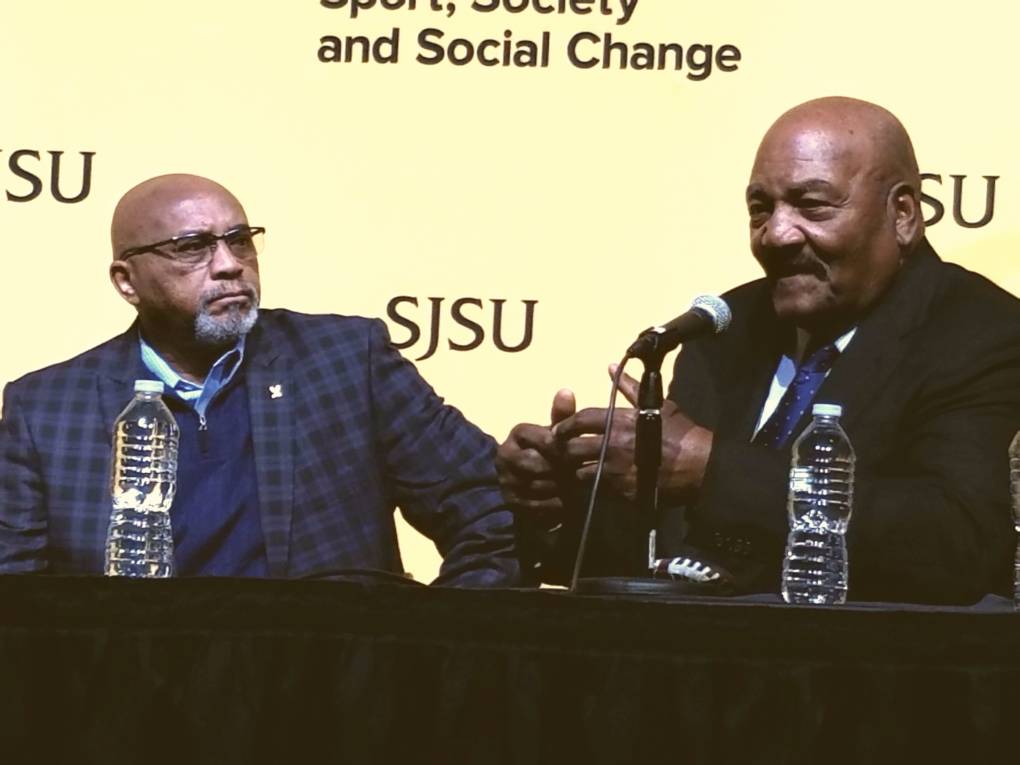
"caption": "Tommie Smith and Jim Brown discuss their political activism",
"description": null,
"title": "TSmith_JBrown",
"credit": "Monica Lam",
"status": "inherit",
"isLoading": false,
"fetchFailed": false
},
"news_11041590": {
"type": "attachments",
"id": "news_11041590",
"meta": {
"index": "attachments_1716263798",
"site": "news",
"id": "11041590",
"found": true
},
"parent": 11040427,
"imgSizes": {
"twentyfourteen-full-width": {
"file": "https://ww2.kqed.org/app/uploads/sites/10/2016/08/RS20440_160722_fencing_bhs06-1038x576.jpg",
"width": 1038,
"mimeType": "image/jpeg",
"height": 576
},
"thumbnail": {
"file": "https://ww2.kqed.org/app/uploads/sites/10/2016/08/RS20440_160722_fencing_bhs06-400x291.jpg",
"width": 400,
"mimeType": "image/jpeg",
"height": 291
},
"fd-sm": {
"file": "https://ww2.kqed.org/app/uploads/sites/10/2016/08/RS20440_160722_fencing_bhs06-960x699.jpg",
"width": 960,
"mimeType": "image/jpeg",
"height": 699
},
"post-thumbnail": {
"file": "https://ww2.kqed.org/app/uploads/sites/10/2016/08/RS20440_160722_fencing_bhs06-672x372.jpg",
"width": 672,
"mimeType": "image/jpeg",
"height": 372
},
"kqedFullSize": {
"file": "https://ww2.kqed.org/app/uploads/sites/10/2016/08/RS20440_160722_fencing_bhs06.jpg",
"width": 1920,
"height": 1398
},
"large": {
"file": "https://ww2.kqed.org/app/uploads/sites/10/2016/08/RS20440_160722_fencing_bhs06-1920x1398.jpg",
"width": 1920,
"mimeType": "image/jpeg",
"height": 1398
},
"guest-author-50": {
"file": "https://ww2.kqed.org/app/uploads/sites/10/2016/08/RS20440_160722_fencing_bhs06-50x50.jpg",
"width": 50,
"mimeType": "image/jpeg",
"height": 50
},
"guest-author-96": {
"file": "https://ww2.kqed.org/app/uploads/sites/10/2016/08/RS20440_160722_fencing_bhs06-96x96.jpg",
"width": 96,
"mimeType": "image/jpeg",
"height": 96
},
"medium": {
"file": "https://ww2.kqed.org/app/uploads/sites/10/2016/08/RS20440_160722_fencing_bhs06-800x583.jpg",
"width": 800,
"mimeType": "image/jpeg",
"height": 583
},
"guest-author-64": {
"file": "https://ww2.kqed.org/app/uploads/sites/10/2016/08/RS20440_160722_fencing_bhs06-64x64.jpg",
"width": 64,
"mimeType": "image/jpeg",
"height": 64
},
"guest-author-32": {
"file": "https://ww2.kqed.org/app/uploads/sites/10/2016/08/RS20440_160722_fencing_bhs06-32x32.jpg",
"width": 32,
"mimeType": "image/jpeg",
"height": 32
},
"jmtc-small-thumb": {
"file": "https://ww2.kqed.org/app/uploads/sites/10/2016/08/RS20440_160722_fencing_bhs06-280x150.jpg",
"width": 280,
"mimeType": "image/jpeg",
"height": 150
},
"fd-lrg": {
"file": "https://ww2.kqed.org/app/uploads/sites/10/2016/08/RS20440_160722_fencing_bhs06-1920x1398.jpg",
"width": 1920,
"mimeType": "image/jpeg",
"height": 1398
},
"fd-med": {
"file": "https://ww2.kqed.org/app/uploads/sites/10/2016/08/RS20440_160722_fencing_bhs06-1180x859.jpg",
"width": 1180,
"mimeType": "image/jpeg",
"height": 859
},
"detail": {
"file": "https://ww2.kqed.org/app/uploads/sites/10/2016/08/RS20440_160722_fencing_bhs06-150x150.jpg",
"width": 150,
"mimeType": "image/jpeg",
"height": 150
},
"guest-author-128": {
"file": "https://ww2.kqed.org/app/uploads/sites/10/2016/08/RS20440_160722_fencing_bhs06-128x128.jpg",
"width": 128,
"mimeType": "image/jpeg",
"height": 128
}
},
"publishDate": 1470356779,
"modified": 1470356817,
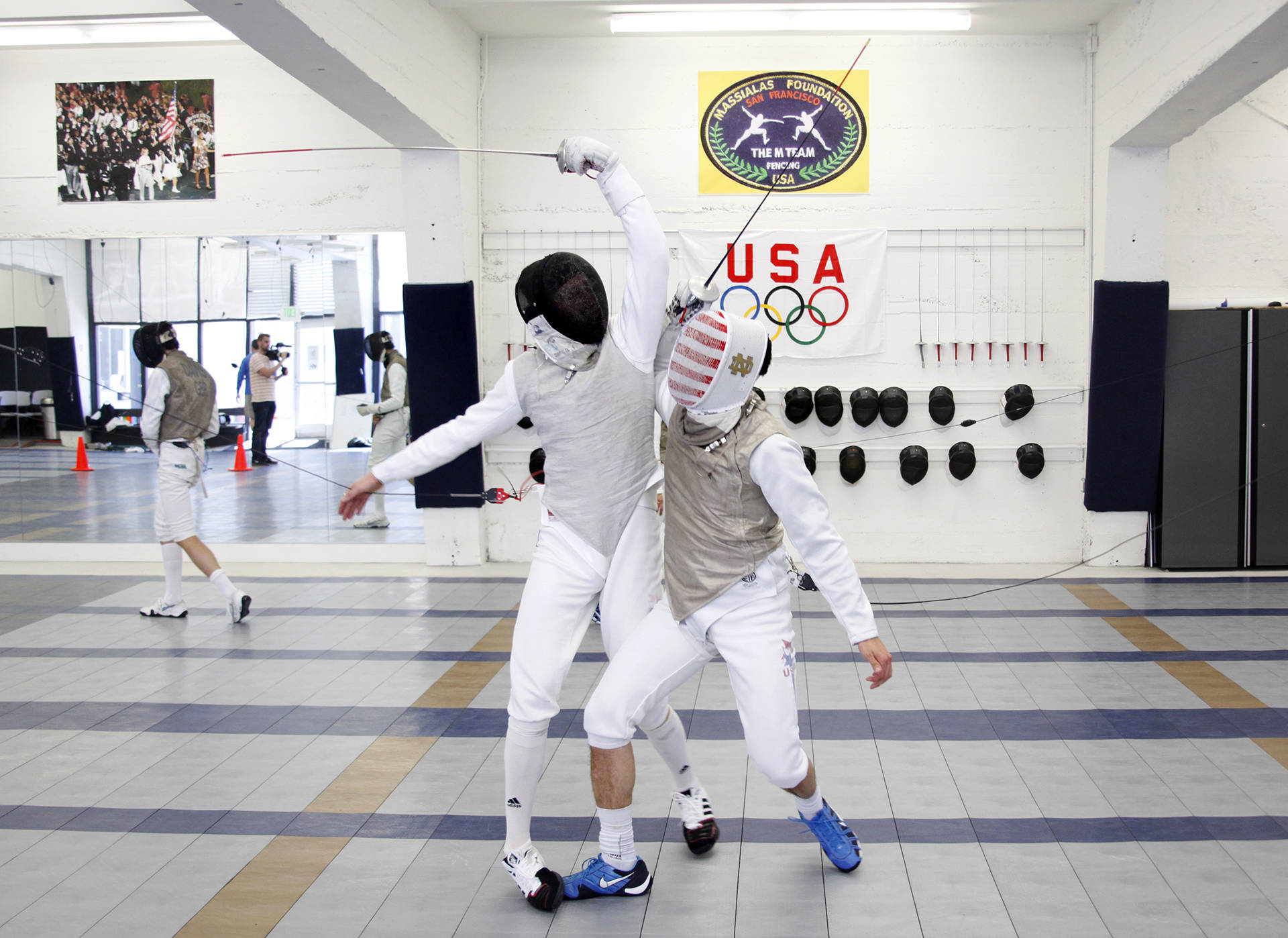
"caption": "Race Imboden (left) and Gerek Meinhardt (right) collide during a practice. Both are heading to compete at the Olympics in Rio. ",
"description": null,
"title": "RS20440_160722_fencing_bhs06",
"credit": "Brittany Hosea-Small/KQED",
"status": "inherit",
"isLoading": false,
"fetchFailed": false
},
"news_11046182": {
"type": "attachments",
"id": "news_11046182",
"meta": {
"index": "attachments_1716263798",
"site": "news",
"id": "11046182",
"found": true
},
"parent": 11046181,
"imgSizes": {
"twentyfourteen-full-width": {
"file": "https://ww2.kqed.org/app/uploads/sites/10/2016/08/ap_240701120_custom-7e90bacd4c1bb656b63dffd5c354f6e87d03df93-1038x576.jpg",
"width": 1038,
"mimeType": "image/jpeg",
"height": 576
},
"thumbnail": {
"file": "https://ww2.kqed.org/app/uploads/sites/10/2016/08/ap_240701120_custom-7e90bacd4c1bb656b63dffd5c354f6e87d03df93-400x286.jpg",
"width": 400,
"mimeType": "image/jpeg",
"height": 286
},
"fd-sm": {
"file": "https://ww2.kqed.org/app/uploads/sites/10/2016/08/ap_240701120_custom-7e90bacd4c1bb656b63dffd5c354f6e87d03df93-960x686.jpg",
"width": 960,
"mimeType": "image/jpeg",
"height": 686
},
"post-thumbnail": {
"file": "https://ww2.kqed.org/app/uploads/sites/10/2016/08/ap_240701120_custom-7e90bacd4c1bb656b63dffd5c354f6e87d03df93-672x372.jpg",
"width": 672,
"mimeType": "image/jpeg",
"height": 372
},
"kqedFullSize": {
"file": "https://ww2.kqed.org/app/uploads/sites/10/2016/08/ap_240701120_custom-7e90bacd4c1bb656b63dffd5c354f6e87d03df93.jpg",
"width": 3183,
"height": 2274
},
"large": {
"file": "https://ww2.kqed.org/app/uploads/sites/10/2016/08/ap_240701120_custom-7e90bacd4c1bb656b63dffd5c354f6e87d03df93-1920x1372.jpg",
"width": 1920,
"mimeType": "image/jpeg",
"height": 1372
},
"guest-author-50": {
"file": "https://ww2.kqed.org/app/uploads/sites/10/2016/08/ap_240701120_custom-7e90bacd4c1bb656b63dffd5c354f6e87d03df93-50x50.jpg",
"width": 50,
"mimeType": "image/jpeg",
"height": 50
},
"guest-author-96": {
"file": "https://ww2.kqed.org/app/uploads/sites/10/2016/08/ap_240701120_custom-7e90bacd4c1bb656b63dffd5c354f6e87d03df93-96x96.jpg",
"width": 96,
"mimeType": "image/jpeg",
"height": 96
},
"medium": {
"file": "https://ww2.kqed.org/app/uploads/sites/10/2016/08/ap_240701120_custom-7e90bacd4c1bb656b63dffd5c354f6e87d03df93-800x572.jpg",
"width": 800,
"mimeType": "image/jpeg",
"height": 572
},
"guest-author-64": {
"file": "https://ww2.kqed.org/app/uploads/sites/10/2016/08/ap_240701120_custom-7e90bacd4c1bb656b63dffd5c354f6e87d03df93-64x64.jpg",
"width": 64,
"mimeType": "image/jpeg",
"height": 64
},
"guest-author-32": {
"file": "https://ww2.kqed.org/app/uploads/sites/10/2016/08/ap_240701120_custom-7e90bacd4c1bb656b63dffd5c354f6e87d03df93-32x32.jpg",
"width": 32,
"mimeType": "image/jpeg",
"height": 32
},
"jmtc-small-thumb": {
"file": "https://ww2.kqed.org/app/uploads/sites/10/2016/08/ap_240701120_custom-7e90bacd4c1bb656b63dffd5c354f6e87d03df93-280x150.jpg",
"width": 280,
"mimeType": "image/jpeg",
"height": 150
},
"fd-lrg": {
"file": "https://ww2.kqed.org/app/uploads/sites/10/2016/08/ap_240701120_custom-7e90bacd4c1bb656b63dffd5c354f6e87d03df93-1920x1372.jpg",
"width": 1920,
"mimeType": "image/jpeg",
"height": 1372
},
"fd-med": {
"file": "https://ww2.kqed.org/app/uploads/sites/10/2016/08/ap_240701120_custom-7e90bacd4c1bb656b63dffd5c354f6e87d03df93-1180x843.jpg",
"width": 1180,
"mimeType": "image/jpeg",
"height": 843
},
"detail": {
"file": "https://ww2.kqed.org/app/uploads/sites/10/2016/08/ap_240701120_custom-7e90bacd4c1bb656b63dffd5c354f6e87d03df93-150x150.jpg",
"width": 150,
"mimeType": "image/jpeg",
"height": 150
},
"guest-author-128": {
"file": "https://ww2.kqed.org/app/uploads/sites/10/2016/08/ap_240701120_custom-7e90bacd4c1bb656b63dffd5c354f6e87d03df93-128x128.jpg",
"width": 128,
"mimeType": "image/jpeg",
"height": 128
}
},
"publishDate": 1470776108,
"modified": 1470776295,
"caption": "The U.S. and Romanian rugby teams battle during the 1924 Olympics in Paris. The U.S. won the gold, defeating the heavily favored French. After that, rugby was tossed out of the Olympics for 92 years, returning just this year in Rio.",
"description": "The U.S. and Romanian rugby teams battle during the 1924 Olympics in Paris. The U.S. won the gold, defeating the heavily favored French. After that, rugby was tossed out of the Olympics for 92 years, returning just this year in Rio.",
"title": "The U.S. and Romanian rugby teams battle during the 1924 Olympics in Paris. The U.S. won the gold, defeating the heavily favored French. After that, rugby was tossed out of the Olympics for 92 years, returning just this year in Rio.",
"credit": null,
"status": "inherit",
"isLoading": false,
"fetchFailed": false
},
"news_11042694": {
"type": "attachments",
"id": "news_11042694",
"meta": {
"index": "attachments_1716263798",
"site": "news",
"id": "11042694",
"found": true
},
"parent": 11042281,
"imgSizes": {
"twentyfourteen-full-width": {
"file": "https://ww2.kqed.org/app/uploads/sites/10/2016/08/Surfin-1038x576.jpg",
"width": 1038,
"mimeType": "image/jpeg",
"height": 576
},
"thumbnail": {
"file": "https://ww2.kqed.org/app/uploads/sites/10/2016/08/Surfin-400x228.jpg",
"width": 400,
"mimeType": "image/jpeg",
"height": 228
},
"fd-sm": {
"file": "https://ww2.kqed.org/app/uploads/sites/10/2016/08/Surfin-960x547.jpg",
"width": 960,
"mimeType": "image/jpeg",
"height": 547
},
"post-thumbnail": {
"file": "https://ww2.kqed.org/app/uploads/sites/10/2016/08/Surfin-672x372.jpg",
"width": 672,
"mimeType": "image/jpeg",
"height": 372
},
"kqedFullSize": {
"file": "https://ww2.kqed.org/app/uploads/sites/10/2016/08/Surfin.jpg",
"width": 1920,
"height": 1093
},
"large": {
"file": "https://ww2.kqed.org/app/uploads/sites/10/2016/08/Surfin-1920x1093.jpg",
"width": 1920,
"mimeType": "image/jpeg",
"height": 1093
},
"guest-author-50": {
"file": "https://ww2.kqed.org/app/uploads/sites/10/2016/08/Surfin-50x50.jpg",
"width": 50,
"mimeType": "image/jpeg",
"height": 50
},
"guest-author-96": {
"file": "https://ww2.kqed.org/app/uploads/sites/10/2016/08/Surfin-96x96.jpg",
"width": 96,
"mimeType": "image/jpeg",
"height": 96
},
"medium": {
"file": "https://ww2.kqed.org/app/uploads/sites/10/2016/08/Surfin-800x455.jpg",
"width": 800,
"mimeType": "image/jpeg",
"height": 455
},
"guest-author-64": {
"file": "https://ww2.kqed.org/app/uploads/sites/10/2016/08/Surfin-64x64.jpg",
"width": 64,
"mimeType": "image/jpeg",
"height": 64
},
"guest-author-32": {
"file": "https://ww2.kqed.org/app/uploads/sites/10/2016/08/Surfin-32x32.jpg",
"width": 32,
"mimeType": "image/jpeg",
"height": 32
},
"jmtc-small-thumb": {
"file": "https://ww2.kqed.org/app/uploads/sites/10/2016/08/Surfin-280x150.jpg",
"width": 280,
"mimeType": "image/jpeg",
"height": 150
},
"fd-lrg": {
"file": "https://ww2.kqed.org/app/uploads/sites/10/2016/08/Surfin-1920x1093.jpg",
"width": 1920,
"mimeType": "image/jpeg",
"height": 1093
},
"fd-med": {
"file": "https://ww2.kqed.org/app/uploads/sites/10/2016/08/Surfin-1180x672.jpg",
"width": 1180,
"mimeType": "image/jpeg",
"height": 672
},
"detail": {
"file": "https://ww2.kqed.org/app/uploads/sites/10/2016/08/Surfin-150x150.jpg",
"width": 150,
"mimeType": "image/jpeg",
"height": 150
},
"guest-author-128": {
"file": "https://ww2.kqed.org/app/uploads/sites/10/2016/08/Surfin-128x128.jpg",
"width": 128,
"mimeType": "image/jpeg",
"height": 128
}
},
"publishDate": 1470445236,
"modified": 1470445271,
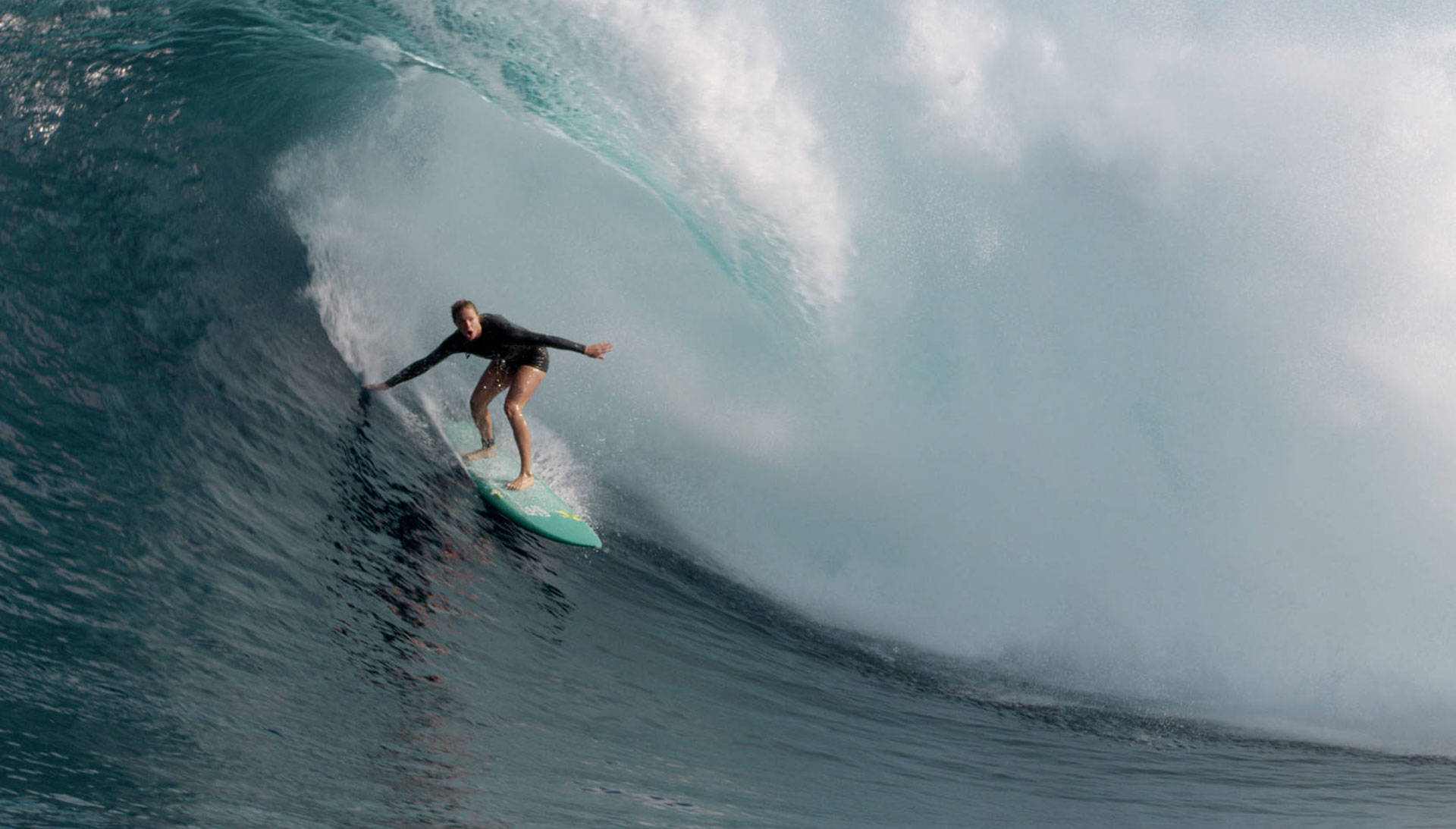
"caption": "Paige Alms gets barreled at the Jaws surf break in Maui, Hawaii, a clip featured in the documentary 'The Wave I Ride.' ",
"description": "Paige Alms gets barreled at the Jaws surf break in Maui, Hawaii, a clip featured in the documentary 'The Wave I Ride.' ",
"title": "Surfin",
"credit": "Courtesy of 'The Wave I Ride'",
"status": "inherit",
"isLoading": false,
"fetchFailed": false
},
"news_11038684": {
"type": "attachments",
"id": "news_11038684",
"meta": {
"index": "attachments_1716263798",
"site": "news",
"id": "11038684",
"found": true
},
"parent": 11038682,
"imgSizes": {
"twentyfourteen-full-width": {
"file": "https://ww2.kqed.org/app/uploads/sites/10/2016/08/track-olymics-1920-1038x576.jpg",
"width": 1038,
"mimeType": "image/jpeg",
"height": 576
},
"thumbnail": {
"file": "https://ww2.kqed.org/app/uploads/sites/10/2016/08/track-olymics-1920-400x300.jpg",
"width": 400,
"mimeType": "image/jpeg",
"height": 300
},
"fd-sm": {
"file": "https://ww2.kqed.org/app/uploads/sites/10/2016/08/track-olymics-1920-960x720.jpg",
"width": 960,
"mimeType": "image/jpeg",
"height": 720
},
"post-thumbnail": {
"file": "https://ww2.kqed.org/app/uploads/sites/10/2016/08/track-olymics-1920-672x372.jpg",
"width": 672,
"mimeType": "image/jpeg",
"height": 372
},
"kqedFullSize": {
"file": "https://ww2.kqed.org/app/uploads/sites/10/2016/08/track-olymics-1920.jpg",
"width": 1920,
"height": 1440
},
"large": {
"file": "https://ww2.kqed.org/app/uploads/sites/10/2016/08/track-olymics-1920-1920x1440.jpg",
"width": 1920,
"mimeType": "image/jpeg",
"height": 1440
},
"guest-author-50": {
"file": "https://ww2.kqed.org/app/uploads/sites/10/2016/08/track-olymics-1920-50x50.jpg",
"width": 50,
"mimeType": "image/jpeg",
"height": 50
},
"guest-author-96": {
"file": "https://ww2.kqed.org/app/uploads/sites/10/2016/08/track-olymics-1920-96x96.jpg",
"width": 96,
"mimeType": "image/jpeg",
"height": 96
},
"medium": {
"file": "https://ww2.kqed.org/app/uploads/sites/10/2016/08/track-olymics-1920-800x600.jpg",
"width": 800,
"mimeType": "image/jpeg",
"height": 600
},
"guest-author-64": {
"file": "https://ww2.kqed.org/app/uploads/sites/10/2016/08/track-olymics-1920-64x64.jpg",
"width": 64,
"mimeType": "image/jpeg",
"height": 64
},
"guest-author-32": {
"file": "https://ww2.kqed.org/app/uploads/sites/10/2016/08/track-olymics-1920-32x32.jpg",
"width": 32,
"mimeType": "image/jpeg",
"height": 32
},
"jmtc-small-thumb": {
"file": "https://ww2.kqed.org/app/uploads/sites/10/2016/08/track-olymics-1920-280x150.jpg",
"width": 280,
"mimeType": "image/jpeg",
"height": 150
},
"fd-lrg": {
"file": "https://ww2.kqed.org/app/uploads/sites/10/2016/08/track-olymics-1920-1920x1440.jpg",
"width": 1920,
"mimeType": "image/jpeg",
"height": 1440
},
"fd-med": {
"file": "https://ww2.kqed.org/app/uploads/sites/10/2016/08/track-olymics-1920-1180x885.jpg",
"width": 1180,
"mimeType": "image/jpeg",
"height": 885
},
"detail": {
"file": "https://ww2.kqed.org/app/uploads/sites/10/2016/08/track-olymics-1920-150x150.jpg",
"width": 150,
"mimeType": "image/jpeg",
"height": 150
},
"guest-author-128": {
"file": "https://ww2.kqed.org/app/uploads/sites/10/2016/08/track-olymics-1920-128x128.jpg",
"width": 128,
"mimeType": "image/jpeg",
"height": 128
}
},
"publishDate": 1470095682,
"modified": 1470095761,
"caption": "Tommie Smith looks at his statue at San Jose State on Aug. 1, 2016.",
"description": "Tommie Smith looks at his statue at San Jose State on Aug. 1, 2016.",
"title": "track-olymics-1920",
"credit": "Beth Willon/KQED",
"status": "inherit",
"isLoading": false,
"fetchFailed": false
},
"news_11028443": {
"type": "attachments",
"id": "news_11028443",
"meta": {
"index": "attachments_1716263798",
"site": "news",
"id": "11028443",
"found": true
},
"parent": 11026086,
"imgSizes": {
"twentyfourteen-full-width": {
"file": "https://ww2.kqed.org/app/uploads/sites/10/2016/07/Kayaker-1038x576.jpg",
"width": 1038,
"mimeType": "image/jpeg",
"height": 576
},
"thumbnail": {
"file": "https://ww2.kqed.org/app/uploads/sites/10/2016/07/Kayaker-400x244.jpg",
"width": 400,
"mimeType": "image/jpeg",
"height": 244
},
"fd-sm": {
"file": "https://ww2.kqed.org/app/uploads/sites/10/2016/07/Kayaker-960x587.jpg",
"width": 960,
"mimeType": "image/jpeg",
"height": 587
},
"post-thumbnail": {
"file": "https://ww2.kqed.org/app/uploads/sites/10/2016/07/Kayaker-672x372.jpg",
"width": 672,
"mimeType": "image/jpeg",
"height": 372
},
"kqedFullSize": {
"file": "https://ww2.kqed.org/app/uploads/sites/10/2016/07/Kayaker.jpg",
"width": 1920,
"height": 1173
},
"large": {
"file": "https://ww2.kqed.org/app/uploads/sites/10/2016/07/Kayaker-1920x1173.jpg",
"width": 1920,
"mimeType": "image/jpeg",
"height": 1173
},
"guest-author-50": {
"file": "https://ww2.kqed.org/app/uploads/sites/10/2016/07/Kayaker-50x50.jpg",
"width": 50,
"mimeType": "image/jpeg",
"height": 50
},
"guest-author-96": {
"file": "https://ww2.kqed.org/app/uploads/sites/10/2016/07/Kayaker-96x96.jpg",
"width": 96,
"mimeType": "image/jpeg",
"height": 96
},
"medium": {
"file": "https://ww2.kqed.org/app/uploads/sites/10/2016/07/Kayaker-800x489.jpg",
"width": 800,
"mimeType": "image/jpeg",
"height": 489
},
"guest-author-64": {
"file": "https://ww2.kqed.org/app/uploads/sites/10/2016/07/Kayaker-64x64.jpg",
"width": 64,
"mimeType": "image/jpeg",
"height": 64
},
"guest-author-32": {
"file": "https://ww2.kqed.org/app/uploads/sites/10/2016/07/Kayaker-32x32.jpg",
"width": 32,
"mimeType": "image/jpeg",
"height": 32
},
"jmtc-small-thumb": {
"file": "https://ww2.kqed.org/app/uploads/sites/10/2016/07/Kayaker-280x150.jpg",
"width": 280,
"mimeType": "image/jpeg",
"height": 150
},
"fd-lrg": {
"file": "https://ww2.kqed.org/app/uploads/sites/10/2016/07/Kayaker-1920x1173.jpg",
"width": 1920,
"mimeType": "image/jpeg",
"height": 1173
},
"fd-med": {
"file": "https://ww2.kqed.org/app/uploads/sites/10/2016/07/Kayaker-1180x721.jpg",
"width": 1180,
"mimeType": "image/jpeg",
"height": 721
},
"detail": {
"file": "https://ww2.kqed.org/app/uploads/sites/10/2016/07/Kayaker-150x150.jpg",
"width": 150,
"mimeType": "image/jpeg",
"height": 150
},
"guest-author-128": {
"file": "https://ww2.kqed.org/app/uploads/sites/10/2016/07/Kayaker-128x128.jpg",
"width": 128,
"mimeType": "image/jpeg",
"height": 128
}
},
"publishDate": 1469236260,
"modified": 1469486022,
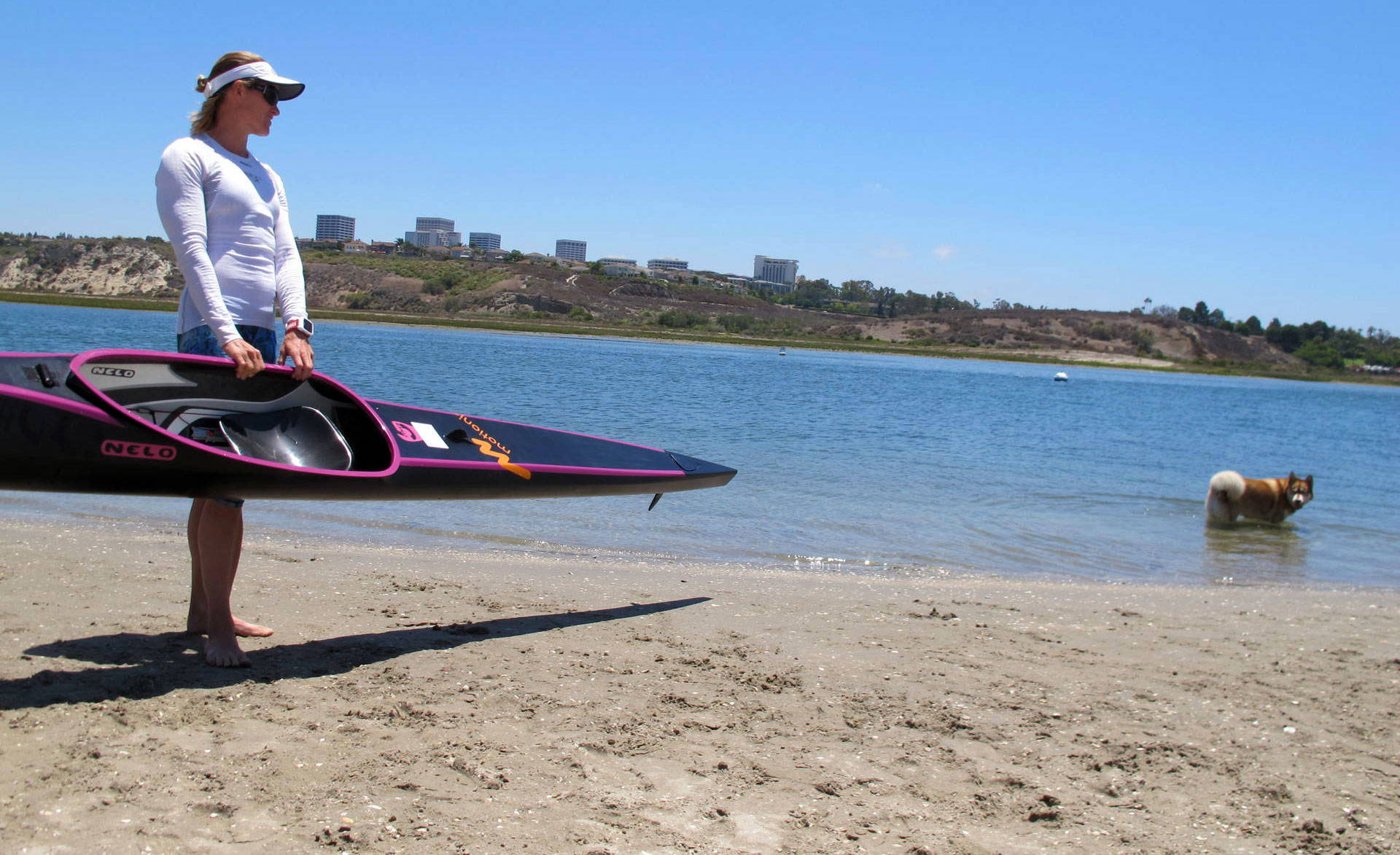
"caption": "At 37, Maggie Hogan is headed to her first Olympics. Her dog, Wrecks, waits for her on the docks as she trains, and barks when he recognizes her boat heading into shore.",
"description": "At 37, Maggie Hogan is headed to her first Olympics. Her dog, Wrecks, waits for her on the docks as she trains, and barks when he recognizes her boat heading into shore.",
"title": "Kayaker",
"credit": "Susan Valot/KQED",
"status": "inherit",
"isLoading": false,
"fetchFailed": false
},
"news_11024078": {
"type": "attachments",
"id": "news_11024078",
"meta": {
"index": "attachments_1716263798",
"site": "news",
"id": "11024078",
"found": true
},
"parent": 11021404,
"imgSizes": {
"twentyfourteen-full-width": {
"file": "https://ww2.kqed.org/app/uploads/sites/10/2016/07/ShuShoes-1038x576.jpg",
"width": 1038,
"mimeType": "image/jpeg",
"height": 576
},
"thumbnail": {
"file": "https://ww2.kqed.org/app/uploads/sites/10/2016/07/ShuShoes-400x274.jpg",
"width": 400,
"mimeType": "image/jpeg",
"height": 274
},
"fd-sm": {
"file": "https://ww2.kqed.org/app/uploads/sites/10/2016/07/ShuShoes-960x657.jpg",
"width": 960,
"mimeType": "image/jpeg",
"height": 657
},
"post-thumbnail": {
"file": "https://ww2.kqed.org/app/uploads/sites/10/2016/07/ShuShoes-672x372.jpg",
"width": 672,
"mimeType": "image/jpeg",
"height": 372
},
"kqedFullSize": {
"file": "https://ww2.kqed.org/app/uploads/sites/10/2016/07/ShuShoes.jpg",
"width": 1920,
"height": 1314
},
"large": {
"file": "https://ww2.kqed.org/app/uploads/sites/10/2016/07/ShuShoes-1920x1314.jpg",
"width": 1920,
"mimeType": "image/jpeg",
"height": 1314
},
"guest-author-50": {
"file": "https://ww2.kqed.org/app/uploads/sites/10/2016/07/ShuShoes-50x50.jpg",
"width": 50,
"mimeType": "image/jpeg",
"height": 50
},
"guest-author-96": {
"file": "https://ww2.kqed.org/app/uploads/sites/10/2016/07/ShuShoes-96x96.jpg",
"width": 96,
"mimeType": "image/jpeg",
"height": 96
},
"medium": {
"file": "https://ww2.kqed.org/app/uploads/sites/10/2016/07/ShuShoes-800x548.jpg",
"width": 800,
"mimeType": "image/jpeg",
"height": 548
},
"guest-author-64": {
"file": "https://ww2.kqed.org/app/uploads/sites/10/2016/07/ShuShoes-64x64.jpg",
"width": 64,
"mimeType": "image/jpeg",
"height": 64
},
"guest-author-32": {
"file": "https://ww2.kqed.org/app/uploads/sites/10/2016/07/ShuShoes-32x32.jpg",
"width": 32,
"mimeType": "image/jpeg",
"height": 32
},
"jmtc-small-thumb": {
"file": "https://ww2.kqed.org/app/uploads/sites/10/2016/07/ShuShoes-280x150.jpg",
"width": 280,
"mimeType": "image/jpeg",
"height": 150
},
"fd-lrg": {
"file": "https://ww2.kqed.org/app/uploads/sites/10/2016/07/ShuShoes-1920x1314.jpg",
"width": 1920,
"mimeType": "image/jpeg",
"height": 1314
},
"fd-med": {
"file": "https://ww2.kqed.org/app/uploads/sites/10/2016/07/ShuShoes-1180x808.jpg",
"width": 1180,
"mimeType": "image/jpeg",
"height": 808
},
"detail": {
"file": "https://ww2.kqed.org/app/uploads/sites/10/2016/07/ShuShoes-150x150.jpg",
"width": 150,
"mimeType": "image/jpeg",
"height": 150
},
"guest-author-128": {
"file": "https://ww2.kqed.org/app/uploads/sites/10/2016/07/ShuShoes-128x128.jpg",
"width": 128,
"mimeType": "image/jpeg",
"height": 128
}
},
"publishDate": 1468879318,
"modified": 1468885448,
"caption": "Anaheim's Howard Shu is competing in badminton at this summer's Olympic Games in Rio de Janeiro, Brazil. He's also a shoe collector, with over 100 pairs.",
"description": "Anaheim's Howard Shu is competing in badminton at this summer's Olympic Games in Rio de Janeiro, Brazil. He's also a shoe collector, with over 100 pairs.",
"title": "ShuShoes",
"credit": "Susan Valot/KQED",
"status": "inherit",
"isLoading": false,
"fetchFailed": false
},
"news_10368573": {
"type": "attachments",
"id": "news_10368573",
"meta": {
"index": "attachments_1716263798",
"site": "news",
"id": "10368573",
"found": true
},
"parent": 10368472,
"imgSizes": {
"twentyfourteen-full-width": {
"file": "https://ww2.kqed.org/app/uploads/sites/10/2014/12/459972210-1038x576.jpg",
"width": 1038,
"mimeType": "image/jpeg",
"height": 576
},
"thumbnail": {
"file": "https://ww2.kqed.org/app/uploads/sites/10/2014/12/459972210-400x266.jpg",
"width": 400,
"mimeType": "image/jpeg",
"height": 266
},
"post-thumbnail": {
"file": "https://ww2.kqed.org/app/uploads/sites/10/2014/12/459972210-672x372.jpg",
"width": 672,
"mimeType": "image/jpeg",
"height": 372
},
"kqedFullSize": {
"file": "https://ww2.kqed.org/app/uploads/sites/10/2014/12/459972210-e1417806995831.jpg",
"width": 1440,
"height": 960
},
"large": {
"file": "https://ww2.kqed.org/app/uploads/sites/10/2014/12/459972210-1440x960.jpg",
"width": 1440,
"mimeType": "image/jpeg",
"height": 960
},
"guest-author-96": {
"file": "https://ww2.kqed.org/app/uploads/sites/10/2014/12/459972210-96x96.jpg",
"width": 96,
"mimeType": "image/jpeg",
"height": 96
},
"medium": {
"file": "https://ww2.kqed.org/app/uploads/sites/10/2014/12/459972210-800x533.jpg",
"width": 800,
"mimeType": "image/jpeg",
"height": 533
},
"guest-author-64": {
"file": "https://ww2.kqed.org/app/uploads/sites/10/2014/12/459972210-64x64.jpg",
"width": 64,
"mimeType": "image/jpeg",
"height": 64
},
"detail": {
"file": "https://ww2.kqed.org/app/uploads/sites/10/2014/12/459972210-75x75.jpg",
"width": 75,
"mimeType": "image/jpeg",
"height": 75
},
"guest-author-32": {
"file": "https://ww2.kqed.org/app/uploads/sites/10/2014/12/459972210-32x32.jpg",
"width": 32,
"mimeType": "image/jpeg",
"height": 32
},
"guest-author-128": {
"file": "https://ww2.kqed.org/app/uploads/sites/10/2014/12/459972210-128x128.jpg",
"width": 128,
"mimeType": "image/jpeg",
"height": 128
}
},
"publishDate": 1417806836,
"modified": 1417807093,
"caption": "Officers line up on an East Oakland street during Thursday night protest against police violence. (Elijah Nouvelage/Getty Images)",
"description": "OAKLAND, CA - DECEMBER 4: Police officers form a line in East Oakland on the second night of demonstrations following a Staten Island, New York grand jury's decision not to indict a police officer in the chokehold death of Eric Garner on December 4, 2014 in Oakland, California. The grand jury declined to indict New York City Police Officer Daniel Pantaleo in Garner's death. (Photo by Elijah Nouvelage/Getty Images)",
"title": "Oakland-Police Protests",
"credit": null,
"status": "inherit",
"isLoading": false,
"fetchFailed": false
},
"news_139095": {
"type": "attachments",
"id": "news_139095",
"meta": {
"index": "attachments_1716263798",
"site": "news",
"id": "139095",
"found": true
},
"parent": 139084,
"imgSizes": {
"kqedFullSize": {
"file": "https://ww2.kqed.org/app/uploads/sites/10/2014/06/rings-1-of-1.jpg",
"width": 320,
"height": 160
}
},
"publishDate": 1402684038,
"modified": 1402684038,
"caption": null,
"description": null,
"title": "rings (1 of 1)",
"credit": null,
"status": "inherit",
"isLoading": false,
"fetchFailed": false
},
"news_127148": {
"type": "attachments",
"id": "news_127148",
"meta": {
"index": "attachments_1716263798",
"site": "news",
"id": "127148",
"found": true
},
"parent": 127024,
"imgSizes": {
"kqedFullSize": {
"file": "https://ww2.kqed.org/app/uploads/sites/10/2014/02/curling-2000.jpg",
"width": 1448,
"height": 1086
}
},
"publishDate": 1392948300,
"modified": 1392948300,
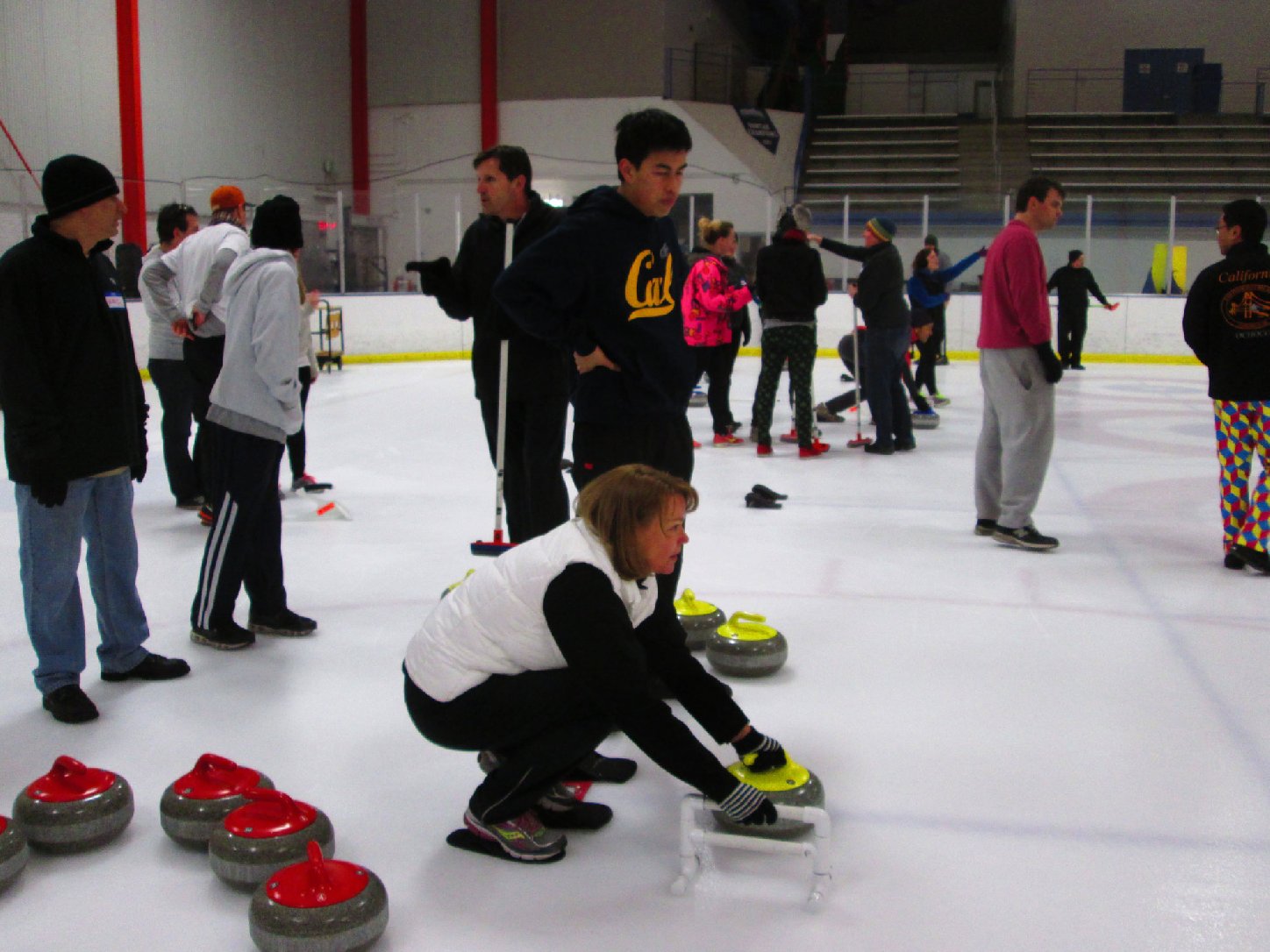
"caption": "Bay Area Curling Club instructor Joseph Tang shows aspiring curler Nancy Carruth of San Francisco the basics at the Oakland Ice Arena on Feb. 1, 2014. (Nina Thorsen/KQED)",
"description": "Bay Area Curling Club instructor Joseph Tang shows aspiring curler Nancy Carruth of San Francisco the basics at the Oakland Ice Arena on Feb. 1, 2014. (Nina Thorsen/KQED)",
"title": "curling-2000",
"credit": null,
"status": "inherit",
"isLoading": false,
"fetchFailed": false
},
"news_125543": {
"type": "attachments",
"id": "news_125543",
"meta": {
"index": "attachments_1716263798",
"site": "news",
"id": "125543",
"found": true
},
"parent": 125541,
"imgSizes": {
"kqedFullSize": {
"file": "https://ww2.kqed.org/app/uploads/sites/10/2014/02/olympics.jpg",
"width": 1280,
"height": 900
}
},
"publishDate": 1391741627,
"modified": 1391741627,
"caption": null,
"description": null,
"title": "Previews - Winter Olympics Day -2",
"credit": null,
"status": "inherit",
"isLoading": false,
"fetchFailed": false
}
},
"audioPlayerReducer": {
"postId": "stream_live",
"isPaused": true,
"isPlaying": false,
"pfsActive": false,
"pledgeModalIsOpen": true,
"playerDrawerIsOpen": false,
"liveAudioPlayStartedAt": 0,
"liveAudioPlayContext": ""
},
"authorsReducer": {
"byline_news_11046181": {
"type": "authors",
"id": "byline_news_11046181",
"meta": {
"override": true
},
"slug": "byline_news_11046181",
"name": "Karen Given\u003cbr>NPR",
"isLoading": false
},
"byline_news_11042281": {
"type": "authors",
"id": "byline_news_11042281",
"meta": {
"override": true
},
"slug": "byline_news_11042281",
"name": "\u003cstrong>Matt Bloom\u003cbr>\u003ca href=\"http://www.scpr.org/\">KPCC\u003c/a>\u003c/strong>",
"isLoading": false
},
"byline_news_11038682": {
"type": "authors",
"id": "byline_news_11038682",
"meta": {
"override": true
},
"slug": "byline_news_11038682",
"name": "\u003cstrong>Janie McCauley\u003cbr />AP Sports Writer\u003c/strong>",
"isLoading": false
},
"danbrekke": {
"type": "authors",
"id": "222",
"meta": {
"index": "authors_1716337520",
"id": "222",
"found": true
},
"name": "Dan Brekke",
"firstName": "Dan",
"lastName": "Brekke",
"slug": "danbrekke",
"email": "dbrekke@kqed.org",
"display_author_email": true,
"staff_mastheads": [
"news",
"science"
],
"title": "KQED Editor and Reporter",
"bio": "Dan Brekke is a reporter and editor for KQED News, responsible for coverage of topics ranging from California water issues to the Bay Area's transportation challenges. In a newsroom career that began in Chicago in 1972, Dan has worked for \u003cem>The San Francisco Examiner,\u003c/em> Wired and TechTV and has been published in The New York Times, The New York Times Magazine, Business 2.0, Salon and elsewhere.\r\n\r\nSince joining KQED in 2007, Dan has reported, edited and produced both radio and online features and breaking news pieces. He has shared as both editor and reporter in four Society of Professional Journalists Norcal Excellence in Journalism awards and one Edward R. Murrow regional award. He was chosen for a spring 2017 residency at the Mesa Refuge to advance his research on California salmon.\r\n\r\nEmail Dan at: \u003ca href=\"mailto:dbrekke@kqed.org\">dbrekke@kqed.org\u003c/a>\r\n\r\n\u003cstrong>Twitter:\u003c/strong> \u003ca href=\"https://twitter.com/danbrekke\" rel=\"noopener noreferrer\">twitter.com/danbrekke\u003c/a>\r\n\u003cstrong>Facebook:\u003c/strong> \u003ca href=\"https://www.facebook.com/danbrekke\" rel=\"noopener noreferrer\">www.facebook.com/danbrekke\u003c/a>\r\n\u003cstrong>LinkedIn:\u003c/strong> \u003ca href=\"https://www.linkedin.com/in/danbrekke\" rel=\"noopener noreferrer\">www.linkedin.com/in/danbrekke\u003c/a>",
"avatar": "https://secure.gravatar.com/avatar/c8126230345efca3f7aa89b1a402be45?s=600&d=mm&r=g",
"twitter": "danbrekke",
"facebook": null,
"instagram": "https://www.instagram.com/dan.brekke/",
"linkedin": "https://www.linkedin.com/in/danbrekke/",
"sites": [
{
"site": "news",
"roles": [
"administrator",
"create_posts"
]
},
{
"site": "stateofhealth",
"roles": [
"editor"
]
},
{
"site": "science",
"roles": [
"editor"
]
},
{
"site": "quest",
"roles": [
"contributor"
]
},
{
"site": "food",
"roles": [
"contributor"
]
},
{
"site": "forum",
"roles": [
"contributor"
]
},
{
"site": "liveblog",
"roles": [
"editor"
]
}
],
"headData": {
"title": "Dan Brekke | KQED",
"description": "KQED Editor and Reporter",
"ogImgSrc": "https://secure.gravatar.com/avatar/c8126230345efca3f7aa89b1a402be45?s=600&d=mm&r=g",
"twImgSrc": "https://secure.gravatar.com/avatar/c8126230345efca3f7aa89b1a402be45?s=600&d=mm&r=g"
},
"isLoading": false,
"link": "/author/danbrekke"
},
"mlam": {
"type": "authors",
"id": "244",
"meta": {
"index": "authors_1716337520",
"id": "244",
"found": true
},
"name": "Monica Lam",
"firstName": "Monica Z.",
"lastName": "Lam",
"slug": "mlam",
"email": "mlam@kqed.org",
"display_author_email": true,
"staff_mastheads": [
"news"
],
"title": "KQED Senior Producer",
"bio": "Monica is senior producer of the weekly current affairs program, \"KQED Newsroom.\" She's also served as senior editor of digital content at KQED. She likes to report and edit as well as produce video and take photos.\r\n\r\nBefore joining KQED, Monica worked at the Center for Investigative Reporting, where she examined conditions inside \u003cspan style=\"font-weight: 400;\">maximum security \u003c/span>prisons and abuse in state-run institutions for the developmentally disabled. Prior to that, she produced and directed \u003cem>Journey of the Bonesetter's Daughter,\u003c/em> a documentary that follows novelist Amy Tan as she creates an opera based on her family history.\r\n\r\nMonica's work has been honored with a duPont Award, five Emmys, regional and national Murrow Awards, and has been recognized by Investigative Reporters and Editors, the Society of Professional Journalists, Religion Newswriters Association and the San Francisco Peninsula Press Club. Monica studied urban studies at Stanford University and earned a master's in journalism at University of California at Berkeley. Follow her on twitter: @monicazlam",
"avatar": "https://secure.gravatar.com/avatar/018c474b2b71f43e0e6ca9b15a0ad36f?s=600&d=blank&r=g",
"twitter": "@monicazlam",
"facebook": null,
"instagram": null,
"linkedin": null,
"sites": [
{
"site": "arts",
"roles": [
"administrator"
]
},
{
"site": "news",
"roles": [
"editor"
]
},
{
"site": "trulyca",
"roles": [
"editor"
]
},
{
"site": "science",
"roles": [
"editor"
]
},
{
"site": "breakingnews",
"roles": [
"editor"
]
}
],
"headData": {
"title": "Monica Lam | KQED",
"description": "KQED Senior Producer",
"ogImgSrc": "https://secure.gravatar.com/avatar/018c474b2b71f43e0e6ca9b15a0ad36f?s=600&d=blank&r=g",
"twImgSrc": "https://secure.gravatar.com/avatar/018c474b2b71f43e0e6ca9b15a0ad36f?s=600&d=blank&r=g"
},
"isLoading": false,
"link": "/author/mlam"
},
"ninathorsen": {
"type": "authors",
"id": "246",
"meta": {
"index": "authors_1716337520",
"id": "246",
"found": true
},
"name": "Nina Thorsen",
"firstName": "Nina",
"lastName": "Thorsen",
"slug": "ninathorsen",
"email": "nthorsen@kqed.org",
"display_author_email": false,
"staff_mastheads": [
"news"
],
"title": "Producer, Radio",
"bio": "\u003cspan style=\"color: #000000;\">Nina Thorsen is a KQED radio producer, and frequently reports on sports and culture. \u003c/span>\u003cspan style=\"color: #000000;\">She co-created and produced KQED's \u003cem>Pacific Time, \u003c/em> a weekly radio program on Asian and Asian American issues that aired from 2000 to 2007. Before coming to KQED, Thorsen was the deputy foreign editor for \u003cem>Marketplace, \u003c/em>and in her home state of Minnesota, worked for \u003cem>A Prairie Home Companion\u003c/em> and for Public Radio International. \u003c/span>",
"avatar": "https://secure.gravatar.com/avatar/e13dc7282cec33c15d973ebb56d57ead?s=600&d=blank&r=g",
"twitter": "NinaKQED",
"facebook": null,
"instagram": null,
"linkedin": null,
"sites": [
{
"site": "news",
"roles": [
"editor"
]
},
{
"site": "podcasts",
"roles": [
"editor"
]
}
],
"headData": {
"title": "Nina Thorsen | KQED",
"description": "Producer, Radio",
"ogImgSrc": "https://secure.gravatar.com/avatar/e13dc7282cec33c15d973ebb56d57ead?s=600&d=blank&r=g",
"twImgSrc": "https://secure.gravatar.com/avatar/e13dc7282cec33c15d973ebb56d57ead?s=600&d=blank&r=g"
},
"isLoading": false,
"link": "/author/ninathorsen"
},
"sasha-khokha": {
"type": "authors",
"id": "254",
"meta": {
"index": "authors_1716337520",
"id": "254",
"found": true
},
"name": "Sasha Khokha",
"firstName": "Sasha",
"lastName": "Khokha",
"slug": "sasha-khokha",
"email": "skhokha@kqed.org",
"display_author_email": true,
"staff_mastheads": [
"news"
],
"title": "Host, The California Report Magazine",
"bio": "Sasha Khokha is the host of \u003cem>The California Report's \u003c/em> weekly magazine program, which takes listeners on sound-rich excursions to meet the people that make the Golden State unique -- through audio documentaries and long-form stories. As \u003cem>The California Report's\u003c/em> Central Valley Bureau Chief based in Fresno for nearly a dozen years, Sasha brought the lives and concerns of rural Californians to listeners around the state. Her reporting helped expose the hidden price immigrant women janitors and farmworkers may pay to keep their jobs: sexual assault at work. It inspired two new California laws to protect them from sexual harassment. She was a key member of the reporting team for the Frontline film \u003cem>Rape on the Night Shift, \u003c/em>which was nominated for two national Emmys. Sasha has also won a national Edward R. Murrow and a national PRNDI award for investigative reporting, as well as multiple prizes from the Society for Professional Journalists. Sasha is a proud alum of the UC Berkeley Graduate School of Journalism and Brown University and a member of the South Asian Journalists Association.",
"avatar": "https://secure.gravatar.com/avatar/e4b5e1541aaeea2aa356aa1fb2a68950?s=600&d=blank&r=g",
"twitter": "KQEDSashaKhokha",
"facebook": null,
"instagram": null,
"linkedin": null,
"sites": [
{
"site": "news",
"roles": [
"editor"
]
},
{
"site": "stateofhealth",
"roles": [
"author"
]
},
{
"site": "science",
"roles": [
"author"
]
},
{
"site": "quest",
"roles": [
"subscriber"
]
}
],
"headData": {
"title": "Sasha Khokha | KQED",
"description": "Host, The California Report Magazine",
"ogImgSrc": "https://secure.gravatar.com/avatar/e4b5e1541aaeea2aa356aa1fb2a68950?s=600&d=blank&r=g",
"twImgSrc": "https://secure.gravatar.com/avatar/e4b5e1541aaeea2aa356aa1fb2a68950?s=600&d=blank&r=g"
},
"isLoading": false,
"link": "/author/sasha-khokha"
},
"adetsch": {
"type": "authors",
"id": "1545",
"meta": {
"index": "authors_1716337520",
"id": "1545",
"found": true
},
"name": "Jack Detsch",
"firstName": "Jack",
"lastName": "Detsch",
"slug": "adetsch",
"email": "adetsch@gwmail.gwu.edu",
"display_author_email": false,
"staff_mastheads": [],
"title": null,
"bio": null,
"avatar": "https://secure.gravatar.com/avatar/f278b745206699c02184f4af4f8ff9a8?s=600&d=blank&r=g",
"twitter": null,
"facebook": null,
"instagram": null,
"linkedin": null,
"sites": [
{
"site": "news",
"roles": [
"subscriber"
]
},
{
"site": "science",
"roles": [
"author"
]
}
],
"headData": {
"title": "Jack Detsch | KQED",
"description": null,
"ogImgSrc": "https://secure.gravatar.com/avatar/f278b745206699c02184f4af4f8ff9a8?s=600&d=blank&r=g",
"twImgSrc": "https://secure.gravatar.com/avatar/f278b745206699c02184f4af4f8ff9a8?s=600&d=blank&r=g"
},
"isLoading": false,
"link": "/author/adetsch"
},
"scuevas": {
"type": "authors",
"id": "2600",
"meta": {
"index": "authors_1716337520",
"id": "2600",
"found": true
},
"name": "Steven Cuevas",
"firstName": "Steven",
"lastName": "Cuevas",
"slug": "scuevas",
"email": "scuevas@kqed.org",
"display_author_email": false,
"staff_mastheads": [],
"title": "KQED Contributor",
"bio": "Steven is a former Los Angeles bureau chief for The California Report.\r\n\r\nHe reports on an array of issues across the Southland, from immigration and regional politics to religion, the performing arts and pop culture.\r\n\r\nPrior to joining KQED in 2012, Steven covered Inland southern California for KPCC in Pasadena. He also helped establish the first newsroom at \u003ca href=\"http://kut.org/\">KUT\u003c/a> in Austin, Texas where he was a general assignment reporter.\r\n\r\nSteven has received numerous awards for his reporting including an RTNDA Edward R. Murrow Award for investigative reporting in addition to awards from the LA Press Club, the Associated Press and the Society for Professional Journalists.\r\n\r\nSteven grew up in and around San Francisco and now lives in Pasadena just a short jog from the foot of the San Gabriel Mountains.",
"avatar": "https://secure.gravatar.com/avatar/2d253580794f8e026100fae05cfabbbd4889b4fe15146146cacb82a01974c538?s=600&d=blank&r=g",
"twitter": null,
"bluesky": null,
"facebook": null,
"instagram": null,
"linkedin": null,
"sites": [
{
"site": "news",
"roles": [
"subscriber"
]
}
],
"headData": {
"title": "Steven Cuevas | KQED",
"description": "KQED Contributor",
"ogImgSrc": "https://secure.gravatar.com/avatar/2d253580794f8e026100fae05cfabbbd4889b4fe15146146cacb82a01974c538?s=600&d=blank&r=g",
"twImgSrc": "https://secure.gravatar.com/avatar/2d253580794f8e026100fae05cfabbbd4889b4fe15146146cacb82a01974c538?s=600&d=blank&r=g"
},
"isLoading": false,
"link": "/author/scuevas"
},
"bwatt": {
"type": "authors",
"id": "11238",
"meta": {
"index": "authors_1716337520",
"id": "11238",
"found": true
},
"name": "Brian Watt",
"firstName": "Brian",
"lastName": "Watt",
"slug": "bwatt",
"email": "bwatt@KQED.org",
"display_author_email": false,
"staff_mastheads": [
"news"
],
"title": "Morning News Anchor",
"bio": "Brian Watt is KQED's morning radio news anchor. He joined the KQED News team in April of 2016. Prior to that, he worked as a Reporter for KPCC in Los Angeles and a producer at \u003cem>Marketplace.\u003c/em>\r\n\r\nDuring eight years at KPCC, Brian covered business and economics, and his work won several awards. In 2008, he won the Los Angeles Press Club’s first-place award for Business and Financial Reporting, Broadcast. He’s also received honorable mention and been first runner up for the Press Club’s Radio Journalist of the Year. He won two Golden Mike awards from the Radio and TV News Association of Southern California.\r\n\r\nBrian holds degrees in theater from Yale University and the Sorbonne, and has worked as an actor in France, Italy, Brazil, Hungary and . . . Hollywood. He appeared in a few television shows, including \u003cem>The West Wing, Judging Amy\u003c/em> and \u003cem>The District.\u003c/em>\r\n\r\nEmail: bwatt@KQED.org Twitter: @RadioBWatt",
"avatar": "https://secure.gravatar.com/avatar/55393ff57ed34e2be773ba4789dd6a19?s=600&d=blank&r=g",
"twitter": "@RadioBWatt",
"facebook": null,
"instagram": null,
"linkedin": null,
"sites": [
{
"site": "arts",
"roles": [
"contributor"
]
},
{
"site": "news",
"roles": [
"editor"
]
}
],
"headData": {
"title": "Brian Watt | KQED",
"description": "Morning News Anchor",
"ogImgSrc": "https://secure.gravatar.com/avatar/55393ff57ed34e2be773ba4789dd6a19?s=600&d=blank&r=g",
"twImgSrc": "https://secure.gravatar.com/avatar/55393ff57ed34e2be773ba4789dd6a19?s=600&d=blank&r=g"
},
"isLoading": false,
"link": "/author/bwatt"
}
},
"pagesReducer": {
"news_tag_olympics": {
"type": "terms",
"id": "news_2808",
"meta": {
"index": "terms_1716263798",
"site": "news",
"id": "2808",
"score": 8.79373
},
"featImg": null,
"name": "Olympics",
"description": null,
"taxonomy": "tag",
"headData": {
"twImgId": null,
"twTitle": null,
"ogTitle": null,
"ogImgId": null,
"twDescription": null,
"description": null,
"title": "Olympics Archives | KQED News",
"ogDescription": null
},
"ttid": 2826,
"slug": "olympics",
"isLoading": false,
"title": "Olympics",
"pageMeta": {
"site": "news",
"WpPageTemplate": "page-topic-editorial",
"currentPage": 4
},
"blocks": [
{
"blockName": "kqed/post-list",
"attrs": {
"layout": "cardArticle2",
"query": "posts/news?tag=olympics",
"seeMore": false,
"paginated": true,
"page": 4
}
},
{
"blockName": "kqed/ad"
}
]
}
},
"pfsSessionReducer": {},
"postsReducer": {
"stream_live": {
"type": "live",
"id": "stream_live",
"audioUrl": "https://streams.kqed.org/kqedradio",
"title": "Live Stream",
"excerpt": "Live Stream information currently unavailable.",
"link": "/radio",
"featImg": "",
"label": {
"name": "KQED Live",
"link": "/"
}
},
"stream_kqedNewscast": {
"type": "posts",
"id": "stream_kqedNewscast",
"audioUrl": "https://www.kqed.org/.stream/anon/radio/RDnews/newscast.mp3?_=1",
"title": "KQED Newscast",
"featImg": "",
"label": {
"name": "88.5 FM",
"link": "/"
}
},
"news_11309475": {
"type": "posts",
"id": "news_11309475",
"meta": {
"index": "posts_1716263798",
"site": "news",
"id": "11309475",
"score": null,
"sort": [
1487809169000
]
},
"guestAuthors": [],
"slug": "president-trump-could-be-biggest-hurdle-in-l-a-s-olympic-bid",
"title": "President Trump Could Be Biggest Hurdle in L.A.'s Olympic Bid",
"publishDate": 1487809169,
"format": "audio",
"headTitle": "President Trump Could Be Biggest Hurdle in L.A.’s Olympic Bid | KQED",
"labelTerm": {
"term": 72,
"site": "news"
},
"content": "\u003cp>President Trump hadn’t said anything about the 2024 Olympics until Super Bowl Sunday.\u003c/p>\n\u003cp>“The United States committee members have asked me to speak up about it, and I have, and let’s see what happens,” said the president during a pregame \u003ca href=\"http://westwoodonesports.com/2017/02/full-interview-jim-gray-with-president-donald-j-trump/\">interview with Westwood 1 Radio\u003c/a>. “I’d be very happy and honored if they would choose Los Angeles, and we’d stand behind it.”\u003c/p>\n\u003cp>The president also said he aimed to stand behind his recent executive order restricting travel from seven majority-Muslim countries, even if it put L.A.’s Olympic bid at risk. \u003ca href=\"https://ww2.kqed.org/news/2017/02/09/9th-circuit-denies-reinstatement-of-trump-travel-ban/\" target=\"_blank\" rel=\"noopener\">The 9\u003csup>th\u003c/sup> U.S. Circuit Court of Appeals in San Francisco refused to reinstate the travel ban\u003c/a> after a challenge brought by the state of Washington. The order’s fate will likely be decided by the U.S. Supreme Court.\u003c/p>\n\u003cp>Los Angeles Mayor Eric Garcetti, city attorney Mike Feuer and a host of other city and county leaders vehemently oppose the president’s action, which many see as specifically targeting Muslims.\u003c/p>\n\u003cp>\u003ca href=\"https://ww2.kqed.org/news/2017/01/18/on-immigration-mayors-urge-trump-to-take-bipartisan-approach/\" target=\"_blank\" rel=\"noopener\">L.A. has also pledged money and other aid to help defend nonviolent undocumented immigrants\u003c/a>, who may be at increased risk of deportation under the Trump administration.\u003c/p>\n\u003cp>[ad fullwidth]\u003c/p>\n\u003cp>“The Olympics and the Olympic spirit go hand in hand with Los Angeles and our own tradition of multiculturalism, tolerance and equality for all,” said Los Angeles City Councilman Mitch O’Farrell, a member of the city’s Olympic committee.\u003c/p>\n\u003cfigure id=\"attachment_11328875\" class=\"wp-caption alignright\" style=\"max-width: 800px\">\u003ca href=\"https://ww2.kqed.org/news/wp-content/uploads/sites/10/2017/02/logo.png\">\u003cimg loading=\"lazy\" decoding=\"async\" class=\"size-medium wp-image-11328875\" src=\"https://ww2.kqed.org/news/wp-content/uploads/sites/10/2017/02/logo-800x800.png\" alt=\"The LA 2024 official logo.\" width=\"800\" height=\"800\" srcset=\"https://cdn.kqed.org/wp-content/uploads/sites/10/2017/02/logo-800x800.png 800w, https://cdn.kqed.org/wp-content/uploads/sites/10/2017/02/logo-160x160.png 160w, https://cdn.kqed.org/wp-content/uploads/sites/10/2017/02/logo-960x960.png 960w, https://cdn.kqed.org/wp-content/uploads/sites/10/2017/02/logo-240x240.png 240w, https://cdn.kqed.org/wp-content/uploads/sites/10/2017/02/logo-375x375.png 375w, https://cdn.kqed.org/wp-content/uploads/sites/10/2017/02/logo-520x520.png 520w, https://cdn.kqed.org/wp-content/uploads/sites/10/2017/02/logo-32x32.png 32w, https://cdn.kqed.org/wp-content/uploads/sites/10/2017/02/logo-50x50.png 50w, https://cdn.kqed.org/wp-content/uploads/sites/10/2017/02/logo-64x64.png 64w, https://cdn.kqed.org/wp-content/uploads/sites/10/2017/02/logo-96x96.png 96w, https://cdn.kqed.org/wp-content/uploads/sites/10/2017/02/logo-128x128.png 128w, https://cdn.kqed.org/wp-content/uploads/sites/10/2017/02/logo-150x150.png 150w, https://cdn.kqed.org/wp-content/uploads/sites/10/2017/02/logo.png 1000w\" sizes=\"auto, (max-width: 800px) 100vw, 800px\">\u003c/a>\u003cfigcaption class=\"wp-caption-text\">The L.A. 2024 official logo.\u003c/figcaption>\u003c/figure>\n\u003cp>L.A. has submitted its final bid to host the 2024 Summer Olympics. The city spent months on a pitch that officials say limits taxpayer liability and takes advantage of sports venues across the region.\u003c/p>\n\u003cp>“My message to the international community is that the person occupying the White House sometimes is not representative of who we are,” says O’Farrell.\u003c/p>\n\u003cp>“And remember, \u003ca href=\"https://la24.org/media/23-not-in-the-bid-book\">our bid is for 2024\u003c/a>.”\u003c/p>\n\u003cp>But International Olympic Committee members will decide this September if the 2024 Summer Games will be in L.A. or Paris. One IOC member from the Caribbean island of St. Lucia called Trump’s travel ban “totally contrary to Olympic ideals.”\u003c/p>\n\u003cp>“Well, typically I don’t think these sorts of internal politics would affect the voting procedure over at the International Olympic Committee, but these are just not normal times,” says Pacific University professor Jules Boykoff, author of “\u003ca href=\"https://www.versobooks.com/books/2105-power-games\">Power Games: A Political History of the Olympics.”\u003c/a>\u003c/p>\n\u003cp>“There is also an alternative theory,” says Boykoff. “And that is that the IOC has no problem with authoritarian governments. After all, they just gave the 2022 Winter Olympics to Beijing. And so one could argue that Trump and his sort of authoritarian way of going about politics could be appealing to some members of the International Olympic Committee.”\u003c/p>\n\u003cp>Many Los Angeles leaders hope International Olympic Committee members will heed the words of IOC President Thomas Bach.\u003c/p>\n\u003cp>\u003c/p>\n\u003cp>“In this Olympic world,” said Bach, at the start of the 2016 Olympic Games in Rio, “we see that the values of our shared humanity are stronger than the forces which want to divide us.”\u003c/p>\n\n",
"blocks": [],
"excerpt": "Hopes rest on Olympics selection committee to see value in L.A.'s multicultural history and identity.",
"status": "publish",
"parent": 0,
"modified": 1783488065,
"stats": {
"hasAudio": false,
"hasVideo": false,
"hasChartOrMap": false,
"iframeSrcs": [],
"hasGoogleForm": false,
"hasGallery": false,
"hasHearkenModule": false,
"hasPolis": false,
"paragraphCount": 16,
"wordCount": 546
},
"headData": {
"title": "President Trump Could Be Biggest Hurdle in L.A.'s Olympic Bid | KQED",
"description": "Hopes rest on Olympics selection committee to see value in L.A.'s multicultural history and identity.",
"ogTitle": "",
"ogDescription": "",
"ogImgId": "",
"twTitle": "",
"twDescription": "",
"twImgId": "",
"schema": {
"@context": "https://schema.org",
"@type": "NewsArticle",
"headline": "President Trump Could Be Biggest Hurdle in L.A.'s Olympic Bid",
"datePublished": "2017-02-22T16:19:29-08:00",
"dateModified": "2026-07-07T22:21:05-07:00",
"image": "https://cdn.kqed.org/wp-content/uploads/2020/02/KQED-OG-Image@1x.png",
"isAccessibleForFree": "True",
"publisher": {
"@type": "NewsMediaOrganization",
"@id": "https://www.kqed.org/#organization",
"name": "KQED",
"logo": "https://cdn.kqed.org/wp-content/uploads/2020/02/KQED-OG-Image@1x.png",
"url": "https://www.kqed.org",
"sameAs": [
"https://www.facebook.com/KQED",
"https://twitter.com/KQED",
"https://www.instagram.com/kqed/",
"https://www.tiktok.com/@kqedofficial",
"https://www.linkedin.com/company/kqed",
"https://www.youtube.com/channel/UCeC0IOo7i1P_61zVUWbJ4nw"
]
}
}
},
"primaryCategory": {
"termId": 8,
"slug": "news",
"name": "News"
},
"audioUrl": "http://www.kqed.org/.stream/anon/radio/tcr/2017/02/2017-02-21c-tcr.mp3",
"sticky": false,
"excludeFromSiteSearch": "Include",
"articleAge": "0",
"path": "/news/11309475/president-trump-could-be-biggest-hurdle-in-l-a-s-olympic-bid",
"audioTrackLength": null,
"parsedContent": [
{
"type": "contentString",
"content": "\u003cdiv class=\"post-body\">\u003cp>\u003cp>President Trump hadn’t said anything about the 2024 Olympics until Super Bowl Sunday.\u003c/p>\n\u003cp>“The United States committee members have asked me to speak up about it, and I have, and let’s see what happens,” said the president during a pregame \u003ca href=\"http://westwoodonesports.com/2017/02/full-interview-jim-gray-with-president-donald-j-trump/\">interview with Westwood 1 Radio\u003c/a>. “I’d be very happy and honored if they would choose Los Angeles, and we’d stand behind it.”\u003c/p>\n\u003cp>The president also said he aimed to stand behind his recent executive order restricting travel from seven majority-Muslim countries, even if it put L.A.’s Olympic bid at risk. \u003ca href=\"https://ww2.kqed.org/news/2017/02/09/9th-circuit-denies-reinstatement-of-trump-travel-ban/\" target=\"_blank\" rel=\"noopener\">The 9\u003csup>th\u003c/sup> U.S. Circuit Court of Appeals in San Francisco refused to reinstate the travel ban\u003c/a> after a challenge brought by the state of Washington. The order’s fate will likely be decided by the U.S. Supreme Court.\u003c/p>\n\u003cp>Los Angeles Mayor Eric Garcetti, city attorney Mike Feuer and a host of other city and county leaders vehemently oppose the president’s action, which many see as specifically targeting Muslims.\u003c/p>\n\u003cp>\u003ca href=\"https://ww2.kqed.org/news/2017/01/18/on-immigration-mayors-urge-trump-to-take-bipartisan-approach/\" target=\"_blank\" rel=\"noopener\">L.A. has also pledged money and other aid to help defend nonviolent undocumented immigrants\u003c/a>, who may be at increased risk of deportation under the Trump administration.\u003c/p>\n\u003cp>\u003c/p>\u003c/div>",
"attributes": {
"named": {},
"numeric": []
}
},
{
"type": "component",
"content": "",
"name": "ad",
"attributes": {
"named": {
"label": "fullwidth"
},
"numeric": [
"fullwidth"
]
}
},
{
"type": "contentString",
"content": "\u003cdiv class=\"post-body\">\u003cp>\u003c/p>\n\u003cp>“The Olympics and the Olympic spirit go hand in hand with Los Angeles and our own tradition of multiculturalism, tolerance and equality for all,” said Los Angeles City Councilman Mitch O’Farrell, a member of the city’s Olympic committee.\u003c/p>\n\u003cfigure id=\"attachment_11328875\" class=\"wp-caption alignright\" style=\"max-width: 800px\">\u003ca href=\"https://ww2.kqed.org/news/wp-content/uploads/sites/10/2017/02/logo.png\">\u003cimg loading=\"lazy\" decoding=\"async\" class=\"size-medium wp-image-11328875\" src=\"https://ww2.kqed.org/news/wp-content/uploads/sites/10/2017/02/logo-800x800.png\" alt=\"The LA 2024 official logo.\" width=\"800\" height=\"800\" srcset=\"https://cdn.kqed.org/wp-content/uploads/sites/10/2017/02/logo-800x800.png 800w, https://cdn.kqed.org/wp-content/uploads/sites/10/2017/02/logo-160x160.png 160w, https://cdn.kqed.org/wp-content/uploads/sites/10/2017/02/logo-960x960.png 960w, https://cdn.kqed.org/wp-content/uploads/sites/10/2017/02/logo-240x240.png 240w, https://cdn.kqed.org/wp-content/uploads/sites/10/2017/02/logo-375x375.png 375w, https://cdn.kqed.org/wp-content/uploads/sites/10/2017/02/logo-520x520.png 520w, https://cdn.kqed.org/wp-content/uploads/sites/10/2017/02/logo-32x32.png 32w, https://cdn.kqed.org/wp-content/uploads/sites/10/2017/02/logo-50x50.png 50w, https://cdn.kqed.org/wp-content/uploads/sites/10/2017/02/logo-64x64.png 64w, https://cdn.kqed.org/wp-content/uploads/sites/10/2017/02/logo-96x96.png 96w, https://cdn.kqed.org/wp-content/uploads/sites/10/2017/02/logo-128x128.png 128w, https://cdn.kqed.org/wp-content/uploads/sites/10/2017/02/logo-150x150.png 150w, https://cdn.kqed.org/wp-content/uploads/sites/10/2017/02/logo.png 1000w\" sizes=\"auto, (max-width: 800px) 100vw, 800px\">\u003c/a>\u003cfigcaption class=\"wp-caption-text\">The L.A. 2024 official logo.\u003c/figcaption>\u003c/figure>\n\u003cp>L.A. has submitted its final bid to host the 2024 Summer Olympics. The city spent months on a pitch that officials say limits taxpayer liability and takes advantage of sports venues across the region.\u003c/p>\n\u003cp>“My message to the international community is that the person occupying the White House sometimes is not representative of who we are,” says O’Farrell.\u003c/p>\n\u003cp>“And remember, \u003ca href=\"https://la24.org/media/23-not-in-the-bid-book\">our bid is for 2024\u003c/a>.”\u003c/p>\n\u003cp>But International Olympic Committee members will decide this September if the 2024 Summer Games will be in L.A. or Paris. One IOC member from the Caribbean island of St. Lucia called Trump’s travel ban “totally contrary to Olympic ideals.”\u003c/p>\n\u003cp>“Well, typically I don’t think these sorts of internal politics would affect the voting procedure over at the International Olympic Committee, but these are just not normal times,” says Pacific University professor Jules Boykoff, author of “\u003ca href=\"https://www.versobooks.com/books/2105-power-games\">Power Games: A Political History of the Olympics.”\u003c/a>\u003c/p>\n\u003cp>“There is also an alternative theory,” says Boykoff. “And that is that the IOC has no problem with authoritarian governments. After all, they just gave the 2022 Winter Olympics to Beijing. And so one could argue that Trump and his sort of authoritarian way of going about politics could be appealing to some members of the International Olympic Committee.”\u003c/p>\n\u003cp>Many Los Angeles leaders hope International Olympic Committee members will heed the words of IOC President Thomas Bach.\u003c/p>\n\u003cp>\u003c/p>\n\u003cp>“In this Olympic world,” said Bach, at the start of the 2016 Olympic Games in Rio, “we see that the values of our shared humanity are stronger than the forces which want to divide us.”\u003c/p>\n\n\u003c/div>\u003c/p>",
"attributes": {
"named": {},
"numeric": []
}
}
],
"link": "/news/11309475/president-trump-could-be-biggest-hurdle-in-l-a-s-olympic-bid",
"authors": [
"2600"
],
"programs": [
"news_72"
],
"categories": [
"news_8",
"news_33520",
"news_13",
"news_10"
],
"tags": [
"news_1323",
"news_4",
"news_2808",
"news_34078",
"news_17286"
],
"featImg": "news_11328877",
"label": "news_72"
},
"news_11301369": {
"type": "posts",
"id": "news_11301369",
"meta": {
"index": "posts_1716263798",
"site": "news",
"id": "11301369",
"score": null,
"sort": [
1486255828000
]
},
"guestAuthors": [],
"slug": "athletes-and-coaches-weigh-in-on-politics",
"title": "Athletes and Coaches Weigh in on Politics and the Value of Dialogue",
"publishDate": 1486255828,
"format": "video",
"headTitle": "Athletes and Coaches Weigh in on Politics and the Value of Dialogue | KQED",
"labelTerm": {
"term": 7052,
"site": "news"
},
"content": "\u003cp>\u003cstrong>Sports and Politics\u003c/strong>\u003c/p>\n\u003cp>This Sunday, an iconic American beer brewer will debut a Super Bowl ad weighing in on immigration policy. But political commentary is not always welcome in athletics. Monica Lam talks with prominent athletes and activists, including Jim Brown, Tommie Smith, Danielle Slaton and Harry Edwards, about the intersection of sports and politics.\u003c/p>\n\u003cp>[ad fullwidth]\u003c/p>\u003cp>\u003c/p>\n",
"blocks": [],
"excerpt": "Some athletes speak out, raise fists or take a knee, but political activism isn't always welcomed by fans",
"status": "publish",
"parent": 0,
"modified": 1738179163,
"stats": {
"hasAudio": false,
"hasVideo": false,
"hasChartOrMap": false,
"iframeSrcs": [],
"hasGoogleForm": false,
"hasGallery": false,
"hasHearkenModule": false,
"hasPolis": false,
"paragraphCount": 4,
"wordCount": 57
},
"headData": {
"title": "Athletes and Coaches Weigh in on Politics and the Value of Dialogue | KQED",
"description": "Some athletes speak out, raise fists or take a knee, but political activism isn't always welcomed by fans",
"ogTitle": "",
"ogDescription": "",
"ogImgId": "",
"twTitle": "",
"twDescription": "",
"twImgId": "",
"schema": {
"@context": "https://schema.org",
"@type": "NewsArticle",
"headline": "Athletes and Coaches Weigh in on Politics and the Value of Dialogue",
"datePublished": "2017-02-04T16:50:28-08:00",
"dateModified": "2025-01-29T11:32:43-08:00",
"image": "https://cdn.kqed.org/wp-content/uploads/2020/02/KQED-OG-Image@1x.png",
"isAccessibleForFree": "True",
"publisher": {
"@type": "NewsMediaOrganization",
"@id": "https://www.kqed.org/#organization",
"name": "KQED",
"logo": "https://cdn.kqed.org/wp-content/uploads/2020/02/KQED-OG-Image@1x.png",
"url": "https://www.kqed.org",
"sameAs": [
"https://www.facebook.com/KQED",
"https://twitter.com/KQED",
"https://www.instagram.com/kqed/",
"https://www.tiktok.com/@kqedofficial",
"https://www.linkedin.com/company/kqed",
"https://www.youtube.com/channel/UCeC0IOo7i1P_61zVUWbJ4nw"
]
}
}
},
"videoEmbed": "https://youtu.be/wBVHmLzbpPQ",
"sticky": false,
"path": "/news/11301369/athletes-and-coaches-weigh-in-on-politics",
"audioTrackLength": null,
"parsedContent": [
{
"type": "contentString",
"content": "\u003cdiv class=\"post-body\">\u003cp>\u003cp>\u003cstrong>Sports and Politics\u003c/strong>\u003c/p>\n\u003cp>This Sunday, an iconic American beer brewer will debut a Super Bowl ad weighing in on immigration policy. But political commentary is not always welcome in athletics. Monica Lam talks with prominent athletes and activists, including Jim Brown, Tommie Smith, Danielle Slaton and Harry Edwards, about the intersection of sports and politics.\u003c/p>\n\u003cp>\u003c/p>\u003c/div>",
"attributes": {
"named": {},
"numeric": []
}
},
{
"type": "component",
"content": "",
"name": "ad",
"attributes": {
"named": {
"label": "fullwidth"
},
"numeric": [
"fullwidth"
]
}
},
{
"type": "contentString",
"content": "\u003cdiv class=\"post-body\">\u003cp>\u003c/p>\u003cp>\u003c/p>\n\u003c/div>\u003c/p>",
"attributes": {
"named": {},
"numeric": []
}
}
],
"link": "/news/11301369/athletes-and-coaches-weigh-in-on-politics",
"authors": [
"244"
],
"programs": [
"news_7052"
],
"categories": [
"news_8"
],
"tags": [
"news_1323",
"news_935",
"news_20465",
"news_19177",
"news_2808",
"news_17968",
"news_34078",
"news_6315",
"news_783"
],
"featImg": "news_11301427",
"label": "news_7052"
},
"news_11040427": {
"type": "posts",
"id": "news_11040427",
"meta": {
"index": "posts_1716263798",
"site": "news",
"id": "11040427",
"score": null,
"sort": [
1470850833000
]
},
"guestAuthors": [],
"slug": "how-the-bay-area-turned-into-an-olympic-fencing-powerhouse",
"title": "How the Bay Area Turned Into an Olympic Fencing Powerhouse",
"publishDate": 1470850833,
"format": "image",
"headTitle": "How the Bay Area Turned Into an Olympic Fencing Powerhouse | KQED",
"labelTerm": {
"term": 72,
"site": "news"
},
"content": "\u003cp>San Franciscans Alexander Massialas and Gerek Meinhardt return to the fencing piste Friday for the Olympic men’s team foil competition.\u003c/p>\n\u003cp>The team is looking to podium after finishing fourth four years ago in London. \u003c/p>\n\u003cp>“In fourth place, you have a little thing in the back of your throat that makes you feel sour,” said Greg Massialas, the team coach and Alexander’s father. \u003c/p>\n\u003cp>In Rio, the team stands a good chance of medaling and possibly winning gold. The International Fencing Federation has ranked them among the top three in the world. \u003c/p>\n\u003cp>On Sunday, the two San Francisco fencers competed individually, and Massialas won the silver medal. It was the USA’s first individual Olympic medal in men’s fencing since 1984, and first silver since 1932.\u003c/p>\n\u003cp>[ad fullwidth]\u003c/p>\n\u003cp>Both Bay Area natives train under Greg at the \u003ca href=\"http://www.fencingusa.com/\" target=\"_blank\" rel=\"noopener\">Massialas Foundation Fencing Center\u003c/a> in the Sunset District.\u003c/p>\n\u003cp>[soundcloud url=”https://api.soundcloud.com/tracks/276847294″ params=”color=ff5500&auto_play=false&hide_related=false&show_comments=true&show_user=true&show_reposts=false” width=”100%” height=”166″ iframe=”true” /]\u003c/p>\n\u003cp>The center has produced some good fencers over the years, but at the Olympics this year its growing presence as a foil powerhouse is remarkable.\u003c/p>\n\u003cp>But how did a world-class fencing club make its way here in the first place?\u003c/p>\n\u003caside class=\"alignleft\">\u003cimg decoding=\"async\" src=\"http://u.s.kqed.net/2016/08/04/iStock14581190SMALL.jpg\">\n\u003ch2>What is foil?\u003c/h2>\n\u003cp>Foil is one of three fencing weapons. The other two are \u003ca href=\"https://www.google.com/url?sa=t&rct=j&q=&esrc=s&source=web&cd=2&cad=rja&uact=8&ved=0ahUKEwjE87GP8ajOAhVB54MKHSDtByEQFgg3MAE&url=https%3A%2F%2Fen.wikipedia.org%2Fwiki%2FSabre_(fencing)&usg=AFQjCNFuKrsis_En4xjkCYzcBUy3RcmHoQ&sig2=Io5H9vyACBK8sRCN991Qzw&bvm=bv.128987424,d.amc\" target=\"_blank\" rel=\"noopener\">saber\u003c/a> and \u003ca href=\"https://www.google.com/url?sa=t&rct=j&q=&esrc=s&source=web&cd=2&cad=rja&uact=8&ved=0ahUKEwiuje2X8ajOAhVk0YMKHapqA1MQFgg3MAE&url=https%3A%2F%2Fen.wikipedia.org%2Fwiki%2F%25C3%2589p%25C3%25A9e&usg=AFQjCNGfGPmYK3J4WcPLCS3VoiHLUFnj1A&sig2=5X4H0oCj5E5IGvFvmSPKBw&bvm=bv.128987424,d.amc\" target=\"_blank\" rel=\"noopener\">épée\u003c/a>. Foil involves trying to touch your opponent’s torso with the point of your blade, observing rules on which fencer has the right of way.\u003c/p>\n\u003c/aside>\n\u003ch3>A Fencer Makes His Way to San Francisco\u003c/h3>\n\u003cp>Massialas was born in Greece, but his family moved to Ann Arbor, Michigan, when he was 10 years old. His father suggested he try fencing.\u003c/p>\n\u003cp>Massialas took quickly to the new sport, and by the time he was in college, found himself fencing at Cornell University in Ithaca, New York. In the 1976 Summer Olympics in Montreal, he was a second alternate on the U.S. Olympic fencing team.\u003c/p>\n\u003cp>Four years later, at age 24, he made the U.S. Olympic team. It was his time to shine. But fate had other plans.\u003c/p>\n\u003cp>“Unfortunately, that was the [year of the U.S.] boycott of the Olympics,” Massialas said. “I was fortunate to stay on the team for ’84 and ’88, but my best opportunity for results was in 1980.”\u003c/p>\n\u003cp>Massialas settled in San Francisco, having trained in San Jose. He took a job in advertising and started a family. His wife prodded him to start teaching fencing.\u003c/p>\n\u003cp>By then, his son, Alexander, was entering preschool at the Chinese American International School, and the headmaster urged Massialas to start a fencing program there.\u003c/p>\n\u003cfigure id=\"attachment_11042645\" class=\"wp-caption alignright\" style=\"max-width: 400px\">\u003cimg loading=\"lazy\" decoding=\"async\" class=\"size-thumbnail wp-image-11042645\" src=\"http://ww2.kqed.org/news/wp-content/uploads/sites/10/2016/08/fencing-400x225.jpg\" alt=\"Greg Massialas is a three-time Olympian who has helped make San Francisco a fencing powerhouse. \" width=\"400\" height=\"225\" srcset=\"https://cdn.kqed.org/wp-content/uploads/sites/10/2016/08/fencing-400x225.jpg 400w, https://cdn.kqed.org/wp-content/uploads/sites/10/2016/08/fencing-800x450.jpg 800w, https://cdn.kqed.org/wp-content/uploads/sites/10/2016/08/fencing-1920x1080.jpg 1920w, https://cdn.kqed.org/wp-content/uploads/sites/10/2016/08/fencing-1180x664.jpg 1180w, https://cdn.kqed.org/wp-content/uploads/sites/10/2016/08/fencing-960x540.jpg 960w\" sizes=\"(max-width: 400px) 100vw, 400px\">\u003cfigcaption class=\"wp-caption-text\">Greg Massialas is a three-time Olympian who has helped make San Francisco a fencing powerhouse. \u003ccite>(Brian Watt/KQED)\u003c/cite>\u003c/figcaption>\u003c/figure>\n\u003cp>For a while, it was an after-work project for Massialas, who kept an early work schedule driven by clients on the East Coast. Again, his wife, Vivian, pushed him.\u003c/p>\n\u003cp>“She’s a piano teacher, so she appreciates the artistry and discipline of fencing,” Massialas, says. “She said, ‘You could make history, you should be doing this full time.’ ”\u003c/p>\n\u003cp>Eventually Massialas heeded her advice, opening up the Massialas Foundation Fencing Center in 1998.\u003c/p>\n\u003ch3>Like Father, Like Son\u003c/h3>\n\u003cp>It’s now Alexander Massialas who could make history. He’s the top-ranked individual foil fencer in the world.\u003c/p>\n\u003cp>[gallery type=\"square\" link=\"file\" ids=\"11041600,11041584\"]\u003cbr>\n\u003cem>Photos: Brittany Hosea-Small/KQED\u003c/em>\u003c/p>\n\u003cp>When he was a child, Alexander recalls wanting to jump into training with his dad, but Massialas held off — believing Alexander was too young to take up the sport. His age requirement: 7 years old.\u003c/p>\n\u003cp>“A lot of times, the kids aren’t physically and mentally ready to follow instructions,” Greg Massialas explains.\u003c/p>\n\u003cp>Alexander remembers having to wait more than a year to get on the piste.\u003c/p>\n\u003cp>“There would be days when I was ecstatic at the club, getting to watch a sport I knew I wanted to do, and then other days when I would be pouting in a corner because my dad wouldn’t let me start,” says Alexander, now 22 and a student at Stanford. “It was a funny dichotomy depending on the day.”\u003c/p>\n\u003cp>Alexander had to watch as a slightly older family friend, Gerek Meinhardt, became one of his dad’s star pupils. Meinhardt is currently ranked fourth in the world, and Rio will be his third Olympics.\u003c/p>\n\u003cfigure id=\"attachment_11041587\" class=\"wp-caption aligncenter\" style=\"max-width: 1920px\">\u003cimg loading=\"lazy\" decoding=\"async\" class=\"size-full wp-image-11041587\" src=\"http://ww2.kqed.org/news/wp-content/uploads/sites/10/2016/08/RS20444_160722_fencing_bhs010.jpg\" alt=\"Before Gerek Meinhardt began fencing, he took piano lessons with Massialis's wife, Vivian. \" width=\"1920\" height=\"1361\" srcset=\"https://cdn.kqed.org/wp-content/uploads/sites/10/2016/08/RS20444_160722_fencing_bhs010.jpg 1920w, https://cdn.kqed.org/wp-content/uploads/sites/10/2016/08/RS20444_160722_fencing_bhs010-400x284.jpg 400w, https://cdn.kqed.org/wp-content/uploads/sites/10/2016/08/RS20444_160722_fencing_bhs010-800x567.jpg 800w, https://cdn.kqed.org/wp-content/uploads/sites/10/2016/08/RS20444_160722_fencing_bhs010-1180x836.jpg 1180w, https://cdn.kqed.org/wp-content/uploads/sites/10/2016/08/RS20444_160722_fencing_bhs010-960x681.jpg 960w\" sizes=\"(max-width: 1920px) 100vw, 1920px\">\u003cfigcaption class=\"wp-caption-text\">Before Gerek Meinhardt began fencing, he took piano lessons with Greg’s wife, Vivian. \u003ccite>(Brittany Hosea-Small/KQED)\u003c/cite>\u003c/figcaption>\u003c/figure>\n\u003cp>Before he started fencing, Meinhardt met the Massialas family through a very different avenue — piano lessons with Vivian.\u003c/p>\n\u003cp>“I would go over their house, take lessons from Greg’s wife, and then they’d drive me to [fencing] practice,” Meinhardt says. “I’d be in the car with Alexander and his younger sister.”\u003c/p>\n\u003ch3>Going For Gold\u003c/h3>\n\u003cp>Four years ago in London, Alexander Massialas was the youngest male athlete to compete on the entire U.S. Olympic team. He and Meinhardt were on a men’s foil team that finished fourth in team competition.\u003c/p>\n\u003cp>“We did better than anyone expected us to,” said Alexander. “But we came home with no hardware.”\u003c/p>\n\u003cfigure id=\"attachment_11041581\" class=\"wp-caption aligncenter\" style=\"max-width: 1920px\">\u003cimg loading=\"lazy\" decoding=\"async\" class=\"size-full wp-image-11041581\" src=\"http://ww2.kqed.org/news/wp-content/uploads/sites/10/2016/08/RS20437_160722_fencing_bhs03.jpg\" alt=\"U.S. National fencing team athletes Gerek Meinhardt (left) and Race Imboden (right) practice their fencing techniques. Both will be heading to Rio to compete in the 2016 Olympics.\" width=\"1920\" height=\"1280\" srcset=\"https://cdn.kqed.org/wp-content/uploads/sites/10/2016/08/RS20437_160722_fencing_bhs03.jpg 1920w, https://cdn.kqed.org/wp-content/uploads/sites/10/2016/08/RS20437_160722_fencing_bhs03-400x267.jpg 400w, https://cdn.kqed.org/wp-content/uploads/sites/10/2016/08/RS20437_160722_fencing_bhs03-800x533.jpg 800w, https://cdn.kqed.org/wp-content/uploads/sites/10/2016/08/RS20437_160722_fencing_bhs03-1180x787.jpg 1180w, https://cdn.kqed.org/wp-content/uploads/sites/10/2016/08/RS20437_160722_fencing_bhs03-960x640.jpg 960w\" sizes=\"(max-width: 1920px) 100vw, 1920px\">\u003cfigcaption class=\"wp-caption-text\">U.S. National fencing team athletes Gerek Meinhardt (left) and Race Imboden (right) practice their fencing techniques. Both will be heading to Rio to compete in the 2016 Olympics. \u003ccite>(Brittany Hosea-Small/KQED)\u003c/cite>\u003c/figcaption>\u003c/figure>\n\u003cp>Fencing is a noble and artistic sport, but it can be tedious to stick with. The reality is, when you lose a point, you get stabbed or slashed. Despite these shots to the psyche, Alexander Massialas and Gerek Meinhardt said they never thought about quitting, and never felt pressure to continue from anyone but themselves.\u003c/p>\n\u003cp>For them, the hunger for a big win has only grown since London.\u003c/p>\n\u003cp>“Obviously, when you’re at the Olympics,” says Alexander, “you can’t shoot for anything less than gold.”\u003c/p>\n\u003cp>\u003c/p>\n\u003cp>\u003cem>Men’s Team Foil Fencing competition begins on Friday, Aug. 12.\u003ca href=\"http://results.nbcolympics.com//schedules/sport=FE/full-schedule.html?intcmp=competition-schedule\" target=\"_blank\" rel=\"noopener\"> Full schedule.\u003c/a>\u003c/em>\u003c/p>\n\n",
"blocks": [],
"excerpt": " Center in San Francisco's Sunset District is where two of this country's top three foil fencers have essentially grown up. ",
"status": "publish",
"parent": 0,
"modified": 1721108757,
"stats": {
"hasAudio": false,
"hasVideo": false,
"hasChartOrMap": false,
"iframeSrcs": [],
"hasGoogleForm": false,
"hasGallery": true,
"hasHearkenModule": false,
"hasPolis": false,
"paragraphCount": 36,
"wordCount": 1088
},
"headData": {
"title": "How the Bay Area Turned Into an Olympic Fencing Powerhouse | KQED",
"description": " Center in San Francisco's Sunset District is where two of this country's top three foil fencers have essentially grown up. ",
"ogTitle": "",
"ogDescription": "",
"ogImgId": "",
"twTitle": "",
"twDescription": "",
"twImgId": "",
"schema": {
"@context": "https://schema.org",
"@type": "NewsArticle",
"headline": "How the Bay Area Turned Into an Olympic Fencing Powerhouse",
"datePublished": "2016-08-10T10:40:33-07:00",
"dateModified": "2024-07-15T22:45:57-07:00",
"image": "https://cdn.kqed.org/wp-content/uploads/2020/02/KQED-OG-Image@1x.png",
"isAccessibleForFree": "True",
"publisher": {
"@type": "NewsMediaOrganization",
"@id": "https://www.kqed.org/#organization",
"name": "KQED",
"logo": "https://cdn.kqed.org/wp-content/uploads/2020/02/KQED-OG-Image@1x.png",
"url": "https://www.kqed.org",
"sameAs": [
"https://www.facebook.com/KQED",
"https://twitter.com/KQED",
"https://www.instagram.com/kqed/",
"https://www.tiktok.com/@kqedofficial",
"https://www.linkedin.com/company/kqed",
"https://www.youtube.com/channel/UCeC0IOo7i1P_61zVUWbJ4nw"
]
}
}
},
"sticky": false,
"path": "/news/11040427/how-the-bay-area-turned-into-an-olympic-fencing-powerhouse",
"audioTrackLength": null,
"parsedContent": [
{
"type": "contentString",
"content": "\u003cdiv class=\"post-body\">\u003cp>\u003cp>San Franciscans Alexander Massialas and Gerek Meinhardt return to the fencing piste Friday for the Olympic men’s team foil competition.\u003c/p>\n\u003cp>The team is looking to podium after finishing fourth four years ago in London. \u003c/p>\n\u003cp>“In fourth place, you have a little thing in the back of your throat that makes you feel sour,” said Greg Massialas, the team coach and Alexander’s father. \u003c/p>\n\u003cp>In Rio, the team stands a good chance of medaling and possibly winning gold. The International Fencing Federation has ranked them among the top three in the world. \u003c/p>\n\u003cp>On Sunday, the two San Francisco fencers competed individually, and Massialas won the silver medal. It was the USA’s first individual Olympic medal in men’s fencing since 1984, and first silver since 1932.\u003c/p>\n\u003cp>\u003c/p>\u003c/div>",
"attributes": {
"named": {},
"numeric": []
}
},
{
"type": "component",
"content": "",
"name": "ad",
"attributes": {
"named": {
"label": "fullwidth"
},
"numeric": [
"fullwidth"
]
}
},
{
"type": "contentString",
"content": "\u003cdiv class=\"post-body\">\u003cp>\u003c/p>\n\u003cp>Both Bay Area natives train under Greg at the \u003ca href=\"http://www.fencingusa.com/\" target=\"_blank\" rel=\"noopener\">Massialas Foundation Fencing Center\u003c/a> in the Sunset District.\u003c/p>\n\u003cp>\u003c/p>\u003cp>\u003cdiv class='utils-parseShortcode-shortcodes-__shortcodes__shortcodeWrapper'>\n \u003ciframe width='”100%”' height='”166″'\n scrolling='no' frameborder='no'\n src='https://w.soundcloud.com/player/?url=”https://api.soundcloud.com/tracks/276847294″&visual=true&”color=ff5500&auto_play=false&hide_related=false&show_comments=true&show_user=true&show_reposts=false”'\n title='”https://api.soundcloud.com/tracks/276847294″'>\n \u003c/iframe>\n \u003c/div>\u003c/p>\u003cp>\u003c/p>\n\u003cp>The center has produced some good fencers over the years, but at the Olympics this year its growing presence as a foil powerhouse is remarkable.\u003c/p>\n\u003cp>But how did a world-class fencing club make its way here in the first place?\u003c/p>\n\u003caside class=\"alignleft\">\u003cimg decoding=\"async\" src=\"http://u.s.kqed.net/2016/08/04/iStock14581190SMALL.jpg\">\n\u003ch2>What is foil?\u003c/h2>\n\u003cp>Foil is one of three fencing weapons. The other two are \u003ca href=\"https://www.google.com/url?sa=t&rct=j&q=&esrc=s&source=web&cd=2&cad=rja&uact=8&ved=0ahUKEwjE87GP8ajOAhVB54MKHSDtByEQFgg3MAE&url=https%3A%2F%2Fen.wikipedia.org%2Fwiki%2FSabre_(fencing)&usg=AFQjCNFuKrsis_En4xjkCYzcBUy3RcmHoQ&sig2=Io5H9vyACBK8sRCN991Qzw&bvm=bv.128987424,d.amc\" target=\"_blank\" rel=\"noopener\">saber\u003c/a> and \u003ca href=\"https://www.google.com/url?sa=t&rct=j&q=&esrc=s&source=web&cd=2&cad=rja&uact=8&ved=0ahUKEwiuje2X8ajOAhVk0YMKHapqA1MQFgg3MAE&url=https%3A%2F%2Fen.wikipedia.org%2Fwiki%2F%25C3%2589p%25C3%25A9e&usg=AFQjCNGfGPmYK3J4WcPLCS3VoiHLUFnj1A&sig2=5X4H0oCj5E5IGvFvmSPKBw&bvm=bv.128987424,d.amc\" target=\"_blank\" rel=\"noopener\">épée\u003c/a>. Foil involves trying to touch your opponent’s torso with the point of your blade, observing rules on which fencer has the right of way.\u003c/p>\n\u003c/aside>\n\u003ch3>A Fencer Makes His Way to San Francisco\u003c/h3>\n\u003cp>Massialas was born in Greece, but his family moved to Ann Arbor, Michigan, when he was 10 years old. His father suggested he try fencing.\u003c/p>\n\u003cp>Massialas took quickly to the new sport, and by the time he was in college, found himself fencing at Cornell University in Ithaca, New York. In the 1976 Summer Olympics in Montreal, he was a second alternate on the U.S. Olympic fencing team.\u003c/p>\n\u003cp>Four years later, at age 24, he made the U.S. Olympic team. It was his time to shine. But fate had other plans.\u003c/p>\n\u003cp>“Unfortunately, that was the [year of the U.S.] boycott of the Olympics,” Massialas said. “I was fortunate to stay on the team for ’84 and ’88, but my best opportunity for results was in 1980.”\u003c/p>\n\u003cp>Massialas settled in San Francisco, having trained in San Jose. He took a job in advertising and started a family. His wife prodded him to start teaching fencing.\u003c/p>\n\u003cp>By then, his son, Alexander, was entering preschool at the Chinese American International School, and the headmaster urged Massialas to start a fencing program there.\u003c/p>\n\u003cfigure id=\"attachment_11042645\" class=\"wp-caption alignright\" style=\"max-width: 400px\">\u003cimg loading=\"lazy\" decoding=\"async\" class=\"size-thumbnail wp-image-11042645\" src=\"http://ww2.kqed.org/news/wp-content/uploads/sites/10/2016/08/fencing-400x225.jpg\" alt=\"Greg Massialas is a three-time Olympian who has helped make San Francisco a fencing powerhouse. \" width=\"400\" height=\"225\" srcset=\"https://cdn.kqed.org/wp-content/uploads/sites/10/2016/08/fencing-400x225.jpg 400w, https://cdn.kqed.org/wp-content/uploads/sites/10/2016/08/fencing-800x450.jpg 800w, https://cdn.kqed.org/wp-content/uploads/sites/10/2016/08/fencing-1920x1080.jpg 1920w, https://cdn.kqed.org/wp-content/uploads/sites/10/2016/08/fencing-1180x664.jpg 1180w, https://cdn.kqed.org/wp-content/uploads/sites/10/2016/08/fencing-960x540.jpg 960w\" sizes=\"(max-width: 400px) 100vw, 400px\">\u003cfigcaption class=\"wp-caption-text\">Greg Massialas is a three-time Olympian who has helped make San Francisco a fencing powerhouse. \u003ccite>(Brian Watt/KQED)\u003c/cite>\u003c/figcaption>\u003c/figure>\n\u003cp>For a while, it was an after-work project for Massialas, who kept an early work schedule driven by clients on the East Coast. Again, his wife, Vivian, pushed him.\u003c/p>\n\u003cp>“She’s a piano teacher, so she appreciates the artistry and discipline of fencing,” Massialas, says. “She said, ‘You could make history, you should be doing this full time.’ ”\u003c/p>\n\u003cp>Eventually Massialas heeded her advice, opening up the Massialas Foundation Fencing Center in 1998.\u003c/p>\n\u003ch3>Like Father, Like Son\u003c/h3>\n\u003cp>It’s now Alexander Massialas who could make history. He’s the top-ranked individual foil fencer in the world.\u003c/p>\n\u003cp>\u003c/p>\u003c/div>",
"attributes": {
"named": {},
"numeric": []
}
},
{
"type": "component",
"content": "",
"name": "gallery",
"attributes": {
"named": {
"type": "square",
"link": "file",
"ids": "11041600,11041584",
"label": ""
},
"numeric": []
}
},
{
"type": "contentString",
"content": "\u003cdiv class=\"post-body\">\u003cp>\u003cbr>\n\u003cem>Photos: Brittany Hosea-Small/KQED\u003c/em>\u003c/p>\n\u003cp>When he was a child, Alexander recalls wanting to jump into training with his dad, but Massialas held off — believing Alexander was too young to take up the sport. His age requirement: 7 years old.\u003c/p>\n\u003cp>“A lot of times, the kids aren’t physically and mentally ready to follow instructions,” Greg Massialas explains.\u003c/p>\n\u003cp>Alexander remembers having to wait more than a year to get on the piste.\u003c/p>\n\u003cp>“There would be days when I was ecstatic at the club, getting to watch a sport I knew I wanted to do, and then other days when I would be pouting in a corner because my dad wouldn’t let me start,” says Alexander, now 22 and a student at Stanford. “It was a funny dichotomy depending on the day.”\u003c/p>\n\u003cp>Alexander had to watch as a slightly older family friend, Gerek Meinhardt, became one of his dad’s star pupils. Meinhardt is currently ranked fourth in the world, and Rio will be his third Olympics.\u003c/p>\n\u003cfigure id=\"attachment_11041587\" class=\"wp-caption aligncenter\" style=\"max-width: 1920px\">\u003cimg loading=\"lazy\" decoding=\"async\" class=\"size-full wp-image-11041587\" src=\"http://ww2.kqed.org/news/wp-content/uploads/sites/10/2016/08/RS20444_160722_fencing_bhs010.jpg\" alt=\"Before Gerek Meinhardt began fencing, he took piano lessons with Massialis's wife, Vivian. \" width=\"1920\" height=\"1361\" srcset=\"https://cdn.kqed.org/wp-content/uploads/sites/10/2016/08/RS20444_160722_fencing_bhs010.jpg 1920w, https://cdn.kqed.org/wp-content/uploads/sites/10/2016/08/RS20444_160722_fencing_bhs010-400x284.jpg 400w, https://cdn.kqed.org/wp-content/uploads/sites/10/2016/08/RS20444_160722_fencing_bhs010-800x567.jpg 800w, https://cdn.kqed.org/wp-content/uploads/sites/10/2016/08/RS20444_160722_fencing_bhs010-1180x836.jpg 1180w, https://cdn.kqed.org/wp-content/uploads/sites/10/2016/08/RS20444_160722_fencing_bhs010-960x681.jpg 960w\" sizes=\"(max-width: 1920px) 100vw, 1920px\">\u003cfigcaption class=\"wp-caption-text\">Before Gerek Meinhardt began fencing, he took piano lessons with Greg’s wife, Vivian. \u003ccite>(Brittany Hosea-Small/KQED)\u003c/cite>\u003c/figcaption>\u003c/figure>\n\u003cp>Before he started fencing, Meinhardt met the Massialas family through a very different avenue — piano lessons with Vivian.\u003c/p>\n\u003cp>“I would go over their house, take lessons from Greg’s wife, and then they’d drive me to [fencing] practice,” Meinhardt says. “I’d be in the car with Alexander and his younger sister.”\u003c/p>\n\u003ch3>Going For Gold\u003c/h3>\n\u003cp>Four years ago in London, Alexander Massialas was the youngest male athlete to compete on the entire U.S. Olympic team. He and Meinhardt were on a men’s foil team that finished fourth in team competition.\u003c/p>\n\u003cp>“We did better than anyone expected us to,” said Alexander. “But we came home with no hardware.”\u003c/p>\n\u003cfigure id=\"attachment_11041581\" class=\"wp-caption aligncenter\" style=\"max-width: 1920px\">\u003cimg loading=\"lazy\" decoding=\"async\" class=\"size-full wp-image-11041581\" src=\"http://ww2.kqed.org/news/wp-content/uploads/sites/10/2016/08/RS20437_160722_fencing_bhs03.jpg\" alt=\"U.S. National fencing team athletes Gerek Meinhardt (left) and Race Imboden (right) practice their fencing techniques. Both will be heading to Rio to compete in the 2016 Olympics.\" width=\"1920\" height=\"1280\" srcset=\"https://cdn.kqed.org/wp-content/uploads/sites/10/2016/08/RS20437_160722_fencing_bhs03.jpg 1920w, https://cdn.kqed.org/wp-content/uploads/sites/10/2016/08/RS20437_160722_fencing_bhs03-400x267.jpg 400w, https://cdn.kqed.org/wp-content/uploads/sites/10/2016/08/RS20437_160722_fencing_bhs03-800x533.jpg 800w, https://cdn.kqed.org/wp-content/uploads/sites/10/2016/08/RS20437_160722_fencing_bhs03-1180x787.jpg 1180w, https://cdn.kqed.org/wp-content/uploads/sites/10/2016/08/RS20437_160722_fencing_bhs03-960x640.jpg 960w\" sizes=\"(max-width: 1920px) 100vw, 1920px\">\u003cfigcaption class=\"wp-caption-text\">U.S. National fencing team athletes Gerek Meinhardt (left) and Race Imboden (right) practice their fencing techniques. Both will be heading to Rio to compete in the 2016 Olympics. \u003ccite>(Brittany Hosea-Small/KQED)\u003c/cite>\u003c/figcaption>\u003c/figure>\n\u003cp>Fencing is a noble and artistic sport, but it can be tedious to stick with. The reality is, when you lose a point, you get stabbed or slashed. Despite these shots to the psyche, Alexander Massialas and Gerek Meinhardt said they never thought about quitting, and never felt pressure to continue from anyone but themselves.\u003c/p>\n\u003cp>For them, the hunger for a big win has only grown since London.\u003c/p>\n\u003cp>“Obviously, when you’re at the Olympics,” says Alexander, “you can’t shoot for anything less than gold.”\u003c/p>\n\u003cp>\u003c/p>\n\u003cp>\u003cem>Men’s Team Foil Fencing competition begins on Friday, Aug. 12.\u003ca href=\"http://results.nbcolympics.com//schedules/sport=FE/full-schedule.html?intcmp=competition-schedule\" target=\"_blank\" rel=\"noopener\"> Full schedule.\u003c/a>\u003c/em>\u003c/p>\n\n\u003c/div>\u003c/p>",
"attributes": {
"named": {},
"numeric": []
}
}
],
"link": "/news/11040427/how-the-bay-area-turned-into-an-olympic-fencing-powerhouse",
"authors": [
"11238"
],
"programs": [
"news_6944",
"news_72"
],
"categories": [
"news_8",
"news_10"
],
"tags": [
"news_19542",
"news_2808",
"news_18743"
],
"featImg": "news_11041590",
"label": "news_72"
},
"news_11046181": {
"type": "posts",
"id": "news_11046181",
"meta": {
"index": "posts_1716263798",
"site": "news",
"id": "11046181",
"score": null,
"sort": [
1470779460000
]
},
"guestAuthors": [],
"slug": "u-s-rugby-team-defends-its-gold-from-1924",
"title": "U.S. Rugby Team Defends Its Gold — From 1924",
"publishDate": 1470779460,
"format": "standard",
"headTitle": "U.S. Rugby Team Defends Its Gold — From 1924 | KQED",
"labelTerm": {},
"content": "\u003cp>The United States took the field in Brazil on Tuesday as the reigning Olympic champion in rugby. None of the current U.S. players could recall that previous moment of glory — because rugby was last played at the Olympics in 1924.\u003c/p>\n\u003cp>The U.S. wasn’t known as a world power in rugby then, and the victory in Paris stunned both the French and the Americans themselves.\u003c/p>\n\u003cp>Here’s how it happened.\u003c/p>\n\u003cp>In the early part of the 20th century, rugby was in some places more popular than the new sport of American football, including California. The U.S. team won Olympic gold at the 1920 Games in Antwerp, Belgium. But after World War I, American college athletes were gravitating to American football, and rugby was fading out. By 1924, it was difficult to find enough good American rugby players to field a competitive team.\u003c/p>\n\u003cp>“France, whom the United States defeated for the title in 1920, was very insistent that the titleholder enter a team so that she might be given the opportunity to remove the laurel wreath from the crown of her dear brothers from the U.S.A,” wrote Dudley DeGroot, a player on the 1924 team whose account of the Olympic journey was printed in San Francisco’s The Call newspaper over 23 days that year.\u003c/p>\n\u003cp>[ad fullwidth]\u003c/p>\n\u003cp>“They were looking for a punching bag,” said Norman Cleaveland, a Stanford graduate who played on that 1924 team. He provided an \u003ca href=\"http://digitalassets.lib.berkeley.edu/roho/ucb/text/cleaveland_norman.pdf\">oral history that’s at the Bancroft Library in Berkeley\u003c/a>. “We were told to go to Paris and take our beatings like gentlemen.”\u003c/p>\n\u003cp>\u003cstrong>Scheduling the Matches to Favor the French\u003cbr>\n\u003c/strong>\u003c/p>\n\u003cp>If France had one gold that seemed certain in the 1924 Olympics, it was in rugby. But just to make sure, Olympic organizers scheduled the rugby competition in May, two months before the rest of the Olympics, at a time when French rugby players would be in top form. That put the Americans on a tight schedule.\u003c/p>\n\u003cfigure id=\"attachment_11046251\" class=\"wp-caption alignright\" style=\"max-width: 600px\">\u003cimg loading=\"lazy\" decoding=\"async\" class=\"size-medium wp-image-11046251\" src=\"http://ww2.kqed.org/news/wp-content/uploads/sites/10/2016/08/1924RugbyPoster-800x1251.jpg\" alt=\"A poster promoting rugby from the 1924 Paris Olympics.\" width=\"600\" height=\"1251\">\u003cfigcaption class=\"wp-caption-text\">A poster promoting rugby from the 1924 Paris Olympics. \u003ccite>(Wikimedia Commons)\u003c/cite>\u003c/figcaption>\u003c/figure>\n\u003cp>A few of the players from 1920 decided to return to the team, and open tryouts filled out the roster. All the players were from California, and they had all played more American football than rugby.\u003c/p>\n\u003cp>In early April, the team made their way to New York and set sail on the S.S. America, bound not for Paris, but for England, where they would play practice matches against English teams, considered by many to be the best in the world.\u003c/p>\n\u003cp>“Certainly any group of Americans had a great deal of nerve to travel some 6,000 miles to play the greatest English teams at a game which in every sense of the word is English,” DeGroot wrote.\u003c/p>\n\u003cp>“But how much greater (or foolish) that nerve when it is considered that American team had never played a game, as a unit. Nor had any of the members of the team played rugby for four years, while eight of them had never played a game in their lives. And in spite of our confidence in ourselves we often wondered whether we had not undertaken something a little bit bigger than we could handle,” he added.\u003c/p>\n\u003cp>\u003cstrong>A Tournament of Three\u003c/strong>\u003c/p>\n\u003cp>So you might be wondering, if Great Britain was the best in the world at rugby, why wasn’t it sending a team on a short trip across the Channel to France for the Olympics?\u003c/p>\n\u003cp>In DeGroot’s journal, he asks the same thing. And Great Britain wasn’t the only team that didn’t attend. The only two countries that agreed to face France in the Olympic rugby tournament were the United States and Romania.\u003c/p>\n\u003cp>Everyone else stayed home, it seemed, not because they were afraid of the French team.\u003c/p>\n\u003cp>They were afraid of the French fans.\u003c/p>\n\u003cp>When the Americans reached England, they got a drubbing from two English squads. Then they boarded a boat to France.\u003c/p>\n\u003cp>“Rough, oh, I’ve never been on such a rough ride,” Cleaveland said in his oral history. “We were seasick and we felt battered around. Well, the French had goofed off, and they hadn’t told the officials in Boulogne that we were coming. So they said we couldn’t get off the boat, we didn’t have any visas. So we said, ‘That’s what you think. You watch us, see if we get off this boat.’ We charged through the gendarmes and through the barriers. The next morning, the Paris papers featured the ‘Big Riot in Boulogne.’ Oh, we were really taken apart in the press.”\u003c/p>\n\u003cfigure id=\"attachment_11046259\" class=\"wp-caption aligncenter\" style=\"max-width: 800px\">\u003cimg loading=\"lazy\" decoding=\"async\" class=\"size-medium wp-image-11046259\" src=\"http://ww2.kqed.org/news/wp-content/uploads/sites/10/2016/08/RugbyTeamUSA24-800x473.jpg\" alt=\"The 1924 Team USA rugby squad - all of them Californians.\" width=\"800\" height=\"473\" srcset=\"https://cdn.kqed.org/wp-content/uploads/sites/10/2016/08/RugbyTeamUSA24-800x473.jpg 800w, https://cdn.kqed.org/wp-content/uploads/sites/10/2016/08/RugbyTeamUSA24-400x237.jpg 400w, https://cdn.kqed.org/wp-content/uploads/sites/10/2016/08/RugbyTeamUSA24.jpg 1920w, https://cdn.kqed.org/wp-content/uploads/sites/10/2016/08/RugbyTeamUSA24-1180x698.jpg 1180w, https://cdn.kqed.org/wp-content/uploads/sites/10/2016/08/RugbyTeamUSA24-960x568.jpg 960w\" sizes=\"(max-width: 800px) 100vw, 800px\">\u003cfigcaption class=\"wp-caption-text\">The 1924 Team USA rugby squad – all of them Californians. \u003ccite>(Wikimedia Commons)\u003c/cite>\u003c/figcaption>\u003c/figure>\n\u003cp>The rugby players settled into their hotel in Paris — the athlete’s village wasn’t yet finished — and started preparing for the tournament. First up was France vs. Romania. The American team watched from the stands.\u003c/p>\n\u003cp>“The final score of that game, if game it could be called, was 61 to 8 in favor of France,” DeGroot wrote. “We left the field fully realizing just what we were up against. A decidedly sober bunch of Americans, trying to figure out just how we were going to stop that French backfield.”\u003c/p>\n\u003cp>The next game was the U.S. vs. Romania. The Americans won easily, 37-0, but the French fans booed and hissed at the winning team throughout the game.\u003c/p>\n\u003cp>“To say that the French spectators were unsportsmanlike at that game would be putting it far too mildly,” DeGroot wrote.\u003c/p>\n\u003cp>The French Olympic Committee agreed. In the days before the final between the U.S. and France, they published an appeal in a local newspaper for civility in the wake of the “violent sentiments” shown by French fans.\u003c/p>\n\u003cp>“The Americans play hard,” the committee said, “but never brutally or with bad intent. The Californians who have come over 12,000 (kilometers) to play a sport which is not theirs should have the applauds and the feeling of the French sporting public.”\u003c/p>\n\u003cp>“It is hard to conceive of a nation so unsportsmanlike that such an appeal is necessary,” DeGroot wrote. And then, in reference to World War I, he added, “But it is harder still to try to understand how the people of the French nation could be so hostile to representatives of a country which had so recently saved them from almost certain destruction.”\u003c/p>\n\u003cfigure id=\"attachment_11046183\" class=\"wp-caption aligncenter\" style=\"max-width: 800px\">\u003cimg loading=\"lazy\" decoding=\"async\" class=\"size-medium wp-image-11046183\" src=\"http://ww2.kqed.org/news/wp-content/uploads/sites/10/2016/08/gettyimages-587622122_custom-e5d29ec624f1c140af7bf519bfb6e9b98d3f66e6-800x533.jpg\" alt=\"USA's Garrett Bender (R) runs with the ball in the men's rugby sevens match against Argentina during the Rio 2016 Olympic Games on Tuesday.\" width=\"800\" height=\"533\" srcset=\"https://cdn.kqed.org/wp-content/uploads/sites/10/2016/08/gettyimages-587622122_custom-e5d29ec624f1c140af7bf519bfb6e9b98d3f66e6-800x533.jpg 800w, https://cdn.kqed.org/wp-content/uploads/sites/10/2016/08/gettyimages-587622122_custom-e5d29ec624f1c140af7bf519bfb6e9b98d3f66e6-400x266.jpg 400w, https://cdn.kqed.org/wp-content/uploads/sites/10/2016/08/gettyimages-587622122_custom-e5d29ec624f1c140af7bf519bfb6e9b98d3f66e6-1920x1279.jpg 1920w, https://cdn.kqed.org/wp-content/uploads/sites/10/2016/08/gettyimages-587622122_custom-e5d29ec624f1c140af7bf519bfb6e9b98d3f66e6-1180x786.jpg 1180w, https://cdn.kqed.org/wp-content/uploads/sites/10/2016/08/gettyimages-587622122_custom-e5d29ec624f1c140af7bf519bfb6e9b98d3f66e6-960x639.jpg 960w\" sizes=\"(max-width: 800px) 100vw, 800px\">\u003cfigcaption class=\"wp-caption-text\">USA’s Garrett Bender (R) runs with the ball in the men’s rugby sevens match against Argentina during the Rio 2016 Olympic Games on Tuesday. \u003ccite>(Pascal Guyot/AFP/Getty Images)\u003c/cite>\u003c/figcaption>\u003c/figure>\n\u003cp>\u003cstrong>A Rowdy Final\u003c/strong>\u003c/p>\n\u003cp>In the gold medal game, played on a blisteringly hot and humid Sunday in May, 40,000 fans packed Colombes Stadium in Paris.\u003c/p>\n\u003cp>“As we were standing at attention during the playing of our anthem, the storm which had been threatening all day broke loose with a tremendous clap of thunder and burst of lightning, which enhanced the majesty of the scene many times,” DeGroot wrote.\u003c/p>\n\u003cp>“The odds were five to one against us,” recalled Cleaveland. He added:\u003c/p>\n\u003cp>“We really had our dander up. A lot of things we knew about by playing American football the French were yet to learn. They started beating up Americans in the stands. This was during the game. The only way they could get the injured Americans into an ambulance was to bring them onto the field. We thought that some were dead, and we thought that it was only a matter of time before we would be dead, also.”\u003c/p>\n\u003cp>The play was equally nasty on the field.\u003c/p>\n\u003cp>The French “did most of their tackling around the neck and shoulders. Consequently when we left our feet and hit them low, it simply laid them out,” DeGroot explained. “The French fullback was a particularly dirty player, persisting in putting his cleated foot in your face. We soon found by tackling him hard and low on the one leg he kept on the ground, he soon got over this. From that time on that fullback couldn’t kick the ball when he got it to save his life.”\u003c/p>\n\u003cp>And the outcome surprised everyone, even the Americans.\u003c/p>\n\u003cp>“Oh, we gave them a waxing,” Cleaveland said. “We won, 17-3.”\u003c/p>\n\u003cfigure id=\"attachment_11046262\" class=\"wp-caption aligncenter\" style=\"max-width: 800px\">\u003cimg loading=\"lazy\" decoding=\"async\" class=\"size-medium wp-image-11046262\" src=\"http://ww2.kqed.org/news/wp-content/uploads/sites/10/2016/08/1924USAFranceMatch-800x508.jpg\" alt=\"A scene from the 1924 gold medal rugby match between France and the U.S.\" width=\"800\" height=\"508\" srcset=\"https://cdn.kqed.org/wp-content/uploads/sites/10/2016/08/1924USAFranceMatch-800x508.jpg 800w, https://cdn.kqed.org/wp-content/uploads/sites/10/2016/08/1924USAFranceMatch-400x254.jpg 400w, https://cdn.kqed.org/wp-content/uploads/sites/10/2016/08/1924USAFranceMatch.jpg 1920w, https://cdn.kqed.org/wp-content/uploads/sites/10/2016/08/1924USAFranceMatch-1180x749.jpg 1180w, https://cdn.kqed.org/wp-content/uploads/sites/10/2016/08/1924USAFranceMatch-960x609.jpg 960w\" sizes=\"(max-width: 800px) 100vw, 800px\">\u003cfigcaption class=\"wp-caption-text\">A scene from the 1924 gold medal rugby match between France and the U.S. \u003ccite>(Wikimedia Commons)\u003c/cite>\u003c/figcaption>\u003c/figure>\n\u003cp>Something strange also happened after the big upset.\u003c/p>\n\u003cp>“The French newspapers switched sides, changed their role 180 degrees, and we became great heroes,” Cleaveland said. “And Paris, I can assure you, is one of the best places in the world to be a hero.”\u003c/p>\n\u003cp>Norman Cleaveland went on a tour of Europe, and worked his way back to Paris to watch the rest of the Olympics — and to enjoy being a hero.\u003c/p>\n\u003cp>Dudley DeGroot got to work on his extended journal for The Call. He ended by questioning whether the Olympics should be held at all:\u003c/p>\n\u003cp>“Where will it end? Certainly the French need to be taught true sportsmanship, which is one of the objects of the Olympic games, but such a thing seems to be an impossibility,” he wrote.\u003c/p>\n\u003cp>\u003cstrong>The New Rugby\u003cbr>\n\u003c/strong>\u003c/p>\n\u003cp>The rugby being played in Rio features just seven players per side, making it faster-paced and higher-scoring than the game of 15 per side that was played in 1924. And rugby is played far more widely today, with 12 teams in the tournament. Neither France nor the U.S. is expected to medal at these games.\u003c/p>\n\u003cp>So how did the U.S. team do on Tuesday in its first Olympic rugby match in 92 years?\u003c/p>\n\u003cp>The Americans lost a close one to Argentina, 17-14.\u003c/p>\n\u003cp>\u003cem>Mark Jenkins and Dave Scholz contributed to this article.\u003c/em>\u003c/p>\n\u003cp>[ad floatright]\u003c/p>\n\u003cp>\u003cem>Copyright 2016 WBUR. To see more, visit \u003ca href=\"http://www.wbur.org\">WBUR\u003c/a>.\u003c/em>\u003c/p>\n\n",
"blocks": [],
"excerpt": "The '24 American rugby squad was made up entirely of Californians. They were big underdogs against the French -- but they took gold.",
"status": "publish",
"parent": 0,
"modified": 1721108761,
"stats": {
"hasAudio": false,
"hasVideo": false,
"hasChartOrMap": false,
"iframeSrcs": [],
"hasGoogleForm": false,
"hasGallery": false,
"hasHearkenModule": false,
"hasPolis": false,
"paragraphCount": 48,
"wordCount": 1698
},
"headData": {
"title": "U.S. Rugby Team Defends Its Gold — From 1924 | KQED",
"description": "The '24 American rugby squad was made up entirely of Californians. They were big underdogs against the French -- but they took gold.",
"ogTitle": "",
"ogDescription": "",
"ogImgId": "",
"twTitle": "",
"twDescription": "",
"twImgId": "",
"schema": {
"@context": "https://schema.org",
"@type": "NewsArticle",
"headline": "U.S. Rugby Team Defends Its Gold — From 1924",
"datePublished": "2016-08-09T14:51:00-07:00",
"dateModified": "2024-07-15T22:46:01-07:00",
"image": "https://cdn.kqed.org/wp-content/uploads/2020/02/KQED-OG-Image@1x.png",
"isAccessibleForFree": "True",
"publisher": {
"@type": "NewsMediaOrganization",
"@id": "https://www.kqed.org/#organization",
"name": "KQED",
"logo": "https://cdn.kqed.org/wp-content/uploads/2020/02/KQED-OG-Image@1x.png",
"url": "https://www.kqed.org",
"sameAs": [
"https://www.facebook.com/KQED",
"https://twitter.com/KQED",
"https://www.instagram.com/kqed/",
"https://www.tiktok.com/@kqedofficial",
"https://www.linkedin.com/company/kqed",
"https://www.youtube.com/channel/UCeC0IOo7i1P_61zVUWbJ4nw"
]
}
}
},
"source": "NPR",
"sourceUrl": "http://www.npr.org/sections/thetorch/",
"sticky": false,
"nprByline": "Karen Given\u003cbr>NPR",
"nprImageAgency": "AP",
"nprStoryId": "489338021",
"nprApiLink": "http://api.npr.org/query?id=489338021&apiKey=MDAxOTAwOTE4MDEyMTkxMDAzNjczZDljZA004",
"nprHtmlLink": "http://www.npr.org/sections/thetorch/2016/08/09/489338021/u-s-rugby-team-defends-its-gold-from-1924?ft=nprml&f=489338021",
"nprRetrievedStory": "1",
"nprPubDate": "Tue, 09 Aug 2016 16:35:00 -0400",
"nprStoryDate": "Tue, 09 Aug 2016 16:35:33 -0400",
"nprLastModifiedDate": "Tue, 09 Aug 2016 16:35:33 -0400",
"nprAudio": "http://pd.npr.org/anon.npr-mp3/npr/blog/2016/08/20160809_blog_rugby.mp3?orgId=329&topicId=1055&d=629&story=489338021&ft=nprml&f=489338021",
"nprAudioM3u": "http://api.npr.org/m3u/1489362437-970deb.m3u?orgId=329&topicId=1055&d=629&story=489338021&ft=nprml&f=489338021",
"path": "/news/11046181/u-s-rugby-team-defends-its-gold-from-1924",
"audioUrl": "http://pd.npr.org/anon.npr-mp3/npr/blog/2016/08/20160809_blog_rugby.mp3?orgId=329&topicId=1055&d=629&story=489338021&ft=nprml&f=489338021",
"audioTrackLength": null,
"parsedContent": [
{
"type": "contentString",
"content": "\u003cdiv class=\"post-body\">\u003cp>\u003cp>The United States took the field in Brazil on Tuesday as the reigning Olympic champion in rugby. None of the current U.S. players could recall that previous moment of glory — because rugby was last played at the Olympics in 1924.\u003c/p>\n\u003cp>The U.S. wasn’t known as a world power in rugby then, and the victory in Paris stunned both the French and the Americans themselves.\u003c/p>\n\u003cp>Here’s how it happened.\u003c/p>\n\u003cp>In the early part of the 20th century, rugby was in some places more popular than the new sport of American football, including California. The U.S. team won Olympic gold at the 1920 Games in Antwerp, Belgium. But after World War I, American college athletes were gravitating to American football, and rugby was fading out. By 1924, it was difficult to find enough good American rugby players to field a competitive team.\u003c/p>\n\u003cp>“France, whom the United States defeated for the title in 1920, was very insistent that the titleholder enter a team so that she might be given the opportunity to remove the laurel wreath from the crown of her dear brothers from the U.S.A,” wrote Dudley DeGroot, a player on the 1924 team whose account of the Olympic journey was printed in San Francisco’s The Call newspaper over 23 days that year.\u003c/p>\n\u003cp>\u003c/p>\u003c/div>",
"attributes": {
"named": {},
"numeric": []
}
},
{
"type": "component",
"content": "",
"name": "ad",
"attributes": {
"named": {
"label": "fullwidth"
},
"numeric": [
"fullwidth"
]
}
},
{
"type": "contentString",
"content": "\u003cdiv class=\"post-body\">\u003cp>\u003c/p>\n\u003cp>“They were looking for a punching bag,” said Norman Cleaveland, a Stanford graduate who played on that 1924 team. He provided an \u003ca href=\"http://digitalassets.lib.berkeley.edu/roho/ucb/text/cleaveland_norman.pdf\">oral history that’s at the Bancroft Library in Berkeley\u003c/a>. “We were told to go to Paris and take our beatings like gentlemen.”\u003c/p>\n\u003cp>\u003cstrong>Scheduling the Matches to Favor the French\u003cbr>\n\u003c/strong>\u003c/p>\n\u003cp>If France had one gold that seemed certain in the 1924 Olympics, it was in rugby. But just to make sure, Olympic organizers scheduled the rugby competition in May, two months before the rest of the Olympics, at a time when French rugby players would be in top form. That put the Americans on a tight schedule.\u003c/p>\n\u003cfigure id=\"attachment_11046251\" class=\"wp-caption alignright\" style=\"max-width: 600px\">\u003cimg loading=\"lazy\" decoding=\"async\" class=\"size-medium wp-image-11046251\" src=\"http://ww2.kqed.org/news/wp-content/uploads/sites/10/2016/08/1924RugbyPoster-800x1251.jpg\" alt=\"A poster promoting rugby from the 1924 Paris Olympics.\" width=\"600\" height=\"1251\">\u003cfigcaption class=\"wp-caption-text\">A poster promoting rugby from the 1924 Paris Olympics. \u003ccite>(Wikimedia Commons)\u003c/cite>\u003c/figcaption>\u003c/figure>\n\u003cp>A few of the players from 1920 decided to return to the team, and open tryouts filled out the roster. All the players were from California, and they had all played more American football than rugby.\u003c/p>\n\u003cp>In early April, the team made their way to New York and set sail on the S.S. America, bound not for Paris, but for England, where they would play practice matches against English teams, considered by many to be the best in the world.\u003c/p>\n\u003cp>“Certainly any group of Americans had a great deal of nerve to travel some 6,000 miles to play the greatest English teams at a game which in every sense of the word is English,” DeGroot wrote.\u003c/p>\n\u003cp>“But how much greater (or foolish) that nerve when it is considered that American team had never played a game, as a unit. Nor had any of the members of the team played rugby for four years, while eight of them had never played a game in their lives. And in spite of our confidence in ourselves we often wondered whether we had not undertaken something a little bit bigger than we could handle,” he added.\u003c/p>\n\u003cp>\u003cstrong>A Tournament of Three\u003c/strong>\u003c/p>\n\u003cp>So you might be wondering, if Great Britain was the best in the world at rugby, why wasn’t it sending a team on a short trip across the Channel to France for the Olympics?\u003c/p>\n\u003cp>In DeGroot’s journal, he asks the same thing. And Great Britain wasn’t the only team that didn’t attend. The only two countries that agreed to face France in the Olympic rugby tournament were the United States and Romania.\u003c/p>\n\u003cp>Everyone else stayed home, it seemed, not because they were afraid of the French team.\u003c/p>\n\u003cp>They were afraid of the French fans.\u003c/p>\n\u003cp>When the Americans reached England, they got a drubbing from two English squads. Then they boarded a boat to France.\u003c/p>\n\u003cp>“Rough, oh, I’ve never been on such a rough ride,” Cleaveland said in his oral history. “We were seasick and we felt battered around. Well, the French had goofed off, and they hadn’t told the officials in Boulogne that we were coming. So they said we couldn’t get off the boat, we didn’t have any visas. So we said, ‘That’s what you think. You watch us, see if we get off this boat.’ We charged through the gendarmes and through the barriers. The next morning, the Paris papers featured the ‘Big Riot in Boulogne.’ Oh, we were really taken apart in the press.”\u003c/p>\n\u003cfigure id=\"attachment_11046259\" class=\"wp-caption aligncenter\" style=\"max-width: 800px\">\u003cimg loading=\"lazy\" decoding=\"async\" class=\"size-medium wp-image-11046259\" src=\"http://ww2.kqed.org/news/wp-content/uploads/sites/10/2016/08/RugbyTeamUSA24-800x473.jpg\" alt=\"The 1924 Team USA rugby squad - all of them Californians.\" width=\"800\" height=\"473\" srcset=\"https://cdn.kqed.org/wp-content/uploads/sites/10/2016/08/RugbyTeamUSA24-800x473.jpg 800w, https://cdn.kqed.org/wp-content/uploads/sites/10/2016/08/RugbyTeamUSA24-400x237.jpg 400w, https://cdn.kqed.org/wp-content/uploads/sites/10/2016/08/RugbyTeamUSA24.jpg 1920w, https://cdn.kqed.org/wp-content/uploads/sites/10/2016/08/RugbyTeamUSA24-1180x698.jpg 1180w, https://cdn.kqed.org/wp-content/uploads/sites/10/2016/08/RugbyTeamUSA24-960x568.jpg 960w\" sizes=\"(max-width: 800px) 100vw, 800px\">\u003cfigcaption class=\"wp-caption-text\">The 1924 Team USA rugby squad – all of them Californians. \u003ccite>(Wikimedia Commons)\u003c/cite>\u003c/figcaption>\u003c/figure>\n\u003cp>The rugby players settled into their hotel in Paris — the athlete’s village wasn’t yet finished — and started preparing for the tournament. First up was France vs. Romania. The American team watched from the stands.\u003c/p>\n\u003cp>“The final score of that game, if game it could be called, was 61 to 8 in favor of France,” DeGroot wrote. “We left the field fully realizing just what we were up against. A decidedly sober bunch of Americans, trying to figure out just how we were going to stop that French backfield.”\u003c/p>\n\u003cp>The next game was the U.S. vs. Romania. The Americans won easily, 37-0, but the French fans booed and hissed at the winning team throughout the game.\u003c/p>\n\u003cp>“To say that the French spectators were unsportsmanlike at that game would be putting it far too mildly,” DeGroot wrote.\u003c/p>\n\u003cp>The French Olympic Committee agreed. In the days before the final between the U.S. and France, they published an appeal in a local newspaper for civility in the wake of the “violent sentiments” shown by French fans.\u003c/p>\n\u003cp>“The Americans play hard,” the committee said, “but never brutally or with bad intent. The Californians who have come over 12,000 (kilometers) to play a sport which is not theirs should have the applauds and the feeling of the French sporting public.”\u003c/p>\n\u003cp>“It is hard to conceive of a nation so unsportsmanlike that such an appeal is necessary,” DeGroot wrote. And then, in reference to World War I, he added, “But it is harder still to try to understand how the people of the French nation could be so hostile to representatives of a country which had so recently saved them from almost certain destruction.”\u003c/p>\n\u003cfigure id=\"attachment_11046183\" class=\"wp-caption aligncenter\" style=\"max-width: 800px\">\u003cimg loading=\"lazy\" decoding=\"async\" class=\"size-medium wp-image-11046183\" src=\"http://ww2.kqed.org/news/wp-content/uploads/sites/10/2016/08/gettyimages-587622122_custom-e5d29ec624f1c140af7bf519bfb6e9b98d3f66e6-800x533.jpg\" alt=\"USA's Garrett Bender (R) runs with the ball in the men's rugby sevens match against Argentina during the Rio 2016 Olympic Games on Tuesday.\" width=\"800\" height=\"533\" srcset=\"https://cdn.kqed.org/wp-content/uploads/sites/10/2016/08/gettyimages-587622122_custom-e5d29ec624f1c140af7bf519bfb6e9b98d3f66e6-800x533.jpg 800w, https://cdn.kqed.org/wp-content/uploads/sites/10/2016/08/gettyimages-587622122_custom-e5d29ec624f1c140af7bf519bfb6e9b98d3f66e6-400x266.jpg 400w, https://cdn.kqed.org/wp-content/uploads/sites/10/2016/08/gettyimages-587622122_custom-e5d29ec624f1c140af7bf519bfb6e9b98d3f66e6-1920x1279.jpg 1920w, https://cdn.kqed.org/wp-content/uploads/sites/10/2016/08/gettyimages-587622122_custom-e5d29ec624f1c140af7bf519bfb6e9b98d3f66e6-1180x786.jpg 1180w, https://cdn.kqed.org/wp-content/uploads/sites/10/2016/08/gettyimages-587622122_custom-e5d29ec624f1c140af7bf519bfb6e9b98d3f66e6-960x639.jpg 960w\" sizes=\"(max-width: 800px) 100vw, 800px\">\u003cfigcaption class=\"wp-caption-text\">USA’s Garrett Bender (R) runs with the ball in the men’s rugby sevens match against Argentina during the Rio 2016 Olympic Games on Tuesday. \u003ccite>(Pascal Guyot/AFP/Getty Images)\u003c/cite>\u003c/figcaption>\u003c/figure>\n\u003cp>\u003cstrong>A Rowdy Final\u003c/strong>\u003c/p>\n\u003cp>In the gold medal game, played on a blisteringly hot and humid Sunday in May, 40,000 fans packed Colombes Stadium in Paris.\u003c/p>\n\u003cp>“As we were standing at attention during the playing of our anthem, the storm which had been threatening all day broke loose with a tremendous clap of thunder and burst of lightning, which enhanced the majesty of the scene many times,” DeGroot wrote.\u003c/p>\n\u003cp>“The odds were five to one against us,” recalled Cleaveland. He added:\u003c/p>\n\u003cp>“We really had our dander up. A lot of things we knew about by playing American football the French were yet to learn. They started beating up Americans in the stands. This was during the game. The only way they could get the injured Americans into an ambulance was to bring them onto the field. We thought that some were dead, and we thought that it was only a matter of time before we would be dead, also.”\u003c/p>\n\u003cp>The play was equally nasty on the field.\u003c/p>\n\u003cp>The French “did most of their tackling around the neck and shoulders. Consequently when we left our feet and hit them low, it simply laid them out,” DeGroot explained. “The French fullback was a particularly dirty player, persisting in putting his cleated foot in your face. We soon found by tackling him hard and low on the one leg he kept on the ground, he soon got over this. From that time on that fullback couldn’t kick the ball when he got it to save his life.”\u003c/p>\n\u003cp>And the outcome surprised everyone, even the Americans.\u003c/p>\n\u003cp>“Oh, we gave them a waxing,” Cleaveland said. “We won, 17-3.”\u003c/p>\n\u003cfigure id=\"attachment_11046262\" class=\"wp-caption aligncenter\" style=\"max-width: 800px\">\u003cimg loading=\"lazy\" decoding=\"async\" class=\"size-medium wp-image-11046262\" src=\"http://ww2.kqed.org/news/wp-content/uploads/sites/10/2016/08/1924USAFranceMatch-800x508.jpg\" alt=\"A scene from the 1924 gold medal rugby match between France and the U.S.\" width=\"800\" height=\"508\" srcset=\"https://cdn.kqed.org/wp-content/uploads/sites/10/2016/08/1924USAFranceMatch-800x508.jpg 800w, https://cdn.kqed.org/wp-content/uploads/sites/10/2016/08/1924USAFranceMatch-400x254.jpg 400w, https://cdn.kqed.org/wp-content/uploads/sites/10/2016/08/1924USAFranceMatch.jpg 1920w, https://cdn.kqed.org/wp-content/uploads/sites/10/2016/08/1924USAFranceMatch-1180x749.jpg 1180w, https://cdn.kqed.org/wp-content/uploads/sites/10/2016/08/1924USAFranceMatch-960x609.jpg 960w\" sizes=\"(max-width: 800px) 100vw, 800px\">\u003cfigcaption class=\"wp-caption-text\">A scene from the 1924 gold medal rugby match between France and the U.S. \u003ccite>(Wikimedia Commons)\u003c/cite>\u003c/figcaption>\u003c/figure>\n\u003cp>Something strange also happened after the big upset.\u003c/p>\n\u003cp>“The French newspapers switched sides, changed their role 180 degrees, and we became great heroes,” Cleaveland said. “And Paris, I can assure you, is one of the best places in the world to be a hero.”\u003c/p>\n\u003cp>Norman Cleaveland went on a tour of Europe, and worked his way back to Paris to watch the rest of the Olympics — and to enjoy being a hero.\u003c/p>\n\u003cp>Dudley DeGroot got to work on his extended journal for The Call. He ended by questioning whether the Olympics should be held at all:\u003c/p>\n\u003cp>“Where will it end? Certainly the French need to be taught true sportsmanship, which is one of the objects of the Olympic games, but such a thing seems to be an impossibility,” he wrote.\u003c/p>\n\u003cp>\u003cstrong>The New Rugby\u003cbr>\n\u003c/strong>\u003c/p>\n\u003cp>The rugby being played in Rio features just seven players per side, making it faster-paced and higher-scoring than the game of 15 per side that was played in 1924. And rugby is played far more widely today, with 12 teams in the tournament. Neither France nor the U.S. is expected to medal at these games.\u003c/p>\n\u003cp>So how did the U.S. team do on Tuesday in its first Olympic rugby match in 92 years?\u003c/p>\n\u003cp>The Americans lost a close one to Argentina, 17-14.\u003c/p>\n\u003cp>\u003cem>Mark Jenkins and Dave Scholz contributed to this article.\u003c/em>\u003c/p>\n\u003cp>\u003c/p>\u003c/div>",
"attributes": {
"named": {},
"numeric": []
}
},
{
"type": "component",
"content": "",
"name": "ad",
"attributes": {
"named": {
"label": "floatright"
},
"numeric": [
"floatright"
]
}
},
{
"type": "contentString",
"content": "\u003cdiv class=\"post-body\">\u003cp>\u003c/p>\n\u003cp>\u003cem>Copyright 2016 WBUR. To see more, visit \u003ca href=\"http://www.wbur.org\">WBUR\u003c/a>.\u003c/em>\u003c/p>\n\n\u003c/div>\u003c/p>",
"attributes": {
"named": {},
"numeric": []
}
}
],
"link": "/news/11046181/u-s-rugby-team-defends-its-gold-from-1924",
"authors": [
"byline_news_11046181"
],
"programs": [
"news_72"
],
"categories": [
"news_8",
"news_10"
],
"tags": [
"news_160",
"news_2808",
"news_17286"
],
"affiliates": [
"news_253"
],
"featImg": "news_11046182",
"label": "source_news_11046181"
},
"news_11042281": {
"type": "posts",
"id": "news_11042281",
"meta": {
"index": "posts_1716263798",
"site": "news",
"id": "11042281",
"score": null,
"sort": [
1470467119000
]
},
"parent": 0,
"labelTerm": {},
"blocks": [],
"publishDate": 1470467119,
"format": "image",
"disqusTitle": "Surfers Are Stoked About the 2020 Olympic Games",
"title": "Surfers Are Stoked About the 2020 Olympic Games",
"headTitle": "The California Report | KQED News",
"content": "\u003cp>This week, the International Olympic Committee announced it will add surfing, among four other sports, to the lineup of games in the 2020 Olympics in Tokyo, Japan.\u003c/p>\n\u003cp>The announcement was made in Rio de Janeiro this week, where the 2016 games officially kicked off on Friday.\u003c/p>\n\u003cp>Many Southern California surfers -- young and old -- said they were stoked by the announcement.\u003c/p>\n\u003cp>\"I think it's great and it's gonna be rad and sick,\" said 12-year-old Max Lambert, walking home with his surfboard after an afternoon riding waves in Huntington Beach. \"I can't wait.\"\u003c/p>\n\u003cp>The road to convincing the IOC to include surfing has been long. It began in 1920, when Duke Kahanamoku, widely considered the \"father of surfing,\" won a gold medal in swimming. The win brought attention to the sport of surfing, but it wasn't until the early '90s when surfers began to lobby the International Olympic Committee.\u003c/p>\n\u003cp>[ad fullwidth]\u003c/p>\n\u003cp>Bill Sharp, owner of the Huntington Beach Surf School and a coach for pro surfers, told KPCC he was a part of the International Surfing Association group that submitted a bid to get surfing in the 2000 Olympics in Sydney. At the time, surfing was still largely ignored by the IOC and was denied entry to the games because it didn't meet the committee's standards for entry.\u003c/p>\n\u003cp>\"I'm pissed off that it took this long,\" he said. \"It's the greatest sport in the world.\"\u003c/p>\n\u003cp>IOC President Thomas Bach said in a statement that he and the entire Olympic committee could no longer ignore the need to include games that appealed to younger athletes. Among surfing, the IOC announced it would include baseball/softball, karate, skateboarding and sports climbing for the first time, calling it the most comprehensive evolution of the Olympic program's history.\u003c/p>\n\u003cp>\"With the many options that young people have, we cannot expect anymore that they will come automatically to us,\" he said. \"We have to go to them.\"\u003c/p>\n\u003cp>\u003c/p>\n\u003cp>At the 2020 games, 40 surfers from around the world will get their chance to compete for a gold medal.\u003c/p>\n\n",
"disqusIdentifier": "11042281 http://ww2.kqed.org/news/?p=11042281",
"disqusUrl": "https://ww2.kqed.org/news/2016/08/06/surfers-are-stoked-about-the-2020-olympic-games/",
"stats": {
"hasVideo": false,
"hasChartOrMap": false,
"hasAudio": false,
"hasPolis": false,
"wordCount": 350,
"hasGoogleForm": false,
"hasGallery": false,
"hasHearkenModule": false,
"iframeSrcs": [],
"paragraphCount": 12
},
"modified": 1470445459,
"excerpt": "Surfers began lobbying the International Olympic Committee to include their sport in the early '90s. It's finally made the cut for Tokyo's 2020 Summer Games.",
"headData": {
"twImgId": "",
"twTitle": "",
"ogTitle": "",
"ogImgId": "",
"twDescription": "",
"description": "Surfers began lobbying the International Olympic Committee to include their sport in the early '90s. It's finally made the cut for Tokyo's 2020 Summer Games.",
"title": "Surfers Are Stoked About the 2020 Olympic Games | KQED",
"ogDescription": "",
"schema": {
"@context": "https://schema.org",
"@type": "NewsArticle",
"headline": "Surfers Are Stoked About the 2020 Olympic Games",
"datePublished": "2016-08-06T00:05:19-07:00",
"dateModified": "2016-08-05T18:04:19-07:00",
"image": "https://cdn.kqed.org/wp-content/uploads/2020/02/KQED-OG-Image@1x.png",
"isAccessibleForFree": "True",
"publisher": {
"@type": "NewsMediaOrganization",
"@id": "https://www.kqed.org/#organization",
"name": "KQED",
"logo": "https://cdn.kqed.org/wp-content/uploads/2020/02/KQED-OG-Image@1x.png",
"url": "https://www.kqed.org",
"sameAs": [
"https://www.facebook.com/KQED",
"https://twitter.com/KQED",
"https://www.instagram.com/kqed/",
"https://www.tiktok.com/@kqedofficial",
"https://www.linkedin.com/company/kqed",
"https://www.youtube.com/channel/UCeC0IOo7i1P_61zVUWbJ4nw"
]
}
}
},
"guestAuthors": [],
"slug": "surfers-are-stoked-about-the-2020-olympic-games",
"status": "publish",
"sourceUrl": "http://www.scpr.org/",
"nprByline": "\u003cstrong>Matt Bloom\u003cbr>\u003ca href=\"http://www.scpr.org/\">KPCC\u003c/a>\u003c/strong>",
"source": "KPCC",
"path": "/news/11042281/surfers-are-stoked-about-the-2020-olympic-games",
"audioTrackLength": null,
"parsedContent": [
{
"type": "contentString",
"content": "\u003cdiv class=\"post-body\">\u003cp>\u003cp>This week, the International Olympic Committee announced it will add surfing, among four other sports, to the lineup of games in the 2020 Olympics in Tokyo, Japan.\u003c/p>\n\u003cp>The announcement was made in Rio de Janeiro this week, where the 2016 games officially kicked off on Friday.\u003c/p>\n\u003cp>Many Southern California surfers -- young and old -- said they were stoked by the announcement.\u003c/p>\n\u003cp>\"I think it's great and it's gonna be rad and sick,\" said 12-year-old Max Lambert, walking home with his surfboard after an afternoon riding waves in Huntington Beach. \"I can't wait.\"\u003c/p>\n\u003cp>The road to convincing the IOC to include surfing has been long. It began in 1920, when Duke Kahanamoku, widely considered the \"father of surfing,\" won a gold medal in swimming. The win brought attention to the sport of surfing, but it wasn't until the early '90s when surfers began to lobby the International Olympic Committee.\u003c/p>\n\u003cp>\u003c/p>\u003c/div>",
"attributes": {
"named": {},
"numeric": []
}
},
{
"type": "component",
"content": "",
"name": "ad",
"attributes": {
"named": {
"label": "fullwidth"
},
"numeric": [
"fullwidth"
]
}
},
{
"type": "contentString",
"content": "\u003cdiv class=\"post-body\">\u003cp>\u003c/p>\n\u003cp>Bill Sharp, owner of the Huntington Beach Surf School and a coach for pro surfers, told KPCC he was a part of the International Surfing Association group that submitted a bid to get surfing in the 2000 Olympics in Sydney. At the time, surfing was still largely ignored by the IOC and was denied entry to the games because it didn't meet the committee's standards for entry.\u003c/p>\n\u003cp>\"I'm pissed off that it took this long,\" he said. \"It's the greatest sport in the world.\"\u003c/p>\n\u003cp>IOC President Thomas Bach said in a statement that he and the entire Olympic committee could no longer ignore the need to include games that appealed to younger athletes. Among surfing, the IOC announced it would include baseball/softball, karate, skateboarding and sports climbing for the first time, calling it the most comprehensive evolution of the Olympic program's history.\u003c/p>\n\u003cp>\"With the many options that young people have, we cannot expect anymore that they will come automatically to us,\" he said. \"We have to go to them.\"\u003c/p>\n\u003cp>\u003c/p>\n\u003cp>At the 2020 games, 40 surfers from around the world will get their chance to compete for a gold medal.\u003c/p>\n\n\u003c/div>\u003c/p>",
"attributes": {
"named": {},
"numeric": []
}
}
],
"link": "/news/11042281/surfers-are-stoked-about-the-2020-olympic-games",
"authors": [
"byline_news_11042281"
],
"programs": [
"news_72"
],
"categories": [
"news_8",
"news_10"
],
"tags": [
"news_2808",
"news_1071",
"news_17286"
],
"affiliates": [
"news_7055"
],
"featImg": "news_11042694",
"label": "source_news_11042281"
},
"news_11038682": {
"type": "posts",
"id": "news_11038682",
"meta": {
"index": "posts_1716263798",
"site": "news",
"id": "11038682",
"score": null,
"sort": [
1470096367000
]
},
"parent": 0,
"labelTerm": {
"site": "news",
"term": 72
},
"blocks": [],
"publishDate": 1470096367,
"format": "standard",
"disqusTitle": "Famed 'Black Power' Olympians Hail Return of Track and Field at San Jose State",
"title": "Famed 'Black Power' Olympians Hail Return of Track and Field at San Jose State",
"headTitle": "The California Report | KQED News",
"content": "\u003cp>Former Olympic sprint stars and civil rights activists Tommie Smith and John Carlos earned fame and scorn when they raised their gloved fists on the medal podium at the 1968 Mexico City Games and bowed their heads through the national anthem in protest during the heart of racial tension in the U.S.\u003c/p>\n\u003cp>They were booted out of the Olympic village, condemned and sent home, then eventually celebrated back in the Bay Area years later.\u003c/p>\n\u003cp>As the Rio de Janeiro Olympics prepare to kick off this week, these two men returned to where they shined on campus at San Jose State and now have a 23-foot statue of that history-making moment, helping the university with the announcement Monday that it is reinstating the storied men's track and field program in 2018 after nearly three decades without one.\u003c/p>\n\u003cp>\"The Olympic project for human rights was started, and it was completed,\" Smith said Monday. \"We'll stand behind ideas like that 'till the day we die. This statue on my right represents you all. John Carlos and Tommie Smith might be the ones who put a foot on those steps, who were standing, but let me tell you, when we walked off, we carried you with us. I humbly thank all of you for the support back then. ... One great man said, 'There is redemptive actions in proactive sacrifices,' and I thank God that he made it possible and we took those steps to bring it forward.\"\u003c/p>\n\u003cfigure id=\"attachment_11039532\" class=\"wp-caption alignright\" style=\"max-width: 800px\">\u003cimg src=\"http://ww2.kqed.org/news/wp-content/uploads/sites/10/2016/08/Salute-800x940.jpg\" alt=\"Tommie Smith (C) and John Carlos (R) raise their gloved fists in the Black Power salute to express their opposition to racism in the United States. Smith and Carlos won first and third place in the men's 200m event at the 1968 Mexico City Olympic Games.\" width=\"800\" height=\"940\" class=\"size-medium wp-image-11039532\" srcset=\"https://ww2.kqed.org/app/uploads/sites/10/2016/08/Salute-800x940.jpg 800w, https://ww2.kqed.org/app/uploads/sites/10/2016/08/Salute-400x470.jpg 400w, https://ww2.kqed.org/app/uploads/sites/10/2016/08/Salute.jpg 1920w, https://ww2.kqed.org/app/uploads/sites/10/2016/08/Salute-1180x1387.jpg 1180w, https://ww2.kqed.org/app/uploads/sites/10/2016/08/Salute-960x1129.jpg 960w\" sizes=\"(max-width: 800px) 100vw, 800px\">\u003cfigcaption class=\"wp-caption-text\">Tommie Smith (C) and John Carlos (R) raise their gloved fists in the Black Power salute to express their opposition to racism in the United States. Smith and Carlos won first and third place in the men's 200m event at the 1968 Mexico City Olympic Games. \u003ccite>(AFP/Getty Images)\u003c/cite>\u003c/figcaption>\u003c/figure>\n\u003cp>The renowned and respected \"Speed City\" track team Smith and Carlos carried to success and Olympic glory is back at last — with the two sprinters now in their 70s.\u003c/p>\n\u003cp>[ad fullwidth]\u003c/p>\n\u003cp>Smith won a gold medal and Carlos the bronze in the 200 meters in Mexico, committed to their \"Olympic Project for Human Rights.\" They wore black socks and no shoes to represent black poverty, raising their fists to symbolize black power.\u003c/p>\n\u003cp>Carlos said he is appreciative of getting another opportunity to come back to San Jose State and \"see so many people that remember and welcome us back with love, because that's what we exuded all the time we were here, was love for you guys as well.\"\u003c/p>\n\u003cp>The city of San Jose is embracing the university's decision, also remembering what Smith and Carlos stood for during their memorable Olympics in Mexico City.\u003c/p>\n\u003cp>\"That race was at the forefront of national consciousness,\" San Jose Mayor Sam Liccardo said. \"It raised our national struggle for racial justice to global consciousness. And of course today, again, race has surged in a national discussion.\"\u003c/p>\n\u003cp>With many of their former teammates on hand, Smith and Carlos cherished the idea that their legacy would carry on through new young men in track and field in a place that meant so much to their athletic careers. Men's track and field was dropped in 1988.\u003c/p>\n\u003cp>\"We're also bringing back track and field to honor their courageous stand for human rights,\" athletic director Gene Bleymaier said. \"For several years now we've had a dream, a dream that turned into a golden opportunity.\"\u003c/p>\n\u003cp>The men's program will be reinstated on Oct. 16, 2018, 50 years to the day after Smith and Carlos made their silent protest. The university has a women's program but the team practices 12 miles away at a junior college, so part of Monday's announcement was about the start of a $5 million fundraising campaign to build a new track and field facility on campus.\u003c/p>\n\u003cp>\u003c/p>\n\u003cp>The men's team will begin competition in the spring of 2019, marking the 50th anniversary of the school's outdoor track NCAA championship in 1969.\u003c/p>\n\n",
"disqusIdentifier": "11038682 http://ww2.kqed.org/news/?p=11038682",
"disqusUrl": "https://ww2.kqed.org/news/2016/08/01/history-making-olympic-sprinters-celebrate-speed-city-return/",
"stats": {
"hasVideo": false,
"hasChartOrMap": false,
"hasAudio": false,
"hasPolis": false,
"wordCount": 663,
"hasGoogleForm": false,
"hasGallery": false,
"hasHearkenModule": false,
"iframeSrcs": [],
"paragraphCount": 15
},
"modified": 1470172441,
"excerpt": "Former Olympic sprint stars and activists earned fame and scorn when they raised their fists on the medal podium at the 1968 Mexico City Games. ",
"headData": {
"twImgId": "",
"twTitle": "",
"ogTitle": "",
"ogImgId": "",
"twDescription": "",
"description": "Former Olympic sprint stars and activists earned fame and scorn when they raised their fists on the medal podium at the 1968 Mexico City Games. ",
"title": "Famed 'Black Power' Olympians Hail Return of Track and Field at San Jose State | KQED",
"ogDescription": "",
"schema": {
"@context": "https://schema.org",
"@type": "NewsArticle",
"headline": "Famed 'Black Power' Olympians Hail Return of Track and Field at San Jose State",
"datePublished": "2016-08-01T17:06:07-07:00",
"dateModified": "2016-08-02T14:14:01-07:00",
"image": "https://cdn.kqed.org/wp-content/uploads/2020/02/KQED-OG-Image@1x.png",
"isAccessibleForFree": "True",
"publisher": {
"@type": "NewsMediaOrganization",
"@id": "https://www.kqed.org/#organization",
"name": "KQED",
"logo": "https://cdn.kqed.org/wp-content/uploads/2020/02/KQED-OG-Image@1x.png",
"url": "https://www.kqed.org",
"sameAs": [
"https://www.facebook.com/KQED",
"https://twitter.com/KQED",
"https://www.instagram.com/kqed/",
"https://www.tiktok.com/@kqedofficial",
"https://www.linkedin.com/company/kqed",
"https://www.youtube.com/channel/UCeC0IOo7i1P_61zVUWbJ4nw"
]
}
}
},
"guestAuthors": [],
"slug": "history-making-olympic-sprinters-celebrate-speed-city-return",
"status": "publish",
"nprByline": "\u003cstrong>Janie McCauley\u003cbr />AP Sports Writer\u003c/strong>",
"path": "/news/11038682/history-making-olympic-sprinters-celebrate-speed-city-return",
"audioTrackLength": null,
"parsedContent": [
{
"type": "contentString",
"content": "\u003cdiv class=\"post-body\">\u003cp>\u003cp>Former Olympic sprint stars and civil rights activists Tommie Smith and John Carlos earned fame and scorn when they raised their gloved fists on the medal podium at the 1968 Mexico City Games and bowed their heads through the national anthem in protest during the heart of racial tension in the U.S.\u003c/p>\n\u003cp>They were booted out of the Olympic village, condemned and sent home, then eventually celebrated back in the Bay Area years later.\u003c/p>\n\u003cp>As the Rio de Janeiro Olympics prepare to kick off this week, these two men returned to where they shined on campus at San Jose State and now have a 23-foot statue of that history-making moment, helping the university with the announcement Monday that it is reinstating the storied men's track and field program in 2018 after nearly three decades without one.\u003c/p>\n\u003cp>\"The Olympic project for human rights was started, and it was completed,\" Smith said Monday. \"We'll stand behind ideas like that 'till the day we die. This statue on my right represents you all. John Carlos and Tommie Smith might be the ones who put a foot on those steps, who were standing, but let me tell you, when we walked off, we carried you with us. I humbly thank all of you for the support back then. ... One great man said, 'There is redemptive actions in proactive sacrifices,' and I thank God that he made it possible and we took those steps to bring it forward.\"\u003c/p>\n\u003cfigure id=\"attachment_11039532\" class=\"wp-caption alignright\" style=\"max-width: 800px\">\u003cimg src=\"http://ww2.kqed.org/news/wp-content/uploads/sites/10/2016/08/Salute-800x940.jpg\" alt=\"Tommie Smith (C) and John Carlos (R) raise their gloved fists in the Black Power salute to express their opposition to racism in the United States. Smith and Carlos won first and third place in the men's 200m event at the 1968 Mexico City Olympic Games.\" width=\"800\" height=\"940\" class=\"size-medium wp-image-11039532\" srcset=\"https://ww2.kqed.org/app/uploads/sites/10/2016/08/Salute-800x940.jpg 800w, https://ww2.kqed.org/app/uploads/sites/10/2016/08/Salute-400x470.jpg 400w, https://ww2.kqed.org/app/uploads/sites/10/2016/08/Salute.jpg 1920w, https://ww2.kqed.org/app/uploads/sites/10/2016/08/Salute-1180x1387.jpg 1180w, https://ww2.kqed.org/app/uploads/sites/10/2016/08/Salute-960x1129.jpg 960w\" sizes=\"(max-width: 800px) 100vw, 800px\">\u003cfigcaption class=\"wp-caption-text\">Tommie Smith (C) and John Carlos (R) raise their gloved fists in the Black Power salute to express their opposition to racism in the United States. Smith and Carlos won first and third place in the men's 200m event at the 1968 Mexico City Olympic Games. \u003ccite>(AFP/Getty Images)\u003c/cite>\u003c/figcaption>\u003c/figure>\n\u003cp>The renowned and respected \"Speed City\" track team Smith and Carlos carried to success and Olympic glory is back at last — with the two sprinters now in their 70s.\u003c/p>\n\u003cp>\u003c/p>\u003c/div>",
"attributes": {
"named": {},
"numeric": []
}
},
{
"type": "component",
"content": "",
"name": "ad",
"attributes": {
"named": {
"label": "fullwidth"
},
"numeric": [
"fullwidth"
]
}
},
{
"type": "contentString",
"content": "\u003cdiv class=\"post-body\">\u003cp>\u003c/p>\n\u003cp>Smith won a gold medal and Carlos the bronze in the 200 meters in Mexico, committed to their \"Olympic Project for Human Rights.\" They wore black socks and no shoes to represent black poverty, raising their fists to symbolize black power.\u003c/p>\n\u003cp>Carlos said he is appreciative of getting another opportunity to come back to San Jose State and \"see so many people that remember and welcome us back with love, because that's what we exuded all the time we were here, was love for you guys as well.\"\u003c/p>\n\u003cp>The city of San Jose is embracing the university's decision, also remembering what Smith and Carlos stood for during their memorable Olympics in Mexico City.\u003c/p>\n\u003cp>\"That race was at the forefront of national consciousness,\" San Jose Mayor Sam Liccardo said. \"It raised our national struggle for racial justice to global consciousness. And of course today, again, race has surged in a national discussion.\"\u003c/p>\n\u003cp>With many of their former teammates on hand, Smith and Carlos cherished the idea that their legacy would carry on through new young men in track and field in a place that meant so much to their athletic careers. Men's track and field was dropped in 1988.\u003c/p>\n\u003cp>\"We're also bringing back track and field to honor their courageous stand for human rights,\" athletic director Gene Bleymaier said. \"For several years now we've had a dream, a dream that turned into a golden opportunity.\"\u003c/p>\n\u003cp>The men's program will be reinstated on Oct. 16, 2018, 50 years to the day after Smith and Carlos made their silent protest. The university has a women's program but the team practices 12 miles away at a junior college, so part of Monday's announcement was about the start of a $5 million fundraising campaign to build a new track and field facility on campus.\u003c/p>\n\u003cp>\u003c/p>\n\u003cp>The men's team will begin competition in the spring of 2019, marking the 50th anniversary of the school's outdoor track NCAA championship in 1969.\u003c/p>\n\n\u003c/div>\u003c/p>",
"attributes": {
"named": {},
"numeric": []
}
}
],
"link": "/news/11038682/history-making-olympic-sprinters-celebrate-speed-city-return",
"authors": [
"byline_news_11038682"
],
"programs": [
"news_6944",
"news_72"
],
"categories": [
"news_10"
],
"tags": [
"news_2808"
],
"featImg": "news_11038684",
"label": "news_72"
},
"news_11026086": {
"type": "posts",
"id": "news_11026086",
"meta": {
"index": "posts_1716263798",
"site": "news",
"id": "11026086",
"score": null,
"sort": [
1469257816000
]
},
"guestAuthors": [],
"slug": "at-37-california-kayaker-sprints-her-way-to-the-oiympics",
"title": "At 37, California Kayaker Sprints Her Way to the OIympics",
"publishDate": 1469257816,
"format": "image",
"headTitle": "At 37, California Kayaker Sprints Her Way to the OIympics | KQED",
"labelTerm": {
"term": 72,
"site": "news"
},
"content": "\u003cp>\u003cspan style=\"font-weight: 400\">Maggie Hogan has represented the United States on 21 World Championship teams in five different paddling sports — everything from dragon boat racing to canoeing. \u003c/span>\u003cspan style=\"font-weight: 400\">She was the first sprint kayaker to qualify for the U.S. team in the Rio Olympics. \u003c/span>\u003cspan style=\"font-weight: 400\">At 37, she’s headed to her first Olympic games. I talked with her from the Newport Aquatic Center in Newport Beach.\u003c/span>\u003c/p>\n\u003cp>\u003cb>Is the water in Newport Beach good preparation for Rio?\u003c/b>\u003c/p>\n\u003cp>\u003cspan style=\"font-weight: 400\">In Rio, it’s on an open lake [a lagoon connected to the ocean]. We know the predominant wind comes from the south, so \u003c/span>\u003cspan style=\"font-weight: 400\">w\u003c/span>\u003cspan style=\"font-weight: 400\">e’re expecting to be in pretty choppy water in Rio. \u003c/span>\u003cspan style=\"font-weight: 400\">I think this is probably the best place to train for that.[contextly_sidebar id=”YvSrFeQ9MJ6e8ZxWluZCVzRMFrnla1O1″]\u003c/span>\u003c/p>\n\u003cp>\u003cb>I was recently in Rio, and I could see that the sewage sometimes flows directly into the ocean. Are you concerned about that?\u003c/b>\u003c/p>\n\u003cp>\u003cspan style=\"font-weight: 400\">Definitely. I’ve prepared for 10 years to be able to race at the Olympics. The last thing we want is to get sick once we’re there. Unfortunately, we’ve had to race in dirty water before. I don’t bring a water bottle in my boat. I don’t drink anything when I do training sessions. Just make sure you have good hygiene, and reduce your contact time as much as possible.\u003c/span>\u003c/p>\n\u003cp>[ad fullwidth]\u003c/p>\n\u003cp>\u003cb>I know you’ve actually been using some new biomonitoring technology for kayakers. How does that work?\u003c/b>\u003c/p>\n\u003cp>\u003cspan style=\"font-weight: 400\">It’s basically an \u003ca href=\"https://www.motionizeme.com/\">app on a smartphone\u003c/a>\u003c/span>\u003cspan style=\"font-weight: 400\">, and it comes with two sensors. One that is taped onto your boat. The other is attached to the kayak paddle itself. So it can measure every angle, every tiny jostle in the boat. It can measure how far you’re going per stroke, how far you’re going on your left side versus your right side, and it’s all in real time. That information is relayed to your phone, which is in a dry pouch on the boat itself. \u003c/span>\u003c/p>\n\u003cp>[soundcloud url=”https://api.soundcloud.com/tracks/274948617″ params=”color=ff5500&auto_play=false&hide_related=false&show_comments=true&show_user=true&show_reposts=false” width=”100%” height=”166″ iframe=”true” /]\u003c/p>\n\u003cp>\u003cb>So you’re actually watching on your phone as you’re kayaking? Does it improve your performance?\u003c/b>\u003c/p>\n\u003cp>\u003cspan style=\"font-weight: 400\">Definitely. \u003c/span>\u003cspan style=\"font-weight: 400\"> \u003c/span>\u003cspan style=\"font-weight: 400\">My coach and I are on a shoestring budget operating off of whatever we can fundraise. But we’re competing against [well-funded] teams like \u003ca href=\"https://www.britishcanoeing.org.uk/\">Great Britain’s. \u003c/a> They have a staff of scientists that actually crunch this data for their athletes. So to be able to have this tool helps us level the playing field.\u003c/span>\u003c/p>\n\u003cfigure id=\"attachment_11028255\" class=\"wp-caption aligncenter\" style=\"max-width: 800px\">\u003cimg loading=\"lazy\" decoding=\"async\" class=\"size-medium wp-image-11028255\" src=\"http://ww2.kqed.org/news/wp-content/uploads/sites/10/2016/07/RS20309_IMG_1943-qut-800x600.jpg\" alt=\"Maggie Hogan, 37, says after a long day of training she's sore "everywhere but my eyebrows."\" width=\"800\" height=\"600\" srcset=\"https://cdn.kqed.org/wp-content/uploads/sites/10/2016/07/RS20309_IMG_1943-qut-800x600.jpg 800w, https://cdn.kqed.org/wp-content/uploads/sites/10/2016/07/RS20309_IMG_1943-qut-400x300.jpg 400w, https://cdn.kqed.org/wp-content/uploads/sites/10/2016/07/RS20309_IMG_1943-qut.jpg 1920w, https://cdn.kqed.org/wp-content/uploads/sites/10/2016/07/RS20309_IMG_1943-qut-1180x885.jpg 1180w, https://cdn.kqed.org/wp-content/uploads/sites/10/2016/07/RS20309_IMG_1943-qut-960x720.jpg 960w\" sizes=\"(max-width: 800px) 100vw, 800px\">\u003cfigcaption class=\"wp-caption-text\">Maggie Hogan, 37, says after a long day of training she’s sore “everywhere but my eyebrows.”\u003c/figcaption>\u003c/figure>\n\u003cp>\u003cb>You’re a little bit older than most Olympic athletes. What’s it like to make your first Olympic games at age 37?\u003c/b>\u003c/p>\n\u003cp>\u003cspan style=\"font-weight: 400\">It’s definitely a dream come true\u003c/span>\u003cspan style=\"font-weight: 400\">. I started the sport pretty late in life. I didn’t start training for it full time until I was about 26 years old. Usually, around the world, kids are starting kayaking at maybe 12. But if you look at our Olympians and our medal winners, a lot of times they’re in their late 20s to early 30s. Our sport is very technical, and requires a lot of strength and power, and a lot of endurance. \u003c/span>\u003cspan style=\"font-weight: 400\">And that’s in probably the tippiest kayak in the world. Not only do you have to learn balance, but technique, speed and strength.\u003c/span>\u003cspan style=\"font-weight: 400\"> It takes years to develop an athlete in all of those. \u003c/span>\u003c/p>\n\u003cp>\u003cb>How did you get into kayaking?\u003c/b>\u003c/p>\n\u003cp>\u003cspan style=\"font-weight: 400\">I was a swimmer at UC Santa Barbara, and I was an ocean lifeguard during my summers. There’s an event in lifeguarding called surf lifesaving — kind of like an ocean triathlon. You do a swim, a paddleboard, and there’s this thing called a surf ski in a racing kayak. I was trying to learn to do that, and I could not keep it upright to save my life. It was so tippy. \u003c/span>\u003cspan style=\"font-weight: 400\">They’re not designed for just speed like the Olympic boats are. I got in one of the racing kayaks to learn how to surf ski, and here I am. I took a detour.\u003c/span>\u003c/p>\n\u003cp>\u003cb>How does an intelligent kayaking fan watch a race? How do they notice things like the angle that you’re dipping the paddle into the water?\u003c/b>\u003c/p>\n\u003cp>\u003cspan style=\"font-weight: 400\">You probably wouldn’t notice. It’s happening so fast. In a 500-meter race, we’re probably taking 110-120 strokes per minute. To the naked eye, and if you were far away, you probably wouldn’t be able to tell if my stroke is 5 centimeters longer than the person in lane three. It’s a very long sprint, so you’ll see the more efficient paddlers do better in the second half of the race. If you’re looking for good technique, you’re going to see those girls excel in the second 250 of the race.\u003c/span>\u003c/p>\n\u003cp>\u003cb>At the end of a long day of training, where are you sore?\u003c/b>\u003c/p>\n\u003cp>\u003cspan style=\"font-weight: 400\">Everywhere but my eyebrows. \u003c/span>\u003c/p>\n\u003cp>\u003c/p>\n\u003cp>\u003cem>This interview has been edited for brevity and clarity.\u003c/em>\u003c/p>\n\n",
"blocks": [],
"excerpt": "Maggie Hogan got into competitive kayaking relatively late in life. But now she's heading to Rio in search for gold.",
"status": "publish",
"parent": 0,
"modified": 1721108766,
"stats": {
"hasAudio": false,
"hasVideo": false,
"hasChartOrMap": false,
"iframeSrcs": [],
"hasGoogleForm": false,
"hasGallery": false,
"hasHearkenModule": false,
"hasPolis": false,
"paragraphCount": 21,
"wordCount": 920
},
"headData": {
"title": "At 37, California Kayaker Sprints Her Way to the OIympics | KQED",
"description": "Maggie Hogan got into competitive kayaking relatively late in life. But now she's heading to Rio in search for gold.",
"ogTitle": "",
"ogDescription": "",
"ogImgId": "",
"twTitle": "",
"twDescription": "",
"twImgId": "",
"schema": {
"@context": "https://schema.org",
"@type": "NewsArticle",
"headline": "At 37, California Kayaker Sprints Her Way to the OIympics",
"datePublished": "2016-07-23T00:10:16-07:00",
"dateModified": "2024-07-15T22:46:06-07:00",
"image": "https://cdn.kqed.org/wp-content/uploads/2020/02/KQED-OG-Image@1x.png",
"isAccessibleForFree": "True",
"publisher": {
"@type": "NewsMediaOrganization",
"@id": "https://www.kqed.org/#organization",
"name": "KQED",
"logo": "https://cdn.kqed.org/wp-content/uploads/2020/02/KQED-OG-Image@1x.png",
"url": "https://www.kqed.org",
"sameAs": [
"https://www.facebook.com/KQED",
"https://twitter.com/KQED",
"https://www.instagram.com/kqed/",
"https://www.tiktok.com/@kqedofficial",
"https://www.linkedin.com/company/kqed",
"https://www.youtube.com/channel/UCeC0IOo7i1P_61zVUWbJ4nw"
]
}
}
},
"sticky": false,
"path": "/news/11026086/at-37-california-kayaker-sprints-her-way-to-the-oiympics",
"audioTrackLength": null,
"parsedContent": [
{
"type": "contentString",
"content": "\u003cdiv class=\"post-body\">\u003cp>\u003cp>\u003cspan style=\"font-weight: 400\">Maggie Hogan has represented the United States on 21 World Championship teams in five different paddling sports — everything from dragon boat racing to canoeing. \u003c/span>\u003cspan style=\"font-weight: 400\">She was the first sprint kayaker to qualify for the U.S. team in the Rio Olympics. \u003c/span>\u003cspan style=\"font-weight: 400\">At 37, she’s headed to her first Olympic games. I talked with her from the Newport Aquatic Center in Newport Beach.\u003c/span>\u003c/p>\n\u003cp>\u003cb>Is the water in Newport Beach good preparation for Rio?\u003c/b>\u003c/p>\n\u003cp>\u003cspan style=\"font-weight: 400\">In Rio, it’s on an open lake [a lagoon connected to the ocean]. We know the predominant wind comes from the south, so \u003c/span>\u003cspan style=\"font-weight: 400\">w\u003c/span>\u003cspan style=\"font-weight: 400\">e’re expecting to be in pretty choppy water in Rio. \u003c/span>\u003cspan style=\"font-weight: 400\">I think this is probably the best place to train for that.\u003c/p>\u003cp>\u003c/p>\u003cp>\u003c/span>\u003c/p>\n\u003cp>\u003cb>I was recently in Rio, and I could see that the sewage sometimes flows directly into the ocean. Are you concerned about that?\u003c/b>\u003c/p>\n\u003cp>\u003cspan style=\"font-weight: 400\">Definitely. I’ve prepared for 10 years to be able to race at the Olympics. The last thing we want is to get sick once we’re there. Unfortunately, we’ve had to race in dirty water before. I don’t bring a water bottle in my boat. I don’t drink anything when I do training sessions. Just make sure you have good hygiene, and reduce your contact time as much as possible.\u003c/span>\u003c/p>\n\u003cp>\u003c/p>\u003c/div>",
"attributes": {
"named": {},
"numeric": []
}
},
{
"type": "component",
"content": "",
"name": "ad",
"attributes": {
"named": {
"label": "fullwidth"
},
"numeric": [
"fullwidth"
]
}
},
{
"type": "contentString",
"content": "\u003cdiv class=\"post-body\">\u003cp>\u003c/p>\n\u003cp>\u003cb>I know you’ve actually been using some new biomonitoring technology for kayakers. How does that work?\u003c/b>\u003c/p>\n\u003cp>\u003cspan style=\"font-weight: 400\">It’s basically an \u003ca href=\"https://www.motionizeme.com/\">app on a smartphone\u003c/a>\u003c/span>\u003cspan style=\"font-weight: 400\">, and it comes with two sensors. One that is taped onto your boat. The other is attached to the kayak paddle itself. So it can measure every angle, every tiny jostle in the boat. It can measure how far you’re going per stroke, how far you’re going on your left side versus your right side, and it’s all in real time. That information is relayed to your phone, which is in a dry pouch on the boat itself. \u003c/span>\u003c/p>\n\u003cp>\u003c/p>\u003cp>\u003cdiv class='utils-parseShortcode-shortcodes-__shortcodes__shortcodeWrapper'>\n \u003ciframe width='”100%”' height='”166″'\n scrolling='no' frameborder='no'\n src='https://w.soundcloud.com/player/?url=”https://api.soundcloud.com/tracks/274948617″&visual=true&”color=ff5500&auto_play=false&hide_related=false&show_comments=true&show_user=true&show_reposts=false”'\n title='”https://api.soundcloud.com/tracks/274948617″'>\n \u003c/iframe>\n \u003c/div>\u003c/p>\u003cp>\u003c/p>\n\u003cp>\u003cb>So you’re actually watching on your phone as you’re kayaking? Does it improve your performance?\u003c/b>\u003c/p>\n\u003cp>\u003cspan style=\"font-weight: 400\">Definitely. \u003c/span>\u003cspan style=\"font-weight: 400\"> \u003c/span>\u003cspan style=\"font-weight: 400\">My coach and I are on a shoestring budget operating off of whatever we can fundraise. But we’re competing against [well-funded] teams like \u003ca href=\"https://www.britishcanoeing.org.uk/\">Great Britain’s. \u003c/a> They have a staff of scientists that actually crunch this data for their athletes. So to be able to have this tool helps us level the playing field.\u003c/span>\u003c/p>\n\u003cfigure id=\"attachment_11028255\" class=\"wp-caption aligncenter\" style=\"max-width: 800px\">\u003cimg loading=\"lazy\" decoding=\"async\" class=\"size-medium wp-image-11028255\" src=\"http://ww2.kqed.org/news/wp-content/uploads/sites/10/2016/07/RS20309_IMG_1943-qut-800x600.jpg\" alt=\"Maggie Hogan, 37, says after a long day of training she's sore "everywhere but my eyebrows."\" width=\"800\" height=\"600\" srcset=\"https://cdn.kqed.org/wp-content/uploads/sites/10/2016/07/RS20309_IMG_1943-qut-800x600.jpg 800w, https://cdn.kqed.org/wp-content/uploads/sites/10/2016/07/RS20309_IMG_1943-qut-400x300.jpg 400w, https://cdn.kqed.org/wp-content/uploads/sites/10/2016/07/RS20309_IMG_1943-qut.jpg 1920w, https://cdn.kqed.org/wp-content/uploads/sites/10/2016/07/RS20309_IMG_1943-qut-1180x885.jpg 1180w, https://cdn.kqed.org/wp-content/uploads/sites/10/2016/07/RS20309_IMG_1943-qut-960x720.jpg 960w\" sizes=\"(max-width: 800px) 100vw, 800px\">\u003cfigcaption class=\"wp-caption-text\">Maggie Hogan, 37, says after a long day of training she’s sore “everywhere but my eyebrows.”\u003c/figcaption>\u003c/figure>\n\u003cp>\u003cb>You’re a little bit older than most Olympic athletes. What’s it like to make your first Olympic games at age 37?\u003c/b>\u003c/p>\n\u003cp>\u003cspan style=\"font-weight: 400\">It’s definitely a dream come true\u003c/span>\u003cspan style=\"font-weight: 400\">. I started the sport pretty late in life. I didn’t start training for it full time until I was about 26 years old. Usually, around the world, kids are starting kayaking at maybe 12. But if you look at our Olympians and our medal winners, a lot of times they’re in their late 20s to early 30s. Our sport is very technical, and requires a lot of strength and power, and a lot of endurance. \u003c/span>\u003cspan style=\"font-weight: 400\">And that’s in probably the tippiest kayak in the world. Not only do you have to learn balance, but technique, speed and strength.\u003c/span>\u003cspan style=\"font-weight: 400\"> It takes years to develop an athlete in all of those. \u003c/span>\u003c/p>\n\u003cp>\u003cb>How did you get into kayaking?\u003c/b>\u003c/p>\n\u003cp>\u003cspan style=\"font-weight: 400\">I was a swimmer at UC Santa Barbara, and I was an ocean lifeguard during my summers. There’s an event in lifeguarding called surf lifesaving — kind of like an ocean triathlon. You do a swim, a paddleboard, and there’s this thing called a surf ski in a racing kayak. I was trying to learn to do that, and I could not keep it upright to save my life. It was so tippy. \u003c/span>\u003cspan style=\"font-weight: 400\">They’re not designed for just speed like the Olympic boats are. I got in one of the racing kayaks to learn how to surf ski, and here I am. I took a detour.\u003c/span>\u003c/p>\n\u003cp>\u003cb>How does an intelligent kayaking fan watch a race? How do they notice things like the angle that you’re dipping the paddle into the water?\u003c/b>\u003c/p>\n\u003cp>\u003cspan style=\"font-weight: 400\">You probably wouldn’t notice. It’s happening so fast. In a 500-meter race, we’re probably taking 110-120 strokes per minute. To the naked eye, and if you were far away, you probably wouldn’t be able to tell if my stroke is 5 centimeters longer than the person in lane three. It’s a very long sprint, so you’ll see the more efficient paddlers do better in the second half of the race. If you’re looking for good technique, you’re going to see those girls excel in the second 250 of the race.\u003c/span>\u003c/p>\n\u003cp>\u003cb>At the end of a long day of training, where are you sore?\u003c/b>\u003c/p>\n\u003cp>\u003cspan style=\"font-weight: 400\">Everywhere but my eyebrows. \u003c/span>\u003c/p>\n\u003cp>\u003c/p>\n\u003cp>\u003cem>This interview has been edited for brevity and clarity.\u003c/em>\u003c/p>\n\n\u003c/div>\u003c/p>",
"attributes": {
"named": {},
"numeric": []
}
}
],
"link": "/news/11026086/at-37-california-kayaker-sprints-her-way-to-the-oiympics",
"authors": [
"254"
],
"programs": [
"news_72"
],
"categories": [
"news_8",
"news_10"
],
"tags": [
"news_19542",
"news_2808",
"news_17286",
"news_17041"
],
"featImg": "news_11028443",
"label": "news_72"
},
"news_11021404": {
"type": "posts",
"id": "news_11021404",
"meta": {
"index": "posts_1716263798",
"site": "news",
"id": "11021404",
"score": null,
"sort": [
1468885532000
]
},
"guestAuthors": [],
"slug": "howard-shu-sneakerhead-and-u-s-badminton-champ-heads-to-the-olympics",
"title": "Howard Shu, Badminton Champ and Sneakerhead, Heads to the Olympics",
"publishDate": 1468885532,
"format": "standard",
"headTitle": "Howard Shu, Badminton Champ and Sneakerhead, Heads to the Olympics | KQED",
"labelTerm": {
"term": 72,
"site": "news"
},
"content": "\u003cp>Howard Shu is the highest-ranked U.S. badminton player in men’s singles — and like many of the \u003ca href=\"http://www.nbcolympics.com/news/meet-team-usa-badminton\">players on his team\u003c/a>, he’s from Southern California. He’s also a shoe collector, with close to 100 pairs of sneakers.\u003c/p>\n\u003cp>[soundcloud url=”https://api.soundcloud.com/tracks/274293303″ params=”color=ff5500&auto_play=false&hide_related=false&show_comments=true&show_user=true&show_reposts=false” width=”100%” height=”166″ iframe=”true” /]\u003c/p>\n\u003cp>\u003cstrong>How’d you start playing badminton?\u003c/strong>\u003c/p>\n\u003cp>I actually picked up the sport when I was about 8 years old. My father was the one who put the racket in my hand. He used to play before he immigrated here from Taiwan.\u003c/p>\n\u003cp>\u003cstrong>What did you like about it?\u003c/strong>\u003c/p>\n\u003cp>[ad fullwidth]\u003c/p>\n\u003cp>It’s fast-scoring, high-paced. It’s really physically demanding on the body.\u003c/p>\n\u003cp>\u003cstrong>Yet a lot of people seem to have some misconceptions about badminton. They don’t take it very seriously. \u003c/strong>\u003c/p>\n\u003cp>The main misconception is that badminton is a backyard sport. Kind of a sport that you’re enjoying a beer in the backyard with friends. A lot of people don’t know that it’s actually only played indoors, and it’s the fastest racket sport. The shuttle was actually recorded off-racket at over 300 miles an hour.\u003c/p>\n\u003cp>\u003cstrong>I understand you actually fell in love with the sport after you \u003cem>lost\u003c/em> your first tournament. \u003c/strong>\u003c/p>\n\u003cp>I was about 10 years old, and was new to the sport. I lost to the number one junior at that time. My mother went to that kid’s mother, and said, ‘Your son is really good. Would he like to play doubles with my son this year?’ His mom told my mom, ‘No, your son sucks,’ referring to me. I wanted to come back and beat him. That was my motivation and drive at that young age.\u003c/p>\n\u003cp>\u003cstrong>A lot of the players on the U.S. badminton team come from Asian immigrant families, and many of them grew up in Southern California? Is that a coincidence? \u003c/strong>\u003c/p>\n\u003cp>L.A. and Southern California is really one of the hot spots for badminton. It used to be a predominantly Asian sport, and Asia is where a lot of the powerhouses are. But in the last decade, it’s really been growing a lot, especially in Europe.\u003c/p>\n\u003cp>\u003cstrong>But what’s the California connection?\u003c/strong>\u003c/p>\n\u003cp>Most of the badminton clubs are here, in Southern California or San Francisco. I think San Francisco alone has over 15 badminton clubs. Down here, we have close to 10. It’s not one of those sports that you can just go to the park and play. You really need a facility to play at, so that’s why a lot of the players are probably here.\u003c/p>\n\u003cp>\u003cstrong>Is it really true that you have 100 pairs of shoes in your collection?\u003c/strong>\u003c/p>\n\u003cp>A lot of people call me the Shu guy. I do have close to 100 pairs of shoes. Growing up, Michael Jordan was one of my favorite athletes. I’m really into basketball culture. I remember watching him on TV, and he had a different pair of shoes every game, and I thought that was awesome. So when I was 11 or 12 years old, I started collecting sneakers. There’s kind of a term among sneakerheads, ‘one to rock, and one to stock.’ Sometimes I might have duplicates of pairs that I really like.\u003c/p>\n\u003cp>\u003cstrong>What would it mean for you and your family to bring home a medal?\u003c/strong>\u003c/p>\n\u003cp>\u003c/p>\n\u003cp>For me, it would be a dream come true. I’m 25, and I’ve been playing 17 years now. It’s been a combination of hard work and sacrifice. Especially for my family. My parents immigrating here, they really came here with a dream. [Back in Taiwan], my mother wanted to be in track and field. When she had kids here, she really wanted to give us the opportunities that she didn’t have.\u003c/p>\n\n",
"blocks": [],
"excerpt": "He's the highest-ranked U.S. badminton player in men's singles -- and like many of the players on his team, he's from Southern California. He's also a shoe collector.\r\n",
"status": "publish",
"parent": 0,
"modified": 1721108770,
"stats": {
"hasAudio": false,
"hasVideo": false,
"hasChartOrMap": false,
"iframeSrcs": [],
"hasGoogleForm": false,
"hasGallery": false,
"hasHearkenModule": false,
"hasPolis": false,
"paragraphCount": 20,
"wordCount": 713
},
"headData": {
"title": "Howard Shu, Badminton Champ and Sneakerhead, Heads to the Olympics | KQED",
"description": "He's the highest-ranked U.S. badminton player in men's singles -- and like many of the players on his team, he's from Southern California. He's also a shoe collector.\r\n",
"ogTitle": "",
"ogDescription": "",
"ogImgId": "",
"twTitle": "",
"twDescription": "",
"twImgId": "",
"schema": {
"@context": "https://schema.org",
"@type": "NewsArticle",
"headline": "Howard Shu, Badminton Champ and Sneakerhead, Heads to the Olympics",
"datePublished": "2016-07-18T16:45:32-07:00",
"dateModified": "2024-07-15T22:46:10-07:00",
"image": "https://cdn.kqed.org/wp-content/uploads/2020/02/KQED-OG-Image@1x.png",
"isAccessibleForFree": "True",
"publisher": {
"@type": "NewsMediaOrganization",
"@id": "https://www.kqed.org/#organization",
"name": "KQED",
"logo": "https://cdn.kqed.org/wp-content/uploads/2020/02/KQED-OG-Image@1x.png",
"url": "https://www.kqed.org",
"sameAs": [
"https://www.facebook.com/KQED",
"https://twitter.com/KQED",
"https://www.instagram.com/kqed/",
"https://www.tiktok.com/@kqedofficial",
"https://www.linkedin.com/company/kqed",
"https://www.youtube.com/channel/UCeC0IOo7i1P_61zVUWbJ4nw"
]
}
}
},
"sticky": false,
"path": "/news/11021404/howard-shu-sneakerhead-and-u-s-badminton-champ-heads-to-the-olympics",
"audioTrackLength": null,
"parsedContent": [
{
"type": "contentString",
"content": "\u003cdiv class=\"post-body\">\u003cp>\u003cp>Howard Shu is the highest-ranked U.S. badminton player in men’s singles — and like many of the \u003ca href=\"http://www.nbcolympics.com/news/meet-team-usa-badminton\">players on his team\u003c/a>, he’s from Southern California. He’s also a shoe collector, with close to 100 pairs of sneakers.\u003c/p>\n\u003cp>\u003c/p>\u003cp>\u003cdiv class='utils-parseShortcode-shortcodes-__shortcodes__shortcodeWrapper'>\n \u003ciframe width='”100%”' height='”166″'\n scrolling='no' frameborder='no'\n src='https://w.soundcloud.com/player/?url=”https://api.soundcloud.com/tracks/274293303″&visual=true&”color=ff5500&auto_play=false&hide_related=false&show_comments=true&show_user=true&show_reposts=false”'\n title='”https://api.soundcloud.com/tracks/274293303″'>\n \u003c/iframe>\n \u003c/div>\u003c/p>\u003cp>\u003c/p>\n\u003cp>\u003cstrong>How’d you start playing badminton?\u003c/strong>\u003c/p>\n\u003cp>I actually picked up the sport when I was about 8 years old. My father was the one who put the racket in my hand. He used to play before he immigrated here from Taiwan.\u003c/p>\n\u003cp>\u003cstrong>What did you like about it?\u003c/strong>\u003c/p>\n\u003cp>\u003c/p>\u003c/div>",
"attributes": {
"named": {},
"numeric": []
}
},
{
"type": "component",
"content": "",
"name": "ad",
"attributes": {
"named": {
"label": "fullwidth"
},
"numeric": [
"fullwidth"
]
}
},
{
"type": "contentString",
"content": "\u003cdiv class=\"post-body\">\u003cp>\u003c/p>\n\u003cp>It’s fast-scoring, high-paced. It’s really physically demanding on the body.\u003c/p>\n\u003cp>\u003cstrong>Yet a lot of people seem to have some misconceptions about badminton. They don’t take it very seriously. \u003c/strong>\u003c/p>\n\u003cp>The main misconception is that badminton is a backyard sport. Kind of a sport that you’re enjoying a beer in the backyard with friends. A lot of people don’t know that it’s actually only played indoors, and it’s the fastest racket sport. The shuttle was actually recorded off-racket at over 300 miles an hour.\u003c/p>\n\u003cp>\u003cstrong>I understand you actually fell in love with the sport after you \u003cem>lost\u003c/em> your first tournament. \u003c/strong>\u003c/p>\n\u003cp>I was about 10 years old, and was new to the sport. I lost to the number one junior at that time. My mother went to that kid’s mother, and said, ‘Your son is really good. Would he like to play doubles with my son this year?’ His mom told my mom, ‘No, your son sucks,’ referring to me. I wanted to come back and beat him. That was my motivation and drive at that young age.\u003c/p>\n\u003cp>\u003cstrong>A lot of the players on the U.S. badminton team come from Asian immigrant families, and many of them grew up in Southern California? Is that a coincidence? \u003c/strong>\u003c/p>\n\u003cp>L.A. and Southern California is really one of the hot spots for badminton. It used to be a predominantly Asian sport, and Asia is where a lot of the powerhouses are. But in the last decade, it’s really been growing a lot, especially in Europe.\u003c/p>\n\u003cp>\u003cstrong>But what’s the California connection?\u003c/strong>\u003c/p>\n\u003cp>Most of the badminton clubs are here, in Southern California or San Francisco. I think San Francisco alone has over 15 badminton clubs. Down here, we have close to 10. It’s not one of those sports that you can just go to the park and play. You really need a facility to play at, so that’s why a lot of the players are probably here.\u003c/p>\n\u003cp>\u003cstrong>Is it really true that you have 100 pairs of shoes in your collection?\u003c/strong>\u003c/p>\n\u003cp>A lot of people call me the Shu guy. I do have close to 100 pairs of shoes. Growing up, Michael Jordan was one of my favorite athletes. I’m really into basketball culture. I remember watching him on TV, and he had a different pair of shoes every game, and I thought that was awesome. So when I was 11 or 12 years old, I started collecting sneakers. There’s kind of a term among sneakerheads, ‘one to rock, and one to stock.’ Sometimes I might have duplicates of pairs that I really like.\u003c/p>\n\u003cp>\u003cstrong>What would it mean for you and your family to bring home a medal?\u003c/strong>\u003c/p>\n\u003cp>\u003c/p>\n\u003cp>For me, it would be a dream come true. I’m 25, and I’ve been playing 17 years now. It’s been a combination of hard work and sacrifice. Especially for my family. My parents immigrating here, they really came here with a dream. [Back in Taiwan], my mother wanted to be in track and field. When she had kids here, she really wanted to give us the opportunities that she didn’t have.\u003c/p>\n\n\u003c/div>\u003c/p>",
"attributes": {
"named": {},
"numeric": []
}
}
],
"link": "/news/11021404/howard-shu-sneakerhead-and-u-s-badminton-champ-heads-to-the-olympics",
"authors": [
"254"
],
"programs": [
"news_72"
],
"categories": [
"news_8",
"news_10"
],
"tags": [
"news_18778",
"news_2808",
"news_17286"
],
"featImg": "news_11024078",
"label": "news_72"
},
"news_10368472": {
"type": "posts",
"id": "news_10368472",
"meta": {
"index": "posts_1716263798",
"site": "news",
"id": "10368472",
"score": null,
"sort": [
1417807139000
]
},
"parent": 0,
"labelTerm": {
"site": "news",
"term": 6944
},
"blocks": [],
"publishDate": 1417807139,
"format": "standard",
"disqusTitle": "9 Stories You Should Know About Today",
"title": "9 Stories You Should Know About Today",
"headTitle": "News Fix | KQED News",
"content": "\u003cul>\n\u003cli>\u003ca href=\"http://www.sfgate.com/bayarea/article/Protesters-take-to-streets-again-in-Oakland-S-F-5936431.php\" target=\"_blank\">Protesters take to streets again in Oakland, San Francisco \u003c/a>(San Francisco Chronicle):\u003cbr>\n\u003cblockquote>\u003cp>Swarms of chanting protesters swept through Oakland and San Francisco for the second straight night Thursday to castigate authorities for the killings of unarmed black men by police. A sign-waving throng marched through foggy Oakland and a large band of demonstrators blocked Market Street in San Francisco in an attempt to deliver their point: that the two police officers responsible for the deaths of Eric Garner, in New York, and Michael Brown, in Missouri, should have been prosecuted for murder. \u003ca href=\"http://www.sfgate.com/bayarea/article/Protesters-take-to-streets-again-in-Oakland-S-F-5936431.php\" target=\"_blank\">Full story\u003c/a>\u003c/p>\u003c/blockquote>\n\u003c/li>\n\u003cli>\u003ca href=\"http://www.slate.com/articles/news_and_politics/politics/2014/12/daniel_pantaleo_not_indicted_why_the_nypd_officer_wasn_t_indicted_in_the.html\" target=\"_blank\">Why no one should by surprised there was no indictment in Eric Garner case\u003c/a> (Slate):\u003cbr>\n\u003cblockquote>\u003cp>... the default setting for our criminal justice system—both explicitly and implicitly—is to believe that an on-duty officer who takes another citizen’s life was justified in doing so. Unless that baseline assumption changes, we should expect the same result the next time a cop takes someone else’s life in the line of duty. Even when the killing is caught on video. Even when the police officer uses a chokehold that’s been barred by his department. \u003ca href=\"http://www.slate.com/articles/news_and_politics/politics/2014/12/daniel_pantaleo_not_indicted_why_the_nypd_officer_wasn_t_indicted_in_the.html\" target=\"_blank\">Full story\u003c/a>\u003c/p>\u003c/blockquote>\n\u003c/li>\n\u003cli>\u003ca href=\"http://venturebeat.com/2014/12/04/travis-kalanicks-aggressive-plan-to-turn-uber-into-a-more-humble-company/\" target=\"_blank\">Travis Kalanick's aggressive plan to turn Uber into a 'more humble company'\u003c/a> (VentureBeat):\u003cbr>\n\u003cblockquote>\u003cp>Today Uber chief Travis Kalanick issued a bold statement detailing exactly how he plans to turn Uber into “a smarter and more humble company.” Kidding. Of course he didn’t. Today the famously combative CEO announced a second $1.2 billion funding round, valuing the transportation company at a massive $40 billion. And buried within that announcement, Kalanick acknowledged his company’s recent avalanche of negative press with an indirect promise to turn things around. \u003ca href=\"http://venturebeat.com/2014/12/04/travis-kalanicks-aggressive-plan-to-turn-uber-into-a-more-humble-company/\" target=\"_blank\">Full story\u003c/a>\u003c/p>\u003c/blockquote>\n\u003c/li>\n\u003cli>\u003ca href=\"http://m.thenation.com/blog/191833-why-san-francisco-should-just-say-no-olympic-games\" target=\"_blank\">Why San Francisco Should Just Say 'No' to the Olympic Games\u003c/a> (The Nation):\u003cbr>\n\u003cblockquote>\u003cp>What's in store for the Bay Area if San Francisco's bid for the 2024 Summer Olympics succeeds? Here's one vision: \"Debt. Displacement. Militarization of public space. Gentrification on steroids.\" \u003ca href=\"http://m.thenation.com/blog/191833-why-san-francisco-should-just-say-no-olympic-games\" target=\"_blank\">Full story\u003c/a>\u003c/p>\u003c/blockquote>\n\u003c/li>\n\u003cli>\u003ca href=\"http://sfist.com/2014/12/05/mayor_lees_approval_droops.php\" target=\"_blank\">Mayor Lee's poll numbers slide in new poll \u003c/a>(SFist):\u003cbr>\n\u003cblockquote>\u003cp>Last year, 65 percent of likely voters said they had a favorable opinion of Mayor Ed Lee according to the Chronicle. His approval rating has sunk before to 49 percent, but earlier this year was reported as high as 73 percent by the Chronicle. ... Now a SurveyUSA poll commissioned by KPIX 5 shows that Lee has slid to 47 percent approval, with the same percentage of respondents saying the quality of life in the city is getting worse. \u003ca href=\"http://sfist.com/2014/12/05/mayor_lees_approval_droops.php\" target=\"_blank\">Full story\u003c/a>\u003c/p>\u003c/blockquote>\n\u003c/li>\n\u003cli>\u003ca href=\"http://blog.sfgate.com/nov05election/2014/12/04/texan-tries-to-figure-out-california-water-law-with-mixed-results-video/\" target=\"_blank\">Texas congressman tries to figure out California's water situation\u003c/a> (SFGate Politics blog):\u003cbr>\n\u003cblockquote>\u003cp>A fascinating display of how one might try to explain the intricacies of California water law to an outsider, in this case panel chairman Rep. Pete Sessions, R-Texas. \u003ca href=\"http://blog.sfgate.com/nov05election/2014/12/04/texan-tries-to-figure-out-california-water-law-with-mixed-results-video/\" target=\"_blank\">Full story\u003c/a>\u003c/p>\u003c/blockquote>\n\u003c/li>\n\u003cli>\u003ca href=\"http://www.fresnobee.com/2014/12/03/4268071_rim-fire-defendants-case-will.html?sp=/99/406/263/&rh=1\" target=\"_blank\">Rim Fire defendant's case will likely focus on investigator interviews \u003c/a>(Fresno Bee):\u003cbr>\n\u003cblockquote>\u003cp>Man accused of starting blaze that swept through part of Yosemite last year faces 11 years in prison and $500,000 in fines if convicted. Now he's recanted story about setting a small campfire and is challenging government evidence in the case. \u003ca href=\"http://www.fresnobee.com/2014/12/03/4268071_rim-fire-defendants-case-will.html?sp=/99/406/263/&rh=1\" target=\"_blank\">Full story\u003c/a>\u003c/p>\u003c/blockquote>\n\u003c/li>\n\u003cli>\u003ca href=\"http://richmondconfidential.org/2014/12/05/backyard-butchering-class-in-richmond-raises-dialogue-about-death-and-killing/\" target=\"_blank\">Backyard butchering class sparks dialogue about death and killing\u003c/a> (Richmond Confidential):\u003cbr>\n\u003cblockquote>\u003cp>Today, I’m reckoning with my own carnivorousness. As much chicken meat as I have consumed in my life, I have rarely touched a live chicken, much less held one in my lap. Swaddled in a black apron and oriented on its back, the chicken settles into a surreal avian calm and blinks drowsily. My job is now to competently, painlessly transition this warm creature from life to death using the blade gripped loosely in my right hand. \u003ca href=\"http://richmondconfidential.org/2014/12/05/backyard-butchering-class-in-richmond-raises-dialogue-about-death-and-killing/\" target=\"_blank\">Full story\u003c/a>\u003c/p>\u003c/blockquote>\n\u003c/li>\n\u003cli>\u003ca href=\"http://www.mercurynews.com/warriors/ci_27072602/warriors-win-11th-row\" target=\"_blank\">Warriors win 11th in a row\u003c/a> (Bay Area News Group):\u003cbr>\n\u003cblockquote>\u003cp>The Warriors have the best record in the NBA and acted like it against New Orleans. The Warriors easily defeated the Pelicans 112-85 on Thursday at Oracle Arena, with 16-2 Golden State winning its 11th game in a row to match a franchise high set in the 1971-72 season. \u003ca href=\"http://www.mercurynews.com/warriors/ci_27072602/warriors-win-11th-row\" target=\"_blank\">Full story\u003c/a>\u003c/p>\u003c/blockquote>\n\u003c/li>\n\u003cli>\u003ca href=\"http://www.sfchronicle.com/raiders/article/Hoping-for-peace-on-Earth-and-at-the-Coliseum-5933458.php\" target=\"_blank\">Hoping for peace on Earth -- and at the Coliseum \u003c/a>(San Francisco Chronicle):\u003cbr>\n\u003cblockquote>\u003cp>Sunday’s Raiders-49ers game should be intense and nasty on the field. Let’s hope it’s not that way in the stands. The last time these two teams played each other, on Aug. 20, 2011 in a preseason game at Candlestick Park, two men were shot, another was beaten unconscious and there were dozens of fights. There were 90 calls for medical service and 70 ejections. It was a frightening free-for-all, and an example of all that can be wrong in sports. \u003ca href=\"http://www.sfchronicle.com/raiders/article/Hoping-for-peace-on-Earth-and-at-the-Coliseum-5933458.php\" target=\"_blank\">Full story\u003c/a>\u003c/p>\u003c/blockquote>\n\u003c/li>\n\u003c/ul>\n\u003cp>[ad fullwidth]\u003c/p>\u003cp>\u003c/p>\n",
"disqusIdentifier": "10368472 http://ww2.kqed.org/news/?p=10368472",
"disqusUrl": "https://ww2.kqed.org/news/2014/12/05/9-stories-you-should-know-about-today-4/",
"stats": {
"hasVideo": false,
"hasChartOrMap": false,
"hasAudio": false,
"hasPolis": false,
"wordCount": 792,
"hasGoogleForm": false,
"hasGallery": false,
"hasHearkenModule": false,
"iframeSrcs": [],
"paragraphCount": 12
},
"modified": 1417820292,
"excerpt": "More protests of police violence. Mayor Lee's poll numbers. An argument against S.F. Olympics.",
"headData": {
"twImgId": "",
"twTitle": "",
"ogTitle": "",
"ogImgId": "",
"twDescription": "",
"description": "More protests of police violence. Mayor Lee's poll numbers. An argument against S.F. Olympics.",
"title": "9 Stories You Should Know About Today | KQED",
"ogDescription": "",
"schema": {
"@context": "https://schema.org",
"@type": "NewsArticle",
"headline": "9 Stories You Should Know About Today",
"datePublished": "2014-12-05T11:18:59-08:00",
"dateModified": "2014-12-05T14:58:12-08:00",
"image": "https://cdn.kqed.org/wp-content/uploads/2020/02/KQED-OG-Image@1x.png",
"isAccessibleForFree": "True",
"publisher": {
"@type": "NewsMediaOrganization",
"@id": "https://www.kqed.org/#organization",
"name": "KQED",
"logo": "https://cdn.kqed.org/wp-content/uploads/2020/02/KQED-OG-Image@1x.png",
"url": "https://www.kqed.org",
"sameAs": [
"https://www.facebook.com/KQED",
"https://twitter.com/KQED",
"https://www.instagram.com/kqed/",
"https://www.tiktok.com/@kqedofficial",
"https://www.linkedin.com/company/kqed",
"https://www.youtube.com/channel/UCeC0IOo7i1P_61zVUWbJ4nw"
]
}
}
},
"guestAuthors": [],
"slug": "9-stories-you-should-know-about-today-4",
"status": "publish",
"path": "/news/10368472/9-stories-you-should-know-about-today-4",
"audioTrackLength": null,
"parsedContent": [
{
"type": "contentString",
"content": "\u003cdiv class=\"post-body\">\u003cp>\u003cul>\n\u003cli>\u003ca href=\"http://www.sfgate.com/bayarea/article/Protesters-take-to-streets-again-in-Oakland-S-F-5936431.php\" target=\"_blank\">Protesters take to streets again in Oakland, San Francisco \u003c/a>(San Francisco Chronicle):\u003cbr>\n\u003cblockquote>\u003cp>Swarms of chanting protesters swept through Oakland and San Francisco for the second straight night Thursday to castigate authorities for the killings of unarmed black men by police. A sign-waving throng marched through foggy Oakland and a large band of demonstrators blocked Market Street in San Francisco in an attempt to deliver their point: that the two police officers responsible for the deaths of Eric Garner, in New York, and Michael Brown, in Missouri, should have been prosecuted for murder. \u003ca href=\"http://www.sfgate.com/bayarea/article/Protesters-take-to-streets-again-in-Oakland-S-F-5936431.php\" target=\"_blank\">Full story\u003c/a>\u003c/p>\u003c/blockquote>\n\u003c/li>\n\u003cli>\u003ca href=\"http://www.slate.com/articles/news_and_politics/politics/2014/12/daniel_pantaleo_not_indicted_why_the_nypd_officer_wasn_t_indicted_in_the.html\" target=\"_blank\">Why no one should by surprised there was no indictment in Eric Garner case\u003c/a> (Slate):\u003cbr>\n\u003cblockquote>\u003cp>... the default setting for our criminal justice system—both explicitly and implicitly—is to believe that an on-duty officer who takes another citizen’s life was justified in doing so. Unless that baseline assumption changes, we should expect the same result the next time a cop takes someone else’s life in the line of duty. Even when the killing is caught on video. Even when the police officer uses a chokehold that’s been barred by his department. \u003ca href=\"http://www.slate.com/articles/news_and_politics/politics/2014/12/daniel_pantaleo_not_indicted_why_the_nypd_officer_wasn_t_indicted_in_the.html\" target=\"_blank\">Full story\u003c/a>\u003c/p>\u003c/blockquote>\n\u003c/li>\n\u003cli>\u003ca href=\"http://venturebeat.com/2014/12/04/travis-kalanicks-aggressive-plan-to-turn-uber-into-a-more-humble-company/\" target=\"_blank\">Travis Kalanick's aggressive plan to turn Uber into a 'more humble company'\u003c/a> (VentureBeat):\u003cbr>\n\u003cblockquote>\u003cp>Today Uber chief Travis Kalanick issued a bold statement detailing exactly how he plans to turn Uber into “a smarter and more humble company.” Kidding. Of course he didn’t. Today the famously combative CEO announced a second $1.2 billion funding round, valuing the transportation company at a massive $40 billion. And buried within that announcement, Kalanick acknowledged his company’s recent avalanche of negative press with an indirect promise to turn things around. \u003ca href=\"http://venturebeat.com/2014/12/04/travis-kalanicks-aggressive-plan-to-turn-uber-into-a-more-humble-company/\" target=\"_blank\">Full story\u003c/a>\u003c/p>\u003c/blockquote>\n\u003c/li>\n\u003cli>\u003ca href=\"http://m.thenation.com/blog/191833-why-san-francisco-should-just-say-no-olympic-games\" target=\"_blank\">Why San Francisco Should Just Say 'No' to the Olympic Games\u003c/a> (The Nation):\u003cbr>\n\u003cblockquote>\u003cp>What's in store for the Bay Area if San Francisco's bid for the 2024 Summer Olympics succeeds? Here's one vision: \"Debt. Displacement. Militarization of public space. Gentrification on steroids.\" \u003ca href=\"http://m.thenation.com/blog/191833-why-san-francisco-should-just-say-no-olympic-games\" target=\"_blank\">Full story\u003c/a>\u003c/p>\u003c/blockquote>\n\u003c/li>\n\u003cli>\u003ca href=\"http://sfist.com/2014/12/05/mayor_lees_approval_droops.php\" target=\"_blank\">Mayor Lee's poll numbers slide in new poll \u003c/a>(SFist):\u003cbr>\n\u003cblockquote>\u003cp>Last year, 65 percent of likely voters said they had a favorable opinion of Mayor Ed Lee according to the Chronicle. His approval rating has sunk before to 49 percent, but earlier this year was reported as high as 73 percent by the Chronicle. ... Now a SurveyUSA poll commissioned by KPIX 5 shows that Lee has slid to 47 percent approval, with the same percentage of respondents saying the quality of life in the city is getting worse. \u003ca href=\"http://sfist.com/2014/12/05/mayor_lees_approval_droops.php\" target=\"_blank\">Full story\u003c/a>\u003c/p>\u003c/blockquote>\n\u003c/li>\n\u003cli>\u003ca href=\"http://blog.sfgate.com/nov05election/2014/12/04/texan-tries-to-figure-out-california-water-law-with-mixed-results-video/\" target=\"_blank\">Texas congressman tries to figure out California's water situation\u003c/a> (SFGate Politics blog):\u003cbr>\n\u003cblockquote>\u003cp>A fascinating display of how one might try to explain the intricacies of California water law to an outsider, in this case panel chairman Rep. Pete Sessions, R-Texas. \u003ca href=\"http://blog.sfgate.com/nov05election/2014/12/04/texan-tries-to-figure-out-california-water-law-with-mixed-results-video/\" target=\"_blank\">Full story\u003c/a>\u003c/p>\u003c/blockquote>\n\u003c/li>\n\u003cli>\u003ca href=\"http://www.fresnobee.com/2014/12/03/4268071_rim-fire-defendants-case-will.html?sp=/99/406/263/&rh=1\" target=\"_blank\">Rim Fire defendant's case will likely focus on investigator interviews \u003c/a>(Fresno Bee):\u003cbr>\n\u003cblockquote>\u003cp>Man accused of starting blaze that swept through part of Yosemite last year faces 11 years in prison and $500,000 in fines if convicted. Now he's recanted story about setting a small campfire and is challenging government evidence in the case. \u003ca href=\"http://www.fresnobee.com/2014/12/03/4268071_rim-fire-defendants-case-will.html?sp=/99/406/263/&rh=1\" target=\"_blank\">Full story\u003c/a>\u003c/p>\u003c/blockquote>\n\u003c/li>\n\u003cli>\u003ca href=\"http://richmondconfidential.org/2014/12/05/backyard-butchering-class-in-richmond-raises-dialogue-about-death-and-killing/\" target=\"_blank\">Backyard butchering class sparks dialogue about death and killing\u003c/a> (Richmond Confidential):\u003cbr>\n\u003cblockquote>\u003cp>Today, I’m reckoning with my own carnivorousness. As much chicken meat as I have consumed in my life, I have rarely touched a live chicken, much less held one in my lap. Swaddled in a black apron and oriented on its back, the chicken settles into a surreal avian calm and blinks drowsily. My job is now to competently, painlessly transition this warm creature from life to death using the blade gripped loosely in my right hand. \u003ca href=\"http://richmondconfidential.org/2014/12/05/backyard-butchering-class-in-richmond-raises-dialogue-about-death-and-killing/\" target=\"_blank\">Full story\u003c/a>\u003c/p>\u003c/blockquote>\n\u003c/li>\n\u003cli>\u003ca href=\"http://www.mercurynews.com/warriors/ci_27072602/warriors-win-11th-row\" target=\"_blank\">Warriors win 11th in a row\u003c/a> (Bay Area News Group):\u003cbr>\n\u003cblockquote>\u003cp>The Warriors have the best record in the NBA and acted like it against New Orleans. The Warriors easily defeated the Pelicans 112-85 on Thursday at Oracle Arena, with 16-2 Golden State winning its 11th game in a row to match a franchise high set in the 1971-72 season. \u003ca href=\"http://www.mercurynews.com/warriors/ci_27072602/warriors-win-11th-row\" target=\"_blank\">Full story\u003c/a>\u003c/p>\u003c/blockquote>\n\u003c/li>\n\u003cli>\u003ca href=\"http://www.sfchronicle.com/raiders/article/Hoping-for-peace-on-Earth-and-at-the-Coliseum-5933458.php\" target=\"_blank\">Hoping for peace on Earth -- and at the Coliseum \u003c/a>(San Francisco Chronicle):\u003cbr>\n\u003cblockquote>\u003cp>Sunday’s Raiders-49ers game should be intense and nasty on the field. Let’s hope it’s not that way in the stands. The last time these two teams played each other, on Aug. 20, 2011 in a preseason game at Candlestick Park, two men were shot, another was beaten unconscious and there were dozens of fights. There were 90 calls for medical service and 70 ejections. It was a frightening free-for-all, and an example of all that can be wrong in sports. \u003ca href=\"http://www.sfchronicle.com/raiders/article/Hoping-for-peace-on-Earth-and-at-the-Coliseum-5933458.php\" target=\"_blank\">Full story\u003c/a>\u003c/p>\u003c/blockquote>\n\u003c/li>\n\u003c/ul>\n\u003cp>\u003c/p>\u003c/div>",
"attributes": {
"named": {},
"numeric": []
}
},
{
"type": "component",
"content": "",
"name": "ad",
"attributes": {
"named": {
"label": "fullwidth"
},
"numeric": [
"fullwidth"
]
}
},
{
"type": "contentString",
"content": "\u003cdiv class=\"post-body\">\u003cp>\u003c/p>\u003cp>\u003c/p>\n\u003c/div>\u003c/p>",
"attributes": {
"named": {},
"numeric": []
}
}
],
"link": "/news/10368472/9-stories-you-should-know-about-today-4",
"authors": [
"222"
],
"programs": [
"news_6944"
],
"categories": [
"news_8"
],
"tags": [
"news_17396",
"news_2808"
],
"featImg": "news_10368573",
"label": "news_6944"
},
"news_139084": {
"type": "posts",
"id": "news_139084",
"meta": {
"index": "posts_1716263798",
"site": "news",
"id": "139084",
"score": null,
"sort": [
1402683675000
]
},
"parent": 0,
"labelTerm": {
"site": "news",
"term": 6944
},
"blocks": [],
"publishDate": 1402683675,
"format": "aside",
"disqusTitle": "San Francisco Still in Running to Host 2024 Olympics",
"title": "San Francisco Still in Running to Host 2024 Olympics",
"headTitle": "News Fix | KQED News",
"content": "\u003cp>\u003ca href=\"http://ww2.kqed.org/news/wp-content/uploads/sites/10/2014/06/rings-1-of-1.jpg\">\u003cimg class=\"alignright size-thumbnail wp-image-139095\" src=\"http://ww2.kqed.org/news/wp-content/uploads/sites/10/2014/06/rings-1-of-1-300x160.jpg\" alt=\"rings (1 of 1)\" width=\"300\" height=\"160\">\u003c/a>\u003cbr>\nIf you're hanging on the edge of your seat wondering whether you'll get to see a San Francisco Summer Olympics in your lifetime, we've got news. The U.S. Olympic Committee announced Friday that San Francisco is one of four cities it's still considering as a site for the 2024 Summer Games. That means several other potential U.S. host cities — San Diego, Dallas and Philadelphia — are out of the running.\u003c/p>\n\u003cp>Just to be clear about what today's announcement means: San Francisco is among cities that can still hope to persuade the USOC they'd be the best host for the games. If the USOC decides to sponsor a bid for the 2024 Games, then the U.S. candidate would get a chance to present its case to the International Olympic Committee, which would, of course, be considering bids from cities worldwide. In other words, the process is a long, long way from the finish line.\u003c/p>\n\u003cp>Mayor Ed Lee said he is \"thrilled\" with Friday's USOC announcement, noting that the city has played host to a series of high-profile sports events in recent years, including the World Series in 2010 and 2012 and last year's America's Cup regatta. But he cautioned that \"serious work\" remains as a small local committee of civic leaders continues to explore the possibility of making a full-on bid for the games. Lee also said the next phase of the panel's work will include consultations with leaders in San Jose, Oakland and other cities. Lee's statement says, in part:\u003c/p>\n\u003cblockquote>\u003cp>I believe that the San Francisco Bay Area could transform the 2024 Games through our technology and diversity, and the natural splendor of our region. Hosting the Games could also inspire and positively transform our region, accelerating and delivering tremendous long-term benefits that help meet our most pressing challenges, including thousands of units of new affordable housing, improved transportation, jobs, new parks and athletic facilities for our residents. ...\u003c/p>\n\u003cp>... Ultimately, we should only move forward with a bid if we believe that we can win for America, deliver spectacular Games for the world and leave a tremendous legacy for the Bay Area’s economy, transportation systems, housing and youth.\u003c/p>\u003c/blockquote>\n\u003cp>San Francisco has made serious bids for the games at least three times: as part of a crowded field for the 1956 games (hosted by Melbourne, Australia); for the 2012 games (hosted by London); and for the 2016 games (to be \u003ca href=\"http://www.olympic.org/rio-2016-summer-olympics\" target=\"_blank\">hosted by Rio de Janeiro\u003c/a>)\u003c/p>\n\u003cp>Here's the latest Associated Press write-through on the U.S. Olympic bidding process:\u003c/p>\n\u003cp>[ad fullwidth]\u003c/p>\n\u003cp>\u003cstrong>By Eddie Pells\u003cbr>\nAssociated Press\u003c/strong>\u003c/p>\n\u003cp>An American bid for the 2024 Summer Olympics would come from Boston, Los Angeles, San Francisco or Washington if the U.S. Olympic Committee decides to put a city in the running.\u003c/p>\n\u003cp>A USOC process that began 16 months ago by sending letters to leaders in 35 cities is now at four finalists after Dallas and San Diego were scratched from the list of possible bidders.\u003c/p>\n\u003cp>Los Angeles hosted the 1932 and 1984 Olympics. Boston, San Francisco and Washington would be first-time hosts.\u003c/p>\n\u003cp>\"Boston, LA, San Francisco and Washington have each given us reason to believe they can deliver a compelling and successful bid, and we look forward to continuing to explore the possibilities as we consider 2024,\" USOC CEO Scott Blackmun said.\u003c/p>\n\u003cp>But there's an arduous and expensive process facing any potential bid city before the International Olympic Committee awards the Games in 2017.\u003c/p>\n\u003cp>Over the next six months, the USOC will decide whether it even wants to try to host the Olympics. The last two U.S. candidates both suffered humiliating fourth-place finishes: New York for the 2012 Olympics and Chicago for the 2016 Games that went to Rio de Janeiro\u003c/p>\n\u003cp>Unlike the public, and sometimes embarrassing, domestic bid process for the 2016 Games, the USOC kept a tight lid on the group of cities under consideration in order to have more candid conversations and save money.\u003c/p>\n\u003cp>Still, some cities didn't make the cut. San Diego was always a long shot because of its smaller size. Dallas got in the game early but weather issues and some lingering bad memories of America's last foray into a Southern city — Atlanta — put roadblocks in front of that bid.\u003c/p>\n\u003cp>\"Dallas had a great bid and matching leadership, along with a well-established sporting community,\" USOC chairman Larry Probst said. \"We have no doubt about the ability of Dallas to host the Olympic and Paralympic Games, and look forward to working with them in the future to enhance the international awareness of the city.\"\u003c/p>\n\u003cp>If the USOC goes ahead with the bid, the U.S. city chosen would find itself in a competitive fight. Paris, Rome, Doha and Istanbul are among those that could enter the race. The IOC has also long stated a desire to bring the Olympics to Africa for the first time.\u003c/p>\n\u003cp>Some inside the USOC feel the time is right for a bid, now that the federation has made progress in shoring up some of its international relationships, which were frayed in 2009 when Chicago finished last in the voting for the 2016 Games.\u003c/p>\n\u003cp>The USOC is waiting to see what sort of changes the IOC might make in the bidding process when it meets later this year. New IOC president Thomas Bach is asking the committee to build a new roadmap for the Olympics, and the way the IOC handles bids is expected to be on that agenda.\u003c/p>\n\u003cp>\u003c/p>\n\u003cp>\u003ciframe style=\"border: none;overflow: hidden\" src=\"http://assets-polarb-com.a.ssl.fastly.net/api/v4/publishers/kqednews/embedded_polls/iframe?poll_id=185004\" width=\"100%\" height=\"450\" scrolling=\"no\">\u003c/iframe>\u003c/p>\n\n",
"disqusIdentifier": "139084 http://ww2.kqed.org/news/?p=139084",
"disqusUrl": "https://ww2.kqed.org/news/2014/06/13/san-francisco-still-in-running-to-host-2024-olympics/",
"stats": {
"hasVideo": false,
"hasChartOrMap": false,
"hasAudio": false,
"hasPolis": false,
"wordCount": 933,
"hasGoogleForm": false,
"hasGallery": false,
"hasHearkenModule": false,
"iframeSrcs": [],
"paragraphCount": 23
},
"modified": 1402698970,
"excerpt": "City joins L.A., Boston and Washington, D.C., as final U.S. contenders for the '24 Summer Games. ",
"headData": {
"twImgId": "",
"twTitle": "",
"ogTitle": "",
"ogImgId": "",
"twDescription": "",
"description": "City joins L.A., Boston and Washington, D.C., as final U.S. contenders for the '24 Summer Games. ",
"title": "San Francisco Still in Running to Host 2024 Olympics | KQED",
"ogDescription": "",
"schema": {
"@context": "https://schema.org",
"@type": "NewsArticle",
"headline": "San Francisco Still in Running to Host 2024 Olympics",
"datePublished": "2014-06-13T11:21:15-07:00",
"dateModified": "2014-06-13T15:36:10-07:00",
"image": "https://cdn.kqed.org/wp-content/uploads/2020/02/KQED-OG-Image@1x.png",
"isAccessibleForFree": "True",
"publisher": {
"@type": "NewsMediaOrganization",
"@id": "https://www.kqed.org/#organization",
"name": "KQED",
"logo": "https://cdn.kqed.org/wp-content/uploads/2020/02/KQED-OG-Image@1x.png",
"url": "https://www.kqed.org",
"sameAs": [
"https://www.facebook.com/KQED",
"https://twitter.com/KQED",
"https://www.instagram.com/kqed/",
"https://www.tiktok.com/@kqedofficial",
"https://www.linkedin.com/company/kqed",
"https://www.youtube.com/channel/UCeC0IOo7i1P_61zVUWbJ4nw"
]
}
}
},
"guestAuthors": [],
"slug": "san-francisco-still-in-running-to-host-2024-olympics",
"status": "publish",
"path": "/news/139084/san-francisco-still-in-running-to-host-2024-olympics",
"audioTrackLength": null,
"parsedContent": [
{
"type": "contentString",
"content": "\u003cdiv class=\"post-body\">\u003cp>\u003cp>\u003ca href=\"http://ww2.kqed.org/news/wp-content/uploads/sites/10/2014/06/rings-1-of-1.jpg\">\u003cimg class=\"alignright size-thumbnail wp-image-139095\" src=\"http://ww2.kqed.org/news/wp-content/uploads/sites/10/2014/06/rings-1-of-1-300x160.jpg\" alt=\"rings (1 of 1)\" width=\"300\" height=\"160\">\u003c/a>\u003cbr>\nIf you're hanging on the edge of your seat wondering whether you'll get to see a San Francisco Summer Olympics in your lifetime, we've got news. The U.S. Olympic Committee announced Friday that San Francisco is one of four cities it's still considering as a site for the 2024 Summer Games. That means several other potential U.S. host cities — San Diego, Dallas and Philadelphia — are out of the running.\u003c/p>\n\u003cp>Just to be clear about what today's announcement means: San Francisco is among cities that can still hope to persuade the USOC they'd be the best host for the games. If the USOC decides to sponsor a bid for the 2024 Games, then the U.S. candidate would get a chance to present its case to the International Olympic Committee, which would, of course, be considering bids from cities worldwide. In other words, the process is a long, long way from the finish line.\u003c/p>\n\u003cp>Mayor Ed Lee said he is \"thrilled\" with Friday's USOC announcement, noting that the city has played host to a series of high-profile sports events in recent years, including the World Series in 2010 and 2012 and last year's America's Cup regatta. But he cautioned that \"serious work\" remains as a small local committee of civic leaders continues to explore the possibility of making a full-on bid for the games. Lee also said the next phase of the panel's work will include consultations with leaders in San Jose, Oakland and other cities. Lee's statement says, in part:\u003c/p>\n\u003cblockquote>\u003cp>I believe that the San Francisco Bay Area could transform the 2024 Games through our technology and diversity, and the natural splendor of our region. Hosting the Games could also inspire and positively transform our region, accelerating and delivering tremendous long-term benefits that help meet our most pressing challenges, including thousands of units of new affordable housing, improved transportation, jobs, new parks and athletic facilities for our residents. ...\u003c/p>\n\u003cp>... Ultimately, we should only move forward with a bid if we believe that we can win for America, deliver spectacular Games for the world and leave a tremendous legacy for the Bay Area’s economy, transportation systems, housing and youth.\u003c/p>\u003c/blockquote>\n\u003cp>San Francisco has made serious bids for the games at least three times: as part of a crowded field for the 1956 games (hosted by Melbourne, Australia); for the 2012 games (hosted by London); and for the 2016 games (to be \u003ca href=\"http://www.olympic.org/rio-2016-summer-olympics\" target=\"_blank\">hosted by Rio de Janeiro\u003c/a>)\u003c/p>\n\u003cp>Here's the latest Associated Press write-through on the U.S. Olympic bidding process:\u003c/p>\n\u003cp>\u003c/p>\u003c/div>",
"attributes": {
"named": {},
"numeric": []
}
},
{
"type": "component",
"content": "",
"name": "ad",
"attributes": {
"named": {
"label": "fullwidth"
},
"numeric": [
"fullwidth"
]
}
},
{
"type": "contentString",
"content": "\u003cdiv class=\"post-body\">\u003cp>\u003c/p>\n\u003cp>\u003cstrong>By Eddie Pells\u003cbr>\nAssociated Press\u003c/strong>\u003c/p>\n\u003cp>An American bid for the 2024 Summer Olympics would come from Boston, Los Angeles, San Francisco or Washington if the U.S. Olympic Committee decides to put a city in the running.\u003c/p>\n\u003cp>A USOC process that began 16 months ago by sending letters to leaders in 35 cities is now at four finalists after Dallas and San Diego were scratched from the list of possible bidders.\u003c/p>\n\u003cp>Los Angeles hosted the 1932 and 1984 Olympics. Boston, San Francisco and Washington would be first-time hosts.\u003c/p>\n\u003cp>\"Boston, LA, San Francisco and Washington have each given us reason to believe they can deliver a compelling and successful bid, and we look forward to continuing to explore the possibilities as we consider 2024,\" USOC CEO Scott Blackmun said.\u003c/p>\n\u003cp>But there's an arduous and expensive process facing any potential bid city before the International Olympic Committee awards the Games in 2017.\u003c/p>\n\u003cp>Over the next six months, the USOC will decide whether it even wants to try to host the Olympics. The last two U.S. candidates both suffered humiliating fourth-place finishes: New York for the 2012 Olympics and Chicago for the 2016 Games that went to Rio de Janeiro\u003c/p>\n\u003cp>Unlike the public, and sometimes embarrassing, domestic bid process for the 2016 Games, the USOC kept a tight lid on the group of cities under consideration in order to have more candid conversations and save money.\u003c/p>\n\u003cp>Still, some cities didn't make the cut. San Diego was always a long shot because of its smaller size. Dallas got in the game early but weather issues and some lingering bad memories of America's last foray into a Southern city — Atlanta — put roadblocks in front of that bid.\u003c/p>\n\u003cp>\"Dallas had a great bid and matching leadership, along with a well-established sporting community,\" USOC chairman Larry Probst said. \"We have no doubt about the ability of Dallas to host the Olympic and Paralympic Games, and look forward to working with them in the future to enhance the international awareness of the city.\"\u003c/p>\n\u003cp>If the USOC goes ahead with the bid, the U.S. city chosen would find itself in a competitive fight. Paris, Rome, Doha and Istanbul are among those that could enter the race. The IOC has also long stated a desire to bring the Olympics to Africa for the first time.\u003c/p>\n\u003cp>Some inside the USOC feel the time is right for a bid, now that the federation has made progress in shoring up some of its international relationships, which were frayed in 2009 when Chicago finished last in the voting for the 2016 Games.\u003c/p>\n\u003cp>The USOC is waiting to see what sort of changes the IOC might make in the bidding process when it meets later this year. New IOC president Thomas Bach is asking the committee to build a new roadmap for the Olympics, and the way the IOC handles bids is expected to be on that agenda.\u003c/p>\n\u003cp>\u003c/p>\n\u003cp>\u003ciframe style=\"border: none;overflow: hidden\" src=\"http://assets-polarb-com.a.ssl.fastly.net/api/v4/publishers/kqednews/embedded_polls/iframe?poll_id=185004\" width=\"100%\" height=\"450\" scrolling=\"no\">\u003c/iframe>\u003c/p>\n\n\u003c/div>\u003c/p>",
"attributes": {
"named": {},
"numeric": []
}
}
],
"link": "/news/139084/san-francisco-still-in-running-to-host-2024-olympics",
"authors": [
"222"
],
"programs": [
"news_6944"
],
"categories": [
"news_10"
],
"tags": [
"news_6454",
"news_2808",
"news_6455"
],
"featImg": "news_139095",
"label": "news_6944"
},
"news_127024": {
"type": "posts",
"id": "news_127024",
"meta": {
"index": "posts_1716263798",
"site": "news",
"id": "127024",
"score": null,
"sort": [
1393000212000
]
},
"guestAuthors": [],
"slug": "wannabe-curlers-hurry-hard-to-bay-area-curling-club-clinics",
"title": "Wannabe Curlers 'Hurry Hard' to Bay Area Curling Club Clinics",
"publishDate": 1393000212,
"format": "aside",
"headTitle": "Wannabe Curlers ‘Hurry Hard’ to Bay Area Curling Club Clinics | KQED",
"labelTerm": {
"term": 6944,
"site": "news"
},
"content": "\u003cfigure id=\"attachment_127148\" class=\"wp-caption aligncenter\" style=\"max-width: 640px\">\u003ca href=\"http://ww2.kqed.org/news/wp-content/uploads/sites/10/2014/02/curling-2000.jpg\">\u003cimg loading=\"lazy\" decoding=\"async\" class=\"size-medium wp-image-127148\" src=\"http://ww2.kqed.org/news/wp-content/uploads/sites/10/2014/02/curling-2000-640x480.jpg\" alt=\"Bay Area Curling Club instructor Joseph Tang shows aspiring curler Nancy Carruth of San Francisco the basics at the Oakland Ice Center. (Nina Thorsen/KQED)\" width=\"640\" height=\"480\">\u003c/a>\u003cfigcaption class=\"wp-caption-text\">Bay Area Curling Club instructor Joseph Tang shows aspiring curler Nancy Carruth of San Francisco the basics at the Oakland Ice Center. (Nina Thorsen/KQED)\u003c/figcaption>\u003c/figure>\n\u003cp>If you’ve been listening to public radio during the Olympics, you may have noticed a lot of stories about curling. \u003c/p>\n\u003cp>PRI’s “The World” has offered “\u003ca href=\"http://www.pri.org/stories/2014-02-18/canadian-curling-legend-going-gold-coach-chinas-curling-team-0\" target=\"_blank\" rel=\"noopener\">A Canadian Curling Legend Is Going for Gold as Coach of China’s Curling Team\u003c/a>” and “\u003ca href=\"http://www.pri.org/stories/2014-01-22/norways-curling-team-brings-its-fancy-pants-back-sochi\" target=\"_blank\" rel=\"noopener\">Norway’s Curling Team Brings Its Fancy Pants Back for Sochi\u003c/a>.”\u003c/p>\n\u003cp>NPR’s “Morning Edition” has aired “\u003ca href=\"http://www.npr.org/2014/01/23/264884316/7-facts-and-3-gifs-hellooo-curling\" target=\"_blank\" rel=\"noopener\">7 facts and 4 GIFs: Hellooooo Curling\u003c/a>” and “\u003ca href=\"http://www.npr.org/2014/02/18/278952312/curlers-try-to-get-younger-people-interested-in-the-sport\" target=\"_blank\" rel=\"noopener\">High School Students Are Invited to Try Curling\u003c/a>.”\u003c/p>\n\u003cp>So why, you may ask, do public radio reporters and editors love curling? \u003c/p>\n\u003caside class=\"pullquote alignleft\">‘It’s a real easy sport to get started, and be decent. It’s a real hard sport to get good at.’\u003ccite>— Brian Davidson,\u003cbr>\nCurling club member\u003c/cite>\u003cbr>\n\u003c/aside>\n\u003cp>In part, I think it’s because curling seems more approachable than some of the other Olympic events. Although many of the longtime members of the San Francisco Bay Area Curling Club I spoke with are from Canada or states along the U.S.-Canada border, and thus grew up with some exposure to the sport, even Olympic-level curlers don’t need to have started training when they were toddlers, the way that top figure skaters or snowboarders do. There’s no such thing as a professional curler in the United States — the Olympic squads will return from Sochi to their regular jobs, such as teaching school, working in doctors’ offices and managing restaurants.\u003c/p>\n\u003cp>[ad fullwidth]\u003c/p>\n\u003cp>In part, I think we’re influenced by social media. My Twitter stream has been full of comments from people who have stayed up until the wee hours of the morning to watch the live stream of a curling match between Switzerland and Russia. KQED Sacramento Bureau Chief Scott Detrow even found a match playing on one of the TVs at the California Emergency Management Agency.\u003c/p>\n\u003cp>But also — and I did not realize this until I went to record a clinic for beginners — curling is quite possibly the most radiophonic of the winter sports. It combines the interesting percussive sounds of sweeping with the haunting rumble of stones gliding over the ice. And then there’s the yelling.\u003c/p>\n\u003cp>Brian Davidson, one of the curling club’s senior members, informed the novices in attendance: ” ‘Sweep! Go! Hurry hard! Hard!’ All of those mean ‘sweep.’ Usually, as a team, you decide on what the commands are.”\u003c/p>\n\u003cp>Another club member, Ryan Alvarado, had heard a very polite variation. “One of my skips said, ‘Yes, yes.’ And one said, ‘Yes, please. Yes, please. Yes, please.’ So you knew it was him.”\u003c/p>\n\u003cp>Being able to pick out the voice of your skip, or team leader, from a confusing hubbub of other voices yelling at different teams is part of the art of curling. The skip is down at one end of the sheet of ice, and the rest of the team is at the other end — one throwing the stone and two others sweeping the ice in its immediate path, hoping to affect its speed and trajectory.\u003c/p>\n\u003cp>\u003ciframe loading=\"lazy\" src=\"https://w.soundcloud.com/player/?url=https%3A//api.soundcloud.com/tracks/135918632&color=ff5500&auto_play=false&hide_related=false&show_artwork=true\" frameborder=\"no\" scrolling=\"no\" width=\"100%\" height=\"166\">\u003c/iframe>\u003c/p>\n\u003cp>“I’m pretty good at yelling and being loud,” San Jose native Sergio Soria told me. He’d been meaning to come to a learn-to-curl clinic over the last several Olympiads, and finally got around to it this year.\u003c/p>\n\u003cp>Kevin Baptista made the trek in to the Oakland Ice Center from the Central Valley. “My wife got me, for Christmas, a present to come here with my buddy and go curling,” he said. “Because I’ve been watching it on TV for years, and I just really love it.”\u003c/p>\n\u003cp>Nancy Carruth of San Francisco likes the Olympics, too, but she and her husband were motivated by a challenge thrown down by her Canadian relatives. “They called us and said, ‘We signed you up for a mixed doubles bonspiel (curling tournament) in April,’ ” she said. “So we figured we’d better come try it first, before we have to go compete!”\u003c/p>\n\u003cp>Longtime club member Jay Diamond of Menlo Park said the homey simplicity of the curling gear can be deceptive. “Everyone sees the brooms and they think it’s light housekeeping,” he said. “But it’s actually interval cardio. It’s a really good workout. Two hours of heavy sweeping is as good as any day I spend in the gym.”\u003c/p>\n\u003cp>But you don’t have to be a gym rat, his fellow club member Kate Garfinkel said. “Anyone can do it. We have people of all ages and body types. On Friday nights we have two middle-schoolers curling with us.”\u003c/p>\n\u003cp>Brian Davidson put it this way: “It’s a real easy sport to get started, and be decent. It’s a real hard sport to get good at.”\u003c/p>\n\u003cfigure id=\"attachment_127151\" class=\"wp-caption alignleft\" style=\"max-width: 320px\">\u003ca href=\"http://ww2.kqed.org/news/wp-content/uploads/sites/10/2014/02/curling-clinic-320.jpg\">\u003cimg loading=\"lazy\" decoding=\"async\" class=\"size-full wp-image-127151\" src=\"http://ww2.kqed.org/news/wp-content/uploads/sites/10/2014/02/curling-clinic-320.jpg\" alt=\"Wannabe curlers got an introduction to the sport from Bay Area Curling Club members at the Oakland Ice Center. (Nina Thorsen/KQED)\" width=\"320\" height=\"240\">\u003c/a>\u003cfigcaption class=\"wp-caption-text\">Wannabe curlers got an introduction to the sport from Bay Area Curling Club members at the Oakland Ice Center. (Nina Thorsen/KQED)\u003c/figcaption>\u003c/figure>\n\u003cp>However, if you just want to stay at the decent level, club member Jesus Barajas said, that’s fine. As long as you’re having fun, your fellow curlers will not judge.\u003c/p>\n\u003cp>“You spend two hours on the ice, and it’s sort of a chess match, a lot of strategy,” he said. “Then afterwards you follow the First Rule of Curling: Take your beverage and talk through with your teammates how the game went. And then you can talk about the rest of life, too.”\u003c/p>\n\u003cp>Indeed, no curling clinic, or story about curling, is complete without that famous First Rule of Curling: “Winner buys beverages.”\u003c/p>\n\u003cp>If previous groups of Olympic-season curling fans are any judge, about 20 percent of those who show up at a learn-to-curl event will come back for more lessons, and half of those will stay with the club for the long haul. Brian Davidson said the growth has been steady enough to allow the \u003ca href=\"http://www.bayareacurling.com/\" target=\"_blank\" rel=\"noopener\">San Francisco Bay Area Curling Club\u003c/a> to secure its own dedicated ice facility, which will open later this year. Right now, like most American clubs outside the traditional curling heartlands of the Upper Midwest and Northeast, the local curlers buy time at ice arenas, competing with hockey teams and skaters.\u003c/p>\n\u003cp>“Dedicated ice for league curlers is the Nirvana to which one aspires,” said Davidson. “It’s the right kind of ice, so it curls very nicely. You’re able to leave your stones on the ice, you have locker rooms, you have your own bar.”\u003c/p>\n\u003cp>Yes, their own bar. Where the First Rule will be applied strictly, no doubt.\u003c/p>\n\u003cp>The dedicated facility may help aspiring Bay Area Olympic curlers. Davidson said one member, who started at a learn-to-curl clinic several years ago, has made it to Olympic trials. But in order to find practice time, she had to fly up to Seattle.\u003c/p>\n\u003cp>[ad floatright]\u003c/p>\n\u003cp>The club is offering \u003ca href=\"http://www.bayareacurling.com/intro-to-curling\" target=\"_blank\" rel=\"noopener\">learn-to-curl clinics\u003c/a> in Oakland and San Jose through the middle of March.\u003c/p>\n\n",
"blocks": [],
"excerpt": "Inspired by the Olympics, people are drawn to a sport that looks deceptively like light housekeeping. ",
"status": "publish",
"parent": 0,
"modified": 1721106534,
"stats": {
"hasAudio": true,
"hasVideo": false,
"hasChartOrMap": false,
"iframeSrcs": [],
"hasGoogleForm": false,
"hasGallery": false,
"hasHearkenModule": false,
"hasPolis": false,
"paragraphCount": 27,
"wordCount": 1252
},
"headData": {
"title": "Wannabe Curlers 'Hurry Hard' to Bay Area Curling Club Clinics | KQED",
"description": "Inspired by the Olympics, people are drawn to a sport that looks deceptively like light housekeeping. ",
"ogTitle": "",
"ogDescription": "",
"ogImgId": "",
"twTitle": "",
"twDescription": "",
"twImgId": "",
"schema": {
"@context": "https://schema.org",
"@type": "NewsArticle",
"headline": "Wannabe Curlers 'Hurry Hard' to Bay Area Curling Club Clinics",
"datePublished": "2014-02-21T08:30:12-08:00",
"dateModified": "2024-07-15T22:08:54-07:00",
"image": "https://cdn.kqed.org/wp-content/uploads/2020/02/KQED-OG-Image@1x.png",
"isAccessibleForFree": "True",
"publisher": {
"@type": "NewsMediaOrganization",
"@id": "https://www.kqed.org/#organization",
"name": "KQED",
"logo": "https://cdn.kqed.org/wp-content/uploads/2020/02/KQED-OG-Image@1x.png",
"url": "https://www.kqed.org",
"sameAs": [
"https://www.facebook.com/KQED",
"https://twitter.com/KQED",
"https://www.instagram.com/kqed/",
"https://www.tiktok.com/@kqedofficial",
"https://www.linkedin.com/company/kqed",
"https://www.youtube.com/channel/UCeC0IOo7i1P_61zVUWbJ4nw"
]
}
}
},
"sticky": false,
"customPermalink": "2014/02/20/wannabe-curlers-hurry-hard-to-sf-bay-area-curling-clubs-clinics/",
"path": "/news/127024/wannabe-curlers-hurry-hard-to-bay-area-curling-club-clinics",
"audioTrackLength": null,
"parsedContent": [
{
"type": "contentString",
"content": "\u003cdiv class=\"post-body\">\u003cp>\u003cfigure id=\"attachment_127148\" class=\"wp-caption aligncenter\" style=\"max-width: 640px\">\u003ca href=\"http://ww2.kqed.org/news/wp-content/uploads/sites/10/2014/02/curling-2000.jpg\">\u003cimg loading=\"lazy\" decoding=\"async\" class=\"size-medium wp-image-127148\" src=\"http://ww2.kqed.org/news/wp-content/uploads/sites/10/2014/02/curling-2000-640x480.jpg\" alt=\"Bay Area Curling Club instructor Joseph Tang shows aspiring curler Nancy Carruth of San Francisco the basics at the Oakland Ice Center. (Nina Thorsen/KQED)\" width=\"640\" height=\"480\">\u003c/a>\u003cfigcaption class=\"wp-caption-text\">Bay Area Curling Club instructor Joseph Tang shows aspiring curler Nancy Carruth of San Francisco the basics at the Oakland Ice Center. (Nina Thorsen/KQED)\u003c/figcaption>\u003c/figure>\n\u003cp>If you’ve been listening to public radio during the Olympics, you may have noticed a lot of stories about curling. \u003c/p>\n\u003cp>PRI’s “The World” has offered “\u003ca href=\"http://www.pri.org/stories/2014-02-18/canadian-curling-legend-going-gold-coach-chinas-curling-team-0\" target=\"_blank\" rel=\"noopener\">A Canadian Curling Legend Is Going for Gold as Coach of China’s Curling Team\u003c/a>” and “\u003ca href=\"http://www.pri.org/stories/2014-01-22/norways-curling-team-brings-its-fancy-pants-back-sochi\" target=\"_blank\" rel=\"noopener\">Norway’s Curling Team Brings Its Fancy Pants Back for Sochi\u003c/a>.”\u003c/p>\n\u003cp>NPR’s “Morning Edition” has aired “\u003ca href=\"http://www.npr.org/2014/01/23/264884316/7-facts-and-3-gifs-hellooo-curling\" target=\"_blank\" rel=\"noopener\">7 facts and 4 GIFs: Hellooooo Curling\u003c/a>” and “\u003ca href=\"http://www.npr.org/2014/02/18/278952312/curlers-try-to-get-younger-people-interested-in-the-sport\" target=\"_blank\" rel=\"noopener\">High School Students Are Invited to Try Curling\u003c/a>.”\u003c/p>\n\u003cp>So why, you may ask, do public radio reporters and editors love curling? \u003c/p>\n\u003caside class=\"pullquote alignleft\">‘It’s a real easy sport to get started, and be decent. It’s a real hard sport to get good at.’\u003ccite>— Brian Davidson,\u003cbr>\nCurling club member\u003c/cite>\u003cbr>\n\u003c/aside>\n\u003cp>In part, I think it’s because curling seems more approachable than some of the other Olympic events. Although many of the longtime members of the San Francisco Bay Area Curling Club I spoke with are from Canada or states along the U.S.-Canada border, and thus grew up with some exposure to the sport, even Olympic-level curlers don’t need to have started training when they were toddlers, the way that top figure skaters or snowboarders do. There’s no such thing as a professional curler in the United States — the Olympic squads will return from Sochi to their regular jobs, such as teaching school, working in doctors’ offices and managing restaurants.\u003c/p>\n\u003cp>\u003c/p>\u003c/div>",
"attributes": {
"named": {},
"numeric": []
}
},
{
"type": "component",
"content": "",
"name": "ad",
"attributes": {
"named": {
"label": "fullwidth"
},
"numeric": [
"fullwidth"
]
}
},
{
"type": "contentString",
"content": "\u003cdiv class=\"post-body\">\u003cp>\u003c/p>\n\u003cp>In part, I think we’re influenced by social media. My Twitter stream has been full of comments from people who have stayed up until the wee hours of the morning to watch the live stream of a curling match between Switzerland and Russia. KQED Sacramento Bureau Chief Scott Detrow even found a match playing on one of the TVs at the California Emergency Management Agency.\u003c/p>\n\u003cp>But also — and I did not realize this until I went to record a clinic for beginners — curling is quite possibly the most radiophonic of the winter sports. It combines the interesting percussive sounds of sweeping with the haunting rumble of stones gliding over the ice. And then there’s the yelling.\u003c/p>\n\u003cp>Brian Davidson, one of the curling club’s senior members, informed the novices in attendance: ” ‘Sweep! Go! Hurry hard! Hard!’ All of those mean ‘sweep.’ Usually, as a team, you decide on what the commands are.”\u003c/p>\n\u003cp>Another club member, Ryan Alvarado, had heard a very polite variation. “One of my skips said, ‘Yes, yes.’ And one said, ‘Yes, please. Yes, please. Yes, please.’ So you knew it was him.”\u003c/p>\n\u003cp>Being able to pick out the voice of your skip, or team leader, from a confusing hubbub of other voices yelling at different teams is part of the art of curling. The skip is down at one end of the sheet of ice, and the rest of the team is at the other end — one throwing the stone and two others sweeping the ice in its immediate path, hoping to affect its speed and trajectory.\u003c/p>\n\u003cp>\u003ciframe loading=\"lazy\" src=\"https://w.soundcloud.com/player/?url=https%3A//api.soundcloud.com/tracks/135918632&color=ff5500&auto_play=false&hide_related=false&show_artwork=true\" frameborder=\"no\" scrolling=\"no\" width=\"100%\" height=\"166\">\u003c/iframe>\u003c/p>\n\u003cp>“I’m pretty good at yelling and being loud,” San Jose native Sergio Soria told me. He’d been meaning to come to a learn-to-curl clinic over the last several Olympiads, and finally got around to it this year.\u003c/p>\n\u003cp>Kevin Baptista made the trek in to the Oakland Ice Center from the Central Valley. “My wife got me, for Christmas, a present to come here with my buddy and go curling,” he said. “Because I’ve been watching it on TV for years, and I just really love it.”\u003c/p>\n\u003cp>Nancy Carruth of San Francisco likes the Olympics, too, but she and her husband were motivated by a challenge thrown down by her Canadian relatives. “They called us and said, ‘We signed you up for a mixed doubles bonspiel (curling tournament) in April,’ ” she said. “So we figured we’d better come try it first, before we have to go compete!”\u003c/p>\n\u003cp>Longtime club member Jay Diamond of Menlo Park said the homey simplicity of the curling gear can be deceptive. “Everyone sees the brooms and they think it’s light housekeeping,” he said. “But it’s actually interval cardio. It’s a really good workout. Two hours of heavy sweeping is as good as any day I spend in the gym.”\u003c/p>\n\u003cp>But you don’t have to be a gym rat, his fellow club member Kate Garfinkel said. “Anyone can do it. We have people of all ages and body types. On Friday nights we have two middle-schoolers curling with us.”\u003c/p>\n\u003cp>Brian Davidson put it this way: “It’s a real easy sport to get started, and be decent. It’s a real hard sport to get good at.”\u003c/p>\n\u003cfigure id=\"attachment_127151\" class=\"wp-caption alignleft\" style=\"max-width: 320px\">\u003ca href=\"http://ww2.kqed.org/news/wp-content/uploads/sites/10/2014/02/curling-clinic-320.jpg\">\u003cimg loading=\"lazy\" decoding=\"async\" class=\"size-full wp-image-127151\" src=\"http://ww2.kqed.org/news/wp-content/uploads/sites/10/2014/02/curling-clinic-320.jpg\" alt=\"Wannabe curlers got an introduction to the sport from Bay Area Curling Club members at the Oakland Ice Center. (Nina Thorsen/KQED)\" width=\"320\" height=\"240\">\u003c/a>\u003cfigcaption class=\"wp-caption-text\">Wannabe curlers got an introduction to the sport from Bay Area Curling Club members at the Oakland Ice Center. (Nina Thorsen/KQED)\u003c/figcaption>\u003c/figure>\n\u003cp>However, if you just want to stay at the decent level, club member Jesus Barajas said, that’s fine. As long as you’re having fun, your fellow curlers will not judge.\u003c/p>\n\u003cp>“You spend two hours on the ice, and it’s sort of a chess match, a lot of strategy,” he said. “Then afterwards you follow the First Rule of Curling: Take your beverage and talk through with your teammates how the game went. And then you can talk about the rest of life, too.”\u003c/p>\n\u003cp>Indeed, no curling clinic, or story about curling, is complete without that famous First Rule of Curling: “Winner buys beverages.”\u003c/p>\n\u003cp>If previous groups of Olympic-season curling fans are any judge, about 20 percent of those who show up at a learn-to-curl event will come back for more lessons, and half of those will stay with the club for the long haul. Brian Davidson said the growth has been steady enough to allow the \u003ca href=\"http://www.bayareacurling.com/\" target=\"_blank\" rel=\"noopener\">San Francisco Bay Area Curling Club\u003c/a> to secure its own dedicated ice facility, which will open later this year. Right now, like most American clubs outside the traditional curling heartlands of the Upper Midwest and Northeast, the local curlers buy time at ice arenas, competing with hockey teams and skaters.\u003c/p>\n\u003cp>“Dedicated ice for league curlers is the Nirvana to which one aspires,” said Davidson. “It’s the right kind of ice, so it curls very nicely. You’re able to leave your stones on the ice, you have locker rooms, you have your own bar.”\u003c/p>\n\u003cp>Yes, their own bar. Where the First Rule will be applied strictly, no doubt.\u003c/p>\n\u003cp>The dedicated facility may help aspiring Bay Area Olympic curlers. Davidson said one member, who started at a learn-to-curl clinic several years ago, has made it to Olympic trials. But in order to find practice time, she had to fly up to Seattle.\u003c/p>\n\u003cp>\u003c/p>\u003c/div>",
"attributes": {
"named": {},
"numeric": []
}
},
{
"type": "component",
"content": "",
"name": "ad",
"attributes": {
"named": {
"label": "floatright"
},
"numeric": [
"floatright"
]
}
},
{
"type": "contentString",
"content": "\u003cdiv class=\"post-body\">\u003cp>\u003c/p>\n\u003cp>The club is offering \u003ca href=\"http://www.bayareacurling.com/intro-to-curling\" target=\"_blank\" rel=\"noopener\">learn-to-curl clinics\u003c/a> in Oakland and San Jose through the middle of March.\u003c/p>\n\n\u003c/div>\u003c/p>",
"attributes": {
"named": {},
"numeric": []
}
}
],
"link": "/news/127024/wannabe-curlers-hurry-hard-to-bay-area-curling-club-clinics",
"authors": [
"246"
],
"programs": [
"news_6944"
],
"categories": [
"news_10"
],
"tags": [
"news_2808",
"news_5636",
"news_34078"
],
"featImg": "news_127148",
"label": "news_6944"
},
"news_125522": {
"type": "posts",
"id": "news_125522",
"meta": {
"index": "posts_1716263798",
"site": "news",
"id": "125522",
"score": null,
"sort": [
1391795811000
]
},
"parent": 0,
"labelTerm": {
"site": "news",
"term": 6944
},
"blocks": [],
"publishDate": 1391795811,
"format": "aside",
"disqusTitle": "5 N. California Olympians to Watch in Sochi",
"title": "5 N. California Olympians to Watch in Sochi",
"headTitle": "News Fix | KQED News",
"content": "\u003cfigure id=\"attachment_125580\" class=\"wp-caption aligncenter\" style=\"max-width: 640px\">\u003ca href=\"http://ww2.kqed.org/news/wp-content/uploads/sites/10/2014/02/467185119.jpg\">\u003cimg class=\"size-medium wp-image-125580\" src=\"http://ww2.kqed.org/news/wp-content/uploads/sites/10/2014/02/467185119-640x443.jpg\" alt=\"South Lake Tahoe's Jamie Anderson competes in Olympic slopestyle opening round. (Javier Soriano/Getty Images)\" width=\"640\" height=\"443\">\u003c/a>\u003cfigcaption class=\"wp-caption-text\">South Lake Tahoe's Jamie Anderson competes in Olympic slopestyle opening round. (Javier Soriano/Getty Images)\u003c/figcaption>\u003c/figure>\n\u003cp>\u003cstrong>Update: Monday, Feb. 10: \u003c/strong> It's been a good weekend for Northern California athletes at Sochi. Julia Mancuso is now the most decorated women's Alpine skier in Olympic history. She took bronze on Monday in the super-combined, which adds times from two events: the downhill and slalom. Mancuso says the Olympics are her thing.\u003c/p>\n\u003cp>\"I try to stand on the podium in every competition, but there's just something about the Olympics that is even more special to me and when I try, it seems to pay off,\" Mancuso said.\u003c/p>\n\u003cp>Mancuso could win more medals. She's expected to compete later this week in the downhill, and next week, in the giant slalom.\u003c/p>\n\u003cp>\u003cstrong>Update: Sunday, Feb. 9: \u003c/strong>One of our \"five to watch\" is coming home with a gold. South Lake Tahoe's Jamie Anderson managed a nearly perfect run on a course that felled one competitor after another. Here's the details: \u003ca href=\"http://ww2.kqed.org/news/2014/02/09/jamie-anderson-south-lake-tahoe-wins-slopestyle-gold\" target=\"_blank\">South Lake Tahoe's Jamie Anderson Wins Slopestyle Gold\u003c/a>. \u003c/p>\n\u003cp>\u003cstrong>Original post:\u003c/strong>\u003c/p>\n\u003cp>[ad fullwidth]\u003c/p>\n\u003cp>\u003cem>Note: All event times Pacific.\u003c/em>\u003c/p>\n\u003cp>California is well-represented during the Winter Olympics. About a third of the \u003ca href=\"http://projects1.kqed.org/olympics2014/index.html\">30 or so Golden State hopefuls\u003c/a> have Bay Area ties. Five of the locals are considered podium contenders over the next two weeks of sliding, gliding, leaping, and pratfalling. [contextly_sidebar id=\"b7d8bdac34071cb4906f7842daeab8d9\"]\u003c/p>\n\u003cp>\u003cstrong>Polina Edmunds, \u003cstrong>San Jose: \u003c/strong>Figure Skating\u003c/strong>\u003c/p>\n\u003cp>The 15-year-old Archbishop Mitty High School sophomore \u003ca href=\"http://www.youtube.com/watch?v=d8NFjfsuyYg\">placed second\u003c/a> in the U.S. Figure Skating Championships in Boston last month. She hopes to unseat 2010 Olympic champion Kim Yuna of South Korea and fellow Californian Gracie Gold.\u003c/p>\n\u003cul>\n\u003cli>\u003cem>Wednesday, Feb. 19: Women's Short Program, 8-11:30 p.m., NBC\u003c/em>\u003c/li>\n\u003cli>\u003cem>Thursday, Feb. 20: Women's Free Skate, 8-11:30 p.m., NBC\u003c/em>\u003c/li>\n\u003c/ul>\n\u003cp>\u003cstrong>Jamie Anderson, \u003cstrong>South Lake Tahoe: \u003c/strong>Slopestyle\u003c/strong>\u003c/p>\n\u003cp>New to the Winter Olympics in 2014 is \u003ca href=\"http://www.youtube.com/watch?v=-A9wzFZTH8Q\">slopestyle\u003c/a>. It's an event born in the world of extreme sports, and combines a steep downhill run with huge jumps. The result: huge air and crazy, complex moves at high speed. On Thursday, Anderson scored an impressive 93.5 to \u003ca href=\"http://www.washingtonpost.com/news/olympics/wp/2014/02/06/strong-run-sends-jamie-anderson-to-finals/\">advance to the final round\u003c/a> of the women's competition. She'll face Austrian Anna Gasser, Switzerland's Elena Koenz and fellow American Karly Shorr in Sunday's final.\u003c/p>\n\u003cul>\n\u003cul>\n\u003cli>\u003cem>Sunday, Feb. 9: Women's Slopestyle Final, 7-11 p.m., NBC\u003c/em>\u003c/li>\n\u003c/ul>\n\u003c/ul>\n\u003cp> \u003c/p>\n\u003cp>\u003cstrong>Joe Pavelski, \u003cstrong>San Jose: \u003c/strong>Hockey\u003c/strong>\u003c/p>\n\u003cp>Sure, the San Jose Sharks center is a Wisconsin native, but we'll claim him for our Bay Area squad. He's a favorite at the Shark Tank and is enjoying his best NHL season, scoring 29 goals in the team's first 58 games. In his second Olympic appearance, \u003ca href=\"http://www.cbssports.com/nhl/eye-on-hockey/24394957/olympics-breaking-down-team-usas-roster-for-sochi\">he'll lead the first line\u003c/a> for a team trying to avenge its overtime loss to Canada in the 2010 Vancouver games. To get back to the final, Pavelski will need to steer the Americans past a formidable Russian team in Group A, which features Alexander Ovechkin, a three time-NHL most valuable player.\u003c/p>\n\u003cul>\n\u003cli>\u003cem>Thursday, Feb. 13: Men's Group Qualifying: USA vs. Slovakia, 4:30-10 a.m., NBCSN\u003c/em>\u003c/li>\n\u003cli>\u003cem>Saturday, Feb. 15: Men's Group Qualifying: USA vs. Russia, 4-7 a.m., NBCSN\u003c/em>\u003c/li>\n\u003cli>\u003cem>Sunday, Feb. 16: Men's Group Qualifying: USA vs. Slovenia, 4:15-7 a.m., NBCSN\u003c/em>\u003c/li>\n\u003c/ul>\n\u003cp>\u003cstrong>Julia Mancuso, Squaw Valley: Downhill, combined, giant slalom, slalom\u003c/strong>\u003c/p>\n\u003cp>Although she's the only American woman to win three Olympic medals in alpine skiing, Mancuso wasn't happy to settle for silver in the downhill and combined events she ran in Vancouver, and has been \u003ca href=\"http://www.cbsnews.com/news/2014-winter-olympics-gold-medalist-julia-mancuso-says-skiing-is-99-percent-mental/\">furiously motivated\u003c/a> to redeem herself ever since.With 2010 downhill gold medalist Lindsey Vonn sidelined with an injured knee, Mancuso will have plenty of opportunities to make it back onto the podium as she competes in four events. Look for the 29-year old to deliver an inspired performance, particularly in the downhill races, where she ranks among this year's favorites.\u003c/p>\n\u003cul>\n\u003cli>\u003cem>Monday, Feb. 10: Women's Combined Super Downhill, 8-11:30 p.m., NBC\u003c/em>\u003c/li>\n\u003cli>\u003cem>Wednesday, Feb. 12: Women's Downhill, 8-11:30 p.m., NBC\u003c/em>\u003c/li>\n\u003cli>\u003cem>Tuesday, Feb. 18; Women's Giant Slalom, 8-11:30 p.m., NBC\u003c/em>\u003c/li>\n\u003cli>\u003cem>Friday, Feb. 21: Women's Slalom, 8-11 p.m., NBC\u003c/em>\u003c/li>\n\u003c/ul>\n\u003cp>\u003cstrong>Nick Cunningham, Monterey: Bobsled\u003c/strong>\u003c/p>\n\u003cp>A former track star from Monterey High School and Monterey Peninsula College, Cunningham competed in his first Olympics four years ago as brakeman in both the two- and four-man bobsled events. He's since switched positions and now \u003ca href=\"http://www.mercurynews.com/sports/ci_25054362/olympic-bobsledder-nick-cunningham-is-drive-gold\">ranks as the world's sixth-best two-man bobsled driver\u003c/a>. To win a medal, Cunningham's two- and four-man squads will have to get past teams from Germany and Russia — as well as sleds piloted by defending Olympic four-man bobsled champion Steve Holcomb of Utah.\u003c/p>\n\u003cul>\n\u003cli>\u003cem>Sunday, Feb. 16: Two-man Bobsled, 7-11 p.m., NBC\u003c/em>\u003c/li>\n\u003cli>\u003cem>Monday, Feb. 17: Two-man Bobsled: Gold Medal Run, 1-2 a.m., NBC\u003c/em>\u003c/li>\n\u003cli>\u003cem>Saturday, Feb. 22: Four-man Bobsled, 8-11:07 p.m., NBC\u003c/em>\u003c/li>\n\u003cli>\u003cem>Sunday, Feb. 23: Four-man Bobsled: Gold Medal Run, 7-10 p.m., NBC\u003c/em>\u003c/li>\n\u003c/ul>\n\u003cp>\u003c/p>\n\u003cp>\u003cstrong>Also from KQED News: \u003ca href=\"http://projects1.kqed.org/olympics2014/index.html\" target=\"_blank\">Olympics 2014: California Athletes — Social in Sochi\u003c/a>\u003c/strong>\u003c/p>\n\n",
"disqusIdentifier": "125522 http://ww2.kqed.org/news/?p=125522",
"disqusUrl": "https://ww2.kqed.org/news/2014/02/07/5-bay-area-olympians-to-watch-in-sochi/",
"stats": {
"hasVideo": false,
"hasChartOrMap": false,
"hasAudio": false,
"hasPolis": false,
"wordCount": 896,
"hasGoogleForm": false,
"hasGallery": false,
"hasHearkenModule": false,
"iframeSrcs": [],
"paragraphCount": 20
},
"modified": 1392087603,
"excerpt": "The Golden State's contingent to the Sochi Games includes five Norcal locals with a chance to medal ",
"headData": {
"twImgId": "",
"twTitle": "",
"ogTitle": "",
"ogImgId": "",
"twDescription": "",
"description": "The Golden State's contingent to the Sochi Games includes five Norcal locals with a chance to medal ",
"title": "5 N. California Olympians to Watch in Sochi | KQED",
"ogDescription": "",
"schema": {
"@context": "https://schema.org",
"@type": "NewsArticle",
"headline": "5 N. California Olympians to Watch in Sochi",
"datePublished": "2014-02-07T09:56:51-08:00",
"dateModified": "2014-02-10T19:00:03-08:00",
"image": "https://cdn.kqed.org/wp-content/uploads/2020/02/KQED-OG-Image@1x.png",
"isAccessibleForFree": "True",
"publisher": {
"@type": "NewsMediaOrganization",
"@id": "https://www.kqed.org/#organization",
"name": "KQED",
"logo": "https://cdn.kqed.org/wp-content/uploads/2020/02/KQED-OG-Image@1x.png",
"url": "https://www.kqed.org",
"sameAs": [
"https://www.facebook.com/KQED",
"https://twitter.com/KQED",
"https://www.instagram.com/kqed/",
"https://www.tiktok.com/@kqedofficial",
"https://www.linkedin.com/company/kqed",
"https://www.youtube.com/channel/UCeC0IOo7i1P_61zVUWbJ4nw"
]
}
}
},
"guestAuthors": [],
"slug": "5-bay-area-olympians-to-watch-in-sochi",
"status": "publish",
"customPermalink": "2014/02/06/bay-area-olympians-to-watch-in-sochi/",
"path": "/news/125522/5-bay-area-olympians-to-watch-in-sochi",
"audioTrackLength": null,
"parsedContent": [
{
"type": "contentString",
"content": "\u003cdiv class=\"post-body\">\u003cp>\u003cfigure id=\"attachment_125580\" class=\"wp-caption aligncenter\" style=\"max-width: 640px\">\u003ca href=\"http://ww2.kqed.org/news/wp-content/uploads/sites/10/2014/02/467185119.jpg\">\u003cimg class=\"size-medium wp-image-125580\" src=\"http://ww2.kqed.org/news/wp-content/uploads/sites/10/2014/02/467185119-640x443.jpg\" alt=\"South Lake Tahoe's Jamie Anderson competes in Olympic slopestyle opening round. (Javier Soriano/Getty Images)\" width=\"640\" height=\"443\">\u003c/a>\u003cfigcaption class=\"wp-caption-text\">South Lake Tahoe's Jamie Anderson competes in Olympic slopestyle opening round. (Javier Soriano/Getty Images)\u003c/figcaption>\u003c/figure>\n\u003cp>\u003cstrong>Update: Monday, Feb. 10: \u003c/strong> It's been a good weekend for Northern California athletes at Sochi. Julia Mancuso is now the most decorated women's Alpine skier in Olympic history. She took bronze on Monday in the super-combined, which adds times from two events: the downhill and slalom. Mancuso says the Olympics are her thing.\u003c/p>\n\u003cp>\"I try to stand on the podium in every competition, but there's just something about the Olympics that is even more special to me and when I try, it seems to pay off,\" Mancuso said.\u003c/p>\n\u003cp>Mancuso could win more medals. She's expected to compete later this week in the downhill, and next week, in the giant slalom.\u003c/p>\n\u003cp>\u003cstrong>Update: Sunday, Feb. 9: \u003c/strong>One of our \"five to watch\" is coming home with a gold. South Lake Tahoe's Jamie Anderson managed a nearly perfect run on a course that felled one competitor after another. Here's the details: \u003ca href=\"http://ww2.kqed.org/news/2014/02/09/jamie-anderson-south-lake-tahoe-wins-slopestyle-gold\" target=\"_blank\">South Lake Tahoe's Jamie Anderson Wins Slopestyle Gold\u003c/a>. \u003c/p>\n\u003cp>\u003cstrong>Original post:\u003c/strong>\u003c/p>\n\u003cp>\u003c/p>\u003c/div>",
"attributes": {
"named": {},
"numeric": []
}
},
{
"type": "component",
"content": "",
"name": "ad",
"attributes": {
"named": {
"label": "fullwidth"
},
"numeric": [
"fullwidth"
]
}
},
{
"type": "contentString",
"content": "\u003cdiv class=\"post-body\">\u003cp>\u003c/p>\n\u003cp>\u003cem>Note: All event times Pacific.\u003c/em>\u003c/p>\n\u003cp>California is well-represented during the Winter Olympics. About a third of the \u003ca href=\"http://projects1.kqed.org/olympics2014/index.html\">30 or so Golden State hopefuls\u003c/a> have Bay Area ties. Five of the locals are considered podium contenders over the next two weeks of sliding, gliding, leaping, and pratfalling. \u003c/p>\u003cp>\u003c/p>\u003cp>\u003c/p>\n\u003cp>\u003cstrong>Polina Edmunds, \u003cstrong>San Jose: \u003c/strong>Figure Skating\u003c/strong>\u003c/p>\n\u003cp>The 15-year-old Archbishop Mitty High School sophomore \u003ca href=\"http://www.youtube.com/watch?v=d8NFjfsuyYg\">placed second\u003c/a> in the U.S. Figure Skating Championships in Boston last month. She hopes to unseat 2010 Olympic champion Kim Yuna of South Korea and fellow Californian Gracie Gold.\u003c/p>\n\u003cul>\n\u003cli>\u003cem>Wednesday, Feb. 19: Women's Short Program, 8-11:30 p.m., NBC\u003c/em>\u003c/li>\n\u003cli>\u003cem>Thursday, Feb. 20: Women's Free Skate, 8-11:30 p.m., NBC\u003c/em>\u003c/li>\n\u003c/ul>\n\u003cp>\u003cstrong>Jamie Anderson, \u003cstrong>South Lake Tahoe: \u003c/strong>Slopestyle\u003c/strong>\u003c/p>\n\u003cp>New to the Winter Olympics in 2014 is \u003ca href=\"http://www.youtube.com/watch?v=-A9wzFZTH8Q\">slopestyle\u003c/a>. It's an event born in the world of extreme sports, and combines a steep downhill run with huge jumps. The result: huge air and crazy, complex moves at high speed. On Thursday, Anderson scored an impressive 93.5 to \u003ca href=\"http://www.washingtonpost.com/news/olympics/wp/2014/02/06/strong-run-sends-jamie-anderson-to-finals/\">advance to the final round\u003c/a> of the women's competition. She'll face Austrian Anna Gasser, Switzerland's Elena Koenz and fellow American Karly Shorr in Sunday's final.\u003c/p>\n\u003cul>\n\u003cul>\n\u003cli>\u003cem>Sunday, Feb. 9: Women's Slopestyle Final, 7-11 p.m., NBC\u003c/em>\u003c/li>\n\u003c/ul>\n\u003c/ul>\n\u003cp> \u003c/p>\n\u003cp>\u003cstrong>Joe Pavelski, \u003cstrong>San Jose: \u003c/strong>Hockey\u003c/strong>\u003c/p>\n\u003cp>Sure, the San Jose Sharks center is a Wisconsin native, but we'll claim him for our Bay Area squad. He's a favorite at the Shark Tank and is enjoying his best NHL season, scoring 29 goals in the team's first 58 games. In his second Olympic appearance, \u003ca href=\"http://www.cbssports.com/nhl/eye-on-hockey/24394957/olympics-breaking-down-team-usas-roster-for-sochi\">he'll lead the first line\u003c/a> for a team trying to avenge its overtime loss to Canada in the 2010 Vancouver games. To get back to the final, Pavelski will need to steer the Americans past a formidable Russian team in Group A, which features Alexander Ovechkin, a three time-NHL most valuable player.\u003c/p>\n\u003cul>\n\u003cli>\u003cem>Thursday, Feb. 13: Men's Group Qualifying: USA vs. Slovakia, 4:30-10 a.m., NBCSN\u003c/em>\u003c/li>\n\u003cli>\u003cem>Saturday, Feb. 15: Men's Group Qualifying: USA vs. Russia, 4-7 a.m., NBCSN\u003c/em>\u003c/li>\n\u003cli>\u003cem>Sunday, Feb. 16: Men's Group Qualifying: USA vs. Slovenia, 4:15-7 a.m., NBCSN\u003c/em>\u003c/li>\n\u003c/ul>\n\u003cp>\u003cstrong>Julia Mancuso, Squaw Valley: Downhill, combined, giant slalom, slalom\u003c/strong>\u003c/p>\n\u003cp>Although she's the only American woman to win three Olympic medals in alpine skiing, Mancuso wasn't happy to settle for silver in the downhill and combined events she ran in Vancouver, and has been \u003ca href=\"http://www.cbsnews.com/news/2014-winter-olympics-gold-medalist-julia-mancuso-says-skiing-is-99-percent-mental/\">furiously motivated\u003c/a> to redeem herself ever since.With 2010 downhill gold medalist Lindsey Vonn sidelined with an injured knee, Mancuso will have plenty of opportunities to make it back onto the podium as she competes in four events. Look for the 29-year old to deliver an inspired performance, particularly in the downhill races, where she ranks among this year's favorites.\u003c/p>\n\u003cul>\n\u003cli>\u003cem>Monday, Feb. 10: Women's Combined Super Downhill, 8-11:30 p.m., NBC\u003c/em>\u003c/li>\n\u003cli>\u003cem>Wednesday, Feb. 12: Women's Downhill, 8-11:30 p.m., NBC\u003c/em>\u003c/li>\n\u003cli>\u003cem>Tuesday, Feb. 18; Women's Giant Slalom, 8-11:30 p.m., NBC\u003c/em>\u003c/li>\n\u003cli>\u003cem>Friday, Feb. 21: Women's Slalom, 8-11 p.m., NBC\u003c/em>\u003c/li>\n\u003c/ul>\n\u003cp>\u003cstrong>Nick Cunningham, Monterey: Bobsled\u003c/strong>\u003c/p>\n\u003cp>A former track star from Monterey High School and Monterey Peninsula College, Cunningham competed in his first Olympics four years ago as brakeman in both the two- and four-man bobsled events. He's since switched positions and now \u003ca href=\"http://www.mercurynews.com/sports/ci_25054362/olympic-bobsledder-nick-cunningham-is-drive-gold\">ranks as the world's sixth-best two-man bobsled driver\u003c/a>. To win a medal, Cunningham's two- and four-man squads will have to get past teams from Germany and Russia — as well as sleds piloted by defending Olympic four-man bobsled champion Steve Holcomb of Utah.\u003c/p>\n\u003cul>\n\u003cli>\u003cem>Sunday, Feb. 16: Two-man Bobsled, 7-11 p.m., NBC\u003c/em>\u003c/li>\n\u003cli>\u003cem>Monday, Feb. 17: Two-man Bobsled: Gold Medal Run, 1-2 a.m., NBC\u003c/em>\u003c/li>\n\u003cli>\u003cem>Saturday, Feb. 22: Four-man Bobsled, 8-11:07 p.m., NBC\u003c/em>\u003c/li>\n\u003cli>\u003cem>Sunday, Feb. 23: Four-man Bobsled: Gold Medal Run, 7-10 p.m., NBC\u003c/em>\u003c/li>\n\u003c/ul>\n\u003cp>\u003c/p>\n\u003cp>\u003cstrong>Also from KQED News: \u003ca href=\"http://projects1.kqed.org/olympics2014/index.html\" target=\"_blank\">Olympics 2014: California Athletes — Social in Sochi\u003c/a>\u003c/strong>\u003c/p>\n\n\u003c/div>\u003c/p>",
"attributes": {
"named": {},
"numeric": []
}
}
],
"link": "/news/125522/5-bay-area-olympians-to-watch-in-sochi",
"authors": [
"1545"
],
"programs": [
"news_6944"
],
"categories": [
"news_10"
],
"tags": [
"news_5695",
"news_5696",
"news_5697",
"news_5698",
"news_2808",
"news_5694",
"news_5637"
],
"featImg": "news_125543",
"label": "news_6944"
}
},
"podcastsReducer": {
"isFetching": false,
"fetchFailed": false,
"hasFetched": false,
"podcasts": {}
},
"radioProgramsReducer": {
"isFetching": false,
"fetchFailed": false,
"hasFetched": false,
"radioPrograms": {}
},
"radioSearchSegmentsReducer": {},
"programsReducer": {
"all-things-considered": {
"id": "all-things-considered",
"title": "All Things Considered",
"info": "Every weekday, \u003cem>All Things Considered\u003c/em> hosts Robert Siegel, Audie Cornish, Ari Shapiro, and Kelly McEvers present the program's trademark mix of news, interviews, commentaries, reviews, and offbeat features. Michel Martin hosts on the weekends.",
"airtime": "MON-FRI 1pm-2pm, 4:30pm-6:30pm\u003cbr />SAT-SUN 5pm-6pm",
"imageSrc": "https://cdn.kqed.org/wp-content/uploads/2024/04/All-Things-Considered-Podcast-Tile-360x360-1.jpg",
"officialWebsiteLink": "https://www.npr.org/programs/all-things-considered/",
"meta": {
"site": "news",
"source": "npr"
},
"link": "/radio/program/all-things-considered"
},
"american-suburb-podcast": {
"id": "american-suburb-podcast",
"title": "American Suburb: The Podcast",
"tagline": "The flip side of gentrification, told through one town",
"info": "Gentrification is changing cities across America, forcing people from neighborhoods they have long called home. Call them the displaced. Now those priced out of the Bay Area are looking for a better life in an unlikely place. American Suburb follows this migration to one California town along the Delta, 45 miles from San Francisco. But is this once sleepy suburb ready for them?",
"imageSrc": "https://cdn.kqed.org/wp-content/uploads/2024/04/American-Suburb-Podcast-Tile-703x703-1.jpg",
"officialWebsiteLink": "/news/series/american-suburb-podcast",
"meta": {
"site": "news",
"source": "kqed",
"order": 19
},
"link": "/news/series/american-suburb-podcast/",
"subscribe": {
"npr": "https://rpb3r.app.goo.gl/RBrW",
"apple": "https://itunes.apple.com/WebObjects/MZStore.woa/wa/viewPodcast?mt=2&id=1287748328",
"tuneIn": "https://tunein.com/radio/American-Suburb-p1086805/",
"rss": "https://ww2.kqed.org/news/series/american-suburb-podcast/feed/podcast",
"google": "https://podcasts.google.com/feed/aHR0cHM6Ly9mZWVkcy5tZWdhcGhvbmUuZm0vS1FJTkMzMDExODgxNjA5"
}
},
"baycurious": {
"id": "baycurious",
"title": "Bay Curious",
"tagline": "Exploring the Bay Area, one question at a time",
"info": "KQED’s new podcast, Bay Curious, gets to the bottom of the mysteries — both profound and peculiar — that give the Bay Area its unique identity. And we’ll do it with your help! You ask the questions. You decide what Bay Curious investigates. And you join us on the journey to find the answers.",
"imageSrc": "https://cdn.kqed.org/wp-content/uploads/2024/04/Bay-Curious-Podcast-Tile-703x703-1.jpg",
"imageAlt": "KQED Bay Curious",
"officialWebsiteLink": "/news/series/baycurious",
"meta": {
"site": "news",
"source": "kqed",
"order": 3
},
"link": "/podcasts/baycurious",
"subscribe": {
"apple": "https://podcasts.apple.com/us/podcast/bay-curious/id1172473406",
"npr": "https://www.npr.org/podcasts/500557090/bay-curious",
"rss": "https://ww2.kqed.org/news/category/bay-curious-podcast/feed/podcast",
"amazon": "https://music.amazon.com/podcasts/9a90d476-aa04-455d-9a4c-0871ed6216d4/bay-curious",
"stitcher": "https://www.stitcher.com/podcast/kqed/bay-curious",
"spotify": "https://open.spotify.com/show/6O76IdmhixfijmhTZLIJ8k"
}
},
"bbc-world-service": {
"id": "bbc-world-service",
"title": "BBC World Service",
"info": "The day's top stories from BBC News compiled twice daily in the week, once at weekends.",
"airtime": "MON-FRI 9pm-10pm, TUE-FRI 1am-2am",
"imageSrc": "https://cdn.kqed.org/wp-content/uploads/2024/04/BBC-World-Service-Podcast-Tile-360x360-1.jpg",
"officialWebsiteLink": "https://www.bbc.co.uk/sounds/play/live:bbc_world_service",
"meta": {
"site": "news",
"source": "BBC World Service"
},
"link": "/radio/program/bbc-world-service",
"subscribe": {
"apple": "https://itunes.apple.com/us/podcast/global-news-podcast/id135067274?mt=2",
"tuneIn": "https://tunein.com/radio/BBC-World-Service-p455581/",
"rss": "https://podcasts.files.bbci.co.uk/p02nq0gn.rss"
}
},
"californiareport": {
"id": "californiareport",
"title": "The California Report",
"tagline": "California, day by day",
"info": "KQED’s statewide radio news program providing daily coverage of issues, trends and public policy decisions.",
"imageSrc": "https://cdn.kqed.org/wp-content/uploads/2024/04/The-California-Report-Podcast-Tile-703x703-1.jpg",
"imageAlt": "KQED The California Report",
"officialWebsiteLink": "/californiareport",
"meta": {
"site": "news",
"source": "kqed",
"order": 8
},
"link": "/californiareport",
"subscribe": {
"apple": "https://podcasts.apple.com/us/podcast/kqeds-the-california-report/id79681292",
"amazon": "https://music.amazon.com/podcasts/26099305-72af-4542-9dde-ac1807fe36d5/kqed-s-the-california-report",
"npr": "https://www.npr.org/podcasts/432285393/the-california-report",
"stitcher": "https://www.stitcher.com/podcast/kqedfm-kqeds-the-california-report-podcast-8838",
"rss": "https://ww2.kqed.org/news/tag/tcram/feed/podcast"
}
},
"californiareportmagazine": {
"id": "californiareportmagazine",
"title": "The California Report Magazine",
"tagline": "Your state, your stories",
"info": "Every week, The California Report Magazine takes you on a road trip for the ears: to visit the places and meet the people who make California unique. The in-depth storytelling podcast from the California Report.",
"airtime": "FRI 4:30pm-5pm, 6:30pm-7pm, 11pm-11:30pm",
"imageSrc": "https://cdn.kqed.org/wp-content/uploads/2024/04/The-California-Report-Magazine-Podcast-Tile-703x703-1.jpg",
"imageAlt": "KQED The California Report Magazine",
"officialWebsiteLink": "/californiareportmagazine",
"meta": {
"site": "news",
"source": "kqed",
"order": 10
},
"link": "/californiareportmagazine",
"subscribe": {
"apple": "https://podcasts.apple.com/us/podcast/the-california-report-magazine/id1314750545",
"google": "https://podcasts.google.com/feed/aHR0cHM6Ly9mZWVkcy5tZWdhcGhvbmUuZm0vS1FJTkM3NjkwNjk1OTAz",
"npr": "https://www.npr.org/podcasts/564733126/the-california-report-magazine",
"stitcher": "https://www.stitcher.com/podcast/kqed/the-california-report-magazine",
"rss": "https://ww2.kqed.org/news/tag/tcrmag/feed/podcast"
}
},
"city-arts": {
"id": "city-arts",
"title": "City Arts & Lectures",
"info": "A one-hour radio program to hear celebrated writers, artists and thinkers address contemporary ideas and values, often discussing the creative process. Please note: tapes or transcripts are not available",
"imageSrc": "https://ww2.kqed.org/radio/wp-content/uploads/sites/50/2018/05/cityartsandlecture-300x300.jpg",
"officialWebsiteLink": "https://www.cityarts.net/",
"airtime": "SUN 1pm-2pm, TUE 10pm, WED 1am",
"meta": {
"site": "news",
"source": "City Arts & Lectures"
},
"link": "https://www.cityarts.net",
"subscribe": {
"tuneIn": "https://tunein.com/radio/City-Arts-and-Lectures-p692/",
"rss": "https://www.cityarts.net/feed/"
}
},
"closealltabs": {
"id": "closealltabs",
"title": "Close All Tabs",
"tagline": "Your irreverent guide to the trends redefining our world",
"info": "Close All Tabs breaks down how digital culture shapes our world through thoughtful insights and irreverent humor.",
"imageSrc": "https://cdn.kqed.org/wp-content/uploads/2025/02/CAT_2_Tile-scaled.jpg",
"imageAlt": "KQED Close All Tabs",
"officialWebsiteLink": "/podcasts/closealltabs",
"meta": {
"site": "news",
"source": "kqed",
"order": 1
},
"link": "/podcasts/closealltabs",
"subscribe": {
"apple": "https://podcasts.apple.com/us/podcast/close-all-tabs/id214663465",
"rss": "https://feeds.megaphone.fm/KQINC6993880386",
"amazon": "https://music.amazon.com/podcasts/92d9d4ac-67a3-4eed-b10a-fb45d45b1ef2/close-all-tabs",
"spotify": "https://open.spotify.com/show/6LAJFHnGK1pYXYzv6SIol6?si=deb0cae19813417c"
}
},
"code-switch-life-kit": {
"id": "code-switch-life-kit",
"title": "Code Switch / Life Kit",
"info": "\u003cem>Code Switch\u003c/em>, which listeners will hear in the first part of the hour, has fearless and much-needed conversations about race. Hosted by journalists of color, the show tackles the subject of race head-on, exploring how it impacts every part of society — from politics and pop culture to history, sports and more.\u003cbr />\u003cbr />\u003cem>Life Kit\u003c/em>, which will be in the second part of the hour, guides you through spaces and feelings no one prepares you for — from finances to mental health, from workplace microaggressions to imposter syndrome, from relationships to parenting. The show features experts with real world experience and shares their knowledge. Because everyone needs a little help being human.\u003cbr />\u003cbr />\u003ca href=\"https://www.npr.org/podcasts/510312/codeswitch\">\u003cem>Code Switch\u003c/em> offical site and podcast\u003c/a>\u003cbr />\u003ca href=\"https://www.npr.org/lifekit\">\u003cem>Life Kit\u003c/em> offical site and podcast\u003c/a>\u003cbr />",
"airtime": "SUN 9pm-10pm",
"imageSrc": "https://cdn.kqed.org/wp-content/uploads/2024/04/Code-Switch-Life-Kit-Podcast-Tile-360x360-1.jpg",
"meta": {
"site": "radio",
"source": "npr"
},
"link": "/radio/program/code-switch-life-kit",
"subscribe": {
"apple": "https://podcasts.apple.com/podcast/1112190608?mt=2&at=11l79Y&ct=nprdirectory",
"google": "https://podcasts.google.com/feed/aHR0cHM6Ly93d3cubnByLm9yZy9yc3MvcG9kY2FzdC5waHA_aWQ9NTEwMzEy",
"spotify": "https://open.spotify.com/show/3bExJ9JQpkwNhoHvaIIuyV",
"rss": "https://feeds.npr.org/510312/podcast.xml"
}
},
"commonwealth-club": {
"id": "commonwealth-club",
"title": "Commonwealth Club of California Podcast",
"info": "The Commonwealth Club of California is the nation's oldest and largest public affairs forum. As a non-partisan forum, The Club brings to the public airwaves diverse viewpoints on important topics. The Club's weekly radio broadcast - the oldest in the U.S., dating back to 1924 - is carried across the nation on public radio stations and is now podcasting. Our website archive features audio of our recent programs, as well as selected speeches from our long and distinguished history. This podcast feed is usually updated twice a week and is always un-edited.",
"airtime": "THU 10pm, FRI 1am",
"imageSrc": "https://cdn.kqed.org/wp-content/uploads/2024/04/Commonwealth-Club-Podcast-Tile-360x360-1.jpg",
"officialWebsiteLink": "https://www.commonwealthclub.org/podcasts",
"meta": {
"site": "news",
"source": "Commonwealth Club of California"
},
"link": "/radio/program/commonwealth-club",
"subscribe": {
"apple": "https://itunes.apple.com/us/podcast/commonwealth-club-of-california-podcast/id976334034?mt=2",
"google": "https://podcasts.google.com/feed/aHR0cDovL3d3dy5jb21tb253ZWFsdGhjbHViLm9yZy9hdWRpby9wb2RjYXN0L3dlZWtseS54bWw",
"tuneIn": "https://tunein.com/radio/Commonwealth-Club-of-California-p1060/"
}
},
"forum": {
"id": "forum",
"title": "Forum",
"tagline": "The conversation starts here",
"info": "KQED’s live call-in program discussing local, state, national and international issues, as well as in-depth interviews.",
"airtime": "MON-FRI 9am-11am, 10pm-11pm",
"imageSrc": "https://cdn.kqed.org/wp-content/uploads/2024/04/Forum-Podcast-Tile-703x703-1.jpg",
"imageAlt": "KQED Forum with Mina Kim and Alexis Madrigal",
"officialWebsiteLink": "/forum",
"meta": {
"site": "news",
"source": "kqed",
"order": 9
},
"link": "/forum",
"subscribe": {
"apple": "https://podcasts.apple.com/us/podcast/kqeds-forum/id73329719",
"google": "https://podcasts.google.com/feed/aHR0cHM6Ly9mZWVkcy5tZWdhcGhvbmUuZm0vS1FJTkM5NTU3MzgxNjMz",
"npr": "https://www.npr.org/podcasts/432307980/forum",
"stitcher": "https://www.stitcher.com/podcast/kqedfm-kqeds-forum-podcast",
"rss": "https://feeds.megaphone.fm/KQINC9557381633"
}
},
"freakonomics-radio": {
"id": "freakonomics-radio",
"title": "Freakonomics Radio",
"info": "Freakonomics Radio is a one-hour award-winning podcast and public-radio project hosted by Stephen Dubner, with co-author Steve Levitt as a regular guest. It is produced in partnership with WNYC.",
"imageSrc": "https://ww2.kqed.org/news/wp-content/uploads/sites/10/2018/05/freakonomicsRadio.png",
"officialWebsiteLink": "http://freakonomics.com/",
"airtime": "SUN 1am-2am, SAT 3pm-4pm",
"meta": {
"site": "radio",
"source": "WNYC"
},
"link": "/radio/program/freakonomics-radio",
"subscribe": {
"npr": "https://rpb3r.app.goo.gl/4s8b",
"apple": "https://itunes.apple.com/us/podcast/freakonomics-radio/id354668519",
"tuneIn": "https://tunein.com/podcasts/WNYC-Podcasts/Freakonomics-Radio-p272293/",
"rss": "https://feeds.feedburner.com/freakonomicsradio"
}
},
"fresh-air": {
"id": "fresh-air",
"title": "Fresh Air",
"info": "Hosted by Terry Gross, \u003cem>Fresh Air from WHYY\u003c/em> is the Peabody Award-winning weekday magazine of contemporary arts and issues. One of public radio's most popular programs, Fresh Air features intimate conversations with today's biggest luminaries.",
"airtime": "MON-FRI 7pm-8pm",
"imageSrc": "https://cdn.kqed.org/wp-content/uploads/2024/04/Fresh-Air-Podcast-Tile-360x360-1.jpg",
"officialWebsiteLink": "https://www.npr.org/programs/fresh-air/",
"meta": {
"site": "radio",
"source": "npr"
},
"link": "/radio/program/fresh-air",
"subscribe": {
"npr": "https://rpb3r.app.goo.gl/4s8b",
"apple": "https://itunes.apple.com/WebObjects/MZStore.woa/wa/viewPodcast?s=143441&mt=2&id=214089682&at=11l79Y&ct=nprdirectory",
"tuneIn": "https://tunein.com/radio/Fresh-Air-p17/",
"rss": "https://feeds.npr.org/381444908/podcast.xml"
}
},
"here-and-now": {
"id": "here-and-now",
"title": "Here & Now",
"info": "A live production of NPR and WBUR Boston, in collaboration with stations across the country, Here & Now reflects the fluid world of news as it's happening in the middle of the day, with timely, in-depth news, interviews and conversation. Hosted by Robin Young, Jeremy Hobson and Tonya Mosley.",
"airtime": "MON-THU 11am-12pm",
"imageSrc": "https://cdn.kqed.org/wp-content/uploads/2024/04/Here-And-Now-Podcast-Tile-360x360-1.jpg",
"officialWebsiteLink": "http://www.wbur.org/hereandnow",
"meta": {
"site": "news",
"source": "npr"
},
"link": "/radio/program/here-and-now",
"subsdcribe": {
"apple": "https://itunes.apple.com/WebObjects/MZStore.woa/wa/viewPodcast?mt=2&id=426698661",
"tuneIn": "https://tunein.com/radio/Here--Now-p211/",
"rss": "https://feeds.npr.org/510051/podcast.xml"
}
},
"hidden-brain": {
"id": "hidden-brain",
"title": "Hidden Brain",
"info": "Shankar Vedantam uses science and storytelling to reveal the unconscious patterns that drive human behavior, shape our choices and direct our relationships.",
"imageSrc": "https://ww2.kqed.org/radio/wp-content/uploads/sites/50/2018/05/hiddenbrain.jpg",
"officialWebsiteLink": "https://www.npr.org/series/423302056/hidden-brain",
"airtime": "SUN 7pm-8pm",
"meta": {
"site": "news",
"source": "NPR"
},
"link": "/radio/program/hidden-brain",
"subscribe": {
"apple": "https://itunes.apple.com/us/podcast/hidden-brain/id1028908750?mt=2",
"tuneIn": "https://tunein.com/podcasts/Science-Podcasts/Hidden-Brain-p787503/",
"rss": "https://feeds.npr.org/510308/podcast.xml"
}
},
"how-i-built-this": {
"id": "how-i-built-this",
"title": "How I Built This with Guy Raz",
"info": "Guy Raz dives into the stories behind some of the world's best known companies. How I Built This weaves a narrative journey about innovators, entrepreneurs and idealists—and the movements they built.",
"imageSrc": "https://ww2.kqed.org/news/wp-content/uploads/sites/10/2018/05/howIBuiltThis.png",
"officialWebsiteLink": "https://www.npr.org/podcasts/510313/how-i-built-this",
"airtime": "SUN 7:30pm-8pm",
"meta": {
"site": "news",
"source": "npr"
},
"link": "/radio/program/how-i-built-this",
"subscribe": {
"npr": "https://rpb3r.app.goo.gl/3zxy",
"apple": "https://itunes.apple.com/us/podcast/how-i-built-this-with-guy-raz/id1150510297?mt=2",
"tuneIn": "https://tunein.com/podcasts/Arts--Culture-Podcasts/How-I-Built-This-p910896/",
"rss": "https://feeds.npr.org/510313/podcast.xml"
}
},
"hyphenacion": {
"id": "hyphenacion",
"title": "Hyphenación",
"tagline": "Where conversation and cultura meet",
"info": "What kind of no sabo word is Hyphenación? For us, it’s about living within a hyphenation. Like being a third-gen Mexican-American from the Texas border now living that Bay Area Chicano life. Like Xorje! Each week we bring together a couple of hyphenated Latinos to talk all about personal life choices: family, careers, relationships, belonging … everything is on the table. ",
"imageSrc": "https://cdn.kqed.org/wp-content/uploads/2025/03/Hyphenacion_FinalAssets_PodcastTile.png",
"imageAlt": "KQED Hyphenación",
"officialWebsiteLink": "/podcasts/hyphenacion",
"meta": {
"site": "news",
"source": "kqed",
"order": 15
},
"link": "/podcasts/hyphenacion",
"subscribe": {
"apple": "https://podcasts.apple.com/us/podcast/hyphenaci%C3%B3n/id1191591838",
"spotify": "https://open.spotify.com/show/2p3Fifq96nw9BPcmFdIq0o?si=39209f7b25774f38",
"youtube": "https://www.youtube.com/c/kqedarts",
"amazon": "https://music.amazon.com/podcasts/6c3dd23c-93fb-4aab-97ba-1725fa6315f1/hyphenaci%C3%B3n",
"rss": "https://feeds.megaphone.fm/KQINC2275451163"
}
},
"jerrybrown": {
"id": "jerrybrown",
"title": "The Political Mind of Jerry Brown",
"tagline": "Lessons from a lifetime in politics",
"info": "The Political Mind of Jerry Brown brings listeners the wisdom of the former Governor, Mayor, and presidential candidate. Scott Shafer interviewed Brown for more than 40 hours, covering the former governor's life and half-century in the political game – and Brown has some lessons he'd like to share. ",
"imageSrc": "https://cdn.kqed.org/wp-content/uploads/2024/04/The-Political-Mind-of-Jerry-Brown-Podcast-Tile-703x703-1.jpg",
"imageAlt": "KQED The Political Mind of Jerry Brown",
"officialWebsiteLink": "/podcasts/jerrybrown",
"meta": {
"site": "news",
"source": "kqed",
"order": 18
},
"link": "/podcasts/jerrybrown",
"subscribe": {
"npr": "https://www.npr.org/podcasts/790253322/the-political-mind-of-jerry-brown",
"apple": "https://itunes.apple.com/us/podcast/id1492194549",
"rss": "https://ww2.kqed.org/news/series/jerrybrown/feed/podcast/",
"tuneIn": "http://tun.in/pjGcK",
"stitcher": "https://www.stitcher.com/podcast/kqed/the-political-mind-of-jerry-brown",
"spotify": "https://open.spotify.com/show/54C1dmuyFyKMFttY6X2j6r?si=K8SgRCoISNK6ZbjpXrX5-w",
"amazon": "https://music.amazon.com/podcasts/44420f75-3b0e-4301-ab3b-16da6b09e543/the-political-mind-of-jerry-brown"
}
},
"latino-usa": {
"id": "latino-usa",
"title": "Latino USA",
"airtime": "MON 1am-2am, SUN 6pm-7pm",
"info": "Latino USA, the radio journal of news and culture, is the only national, English-language radio program produced from a Latino perspective.",
"imageSrc": "https://ww2.kqed.org/radio/wp-content/uploads/sites/50/2018/04/latinoUsa.jpg",
"officialWebsiteLink": "http://latinousa.org/",
"meta": {
"site": "news",
"source": "npr"
},
"link": "/radio/program/latino-usa",
"subscribe": {
"npr": "https://rpb3r.app.goo.gl/xtTd",
"apple": "https://itunes.apple.com/WebObjects/MZStore.woa/wa/viewPodcast?s=143441&mt=2&id=79681317&at=11l79Y&ct=nprdirectory",
"tuneIn": "https://tunein.com/radio/Latino-USA-p621/",
"rss": "https://feeds.npr.org/510016/podcast.xml"
}
},
"marketplace": {
"id": "marketplace",
"title": "Marketplace",
"info": "Our flagship program, helmed by Kai Ryssdal, examines what the day in money delivered, through stories, conversations, newsworthy numbers and more. Updated Monday through Friday at about 3:30 p.m. PT.",
"airtime": "MON-FRI 4pm-4:30pm, MON-WED 6:30pm-7pm",
"imageSrc": "https://cdn.kqed.org/wp-content/uploads/2024/04/Marketplace-Podcast-Tile-360x360-1.jpg",
"officialWebsiteLink": "https://www.marketplace.org/",
"meta": {
"site": "news",
"source": "American Public Media"
},
"link": "/radio/program/marketplace",
"subscribe": {
"apple": "https://itunes.apple.com/WebObjects/MZStore.woa/wa/viewPodcast?s=143441&mt=2&id=201853034&at=11l79Y&ct=nprdirectory",
"tuneIn": "https://tunein.com/radio/APM-Marketplace-p88/",
"rss": "https://feeds.publicradio.org/public_feeds/marketplace-pm/rss/rss"
}
},
"masters-of-scale": {
"id": "masters-of-scale",
"title": "Masters of Scale",
"info": "Masters of Scale is an original podcast in which LinkedIn co-founder and Greylock Partner Reid Hoffman sets out to describe and prove theories that explain how great entrepreneurs take their companies from zero to a gazillion in ingenious fashion.",
"airtime": "Every other Wednesday June 12 through October 16 at 8pm (repeats Thursdays at 2am)",
"imageSrc": "https://cdn.kqed.org/wp-content/uploads/2024/04/Masters-of-Scale-Podcast-Tile-360x360-1.jpg",
"officialWebsiteLink": "https://mastersofscale.com/",
"meta": {
"site": "radio",
"source": "WaitWhat"
},
"link": "/radio/program/masters-of-scale",
"subscribe": {
"apple": "http://mastersofscale.app.link/",
"rss": "https://rss.art19.com/masters-of-scale"
}
},
"mindshift": {
"id": "mindshift",
"title": "MindShift",
"tagline": "A podcast about the future of learning and how we raise our kids",
"info": "The MindShift podcast explores the innovations in education that are shaping how kids learn. Hosts Ki Sung and Katrina Schwartz introduce listeners to educators, researchers, parents and students who are developing effective ways to improve how kids learn. We cover topics like how fed-up administrators are developing surprising tactics to deal with classroom disruptions; how listening to podcasts are helping kids develop reading skills; the consequences of overparenting; and why interdisciplinary learning can engage students on all ends of the traditional achievement spectrum. This podcast is part of the MindShift education site, a division of KQED News. KQED is an NPR/PBS member station based in San Francisco. You can also visit the MindShift website for episodes and supplemental blog posts or tweet us \u003ca href=\"https://twitter.com/MindShiftKQED\">@MindShiftKQED\u003c/a> or visit us at \u003ca href=\"/mindshift\">MindShift.KQED.org\u003c/a>",
"imageSrc": "https://cdn.kqed.org/wp-content/uploads/2024/04/Mindshift-Podcast-Tile-703x703-1.jpg",
"imageAlt": "KQED MindShift: How We Will Learn",
"officialWebsiteLink": "/mindshift/",
"meta": {
"site": "news",
"source": "kqed",
"order": 12
},
"link": "/podcasts/mindshift",
"subscribe": {
"apple": "https://podcasts.apple.com/us/podcast/mindshift-podcast/id1078765985",
"google": "https://podcasts.google.com/feed/aHR0cHM6Ly9mZWVkcy5tZWdhcGhvbmUuZm0vS1FJTkM1NzY0NjAwNDI5",
"npr": "https://www.npr.org/podcasts/464615685/mind-shift-podcast",
"stitcher": "https://www.stitcher.com/podcast/kqed/stories-teachers-share",
"spotify": "https://open.spotify.com/show/0MxSpNYZKNprFLCl7eEtyx"
}
},
"morning-edition": {
"id": "morning-edition",
"title": "Morning Edition",
"info": "\u003cem>Morning Edition\u003c/em> takes listeners around the country and the world with multi-faceted stories and commentaries every weekday. Hosts Steve Inskeep, David Greene and Rachel Martin bring you the latest breaking news and features to prepare you for the day.",
"airtime": "MON-FRI 3am-9am",
"imageSrc": "https://cdn.kqed.org/wp-content/uploads/2024/04/Morning-Edition-Podcast-Tile-360x360-1.jpg",
"officialWebsiteLink": "https://www.npr.org/programs/morning-edition/",
"meta": {
"site": "news",
"source": "npr"
},
"link": "/radio/program/morning-edition"
},
"onourwatch": {
"id": "onourwatch",
"title": "On Our Watch",
"tagline": "Deeply-reported investigative journalism",
"info": "For decades, the process for how police police themselves has been inconsistent – if not opaque. In some states, like California, these proceedings were completely hidden. After a new police transparency law unsealed scores of internal affairs files, our reporters set out to examine these cases and the shadow world of police discipline. On Our Watch brings listeners into the rooms where officers are questioned and witnesses are interrogated to find out who this system is really protecting. Is it the officers, or the public they've sworn to serve?",
"imageSrc": "https://cdn.kqed.org/wp-content/uploads/2024/04/On-Our-Watch-Podcast-Tile-703x703-1.jpg",
"imageAlt": "On Our Watch from NPR and KQED",
"officialWebsiteLink": "/podcasts/onourwatch",
"meta": {
"site": "news",
"source": "kqed",
"order": 11
},
"link": "/podcasts/onourwatch",
"subscribe": {
"apple": "https://podcasts.apple.com/podcast/id1567098962",
"google": "https://podcasts.google.com/feed/aHR0cHM6Ly9mZWVkcy5ucHIub3JnLzUxMDM2MC9wb2RjYXN0LnhtbD9zYz1nb29nbGVwb2RjYXN0cw",
"npr": "https://rpb3r.app.goo.gl/onourwatch",
"spotify": "https://open.spotify.com/show/0OLWoyizopu6tY1XiuX70x",
"tuneIn": "https://tunein.com/radio/On-Our-Watch-p1436229/",
"stitcher": "https://www.stitcher.com/show/on-our-watch",
"rss": "https://feeds.npr.org/510360/podcast.xml"
}
},
"on-the-media": {
"id": "on-the-media",
"title": "On The Media",
"info": "Our weekly podcast explores how the media 'sausage' is made, casts an incisive eye on fluctuations in the marketplace of ideas, and examines threats to the freedom of information and expression in America and abroad. For one hour a week, the show tries to lift the veil from the process of \"making media,\" especially news media, because it's through that lens that we see the world and the world sees us",
"airtime": "SUN 2pm-3pm, MON 12am-1am",
"imageSrc": "https://ww2.kqed.org/radio/wp-content/uploads/sites/50/2018/04/onTheMedia.png",
"officialWebsiteLink": "https://www.wnycstudios.org/shows/otm",
"meta": {
"site": "news",
"source": "wnyc"
},
"link": "/radio/program/on-the-media",
"subscribe": {
"apple": "https://itunes.apple.com/us/podcast/on-the-media/id73330715?mt=2",
"tuneIn": "https://tunein.com/radio/On-the-Media-p69/",
"rss": "http://feeds.wnyc.org/onthemedia"
}
},
"pbs-newshour": {
"id": "pbs-newshour",
"title": "PBS NewsHour",
"info": "Analysis, background reports and updates from the PBS NewsHour putting today's news in context.",
"airtime": "MON-FRI 3pm-4pm",
"imageSrc": "https://cdn.kqed.org/wp-content/uploads/2024/04/PBS-News-Hour-Podcast-Tile-360x360-1.jpg",
"officialWebsiteLink": "https://www.pbs.org/newshour/",
"meta": {
"site": "news",
"source": "pbs"
},
"link": "/radio/program/pbs-newshour",
"subscribe": {
"apple": "https://itunes.apple.com/us/podcast/pbs-newshour-full-show/id394432287?mt=2",
"tuneIn": "https://tunein.com/radio/PBS-NewsHour---Full-Show-p425698/",
"rss": "https://www.pbs.org/newshour/feeds/rss/podcasts/show"
}
},
"perspectives": {
"id": "perspectives",
"title": "Perspectives",
"tagline": "KQED's series of daily listener commentaries since 1991",
"info": "KQED's series of daily listener commentaries since 1991.",
"imageSrc": "https://cdn.kqed.org/wp-content/uploads/2025/01/Perspectives_Tile_Final.jpg",
"imageAlt": "KQED Perspectives",
"officialWebsiteLink": "/perspectives/",
"meta": {
"site": "radio",
"source": "kqed",
"order": 14
},
"link": "/perspectives",
"subscribe": {
"apple": "https://podcasts.apple.com/us/podcast/id73801135",
"npr": "https://www.npr.org/podcasts/432309616/perspectives",
"rss": "https://ww2.kqed.org/perspectives/category/perspectives/feed/",
"google": "https://podcasts.google.com/feed/aHR0cHM6Ly93dzIua3FlZC5vcmcvcGVyc3BlY3RpdmVzL2NhdGVnb3J5L3BlcnNwZWN0aXZlcy9mZWVkLw"
}
},
"planet-money": {
"id": "planet-money",
"title": "Planet Money",
"info": "The economy explained. Imagine you could call up a friend and say, Meet me at the bar and tell me what's going on with the economy. Now imagine that's actually a fun evening.",
"airtime": "SUN 3pm-4pm",
"imageSrc": "https://ww2.kqed.org/radio/wp-content/uploads/sites/50/2018/04/planetmoney.jpg",
"officialWebsiteLink": "https://www.npr.org/sections/money/",
"meta": {
"site": "news",
"source": "npr"
},
"link": "/radio/program/planet-money",
"subscribe": {
"npr": "https://rpb3r.app.goo.gl/M4f5",
"apple": "https://itunes.apple.com/us/podcast/planet-money/id290783428?mt=2",
"tuneIn": "https://tunein.com/podcasts/Business--Economics-Podcasts/Planet-Money-p164680/",
"rss": "https://feeds.npr.org/510289/podcast.xml"
}
},
"politicalbreakdown": {
"id": "politicalbreakdown",
"title": "Political Breakdown",
"tagline": "Politics from a personal perspective",
"info": "Political Breakdown is a new series that explores the political intersection of California and the nation. Each week hosts Scott Shafer and Marisa Lagos are joined with a new special guest to unpack politics -- with personality — and offer an insider’s glimpse at how politics happens.",
"airtime": "THU 6:30pm-7pm",
"imageSrc": "https://cdn.kqed.org/wp-content/uploads/2024/04/Political-Breakdown-2024-Podcast-Tile-703x703-1.jpg",
"imageAlt": "KQED Political Breakdown",
"officialWebsiteLink": "/podcasts/politicalbreakdown",
"meta": {
"site": "radio",
"source": "kqed",
"order": 5
},
"link": "/podcasts/politicalbreakdown",
"subscribe": {
"apple": "https://podcasts.apple.com/us/podcast/political-breakdown/id1327641087",
"amazon": "https://music.amazon.com/podcasts/e0c2d153-ad36-4c8d-901d-f1da6a724824/political-breakdown",
"npr": "https://www.npr.org/podcasts/572155894/political-breakdown",
"stitcher": "https://www.stitcher.com/podcast/kqed/political-breakdown",
"spotify": "https://open.spotify.com/show/07RVyIjIdk2WDuVehvBMoN",
"rss": "https://ww2.kqed.org/news/tag/political-breakdown/feed/podcast"
}
},
"possible": {
"id": "possible",
"title": "Possible",
"info": "Possible is hosted by entrepreneur Reid Hoffman and writer Aria Finger. Together in Possible, Hoffman and Finger lead enlightening discussions about building a brighter collective future. The show features interviews with visionary guests like Trevor Noah, Sam Altman and Janette Sadik-Khan. Possible paints an optimistic portrait of the world we can create through science, policy, business, art and our shared humanity. It asks: What if everything goes right for once? How can we get there? Each episode also includes a short fiction story generated by advanced AI GPT-4, serving as a thought-provoking springboard to speculate how humanity could leverage technology for good.",
"airtime": "SUN 2pm",
"imageSrc": "https://cdn.kqed.org/wp-content/uploads/2024/04/Possible-Podcast-Tile-360x360-1.jpg",
"officialWebsiteLink": "https://www.possible.fm/",
"meta": {
"site": "news",
"source": "Possible"
},
"link": "/radio/program/possible",
"subscribe": {
"apple": "https://podcasts.apple.com/us/podcast/possible/id1677184070",
"spotify": "https://open.spotify.com/show/730YpdUSNlMyPQwNnyjp4k"
}
},
"pri-the-world": {
"id": "pri-the-world",
"title": "PRI's The World: Latest Edition",
"info": "Each weekday, host Marco Werman and his team of producers bring you the world's most interesting stories in an hour of radio that reminds us just how small our planet really is.",
"airtime": "MON-FRI 2pm-3pm",
"imageSrc": "https://cdn.kqed.org/wp-content/uploads/2024/04/The-World-Podcast-Tile-360x360-1.jpg",
"officialWebsiteLink": "https://www.pri.org/programs/the-world",
"meta": {
"site": "news",
"source": "PRI"
},
"link": "/radio/program/pri-the-world",
"subscribe": {
"apple": "https://itunes.apple.com/us/podcast/pris-the-world-latest-edition/id278196007?mt=2",
"tuneIn": "https://tunein.com/podcasts/News--Politics-Podcasts/PRIs-The-World-p24/",
"rss": "http://feeds.feedburner.com/pri/theworld"
}
},
"radiolab": {
"id": "radiolab",
"title": "Radiolab",
"info": "A two-time Peabody Award-winner, Radiolab is an investigation told through sounds and stories, and centered around one big idea. In the Radiolab world, information sounds like music and science and culture collide. Hosted by Jad Abumrad and Robert Krulwich, the show is designed for listeners who demand skepticism, but appreciate wonder. WNYC Studios is the producer of other leading podcasts including Freakonomics Radio, Death, Sex & Money, On the Media and many more.",
"airtime": "SUN 12am-1am, SAT 2pm-3pm",
"imageSrc": "https://ww2.kqed.org/radio/wp-content/uploads/sites/50/2018/04/radiolab1400.png",
"officialWebsiteLink": "https://www.wnycstudios.org/shows/radiolab/",
"meta": {
"site": "science",
"source": "WNYC"
},
"link": "/radio/program/radiolab",
"subscribe": {
"apple": "https://itunes.apple.com/us/podcast/radiolab/id152249110?mt=2",
"tuneIn": "https://tunein.com/radio/RadioLab-p68032/",
"rss": "https://feeds.wnyc.org/radiolab"
}
},
"reveal": {
"id": "reveal",
"title": "Reveal",
"info": "Created by The Center for Investigative Reporting and PRX, Reveal is public radios first one-hour weekly radio show and podcast dedicated to investigative reporting. Credible, fact based and without a partisan agenda, Reveal combines the power and artistry of driveway moment storytelling with data-rich reporting on critically important issues. The result is stories that inform and inspire, arming our listeners with information to right injustices, hold the powerful accountable and improve lives.Reveal is hosted by Al Letson and showcases the award-winning work of CIR and newsrooms large and small across the nation. In a radio and podcast market crowded with choices, Reveal focuses on important and often surprising stories that illuminate the world for our listeners.",
"airtime": "SAT 4pm-5pm",
"imageSrc": "https://ww2.kqed.org/radio/wp-content/uploads/sites/50/2018/04/reveal300px.png",
"officialWebsiteLink": "https://www.revealnews.org/episodes/",
"meta": {
"site": "news",
"source": "npr"
},
"link": "/radio/program/reveal",
"subscribe": {
"apple": "https://itunes.apple.com/us/podcast/reveal/id886009669",
"tuneIn": "https://tunein.com/radio/Reveal-p679597/",
"rss": "http://feeds.revealradio.org/revealpodcast"
}
},
"rightnowish": {
"id": "rightnowish",
"title": "Rightnowish",
"tagline": "Art is where you find it",
"info": "Rightnowish digs into life in the Bay Area right now… ish. Journalist Pendarvis Harshaw takes us to galleries painted on the sides of liquor stores in West Oakland. We'll dance in warehouses in the Bayview, make smoothies with kids in South Berkeley, and listen to classical music in a 1984 Cutlass Supreme in Richmond. Every week, Pen talks to movers and shakers about how the Bay Area shapes what they create, and how they shape the place we call home.",
"imageSrc": "https://cdn.kqed.org/wp-content/uploads/2024/04/Rightnowish-Podcast-Tile-500x500-1.jpg",
"imageAlt": "KQED Rightnowish with Pendarvis Harshaw",
"officialWebsiteLink": "/podcasts/rightnowish",
"meta": {
"site": "arts",
"source": "kqed",
"order": 16
},
"link": "/podcasts/rightnowish",
"subscribe": {
"npr": "https://www.npr.org/podcasts/721590300/rightnowish",
"rss": "https://ww2.kqed.org/arts/programs/rightnowish/feed/podcast",
"apple": "https://podcasts.apple.com/us/podcast/rightnowish/id1482187648",
"stitcher": "https://www.stitcher.com/podcast/kqed/rightnowish",
"google": "https://podcasts.google.com/feed/aHR0cHM6Ly9mZWVkcy5tZWdhcGhvbmUuZm0vS1FJTkMxMjU5MTY3NDc4",
"spotify": "https://open.spotify.com/show/7kEJuafTzTVan7B78ttz1I"
}
},
"science-friday": {
"id": "science-friday",
"title": "Science Friday",
"info": "Science Friday is a weekly science talk show, broadcast live over public radio stations nationwide. Each week, the show focuses on science topics that are in the news and tries to bring an educated, balanced discussion to bear on the scientific issues at hand. Panels of expert guests join host Ira Flatow, a veteran science journalist, to discuss science and to take questions from listeners during the call-in portion of the program.",
"airtime": "FRI 11am-1pm",
"imageSrc": "https://cdn.kqed.org/wp-content/uploads/2024/04/Science-Friday-Podcast-Tile-360x360-1.jpg",
"officialWebsiteLink": "https://www.wnycstudios.org/shows/science-friday",
"meta": {
"site": "news",
"source": "npr"
},
"link": "/radio/program/science-friday",
"subscribe": {
"apple": "https://itunes.apple.com/WebObjects/MZStore.woa/wa/viewPodcast?s=143441&mt=2&id=73329284&at=11l79Y&ct=nprdirectory",
"tuneIn": "https://tunein.com/radio/Science-Friday-p394/",
"rss": "http://feeds.wnyc.org/science-friday"
}
},
"snap-judgment": {
"id": "snap-judgment",
"title": "Snap Judgment",
"tagline": "Real stories with killer beats",
"info": "The Snap Judgment radio show and podcast mixes real stories with killer beats to produce cinematic, dramatic radio. Snap's musical brand of storytelling dares listeners to see the world through the eyes of another. This is storytelling... with a BEAT!! Snap first aired on public radio stations nationwide in July 2010. Today, Snap Judgment airs on over 450 public radio stations and is brought to the airwaves by KQED & PRX.",
"airtime": "SAT 1pm-2pm, 9pm-10pm",
"imageSrc": "https://cdn.kqed.org/wp-content/uploads/2024/05/Snap-Judgment-Podcast-Tile-703x703-1.jpg",
"imageAlt": "KQED Snap Judgment",
"officialWebsiteLink": "https://snapjudgment.org",
"meta": {
"site": "arts",
"source": "kqed",
"order": 4
},
"link": "https://snapjudgment.org",
"subscribe": {
"apple": "https://podcasts.apple.com/us/podcast/snap-judgment/id283657561",
"npr": "https://www.npr.org/podcasts/449018144/snap-judgment",
"stitcher": "https://www.pandora.com/podcast/snap-judgment/PC:241?source=stitcher-sunset",
"spotify": "https://open.spotify.com/show/3Cct7ZWmxHNAtLgBTqjC5v",
"rss": "https://snap.feed.snapjudgment.org/"
}
},
"soldout": {
"id": "soldout",
"title": "SOLD OUT: Rethinking Housing in America",
"tagline": "A new future for housing",
"info": "Sold Out: Rethinking Housing in America",
"imageSrc": "https://cdn.kqed.org/wp-content/uploads/2024/04/Sold-Out-Podcast-Tile-703x703-1.jpg",
"imageAlt": "KQED Sold Out: Rethinking Housing in America",
"officialWebsiteLink": "/podcasts/soldout",
"meta": {
"site": "news",
"source": "kqed",
"order": 13
},
"link": "/podcasts/soldout",
"subscribe": {
"npr": "https://www.npr.org/podcasts/911586047/s-o-l-d-o-u-t-a-new-future-for-housing",
"apple": "https://podcasts.apple.com/us/podcast/introducing-sold-out-rethinking-housing-in-america/id1531354937",
"rss": "https://feeds.megaphone.fm/soldout",
"spotify": "https://open.spotify.com/show/38dTBSk2ISFoPiyYNoKn1X",
"stitcher": "https://www.stitcher.com/podcast/kqed/sold-out-rethinking-housing-in-america",
"tunein": "https://tunein.com/radio/SOLD-OUT-Rethinking-Housing-in-America-p1365871/"
}
},
"spooked": {
"id": "spooked",
"title": "Spooked",
"tagline": "True-life supernatural stories",
"info": "",
"imageSrc": "https://cdn.kqed.org/wp-content/uploads/2024/10/Spooked-Podcast-Tile-703x703-1.jpg",
"imageAlt": "KQED Spooked",
"officialWebsiteLink": "https://spookedpodcast.org/",
"meta": {
"site": "news",
"source": "kqed",
"order": 7
},
"link": "https://spookedpodcast.org/",
"subscribe": {
"apple": "https://podcasts.apple.com/us/podcast/spooked/id1279361017",
"npr": "https://www.npr.org/podcasts/549547848/snap-judgment-presents-spooked",
"spotify": "https://open.spotify.com/show/76571Rfl3m7PLJQZKQIGCT",
"rss": "https://feeds.simplecast.com/TBotaapn"
}
},
"tech-nation": {
"id": "tech-nation",
"title": "Tech Nation Radio Podcast",
"info": "Tech Nation is a weekly public radio program, hosted by Dr. Moira Gunn. Founded in 1993, it has grown from a simple interview show to a multi-faceted production, featuring conversations with noted technology and science leaders, and a weekly science and technology-related commentary.",
"airtime": "FRI 10pm",
"imageSrc": "https://cdn.kqed.org/wp-content/uploads/2024/04/Tech-Nation-Radio-Podcast-Tile-360x360-1.jpg",
"officialWebsiteLink": "http://technation.podomatic.com/",
"meta": {
"site": "science",
"source": "Tech Nation Media"
},
"link": "/radio/program/tech-nation",
"subscribe": {
"rss": "https://technation.podomatic.com/rss2.xml"
}
},
"ted-radio-hour": {
"id": "ted-radio-hour",
"title": "TED Radio Hour",
"info": "The TED Radio Hour is a journey through fascinating ideas, astonishing inventions, fresh approaches to old problems, and new ways to think and create.",
"airtime": "SUN 3pm-4pm, SAT 10pm-11pm",
"imageSrc": "https://ww2.kqed.org/radio/wp-content/uploads/sites/50/2018/04/tedRadioHour.jpg",
"officialWebsiteLink": "https://www.npr.org/programs/ted-radio-hour/?showDate=2018-06-22",
"meta": {
"site": "news",
"source": "npr"
},
"link": "/radio/program/ted-radio-hour",
"subscribe": {
"npr": "https://rpb3r.app.goo.gl/8vsS",
"apple": "https://itunes.apple.com/WebObjects/MZStore.woa/wa/viewPodcast?s=143441&mt=2&id=523121474&at=11l79Y&ct=nprdirectory",
"tuneIn": "https://tunein.com/radio/TED-Radio-Hour-p418021/",
"rss": "https://feeds.npr.org/510298/podcast.xml"
}
},
"thebay": {
"id": "thebay",
"title": "The Bay",
"tagline": "Local news to keep you rooted",
"info": "Host Devin Katayama walks you through the biggest story of the day with reporters and newsmakers.",
"imageSrc": "https://cdn.kqed.org/wp-content/uploads/2024/04/The-Bay-Podcast-Tile-703x703-1.jpg",
"imageAlt": "KQED The Bay",
"officialWebsiteLink": "/podcasts/thebay",
"meta": {
"site": "radio",
"source": "kqed",
"order": 2
},
"link": "/podcasts/thebay",
"subscribe": {
"apple": "https://podcasts.apple.com/us/podcast/the-bay/id1350043452",
"amazon": "https://music.amazon.com/podcasts/d800ea4c-7a2c-42f2-b861-edaf78a5db0b/the-bay",
"npr": "https://www.npr.org/podcasts/586725995/the-bay",
"stitcher": "https://www.stitcher.com/podcast/kqed/the-bay",
"spotify": "https://open.spotify.com/show/4BIKBKIujizLHlIlBNaAqQ",
"rss": "https://feeds.megaphone.fm/KQINC8259786327"
}
},
"thelatest": {
"id": "thelatest",
"title": "The Latest",
"tagline": "Trusted local news in real time",
"info": "",
"imageSrc": "https://cdn.kqed.org/wp-content/uploads/2025/05/The-Latest-2025-Podcast-Tile-703x703-1.jpg",
"imageAlt": "KQED The Latest",
"officialWebsiteLink": "/thelatest",
"meta": {
"site": "news",
"source": "kqed",
"order": 6
},
"link": "/thelatest",
"subscribe": {
"apple": "https://podcasts.apple.com/us/podcast/the-latest-from-kqed/id1197721799",
"npr": "https://www.npr.org/podcasts/1257949365/the-latest-from-k-q-e-d",
"spotify": "https://open.spotify.com/show/5KIIXMgM9GTi5AepwOYvIZ?si=bd3053fec7244dba",
"rss": "https://feeds.megaphone.fm/KQINC9137121918"
}
},
"theleap": {
"id": "theleap",
"title": "The Leap",
"tagline": "What if you closed your eyes, and jumped?",
"info": "Stories about people making dramatic, risky changes, told by award-winning public radio reporter Judy Campbell.",
"imageSrc": "https://cdn.kqed.org/wp-content/uploads/2024/04/The-Leap-Podcast-Tile-703x703-1.jpg",
"imageAlt": "KQED The Leap",
"officialWebsiteLink": "/podcasts/theleap",
"meta": {
"site": "news",
"source": "kqed",
"order": 17
},
"link": "/podcasts/theleap",
"subscribe": {
"apple": "https://podcasts.apple.com/us/podcast/the-leap/id1046668171",
"npr": "https://www.npr.org/podcasts/447248267/the-leap",
"stitcher": "https://www.stitcher.com/podcast/kqed/the-leap",
"spotify": "https://open.spotify.com/show/3sSlVHHzU0ytLwuGs1SD1U",
"rss": "https://ww2.kqed.org/news/programs/the-leap/feed/podcast"
}
},
"the-moth-radio-hour": {
"id": "the-moth-radio-hour",
"title": "The Moth Radio Hour",
"info": "Since its launch in 1997, The Moth has presented thousands of true stories, told live and without notes, to standing-room-only crowds worldwide. Moth storytellers stand alone, under a spotlight, with only a microphone and a roomful of strangers. The storyteller and the audience embark on a high-wire act of shared experience which is both terrifying and exhilarating. Since 2008, The Moth podcast has featured many of our favorite stories told live on Moth stages around the country. For information on all of our programs and live events, visit themoth.org.",
"airtime": "SAT 8pm-9pm and SUN 11am-12pm",
"imageSrc": "https://ww2.kqed.org/radio/wp-content/uploads/sites/50/2018/04/theMoth.jpg",
"officialWebsiteLink": "https://themoth.org/",
"meta": {
"site": "arts",
"source": "prx"
},
"link": "/radio/program/the-moth-radio-hour",
"subscribe": {
"apple": "https://itunes.apple.com/us/podcast/the-moth-podcast/id275699983?mt=2",
"tuneIn": "https://tunein.com/radio/The-Moth-p273888/",
"rss": "http://feeds.themoth.org/themothpodcast"
}
},
"the-new-yorker-radio-hour": {
"id": "the-new-yorker-radio-hour",
"title": "The New Yorker Radio Hour",
"info": "The New Yorker Radio Hour is a weekly program presented by the magazine's editor, David Remnick, and produced by WNYC Studios and The New Yorker. Each episode features a diverse mix of interviews, profiles, storytelling, and an occasional burst of humor inspired by the magazine, and shaped by its writers, artists, and editors. This isn't a radio version of a magazine, but something all its own, reflecting the rich possibilities of audio storytelling and conversation. Theme music for the show was composed and performed by Merrill Garbus of tUnE-YArDs.",
"airtime": "SAT 10am-11am",
"imageSrc": "https://cdn.kqed.org/wp-content/uploads/2024/04/The-New-Yorker-Podcast-Tile-360x360-1.jpg",
"officialWebsiteLink": "https://www.wnycstudios.org/shows/tnyradiohour",
"meta": {
"site": "arts",
"source": "WNYC"
},
"link": "/radio/program/the-new-yorker-radio-hour",
"subscribe": {
"apple": "https://itunes.apple.com/us/podcast/id1050430296",
"tuneIn": "https://tunein.com/podcasts/WNYC-Podcasts/New-Yorker-Radio-Hour-p803804/",
"rss": "https://feeds.feedburner.com/newyorkerradiohour"
}
},
"the-sam-sanders-show": {
"id": "the-sam-sanders-show",
"title": "The Sam Sanders Show",
"info": "One of public radio's most dynamic voices, Sam Sanders helped launch The NPR Politics Podcast and hosted NPR's hit show It's Been A Minute. Now, the award-winning host returns with something brand new, The Sam Sanders Show. Every week, Sam Sanders and friends dig into the culture that shapes our lives: what's driving the biggest trends, how artists really think, and even the memes you can't stop scrolling past. Sam is beloved for his way of unpacking the world and bringing you up close to fresh currents and engaging conversations. The Sam Sanders Show is smart, funny and always a good time.",
"airtime": "FRI 12-1pm AND SAT 11am-12pm",
"imageSrc": "https://cdn.kqed.org/wp-content/uploads/2025/11/The-Sam-Sanders-Show-Podcast-Tile-400x400-1.jpg",
"officialWebsiteLink": "https://www.kcrw.com/shows/the-sam-sanders-show/latest",
"meta": {
"site": "arts",
"source": "KCRW"
},
"link": "https://www.kcrw.com/shows/the-sam-sanders-show/latest",
"subscribe": {
"rss": "https://feed.cdnstream1.com/zjb/feed/download/ac/28/59/ac28594c-e1d0-4231-8728-61865cdc80e8.xml"
}
},
"the-splendid-table": {
"id": "the-splendid-table",
"title": "The Splendid Table",
"info": "\u003cem>The Splendid Table\u003c/em> hosts our nation's conversations about cooking, sustainability and food culture.",
"imageSrc": "https://cdn.kqed.org/wp-content/uploads/2024/04/The-Splendid-Table-Podcast-Tile-360x360-1.jpg",
"officialWebsiteLink": "https://www.splendidtable.org/",
"airtime": "SUN 10-11 pm",
"meta": {
"site": "radio",
"source": "npr"
},
"link": "/radio/program/the-splendid-table"
},
"this-american-life": {
"id": "this-american-life",
"title": "This American Life",
"info": "This American Life is a weekly public radio show, heard by 2.2 million people on more than 500 stations. Another 2.5 million people download the weekly podcast. It is hosted by Ira Glass, produced in collaboration with Chicago Public Media, delivered to stations by PRX The Public Radio Exchange, and has won all of the major broadcasting awards.",
"airtime": "SAT 12pm-1pm, 7pm-8pm",
"imageSrc": "https://ww2.kqed.org/radio/wp-content/uploads/sites/50/2018/04/thisAmericanLife.png",
"officialWebsiteLink": "https://www.thisamericanlife.org/",
"meta": {
"site": "news",
"source": "wbez"
},
"link": "/radio/program/this-american-life",
"subscribe": {
"apple": "https://itunes.apple.com/WebObjects/MZStore.woa/wa/viewPodcast?s=143441&mt=2&id=201671138&at=11l79Y&ct=nprdirectory",
"rss": "https://www.thisamericanlife.org/podcast/rss.xml"
}
},
"tinydeskradio": {
"id": "tinydeskradio",
"title": "Tiny Desk Radio",
"info": "We're bringing the best of Tiny Desk to the airwaves, only on public radio.",
"airtime": "SUN 8pm and SAT 9pm",
"imageSrc": "https://cdn.kqed.org/wp-content/uploads/2025/04/300x300-For-Member-Station-Logo-Tiny-Desk-Radio-@2x.png",
"officialWebsiteLink": "https://www.npr.org/series/g-s1-52030/tiny-desk-radio",
"meta": {
"site": "news",
"source": "npr"
},
"link": "/radio/program/tinydeskradio",
"subscribe": {
"rss": "https://feeds.npr.org/g-s1-52030/rss.xml"
}
},
"wait-wait-dont-tell-me": {
"id": "wait-wait-dont-tell-me",
"title": "Wait Wait... Don't Tell Me!",
"info": "Peter Sagal and Bill Kurtis host the weekly NPR News quiz show alongside some of the best and brightest news and entertainment personalities.",
"airtime": "SUN 10am-11am, SAT 11am-12pm, SAT 6pm-7pm",
"imageSrc": "https://cdn.kqed.org/wp-content/uploads/2024/04/Wait-Wait-Podcast-Tile-300x300-1.jpg",
"officialWebsiteLink": "https://www.npr.org/programs/wait-wait-dont-tell-me/",
"meta": {
"site": "news",
"source": "npr"
},
"link": "/radio/program/wait-wait-dont-tell-me",
"subscribe": {
"npr": "https://rpb3r.app.goo.gl/Xogv",
"apple": "https://itunes.apple.com/WebObjects/MZStore.woa/wa/viewPodcast?s=143441&mt=2&id=121493804&at=11l79Y&ct=nprdirectory",
"tuneIn": "https://tunein.com/radio/Wait-Wait-Dont-Tell-Me-p46/",
"rss": "https://feeds.npr.org/344098539/podcast.xml"
}
},
"weekend-edition-saturday": {
"id": "weekend-edition-saturday",
"title": "Weekend Edition Saturday",
"info": "Weekend Edition Saturday wraps up the week's news and offers a mix of analysis and features on a wide range of topics, including arts, sports, entertainment, and human interest stories. The two-hour program is hosted by NPR's Peabody Award-winning Scott Simon.",
"airtime": "SAT 5am-10am",
"imageSrc": "https://cdn.kqed.org/wp-content/uploads/2024/04/Weekend-Edition-Podcast-Tile-360x360-1.jpg",
"officialWebsiteLink": "https://www.npr.org/programs/weekend-edition-saturday/",
"meta": {
"site": "news",
"source": "npr"
},
"link": "/radio/program/weekend-edition-saturday"
},
"weekend-edition-sunday": {
"id": "weekend-edition-sunday",
"title": "Weekend Edition Sunday",
"info": "Weekend Edition Sunday features interviews with newsmakers, artists, scientists, politicians, musicians, writers, theologians and historians. The program has covered news events from Nelson Mandela's 1990 release from a South African prison to the capture of Saddam Hussein.",
"airtime": "SUN 5am-10am",
"imageSrc": "https://cdn.kqed.org/wp-content/uploads/2024/04/Weekend-Edition-Podcast-Tile-360x360-1.jpg",
"officialWebsiteLink": "https://www.npr.org/programs/weekend-edition-sunday/",
"meta": {
"site": "news",
"source": "npr"
},
"link": "/radio/program/weekend-edition-sunday"
}
},
"racesReducer": {},
"racesGenElectionReducer": {},
"racesGenElection2026Reducer": {},
"radioSchedulesReducer": {},
"listsReducer": {
"posts/news?tag=olympics": {
"isFetching": false,
"latestQuery": {
"from": 36,
"size": 12
},
"vitalsOnly": false,
"totalRequested": 12,
"isLoading": false,
"isLoadingMore": true,
"total": {
"value": 59,
"relation": "eq"
},
"items": [
"news_11309475",
"news_11301369",
"news_11040427",
"news_11046181",
"news_11042281",
"news_11038682",
"news_11026086",
"news_11021404",
"news_10368472",
"news_139084",
"news_127024",
"news_125522"
],
"complete": true
}
},
"recallGuideReducer": {
"intros": {},
"policy": {},
"candidates": {}
},
"savedArticleReducer": {
"articles": [],
"status": {}
},
"newslettersReducer": {
"isFetching": false,
"fetchFailed": false,
"hasFetched": false,
"newsletters": {},
"isSubscribing": false,
"isUnsubscribing": false,
"subscribedNewsletters": {}
},
"termsReducer": {
"about": {
"name": "About",
"type": "terms",
"id": "about",
"slug": "about",
"link": "/about",
"taxonomy": "site"
},
"arts": {
"name": "Arts & Culture",
"grouping": [
"arts",
"pop",
"trulyca"
],
"description": "KQED Arts provides daily in-depth coverage of the Bay Area's music, art, film, performing arts, literature and arts news, as well as cultural commentary and criticism.",
"type": "terms",
"id": "arts",
"slug": "arts",
"link": "/arts",
"taxonomy": "site"
},
"artschool": {
"name": "Art School",
"parent": "arts",
"type": "terms",
"id": "artschool",
"slug": "artschool",
"link": "/artschool",
"taxonomy": "site"
},
"bayareabites": {
"name": "KQED food",
"grouping": [
"food",
"bayareabites",
"checkplease"
],
"parent": "food",
"type": "terms",
"id": "bayareabites",
"slug": "bayareabites",
"link": "/food",
"taxonomy": "site"
},
"bayareahiphop": {
"name": "Bay Area Hiphop",
"type": "terms",
"id": "bayareahiphop",
"slug": "bayareahiphop",
"link": "/bayareahiphop",
"taxonomy": "site"
},
"campaign21": {
"name": "Campaign 21",
"type": "terms",
"id": "campaign21",
"slug": "campaign21",
"link": "/campaign21",
"taxonomy": "site"
},
"careers": {
"name": "Careers",
"type": "terms",
"id": "careers",
"slug": "careers",
"link": "/careers",
"taxonomy": "site"
},
"checkplease": {
"name": "KQED food",
"grouping": [
"food",
"bayareabites",
"checkplease"
],
"parent": "food",
"type": "terms",
"id": "checkplease",
"slug": "checkplease",
"link": "/food",
"taxonomy": "site"
},
"education": {
"name": "Education",
"grouping": [
"education"
],
"type": "terms",
"id": "education",
"slug": "education",
"link": "/education",
"taxonomy": "site"
},
"elections": {
"name": "Elections",
"type": "terms",
"id": "elections",
"slug": "elections",
"link": "/elections",
"taxonomy": "site"
},
"events": {
"name": "Events",
"type": "terms",
"id": "events",
"slug": "events",
"link": "/events",
"taxonomy": "site"
},
"event": {
"name": "Event",
"alias": "events",
"type": "terms",
"id": "event",
"slug": "event",
"link": "/event",
"taxonomy": "site"
},
"filmschoolshorts": {
"name": "Film School Shorts",
"type": "terms",
"id": "filmschoolshorts",
"slug": "filmschoolshorts",
"link": "/filmschoolshorts",
"taxonomy": "site"
},
"food": {
"name": "KQED food",
"grouping": [
"food",
"bayareabites",
"checkplease"
],
"type": "terms",
"id": "food",
"slug": "food",
"link": "/food",
"taxonomy": "site"
},
"forum": {
"name": "Forum",
"relatedContentQuery": "posts/forum?",
"parent": "news",
"type": "terms",
"id": "forum",
"slug": "forum",
"link": "/forum",
"taxonomy": "site"
},
"futureofyou": {
"name": "Future of You",
"grouping": [
"science",
"futureofyou"
],
"parent": "science",
"type": "terms",
"id": "futureofyou",
"slug": "futureofyou",
"link": "/futureofyou",
"taxonomy": "site"
},
"jpepinheart": {
"name": "KQED food",
"relatedContentQuery": "posts/food,bayareabites,checkplease",
"parent": "food",
"type": "terms",
"id": "jpepinheart",
"slug": "jpepinheart",
"link": "/food",
"taxonomy": "site"
},
"liveblog": {
"name": "Live Blog",
"type": "terms",
"id": "liveblog",
"slug": "liveblog",
"link": "/liveblog",
"taxonomy": "site"
},
"livetv": {
"name": "Live TV",
"parent": "tv",
"type": "terms",
"id": "livetv",
"slug": "livetv",
"link": "/livetv",
"taxonomy": "site"
},
"lowdown": {
"name": "The Lowdown",
"relatedContentQuery": "posts/lowdown?",
"parent": "news",
"type": "terms",
"id": "lowdown",
"slug": "lowdown",
"link": "/lowdown",
"taxonomy": "site"
},
"mindshift": {
"name": "Mindshift",
"parent": "news",
"description": "MindShift explores the future of education by highlighting the innovative – and sometimes counterintuitive – ways educators and parents are helping all children succeed.",
"type": "terms",
"id": "mindshift",
"slug": "mindshift",
"link": "/mindshift",
"taxonomy": "site"
},
"news": {
"name": "News",
"grouping": [
"news",
"forum"
],
"type": "terms",
"id": "news",
"slug": "news",
"link": "/news",
"taxonomy": "site"
},
"newsletters": {
"name": "newsletters",
"type": "terms",
"id": "newsletters",
"slug": "newsletters",
"link": "/newsletters",
"taxonomy": "site"
},
"perspectives": {
"name": "Perspectives",
"parent": "radio",
"type": "terms",
"id": "perspectives",
"slug": "perspectives",
"link": "/perspectives",
"taxonomy": "site"
},
"podcasts": {
"name": "Podcasts",
"type": "terms",
"id": "podcasts",
"slug": "podcasts",
"link": "/podcasts",
"taxonomy": "site"
},
"pop": {
"name": "Pop",
"parent": "arts",
"type": "terms",
"id": "pop",
"slug": "pop",
"link": "/pop",
"taxonomy": "site"
},
"pressroom": {
"name": "Pressroom",
"type": "terms",
"id": "pressroom",
"slug": "pressroom",
"link": "/pressroom",
"taxonomy": "site"
},
"quest": {
"name": "Quest",
"parent": "science",
"type": "terms",
"id": "quest",
"slug": "quest",
"link": "/quest",
"taxonomy": "site"
},
"radio": {
"name": "Radio",
"grouping": [
"forum",
"perspectives"
],
"description": "Listen to KQED Public Radio – home of Forum and The California Report – on 88.5 FM in San Francisco, 89.3 FM in Sacramento, 88.3 FM in Santa Rosa and 88.1 FM in Martinez.",
"type": "terms",
"id": "radio",
"slug": "radio",
"link": "/radio",
"taxonomy": "site"
},
"root": {
"name": "KQED",
"image": "https://ww2.kqed.org/app/uploads/2020/02/KQED-OG-Image@1x.png",
"imageWidth": 1200,
"imageHeight": 630,
"headData": {
"title": "KQED | News, Radio, Podcasts, TV | Public Media for Northern California",
"description": "KQED provides public radio, television, and independent reporting on issues that matter to the Bay Area. We’re the NPR and PBS member station for Northern California."
},
"type": "terms",
"id": "root",
"slug": "root",
"link": "/root",
"taxonomy": "site"
},
"science": {
"name": "Science",
"grouping": [
"science",
"futureofyou"
],
"description": "KQED Science brings you award-winning science and environment coverage from the Bay Area and beyond.",
"type": "terms",
"id": "science",
"slug": "science",
"link": "/science",
"taxonomy": "site"
},
"stateofhealth": {
"name": "State of Health",
"parent": "science",
"type": "terms",
"id": "stateofhealth",
"slug": "stateofhealth",
"link": "/stateofhealth",
"taxonomy": "site"
},
"support": {
"name": "Support",
"type": "terms",
"id": "support",
"slug": "support",
"link": "/support",
"taxonomy": "site"
},
"thedolist": {
"name": "The Do List",
"parent": "arts",
"type": "terms",
"id": "thedolist",
"slug": "thedolist",
"link": "/thedolist",
"taxonomy": "site"
},
"trulyca": {
"name": "Truly CA",
"grouping": [
"arts",
"pop",
"trulyca"
],
"parent": "arts",
"type": "terms",
"id": "trulyca",
"slug": "trulyca",
"link": "/trulyca",
"taxonomy": "site"
},
"tv": {
"name": "TV",
"type": "terms",
"id": "tv",
"slug": "tv",
"link": "/tv",
"taxonomy": "site"
},
"voterguide": {
"name": "Voter Guide",
"parent": "elections",
"alias": "elections",
"type": "terms",
"id": "voterguide",
"slug": "voterguide",
"link": "/voterguide",
"taxonomy": "site"
},
"guiaelectoral": {
"name": "Guia Electoral",
"parent": "elections",
"alias": "elections",
"type": "terms",
"id": "guiaelectoral",
"slug": "guiaelectoral",
"link": "/guiaelectoral",
"taxonomy": "site"
},
"news_tag_olympics": {
"isLoading": true
},
"news_2808": {
"type": "terms",
"id": "news_2808",
"meta": {
"index": "terms_1716263798",
"site": "news",
"id": "2808",
"found": true
},
"relationships": {},
"featImg": null,
"name": "Olympics",
"description": null,
"taxonomy": "tag",
"headData": {
"twImgId": null,
"twTitle": null,
"ogTitle": null,
"ogImgId": null,
"twDescription": null,
"description": null,
"title": "Olympics Archives | KQED News",
"ogDescription": null
},
"ttid": 2826,
"slug": "olympics",
"isLoading": false,
"link": "/news/tag/olympics"
},
"source_news_11046181": {
"type": "terms",
"id": "source_news_11046181",
"meta": {
"override": true
},
"name": "NPR",
"link": "http://www.npr.org/sections/thetorch/",
"isLoading": false
},
"source_news_11042281": {
"type": "terms",
"id": "source_news_11042281",
"meta": {
"override": true
},
"name": "KPCC",
"link": "http://www.scpr.org/",
"isLoading": false
},
"news_72": {
"type": "terms",
"id": "news_72",
"meta": {
"index": "terms_1716263798",
"site": "news",
"id": "72",
"found": true
},
"relationships": {},
"featImg": "https://ww2.kqed.org/app/uploads/sites/10/2014/10/TCR-2-Logo-Web-Banners-03.png",
"name": "The California Report",
"description": null,
"taxonomy": "program",
"headData": {
"twImgId": null,
"twTitle": null,
"ogTitle": null,
"ogImgId": null,
"twDescription": null,
"description": null,
"title": "The California Report Archives | KQED News",
"ogDescription": null
},
"ttid": 6969,
"slug": "the-california-report",
"isLoading": false,
"link": "/news/program/the-california-report"
},
"news_8": {
"type": "terms",
"id": "news_8",
"meta": {
"index": "terms_1716263798",
"site": "news",
"id": "8",
"found": true
},
"relationships": {},
"featImg": null,
"name": "News",
"description": null,
"taxonomy": "category",
"headData": {
"twImgId": null,
"twTitle": null,
"ogTitle": null,
"ogImgId": null,
"twDescription": null,
"description": null,
"title": "News Archives | KQED News",
"ogDescription": null
},
"ttid": 8,
"slug": "news",
"isLoading": false,
"link": "/news/category/news"
},
"news_33520": {
"type": "terms",
"id": "news_33520",
"meta": {
"index": "terms_1716263798",
"site": "news",
"id": "33520",
"found": true
},
"relationships": {},
"featImg": null,
"name": "Podcast",
"description": null,
"taxonomy": "category",
"headData": {
"twImgId": null,
"twTitle": null,
"ogTitle": null,
"ogImgId": null,
"twDescription": null,
"description": null,
"title": "Podcast Archives | KQED News",
"ogDescription": null
},
"ttid": 33537,
"slug": "podcast",
"isLoading": false,
"link": "/news/category/podcast"
},
"news_13": {
"type": "terms",
"id": "news_13",
"meta": {
"index": "terms_1716263798",
"site": "news",
"id": "13",
"found": true
},
"relationships": {},
"name": "Politics",
"slug": "politics",
"taxonomy": "category",
"description": null,
"featImg": null,
"headData": {
"title": "Politics | KQED News",
"description": null,
"ogTitle": null,
"ogDescription": null,
"ogImgId": null,
"twTitle": null,
"twDescription": null,
"twImgId": null
},
"ttid": 13,
"isLoading": false,
"link": "/news/category/politics"
},
"news_10": {
"type": "terms",
"id": "news_10",
"meta": {
"index": "terms_1716263798",
"site": "news",
"id": "10",
"found": true
},
"relationships": {},
"featImg": null,
"name": "Sports",
"description": null,
"taxonomy": "category",
"headData": {
"twImgId": null,
"twTitle": null,
"ogTitle": null,
"ogImgId": null,
"twDescription": null,
"description": null,
"title": "Sports Archives | KQED News",
"ogDescription": null
},
"ttid": 10,
"slug": "sports",
"isLoading": false,
"link": "/news/category/sports"
},
"news_1323": {
"type": "terms",
"id": "news_1323",
"meta": {
"index": "terms_1716263798",
"site": "news",
"id": "1323",
"found": true
},
"relationships": {},
"featImg": null,
"name": "Donald Trump",
"description": null,
"taxonomy": "tag",
"headData": {
"twImgId": null,
"twTitle": null,
"ogTitle": null,
"ogImgId": null,
"twDescription": null,
"description": null,
"title": "Donald Trump Archives | KQED News",
"ogDescription": null
},
"ttid": 1335,
"slug": "donald-trump",
"isLoading": false,
"link": "/news/tag/donald-trump"
},
"news_4": {
"type": "terms",
"id": "news_4",
"meta": {
"index": "terms_1716263798",
"site": "news",
"id": "4",
"found": true
},
"relationships": {},
"featImg": null,
"name": "los angeles",
"description": null,
"taxonomy": "tag",
"headData": {
"twImgId": null,
"twTitle": null,
"ogTitle": null,
"ogImgId": null,
"twDescription": null,
"description": null,
"title": "los angeles Archives | KQED News",
"ogDescription": null
},
"ttid": 4,
"slug": "los-angeles",
"isLoading": false,
"link": "/news/tag/los-angeles"
},
"news_34078": {
"type": "terms",
"id": "news_34078",
"meta": {
"index": "terms_1716263798",
"site": "news",
"id": "34078",
"found": true
},
"relationships": {},
"featImg": null,
"name": "sports",
"description": null,
"taxonomy": "tag",
"headData": {
"twImgId": null,
"twTitle": null,
"ogTitle": null,
"ogImgId": null,
"twDescription": null,
"description": null,
"title": "sports Archives | KQED News",
"ogDescription": null
},
"ttid": 34095,
"slug": "sports",
"isLoading": false,
"link": "/news/tag/sports"
},
"news_17286": {
"type": "terms",
"id": "news_17286",
"meta": {
"index": "terms_1716263798",
"site": "news",
"id": "17286",
"found": true
},
"relationships": {},
"featImg": null,
"name": "tcr",
"description": null,
"taxonomy": "tag",
"headData": {
"twImgId": null,
"twTitle": null,
"ogTitle": null,
"ogImgId": null,
"twDescription": null,
"description": null,
"title": "tcr Archives | KQED News",
"ogDescription": null
},
"ttid": 17318,
"slug": "tcr",
"isLoading": false,
"link": "/news/tag/tcr"
},
"news_7052": {
"type": "terms",
"id": "news_7052",
"meta": {
"index": "terms_1716263798",
"site": "news",
"id": "7052",
"found": true
},
"relationships": {
"ogImgId": {
"data": {
"type": "attachments",
"id": "news_117396"
}
}
},
"featImg": "https://ww2.kqed.org/app/uploads/sites/10/2014/10/KQED-Newsroom-Logo-Web-Banners-051.png",
"name": "KQED Newsroom",
"description": null,
"taxonomy": "program",
"headData": {
"twImgId": null,
"twTitle": null,
"ogTitle": "KQED Newsroom",
"ogImgId": "news_117396",
"twDescription": null,
"description": "KQED Newsroom airs every Friday on KQED-9",
"title": "KQED Newsroom | KQED Arts",
"ogDescription": "KQED Newsroom is our weekly show highlighting the issues that matter most to the people of Northern California."
},
"ttid": 7078,
"slug": "kqed-newsroom",
"isLoading": false,
"link": "/news/program/kqed-newsroom"
},
"news_935": {
"type": "terms",
"id": "news_935",
"meta": {
"index": "terms_1716263798",
"site": "news",
"id": "935",
"found": true
},
"relationships": {},
"featImg": null,
"name": "golden state warriors",
"description": null,
"taxonomy": "tag",
"headData": {
"twImgId": null,
"twTitle": null,
"ogTitle": null,
"ogImgId": null,
"twDescription": null,
"description": null,
"title": "golden state warriors Archives | KQED News",
"ogDescription": null
},
"ttid": 945,
"slug": "golden-state-warriors",
"isLoading": false,
"link": "/news/tag/golden-state-warriors"
},
"news_20465": {
"type": "terms",
"id": "news_20465",
"meta": {
"index": "terms_1716263798",
"site": "news",
"id": "20465",
"found": true
},
"relationships": {},
"featImg": null,
"name": "immigration ban",
"description": null,
"taxonomy": "tag",
"headData": {
"twImgId": null,
"twTitle": null,
"ogTitle": null,
"ogImgId": null,
"twDescription": null,
"description": null,
"title": "immigration ban Archives | KQED News",
"ogDescription": null
},
"ttid": 20482,
"slug": "immigration-ban",
"isLoading": false,
"link": "/news/tag/immigration-ban"
},
"news_19177": {
"type": "terms",
"id": "news_19177",
"meta": {
"index": "terms_1716263798",
"site": "news",
"id": "19177",
"found": true
},
"relationships": {},
"featImg": null,
"name": "kqed-newsroom-featured",
"description": null,
"taxonomy": "tag",
"headData": {
"twImgId": null,
"twTitle": null,
"ogTitle": null,
"ogImgId": null,
"twDescription": null,
"description": null,
"title": "kqed-newsroom-featured Archives | KQED News",
"ogDescription": null
},
"ttid": 19194,
"slug": "kqed-newsroom-featured",
"isLoading": false,
"link": "/news/tag/kqed-newsroom-featured"
},
"news_17968": {
"type": "terms",
"id": "news_17968",
"meta": {
"index": "terms_1716263798",
"site": "news",
"id": "17968",
"found": true
},
"relationships": {},
"name": "Politics",
"slug": "politics",
"taxonomy": "tag",
"description": null,
"featImg": null,
"headData": {
"title": "Politics | KQED News",
"description": null,
"ogTitle": null,
"ogDescription": null,
"ogImgId": null,
"twTitle": null,
"twDescription": null,
"twImgId": null
},
"ttid": 18002,
"isLoading": false,
"link": "/news/tag/politics"
},
"news_6315": {
"type": "terms",
"id": "news_6315",
"meta": {
"index": "terms_1716263798",
"site": "news",
"id": "6315",
"found": true
},
"relationships": {},
"featImg": null,
"name": "steve kerr",
"description": null,
"taxonomy": "tag",
"headData": {
"twImgId": null,
"twTitle": null,
"ogTitle": null,
"ogImgId": null,
"twDescription": null,
"description": null,
"title": "steve kerr Archives | KQED News",
"ogDescription": null
},
"ttid": 6339,
"slug": "steve-kerr",
"isLoading": false,
"link": "/news/tag/steve-kerr"
},
"news_783": {
"type": "terms",
"id": "news_783",
"meta": {
"index": "terms_1716263798",
"site": "news",
"id": "783",
"found": true
},
"relationships": {},
"featImg": null,
"name": "Super Bowl",
"description": null,
"taxonomy": "tag",
"headData": {
"twImgId": null,
"twTitle": null,
"ogTitle": null,
"ogImgId": null,
"twDescription": null,
"description": null,
"title": "Super Bowl Archives | KQED News",
"ogDescription": null
},
"ttid": 792,
"slug": "super-bowl",
"isLoading": false,
"link": "/news/tag/super-bowl"
},
"news_6944": {
"type": "terms",
"id": "news_6944",
"meta": {
"index": "terms_1716263798",
"site": "news",
"id": "6944",
"found": true
},
"relationships": {},
"featImg": "https://ww2.kqed.org/app/uploads/sites/10/2014/10/News-Fix-Logo-Web-Banners-04.png",
"name": "News Fix",
"description": null,
"taxonomy": "program",
"headData": {
"twImgId": null,
"twTitle": null,
"ogTitle": null,
"ogImgId": null,
"twDescription": null,
"description": "The News Fix is a daily news podcast from KQED that breaks down the latest headlines and provides in-depth analysis of the stories that matter to the Bay Area.",
"title": "News Fix - Daily Dose of Bay Area News | KQED",
"ogDescription": null
},
"ttid": 6968,
"slug": "news-fix",
"isLoading": false,
"link": "/news/program/news-fix"
},
"news_19542": {
"type": "terms",
"id": "news_19542",
"meta": {
"index": "terms_1716263798",
"site": "news",
"id": "19542",
"found": true
},
"relationships": {},
"featImg": null,
"name": "featured",
"description": null,
"taxonomy": "tag",
"headData": {
"twImgId": null,
"twTitle": null,
"ogTitle": null,
"ogImgId": null,
"twDescription": null,
"description": null,
"title": "featured Archives | KQED News",
"ogDescription": null
},
"ttid": 19559,
"slug": "featured",
"isLoading": false,
"link": "/news/tag/featured"
},
"news_18743": {
"type": "terms",
"id": "news_18743",
"meta": {
"index": "terms_1716263798",
"site": "news",
"id": "18743",
"found": true
},
"relationships": {},
"featImg": null,
"name": "Stories Shared on Instagram",
"description": null,
"taxonomy": "tag",
"headData": {
"twImgId": null,
"twTitle": null,
"ogTitle": null,
"ogImgId": null,
"twDescription": null,
"description": null,
"title": "Stories Shared on Instagram Archives | KQED News",
"ogDescription": null
},
"ttid": 18760,
"slug": "insta",
"isLoading": false,
"link": "/news/tag/insta"
},
"news_160": {
"type": "terms",
"id": "news_160",
"meta": {
"index": "terms_1716263798",
"site": "news",
"id": "160",
"found": true
},
"relationships": {},
"featImg": null,
"name": "history",
"description": null,
"taxonomy": "tag",
"headData": {
"twImgId": null,
"twTitle": null,
"ogTitle": null,
"ogImgId": null,
"twDescription": null,
"description": null,
"title": "history Archives | KQED News",
"ogDescription": null
},
"ttid": 167,
"slug": "history",
"isLoading": false,
"link": "/news/tag/history"
},
"news_253": {
"type": "terms",
"id": "news_253",
"meta": {
"index": "terms_1716263798",
"site": "news",
"id": "253",
"found": true
},
"relationships": {},
"featImg": null,
"name": "NPR",
"description": null,
"taxonomy": "affiliate",
"headData": {
"twImgId": null,
"twTitle": null,
"ogTitle": null,
"ogImgId": null,
"twDescription": null,
"description": "KQED is the NPR station for the Bay Area, providing award-winning news, programming, and community engagement.",
"title": "NPR Archives - Get the Latest News and Reports from California | KQED",
"ogDescription": null
},
"ttid": 7083,
"slug": "npr",
"isLoading": false,
"link": "/news/affiliate/npr"
},
"news_1071": {
"type": "terms",
"id": "news_1071",
"meta": {
"index": "terms_1716263798",
"site": "news",
"id": "1071",
"found": true
},
"relationships": {},
"featImg": null,
"name": "surfing",
"description": null,
"taxonomy": "tag",
"headData": {
"twImgId": null,
"twTitle": null,
"ogTitle": null,
"ogImgId": null,
"twDescription": null,
"description": null,
"title": "surfing Archives | KQED News",
"ogDescription": null
},
"ttid": 1082,
"slug": "surfing",
"isLoading": false,
"link": "/news/tag/surfing"
},
"news_7055": {
"type": "terms",
"id": "news_7055",
"meta": {
"index": "terms_1716263798",
"site": "news",
"id": "7055",
"found": true
},
"relationships": {},
"featImg": null,
"name": "KPCC",
"description": null,
"taxonomy": "affiliate",
"headData": {
"twImgId": null,
"twTitle": null,
"ogTitle": null,
"ogImgId": null,
"twDescription": null,
"description": null,
"title": "KPCC Archives | KQED Arts",
"ogDescription": null
},
"ttid": 7082,
"slug": "kpcc",
"isLoading": false,
"link": "/news/affiliate/kpcc"
},
"news_17041": {
"type": "terms",
"id": "news_17041",
"meta": {
"index": "terms_1716263798",
"site": "news",
"id": "17041",
"found": true
},
"relationships": {},
"featImg": null,
"name": "the-california-report-featured",
"description": null,
"taxonomy": "tag",
"headData": {
"twImgId": null,
"twTitle": null,
"ogTitle": null,
"ogImgId": null,
"twDescription": null,
"description": null,
"title": "the-california-report-featured Archives | KQED News",
"ogDescription": null
},
"ttid": 17067,
"slug": "the-california-report-featured",
"isLoading": false,
"link": "/news/tag/the-california-report-featured"
},
"news_18778": {
"type": "terms",
"id": "news_18778",
"meta": {
"index": "terms_1716263798",
"site": "news",
"id": "18778",
"found": true
},
"relationships": {},
"featImg": null,
"name": "Anaheim",
"description": null,
"taxonomy": "tag",
"headData": {
"twImgId": null,
"twTitle": null,
"ogTitle": null,
"ogImgId": null,
"twDescription": null,
"description": null,
"title": "Anaheim Archives | KQED News",
"ogDescription": null
},
"ttid": 18795,
"slug": "anaheim",
"isLoading": false,
"link": "/news/tag/anaheim"
},
"news_17396": {
"type": "terms",
"id": "news_17396",
"meta": {
"index": "terms_1716263798",
"site": "news",
"id": "17396",
"found": true
},
"relationships": {},
"featImg": null,
"name": "Eric Garner",
"description": null,
"taxonomy": "tag",
"headData": {
"twImgId": null,
"twTitle": null,
"ogTitle": null,
"ogImgId": null,
"twDescription": null,
"description": null,
"title": "Eric Garner Archives | KQED News",
"ogDescription": null
},
"ttid": 17429,
"slug": "eric-garner",
"isLoading": false,
"link": "/news/tag/eric-garner"
},
"news_6454": {
"type": "terms",
"id": "news_6454",
"meta": {
"index": "terms_1716263798",
"site": "news",
"id": "6454",
"found": true
},
"relationships": {},
"name": "2024 Olympics",
"slug": "2024-olympics",
"taxonomy": "tag",
"description": null,
"featImg": null,
"headData": {
"title": "2024 Olympics | KQED News",
"description": null,
"ogTitle": null,
"ogDescription": null,
"ogImgId": null,
"twTitle": null,
"twDescription": null,
"twImgId": null,
"metaRobotsNoIndex": "noindex"
},
"ttid": 6478,
"isLoading": false,
"link": "/news/tag/2024-olympics"
},
"news_6455": {
"type": "terms",
"id": "news_6455",
"meta": {
"index": "terms_1716263798",
"site": "news",
"id": "6455",
"found": true
},
"relationships": {},
"name": "Summer Games",
"slug": "summer-games",
"taxonomy": "tag",
"description": null,
"featImg": null,
"headData": {
"title": "Summer Games | KQED News",
"description": null,
"ogTitle": null,
"ogDescription": null,
"ogImgId": null,
"twTitle": null,
"twDescription": null,
"twImgId": null,
"metaRobotsNoIndex": "noindex"
},
"ttid": 6479,
"isLoading": false,
"link": "/news/tag/summer-games"
},
"news_5636": {
"type": "terms",
"id": "news_5636",
"meta": {
"index": "terms_1716263798",
"site": "news",
"id": "5636",
"found": true
},
"relationships": {},
"name": "Sochi",
"slug": "sochi",
"taxonomy": "tag",
"description": null,
"featImg": null,
"headData": {
"title": "Sochi | KQED News",
"description": null,
"ogTitle": null,
"ogDescription": null,
"ogImgId": null,
"twTitle": null,
"twDescription": null,
"twImgId": null,
"metaRobotsNoIndex": "noindex"
},
"ttid": 5660,
"isLoading": false,
"link": "/news/tag/sochi"
},
"news_5695": {
"type": "terms",
"id": "news_5695",
"meta": {
"index": "terms_1716263798",
"site": "news",
"id": "5695",
"found": true
},
"relationships": {},
"featImg": null,
"name": "Jamie Anderson",
"description": null,
"taxonomy": "tag",
"headData": {
"twImgId": null,
"twTitle": null,
"ogTitle": null,
"ogImgId": null,
"twDescription": null,
"description": null,
"title": "Jamie Anderson Archives | KQED News",
"ogDescription": null
},
"ttid": 5719,
"slug": "jamie-anderson",
"isLoading": false,
"link": "/news/tag/jamie-anderson"
},
"news_5696": {
"type": "terms",
"id": "news_5696",
"meta": {
"index": "terms_1716263798",
"site": "news",
"id": "5696",
"found": true
},
"relationships": {},
"featImg": null,
"name": "Joe Pavelski",
"description": null,
"taxonomy": "tag",
"headData": {
"twImgId": null,
"twTitle": null,
"ogTitle": null,
"ogImgId": null,
"twDescription": null,
"description": null,
"title": "Joe Pavelski Archives | KQED News",
"ogDescription": null
},
"ttid": 5720,
"slug": "joe-pavelski",
"isLoading": false,
"link": "/news/tag/joe-pavelski"
},
"news_5697": {
"type": "terms",
"id": "news_5697",
"meta": {
"index": "terms_1716263798",
"site": "news",
"id": "5697",
"found": true
},
"relationships": {},
"featImg": null,
"name": "Julia Mancuso",
"description": null,
"taxonomy": "tag",
"headData": {
"twImgId": null,
"twTitle": null,
"ogTitle": null,
"ogImgId": null,
"twDescription": null,
"description": null,
"title": "Julia Mancuso Archives | KQED News",
"ogDescription": null
},
"ttid": 5721,
"slug": "julia-mancuso",
"isLoading": false,
"link": "/news/tag/julia-mancuso"
},
"news_5698": {
"type": "terms",
"id": "news_5698",
"meta": {
"index": "terms_1716263798",
"site": "news",
"id": "5698",
"found": true
},
"relationships": {},
"featImg": null,
"name": "Nick Cunningham",
"description": null,
"taxonomy": "tag",
"headData": {
"twImgId": null,
"twTitle": null,
"ogTitle": null,
"ogImgId": null,
"twDescription": null,
"description": null,
"title": "Nick Cunningham Archives | KQED News",
"ogDescription": null
},
"ttid": 5722,
"slug": "nick-cunningham",
"isLoading": false,
"link": "/news/tag/nick-cunningham"
},
"news_5694": {
"type": "terms",
"id": "news_5694",
"meta": {
"index": "terms_1716263798",
"site": "news",
"id": "5694",
"found": true
},
"relationships": {},
"featImg": null,
"name": "Polina Edmunds",
"description": null,
"taxonomy": "tag",
"headData": {
"twImgId": null,
"twTitle": null,
"ogTitle": null,
"ogImgId": null,
"twDescription": null,
"description": null,
"title": "Polina Edmunds Archives | KQED News",
"ogDescription": null
},
"ttid": 5718,
"slug": "polina-edmunds",
"isLoading": false,
"link": "/news/tag/polina-edmunds"
},
"news_5637": {
"type": "terms",
"id": "news_5637",
"meta": {
"index": "terms_1716263798",
"site": "news",
"id": "5637",
"found": true
},
"relationships": {},
"featImg": null,
"name": "Winter Olympics",
"description": null,
"taxonomy": "tag",
"headData": {
"twImgId": null,
"twTitle": null,
"ogTitle": null,
"ogImgId": null,
"twDescription": null,
"description": null,
"title": "Winter Olympics Archives | KQED News",
"ogDescription": null
},
"ttid": 5661,
"slug": "winter-olympics",
"isLoading": false,
"link": "/news/tag/winter-olympics"
}
},
"userPermissionsReducer": {
"wpLoggedIn": false
},
"eventsReducer": {},
"fssReducer": {},
"tvDailyScheduleReducer": {},
"tvWeeklyScheduleReducer": {},
"tvPrimetimeScheduleReducer": {},
"tvMonthlyScheduleReducer": {},
"userAccountReducer": {
"user": {
"email": null,
"emailStatus": "EMAIL_UNVALIDATED",
"loggedStatus": "LOGGED_OUT",
"loggingChecked": false,
"articles": [],
"firstName": null,
"lastName": null,
"phoneNumber": null,
"fetchingMembership": false,
"membershipError": false,
"memberships": [
{
"id": null,
"startDate": null,
"firstName": null,
"lastName": null,
"familyNumber": null,
"memberNumber": null,
"memberSince": null,
"expirationDate": null,
"pfsEligible": false,
"isSustaining": false,
"membershipLevel": "Prospect",
"membershipStatus": "Non Member",
"lastGiftDate": null,
"renewalDate": null,
"lastDonationAmount": null
}
]
},
"authModal": {
"isOpen": false,
"view": "LANDING_VIEW"
},
"error": null
},
"youthMediaReducer": {},
"checkPleaseReducer": {
"filterData": {
"region": {
"key": "Restaurant Region",
"filters": [
"Any Region"
]
},
"cuisine": {
"key": "Restaurant Cuisine",
"filters": [
"Any Cuisine"
]
}
},
"restaurantDataById": {},
"restaurantIdsSorted": [],
"error": null
},
"userAgentReducer": {
"userAgent": "Mozilla/5.0 AppleWebKit/537.36 (KHTML, like Gecko; compatible; ClaudeBot/1.0; +claudebot@anthropic.com)",
"isBot": true
},
"requestOutcomesReducer": {
"notFound": []
}
}