window.__IS_SSR__=true
window.__INITIAL_STATE__={
"attachmentsReducer": {
"audio_0": {
"type": "attachments",
"id": "audio_0",
"imgSizes": {
"kqedFullSize": {
"file": "https://ww2.kqed.org/news/wp-content/themes/KQED-unified/img/audio_bgs/background0.jpg"
}
}
},
"audio_1": {
"type": "attachments",
"id": "audio_1",
"imgSizes": {
"kqedFullSize": {
"file": "https://ww2.kqed.org/news/wp-content/themes/KQED-unified/img/audio_bgs/background1.jpg"
}
}
},
"audio_2": {
"type": "attachments",
"id": "audio_2",
"imgSizes": {
"kqedFullSize": {
"file": "https://ww2.kqed.org/news/wp-content/themes/KQED-unified/img/audio_bgs/background2.jpg"
}
}
},
"audio_3": {
"type": "attachments",
"id": "audio_3",
"imgSizes": {
"kqedFullSize": {
"file": "https://ww2.kqed.org/news/wp-content/themes/KQED-unified/img/audio_bgs/background3.jpg"
}
}
},
"audio_4": {
"type": "attachments",
"id": "audio_4",
"imgSizes": {
"kqedFullSize": {
"file": "https://ww2.kqed.org/news/wp-content/themes/KQED-unified/img/audio_bgs/background4.jpg"
}
}
},
"placeholder": {
"type": "attachments",
"id": "placeholder",
"imgSizes": {
"thumbnail": {
"file": "https://cdn.kqed.org/wp-content/uploads/2024/12/KQED-Default-Image-816638274-2000x1333-1-160x107.jpg",
"width": 160,
"height": 107,
"mimeType": "image/jpeg"
},
"medium": {
"file": "https://cdn.kqed.org/wp-content/uploads/2024/12/KQED-Default-Image-816638274-2000x1333-1-800x533.jpg",
"width": 800,
"height": 533,
"mimeType": "image/jpeg"
},
"medium_large": {
"file": "https://cdn.kqed.org/wp-content/uploads/2024/12/KQED-Default-Image-816638274-2000x1333-1-768x512.jpg",
"width": 768,
"height": 512,
"mimeType": "image/jpeg"
},
"large": {
"file": "https://cdn.kqed.org/wp-content/uploads/2024/12/KQED-Default-Image-816638274-2000x1333-1-1020x680.jpg",
"width": 1020,
"height": 680,
"mimeType": "image/jpeg"
},
"1536x1536": {
"file": "https://cdn.kqed.org/wp-content/uploads/2024/12/KQED-Default-Image-816638274-2000x1333-1-1536x1024.jpg",
"width": 1536,
"height": 1024,
"mimeType": "image/jpeg"
},
"fd-lrg": {
"file": "https://cdn.kqed.org/wp-content/uploads/2024/12/KQED-Default-Image-816638274-2000x1333-1-1536x1024.jpg",
"width": 1536,
"height": 1024,
"mimeType": "image/jpeg"
},
"fd-med": {
"file": "https://cdn.kqed.org/wp-content/uploads/2024/12/KQED-Default-Image-816638274-2000x1333-1-1020x680.jpg",
"width": 1020,
"height": 680,
"mimeType": "image/jpeg"
},
"fd-sm": {
"file": "https://cdn.kqed.org/wp-content/uploads/2024/12/KQED-Default-Image-816638274-2000x1333-1-800x533.jpg",
"width": 800,
"height": 533,
"mimeType": "image/jpeg"
},
"post-thumbnail": {
"file": "https://cdn.kqed.org/wp-content/uploads/2024/12/KQED-Default-Image-816638274-2000x1333-1-672x372.jpg",
"width": 672,
"height": 372,
"mimeType": "image/jpeg"
},
"twentyfourteen-full-width": {
"file": "https://cdn.kqed.org/wp-content/uploads/2024/12/KQED-Default-Image-816638274-2000x1333-1-1038x576.jpg",
"width": 1038,
"height": 576,
"mimeType": "image/jpeg"
},
"xxsmall": {
"file": "https://cdn.kqed.org/wp-content/uploads/2024/12/KQED-Default-Image-816638274-2000x1333-1-160x107.jpg",
"width": 160,
"height": 107,
"mimeType": "image/jpeg"
},
"xsmall": {
"file": "https://cdn.kqed.org/wp-content/uploads/2024/12/KQED-Default-Image-816638274-2000x1333-1-672x372.jpg",
"width": 672,
"height": 372,
"mimeType": "image/jpeg"
},
"small": {
"file": "https://cdn.kqed.org/wp-content/uploads/2024/12/KQED-Default-Image-816638274-2000x1333-1-672x372.jpg",
"width": 672,
"height": 372,
"mimeType": "image/jpeg"
},
"xlarge": {
"file": "https://cdn.kqed.org/wp-content/uploads/2024/12/KQED-Default-Image-816638274-2000x1333-1-1020x680.jpg",
"width": 1020,
"height": 680,
"mimeType": "image/jpeg"
},
"full-width": {
"file": "https://cdn.kqed.org/wp-content/uploads/2024/12/KQED-Default-Image-816638274-2000x1333-1-1920x1280.jpg",
"width": 1920,
"height": 1280,
"mimeType": "image/jpeg"
},
"guest-author-32": {
"file": "https://cdn.kqed.org/wp-content/uploads/2025/01/KQED-Default-Image-816638274-1333x1333-1-160x160.jpg",
"width": 32,
"height": 32,
"mimeType": "image/jpeg"
},
"guest-author-50": {
"file": "https://cdn.kqed.org/wp-content/uploads/2025/01/KQED-Default-Image-816638274-1333x1333-1-160x160.jpg",
"width": 50,
"height": 50,
"mimeType": "image/jpeg"
},
"guest-author-64": {
"file": "https://cdn.kqed.org/wp-content/uploads/2025/01/KQED-Default-Image-816638274-1333x1333-1-160x160.jpg",
"width": 64,
"height": 64,
"mimeType": "image/jpeg"
},
"guest-author-96": {
"file": "https://cdn.kqed.org/wp-content/uploads/2025/01/KQED-Default-Image-816638274-1333x1333-1-160x160.jpg",
"width": 96,
"height": 96,
"mimeType": "image/jpeg"
},
"guest-author-128": {
"file": "https://cdn.kqed.org/wp-content/uploads/2025/01/KQED-Default-Image-816638274-1333x1333-1-160x160.jpg",
"width": 128,
"height": 128,
"mimeType": "image/jpeg"
},
"detail": {
"file": "https://cdn.kqed.org/wp-content/uploads/2025/01/KQED-Default-Image-816638274-1333x1333-1-160x160.jpg",
"width": 160,
"height": 160,
"mimeType": "image/jpeg"
},
"kqedFullSize": {
"file": "https://cdn.kqed.org/wp-content/uploads/2024/12/KQED-Default-Image-816638274-2000x1333-1.jpg",
"width": 2000,
"height": 1333
}
}
},
"news_12004425": {
"type": "attachments",
"id": "news_12004425",
"meta": {
"index": "attachments_1716263798",
"site": "news",
"id": "12004425",
"found": true
},
"title": "240910-CHILDCARE REAX-MD-04-KQED",
"publishDate": 1726093717,
"status": "inherit",
"parent": 0,
"modified": 1726093733,
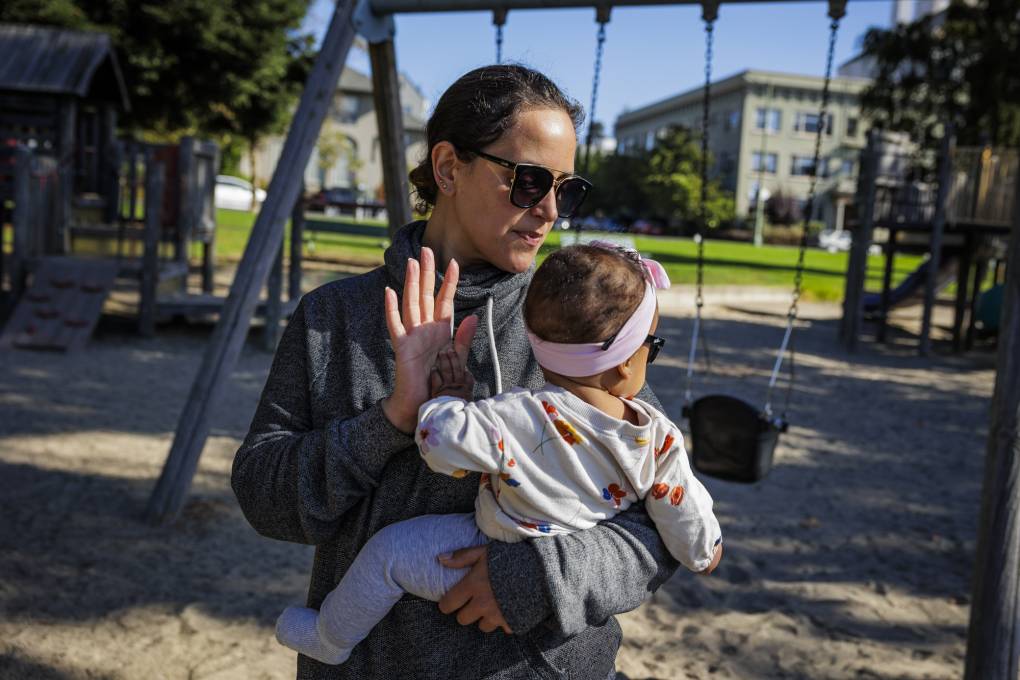
"caption": "Carolina Muñoz holds her daughter Soleil at a playground beside Lake Merritt in Oakland on Sept. 11, 2024.",
"credit": "Martin do Nascimento/KQED",
"altTag": null,
"description": null,
"imgSizes": {
"medium": {
"file": "https://cdn.kqed.org/wp-content/uploads/sites/10/2024/09/240910-CHILDCARE-REAX-MD-04-KQED-800x533.jpg",
"width": 800,
"height": 533,
"mimeType": "image/jpeg"
},
"large": {
"file": "https://cdn.kqed.org/wp-content/uploads/sites/10/2024/09/240910-CHILDCARE-REAX-MD-04-KQED-1020x680.jpg",
"width": 1020,
"height": 680,
"mimeType": "image/jpeg"
},
"thumbnail": {
"file": "https://cdn.kqed.org/wp-content/uploads/sites/10/2024/09/240910-CHILDCARE-REAX-MD-04-KQED-160x107.jpg",
"width": 160,
"height": 107,
"mimeType": "image/jpeg"
},
"1536x1536": {
"file": "https://cdn.kqed.org/wp-content/uploads/sites/10/2024/09/240910-CHILDCARE-REAX-MD-04-KQED-1536x1024.jpg",
"width": 1536,
"height": 1024,
"mimeType": "image/jpeg"
},
"post-thumbnail": {
"file": "https://cdn.kqed.org/wp-content/uploads/sites/10/2024/09/240910-CHILDCARE-REAX-MD-04-KQED-672x372.jpg",
"width": 672,
"height": 372,
"mimeType": "image/jpeg"
},
"twentyfourteen-full-width": {
"file": "https://cdn.kqed.org/wp-content/uploads/sites/10/2024/09/240910-CHILDCARE-REAX-MD-04-KQED-1038x576.jpg",
"width": 1038,
"height": 576,
"mimeType": "image/jpeg"
},
"full-width": {
"file": "https://cdn.kqed.org/wp-content/uploads/sites/10/2024/09/240910-CHILDCARE-REAX-MD-04-KQED-1920x1280.jpg",
"width": 1920,
"height": 1280,
"mimeType": "image/jpeg"
},
"kqedFullSize": {
"file": "https://cdn.kqed.org/wp-content/uploads/sites/10/2024/09/240910-CHILDCARE-REAX-MD-04-KQED.jpg",
"width": 2000,
"height": 1333
}
},
"isLoading": false,
"fetchFailed": false
},
"news_12003127": {
"type": "attachments",
"id": "news_12003127",
"meta": {
"index": "attachments_1716263798",
"site": "news",
"id": "12003127",
"found": true
},
"title": "240903-RAPIDREHOUSING-06-BL-KQED",
"publishDate": 1725486658,
"status": "inherit",
"parent": 0,
"modified": 1725486715,
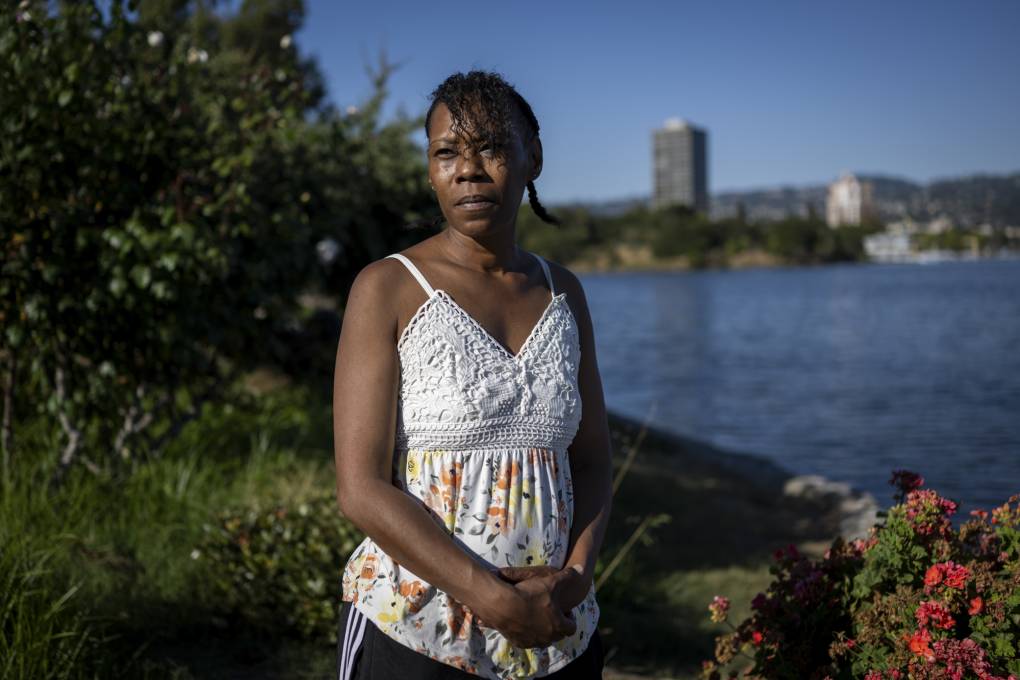
"caption": "Francine Edwards, the mother of Larry Williams, stands by Lake Merritt in Oakland on Sept. 3, 2024.",
"credit": "Beth LaBerge/KQED",
"altTag": null,
"description": null,
"imgSizes": {
"medium": {
"file": "https://cdn.kqed.org/wp-content/uploads/sites/10/2024/09/240903-RAPIDREHOUSING-06-BL-KQED-800x533.jpg",
"width": 800,
"height": 533,
"mimeType": "image/jpeg"
},
"large": {
"file": "https://cdn.kqed.org/wp-content/uploads/sites/10/2024/09/240903-RAPIDREHOUSING-06-BL-KQED-1020x680.jpg",
"width": 1020,
"height": 680,
"mimeType": "image/jpeg"
},
"thumbnail": {
"file": "https://cdn.kqed.org/wp-content/uploads/sites/10/2024/09/240903-RAPIDREHOUSING-06-BL-KQED-160x107.jpg",
"width": 160,
"height": 107,
"mimeType": "image/jpeg"
},
"1536x1536": {
"file": "https://cdn.kqed.org/wp-content/uploads/sites/10/2024/09/240903-RAPIDREHOUSING-06-BL-KQED-1536x1024.jpg",
"width": 1536,
"height": 1024,
"mimeType": "image/jpeg"
},
"post-thumbnail": {
"file": "https://cdn.kqed.org/wp-content/uploads/sites/10/2024/09/240903-RAPIDREHOUSING-06-BL-KQED-672x372.jpg",
"width": 672,
"height": 372,
"mimeType": "image/jpeg"
},
"twentyfourteen-full-width": {
"file": "https://cdn.kqed.org/wp-content/uploads/sites/10/2024/09/240903-RAPIDREHOUSING-06-BL-KQED-1038x576.jpg",
"width": 1038,
"height": 576,
"mimeType": "image/jpeg"
},
"full-width": {
"file": "https://cdn.kqed.org/wp-content/uploads/sites/10/2024/09/240903-RAPIDREHOUSING-06-BL-KQED-1920x1280.jpg",
"width": 1920,
"height": 1280,
"mimeType": "image/jpeg"
},
"kqedFullSize": {
"file": "https://cdn.kqed.org/wp-content/uploads/sites/10/2024/09/240903-RAPIDREHOUSING-06-BL-KQED.jpg",
"width": 2000,
"height": 1333
}
},
"isLoading": false,
"fetchFailed": false
},
"news_12003428": {
"type": "attachments",
"id": "news_12003428",
"meta": {
"index": "attachments_1716263798",
"site": "news",
"id": "12003428",
"found": true
},
"title": "San Francisco Giants v Oakland Athletics",
"publishDate": 1725649159,
"status": "inherit",
"parent": 12003025,
"modified": 1725649230,
"caption": "The Oakland Athletics and the San Francisco Giants at the Oakland Coliseum on Aug. 18, 2024 in Oakland, California.",
"credit": "Lachlan Cunningham/Getty Images",
"altTag": null,
"description": null,
"imgSizes": {
"medium": {
"file": "https://cdn.kqed.org/wp-content/uploads/sites/10/2024/09/OaklandColiseumGetty-800x533.jpg",
"width": 800,
"height": 533,
"mimeType": "image/jpeg"
},
"large": {
"file": "https://cdn.kqed.org/wp-content/uploads/sites/10/2024/09/OaklandColiseumGetty-1020x680.jpg",
"width": 1020,
"height": 680,
"mimeType": "image/jpeg"
},
"thumbnail": {
"file": "https://cdn.kqed.org/wp-content/uploads/sites/10/2024/09/OaklandColiseumGetty-160x107.jpg",
"width": 160,
"height": 107,
"mimeType": "image/jpeg"
},
"1536x1536": {
"file": "https://cdn.kqed.org/wp-content/uploads/sites/10/2024/09/OaklandColiseumGetty-1536x1024.jpg",
"width": 1536,
"height": 1024,
"mimeType": "image/jpeg"
},
"post-thumbnail": {
"file": "https://cdn.kqed.org/wp-content/uploads/sites/10/2024/09/OaklandColiseumGetty-672x372.jpg",
"width": 672,
"height": 372,
"mimeType": "image/jpeg"
},
"twentyfourteen-full-width": {
"file": "https://cdn.kqed.org/wp-content/uploads/sites/10/2024/09/OaklandColiseumGetty-1038x576.jpg",
"width": 1038,
"height": 576,
"mimeType": "image/jpeg"
},
"full-width": {
"file": "https://cdn.kqed.org/wp-content/uploads/sites/10/2024/09/OaklandColiseumGetty-1920x1280.jpg",
"width": 1920,
"height": 1280,
"mimeType": "image/jpeg"
},
"kqedFullSize": {
"file": "https://cdn.kqed.org/wp-content/uploads/sites/10/2024/09/OaklandColiseumGetty.jpg",
"width": 2000,
"height": 1333
}
},
"isLoading": false,
"fetchFailed": false
},
"news_12003282": {
"type": "attachments",
"id": "news_12003282",
"meta": {
"index": "attachments_1716263798",
"site": "news",
"id": "12003282",
"found": true
},
"title": "240717-ShengThao-16-BL_qed",
"publishDate": 1725567631,
"status": "inherit",
"parent": 12003276,
"modified": 1725576208,
"caption": "Oakland Mayor Sheng Thao speaks on 65th and Avenal avenues in Oakland on July 17, 2024.",
"credit": "Beth LaBerge/KQED",
"altTag": null,
"description": null,
"imgSizes": {
"medium": {
"file": "https://cdn.kqed.org/wp-content/uploads/sites/10/2024/09/240717-ShengThao-16-BL_qed-800x533.jpg",
"width": 800,
"height": 533,
"mimeType": "image/jpeg"
},
"large": {
"file": "https://cdn.kqed.org/wp-content/uploads/sites/10/2024/09/240717-ShengThao-16-BL_qed-1020x680.jpg",
"width": 1020,
"height": 680,
"mimeType": "image/jpeg"
},
"thumbnail": {
"file": "https://cdn.kqed.org/wp-content/uploads/sites/10/2024/09/240717-ShengThao-16-BL_qed-160x107.jpg",
"width": 160,
"height": 107,
"mimeType": "image/jpeg"
},
"1536x1536": {
"file": "https://cdn.kqed.org/wp-content/uploads/sites/10/2024/09/240717-ShengThao-16-BL_qed-1536x1024.jpg",
"width": 1536,
"height": 1024,
"mimeType": "image/jpeg"
},
"post-thumbnail": {
"file": "https://cdn.kqed.org/wp-content/uploads/sites/10/2024/09/240717-ShengThao-16-BL_qed-672x372.jpg",
"width": 672,
"height": 372,
"mimeType": "image/jpeg"
},
"twentyfourteen-full-width": {
"file": "https://cdn.kqed.org/wp-content/uploads/sites/10/2024/09/240717-ShengThao-16-BL_qed-1038x576.jpg",
"width": 1038,
"height": 576,
"mimeType": "image/jpeg"
},
"full-width": {
"file": "https://cdn.kqed.org/wp-content/uploads/sites/10/2024/09/240717-ShengThao-16-BL_qed-1920x1280.jpg",
"width": 1920,
"height": 1280,
"mimeType": "image/jpeg"
},
"kqedFullSize": {
"file": "https://cdn.kqed.org/wp-content/uploads/sites/10/2024/09/240717-ShengThao-16-BL_qed.jpg",
"width": 1999,
"height": 1333
}
},
"isLoading": false,
"fetchFailed": false
},
"news_12003041": {
"type": "attachments",
"id": "news_12003041",
"meta": {
"index": "attachments_1716263798",
"site": "news",
"id": "12003041",
"found": true
},
"title": "Boston Red Sox v Oakland Athletics",
"publishDate": 1725477965,
"status": "inherit",
"parent": 12003029,
"modified": 1725478299,
"caption": "The Oakland Athletics versus the Boston Red Sox at the Oakland Coliseum on June 19, 2014. Fans are trying to pressure the A's into opening at least 8,000 top-tier seats in the Coliseum's Mount Davis section for the team's final game in Oakland on Sept. 26. ",
"credit": "Jason O. Watson/Getty Images",
"altTag": null,
"description": null,
"imgSizes": {
"medium": {
"file": "https://cdn.kqed.org/wp-content/uploads/sites/10/2024/09/450906876_qed-800x533.jpg",
"width": 800,
"height": 533,
"mimeType": "image/jpeg"
},
"large": {
"file": "https://cdn.kqed.org/wp-content/uploads/sites/10/2024/09/450906876_qed-1020x680.jpg",
"width": 1020,
"height": 680,
"mimeType": "image/jpeg"
},
"thumbnail": {
"file": "https://cdn.kqed.org/wp-content/uploads/sites/10/2024/09/450906876_qed-160x107.jpg",
"width": 160,
"height": 107,
"mimeType": "image/jpeg"
},
"1536x1536": {
"file": "https://cdn.kqed.org/wp-content/uploads/sites/10/2024/09/450906876_qed-1536x1024.jpg",
"width": 1536,
"height": 1024,
"mimeType": "image/jpeg"
},
"post-thumbnail": {
"file": "https://cdn.kqed.org/wp-content/uploads/sites/10/2024/09/450906876_qed-672x372.jpg",
"width": 672,
"height": 372,
"mimeType": "image/jpeg"
},
"twentyfourteen-full-width": {
"file": "https://cdn.kqed.org/wp-content/uploads/sites/10/2024/09/450906876_qed-1038x576.jpg",
"width": 1038,
"height": 576,
"mimeType": "image/jpeg"
},
"full-width": {
"file": "https://cdn.kqed.org/wp-content/uploads/sites/10/2024/09/450906876_qed-1920x1280.jpg",
"width": 1920,
"height": 1280,
"mimeType": "image/jpeg"
},
"kqedFullSize": {
"file": "https://cdn.kqed.org/wp-content/uploads/sites/10/2024/09/450906876_qed.jpg",
"width": 2000,
"height": 1333
}
},
"isLoading": false,
"fetchFailed": false
},
"news_12002848": {
"type": "attachments",
"id": "news_12002848",
"meta": {
"index": "attachments_1716263798",
"site": "news",
"id": "12002848",
"found": true
},
"title": "OPDOfficerGrowHouse1",
"publishDate": 1725394638,
"status": "inherit",
"parent": 12002781,
"modified": 1725395040,
"caption": "Law enforcement seized 80 pounds of marijuana from a grow house in Antioch owned by Oakland Police Officer Samson Liu after a raid on April 30, 2024. ",
"credit": "Courtesy California Department of Cannabis Control",
"altTag": null,
"description": null,
"imgSizes": {
"medium": {
"file": "https://cdn.kqed.org/wp-content/uploads/sites/10/2024/09/OPDOfficerGrowHouse1-800x533.jpg",
"width": 800,
"height": 533,
"mimeType": "image/jpeg"
},
"large": {
"file": "https://cdn.kqed.org/wp-content/uploads/sites/10/2024/09/OPDOfficerGrowHouse1-1020x680.jpg",
"width": 1020,
"height": 680,
"mimeType": "image/jpeg"
},
"thumbnail": {
"file": "https://cdn.kqed.org/wp-content/uploads/sites/10/2024/09/OPDOfficerGrowHouse1-160x107.jpg",
"width": 160,
"height": 107,
"mimeType": "image/jpeg"
},
"1536x1536": {
"file": "https://cdn.kqed.org/wp-content/uploads/sites/10/2024/09/OPDOfficerGrowHouse1-1536x1024.jpg",
"width": 1536,
"height": 1024,
"mimeType": "image/jpeg"
},
"post-thumbnail": {
"file": "https://cdn.kqed.org/wp-content/uploads/sites/10/2024/09/OPDOfficerGrowHouse1-672x372.jpg",
"width": 672,
"height": 372,
"mimeType": "image/jpeg"
},
"twentyfourteen-full-width": {
"file": "https://cdn.kqed.org/wp-content/uploads/sites/10/2024/09/OPDOfficerGrowHouse1-1038x576.jpg",
"width": 1038,
"height": 576,
"mimeType": "image/jpeg"
},
"full-width": {
"file": "https://cdn.kqed.org/wp-content/uploads/sites/10/2024/09/OPDOfficerGrowHouse1-1920x1280.jpg",
"width": 1920,
"height": 1280,
"mimeType": "image/jpeg"
},
"kqedFullSize": {
"file": "https://cdn.kqed.org/wp-content/uploads/sites/10/2024/09/OPDOfficerGrowHouse1.jpg",
"width": 2000,
"height": 1333
}
},
"isLoading": false,
"fetchFailed": false
},
"news_11992371": {
"type": "attachments",
"id": "news_11992371",
"meta": {
"index": "attachments_1716263798",
"site": "news",
"id": "11992371",
"found": true
},
"title": "230802-OAKLAND CITY HALL-MHN-01",
"publishDate": 1719593404,
"status": "inherit",
"parent": 11992367,
"modified": 1719593445,
"caption": "Oakland City Hall in downtown Oakland on Aug. 2, 2023.",
"credit": "Martin do Nascimento/KQED",
"altTag": null,
"description": null,
"imgSizes": {
"medium": {
"file": "https://cdn.kqed.org/wp-content/uploads/sites/10/2024/06/230802-OAKLAND-CITY-HALL-MHN-01-800x533.jpg",
"width": 800,
"height": 533,
"mimeType": "image/jpeg"
},
"large": {
"file": "https://cdn.kqed.org/wp-content/uploads/sites/10/2024/06/230802-OAKLAND-CITY-HALL-MHN-01-1020x680.jpg",
"width": 1020,
"height": 680,
"mimeType": "image/jpeg"
},
"thumbnail": {
"file": "https://cdn.kqed.org/wp-content/uploads/sites/10/2024/06/230802-OAKLAND-CITY-HALL-MHN-01-160x107.jpg",
"width": 160,
"height": 107,
"mimeType": "image/jpeg"
},
"1536x1536": {
"file": "https://cdn.kqed.org/wp-content/uploads/sites/10/2024/06/230802-OAKLAND-CITY-HALL-MHN-01-1536x1024.jpg",
"width": 1536,
"height": 1024,
"mimeType": "image/jpeg"
},
"post-thumbnail": {
"file": "https://cdn.kqed.org/wp-content/uploads/sites/10/2024/06/230802-OAKLAND-CITY-HALL-MHN-01-672x372.jpg",
"width": 672,
"height": 372,
"mimeType": "image/jpeg"
},
"twentyfourteen-full-width": {
"file": "https://cdn.kqed.org/wp-content/uploads/sites/10/2024/06/230802-OAKLAND-CITY-HALL-MHN-01-1038x576.jpg",
"width": 1038,
"height": 576,
"mimeType": "image/jpeg"
},
"kqedFullSize": {
"file": "https://cdn.kqed.org/wp-content/uploads/sites/10/2024/06/230802-OAKLAND-CITY-HALL-MHN-01.jpg",
"width": 1920,
"height": 1280
}
},
"isLoading": false,
"fetchFailed": false
},
"news_12002567": {
"type": "attachments",
"id": "news_12002567",
"meta": {
"index": "attachments_1716263798",
"site": "news",
"id": "12002567",
"found": true
},
"title": "240830-SFSIDESHOWLEGISLATION-07-BL-KQED",
"publishDate": 1725047547,
"status": "inherit",
"parent": 0,
"modified": 1725486491,
"caption": "Mayor London Breed speaks during a press conference regarding sideshows in the Bay Area at the San Francisco Police Department headquarters on Aug. 30, 2024.",
"credit": "Beth LaBerge/KQED",
"altTag": null,
"description": null,
"imgSizes": {
"medium": {
"file": "https://cdn.kqed.org/wp-content/uploads/sites/10/2024/08/240830-SFSIDESHOWLEGISLATION-07-BL-KQED-800x533.jpg",
"width": 800,
"height": 533,
"mimeType": "image/jpeg"
},
"large": {
"file": "https://cdn.kqed.org/wp-content/uploads/sites/10/2024/08/240830-SFSIDESHOWLEGISLATION-07-BL-KQED-1020x680.jpg",
"width": 1020,
"height": 680,
"mimeType": "image/jpeg"
},
"thumbnail": {
"file": "https://cdn.kqed.org/wp-content/uploads/sites/10/2024/08/240830-SFSIDESHOWLEGISLATION-07-BL-KQED-160x107.jpg",
"width": 160,
"height": 107,
"mimeType": "image/jpeg"
},
"1536x1536": {
"file": "https://cdn.kqed.org/wp-content/uploads/sites/10/2024/08/240830-SFSIDESHOWLEGISLATION-07-BL-KQED-1536x1024.jpg",
"width": 1536,
"height": 1024,
"mimeType": "image/jpeg"
},
"post-thumbnail": {
"file": "https://cdn.kqed.org/wp-content/uploads/sites/10/2024/08/240830-SFSIDESHOWLEGISLATION-07-BL-KQED-672x372.jpg",
"width": 672,
"height": 372,
"mimeType": "image/jpeg"
},
"twentyfourteen-full-width": {
"file": "https://cdn.kqed.org/wp-content/uploads/sites/10/2024/08/240830-SFSIDESHOWLEGISLATION-07-BL-KQED-1038x576.jpg",
"width": 1038,
"height": 576,
"mimeType": "image/jpeg"
},
"full-width": {
"file": "https://cdn.kqed.org/wp-content/uploads/sites/10/2024/08/240830-SFSIDESHOWLEGISLATION-07-BL-KQED-1920x1280.jpg",
"width": 1920,
"height": 1280,
"mimeType": "image/jpeg"
},
"kqedFullSize": {
"file": "https://cdn.kqed.org/wp-content/uploads/sites/10/2024/08/240830-SFSIDESHOWLEGISLATION-07-BL-KQED.jpg",
"width": 2000,
"height": 1333
}
},
"isLoading": false,
"fetchFailed": false
},
"news_12002050": {
"type": "attachments",
"id": "news_12002050",
"meta": {
"index": "attachments_1716263798",
"site": "news",
"id": "12002050",
"found": true
},
"title": "Frick United Academy of Language in Oakland on Aug. 28, 2024.",
"publishDate": 1724783158,
"status": "inherit",
"parent": 0,
"modified": 1724966795,
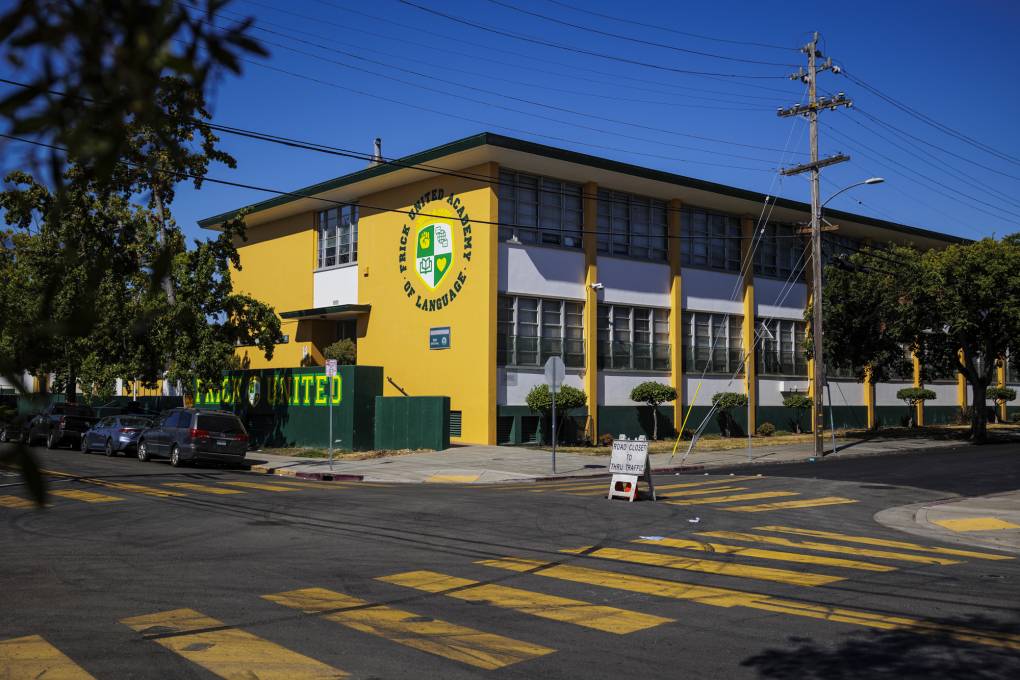
"caption": "Frick United Academy of Language in Oakland on Aug. 28, 2024. It's one of 22 schools identified as having high levels of lead in its drinking water. During last night's Oakland school board meeting, the superintendent discussed efforts to address lead in school drinking water. Officials cited communication delays as a personnel issue under investigation, while the school board vice president urged city and county support for facility repairs.",
"credit": "Martin do Nascimento/KQED",
"altTag": null,
"description": null,
"imgSizes": {
"medium": {
"file": "https://cdn.kqed.org/wp-content/uploads/sites/10/2024/08/240827-OUSD-LEAD-FOLO-MD-04-KQED-800x533.jpg",
"width": 800,
"height": 533,
"mimeType": "image/jpeg"
},
"large": {
"file": "https://cdn.kqed.org/wp-content/uploads/sites/10/2024/08/240827-OUSD-LEAD-FOLO-MD-04-KQED-1020x680.jpg",
"width": 1020,
"height": 680,
"mimeType": "image/jpeg"
},
"thumbnail": {
"file": "https://cdn.kqed.org/wp-content/uploads/sites/10/2024/08/240827-OUSD-LEAD-FOLO-MD-04-KQED-160x107.jpg",
"width": 160,
"height": 107,
"mimeType": "image/jpeg"
},
"1536x1536": {
"file": "https://cdn.kqed.org/wp-content/uploads/sites/10/2024/08/240827-OUSD-LEAD-FOLO-MD-04-KQED-1536x1024.jpg",
"width": 1536,
"height": 1024,
"mimeType": "image/jpeg"
},
"post-thumbnail": {
"file": "https://cdn.kqed.org/wp-content/uploads/sites/10/2024/08/240827-OUSD-LEAD-FOLO-MD-04-KQED-672x372.jpg",
"width": 672,
"height": 372,
"mimeType": "image/jpeg"
},
"twentyfourteen-full-width": {
"file": "https://cdn.kqed.org/wp-content/uploads/sites/10/2024/08/240827-OUSD-LEAD-FOLO-MD-04-KQED-1038x576.jpg",
"width": 1038,
"height": 576,
"mimeType": "image/jpeg"
},
"full-width": {
"file": "https://cdn.kqed.org/wp-content/uploads/sites/10/2024/08/240827-OUSD-LEAD-FOLO-MD-04-KQED-1920x1280.jpg",
"width": 1920,
"height": 1280,
"mimeType": "image/jpeg"
},
"kqedFullSize": {
"file": "https://cdn.kqed.org/wp-content/uploads/sites/10/2024/08/240827-OUSD-LEAD-FOLO-MD-04-KQED.jpg",
"width": 2000,
"height": 1333
}
},
"isLoading": false,
"fetchFailed": false
},
"news_12002049": {
"type": "attachments",
"id": "news_12002049",
"meta": {
"index": "attachments_1716263798",
"site": "news",
"id": "12002049",
"found": true
},
"title": "Frick United Academy of Language in Oakland on Aug. 28, 2024.",
"publishDate": 1724783152,
"status": "inherit",
"parent": 12074794,
"modified": 1772230864,
"caption": "Frick United Academy of Language in Oakland on Aug. 28, 2024.",
"credit": "Martin do Nascimento/KQED",
"altTag": null,
"description": null,
"imgSizes": {
"medium": {
"file": "https://cdn.kqed.org/wp-content/uploads/sites/10/2024/08/240827-OUSD-LEAD-FOLO-MD-03-KQED-800x533.jpg",
"width": 800,
"height": 533,
"mimeType": "image/jpeg"
},
"large": {
"file": "https://cdn.kqed.org/wp-content/uploads/sites/10/2024/08/240827-OUSD-LEAD-FOLO-MD-03-KQED-1020x680.jpg",
"width": 1020,
"height": 680,
"mimeType": "image/jpeg"
},
"thumbnail": {
"file": "https://cdn.kqed.org/wp-content/uploads/sites/10/2024/08/240827-OUSD-LEAD-FOLO-MD-03-KQED-160x107.jpg",
"width": 160,
"height": 107,
"mimeType": "image/jpeg"
},
"1536x1536": {
"file": "https://cdn.kqed.org/wp-content/uploads/sites/10/2024/08/240827-OUSD-LEAD-FOLO-MD-03-KQED-1536x1024.jpg",
"width": 1536,
"height": 1024,
"mimeType": "image/jpeg"
},
"post-thumbnail": {
"file": "https://cdn.kqed.org/wp-content/uploads/sites/10/2024/08/240827-OUSD-LEAD-FOLO-MD-03-KQED-672x372.jpg",
"width": 672,
"height": 372,
"mimeType": "image/jpeg"
},
"twentyfourteen-full-width": {
"file": "https://cdn.kqed.org/wp-content/uploads/sites/10/2024/08/240827-OUSD-LEAD-FOLO-MD-03-KQED-1038x576.jpg",
"width": 1038,
"height": 576,
"mimeType": "image/jpeg"
},
"full-width": {
"file": "https://cdn.kqed.org/wp-content/uploads/sites/10/2024/08/240827-OUSD-LEAD-FOLO-MD-03-KQED-1920x1280.jpg",
"width": 1920,
"height": 1280,
"mimeType": "image/jpeg"
},
"kqedFullSize": {
"file": "https://cdn.kqed.org/wp-content/uploads/sites/10/2024/08/240827-OUSD-LEAD-FOLO-MD-03-KQED.jpg",
"width": 2000,
"height": 1333
}
},
"isLoading": false,
"fetchFailed": false
},
"news_12001377": {
"type": "attachments",
"id": "news_12001377",
"meta": {
"index": "attachments_1716263798",
"site": "news",
"id": "12001377",
"found": true
},
"title": "OCS-Children-on-Playground-Stretching-1920x1273",
"publishDate": 1724348259,
"status": "inherit",
"parent": 12001376,
"modified": 1724348272,
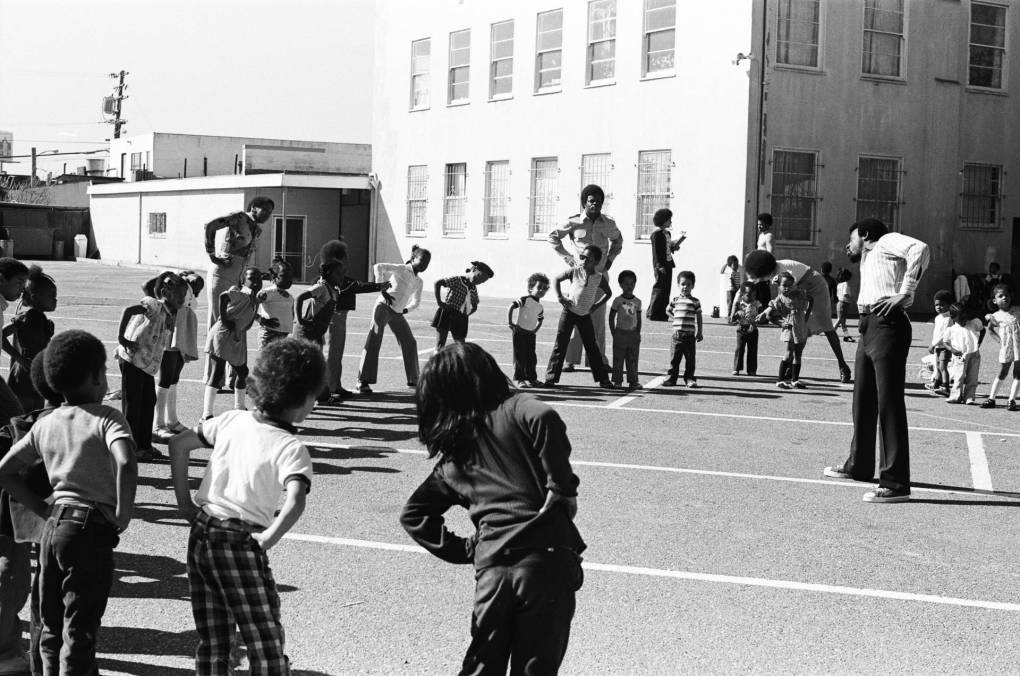
"caption": "Oakland Community School students stretching during physical education on the playground.\n",
"credit": null,
"altTag": null,
"description": null,
"imgSizes": {
"medium": {
"file": "https://cdn.kqed.org/wp-content/uploads/sites/10/2024/08/OCS-Children-on-Playground-Stretching-1920x1273-1-800x530.jpg",
"width": 800,
"height": 530,
"mimeType": "image/jpeg"
},
"large": {
"file": "https://cdn.kqed.org/wp-content/uploads/sites/10/2024/08/OCS-Children-on-Playground-Stretching-1920x1273-1-1020x676.jpg",
"width": 1020,
"height": 676,
"mimeType": "image/jpeg"
},
"thumbnail": {
"file": "https://cdn.kqed.org/wp-content/uploads/sites/10/2024/08/OCS-Children-on-Playground-Stretching-1920x1273-1-160x106.jpg",
"width": 160,
"height": 106,
"mimeType": "image/jpeg"
},
"1536x1536": {
"file": "https://cdn.kqed.org/wp-content/uploads/sites/10/2024/08/OCS-Children-on-Playground-Stretching-1920x1273-1-1536x1018.jpg",
"width": 1536,
"height": 1018,
"mimeType": "image/jpeg"
},
"post-thumbnail": {
"file": "https://cdn.kqed.org/wp-content/uploads/sites/10/2024/08/OCS-Children-on-Playground-Stretching-1920x1273-1-672x372.jpg",
"width": 672,
"height": 372,
"mimeType": "image/jpeg"
},
"twentyfourteen-full-width": {
"file": "https://cdn.kqed.org/wp-content/uploads/sites/10/2024/08/OCS-Children-on-Playground-Stretching-1920x1273-1-1038x576.jpg",
"width": 1038,
"height": 576,
"mimeType": "image/jpeg"
},
"kqedFullSize": {
"file": "https://cdn.kqed.org/wp-content/uploads/sites/10/2024/08/OCS-Children-on-Playground-Stretching-1920x1273-1.jpg",
"width": 1920,
"height": 1273
}
},
"isLoading": false,
"fetchFailed": false
},
"news_12001427": {
"type": "attachments",
"id": "news_12001427",
"meta": {
"index": "attachments_1716263798",
"site": "news",
"id": "12001427",
"found": true
},
"title": "230802-OAKLAND CITY HALL-MHN-02_qed",
"publishDate": 1724359088,
"status": "inherit",
"parent": 12001425,
"modified": 1724359115,
"caption": "Oakland City Hall in downtown Oakland on Aug. 2, 2023.",
"credit": "Martin do Nascimento/KQED",
"altTag": null,
"description": null,
"imgSizes": {
"medium": {
"file": "https://cdn.kqed.org/wp-content/uploads/sites/10/2024/08/230802-OAKLAND-CITY-HALL-MHN-02_qed-800x533.jpg",
"width": 800,
"height": 533,
"mimeType": "image/jpeg"
},
"large": {
"file": "https://cdn.kqed.org/wp-content/uploads/sites/10/2024/08/230802-OAKLAND-CITY-HALL-MHN-02_qed-1020x680.jpg",
"width": 1020,
"height": 680,
"mimeType": "image/jpeg"
},
"thumbnail": {
"file": "https://cdn.kqed.org/wp-content/uploads/sites/10/2024/08/230802-OAKLAND-CITY-HALL-MHN-02_qed-160x107.jpg",
"width": 160,
"height": 107,
"mimeType": "image/jpeg"
},
"1536x1536": {
"file": "https://cdn.kqed.org/wp-content/uploads/sites/10/2024/08/230802-OAKLAND-CITY-HALL-MHN-02_qed-1536x1024.jpg",
"width": 1536,
"height": 1024,
"mimeType": "image/jpeg"
},
"post-thumbnail": {
"file": "https://cdn.kqed.org/wp-content/uploads/sites/10/2024/08/230802-OAKLAND-CITY-HALL-MHN-02_qed-672x372.jpg",
"width": 672,
"height": 372,
"mimeType": "image/jpeg"
},
"twentyfourteen-full-width": {
"file": "https://cdn.kqed.org/wp-content/uploads/sites/10/2024/08/230802-OAKLAND-CITY-HALL-MHN-02_qed-1038x576.jpg",
"width": 1038,
"height": 576,
"mimeType": "image/jpeg"
},
"full-width": {
"file": "https://cdn.kqed.org/wp-content/uploads/sites/10/2024/08/230802-OAKLAND-CITY-HALL-MHN-02_qed-1920x1280.jpg",
"width": 1920,
"height": 1280,
"mimeType": "image/jpeg"
},
"kqedFullSize": {
"file": "https://cdn.kqed.org/wp-content/uploads/sites/10/2024/08/230802-OAKLAND-CITY-HALL-MHN-02_qed.jpg",
"width": 2000,
"height": 1333
}
},
"isLoading": false,
"fetchFailed": false
}
},
"audioPlayerReducer": {
"postId": "stream_live",
"isPaused": true,
"isPlaying": false,
"pfsActive": false,
"pledgeModalIsOpen": true,
"playerDrawerIsOpen": false,
"liveAudioPlayStartedAt": 0,
"liveAudioPlayContext": ""
},
"authorsReducer": {
"danbrekke": {
"type": "authors",
"id": "222",
"meta": {
"index": "authors_1716337520",
"id": "222",
"found": true
},
"name": "Dan Brekke",
"firstName": "Dan",
"lastName": "Brekke",
"slug": "danbrekke",
"email": "dbrekke@kqed.org",
"display_author_email": true,
"staff_mastheads": [
"news",
"science"
],
"title": "KQED Editor and Reporter",
"bio": "Dan Brekke is a reporter and editor for KQED News, responsible for coverage of topics ranging from California water issues to the Bay Area's transportation challenges. In a newsroom career that began in Chicago in 1972, Dan has worked for \u003cem>The San Francisco Examiner,\u003c/em> Wired and TechTV and has been published in The New York Times, The New York Times Magazine, Business 2.0, Salon and elsewhere.\r\n\r\nSince joining KQED in 2007, Dan has reported, edited and produced both radio and online features and breaking news pieces. He has shared as both editor and reporter in four Society of Professional Journalists Norcal Excellence in Journalism awards and one Edward R. Murrow regional award. He was chosen for a spring 2017 residency at the Mesa Refuge to advance his research on California salmon.\r\n\r\nEmail Dan at: \u003ca href=\"mailto:dbrekke@kqed.org\">dbrekke@kqed.org\u003c/a>\r\n\r\n\u003cstrong>Twitter:\u003c/strong> \u003ca href=\"https://twitter.com/danbrekke\" rel=\"noopener noreferrer\">twitter.com/danbrekke\u003c/a>\r\n\u003cstrong>Facebook:\u003c/strong> \u003ca href=\"https://www.facebook.com/danbrekke\" rel=\"noopener noreferrer\">www.facebook.com/danbrekke\u003c/a>\r\n\u003cstrong>LinkedIn:\u003c/strong> \u003ca href=\"https://www.linkedin.com/in/danbrekke\" rel=\"noopener noreferrer\">www.linkedin.com/in/danbrekke\u003c/a>",
"avatar": "https://secure.gravatar.com/avatar/c8126230345efca3f7aa89b1a402be45?s=600&d=mm&r=g",
"twitter": "danbrekke",
"facebook": null,
"instagram": "https://www.instagram.com/dan.brekke/",
"linkedin": "https://www.linkedin.com/in/danbrekke/",
"sites": [
{
"site": "news",
"roles": [
"administrator",
"create_posts"
]
},
{
"site": "stateofhealth",
"roles": [
"editor"
]
},
{
"site": "science",
"roles": [
"editor"
]
},
{
"site": "quest",
"roles": [
"contributor"
]
},
{
"site": "food",
"roles": [
"contributor"
]
},
{
"site": "forum",
"roles": [
"contributor"
]
},
{
"site": "liveblog",
"roles": [
"editor"
]
}
],
"headData": {
"title": "Dan Brekke | KQED",
"description": "KQED Editor and Reporter",
"ogImgSrc": "https://secure.gravatar.com/avatar/c8126230345efca3f7aa89b1a402be45?s=600&d=mm&r=g",
"twImgSrc": "https://secure.gravatar.com/avatar/c8126230345efca3f7aa89b1a402be45?s=600&d=mm&r=g"
},
"isLoading": false,
"link": "/author/danbrekke"
},
"ecruzguevarra": {
"type": "authors",
"id": "8654",
"meta": {
"index": "authors_1716337520",
"id": "8654",
"found": true
},
"name": "Ericka Cruz Guevarra",
"firstName": "Ericka",
"lastName": "Cruz Guevarra",
"slug": "ecruzguevarra",
"email": "ecruzguevarra@kqed.org",
"display_author_email": true,
"staff_mastheads": [
"news"
],
"title": "Producer, The Bay Podcast",
"bio": "Ericka Cruz Guevarra is host of \u003ca href=\"https://www.kqed.org/podcasts/thebay\">\u003cem>The Bay\u003c/em>\u003c/a> podcast at KQED. Before host, she was the show’s producer. Her work in that capacity includes a three-part reported series on policing in Vallejo, which won a 2020 excellence in journalism award from the Society of Professional Journalists. Ericka has worked as a breaking news reporter at Oregon Public Broadcasting, helped produce the Code Switch podcast, and was KQED’s inaugural Raul Ramirez Diversity Fund intern. She’s also an alumna of NPR’s Next Generation Radio program. Send her an email if you have strong feelings about whether Fairfield and Suisun City are the Bay. Ericka is represented by SAG-AFTRA.",
"avatar": "https://secure.gravatar.com/avatar/25e5ab8d3d53fad2dcc7bb2b5c506b1a?s=600&d=blank&r=g",
"twitter": "NotoriousECG",
"facebook": null,
"instagram": null,
"linkedin": null,
"sites": [
{
"site": "arts",
"roles": [
"subscriber"
]
},
{
"site": "news",
"roles": [
"editor",
"manage_categories"
]
},
{
"site": "futureofyou",
"roles": [
"subscriber"
]
},
{
"site": "stateofhealth",
"roles": [
"subscriber"
]
},
{
"site": "science",
"roles": [
"editor"
]
},
{
"site": "forum",
"roles": [
"subscriber"
]
}
],
"headData": {
"title": "Ericka Cruz Guevarra | KQED",
"description": "Producer, The Bay Podcast",
"ogImgSrc": "https://secure.gravatar.com/avatar/25e5ab8d3d53fad2dcc7bb2b5c506b1a?s=600&d=blank&r=g",
"twImgSrc": "https://secure.gravatar.com/avatar/25e5ab8d3d53fad2dcc7bb2b5c506b1a?s=600&d=blank&r=g"
},
"isLoading": false,
"link": "/author/ecruzguevarra"
},
"vrancano": {
"type": "authors",
"id": "11276",
"meta": {
"index": "authors_1716337520",
"id": "11276",
"found": true
},
"name": "Vanessa Rancaño",
"firstName": "Vanessa",
"lastName": "Rancaño",
"slug": "vrancano",
"email": "vrancano@kqed.org",
"display_author_email": false,
"staff_mastheads": [
"news"
],
"title": "Reporter",
"bio": "Vanessa Rancaño is a features reporter for KQED. She’s also covered homelessness and education for the station and reported from the Central Valley. Her work has aired across public radio, from flagship national news shows to longform narrative podcasts. Before taking up a mic, she worked as a freelance print journalist. She’s been recognized with a number of national and regional awards. Vanessa grew up in California's Central Valley. She's a former NPR Kroc Fellow, and a graduate of the UC Berkeley Graduate School of Journalism.",
"avatar": "https://secure.gravatar.com/avatar/b3a383dfb0e7ee1c17568f2cf067904ab654d6e3de9743fc661f3c788ade1bed?s=600&d=blank&r=g",
"twitter": "vanessarancano",
"bluesky": null,
"facebook": null,
"instagram": null,
"linkedin": null,
"sites": [
{
"site": "arts",
"roles": [
"editor"
]
},
{
"site": "news",
"roles": [
"editor"
]
},
{
"site": "liveblog",
"roles": [
"contributor"
]
}
],
"headData": {
"title": "Vanessa Rancaño | KQED",
"description": "Reporter",
"ogImgSrc": "https://secure.gravatar.com/avatar/b3a383dfb0e7ee1c17568f2cf067904ab654d6e3de9743fc661f3c788ade1bed?s=600&d=blank&r=g",
"twImgSrc": "https://secure.gravatar.com/avatar/b3a383dfb0e7ee1c17568f2cf067904ab654d6e3de9743fc661f3c788ade1bed?s=600&d=blank&r=g"
},
"isLoading": false,
"link": "/author/vrancano"
},
"amontecillo": {
"type": "authors",
"id": "11649",
"meta": {
"index": "authors_1716337520",
"id": "11649",
"found": true
},
"name": "Alan Montecillo",
"firstName": "Alan",
"lastName": "Montecillo",
"slug": "amontecillo",
"email": "amontecillo@kqed.org",
"display_author_email": false,
"staff_mastheads": [
"news"
],
"title": "KQED Contributor",
"bio": "Alan Montecillo is the senior editor of \u003cem>\u003ca href=\"http://kqed.org/thebay\">The Bay\u003c/a>, \u003c/em> KQED's local news podcast. Before moving to the Bay Area, he worked as a senior talk show producer for WILL in Champaign-Urbana, Illinois and at Oregon Public Broadcasting in Portland, Oregon. He has won journalism awards from the Society of Professional Journalists Northern California, the Public Media Journalists Association, The Signal Awards, and has also received a regional Edward R. Murrow award. Alan is a Filipino American from Hong Kong and a graduate of Reed College.",
"avatar": "https://secure.gravatar.com/avatar/d5e4e7a76481969ccba76f4e2b5ccabc?s=600&d=blank&r=g",
"twitter": "alanmontecillo",
"facebook": null,
"instagram": null,
"linkedin": null,
"sites": [
{
"site": "",
"roles": [
"editor"
]
},
{
"site": "news",
"roles": [
"editor",
"manage_categories"
]
}
],
"headData": {
"title": "Alan Montecillo | KQED",
"description": "KQED Contributor",
"ogImgSrc": "https://secure.gravatar.com/avatar/d5e4e7a76481969ccba76f4e2b5ccabc?s=600&d=blank&r=g",
"twImgSrc": "https://secure.gravatar.com/avatar/d5e4e7a76481969ccba76f4e2b5ccabc?s=600&d=blank&r=g"
},
"isLoading": false,
"link": "/author/amontecillo"
},
"daisynguyen": {
"type": "authors",
"id": "11829",
"meta": {
"index": "authors_1716337520",
"id": "11829",
"found": true
},
"name": "Daisy Nguyen",
"firstName": "Daisy",
"lastName": "Nguyen",
"slug": "daisynguyen",
"email": "daisynguyen@kqed.org",
"display_author_email": true,
"staff_mastheads": [
"news"
],
"title": "KQED Contributor",
"bio": "I have covered early childhood education and child care for KQED since 2022. I focus on policies aimed at increasing access to early care and education and how they shape individual lives. I've been a journalist for more than two decades, with most of that time devoted to covering breaking news throughout California for The Associated Press. I grew up in San Francisco and studied at UC Davis and Columbia University's Graduate School of Journalism. I live in Oakland with my husband and two kids.",
"avatar": "https://secure.gravatar.com/avatar/2da2127c27f7143b53ebd419800fd55f?s=600&d=blank&r=g",
"twitter": null,
"facebook": null,
"instagram": null,
"linkedin": "https://www.linkedin.com/in/daisynguyen/",
"sites": [
{
"site": "news",
"roles": [
"author"
]
},
{
"site": "liveblog",
"roles": [
"author"
]
}
],
"headData": {
"title": "Daisy Nguyen | KQED",
"description": "KQED Contributor",
"ogImgSrc": "https://secure.gravatar.com/avatar/2da2127c27f7143b53ebd419800fd55f?s=600&d=blank&r=g",
"twImgSrc": "https://secure.gravatar.com/avatar/2da2127c27f7143b53ebd419800fd55f?s=600&d=blank&r=g"
},
"isLoading": false,
"link": "/author/daisynguyen"
},
"kdebenedetti": {
"type": "authors",
"id": "11913",
"meta": {
"index": "authors_1716337520",
"id": "11913",
"found": true
},
"name": "Katie DeBenedetti",
"firstName": "Katie",
"lastName": "DeBenedetti",
"slug": "kdebenedetti",
"email": "kdebenedetti@kqed.org",
"display_author_email": false,
"staff_mastheads": [
"news",
"science"
],
"title": "KQED Contributor",
"bio": "Katie DeBenedetti is a digital reporter covering daily news for the Express Desk. Prior to joining KQED as a culture reporting intern in January 2024, she covered education and city government for the Napa Valley Register.",
"avatar": "https://secure.gravatar.com/avatar/6e31073cb8f7e4214ab03f42771d0f45?s=600&d=blank&r=g",
"twitter": null,
"facebook": null,
"instagram": null,
"linkedin": null,
"sites": [
{
"site": "news",
"roles": [
"author"
]
},
{
"site": "science",
"roles": [
"author"
]
},
{
"site": "liveblog",
"roles": [
"author"
]
}
],
"headData": {
"title": "Katie DeBenedetti | KQED",
"description": "KQED Contributor",
"ogImgSrc": "https://secure.gravatar.com/avatar/6e31073cb8f7e4214ab03f42771d0f45?s=600&d=blank&r=g",
"twImgSrc": "https://secure.gravatar.com/avatar/6e31073cb8f7e4214ab03f42771d0f45?s=600&d=blank&r=g"
},
"isLoading": false,
"link": "/author/kdebenedetti"
},
"emanoukian": {
"type": "authors",
"id": "11925",
"meta": {
"index": "authors_1716337520",
"id": "11925",
"found": true
},
"name": "Elize Manoukian",
"firstName": "Elize",
"lastName": "Manoukian",
"slug": "emanoukian",
"email": "emanoukian@KQED.org",
"display_author_email": false,
"staff_mastheads": [
"news"
],
"title": "Digital Producer",
"bio": null,
"avatar": "https://secure.gravatar.com/avatar/4525f1a8e46ccb30933b32653d9772064cfefe3fa655eb45b3b3a80341f6bdad?s=600&d=blank&r=g",
"twitter": null,
"bluesky": null,
"facebook": null,
"instagram": null,
"linkedin": null,
"sites": [
{
"site": "arts",
"roles": [
"editor"
]
},
{
"site": "news",
"roles": [
"editor"
]
},
{
"site": "science",
"roles": [
"editor"
]
}
],
"headData": {
"title": "Elize Manoukian | KQED",
"description": "Digital Producer",
"ogImgSrc": "https://secure.gravatar.com/avatar/4525f1a8e46ccb30933b32653d9772064cfefe3fa655eb45b3b3a80341f6bdad?s=600&d=blank&r=g",
"twImgSrc": "https://secure.gravatar.com/avatar/4525f1a8e46ccb30933b32653d9772064cfefe3fa655eb45b3b3a80341f6bdad?s=600&d=blank&r=g"
},
"isLoading": false,
"link": "/author/emanoukian"
}
},
"pagesReducer": {
"news_tag_oakland": {
"type": "terms",
"id": "news_34054",
"meta": {
"index": "terms_1716263798",
"site": "news",
"id": "34054",
"score": 6.883923
},
"featImg": null,
"name": "oakland",
"description": null,
"taxonomy": "tag",
"headData": {
"twImgId": null,
"twTitle": null,
"ogTitle": null,
"ogImgId": null,
"twDescription": null,
"description": null,
"title": "oakland Archives | KQED News",
"ogDescription": null
},
"ttid": 34071,
"slug": "oakland",
"isLoading": false,
"title": "oakland",
"pageMeta": {
"site": "news",
"WpPageTemplate": "page-topic-editorial",
"currentPage": 34
},
"blocks": [
{
"blockName": "kqed/post-list",
"attrs": {
"layout": "cardArticle2",
"query": "posts/news?tag=oakland",
"seeMore": false,
"paginated": true,
"page": 34
}
},
{
"blockName": "kqed/ad"
}
]
}
},
"pfsSessionReducer": {},
"postsReducer": {
"stream_live": {
"type": "live",
"id": "stream_live",
"audioUrl": "https://streams.kqed.org/kqedradio",
"title": "Live Stream",
"excerpt": "Live Stream information currently unavailable.",
"link": "/radio",
"featImg": "",
"label": {
"name": "KQED Live",
"link": "/"
}
},
"stream_kqedNewscast": {
"type": "posts",
"id": "stream_kqedNewscast",
"audioUrl": "https://www.kqed.org/.stream/anon/radio/RDnews/newscast.mp3?_=1",
"title": "KQED Newscast",
"featImg": "",
"label": {
"name": "88.5 FM",
"link": "/"
}
},
"news_12004431": {
"type": "posts",
"id": "news_12004431",
"meta": {
"index": "posts_1716263798",
"site": "news",
"id": "12004431",
"score": null,
"sort": [
1726138854000
]
},
"guestAuthors": [],
"slug": "california-parents-struggle-with-high-child-care-costs-ahead-of-presidential-election",
"title": "California Parents Struggle With High Child Care Costs Ahead of Presidential Election",
"publishDate": 1726138854,
"format": "standard",
"headTitle": "California Parents Struggle With High Child Care Costs Ahead of Presidential Election | KQED",
"labelTerm": {
"site": "news"
},
"content": "\u003cp>The rising cost of having babies and caring for them has become a central issue in the \u003ca href=\"https://www.kqed.org/news/tag/presidential-election\">presidential election\u003c/a>, and it’s hitting home with California parents as they contemplate their vote in November.\u003c/p>\n\u003cp>According to a new report from First 5 California, 48% of parents in the state find it difficult or very difficult to find \u003ca href=\"https://www.kqed.org/news/tag/child-care\">child care\u003c/a> they can afford.\u003c/p>\n\u003cp>Half of the respondents also said child care issues have a negative impact on their job or career, according to the survey of more than a thousand parents and business owners. About 70% said they pieced together childcare by altering their work hours or relying on family, friends or neighbors, leaving them feeling stressed or guilty.\u003c/p>\n\u003cp>[ad fullwidth]\u003c/p>\n\u003cp>“When you have that stress and that guilt, how productive are you when you do show up [to work]?” said Jackie Thu-Huong Wong, executive director of the child advocacy organization, which is launching \u003ca href=\"https://www.raisecastrong.com/\">a campaign to raise awareness about the child care crisis\u003c/a> and its impact on the state’s economy.\u003c/p>\n\u003cp>Vice President Kamala Harris and former President Donald Trump offer starkly different ideas on lowering the financial burden of caring for young children.\u003c/p>\n\u003cfigure id=\"attachment_12004353\" class=\"wp-caption aligncenter\" style=\"max-width: 2000px\">\u003cimg loading=\"lazy\" decoding=\"async\" class=\"size-full wp-image-12004353\" src=\"https://cdn.kqed.org/wp-content/uploads/sites/10/2024/09/240911-CHILDCARE-REAX-MD-02-KQED.jpg\" alt=\"\" width=\"2000\" height=\"1333\" srcset=\"https://cdn.kqed.org/wp-content/uploads/sites/10/2024/09/240911-CHILDCARE-REAX-MD-02-KQED.jpg 2000w, https://cdn.kqed.org/wp-content/uploads/sites/10/2024/09/240911-CHILDCARE-REAX-MD-02-KQED-800x533.jpg 800w, https://cdn.kqed.org/wp-content/uploads/sites/10/2024/09/240911-CHILDCARE-REAX-MD-02-KQED-1020x680.jpg 1020w, https://cdn.kqed.org/wp-content/uploads/sites/10/2024/09/240911-CHILDCARE-REAX-MD-02-KQED-160x107.jpg 160w, https://cdn.kqed.org/wp-content/uploads/sites/10/2024/09/240911-CHILDCARE-REAX-MD-02-KQED-1536x1024.jpg 1536w, https://cdn.kqed.org/wp-content/uploads/sites/10/2024/09/240911-CHILDCARE-REAX-MD-02-KQED-1920x1280.jpg 1920w\" sizes=\"(max-width: 2000px) 100vw, 2000px\">\u003cfigcaption class=\"wp-caption-text\">People walk around Lake Merritt in Oakland on Sept. 11, 2024. \u003ccite>(Martin do Nascimento/KQED)\u003c/cite>\u003c/figcaption>\u003c/figure>\n\u003cp>During Tuesday’s \u003ca href=\"https://abcnews.go.com/Politics/harris-trump-presidential-debate-transcript/story?id=113560542\">presidential debate\u003c/a>, Harris highlighted her proposal to give families with newborns a $6,000 child tax credit and gave a shout-out to “working women who can barely afford child care.”\u003c/p>\n\u003cp>She said the money would help families afford a crib, car seat, clothes and other essential items “to help you in that most critical stage of your child’s development.”\u003c/p>\n\u003cp>That kind of money could go a long way for Oakland resident Carolina Munoz, who became a first-time mom eight months ago. She said she’s putting off going back to work as a hairstylist because “it’s cheaper” for her to stay at home than to pay someone else to watch her daughter, Soleil.\u003c/p>\n\u003cp>“Things add up, right? Daycare or even having somebody watch her a couple days a week that is extremely expensive,” Munoz said Wednesday.\u003c/p>\n\u003cp>[aside postID=news_11992142 hero='https://cdn.kqed.org/wp-content/uploads/sites/10/2024/06/image-1020x684.png']\u003c/p>\n\u003cp>The $6,000 tax credit would help offset the cost of diapers, food and age-appropriate toys and activities that support her child’s development, she said.\u003c/p>\n\u003cp>Munoz said Harris’ proposals to lower the cost of living and healthcare for families resonate with her as she grapples with the cost of raising a child.\u003c/p>\n\u003cp>“I think Kamala really cares about what we all go through as a community, as a society, which is a safe environment for our children,” including the ability for parents to provide for their children so they have a secure future, she said.\u003c/p>\n\u003cp>When asked last week how he would bring down the high cost of child care, Trump gave a rambling answer that \u003ca href=\"https://apnews.com/article/trump-economy-harris-corporate-taxes-15ba5ecfdf5e907bd9b2c349b07222b8\">suggested that increasing tariffs on foreign imports\u003c/a> could raise enough money to help fix the problem.\u003c/p>\n\u003cp>\u003cspan style=\"margin: 0px;padding: 0px\">His running mate, JD Vance, has mentioned \u003ca href=\"https://www.cbsnews.com/news/transcript-jd-vance-on-face-the-nation-aug-11-2024/\" target=\"_blank\" rel=\"noopener\">raising the child tax credit and giving grandparents or stay-at-home parents\u003c/a> a “credit” or a “check” for taking care of kids so that families have more options for childcare arrangements that work for them.\u003c/span>\u003c/p>\n\u003cp>“If you open up kinship and other options for families, you will relieve some pressure on the daycare system in this country,” \u003ca href=\"https://x.com/JDVance/status/1831701121758589425\">he wrote on social media site X l\u003c/a>ast week. He also criticized “a totally broken” educational pathway that’s keeping people from getting jobs in child care.\u003c/p>\n\u003cp>\u003c/p>\n",
"blocks": [],
"excerpt": "Harris and Trump offer starkly different approaches to the high cost of care, an issue that impacts a high percentage of California parents.",
"status": "publish",
"parent": 0,
"modified": 1728427129,
"stats": {
"hasAudio": false,
"hasVideo": false,
"hasChartOrMap": false,
"iframeSrcs": [],
"hasGoogleForm": false,
"hasGallery": false,
"hasHearkenModule": false,
"hasPolis": false,
"paragraphCount": 18,
"wordCount": 628
},
"headData": {
"title": "California Parents Struggle With High Child Care Costs Ahead of Presidential Election | KQED",
"description": "Harris and Trump offer starkly different approaches to the high cost of care, an issue that impacts a high percentage of California parents.",
"ogTitle": "",
"ogDescription": "",
"ogImgId": "",
"twTitle": "",
"twDescription": "",
"twImgId": "",
"schema": {
"@context": "https://schema.org",
"@type": "NewsArticle",
"headline": "California Parents Struggle With High Child Care Costs Ahead of Presidential Election",
"datePublished": "2024-09-12T04:00:54-07:00",
"dateModified": "2024-10-08T15:38:49-07:00",
"image": "https://cdn.kqed.org/wp-content/uploads/2020/02/KQED-OG-Image@1x.png",
"isAccessibleForFree": "True",
"publisher": {
"@type": "NewsMediaOrganization",
"@id": "https://www.kqed.org/#organization",
"name": "KQED",
"logo": "https://cdn.kqed.org/wp-content/uploads/2020/02/KQED-OG-Image@1x.png",
"url": "https://www.kqed.org",
"sameAs": [
"https://www.facebook.com/KQED",
"https://twitter.com/KQED",
"https://www.instagram.com/kqed/",
"https://www.tiktok.com/@kqedofficial",
"https://www.linkedin.com/company/kqed",
"https://www.youtube.com/channel/UCeC0IOo7i1P_61zVUWbJ4nw"
]
}
}
},
"audioUrl": "https://traffic.omny.fm/d/clips/0af137ef-751e-4b19-a055-aaef00d2d578/ffca7e9f-6831-41c5-bcaf-aaef00f5a073/ca2f3c97-2f73-45ab-94dd-b1e9012c8906/audio.mp3",
"sticky": false,
"nprStoryId": "kqed-12004431",
"excludeFromSiteSearch": "Include",
"articleAge": "0",
"path": "/news/12004431/california-parents-struggle-with-high-child-care-costs-ahead-of-presidential-election",
"audioTrackLength": null,
"parsedContent": [
{
"type": "contentString",
"content": "\u003cdiv class=\"post-body\">\u003cp>\u003cp>The rising cost of having babies and caring for them has become a central issue in the \u003ca href=\"https://www.kqed.org/news/tag/presidential-election\">presidential election\u003c/a>, and it’s hitting home with California parents as they contemplate their vote in November.\u003c/p>\n\u003cp>According to a new report from First 5 California, 48% of parents in the state find it difficult or very difficult to find \u003ca href=\"https://www.kqed.org/news/tag/child-care\">child care\u003c/a> they can afford.\u003c/p>\n\u003cp>Half of the respondents also said child care issues have a negative impact on their job or career, according to the survey of more than a thousand parents and business owners. About 70% said they pieced together childcare by altering their work hours or relying on family, friends or neighbors, leaving them feeling stressed or guilty.\u003c/p>\n\u003cp>\u003c/p>\u003c/div>",
"attributes": {
"named": {},
"numeric": []
}
},
{
"type": "component",
"content": "",
"name": "ad",
"attributes": {
"named": {
"label": "fullwidth"
},
"numeric": [
"fullwidth"
]
}
},
{
"type": "contentString",
"content": "\u003cdiv class=\"post-body\">\u003cp>\u003c/p>\n\u003cp>“When you have that stress and that guilt, how productive are you when you do show up [to work]?” said Jackie Thu-Huong Wong, executive director of the child advocacy organization, which is launching \u003ca href=\"https://www.raisecastrong.com/\">a campaign to raise awareness about the child care crisis\u003c/a> and its impact on the state’s economy.\u003c/p>\n\u003cp>Vice President Kamala Harris and former President Donald Trump offer starkly different ideas on lowering the financial burden of caring for young children.\u003c/p>\n\u003cfigure id=\"attachment_12004353\" class=\"wp-caption aligncenter\" style=\"max-width: 2000px\">\u003cimg loading=\"lazy\" decoding=\"async\" class=\"size-full wp-image-12004353\" src=\"https://cdn.kqed.org/wp-content/uploads/sites/10/2024/09/240911-CHILDCARE-REAX-MD-02-KQED.jpg\" alt=\"\" width=\"2000\" height=\"1333\" srcset=\"https://cdn.kqed.org/wp-content/uploads/sites/10/2024/09/240911-CHILDCARE-REAX-MD-02-KQED.jpg 2000w, https://cdn.kqed.org/wp-content/uploads/sites/10/2024/09/240911-CHILDCARE-REAX-MD-02-KQED-800x533.jpg 800w, https://cdn.kqed.org/wp-content/uploads/sites/10/2024/09/240911-CHILDCARE-REAX-MD-02-KQED-1020x680.jpg 1020w, https://cdn.kqed.org/wp-content/uploads/sites/10/2024/09/240911-CHILDCARE-REAX-MD-02-KQED-160x107.jpg 160w, https://cdn.kqed.org/wp-content/uploads/sites/10/2024/09/240911-CHILDCARE-REAX-MD-02-KQED-1536x1024.jpg 1536w, https://cdn.kqed.org/wp-content/uploads/sites/10/2024/09/240911-CHILDCARE-REAX-MD-02-KQED-1920x1280.jpg 1920w\" sizes=\"(max-width: 2000px) 100vw, 2000px\">\u003cfigcaption class=\"wp-caption-text\">People walk around Lake Merritt in Oakland on Sept. 11, 2024. \u003ccite>(Martin do Nascimento/KQED)\u003c/cite>\u003c/figcaption>\u003c/figure>\n\u003cp>During Tuesday’s \u003ca href=\"https://abcnews.go.com/Politics/harris-trump-presidential-debate-transcript/story?id=113560542\">presidential debate\u003c/a>, Harris highlighted her proposal to give families with newborns a $6,000 child tax credit and gave a shout-out to “working women who can barely afford child care.”\u003c/p>\n\u003cp>She said the money would help families afford a crib, car seat, clothes and other essential items “to help you in that most critical stage of your child’s development.”\u003c/p>\n\u003cp>That kind of money could go a long way for Oakland resident Carolina Munoz, who became a first-time mom eight months ago. She said she’s putting off going back to work as a hairstylist because “it’s cheaper” for her to stay at home than to pay someone else to watch her daughter, Soleil.\u003c/p>\n\u003cp>“Things add up, right? Daycare or even having somebody watch her a couple days a week that is extremely expensive,” Munoz said Wednesday.\u003c/p>\n\u003cp>\u003c/p>\u003c/div>",
"attributes": {
"named": {},
"numeric": []
}
},
{
"type": "component",
"content": "",
"name": "aside",
"attributes": {
"named": {
"postid": "news_11992142",
"hero": "https://cdn.kqed.org/wp-content/uploads/sites/10/2024/06/image-1020x684.png",
"label": ""
},
"numeric": []
}
},
{
"type": "contentString",
"content": "\u003cdiv class=\"post-body\">\u003cp>\u003c/p>\n\u003cp>The $6,000 tax credit would help offset the cost of diapers, food and age-appropriate toys and activities that support her child’s development, she said.\u003c/p>\n\u003cp>Munoz said Harris’ proposals to lower the cost of living and healthcare for families resonate with her as she grapples with the cost of raising a child.\u003c/p>\n\u003cp>“I think Kamala really cares about what we all go through as a community, as a society, which is a safe environment for our children,” including the ability for parents to provide for their children so they have a secure future, she said.\u003c/p>\n\u003cp>When asked last week how he would bring down the high cost of child care, Trump gave a rambling answer that \u003ca href=\"https://apnews.com/article/trump-economy-harris-corporate-taxes-15ba5ecfdf5e907bd9b2c349b07222b8\">suggested that increasing tariffs on foreign imports\u003c/a> could raise enough money to help fix the problem.\u003c/p>\n\u003cp>\u003cspan style=\"margin: 0px;padding: 0px\">His running mate, JD Vance, has mentioned \u003ca href=\"https://www.cbsnews.com/news/transcript-jd-vance-on-face-the-nation-aug-11-2024/\" target=\"_blank\" rel=\"noopener\">raising the child tax credit and giving grandparents or stay-at-home parents\u003c/a> a “credit” or a “check” for taking care of kids so that families have more options for childcare arrangements that work for them.\u003c/span>\u003c/p>\n\u003cp>“If you open up kinship and other options for families, you will relieve some pressure on the daycare system in this country,” \u003ca href=\"https://x.com/JDVance/status/1831701121758589425\">he wrote on social media site X l\u003c/a>ast week. He also criticized “a totally broken” educational pathway that’s keeping people from getting jobs in child care.\u003c/p>\n\u003cp>\u003c/p>\n\u003c/div>\u003c/p>",
"attributes": {
"named": {},
"numeric": []
}
}
],
"link": "/news/12004431/california-parents-struggle-with-high-child-care-costs-ahead-of-presidential-election",
"authors": [
"11829"
],
"categories": [
"news_18540",
"news_457",
"news_8",
"news_13"
],
"tags": [
"news_32102",
"news_27626",
"news_34377",
"news_18543",
"news_34054",
"news_17968"
],
"featImg": "news_12004425",
"label": "news"
},
"news_12003407": {
"type": "posts",
"id": "news_12003407",
"meta": {
"index": "posts_1716263798",
"site": "news",
"id": "12003407",
"score": null,
"sort": [
1725879603000
]
},
"guestAuthors": [],
"slug": "a-revolving-door-why-getting-housing-doesnt-always-mean-an-end-to-homelessness",
"title": "'A Revolving Door': Why Getting Housing Doesn't Always Mean an End to Homelessness",
"publishDate": 1725879603,
"format": "standard",
"headTitle": "‘A Revolving Door’: Why Getting Housing Doesn’t Always Mean an End to Homelessness | KQED",
"labelTerm": {
"site": "news"
},
"content": "\u003cp>A couple of years ago, Larry Williams was living out of his Nissan Sentra and recovering from gunshot wounds that left him alternating between a wheelchair, crutches and a cane.\u003c/p>\n\u003cp>Williams, now 30, had gotten caught in the crossfire at Oakland’s Juneteenth festival at Lake Merritt in 2021, not long after the pandemic put an end to his job as a security guard.\u003c/p>\n\u003cp>He got a break in the spring of 2022 when an outreach worker signed him up for housing. Resources and support aligned to get him off the streets and into his own East Oakland apartment. He even got some help paying for furniture and other necessities. But there was a catch: That rental assistance came with an expiration date, and time was up.\u003c/p>\n\u003cp>[ad fullwidth]\u003c/p>\n\u003cp>The last of his subsidized rent payments was issued in May. Now he’s on the hook for the full $1,875 per month rent, while his only income is $1,300 a month in disability benefits, and Williams is on the verge of moving back into his car.\u003c/p>\n\u003cp>At a moment when Gov. Gavin Newsom is \u003ca href=\"https://www.kqed.org/news/11997352/newsom-orders-state-agencies-to-dismantle-homeless-encampments-across-california\">demanding cities\u003c/a> get more people off the streets, Williams’ experience shows why that can be so difficult. He and his mother describe navigating a maze of assessments, nonprofits and public agencies that left them frustrated and discouraged. Meanwhile, providers describe working within a system crippled by scarcity and Byzantine regulations.\u003c/p>\n\u003cp>Their experience mirrors a \u003ca href=\"https://www.kqed.org/news/11982237/california-audit-questions-state-homelessness-spending-san-jose\">scathing critique\u003c/a> from the state auditor in April, which blasted Newsom’s administration for failing to track and evaluate its efforts to address homelessness despite allocating some $24 billion between 2019 and 2023. The report found that an alarming rate of people who entered some form of housing cycled back to the streets.\u003c/p>\n\u003cp>“They’re creating a revolving door,” Williams’ mother, Francine Edwards, said.\u003c/p>\n\u003cp>Williams was able to take advantage of a “rapid rehousing” program, temporary rental assistance meant to serve as a bridge to permanent housing. But advocates say the short-term help can also set up people like Williams, who lives on a fixed income, to fail. According to Alameda County officials, nearly 10% of program participants returned to homelessness.\u003c/p>\n\u003cp>Rapid rehousing programs were originally created to help people get back on their feet after temporary setbacks, like a job loss. Today, in the absence of enough permanent housing, they’re often applied to people with much higher needs.\u003c/p>\n\u003cp>“We’re putting very vulnerable homeless families on rapid rehousing and then expecting them to stabilize in 18 months, and in many cases, it’s not a sustainable situation,” said Mary Kate Johnson, director of regional homelessness prevention for the policy nonprofit, All Home.\u003c/p>\n\u003cfigure id=\"attachment_12003126\" class=\"wp-caption alignright\" style=\"max-width: 2000px\">\u003cimg loading=\"lazy\" decoding=\"async\" class=\"size-full wp-image-12003126\" src=\"https://cdn.kqed.org/wp-content/uploads/sites/10/2024/09/240903-RAPIDREHOUSING-02-BL-KQED.jpg\" alt=\"\" width=\"2000\" height=\"1333\" srcset=\"https://cdn.kqed.org/wp-content/uploads/sites/10/2024/09/240903-RAPIDREHOUSING-02-BL-KQED.jpg 2000w, https://cdn.kqed.org/wp-content/uploads/sites/10/2024/09/240903-RAPIDREHOUSING-02-BL-KQED-800x533.jpg 800w, https://cdn.kqed.org/wp-content/uploads/sites/10/2024/09/240903-RAPIDREHOUSING-02-BL-KQED-1020x680.jpg 1020w, https://cdn.kqed.org/wp-content/uploads/sites/10/2024/09/240903-RAPIDREHOUSING-02-BL-KQED-160x107.jpg 160w, https://cdn.kqed.org/wp-content/uploads/sites/10/2024/09/240903-RAPIDREHOUSING-02-BL-KQED-1536x1024.jpg 1536w, https://cdn.kqed.org/wp-content/uploads/sites/10/2024/09/240903-RAPIDREHOUSING-02-BL-KQED-1920x1280.jpg 1920w\" sizes=\"(max-width: 2000px) 100vw, 2000px\">\u003cfigcaption class=\"wp-caption-text\">Francine Edwards holds a photo on her phone of her son’s x-ray at Lake Merritt in Oakland on Sept. 3, 2024, after he was caught in gun crossfire during a Juneteenth celebration in 2021. \u003ccite>(Beth LaBerge/KQED)\u003c/cite>\u003c/figcaption>\u003c/figure>\n\u003cp>Rapid rehousing programs provide rental assistance for up to two years while people try to increase their household income through work, benefits, or by getting roommates. Financial help usually tapers off as beneficiaries are expected to pick up a greater share of the rent.\u003c/p>\n\u003cp>Experts caution that supportive services, such as job training or substance use counseling, are essential to setting people up for success. Without that extra support, it’s unlikely the subsidy alone will keep someone exiting homelessness in stable housing, said Jovan Yglecias, chief program officer for Bay Area Community Services, a nonprofit that runs housing programs and homeless services throughout the region.\u003c/p>\n\u003cp>“Because you’re not addressing any of the antecedents, you’re not addressing any of the issues, whether they’re social, economic or otherwise, that prevent that person from obtaining long-term stability,” he said.\u003c/p>\n\u003cp>Williams and his mom say this support is what was missing for him. It was just a few months ago that he fully understood he’d need to find a way to transition off of the rent subsidy, he said. “I was like, ‘An exit plan? What are you talking about?’”\u003c/p>\n\u003cp>Over the course of his two years at an apartment near Lake Merritt, Williams said workers coordinating his services came and went, leaving him without a point of contact for a few weeks. When he did connect with staff, they seemed overwhelmed by their caseloads, he said.\u003c/p>\n\u003cp>“I couldn’t even get a hold of these people,” he said. “They dropped the ball on me all the way.”\u003c/p>\n\u003cp>By the time he fully understood he was facing the possibility of eviction, he said he’d completely lost faith in his latest coordinator and stopped responding to her texts and calls.\u003c/p>\n\u003cp>Vivian Wan, chief executive officer for Abode Services, the provider that managed Williams’ case, declined to comment on his specific situation but said typical caseloads range from 20 to 30 clients per coordinator. She acknowledged that high turnover at Abode — and across the entire homeless services industry — is a challenge. At Abode, entry-level salaries hover around $60,000 a year, a competitive figure, Wan said.\u003c/p>\n\u003cp>“It’s really hard to live at $60,000 a year,” she said. “It’s a problem.”\u003c/p>\n\u003cp>Experts say the issue starts at the federal level, where wages set by government contracts are artificially low, especially in high-cost regions like the Bay Area.\u003c/p>\n\u003cp>In the 15 years she’s been working with rapid rehousing, Wan has seen success rates decline as the program has begun tilting toward people who are increasingly worse off, including those who are chronically homeless, on fixed incomes and face bigger barriers to staying housed.\u003c/p>\n\u003cp>“It’s just a steeper hill to climb,” she said.\u003c/p>\n\u003cp>Providers like Abode don’t get to choose which housing programs are offered to clients; it’s the city or county that’s contracted them that decides eligibility. She wants to see them to rethink who they offer the program to.\u003c/p>\n\u003cp>Despite the limitations, Wan said the temporary help is the best of bad options for many people, including people on fixed incomes, as long as they can find roommates to share the rent.\u003c/p>\n\u003cp>“Not trying rapid rehousing often means a choice of staying unsheltered for a really long time,” she said. “It’s the imperfect tool that we have available to us that works for a lot of people.”\u003c/p>\n\u003cp>[aside label=\"Related Stories\" postID=\"forum_2010101906733,news_11999880,news_12002010\"]\u003c/p>\n\u003cp>Abode’s data from fiscal years 2022 through 2024 show about 70% of people in rapid rehousing were still housed when they left the program, a figure that mirrors data from rapid rehousing programs across Alameda County.\u003c/p>\n\u003cp>But advocates say those who end up back on the streets are, in some cases, worse off than before they received assistance.\u003c/p>\n\u003cp>“When people have been on the streets for 15 years and then they go into housing and that ends with the sheriff yanking them out of the housing, it makes it harder to house them later because their experience was so bad,” said Ian Cordova Morales, head of the Berkeley nonprofit Where Do We Go and a housing navigator with the Homeless Action Center. “There’s so many reasons we want to do it right the first time.”\u003c/p>\n\u003cp>He’s currently assisting Williams and said he’s recently heard from a number of other people who may be facing eviction from rapid rehousing placements.\u003c/p>\n\u003cp>After Alameda County’s eviction moratorium was lifted last year, the East Bay Community Law Center saw a wave of eviction filings against formerly unhoused people who’d been put in rapid rehousing programs during the pandemic, said Meghan Gordon, who helps lead the center’s housing practice.\u003c/p>\n\u003cp>In these cases, not only can people end up with an eviction on their record, they can be left with substantial debt. “It’s a really, really challenging and demoralizing experience for clients,” Gordon said.\u003c/p>\n\u003cp>A housing services specialist who is not involved in Williams’ case but reviewed his case files said it may have been the best option available for him at the time. Permanent housing spots are reserved for the most vulnerable, and despite his disability, he may not have made the bar.\u003c/p>\n\u003cp>Jennifer Loving, CEO of the nonprofit Destination Home, said some people, especially seniors, families making minimum wage and those with disabilities or chronic health conditions, may never make enough money to afford the Bay Area’s costly market rents. But, she said, there simply isn’t enough affordable housing to go around.\u003c/p>\n\u003cp>“That idea of getting back up on your feet is becoming less and less of a reality,” she said\u003cem>.\u003c/em> “So we try to patch all these things and expect that if we provide enough case management or enough hopes and dreams, that’s going to magically change their situation.”\u003c/p>\n\u003cp>The only solution, she said, is to create affordable homes — by building them and by expanding federal rental assistance, which \u003ca href=\"https://www.cbo.gov/budget-options/other/51473\">only reaches a quarter of eligible families\u003c/a> today because of limited funding.\u003c/p>\n\u003cp>Williams is still looking for a solution. His mom said that, because of her efforts, he’s now working with the California Department of Rehabilitation to sort out job prospects.\u003c/p>\n\u003cp>He’s hoping he might be able to get another job as a security guard, he said, but “I don’t know when my body is going to be back to not hurting.”\u003c/p>\n\u003cp>As for his apartment, he said, “I haven’t heard anything good to help me out.”\u003c/p>\n\u003cp>https://docs.google.com/forms/d/e/1FAIpQLSfZ-ZKtuSHdeWqxooQwfEcr-oiOpdpJcf2RLZInU7aqjjQlRQ/viewform?embedded=true\u003c/p>\n\u003cp>[ad floatright]\u003c/p>\n",
"blocks": [],
"excerpt": "At a moment when Gov. Gavin Newsom is demanding cities get more people off the streets, one person's story from Oakland shows why that can be so difficult.",
"status": "publish",
"parent": 0,
"modified": 1725651293,
"stats": {
"hasAudio": false,
"hasVideo": false,
"hasChartOrMap": false,
"iframeSrcs": [],
"hasGoogleForm": true,
"hasGallery": false,
"hasHearkenModule": false,
"hasPolis": false,
"paragraphCount": 41,
"wordCount": 1668
},
"headData": {
"title": "'A Revolving Door': Why Getting Housing Doesn't Always Mean an End to Homelessness | KQED",
"description": "At a moment when Gov. Gavin Newsom is demanding cities get more people off the streets, one person's story from Oakland shows why that can be so difficult.",
"ogTitle": "",
"ogDescription": "",
"ogImgId": "",
"twTitle": "",
"twDescription": "",
"twImgId": "",
"schema": {
"@context": "https://schema.org",
"@type": "NewsArticle",
"headline": "'A Revolving Door': Why Getting Housing Doesn't Always Mean an End to Homelessness",
"datePublished": "2024-09-09T04:00:03-07:00",
"dateModified": "2024-09-06T12:34:53-07:00",
"image": "https://cdn.kqed.org/wp-content/uploads/2020/02/KQED-OG-Image@1x.png",
"isAccessibleForFree": "True",
"publisher": {
"@type": "NewsMediaOrganization",
"@id": "https://www.kqed.org/#organization",
"name": "KQED",
"logo": "https://cdn.kqed.org/wp-content/uploads/2020/02/KQED-OG-Image@1x.png",
"url": "https://www.kqed.org",
"sameAs": [
"https://www.facebook.com/KQED",
"https://twitter.com/KQED",
"https://www.instagram.com/kqed/",
"https://www.tiktok.com/@kqedofficial",
"https://www.linkedin.com/company/kqed",
"https://www.youtube.com/channel/UCeC0IOo7i1P_61zVUWbJ4nw"
]
}
}
},
"sticky": false,
"excludeFromSiteSearch": "Include",
"articleAge": "0",
"path": "/news/12003407/a-revolving-door-why-getting-housing-doesnt-always-mean-an-end-to-homelessness",
"audioTrackLength": null,
"parsedContent": [
{
"type": "contentString",
"content": "\u003cdiv class=\"post-body\">\u003cp>\u003cp>A couple of years ago, Larry Williams was living out of his Nissan Sentra and recovering from gunshot wounds that left him alternating between a wheelchair, crutches and a cane.\u003c/p>\n\u003cp>Williams, now 30, had gotten caught in the crossfire at Oakland’s Juneteenth festival at Lake Merritt in 2021, not long after the pandemic put an end to his job as a security guard.\u003c/p>\n\u003cp>He got a break in the spring of 2022 when an outreach worker signed him up for housing. Resources and support aligned to get him off the streets and into his own East Oakland apartment. He even got some help paying for furniture and other necessities. But there was a catch: That rental assistance came with an expiration date, and time was up.\u003c/p>\n\u003cp>\u003c/p>\u003c/div>",
"attributes": {
"named": {},
"numeric": []
}
},
{
"type": "component",
"content": "",
"name": "ad",
"attributes": {
"named": {
"label": "fullwidth"
},
"numeric": [
"fullwidth"
]
}
},
{
"type": "contentString",
"content": "\u003cdiv class=\"post-body\">\u003cp>\u003c/p>\n\u003cp>The last of his subsidized rent payments was issued in May. Now he’s on the hook for the full $1,875 per month rent, while his only income is $1,300 a month in disability benefits, and Williams is on the verge of moving back into his car.\u003c/p>\n\u003cp>At a moment when Gov. Gavin Newsom is \u003ca href=\"https://www.kqed.org/news/11997352/newsom-orders-state-agencies-to-dismantle-homeless-encampments-across-california\">demanding cities\u003c/a> get more people off the streets, Williams’ experience shows why that can be so difficult. He and his mother describe navigating a maze of assessments, nonprofits and public agencies that left them frustrated and discouraged. Meanwhile, providers describe working within a system crippled by scarcity and Byzantine regulations.\u003c/p>\n\u003cp>Their experience mirrors a \u003ca href=\"https://www.kqed.org/news/11982237/california-audit-questions-state-homelessness-spending-san-jose\">scathing critique\u003c/a> from the state auditor in April, which blasted Newsom’s administration for failing to track and evaluate its efforts to address homelessness despite allocating some $24 billion between 2019 and 2023. The report found that an alarming rate of people who entered some form of housing cycled back to the streets.\u003c/p>\n\u003cp>“They’re creating a revolving door,” Williams’ mother, Francine Edwards, said.\u003c/p>\n\u003cp>Williams was able to take advantage of a “rapid rehousing” program, temporary rental assistance meant to serve as a bridge to permanent housing. But advocates say the short-term help can also set up people like Williams, who lives on a fixed income, to fail. According to Alameda County officials, nearly 10% of program participants returned to homelessness.\u003c/p>\n\u003cp>Rapid rehousing programs were originally created to help people get back on their feet after temporary setbacks, like a job loss. Today, in the absence of enough permanent housing, they’re often applied to people with much higher needs.\u003c/p>\n\u003cp>“We’re putting very vulnerable homeless families on rapid rehousing and then expecting them to stabilize in 18 months, and in many cases, it’s not a sustainable situation,” said Mary Kate Johnson, director of regional homelessness prevention for the policy nonprofit, All Home.\u003c/p>\n\u003cfigure id=\"attachment_12003126\" class=\"wp-caption alignright\" style=\"max-width: 2000px\">\u003cimg loading=\"lazy\" decoding=\"async\" class=\"size-full wp-image-12003126\" src=\"https://cdn.kqed.org/wp-content/uploads/sites/10/2024/09/240903-RAPIDREHOUSING-02-BL-KQED.jpg\" alt=\"\" width=\"2000\" height=\"1333\" srcset=\"https://cdn.kqed.org/wp-content/uploads/sites/10/2024/09/240903-RAPIDREHOUSING-02-BL-KQED.jpg 2000w, https://cdn.kqed.org/wp-content/uploads/sites/10/2024/09/240903-RAPIDREHOUSING-02-BL-KQED-800x533.jpg 800w, https://cdn.kqed.org/wp-content/uploads/sites/10/2024/09/240903-RAPIDREHOUSING-02-BL-KQED-1020x680.jpg 1020w, https://cdn.kqed.org/wp-content/uploads/sites/10/2024/09/240903-RAPIDREHOUSING-02-BL-KQED-160x107.jpg 160w, https://cdn.kqed.org/wp-content/uploads/sites/10/2024/09/240903-RAPIDREHOUSING-02-BL-KQED-1536x1024.jpg 1536w, https://cdn.kqed.org/wp-content/uploads/sites/10/2024/09/240903-RAPIDREHOUSING-02-BL-KQED-1920x1280.jpg 1920w\" sizes=\"(max-width: 2000px) 100vw, 2000px\">\u003cfigcaption class=\"wp-caption-text\">Francine Edwards holds a photo on her phone of her son’s x-ray at Lake Merritt in Oakland on Sept. 3, 2024, after he was caught in gun crossfire during a Juneteenth celebration in 2021. \u003ccite>(Beth LaBerge/KQED)\u003c/cite>\u003c/figcaption>\u003c/figure>\n\u003cp>Rapid rehousing programs provide rental assistance for up to two years while people try to increase their household income through work, benefits, or by getting roommates. Financial help usually tapers off as beneficiaries are expected to pick up a greater share of the rent.\u003c/p>\n\u003cp>Experts caution that supportive services, such as job training or substance use counseling, are essential to setting people up for success. Without that extra support, it’s unlikely the subsidy alone will keep someone exiting homelessness in stable housing, said Jovan Yglecias, chief program officer for Bay Area Community Services, a nonprofit that runs housing programs and homeless services throughout the region.\u003c/p>\n\u003cp>“Because you’re not addressing any of the antecedents, you’re not addressing any of the issues, whether they’re social, economic or otherwise, that prevent that person from obtaining long-term stability,” he said.\u003c/p>\n\u003cp>Williams and his mom say this support is what was missing for him. It was just a few months ago that he fully understood he’d need to find a way to transition off of the rent subsidy, he said. “I was like, ‘An exit plan? What are you talking about?’”\u003c/p>\n\u003cp>Over the course of his two years at an apartment near Lake Merritt, Williams said workers coordinating his services came and went, leaving him without a point of contact for a few weeks. When he did connect with staff, they seemed overwhelmed by their caseloads, he said.\u003c/p>\n\u003cp>“I couldn’t even get a hold of these people,” he said. “They dropped the ball on me all the way.”\u003c/p>\n\u003cp>By the time he fully understood he was facing the possibility of eviction, he said he’d completely lost faith in his latest coordinator and stopped responding to her texts and calls.\u003c/p>\n\u003cp>Vivian Wan, chief executive officer for Abode Services, the provider that managed Williams’ case, declined to comment on his specific situation but said typical caseloads range from 20 to 30 clients per coordinator. She acknowledged that high turnover at Abode — and across the entire homeless services industry — is a challenge. At Abode, entry-level salaries hover around $60,000 a year, a competitive figure, Wan said.\u003c/p>\n\u003cp>“It’s really hard to live at $60,000 a year,” she said. “It’s a problem.”\u003c/p>\n\u003cp>Experts say the issue starts at the federal level, where wages set by government contracts are artificially low, especially in high-cost regions like the Bay Area.\u003c/p>\n\u003cp>In the 15 years she’s been working with rapid rehousing, Wan has seen success rates decline as the program has begun tilting toward people who are increasingly worse off, including those who are chronically homeless, on fixed incomes and face bigger barriers to staying housed.\u003c/p>\n\u003cp>“It’s just a steeper hill to climb,” she said.\u003c/p>\n\u003cp>Providers like Abode don’t get to choose which housing programs are offered to clients; it’s the city or county that’s contracted them that decides eligibility. She wants to see them to rethink who they offer the program to.\u003c/p>\n\u003cp>Despite the limitations, Wan said the temporary help is the best of bad options for many people, including people on fixed incomes, as long as they can find roommates to share the rent.\u003c/p>\n\u003cp>“Not trying rapid rehousing often means a choice of staying unsheltered for a really long time,” she said. “It’s the imperfect tool that we have available to us that works for a lot of people.”\u003c/p>\n\u003cp>\u003c/p>\u003c/div>",
"attributes": {
"named": {},
"numeric": []
}
},
{
"type": "component",
"content": "",
"name": "aside",
"attributes": {
"named": {
"label": "Related Stories ",
"postid": "forum_2010101906733,news_11999880,news_12002010"
},
"numeric": []
}
},
{
"type": "contentString",
"content": "\u003cdiv class=\"post-body\">\u003cp>\u003c/p>\n\u003cp>Abode’s data from fiscal years 2022 through 2024 show about 70% of people in rapid rehousing were still housed when they left the program, a figure that mirrors data from rapid rehousing programs across Alameda County.\u003c/p>\n\u003cp>But advocates say those who end up back on the streets are, in some cases, worse off than before they received assistance.\u003c/p>\n\u003cp>“When people have been on the streets for 15 years and then they go into housing and that ends with the sheriff yanking them out of the housing, it makes it harder to house them later because their experience was so bad,” said Ian Cordova Morales, head of the Berkeley nonprofit Where Do We Go and a housing navigator with the Homeless Action Center. “There’s so many reasons we want to do it right the first time.”\u003c/p>\n\u003cp>He’s currently assisting Williams and said he’s recently heard from a number of other people who may be facing eviction from rapid rehousing placements.\u003c/p>\n\u003cp>After Alameda County’s eviction moratorium was lifted last year, the East Bay Community Law Center saw a wave of eviction filings against formerly unhoused people who’d been put in rapid rehousing programs during the pandemic, said Meghan Gordon, who helps lead the center’s housing practice.\u003c/p>\n\u003cp>In these cases, not only can people end up with an eviction on their record, they can be left with substantial debt. “It’s a really, really challenging and demoralizing experience for clients,” Gordon said.\u003c/p>\n\u003cp>A housing services specialist who is not involved in Williams’ case but reviewed his case files said it may have been the best option available for him at the time. Permanent housing spots are reserved for the most vulnerable, and despite his disability, he may not have made the bar.\u003c/p>\n\u003cp>Jennifer Loving, CEO of the nonprofit Destination Home, said some people, especially seniors, families making minimum wage and those with disabilities or chronic health conditions, may never make enough money to afford the Bay Area’s costly market rents. But, she said, there simply isn’t enough affordable housing to go around.\u003c/p>\n\u003cp>“That idea of getting back up on your feet is becoming less and less of a reality,” she said\u003cem>.\u003c/em> “So we try to patch all these things and expect that if we provide enough case management or enough hopes and dreams, that’s going to magically change their situation.”\u003c/p>\n\u003cp>The only solution, she said, is to create affordable homes — by building them and by expanding federal rental assistance, which \u003ca href=\"https://www.cbo.gov/budget-options/other/51473\">only reaches a quarter of eligible families\u003c/a> today because of limited funding.\u003c/p>\n\u003cp>Williams is still looking for a solution. His mom said that, because of her efforts, he’s now working with the California Department of Rehabilitation to sort out job prospects.\u003c/p>\n\u003cp>He’s hoping he might be able to get another job as a security guard, he said, but “I don’t know when my body is going to be back to not hurting.”\u003c/p>\n\u003cp>As for his apartment, he said, “I haven’t heard anything good to help me out.”\u003c/p>\u003c/p>\u003cp>\u003cdiv class='utils-parseShortcode-shortcodes-__shortcodes__shortcodeWrapper'>\n \u003ciframe\n src='https://docs.google.com/forms/d/e/1FAIpQLSfZ-ZKtuSHdeWqxooQwfEcr-oiOpdpJcf2RLZInU7aqjjQlRQ/viewform?embedded=true?embedded=true'\n title='https://docs.google.com/forms/d/e/1FAIpQLSfZ-ZKtuSHdeWqxooQwfEcr-oiOpdpJcf2RLZInU7aqjjQlRQ/viewform?embedded=true'\n width='760' height='500'\n frameborder='0'\n marginheight='0' marginwidth='0'>\u003c/iframe>\u003c/div>\u003c/p>\u003cp>\u003cp>\u003c/p>\u003c/div>",
"attributes": {
"named": {},
"numeric": []
}
},
{
"type": "component",
"content": "",
"name": "ad",
"attributes": {
"named": {
"label": "floatright"
},
"numeric": [
"floatright"
]
}
},
{
"type": "contentString",
"content": "\u003cdiv class=\"post-body\">\u003cp>\u003c/p>\n\u003c/div>\u003c/p>",
"attributes": {
"named": {},
"numeric": []
}
}
],
"link": "/news/12003407/a-revolving-door-why-getting-housing-doesnt-always-mean-an-end-to-homelessness",
"authors": [
"11276"
],
"categories": [
"news_31795",
"news_6266",
"news_8"
],
"tags": [
"news_27626",
"news_4020",
"news_1775",
"news_21358",
"news_34054",
"news_29607"
],
"featImg": "news_12003127",
"label": "news"
},
"news_12003025": {
"type": "posts",
"id": "news_12003025",
"meta": {
"index": "posts_1716263798",
"site": "news",
"id": "12003025",
"score": null,
"sort": [
1725805838000
]
},
"guestAuthors": [],
"slug": "east-oakland-students-share-bold-vision-for-coliseum-revamp-with-new-owners",
"title": "East Oakland Students Share Bold Vision for Coliseum Revamp With New Owners",
"publishDate": 1725805838,
"format": "standard",
"headTitle": "East Oakland Students Share Bold Vision for Coliseum Revamp With New Owners | KQED",
"labelTerm": {
"site": "news"
},
"content": "\u003cp>Local East Oakland high school students have some ideas for the new owners of the Oakland Coliseum.\u003c/p>\n\u003cp>Last weekend, the African American Sports and Entertainment Group became the official owners after \u003cspan style=\"font-weight: 400\">reaching sale agreements for both the city of Oakland’s and A’s shares of \u003c/span>the former home of the Oakland Raiders and the stadium the Oakland Athletics will vacate at the end of the month.\u003c/p>\n\u003cp>AASEG now faces the daunting task of designing a site that it has told East Oakland residents will revitalize the community.\u003c/p>\n\u003cp>Lilly Jacobson’s 11th-grade urban design students at Castlemont High School envision a community fair set up on a grassy plaza, a BART station flanked by affordable housing and a shopping center and apartments with playgrounds within walking distance of a grocery store.\u003c/p>\n\u003cp>[ad fullwidth]\u003c/p>\n\u003cp>Over the past four years, Jacobson’s classes have collected surveys from more than 700 community members. Many students live in the area surrounding the Coliseum, and more than 99% of the school’s population is low-income, according to EdData. Nearly 98% identify as a member of a minority group, according to DataQuest.\u003c/p>\n\u003cp>They have plenty of big ideas to share with the developers.\u003c/p>\n\u003cp>“I think everybody assumes that because rent is so expensive that everybody wants — and everybody does want — affordable housing, but we need more than that to actually grow the local economy,” Jacobson said.\u003c/p>\n\u003cfigure id=\"attachment_12003027\" class=\"wp-caption aligncenter\" style=\"max-width: 2000px\">\u003cimg loading=\"lazy\" decoding=\"async\" class=\"size-full wp-image-12003027\" src=\"https://cdn.kqed.org/wp-content/uploads/sites/10/2024/09/OaklandColiseumSaleAP.jpg\" alt=\"\" width=\"2000\" height=\"1333\" srcset=\"https://cdn.kqed.org/wp-content/uploads/sites/10/2024/09/OaklandColiseumSaleAP.jpg 2000w, https://cdn.kqed.org/wp-content/uploads/sites/10/2024/09/OaklandColiseumSaleAP-800x533.jpg 800w, https://cdn.kqed.org/wp-content/uploads/sites/10/2024/09/OaklandColiseumSaleAP-1020x680.jpg 1020w, https://cdn.kqed.org/wp-content/uploads/sites/10/2024/09/OaklandColiseumSaleAP-160x107.jpg 160w, https://cdn.kqed.org/wp-content/uploads/sites/10/2024/09/OaklandColiseumSaleAP-1536x1024.jpg 1536w, https://cdn.kqed.org/wp-content/uploads/sites/10/2024/09/OaklandColiseumSaleAP-1920x1280.jpg 1920w\" sizes=\"(max-width: 2000px) 100vw, 2000px\">\u003cfigcaption class=\"wp-caption-text\">Fans walk outside of the Oakland Coliseum before a baseball game between the Oakland Athletics and the San Francisco Giants on Aug. 5, 2023. With the Coliseum sale finalized, an East Bay community group urges the new owners to “commit to a strong, legally binding agreement prioritizing East Oakland residents and workers.” \u003ccite>(Jeff Chiu/AP Photo)\u003c/cite>\u003c/figcaption>\u003c/figure>\n\u003cp>Since 2020, juniors at Castlemont High School have spent a semester simulating the development process. They have walked through the Coliseum and interviewed Ray Bobbitt, the AASEG founder. They collected community feedback, designed 3-D renderings of the site and presented their final plans at a 2023 showcase that Oakland Mayor Sheng Thao and multiple city council members attended.\u003c/p>\n\u003cp>“Oftentimes, those young people’s voices aren’t part of the discussion, and that’s really what this project is for,” said Shonda Scott, one of the entertainment group’s members. “It’s not for us to sit under the shade of the trees; it’s for us to put the trees up and then have shade for the next generation. This is a legacy project.”\u003c/p>\n\u003cp>AASEG’s deal with the city requires community input. The organization has to negotiate a bundle of community benefits with community coalitions, which Bobbitt said will include students, along with legacy groups like the Black Cultural Zone, Elderhood of Brothers, local youth centers and more.\u003c/p>\n\u003cp>“It’s important to us that people who have historically not been at the table, that have historically been impacted by the developments, are at the table,” Bobbitt, AASEG’s managing partner, told KQED.\u003c/p>\n\u003cp>[aside postID=news_12003029 hero='https://cdn.kqed.org/wp-content/uploads/sites/10/2024/09/450906876_qed-1020x680.jpg']\u003c/p>\n\u003cp>AASEG has already committed to making 25% of any housing built affordable. Other requirements will be hammered out beginning in the next five years. Eventually, the group will sign an agreement with a subset of these stakeholders, legally requiring them to include certain elements in their development.\u003c/p>\n\u003cp>It’s important to Bobbitt that there are a lot of voices around the bargaining table when these choices are made because, as Castlemont students have discovered, it’s not only the obvious things — affordable housing and jobs — that residents are hoping for.\u003c/p>\n\u003cp>The No. 1 answer to Jacobson’s class survey, which asks people their top three priorities for the development, is access to food. More than 400 people want a nearby grocery store and restaurants. Survey respondents ranked a desire for commercial space and entertainment opportunities closely behind.\u003c/p>\n\u003cp>“Young people want things to do in their own community, like movie theaters, arcade — things that are fun, because East Oakland does not have a lot of that,” she told KQED. “There’s been so much disinvestment that all of the fun stuff has left. Students have to go to San Leandro or Hayward to go to the movies or the mall.”\u003c/p>\n\u003cp>“Oracle Arena is great, but my kids can’t always afford tickets to go to a big concert. They can go to a movie if there was a movie theater,” she continued.\u003c/p>\n\u003cp>Of course, housing is also a priority for many people the students surveyed, and it’s a focus of the East Bay Alliance for a Sustainable Economy, an organization of the Oakland United Coalition that AASEG is also working with on the benefits agreement.\u003c/p>\n\u003cp>“The three main issues that we would like to see in the community benefits agreement that we feel would have a long-lasting impact are creating job opportunities, creating stable housing and creating an environment that’s going to be healthy for our children and our elders,” said Saabir Lockett, EBASE’s deputy director of civic engagement.\u003c/p>\n\u003cp>Other priorities that ranked high on Castlemont’s study include community resources, job opportunities, libraries, medical centers, parks and pools. Which of the priorities — including those sure to be raised by other community groups in the coming years — will rise to the top of the list is still to be decided.\u003c/p>\n\u003cp>Brianna Vega, now a senior at Castlemont High School, wants to see parks and gardens, especially near the creek that runs through the site.\u003c/p>\n\u003cp>“Just make it green,” said Vega, whose group project included vast outdoor spaces with shade and seating. “Put more nature into it and make it super colorful.”\u003c/p>\n\u003cp>Castlemont’s students and AASEG both plan to continue dreaming up what the project could be.\u003c/p>\n\u003cp>“It’s us being of the community, giving back to the community and making sure it’s done equitably, especially for those who have been historically disenfranchised in these sixth and seventh district areas that the Coliseum is a part of,” Scott said, referring to Oakland City Council districts.\u003c/p>\n\u003cp>\u003c/p>\n",
"blocks": [],
"excerpt": "Surveys collected by Castlemont High School students have revealed that East Oakland residents are hoping for more than just affordable housing and jobs with the development of the Oakland Coliseum site.",
"status": "publish",
"parent": 0,
"modified": 1728601195,
"stats": {
"hasAudio": false,
"hasVideo": false,
"hasChartOrMap": false,
"iframeSrcs": [],
"hasGoogleForm": false,
"hasGallery": false,
"hasHearkenModule": false,
"hasPolis": false,
"paragraphCount": 26,
"wordCount": 1067
},
"headData": {
"title": "East Oakland Students Share Bold Vision for Coliseum Revamp With New Owners | KQED",
"description": "Surveys collected by Castlemont High School students have revealed that East Oakland residents are hoping for more than just affordable housing and jobs with the development of the Oakland Coliseum site.",
"ogTitle": "",
"ogDescription": "",
"ogImgId": "",
"twTitle": "",
"twDescription": "",
"twImgId": "",
"schema": {
"@context": "https://schema.org",
"@type": "NewsArticle",
"headline": "East Oakland Students Share Bold Vision for Coliseum Revamp With New Owners",
"datePublished": "2024-09-08T07:30:38-07:00",
"dateModified": "2024-10-10T15:59:55-07:00",
"image": "https://cdn.kqed.org/wp-content/uploads/2020/02/KQED-OG-Image@1x.png",
"isAccessibleForFree": "True",
"publisher": {
"@type": "NewsMediaOrganization",
"@id": "https://www.kqed.org/#organization",
"name": "KQED",
"logo": "https://cdn.kqed.org/wp-content/uploads/2020/02/KQED-OG-Image@1x.png",
"url": "https://www.kqed.org",
"sameAs": [
"https://www.facebook.com/KQED",
"https://twitter.com/KQED",
"https://www.instagram.com/kqed/",
"https://www.tiktok.com/@kqedofficial",
"https://www.linkedin.com/company/kqed",
"https://www.youtube.com/channel/UCeC0IOo7i1P_61zVUWbJ4nw"
]
}
}
},
"sticky": false,
"nprStoryId": "kqed-12003025",
"excludeFromSiteSearch": "Include",
"articleAge": "0",
"path": "/news/12003025/east-oakland-students-share-bold-vision-for-coliseum-revamp-with-new-owners",
"audioTrackLength": null,
"parsedContent": [
{
"type": "contentString",
"content": "\u003cdiv class=\"post-body\">\u003cp>\u003cp>Local East Oakland high school students have some ideas for the new owners of the Oakland Coliseum.\u003c/p>\n\u003cp>Last weekend, the African American Sports and Entertainment Group became the official owners after \u003cspan style=\"font-weight: 400\">reaching sale agreements for both the city of Oakland’s and A’s shares of \u003c/span>the former home of the Oakland Raiders and the stadium the Oakland Athletics will vacate at the end of the month.\u003c/p>\n\u003cp>AASEG now faces the daunting task of designing a site that it has told East Oakland residents will revitalize the community.\u003c/p>\n\u003cp>Lilly Jacobson’s 11th-grade urban design students at Castlemont High School envision a community fair set up on a grassy plaza, a BART station flanked by affordable housing and a shopping center and apartments with playgrounds within walking distance of a grocery store.\u003c/p>\n\u003cp>\u003c/p>\u003c/div>",
"attributes": {
"named": {},
"numeric": []
}
},
{
"type": "component",
"content": "",
"name": "ad",
"attributes": {
"named": {
"label": "fullwidth"
},
"numeric": [
"fullwidth"
]
}
},
{
"type": "contentString",
"content": "\u003cdiv class=\"post-body\">\u003cp>\u003c/p>\n\u003cp>Over the past four years, Jacobson’s classes have collected surveys from more than 700 community members. Many students live in the area surrounding the Coliseum, and more than 99% of the school’s population is low-income, according to EdData. Nearly 98% identify as a member of a minority group, according to DataQuest.\u003c/p>\n\u003cp>They have plenty of big ideas to share with the developers.\u003c/p>\n\u003cp>“I think everybody assumes that because rent is so expensive that everybody wants — and everybody does want — affordable housing, but we need more than that to actually grow the local economy,” Jacobson said.\u003c/p>\n\u003cfigure id=\"attachment_12003027\" class=\"wp-caption aligncenter\" style=\"max-width: 2000px\">\u003cimg loading=\"lazy\" decoding=\"async\" class=\"size-full wp-image-12003027\" src=\"https://cdn.kqed.org/wp-content/uploads/sites/10/2024/09/OaklandColiseumSaleAP.jpg\" alt=\"\" width=\"2000\" height=\"1333\" srcset=\"https://cdn.kqed.org/wp-content/uploads/sites/10/2024/09/OaklandColiseumSaleAP.jpg 2000w, https://cdn.kqed.org/wp-content/uploads/sites/10/2024/09/OaklandColiseumSaleAP-800x533.jpg 800w, https://cdn.kqed.org/wp-content/uploads/sites/10/2024/09/OaklandColiseumSaleAP-1020x680.jpg 1020w, https://cdn.kqed.org/wp-content/uploads/sites/10/2024/09/OaklandColiseumSaleAP-160x107.jpg 160w, https://cdn.kqed.org/wp-content/uploads/sites/10/2024/09/OaklandColiseumSaleAP-1536x1024.jpg 1536w, https://cdn.kqed.org/wp-content/uploads/sites/10/2024/09/OaklandColiseumSaleAP-1920x1280.jpg 1920w\" sizes=\"(max-width: 2000px) 100vw, 2000px\">\u003cfigcaption class=\"wp-caption-text\">Fans walk outside of the Oakland Coliseum before a baseball game between the Oakland Athletics and the San Francisco Giants on Aug. 5, 2023. With the Coliseum sale finalized, an East Bay community group urges the new owners to “commit to a strong, legally binding agreement prioritizing East Oakland residents and workers.” \u003ccite>(Jeff Chiu/AP Photo)\u003c/cite>\u003c/figcaption>\u003c/figure>\n\u003cp>Since 2020, juniors at Castlemont High School have spent a semester simulating the development process. They have walked through the Coliseum and interviewed Ray Bobbitt, the AASEG founder. They collected community feedback, designed 3-D renderings of the site and presented their final plans at a 2023 showcase that Oakland Mayor Sheng Thao and multiple city council members attended.\u003c/p>\n\u003cp>“Oftentimes, those young people’s voices aren’t part of the discussion, and that’s really what this project is for,” said Shonda Scott, one of the entertainment group’s members. “It’s not for us to sit under the shade of the trees; it’s for us to put the trees up and then have shade for the next generation. This is a legacy project.”\u003c/p>\n\u003cp>AASEG’s deal with the city requires community input. The organization has to negotiate a bundle of community benefits with community coalitions, which Bobbitt said will include students, along with legacy groups like the Black Cultural Zone, Elderhood of Brothers, local youth centers and more.\u003c/p>\n\u003cp>“It’s important to us that people who have historically not been at the table, that have historically been impacted by the developments, are at the table,” Bobbitt, AASEG’s managing partner, told KQED.\u003c/p>\n\u003cp>\u003c/p>\u003c/div>",
"attributes": {
"named": {},
"numeric": []
}
},
{
"type": "component",
"content": "",
"name": "aside",
"attributes": {
"named": {
"postid": "news_12003029",
"hero": "https://cdn.kqed.org/wp-content/uploads/sites/10/2024/09/450906876_qed-1020x680.jpg",
"label": ""
},
"numeric": []
}
},
{
"type": "contentString",
"content": "\u003cdiv class=\"post-body\">\u003cp>\u003c/p>\n\u003cp>AASEG has already committed to making 25% of any housing built affordable. Other requirements will be hammered out beginning in the next five years. Eventually, the group will sign an agreement with a subset of these stakeholders, legally requiring them to include certain elements in their development.\u003c/p>\n\u003cp>It’s important to Bobbitt that there are a lot of voices around the bargaining table when these choices are made because, as Castlemont students have discovered, it’s not only the obvious things — affordable housing and jobs — that residents are hoping for.\u003c/p>\n\u003cp>The No. 1 answer to Jacobson’s class survey, which asks people their top three priorities for the development, is access to food. More than 400 people want a nearby grocery store and restaurants. Survey respondents ranked a desire for commercial space and entertainment opportunities closely behind.\u003c/p>\n\u003cp>“Young people want things to do in their own community, like movie theaters, arcade — things that are fun, because East Oakland does not have a lot of that,” she told KQED. “There’s been so much disinvestment that all of the fun stuff has left. Students have to go to San Leandro or Hayward to go to the movies or the mall.”\u003c/p>\n\u003cp>“Oracle Arena is great, but my kids can’t always afford tickets to go to a big concert. They can go to a movie if there was a movie theater,” she continued.\u003c/p>\n\u003cp>Of course, housing is also a priority for many people the students surveyed, and it’s a focus of the East Bay Alliance for a Sustainable Economy, an organization of the Oakland United Coalition that AASEG is also working with on the benefits agreement.\u003c/p>\n\u003cp>“The three main issues that we would like to see in the community benefits agreement that we feel would have a long-lasting impact are creating job opportunities, creating stable housing and creating an environment that’s going to be healthy for our children and our elders,” said Saabir Lockett, EBASE’s deputy director of civic engagement.\u003c/p>\n\u003cp>Other priorities that ranked high on Castlemont’s study include community resources, job opportunities, libraries, medical centers, parks and pools. Which of the priorities — including those sure to be raised by other community groups in the coming years — will rise to the top of the list is still to be decided.\u003c/p>\n\u003cp>Brianna Vega, now a senior at Castlemont High School, wants to see parks and gardens, especially near the creek that runs through the site.\u003c/p>\n\u003cp>“Just make it green,” said Vega, whose group project included vast outdoor spaces with shade and seating. “Put more nature into it and make it super colorful.”\u003c/p>\n\u003cp>Castlemont’s students and AASEG both plan to continue dreaming up what the project could be.\u003c/p>\n\u003cp>“It’s us being of the community, giving back to the community and making sure it’s done equitably, especially for those who have been historically disenfranchised in these sixth and seventh district areas that the Coliseum is a part of,” Scott said, referring to Oakland City Council districts.\u003c/p>\n\u003cp>\u003c/p>\n\u003c/div>\u003c/p>",
"attributes": {
"named": {},
"numeric": []
}
}
],
"link": "/news/12003025/east-oakland-students-share-bold-vision-for-coliseum-revamp-with-new-owners",
"authors": [
"11913"
],
"categories": [
"news_8",
"news_13",
"news_10"
],
"tags": [
"news_29692",
"news_22960",
"news_27626",
"news_34054",
"news_17968",
"news_34078"
],
"featImg": "news_12003428",
"label": "news"
},
"news_12003276": {
"type": "posts",
"id": "news_12003276",
"meta": {
"index": "posts_1716263798",
"site": "news",
"id": "12003276",
"score": null,
"sort": [
1725575579000
]
},
"guestAuthors": [],
"slug": "oaklands-beleaguered-911-dispatch-still-far-behind-state-standards-but-improving",
"title": "Oakland’s Beleaguered 911 Dispatch Still Far Behind State Standards But Improving",
"publishDate": 1725575579,
"format": "standard",
"headTitle": "Oakland’s Beleaguered 911 Dispatch Still Far Behind State Standards But Improving | KQED",
"labelTerm": {
"site": "news"
},
"content": "\u003cp>After \u003ca href=\"https://www.kqed.org/news/tag/oakland\">Oakland\u003c/a> was given a year to improve its struggling 911 dispatch system or risk losing state funding, Mayor \u003ca href=\"https://www.kqed.org/news/tag/sheng-thao\">Sheng Thao\u003c/a> said she believes it could meet the mandated response standards in 2025 — at least a year and a half later.\u003c/p>\n\u003cp>The warning from California’s Office of Emergency Services came in July 2023, as Oakland’s 911 dispatch program was plagued by reports of slow response times, overworked employees and high vacancy rates in recent years. On Thursday, Thao reported that although the Oakland Police Department’s response rate is still significantly below California standards, it is increasing staffing and making the first major upgrade to its computer-aided dispatch in decades.\u003c/p>\n\u003cp>“We are only going to see our call times actually improve,” Thao said at a press conference on Thursday. “They’ll be a positive impact, that 51% [of calls answered in 15 seconds] will increase. And, of course, our goal is to meet the state standard.”\u003c/p>\n\u003cp>Cal OES mandates that 90% of dispatch calls be answered within 15 seconds and 95% within 20. Oakland’s rate of 15-second answers was recently as low as 37% before rebounding to around 51%.\u003c/p>\n\u003cp>[ad fullwidth]\u003c/p>\n\u003cp>Although Oakland missed the state’s deadline to come into compliance by July of this year, Cal OES said in a follow-up letter that OPD has made “noticeable improvement” and that it will continue to work with them collaboratively.\u003c/p>\n\u003cp>City leaders said that a new, more reliable computer-aided dispatch from Motorola, announced Thursday, will replace a system that is more than 20 years old and no longer supported by the company. The new software will improve the department’s reliability and efficiency and give dispatchers access to more information to help navigate officers or firefighters to the scene, according to Thao.\u003c/p>\n\u003cp>[aside postID=news_12000598 hero='https://cdn.kqed.org/wp-content/uploads/sites/10/2024/08/IMG_0478-1020x765.jpeg']\u003c/p>\n\u003cp>“We’ve taken huge steps towards implementing reliable, secure, resilient infrastructure that our public safety agencies can use to continue delivering the high levels of service that the City of Oakland residents want and deserve,” Oakland chief information officer Tony Batalla said.\u003c/p>\n\u003cp>Oakland’s dispatch has struggled with staffing and retention. A grand jury report from 2023, the latest of two recent inquiries that looked into the program, found that “staff shortages, hiring difficulties, attrition, and mandated overtime” remain issues.\u003c/p>\n\u003cp>Last September, the city announced a $2.5 million investment in dispatch over two years, which included improving staffing and the CAD software. At the time, there were 16 vacancies.\u003c/p>\n\u003cp>As of this week, Thao said that the department has nine vacancies. Twenty positions are filled by trainees who are working in tandem with another employee, and the department is also continuing to train and certify trainees on a rolling basis.\u003c/p>\n\u003cp>“In the near future — I would probably say about five or six months, give or take — these dispatchers will be able to dispatch on their own,” Thao said. “Going through the common sense process of it, if they’re able to answer calls on their own, then we can multiply the people who are answering the phone calls.”\u003c/p>\n\u003cp>OPD reported receiving more than 1 million calls for service for the first time in 2022, which averages out to more than 2,700 a day.\u003c/p>\n\u003cp>\u003c/p>\n",
"blocks": [],
"excerpt": "Oakland missed California’s deadline to bring 911 response times into compliance by July, but Mayor Sheng Thao said it is making major upgrades and increasing staffing.",
"status": "publish",
"parent": 0,
"modified": 1730492314,
"stats": {
"hasAudio": false,
"hasVideo": false,
"hasChartOrMap": false,
"iframeSrcs": [],
"hasGoogleForm": false,
"hasGallery": false,
"hasHearkenModule": false,
"hasPolis": false,
"paragraphCount": 15,
"wordCount": 579
},
"headData": {
"title": "Oakland’s Beleaguered 911 Dispatch Still Far Behind State Standards But Improving | KQED",
"description": "Oakland missed California’s deadline to bring 911 response times into compliance by July, but Mayor Sheng Thao said it is making major upgrades and increasing staffing.",
"ogTitle": "",
"ogDescription": "",
"ogImgId": "",
"twTitle": "",
"twDescription": "",
"twImgId": "",
"schema": {
"@context": "https://schema.org",
"@type": "NewsArticle",
"headline": "Oakland’s Beleaguered 911 Dispatch Still Far Behind State Standards But Improving",
"datePublished": "2024-09-05T15:32:59-07:00",
"dateModified": "2024-11-01T13:18:34-07:00",
"image": "https://cdn.kqed.org/wp-content/uploads/2020/02/KQED-OG-Image@1x.png",
"isAccessibleForFree": "True",
"publisher": {
"@type": "NewsMediaOrganization",
"@id": "https://www.kqed.org/#organization",
"name": "KQED",
"logo": "https://cdn.kqed.org/wp-content/uploads/2020/02/KQED-OG-Image@1x.png",
"url": "https://www.kqed.org",
"sameAs": [
"https://www.facebook.com/KQED",
"https://twitter.com/KQED",
"https://www.instagram.com/kqed/",
"https://www.tiktok.com/@kqedofficial",
"https://www.linkedin.com/company/kqed",
"https://www.youtube.com/channel/UCeC0IOo7i1P_61zVUWbJ4nw"
]
}
}
},
"sticky": false,
"nprStoryId": "kqed-12003276",
"excludeFromSiteSearch": "Include",
"articleAge": "0",
"path": "/news/12003276/oaklands-beleaguered-911-dispatch-still-far-behind-state-standards-but-improving",
"audioTrackLength": null,
"parsedContent": [
{
"type": "contentString",
"content": "\u003cdiv class=\"post-body\">\u003cp>\u003cp>After \u003ca href=\"https://www.kqed.org/news/tag/oakland\">Oakland\u003c/a> was given a year to improve its struggling 911 dispatch system or risk losing state funding, Mayor \u003ca href=\"https://www.kqed.org/news/tag/sheng-thao\">Sheng Thao\u003c/a> said she believes it could meet the mandated response standards in 2025 — at least a year and a half later.\u003c/p>\n\u003cp>The warning from California’s Office of Emergency Services came in July 2023, as Oakland’s 911 dispatch program was plagued by reports of slow response times, overworked employees and high vacancy rates in recent years. On Thursday, Thao reported that although the Oakland Police Department’s response rate is still significantly below California standards, it is increasing staffing and making the first major upgrade to its computer-aided dispatch in decades.\u003c/p>\n\u003cp>“We are only going to see our call times actually improve,” Thao said at a press conference on Thursday. “They’ll be a positive impact, that 51% [of calls answered in 15 seconds] will increase. And, of course, our goal is to meet the state standard.”\u003c/p>\n\u003cp>Cal OES mandates that 90% of dispatch calls be answered within 15 seconds and 95% within 20. Oakland’s rate of 15-second answers was recently as low as 37% before rebounding to around 51%.\u003c/p>\n\u003cp>\u003c/p>\u003c/div>",
"attributes": {
"named": {},
"numeric": []
}
},
{
"type": "component",
"content": "",
"name": "ad",
"attributes": {
"named": {
"label": "fullwidth"
},
"numeric": [
"fullwidth"
]
}
},
{
"type": "contentString",
"content": "\u003cdiv class=\"post-body\">\u003cp>\u003c/p>\n\u003cp>Although Oakland missed the state’s deadline to come into compliance by July of this year, Cal OES said in a follow-up letter that OPD has made “noticeable improvement” and that it will continue to work with them collaboratively.\u003c/p>\n\u003cp>City leaders said that a new, more reliable computer-aided dispatch from Motorola, announced Thursday, will replace a system that is more than 20 years old and no longer supported by the company. The new software will improve the department’s reliability and efficiency and give dispatchers access to more information to help navigate officers or firefighters to the scene, according to Thao.\u003c/p>\n\u003cp>\u003c/p>\u003c/div>",
"attributes": {
"named": {},
"numeric": []
}
},
{
"type": "component",
"content": "",
"name": "aside",
"attributes": {
"named": {
"postid": "news_12000598",
"hero": "https://cdn.kqed.org/wp-content/uploads/sites/10/2024/08/IMG_0478-1020x765.jpeg",
"label": ""
},
"numeric": []
}
},
{
"type": "contentString",
"content": "\u003cdiv class=\"post-body\">\u003cp>\u003c/p>\n\u003cp>“We’ve taken huge steps towards implementing reliable, secure, resilient infrastructure that our public safety agencies can use to continue delivering the high levels of service that the City of Oakland residents want and deserve,” Oakland chief information officer Tony Batalla said.\u003c/p>\n\u003cp>Oakland’s dispatch has struggled with staffing and retention. A grand jury report from 2023, the latest of two recent inquiries that looked into the program, found that “staff shortages, hiring difficulties, attrition, and mandated overtime” remain issues.\u003c/p>\n\u003cp>Last September, the city announced a $2.5 million investment in dispatch over two years, which included improving staffing and the CAD software. At the time, there were 16 vacancies.\u003c/p>\n\u003cp>As of this week, Thao said that the department has nine vacancies. Twenty positions are filled by trainees who are working in tandem with another employee, and the department is also continuing to train and certify trainees on a rolling basis.\u003c/p>\n\u003cp>“In the near future — I would probably say about five or six months, give or take — these dispatchers will be able to dispatch on their own,” Thao said. “Going through the common sense process of it, if they’re able to answer calls on their own, then we can multiply the people who are answering the phone calls.”\u003c/p>\n\u003cp>OPD reported receiving more than 1 million calls for service for the first time in 2022, which averages out to more than 2,700 a day.\u003c/p>\n\u003cp>\u003c/p>\n\u003c/div>\u003c/p>",
"attributes": {
"named": {},
"numeric": []
}
}
],
"link": "/news/12003276/oaklands-beleaguered-911-dispatch-still-far-behind-state-standards-but-improving",
"authors": [
"11913"
],
"categories": [
"news_31795",
"news_8",
"news_248"
],
"tags": [
"news_18538",
"news_17626",
"news_17725",
"news_34054",
"news_416",
"news_31962",
"news_1631"
],
"featImg": "news_12003282",
"label": "news"
},
"news_12003029": {
"type": "posts",
"id": "news_12003029",
"meta": {
"index": "posts_1716263798",
"site": "news",
"id": "12003029",
"score": null,
"sort": [
1725488883000
]
},
"guestAuthors": [],
"slug": "oakland-fans-want-to-help-open-mount-davis-for-as-coliseum-finale-the-team-isnt-budging",
"title": "Oakland Fans Want to Help Open Mount Davis for A’s Coliseum Finale. The Team Isn’t Budging",
"publishDate": 1725488883,
"format": "standard",
"headTitle": "Oakland Fans Want to Help Open Mount Davis for A’s Coliseum Finale. The Team Isn’t Budging | KQED",
"labelTerm": {
"site": "news"
},
"content": "\u003cp>For fans of the \u003ca href=\"https://www.kqed.org/news/tag/oakland-as\">Oakland A’s\u003c/a>, watching the team get ready to pack up and leave town for the last time has been one long, bitter episode.\u003c/p>\n\u003cp>As the date for the Athletics’ final game approaches, things aren’t getting any easier for die-hards who feel the team’s management continues to pile indignity atop insult atop injury. The latest source of outrage is the team’s refusal to open all of the stadium’s available seats for its last home game on Sept. 26.\u003c/p>\n\u003cp>To recap: The A’s are abandoning Oakland after 57 seasons. They’ll play at least the next three years at \u003ca href=\"https://www.kqed.org/news/11982386/what-the-as-temporary-move-to-sacramento-means-for-fans\">a minor league park in West Sacramento\u003c/a> as they plan to build a ballpark on the Las Vegas Strip.\u003c/p>\n\u003cp>[ad fullwidth]\u003c/p>\n\u003cp>But before any of that happens, the A’s still have a handful of games left at the Oakland Coliseum.\u003c/p>\n\u003cp>The team announced \u003ca href=\"https://www.si.com/mlb/athletics/news/a-s-announce-final-game-at-coliseum-is-sold-out-01j4sfc0ahkn\">a few weeks ago\u003c/a> that the final game, a Thursday afternoon contest against the Texas Rangers, was sold out. But the sellout isn’t all it appears to be, as the team chose not to open the Coliseum’s so-called Mount Davis with its 8,100 seats.\u003c/p>\n\u003cfigure id=\"attachment_12003138\" class=\"wp-caption aligncenter\" style=\"max-width: 2000px\">\u003cimg loading=\"lazy\" decoding=\"async\" class=\"size-full wp-image-12003138\" src=\"https://cdn.kqed.org/wp-content/uploads/sites/10/2024/09/20240818_LastBoB_GC-42_qed.jpg\" alt=\"\" width=\"2000\" height=\"1333\" srcset=\"https://cdn.kqed.org/wp-content/uploads/sites/10/2024/09/20240818_LastBoB_GC-42_qed.jpg 2000w, https://cdn.kqed.org/wp-content/uploads/sites/10/2024/09/20240818_LastBoB_GC-42_qed-800x533.jpg 800w, https://cdn.kqed.org/wp-content/uploads/sites/10/2024/09/20240818_LastBoB_GC-42_qed-1020x680.jpg 1020w, https://cdn.kqed.org/wp-content/uploads/sites/10/2024/09/20240818_LastBoB_GC-42_qed-160x107.jpg 160w, https://cdn.kqed.org/wp-content/uploads/sites/10/2024/09/20240818_LastBoB_GC-42_qed-1536x1024.jpg 1536w, https://cdn.kqed.org/wp-content/uploads/sites/10/2024/09/20240818_LastBoB_GC-42_qed-1920x1280.jpg 1920w\" sizes=\"(max-width: 2000px) 100vw, 2000px\">\u003cfigcaption class=\"wp-caption-text\">Fans cheer during the final Battle of the Bay game between the A’s and the Giants at the Oakland Coliseum on Aug. 18, 2024. \u003ccite>(Gina Castro/KQED)\u003c/cite>\u003c/figcaption>\u003c/figure>\n\u003cp>The apparent reason is that Mount Davis, erected in the mid-1990s to accommodate the Oakland Raiders’ return from Los Angeles and colloquially named for late Raiders’ owner Al Davis, has been closed since before the pandemic and reportedly requires a significant cleanup to be fit for fans. We say “apparent” and “reportedly” because the A’s have declined to comment on the record about their decision to keep the section closed.\u003c/p>\n\u003cp>The team’s public silence hasn’t stopped a group of superfans from launching a campaign to persuade A’s ownership to change its mind and throw Mount Davis open for one last game.\u003c/p>\n\u003cp>Fans Bryan Johansen, Steven Leighton and Gabriel Cullen issued an open letter with a proposal for A’s ownership: If the team agreed to open Mount Davis for the Sept. 26 game, they’d help prepare the stands.\u003c/p>\n\u003cp>“We composed an email and sent it to them and said, ‘OK, we’re going to offer you entirely free labor to clean it up before the game, after the game, and all you got to do is open it,” Johansen said.\u003c/p>\n\u003cp>https://twitter.com/LastDiveBar/status/1829179653719986320\u003c/p>\n\u003cp>Johansen, co-founder of a Coliseum-themed apparel brand called Last Dive Bar and someone who is relentlessly critical of A’s owner John Fisher and president Dave Kaval, said at least 50 people have volunteered for the job.\u003c/p>\n\u003cp>“There’s stuff that’s been just put up there like storage or trash,” Johansen said. “That stuff just needs to be moved out of the way, do a simple power washing and that’s it.”\u003c/p>\n\u003cp>[aside postID=news_11999833 hero='https://cdn.kqed.org/wp-content/uploads/sites/10/2023/09/S2A6703-1020x680.jpg']\u003c/p>\n\u003cp>Johansen concedes opening Mount Davis won’t be quite that simple. The team would need to provide ushers and security, for instance. But as an organizer of last year’s \u003ca href=\"https://www.kqed.org/news/11952845/oakland-as-fans-swing-to-save-oakland-baseball\">reverse boycott \u003c/a>and other A’s fan events, he said he doesn’t feel that would be a heavy lift.\u003c/p>\n\u003cp>“One thing that’s been clear the entire time we started the whole movement and the protests and the boycotts, there’s not been one single recorded police incident ever, not a single incident of violence or vandalism,” he said. “So you don’t need many people to police the fans.”\u003c/p>\n\u003cp>Johansen also acknowledges that Mount Davis wouldn’t offer the ideal fan experience. It’s likely that concession stands and even restrooms would be closed, meaning ticket holders would have to take a hike to other parts of the ballpark for their hot dogs and beer and bio-relief. It’s also impossible to see the entire ballfield from the soaring grandstand.\u003c/p>\n\u003cp>But he said that won’t matter for those hoping to say goodbye to a team they’ve loved and supported.\u003c/p>\n\u003cp>“The whole point is for as many fans as possible to see the final and last game at the Oakland Coliseum,” Johansen said.\u003c/p>\n\u003cp>He said the A’s haven’t responded to the volunteer offer.\u003c/p>\n\u003cp>\u003c/p>\n",
"blocks": [],
"excerpt": "A group of Oakland A’s superfans has signed up volunteers to clean up the tarped-off stands for the otherwise sold-out Sept. 26 final home game.",
"status": "publish",
"parent": 0,
"modified": 1725560160,
"stats": {
"hasAudio": false,
"hasVideo": false,
"hasChartOrMap": false,
"iframeSrcs": [],
"hasGoogleForm": false,
"hasGallery": false,
"hasHearkenModule": false,
"hasPolis": false,
"paragraphCount": 20,
"wordCount": 788
},
"headData": {
"title": "Oakland Fans Want to Help Open Mount Davis for A’s Coliseum Finale. The Team Isn’t Budging | KQED",
"description": "A group of Oakland A’s superfans has signed up volunteers to clean up the tarped-off stands for the otherwise sold-out Sept. 26 final home game.",
"ogTitle": "",
"ogDescription": "",
"ogImgId": "",
"twTitle": "",
"twDescription": "",
"twImgId": "",
"schema": {
"@context": "https://schema.org",
"@type": "NewsArticle",
"headline": "Oakland Fans Want to Help Open Mount Davis for A’s Coliseum Finale. The Team Isn’t Budging",
"datePublished": "2024-09-04T15:28:03-07:00",
"dateModified": "2024-09-05T11:16:00-07:00",
"image": "https://cdn.kqed.org/wp-content/uploads/2020/02/KQED-OG-Image@1x.png",
"isAccessibleForFree": "True",
"publisher": {
"@type": "NewsMediaOrganization",
"@id": "https://www.kqed.org/#organization",
"name": "KQED",
"logo": "https://cdn.kqed.org/wp-content/uploads/2020/02/KQED-OG-Image@1x.png",
"url": "https://www.kqed.org",
"sameAs": [
"https://www.facebook.com/KQED",
"https://twitter.com/KQED",
"https://www.instagram.com/kqed/",
"https://www.tiktok.com/@kqedofficial",
"https://www.linkedin.com/company/kqed",
"https://www.youtube.com/channel/UCeC0IOo7i1P_61zVUWbJ4nw"
]
}
}
},
"audioUrl": "https://traffic.omny.fm/d/clips/0af137ef-751e-4b19-a055-aaef00d2d578/ffca7e9f-6831-41c5-bcaf-aaef00f5a073/29a3993a-8fdb-4747-9081-b1e1016b7738/audio.mp3",
"sticky": false,
"nprStoryId": "kqed-12003029",
"excludeFromSiteSearch": "Include",
"articleAge": "0",
"path": "/news/12003029/oakland-fans-want-to-help-open-mount-davis-for-as-coliseum-finale-the-team-isnt-budging",
"audioTrackLength": null,
"parsedContent": [
{
"type": "contentString",
"content": "\u003cdiv class=\"post-body\">\u003cp>\u003cp>For fans of the \u003ca href=\"https://www.kqed.org/news/tag/oakland-as\">Oakland A’s\u003c/a>, watching the team get ready to pack up and leave town for the last time has been one long, bitter episode.\u003c/p>\n\u003cp>As the date for the Athletics’ final game approaches, things aren’t getting any easier for die-hards who feel the team’s management continues to pile indignity atop insult atop injury. The latest source of outrage is the team’s refusal to open all of the stadium’s available seats for its last home game on Sept. 26.\u003c/p>\n\u003cp>To recap: The A’s are abandoning Oakland after 57 seasons. They’ll play at least the next three years at \u003ca href=\"https://www.kqed.org/news/11982386/what-the-as-temporary-move-to-sacramento-means-for-fans\">a minor league park in West Sacramento\u003c/a> as they plan to build a ballpark on the Las Vegas Strip.\u003c/p>\n\u003cp>\u003c/p>\u003c/div>",
"attributes": {
"named": {},
"numeric": []
}
},
{
"type": "component",
"content": "",
"name": "ad",
"attributes": {
"named": {
"label": "fullwidth"
},
"numeric": [
"fullwidth"
]
}
},
{
"type": "contentString",
"content": "\u003cdiv class=\"post-body\">\u003cp>\u003c/p>\n\u003cp>But before any of that happens, the A’s still have a handful of games left at the Oakland Coliseum.\u003c/p>\n\u003cp>The team announced \u003ca href=\"https://www.si.com/mlb/athletics/news/a-s-announce-final-game-at-coliseum-is-sold-out-01j4sfc0ahkn\">a few weeks ago\u003c/a> that the final game, a Thursday afternoon contest against the Texas Rangers, was sold out. But the sellout isn’t all it appears to be, as the team chose not to open the Coliseum’s so-called Mount Davis with its 8,100 seats.\u003c/p>\n\u003cfigure id=\"attachment_12003138\" class=\"wp-caption aligncenter\" style=\"max-width: 2000px\">\u003cimg loading=\"lazy\" decoding=\"async\" class=\"size-full wp-image-12003138\" src=\"https://cdn.kqed.org/wp-content/uploads/sites/10/2024/09/20240818_LastBoB_GC-42_qed.jpg\" alt=\"\" width=\"2000\" height=\"1333\" srcset=\"https://cdn.kqed.org/wp-content/uploads/sites/10/2024/09/20240818_LastBoB_GC-42_qed.jpg 2000w, https://cdn.kqed.org/wp-content/uploads/sites/10/2024/09/20240818_LastBoB_GC-42_qed-800x533.jpg 800w, https://cdn.kqed.org/wp-content/uploads/sites/10/2024/09/20240818_LastBoB_GC-42_qed-1020x680.jpg 1020w, https://cdn.kqed.org/wp-content/uploads/sites/10/2024/09/20240818_LastBoB_GC-42_qed-160x107.jpg 160w, https://cdn.kqed.org/wp-content/uploads/sites/10/2024/09/20240818_LastBoB_GC-42_qed-1536x1024.jpg 1536w, https://cdn.kqed.org/wp-content/uploads/sites/10/2024/09/20240818_LastBoB_GC-42_qed-1920x1280.jpg 1920w\" sizes=\"(max-width: 2000px) 100vw, 2000px\">\u003cfigcaption class=\"wp-caption-text\">Fans cheer during the final Battle of the Bay game between the A’s and the Giants at the Oakland Coliseum on Aug. 18, 2024. \u003ccite>(Gina Castro/KQED)\u003c/cite>\u003c/figcaption>\u003c/figure>\n\u003cp>The apparent reason is that Mount Davis, erected in the mid-1990s to accommodate the Oakland Raiders’ return from Los Angeles and colloquially named for late Raiders’ owner Al Davis, has been closed since before the pandemic and reportedly requires a significant cleanup to be fit for fans. We say “apparent” and “reportedly” because the A’s have declined to comment on the record about their decision to keep the section closed.\u003c/p>\n\u003cp>The team’s public silence hasn’t stopped a group of superfans from launching a campaign to persuade A’s ownership to change its mind and throw Mount Davis open for one last game.\u003c/p>\n\u003cp>Fans Bryan Johansen, Steven Leighton and Gabriel Cullen issued an open letter with a proposal for A’s ownership: If the team agreed to open Mount Davis for the Sept. 26 game, they’d help prepare the stands.\u003c/p>\n\u003cp>“We composed an email and sent it to them and said, ‘OK, we’re going to offer you entirely free labor to clean it up before the game, after the game, and all you got to do is open it,” Johansen said.\u003c/p>\u003c/p>\u003c/div>",
"attributes": {
"named": {},
"numeric": []
}
},
{
"type": "component",
"content": "",
"name": "singleTwitterStatus",
"attributes": {
"named": {
"id": "1829179653719986320"
},
"numeric": []
}
},
{
"type": "contentString",
"content": "\u003cdiv class=\"post-body\">\u003cp>\n\u003cp>Johansen, co-founder of a Coliseum-themed apparel brand called Last Dive Bar and someone who is relentlessly critical of A’s owner John Fisher and president Dave Kaval, said at least 50 people have volunteered for the job.\u003c/p>\n\u003cp>“There’s stuff that’s been just put up there like storage or trash,” Johansen said. “That stuff just needs to be moved out of the way, do a simple power washing and that’s it.”\u003c/p>\n\u003cp>\u003c/p>\u003c/div>",
"attributes": {
"named": {},
"numeric": []
}
},
{
"type": "component",
"content": "",
"name": "aside",
"attributes": {
"named": {
"postid": "news_11999833",
"hero": "https://cdn.kqed.org/wp-content/uploads/sites/10/2023/09/S2A6703-1020x680.jpg",
"label": ""
},
"numeric": []
}
},
{
"type": "contentString",
"content": "\u003cdiv class=\"post-body\">\u003cp>\u003c/p>\n\u003cp>Johansen concedes opening Mount Davis won’t be quite that simple. The team would need to provide ushers and security, for instance. But as an organizer of last year’s \u003ca href=\"https://www.kqed.org/news/11952845/oakland-as-fans-swing-to-save-oakland-baseball\">reverse boycott \u003c/a>and other A’s fan events, he said he doesn’t feel that would be a heavy lift.\u003c/p>\n\u003cp>“One thing that’s been clear the entire time we started the whole movement and the protests and the boycotts, there’s not been one single recorded police incident ever, not a single incident of violence or vandalism,” he said. “So you don’t need many people to police the fans.”\u003c/p>\n\u003cp>Johansen also acknowledges that Mount Davis wouldn’t offer the ideal fan experience. It’s likely that concession stands and even restrooms would be closed, meaning ticket holders would have to take a hike to other parts of the ballpark for their hot dogs and beer and bio-relief. It’s also impossible to see the entire ballfield from the soaring grandstand.\u003c/p>\n\u003cp>But he said that won’t matter for those hoping to say goodbye to a team they’ve loved and supported.\u003c/p>\n\u003cp>“The whole point is for as many fans as possible to see the final and last game at the Oakland Coliseum,” Johansen said.\u003c/p>\n\u003cp>He said the A’s haven’t responded to the volunteer offer.\u003c/p>\n\u003cp>\u003c/p>\n\u003c/div>\u003c/p>",
"attributes": {
"named": {},
"numeric": []
}
}
],
"link": "/news/12003029/oakland-fans-want-to-help-open-mount-davis-for-as-coliseum-finale-the-team-isnt-budging",
"authors": [
"222"
],
"categories": [
"news_31795",
"news_8",
"news_10"
],
"tags": [
"news_29692",
"news_18203",
"news_27626",
"news_34054",
"news_34078"
],
"featImg": "news_12003041",
"label": "news"
},
"news_12002781": {
"type": "posts",
"id": "news_12002781",
"meta": {
"index": "posts_1716263798",
"site": "news",
"id": "12002781",
"score": null,
"sort": [
1725395887000
]
},
"guestAuthors": [],
"slug": "oakland-police-officer-on-leave-after-illegal-marijuana-grow-found-at-his-house",
"title": "Oakland Police Officer on Leave After Illegal Marijuana Grow Found at His House",
"publishDate": 1725395887,
"format": "standard",
"headTitle": "Oakland Police Officer on Leave After Illegal Marijuana Grow Found at His House | KQED",
"labelTerm": {
"site": "news"
},
"content": "\u003cp>An \u003ca href=\"https://www.kqed.org/news/tag/oakland-police\">Oakland police\u003c/a> officer is on leave after a large-scale, illegal marijuana-growing operation was discovered at his Antioch home, the Oakland Police Department said.\u003c/p>\n\u003cp>On an April morning, officers from the California Department of Cannabis Control used a power saw to cut through the steel-reinforced door at Samson Liu’s five-bedroom house in Contra Costa County. Inside they found exactly what they expected.\u003c/p>\n\u003cp>“Every room was converted into a grow room,” said Charles Smith, deputy chief of law enforcement at the Department of Cannabis Control (DCC), which polices the illegal marijuana market in the Golden State. “The carpet and walls are covered with plastic, tables in every room, all of the electrical is haphazard and all over the place.”\u003c/p>\n\u003cp>[ad fullwidth]\u003c/p>\n\u003cp>DCC officers found more than 80 pounds of marijuana in Liu’s house. That same morning, they also raided two other homes on the block, filling a dump truck with about $1 million worth of weed cultivated by unlicensed growers. Whether the three houses are connected is still under investigation.\u003c/p>\n\u003cp>The agency follows up on anonymous tips to identify illicit cannabis operations, which is how officers found Liu’s house in Antioch. Agents surveyed the property and identified an excessively high use of electric power from the home.\u003c/p>\n\u003cfigure id=\"attachment_12002851\" class=\"wp-caption aligncenter\" style=\"max-width: 2000px\">\u003cimg loading=\"lazy\" decoding=\"async\" class=\"size-full wp-image-12002851\" src=\"https://cdn.kqed.org/wp-content/uploads/sites/10/2024/09/OPDOfficerGrowHouse2.jpg\" alt=\"\" width=\"2000\" height=\"1333\" srcset=\"https://cdn.kqed.org/wp-content/uploads/sites/10/2024/09/OPDOfficerGrowHouse2.jpg 2000w, https://cdn.kqed.org/wp-content/uploads/sites/10/2024/09/OPDOfficerGrowHouse2-800x533.jpg 800w, https://cdn.kqed.org/wp-content/uploads/sites/10/2024/09/OPDOfficerGrowHouse2-1020x680.jpg 1020w, https://cdn.kqed.org/wp-content/uploads/sites/10/2024/09/OPDOfficerGrowHouse2-160x107.jpg 160w, https://cdn.kqed.org/wp-content/uploads/sites/10/2024/09/OPDOfficerGrowHouse2-1536x1024.jpg 1536w, https://cdn.kqed.org/wp-content/uploads/sites/10/2024/09/OPDOfficerGrowHouse2-1920x1280.jpg 1920w\" sizes=\"(max-width: 2000px) 100vw, 2000px\">\u003cfigcaption class=\"wp-caption-text\">Officers used a power saw to cut through a reinforced steel door during a raid on April 30, 2024, of a marijuana grow house owned by Oakland Police Officer Samson Liu. \u003ccite>(Courtesy California Department of Cannabis Control)\u003c/cite>\u003c/figcaption>\u003c/figure>\n\u003cp>However, DCC officers didn’t realize Liu was an Oakland police officer until they began their investigation, and they notified the Oakland Police Department on the day of the raid.\u003c/p>\n\u003cp>A spokesperson for the Oakland Police Department told KQED on Tuesday that Liu was placed on administrative leave effective April 30 and said the matter is still under investigation, declining to provide further details. Liu’s Oakland Police Department salary in 2023 was $137,239.46, with an additional $157,814.37 in overtime, according to watchdog site Transparent California.\u003c/p>\n\u003cp>Although California voters legalized adult consumption of marijuana in 2016, illegal pot is still big business. The benefits of participating in the underground economy are obvious.\u003c/p>\n\u003cp>“It’s just lucrative. It’s a cash business,” Smith said. “You don’t have to pay any taxes. You don’t have to pay any overhead. A lot of the individuals that are brought in for labor are being taken advantage of, and therefore [growers] have really low overhead, and they can make a lot of money.”\u003c/p>\n\u003cp>[aside postID=news_12002332 hero='https://cdn.kqed.org/wp-content/uploads/sites/10/2024/08/BontaCannabis2-1020x608.jpg']\u003c/p>\n\u003cp>But Smith and investigators are not sure why the Contra Costa area in particular has become a hotbed of illegal indoor cultivation. A recent CNN investigation that first reported Liu’s connection to the home raided in April found that Antioch has had the second-most marijuana raids in the state, just after Los Angeles.\u003c/p>\n\u003cp>“I don’t know if it’s just ease of getting into the market, lots of new houses, or if there’s something else going on,” Smith said.\u003c/p>\n\u003cp>Illegal cultivation can pose high risks for consumers and for neighbors of underground grow operations. “There’s the local risk of fire because they’re pulling so much power that they’re overloading and they’re usually bypassing the meters and the safeties on the house,” Smith said.\u003c/p>\n\u003cp>“Additionally, because they’re not regulated, growers are using all kinds of illegal pesticides and things that are hazardous to individuals who may consume them. You don’t want to smoke a pesticide — let alone illegal pesticides.”\u003c/p>\n\u003cp>Just last week, DCC officers led an operation with the Unified Cannabis Enforcement Taskforce in Contra Costa County, carrying out four search warrants for illegal sites. The operation yielded the seizure of over 1,000 pounds of unlicensed pot products — including 2,300 plants — with a total value of over $2 million. Officers also confiscated seven firearms and nearly $20,000 in cash.\u003c/p>\n\u003cp>Significant mold was also found, which Smith said is common in indoor cultivation. Growing houses are extremely humid inside due to the water needed to grow the crop.\u003c/p>\n\u003cp>While the CNN investigation into the illegal operations in Antioch suggested a connection to foreign growers, particularly from China, Smith pointed out that local gangs and cartels are heavily involved and active in the underground cannabis economy.\u003c/p>\n\u003cp>\u003c/p>\n",
"blocks": [],
"excerpt": "More than 80 pounds of marijuana were found in a raid at his home in Contra Costa County, which investigators say has become a hotbed of illegal cultivation.",
"status": "publish",
"parent": 0,
"modified": 1725572813,
"stats": {
"hasAudio": false,
"hasVideo": false,
"hasChartOrMap": false,
"iframeSrcs": [],
"hasGoogleForm": false,
"hasGallery": false,
"hasHearkenModule": false,
"hasPolis": false,
"paragraphCount": 19,
"wordCount": 774
},
"headData": {
"title": "Oakland Police Officer on Leave After Illegal Marijuana Grow Found at His House | KQED",
"description": "More than 80 pounds of marijuana were found in a raid at his home in Contra Costa County, which investigators say has become a hotbed of illegal cultivation.",
"ogTitle": "",
"ogDescription": "",
"ogImgId": "",
"twTitle": "",
"twDescription": "",
"twImgId": "",
"schema": {
"@context": "https://schema.org",
"@type": "NewsArticle",
"headline": "Oakland Police Officer on Leave After Illegal Marijuana Grow Found at His House",
"datePublished": "2024-09-03T13:38:07-07:00",
"dateModified": "2024-09-05T14:46:53-07:00",
"image": "https://cdn.kqed.org/wp-content/uploads/2020/02/KQED-OG-Image@1x.png",
"isAccessibleForFree": "True",
"publisher": {
"@type": "NewsMediaOrganization",
"@id": "https://www.kqed.org/#organization",
"name": "KQED",
"logo": "https://cdn.kqed.org/wp-content/uploads/2020/02/KQED-OG-Image@1x.png",
"url": "https://www.kqed.org",
"sameAs": [
"https://www.facebook.com/KQED",
"https://twitter.com/KQED",
"https://www.instagram.com/kqed/",
"https://www.tiktok.com/@kqedofficial",
"https://www.linkedin.com/company/kqed",
"https://www.youtube.com/channel/UCeC0IOo7i1P_61zVUWbJ4nw"
]
}
}
},
"sticky": false,
"nprStoryId": "kqed-12002781",
"excludeFromSiteSearch": "Include",
"showOnAuthorArchivePages": "No",
"articleAge": "0",
"path": "/news/12002781/oakland-police-officer-on-leave-after-illegal-marijuana-grow-found-at-his-house",
"audioTrackLength": null,
"parsedContent": [
{
"type": "contentString",
"content": "\u003cdiv class=\"post-body\">\u003cp>\u003cp>An \u003ca href=\"https://www.kqed.org/news/tag/oakland-police\">Oakland police\u003c/a> officer is on leave after a large-scale, illegal marijuana-growing operation was discovered at his Antioch home, the Oakland Police Department said.\u003c/p>\n\u003cp>On an April morning, officers from the California Department of Cannabis Control used a power saw to cut through the steel-reinforced door at Samson Liu’s five-bedroom house in Contra Costa County. Inside they found exactly what they expected.\u003c/p>\n\u003cp>“Every room was converted into a grow room,” said Charles Smith, deputy chief of law enforcement at the Department of Cannabis Control (DCC), which polices the illegal marijuana market in the Golden State. “The carpet and walls are covered with plastic, tables in every room, all of the electrical is haphazard and all over the place.”\u003c/p>\n\u003cp>\u003c/p>\u003c/div>",
"attributes": {
"named": {},
"numeric": []
}
},
{
"type": "component",
"content": "",
"name": "ad",
"attributes": {
"named": {
"label": "fullwidth"
},
"numeric": [
"fullwidth"
]
}
},
{
"type": "contentString",
"content": "\u003cdiv class=\"post-body\">\u003cp>\u003c/p>\n\u003cp>DCC officers found more than 80 pounds of marijuana in Liu’s house. That same morning, they also raided two other homes on the block, filling a dump truck with about $1 million worth of weed cultivated by unlicensed growers. Whether the three houses are connected is still under investigation.\u003c/p>\n\u003cp>The agency follows up on anonymous tips to identify illicit cannabis operations, which is how officers found Liu’s house in Antioch. Agents surveyed the property and identified an excessively high use of electric power from the home.\u003c/p>\n\u003cfigure id=\"attachment_12002851\" class=\"wp-caption aligncenter\" style=\"max-width: 2000px\">\u003cimg loading=\"lazy\" decoding=\"async\" class=\"size-full wp-image-12002851\" src=\"https://cdn.kqed.org/wp-content/uploads/sites/10/2024/09/OPDOfficerGrowHouse2.jpg\" alt=\"\" width=\"2000\" height=\"1333\" srcset=\"https://cdn.kqed.org/wp-content/uploads/sites/10/2024/09/OPDOfficerGrowHouse2.jpg 2000w, https://cdn.kqed.org/wp-content/uploads/sites/10/2024/09/OPDOfficerGrowHouse2-800x533.jpg 800w, https://cdn.kqed.org/wp-content/uploads/sites/10/2024/09/OPDOfficerGrowHouse2-1020x680.jpg 1020w, https://cdn.kqed.org/wp-content/uploads/sites/10/2024/09/OPDOfficerGrowHouse2-160x107.jpg 160w, https://cdn.kqed.org/wp-content/uploads/sites/10/2024/09/OPDOfficerGrowHouse2-1536x1024.jpg 1536w, https://cdn.kqed.org/wp-content/uploads/sites/10/2024/09/OPDOfficerGrowHouse2-1920x1280.jpg 1920w\" sizes=\"(max-width: 2000px) 100vw, 2000px\">\u003cfigcaption class=\"wp-caption-text\">Officers used a power saw to cut through a reinforced steel door during a raid on April 30, 2024, of a marijuana grow house owned by Oakland Police Officer Samson Liu. \u003ccite>(Courtesy California Department of Cannabis Control)\u003c/cite>\u003c/figcaption>\u003c/figure>\n\u003cp>However, DCC officers didn’t realize Liu was an Oakland police officer until they began their investigation, and they notified the Oakland Police Department on the day of the raid.\u003c/p>\n\u003cp>A spokesperson for the Oakland Police Department told KQED on Tuesday that Liu was placed on administrative leave effective April 30 and said the matter is still under investigation, declining to provide further details. Liu’s Oakland Police Department salary in 2023 was $137,239.46, with an additional $157,814.37 in overtime, according to watchdog site Transparent California.\u003c/p>\n\u003cp>Although California voters legalized adult consumption of marijuana in 2016, illegal pot is still big business. The benefits of participating in the underground economy are obvious.\u003c/p>\n\u003cp>“It’s just lucrative. It’s a cash business,” Smith said. “You don’t have to pay any taxes. You don’t have to pay any overhead. A lot of the individuals that are brought in for labor are being taken advantage of, and therefore [growers] have really low overhead, and they can make a lot of money.”\u003c/p>\n\u003cp>\u003c/p>\u003c/div>",
"attributes": {
"named": {},
"numeric": []
}
},
{
"type": "component",
"content": "",
"name": "aside",
"attributes": {
"named": {
"postid": "news_12002332",
"hero": "https://cdn.kqed.org/wp-content/uploads/sites/10/2024/08/BontaCannabis2-1020x608.jpg",
"label": ""
},
"numeric": []
}
},
{
"type": "contentString",
"content": "\u003cdiv class=\"post-body\">\u003cp>\u003c/p>\n\u003cp>But Smith and investigators are not sure why the Contra Costa area in particular has become a hotbed of illegal indoor cultivation. A recent CNN investigation that first reported Liu’s connection to the home raided in April found that Antioch has had the second-most marijuana raids in the state, just after Los Angeles.\u003c/p>\n\u003cp>“I don’t know if it’s just ease of getting into the market, lots of new houses, or if there’s something else going on,” Smith said.\u003c/p>\n\u003cp>Illegal cultivation can pose high risks for consumers and for neighbors of underground grow operations. “There’s the local risk of fire because they’re pulling so much power that they’re overloading and they’re usually bypassing the meters and the safeties on the house,” Smith said.\u003c/p>\n\u003cp>“Additionally, because they’re not regulated, growers are using all kinds of illegal pesticides and things that are hazardous to individuals who may consume them. You don’t want to smoke a pesticide — let alone illegal pesticides.”\u003c/p>\n\u003cp>Just last week, DCC officers led an operation with the Unified Cannabis Enforcement Taskforce in Contra Costa County, carrying out four search warrants for illegal sites. The operation yielded the seizure of over 1,000 pounds of unlicensed pot products — including 2,300 plants — with a total value of over $2 million. Officers also confiscated seven firearms and nearly $20,000 in cash.\u003c/p>\n\u003cp>Significant mold was also found, which Smith said is common in indoor cultivation. Growing houses are extremely humid inside due to the water needed to grow the crop.\u003c/p>\n\u003cp>While the CNN investigation into the illegal operations in Antioch suggested a connection to foreign growers, particularly from China, Smith pointed out that local gangs and cartels are heavily involved and active in the underground cannabis economy.\u003c/p>\n\u003cp>\u003c/p>\n\u003c/div>\u003c/p>",
"attributes": {
"named": {},
"numeric": []
}
}
],
"link": "/news/12002781/oakland-police-officer-on-leave-after-illegal-marijuana-grow-found-at-his-house",
"authors": [
"11925"
],
"categories": [
"news_31795",
"news_34167",
"news_8"
],
"tags": [
"news_19122",
"news_19963",
"news_2587",
"news_18352",
"news_102",
"news_34054",
"news_412",
"news_416"
],
"featImg": "news_12002848",
"label": "news"
},
"news_12002551": {
"type": "posts",
"id": "news_12002551",
"meta": {
"index": "posts_1716263798",
"site": "news",
"id": "12002551",
"score": null,
"sort": [
1725050491000
]
},
"guestAuthors": [],
"slug": "oakland-council-hopeful-wont-appear-on-ballot-after-signature-errors-judge-rules",
"title": "Oakland Council Hopeful Won’t Appear on Ballot After Signature Errors, Judge Rules",
"publishDate": 1725050491,
"format": "standard",
"headTitle": "Oakland Council Hopeful Won’t Appear on Ballot After Signature Errors, Judge Rules | KQED",
"labelTerm": {
"site": "news"
},
"content": "\u003cp>Oakland City Council hopeful Tonya Love will not appear on the November ballot after an Alameda County judge late Thursday denied her petition.\u003c/p>\n\u003cp>Love, who is chief of staff for Councilmember Carroll Fife, had sought a writ of mandate instructing the city clerk and county registrar to \u003ca href=\"https://www.kqed.org/news/12001425/oakland-council-hopeful-seeks-court-order-to-appear-on-ballot-after-switching-races\">certify her candidacy for the District 7 race\u003c/a> after she fell three signatures short of making the ballot. That petition, filed last week, was denied, she said on Instagram.\u003c/p>\n\u003cp>“Unfortunately, the Alameda Court did not rule in favor of my writ petition, and I will not be running for Oakland City Council District 7. While we are disappointed by the court’s decision not to place us on the ballot in November, I remain undeterred in my commitment to serving Oakland and our communities,” she said in the post.\u003c/p>\n\u003cp>[ad fullwidth]\u003c/p>\n\u003cp>Judge Michael Markman denied Love’s petition, which pointed to three signatories on her nomination forms who were disqualified for “technical errors” but were registered to vote in the district. In his order, Markman wrote that a peremptory writ of mandate would have required proof of an “error, omission or neglect” on the part of the registrar, but the record showed that it performed its duty in this case.\u003c/p>\n\u003cp>[aside postID=news_12000598 hero='https://cdn.kqed.org/wp-content/uploads/sites/10/2024/08/IMG_0478-1020x765.jpeg']\u003c/p>\n\u003cp>“The court empathizes with the difficulties presented by the short timeline for obtaining signatures for the District 7 seat,” Markman wrote in discussion. But it “lacks authority that would allow it to consider evidence not available to the Registrar during the signature verification process, like the voter declarations submitted with the Petition here.”\u003c/p>\n\u003cp>Love was among a handful of candidates who made last-minute bids to jump into the race for Councilmember Treva Reid’s District 7 seat after Reid announced that she \u003ca href=\"https://www.kqed.org/news/11999739/oakland-city-councilmember-treva-reid-is-not-seeking-reelection\">would not be seeking reelection\u003c/a> on Aug. 9, the filing deadline for the race. Love had already qualified as a candidate for the council’s at-large seat but said that after Reid’s announcement, community members asked her to “step up” to the District 7 race, which had its filing deadline extended five days.\u003c/p>\n\u003cp>According to Markman’s order, the Alameda County Registrar of Voters maintains that it correctly determined that Love’s petition was short of the needed 50 signatures. The Oakland city clerk reported receiving “complaints from other candidates who qualified under the same conditions as Petitioner in the District 7 race about the fairness” of Love’s litigation as well as inquiries from other candidates who did not qualify asking if they should also file petitions.\u003c/p>\n\u003cp>“My dedication to our city does not begin nor end with a campaign,” Love said on Instagram on Thursday. “There are many ways to effect change and ensure our voices are heard. I will continue to work alongside each of you, advocating for public health, safety, and equitable development in Oakland.”\u003c/p>\n\u003cp>\u003c/p>\n",
"blocks": [],
"excerpt": "Tonya Love, chief of staff for Councilmember Carroll Fife, had already qualified for the City Council’s at-large seat but made a last-minute bid to jump into the District 7 race.",
"status": "publish",
"parent": 0,
"modified": 1725490327,
"stats": {
"hasAudio": false,
"hasVideo": false,
"hasChartOrMap": false,
"iframeSrcs": [],
"hasGoogleForm": false,
"hasGallery": false,
"hasHearkenModule": false,
"hasPolis": false,
"paragraphCount": 11,
"wordCount": 515
},
"headData": {
"title": "Oakland Council Hopeful Won’t Appear on Ballot After Signature Errors, Judge Rules | KQED",
"description": "Tonya Love, chief of staff for Councilmember Carroll Fife, had already qualified for the City Council’s at-large seat but made a last-minute bid to jump into the District 7 race.",
"ogTitle": "",
"ogDescription": "",
"ogImgId": "",
"twTitle": "",
"twDescription": "",
"twImgId": "",
"schema": {
"@context": "https://schema.org",
"@type": "NewsArticle",
"headline": "Oakland Council Hopeful Won’t Appear on Ballot After Signature Errors, Judge Rules",
"datePublished": "2024-08-30T13:41:31-07:00",
"dateModified": "2024-09-04T15:52:07-07:00",
"image": "https://cdn.kqed.org/wp-content/uploads/2020/02/KQED-OG-Image@1x.png",
"isAccessibleForFree": "True",
"publisher": {
"@type": "NewsMediaOrganization",
"@id": "https://www.kqed.org/#organization",
"name": "KQED",
"logo": "https://cdn.kqed.org/wp-content/uploads/2020/02/KQED-OG-Image@1x.png",
"url": "https://www.kqed.org",
"sameAs": [
"https://www.facebook.com/KQED",
"https://twitter.com/KQED",
"https://www.instagram.com/kqed/",
"https://www.tiktok.com/@kqedofficial",
"https://www.linkedin.com/company/kqed",
"https://www.youtube.com/channel/UCeC0IOo7i1P_61zVUWbJ4nw"
]
}
}
},
"sticky": false,
"nprStoryId": "kqed-12002551",
"excludeFromSiteSearch": "Include",
"articleAge": "0",
"path": "/news/12002551/oakland-council-hopeful-wont-appear-on-ballot-after-signature-errors-judge-rules",
"audioTrackLength": null,
"parsedContent": [
{
"type": "contentString",
"content": "\u003cdiv class=\"post-body\">\u003cp>\u003cp>Oakland City Council hopeful Tonya Love will not appear on the November ballot after an Alameda County judge late Thursday denied her petition.\u003c/p>\n\u003cp>Love, who is chief of staff for Councilmember Carroll Fife, had sought a writ of mandate instructing the city clerk and county registrar to \u003ca href=\"https://www.kqed.org/news/12001425/oakland-council-hopeful-seeks-court-order-to-appear-on-ballot-after-switching-races\">certify her candidacy for the District 7 race\u003c/a> after she fell three signatures short of making the ballot. That petition, filed last week, was denied, she said on Instagram.\u003c/p>\n\u003cp>“Unfortunately, the Alameda Court did not rule in favor of my writ petition, and I will not be running for Oakland City Council District 7. While we are disappointed by the court’s decision not to place us on the ballot in November, I remain undeterred in my commitment to serving Oakland and our communities,” she said in the post.\u003c/p>\n\u003cp>\u003c/p>\u003c/div>",
"attributes": {
"named": {},
"numeric": []
}
},
{
"type": "component",
"content": "",
"name": "ad",
"attributes": {
"named": {
"label": "fullwidth"
},
"numeric": [
"fullwidth"
]
}
},
{
"type": "contentString",
"content": "\u003cdiv class=\"post-body\">\u003cp>\u003c/p>\n\u003cp>Judge Michael Markman denied Love’s petition, which pointed to three signatories on her nomination forms who were disqualified for “technical errors” but were registered to vote in the district. In his order, Markman wrote that a peremptory writ of mandate would have required proof of an “error, omission or neglect” on the part of the registrar, but the record showed that it performed its duty in this case.\u003c/p>\n\u003cp>\u003c/p>\u003c/div>",
"attributes": {
"named": {},
"numeric": []
}
},
{
"type": "component",
"content": "",
"name": "aside",
"attributes": {
"named": {
"postid": "news_12000598",
"hero": "https://cdn.kqed.org/wp-content/uploads/sites/10/2024/08/IMG_0478-1020x765.jpeg",
"label": ""
},
"numeric": []
}
},
{
"type": "contentString",
"content": "\u003cdiv class=\"post-body\">\u003cp>\u003c/p>\n\u003cp>“The court empathizes with the difficulties presented by the short timeline for obtaining signatures for the District 7 seat,” Markman wrote in discussion. But it “lacks authority that would allow it to consider evidence not available to the Registrar during the signature verification process, like the voter declarations submitted with the Petition here.”\u003c/p>\n\u003cp>Love was among a handful of candidates who made last-minute bids to jump into the race for Councilmember Treva Reid’s District 7 seat after Reid announced that she \u003ca href=\"https://www.kqed.org/news/11999739/oakland-city-councilmember-treva-reid-is-not-seeking-reelection\">would not be seeking reelection\u003c/a> on Aug. 9, the filing deadline for the race. Love had already qualified as a candidate for the council’s at-large seat but said that after Reid’s announcement, community members asked her to “step up” to the District 7 race, which had its filing deadline extended five days.\u003c/p>\n\u003cp>According to Markman’s order, the Alameda County Registrar of Voters maintains that it correctly determined that Love’s petition was short of the needed 50 signatures. The Oakland city clerk reported receiving “complaints from other candidates who qualified under the same conditions as Petitioner in the District 7 race about the fairness” of Love’s litigation as well as inquiries from other candidates who did not qualify asking if they should also file petitions.\u003c/p>\n\u003cp>“My dedication to our city does not begin nor end with a campaign,” Love said on Instagram on Thursday. “There are many ways to effect change and ensure our voices are heard. I will continue to work alongside each of you, advocating for public health, safety, and equitable development in Oakland.”\u003c/p>\n\u003cp>\u003c/p>\n\u003c/div>\u003c/p>",
"attributes": {
"named": {},
"numeric": []
}
}
],
"link": "/news/12002551/oakland-council-hopeful-wont-appear-on-ballot-after-signature-errors-judge-rules",
"authors": [
"11913"
],
"categories": [
"news_8",
"news_13"
],
"tags": [
"news_34377",
"news_34054",
"news_643",
"news_17968"
],
"featImg": "news_11992371",
"label": "news"
},
"news_12002515": {
"type": "posts",
"id": "news_12002515",
"meta": {
"index": "posts_1716263798",
"site": "news",
"id": "12002515",
"score": null,
"sort": [
1725042242000
]
},
"guestAuthors": [],
"slug": "san-francisco-aims-to-crack-down-on-sideshows-dirt-bikers-with-stiffer-penalties",
"title": "San Francisco Aims to Crack Down on Sideshows, Dirt Bikers With Stiffer Penalties",
"publishDate": 1725042242,
"format": "standard",
"headTitle": "San Francisco Aims to Crack Down on Sideshows, Dirt Bikers With Stiffer Penalties | KQED",
"labelTerm": {
"site": "news"
},
"content": "\u003cp>\u003cem>Updated 1 p.m. Friday\u003c/em>\u003c/p>\n\u003cp>San Francisco officials will aim to crack down on sideshows with new criminal penalties and law enforcement strategies, Mayor \u003ca href=\"https://www.kqed.org/news/tag/london-breed\">London Breed\u003c/a> announced Friday.\u003c/p>\n\u003cp>Breed and Supervisor Matt Dorsey, alongside local law enforcement officials, revealed proposed legislation targeting the illegal street car shows and stunt driving that has been a topic of anger and discord among Bay Area residents.\u003c/p>\n\u003cp>The proposal focuses on cars that take over intersections and “roving groups of dirt bikers” by making it illegal to participate in promoting or assembling for a sideshow, according to a press release.\u003c/p>\n\u003cp>People whose vehicles block streets for the action and those who impede law enforcement from breaking up the events would face penalties, and the amount of time that the city could hold seized vehicles would be extended beyond 30 days if the district attorney is charging the case.\u003c/p>\n\u003cp>[ad fullwidth]\u003c/p>\n\u003cp>“We are coming after everything we can, whether it’s your car or your dirt bike,” Breed said during a press conference on Friday morning at San Francisco Police Department headquarters. “We welcome the opportunity for people to ride the streets of San Francisco safely, but when you start crossing those lines, we will take action, and we will be aggressive.”\u003c/p>\n\u003cp>While sideshows have been a \u003ca href=\"https://www.kqed.org/news/10647205/sideshows-the-birth-of-oaklands-hyphy-culture\">part of Bay Area street culture\u003c/a> for decades, the events, which some consider a public annoyance while stuck at intersections or trying to sleep, have escalated to dangerous situations in recent months.\u003c/p>\n\u003cp>This summer, 14 people were shot and wounded when fights broke out during a raucous sideshow following a Juneteenth celebration in Oakland. And more recently, groups on dirt bikes speeding down streets, blocking intersections and doing stunts have frustrated many in San Francisco. Last week, a video on Reddit began circulating after one group of riders assaulted a man on a scooter at a \u003ca href=\"https://www.reddit.com/r/sanfrancisco/comments/1ey7woi/i_love_my_city_but_goddamn_san_francisco/?utm_source=embedv2&utm_medium=post_embed&utm_content=whitespace&embed_host_url=https%3A%2F%2Fsfstandard.com%2F2024%2F08%2F22%2Fvideo-san-francisco-dirt-bike-rider-fights-scooter-rider%2F&force_seo=1\">stoplight on Valencia Street.\u003c/a>\u003c/p>\n\u003cp>[aside postID=news_11998404 hero='https://cdn.kqed.org/wp-content/uploads/sites/10/2024/08/240725-BreedEndorsementPresser-17-BL_qed-1020x680.jpg']\u003c/p>\n\u003cp>The number of sideshows across the Bay Area \u003ca href=\"https://www.sfchronicle.com/bayarea/article/Inside-the-massive-surge-in-sideshows-across-the-16530766.php\">spiked\u003c/a> during the pandemic, and it has remained a fairly common weekend and late-night occurrence to see drivers doing donuts while other cars block intersections and roads. In 2020, SFPD created a unit dedicated to responding to these street takeovers.\u003c/p>\n\u003cp>“Sideshows are reckless and endanger pedestrians, local businesses, and participants themselves. Too many of these illegal events have led to serious injuries and even fatalities in some cities,” Dorsey said in a statement. “Recent events make it clear we must continue to send a strong message: these activities have no place in San Francisco. Our streets belong to the community, and we will take every measure necessary to ensure the safety of all residents.”\u003c/p>\n\u003cp>Breed said during the conference that if passed by the Board of Supervisors, the new legislation could be implemented as soon as October or, “at the absolute latest,” November.\u003c/p>\n\u003cp>That would put the law in effect right as Breed, who is facing mounting accusations from her political opponents that she has not done enough to prevent crime and disarray, goes up for reelection.\u003c/p>\n\u003cp>Several polls show that public safety is a top issue for San Francisco voters this year. And while neither sideshows nor residents’ frustration over them are new for the city, Breed’s latest announcement follows several other efforts to increase criminal penalties for a variety of issues, such as homelessness.\u003c/p>\n\u003cfigure id=\"attachment_12002568\" class=\"wp-caption aligncenter\" style=\"max-width: 2000px\">\u003cimg loading=\"lazy\" decoding=\"async\" class=\"size-full wp-image-12002568\" src=\"https://cdn.kqed.org/wp-content/uploads/sites/10/2024/08/240830-SFSIDESHOWLEGISLATION-24-BL-KQED.jpg\" alt=\"\" width=\"2000\" height=\"1333\" srcset=\"https://cdn.kqed.org/wp-content/uploads/sites/10/2024/08/240830-SFSIDESHOWLEGISLATION-24-BL-KQED.jpg 2000w, https://cdn.kqed.org/wp-content/uploads/sites/10/2024/08/240830-SFSIDESHOWLEGISLATION-24-BL-KQED-800x533.jpg 800w, https://cdn.kqed.org/wp-content/uploads/sites/10/2024/08/240830-SFSIDESHOWLEGISLATION-24-BL-KQED-1020x680.jpg 1020w, https://cdn.kqed.org/wp-content/uploads/sites/10/2024/08/240830-SFSIDESHOWLEGISLATION-24-BL-KQED-160x107.jpg 160w, https://cdn.kqed.org/wp-content/uploads/sites/10/2024/08/240830-SFSIDESHOWLEGISLATION-24-BL-KQED-1536x1024.jpg 1536w, https://cdn.kqed.org/wp-content/uploads/sites/10/2024/08/240830-SFSIDESHOWLEGISLATION-24-BL-KQED-1920x1280.jpg 1920w\" sizes=\"(max-width: 2000px) 100vw, 2000px\">\u003cfigcaption class=\"wp-caption-text\">Chief of Police William Scott speaks during a press conference regarding sideshows in the Bay Area at the San Francisco Police Department headquarters on Aug. 30, 2024. \u003ccite>(Beth LaBerge/KQED)\u003c/cite>\u003c/figcaption>\u003c/figure>\n\u003cp>In March, she also backed two controversial ballot measures that passed, giving police more access to surveillance technology and expanding their ability to carry out car pursuits, along with a measure requiring drug treatment for welfare recipients who have a substance use disorder.\u003c/p>\n\u003cp>One of those measures, Proposition E, led to a new SFPD \u003ca href=\"https://www.kqed.org/news/11999063/san-francisco-police-deploy-drone-surveillance-after-24-year-break\">drone program\u003c/a> that police said this month had already been used to track down and arrest bippers on dirt bikes and disrupt an illegal street gathering and firework display on July 4.\u003c/p>\n\u003cp>SFPD will use drone and license plate reader technology to track and corral sideshow participants, according to Friday’s release, and the department plans to work regionally with other law enforcement agencies since officials say many of the groups of vehicles putting on the shows are often traveling through multiple jurisdictions.\u003c/p>\n\u003cp>“We’re going to go after people involved in these sideshows with all of the gusto that we can, and make sure that those [vehicles] that we can identify … are seized, if there’s a criminal conviction with the passage of this legislation, they will be seized permanently,” Police Chief Bill Scott said.\u003c/p>\n\u003cp>Since January, the SFPD said it had seized 67 vehicles related to sideshows and reckless evasion and documented 15 sideshows. In 2021, there were 72 reported sideshows.\u003c/p>\n\u003cp>\u003cem>KQED’s \u003ca href=\"https://www.kqed.org/author/sjohnson\">Sydney Johnson\u003c/a> contributed to this report.\u003c/em>\u003c/p>\n\u003cp>\u003c/p>\n",
"blocks": [],
"excerpt": "Mayor London Breed proposed legislation for new criminal penalties against people who promote or assemble for a sideshow saying, “We are coming after everything we can.”",
"status": "publish",
"parent": 0,
"modified": 1725049233,
"stats": {
"hasAudio": false,
"hasVideo": false,
"hasChartOrMap": false,
"iframeSrcs": [],
"hasGoogleForm": false,
"hasGallery": false,
"hasHearkenModule": false,
"hasPolis": false,
"paragraphCount": 22,
"wordCount": 846
},
"headData": {
"title": "San Francisco Aims to Crack Down on Sideshows, Dirt Bikers With Stiffer Penalties | KQED",
"description": "Mayor London Breed proposed legislation for new criminal penalties against people who promote or assemble for a sideshow saying, “We are coming after everything we can.”",
"ogTitle": "",
"ogDescription": "",
"ogImgId": "",
"twTitle": "",
"twDescription": "",
"twImgId": "",
"schema": {
"@context": "https://schema.org",
"@type": "NewsArticle",
"headline": "San Francisco Aims to Crack Down on Sideshows, Dirt Bikers With Stiffer Penalties",
"datePublished": "2024-08-30T11:24:02-07:00",
"dateModified": "2024-08-30T13:20:33-07:00",
"image": "https://cdn.kqed.org/wp-content/uploads/2020/02/KQED-OG-Image@1x.png",
"isAccessibleForFree": "True",
"publisher": {
"@type": "NewsMediaOrganization",
"@id": "https://www.kqed.org/#organization",
"name": "KQED",
"logo": "https://cdn.kqed.org/wp-content/uploads/2020/02/KQED-OG-Image@1x.png",
"url": "https://www.kqed.org",
"sameAs": [
"https://www.facebook.com/KQED",
"https://twitter.com/KQED",
"https://www.instagram.com/kqed/",
"https://www.tiktok.com/@kqedofficial",
"https://www.linkedin.com/company/kqed",
"https://www.youtube.com/channel/UCeC0IOo7i1P_61zVUWbJ4nw"
]
}
}
},
"sticky": false,
"nprStoryId": "kqed-12002515",
"excludeFromSiteSearch": "Include",
"articleAge": "0",
"path": "/news/12002515/san-francisco-aims-to-crack-down-on-sideshows-dirt-bikers-with-stiffer-penalties",
"audioTrackLength": null,
"parsedContent": [
{
"type": "contentString",
"content": "\u003cdiv class=\"post-body\">\u003cp>\u003cp>\u003cem>Updated 1 p.m. Friday\u003c/em>\u003c/p>\n\u003cp>San Francisco officials will aim to crack down on sideshows with new criminal penalties and law enforcement strategies, Mayor \u003ca href=\"https://www.kqed.org/news/tag/london-breed\">London Breed\u003c/a> announced Friday.\u003c/p>\n\u003cp>Breed and Supervisor Matt Dorsey, alongside local law enforcement officials, revealed proposed legislation targeting the illegal street car shows and stunt driving that has been a topic of anger and discord among Bay Area residents.\u003c/p>\n\u003cp>The proposal focuses on cars that take over intersections and “roving groups of dirt bikers” by making it illegal to participate in promoting or assembling for a sideshow, according to a press release.\u003c/p>\n\u003cp>People whose vehicles block streets for the action and those who impede law enforcement from breaking up the events would face penalties, and the amount of time that the city could hold seized vehicles would be extended beyond 30 days if the district attorney is charging the case.\u003c/p>\n\u003cp>\u003c/p>\u003c/div>",
"attributes": {
"named": {},
"numeric": []
}
},
{
"type": "component",
"content": "",
"name": "ad",
"attributes": {
"named": {
"label": "fullwidth"
},
"numeric": [
"fullwidth"
]
}
},
{
"type": "contentString",
"content": "\u003cdiv class=\"post-body\">\u003cp>\u003c/p>\n\u003cp>“We are coming after everything we can, whether it’s your car or your dirt bike,” Breed said during a press conference on Friday morning at San Francisco Police Department headquarters. “We welcome the opportunity for people to ride the streets of San Francisco safely, but when you start crossing those lines, we will take action, and we will be aggressive.”\u003c/p>\n\u003cp>While sideshows have been a \u003ca href=\"https://www.kqed.org/news/10647205/sideshows-the-birth-of-oaklands-hyphy-culture\">part of Bay Area street culture\u003c/a> for decades, the events, which some consider a public annoyance while stuck at intersections or trying to sleep, have escalated to dangerous situations in recent months.\u003c/p>\n\u003cp>This summer, 14 people were shot and wounded when fights broke out during a raucous sideshow following a Juneteenth celebration in Oakland. And more recently, groups on dirt bikes speeding down streets, blocking intersections and doing stunts have frustrated many in San Francisco. Last week, a video on Reddit began circulating after one group of riders assaulted a man on a scooter at a \u003ca href=\"https://www.reddit.com/r/sanfrancisco/comments/1ey7woi/i_love_my_city_but_goddamn_san_francisco/?utm_source=embedv2&utm_medium=post_embed&utm_content=whitespace&embed_host_url=https%3A%2F%2Fsfstandard.com%2F2024%2F08%2F22%2Fvideo-san-francisco-dirt-bike-rider-fights-scooter-rider%2F&force_seo=1\">stoplight on Valencia Street.\u003c/a>\u003c/p>\n\u003cp>\u003c/p>\u003c/div>",
"attributes": {
"named": {},
"numeric": []
}
},
{
"type": "component",
"content": "",
"name": "aside",
"attributes": {
"named": {
"postid": "news_11998404",
"hero": "https://cdn.kqed.org/wp-content/uploads/sites/10/2024/08/240725-BreedEndorsementPresser-17-BL_qed-1020x680.jpg",
"label": ""
},
"numeric": []
}
},
{
"type": "contentString",
"content": "\u003cdiv class=\"post-body\">\u003cp>\u003c/p>\n\u003cp>The number of sideshows across the Bay Area \u003ca href=\"https://www.sfchronicle.com/bayarea/article/Inside-the-massive-surge-in-sideshows-across-the-16530766.php\">spiked\u003c/a> during the pandemic, and it has remained a fairly common weekend and late-night occurrence to see drivers doing donuts while other cars block intersections and roads. In 2020, SFPD created a unit dedicated to responding to these street takeovers.\u003c/p>\n\u003cp>“Sideshows are reckless and endanger pedestrians, local businesses, and participants themselves. Too many of these illegal events have led to serious injuries and even fatalities in some cities,” Dorsey said in a statement. “Recent events make it clear we must continue to send a strong message: these activities have no place in San Francisco. Our streets belong to the community, and we will take every measure necessary to ensure the safety of all residents.”\u003c/p>\n\u003cp>Breed said during the conference that if passed by the Board of Supervisors, the new legislation could be implemented as soon as October or, “at the absolute latest,” November.\u003c/p>\n\u003cp>That would put the law in effect right as Breed, who is facing mounting accusations from her political opponents that she has not done enough to prevent crime and disarray, goes up for reelection.\u003c/p>\n\u003cp>Several polls show that public safety is a top issue for San Francisco voters this year. And while neither sideshows nor residents’ frustration over them are new for the city, Breed’s latest announcement follows several other efforts to increase criminal penalties for a variety of issues, such as homelessness.\u003c/p>\n\u003cfigure id=\"attachment_12002568\" class=\"wp-caption aligncenter\" style=\"max-width: 2000px\">\u003cimg loading=\"lazy\" decoding=\"async\" class=\"size-full wp-image-12002568\" src=\"https://cdn.kqed.org/wp-content/uploads/sites/10/2024/08/240830-SFSIDESHOWLEGISLATION-24-BL-KQED.jpg\" alt=\"\" width=\"2000\" height=\"1333\" srcset=\"https://cdn.kqed.org/wp-content/uploads/sites/10/2024/08/240830-SFSIDESHOWLEGISLATION-24-BL-KQED.jpg 2000w, https://cdn.kqed.org/wp-content/uploads/sites/10/2024/08/240830-SFSIDESHOWLEGISLATION-24-BL-KQED-800x533.jpg 800w, https://cdn.kqed.org/wp-content/uploads/sites/10/2024/08/240830-SFSIDESHOWLEGISLATION-24-BL-KQED-1020x680.jpg 1020w, https://cdn.kqed.org/wp-content/uploads/sites/10/2024/08/240830-SFSIDESHOWLEGISLATION-24-BL-KQED-160x107.jpg 160w, https://cdn.kqed.org/wp-content/uploads/sites/10/2024/08/240830-SFSIDESHOWLEGISLATION-24-BL-KQED-1536x1024.jpg 1536w, https://cdn.kqed.org/wp-content/uploads/sites/10/2024/08/240830-SFSIDESHOWLEGISLATION-24-BL-KQED-1920x1280.jpg 1920w\" sizes=\"(max-width: 2000px) 100vw, 2000px\">\u003cfigcaption class=\"wp-caption-text\">Chief of Police William Scott speaks during a press conference regarding sideshows in the Bay Area at the San Francisco Police Department headquarters on Aug. 30, 2024. \u003ccite>(Beth LaBerge/KQED)\u003c/cite>\u003c/figcaption>\u003c/figure>\n\u003cp>In March, she also backed two controversial ballot measures that passed, giving police more access to surveillance technology and expanding their ability to carry out car pursuits, along with a measure requiring drug treatment for welfare recipients who have a substance use disorder.\u003c/p>\n\u003cp>One of those measures, Proposition E, led to a new SFPD \u003ca href=\"https://www.kqed.org/news/11999063/san-francisco-police-deploy-drone-surveillance-after-24-year-break\">drone program\u003c/a> that police said this month had already been used to track down and arrest bippers on dirt bikes and disrupt an illegal street gathering and firework display on July 4.\u003c/p>\n\u003cp>SFPD will use drone and license plate reader technology to track and corral sideshow participants, according to Friday’s release, and the department plans to work regionally with other law enforcement agencies since officials say many of the groups of vehicles putting on the shows are often traveling through multiple jurisdictions.\u003c/p>\n\u003cp>“We’re going to go after people involved in these sideshows with all of the gusto that we can, and make sure that those [vehicles] that we can identify … are seized, if there’s a criminal conviction with the passage of this legislation, they will be seized permanently,” Police Chief Bill Scott said.\u003c/p>\n\u003cp>Since January, the SFPD said it had seized 67 vehicles related to sideshows and reckless evasion and documented 15 sideshows. In 2021, there were 72 reported sideshows.\u003c/p>\n\u003cp>\u003cem>KQED’s \u003ca href=\"https://www.kqed.org/author/sjohnson\">Sydney Johnson\u003c/a> contributed to this report.\u003c/em>\u003c/p>\n\u003cp>\u003c/p>\n\u003c/div>\u003c/p>",
"attributes": {
"named": {},
"numeric": []
}
}
],
"link": "/news/12002515/san-francisco-aims-to-crack-down-on-sideshows-dirt-bikers-with-stiffer-penalties",
"authors": [
"11913"
],
"categories": [
"news_31795",
"news_34167",
"news_8"
],
"tags": [
"news_17626",
"news_34054"
],
"featImg": "news_12002567",
"label": "news"
},
"news_12002387": {
"type": "posts",
"id": "news_12002387",
"meta": {
"index": "posts_1716263798",
"site": "news",
"id": "12002387",
"score": null,
"sort": [
1724974896000
]
},
"guestAuthors": [],
"slug": "oakland-schools-official-calls-for-state-federal-help-after-lead-contamination-findings",
"title": "Oakland Schools Official Calls for State, Federal Help After Lead Contamination Findings",
"publishDate": 1724974896,
"format": "standard",
"headTitle": "Oakland Schools Official Calls for State, Federal Help After Lead Contamination Findings | KQED",
"labelTerm": {
"site": "news"
},
"content": "\u003cp>At a contentious Oakland school board meeting where officials gave an update on \u003ca href=\"https://www.kqed.org/news/12002005/oakland-schools-vow-to-step-up-lead-testing-but-teachers-arent-convinced\">elevated lead levels\u003c/a> found in water at nearly two dozen campuses, district leaders called for state and federal help to address aging infrastructure and criticized communication lapses.\u003c/p>\n\u003cp>“This is a legacy problem that we’re facing,” board Vice President Mike Hutchinson said, addressing district officials and community members in attendance Wednesday night. “It’s something that’s been known, and it’s something that, as a community and a district, we need to be able to figure out how to address.”\u003c/p>\n\u003cp>Testing that found water sources on 22 campuses had lead levels above the Oakland Unified School District’s acceptable standard of 5 parts per billion was completed as early as April in some cases.\u003c/p>\n\u003cp>Emails to the affected school communities \u003ca href=\"https://www.kqed.org/news/12000525/water-at-22-oakland-schools-tested-high-for-lead-its-no-surprise-parents-and-teachers-say\">were only sent this month\u003c/a>, during the first week of class, prompting anger and fears about the students and staff drinking water in the months between.\u003c/p>\n\u003cp>[ad fullwidth]\u003c/p>\n\u003cp>At Wednesday night’s meeting, Superintendent Kyla Johnson-Trammell apologized for the lapse in communication, calling it “completely unacceptable.” She said a full personnel investigation was underway to determine the cause of the shortcomings.\u003c/p>\n\u003cp>“I sincerely apologize for the stress and concern this has caused our school sites, students and families,” Johnson-Trammell said. “We understand the gravity of this situation, and we are fully committed to taking immediate, transparent and corrective action.”\u003c/p>\n\u003cp>Still, board members and parents pressed that more should be done to replace the aging water fixtures and ensure that lead contamination isn’t just tested more regularly but absent in the schools.\u003c/p>\n\u003cp>[aside postID=news_12000525 hero='https://cdn.kqed.org/wp-content/uploads/sites/10/2024/08/016_KQEDScience_IntCommunitySchoolOakland_10202022_qed-1020x680.jpg']\u003c/p>\n\u003cp>Multiple district directors said they would work to access local funds allocated for lead abatement after Oakland and Alameda County were allotted a combined $24 million in a 2019 settlement “to clean up lead paint that poisons tens of thousands of children across California each year,” according to a \u003ca href=\"https://www.oaklandcityattorney.org/california-cities-and-counties-announce-groundbreaking-305-million-settlement-of-landmark-lead-paint-litigation/\">release from the city attorney’s office\u003c/a>.\u003c/p>\n\u003cp>Hutchinson also said the district needed “help to improve our infrastructure from both the state and federal government.”\u003c/p>\n\u003cp>“Our local facilities bonds cannot build our way out of this,” he said.\u003c/p>\n\u003cp>Preston Thomas, the district’s chief systems and services officer, said the cost of fixing aging water systems, brought in front of the board in 2017, was estimated at $38 million.\u003c/p>\n\u003cp>Currently, the district is watching Proposition 2, which could allot California schools funding for the renovation of aging facilities if it passes in November, as well as a state bill that would establish a pilot program to require lead testing and remediation at participating school sites built before 2010.\u003c/p>\n\u003cp>Other funding sources that have been discussed come from the lead paint settlement as well as revenue from Oakland’s tax on sugary drinks, which Thomas believed helped fund some of the district’s current FloWater bottle-filling systems.\u003c/p>\n\u003cp>During the meeting, Thomas \u003ca href=\"https://www.kqed.org/news/12002005/oakland-schools-vow-to-step-up-lead-testing-but-teachers-arent-convinced\">outlined the district’s plan\u003c/a> to restore water fixtures where lead was detected and create a more structured and transparent testing policy.\u003c/p>\n\u003cp>Thomas also said that the district had already ordered additional FloWater stations to be installed at the most affected schools this week and that a second round of testing, focusing on schools with the oldest buildings that were not tested this spring and summer, was completed. Results, which showed six fixtures identified for repair, according to the presentation, were communicated to the campus communities, he said.\u003c/p>\n\u003cp>\u003c/p>\n",
"blocks": [],
"excerpt": "Oakland school district leaders acknowledged problems with aging infrastructure and communication after elevated lead levels were found in water at 22 campuses.",
"status": "publish",
"parent": 0,
"modified": 1724977583,
"stats": {
"hasAudio": false,
"hasVideo": false,
"hasChartOrMap": false,
"iframeSrcs": [],
"hasGoogleForm": false,
"hasGallery": false,
"hasHearkenModule": false,
"hasPolis": false,
"paragraphCount": 18,
"wordCount": 612
},
"headData": {
"title": "Oakland Schools Official Calls for State, Federal Help After Lead Contamination Findings | KQED",
"description": "Oakland school district leaders acknowledged problems with aging infrastructure and communication after elevated lead levels were found in water at 22 campuses.",
"ogTitle": "",
"ogDescription": "",
"ogImgId": "",
"twTitle": "",
"twDescription": "",
"twImgId": "",
"schema": {
"@context": "https://schema.org",
"@type": "NewsArticle",
"headline": "Oakland Schools Official Calls for State, Federal Help After Lead Contamination Findings",
"datePublished": "2024-08-29T16:41:36-07:00",
"dateModified": "2024-08-29T17:26:23-07:00",
"image": "https://cdn.kqed.org/wp-content/uploads/2020/02/KQED-OG-Image@1x.png",
"isAccessibleForFree": "True",
"publisher": {
"@type": "NewsMediaOrganization",
"@id": "https://www.kqed.org/#organization",
"name": "KQED",
"logo": "https://cdn.kqed.org/wp-content/uploads/2020/02/KQED-OG-Image@1x.png",
"url": "https://www.kqed.org",
"sameAs": [
"https://www.facebook.com/KQED",
"https://twitter.com/KQED",
"https://www.instagram.com/kqed/",
"https://www.tiktok.com/@kqedofficial",
"https://www.linkedin.com/company/kqed",
"https://www.youtube.com/channel/UCeC0IOo7i1P_61zVUWbJ4nw"
]
}
}
},
"sticky": false,
"nprStoryId": "kqed-12002387",
"excludeFromSiteSearch": "Include",
"articleAge": "0",
"path": "/news/12002387/oakland-schools-official-calls-for-state-federal-help-after-lead-contamination-findings",
"audioTrackLength": null,
"parsedContent": [
{
"type": "contentString",
"content": "\u003cdiv class=\"post-body\">\u003cp>\u003cp>At a contentious Oakland school board meeting where officials gave an update on \u003ca href=\"https://www.kqed.org/news/12002005/oakland-schools-vow-to-step-up-lead-testing-but-teachers-arent-convinced\">elevated lead levels\u003c/a> found in water at nearly two dozen campuses, district leaders called for state and federal help to address aging infrastructure and criticized communication lapses.\u003c/p>\n\u003cp>“This is a legacy problem that we’re facing,” board Vice President Mike Hutchinson said, addressing district officials and community members in attendance Wednesday night. “It’s something that’s been known, and it’s something that, as a community and a district, we need to be able to figure out how to address.”\u003c/p>\n\u003cp>Testing that found water sources on 22 campuses had lead levels above the Oakland Unified School District’s acceptable standard of 5 parts per billion was completed as early as April in some cases.\u003c/p>\n\u003cp>Emails to the affected school communities \u003ca href=\"https://www.kqed.org/news/12000525/water-at-22-oakland-schools-tested-high-for-lead-its-no-surprise-parents-and-teachers-say\">were only sent this month\u003c/a>, during the first week of class, prompting anger and fears about the students and staff drinking water in the months between.\u003c/p>\n\u003cp>\u003c/p>\u003c/div>",
"attributes": {
"named": {},
"numeric": []
}
},
{
"type": "component",
"content": "",
"name": "ad",
"attributes": {
"named": {
"label": "fullwidth"
},
"numeric": [
"fullwidth"
]
}
},
{
"type": "contentString",
"content": "\u003cdiv class=\"post-body\">\u003cp>\u003c/p>\n\u003cp>At Wednesday night’s meeting, Superintendent Kyla Johnson-Trammell apologized for the lapse in communication, calling it “completely unacceptable.” She said a full personnel investigation was underway to determine the cause of the shortcomings.\u003c/p>\n\u003cp>“I sincerely apologize for the stress and concern this has caused our school sites, students and families,” Johnson-Trammell said. “We understand the gravity of this situation, and we are fully committed to taking immediate, transparent and corrective action.”\u003c/p>\n\u003cp>Still, board members and parents pressed that more should be done to replace the aging water fixtures and ensure that lead contamination isn’t just tested more regularly but absent in the schools.\u003c/p>\n\u003cp>\u003c/p>\u003c/div>",
"attributes": {
"named": {},
"numeric": []
}
},
{
"type": "component",
"content": "",
"name": "aside",
"attributes": {
"named": {
"postid": "news_12000525",
"hero": "https://cdn.kqed.org/wp-content/uploads/sites/10/2024/08/016_KQEDScience_IntCommunitySchoolOakland_10202022_qed-1020x680.jpg",
"label": ""
},
"numeric": []
}
},
{
"type": "contentString",
"content": "\u003cdiv class=\"post-body\">\u003cp>\u003c/p>\n\u003cp>Multiple district directors said they would work to access local funds allocated for lead abatement after Oakland and Alameda County were allotted a combined $24 million in a 2019 settlement “to clean up lead paint that poisons tens of thousands of children across California each year,” according to a \u003ca href=\"https://www.oaklandcityattorney.org/california-cities-and-counties-announce-groundbreaking-305-million-settlement-of-landmark-lead-paint-litigation/\">release from the city attorney’s office\u003c/a>.\u003c/p>\n\u003cp>Hutchinson also said the district needed “help to improve our infrastructure from both the state and federal government.”\u003c/p>\n\u003cp>“Our local facilities bonds cannot build our way out of this,” he said.\u003c/p>\n\u003cp>Preston Thomas, the district’s chief systems and services officer, said the cost of fixing aging water systems, brought in front of the board in 2017, was estimated at $38 million.\u003c/p>\n\u003cp>Currently, the district is watching Proposition 2, which could allot California schools funding for the renovation of aging facilities if it passes in November, as well as a state bill that would establish a pilot program to require lead testing and remediation at participating school sites built before 2010.\u003c/p>\n\u003cp>Other funding sources that have been discussed come from the lead paint settlement as well as revenue from Oakland’s tax on sugary drinks, which Thomas believed helped fund some of the district’s current FloWater bottle-filling systems.\u003c/p>\n\u003cp>During the meeting, Thomas \u003ca href=\"https://www.kqed.org/news/12002005/oakland-schools-vow-to-step-up-lead-testing-but-teachers-arent-convinced\">outlined the district’s plan\u003c/a> to restore water fixtures where lead was detected and create a more structured and transparent testing policy.\u003c/p>\n\u003cp>Thomas also said that the district had already ordered additional FloWater stations to be installed at the most affected schools this week and that a second round of testing, focusing on schools with the oldest buildings that were not tested this spring and summer, was completed. Results, which showed six fixtures identified for repair, according to the presentation, were communicated to the campus communities, he said.\u003c/p>\n\u003cp>\u003c/p>\n\u003c/div>\u003c/p>",
"attributes": {
"named": {},
"numeric": []
}
}
],
"link": "/news/12002387/oakland-schools-official-calls-for-state-federal-help-after-lead-contamination-findings",
"authors": [
"11913"
],
"categories": [
"news_18540",
"news_457",
"news_8"
],
"tags": [
"news_19232",
"news_20013",
"news_18543",
"news_3025",
"news_34054",
"news_3202",
"news_1826",
"news_3366",
"news_19960",
"news_3457"
],
"featImg": "news_12002050",
"label": "news"
},
"news_12002005": {
"type": "posts",
"id": "news_12002005",
"meta": {
"index": "posts_1716263798",
"site": "news",
"id": "12002005",
"score": null,
"sort": [
1724794673000
]
},
"guestAuthors": [],
"slug": "oakland-schools-vow-to-step-up-lead-testing-but-teachers-arent-convinced",
"title": "Oakland Schools Vow to Step Up Lead Testing, But Teachers Aren’t Convinced",
"publishDate": 1724794673,
"format": "standard",
"headTitle": "Oakland Schools Vow to Step Up Lead Testing, But Teachers Aren’t Convinced | KQED",
"labelTerm": {
"site": "news"
},
"content": "\u003cp>After high lead levels were found in water sources \u003ca href=\"https://www.kqed.org/news/12000525/water-at-22-oakland-schools-tested-high-for-lead-its-no-surprise-parents-and-teachers-say\">at nearly two dozen Oakland public schools\u003c/a>, the district plans to roll out more robust testing on a routine schedule and share the data in a public dashboard.\u003c/p>\n\u003cp>The plans are set to be presented by Superintendent Kyla Johnson-Trammell at Wednesday’s school board meeting as the district seeks to quell concerns over the safety of drinking water at its campuses. Still, teachers say the situation has affected their classrooms and aren’t convinced that the district’s plans go far enough to ensure water on campus is safe in the future.\u003c/p>\n\u003cp>During the first week of school, OUSD sent emails notifying families of 22 schools that at least one water source on their campus had heightened lead levels in routine testing over the spring and summer. In one case, the concentration was as high as 900 parts per billion. The Oakland school board’s maximum allowable level is 5 parts per billion, while the state and federal standard is 15 parts per billion.\u003c/p>\n\u003cp>The testing took place at 49 sites and found a total of 186 needed repairs, according to Johnson-Trammell’s presentation.\u003c/p>\n\u003cp>As of Aug. 16, 66 have been addressed and are waiting for retesting. The district plans to complete the remediation process within three weeks.\u003c/p>\n\u003cp>[ad fullwidth]\u003c/p>\n\u003cp>Some teachers and parents criticized what they called a lag in communication after tests were completed, as early as April at certain schools. Stuart Loebl, a sixth-grade teacher at Frick United Academy of Language, where the highest detected lead level was 51 parts per billion, said he doesn’t feel the district’s response has been adequate.\u003c/p>\n\u003cp>“They let students continue to drink from that fountain for months, both during the rest of the school year and [when] we had 80 students at our site during summer school. To call the problem an issue of communication is very damaging to the trust that I can put in the districts to solve this issue,” Loebl said. “I haven’t seen any kind of explanation as to why that failure happened, in which all these water fountains were not immediately shut down.”\u003c/p>\n\u003cp>OUSD officials did not respond to a request for comment on Tuesday, but spokesperson John Sasaki told KQED earlier this month that district officials were “aggressive about the testing but were not as efficient at communicating in the ways we should have been. That’s something we are working on as an organization.”\u003c/p>\n\u003cp>Frick staff found out on Aug. 12, the first day of school, that six fixtures on campus tested over the district limit in April.\u003c/p>\n\u003cp>Loebl said that made for a hectic start to the school year as everybody was directed to use only the campus’ single FloWater filtered water bottle filling station.\u003c/p>\n\u003cp>“When 400 people, 370 students plus staff, are trying to use that one FloWater station, it very quickly started to break down and go out of service because the way that these work is they need a certain amount of time for them to filter the water,” he said.\u003c/p>\n\u003cp>\u003cspan style=\"font-weight: 400\">[aside postID=news_12000525 hero='https://cdn.kqed.org/wp-content/uploads/sites/10/2024/08/016_KQEDScience_IntCommunitySchoolOakland_10202022_qed-1020x680.jpg']\u003c/span>\u003c/p>\n\u003cp>The administration added a second FloWater station last week and brought in Gatorade jugs to supplement the amount of water available. But Loebl teaches on the second floor of the two-story campus, while the FloWater stations are located on the first floor and in the cafeteria — “It’s, the way that students walk, a five to 10-minute round trip to get water,” he said.\u003c/p>\n\u003cp>Cassandra Lizardi Morales, who teaches sixth grade English at Frick, said it’s been “hit and miss” trying to meet the demand for water in her classroom, especially on hot days.\u003c/p>\n\u003cp>The district began expedited testing of all campuses more than 50 years old that were not tested earlier this year on Aug. 17. Reports from that testing showed that more than 95% of the fixtures were below OUSD’s permissible lead level and six fixtures were identified for repair, according to the superintendent’s presentation.\u003c/p>\n\u003cp>Throughout the fall, OUSD plans to conduct testing at its other sites, working from the oldest campuses to the newest and prioritizing early education centers that were not tested recently.\u003c/p>\n\u003cp>A comprehensive testing schedule will also be announced within 30 days, the presentation says, and OUSD will ask the facilities committee to install more water bottle filling stations on campuses. By January, the district plans to launch a testing dashboard on its website.\u003c/p>\n\u003cp>But teachers say that the efforts to test and repair fixtures where lead is found might just be “kicking the can down the road.”\u003c/p>\n\u003cp>“There’s soldering in the lead pipes, and you can do short-term filters, but if you’re not regularly maintaining the filters, the lead will come back into the water,” Loebl said. “There needs to be a long-term plan to replace the pipes so that there is no longer lead seeping into our water.”\u003c/p>\n\u003cp>Lizardi Morales added that she feels the district will need to rebuild trust in schools’ water sources after their retesting is complete. She said she wouldn’t feel comfortable drinking the water unless lead was not detectable at all.\u003c/p>\n\u003cp>“They are serving a community of children who are already exposed to lead in the paint of their old homes and soil; they shouldn’t be exasperating the lead poisoning of our children,” Lizardi Morales said. “I’m not even comfortable with the 5 parts per billion… no amount of lead is safe.”\u003c/p>\n\u003cp>\u003c/p>\n",
"blocks": [],
"excerpt": "After high lead levels were found in water sources at 22 Oakland schools, the district plans to roll out more robust testing and share the data in a public dashboard.",
"status": "publish",
"parent": 0,
"modified": 1724796278,
"stats": {
"hasAudio": false,
"hasVideo": false,
"hasChartOrMap": false,
"iframeSrcs": [],
"hasGoogleForm": false,
"hasGallery": false,
"hasHearkenModule": false,
"hasPolis": false,
"paragraphCount": 23,
"wordCount": 975
},
"headData": {
"title": "Oakland Schools Vow to Step Up Lead Testing, But Teachers Aren’t Convinced | KQED",
"description": "After high lead levels were found in water sources at 22 Oakland schools, the district plans to roll out more robust testing and share the data in a public dashboard.",
"ogTitle": "",
"ogDescription": "",
"ogImgId": "",
"twTitle": "",
"twDescription": "",
"twImgId": "",
"schema": {
"@context": "https://schema.org",
"@type": "NewsArticle",
"headline": "Oakland Schools Vow to Step Up Lead Testing, But Teachers Aren’t Convinced",
"datePublished": "2024-08-27T14:37:53-07:00",
"dateModified": "2024-08-27T15:04:38-07:00",
"image": "https://cdn.kqed.org/wp-content/uploads/2020/02/KQED-OG-Image@1x.png",
"isAccessibleForFree": "True",
"publisher": {
"@type": "NewsMediaOrganization",
"@id": "https://www.kqed.org/#organization",
"name": "KQED",
"logo": "https://cdn.kqed.org/wp-content/uploads/2020/02/KQED-OG-Image@1x.png",
"url": "https://www.kqed.org",
"sameAs": [
"https://www.facebook.com/KQED",
"https://twitter.com/KQED",
"https://www.instagram.com/kqed/",
"https://www.tiktok.com/@kqedofficial",
"https://www.linkedin.com/company/kqed",
"https://www.youtube.com/channel/UCeC0IOo7i1P_61zVUWbJ4nw"
]
}
}
},
"sticky": false,
"nprStoryId": "kqed-12002005",
"excludeFromSiteSearch": "Include",
"articleAge": "0",
"path": "/news/12002005/oakland-schools-vow-to-step-up-lead-testing-but-teachers-arent-convinced",
"audioTrackLength": null,
"parsedContent": [
{
"type": "contentString",
"content": "\u003cdiv class=\"post-body\">\u003cp>\u003cp>After high lead levels were found in water sources \u003ca href=\"https://www.kqed.org/news/12000525/water-at-22-oakland-schools-tested-high-for-lead-its-no-surprise-parents-and-teachers-say\">at nearly two dozen Oakland public schools\u003c/a>, the district plans to roll out more robust testing on a routine schedule and share the data in a public dashboard.\u003c/p>\n\u003cp>The plans are set to be presented by Superintendent Kyla Johnson-Trammell at Wednesday’s school board meeting as the district seeks to quell concerns over the safety of drinking water at its campuses. Still, teachers say the situation has affected their classrooms and aren’t convinced that the district’s plans go far enough to ensure water on campus is safe in the future.\u003c/p>\n\u003cp>During the first week of school, OUSD sent emails notifying families of 22 schools that at least one water source on their campus had heightened lead levels in routine testing over the spring and summer. In one case, the concentration was as high as 900 parts per billion. The Oakland school board’s maximum allowable level is 5 parts per billion, while the state and federal standard is 15 parts per billion.\u003c/p>\n\u003cp>The testing took place at 49 sites and found a total of 186 needed repairs, according to Johnson-Trammell’s presentation.\u003c/p>\n\u003cp>As of Aug. 16, 66 have been addressed and are waiting for retesting. The district plans to complete the remediation process within three weeks.\u003c/p>\n\u003cp>\u003c/p>\u003c/div>",
"attributes": {
"named": {},
"numeric": []
}
},
{
"type": "component",
"content": "",
"name": "ad",
"attributes": {
"named": {
"label": "fullwidth"
},
"numeric": [
"fullwidth"
]
}
},
{
"type": "contentString",
"content": "\u003cdiv class=\"post-body\">\u003cp>\u003c/p>\n\u003cp>Some teachers and parents criticized what they called a lag in communication after tests were completed, as early as April at certain schools. Stuart Loebl, a sixth-grade teacher at Frick United Academy of Language, where the highest detected lead level was 51 parts per billion, said he doesn’t feel the district’s response has been adequate.\u003c/p>\n\u003cp>“They let students continue to drink from that fountain for months, both during the rest of the school year and [when] we had 80 students at our site during summer school. To call the problem an issue of communication is very damaging to the trust that I can put in the districts to solve this issue,” Loebl said. “I haven’t seen any kind of explanation as to why that failure happened, in which all these water fountains were not immediately shut down.”\u003c/p>\n\u003cp>OUSD officials did not respond to a request for comment on Tuesday, but spokesperson John Sasaki told KQED earlier this month that district officials were “aggressive about the testing but were not as efficient at communicating in the ways we should have been. That’s something we are working on as an organization.”\u003c/p>\n\u003cp>Frick staff found out on Aug. 12, the first day of school, that six fixtures on campus tested over the district limit in April.\u003c/p>\n\u003cp>Loebl said that made for a hectic start to the school year as everybody was directed to use only the campus’ single FloWater filtered water bottle filling station.\u003c/p>\n\u003cp>“When 400 people, 370 students plus staff, are trying to use that one FloWater station, it very quickly started to break down and go out of service because the way that these work is they need a certain amount of time for them to filter the water,” he said.\u003c/p>\n\u003cp>\u003cspan style=\"font-weight: 400\">\u003c/p>\u003c/div>",
"attributes": {
"named": {},
"numeric": []
}
},
{
"type": "component",
"content": "",
"name": "aside",
"attributes": {
"named": {
"postid": "news_12000525",
"hero": "https://cdn.kqed.org/wp-content/uploads/sites/10/2024/08/016_KQEDScience_IntCommunitySchoolOakland_10202022_qed-1020x680.jpg",
"label": ""
},
"numeric": []
}
},
{
"type": "contentString",
"content": "\u003cdiv class=\"post-body\">\u003cp>\u003c/span>\u003c/p>\n\u003cp>The administration added a second FloWater station last week and brought in Gatorade jugs to supplement the amount of water available. But Loebl teaches on the second floor of the two-story campus, while the FloWater stations are located on the first floor and in the cafeteria — “It’s, the way that students walk, a five to 10-minute round trip to get water,” he said.\u003c/p>\n\u003cp>Cassandra Lizardi Morales, who teaches sixth grade English at Frick, said it’s been “hit and miss” trying to meet the demand for water in her classroom, especially on hot days.\u003c/p>\n\u003cp>The district began expedited testing of all campuses more than 50 years old that were not tested earlier this year on Aug. 17. Reports from that testing showed that more than 95% of the fixtures were below OUSD’s permissible lead level and six fixtures were identified for repair, according to the superintendent’s presentation.\u003c/p>\n\u003cp>Throughout the fall, OUSD plans to conduct testing at its other sites, working from the oldest campuses to the newest and prioritizing early education centers that were not tested recently.\u003c/p>\n\u003cp>A comprehensive testing schedule will also be announced within 30 days, the presentation says, and OUSD will ask the facilities committee to install more water bottle filling stations on campuses. By January, the district plans to launch a testing dashboard on its website.\u003c/p>\n\u003cp>But teachers say that the efforts to test and repair fixtures where lead is found might just be “kicking the can down the road.”\u003c/p>\n\u003cp>“There’s soldering in the lead pipes, and you can do short-term filters, but if you’re not regularly maintaining the filters, the lead will come back into the water,” Loebl said. “There needs to be a long-term plan to replace the pipes so that there is no longer lead seeping into our water.”\u003c/p>\n\u003cp>Lizardi Morales added that she feels the district will need to rebuild trust in schools’ water sources after their retesting is complete. She said she wouldn’t feel comfortable drinking the water unless lead was not detectable at all.\u003c/p>\n\u003cp>“They are serving a community of children who are already exposed to lead in the paint of their old homes and soil; they shouldn’t be exasperating the lead poisoning of our children,” Lizardi Morales said. “I’m not even comfortable with the 5 parts per billion… no amount of lead is safe.”\u003c/p>\n\u003cp>\u003c/p>\n\u003c/div>\u003c/p>",
"attributes": {
"named": {},
"numeric": []
}
}
],
"link": "/news/12002005/oakland-schools-vow-to-step-up-lead-testing-but-teachers-arent-convinced",
"authors": [
"11913"
],
"categories": [
"news_18540",
"news_457",
"news_8"
],
"tags": [
"news_19232",
"news_20013",
"news_27626",
"news_18543",
"news_3025",
"news_34054",
"news_1826",
"news_3366",
"news_19960",
"news_3457"
],
"featImg": "news_12002049",
"label": "news"
},
"news_12001376": {
"type": "posts",
"id": "news_12001376",
"meta": {
"index": "posts_1716263798",
"site": "news",
"id": "12001376",
"score": null,
"sort": [
1724407237000
]
},
"guestAuthors": [],
"slug": "how-the-black-panthers-changed-american-schools",
"title": "How the Black Panthers Changed American Schools",
"publishDate": 1724407237,
"format": "audio",
"headTitle": "How the Black Panthers Changed American Schools | KQED",
"labelTerm": {},
"content": "\u003cp>In 1973, the Black Panthers opened the Oakland Community School in East Oakland. It is regarded as one of the nation’s first community schools — a model where public schools partner with community organizations to provide comprehensive support services alongside academic instruction.\u003c/p>\n\u003cp>Many of the school’s practices formed the blueprint for community schools today. Today, our friends at KQED’s Mindshift podcast dive into the pioneering initiatives of the Black Panthers, and show how Oakland schools are using this model now.\u003c/p>\n\u003cdiv class=\"card card--enclosed grey\">\n\u003cp id=\"embed-code\" class=\"inconsolata\">\n\u003c!-- iframe plugin v.4.3 wordpress.org/plugins/iframe/ -->\u003cbr>\n\u003ciframe loading=\"lazy\" frameborder=\"0\" height=\"200\" scrolling=\"no\" src=\"https://playlist.megaphone.fm/?e=KQINC4924946368&light=true\" width=\"100%\" class=\"iframe-class\">\u003c/iframe>\n\u003c/p>\n\u003c/div>\n\u003cp>[ad fullwidth]\u003c/p>\u003cp>\u003c/p>\n",
"blocks": [],
"excerpt": "Today, our friends at KQED’s Mindshift podcast dive into the pioneering initiatives of the Black Panthers, and show how Oakland schools are using this model now.",
"status": "publish",
"parent": 0,
"modified": 1724348379,
"stats": {
"hasAudio": true,
"hasVideo": false,
"hasChartOrMap": false,
"iframeSrcs": [],
"hasGoogleForm": false,
"hasGallery": false,
"hasHearkenModule": false,
"hasPolis": false,
"paragraphCount": 4,
"wordCount": 88
},
"headData": {
"title": "How the Black Panthers Changed American Schools | KQED",
"description": "Today, our friends at KQED’s Mindshift podcast dive into the pioneering initiatives of the Black Panthers, and show how Oakland schools are using this model now.",
"ogTitle": "",
"ogDescription": "",
"ogImgId": "",
"twTitle": "",
"twDescription": "",
"twImgId": "",
"schema": {
"@context": "https://schema.org",
"@type": "NewsArticle",
"headline": "How the Black Panthers Changed American Schools",
"datePublished": "2024-08-23T03:00:37-07:00",
"dateModified": "2024-08-22T10:39:39-07:00",
"image": "https://cdn.kqed.org/wp-content/uploads/2020/02/KQED-OG-Image@1x.png",
"isAccessibleForFree": "True",
"publisher": {
"@type": "NewsMediaOrganization",
"@id": "https://www.kqed.org/#organization",
"name": "KQED",
"logo": "https://cdn.kqed.org/wp-content/uploads/2020/02/KQED-OG-Image@1x.png",
"url": "https://www.kqed.org",
"sameAs": [
"https://www.facebook.com/KQED",
"https://twitter.com/KQED",
"https://www.instagram.com/kqed/",
"https://www.tiktok.com/@kqedofficial",
"https://www.linkedin.com/company/kqed",
"https://www.youtube.com/channel/UCeC0IOo7i1P_61zVUWbJ4nw"
]
}
}
},
"source": "The Bay",
"sourceUrl": "https://www.kqed.org/podcasts/thebay",
"audioUrl": "https://www.podtrac.com/pts/redirect.mp3/chrt.fm/track/G6C7C3/traffic.megaphone.fm/KQINC4924946368.mp3?updated=1724348422",
"sticky": false,
"excludeFromSiteSearch": "Include",
"articleAge": "0",
"path": "/news/12001376/how-the-black-panthers-changed-american-schools",
"audioTrackLength": null,
"parsedContent": [
{
"type": "contentString",
"content": "\u003cdiv class=\"post-body\">\u003cp>\u003cp>In 1973, the Black Panthers opened the Oakland Community School in East Oakland. It is regarded as one of the nation’s first community schools — a model where public schools partner with community organizations to provide comprehensive support services alongside academic instruction.\u003c/p>\n\u003cp>Many of the school’s practices formed the blueprint for community schools today. Today, our friends at KQED’s Mindshift podcast dive into the pioneering initiatives of the Black Panthers, and show how Oakland schools are using this model now.\u003c/p>\n\u003cdiv class=\"card card--enclosed grey\">\n\u003cp id=\"embed-code\" class=\"inconsolata\">\n\u003c!-- iframe plugin v.4.3 wordpress.org/plugins/iframe/ -->\u003cbr>\n\u003ciframe loading=\"lazy\" frameborder=\"0\" height=\"200\" scrolling=\"no\" src=\"https://playlist.megaphone.fm/?e=KQINC4924946368&light=true\" width=\"100%\" class=\"iframe-class\">\u003c/iframe>\n\u003c/p>\n\u003c/div>\n\u003cp>\u003c/p>\u003c/div>",
"attributes": {
"named": {},
"numeric": []
}
},
{
"type": "component",
"content": "",
"name": "ad",
"attributes": {
"named": {
"label": "fullwidth"
},
"numeric": [
"fullwidth"
]
}
},
{
"type": "contentString",
"content": "\u003cdiv class=\"post-body\">\u003cp>\u003c/p>\u003cp>\u003c/p>\n\u003c/div>\u003c/p>",
"attributes": {
"named": {},
"numeric": []
}
}
],
"link": "/news/12001376/how-the-black-panthers-changed-american-schools",
"authors": [
"8654",
"11649"
],
"categories": [
"news_8"
],
"tags": [
"news_20013",
"news_33812",
"news_34054",
"news_2998"
],
"featImg": "news_12001377",
"label": "source_news_12001376"
},
"news_12001425": {
"type": "posts",
"id": "news_12001425",
"meta": {
"index": "posts_1716263798",
"site": "news",
"id": "12001425",
"score": null,
"sort": [
1724367406000
]
},
"guestAuthors": [],
"slug": "oakland-council-hopeful-seeks-court-order-to-appear-on-ballot-after-switching-races",
"title": "Oakland Council Hopeful Seeks Court Order to Appear on Ballot After Switching Races",
"publishDate": 1724367406,
"format": "standard",
"headTitle": "Oakland Council Hopeful Seeks Court Order to Appear on Ballot After Switching Races | KQED",
"labelTerm": {
"site": "news"
},
"content": "\u003cp>Prospective Oakland City Council candidate Tonya Love, whose nomination form was deemed three signatures short after she shifted from pursuing an at-large seat to District 7, announced Thursday that her campaign is seeking a court order to have her name on the ballot.\u003c/p>\n\u003cp>The petition, filed Tuesday in Alameda County Superior Court, seeks a writ of mandate instructing the city clerk and county registrar to certify Love’s nomination for the District 7 race. According to the petition, her nomination forms fell three verified signatures short of the 50 needed to qualify for the ballot, but upon review, she identified three signatures from registered voters “who had technical defects in their signing of the petition.”\u003c/p>\n\u003cp>In a \u003ca href=\"https://www.instagram.com/p/C--p9BCPdMk/?img_index=1\">post on Instagram\u003c/a> on Thursday, Love said that her “campaign is fighting to ensure that my name is listed on the ballot for District 7 in November.”\u003c/p>\n\u003cp>“We are moving forward because our campaign is committed to fighting for equity and social justice for our community in District 7. We believe that every resident deserves to be represented and have access to the resources and opportunities to thrive,” the post said.\u003c/p>\n\u003cp>[ad fullwidth]\u003c/p>\n\u003cp>Love, the chief of staff for Councilmember Carroll Fife, initially launched a campaign for the City Council’s at-large seat in March. However, after current District 7 representative Treva Reid announced that she \u003ca href=\"https://www.kqed.org/news/11999739/oakland-city-councilmember-treva-reid-is-not-seeking-reelection\">would not seek reelection\u003c/a>, Love \u003ca href=\"https://www.instagram.com/p/C-yUqFoymXc/?img_index=1\">wrote on Instagram\u003c/a> that she was “asked by [her] community to step up as the future representative of D7.”\u003c/p>\n\u003cp>After Reid’s announcement, which came on the filing deadline for the race, officials extended the cutoff to file for five days, through Aug. 14, spurring a number of potential candidates to make last-minute bids.\u003c/p>\n\u003cp>Love’s petition said that she was unable to get a nomination form until the following Monday, which left her with 48 hours to acquire the necessary signatures. She reported gathering and submitting 67 signatures on Aug. 14.\u003c/p>\n\u003cp>[aside postID=news_11992883 hero='https://cdn.kqed.org/wp-content/uploads/sites/10/2024/07/Oakland-Coliseum_-Getty-Images-1020x689.jpg']\u003c/p>\n\u003cp>Of those, 47 were verified by the city clerk and county registrar. On Aug. 15, Love was notified that the nomination petitions she submitted were insufficient.\u003c/p>\n\u003cp>Love alleges that with the three signatories that were disqualified due to “technical errors,” she would have enough to appear on the ballot. Two of the three were rejected because their listed address on the nomination form did not match their registration address, though both residences are within the bounds of District 7, and the third printed but did not sign their name, according to the petition.\u003c/p>\n\u003cp>“Each of the three registered voters were registered within the District and put their place of residence on the nomination petition, accompanied by their signature or, in the case of [one signatory], the constructive equivalent of her signature,” the petition reads. “Therefore, their signatures should be counted and, if included in the total number of signatures already verified, allow Ms. Love to be certified as a candidate for City Council in District 7.”\u003c/p>\n\u003cp>Currently, the race for the seat includes four candidates: Merika Goolsby, a member of Oakland’s housing, residential rent and relocation board; Marcie Hodge, a previous trustee of Peralta Community College; Ken Houston, the leader of an East Oakland nonprofit also known as the “Son of Oakland” on social media; and Iris Merriouns, Councilmember Janani Ramachandran’s chief of staff.\u003c/p>\n\u003cp>Love said her team expects to receive an update on its status by Aug. 30. The case management conference is set for Sept. 22.\u003c/p>\n\u003cp>“I will not let my neighbors in Oakland be disenfranchised,” she wrote in a post on social media earlier this week.\u003c/p>\n\u003cp>\u003c/p>\n",
"blocks": [],
"excerpt": "Tonya Love is challenging three signatures deemed unverified on her nomination form, which was submitted in a last-minute switch to District 7.",
"status": "publish",
"parent": 0,
"modified": 1725490360,
"stats": {
"hasAudio": false,
"hasVideo": false,
"hasChartOrMap": false,
"iframeSrcs": [],
"hasGoogleForm": false,
"hasGallery": false,
"hasHearkenModule": false,
"hasPolis": false,
"paragraphCount": 16,
"wordCount": 639
},
"headData": {
"title": "Oakland Council Hopeful Seeks Court Order to Appear on Ballot After Switching Races | KQED",
"description": "Tonya Love is challenging three signatures deemed unverified on her nomination form, which was submitted in a last-minute switch to District 7.",
"ogTitle": "",
"ogDescription": "",
"ogImgId": "",
"twTitle": "",
"twDescription": "",
"twImgId": "",
"schema": {
"@context": "https://schema.org",
"@type": "NewsArticle",
"headline": "Oakland Council Hopeful Seeks Court Order to Appear on Ballot After Switching Races",
"datePublished": "2024-08-22T15:56:46-07:00",
"dateModified": "2024-09-04T15:52:40-07:00",
"image": "https://cdn.kqed.org/wp-content/uploads/2020/02/KQED-OG-Image@1x.png",
"isAccessibleForFree": "True",
"publisher": {
"@type": "NewsMediaOrganization",
"@id": "https://www.kqed.org/#organization",
"name": "KQED",
"logo": "https://cdn.kqed.org/wp-content/uploads/2020/02/KQED-OG-Image@1x.png",
"url": "https://www.kqed.org",
"sameAs": [
"https://www.facebook.com/KQED",
"https://twitter.com/KQED",
"https://www.instagram.com/kqed/",
"https://www.tiktok.com/@kqedofficial",
"https://www.linkedin.com/company/kqed",
"https://www.youtube.com/channel/UCeC0IOo7i1P_61zVUWbJ4nw"
]
}
}
},
"sticky": false,
"nprStoryId": "kqed-12001425",
"excludeFromSiteSearch": "Include",
"articleAge": "0",
"path": "/news/12001425/oakland-council-hopeful-seeks-court-order-to-appear-on-ballot-after-switching-races",
"audioTrackLength": null,
"parsedContent": [
{
"type": "contentString",
"content": "\u003cdiv class=\"post-body\">\u003cp>\u003cp>Prospective Oakland City Council candidate Tonya Love, whose nomination form was deemed three signatures short after she shifted from pursuing an at-large seat to District 7, announced Thursday that her campaign is seeking a court order to have her name on the ballot.\u003c/p>\n\u003cp>The petition, filed Tuesday in Alameda County Superior Court, seeks a writ of mandate instructing the city clerk and county registrar to certify Love’s nomination for the District 7 race. According to the petition, her nomination forms fell three verified signatures short of the 50 needed to qualify for the ballot, but upon review, she identified three signatures from registered voters “who had technical defects in their signing of the petition.”\u003c/p>\n\u003cp>In a \u003ca href=\"https://www.instagram.com/p/C--p9BCPdMk/?img_index=1\">post on Instagram\u003c/a> on Thursday, Love said that her “campaign is fighting to ensure that my name is listed on the ballot for District 7 in November.”\u003c/p>\n\u003cp>“We are moving forward because our campaign is committed to fighting for equity and social justice for our community in District 7. We believe that every resident deserves to be represented and have access to the resources and opportunities to thrive,” the post said.\u003c/p>\n\u003cp>\u003c/p>\u003c/div>",
"attributes": {
"named": {},
"numeric": []
}
},
{
"type": "component",
"content": "",
"name": "ad",
"attributes": {
"named": {
"label": "fullwidth"
},
"numeric": [
"fullwidth"
]
}
},
{
"type": "contentString",
"content": "\u003cdiv class=\"post-body\">\u003cp>\u003c/p>\n\u003cp>Love, the chief of staff for Councilmember Carroll Fife, initially launched a campaign for the City Council’s at-large seat in March. However, after current District 7 representative Treva Reid announced that she \u003ca href=\"https://www.kqed.org/news/11999739/oakland-city-councilmember-treva-reid-is-not-seeking-reelection\">would not seek reelection\u003c/a>, Love \u003ca href=\"https://www.instagram.com/p/C-yUqFoymXc/?img_index=1\">wrote on Instagram\u003c/a> that she was “asked by [her] community to step up as the future representative of D7.”\u003c/p>\n\u003cp>After Reid’s announcement, which came on the filing deadline for the race, officials extended the cutoff to file for five days, through Aug. 14, spurring a number of potential candidates to make last-minute bids.\u003c/p>\n\u003cp>Love’s petition said that she was unable to get a nomination form until the following Monday, which left her with 48 hours to acquire the necessary signatures. She reported gathering and submitting 67 signatures on Aug. 14.\u003c/p>\n\u003cp>\u003c/p>\u003c/div>",
"attributes": {
"named": {},
"numeric": []
}
},
{
"type": "component",
"content": "",
"name": "aside",
"attributes": {
"named": {
"postid": "news_11992883",
"hero": "https://cdn.kqed.org/wp-content/uploads/sites/10/2024/07/Oakland-Coliseum_-Getty-Images-1020x689.jpg",
"label": ""
},
"numeric": []
}
},
{
"type": "contentString",
"content": "\u003cdiv class=\"post-body\">\u003cp>\u003c/p>\n\u003cp>Of those, 47 were verified by the city clerk and county registrar. On Aug. 15, Love was notified that the nomination petitions she submitted were insufficient.\u003c/p>\n\u003cp>Love alleges that with the three signatories that were disqualified due to “technical errors,” she would have enough to appear on the ballot. Two of the three were rejected because their listed address on the nomination form did not match their registration address, though both residences are within the bounds of District 7, and the third printed but did not sign their name, according to the petition.\u003c/p>\n\u003cp>“Each of the three registered voters were registered within the District and put their place of residence on the nomination petition, accompanied by their signature or, in the case of [one signatory], the constructive equivalent of her signature,” the petition reads. “Therefore, their signatures should be counted and, if included in the total number of signatures already verified, allow Ms. Love to be certified as a candidate for City Council in District 7.”\u003c/p>\n\u003cp>Currently, the race for the seat includes four candidates: Merika Goolsby, a member of Oakland’s housing, residential rent and relocation board; Marcie Hodge, a previous trustee of Peralta Community College; Ken Houston, the leader of an East Oakland nonprofit also known as the “Son of Oakland” on social media; and Iris Merriouns, Councilmember Janani Ramachandran’s chief of staff.\u003c/p>\n\u003cp>Love said her team expects to receive an update on its status by Aug. 30. The case management conference is set for Sept. 22.\u003c/p>\n\u003cp>“I will not let my neighbors in Oakland be disenfranchised,” she wrote in a post on social media earlier this week.\u003c/p>\n\u003cp>\u003c/p>\n\u003c/div>\u003c/p>",
"attributes": {
"named": {},
"numeric": []
}
}
],
"link": "/news/12001425/oakland-council-hopeful-seeks-court-order-to-appear-on-ballot-after-switching-races",
"authors": [
"11913"
],
"categories": [
"news_8",
"news_13"
],
"tags": [
"news_34377",
"news_34054",
"news_643",
"news_17968"
],
"featImg": "news_12001427",
"label": "news"
}
},
"podcastsReducer": {
"isFetching": false,
"fetchFailed": false,
"hasFetched": false,
"podcasts": {}
},
"radioProgramsReducer": {
"isFetching": false,
"fetchFailed": false,
"hasFetched": false,
"radioPrograms": {}
},
"programsReducer": {
"all-things-considered": {
"id": "all-things-considered",
"title": "All Things Considered",
"info": "Every weekday, \u003cem>All Things Considered\u003c/em> hosts Robert Siegel, Audie Cornish, Ari Shapiro, and Kelly McEvers present the program's trademark mix of news, interviews, commentaries, reviews, and offbeat features. Michel Martin hosts on the weekends.",
"airtime": "MON-FRI 1pm-2pm, 4:30pm-6:30pm\u003cbr />SAT-SUN 5pm-6pm",
"imageSrc": "https://cdn.kqed.org/wp-content/uploads/2024/04/All-Things-Considered-Podcast-Tile-360x360-1.jpg",
"officialWebsiteLink": "https://www.npr.org/programs/all-things-considered/",
"meta": {
"site": "news",
"source": "npr"
},
"link": "/radio/program/all-things-considered"
},
"american-suburb-podcast": {
"id": "american-suburb-podcast",
"title": "American Suburb: The Podcast",
"tagline": "The flip side of gentrification, told through one town",
"info": "Gentrification is changing cities across America, forcing people from neighborhoods they have long called home. Call them the displaced. Now those priced out of the Bay Area are looking for a better life in an unlikely place. American Suburb follows this migration to one California town along the Delta, 45 miles from San Francisco. But is this once sleepy suburb ready for them?",
"imageSrc": "https://cdn.kqed.org/wp-content/uploads/2024/04/American-Suburb-Podcast-Tile-703x703-1.jpg",
"officialWebsiteLink": "/news/series/american-suburb-podcast",
"meta": {
"site": "news",
"source": "kqed",
"order": 19
},
"link": "/news/series/american-suburb-podcast/",
"subscribe": {
"npr": "https://rpb3r.app.goo.gl/RBrW",
"apple": "https://itunes.apple.com/WebObjects/MZStore.woa/wa/viewPodcast?mt=2&id=1287748328",
"tuneIn": "https://tunein.com/radio/American-Suburb-p1086805/",
"rss": "https://ww2.kqed.org/news/series/american-suburb-podcast/feed/podcast",
"google": "https://podcasts.google.com/feed/aHR0cHM6Ly9mZWVkcy5tZWdhcGhvbmUuZm0vS1FJTkMzMDExODgxNjA5"
}
},
"baycurious": {
"id": "baycurious",
"title": "Bay Curious",
"tagline": "Exploring the Bay Area, one question at a time",
"info": "KQED’s new podcast, Bay Curious, gets to the bottom of the mysteries — both profound and peculiar — that give the Bay Area its unique identity. And we’ll do it with your help! You ask the questions. You decide what Bay Curious investigates. And you join us on the journey to find the answers.",
"imageSrc": "https://cdn.kqed.org/wp-content/uploads/2024/04/Bay-Curious-Podcast-Tile-703x703-1.jpg",
"imageAlt": "KQED Bay Curious",
"officialWebsiteLink": "/news/series/baycurious",
"meta": {
"site": "news",
"source": "kqed",
"order": 3
},
"link": "/podcasts/baycurious",
"subscribe": {
"apple": "https://podcasts.apple.com/us/podcast/bay-curious/id1172473406",
"npr": "https://www.npr.org/podcasts/500557090/bay-curious",
"rss": "https://ww2.kqed.org/news/category/bay-curious-podcast/feed/podcast",
"amazon": "https://music.amazon.com/podcasts/9a90d476-aa04-455d-9a4c-0871ed6216d4/bay-curious",
"stitcher": "https://www.stitcher.com/podcast/kqed/bay-curious",
"spotify": "https://open.spotify.com/show/6O76IdmhixfijmhTZLIJ8k"
}
},
"bbc-world-service": {
"id": "bbc-world-service",
"title": "BBC World Service",
"info": "The day's top stories from BBC News compiled twice daily in the week, once at weekends.",
"airtime": "MON-FRI 9pm-10pm, TUE-FRI 1am-2am",
"imageSrc": "https://cdn.kqed.org/wp-content/uploads/2024/04/BBC-World-Service-Podcast-Tile-360x360-1.jpg",
"officialWebsiteLink": "https://www.bbc.co.uk/sounds/play/live:bbc_world_service",
"meta": {
"site": "news",
"source": "BBC World Service"
},
"link": "/radio/program/bbc-world-service",
"subscribe": {
"apple": "https://itunes.apple.com/us/podcast/global-news-podcast/id135067274?mt=2",
"tuneIn": "https://tunein.com/radio/BBC-World-Service-p455581/",
"rss": "https://podcasts.files.bbci.co.uk/p02nq0gn.rss"
}
},
"californiareport": {
"id": "californiareport",
"title": "The California Report",
"tagline": "California, day by day",
"info": "KQED’s statewide radio news program providing daily coverage of issues, trends and public policy decisions.",
"imageSrc": "https://cdn.kqed.org/wp-content/uploads/2024/04/The-California-Report-Podcast-Tile-703x703-1.jpg",
"imageAlt": "KQED The California Report",
"officialWebsiteLink": "/californiareport",
"meta": {
"site": "news",
"source": "kqed",
"order": 8
},
"link": "/californiareport",
"subscribe": {
"apple": "https://podcasts.apple.com/us/podcast/kqeds-the-california-report/id79681292",
"amazon": "https://music.amazon.com/podcasts/26099305-72af-4542-9dde-ac1807fe36d5/kqed-s-the-california-report",
"npr": "https://www.npr.org/podcasts/432285393/the-california-report",
"stitcher": "https://www.stitcher.com/podcast/kqedfm-kqeds-the-california-report-podcast-8838",
"rss": "https://ww2.kqed.org/news/tag/tcram/feed/podcast"
}
},
"californiareportmagazine": {
"id": "californiareportmagazine",
"title": "The California Report Magazine",
"tagline": "Your state, your stories",
"info": "Every week, The California Report Magazine takes you on a road trip for the ears: to visit the places and meet the people who make California unique. The in-depth storytelling podcast from the California Report.",
"airtime": "FRI 4:30pm-5pm, 6:30pm-7pm, 11pm-11:30pm",
"imageSrc": "https://cdn.kqed.org/wp-content/uploads/2024/04/The-California-Report-Magazine-Podcast-Tile-703x703-1.jpg",
"imageAlt": "KQED The California Report Magazine",
"officialWebsiteLink": "/californiareportmagazine",
"meta": {
"site": "news",
"source": "kqed",
"order": 10
},
"link": "/californiareportmagazine",
"subscribe": {
"apple": "https://podcasts.apple.com/us/podcast/the-california-report-magazine/id1314750545",
"google": "https://podcasts.google.com/feed/aHR0cHM6Ly9mZWVkcy5tZWdhcGhvbmUuZm0vS1FJTkM3NjkwNjk1OTAz",
"npr": "https://www.npr.org/podcasts/564733126/the-california-report-magazine",
"stitcher": "https://www.stitcher.com/podcast/kqed/the-california-report-magazine",
"rss": "https://ww2.kqed.org/news/tag/tcrmag/feed/podcast"
}
},
"city-arts": {
"id": "city-arts",
"title": "City Arts & Lectures",
"info": "A one-hour radio program to hear celebrated writers, artists and thinkers address contemporary ideas and values, often discussing the creative process. Please note: tapes or transcripts are not available",
"imageSrc": "https://ww2.kqed.org/radio/wp-content/uploads/sites/50/2018/05/cityartsandlecture-300x300.jpg",
"officialWebsiteLink": "https://www.cityarts.net/",
"airtime": "SUN 1pm-2pm, TUE 10pm, WED 1am",
"meta": {
"site": "news",
"source": "City Arts & Lectures"
},
"link": "https://www.cityarts.net",
"subscribe": {
"tuneIn": "https://tunein.com/radio/City-Arts-and-Lectures-p692/",
"rss": "https://www.cityarts.net/feed/"
}
},
"closealltabs": {
"id": "closealltabs",
"title": "Close All Tabs",
"tagline": "Your irreverent guide to the trends redefining our world",
"info": "Close All Tabs breaks down how digital culture shapes our world through thoughtful insights and irreverent humor.",
"imageSrc": "https://cdn.kqed.org/wp-content/uploads/2025/02/CAT_2_Tile-scaled.jpg",
"imageAlt": "KQED Close All Tabs",
"officialWebsiteLink": "/podcasts/closealltabs",
"meta": {
"site": "news",
"source": "kqed",
"order": 1
},
"link": "/podcasts/closealltabs",
"subscribe": {
"apple": "https://podcasts.apple.com/us/podcast/close-all-tabs/id214663465",
"rss": "https://feeds.megaphone.fm/KQINC6993880386",
"amazon": "https://music.amazon.com/podcasts/92d9d4ac-67a3-4eed-b10a-fb45d45b1ef2/close-all-tabs",
"spotify": "https://open.spotify.com/show/6LAJFHnGK1pYXYzv6SIol6?si=deb0cae19813417c"
}
},
"code-switch-life-kit": {
"id": "code-switch-life-kit",
"title": "Code Switch / Life Kit",
"info": "\u003cem>Code Switch\u003c/em>, which listeners will hear in the first part of the hour, has fearless and much-needed conversations about race. Hosted by journalists of color, the show tackles the subject of race head-on, exploring how it impacts every part of society — from politics and pop culture to history, sports and more.\u003cbr />\u003cbr />\u003cem>Life Kit\u003c/em>, which will be in the second part of the hour, guides you through spaces and feelings no one prepares you for — from finances to mental health, from workplace microaggressions to imposter syndrome, from relationships to parenting. The show features experts with real world experience and shares their knowledge. Because everyone needs a little help being human.\u003cbr />\u003cbr />\u003ca href=\"https://www.npr.org/podcasts/510312/codeswitch\">\u003cem>Code Switch\u003c/em> offical site and podcast\u003c/a>\u003cbr />\u003ca href=\"https://www.npr.org/lifekit\">\u003cem>Life Kit\u003c/em> offical site and podcast\u003c/a>\u003cbr />",
"airtime": "SUN 9pm-10pm",
"imageSrc": "https://cdn.kqed.org/wp-content/uploads/2024/04/Code-Switch-Life-Kit-Podcast-Tile-360x360-1.jpg",
"meta": {
"site": "radio",
"source": "npr"
},
"link": "/radio/program/code-switch-life-kit",
"subscribe": {
"apple": "https://podcasts.apple.com/podcast/1112190608?mt=2&at=11l79Y&ct=nprdirectory",
"google": "https://podcasts.google.com/feed/aHR0cHM6Ly93d3cubnByLm9yZy9yc3MvcG9kY2FzdC5waHA_aWQ9NTEwMzEy",
"spotify": "https://open.spotify.com/show/3bExJ9JQpkwNhoHvaIIuyV",
"rss": "https://feeds.npr.org/510312/podcast.xml"
}
},
"commonwealth-club": {
"id": "commonwealth-club",
"title": "Commonwealth Club of California Podcast",
"info": "The Commonwealth Club of California is the nation's oldest and largest public affairs forum. As a non-partisan forum, The Club brings to the public airwaves diverse viewpoints on important topics. The Club's weekly radio broadcast - the oldest in the U.S., dating back to 1924 - is carried across the nation on public radio stations and is now podcasting. Our website archive features audio of our recent programs, as well as selected speeches from our long and distinguished history. This podcast feed is usually updated twice a week and is always un-edited.",
"airtime": "THU 10pm, FRI 1am",
"imageSrc": "https://cdn.kqed.org/wp-content/uploads/2024/04/Commonwealth-Club-Podcast-Tile-360x360-1.jpg",
"officialWebsiteLink": "https://www.commonwealthclub.org/podcasts",
"meta": {
"site": "news",
"source": "Commonwealth Club of California"
},
"link": "/radio/program/commonwealth-club",
"subscribe": {
"apple": "https://itunes.apple.com/us/podcast/commonwealth-club-of-california-podcast/id976334034?mt=2",
"google": "https://podcasts.google.com/feed/aHR0cDovL3d3dy5jb21tb253ZWFsdGhjbHViLm9yZy9hdWRpby9wb2RjYXN0L3dlZWtseS54bWw",
"tuneIn": "https://tunein.com/radio/Commonwealth-Club-of-California-p1060/"
}
},
"forum": {
"id": "forum",
"title": "Forum",
"tagline": "The conversation starts here",
"info": "KQED’s live call-in program discussing local, state, national and international issues, as well as in-depth interviews.",
"airtime": "MON-FRI 9am-11am, 10pm-11pm",
"imageSrc": "https://cdn.kqed.org/wp-content/uploads/2024/04/Forum-Podcast-Tile-703x703-1.jpg",
"imageAlt": "KQED Forum with Mina Kim and Alexis Madrigal",
"officialWebsiteLink": "/forum",
"meta": {
"site": "news",
"source": "kqed",
"order": 9
},
"link": "/forum",
"subscribe": {
"apple": "https://podcasts.apple.com/us/podcast/kqeds-forum/id73329719",
"google": "https://podcasts.google.com/feed/aHR0cHM6Ly9mZWVkcy5tZWdhcGhvbmUuZm0vS1FJTkM5NTU3MzgxNjMz",
"npr": "https://www.npr.org/podcasts/432307980/forum",
"stitcher": "https://www.stitcher.com/podcast/kqedfm-kqeds-forum-podcast",
"rss": "https://feeds.megaphone.fm/KQINC9557381633"
}
},
"freakonomics-radio": {
"id": "freakonomics-radio",
"title": "Freakonomics Radio",
"info": "Freakonomics Radio is a one-hour award-winning podcast and public-radio project hosted by Stephen Dubner, with co-author Steve Levitt as a regular guest. It is produced in partnership with WNYC.",
"imageSrc": "https://ww2.kqed.org/news/wp-content/uploads/sites/10/2018/05/freakonomicsRadio.png",
"officialWebsiteLink": "http://freakonomics.com/",
"airtime": "SUN 1am-2am, SAT 3pm-4pm",
"meta": {
"site": "radio",
"source": "WNYC"
},
"link": "/radio/program/freakonomics-radio",
"subscribe": {
"npr": "https://rpb3r.app.goo.gl/4s8b",
"apple": "https://itunes.apple.com/us/podcast/freakonomics-radio/id354668519",
"tuneIn": "https://tunein.com/podcasts/WNYC-Podcasts/Freakonomics-Radio-p272293/",
"rss": "https://feeds.feedburner.com/freakonomicsradio"
}
},
"fresh-air": {
"id": "fresh-air",
"title": "Fresh Air",
"info": "Hosted by Terry Gross, \u003cem>Fresh Air from WHYY\u003c/em> is the Peabody Award-winning weekday magazine of contemporary arts and issues. One of public radio's most popular programs, Fresh Air features intimate conversations with today's biggest luminaries.",
"airtime": "MON-FRI 7pm-8pm",
"imageSrc": "https://cdn.kqed.org/wp-content/uploads/2024/04/Fresh-Air-Podcast-Tile-360x360-1.jpg",
"officialWebsiteLink": "https://www.npr.org/programs/fresh-air/",
"meta": {
"site": "radio",
"source": "npr"
},
"link": "/radio/program/fresh-air",
"subscribe": {
"npr": "https://rpb3r.app.goo.gl/4s8b",
"apple": "https://itunes.apple.com/WebObjects/MZStore.woa/wa/viewPodcast?s=143441&mt=2&id=214089682&at=11l79Y&ct=nprdirectory",
"tuneIn": "https://tunein.com/radio/Fresh-Air-p17/",
"rss": "https://feeds.npr.org/381444908/podcast.xml"
}
},
"here-and-now": {
"id": "here-and-now",
"title": "Here & Now",
"info": "A live production of NPR and WBUR Boston, in collaboration with stations across the country, Here & Now reflects the fluid world of news as it's happening in the middle of the day, with timely, in-depth news, interviews and conversation. Hosted by Robin Young, Jeremy Hobson and Tonya Mosley.",
"airtime": "MON-THU 11am-12pm",
"imageSrc": "https://cdn.kqed.org/wp-content/uploads/2024/04/Here-And-Now-Podcast-Tile-360x360-1.jpg",
"officialWebsiteLink": "http://www.wbur.org/hereandnow",
"meta": {
"site": "news",
"source": "npr"
},
"link": "/radio/program/here-and-now",
"subsdcribe": {
"apple": "https://itunes.apple.com/WebObjects/MZStore.woa/wa/viewPodcast?mt=2&id=426698661",
"tuneIn": "https://tunein.com/radio/Here--Now-p211/",
"rss": "https://feeds.npr.org/510051/podcast.xml"
}
},
"hidden-brain": {
"id": "hidden-brain",
"title": "Hidden Brain",
"info": "Shankar Vedantam uses science and storytelling to reveal the unconscious patterns that drive human behavior, shape our choices and direct our relationships.",
"imageSrc": "https://ww2.kqed.org/radio/wp-content/uploads/sites/50/2018/05/hiddenbrain.jpg",
"officialWebsiteLink": "https://www.npr.org/series/423302056/hidden-brain",
"airtime": "SUN 7pm-8pm",
"meta": {
"site": "news",
"source": "NPR"
},
"link": "/radio/program/hidden-brain",
"subscribe": {
"apple": "https://itunes.apple.com/us/podcast/hidden-brain/id1028908750?mt=2",
"tuneIn": "https://tunein.com/podcasts/Science-Podcasts/Hidden-Brain-p787503/",
"rss": "https://feeds.npr.org/510308/podcast.xml"
}
},
"how-i-built-this": {
"id": "how-i-built-this",
"title": "How I Built This with Guy Raz",
"info": "Guy Raz dives into the stories behind some of the world's best known companies. How I Built This weaves a narrative journey about innovators, entrepreneurs and idealists—and the movements they built.",
"imageSrc": "https://ww2.kqed.org/news/wp-content/uploads/sites/10/2018/05/howIBuiltThis.png",
"officialWebsiteLink": "https://www.npr.org/podcasts/510313/how-i-built-this",
"airtime": "SUN 7:30pm-8pm",
"meta": {
"site": "news",
"source": "npr"
},
"link": "/radio/program/how-i-built-this",
"subscribe": {
"npr": "https://rpb3r.app.goo.gl/3zxy",
"apple": "https://itunes.apple.com/us/podcast/how-i-built-this-with-guy-raz/id1150510297?mt=2",
"tuneIn": "https://tunein.com/podcasts/Arts--Culture-Podcasts/How-I-Built-This-p910896/",
"rss": "https://feeds.npr.org/510313/podcast.xml"
}
},
"hyphenacion": {
"id": "hyphenacion",
"title": "Hyphenación",
"tagline": "Where conversation and cultura meet",
"info": "What kind of no sabo word is Hyphenación? For us, it’s about living within a hyphenation. Like being a third-gen Mexican-American from the Texas border now living that Bay Area Chicano life. Like Xorje! Each week we bring together a couple of hyphenated Latinos to talk all about personal life choices: family, careers, relationships, belonging … everything is on the table. ",
"imageSrc": "https://cdn.kqed.org/wp-content/uploads/2025/03/Hyphenacion_FinalAssets_PodcastTile.png",
"imageAlt": "KQED Hyphenación",
"officialWebsiteLink": "/podcasts/hyphenacion",
"meta": {
"site": "news",
"source": "kqed",
"order": 15
},
"link": "/podcasts/hyphenacion",
"subscribe": {
"apple": "https://podcasts.apple.com/us/podcast/hyphenaci%C3%B3n/id1191591838",
"spotify": "https://open.spotify.com/show/2p3Fifq96nw9BPcmFdIq0o?si=39209f7b25774f38",
"youtube": "https://www.youtube.com/c/kqedarts",
"amazon": "https://music.amazon.com/podcasts/6c3dd23c-93fb-4aab-97ba-1725fa6315f1/hyphenaci%C3%B3n",
"rss": "https://feeds.megaphone.fm/KQINC2275451163"
}
},
"jerrybrown": {
"id": "jerrybrown",
"title": "The Political Mind of Jerry Brown",
"tagline": "Lessons from a lifetime in politics",
"info": "The Political Mind of Jerry Brown brings listeners the wisdom of the former Governor, Mayor, and presidential candidate. Scott Shafer interviewed Brown for more than 40 hours, covering the former governor's life and half-century in the political game – and Brown has some lessons he'd like to share. ",
"imageSrc": "https://cdn.kqed.org/wp-content/uploads/2024/04/The-Political-Mind-of-Jerry-Brown-Podcast-Tile-703x703-1.jpg",
"imageAlt": "KQED The Political Mind of Jerry Brown",
"officialWebsiteLink": "/podcasts/jerrybrown",
"meta": {
"site": "news",
"source": "kqed",
"order": 18
},
"link": "/podcasts/jerrybrown",
"subscribe": {
"npr": "https://www.npr.org/podcasts/790253322/the-political-mind-of-jerry-brown",
"apple": "https://itunes.apple.com/us/podcast/id1492194549",
"rss": "https://ww2.kqed.org/news/series/jerrybrown/feed/podcast/",
"tuneIn": "http://tun.in/pjGcK",
"stitcher": "https://www.stitcher.com/podcast/kqed/the-political-mind-of-jerry-brown",
"spotify": "https://open.spotify.com/show/54C1dmuyFyKMFttY6X2j6r?si=K8SgRCoISNK6ZbjpXrX5-w",
"amazon": "https://music.amazon.com/podcasts/44420f75-3b0e-4301-ab3b-16da6b09e543/the-political-mind-of-jerry-brown"
}
},
"latino-usa": {
"id": "latino-usa",
"title": "Latino USA",
"airtime": "MON 1am-2am, SUN 6pm-7pm",
"info": "Latino USA, the radio journal of news and culture, is the only national, English-language radio program produced from a Latino perspective.",
"imageSrc": "https://ww2.kqed.org/radio/wp-content/uploads/sites/50/2018/04/latinoUsa.jpg",
"officialWebsiteLink": "http://latinousa.org/",
"meta": {
"site": "news",
"source": "npr"
},
"link": "/radio/program/latino-usa",
"subscribe": {
"npr": "https://rpb3r.app.goo.gl/xtTd",
"apple": "https://itunes.apple.com/WebObjects/MZStore.woa/wa/viewPodcast?s=143441&mt=2&id=79681317&at=11l79Y&ct=nprdirectory",
"tuneIn": "https://tunein.com/radio/Latino-USA-p621/",
"rss": "https://feeds.npr.org/510016/podcast.xml"
}
},
"marketplace": {
"id": "marketplace",
"title": "Marketplace",
"info": "Our flagship program, helmed by Kai Ryssdal, examines what the day in money delivered, through stories, conversations, newsworthy numbers and more. Updated Monday through Friday at about 3:30 p.m. PT.",
"airtime": "MON-FRI 4pm-4:30pm, MON-WED 6:30pm-7pm",
"imageSrc": "https://cdn.kqed.org/wp-content/uploads/2024/04/Marketplace-Podcast-Tile-360x360-1.jpg",
"officialWebsiteLink": "https://www.marketplace.org/",
"meta": {
"site": "news",
"source": "American Public Media"
},
"link": "/radio/program/marketplace",
"subscribe": {
"apple": "https://itunes.apple.com/WebObjects/MZStore.woa/wa/viewPodcast?s=143441&mt=2&id=201853034&at=11l79Y&ct=nprdirectory",
"tuneIn": "https://tunein.com/radio/APM-Marketplace-p88/",
"rss": "https://feeds.publicradio.org/public_feeds/marketplace-pm/rss/rss"
}
},
"masters-of-scale": {
"id": "masters-of-scale",
"title": "Masters of Scale",
"info": "Masters of Scale is an original podcast in which LinkedIn co-founder and Greylock Partner Reid Hoffman sets out to describe and prove theories that explain how great entrepreneurs take their companies from zero to a gazillion in ingenious fashion.",
"airtime": "Every other Wednesday June 12 through October 16 at 8pm (repeats Thursdays at 2am)",
"imageSrc": "https://cdn.kqed.org/wp-content/uploads/2024/04/Masters-of-Scale-Podcast-Tile-360x360-1.jpg",
"officialWebsiteLink": "https://mastersofscale.com/",
"meta": {
"site": "radio",
"source": "WaitWhat"
},
"link": "/radio/program/masters-of-scale",
"subscribe": {
"apple": "http://mastersofscale.app.link/",
"rss": "https://rss.art19.com/masters-of-scale"
}
},
"mindshift": {
"id": "mindshift",
"title": "MindShift",
"tagline": "A podcast about the future of learning and how we raise our kids",
"info": "The MindShift podcast explores the innovations in education that are shaping how kids learn. Hosts Ki Sung and Katrina Schwartz introduce listeners to educators, researchers, parents and students who are developing effective ways to improve how kids learn. We cover topics like how fed-up administrators are developing surprising tactics to deal with classroom disruptions; how listening to podcasts are helping kids develop reading skills; the consequences of overparenting; and why interdisciplinary learning can engage students on all ends of the traditional achievement spectrum. This podcast is part of the MindShift education site, a division of KQED News. KQED is an NPR/PBS member station based in San Francisco. You can also visit the MindShift website for episodes and supplemental blog posts or tweet us \u003ca href=\"https://twitter.com/MindShiftKQED\">@MindShiftKQED\u003c/a> or visit us at \u003ca href=\"/mindshift\">MindShift.KQED.org\u003c/a>",
"imageSrc": "https://cdn.kqed.org/wp-content/uploads/2024/04/Mindshift-Podcast-Tile-703x703-1.jpg",
"imageAlt": "KQED MindShift: How We Will Learn",
"officialWebsiteLink": "/mindshift/",
"meta": {
"site": "news",
"source": "kqed",
"order": 12
},
"link": "/podcasts/mindshift",
"subscribe": {
"apple": "https://podcasts.apple.com/us/podcast/mindshift-podcast/id1078765985",
"google": "https://podcasts.google.com/feed/aHR0cHM6Ly9mZWVkcy5tZWdhcGhvbmUuZm0vS1FJTkM1NzY0NjAwNDI5",
"npr": "https://www.npr.org/podcasts/464615685/mind-shift-podcast",
"stitcher": "https://www.stitcher.com/podcast/kqed/stories-teachers-share",
"spotify": "https://open.spotify.com/show/0MxSpNYZKNprFLCl7eEtyx"
}
},
"morning-edition": {
"id": "morning-edition",
"title": "Morning Edition",
"info": "\u003cem>Morning Edition\u003c/em> takes listeners around the country and the world with multi-faceted stories and commentaries every weekday. Hosts Steve Inskeep, David Greene and Rachel Martin bring you the latest breaking news and features to prepare you for the day.",
"airtime": "MON-FRI 3am-9am",
"imageSrc": "https://cdn.kqed.org/wp-content/uploads/2024/04/Morning-Edition-Podcast-Tile-360x360-1.jpg",
"officialWebsiteLink": "https://www.npr.org/programs/morning-edition/",
"meta": {
"site": "news",
"source": "npr"
},
"link": "/radio/program/morning-edition"
},
"onourwatch": {
"id": "onourwatch",
"title": "On Our Watch",
"tagline": "Deeply-reported investigative journalism",
"info": "For decades, the process for how police police themselves has been inconsistent – if not opaque. In some states, like California, these proceedings were completely hidden. After a new police transparency law unsealed scores of internal affairs files, our reporters set out to examine these cases and the shadow world of police discipline. On Our Watch brings listeners into the rooms where officers are questioned and witnesses are interrogated to find out who this system is really protecting. Is it the officers, or the public they've sworn to serve?",
"imageSrc": "https://cdn.kqed.org/wp-content/uploads/2024/04/On-Our-Watch-Podcast-Tile-703x703-1.jpg",
"imageAlt": "On Our Watch from NPR and KQED",
"officialWebsiteLink": "/podcasts/onourwatch",
"meta": {
"site": "news",
"source": "kqed",
"order": 11
},
"link": "/podcasts/onourwatch",
"subscribe": {
"apple": "https://podcasts.apple.com/podcast/id1567098962",
"google": "https://podcasts.google.com/feed/aHR0cHM6Ly9mZWVkcy5ucHIub3JnLzUxMDM2MC9wb2RjYXN0LnhtbD9zYz1nb29nbGVwb2RjYXN0cw",
"npr": "https://rpb3r.app.goo.gl/onourwatch",
"spotify": "https://open.spotify.com/show/0OLWoyizopu6tY1XiuX70x",
"tuneIn": "https://tunein.com/radio/On-Our-Watch-p1436229/",
"stitcher": "https://www.stitcher.com/show/on-our-watch",
"rss": "https://feeds.npr.org/510360/podcast.xml"
}
},
"on-the-media": {
"id": "on-the-media",
"title": "On The Media",
"info": "Our weekly podcast explores how the media 'sausage' is made, casts an incisive eye on fluctuations in the marketplace of ideas, and examines threats to the freedom of information and expression in America and abroad. For one hour a week, the show tries to lift the veil from the process of \"making media,\" especially news media, because it's through that lens that we see the world and the world sees us",
"airtime": "SUN 2pm-3pm, MON 12am-1am",
"imageSrc": "https://ww2.kqed.org/radio/wp-content/uploads/sites/50/2018/04/onTheMedia.png",
"officialWebsiteLink": "https://www.wnycstudios.org/shows/otm",
"meta": {
"site": "news",
"source": "wnyc"
},
"link": "/radio/program/on-the-media",
"subscribe": {
"apple": "https://itunes.apple.com/us/podcast/on-the-media/id73330715?mt=2",
"tuneIn": "https://tunein.com/radio/On-the-Media-p69/",
"rss": "http://feeds.wnyc.org/onthemedia"
}
},
"pbs-newshour": {
"id": "pbs-newshour",
"title": "PBS NewsHour",
"info": "Analysis, background reports and updates from the PBS NewsHour putting today's news in context.",
"airtime": "MON-FRI 3pm-4pm",
"imageSrc": "https://cdn.kqed.org/wp-content/uploads/2024/04/PBS-News-Hour-Podcast-Tile-360x360-1.jpg",
"officialWebsiteLink": "https://www.pbs.org/newshour/",
"meta": {
"site": "news",
"source": "pbs"
},
"link": "/radio/program/pbs-newshour",
"subscribe": {
"apple": "https://itunes.apple.com/us/podcast/pbs-newshour-full-show/id394432287?mt=2",
"tuneIn": "https://tunein.com/radio/PBS-NewsHour---Full-Show-p425698/",
"rss": "https://www.pbs.org/newshour/feeds/rss/podcasts/show"
}
},
"perspectives": {
"id": "perspectives",
"title": "Perspectives",
"tagline": "KQED's series of daily listener commentaries since 1991",
"info": "KQED's series of daily listener commentaries since 1991.",
"imageSrc": "https://cdn.kqed.org/wp-content/uploads/2025/01/Perspectives_Tile_Final.jpg",
"imageAlt": "KQED Perspectives",
"officialWebsiteLink": "/perspectives/",
"meta": {
"site": "radio",
"source": "kqed",
"order": 14
},
"link": "/perspectives",
"subscribe": {
"apple": "https://podcasts.apple.com/us/podcast/id73801135",
"npr": "https://www.npr.org/podcasts/432309616/perspectives",
"rss": "https://ww2.kqed.org/perspectives/category/perspectives/feed/",
"google": "https://podcasts.google.com/feed/aHR0cHM6Ly93dzIua3FlZC5vcmcvcGVyc3BlY3RpdmVzL2NhdGVnb3J5L3BlcnNwZWN0aXZlcy9mZWVkLw"
}
},
"planet-money": {
"id": "planet-money",
"title": "Planet Money",
"info": "The economy explained. Imagine you could call up a friend and say, Meet me at the bar and tell me what's going on with the economy. Now imagine that's actually a fun evening.",
"airtime": "SUN 3pm-4pm",
"imageSrc": "https://ww2.kqed.org/radio/wp-content/uploads/sites/50/2018/04/planetmoney.jpg",
"officialWebsiteLink": "https://www.npr.org/sections/money/",
"meta": {
"site": "news",
"source": "npr"
},
"link": "/radio/program/planet-money",
"subscribe": {
"npr": "https://rpb3r.app.goo.gl/M4f5",
"apple": "https://itunes.apple.com/us/podcast/planet-money/id290783428?mt=2",
"tuneIn": "https://tunein.com/podcasts/Business--Economics-Podcasts/Planet-Money-p164680/",
"rss": "https://feeds.npr.org/510289/podcast.xml"
}
},
"politicalbreakdown": {
"id": "politicalbreakdown",
"title": "Political Breakdown",
"tagline": "Politics from a personal perspective",
"info": "Political Breakdown is a new series that explores the political intersection of California and the nation. Each week hosts Scott Shafer and Marisa Lagos are joined with a new special guest to unpack politics -- with personality — and offer an insider’s glimpse at how politics happens.",
"airtime": "THU 6:30pm-7pm",
"imageSrc": "https://cdn.kqed.org/wp-content/uploads/2024/04/Political-Breakdown-2024-Podcast-Tile-703x703-1.jpg",
"imageAlt": "KQED Political Breakdown",
"officialWebsiteLink": "/podcasts/politicalbreakdown",
"meta": {
"site": "radio",
"source": "kqed",
"order": 5
},
"link": "/podcasts/politicalbreakdown",
"subscribe": {
"apple": "https://podcasts.apple.com/us/podcast/political-breakdown/id1327641087",
"amazon": "https://music.amazon.com/podcasts/e0c2d153-ad36-4c8d-901d-f1da6a724824/political-breakdown",
"npr": "https://www.npr.org/podcasts/572155894/political-breakdown",
"stitcher": "https://www.stitcher.com/podcast/kqed/political-breakdown",
"spotify": "https://open.spotify.com/show/07RVyIjIdk2WDuVehvBMoN",
"rss": "https://ww2.kqed.org/news/tag/political-breakdown/feed/podcast"
}
},
"possible": {
"id": "possible",
"title": "Possible",
"info": "Possible is hosted by entrepreneur Reid Hoffman and writer Aria Finger. Together in Possible, Hoffman and Finger lead enlightening discussions about building a brighter collective future. The show features interviews with visionary guests like Trevor Noah, Sam Altman and Janette Sadik-Khan. Possible paints an optimistic portrait of the world we can create through science, policy, business, art and our shared humanity. It asks: What if everything goes right for once? How can we get there? Each episode also includes a short fiction story generated by advanced AI GPT-4, serving as a thought-provoking springboard to speculate how humanity could leverage technology for good.",
"airtime": "SUN 2pm",
"imageSrc": "https://cdn.kqed.org/wp-content/uploads/2024/04/Possible-Podcast-Tile-360x360-1.jpg",
"officialWebsiteLink": "https://www.possible.fm/",
"meta": {
"site": "news",
"source": "Possible"
},
"link": "/radio/program/possible",
"subscribe": {
"apple": "https://podcasts.apple.com/us/podcast/possible/id1677184070",
"spotify": "https://open.spotify.com/show/730YpdUSNlMyPQwNnyjp4k"
}
},
"pri-the-world": {
"id": "pri-the-world",
"title": "PRI's The World: Latest Edition",
"info": "Each weekday, host Marco Werman and his team of producers bring you the world's most interesting stories in an hour of radio that reminds us just how small our planet really is.",
"airtime": "MON-FRI 2pm-3pm",
"imageSrc": "https://cdn.kqed.org/wp-content/uploads/2024/04/The-World-Podcast-Tile-360x360-1.jpg",
"officialWebsiteLink": "https://www.pri.org/programs/the-world",
"meta": {
"site": "news",
"source": "PRI"
},
"link": "/radio/program/pri-the-world",
"subscribe": {
"apple": "https://itunes.apple.com/us/podcast/pris-the-world-latest-edition/id278196007?mt=2",
"tuneIn": "https://tunein.com/podcasts/News--Politics-Podcasts/PRIs-The-World-p24/",
"rss": "http://feeds.feedburner.com/pri/theworld"
}
},
"radiolab": {
"id": "radiolab",
"title": "Radiolab",
"info": "A two-time Peabody Award-winner, Radiolab is an investigation told through sounds and stories, and centered around one big idea. In the Radiolab world, information sounds like music and science and culture collide. Hosted by Jad Abumrad and Robert Krulwich, the show is designed for listeners who demand skepticism, but appreciate wonder. WNYC Studios is the producer of other leading podcasts including Freakonomics Radio, Death, Sex & Money, On the Media and many more.",
"airtime": "SUN 12am-1am, SAT 2pm-3pm",
"imageSrc": "https://ww2.kqed.org/radio/wp-content/uploads/sites/50/2018/04/radiolab1400.png",
"officialWebsiteLink": "https://www.wnycstudios.org/shows/radiolab/",
"meta": {
"site": "science",
"source": "WNYC"
},
"link": "/radio/program/radiolab",
"subscribe": {
"apple": "https://itunes.apple.com/us/podcast/radiolab/id152249110?mt=2",
"tuneIn": "https://tunein.com/radio/RadioLab-p68032/",
"rss": "https://feeds.wnyc.org/radiolab"
}
},
"reveal": {
"id": "reveal",
"title": "Reveal",
"info": "Created by The Center for Investigative Reporting and PRX, Reveal is public radios first one-hour weekly radio show and podcast dedicated to investigative reporting. Credible, fact based and without a partisan agenda, Reveal combines the power and artistry of driveway moment storytelling with data-rich reporting on critically important issues. The result is stories that inform and inspire, arming our listeners with information to right injustices, hold the powerful accountable and improve lives.Reveal is hosted by Al Letson and showcases the award-winning work of CIR and newsrooms large and small across the nation. In a radio and podcast market crowded with choices, Reveal focuses on important and often surprising stories that illuminate the world for our listeners.",
"airtime": "SAT 4pm-5pm",
"imageSrc": "https://ww2.kqed.org/radio/wp-content/uploads/sites/50/2018/04/reveal300px.png",
"officialWebsiteLink": "https://www.revealnews.org/episodes/",
"meta": {
"site": "news",
"source": "npr"
},
"link": "/radio/program/reveal",
"subscribe": {
"apple": "https://itunes.apple.com/us/podcast/reveal/id886009669",
"tuneIn": "https://tunein.com/radio/Reveal-p679597/",
"rss": "http://feeds.revealradio.org/revealpodcast"
}
},
"rightnowish": {
"id": "rightnowish",
"title": "Rightnowish",
"tagline": "Art is where you find it",
"info": "Rightnowish digs into life in the Bay Area right now… ish. Journalist Pendarvis Harshaw takes us to galleries painted on the sides of liquor stores in West Oakland. We'll dance in warehouses in the Bayview, make smoothies with kids in South Berkeley, and listen to classical music in a 1984 Cutlass Supreme in Richmond. Every week, Pen talks to movers and shakers about how the Bay Area shapes what they create, and how they shape the place we call home.",
"imageSrc": "https://cdn.kqed.org/wp-content/uploads/2024/04/Rightnowish-Podcast-Tile-500x500-1.jpg",
"imageAlt": "KQED Rightnowish with Pendarvis Harshaw",
"officialWebsiteLink": "/podcasts/rightnowish",
"meta": {
"site": "arts",
"source": "kqed",
"order": 16
},
"link": "/podcasts/rightnowish",
"subscribe": {
"npr": "https://www.npr.org/podcasts/721590300/rightnowish",
"rss": "https://ww2.kqed.org/arts/programs/rightnowish/feed/podcast",
"apple": "https://podcasts.apple.com/us/podcast/rightnowish/id1482187648",
"stitcher": "https://www.stitcher.com/podcast/kqed/rightnowish",
"google": "https://podcasts.google.com/feed/aHR0cHM6Ly9mZWVkcy5tZWdhcGhvbmUuZm0vS1FJTkMxMjU5MTY3NDc4",
"spotify": "https://open.spotify.com/show/7kEJuafTzTVan7B78ttz1I"
}
},
"science-friday": {
"id": "science-friday",
"title": "Science Friday",
"info": "Science Friday is a weekly science talk show, broadcast live over public radio stations nationwide. Each week, the show focuses on science topics that are in the news and tries to bring an educated, balanced discussion to bear on the scientific issues at hand. Panels of expert guests join host Ira Flatow, a veteran science journalist, to discuss science and to take questions from listeners during the call-in portion of the program.",
"airtime": "FRI 11am-1pm",
"imageSrc": "https://cdn.kqed.org/wp-content/uploads/2024/04/Science-Friday-Podcast-Tile-360x360-1.jpg",
"officialWebsiteLink": "https://www.wnycstudios.org/shows/science-friday",
"meta": {
"site": "news",
"source": "npr"
},
"link": "/radio/program/science-friday",
"subscribe": {
"apple": "https://itunes.apple.com/WebObjects/MZStore.woa/wa/viewPodcast?s=143441&mt=2&id=73329284&at=11l79Y&ct=nprdirectory",
"tuneIn": "https://tunein.com/radio/Science-Friday-p394/",
"rss": "http://feeds.wnyc.org/science-friday"
}
},
"snap-judgment": {
"id": "snap-judgment",
"title": "Snap Judgment",
"tagline": "Real stories with killer beats",
"info": "The Snap Judgment radio show and podcast mixes real stories with killer beats to produce cinematic, dramatic radio. Snap's musical brand of storytelling dares listeners to see the world through the eyes of another. This is storytelling... with a BEAT!! Snap first aired on public radio stations nationwide in July 2010. Today, Snap Judgment airs on over 450 public radio stations and is brought to the airwaves by KQED & PRX.",
"airtime": "SAT 1pm-2pm, 9pm-10pm",
"imageSrc": "https://cdn.kqed.org/wp-content/uploads/2024/05/Snap-Judgment-Podcast-Tile-703x703-1.jpg",
"imageAlt": "KQED Snap Judgment",
"officialWebsiteLink": "https://snapjudgment.org",
"meta": {
"site": "arts",
"source": "kqed",
"order": 4
},
"link": "https://snapjudgment.org",
"subscribe": {
"apple": "https://podcasts.apple.com/us/podcast/snap-judgment/id283657561",
"npr": "https://www.npr.org/podcasts/449018144/snap-judgment",
"stitcher": "https://www.pandora.com/podcast/snap-judgment/PC:241?source=stitcher-sunset",
"spotify": "https://open.spotify.com/show/3Cct7ZWmxHNAtLgBTqjC5v",
"rss": "https://snap.feed.snapjudgment.org/"
}
},
"soldout": {
"id": "soldout",
"title": "SOLD OUT: Rethinking Housing in America",
"tagline": "A new future for housing",
"info": "Sold Out: Rethinking Housing in America",
"imageSrc": "https://cdn.kqed.org/wp-content/uploads/2024/04/Sold-Out-Podcast-Tile-703x703-1.jpg",
"imageAlt": "KQED Sold Out: Rethinking Housing in America",
"officialWebsiteLink": "/podcasts/soldout",
"meta": {
"site": "news",
"source": "kqed",
"order": 13
},
"link": "/podcasts/soldout",
"subscribe": {
"npr": "https://www.npr.org/podcasts/911586047/s-o-l-d-o-u-t-a-new-future-for-housing",
"apple": "https://podcasts.apple.com/us/podcast/introducing-sold-out-rethinking-housing-in-america/id1531354937",
"rss": "https://feeds.megaphone.fm/soldout",
"spotify": "https://open.spotify.com/show/38dTBSk2ISFoPiyYNoKn1X",
"stitcher": "https://www.stitcher.com/podcast/kqed/sold-out-rethinking-housing-in-america",
"tunein": "https://tunein.com/radio/SOLD-OUT-Rethinking-Housing-in-America-p1365871/"
}
},
"spooked": {
"id": "spooked",
"title": "Spooked",
"tagline": "True-life supernatural stories",
"info": "",
"imageSrc": "https://cdn.kqed.org/wp-content/uploads/2024/10/Spooked-Podcast-Tile-703x703-1.jpg",
"imageAlt": "KQED Spooked",
"officialWebsiteLink": "https://spookedpodcast.org/",
"meta": {
"site": "news",
"source": "kqed",
"order": 7
},
"link": "https://spookedpodcast.org/",
"subscribe": {
"apple": "https://podcasts.apple.com/us/podcast/spooked/id1279361017",
"npr": "https://www.npr.org/podcasts/549547848/snap-judgment-presents-spooked",
"spotify": "https://open.spotify.com/show/76571Rfl3m7PLJQZKQIGCT",
"rss": "https://feeds.simplecast.com/TBotaapn"
}
},
"tech-nation": {
"id": "tech-nation",
"title": "Tech Nation Radio Podcast",
"info": "Tech Nation is a weekly public radio program, hosted by Dr. Moira Gunn. Founded in 1993, it has grown from a simple interview show to a multi-faceted production, featuring conversations with noted technology and science leaders, and a weekly science and technology-related commentary.",
"airtime": "FRI 10pm",
"imageSrc": "https://cdn.kqed.org/wp-content/uploads/2024/04/Tech-Nation-Radio-Podcast-Tile-360x360-1.jpg",
"officialWebsiteLink": "http://technation.podomatic.com/",
"meta": {
"site": "science",
"source": "Tech Nation Media"
},
"link": "/radio/program/tech-nation",
"subscribe": {
"rss": "https://technation.podomatic.com/rss2.xml"
}
},
"ted-radio-hour": {
"id": "ted-radio-hour",
"title": "TED Radio Hour",
"info": "The TED Radio Hour is a journey through fascinating ideas, astonishing inventions, fresh approaches to old problems, and new ways to think and create.",
"airtime": "SUN 3pm-4pm, SAT 10pm-11pm",
"imageSrc": "https://ww2.kqed.org/radio/wp-content/uploads/sites/50/2018/04/tedRadioHour.jpg",
"officialWebsiteLink": "https://www.npr.org/programs/ted-radio-hour/?showDate=2018-06-22",
"meta": {
"site": "news",
"source": "npr"
},
"link": "/radio/program/ted-radio-hour",
"subscribe": {
"npr": "https://rpb3r.app.goo.gl/8vsS",
"apple": "https://itunes.apple.com/WebObjects/MZStore.woa/wa/viewPodcast?s=143441&mt=2&id=523121474&at=11l79Y&ct=nprdirectory",
"tuneIn": "https://tunein.com/radio/TED-Radio-Hour-p418021/",
"rss": "https://feeds.npr.org/510298/podcast.xml"
}
},
"thebay": {
"id": "thebay",
"title": "The Bay",
"tagline": "Local news to keep you rooted",
"info": "Host Devin Katayama walks you through the biggest story of the day with reporters and newsmakers.",
"imageSrc": "https://cdn.kqed.org/wp-content/uploads/2024/04/The-Bay-Podcast-Tile-703x703-1.jpg",
"imageAlt": "KQED The Bay",
"officialWebsiteLink": "/podcasts/thebay",
"meta": {
"site": "radio",
"source": "kqed",
"order": 2
},
"link": "/podcasts/thebay",
"subscribe": {
"apple": "https://podcasts.apple.com/us/podcast/the-bay/id1350043452",
"amazon": "https://music.amazon.com/podcasts/d800ea4c-7a2c-42f2-b861-edaf78a5db0b/the-bay",
"npr": "https://www.npr.org/podcasts/586725995/the-bay",
"stitcher": "https://www.stitcher.com/podcast/kqed/the-bay",
"spotify": "https://open.spotify.com/show/4BIKBKIujizLHlIlBNaAqQ",
"rss": "https://feeds.megaphone.fm/KQINC8259786327"
}
},
"thelatest": {
"id": "thelatest",
"title": "The Latest",
"tagline": "Trusted local news in real time",
"info": "",
"imageSrc": "https://cdn.kqed.org/wp-content/uploads/2025/05/The-Latest-2025-Podcast-Tile-703x703-1.jpg",
"imageAlt": "KQED The Latest",
"officialWebsiteLink": "/thelatest",
"meta": {
"site": "news",
"source": "kqed",
"order": 6
},
"link": "/thelatest",
"subscribe": {
"apple": "https://podcasts.apple.com/us/podcast/the-latest-from-kqed/id1197721799",
"npr": "https://www.npr.org/podcasts/1257949365/the-latest-from-k-q-e-d",
"spotify": "https://open.spotify.com/show/5KIIXMgM9GTi5AepwOYvIZ?si=bd3053fec7244dba",
"rss": "https://feeds.megaphone.fm/KQINC9137121918"
}
},
"theleap": {
"id": "theleap",
"title": "The Leap",
"tagline": "What if you closed your eyes, and jumped?",
"info": "Stories about people making dramatic, risky changes, told by award-winning public radio reporter Judy Campbell.",
"imageSrc": "https://cdn.kqed.org/wp-content/uploads/2024/04/The-Leap-Podcast-Tile-703x703-1.jpg",
"imageAlt": "KQED The Leap",
"officialWebsiteLink": "/podcasts/theleap",
"meta": {
"site": "news",
"source": "kqed",
"order": 17
},
"link": "/podcasts/theleap",
"subscribe": {
"apple": "https://podcasts.apple.com/us/podcast/the-leap/id1046668171",
"npr": "https://www.npr.org/podcasts/447248267/the-leap",
"stitcher": "https://www.stitcher.com/podcast/kqed/the-leap",
"spotify": "https://open.spotify.com/show/3sSlVHHzU0ytLwuGs1SD1U",
"rss": "https://ww2.kqed.org/news/programs/the-leap/feed/podcast"
}
},
"the-moth-radio-hour": {
"id": "the-moth-radio-hour",
"title": "The Moth Radio Hour",
"info": "Since its launch in 1997, The Moth has presented thousands of true stories, told live and without notes, to standing-room-only crowds worldwide. Moth storytellers stand alone, under a spotlight, with only a microphone and a roomful of strangers. The storyteller and the audience embark on a high-wire act of shared experience which is both terrifying and exhilarating. Since 2008, The Moth podcast has featured many of our favorite stories told live on Moth stages around the country. For information on all of our programs and live events, visit themoth.org.",
"airtime": "SAT 8pm-9pm and SUN 11am-12pm",
"imageSrc": "https://ww2.kqed.org/radio/wp-content/uploads/sites/50/2018/04/theMoth.jpg",
"officialWebsiteLink": "https://themoth.org/",
"meta": {
"site": "arts",
"source": "prx"
},
"link": "/radio/program/the-moth-radio-hour",
"subscribe": {
"apple": "https://itunes.apple.com/us/podcast/the-moth-podcast/id275699983?mt=2",
"tuneIn": "https://tunein.com/radio/The-Moth-p273888/",
"rss": "http://feeds.themoth.org/themothpodcast"
}
},
"the-new-yorker-radio-hour": {
"id": "the-new-yorker-radio-hour",
"title": "The New Yorker Radio Hour",
"info": "The New Yorker Radio Hour is a weekly program presented by the magazine's editor, David Remnick, and produced by WNYC Studios and The New Yorker. Each episode features a diverse mix of interviews, profiles, storytelling, and an occasional burst of humor inspired by the magazine, and shaped by its writers, artists, and editors. This isn't a radio version of a magazine, but something all its own, reflecting the rich possibilities of audio storytelling and conversation. Theme music for the show was composed and performed by Merrill Garbus of tUnE-YArDs.",
"airtime": "SAT 10am-11am",
"imageSrc": "https://cdn.kqed.org/wp-content/uploads/2024/04/The-New-Yorker-Podcast-Tile-360x360-1.jpg",
"officialWebsiteLink": "https://www.wnycstudios.org/shows/tnyradiohour",
"meta": {
"site": "arts",
"source": "WNYC"
},
"link": "/radio/program/the-new-yorker-radio-hour",
"subscribe": {
"apple": "https://itunes.apple.com/us/podcast/id1050430296",
"tuneIn": "https://tunein.com/podcasts/WNYC-Podcasts/New-Yorker-Radio-Hour-p803804/",
"rss": "https://feeds.feedburner.com/newyorkerradiohour"
}
},
"the-sam-sanders-show": {
"id": "the-sam-sanders-show",
"title": "The Sam Sanders Show",
"info": "One of public radio's most dynamic voices, Sam Sanders helped launch The NPR Politics Podcast and hosted NPR's hit show It's Been A Minute. Now, the award-winning host returns with something brand new, The Sam Sanders Show. Every week, Sam Sanders and friends dig into the culture that shapes our lives: what's driving the biggest trends, how artists really think, and even the memes you can't stop scrolling past. Sam is beloved for his way of unpacking the world and bringing you up close to fresh currents and engaging conversations. The Sam Sanders Show is smart, funny and always a good time.",
"airtime": "FRI 12-1pm AND SAT 11am-12pm",
"imageSrc": "https://cdn.kqed.org/wp-content/uploads/2025/11/The-Sam-Sanders-Show-Podcast-Tile-400x400-1.jpg",
"officialWebsiteLink": "https://www.kcrw.com/shows/the-sam-sanders-show/latest",
"meta": {
"site": "arts",
"source": "KCRW"
},
"link": "https://www.kcrw.com/shows/the-sam-sanders-show/latest",
"subscribe": {
"rss": "https://feed.cdnstream1.com/zjb/feed/download/ac/28/59/ac28594c-e1d0-4231-8728-61865cdc80e8.xml"
}
},
"the-splendid-table": {
"id": "the-splendid-table",
"title": "The Splendid Table",
"info": "\u003cem>The Splendid Table\u003c/em> hosts our nation's conversations about cooking, sustainability and food culture.",
"imageSrc": "https://cdn.kqed.org/wp-content/uploads/2024/04/The-Splendid-Table-Podcast-Tile-360x360-1.jpg",
"officialWebsiteLink": "https://www.splendidtable.org/",
"airtime": "SUN 10-11 pm",
"meta": {
"site": "radio",
"source": "npr"
},
"link": "/radio/program/the-splendid-table"
},
"this-american-life": {
"id": "this-american-life",
"title": "This American Life",
"info": "This American Life is a weekly public radio show, heard by 2.2 million people on more than 500 stations. Another 2.5 million people download the weekly podcast. It is hosted by Ira Glass, produced in collaboration with Chicago Public Media, delivered to stations by PRX The Public Radio Exchange, and has won all of the major broadcasting awards.",
"airtime": "SAT 12pm-1pm, 7pm-8pm",
"imageSrc": "https://ww2.kqed.org/radio/wp-content/uploads/sites/50/2018/04/thisAmericanLife.png",
"officialWebsiteLink": "https://www.thisamericanlife.org/",
"meta": {
"site": "news",
"source": "wbez"
},
"link": "/radio/program/this-american-life",
"subscribe": {
"apple": "https://itunes.apple.com/WebObjects/MZStore.woa/wa/viewPodcast?s=143441&mt=2&id=201671138&at=11l79Y&ct=nprdirectory",
"rss": "https://www.thisamericanlife.org/podcast/rss.xml"
}
},
"tinydeskradio": {
"id": "tinydeskradio",
"title": "Tiny Desk Radio",
"info": "We're bringing the best of Tiny Desk to the airwaves, only on public radio.",
"airtime": "SUN 8pm and SAT 9pm",
"imageSrc": "https://cdn.kqed.org/wp-content/uploads/2025/04/300x300-For-Member-Station-Logo-Tiny-Desk-Radio-@2x.png",
"officialWebsiteLink": "https://www.npr.org/series/g-s1-52030/tiny-desk-radio",
"meta": {
"site": "news",
"source": "npr"
},
"link": "/radio/program/tinydeskradio",
"subscribe": {
"rss": "https://feeds.npr.org/g-s1-52030/rss.xml"
}
},
"wait-wait-dont-tell-me": {
"id": "wait-wait-dont-tell-me",
"title": "Wait Wait... Don't Tell Me!",
"info": "Peter Sagal and Bill Kurtis host the weekly NPR News quiz show alongside some of the best and brightest news and entertainment personalities.",
"airtime": "SUN 10am-11am, SAT 11am-12pm, SAT 6pm-7pm",
"imageSrc": "https://cdn.kqed.org/wp-content/uploads/2024/04/Wait-Wait-Podcast-Tile-300x300-1.jpg",
"officialWebsiteLink": "https://www.npr.org/programs/wait-wait-dont-tell-me/",
"meta": {
"site": "news",
"source": "npr"
},
"link": "/radio/program/wait-wait-dont-tell-me",
"subscribe": {
"npr": "https://rpb3r.app.goo.gl/Xogv",
"apple": "https://itunes.apple.com/WebObjects/MZStore.woa/wa/viewPodcast?s=143441&mt=2&id=121493804&at=11l79Y&ct=nprdirectory",
"tuneIn": "https://tunein.com/radio/Wait-Wait-Dont-Tell-Me-p46/",
"rss": "https://feeds.npr.org/344098539/podcast.xml"
}
},
"weekend-edition-saturday": {
"id": "weekend-edition-saturday",
"title": "Weekend Edition Saturday",
"info": "Weekend Edition Saturday wraps up the week's news and offers a mix of analysis and features on a wide range of topics, including arts, sports, entertainment, and human interest stories. The two-hour program is hosted by NPR's Peabody Award-winning Scott Simon.",
"airtime": "SAT 5am-10am",
"imageSrc": "https://cdn.kqed.org/wp-content/uploads/2024/04/Weekend-Edition-Podcast-Tile-360x360-1.jpg",
"officialWebsiteLink": "https://www.npr.org/programs/weekend-edition-saturday/",
"meta": {
"site": "news",
"source": "npr"
},
"link": "/radio/program/weekend-edition-saturday"
},
"weekend-edition-sunday": {
"id": "weekend-edition-sunday",
"title": "Weekend Edition Sunday",
"info": "Weekend Edition Sunday features interviews with newsmakers, artists, scientists, politicians, musicians, writers, theologians and historians. The program has covered news events from Nelson Mandela's 1990 release from a South African prison to the capture of Saddam Hussein.",
"airtime": "SUN 5am-10am",
"imageSrc": "https://cdn.kqed.org/wp-content/uploads/2024/04/Weekend-Edition-Podcast-Tile-360x360-1.jpg",
"officialWebsiteLink": "https://www.npr.org/programs/weekend-edition-sunday/",
"meta": {
"site": "news",
"source": "npr"
},
"link": "/radio/program/weekend-edition-sunday"
}
},
"racesReducer": {},
"racesGenElectionReducer": {},
"racesGenElection2026Reducer": {},
"radioSchedulesReducer": {},
"listsReducer": {
"posts/news?tag=oakland": {
"isFetching": false,
"latestQuery": {
"from": 396,
"size": 12
},
"vitalsOnly": false,
"totalRequested": 12,
"isLoading": false,
"isLoadingMore": true,
"total": {
"value": 1206,
"relation": "eq"
},
"items": [
"news_12004431",
"news_12003407",
"news_12003025",
"news_12003276",
"news_12003029",
"news_12002781",
"news_12002551",
"news_12002515",
"news_12002387",
"news_12002005",
"news_12001376",
"news_12001425"
],
"complete": true
}
},
"recallGuideReducer": {
"intros": {},
"policy": {},
"candidates": {}
},
"savedArticleReducer": {
"articles": [],
"status": {}
},
"newslettersReducer": {
"isFetching": false,
"fetchFailed": false,
"hasFetched": false,
"newsletters": {},
"isSubscribing": false,
"isUnsubscribing": false,
"subscribedNewsletters": {}
},
"termsReducer": {
"about": {
"name": "About",
"type": "terms",
"id": "about",
"slug": "about",
"link": "/about",
"taxonomy": "site"
},
"arts": {
"name": "Arts & Culture",
"grouping": [
"arts",
"pop",
"trulyca"
],
"description": "KQED Arts provides daily in-depth coverage of the Bay Area's music, art, film, performing arts, literature and arts news, as well as cultural commentary and criticism.",
"type": "terms",
"id": "arts",
"slug": "arts",
"link": "/arts",
"taxonomy": "site"
},
"artschool": {
"name": "Art School",
"parent": "arts",
"type": "terms",
"id": "artschool",
"slug": "artschool",
"link": "/artschool",
"taxonomy": "site"
},
"bayareabites": {
"name": "KQED food",
"grouping": [
"food",
"bayareabites",
"checkplease"
],
"parent": "food",
"type": "terms",
"id": "bayareabites",
"slug": "bayareabites",
"link": "/food",
"taxonomy": "site"
},
"bayareahiphop": {
"name": "Bay Area Hiphop",
"type": "terms",
"id": "bayareahiphop",
"slug": "bayareahiphop",
"link": "/bayareahiphop",
"taxonomy": "site"
},
"campaign21": {
"name": "Campaign 21",
"type": "terms",
"id": "campaign21",
"slug": "campaign21",
"link": "/campaign21",
"taxonomy": "site"
},
"careers": {
"name": "Careers",
"type": "terms",
"id": "careers",
"slug": "careers",
"link": "/careers",
"taxonomy": "site"
},
"checkplease": {
"name": "KQED food",
"grouping": [
"food",
"bayareabites",
"checkplease"
],
"parent": "food",
"type": "terms",
"id": "checkplease",
"slug": "checkplease",
"link": "/food",
"taxonomy": "site"
},
"education": {
"name": "Education",
"grouping": [
"education"
],
"type": "terms",
"id": "education",
"slug": "education",
"link": "/education",
"taxonomy": "site"
},
"elections": {
"name": "Elections",
"type": "terms",
"id": "elections",
"slug": "elections",
"link": "/elections",
"taxonomy": "site"
},
"events": {
"name": "Events",
"type": "terms",
"id": "events",
"slug": "events",
"link": "/events",
"taxonomy": "site"
},
"event": {
"name": "Event",
"alias": "events",
"type": "terms",
"id": "event",
"slug": "event",
"link": "/event",
"taxonomy": "site"
},
"filmschoolshorts": {
"name": "Film School Shorts",
"type": "terms",
"id": "filmschoolshorts",
"slug": "filmschoolshorts",
"link": "/filmschoolshorts",
"taxonomy": "site"
},
"food": {
"name": "KQED food",
"grouping": [
"food",
"bayareabites",
"checkplease"
],
"type": "terms",
"id": "food",
"slug": "food",
"link": "/food",
"taxonomy": "site"
},
"forum": {
"name": "Forum",
"relatedContentQuery": "posts/forum?",
"parent": "news",
"type": "terms",
"id": "forum",
"slug": "forum",
"link": "/forum",
"taxonomy": "site"
},
"futureofyou": {
"name": "Future of You",
"grouping": [
"science",
"futureofyou"
],
"parent": "science",
"type": "terms",
"id": "futureofyou",
"slug": "futureofyou",
"link": "/futureofyou",
"taxonomy": "site"
},
"jpepinheart": {
"name": "KQED food",
"relatedContentQuery": "posts/food,bayareabites,checkplease",
"parent": "food",
"type": "terms",
"id": "jpepinheart",
"slug": "jpepinheart",
"link": "/food",
"taxonomy": "site"
},
"liveblog": {
"name": "Live Blog",
"type": "terms",
"id": "liveblog",
"slug": "liveblog",
"link": "/liveblog",
"taxonomy": "site"
},
"livetv": {
"name": "Live TV",
"parent": "tv",
"type": "terms",
"id": "livetv",
"slug": "livetv",
"link": "/livetv",
"taxonomy": "site"
},
"lowdown": {
"name": "The Lowdown",
"relatedContentQuery": "posts/lowdown?",
"parent": "news",
"type": "terms",
"id": "lowdown",
"slug": "lowdown",
"link": "/lowdown",
"taxonomy": "site"
},
"mindshift": {
"name": "Mindshift",
"parent": "news",
"description": "MindShift explores the future of education by highlighting the innovative – and sometimes counterintuitive – ways educators and parents are helping all children succeed.",
"type": "terms",
"id": "mindshift",
"slug": "mindshift",
"link": "/mindshift",
"taxonomy": "site"
},
"news": {
"name": "News",
"grouping": [
"news",
"forum"
],
"type": "terms",
"id": "news",
"slug": "news",
"link": "/news",
"taxonomy": "site"
},
"newsletters": {
"name": "newsletters",
"type": "terms",
"id": "newsletters",
"slug": "newsletters",
"link": "/newsletters",
"taxonomy": "site"
},
"perspectives": {
"name": "Perspectives",
"parent": "radio",
"type": "terms",
"id": "perspectives",
"slug": "perspectives",
"link": "/perspectives",
"taxonomy": "site"
},
"podcasts": {
"name": "Podcasts",
"type": "terms",
"id": "podcasts",
"slug": "podcasts",
"link": "/podcasts",
"taxonomy": "site"
},
"pop": {
"name": "Pop",
"parent": "arts",
"type": "terms",
"id": "pop",
"slug": "pop",
"link": "/pop",
"taxonomy": "site"
},
"pressroom": {
"name": "Pressroom",
"type": "terms",
"id": "pressroom",
"slug": "pressroom",
"link": "/pressroom",
"taxonomy": "site"
},
"quest": {
"name": "Quest",
"parent": "science",
"type": "terms",
"id": "quest",
"slug": "quest",
"link": "/quest",
"taxonomy": "site"
},
"radio": {
"name": "Radio",
"grouping": [
"forum",
"perspectives"
],
"description": "Listen to KQED Public Radio – home of Forum and The California Report – on 88.5 FM in San Francisco, 89.3 FM in Sacramento, 88.3 FM in Santa Rosa and 88.1 FM in Martinez.",
"type": "terms",
"id": "radio",
"slug": "radio",
"link": "/radio",
"taxonomy": "site"
},
"root": {
"name": "KQED",
"image": "https://ww2.kqed.org/app/uploads/2020/02/KQED-OG-Image@1x.png",
"imageWidth": 1200,
"imageHeight": 630,
"headData": {
"title": "KQED | News, Radio, Podcasts, TV | Public Media for Northern California",
"description": "KQED provides public radio, television, and independent reporting on issues that matter to the Bay Area. We’re the NPR and PBS member station for Northern California."
},
"type": "terms",
"id": "root",
"slug": "root",
"link": "/root",
"taxonomy": "site"
},
"science": {
"name": "Science",
"grouping": [
"science",
"futureofyou"
],
"description": "KQED Science brings you award-winning science and environment coverage from the Bay Area and beyond.",
"type": "terms",
"id": "science",
"slug": "science",
"link": "/science",
"taxonomy": "site"
},
"stateofhealth": {
"name": "State of Health",
"parent": "science",
"type": "terms",
"id": "stateofhealth",
"slug": "stateofhealth",
"link": "/stateofhealth",
"taxonomy": "site"
},
"support": {
"name": "Support",
"type": "terms",
"id": "support",
"slug": "support",
"link": "/support",
"taxonomy": "site"
},
"thedolist": {
"name": "The Do List",
"parent": "arts",
"type": "terms",
"id": "thedolist",
"slug": "thedolist",
"link": "/thedolist",
"taxonomy": "site"
},
"trulyca": {
"name": "Truly CA",
"grouping": [
"arts",
"pop",
"trulyca"
],
"parent": "arts",
"type": "terms",
"id": "trulyca",
"slug": "trulyca",
"link": "/trulyca",
"taxonomy": "site"
},
"tv": {
"name": "TV",
"type": "terms",
"id": "tv",
"slug": "tv",
"link": "/tv",
"taxonomy": "site"
},
"voterguide": {
"name": "Voter Guide",
"parent": "elections",
"alias": "elections",
"type": "terms",
"id": "voterguide",
"slug": "voterguide",
"link": "/voterguide",
"taxonomy": "site"
},
"guiaelectoral": {
"name": "Guia Electoral",
"parent": "elections",
"alias": "elections",
"type": "terms",
"id": "guiaelectoral",
"slug": "guiaelectoral",
"link": "/guiaelectoral",
"taxonomy": "site"
},
"news_tag_oakland": {
"isLoading": true
},
"news_34054": {
"type": "terms",
"id": "news_34054",
"meta": {
"index": "terms_1716263798",
"site": "news",
"id": "34054",
"found": true
},
"relationships": {},
"featImg": null,
"name": "oakland",
"description": null,
"taxonomy": "tag",
"headData": {
"twImgId": null,
"twTitle": null,
"ogTitle": null,
"ogImgId": null,
"twDescription": null,
"description": null,
"title": "oakland Archives | KQED News",
"ogDescription": null
},
"ttid": 34071,
"slug": "oakland",
"isLoading": false,
"link": "/news/tag/oakland"
},
"source_news_12001376": {
"type": "terms",
"id": "source_news_12001376",
"meta": {
"override": true
},
"name": "The Bay",
"link": "https://www.kqed.org/podcasts/thebay",
"isLoading": false
},
"news_18540": {
"type": "terms",
"id": "news_18540",
"meta": {
"index": "terms_1716263798",
"site": "news",
"id": "18540",
"found": true
},
"relationships": {},
"featImg": null,
"name": "Education",
"description": null,
"taxonomy": "category",
"headData": {
"twImgId": null,
"twTitle": null,
"ogTitle": null,
"ogImgId": null,
"twDescription": null,
"description": null,
"title": "Education Archives | KQED News",
"ogDescription": null
},
"ttid": 2595,
"slug": "education",
"isLoading": false,
"link": "/news/category/education"
},
"news_457": {
"type": "terms",
"id": "news_457",
"meta": {
"index": "terms_1716263798",
"site": "news",
"id": "457",
"found": true
},
"relationships": {},
"featImg": null,
"name": "Health",
"description": null,
"taxonomy": "category",
"headData": {
"twImgId": null,
"twTitle": null,
"ogTitle": null,
"ogImgId": null,
"twDescription": null,
"description": null,
"title": "Health Archives | KQED News",
"ogDescription": null
},
"ttid": 16998,
"slug": "health",
"isLoading": false,
"link": "/news/category/health"
},
"news_8": {
"type": "terms",
"id": "news_8",
"meta": {
"index": "terms_1716263798",
"site": "news",
"id": "8",
"found": true
},
"relationships": {},
"featImg": null,
"name": "News",
"description": null,
"taxonomy": "category",
"headData": {
"twImgId": null,
"twTitle": null,
"ogTitle": null,
"ogImgId": null,
"twDescription": null,
"description": null,
"title": "News Archives | KQED News",
"ogDescription": null
},
"ttid": 8,
"slug": "news",
"isLoading": false,
"link": "/news/category/news"
},
"news_13": {
"type": "terms",
"id": "news_13",
"meta": {
"index": "terms_1716263798",
"site": "news",
"id": "13",
"found": true
},
"relationships": {},
"name": "Politics",
"slug": "politics",
"taxonomy": "category",
"description": null,
"featImg": null,
"headData": {
"title": "Politics | KQED News",
"description": null,
"ogTitle": null,
"ogDescription": null,
"ogImgId": null,
"twTitle": null,
"twDescription": null,
"twImgId": null
},
"ttid": 13,
"isLoading": false,
"link": "/news/category/politics"
},
"news_32102": {
"type": "terms",
"id": "news_32102",
"meta": {
"index": "terms_1716263798",
"site": "news",
"id": "32102",
"found": true
},
"relationships": {},
"featImg": null,
"name": "early childhood education and care",
"description": null,
"taxonomy": "tag",
"headData": {
"twImgId": null,
"twTitle": null,
"ogTitle": null,
"ogImgId": null,
"twDescription": null,
"description": null,
"title": "early childhood education and care Archives | KQED News",
"ogDescription": null
},
"ttid": 32119,
"slug": "early-childhood-education-and-care",
"isLoading": false,
"link": "/news/tag/early-childhood-education-and-care"
},
"news_27626": {
"type": "terms",
"id": "news_27626",
"meta": {
"index": "terms_1716263798",
"site": "news",
"id": "27626",
"found": true
},
"relationships": {},
"featImg": null,
"name": "featured-news",
"description": null,
"taxonomy": "tag",
"headData": {
"twImgId": null,
"twTitle": null,
"ogTitle": null,
"ogImgId": null,
"twDescription": null,
"description": null,
"title": "featured-news Archives | KQED News",
"ogDescription": null
},
"ttid": 27643,
"slug": "featured-news",
"isLoading": false,
"link": "/news/tag/featured-news"
},
"news_34377": {
"type": "terms",
"id": "news_34377",
"meta": {
"index": "terms_1716263798",
"site": "news",
"id": "34377",
"found": true
},
"relationships": {},
"name": "featured-politics",
"slug": "featured-politics",
"taxonomy": "tag",
"description": null,
"featImg": null,
"headData": {
"title": "featured-politics Archives | KQED News",
"description": null,
"ogTitle": null,
"ogDescription": null,
"ogImgId": null,
"twTitle": null,
"twDescription": null,
"twImgId": null
},
"ttid": 34394,
"isLoading": false,
"link": "/news/tag/featured-politics"
},
"news_18543": {
"type": "terms",
"id": "news_18543",
"meta": {
"index": "terms_1716263798",
"site": "news",
"id": "18543",
"found": true
},
"relationships": {},
"featImg": null,
"name": "Health",
"description": null,
"taxonomy": "tag",
"headData": {
"twImgId": null,
"twTitle": null,
"ogTitle": null,
"ogImgId": null,
"twDescription": null,
"description": null,
"title": "Health Archives | KQED News",
"ogDescription": null
},
"ttid": 466,
"slug": "health",
"isLoading": false,
"link": "/news/tag/health"
},
"news_17968": {
"type": "terms",
"id": "news_17968",
"meta": {
"index": "terms_1716263798",
"site": "news",
"id": "17968",
"found": true
},
"relationships": {},
"name": "Politics",
"slug": "politics",
"taxonomy": "tag",
"description": null,
"featImg": null,
"headData": {
"title": "Politics | KQED News",
"description": null,
"ogTitle": null,
"ogDescription": null,
"ogImgId": null,
"twTitle": null,
"twDescription": null,
"twImgId": null
},
"ttid": 18002,
"isLoading": false,
"link": "/news/tag/politics"
},
"news_33747": {
"type": "terms",
"id": "news_33747",
"meta": {
"index": "terms_1716263798",
"site": "news",
"id": "33747",
"found": true
},
"relationships": {},
"featImg": null,
"name": "Health",
"description": null,
"taxonomy": "interest",
"headData": {
"twImgId": null,
"twTitle": null,
"ogTitle": null,
"ogImgId": null,
"twDescription": null,
"description": null,
"title": "Health Archives | KQED News",
"ogDescription": null
},
"ttid": 33764,
"slug": "health",
"isLoading": false,
"link": "/news/interest/health"
},
"news_33734": {
"type": "terms",
"id": "news_33734",
"meta": {
"index": "terms_1716263798",
"site": "news",
"id": "33734",
"found": true
},
"relationships": {},
"featImg": null,
"name": "Local Politics",
"description": null,
"taxonomy": "interest",
"headData": {
"twImgId": null,
"twTitle": null,
"ogTitle": null,
"ogImgId": null,
"twDescription": null,
"description": null,
"title": "Local Politics Archives | KQED News",
"ogDescription": null
},
"ttid": 33751,
"slug": "local-politics",
"isLoading": false,
"link": "/news/interest/local-politics"
},
"news_33733": {
"type": "terms",
"id": "news_33733",
"meta": {
"index": "terms_1716263798",
"site": "news",
"id": "33733",
"found": true
},
"relationships": {},
"featImg": null,
"name": "News",
"description": null,
"taxonomy": "interest",
"headData": {
"twImgId": null,
"twTitle": null,
"ogTitle": null,
"ogImgId": null,
"twDescription": null,
"description": null,
"title": "News Archives | KQED News",
"ogDescription": null
},
"ttid": 33750,
"slug": "news",
"isLoading": false,
"link": "/news/interest/news"
},
"news_31795": {
"type": "terms",
"id": "news_31795",
"meta": {
"index": "terms_1716263798",
"site": "news",
"id": "31795",
"found": true
},
"relationships": {},
"featImg": null,
"name": "California",
"description": null,
"taxonomy": "category",
"headData": {
"twImgId": null,
"twTitle": null,
"ogTitle": null,
"ogImgId": null,
"twDescription": null,
"description": null,
"title": "California Archives | KQED News",
"ogDescription": null
},
"ttid": 31812,
"slug": "california",
"isLoading": false,
"link": "/news/category/california"
},
"news_6266": {
"type": "terms",
"id": "news_6266",
"meta": {
"index": "terms_1716263798",
"site": "news",
"id": "6266",
"found": true
},
"relationships": {},
"featImg": null,
"name": "Housing",
"description": null,
"taxonomy": "category",
"headData": {
"twImgId": null,
"twTitle": null,
"ogTitle": null,
"ogImgId": null,
"twDescription": null,
"description": null,
"title": "Housing Archives | KQED News",
"ogDescription": null
},
"ttid": 6290,
"slug": "housing",
"isLoading": false,
"link": "/news/category/housing"
},
"news_4020": {
"type": "terms",
"id": "news_4020",
"meta": {
"index": "terms_1716263798",
"site": "news",
"id": "4020",
"found": true
},
"relationships": {},
"name": "Homelessness",
"slug": "homelessness",
"taxonomy": "tag",
"description": null,
"featImg": null,
"headData": {
"title": "Homelessness | KQED News",
"description": null,
"ogTitle": null,
"ogDescription": null,
"ogImgId": null,
"twTitle": null,
"twDescription": null,
"twImgId": null,
"metaRobotsNoIndex": "index"
},
"ttid": 4039,
"isLoading": false,
"link": "/news/tag/homelessness"
},
"news_1775": {
"type": "terms",
"id": "news_1775",
"meta": {
"index": "terms_1716263798",
"site": "news",
"id": "1775",
"found": true
},
"relationships": {},
"featImg": null,
"name": "housing",
"description": null,
"taxonomy": "tag",
"headData": {
"twImgId": null,
"twTitle": null,
"ogTitle": null,
"ogImgId": null,
"twDescription": null,
"description": null,
"title": "housing Archives | KQED News",
"ogDescription": null
},
"ttid": 1790,
"slug": "housing",
"isLoading": false,
"link": "/news/tag/housing"
},
"news_21358": {
"type": "terms",
"id": "news_21358",
"meta": {
"index": "terms_1716263798",
"site": "news",
"id": "21358",
"found": true
},
"relationships": {},
"featImg": null,
"name": "housing crisis",
"description": null,
"taxonomy": "tag",
"headData": {
"twImgId": null,
"twTitle": null,
"ogTitle": null,
"ogImgId": null,
"twDescription": null,
"description": null,
"title": "housing crisis Archives | KQED News",
"ogDescription": null
},
"ttid": 21375,
"slug": "housing-crisis",
"isLoading": false,
"link": "/news/tag/housing-crisis"
},
"news_29607": {
"type": "terms",
"id": "news_29607",
"meta": {
"index": "terms_1716263798",
"site": "news",
"id": "29607",
"found": true
},
"relationships": {},
"featImg": null,
"name": "unhoused",
"description": null,
"taxonomy": "tag",
"headData": {
"twImgId": null,
"twTitle": null,
"ogTitle": null,
"ogImgId": null,
"twDescription": null,
"description": null,
"title": "unhoused Archives | KQED News",
"ogDescription": null
},
"ttid": 29624,
"slug": "unhoused",
"isLoading": false,
"link": "/news/tag/unhoused"
},
"news_33738": {
"type": "terms",
"id": "news_33738",
"meta": {
"index": "terms_1716263798",
"site": "news",
"id": "33738",
"found": true
},
"relationships": {},
"featImg": null,
"name": "California",
"description": null,
"taxonomy": "interest",
"headData": {
"twImgId": null,
"twTitle": null,
"ogTitle": null,
"ogImgId": null,
"twDescription": null,
"description": null,
"title": "California Archives | KQED News",
"ogDescription": null
},
"ttid": 33755,
"slug": "california",
"isLoading": false,
"link": "/news/interest/california"
},
"news_33739": {
"type": "terms",
"id": "news_33739",
"meta": {
"index": "terms_1716263798",
"site": "news",
"id": "33739",
"found": true
},
"relationships": {},
"featImg": null,
"name": "Housing",
"description": null,
"taxonomy": "interest",
"headData": {
"twImgId": null,
"twTitle": null,
"ogTitle": null,
"ogImgId": null,
"twDescription": null,
"description": null,
"title": "Housing Archives | KQED News",
"ogDescription": null
},
"ttid": 33756,
"slug": "housing",
"isLoading": false,
"link": "/news/interest/housing"
},
"news_33730": {
"type": "terms",
"id": "news_33730",
"meta": {
"index": "terms_1716263798",
"site": "news",
"id": "33730",
"found": true
},
"relationships": {},
"featImg": null,
"name": "Oakland",
"description": null,
"taxonomy": "interest",
"headData": {
"twImgId": null,
"twTitle": null,
"ogTitle": null,
"ogImgId": null,
"twDescription": null,
"description": null,
"title": "Oakland Archives | KQED News",
"ogDescription": null
},
"ttid": 33747,
"slug": "oakland",
"isLoading": false,
"link": "/news/interest/oakland"
},
"news_10": {
"type": "terms",
"id": "news_10",
"meta": {
"index": "terms_1716263798",
"site": "news",
"id": "10",
"found": true
},
"relationships": {},
"featImg": null,
"name": "Sports",
"description": null,
"taxonomy": "category",
"headData": {
"twImgId": null,
"twTitle": null,
"ogTitle": null,
"ogImgId": null,
"twDescription": null,
"description": null,
"title": "Sports Archives | KQED News",
"ogDescription": null
},
"ttid": 10,
"slug": "sports",
"isLoading": false,
"link": "/news/category/sports"
},
"news_29692": {
"type": "terms",
"id": "news_29692",
"meta": {
"index": "terms_1716263798",
"site": "news",
"id": "29692",
"found": true
},
"relationships": {},
"featImg": null,
"name": "Athletics",
"description": null,
"taxonomy": "tag",
"headData": {
"twImgId": null,
"twTitle": null,
"ogTitle": null,
"ogImgId": null,
"twDescription": null,
"description": null,
"title": "Athletics Archives | KQED News",
"ogDescription": null
},
"ttid": 29709,
"slug": "athletics",
"isLoading": false,
"link": "/news/tag/athletics"
},
"news_22960": {
"type": "terms",
"id": "news_22960",
"meta": {
"index": "terms_1716263798",
"site": "news",
"id": "22960",
"found": true
},
"relationships": {},
"featImg": null,
"name": "community",
"description": null,
"taxonomy": "tag",
"headData": {
"twImgId": null,
"twTitle": null,
"ogTitle": null,
"ogImgId": null,
"twDescription": null,
"description": null,
"title": "community Archives | KQED News",
"ogDescription": null
},
"ttid": 22977,
"slug": "community",
"isLoading": false,
"link": "/news/tag/community"
},
"news_34078": {
"type": "terms",
"id": "news_34078",
"meta": {
"index": "terms_1716263798",
"site": "news",
"id": "34078",
"found": true
},
"relationships": {},
"featImg": null,
"name": "sports",
"description": null,
"taxonomy": "tag",
"headData": {
"twImgId": null,
"twTitle": null,
"ogTitle": null,
"ogImgId": null,
"twDescription": null,
"description": null,
"title": "sports Archives | KQED News",
"ogDescription": null
},
"ttid": 34095,
"slug": "sports",
"isLoading": false,
"link": "/news/tag/sports"
},
"news_248": {
"type": "terms",
"id": "news_248",
"meta": {
"index": "terms_1716263798",
"site": "news",
"id": "248",
"found": true
},
"relationships": {},
"featImg": null,
"name": "Technology",
"description": null,
"taxonomy": "category",
"headData": {
"twImgId": null,
"twTitle": null,
"ogTitle": null,
"ogImgId": null,
"twDescription": null,
"description": null,
"title": "Technology Archives | KQED News",
"ogDescription": null
},
"ttid": 256,
"slug": "technology",
"isLoading": false,
"link": "/news/category/technology"
},
"news_18538": {
"type": "terms",
"id": "news_18538",
"meta": {
"index": "terms_1716263798",
"site": "news",
"id": "18538",
"found": true
},
"relationships": {},
"featImg": null,
"name": "California",
"description": null,
"taxonomy": "tag",
"headData": {
"twImgId": null,
"twTitle": null,
"ogTitle": null,
"ogImgId": null,
"twDescription": null,
"description": null,
"title": "California Archives | KQED News",
"ogDescription": null
},
"ttid": 31,
"slug": "california",
"isLoading": false,
"link": "/news/tag/california"
},
"news_17626": {
"type": "terms",
"id": "news_17626",
"meta": {
"index": "terms_1716263798",
"site": "news",
"id": "17626",
"found": true
},
"relationships": {},
"featImg": null,
"name": "crime",
"description": null,
"taxonomy": "tag",
"headData": {
"twImgId": null,
"twTitle": null,
"ogTitle": null,
"ogImgId": null,
"twDescription": null,
"description": null,
"title": "crime Archives | KQED News",
"ogDescription": null
},
"ttid": 17660,
"slug": "crime",
"isLoading": false,
"link": "/news/tag/crime"
},
"news_17725": {
"type": "terms",
"id": "news_17725",
"meta": {
"index": "terms_1716263798",
"site": "news",
"id": "17725",
"found": true
},
"relationships": {},
"featImg": null,
"name": "criminal justice",
"description": null,
"taxonomy": "tag",
"headData": {
"twImgId": null,
"twTitle": null,
"ogTitle": null,
"ogImgId": null,
"twDescription": null,
"description": null,
"title": "criminal justice Archives | KQED News",
"ogDescription": null
},
"ttid": 17759,
"slug": "criminal-justice",
"isLoading": false,
"link": "/news/tag/criminal-justice"
},
"news_416": {
"type": "terms",
"id": "news_416",
"meta": {
"index": "terms_1716263798",
"site": "news",
"id": "416",
"found": true
},
"relationships": {},
"featImg": null,
"name": "Oakland Police Department",
"description": null,
"taxonomy": "tag",
"headData": {
"twImgId": null,
"twTitle": null,
"ogTitle": null,
"ogImgId": null,
"twDescription": null,
"description": null,
"title": "Oakland Police Department Archives | KQED News",
"ogDescription": null
},
"ttid": 425,
"slug": "oakland-police-department",
"isLoading": false,
"link": "/news/tag/oakland-police-department"
},
"news_31962": {
"type": "terms",
"id": "news_31962",
"meta": {
"index": "terms_1716263798",
"site": "news",
"id": "31962",
"found": true
},
"relationships": {},
"name": "Sheng Thao",
"slug": "sheng-thao",
"taxonomy": "tag",
"description": null,
"featImg": null,
"headData": {
"title": "Sheng Thao Archives | KQED News",
"description": null,
"ogTitle": null,
"ogDescription": null,
"ogImgId": null,
"twTitle": null,
"twDescription": null,
"twImgId": null
},
"ttid": 31979,
"isLoading": false,
"link": "/news/tag/sheng-thao"
},
"news_1631": {
"type": "terms",
"id": "news_1631",
"meta": {
"index": "terms_1716263798",
"site": "news",
"id": "1631",
"found": true
},
"relationships": {},
"name": "Technology",
"slug": "technology",
"taxonomy": "tag",
"description": null,
"featImg": null,
"headData": {
"title": "Technology | KQED News",
"description": null,
"ogTitle": null,
"ogDescription": null,
"ogImgId": null,
"twTitle": null,
"twDescription": null,
"twImgId": null
},
"ttid": 1643,
"isLoading": false,
"link": "/news/tag/technology"
},
"news_33741": {
"type": "terms",
"id": "news_33741",
"meta": {
"index": "terms_1716263798",
"site": "news",
"id": "33741",
"found": true
},
"relationships": {},
"featImg": null,
"name": "East Bay",
"description": null,
"taxonomy": "interest",
"headData": {
"twImgId": null,
"twTitle": null,
"ogTitle": null,
"ogImgId": null,
"twDescription": null,
"description": null,
"title": "East Bay Archives | KQED News",
"ogDescription": null
},
"ttid": 33758,
"slug": "east-bay",
"isLoading": false,
"link": "/news/interest/east-bay"
},
"news_18203": {
"type": "terms",
"id": "news_18203",
"meta": {
"index": "terms_1716263798",
"site": "news",
"id": "18203",
"found": true
},
"relationships": {},
"featImg": null,
"name": "baseball",
"description": null,
"taxonomy": "tag",
"headData": {
"twImgId": null,
"twTitle": null,
"ogTitle": null,
"ogImgId": null,
"twDescription": null,
"description": null,
"title": "baseball Archives | KQED News",
"ogDescription": null
},
"ttid": 18237,
"slug": "baseball",
"isLoading": false,
"link": "/news/tag/baseball"
},
"news_33749": {
"type": "terms",
"id": "news_33749",
"meta": {
"index": "terms_1716263798",
"site": "news",
"id": "33749",
"found": true
},
"relationships": {},
"featImg": null,
"name": "Entertainment",
"description": null,
"taxonomy": "interest",
"headData": {
"twImgId": null,
"twTitle": null,
"ogTitle": null,
"ogImgId": null,
"twDescription": null,
"description": null,
"title": "Entertainment Archives | KQED News",
"ogDescription": null
},
"ttid": 33766,
"slug": "entertainment",
"isLoading": false,
"link": "/news/interest/entertainment"
},
"news_34167": {
"type": "terms",
"id": "news_34167",
"meta": {
"index": "terms_1716263798",
"site": "news",
"id": "34167",
"found": true
},
"relationships": {},
"name": "Criminal Justice",
"slug": "criminal-justice",
"taxonomy": "category",
"description": null,
"featImg": null,
"headData": {
"title": "Criminal Justice Archives | KQED News",
"description": null,
"ogTitle": null,
"ogDescription": null,
"ogImgId": null,
"twTitle": null,
"twDescription": null,
"twImgId": null
},
"ttid": 34184,
"isLoading": false,
"link": "/news/category/criminal-justice"
},
"news_19122": {
"type": "terms",
"id": "news_19122",
"meta": {
"index": "terms_1716263798",
"site": "news",
"id": "19122",
"found": true
},
"relationships": {},
"featImg": null,
"name": "Antioch",
"description": null,
"taxonomy": "tag",
"headData": {
"twImgId": null,
"twTitle": null,
"ogTitle": null,
"ogImgId": null,
"twDescription": null,
"description": null,
"title": "Antioch Archives | KQED News",
"ogDescription": null
},
"ttid": 19139,
"slug": "antioch",
"isLoading": false,
"link": "/news/tag/antioch"
},
"news_19963": {
"type": "terms",
"id": "news_19963",
"meta": {
"index": "terms_1716263798",
"site": "news",
"id": "19963",
"found": true
},
"relationships": {},
"featImg": null,
"name": "Cannabis",
"description": null,
"taxonomy": "tag",
"headData": {
"twImgId": null,
"twTitle": null,
"ogTitle": null,
"ogImgId": null,
"twDescription": null,
"description": null,
"title": "Cannabis Archives | KQED News",
"ogDescription": null
},
"ttid": 19980,
"slug": "cannabis",
"isLoading": false,
"link": "/news/tag/cannabis"
},
"news_2587": {
"type": "terms",
"id": "news_2587",
"meta": {
"index": "terms_1716263798",
"site": "news",
"id": "2587",
"found": true
},
"relationships": {},
"featImg": null,
"name": "drugs",
"description": null,
"taxonomy": "tag",
"headData": {
"twImgId": null,
"twTitle": null,
"ogTitle": null,
"ogImgId": null,
"twDescription": null,
"description": null,
"title": "drugs Archives | KQED News",
"ogDescription": null
},
"ttid": 2603,
"slug": "drugs",
"isLoading": false,
"link": "/news/tag/drugs"
},
"news_18352": {
"type": "terms",
"id": "news_18352",
"meta": {
"index": "terms_1716263798",
"site": "news",
"id": "18352",
"found": true
},
"relationships": {},
"featImg": null,
"name": "East Bay",
"description": null,
"taxonomy": "tag",
"headData": {
"twImgId": null,
"twTitle": null,
"ogTitle": null,
"ogImgId": null,
"twDescription": null,
"description": null,
"title": "East Bay Archives | KQED News",
"ogDescription": null
},
"ttid": 18386,
"slug": "east-bay",
"isLoading": false,
"link": "/news/tag/east-bay"
},
"news_102": {
"type": "terms",
"id": "news_102",
"meta": {
"index": "terms_1716263798",
"site": "news",
"id": "102",
"found": true
},
"relationships": {},
"featImg": null,
"name": "marijuana",
"description": null,
"taxonomy": "tag",
"headData": {
"twImgId": null,
"twTitle": null,
"ogTitle": null,
"ogImgId": null,
"twDescription": null,
"description": null,
"title": "marijuana Archives | KQED News",
"ogDescription": null
},
"ttid": 106,
"slug": "marijuana",
"isLoading": false,
"link": "/news/tag/marijuana"
},
"news_412": {
"type": "terms",
"id": "news_412",
"meta": {
"index": "terms_1716263798",
"site": "news",
"id": "412",
"found": true
},
"relationships": {},
"featImg": null,
"name": "Oakland police",
"description": null,
"taxonomy": "tag",
"headData": {
"twImgId": null,
"twTitle": null,
"ogTitle": null,
"ogImgId": null,
"twDescription": null,
"description": null,
"title": "Oakland police Archives | KQED News",
"ogDescription": null
},
"ttid": 421,
"slug": "oakland-police",
"isLoading": false,
"link": "/news/tag/oakland-police"
},
"news_33745": {
"type": "terms",
"id": "news_33745",
"meta": {
"index": "terms_1716263798",
"site": "news",
"id": "33745",
"found": true
},
"relationships": {},
"featImg": null,
"name": "Criminal Justice",
"description": null,
"taxonomy": "interest",
"headData": {
"twImgId": null,
"twTitle": null,
"ogTitle": null,
"ogImgId": null,
"twDescription": null,
"description": null,
"title": "Criminal Justice Archives | KQED News",
"ogDescription": null
},
"ttid": 33762,
"slug": "criminal-justice",
"isLoading": false,
"link": "/news/interest/criminal-justice"
},
"news_643": {
"type": "terms",
"id": "news_643",
"meta": {
"index": "terms_1716263798",
"site": "news",
"id": "643",
"found": true
},
"relationships": {},
"featImg": null,
"name": "Oakland City Council",
"description": null,
"taxonomy": "tag",
"headData": {
"twImgId": null,
"twTitle": null,
"ogTitle": null,
"ogImgId": null,
"twDescription": null,
"description": null,
"title": "Oakland City Council Archives | KQED News",
"ogDescription": null
},
"ttid": 652,
"slug": "oakland-city-council",
"isLoading": false,
"link": "/news/tag/oakland-city-council"
},
"news_33729": {
"type": "terms",
"id": "news_33729",
"meta": {
"index": "terms_1716263798",
"site": "news",
"id": "33729",
"found": true
},
"relationships": {},
"featImg": null,
"name": "San Francisco",
"description": null,
"taxonomy": "interest",
"headData": {
"twImgId": null,
"twTitle": null,
"ogTitle": null,
"ogImgId": null,
"twDescription": null,
"description": null,
"title": "San Francisco Archives | KQED News",
"ogDescription": null
},
"ttid": 33746,
"slug": "san-francisco",
"isLoading": false,
"link": "/news/interest/san-francisco"
},
"news_19232": {
"type": "terms",
"id": "news_19232",
"meta": {
"index": "terms_1716263798",
"site": "news",
"id": "19232",
"found": true
},
"relationships": {},
"featImg": null,
"name": "drinking water",
"description": null,
"taxonomy": "tag",
"headData": {
"twImgId": null,
"twTitle": null,
"ogTitle": null,
"ogImgId": null,
"twDescription": null,
"description": null,
"title": "drinking water Archives | KQED News",
"ogDescription": null
},
"ttid": 19249,
"slug": "drinking-water",
"isLoading": false,
"link": "/news/tag/drinking-water"
},
"news_20013": {
"type": "terms",
"id": "news_20013",
"meta": {
"index": "terms_1716263798",
"site": "news",
"id": "20013",
"found": true
},
"relationships": {},
"featImg": null,
"name": "education",
"description": null,
"taxonomy": "tag",
"headData": {
"twImgId": null,
"twTitle": null,
"ogTitle": null,
"ogImgId": null,
"twDescription": null,
"description": null,
"title": "education Archives | KQED News",
"ogDescription": null
},
"ttid": 20030,
"slug": "education",
"isLoading": false,
"link": "/news/tag/education"
},
"news_3025": {
"type": "terms",
"id": "news_3025",
"meta": {
"index": "terms_1716263798",
"site": "news",
"id": "3025",
"found": true
},
"relationships": {},
"featImg": null,
"name": "lead",
"description": null,
"taxonomy": "tag",
"headData": {
"twImgId": null,
"twTitle": null,
"ogTitle": null,
"ogImgId": null,
"twDescription": null,
"description": null,
"title": "lead Archives | KQED News",
"ogDescription": null
},
"ttid": 3043,
"slug": "lead",
"isLoading": false,
"link": "/news/tag/lead"
},
"news_3202": {
"type": "terms",
"id": "news_3202",
"meta": {
"index": "terms_1716263798",
"site": "news",
"id": "3202",
"found": true
},
"relationships": {},
"featImg": null,
"name": "Oakland schools",
"description": null,
"taxonomy": "tag",
"headData": {
"twImgId": null,
"twTitle": null,
"ogTitle": null,
"ogImgId": null,
"twDescription": null,
"description": null,
"title": "Oakland schools Archives | KQED News",
"ogDescription": null
},
"ttid": 3220,
"slug": "oakland-schools",
"isLoading": false,
"link": "/news/tag/oakland-schools"
},
"news_1826": {
"type": "terms",
"id": "news_1826",
"meta": {
"index": "terms_1716263798",
"site": "news",
"id": "1826",
"found": true
},
"relationships": {},
"featImg": null,
"name": "Oakland Unified School District",
"description": null,
"taxonomy": "tag",
"headData": {
"twImgId": null,
"twTitle": null,
"ogTitle": null,
"ogImgId": null,
"twDescription": null,
"description": null,
"title": "Oakland Unified School District Archives | KQED News",
"ogDescription": null
},
"ttid": 1841,
"slug": "oakland-unified-school-district",
"isLoading": false,
"link": "/news/tag/oakland-unified-school-district"
},
"news_3366": {
"type": "terms",
"id": "news_3366",
"meta": {
"index": "terms_1716263798",
"site": "news",
"id": "3366",
"found": true
},
"relationships": {},
"featImg": null,
"name": "OUSD",
"description": null,
"taxonomy": "tag",
"headData": {
"twImgId": null,
"twTitle": null,
"ogTitle": null,
"ogImgId": null,
"twDescription": null,
"description": null,
"title": "OUSD Archives | KQED News",
"ogDescription": null
},
"ttid": 3384,
"slug": "ousd",
"isLoading": false,
"link": "/news/tag/ousd"
},
"news_19960": {
"type": "terms",
"id": "news_19960",
"meta": {
"index": "terms_1716263798",
"site": "news",
"id": "19960",
"found": true
},
"relationships": {},
"featImg": null,
"name": "public health",
"description": null,
"taxonomy": "tag",
"headData": {
"twImgId": null,
"twTitle": null,
"ogTitle": null,
"ogImgId": null,
"twDescription": null,
"description": null,
"title": "public health Archives | KQED News",
"ogDescription": null
},
"ttid": 19977,
"slug": "public-health",
"isLoading": false,
"link": "/news/tag/public-health"
},
"news_3457": {
"type": "terms",
"id": "news_3457",
"meta": {
"index": "terms_1716263798",
"site": "news",
"id": "3457",
"found": true
},
"relationships": {},
"name": "Students",
"slug": "students",
"taxonomy": "tag",
"description": null,
"featImg": null,
"headData": {
"title": "Students | KQED News",
"description": null,
"ogTitle": null,
"ogDescription": null,
"ogImgId": null,
"twTitle": null,
"twDescription": null,
"twImgId": null
},
"ttid": 3475,
"isLoading": false,
"link": "/news/tag/students"
},
"news_33746": {
"type": "terms",
"id": "news_33746",
"meta": {
"index": "terms_1716263798",
"site": "news",
"id": "33746",
"found": true
},
"relationships": {},
"featImg": null,
"name": "Education",
"description": null,
"taxonomy": "interest",
"headData": {
"twImgId": null,
"twTitle": null,
"ogTitle": null,
"ogImgId": null,
"twDescription": null,
"description": null,
"title": "Education Archives | KQED News",
"ogDescription": null
},
"ttid": 33763,
"slug": "education",
"isLoading": false,
"link": "/news/interest/education"
},
"news_33812": {
"type": "terms",
"id": "news_33812",
"meta": {
"index": "terms_1716263798",
"site": "news",
"id": "33812",
"found": true
},
"relationships": {},
"featImg": null,
"name": "Interests",
"description": null,
"taxonomy": "tag",
"headData": {
"twImgId": null,
"twTitle": null,
"ogTitle": null,
"ogImgId": null,
"twDescription": null,
"description": null,
"title": "Interests Archives | KQED News",
"ogDescription": null
},
"ttid": 33829,
"slug": "interests",
"isLoading": false,
"link": "/news/tag/interests"
},
"news_2998": {
"type": "terms",
"id": "news_2998",
"meta": {
"index": "terms_1716263798",
"site": "news",
"id": "2998",
"found": true
},
"relationships": {},
"featImg": null,
"name": "schools",
"description": null,
"taxonomy": "tag",
"headData": {
"twImgId": null,
"twTitle": null,
"ogTitle": null,
"ogImgId": null,
"twDescription": null,
"description": null,
"title": "schools Archives | KQED News",
"ogDescription": null
},
"ttid": 3016,
"slug": "schools",
"isLoading": false,
"link": "/news/tag/schools"
}
},
"userPermissionsReducer": {
"wpLoggedIn": false
},
"eventsReducer": {},
"fssReducer": {},
"tvDailyScheduleReducer": {},
"tvWeeklyScheduleReducer": {},
"tvPrimetimeScheduleReducer": {},
"tvMonthlyScheduleReducer": {},
"userAccountReducer": {
"user": {
"email": null,
"emailStatus": "EMAIL_UNVALIDATED",
"loggedStatus": "LOGGED_OUT",
"loggingChecked": false,
"articles": [],
"firstName": null,
"lastName": null,
"phoneNumber": null,
"fetchingMembership": false,
"membershipError": false,
"memberships": [
{
"id": null,
"startDate": null,
"firstName": null,
"lastName": null,
"familyNumber": null,
"memberNumber": null,
"memberSince": null,
"expirationDate": null,
"pfsEligible": false,
"isSustaining": false,
"membershipLevel": "Prospect",
"membershipStatus": "Non Member",
"lastGiftDate": null,
"renewalDate": null,
"lastDonationAmount": null
}
]
},
"authModal": {
"isOpen": false,
"view": "LANDING_VIEW"
},
"error": null
},
"youthMediaReducer": {},
"checkPleaseReducer": {
"filterData": {
"region": {
"key": "Restaurant Region",
"filters": [
"Any Region"
]
},
"cuisine": {
"key": "Restaurant Cuisine",
"filters": [
"Any Cuisine"
]
}
},
"restaurantDataById": {},
"restaurantIdsSorted": [],
"error": null
},
"userAgentReducer": {
"userAgent": "Mozilla/5.0 AppleWebKit/537.36 (KHTML, like Gecko; compatible; ClaudeBot/1.0; +claudebot@anthropic.com)",
"isBot": true
}
}