window.__IS_SSR__=true
window.__INITIAL_STATE__={
"attachmentsReducer": {
"audio_0": {
"type": "attachments",
"id": "audio_0",
"imgSizes": {
"kqedFullSize": {
"file": "https://ww2.kqed.org/news/wp-content/themes/KQED-unified/img/audio_bgs/background0.jpg"
}
}
},
"audio_1": {
"type": "attachments",
"id": "audio_1",
"imgSizes": {
"kqedFullSize": {
"file": "https://ww2.kqed.org/news/wp-content/themes/KQED-unified/img/audio_bgs/background1.jpg"
}
}
},
"audio_2": {
"type": "attachments",
"id": "audio_2",
"imgSizes": {
"kqedFullSize": {
"file": "https://ww2.kqed.org/news/wp-content/themes/KQED-unified/img/audio_bgs/background2.jpg"
}
}
},
"audio_3": {
"type": "attachments",
"id": "audio_3",
"imgSizes": {
"kqedFullSize": {
"file": "https://ww2.kqed.org/news/wp-content/themes/KQED-unified/img/audio_bgs/background3.jpg"
}
}
},
"audio_4": {
"type": "attachments",
"id": "audio_4",
"imgSizes": {
"kqedFullSize": {
"file": "https://ww2.kqed.org/news/wp-content/themes/KQED-unified/img/audio_bgs/background4.jpg"
}
}
},
"placeholder": {
"type": "attachments",
"id": "placeholder",
"imgSizes": {
"thumbnail": {
"file": "https://cdn.kqed.org/wp-content/uploads/2024/12/KQED-Default-Image-816638274-2000x1333-1-160x107.jpg",
"width": 160,
"height": 107,
"mimeType": "image/jpeg"
},
"medium": {
"file": "https://cdn.kqed.org/wp-content/uploads/2024/12/KQED-Default-Image-816638274-2000x1333-1-800x533.jpg",
"width": 800,
"height": 533,
"mimeType": "image/jpeg"
},
"medium_large": {
"file": "https://cdn.kqed.org/wp-content/uploads/2024/12/KQED-Default-Image-816638274-2000x1333-1-768x512.jpg",
"width": 768,
"height": 512,
"mimeType": "image/jpeg"
},
"large": {
"file": "https://cdn.kqed.org/wp-content/uploads/2024/12/KQED-Default-Image-816638274-2000x1333-1-1020x680.jpg",
"width": 1020,
"height": 680,
"mimeType": "image/jpeg"
},
"1536x1536": {
"file": "https://cdn.kqed.org/wp-content/uploads/2024/12/KQED-Default-Image-816638274-2000x1333-1-1536x1024.jpg",
"width": 1536,
"height": 1024,
"mimeType": "image/jpeg"
},
"fd-lrg": {
"file": "https://cdn.kqed.org/wp-content/uploads/2024/12/KQED-Default-Image-816638274-2000x1333-1-1536x1024.jpg",
"width": 1536,
"height": 1024,
"mimeType": "image/jpeg"
},
"fd-med": {
"file": "https://cdn.kqed.org/wp-content/uploads/2024/12/KQED-Default-Image-816638274-2000x1333-1-1020x680.jpg",
"width": 1020,
"height": 680,
"mimeType": "image/jpeg"
},
"fd-sm": {
"file": "https://cdn.kqed.org/wp-content/uploads/2024/12/KQED-Default-Image-816638274-2000x1333-1-800x533.jpg",
"width": 800,
"height": 533,
"mimeType": "image/jpeg"
},
"post-thumbnail": {
"file": "https://cdn.kqed.org/wp-content/uploads/2024/12/KQED-Default-Image-816638274-2000x1333-1-672x372.jpg",
"width": 672,
"height": 372,
"mimeType": "image/jpeg"
},
"twentyfourteen-full-width": {
"file": "https://cdn.kqed.org/wp-content/uploads/2024/12/KQED-Default-Image-816638274-2000x1333-1-1038x576.jpg",
"width": 1038,
"height": 576,
"mimeType": "image/jpeg"
},
"xxsmall": {
"file": "https://cdn.kqed.org/wp-content/uploads/2024/12/KQED-Default-Image-816638274-2000x1333-1-160x107.jpg",
"width": 160,
"height": 107,
"mimeType": "image/jpeg"
},
"xsmall": {
"file": "https://cdn.kqed.org/wp-content/uploads/2024/12/KQED-Default-Image-816638274-2000x1333-1-672x372.jpg",
"width": 672,
"height": 372,
"mimeType": "image/jpeg"
},
"small": {
"file": "https://cdn.kqed.org/wp-content/uploads/2024/12/KQED-Default-Image-816638274-2000x1333-1-672x372.jpg",
"width": 672,
"height": 372,
"mimeType": "image/jpeg"
},
"xlarge": {
"file": "https://cdn.kqed.org/wp-content/uploads/2024/12/KQED-Default-Image-816638274-2000x1333-1-1020x680.jpg",
"width": 1020,
"height": 680,
"mimeType": "image/jpeg"
},
"full-width": {
"file": "https://cdn.kqed.org/wp-content/uploads/2024/12/KQED-Default-Image-816638274-2000x1333-1-1920x1280.jpg",
"width": 1920,
"height": 1280,
"mimeType": "image/jpeg"
},
"guest-author-32": {
"file": "https://cdn.kqed.org/wp-content/uploads/2025/01/KQED-Default-Image-816638274-1333x1333-1-160x160.jpg",
"width": 32,
"height": 32,
"mimeType": "image/jpeg"
},
"guest-author-50": {
"file": "https://cdn.kqed.org/wp-content/uploads/2025/01/KQED-Default-Image-816638274-1333x1333-1-160x160.jpg",
"width": 50,
"height": 50,
"mimeType": "image/jpeg"
},
"guest-author-64": {
"file": "https://cdn.kqed.org/wp-content/uploads/2025/01/KQED-Default-Image-816638274-1333x1333-1-160x160.jpg",
"width": 64,
"height": 64,
"mimeType": "image/jpeg"
},
"guest-author-96": {
"file": "https://cdn.kqed.org/wp-content/uploads/2025/01/KQED-Default-Image-816638274-1333x1333-1-160x160.jpg",
"width": 96,
"height": 96,
"mimeType": "image/jpeg"
},
"guest-author-128": {
"file": "https://cdn.kqed.org/wp-content/uploads/2025/01/KQED-Default-Image-816638274-1333x1333-1-160x160.jpg",
"width": 128,
"height": 128,
"mimeType": "image/jpeg"
},
"detail": {
"file": "https://cdn.kqed.org/wp-content/uploads/2025/01/KQED-Default-Image-816638274-1333x1333-1-160x160.jpg",
"width": 160,
"height": 160,
"mimeType": "image/jpeg"
},
"kqedFullSize": {
"file": "https://cdn.kqed.org/wp-content/uploads/2024/12/KQED-Default-Image-816638274-2000x1333-1.jpg",
"width": 2000,
"height": 1333
}
}
},
"news_12016730": {
"type": "attachments",
"id": "news_12016730",
"meta": {
"index": "attachments_1716263798",
"site": "news",
"id": "12016730",
"found": true
},
"title": "A BART patron approaches the Lake Merritt station as service begins to wind down late Thursday leading up to a strike on Friday. People involved with negotiations between BART and its unions declared an impasse following nearly 30 hours of negotiations on",
"publishDate": 1733354055,
"status": "inherit",
"parent": 12016715,
"modified": 1733445455,
"caption": "A BART patron approaches the Lake Merritt station as service begins to wind down on Oct. 17, 2013, in Oakland, California. At Thursday’s meeting, the BART board will consider whether to change the name of Lake Merritt station to Oakland Chinatown station.",
"credit": "Carlos Avila Gonzalez/The San Francisco Chronicle via Getty Images",
"altTag": null,
"description": null,
"imgSizes": {
"medium": {
"file": "https://cdn.kqed.org/wp-content/uploads/sites/10/2024/12/LakeMerrittBARTGetty-800x533.jpg",
"width": 800,
"height": 533,
"mimeType": "image/jpeg"
},
"large": {
"file": "https://cdn.kqed.org/wp-content/uploads/sites/10/2024/12/LakeMerrittBARTGetty-1020x680.jpg",
"width": 1020,
"height": 680,
"mimeType": "image/jpeg"
},
"thumbnail": {
"file": "https://cdn.kqed.org/wp-content/uploads/sites/10/2024/12/LakeMerrittBARTGetty-160x107.jpg",
"width": 160,
"height": 107,
"mimeType": "image/jpeg"
},
"1536x1536": {
"file": "https://cdn.kqed.org/wp-content/uploads/sites/10/2024/12/LakeMerrittBARTGetty-1536x1024.jpg",
"width": 1536,
"height": 1024,
"mimeType": "image/jpeg"
},
"post-thumbnail": {
"file": "https://cdn.kqed.org/wp-content/uploads/sites/10/2024/12/LakeMerrittBARTGetty-672x372.jpg",
"width": 672,
"height": 372,
"mimeType": "image/jpeg"
},
"twentyfourteen-full-width": {
"file": "https://cdn.kqed.org/wp-content/uploads/sites/10/2024/12/LakeMerrittBARTGetty-1038x576.jpg",
"width": 1038,
"height": 576,
"mimeType": "image/jpeg"
},
"full-width": {
"file": "https://cdn.kqed.org/wp-content/uploads/sites/10/2024/12/LakeMerrittBARTGetty-1920x1280.jpg",
"width": 1920,
"height": 1280,
"mimeType": "image/jpeg"
},
"kqedFullSize": {
"file": "https://cdn.kqed.org/wp-content/uploads/sites/10/2024/12/LakeMerrittBARTGetty.jpg",
"width": 2000,
"height": 1333
}
},
"isLoading": false,
"fetchFailed": false
},
"news_12016419": {
"type": "attachments",
"id": "news_12016419",
"meta": {
"index": "attachments_1716263798",
"site": "news",
"id": "12016419",
"found": true
},
"title": "101724_PGE-Underground-Cables_MG_CM_16",
"publishDate": 1733252131,
"status": "inherit",
"parent": 12016417,
"modified": 1733252143,
"caption": "Contractors with PG&E work in a trench to lay underground electric cables in Placer County on Oct. 17, 2024. Burying lines and other wildfire prevention projects have raised the price of electricity in California. Photo by Miguel Gutierrez Jr., CalMatters\n",
"credit": null,
"altTag": null,
"description": null,
"imgSizes": {
"medium": {
"file": "https://cdn.kqed.org/wp-content/uploads/sites/10/2024/12/101724_PGE-Underground-Cables_MG_CM_16-800x533.jpg",
"width": 800,
"height": 533,
"mimeType": "image/jpeg"
},
"large": {
"file": "https://cdn.kqed.org/wp-content/uploads/sites/10/2024/12/101724_PGE-Underground-Cables_MG_CM_16-1020x680.jpg",
"width": 1020,
"height": 680,
"mimeType": "image/jpeg"
},
"thumbnail": {
"file": "https://cdn.kqed.org/wp-content/uploads/sites/10/2024/12/101724_PGE-Underground-Cables_MG_CM_16-160x107.jpg",
"width": 160,
"height": 107,
"mimeType": "image/jpeg"
},
"1536x1536": {
"file": "https://cdn.kqed.org/wp-content/uploads/sites/10/2024/12/101724_PGE-Underground-Cables_MG_CM_16-1536x1024.jpg",
"width": 1536,
"height": 1024,
"mimeType": "image/jpeg"
},
"post-thumbnail": {
"file": "https://cdn.kqed.org/wp-content/uploads/sites/10/2024/12/101724_PGE-Underground-Cables_MG_CM_16-672x372.jpg",
"width": 672,
"height": 372,
"mimeType": "image/jpeg"
},
"twentyfourteen-full-width": {
"file": "https://cdn.kqed.org/wp-content/uploads/sites/10/2024/12/101724_PGE-Underground-Cables_MG_CM_16-1038x576.jpg",
"width": 1038,
"height": 576,
"mimeType": "image/jpeg"
},
"full-width": {
"file": "https://cdn.kqed.org/wp-content/uploads/sites/10/2024/12/101724_PGE-Underground-Cables_MG_CM_16-1920x1280.jpg",
"width": 1920,
"height": 1280,
"mimeType": "image/jpeg"
},
"kqedFullSize": {
"file": "https://cdn.kqed.org/wp-content/uploads/sites/10/2024/12/101724_PGE-Underground-Cables_MG_CM_16.jpg",
"width": 2000,
"height": 1333
}
},
"isLoading": false,
"fetchFailed": false
},
"news_12016103": {
"type": "attachments",
"id": "news_12016103",
"meta": {
"index": "attachments_1716263798",
"site": "news",
"id": "12016103",
"found": true
},
"title": "10.09.2024-Yazmin-16-scaled",
"publishDate": 1732731977,
"status": "inherit",
"parent": 12016094,
"modified": 1732732171,
"caption": "Yazmin Alvarez and her daughter Leyla Avelar discuss Halloween costume ideas in their living room. Yasmin Alvarez was found to have elevated levels of lead in her blood. ",
"credit": "Hiram Alejandro Durán for El Tímpano/CatchLight Local/Report for America corps member.",
"altTag": null,
"description": null,
"imgSizes": {
"medium": {
"file": "https://cdn.kqed.org/wp-content/uploads/sites/10/2024/12/10.09.2024-Yazmin-16-scaled-1-800x532.jpg",
"width": 800,
"height": 532,
"mimeType": "image/jpeg"
},
"large": {
"file": "https://cdn.kqed.org/wp-content/uploads/sites/10/2024/12/10.09.2024-Yazmin-16-scaled-1-1020x679.jpg",
"width": 1020,
"height": 679,
"mimeType": "image/jpeg"
},
"thumbnail": {
"file": "https://cdn.kqed.org/wp-content/uploads/sites/10/2024/12/10.09.2024-Yazmin-16-scaled-1-160x106.jpg",
"width": 160,
"height": 106,
"mimeType": "image/jpeg"
},
"1536x1536": {
"file": "https://cdn.kqed.org/wp-content/uploads/sites/10/2024/12/10.09.2024-Yazmin-16-scaled-1-1536x1022.jpg",
"width": 1536,
"height": 1022,
"mimeType": "image/jpeg"
},
"2048x2048": {
"file": "https://cdn.kqed.org/wp-content/uploads/sites/10/2024/12/10.09.2024-Yazmin-16-scaled-1-2048x1362.jpg",
"width": 2048,
"height": 1362,
"mimeType": "image/jpeg"
},
"post-thumbnail": {
"file": "https://cdn.kqed.org/wp-content/uploads/sites/10/2024/12/10.09.2024-Yazmin-16-scaled-1-672x372.jpg",
"width": 672,
"height": 372,
"mimeType": "image/jpeg"
},
"twentyfourteen-full-width": {
"file": "https://cdn.kqed.org/wp-content/uploads/sites/10/2024/12/10.09.2024-Yazmin-16-scaled-1-1038x576.jpg",
"width": 1038,
"height": 576,
"mimeType": "image/jpeg"
},
"full-width": {
"file": "https://cdn.kqed.org/wp-content/uploads/sites/10/2024/12/10.09.2024-Yazmin-16-scaled-1-1920x1277.jpg",
"width": 1920,
"height": 1277,
"mimeType": "image/jpeg"
},
"kqedFullSize": {
"file": "https://cdn.kqed.org/wp-content/uploads/sites/10/2024/12/10.09.2024-Yazmin-16-scaled-1.jpg",
"width": 2560,
"height": 1703
}
},
"isLoading": false,
"fetchFailed": false
},
"news_11832921": {
"type": "attachments",
"id": "news_11832921",
"meta": {
"index": "attachments_1716263798",
"site": "news",
"id": "11832921",
"found": true
},
"title": "Lake_RS44281_018_KQED_Oakland_JonathanChiu_08042020-qut",
"publishDate": 1597124250,
"status": "inherit",
"parent": 11832910,
"modified": 1732584903,
"caption": "Jonathan Chiu rides his bike near Lake Merritt in Oakland on Aug. 4, 2020. Chiu has family in Los Angeles but chose to stay in the Bay Area for a new start and to be closer to the friends and community he made while in San Quentin.",
"credit": "Beth LaBerge/KQED",
"altTag": null,
"description": null,
"imgSizes": {
"medium": {
"file": "https://cdn.kqed.org/wp-content/uploads/sites/10/2020/08/Lake_RS44281_018_KQED_Oakland_JonathanChiu_08042020-qut-800x533.jpg",
"width": 800,
"height": 533,
"mimeType": "image/jpeg"
},
"large": {
"file": "https://cdn.kqed.org/wp-content/uploads/sites/10/2020/08/Lake_RS44281_018_KQED_Oakland_JonathanChiu_08042020-qut-1020x680.jpg",
"width": 1020,
"height": 680,
"mimeType": "image/jpeg"
},
"thumbnail": {
"file": "https://cdn.kqed.org/wp-content/uploads/sites/10/2020/08/Lake_RS44281_018_KQED_Oakland_JonathanChiu_08042020-qut-160x107.jpg",
"width": 160,
"height": 107,
"mimeType": "image/jpeg"
},
"1536x1536": {
"file": "https://cdn.kqed.org/wp-content/uploads/sites/10/2020/08/Lake_RS44281_018_KQED_Oakland_JonathanChiu_08042020-qut-1536x1024.jpg",
"width": 1536,
"height": 1024,
"mimeType": "image/jpeg"
},
"post-thumbnail": {
"file": "https://cdn.kqed.org/wp-content/uploads/sites/10/2020/08/Lake_RS44281_018_KQED_Oakland_JonathanChiu_08042020-qut-672x372.jpg",
"width": 672,
"height": 372,
"mimeType": "image/jpeg"
},
"twentyfourteen-full-width": {
"file": "https://cdn.kqed.org/wp-content/uploads/sites/10/2020/08/Lake_RS44281_018_KQED_Oakland_JonathanChiu_08042020-qut-1038x576.jpg",
"width": 1038,
"height": 576,
"mimeType": "image/jpeg"
},
"apple_news_ca_landscape_12_9": {
"file": "https://cdn.kqed.org/wp-content/uploads/sites/10/2020/08/Lake_RS44281_018_KQED_Oakland_JonathanChiu_08042020-qut-1832x1280.jpg",
"width": 1832,
"height": 1280,
"mimeType": "image/jpeg"
},
"apple_news_ca_landscape_9_7": {
"file": "https://cdn.kqed.org/wp-content/uploads/sites/10/2020/08/Lake_RS44281_018_KQED_Oakland_JonathanChiu_08042020-qut-1376x1032.jpg",
"width": 1376,
"height": 1032,
"mimeType": "image/jpeg"
},
"apple_news_ca_landscape_5_5": {
"file": "https://cdn.kqed.org/wp-content/uploads/sites/10/2020/08/Lake_RS44281_018_KQED_Oakland_JonathanChiu_08042020-qut-1044x783.jpg",
"width": 1044,
"height": 783,
"mimeType": "image/jpeg"
},
"apple_news_ca_landscape_4_7": {
"file": "https://cdn.kqed.org/wp-content/uploads/sites/10/2020/08/Lake_RS44281_018_KQED_Oakland_JonathanChiu_08042020-qut-632x474.jpg",
"width": 632,
"height": 474,
"mimeType": "image/jpeg"
},
"apple_news_ca_landscape_4_0": {
"file": "https://cdn.kqed.org/wp-content/uploads/sites/10/2020/08/Lake_RS44281_018_KQED_Oakland_JonathanChiu_08042020-qut-536x402.jpg",
"width": 536,
"height": 402,
"mimeType": "image/jpeg"
},
"apple_news_ca_portrait_12_9": {
"file": "https://cdn.kqed.org/wp-content/uploads/sites/10/2020/08/Lake_RS44281_018_KQED_Oakland_JonathanChiu_08042020-qut-1122x1280.jpg",
"width": 1122,
"height": 1280,
"mimeType": "image/jpeg"
},
"apple_news_ca_portrait_9_7": {
"file": "https://cdn.kqed.org/wp-content/uploads/sites/10/2020/08/Lake_RS44281_018_KQED_Oakland_JonathanChiu_08042020-qut-840x1120.jpg",
"width": 840,
"height": 1120,
"mimeType": "image/jpeg"
},
"apple_news_ca_portrait_5_5": {
"file": "https://cdn.kqed.org/wp-content/uploads/sites/10/2020/08/Lake_RS44281_018_KQED_Oakland_JonathanChiu_08042020-qut-687x916.jpg",
"width": 687,
"height": 916,
"mimeType": "image/jpeg"
},
"apple_news_ca_portrait_4_7": {
"file": "https://cdn.kqed.org/wp-content/uploads/sites/10/2020/08/Lake_RS44281_018_KQED_Oakland_JonathanChiu_08042020-qut-414x552.jpg",
"width": 414,
"height": 552,
"mimeType": "image/jpeg"
},
"apple_news_ca_portrait_4_0": {
"file": "https://cdn.kqed.org/wp-content/uploads/sites/10/2020/08/Lake_RS44281_018_KQED_Oakland_JonathanChiu_08042020-qut-354x472.jpg",
"width": 354,
"height": 472,
"mimeType": "image/jpeg"
},
"apple_news_ca_square_12_9": {
"file": "https://cdn.kqed.org/wp-content/uploads/sites/10/2020/08/Lake_RS44281_018_KQED_Oakland_JonathanChiu_08042020-qut-1472x1280.jpg",
"width": 1472,
"height": 1280,
"mimeType": "image/jpeg"
},
"apple_news_ca_square_9_7": {
"file": "https://cdn.kqed.org/wp-content/uploads/sites/10/2020/08/Lake_RS44281_018_KQED_Oakland_JonathanChiu_08042020-qut-1104x1104.jpg",
"width": 1104,
"height": 1104,
"mimeType": "image/jpeg"
},
"apple_news_ca_square_5_5": {
"file": "https://cdn.kqed.org/wp-content/uploads/sites/10/2020/08/Lake_RS44281_018_KQED_Oakland_JonathanChiu_08042020-qut-912x912.jpg",
"width": 912,
"height": 912,
"mimeType": "image/jpeg"
},
"apple_news_ca_square_4_7": {
"file": "https://cdn.kqed.org/wp-content/uploads/sites/10/2020/08/Lake_RS44281_018_KQED_Oakland_JonathanChiu_08042020-qut-550x550.jpg",
"width": 550,
"height": 550,
"mimeType": "image/jpeg"
},
"apple_news_ca_square_4_0": {
"file": "https://cdn.kqed.org/wp-content/uploads/sites/10/2020/08/Lake_RS44281_018_KQED_Oakland_JonathanChiu_08042020-qut-470x470.jpg",
"width": 470,
"height": 470,
"mimeType": "image/jpeg"
},
"kqedFullSize": {
"file": "https://cdn.kqed.org/wp-content/uploads/sites/10/2020/08/Lake_RS44281_018_KQED_Oakland_JonathanChiu_08042020-qut.jpg",
"width": 1920,
"height": 1280
}
},
"isLoading": false,
"fetchFailed": false
},
"news_12015357": {
"type": "attachments",
"id": "news_12015357",
"meta": {
"index": "attachments_1716263798",
"site": "news",
"id": "12015357",
"found": true
},
"title": "An inversion layer traps a low level of smog and particulates above Oakland, Calif. on Tuesday, April 23, 2019. The American Lung Association is releasing an annual report on the state of the air quality.",
"publishDate": 1732223364,
"status": "inherit",
"parent": 12015347,
"modified": 1732223405,
"caption": "An inversion layer traps a low level of smog and particulates above Oakland on April 23, 2019. ",
"credit": "Paul Chinn/San Francisco Chronicle via Getty Images",
"altTag": null,
"description": null,
"imgSizes": {
"medium": {
"file": "https://cdn.kqed.org/wp-content/uploads/sites/10/2024/11/OaklandPollutionGetty-800x541.jpg",
"width": 800,
"height": 541,
"mimeType": "image/jpeg"
},
"large": {
"file": "https://cdn.kqed.org/wp-content/uploads/sites/10/2024/11/OaklandPollutionGetty-1020x690.jpg",
"width": 1020,
"height": 690,
"mimeType": "image/jpeg"
},
"thumbnail": {
"file": "https://cdn.kqed.org/wp-content/uploads/sites/10/2024/11/OaklandPollutionGetty-160x108.jpg",
"width": 160,
"height": 108,
"mimeType": "image/jpeg"
},
"1536x1536": {
"file": "https://cdn.kqed.org/wp-content/uploads/sites/10/2024/11/OaklandPollutionGetty-1536x1039.jpg",
"width": 1536,
"height": 1039,
"mimeType": "image/jpeg"
},
"post-thumbnail": {
"file": "https://cdn.kqed.org/wp-content/uploads/sites/10/2024/11/OaklandPollutionGetty-672x372.jpg",
"width": 672,
"height": 372,
"mimeType": "image/jpeg"
},
"twentyfourteen-full-width": {
"file": "https://cdn.kqed.org/wp-content/uploads/sites/10/2024/11/OaklandPollutionGetty-1038x576.jpg",
"width": 1038,
"height": 576,
"mimeType": "image/jpeg"
},
"full-width": {
"file": "https://cdn.kqed.org/wp-content/uploads/sites/10/2024/11/OaklandPollutionGetty-1920x1299.jpg",
"width": 1920,
"height": 1299,
"mimeType": "image/jpeg"
},
"kqedFullSize": {
"file": "https://cdn.kqed.org/wp-content/uploads/sites/10/2024/11/OaklandPollutionGetty.jpg",
"width": 2000,
"height": 1353
}
},
"isLoading": false,
"fetchFailed": false
},
"news_12015345": {
"type": "attachments",
"id": "news_12015345",
"meta": {
"index": "attachments_1716263798",
"site": "news",
"id": "12015345",
"found": true
},
"title": "240305-Election-File-EB-KSM-19_qed",
"publishDate": 1732222076,
"status": "inherit",
"parent": 12015342,
"modified": 1732230625,
"caption": "Nikki Fortunato Bas at her election party at Understory Oakland on March 5, 2024. Fortunato Bas is running for Alameda County Board of Supervisors in District 5.",
"credit": "Kathryn Styer Martínez/KQED",
"altTag": null,
"description": null,
"imgSizes": {
"medium": {
"file": "https://cdn.kqed.org/wp-content/uploads/sites/10/2024/11/240305-Election-File-EB-KSM-19_qed-800x533.jpg",
"width": 800,
"height": 533,
"mimeType": "image/jpeg"
},
"large": {
"file": "https://cdn.kqed.org/wp-content/uploads/sites/10/2024/11/240305-Election-File-EB-KSM-19_qed-1020x680.jpg",
"width": 1020,
"height": 680,
"mimeType": "image/jpeg"
},
"thumbnail": {
"file": "https://cdn.kqed.org/wp-content/uploads/sites/10/2024/11/240305-Election-File-EB-KSM-19_qed-160x107.jpg",
"width": 160,
"height": 107,
"mimeType": "image/jpeg"
},
"1536x1536": {
"file": "https://cdn.kqed.org/wp-content/uploads/sites/10/2024/11/240305-Election-File-EB-KSM-19_qed-1536x1024.jpg",
"width": 1536,
"height": 1024,
"mimeType": "image/jpeg"
},
"post-thumbnail": {
"file": "https://cdn.kqed.org/wp-content/uploads/sites/10/2024/11/240305-Election-File-EB-KSM-19_qed-672x372.jpg",
"width": 672,
"height": 372,
"mimeType": "image/jpeg"
},
"twentyfourteen-full-width": {
"file": "https://cdn.kqed.org/wp-content/uploads/sites/10/2024/11/240305-Election-File-EB-KSM-19_qed-1038x576.jpg",
"width": 1038,
"height": 576,
"mimeType": "image/jpeg"
},
"full-width": {
"file": "https://cdn.kqed.org/wp-content/uploads/sites/10/2024/11/240305-Election-File-EB-KSM-19_qed-1920x1280.jpg",
"width": 1920,
"height": 1280,
"mimeType": "image/jpeg"
},
"kqedFullSize": {
"file": "https://cdn.kqed.org/wp-content/uploads/sites/10/2024/11/240305-Election-File-EB-KSM-19_qed.jpg",
"width": 1999,
"height": 1333
}
},
"isLoading": false,
"fetchFailed": false
},
"news_12009505": {
"type": "attachments",
"id": "news_12009505",
"meta": {
"index": "attachments_1716263798",
"site": "news",
"id": "12009505",
"found": true
},
"title": "241015-OAKLANDCHINATOWNTHAORECALL-18-BL-KQED-1",
"publishDate": 1729022068,
"status": "inherit",
"parent": 0,
"modified": 1733350537,
"caption": "Oakland Mayor Sheng Thao speaks during a rally against her recall at Pacific Renaissance Plaza in Oakland on Oct. 15, 2024.",
"credit": "Beth LaBerge/KQED",
"altTag": null,
"description": null,
"imgSizes": {
"medium": {
"file": "https://cdn.kqed.org/wp-content/uploads/sites/10/2024/10/241015-OAKLANDCHINATOWNTHAORECALL-18-BL-KQED-1-800x533.jpg",
"width": 800,
"height": 533,
"mimeType": "image/jpeg"
},
"large": {
"file": "https://cdn.kqed.org/wp-content/uploads/sites/10/2024/10/241015-OAKLANDCHINATOWNTHAORECALL-18-BL-KQED-1-1020x680.jpg",
"width": 1020,
"height": 680,
"mimeType": "image/jpeg"
},
"thumbnail": {
"file": "https://cdn.kqed.org/wp-content/uploads/sites/10/2024/10/241015-OAKLANDCHINATOWNTHAORECALL-18-BL-KQED-1-160x107.jpg",
"width": 160,
"height": 107,
"mimeType": "image/jpeg"
},
"1536x1536": {
"file": "https://cdn.kqed.org/wp-content/uploads/sites/10/2024/10/241015-OAKLANDCHINATOWNTHAORECALL-18-BL-KQED-1-1536x1024.jpg",
"width": 1536,
"height": 1024,
"mimeType": "image/jpeg"
},
"post-thumbnail": {
"file": "https://cdn.kqed.org/wp-content/uploads/sites/10/2024/10/241015-OAKLANDCHINATOWNTHAORECALL-18-BL-KQED-1-672x372.jpg",
"width": 672,
"height": 372,
"mimeType": "image/jpeg"
},
"twentyfourteen-full-width": {
"file": "https://cdn.kqed.org/wp-content/uploads/sites/10/2024/10/241015-OAKLANDCHINATOWNTHAORECALL-18-BL-KQED-1-1038x576.jpg",
"width": 1038,
"height": 576,
"mimeType": "image/jpeg"
},
"full-width": {
"file": "https://cdn.kqed.org/wp-content/uploads/sites/10/2024/10/241015-OAKLANDCHINATOWNTHAORECALL-18-BL-KQED-1-1920x1280.jpg",
"width": 1920,
"height": 1280,
"mimeType": "image/jpeg"
},
"kqedFullSize": {
"file": "https://cdn.kqed.org/wp-content/uploads/sites/10/2024/10/241015-OAKLANDCHINATOWNTHAORECALL-18-BL-KQED-1.jpg",
"width": 2000,
"height": 1333
}
},
"isLoading": false,
"fetchFailed": false
},
"news_12015185": {
"type": "attachments",
"id": "news_12015185",
"meta": {
"index": "attachments_1716263798",
"site": "news",
"id": "12015185",
"found": true
},
"title": "241120-StormHitsBayArea-05-BL",
"publishDate": 1732142117,
"status": "inherit",
"parent": 12023238,
"modified": 1737487139,
"caption": "A person walks in the rain near the Embarcadero in San Francisco on Nov. 20, 2024.",
"credit": "Beth LaBerge/KQED",
"altTag": null,
"description": null,
"imgSizes": {
"medium": {
"file": "https://cdn.kqed.org/wp-content/uploads/sites/10/2024/11/241120-StormHitsBayArea-05-BL-800x533.jpg",
"width": 800,
"height": 533,
"mimeType": "image/jpeg"
},
"large": {
"file": "https://cdn.kqed.org/wp-content/uploads/sites/10/2024/11/241120-StormHitsBayArea-05-BL-1020x680.jpg",
"width": 1020,
"height": 680,
"mimeType": "image/jpeg"
},
"thumbnail": {
"file": "https://cdn.kqed.org/wp-content/uploads/sites/10/2024/11/241120-StormHitsBayArea-05-BL-160x107.jpg",
"width": 160,
"height": 107,
"mimeType": "image/jpeg"
},
"1536x1536": {
"file": "https://cdn.kqed.org/wp-content/uploads/sites/10/2024/11/241120-StormHitsBayArea-05-BL-1536x1024.jpg",
"width": 1536,
"height": 1024,
"mimeType": "image/jpeg"
},
"post-thumbnail": {
"file": "https://cdn.kqed.org/wp-content/uploads/sites/10/2024/11/241120-StormHitsBayArea-05-BL-672x372.jpg",
"width": 672,
"height": 372,
"mimeType": "image/jpeg"
},
"twentyfourteen-full-width": {
"file": "https://cdn.kqed.org/wp-content/uploads/sites/10/2024/11/241120-StormHitsBayArea-05-BL-1038x576.jpg",
"width": 1038,
"height": 576,
"mimeType": "image/jpeg"
},
"full-width": {
"file": "https://cdn.kqed.org/wp-content/uploads/sites/10/2024/11/241120-StormHitsBayArea-05-BL-1920x1280.jpg",
"width": 1920,
"height": 1280,
"mimeType": "image/jpeg"
},
"kqedFullSize": {
"file": "https://cdn.kqed.org/wp-content/uploads/sites/10/2024/11/241120-StormHitsBayArea-05-BL.jpg",
"width": 2000,
"height": 1333
}
},
"isLoading": false,
"fetchFailed": false
},
"news_12015107": {
"type": "attachments",
"id": "news_12015107",
"meta": {
"index": "attachments_1716263798",
"site": "news",
"id": "12015107",
"found": true
},
"title": "Aerial view of Oakland Skyline, California",
"publishDate": 1732124916,
"status": "inherit",
"parent": 12015103,
"modified": 1738976574,
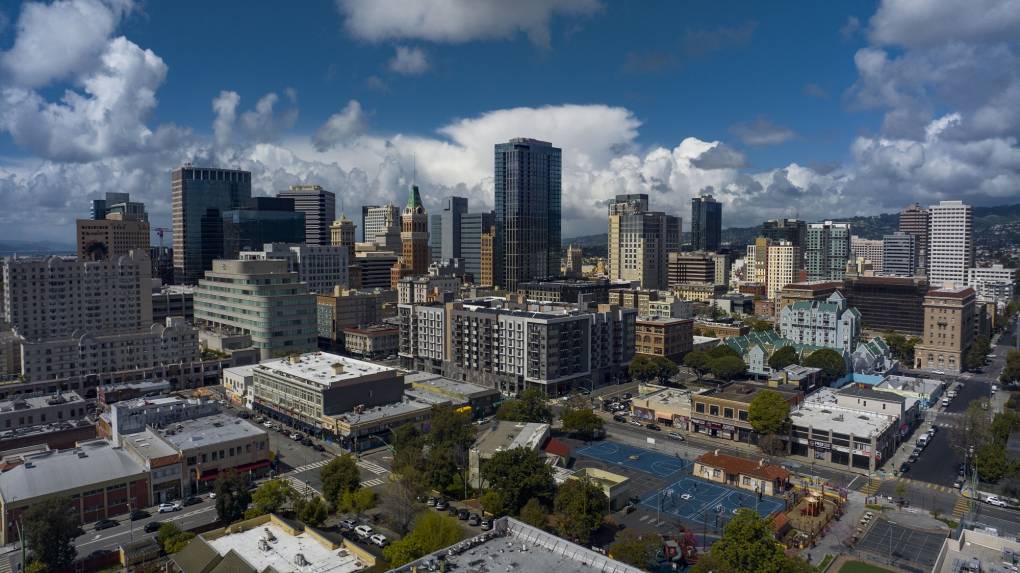
"caption": "Oakland faces the task of replacing its mayor after former Mayor Sheng Thao was recalled last November.",
"credit": "Joe Sohm/Visions of America/Universal Images Group via Getty Images",
"altTag": null,
"description": null,
"imgSizes": {
"medium": {
"file": "https://cdn.kqed.org/wp-content/uploads/sites/10/2024/11/OaklandGetty-800x449.jpg",
"width": 800,
"height": 449,
"mimeType": "image/jpeg"
},
"large": {
"file": "https://cdn.kqed.org/wp-content/uploads/sites/10/2024/11/OaklandGetty-1020x573.jpg",
"width": 1020,
"height": 573,
"mimeType": "image/jpeg"
},
"thumbnail": {
"file": "https://cdn.kqed.org/wp-content/uploads/sites/10/2024/11/OaklandGetty-160x90.jpg",
"width": 160,
"height": 90,
"mimeType": "image/jpeg"
},
"1536x1536": {
"file": "https://cdn.kqed.org/wp-content/uploads/sites/10/2024/11/OaklandGetty-1536x862.jpg",
"width": 1536,
"height": 862,
"mimeType": "image/jpeg"
},
"post-thumbnail": {
"file": "https://cdn.kqed.org/wp-content/uploads/sites/10/2024/11/OaklandGetty-672x372.jpg",
"width": 672,
"height": 372,
"mimeType": "image/jpeg"
},
"twentyfourteen-full-width": {
"file": "https://cdn.kqed.org/wp-content/uploads/sites/10/2024/11/OaklandGetty-1038x576.jpg",
"width": 1038,
"height": 576,
"mimeType": "image/jpeg"
},
"full-width": {
"file": "https://cdn.kqed.org/wp-content/uploads/sites/10/2024/11/OaklandGetty-1920x1078.jpg",
"width": 1920,
"height": 1078,
"mimeType": "image/jpeg"
},
"kqedFullSize": {
"file": "https://cdn.kqed.org/wp-content/uploads/sites/10/2024/11/OaklandGetty.jpg",
"width": 2000,
"height": 1123
}
},
"isLoading": false,
"fetchFailed": false
},
"news_12014999": {
"type": "attachments",
"id": "news_12014999",
"meta": {
"index": "attachments_1716263798",
"site": "news",
"id": "12014999",
"found": true
},
"title": "03292023_kqed_marchrain 058_qed",
"publishDate": 1732046360,
"status": "inherit",
"parent": 0,
"modified": 1732046417,
"caption": "A pedestrian walks through a pillar of steam as they cross the street in downtown San Francisco on March 29, 2023. ",
"credit": "Kori Suzuki/KQED News",
"altTag": null,
"description": null,
"imgSizes": {
"medium": {
"file": "https://cdn.kqed.org/wp-content/uploads/sites/10/2024/11/03292023_kqed_marchrain-058_qed-800x532.jpg",
"width": 800,
"height": 532,
"mimeType": "image/jpeg"
},
"large": {
"file": "https://cdn.kqed.org/wp-content/uploads/sites/10/2024/11/03292023_kqed_marchrain-058_qed-1020x679.jpg",
"width": 1020,
"height": 679,
"mimeType": "image/jpeg"
},
"thumbnail": {
"file": "https://cdn.kqed.org/wp-content/uploads/sites/10/2024/11/03292023_kqed_marchrain-058_qed-160x106.jpg",
"width": 160,
"height": 106,
"mimeType": "image/jpeg"
},
"1536x1536": {
"file": "https://cdn.kqed.org/wp-content/uploads/sites/10/2024/11/03292023_kqed_marchrain-058_qed-1536x1022.jpg",
"width": 1536,
"height": 1022,
"mimeType": "image/jpeg"
},
"post-thumbnail": {
"file": "https://cdn.kqed.org/wp-content/uploads/sites/10/2024/11/03292023_kqed_marchrain-058_qed-672x372.jpg",
"width": 672,
"height": 372,
"mimeType": "image/jpeg"
},
"twentyfourteen-full-width": {
"file": "https://cdn.kqed.org/wp-content/uploads/sites/10/2024/11/03292023_kqed_marchrain-058_qed-1038x576.jpg",
"width": 1038,
"height": 576,
"mimeType": "image/jpeg"
},
"full-width": {
"file": "https://cdn.kqed.org/wp-content/uploads/sites/10/2024/11/03292023_kqed_marchrain-058_qed-1920x1278.jpg",
"width": 1920,
"height": 1278,
"mimeType": "image/jpeg"
},
"kqedFullSize": {
"file": "https://cdn.kqed.org/wp-content/uploads/sites/10/2024/11/03292023_kqed_marchrain-058_qed.jpg",
"width": 2000,
"height": 1331
}
},
"isLoading": false,
"fetchFailed": false
},
"news_12011912": {
"type": "attachments",
"id": "news_12011912",
"meta": {
"index": "attachments_1716263798",
"site": "news",
"id": "12011912",
"found": true
},
"title": "241021-OaklandPDDrunkDriving-06-BL_qed",
"publishDate": 1730400232,
"status": "inherit",
"parent": 12023243,
"modified": 1737492597,
"caption": "Alameda County District Attorney Pamela Price speaks to reporters during a briefing in Oakland on Oct. 21, 2024.",
"credit": "Beth LaBerge/KQED",
"altTag": "A middle-aged Black woman in a suit jacket speaks at a podium, with a 'Alameda County District Attorney's Office banner behind her.",
"description": null,
"imgSizes": {
"medium": {
"file": "https://cdn.kqed.org/wp-content/uploads/sites/10/2024/10/241021-OaklandPDDrunkDriving-06-BL_qed-800x533.jpg",
"width": 800,
"height": 533,
"mimeType": "image/jpeg"
},
"large": {
"file": "https://cdn.kqed.org/wp-content/uploads/sites/10/2024/10/241021-OaklandPDDrunkDriving-06-BL_qed-1020x680.jpg",
"width": 1020,
"height": 680,
"mimeType": "image/jpeg"
},
"thumbnail": {
"file": "https://cdn.kqed.org/wp-content/uploads/sites/10/2024/10/241021-OaklandPDDrunkDriving-06-BL_qed-160x107.jpg",
"width": 160,
"height": 107,
"mimeType": "image/jpeg"
},
"1536x1536": {
"file": "https://cdn.kqed.org/wp-content/uploads/sites/10/2024/10/241021-OaklandPDDrunkDriving-06-BL_qed-1536x1024.jpg",
"width": 1536,
"height": 1024,
"mimeType": "image/jpeg"
},
"post-thumbnail": {
"file": "https://cdn.kqed.org/wp-content/uploads/sites/10/2024/10/241021-OaklandPDDrunkDriving-06-BL_qed-672x372.jpg",
"width": 672,
"height": 372,
"mimeType": "image/jpeg"
},
"twentyfourteen-full-width": {
"file": "https://cdn.kqed.org/wp-content/uploads/sites/10/2024/10/241021-OaklandPDDrunkDriving-06-BL_qed-1038x576.jpg",
"width": 1038,
"height": 576,
"mimeType": "image/jpeg"
},
"full-width": {
"file": "https://cdn.kqed.org/wp-content/uploads/sites/10/2024/10/241021-OaklandPDDrunkDriving-06-BL_qed-1920x1280.jpg",
"width": 1920,
"height": 1280,
"mimeType": "image/jpeg"
},
"kqedFullSize": {
"file": "https://cdn.kqed.org/wp-content/uploads/sites/10/2024/10/241021-OaklandPDDrunkDriving-06-BL_qed.jpg",
"width": 2000,
"height": 1333
}
},
"isLoading": false,
"fetchFailed": false
},
"news_12007816": {
"type": "attachments",
"id": "news_12007816",
"meta": {
"index": "attachments_1716263798",
"site": "news",
"id": "12007816",
"found": true
},
"title": "016_KQED_16thStreetStationOakland_02162022_qed",
"publishDate": 1727988673,
"status": "inherit",
"parent": 12007789,
"modified": 1727988761,
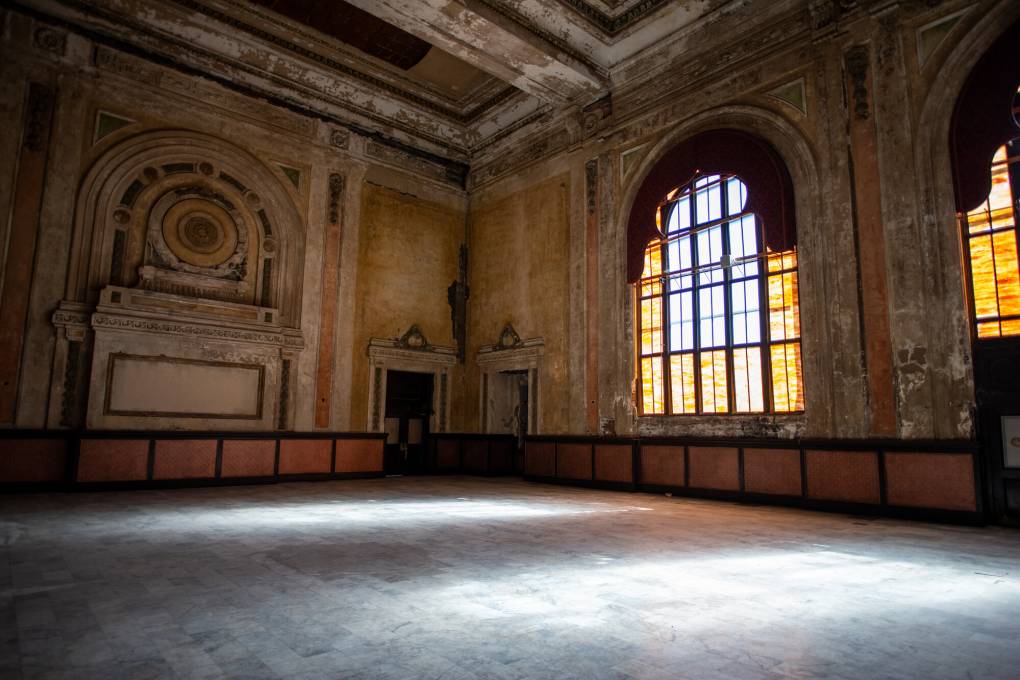
"caption": "Light shines through windows in the Main Hall of the now abandoned 16th Street Station in West Oakland on Feb. 16, 2022.",
"credit": "Beth LaBerge/KQED",
"altTag": "The interior hall of an abandoned building.",
"description": null,
"imgSizes": {
"medium": {
"file": "https://cdn.kqed.org/wp-content/uploads/sites/10/2024/10/016_KQED_16thStreetStationOakland_02162022_qed-800x533.jpg",
"width": 800,
"height": 533,
"mimeType": "image/jpeg"
},
"large": {
"file": "https://cdn.kqed.org/wp-content/uploads/sites/10/2024/10/016_KQED_16thStreetStationOakland_02162022_qed-1020x680.jpg",
"width": 1020,
"height": 680,
"mimeType": "image/jpeg"
},
"thumbnail": {
"file": "https://cdn.kqed.org/wp-content/uploads/sites/10/2024/10/016_KQED_16thStreetStationOakland_02162022_qed-160x107.jpg",
"width": 160,
"height": 107,
"mimeType": "image/jpeg"
},
"1536x1536": {
"file": "https://cdn.kqed.org/wp-content/uploads/sites/10/2024/10/016_KQED_16thStreetStationOakland_02162022_qed-1536x1024.jpg",
"width": 1536,
"height": 1024,
"mimeType": "image/jpeg"
},
"post-thumbnail": {
"file": "https://cdn.kqed.org/wp-content/uploads/sites/10/2024/10/016_KQED_16thStreetStationOakland_02162022_qed-672x372.jpg",
"width": 672,
"height": 372,
"mimeType": "image/jpeg"
},
"twentyfourteen-full-width": {
"file": "https://cdn.kqed.org/wp-content/uploads/sites/10/2024/10/016_KQED_16thStreetStationOakland_02162022_qed-1038x576.jpg",
"width": 1038,
"height": 576,
"mimeType": "image/jpeg"
},
"full-width": {
"file": "https://cdn.kqed.org/wp-content/uploads/sites/10/2024/10/016_KQED_16thStreetStationOakland_02162022_qed-1920x1280.jpg",
"width": 1920,
"height": 1280,
"mimeType": "image/jpeg"
},
"kqedFullSize": {
"file": "https://cdn.kqed.org/wp-content/uploads/sites/10/2024/10/016_KQED_16thStreetStationOakland_02162022_qed.jpg",
"width": 1999,
"height": 1333
}
},
"isLoading": false,
"fetchFailed": false
}
},
"audioPlayerReducer": {
"postId": "stream_live",
"isPaused": true,
"isPlaying": false,
"pfsActive": false,
"pledgeModalIsOpen": true,
"playerDrawerIsOpen": false,
"liveAudioPlayStartedAt": 0,
"liveAudioPlayContext": ""
},
"authorsReducer": {
"byline_news_12016417": {
"type": "authors",
"id": "byline_news_12016417",
"meta": {
"override": true
},
"slug": "byline_news_12016417",
"name": "Alejandro Lazo, CalMatters",
"isLoading": false
},
"scottshafer": {
"type": "authors",
"id": "255",
"meta": {
"index": "authors_1716337520",
"id": "255",
"found": true
},
"name": "Scott Shafer",
"firstName": "Scott",
"lastName": "Shafer",
"slug": "scottshafer",
"email": "sshafer@kqed.org",
"display_author_email": false,
"staff_mastheads": [
"news"
],
"title": "KQED Contributor",
"bio": "Scott Shafer is a senior editor with the KQED Politics and Government desk. He is co-host of Political Breakdown, the award-winning radio show and podcast with a personal take on the world of politics. Scott came to KQED in 1998 to host the statewide\u003cem> California Report\u003c/em>. Prior to that he had extended stints in politics and government\u003cem>.\u003c/em> He uses that inside experience at KQED in his, reporting, hosting and analysis for the politics desk. Scott collaborated \u003cem>Political Breakdown a\u003c/em>nd on \u003cem>The Political Mind of Jerry Brown, \u003c/em>an eight-part series about the life and extraordinary political career of the former governor. For fun, he plays water polo with the San Francisco Tsunami.",
"avatar": "https://secure.gravatar.com/avatar/a62ebae45b79d7aed1a39a0e3bf68104?s=600&d=blank&r=g",
"twitter": "scottshafer",
"bluesky": null,
"facebook": null,
"instagram": null,
"linkedin": null,
"sites": [
{
"site": "news",
"roles": [
"editor"
]
},
{
"site": "stateofhealth",
"roles": [
"author"
]
},
{
"site": "science",
"roles": [
"author"
]
},
{
"site": "forum",
"roles": [
"subscriber"
]
},
{
"site": "liveblog",
"roles": [
"author"
]
}
],
"headData": {
"title": "Scott Shafer | KQED",
"description": "KQED Contributor",
"ogImgSrc": "https://secure.gravatar.com/avatar/a62ebae45b79d7aed1a39a0e3bf68104?s=600&d=blank&r=g",
"twImgSrc": "https://secure.gravatar.com/avatar/a62ebae45b79d7aed1a39a0e3bf68104?s=600&d=blank&r=g"
},
"isLoading": false,
"link": "/author/scottshafer"
},
"ecruzguevarra": {
"type": "authors",
"id": "8654",
"meta": {
"index": "authors_1716337520",
"id": "8654",
"found": true
},
"name": "Ericka Cruz Guevarra",
"firstName": "Ericka",
"lastName": "Cruz Guevarra",
"slug": "ecruzguevarra",
"email": "ecruzguevarra@kqed.org",
"display_author_email": true,
"staff_mastheads": [
"news"
],
"title": "Producer, The Bay Podcast",
"bio": "Ericka Cruz Guevarra is host of \u003ca href=\"https://www.kqed.org/podcasts/thebay\">\u003cem>The Bay\u003c/em>\u003c/a> podcast at KQED. Before host, she was the show’s producer. Her work in that capacity includes a three-part reported series on policing in Vallejo, which won a 2020 excellence in journalism award from the Society of Professional Journalists. Ericka has worked as a breaking news reporter at Oregon Public Broadcasting, helped produce the Code Switch podcast, and was KQED’s inaugural Raul Ramirez Diversity Fund intern. She’s also an alumna of NPR’s Next Generation Radio program. Send her an email if you have strong feelings about whether Fairfield and Suisun City are the Bay. Ericka is represented by SAG-AFTRA.",
"avatar": "https://secure.gravatar.com/avatar/25e5ab8d3d53fad2dcc7bb2b5c506b1a?s=600&d=blank&r=g",
"twitter": "NotoriousECG",
"facebook": null,
"instagram": null,
"linkedin": null,
"sites": [
{
"site": "arts",
"roles": [
"subscriber"
]
},
{
"site": "news",
"roles": [
"editor",
"manage_categories"
]
},
{
"site": "futureofyou",
"roles": [
"subscriber"
]
},
{
"site": "stateofhealth",
"roles": [
"subscriber"
]
},
{
"site": "science",
"roles": [
"editor"
]
},
{
"site": "forum",
"roles": [
"subscriber"
]
}
],
"headData": {
"title": "Ericka Cruz Guevarra | KQED",
"description": "Producer, The Bay Podcast",
"ogImgSrc": "https://secure.gravatar.com/avatar/25e5ab8d3d53fad2dcc7bb2b5c506b1a?s=600&d=blank&r=g",
"twImgSrc": "https://secure.gravatar.com/avatar/25e5ab8d3d53fad2dcc7bb2b5c506b1a?s=600&d=blank&r=g"
},
"isLoading": false,
"link": "/author/ecruzguevarra"
},
"amontecillo": {
"type": "authors",
"id": "11649",
"meta": {
"index": "authors_1716337520",
"id": "11649",
"found": true
},
"name": "Alan Montecillo",
"firstName": "Alan",
"lastName": "Montecillo",
"slug": "amontecillo",
"email": "amontecillo@kqed.org",
"display_author_email": false,
"staff_mastheads": [
"news"
],
"title": "KQED Contributor",
"bio": "Alan Montecillo is the senior editor of \u003cem>\u003ca href=\"http://kqed.org/thebay\">The Bay\u003c/a>, \u003c/em> KQED's local news podcast. Before moving to the Bay Area, he worked as a senior talk show producer for WILL in Champaign-Urbana, Illinois and at Oregon Public Broadcasting in Portland, Oregon. He has won journalism awards from the Society of Professional Journalists Northern California, the Public Media Journalists Association, The Signal Awards, and has also received a regional Edward R. Murrow award. Alan is a Filipino American from Hong Kong and a graduate of Reed College.",
"avatar": "https://secure.gravatar.com/avatar/d5e4e7a76481969ccba76f4e2b5ccabc?s=600&d=blank&r=g",
"twitter": "alanmontecillo",
"facebook": null,
"instagram": null,
"linkedin": null,
"sites": [
{
"site": "",
"roles": [
"editor"
]
},
{
"site": "news",
"roles": [
"editor",
"manage_categories"
]
}
],
"headData": {
"title": "Alan Montecillo | KQED",
"description": "KQED Contributor",
"ogImgSrc": "https://secure.gravatar.com/avatar/d5e4e7a76481969ccba76f4e2b5ccabc?s=600&d=blank&r=g",
"twImgSrc": "https://secure.gravatar.com/avatar/d5e4e7a76481969ccba76f4e2b5ccabc?s=600&d=blank&r=g"
},
"isLoading": false,
"link": "/author/amontecillo"
},
"eromero": {
"type": "authors",
"id": "11746",
"meta": {
"index": "authors_1716337520",
"id": "11746",
"found": true
},
"name": "Ezra David Romero",
"firstName": "Ezra David",
"lastName": "Romero",
"slug": "eromero",
"email": "eromero@kqed.org",
"display_author_email": true,
"staff_mastheads": [
"news",
"science"
],
"title": "Climate Reporter",
"bio": "Ezra David Romero is a climate reporter for KQED News. He covers the absence and excess of water in the Bay Area — think sea level rise, flooding and drought. For nearly a decade he’s covered how warming temperatures are altering the lives of Californians. He’s reported on farmers worried their pistachio trees aren’t getting enough sleep, families desperate for water, scientists studying dying giant sequoias, and alongside firefighters containing wildfires. His work has appeared on local stations across California and nationally on public radio shows like Morning Edition, Here and Now, All Things Considered and Science Friday. ",
"avatar": "https://secure.gravatar.com/avatar/9c15bb8bab267e058708a9eeaeef16bf?s=600&d=blank&r=g",
"twitter": "ezraromero",
"bluesky": null,
"facebook": null,
"instagram": null,
"linkedin": null,
"sites": [
{
"site": "arts",
"roles": [
"editor"
]
},
{
"site": "news",
"roles": [
"editor"
]
},
{
"site": "science",
"roles": [
"editor"
]
},
{
"site": "liveblog",
"roles": [
"author"
]
}
],
"headData": {
"title": "Ezra David Romero | KQED",
"description": "Climate Reporter",
"ogImgSrc": "https://secure.gravatar.com/avatar/9c15bb8bab267e058708a9eeaeef16bf?s=600&d=blank&r=g",
"twImgSrc": "https://secure.gravatar.com/avatar/9c15bb8bab267e058708a9eeaeef16bf?s=600&d=blank&r=g"
},
"isLoading": false,
"link": "/author/eromero"
},
"adahlstromeckman": {
"type": "authors",
"id": "11785",
"meta": {
"index": "authors_1716337520",
"id": "11785",
"found": true
},
"name": "Azul Dahlstrom-Eckman",
"firstName": "Azul",
"lastName": "Dahlstrom-Eckman",
"slug": "adahlstromeckman",
"email": "adahlstrom-eckman@kqed.org",
"display_author_email": true,
"staff_mastheads": [],
"title": "Reporter",
"bio": "Azul is a reporter for KQED focusing on transportation and features. He joined KQED in 2021 as an alumna of KALW's Audio Academy radio journalism training program.",
"avatar": "https://secure.gravatar.com/avatar/9cb750298435add7815a777f55bf1f46845c1386bb8452555c60a7b820b5aba3?s=600&d=blank&r=g",
"twitter": "@zuliemann",
"bluesky": "@azul415.bsky.social",
"facebook": null,
"instagram": null,
"linkedin": null,
"sites": [
{
"site": "arts",
"roles": [
"editor"
]
},
{
"site": "news",
"roles": [
"editor"
]
},
{
"site": "science",
"roles": [
"editor"
]
},
{
"site": "liveblog",
"roles": [
"author"
]
}
],
"headData": {
"title": "Azul Dahlstrom-Eckman | KQED",
"description": "Reporter",
"ogImgSrc": "https://secure.gravatar.com/avatar/9cb750298435add7815a777f55bf1f46845c1386bb8452555c60a7b820b5aba3?s=600&d=blank&r=g",
"twImgSrc": "https://secure.gravatar.com/avatar/9cb750298435add7815a777f55bf1f46845c1386bb8452555c60a7b820b5aba3?s=600&d=blank&r=g"
},
"isLoading": false,
"link": "/author/adahlstromeckman"
},
"jessicakariisa": {
"type": "authors",
"id": "11831",
"meta": {
"index": "authors_1716337520",
"id": "11831",
"found": true
},
"name": "Jessica Kariisa",
"firstName": "Jessica",
"lastName": "Kariisa",
"slug": "jessicakariisa",
"email": "jkariisa@kqed.org",
"display_author_email": false,
"staff_mastheads": [],
"title": "Producer, The Bay",
"bio": "Jessica Kariisa is the producer of The Bay. She first joined KQED as an intern for The California Report Magazine, after which she became an on-call producer. She reported a Bay Curious episode on the use of rap lyrics in criminal trials which won a Society of Professional Journalists award in 2023 for Excellence in Features Journalism and the 2023 Signal Award for Best Conversation Starter. She’s worked on podcasts for Snap Judgment and American Public Media. Before embarking on her audio career, she was a music journalist.\r\n\r\nJessica Kariisa is represented by SAG-AFTRA.",
"avatar": "https://secure.gravatar.com/avatar/522e97b28ac0b3d411621c0fde8f3419c7b71ea2c5c262c57c4bb600963f328c?s=600&d=blank&r=g",
"twitter": null,
"bluesky": null,
"facebook": null,
"instagram": null,
"linkedin": null,
"sites": [
{
"site": "arts",
"roles": [
"author"
]
},
{
"site": "news",
"roles": [
"editor",
"manage_categories"
]
}
],
"headData": {
"title": "Jessica Kariisa | KQED",
"description": "Producer, The Bay",
"ogImgSrc": "https://secure.gravatar.com/avatar/522e97b28ac0b3d411621c0fde8f3419c7b71ea2c5c262c57c4bb600963f328c?s=600&d=blank&r=g",
"twImgSrc": "https://secure.gravatar.com/avatar/522e97b28ac0b3d411621c0fde8f3419c7b71ea2c5c262c57c4bb600963f328c?s=600&d=blank&r=g"
},
"isLoading": false,
"link": "/author/jessicakariisa"
},
"kdebenedetti": {
"type": "authors",
"id": "11913",
"meta": {
"index": "authors_1716337520",
"id": "11913",
"found": true
},
"name": "Katie DeBenedetti",
"firstName": "Katie",
"lastName": "DeBenedetti",
"slug": "kdebenedetti",
"email": "kdebenedetti@kqed.org",
"display_author_email": false,
"staff_mastheads": [
"news",
"science"
],
"title": "KQED Contributor",
"bio": "Katie DeBenedetti is a digital reporter covering daily news for the Express Desk. Prior to joining KQED as a culture reporting intern in January 2024, she covered education and city government for the Napa Valley Register.",
"avatar": "https://secure.gravatar.com/avatar/6e31073cb8f7e4214ab03f42771d0f45?s=600&d=blank&r=g",
"twitter": null,
"facebook": null,
"instagram": null,
"linkedin": null,
"sites": [
{
"site": "news",
"roles": [
"author"
]
},
{
"site": "science",
"roles": [
"author"
]
},
{
"site": "liveblog",
"roles": [
"author"
]
}
],
"headData": {
"title": "Katie DeBenedetti | KQED",
"description": "KQED Contributor",
"ogImgSrc": "https://secure.gravatar.com/avatar/6e31073cb8f7e4214ab03f42771d0f45?s=600&d=blank&r=g",
"twImgSrc": "https://secure.gravatar.com/avatar/6e31073cb8f7e4214ab03f42771d0f45?s=600&d=blank&r=g"
},
"isLoading": false,
"link": "/author/kdebenedetti"
}
},
"pagesReducer": {
"news_tag_oakland": {
"type": "terms",
"id": "news_34054",
"meta": {
"index": "terms_1716263798",
"site": "news",
"id": "34054",
"score": 6.8845096
},
"featImg": null,
"name": "oakland",
"description": null,
"taxonomy": "tag",
"headData": {
"twImgId": null,
"twTitle": null,
"ogTitle": null,
"ogImgId": null,
"twDescription": null,
"description": null,
"title": "oakland Archives | KQED News",
"ogDescription": null
},
"ttid": 34071,
"slug": "oakland",
"isLoading": false,
"title": "oakland",
"pageMeta": {
"site": "news",
"WpPageTemplate": "page-topic-editorial",
"currentPage": 29
},
"blocks": [
{
"blockName": "kqed/post-list",
"attrs": {
"layout": "cardArticle2",
"query": "posts/news?tag=oakland",
"seeMore": false,
"paginated": true,
"page": 29
}
},
{
"blockName": "kqed/ad"
}
]
}
},
"pfsSessionReducer": {},
"postsReducer": {
"stream_live": {
"type": "live",
"id": "stream_live",
"audioUrl": "https://streams.kqed.org/kqedradio",
"title": "Live Stream",
"excerpt": "Live Stream information currently unavailable.",
"link": "/radio",
"featImg": "",
"label": {
"name": "KQED Live",
"link": "/"
}
},
"stream_kqedNewscast": {
"type": "posts",
"id": "stream_kqedNewscast",
"audioUrl": "https://www.kqed.org/.stream/anon/radio/RDnews/newscast.mp3?_=1",
"title": "KQED Newscast",
"featImg": "",
"label": {
"name": "88.5 FM",
"link": "/"
}
},
"news_12016715": {
"type": "posts",
"id": "news_12016715",
"meta": {
"index": "posts_1716263798",
"site": "news",
"id": "12016715",
"score": null,
"sort": [
1733440959000
]
},
"guestAuthors": [],
"slug": "bart-may-rename-oaklands-lake-merritt-station-could-cost-750000",
"title": "BART Supports Renaming Oakland's Lake Merritt Station — if Someone Else Pays for It",
"publishDate": 1733440959,
"format": "standard",
"headTitle": "BART Supports Renaming Oakland’s Lake Merritt Station — if Someone Else Pays for It | KQED",
"labelTerm": {
"site": "news"
},
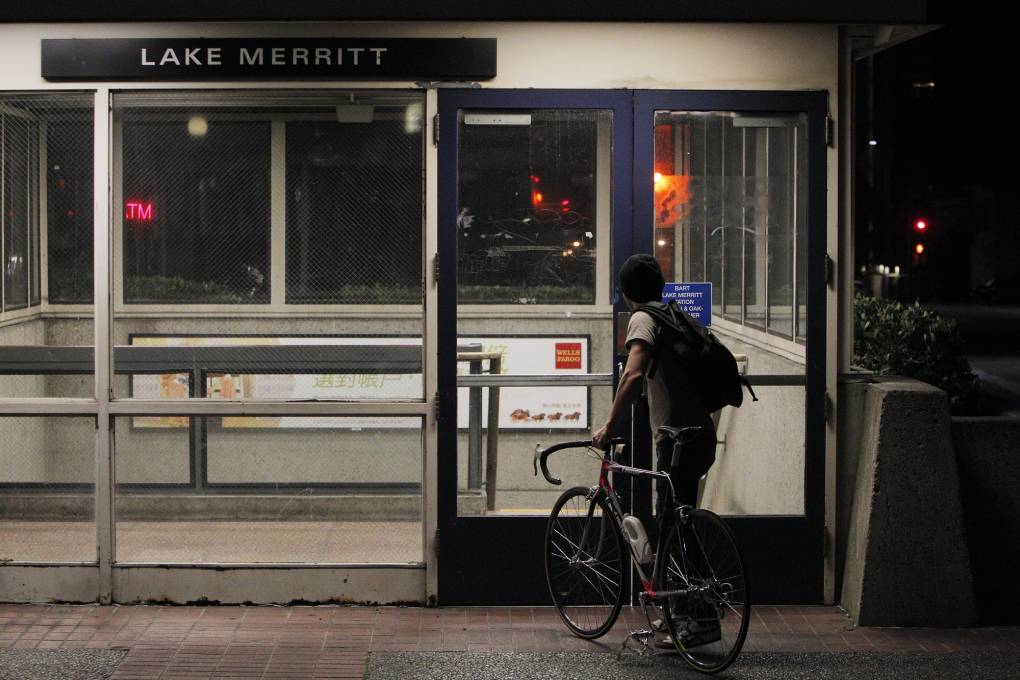
"content": "\u003cp>\u003cem>Updated 3:30 p.m., Thursday\u003c/em>\u003c/p>\n\u003cp>\u003ca href=\"https://www.kqed.org/news/tag/bart\">BART\u003c/a> directors plan to move forward with renaming Oakland’s Lake Merritt station, but only after they find a funding source for the estimated $750,000 project and complete a community engagement process.\u003c/p>\n\u003cp>The unanimous vote Thursday by the transit agency’s Board of Directors delivered a setback to many community members who had hoped to walk away from the meeting with a clear timeline for the station renaming.\u003c/p>\n\u003cp>“I would ask that it not be called a name change. It really is a name correction,” said Joshua Simon, who showed up to the public comment section of the meeting. “I’ve been getting off at that station now for 40 years, and every time I get off, I look around and say, ‘Where’s Lake Merritt?’ It’s in Chinatown. I think it’s time to fix this.”\u003c/p>\n\u003cp>[ad fullwidth]\u003c/p>\n\u003cp>Board member Robert Raburn, who has spearheaded the renaming effort along with Oakland Chinatown community groups, hoped that board approval Thursday would guarantee the new name in time for the opening of a new \u003ca href=\"https://www.kqed.org/news/12009951/oaklands-lake-merritt-bart-station-renamed-soon\">transit-oriented development on top of the station\u003c/a>, planned for March 2027.\u003c/p>\n\u003cp>Though the board is generally supportive of the name change, the fact that Raburn’s initiative had not followed established BART protocol made some members uneasy.\u003c/p>\n\u003cfigure id=\"attachment_12016759\" class=\"wp-caption aligncenter\" style=\"max-width: 1999px\">\u003cimg loading=\"lazy\" decoding=\"async\" class=\"size-full wp-image-12016759\" src=\"https://cdn.kqed.org/wp-content/uploads/sites/10/2024/12/009_KQED_Oakland_Chinatown_12182020_qed.jpg\" alt=\"\" width=\"1999\" height=\"1333\" srcset=\"https://cdn.kqed.org/wp-content/uploads/sites/10/2024/12/009_KQED_Oakland_Chinatown_12182020_qed.jpg 1999w, https://cdn.kqed.org/wp-content/uploads/sites/10/2024/12/009_KQED_Oakland_Chinatown_12182020_qed-800x533.jpg 800w, https://cdn.kqed.org/wp-content/uploads/sites/10/2024/12/009_KQED_Oakland_Chinatown_12182020_qed-1020x680.jpg 1020w, https://cdn.kqed.org/wp-content/uploads/sites/10/2024/12/009_KQED_Oakland_Chinatown_12182020_qed-160x107.jpg 160w, https://cdn.kqed.org/wp-content/uploads/sites/10/2024/12/009_KQED_Oakland_Chinatown_12182020_qed-1536x1024.jpg 1536w, https://cdn.kqed.org/wp-content/uploads/sites/10/2024/12/009_KQED_Oakland_Chinatown_12182020_qed-1920x1280.jpg 1920w\" sizes=\"(max-width: 1999px) 100vw, 1999px\">\u003cfigcaption class=\"wp-caption-text\">Shoppers walk by a shop in Oakland’s Chinatown on Dec. 18, 2020. Many shops keep plywood in their windows while open. \u003ccite>(Beth LaBerge/KQED)\u003c/cite>\u003c/figcaption>\u003c/figure>\n\u003cp>Current policy requires a third-party applicant to apply for and cover all the costs associated with a station renaming. As yet, no such applicant has come forward, making some board members worry the agency could be forced to pay the full cost of the Lake Merritt station renaming.\u003c/p>\n\u003cp>“If we say we’re going to rename it, that means we are on the hook for paying for it if we cannot find the outside funding,” board member Rebecca Saltzman said.\u003c/p>\n\u003cp>Raburn had previously maintained that neither the Chinatown community groups who have advocated for the name change nor the East Bay Asian Local Development Corporation, the new housing project’s developer, should be on the hook for payment, saying instead that the money could come from grants, BART’s capital budget or elsewhere.\u003c/p>\n\u003cp>“I’m not saying that money grows on trees, but we can find the money and this isn’t the kind of dollar amount that’s going to scare us away from taking this action,” Raburn said.\u003c/p>\n\u003cp>[aside postID=news_12016154 hero='https://cdn.kqed.org/wp-content/uploads/sites/10/2024/11/240111-TransitFile-02-BL_qed-1020x680.jpg']\u003c/p>\n\u003cp>Meanwhile, BART is facing \u003ca href=\"https://www.kqed.org/news/12016154/bart-fare-increase-january-second-year-in-a-row\">a bleak fiscal future\u003c/a> as ridership has failed to recover to pre-pandemic levels and federal and state emergency assistance from the pandemic is set to dry up by the end of next year. The agency is projecting a $385 million budget deficit for the 2026 fiscal year.\u003c/p>\n\u003cp>Raburn sees the renaming as a crucial part of the new housing development at the station.\u003c/p>\n\u003cp>“I think it’s a good investment to provide the change now and say that by the time it’s occupied, it will be renamed,” Raburn said. “That gives the developer something to share with potential investors, to somebody that might want to build a hotel or offices in Oakland Chinatown. I think those are the kinds of things that can pay dividends in the long run for BART.”\u003c/p>\n\u003cp>Board policy also calls for a robust community engagement process to rename a station, including at least three public workshops and endorsements from affected local bodies. Although the Lake Merritt renaming has garnered enthusiastic support from community members in BART board meetings and is endorsed by the Oakland Chinatown Chamber of Commerce and the Oakland Chinatown Improvement Council, BART staff said that requirement had so far not been fulfilled.\u003c/p>\n\u003cp>In the end, board member Saltzman introduced a substitute motion, supporting the intent to change the station name, subject to identifying an applicant who would fund the project, and conducting proper outreach. The motion was approved unanimously.\u003c/p>\n\u003cp>BART staff said they are aware of at least two other station renaming requests, including one from the family of Oscar Grant, who was shot and killed by BART police on New Year’s Day 2009 at Fruitvale Station, to rename it after Grant.\u003c/p>\n\u003cp>Staff also said the city of Berkeley has expressed interest in renaming Ashby Station to South Berkeley Station.\u003c/p>\n\u003cp>\u003c/p>\n",
"blocks": [],
"excerpt": "BART directors voted to support renaming the station 'Oakland Chinatown,' but said funding for the $750,000 project needs to be secured and more community engagement needs to happen.",
"status": "publish",
"parent": 0,
"modified": 1733445458,
"stats": {
"hasAudio": false,
"hasVideo": false,
"hasChartOrMap": false,
"iframeSrcs": [],
"hasGoogleForm": false,
"hasGallery": false,
"hasHearkenModule": false,
"hasPolis": false,
"paragraphCount": 20,
"wordCount": 773
},
"headData": {
"title": "BART Supports Renaming Oakland's Lake Merritt Station — if Someone Else Pays for It | KQED",
"description": "BART directors voted to support renaming the station 'Oakland Chinatown,' but said funding for the $750,000 project needs to be secured and more community engagement needs to happen.",
"ogTitle": "",
"ogDescription": "",
"ogImgId": "",
"twTitle": "",
"twDescription": "",
"twImgId": "",
"schema": {
"@context": "https://schema.org",
"@type": "NewsArticle",
"headline": "BART Supports Renaming Oakland's Lake Merritt Station — if Someone Else Pays for It",
"datePublished": "2024-12-05T15:22:39-08:00",
"dateModified": "2024-12-05T16:37:38-08:00",
"image": "https://cdn.kqed.org/wp-content/uploads/2020/02/KQED-OG-Image@1x.png",
"isAccessibleForFree": "True",
"publisher": {
"@type": "NewsMediaOrganization",
"@id": "https://www.kqed.org/#organization",
"name": "KQED",
"logo": "https://cdn.kqed.org/wp-content/uploads/2020/02/KQED-OG-Image@1x.png",
"url": "https://www.kqed.org",
"sameAs": [
"https://www.facebook.com/KQED",
"https://twitter.com/KQED",
"https://www.instagram.com/kqed/",
"https://www.tiktok.com/@kqedofficial",
"https://www.linkedin.com/company/kqed",
"https://www.youtube.com/channel/UCeC0IOo7i1P_61zVUWbJ4nw"
]
}
}
},
"sticky": false,
"nprStoryId": "kqed-12016715",
"excludeFromSiteSearch": "Include",
"articleAge": "0",
"path": "/news/12016715/bart-may-rename-oaklands-lake-merritt-station-could-cost-750000",
"audioTrackLength": null,
"parsedContent": [
{
"type": "contentString",
"content": "\u003cdiv class=\"post-body\">\u003cp>\u003cp>\u003cem>Updated 3:30 p.m., Thursday\u003c/em>\u003c/p>\n\u003cp>\u003ca href=\"https://www.kqed.org/news/tag/bart\">BART\u003c/a> directors plan to move forward with renaming Oakland’s Lake Merritt station, but only after they find a funding source for the estimated $750,000 project and complete a community engagement process.\u003c/p>\n\u003cp>The unanimous vote Thursday by the transit agency’s Board of Directors delivered a setback to many community members who had hoped to walk away from the meeting with a clear timeline for the station renaming.\u003c/p>\n\u003cp>“I would ask that it not be called a name change. It really is a name correction,” said Joshua Simon, who showed up to the public comment section of the meeting. “I’ve been getting off at that station now for 40 years, and every time I get off, I look around and say, ‘Where’s Lake Merritt?’ It’s in Chinatown. I think it’s time to fix this.”\u003c/p>\n\u003cp>\u003c/p>\u003c/div>",
"attributes": {
"named": {},
"numeric": []
}
},
{
"type": "component",
"content": "",
"name": "ad",
"attributes": {
"named": {
"label": "fullwidth"
},
"numeric": [
"fullwidth"
]
}
},
{
"type": "contentString",
"content": "\u003cdiv class=\"post-body\">\u003cp>\u003c/p>\n\u003cp>Board member Robert Raburn, who has spearheaded the renaming effort along with Oakland Chinatown community groups, hoped that board approval Thursday would guarantee the new name in time for the opening of a new \u003ca href=\"https://www.kqed.org/news/12009951/oaklands-lake-merritt-bart-station-renamed-soon\">transit-oriented development on top of the station\u003c/a>, planned for March 2027.\u003c/p>\n\u003cp>Though the board is generally supportive of the name change, the fact that Raburn’s initiative had not followed established BART protocol made some members uneasy.\u003c/p>\n\u003cfigure id=\"attachment_12016759\" class=\"wp-caption aligncenter\" style=\"max-width: 1999px\">\u003cimg loading=\"lazy\" decoding=\"async\" class=\"size-full wp-image-12016759\" src=\"https://cdn.kqed.org/wp-content/uploads/sites/10/2024/12/009_KQED_Oakland_Chinatown_12182020_qed.jpg\" alt=\"\" width=\"1999\" height=\"1333\" srcset=\"https://cdn.kqed.org/wp-content/uploads/sites/10/2024/12/009_KQED_Oakland_Chinatown_12182020_qed.jpg 1999w, https://cdn.kqed.org/wp-content/uploads/sites/10/2024/12/009_KQED_Oakland_Chinatown_12182020_qed-800x533.jpg 800w, https://cdn.kqed.org/wp-content/uploads/sites/10/2024/12/009_KQED_Oakland_Chinatown_12182020_qed-1020x680.jpg 1020w, https://cdn.kqed.org/wp-content/uploads/sites/10/2024/12/009_KQED_Oakland_Chinatown_12182020_qed-160x107.jpg 160w, https://cdn.kqed.org/wp-content/uploads/sites/10/2024/12/009_KQED_Oakland_Chinatown_12182020_qed-1536x1024.jpg 1536w, https://cdn.kqed.org/wp-content/uploads/sites/10/2024/12/009_KQED_Oakland_Chinatown_12182020_qed-1920x1280.jpg 1920w\" sizes=\"(max-width: 1999px) 100vw, 1999px\">\u003cfigcaption class=\"wp-caption-text\">Shoppers walk by a shop in Oakland’s Chinatown on Dec. 18, 2020. Many shops keep plywood in their windows while open. \u003ccite>(Beth LaBerge/KQED)\u003c/cite>\u003c/figcaption>\u003c/figure>\n\u003cp>Current policy requires a third-party applicant to apply for and cover all the costs associated with a station renaming. As yet, no such applicant has come forward, making some board members worry the agency could be forced to pay the full cost of the Lake Merritt station renaming.\u003c/p>\n\u003cp>“If we say we’re going to rename it, that means we are on the hook for paying for it if we cannot find the outside funding,” board member Rebecca Saltzman said.\u003c/p>\n\u003cp>Raburn had previously maintained that neither the Chinatown community groups who have advocated for the name change nor the East Bay Asian Local Development Corporation, the new housing project’s developer, should be on the hook for payment, saying instead that the money could come from grants, BART’s capital budget or elsewhere.\u003c/p>\n\u003cp>“I’m not saying that money grows on trees, but we can find the money and this isn’t the kind of dollar amount that’s going to scare us away from taking this action,” Raburn said.\u003c/p>\n\u003cp>\u003c/p>\u003c/div>",
"attributes": {
"named": {},
"numeric": []
}
},
{
"type": "component",
"content": "",
"name": "aside",
"attributes": {
"named": {
"postid": "news_12016154",
"hero": "https://cdn.kqed.org/wp-content/uploads/sites/10/2024/11/240111-TransitFile-02-BL_qed-1020x680.jpg",
"label": ""
},
"numeric": []
}
},
{
"type": "contentString",
"content": "\u003cdiv class=\"post-body\">\u003cp>\u003c/p>\n\u003cp>Meanwhile, BART is facing \u003ca href=\"https://www.kqed.org/news/12016154/bart-fare-increase-january-second-year-in-a-row\">a bleak fiscal future\u003c/a> as ridership has failed to recover to pre-pandemic levels and federal and state emergency assistance from the pandemic is set to dry up by the end of next year. The agency is projecting a $385 million budget deficit for the 2026 fiscal year.\u003c/p>\n\u003cp>Raburn sees the renaming as a crucial part of the new housing development at the station.\u003c/p>\n\u003cp>“I think it’s a good investment to provide the change now and say that by the time it’s occupied, it will be renamed,” Raburn said. “That gives the developer something to share with potential investors, to somebody that might want to build a hotel or offices in Oakland Chinatown. I think those are the kinds of things that can pay dividends in the long run for BART.”\u003c/p>\n\u003cp>Board policy also calls for a robust community engagement process to rename a station, including at least three public workshops and endorsements from affected local bodies. Although the Lake Merritt renaming has garnered enthusiastic support from community members in BART board meetings and is endorsed by the Oakland Chinatown Chamber of Commerce and the Oakland Chinatown Improvement Council, BART staff said that requirement had so far not been fulfilled.\u003c/p>\n\u003cp>In the end, board member Saltzman introduced a substitute motion, supporting the intent to change the station name, subject to identifying an applicant who would fund the project, and conducting proper outreach. The motion was approved unanimously.\u003c/p>\n\u003cp>BART staff said they are aware of at least two other station renaming requests, including one from the family of Oscar Grant, who was shot and killed by BART police on New Year’s Day 2009 at Fruitvale Station, to rename it after Grant.\u003c/p>\n\u003cp>Staff also said the city of Berkeley has expressed interest in renaming Ashby Station to South Berkeley Station.\u003c/p>\n\u003cp>\u003c/p>\n\u003c/div>\u003c/p>",
"attributes": {
"named": {},
"numeric": []
}
}
],
"link": "/news/12016715/bart-may-rename-oaklands-lake-merritt-station-could-cost-750000",
"authors": [
"11785"
],
"categories": [
"news_28250",
"news_8",
"news_1397"
],
"tags": [
"news_269",
"news_34054",
"news_20517"
],
"featImg": "news_12016730",
"label": "news"
},
"news_12016417": {
"type": "posts",
"id": "news_12016417",
"meta": {
"index": "posts_1716263798",
"site": "news",
"id": "12016417",
"score": null,
"sort": [
1733259646000
]
},
"guestAuthors": [],
"slug": "californians-pay-billions-for-power-companies-wildfire-prevention-efforts-are-they-cost-effective",
"title": "Californians Pay Billions for Power Companies’ Wildfire Prevention Efforts. Are They Cost-Effective?",
"publishDate": 1733259646,
"format": "standard",
"headTitle": "Californians Pay Billions for Power Companies’ Wildfire Prevention Efforts. Are They Cost-Effective? | KQED",
"labelTerm": {
"term": 18481,
"site": "news"
},
"content": "\u003cp>Diane Moss lost her home in the Santa Monica Mountains after power lines ignited the apocalyptic Woolsey Fire in 2018. Since then, she’s pressed for a safer electric grid in California.\u003c/p>\n\u003cp>“It’s so easy to forget the risk that we live in — until it happens to you,” said Moss, a longtime clean energy advocate. “All of us in California have to think about how we better prepare to survive disaster, which is only going to be more of a problem as the climate changes.”\u003c/p>\n\u003cp>In recent years, California’s power companies have been doing just that: insulating power lines and burying lines underground, trimming trees, deploying drones and using risk-detection technology.\u003c/p>\n\u003cp>As \u003ca href=\"https://www.science.org/doi/10.1126/sciadv.abc0020\">wildfires across the U.S. intensify\u003c/a>, California is on the leading edge of efforts to prevent more deadly and destructive fires ignited by downed power lines and malfunctioning equipment.\u003c/p>\n\u003cp>Customers have shouldered a hefty price for wildfire safety measures. From 2019 through 2023, the California Public Utilities Commission authorized the three largest utilities to collect $27 billion in wildfire prevention and insurance costs from ratepayers, according to a \u003ca href=\"https://www.cpuc.ca.gov/-/media/cpuc-website/divisions/office-of-governmental-affairs-division/reports/2024/2024-sb-695-report.pdf#page=56\">report\u003c/a> to the Legislature.\u003c/p>\n\u003cp>[ad fullwidth]\u003c/p>\n\u003cp>And the costs are projected to keep rising: The three companies — Pacific Gas & Electric, Southern California Edison and San Diego Gas & Electric — continue to seek billions more from customers for wildfire prevention spending. Rates are expected to continue outpacing inflation\u003ca href=\"https://www.cpuc.ca.gov/-/media/cpuc-website/divisions/office-of-governmental-affairs-division/reports/2024/2024-sb-695-report.pdf#page=17\" target=\"_blank\" rel=\"noreferrer noopener\"> through 2027\u003c/a>.\u003c/p>\n\u003cp>Fire safety projects are a big part of the reason that Californians pay the\u003ca href=\"https://www.eia.gov/electricity/monthly/epm_table_grapher.php?t=epmt_5_6_a\"> highest electric bills\u003c/a> in the nation outside of Hawaii. Other reasons include rooftop solar incentives, new transmission systems and upgrades for electric vehicles.\u003c/p>\n\u003cp>Higher electric bills have helped fuel a\u003ca href=\"https://lao.ca.gov/LAOEconTax/Article/Detail/766\"> statewide affordability crisis\u003c/a> alongside soaring housing prices, expensive groceries and costly gasoline. \u003ca href=\"https://calmatters.org/california-divide/2024/02/utility-rate-hikes-california/\">Small businesses\u003c/a> are feeling the burden, along with the state’s poorest residents:\u003ca href=\"https://www.publicadvocates.cpuc.ca.gov/press-room/commentary/240311-setting-the-record-straight-fixed-charge\"> One in three\u003c/a> low-income households served by the three utilities fell behind in paying their power bills this year.\u003c/p>\n\u003cp>California’s three investor-owned utilities are regulated monopolies, so when they spend money on costs related to wildfires, they recover it through customers’ bills.\u003c/p>\n\u003cp>The price of electricity has ignited debate about how much California families should bear for the cost of wildfire prevention, whether utilities are balancing risk and affordability and whether the money is being spent wisely.\u003c/p>\n\u003cp>\u003c!-- iframe plugin v.4.3 wordpress.org/plugins/iframe/ -->\u003cbr>\n\u003ciframe loading=\"lazy\" src=\"https://datawrapper.dwcdn.net/9wC3J/29/\" width=\"800\" height=\"600\" scrolling=\"yes\" class=\"iframe-class\" frameborder=\"0\">\u003c/iframe>\u003c/p>\n\u003cp>Loretta Lynch, a former head of the state utilities commission, said lack of oversight is a problem, with the commission “rubber-stamping outrageous costs” and allowing the companies to “address wildfires in the most expensive, least effective way possible.”\u003c/p>\n\u003cp>One of the biggest controversies is whether the utilities should be spending so much on burying power lines, an extremely costly and slow process.\u003c/p>\n\u003cp>Last year, \u003ca href=\"https://information.auditor.ca.gov/reports/2022-115/index.html\">a state audit\u003c/a> concluded that the utilities commission and the state’s advocates office must do more to verify whether utilities were completing the work they sought payment for.\u003c/p>\n\u003cp>The three companies say the billions of dollars in spending is necessary as climate change worsens \u003ca href=\"https://calmatters.org/california-wildfire-map-tracker/?gad_source=1&gbraid=0AAAAADM7b5fFuSe1NT8oR5odtxgzBtp-K&gclid=CjwKCAiA0rW6BhAcEiwAQH28IjlGhALav1D1122TKnYxkFmzscYW2x42CGExP5nWM4kziIahkVFJ6hoCkmAQAvD_BwE\">wildfires across the state\u003c/a>. Utility equipment has caused less than 10% of the state’s fires but nearly half of its most destructive fires, \u003ca href=\"https://www.cpuc.ca.gov/industries-and-topics/wildfires\">according to the utilities commission\u003c/a>.\u003c/p>\n\u003cp>PG&E, which \u003ca href=\"https://docs.cpuc.ca.gov/PublishedDocs/Published/G000/M338/K725/338725560.PDF\">a few years ago came out of bankruptcy\u003c/a> triggered by its liability for several deadly, destructive fires, has adopted the stance that \u003ca href=\"https://www.pge.com/assets/pge/docs/outages-and-safety/outage-preparedness-and-support/wildfire-mitigation-plan-executive-summary.pdf#page=2\">“catastrophic wildfires shall stop.”\u003c/a> The company, which serves the most high-risk areas in California, is the state’s largest spender on wildfire prevention.\u003c/p>\n\u003cp>PG&E plans to bury 10,000 miles of power lines in its highest-risk areas — work that is highly contentious because it is costly and slow. The company has buried \u003ca href=\"https://www.pge.com/en/newsroom/press-release-details.5943ff56-7c74-4c60-ab87-602de41c5054.html\">800 miles since 2021\u003c/a>, with each mile costing between $3 and $4 million. Last year, the commission approved a $3.7 billion plan for PG&E to \u003ca href=\"https://docs.cpuc.ca.gov/PublishedDocs/Published/G000/M520/K799/520799852.pdf#page=289\">bury 1,230 miles\u003c/a> of lines through 2026.\u003c/p>\n\u003cp>Sumeet Singh, PG&E’s chief operating officer, told CalMatters that the utility is concerned about rates, too. He said the company is “very committed to stabilizing our customer rates as we go forward without compromising safety. I think that’s clear that it’s a non-negotiable….There’s a pretty robust process and oversight that we are under.”\u003c/p>\n\u003cp>Kevin Geraghty, chief operating officer of SDG&E, called the wildfire spending process “the most highly-scrutinized, regulatory utility process I have ever been involved in, in my life.”\u003c/p>\n\u003cp>Gov. Gavin Newsom\u003ca href=\"https://www.gov.ca.gov/2024/10/30/governor-newsom-issues-executive-order-tackling-rising-electric-bills/\"> issued an executive order\u003c/a> in October aimed at tackling the high costs of electricity, asking state agencies to evaluate their oversight of wildfire projects and ensure that the utilities are focused on “cost-effective” measures. He is seeking proposals for changes in rules or laws by Jan. 1.\u003c/p>\n\u003ch3 id=\"h-reduced-to-ash\" class=\"wp-block-heading\">Reduced to ash\u003c/h3>\n\u003cp>The spark for the increased spending came seven years ago \u003ca href=\"https://ca.water.usgs.gov/california-drought/california-drought-comparisons.html\">after California suffered one of its worst droughts\u003c/a> and \u003ca href=\"https://www.wsj.com/articles/families-scour-burnt-ruins-for-missing-in-california-1507936103?mod=article_inline\">a series of devastating wildfires\u003c/a> in 2017 and 2018, many ignited by utility equipment.\u003c/p>\n\u003cp>Sixteen fires were caused by \u003ca href=\"https://www.cpuc.ca.gov/-/media/cpuc-website/divisions/safety-policy-division/reports/root-cause-analyses-of-the-2017-18-wildfires.pdf\">PG&E equipment\u003c/a> during a rash of \u003ca href=\"https://www.cpuc.ca.gov/industries-and-topics/wildfires/october-2017-wildfires\">October 2017\u003c/a> fires that decimated Napa, Sonoma and other Northern California counties. That December, the \u003ca href=\"https://www.fire.ca.gov/incidents/2017/12/4/thomas-fire/\">Thomas Fire\u003c/a>, sparked by Southern California Edison equipment, engulfed parts of Ventura and Santa Barbara counties.\u003c/p>\n\u003cp>However, the devastation of 2017 was only a prelude to an even graver year. On Nov. 8, 2018, the \u003ca href=\"https://www.fire.ca.gov/incidents/2018/11/8/camp-fire/\">Camp Fire\u003c/a> leveled the town of Paradise, killing 85 people, making it the deadliest wildfire in state history.\u003c/p>\n\u003cp>The Camp Fire was caused by the \u003ca href=\"https://www.buttecounty.net/342/Camp-Fire\">failure of an old metal hook\u003c/a> attached to a PG&E transmission tower. An intense wind event pushed the fire at a rate of roughly 80 football fields per minute at its peak. The company in 2020 pleaded guilty to 84 counts of involuntary manslaughter for its role in the disaster.\u003c/p>\n\u003cp>The same day as the destruction in Paradise, another fire ignited some 470 miles south. In the Simi Hills of Ventura County, Southern California, Edison \u003ca href=\"https://www.cpuc.ca.gov/-/media/cpuc-website/divisions/safety-and-enforcement-division/investigations-wildfires/sed-investigation-report---woolsey-fire---redacted.pdf\">wires in two separate locations\u003c/a> made contact with others, triggering “arc” flashes that rained hot metal fragments and sparks onto the dry brush below. These triggered two blazes, which soon merged to form the Woolsey Fire.\u003c/p>\n\u003cp>Santa Ana winds spread the conflagration across parched terrain, with swaths of the nationally protected Santa Monica Mountains reduced to ash.\u003c/p>\n\u003cfigure id=\"attachment_11953264\" class=\"wp-caption alignnone\" style=\"max-width: 2000px\">\u003ca href=\"https://cdn.kqed.org/wp-content/uploads/sites/10/2023/06/110818-Paradise-Fire-AP-CM-01-copy.jpg\">\u003cimg loading=\"lazy\" decoding=\"async\" class=\"wp-image-11953264 size-full\" src=\"https://cdn.kqed.org/wp-content/uploads/sites/10/2023/06/110818-Paradise-Fire-AP-CM-01-copy.jpg\" alt=\"A burning structure with a firefighter in the foreground.\" width=\"2000\" height=\"1333\" srcset=\"https://cdn.kqed.org/wp-content/uploads/sites/10/2023/06/110818-Paradise-Fire-AP-CM-01-copy.jpg 2000w, https://cdn.kqed.org/wp-content/uploads/sites/10/2023/06/110818-Paradise-Fire-AP-CM-01-copy-800x533.jpg 800w, https://cdn.kqed.org/wp-content/uploads/sites/10/2023/06/110818-Paradise-Fire-AP-CM-01-copy-1020x680.jpg 1020w, https://cdn.kqed.org/wp-content/uploads/sites/10/2023/06/110818-Paradise-Fire-AP-CM-01-copy-160x107.jpg 160w, https://cdn.kqed.org/wp-content/uploads/sites/10/2023/06/110818-Paradise-Fire-AP-CM-01-copy-1536x1024.jpg 1536w, https://cdn.kqed.org/wp-content/uploads/sites/10/2023/06/110818-Paradise-Fire-AP-CM-01-copy-1920x1280.jpg 1920w\" sizes=\"(max-width: 2000px) 100vw, 2000px\">\u003c/a>\u003cfigcaption class=\"wp-caption-text\">A home burns as the Camp Fire rages through Paradise on Nov. 8, 2018. \u003ccite>(Noah Berger/The Associated Press)\u003c/cite>\u003c/figcaption>\u003c/figure>\n\u003cp>Moss, the clean energy advocate, evacuated her home with her son that day. Her husband, clinging to hope, stayed until the blaze threatened to swallow him whole. Their neighborhood near Malibu, with its heavily wooded surroundings, was no match for the inferno.\u003c/p>\n\u003cp>“My husband stayed until the last minute when it just — it looked like it could cost him his life,” Moss said. “Everybody else left, and just about all of us lost.”\u003c/p>\n\u003cp>Three people died. Moss’ home was gone, reduced to a hollowed-out structure and charred rubble, along with about 100,000 acres of\u003ca href=\"https://www.nps.gov/samo/learn/management/2018-woolsey-fire.htm\"> parkland and wilderness\u003c/a>, more than any other fire in recorded history for that area.\u003c/p>\n\u003cp>In 2019, downed PG&E lines ignited Sonoma County’s \u003ca href=\"https://www.wsj.com/articles/to-fight-california-fires-firefighters-seek-to-hold-the-line-in-sonoma-11572464115\">Kincade Fire\u003c/a>. Then, two years later, \u003ca href=\"https://www.fire.ca.gov/incidents/2021/7/13/dixie-fire/\">the Dixie Fire\u003c/a>, also caused by PG&E equipment, became the \u003ca href=\"https://34c031f8-c9fd-4018-8c5a-4159cdff6b0d-cdn-endpoint.azureedge.net/-/media/calfire-website/our-impact/fire-statistics/top-20-largest-ca-wildfires.pdf?rev=097f901c128347149e2614f2fca4f546&hash=27DDE83DFEF9A69E67C73765892A2B75\">second-largest wildfire\u003c/a> in California history, burning 963,000 acres north of Chico.\u003c/p>\n\u003cp>The 2021 Dixie Fire, which claimed one life and destroyed 1,311 structures, was the last catastrophic wildfire in California confirmed to be caused by utility equipment.\u003c/p>\n\u003ch3 id=\"h-it-just-takes-the-wrong-ignition\" class=\"wp-block-heading\">\u003cstrong>‘It just takes the wrong ignition’\u003c/strong>\u003c/h3>\n\u003cp>The number of fires triggered by the companies’ equipment fluctuates from year to year, driven by the huge variability in California’s weather. However, \u003ca href=\"https://www.cpuc.ca.gov/industries-and-topics/wildfires\">data from 2014 through 2023\u003c/a> indicate there were substantially fewer fires last year than in other recent years. SDG&E equipment caused 16 fires after its high of 32 fires in 2015, Southern California Edison had 90 fires, compared to a 2021 high of 173, and PG&E reported 374 fires after a high of 510 in 2020.\u003c/p>\n\u003cp>\u003ca href=\"https://s3.documentcloud.org/documents/25355999/pges-2023-annual-report-on-compliance-revision-1-r1.pdf#page=6\">PG&E also reported\u003c/a> that fires in its highest-risk areas trended down every month of 2023 compared to the same months in previous years. But that progress reversed this year, with \u003ca href=\"https://www.wsj.com/business/energy-oil/pg-e-is-racing-to-stem-increasing-fires-ignited-by-its-power-lines-0228c556\">62 fires\u003c/a> reported by August in high-risk areas, compared to 65 in all of 2023. (PG&E would not provide 2024 fire data to CalMatters.)\u003c/p>\n\u003cfigure id=\"attachment_11705327\" class=\"wp-caption alignnone\" style=\"max-width: 1920px\">\u003ca href=\"https://cdn.kqed.org/wp-content/uploads/sites/10/2018/11/WoolseyBurn.jpg\">\u003cimg loading=\"lazy\" decoding=\"async\" class=\"wp-image-11705327 size-full\" src=\"https://cdn.kqed.org/wp-content/uploads/sites/10/2018/11/WoolseyBurn.jpg\" alt=\"The Woolsey Fire burns along the ridgeline off Cornell Road near Paramount Ranch on the morning of Nov. 9, 2018 in Agoura Hills.\" width=\"1920\" height=\"1274\" srcset=\"https://cdn.kqed.org/wp-content/uploads/sites/10/2018/11/WoolseyBurn.jpg 1920w, https://cdn.kqed.org/wp-content/uploads/sites/10/2018/11/WoolseyBurn-160x106.jpg 160w, https://cdn.kqed.org/wp-content/uploads/sites/10/2018/11/WoolseyBurn-800x531.jpg 800w, https://cdn.kqed.org/wp-content/uploads/sites/10/2018/11/WoolseyBurn-1020x677.jpg 1020w, https://cdn.kqed.org/wp-content/uploads/sites/10/2018/11/WoolseyBurn-1200x796.jpg 1200w, https://cdn.kqed.org/wp-content/uploads/sites/10/2018/11/WoolseyBurn-1180x783.jpg 1180w, https://cdn.kqed.org/wp-content/uploads/sites/10/2018/11/WoolseyBurn-960x637.jpg 960w, https://cdn.kqed.org/wp-content/uploads/sites/10/2018/11/WoolseyBurn-240x159.jpg 240w, https://cdn.kqed.org/wp-content/uploads/sites/10/2018/11/WoolseyBurn-375x249.jpg 375w, https://cdn.kqed.org/wp-content/uploads/sites/10/2018/11/WoolseyBurn-520x345.jpg 520w\" sizes=\"(max-width: 1920px) 100vw, 1920px\">\u003c/a>\u003cfigcaption class=\"wp-caption-text\">The Woolsey Fire burns along the ridgeline off Cornell Road near Paramount Ranch on the morning of Nov. 9, 2018, in Agoura Hills. \u003ccite>(Matthew Simmons/Getty Images)\u003c/cite>\u003c/figcaption>\u003c/figure>\n\u003cp>[ad floatright]\u003c/p>\n\u003cp>Caroline Thomas Jacobs, inaugural director of the state Office of Energy Infrastructure Safety, established in 2021 to oversee utility safety, said progress can be hard to measure. Nevertheless, she said she has seen a cultural shift at electric companies in recent years, with a more focused approach in high-risk areas and an environment that empowers workers to prioritize safety.\u003c/p>\n\u003cdiv id=\"datawrapper-vis-Va70l\" class=\"datawrapper-script-embed vis-height-fixed vis-d3-area\">\n\u003cp>“It just takes the wrong ignition … under the right conditions, to have a catastrophic fire,” Thomas Jacobs said. “But are we in a better place? The numbers seem to indicate we’re moving in the right direction.”\u003c/p>\n\u003cp>PG&E has installed more than 1,500 weather stations and 600 AI-enabled cameras to detect severe weather and ignitions, Singh said. Enhanced safety systems now cut power to lines within a tenth of a second. The utility has also cleared vegetation, ordered power shutoffs during high-risk times, insulated lines and buried some lines underground.\u003c/p>\n\u003cp>“Where do we see the greatest risk?” Singh said the company asks itself, and “What is the most cost-effective way to be able to reduce that risk for every dollar that’s spent?”\u003cbr>\n\u003c!-- iframe plugin v.4.3 wordpress.org/plugins/iframe/ -->\u003cbr>\n\u003ciframe loading=\"lazy\" src=\"https://datawrapper.dwcdn.net/Va70l/17/\" width=\"800\" height=\"600\" scrolling=\"yes\" class=\"iframe-class\" frameborder=\"0\">\u003c/iframe>\u003c/p>\n\u003cp>Southern California Edison said since its investments began in 2019, the risk of catastrophic wildfire in its system has dropped between 85% and 90%. The company plans to bury 600 miles of lines in high-risk areas but it is relying much more on less-expensive insulating technology, which has already been used on more than 6,000 miles of lines.\u003c/p>\n\u003cp>SDG&E began prioritizing wildfire prevention, including underground and insulated lines, a decade ahead of the other two utilities after its lines sparked three major fires in 2007. The company has avoided a catastrophic fire since 2007 despite operating in one of the nation’s most fire-prone regions.\u003c/p>\n\u003cp>“We continue to double down and do and do more tomorrow than we did yesterday,” said Brian D’Agostino, the utility’s vice president of wildfire and climate science. “We don’t take a single day without a fire for granted.”\u003c/p>\n\u003ch2>Wildfire spending — ‘an odd system’\u003c/h2>\n\u003cp>Critics say the scramble to address the wildfire crisis has left the state vulnerable to overspending by utilities.\u003c/p>\n\u003cp>About two months before the Camp and Woolsey fires, outgoing Gov. Jerry Brown in 2018 signed a $1 billion plan to thin forests and clear out the tinderbox of California’s dead and dying trees. That measure came too late to prevent the devastation.\u003c/p>\n\u003cp>However, it opened the door to increased spending by utilities beyond limits set in the highly deliberative process known as their general rate cases, which determine what Californians pay.\u003c/p>\n\u003cp>Newsom and the Legislature in 2019 created a $21 billion wildfire fund paid for by Wall Street investors and California ratepayers to help PG&E exit bankruptcy and protect utilities from being financially threatened by the wildfires they cause. The utilities cannot access the state’s $21 billion fund unless the energy safety office approves their wildfire plans.\u003c/p>\n\u003cp>\u003c!-- iframe plugin v.4.3 wordpress.org/plugins/iframe/ -->\u003cbr>\n\u003ciframe loading=\"lazy\" src=\"https://datawrapper.dwcdn.net/H4pTN/16/\" width=\"800\" height=\"600\" scrolling=\"yes\" class=\"iframe-class\" frameborder=\"0\">\u003c/iframe>\u003c/p>\n\u003cp>One problem, critics say, is that the safety plans are approved by one government entity while the spending to carry them out is approved by another.\u003c/p>\n\u003cp>“We now have this very odd system,” said Lynch, who served on the utilities commission from 2000 through 2004. “The Office of Energy Infrastructure Safety reviews the plans, puts out guidelines, but then the (commission) still has to ratify the plans so that the utilities can take money from their ratepayers.”\u003c/p>\n\u003ch2>Wildfire safety goes underground\u003c/h2>\n\u003cp>On a temperate, clear morning in the Sierra Nevada foothills east of Placerville in October, a PG&E construction crew donned yellow jackets and safety helmets and went about the work of burying power lines along a narrow, wooded road. Overhead lines snaked through thick trees in this area — prime fire risk territory. The workers buried the lines in a trench that had been dug using a heavy piece of equipment designed to cut hard concrete and soil.\u003c/p>\n\u003cp>Once those power lines are buried and activated, their risk of fires is all but eliminated.\u003c/p>\n\u003cfigure id=\"attachment_12016434\" class=\"wp-caption alignnone\" style=\"max-width: 1200px\">\u003ca href=\"https://cdn.kqed.org/wp-content/uploads/sites/10/2024/12/101724_PGE-Underground-Cables_MG_CM_07.jpg\">\u003cimg loading=\"lazy\" decoding=\"async\" class=\"wp-image-12016434 size-full\" src=\"https://cdn.kqed.org/wp-content/uploads/sites/10/2024/12/101724_PGE-Underground-Cables_MG_CM_07.jpg\" alt=\"\" width=\"1200\" height=\"800\" srcset=\"https://cdn.kqed.org/wp-content/uploads/sites/10/2024/12/101724_PGE-Underground-Cables_MG_CM_07.jpg 1200w, https://cdn.kqed.org/wp-content/uploads/sites/10/2024/12/101724_PGE-Underground-Cables_MG_CM_07-800x533.jpg 800w, https://cdn.kqed.org/wp-content/uploads/sites/10/2024/12/101724_PGE-Underground-Cables_MG_CM_07-1020x680.jpg 1020w, https://cdn.kqed.org/wp-content/uploads/sites/10/2024/12/101724_PGE-Underground-Cables_MG_CM_07-160x107.jpg 160w\" sizes=\"(max-width: 1200px) 100vw, 1200px\">\u003c/a>\u003cfigcaption class=\"wp-caption-text\">Marking tape covers a layer of sand in the trench. Photos by Miguel Gutierrez Jr., CalMatters\u003c/figcaption>\u003c/figure>\n\u003cp>Burying lines in high-risk areas improves reliability amid rising wildfire risks and extreme weather, PG&E’s Singh said. Though it’s pricier up front, it eliminates the yearly expense of trimming trees and vegetation, which makes it a better, long-run value for customers, he said.\u003c/p>\n\u003cp>“Underground is a no-brainer when you look at it from that lens,” Singh said.\u003c/p>\n\u003cp>However, the high cost and the time it takes to do the work have left some skeptical. The company has buried 800 miles of wires underground since 2021 and plans to bury more than 1,600 by the end of 2026. It aims to get the cost per mile down to $2.8 million by the end of 2026 from $3 million at the end of 2023.\u003c/p>\n\u003cp>Michael Campbell, assistant deputy director of energy for the public advocates office, a state entity that represents utility customers, said PG&E should consider other means of preventing wildfire, like insulated wires, otherwise known as “covered conductors.” This can be deployed more quickly and at a lower cost, he said and is effective when combined with operational techniques like fast trip settings and power safety shutoffs.\u003c/p>\n\u003cp>“In some areas, (burying power lines) really is the correct approach to minimize risk. But it’s also very slow and very expensive, and so there’s a need to address safety in as many miles as quickly as possible, to reduce overall risk,” Campbell said.\u003c/p>\n\u003cp>The utilities commission has taken a proof-of-concept approach: The commission scaled back PG&E’s plan to bury 2,000 miles through 2026 to 1,230. The commission approved installing covered conductors, or insulated power lines, over 778 miles.\u003c/p>\n\u003cp>Lynch is skeptical of utilities and their big projects because they can profit from them, and Mark Toney, executive director of The Utility Reform Network, says too much spending is going unchecked.\u003c/p>\n\u003cp>The sense of urgency following fires paved the way for the multi-billion surge in spending. The commission authorized PG&E, for instance, to spend $4.66 billion on wildfire costs from 2020 through 2022, but the company ultimately spent $11.7 billion and is seeking payment through utility bills, according to The Utility Reform Network.\u003c/p>\n\u003cfigure id=\"attachment_12016435\" class=\"wp-caption alignnone\" style=\"max-width: 1024px\">\u003ca href=\"https://cdn.kqed.org/wp-content/uploads/sites/10/2024/12/101724_PGE-Underground-Cables_MG_CM_09.jpg\">\u003cimg loading=\"lazy\" decoding=\"async\" class=\"size-full wp-image-12016435\" src=\"https://cdn.kqed.org/wp-content/uploads/sites/10/2024/12/101724_PGE-Underground-Cables_MG_CM_09.jpg\" alt=\"\" width=\"1024\" height=\"1536\" srcset=\"https://cdn.kqed.org/wp-content/uploads/sites/10/2024/12/101724_PGE-Underground-Cables_MG_CM_09.jpg 1024w, https://cdn.kqed.org/wp-content/uploads/sites/10/2024/12/101724_PGE-Underground-Cables_MG_CM_09-800x1200.jpg 800w, https://cdn.kqed.org/wp-content/uploads/sites/10/2024/12/101724_PGE-Underground-Cables_MG_CM_09-1020x1530.jpg 1020w, https://cdn.kqed.org/wp-content/uploads/sites/10/2024/12/101724_PGE-Underground-Cables_MG_CM_09-160x240.jpg 160w\" sizes=\"(max-width: 1024px) 100vw, 1024px\">\u003c/a>\u003cfigcaption class=\"wp-caption-text\">PG&E employees and contractors stand next to a trench that was dug in Placer County so that electric cables can be buried to prevent wildfires. Burying lines costs PG&E ratepayers between $3 million and $4 million per mile. Photo by Miguel Gutierrez Jr., CalMatters\u003c/figcaption>\u003c/figure>\n\u003cp>Audits of nearly $2.5 billion in 2019 and 2020 wildfire spending found some costs from PG&E, Southern California Edison and SDG&E may already have been covered by previously approved rates, or more documentation was needed to confirm they had not been covered.\u003c/p>\n\u003cp>The utilities challenged many of the findings, saying they didn’t plan to claim some of the costs, and disputed the auditor’s conclusions as well as some of their calculations. In interviews with CalMatters, representatives for all three utilities said the process in place to oversee wildfire spending at the utilities commission was robust and thorough.\u003c/p>\n\u003cp>Geraghty, of SDG&E, said the process is transparent, with public comment periods and hearings. Regarding critics who say wildfire prevention should be cheaper and faster, “every one of them had that voice, had that say, had that transparency through this entire process,” he said.\u003c/p>\n\u003cp>Some expenses, such as operating costs, have an immediate impact on how much people pay in their bills. But other costs, such as long-term investments in insulating or burying power lines, are stretched out over years, meaning they add to bills for decades to come.\u003c/p>\n\u003cp>Over time, these capital costs are growing due to factors like depreciation and the returns utilities are allowed to generate. This creates a compounding effect, meaning wildfire-related capital costs will take up an increasing share of what California customers are charged in the future.\u003c/p>\n\u003ch2>Feeling the pinch in Oakland, the fear near Malibu\u003c/h2>\n\u003cp>The burden of the rising bills is hitting many Californians hard. Roshonda Wilson, of Oakland, couldn’t afford to pay her power bill even though she said she watches television only after sunset, refrains from running unnecessary appliances and is hyper-aware of every energy-consuming action in her household. At one point, PG&E turned her power off this year. “I couldn’t catch up,” she said.\u003c/p>\n\u003cp>On the other hand, Moss — who has weathered not just the trauma of losing her home near Malibu but also the difficult process of rebuilding — says the expensive wildfire prevention work is critical to prevent more tragedies.\u003c/p>\n\u003cp>“Even though (burying power lines) is costly and time-consuming, the cost and time of not doing it is starting to seem more devastating to a broader swath of people,” Moss said.\u003c/p>\n\u003cp>Nevertheless, the rate hikes have alarmed climate activists who fear rising power bills in California may trigger a backlash against the state’s effort to switch to renewable energy and influence other states, too.\u003c/p>\n\u003cp>“The state, we fear, will start to lose the political will to keep pushing on,” said Mohit Chhabra, a senior scientist with the Natural Resources Defense Council. “The problem with that is not that California will be a few years late — we can handle that. But the impact on all the other states who are looking at California.”\u003c/p>\n\u003cp>\u003cem>Natasha Uzcátegui-Liggett and Miguel Gutierrez Jr. contributed to this report.\u003c/em>\u003c/p>\n\u003c/div>\n\n",
"blocks": [],
"excerpt": "After utility equipment sparked tragic wildfires, PG&E, SCE and SDG&E received state approval to collect $27 billion from ratepayers. As California electric bills soar, questions have emerged about oversight and costs.\r\n\r\n",
"status": "publish",
"parent": 0,
"modified": 1733261774,
"stats": {
"hasAudio": false,
"hasVideo": false,
"hasChartOrMap": true,
"iframeSrcs": [
"https://datawrapper.dwcdn.net/9wC3J/29/",
"https://datawrapper.dwcdn.net/Va70l/17/",
"https://datawrapper.dwcdn.net/H4pTN/16/"
],
"hasGoogleForm": false,
"hasGallery": false,
"hasHearkenModule": false,
"hasPolis": false,
"paragraphCount": 70,
"wordCount": 3170
},
"headData": {
"title": "Californians Pay Billions for Power Companies’ Wildfire Prevention Efforts. Are They Cost-Effective? | KQED",
"description": "After utility equipment sparked tragic wildfires, PG&E, SCE and SDG&E received state approval to collect $27 billion from ratepayers. As California electric bills soar, questions have emerged about oversight and costs.\r\n\r\n",
"ogTitle": "",
"ogDescription": "",
"ogImgId": "",
"twTitle": "",
"twDescription": "",
"twImgId": "",
"schema": {
"@context": "https://schema.org",
"@type": "NewsArticle",
"headline": "Californians Pay Billions for Power Companies’ Wildfire Prevention Efforts. Are They Cost-Effective?",
"datePublished": "2024-12-03T13:00:46-08:00",
"dateModified": "2024-12-03T13:36:14-08:00",
"image": "https://cdn.kqed.org/wp-content/uploads/2020/02/KQED-OG-Image@1x.png",
"isAccessibleForFree": "True",
"publisher": {
"@type": "NewsMediaOrganization",
"@id": "https://www.kqed.org/#organization",
"name": "KQED",
"logo": "https://cdn.kqed.org/wp-content/uploads/2020/02/KQED-OG-Image@1x.png",
"url": "https://www.kqed.org",
"sameAs": [
"https://www.facebook.com/KQED",
"https://twitter.com/KQED",
"https://www.instagram.com/kqed/",
"https://www.tiktok.com/@kqedofficial",
"https://www.linkedin.com/company/kqed",
"https://www.youtube.com/channel/UCeC0IOo7i1P_61zVUWbJ4nw"
]
}
}
},
"sticky": false,
"nprByline": "Alejandro Lazo, CalMatters",
"excludeFromSiteSearch": "Include",
"showOnAuthorArchivePages": "No",
"articleAge": "0",
"path": "/news/12016417/californians-pay-billions-for-power-companies-wildfire-prevention-efforts-are-they-cost-effective",
"audioTrackLength": null,
"parsedContent": [
{
"type": "contentString",
"content": "\u003cdiv class=\"post-body\">\u003cp>\u003cp>Diane Moss lost her home in the Santa Monica Mountains after power lines ignited the apocalyptic Woolsey Fire in 2018. Since then, she’s pressed for a safer electric grid in California.\u003c/p>\n\u003cp>“It’s so easy to forget the risk that we live in — until it happens to you,” said Moss, a longtime clean energy advocate. “All of us in California have to think about how we better prepare to survive disaster, which is only going to be more of a problem as the climate changes.”\u003c/p>\n\u003cp>In recent years, California’s power companies have been doing just that: insulating power lines and burying lines underground, trimming trees, deploying drones and using risk-detection technology.\u003c/p>\n\u003cp>As \u003ca href=\"https://www.science.org/doi/10.1126/sciadv.abc0020\">wildfires across the U.S. intensify\u003c/a>, California is on the leading edge of efforts to prevent more deadly and destructive fires ignited by downed power lines and malfunctioning equipment.\u003c/p>\n\u003cp>Customers have shouldered a hefty price for wildfire safety measures. From 2019 through 2023, the California Public Utilities Commission authorized the three largest utilities to collect $27 billion in wildfire prevention and insurance costs from ratepayers, according to a \u003ca href=\"https://www.cpuc.ca.gov/-/media/cpuc-website/divisions/office-of-governmental-affairs-division/reports/2024/2024-sb-695-report.pdf#page=56\">report\u003c/a> to the Legislature.\u003c/p>\n\u003cp>\u003c/p>\u003c/div>",
"attributes": {
"named": {},
"numeric": []
}
},
{
"type": "component",
"content": "",
"name": "ad",
"attributes": {
"named": {
"label": "fullwidth"
},
"numeric": [
"fullwidth"
]
}
},
{
"type": "contentString",
"content": "\u003cdiv class=\"post-body\">\u003cp>\u003c/p>\n\u003cp>And the costs are projected to keep rising: The three companies — Pacific Gas & Electric, Southern California Edison and San Diego Gas & Electric — continue to seek billions more from customers for wildfire prevention spending. Rates are expected to continue outpacing inflation\u003ca href=\"https://www.cpuc.ca.gov/-/media/cpuc-website/divisions/office-of-governmental-affairs-division/reports/2024/2024-sb-695-report.pdf#page=17\" target=\"_blank\" rel=\"noreferrer noopener\"> through 2027\u003c/a>.\u003c/p>\n\u003cp>Fire safety projects are a big part of the reason that Californians pay the\u003ca href=\"https://www.eia.gov/electricity/monthly/epm_table_grapher.php?t=epmt_5_6_a\"> highest electric bills\u003c/a> in the nation outside of Hawaii. Other reasons include rooftop solar incentives, new transmission systems and upgrades for electric vehicles.\u003c/p>\n\u003cp>Higher electric bills have helped fuel a\u003ca href=\"https://lao.ca.gov/LAOEconTax/Article/Detail/766\"> statewide affordability crisis\u003c/a> alongside soaring housing prices, expensive groceries and costly gasoline. \u003ca href=\"https://calmatters.org/california-divide/2024/02/utility-rate-hikes-california/\">Small businesses\u003c/a> are feeling the burden, along with the state’s poorest residents:\u003ca href=\"https://www.publicadvocates.cpuc.ca.gov/press-room/commentary/240311-setting-the-record-straight-fixed-charge\"> One in three\u003c/a> low-income households served by the three utilities fell behind in paying their power bills this year.\u003c/p>\n\u003cp>California’s three investor-owned utilities are regulated monopolies, so when they spend money on costs related to wildfires, they recover it through customers’ bills.\u003c/p>\n\u003cp>The price of electricity has ignited debate about how much California families should bear for the cost of wildfire prevention, whether utilities are balancing risk and affordability and whether the money is being spent wisely.\u003c/p>\n\u003cp>\u003c!-- iframe plugin v.4.3 wordpress.org/plugins/iframe/ -->\u003cbr>\n\u003ciframe loading=\"lazy\" src=\"https://datawrapper.dwcdn.net/9wC3J/29/\" width=\"800\" height=\"600\" scrolling=\"yes\" class=\"iframe-class\" frameborder=\"0\">\u003c/iframe>\u003c/p>\n\u003cp>Loretta Lynch, a former head of the state utilities commission, said lack of oversight is a problem, with the commission “rubber-stamping outrageous costs” and allowing the companies to “address wildfires in the most expensive, least effective way possible.”\u003c/p>\n\u003cp>One of the biggest controversies is whether the utilities should be spending so much on burying power lines, an extremely costly and slow process.\u003c/p>\n\u003cp>Last year, \u003ca href=\"https://information.auditor.ca.gov/reports/2022-115/index.html\">a state audit\u003c/a> concluded that the utilities commission and the state’s advocates office must do more to verify whether utilities were completing the work they sought payment for.\u003c/p>\n\u003cp>The three companies say the billions of dollars in spending is necessary as climate change worsens \u003ca href=\"https://calmatters.org/california-wildfire-map-tracker/?gad_source=1&gbraid=0AAAAADM7b5fFuSe1NT8oR5odtxgzBtp-K&gclid=CjwKCAiA0rW6BhAcEiwAQH28IjlGhALav1D1122TKnYxkFmzscYW2x42CGExP5nWM4kziIahkVFJ6hoCkmAQAvD_BwE\">wildfires across the state\u003c/a>. Utility equipment has caused less than 10% of the state’s fires but nearly half of its most destructive fires, \u003ca href=\"https://www.cpuc.ca.gov/industries-and-topics/wildfires\">according to the utilities commission\u003c/a>.\u003c/p>\n\u003cp>PG&E, which \u003ca href=\"https://docs.cpuc.ca.gov/PublishedDocs/Published/G000/M338/K725/338725560.PDF\">a few years ago came out of bankruptcy\u003c/a> triggered by its liability for several deadly, destructive fires, has adopted the stance that \u003ca href=\"https://www.pge.com/assets/pge/docs/outages-and-safety/outage-preparedness-and-support/wildfire-mitigation-plan-executive-summary.pdf#page=2\">“catastrophic wildfires shall stop.”\u003c/a> The company, which serves the most high-risk areas in California, is the state’s largest spender on wildfire prevention.\u003c/p>\n\u003cp>PG&E plans to bury 10,000 miles of power lines in its highest-risk areas — work that is highly contentious because it is costly and slow. The company has buried \u003ca href=\"https://www.pge.com/en/newsroom/press-release-details.5943ff56-7c74-4c60-ab87-602de41c5054.html\">800 miles since 2021\u003c/a>, with each mile costing between $3 and $4 million. Last year, the commission approved a $3.7 billion plan for PG&E to \u003ca href=\"https://docs.cpuc.ca.gov/PublishedDocs/Published/G000/M520/K799/520799852.pdf#page=289\">bury 1,230 miles\u003c/a> of lines through 2026.\u003c/p>\n\u003cp>Sumeet Singh, PG&E’s chief operating officer, told CalMatters that the utility is concerned about rates, too. He said the company is “very committed to stabilizing our customer rates as we go forward without compromising safety. I think that’s clear that it’s a non-negotiable….There’s a pretty robust process and oversight that we are under.”\u003c/p>\n\u003cp>Kevin Geraghty, chief operating officer of SDG&E, called the wildfire spending process “the most highly-scrutinized, regulatory utility process I have ever been involved in, in my life.”\u003c/p>\n\u003cp>Gov. Gavin Newsom\u003ca href=\"https://www.gov.ca.gov/2024/10/30/governor-newsom-issues-executive-order-tackling-rising-electric-bills/\"> issued an executive order\u003c/a> in October aimed at tackling the high costs of electricity, asking state agencies to evaluate their oversight of wildfire projects and ensure that the utilities are focused on “cost-effective” measures. He is seeking proposals for changes in rules or laws by Jan. 1.\u003c/p>\n\u003ch3 id=\"h-reduced-to-ash\" class=\"wp-block-heading\">Reduced to ash\u003c/h3>\n\u003cp>The spark for the increased spending came seven years ago \u003ca href=\"https://ca.water.usgs.gov/california-drought/california-drought-comparisons.html\">after California suffered one of its worst droughts\u003c/a> and \u003ca href=\"https://www.wsj.com/articles/families-scour-burnt-ruins-for-missing-in-california-1507936103?mod=article_inline\">a series of devastating wildfires\u003c/a> in 2017 and 2018, many ignited by utility equipment.\u003c/p>\n\u003cp>Sixteen fires were caused by \u003ca href=\"https://www.cpuc.ca.gov/-/media/cpuc-website/divisions/safety-policy-division/reports/root-cause-analyses-of-the-2017-18-wildfires.pdf\">PG&E equipment\u003c/a> during a rash of \u003ca href=\"https://www.cpuc.ca.gov/industries-and-topics/wildfires/october-2017-wildfires\">October 2017\u003c/a> fires that decimated Napa, Sonoma and other Northern California counties. That December, the \u003ca href=\"https://www.fire.ca.gov/incidents/2017/12/4/thomas-fire/\">Thomas Fire\u003c/a>, sparked by Southern California Edison equipment, engulfed parts of Ventura and Santa Barbara counties.\u003c/p>\n\u003cp>However, the devastation of 2017 was only a prelude to an even graver year. On Nov. 8, 2018, the \u003ca href=\"https://www.fire.ca.gov/incidents/2018/11/8/camp-fire/\">Camp Fire\u003c/a> leveled the town of Paradise, killing 85 people, making it the deadliest wildfire in state history.\u003c/p>\n\u003cp>The Camp Fire was caused by the \u003ca href=\"https://www.buttecounty.net/342/Camp-Fire\">failure of an old metal hook\u003c/a> attached to a PG&E transmission tower. An intense wind event pushed the fire at a rate of roughly 80 football fields per minute at its peak. The company in 2020 pleaded guilty to 84 counts of involuntary manslaughter for its role in the disaster.\u003c/p>\n\u003cp>The same day as the destruction in Paradise, another fire ignited some 470 miles south. In the Simi Hills of Ventura County, Southern California, Edison \u003ca href=\"https://www.cpuc.ca.gov/-/media/cpuc-website/divisions/safety-and-enforcement-division/investigations-wildfires/sed-investigation-report---woolsey-fire---redacted.pdf\">wires in two separate locations\u003c/a> made contact with others, triggering “arc” flashes that rained hot metal fragments and sparks onto the dry brush below. These triggered two blazes, which soon merged to form the Woolsey Fire.\u003c/p>\n\u003cp>Santa Ana winds spread the conflagration across parched terrain, with swaths of the nationally protected Santa Monica Mountains reduced to ash.\u003c/p>\n\u003cfigure id=\"attachment_11953264\" class=\"wp-caption alignnone\" style=\"max-width: 2000px\">\u003ca href=\"https://cdn.kqed.org/wp-content/uploads/sites/10/2023/06/110818-Paradise-Fire-AP-CM-01-copy.jpg\">\u003cimg loading=\"lazy\" decoding=\"async\" class=\"wp-image-11953264 size-full\" src=\"https://cdn.kqed.org/wp-content/uploads/sites/10/2023/06/110818-Paradise-Fire-AP-CM-01-copy.jpg\" alt=\"A burning structure with a firefighter in the foreground.\" width=\"2000\" height=\"1333\" srcset=\"https://cdn.kqed.org/wp-content/uploads/sites/10/2023/06/110818-Paradise-Fire-AP-CM-01-copy.jpg 2000w, https://cdn.kqed.org/wp-content/uploads/sites/10/2023/06/110818-Paradise-Fire-AP-CM-01-copy-800x533.jpg 800w, https://cdn.kqed.org/wp-content/uploads/sites/10/2023/06/110818-Paradise-Fire-AP-CM-01-copy-1020x680.jpg 1020w, https://cdn.kqed.org/wp-content/uploads/sites/10/2023/06/110818-Paradise-Fire-AP-CM-01-copy-160x107.jpg 160w, https://cdn.kqed.org/wp-content/uploads/sites/10/2023/06/110818-Paradise-Fire-AP-CM-01-copy-1536x1024.jpg 1536w, https://cdn.kqed.org/wp-content/uploads/sites/10/2023/06/110818-Paradise-Fire-AP-CM-01-copy-1920x1280.jpg 1920w\" sizes=\"(max-width: 2000px) 100vw, 2000px\">\u003c/a>\u003cfigcaption class=\"wp-caption-text\">A home burns as the Camp Fire rages through Paradise on Nov. 8, 2018. \u003ccite>(Noah Berger/The Associated Press)\u003c/cite>\u003c/figcaption>\u003c/figure>\n\u003cp>Moss, the clean energy advocate, evacuated her home with her son that day. Her husband, clinging to hope, stayed until the blaze threatened to swallow him whole. Their neighborhood near Malibu, with its heavily wooded surroundings, was no match for the inferno.\u003c/p>\n\u003cp>“My husband stayed until the last minute when it just — it looked like it could cost him his life,” Moss said. “Everybody else left, and just about all of us lost.”\u003c/p>\n\u003cp>Three people died. Moss’ home was gone, reduced to a hollowed-out structure and charred rubble, along with about 100,000 acres of\u003ca href=\"https://www.nps.gov/samo/learn/management/2018-woolsey-fire.htm\"> parkland and wilderness\u003c/a>, more than any other fire in recorded history for that area.\u003c/p>\n\u003cp>In 2019, downed PG&E lines ignited Sonoma County’s \u003ca href=\"https://www.wsj.com/articles/to-fight-california-fires-firefighters-seek-to-hold-the-line-in-sonoma-11572464115\">Kincade Fire\u003c/a>. Then, two years later, \u003ca href=\"https://www.fire.ca.gov/incidents/2021/7/13/dixie-fire/\">the Dixie Fire\u003c/a>, also caused by PG&E equipment, became the \u003ca href=\"https://34c031f8-c9fd-4018-8c5a-4159cdff6b0d-cdn-endpoint.azureedge.net/-/media/calfire-website/our-impact/fire-statistics/top-20-largest-ca-wildfires.pdf?rev=097f901c128347149e2614f2fca4f546&hash=27DDE83DFEF9A69E67C73765892A2B75\">second-largest wildfire\u003c/a> in California history, burning 963,000 acres north of Chico.\u003c/p>\n\u003cp>The 2021 Dixie Fire, which claimed one life and destroyed 1,311 structures, was the last catastrophic wildfire in California confirmed to be caused by utility equipment.\u003c/p>\n\u003ch3 id=\"h-it-just-takes-the-wrong-ignition\" class=\"wp-block-heading\">\u003cstrong>‘It just takes the wrong ignition’\u003c/strong>\u003c/h3>\n\u003cp>The number of fires triggered by the companies’ equipment fluctuates from year to year, driven by the huge variability in California’s weather. However, \u003ca href=\"https://www.cpuc.ca.gov/industries-and-topics/wildfires\">data from 2014 through 2023\u003c/a> indicate there were substantially fewer fires last year than in other recent years. SDG&E equipment caused 16 fires after its high of 32 fires in 2015, Southern California Edison had 90 fires, compared to a 2021 high of 173, and PG&E reported 374 fires after a high of 510 in 2020.\u003c/p>\n\u003cp>\u003ca href=\"https://s3.documentcloud.org/documents/25355999/pges-2023-annual-report-on-compliance-revision-1-r1.pdf#page=6\">PG&E also reported\u003c/a> that fires in its highest-risk areas trended down every month of 2023 compared to the same months in previous years. But that progress reversed this year, with \u003ca href=\"https://www.wsj.com/business/energy-oil/pg-e-is-racing-to-stem-increasing-fires-ignited-by-its-power-lines-0228c556\">62 fires\u003c/a> reported by August in high-risk areas, compared to 65 in all of 2023. (PG&E would not provide 2024 fire data to CalMatters.)\u003c/p>\n\u003cfigure id=\"attachment_11705327\" class=\"wp-caption alignnone\" style=\"max-width: 1920px\">\u003ca href=\"https://cdn.kqed.org/wp-content/uploads/sites/10/2018/11/WoolseyBurn.jpg\">\u003cimg loading=\"lazy\" decoding=\"async\" class=\"wp-image-11705327 size-full\" src=\"https://cdn.kqed.org/wp-content/uploads/sites/10/2018/11/WoolseyBurn.jpg\" alt=\"The Woolsey Fire burns along the ridgeline off Cornell Road near Paramount Ranch on the morning of Nov. 9, 2018 in Agoura Hills.\" width=\"1920\" height=\"1274\" srcset=\"https://cdn.kqed.org/wp-content/uploads/sites/10/2018/11/WoolseyBurn.jpg 1920w, https://cdn.kqed.org/wp-content/uploads/sites/10/2018/11/WoolseyBurn-160x106.jpg 160w, https://cdn.kqed.org/wp-content/uploads/sites/10/2018/11/WoolseyBurn-800x531.jpg 800w, https://cdn.kqed.org/wp-content/uploads/sites/10/2018/11/WoolseyBurn-1020x677.jpg 1020w, https://cdn.kqed.org/wp-content/uploads/sites/10/2018/11/WoolseyBurn-1200x796.jpg 1200w, https://cdn.kqed.org/wp-content/uploads/sites/10/2018/11/WoolseyBurn-1180x783.jpg 1180w, https://cdn.kqed.org/wp-content/uploads/sites/10/2018/11/WoolseyBurn-960x637.jpg 960w, https://cdn.kqed.org/wp-content/uploads/sites/10/2018/11/WoolseyBurn-240x159.jpg 240w, https://cdn.kqed.org/wp-content/uploads/sites/10/2018/11/WoolseyBurn-375x249.jpg 375w, https://cdn.kqed.org/wp-content/uploads/sites/10/2018/11/WoolseyBurn-520x345.jpg 520w\" sizes=\"(max-width: 1920px) 100vw, 1920px\">\u003c/a>\u003cfigcaption class=\"wp-caption-text\">The Woolsey Fire burns along the ridgeline off Cornell Road near Paramount Ranch on the morning of Nov. 9, 2018, in Agoura Hills. \u003ccite>(Matthew Simmons/Getty Images)\u003c/cite>\u003c/figcaption>\u003c/figure>\n\u003cp>\u003c/p>\u003c/div>",
"attributes": {
"named": {},
"numeric": []
}
},
{
"type": "component",
"content": "",
"name": "ad",
"attributes": {
"named": {
"label": "floatright"
},
"numeric": [
"floatright"
]
}
},
{
"type": "contentString",
"content": "\u003cdiv class=\"post-body\">\u003cp>\u003c/p>\n\u003cp>Caroline Thomas Jacobs, inaugural director of the state Office of Energy Infrastructure Safety, established in 2021 to oversee utility safety, said progress can be hard to measure. Nevertheless, she said she has seen a cultural shift at electric companies in recent years, with a more focused approach in high-risk areas and an environment that empowers workers to prioritize safety.\u003c/p>\n\u003cdiv id=\"datawrapper-vis-Va70l\" class=\"datawrapper-script-embed vis-height-fixed vis-d3-area\">\n\u003cp>“It just takes the wrong ignition … under the right conditions, to have a catastrophic fire,” Thomas Jacobs said. “But are we in a better place? The numbers seem to indicate we’re moving in the right direction.”\u003c/p>\n\u003cp>PG&E has installed more than 1,500 weather stations and 600 AI-enabled cameras to detect severe weather and ignitions, Singh said. Enhanced safety systems now cut power to lines within a tenth of a second. The utility has also cleared vegetation, ordered power shutoffs during high-risk times, insulated lines and buried some lines underground.\u003c/p>\n\u003cp>“Where do we see the greatest risk?” Singh said the company asks itself, and “What is the most cost-effective way to be able to reduce that risk for every dollar that’s spent?”\u003cbr>\n\u003c!-- iframe plugin v.4.3 wordpress.org/plugins/iframe/ -->\u003cbr>\n\u003ciframe loading=\"lazy\" src=\"https://datawrapper.dwcdn.net/Va70l/17/\" width=\"800\" height=\"600\" scrolling=\"yes\" class=\"iframe-class\" frameborder=\"0\">\u003c/iframe>\u003c/p>\n\u003cp>Southern California Edison said since its investments began in 2019, the risk of catastrophic wildfire in its system has dropped between 85% and 90%. The company plans to bury 600 miles of lines in high-risk areas but it is relying much more on less-expensive insulating technology, which has already been used on more than 6,000 miles of lines.\u003c/p>\n\u003cp>SDG&E began prioritizing wildfire prevention, including underground and insulated lines, a decade ahead of the other two utilities after its lines sparked three major fires in 2007. The company has avoided a catastrophic fire since 2007 despite operating in one of the nation’s most fire-prone regions.\u003c/p>\n\u003cp>“We continue to double down and do and do more tomorrow than we did yesterday,” said Brian D’Agostino, the utility’s vice president of wildfire and climate science. “We don’t take a single day without a fire for granted.”\u003c/p>\n\u003ch2>Wildfire spending — ‘an odd system’\u003c/h2>\n\u003cp>Critics say the scramble to address the wildfire crisis has left the state vulnerable to overspending by utilities.\u003c/p>\n\u003cp>About two months before the Camp and Woolsey fires, outgoing Gov. Jerry Brown in 2018 signed a $1 billion plan to thin forests and clear out the tinderbox of California’s dead and dying trees. That measure came too late to prevent the devastation.\u003c/p>\n\u003cp>However, it opened the door to increased spending by utilities beyond limits set in the highly deliberative process known as their general rate cases, which determine what Californians pay.\u003c/p>\n\u003cp>Newsom and the Legislature in 2019 created a $21 billion wildfire fund paid for by Wall Street investors and California ratepayers to help PG&E exit bankruptcy and protect utilities from being financially threatened by the wildfires they cause. The utilities cannot access the state’s $21 billion fund unless the energy safety office approves their wildfire plans.\u003c/p>\n\u003cp>\u003c!-- iframe plugin v.4.3 wordpress.org/plugins/iframe/ -->\u003cbr>\n\u003ciframe loading=\"lazy\" src=\"https://datawrapper.dwcdn.net/H4pTN/16/\" width=\"800\" height=\"600\" scrolling=\"yes\" class=\"iframe-class\" frameborder=\"0\">\u003c/iframe>\u003c/p>\n\u003cp>One problem, critics say, is that the safety plans are approved by one government entity while the spending to carry them out is approved by another.\u003c/p>\n\u003cp>“We now have this very odd system,” said Lynch, who served on the utilities commission from 2000 through 2004. “The Office of Energy Infrastructure Safety reviews the plans, puts out guidelines, but then the (commission) still has to ratify the plans so that the utilities can take money from their ratepayers.”\u003c/p>\n\u003ch2>Wildfire safety goes underground\u003c/h2>\n\u003cp>On a temperate, clear morning in the Sierra Nevada foothills east of Placerville in October, a PG&E construction crew donned yellow jackets and safety helmets and went about the work of burying power lines along a narrow, wooded road. Overhead lines snaked through thick trees in this area — prime fire risk territory. The workers buried the lines in a trench that had been dug using a heavy piece of equipment designed to cut hard concrete and soil.\u003c/p>\n\u003cp>Once those power lines are buried and activated, their risk of fires is all but eliminated.\u003c/p>\n\u003cfigure id=\"attachment_12016434\" class=\"wp-caption alignnone\" style=\"max-width: 1200px\">\u003ca href=\"https://cdn.kqed.org/wp-content/uploads/sites/10/2024/12/101724_PGE-Underground-Cables_MG_CM_07.jpg\">\u003cimg loading=\"lazy\" decoding=\"async\" class=\"wp-image-12016434 size-full\" src=\"https://cdn.kqed.org/wp-content/uploads/sites/10/2024/12/101724_PGE-Underground-Cables_MG_CM_07.jpg\" alt=\"\" width=\"1200\" height=\"800\" srcset=\"https://cdn.kqed.org/wp-content/uploads/sites/10/2024/12/101724_PGE-Underground-Cables_MG_CM_07.jpg 1200w, https://cdn.kqed.org/wp-content/uploads/sites/10/2024/12/101724_PGE-Underground-Cables_MG_CM_07-800x533.jpg 800w, https://cdn.kqed.org/wp-content/uploads/sites/10/2024/12/101724_PGE-Underground-Cables_MG_CM_07-1020x680.jpg 1020w, https://cdn.kqed.org/wp-content/uploads/sites/10/2024/12/101724_PGE-Underground-Cables_MG_CM_07-160x107.jpg 160w\" sizes=\"(max-width: 1200px) 100vw, 1200px\">\u003c/a>\u003cfigcaption class=\"wp-caption-text\">Marking tape covers a layer of sand in the trench. Photos by Miguel Gutierrez Jr., CalMatters\u003c/figcaption>\u003c/figure>\n\u003cp>Burying lines in high-risk areas improves reliability amid rising wildfire risks and extreme weather, PG&E’s Singh said. Though it’s pricier up front, it eliminates the yearly expense of trimming trees and vegetation, which makes it a better, long-run value for customers, he said.\u003c/p>\n\u003cp>“Underground is a no-brainer when you look at it from that lens,” Singh said.\u003c/p>\n\u003cp>However, the high cost and the time it takes to do the work have left some skeptical. The company has buried 800 miles of wires underground since 2021 and plans to bury more than 1,600 by the end of 2026. It aims to get the cost per mile down to $2.8 million by the end of 2026 from $3 million at the end of 2023.\u003c/p>\n\u003cp>Michael Campbell, assistant deputy director of energy for the public advocates office, a state entity that represents utility customers, said PG&E should consider other means of preventing wildfire, like insulated wires, otherwise known as “covered conductors.” This can be deployed more quickly and at a lower cost, he said and is effective when combined with operational techniques like fast trip settings and power safety shutoffs.\u003c/p>\n\u003cp>“In some areas, (burying power lines) really is the correct approach to minimize risk. But it’s also very slow and very expensive, and so there’s a need to address safety in as many miles as quickly as possible, to reduce overall risk,” Campbell said.\u003c/p>\n\u003cp>The utilities commission has taken a proof-of-concept approach: The commission scaled back PG&E’s plan to bury 2,000 miles through 2026 to 1,230. The commission approved installing covered conductors, or insulated power lines, over 778 miles.\u003c/p>\n\u003cp>Lynch is skeptical of utilities and their big projects because they can profit from them, and Mark Toney, executive director of The Utility Reform Network, says too much spending is going unchecked.\u003c/p>\n\u003cp>The sense of urgency following fires paved the way for the multi-billion surge in spending. The commission authorized PG&E, for instance, to spend $4.66 billion on wildfire costs from 2020 through 2022, but the company ultimately spent $11.7 billion and is seeking payment through utility bills, according to The Utility Reform Network.\u003c/p>\n\u003cfigure id=\"attachment_12016435\" class=\"wp-caption alignnone\" style=\"max-width: 1024px\">\u003ca href=\"https://cdn.kqed.org/wp-content/uploads/sites/10/2024/12/101724_PGE-Underground-Cables_MG_CM_09.jpg\">\u003cimg loading=\"lazy\" decoding=\"async\" class=\"size-full wp-image-12016435\" src=\"https://cdn.kqed.org/wp-content/uploads/sites/10/2024/12/101724_PGE-Underground-Cables_MG_CM_09.jpg\" alt=\"\" width=\"1024\" height=\"1536\" srcset=\"https://cdn.kqed.org/wp-content/uploads/sites/10/2024/12/101724_PGE-Underground-Cables_MG_CM_09.jpg 1024w, https://cdn.kqed.org/wp-content/uploads/sites/10/2024/12/101724_PGE-Underground-Cables_MG_CM_09-800x1200.jpg 800w, https://cdn.kqed.org/wp-content/uploads/sites/10/2024/12/101724_PGE-Underground-Cables_MG_CM_09-1020x1530.jpg 1020w, https://cdn.kqed.org/wp-content/uploads/sites/10/2024/12/101724_PGE-Underground-Cables_MG_CM_09-160x240.jpg 160w\" sizes=\"(max-width: 1024px) 100vw, 1024px\">\u003c/a>\u003cfigcaption class=\"wp-caption-text\">PG&E employees and contractors stand next to a trench that was dug in Placer County so that electric cables can be buried to prevent wildfires. Burying lines costs PG&E ratepayers between $3 million and $4 million per mile. Photo by Miguel Gutierrez Jr., CalMatters\u003c/figcaption>\u003c/figure>\n\u003cp>Audits of nearly $2.5 billion in 2019 and 2020 wildfire spending found some costs from PG&E, Southern California Edison and SDG&E may already have been covered by previously approved rates, or more documentation was needed to confirm they had not been covered.\u003c/p>\n\u003cp>The utilities challenged many of the findings, saying they didn’t plan to claim some of the costs, and disputed the auditor’s conclusions as well as some of their calculations. In interviews with CalMatters, representatives for all three utilities said the process in place to oversee wildfire spending at the utilities commission was robust and thorough.\u003c/p>\n\u003cp>Geraghty, of SDG&E, said the process is transparent, with public comment periods and hearings. Regarding critics who say wildfire prevention should be cheaper and faster, “every one of them had that voice, had that say, had that transparency through this entire process,” he said.\u003c/p>\n\u003cp>Some expenses, such as operating costs, have an immediate impact on how much people pay in their bills. But other costs, such as long-term investments in insulating or burying power lines, are stretched out over years, meaning they add to bills for decades to come.\u003c/p>\n\u003cp>Over time, these capital costs are growing due to factors like depreciation and the returns utilities are allowed to generate. This creates a compounding effect, meaning wildfire-related capital costs will take up an increasing share of what California customers are charged in the future.\u003c/p>\n\u003ch2>Feeling the pinch in Oakland, the fear near Malibu\u003c/h2>\n\u003cp>The burden of the rising bills is hitting many Californians hard. Roshonda Wilson, of Oakland, couldn’t afford to pay her power bill even though she said she watches television only after sunset, refrains from running unnecessary appliances and is hyper-aware of every energy-consuming action in her household. At one point, PG&E turned her power off this year. “I couldn’t catch up,” she said.\u003c/p>\n\u003cp>On the other hand, Moss — who has weathered not just the trauma of losing her home near Malibu but also the difficult process of rebuilding — says the expensive wildfire prevention work is critical to prevent more tragedies.\u003c/p>\n\u003cp>“Even though (burying power lines) is costly and time-consuming, the cost and time of not doing it is starting to seem more devastating to a broader swath of people,” Moss said.\u003c/p>\n\u003cp>Nevertheless, the rate hikes have alarmed climate activists who fear rising power bills in California may trigger a backlash against the state’s effort to switch to renewable energy and influence other states, too.\u003c/p>\n\u003cp>“The state, we fear, will start to lose the political will to keep pushing on,” said Mohit Chhabra, a senior scientist with the Natural Resources Defense Council. “The problem with that is not that California will be a few years late — we can handle that. But the impact on all the other states who are looking at California.”\u003c/p>\n\u003cp>\u003cem>Natasha Uzcátegui-Liggett and Miguel Gutierrez Jr. contributed to this report.\u003c/em>\u003c/p>\n\u003c/div>\n\n\u003c/div>\u003c/p>",
"attributes": {
"named": {},
"numeric": []
}
}
],
"link": "/news/12016417/californians-pay-billions-for-power-companies-wildfire-prevention-efforts-are-they-cost-effective",
"authors": [
"byline_news_12016417"
],
"categories": [
"news_8"
],
"tags": [
"news_18538",
"news_24512",
"news_34054",
"news_34684"
],
"affiliates": [
"news_18481"
],
"featImg": "news_12016419",
"label": "news_18481"
},
"news_12016094": {
"type": "posts",
"id": "news_12016094",
"meta": {
"index": "posts_1716263798",
"site": "news",
"id": "12016094",
"score": null,
"sort": [
1733137219000
]
},
"guestAuthors": [],
"slug": "oaklands-lead-funding-sits-untouched-as-residents-face-exposure",
"title": "Oakland's Lead Funding Sits Untouched as Residents Face Exposure",
"publishDate": 1733137219,
"format": "audio",
"headTitle": "Oakland’s Lead Funding Sits Untouched as Residents Face Exposure | KQED",
"labelTerm": {},
"content": "\u003cp>Eighty-three percent of Oakland’s rental housing may contain lead. Despite winning millions of dollars in settlement money from paint companies to help address the problem, the funds have remained unused as residents face potential exposure. El Tímpano’s Jasmine Aguilera and Cassandra Garibay explain why the city of Oakland has still not used these funds.\u003c/p>\n\u003cp>\u003cstrong>Links:\u003c/strong>\u003c/p>\n\u003cul>\n\u003cli>\u003ca href=\"https://www.eltimpano.org/health/toxic-inaction-lead-funding-languishes-as-residents-live-with-serious-health-risks/\">Toxic Inaction: Oakland’s lead funding languishes as residents live with serious health risks\u003c/a>\u003c/li>\n\u003c/ul>\n\u003cp>\u003c!-- iframe plugin v.4.3 wordpress.org/plugins/iframe/ -->\u003cbr>\n\u003ciframe loading=\"lazy\" frameborder=\"0\" height=\"200\" scrolling=\"no\" src=\"https://playlist.megaphone.fm?e=KQINC4975424208&light=true\" width=\"100%\" class=\"iframe-class\">\u003c/iframe>\u003c/p>\n\u003cp>\u003cem>This is a computer-generated transcript. While our team has reviewed it, there are errors.\u003c/em>\u003c/p>\n\u003cp>\u003cstrong>Cassandra Garibay \u003c/strong>[00:01:17] The city of Oakland has known that they have had a lead problem for decades. There’s about 80,000 rental units that the city of Oakland estimates were built pre-1978, which means that there’s a high likelihood that they have lead-based paint in them. Another study showed that there could be an additional 12,000 accessory dwelling units that have lead risk as well.\u003c/p>\n\u003cp>[ad fullwidth]\u003c/p>\n\u003cp>\u003cstrong>Ericka Cruz Guevarra \u003c/strong>[00:02:04] And how exactly can someone be exposed to lead? You mentioned paint. I mean, is it also pipes? Like what are the different ways people can be exposed?\u003c/p>\n\u003cp>\u003cstrong>Cassandra Garibay \u003c/strong>[00:02:14] Yeah. So people can be exposed to lead through lead-based paint. It’s particularly harmful if the lead-based paint is chipping or peeling and children, you know, pick it up, put it in their mouths. Lead tends to have a sweet taste, and so it’s something that could be really dangerous, especially for children. And then lead can also be found in soil and in old pipes, old plumbing.\u003c/p>\n\u003cp>\u003cstrong>Ericka Cruz Guevarra \u003c/strong>[00:02:42] And so you’re talking about old homes in particular, right, that are using these lead-based paints. What areas in particular in Oakland are are especially impacted by this lead problem?\u003c/p>\n\u003cp>\u003cstrong>Cassandra Garibay \u003c/strong>[00:02:57] Throughout Oakland, lead-based paint can be found but this 2021 study that the city of Oakland commissioned found that predominantly Latino areas has extremely high risk of lead exposure, as well as other areas where the community is predominantly Black or predominantly people of color.\u003c/p>\n\u003cp>\u003cstrong>Ericka Cruz Guevarra \u003c/strong>[00:03:15] So probably talking about like East Oakland, West Oakland, what neighborhoods?\u003c/p>\n\u003cp>\u003cstrong>Jasmine Aguilera \u003c/strong>[00:03:19] Yeah, we’re talking about particularly around Fruitvale. Bancroft Havenscourt, a lot of neighborhoods where you find kind of older, older homes, older kind of more dilapidated housing.\u003c/p>\n\u003cp>\u003cstrong>Ericka Cruz Guevarra \u003c/strong>[00:03:31] And Jasmine, actually sticking with you here, you met a woman and her daughter who live in an Oakland neighborhood that’s actually in the top 5% of lead risk statewide. Tell me about Yazmin. Who is she and where does she live?\u003c/p>\n\u003cp>\u003cstrong>Jasmine Aguilera \u003c/strong>[00:03:48] So Yazmin Alvarez, she lives in Bancroft Havenscourt. And she shares a home with her husband, her mother, her younger sister and her four year old daughter. She’s only 30 years old. But she discovered in 2020 that she was suffering through kidney failure.\u003c/p>\n\u003cp>\u003cstrong>Yazmin Alvarez \u003c/strong>[00:04:10] I lived a pretty healthy lifestyle. I coached. I did exercise, I did sports. I cheered. I was a cheerleader. Like, what the hell?\u003c/p>\n\u003cp>\u003cstrong>Jasmine Aguilera \u003c/strong>[00:04:18] When Yazmin first got sick, she said that everything happened very quickly, all at once. She was almost immediately hospitalized, immediately put on dialysis treatment.\u003c/p>\n\u003cp>\u003cstrong>Yazmin Alvarez \u003c/strong>[00:04:27] Processing that I was sick, that there was something wrong and that it was my kidneys. And then, like before I even had time to process that, like I had to start dialysis. And then before I had time to process that, I found out I was pregnant. And then, yeah, it was super hard. It was so hard.\u003c/p>\n\u003cp>\u003cstrong>Jasmine Aguilera \u003c/strong>[00:04:44] During, you know, all of the labs that she had to undergo, she learned that she also had elevated blood lead levels.\u003c/p>\n\u003cp>\u003cstrong>Yazmin Alvarez \u003c/strong>[00:04:48] From what the nephrologist said at that time, he said it was more than three times the amount that it should be at.\u003c/p>\n\u003cp>\u003cstrong>Jasmine Aguilera \u003c/strong>[00:04:57] So she doesn’t know how the toxin entered her bloodstream, but she does know that lead, especially in utero, can be absorbed so quickly. So she knows that her daughter was potentially exposed as well while while she was pregnant.\u003c/p>\n\u003cp>\u003cstrong>Ericka Cruz Guevarra \u003c/strong>[00:05:09] And we know that she lives in one of these neighborhoods where many folks are particularly exposed to lead. How have Yazmin’s kidney problems ultimately affected her life?\u003c/p>\n\u003cp>\u003cstrong>Jasmine Aguilera \u003c/strong>[00:05:24] It seems like they completely derailed her life.\u003c/p>\n\u003cp>\u003cstrong>Yazmin Alvarez \u003c/strong>[00:05:26] Well, my lifestyle was completely different. You know, I was always up and about everywhere.\u003c/p>\n\u003cp>\u003cstrong>Jasmine Aguilera \u003c/strong>[00:05:31] She was kind of on a track to get her education. She was making steady money, but basically because of her treatment, she can no longer work a steady job.\u003c/p>\n\u003cp>\u003cstrong>Yazmin Alvarez \u003c/strong>[00:05:40] And it was just hard to to get used to being home and then and then not doing anything because, you know, I couldn’t you know, I was limited to what I could do. But for now, I’m just like learning to live with dialysis.\u003c/p>\n\u003cp>\u003cstrong>Jasmine Aguilera \u003c/strong>[00:05:53] It’s an extremely exhausting process to undergo three times a week. So she let go of her work, her education. And then on top of that, she has to raise her kids. So a lot of her energy is spent between, you know, just trying to be physically well and then, you know, being there for her daughter.\u003c/p>\n\u003cp>\u003cstrong>Ericka Cruz Guevarra \u003c/strong>[00:06:09] Yeah. And I mean, talking about her daughter. She was pregnant with her when she learned about these elevated lead levels in her body. So does she know for sure that her daughter has been exposed to lead?\u003c/p>\n\u003cp>\u003cstrong>Jasmine Aguilera \u003c/strong>[00:06:24] That’s what she’s in the process of trying to figure out. So the Alvares family, they are on Medi-Cal. So it’s actually a requirement for her daughter to get tested for lead. But there are a lot of delays just in the system statewide. So, Leyla, the daughter, was due for a test around age 1 or 2. She didn’t get it until age four. It just happened earlier this month. And we’re in the process of of awaiting the results.\u003c/p>\n\u003cp>\u003cstrong>Ericka Cruz Guevarra \u003c/strong>[00:06:48] And either way, we know that young people in particular kids being exposed to lead is really, really dangerous, right, to be exposed at that age.\u003c/p>\n\u003cp>\u003cstrong>Jasmine Aguilera \u003c/strong>[00:06:59] Right. Yeah. Every study of this shows that there’s absolutely no safe level of lead in the body. And in children especially, it can cause a lot of developmental problems. These symptoms don’t show themselves until later, once the child has already been exposed. And that’s kind of the phase that we we met Leyla and Yazmin.\u003c/p>\n\u003cp>\u003cstrong>Ericka Cruz Guevarra \u003c/strong>[00:07:22] Okay. So we know this is an issue in many Oakland homes, but you still have to test for it to really know. So what kind of help is there for people like Yazmin to try and figure out whether there is lead in their homes?\u003c/p>\n\u003cp>\u003cstrong>Cassandra Garibay \u003c/strong>[00:07:36] The city of Oakland joined a lawsuit against paint companies back in 2000 because they were aware that lead was a serious issue in Oakland. And after almost two decades of back and forth, the lead paint companies settled. In that settlement, Alameda County and the city of Oakland jointly received $24 million to split between the two jurisdictions. The city of Oakland was given $4.8 million right away. The county of Alameda was given $9.5 million. And then the remaining 9.5 or $9.6 million was allocated to the benefit of Oakland residents. But Alameda County is holding on to that money until Oakland comes up with a plan of how they’re supposed to spend it.\u003c/p>\n\u003cp>\u003cstrong>Ericka Cruz Guevarra \u003c/strong>[00:08:32] So this is money that goes to both the city and the county to sort of try and figure out theoretically how to address this problem, Jasmine, what are the different ways I mean, what are the kinds of things this money could theoretically be used for to address this problem?\u003c/p>\n\u003cp>\u003cstrong>Jasmine Aguilera \u003c/strong>[00:08:48] In Alameda County, for example, they’ve used it, used it mostly for educational outreach, promotional materials, mostly like public awareness of how serious this issue is in Alameda County. Oakland has taken a very different approach where they want to be able to change around inspection systems so that it’s not so much the on the tenant to complain first before something is done to to examine a home and make it more proactive so that these homes are constantly, or more frequently, being examined for for hazards like lead.\u003c/p>\n\u003cp>\u003cstrong>Ericka Cruz Guevarra \u003c/strong>[00:09:19] Right. Which is really important because that’s not quite how it works right now. Right. It’s more often the case that people are finding out that they have been exposed to lead and then it sort of works in the reverse, where then you have to tell your landlord and it’s this whole process. Cassandra, this is actually the subject of your reporting for El Timpano, that there has been this bucket of money that the city has gotten to address this problem, and yet it’s kind of just been sitting there. What exactly did your reporting find?\u003c/p>\n\u003cp>\u003cstrong>Cassandra Garibay \u003c/strong>[00:09:53] Yeah. Through public records requests and lots of interviews, Jasmine and I uncovered that the city of Oakland has the knowledge of this issue and where and who this issue is affecting. They actually have the money to at least start to work on this issue. The amount of money they have won’t be enough to to solve it, but at least to start. And yet, for about two years, nothing happened with it.\u003c/p>\n\u003cp>\u003cstrong>Cassandra Garibay \u003c/strong>[00:11:19] The city of Oakland wanted to use their portion of the settlement funds to develop a lead hazard abatement program that would work with, like Jasmine said, a proactive rental inspection program approach that requires a lot of different departments. And from the get go, they said they want to hire a consultant to really figure out how these two programs could work in tandem. But that requires a lot of different departments. And but they didn’t even begin looking for a consultant to design a program that would address lead abatement until early January 2024. And so for two years they had these funds that just sat there, largely because of staff turnover. There were vacancies and really just not a lot of urgency to use these funds, how they were intended.\u003c/p>\n\u003cp>\u003cstrong>Ericka Cruz Guevarra \u003c/strong>[00:12:22] And Jasmine, another thing that your reporting found was that distrust between county and city officials is also a reason why this money has just been sitting there. What’s up with that? Can you talk about how that distrust has also sort of led to these delays in the use of these funds?\u003c/p>\n\u003cp>\u003cstrong>Jasmine Aguilera \u003c/strong>[00:12:42] We realize that that distrust is pretty ingrained in the way that both of these jurisdictions work. It was through the public records request that we found a few emails that kind of describe just how these two organizations don’t really talk to each other. They talk past each other often. And on the Oakland side of things, it seems like they were waiting or have been waiting on evidence that what Alameda County has done has been equitable, has been truly, you know, committed to community. Without seeing that evidence, according to them, they don’t want to have Alameda County really involved in the the inner workings of their program. On the flipside, Alameda County says that they’ve continuously offered any kind of guidance and advice, you know, input about how Alameda County has done these things, offering help and that that offer has never really been taken up.\u003c/p>\n\u003cp>\u003cstrong>Ericka Cruz Guevarra \u003c/strong>[00:13:38] Well, I mean, this is a sort of terrible. I mean, to hear that there is money to address this problem, which I feel like is not often the case. Right. There’s it’s usually that there’s a problem, but there’s no money to address it. In this case, there is. And yet it sort of has just been sitting there. Cassandra, I mean, what have the city officials in Oakland said about all of this?\u003c/p>\n\u003cp>\u003cstrong>Cassandra Garibay \u003c/strong>[00:14:05] So we have heard from a couple different city council members. City council member Noel Gallo. Fruitvale is in his district, and Fruitvale is one of the areas that has more children that are lead poisoned than Flint, Michigan. He was very vocal in saying that, you know, he wants this money to be used. And he and others on the city council have told us that there hasn’t been like a clear person who has communicated what’s going on with the funds over the years and from the city administrator side of things. You know, we sat down and spoke to planning and building director William Gilchrist and the Housing and Community Development director Emily Weinstein. And they had said that these things take time. They also want to address the issue, but they want to get it right in doing so. And so they’re waiting for this consultant. In terms of why they hadn’t hired a consultant sooner to get this work underway. You know, they kind of pointed to things happening before they were in those roles, so they couldn’t really speak to it. And they also noted budgets and turnover of staff that were tasked with initially getting the consultants underway. And so it’s really not clear why the city has taken so long to begin to put this money to use.\u003c/p>\n\u003cp>\u003cstrong>Ericka Cruz Guevarra \u003c/strong>[00:15:35] It’s kind of hard to point the finger at one particular person here, but there have been a lot of breakdowns in the process. And in the meantime, Jasmine, I mean, what has this meant for average people living in Oakland? Like I imagine the longer that this money is sitting there, the more and people are being exposed to lead potentially.\u003c/p>\n\u003cp>\u003cstrong>Jasmine Aguilera \u003c/strong>[00:15:56] Yeah. You know, sociologists and medical experts like to use that term, the social determinants of health. So there’s a lot happening all at once to families, including lead exposure. But what we found in our reporting and just being out doing a lot of community engagement work is that a lot of people feel like they don’t really have the power or the ability to even complain in the first place that, you know, they might be exposed to a toxin or that something in their home might be putting them in danger because housing is so expensive in the Bay Area. And in the case of, you know, Yazmin Alvarez, I think, you know, she she felt pretty empowered and emboldened to tell her story because she’s already had access to a lawyer. She’s, you know, in a position where she feels like that’s okay. I’m fine with showing my face and my name, but many, many people are not there. They’re in such a vulnerable position that they just don’t want to kind of rock the boat. So because there is no other type of system, if the onus is on the tenant to address these issues, then nothing is going to be addressed.\u003c/p>\n\u003cp>\u003cstrong>Ericka Cruz Guevarra \u003c/strong>[00:17:01] And I mean, Yazmin and her family are an example, as you mentioned, of a family that has been able to I mean, is at least, at the very least, testing for lead. Do we happen to know the results of Yazmin’s daughter’s tests at this point? Or what do we know about about whether she’s been exposed or not?\u003c/p>\n\u003cp>\u003cstrong>Jasmine Aguilera \u003c/strong>[00:17:22] Yeah, that’s the tricky thing, right? We don’t know exactly where the exposure came from I think when I was in the process of testing a few things in her home. So we just got confirmation the other day that there is no lead in the water, but we’re continuing to test her soil. We’re going to test her paint. And we’re also waiting on the results of Leyla’s blood lead level test, which took place early November. So hopefully soon we’ll know those results. But in the meantime, yeah, it’s it’s a pretty tricky process, you know. There’s labs to get involved. And, you know, I think without us as a resource to test as home, I’m not sure how else they would have gone through the process of testing this home.\u003c/p>\n\u003cp>\u003cstrong>Ericka Cruz Guevarra \u003c/strong>[00:18:10] Well, I wonder what the main takeaway from this story is for the two of you. What sticks with you the most, I guess starting with you, Jasmine.\u003c/p>\n\u003cp>\u003cstrong>Jasmine Aguilera \u003c/strong>[00:18:20] Lead is something that’s not visible. I mean, it has a taste, but you can’t really smell it. It’s it’s so easy to deprioritize it in people’s lives when you’ve got so much going on. I mean, sometimes it was even just a hassle to talk to people, like to ask them what they think about lead. Like, what lead? On top of all the things going on in my life, I have to think about lead now? My main takeaway is really just an appreciation for how, you know, it’s not just the one issue people face. When you’re in a vulnerable position. You’re facing many layers of issues that are kind of burdening you from living a healthy life.\u003c/p>\n\u003cp>\u003cstrong>Cassandra Garibay \u003c/strong>[00:18:52] Yeah. And I really think that this is another example of how housing can greatly impact somebody’s health. And reactive systems have left a lot of people vulnerable. It was really important that we put a spotlight on how this is impacting communities directly. It’s not just a policy that, you know, lives ambiguously. It has a real impact on people’s lives.\u003c/p>\n\u003cp>\u003cstrong>Ericka Cruz Guevarra \u003c/strong>[00:19:31] Well, Cassandra and Jasmine, thank you both so much for joining me. I appreciate it.\u003c/p>\n\u003cp>\u003cstrong>Cassandra Garibay: \u003c/strong>Thank you.\u003c/p>\n\u003cp>[ad floatright]\u003c/p>\n\u003cp>\u003cstrong>Jasmine Aguilera: \u003c/strong>Thank you.\u003c/p>\n\n",
"blocks": [],
"excerpt": "Despite winning millions in settlement money from paint companies, the City of Oakland has stalled on using the funds to address its lead issues. ",
"status": "publish",
"parent": 0,
"modified": 1734639377,
"stats": {
"hasAudio": true,
"hasVideo": false,
"hasChartOrMap": false,
"iframeSrcs": [],
"hasGoogleForm": false,
"hasGallery": false,
"hasHearkenModule": false,
"hasPolis": false,
"paragraphCount": 52,
"wordCount": 3251
},
"headData": {
"title": "Oakland's Lead Funding Sits Untouched as Residents Face Exposure | KQED",
"description": "Despite winning millions in settlement money from paint companies, the City of Oakland has stalled on using the funds to address its lead issues. ",
"ogTitle": "",
"ogDescription": "",
"ogImgId": "",
"twTitle": "",
"twDescription": "",
"twImgId": "",
"schema": {
"@context": "https://schema.org",
"@type": "NewsArticle",
"headline": "Oakland's Lead Funding Sits Untouched as Residents Face Exposure",
"datePublished": "2024-12-02T03:00:19-08:00",
"dateModified": "2024-12-19T12:16:17-08:00",
"image": "https://cdn.kqed.org/wp-content/uploads/2020/02/KQED-OG-Image@1x.png",
"isAccessibleForFree": "True",
"publisher": {
"@type": "NewsMediaOrganization",
"@id": "https://www.kqed.org/#organization",
"name": "KQED",
"logo": "https://cdn.kqed.org/wp-content/uploads/2020/02/KQED-OG-Image@1x.png",
"url": "https://www.kqed.org",
"sameAs": [
"https://www.facebook.com/KQED",
"https://twitter.com/KQED",
"https://www.instagram.com/kqed/",
"https://www.tiktok.com/@kqedofficial",
"https://www.linkedin.com/company/kqed",
"https://www.youtube.com/channel/UCeC0IOo7i1P_61zVUWbJ4nw"
]
}
}
},
"source": "The Bay",
"sourceUrl": "https://www.kqed.org/podcasts/thebay",
"audioUrl": "https://www.podtrac.com/pts/redirect.mp3/chrt.fm/track/G6C7C3/traffic.megaphone.fm/KQINC4975424208.mp3?updated=1732731124",
"sticky": false,
"nprStoryId": "kqed-12016094",
"excludeFromSiteSearch": "Include",
"articleAge": "0",
"path": "/news/12016094/oaklands-lead-funding-sits-untouched-as-residents-face-exposure",
"audioTrackLength": null,
"parsedContent": [
{
"type": "contentString",
"content": "\u003cdiv class=\"post-body\">\u003cp>\u003cp>Eighty-three percent of Oakland’s rental housing may contain lead. Despite winning millions of dollars in settlement money from paint companies to help address the problem, the funds have remained unused as residents face potential exposure. El Tímpano’s Jasmine Aguilera and Cassandra Garibay explain why the city of Oakland has still not used these funds.\u003c/p>\n\u003cp>\u003cstrong>Links:\u003c/strong>\u003c/p>\n\u003cul>\n\u003cli>\u003ca href=\"https://www.eltimpano.org/health/toxic-inaction-lead-funding-languishes-as-residents-live-with-serious-health-risks/\">Toxic Inaction: Oakland’s lead funding languishes as residents live with serious health risks\u003c/a>\u003c/li>\n\u003c/ul>\n\u003cp>\u003c!-- iframe plugin v.4.3 wordpress.org/plugins/iframe/ -->\u003cbr>\n\u003ciframe loading=\"lazy\" frameborder=\"0\" height=\"200\" scrolling=\"no\" src=\"https://playlist.megaphone.fm?e=KQINC4975424208&light=true\" width=\"100%\" class=\"iframe-class\">\u003c/iframe>\u003c/p>\n\u003cp>\u003cem>This is a computer-generated transcript. While our team has reviewed it, there are errors.\u003c/em>\u003c/p>\n\u003cp>\u003cstrong>Cassandra Garibay \u003c/strong>[00:01:17] The city of Oakland has known that they have had a lead problem for decades. There’s about 80,000 rental units that the city of Oakland estimates were built pre-1978, which means that there’s a high likelihood that they have lead-based paint in them. Another study showed that there could be an additional 12,000 accessory dwelling units that have lead risk as well.\u003c/p>\n\u003cp>\u003c/p>\u003c/div>",
"attributes": {
"named": {},
"numeric": []
}
},
{
"type": "component",
"content": "",
"name": "ad",
"attributes": {
"named": {
"label": "fullwidth"
},
"numeric": [
"fullwidth"
]
}
},
{
"type": "contentString",
"content": "\u003cdiv class=\"post-body\">\u003cp>\u003c/p>\n\u003cp>\u003cstrong>Ericka Cruz Guevarra \u003c/strong>[00:02:04] And how exactly can someone be exposed to lead? You mentioned paint. I mean, is it also pipes? Like what are the different ways people can be exposed?\u003c/p>\n\u003cp>\u003cstrong>Cassandra Garibay \u003c/strong>[00:02:14] Yeah. So people can be exposed to lead through lead-based paint. It’s particularly harmful if the lead-based paint is chipping or peeling and children, you know, pick it up, put it in their mouths. Lead tends to have a sweet taste, and so it’s something that could be really dangerous, especially for children. And then lead can also be found in soil and in old pipes, old plumbing.\u003c/p>\n\u003cp>\u003cstrong>Ericka Cruz Guevarra \u003c/strong>[00:02:42] And so you’re talking about old homes in particular, right, that are using these lead-based paints. What areas in particular in Oakland are are especially impacted by this lead problem?\u003c/p>\n\u003cp>\u003cstrong>Cassandra Garibay \u003c/strong>[00:02:57] Throughout Oakland, lead-based paint can be found but this 2021 study that the city of Oakland commissioned found that predominantly Latino areas has extremely high risk of lead exposure, as well as other areas where the community is predominantly Black or predominantly people of color.\u003c/p>\n\u003cp>\u003cstrong>Ericka Cruz Guevarra \u003c/strong>[00:03:15] So probably talking about like East Oakland, West Oakland, what neighborhoods?\u003c/p>\n\u003cp>\u003cstrong>Jasmine Aguilera \u003c/strong>[00:03:19] Yeah, we’re talking about particularly around Fruitvale. Bancroft Havenscourt, a lot of neighborhoods where you find kind of older, older homes, older kind of more dilapidated housing.\u003c/p>\n\u003cp>\u003cstrong>Ericka Cruz Guevarra \u003c/strong>[00:03:31] And Jasmine, actually sticking with you here, you met a woman and her daughter who live in an Oakland neighborhood that’s actually in the top 5% of lead risk statewide. Tell me about Yazmin. Who is she and where does she live?\u003c/p>\n\u003cp>\u003cstrong>Jasmine Aguilera \u003c/strong>[00:03:48] So Yazmin Alvarez, she lives in Bancroft Havenscourt. And she shares a home with her husband, her mother, her younger sister and her four year old daughter. She’s only 30 years old. But she discovered in 2020 that she was suffering through kidney failure.\u003c/p>\n\u003cp>\u003cstrong>Yazmin Alvarez \u003c/strong>[00:04:10] I lived a pretty healthy lifestyle. I coached. I did exercise, I did sports. I cheered. I was a cheerleader. Like, what the hell?\u003c/p>\n\u003cp>\u003cstrong>Jasmine Aguilera \u003c/strong>[00:04:18] When Yazmin first got sick, she said that everything happened very quickly, all at once. She was almost immediately hospitalized, immediately put on dialysis treatment.\u003c/p>\n\u003cp>\u003cstrong>Yazmin Alvarez \u003c/strong>[00:04:27] Processing that I was sick, that there was something wrong and that it was my kidneys. And then, like before I even had time to process that, like I had to start dialysis. And then before I had time to process that, I found out I was pregnant. And then, yeah, it was super hard. It was so hard.\u003c/p>\n\u003cp>\u003cstrong>Jasmine Aguilera \u003c/strong>[00:04:44] During, you know, all of the labs that she had to undergo, she learned that she also had elevated blood lead levels.\u003c/p>\n\u003cp>\u003cstrong>Yazmin Alvarez \u003c/strong>[00:04:48] From what the nephrologist said at that time, he said it was more than three times the amount that it should be at.\u003c/p>\n\u003cp>\u003cstrong>Jasmine Aguilera \u003c/strong>[00:04:57] So she doesn’t know how the toxin entered her bloodstream, but she does know that lead, especially in utero, can be absorbed so quickly. So she knows that her daughter was potentially exposed as well while while she was pregnant.\u003c/p>\n\u003cp>\u003cstrong>Ericka Cruz Guevarra \u003c/strong>[00:05:09] And we know that she lives in one of these neighborhoods where many folks are particularly exposed to lead. How have Yazmin’s kidney problems ultimately affected her life?\u003c/p>\n\u003cp>\u003cstrong>Jasmine Aguilera \u003c/strong>[00:05:24] It seems like they completely derailed her life.\u003c/p>\n\u003cp>\u003cstrong>Yazmin Alvarez \u003c/strong>[00:05:26] Well, my lifestyle was completely different. You know, I was always up and about everywhere.\u003c/p>\n\u003cp>\u003cstrong>Jasmine Aguilera \u003c/strong>[00:05:31] She was kind of on a track to get her education. She was making steady money, but basically because of her treatment, she can no longer work a steady job.\u003c/p>\n\u003cp>\u003cstrong>Yazmin Alvarez \u003c/strong>[00:05:40] And it was just hard to to get used to being home and then and then not doing anything because, you know, I couldn’t you know, I was limited to what I could do. But for now, I’m just like learning to live with dialysis.\u003c/p>\n\u003cp>\u003cstrong>Jasmine Aguilera \u003c/strong>[00:05:53] It’s an extremely exhausting process to undergo three times a week. So she let go of her work, her education. And then on top of that, she has to raise her kids. So a lot of her energy is spent between, you know, just trying to be physically well and then, you know, being there for her daughter.\u003c/p>\n\u003cp>\u003cstrong>Ericka Cruz Guevarra \u003c/strong>[00:06:09] Yeah. And I mean, talking about her daughter. She was pregnant with her when she learned about these elevated lead levels in her body. So does she know for sure that her daughter has been exposed to lead?\u003c/p>\n\u003cp>\u003cstrong>Jasmine Aguilera \u003c/strong>[00:06:24] That’s what she’s in the process of trying to figure out. So the Alvares family, they are on Medi-Cal. So it’s actually a requirement for her daughter to get tested for lead. But there are a lot of delays just in the system statewide. So, Leyla, the daughter, was due for a test around age 1 or 2. She didn’t get it until age four. It just happened earlier this month. And we’re in the process of of awaiting the results.\u003c/p>\n\u003cp>\u003cstrong>Ericka Cruz Guevarra \u003c/strong>[00:06:48] And either way, we know that young people in particular kids being exposed to lead is really, really dangerous, right, to be exposed at that age.\u003c/p>\n\u003cp>\u003cstrong>Jasmine Aguilera \u003c/strong>[00:06:59] Right. Yeah. Every study of this shows that there’s absolutely no safe level of lead in the body. And in children especially, it can cause a lot of developmental problems. These symptoms don’t show themselves until later, once the child has already been exposed. And that’s kind of the phase that we we met Leyla and Yazmin.\u003c/p>\n\u003cp>\u003cstrong>Ericka Cruz Guevarra \u003c/strong>[00:07:22] Okay. So we know this is an issue in many Oakland homes, but you still have to test for it to really know. So what kind of help is there for people like Yazmin to try and figure out whether there is lead in their homes?\u003c/p>\n\u003cp>\u003cstrong>Cassandra Garibay \u003c/strong>[00:07:36] The city of Oakland joined a lawsuit against paint companies back in 2000 because they were aware that lead was a serious issue in Oakland. And after almost two decades of back and forth, the lead paint companies settled. In that settlement, Alameda County and the city of Oakland jointly received $24 million to split between the two jurisdictions. The city of Oakland was given $4.8 million right away. The county of Alameda was given $9.5 million. And then the remaining 9.5 or $9.6 million was allocated to the benefit of Oakland residents. But Alameda County is holding on to that money until Oakland comes up with a plan of how they’re supposed to spend it.\u003c/p>\n\u003cp>\u003cstrong>Ericka Cruz Guevarra \u003c/strong>[00:08:32] So this is money that goes to both the city and the county to sort of try and figure out theoretically how to address this problem, Jasmine, what are the different ways I mean, what are the kinds of things this money could theoretically be used for to address this problem?\u003c/p>\n\u003cp>\u003cstrong>Jasmine Aguilera \u003c/strong>[00:08:48] In Alameda County, for example, they’ve used it, used it mostly for educational outreach, promotional materials, mostly like public awareness of how serious this issue is in Alameda County. Oakland has taken a very different approach where they want to be able to change around inspection systems so that it’s not so much the on the tenant to complain first before something is done to to examine a home and make it more proactive so that these homes are constantly, or more frequently, being examined for for hazards like lead.\u003c/p>\n\u003cp>\u003cstrong>Ericka Cruz Guevarra \u003c/strong>[00:09:19] Right. Which is really important because that’s not quite how it works right now. Right. It’s more often the case that people are finding out that they have been exposed to lead and then it sort of works in the reverse, where then you have to tell your landlord and it’s this whole process. Cassandra, this is actually the subject of your reporting for El Timpano, that there has been this bucket of money that the city has gotten to address this problem, and yet it’s kind of just been sitting there. What exactly did your reporting find?\u003c/p>\n\u003cp>\u003cstrong>Cassandra Garibay \u003c/strong>[00:09:53] Yeah. Through public records requests and lots of interviews, Jasmine and I uncovered that the city of Oakland has the knowledge of this issue and where and who this issue is affecting. They actually have the money to at least start to work on this issue. The amount of money they have won’t be enough to to solve it, but at least to start. And yet, for about two years, nothing happened with it.\u003c/p>\n\u003cp>\u003cstrong>Cassandra Garibay \u003c/strong>[00:11:19] The city of Oakland wanted to use their portion of the settlement funds to develop a lead hazard abatement program that would work with, like Jasmine said, a proactive rental inspection program approach that requires a lot of different departments. And from the get go, they said they want to hire a consultant to really figure out how these two programs could work in tandem. But that requires a lot of different departments. And but they didn’t even begin looking for a consultant to design a program that would address lead abatement until early January 2024. And so for two years they had these funds that just sat there, largely because of staff turnover. There were vacancies and really just not a lot of urgency to use these funds, how they were intended.\u003c/p>\n\u003cp>\u003cstrong>Ericka Cruz Guevarra \u003c/strong>[00:12:22] And Jasmine, another thing that your reporting found was that distrust between county and city officials is also a reason why this money has just been sitting there. What’s up with that? Can you talk about how that distrust has also sort of led to these delays in the use of these funds?\u003c/p>\n\u003cp>\u003cstrong>Jasmine Aguilera \u003c/strong>[00:12:42] We realize that that distrust is pretty ingrained in the way that both of these jurisdictions work. It was through the public records request that we found a few emails that kind of describe just how these two organizations don’t really talk to each other. They talk past each other often. And on the Oakland side of things, it seems like they were waiting or have been waiting on evidence that what Alameda County has done has been equitable, has been truly, you know, committed to community. Without seeing that evidence, according to them, they don’t want to have Alameda County really involved in the the inner workings of their program. On the flipside, Alameda County says that they’ve continuously offered any kind of guidance and advice, you know, input about how Alameda County has done these things, offering help and that that offer has never really been taken up.\u003c/p>\n\u003cp>\u003cstrong>Ericka Cruz Guevarra \u003c/strong>[00:13:38] Well, I mean, this is a sort of terrible. I mean, to hear that there is money to address this problem, which I feel like is not often the case. Right. There’s it’s usually that there’s a problem, but there’s no money to address it. In this case, there is. And yet it sort of has just been sitting there. Cassandra, I mean, what have the city officials in Oakland said about all of this?\u003c/p>\n\u003cp>\u003cstrong>Cassandra Garibay \u003c/strong>[00:14:05] So we have heard from a couple different city council members. City council member Noel Gallo. Fruitvale is in his district, and Fruitvale is one of the areas that has more children that are lead poisoned than Flint, Michigan. He was very vocal in saying that, you know, he wants this money to be used. And he and others on the city council have told us that there hasn’t been like a clear person who has communicated what’s going on with the funds over the years and from the city administrator side of things. You know, we sat down and spoke to planning and building director William Gilchrist and the Housing and Community Development director Emily Weinstein. And they had said that these things take time. They also want to address the issue, but they want to get it right in doing so. And so they’re waiting for this consultant. In terms of why they hadn’t hired a consultant sooner to get this work underway. You know, they kind of pointed to things happening before they were in those roles, so they couldn’t really speak to it. And they also noted budgets and turnover of staff that were tasked with initially getting the consultants underway. And so it’s really not clear why the city has taken so long to begin to put this money to use.\u003c/p>\n\u003cp>\u003cstrong>Ericka Cruz Guevarra \u003c/strong>[00:15:35] It’s kind of hard to point the finger at one particular person here, but there have been a lot of breakdowns in the process. And in the meantime, Jasmine, I mean, what has this meant for average people living in Oakland? Like I imagine the longer that this money is sitting there, the more and people are being exposed to lead potentially.\u003c/p>\n\u003cp>\u003cstrong>Jasmine Aguilera \u003c/strong>[00:15:56] Yeah. You know, sociologists and medical experts like to use that term, the social determinants of health. So there’s a lot happening all at once to families, including lead exposure. But what we found in our reporting and just being out doing a lot of community engagement work is that a lot of people feel like they don’t really have the power or the ability to even complain in the first place that, you know, they might be exposed to a toxin or that something in their home might be putting them in danger because housing is so expensive in the Bay Area. And in the case of, you know, Yazmin Alvarez, I think, you know, she she felt pretty empowered and emboldened to tell her story because she’s already had access to a lawyer. She’s, you know, in a position where she feels like that’s okay. I’m fine with showing my face and my name, but many, many people are not there. They’re in such a vulnerable position that they just don’t want to kind of rock the boat. So because there is no other type of system, if the onus is on the tenant to address these issues, then nothing is going to be addressed.\u003c/p>\n\u003cp>\u003cstrong>Ericka Cruz Guevarra \u003c/strong>[00:17:01] And I mean, Yazmin and her family are an example, as you mentioned, of a family that has been able to I mean, is at least, at the very least, testing for lead. Do we happen to know the results of Yazmin’s daughter’s tests at this point? Or what do we know about about whether she’s been exposed or not?\u003c/p>\n\u003cp>\u003cstrong>Jasmine Aguilera \u003c/strong>[00:17:22] Yeah, that’s the tricky thing, right? We don’t know exactly where the exposure came from I think when I was in the process of testing a few things in her home. So we just got confirmation the other day that there is no lead in the water, but we’re continuing to test her soil. We’re going to test her paint. And we’re also waiting on the results of Leyla’s blood lead level test, which took place early November. So hopefully soon we’ll know those results. But in the meantime, yeah, it’s it’s a pretty tricky process, you know. There’s labs to get involved. And, you know, I think without us as a resource to test as home, I’m not sure how else they would have gone through the process of testing this home.\u003c/p>\n\u003cp>\u003cstrong>Ericka Cruz Guevarra \u003c/strong>[00:18:10] Well, I wonder what the main takeaway from this story is for the two of you. What sticks with you the most, I guess starting with you, Jasmine.\u003c/p>\n\u003cp>\u003cstrong>Jasmine Aguilera \u003c/strong>[00:18:20] Lead is something that’s not visible. I mean, it has a taste, but you can’t really smell it. It’s it’s so easy to deprioritize it in people’s lives when you’ve got so much going on. I mean, sometimes it was even just a hassle to talk to people, like to ask them what they think about lead. Like, what lead? On top of all the things going on in my life, I have to think about lead now? My main takeaway is really just an appreciation for how, you know, it’s not just the one issue people face. When you’re in a vulnerable position. You’re facing many layers of issues that are kind of burdening you from living a healthy life.\u003c/p>\n\u003cp>\u003cstrong>Cassandra Garibay \u003c/strong>[00:18:52] Yeah. And I really think that this is another example of how housing can greatly impact somebody’s health. And reactive systems have left a lot of people vulnerable. It was really important that we put a spotlight on how this is impacting communities directly. It’s not just a policy that, you know, lives ambiguously. It has a real impact on people’s lives.\u003c/p>\n\u003cp>\u003cstrong>Ericka Cruz Guevarra \u003c/strong>[00:19:31] Well, Cassandra and Jasmine, thank you both so much for joining me. I appreciate it.\u003c/p>\n\u003cp>\u003cstrong>Cassandra Garibay: \u003c/strong>Thank you.\u003c/p>\n\u003cp>\u003c/p>\u003c/div>",
"attributes": {
"named": {},
"numeric": []
}
},
{
"type": "component",
"content": "",
"name": "ad",
"attributes": {
"named": {
"label": "floatright"
},
"numeric": [
"floatright"
]
}
},
{
"type": "contentString",
"content": "\u003cdiv class=\"post-body\">\u003cp>\u003c/p>\n\u003cp>\u003cstrong>Jasmine Aguilera: \u003c/strong>Thank you.\u003c/p>\n\n\u003c/div>\u003c/p>",
"attributes": {
"named": {},
"numeric": []
}
}
],
"link": "/news/12016094/oaklands-lead-funding-sits-untouched-as-residents-face-exposure",
"authors": [
"8654",
"11831",
"11649"
],
"categories": [
"news_8"
],
"tags": [
"news_33812",
"news_3025",
"news_34054",
"news_22598"
],
"featImg": "news_12016103",
"label": "source_news_12016094"
},
"news_12015872": {
"type": "posts",
"id": "news_12015872",
"meta": {
"index": "posts_1716263798",
"site": "news",
"id": "12015872",
"score": null,
"sort": [
1732635002000
]
},
"guestAuthors": [],
"slug": "oakland-eyes-first-ever-citywide-sales-tax-avoid-fiscal-insolvency",
"title": "Oakland Eyes 1st-Ever Citywide Sales Tax to Avoid Fiscal Insolvency",
"publishDate": 1732635002,
"format": "standard",
"headTitle": "Oakland Eyes 1st-Ever Citywide Sales Tax to Avoid Fiscal Insolvency | KQED",
"labelTerm": {
"site": "news"
},
"content": "\u003cp>As Oakland leaders scramble to stave off \u003ca href=\"https://www.kqed.org/news/12015103/oakland-is-at-risk-of-financial-insolvency-is-bankruptcy-on-the-table\">fiscal insolvency\u003c/a>, they might ask voters to approve a citywide sales tax for the first time ever.\u003c/p>\n\u003cp>Councilmember Kevin Jenkins has proposed adding either a quarter or half-cent sales tax to a special election ballot in April when voters will likely elect a mayor to \u003ca href=\"https://www.kqed.org/news/12012357/sheng-thao-accepts-defeat-in-contentious-oakland-mayoral-recall\">replace Sheng Thao, who was recalled\u003c/a>. Convincing voters to give the city more of their money could be challenging, though, as the budget crisis has threatened \u003ca href=\"https://www.kqed.org/news/12010521/oaklands-fiscal-crisis-budget-cuts-coming-even-with-coliseum-sale\">major cuts\u003c/a> and Oakland is navigating \u003ca href=\"https://www.kqed.org/news/12014397/parents-teachers-say-oakland-school-mergers-could-hurt-students-in-the-flatlands\">possible public school mergers\u003c/a>.\u003c/p>\n\u003cp>City officials warned council members last week that Oakland will have to declare a state of fiscal emergency if it can’t cure a $115 million budget deficit by next summer — a task that becomes impossible if changes aren’t made before the new year.\u003c/p>\n\u003cp>[ad fullwidth]\u003c/p>\n\u003cp>The city is currently implementing a lean \u003ca href=\"https://www.kqed.org/news/12010521/oaklands-fiscal-crisis-budget-cuts-coming-even-with-coliseum-sale\">contingency budget\u003c/a> since revenue from the sale of its 50% stake in the Oakland Coliseum has been held up by timeline renegotiations and, more recently, the Alameda County Board of Supervisors, which has to approve the parallel sale of the A’s share to the same developers.\u003c/p>\n\u003cp>Since the contingency took effect in September, Oakland has implemented a hiring freeze, delayed a police academy class and halted unfinalized contracts and grants. Significant public safety cuts called for in the budget haven’t been rolled out yet. However, they will be necessary in the coming months if the city is going to get back on track.\u003c/p>\n\u003cfigure id=\"attachment_12015107\" class=\"wp-caption aligncenter\" style=\"max-width: 2000px\">\u003cimg loading=\"lazy\" decoding=\"async\" class=\"size-full wp-image-12015107\" src=\"https://cdn.kqed.org/wp-content/uploads/sites/10/2024/11/OaklandGetty.jpg\" alt=\"\" width=\"2000\" height=\"1123\" srcset=\"https://cdn.kqed.org/wp-content/uploads/sites/10/2024/11/OaklandGetty.jpg 2000w, https://cdn.kqed.org/wp-content/uploads/sites/10/2024/11/OaklandGetty-800x449.jpg 800w, https://cdn.kqed.org/wp-content/uploads/sites/10/2024/11/OaklandGetty-1020x573.jpg 1020w, https://cdn.kqed.org/wp-content/uploads/sites/10/2024/11/OaklandGetty-160x90.jpg 160w, https://cdn.kqed.org/wp-content/uploads/sites/10/2024/11/OaklandGetty-1536x862.jpg 1536w, https://cdn.kqed.org/wp-content/uploads/sites/10/2024/11/OaklandGetty-1920x1078.jpg 1920w\" sizes=\"(max-width: 2000px) 100vw, 2000px\">\u003cfigcaption class=\"wp-caption-text\">As Oakland faces a budget crisis, some city unions and others warn that it is facing potential bankruptcy if it doesn’t slash its spending. \u003ccite>(Joe Sohm/Visions of America/Universal Images Group via Getty Images)\u003c/cite>\u003c/figcaption>\u003c/figure>\n\u003cp>Oakland is projected to go $93 million over budget this fiscal year, fueled mostly by its public safety departments. The Fire Department is expected to exceed its budget by $34 million, and the Police Department is on track to overspend by $52 million. Oakland must also replenish the $27 million it withdrew from emergency reserves last year.\u003c/p>\n\u003cp>According to Councilmember Dan Kalb, the revenue from a city sales tax would mostly go toward maintaining and likely refunding public safety services. It could generate up to an additional $20 million annually, Council President Nikki Fortunato Bas said during last week’s city council meeting.\u003c/p>\n\u003cp>[aside postID=news_12015342 hero='https://cdn.kqed.org/wp-content/uploads/sites/10/2024/11/240305-Election-File-EB-KSM-19_qed-1020x680.jpg']\u003c/p>\n\u003cp>“We have to look at additional revenue as part of the solution,” Kalb told KQED. “One thing that a number of cities have done around the state is to have a quarter or half-cent sales tax to pay for vital services during this challenging budget time.”\u003c/p>\n\u003cp>Oakland voters recently showed support for public safety funding. They overwhelmingly passed Measure NN, which renews a measure that helps fund the police and fire departments through property and parking taxes and increases rates as of next July.\u003c/p>\n\u003cp>While neither NN money — nor the revenue from a possible sales tax — would be available this fiscal year, Kalb said that the city’s budget crisis is going to continue past this make-or-break moment, whether the city balances its 2024 budget or not.\u003c/p>\n\u003cp>“We have a long-term budget challenge that’s been built up over 15 years,” he said. “Now we can’t solve it in one year. In order to protect and even restore some of the cuts that may need to be made in public safety services, you have to look at some increased revenue.\u003c/p>\n\u003cp>“There are other solutions that are going to involve cutting other things, but you have to look at increased revenue for part of the solution.”\u003c/p>\n\u003cp>If Oakland officials decide to put a sales tax measure on the spring special ballot, they will need to do so before the end of next month.\u003c/p>\n\u003cp>\u003c/p>\n",
"blocks": [],
"excerpt": "A proposed quarter or half-cent sales tax could be added to a special election ballot in April when Oakland voters will likely elect a mayor to replace Sheng Thao.",
"status": "publish",
"parent": 0,
"modified": 1732639505,
"stats": {
"hasAudio": false,
"hasVideo": false,
"hasChartOrMap": false,
"iframeSrcs": [],
"hasGoogleForm": false,
"hasGallery": false,
"hasHearkenModule": false,
"hasPolis": false,
"paragraphCount": 16,
"wordCount": 668
},
"headData": {
"title": "Oakland Eyes 1st-Ever Citywide Sales Tax to Avoid Fiscal Insolvency | KQED",
"description": "A proposed quarter or half-cent sales tax could be added to a special election ballot in April when Oakland voters will likely elect a mayor to replace Sheng Thao.",
"ogTitle": "",
"ogDescription": "",
"ogImgId": "",
"twTitle": "",
"twDescription": "",
"twImgId": "",
"schema": {
"@context": "https://schema.org",
"@type": "NewsArticle",
"headline": "Oakland Eyes 1st-Ever Citywide Sales Tax to Avoid Fiscal Insolvency",
"datePublished": "2024-11-26T07:30:02-08:00",
"dateModified": "2024-11-26T08:45:05-08:00",
"image": "https://cdn.kqed.org/wp-content/uploads/2020/02/KQED-OG-Image@1x.png",
"isAccessibleForFree": "True",
"publisher": {
"@type": "NewsMediaOrganization",
"@id": "https://www.kqed.org/#organization",
"name": "KQED",
"logo": "https://cdn.kqed.org/wp-content/uploads/2020/02/KQED-OG-Image@1x.png",
"url": "https://www.kqed.org",
"sameAs": [
"https://www.facebook.com/KQED",
"https://twitter.com/KQED",
"https://www.instagram.com/kqed/",
"https://www.tiktok.com/@kqedofficial",
"https://www.linkedin.com/company/kqed",
"https://www.youtube.com/channel/UCeC0IOo7i1P_61zVUWbJ4nw"
]
}
}
},
"sticky": false,
"nprStoryId": "kqed-12015872",
"excludeFromSiteSearch": "Include",
"articleAge": "0",
"path": "/news/12015872/oakland-eyes-first-ever-citywide-sales-tax-avoid-fiscal-insolvency",
"audioTrackLength": null,
"parsedContent": [
{
"type": "contentString",
"content": "\u003cdiv class=\"post-body\">\u003cp>\u003cp>As Oakland leaders scramble to stave off \u003ca href=\"https://www.kqed.org/news/12015103/oakland-is-at-risk-of-financial-insolvency-is-bankruptcy-on-the-table\">fiscal insolvency\u003c/a>, they might ask voters to approve a citywide sales tax for the first time ever.\u003c/p>\n\u003cp>Councilmember Kevin Jenkins has proposed adding either a quarter or half-cent sales tax to a special election ballot in April when voters will likely elect a mayor to \u003ca href=\"https://www.kqed.org/news/12012357/sheng-thao-accepts-defeat-in-contentious-oakland-mayoral-recall\">replace Sheng Thao, who was recalled\u003c/a>. Convincing voters to give the city more of their money could be challenging, though, as the budget crisis has threatened \u003ca href=\"https://www.kqed.org/news/12010521/oaklands-fiscal-crisis-budget-cuts-coming-even-with-coliseum-sale\">major cuts\u003c/a> and Oakland is navigating \u003ca href=\"https://www.kqed.org/news/12014397/parents-teachers-say-oakland-school-mergers-could-hurt-students-in-the-flatlands\">possible public school mergers\u003c/a>.\u003c/p>\n\u003cp>City officials warned council members last week that Oakland will have to declare a state of fiscal emergency if it can’t cure a $115 million budget deficit by next summer — a task that becomes impossible if changes aren’t made before the new year.\u003c/p>\n\u003cp>\u003c/p>\u003c/div>",
"attributes": {
"named": {},
"numeric": []
}
},
{
"type": "component",
"content": "",
"name": "ad",
"attributes": {
"named": {
"label": "fullwidth"
},
"numeric": [
"fullwidth"
]
}
},
{
"type": "contentString",
"content": "\u003cdiv class=\"post-body\">\u003cp>\u003c/p>\n\u003cp>The city is currently implementing a lean \u003ca href=\"https://www.kqed.org/news/12010521/oaklands-fiscal-crisis-budget-cuts-coming-even-with-coliseum-sale\">contingency budget\u003c/a> since revenue from the sale of its 50% stake in the Oakland Coliseum has been held up by timeline renegotiations and, more recently, the Alameda County Board of Supervisors, which has to approve the parallel sale of the A’s share to the same developers.\u003c/p>\n\u003cp>Since the contingency took effect in September, Oakland has implemented a hiring freeze, delayed a police academy class and halted unfinalized contracts and grants. Significant public safety cuts called for in the budget haven’t been rolled out yet. However, they will be necessary in the coming months if the city is going to get back on track.\u003c/p>\n\u003cfigure id=\"attachment_12015107\" class=\"wp-caption aligncenter\" style=\"max-width: 2000px\">\u003cimg loading=\"lazy\" decoding=\"async\" class=\"size-full wp-image-12015107\" src=\"https://cdn.kqed.org/wp-content/uploads/sites/10/2024/11/OaklandGetty.jpg\" alt=\"\" width=\"2000\" height=\"1123\" srcset=\"https://cdn.kqed.org/wp-content/uploads/sites/10/2024/11/OaklandGetty.jpg 2000w, https://cdn.kqed.org/wp-content/uploads/sites/10/2024/11/OaklandGetty-800x449.jpg 800w, https://cdn.kqed.org/wp-content/uploads/sites/10/2024/11/OaklandGetty-1020x573.jpg 1020w, https://cdn.kqed.org/wp-content/uploads/sites/10/2024/11/OaklandGetty-160x90.jpg 160w, https://cdn.kqed.org/wp-content/uploads/sites/10/2024/11/OaklandGetty-1536x862.jpg 1536w, https://cdn.kqed.org/wp-content/uploads/sites/10/2024/11/OaklandGetty-1920x1078.jpg 1920w\" sizes=\"(max-width: 2000px) 100vw, 2000px\">\u003cfigcaption class=\"wp-caption-text\">As Oakland faces a budget crisis, some city unions and others warn that it is facing potential bankruptcy if it doesn’t slash its spending. \u003ccite>(Joe Sohm/Visions of America/Universal Images Group via Getty Images)\u003c/cite>\u003c/figcaption>\u003c/figure>\n\u003cp>Oakland is projected to go $93 million over budget this fiscal year, fueled mostly by its public safety departments. The Fire Department is expected to exceed its budget by $34 million, and the Police Department is on track to overspend by $52 million. Oakland must also replenish the $27 million it withdrew from emergency reserves last year.\u003c/p>\n\u003cp>According to Councilmember Dan Kalb, the revenue from a city sales tax would mostly go toward maintaining and likely refunding public safety services. It could generate up to an additional $20 million annually, Council President Nikki Fortunato Bas said during last week’s city council meeting.\u003c/p>\n\u003cp>\u003c/p>\u003c/div>",
"attributes": {
"named": {},
"numeric": []
}
},
{
"type": "component",
"content": "",
"name": "aside",
"attributes": {
"named": {
"postid": "news_12015342",
"hero": "https://cdn.kqed.org/wp-content/uploads/sites/10/2024/11/240305-Election-File-EB-KSM-19_qed-1020x680.jpg",
"label": ""
},
"numeric": []
}
},
{
"type": "contentString",
"content": "\u003cdiv class=\"post-body\">\u003cp>\u003c/p>\n\u003cp>“We have to look at additional revenue as part of the solution,” Kalb told KQED. “One thing that a number of cities have done around the state is to have a quarter or half-cent sales tax to pay for vital services during this challenging budget time.”\u003c/p>\n\u003cp>Oakland voters recently showed support for public safety funding. They overwhelmingly passed Measure NN, which renews a measure that helps fund the police and fire departments through property and parking taxes and increases rates as of next July.\u003c/p>\n\u003cp>While neither NN money — nor the revenue from a possible sales tax — would be available this fiscal year, Kalb said that the city’s budget crisis is going to continue past this make-or-break moment, whether the city balances its 2024 budget or not.\u003c/p>\n\u003cp>“We have a long-term budget challenge that’s been built up over 15 years,” he said. “Now we can’t solve it in one year. In order to protect and even restore some of the cuts that may need to be made in public safety services, you have to look at some increased revenue.\u003c/p>\n\u003cp>“There are other solutions that are going to involve cutting other things, but you have to look at increased revenue for part of the solution.”\u003c/p>\n\u003cp>If Oakland officials decide to put a sales tax measure on the spring special ballot, they will need to do so before the end of next month.\u003c/p>\n\u003cp>\u003c/p>\n\u003c/div>\u003c/p>",
"attributes": {
"named": {},
"numeric": []
}
}
],
"link": "/news/12015872/oakland-eyes-first-ever-citywide-sales-tax-avoid-fiscal-insolvency",
"authors": [
"11913"
],
"categories": [
"news_31795",
"news_8",
"news_13"
],
"tags": [
"news_32983",
"news_27626",
"news_34377",
"news_34054",
"news_643",
"news_17968"
],
"featImg": "news_11832921",
"label": "news"
},
"news_12015347": {
"type": "posts",
"id": "news_12015347",
"meta": {
"index": "posts_1716263798",
"site": "news",
"id": "12015347",
"score": null,
"sort": [
1732276857000
]
},
"guestAuthors": [],
"slug": "east-oakland-foundry-operator-to-pay-274000-fine-for-harmful-emissions-leaks",
"title": "East Oakland Foundry Operator to Pay $274,000 Fine for Harmful Emissions Leaks",
"publishDate": 1732276857,
"format": "standard",
"headTitle": "East Oakland Foundry Operator to Pay $274,000 Fine for Harmful Emissions Leaks | KQED",
"labelTerm": {
"site": "news"
},
"content": "\u003cp>The U.S. Environmental Protection Agency has settled with a shuttered \u003ca href=\"https://www.kqed.org/news/tag/bay-area\">Bay Area\u003c/a> metal foundry over multiple violations of the Clean Air Act.\u003c/p>\n\u003cp>The EPA alleged that AB&I, which operated an iron foundry in East Oakland for more than 100 years, failed to monitor its emissions and released dangerous particulate matter into the surrounding community.\u003c/p>\n\u003cp>AB&I, a subsidiary of parent company McWane Inc., was fined $274,000 for breaching its operating permit and exceeding federal emissions standards on at least five occasions between 2018-2020.\u003c/p>\n\u003cp>“Excess and untested air emissions from facilities like this have caused harm to our East Bay communities,” EPA Regional Administrator Martha Guzman said, adding that the agency would continue to identify and fine facilities that don’t comply with federal laws.\u003c/p>\n\u003cp>[ad fullwidth]\u003c/p>\n\u003cp>According to the EPA, AB&I did not monitor and record leaking particulate matter, which can cause serious health problems if inhaled, for almost a year.\u003c/p>\n\u003cp>The foundry emitted excessive particulate matter in December 2018 and January 2019 while testing air filters that were supposed to remove those harmful particles, and AB&I failed to install air quality monitors that met compliance requirements in at least three instances.\u003c/p>\n\u003cp>In 2021, AB&I and McWane were sued by Communities for a Better Environment, an environmental nonprofit. Then, in 2022, Attorney General \u003ca href=\"https://www.kqed.org/news/tag/rob-bonta\">Rob Bonta\u003c/a> filed a lawsuit on behalf of the state. In July, Bonta and the group announced a $2.5 million settlement with McWane over \u003ca href=\"https://oag.ca.gov/news/press-releases/attorney-general-bonta-files-lawsuit-against-east-oakland-metal-foundry-over\">dangerous carcinogen emissions\u003c/a>.\u003c/p>\n\u003cp>Bonta said the emissions disproportionately affected residents of color and low-income people, who make up the majority of the East Oakland neighborhood where AB&I operated.\u003c/p>\n\u003cp>Ten schools were located within a mile of the foundry, including two elementary schools less than half a mile away.\u003c/p>\n\u003cp>McWane, \u003cspan style=\"font-weight: 400\">which closed the foundry in 2022,\u003c/span> did not immediately respond to KQED’s request for comment.\u003c/p>\n\u003cp>\u003c/p>\n",
"blocks": [],
"excerpt": "The U.S. Environmental Protection Agency alleged that AB&I failed to monitor its emissions and released dangerous particulate matter into the surrounding East Bay community.\r\n",
"status": "publish",
"parent": 0,
"modified": 1732300863,
"stats": {
"hasAudio": false,
"hasVideo": false,
"hasChartOrMap": false,
"iframeSrcs": [],
"hasGoogleForm": false,
"hasGallery": false,
"hasHearkenModule": false,
"hasPolis": false,
"paragraphCount": 12,
"wordCount": 322
},
"headData": {
"title": "East Oakland Foundry Operator to Pay $274,000 Fine for Harmful Emissions Leaks | KQED",
"description": "The U.S. Environmental Protection Agency alleged that AB&I failed to monitor its emissions and released dangerous particulate matter into the surrounding East Bay community.\r\n",
"ogTitle": "",
"ogDescription": "",
"ogImgId": "",
"twTitle": "",
"twDescription": "",
"twImgId": "",
"schema": {
"@context": "https://schema.org",
"@type": "NewsArticle",
"headline": "East Oakland Foundry Operator to Pay $274,000 Fine for Harmful Emissions Leaks",
"datePublished": "2024-11-22T04:00:57-08:00",
"dateModified": "2024-11-22T10:41:03-08:00",
"image": "https://cdn.kqed.org/wp-content/uploads/2020/02/KQED-OG-Image@1x.png",
"isAccessibleForFree": "True",
"publisher": {
"@type": "NewsMediaOrganization",
"@id": "https://www.kqed.org/#organization",
"name": "KQED",
"logo": "https://cdn.kqed.org/wp-content/uploads/2020/02/KQED-OG-Image@1x.png",
"url": "https://www.kqed.org",
"sameAs": [
"https://www.facebook.com/KQED",
"https://twitter.com/KQED",
"https://www.instagram.com/kqed/",
"https://www.tiktok.com/@kqedofficial",
"https://www.linkedin.com/company/kqed",
"https://www.youtube.com/channel/UCeC0IOo7i1P_61zVUWbJ4nw"
]
}
}
},
"sticky": false,
"nprStoryId": "kqed-12015347",
"excludeFromSiteSearch": "Include",
"articleAge": "0",
"path": "/news/12015347/east-oakland-foundry-operator-to-pay-274000-fine-for-harmful-emissions-leaks",
"audioTrackLength": null,
"parsedContent": [
{
"type": "contentString",
"content": "\u003cdiv class=\"post-body\">\u003cp>\u003cp>The U.S. Environmental Protection Agency has settled with a shuttered \u003ca href=\"https://www.kqed.org/news/tag/bay-area\">Bay Area\u003c/a> metal foundry over multiple violations of the Clean Air Act.\u003c/p>\n\u003cp>The EPA alleged that AB&I, which operated an iron foundry in East Oakland for more than 100 years, failed to monitor its emissions and released dangerous particulate matter into the surrounding community.\u003c/p>\n\u003cp>AB&I, a subsidiary of parent company McWane Inc., was fined $274,000 for breaching its operating permit and exceeding federal emissions standards on at least five occasions between 2018-2020.\u003c/p>\n\u003cp>“Excess and untested air emissions from facilities like this have caused harm to our East Bay communities,” EPA Regional Administrator Martha Guzman said, adding that the agency would continue to identify and fine facilities that don’t comply with federal laws.\u003c/p>\n\u003cp>\u003c/p>\u003c/div>",
"attributes": {
"named": {},
"numeric": []
}
},
{
"type": "component",
"content": "",
"name": "ad",
"attributes": {
"named": {
"label": "fullwidth"
},
"numeric": [
"fullwidth"
]
}
},
{
"type": "contentString",
"content": "\u003cdiv class=\"post-body\">\u003cp>\u003c/p>\n\u003cp>According to the EPA, AB&I did not monitor and record leaking particulate matter, which can cause serious health problems if inhaled, for almost a year.\u003c/p>\n\u003cp>The foundry emitted excessive particulate matter in December 2018 and January 2019 while testing air filters that were supposed to remove those harmful particles, and AB&I failed to install air quality monitors that met compliance requirements in at least three instances.\u003c/p>\n\u003cp>In 2021, AB&I and McWane were sued by Communities for a Better Environment, an environmental nonprofit. Then, in 2022, Attorney General \u003ca href=\"https://www.kqed.org/news/tag/rob-bonta\">Rob Bonta\u003c/a> filed a lawsuit on behalf of the state. In July, Bonta and the group announced a $2.5 million settlement with McWane over \u003ca href=\"https://oag.ca.gov/news/press-releases/attorney-general-bonta-files-lawsuit-against-east-oakland-metal-foundry-over\">dangerous carcinogen emissions\u003c/a>.\u003c/p>\n\u003cp>Bonta said the emissions disproportionately affected residents of color and low-income people, who make up the majority of the East Oakland neighborhood where AB&I operated.\u003c/p>\n\u003cp>Ten schools were located within a mile of the foundry, including two elementary schools less than half a mile away.\u003c/p>\n\u003cp>McWane, \u003cspan style=\"font-weight: 400\">which closed the foundry in 2022,\u003c/span> did not immediately respond to KQED’s request for comment.\u003c/p>\n\u003cp>\u003c/p>\n\u003c/div>\u003c/p>",
"attributes": {
"named": {},
"numeric": []
}
}
],
"link": "/news/12015347/east-oakland-foundry-operator-to-pay-274000-fine-for-harmful-emissions-leaks",
"authors": [
"11913"
],
"categories": [
"news_34165",
"news_19906",
"news_8"
],
"tags": [
"news_19204",
"news_31830",
"news_21506",
"news_34054"
],
"featImg": "news_12015357",
"label": "news"
},
"news_12015342": {
"type": "posts",
"id": "news_12015342",
"meta": {
"index": "posts_1716263798",
"site": "news",
"id": "12015342",
"score": null,
"sort": [
1732226617000
]
},
"guestAuthors": [],
"slug": "who-will-be-oaklands-interim-mayor-this-tight-race-could-scramble-the-plan",
"title": "Who Will Be Oakland’s Interim Mayor? This Tight Race Could Scramble the Plan",
"publishDate": 1732226617,
"format": "standard",
"headTitle": "Who Will Be Oakland’s Interim Mayor? This Tight Race Could Scramble the Plan | KQED",
"labelTerm": {
"site": "news"
},
"content": "\u003cp>Near-final ballot returns show Oakland’s City Council president slightly ahead in her bid for the Alameda County Board of Supervisors, setting her up for a win that would throw into question \u003ca href=\"https://www.kqed.org/news/12014241/what-happens-now-oaklands-mayor-recalled-could-get-messy\">who will lead the city\u003c/a> after Mayor Sheng Thao’s recall.\u003c/p>\n\u003cp>As council president, Nikki Fortunato Bas is set to become interim mayor once \u003ca href=\"https://www.kqed.org/news/12012357/sheng-thao-accepts-defeat-in-contentious-oakland-mayoral-recall\">Thao’s recall\u003c/a> is certified next month. But if she wins a seat on the Board of Supervisors, she would be sworn in just weeks later.\u003c/p>\n\u003cp>Bas stopped short of declaring victory over Emeryville Councilmember John Bauters on Wednesday night after the latest ballot returns, \u003ca href=\"https://x.com/Nikkiforallofus/status/1859402441072181610\">posting on X\u003c/a> that it “appears” voters have selected her as their next supervisor.\u003c/p>\n\u003cp>[ad fullwidth]\u003c/p>\n\u003cp>“One year ago, I answered the call from community-based advocates and Labor leaders to advance a vision of an equitable, prosperous and healthy future for every Alameda County family,” Bas wrote. “I will bring an unflagging commitment and engage the community to serve every resident.”\u003c/p>\n\u003cp>She currently \u003ca href=\"https://www.kqed.org/elections/results/alameda/races#supervisor-5th-district\">leads the District 5 race by 415 votes\u003c/a>, and Alameda County Registrar Tim Dupuis estimates that about 4,800 ballots are outstanding across the entire county. Those ballots all have signature errors — like mismatching signatures or lack of a signature at all — that must be cured before they can be counted, Dupuis said, and those that are won’t be added to the online tally until Dec. 3.\u003c/p>\n\u003cfigure id=\"attachment_11974489\" class=\"wp-caption aligncenter\" style=\"max-width: 1920px\">\u003cimg loading=\"lazy\" decoding=\"async\" class=\"size-full wp-image-11974489\" src=\"https://cdn.kqed.org/wp-content/uploads/sites/10/2024/02/04052023_downtownoaklandreactivation-144_qut.jpg\" alt=\"\" width=\"1920\" height=\"1282\" srcset=\"https://cdn.kqed.org/wp-content/uploads/sites/10/2024/02/04052023_downtownoaklandreactivation-144_qut.jpg 1920w, https://cdn.kqed.org/wp-content/uploads/sites/10/2024/02/04052023_downtownoaklandreactivation-144_qut-800x534.jpg 800w, https://cdn.kqed.org/wp-content/uploads/sites/10/2024/02/04052023_downtownoaklandreactivation-144_qut-1020x681.jpg 1020w, https://cdn.kqed.org/wp-content/uploads/sites/10/2024/02/04052023_downtownoaklandreactivation-144_qut-160x107.jpg 160w, https://cdn.kqed.org/wp-content/uploads/sites/10/2024/02/04052023_downtownoaklandreactivation-144_qut-1536x1026.jpg 1536w\" sizes=\"(max-width: 1920px) 100vw, 1920px\">\u003cfigcaption class=\"wp-caption-text\">Oakland Mayor Sheng Thao listens to City Council President Nikki Fortunato Bas speak in front of city hall during a city-led “Welcome Back Wednesday” event to promote the recovery of the city’s downtown area on April 5, 2023. \u003ccite>(Kori Suzuki/KQED)\u003c/cite>\u003c/figcaption>\u003c/figure>\n\u003cp>“We don’t know how many of these 4,836 votes are within that district, and we also don’t know how those folks ended up voting,” he told KQED. “We’ll just have to see what comes in by Dec. 3. That’s just how this works, every vote counts.”\u003c/p>\n\u003cp>Until then, Oakland elected officials will be waiting with bated breath to see if they’ll have to select a new interim leader to inherit \u003ca href=\"https://www.kqed.org/news/12015103/oakland-is-at-risk-of-financial-insolvency-is-bankruptcy-on-the-table\">a serious budget crisis\u003c/a>, weather political fracturing and lead a fairly novice council.\u003c/p>\n\u003cp>Oakland’s city charter said that when a mayor vacates the office, the council president will serve until the city holds a special election, which will take place mid-April. But if Bas vacates her seat, the council will have to select a new president from its ranks in January. As council president, that person would step in as interim mayor to lead the city until voters choose a representative to serve out Thao’s term, which ends in 2026.\u003c/p>\n\u003cp>The stakes for choosing a new council president and president pro tempore will be high.\u003c/p>\n\u003cp>Without Bas, the council would be under entirely new leadership since current President Pro Tem Dan Kalb and Vice Mayor Rebecca Kaplan both chose not to run for another term. And Oakland has big decisions to make before the spring, most notably getting the city back on a fiscally responsible path.\u003c/p>\n\u003cp>[aside postID=news_12015103 hero='https://cdn.kqed.org/wp-content/uploads/sites/10/2024/11/OaklandGetty-1020x573.jpg']\u003c/p>\n\u003cp>City officials raised a red flag this week, telling the council that Oakland is at risk of \u003ca href=\"https://www.kqed.org/news/12015103/oakland-is-at-risk-of-financial-insolvency-is-bankruptcy-on-the-table\">financial insolvency\u003c/a> if there aren’t major budget reductions by the end of the calendar year. Spending at its current rate, the city is set to add $93 million to its already significant deficit.\u003c/p>\n\u003cp>The interim mayor will also have to take over Thao’s role in orchestrating the stalled sale of the \u003ca href=\"https://www.kqed.org/news/12010521/oaklands-fiscal-crisis-budget-cuts-coming-even-with-coliseum-sale\">Oakland Coliseum\u003c/a> to the African American Sports and Entertainment Group, which the city’s year-end budget is significantly reliant on.\u003c/p>\n\u003cp>Whether the outstanding votes in Alameda County are enough to swing Bas’ race, leaving her on the City Council, is unknown. Dupuis said the ballots span the county’s five districts, and it isn’t clear how many are District 5 residents. There’s also a chance some people won’t cure their ballots before the Dec. 3 deadline.\u003c/p>\n\u003cp>The elections office reaches out to voters whose ballots have errors via phone, email and paper mail, urging them to submit signature verification statements by the deadline.\u003c/p>\n\u003cp>Sometimes, “people are very interested in having their vote counted for a particular race, and sometimes they may feel that the election is over, and they don’t get around to doing it,” Dupuis told KQED.\u003c/p>\n\u003cp>Though the race’s margin remains close, Alameda County has no threshold for triggering an automatic recount. Instead, anyone can request a recount — as long as they pay for it. If that’s the case, Dupuis said the person would have to reach out to the registrar within five days of election certification. Then, his office would meet with the requester to discuss whether they want a hand or machine count and how they plan to fund it.\u003c/p>\n\u003cp>In 2022, a requested recount in the Oakland mayoral election that narrowly put Thao into office \u003ca href=\"https://www.kqed.org/news/11935550/oakland-mayoral-recount-forfeited-after-supporters-fall-short-of-covering-cost\">was called off\u003c/a> after its supporters couldn’t foot the bill.\u003c/p>\n\u003cp>No matter what, Dupuis said, the county will post final unofficial results on the evening of Dec. 3, and he will certify elections on Dec. 5.\u003c/p>\n\u003cp>\u003c/p>\n",
"blocks": [],
"excerpt": "Council President Nikki Fortunato Bas is set to fill in once Sheng Thao’s recall is certified. But she’s narrowly winning a race to join the Alameda County Board of Supervisors instead.",
"status": "publish",
"parent": 0,
"modified": 1732231879,
"stats": {
"hasAudio": false,
"hasVideo": false,
"hasChartOrMap": false,
"iframeSrcs": [],
"hasGoogleForm": false,
"hasGallery": false,
"hasHearkenModule": false,
"hasPolis": false,
"paragraphCount": 21,
"wordCount": 915
},
"headData": {
"title": "Who Will Be Oakland’s Interim Mayor? This Tight Race Could Scramble the Plan | KQED",
"description": "Council President Nikki Fortunato Bas is set to fill in once Sheng Thao’s recall is certified. But she’s narrowly winning a race to join the Alameda County Board of Supervisors instead.",
"ogTitle": "",
"ogDescription": "",
"ogImgId": "",
"twTitle": "",
"twDescription": "",
"twImgId": "",
"schema": {
"@context": "https://schema.org",
"@type": "NewsArticle",
"headline": "Who Will Be Oakland’s Interim Mayor? This Tight Race Could Scramble the Plan",
"datePublished": "2024-11-21T14:03:37-08:00",
"dateModified": "2024-11-21T15:31:19-08:00",
"image": "https://cdn.kqed.org/wp-content/uploads/2020/02/KQED-OG-Image@1x.png",
"isAccessibleForFree": "True",
"publisher": {
"@type": "NewsMediaOrganization",
"@id": "https://www.kqed.org/#organization",
"name": "KQED",
"logo": "https://cdn.kqed.org/wp-content/uploads/2020/02/KQED-OG-Image@1x.png",
"url": "https://www.kqed.org",
"sameAs": [
"https://www.facebook.com/KQED",
"https://twitter.com/KQED",
"https://www.instagram.com/kqed/",
"https://www.tiktok.com/@kqedofficial",
"https://www.linkedin.com/company/kqed",
"https://www.youtube.com/channel/UCeC0IOo7i1P_61zVUWbJ4nw"
]
}
}
},
"sticky": false,
"nprStoryId": "kqed-12015342",
"excludeFromSiteSearch": "Include",
"articleAge": "0",
"path": "/news/12015342/who-will-be-oaklands-interim-mayor-this-tight-race-could-scramble-the-plan",
"audioTrackLength": null,
"parsedContent": [
{
"type": "contentString",
"content": "\u003cdiv class=\"post-body\">\u003cp>\u003cp>Near-final ballot returns show Oakland’s City Council president slightly ahead in her bid for the Alameda County Board of Supervisors, setting her up for a win that would throw into question \u003ca href=\"https://www.kqed.org/news/12014241/what-happens-now-oaklands-mayor-recalled-could-get-messy\">who will lead the city\u003c/a> after Mayor Sheng Thao’s recall.\u003c/p>\n\u003cp>As council president, Nikki Fortunato Bas is set to become interim mayor once \u003ca href=\"https://www.kqed.org/news/12012357/sheng-thao-accepts-defeat-in-contentious-oakland-mayoral-recall\">Thao’s recall\u003c/a> is certified next month. But if she wins a seat on the Board of Supervisors, she would be sworn in just weeks later.\u003c/p>\n\u003cp>Bas stopped short of declaring victory over Emeryville Councilmember John Bauters on Wednesday night after the latest ballot returns, \u003ca href=\"https://x.com/Nikkiforallofus/status/1859402441072181610\">posting on X\u003c/a> that it “appears” voters have selected her as their next supervisor.\u003c/p>\n\u003cp>\u003c/p>\u003c/div>",
"attributes": {
"named": {},
"numeric": []
}
},
{
"type": "component",
"content": "",
"name": "ad",
"attributes": {
"named": {
"label": "fullwidth"
},
"numeric": [
"fullwidth"
]
}
},
{
"type": "contentString",
"content": "\u003cdiv class=\"post-body\">\u003cp>\u003c/p>\n\u003cp>“One year ago, I answered the call from community-based advocates and Labor leaders to advance a vision of an equitable, prosperous and healthy future for every Alameda County family,” Bas wrote. “I will bring an unflagging commitment and engage the community to serve every resident.”\u003c/p>\n\u003cp>She currently \u003ca href=\"https://www.kqed.org/elections/results/alameda/races#supervisor-5th-district\">leads the District 5 race by 415 votes\u003c/a>, and Alameda County Registrar Tim Dupuis estimates that about 4,800 ballots are outstanding across the entire county. Those ballots all have signature errors — like mismatching signatures or lack of a signature at all — that must be cured before they can be counted, Dupuis said, and those that are won’t be added to the online tally until Dec. 3.\u003c/p>\n\u003cfigure id=\"attachment_11974489\" class=\"wp-caption aligncenter\" style=\"max-width: 1920px\">\u003cimg loading=\"lazy\" decoding=\"async\" class=\"size-full wp-image-11974489\" src=\"https://cdn.kqed.org/wp-content/uploads/sites/10/2024/02/04052023_downtownoaklandreactivation-144_qut.jpg\" alt=\"\" width=\"1920\" height=\"1282\" srcset=\"https://cdn.kqed.org/wp-content/uploads/sites/10/2024/02/04052023_downtownoaklandreactivation-144_qut.jpg 1920w, https://cdn.kqed.org/wp-content/uploads/sites/10/2024/02/04052023_downtownoaklandreactivation-144_qut-800x534.jpg 800w, https://cdn.kqed.org/wp-content/uploads/sites/10/2024/02/04052023_downtownoaklandreactivation-144_qut-1020x681.jpg 1020w, https://cdn.kqed.org/wp-content/uploads/sites/10/2024/02/04052023_downtownoaklandreactivation-144_qut-160x107.jpg 160w, https://cdn.kqed.org/wp-content/uploads/sites/10/2024/02/04052023_downtownoaklandreactivation-144_qut-1536x1026.jpg 1536w\" sizes=\"(max-width: 1920px) 100vw, 1920px\">\u003cfigcaption class=\"wp-caption-text\">Oakland Mayor Sheng Thao listens to City Council President Nikki Fortunato Bas speak in front of city hall during a city-led “Welcome Back Wednesday” event to promote the recovery of the city’s downtown area on April 5, 2023. \u003ccite>(Kori Suzuki/KQED)\u003c/cite>\u003c/figcaption>\u003c/figure>\n\u003cp>“We don’t know how many of these 4,836 votes are within that district, and we also don’t know how those folks ended up voting,” he told KQED. “We’ll just have to see what comes in by Dec. 3. That’s just how this works, every vote counts.”\u003c/p>\n\u003cp>Until then, Oakland elected officials will be waiting with bated breath to see if they’ll have to select a new interim leader to inherit \u003ca href=\"https://www.kqed.org/news/12015103/oakland-is-at-risk-of-financial-insolvency-is-bankruptcy-on-the-table\">a serious budget crisis\u003c/a>, weather political fracturing and lead a fairly novice council.\u003c/p>\n\u003cp>Oakland’s city charter said that when a mayor vacates the office, the council president will serve until the city holds a special election, which will take place mid-April. But if Bas vacates her seat, the council will have to select a new president from its ranks in January. As council president, that person would step in as interim mayor to lead the city until voters choose a representative to serve out Thao’s term, which ends in 2026.\u003c/p>\n\u003cp>The stakes for choosing a new council president and president pro tempore will be high.\u003c/p>\n\u003cp>Without Bas, the council would be under entirely new leadership since current President Pro Tem Dan Kalb and Vice Mayor Rebecca Kaplan both chose not to run for another term. And Oakland has big decisions to make before the spring, most notably getting the city back on a fiscally responsible path.\u003c/p>\n\u003cp>\u003c/p>\u003c/div>",
"attributes": {
"named": {},
"numeric": []
}
},
{
"type": "component",
"content": "",
"name": "aside",
"attributes": {
"named": {
"postid": "news_12015103",
"hero": "https://cdn.kqed.org/wp-content/uploads/sites/10/2024/11/OaklandGetty-1020x573.jpg",
"label": ""
},
"numeric": []
}
},
{
"type": "contentString",
"content": "\u003cdiv class=\"post-body\">\u003cp>\u003c/p>\n\u003cp>City officials raised a red flag this week, telling the council that Oakland is at risk of \u003ca href=\"https://www.kqed.org/news/12015103/oakland-is-at-risk-of-financial-insolvency-is-bankruptcy-on-the-table\">financial insolvency\u003c/a> if there aren’t major budget reductions by the end of the calendar year. Spending at its current rate, the city is set to add $93 million to its already significant deficit.\u003c/p>\n\u003cp>The interim mayor will also have to take over Thao’s role in orchestrating the stalled sale of the \u003ca href=\"https://www.kqed.org/news/12010521/oaklands-fiscal-crisis-budget-cuts-coming-even-with-coliseum-sale\">Oakland Coliseum\u003c/a> to the African American Sports and Entertainment Group, which the city’s year-end budget is significantly reliant on.\u003c/p>\n\u003cp>Whether the outstanding votes in Alameda County are enough to swing Bas’ race, leaving her on the City Council, is unknown. Dupuis said the ballots span the county’s five districts, and it isn’t clear how many are District 5 residents. There’s also a chance some people won’t cure their ballots before the Dec. 3 deadline.\u003c/p>\n\u003cp>The elections office reaches out to voters whose ballots have errors via phone, email and paper mail, urging them to submit signature verification statements by the deadline.\u003c/p>\n\u003cp>Sometimes, “people are very interested in having their vote counted for a particular race, and sometimes they may feel that the election is over, and they don’t get around to doing it,” Dupuis told KQED.\u003c/p>\n\u003cp>Though the race’s margin remains close, Alameda County has no threshold for triggering an automatic recount. Instead, anyone can request a recount — as long as they pay for it. If that’s the case, Dupuis said the person would have to reach out to the registrar within five days of election certification. Then, his office would meet with the requester to discuss whether they want a hand or machine count and how they plan to fund it.\u003c/p>\n\u003cp>In 2022, a requested recount in the Oakland mayoral election that narrowly put Thao into office \u003ca href=\"https://www.kqed.org/news/11935550/oakland-mayoral-recount-forfeited-after-supporters-fall-short-of-covering-cost\">was called off\u003c/a> after its supporters couldn’t foot the bill.\u003c/p>\n\u003cp>No matter what, Dupuis said, the county will post final unofficial results on the evening of Dec. 3, and he will certify elections on Dec. 5.\u003c/p>\n\u003cp>\u003c/p>\n\u003c/div>\u003c/p>",
"attributes": {
"named": {},
"numeric": []
}
}
],
"link": "/news/12015342/who-will-be-oaklands-interim-mayor-this-tight-race-could-scramble-the-plan",
"authors": [
"11913"
],
"categories": [
"news_31795",
"news_8",
"news_13"
],
"tags": [
"news_260",
"news_20332",
"news_32839",
"news_34377",
"news_34054",
"news_643",
"news_34661",
"news_210",
"news_17968",
"news_21509",
"news_29647",
"news_31962"
],
"featImg": "news_12015345",
"label": "news"
},
"news_12015215": {
"type": "posts",
"id": "news_12015215",
"meta": {
"index": "posts_1716263798",
"site": "news",
"id": "12015215",
"score": null,
"sort": [
1732151118000
]
},
"guestAuthors": [],
"slug": "now-that-voters-have-recalled-mayor-sheng-thao-where-does-oakland-go-next",
"title": "Now That Voters Have Recalled Mayor Sheng Thao, Where Does Oakland Go Next?",
"publishDate": 1732151118,
"format": "audio",
"headTitle": "Now That Voters Have Recalled Mayor Sheng Thao, Where Does Oakland Go Next? | KQED",
"labelTerm": {},
"content": "\u003cp>Today, we bring you an episode from our sister podcast The Bay: A conversation about the future of Oakland now that voters have recalled Mayor Sheng Thao, making her the first mayor in the city’s history to be removed from office by her constituents. It leaves a lot of unanswered questions about who will lead the city in the coming months and years. Host of The Bay Ericka Cruz Guevarra talks with The Oaklandside’s Eli Wolfe.\u003c/p>\n\u003cp>\u003ca href=\"https://oaklandside.org/2024/11/13/oakland-recall-mayor-election-candidates-2025/\" target=\"_blank\" rel=\"noopener noreferrer\">Who is running for Oakland mayor after Sheng Thao’s recall?\u003c/a>\u003c/p>\n\u003cp>[ad fullwidth]\u003c/p>\u003cp>\u003c/p>\n",
"blocks": [],
"excerpt": null,
"status": "publish",
"parent": 0,
"modified": 1732147830,
"stats": {
"hasAudio": false,
"hasVideo": false,
"hasChartOrMap": false,
"iframeSrcs": [],
"hasGoogleForm": false,
"hasGallery": false,
"hasHearkenModule": false,
"hasPolis": false,
"paragraphCount": 4,
"wordCount": 94
},
"headData": {
"title": "Now That Voters Have Recalled Mayor Sheng Thao, Where Does Oakland Go Next? | KQED",
"description": "Today, we bring you an episode from our sister podcast The Bay: A conversation about the future of Oakland now that voters have recalled Mayor Sheng Thao, making her the first mayor in the city’s history to be removed from office by her constituents. It leaves a lot of unanswered questions about who will lead",
"ogTitle": "",
"ogDescription": "",
"ogImgId": "",
"twTitle": "",
"twDescription": "",
"twImgId": "",
"schema": {
"@context": "https://schema.org",
"@type": "NewsArticle",
"headline": "Now That Voters Have Recalled Mayor Sheng Thao, Where Does Oakland Go Next?",
"datePublished": "2024-11-20T17:05:18-08:00",
"dateModified": "2024-11-20T16:10:30-08:00",
"image": "https://cdn.kqed.org/wp-content/uploads/2020/02/KQED-OG-Image@1x.png",
"isAccessibleForFree": "True",
"publisher": {
"@type": "NewsMediaOrganization",
"@id": "https://www.kqed.org/#organization",
"name": "KQED",
"logo": "https://cdn.kqed.org/wp-content/uploads/2020/02/KQED-OG-Image@1x.png",
"url": "https://www.kqed.org",
"sameAs": [
"https://www.facebook.com/KQED",
"https://twitter.com/KQED",
"https://www.instagram.com/kqed/",
"https://www.tiktok.com/@kqedofficial",
"https://www.linkedin.com/company/kqed",
"https://www.youtube.com/channel/UCeC0IOo7i1P_61zVUWbJ4nw"
]
}
}
},
"source": "Political Breakdown",
"audioUrl": "https://www.podtrac.com/pts/redirect.mp3/chrt.fm/track/G6C7C3/traffic.megaphone.fm/KQINC9832565290.mp3?updated=1732148117",
"sticky": false,
"excludeFromSiteSearch": "Include",
"articleAge": "0",
"path": "/news/12015215/now-that-voters-have-recalled-mayor-sheng-thao-where-does-oakland-go-next",
"audioTrackLength": null,
"parsedContent": [
{
"type": "contentString",
"content": "\u003cdiv class=\"post-body\">\u003cp>\u003cp>Today, we bring you an episode from our sister podcast The Bay: A conversation about the future of Oakland now that voters have recalled Mayor Sheng Thao, making her the first mayor in the city’s history to be removed from office by her constituents. It leaves a lot of unanswered questions about who will lead the city in the coming months and years. Host of The Bay Ericka Cruz Guevarra talks with The Oaklandside’s Eli Wolfe.\u003c/p>\n\u003cp>\u003ca href=\"https://oaklandside.org/2024/11/13/oakland-recall-mayor-election-candidates-2025/\" target=\"_blank\" rel=\"noopener noreferrer\">Who is running for Oakland mayor after Sheng Thao’s recall?\u003c/a>\u003c/p>\n\u003cp>\u003c/p>\u003c/div>",
"attributes": {
"named": {},
"numeric": []
}
},
{
"type": "component",
"content": "",
"name": "ad",
"attributes": {
"named": {
"label": "fullwidth"
},
"numeric": [
"fullwidth"
]
}
},
{
"type": "contentString",
"content": "\u003cdiv class=\"post-body\">\u003cp>\u003c/p>\u003cp>\u003c/p>\n\u003c/div>\u003c/p>",
"attributes": {
"named": {},
"numeric": []
}
}
],
"link": "/news/12015215/now-that-voters-have-recalled-mayor-sheng-thao-where-does-oakland-go-next",
"authors": [
"255",
"8654",
"11831",
"11649"
],
"programs": [
"news_33544"
],
"categories": [
"news_8"
],
"tags": [
"news_34054",
"news_22235",
"news_17968",
"news_34624",
"news_31962"
],
"featImg": "news_12009505",
"label": "source_news_12015215"
},
"news_12015108": {
"type": "posts",
"id": "news_12015108",
"meta": {
"index": "posts_1716263798",
"site": "news",
"id": "12015108",
"score": null,
"sort": [
1732147219000
]
},
"guestAuthors": [],
"slug": "bomb-cyclone-fuels-heavy-storm-slamming-northern-california-echoing-2021-deluge",
"title": "Heavy Rain Pounds Northern California, But the Worst Is Yet to Come",
"publishDate": 1732147219,
"format": "standard",
"headTitle": "Heavy Rain Pounds Northern California, But the Worst Is Yet to Come | KQED",
"labelTerm": {
"site": "news"
},
"content": "\u003cp>\u003cem>Thursday update: \u003ca href=\"https://www.kqed.org/news/12015275/another-strong-storm-to-slam-california-raising-flood-risk-in-north-bay\">After Heavy Rain, Next Bay Area Storm Will Be a Lot Wetter Than 1st Forecast\u003c/a>\u003c/em>\u003c/p>\n\u003cp>\u003cem>This story was updated at 3:58 p.m. Wednesday\u003c/em>\u003c/p>\n\u003cp>Intense bands of rain and powerful winds will continue across the Bay Area overnight and into Thursday as \u003ca href=\"https://www.kqed.org/news/12014852/bay-area-5-days-rain-atmospheric-river-storm\">the region’s first atmospheric river of the season\u003c/a> strengthens. The North Bay will continue to bear the brunt of the storm.\u003c/p>\n\u003cp>“This is the first big storm of the season, and it is quite a big storm. So we’re not starting off as easy as some other seasons have allowed us to,” said Brayden Murdock, a National Weather Service’s Bay Area office meteorologist.\u003c/p>\n\u003cp>Meanwhile, about 14,000 PG&E customers \u003ca href=\"https://pgealerts.alerts.pge.com/\">are without power\u003c/a>, according to the utility, which said \u003ca href=\"https://www.pge.com/en/newsroom/currents/safety/pg-e-readies-resources-and-crews-ahead-of-atmospheric-river-stor.html\">in a storm response update\u003c/a> that wind gusts of 90 mph were recorded at Point Mendocino.\u003c/p>\n\u003cp>A flood advisory is now in effect for the Santa Rosa area until 8 p.m. this evening, where light flooding has already started.\u003c/p>\n\u003cp>[ad fullwidth]\u003c/p>\n\u003cp>Murdock said the slow-moving storm may dip south of the North Bay on Thursday and Friday, bringing a “conveyor belt of showers” before hopefully dissipating on Saturday.\u003c/p>\n\u003cp>“Early tomorrow morning, we will start to see more shower activity across San Francisco, but the brunt of it will still be holding off until really going into late Thursday and Friday for the Bay Area proper,” he said.\u003c/p>\n\u003cp>Murdock cautions Bay Area residents to stay indoors as the storm intensifies and to not drive across flooded streets because moving water is more powerful than it looks.\u003c/p>\n\u003cfigure id=\"attachment_12015186\" class=\"wp-caption aligncenter\" style=\"max-width: 2000px\">\u003cimg loading=\"lazy\" decoding=\"async\" class=\"size-full wp-image-12015186\" src=\"https://cdn.kqed.org/wp-content/uploads/sites/10/2024/11/241120-StormHitsBayArea-07-BL.jpg\" alt=\"\" width=\"2000\" height=\"1333\" srcset=\"https://cdn.kqed.org/wp-content/uploads/sites/10/2024/11/241120-StormHitsBayArea-07-BL.jpg 2000w, https://cdn.kqed.org/wp-content/uploads/sites/10/2024/11/241120-StormHitsBayArea-07-BL-800x533.jpg 800w, https://cdn.kqed.org/wp-content/uploads/sites/10/2024/11/241120-StormHitsBayArea-07-BL-1020x680.jpg 1020w, https://cdn.kqed.org/wp-content/uploads/sites/10/2024/11/241120-StormHitsBayArea-07-BL-160x107.jpg 160w, https://cdn.kqed.org/wp-content/uploads/sites/10/2024/11/241120-StormHitsBayArea-07-BL-1536x1024.jpg 1536w, https://cdn.kqed.org/wp-content/uploads/sites/10/2024/11/241120-StormHitsBayArea-07-BL-1920x1280.jpg 1920w\" sizes=\"(max-width: 2000px) 100vw, 2000px\">\u003cfigcaption class=\"wp-caption-text\">People with umbrellas walk near the Embarcadero in San Francisco on Nov. 20, 2024. \u003ccite>(Beth LaBerge/KQED)\u003c/cite>\u003c/figcaption>\u003c/figure>\n\u003cp>Rainfall totals are also stacking up in the North Bay coastal mountains, but meteorologists warn that the worst is yet to come.\u003c/p>\n\u003cp>“It’s going to swing through on Friday once it gets the actual push to the south,” said Roger Gass, a meteorologist with the National Weather Service’s Bay Area office\u003c/p>\n\u003cp>Nearly 5 inches of rain have fallen in Venado, north of Guerneville, and more than 6 inches of rain have soaked the rural town of Occidental, west of Sebastopol, Gass said.\u003c/p>\n\u003cp>“Across Sonoma County, the storm is right on track of what we currently have in the forecast,” Gass said.\u003c/p>\n\u003cp>The building intensity of the atmospheric river reminds National Weather Service meteorologists of \u003ca href=\"https://www.kqed.org/news/11893553/historic-rain-drenches-bay-area-amid-evacuations-and-power-outages\">a storm from October 2021\u003c/a> that dropped nearly 8 inches of rain in Santa Rosa.\u003c/p>\n\u003cp>https://twitter.com/NWSBayArea/status/1859249591209844989\u003c/p>\n\u003cp>Although the amount of rain that could fall in Santa Rosa this week is similar — \u003ca href=\"https://forecast.weather.gov/product.php?format=ci&glossary=1&issuedby=mtr&product=afd&site=mtr&version=1\">there’s a 10% chance rainfall could exceed a foot\u003c/a>, according to the weather service’s latest forecast discussion — part of what led to the flooding in 2021 was heavy rain over a fire scar. That daylong deluge forced water rescues, evacuations and extensive urban flooding.\u003c/p>\n\u003cp>This time around, there isn’t a recently burned area that could slough off water into communities, said Paul Lowenthal, division chief fire marshal for the Santa Rosa Fire Department.\u003c/p>\n\u003cp>“We ended up evacuating about 100 residents with the assistance of multiple swift water rescue teams where a neighborhood was under several feet of water,” Lowenthal said. “Hopefully, something like that won’t happen during this storm.”\u003c/p>\n\u003cp>[aside postID=science_1935067 hero='https://cdn.kqed.org/wp-content/uploads/sites/35/2019/01/ARstormcurrent-672x372.gif']\u003c/p>\n\u003cp>The atmospheric river storm trailing the West Coast from the Gulf of Alaska could drop as much as 12 inches of rain in the North Bay and up to 4 inches in San Francisco. Up to 6 inches of rain could fall in the Central Valley, and in the Sierra Nevada, totals could peak at 10 inches.\u003c/p>\n\u003cp>The atmospheric river is being pumped up by a bomb cyclone, which happens when warm and cold air clash. This drops atmospheric pressure and strengthens a storm, which could mean a ton of rain and wind for the region.\u003c/p>\n\u003cp>“Today through Friday are going to be the heaviest precip days,” said Sara Purdue, a meteorologist with the weather service’s Sacramento office. “It’s going to be kind of off and on heavy precipitation throughout those few days.”\u003c/p>\n\u003cp>\u003ca href=\"https://www.kqed.org/science/1935067/rivers-in-the-sky-what-you-need-to-know-about-atmospheric-river-storms\">Atmospheric rivers\u003c/a> move an exceptional amount of condensed water vapor over the ocean; when they make landfall, they can cause massive storms that douse a region with a torrent of water like a fire hose. By the end of the century, climate change has the potential to make these deluges \u003ca href=\"https://www.sciencedirect.com/science/article/pii/S2212094722000275\">up to 37% wetter\u003c/a>, according to a June 2022 study by Bay Area climate scientists.\u003c/p>\n\u003cp>The storm will ramp up over the next two days before intensifying Friday and Saturday. It is already causing issues, including power outages in Northern California, Oregon and Washington, where at least one death has been reported.\u003c/p>\n\u003cp>Locally, forecasters are “expecting the North Bay to take the brunt of it,” said Gass. “But then, as the front progresses southward Friday and Saturday, we’ll see widespread rainfall across the entire region.\u003cem>”\u003c/em>\u003c/p>\n\u003cp>Gass said the service had issued a flood advisory in the Santa Rosa area through Wednesday afternoon, but as the storm encompasses the region, it could be extended.\u003c/p>\n\u003cp>“I don’t necessarily think they’ll have to be water rescues, but it’s not out of the question,” he said. “Most of the streams and rivers will be able to handle this capacity of rain. It’s going to be minor flooding in urban areas and small stream flooding.”\u003c/p>\n\u003cp>But Lowenthal, the Santa Rosa fire marshal, is worried that after the first round of rain Wednesday, soils will be too saturated to handle the heavy rain bands forecasters expect to cascade down on the region Thursday and Friday.\u003c/p>\n\u003cp>“The soils can only handle so much, and then we start to see runoff versus absorption, and that’s where we start seeing a lot more potential for flooding,” Lowenthal said.\u003c/p>\n\u003cp>\u003c/p>\n",
"blocks": [],
"excerpt": "The atmospheric river storm moving over the West Coast has brought over 6 inches of rain to parts of the North Bay, where as much as 12 inches are forecast this week.",
"status": "publish",
"parent": 0,
"modified": 1732223163,
"stats": {
"hasAudio": false,
"hasVideo": false,
"hasChartOrMap": false,
"iframeSrcs": [],
"hasGoogleForm": false,
"hasGallery": false,
"hasHearkenModule": false,
"hasPolis": false,
"paragraphCount": 30,
"wordCount": 1032
},
"headData": {
"title": "Heavy Rain Pounds Northern California, But the Worst Is Yet to Come | KQED",
"description": "The atmospheric river storm moving over the West Coast has brought over 6 inches of rain to parts of the North Bay, where as much as 12 inches are forecast this week.",
"ogTitle": "",
"ogDescription": "",
"ogImgId": "",
"twTitle": "",
"twDescription": "",
"twImgId": "",
"schema": {
"@context": "https://schema.org",
"@type": "NewsArticle",
"headline": "Heavy Rain Pounds Northern California, But the Worst Is Yet to Come",
"datePublished": "2024-11-20T16:00:19-08:00",
"dateModified": "2024-11-21T13:06:03-08:00",
"image": "https://cdn.kqed.org/wp-content/uploads/2020/02/KQED-OG-Image@1x.png",
"isAccessibleForFree": "True",
"publisher": {
"@type": "NewsMediaOrganization",
"@id": "https://www.kqed.org/#organization",
"name": "KQED",
"logo": "https://cdn.kqed.org/wp-content/uploads/2020/02/KQED-OG-Image@1x.png",
"url": "https://www.kqed.org",
"sameAs": [
"https://www.facebook.com/KQED",
"https://twitter.com/KQED",
"https://www.instagram.com/kqed/",
"https://www.tiktok.com/@kqedofficial",
"https://www.linkedin.com/company/kqed",
"https://www.youtube.com/channel/UCeC0IOo7i1P_61zVUWbJ4nw"
]
}
}
},
"sticky": false,
"nprStoryId": "kqed-12015108",
"excludeFromSiteSearch": "Include",
"articleAge": "0",
"path": "/news/12015108/bomb-cyclone-fuels-heavy-storm-slamming-northern-california-echoing-2021-deluge",
"audioTrackLength": null,
"parsedContent": [
{
"type": "contentString",
"content": "\u003cdiv class=\"post-body\">\u003cp>\u003cp>\u003cem>Thursday update: \u003ca href=\"https://www.kqed.org/news/12015275/another-strong-storm-to-slam-california-raising-flood-risk-in-north-bay\">After Heavy Rain, Next Bay Area Storm Will Be a Lot Wetter Than 1st Forecast\u003c/a>\u003c/em>\u003c/p>\n\u003cp>\u003cem>This story was updated at 3:58 p.m. Wednesday\u003c/em>\u003c/p>\n\u003cp>Intense bands of rain and powerful winds will continue across the Bay Area overnight and into Thursday as \u003ca href=\"https://www.kqed.org/news/12014852/bay-area-5-days-rain-atmospheric-river-storm\">the region’s first atmospheric river of the season\u003c/a> strengthens. The North Bay will continue to bear the brunt of the storm.\u003c/p>\n\u003cp>“This is the first big storm of the season, and it is quite a big storm. So we’re not starting off as easy as some other seasons have allowed us to,” said Brayden Murdock, a National Weather Service’s Bay Area office meteorologist.\u003c/p>\n\u003cp>Meanwhile, about 14,000 PG&E customers \u003ca href=\"https://pgealerts.alerts.pge.com/\">are without power\u003c/a>, according to the utility, which said \u003ca href=\"https://www.pge.com/en/newsroom/currents/safety/pg-e-readies-resources-and-crews-ahead-of-atmospheric-river-stor.html\">in a storm response update\u003c/a> that wind gusts of 90 mph were recorded at Point Mendocino.\u003c/p>\n\u003cp>A flood advisory is now in effect for the Santa Rosa area until 8 p.m. this evening, where light flooding has already started.\u003c/p>\n\u003cp>\u003c/p>\u003c/div>",
"attributes": {
"named": {},
"numeric": []
}
},
{
"type": "component",
"content": "",
"name": "ad",
"attributes": {
"named": {
"label": "fullwidth"
},
"numeric": [
"fullwidth"
]
}
},
{
"type": "contentString",
"content": "\u003cdiv class=\"post-body\">\u003cp>\u003c/p>\n\u003cp>Murdock said the slow-moving storm may dip south of the North Bay on Thursday and Friday, bringing a “conveyor belt of showers” before hopefully dissipating on Saturday.\u003c/p>\n\u003cp>“Early tomorrow morning, we will start to see more shower activity across San Francisco, but the brunt of it will still be holding off until really going into late Thursday and Friday for the Bay Area proper,” he said.\u003c/p>\n\u003cp>Murdock cautions Bay Area residents to stay indoors as the storm intensifies and to not drive across flooded streets because moving water is more powerful than it looks.\u003c/p>\n\u003cfigure id=\"attachment_12015186\" class=\"wp-caption aligncenter\" style=\"max-width: 2000px\">\u003cimg loading=\"lazy\" decoding=\"async\" class=\"size-full wp-image-12015186\" src=\"https://cdn.kqed.org/wp-content/uploads/sites/10/2024/11/241120-StormHitsBayArea-07-BL.jpg\" alt=\"\" width=\"2000\" height=\"1333\" srcset=\"https://cdn.kqed.org/wp-content/uploads/sites/10/2024/11/241120-StormHitsBayArea-07-BL.jpg 2000w, https://cdn.kqed.org/wp-content/uploads/sites/10/2024/11/241120-StormHitsBayArea-07-BL-800x533.jpg 800w, https://cdn.kqed.org/wp-content/uploads/sites/10/2024/11/241120-StormHitsBayArea-07-BL-1020x680.jpg 1020w, https://cdn.kqed.org/wp-content/uploads/sites/10/2024/11/241120-StormHitsBayArea-07-BL-160x107.jpg 160w, https://cdn.kqed.org/wp-content/uploads/sites/10/2024/11/241120-StormHitsBayArea-07-BL-1536x1024.jpg 1536w, https://cdn.kqed.org/wp-content/uploads/sites/10/2024/11/241120-StormHitsBayArea-07-BL-1920x1280.jpg 1920w\" sizes=\"(max-width: 2000px) 100vw, 2000px\">\u003cfigcaption class=\"wp-caption-text\">People with umbrellas walk near the Embarcadero in San Francisco on Nov. 20, 2024. \u003ccite>(Beth LaBerge/KQED)\u003c/cite>\u003c/figcaption>\u003c/figure>\n\u003cp>Rainfall totals are also stacking up in the North Bay coastal mountains, but meteorologists warn that the worst is yet to come.\u003c/p>\n\u003cp>“It’s going to swing through on Friday once it gets the actual push to the south,” said Roger Gass, a meteorologist with the National Weather Service’s Bay Area office\u003c/p>\n\u003cp>Nearly 5 inches of rain have fallen in Venado, north of Guerneville, and more than 6 inches of rain have soaked the rural town of Occidental, west of Sebastopol, Gass said.\u003c/p>\n\u003cp>“Across Sonoma County, the storm is right on track of what we currently have in the forecast,” Gass said.\u003c/p>\n\u003cp>The building intensity of the atmospheric river reminds National Weather Service meteorologists of \u003ca href=\"https://www.kqed.org/news/11893553/historic-rain-drenches-bay-area-amid-evacuations-and-power-outages\">a storm from October 2021\u003c/a> that dropped nearly 8 inches of rain in Santa Rosa.\u003c/p>\u003c/p>\u003c/div>",
"attributes": {
"named": {},
"numeric": []
}
},
{
"type": "component",
"content": "",
"name": "singleTwitterStatus",
"attributes": {
"named": {
"id": "1859249591209844989"
},
"numeric": []
}
},
{
"type": "contentString",
"content": "\u003cdiv class=\"post-body\">\u003cp>\n\u003cp>Although the amount of rain that could fall in Santa Rosa this week is similar — \u003ca href=\"https://forecast.weather.gov/product.php?format=ci&glossary=1&issuedby=mtr&product=afd&site=mtr&version=1\">there’s a 10% chance rainfall could exceed a foot\u003c/a>, according to the weather service’s latest forecast discussion — part of what led to the flooding in 2021 was heavy rain over a fire scar. That daylong deluge forced water rescues, evacuations and extensive urban flooding.\u003c/p>\n\u003cp>This time around, there isn’t a recently burned area that could slough off water into communities, said Paul Lowenthal, division chief fire marshal for the Santa Rosa Fire Department.\u003c/p>\n\u003cp>“We ended up evacuating about 100 residents with the assistance of multiple swift water rescue teams where a neighborhood was under several feet of water,” Lowenthal said. “Hopefully, something like that won’t happen during this storm.”\u003c/p>\n\u003cp>\u003c/p>\u003c/div>",
"attributes": {
"named": {},
"numeric": []
}
},
{
"type": "component",
"content": "",
"name": "aside",
"attributes": {
"named": {
"postid": "science_1935067",
"hero": "https://cdn.kqed.org/wp-content/uploads/sites/35/2019/01/ARstormcurrent-672x372.gif",
"label": ""
},
"numeric": []
}
},
{
"type": "contentString",
"content": "\u003cdiv class=\"post-body\">\u003cp>\u003c/p>\n\u003cp>The atmospheric river storm trailing the West Coast from the Gulf of Alaska could drop as much as 12 inches of rain in the North Bay and up to 4 inches in San Francisco. Up to 6 inches of rain could fall in the Central Valley, and in the Sierra Nevada, totals could peak at 10 inches.\u003c/p>\n\u003cp>The atmospheric river is being pumped up by a bomb cyclone, which happens when warm and cold air clash. This drops atmospheric pressure and strengthens a storm, which could mean a ton of rain and wind for the region.\u003c/p>\n\u003cp>“Today through Friday are going to be the heaviest precip days,” said Sara Purdue, a meteorologist with the weather service’s Sacramento office. “It’s going to be kind of off and on heavy precipitation throughout those few days.”\u003c/p>\n\u003cp>\u003ca href=\"https://www.kqed.org/science/1935067/rivers-in-the-sky-what-you-need-to-know-about-atmospheric-river-storms\">Atmospheric rivers\u003c/a> move an exceptional amount of condensed water vapor over the ocean; when they make landfall, they can cause massive storms that douse a region with a torrent of water like a fire hose. By the end of the century, climate change has the potential to make these deluges \u003ca href=\"https://www.sciencedirect.com/science/article/pii/S2212094722000275\">up to 37% wetter\u003c/a>, according to a June 2022 study by Bay Area climate scientists.\u003c/p>\n\u003cp>The storm will ramp up over the next two days before intensifying Friday and Saturday. It is already causing issues, including power outages in Northern California, Oregon and Washington, where at least one death has been reported.\u003c/p>\n\u003cp>Locally, forecasters are “expecting the North Bay to take the brunt of it,” said Gass. “But then, as the front progresses southward Friday and Saturday, we’ll see widespread rainfall across the entire region.\u003cem>”\u003c/em>\u003c/p>\n\u003cp>Gass said the service had issued a flood advisory in the Santa Rosa area through Wednesday afternoon, but as the storm encompasses the region, it could be extended.\u003c/p>\n\u003cp>“I don’t necessarily think they’ll have to be water rescues, but it’s not out of the question,” he said. “Most of the streams and rivers will be able to handle this capacity of rain. It’s going to be minor flooding in urban areas and small stream flooding.”\u003c/p>\n\u003cp>But Lowenthal, the Santa Rosa fire marshal, is worried that after the first round of rain Wednesday, soils will be too saturated to handle the heavy rain bands forecasters expect to cascade down on the region Thursday and Friday.\u003c/p>\n\u003cp>“The soils can only handle so much, and then we start to see runoff versus absorption, and that’s where we start seeing a lot more potential for flooding,” Lowenthal said.\u003c/p>\n\u003cp>\u003c/p>\n\u003c/div>\u003c/p>",
"attributes": {
"named": {},
"numeric": []
}
}
],
"link": "/news/12015108/bomb-cyclone-fuels-heavy-storm-slamming-northern-california-echoing-2021-deluge",
"authors": [
"11746"
],
"categories": [
"news_34165",
"news_8",
"news_356"
],
"tags": [
"news_19204",
"news_27626",
"news_28199",
"news_34054",
"news_465",
"news_1083",
"news_3"
],
"featImg": "news_12015185",
"label": "news"
},
"news_12015103": {
"type": "posts",
"id": "news_12015103",
"meta": {
"index": "posts_1716263798",
"site": "news",
"id": "12015103",
"score": null,
"sort": [
1732141111000
]
},
"guestAuthors": [],
"slug": "oakland-is-at-risk-of-financial-insolvency-is-bankruptcy-on-the-table",
"title": "Oakland Is at Risk of Financial Insolvency. Is Bankruptcy on the Table?",
"publishDate": 1732141111,
"format": "standard",
"headTitle": "Oakland Is at Risk of Financial Insolvency. Is Bankruptcy on the Table? | KQED",
"labelTerm": {
"site": "news"
},
"content": "\u003cp>Oakland is at risk of financial insolvency if it does not significantly slash its spending by the end of the calendar year, a top city official warned this week, raising the stakes of \u003ca href=\"https://www.kqed.org/news/12010521/oaklands-fiscal-crisis-budget-cuts-coming-even-with-coliseum-sale\">a budget crisis that has threatened major cuts\u003c/a>.\u003c/p>\n\u003cp>The dire warning came at a special City Council meeting on Tuesday, where council members were told that Oakland is looking at a $93 million budget shortfall for the fiscal year that ends in June if the city continues to spend at its current rate.\u003c/p>\n\u003cp>“We have a significant preexisting structural issue as an organization…. Now is the time that we have to take action to solve it,” City Administrator Jestin Johnson said. “We must take action over the course of the next month and a half to preserve our solvency.”\u003c/p>\n\u003cp>For a few days, the fiscal crisis raised the specter of bankruptcy after a draft of the city’s latest financial report was erroneously posted Friday, mentioning the Chapter 9 process as a possibility. Oakland officials now say the city is not discussing bankruptcy, and the city has removed the language from its report — and clarified that the discussion is “premature.”\u003c/p>\n\u003cp>Still, \u003ca href=\"https://www.kqed.org/news/12009486/oaklands-finances-significant-risk-report-warns-coliseum-sale-raises-questions\">Oakland’s money problems are real\u003c/a> and must be addressed quickly. Here’s what that could look like.\u003c/p>\n\u003cp>[ad fullwidth]\u003c/p>\n\u003ch2>Where does Oakland stand?\u003c/h2>\n\u003cp>During the 2023–24 fiscal year, the city overspent by more than $27.5 million and had to dip into emergency reserves to pay its bills. City policy requires that these reserves stay above 7.5% of the city’s general purpose fund. If it isn’t restored by the end of this fiscal year, Oakland will have to declare a fiscal emergency.\u003c/p>\n\u003cp>According to a resolution adopted in 2023 on the use of one-time revenues to plug budget holes, Oakland defines a fiscal emergency as the “last and most severe stage of a government entity’s financial solvency problems.”\u003c/p>\n\u003cp>“An unusual, unanticipated and seemingly insurmountable event or hardship of the city, one such as a natural disaster, ‘acts of god’ or war, public emergency or other unforeseen catastrophic event requiring the use of Emergency Reserves to sustain the most basic operations,” the definition continues.\u003c/p>\n\u003cp>Oakland Finance Director Erin Roseman said the City Council will need to identify roughly $115 million in cuts to balance this year’s budget and replenish the emergency fund.\u003c/p>\n\u003cp>To avoid an irrecoverable financial state, the council will need to make these decisions before the end of December, according to Johnson.\u003c/p>\n\u003cfigure id=\"attachment_12006776\" class=\"wp-caption aligncenter\" style=\"max-width: 2000px\">\u003cimg loading=\"lazy\" decoding=\"async\" class=\"size-full wp-image-12006776\" src=\"https://cdn.kqed.org/wp-content/uploads/sites/10/2024/09/240926-LAST-AS-HOME-GAME-MD-09KQED-5.jpg\" alt=\"\" width=\"2000\" height=\"1333\" srcset=\"https://cdn.kqed.org/wp-content/uploads/sites/10/2024/09/240926-LAST-AS-HOME-GAME-MD-09KQED-5.jpg 2000w, https://cdn.kqed.org/wp-content/uploads/sites/10/2024/09/240926-LAST-AS-HOME-GAME-MD-09KQED-5-800x533.jpg 800w, https://cdn.kqed.org/wp-content/uploads/sites/10/2024/09/240926-LAST-AS-HOME-GAME-MD-09KQED-5-1020x680.jpg 1020w, https://cdn.kqed.org/wp-content/uploads/sites/10/2024/09/240926-LAST-AS-HOME-GAME-MD-09KQED-5-160x107.jpg 160w, https://cdn.kqed.org/wp-content/uploads/sites/10/2024/09/240926-LAST-AS-HOME-GAME-MD-09KQED-5-1536x1024.jpg 1536w, https://cdn.kqed.org/wp-content/uploads/sites/10/2024/09/240926-LAST-AS-HOME-GAME-MD-09KQED-5-1920x1280.jpg 1920w\" sizes=\"(max-width: 2000px) 100vw, 2000px\">\u003cfigcaption class=\"wp-caption-text\">The Oakland Coliseum in Oakland on Sept. 26, 2024. \u003ccite>(Martin do Nascimento/KQED)\u003c/cite>\u003c/figcaption>\u003c/figure>\n\u003ch2>What’s going on with the Coliseum sale?\u003c/h2>\n\u003cp>Oakland already triggered a contingency budget plan that made some fairly drastic cuts in September after the city \u003ca href=\"https://www.kqed.org/news/12007771/new-oakland-coliseum-sale-deal-raises-questions-about-delayed-payment-and-citys-budget\" target=\"_blank\" rel=\"noopener\">amended its deal to sell its share of the Oakland Coliseum\u003c/a>. Revenue from that sale to the African American Sports and Entertainment Group was budgeted to fill this year’s shortfall, but now, the funds won’t be available until May at the earliest.\u003c/p>\n\u003cp>Under the contingency, which Johnson previously described as pulling the “\u003ca href=\"https://www.kqed.org/news/12009486/oaklands-finances-significant-risk-report-warns-coliseum-sale-raises-questions\">emergency brake\u003c/a>” on spending, Oakland has implemented a hiring freeze, delayed a police academy class, halted unfinalized contracts and grant agreements and more.\u003c/p>\n\u003cp>It has not made the significant public safety cuts included in the contingency plan yet, but Johnson said that since the police and fire departments are the city’s biggest spenders, that will become unavoidable. The Fire Department is expected to exceed its budget by $34 million this fiscal year, and the Police Department is on track to overspend by $52 million.\u003c/p>\n\u003cp>There is also a question of whether that sale could fall through altogether. AASEG sent the city a first payment of $5 million upon signing the deal in July but has missed originally scheduled payments since.\u003c/p>\n\u003cp>The \u003ca href=\"https://www.kqed.org/news/12007771/new-oakland-coliseum-sale-deal-raises-questions-about-delayed-payment-and-citys-budget\">revised sale agreement\u003c/a> with AASEG pushed back the payment schedule and consolidated it so that the deal would close within the fiscal year, but it also delayed a payment expected in September, triggering the contingency. Under the new schedule, the second payment was due Nov. 7. That $10 million still has not been received by the city.\u003c/p>\n\u003cp>Oakland said this is because AASEG is also buying the Oakland A’s 50% stake in the Coliseum, which can only be sold with the Alameda County Board of Supervisors’ approval. That body has delayed setting a time to vote on approving the deal, and it is unclear if it will happen before the end of the year. Supervisor David Haubert told ABC 7 News on Nov. 12 that he is pushing for the \u003ca href=\"https://abc7news.com/post/alameda-county-board-supervisors-delay-approval-oakland-coliseum-sale/15541600/\">vote within weeks\u003c/a>, not months.\u003c/p>\n\u003ch2>So why are people talking about bankruptcy?\u003c/h2>\n\u003cp>The draft of Oakland’s first-quarter fiscal report that the city posted Friday said the quarter’s spending indicated that immediate action was needed to “avoid the Chapter 9 process,” referring to filing for bankruptcy.\u003c/p>\n\u003cp>“Failure to take dramatic and immediate steps to reduce expenditures will almost certainly result in insolvency,” it continued.\u003c/p>\n\u003cp>Though the report was quickly replaced by a new version without mention of Chapter 9, Johnson very clearly told council members on Tuesday that they needed to take swift and strong budget action.\u003c/p>\n\u003cp>He also noted looming federal changes under the second \u003ca href=\"https://www.kqed.org/news/tag/donald-trump\">Donald Trump\u003c/a> administration that could hurt Oakland’s budget, including a potential reduction of federal funds for \u003ca href=\"https://www.kqed.org/news/12009791/california-congressman-fights-to-protect-head-start-amid-project-2025-concerns\">programs like Head Start\u003c/a> and Community Development Block Grants, as well as impacts to the local economy and the city’s spending costs if President-elect Trump’s tariff plan is executed.\u003c/p>\n\u003cp>If Trump carries out planned mass deportations, it could have even more dire consequences, Johnson said.\u003c/p>\n\u003cp>“The economic impacts of a tenth of that action will make the other things I mentioned look small,” he said. “None of that is factored in. There are downside impacts that we have to consider as well.”\u003c/p>\n\u003cfigure id=\"attachment_98178\" class=\"wp-caption aligncenter\" style=\"max-width: 3000px\">\u003cimg loading=\"lazy\" decoding=\"async\" class=\"size-full wp-image-98178\" src=\"https://cdn.kqed.org/wp-content/uploads/sites/10/2013/05/vallejo.jpg\" alt=\"\" width=\"3000\" height=\"1978\">\u003cfigcaption class=\"wp-caption-text\">Georgia Street in downtown Vallejo, which filed for bankruptcy in 2008. (Justin Sulivan/Getty Images)\u003c/figcaption>\u003c/figure>\n\u003ch2>Is this precedented?\u003c/h2>\n\u003cp>If Oakland were to file for bankruptcy, it would be the fourth major California city to do so and the third in Northern California. In the throes of the Great Recession, \u003ca href=\"https://www.kqed.org/forum/2010101864150/forum-on-the-road-vallejos-bankruptcy-10-years-later\">Vallejo filed for bankruptcy in 2008\u003c/a>, and Stockton wasn’t far behind in 2012.\u003c/p>\n\u003cp>Both of those cities have worked their way back to fiscal health, and now Stockton’s budget is larger than Oakland’s. But according to former Stockton Mayor \u003ca href=\"https://www.kqed.org/news/tag/michael-tubbs\">Michael Tubbs\u003c/a>, it has been a long road.\u003c/p>\n\u003cp>“We had to work together and make really hard, painful, difficult decisions that the city is still recovering from,” said Tubbs, who joined the City Council in 2013 and served as mayor while the city was exiting bankruptcy, from 2017 to 2021.\u003c/p>\n\u003cp>“One thing that’s for certain is that those would be painful cuts, and there will be sort of a baseline level of service delivery that will be very meager,” he continued. “And that is not what the citizens deserve.”\u003c/p>\n\u003ch2>What happens in a municipal bankruptcy?\u003c/h2>\n\u003cp>When a city files for bankruptcy, it has to enter into a settlement agreement with all of its claimants — the people or entities to whom the city owes or pays money. These include bondholders, bargaining units, individuals or companies who have pending litigation with the city and capital market creditors, among others.\u003c/p>\n\u003cp>A bankruptcy judge must approve all of the settlements as part of the city’s plan of adjustment.\u003c/p>\n\u003cp>At the same time, Tubbs said, city officials have to make significant budget reductions, which he called “draconian.”\u003c/p>\n\u003cfigure id=\"attachment_11777793\" class=\"wp-caption aligncenter\" style=\"max-width: 1920px\">\u003cimg loading=\"lazy\" decoding=\"async\" class=\"size-full wp-image-11777793\" src=\"https://cdn.kqed.org/wp-content/uploads/sites/10/2019/10/Michael-Tubbs-Stockton.jpg\" alt=\"Stockton Mayor Michael Tubbs, 29, stands in front of City Hall. Soon his staff will move out to make way for new lofts and other downtown developments. Tubbs says the key to revitalizing the city is lifting people out of poverty.\" width=\"1920\" height=\"1280\" srcset=\"https://cdn.kqed.org/wp-content/uploads/sites/10/2019/10/Michael-Tubbs-Stockton.jpg 1920w, https://cdn.kqed.org/wp-content/uploads/sites/10/2019/10/Michael-Tubbs-Stockton-160x107.jpg 160w, https://cdn.kqed.org/wp-content/uploads/sites/10/2019/10/Michael-Tubbs-Stockton-800x533.jpg 800w, https://cdn.kqed.org/wp-content/uploads/sites/10/2019/10/Michael-Tubbs-Stockton-1020x680.jpg 1020w, https://cdn.kqed.org/wp-content/uploads/sites/10/2019/10/Michael-Tubbs-Stockton-1200x800.jpg 1200w\" sizes=\"(max-width: 1920px) 100vw, 1920px\">\u003cfigcaption class=\"wp-caption-text\">Michael Tubbs, then Stockton’s mayor, in front of City Hall. \u003ccite>(Andrew Nixon/California Dream)\u003c/cite>\u003c/figcaption>\u003c/figure>\n\u003ch2>What could get cut?\u003c/h2>\n\u003cp>This includes service reductions pretty much across the board.\u003c/p>\n\u003cp>“We had to close down libraries, cut parks and recreation programs, we weren’t able to do maintenance,” Tubbs said.\u003c/p>\n\u003cp>Stockton also had to lay off city staff, including roughly a third of public safety officers, Tubbs said.\u003c/p>\n\u003cp>“We saw longer response times. We saw a triage situation where officers weren’t able to respond to all crimes and had to really prioritize violent crimes,” he told KQED.\u003c/p>\n\u003cp>When Vallejo declared bankruptcy, it had to close three of its eight fire stations, according to an \u003ca href=\"https://www.npr.org/2012/07/11/156621232/what-happens-when-a-city-declares-bankruptcy#:~:text=For%20example%2C%20when%20the%20city,medical%20emergency%20or%20a%20fire.\">interview\u003c/a> with then-City Manager Phil Batchelor on NPR’s \u003cem>Talk of the Nation\u003c/em> in 2012.\u003c/p>\n\u003cp>Oaklanders are especially concerned with cuts to the fire and police departments. The city already has a struggling \u003ca href=\"https://www.kqed.org/news/12003276/oaklands-beleaguered-911-dispatch-still-far-behind-state-standards-but-improving\">911 dispatch system\u003c/a>, and multiple council members pointed out that a \u003ca href=\"https://www.kqed.org/news/12010151/oakland-fire-spreads-to-nearby-homes-amid-dry-windy-conditions\">five-alarm fire in the Oakland Hills\u003c/a> last month would have been nearly impossible to fight with the contingency budget’s cuts in place.\u003c/p>\n\u003ch2>Other side effects?\u003c/h2>\n\u003cp>Tubbs said bankruptcy also carries a stigma. Fewer businesses want to come into the city, and residents are less trusting of the government — and, therefore, less likely to pass tax measures that would increase its revenue.\u003c/p>\n\u003cp>In Stockton, he said, “Every time there’s a tax measure, it’s a fight. The tax measure we ran to fund our bankruptcy [recovery] didn’t get 90% of the vote. I think it passed like 53% to 52%. It becomes very difficult to earn back trust.”\u003c/p>\n\u003cp>Recovery is possible, though. Stockton now has one of the most solvent budgets in the state and has instituted policies that protect it from dipping into dangerous spending again.\u003c/p>\n\u003cp>Tubbs said the keys are not spending one-time funds on long-term costs — one of the largest criticisms of the Coliseum deal — along with having a reserve equal to a third of the city’s budget and creating a tool that provides a long-range forecast of how new spending would affect cash flow long term.\u003c/p>\n\u003cfigure id=\"attachment_12010225\" class=\"wp-caption aligncenter\" style=\"max-width: 2000px\">\u003cimg loading=\"lazy\" decoding=\"async\" class=\"size-full wp-image-12010225\" src=\"https://cdn.kqed.org/wp-content/uploads/sites/10/2024/10/241018-KELLER-FIRE-MD-06-KQED.jpg\" alt=\"\" width=\"2000\" height=\"1333\" srcset=\"https://cdn.kqed.org/wp-content/uploads/sites/10/2024/10/241018-KELLER-FIRE-MD-06-KQED.jpg 2000w, https://cdn.kqed.org/wp-content/uploads/sites/10/2024/10/241018-KELLER-FIRE-MD-06-KQED-800x533.jpg 800w, https://cdn.kqed.org/wp-content/uploads/sites/10/2024/10/241018-KELLER-FIRE-MD-06-KQED-1020x680.jpg 1020w, https://cdn.kqed.org/wp-content/uploads/sites/10/2024/10/241018-KELLER-FIRE-MD-06-KQED-160x107.jpg 160w, https://cdn.kqed.org/wp-content/uploads/sites/10/2024/10/241018-KELLER-FIRE-MD-06-KQED-1536x1024.jpg 1536w, https://cdn.kqed.org/wp-content/uploads/sites/10/2024/10/241018-KELLER-FIRE-MD-06-KQED-1920x1280.jpg 1920w\" sizes=\"(max-width: 2000px) 100vw, 2000px\">\u003cfigcaption class=\"wp-caption-text\">Oakland Mayor Sheng Thao (left) and Oakland Fire Chief Damon Covington address the press at the Keller Fire in Oakland on Oct. 18, 2024. \u003ccite>(Martin do Nascimento/KQED)\u003c/cite>\u003c/figcaption>\u003c/figure>\n\u003ch2>What will happen in Oakland?\u003c/h2>\n\u003cp>There are lots of unknowns surrounding what the next few make-or-break weeks will look like for Oakland.\u003c/p>\n\u003cp>At Tuesday’s meeting, Councilmember Rebecca Kaplan set an agenda item for December to consider moving up to $30 million from the city’s self-insurance liability fund to its general purpose fund reserve to patch the leftover deficit and avoid a fiscal emergency. Council President Nikki Fortunato Bas seemed to show support for the move, but Councilmember Dan Kalb said he wouldn’t feel comfortable moving a full $30 million for that purpose.\u003c/p>\n\u003cp>There will also be big leadership changes before the end of the year. After Mayor Sheng Thao was \u003ca href=\"https://www.kqed.org/news/12012357/sheng-thao-accepts-defeat-in-contentious-oakland-mayoral-recall\">recalled by voters\u003c/a> this month, Bas is set to take over as interim mayor until a special election is held. This could be thrown into question, though, since she is awaiting final results in a race for the \u003ca href=\"https://www.kqed.org/news/12014241/what-happens-now-oaklands-mayor-recalled-could-get-messy\">Alameda County Board of Supervisors\u003c/a> that is still too close to call.\u003c/p>\n\u003cp>If she is elected supervisor, she could theoretically serve as interim mayor for a few weeks, but once sworn onto the board in January, the city will have to appoint a different interim leader at this critical time.\u003c/p>\n\u003cp>Still, Oakland officials and Tubbs expressed that there’s still time for the city to back off of its fiscal cliff — if it navigates the situation urgently and carefully.\u003c/p>\n\u003cp>“Oakland is too important of a city for California to be left bankrupt,” Tubbs said. “We have to get this right in Oakland…. It’s a place of culture. It’s a place of activism. It’s a place where justice is found. It’s a place of creativity. It’s a place of diversity. It’s a place that is so important, particularly at this moment. So we have to make sure that it works.”\u003c/p>\n\u003cp>[ad floatright]\u003c/p>\n",
"blocks": [],
"excerpt": "Oakland’s budget crisis has left it needing to significantly slash spending by the end of the year, a top city official warned this week. Here’s what that means.",
"status": "publish",
"parent": 0,
"modified": 1732560255,
"stats": {
"hasAudio": false,
"hasVideo": false,
"hasChartOrMap": false,
"iframeSrcs": [],
"hasGoogleForm": false,
"hasGallery": false,
"hasHearkenModule": false,
"hasPolis": false,
"paragraphCount": 47,
"wordCount": 2033
},
"headData": {
"title": "Oakland Is at Risk of Financial Insolvency. Is Bankruptcy on the Table? | KQED",
"description": "Oakland’s budget crisis has left it needing to significantly slash spending by the end of the year, a top city official warned this week. Here’s what that means.",
"ogTitle": "",
"ogDescription": "",
"ogImgId": "",
"twTitle": "",
"twDescription": "",
"twImgId": "",
"schema": {
"@context": "https://schema.org",
"@type": "NewsArticle",
"headline": "Oakland Is at Risk of Financial Insolvency. Is Bankruptcy on the Table?",
"datePublished": "2024-11-20T14:18:31-08:00",
"dateModified": "2024-11-25T10:44:15-08:00",
"image": "https://cdn.kqed.org/wp-content/uploads/2020/02/KQED-OG-Image@1x.png",
"isAccessibleForFree": "True",
"publisher": {
"@type": "NewsMediaOrganization",
"@id": "https://www.kqed.org/#organization",
"name": "KQED",
"logo": "https://cdn.kqed.org/wp-content/uploads/2020/02/KQED-OG-Image@1x.png",
"url": "https://www.kqed.org",
"sameAs": [
"https://www.facebook.com/KQED",
"https://twitter.com/KQED",
"https://www.instagram.com/kqed/",
"https://www.tiktok.com/@kqedofficial",
"https://www.linkedin.com/company/kqed",
"https://www.youtube.com/channel/UCeC0IOo7i1P_61zVUWbJ4nw"
]
}
}
},
"audioUrl": "https://traffic.omny.fm/d/clips/0af137ef-751e-4b19-a055-aaef00d2d578/ffca7e9f-6831-41c5-bcaf-aaef00f5a073/a355e3d4-0791-4f0f-872f-b2330114d7c0/audio.mp3?accessToken=eyJhbGciOiJIUzI1NiIsImtpZCI6IjlzYTZ6N20wdUVtT0VhcnZBUGdxVHciLCJ0eXAiOiJKV1QifQ.eyJjbGlwIjoiYTM1NWUzZDQtMDc5MS00ZjBmLTg3MmYtYjIzMzAxMTRkN2MwIiwiYWRzIjowfQ.l53YdmwaJLE6hq2zMH8482nDGRm9MaboBdExfiir2Sg",
"sticky": false,
"nprStoryId": "kqed-12015103",
"excludeFromSiteSearch": "Include",
"articleAge": "0",
"path": "/news/12015103/oakland-is-at-risk-of-financial-insolvency-is-bankruptcy-on-the-table",
"audioTrackLength": null,
"parsedContent": [
{
"type": "contentString",
"content": "\u003cdiv class=\"post-body\">\u003cp>\u003cp>Oakland is at risk of financial insolvency if it does not significantly slash its spending by the end of the calendar year, a top city official warned this week, raising the stakes of \u003ca href=\"https://www.kqed.org/news/12010521/oaklands-fiscal-crisis-budget-cuts-coming-even-with-coliseum-sale\">a budget crisis that has threatened major cuts\u003c/a>.\u003c/p>\n\u003cp>The dire warning came at a special City Council meeting on Tuesday, where council members were told that Oakland is looking at a $93 million budget shortfall for the fiscal year that ends in June if the city continues to spend at its current rate.\u003c/p>\n\u003cp>“We have a significant preexisting structural issue as an organization…. Now is the time that we have to take action to solve it,” City Administrator Jestin Johnson said. “We must take action over the course of the next month and a half to preserve our solvency.”\u003c/p>\n\u003cp>For a few days, the fiscal crisis raised the specter of bankruptcy after a draft of the city’s latest financial report was erroneously posted Friday, mentioning the Chapter 9 process as a possibility. Oakland officials now say the city is not discussing bankruptcy, and the city has removed the language from its report — and clarified that the discussion is “premature.”\u003c/p>\n\u003cp>Still, \u003ca href=\"https://www.kqed.org/news/12009486/oaklands-finances-significant-risk-report-warns-coliseum-sale-raises-questions\">Oakland’s money problems are real\u003c/a> and must be addressed quickly. Here’s what that could look like.\u003c/p>\n\u003cp>\u003c/p>\u003c/div>",
"attributes": {
"named": {},
"numeric": []
}
},
{
"type": "component",
"content": "",
"name": "ad",
"attributes": {
"named": {
"label": "fullwidth"
},
"numeric": [
"fullwidth"
]
}
},
{
"type": "contentString",
"content": "\u003cdiv class=\"post-body\">\u003cp>\u003c/p>\n\u003ch2>Where does Oakland stand?\u003c/h2>\n\u003cp>During the 2023–24 fiscal year, the city overspent by more than $27.5 million and had to dip into emergency reserves to pay its bills. City policy requires that these reserves stay above 7.5% of the city’s general purpose fund. If it isn’t restored by the end of this fiscal year, Oakland will have to declare a fiscal emergency.\u003c/p>\n\u003cp>According to a resolution adopted in 2023 on the use of one-time revenues to plug budget holes, Oakland defines a fiscal emergency as the “last and most severe stage of a government entity’s financial solvency problems.”\u003c/p>\n\u003cp>“An unusual, unanticipated and seemingly insurmountable event or hardship of the city, one such as a natural disaster, ‘acts of god’ or war, public emergency or other unforeseen catastrophic event requiring the use of Emergency Reserves to sustain the most basic operations,” the definition continues.\u003c/p>\n\u003cp>Oakland Finance Director Erin Roseman said the City Council will need to identify roughly $115 million in cuts to balance this year’s budget and replenish the emergency fund.\u003c/p>\n\u003cp>To avoid an irrecoverable financial state, the council will need to make these decisions before the end of December, according to Johnson.\u003c/p>\n\u003cfigure id=\"attachment_12006776\" class=\"wp-caption aligncenter\" style=\"max-width: 2000px\">\u003cimg loading=\"lazy\" decoding=\"async\" class=\"size-full wp-image-12006776\" src=\"https://cdn.kqed.org/wp-content/uploads/sites/10/2024/09/240926-LAST-AS-HOME-GAME-MD-09KQED-5.jpg\" alt=\"\" width=\"2000\" height=\"1333\" srcset=\"https://cdn.kqed.org/wp-content/uploads/sites/10/2024/09/240926-LAST-AS-HOME-GAME-MD-09KQED-5.jpg 2000w, https://cdn.kqed.org/wp-content/uploads/sites/10/2024/09/240926-LAST-AS-HOME-GAME-MD-09KQED-5-800x533.jpg 800w, https://cdn.kqed.org/wp-content/uploads/sites/10/2024/09/240926-LAST-AS-HOME-GAME-MD-09KQED-5-1020x680.jpg 1020w, https://cdn.kqed.org/wp-content/uploads/sites/10/2024/09/240926-LAST-AS-HOME-GAME-MD-09KQED-5-160x107.jpg 160w, https://cdn.kqed.org/wp-content/uploads/sites/10/2024/09/240926-LAST-AS-HOME-GAME-MD-09KQED-5-1536x1024.jpg 1536w, https://cdn.kqed.org/wp-content/uploads/sites/10/2024/09/240926-LAST-AS-HOME-GAME-MD-09KQED-5-1920x1280.jpg 1920w\" sizes=\"(max-width: 2000px) 100vw, 2000px\">\u003cfigcaption class=\"wp-caption-text\">The Oakland Coliseum in Oakland on Sept. 26, 2024. \u003ccite>(Martin do Nascimento/KQED)\u003c/cite>\u003c/figcaption>\u003c/figure>\n\u003ch2>What’s going on with the Coliseum sale?\u003c/h2>\n\u003cp>Oakland already triggered a contingency budget plan that made some fairly drastic cuts in September after the city \u003ca href=\"https://www.kqed.org/news/12007771/new-oakland-coliseum-sale-deal-raises-questions-about-delayed-payment-and-citys-budget\" target=\"_blank\" rel=\"noopener\">amended its deal to sell its share of the Oakland Coliseum\u003c/a>. Revenue from that sale to the African American Sports and Entertainment Group was budgeted to fill this year’s shortfall, but now, the funds won’t be available until May at the earliest.\u003c/p>\n\u003cp>Under the contingency, which Johnson previously described as pulling the “\u003ca href=\"https://www.kqed.org/news/12009486/oaklands-finances-significant-risk-report-warns-coliseum-sale-raises-questions\">emergency brake\u003c/a>” on spending, Oakland has implemented a hiring freeze, delayed a police academy class, halted unfinalized contracts and grant agreements and more.\u003c/p>\n\u003cp>It has not made the significant public safety cuts included in the contingency plan yet, but Johnson said that since the police and fire departments are the city’s biggest spenders, that will become unavoidable. The Fire Department is expected to exceed its budget by $34 million this fiscal year, and the Police Department is on track to overspend by $52 million.\u003c/p>\n\u003cp>There is also a question of whether that sale could fall through altogether. AASEG sent the city a first payment of $5 million upon signing the deal in July but has missed originally scheduled payments since.\u003c/p>\n\u003cp>The \u003ca href=\"https://www.kqed.org/news/12007771/new-oakland-coliseum-sale-deal-raises-questions-about-delayed-payment-and-citys-budget\">revised sale agreement\u003c/a> with AASEG pushed back the payment schedule and consolidated it so that the deal would close within the fiscal year, but it also delayed a payment expected in September, triggering the contingency. Under the new schedule, the second payment was due Nov. 7. That $10 million still has not been received by the city.\u003c/p>\n\u003cp>Oakland said this is because AASEG is also buying the Oakland A’s 50% stake in the Coliseum, which can only be sold with the Alameda County Board of Supervisors’ approval. That body has delayed setting a time to vote on approving the deal, and it is unclear if it will happen before the end of the year. Supervisor David Haubert told ABC 7 News on Nov. 12 that he is pushing for the \u003ca href=\"https://abc7news.com/post/alameda-county-board-supervisors-delay-approval-oakland-coliseum-sale/15541600/\">vote within weeks\u003c/a>, not months.\u003c/p>\n\u003ch2>So why are people talking about bankruptcy?\u003c/h2>\n\u003cp>The draft of Oakland’s first-quarter fiscal report that the city posted Friday said the quarter’s spending indicated that immediate action was needed to “avoid the Chapter 9 process,” referring to filing for bankruptcy.\u003c/p>\n\u003cp>“Failure to take dramatic and immediate steps to reduce expenditures will almost certainly result in insolvency,” it continued.\u003c/p>\n\u003cp>Though the report was quickly replaced by a new version without mention of Chapter 9, Johnson very clearly told council members on Tuesday that they needed to take swift and strong budget action.\u003c/p>\n\u003cp>He also noted looming federal changes under the second \u003ca href=\"https://www.kqed.org/news/tag/donald-trump\">Donald Trump\u003c/a> administration that could hurt Oakland’s budget, including a potential reduction of federal funds for \u003ca href=\"https://www.kqed.org/news/12009791/california-congressman-fights-to-protect-head-start-amid-project-2025-concerns\">programs like Head Start\u003c/a> and Community Development Block Grants, as well as impacts to the local economy and the city’s spending costs if President-elect Trump’s tariff plan is executed.\u003c/p>\n\u003cp>If Trump carries out planned mass deportations, it could have even more dire consequences, Johnson said.\u003c/p>\n\u003cp>“The economic impacts of a tenth of that action will make the other things I mentioned look small,” he said. “None of that is factored in. There are downside impacts that we have to consider as well.”\u003c/p>\n\u003cfigure id=\"attachment_98178\" class=\"wp-caption aligncenter\" style=\"max-width: 3000px\">\u003cimg loading=\"lazy\" decoding=\"async\" class=\"size-full wp-image-98178\" src=\"https://cdn.kqed.org/wp-content/uploads/sites/10/2013/05/vallejo.jpg\" alt=\"\" width=\"3000\" height=\"1978\">\u003cfigcaption class=\"wp-caption-text\">Georgia Street in downtown Vallejo, which filed for bankruptcy in 2008. (Justin Sulivan/Getty Images)\u003c/figcaption>\u003c/figure>\n\u003ch2>Is this precedented?\u003c/h2>\n\u003cp>If Oakland were to file for bankruptcy, it would be the fourth major California city to do so and the third in Northern California. In the throes of the Great Recession, \u003ca href=\"https://www.kqed.org/forum/2010101864150/forum-on-the-road-vallejos-bankruptcy-10-years-later\">Vallejo filed for bankruptcy in 2008\u003c/a>, and Stockton wasn’t far behind in 2012.\u003c/p>\n\u003cp>Both of those cities have worked their way back to fiscal health, and now Stockton’s budget is larger than Oakland’s. But according to former Stockton Mayor \u003ca href=\"https://www.kqed.org/news/tag/michael-tubbs\">Michael Tubbs\u003c/a>, it has been a long road.\u003c/p>\n\u003cp>“We had to work together and make really hard, painful, difficult decisions that the city is still recovering from,” said Tubbs, who joined the City Council in 2013 and served as mayor while the city was exiting bankruptcy, from 2017 to 2021.\u003c/p>\n\u003cp>“One thing that’s for certain is that those would be painful cuts, and there will be sort of a baseline level of service delivery that will be very meager,” he continued. “And that is not what the citizens deserve.”\u003c/p>\n\u003ch2>What happens in a municipal bankruptcy?\u003c/h2>\n\u003cp>When a city files for bankruptcy, it has to enter into a settlement agreement with all of its claimants — the people or entities to whom the city owes or pays money. These include bondholders, bargaining units, individuals or companies who have pending litigation with the city and capital market creditors, among others.\u003c/p>\n\u003cp>A bankruptcy judge must approve all of the settlements as part of the city’s plan of adjustment.\u003c/p>\n\u003cp>At the same time, Tubbs said, city officials have to make significant budget reductions, which he called “draconian.”\u003c/p>\n\u003cfigure id=\"attachment_11777793\" class=\"wp-caption aligncenter\" style=\"max-width: 1920px\">\u003cimg loading=\"lazy\" decoding=\"async\" class=\"size-full wp-image-11777793\" src=\"https://cdn.kqed.org/wp-content/uploads/sites/10/2019/10/Michael-Tubbs-Stockton.jpg\" alt=\"Stockton Mayor Michael Tubbs, 29, stands in front of City Hall. Soon his staff will move out to make way for new lofts and other downtown developments. Tubbs says the key to revitalizing the city is lifting people out of poverty.\" width=\"1920\" height=\"1280\" srcset=\"https://cdn.kqed.org/wp-content/uploads/sites/10/2019/10/Michael-Tubbs-Stockton.jpg 1920w, https://cdn.kqed.org/wp-content/uploads/sites/10/2019/10/Michael-Tubbs-Stockton-160x107.jpg 160w, https://cdn.kqed.org/wp-content/uploads/sites/10/2019/10/Michael-Tubbs-Stockton-800x533.jpg 800w, https://cdn.kqed.org/wp-content/uploads/sites/10/2019/10/Michael-Tubbs-Stockton-1020x680.jpg 1020w, https://cdn.kqed.org/wp-content/uploads/sites/10/2019/10/Michael-Tubbs-Stockton-1200x800.jpg 1200w\" sizes=\"(max-width: 1920px) 100vw, 1920px\">\u003cfigcaption class=\"wp-caption-text\">Michael Tubbs, then Stockton’s mayor, in front of City Hall. \u003ccite>(Andrew Nixon/California Dream)\u003c/cite>\u003c/figcaption>\u003c/figure>\n\u003ch2>What could get cut?\u003c/h2>\n\u003cp>This includes service reductions pretty much across the board.\u003c/p>\n\u003cp>“We had to close down libraries, cut parks and recreation programs, we weren’t able to do maintenance,” Tubbs said.\u003c/p>\n\u003cp>Stockton also had to lay off city staff, including roughly a third of public safety officers, Tubbs said.\u003c/p>\n\u003cp>“We saw longer response times. We saw a triage situation where officers weren’t able to respond to all crimes and had to really prioritize violent crimes,” he told KQED.\u003c/p>\n\u003cp>When Vallejo declared bankruptcy, it had to close three of its eight fire stations, according to an \u003ca href=\"https://www.npr.org/2012/07/11/156621232/what-happens-when-a-city-declares-bankruptcy#:~:text=For%20example%2C%20when%20the%20city,medical%20emergency%20or%20a%20fire.\">interview\u003c/a> with then-City Manager Phil Batchelor on NPR’s \u003cem>Talk of the Nation\u003c/em> in 2012.\u003c/p>\n\u003cp>Oaklanders are especially concerned with cuts to the fire and police departments. The city already has a struggling \u003ca href=\"https://www.kqed.org/news/12003276/oaklands-beleaguered-911-dispatch-still-far-behind-state-standards-but-improving\">911 dispatch system\u003c/a>, and multiple council members pointed out that a \u003ca href=\"https://www.kqed.org/news/12010151/oakland-fire-spreads-to-nearby-homes-amid-dry-windy-conditions\">five-alarm fire in the Oakland Hills\u003c/a> last month would have been nearly impossible to fight with the contingency budget’s cuts in place.\u003c/p>\n\u003ch2>Other side effects?\u003c/h2>\n\u003cp>Tubbs said bankruptcy also carries a stigma. Fewer businesses want to come into the city, and residents are less trusting of the government — and, therefore, less likely to pass tax measures that would increase its revenue.\u003c/p>\n\u003cp>In Stockton, he said, “Every time there’s a tax measure, it’s a fight. The tax measure we ran to fund our bankruptcy [recovery] didn’t get 90% of the vote. I think it passed like 53% to 52%. It becomes very difficult to earn back trust.”\u003c/p>\n\u003cp>Recovery is possible, though. Stockton now has one of the most solvent budgets in the state and has instituted policies that protect it from dipping into dangerous spending again.\u003c/p>\n\u003cp>Tubbs said the keys are not spending one-time funds on long-term costs — one of the largest criticisms of the Coliseum deal — along with having a reserve equal to a third of the city’s budget and creating a tool that provides a long-range forecast of how new spending would affect cash flow long term.\u003c/p>\n\u003cfigure id=\"attachment_12010225\" class=\"wp-caption aligncenter\" style=\"max-width: 2000px\">\u003cimg loading=\"lazy\" decoding=\"async\" class=\"size-full wp-image-12010225\" src=\"https://cdn.kqed.org/wp-content/uploads/sites/10/2024/10/241018-KELLER-FIRE-MD-06-KQED.jpg\" alt=\"\" width=\"2000\" height=\"1333\" srcset=\"https://cdn.kqed.org/wp-content/uploads/sites/10/2024/10/241018-KELLER-FIRE-MD-06-KQED.jpg 2000w, https://cdn.kqed.org/wp-content/uploads/sites/10/2024/10/241018-KELLER-FIRE-MD-06-KQED-800x533.jpg 800w, https://cdn.kqed.org/wp-content/uploads/sites/10/2024/10/241018-KELLER-FIRE-MD-06-KQED-1020x680.jpg 1020w, https://cdn.kqed.org/wp-content/uploads/sites/10/2024/10/241018-KELLER-FIRE-MD-06-KQED-160x107.jpg 160w, https://cdn.kqed.org/wp-content/uploads/sites/10/2024/10/241018-KELLER-FIRE-MD-06-KQED-1536x1024.jpg 1536w, https://cdn.kqed.org/wp-content/uploads/sites/10/2024/10/241018-KELLER-FIRE-MD-06-KQED-1920x1280.jpg 1920w\" sizes=\"(max-width: 2000px) 100vw, 2000px\">\u003cfigcaption class=\"wp-caption-text\">Oakland Mayor Sheng Thao (left) and Oakland Fire Chief Damon Covington address the press at the Keller Fire in Oakland on Oct. 18, 2024. \u003ccite>(Martin do Nascimento/KQED)\u003c/cite>\u003c/figcaption>\u003c/figure>\n\u003ch2>What will happen in Oakland?\u003c/h2>\n\u003cp>There are lots of unknowns surrounding what the next few make-or-break weeks will look like for Oakland.\u003c/p>\n\u003cp>At Tuesday’s meeting, Councilmember Rebecca Kaplan set an agenda item for December to consider moving up to $30 million from the city’s self-insurance liability fund to its general purpose fund reserve to patch the leftover deficit and avoid a fiscal emergency. Council President Nikki Fortunato Bas seemed to show support for the move, but Councilmember Dan Kalb said he wouldn’t feel comfortable moving a full $30 million for that purpose.\u003c/p>\n\u003cp>There will also be big leadership changes before the end of the year. After Mayor Sheng Thao was \u003ca href=\"https://www.kqed.org/news/12012357/sheng-thao-accepts-defeat-in-contentious-oakland-mayoral-recall\">recalled by voters\u003c/a> this month, Bas is set to take over as interim mayor until a special election is held. This could be thrown into question, though, since she is awaiting final results in a race for the \u003ca href=\"https://www.kqed.org/news/12014241/what-happens-now-oaklands-mayor-recalled-could-get-messy\">Alameda County Board of Supervisors\u003c/a> that is still too close to call.\u003c/p>\n\u003cp>If she is elected supervisor, she could theoretically serve as interim mayor for a few weeks, but once sworn onto the board in January, the city will have to appoint a different interim leader at this critical time.\u003c/p>\n\u003cp>Still, Oakland officials and Tubbs expressed that there’s still time for the city to back off of its fiscal cliff — if it navigates the situation urgently and carefully.\u003c/p>\n\u003cp>“Oakland is too important of a city for California to be left bankrupt,” Tubbs said. “We have to get this right in Oakland…. It’s a place of culture. It’s a place of activism. It’s a place where justice is found. It’s a place of creativity. It’s a place of diversity. It’s a place that is so important, particularly at this moment. So we have to make sure that it works.”\u003c/p>\n\u003cp>\u003c/p>\u003c/div>",
"attributes": {
"named": {},
"numeric": []
}
},
{
"type": "component",
"content": "",
"name": "ad",
"attributes": {
"named": {
"label": "floatright"
},
"numeric": [
"floatright"
]
}
},
{
"type": "contentString",
"content": "\u003cdiv class=\"post-body\">\u003cp>\u003c/p>\n\u003c/div>\u003c/p>",
"attributes": {
"named": {},
"numeric": []
}
}
],
"link": "/news/12015103/oakland-is-at-risk-of-financial-insolvency-is-bankruptcy-on-the-table",
"authors": [
"11913"
],
"categories": [
"news_31795",
"news_8",
"news_13"
],
"tags": [
"news_2632",
"news_32983",
"news_18352",
"news_27626",
"news_34377",
"news_34054",
"news_643",
"news_17968"
],
"featImg": "news_12015107",
"label": "news"
},
"news_12014852": {
"type": "posts",
"id": "news_12014852",
"meta": {
"index": "posts_1716263798",
"site": "news",
"id": "12014852",
"score": null,
"sort": [
1732048016000
]
},
"guestAuthors": [],
"slug": "bay-area-5-days-rain-atmospheric-river-storm",
"title": "Bay Area Braces for 5 Days of Rain, Possible Flooding From Atmospheric River Storm",
"publishDate": 1732048016,
"format": "standard",
"headTitle": "Bay Area Braces for 5 Days of Rain, Possible Flooding From Atmospheric River Storm | KQED",
"labelTerm": {
"site": "news"
},
"content": "\u003cp>\u003cem>Updated 12:25 p.m. Tuesday\u003c/em>\u003c/p>\n\u003cp>After a dry fall, the Bay Area is bracing for heavy rain this week, raising the risk of flooding in parts of the North Bay and pushing much of Northern California ahead of its seasonal average rainfall for this time of year.\u003c/p>\n\u003cp>The season’s first \u003ca href=\"https://www.kqed.org/science/1935067/rivers-in-the-sky-what-you-need-to-know-about-atmospheric-river-storms\">atmospheric river\u003c/a> will arrive Tuesday night, bringing five days of fairly continuous rain to the Bay Area, according to National Weather Service meteorologist Nicole Sarment. The North Bay will be hit hardest and first, with Napa and Sonoma expected to get 4–6 inches of rain inland and 7 inches on the coast between Wednesday and Thursday night. Up to 10 inches could fall in areas north of Healdsburg.\u003c/p>\n\u003cp>San Francisco could also be hit with up to an inch and a half of rainfall during the first wave of the storm, which is made up of two low-pressure systems, according to Sarment.\u003c/p>\n\u003cp>She said that after the first sweeps through midweek, the second is expected to begin Friday and extend through the weekend, reaching farther south and inland.\u003c/p>\n\u003cp>[ad fullwidth]\u003c/p>\n\u003cp>Significant rainfall is again likely in the North Bay and San Francisco this weekend. Both regions are forecast to get about the same amount of rain as earlier in the week, if not slightly less. As the storm pushes south, it’s expected to lose steam, with total rainfall predictions under an inch in the South Bay, except for the Santa Cruz Mountains.\u003c/p>\n\u003cp>Despite early forecasts that flooding risk was low, a flood watch has been put in place in Napa, Sonoma and Marin counties for Wednesday through Friday morning. Dial Hoang, a meteorologist with the National Weather Service, said that risk will increase in the latter days of the storm since soil that has been dried during the summer season will become wetter.\u003c/p>\n\u003cp>“As we go through Wednesday and Thursday, the soils will begin to saturate and small creeks and streams will begin to fill up,” Hoang said. “So we really see the flooding concerns increase through Friday and the weekend, even after the intensity of the rain begins to drop off.”\u003c/p>\n\u003cp>The storm could set Northern California ahead of its seasonal rainfall average for mid-November — which had appeared unlikely after a \u003ca href=\"https://www.kqed.org/news/tag/weather\">drier-than-usual fall\u003c/a>.\u003c/p>\n\u003cp>“It would definitely put us above normal,” Sarment said.\u003c/p>\n\u003cp>San Francisco usually sees about 2.4 inches of rain by this point in the year but has only gotten about 0.6 inches since the water year began on Oct. 1. After the storm, the city is predicted to be at about 3.6 inches.\u003c/p>\n\u003cp>[aside postID=news_12014470 hero='https://cdn.kqed.org/wp-content/uploads/sites/10/2024/11/WhoopingCoughGetty-1020x680.jpg']\u003c/p>\n\u003cp>The North Bay could also shoot past its seasonal averages, which are about 3.5 inches in Sonoma and 1.7 inches in Napa.\u003c/p>\n\u003cp>“Our winter and our rainy season is definitely early here in Sonoma County,” said Jeff DuVall, the county’s director of emergency management.\u003c/p>\n\u003cp>While urban and small spring flooding could occur, officials do not expect major rivers like the Russian River to approach the monitor stage, at which preparations for potential flooding would be recommended.\u003c/p>\n\u003cp>San Francisco tends to see higher risk when rain falls at a rate above an inch at a time, making it unlikely this week will see flooding there, barring blocked drains or an unexpected road obstruction.\u003c/p>\n\u003cp>“I’m not trying to undercut what we’re expecting, but [that’s] the good news,” Sarment told KQED.\u003c/p>\n\u003cp>Still, people should prepare for rainy, windy conditions as much as they can. Sarment advised people to clean out gutters, identify any trees that might have loose branches or roots on their property, and secure outdoor furniture that could be blown away.\u003c/p>\n\u003cp>Once the storm starts, it’s important to look out for downed power lines that could be active and avoid driving into flooded areas.\u003c/p>\n\u003cp>“Honestly, it would just be a good weekend to stay home and just stay out of the way,” she said. “I’m sure there’ll be trees down, power lines down, and all that kind of stuff.”\u003c/p>\n\u003cp>\u003cem>KQED’s \u003ca href=\"https://www.kqed.org/author/eromero\">Ezra David Romero\u003c/a> contributed to this report.\u003c/em>\u003c/p>\n\u003cp>\u003c/p>\n",
"blocks": [],
"excerpt": "Heavy rainfall from the season’s first atmospheric river is forecast to turn Northern California’s dry fall into a wetter-than-average start to the rainy season.",
"status": "publish",
"parent": 0,
"modified": 1732051336,
"stats": {
"hasAudio": false,
"hasVideo": false,
"hasChartOrMap": false,
"iframeSrcs": [],
"hasGoogleForm": false,
"hasGallery": false,
"hasHearkenModule": false,
"hasPolis": false,
"paragraphCount": 23,
"wordCount": 726
},
"headData": {
"title": "Bay Area Braces for 5 Days of Rain, Possible Flooding From Atmospheric River Storm | KQED",
"description": "Heavy rainfall from the season’s first atmospheric river is forecast to turn Northern California’s dry fall into a wetter-than-average start to the rainy season.",
"ogTitle": "",
"ogDescription": "",
"ogImgId": "",
"twTitle": "",
"twDescription": "",
"twImgId": "",
"schema": {
"@context": "https://schema.org",
"@type": "NewsArticle",
"headline": "Bay Area Braces for 5 Days of Rain, Possible Flooding From Atmospheric River Storm",
"datePublished": "2024-11-19T12:26:56-08:00",
"dateModified": "2024-11-19T13:22:16-08:00",
"image": "https://cdn.kqed.org/wp-content/uploads/2020/02/KQED-OG-Image@1x.png",
"isAccessibleForFree": "True",
"publisher": {
"@type": "NewsMediaOrganization",
"@id": "https://www.kqed.org/#organization",
"name": "KQED",
"logo": "https://cdn.kqed.org/wp-content/uploads/2020/02/KQED-OG-Image@1x.png",
"url": "https://www.kqed.org",
"sameAs": [
"https://www.facebook.com/KQED",
"https://twitter.com/KQED",
"https://www.instagram.com/kqed/",
"https://www.tiktok.com/@kqedofficial",
"https://www.linkedin.com/company/kqed",
"https://www.youtube.com/channel/UCeC0IOo7i1P_61zVUWbJ4nw"
]
}
}
},
"sticky": false,
"nprStoryId": "kqed-12014852",
"excludeFromSiteSearch": "Include",
"articleAge": "0",
"path": "/news/12014852/bay-area-5-days-rain-atmospheric-river-storm",
"audioTrackLength": null,
"parsedContent": [
{
"type": "contentString",
"content": "\u003cdiv class=\"post-body\">\u003cp>\u003cp>\u003cem>Updated 12:25 p.m. Tuesday\u003c/em>\u003c/p>\n\u003cp>After a dry fall, the Bay Area is bracing for heavy rain this week, raising the risk of flooding in parts of the North Bay and pushing much of Northern California ahead of its seasonal average rainfall for this time of year.\u003c/p>\n\u003cp>The season’s first \u003ca href=\"https://www.kqed.org/science/1935067/rivers-in-the-sky-what-you-need-to-know-about-atmospheric-river-storms\">atmospheric river\u003c/a> will arrive Tuesday night, bringing five days of fairly continuous rain to the Bay Area, according to National Weather Service meteorologist Nicole Sarment. The North Bay will be hit hardest and first, with Napa and Sonoma expected to get 4–6 inches of rain inland and 7 inches on the coast between Wednesday and Thursday night. Up to 10 inches could fall in areas north of Healdsburg.\u003c/p>\n\u003cp>San Francisco could also be hit with up to an inch and a half of rainfall during the first wave of the storm, which is made up of two low-pressure systems, according to Sarment.\u003c/p>\n\u003cp>She said that after the first sweeps through midweek, the second is expected to begin Friday and extend through the weekend, reaching farther south and inland.\u003c/p>\n\u003cp>\u003c/p>\u003c/div>",
"attributes": {
"named": {},
"numeric": []
}
},
{
"type": "component",
"content": "",
"name": "ad",
"attributes": {
"named": {
"label": "fullwidth"
},
"numeric": [
"fullwidth"
]
}
},
{
"type": "contentString",
"content": "\u003cdiv class=\"post-body\">\u003cp>\u003c/p>\n\u003cp>Significant rainfall is again likely in the North Bay and San Francisco this weekend. Both regions are forecast to get about the same amount of rain as earlier in the week, if not slightly less. As the storm pushes south, it’s expected to lose steam, with total rainfall predictions under an inch in the South Bay, except for the Santa Cruz Mountains.\u003c/p>\n\u003cp>Despite early forecasts that flooding risk was low, a flood watch has been put in place in Napa, Sonoma and Marin counties for Wednesday through Friday morning. Dial Hoang, a meteorologist with the National Weather Service, said that risk will increase in the latter days of the storm since soil that has been dried during the summer season will become wetter.\u003c/p>\n\u003cp>“As we go through Wednesday and Thursday, the soils will begin to saturate and small creeks and streams will begin to fill up,” Hoang said. “So we really see the flooding concerns increase through Friday and the weekend, even after the intensity of the rain begins to drop off.”\u003c/p>\n\u003cp>The storm could set Northern California ahead of its seasonal rainfall average for mid-November — which had appeared unlikely after a \u003ca href=\"https://www.kqed.org/news/tag/weather\">drier-than-usual fall\u003c/a>.\u003c/p>\n\u003cp>“It would definitely put us above normal,” Sarment said.\u003c/p>\n\u003cp>San Francisco usually sees about 2.4 inches of rain by this point in the year but has only gotten about 0.6 inches since the water year began on Oct. 1. After the storm, the city is predicted to be at about 3.6 inches.\u003c/p>\n\u003cp>\u003c/p>\u003c/div>",
"attributes": {
"named": {},
"numeric": []
}
},
{
"type": "component",
"content": "",
"name": "aside",
"attributes": {
"named": {
"postid": "news_12014470",
"hero": "https://cdn.kqed.org/wp-content/uploads/sites/10/2024/11/WhoopingCoughGetty-1020x680.jpg",
"label": ""
},
"numeric": []
}
},
{
"type": "contentString",
"content": "\u003cdiv class=\"post-body\">\u003cp>\u003c/p>\n\u003cp>The North Bay could also shoot past its seasonal averages, which are about 3.5 inches in Sonoma and 1.7 inches in Napa.\u003c/p>\n\u003cp>“Our winter and our rainy season is definitely early here in Sonoma County,” said Jeff DuVall, the county’s director of emergency management.\u003c/p>\n\u003cp>While urban and small spring flooding could occur, officials do not expect major rivers like the Russian River to approach the monitor stage, at which preparations for potential flooding would be recommended.\u003c/p>\n\u003cp>San Francisco tends to see higher risk when rain falls at a rate above an inch at a time, making it unlikely this week will see flooding there, barring blocked drains or an unexpected road obstruction.\u003c/p>\n\u003cp>“I’m not trying to undercut what we’re expecting, but [that’s] the good news,” Sarment told KQED.\u003c/p>\n\u003cp>Still, people should prepare for rainy, windy conditions as much as they can. Sarment advised people to clean out gutters, identify any trees that might have loose branches or roots on their property, and secure outdoor furniture that could be blown away.\u003c/p>\n\u003cp>Once the storm starts, it’s important to look out for downed power lines that could be active and avoid driving into flooded areas.\u003c/p>\n\u003cp>“Honestly, it would just be a good weekend to stay home and just stay out of the way,” she said. “I’m sure there’ll be trees down, power lines down, and all that kind of stuff.”\u003c/p>\n\u003cp>\u003cem>KQED’s \u003ca href=\"https://www.kqed.org/author/eromero\">Ezra David Romero\u003c/a> contributed to this report.\u003c/em>\u003c/p>\n\u003cp>\u003c/p>\n\u003c/div>\u003c/p>",
"attributes": {
"named": {},
"numeric": []
}
}
],
"link": "/news/12014852/bay-area-5-days-rain-atmospheric-river-storm",
"authors": [
"11913"
],
"categories": [
"news_31795",
"news_34165",
"news_8"
],
"tags": [
"news_20061",
"news_1386",
"news_19204",
"news_27626",
"news_28199",
"news_34054",
"news_465",
"news_38",
"news_3187",
"news_3"
],
"featImg": "news_12014999",
"label": "news"
},
"news_12014858": {
"type": "posts",
"id": "news_12014858",
"meta": {
"index": "posts_1716263798",
"site": "news",
"id": "12014858",
"score": null,
"sort": [
1731969943000
]
},
"guestAuthors": [],
"slug": "alameda-county-da-pamela-price-concedes-recall-defeat-after-long-holdout",
"title": "Alameda County DA Pamela Price Concedes Recall Defeat After Long Holdout",
"publishDate": 1731969943,
"format": "standard",
"headTitle": "Alameda County DA Pamela Price Concedes Recall Defeat After Long Holdout | KQED",
"labelTerm": {
"site": "news"
},
"content": "\u003cp>Alameda County District Attorney \u003ca href=\"https://www.kqed.org/news/tag/pamela-price\">Pamela Price\u003c/a> conceded her recall election on Monday, speaking publicly about the results for the first time since Election Day and accepting a defeat that had appeared all but certain for over a week.\u003c/p>\n\u003cp>More than 63% of Alameda County voters chose to remove her from office just two years into her term. The \u003cem>Associated Press\u003c/em> \u003ca href=\"https://www.kqed.org/news/12013442/alameda-county-voters-recall-district-attorney-pamela-price\">called the race on Nov. 8\u003c/a>, when the pro-recall vote hovered around 65%, but Price remained defiant as she urged supporters to await fuller results.\u003c/p>\n\u003cp>Price’s recall comes amid a slew of election outcomes that show Californians \u003ca href=\"https://www.kqed.org/news/12013987/after-voter-backlash-whats-next-for-the-criminal-justice-reform-movement\">turning against progressive criminal justice\u003c/a> measures and candidates that won in recent years. Price told supporters, though, that the fight for change isn’t over.\u003c/p>\n\u003cp>[ad fullwidth]\u003c/p>\n\u003cp>“It is up to you and me to make sure that future leaders of this office remain independent decision makers and stay the course of holding public officials accountable and law enforcement officers accountable for their actions,” she said Monday, flanked by more than a dozen supporters, some donning her original 2022 campaign shirts. “Our challenges are too great to be divided.”\u003c/p>\n\u003cp>Price’s ouster comes just two years after San Francisco recalled its progressive district attorney, \u003ca href=\"https://www.kqed.org/news/11916212/chesa-boudin-recall-sf-voters-on-track-to-oust-district-attorney\">Chesa Boudin\u003c/a>, and as Oakland voters \u003ca href=\"https://www.kqed.org/news/12012357/sheng-thao-accepts-defeat-in-contentious-oakland-mayoral-recall\">recalled Mayor Sheng Thao\u003c/a>. Statewide, voters overwhelmingly passed \u003ca href=\"https://www.kqed.org/news/12012656/proposition-36-californias-newest-tough-on-crime-measure-appears-headed-for-victory\">Proposition 36\u003c/a>, which rolls back lower penalties for certain petty theft and drug possession crimes that voters had passed a decade ago.\u003c/p>\n\u003cp>During the somber press conference, Price spoke about her administration’s efforts to push forward reform during its two years. Under Price, the Alameda County district attorney’s office secured its first-ever indictment against a corporate polluter in connection to a \u003ca href=\"https://www.kqed.org/news/11996994/west-oakland-steel-recycler-charged-with-10-crimes-after-toxic-fire-last-summer\">toxic fire\u003c/a> last year. She also touted the creation of a public accountability unit to review cases of police misconduct and an investigation into past administrations’ practice of \u003ca href=\"https://www.kqed.org/news/11995937/alameda-county-da-seeks-new-sentences-for-3-people-on-death-row-amid-misconduct-record-destruction-claims\">excluding Black and Jewish jurors\u003c/a> from death penalty cases.\u003c/p>\n\u003cp>“In November of 2022, Alameda County took a huge step forward toward a better criminal legal system,” she told reporters. “In January of 2023, I took office, and since then, I’ve fought to bring change and help to a broken criminal justice system. Under my leadership as district attorney, we made incredible strides towards serving the victims in this county.”\u003c/p>\n\u003cp>During her tenure, Price \u003ca href=\"https://www.kqed.org/news/12011550/as-recall-vote-nears-alameda-county-da-says-shes-faced-resistance-her-entire-term\">faced scrutiny\u003c/a> for allowing the statute of limitations to expire on at least hundreds of misdemeanor cases. She also recently came under fire after her office missed the deadline to charge two officers in the \u003ca href=\"https://www.kqed.org/news/12009076/mario-gonzalez-supporters-call-das-error-a-shame-as-2-officers-avoid-charges\">death of Mario Gonzalez\u003c/a>, an unarmed man who died after being pinned to the ground by police in 2021. His was one of the cases her office reopened under the new accountability unit.\u003c/p>\n\u003cp>[aside postID=news_12014282 hero='https://cdn.kqed.org/wp-content/uploads/sites/10/2024/09/20240830-AAPIVOTERS-JY-004-KQED-1020x680.jpg']\u003c/p>\n\u003cp>The Rev. Laurie Manning of Skyline Community Church and Jean Moses, a representative of the Interfaith Coalition for Justice in our Jails, spoke about Price’s work to bring charges against Santa Rita Jail staffers accused of negligence that led to the death of an inmate, \u003ca href=\"https://www.kqed.org/news/12014238/11-charged-in-alameda-county-jail-death-but-recall-leaves-case-up-in-the-air\">Maurice Monk\u003c/a>, in 2021. They applauded Price’s commitment to exposing a pattern of misconduct and cover-up at the infamously dangerous jail.\u003c/p>\n\u003cp>Chief Assistant District Attorney Royl Roberts will take over as interim district attorney when the election results are certified, which will happen sometime before Dec. 5. He will serve while the Board of Supervisors works to select a replacement to serve until 2026 when voters will elect a district attorney to serve out the remainder of Price’s term — which had been set for a longer-than-usual six years to align district attorney elections with the presidential cycle.\u003c/p>\n\u003cp>“Going forward, we are hoping that the Board of Supervisors really weighs what is going to be needed to get the department on the level of functionality because right now it is not,” recall organizer Brenda Grisham said, adding that she and the other leaders of the recall campaign would be weighing in on the selection, but that the decision would ultimately be up to the board.\u003c/p>\n\u003cp>“I do wish her well in whatever her next position is,” Grisham told KQED.\u003c/p>\n\u003cp>Price said her team is “working internally to ensure a smooth transition and with the responsible county officials to provide my successor with as much information as possible.”\u003c/p>\n\u003cp>“I appreciate the opportunity to serve my community and to have made history in Alameda County, and I leave this office in a much better place than how we found it,” she said.\u003c/p>\n\u003cp>\u003c/p>\n",
"blocks": [],
"excerpt": "Price’s recall in the East Bay, which appeared all but certain for over a week, comes amid a wave of voter backlash against progressive criminal justice measures and candidates.",
"status": "publish",
"parent": 0,
"modified": 1731971306,
"stats": {
"hasAudio": false,
"hasVideo": false,
"hasChartOrMap": false,
"iframeSrcs": [],
"hasGoogleForm": false,
"hasGallery": false,
"hasHearkenModule": false,
"hasPolis": false,
"paragraphCount": 17,
"wordCount": 790
},
"headData": {
"title": "Alameda County DA Pamela Price Concedes Recall Defeat After Long Holdout | KQED",
"description": "Price’s recall in the East Bay, which appeared all but certain for over a week, comes amid a wave of voter backlash against progressive criminal justice measures and candidates.",
"ogTitle": "",
"ogDescription": "",
"ogImgId": "",
"twTitle": "",
"twDescription": "",
"twImgId": "",
"schema": {
"@context": "https://schema.org",
"@type": "NewsArticle",
"headline": "Alameda County DA Pamela Price Concedes Recall Defeat After Long Holdout",
"datePublished": "2024-11-18T14:45:43-08:00",
"dateModified": "2024-11-18T15:08:26-08:00",
"image": "https://cdn.kqed.org/wp-content/uploads/2020/02/KQED-OG-Image@1x.png",
"isAccessibleForFree": "True",
"publisher": {
"@type": "NewsMediaOrganization",
"@id": "https://www.kqed.org/#organization",
"name": "KQED",
"logo": "https://cdn.kqed.org/wp-content/uploads/2020/02/KQED-OG-Image@1x.png",
"url": "https://www.kqed.org",
"sameAs": [
"https://www.facebook.com/KQED",
"https://twitter.com/KQED",
"https://www.instagram.com/kqed/",
"https://www.tiktok.com/@kqedofficial",
"https://www.linkedin.com/company/kqed",
"https://www.youtube.com/channel/UCeC0IOo7i1P_61zVUWbJ4nw"
]
}
}
},
"sticky": false,
"nprStoryId": "kqed-12014858",
"excludeFromSiteSearch": "Include",
"articleAge": "0",
"path": "/news/12014858/alameda-county-da-pamela-price-concedes-recall-defeat-after-long-holdout",
"audioTrackLength": null,
"parsedContent": [
{
"type": "contentString",
"content": "\u003cdiv class=\"post-body\">\u003cp>\u003cp>Alameda County District Attorney \u003ca href=\"https://www.kqed.org/news/tag/pamela-price\">Pamela Price\u003c/a> conceded her recall election on Monday, speaking publicly about the results for the first time since Election Day and accepting a defeat that had appeared all but certain for over a week.\u003c/p>\n\u003cp>More than 63% of Alameda County voters chose to remove her from office just two years into her term. The \u003cem>Associated Press\u003c/em> \u003ca href=\"https://www.kqed.org/news/12013442/alameda-county-voters-recall-district-attorney-pamela-price\">called the race on Nov. 8\u003c/a>, when the pro-recall vote hovered around 65%, but Price remained defiant as she urged supporters to await fuller results.\u003c/p>\n\u003cp>Price’s recall comes amid a slew of election outcomes that show Californians \u003ca href=\"https://www.kqed.org/news/12013987/after-voter-backlash-whats-next-for-the-criminal-justice-reform-movement\">turning against progressive criminal justice\u003c/a> measures and candidates that won in recent years. Price told supporters, though, that the fight for change isn’t over.\u003c/p>\n\u003cp>\u003c/p>\u003c/div>",
"attributes": {
"named": {},
"numeric": []
}
},
{
"type": "component",
"content": "",
"name": "ad",
"attributes": {
"named": {
"label": "fullwidth"
},
"numeric": [
"fullwidth"
]
}
},
{
"type": "contentString",
"content": "\u003cdiv class=\"post-body\">\u003cp>\u003c/p>\n\u003cp>“It is up to you and me to make sure that future leaders of this office remain independent decision makers and stay the course of holding public officials accountable and law enforcement officers accountable for their actions,” she said Monday, flanked by more than a dozen supporters, some donning her original 2022 campaign shirts. “Our challenges are too great to be divided.”\u003c/p>\n\u003cp>Price’s ouster comes just two years after San Francisco recalled its progressive district attorney, \u003ca href=\"https://www.kqed.org/news/11916212/chesa-boudin-recall-sf-voters-on-track-to-oust-district-attorney\">Chesa Boudin\u003c/a>, and as Oakland voters \u003ca href=\"https://www.kqed.org/news/12012357/sheng-thao-accepts-defeat-in-contentious-oakland-mayoral-recall\">recalled Mayor Sheng Thao\u003c/a>. Statewide, voters overwhelmingly passed \u003ca href=\"https://www.kqed.org/news/12012656/proposition-36-californias-newest-tough-on-crime-measure-appears-headed-for-victory\">Proposition 36\u003c/a>, which rolls back lower penalties for certain petty theft and drug possession crimes that voters had passed a decade ago.\u003c/p>\n\u003cp>During the somber press conference, Price spoke about her administration’s efforts to push forward reform during its two years. Under Price, the Alameda County district attorney’s office secured its first-ever indictment against a corporate polluter in connection to a \u003ca href=\"https://www.kqed.org/news/11996994/west-oakland-steel-recycler-charged-with-10-crimes-after-toxic-fire-last-summer\">toxic fire\u003c/a> last year. She also touted the creation of a public accountability unit to review cases of police misconduct and an investigation into past administrations’ practice of \u003ca href=\"https://www.kqed.org/news/11995937/alameda-county-da-seeks-new-sentences-for-3-people-on-death-row-amid-misconduct-record-destruction-claims\">excluding Black and Jewish jurors\u003c/a> from death penalty cases.\u003c/p>\n\u003cp>“In November of 2022, Alameda County took a huge step forward toward a better criminal legal system,” she told reporters. “In January of 2023, I took office, and since then, I’ve fought to bring change and help to a broken criminal justice system. Under my leadership as district attorney, we made incredible strides towards serving the victims in this county.”\u003c/p>\n\u003cp>During her tenure, Price \u003ca href=\"https://www.kqed.org/news/12011550/as-recall-vote-nears-alameda-county-da-says-shes-faced-resistance-her-entire-term\">faced scrutiny\u003c/a> for allowing the statute of limitations to expire on at least hundreds of misdemeanor cases. She also recently came under fire after her office missed the deadline to charge two officers in the \u003ca href=\"https://www.kqed.org/news/12009076/mario-gonzalez-supporters-call-das-error-a-shame-as-2-officers-avoid-charges\">death of Mario Gonzalez\u003c/a>, an unarmed man who died after being pinned to the ground by police in 2021. His was one of the cases her office reopened under the new accountability unit.\u003c/p>\n\u003cp>\u003c/p>\u003c/div>",
"attributes": {
"named": {},
"numeric": []
}
},
{
"type": "component",
"content": "",
"name": "aside",
"attributes": {
"named": {
"postid": "news_12014282",
"hero": "https://cdn.kqed.org/wp-content/uploads/sites/10/2024/09/20240830-AAPIVOTERS-JY-004-KQED-1020x680.jpg",
"label": ""
},
"numeric": []
}
},
{
"type": "contentString",
"content": "\u003cdiv class=\"post-body\">\u003cp>\u003c/p>\n\u003cp>The Rev. Laurie Manning of Skyline Community Church and Jean Moses, a representative of the Interfaith Coalition for Justice in our Jails, spoke about Price’s work to bring charges against Santa Rita Jail staffers accused of negligence that led to the death of an inmate, \u003ca href=\"https://www.kqed.org/news/12014238/11-charged-in-alameda-county-jail-death-but-recall-leaves-case-up-in-the-air\">Maurice Monk\u003c/a>, in 2021. They applauded Price’s commitment to exposing a pattern of misconduct and cover-up at the infamously dangerous jail.\u003c/p>\n\u003cp>Chief Assistant District Attorney Royl Roberts will take over as interim district attorney when the election results are certified, which will happen sometime before Dec. 5. He will serve while the Board of Supervisors works to select a replacement to serve until 2026 when voters will elect a district attorney to serve out the remainder of Price’s term — which had been set for a longer-than-usual six years to align district attorney elections with the presidential cycle.\u003c/p>\n\u003cp>“Going forward, we are hoping that the Board of Supervisors really weighs what is going to be needed to get the department on the level of functionality because right now it is not,” recall organizer Brenda Grisham said, adding that she and the other leaders of the recall campaign would be weighing in on the selection, but that the decision would ultimately be up to the board.\u003c/p>\n\u003cp>“I do wish her well in whatever her next position is,” Grisham told KQED.\u003c/p>\n\u003cp>Price said her team is “working internally to ensure a smooth transition and with the responsible county officials to provide my successor with as much information as possible.”\u003c/p>\n\u003cp>“I appreciate the opportunity to serve my community and to have made history in Alameda County, and I leave this office in a much better place than how we found it,” she said.\u003c/p>\n\u003cp>\u003c/p>\n\u003c/div>\u003c/p>",
"attributes": {
"named": {},
"numeric": []
}
}
],
"link": "/news/12014858/alameda-county-da-pamela-price-concedes-recall-defeat-after-long-holdout",
"authors": [
"11913"
],
"categories": [
"news_31795",
"news_34167",
"news_6188",
"news_8",
"news_13"
],
"tags": [
"news_260",
"news_23318",
"news_32839",
"news_27626",
"news_34377",
"news_34054",
"news_24461",
"news_17968",
"news_21509",
"news_29647"
],
"featImg": "news_12011912",
"label": "news"
},
"news_12014677": {
"type": "posts",
"id": "news_12014677",
"meta": {
"index": "posts_1716263798",
"site": "news",
"id": "12014677",
"score": null,
"sort": [
1731771034000
]
},
"guestAuthors": [],
"slug": "advocates-historic-oakland-train-station-fallen-disrepair-eye-lifeline",
"title": "Advocates for Historic Oakland Train Station, Fallen Into Disrepair, Eye a Lifeline",
"publishDate": 1731771034,
"format": "standard",
"headTitle": "Advocates for Historic Oakland Train Station, Fallen Into Disrepair, Eye a Lifeline | KQED",
"labelTerm": {
"site": "news"
},
"content": "\u003cp>People who have been advocating for decades to restore \u003ca href=\"https://www.kqed.org/news/tag/west-oakland\">West Oakland\u003c/a>’s once-bustling 16th Street train station see a potential light at the end of their tunnel in the form of federal historic recognition.\u003c/p>\n\u003cp>By early January, the National Park Service will decide whether to list the station — which played a critical role in the development of West Oakland as a thriving Black neighborhood — on the National Register of Historic Places. That would open it up to a 20% tax credit that could be used to help with badly needed repairs and rehabilitation work, estimated to cost $50 million.\u003c/p>\n\u003cp>“It’s about time. I’m hoping this will get folks to say, ‘Well, what can we really do with this asset?’” said Feleciai Favroth, the treasurer of the Oakland Heritage Alliance, a nonprofit organization that submitted the station’s application to the California State Historical Resources Commission.\u003c/p>\n\u003cp>The commission voted unanimously last week to nominate the station and its signal tower for consideration to the national register, citing its cultural, architectural and transportation-related significance.\u003c/p>\n\u003cp>[ad fullwidth]\u003c/p>\n\u003cp>In addition to the tax credit, the Oakland Heritage Alliance hopes designation as a historic place will attract grants and additional attention that could give the station a second life.\u003c/p>\n\u003cp>Opened in 1912, the station was once a sort of Grand Central Station of the West, welcoming generations of newly arrived Oaklanders from all parts of the country on their way to the city’s once-plentiful jobs working for the railroad, Navy and other industries.\u003c/p>\n\u003cfigure id=\"attachment_12007815\" class=\"wp-caption aligncenter\" style=\"max-width: 2000px\">\u003cimg loading=\"lazy\" decoding=\"async\" class=\"size-full wp-image-12007815\" src=\"https://cdn.kqed.org/wp-content/uploads/sites/10/2024/10/007_KQED_16thStreetStationOakland_02162022_qed.jpg\" alt=\"The front exterior of an abandoned building with fencing around it.\" width=\"2000\" height=\"1333\" srcset=\"https://cdn.kqed.org/wp-content/uploads/sites/10/2024/10/007_KQED_16thStreetStationOakland_02162022_qed.jpg 2000w, https://cdn.kqed.org/wp-content/uploads/sites/10/2024/10/007_KQED_16thStreetStationOakland_02162022_qed-800x533.jpg 800w, https://cdn.kqed.org/wp-content/uploads/sites/10/2024/10/007_KQED_16thStreetStationOakland_02162022_qed-1020x680.jpg 1020w, https://cdn.kqed.org/wp-content/uploads/sites/10/2024/10/007_KQED_16thStreetStationOakland_02162022_qed-160x107.jpg 160w, https://cdn.kqed.org/wp-content/uploads/sites/10/2024/10/007_KQED_16thStreetStationOakland_02162022_qed-1536x1024.jpg 1536w, https://cdn.kqed.org/wp-content/uploads/sites/10/2024/10/007_KQED_16thStreetStationOakland_02162022_qed-1920x1280.jpg 1920w\" sizes=\"(max-width: 2000px) 100vw, 2000px\">\u003cfigcaption class=\"wp-caption-text\">The front exterior of the now abandoned 16th Street Station in West Oakland on Feb. 16, 2022. \u003ccite>(Beth LaBerge/KQED)\u003c/cite>\u003c/figcaption>\u003c/figure>\n\u003cp>“Soaring arched windows evoke Roman baths and flood the grand main hall with natural light, providing the visitor with a majestic portal into Oakland,” reads the Oakland Heritage Alliance’s application for the station.\u003c/p>\n\u003cp>Porters who worked out of the station’s baggage wing established the West Coast headquarters for the Brotherhood of Sleeping Car Porters — the first Black union in the United States.\u003c/p>\n\u003cp>However, after the slow decline of rail travel and the deindustrialization of Oakland, the station fell out of use and into disrepair. After being damaged in the 1989 Loma Prieta earthquake, it saw its last train in 1994 and has sat vacant and in neglect for the past 30 years.\u003c/p>\n\u003cp>If the station is repaired, Favroth said she would hope to see it used in a way that benefits the West Oakland community now and honors its past. She suggested the space could be used as a hybrid events space and business incubator.\u003c/p>\n\u003cfigure id=\"attachment_11910897\" class=\"wp-caption aligncenter\" style=\"max-width: 1920px\">\u003cimg loading=\"lazy\" decoding=\"async\" class=\"size-full wp-image-11910897\" src=\"https://cdn.kqed.org/wp-content/uploads/sites/10/2022/04/Disrepair_16thStreetStationOakland_02162022-qut.jpg\" alt=\"\" width=\"1920\" height=\"1280\" srcset=\"https://cdn.kqed.org/wp-content/uploads/sites/10/2022/04/Disrepair_16thStreetStationOakland_02162022-qut.jpg 1920w, https://cdn.kqed.org/wp-content/uploads/sites/10/2022/04/Disrepair_16thStreetStationOakland_02162022-qut-800x533.jpg 800w, https://cdn.kqed.org/wp-content/uploads/sites/10/2022/04/Disrepair_16thStreetStationOakland_02162022-qut-1020x680.jpg 1020w, https://cdn.kqed.org/wp-content/uploads/sites/10/2022/04/Disrepair_16thStreetStationOakland_02162022-qut-160x107.jpg 160w, https://cdn.kqed.org/wp-content/uploads/sites/10/2022/04/Disrepair_16thStreetStationOakland_02162022-qut-1536x1024.jpg 1536w\" sizes=\"(max-width: 1920px) 100vw, 1920px\">\u003cfigcaption class=\"wp-caption-text\">Plaster has crumbled to reveal brick in the Main Hall of 16th Street Station in West Oakland on Feb. 16, 2022. \u003ccite>(Beth LaBerge/KQED)\u003c/cite>\u003c/figcaption>\u003c/figure>\n\u003cp>“African American places are rarely saved, rarely counted, rarely documented. This is an opportunity to say to West Oakland in particular, we hear you, your stories are important, and we are willing to help you save a physical asset that hopefully will reinvigorate the community and be able to be a physical representation of your story,” Favroth said.\u003c/p>\n\u003cp>The current owner, housing developer City Ventures, has an application pending with the city of Oakland to build a 77-unit townhome-style development — dubbed “Signal House” — in the areas around the station.\u003c/p>\n\u003cp>[aside postID=news_11910890 hero='https://cdn.kqed.org/wp-content/uploads/sites/10/2022/04/16thStreetStationOakland_02162022-qut-1038x576.jpg']\u003c/p>\n\u003cp>The proposal has been under review since May 2023 and does not include rehabilitation of the station. City Ventures has hired the OE Consulting firm to explore fundraising for the repair of the station.\u003c/p>\n\u003cp>“We and our client are delighted with the nomination and grateful to the Oakland Heritage Alliance for their efforts,” said Arthur Combs, the principal of OE Consulting. “The prospect of tax credits helps with our funder conversations. In order to be successful, this restoration campaign will have to make use of every possible avenue for resources; it’s always a complex mix of private and public support, and this will be no different.”\u003c/p>\n\u003cp>Members of the Oakland Heritage Alliance are hopeful that if the station is added to the national register, it will spur a drive to repair it before it falls.\u003c/p>\n\u003cp>“We really look forward to finding a way to get this station rejuvenated as an activity hub for West Oakland, and celebrating its role in Oakland’s rail, and multimodal transportation history,” said Naomi Schiff, secretary of the Oakland Heritage Alliance.\u003c/p>\n\u003cp>Favroth said a place on the national register would cement the station’s significance not just as an architectural gem but also as a place of significance for the community.\u003c/p>\n\u003cp>“We need the world to know that it’s more than just this physical structure that trains went through. We need to talk about the people,” Favroth said.\u003c/p>\n\u003cp>The State Historical Resources Commission passed the nomination on to the National Park Service on Nov. 7. The park service has 60 days to respond.\u003c/p>\n\u003cp>\u003c/p>\n",
"blocks": [],
"excerpt": "West Oakland’s long-vacant 16th Street station is up for a spot on the National Register of Historic Places, which could spur much needed rehabilitation work. ",
"status": "publish",
"parent": 0,
"modified": 1731722195,
"stats": {
"hasAudio": false,
"hasVideo": false,
"hasChartOrMap": false,
"iframeSrcs": [],
"hasGoogleForm": false,
"hasGallery": false,
"hasHearkenModule": false,
"hasPolis": false,
"paragraphCount": 22,
"wordCount": 859
},
"headData": {
"title": "Advocates for Historic Oakland Train Station, Fallen Into Disrepair, Eye a Lifeline | KQED",
"description": "West Oakland’s long-vacant 16th Street station is up for a spot on the National Register of Historic Places, which could spur much needed rehabilitation work. ",
"ogTitle": "",
"ogDescription": "",
"ogImgId": "",
"twTitle": "",
"twDescription": "",
"twImgId": "",
"schema": {
"@context": "https://schema.org",
"@type": "NewsArticle",
"headline": "Advocates for Historic Oakland Train Station, Fallen Into Disrepair, Eye a Lifeline",
"datePublished": "2024-11-16T07:30:34-08:00",
"dateModified": "2024-11-15T17:56:35-08:00",
"image": "https://cdn.kqed.org/wp-content/uploads/2020/02/KQED-OG-Image@1x.png",
"isAccessibleForFree": "True",
"publisher": {
"@type": "NewsMediaOrganization",
"@id": "https://www.kqed.org/#organization",
"name": "KQED",
"logo": "https://cdn.kqed.org/wp-content/uploads/2020/02/KQED-OG-Image@1x.png",
"url": "https://www.kqed.org",
"sameAs": [
"https://www.facebook.com/KQED",
"https://twitter.com/KQED",
"https://www.instagram.com/kqed/",
"https://www.tiktok.com/@kqedofficial",
"https://www.linkedin.com/company/kqed",
"https://www.youtube.com/channel/UCeC0IOo7i1P_61zVUWbJ4nw"
]
}
}
},
"sticky": false,
"excludeFromSiteSearch": "Include",
"articleAge": "0",
"path": "/news/12014677/advocates-historic-oakland-train-station-fallen-disrepair-eye-lifeline",
"audioTrackLength": null,
"parsedContent": [
{
"type": "contentString",
"content": "\u003cdiv class=\"post-body\">\u003cp>\u003cp>People who have been advocating for decades to restore \u003ca href=\"https://www.kqed.org/news/tag/west-oakland\">West Oakland\u003c/a>’s once-bustling 16th Street train station see a potential light at the end of their tunnel in the form of federal historic recognition.\u003c/p>\n\u003cp>By early January, the National Park Service will decide whether to list the station — which played a critical role in the development of West Oakland as a thriving Black neighborhood — on the National Register of Historic Places. That would open it up to a 20% tax credit that could be used to help with badly needed repairs and rehabilitation work, estimated to cost $50 million.\u003c/p>\n\u003cp>“It’s about time. I’m hoping this will get folks to say, ‘Well, what can we really do with this asset?’” said Feleciai Favroth, the treasurer of the Oakland Heritage Alliance, a nonprofit organization that submitted the station’s application to the California State Historical Resources Commission.\u003c/p>\n\u003cp>The commission voted unanimously last week to nominate the station and its signal tower for consideration to the national register, citing its cultural, architectural and transportation-related significance.\u003c/p>\n\u003cp>\u003c/p>\u003c/div>",
"attributes": {
"named": {},
"numeric": []
}
},
{
"type": "component",
"content": "",
"name": "ad",
"attributes": {
"named": {
"label": "fullwidth"
},
"numeric": [
"fullwidth"
]
}
},
{
"type": "contentString",
"content": "\u003cdiv class=\"post-body\">\u003cp>\u003c/p>\n\u003cp>In addition to the tax credit, the Oakland Heritage Alliance hopes designation as a historic place will attract grants and additional attention that could give the station a second life.\u003c/p>\n\u003cp>Opened in 1912, the station was once a sort of Grand Central Station of the West, welcoming generations of newly arrived Oaklanders from all parts of the country on their way to the city’s once-plentiful jobs working for the railroad, Navy and other industries.\u003c/p>\n\u003cfigure id=\"attachment_12007815\" class=\"wp-caption aligncenter\" style=\"max-width: 2000px\">\u003cimg loading=\"lazy\" decoding=\"async\" class=\"size-full wp-image-12007815\" src=\"https://cdn.kqed.org/wp-content/uploads/sites/10/2024/10/007_KQED_16thStreetStationOakland_02162022_qed.jpg\" alt=\"The front exterior of an abandoned building with fencing around it.\" width=\"2000\" height=\"1333\" srcset=\"https://cdn.kqed.org/wp-content/uploads/sites/10/2024/10/007_KQED_16thStreetStationOakland_02162022_qed.jpg 2000w, https://cdn.kqed.org/wp-content/uploads/sites/10/2024/10/007_KQED_16thStreetStationOakland_02162022_qed-800x533.jpg 800w, https://cdn.kqed.org/wp-content/uploads/sites/10/2024/10/007_KQED_16thStreetStationOakland_02162022_qed-1020x680.jpg 1020w, https://cdn.kqed.org/wp-content/uploads/sites/10/2024/10/007_KQED_16thStreetStationOakland_02162022_qed-160x107.jpg 160w, https://cdn.kqed.org/wp-content/uploads/sites/10/2024/10/007_KQED_16thStreetStationOakland_02162022_qed-1536x1024.jpg 1536w, https://cdn.kqed.org/wp-content/uploads/sites/10/2024/10/007_KQED_16thStreetStationOakland_02162022_qed-1920x1280.jpg 1920w\" sizes=\"(max-width: 2000px) 100vw, 2000px\">\u003cfigcaption class=\"wp-caption-text\">The front exterior of the now abandoned 16th Street Station in West Oakland on Feb. 16, 2022. \u003ccite>(Beth LaBerge/KQED)\u003c/cite>\u003c/figcaption>\u003c/figure>\n\u003cp>“Soaring arched windows evoke Roman baths and flood the grand main hall with natural light, providing the visitor with a majestic portal into Oakland,” reads the Oakland Heritage Alliance’s application for the station.\u003c/p>\n\u003cp>Porters who worked out of the station’s baggage wing established the West Coast headquarters for the Brotherhood of Sleeping Car Porters — the first Black union in the United States.\u003c/p>\n\u003cp>However, after the slow decline of rail travel and the deindustrialization of Oakland, the station fell out of use and into disrepair. After being damaged in the 1989 Loma Prieta earthquake, it saw its last train in 1994 and has sat vacant and in neglect for the past 30 years.\u003c/p>\n\u003cp>If the station is repaired, Favroth said she would hope to see it used in a way that benefits the West Oakland community now and honors its past. She suggested the space could be used as a hybrid events space and business incubator.\u003c/p>\n\u003cfigure id=\"attachment_11910897\" class=\"wp-caption aligncenter\" style=\"max-width: 1920px\">\u003cimg loading=\"lazy\" decoding=\"async\" class=\"size-full wp-image-11910897\" src=\"https://cdn.kqed.org/wp-content/uploads/sites/10/2022/04/Disrepair_16thStreetStationOakland_02162022-qut.jpg\" alt=\"\" width=\"1920\" height=\"1280\" srcset=\"https://cdn.kqed.org/wp-content/uploads/sites/10/2022/04/Disrepair_16thStreetStationOakland_02162022-qut.jpg 1920w, https://cdn.kqed.org/wp-content/uploads/sites/10/2022/04/Disrepair_16thStreetStationOakland_02162022-qut-800x533.jpg 800w, https://cdn.kqed.org/wp-content/uploads/sites/10/2022/04/Disrepair_16thStreetStationOakland_02162022-qut-1020x680.jpg 1020w, https://cdn.kqed.org/wp-content/uploads/sites/10/2022/04/Disrepair_16thStreetStationOakland_02162022-qut-160x107.jpg 160w, https://cdn.kqed.org/wp-content/uploads/sites/10/2022/04/Disrepair_16thStreetStationOakland_02162022-qut-1536x1024.jpg 1536w\" sizes=\"(max-width: 1920px) 100vw, 1920px\">\u003cfigcaption class=\"wp-caption-text\">Plaster has crumbled to reveal brick in the Main Hall of 16th Street Station in West Oakland on Feb. 16, 2022. \u003ccite>(Beth LaBerge/KQED)\u003c/cite>\u003c/figcaption>\u003c/figure>\n\u003cp>“African American places are rarely saved, rarely counted, rarely documented. This is an opportunity to say to West Oakland in particular, we hear you, your stories are important, and we are willing to help you save a physical asset that hopefully will reinvigorate the community and be able to be a physical representation of your story,” Favroth said.\u003c/p>\n\u003cp>The current owner, housing developer City Ventures, has an application pending with the city of Oakland to build a 77-unit townhome-style development — dubbed “Signal House” — in the areas around the station.\u003c/p>\n\u003cp>\u003c/p>\u003c/div>",
"attributes": {
"named": {},
"numeric": []
}
},
{
"type": "component",
"content": "",
"name": "aside",
"attributes": {
"named": {
"postid": "news_11910890",
"hero": "https://cdn.kqed.org/wp-content/uploads/sites/10/2022/04/16thStreetStationOakland_02162022-qut-1038x576.jpg",
"label": ""
},
"numeric": []
}
},
{
"type": "contentString",
"content": "\u003cdiv class=\"post-body\">\u003cp>\u003c/p>\n\u003cp>The proposal has been under review since May 2023 and does not include rehabilitation of the station. City Ventures has hired the OE Consulting firm to explore fundraising for the repair of the station.\u003c/p>\n\u003cp>“We and our client are delighted with the nomination and grateful to the Oakland Heritage Alliance for their efforts,” said Arthur Combs, the principal of OE Consulting. “The prospect of tax credits helps with our funder conversations. In order to be successful, this restoration campaign will have to make use of every possible avenue for resources; it’s always a complex mix of private and public support, and this will be no different.”\u003c/p>\n\u003cp>Members of the Oakland Heritage Alliance are hopeful that if the station is added to the national register, it will spur a drive to repair it before it falls.\u003c/p>\n\u003cp>“We really look forward to finding a way to get this station rejuvenated as an activity hub for West Oakland, and celebrating its role in Oakland’s rail, and multimodal transportation history,” said Naomi Schiff, secretary of the Oakland Heritage Alliance.\u003c/p>\n\u003cp>Favroth said a place on the national register would cement the station’s significance not just as an architectural gem but also as a place of significance for the community.\u003c/p>\n\u003cp>“We need the world to know that it’s more than just this physical structure that trains went through. We need to talk about the people,” Favroth said.\u003c/p>\n\u003cp>The State Historical Resources Commission passed the nomination on to the National Park Service on Nov. 7. The park service has 60 days to respond.\u003c/p>\n\u003cp>\u003c/p>\n\u003c/div>\u003c/p>",
"attributes": {
"named": {},
"numeric": []
}
}
],
"link": "/news/12014677/advocates-historic-oakland-train-station-fallen-disrepair-eye-lifeline",
"authors": [
"11785"
],
"categories": [
"news_28250",
"news_8",
"news_1397"
],
"tags": [
"news_269",
"news_5540",
"news_34054",
"news_1764",
"news_1533",
"news_2318"
],
"featImg": "news_12007816",
"label": "news"
}
},
"podcastsReducer": {
"isFetching": false,
"fetchFailed": false,
"hasFetched": false,
"podcasts": {}
},
"radioProgramsReducer": {
"isFetching": false,
"fetchFailed": false,
"hasFetched": false,
"radioPrograms": {}
},
"programsReducer": {
"all-things-considered": {
"id": "all-things-considered",
"title": "All Things Considered",
"info": "Every weekday, \u003cem>All Things Considered\u003c/em> hosts Robert Siegel, Audie Cornish, Ari Shapiro, and Kelly McEvers present the program's trademark mix of news, interviews, commentaries, reviews, and offbeat features. Michel Martin hosts on the weekends.",
"airtime": "MON-FRI 1pm-2pm, 4:30pm-6:30pm\u003cbr />SAT-SUN 5pm-6pm",
"imageSrc": "https://cdn.kqed.org/wp-content/uploads/2024/04/All-Things-Considered-Podcast-Tile-360x360-1.jpg",
"officialWebsiteLink": "https://www.npr.org/programs/all-things-considered/",
"meta": {
"site": "news",
"source": "npr"
},
"link": "/radio/program/all-things-considered"
},
"american-suburb-podcast": {
"id": "american-suburb-podcast",
"title": "American Suburb: The Podcast",
"tagline": "The flip side of gentrification, told through one town",
"info": "Gentrification is changing cities across America, forcing people from neighborhoods they have long called home. Call them the displaced. Now those priced out of the Bay Area are looking for a better life in an unlikely place. American Suburb follows this migration to one California town along the Delta, 45 miles from San Francisco. But is this once sleepy suburb ready for them?",
"imageSrc": "https://cdn.kqed.org/wp-content/uploads/2024/04/American-Suburb-Podcast-Tile-703x703-1.jpg",
"officialWebsiteLink": "/news/series/american-suburb-podcast",
"meta": {
"site": "news",
"source": "kqed",
"order": 19
},
"link": "/news/series/american-suburb-podcast/",
"subscribe": {
"npr": "https://rpb3r.app.goo.gl/RBrW",
"apple": "https://itunes.apple.com/WebObjects/MZStore.woa/wa/viewPodcast?mt=2&id=1287748328",
"tuneIn": "https://tunein.com/radio/American-Suburb-p1086805/",
"rss": "https://ww2.kqed.org/news/series/american-suburb-podcast/feed/podcast",
"google": "https://podcasts.google.com/feed/aHR0cHM6Ly9mZWVkcy5tZWdhcGhvbmUuZm0vS1FJTkMzMDExODgxNjA5"
}
},
"baycurious": {
"id": "baycurious",
"title": "Bay Curious",
"tagline": "Exploring the Bay Area, one question at a time",
"info": "KQED’s new podcast, Bay Curious, gets to the bottom of the mysteries — both profound and peculiar — that give the Bay Area its unique identity. And we’ll do it with your help! You ask the questions. You decide what Bay Curious investigates. And you join us on the journey to find the answers.",
"imageSrc": "https://cdn.kqed.org/wp-content/uploads/2024/04/Bay-Curious-Podcast-Tile-703x703-1.jpg",
"imageAlt": "KQED Bay Curious",
"officialWebsiteLink": "/news/series/baycurious",
"meta": {
"site": "news",
"source": "kqed",
"order": 3
},
"link": "/podcasts/baycurious",
"subscribe": {
"apple": "https://podcasts.apple.com/us/podcast/bay-curious/id1172473406",
"npr": "https://www.npr.org/podcasts/500557090/bay-curious",
"rss": "https://ww2.kqed.org/news/category/bay-curious-podcast/feed/podcast",
"amazon": "https://music.amazon.com/podcasts/9a90d476-aa04-455d-9a4c-0871ed6216d4/bay-curious",
"stitcher": "https://www.stitcher.com/podcast/kqed/bay-curious",
"spotify": "https://open.spotify.com/show/6O76IdmhixfijmhTZLIJ8k"
}
},
"bbc-world-service": {
"id": "bbc-world-service",
"title": "BBC World Service",
"info": "The day's top stories from BBC News compiled twice daily in the week, once at weekends.",
"airtime": "MON-FRI 9pm-10pm, TUE-FRI 1am-2am",
"imageSrc": "https://cdn.kqed.org/wp-content/uploads/2024/04/BBC-World-Service-Podcast-Tile-360x360-1.jpg",
"officialWebsiteLink": "https://www.bbc.co.uk/sounds/play/live:bbc_world_service",
"meta": {
"site": "news",
"source": "BBC World Service"
},
"link": "/radio/program/bbc-world-service",
"subscribe": {
"apple": "https://itunes.apple.com/us/podcast/global-news-podcast/id135067274?mt=2",
"tuneIn": "https://tunein.com/radio/BBC-World-Service-p455581/",
"rss": "https://podcasts.files.bbci.co.uk/p02nq0gn.rss"
}
},
"californiareport": {
"id": "californiareport",
"title": "The California Report",
"tagline": "California, day by day",
"info": "KQED’s statewide radio news program providing daily coverage of issues, trends and public policy decisions.",
"imageSrc": "https://cdn.kqed.org/wp-content/uploads/2024/04/The-California-Report-Podcast-Tile-703x703-1.jpg",
"imageAlt": "KQED The California Report",
"officialWebsiteLink": "/californiareport",
"meta": {
"site": "news",
"source": "kqed",
"order": 8
},
"link": "/californiareport",
"subscribe": {
"apple": "https://podcasts.apple.com/us/podcast/kqeds-the-california-report/id79681292",
"amazon": "https://music.amazon.com/podcasts/26099305-72af-4542-9dde-ac1807fe36d5/kqed-s-the-california-report",
"npr": "https://www.npr.org/podcasts/432285393/the-california-report",
"stitcher": "https://www.stitcher.com/podcast/kqedfm-kqeds-the-california-report-podcast-8838",
"rss": "https://ww2.kqed.org/news/tag/tcram/feed/podcast"
}
},
"californiareportmagazine": {
"id": "californiareportmagazine",
"title": "The California Report Magazine",
"tagline": "Your state, your stories",
"info": "Every week, The California Report Magazine takes you on a road trip for the ears: to visit the places and meet the people who make California unique. The in-depth storytelling podcast from the California Report.",
"airtime": "FRI 4:30pm-5pm, 6:30pm-7pm, 11pm-11:30pm",
"imageSrc": "https://cdn.kqed.org/wp-content/uploads/2024/04/The-California-Report-Magazine-Podcast-Tile-703x703-1.jpg",
"imageAlt": "KQED The California Report Magazine",
"officialWebsiteLink": "/californiareportmagazine",
"meta": {
"site": "news",
"source": "kqed",
"order": 10
},
"link": "/californiareportmagazine",
"subscribe": {
"apple": "https://podcasts.apple.com/us/podcast/the-california-report-magazine/id1314750545",
"google": "https://podcasts.google.com/feed/aHR0cHM6Ly9mZWVkcy5tZWdhcGhvbmUuZm0vS1FJTkM3NjkwNjk1OTAz",
"npr": "https://www.npr.org/podcasts/564733126/the-california-report-magazine",
"stitcher": "https://www.stitcher.com/podcast/kqed/the-california-report-magazine",
"rss": "https://ww2.kqed.org/news/tag/tcrmag/feed/podcast"
}
},
"city-arts": {
"id": "city-arts",
"title": "City Arts & Lectures",
"info": "A one-hour radio program to hear celebrated writers, artists and thinkers address contemporary ideas and values, often discussing the creative process. Please note: tapes or transcripts are not available",
"imageSrc": "https://ww2.kqed.org/radio/wp-content/uploads/sites/50/2018/05/cityartsandlecture-300x300.jpg",
"officialWebsiteLink": "https://www.cityarts.net/",
"airtime": "SUN 1pm-2pm, TUE 10pm, WED 1am",
"meta": {
"site": "news",
"source": "City Arts & Lectures"
},
"link": "https://www.cityarts.net",
"subscribe": {
"tuneIn": "https://tunein.com/radio/City-Arts-and-Lectures-p692/",
"rss": "https://www.cityarts.net/feed/"
}
},
"closealltabs": {
"id": "closealltabs",
"title": "Close All Tabs",
"tagline": "Your irreverent guide to the trends redefining our world",
"info": "Close All Tabs breaks down how digital culture shapes our world through thoughtful insights and irreverent humor.",
"imageSrc": "https://cdn.kqed.org/wp-content/uploads/2025/02/CAT_2_Tile-scaled.jpg",
"imageAlt": "KQED Close All Tabs",
"officialWebsiteLink": "/podcasts/closealltabs",
"meta": {
"site": "news",
"source": "kqed",
"order": 1
},
"link": "/podcasts/closealltabs",
"subscribe": {
"apple": "https://podcasts.apple.com/us/podcast/close-all-tabs/id214663465",
"rss": "https://feeds.megaphone.fm/KQINC6993880386",
"amazon": "https://music.amazon.com/podcasts/92d9d4ac-67a3-4eed-b10a-fb45d45b1ef2/close-all-tabs",
"spotify": "https://open.spotify.com/show/6LAJFHnGK1pYXYzv6SIol6?si=deb0cae19813417c"
}
},
"code-switch-life-kit": {
"id": "code-switch-life-kit",
"title": "Code Switch / Life Kit",
"info": "\u003cem>Code Switch\u003c/em>, which listeners will hear in the first part of the hour, has fearless and much-needed conversations about race. Hosted by journalists of color, the show tackles the subject of race head-on, exploring how it impacts every part of society — from politics and pop culture to history, sports and more.\u003cbr />\u003cbr />\u003cem>Life Kit\u003c/em>, which will be in the second part of the hour, guides you through spaces and feelings no one prepares you for — from finances to mental health, from workplace microaggressions to imposter syndrome, from relationships to parenting. The show features experts with real world experience and shares their knowledge. Because everyone needs a little help being human.\u003cbr />\u003cbr />\u003ca href=\"https://www.npr.org/podcasts/510312/codeswitch\">\u003cem>Code Switch\u003c/em> offical site and podcast\u003c/a>\u003cbr />\u003ca href=\"https://www.npr.org/lifekit\">\u003cem>Life Kit\u003c/em> offical site and podcast\u003c/a>\u003cbr />",
"airtime": "SUN 9pm-10pm",
"imageSrc": "https://cdn.kqed.org/wp-content/uploads/2024/04/Code-Switch-Life-Kit-Podcast-Tile-360x360-1.jpg",
"meta": {
"site": "radio",
"source": "npr"
},
"link": "/radio/program/code-switch-life-kit",
"subscribe": {
"apple": "https://podcasts.apple.com/podcast/1112190608?mt=2&at=11l79Y&ct=nprdirectory",
"google": "https://podcasts.google.com/feed/aHR0cHM6Ly93d3cubnByLm9yZy9yc3MvcG9kY2FzdC5waHA_aWQ9NTEwMzEy",
"spotify": "https://open.spotify.com/show/3bExJ9JQpkwNhoHvaIIuyV",
"rss": "https://feeds.npr.org/510312/podcast.xml"
}
},
"commonwealth-club": {
"id": "commonwealth-club",
"title": "Commonwealth Club of California Podcast",
"info": "The Commonwealth Club of California is the nation's oldest and largest public affairs forum. As a non-partisan forum, The Club brings to the public airwaves diverse viewpoints on important topics. The Club's weekly radio broadcast - the oldest in the U.S., dating back to 1924 - is carried across the nation on public radio stations and is now podcasting. Our website archive features audio of our recent programs, as well as selected speeches from our long and distinguished history. This podcast feed is usually updated twice a week and is always un-edited.",
"airtime": "THU 10pm, FRI 1am",
"imageSrc": "https://cdn.kqed.org/wp-content/uploads/2024/04/Commonwealth-Club-Podcast-Tile-360x360-1.jpg",
"officialWebsiteLink": "https://www.commonwealthclub.org/podcasts",
"meta": {
"site": "news",
"source": "Commonwealth Club of California"
},
"link": "/radio/program/commonwealth-club",
"subscribe": {
"apple": "https://itunes.apple.com/us/podcast/commonwealth-club-of-california-podcast/id976334034?mt=2",
"google": "https://podcasts.google.com/feed/aHR0cDovL3d3dy5jb21tb253ZWFsdGhjbHViLm9yZy9hdWRpby9wb2RjYXN0L3dlZWtseS54bWw",
"tuneIn": "https://tunein.com/radio/Commonwealth-Club-of-California-p1060/"
}
},
"forum": {
"id": "forum",
"title": "Forum",
"tagline": "The conversation starts here",
"info": "KQED’s live call-in program discussing local, state, national and international issues, as well as in-depth interviews.",
"airtime": "MON-FRI 9am-11am, 10pm-11pm",
"imageSrc": "https://cdn.kqed.org/wp-content/uploads/2024/04/Forum-Podcast-Tile-703x703-1.jpg",
"imageAlt": "KQED Forum with Mina Kim and Alexis Madrigal",
"officialWebsiteLink": "/forum",
"meta": {
"site": "news",
"source": "kqed",
"order": 9
},
"link": "/forum",
"subscribe": {
"apple": "https://podcasts.apple.com/us/podcast/kqeds-forum/id73329719",
"google": "https://podcasts.google.com/feed/aHR0cHM6Ly9mZWVkcy5tZWdhcGhvbmUuZm0vS1FJTkM5NTU3MzgxNjMz",
"npr": "https://www.npr.org/podcasts/432307980/forum",
"stitcher": "https://www.stitcher.com/podcast/kqedfm-kqeds-forum-podcast",
"rss": "https://feeds.megaphone.fm/KQINC9557381633"
}
},
"freakonomics-radio": {
"id": "freakonomics-radio",
"title": "Freakonomics Radio",
"info": "Freakonomics Radio is a one-hour award-winning podcast and public-radio project hosted by Stephen Dubner, with co-author Steve Levitt as a regular guest. It is produced in partnership with WNYC.",
"imageSrc": "https://ww2.kqed.org/news/wp-content/uploads/sites/10/2018/05/freakonomicsRadio.png",
"officialWebsiteLink": "http://freakonomics.com/",
"airtime": "SUN 1am-2am, SAT 3pm-4pm",
"meta": {
"site": "radio",
"source": "WNYC"
},
"link": "/radio/program/freakonomics-radio",
"subscribe": {
"npr": "https://rpb3r.app.goo.gl/4s8b",
"apple": "https://itunes.apple.com/us/podcast/freakonomics-radio/id354668519",
"tuneIn": "https://tunein.com/podcasts/WNYC-Podcasts/Freakonomics-Radio-p272293/",
"rss": "https://feeds.feedburner.com/freakonomicsradio"
}
},
"fresh-air": {
"id": "fresh-air",
"title": "Fresh Air",
"info": "Hosted by Terry Gross, \u003cem>Fresh Air from WHYY\u003c/em> is the Peabody Award-winning weekday magazine of contemporary arts and issues. One of public radio's most popular programs, Fresh Air features intimate conversations with today's biggest luminaries.",
"airtime": "MON-FRI 7pm-8pm",
"imageSrc": "https://cdn.kqed.org/wp-content/uploads/2024/04/Fresh-Air-Podcast-Tile-360x360-1.jpg",
"officialWebsiteLink": "https://www.npr.org/programs/fresh-air/",
"meta": {
"site": "radio",
"source": "npr"
},
"link": "/radio/program/fresh-air",
"subscribe": {
"npr": "https://rpb3r.app.goo.gl/4s8b",
"apple": "https://itunes.apple.com/WebObjects/MZStore.woa/wa/viewPodcast?s=143441&mt=2&id=214089682&at=11l79Y&ct=nprdirectory",
"tuneIn": "https://tunein.com/radio/Fresh-Air-p17/",
"rss": "https://feeds.npr.org/381444908/podcast.xml"
}
},
"here-and-now": {
"id": "here-and-now",
"title": "Here & Now",
"info": "A live production of NPR and WBUR Boston, in collaboration with stations across the country, Here & Now reflects the fluid world of news as it's happening in the middle of the day, with timely, in-depth news, interviews and conversation. Hosted by Robin Young, Jeremy Hobson and Tonya Mosley.",
"airtime": "MON-THU 11am-12pm",
"imageSrc": "https://cdn.kqed.org/wp-content/uploads/2024/04/Here-And-Now-Podcast-Tile-360x360-1.jpg",
"officialWebsiteLink": "http://www.wbur.org/hereandnow",
"meta": {
"site": "news",
"source": "npr"
},
"link": "/radio/program/here-and-now",
"subsdcribe": {
"apple": "https://itunes.apple.com/WebObjects/MZStore.woa/wa/viewPodcast?mt=2&id=426698661",
"tuneIn": "https://tunein.com/radio/Here--Now-p211/",
"rss": "https://feeds.npr.org/510051/podcast.xml"
}
},
"hidden-brain": {
"id": "hidden-brain",
"title": "Hidden Brain",
"info": "Shankar Vedantam uses science and storytelling to reveal the unconscious patterns that drive human behavior, shape our choices and direct our relationships.",
"imageSrc": "https://ww2.kqed.org/radio/wp-content/uploads/sites/50/2018/05/hiddenbrain.jpg",
"officialWebsiteLink": "https://www.npr.org/series/423302056/hidden-brain",
"airtime": "SUN 7pm-8pm",
"meta": {
"site": "news",
"source": "NPR"
},
"link": "/radio/program/hidden-brain",
"subscribe": {
"apple": "https://itunes.apple.com/us/podcast/hidden-brain/id1028908750?mt=2",
"tuneIn": "https://tunein.com/podcasts/Science-Podcasts/Hidden-Brain-p787503/",
"rss": "https://feeds.npr.org/510308/podcast.xml"
}
},
"how-i-built-this": {
"id": "how-i-built-this",
"title": "How I Built This with Guy Raz",
"info": "Guy Raz dives into the stories behind some of the world's best known companies. How I Built This weaves a narrative journey about innovators, entrepreneurs and idealists—and the movements they built.",
"imageSrc": "https://ww2.kqed.org/news/wp-content/uploads/sites/10/2018/05/howIBuiltThis.png",
"officialWebsiteLink": "https://www.npr.org/podcasts/510313/how-i-built-this",
"airtime": "SUN 7:30pm-8pm",
"meta": {
"site": "news",
"source": "npr"
},
"link": "/radio/program/how-i-built-this",
"subscribe": {
"npr": "https://rpb3r.app.goo.gl/3zxy",
"apple": "https://itunes.apple.com/us/podcast/how-i-built-this-with-guy-raz/id1150510297?mt=2",
"tuneIn": "https://tunein.com/podcasts/Arts--Culture-Podcasts/How-I-Built-This-p910896/",
"rss": "https://feeds.npr.org/510313/podcast.xml"
}
},
"hyphenacion": {
"id": "hyphenacion",
"title": "Hyphenación",
"tagline": "Where conversation and cultura meet",
"info": "What kind of no sabo word is Hyphenación? For us, it’s about living within a hyphenation. Like being a third-gen Mexican-American from the Texas border now living that Bay Area Chicano life. Like Xorje! Each week we bring together a couple of hyphenated Latinos to talk all about personal life choices: family, careers, relationships, belonging … everything is on the table. ",
"imageSrc": "https://cdn.kqed.org/wp-content/uploads/2025/03/Hyphenacion_FinalAssets_PodcastTile.png",
"imageAlt": "KQED Hyphenación",
"officialWebsiteLink": "/podcasts/hyphenacion",
"meta": {
"site": "news",
"source": "kqed",
"order": 15
},
"link": "/podcasts/hyphenacion",
"subscribe": {
"apple": "https://podcasts.apple.com/us/podcast/hyphenaci%C3%B3n/id1191591838",
"spotify": "https://open.spotify.com/show/2p3Fifq96nw9BPcmFdIq0o?si=39209f7b25774f38",
"youtube": "https://www.youtube.com/c/kqedarts",
"amazon": "https://music.amazon.com/podcasts/6c3dd23c-93fb-4aab-97ba-1725fa6315f1/hyphenaci%C3%B3n",
"rss": "https://feeds.megaphone.fm/KQINC2275451163"
}
},
"jerrybrown": {
"id": "jerrybrown",
"title": "The Political Mind of Jerry Brown",
"tagline": "Lessons from a lifetime in politics",
"info": "The Political Mind of Jerry Brown brings listeners the wisdom of the former Governor, Mayor, and presidential candidate. Scott Shafer interviewed Brown for more than 40 hours, covering the former governor's life and half-century in the political game – and Brown has some lessons he'd like to share. ",
"imageSrc": "https://cdn.kqed.org/wp-content/uploads/2024/04/The-Political-Mind-of-Jerry-Brown-Podcast-Tile-703x703-1.jpg",
"imageAlt": "KQED The Political Mind of Jerry Brown",
"officialWebsiteLink": "/podcasts/jerrybrown",
"meta": {
"site": "news",
"source": "kqed",
"order": 18
},
"link": "/podcasts/jerrybrown",
"subscribe": {
"npr": "https://www.npr.org/podcasts/790253322/the-political-mind-of-jerry-brown",
"apple": "https://itunes.apple.com/us/podcast/id1492194549",
"rss": "https://ww2.kqed.org/news/series/jerrybrown/feed/podcast/",
"tuneIn": "http://tun.in/pjGcK",
"stitcher": "https://www.stitcher.com/podcast/kqed/the-political-mind-of-jerry-brown",
"spotify": "https://open.spotify.com/show/54C1dmuyFyKMFttY6X2j6r?si=K8SgRCoISNK6ZbjpXrX5-w",
"amazon": "https://music.amazon.com/podcasts/44420f75-3b0e-4301-ab3b-16da6b09e543/the-political-mind-of-jerry-brown"
}
},
"latino-usa": {
"id": "latino-usa",
"title": "Latino USA",
"airtime": "MON 1am-2am, SUN 6pm-7pm",
"info": "Latino USA, the radio journal of news and culture, is the only national, English-language radio program produced from a Latino perspective.",
"imageSrc": "https://ww2.kqed.org/radio/wp-content/uploads/sites/50/2018/04/latinoUsa.jpg",
"officialWebsiteLink": "http://latinousa.org/",
"meta": {
"site": "news",
"source": "npr"
},
"link": "/radio/program/latino-usa",
"subscribe": {
"npr": "https://rpb3r.app.goo.gl/xtTd",
"apple": "https://itunes.apple.com/WebObjects/MZStore.woa/wa/viewPodcast?s=143441&mt=2&id=79681317&at=11l79Y&ct=nprdirectory",
"tuneIn": "https://tunein.com/radio/Latino-USA-p621/",
"rss": "https://feeds.npr.org/510016/podcast.xml"
}
},
"marketplace": {
"id": "marketplace",
"title": "Marketplace",
"info": "Our flagship program, helmed by Kai Ryssdal, examines what the day in money delivered, through stories, conversations, newsworthy numbers and more. Updated Monday through Friday at about 3:30 p.m. PT.",
"airtime": "MON-FRI 4pm-4:30pm, MON-WED 6:30pm-7pm",
"imageSrc": "https://cdn.kqed.org/wp-content/uploads/2024/04/Marketplace-Podcast-Tile-360x360-1.jpg",
"officialWebsiteLink": "https://www.marketplace.org/",
"meta": {
"site": "news",
"source": "American Public Media"
},
"link": "/radio/program/marketplace",
"subscribe": {
"apple": "https://itunes.apple.com/WebObjects/MZStore.woa/wa/viewPodcast?s=143441&mt=2&id=201853034&at=11l79Y&ct=nprdirectory",
"tuneIn": "https://tunein.com/radio/APM-Marketplace-p88/",
"rss": "https://feeds.publicradio.org/public_feeds/marketplace-pm/rss/rss"
}
},
"masters-of-scale": {
"id": "masters-of-scale",
"title": "Masters of Scale",
"info": "Masters of Scale is an original podcast in which LinkedIn co-founder and Greylock Partner Reid Hoffman sets out to describe and prove theories that explain how great entrepreneurs take their companies from zero to a gazillion in ingenious fashion.",
"airtime": "Every other Wednesday June 12 through October 16 at 8pm (repeats Thursdays at 2am)",
"imageSrc": "https://cdn.kqed.org/wp-content/uploads/2024/04/Masters-of-Scale-Podcast-Tile-360x360-1.jpg",
"officialWebsiteLink": "https://mastersofscale.com/",
"meta": {
"site": "radio",
"source": "WaitWhat"
},
"link": "/radio/program/masters-of-scale",
"subscribe": {
"apple": "http://mastersofscale.app.link/",
"rss": "https://rss.art19.com/masters-of-scale"
}
},
"mindshift": {
"id": "mindshift",
"title": "MindShift",
"tagline": "A podcast about the future of learning and how we raise our kids",
"info": "The MindShift podcast explores the innovations in education that are shaping how kids learn. Hosts Ki Sung and Katrina Schwartz introduce listeners to educators, researchers, parents and students who are developing effective ways to improve how kids learn. We cover topics like how fed-up administrators are developing surprising tactics to deal with classroom disruptions; how listening to podcasts are helping kids develop reading skills; the consequences of overparenting; and why interdisciplinary learning can engage students on all ends of the traditional achievement spectrum. This podcast is part of the MindShift education site, a division of KQED News. KQED is an NPR/PBS member station based in San Francisco. You can also visit the MindShift website for episodes and supplemental blog posts or tweet us \u003ca href=\"https://twitter.com/MindShiftKQED\">@MindShiftKQED\u003c/a> or visit us at \u003ca href=\"/mindshift\">MindShift.KQED.org\u003c/a>",
"imageSrc": "https://cdn.kqed.org/wp-content/uploads/2024/04/Mindshift-Podcast-Tile-703x703-1.jpg",
"imageAlt": "KQED MindShift: How We Will Learn",
"officialWebsiteLink": "/mindshift/",
"meta": {
"site": "news",
"source": "kqed",
"order": 12
},
"link": "/podcasts/mindshift",
"subscribe": {
"apple": "https://podcasts.apple.com/us/podcast/mindshift-podcast/id1078765985",
"google": "https://podcasts.google.com/feed/aHR0cHM6Ly9mZWVkcy5tZWdhcGhvbmUuZm0vS1FJTkM1NzY0NjAwNDI5",
"npr": "https://www.npr.org/podcasts/464615685/mind-shift-podcast",
"stitcher": "https://www.stitcher.com/podcast/kqed/stories-teachers-share",
"spotify": "https://open.spotify.com/show/0MxSpNYZKNprFLCl7eEtyx"
}
},
"morning-edition": {
"id": "morning-edition",
"title": "Morning Edition",
"info": "\u003cem>Morning Edition\u003c/em> takes listeners around the country and the world with multi-faceted stories and commentaries every weekday. Hosts Steve Inskeep, David Greene and Rachel Martin bring you the latest breaking news and features to prepare you for the day.",
"airtime": "MON-FRI 3am-9am",
"imageSrc": "https://cdn.kqed.org/wp-content/uploads/2024/04/Morning-Edition-Podcast-Tile-360x360-1.jpg",
"officialWebsiteLink": "https://www.npr.org/programs/morning-edition/",
"meta": {
"site": "news",
"source": "npr"
},
"link": "/radio/program/morning-edition"
},
"onourwatch": {
"id": "onourwatch",
"title": "On Our Watch",
"tagline": "Deeply-reported investigative journalism",
"info": "For decades, the process for how police police themselves has been inconsistent – if not opaque. In some states, like California, these proceedings were completely hidden. After a new police transparency law unsealed scores of internal affairs files, our reporters set out to examine these cases and the shadow world of police discipline. On Our Watch brings listeners into the rooms where officers are questioned and witnesses are interrogated to find out who this system is really protecting. Is it the officers, or the public they've sworn to serve?",
"imageSrc": "https://cdn.kqed.org/wp-content/uploads/2024/04/On-Our-Watch-Podcast-Tile-703x703-1.jpg",
"imageAlt": "On Our Watch from NPR and KQED",
"officialWebsiteLink": "/podcasts/onourwatch",
"meta": {
"site": "news",
"source": "kqed",
"order": 11
},
"link": "/podcasts/onourwatch",
"subscribe": {
"apple": "https://podcasts.apple.com/podcast/id1567098962",
"google": "https://podcasts.google.com/feed/aHR0cHM6Ly9mZWVkcy5ucHIub3JnLzUxMDM2MC9wb2RjYXN0LnhtbD9zYz1nb29nbGVwb2RjYXN0cw",
"npr": "https://rpb3r.app.goo.gl/onourwatch",
"spotify": "https://open.spotify.com/show/0OLWoyizopu6tY1XiuX70x",
"tuneIn": "https://tunein.com/radio/On-Our-Watch-p1436229/",
"stitcher": "https://www.stitcher.com/show/on-our-watch",
"rss": "https://feeds.npr.org/510360/podcast.xml"
}
},
"on-the-media": {
"id": "on-the-media",
"title": "On The Media",
"info": "Our weekly podcast explores how the media 'sausage' is made, casts an incisive eye on fluctuations in the marketplace of ideas, and examines threats to the freedom of information and expression in America and abroad. For one hour a week, the show tries to lift the veil from the process of \"making media,\" especially news media, because it's through that lens that we see the world and the world sees us",
"airtime": "SUN 2pm-3pm, MON 12am-1am",
"imageSrc": "https://ww2.kqed.org/radio/wp-content/uploads/sites/50/2018/04/onTheMedia.png",
"officialWebsiteLink": "https://www.wnycstudios.org/shows/otm",
"meta": {
"site": "news",
"source": "wnyc"
},
"link": "/radio/program/on-the-media",
"subscribe": {
"apple": "https://itunes.apple.com/us/podcast/on-the-media/id73330715?mt=2",
"tuneIn": "https://tunein.com/radio/On-the-Media-p69/",
"rss": "http://feeds.wnyc.org/onthemedia"
}
},
"pbs-newshour": {
"id": "pbs-newshour",
"title": "PBS NewsHour",
"info": "Analysis, background reports and updates from the PBS NewsHour putting today's news in context.",
"airtime": "MON-FRI 3pm-4pm",
"imageSrc": "https://cdn.kqed.org/wp-content/uploads/2024/04/PBS-News-Hour-Podcast-Tile-360x360-1.jpg",
"officialWebsiteLink": "https://www.pbs.org/newshour/",
"meta": {
"site": "news",
"source": "pbs"
},
"link": "/radio/program/pbs-newshour",
"subscribe": {
"apple": "https://itunes.apple.com/us/podcast/pbs-newshour-full-show/id394432287?mt=2",
"tuneIn": "https://tunein.com/radio/PBS-NewsHour---Full-Show-p425698/",
"rss": "https://www.pbs.org/newshour/feeds/rss/podcasts/show"
}
},
"perspectives": {
"id": "perspectives",
"title": "Perspectives",
"tagline": "KQED's series of daily listener commentaries since 1991",
"info": "KQED's series of daily listener commentaries since 1991.",
"imageSrc": "https://cdn.kqed.org/wp-content/uploads/2025/01/Perspectives_Tile_Final.jpg",
"imageAlt": "KQED Perspectives",
"officialWebsiteLink": "/perspectives/",
"meta": {
"site": "radio",
"source": "kqed",
"order": 14
},
"link": "/perspectives",
"subscribe": {
"apple": "https://podcasts.apple.com/us/podcast/id73801135",
"npr": "https://www.npr.org/podcasts/432309616/perspectives",
"rss": "https://ww2.kqed.org/perspectives/category/perspectives/feed/",
"google": "https://podcasts.google.com/feed/aHR0cHM6Ly93dzIua3FlZC5vcmcvcGVyc3BlY3RpdmVzL2NhdGVnb3J5L3BlcnNwZWN0aXZlcy9mZWVkLw"
}
},
"planet-money": {
"id": "planet-money",
"title": "Planet Money",
"info": "The economy explained. Imagine you could call up a friend and say, Meet me at the bar and tell me what's going on with the economy. Now imagine that's actually a fun evening.",
"airtime": "SUN 3pm-4pm",
"imageSrc": "https://ww2.kqed.org/radio/wp-content/uploads/sites/50/2018/04/planetmoney.jpg",
"officialWebsiteLink": "https://www.npr.org/sections/money/",
"meta": {
"site": "news",
"source": "npr"
},
"link": "/radio/program/planet-money",
"subscribe": {
"npr": "https://rpb3r.app.goo.gl/M4f5",
"apple": "https://itunes.apple.com/us/podcast/planet-money/id290783428?mt=2",
"tuneIn": "https://tunein.com/podcasts/Business--Economics-Podcasts/Planet-Money-p164680/",
"rss": "https://feeds.npr.org/510289/podcast.xml"
}
},
"politicalbreakdown": {
"id": "politicalbreakdown",
"title": "Political Breakdown",
"tagline": "Politics from a personal perspective",
"info": "Political Breakdown is a new series that explores the political intersection of California and the nation. Each week hosts Scott Shafer and Marisa Lagos are joined with a new special guest to unpack politics -- with personality — and offer an insider’s glimpse at how politics happens.",
"airtime": "THU 6:30pm-7pm",
"imageSrc": "https://cdn.kqed.org/wp-content/uploads/2024/04/Political-Breakdown-2024-Podcast-Tile-703x703-1.jpg",
"imageAlt": "KQED Political Breakdown",
"officialWebsiteLink": "/podcasts/politicalbreakdown",
"meta": {
"site": "radio",
"source": "kqed",
"order": 5
},
"link": "/podcasts/politicalbreakdown",
"subscribe": {
"apple": "https://podcasts.apple.com/us/podcast/political-breakdown/id1327641087",
"amazon": "https://music.amazon.com/podcasts/e0c2d153-ad36-4c8d-901d-f1da6a724824/political-breakdown",
"npr": "https://www.npr.org/podcasts/572155894/political-breakdown",
"stitcher": "https://www.stitcher.com/podcast/kqed/political-breakdown",
"spotify": "https://open.spotify.com/show/07RVyIjIdk2WDuVehvBMoN",
"rss": "https://ww2.kqed.org/news/tag/political-breakdown/feed/podcast"
}
},
"possible": {
"id": "possible",
"title": "Possible",
"info": "Possible is hosted by entrepreneur Reid Hoffman and writer Aria Finger. Together in Possible, Hoffman and Finger lead enlightening discussions about building a brighter collective future. The show features interviews with visionary guests like Trevor Noah, Sam Altman and Janette Sadik-Khan. Possible paints an optimistic portrait of the world we can create through science, policy, business, art and our shared humanity. It asks: What if everything goes right for once? How can we get there? Each episode also includes a short fiction story generated by advanced AI GPT-4, serving as a thought-provoking springboard to speculate how humanity could leverage technology for good.",
"airtime": "SUN 2pm",
"imageSrc": "https://cdn.kqed.org/wp-content/uploads/2024/04/Possible-Podcast-Tile-360x360-1.jpg",
"officialWebsiteLink": "https://www.possible.fm/",
"meta": {
"site": "news",
"source": "Possible"
},
"link": "/radio/program/possible",
"subscribe": {
"apple": "https://podcasts.apple.com/us/podcast/possible/id1677184070",
"spotify": "https://open.spotify.com/show/730YpdUSNlMyPQwNnyjp4k"
}
},
"pri-the-world": {
"id": "pri-the-world",
"title": "PRI's The World: Latest Edition",
"info": "Each weekday, host Marco Werman and his team of producers bring you the world's most interesting stories in an hour of radio that reminds us just how small our planet really is.",
"airtime": "MON-FRI 2pm-3pm",
"imageSrc": "https://cdn.kqed.org/wp-content/uploads/2024/04/The-World-Podcast-Tile-360x360-1.jpg",
"officialWebsiteLink": "https://www.pri.org/programs/the-world",
"meta": {
"site": "news",
"source": "PRI"
},
"link": "/radio/program/pri-the-world",
"subscribe": {
"apple": "https://itunes.apple.com/us/podcast/pris-the-world-latest-edition/id278196007?mt=2",
"tuneIn": "https://tunein.com/podcasts/News--Politics-Podcasts/PRIs-The-World-p24/",
"rss": "http://feeds.feedburner.com/pri/theworld"
}
},
"radiolab": {
"id": "radiolab",
"title": "Radiolab",
"info": "A two-time Peabody Award-winner, Radiolab is an investigation told through sounds and stories, and centered around one big idea. In the Radiolab world, information sounds like music and science and culture collide. Hosted by Jad Abumrad and Robert Krulwich, the show is designed for listeners who demand skepticism, but appreciate wonder. WNYC Studios is the producer of other leading podcasts including Freakonomics Radio, Death, Sex & Money, On the Media and many more.",
"airtime": "SUN 12am-1am, SAT 2pm-3pm",
"imageSrc": "https://ww2.kqed.org/radio/wp-content/uploads/sites/50/2018/04/radiolab1400.png",
"officialWebsiteLink": "https://www.wnycstudios.org/shows/radiolab/",
"meta": {
"site": "science",
"source": "WNYC"
},
"link": "/radio/program/radiolab",
"subscribe": {
"apple": "https://itunes.apple.com/us/podcast/radiolab/id152249110?mt=2",
"tuneIn": "https://tunein.com/radio/RadioLab-p68032/",
"rss": "https://feeds.wnyc.org/radiolab"
}
},
"reveal": {
"id": "reveal",
"title": "Reveal",
"info": "Created by The Center for Investigative Reporting and PRX, Reveal is public radios first one-hour weekly radio show and podcast dedicated to investigative reporting. Credible, fact based and without a partisan agenda, Reveal combines the power and artistry of driveway moment storytelling with data-rich reporting on critically important issues. The result is stories that inform and inspire, arming our listeners with information to right injustices, hold the powerful accountable and improve lives.Reveal is hosted by Al Letson and showcases the award-winning work of CIR and newsrooms large and small across the nation. In a radio and podcast market crowded with choices, Reveal focuses on important and often surprising stories that illuminate the world for our listeners.",
"airtime": "SAT 4pm-5pm",
"imageSrc": "https://ww2.kqed.org/radio/wp-content/uploads/sites/50/2018/04/reveal300px.png",
"officialWebsiteLink": "https://www.revealnews.org/episodes/",
"meta": {
"site": "news",
"source": "npr"
},
"link": "/radio/program/reveal",
"subscribe": {
"apple": "https://itunes.apple.com/us/podcast/reveal/id886009669",
"tuneIn": "https://tunein.com/radio/Reveal-p679597/",
"rss": "http://feeds.revealradio.org/revealpodcast"
}
},
"rightnowish": {
"id": "rightnowish",
"title": "Rightnowish",
"tagline": "Art is where you find it",
"info": "Rightnowish digs into life in the Bay Area right now… ish. Journalist Pendarvis Harshaw takes us to galleries painted on the sides of liquor stores in West Oakland. We'll dance in warehouses in the Bayview, make smoothies with kids in South Berkeley, and listen to classical music in a 1984 Cutlass Supreme in Richmond. Every week, Pen talks to movers and shakers about how the Bay Area shapes what they create, and how they shape the place we call home.",
"imageSrc": "https://cdn.kqed.org/wp-content/uploads/2024/04/Rightnowish-Podcast-Tile-500x500-1.jpg",
"imageAlt": "KQED Rightnowish with Pendarvis Harshaw",
"officialWebsiteLink": "/podcasts/rightnowish",
"meta": {
"site": "arts",
"source": "kqed",
"order": 16
},
"link": "/podcasts/rightnowish",
"subscribe": {
"npr": "https://www.npr.org/podcasts/721590300/rightnowish",
"rss": "https://ww2.kqed.org/arts/programs/rightnowish/feed/podcast",
"apple": "https://podcasts.apple.com/us/podcast/rightnowish/id1482187648",
"stitcher": "https://www.stitcher.com/podcast/kqed/rightnowish",
"google": "https://podcasts.google.com/feed/aHR0cHM6Ly9mZWVkcy5tZWdhcGhvbmUuZm0vS1FJTkMxMjU5MTY3NDc4",
"spotify": "https://open.spotify.com/show/7kEJuafTzTVan7B78ttz1I"
}
},
"science-friday": {
"id": "science-friday",
"title": "Science Friday",
"info": "Science Friday is a weekly science talk show, broadcast live over public radio stations nationwide. Each week, the show focuses on science topics that are in the news and tries to bring an educated, balanced discussion to bear on the scientific issues at hand. Panels of expert guests join host Ira Flatow, a veteran science journalist, to discuss science and to take questions from listeners during the call-in portion of the program.",
"airtime": "FRI 11am-1pm",
"imageSrc": "https://cdn.kqed.org/wp-content/uploads/2024/04/Science-Friday-Podcast-Tile-360x360-1.jpg",
"officialWebsiteLink": "https://www.wnycstudios.org/shows/science-friday",
"meta": {
"site": "news",
"source": "npr"
},
"link": "/radio/program/science-friday",
"subscribe": {
"apple": "https://itunes.apple.com/WebObjects/MZStore.woa/wa/viewPodcast?s=143441&mt=2&id=73329284&at=11l79Y&ct=nprdirectory",
"tuneIn": "https://tunein.com/radio/Science-Friday-p394/",
"rss": "http://feeds.wnyc.org/science-friday"
}
},
"snap-judgment": {
"id": "snap-judgment",
"title": "Snap Judgment",
"tagline": "Real stories with killer beats",
"info": "The Snap Judgment radio show and podcast mixes real stories with killer beats to produce cinematic, dramatic radio. Snap's musical brand of storytelling dares listeners to see the world through the eyes of another. This is storytelling... with a BEAT!! Snap first aired on public radio stations nationwide in July 2010. Today, Snap Judgment airs on over 450 public radio stations and is brought to the airwaves by KQED & PRX.",
"airtime": "SAT 1pm-2pm, 9pm-10pm",
"imageSrc": "https://cdn.kqed.org/wp-content/uploads/2024/05/Snap-Judgment-Podcast-Tile-703x703-1.jpg",
"imageAlt": "KQED Snap Judgment",
"officialWebsiteLink": "https://snapjudgment.org",
"meta": {
"site": "arts",
"source": "kqed",
"order": 4
},
"link": "https://snapjudgment.org",
"subscribe": {
"apple": "https://podcasts.apple.com/us/podcast/snap-judgment/id283657561",
"npr": "https://www.npr.org/podcasts/449018144/snap-judgment",
"stitcher": "https://www.pandora.com/podcast/snap-judgment/PC:241?source=stitcher-sunset",
"spotify": "https://open.spotify.com/show/3Cct7ZWmxHNAtLgBTqjC5v",
"rss": "https://snap.feed.snapjudgment.org/"
}
},
"soldout": {
"id": "soldout",
"title": "SOLD OUT: Rethinking Housing in America",
"tagline": "A new future for housing",
"info": "Sold Out: Rethinking Housing in America",
"imageSrc": "https://cdn.kqed.org/wp-content/uploads/2024/04/Sold-Out-Podcast-Tile-703x703-1.jpg",
"imageAlt": "KQED Sold Out: Rethinking Housing in America",
"officialWebsiteLink": "/podcasts/soldout",
"meta": {
"site": "news",
"source": "kqed",
"order": 13
},
"link": "/podcasts/soldout",
"subscribe": {
"npr": "https://www.npr.org/podcasts/911586047/s-o-l-d-o-u-t-a-new-future-for-housing",
"apple": "https://podcasts.apple.com/us/podcast/introducing-sold-out-rethinking-housing-in-america/id1531354937",
"rss": "https://feeds.megaphone.fm/soldout",
"spotify": "https://open.spotify.com/show/38dTBSk2ISFoPiyYNoKn1X",
"stitcher": "https://www.stitcher.com/podcast/kqed/sold-out-rethinking-housing-in-america",
"tunein": "https://tunein.com/radio/SOLD-OUT-Rethinking-Housing-in-America-p1365871/"
}
},
"spooked": {
"id": "spooked",
"title": "Spooked",
"tagline": "True-life supernatural stories",
"info": "",
"imageSrc": "https://cdn.kqed.org/wp-content/uploads/2024/10/Spooked-Podcast-Tile-703x703-1.jpg",
"imageAlt": "KQED Spooked",
"officialWebsiteLink": "https://spookedpodcast.org/",
"meta": {
"site": "news",
"source": "kqed",
"order": 7
},
"link": "https://spookedpodcast.org/",
"subscribe": {
"apple": "https://podcasts.apple.com/us/podcast/spooked/id1279361017",
"npr": "https://www.npr.org/podcasts/549547848/snap-judgment-presents-spooked",
"spotify": "https://open.spotify.com/show/76571Rfl3m7PLJQZKQIGCT",
"rss": "https://feeds.simplecast.com/TBotaapn"
}
},
"tech-nation": {
"id": "tech-nation",
"title": "Tech Nation Radio Podcast",
"info": "Tech Nation is a weekly public radio program, hosted by Dr. Moira Gunn. Founded in 1993, it has grown from a simple interview show to a multi-faceted production, featuring conversations with noted technology and science leaders, and a weekly science and technology-related commentary.",
"airtime": "FRI 10pm",
"imageSrc": "https://cdn.kqed.org/wp-content/uploads/2024/04/Tech-Nation-Radio-Podcast-Tile-360x360-1.jpg",
"officialWebsiteLink": "http://technation.podomatic.com/",
"meta": {
"site": "science",
"source": "Tech Nation Media"
},
"link": "/radio/program/tech-nation",
"subscribe": {
"rss": "https://technation.podomatic.com/rss2.xml"
}
},
"ted-radio-hour": {
"id": "ted-radio-hour",
"title": "TED Radio Hour",
"info": "The TED Radio Hour is a journey through fascinating ideas, astonishing inventions, fresh approaches to old problems, and new ways to think and create.",
"airtime": "SUN 3pm-4pm, SAT 10pm-11pm",
"imageSrc": "https://ww2.kqed.org/radio/wp-content/uploads/sites/50/2018/04/tedRadioHour.jpg",
"officialWebsiteLink": "https://www.npr.org/programs/ted-radio-hour/?showDate=2018-06-22",
"meta": {
"site": "news",
"source": "npr"
},
"link": "/radio/program/ted-radio-hour",
"subscribe": {
"npr": "https://rpb3r.app.goo.gl/8vsS",
"apple": "https://itunes.apple.com/WebObjects/MZStore.woa/wa/viewPodcast?s=143441&mt=2&id=523121474&at=11l79Y&ct=nprdirectory",
"tuneIn": "https://tunein.com/radio/TED-Radio-Hour-p418021/",
"rss": "https://feeds.npr.org/510298/podcast.xml"
}
},
"thebay": {
"id": "thebay",
"title": "The Bay",
"tagline": "Local news to keep you rooted",
"info": "Host Devin Katayama walks you through the biggest story of the day with reporters and newsmakers.",
"imageSrc": "https://cdn.kqed.org/wp-content/uploads/2024/04/The-Bay-Podcast-Tile-703x703-1.jpg",
"imageAlt": "KQED The Bay",
"officialWebsiteLink": "/podcasts/thebay",
"meta": {
"site": "radio",
"source": "kqed",
"order": 2
},
"link": "/podcasts/thebay",
"subscribe": {
"apple": "https://podcasts.apple.com/us/podcast/the-bay/id1350043452",
"amazon": "https://music.amazon.com/podcasts/d800ea4c-7a2c-42f2-b861-edaf78a5db0b/the-bay",
"npr": "https://www.npr.org/podcasts/586725995/the-bay",
"stitcher": "https://www.stitcher.com/podcast/kqed/the-bay",
"spotify": "https://open.spotify.com/show/4BIKBKIujizLHlIlBNaAqQ",
"rss": "https://feeds.megaphone.fm/KQINC8259786327"
}
},
"thelatest": {
"id": "thelatest",
"title": "The Latest",
"tagline": "Trusted local news in real time",
"info": "",
"imageSrc": "https://cdn.kqed.org/wp-content/uploads/2025/05/The-Latest-2025-Podcast-Tile-703x703-1.jpg",
"imageAlt": "KQED The Latest",
"officialWebsiteLink": "/thelatest",
"meta": {
"site": "news",
"source": "kqed",
"order": 6
},
"link": "/thelatest",
"subscribe": {
"apple": "https://podcasts.apple.com/us/podcast/the-latest-from-kqed/id1197721799",
"npr": "https://www.npr.org/podcasts/1257949365/the-latest-from-k-q-e-d",
"spotify": "https://open.spotify.com/show/5KIIXMgM9GTi5AepwOYvIZ?si=bd3053fec7244dba",
"rss": "https://feeds.megaphone.fm/KQINC9137121918"
}
},
"theleap": {
"id": "theleap",
"title": "The Leap",
"tagline": "What if you closed your eyes, and jumped?",
"info": "Stories about people making dramatic, risky changes, told by award-winning public radio reporter Judy Campbell.",
"imageSrc": "https://cdn.kqed.org/wp-content/uploads/2024/04/The-Leap-Podcast-Tile-703x703-1.jpg",
"imageAlt": "KQED The Leap",
"officialWebsiteLink": "/podcasts/theleap",
"meta": {
"site": "news",
"source": "kqed",
"order": 17
},
"link": "/podcasts/theleap",
"subscribe": {
"apple": "https://podcasts.apple.com/us/podcast/the-leap/id1046668171",
"npr": "https://www.npr.org/podcasts/447248267/the-leap",
"stitcher": "https://www.stitcher.com/podcast/kqed/the-leap",
"spotify": "https://open.spotify.com/show/3sSlVHHzU0ytLwuGs1SD1U",
"rss": "https://ww2.kqed.org/news/programs/the-leap/feed/podcast"
}
},
"the-moth-radio-hour": {
"id": "the-moth-radio-hour",
"title": "The Moth Radio Hour",
"info": "Since its launch in 1997, The Moth has presented thousands of true stories, told live and without notes, to standing-room-only crowds worldwide. Moth storytellers stand alone, under a spotlight, with only a microphone and a roomful of strangers. The storyteller and the audience embark on a high-wire act of shared experience which is both terrifying and exhilarating. Since 2008, The Moth podcast has featured many of our favorite stories told live on Moth stages around the country. For information on all of our programs and live events, visit themoth.org.",
"airtime": "SAT 8pm-9pm and SUN 11am-12pm",
"imageSrc": "https://ww2.kqed.org/radio/wp-content/uploads/sites/50/2018/04/theMoth.jpg",
"officialWebsiteLink": "https://themoth.org/",
"meta": {
"site": "arts",
"source": "prx"
},
"link": "/radio/program/the-moth-radio-hour",
"subscribe": {
"apple": "https://itunes.apple.com/us/podcast/the-moth-podcast/id275699983?mt=2",
"tuneIn": "https://tunein.com/radio/The-Moth-p273888/",
"rss": "http://feeds.themoth.org/themothpodcast"
}
},
"the-new-yorker-radio-hour": {
"id": "the-new-yorker-radio-hour",
"title": "The New Yorker Radio Hour",
"info": "The New Yorker Radio Hour is a weekly program presented by the magazine's editor, David Remnick, and produced by WNYC Studios and The New Yorker. Each episode features a diverse mix of interviews, profiles, storytelling, and an occasional burst of humor inspired by the magazine, and shaped by its writers, artists, and editors. This isn't a radio version of a magazine, but something all its own, reflecting the rich possibilities of audio storytelling and conversation. Theme music for the show was composed and performed by Merrill Garbus of tUnE-YArDs.",
"airtime": "SAT 10am-11am",
"imageSrc": "https://cdn.kqed.org/wp-content/uploads/2024/04/The-New-Yorker-Podcast-Tile-360x360-1.jpg",
"officialWebsiteLink": "https://www.wnycstudios.org/shows/tnyradiohour",
"meta": {
"site": "arts",
"source": "WNYC"
},
"link": "/radio/program/the-new-yorker-radio-hour",
"subscribe": {
"apple": "https://itunes.apple.com/us/podcast/id1050430296",
"tuneIn": "https://tunein.com/podcasts/WNYC-Podcasts/New-Yorker-Radio-Hour-p803804/",
"rss": "https://feeds.feedburner.com/newyorkerradiohour"
}
},
"the-sam-sanders-show": {
"id": "the-sam-sanders-show",
"title": "The Sam Sanders Show",
"info": "One of public radio's most dynamic voices, Sam Sanders helped launch The NPR Politics Podcast and hosted NPR's hit show It's Been A Minute. Now, the award-winning host returns with something brand new, The Sam Sanders Show. Every week, Sam Sanders and friends dig into the culture that shapes our lives: what's driving the biggest trends, how artists really think, and even the memes you can't stop scrolling past. Sam is beloved for his way of unpacking the world and bringing you up close to fresh currents and engaging conversations. The Sam Sanders Show is smart, funny and always a good time.",
"airtime": "FRI 12-1pm AND SAT 11am-12pm",
"imageSrc": "https://cdn.kqed.org/wp-content/uploads/2025/11/The-Sam-Sanders-Show-Podcast-Tile-400x400-1.jpg",
"officialWebsiteLink": "https://www.kcrw.com/shows/the-sam-sanders-show/latest",
"meta": {
"site": "arts",
"source": "KCRW"
},
"link": "https://www.kcrw.com/shows/the-sam-sanders-show/latest",
"subscribe": {
"rss": "https://feed.cdnstream1.com/zjb/feed/download/ac/28/59/ac28594c-e1d0-4231-8728-61865cdc80e8.xml"
}
},
"the-splendid-table": {
"id": "the-splendid-table",
"title": "The Splendid Table",
"info": "\u003cem>The Splendid Table\u003c/em> hosts our nation's conversations about cooking, sustainability and food culture.",
"imageSrc": "https://cdn.kqed.org/wp-content/uploads/2024/04/The-Splendid-Table-Podcast-Tile-360x360-1.jpg",
"officialWebsiteLink": "https://www.splendidtable.org/",
"airtime": "SUN 10-11 pm",
"meta": {
"site": "radio",
"source": "npr"
},
"link": "/radio/program/the-splendid-table"
},
"this-american-life": {
"id": "this-american-life",
"title": "This American Life",
"info": "This American Life is a weekly public radio show, heard by 2.2 million people on more than 500 stations. Another 2.5 million people download the weekly podcast. It is hosted by Ira Glass, produced in collaboration with Chicago Public Media, delivered to stations by PRX The Public Radio Exchange, and has won all of the major broadcasting awards.",
"airtime": "SAT 12pm-1pm, 7pm-8pm",
"imageSrc": "https://ww2.kqed.org/radio/wp-content/uploads/sites/50/2018/04/thisAmericanLife.png",
"officialWebsiteLink": "https://www.thisamericanlife.org/",
"meta": {
"site": "news",
"source": "wbez"
},
"link": "/radio/program/this-american-life",
"subscribe": {
"apple": "https://itunes.apple.com/WebObjects/MZStore.woa/wa/viewPodcast?s=143441&mt=2&id=201671138&at=11l79Y&ct=nprdirectory",
"rss": "https://www.thisamericanlife.org/podcast/rss.xml"
}
},
"tinydeskradio": {
"id": "tinydeskradio",
"title": "Tiny Desk Radio",
"info": "We're bringing the best of Tiny Desk to the airwaves, only on public radio.",
"airtime": "SUN 8pm and SAT 9pm",
"imageSrc": "https://cdn.kqed.org/wp-content/uploads/2025/04/300x300-For-Member-Station-Logo-Tiny-Desk-Radio-@2x.png",
"officialWebsiteLink": "https://www.npr.org/series/g-s1-52030/tiny-desk-radio",
"meta": {
"site": "news",
"source": "npr"
},
"link": "/radio/program/tinydeskradio",
"subscribe": {
"rss": "https://feeds.npr.org/g-s1-52030/rss.xml"
}
},
"wait-wait-dont-tell-me": {
"id": "wait-wait-dont-tell-me",
"title": "Wait Wait... Don't Tell Me!",
"info": "Peter Sagal and Bill Kurtis host the weekly NPR News quiz show alongside some of the best and brightest news and entertainment personalities.",
"airtime": "SUN 10am-11am, SAT 11am-12pm, SAT 6pm-7pm",
"imageSrc": "https://cdn.kqed.org/wp-content/uploads/2024/04/Wait-Wait-Podcast-Tile-300x300-1.jpg",
"officialWebsiteLink": "https://www.npr.org/programs/wait-wait-dont-tell-me/",
"meta": {
"site": "news",
"source": "npr"
},
"link": "/radio/program/wait-wait-dont-tell-me",
"subscribe": {
"npr": "https://rpb3r.app.goo.gl/Xogv",
"apple": "https://itunes.apple.com/WebObjects/MZStore.woa/wa/viewPodcast?s=143441&mt=2&id=121493804&at=11l79Y&ct=nprdirectory",
"tuneIn": "https://tunein.com/radio/Wait-Wait-Dont-Tell-Me-p46/",
"rss": "https://feeds.npr.org/344098539/podcast.xml"
}
},
"weekend-edition-saturday": {
"id": "weekend-edition-saturday",
"title": "Weekend Edition Saturday",
"info": "Weekend Edition Saturday wraps up the week's news and offers a mix of analysis and features on a wide range of topics, including arts, sports, entertainment, and human interest stories. The two-hour program is hosted by NPR's Peabody Award-winning Scott Simon.",
"airtime": "SAT 5am-10am",
"imageSrc": "https://cdn.kqed.org/wp-content/uploads/2024/04/Weekend-Edition-Podcast-Tile-360x360-1.jpg",
"officialWebsiteLink": "https://www.npr.org/programs/weekend-edition-saturday/",
"meta": {
"site": "news",
"source": "npr"
},
"link": "/radio/program/weekend-edition-saturday"
},
"weekend-edition-sunday": {
"id": "weekend-edition-sunday",
"title": "Weekend Edition Sunday",
"info": "Weekend Edition Sunday features interviews with newsmakers, artists, scientists, politicians, musicians, writers, theologians and historians. The program has covered news events from Nelson Mandela's 1990 release from a South African prison to the capture of Saddam Hussein.",
"airtime": "SUN 5am-10am",
"imageSrc": "https://cdn.kqed.org/wp-content/uploads/2024/04/Weekend-Edition-Podcast-Tile-360x360-1.jpg",
"officialWebsiteLink": "https://www.npr.org/programs/weekend-edition-sunday/",
"meta": {
"site": "news",
"source": "npr"
},
"link": "/radio/program/weekend-edition-sunday"
}
},
"racesReducer": {},
"racesGenElectionReducer": {},
"racesGenElection2026Reducer": {},
"radioSchedulesReducer": {},
"listsReducer": {
"posts/news?tag=oakland": {
"isFetching": false,
"latestQuery": {
"from": 336,
"size": 12
},
"vitalsOnly": false,
"totalRequested": 12,
"isLoading": false,
"isLoadingMore": true,
"total": {
"value": 1206,
"relation": "eq"
},
"items": [
"news_12016715",
"news_12016417",
"news_12016094",
"news_12015872",
"news_12015347",
"news_12015342",
"news_12015215",
"news_12015108",
"news_12015103",
"news_12014852",
"news_12014858",
"news_12014677"
],
"complete": true
}
},
"recallGuideReducer": {
"intros": {},
"policy": {},
"candidates": {}
},
"savedArticleReducer": {
"articles": [],
"status": {}
},
"newslettersReducer": {
"isFetching": false,
"fetchFailed": false,
"hasFetched": false,
"newsletters": {},
"isSubscribing": false,
"isUnsubscribing": false,
"subscribedNewsletters": {}
},
"termsReducer": {
"about": {
"name": "About",
"type": "terms",
"id": "about",
"slug": "about",
"link": "/about",
"taxonomy": "site"
},
"arts": {
"name": "Arts & Culture",
"grouping": [
"arts",
"pop",
"trulyca"
],
"description": "KQED Arts provides daily in-depth coverage of the Bay Area's music, art, film, performing arts, literature and arts news, as well as cultural commentary and criticism.",
"type": "terms",
"id": "arts",
"slug": "arts",
"link": "/arts",
"taxonomy": "site"
},
"artschool": {
"name": "Art School",
"parent": "arts",
"type": "terms",
"id": "artschool",
"slug": "artschool",
"link": "/artschool",
"taxonomy": "site"
},
"bayareabites": {
"name": "KQED food",
"grouping": [
"food",
"bayareabites",
"checkplease"
],
"parent": "food",
"type": "terms",
"id": "bayareabites",
"slug": "bayareabites",
"link": "/food",
"taxonomy": "site"
},
"bayareahiphop": {
"name": "Bay Area Hiphop",
"type": "terms",
"id": "bayareahiphop",
"slug": "bayareahiphop",
"link": "/bayareahiphop",
"taxonomy": "site"
},
"campaign21": {
"name": "Campaign 21",
"type": "terms",
"id": "campaign21",
"slug": "campaign21",
"link": "/campaign21",
"taxonomy": "site"
},
"careers": {
"name": "Careers",
"type": "terms",
"id": "careers",
"slug": "careers",
"link": "/careers",
"taxonomy": "site"
},
"checkplease": {
"name": "KQED food",
"grouping": [
"food",
"bayareabites",
"checkplease"
],
"parent": "food",
"type": "terms",
"id": "checkplease",
"slug": "checkplease",
"link": "/food",
"taxonomy": "site"
},
"education": {
"name": "Education",
"grouping": [
"education"
],
"type": "terms",
"id": "education",
"slug": "education",
"link": "/education",
"taxonomy": "site"
},
"elections": {
"name": "Elections",
"type": "terms",
"id": "elections",
"slug": "elections",
"link": "/elections",
"taxonomy": "site"
},
"events": {
"name": "Events",
"type": "terms",
"id": "events",
"slug": "events",
"link": "/events",
"taxonomy": "site"
},
"event": {
"name": "Event",
"alias": "events",
"type": "terms",
"id": "event",
"slug": "event",
"link": "/event",
"taxonomy": "site"
},
"filmschoolshorts": {
"name": "Film School Shorts",
"type": "terms",
"id": "filmschoolshorts",
"slug": "filmschoolshorts",
"link": "/filmschoolshorts",
"taxonomy": "site"
},
"food": {
"name": "KQED food",
"grouping": [
"food",
"bayareabites",
"checkplease"
],
"type": "terms",
"id": "food",
"slug": "food",
"link": "/food",
"taxonomy": "site"
},
"forum": {
"name": "Forum",
"relatedContentQuery": "posts/forum?",
"parent": "news",
"type": "terms",
"id": "forum",
"slug": "forum",
"link": "/forum",
"taxonomy": "site"
},
"futureofyou": {
"name": "Future of You",
"grouping": [
"science",
"futureofyou"
],
"parent": "science",
"type": "terms",
"id": "futureofyou",
"slug": "futureofyou",
"link": "/futureofyou",
"taxonomy": "site"
},
"jpepinheart": {
"name": "KQED food",
"relatedContentQuery": "posts/food,bayareabites,checkplease",
"parent": "food",
"type": "terms",
"id": "jpepinheart",
"slug": "jpepinheart",
"link": "/food",
"taxonomy": "site"
},
"liveblog": {
"name": "Live Blog",
"type": "terms",
"id": "liveblog",
"slug": "liveblog",
"link": "/liveblog",
"taxonomy": "site"
},
"livetv": {
"name": "Live TV",
"parent": "tv",
"type": "terms",
"id": "livetv",
"slug": "livetv",
"link": "/livetv",
"taxonomy": "site"
},
"lowdown": {
"name": "The Lowdown",
"relatedContentQuery": "posts/lowdown?",
"parent": "news",
"type": "terms",
"id": "lowdown",
"slug": "lowdown",
"link": "/lowdown",
"taxonomy": "site"
},
"mindshift": {
"name": "Mindshift",
"parent": "news",
"description": "MindShift explores the future of education by highlighting the innovative – and sometimes counterintuitive – ways educators and parents are helping all children succeed.",
"type": "terms",
"id": "mindshift",
"slug": "mindshift",
"link": "/mindshift",
"taxonomy": "site"
},
"news": {
"name": "News",
"grouping": [
"news",
"forum"
],
"type": "terms",
"id": "news",
"slug": "news",
"link": "/news",
"taxonomy": "site"
},
"newsletters": {
"name": "newsletters",
"type": "terms",
"id": "newsletters",
"slug": "newsletters",
"link": "/newsletters",
"taxonomy": "site"
},
"perspectives": {
"name": "Perspectives",
"parent": "radio",
"type": "terms",
"id": "perspectives",
"slug": "perspectives",
"link": "/perspectives",
"taxonomy": "site"
},
"podcasts": {
"name": "Podcasts",
"type": "terms",
"id": "podcasts",
"slug": "podcasts",
"link": "/podcasts",
"taxonomy": "site"
},
"pop": {
"name": "Pop",
"parent": "arts",
"type": "terms",
"id": "pop",
"slug": "pop",
"link": "/pop",
"taxonomy": "site"
},
"pressroom": {
"name": "Pressroom",
"type": "terms",
"id": "pressroom",
"slug": "pressroom",
"link": "/pressroom",
"taxonomy": "site"
},
"quest": {
"name": "Quest",
"parent": "science",
"type": "terms",
"id": "quest",
"slug": "quest",
"link": "/quest",
"taxonomy": "site"
},
"radio": {
"name": "Radio",
"grouping": [
"forum",
"perspectives"
],
"description": "Listen to KQED Public Radio – home of Forum and The California Report – on 88.5 FM in San Francisco, 89.3 FM in Sacramento, 88.3 FM in Santa Rosa and 88.1 FM in Martinez.",
"type": "terms",
"id": "radio",
"slug": "radio",
"link": "/radio",
"taxonomy": "site"
},
"root": {
"name": "KQED",
"image": "https://ww2.kqed.org/app/uploads/2020/02/KQED-OG-Image@1x.png",
"imageWidth": 1200,
"imageHeight": 630,
"headData": {
"title": "KQED | News, Radio, Podcasts, TV | Public Media for Northern California",
"description": "KQED provides public radio, television, and independent reporting on issues that matter to the Bay Area. We’re the NPR and PBS member station for Northern California."
},
"type": "terms",
"id": "root",
"slug": "root",
"link": "/root",
"taxonomy": "site"
},
"science": {
"name": "Science",
"grouping": [
"science",
"futureofyou"
],
"description": "KQED Science brings you award-winning science and environment coverage from the Bay Area and beyond.",
"type": "terms",
"id": "science",
"slug": "science",
"link": "/science",
"taxonomy": "site"
},
"stateofhealth": {
"name": "State of Health",
"parent": "science",
"type": "terms",
"id": "stateofhealth",
"slug": "stateofhealth",
"link": "/stateofhealth",
"taxonomy": "site"
},
"support": {
"name": "Support",
"type": "terms",
"id": "support",
"slug": "support",
"link": "/support",
"taxonomy": "site"
},
"thedolist": {
"name": "The Do List",
"parent": "arts",
"type": "terms",
"id": "thedolist",
"slug": "thedolist",
"link": "/thedolist",
"taxonomy": "site"
},
"trulyca": {
"name": "Truly CA",
"grouping": [
"arts",
"pop",
"trulyca"
],
"parent": "arts",
"type": "terms",
"id": "trulyca",
"slug": "trulyca",
"link": "/trulyca",
"taxonomy": "site"
},
"tv": {
"name": "TV",
"type": "terms",
"id": "tv",
"slug": "tv",
"link": "/tv",
"taxonomy": "site"
},
"voterguide": {
"name": "Voter Guide",
"parent": "elections",
"alias": "elections",
"type": "terms",
"id": "voterguide",
"slug": "voterguide",
"link": "/voterguide",
"taxonomy": "site"
},
"guiaelectoral": {
"name": "Guia Electoral",
"parent": "elections",
"alias": "elections",
"type": "terms",
"id": "guiaelectoral",
"slug": "guiaelectoral",
"link": "/guiaelectoral",
"taxonomy": "site"
},
"news_tag_oakland": {
"isLoading": true
},
"news_34054": {
"type": "terms",
"id": "news_34054",
"meta": {
"index": "terms_1716263798",
"site": "news",
"id": "34054",
"found": true
},
"relationships": {},
"featImg": null,
"name": "oakland",
"description": null,
"taxonomy": "tag",
"headData": {
"twImgId": null,
"twTitle": null,
"ogTitle": null,
"ogImgId": null,
"twDescription": null,
"description": null,
"title": "oakland Archives | KQED News",
"ogDescription": null
},
"ttid": 34071,
"slug": "oakland",
"isLoading": false,
"link": "/news/tag/oakland"
},
"source_news_12016094": {
"type": "terms",
"id": "source_news_12016094",
"meta": {
"override": true
},
"name": "The Bay",
"link": "https://www.kqed.org/podcasts/thebay",
"isLoading": false
},
"source_news_12015215": {
"type": "terms",
"id": "source_news_12015215",
"meta": {
"override": true
},
"name": "Political Breakdown",
"isLoading": false
},
"news_28250": {
"type": "terms",
"id": "news_28250",
"meta": {
"index": "terms_1716263798",
"site": "news",
"id": "28250",
"found": true
},
"relationships": {},
"featImg": null,
"name": "Local",
"description": null,
"taxonomy": "category",
"headData": {
"twImgId": null,
"twTitle": null,
"ogTitle": null,
"ogImgId": null,
"twDescription": null,
"description": null,
"title": "Local Archives | KQED News",
"ogDescription": null
},
"ttid": 28267,
"slug": "local",
"isLoading": false,
"link": "/news/category/local"
},
"news_8": {
"type": "terms",
"id": "news_8",
"meta": {
"index": "terms_1716263798",
"site": "news",
"id": "8",
"found": true
},
"relationships": {},
"featImg": null,
"name": "News",
"description": null,
"taxonomy": "category",
"headData": {
"twImgId": null,
"twTitle": null,
"ogTitle": null,
"ogImgId": null,
"twDescription": null,
"description": null,
"title": "News Archives | KQED News",
"ogDescription": null
},
"ttid": 8,
"slug": "news",
"isLoading": false,
"link": "/news/category/news"
},
"news_1397": {
"type": "terms",
"id": "news_1397",
"meta": {
"index": "terms_1716263798",
"site": "news",
"id": "1397",
"found": true
},
"relationships": {},
"featImg": null,
"name": "Transportation",
"description": null,
"taxonomy": "category",
"headData": {
"twImgId": null,
"twTitle": null,
"ogTitle": null,
"ogImgId": null,
"twDescription": null,
"description": null,
"title": "Transportation Archives | KQED News",
"ogDescription": null
},
"ttid": 1409,
"slug": "transportation",
"isLoading": false,
"link": "/news/category/transportation"
},
"news_269": {
"type": "terms",
"id": "news_269",
"meta": {
"index": "terms_1716263798",
"site": "news",
"id": "269",
"found": true
},
"relationships": {},
"featImg": null,
"name": "BART",
"description": null,
"taxonomy": "tag",
"headData": {
"twImgId": null,
"twTitle": null,
"ogTitle": null,
"ogImgId": null,
"twDescription": null,
"description": null,
"title": "BART Archives | KQED News",
"ogDescription": null
},
"ttid": 277,
"slug": "bart",
"isLoading": false,
"link": "/news/tag/bart"
},
"news_20517": {
"type": "terms",
"id": "news_20517",
"meta": {
"index": "terms_1716263798",
"site": "news",
"id": "20517",
"found": true
},
"relationships": {},
"featImg": null,
"name": "transportation",
"description": null,
"taxonomy": "tag",
"headData": {
"twImgId": null,
"twTitle": null,
"ogTitle": null,
"ogImgId": null,
"twDescription": null,
"description": null,
"title": "transportation Archives | KQED News",
"ogDescription": null
},
"ttid": 20534,
"slug": "transportation",
"isLoading": false,
"link": "/news/tag/transportation"
},
"news_33741": {
"type": "terms",
"id": "news_33741",
"meta": {
"index": "terms_1716263798",
"site": "news",
"id": "33741",
"found": true
},
"relationships": {},
"featImg": null,
"name": "East Bay",
"description": null,
"taxonomy": "interest",
"headData": {
"twImgId": null,
"twTitle": null,
"ogTitle": null,
"ogImgId": null,
"twDescription": null,
"description": null,
"title": "East Bay Archives | KQED News",
"ogDescription": null
},
"ttid": 33758,
"slug": "east-bay",
"isLoading": false,
"link": "/news/interest/east-bay"
},
"news_33733": {
"type": "terms",
"id": "news_33733",
"meta": {
"index": "terms_1716263798",
"site": "news",
"id": "33733",
"found": true
},
"relationships": {},
"featImg": null,
"name": "News",
"description": null,
"taxonomy": "interest",
"headData": {
"twImgId": null,
"twTitle": null,
"ogTitle": null,
"ogImgId": null,
"twDescription": null,
"description": null,
"title": "News Archives | KQED News",
"ogDescription": null
},
"ttid": 33750,
"slug": "news",
"isLoading": false,
"link": "/news/interest/news"
},
"news_33730": {
"type": "terms",
"id": "news_33730",
"meta": {
"index": "terms_1716263798",
"site": "news",
"id": "33730",
"found": true
},
"relationships": {},
"featImg": null,
"name": "Oakland",
"description": null,
"taxonomy": "interest",
"headData": {
"twImgId": null,
"twTitle": null,
"ogTitle": null,
"ogImgId": null,
"twDescription": null,
"description": null,
"title": "Oakland Archives | KQED News",
"ogDescription": null
},
"ttid": 33747,
"slug": "oakland",
"isLoading": false,
"link": "/news/interest/oakland"
},
"news_18538": {
"type": "terms",
"id": "news_18538",
"meta": {
"index": "terms_1716263798",
"site": "news",
"id": "18538",
"found": true
},
"relationships": {},
"featImg": null,
"name": "California",
"description": null,
"taxonomy": "tag",
"headData": {
"twImgId": null,
"twTitle": null,
"ogTitle": null,
"ogImgId": null,
"twDescription": null,
"description": null,
"title": "California Archives | KQED News",
"ogDescription": null
},
"ttid": 31,
"slug": "california",
"isLoading": false,
"link": "/news/tag/california"
},
"news_24512": {
"type": "terms",
"id": "news_24512",
"meta": {
"index": "terms_1716263798",
"site": "news",
"id": "24512",
"found": true
},
"relationships": {},
"featImg": null,
"name": "chico",
"description": null,
"taxonomy": "tag",
"headData": {
"twImgId": null,
"twTitle": null,
"ogTitle": null,
"ogImgId": null,
"twDescription": null,
"description": null,
"title": "chico Archives | KQED News",
"ogDescription": null
},
"ttid": 24529,
"slug": "chico",
"isLoading": false,
"link": "/news/tag/chico"
},
"news_34684": {
"type": "terms",
"id": "news_34684",
"meta": {
"index": "terms_1716263798",
"site": "news",
"id": "34684",
"found": true
},
"relationships": {},
"name": "wildfire",
"slug": "wildfire",
"taxonomy": "tag",
"description": null,
"featImg": null,
"headData": {
"title": "wildfire | KQED News",
"description": null,
"ogTitle": null,
"ogDescription": null,
"ogImgId": null,
"twTitle": null,
"twDescription": null,
"twImgId": null
},
"ttid": 34701,
"isLoading": false,
"link": "/news/tag/wildfire"
},
"news_18481": {
"type": "terms",
"id": "news_18481",
"meta": {
"index": "terms_1716263798",
"site": "news",
"id": "18481",
"found": true
},
"relationships": {},
"featImg": null,
"name": "CALmatters",
"description": null,
"taxonomy": "affiliate",
"headData": {
"twImgId": null,
"twTitle": null,
"ogTitle": null,
"ogImgId": null,
"twDescription": null,
"description": null,
"title": "CALmatters Archives | KQED Arts",
"ogDescription": null
},
"ttid": 18515,
"slug": "calmatters",
"isLoading": false,
"link": "/news/affiliate/calmatters"
},
"news_33750": {
"type": "terms",
"id": "news_33750",
"meta": {
"index": "terms_1716263798",
"site": "news",
"id": "33750",
"found": true
},
"relationships": {},
"featImg": null,
"name": "Climate",
"description": null,
"taxonomy": "interest",
"headData": {
"twImgId": null,
"twTitle": null,
"ogTitle": null,
"ogImgId": null,
"twDescription": null,
"description": null,
"title": "Climate Archives | KQED News",
"ogDescription": null
},
"ttid": 33767,
"slug": "climate",
"isLoading": false,
"link": "/news/interest/climate"
},
"news_33812": {
"type": "terms",
"id": "news_33812",
"meta": {
"index": "terms_1716263798",
"site": "news",
"id": "33812",
"found": true
},
"relationships": {},
"featImg": null,
"name": "Interests",
"description": null,
"taxonomy": "tag",
"headData": {
"twImgId": null,
"twTitle": null,
"ogTitle": null,
"ogImgId": null,
"twDescription": null,
"description": null,
"title": "Interests Archives | KQED News",
"ogDescription": null
},
"ttid": 33829,
"slug": "interests",
"isLoading": false,
"link": "/news/tag/interests"
},
"news_3025": {
"type": "terms",
"id": "news_3025",
"meta": {
"index": "terms_1716263798",
"site": "news",
"id": "3025",
"found": true
},
"relationships": {},
"featImg": null,
"name": "lead",
"description": null,
"taxonomy": "tag",
"headData": {
"twImgId": null,
"twTitle": null,
"ogTitle": null,
"ogImgId": null,
"twDescription": null,
"description": null,
"title": "lead Archives | KQED News",
"ogDescription": null
},
"ttid": 3043,
"slug": "lead",
"isLoading": false,
"link": "/news/tag/lead"
},
"news_22598": {
"type": "terms",
"id": "news_22598",
"meta": {
"index": "terms_1716263798",
"site": "news",
"id": "22598",
"found": true
},
"relationships": {},
"featImg": null,
"name": "The Bay",
"description": "\u003cimg class=\"alignnone size-medium wp-image-11638190\" src=\"https://ww2.kqed.org/news/wp-content/uploads/sites/10/2018/02/TheBay_1200x6301.png\" alt=\"\" />\r\n\u003cbr/>\r\n\r\nEvery good story starts local. So that’s where we start. \u003ci>The Bay\u003c/i> is storytelling for daily news. KQED host Devin Katayama talks with reporters to help us make sense of what’s happening in the Bay Area. One story. One conversation. One idea.\r\n\r\n\u003cstrong>Subscribe to The Bay:\u003c/strong>\r\n\r\n\u003ca href=\"https://itunes.apple.com/us/podcast/the-bay/id1350043452?mt=2\">\u003cimg src=\"https://ww2.kqed.org/news/wp-content/uploads/sites/10/2018/01/Listen_on_Apple_Podcasts_sRGB_US-e1515635079510.png\" />\u003c/a>",
"taxonomy": "tag",
"headData": {
"twImgId": null,
"twTitle": null,
"ogTitle": null,
"ogImgId": null,
"twDescription": null,
"description": "Every good story starts local. So that’s where we start. The Bay is storytelling for daily news. KQED host Devin Katayama talks with reporters to help us make sense of what’s happening in the Bay Area. One story. One conversation. One idea. Subscribe to The Bay:",
"title": "The Bay Archives | KQED News",
"ogDescription": null
},
"ttid": 22615,
"slug": "the-bay",
"isLoading": false,
"link": "/news/tag/the-bay"
},
"news_31795": {
"type": "terms",
"id": "news_31795",
"meta": {
"index": "terms_1716263798",
"site": "news",
"id": "31795",
"found": true
},
"relationships": {},
"featImg": null,
"name": "California",
"description": null,
"taxonomy": "category",
"headData": {
"twImgId": null,
"twTitle": null,
"ogTitle": null,
"ogImgId": null,
"twDescription": null,
"description": null,
"title": "California Archives | KQED News",
"ogDescription": null
},
"ttid": 31812,
"slug": "california",
"isLoading": false,
"link": "/news/category/california"
},
"news_13": {
"type": "terms",
"id": "news_13",
"meta": {
"index": "terms_1716263798",
"site": "news",
"id": "13",
"found": true
},
"relationships": {},
"name": "Politics",
"slug": "politics",
"taxonomy": "category",
"description": null,
"featImg": null,
"headData": {
"title": "Politics | KQED News",
"description": null,
"ogTitle": null,
"ogDescription": null,
"ogImgId": null,
"twTitle": null,
"twDescription": null,
"twImgId": null
},
"ttid": 13,
"isLoading": false,
"link": "/news/category/politics"
},
"news_32983": {
"type": "terms",
"id": "news_32983",
"meta": {
"index": "terms_1716263798",
"site": "news",
"id": "32983",
"found": true
},
"relationships": {},
"featImg": null,
"name": "city budgets",
"description": null,
"taxonomy": "tag",
"headData": {
"twImgId": null,
"twTitle": null,
"ogTitle": null,
"ogImgId": null,
"twDescription": null,
"description": null,
"title": "city budgets Archives | KQED News",
"ogDescription": null
},
"ttid": 33000,
"slug": "city-budgets",
"isLoading": false,
"link": "/news/tag/city-budgets"
},
"news_27626": {
"type": "terms",
"id": "news_27626",
"meta": {
"index": "terms_1716263798",
"site": "news",
"id": "27626",
"found": true
},
"relationships": {},
"featImg": null,
"name": "featured-news",
"description": null,
"taxonomy": "tag",
"headData": {
"twImgId": null,
"twTitle": null,
"ogTitle": null,
"ogImgId": null,
"twDescription": null,
"description": null,
"title": "featured-news Archives | KQED News",
"ogDescription": null
},
"ttid": 27643,
"slug": "featured-news",
"isLoading": false,
"link": "/news/tag/featured-news"
},
"news_34377": {
"type": "terms",
"id": "news_34377",
"meta": {
"index": "terms_1716263798",
"site": "news",
"id": "34377",
"found": true
},
"relationships": {},
"name": "featured-politics",
"slug": "featured-politics",
"taxonomy": "tag",
"description": null,
"featImg": null,
"headData": {
"title": "featured-politics Archives | KQED News",
"description": null,
"ogTitle": null,
"ogDescription": null,
"ogImgId": null,
"twTitle": null,
"twDescription": null,
"twImgId": null
},
"ttid": 34394,
"isLoading": false,
"link": "/news/tag/featured-politics"
},
"news_643": {
"type": "terms",
"id": "news_643",
"meta": {
"index": "terms_1716263798",
"site": "news",
"id": "643",
"found": true
},
"relationships": {},
"featImg": null,
"name": "Oakland City Council",
"description": null,
"taxonomy": "tag",
"headData": {
"twImgId": null,
"twTitle": null,
"ogTitle": null,
"ogImgId": null,
"twDescription": null,
"description": null,
"title": "Oakland City Council Archives | KQED News",
"ogDescription": null
},
"ttid": 652,
"slug": "oakland-city-council",
"isLoading": false,
"link": "/news/tag/oakland-city-council"
},
"news_17968": {
"type": "terms",
"id": "news_17968",
"meta": {
"index": "terms_1716263798",
"site": "news",
"id": "17968",
"found": true
},
"relationships": {},
"name": "Politics",
"slug": "politics",
"taxonomy": "tag",
"description": null,
"featImg": null,
"headData": {
"title": "Politics | KQED News",
"description": null,
"ogTitle": null,
"ogDescription": null,
"ogImgId": null,
"twTitle": null,
"twDescription": null,
"twImgId": null
},
"ttid": 18002,
"isLoading": false,
"link": "/news/tag/politics"
},
"news_33734": {
"type": "terms",
"id": "news_33734",
"meta": {
"index": "terms_1716263798",
"site": "news",
"id": "33734",
"found": true
},
"relationships": {},
"featImg": null,
"name": "Local Politics",
"description": null,
"taxonomy": "interest",
"headData": {
"twImgId": null,
"twTitle": null,
"ogTitle": null,
"ogImgId": null,
"twDescription": null,
"description": null,
"title": "Local Politics Archives | KQED News",
"ogDescription": null
},
"ttid": 33751,
"slug": "local-politics",
"isLoading": false,
"link": "/news/interest/local-politics"
},
"news_34165": {
"type": "terms",
"id": "news_34165",
"meta": {
"index": "terms_1716263798",
"site": "news",
"id": "34165",
"found": true
},
"relationships": {},
"name": "Climate",
"slug": "climate",
"taxonomy": "category",
"description": null,
"featImg": null,
"headData": {
"title": "Climate Archives | KQED News",
"description": null,
"ogTitle": null,
"ogDescription": null,
"ogImgId": null,
"twTitle": null,
"twDescription": null,
"twImgId": null
},
"ttid": 34182,
"isLoading": false,
"link": "/news/category/climate"
},
"news_19906": {
"type": "terms",
"id": "news_19906",
"meta": {
"index": "terms_1716263798",
"site": "news",
"id": "19906",
"found": true
},
"relationships": {},
"featImg": null,
"name": "Environment",
"description": null,
"taxonomy": "category",
"headData": {
"twImgId": null,
"twTitle": null,
"ogTitle": null,
"ogImgId": null,
"twDescription": null,
"description": null,
"title": "Environment Archives | KQED News",
"ogDescription": null
},
"ttid": 19923,
"slug": "environment",
"isLoading": false,
"link": "/news/category/environment"
},
"news_19204": {
"type": "terms",
"id": "news_19204",
"meta": {
"index": "terms_1716263798",
"site": "news",
"id": "19204",
"found": true
},
"relationships": {},
"featImg": null,
"name": "climate",
"description": null,
"taxonomy": "tag",
"headData": {
"twImgId": null,
"twTitle": null,
"ogTitle": null,
"ogImgId": null,
"twDescription": null,
"description": null,
"title": "climate Archives | KQED News",
"ogDescription": null
},
"ttid": 19221,
"slug": "climate",
"isLoading": false,
"link": "/news/tag/climate"
},
"news_31830": {
"type": "terms",
"id": "news_31830",
"meta": {
"index": "terms_1716263798",
"site": "news",
"id": "31830",
"found": true
},
"relationships": {},
"featImg": null,
"name": "environmental pollution",
"description": null,
"taxonomy": "tag",
"headData": {
"twImgId": null,
"twTitle": null,
"ogTitle": null,
"ogImgId": null,
"twDescription": null,
"description": null,
"title": "environmental pollution Archives | KQED News",
"ogDescription": null
},
"ttid": 31847,
"slug": "environmental-pollution",
"isLoading": false,
"link": "/news/tag/environmental-pollution"
},
"news_21506": {
"type": "terms",
"id": "news_21506",
"meta": {
"index": "terms_1716263798",
"site": "news",
"id": "21506",
"found": true
},
"relationships": {},
"featImg": null,
"name": "Environmental Protection Agency",
"description": null,
"taxonomy": "tag",
"headData": {
"twImgId": null,
"twTitle": null,
"ogTitle": null,
"ogImgId": null,
"twDescription": null,
"description": null,
"title": "Environmental Protection Agency Archives | KQED News",
"ogDescription": null
},
"ttid": 21523,
"slug": "environmental-protection-agency",
"isLoading": false,
"link": "/news/tag/environmental-protection-agency"
},
"news_260": {
"type": "terms",
"id": "news_260",
"meta": {
"index": "terms_1716263798",
"site": "news",
"id": "260",
"found": true
},
"relationships": {},
"featImg": null,
"name": "Alameda County",
"description": null,
"taxonomy": "tag",
"headData": {
"twImgId": null,
"twTitle": null,
"ogTitle": null,
"ogImgId": null,
"twDescription": null,
"description": null,
"title": "Alameda County Archives | KQED News",
"ogDescription": null
},
"ttid": 268,
"slug": "alameda-county",
"isLoading": false,
"link": "/news/tag/alameda-county"
},
"news_20332": {
"type": "terms",
"id": "news_20332",
"meta": {
"index": "terms_1716263798",
"site": "news",
"id": "20332",
"found": true
},
"relationships": {},
"featImg": null,
"name": "Board of Supervisors",
"description": null,
"taxonomy": "tag",
"headData": {
"twImgId": null,
"twTitle": null,
"ogTitle": null,
"ogImgId": null,
"twDescription": null,
"description": null,
"title": "Board of Supervisors Archives | KQED News",
"ogDescription": null
},
"ttid": 20349,
"slug": "board-of-supervisors",
"isLoading": false,
"link": "/news/tag/board-of-supervisors"
},
"news_32839": {
"type": "terms",
"id": "news_32839",
"meta": {
"index": "terms_1716263798",
"site": "news",
"id": "32839",
"found": true
},
"relationships": {},
"featImg": null,
"name": "Election 2024",
"description": null,
"taxonomy": "tag",
"headData": {
"twImgId": null,
"twTitle": null,
"ogTitle": null,
"ogImgId": null,
"twDescription": null,
"description": null,
"title": "Election 2024 Archives | KQED News",
"ogDescription": null
},
"ttid": 32856,
"slug": "election-2024",
"isLoading": false,
"link": "/news/tag/election-2024"
},
"news_34661": {
"type": "terms",
"id": "news_34661",
"meta": {
"index": "terms_1716263798",
"site": "news",
"id": "34661",
"found": true
},
"relationships": {},
"name": "Oakland Mayor",
"slug": "oakland-mayor",
"taxonomy": "tag",
"description": null,
"featImg": null,
"headData": {
"title": "Oakland Mayor | KQED News",
"description": null,
"ogTitle": null,
"ogDescription": null,
"ogImgId": null,
"twTitle": null,
"twDescription": null,
"twImgId": null
},
"ttid": 34678,
"isLoading": false,
"link": "/news/tag/oakland-mayor"
},
"news_210": {
"type": "terms",
"id": "news_210",
"meta": {
"index": "terms_1716263798",
"site": "news",
"id": "210",
"found": true
},
"relationships": {},
"name": "Oakland Mayor Election",
"slug": "oakland-mayor-election",
"taxonomy": "tag",
"description": null,
"featImg": null,
"headData": {
"title": "Oakland Mayor Election | KQED News",
"description": null,
"ogTitle": null,
"ogDescription": null,
"ogImgId": null,
"twTitle": null,
"twDescription": null,
"twImgId": null
},
"ttid": 218,
"isLoading": false,
"link": "/news/tag/oakland-mayor-election"
},
"news_21509": {
"type": "terms",
"id": "news_21509",
"meta": {
"index": "terms_1716263798",
"site": "news",
"id": "21509",
"found": true
},
"relationships": {},
"featImg": null,
"name": "recall",
"description": null,
"taxonomy": "tag",
"headData": {
"twImgId": null,
"twTitle": null,
"ogTitle": null,
"ogImgId": null,
"twDescription": null,
"description": null,
"title": "recall Archives | KQED News",
"ogDescription": null
},
"ttid": 21526,
"slug": "recall",
"isLoading": false,
"link": "/news/tag/recall"
},
"news_29647": {
"type": "terms",
"id": "news_29647",
"meta": {
"index": "terms_1716263798",
"site": "news",
"id": "29647",
"found": true
},
"relationships": {},
"featImg": null,
"name": "Recall election",
"description": null,
"taxonomy": "tag",
"headData": {
"twImgId": null,
"twTitle": null,
"ogTitle": null,
"ogImgId": null,
"twDescription": null,
"description": null,
"title": "Recall election Archives | KQED News",
"ogDescription": null
},
"ttid": 29664,
"slug": "recall-election",
"isLoading": false,
"link": "/news/tag/recall-election"
},
"news_31962": {
"type": "terms",
"id": "news_31962",
"meta": {
"index": "terms_1716263798",
"site": "news",
"id": "31962",
"found": true
},
"relationships": {},
"name": "Sheng Thao",
"slug": "sheng-thao",
"taxonomy": "tag",
"description": null,
"featImg": null,
"headData": {
"title": "Sheng Thao Archives | KQED News",
"description": null,
"ogTitle": null,
"ogDescription": null,
"ogImgId": null,
"twTitle": null,
"twDescription": null,
"twImgId": null
},
"ttid": 31979,
"isLoading": false,
"link": "/news/tag/sheng-thao"
},
"news_33544": {
"type": "terms",
"id": "news_33544",
"meta": {
"index": "terms_1716263798",
"site": "news",
"id": "33544",
"found": true
},
"relationships": {},
"featImg": null,
"name": "Political Breakdown",
"description": null,
"taxonomy": "program",
"headData": {
"twImgId": null,
"twTitle": null,
"ogTitle": null,
"ogImgId": null,
"twDescription": null,
"description": null,
"title": "Political Breakdown Archives | KQED News",
"ogDescription": null
},
"ttid": 33561,
"slug": "political-breakdown",
"isLoading": false,
"link": "/news/program/political-breakdown"
},
"news_22235": {
"type": "terms",
"id": "news_22235",
"meta": {
"index": "terms_1716263798",
"site": "news",
"id": "22235",
"found": true
},
"relationships": {},
"featImg": null,
"name": "Political Breakdown",
"description": "\u003cimg class=\"alignnone size-medium wp-image-11638190\" src=\"https://ww2.kqed.org/news/wp-content/uploads/sites/10/2018/01/PB-for-FB-links.png\" alt=\"\" />\r\n\r\nJoin hosts\u003cstrong> Scott Shafer\u003c/strong> and \u003cstrong>Marisa Lagos\u003c/strong> as they unpack the week in politics with a California perspective. Featuring interviews with reporters and other insiders involved in the craft of politics—including elected officials, candidates, pollsters, campaign managers, fundraisers, and other political players—\u003ci>Political Breakdown \u003c/i>pulls back the curtain to offer an insider’s glimpse at how politics works today.\r\n\r\n\u003ca href=\"https://itunes.apple.com/us/podcast/political-breakdown/id1327641087?mt=2\">\u003cimg src=\"https://ww2.kqed.org/news/wp-content/uploads/sites/10/2018/01/Listen_on_Apple_Podcasts_sRGB_US-e1515635079510.png\" />\u003c/a>",
"taxonomy": "tag",
"headData": {
"twImgId": null,
"twTitle": null,
"ogTitle": null,
"ogImgId": null,
"twDescription": null,
"description": "Join hosts Scott Shafer and Marisa Lagos as they unpack the week in politics with a California perspective. Featuring interviews with reporters and other insiders involved in the craft of politics—including elected officials, candidates, pollsters, campaign managers, fundraisers, and other political players—Political Breakdown pulls back the curtain to offer an insider’s glimpse at how politics works today.",
"title": "Political Breakdown Archives | KQED News",
"ogDescription": null
},
"ttid": 22252,
"slug": "political-breakdown",
"isLoading": false,
"link": "/news/tag/political-breakdown"
},
"news_34624": {
"type": "terms",
"id": "news_34624",
"meta": {
"index": "terms_1716263798",
"site": "news",
"id": "34624",
"found": true
},
"relationships": {},
"name": "politics featured",
"slug": "politics-featured",
"taxonomy": "tag",
"description": null,
"featImg": null,
"headData": {
"title": "politics featured | KQED News",
"description": null,
"ogTitle": null,
"ogDescription": null,
"ogImgId": null,
"twTitle": null,
"twDescription": null,
"twImgId": null
},
"ttid": 34641,
"isLoading": false,
"link": "/news/tag/politics-featured"
},
"news_356": {
"type": "terms",
"id": "news_356",
"meta": {
"index": "terms_1716263798",
"site": "news",
"id": "356",
"found": true
},
"relationships": {},
"featImg": null,
"name": "Science",
"description": null,
"taxonomy": "category",
"headData": {
"twImgId": null,
"twTitle": null,
"ogTitle": null,
"ogImgId": null,
"twDescription": null,
"description": null,
"title": "Science Archives | KQED News",
"ogDescription": null
},
"ttid": 364,
"slug": "science",
"isLoading": false,
"link": "/news/category/science"
},
"news_28199": {
"type": "terms",
"id": "news_28199",
"meta": {
"index": "terms_1716263798",
"site": "news",
"id": "28199",
"found": true
},
"relationships": {},
"featImg": null,
"name": "featured-science",
"description": null,
"taxonomy": "tag",
"headData": {
"twImgId": null,
"twTitle": null,
"ogTitle": null,
"ogImgId": null,
"twDescription": null,
"description": null,
"title": "featured-science Archives | KQED News",
"ogDescription": null
},
"ttid": 28216,
"slug": "featured-science",
"isLoading": false,
"link": "/news/tag/featured-science"
},
"news_465": {
"type": "terms",
"id": "news_465",
"meta": {
"index": "terms_1716263798",
"site": "news",
"id": "465",
"found": true
},
"relationships": {},
"featImg": null,
"name": "rain",
"description": null,
"taxonomy": "tag",
"headData": {
"twImgId": null,
"twTitle": null,
"ogTitle": null,
"ogImgId": null,
"twDescription": null,
"description": null,
"title": "rain Archives | KQED News",
"ogDescription": null
},
"ttid": 474,
"slug": "rain",
"isLoading": false,
"link": "/news/tag/rain"
},
"news_1083": {
"type": "terms",
"id": "news_1083",
"meta": {
"index": "terms_1716263798",
"site": "news",
"id": "1083",
"found": true
},
"relationships": {},
"featImg": null,
"name": "storm",
"description": null,
"taxonomy": "tag",
"headData": {
"twImgId": null,
"twTitle": null,
"ogTitle": null,
"ogImgId": null,
"twDescription": null,
"description": null,
"title": "storm Archives | KQED News",
"ogDescription": null
},
"ttid": 1094,
"slug": "storm",
"isLoading": false,
"link": "/news/tag/storm"
},
"news_3": {
"type": "terms",
"id": "news_3",
"meta": {
"index": "terms_1716263798",
"site": "news",
"id": "3",
"found": true
},
"relationships": {},
"featImg": null,
"name": "weather",
"description": null,
"taxonomy": "tag",
"headData": {
"twImgId": null,
"twTitle": null,
"ogTitle": null,
"ogImgId": null,
"twDescription": null,
"description": null,
"title": "weather Archives | KQED News",
"ogDescription": null
},
"ttid": 3,
"slug": "weather",
"isLoading": false,
"link": "/news/tag/weather"
},
"news_33737": {
"type": "terms",
"id": "news_33737",
"meta": {
"index": "terms_1716263798",
"site": "news",
"id": "33737",
"found": true
},
"relationships": {},
"featImg": null,
"name": "Science",
"description": null,
"taxonomy": "interest",
"headData": {
"twImgId": null,
"twTitle": null,
"ogTitle": null,
"ogImgId": null,
"twDescription": null,
"description": null,
"title": "Science Archives | KQED News",
"ogDescription": null
},
"ttid": 33754,
"slug": "science",
"isLoading": false,
"link": "/news/interest/science"
},
"news_2632": {
"type": "terms",
"id": "news_2632",
"meta": {
"index": "terms_1716263798",
"site": "news",
"id": "2632",
"found": true
},
"relationships": {},
"featImg": null,
"name": "bankruptcy",
"description": null,
"taxonomy": "tag",
"headData": {
"twImgId": null,
"twTitle": null,
"ogTitle": null,
"ogImgId": null,
"twDescription": null,
"description": null,
"title": "bankruptcy Archives | KQED News",
"ogDescription": null
},
"ttid": 2649,
"slug": "bankruptcy",
"isLoading": false,
"link": "/news/tag/bankruptcy"
},
"news_18352": {
"type": "terms",
"id": "news_18352",
"meta": {
"index": "terms_1716263798",
"site": "news",
"id": "18352",
"found": true
},
"relationships": {},
"featImg": null,
"name": "East Bay",
"description": null,
"taxonomy": "tag",
"headData": {
"twImgId": null,
"twTitle": null,
"ogTitle": null,
"ogImgId": null,
"twDescription": null,
"description": null,
"title": "East Bay Archives | KQED News",
"ogDescription": null
},
"ttid": 18386,
"slug": "east-bay",
"isLoading": false,
"link": "/news/tag/east-bay"
},
"news_20061": {
"type": "terms",
"id": "news_20061",
"meta": {
"index": "terms_1716263798",
"site": "news",
"id": "20061",
"found": true
},
"relationships": {},
"featImg": null,
"name": "Atmospheric River",
"description": null,
"taxonomy": "tag",
"headData": {
"twImgId": null,
"twTitle": null,
"ogTitle": null,
"ogImgId": null,
"twDescription": null,
"description": null,
"title": "Atmospheric River Archives | KQED News",
"ogDescription": null
},
"ttid": 20078,
"slug": "atmospheric-river",
"isLoading": false,
"link": "/news/tag/atmospheric-river"
},
"news_1386": {
"type": "terms",
"id": "news_1386",
"meta": {
"index": "terms_1716263798",
"site": "news",
"id": "1386",
"found": true
},
"relationships": {},
"featImg": null,
"name": "Bay Area",
"description": null,
"taxonomy": "tag",
"headData": {
"twImgId": null,
"twTitle": null,
"ogTitle": null,
"ogImgId": null,
"twDescription": null,
"description": null,
"title": "Bay Area Archives | KQED News",
"ogDescription": null
},
"ttid": 1398,
"slug": "bay-area",
"isLoading": false,
"link": "/news/tag/bay-area"
},
"news_38": {
"type": "terms",
"id": "news_38",
"meta": {
"index": "terms_1716263798",
"site": "news",
"id": "38",
"found": true
},
"relationships": {},
"featImg": null,
"name": "San Francisco",
"description": null,
"taxonomy": "tag",
"headData": {
"twImgId": null,
"twTitle": null,
"ogTitle": null,
"ogImgId": null,
"twDescription": null,
"description": null,
"title": "San Francisco Archives | KQED News",
"ogDescription": null
},
"ttid": 58,
"slug": "san-francisco",
"isLoading": false,
"link": "/news/tag/san-francisco"
},
"news_3187": {
"type": "terms",
"id": "news_3187",
"meta": {
"index": "terms_1716263798",
"site": "news",
"id": "3187",
"found": true
},
"relationships": {},
"featImg": null,
"name": "science",
"description": null,
"taxonomy": "tag",
"headData": {
"twImgId": null,
"twTitle": null,
"ogTitle": null,
"ogImgId": null,
"twDescription": null,
"description": null,
"title": "science Archives | KQED News",
"ogDescription": null
},
"ttid": 3205,
"slug": "science-2",
"isLoading": false,
"link": "/news/tag/science-2"
},
"news_33738": {
"type": "terms",
"id": "news_33738",
"meta": {
"index": "terms_1716263798",
"site": "news",
"id": "33738",
"found": true
},
"relationships": {},
"featImg": null,
"name": "California",
"description": null,
"taxonomy": "interest",
"headData": {
"twImgId": null,
"twTitle": null,
"ogTitle": null,
"ogImgId": null,
"twDescription": null,
"description": null,
"title": "California Archives | KQED News",
"ogDescription": null
},
"ttid": 33755,
"slug": "california",
"isLoading": false,
"link": "/news/interest/california"
},
"news_34167": {
"type": "terms",
"id": "news_34167",
"meta": {
"index": "terms_1716263798",
"site": "news",
"id": "34167",
"found": true
},
"relationships": {},
"name": "Criminal Justice",
"slug": "criminal-justice",
"taxonomy": "category",
"description": null,
"featImg": null,
"headData": {
"title": "Criminal Justice Archives | KQED News",
"description": null,
"ogTitle": null,
"ogDescription": null,
"ogImgId": null,
"twTitle": null,
"twDescription": null,
"twImgId": null
},
"ttid": 34184,
"isLoading": false,
"link": "/news/category/criminal-justice"
},
"news_6188": {
"type": "terms",
"id": "news_6188",
"meta": {
"index": "terms_1716263798",
"site": "news",
"id": "6188",
"found": true
},
"relationships": {},
"featImg": null,
"name": "Law and Justice",
"description": null,
"taxonomy": "category",
"headData": {
"twImgId": null,
"twTitle": null,
"ogTitle": null,
"ogImgId": null,
"twDescription": null,
"description": null,
"title": "Law and Justice Archives | KQED News",
"ogDescription": null
},
"ttid": 6212,
"slug": "law-and-justice",
"isLoading": false,
"link": "/news/category/law-and-justice"
},
"news_23318": {
"type": "terms",
"id": "news_23318",
"meta": {
"index": "terms_1716263798",
"site": "news",
"id": "23318",
"found": true
},
"relationships": {},
"featImg": null,
"name": "Alameda County District Attorney's Office",
"description": null,
"taxonomy": "tag",
"headData": {
"twImgId": null,
"twTitle": null,
"ogTitle": null,
"ogImgId": null,
"twDescription": null,
"description": null,
"title": "Alameda County District Attorney's Office Archives | KQED News",
"ogDescription": null
},
"ttid": 23335,
"slug": "alameda-county-district-attorneys-office",
"isLoading": false,
"link": "/news/tag/alameda-county-district-attorneys-office"
},
"news_24461": {
"type": "terms",
"id": "news_24461",
"meta": {
"index": "terms_1716263798",
"site": "news",
"id": "24461",
"found": true
},
"relationships": {},
"name": "Pamela Price",
"slug": "pamela-price",
"taxonomy": "tag",
"description": null,
"featImg": null,
"headData": {
"title": "Pamela Price | KQED News",
"description": null,
"ogTitle": null,
"ogDescription": null,
"ogImgId": null,
"twTitle": null,
"twDescription": null,
"twImgId": null
},
"ttid": 24478,
"isLoading": false,
"link": "/news/tag/pamela-price"
},
"news_33745": {
"type": "terms",
"id": "news_33745",
"meta": {
"index": "terms_1716263798",
"site": "news",
"id": "33745",
"found": true
},
"relationships": {},
"featImg": null,
"name": "Criminal Justice",
"description": null,
"taxonomy": "interest",
"headData": {
"twImgId": null,
"twTitle": null,
"ogTitle": null,
"ogImgId": null,
"twDescription": null,
"description": null,
"title": "Criminal Justice Archives | KQED News",
"ogDescription": null
},
"ttid": 33762,
"slug": "criminal-justice",
"isLoading": false,
"link": "/news/interest/criminal-justice"
},
"news_5540": {
"type": "terms",
"id": "news_5540",
"meta": {
"index": "terms_1716263798",
"site": "news",
"id": "5540",
"found": true
},
"relationships": {},
"featImg": null,
"name": "landmarks",
"description": null,
"taxonomy": "tag",
"headData": {
"twImgId": null,
"twTitle": null,
"ogTitle": null,
"ogImgId": null,
"twDescription": null,
"description": null,
"title": "landmarks Archives | KQED News",
"ogDescription": null
},
"ttid": 5563,
"slug": "landmarks",
"isLoading": false,
"link": "/news/tag/landmarks"
},
"news_1764": {
"type": "terms",
"id": "news_1764",
"meta": {
"index": "terms_1716263798",
"site": "news",
"id": "1764",
"found": true
},
"relationships": {},
"featImg": null,
"name": "public transit",
"description": null,
"taxonomy": "tag",
"headData": {
"twImgId": null,
"twTitle": null,
"ogTitle": null,
"ogImgId": null,
"twDescription": null,
"description": null,
"title": "public transit Archives | KQED News",
"ogDescription": null
},
"ttid": 1777,
"slug": "public-transit",
"isLoading": false,
"link": "/news/tag/public-transit"
},
"news_1533": {
"type": "terms",
"id": "news_1533",
"meta": {
"index": "terms_1716263798",
"site": "news",
"id": "1533",
"found": true
},
"relationships": {},
"featImg": null,
"name": "public transportation",
"description": null,
"taxonomy": "tag",
"headData": {
"twImgId": null,
"twTitle": null,
"ogTitle": null,
"ogImgId": null,
"twDescription": null,
"description": null,
"title": "public transportation Archives | KQED News",
"ogDescription": null
},
"ttid": 1545,
"slug": "public-transportation",
"isLoading": false,
"link": "/news/tag/public-transportation"
},
"news_2318": {
"type": "terms",
"id": "news_2318",
"meta": {
"index": "terms_1716263798",
"site": "news",
"id": "2318",
"found": true
},
"relationships": {},
"featImg": null,
"name": "West Oakland",
"description": null,
"taxonomy": "tag",
"headData": {
"twImgId": null,
"twTitle": null,
"ogTitle": null,
"ogImgId": null,
"twDescription": null,
"description": null,
"title": "West Oakland Archives | KQED News",
"ogDescription": null
},
"ttid": 2333,
"slug": "west-oakland",
"isLoading": false,
"link": "/news/tag/west-oakland"
}
},
"userPermissionsReducer": {
"wpLoggedIn": false
},
"eventsReducer": {},
"fssReducer": {},
"tvDailyScheduleReducer": {},
"tvWeeklyScheduleReducer": {},
"tvPrimetimeScheduleReducer": {},
"tvMonthlyScheduleReducer": {},
"userAccountReducer": {
"user": {
"email": null,
"emailStatus": "EMAIL_UNVALIDATED",
"loggedStatus": "LOGGED_OUT",
"loggingChecked": false,
"articles": [],
"firstName": null,
"lastName": null,
"phoneNumber": null,
"fetchingMembership": false,
"membershipError": false,
"memberships": [
{
"id": null,
"startDate": null,
"firstName": null,
"lastName": null,
"familyNumber": null,
"memberNumber": null,
"memberSince": null,
"expirationDate": null,
"pfsEligible": false,
"isSustaining": false,
"membershipLevel": "Prospect",
"membershipStatus": "Non Member",
"lastGiftDate": null,
"renewalDate": null,
"lastDonationAmount": null
}
]
},
"authModal": {
"isOpen": false,
"view": "LANDING_VIEW"
},
"error": null
},
"youthMediaReducer": {},
"checkPleaseReducer": {
"filterData": {
"region": {
"key": "Restaurant Region",
"filters": [
"Any Region"
]
},
"cuisine": {
"key": "Restaurant Cuisine",
"filters": [
"Any Cuisine"
]
}
},
"restaurantDataById": {},
"restaurantIdsSorted": [],
"error": null
},
"userAgentReducer": {
"userAgent": "Mozilla/5.0 AppleWebKit/537.36 (KHTML, like Gecko; compatible; ClaudeBot/1.0; +claudebot@anthropic.com)",
"isBot": true
}
}