window.__IS_SSR__=true
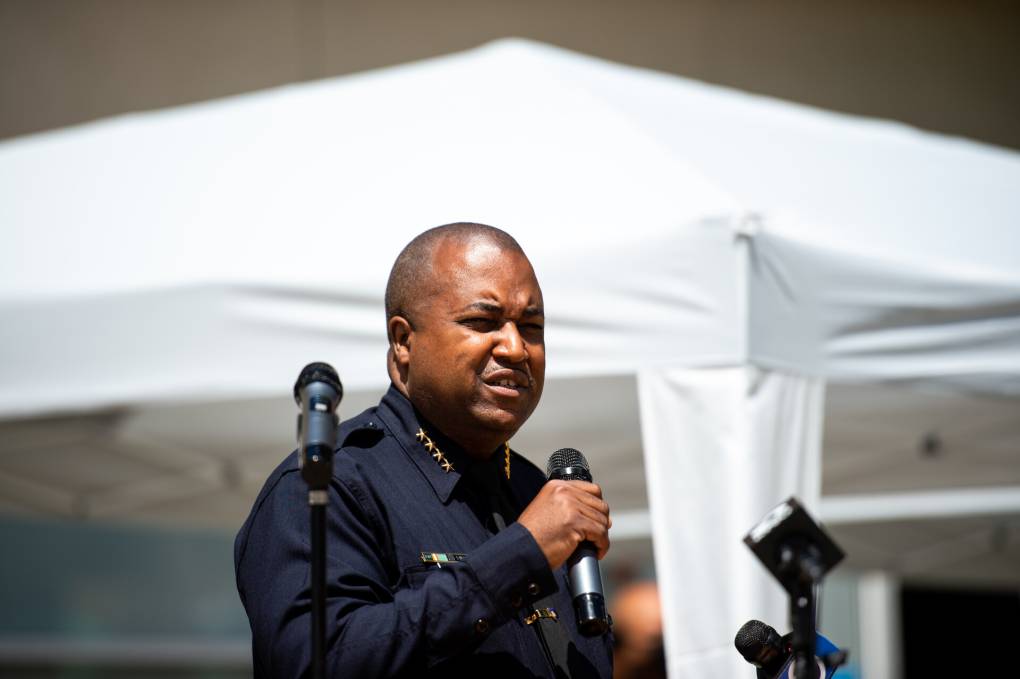
window.__INITIAL_STATE__={
"attachmentsReducer": {
"audio_0": {
"type": "attachments",
"id": "audio_0",
"imgSizes": {
"kqedFullSize": {
"file": "https://ww2.kqed.org/news/wp-content/themes/KQED-unified/img/audio_bgs/background0.jpg"
}
}
},
"audio_1": {
"type": "attachments",
"id": "audio_1",
"imgSizes": {
"kqedFullSize": {
"file": "https://ww2.kqed.org/news/wp-content/themes/KQED-unified/img/audio_bgs/background1.jpg"
}
}
},
"audio_2": {
"type": "attachments",
"id": "audio_2",
"imgSizes": {
"kqedFullSize": {
"file": "https://ww2.kqed.org/news/wp-content/themes/KQED-unified/img/audio_bgs/background2.jpg"
}
}
},
"audio_3": {
"type": "attachments",
"id": "audio_3",
"imgSizes": {
"kqedFullSize": {
"file": "https://ww2.kqed.org/news/wp-content/themes/KQED-unified/img/audio_bgs/background3.jpg"
}
}
},
"audio_4": {
"type": "attachments",
"id": "audio_4",
"imgSizes": {
"kqedFullSize": {
"file": "https://ww2.kqed.org/news/wp-content/themes/KQED-unified/img/audio_bgs/background4.jpg"
}
}
},
"placeholder": {
"type": "attachments",
"id": "placeholder",
"imgSizes": {
"thumbnail": {
"file": "https://cdn.kqed.org/wp-content/uploads/2024/12/KQED-Default-Image-816638274-2000x1333-1-160x107.jpg",
"width": 160,
"height": 107,
"mimeType": "image/jpeg"
},
"medium": {
"file": "https://cdn.kqed.org/wp-content/uploads/2024/12/KQED-Default-Image-816638274-2000x1333-1-800x533.jpg",
"width": 800,
"height": 533,
"mimeType": "image/jpeg"
},
"medium_large": {
"file": "https://cdn.kqed.org/wp-content/uploads/2024/12/KQED-Default-Image-816638274-2000x1333-1-768x512.jpg",
"width": 768,
"height": 512,
"mimeType": "image/jpeg"
},
"large": {
"file": "https://cdn.kqed.org/wp-content/uploads/2024/12/KQED-Default-Image-816638274-2000x1333-1-1020x680.jpg",
"width": 1020,
"height": 680,
"mimeType": "image/jpeg"
},
"1536x1536": {
"file": "https://cdn.kqed.org/wp-content/uploads/2024/12/KQED-Default-Image-816638274-2000x1333-1-1536x1024.jpg",
"width": 1536,
"height": 1024,
"mimeType": "image/jpeg"
},
"fd-lrg": {
"file": "https://cdn.kqed.org/wp-content/uploads/2024/12/KQED-Default-Image-816638274-2000x1333-1-1536x1024.jpg",
"width": 1536,
"height": 1024,
"mimeType": "image/jpeg"
},
"fd-med": {
"file": "https://cdn.kqed.org/wp-content/uploads/2024/12/KQED-Default-Image-816638274-2000x1333-1-1020x680.jpg",
"width": 1020,
"height": 680,
"mimeType": "image/jpeg"
},
"fd-sm": {
"file": "https://cdn.kqed.org/wp-content/uploads/2024/12/KQED-Default-Image-816638274-2000x1333-1-800x533.jpg",
"width": 800,
"height": 533,
"mimeType": "image/jpeg"
},
"post-thumbnail": {
"file": "https://cdn.kqed.org/wp-content/uploads/2024/12/KQED-Default-Image-816638274-2000x1333-1-672x372.jpg",
"width": 672,
"height": 372,
"mimeType": "image/jpeg"
},
"twentyfourteen-full-width": {
"file": "https://cdn.kqed.org/wp-content/uploads/2024/12/KQED-Default-Image-816638274-2000x1333-1-1038x576.jpg",
"width": 1038,
"height": 576,
"mimeType": "image/jpeg"
},
"xxsmall": {
"file": "https://cdn.kqed.org/wp-content/uploads/2024/12/KQED-Default-Image-816638274-2000x1333-1-160x107.jpg",
"width": 160,
"height": 107,
"mimeType": "image/jpeg"
},
"xsmall": {
"file": "https://cdn.kqed.org/wp-content/uploads/2024/12/KQED-Default-Image-816638274-2000x1333-1-672x372.jpg",
"width": 672,
"height": 372,
"mimeType": "image/jpeg"
},
"small": {
"file": "https://cdn.kqed.org/wp-content/uploads/2024/12/KQED-Default-Image-816638274-2000x1333-1-672x372.jpg",
"width": 672,
"height": 372,
"mimeType": "image/jpeg"
},
"xlarge": {
"file": "https://cdn.kqed.org/wp-content/uploads/2024/12/KQED-Default-Image-816638274-2000x1333-1-1020x680.jpg",
"width": 1020,
"height": 680,
"mimeType": "image/jpeg"
},
"full-width": {
"file": "https://cdn.kqed.org/wp-content/uploads/2024/12/KQED-Default-Image-816638274-2000x1333-1-1920x1280.jpg",
"width": 1920,
"height": 1280,
"mimeType": "image/jpeg"
},
"guest-author-32": {
"file": "https://cdn.kqed.org/wp-content/uploads/2025/01/KQED-Default-Image-816638274-1333x1333-1-160x160.jpg",
"width": 32,
"height": 32,
"mimeType": "image/jpeg"
},
"guest-author-50": {
"file": "https://cdn.kqed.org/wp-content/uploads/2025/01/KQED-Default-Image-816638274-1333x1333-1-160x160.jpg",
"width": 50,
"height": 50,
"mimeType": "image/jpeg"
},
"guest-author-64": {
"file": "https://cdn.kqed.org/wp-content/uploads/2025/01/KQED-Default-Image-816638274-1333x1333-1-160x160.jpg",
"width": 64,
"height": 64,
"mimeType": "image/jpeg"
},
"guest-author-96": {
"file": "https://cdn.kqed.org/wp-content/uploads/2025/01/KQED-Default-Image-816638274-1333x1333-1-160x160.jpg",
"width": 96,
"height": 96,
"mimeType": "image/jpeg"
},
"guest-author-128": {
"file": "https://cdn.kqed.org/wp-content/uploads/2025/01/KQED-Default-Image-816638274-1333x1333-1-160x160.jpg",
"width": 128,
"height": 128,
"mimeType": "image/jpeg"
},
"detail": {
"file": "https://cdn.kqed.org/wp-content/uploads/2025/01/KQED-Default-Image-816638274-1333x1333-1-160x160.jpg",
"width": 160,
"height": 160,
"mimeType": "image/jpeg"
},
"kqedFullSize": {
"file": "https://cdn.kqed.org/wp-content/uploads/2024/12/KQED-Default-Image-816638274-2000x1333-1.jpg",
"width": 2000,
"height": 1333
}
}
},
"news_11977450": {
"type": "attachments",
"id": "news_11977450",
"meta": {
"index": "attachments_1716263798",
"site": "news",
"id": "11977450",
"found": true
},
"parent": 11977438,
"imgSizes": {
"twentyfourteen-full-width": {
"file": "https://cdn.kqed.org/wp-content/uploads/sites/10/2024/02/GettyImages-1466896342-1024x576.jpg",
"width": 1024,
"mimeType": "image/jpeg",
"height": 576
},
"thumbnail": {
"file": "https://cdn.kqed.org/wp-content/uploads/sites/10/2024/02/GettyImages-1466896342-160x107.jpg",
"width": 160,
"mimeType": "image/jpeg",
"height": 107
},
"post-thumbnail": {
"file": "https://cdn.kqed.org/wp-content/uploads/sites/10/2024/02/GettyImages-1466896342-672x372.jpg",
"width": 672,
"mimeType": "image/jpeg",
"height": 372
},
"kqedFullSize": {
"file": "https://cdn.kqed.org/wp-content/uploads/sites/10/2024/02/GettyImages-1466896342.jpg",
"width": 1024,
"height": 683
},
"large": {
"file": "https://cdn.kqed.org/wp-content/uploads/sites/10/2024/02/GettyImages-1466896342-1020x680.jpg",
"width": 1020,
"mimeType": "image/jpeg",
"height": 680
},
"medium": {
"file": "https://cdn.kqed.org/wp-content/uploads/sites/10/2024/02/GettyImages-1466896342-800x534.jpg",
"width": 800,
"mimeType": "image/jpeg",
"height": 534
}
},
"publishDate": 1709153762,
"modified": 1709154844,
"caption": "Oakland Mayor Sheng Thao announces the firing of Oakland Police Chief LeRonne Armstrong during a press conference at City Hall in Oakland, on Feb. 15, 2023. The Oakland Police Commission will present Thao a list of finalists for the position of police chief on Friday.",
"description": null,
"title": "Mayor Sheng Thao Press Conference",
"credit": "Jane Tyska/Digital First Media/East Bay Times via Getty Images",
"status": "inherit",
"altTag": null,
"isLoading": false,
"fetchFailed": false
},
"news_11961924": {
"type": "attachments",
"id": "news_11961924",
"meta": {
"index": "attachments_1716263798",
"site": "news",
"id": "11961924",
"found": true
},
"parent": 11961919,
"imgSizes": {
"twentyfourteen-full-width": {
"file": "https://cdn.kqed.org/wp-content/uploads/sites/10/2023/09/GettyImages-1491552346-1038x576.jpg",
"width": 1038,
"mimeType": "image/jpeg",
"height": 576
},
"thumbnail": {
"file": "https://cdn.kqed.org/wp-content/uploads/sites/10/2023/09/GettyImages-1491552346-160x111.jpg",
"width": 160,
"mimeType": "image/jpeg",
"height": 111
},
"post-thumbnail": {
"file": "https://cdn.kqed.org/wp-content/uploads/sites/10/2023/09/GettyImages-1491552346-672x372.jpg",
"width": 672,
"mimeType": "image/jpeg",
"height": 372
},
"kqedFullSize": {
"file": "https://cdn.kqed.org/wp-content/uploads/sites/10/2023/09/GettyImages-1491552346-scaled.jpg",
"width": 2560,
"height": 1774
},
"2048x2048": {
"file": "https://cdn.kqed.org/wp-content/uploads/sites/10/2023/09/GettyImages-1491552346-2048x1419.jpg",
"width": 2048,
"mimeType": "image/jpeg",
"height": 1419
},
"large": {
"file": "https://cdn.kqed.org/wp-content/uploads/sites/10/2023/09/GettyImages-1491552346-1020x707.jpg",
"width": 1020,
"mimeType": "image/jpeg",
"height": 707
},
"1536x1536": {
"file": "https://cdn.kqed.org/wp-content/uploads/sites/10/2023/09/GettyImages-1491552346-1536x1064.jpg",
"width": 1536,
"mimeType": "image/jpeg",
"height": 1064
},
"full-width": {
"file": "https://cdn.kqed.org/wp-content/uploads/sites/10/2023/09/GettyImages-1491552346-1920x1330.jpg",
"width": 1920,
"mimeType": "image/jpeg",
"height": 1330
},
"medium": {
"file": "https://cdn.kqed.org/wp-content/uploads/sites/10/2023/09/GettyImages-1491552346-800x554.jpg",
"width": 800,
"mimeType": "image/jpeg",
"height": 554
}
},
"publishDate": 1695240988,
"modified": 1707444166,
"caption": "Oakland police investigate a shooting in the Fruitvale Public Market plaza on May 16, 2023.",
"description": null,
"title": "Oakland Shooting",
"credit": "Jane Tyska/Digital First Media/East Bay Times via Getty Images",
"status": "inherit",
"altTag": "An Oakland police officer puts yellow crime tape around a sidewalk.",
"isLoading": false,
"fetchFailed": false
},
"news_11971825": {
"type": "attachments",
"id": "news_11971825",
"meta": {
"index": "attachments_1716263798",
"site": "news",
"id": "11971825",
"found": true
},
"parent": 0,
"imgSizes": {
"twentyfourteen-full-width": {
"file": "https://cdn.kqed.org/wp-content/uploads/sites/10/2024/01/IMG_2333-1038x576.jpg",
"width": 1038,
"mimeType": "image/jpeg",
"height": 576
},
"thumbnail": {
"file": "https://cdn.kqed.org/wp-content/uploads/sites/10/2024/01/IMG_2333-160x120.jpg",
"width": 160,
"mimeType": "image/jpeg",
"height": 120
},
"post-thumbnail": {
"file": "https://cdn.kqed.org/wp-content/uploads/sites/10/2024/01/IMG_2333-672x372.jpg",
"width": 672,
"mimeType": "image/jpeg",
"height": 372
},
"kqedFullSize": {
"file": "https://cdn.kqed.org/wp-content/uploads/sites/10/2024/01/IMG_2333-scaled.jpg",
"width": 2560,
"height": 1920
},
"2048x2048": {
"file": "https://cdn.kqed.org/wp-content/uploads/sites/10/2024/01/IMG_2333-2048x1536.jpg",
"width": 2048,
"mimeType": "image/jpeg",
"height": 1536
},
"large": {
"file": "https://cdn.kqed.org/wp-content/uploads/sites/10/2024/01/IMG_2333-1020x765.jpg",
"width": 1020,
"mimeType": "image/jpeg",
"height": 765
},
"1536x1536": {
"file": "https://cdn.kqed.org/wp-content/uploads/sites/10/2024/01/IMG_2333-1536x1152.jpg",
"width": 1536,
"mimeType": "image/jpeg",
"height": 1152
},
"full-width": {
"file": "https://cdn.kqed.org/wp-content/uploads/sites/10/2024/01/IMG_2333-1920x1440.jpg",
"width": 1920,
"mimeType": "image/jpeg",
"height": 1440
},
"medium": {
"file": "https://cdn.kqed.org/wp-content/uploads/sites/10/2024/01/IMG_2333-800x600.jpg",
"width": 800,
"mimeType": "image/jpeg",
"height": 600
}
},
"publishDate": 1704502175,
"modified": 1704504093,
"caption": "Oakland Chinatown Chamber Foundation President Carl Chan lights an incense during a vigil on Jan. 5 for slain Oakland Police Officer Tuan Le. \n",
"description": null,
"title": "Tuan Le memorial 2",
"credit": null,
"status": "inherit",
"altTag": "A man lights an incense.",
"isLoading": false,
"fetchFailed": false
},
"news_11971215": {
"type": "attachments",
"id": "news_11971215",
"meta": {
"index": "attachments_1716263798",
"site": "news",
"id": "11971215",
"found": true
},
"parent": 11971210,
"imgSizes": {
"twentyfourteen-full-width": {
"file": "https://cdn.kqed.org/wp-content/uploads/sites/10/2023/12/GettyImages-1426474342-1024x576.jpg",
"width": 1024,
"mimeType": "image/jpeg",
"height": 576
},
"thumbnail": {
"file": "https://cdn.kqed.org/wp-content/uploads/sites/10/2023/12/GettyImages-1426474342-160x107.jpg",
"width": 160,
"mimeType": "image/jpeg",
"height": 107
},
"post-thumbnail": {
"file": "https://cdn.kqed.org/wp-content/uploads/sites/10/2023/12/GettyImages-1426474342-672x372.jpg",
"width": 672,
"mimeType": "image/jpeg",
"height": 372
},
"kqedFullSize": {
"file": "https://cdn.kqed.org/wp-content/uploads/sites/10/2023/12/GettyImages-1426474342.jpg",
"width": 1024,
"height": 683
},
"large": {
"file": "https://cdn.kqed.org/wp-content/uploads/sites/10/2023/12/GettyImages-1426474342-1020x680.jpg",
"width": 1020,
"mimeType": "image/jpeg",
"height": 680
},
"medium": {
"file": "https://cdn.kqed.org/wp-content/uploads/sites/10/2023/12/GettyImages-1426474342-800x534.jpg",
"width": 800,
"mimeType": "image/jpeg",
"height": 534
}
},
"publishDate": 1703901382,
"modified": 1703901496,
"caption": "A detailed view of a patch for the Oakland Police Department from July 2, 2023. ",
"description": null,
"title": "MLB: JUL 02 White Sox at Athletics",
"credit": "Brandon Sloter/Icon Sportswire via Getty Images",
"status": "inherit",
"altTag": "A patch showing the emblem of the Oakland Police Department.",
"isLoading": false,
"fetchFailed": false
},
"news_11971245": {
"type": "attachments",
"id": "news_11971245",
"meta": {
"index": "attachments_1716263798",
"site": "news",
"id": "11971245",
"found": true
},
"parent": 11971175,
"imgSizes": {
"twentyfourteen-full-width": {
"file": "https://cdn.kqed.org/wp-content/uploads/sites/10/2023/12/Officer-Tuan-Le-1038x576.png",
"width": 1038,
"mimeType": "image/png",
"height": 576
},
"thumbnail": {
"file": "https://cdn.kqed.org/wp-content/uploads/sites/10/2023/12/Officer-Tuan-Le-160x107.png",
"width": 160,
"mimeType": "image/png",
"height": 107
},
"post-thumbnail": {
"file": "https://cdn.kqed.org/wp-content/uploads/sites/10/2023/12/Officer-Tuan-Le-672x372.png",
"width": 672,
"mimeType": "image/png",
"height": 372
},
"kqedFullSize": {
"file": "https://cdn.kqed.org/wp-content/uploads/sites/10/2023/12/Officer-Tuan-Le.png",
"width": 1800,
"height": 1200
},
"large": {
"file": "https://cdn.kqed.org/wp-content/uploads/sites/10/2023/12/Officer-Tuan-Le-1020x680.png",
"width": 1020,
"mimeType": "image/png",
"height": 680
},
"1536x1536": {
"file": "https://cdn.kqed.org/wp-content/uploads/sites/10/2023/12/Officer-Tuan-Le-1536x1024.png",
"width": 1536,
"mimeType": "image/png",
"height": 1024
},
"medium": {
"file": "https://cdn.kqed.org/wp-content/uploads/sites/10/2023/12/Officer-Tuan-Le-800x533.png",
"width": 800,
"mimeType": "image/png",
"height": 533
}
},
"publishDate": 1703913434,
"modified": 1704401434,
"caption": "Oakland police Officer Tuan Le, 36, who was fatally shot on the morning of Dec. 29, 2023, while responding to a burglary at a cannabis business near Jack London Square. He was rushed to Highland Hospital and pronounced dead several hours later.",
"description": null,
"title": "Officer-Tuan-Le",
"credit": "Courtesy of the Oakland Police Department",
"status": "inherit",
"altTag": "A close-up headshot of a young Asian Oakland police officer next to a blue OPD flag, with a large body of water in the background.",
"isLoading": false,
"fetchFailed": false
},
"news_11942048": {
"type": "attachments",
"id": "news_11942048",
"meta": {
"index": "attachments_1716263798",
"site": "news",
"id": "11942048",
"found": true
},
"parent": 11941976,
"imgSizes": {
"twentyfourteen-full-width": {
"file": "https://ww2.kqed.org/app/uploads/sites/10/2023/02/RS49478_044_Oakland_NAACPGeorgeFloyd_05252021-qut-1038x576.jpg",
"width": 1038,
"mimeType": "image/jpeg",
"height": 576
},
"thumbnail": {
"file": "https://ww2.kqed.org/app/uploads/sites/10/2023/02/RS49478_044_Oakland_NAACPGeorgeFloyd_05252021-qut-160x107.jpg",
"width": 160,
"mimeType": "image/jpeg",
"height": 107
},
"post-thumbnail": {
"file": "https://ww2.kqed.org/app/uploads/sites/10/2023/02/RS49478_044_Oakland_NAACPGeorgeFloyd_05252021-qut-672x372.jpg",
"width": 672,
"mimeType": "image/jpeg",
"height": 372
},
"kqedFullSize": {
"file": "https://ww2.kqed.org/app/uploads/sites/10/2023/02/RS49478_044_Oakland_NAACPGeorgeFloyd_05252021-qut.jpg",
"width": 1920,
"height": 1278
},
"large": {
"file": "https://ww2.kqed.org/app/uploads/sites/10/2023/02/RS49478_044_Oakland_NAACPGeorgeFloyd_05252021-qut-1020x679.jpg",
"width": 1020,
"mimeType": "image/jpeg",
"height": 679
},
"1536x1536": {
"file": "https://ww2.kqed.org/app/uploads/sites/10/2023/02/RS49478_044_Oakland_NAACPGeorgeFloyd_05252021-qut-1536x1022.jpg",
"width": 1536,
"mimeType": "image/jpeg",
"height": 1022
},
"medium": {
"file": "https://ww2.kqed.org/app/uploads/sites/10/2023/02/RS49478_044_Oakland_NAACPGeorgeFloyd_05252021-qut-800x533.jpg",
"width": 800,
"mimeType": "image/jpeg",
"height": 533
}
},
"publishDate": 1677540567,
"modified": 1695139368,
"caption": "Former Oakland Police Chief LeRonne Armstrong — pictured at a 2021 NAACP event paying tribute to George Floyd — was fired by Mayor Sheng Thao on Feb. 15.",
"description": null,
"title": "RS49478_044_Oakland_NAACPGeorgeFloyd_05252021-qut",
"credit": "Beth LaBerge/KQED",
"status": "inherit",
"altTag": "A bald Black man in a blue police uniform stands outside in the sun holding a microphone and squinting",
"isLoading": false,
"fetchFailed": false
},
"news_11926834": {
"type": "attachments",
"id": "news_11926834",
"meta": {
"index": "attachments_1716263798",
"site": "news",
"id": "11926834",
"found": true
},
"parent": 11926806,
"imgSizes": {
"twentyfourteen-full-width": {
"file": "https://ww2.kqed.org/app/uploads/sites/10/2022/09/GettyImages-1321851972-1038x576.jpg",
"width": 1038,
"mimeType": "image/jpeg",
"height": 576
},
"thumbnail": {
"file": "https://ww2.kqed.org/app/uploads/sites/10/2022/09/GettyImages-1321851972-160x107.jpg",
"width": 160,
"mimeType": "image/jpeg",
"height": 107
},
"post-thumbnail": {
"file": "https://ww2.kqed.org/app/uploads/sites/10/2022/09/GettyImages-1321851972-672x372.jpg",
"width": 672,
"mimeType": "image/jpeg",
"height": 372
},
"kqedFullSize": {
"file": "https://ww2.kqed.org/app/uploads/sites/10/2022/09/GettyImages-1321851972-scaled.jpg",
"width": 2560,
"height": 1707
},
"2048x2048": {
"file": "https://ww2.kqed.org/app/uploads/sites/10/2022/09/GettyImages-1321851972-2048x1365.jpg",
"width": 2048,
"mimeType": "image/jpeg",
"height": 1365
},
"large": {
"file": "https://ww2.kqed.org/app/uploads/sites/10/2022/09/GettyImages-1321851972-1020x680.jpg",
"width": 1020,
"mimeType": "image/jpeg",
"height": 680
},
"1536x1536": {
"file": "https://ww2.kqed.org/app/uploads/sites/10/2022/09/GettyImages-1321851972-1536x1024.jpg",
"width": 1536,
"mimeType": "image/jpeg",
"height": 1024
},
"full-width": {
"file": "https://ww2.kqed.org/app/uploads/sites/10/2022/09/GettyImages-1321851972-1920x1280.jpg",
"width": 1920,
"mimeType": "image/jpeg",
"height": 1280
},
"medium": {
"file": "https://ww2.kqed.org/app/uploads/sites/10/2022/09/GettyImages-1321851972-800x533.jpg",
"width": 800,
"mimeType": "image/jpeg",
"height": 533
}
},
"publishDate": 1664304288,
"modified": 1664309890,
"caption": "Alameda County Sheriff Gregory Ahern speaks at the Alameda County Fairgrounds in 2017. The sheriff's office has stripped 47 deputies of their guns after admitting that they failed psychological exams and should not have been hired.",
"description": null,
"title": "Alameda County Sheriff Gregory Ahern makes opening remarks to kick off the first day of Urban Shield at the Alameda County Fairgrounds in Pleasanton, Ca., on Fri. September 8, 2017.",
"credit": "Michael Macor/The San Francisco Chronicle via Getty Images",
"status": "inherit",
"altTag": "a sheriff in a grey uniform speaks on a stage in front of a blue curtain",
"isLoading": false,
"fetchFailed": false
},
"news_11899213": {
"type": "attachments",
"id": "news_11899213",
"meta": {
"index": "attachments_1716263798",
"site": "news",
"id": "11899213",
"found": true
},
"parent": 11899157,
"imgSizes": {
"twentyfourteen-full-width": {
"file": "https://cdn.kqed.org/wp-content/uploads/sites/10/2021/12/chpstockimage-1038x576.jpeg",
"width": 1038,
"mimeType": "image/jpeg",
"height": 576
},
"thumbnail": {
"file": "https://cdn.kqed.org/wp-content/uploads/sites/10/2021/12/chpstockimage-160x111.jpeg",
"width": 160,
"mimeType": "image/jpeg",
"height": 111
},
"post-thumbnail": {
"file": "https://cdn.kqed.org/wp-content/uploads/sites/10/2021/12/chpstockimage-672x372.jpeg",
"width": 672,
"mimeType": "image/jpeg",
"height": 372
},
"kqedFullSize": {
"file": "https://cdn.kqed.org/wp-content/uploads/sites/10/2021/12/chpstockimage.jpeg",
"width": 1200,
"height": 830
},
"large": {
"file": "https://cdn.kqed.org/wp-content/uploads/sites/10/2021/12/chpstockimage-1020x706.jpeg",
"width": 1020,
"mimeType": "image/jpeg",
"height": 706
},
"medium": {
"file": "https://cdn.kqed.org/wp-content/uploads/sites/10/2021/12/chpstockimage-800x553.jpeg",
"width": 800,
"mimeType": "image/jpeg",
"height": 553
}
},
"publishDate": 1639605713,
"modified": 1707268896,
"caption": "A California Highway Patrol vehicle on Interstate 80 in Oakland, near the Berkeley border. ",
"description": null,
"title": "chpstockimage",
"credit": "Courtesy CHP",
"status": "inherit",
"altTag": "A car with black and white paint that reads \"Highway Patrol\" in gold letters is parked on the highway.",
"isLoading": false,
"fetchFailed": false
},
"news_11880601": {
"type": "attachments",
"id": "news_11880601",
"meta": {
"index": "attachments_1716263798",
"site": "news",
"id": "11880601",
"found": true
},
"parent": 11880600,
"imgSizes": {
"twentyfourteen-full-width": {
"file": "https://ww2.kqed.org/app/uploads/sites/10/2021/07/finalgrant_wide-e975852f7a7910e38d96a29e7717eea38cf16446-1038x576.jpg",
"width": 1038,
"mimeType": "image/jpeg",
"height": 576
},
"thumbnail": {
"file": "https://ww2.kqed.org/app/uploads/sites/10/2021/07/finalgrant_wide-e975852f7a7910e38d96a29e7717eea38cf16446-160x90.jpg",
"width": 160,
"mimeType": "image/jpeg",
"height": 90
},
"post-thumbnail": {
"file": "https://ww2.kqed.org/app/uploads/sites/10/2021/07/finalgrant_wide-e975852f7a7910e38d96a29e7717eea38cf16446-672x372.jpg",
"width": 672,
"mimeType": "image/jpeg",
"height": 372
},
"kqedFullSize": {
"file": "https://ww2.kqed.org/app/uploads/sites/10/2021/07/finalgrant_wide-e975852f7a7910e38d96a29e7717eea38cf16446-scaled.jpg",
"width": 2560,
"height": 1440
},
"2048x2048": {
"file": "https://ww2.kqed.org/app/uploads/sites/10/2021/07/finalgrant_wide-e975852f7a7910e38d96a29e7717eea38cf16446-2048x1152.jpg",
"width": 2048,
"mimeType": "image/jpeg",
"height": 1152
},
"large": {
"file": "https://ww2.kqed.org/app/uploads/sites/10/2021/07/finalgrant_wide-e975852f7a7910e38d96a29e7717eea38cf16446-1020x574.jpg",
"width": 1020,
"mimeType": "image/jpeg",
"height": 574
},
"1536x1536": {
"file": "https://ww2.kqed.org/app/uploads/sites/10/2021/07/finalgrant_wide-e975852f7a7910e38d96a29e7717eea38cf16446-1536x864.jpg",
"width": 1536,
"mimeType": "image/jpeg",
"height": 864
},
"full-width": {
"file": "https://ww2.kqed.org/app/uploads/sites/10/2021/07/finalgrant_wide-e975852f7a7910e38d96a29e7717eea38cf16446-1920x1080.jpg",
"width": 1920,
"mimeType": "image/jpeg",
"height": 1080
},
"medium": {
"file": "https://ww2.kqed.org/app/uploads/sites/10/2021/07/finalgrant_wide-e975852f7a7910e38d96a29e7717eea38cf16446-800x450.jpg",
"width": 800,
"mimeType": "image/jpeg",
"height": 450
}
},
"publishDate": 1625766781,
"modified": 1625767591,
"caption": "Rev. Wanda Johnson's son, Oscar Grant, was shot and killed by a Bay Area Rapid Transit police officer on January 1, 2009. The recordings of the internal investigation were not released until this year, when NPR member station KQED forced BART to comply with California's \"The Right to Know Act,\" a 2019 police transparency law.",
"description": null,
"title": "Rev. Wanda Johnson's son, Oscar Grant, was shot and killed by a Bay Area Rapid Transit police officer on January 1, 2009. The recordings of the internal investigation were not released until this year, when NPR member station KQED forced BART to comply with California's \"The Right to Know Act,\" a 2019 police transparency law.",
"credit": "Nicole Xu for NPR",
"status": "inherit",
"altTag": null,
"isLoading": false,
"fetchFailed": false
},
"news_11879410": {
"type": "attachments",
"id": "news_11879410",
"meta": {
"index": "attachments_1716263798",
"site": "news",
"id": "11879410",
"found": true
},
"parent": 11879404,
"imgSizes": {
"twentyfourteen-full-width": {
"file": "https://ww2.kqed.org/app/uploads/sites/10/2021/06/RS46661_026_Oakland_MLKCarCaravan_01182021-qut-1038x576.jpg",
"width": 1038,
"mimeType": "image/jpeg",
"height": 576
},
"thumbnail": {
"file": "https://ww2.kqed.org/app/uploads/sites/10/2021/06/RS46661_026_Oakland_MLKCarCaravan_01182021-qut-160x107.jpg",
"width": 160,
"mimeType": "image/jpeg",
"height": 107
},
"post-thumbnail": {
"file": "https://ww2.kqed.org/app/uploads/sites/10/2021/06/RS46661_026_Oakland_MLKCarCaravan_01182021-qut-672x372.jpg",
"width": 672,
"mimeType": "image/jpeg",
"height": 372
},
"kqedFullSize": {
"file": "https://ww2.kqed.org/app/uploads/sites/10/2021/06/RS46661_026_Oakland_MLKCarCaravan_01182021-qut.jpg",
"width": 1920,
"height": 1278
},
"large": {
"file": "https://ww2.kqed.org/app/uploads/sites/10/2021/06/RS46661_026_Oakland_MLKCarCaravan_01182021-qut-1020x679.jpg",
"width": 1020,
"mimeType": "image/jpeg",
"height": 679
},
"1536x1536": {
"file": "https://ww2.kqed.org/app/uploads/sites/10/2021/06/RS46661_026_Oakland_MLKCarCaravan_01182021-qut-1536x1022.jpg",
"width": 1536,
"mimeType": "image/jpeg",
"height": 1022
},
"medium": {
"file": "https://ww2.kqed.org/app/uploads/sites/10/2021/06/RS46661_026_Oakland_MLKCarCaravan_01182021-qut-800x533.jpg",
"width": 800,
"mimeType": "image/jpeg",
"height": 533
}
},
"publishDate": 1624655582,
"modified": 1624655607,
"caption": "Odessa Helfrich-Batt holds a sign that says, \"Defund OPD\" during a Martin Luther King Day car caravan at Middle Harbor Shoreline Park near the Port of Oakland on Jan. 18, 2021.",
"description": "Odessa Helfrich-Batt holds a sign that says, \"Defund OPD\" during a Martin Luther King Day car caravan at Middle Harbor Shoreline Park near the Port of Oakland on Jan. 18, 2021.",
"title": "RS46661_026_Oakland_MLKCarCaravan_01182021-qut",
"credit": "Beth LaBerge/KQED",
"status": "inherit",
"altTag": null,
"isLoading": false,
"fetchFailed": false
},
"news_11685912": {
"type": "attachments",
"id": "news_11685912",
"meta": {
"index": "attachments_1716263798",
"site": "news",
"id": "11685912",
"found": true
},
"parent": 11685909,
"imgSizes": {
"small": {
"file": "https://ww2.kqed.org/app/uploads/sites/10/2018/08/dancing6-520x347.jpg",
"width": 520,
"mimeType": "image/jpeg",
"height": 347
},
"twentyfourteen-full-width": {
"file": "https://ww2.kqed.org/app/uploads/sites/10/2018/08/dancing6-1038x576.jpg",
"width": 1038,
"mimeType": "image/jpeg",
"height": 576
},
"thumbnail": {
"file": "https://ww2.kqed.org/app/uploads/sites/10/2018/08/dancing6-160x107.jpg",
"width": 160,
"mimeType": "image/jpeg",
"height": 107
},
"fd-sm": {
"file": "https://ww2.kqed.org/app/uploads/sites/10/2018/08/dancing6-960x640.jpg",
"width": 960,
"mimeType": "image/jpeg",
"height": 640
},
"post-thumbnail": {
"file": "https://ww2.kqed.org/app/uploads/sites/10/2018/08/dancing6-672x372.jpg",
"width": 672,
"mimeType": "image/jpeg",
"height": 372
},
"xsmall": {
"file": "https://ww2.kqed.org/app/uploads/sites/10/2018/08/dancing6-375x250.jpg",
"width": 375,
"mimeType": "image/jpeg",
"height": 250
},
"kqedFullSize": {
"file": "https://ww2.kqed.org/app/uploads/sites/10/2018/08/dancing6-e1533846636958.jpg",
"width": 1920,
"height": 1280
},
"large": {
"file": "https://ww2.kqed.org/app/uploads/sites/10/2018/08/dancing6-1020x680.jpg",
"width": 1020,
"mimeType": "image/jpeg",
"height": 680
},
"xlarge": {
"file": "https://ww2.kqed.org/app/uploads/sites/10/2018/08/dancing6-1180x787.jpg",
"width": 1180,
"mimeType": "image/jpeg",
"height": 787
},
"complete_open_graph": {
"file": "https://ww2.kqed.org/app/uploads/sites/10/2018/08/dancing6-1200x800.jpg",
"width": 1200,
"mimeType": "image/jpeg",
"height": 800
},
"guest-author-50": {
"file": "https://ww2.kqed.org/app/uploads/sites/10/2018/08/dancing6-50x50.jpg",
"width": 50,
"mimeType": "image/jpeg",
"height": 50
},
"guest-author-96": {
"file": "https://ww2.kqed.org/app/uploads/sites/10/2018/08/dancing6-96x96.jpg",
"width": 96,
"mimeType": "image/jpeg",
"height": 96
},
"medium": {
"file": "https://ww2.kqed.org/app/uploads/sites/10/2018/08/dancing6-800x533.jpg",
"width": 800,
"mimeType": "image/jpeg",
"height": 533
},
"guest-author-64": {
"file": "https://ww2.kqed.org/app/uploads/sites/10/2018/08/dancing6-64x64.jpg",
"width": 64,
"mimeType": "image/jpeg",
"height": 64
},
"guest-author-32": {
"file": "https://ww2.kqed.org/app/uploads/sites/10/2018/08/dancing6-32x32.jpg",
"width": 32,
"mimeType": "image/jpeg",
"height": 32
},
"fd-lrg": {
"file": "https://ww2.kqed.org/app/uploads/sites/10/2018/08/dancing6-1920x1280.jpg",
"width": 1920,
"mimeType": "image/jpeg",
"height": 1280
},
"fd-med": {
"file": "https://ww2.kqed.org/app/uploads/sites/10/2018/08/dancing6-1180x787.jpg",
"width": 1180,
"mimeType": "image/jpeg",
"height": 787
},
"full-width": {
"file": "https://ww2.kqed.org/app/uploads/sites/10/2018/08/dancing6-1920x1280.jpg",
"width": 1920,
"mimeType": "image/jpeg",
"height": 1280
},
"detail": {
"file": "https://ww2.kqed.org/app/uploads/sites/10/2018/08/dancing6-150x150.jpg",
"width": 150,
"mimeType": "image/jpeg",
"height": 150
},
"guest-author-128": {
"file": "https://ww2.kqed.org/app/uploads/sites/10/2018/08/dancing6-128x128.jpg",
"width": 128,
"mimeType": "image/jpeg",
"height": 128
},
"xxsmall": {
"file": "https://ww2.kqed.org/app/uploads/sites/10/2018/08/dancing6-240x160.jpg",
"width": 240,
"mimeType": "image/jpeg",
"height": 160
}
},
"publishDate": 1533831134,
"modified": 1533855869,
"caption": "Dancing in San Antonio Park in East Oakland at an event for Night Out for Safety and Liberation. ",
"description": "Dancing in San Antionio Park in East Oakland, at an event for National Night Out for Safety and Liberation. ",
"title": "dancing6",
"credit": "Sandhya Dirks/KQED",
"status": "inherit",
"isLoading": false,
"fetchFailed": false
}
},
"audioPlayerReducer": {
"postId": "stream_live",
"isPaused": true,
"isPlaying": false,
"pfsActive": false,
"pledgeModalIsOpen": true,
"playerDrawerIsOpen": false,
"liveAudioPlayStartedAt": 0,
"liveAudioPlayContext": ""
},
"authorsReducer": {
"byline_news_11971594": {
"type": "authors",
"id": "byline_news_11971594",
"meta": {
"override": true
},
"slug": "byline_news_11971594",
"name": "The Associated Press",
"isLoading": false
},
"byline_news_11926806": {
"type": "authors",
"id": "byline_news_11926806",
"meta": {
"override": true
},
"slug": "byline_news_11926806",
"name": "The Associated Press",
"isLoading": false
},
"danbrekke": {
"type": "authors",
"id": "222",
"meta": {
"index": "authors_1716337520",
"id": "222",
"found": true
},
"name": "Dan Brekke",
"firstName": "Dan",
"lastName": "Brekke",
"slug": "danbrekke",
"email": "dbrekke@kqed.org",
"display_author_email": true,
"staff_mastheads": [
"news",
"science"
],
"title": "KQED Editor and Reporter",
"bio": "Dan Brekke is a reporter and editor for KQED News, responsible for coverage of topics ranging from California water issues to the Bay Area's transportation challenges. In a newsroom career that began in Chicago in 1972, Dan has worked for \u003cem>The San Francisco Examiner,\u003c/em> Wired and TechTV and has been published in The New York Times, The New York Times Magazine, Business 2.0, Salon and elsewhere.\r\n\r\nSince joining KQED in 2007, Dan has reported, edited and produced both radio and online features and breaking news pieces. He has shared as both editor and reporter in four Society of Professional Journalists Norcal Excellence in Journalism awards and one Edward R. Murrow regional award. He was chosen for a spring 2017 residency at the Mesa Refuge to advance his research on California salmon.\r\n\r\nEmail Dan at: \u003ca href=\"mailto:dbrekke@kqed.org\">dbrekke@kqed.org\u003c/a>\r\n\r\n\u003cstrong>Twitter:\u003c/strong> \u003ca href=\"https://twitter.com/danbrekke\" rel=\"noopener noreferrer\">twitter.com/danbrekke\u003c/a>\r\n\u003cstrong>Facebook:\u003c/strong> \u003ca href=\"https://www.facebook.com/danbrekke\" rel=\"noopener noreferrer\">www.facebook.com/danbrekke\u003c/a>\r\n\u003cstrong>LinkedIn:\u003c/strong> \u003ca href=\"https://www.linkedin.com/in/danbrekke\" rel=\"noopener noreferrer\">www.linkedin.com/in/danbrekke\u003c/a>",
"avatar": "https://secure.gravatar.com/avatar/8f1f0d2a978fb3b23426c922c7e2af558fa36905b49c4ce76a97dc3c72d27226?s=600&d=mm&r=g",
"twitter": "danbrekke",
"bluesky": null,
"facebook": null,
"instagram": "https://www.instagram.com/dan.brekke/",
"linkedin": "https://www.linkedin.com/in/danbrekke/",
"sites": [
{
"site": "news",
"roles": [
"administrator",
"create_posts"
]
},
{
"site": "stateofhealth",
"roles": [
"editor"
]
},
{
"site": "science",
"roles": [
"editor"
]
},
{
"site": "quest",
"roles": [
"contributor"
]
},
{
"site": "food",
"roles": [
"contributor"
]
},
{
"site": "forum",
"roles": [
"contributor"
]
},
{
"site": "elections",
"roles": [
"editor"
]
},
{
"site": "liveblog",
"roles": [
"editor"
]
}
],
"headData": {
"title": "Dan Brekke | KQED",
"description": "KQED Editor and Reporter",
"ogImgSrc": "https://secure.gravatar.com/avatar/8f1f0d2a978fb3b23426c922c7e2af558fa36905b49c4ce76a97dc3c72d27226?s=600&d=mm&r=g",
"twImgSrc": "https://secure.gravatar.com/avatar/8f1f0d2a978fb3b23426c922c7e2af558fa36905b49c4ce76a97dc3c72d27226?s=600&d=mm&r=g"
},
"isLoading": false,
"link": "/author/danbrekke"
},
"kqednewsstaffandwires": {
"type": "authors",
"id": "237",
"meta": {
"index": "authors_1716337520",
"id": "237",
"found": true
},
"name": "KQED News Staff and Wires",
"firstName": "KQED News Staff and Wires",
"lastName": null,
"slug": "kqednewsstaffandwires",
"email": "onlinenewsstaff@kqed.org",
"display_author_email": false,
"staff_mastheads": [],
"title": null,
"bio": null,
"avatar": "https://secure.gravatar.com/avatar/72295af8ebbfbd19a4948f5271285664?s=600&d=blank&r=g",
"twitter": null,
"facebook": null,
"instagram": null,
"linkedin": null,
"sites": [
{
"site": "arts",
"roles": [
"contributor"
]
},
{
"site": "news",
"roles": [
"contributor"
]
},
{
"site": "lowdown",
"roles": [
"author"
]
},
{
"site": "stateofhealth",
"roles": [
"contributor"
]
},
{
"site": "food",
"roles": [
"author"
]
}
],
"headData": {
"title": "KQED News Staff and Wires | KQED",
"description": null,
"ogImgSrc": "https://secure.gravatar.com/avatar/72295af8ebbfbd19a4948f5271285664?s=600&d=blank&r=g",
"twImgSrc": "https://secure.gravatar.com/avatar/72295af8ebbfbd19a4948f5271285664?s=600&d=blank&r=g"
},
"isLoading": false,
"link": "/author/kqednewsstaffandwires"
},
"matthewgreen": {
"type": "authors",
"id": "1263",
"meta": {
"index": "authors_1716337520",
"id": "1263",
"found": true
},
"name": "Matthew Green",
"firstName": "Matthew",
"lastName": "Green",
"slug": "matthewgreen",
"email": "mgreen@kqed.org",
"display_author_email": false,
"staff_mastheads": [],
"title": "KQED Editor/Reporter",
"bio": "Matthew Green is a digital media producer for KQED News. He previously produced \u003ca href=\"http://www.kqed.org/lowdown\">The Lowdown\u003c/a>, KQED’s multimedia news education blog. Matthew's written for numerous Bay Area publications, including the Oakland Tribune and San Francisco Chronicle. He also taught journalism classes at Fremont High School in East Oakland.\r\n\r\nEmail: mgreen@kqed.org; Twitter: @MGreenKQED",
"avatar": "https://secure.gravatar.com/avatar/3bf498d1267ca02c8494f33d8cfc575e?s=600&d=blank&r=g",
"twitter": "MGreenKQED",
"facebook": null,
"instagram": null,
"linkedin": null,
"sites": [
{
"site": "news",
"roles": []
},
{
"site": "lowdown",
"roles": []
},
{
"site": "science",
"roles": []
},
{
"site": "education",
"roles": []
},
{
"site": "quest",
"roles": []
},
{
"site": "liveblog",
"roles": []
}
],
"headData": {
"title": "Matthew Green | KQED",
"description": "KQED Editor/Reporter",
"ogImgSrc": "https://secure.gravatar.com/avatar/3bf498d1267ca02c8494f33d8cfc575e?s=600&d=blank&r=g",
"twImgSrc": "https://secure.gravatar.com/avatar/3bf498d1267ca02c8494f33d8cfc575e?s=600&d=blank&r=g"
},
"isLoading": false,
"link": "/author/matthewgreen"
},
"aemslie": {
"type": "authors",
"id": "3206",
"meta": {
"index": "authors_1716337520",
"id": "3206",
"found": true
},
"name": "Alex Emslie",
"firstName": "Alex",
"lastName": "Emslie",
"slug": "aemslie",
"email": "aemslie@kqed.org",
"display_author_email": true,
"staff_mastheads": [
"news"
],
"title": "KQED Senior Editor",
"bio": "Alex Emslie is senior editor of talent and development at KQED, where he manages dozens of early career journalists and oversees news department internships.\r\n\r\nHe is a former carpenter and proud graduate of City College of San Francisco and San Francisco State University, where he studied journalism and criminal justice before joining KQED in 2013.\r\n\r\nAlex produced investigative journalism focused on \u003ca href=\"https://www.kqed.org/news/11667594/the-trials-of-marvin-mutch-video\">criminal justice\u003c/a> and policing for most of a decade. He has broken major stories about \u003ca href=\"https://www.kqed.org/news/135682/amid-a-series-of-vallejo-police-shootings-one-officers-name-stands-out\">police use of deadly force\u003c/a>, \u003ca href=\"https://www.kqed.org/news/10454955/racist-texts-prompt-sfpd-internal-investigation\">officer misconduct\u003c/a> and \u003ca href=\"https://www.kqed.org/news/11712239/terrorist-or-troll-judge-to-weigh-whether-oakland-man-really-intended-to-attack-bay-area\">other\u003c/a> \u003ca href=\"https://www.kqed.org/news/11221414/hayward-paid-159000-to-husband-of-retired-police-chief-documents-show\">high\u003c/a>-\u003ca href=\"https://www.kqed.org/news/10622762/the-forgotten-tracking-two-homicides-in-san-francisco-public-housing\">profile\u003c/a> \u003ca href=\"https://www.kqed.org/news/11624516/federal-agency-promoted-ranger-just-months-after-his-gun-was-stolen-and-used-in-steinle-killing\">cases\u003c/a>. He co-founded the \u003ca href=\"https://projects.scpr.org/california-reporting-project/\">California Reporting Project\u003c/a> in 2019 to obtain and report on previously confidential police internal investigations. The effort produced well over 100 original stories and changed the course of multiple criminal cases.\r\n\r\nHis work has been recognized with numerous journalism awards, including a national Edward R. Murrow award for several years of \u003ca href=\"https://www.kqed.org/news/11688481/sfpd-officers-in-mario-woods-case-recount-shooting-in-newly-filed-depositions\">reporting\u003c/a> on the San Francisco Police shooting of Mario Woods. His \u003ca href=\"https://www.kqed.org/news/147854/half-of-those-killed-by-san-francisco-police-are-mentally-ill\">reporting\u003c/a> on police killings of people in psychiatric crisis was cited in amicus briefs before the U.S. Supreme Court.\r\n\r\nAlex now enjoys mentoring the next generation of journalists at KQED.",
"avatar": "https://secure.gravatar.com/avatar/e691e65209f20e9da202bd730ead5663?s=600&d=blank&r=g",
"twitter": "SFNewsReporter",
"facebook": null,
"instagram": null,
"linkedin": null,
"sites": [
{
"site": "arts",
"roles": [
"editor"
]
},
{
"site": "news",
"roles": [
"editor"
]
},
{
"site": "mindshift",
"roles": [
"editor"
]
},
{
"site": "stateofhealth",
"roles": [
"editor"
]
},
{
"site": "science",
"roles": [
"administrator"
]
}
],
"headData": {
"title": "Alex Emslie | KQED",
"description": "KQED Senior Editor",
"ogImgSrc": "https://secure.gravatar.com/avatar/e691e65209f20e9da202bd730ead5663?s=600&d=blank&r=g",
"twImgSrc": "https://secure.gravatar.com/avatar/e691e65209f20e9da202bd730ead5663?s=600&d=blank&r=g"
},
"isLoading": false,
"link": "/author/aemslie"
},
"sdirks": {
"type": "authors",
"id": "7239",
"meta": {
"index": "authors_1716337520",
"id": "7239",
"found": true
},
"name": "Sandhya Dirks",
"firstName": "Sandhya",
"lastName": "Dirks",
"slug": "sdirks",
"email": "sdirks@kqed.org",
"display_author_email": true,
"staff_mastheads": [],
"title": null,
"bio": "Sandhya Dirks was the race and equity reporter at KQED. She approaches race and equity not as a beat, but as a fundamental lens for all investigative and explanatory reporting.\r\n\r\nSandhya covered policing, housing, social justice movements, and the shifting demographics of cities and suburbs.\r\n\r\nShe was the creator and co-host of the podcast American Suburb, about the transformation of suburbia into the most diverse space in American life. She was the editor for Truth Be Told, an advice show for and by people of color. \r\n\r\nHer stories about race, space, and belonging were part of KQED's So Well Spoken project, which won RNDTA's Kaleidoscope award, honoring outstanding achievements in the coverage of diversity.\r\n\r\nPrior to joining KQED in 2015, Sandhya covered the 2012 presidential election from the swing state of Iowa for Iowa Public Radio. At KPBS in San Diego, she broke the story of a sexual harassment scandal that led to the mayor's resignation.\r\n\r\nShe got her start in radio working on documentaries about Oakland that investigated the high drop-out rate in public schools and mistrust between the police and the community.\r\n\r\nSandhya lives in Oakland and believes all stories are stories about power.",
"avatar": "https://secure.gravatar.com/avatar/c0247cb15929cd4c197672fd73d45300?s=600&d=blank&r=g",
"twitter": "audiosand",
"facebook": null,
"instagram": null,
"linkedin": null,
"sites": [
{
"site": "news",
"roles": [
"subscriber"
]
},
{
"site": "stateofhealth",
"roles": [
"author"
]
}
],
"headData": {
"title": "Sandhya Dirks | KQED",
"description": null,
"ogImgSrc": "https://secure.gravatar.com/avatar/c0247cb15929cd4c197672fd73d45300?s=600&d=blank&r=g",
"twImgSrc": "https://secure.gravatar.com/avatar/c0247cb15929cd4c197672fd73d45300?s=600&d=blank&r=g"
},
"isLoading": false,
"link": "/author/sdirks"
},
"slewis": {
"type": "authors",
"id": "8676",
"meta": {
"index": "authors_1716337520",
"id": "8676",
"found": true
},
"name": "Sukey Lewis",
"firstName": "Sukey",
"lastName": "Lewis",
"slug": "slewis",
"email": "slewis@kqed.org",
"display_author_email": true,
"staff_mastheads": [
"news"
],
"title": "KQED Contributor",
"bio": "Sukey Lewis is a criminal justice reporter and host of \u003cem>On Our Watch\u003c/em>, a new podcast from NPR and KQED about the shadow world of police discipline. In 2018, she co-founded the California Reporting Project, a coalition of newsrooms across the state focused on obtaining previously sealed internal affairs records from law enforcement. In addition to her reporting on police accountability, Sukey has investigated the bail bonds industry, California's wildfires and the high cost of prison phone calls. Sukey earned a master's degree in journalism from the University of California at Berkeley. Send news tips to slewis@kqed.org.",
"avatar": "https://secure.gravatar.com/avatar/03fd6b21024f99d8b0a1966654586de7?s=600&d=blank&r=g",
"twitter": "SukeyLewis",
"facebook": null,
"instagram": null,
"linkedin": null,
"sites": [
{
"site": "news",
"roles": [
"author",
"edit_others_posts"
]
}
],
"headData": {
"title": "Sukey Lewis | KQED",
"description": "KQED Contributor",
"ogImgSrc": "https://secure.gravatar.com/avatar/03fd6b21024f99d8b0a1966654586de7?s=600&d=blank&r=g",
"twImgSrc": "https://secure.gravatar.com/avatar/03fd6b21024f99d8b0a1966654586de7?s=600&d=blank&r=g"
},
"isLoading": false,
"link": "/author/slewis"
},
"jrodriguez": {
"type": "authors",
"id": "11690",
"meta": {
"index": "authors_1716337520",
"id": "11690",
"found": true
},
"name": "Joe Fitzgerald Rodriguez",
"firstName": "Joe",
"lastName": "Fitzgerald Rodriguez",
"slug": "jrodriguez",
"email": "jrodriguez@kqed.org",
"display_author_email": true,
"staff_mastheads": [
"news"
],
"title": "Reporter and Producer",
"bio": "Joe Fitzgerald Rodriguez is a reporter and digital producer for KQED covering politics. Joe most recently wrote for the \u003cem>San Francisco Examiner\u003c/em> as a political columnist covering The City. He was raised in San Francisco and has spent his reporting career in his beloved, foggy, city by the bay. Joe was 12-years-old when he conducted his first interview in journalism, grilling former San Francisco Mayor Willie Brown for the Marina Middle School newspaper, \u003cem>The Penguin Press, \u003c/em>and he continues to report on the San Francisco Bay Area to this day.",
"avatar": "https://secure.gravatar.com/avatar/2247beb0564c1e9c62228d5649d2edac?s=600&d=blank&r=g",
"twitter": "FitztheReporter",
"facebook": null,
"instagram": "https://www.instagram.com/fitzthereporter/",
"linkedin": null,
"sites": [
{
"site": "",
"roles": [
"editor"
]
},
{
"site": "arts",
"roles": [
"editor"
]
},
{
"site": "news",
"roles": [
"editor"
]
},
{
"site": "science",
"roles": [
"editor"
]
},
{
"site": "elections",
"roles": [
"editor"
]
},
{
"site": "liveblog",
"roles": [
"editor"
]
}
],
"headData": {
"title": "Joe Fitzgerald Rodriguez | KQED",
"description": "Reporter and Producer",
"ogImgSrc": "https://secure.gravatar.com/avatar/2247beb0564c1e9c62228d5649d2edac?s=600&d=blank&r=g",
"twImgSrc": "https://secure.gravatar.com/avatar/2247beb0564c1e9c62228d5649d2edac?s=600&d=blank&r=g"
},
"isLoading": false,
"link": "/author/jrodriguez"
},
"jlara": {
"type": "authors",
"id": "11761",
"meta": {
"index": "authors_1716337520",
"id": "11761",
"found": true
},
"name": "Juan Carlos Lara",
"firstName": "Juan Carlos",
"lastName": "Lara",
"slug": "jlara",
"email": "jlara@kqed.org",
"display_author_email": false,
"staff_mastheads": [],
"title": "KQED Contributor",
"bio": null,
"avatar": "https://secure.gravatar.com/avatar/19e2052b9b05657c5ff2af2121846e9c?s=600&d=blank&r=g",
"twitter": null,
"facebook": null,
"instagram": null,
"linkedin": null,
"sites": [
{
"site": "arts",
"roles": [
"editor"
]
},
{
"site": "news",
"roles": [
"editor"
]
},
{
"site": "forum",
"roles": [
"editor"
]
},
{
"site": "liveblog",
"roles": [
"contributor"
]
}
],
"headData": {
"title": "Juan Carlos Lara | KQED",
"description": "KQED Contributor",
"ogImgSrc": "https://secure.gravatar.com/avatar/19e2052b9b05657c5ff2af2121846e9c?s=600&d=blank&r=g",
"twImgSrc": "https://secure.gravatar.com/avatar/19e2052b9b05657c5ff2af2121846e9c?s=600&d=blank&r=g"
},
"isLoading": false,
"link": "/author/jlara"
},
"sjohnson": {
"type": "authors",
"id": "11840",
"meta": {
"index": "authors_1716337520",
"id": "11840",
"found": true
},
"name": "Sydney Johnson",
"firstName": "Sydney",
"lastName": "Johnson",
"slug": "sjohnson",
"email": "sjohnson@kqed.org",
"display_author_email": false,
"staff_mastheads": [
"news"
],
"title": "KQED Reporter",
"bio": "Sydney Johnson is a general assignment reporter at KQED. She previously reported on public health and city government at the San Francisco Examiner, and before that, she covered statewide education policy for EdSource. Her reporting has won multiple local, state and national awards. Sydney is a graduate of the University of California, Berkeley and lives in San Francisco.",
"avatar": "https://secure.gravatar.com/avatar/97855f2719b72ad6190b7c535fe642c8?s=600&d=blank&r=g",
"twitter": "sydneyfjohnson",
"facebook": null,
"instagram": null,
"linkedin": null,
"sites": [
{
"site": "news",
"roles": [
"editor"
]
}
],
"headData": {
"title": "Sydney Johnson | KQED",
"description": "KQED Reporter",
"ogImgSrc": "https://secure.gravatar.com/avatar/97855f2719b72ad6190b7c535fe642c8?s=600&d=blank&r=g",
"twImgSrc": "https://secure.gravatar.com/avatar/97855f2719b72ad6190b7c535fe642c8?s=600&d=blank&r=g"
},
"isLoading": false,
"link": "/author/sjohnson"
}
},
"pagesReducer": {
"news_tag_oakland-police": {
"type": "terms",
"id": "news_412",
"meta": {
"index": "terms_1716263798",
"site": "news",
"id": "412",
"score": 10.404648
},
"featImg": null,
"name": "Oakland police",
"description": null,
"taxonomy": "tag",
"headData": {
"twImgId": null,
"twTitle": null,
"ogTitle": null,
"ogImgId": null,
"twDescription": null,
"description": null,
"title": "Oakland police Archives | KQED News",
"ogDescription": null
},
"ttid": 421,
"slug": "oakland-police",
"isLoading": false,
"title": "Oakland police",
"pageMeta": {
"site": "news",
"WpPageTemplate": "page-topic-editorial",
"currentPage": 4
},
"blocks": [
{
"blockName": "kqed/post-list",
"attrs": {
"layout": "cardArticle2",
"query": "posts/news?tag=oakland-police",
"seeMore": false,
"paginated": true,
"page": 4
}
},
{
"blockName": "kqed/ad"
}
]
}
},
"pfsSessionReducer": {},
"postsReducer": {
"stream_live": {
"type": "live",
"id": "stream_live",
"audioUrl": "https://streams.kqed.org/kqedradio",
"title": "Live Stream",
"excerpt": "Live Stream information currently unavailable.",
"link": "/radio",
"featImg": "",
"label": {
"name": "KQED Live",
"link": "/"
}
},
"stream_kqedNewscast": {
"type": "posts",
"id": "stream_kqedNewscast",
"audioUrl": "https://www.kqed.org/.stream/anon/radio/RDnews/newscast.mp3?_=1",
"title": "KQED Newscast",
"featImg": "",
"label": {
"name": "88.5 FM",
"link": "/"
}
},
"news_11977438": {
"type": "posts",
"id": "news_11977438",
"meta": {
"index": "posts_1716263798",
"site": "news",
"id": "11977438",
"score": null,
"sort": [
1709154699000
]
},
"guestAuthors": [],
"slug": "these-are-the-4-oakland-police-chief-candidates-mayor-sheng-thao-will-consider-for-the-job",
"title": "These Are the 4 Oakland Police Chief Candidates Mayor Sheng Thao Will Consider for the Job",
"publishDate": 1709154699,
"format": "standard",
"headTitle": "These Are the 4 Oakland Police Chief Candidates Mayor Sheng Thao Will Consider for the Job | KQED",
"labelTerm": {
"site": "news"
},
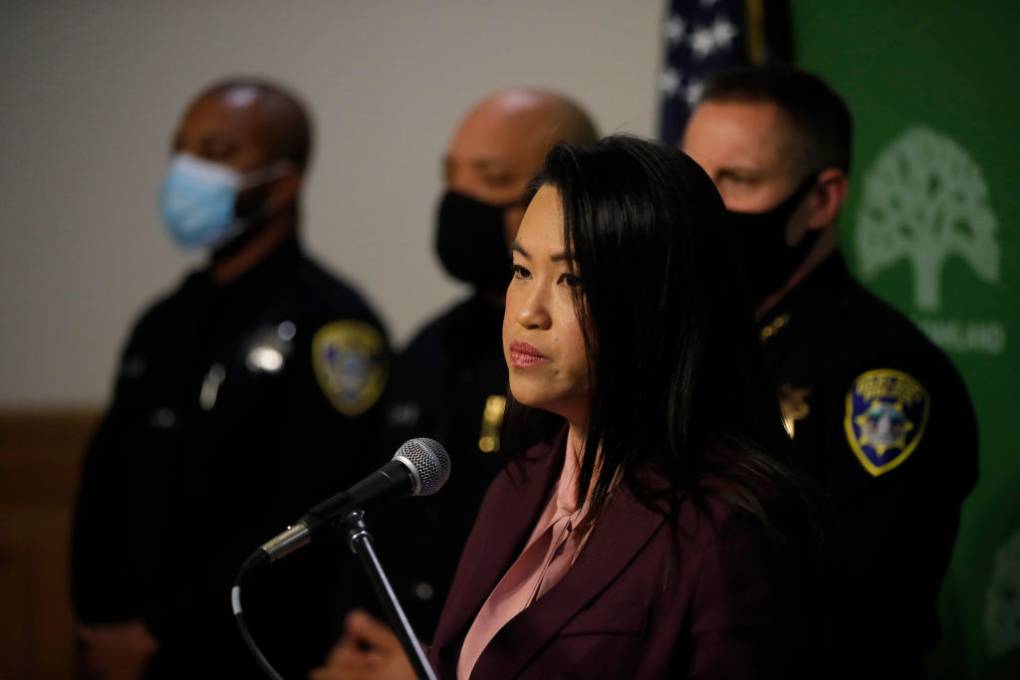
"content": "\u003cp>\u003cem>Updated, 1:30 p.m. Thursday\u003c/em>\u003c/p>\n\u003cp>Oakland residents will have a chance to weigh in this week on the four candidates bidding to be the city’s next police chief, ahead of the mayor considering the pool of finalists.\u003c/p>\n\u003cp>Thursday’s public forum will be at 6:30 p.m. at City Hall. Candidates will attend virtually.\u003c/p>\n\u003cp>The four finalists, selected by the Oakland Police Commission are: Lisa Davis, assistant police chief in Cincinnati; Floyd Mitchell, a former police chief in Lubbock, Texas; Louis Molina, a former Las Vegas police chief and currently assistant deputy mayor for public safety in New York City; and Abdul Pridgen, the former police chief in San Leandro who resigned last week following allegations that he violated department policies.\u003c/p>\n\u003cp>[aside label=\"Related Stories\" postID=\"news_11974985,news_11976748,news_11975161\"]Live questions will not be taken at the forum, according to the city’s website, but residents can \u003ca href=\"https://www.oaklandca.gov/boards-commissions/police-commission\">submit questions for the candidates\u003c/a> ahead of time at the city’s website no later than 6 p.m. on Wednesday. Following Thursday’s forum, residents can share feedback on an online \u003ca href=\"https://docs.google.com/forms/d/e/1FAIpQLSdsDiljN_qgEN4vA6weGpM8UQXLRR4P-rL1YvSuTNZBH_cWBA/viewform\">survey\u003c/a>.\u003c/p>\n\u003cp>The city has not had a permanent head of police since last February, when Mayor Sheng Thao fired former Police Chief LeRonne Armstrong. That was after allegations that the department had failed to properly investigate misconduct charges against a sergeant who was accused of a hit-and-run in 2021 and of discharging a firearm in an elevator in the OPD building in 2022.\u003c/p>\n\u003cp>As of 1 p.m. on Wednesday, the mayor had not yet received the official list of final candidates, even though the Commission has publicly shared the names.\u003c/p>\n\u003cp>“Mayor Thao looks forward to receiving the list of finalists and conducting her due diligence in reviewing the candidates,” Francis Zamora, the mayor’s chief of communications, said in an email.\u003c/p>\n\u003cp>Thao can decide on the next police chief after the Police Commission sends its candidates list on March 1.\u003c/p>\n\u003cp>The mayor will not be at Thursday’s public forum, however, and expressed concern about the event in a letter sent to the Commission on Tuesday.\u003c/p>\n\u003cp>“I am fully invested in finding exceptional candidates for Oakland. However, a public forum does not help recruit the best candidates,” Thao wrote. “A forum identifying candidates places those individuals at unnecessary risk with their current employers. It may also force Oakland to enter into a premature bidding war with an individual’s current employer if they feel strongly about retaining them.”\u003c/p>\n\u003cp>[pullquote align=\"right\" size=\"medium\" citation=\"Oakland Mayor Sheng Thao\"]‘I am fully invested in finding exceptional candidates for Oakland. However, a public forum does not help recruit the best candidates.’[/pullquote]In December, the mayor rejected three names the Police Commission recommended for the position. That previous list also included Armstrong, the former chief, who took the job in 2021.\u003c/p>\n\u003cp>Armstrong, meanwhile, \u003ca href=\"https://www.kqed.org/news/11974985/former-oakland-police-chief-leronne-armstrong-sues-city-for-wrongful-termination\">sued the city\u003c/a> earlier this month for wrongful termination. In his lawsuit, the former police chief is now seeking an unspecified amount for damages and to be reinstated.\u003c/p>\n\u003cp>The lawsuit follows \u003ca href=\"https://www.kqed.org/news/11961636/report-recommends-oakland-mayor-consider-reinstating-former-police-chief-leronne-armstrong\">a report\u003c/a> in September 2023, where retired California Judge Maria R. Rivera praised Armstrong’s work and suggested the mayor should reconsider his termination.\u003c/p>\n\u003cp>John Burris, a longtime Oakland civil rights attorney, said he was looking for the candidate who had the most relevant experience and a proven track record of effectively running a major police department.\u003c/p>\n\u003cp>“My criteria is for the mayor to really look at someone to make sure they have had experience that closely aligns with the kinds of issues that will come up in Oakland,” civil rights attorney John Burris told KQED. “We don’t want to have a long learning curve for a new chief.”\u003c/p>\n\u003cp>[ad fullwidth]\u003c/p>\n\u003cp>\u003c/p>\n",
"blocks": [],
"excerpt": "The police oversight commission is expected to send the list of candidates to Oakland Mayor Sheng Thao on Friday. ",
"status": "publish",
"parent": 0,
"modified": 1722643645,
"stats": {
"hasAudio": false,
"hasVideo": false,
"hasChartOrMap": false,
"iframeSrcs": [],
"hasGoogleForm": false,
"hasGallery": false,
"hasHearkenModule": false,
"hasPolis": false,
"paragraphCount": 18,
"wordCount": 641
},
"headData": {
"title": "These Are the 4 Oakland Police Chief Candidates Mayor Sheng Thao Will Consider for the Job | KQED",
"description": "The police oversight commission is expected to send the list of candidates to Oakland Mayor Sheng Thao on Friday. ",
"ogTitle": "",
"ogDescription": "",
"ogImgId": "",
"twTitle": "",
"twDescription": "",
"twImgId": "",
"schema": {
"@context": "https://schema.org",
"@type": "NewsArticle",
"headline": "These Are the 4 Oakland Police Chief Candidates Mayor Sheng Thao Will Consider for the Job",
"datePublished": "2024-02-28T13:11:39-08:00",
"dateModified": "2024-08-02T17:07:25-07:00",
"image": "https://cdn.kqed.org/wp-content/uploads/2020/02/KQED-OG-Image@1x.png",
"isAccessibleForFree": "True",
"publisher": {
"@type": "NewsMediaOrganization",
"@id": "https://www.kqed.org/#organization",
"name": "KQED",
"logo": "https://cdn.kqed.org/wp-content/uploads/2020/02/KQED-OG-Image@1x.png",
"url": "https://www.kqed.org",
"sameAs": [
"https://www.facebook.com/KQED",
"https://twitter.com/KQED",
"https://www.instagram.com/kqed/",
"https://www.tiktok.com/@kqedofficial",
"https://www.linkedin.com/company/kqed",
"https://www.youtube.com/channel/UCeC0IOo7i1P_61zVUWbJ4nw"
]
}
}
},
"sticky": false,
"excludeFromSiteSearch": "Include",
"articleAge": "0",
"path": "/news/11977438/these-are-the-4-oakland-police-chief-candidates-mayor-sheng-thao-will-consider-for-the-job",
"audioTrackLength": null,
"parsedContent": [
{
"type": "contentString",
"content": "\u003cdiv class=\"post-body\">\u003cp>\u003cp>\u003cem>Updated, 1:30 p.m. Thursday\u003c/em>\u003c/p>\n\u003cp>Oakland residents will have a chance to weigh in this week on the four candidates bidding to be the city’s next police chief, ahead of the mayor considering the pool of finalists.\u003c/p>\n\u003cp>Thursday’s public forum will be at 6:30 p.m. at City Hall. Candidates will attend virtually.\u003c/p>\n\u003cp>The four finalists, selected by the Oakland Police Commission are: Lisa Davis, assistant police chief in Cincinnati; Floyd Mitchell, a former police chief in Lubbock, Texas; Louis Molina, a former Las Vegas police chief and currently assistant deputy mayor for public safety in New York City; and Abdul Pridgen, the former police chief in San Leandro who resigned last week following allegations that he violated department policies.\u003c/p>\n\u003cp>\u003c/p>\u003c/div>",
"attributes": {
"named": {},
"numeric": []
}
},
{
"type": "component",
"content": "",
"name": "aside",
"attributes": {
"named": {
"label": "Related Stories ",
"postid": "news_11974985,news_11976748,news_11975161"
},
"numeric": []
}
},
{
"type": "contentString",
"content": "\u003cdiv class=\"post-body\">\u003cp>Live questions will not be taken at the forum, according to the city’s website, but residents can \u003ca href=\"https://www.oaklandca.gov/boards-commissions/police-commission\">submit questions for the candidates\u003c/a> ahead of time at the city’s website no later than 6 p.m. on Wednesday. Following Thursday’s forum, residents can share feedback on an online \u003ca href=\"https://docs.google.com/forms/d/e/1FAIpQLSdsDiljN_qgEN4vA6weGpM8UQXLRR4P-rL1YvSuTNZBH_cWBA/viewform\">survey\u003c/a>.\u003c/p>\n\u003cp>The city has not had a permanent head of police since last February, when Mayor Sheng Thao fired former Police Chief LeRonne Armstrong. That was after allegations that the department had failed to properly investigate misconduct charges against a sergeant who was accused of a hit-and-run in 2021 and of discharging a firearm in an elevator in the OPD building in 2022.\u003c/p>\n\u003cp>As of 1 p.m. on Wednesday, the mayor had not yet received the official list of final candidates, even though the Commission has publicly shared the names.\u003c/p>\n\u003cp>“Mayor Thao looks forward to receiving the list of finalists and conducting her due diligence in reviewing the candidates,” Francis Zamora, the mayor’s chief of communications, said in an email.\u003c/p>\n\u003cp>Thao can decide on the next police chief after the Police Commission sends its candidates list on March 1.\u003c/p>\n\u003cp>The mayor will not be at Thursday’s public forum, however, and expressed concern about the event in a letter sent to the Commission on Tuesday.\u003c/p>\n\u003cp>“I am fully invested in finding exceptional candidates for Oakland. However, a public forum does not help recruit the best candidates,” Thao wrote. “A forum identifying candidates places those individuals at unnecessary risk with their current employers. It may also force Oakland to enter into a premature bidding war with an individual’s current employer if they feel strongly about retaining them.”\u003c/p>\n\u003cp>\u003c/p>\u003c/div>",
"attributes": {
"named": {},
"numeric": []
}
},
{
"type": "component",
"content": "‘I am fully invested in finding exceptional candidates for Oakland. However, a public forum does not help recruit the best candidates.’",
"name": "pullquote",
"attributes": {
"named": {
"align": "right",
"size": "medium",
"citation": "Oakland Mayor Sheng Thao",
"label": ""
},
"numeric": []
}
},
{
"type": "contentString",
"content": "\u003cdiv class=\"post-body\">\u003cp>In December, the mayor rejected three names the Police Commission recommended for the position. That previous list also included Armstrong, the former chief, who took the job in 2021.\u003c/p>\n\u003cp>Armstrong, meanwhile, \u003ca href=\"https://www.kqed.org/news/11974985/former-oakland-police-chief-leronne-armstrong-sues-city-for-wrongful-termination\">sued the city\u003c/a> earlier this month for wrongful termination. In his lawsuit, the former police chief is now seeking an unspecified amount for damages and to be reinstated.\u003c/p>\n\u003cp>The lawsuit follows \u003ca href=\"https://www.kqed.org/news/11961636/report-recommends-oakland-mayor-consider-reinstating-former-police-chief-leronne-armstrong\">a report\u003c/a> in September 2023, where retired California Judge Maria R. Rivera praised Armstrong’s work and suggested the mayor should reconsider his termination.\u003c/p>\n\u003cp>John Burris, a longtime Oakland civil rights attorney, said he was looking for the candidate who had the most relevant experience and a proven track record of effectively running a major police department.\u003c/p>\n\u003cp>“My criteria is for the mayor to really look at someone to make sure they have had experience that closely aligns with the kinds of issues that will come up in Oakland,” civil rights attorney John Burris told KQED. “We don’t want to have a long learning curve for a new chief.”\u003c/p>\n\u003cp>\u003c/p>\u003c/div>",
"attributes": {
"named": {},
"numeric": []
}
},
{
"type": "component",
"content": "",
"name": "ad",
"attributes": {
"named": {
"label": "fullwidth"
},
"numeric": [
"fullwidth"
]
}
},
{
"type": "contentString",
"content": "\u003cdiv class=\"post-body\">\u003cp>\u003c/p>\n\u003cp>\u003c/p>\n\u003c/div>\u003c/p>",
"attributes": {
"named": {},
"numeric": []
}
}
],
"link": "/news/11977438/these-are-the-4-oakland-police-chief-candidates-mayor-sheng-thao-will-consider-for-the-job",
"authors": [
"11840"
],
"categories": [
"news_8"
],
"tags": [
"news_20013",
"news_412",
"news_31962"
],
"featImg": "news_11977450",
"label": "news"
},
"news_11975161": {
"type": "posts",
"id": "news_11975161",
"meta": {
"index": "posts_1716263798",
"site": "news",
"id": "11975161",
"score": null,
"sort": [
1707444368000
]
},
"parent": 0,
"labelTerm": {
"site": "news"
},
"blocks": [],
"publishDate": 1707444368,
"format": "standard",
"title": "Newsom to Send State Prosecutors to Oakland to Help Crack Down on Rising Crime",
"headTitle": "Newsom to Send State Prosecutors to Oakland to Help Crack Down on Rising Crime | KQED",
"content": "\u003cp>Gov. Gavin Newsom announced plans on Thursday to send state prosecutors to Oakland as part of his latest effort to crack down on rising crime in the city.\u003c/p>\n\u003cp>The move, in partnership with the state Attorney General’s Office, comes on the heels of the governor’s decision announced just days earlier to send \u003ca href=\"https://www.kqed.org/news/11974920/newsom-to-deploy-120-chp-officers-to-fight-crime-surge-in-oakland\">120 California Highway Patrol officers\u003c/a> to Oakland, where \u003ca href=\"https://cityofoakland2.app.box.com/s/sjiq7usfy27gy9dfe51hp8arz5l1ixad/file/1404598604813\">violent crimes\u003c/a> — including assaults, robberies and retail theft — have spiked even as they have been on the wane in many other California cities.\u003c/p>\n\u003cp>The additional attorneys will help the Alameda County District Attorney’s Office prosecute suspects arrested for “serious and complex crimes,” according to the governor’s office.\u003c/p>\n\u003cp>“An arrest isn’t enough,” Newsom said in a statement. “Justice demands that suspects are appropriately prosecuted. Whether it’s ‘\u003ca href=\"https://www.sfchronicle.com/sf/article/car-break-in-tips-18381721.php\">bipping\u003c/a>’ or carjacking, attempted murder or fentanyl trafficking, individuals must be held accountable for their crimes using the full and appropriate weight of the law.”\u003c/p>\n\u003cp>Facing criticism from conservatives over his handling of crime in the state, Newsom has recently toughened his stance on the issue, \u003ca href=\"https://www.gov.ca.gov/2024/01/09/property-crime-framework/\">last month calling for new legislation \u003c/a>to expand criminal penalties for property crimes — even as he has so far \u003ca href=\"https://www.politico.com/news/2024/01/09/newsoms-property-crime-package-sidesteps-prop-47-00134448#:~:text=The%20governor%20is%20asking%20for,a%20contentious%20voter%2Dpassed%20initiative.\">sidestepped demands to reform Proposition 47\u003c/a>, the 2014 measure that reduced certain drug and theft crimes from felonies to misdemeanors.\u003c/p>\n\u003cp>[ad fullwidth]\u003c/p>\n\u003cp>Alameda County District Attorney Pamela Price, who took office last year as a progressive reformer and now faces a recall campaign, said she appreciated the additional resources to prosecute some of the most prolific violent crimes, including those involving drug trafficking and auto theft.\u003c/p>\n\u003cp>She noted, however, that it is “regrettably, not a large operation” and likely would only include three Southern California-based prosecutors from the California National Guard, who she said were “very experienced” and would work under the direction of one of her senior attorneys.\u003c/p>\n\u003cp>“I think there’s a national perception that Oakland is in crisis,” Price told reporters on Thursday, noting that the offer of legal assistance was initiated by the governor’s office, not by her. “And as the governor pointed out, we’re experiencing a rise in crime. The crime rates here are excessive and they need to be dealt with.”[aside label=\"More on Oakland crime issues\" postID=\"news_11974920,news_11974485,news_11961919\"]Price said the governor’s decision is consistent with his plan to send additional CHP officers to the city, which is expected to lead to more arrests.\u003c/p>\n\u003cp>“We expected them to come here, and that was fine,” she said of the CHP officers. “And so as they are able to ramp up, when appropriate, the number of arrests, then, of course, we appreciate the support and the number of prosecutions.”\u003c/p>\n\u003cp>“We intend to tackle the crime activity as well as we can,” Price said, adding that she didn’t know exactly when the state prosecutors would start working in her office or how long they intended to stay.\u003c/p>\n\u003cp>But Alameda County public defender Brendon Woods called Newsom’s plan “a Band-Aid to fix a broken arm.”\u003c/p>\n\u003cp>“More prosecution, more police. They’re not the solution,” Woods said. “The solution here is more money for housing. Community-based organizations. Higher wages. Employment. Those are all things that have been proven to make our community safer.”\u003c/p>\n\u003cp>Woods said California had already tried ramping up prosecutions and harsher sentences, and doing that only led to mass incarceration and severe prison overcrowding.\u003c/p>\n\u003cp>“It’s more Black and brown people are going to be held in jails and prisons in cages. That’s what’s going to happen,” he said. “Just throwing more police and more DAs does make the public feel safer, but doesn’t actually create public safety.”\u003c/p>\n\u003cp>A spate of recent headlines has focused on the city’s \u003ca href=\"https://www.nytimes.com/2023/12/14/us/oakland-crime-economy-homelessness.html\">rising crime rates, \u003c/a>economic woes, and the ongoing efforts to recall both \u003ca href=\"https://www.kqed.org/news/11966518/pamela-price-recall-alameda-potential\">Price\u003c/a> and \u003ca href=\"https://oaklandside.org/2024/01/09/oakland-mayor-sheng-thao-recall-campaign/\">Mayor Sheng Thao\u003c/a> — largely over crime concerns.\u003c/p>\n\u003cp>Oakland has also been without a permanent police chief since February 2023, when Thao fired former chief LeRonne Armstrong \u003ca href=\"https://apnews.com/article/politics-oakland-b4c06e7d0bce29a4635ad2d3c40a04cc\">after a probe\u003c/a> found he mishandled two misconduct cases. Armstrong has since fought to get his job back, and on Monday, he \u003ca href=\"https://www.kqed.org/news/11974985/former-oakland-police-chief-leronne-armstrong-sues-city-for-wrongful-termination\">sued the city\u003c/a> and the mayor, arguing he was unlawfully terminated in retaliation for criticizing a federal court-appointed monitor overseeing his department.\u003c/p>\n\u003cp>Violent crime in Oakland increased by 21% in 2023, compared to the previous year — with the number of homicides plateauing at 120 — while robberies climbed 38% and motor vehicle theft jumped 45%, \u003ca href=\"https://cityofoakland2.app.box.com/s/sjiq7usfy27gy9dfe51hp8arz5l1ixad/file/1404598604813\">according to Oakland Police Department end-of-year data\u003c/a>.\u003c/p>\n\u003cp>“The criminal justice data makes it very clear that the thing that deters someone from committing crime is the belief that they will get caught if they commit it. Not so much that they will serve a longer sentence,” said Attorney General Rob Bonta, who previously represented Oakland in the state Assembly. “They don’t want to get caught. And so it’s important that there be accountability that’s swift and certain, that people get arrested for the crimes that they commit, and they be held accountable in a proportionate way for what they’ve done.”\u003c/p>\n\u003cp>\u003c/p>\n\u003cp>\u003cem>Correction (Feb. 9): The state prosecutors being sent to Oakland are expected to come from the California National Guard, not the Attorney General’s Office, as previously stated.\u003c/em>\u003c/p>\n\n",
"stats": {
"hasVideo": false,
"hasChartOrMap": false,
"hasAudio": false,
"hasPolis": false,
"wordCount": 942,
"hasGoogleForm": false,
"hasGallery": false,
"hasHearkenModule": false,
"iframeSrcs": [],
"paragraphCount": 21
},
"modified": 1707509949,
"excerpt": "The move comes on the heels of the governor's decision, announced just days earlier, to send 120 California Highway Patrol officers to help with targeted crackdowns in Oakland, where violent crimes have spiked in recent years.",
"headData": {
"twImgId": "",
"twTitle": "",
"ogTitle": "",
"ogImgId": "",
"twDescription": "",
"description": "The move comes on the heels of the governor's decision, announced just days earlier, to send 120 California Highway Patrol officers to help with targeted crackdowns in Oakland, where violent crimes have spiked in recent years.",
"title": "Newsom to Send State Prosecutors to Oakland to Help Crack Down on Rising Crime | KQED",
"ogDescription": "",
"schema": {
"@context": "https://schema.org",
"@type": "NewsArticle",
"headline": "Newsom to Send State Prosecutors to Oakland to Help Crack Down on Rising Crime",
"datePublished": "2024-02-08T18:06:08-08:00",
"dateModified": "2024-02-09T12:19:09-08:00",
"image": "https://cdn.kqed.org/wp-content/uploads/2020/02/KQED-OG-Image@1x.png",
"isAccessibleForFree": "True",
"publisher": {
"@type": "NewsMediaOrganization",
"@id": "https://www.kqed.org/#organization",
"name": "KQED",
"logo": "https://cdn.kqed.org/wp-content/uploads/2020/02/KQED-OG-Image@1x.png",
"url": "https://www.kqed.org",
"sameAs": [
"https://www.facebook.com/KQED",
"https://twitter.com/KQED",
"https://www.instagram.com/kqed/",
"https://www.tiktok.com/@kqedofficial",
"https://www.linkedin.com/company/kqed",
"https://www.youtube.com/channel/UCeC0IOo7i1P_61zVUWbJ4nw"
]
}
}
},
"guestAuthors": [],
"slug": "newsom-to-send-state-prosecutors-to-oakland-to-help-crack-down-on-rising-crime",
"status": "publish",
"excludeFromSiteSearch": "Include",
"sticky": false,
"articleAge": "0",
"path": "/news/11975161/newsom-to-send-state-prosecutors-to-oakland-to-help-crack-down-on-rising-crime",
"audioTrackLength": null,
"parsedContent": [
{
"type": "contentString",
"content": "\u003cdiv class=\"post-body\">\u003cp>\u003cp>Gov. Gavin Newsom announced plans on Thursday to send state prosecutors to Oakland as part of his latest effort to crack down on rising crime in the city.\u003c/p>\n\u003cp>The move, in partnership with the state Attorney General’s Office, comes on the heels of the governor’s decision announced just days earlier to send \u003ca href=\"https://www.kqed.org/news/11974920/newsom-to-deploy-120-chp-officers-to-fight-crime-surge-in-oakland\">120 California Highway Patrol officers\u003c/a> to Oakland, where \u003ca href=\"https://cityofoakland2.app.box.com/s/sjiq7usfy27gy9dfe51hp8arz5l1ixad/file/1404598604813\">violent crimes\u003c/a> — including assaults, robberies and retail theft — have spiked even as they have been on the wane in many other California cities.\u003c/p>\n\u003cp>The additional attorneys will help the Alameda County District Attorney’s Office prosecute suspects arrested for “serious and complex crimes,” according to the governor’s office.\u003c/p>\n\u003cp>“An arrest isn’t enough,” Newsom said in a statement. “Justice demands that suspects are appropriately prosecuted. Whether it’s ‘\u003ca href=\"https://www.sfchronicle.com/sf/article/car-break-in-tips-18381721.php\">bipping\u003c/a>’ or carjacking, attempted murder or fentanyl trafficking, individuals must be held accountable for their crimes using the full and appropriate weight of the law.”\u003c/p>\n\u003cp>Facing criticism from conservatives over his handling of crime in the state, Newsom has recently toughened his stance on the issue, \u003ca href=\"https://www.gov.ca.gov/2024/01/09/property-crime-framework/\">last month calling for new legislation \u003c/a>to expand criminal penalties for property crimes — even as he has so far \u003ca href=\"https://www.politico.com/news/2024/01/09/newsoms-property-crime-package-sidesteps-prop-47-00134448#:~:text=The%20governor%20is%20asking%20for,a%20contentious%20voter%2Dpassed%20initiative.\">sidestepped demands to reform Proposition 47\u003c/a>, the 2014 measure that reduced certain drug and theft crimes from felonies to misdemeanors.\u003c/p>\n\u003cp>\u003c/p>\u003c/div>",
"attributes": {
"named": {},
"numeric": []
}
},
{
"type": "component",
"content": "",
"name": "ad",
"attributes": {
"named": {
"label": "fullwidth"
},
"numeric": [
"fullwidth"
]
}
},
{
"type": "contentString",
"content": "\u003cdiv class=\"post-body\">\u003cp>\u003c/p>\n\u003cp>Alameda County District Attorney Pamela Price, who took office last year as a progressive reformer and now faces a recall campaign, said she appreciated the additional resources to prosecute some of the most prolific violent crimes, including those involving drug trafficking and auto theft.\u003c/p>\n\u003cp>She noted, however, that it is “regrettably, not a large operation” and likely would only include three Southern California-based prosecutors from the California National Guard, who she said were “very experienced” and would work under the direction of one of her senior attorneys.\u003c/p>\n\u003cp>“I think there’s a national perception that Oakland is in crisis,” Price told reporters on Thursday, noting that the offer of legal assistance was initiated by the governor’s office, not by her. “And as the governor pointed out, we’re experiencing a rise in crime. The crime rates here are excessive and they need to be dealt with.”\u003c/p>\u003c/div>",
"attributes": {
"named": {},
"numeric": []
}
},
{
"type": "component",
"content": "",
"name": "aside",
"attributes": {
"named": {
"label": "More on Oakland crime issues ",
"postid": "news_11974920,news_11974485,news_11961919"
},
"numeric": []
}
},
{
"type": "contentString",
"content": "\u003cdiv class=\"post-body\">\u003cp>Price said the governor’s decision is consistent with his plan to send additional CHP officers to the city, which is expected to lead to more arrests.\u003c/p>\n\u003cp>“We expected them to come here, and that was fine,” she said of the CHP officers. “And so as they are able to ramp up, when appropriate, the number of arrests, then, of course, we appreciate the support and the number of prosecutions.”\u003c/p>\n\u003cp>“We intend to tackle the crime activity as well as we can,” Price said, adding that she didn’t know exactly when the state prosecutors would start working in her office or how long they intended to stay.\u003c/p>\n\u003cp>But Alameda County public defender Brendon Woods called Newsom’s plan “a Band-Aid to fix a broken arm.”\u003c/p>\n\u003cp>“More prosecution, more police. They’re not the solution,” Woods said. “The solution here is more money for housing. Community-based organizations. Higher wages. Employment. Those are all things that have been proven to make our community safer.”\u003c/p>\n\u003cp>Woods said California had already tried ramping up prosecutions and harsher sentences, and doing that only led to mass incarceration and severe prison overcrowding.\u003c/p>\n\u003cp>“It’s more Black and brown people are going to be held in jails and prisons in cages. That’s what’s going to happen,” he said. “Just throwing more police and more DAs does make the public feel safer, but doesn’t actually create public safety.”\u003c/p>\n\u003cp>A spate of recent headlines has focused on the city’s \u003ca href=\"https://www.nytimes.com/2023/12/14/us/oakland-crime-economy-homelessness.html\">rising crime rates, \u003c/a>economic woes, and the ongoing efforts to recall both \u003ca href=\"https://www.kqed.org/news/11966518/pamela-price-recall-alameda-potential\">Price\u003c/a> and \u003ca href=\"https://oaklandside.org/2024/01/09/oakland-mayor-sheng-thao-recall-campaign/\">Mayor Sheng Thao\u003c/a> — largely over crime concerns.\u003c/p>\n\u003cp>Oakland has also been without a permanent police chief since February 2023, when Thao fired former chief LeRonne Armstrong \u003ca href=\"https://apnews.com/article/politics-oakland-b4c06e7d0bce29a4635ad2d3c40a04cc\">after a probe\u003c/a> found he mishandled two misconduct cases. Armstrong has since fought to get his job back, and on Monday, he \u003ca href=\"https://www.kqed.org/news/11974985/former-oakland-police-chief-leronne-armstrong-sues-city-for-wrongful-termination\">sued the city\u003c/a> and the mayor, arguing he was unlawfully terminated in retaliation for criticizing a federal court-appointed monitor overseeing his department.\u003c/p>\n\u003cp>Violent crime in Oakland increased by 21% in 2023, compared to the previous year — with the number of homicides plateauing at 120 — while robberies climbed 38% and motor vehicle theft jumped 45%, \u003ca href=\"https://cityofoakland2.app.box.com/s/sjiq7usfy27gy9dfe51hp8arz5l1ixad/file/1404598604813\">according to Oakland Police Department end-of-year data\u003c/a>.\u003c/p>\n\u003cp>“The criminal justice data makes it very clear that the thing that deters someone from committing crime is the belief that they will get caught if they commit it. Not so much that they will serve a longer sentence,” said Attorney General Rob Bonta, who previously represented Oakland in the state Assembly. “They don’t want to get caught. And so it’s important that there be accountability that’s swift and certain, that people get arrested for the crimes that they commit, and they be held accountable in a proportionate way for what they’ve done.”\u003c/p>\n\u003cp>\u003c/p>\n\u003cp>\u003cem>Correction (Feb. 9): The state prosecutors being sent to Oakland are expected to come from the California National Guard, not the Attorney General’s Office, as previously stated.\u003c/em>\u003c/p>\n\n\u003c/div>\u003c/p>",
"attributes": {
"named": {},
"numeric": []
}
}
],
"link": "/news/11975161/newsom-to-send-state-prosecutors-to-oakland-to-help-crack-down-on-rising-crime",
"authors": [
"1263",
"11761"
],
"categories": [
"news_8"
],
"tags": [
"news_17725",
"news_16",
"news_412",
"news_416",
"news_24461",
"news_3674"
],
"featImg": "news_11961924",
"label": "news"
},
"news_11971828": {
"type": "posts",
"id": "news_11971828",
"meta": {
"index": "posts_1716263798",
"site": "news",
"id": "11971828",
"score": null,
"sort": [
1704506102000
]
},
"guestAuthors": [],
"slug": "vigil-held-for-slain-oakland-police-officer-tuan-le",
"title": "Vigil Held for Slain Oakland Police Officer Tuan Le",
"publishDate": 1704506102,
"format": "standard",
"headTitle": "Vigil Held for Slain Oakland Police Officer Tuan Le | KQED",
"labelTerm": {
"site": "news"
},
"content": "\u003cp>Oakland community members held a vigil Friday morning for police Officer Tuan Le, one week after he was fatally shot while responding to a reported burglary.\u003c/p>\n\u003cp>Members of the Fa Yun Chan Temple recited a prayer for the deceased officer, who was Buddhist. Organizers set up a picture of Le smiling in his uniform alongside a table with traditional offerings of fruit, flowers and incense.\u003c/p>\n\u003cp>Those at the event spoke of Le’s commitment to his job and recalled attending his graduation from the police academy in 2020.\u003c/p>\n\u003cp>“He was very proud of being an Oakland police officer and he was very proud of protecting our community,” Alameda County Supervisor Lena Tam said.\u003c/p>\n\u003cp>The Oakland Chinatown Chamber Foundation organized the vigil. Carl Chan, the group’s president, said Le was a friendly and approachable presence in the city.\u003c/p>\n\u003cp>[ad fullwidth]\u003c/p>\n\u003cp>“He was not only a police officer but also a good friend of the community,” Chan said. “So today, we are so happy that many of us could have a chance to express our appreciation for Officer Le, but also to his family.”\u003c/p>\n\u003cp>Le was fatally shot in the early hours of Dec. 29 while responding to a reported burglary at a cannabis business.[aside postID=\"news_11971175,news_11971594,news_11971493\" label=\"Related Coverage\"]Two men charged with Le’s murder were arraigned in court Thursday morning. They are expected to appear again on Jan. 18 to enter their pleas.\u003c/p>\n\u003cp>Soon after the vigil, just over a dozen people rallied in front of Oakland City Hall. Some held signs calling for the recall of Oakland District Attorney Pamela Price or wore apparel supporting Donald Trump.\u003c/p>\n\u003cp>Organized by the group Citizens Unite, the rally called for city leadership to hire more police officers, punish criminals more harshly, and declare a state of emergency over crime in Oakland in light of Le’s death.\u003c/p>\n\u003cp>“These are the heroes, these are the people we call and rely on when we get in trouble. But our politicians are letting them die,” said Francisco Acosta, who participated in the rally.\u003c/p>\n\u003cp>Oakland City Councilmember Noel Gallo also attended. He supported the calls for Oakland Mayor Sheng Thao to declare a state of emergency, saying that would allow federal law enforcement to increase their presence in the city and speed up the process of appointing a new permanent police chief.\u003c/p>\n\u003cfigure id=\"attachment_11971826\" class=\"wp-caption aligncenter\" style=\"max-width: 2560px\">\u003cimg loading=\"lazy\" decoding=\"async\" class=\"size-full wp-image-11971826\" src=\"https://cdn.kqed.org/wp-content/uploads/sites/10/2024/01/IMG_2338-scaled.jpg\" alt=\"\" width=\"2560\" height=\"1920\" srcset=\"https://cdn.kqed.org/wp-content/uploads/sites/10/2024/01/IMG_2338-scaled.jpg 2560w, https://cdn.kqed.org/wp-content/uploads/sites/10/2024/01/IMG_2338-800x600.jpg 800w, https://cdn.kqed.org/wp-content/uploads/sites/10/2024/01/IMG_2338-1020x765.jpg 1020w, https://cdn.kqed.org/wp-content/uploads/sites/10/2024/01/IMG_2338-160x120.jpg 160w, https://cdn.kqed.org/wp-content/uploads/sites/10/2024/01/IMG_2338-1536x1152.jpg 1536w, https://cdn.kqed.org/wp-content/uploads/sites/10/2024/01/IMG_2338-2048x1536.jpg 2048w, https://cdn.kqed.org/wp-content/uploads/sites/10/2024/01/IMG_2338-1920x1440.jpg 1920w\" sizes=\"(max-width: 2560px) 100vw, 2560px\">\u003cfigcaption class=\"wp-caption-text\">Organizers set up a table with traditional offerings of fruit, flowers and incense.\u003c/figcaption>\u003c/figure>\n\u003cp>Oakland City Councilmember Carroll Fife pushed back on those assertions.\u003c/p>\n\u003cp>“Declaring a legal state of emergency is not something that will change the conditions on the street at all, and it’s actually disingenuous or ignorant to suggest otherwise,” Fife said in an interview with KQED. “I’m really exhausted with the politicization of pain. And I think individuals are weaponizing the pain and the trauma of Oakland residents to advance a political narrative.”\u003c/p>\n\u003cp>Fife also said an increased police presence on the streets of Oakland would not make the city safer.\u003c/p>\n\u003cp>\u003c/p>\n\u003cp>“I would argue that it is the defunding of social services that is creating chaos for underserved populations that creates the pain that we see. Because individuals who are never, who never have their needs met don’t give a s— about yours,” Fife said.\u003c/p>\n\n",
"blocks": [],
"excerpt": "Those at the vigil spoke of Officer Tuan Le's commitment to his job. 'He was very proud of being an Oakland police officer, and he was very proud of protecting our community.'",
"status": "publish",
"parent": 0,
"modified": 1722643658,
"stats": {
"hasAudio": false,
"hasVideo": false,
"hasChartOrMap": false,
"iframeSrcs": [],
"hasGoogleForm": false,
"hasGallery": false,
"hasHearkenModule": false,
"hasPolis": false,
"paragraphCount": 17,
"wordCount": 563
},
"headData": {
"title": "Vigil Held for Slain Oakland Police Officer Tuan Le | KQED",
"description": "Those at the vigil spoke of Officer Tuan Le's commitment to his job. 'He was very proud of being an Oakland police officer, and he was very proud of protecting our community.'",
"ogTitle": "",
"ogDescription": "",
"ogImgId": "",
"twTitle": "",
"twDescription": "",
"twImgId": "",
"schema": {
"@context": "https://schema.org",
"@type": "NewsArticle",
"headline": "Vigil Held for Slain Oakland Police Officer Tuan Le",
"datePublished": "2024-01-05T17:55:02-08:00",
"dateModified": "2024-08-02T17:07:38-07:00",
"image": "https://cdn.kqed.org/wp-content/uploads/2020/02/KQED-OG-Image@1x.png",
"isAccessibleForFree": "True",
"publisher": {
"@type": "NewsMediaOrganization",
"@id": "https://www.kqed.org/#organization",
"name": "KQED",
"logo": "https://cdn.kqed.org/wp-content/uploads/2020/02/KQED-OG-Image@1x.png",
"url": "https://www.kqed.org",
"sameAs": [
"https://www.facebook.com/KQED",
"https://twitter.com/KQED",
"https://www.instagram.com/kqed/",
"https://www.tiktok.com/@kqedofficial",
"https://www.linkedin.com/company/kqed",
"https://www.youtube.com/channel/UCeC0IOo7i1P_61zVUWbJ4nw"
]
}
}
},
"sticky": false,
"excludeFromSiteSearch": "Include",
"articleAge": "0",
"path": "/news/11971828/vigil-held-for-slain-oakland-police-officer-tuan-le",
"audioTrackLength": null,
"parsedContent": [
{
"type": "contentString",
"content": "\u003cdiv class=\"post-body\">\u003cp>\u003cp>Oakland community members held a vigil Friday morning for police Officer Tuan Le, one week after he was fatally shot while responding to a reported burglary.\u003c/p>\n\u003cp>Members of the Fa Yun Chan Temple recited a prayer for the deceased officer, who was Buddhist. Organizers set up a picture of Le smiling in his uniform alongside a table with traditional offerings of fruit, flowers and incense.\u003c/p>\n\u003cp>Those at the event spoke of Le’s commitment to his job and recalled attending his graduation from the police academy in 2020.\u003c/p>\n\u003cp>“He was very proud of being an Oakland police officer and he was very proud of protecting our community,” Alameda County Supervisor Lena Tam said.\u003c/p>\n\u003cp>The Oakland Chinatown Chamber Foundation organized the vigil. Carl Chan, the group’s president, said Le was a friendly and approachable presence in the city.\u003c/p>\n\u003cp>\u003c/p>\u003c/div>",
"attributes": {
"named": {},
"numeric": []
}
},
{
"type": "component",
"content": "",
"name": "ad",
"attributes": {
"named": {
"label": "fullwidth"
},
"numeric": [
"fullwidth"
]
}
},
{
"type": "contentString",
"content": "\u003cdiv class=\"post-body\">\u003cp>\u003c/p>\n\u003cp>“He was not only a police officer but also a good friend of the community,” Chan said. “So today, we are so happy that many of us could have a chance to express our appreciation for Officer Le, but also to his family.”\u003c/p>\n\u003cp>Le was fatally shot in the early hours of Dec. 29 while responding to a reported burglary at a cannabis business.\u003c/p>\u003c/div>",
"attributes": {
"named": {},
"numeric": []
}
},
{
"type": "component",
"content": "",
"name": "aside",
"attributes": {
"named": {
"postid": "news_11971175,news_11971594,news_11971493",
"label": "Related Coverage "
},
"numeric": []
}
},
{
"type": "contentString",
"content": "\u003cdiv class=\"post-body\">\u003cp>Two men charged with Le’s murder were arraigned in court Thursday morning. They are expected to appear again on Jan. 18 to enter their pleas.\u003c/p>\n\u003cp>Soon after the vigil, just over a dozen people rallied in front of Oakland City Hall. Some held signs calling for the recall of Oakland District Attorney Pamela Price or wore apparel supporting Donald Trump.\u003c/p>\n\u003cp>Organized by the group Citizens Unite, the rally called for city leadership to hire more police officers, punish criminals more harshly, and declare a state of emergency over crime in Oakland in light of Le’s death.\u003c/p>\n\u003cp>“These are the heroes, these are the people we call and rely on when we get in trouble. But our politicians are letting them die,” said Francisco Acosta, who participated in the rally.\u003c/p>\n\u003cp>Oakland City Councilmember Noel Gallo also attended. He supported the calls for Oakland Mayor Sheng Thao to declare a state of emergency, saying that would allow federal law enforcement to increase their presence in the city and speed up the process of appointing a new permanent police chief.\u003c/p>\n\u003cfigure id=\"attachment_11971826\" class=\"wp-caption aligncenter\" style=\"max-width: 2560px\">\u003cimg loading=\"lazy\" decoding=\"async\" class=\"size-full wp-image-11971826\" src=\"https://cdn.kqed.org/wp-content/uploads/sites/10/2024/01/IMG_2338-scaled.jpg\" alt=\"\" width=\"2560\" height=\"1920\" srcset=\"https://cdn.kqed.org/wp-content/uploads/sites/10/2024/01/IMG_2338-scaled.jpg 2560w, https://cdn.kqed.org/wp-content/uploads/sites/10/2024/01/IMG_2338-800x600.jpg 800w, https://cdn.kqed.org/wp-content/uploads/sites/10/2024/01/IMG_2338-1020x765.jpg 1020w, https://cdn.kqed.org/wp-content/uploads/sites/10/2024/01/IMG_2338-160x120.jpg 160w, https://cdn.kqed.org/wp-content/uploads/sites/10/2024/01/IMG_2338-1536x1152.jpg 1536w, https://cdn.kqed.org/wp-content/uploads/sites/10/2024/01/IMG_2338-2048x1536.jpg 2048w, https://cdn.kqed.org/wp-content/uploads/sites/10/2024/01/IMG_2338-1920x1440.jpg 1920w\" sizes=\"(max-width: 2560px) 100vw, 2560px\">\u003cfigcaption class=\"wp-caption-text\">Organizers set up a table with traditional offerings of fruit, flowers and incense.\u003c/figcaption>\u003c/figure>\n\u003cp>Oakland City Councilmember Carroll Fife pushed back on those assertions.\u003c/p>\n\u003cp>“Declaring a legal state of emergency is not something that will change the conditions on the street at all, and it’s actually disingenuous or ignorant to suggest otherwise,” Fife said in an interview with KQED. “I’m really exhausted with the politicization of pain. And I think individuals are weaponizing the pain and the trauma of Oakland residents to advance a political narrative.”\u003c/p>\n\u003cp>Fife also said an increased police presence on the streets of Oakland would not make the city safer.\u003c/p>\n\u003cp>\u003c/p>\n\u003cp>“I would argue that it is the defunding of social services that is creating chaos for underserved populations that creates the pain that we see. Because individuals who are never, who never have their needs met don’t give a s— about yours,” Fife said.\u003c/p>\n\n\u003c/div>\u003c/p>",
"attributes": {
"named": {},
"numeric": []
}
}
],
"link": "/news/11971828/vigil-held-for-slain-oakland-police-officer-tuan-le",
"authors": [
"11761"
],
"categories": [
"news_8"
],
"tags": [
"news_412",
"news_416",
"news_31962"
],
"featImg": "news_11971825",
"label": "news"
},
"news_11971594": {
"type": "posts",
"id": "news_11971594",
"meta": {
"index": "posts_1716263798",
"site": "news",
"id": "11971594",
"score": null,
"sort": [
1704405615000
]
},
"parent": 0,
"labelTerm": {
"site": "news"
},
"blocks": [],
"publishDate": 1704405615,
"format": "standard",
"title": "2 Men Charged in Shooting Death of Oakland Police Officer Tuan Le",
"headTitle": "2 Men Charged in Shooting Death of Oakland Police Officer Tuan Le | KQED",
"content": "\u003cp>Two men were charged with murder on Wednesday in the death of Oakland police Officer Tuan Le, who was shot while answering a burglary report at a marijuana business, authorities said.\u003c/p>\n\u003cp>Charges were filed against Mark Sanders, 27, of Tracy, and Allen Starr Brown, 28, of Chico.\u003c/p>\n\u003cp>The two remained jailed Wednesday night. They were scheduled for arraignment Thursday, and it wasn’t immediately clear whether they had attorneys who could speak for them.\u003c/p>\n\u003cp>[ad fullwidth]\u003c/p>\n\u003cp>Officer Le, 36, was shot in the head on Friday and died at a hospital. He was in plainclothes and driving an unmarked truck when he and other officers answered a report of a burglary in progress at a suspected illegal cannabis grow house near Jack London Square, where another burglary had been reported several hours earlier, authorities said.\u003c/p>\n\u003cp>The arriving officers said they saw several people leaving the business. Prosecutors allege that Sanders opened fire from a car with Brown inside the vehicle.\u003c/p>\n\u003cp>Officers took their wounded colleague to the hospital, where he died about four hours later.\u003c/p>\n\u003cp>Le was the 54th Oakland police officer to die in the line of duty and the first killed in nearly 15 years.\u003c/p>\n\u003cp>Alameda County District Attorney Pamela Price and interim Police Chief Darren Allison announced the arrests and charging of the men at a news conference Wednesday night.\u003c/p>\n\u003cp>[aside label=\"Related Stories\" postID=\"news_11971493,news_11971369,forum_2010101894410\"]Price said she had told Le’s wife and mother about the charges and assured them that her office “will do everything within the confines of our legal power to make sure … that the man we believe shot and killed officer Le will serve the rest of his life in prison.”\u003c/p>\n\u003cp>A third man, Sebron Ray Russell, 30, is charged with taking part in the burglary. It also wasn’t immediately clear whether he had legal representation.\u003c/p>\n\u003cp>Sanders and Russell have criminal records. The two and another man pleaded no contest in 2022 to burglarizing a Pittsburg home where marijuana was being grown and received six-month jail terms, the \u003cem>East Bay Times\u003c/em> \u003ca href=\"https://www.eastbaytimes.com/2024/01/03/stockton-man-suspected-of-murdering-oakland-officer-had-killed-before-as-a-teen-third-suspect-arrested/\">reported.\u003c/a>\u003c/p>\n\u003cp>Sanders also pleaded no contest to voluntary manslaughter for a 2014 shooting that took place when he was 17 that killed an 18-year-old man, the paper said.\u003c/p>\n\u003cp>Brown and Russell were arrested over the weekend, and Sanders was arrested Tuesday in Livermore, authorities said.\u003c/p>\n\u003cp>At the news conference, authorities said Le’s handcuffs were used to arrest Sanders.\u003c/p>\n\u003cp>Price told Le’s family that her office would seek a sentence of life in prison without the possibility of parole for the officer’s killers.\u003c/p>\n\u003cp>Meanwhile, police said they continued to pursue other suspects in the burglary.\u003c/p>\n\u003cp>\u003c/p>\n",
"stats": {
"hasVideo": false,
"hasChartOrMap": false,
"hasAudio": false,
"hasPolis": false,
"wordCount": 453,
"hasGoogleForm": false,
"hasGallery": false,
"hasHearkenModule": false,
"iframeSrcs": [],
"paragraphCount": 18
},
"modified": 1704406915,
"excerpt": "Authorities say two men have been charged with murder in the death of Oakland police Officer Tuan Le, who was shot while answering a burglary report at a marijuana dispensary. \r\n",
"headData": {
"twImgId": "",
"twTitle": "",
"ogTitle": "",
"ogImgId": "",
"twDescription": "",
"description": "Authorities say two men have been charged with murder in the death of Oakland police Officer Tuan Le, who was shot while answering a burglary report at a marijuana dispensary. \r\n",
"title": "2 Men Charged in Shooting Death of Oakland Police Officer Tuan Le | KQED",
"ogDescription": "",
"schema": {
"@context": "https://schema.org",
"@type": "NewsArticle",
"headline": "2 Men Charged in Shooting Death of Oakland Police Officer Tuan Le",
"datePublished": "2024-01-04T14:00:15-08:00",
"dateModified": "2024-01-04T14:21:55-08:00",
"image": "https://cdn.kqed.org/wp-content/uploads/2020/02/KQED-OG-Image@1x.png",
"isAccessibleForFree": "True",
"publisher": {
"@type": "NewsMediaOrganization",
"@id": "https://www.kqed.org/#organization",
"name": "KQED",
"logo": "https://cdn.kqed.org/wp-content/uploads/2020/02/KQED-OG-Image@1x.png",
"url": "https://www.kqed.org",
"sameAs": [
"https://www.facebook.com/KQED",
"https://twitter.com/KQED",
"https://www.instagram.com/kqed/",
"https://www.tiktok.com/@kqedofficial",
"https://www.linkedin.com/company/kqed",
"https://www.youtube.com/channel/UCeC0IOo7i1P_61zVUWbJ4nw"
]
}
}
},
"guestAuthors": [],
"slug": "2-men-charged-in-shooting-death-of-oakland-police-officer-tuan-le",
"status": "publish",
"nprByline": "The Associated Press",
"excludeFromSiteSearch": "Include",
"sticky": false,
"showOnAuthorArchivePages": "No",
"articleAge": "0",
"path": "/news/11971594/2-men-charged-in-shooting-death-of-oakland-police-officer-tuan-le",
"audioTrackLength": null,
"parsedContent": [
{
"type": "contentString",
"content": "\u003cdiv class=\"post-body\">\u003cp>\u003cp>Two men were charged with murder on Wednesday in the death of Oakland police Officer Tuan Le, who was shot while answering a burglary report at a marijuana business, authorities said.\u003c/p>\n\u003cp>Charges were filed against Mark Sanders, 27, of Tracy, and Allen Starr Brown, 28, of Chico.\u003c/p>\n\u003cp>The two remained jailed Wednesday night. They were scheduled for arraignment Thursday, and it wasn’t immediately clear whether they had attorneys who could speak for them.\u003c/p>\n\u003cp>\u003c/p>\u003c/div>",
"attributes": {
"named": {},
"numeric": []
}
},
{
"type": "component",
"content": "",
"name": "ad",
"attributes": {
"named": {
"label": "fullwidth"
},
"numeric": [
"fullwidth"
]
}
},
{
"type": "contentString",
"content": "\u003cdiv class=\"post-body\">\u003cp>\u003c/p>\n\u003cp>Officer Le, 36, was shot in the head on Friday and died at a hospital. He was in plainclothes and driving an unmarked truck when he and other officers answered a report of a burglary in progress at a suspected illegal cannabis grow house near Jack London Square, where another burglary had been reported several hours earlier, authorities said.\u003c/p>\n\u003cp>The arriving officers said they saw several people leaving the business. Prosecutors allege that Sanders opened fire from a car with Brown inside the vehicle.\u003c/p>\n\u003cp>Officers took their wounded colleague to the hospital, where he died about four hours later.\u003c/p>\n\u003cp>Le was the 54th Oakland police officer to die in the line of duty and the first killed in nearly 15 years.\u003c/p>\n\u003cp>Alameda County District Attorney Pamela Price and interim Police Chief Darren Allison announced the arrests and charging of the men at a news conference Wednesday night.\u003c/p>\n\u003cp>\u003c/p>\u003c/div>",
"attributes": {
"named": {},
"numeric": []
}
},
{
"type": "component",
"content": "",
"name": "aside",
"attributes": {
"named": {
"label": "Related Stories ",
"postid": "news_11971493,news_11971369,forum_2010101894410"
},
"numeric": []
}
},
{
"type": "contentString",
"content": "\u003cdiv class=\"post-body\">\u003cp>Price said she had told Le’s wife and mother about the charges and assured them that her office “will do everything within the confines of our legal power to make sure … that the man we believe shot and killed officer Le will serve the rest of his life in prison.”\u003c/p>\n\u003cp>A third man, Sebron Ray Russell, 30, is charged with taking part in the burglary. It also wasn’t immediately clear whether he had legal representation.\u003c/p>\n\u003cp>Sanders and Russell have criminal records. The two and another man pleaded no contest in 2022 to burglarizing a Pittsburg home where marijuana was being grown and received six-month jail terms, the \u003cem>East Bay Times\u003c/em> \u003ca href=\"https://www.eastbaytimes.com/2024/01/03/stockton-man-suspected-of-murdering-oakland-officer-had-killed-before-as-a-teen-third-suspect-arrested/\">reported.\u003c/a>\u003c/p>\n\u003cp>Sanders also pleaded no contest to voluntary manslaughter for a 2014 shooting that took place when he was 17 that killed an 18-year-old man, the paper said.\u003c/p>\n\u003cp>Brown and Russell were arrested over the weekend, and Sanders was arrested Tuesday in Livermore, authorities said.\u003c/p>\n\u003cp>At the news conference, authorities said Le’s handcuffs were used to arrest Sanders.\u003c/p>\n\u003cp>Price told Le’s family that her office would seek a sentence of life in prison without the possibility of parole for the officer’s killers.\u003c/p>\n\u003cp>Meanwhile, police said they continued to pursue other suspects in the burglary.\u003c/p>\n\u003cp>\u003c/p>\n\u003c/div>\u003c/p>",
"attributes": {
"named": {},
"numeric": []
}
}
],
"link": "/news/11971594/2-men-charged-in-shooting-death-of-oakland-police-officer-tuan-le",
"authors": [
"byline_news_11971594"
],
"categories": [
"news_6188",
"news_8"
],
"tags": [
"news_3574",
"news_412"
],
"featImg": "news_11971215",
"label": "news"
},
"news_11971175": {
"type": "posts",
"id": "news_11971175",
"meta": {
"index": "posts_1716263798",
"site": "news",
"id": "11971175",
"score": null,
"sort": [
1703902936000
]
},
"guestAuthors": [],
"slug": "oakland-police-officer-shot-and-killed-on-duty-near-jack-london-square",
"title": "Oakland Police Officer Shot and Killed on Duty Near Jack London Square",
"publishDate": 1703902936,
"format": "standard",
"headTitle": "Oakland Police Officer Shot and Killed on Duty Near Jack London Square | KQED",
"labelTerm": {
"site": "news"
},
"content": "\u003cp>\u003cem>Updated 4:30 p.m. Saturday\u003c/em>\u003c/p>\n\u003cp>An Oakland police officer was shot and killed early Friday morning while responding to a burglary at a cannabis business near Jack London Square, police officials said.\u003c/p>\n\u003cp>The city late Friday identified the officer as Tuan Le, 36, who had been with the department for nearly four years and, over the last two, had served as a community resource officer in West Oakland.\u003c/p>\n\u003cp>“It is with profound sorrow that we announce the passing of Officer Tuan Le, a dedicated public servant, loving husband, and a cherished member of the Oakland community,” the city said \u003ca href=\"https://www.oaklandca.gov/news/in-loving-memory-of-officer-tuan-le\">in a statement\u003c/a>.\u003c/p>\n\u003cp>Le was part of an overnight burglary operation that responded to an initial burglary report at the business, on Embarcadero near Fifth Avenue, at around 1 a.m. Officers investigated but didn’t see anyone, said interim Police Chief Darren Allison.[aside label=\"more on Oakland police\" tag=\"oakland-police\"]Several hours later, just after 4:30 a.m., the team — of uniformed and plainclothes officers — responded to a second report at the same location, Allison said. This time, officers found multiple suspects fleeing the scene, at least one of whom opened fire, striking Le, who was wearing plain clothes and driving an unmarked car.\u003c/p>\n\u003cp>Le’s partners rushed him to Highland Hospital, but doctors were unable to resuscitate him. He was pronounced dead at 8:44 a.m., with family members and other officers by his side, Allison said.\u003c/p>\n\u003cp>“The dangers and demands of this profession are real and come with significant sacrifice,” Allison said during a Friday afternoon press briefing at the police department’s headquarters. “Sadly, today one of our officers paid the ultimate sacrifice.”\u003c/p>\n\u003cp>During the incident, officers did not return fire or make any arrests, and the assailants remained at large as of Friday afternoon, Allison said. But homicide detectives were following up on “a lot of actionable evidence,” he added, and urged anyone with information to contact the department.\u003c/p>\n\u003cp>“Many of our officers and specialized units are out there on the street right now engaged in following every lead that comes in seeking these suspects,” Barry Donelan, president of the Oakland Police Officers’ Association, told KQED on Saturday. “And let me just tell you, they are going to be successful. We are going to bring these folks to justice.”\u003c/p>\n\u003cp>Le’s death is the city’s 125th homicide of the year, he said.\u003c/p>\n\u003cp>Le was born in Saigon, Vietnam and later moved to Oakland where he became a naturalized citizen on Sept. 11, 2001, the city said in its statement. He graduated from Oakland’s 183rd police academy in February 2020.\u003c/p>\n\u003cp>As an officer in West Oakland, Le “devoted himself to strengthening the bond between law enforcement and the residents of Oakland,” the city said.\u003c/p>\n\u003cp>His death comes as Oakland grapples with an increase in violent crime, \u003ca href=\"https://cityofoakland2.app.box.com/s/sjiq7usfy27gy9dfe51hp8arz5l1ixad/file/1399143926072\">largely fueled by a steep rise in robberies \u003c/a>(up 37% compared to this time last year) and burglaries (up 24%). The city has also struggled for months to find a new permanent police chief to lead the department, after Mayor Sheng Thao \u003ca href=\"https://www.kqed.org/news/11961636/report-recommends-oakland-mayor-consider-reinstating-former-police-chief-leronne-armstrong\">fired former Chief LeRonne Armstrong\u003c/a> in February.\u003c/p>\n\u003cp>Thao called the killing “an assault on our city,” and pledged her administration would “work tirelessly” with law enforcement to find those responsible.\u003c/p>\n\u003cp>“I am truly devastated by this news, and I know that all of Oakland feels the impact of this loss,” she said at Friday’s press briefing. “This loss cuts deep. Many of our officers are hurting right now, and they’re going to need our support. Our community is in shock.”\u003c/p>\n\u003cp>“We are angry. We are united in mourning,” added Oakland City Administrator Jestin Johnson.\u003c/p>\n\u003cp>“This senseless murder underscores the courage and bravery of our officers,” he said, “and it demonstrates everyday that they arrive at work to serve and protect our community.”\u003c/p>\n\u003cp>Alameda County District Attorney Pamela Price, who at times has been a \u003ca href=\"https://www.mercurynews.com/2023/05/07/pamela-price-wants-to-reshape-alameda-countys-justice-system-so-far-its-been-messy/\">vocal critic of law enforcement\u003c/a>, called Le’s death “a tremendous tragedy,” and said her office stood ready to prosecute those responsible.\u003c/p>\n\u003cp>“The deadly violence that we have experienced in Oakland in recent years has no place in Alameda County,” she said in a statement. “The murder of this young officer is inexcusable.”\u003c/p>\n\u003cp>The incident marks the 54th time an Oakland police officer has been killed in the line of duty, according to the police union, and the first instance since March 2009, \u003ca href=\"https://www.eastbaytimes.com/2009/03/22/cop-shooter-was-frustrated-with-parole-system-was-person-of-interest-in-2007-homicide/\">when four officers were gunned down\u003c/a> by a single assailant.\u003c/p>\n\u003cp>\u003cem>KQED’s Katherine Monahan and Brian Krans contributed to this story.\u003c/em>\u003c/p>\n\u003cp>[ad fullwidth]\u003c/p>\n\u003cp>\u003c/p>\n",
"blocks": [],
"excerpt": "Tuan Le, 36, was shot and killed early Friday morning while responding to a reported robbery at a cannabis business close to the city's waterfront.",
"status": "publish",
"parent": 0,
"modified": 1730492357,
"stats": {
"hasAudio": false,
"hasVideo": false,
"hasChartOrMap": false,
"iframeSrcs": [],
"hasGoogleForm": false,
"hasGallery": false,
"hasHearkenModule": false,
"hasPolis": false,
"paragraphCount": 23,
"wordCount": 807
},
"headData": {
"title": "Oakland Police Officer Shot and Killed on Duty Near Jack London Square | KQED",
"description": "Tuan Le, 36, was shot and killed early Friday morning while responding to a reported robbery at a cannabis business close to the city's waterfront.",
"ogTitle": "",
"ogDescription": "",
"ogImgId": "",
"twTitle": "",
"twDescription": "",
"twImgId": "",
"schema": {
"@context": "https://schema.org",
"@type": "NewsArticle",
"headline": "Oakland Police Officer Shot and Killed on Duty Near Jack London Square",
"datePublished": "2023-12-29T18:22:16-08:00",
"dateModified": "2024-11-01T13:19:17-07:00",
"image": "https://cdn.kqed.org/wp-content/uploads/2020/02/KQED-OG-Image@1x.png",
"isAccessibleForFree": "True",
"publisher": {
"@type": "NewsMediaOrganization",
"@id": "https://www.kqed.org/#organization",
"name": "KQED",
"logo": "https://cdn.kqed.org/wp-content/uploads/2020/02/KQED-OG-Image@1x.png",
"url": "https://www.kqed.org",
"sameAs": [
"https://www.facebook.com/KQED",
"https://twitter.com/KQED",
"https://www.instagram.com/kqed/",
"https://www.tiktok.com/@kqedofficial",
"https://www.linkedin.com/company/kqed",
"https://www.youtube.com/channel/UCeC0IOo7i1P_61zVUWbJ4nw"
]
}
}
},
"sticky": false,
"excludeFromSiteSearch": "Include",
"articleAge": "0",
"path": "/news/11971175/oakland-police-officer-shot-and-killed-on-duty-near-jack-london-square",
"audioTrackLength": null,
"parsedContent": [
{
"type": "contentString",
"content": "\u003cdiv class=\"post-body\">\u003cp>\u003cp>\u003cem>Updated 4:30 p.m. Saturday\u003c/em>\u003c/p>\n\u003cp>An Oakland police officer was shot and killed early Friday morning while responding to a burglary at a cannabis business near Jack London Square, police officials said.\u003c/p>\n\u003cp>The city late Friday identified the officer as Tuan Le, 36, who had been with the department for nearly four years and, over the last two, had served as a community resource officer in West Oakland.\u003c/p>\n\u003cp>“It is with profound sorrow that we announce the passing of Officer Tuan Le, a dedicated public servant, loving husband, and a cherished member of the Oakland community,” the city said \u003ca href=\"https://www.oaklandca.gov/news/in-loving-memory-of-officer-tuan-le\">in a statement\u003c/a>.\u003c/p>\n\u003cp>Le was part of an overnight burglary operation that responded to an initial burglary report at the business, on Embarcadero near Fifth Avenue, at around 1 a.m. Officers investigated but didn’t see anyone, said interim Police Chief Darren Allison.\u003c/p>\u003c/div>",
"attributes": {
"named": {},
"numeric": []
}
},
{
"type": "component",
"content": "",
"name": "aside",
"attributes": {
"named": {
"label": "more on Oakland police ",
"tag": "oakland-police"
},
"numeric": []
}
},
{
"type": "contentString",
"content": "\u003cdiv class=\"post-body\">\u003cp>Several hours later, just after 4:30 a.m., the team — of uniformed and plainclothes officers — responded to a second report at the same location, Allison said. This time, officers found multiple suspects fleeing the scene, at least one of whom opened fire, striking Le, who was wearing plain clothes and driving an unmarked car.\u003c/p>\n\u003cp>Le’s partners rushed him to Highland Hospital, but doctors were unable to resuscitate him. He was pronounced dead at 8:44 a.m., with family members and other officers by his side, Allison said.\u003c/p>\n\u003cp>“The dangers and demands of this profession are real and come with significant sacrifice,” Allison said during a Friday afternoon press briefing at the police department’s headquarters. “Sadly, today one of our officers paid the ultimate sacrifice.”\u003c/p>\n\u003cp>During the incident, officers did not return fire or make any arrests, and the assailants remained at large as of Friday afternoon, Allison said. But homicide detectives were following up on “a lot of actionable evidence,” he added, and urged anyone with information to contact the department.\u003c/p>\n\u003cp>“Many of our officers and specialized units are out there on the street right now engaged in following every lead that comes in seeking these suspects,” Barry Donelan, president of the Oakland Police Officers’ Association, told KQED on Saturday. “And let me just tell you, they are going to be successful. We are going to bring these folks to justice.”\u003c/p>\n\u003cp>Le’s death is the city’s 125th homicide of the year, he said.\u003c/p>\n\u003cp>Le was born in Saigon, Vietnam and later moved to Oakland where he became a naturalized citizen on Sept. 11, 2001, the city said in its statement. He graduated from Oakland’s 183rd police academy in February 2020.\u003c/p>\n\u003cp>As an officer in West Oakland, Le “devoted himself to strengthening the bond between law enforcement and the residents of Oakland,” the city said.\u003c/p>\n\u003cp>His death comes as Oakland grapples with an increase in violent crime, \u003ca href=\"https://cityofoakland2.app.box.com/s/sjiq7usfy27gy9dfe51hp8arz5l1ixad/file/1399143926072\">largely fueled by a steep rise in robberies \u003c/a>(up 37% compared to this time last year) and burglaries (up 24%). The city has also struggled for months to find a new permanent police chief to lead the department, after Mayor Sheng Thao \u003ca href=\"https://www.kqed.org/news/11961636/report-recommends-oakland-mayor-consider-reinstating-former-police-chief-leronne-armstrong\">fired former Chief LeRonne Armstrong\u003c/a> in February.\u003c/p>\n\u003cp>Thao called the killing “an assault on our city,” and pledged her administration would “work tirelessly” with law enforcement to find those responsible.\u003c/p>\n\u003cp>“I am truly devastated by this news, and I know that all of Oakland feels the impact of this loss,” she said at Friday’s press briefing. “This loss cuts deep. Many of our officers are hurting right now, and they’re going to need our support. Our community is in shock.”\u003c/p>\n\u003cp>“We are angry. We are united in mourning,” added Oakland City Administrator Jestin Johnson.\u003c/p>\n\u003cp>“This senseless murder underscores the courage and bravery of our officers,” he said, “and it demonstrates everyday that they arrive at work to serve and protect our community.”\u003c/p>\n\u003cp>Alameda County District Attorney Pamela Price, who at times has been a \u003ca href=\"https://www.mercurynews.com/2023/05/07/pamela-price-wants-to-reshape-alameda-countys-justice-system-so-far-its-been-messy/\">vocal critic of law enforcement\u003c/a>, called Le’s death “a tremendous tragedy,” and said her office stood ready to prosecute those responsible.\u003c/p>\n\u003cp>“The deadly violence that we have experienced in Oakland in recent years has no place in Alameda County,” she said in a statement. “The murder of this young officer is inexcusable.”\u003c/p>\n\u003cp>The incident marks the 54th time an Oakland police officer has been killed in the line of duty, according to the police union, and the first instance since March 2009, \u003ca href=\"https://www.eastbaytimes.com/2009/03/22/cop-shooter-was-frustrated-with-parole-system-was-person-of-interest-in-2007-homicide/\">when four officers were gunned down\u003c/a> by a single assailant.\u003c/p>\n\u003cp>\u003cem>KQED’s Katherine Monahan and Brian Krans contributed to this story.\u003c/em>\u003c/p>\n\u003cp>\u003c/p>\u003c/div>",
"attributes": {
"named": {},
"numeric": []
}
},
{
"type": "component",
"content": "",
"name": "ad",
"attributes": {
"named": {
"label": "fullwidth"
},
"numeric": [
"fullwidth"
]
}
},
{
"type": "contentString",
"content": "\u003cdiv class=\"post-body\">\u003cp>\u003c/p>\n\u003cp>\u003c/p>\n\u003c/div>\u003c/p>",
"attributes": {
"named": {},
"numeric": []
}
}
],
"link": "/news/11971175/oakland-police-officer-shot-and-killed-on-duty-near-jack-london-square",
"authors": [
"1263"
],
"categories": [
"news_8"
],
"tags": [
"news_17725",
"news_27626",
"news_1393",
"news_412",
"news_416"
],
"featImg": "news_11971245",
"label": "news"
},
"news_11961919": {
"type": "posts",
"id": "news_11961919",
"meta": {
"index": "posts_1716263798",
"site": "news",
"id": "11961919",
"score": null,
"sort": [
1695243611000
]
},
"parent": 0,
"labelTerm": {
"site": "news"
},
"blocks": [],
"publishDate": 1695243611,
"format": "standard",
"title": "Oakland Passes Broad Public Safety Resolution Amid Rising Crime Concerns",
"headTitle": "Oakland Passes Broad Public Safety Resolution Amid Rising Crime Concerns | KQED",
"content": "\u003cp>Following \u003ca href=\"https://www.kqed.org/forum/2010101894410/oakland-mayor-sheng-thao-interim-police-chief-respond-to-concerns-over-crime\">a recent uptick in reported crime\u003c/a>, Oakland city leaders plan to evaluate — and potentially expand — several key services and agencies focused on preventing and responding to violence and theft.\u003c/p>\n\u003cp>The Oakland City Council early Wednesday morning passed a \u003ca href=\"https://oakland.legistar.com/gateway.aspx?M=F&ID=95b35524-694d-401c-8ef5-c78ed8a14fda.pdf\">resolution (PDF)\u003c/a> directing the city administrator to evaluate how to hire and retain more 911 dispatchers and police officers, expand violence prevention programs, and create a grant program to provide surveillance equipment for local businesses.\u003c/p>\n\u003cp>“The increase in crime and the violent nature of some of those crimes over the past several months is just unacceptable,” Councilmember Dan Kalb, who proposed the resolution, told KQED. “We have to do as much as we can to help reduce crime in the short- and long-term.”\u003c/p>\n\u003cp>[aside postID=news_11927904,news_11961636,forum_2010101890809,news_11928655]Crime rates in Oakland are significantly lower than they were throughout much of the 1990s and at a peak in 2012. But there has been a more recent uptick that’s put many residents on edge, including a 17% increase in violent incidents such as homicide and aggravated assault compared to this time last year, and a 44% increase in burglary and other property crimes, according to \u003ca href=\"https://cityofoakland2.app.box.com/s/sjiq7usfy27gy9dfe51hp8arz5l1ixad/file/1280647384290\">the city’s police department (PDF)\u003c/a>. The rate of vehicle theft in the city has also nearly doubled since before the pandemic.\u003c/p>\n\u003cp>Among its numerous goals, the broad public safety resolution orders the city administrator to produce a report outlining possible measures the city can take to address its short-staffed 911 dispatch center.\u003c/p>\n\u003cp>Oakland needs to fill at least 16 vacancies for 911 dispatchers, a position that offers a competitive salary — about $110,000 annually — but is emotionally draining work, with high rates of turnover.\u003c/p>\n\u003cp>In 2020, an Alameda County Grand Jury found that the Oakland Police Department was \u003ca href=\"https://grandjury.acgov.org/wp-content/uploads/2023/01/city-of-oakland-response-1.pdf\">not answering emergency calls fast enough and was failing to adhere to state standards (PDF)\u003c/a>, which dictate that 95% of a department’s 911 calls be answered within 15 seconds. A 2022 report shows that Oakland’s emergency communication center only \u003ca href=\"https://grandjury.acgov.org/wp-content/uploads/2023/06/2022-23-GJ-Full-Report-Consolodated.pdf\">responded to about half of its calls within that time window (PDF)\u003c/a>.\u003c/p>\n\u003cp>The resolution also calls for recommendations on ways the city could create and implement a new grant program for small businesses looking to purchase security cameras.\u003c/p>\n\u003cp>In addition, Tuesday’s vote requires the city to evaluate and report on its \u003ca href=\"https://www.oaklandca.gov/topics/oaklands-ceasefire-strategy\">CeaseFire program\u003c/a> and other public safety programs, like the Mobile Assistance Community Responders of Oakland (MACRO), which dispatches mental health workers to handle certain non-violent 911 calls in an effort to free up police officers for more dangerous situations and divert them from incidents that may be better handled by mental health experts. Additionally, the vote requires the city administrator to do a cost-benefit analysis of the city’s walking beat officers and non-police ambassadors.\u003c/p>\n\u003cp>The resolution also calls for legislation to create and fund an abbreviated police academy, also known as lateral police academies, in the current budget cycle, in order to “get some experienced officers in place more quickly than it takes with brand new officers, which takes a long, long time,” Kalb said.\u003c/p>\n\u003cp>[ad fullwidth]\u003c/p>\n\u003cp>While nearly every council member supported the resolution, some members of the public called in to say they disagreed with the fast-tracked police academy idea.\u003c/p>\n\u003cp>At Tuesday night’s city council meeting, Oakland interim police chief Darren Alison stated that the lateral police academies “have not been wildly successful in the past.” He cited a past example where the Oakland Police Department ran one such academy. The program brought in 22 applicants, and none were successfully hired.\u003c/p>\n\u003cp>Kalb’s resolution is also looking for additional support from federal agencies, like the FBI, to assist Oakland in investigating unsolved homicides and shootings.\u003c/p>\n\u003cp>However, at 714 sworn officers, Oakland currently has more police than it’s ever had, Thao recently told KQED. In addition, she said, the governor has assigned six additional California Highway Patrol officers to work with the city.\u003c/p>\n\u003cp>Other public speakers and council members expressed concern over the focus on adding police instead of meeting basic needs and addressing the underlying reasons why robberies and other crimes have increased recently.\u003c/p>\n\u003cp>“The child tax credit ended, food stamps in California were slashed,” said Councilmember Carroll Fife. “What we need to do is make people feel safe by making sure their everyday needs are taken care of.”\u003c/p>\n\u003cp>Misty Cross, a mother and member of the Moms of Magnolia Street housing activist group, said to the council, “We got to talk about the issues that are creating this. When I think about the robberies and the \u003ca href=\"https://www.kqed.org/news/11959799/how-to-avoid-a-car-break-in-bay-area\">bipping\u003c/a> and everything going on, and people who are committing these crimes, these are people in poverty, these are people adapting to their survival mode.”\u003c/p>\n\u003cp>[aside postID=news_11959799 hero='https://cdn.kqed.org/wp-content/uploads/sites/10/2023/08/GettyImages-1258762861-1-1-1020x680.jpg']All findings and recommendations stemming from the resolution are due by the end of 2023.\u003c/p>\n\u003cp>Mayor Sheng Thao on Monday told KQED the city is working on many of the challenges the city plans to probe, including securing funding to expand police patrols, auditing the city’s gun violence prevention program, and approving 300 additional surveillance cameras around the city.\u003c/p>\n\u003cp>She also said she is working to obtain drones to assist police response to shootings. This comes after several recent homicides, including \u003ca href=\"https://www.eastbaytimes.com/2023/09/16/mother-of-two-killed-by-stray-bullet-in-oakland-friday-night/\">a mother of two who was shot and killed\u003c/a> by a stray bullet on Friday night as she sat on a couch in her Laurel District home.\u003c/p>\n\u003cp>The mayor, however, admitted that the city recently \u003ca href=\"https://oaklandside.org/2023/09/15/oakland-misses-state-grant-retail-theft/\">missed a key deadline\u003c/a> to apply for potentially millions of dollars in \u003ca href=\"https://www.kqed.org/news/11961449/california-targets-smash-and-grabs-with-267-million-program-aimed-at-brazen-store-thefts\">state funding to help combat retail theft\u003c/a>. San Francisco, San José, San Mateo, Santa Clara and Palo Alto are among the many cities across the state that will receive funding over the next three years to buy surveillance equipment, build up investigative units, increase foot patrols, and prosecute more theft cases — but Oakland will not.\u003c/p>\n\u003cp>Thao attributed the mishap in part to “a personnel issue,” including understaffing in the city’s Economic Workforce Development Department.\u003c/p>\n\u003cp>“We’re putting in measures and mechanisms so that we would never miss an opportunity like this again,” Thao said. “It is very disappointing. I’m highly disappointed in myself.”\u003c/p>\n\u003cp>[ad floatright]\u003c/p>\n",
"stats": {
"hasVideo": false,
"hasChartOrMap": false,
"hasAudio": false,
"hasPolis": false,
"wordCount": 1086,
"hasGoogleForm": false,
"hasGallery": false,
"hasHearkenModule": false,
"iframeSrcs": [],
"paragraphCount": 25
},
"modified": 1697500546,
"excerpt": "The city plans to probe its public safety programs and law enforcement academies for opportunities to expand. ",
"headData": {
"twImgId": "",
"twTitle": "",
"ogTitle": "",
"ogImgId": "",
"twDescription": "",
"description": "The city plans to probe its public safety programs and law enforcement academies for opportunities to expand. ",
"title": "Oakland Passes Broad Public Safety Resolution Amid Rising Crime Concerns | KQED",
"ogDescription": "",
"schema": {
"@context": "https://schema.org",
"@type": "NewsArticle",
"headline": "Oakland Passes Broad Public Safety Resolution Amid Rising Crime Concerns",
"datePublished": "2023-09-20T14:00:11-07:00",
"dateModified": "2023-10-16T16:55:46-07:00",
"image": "https://cdn.kqed.org/wp-content/uploads/2020/02/KQED-OG-Image@1x.png",
"isAccessibleForFree": "True",
"publisher": {
"@type": "NewsMediaOrganization",
"@id": "https://www.kqed.org/#organization",
"name": "KQED",
"logo": "https://cdn.kqed.org/wp-content/uploads/2020/02/KQED-OG-Image@1x.png",
"url": "https://www.kqed.org",
"sameAs": [
"https://www.facebook.com/KQED",
"https://twitter.com/KQED",
"https://www.instagram.com/kqed/",
"https://www.tiktok.com/@kqedofficial",
"https://www.linkedin.com/company/kqed",
"https://www.youtube.com/channel/UCeC0IOo7i1P_61zVUWbJ4nw"
]
}
}
},
"guestAuthors": [],
"slug": "oakland-passes-broad-public-safety-resolution-amid-rising-crime-concerns",
"status": "publish",
"excludeFromSiteSearch": "Include",
"articleAge": "0",
"path": "/news/11961919/oakland-passes-broad-public-safety-resolution-amid-rising-crime-concerns",
"audioTrackLength": null,
"parsedContent": [
{
"type": "contentString",
"content": "\u003cdiv class=\"post-body\">\u003cp>\u003cp>Following \u003ca href=\"https://www.kqed.org/forum/2010101894410/oakland-mayor-sheng-thao-interim-police-chief-respond-to-concerns-over-crime\">a recent uptick in reported crime\u003c/a>, Oakland city leaders plan to evaluate — and potentially expand — several key services and agencies focused on preventing and responding to violence and theft.\u003c/p>\n\u003cp>The Oakland City Council early Wednesday morning passed a \u003ca href=\"https://oakland.legistar.com/gateway.aspx?M=F&ID=95b35524-694d-401c-8ef5-c78ed8a14fda.pdf\">resolution (PDF)\u003c/a> directing the city administrator to evaluate how to hire and retain more 911 dispatchers and police officers, expand violence prevention programs, and create a grant program to provide surveillance equipment for local businesses.\u003c/p>\n\u003cp>“The increase in crime and the violent nature of some of those crimes over the past several months is just unacceptable,” Councilmember Dan Kalb, who proposed the resolution, told KQED. “We have to do as much as we can to help reduce crime in the short- and long-term.”\u003c/p>\n\u003cp>\u003c/p>\u003c/div>",
"attributes": {
"named": {},
"numeric": []
}
},
{
"type": "component",
"content": "",
"name": "aside",
"attributes": {
"named": {
"postid": "news_11927904,news_11961636,forum_2010101890809,news_11928655",
"label": ""
},
"numeric": []
}
},
{
"type": "contentString",
"content": "\u003cdiv class=\"post-body\">\u003cp>Crime rates in Oakland are significantly lower than they were throughout much of the 1990s and at a peak in 2012. But there has been a more recent uptick that’s put many residents on edge, including a 17% increase in violent incidents such as homicide and aggravated assault compared to this time last year, and a 44% increase in burglary and other property crimes, according to \u003ca href=\"https://cityofoakland2.app.box.com/s/sjiq7usfy27gy9dfe51hp8arz5l1ixad/file/1280647384290\">the city’s police department (PDF)\u003c/a>. The rate of vehicle theft in the city has also nearly doubled since before the pandemic.\u003c/p>\n\u003cp>Among its numerous goals, the broad public safety resolution orders the city administrator to produce a report outlining possible measures the city can take to address its short-staffed 911 dispatch center.\u003c/p>\n\u003cp>Oakland needs to fill at least 16 vacancies for 911 dispatchers, a position that offers a competitive salary — about $110,000 annually — but is emotionally draining work, with high rates of turnover.\u003c/p>\n\u003cp>In 2020, an Alameda County Grand Jury found that the Oakland Police Department was \u003ca href=\"https://grandjury.acgov.org/wp-content/uploads/2023/01/city-of-oakland-response-1.pdf\">not answering emergency calls fast enough and was failing to adhere to state standards (PDF)\u003c/a>, which dictate that 95% of a department’s 911 calls be answered within 15 seconds. A 2022 report shows that Oakland’s emergency communication center only \u003ca href=\"https://grandjury.acgov.org/wp-content/uploads/2023/06/2022-23-GJ-Full-Report-Consolodated.pdf\">responded to about half of its calls within that time window (PDF)\u003c/a>.\u003c/p>\n\u003cp>The resolution also calls for recommendations on ways the city could create and implement a new grant program for small businesses looking to purchase security cameras.\u003c/p>\n\u003cp>In addition, Tuesday’s vote requires the city to evaluate and report on its \u003ca href=\"https://www.oaklandca.gov/topics/oaklands-ceasefire-strategy\">CeaseFire program\u003c/a> and other public safety programs, like the Mobile Assistance Community Responders of Oakland (MACRO), which dispatches mental health workers to handle certain non-violent 911 calls in an effort to free up police officers for more dangerous situations and divert them from incidents that may be better handled by mental health experts. Additionally, the vote requires the city administrator to do a cost-benefit analysis of the city’s walking beat officers and non-police ambassadors.\u003c/p>\n\u003cp>The resolution also calls for legislation to create and fund an abbreviated police academy, also known as lateral police academies, in the current budget cycle, in order to “get some experienced officers in place more quickly than it takes with brand new officers, which takes a long, long time,” Kalb said.\u003c/p>\n\u003cp>\u003c/p>\u003c/div>",
"attributes": {
"named": {},
"numeric": []
}
},
{
"type": "component",
"content": "",
"name": "ad",
"attributes": {
"named": {
"label": "fullwidth"
},
"numeric": [
"fullwidth"
]
}
},
{
"type": "contentString",
"content": "\u003cdiv class=\"post-body\">\u003cp>\u003c/p>\n\u003cp>While nearly every council member supported the resolution, some members of the public called in to say they disagreed with the fast-tracked police academy idea.\u003c/p>\n\u003cp>At Tuesday night’s city council meeting, Oakland interim police chief Darren Alison stated that the lateral police academies “have not been wildly successful in the past.” He cited a past example where the Oakland Police Department ran one such academy. The program brought in 22 applicants, and none were successfully hired.\u003c/p>\n\u003cp>Kalb’s resolution is also looking for additional support from federal agencies, like the FBI, to assist Oakland in investigating unsolved homicides and shootings.\u003c/p>\n\u003cp>However, at 714 sworn officers, Oakland currently has more police than it’s ever had, Thao recently told KQED. In addition, she said, the governor has assigned six additional California Highway Patrol officers to work with the city.\u003c/p>\n\u003cp>Other public speakers and council members expressed concern over the focus on adding police instead of meeting basic needs and addressing the underlying reasons why robberies and other crimes have increased recently.\u003c/p>\n\u003cp>“The child tax credit ended, food stamps in California were slashed,” said Councilmember Carroll Fife. “What we need to do is make people feel safe by making sure their everyday needs are taken care of.”\u003c/p>\n\u003cp>Misty Cross, a mother and member of the Moms of Magnolia Street housing activist group, said to the council, “We got to talk about the issues that are creating this. When I think about the robberies and the \u003ca href=\"https://www.kqed.org/news/11959799/how-to-avoid-a-car-break-in-bay-area\">bipping\u003c/a> and everything going on, and people who are committing these crimes, these are people in poverty, these are people adapting to their survival mode.”\u003c/p>\n\u003cp>\u003c/p>\u003c/div>",
"attributes": {
"named": {},
"numeric": []
}
},
{
"type": "component",
"content": "",
"name": "aside",
"attributes": {
"named": {
"postid": "news_11959799",
"hero": "https://cdn.kqed.org/wp-content/uploads/sites/10/2023/08/GettyImages-1258762861-1-1-1020x680.jpg",
"label": ""
},
"numeric": []
}
},
{
"type": "contentString",
"content": "\u003cdiv class=\"post-body\">\u003cp>All findings and recommendations stemming from the resolution are due by the end of 2023.\u003c/p>\n\u003cp>Mayor Sheng Thao on Monday told KQED the city is working on many of the challenges the city plans to probe, including securing funding to expand police patrols, auditing the city’s gun violence prevention program, and approving 300 additional surveillance cameras around the city.\u003c/p>\n\u003cp>She also said she is working to obtain drones to assist police response to shootings. This comes after several recent homicides, including \u003ca href=\"https://www.eastbaytimes.com/2023/09/16/mother-of-two-killed-by-stray-bullet-in-oakland-friday-night/\">a mother of two who was shot and killed\u003c/a> by a stray bullet on Friday night as she sat on a couch in her Laurel District home.\u003c/p>\n\u003cp>The mayor, however, admitted that the city recently \u003ca href=\"https://oaklandside.org/2023/09/15/oakland-misses-state-grant-retail-theft/\">missed a key deadline\u003c/a> to apply for potentially millions of dollars in \u003ca href=\"https://www.kqed.org/news/11961449/california-targets-smash-and-grabs-with-267-million-program-aimed-at-brazen-store-thefts\">state funding to help combat retail theft\u003c/a>. San Francisco, San José, San Mateo, Santa Clara and Palo Alto are among the many cities across the state that will receive funding over the next three years to buy surveillance equipment, build up investigative units, increase foot patrols, and prosecute more theft cases — but Oakland will not.\u003c/p>\n\u003cp>Thao attributed the mishap in part to “a personnel issue,” including understaffing in the city’s Economic Workforce Development Department.\u003c/p>\n\u003cp>“We’re putting in measures and mechanisms so that we would never miss an opportunity like this again,” Thao said. “It is very disappointing. I’m highly disappointed in myself.”\u003c/p>\n\u003cp>\u003c/p>\u003c/div>",
"attributes": {
"named": {},
"numeric": []
}
},
{
"type": "component",
"content": "",
"name": "ad",
"attributes": {
"named": {
"label": "floatright"
},
"numeric": [
"floatright"
]
}
},
{
"type": "contentString",
"content": "\u003cdiv class=\"post-body\">\u003cp>\u003c/p>\n\u003c/div>\u003c/p>",
"attributes": {
"named": {},
"numeric": []
}
}
],
"link": "/news/11961919/oakland-passes-broad-public-safety-resolution-amid-rising-crime-concerns",
"authors": [
"11840"
],
"categories": [
"news_8"
],
"tags": [
"news_17626",
"news_18",
"news_643",
"news_412"
],
"featImg": "news_11961924",
"label": "news"
},
"news_11961636": {
"type": "posts",
"id": "news_11961636",
"meta": {
"index": "posts_1716263798",
"site": "news",
"id": "11961636",
"score": null,
"sort": [
1695066507000
]
},
"guestAuthors": [],
"slug": "report-recommends-oakland-mayor-consider-reinstating-former-police-chief-leronne-armstrong",
"title": "Report Recommends Oakland Mayor Consider Reinstating Former Police Chief LeRonne Armstrong",
"publishDate": 1695066507,
"format": "standard",
"headTitle": "Report Recommends Oakland Mayor Consider Reinstating Former Police Chief LeRonne Armstrong | KQED",
"labelTerm": {
"site": "news"
},
"content": "\u003cp>A new report claims to have found significant inaccuracies in the investigation that led to Oakland Police Chief LeRonne Armstrong’s firing, calling it unreliable.\u003c/p>\n\u003cp>Citing that investigation’s alleged lack of credibility, the report urges Oakland Mayor Sheng Thao to meet with Armstrong to discuss “the possibility of reinstatement.” Armstrong was fired in February for allegedly mishandling misconduct charges against an officer. His dismissal prompted at least one rally of about 100 people in his support.\u003c/p>\n\u003cp>\u003ca href=\"https://www.courts.ca.gov/7665.htm\">Retired California judge Maria P. Rivera\u003c/a> authored the Sept. 7 report, in her role as an administrative hearing officer. Rivera’s report largely rebuts an investigation into OPD that was called for by Oakland’s federal oversight monitor.\u003c/p>\n\u003cp>Notably, Rivera stopped short of explicitly calling for the chief to be reinstated, which she emphasized is not her role. She also poked holes in Armstrong’s arguments that he was fired as a whistleblower, and found no evidence to substantiate his allegations that the federal monitor is improperly padding his own pocket by continuing to oversee the department’s reform efforts. And Rivera also did not fully endorse Armstrong’s claims that he was fired for exercising his First Amendment rights.\u003c/p>\n\u003cp>Rivera does, however, take space in the report to praise Armstrong’s role in moving his department toward independence, writing, “it is noteworthy that, after twenty years of oversight under more than ten police chiefs, the sustainability period was finally entered during chief Armstrong’s tenure.”\u003c/p>\n\u003cp>[ad fullwidth]\u003c/p>\n\u003cp>In a statement to KQED, Armstrong hailed the findings as vindication.\u003c/p>\n\u003cp>“This report is not a surprise to me. The outcome is consistent to what I have said from the beginning: I should not have been disciplined or fired,” he said. “I want the public to know that I told the truth, that I am the same chief they remember and respect. And in light of this report I want the opportunity to sit down with the city and be considered for reinstatement.”\u003c/p>\n\u003cp>Armstrong \u003ca href=\"https://oaklandside.org/2023/08/14/opd-chief-armstrong-accuses-mayor-thao-of-retaliation-monitor-corruption/\">filed an administrative claim\u003c/a> against Oakland last month, alleging Thao fired him in retaliation for whistleblowing against the police department’s federal monitor. That claim is a precursor to a potential lawsuit, but also prompted the report by Rivera, who \u003ca href=\"https://www.adrservices.com/wp-content/uploads/2018/04/Rivera-Maria.pdf\">works for ADR Services\u003c/a>, a dispute resolution firm, that helps facilitate the regular administrative hearing process for officers.\u003c/p>\n\u003cp>“It would be wise for both parties, and of great benefit to the citizens of Oakland, to avoid the costs and related toll of protracted litigation,” Rivera wrote.\u003c/p>\n\u003cp>Rivera’s report also explicitly calls for Thao’s initial 30-day suspension of Armstrong to be removed from his record.\u003c/p>\n\u003cp>There are limits to the impact of the report and to the authority of Rivera, who cannot compel Oakland to do anything, let alone take back Armstrong. As Rivera notes, it’s a report, not an adjudication — there were no witnesses, no cross-examination, no discovery of evidence — only an evaluation of the text of the actual investigation.\u003c/p>\n\u003cp>Still, the report may provide political ammunition for Armstrong’s supporters to urge Thao to consider rehiring him.[aside label=\"related coverage\" tag=\"oakland-police-department\"]“The chief did nothing wrong here,” said John Burris, the longtime civil rights attorney, who supports Armstrong. “And that’s the point that I was arguing at the very outset, is that the investigative report reached by the lawyers and the investigators really jumped to conclusions and made assertions, made assumptions, that when you analyzed the report, the facts did not support it.”\u003c/p>\n\u003cp>Burris said Armstrong’s firing heavily slowed OPD’s efforts to get out from under federal oversight, which began in 2003 after a group of officers were exposed for misconduct, including the beatings of Black people in West Oakland.\u003c/p>\n\u003cp>“This [firing] became a major stumbling block and set us back,” he said, adding that if Armstrong is not reinstated, it could send a message that any police chief can be fired without due process or cause, which could harm future hiring efforts.\u003c/p>\n\u003cp>Oakland’s City Charter doesn’t allow for a mayor to re-hire a police chief. Instead, the chief must go through the police commission’s hiring process.\u003c/p>\n\u003cp>In a statement, Thao told KQED that her decision to fire Armstrong was because he immediately dismissed the investigation’s allegations as mistakes, and he insisted the officer had already been held accountable.\u003c/p>\n\u003cp>“Oakland needs leaders, including at OPD, who will stand up and make tough decisions in the name of accountability and community trust,” she said. “By immediately and prematurely standing up for himself personally, Mr Armstrong failed to stand up for accountability at OPD.”\u003c/p>\n\u003cp>“His conduct forced me to make one of the most difficult decisions I have ever had to make. I am proud that I, with the support of my administration, faced the decision head on and did what I knew in my heart was right for Oakland, fully understanding the controversy that might follow,” Thao added. “I will continue working hard and making tough decisions to improve our police department.”\u003c/p>\n\u003cp>Thao \u003ca href=\"https://www.kqed.org/news/11940412/oaklands-police-chief-and-the-long-road-to-police-reform\">placed Armstrong on paid administrative leave in January\u003c/a>, the same month allegations emerged that the Oakland Police Dept. improperly investigated misconduct charges against Sgt. Michael Chung, who was accused of a hit-and-run collision in 2021 and of discharging a firearm in an OPD elevator in 2022. He also admitted to subsequently throwing the bullet’s shell casing off the San Francisco-Oakland Bay Bridge in a bid to cover his tracks.\u003c/p>\n\u003cp>The incidents were found to have been minimized and mishandled by OPD’s internal affairs investigators, according to a report by law firm Clarence Dyer & Cohen, LLP. That firm was retained by the city of Oakland at the behest of Robert Warshaw, the federal monitor overseeing \u003ca href=\"https://www.kqed.org/forum/2010101891855/oakland-police-departments-brutality-corruption-and-cover-up-and-long-road-toward-reform\">OPD’s negotiated settlement agreement\u003c/a>.\u003c/p>\n\u003cp>The revelations in the firm’s report found “systemic failures far larger and more serious than the actions of one police officer,” including efforts in the internal affairs division to edit an investigative report into Chung that hid his misconduct, allowing him to avoid consequences for his actions.\u003c/p>\n\u003cp>Sealed documents \u003ca href=\"https://oaklandside.org/2023/02/08/confidential-files-oakland-police-chief-leronne-armstrong-leave-car-crash-gunshot-elevator-internal-affairs/\">obtained by The Oaklandside\u003c/a> painted a picture of Chung’s importance to the department: He led patrols in Oakland’s Chinatown that were vital to groups like the Oakland Chinatown Chamber of Commerce during the height of anti-AAPI hate incidents. The group was vocally against cutting funds to OPD amid national protests in the wake of George Floyd’s murder. And the chamber’s leader, Carl Chan, was a vocal supporter of Armstrong’s in the wake of his firing, and is a lead proponent \u003ca href=\"https://www.kqed.org/news/11955812/alameda-county-da-pamela-price-calls-recall-proponents-election-deniers\">in the recall effort of Alameda County District Attorney Pamela Price\u003c/a>.\u003c/p>\n\u003cp>Thao fired Armstrong the next month.\u003c/p>\n\u003cp>Oakland has yet to hire a new police chief, despite a recent \u003ca href=\"https://www.sfchronicle.com/bayarea/article/oakland-bay-area-rates-18259788.php\">rise in homicides, armed robberies and property crime\u003c/a> that has residents on edge. Crime in Oakland, however, is still lower than it has been at peaks in the 1990s and in 2012.\u003c/p>\n\u003cp>Thao has pointed a finger at the Oakland Police Commission for the slow pace of the hiring process, with the commission in turn \u003ca href=\"https://www.cbsnews.com/sanfrancisco/news/sheng-thao-oakland-state-of-emergency-police-chief-commission/\">admonishing Thao for her public statements\u003c/a>, alleging she hampered their efforts by refusing to meet with commission leadership and not providing immediate support.\u003c/p>\n\u003cp>When asked if the commission would consider selecting Armstrong in its hiring process, Oakland Police Commission Chair Tyfahra Milele said in a statement, “If Chief Armstrong would be willing to consider returning to Oakland and taking that last hard mile to reform, while very much making the city safe again, the Police Commission would welcome that conversation.”\u003c/p>\n\u003cp>Rivera’s report doesn’t explicitly take Thao to task. The mayor generally has the right to fire the police chief, an at-will employee, for any reason. The report does, however, point out an exception to that rule. Employees are still granted due process in cases where their termination is a result of misconduct, “especially if this misconduct would ‘stigmatize’ [Armstrong’s] reputation or ‘seriously impair’ his opportunity to earn a living,” or might impact Armstrong’s community standing, Rivera wrote.\u003c/p>\n\u003cp>While the city of Oakland has claimed it had the right to terminate the chief based on the law firm’s report ordered by the federal monitor and Armstrong’s disagreement with them, Rivera said, “that kind of circular reasoning effectively eviscerates the chief’s rights,” particularly “if the reports are questionable.”\u003c/p>\n\u003cp>And should Thao and Armstrong not arrive at a settlement together, Rivera’s report’s findings could become the basis for the former chief to bring a suit against the city for wrongful termination. Oakland has been down this road before, awarding former Oakland Police Chief Anne Kirkpatrick \u003ca href=\"https://apnews.com/article/police-lawsuits-oakland-government-and-politics-629e700c17779733bda06e7dcf88ba2e\">a $1.4 million payout in a whistleblower claim\u003c/a> just last year.\u003c/p>\n\u003cp>To that end, Rivera wrote in her report that it is within her purview to evaluate if the findings of the law firm’s investigation into Armstrong were “supported by the record,” but, ultimately, “there are no findings of any wrongdoing or dereliction of duty by the chief.”\u003c/p>\n\u003cp>The law firm’s report into the alleged failures of OPD to investigate misconduct by Sgt. Chung is lengthy and complex. But the allegations against Armstrong essentially boil down to a failure to properly investigate Chung and to hold police staff accountable who mishandled that investigation.\u003c/p>\n\u003cp>The law firm’s investigation asserted the chief was “not credible” when saying, in interviews, he could not recall if video was shown of Chung’s hit-and-run; that the chief failed to perform his duties as a supervisor by not reading an OPD investigative report into Chung before signing it; and that the chief refused to answer a question pertinent to Chung’s investigation during a key disciplinary meeting, and had a negligent lack of awareness that an alleged cover up was taking place in the internal affairs investigation into Chung.\u003c/p>\n\u003cp>Rivera underscored that her job is solely to evaluate the law firm’s report, not investigate the alleged misconduct, but she said she found that the firm’s allegations weren’t backed up by the presented evidence and that it made assumptive leaps based on speculation.\u003c/p>\n\u003cp>Rivera said the firm’s investigation lacked a more contextualized assessment of the shortcomings of OPD’s internal affairs procedures, which would have provided greater perspective on OPD’s shortcomings to Thao and to the federal monitor.\u003c/p>\n\u003cp>[ad floatright]\u003c/p>\n\u003cp>“The narrow focus on only the two investigations may well have resulted in overstating the significance of the deficits found in the two cases,” Rivera wrote. “Nothing in the record suggests that these failures or shortcomings were pervasive, repeated, persistent, or anything other than isolated incidents.”\u003c/p>\n\n",
"blocks": [],
"excerpt": "The report urges Oakland Mayor Sheng Thao to meet with Armstrong to discuss 'the possibility of reinstatement.' Armstrong was fired in February for allegedly mishandling misconduct charges against an officer.",
"status": "publish",
"parent": 0,
"modified": 1721128931,
"stats": {
"hasAudio": false,
"hasVideo": false,
"hasChartOrMap": false,
"iframeSrcs": [],
"hasGoogleForm": false,
"hasGallery": false,
"hasHearkenModule": false,
"hasPolis": false,
"paragraphCount": 37,
"wordCount": 1877
},
"headData": {
"title": "Report Recommends Oakland Mayor Consider Reinstating Former Police Chief LeRonne Armstrong | KQED",
"description": "The report urges Oakland Mayor Sheng Thao to meet with Armstrong to discuss 'the possibility of reinstatement.' Armstrong was fired in February for allegedly mishandling misconduct charges against an officer.",
"ogTitle": "",
"ogDescription": "",
"ogImgId": "",
"twTitle": "",
"twDescription": "",
"twImgId": "",
"schema": {
"@context": "https://schema.org",
"@type": "NewsArticle",
"headline": "Report Recommends Oakland Mayor Consider Reinstating Former Police Chief LeRonne Armstrong",
"datePublished": "2023-09-18T12:48:27-07:00",
"dateModified": "2024-07-16T04:22:11-07:00",
"image": "https://cdn.kqed.org/wp-content/uploads/2020/02/KQED-OG-Image@1x.png",
"isAccessibleForFree": "True",
"publisher": {
"@type": "NewsMediaOrganization",
"@id": "https://www.kqed.org/#organization",
"name": "KQED",
"logo": "https://cdn.kqed.org/wp-content/uploads/2020/02/KQED-OG-Image@1x.png",
"url": "https://www.kqed.org",
"sameAs": [
"https://www.facebook.com/KQED",
"https://twitter.com/KQED",
"https://www.instagram.com/kqed/",
"https://www.tiktok.com/@kqedofficial",
"https://www.linkedin.com/company/kqed",
"https://www.youtube.com/channel/UCeC0IOo7i1P_61zVUWbJ4nw"
]
}
}
},
"sticky": false,
"excludeFromSiteSearch": "Include",
"articleAge": "0",
"path": "/news/11961636/report-recommends-oakland-mayor-consider-reinstating-former-police-chief-leronne-armstrong",
"audioTrackLength": null,
"parsedContent": [
{
"type": "contentString",
"content": "\u003cdiv class=\"post-body\">\u003cp>\u003cp>A new report claims to have found significant inaccuracies in the investigation that led to Oakland Police Chief LeRonne Armstrong’s firing, calling it unreliable.\u003c/p>\n\u003cp>Citing that investigation’s alleged lack of credibility, the report urges Oakland Mayor Sheng Thao to meet with Armstrong to discuss “the possibility of reinstatement.” Armstrong was fired in February for allegedly mishandling misconduct charges against an officer. His dismissal prompted at least one rally of about 100 people in his support.\u003c/p>\n\u003cp>\u003ca href=\"https://www.courts.ca.gov/7665.htm\">Retired California judge Maria P. Rivera\u003c/a> authored the Sept. 7 report, in her role as an administrative hearing officer. Rivera’s report largely rebuts an investigation into OPD that was called for by Oakland’s federal oversight monitor.\u003c/p>\n\u003cp>Notably, Rivera stopped short of explicitly calling for the chief to be reinstated, which she emphasized is not her role. She also poked holes in Armstrong’s arguments that he was fired as a whistleblower, and found no evidence to substantiate his allegations that the federal monitor is improperly padding his own pocket by continuing to oversee the department’s reform efforts. And Rivera also did not fully endorse Armstrong’s claims that he was fired for exercising his First Amendment rights.\u003c/p>\n\u003cp>Rivera does, however, take space in the report to praise Armstrong’s role in moving his department toward independence, writing, “it is noteworthy that, after twenty years of oversight under more than ten police chiefs, the sustainability period was finally entered during chief Armstrong’s tenure.”\u003c/p>\n\u003cp>\u003c/p>\u003c/div>",
"attributes": {
"named": {},
"numeric": []
}
},
{
"type": "component",
"content": "",
"name": "ad",
"attributes": {
"named": {
"label": "fullwidth"
},
"numeric": [
"fullwidth"
]
}
},
{
"type": "contentString",
"content": "\u003cdiv class=\"post-body\">\u003cp>\u003c/p>\n\u003cp>In a statement to KQED, Armstrong hailed the findings as vindication.\u003c/p>\n\u003cp>“This report is not a surprise to me. The outcome is consistent to what I have said from the beginning: I should not have been disciplined or fired,” he said. “I want the public to know that I told the truth, that I am the same chief they remember and respect. And in light of this report I want the opportunity to sit down with the city and be considered for reinstatement.”\u003c/p>\n\u003cp>Armstrong \u003ca href=\"https://oaklandside.org/2023/08/14/opd-chief-armstrong-accuses-mayor-thao-of-retaliation-monitor-corruption/\">filed an administrative claim\u003c/a> against Oakland last month, alleging Thao fired him in retaliation for whistleblowing against the police department’s federal monitor. That claim is a precursor to a potential lawsuit, but also prompted the report by Rivera, who \u003ca href=\"https://www.adrservices.com/wp-content/uploads/2018/04/Rivera-Maria.pdf\">works for ADR Services\u003c/a>, a dispute resolution firm, that helps facilitate the regular administrative hearing process for officers.\u003c/p>\n\u003cp>“It would be wise for both parties, and of great benefit to the citizens of Oakland, to avoid the costs and related toll of protracted litigation,” Rivera wrote.\u003c/p>\n\u003cp>Rivera’s report also explicitly calls for Thao’s initial 30-day suspension of Armstrong to be removed from his record.\u003c/p>\n\u003cp>There are limits to the impact of the report and to the authority of Rivera, who cannot compel Oakland to do anything, let alone take back Armstrong. As Rivera notes, it’s a report, not an adjudication — there were no witnesses, no cross-examination, no discovery of evidence — only an evaluation of the text of the actual investigation.\u003c/p>\n\u003cp>Still, the report may provide political ammunition for Armstrong’s supporters to urge Thao to consider rehiring him.\u003c/p>\u003c/div>",
"attributes": {
"named": {},
"numeric": []
}
},
{
"type": "component",
"content": "",
"name": "aside",
"attributes": {
"named": {
"label": "related coverage ",
"tag": "oakland-police-department"
},
"numeric": []
}
},
{
"type": "contentString",
"content": "\u003cdiv class=\"post-body\">\u003cp>“The chief did nothing wrong here,” said John Burris, the longtime civil rights attorney, who supports Armstrong. “And that’s the point that I was arguing at the very outset, is that the investigative report reached by the lawyers and the investigators really jumped to conclusions and made assertions, made assumptions, that when you analyzed the report, the facts did not support it.”\u003c/p>\n\u003cp>Burris said Armstrong’s firing heavily slowed OPD’s efforts to get out from under federal oversight, which began in 2003 after a group of officers were exposed for misconduct, including the beatings of Black people in West Oakland.\u003c/p>\n\u003cp>“This [firing] became a major stumbling block and set us back,” he said, adding that if Armstrong is not reinstated, it could send a message that any police chief can be fired without due process or cause, which could harm future hiring efforts.\u003c/p>\n\u003cp>Oakland’s City Charter doesn’t allow for a mayor to re-hire a police chief. Instead, the chief must go through the police commission’s hiring process.\u003c/p>\n\u003cp>In a statement, Thao told KQED that her decision to fire Armstrong was because he immediately dismissed the investigation’s allegations as mistakes, and he insisted the officer had already been held accountable.\u003c/p>\n\u003cp>“Oakland needs leaders, including at OPD, who will stand up and make tough decisions in the name of accountability and community trust,” she said. “By immediately and prematurely standing up for himself personally, Mr Armstrong failed to stand up for accountability at OPD.”\u003c/p>\n\u003cp>“His conduct forced me to make one of the most difficult decisions I have ever had to make. I am proud that I, with the support of my administration, faced the decision head on and did what I knew in my heart was right for Oakland, fully understanding the controversy that might follow,” Thao added. “I will continue working hard and making tough decisions to improve our police department.”\u003c/p>\n\u003cp>Thao \u003ca href=\"https://www.kqed.org/news/11940412/oaklands-police-chief-and-the-long-road-to-police-reform\">placed Armstrong on paid administrative leave in January\u003c/a>, the same month allegations emerged that the Oakland Police Dept. improperly investigated misconduct charges against Sgt. Michael Chung, who was accused of a hit-and-run collision in 2021 and of discharging a firearm in an OPD elevator in 2022. He also admitted to subsequently throwing the bullet’s shell casing off the San Francisco-Oakland Bay Bridge in a bid to cover his tracks.\u003c/p>\n\u003cp>The incidents were found to have been minimized and mishandled by OPD’s internal affairs investigators, according to a report by law firm Clarence Dyer & Cohen, LLP. That firm was retained by the city of Oakland at the behest of Robert Warshaw, the federal monitor overseeing \u003ca href=\"https://www.kqed.org/forum/2010101891855/oakland-police-departments-brutality-corruption-and-cover-up-and-long-road-toward-reform\">OPD’s negotiated settlement agreement\u003c/a>.\u003c/p>\n\u003cp>The revelations in the firm’s report found “systemic failures far larger and more serious than the actions of one police officer,” including efforts in the internal affairs division to edit an investigative report into Chung that hid his misconduct, allowing him to avoid consequences for his actions.\u003c/p>\n\u003cp>Sealed documents \u003ca href=\"https://oaklandside.org/2023/02/08/confidential-files-oakland-police-chief-leronne-armstrong-leave-car-crash-gunshot-elevator-internal-affairs/\">obtained by The Oaklandside\u003c/a> painted a picture of Chung’s importance to the department: He led patrols in Oakland’s Chinatown that were vital to groups like the Oakland Chinatown Chamber of Commerce during the height of anti-AAPI hate incidents. The group was vocally against cutting funds to OPD amid national protests in the wake of George Floyd’s murder. And the chamber’s leader, Carl Chan, was a vocal supporter of Armstrong’s in the wake of his firing, and is a lead proponent \u003ca href=\"https://www.kqed.org/news/11955812/alameda-county-da-pamela-price-calls-recall-proponents-election-deniers\">in the recall effort of Alameda County District Attorney Pamela Price\u003c/a>.\u003c/p>\n\u003cp>Thao fired Armstrong the next month.\u003c/p>\n\u003cp>Oakland has yet to hire a new police chief, despite a recent \u003ca href=\"https://www.sfchronicle.com/bayarea/article/oakland-bay-area-rates-18259788.php\">rise in homicides, armed robberies and property crime\u003c/a> that has residents on edge. Crime in Oakland, however, is still lower than it has been at peaks in the 1990s and in 2012.\u003c/p>\n\u003cp>Thao has pointed a finger at the Oakland Police Commission for the slow pace of the hiring process, with the commission in turn \u003ca href=\"https://www.cbsnews.com/sanfrancisco/news/sheng-thao-oakland-state-of-emergency-police-chief-commission/\">admonishing Thao for her public statements\u003c/a>, alleging she hampered their efforts by refusing to meet with commission leadership and not providing immediate support.\u003c/p>\n\u003cp>When asked if the commission would consider selecting Armstrong in its hiring process, Oakland Police Commission Chair Tyfahra Milele said in a statement, “If Chief Armstrong would be willing to consider returning to Oakland and taking that last hard mile to reform, while very much making the city safe again, the Police Commission would welcome that conversation.”\u003c/p>\n\u003cp>Rivera’s report doesn’t explicitly take Thao to task. The mayor generally has the right to fire the police chief, an at-will employee, for any reason. The report does, however, point out an exception to that rule. Employees are still granted due process in cases where their termination is a result of misconduct, “especially if this misconduct would ‘stigmatize’ [Armstrong’s] reputation or ‘seriously impair’ his opportunity to earn a living,” or might impact Armstrong’s community standing, Rivera wrote.\u003c/p>\n\u003cp>While the city of Oakland has claimed it had the right to terminate the chief based on the law firm’s report ordered by the federal monitor and Armstrong’s disagreement with them, Rivera said, “that kind of circular reasoning effectively eviscerates the chief’s rights,” particularly “if the reports are questionable.”\u003c/p>\n\u003cp>And should Thao and Armstrong not arrive at a settlement together, Rivera’s report’s findings could become the basis for the former chief to bring a suit against the city for wrongful termination. Oakland has been down this road before, awarding former Oakland Police Chief Anne Kirkpatrick \u003ca href=\"https://apnews.com/article/police-lawsuits-oakland-government-and-politics-629e700c17779733bda06e7dcf88ba2e\">a $1.4 million payout in a whistleblower claim\u003c/a> just last year.\u003c/p>\n\u003cp>To that end, Rivera wrote in her report that it is within her purview to evaluate if the findings of the law firm’s investigation into Armstrong were “supported by the record,” but, ultimately, “there are no findings of any wrongdoing or dereliction of duty by the chief.”\u003c/p>\n\u003cp>The law firm’s report into the alleged failures of OPD to investigate misconduct by Sgt. Chung is lengthy and complex. But the allegations against Armstrong essentially boil down to a failure to properly investigate Chung and to hold police staff accountable who mishandled that investigation.\u003c/p>\n\u003cp>The law firm’s investigation asserted the chief was “not credible” when saying, in interviews, he could not recall if video was shown of Chung’s hit-and-run; that the chief failed to perform his duties as a supervisor by not reading an OPD investigative report into Chung before signing it; and that the chief refused to answer a question pertinent to Chung’s investigation during a key disciplinary meeting, and had a negligent lack of awareness that an alleged cover up was taking place in the internal affairs investigation into Chung.\u003c/p>\n\u003cp>Rivera underscored that her job is solely to evaluate the law firm’s report, not investigate the alleged misconduct, but she said she found that the firm’s allegations weren’t backed up by the presented evidence and that it made assumptive leaps based on speculation.\u003c/p>\n\u003cp>Rivera said the firm’s investigation lacked a more contextualized assessment of the shortcomings of OPD’s internal affairs procedures, which would have provided greater perspective on OPD’s shortcomings to Thao and to the federal monitor.\u003c/p>\n\u003cp>\u003c/p>\u003c/div>",
"attributes": {
"named": {},
"numeric": []
}
},
{
"type": "component",
"content": "",
"name": "ad",
"attributes": {
"named": {
"label": "floatright"
},
"numeric": [
"floatright"
]
}
},
{
"type": "contentString",
"content": "\u003cdiv class=\"post-body\">\u003cp>\u003c/p>\n\u003cp>“The narrow focus on only the two investigations may well have resulted in overstating the significance of the deficits found in the two cases,” Rivera wrote. “Nothing in the record suggests that these failures or shortcomings were pervasive, repeated, persistent, or anything other than isolated incidents.”\u003c/p>\n\n\u003c/div>\u003c/p>",
"attributes": {
"named": {},
"numeric": []
}
}
],
"link": "/news/11961636/report-recommends-oakland-mayor-consider-reinstating-former-police-chief-leronne-armstrong",
"authors": [
"11690"
],
"categories": [
"news_8"
],
"tags": [
"news_27626",
"news_412",
"news_1526",
"news_116",
"news_31962"
],
"featImg": "news_11942048",
"label": "news"
},
"news_11926806": {
"type": "posts",
"id": "news_11926806",
"meta": {
"index": "posts_1716263798",
"site": "news",
"id": "11926806",
"score": null,
"sort": [
1664304540000
]
},
"parent": 0,
"labelTerm": {
"site": "news"
},
"blocks": [],
"publishDate": 1664304540,
"format": "standard",
"disqusTitle": "Alameda County Sheriff's Office Finds 47 Deputies Hired Despite Failed Psych Tests",
"title": "Alameda County Sheriff's Office Finds 47 Deputies Hired Despite Failed Psych Tests",
"headTitle": "KQED News",
"content": "\u003cp>The Alameda County Sheriff’s Office in Northern California has stripped 47 deputies of their guns and arrest powers because they failed psychological exams, it was reported Monday.\u003c/p>\n\u003cp>It was “horrible″ to have to relieve the deputies of their duties, sheriff’s spokesperson Lt. Ray Kelly told KTVU-TV.\u003c/p>\n\u003cp>The station obtained \u003ca href=\"https://www.documentcloud.org/documents/22925255-47-deputies-relieved\">a copy of a letter\u003c/a> notifying the deputies of their change of status last Friday. The deputies will still receive their pay and benefits.\u003c/p>\n\u003cp>The move came after the sheriff’s office conducted an internal audit of deputies’ psychological examinations from January 2016 to the present.\u003c/p>\n\u003cp>The letter from Sheriff Gregory Ahern notified a deputy — whose name was blacked out in the copy — that the deputy had been graded “D. Not Suited” in a psychological evaluation and under state law couldn’t serve as a peace officer.\u003c/p>\n\u003cp>[ad fullwidth]\u003c/p>\n\u003cp>The letter said the sheriff’s office had previously been operating under incorrect advice received several years ago from the California Commission on Peace Officer Standards and Training, which said it could hire candidates who received such a rating.\u003c/p>\n\u003cp>[aside label=\"Related Stories\" postID=\"news_11924889,news_11924514\"]Ahern said the deputy can be hired if a second examination declares them “suitable,” and the office intends to schedule an appointment for such an exam.\u003c/p>\n\u003cp>“Our intention is to resolve this issue as quickly as possible,” Ahern wrote. “We also intend to have you return to full duty status once you obtain a ‘Suitable’ finding.”\u003c/p>\n\u003cp>Kelly said he hoped that the retests would occur in the next two months. The tests will be conducted by a psychologist who doesn’t work for the sheriff, he said.\u003c/p>\n\u003cp>Kelly said the audit followed the arrest earlier this month of former Deputy Devin Williams Jr., 24. Williams is charged with fatally shooting a couple in their Dublin home on September 7.\u003c/p>\n\u003cp>Williams' mother, Anitra Williams, told KTVU-TV that her son had been in a romantic relationship with the woman, Maria Tran, and had believed she was unmarried.\u003c/p>\n\u003cp>KTVU-TV said four sources said Williams had failed his psychological exam, although Kelly previously said Williams, who was hired in September 2021, had passed all psychological tests.\u003c/p>\n\u003cp>The Ella Baker Center for Human Rights, an Oakland nonprofit that deals with race and criminal justice issues, accused the sheriff’s office of previously turning a “blind eye” to the problem of unsuited deputies.\u003c/p>\n\u003cp>“This further highlights the egregious levels of dysfunction and corruption that have plagued the sheriff’s office for years,” the center’s organizing director, Jose Bernal, said in a statement.\u003c/p>\n\u003cp>Kelly said the department has been under “enormous pressure” to hire more deputies and that it was hard to find people for the tough job.\u003c/p>\n\u003cp>\u003c/p>\n\u003cp>“I know that people are going to assume that all these deputies are killers,” Kelly said. “But that’s not true. This test tries to find out if you are psychologically suitable for the job, to handle all the horrible things we see. At the age of 22, sometimes you’re not. I know this isn’t good. But it’s not as bad as it sounds.”\u003c/p>\n\n",
"disqusIdentifier": "11926806 https://ww2.kqed.org/news/?p=11926806",
"disqusUrl": "https://ww2.kqed.org/news/2022/09/27/alameda-county-sheriffs-office-finds-47-deputies-hired-despite-failed-psych-tests-strips-officers-of-guns/",
"stats": {
"hasVideo": false,
"hasChartOrMap": false,
"hasAudio": false,
"hasPolis": false,
"wordCount": 556,
"hasGoogleForm": false,
"hasGallery": false,
"hasHearkenModule": false,
"iframeSrcs": [],
"paragraphCount": 18
},
"modified": 1664383611,
"excerpt": "An internal audit of psychological examinations from January 2016 to the present found nearly four dozen deputies had been hired despite receiving 'not suitable' grades on their psychological evaluations, which under state law prohibits them from serving as peace officers.",
"headData": {
"twImgId": "",
"twTitle": "",
"ogTitle": "",
"ogImgId": "",
"twDescription": "",
"description": "An internal audit of psychological examinations from January 2016 to the present found nearly four dozen deputies had been hired despite receiving 'not suitable' grades on their psychological evaluations, which under state law prohibits them from serving as peace officers.",
"title": "Alameda County Sheriff's Office Finds 47 Deputies Hired Despite Failed Psych Tests | KQED",
"ogDescription": "",
"schema": {
"@context": "https://schema.org",
"@type": "NewsArticle",
"headline": "Alameda County Sheriff's Office Finds 47 Deputies Hired Despite Failed Psych Tests",
"datePublished": "2022-09-27T11:49:00-07:00",
"dateModified": "2022-09-28T09:46:51-07:00",
"image": "https://cdn.kqed.org/wp-content/uploads/2020/02/KQED-OG-Image@1x.png",
"isAccessibleForFree": "True",
"publisher": {
"@type": "NewsMediaOrganization",
"@id": "https://www.kqed.org/#organization",
"name": "KQED",
"logo": "https://cdn.kqed.org/wp-content/uploads/2020/02/KQED-OG-Image@1x.png",
"url": "https://www.kqed.org",
"sameAs": [
"https://www.facebook.com/KQED",
"https://twitter.com/KQED",
"https://www.instagram.com/kqed/",
"https://www.tiktok.com/@kqedofficial",
"https://www.linkedin.com/company/kqed",
"https://www.youtube.com/channel/UCeC0IOo7i1P_61zVUWbJ4nw"
]
}
}
},
"guestAuthors": [],
"slug": "alameda-county-sheriffs-office-finds-47-deputies-hired-despite-failed-psych-tests-strips-officers-of-guns",
"status": "publish",
"nprByline": "The Associated Press",
"excludeFromSiteSearch": "Include",
"showOnAuthorArchivePages": "No",
"path": "/news/11926806/alameda-county-sheriffs-office-finds-47-deputies-hired-despite-failed-psych-tests-strips-officers-of-guns",
"audioTrackLength": null,
"parsedContent": [
{
"type": "contentString",
"content": "\u003cdiv class=\"post-body\">\u003cp>\u003cp>The Alameda County Sheriff’s Office in Northern California has stripped 47 deputies of their guns and arrest powers because they failed psychological exams, it was reported Monday.\u003c/p>\n\u003cp>It was “horrible″ to have to relieve the deputies of their duties, sheriff’s spokesperson Lt. Ray Kelly told KTVU-TV.\u003c/p>\n\u003cp>The station obtained \u003ca href=\"https://www.documentcloud.org/documents/22925255-47-deputies-relieved\">a copy of a letter\u003c/a> notifying the deputies of their change of status last Friday. The deputies will still receive their pay and benefits.\u003c/p>\n\u003cp>The move came after the sheriff’s office conducted an internal audit of deputies’ psychological examinations from January 2016 to the present.\u003c/p>\n\u003cp>The letter from Sheriff Gregory Ahern notified a deputy — whose name was blacked out in the copy — that the deputy had been graded “D. Not Suited” in a psychological evaluation and under state law couldn’t serve as a peace officer.\u003c/p>\n\u003cp>\u003c/p>\u003c/div>",
"attributes": {
"named": {},
"numeric": []
}
},
{
"type": "component",
"content": "",
"name": "ad",
"attributes": {
"named": {
"label": "fullwidth"
},
"numeric": [
"fullwidth"
]
}
},
{
"type": "contentString",
"content": "\u003cdiv class=\"post-body\">\u003cp>\u003c/p>\n\u003cp>The letter said the sheriff’s office had previously been operating under incorrect advice received several years ago from the California Commission on Peace Officer Standards and Training, which said it could hire candidates who received such a rating.\u003c/p>\n\u003cp>\u003c/p>\u003c/div>",
"attributes": {
"named": {},
"numeric": []
}
},
{
"type": "component",
"content": "",
"name": "aside",
"attributes": {
"named": {
"label": "Related Stories ",
"postid": "news_11924889,news_11924514"
},
"numeric": []
}
},
{
"type": "contentString",
"content": "\u003cdiv class=\"post-body\">\u003cp>Ahern said the deputy can be hired if a second examination declares them “suitable,” and the office intends to schedule an appointment for such an exam.\u003c/p>\n\u003cp>“Our intention is to resolve this issue as quickly as possible,” Ahern wrote. “We also intend to have you return to full duty status once you obtain a ‘Suitable’ finding.”\u003c/p>\n\u003cp>Kelly said he hoped that the retests would occur in the next two months. The tests will be conducted by a psychologist who doesn’t work for the sheriff, he said.\u003c/p>\n\u003cp>Kelly said the audit followed the arrest earlier this month of former Deputy Devin Williams Jr., 24. Williams is charged with fatally shooting a couple in their Dublin home on September 7.\u003c/p>\n\u003cp>Williams' mother, Anitra Williams, told KTVU-TV that her son had been in a romantic relationship with the woman, Maria Tran, and had believed she was unmarried.\u003c/p>\n\u003cp>KTVU-TV said four sources said Williams had failed his psychological exam, although Kelly previously said Williams, who was hired in September 2021, had passed all psychological tests.\u003c/p>\n\u003cp>The Ella Baker Center for Human Rights, an Oakland nonprofit that deals with race and criminal justice issues, accused the sheriff’s office of previously turning a “blind eye” to the problem of unsuited deputies.\u003c/p>\n\u003cp>“This further highlights the egregious levels of dysfunction and corruption that have plagued the sheriff’s office for years,” the center’s organizing director, Jose Bernal, said in a statement.\u003c/p>\n\u003cp>Kelly said the department has been under “enormous pressure” to hire more deputies and that it was hard to find people for the tough job.\u003c/p>\n\u003cp>\u003c/p>\n\u003cp>“I know that people are going to assume that all these deputies are killers,” Kelly said. “But that’s not true. This test tries to find out if you are psychologically suitable for the job, to handle all the horrible things we see. At the age of 22, sometimes you’re not. I know this isn’t good. But it’s not as bad as it sounds.”\u003c/p>\n\n\u003c/div>\u003c/p>",
"attributes": {
"named": {},
"numeric": []
}
}
],
"link": "/news/11926806/alameda-county-sheriffs-office-finds-47-deputies-hired-despite-failed-psych-tests-strips-officers-of-guns",
"authors": [
"byline_news_11926806"
],
"categories": [
"news_8"
],
"tags": [
"news_18906",
"news_1103",
"news_412",
"news_22050"
],
"featImg": "news_11926834",
"label": "news"
},
"news_11899157": {
"type": "posts",
"id": "news_11899157",
"meta": {
"index": "posts_1716263798",
"site": "news",
"id": "11899157",
"score": null,
"sort": [
1639608408000
]
},
"guestAuthors": [],
"slug": "oakland-mayor-schaaf-asks-governor-for-license-plate-readers-and-surveillance-cameras-to-curb-spike-in-violent-crime",
"title": "Oakland Mayor Schaaf Asks Governor for License Plate Readers and Surveillance Cameras to Curb Spike in Violent Crime",
"publishDate": 1639608408,
"format": "standard",
"headTitle": "Oakland Mayor Schaaf Asks Governor for License Plate Readers and Surveillance Cameras to Curb Spike in Violent Crime | KQED",
"labelTerm": {
"site": "news"
},
"content": "\u003cp>License plate readers and vehicle recognition cameras may soon be installed at on- and off-ramps and on state highways in and around Oakland, after Mayor Libby Schaaf sent a letter to Gov. Gavin Newsom on Tuesday requesting the devices as a way to stem her city’s spike in violent crime.\u003c/p>\n\u003cp>Schaaf’s ask came after Oakland on Monday \u003ca href=\"https://www.mercurynews.com/2021/12/13/oakland-reaches-grim-milestone-as-city-ties-2012-homicide-mark/\">reported its 131st homicide of the year\u003c/a>, the greatest number in a decade. Armed robberies also are up 46% this year, and carjacking robberies are up 77%, Schaaf said.\u003c/p>\n\u003cp>“The primary mode of transportation for those committing the violent crimes are vehicles that are often stolen or have switched license plates, many of whom travel into and throughout the Oakland [sic] on the highways and main thoroughfares,” Schaaf wrote in the letter.\u003c/p>\n\u003cp>“The need for a system that can capture vehicle descriptions and alert law enforcement to vehicles associated with violent crime, in real time, has never been more apparent,” she added. “Such technology can multiply law enforcement efforts in a focused, intelligence-based manner, while still balancing the important privacy interests of the community.”\u003c/p>\n\u003cp>https://twitter.com/daviddebolt/status/1470874638099959809\u003c/p>\n\u003cp>[ad fullwidth]\u003c/p>\n\u003cp>Oakland Police Chief LeRonne Armstrong said he made a similar request to the city several weeks ago, and was encouraged to see the mayor acting on it.\u003c/p>\n\u003cp>“I am in full support of the mayor’s request and look forward to new technology that will help make the city of Oakland safer,” he said in a statement.\u003c/p>\n\u003cp>But the prospect of more cameras tracing the movement of drivers in the city is sparking serious concerns among some privacy advocates.\u003c/p>\n\u003cp>“People in Oakland are worried when their government wants to track what time they are getting on and off the highway,” said Adam Schwartz, senior staff attorney with the Electronic Frontier Foundation.\u003c/p>\n\u003cp>This kind of surveillance approach invades residents’ privacy, “discourages people from going to protests and can lead to mistaken identity and police aiming guns at them,” he said.[aside label=\"related coverage\" tag=\"oakland-crime\"]Schwartz also said surveillance cameras are more often used in lower-income, largely Black and Latino communities than in more affluent, predominantly white neighborhoods.\u003c/p>\n\u003cp>“We think license plate readers are not worth these downsides,” Schwartz said. Rather, he added, money should be spent on improving the trust between the police and the community instead of “ever more frightening surveillance technology.”\u003c/p>\n\u003cp>Earlier this month, Schaaf, citing the city’s seemingly intractable jump in violent crime, \u003ca href=\"https://apnews.com/article/us-news-crime-police-race-and-ethnicity-homicide-9ceaa74e9ac9d310d6f889cfaf414f59#:~:text=SAN%20FRANCISCO%20(AP)%20%E2%80%94%20The,in%20homicides%20and%20gun%20violence.\">asked the city council to approve funding to create two new police academies and add 60 officers to the force\u003c/a>, a proposal the council nearly unanimously approved. Critics of the move accused the mayor and councilmembers of reversing course and betraying pledges they had made in the wake of George Floyd’s murder last year, \u003ca href=\"https://www.kqed.org/news/11879404/oakland-just-redirected-18-million-away-from-police-into-violence-prevention-programs\">to cut the city’s policing budget\u003c/a> and reallocate some of those funds to violence prevention and social service programs.\u003c/p>\n\u003cp>“For decades in Oakland we’ve over-invested in policing, and the number of homicides and robberies this year are clear proof that this approach to public safety simply does not work,” Cat Brooks, executive director of the Justice Teams Network and a co-founder of the Anti Police-Terror Project, said earlier this month. “We can’t make the same mistakes we made in the past. We cannot throw more good money after failed policy solutions.”\u003c/p>\n\u003cp>Brooks said tens of thousands of Oakland residents filled the streets last year to demand the city “reinvest our tax dollars into programs that will actually keep us safe, not over-police Black and Brown communities.” By approving Schaaf’s police funding increase, the council was walking away from that mandate, she said.\u003c/p>\n\u003cp>On the same day Schaaf sent her letter, San Francisco Mayor London Breed — who last year\u003ca href=\"https://www.kqed.org/news/11862094/sf-mayor-breed-unveils-plan-for-reinvesting-120-million-from-police-into-black-communities\"> championed an even more dramatic police divestment plan\u003c/a> — responded to the uptick in crime in areas of her city by \u003ca href=\"https://www.kqed.org/news/11899060/vowing-to-end-reign-of-criminals-destroying-our-city-sf-mayor-breed-announces-latest-tenderloin-crackdown\">calling for new, more aggressive policing tactics\u003c/a>, particularly targeted at the beleaguered Tenderloin neighborhood, including a push to give officers more real-time access to surveillance footage.\u003c/p>\n\u003cp>In Schaaf’s letter to Newsom this week, she also reiterated a request for as much California Highway Patrol presence and enforcement in the city as possible. A recent grant-funded effort between Oakland and the CHP “was extremely helpful,” she added, without providing specific details.\u003c/p>\n\u003cp>Schaaf additionally asked for help from the CHP’s Organized Retail Crime Task Force regarding “recent caravan robberies of pharmacies, stores and cannabis businesses in Oakland.”\u003c/p>\n\u003cp>The governor’s office did not immediately respond when asked to comment on Schaaf’s requests.\u003c/p>\n\u003cp>\u003c/p>\n\u003cp>\u003cem>This post includes reporting by KQED’s Matthew Green and by Keith Burbank of Bay City News.\u003c/em>\u003c/p>\n\n",
"blocks": [],
"excerpt": "The request comes a day after Oakland reported its 131st homicide of the year, the most in a decade. Gun violence, armed robberies and carjackings also have jumped.",
"status": "publish",
"parent": 0,
"modified": 1730492363,
"stats": {
"hasAudio": false,
"hasVideo": false,
"hasChartOrMap": false,
"iframeSrcs": [],
"hasGoogleForm": false,
"hasGallery": false,
"hasHearkenModule": false,
"hasPolis": false,
"paragraphCount": 20,
"wordCount": 829
},
"headData": {
"title": "Oakland Mayor Schaaf Asks Governor for License Plate Readers and Surveillance Cameras to Curb Spike in Violent Crime | KQED",
"description": "The request comes a day after Oakland reported its 131st homicide of the year, the most in a decade. Gun violence, armed robberies and carjackings also have jumped.",
"ogTitle": "",
"ogDescription": "",
"ogImgId": "",
"twTitle": "",
"twDescription": "",
"twImgId": "",
"schema": {
"@context": "https://schema.org",
"@type": "NewsArticle",
"headline": "Oakland Mayor Schaaf Asks Governor for License Plate Readers and Surveillance Cameras to Curb Spike in Violent Crime",
"datePublished": "2021-12-15T14:46:48-08:00",
"dateModified": "2024-11-01T13:19:23-07:00",
"image": "https://cdn.kqed.org/wp-content/uploads/2020/02/KQED-OG-Image@1x.png",
"isAccessibleForFree": "True",
"publisher": {
"@type": "NewsMediaOrganization",
"@id": "https://www.kqed.org/#organization",
"name": "KQED",
"logo": "https://cdn.kqed.org/wp-content/uploads/2020/02/KQED-OG-Image@1x.png",
"url": "https://www.kqed.org",
"sameAs": [
"https://www.facebook.com/KQED",
"https://twitter.com/KQED",
"https://www.instagram.com/kqed/",
"https://www.tiktok.com/@kqedofficial",
"https://www.linkedin.com/company/kqed",
"https://www.youtube.com/channel/UCeC0IOo7i1P_61zVUWbJ4nw"
]
}
}
},
"sticky": false,
"excludeFromSiteSearch": "Include",
"path": "/news/11899157/oakland-mayor-schaaf-asks-governor-for-license-plate-readers-and-surveillance-cameras-to-curb-spike-in-violent-crime",
"audioTrackLength": null,
"parsedContent": [
{
"type": "contentString",
"content": "\u003cdiv class=\"post-body\">\u003cp>\u003cp>License plate readers and vehicle recognition cameras may soon be installed at on- and off-ramps and on state highways in and around Oakland, after Mayor Libby Schaaf sent a letter to Gov. Gavin Newsom on Tuesday requesting the devices as a way to stem her city’s spike in violent crime.\u003c/p>\n\u003cp>Schaaf’s ask came after Oakland on Monday \u003ca href=\"https://www.mercurynews.com/2021/12/13/oakland-reaches-grim-milestone-as-city-ties-2012-homicide-mark/\">reported its 131st homicide of the year\u003c/a>, the greatest number in a decade. Armed robberies also are up 46% this year, and carjacking robberies are up 77%, Schaaf said.\u003c/p>\n\u003cp>“The primary mode of transportation for those committing the violent crimes are vehicles that are often stolen or have switched license plates, many of whom travel into and throughout the Oakland [sic] on the highways and main thoroughfares,” Schaaf wrote in the letter.\u003c/p>\n\u003cp>“The need for a system that can capture vehicle descriptions and alert law enforcement to vehicles associated with violent crime, in real time, has never been more apparent,” she added. “Such technology can multiply law enforcement efforts in a focused, intelligence-based manner, while still balancing the important privacy interests of the community.”\u003c/p>\u003c/p>\u003c/div>",
"attributes": {
"named": {},
"numeric": []
}
},
{
"type": "component",
"content": "",
"name": "singleTwitterStatus",
"attributes": {
"named": {
"id": "1470874638099959809"
},
"numeric": []
}
},
{
"type": "contentString",
"content": "\u003cdiv class=\"post-body\">\u003cp>\n\u003cp>\u003c/p>\u003c/div>",
"attributes": {
"named": {},
"numeric": []
}
},
{
"type": "component",
"content": "",
"name": "ad",
"attributes": {
"named": {
"label": "fullwidth"
},
"numeric": [
"fullwidth"
]
}
},
{
"type": "contentString",
"content": "\u003cdiv class=\"post-body\">\u003cp>\u003c/p>\n\u003cp>Oakland Police Chief LeRonne Armstrong said he made a similar request to the city several weeks ago, and was encouraged to see the mayor acting on it.\u003c/p>\n\u003cp>“I am in full support of the mayor’s request and look forward to new technology that will help make the city of Oakland safer,” he said in a statement.\u003c/p>\n\u003cp>But the prospect of more cameras tracing the movement of drivers in the city is sparking serious concerns among some privacy advocates.\u003c/p>\n\u003cp>“People in Oakland are worried when their government wants to track what time they are getting on and off the highway,” said Adam Schwartz, senior staff attorney with the Electronic Frontier Foundation.\u003c/p>\n\u003cp>This kind of surveillance approach invades residents’ privacy, “discourages people from going to protests and can lead to mistaken identity and police aiming guns at them,” he said.\u003c/p>\u003c/div>",
"attributes": {
"named": {},
"numeric": []
}
},
{
"type": "component",
"content": "",
"name": "aside",
"attributes": {
"named": {
"label": "related coverage ",
"tag": "oakland-crime"
},
"numeric": []
}
},
{
"type": "contentString",
"content": "\u003cdiv class=\"post-body\">\u003cp>Schwartz also said surveillance cameras are more often used in lower-income, largely Black and Latino communities than in more affluent, predominantly white neighborhoods.\u003c/p>\n\u003cp>“We think license plate readers are not worth these downsides,” Schwartz said. Rather, he added, money should be spent on improving the trust between the police and the community instead of “ever more frightening surveillance technology.”\u003c/p>\n\u003cp>Earlier this month, Schaaf, citing the city’s seemingly intractable jump in violent crime, \u003ca href=\"https://apnews.com/article/us-news-crime-police-race-and-ethnicity-homicide-9ceaa74e9ac9d310d6f889cfaf414f59#:~:text=SAN%20FRANCISCO%20(AP)%20%E2%80%94%20The,in%20homicides%20and%20gun%20violence.\">asked the city council to approve funding to create two new police academies and add 60 officers to the force\u003c/a>, a proposal the council nearly unanimously approved. Critics of the move accused the mayor and councilmembers of reversing course and betraying pledges they had made in the wake of George Floyd’s murder last year, \u003ca href=\"https://www.kqed.org/news/11879404/oakland-just-redirected-18-million-away-from-police-into-violence-prevention-programs\">to cut the city’s policing budget\u003c/a> and reallocate some of those funds to violence prevention and social service programs.\u003c/p>\n\u003cp>“For decades in Oakland we’ve over-invested in policing, and the number of homicides and robberies this year are clear proof that this approach to public safety simply does not work,” Cat Brooks, executive director of the Justice Teams Network and a co-founder of the Anti Police-Terror Project, said earlier this month. “We can’t make the same mistakes we made in the past. We cannot throw more good money after failed policy solutions.”\u003c/p>\n\u003cp>Brooks said tens of thousands of Oakland residents filled the streets last year to demand the city “reinvest our tax dollars into programs that will actually keep us safe, not over-police Black and Brown communities.” By approving Schaaf’s police funding increase, the council was walking away from that mandate, she said.\u003c/p>\n\u003cp>On the same day Schaaf sent her letter, San Francisco Mayor London Breed — who last year\u003ca href=\"https://www.kqed.org/news/11862094/sf-mayor-breed-unveils-plan-for-reinvesting-120-million-from-police-into-black-communities\"> championed an even more dramatic police divestment plan\u003c/a> — responded to the uptick in crime in areas of her city by \u003ca href=\"https://www.kqed.org/news/11899060/vowing-to-end-reign-of-criminals-destroying-our-city-sf-mayor-breed-announces-latest-tenderloin-crackdown\">calling for new, more aggressive policing tactics\u003c/a>, particularly targeted at the beleaguered Tenderloin neighborhood, including a push to give officers more real-time access to surveillance footage.\u003c/p>\n\u003cp>In Schaaf’s letter to Newsom this week, she also reiterated a request for as much California Highway Patrol presence and enforcement in the city as possible. A recent grant-funded effort between Oakland and the CHP “was extremely helpful,” she added, without providing specific details.\u003c/p>\n\u003cp>Schaaf additionally asked for help from the CHP’s Organized Retail Crime Task Force regarding “recent caravan robberies of pharmacies, stores and cannabis businesses in Oakland.”\u003c/p>\n\u003cp>The governor’s office did not immediately respond when asked to comment on Schaaf’s requests.\u003c/p>\n\u003cp>\u003c/p>\n\u003cp>\u003cem>This post includes reporting by KQED’s Matthew Green and by Keith Burbank of Bay City News.\u003c/em>\u003c/p>\n\n\u003c/div>\u003c/p>",
"attributes": {
"named": {},
"numeric": []
}
}
],
"link": "/news/11899157/oakland-mayor-schaaf-asks-governor-for-license-plate-readers-and-surveillance-cameras-to-curb-spike-in-violent-crime",
"authors": [
"237"
],
"categories": [
"news_18540",
"news_6188",
"news_8"
],
"tags": [
"news_17725",
"news_20013",
"news_6905",
"news_412",
"news_416"
],
"featImg": "news_11899213",
"label": "news"
},
"news_11880600": {
"type": "posts",
"id": "news_11880600",
"meta": {
"index": "posts_1716263798",
"site": "news",
"id": "11880600",
"score": null,
"sort": [
1625784865000
]
},
"guestAuthors": [],
"slug": "on-our-watch-litigation-reveals-new-details-in-police-shooting-of-oscar-grant",
"title": "'On Our Watch' Litigation Reveals New Details in Police Shooting of Oscar Grant",
"publishDate": 1625784865,
"format": "standard",
"headTitle": "‘On Our Watch’ Litigation Reveals New Details in Police Shooting of Oscar Grant | KQED",
"labelTerm": {},
"content": "\u003cp>Rev. Wanda Johnson sits down on a folding chair in her driveway on a hot afternoon in June. There’s no air conditioning inside, so she’s fashioned an outside office, and pulls her chair up to a small table where a computer is perched. She’s getting ready to listen to excerpts of nearly 60 hours of newly released tapes — recordings of a police investigation that have been secret for over a decade. On those tapes is a story that’s never been fully heard before: the story of what happened after a transit cop shot her son on a Bay Area Rapid Transit platform on New Year’s Day 2009.\u003c/p>\n\u003cp>One of the first police shootings to be captured on cell phone, millions saw BART police Officer Johannes Mehserle fire a single, fatal gunshot into Oscar Grant’s back as the 22-year-old lay face down on the train station platform. The event would later be depicted in the movie “Fruitvale Station,” in which Michael B. Jordan plays Grant on what would be the last day of his life.\u003c/p>\n\u003cp>[pullquote size=\"medium\" align=\"right\" citation=\"Rev. Wanda Johnson, Oscar Grant's mother\"]‘Oscar wasn’t the first. Definitely will not be the last.’[/pullquote]But until now, no one outside the agency has actually heard what happened after the cell phone video ended. A lawsuit filed by KQED earlier this year forced BART to comply with California’s “The Right to Know Act,” a 2019 police transparency law, and release the never-before-heard tapes. The subject of a new podcast by NPR and KQED, \u003cem>On Our Watch\u003c/em>, the tapes allow listeners inside that investigation for the first time, and may provide lessons for larger failings about the system that promises to hold police accountable.\u003c/p>\n\u003cp>It has long been clear that BART made significant missteps in the investigation of Grant’s shooting, and in the aftermath of the incident the Police Chief and two commanders retired. Mehserle would be convicted of involuntary manslaughter and serve 11 months in jail. But the long-secret files focus new attention on former BART police Officer Anthony “Tony” Pirone, who was fired for his actions on the platform but never criminally charged.\u003c/p>\n\u003cp>Pirone was the first officer to respond to a call about a fight on the train crowded with people celebrating New Year’s. When Pirone stopped a group of young men on the platform, Grant and his friend Michael Greer jumped back on the train. Pirone removed Greer from the train and threw him on the ground. After Grant tried to stand up to intervene, Pirone repeatedly hit Grant. The crowd began yelling at Pirone and his partner, objecting to their handling of the situation.\u003c/p>\n\u003cfigure id=\"attachment_11880661\" class=\"wp-caption alignright\" style=\"max-width: 321px\">\u003cimg loading=\"lazy\" decoding=\"async\" class=\" wp-image-11880661\" src=\"https://ww2.kqed.org/app/uploads/sites/10/2021/07/Wanda_NochargesPirone_photo_-Sandhya-Dirks-800x1067.jpg\" alt=\"\" width=\"321\" height=\"428\" srcset=\"https://cdn.kqed.org/wp-content/uploads/sites/10/2021/07/Wanda_NochargesPirone_photo_-Sandhya-Dirks-800x1067.jpg 800w, https://cdn.kqed.org/wp-content/uploads/sites/10/2021/07/Wanda_NochargesPirone_photo_-Sandhya-Dirks-1020x1360.jpg 1020w, https://cdn.kqed.org/wp-content/uploads/sites/10/2021/07/Wanda_NochargesPirone_photo_-Sandhya-Dirks-160x213.jpg 160w, https://cdn.kqed.org/wp-content/uploads/sites/10/2021/07/Wanda_NochargesPirone_photo_-Sandhya-Dirks-1152x1536.jpg 1152w, https://cdn.kqed.org/wp-content/uploads/sites/10/2021/07/Wanda_NochargesPirone_photo_-Sandhya-Dirks-1536x2048.jpg 1536w, https://cdn.kqed.org/wp-content/uploads/sites/10/2021/07/Wanda_NochargesPirone_photo_-Sandhya-Dirks-scaled.jpg 1920w\" sizes=\"(max-width: 321px) 100vw, 321px\">\u003cfigcaption class=\"wp-caption-text\">Oscar Grant’s mother Rev. Wanda Johnson listens during a press conference in Oakland on Monday, Jan. 11, 2021, after Alameda County District Attorney Nancy O’Malley announced she would not file new charges against BART police Officer Anthony Pirone. \u003ccite>(Sandhya Dirks/KQED)\u003c/cite>\u003c/figcaption>\u003c/figure>\n\u003cp>Five more BART officers, including Johannes Mehserle, responded to calls for backup. Mehserle attempted to handcuff Grant as Pirone held Grant down with his knee. When he could not get Grant’s hands, Mehserle pulled out his gun.\u003c/p>\n\u003cp>Within seven minutes of Pirone arriving on the platform, Oscar Grant was fatally shot.\u003c/p>\n\u003cp>“Nothing happened to him and that’s what’s so disheartening and so upsetting to me. This man (started) an event that spiraled out of control, (and) caused my son to lose his life,” Johnson says, as she listens to the tapes.\u003c/p>\n\u003cp>Neither Mehserle nor Pirone agreed to comment for this story.\u003c/p>\n\u003ch3>‘Close Personal Relationship’\u003c/h3>\n\u003cp>The internal documents and tapes show that BART’s criminal investigators and leaders repeatedly missed opportunities to question officers, limiting the scope and potentially the outcome of both the criminal and administrative investigations.\u003c/p>\n\u003cp>Just after the shot was fired, BART police officers put out a call for medical assistance and backup over the radio. What they didn’t broadcast was that an officer was the shooter.\u003c/p>\n\u003cp>“I had to basically put two and two together and figure out it was an officer-involved shooting on my own,” one Oakland police officer would later tell investigators.\u003c/p>\n\u003cp>The BART detective who responded to the initial call, Joel Enriquez, also had to wait for another officer to clarify that the incident was a police shooting. Enriquez can be heard in recordings from that night telling another officer that he wished he could review the policy manual so he could be better prepared to investigate the incident.\u003c/p>\n\u003cp>Enriquez was also close to two of the primary officers involved in the incident, Johannes Mehserle and Tony Pirone.\u003c/p>\n\u003cp>“I would like to put it on record that I have a close, personal and working relationship with you, Tony,” Enriquez, addressing Pirone, said on the Jan. 1, 2009, tape, recorded less than an hour after Grant died in an Oakland hospital. “And I want to make sure that you’re okay with me interviewing you.”\u003c/p>\n\u003cp>“Yeah, I’m fine with that,” Pirone replied.\u003c/p>\n\u003cp>In the initial interview with Pirone, Enriquez fails to ask key questions about the officer’s repeated use of force, and does not challenge or ask Pirone to explain his assertion that he was himself on the verge of using deadly force and in fear for his life.\u003c/p>\n\u003cp>Enriquez did not respond to requests for comment.\u003c/p>\n\u003cp>Pirone’s partner, Officer Marysol Domenici, told investigators that she felt the crowd on the platform was so threatening after Mehserle shot Grant that she was ready to open fire herself.\u003c/p>\n\u003cp>“That’s when I knew, you know, it’s us or them — the crowd,” she said during a Jan. 7, 2009, interview. Because she only had two taser cartridges, she said, she thought she’d have to “start shooting people… I started thinking, Jesus, I’m going to have to do this.”\u003c/p>\n\u003cp>The outside law firm BART hired to take over the internal affairs inquiry later concluded that both officers exaggerated or lied about their level of fear during the incident in an attempt to justify their actions. Both were fired, though Domenici won her job back after an appeal.\u003c/p>\n\u003cp>[ad fullwidth]\u003c/p>\n\u003ch3>A Strategic Decision\u003c/h3>\n\u003cp>Just a week into the shooting inquiry, BART investigators did start to raise questions about Pirone’s violent behavior, police reports show.\u003c/p>\n\u003cp>In one report, BART Police Commander Maria White noted that eight days after the killing, one of the department’s internal affairs investigators, Sgt. David Chlebowski, alerted her to a witness video on a local TV website.\u003c/p>\n\u003cp>Sgt. Chlebowski and several unnamed BART detectives, “voiced concern” over Pirone’s actions depicted in the tape, White wrote.\u003c/p>\n\u003cp>But she “told the detective unit members that their primary focus was the homicide investigation,” delaying a probe into Pirone’s actions, police records show.\u003c/p>\n\u003cp>She waited a month — until several days after BART obtained a copy of the video from the Alameda County District Attorney’s Office — before ordering BART Det. Alan Fueng to open a criminal investigation into Pirone’s use of force.\u003c/p>\n\u003cp>In subsequent police reports, Fueng described interviewing Pirone and his partner, Domenici, the night of the shooting.\u003c/p>\n\u003cp>The result of his inquiry was a “brief summary report.” On March 20, 2009, the report was submitted, “without recommendation,” to the D.A.’s Office “for their review and disposition.” Pirone was never charged.\u003c/p>\n\u003cfigure id=\"attachment_11880665\" class=\"wp-caption alignnone\" style=\"max-width: 800px\">\u003cimg loading=\"lazy\" decoding=\"async\" class=\"size-medium wp-image-11880665\" src=\"https://ww2.kqed.org/app/uploads/sites/10/2021/07/GettyImages-84291204-800x561.jpg\" alt=\"\" width=\"800\" height=\"561\" srcset=\"https://cdn.kqed.org/wp-content/uploads/sites/10/2021/07/GettyImages-84291204-800x561.jpg 800w, https://cdn.kqed.org/wp-content/uploads/sites/10/2021/07/GettyImages-84291204-1020x716.jpg 1020w, https://cdn.kqed.org/wp-content/uploads/sites/10/2021/07/GettyImages-84291204-160x112.jpg 160w, https://cdn.kqed.org/wp-content/uploads/sites/10/2021/07/GettyImages-84291204-1536x1078.jpg 1536w, https://cdn.kqed.org/wp-content/uploads/sites/10/2021/07/GettyImages-84291204.jpg 1920w\" sizes=\"(max-width: 800px) 100vw, 800px\">\u003cfigcaption class=\"wp-caption-text\">Protestors lay on the ground and yell “don’t shoot” in a demonstration held outside Oakland City Hall on January 14, 2009, to protest the police killing of Oscar Grant. \u003ccite>(Justin Sullivan/Getty Images)\u003c/cite>\u003c/figcaption>\u003c/figure>\n\u003cp>Alameda County District Attorney Nancy O’Malley said in an interview with KQED and NPR that not charging Pirone was a strategic decision. Her office wanted to build the strongest possible case against Mehserhle, which meant using Pirone as a witness, she explained.\u003c/p>\n\u003cp>“He was a key witness in this because he started the whole thing,” she said.\u003c/p>\n\u003cp>In February 2009, under intense public pressure, BART hired an outside law firm called Meyers Nave to do an internal affairs investigation of the incident.\u003c/p>\n\u003cp>BART’s board decided to hire Meyers Nave “because it felt it was critical that the public would have confidence in an independent investigation conducted by a well-respected, experienced law firm,” according to a statement from a spokeswoman.\u003c/p>\n\u003cp>The Meyers Nave report, which was unsealed by “The Right to Know” Act or Senate Bill 1421 in 2019, found that Pirone’s aggressive behavior on the platform broke policy and escalated the situation, rather than taking control of the situation in a way that ensured public safety.\u003c/p>\n\u003cp>The tapes show that Meyers Nave investigators asked Pirone to explain why he used racial epithets in an exchange with Grant.\u003c/p>\n\u003cp>“I specifically remember him telling me about his 4-year-old daughter and how he respects the police. I said, ‘Then why are you giving us a bad time?'” Pirone said to Meyers Nave investigators. “That’s when he says, well, ‘You’re a bitch ass n*****.’ And I said, ‘You’re calling me a bitch ass n*****, you know, that type of thing. And he said, ‘yeah.’ And then I said, ‘Bitch ass, n***** huh?’ I think that’s when Mehserle comes over and pushes him down.”\u003c/p>\n\u003cp>“Pirone was, in large part, responsible for setting the events in motion that created a chaotic and tense situation on the platform, setting the stage, even if inadvertent, for the shooting of Oscar Grant,” the report found.\u003c/p>\n\u003cp>Meyers Nave also found that Pirone’s statements about his grounds for detaining Grant, his own actions and uses of force shifted across multiple interviews and were contradicted by witness and video evidence.\u003c/p>\n\u003cp>Based on this report, Pirone was fired.\u003c/p>\n\u003cp>Pirone is currently serving the California Army National Guard. He’s a Special Forces Communications Sergeant.\u003c/p>\n\u003cp>“Pirone is a highly decorated soldier with many awards and has been in the military since 1997,” a spokesman for the National Guard wrote in an email. He declined to answer further questions.\u003c/p>\n\u003ch3>‘I Thought He Had a Gun’\u003c/h3>\n\u003cp>The recordings also refocus attention on Mehserle’s controversial explanation for the shooting and his ultimate defense at trial — that he meant to draw a taser, not his semiautomatic pistol, and that the shooting was unintentional. (Both Pirone and Carlos Reyes, one of the men detained on the platform, later said they heard Mehserle announce he was going to tase Grant.)\u003c/p>\n\u003cp>At Mehserle’s criminal trial, the jury believed his explanation and convicted him of involuntary manslaughter.\u003c/p>\n\u003cp>But the Meyers Nave report, released in 2019 after the passage of Senate Bill 1421, came to a different conclusion.\u003c/p>\n\u003cp>“He can be seen trying to draw (his gun) at least two times and on the final occasion can be seen looking back at his hand on the gun/holster to watch the gun come out,” it reads. When Mehserle fired, the report found, Oscar Grant had his hands behind his back.\u003c/p>\n\u003cp>Mehserle’s lawyer Michael Rains disputed this finding in an interview with NPR and KQED, calling the Meyers Nave analysis “flawed” and based on a single frame of video.\u003c/p>\n\u003cp>“That’s probably one one thousandth of a second,” Rains said. “He doesn’t process, ‘I’m looking at my gun.’ That’s ridiculous.”\u003c/p>\n\u003cp>But the newly-released records also include statements of BART officers whom Mehserle confided in after the shooting. They tell investigators Mehserle said he believed Grant was going for a gun and never mentioned his taser.\u003c/p>\n\u003cp>Terry Foreman, a senior BART police officer who served as emotional support for Mehserle in the hours after the shooting, told investigators that he spoke to Mehserle every day in the week after he shot Grant. “Every so often he’ll just say, ‘I thought he had a gun, you know, I thought he had a gun,'” Foreman said during a Jan. 9, 2009, interview. He added that Mehserle frequently broke down weeping during these conversations.\u003c/p>\n\u003cp>“I don’t have an answer for that,” Rains said when asked why Mehserle didn’t tell Foreman that he’d meant to use his taser. Rains said his client was in “horrible shape emotionally.”\u003c/p>\n\u003cp>“It was both an embarrassing failure and a shameful failure on his part,” Rains said. “And that’s the way he felt for days, for weeks.”\u003c/p>\n\u003cp>Foreman and three other officers testified at trial that in the days after the shooting Mehserle did not mention anything about the taser or that it was a mistake.\u003c/p>\n\u003ch3>‘I’d Be in Jail Right Now’\u003c/h3>\n\u003cp>One of the reasons that Mehserle’s defense remains in question could come down to decisions made by BART Command staff in those early hours after the shooting.\u003c/p>\n\u003cp>Mehserle’s Legal Defense Fund lawyer David Mastagni asked to review the bystander video of the shooting before his client provided a statement to investigators on the morning of New Year’s Day, unsealed police records show.\u003c/p>\n\u003cfigure id=\"attachment_11880660\" class=\"wp-caption alignnone\" style=\"max-width: 800px\">\u003cimg loading=\"lazy\" decoding=\"async\" class=\"size-medium wp-image-11880660\" src=\"https://ww2.kqed.org/app/uploads/sites/10/2021/07/Grantdaughter-800x576.png\" alt=\"\" width=\"800\" height=\"576\" srcset=\"https://cdn.kqed.org/wp-content/uploads/sites/10/2021/07/Grantdaughter-800x576.png 800w, https://cdn.kqed.org/wp-content/uploads/sites/10/2021/07/Grantdaughter-1020x734.png 1020w, https://cdn.kqed.org/wp-content/uploads/sites/10/2021/07/Grantdaughter-160x115.png 160w, https://cdn.kqed.org/wp-content/uploads/sites/10/2021/07/Grantdaughter.png 1492w\" sizes=\"(max-width: 800px) 100vw, 800px\">\u003cfigcaption class=\"wp-caption-text\">Oscar Grant had a photo of his 4-year-old daughter in his wallet when he was killed by police in 2009. Redaction done by BART police department. \u003ccite>(Via BART Police Department)\u003c/cite>\u003c/figcaption>\u003c/figure>\n\u003cp>Commander White conferred with investigators from the D.A.’s Office and they made the decision to let Mehserle and his attorney see the video, according to a report written by White.\u003c/p>\n\u003cp>After watching the video and learning that Oscar Grant had died at the hospital, Mehserle invoked his Fifth Amendment rights and refused to give a statement.\u003c/p>\n\u003cp>White did discuss ordering Mehserle — an employee — to give a statement, according to her report. A compelled statement would not be usable in a criminal investigation, but it could be used administratively to determine why Mehserle shot Grant.\u003c/p>\n\u003cp>But BART Command staff did not compel Mehserle to give an interview that morning. Mehserle said he was too tired to talk, according to White’s report. They allowed him to go home, and he agreed he would make a statement the next day. He did not.\u003c/p>\n\u003cp>Six days later, Mehserle resigned from the police force rather than give that statement.\u003c/p>\n\u003cp>BART Command staff also did not require the other officers who were on the platform at the time of the shooting, Emery Knudtson, Jonathan Guerra, Noel Flores and Jon Woffinden, to give interviews. They were instead asked to type up a statement in Microsoft Word. (BART’s regular case management system was visible to other departments.)\u003c/p>\n\u003cp>The officers were not questioned about the actions of Mehserle or Pirone. They were also not questioned about their own actions: Knudtson tackled Fernando Anicete, a friend of Oscar Grant’s, who allegedly threw a phone toward Domenici. Flores pulled both his taser and baton. Woffinden was Mehserle’s partner that night and also drew his baton.\u003c/p>\n\u003cp>The officers were eventually questioned more thoroughly by BART detectives and later by Meyers Nave investigators.\u003c/p>\n\u003cp>The group of Oscar Grant’s friends who were with him on the platform, Fernando Anicete, Michael Greer, Jack Bryson, Nigel Bryson and Carlos Reyes were all taken to the BART police station that morning. Each was handcuffed and questioned by police.\u003c/p>\n\u003cp>They were read their Miranda Rights, according to the police records, but told they weren’t under arrest.\u003c/p>\n\u003cp>“If I was to shoot somebody on BART in their chest while they’re already down I’d be in jail right now,” Jack Bryson can be heard telling investigators. “The cops just did the same thing. So why is it different? Because he’s a cop?”\u003c/p>\n\u003cp>On the tape detectives tell Bryson that there is “no cover up” and that there is “no favoritism” in how police investigate police shootings.\u003c/p>\n\u003cp>In October 2009, BART detective Enriquez recommended that all the detainees be charged with resisting arrest, police records show. The other lead investigator, Fueng, agreed. But the records show they were overruled by command staff who did not want the recommendation forwarded to the D.A.’s Office.\u003c/p>\n\u003cp>The five detainees went on to sue BART. The agency eventually settled with them for $175,000.\u003c/p>\n\u003ch3>‘A Force With Bad Apples’\u003c/h3>\n\u003cp>When another video of a police killing went viral last summer and protests against police violence once again gripped the country, Wanda Johnson felt the echoes of what had happened with her son. George Floyd was not shot, but the way he was pinned made her think of the way Pirone had held down Oscar Grant. Witnesses to Grant’s shooting said he told officers, “I can’t breathe.”\u003c/p>\n\u003cp>In October of 2020, Johnson and her family held a press conference to ask that Grant’s case be reopened and that the District Attorney reconsider charges against Tony Pirone. Johnson said they felt the new information released with Senate Bill 1421, combined with the groundswell of protests, made it the right moment to take another look.\u003c/p>\n\u003cfigure id=\"attachment_11880675\" class=\"wp-caption alignleft\" style=\"max-width: 321px\">\u003cimg loading=\"lazy\" decoding=\"async\" class=\" wp-image-11880675\" src=\"https://ww2.kqed.org/app/uploads/sites/10/2021/07/WandaJohnson_TatianaGrant_10-year-anniversary_photoSandhyaDirks-scaled-e1625784652546-800x1067.jpg\" alt=\"\" width=\"321\" height=\"428\" srcset=\"https://cdn.kqed.org/wp-content/uploads/sites/10/2021/07/WandaJohnson_TatianaGrant_10-year-anniversary_photoSandhyaDirks-scaled-e1625784652546-800x1067.jpg 800w, https://cdn.kqed.org/wp-content/uploads/sites/10/2021/07/WandaJohnson_TatianaGrant_10-year-anniversary_photoSandhyaDirks-scaled-e1625784652546-1020x1360.jpg 1020w, https://cdn.kqed.org/wp-content/uploads/sites/10/2021/07/WandaJohnson_TatianaGrant_10-year-anniversary_photoSandhyaDirks-scaled-e1625784652546-160x213.jpg 160w, https://cdn.kqed.org/wp-content/uploads/sites/10/2021/07/WandaJohnson_TatianaGrant_10-year-anniversary_photoSandhyaDirks-scaled-e1625784652546-1152x1536.jpg 1152w, https://cdn.kqed.org/wp-content/uploads/sites/10/2021/07/WandaJohnson_TatianaGrant_10-year-anniversary_photoSandhyaDirks-scaled-e1625784652546-1536x2048.jpg 1536w, https://cdn.kqed.org/wp-content/uploads/sites/10/2021/07/WandaJohnson_TatianaGrant_10-year-anniversary_photoSandhyaDirks-scaled-e1625784652546.jpg 1920w\" sizes=\"(max-width: 321px) 100vw, 321px\">\u003cfigcaption class=\"wp-caption-text\">Tatiana Grant and Wanda Johnson at the BART Fruitvale Station during a vigil on the 10 year anniversary of Grant’s death in Oakland. \u003ccite>(Sandhya Dirks/KQED)\u003c/cite>\u003c/figcaption>\u003c/figure>\n\u003cp>D.A. Nancy O’Malley agreed.\u003c/p>\n\u003cp>Then, in January 2021 she announced that while Pirone’s conduct was “aggressive, utterly unprofessional and disgraceful” her office could not charge him with anything.\u003c/p>\n\u003cp>“We looked at videos, we read every report,” she said. “We did everything to see if there was any legal theory that could hold Pirone accountable other than a 149.”\u003c/p>\n\u003cp>Penal Code 149 — assault under color of authority — is a misdemeanor. The statute of limitations on that charge ran out long ago. KQED’s review of hundreds of internal police records unsealed by the “Right to Know Act” reveal that officers are rarely criminally charged for potentially criminal misbehavior from perjury to sexual misconduct to improper use of force.\u003c/p>\n\u003cp>“Oscar Grant lost his life and we’re sorry for that,” said the current BART Police Chief Ed Alvarez.\u003c/p>\n\u003cp>Alvarez said that the agency learned a lot of hard lessons from the killing of Oscar Grant, and that it has improved significantly in the decade since the Grant shooting by implementing reforms including body cameras, better taser training and a civilian auditor.\u003c/p>\n\u003cp>Alvarez condemned Pirone’s actions and said they remain against policy. But, he said he personally believes that Mehserle did confuse his gun and his taser. At the same time, Alvarez credits the Meyers Nave report for many of the reforms the department has adopted.\u003c/p>\n\u003cp>“People who came in after the fact had time to, I think, process a lot more information and they look at things through different lenses,” Alvarez said of the outside investigation.\u003c/p>\n\u003cp>One thing has not changed: investigations into shootings or officer misconduct remain in-house.\u003c/p>\n\u003cp>Alvarez said he doesn’t see any issue with this common practice.\u003c/p>\n\u003cp>“Friendships are going to always be there,” Alvarez said. “So you just have to deal with it on the professional level and understand that that is your job.”\u003c/p>\n\u003cp>[pullquote size=\"medium\" align=\"right\" citation=\"Cephus Johnson, Oscar Grant's uncle\"]‘It’s very obvious if all investigations start in this way, we can never fix this system.’[/pullquote]Grant’s uncle Cephus Johnson, who fought for the passage of “The Right to Know Act,” said it is painful to hear the missteps made by investigators in the early hours and days after his nephew’s shooting.\u003c/p>\n\u003cp>“You know, everything that we knew is actually coming to light today through just listening to these conversations,” Johnson said.\u003c/p>\n\u003cp>To him, it is proof that police cannot police themselves.\u003c/p>\n\u003cp>“We’ve always said accountability and transparency we gotta have, and this is the reason why,” he added. “It’s very obvious if all investigations start in this way, we can never fix this system.”\u003c/p>\n\u003cp>Beyond this case, the files that have been released under the transparency law show that there is little standardization and less oversight of these internal investigations. Deadly force is overwhelmingly found to be justified and in compliance with policies, even in cases where investigators raised questions about the need for officers to shoot and kill. Investigations into sexual assault by officers do not address systemic issues that allowed those officers to abuse their power. And officers with a history of dishonesty have continued to testify in criminal cases.\u003c/p>\n\u003cp>“Oscar wasn’t the first. Definitely will not be the last,” said his mother Wanda Johnson.\u003c/p>\n\u003cp>“If you want to change the force, you would take action on those who commit the offenses. But because you don’t take action on those who commit those offenses, you have exactly what you want — a force with bad apples on it.”\u003c/p>\n\u003cp>\u003cem>NPR’s Austin Fast contributed to this story. \u003c/em>\u003c/p>\n\u003cp>\u003cem>Follow On Our Watch on \u003ca href=\"https://open.spotify.com/show/0OLWoyizopu6tY1XiuX70x\" target=\"_blank\" rel=\"noopener noreferrer\">Spotify\u003c/a>, \u003ca href=\"https://podcasts.apple.com/podcast/id1567098962\" target=\"_blank\" rel=\"noopener noreferrer\">Apple\u003c/a>, \u003ca href=\"https://one.npr.org/?sharedMediaId=998011488:998413542\" target=\"_blank\" rel=\"noopener noreferrer\">NPR One\u003c/a> or your favorite podcast app. This podcast is produced as part of the\u003c/em>\u003ca href=\"https://projects.scpr.org/california-reporting-project/\">\u003cem> California Reporting Project\u003c/em>\u003c/a>\u003cem>, a coalition of news organizations in California\u003c/em>.\u003c/p>\n\u003cdiv class=\"fullattribution\">Copyright 2021 NPR. To see more, visit https://www.npr.org.\u003cimg decoding=\"async\" src=\"https://www.google-analytics.com/__utm.gif?utmac=UA-5828686-4&utmdt=%27On+Our+Watch%27+Litigation+Reveals+New+Details+In+Police+Shooting+Of+Oscar+Grant&utme=8(APIKey)9(MDAxOTAwOTE4MDEyMTkxMDAzNjczZDljZA004)\">\u003c/div>\n\u003cp>[ad floatright]\u003c/p>\n",
"blocks": [],
"excerpt": "One of the first police shootings to be captured on cell phone, millions saw Bay Area Rapid Transit police Officer Johannes Mehserle fire a single, fatal gunshot into Oscar Grant's back as the 22-year-old lay face down on the train station platform. Now, a lawsuit filed by NPR member station KQED has forced BART to comply with California's 2019 police transparency law, and release never-before-heard tapes from inside that investigation.",
"status": "publish",
"parent": 0,
"modified": 1726870757,
"stats": {
"hasAudio": false,
"hasVideo": false,
"hasChartOrMap": false,
"iframeSrcs": [],
"hasGoogleForm": false,
"hasGallery": false,
"hasHearkenModule": false,
"hasPolis": false,
"paragraphCount": 91,
"wordCount": 3696
},
"headData": {
"title": "'On Our Watch' Litigation Reveals New Details in Police Shooting of Oscar Grant | KQED",
"description": "One of the first police shootings to be captured on cell phone, millions saw Bay Area Rapid Transit police Officer Johannes Mehserle fire a single, fatal gunshot into Oscar Grant's back as the 22-year-old lay face down on the train station platform. Now, a lawsuit filed by NPR member station KQED has forced BART to comply with California's 2019 police transparency law, and release never-before-heard tapes from inside that investigation.",
"ogTitle": "",
"ogDescription": "",
"ogImgId": "",
"twTitle": "",
"twDescription": "",
"twImgId": "",
"schema": {
"@context": "https://schema.org",
"@type": "NewsArticle",
"headline": "'On Our Watch' Litigation Reveals New Details in Police Shooting of Oscar Grant",
"datePublished": "2021-07-08T15:54:25-07:00",
"dateModified": "2024-09-20T15:19:17-07:00",
"image": "https://cdn.kqed.org/wp-content/uploads/2020/02/KQED-OG-Image@1x.png",
"isAccessibleForFree": "True",
"publisher": {
"@type": "NewsMediaOrganization",
"@id": "https://www.kqed.org/#organization",
"name": "KQED",
"logo": "https://cdn.kqed.org/wp-content/uploads/2020/02/KQED-OG-Image@1x.png",
"url": "https://www.kqed.org",
"sameAs": [
"https://www.facebook.com/KQED",
"https://twitter.com/KQED",
"https://www.instagram.com/kqed/",
"https://www.tiktok.com/@kqedofficial",
"https://www.linkedin.com/company/kqed",
"https://www.youtube.com/channel/UCeC0IOo7i1P_61zVUWbJ4nw"
]
}
}
},
"source": "On Our Watch",
"sourceUrl": "https://www.kqed.org/podcasts/onourwatch",
"sticky": false,
"nprImageAgency": "Nicole Xu for NPR",
"nprStoryId": "1009486885",
"nprApiLink": "http://api.npr.org/query?id=1009486885&profileTypeId=15&apiKey=MDAxOTAwOTE4MDEyMTkxMDAzNjczZDljZA004",
"nprHtmlLink": "https://www.npr.org/2021/06/23/1009486885/on-our-watch-litigation-reveals-new-details-in-police-shooting-of-oscar-grant?ft=nprml&f=1009486885",
"nprRetrievedStory": "1",
"nprPubDate": "Thu, 08 Jul 2021 11:16:00 -0400",
"nprStoryDate": "Thu, 08 Jul 2021 04:00:26 -0400",
"nprLastModifiedDate": "Thu, 08 Jul 2021 11:16:23 -0400",
"nprAudio": "https://ondemand.npr.org/anon.npr-mp3/npr/ourwatch/2021/07/20210708_ourwatch_on_our_watch_ep7_jn_mix_16.mp3?orgId=1&topicId=1150&d=3945&p=510360&story=1009486885&t=podcast&e=1009486885&ft=nprml&f=1009486885",
"nprAudioM3u": "http://api.npr.org/m3u/11014020139-e608ba.m3u?orgId=1&topicId=1150&d=3945&p=510360&story=1009486885&t=podcast&e=1009486885&ft=nprml&f=1009486885",
"excludeFromSiteSearch": "Include",
"articleAge": "0",
"path": "/news/11880600/on-our-watch-litigation-reveals-new-details-in-police-shooting-of-oscar-grant",
"audioUrl": "https://ondemand.npr.org/anon.npr-mp3/npr/ourwatch/2021/07/20210708_ourwatch_on_our_watch_ep7_jn_mix_16.mp3?orgId=1&topicId=1150&d=3945&p=510360&story=1009486885&t=podcast&e=1009486885&ft=nprml&f=1009486885",
"audioTrackLength": null,
"parsedContent": [
{
"type": "contentString",
"content": "\u003cdiv class=\"post-body\">\u003cp>\u003cp>Rev. Wanda Johnson sits down on a folding chair in her driveway on a hot afternoon in June. There’s no air conditioning inside, so she’s fashioned an outside office, and pulls her chair up to a small table where a computer is perched. She’s getting ready to listen to excerpts of nearly 60 hours of newly released tapes — recordings of a police investigation that have been secret for over a decade. On those tapes is a story that’s never been fully heard before: the story of what happened after a transit cop shot her son on a Bay Area Rapid Transit platform on New Year’s Day 2009.\u003c/p>\n\u003cp>One of the first police shootings to be captured on cell phone, millions saw BART police Officer Johannes Mehserle fire a single, fatal gunshot into Oscar Grant’s back as the 22-year-old lay face down on the train station platform. The event would later be depicted in the movie “Fruitvale Station,” in which Michael B. Jordan plays Grant on what would be the last day of his life.\u003c/p>\n\u003cp>\u003c/p>\u003c/div>",
"attributes": {
"named": {},
"numeric": []
}
},
{
"type": "component",
"content": "‘Oscar wasn’t the first. Definitely will not be the last.’",
"name": "pullquote",
"attributes": {
"named": {
"size": "medium",
"align": "right",
"citation": "Rev. Wanda Johnson, Oscar Grant's mother",
"label": ""
},
"numeric": []
}
},
{
"type": "contentString",
"content": "\u003cdiv class=\"post-body\">\u003cp>But until now, no one outside the agency has actually heard what happened after the cell phone video ended. A lawsuit filed by KQED earlier this year forced BART to comply with California’s “The Right to Know Act,” a 2019 police transparency law, and release the never-before-heard tapes. The subject of a new podcast by NPR and KQED, \u003cem>On Our Watch\u003c/em>, the tapes allow listeners inside that investigation for the first time, and may provide lessons for larger failings about the system that promises to hold police accountable.\u003c/p>\n\u003cp>It has long been clear that BART made significant missteps in the investigation of Grant’s shooting, and in the aftermath of the incident the Police Chief and two commanders retired. Mehserle would be convicted of involuntary manslaughter and serve 11 months in jail. But the long-secret files focus new attention on former BART police Officer Anthony “Tony” Pirone, who was fired for his actions on the platform but never criminally charged.\u003c/p>\n\u003cp>Pirone was the first officer to respond to a call about a fight on the train crowded with people celebrating New Year’s. When Pirone stopped a group of young men on the platform, Grant and his friend Michael Greer jumped back on the train. Pirone removed Greer from the train and threw him on the ground. After Grant tried to stand up to intervene, Pirone repeatedly hit Grant. The crowd began yelling at Pirone and his partner, objecting to their handling of the situation.\u003c/p>\n\u003cfigure id=\"attachment_11880661\" class=\"wp-caption alignright\" style=\"max-width: 321px\">\u003cimg loading=\"lazy\" decoding=\"async\" class=\" wp-image-11880661\" src=\"https://ww2.kqed.org/app/uploads/sites/10/2021/07/Wanda_NochargesPirone_photo_-Sandhya-Dirks-800x1067.jpg\" alt=\"\" width=\"321\" height=\"428\" srcset=\"https://cdn.kqed.org/wp-content/uploads/sites/10/2021/07/Wanda_NochargesPirone_photo_-Sandhya-Dirks-800x1067.jpg 800w, https://cdn.kqed.org/wp-content/uploads/sites/10/2021/07/Wanda_NochargesPirone_photo_-Sandhya-Dirks-1020x1360.jpg 1020w, https://cdn.kqed.org/wp-content/uploads/sites/10/2021/07/Wanda_NochargesPirone_photo_-Sandhya-Dirks-160x213.jpg 160w, https://cdn.kqed.org/wp-content/uploads/sites/10/2021/07/Wanda_NochargesPirone_photo_-Sandhya-Dirks-1152x1536.jpg 1152w, https://cdn.kqed.org/wp-content/uploads/sites/10/2021/07/Wanda_NochargesPirone_photo_-Sandhya-Dirks-1536x2048.jpg 1536w, https://cdn.kqed.org/wp-content/uploads/sites/10/2021/07/Wanda_NochargesPirone_photo_-Sandhya-Dirks-scaled.jpg 1920w\" sizes=\"(max-width: 321px) 100vw, 321px\">\u003cfigcaption class=\"wp-caption-text\">Oscar Grant’s mother Rev. Wanda Johnson listens during a press conference in Oakland on Monday, Jan. 11, 2021, after Alameda County District Attorney Nancy O’Malley announced she would not file new charges against BART police Officer Anthony Pirone. \u003ccite>(Sandhya Dirks/KQED)\u003c/cite>\u003c/figcaption>\u003c/figure>\n\u003cp>Five more BART officers, including Johannes Mehserle, responded to calls for backup. Mehserle attempted to handcuff Grant as Pirone held Grant down with his knee. When he could not get Grant’s hands, Mehserle pulled out his gun.\u003c/p>\n\u003cp>Within seven minutes of Pirone arriving on the platform, Oscar Grant was fatally shot.\u003c/p>\n\u003cp>“Nothing happened to him and that’s what’s so disheartening and so upsetting to me. This man (started) an event that spiraled out of control, (and) caused my son to lose his life,” Johnson says, as she listens to the tapes.\u003c/p>\n\u003cp>Neither Mehserle nor Pirone agreed to comment for this story.\u003c/p>\n\u003ch3>‘Close Personal Relationship’\u003c/h3>\n\u003cp>The internal documents and tapes show that BART’s criminal investigators and leaders repeatedly missed opportunities to question officers, limiting the scope and potentially the outcome of both the criminal and administrative investigations.\u003c/p>\n\u003cp>Just after the shot was fired, BART police officers put out a call for medical assistance and backup over the radio. What they didn’t broadcast was that an officer was the shooter.\u003c/p>\n\u003cp>“I had to basically put two and two together and figure out it was an officer-involved shooting on my own,” one Oakland police officer would later tell investigators.\u003c/p>\n\u003cp>The BART detective who responded to the initial call, Joel Enriquez, also had to wait for another officer to clarify that the incident was a police shooting. Enriquez can be heard in recordings from that night telling another officer that he wished he could review the policy manual so he could be better prepared to investigate the incident.\u003c/p>\n\u003cp>Enriquez was also close to two of the primary officers involved in the incident, Johannes Mehserle and Tony Pirone.\u003c/p>\n\u003cp>“I would like to put it on record that I have a close, personal and working relationship with you, Tony,” Enriquez, addressing Pirone, said on the Jan. 1, 2009, tape, recorded less than an hour after Grant died in an Oakland hospital. “And I want to make sure that you’re okay with me interviewing you.”\u003c/p>\n\u003cp>“Yeah, I’m fine with that,” Pirone replied.\u003c/p>\n\u003cp>In the initial interview with Pirone, Enriquez fails to ask key questions about the officer’s repeated use of force, and does not challenge or ask Pirone to explain his assertion that he was himself on the verge of using deadly force and in fear for his life.\u003c/p>\n\u003cp>Enriquez did not respond to requests for comment.\u003c/p>\n\u003cp>Pirone’s partner, Officer Marysol Domenici, told investigators that she felt the crowd on the platform was so threatening after Mehserle shot Grant that she was ready to open fire herself.\u003c/p>\n\u003cp>“That’s when I knew, you know, it’s us or them — the crowd,” she said during a Jan. 7, 2009, interview. Because she only had two taser cartridges, she said, she thought she’d have to “start shooting people… I started thinking, Jesus, I’m going to have to do this.”\u003c/p>\n\u003cp>The outside law firm BART hired to take over the internal affairs inquiry later concluded that both officers exaggerated or lied about their level of fear during the incident in an attempt to justify their actions. Both were fired, though Domenici won her job back after an appeal.\u003c/p>\n\u003cp>\u003c/p>\u003c/div>",
"attributes": {
"named": {},
"numeric": []
}
},
{
"type": "component",
"content": "",
"name": "ad",
"attributes": {
"named": {
"label": "fullwidth"
},
"numeric": [
"fullwidth"
]
}
},
{
"type": "contentString",
"content": "\u003cdiv class=\"post-body\">\u003cp>\u003c/p>\n\u003ch3>A Strategic Decision\u003c/h3>\n\u003cp>Just a week into the shooting inquiry, BART investigators did start to raise questions about Pirone’s violent behavior, police reports show.\u003c/p>\n\u003cp>In one report, BART Police Commander Maria White noted that eight days after the killing, one of the department’s internal affairs investigators, Sgt. David Chlebowski, alerted her to a witness video on a local TV website.\u003c/p>\n\u003cp>Sgt. Chlebowski and several unnamed BART detectives, “voiced concern” over Pirone’s actions depicted in the tape, White wrote.\u003c/p>\n\u003cp>But she “told the detective unit members that their primary focus was the homicide investigation,” delaying a probe into Pirone’s actions, police records show.\u003c/p>\n\u003cp>She waited a month — until several days after BART obtained a copy of the video from the Alameda County District Attorney’s Office — before ordering BART Det. Alan Fueng to open a criminal investigation into Pirone’s use of force.\u003c/p>\n\u003cp>In subsequent police reports, Fueng described interviewing Pirone and his partner, Domenici, the night of the shooting.\u003c/p>\n\u003cp>The result of his inquiry was a “brief summary report.” On March 20, 2009, the report was submitted, “without recommendation,” to the D.A.’s Office “for their review and disposition.” Pirone was never charged.\u003c/p>\n\u003cfigure id=\"attachment_11880665\" class=\"wp-caption alignnone\" style=\"max-width: 800px\">\u003cimg loading=\"lazy\" decoding=\"async\" class=\"size-medium wp-image-11880665\" src=\"https://ww2.kqed.org/app/uploads/sites/10/2021/07/GettyImages-84291204-800x561.jpg\" alt=\"\" width=\"800\" height=\"561\" srcset=\"https://cdn.kqed.org/wp-content/uploads/sites/10/2021/07/GettyImages-84291204-800x561.jpg 800w, https://cdn.kqed.org/wp-content/uploads/sites/10/2021/07/GettyImages-84291204-1020x716.jpg 1020w, https://cdn.kqed.org/wp-content/uploads/sites/10/2021/07/GettyImages-84291204-160x112.jpg 160w, https://cdn.kqed.org/wp-content/uploads/sites/10/2021/07/GettyImages-84291204-1536x1078.jpg 1536w, https://cdn.kqed.org/wp-content/uploads/sites/10/2021/07/GettyImages-84291204.jpg 1920w\" sizes=\"(max-width: 800px) 100vw, 800px\">\u003cfigcaption class=\"wp-caption-text\">Protestors lay on the ground and yell “don’t shoot” in a demonstration held outside Oakland City Hall on January 14, 2009, to protest the police killing of Oscar Grant. \u003ccite>(Justin Sullivan/Getty Images)\u003c/cite>\u003c/figcaption>\u003c/figure>\n\u003cp>Alameda County District Attorney Nancy O’Malley said in an interview with KQED and NPR that not charging Pirone was a strategic decision. Her office wanted to build the strongest possible case against Mehserhle, which meant using Pirone as a witness, she explained.\u003c/p>\n\u003cp>“He was a key witness in this because he started the whole thing,” she said.\u003c/p>\n\u003cp>In February 2009, under intense public pressure, BART hired an outside law firm called Meyers Nave to do an internal affairs investigation of the incident.\u003c/p>\n\u003cp>BART’s board decided to hire Meyers Nave “because it felt it was critical that the public would have confidence in an independent investigation conducted by a well-respected, experienced law firm,” according to a statement from a spokeswoman.\u003c/p>\n\u003cp>The Meyers Nave report, which was unsealed by “The Right to Know” Act or Senate Bill 1421 in 2019, found that Pirone’s aggressive behavior on the platform broke policy and escalated the situation, rather than taking control of the situation in a way that ensured public safety.\u003c/p>\n\u003cp>The tapes show that Meyers Nave investigators asked Pirone to explain why he used racial epithets in an exchange with Grant.\u003c/p>\n\u003cp>“I specifically remember him telling me about his 4-year-old daughter and how he respects the police. I said, ‘Then why are you giving us a bad time?'” Pirone said to Meyers Nave investigators. “That’s when he says, well, ‘You’re a bitch ass n*****.’ And I said, ‘You’re calling me a bitch ass n*****, you know, that type of thing. And he said, ‘yeah.’ And then I said, ‘Bitch ass, n***** huh?’ I think that’s when Mehserle comes over and pushes him down.”\u003c/p>\n\u003cp>“Pirone was, in large part, responsible for setting the events in motion that created a chaotic and tense situation on the platform, setting the stage, even if inadvertent, for the shooting of Oscar Grant,” the report found.\u003c/p>\n\u003cp>Meyers Nave also found that Pirone’s statements about his grounds for detaining Grant, his own actions and uses of force shifted across multiple interviews and were contradicted by witness and video evidence.\u003c/p>\n\u003cp>Based on this report, Pirone was fired.\u003c/p>\n\u003cp>Pirone is currently serving the California Army National Guard. He’s a Special Forces Communications Sergeant.\u003c/p>\n\u003cp>“Pirone is a highly decorated soldier with many awards and has been in the military since 1997,” a spokesman for the National Guard wrote in an email. He declined to answer further questions.\u003c/p>\n\u003ch3>‘I Thought He Had a Gun’\u003c/h3>\n\u003cp>The recordings also refocus attention on Mehserle’s controversial explanation for the shooting and his ultimate defense at trial — that he meant to draw a taser, not his semiautomatic pistol, and that the shooting was unintentional. (Both Pirone and Carlos Reyes, one of the men detained on the platform, later said they heard Mehserle announce he was going to tase Grant.)\u003c/p>\n\u003cp>At Mehserle’s criminal trial, the jury believed his explanation and convicted him of involuntary manslaughter.\u003c/p>\n\u003cp>But the Meyers Nave report, released in 2019 after the passage of Senate Bill 1421, came to a different conclusion.\u003c/p>\n\u003cp>“He can be seen trying to draw (his gun) at least two times and on the final occasion can be seen looking back at his hand on the gun/holster to watch the gun come out,” it reads. When Mehserle fired, the report found, Oscar Grant had his hands behind his back.\u003c/p>\n\u003cp>Mehserle’s lawyer Michael Rains disputed this finding in an interview with NPR and KQED, calling the Meyers Nave analysis “flawed” and based on a single frame of video.\u003c/p>\n\u003cp>“That’s probably one one thousandth of a second,” Rains said. “He doesn’t process, ‘I’m looking at my gun.’ That’s ridiculous.”\u003c/p>\n\u003cp>But the newly-released records also include statements of BART officers whom Mehserle confided in after the shooting. They tell investigators Mehserle said he believed Grant was going for a gun and never mentioned his taser.\u003c/p>\n\u003cp>Terry Foreman, a senior BART police officer who served as emotional support for Mehserle in the hours after the shooting, told investigators that he spoke to Mehserle every day in the week after he shot Grant. “Every so often he’ll just say, ‘I thought he had a gun, you know, I thought he had a gun,'” Foreman said during a Jan. 9, 2009, interview. He added that Mehserle frequently broke down weeping during these conversations.\u003c/p>\n\u003cp>“I don’t have an answer for that,” Rains said when asked why Mehserle didn’t tell Foreman that he’d meant to use his taser. Rains said his client was in “horrible shape emotionally.”\u003c/p>\n\u003cp>“It was both an embarrassing failure and a shameful failure on his part,” Rains said. “And that’s the way he felt for days, for weeks.”\u003c/p>\n\u003cp>Foreman and three other officers testified at trial that in the days after the shooting Mehserle did not mention anything about the taser or that it was a mistake.\u003c/p>\n\u003ch3>‘I’d Be in Jail Right Now’\u003c/h3>\n\u003cp>One of the reasons that Mehserle’s defense remains in question could come down to decisions made by BART Command staff in those early hours after the shooting.\u003c/p>\n\u003cp>Mehserle’s Legal Defense Fund lawyer David Mastagni asked to review the bystander video of the shooting before his client provided a statement to investigators on the morning of New Year’s Day, unsealed police records show.\u003c/p>\n\u003cfigure id=\"attachment_11880660\" class=\"wp-caption alignnone\" style=\"max-width: 800px\">\u003cimg loading=\"lazy\" decoding=\"async\" class=\"size-medium wp-image-11880660\" src=\"https://ww2.kqed.org/app/uploads/sites/10/2021/07/Grantdaughter-800x576.png\" alt=\"\" width=\"800\" height=\"576\" srcset=\"https://cdn.kqed.org/wp-content/uploads/sites/10/2021/07/Grantdaughter-800x576.png 800w, https://cdn.kqed.org/wp-content/uploads/sites/10/2021/07/Grantdaughter-1020x734.png 1020w, https://cdn.kqed.org/wp-content/uploads/sites/10/2021/07/Grantdaughter-160x115.png 160w, https://cdn.kqed.org/wp-content/uploads/sites/10/2021/07/Grantdaughter.png 1492w\" sizes=\"(max-width: 800px) 100vw, 800px\">\u003cfigcaption class=\"wp-caption-text\">Oscar Grant had a photo of his 4-year-old daughter in his wallet when he was killed by police in 2009. Redaction done by BART police department. \u003ccite>(Via BART Police Department)\u003c/cite>\u003c/figcaption>\u003c/figure>\n\u003cp>Commander White conferred with investigators from the D.A.’s Office and they made the decision to let Mehserle and his attorney see the video, according to a report written by White.\u003c/p>\n\u003cp>After watching the video and learning that Oscar Grant had died at the hospital, Mehserle invoked his Fifth Amendment rights and refused to give a statement.\u003c/p>\n\u003cp>White did discuss ordering Mehserle — an employee — to give a statement, according to her report. A compelled statement would not be usable in a criminal investigation, but it could be used administratively to determine why Mehserle shot Grant.\u003c/p>\n\u003cp>But BART Command staff did not compel Mehserle to give an interview that morning. Mehserle said he was too tired to talk, according to White’s report. They allowed him to go home, and he agreed he would make a statement the next day. He did not.\u003c/p>\n\u003cp>Six days later, Mehserle resigned from the police force rather than give that statement.\u003c/p>\n\u003cp>BART Command staff also did not require the other officers who were on the platform at the time of the shooting, Emery Knudtson, Jonathan Guerra, Noel Flores and Jon Woffinden, to give interviews. They were instead asked to type up a statement in Microsoft Word. (BART’s regular case management system was visible to other departments.)\u003c/p>\n\u003cp>The officers were not questioned about the actions of Mehserle or Pirone. They were also not questioned about their own actions: Knudtson tackled Fernando Anicete, a friend of Oscar Grant’s, who allegedly threw a phone toward Domenici. Flores pulled both his taser and baton. Woffinden was Mehserle’s partner that night and also drew his baton.\u003c/p>\n\u003cp>The officers were eventually questioned more thoroughly by BART detectives and later by Meyers Nave investigators.\u003c/p>\n\u003cp>The group of Oscar Grant’s friends who were with him on the platform, Fernando Anicete, Michael Greer, Jack Bryson, Nigel Bryson and Carlos Reyes were all taken to the BART police station that morning. Each was handcuffed and questioned by police.\u003c/p>\n\u003cp>They were read their Miranda Rights, according to the police records, but told they weren’t under arrest.\u003c/p>\n\u003cp>“If I was to shoot somebody on BART in their chest while they’re already down I’d be in jail right now,” Jack Bryson can be heard telling investigators. “The cops just did the same thing. So why is it different? Because he’s a cop?”\u003c/p>\n\u003cp>On the tape detectives tell Bryson that there is “no cover up” and that there is “no favoritism” in how police investigate police shootings.\u003c/p>\n\u003cp>In October 2009, BART detective Enriquez recommended that all the detainees be charged with resisting arrest, police records show. The other lead investigator, Fueng, agreed. But the records show they were overruled by command staff who did not want the recommendation forwarded to the D.A.’s Office.\u003c/p>\n\u003cp>The five detainees went on to sue BART. The agency eventually settled with them for $175,000.\u003c/p>\n\u003ch3>‘A Force With Bad Apples’\u003c/h3>\n\u003cp>When another video of a police killing went viral last summer and protests against police violence once again gripped the country, Wanda Johnson felt the echoes of what had happened with her son. George Floyd was not shot, but the way he was pinned made her think of the way Pirone had held down Oscar Grant. Witnesses to Grant’s shooting said he told officers, “I can’t breathe.”\u003c/p>\n\u003cp>In October of 2020, Johnson and her family held a press conference to ask that Grant’s case be reopened and that the District Attorney reconsider charges against Tony Pirone. Johnson said they felt the new information released with Senate Bill 1421, combined with the groundswell of protests, made it the right moment to take another look.\u003c/p>\n\u003cfigure id=\"attachment_11880675\" class=\"wp-caption alignleft\" style=\"max-width: 321px\">\u003cimg loading=\"lazy\" decoding=\"async\" class=\" wp-image-11880675\" src=\"https://ww2.kqed.org/app/uploads/sites/10/2021/07/WandaJohnson_TatianaGrant_10-year-anniversary_photoSandhyaDirks-scaled-e1625784652546-800x1067.jpg\" alt=\"\" width=\"321\" height=\"428\" srcset=\"https://cdn.kqed.org/wp-content/uploads/sites/10/2021/07/WandaJohnson_TatianaGrant_10-year-anniversary_photoSandhyaDirks-scaled-e1625784652546-800x1067.jpg 800w, https://cdn.kqed.org/wp-content/uploads/sites/10/2021/07/WandaJohnson_TatianaGrant_10-year-anniversary_photoSandhyaDirks-scaled-e1625784652546-1020x1360.jpg 1020w, https://cdn.kqed.org/wp-content/uploads/sites/10/2021/07/WandaJohnson_TatianaGrant_10-year-anniversary_photoSandhyaDirks-scaled-e1625784652546-160x213.jpg 160w, https://cdn.kqed.org/wp-content/uploads/sites/10/2021/07/WandaJohnson_TatianaGrant_10-year-anniversary_photoSandhyaDirks-scaled-e1625784652546-1152x1536.jpg 1152w, https://cdn.kqed.org/wp-content/uploads/sites/10/2021/07/WandaJohnson_TatianaGrant_10-year-anniversary_photoSandhyaDirks-scaled-e1625784652546-1536x2048.jpg 1536w, https://cdn.kqed.org/wp-content/uploads/sites/10/2021/07/WandaJohnson_TatianaGrant_10-year-anniversary_photoSandhyaDirks-scaled-e1625784652546.jpg 1920w\" sizes=\"(max-width: 321px) 100vw, 321px\">\u003cfigcaption class=\"wp-caption-text\">Tatiana Grant and Wanda Johnson at the BART Fruitvale Station during a vigil on the 10 year anniversary of Grant’s death in Oakland. \u003ccite>(Sandhya Dirks/KQED)\u003c/cite>\u003c/figcaption>\u003c/figure>\n\u003cp>D.A. Nancy O’Malley agreed.\u003c/p>\n\u003cp>Then, in January 2021 she announced that while Pirone’s conduct was “aggressive, utterly unprofessional and disgraceful” her office could not charge him with anything.\u003c/p>\n\u003cp>“We looked at videos, we read every report,” she said. “We did everything to see if there was any legal theory that could hold Pirone accountable other than a 149.”\u003c/p>\n\u003cp>Penal Code 149 — assault under color of authority — is a misdemeanor. The statute of limitations on that charge ran out long ago. KQED’s review of hundreds of internal police records unsealed by the “Right to Know Act” reveal that officers are rarely criminally charged for potentially criminal misbehavior from perjury to sexual misconduct to improper use of force.\u003c/p>\n\u003cp>“Oscar Grant lost his life and we’re sorry for that,” said the current BART Police Chief Ed Alvarez.\u003c/p>\n\u003cp>Alvarez said that the agency learned a lot of hard lessons from the killing of Oscar Grant, and that it has improved significantly in the decade since the Grant shooting by implementing reforms including body cameras, better taser training and a civilian auditor.\u003c/p>\n\u003cp>Alvarez condemned Pirone’s actions and said they remain against policy. But, he said he personally believes that Mehserle did confuse his gun and his taser. At the same time, Alvarez credits the Meyers Nave report for many of the reforms the department has adopted.\u003c/p>\n\u003cp>“People who came in after the fact had time to, I think, process a lot more information and they look at things through different lenses,” Alvarez said of the outside investigation.\u003c/p>\n\u003cp>One thing has not changed: investigations into shootings or officer misconduct remain in-house.\u003c/p>\n\u003cp>Alvarez said he doesn’t see any issue with this common practice.\u003c/p>\n\u003cp>“Friendships are going to always be there,” Alvarez said. “So you just have to deal with it on the professional level and understand that that is your job.”\u003c/p>\n\u003cp>\u003c/p>\u003c/div>",
"attributes": {
"named": {},
"numeric": []
}
},
{
"type": "component",
"content": "‘It’s very obvious if all investigations start in this way, we can never fix this system.’",
"name": "pullquote",
"attributes": {
"named": {
"size": "medium",
"align": "right",
"citation": "Cephus Johnson, Oscar Grant's uncle",
"label": ""
},
"numeric": []
}
},
{
"type": "contentString",
"content": "\u003cdiv class=\"post-body\">\u003cp>Grant’s uncle Cephus Johnson, who fought for the passage of “The Right to Know Act,” said it is painful to hear the missteps made by investigators in the early hours and days after his nephew’s shooting.\u003c/p>\n\u003cp>“You know, everything that we knew is actually coming to light today through just listening to these conversations,” Johnson said.\u003c/p>\n\u003cp>To him, it is proof that police cannot police themselves.\u003c/p>\n\u003cp>“We’ve always said accountability and transparency we gotta have, and this is the reason why,” he added. “It’s very obvious if all investigations start in this way, we can never fix this system.”\u003c/p>\n\u003cp>Beyond this case, the files that have been released under the transparency law show that there is little standardization and less oversight of these internal investigations. Deadly force is overwhelmingly found to be justified and in compliance with policies, even in cases where investigators raised questions about the need for officers to shoot and kill. Investigations into sexual assault by officers do not address systemic issues that allowed those officers to abuse their power. And officers with a history of dishonesty have continued to testify in criminal cases.\u003c/p>\n\u003cp>“Oscar wasn’t the first. Definitely will not be the last,” said his mother Wanda Johnson.\u003c/p>\n\u003cp>“If you want to change the force, you would take action on those who commit the offenses. But because you don’t take action on those who commit those offenses, you have exactly what you want — a force with bad apples on it.”\u003c/p>\n\u003cp>\u003cem>NPR’s Austin Fast contributed to this story. \u003c/em>\u003c/p>\n\u003cp>\u003cem>Follow On Our Watch on \u003ca href=\"https://open.spotify.com/show/0OLWoyizopu6tY1XiuX70x\" target=\"_blank\" rel=\"noopener noreferrer\">Spotify\u003c/a>, \u003ca href=\"https://podcasts.apple.com/podcast/id1567098962\" target=\"_blank\" rel=\"noopener noreferrer\">Apple\u003c/a>, \u003ca href=\"https://one.npr.org/?sharedMediaId=998011488:998413542\" target=\"_blank\" rel=\"noopener noreferrer\">NPR One\u003c/a> or your favorite podcast app. This podcast is produced as part of the\u003c/em>\u003ca href=\"https://projects.scpr.org/california-reporting-project/\">\u003cem> California Reporting Project\u003c/em>\u003c/a>\u003cem>, a coalition of news organizations in California\u003c/em>.\u003c/p>\n\u003cdiv class=\"fullattribution\">Copyright 2021 NPR. To see more, visit https://www.npr.org.\u003cimg decoding=\"async\" src=\"https://www.google-analytics.com/__utm.gif?utmac=UA-5828686-4&utmdt=%27On+Our+Watch%27+Litigation+Reveals+New+Details+In+Police+Shooting+Of+Oscar+Grant&utme=8(APIKey)9(MDAxOTAwOTE4MDEyMTkxMDAzNjczZDljZA004)\">\u003c/div>\n\u003cp>\u003c/p>\u003c/div>",
"attributes": {
"named": {},
"numeric": []
}
},
{
"type": "component",
"content": "",
"name": "ad",
"attributes": {
"named": {
"label": "floatright"
},
"numeric": [
"floatright"
]
}
},
{
"type": "contentString",
"content": "\u003cdiv class=\"post-body\">\u003cp>\u003c/p>\n\u003c/div>\u003c/p>",
"attributes": {
"named": {},
"numeric": []
}
}
],
"link": "/news/11880600/on-our-watch-litigation-reveals-new-details-in-police-shooting-of-oscar-grant",
"authors": [
"7239",
"8676",
"3206",
"222"
],
"programs": [
"news_33521"
],
"categories": [
"news_6188",
"news_8",
"news_33520"
],
"tags": [
"news_19971",
"news_28097",
"news_412",
"news_29466",
"news_147",
"news_116",
"news_20625"
],
"featImg": "news_11880601",
"label": "source_news_11880600"
},
"news_11879404": {
"type": "posts",
"id": "news_11879404",
"meta": {
"index": "posts_1716263798",
"site": "news",
"id": "11879404",
"score": null,
"sort": [
1624668414000
]
},
"guestAuthors": [],
"slug": "oakland-just-redirected-18-million-away-from-police-into-violence-prevention-programs",
"title": "Oakland Just Redirected $18 Million Away From Police — Into Violence Prevention Programs",
"publishDate": 1624668414,
"format": "standard",
"headTitle": "Oakland Just Redirected $18 Million Away From Police — Into Violence Prevention Programs | KQED",
"labelTerm": {
"site": "news"
},
"content": "\u003cp>Oakland city councilmembers redirected $18 million proposed for police spending from the mayor’s budget to alternative methods of violence prevention when the council passed a $3.8 billion budget Thursday evening.\u003c/p>\n\u003cp>The vote came at about 5:30 p.m. following hours of public comment and discussion at a virtual meeting.\u003c/p>\n\u003cp>[pullquote size=\"medium\" align=\"right\" citation=\"James Burch, policy director for the Anti Police-Terror Project\"]‘We’re talking about a police budget that is well over $300 million every year consistently and continues to increase — even this year.’[/pullquote]The cuts to police spending were made from Mayor Libby Schaaf’s proposed budget for fiscal years 2021-2023 released in May, which would have added two police academy classes to the usual four over the two-year budget cycle.\u003c/p>\n\u003cp>The mayor’s budget proposal was then amended by Council President Nikki Fortunato Bas and Councilmembers Carroll Fife, Dan Kalb and Noel Gallo. The amendment was what passed on Thursday.\u003c/p>\n\u003cp>“The budget passed today by the Oakland City Council makes bold investments to reimagine public safety through violence prevention and non-police strategies that I strongly support,” Schaaf said in a statement.\u003c/p>\n\u003cp>“Unfortunately, it also cuts 50 police officers who respond to Oaklanders’ 911 calls and enforce traffic safety,” Schaaf said.\u003c/p>\n\u003cfigure id=\"attachment_11879475\" class=\"wp-caption alignnone\" style=\"max-width: 800px\">\u003cimg loading=\"lazy\" decoding=\"async\" class=\"size-medium wp-image-11879475\" src=\"https://ww2.kqed.org/app/uploads/sites/10/2021/06/RS50148_011_Oakland_JuneteenthShootingVigil_06222021-qut-800x533.jpg\" alt=\"\" width=\"800\" height=\"533\" srcset=\"https://cdn.kqed.org/wp-content/uploads/sites/10/2021/06/RS50148_011_Oakland_JuneteenthShootingVigil_06222021-qut-800x533.jpg 800w, https://cdn.kqed.org/wp-content/uploads/sites/10/2021/06/RS50148_011_Oakland_JuneteenthShootingVigil_06222021-qut-1020x680.jpg 1020w, https://cdn.kqed.org/wp-content/uploads/sites/10/2021/06/RS50148_011_Oakland_JuneteenthShootingVigil_06222021-qut-160x107.jpg 160w, https://cdn.kqed.org/wp-content/uploads/sites/10/2021/06/RS50148_011_Oakland_JuneteenthShootingVigil_06222021-qut-1536x1024.jpg 1536w, https://cdn.kqed.org/wp-content/uploads/sites/10/2021/06/RS50148_011_Oakland_JuneteenthShootingVigil_06222021-qut.jpg 1920w\" sizes=\"(max-width: 800px) 100vw, 800px\">\u003cfigcaption class=\"wp-caption-text\">A few hundred people gathered at Lake Merritt for a vigil calling for peace on June 22, 2021, following the Juneteenth shooting that wounded seven people and left one man dead. \u003ccite>(Beth LaBerge/KQED)\u003c/cite>\u003c/figcaption>\u003c/figure>\n\u003cp>Six councilmembers voted in favor of the new budget, while Councilmembers Loren Taylor and Treva Reid opposed it because of concerns over an equitable distribution of city funds.\u003c/p>\n\u003cp>Both Taylor and Reid represent East Oakland.\u003c/p>\n\u003cp>The changes come amid a historic increase in violence in the city, with at least 61 homicides so far this year — nearly all by firearms — up about 90% from a year ago, Oakland Police Chief LeRonne Armstrong said Wednesday.\u003c/p>\n\u003cp>The violence was palpable last weekend when gunfire killed one and wounded at least six others in a shooting near Lake Merritt.\u003c/p>\n\u003cp>But Armstrong reportedly said no number of officers at the lake would have prevented the tragedy and some councilmembers used that statement to bolster their argument for less spending on police.\u003c/p>\n\u003cfigure id=\"attachment_11879449\" class=\"wp-caption alignnone\" style=\"max-width: 800px\">\u003cimg loading=\"lazy\" decoding=\"async\" class=\"size-medium wp-image-11879449\" src=\"https://ww2.kqed.org/app/uploads/sites/10/2021/06/RS50143_006_Oakland_JuneteenthShootingVigil_06222021-qut-800x533.jpg\" alt=\"\" width=\"800\" height=\"533\" srcset=\"https://cdn.kqed.org/wp-content/uploads/sites/10/2021/06/RS50143_006_Oakland_JuneteenthShootingVigil_06222021-qut-800x533.jpg 800w, https://cdn.kqed.org/wp-content/uploads/sites/10/2021/06/RS50143_006_Oakland_JuneteenthShootingVigil_06222021-qut-1020x680.jpg 1020w, https://cdn.kqed.org/wp-content/uploads/sites/10/2021/06/RS50143_006_Oakland_JuneteenthShootingVigil_06222021-qut-160x107.jpg 160w, https://cdn.kqed.org/wp-content/uploads/sites/10/2021/06/RS50143_006_Oakland_JuneteenthShootingVigil_06222021-qut-1536x1024.jpg 1536w, https://cdn.kqed.org/wp-content/uploads/sites/10/2021/06/RS50143_006_Oakland_JuneteenthShootingVigil_06222021-qut.jpg 1920w\" sizes=\"(max-width: 800px) 100vw, 800px\">\u003cfigcaption class=\"wp-caption-text\">Councilmember Nikki Fortunato Bas speaks at Lake Merritt during a vigil calling for peace on June 22, 2021, following the Juneteenth shooting that wounded seven people and left one man dead. \u003ccite>(Beth LaBerge/KQED)\u003c/cite>\u003c/figcaption>\u003c/figure>\n\u003cp>Many Oakland residents have been demanding less spending since the murder of George Floyd by police in Minneapolis, calling on city leaders to cut the Police Department’s budget by 50% and invest that money in alternatives to police.\u003c/p>\n\u003cp>One such group was the Anti Police-Terror Project. James Burch, policy director for the group, said the vote marked a tremendous victory after a six-year campaign. “And it speaks to how difficult it has been for us to gain traction and demand common sense out of the city council,” he said.\u003c/p>\n\u003cp>[ad fullwidth]\u003c/p>\n\u003cp>But Burch highlighted that while police won’t be seeing that $18 million, it’s “a drop in the bucket.”\u003c/p>\n\u003cp>“We’re talking about a police budget that is well over $300 million every year consistently and continues to increase — even this year. And so it’s important that we maintain that perspective,” he said.\u003c/p>\n\u003cp>[pullquote size=\"medium\" align=\"right\" citation=\"Oakland Councilmember Loren Taylor\"]‘We are asking people to jump out of an airplane without a parachute, promising to get to them before they need it to land.’[/pullquote]The previous two-year budget spent $665 million for police and constituted 19.6% of the city budget. The mayor’s proposed budget had slightly increased the total dollars for police to $692 million but decreased the percentage police use from the city budget to 17.9%.\u003c/p>\n\u003cp>APTP has been calling on investments like \u003ca href=\"https://www.kqed.org/news/11874272/build-something-powerful-oakland-aims-to-remove-police-from-some-nonviolent-911-calls\" target=\"_blank\" rel=\"noopener noreferrer\">Mobile Assistance Community Responders of Oakland\u003c/a>, also known as MACRO, which the council also supports.\u003c/p>\n\u003cp>Under a pilot program, trained MACRO personnel will respond to non-violent, non-criminal mental and behavioral health calls instead of police.\u003c/p>\n\u003cp>The budget passed Thursday will invest $4 million in MACRO.\u003c/p>\n\u003cfigure id=\"attachment_11879450\" class=\"wp-caption alignnone\" style=\"max-width: 800px\">\u003cimg loading=\"lazy\" decoding=\"async\" class=\"size-medium wp-image-11879450\" src=\"https://ww2.kqed.org/app/uploads/sites/10/2021/06/RS50164_027_Oakland_JuneteenthShootingVigil_06222021-qut-800x533.jpg\" alt=\"\" width=\"800\" height=\"533\" srcset=\"https://cdn.kqed.org/wp-content/uploads/sites/10/2021/06/RS50164_027_Oakland_JuneteenthShootingVigil_06222021-qut-800x533.jpg 800w, https://cdn.kqed.org/wp-content/uploads/sites/10/2021/06/RS50164_027_Oakland_JuneteenthShootingVigil_06222021-qut-1020x680.jpg 1020w, https://cdn.kqed.org/wp-content/uploads/sites/10/2021/06/RS50164_027_Oakland_JuneteenthShootingVigil_06222021-qut-160x107.jpg 160w, https://cdn.kqed.org/wp-content/uploads/sites/10/2021/06/RS50164_027_Oakland_JuneteenthShootingVigil_06222021-qut-1536x1024.jpg 1536w, https://cdn.kqed.org/wp-content/uploads/sites/10/2021/06/RS50164_027_Oakland_JuneteenthShootingVigil_06222021-qut.jpg 1920w\" sizes=\"(max-width: 800px) 100vw, 800px\">\u003cfigcaption class=\"wp-caption-text\">Oakland Councilmember Carol Fife speaks at Lake Merritt during a vigil calling for peace on June 22, 2021, following the Juneteenth shooting that wounded seven people and left one man dead. \u003ccite>(Beth LaBerge/KQED)\u003c/cite>\u003c/figcaption>\u003c/figure>\n\u003cp>Although the investments in alternatives to police are expected to reduce violence, Taylor expressed concern that they are not proven or in place.\u003c/p>\n\u003cp>[aside tag=\"opd\" label=\"More on Oakland police\"]“We are asking people to jump out of an airplane without a parachute, promising to get to them before they need it to land,” Taylor said in a statement.\u003c/p>\n\u003cp>Before the final vote, Reid put forth an amendment to add a third police academy class in the first year of the budget and reduce the number of classes to one in the second year.\u003c/p>\n\u003cp>Reid expressed concern about redirecting the proposed police spending when bullets are flying into the homes of East Oaklanders who she represents.\u003c/p>\n\u003cp>Reid’s amendment failed by a vote of 6-3, with Kalb, Taylor and Reid as the three votes in favor.\u003c/p>\n\u003cp>\u003cem>This story includes reporting from Bay City News and KQED’s Raquel Maria Dillon and Julie Chang.\u003c/em>\u003c/p>\n\u003cp>\u003c/p>\n",
"blocks": [],
"excerpt": "Many Oakland residents have been calling on city leaders to cut the police department's budget in half and invest that money in alternatives to police.",
"status": "publish",
"parent": 0,
"modified": 1721103134,
"stats": {
"hasAudio": false,
"hasVideo": false,
"hasChartOrMap": false,
"iframeSrcs": [],
"hasGoogleForm": false,
"hasGallery": false,
"hasHearkenModule": false,
"hasPolis": false,
"paragraphCount": 27,
"wordCount": 915
},
"headData": {
"title": "Oakland Just Redirected $18 Million Away From Police — Into Violence Prevention Programs | KQED",
"description": "Many Oakland residents have been calling on city leaders to cut the police department's budget in half and invest that money in alternatives to police.",
"ogTitle": "",
"ogDescription": "",
"ogImgId": "",
"twTitle": "",
"twDescription": "",
"twImgId": "",
"schema": {
"@context": "https://schema.org",
"@type": "NewsArticle",
"headline": "Oakland Just Redirected $18 Million Away From Police — Into Violence Prevention Programs",
"datePublished": "2021-06-25T17:46:54-07:00",
"dateModified": "2024-07-15T21:12:14-07:00",
"image": "https://cdn.kqed.org/wp-content/uploads/2020/02/KQED-OG-Image@1x.png",
"isAccessibleForFree": "True",
"publisher": {
"@type": "NewsMediaOrganization",
"@id": "https://www.kqed.org/#organization",
"name": "KQED",
"logo": "https://cdn.kqed.org/wp-content/uploads/2020/02/KQED-OG-Image@1x.png",
"url": "https://www.kqed.org",
"sameAs": [
"https://www.facebook.com/KQED",
"https://twitter.com/KQED",
"https://www.instagram.com/kqed/",
"https://www.tiktok.com/@kqedofficial",
"https://www.linkedin.com/company/kqed",
"https://www.youtube.com/channel/UCeC0IOo7i1P_61zVUWbJ4nw"
]
}
}
},
"audioUrl": "https://www.kqed.org/.stream/anon/radio/RDnews/2021/06/DillonOakBudgetFolo20210625.mp3",
"sticky": false,
"path": "/news/11879404/oakland-just-redirected-18-million-away-from-police-into-violence-prevention-programs",
"audioTrackLength": null,
"parsedContent": [
{
"type": "contentString",
"content": "\u003cdiv class=\"post-body\">\u003cp>\u003cp>Oakland city councilmembers redirected $18 million proposed for police spending from the mayor’s budget to alternative methods of violence prevention when the council passed a $3.8 billion budget Thursday evening.\u003c/p>\n\u003cp>The vote came at about 5:30 p.m. following hours of public comment and discussion at a virtual meeting.\u003c/p>\n\u003cp>\u003c/p>\u003c/div>",
"attributes": {
"named": {},
"numeric": []
}
},
{
"type": "component",
"content": "‘We’re talking about a police budget that is well over $300 million every year consistently and continues to increase — even this year.’",
"name": "pullquote",
"attributes": {
"named": {
"size": "medium",
"align": "right",
"citation": "James Burch, policy director for the Anti Police-Terror Project",
"label": ""
},
"numeric": []
}
},
{
"type": "contentString",
"content": "\u003cdiv class=\"post-body\">\u003cp>The cuts to police spending were made from Mayor Libby Schaaf’s proposed budget for fiscal years 2021-2023 released in May, which would have added two police academy classes to the usual four over the two-year budget cycle.\u003c/p>\n\u003cp>The mayor’s budget proposal was then amended by Council President Nikki Fortunato Bas and Councilmembers Carroll Fife, Dan Kalb and Noel Gallo. The amendment was what passed on Thursday.\u003c/p>\n\u003cp>“The budget passed today by the Oakland City Council makes bold investments to reimagine public safety through violence prevention and non-police strategies that I strongly support,” Schaaf said in a statement.\u003c/p>\n\u003cp>“Unfortunately, it also cuts 50 police officers who respond to Oaklanders’ 911 calls and enforce traffic safety,” Schaaf said.\u003c/p>\n\u003cfigure id=\"attachment_11879475\" class=\"wp-caption alignnone\" style=\"max-width: 800px\">\u003cimg loading=\"lazy\" decoding=\"async\" class=\"size-medium wp-image-11879475\" src=\"https://ww2.kqed.org/app/uploads/sites/10/2021/06/RS50148_011_Oakland_JuneteenthShootingVigil_06222021-qut-800x533.jpg\" alt=\"\" width=\"800\" height=\"533\" srcset=\"https://cdn.kqed.org/wp-content/uploads/sites/10/2021/06/RS50148_011_Oakland_JuneteenthShootingVigil_06222021-qut-800x533.jpg 800w, https://cdn.kqed.org/wp-content/uploads/sites/10/2021/06/RS50148_011_Oakland_JuneteenthShootingVigil_06222021-qut-1020x680.jpg 1020w, https://cdn.kqed.org/wp-content/uploads/sites/10/2021/06/RS50148_011_Oakland_JuneteenthShootingVigil_06222021-qut-160x107.jpg 160w, https://cdn.kqed.org/wp-content/uploads/sites/10/2021/06/RS50148_011_Oakland_JuneteenthShootingVigil_06222021-qut-1536x1024.jpg 1536w, https://cdn.kqed.org/wp-content/uploads/sites/10/2021/06/RS50148_011_Oakland_JuneteenthShootingVigil_06222021-qut.jpg 1920w\" sizes=\"(max-width: 800px) 100vw, 800px\">\u003cfigcaption class=\"wp-caption-text\">A few hundred people gathered at Lake Merritt for a vigil calling for peace on June 22, 2021, following the Juneteenth shooting that wounded seven people and left one man dead. \u003ccite>(Beth LaBerge/KQED)\u003c/cite>\u003c/figcaption>\u003c/figure>\n\u003cp>Six councilmembers voted in favor of the new budget, while Councilmembers Loren Taylor and Treva Reid opposed it because of concerns over an equitable distribution of city funds.\u003c/p>\n\u003cp>Both Taylor and Reid represent East Oakland.\u003c/p>\n\u003cp>The changes come amid a historic increase in violence in the city, with at least 61 homicides so far this year — nearly all by firearms — up about 90% from a year ago, Oakland Police Chief LeRonne Armstrong said Wednesday.\u003c/p>\n\u003cp>The violence was palpable last weekend when gunfire killed one and wounded at least six others in a shooting near Lake Merritt.\u003c/p>\n\u003cp>But Armstrong reportedly said no number of officers at the lake would have prevented the tragedy and some councilmembers used that statement to bolster their argument for less spending on police.\u003c/p>\n\u003cfigure id=\"attachment_11879449\" class=\"wp-caption alignnone\" style=\"max-width: 800px\">\u003cimg loading=\"lazy\" decoding=\"async\" class=\"size-medium wp-image-11879449\" src=\"https://ww2.kqed.org/app/uploads/sites/10/2021/06/RS50143_006_Oakland_JuneteenthShootingVigil_06222021-qut-800x533.jpg\" alt=\"\" width=\"800\" height=\"533\" srcset=\"https://cdn.kqed.org/wp-content/uploads/sites/10/2021/06/RS50143_006_Oakland_JuneteenthShootingVigil_06222021-qut-800x533.jpg 800w, https://cdn.kqed.org/wp-content/uploads/sites/10/2021/06/RS50143_006_Oakland_JuneteenthShootingVigil_06222021-qut-1020x680.jpg 1020w, https://cdn.kqed.org/wp-content/uploads/sites/10/2021/06/RS50143_006_Oakland_JuneteenthShootingVigil_06222021-qut-160x107.jpg 160w, https://cdn.kqed.org/wp-content/uploads/sites/10/2021/06/RS50143_006_Oakland_JuneteenthShootingVigil_06222021-qut-1536x1024.jpg 1536w, https://cdn.kqed.org/wp-content/uploads/sites/10/2021/06/RS50143_006_Oakland_JuneteenthShootingVigil_06222021-qut.jpg 1920w\" sizes=\"(max-width: 800px) 100vw, 800px\">\u003cfigcaption class=\"wp-caption-text\">Councilmember Nikki Fortunato Bas speaks at Lake Merritt during a vigil calling for peace on June 22, 2021, following the Juneteenth shooting that wounded seven people and left one man dead. \u003ccite>(Beth LaBerge/KQED)\u003c/cite>\u003c/figcaption>\u003c/figure>\n\u003cp>Many Oakland residents have been demanding less spending since the murder of George Floyd by police in Minneapolis, calling on city leaders to cut the Police Department’s budget by 50% and invest that money in alternatives to police.\u003c/p>\n\u003cp>One such group was the Anti Police-Terror Project. James Burch, policy director for the group, said the vote marked a tremendous victory after a six-year campaign. “And it speaks to how difficult it has been for us to gain traction and demand common sense out of the city council,” he said.\u003c/p>\n\u003cp>\u003c/p>\u003c/div>",
"attributes": {
"named": {},
"numeric": []
}
},
{
"type": "component",
"content": "",
"name": "ad",
"attributes": {
"named": {
"label": "fullwidth"
},
"numeric": [
"fullwidth"
]
}
},
{
"type": "contentString",
"content": "\u003cdiv class=\"post-body\">\u003cp>\u003c/p>\n\u003cp>But Burch highlighted that while police won’t be seeing that $18 million, it’s “a drop in the bucket.”\u003c/p>\n\u003cp>“We’re talking about a police budget that is well over $300 million every year consistently and continues to increase — even this year. And so it’s important that we maintain that perspective,” he said.\u003c/p>\n\u003cp>\u003c/p>\u003c/div>",
"attributes": {
"named": {},
"numeric": []
}
},
{
"type": "component",
"content": "‘We are asking people to jump out of an airplane without a parachute, promising to get to them before they need it to land.’",
"name": "pullquote",
"attributes": {
"named": {
"size": "medium",
"align": "right",
"citation": "Oakland Councilmember Loren Taylor",
"label": ""
},
"numeric": []
}
},
{
"type": "contentString",
"content": "\u003cdiv class=\"post-body\">\u003cp>The previous two-year budget spent $665 million for police and constituted 19.6% of the city budget. The mayor’s proposed budget had slightly increased the total dollars for police to $692 million but decreased the percentage police use from the city budget to 17.9%.\u003c/p>\n\u003cp>APTP has been calling on investments like \u003ca href=\"https://www.kqed.org/news/11874272/build-something-powerful-oakland-aims-to-remove-police-from-some-nonviolent-911-calls\" target=\"_blank\" rel=\"noopener noreferrer\">Mobile Assistance Community Responders of Oakland\u003c/a>, also known as MACRO, which the council also supports.\u003c/p>\n\u003cp>Under a pilot program, trained MACRO personnel will respond to non-violent, non-criminal mental and behavioral health calls instead of police.\u003c/p>\n\u003cp>The budget passed Thursday will invest $4 million in MACRO.\u003c/p>\n\u003cfigure id=\"attachment_11879450\" class=\"wp-caption alignnone\" style=\"max-width: 800px\">\u003cimg loading=\"lazy\" decoding=\"async\" class=\"size-medium wp-image-11879450\" src=\"https://ww2.kqed.org/app/uploads/sites/10/2021/06/RS50164_027_Oakland_JuneteenthShootingVigil_06222021-qut-800x533.jpg\" alt=\"\" width=\"800\" height=\"533\" srcset=\"https://cdn.kqed.org/wp-content/uploads/sites/10/2021/06/RS50164_027_Oakland_JuneteenthShootingVigil_06222021-qut-800x533.jpg 800w, https://cdn.kqed.org/wp-content/uploads/sites/10/2021/06/RS50164_027_Oakland_JuneteenthShootingVigil_06222021-qut-1020x680.jpg 1020w, https://cdn.kqed.org/wp-content/uploads/sites/10/2021/06/RS50164_027_Oakland_JuneteenthShootingVigil_06222021-qut-160x107.jpg 160w, https://cdn.kqed.org/wp-content/uploads/sites/10/2021/06/RS50164_027_Oakland_JuneteenthShootingVigil_06222021-qut-1536x1024.jpg 1536w, https://cdn.kqed.org/wp-content/uploads/sites/10/2021/06/RS50164_027_Oakland_JuneteenthShootingVigil_06222021-qut.jpg 1920w\" sizes=\"(max-width: 800px) 100vw, 800px\">\u003cfigcaption class=\"wp-caption-text\">Oakland Councilmember Carol Fife speaks at Lake Merritt during a vigil calling for peace on June 22, 2021, following the Juneteenth shooting that wounded seven people and left one man dead. \u003ccite>(Beth LaBerge/KQED)\u003c/cite>\u003c/figcaption>\u003c/figure>\n\u003cp>Although the investments in alternatives to police are expected to reduce violence, Taylor expressed concern that they are not proven or in place.\u003c/p>\n\u003cp>\u003c/p>\u003c/div>",
"attributes": {
"named": {},
"numeric": []
}
},
{
"type": "component",
"content": "",
"name": "aside",
"attributes": {
"named": {
"tag": "opd",
"label": "More on Oakland police "
},
"numeric": []
}
},
{
"type": "contentString",
"content": "\u003cdiv class=\"post-body\">\u003cp>“We are asking people to jump out of an airplane without a parachute, promising to get to them before they need it to land,” Taylor said in a statement.\u003c/p>\n\u003cp>Before the final vote, Reid put forth an amendment to add a third police academy class in the first year of the budget and reduce the number of classes to one in the second year.\u003c/p>\n\u003cp>Reid expressed concern about redirecting the proposed police spending when bullets are flying into the homes of East Oaklanders who she represents.\u003c/p>\n\u003cp>Reid’s amendment failed by a vote of 6-3, with Kalb, Taylor and Reid as the three votes in favor.\u003c/p>\n\u003cp>\u003cem>This story includes reporting from Bay City News and KQED’s Raquel Maria Dillon and Julie Chang.\u003c/em>\u003c/p>\n\u003cp>\u003c/p>\n\u003c/div>\u003c/p>",
"attributes": {
"named": {},
"numeric": []
}
}
],
"link": "/news/11879404/oakland-just-redirected-18-million-away-from-police-into-violence-prevention-programs",
"authors": [
"237"
],
"categories": [
"news_28250",
"news_8",
"news_13"
],
"tags": [
"news_20013",
"news_2109",
"news_412",
"news_416",
"news_1526",
"news_17968"
],
"featImg": "news_11879410",
"label": "news"
},
"news_11685909": {
"type": "posts",
"id": "news_11685909",
"meta": {
"index": "posts_1716263798",
"site": "news",
"id": "11685909",
"score": null,
"sort": [
1533853466000
]
},
"parent": 0,
"labelTerm": {
"site": "news"
},
"blocks": [],
"publishDate": 1533853466,
"format": "audio",
"disqusTitle": "A National Night Out — Without Police",
"title": "A National Night Out — Without Police",
"headTitle": "KQED News",
"content": "\u003cp>On the first Tuesday in August, police officers and neighbors come together on sidewalks and in parking lots around the country for \u003ca href=\"https://natw.org/about\">National Night Out.\u003c/a>\u003c/p>\n\u003cp>Part barbecue, part block party, these yearly events are meant to create a sense of security and to help support community policing. National Night Out, which grew out of a volunteer's efforts in the Philadelphia suburbs in the late 1970s, began in 1984 in 400 places around the country as part of a drive to increase community and neighborhood watch efforts.\u003c/p>\n\u003cp>Zachary Norris went to a few National Night Out events with his sister. “For years she went, not because she was excited about the way police were treating communities, but because she saw break-ins on her street,” Norris said.\u003c/p>\n\u003cp>Norris, now the head of the \u003ca href=\"https://ellabakercenter.org/\">Ella Baker Center for Human Rights\u003c/a> in Oakland, sometimes went along, but something about the event made him feel uncomfortable. “As police are passing out these little buttons and badges for kids, I’m thinking to myself, 'How do you view this young person? How do you view this young black child that you're handing this button to?' ”\u003c/p>\n\u003cfigure id=\"attachment_11685929\" class=\"wp-caption aligncenter\" style=\"max-width: 1920px\">\u003ca href=\"https://ww2.kqed.org/news/wp-content/uploads/sites/10/2018/08/ZachNorris-e1533846969371.jpg\">\u003cimg class=\"wp-image-11685929 size-full\" src=\"https://ww2.kqed.org/news/wp-content/uploads/sites/10/2018/08/ZachNorris-e1533846969371.jpg\" alt=\"\" width=\"1920\" height=\"1280\">\u003c/a>\u003cfigcaption class=\"wp-caption-text\">Zachary Norris, the head of the Ella Baker Center for Human Rights, welcomes people to Night Out for Safety and Liberation in San Antonio Park in Oakland. \u003ccite>(Sandhya Dirks/KQED)\u003c/cite>\u003c/figcaption>\u003c/figure>\n\u003cp>Then, in 2012, George Zimmerman, a neighborhood watch volunteer, killed \u003ca href=\"//www.kqed.org/news/103519/jury-finds-zimmerman-not-guilty-of-2nd-degree-murder\">Trayvon Martin\u003c/a>, a 17-year-old high school student on his way home from the store.\u003c/p>\n\u003cp>[ad fullwidth]\u003c/p>\n\u003cp>Norris and his team at the Ella Baker Center started to think about what it means to watch our neighbors, and about the connection between safety and National Night Out.\u003c/p>\n\u003cp>“At those events, people are told you are the eyes and ears of the police, but people have more than eyes and ears,” he said. “They have hearts. They have hands. They have minds. And all of those things are needed to build safety.\"\u003c/p>\n\u003cp>So they planned an alternative event on the same night, but separate. They called it a \u003ca href=\"http://www.nosl.us/\">Night Out for Safety and Liberation.\u003c/a> “Our aim is really to redefine safety, beyond policing and punishment and prisons,” Norris said.\u003c/p>\n\u003cp>The first one happened in 2013, but over the past five years it has grown and expanded. This year there were five events in the East Bay and one in San Francisco, and more than 20 cities in the country participated. Norris said it has only become more necessary now.\u003c/p>\n\u003cp>He pointed to incidents this summer, even here “in the so-called progressive Bay Area,” which have shown how white people use police or the threat of police to restrict the movement and activities of people of color. For example, in May \u003ca href=\"https://www.kqed.org/arts/13832886/were-still-here-bbqn-while-black-draws-out-oaklanders-in-force\" target=\"_blank\" rel=\"noopener\">a white woman in Oakland called police complaining about two black men having a barbecue at Lake Merritt. \u003c/a>In June, a white woman in San Francisco called police \u003ca href=\"https://www.sfgate.com/bayarea/article/permit-patty-alison-ettel-audio-911-police-water-13035847.php\">on a young girl selling water.\u003c/a>\u003c/p>\n\u003cp>“Calling on police to exclude and push people out of communities -- that is actually the opposite of safety,” Norris said.\u003c/p>\n\u003cfigure id=\"attachment_11685935\" class=\"wp-caption aligncenter\" style=\"max-width: 1920px\">\u003ca href=\"https://ww2.kqed.org/news/wp-content/uploads/sites/10/2018/08/blessing-e1533846783284.jpg\">\u003cimg class=\"wp-image-11685935 size-full\" src=\"https://ww2.kqed.org/news/wp-content/uploads/sites/10/2018/08/blessing-e1533846783284.jpg\" alt=\"\" width=\"1920\" height=\"1280\">\u003c/a>\u003cfigcaption class=\"wp-caption-text\">Iyalode Yeyefini blesses the land at Night Out for Safety and Liberation in San Antonio Park in Oakland. \u003ccite>(Sandhya Dirks/KQED)\u003c/cite>\u003c/figcaption>\u003c/figure>\n\u003cp>Tuesday night, in San Antonio Park in East Oakland, about 100 people gathered to eat pupusas, listen to music and Ohlone songs, and hear East African blessings. Balloons were tied to trees, foldout tables manned by local organizations lined the park's walkway, and people danced into the evening.\u003c/p>\n\u003cfigure id=\"attachment_11685942\" class=\"wp-caption aligncenter\" style=\"max-width: 1920px\">\u003ca href=\"https://ww2.kqed.org/news/wp-content/uploads/sites/10/2018/08/Mama-Blue-e1533846828918.jpg\">\u003cimg class=\"wp-image-11685942 size-full\" src=\"https://ww2.kqed.org/news/wp-content/uploads/sites/10/2018/08/Mama-Blue-e1533846828918.jpg\" alt=\"\" width=\"1920\" height=\"1280\">\u003c/a>\u003cfigcaption class=\"wp-caption-text\">Tenika Blue emcees Night Out for Safety and Liberation in Oakland. \u003ccite>(Sandhya Dirks/KQED)\u003c/cite>\u003c/figcaption>\u003c/figure>\n\u003cp>“This is what safety and liberation looks like on a Tuesday night in Oakland, California, y’all!” shouted out Tenika Blue, known as SheBeLadyBlue, who emceed the festivities.\u003c/p>\n\u003cp>“It’s a lot of positive energy out here, people are feeling good! There’s lots of hugs,” she said.\u003c/p>\n\u003cfigure id=\"attachment_11685944\" class=\"wp-caption aligncenter\" style=\"max-width: 1920px\">\u003ca href=\"https://ww2.kqed.org/news/wp-content/uploads/sites/10/2018/08/watchingtheblessing-e1533846901486.jpg\">\u003cimg class=\"size-full wp-image-11685944\" src=\"https://ww2.kqed.org/news/wp-content/uploads/sites/10/2018/08/watchingtheblessing-e1533846901486.jpg\" alt=\"\" width=\"1920\" height=\"1280\">\u003c/a>\u003cfigcaption class=\"wp-caption-text\">Watching the blessing at Night Out for Safety and Liberation in Oakland. \u003ccite>(Sandhya Dirks/KQED)\u003c/cite>\u003c/figcaption>\u003c/figure>\n\u003cp>“My community is very important, safety is important,” Blue said, but she added that for many who have grown up in the black community, safety isn’t represented by police. “Safety is health care. Safety is children being able to play freely and be children.\"\u003c/p>\n\u003cp>There were hundreds of official National Night Out block parties across Oakland. Some black elders argue police are needed and the biggest problem is when officers don't arrive in time. \u003ca href=\"https://www.npr.org/2015/08/05/429773896/with-police-in-the-news-national-night-out-goes-alternative\">They say events like National Night Out are imperative to creating a collaborative relationship with police.\u003c/a>\u003c/p>\n\u003cp>Norris said he understands where they are coming from. \"We understand that we need first responders, but they need to respond in the interest of community.\" Police, he said, can often act in a militarized manner, especially in poor and minority neighborhoods.\u003c/p>\n\u003cp>\"This is absolutely not an anti-police event,\" Norris said. \"But we need to look at different kinds of first responders.\" The community, organizing together, can often provide the best response to people in crisis, he said.\u003c/p>\n\u003cp>In that way, Night Out for Safety and Liberation is part of a larger conversation happening in Oakland and across the country about finding \u003ca href=\"https://www.kqed.org/news/11677337/oakland-church-steps-out-on-faith-and-pledges-to-stop-calling-police\">alternatives to policing\u003c/a>.\u003c/p>\n\u003cp>Lisa Paige was watching her young grandchildren hula-hoop on the park grass. “I grew up around here,” she said. “This is where I bring my grandbabies to play.”\u003c/p>\n\u003cp>At first, when she smelled the food and heard the music, she thought it was a National Night Out event, not being aware that there was an alternative. She said she does not have problems with police. “I don’t discriminate. Police do everybody like that,” she said.\u003c/p>\n\u003cp>But she understands why some people want to get to know each other without law enforcement. “Police take it to extremes to solve the situation, especially unarmed people,” Paige said. “And they shouldn’t do that.”\u003c/p>\n\u003cp>\u003c/p>\n\u003cp>She came with her grandchildren on this warm August evening not because of politics or to make a statement. She was just there for the community, the music and the food.\u003c/p>\n\n",
"disqusIdentifier": "11685909 https://ww2.kqed.org/news/?p=11685909",
"disqusUrl": "https://ww2.kqed.org/news/2018/08/09/a-national-night-out-without-police/",
"stats": {
"hasVideo": false,
"hasChartOrMap": false,
"hasAudio": false,
"hasPolis": false,
"wordCount": 1040,
"hasGoogleForm": false,
"hasGallery": false,
"hasHearkenModule": false,
"iframeSrcs": [],
"paragraphCount": 25
},
"modified": 1533861439,
"excerpt": "The Night Out for Safety and Liberation started in Oakland and, as more people grapple with issues of policing, it's expanding.",
"headData": {
"twImgId": "",
"twTitle": "",
"ogTitle": "",
"ogImgId": "",
"twDescription": "",
"description": "The Night Out for Safety and Liberation started in Oakland and, as more people grapple with issues of policing, it's expanding.",
"title": "A National Night Out — Without Police | KQED",
"ogDescription": "",
"schema": {
"@context": "https://schema.org",
"@type": "NewsArticle",
"headline": "A National Night Out — Without Police",
"datePublished": "2018-08-09T15:24:26-07:00",
"dateModified": "2018-08-09T17:37:19-07:00",
"image": "https://cdn.kqed.org/wp-content/uploads/2020/02/KQED-OG-Image@1x.png",
"isAccessibleForFree": "True",
"publisher": {
"@type": "NewsMediaOrganization",
"@id": "https://www.kqed.org/#organization",
"name": "KQED",
"logo": "https://cdn.kqed.org/wp-content/uploads/2020/02/KQED-OG-Image@1x.png",
"url": "https://www.kqed.org",
"sameAs": [
"https://www.facebook.com/KQED",
"https://twitter.com/KQED",
"https://www.instagram.com/kqed/",
"https://www.tiktok.com/@kqedofficial",
"https://www.linkedin.com/company/kqed",
"https://www.youtube.com/channel/UCeC0IOo7i1P_61zVUWbJ4nw"
]
}
}
},
"guestAuthors": [],
"slug": "a-national-night-out-without-police",
"status": "publish",
"audioUrl": "https://www.kqed.org/.stream/anon/radio/RDnews/2018/08/DirksOaklandNightOut.mp3",
"audioTrackLength": 172,
"path": "/news/11685909/a-national-night-out-without-police",
"parsedContent": [
{
"type": "contentString",
"content": "\u003cdiv class=\"post-body\">\u003cp>\u003cp>On the first Tuesday in August, police officers and neighbors come together on sidewalks and in parking lots around the country for \u003ca href=\"https://natw.org/about\">National Night Out.\u003c/a>\u003c/p>\n\u003cp>Part barbecue, part block party, these yearly events are meant to create a sense of security and to help support community policing. National Night Out, which grew out of a volunteer's efforts in the Philadelphia suburbs in the late 1970s, began in 1984 in 400 places around the country as part of a drive to increase community and neighborhood watch efforts.\u003c/p>\n\u003cp>Zachary Norris went to a few National Night Out events with his sister. “For years she went, not because she was excited about the way police were treating communities, but because she saw break-ins on her street,” Norris said.\u003c/p>\n\u003cp>Norris, now the head of the \u003ca href=\"https://ellabakercenter.org/\">Ella Baker Center for Human Rights\u003c/a> in Oakland, sometimes went along, but something about the event made him feel uncomfortable. “As police are passing out these little buttons and badges for kids, I’m thinking to myself, 'How do you view this young person? How do you view this young black child that you're handing this button to?' ”\u003c/p>\n\u003cfigure id=\"attachment_11685929\" class=\"wp-caption aligncenter\" style=\"max-width: 1920px\">\u003ca href=\"https://ww2.kqed.org/news/wp-content/uploads/sites/10/2018/08/ZachNorris-e1533846969371.jpg\">\u003cimg class=\"wp-image-11685929 size-full\" src=\"https://ww2.kqed.org/news/wp-content/uploads/sites/10/2018/08/ZachNorris-e1533846969371.jpg\" alt=\"\" width=\"1920\" height=\"1280\">\u003c/a>\u003cfigcaption class=\"wp-caption-text\">Zachary Norris, the head of the Ella Baker Center for Human Rights, welcomes people to Night Out for Safety and Liberation in San Antonio Park in Oakland. \u003ccite>(Sandhya Dirks/KQED)\u003c/cite>\u003c/figcaption>\u003c/figure>\n\u003cp>Then, in 2012, George Zimmerman, a neighborhood watch volunteer, killed \u003ca href=\"//www.kqed.org/news/103519/jury-finds-zimmerman-not-guilty-of-2nd-degree-murder\">Trayvon Martin\u003c/a>, a 17-year-old high school student on his way home from the store.\u003c/p>\n\u003cp>\u003c/p>\u003c/div>",
"attributes": {
"named": {},
"numeric": []
}
},
{
"type": "component",
"content": "",
"name": "ad",
"attributes": {
"named": {
"label": "fullwidth"
},
"numeric": [
"fullwidth"
]
}
},
{
"type": "contentString",
"content": "\u003cdiv class=\"post-body\">\u003cp>\u003c/p>\n\u003cp>Norris and his team at the Ella Baker Center started to think about what it means to watch our neighbors, and about the connection between safety and National Night Out.\u003c/p>\n\u003cp>“At those events, people are told you are the eyes and ears of the police, but people have more than eyes and ears,” he said. “They have hearts. They have hands. They have minds. And all of those things are needed to build safety.\"\u003c/p>\n\u003cp>So they planned an alternative event on the same night, but separate. They called it a \u003ca href=\"http://www.nosl.us/\">Night Out for Safety and Liberation.\u003c/a> “Our aim is really to redefine safety, beyond policing and punishment and prisons,” Norris said.\u003c/p>\n\u003cp>The first one happened in 2013, but over the past five years it has grown and expanded. This year there were five events in the East Bay and one in San Francisco, and more than 20 cities in the country participated. Norris said it has only become more necessary now.\u003c/p>\n\u003cp>He pointed to incidents this summer, even here “in the so-called progressive Bay Area,” which have shown how white people use police or the threat of police to restrict the movement and activities of people of color. For example, in May \u003ca href=\"https://www.kqed.org/arts/13832886/were-still-here-bbqn-while-black-draws-out-oaklanders-in-force\" target=\"_blank\" rel=\"noopener\">a white woman in Oakland called police complaining about two black men having a barbecue at Lake Merritt. \u003c/a>In June, a white woman in San Francisco called police \u003ca href=\"https://www.sfgate.com/bayarea/article/permit-patty-alison-ettel-audio-911-police-water-13035847.php\">on a young girl selling water.\u003c/a>\u003c/p>\n\u003cp>“Calling on police to exclude and push people out of communities -- that is actually the opposite of safety,” Norris said.\u003c/p>\n\u003cfigure id=\"attachment_11685935\" class=\"wp-caption aligncenter\" style=\"max-width: 1920px\">\u003ca href=\"https://ww2.kqed.org/news/wp-content/uploads/sites/10/2018/08/blessing-e1533846783284.jpg\">\u003cimg class=\"wp-image-11685935 size-full\" src=\"https://ww2.kqed.org/news/wp-content/uploads/sites/10/2018/08/blessing-e1533846783284.jpg\" alt=\"\" width=\"1920\" height=\"1280\">\u003c/a>\u003cfigcaption class=\"wp-caption-text\">Iyalode Yeyefini blesses the land at Night Out for Safety and Liberation in San Antonio Park in Oakland. \u003ccite>(Sandhya Dirks/KQED)\u003c/cite>\u003c/figcaption>\u003c/figure>\n\u003cp>Tuesday night, in San Antonio Park in East Oakland, about 100 people gathered to eat pupusas, listen to music and Ohlone songs, and hear East African blessings. Balloons were tied to trees, foldout tables manned by local organizations lined the park's walkway, and people danced into the evening.\u003c/p>\n\u003cfigure id=\"attachment_11685942\" class=\"wp-caption aligncenter\" style=\"max-width: 1920px\">\u003ca href=\"https://ww2.kqed.org/news/wp-content/uploads/sites/10/2018/08/Mama-Blue-e1533846828918.jpg\">\u003cimg class=\"wp-image-11685942 size-full\" src=\"https://ww2.kqed.org/news/wp-content/uploads/sites/10/2018/08/Mama-Blue-e1533846828918.jpg\" alt=\"\" width=\"1920\" height=\"1280\">\u003c/a>\u003cfigcaption class=\"wp-caption-text\">Tenika Blue emcees Night Out for Safety and Liberation in Oakland. \u003ccite>(Sandhya Dirks/KQED)\u003c/cite>\u003c/figcaption>\u003c/figure>\n\u003cp>“This is what safety and liberation looks like on a Tuesday night in Oakland, California, y’all!” shouted out Tenika Blue, known as SheBeLadyBlue, who emceed the festivities.\u003c/p>\n\u003cp>“It’s a lot of positive energy out here, people are feeling good! There’s lots of hugs,” she said.\u003c/p>\n\u003cfigure id=\"attachment_11685944\" class=\"wp-caption aligncenter\" style=\"max-width: 1920px\">\u003ca href=\"https://ww2.kqed.org/news/wp-content/uploads/sites/10/2018/08/watchingtheblessing-e1533846901486.jpg\">\u003cimg class=\"size-full wp-image-11685944\" src=\"https://ww2.kqed.org/news/wp-content/uploads/sites/10/2018/08/watchingtheblessing-e1533846901486.jpg\" alt=\"\" width=\"1920\" height=\"1280\">\u003c/a>\u003cfigcaption class=\"wp-caption-text\">Watching the blessing at Night Out for Safety and Liberation in Oakland. \u003ccite>(Sandhya Dirks/KQED)\u003c/cite>\u003c/figcaption>\u003c/figure>\n\u003cp>“My community is very important, safety is important,” Blue said, but she added that for many who have grown up in the black community, safety isn’t represented by police. “Safety is health care. Safety is children being able to play freely and be children.\"\u003c/p>\n\u003cp>There were hundreds of official National Night Out block parties across Oakland. Some black elders argue police are needed and the biggest problem is when officers don't arrive in time. \u003ca href=\"https://www.npr.org/2015/08/05/429773896/with-police-in-the-news-national-night-out-goes-alternative\">They say events like National Night Out are imperative to creating a collaborative relationship with police.\u003c/a>\u003c/p>\n\u003cp>Norris said he understands where they are coming from. \"We understand that we need first responders, but they need to respond in the interest of community.\" Police, he said, can often act in a militarized manner, especially in poor and minority neighborhoods.\u003c/p>\n\u003cp>\"This is absolutely not an anti-police event,\" Norris said. \"But we need to look at different kinds of first responders.\" The community, organizing together, can often provide the best response to people in crisis, he said.\u003c/p>\n\u003cp>In that way, Night Out for Safety and Liberation is part of a larger conversation happening in Oakland and across the country about finding \u003ca href=\"https://www.kqed.org/news/11677337/oakland-church-steps-out-on-faith-and-pledges-to-stop-calling-police\">alternatives to policing\u003c/a>.\u003c/p>\n\u003cp>Lisa Paige was watching her young grandchildren hula-hoop on the park grass. “I grew up around here,” she said. “This is where I bring my grandbabies to play.”\u003c/p>\n\u003cp>At first, when she smelled the food and heard the music, she thought it was a National Night Out event, not being aware that there was an alternative. She said she does not have problems with police. “I don’t discriminate. Police do everybody like that,” she said.\u003c/p>\n\u003cp>But she understands why some people want to get to know each other without law enforcement. “Police take it to extremes to solve the situation, especially unarmed people,” Paige said. “And they shouldn’t do that.”\u003c/p>\n\u003cp>\u003c/p>\n\u003cp>She came with her grandchildren on this warm August evening not because of politics or to make a statement. She was just there for the community, the music and the food.\u003c/p>\n\n\u003c/div>\u003c/p>",
"attributes": {
"named": {},
"numeric": []
}
}
],
"link": "/news/11685909/a-national-night-out-without-police",
"authors": [
"7239"
],
"categories": [
"news_6188",
"news_8"
],
"tags": [
"news_18",
"news_412",
"news_20625",
"news_6501"
],
"featImg": "news_11685912",
"label": "news"
}
},
"podcastsReducer": {
"isFetching": false,
"fetchFailed": false,
"hasFetched": false,
"podcasts": {}
},
"radioProgramsReducer": {
"isFetching": false,
"fetchFailed": false,
"hasFetched": false,
"radioPrograms": {}
},
"radioSearchSegmentsReducer": {},
"programsReducer": {
"all-things-considered": {
"id": "all-things-considered",
"title": "All Things Considered",
"info": "Every weekday, \u003cem>All Things Considered\u003c/em> hosts Robert Siegel, Audie Cornish, Ari Shapiro, and Kelly McEvers present the program's trademark mix of news, interviews, commentaries, reviews, and offbeat features. Michel Martin hosts on the weekends.",
"airtime": "MON-FRI 1pm-2pm, 4:30pm-6:30pm\u003cbr />SAT-SUN 5pm-6pm",
"imageSrc": "https://cdn.kqed.org/wp-content/uploads/2024/04/All-Things-Considered-Podcast-Tile-360x360-1.jpg",
"officialWebsiteLink": "https://www.npr.org/programs/all-things-considered/",
"meta": {
"site": "news",
"source": "npr"
},
"link": "/radio/program/all-things-considered"
},
"american-suburb-podcast": {
"id": "american-suburb-podcast",
"title": "American Suburb: The Podcast",
"tagline": "The flip side of gentrification, told through one town",
"info": "Gentrification is changing cities across America, forcing people from neighborhoods they have long called home. Call them the displaced. Now those priced out of the Bay Area are looking for a better life in an unlikely place. American Suburb follows this migration to one California town along the Delta, 45 miles from San Francisco. But is this once sleepy suburb ready for them?",
"imageSrc": "https://cdn.kqed.org/wp-content/uploads/2024/04/American-Suburb-Podcast-Tile-703x703-1.jpg",
"officialWebsiteLink": "/news/series/american-suburb-podcast",
"meta": {
"site": "news",
"source": "kqed",
"order": 19
},
"link": "/news/series/american-suburb-podcast/",
"subscribe": {
"npr": "https://rpb3r.app.goo.gl/RBrW",
"apple": "https://itunes.apple.com/WebObjects/MZStore.woa/wa/viewPodcast?mt=2&id=1287748328",
"tuneIn": "https://tunein.com/radio/American-Suburb-p1086805/",
"rss": "https://ww2.kqed.org/news/series/american-suburb-podcast/feed/podcast",
"google": "https://podcasts.google.com/feed/aHR0cHM6Ly9mZWVkcy5tZWdhcGhvbmUuZm0vS1FJTkMzMDExODgxNjA5"
}
},
"baycurious": {
"id": "baycurious",
"title": "Bay Curious",
"tagline": "Exploring the Bay Area, one question at a time",
"info": "KQED’s new podcast, Bay Curious, gets to the bottom of the mysteries — both profound and peculiar — that give the Bay Area its unique identity. And we’ll do it with your help! You ask the questions. You decide what Bay Curious investigates. And you join us on the journey to find the answers.",
"imageSrc": "https://cdn.kqed.org/wp-content/uploads/2024/04/Bay-Curious-Podcast-Tile-703x703-1.jpg",
"imageAlt": "KQED Bay Curious",
"officialWebsiteLink": "/news/series/baycurious",
"meta": {
"site": "news",
"source": "kqed",
"order": 3
},
"link": "/podcasts/baycurious",
"subscribe": {
"apple": "https://podcasts.apple.com/us/podcast/bay-curious/id1172473406",
"npr": "https://www.npr.org/podcasts/500557090/bay-curious",
"rss": "https://ww2.kqed.org/news/category/bay-curious-podcast/feed/podcast",
"amazon": "https://music.amazon.com/podcasts/9a90d476-aa04-455d-9a4c-0871ed6216d4/bay-curious",
"stitcher": "https://www.stitcher.com/podcast/kqed/bay-curious",
"spotify": "https://open.spotify.com/show/6O76IdmhixfijmhTZLIJ8k"
}
},
"bbc-world-service": {
"id": "bbc-world-service",
"title": "BBC World Service",
"info": "The day's top stories from BBC News compiled twice daily in the week, once at weekends.",
"airtime": "MON-FRI 9pm-10pm, TUE-FRI 1am-2am",
"imageSrc": "https://cdn.kqed.org/wp-content/uploads/2024/04/BBC-World-Service-Podcast-Tile-360x360-1.jpg",
"officialWebsiteLink": "https://www.bbc.co.uk/sounds/play/live:bbc_world_service",
"meta": {
"site": "news",
"source": "BBC World Service"
},
"link": "/radio/program/bbc-world-service",
"subscribe": {
"apple": "https://itunes.apple.com/us/podcast/global-news-podcast/id135067274?mt=2",
"tuneIn": "https://tunein.com/radio/BBC-World-Service-p455581/",
"rss": "https://podcasts.files.bbci.co.uk/p02nq0gn.rss"
}
},
"californiareport": {
"id": "californiareport",
"title": "The California Report",
"tagline": "California, day by day",
"info": "KQED’s statewide radio news program providing daily coverage of issues, trends and public policy decisions.",
"imageSrc": "https://cdn.kqed.org/wp-content/uploads/2024/04/The-California-Report-Podcast-Tile-703x703-1.jpg",
"imageAlt": "KQED The California Report",
"officialWebsiteLink": "/californiareport",
"meta": {
"site": "news",
"source": "kqed",
"order": 8
},
"link": "/californiareport",
"subscribe": {
"apple": "https://podcasts.apple.com/us/podcast/kqeds-the-california-report/id79681292",
"amazon": "https://music.amazon.com/podcasts/26099305-72af-4542-9dde-ac1807fe36d5/kqed-s-the-california-report",
"npr": "https://www.npr.org/podcasts/432285393/the-california-report",
"stitcher": "https://www.stitcher.com/podcast/kqedfm-kqeds-the-california-report-podcast-8838",
"rss": "https://ww2.kqed.org/news/tag/tcram/feed/podcast"
}
},
"californiareportmagazine": {
"id": "californiareportmagazine",
"title": "The California Report Magazine",
"tagline": "Your state, your stories",
"info": "Every week, The California Report Magazine takes you on a road trip for the ears: to visit the places and meet the people who make California unique. The in-depth storytelling podcast from the California Report.",
"airtime": "FRI 4:30pm-5pm, 6:30pm-7pm, 11pm-11:30pm",
"imageSrc": "https://cdn.kqed.org/wp-content/uploads/2024/04/The-California-Report-Magazine-Podcast-Tile-703x703-1.jpg",
"imageAlt": "KQED The California Report Magazine",
"officialWebsiteLink": "/californiareportmagazine",
"meta": {
"site": "news",
"source": "kqed",
"order": 10
},
"link": "/californiareportmagazine",
"subscribe": {
"apple": "https://podcasts.apple.com/us/podcast/the-california-report-magazine/id1314750545",
"google": "https://podcasts.google.com/feed/aHR0cHM6Ly9mZWVkcy5tZWdhcGhvbmUuZm0vS1FJTkM3NjkwNjk1OTAz",
"npr": "https://www.npr.org/podcasts/564733126/the-california-report-magazine",
"stitcher": "https://www.stitcher.com/podcast/kqed/the-california-report-magazine",
"rss": "https://ww2.kqed.org/news/tag/tcrmag/feed/podcast"
}
},
"city-arts": {
"id": "city-arts",
"title": "City Arts & Lectures",
"info": "A one-hour radio program to hear celebrated writers, artists and thinkers address contemporary ideas and values, often discussing the creative process. Please note: tapes or transcripts are not available",
"imageSrc": "https://ww2.kqed.org/radio/wp-content/uploads/sites/50/2018/05/cityartsandlecture-300x300.jpg",
"officialWebsiteLink": "https://www.cityarts.net/",
"airtime": "SUN 1pm-2pm, TUE 10pm, WED 1am",
"meta": {
"site": "news",
"source": "City Arts & Lectures"
},
"link": "https://www.cityarts.net",
"subscribe": {
"tuneIn": "https://tunein.com/radio/City-Arts-and-Lectures-p692/",
"rss": "https://www.cityarts.net/feed/"
}
},
"closealltabs": {
"id": "closealltabs",
"title": "Close All Tabs",
"tagline": "Your irreverent guide to the trends redefining our world",
"info": "Close All Tabs breaks down how digital culture shapes our world through thoughtful insights and irreverent humor.",
"imageSrc": "https://cdn.kqed.org/wp-content/uploads/2025/02/CAT_2_Tile-scaled.jpg",
"imageAlt": "KQED Close All Tabs",
"officialWebsiteLink": "/podcasts/closealltabs",
"meta": {
"site": "news",
"source": "kqed",
"order": 1
},
"link": "/podcasts/closealltabs",
"subscribe": {
"apple": "https://podcasts.apple.com/us/podcast/close-all-tabs/id214663465",
"rss": "https://feeds.megaphone.fm/KQINC6993880386",
"amazon": "https://music.amazon.com/podcasts/92d9d4ac-67a3-4eed-b10a-fb45d45b1ef2/close-all-tabs",
"spotify": "https://open.spotify.com/show/6LAJFHnGK1pYXYzv6SIol6?si=deb0cae19813417c"
}
},
"code-switch-life-kit": {
"id": "code-switch-life-kit",
"title": "Code Switch / Life Kit",
"info": "\u003cem>Code Switch\u003c/em>, which listeners will hear in the first part of the hour, has fearless and much-needed conversations about race. Hosted by journalists of color, the show tackles the subject of race head-on, exploring how it impacts every part of society — from politics and pop culture to history, sports and more.\u003cbr />\u003cbr />\u003cem>Life Kit\u003c/em>, which will be in the second part of the hour, guides you through spaces and feelings no one prepares you for — from finances to mental health, from workplace microaggressions to imposter syndrome, from relationships to parenting. The show features experts with real world experience and shares their knowledge. Because everyone needs a little help being human.\u003cbr />\u003cbr />\u003ca href=\"https://www.npr.org/podcasts/510312/codeswitch\">\u003cem>Code Switch\u003c/em> offical site and podcast\u003c/a>\u003cbr />\u003ca href=\"https://www.npr.org/lifekit\">\u003cem>Life Kit\u003c/em> offical site and podcast\u003c/a>\u003cbr />",
"airtime": "SUN 9pm-10pm",
"imageSrc": "https://cdn.kqed.org/wp-content/uploads/2024/04/Code-Switch-Life-Kit-Podcast-Tile-360x360-1.jpg",
"meta": {
"site": "radio",
"source": "npr"
},
"link": "/radio/program/code-switch-life-kit",
"subscribe": {
"apple": "https://podcasts.apple.com/podcast/1112190608?mt=2&at=11l79Y&ct=nprdirectory",
"google": "https://podcasts.google.com/feed/aHR0cHM6Ly93d3cubnByLm9yZy9yc3MvcG9kY2FzdC5waHA_aWQ9NTEwMzEy",
"spotify": "https://open.spotify.com/show/3bExJ9JQpkwNhoHvaIIuyV",
"rss": "https://feeds.npr.org/510312/podcast.xml"
}
},
"commonwealth-club": {
"id": "commonwealth-club",
"title": "Commonwealth Club of California Podcast",
"info": "The Commonwealth Club of California is the nation's oldest and largest public affairs forum. As a non-partisan forum, The Club brings to the public airwaves diverse viewpoints on important topics. The Club's weekly radio broadcast - the oldest in the U.S., dating back to 1924 - is carried across the nation on public radio stations and is now podcasting. Our website archive features audio of our recent programs, as well as selected speeches from our long and distinguished history. This podcast feed is usually updated twice a week and is always un-edited.",
"airtime": "THU 10pm, FRI 1am",
"imageSrc": "https://cdn.kqed.org/wp-content/uploads/2024/04/Commonwealth-Club-Podcast-Tile-360x360-1.jpg",
"officialWebsiteLink": "https://www.commonwealthclub.org/podcasts",
"meta": {
"site": "news",
"source": "Commonwealth Club of California"
},
"link": "/radio/program/commonwealth-club",
"subscribe": {
"apple": "https://itunes.apple.com/us/podcast/commonwealth-club-of-california-podcast/id976334034?mt=2",
"google": "https://podcasts.google.com/feed/aHR0cDovL3d3dy5jb21tb253ZWFsdGhjbHViLm9yZy9hdWRpby9wb2RjYXN0L3dlZWtseS54bWw",
"tuneIn": "https://tunein.com/radio/Commonwealth-Club-of-California-p1060/"
}
},
"forum": {
"id": "forum",
"title": "Forum",
"tagline": "The conversation starts here",
"info": "KQED’s live call-in program discussing local, state, national and international issues, as well as in-depth interviews.",
"airtime": "MON-FRI 9am-11am, 10pm-11pm",
"imageSrc": "https://cdn.kqed.org/wp-content/uploads/2024/04/Forum-Podcast-Tile-703x703-1.jpg",
"imageAlt": "KQED Forum with Mina Kim and Alexis Madrigal",
"officialWebsiteLink": "/forum",
"meta": {
"site": "news",
"source": "kqed",
"order": 9
},
"link": "/forum",
"subscribe": {
"apple": "https://podcasts.apple.com/us/podcast/kqeds-forum/id73329719",
"google": "https://podcasts.google.com/feed/aHR0cHM6Ly9mZWVkcy5tZWdhcGhvbmUuZm0vS1FJTkM5NTU3MzgxNjMz",
"npr": "https://www.npr.org/podcasts/432307980/forum",
"stitcher": "https://www.stitcher.com/podcast/kqedfm-kqeds-forum-podcast",
"rss": "https://feeds.megaphone.fm/KQINC9557381633"
}
},
"freakonomics-radio": {
"id": "freakonomics-radio",
"title": "Freakonomics Radio",
"info": "Freakonomics Radio is a one-hour award-winning podcast and public-radio project hosted by Stephen Dubner, with co-author Steve Levitt as a regular guest. It is produced in partnership with WNYC.",
"imageSrc": "https://ww2.kqed.org/news/wp-content/uploads/sites/10/2018/05/freakonomicsRadio.png",
"officialWebsiteLink": "http://freakonomics.com/",
"airtime": "SUN 1am-2am, SAT 3pm-4pm",
"meta": {
"site": "radio",
"source": "WNYC"
},
"link": "/radio/program/freakonomics-radio",
"subscribe": {
"npr": "https://rpb3r.app.goo.gl/4s8b",
"apple": "https://itunes.apple.com/us/podcast/freakonomics-radio/id354668519",
"tuneIn": "https://tunein.com/podcasts/WNYC-Podcasts/Freakonomics-Radio-p272293/",
"rss": "https://feeds.feedburner.com/freakonomicsradio"
}
},
"fresh-air": {
"id": "fresh-air",
"title": "Fresh Air",
"info": "Hosted by Terry Gross, \u003cem>Fresh Air from WHYY\u003c/em> is the Peabody Award-winning weekday magazine of contemporary arts and issues. One of public radio's most popular programs, Fresh Air features intimate conversations with today's biggest luminaries.",
"airtime": "MON-FRI 7pm-8pm",
"imageSrc": "https://cdn.kqed.org/wp-content/uploads/2024/04/Fresh-Air-Podcast-Tile-360x360-1.jpg",
"officialWebsiteLink": "https://www.npr.org/programs/fresh-air/",
"meta": {
"site": "radio",
"source": "npr"
},
"link": "/radio/program/fresh-air",
"subscribe": {
"npr": "https://rpb3r.app.goo.gl/4s8b",
"apple": "https://itunes.apple.com/WebObjects/MZStore.woa/wa/viewPodcast?s=143441&mt=2&id=214089682&at=11l79Y&ct=nprdirectory",
"tuneIn": "https://tunein.com/radio/Fresh-Air-p17/",
"rss": "https://feeds.npr.org/381444908/podcast.xml"
}
},
"here-and-now": {
"id": "here-and-now",
"title": "Here & Now",
"info": "A live production of NPR and WBUR Boston, in collaboration with stations across the country, Here & Now reflects the fluid world of news as it's happening in the middle of the day, with timely, in-depth news, interviews and conversation. Hosted by Robin Young, Jeremy Hobson and Tonya Mosley.",
"airtime": "MON-THU 11am-12pm",
"imageSrc": "https://cdn.kqed.org/wp-content/uploads/2024/04/Here-And-Now-Podcast-Tile-360x360-1.jpg",
"officialWebsiteLink": "http://www.wbur.org/hereandnow",
"meta": {
"site": "news",
"source": "npr"
},
"link": "/radio/program/here-and-now",
"subsdcribe": {
"apple": "https://itunes.apple.com/WebObjects/MZStore.woa/wa/viewPodcast?mt=2&id=426698661",
"tuneIn": "https://tunein.com/radio/Here--Now-p211/",
"rss": "https://feeds.npr.org/510051/podcast.xml"
}
},
"hidden-brain": {
"id": "hidden-brain",
"title": "Hidden Brain",
"info": "Shankar Vedantam uses science and storytelling to reveal the unconscious patterns that drive human behavior, shape our choices and direct our relationships.",
"imageSrc": "https://ww2.kqed.org/radio/wp-content/uploads/sites/50/2018/05/hiddenbrain.jpg",
"officialWebsiteLink": "https://www.npr.org/series/423302056/hidden-brain",
"airtime": "SUN 7pm-8pm",
"meta": {
"site": "news",
"source": "NPR"
},
"link": "/radio/program/hidden-brain",
"subscribe": {
"apple": "https://itunes.apple.com/us/podcast/hidden-brain/id1028908750?mt=2",
"tuneIn": "https://tunein.com/podcasts/Science-Podcasts/Hidden-Brain-p787503/",
"rss": "https://feeds.npr.org/510308/podcast.xml"
}
},
"how-i-built-this": {
"id": "how-i-built-this",
"title": "How I Built This with Guy Raz",
"info": "Guy Raz dives into the stories behind some of the world's best known companies. How I Built This weaves a narrative journey about innovators, entrepreneurs and idealists—and the movements they built.",
"imageSrc": "https://ww2.kqed.org/news/wp-content/uploads/sites/10/2018/05/howIBuiltThis.png",
"officialWebsiteLink": "https://www.npr.org/podcasts/510313/how-i-built-this",
"airtime": "SUN 7:30pm-8pm",
"meta": {
"site": "news",
"source": "npr"
},
"link": "/radio/program/how-i-built-this",
"subscribe": {
"npr": "https://rpb3r.app.goo.gl/3zxy",
"apple": "https://itunes.apple.com/us/podcast/how-i-built-this-with-guy-raz/id1150510297?mt=2",
"tuneIn": "https://tunein.com/podcasts/Arts--Culture-Podcasts/How-I-Built-This-p910896/",
"rss": "https://feeds.npr.org/510313/podcast.xml"
}
},
"hyphenacion": {
"id": "hyphenacion",
"title": "Hyphenación",
"tagline": "Where conversation and cultura meet",
"info": "What kind of no sabo word is Hyphenación? For us, it’s about living within a hyphenation. Like being a third-gen Mexican-American from the Texas border now living that Bay Area Chicano life. Like Xorje! Each week we bring together a couple of hyphenated Latinos to talk all about personal life choices: family, careers, relationships, belonging … everything is on the table. ",
"imageSrc": "https://cdn.kqed.org/wp-content/uploads/2025/03/Hyphenacion_FinalAssets_PodcastTile.png",
"imageAlt": "KQED Hyphenación",
"officialWebsiteLink": "/podcasts/hyphenacion",
"meta": {
"site": "news",
"source": "kqed",
"order": 15
},
"link": "/podcasts/hyphenacion",
"subscribe": {
"apple": "https://podcasts.apple.com/us/podcast/hyphenaci%C3%B3n/id1191591838",
"spotify": "https://open.spotify.com/show/2p3Fifq96nw9BPcmFdIq0o?si=39209f7b25774f38",
"youtube": "https://www.youtube.com/c/kqedarts",
"amazon": "https://music.amazon.com/podcasts/6c3dd23c-93fb-4aab-97ba-1725fa6315f1/hyphenaci%C3%B3n",
"rss": "https://feeds.megaphone.fm/KQINC2275451163"
}
},
"jerrybrown": {
"id": "jerrybrown",
"title": "The Political Mind of Jerry Brown",
"tagline": "Lessons from a lifetime in politics",
"info": "The Political Mind of Jerry Brown brings listeners the wisdom of the former Governor, Mayor, and presidential candidate. Scott Shafer interviewed Brown for more than 40 hours, covering the former governor's life and half-century in the political game – and Brown has some lessons he'd like to share. ",
"imageSrc": "https://cdn.kqed.org/wp-content/uploads/2024/04/The-Political-Mind-of-Jerry-Brown-Podcast-Tile-703x703-1.jpg",
"imageAlt": "KQED The Political Mind of Jerry Brown",
"officialWebsiteLink": "/podcasts/jerrybrown",
"meta": {
"site": "news",
"source": "kqed",
"order": 18
},
"link": "/podcasts/jerrybrown",
"subscribe": {
"npr": "https://www.npr.org/podcasts/790253322/the-political-mind-of-jerry-brown",
"apple": "https://itunes.apple.com/us/podcast/id1492194549",
"rss": "https://ww2.kqed.org/news/series/jerrybrown/feed/podcast/",
"tuneIn": "http://tun.in/pjGcK",
"stitcher": "https://www.stitcher.com/podcast/kqed/the-political-mind-of-jerry-brown",
"spotify": "https://open.spotify.com/show/54C1dmuyFyKMFttY6X2j6r?si=K8SgRCoISNK6ZbjpXrX5-w",
"amazon": "https://music.amazon.com/podcasts/44420f75-3b0e-4301-ab3b-16da6b09e543/the-political-mind-of-jerry-brown"
}
},
"latino-usa": {
"id": "latino-usa",
"title": "Latino USA",
"airtime": "MON 1am-2am, SUN 6pm-7pm",
"info": "Latino USA, the radio journal of news and culture, is the only national, English-language radio program produced from a Latino perspective.",
"imageSrc": "https://ww2.kqed.org/radio/wp-content/uploads/sites/50/2018/04/latinoUsa.jpg",
"officialWebsiteLink": "http://latinousa.org/",
"meta": {
"site": "news",
"source": "npr"
},
"link": "/radio/program/latino-usa",
"subscribe": {
"npr": "https://rpb3r.app.goo.gl/xtTd",
"apple": "https://itunes.apple.com/WebObjects/MZStore.woa/wa/viewPodcast?s=143441&mt=2&id=79681317&at=11l79Y&ct=nprdirectory",
"tuneIn": "https://tunein.com/radio/Latino-USA-p621/",
"rss": "https://feeds.npr.org/510016/podcast.xml"
}
},
"marketplace": {
"id": "marketplace",
"title": "Marketplace",
"info": "Our flagship program, helmed by Kai Ryssdal, examines what the day in money delivered, through stories, conversations, newsworthy numbers and more. Updated Monday through Friday at about 3:30 p.m. PT.",
"airtime": "MON-FRI 4pm-4:30pm, MON-WED 6:30pm-7pm",
"imageSrc": "https://cdn.kqed.org/wp-content/uploads/2024/04/Marketplace-Podcast-Tile-360x360-1.jpg",
"officialWebsiteLink": "https://www.marketplace.org/",
"meta": {
"site": "news",
"source": "American Public Media"
},
"link": "/radio/program/marketplace",
"subscribe": {
"apple": "https://itunes.apple.com/WebObjects/MZStore.woa/wa/viewPodcast?s=143441&mt=2&id=201853034&at=11l79Y&ct=nprdirectory",
"tuneIn": "https://tunein.com/radio/APM-Marketplace-p88/",
"rss": "https://feeds.publicradio.org/public_feeds/marketplace-pm/rss/rss"
}
},
"masters-of-scale": {
"id": "masters-of-scale",
"title": "Masters of Scale",
"info": "Masters of Scale is an original podcast in which LinkedIn co-founder and Greylock Partner Reid Hoffman sets out to describe and prove theories that explain how great entrepreneurs take their companies from zero to a gazillion in ingenious fashion.",
"airtime": "Every other Wednesday June 12 through October 16 at 8pm (repeats Thursdays at 2am)",
"imageSrc": "https://cdn.kqed.org/wp-content/uploads/2024/04/Masters-of-Scale-Podcast-Tile-360x360-1.jpg",
"officialWebsiteLink": "https://mastersofscale.com/",
"meta": {
"site": "radio",
"source": "WaitWhat"
},
"link": "/radio/program/masters-of-scale",
"subscribe": {
"apple": "http://mastersofscale.app.link/",
"rss": "https://rss.art19.com/masters-of-scale"
}
},
"mindshift": {
"id": "mindshift",
"title": "MindShift",
"tagline": "A podcast about the future of learning and how we raise our kids",
"info": "The MindShift podcast explores the innovations in education that are shaping how kids learn. Hosts Ki Sung and Katrina Schwartz introduce listeners to educators, researchers, parents and students who are developing effective ways to improve how kids learn. We cover topics like how fed-up administrators are developing surprising tactics to deal with classroom disruptions; how listening to podcasts are helping kids develop reading skills; the consequences of overparenting; and why interdisciplinary learning can engage students on all ends of the traditional achievement spectrum. This podcast is part of the MindShift education site, a division of KQED News. KQED is an NPR/PBS member station based in San Francisco. You can also visit the MindShift website for episodes and supplemental blog posts or tweet us \u003ca href=\"https://twitter.com/MindShiftKQED\">@MindShiftKQED\u003c/a> or visit us at \u003ca href=\"/mindshift\">MindShift.KQED.org\u003c/a>",
"imageSrc": "https://cdn.kqed.org/wp-content/uploads/2024/04/Mindshift-Podcast-Tile-703x703-1.jpg",
"imageAlt": "KQED MindShift: How We Will Learn",
"officialWebsiteLink": "/mindshift/",
"meta": {
"site": "news",
"source": "kqed",
"order": 12
},
"link": "/podcasts/mindshift",
"subscribe": {
"apple": "https://podcasts.apple.com/us/podcast/mindshift-podcast/id1078765985",
"google": "https://podcasts.google.com/feed/aHR0cHM6Ly9mZWVkcy5tZWdhcGhvbmUuZm0vS1FJTkM1NzY0NjAwNDI5",
"npr": "https://www.npr.org/podcasts/464615685/mind-shift-podcast",
"stitcher": "https://www.stitcher.com/podcast/kqed/stories-teachers-share",
"spotify": "https://open.spotify.com/show/0MxSpNYZKNprFLCl7eEtyx"
}
},
"morning-edition": {
"id": "morning-edition",
"title": "Morning Edition",
"info": "\u003cem>Morning Edition\u003c/em> takes listeners around the country and the world with multi-faceted stories and commentaries every weekday. Hosts Steve Inskeep, David Greene and Rachel Martin bring you the latest breaking news and features to prepare you for the day.",
"airtime": "MON-FRI 3am-9am",
"imageSrc": "https://cdn.kqed.org/wp-content/uploads/2024/04/Morning-Edition-Podcast-Tile-360x360-1.jpg",
"officialWebsiteLink": "https://www.npr.org/programs/morning-edition/",
"meta": {
"site": "news",
"source": "npr"
},
"link": "/radio/program/morning-edition"
},
"onourwatch": {
"id": "onourwatch",
"title": "On Our Watch",
"tagline": "Deeply-reported investigative journalism",
"info": "For decades, the process for how police police themselves has been inconsistent – if not opaque. In some states, like California, these proceedings were completely hidden. After a new police transparency law unsealed scores of internal affairs files, our reporters set out to examine these cases and the shadow world of police discipline. On Our Watch brings listeners into the rooms where officers are questioned and witnesses are interrogated to find out who this system is really protecting. Is it the officers, or the public they've sworn to serve?",
"imageSrc": "https://cdn.kqed.org/wp-content/uploads/2024/04/On-Our-Watch-Podcast-Tile-703x703-1.jpg",
"imageAlt": "On Our Watch from NPR and KQED",
"officialWebsiteLink": "/podcasts/onourwatch",
"meta": {
"site": "news",
"source": "kqed",
"order": 11
},
"link": "/podcasts/onourwatch",
"subscribe": {
"apple": "https://podcasts.apple.com/podcast/id1567098962",
"google": "https://podcasts.google.com/feed/aHR0cHM6Ly9mZWVkcy5ucHIub3JnLzUxMDM2MC9wb2RjYXN0LnhtbD9zYz1nb29nbGVwb2RjYXN0cw",
"npr": "https://rpb3r.app.goo.gl/onourwatch",
"spotify": "https://open.spotify.com/show/0OLWoyizopu6tY1XiuX70x",
"tuneIn": "https://tunein.com/radio/On-Our-Watch-p1436229/",
"stitcher": "https://www.stitcher.com/show/on-our-watch",
"rss": "https://feeds.npr.org/510360/podcast.xml"
}
},
"on-the-media": {
"id": "on-the-media",
"title": "On The Media",
"info": "Our weekly podcast explores how the media 'sausage' is made, casts an incisive eye on fluctuations in the marketplace of ideas, and examines threats to the freedom of information and expression in America and abroad. For one hour a week, the show tries to lift the veil from the process of \"making media,\" especially news media, because it's through that lens that we see the world and the world sees us",
"airtime": "SUN 2pm-3pm, MON 12am-1am",
"imageSrc": "https://ww2.kqed.org/radio/wp-content/uploads/sites/50/2018/04/onTheMedia.png",
"officialWebsiteLink": "https://www.wnycstudios.org/shows/otm",
"meta": {
"site": "news",
"source": "wnyc"
},
"link": "/radio/program/on-the-media",
"subscribe": {
"apple": "https://itunes.apple.com/us/podcast/on-the-media/id73330715?mt=2",
"tuneIn": "https://tunein.com/radio/On-the-Media-p69/",
"rss": "http://feeds.wnyc.org/onthemedia"
}
},
"pbs-newshour": {
"id": "pbs-newshour",
"title": "PBS NewsHour",
"info": "Analysis, background reports and updates from the PBS NewsHour putting today's news in context.",
"airtime": "MON-FRI 3pm-4pm",
"imageSrc": "https://cdn.kqed.org/wp-content/uploads/2024/04/PBS-News-Hour-Podcast-Tile-360x360-1.jpg",
"officialWebsiteLink": "https://www.pbs.org/newshour/",
"meta": {
"site": "news",
"source": "pbs"
},
"link": "/radio/program/pbs-newshour",
"subscribe": {
"apple": "https://itunes.apple.com/us/podcast/pbs-newshour-full-show/id394432287?mt=2",
"tuneIn": "https://tunein.com/radio/PBS-NewsHour---Full-Show-p425698/",
"rss": "https://www.pbs.org/newshour/feeds/rss/podcasts/show"
}
},
"perspectives": {
"id": "perspectives",
"title": "Perspectives",
"tagline": "KQED's series of daily listener commentaries since 1991",
"info": "KQED's series of daily listener commentaries since 1991.",
"imageSrc": "https://cdn.kqed.org/wp-content/uploads/2025/01/Perspectives_Tile_Final.jpg",
"imageAlt": "KQED Perspectives",
"officialWebsiteLink": "/perspectives/",
"meta": {
"site": "radio",
"source": "kqed",
"order": 14
},
"link": "/perspectives",
"subscribe": {
"apple": "https://podcasts.apple.com/us/podcast/id73801135",
"npr": "https://www.npr.org/podcasts/432309616/perspectives",
"rss": "https://ww2.kqed.org/perspectives/category/perspectives/feed/",
"google": "https://podcasts.google.com/feed/aHR0cHM6Ly93dzIua3FlZC5vcmcvcGVyc3BlY3RpdmVzL2NhdGVnb3J5L3BlcnNwZWN0aXZlcy9mZWVkLw"
}
},
"planet-money": {
"id": "planet-money",
"title": "Planet Money",
"info": "The economy explained. Imagine you could call up a friend and say, Meet me at the bar and tell me what's going on with the economy. Now imagine that's actually a fun evening.",
"airtime": "SUN 3pm-4pm",
"imageSrc": "https://ww2.kqed.org/radio/wp-content/uploads/sites/50/2018/04/planetmoney.jpg",
"officialWebsiteLink": "https://www.npr.org/sections/money/",
"meta": {
"site": "news",
"source": "npr"
},
"link": "/radio/program/planet-money",
"subscribe": {
"npr": "https://rpb3r.app.goo.gl/M4f5",
"apple": "https://itunes.apple.com/us/podcast/planet-money/id290783428?mt=2",
"tuneIn": "https://tunein.com/podcasts/Business--Economics-Podcasts/Planet-Money-p164680/",
"rss": "https://feeds.npr.org/510289/podcast.xml"
}
},
"politicalbreakdown": {
"id": "politicalbreakdown",
"title": "Political Breakdown",
"tagline": "Politics from a personal perspective",
"info": "Political Breakdown is a new series that explores the political intersection of California and the nation. Each week hosts Scott Shafer and Marisa Lagos are joined with a new special guest to unpack politics -- with personality — and offer an insider’s glimpse at how politics happens.",
"airtime": "THU 6:30pm-7pm",
"imageSrc": "https://cdn.kqed.org/wp-content/uploads/2024/04/Political-Breakdown-2024-Podcast-Tile-703x703-1.jpg",
"imageAlt": "KQED Political Breakdown",
"officialWebsiteLink": "/podcasts/politicalbreakdown",
"meta": {
"site": "radio",
"source": "kqed",
"order": 5
},
"link": "/podcasts/politicalbreakdown",
"subscribe": {
"apple": "https://podcasts.apple.com/us/podcast/political-breakdown/id1327641087",
"amazon": "https://music.amazon.com/podcasts/e0c2d153-ad36-4c8d-901d-f1da6a724824/political-breakdown",
"npr": "https://www.npr.org/podcasts/572155894/political-breakdown",
"stitcher": "https://www.stitcher.com/podcast/kqed/political-breakdown",
"spotify": "https://open.spotify.com/show/07RVyIjIdk2WDuVehvBMoN",
"rss": "https://ww2.kqed.org/news/tag/political-breakdown/feed/podcast"
}
},
"possible": {
"id": "possible",
"title": "Possible",
"info": "Possible is hosted by entrepreneur Reid Hoffman and writer Aria Finger. Together in Possible, Hoffman and Finger lead enlightening discussions about building a brighter collective future. The show features interviews with visionary guests like Trevor Noah, Sam Altman and Janette Sadik-Khan. Possible paints an optimistic portrait of the world we can create through science, policy, business, art and our shared humanity. It asks: What if everything goes right for once? How can we get there? Each episode also includes a short fiction story generated by advanced AI GPT-4, serving as a thought-provoking springboard to speculate how humanity could leverage technology for good.",
"airtime": "SUN 2pm",
"imageSrc": "https://cdn.kqed.org/wp-content/uploads/2024/04/Possible-Podcast-Tile-360x360-1.jpg",
"officialWebsiteLink": "https://www.possible.fm/",
"meta": {
"site": "news",
"source": "Possible"
},
"link": "/radio/program/possible",
"subscribe": {
"apple": "https://podcasts.apple.com/us/podcast/possible/id1677184070",
"spotify": "https://open.spotify.com/show/730YpdUSNlMyPQwNnyjp4k"
}
},
"pri-the-world": {
"id": "pri-the-world",
"title": "PRI's The World: Latest Edition",
"info": "Each weekday, host Marco Werman and his team of producers bring you the world's most interesting stories in an hour of radio that reminds us just how small our planet really is.",
"airtime": "MON-FRI 2pm-3pm",
"imageSrc": "https://cdn.kqed.org/wp-content/uploads/2024/04/The-World-Podcast-Tile-360x360-1.jpg",
"officialWebsiteLink": "https://www.pri.org/programs/the-world",
"meta": {
"site": "news",
"source": "PRI"
},
"link": "/radio/program/pri-the-world",
"subscribe": {
"apple": "https://itunes.apple.com/us/podcast/pris-the-world-latest-edition/id278196007?mt=2",
"tuneIn": "https://tunein.com/podcasts/News--Politics-Podcasts/PRIs-The-World-p24/",
"rss": "http://feeds.feedburner.com/pri/theworld"
}
},
"radiolab": {
"id": "radiolab",
"title": "Radiolab",
"info": "A two-time Peabody Award-winner, Radiolab is an investigation told through sounds and stories, and centered around one big idea. In the Radiolab world, information sounds like music and science and culture collide. Hosted by Jad Abumrad and Robert Krulwich, the show is designed for listeners who demand skepticism, but appreciate wonder. WNYC Studios is the producer of other leading podcasts including Freakonomics Radio, Death, Sex & Money, On the Media and many more.",
"airtime": "SUN 12am-1am, SAT 2pm-3pm",
"imageSrc": "https://ww2.kqed.org/radio/wp-content/uploads/sites/50/2018/04/radiolab1400.png",
"officialWebsiteLink": "https://www.wnycstudios.org/shows/radiolab/",
"meta": {
"site": "science",
"source": "WNYC"
},
"link": "/radio/program/radiolab",
"subscribe": {
"apple": "https://itunes.apple.com/us/podcast/radiolab/id152249110?mt=2",
"tuneIn": "https://tunein.com/radio/RadioLab-p68032/",
"rss": "https://feeds.wnyc.org/radiolab"
}
},
"reveal": {
"id": "reveal",
"title": "Reveal",
"info": "Created by The Center for Investigative Reporting and PRX, Reveal is public radios first one-hour weekly radio show and podcast dedicated to investigative reporting. Credible, fact based and without a partisan agenda, Reveal combines the power and artistry of driveway moment storytelling with data-rich reporting on critically important issues. The result is stories that inform and inspire, arming our listeners with information to right injustices, hold the powerful accountable and improve lives.Reveal is hosted by Al Letson and showcases the award-winning work of CIR and newsrooms large and small across the nation. In a radio and podcast market crowded with choices, Reveal focuses on important and often surprising stories that illuminate the world for our listeners.",
"airtime": "SAT 4pm-5pm",
"imageSrc": "https://ww2.kqed.org/radio/wp-content/uploads/sites/50/2018/04/reveal300px.png",
"officialWebsiteLink": "https://www.revealnews.org/episodes/",
"meta": {
"site": "news",
"source": "npr"
},
"link": "/radio/program/reveal",
"subscribe": {
"apple": "https://itunes.apple.com/us/podcast/reveal/id886009669",
"tuneIn": "https://tunein.com/radio/Reveal-p679597/",
"rss": "http://feeds.revealradio.org/revealpodcast"
}
},
"rightnowish": {
"id": "rightnowish",
"title": "Rightnowish",
"tagline": "Art is where you find it",
"info": "Rightnowish digs into life in the Bay Area right now… ish. Journalist Pendarvis Harshaw takes us to galleries painted on the sides of liquor stores in West Oakland. We'll dance in warehouses in the Bayview, make smoothies with kids in South Berkeley, and listen to classical music in a 1984 Cutlass Supreme in Richmond. Every week, Pen talks to movers and shakers about how the Bay Area shapes what they create, and how they shape the place we call home.",
"imageSrc": "https://cdn.kqed.org/wp-content/uploads/2024/04/Rightnowish-Podcast-Tile-500x500-1.jpg",
"imageAlt": "KQED Rightnowish with Pendarvis Harshaw",
"officialWebsiteLink": "/podcasts/rightnowish",
"meta": {
"site": "arts",
"source": "kqed",
"order": 16
},
"link": "/podcasts/rightnowish",
"subscribe": {
"npr": "https://www.npr.org/podcasts/721590300/rightnowish",
"rss": "https://ww2.kqed.org/arts/programs/rightnowish/feed/podcast",
"apple": "https://podcasts.apple.com/us/podcast/rightnowish/id1482187648",
"stitcher": "https://www.stitcher.com/podcast/kqed/rightnowish",
"google": "https://podcasts.google.com/feed/aHR0cHM6Ly9mZWVkcy5tZWdhcGhvbmUuZm0vS1FJTkMxMjU5MTY3NDc4",
"spotify": "https://open.spotify.com/show/7kEJuafTzTVan7B78ttz1I"
}
},
"science-friday": {
"id": "science-friday",
"title": "Science Friday",
"info": "Science Friday is a weekly science talk show, broadcast live over public radio stations nationwide. Each week, the show focuses on science topics that are in the news and tries to bring an educated, balanced discussion to bear on the scientific issues at hand. Panels of expert guests join host Ira Flatow, a veteran science journalist, to discuss science and to take questions from listeners during the call-in portion of the program.",
"airtime": "FRI 11am-1pm",
"imageSrc": "https://cdn.kqed.org/wp-content/uploads/2024/04/Science-Friday-Podcast-Tile-360x360-1.jpg",
"officialWebsiteLink": "https://www.wnycstudios.org/shows/science-friday",
"meta": {
"site": "news",
"source": "npr"
},
"link": "/radio/program/science-friday",
"subscribe": {
"apple": "https://itunes.apple.com/WebObjects/MZStore.woa/wa/viewPodcast?s=143441&mt=2&id=73329284&at=11l79Y&ct=nprdirectory",
"tuneIn": "https://tunein.com/radio/Science-Friday-p394/",
"rss": "http://feeds.wnyc.org/science-friday"
}
},
"snap-judgment": {
"id": "snap-judgment",
"title": "Snap Judgment",
"tagline": "Real stories with killer beats",
"info": "The Snap Judgment radio show and podcast mixes real stories with killer beats to produce cinematic, dramatic radio. Snap's musical brand of storytelling dares listeners to see the world through the eyes of another. This is storytelling... with a BEAT!! Snap first aired on public radio stations nationwide in July 2010. Today, Snap Judgment airs on over 450 public radio stations and is brought to the airwaves by KQED & PRX.",
"airtime": "SAT 1pm-2pm, 9pm-10pm",
"imageSrc": "https://cdn.kqed.org/wp-content/uploads/2024/05/Snap-Judgment-Podcast-Tile-703x703-1.jpg",
"imageAlt": "KQED Snap Judgment",
"officialWebsiteLink": "https://snapjudgment.org",
"meta": {
"site": "arts",
"source": "kqed",
"order": 4
},
"link": "https://snapjudgment.org",
"subscribe": {
"apple": "https://podcasts.apple.com/us/podcast/snap-judgment/id283657561",
"npr": "https://www.npr.org/podcasts/449018144/snap-judgment",
"stitcher": "https://www.pandora.com/podcast/snap-judgment/PC:241?source=stitcher-sunset",
"spotify": "https://open.spotify.com/show/3Cct7ZWmxHNAtLgBTqjC5v",
"rss": "https://snap.feed.snapjudgment.org/"
}
},
"soldout": {
"id": "soldout",
"title": "SOLD OUT: Rethinking Housing in America",
"tagline": "A new future for housing",
"info": "Sold Out: Rethinking Housing in America",
"imageSrc": "https://cdn.kqed.org/wp-content/uploads/2024/04/Sold-Out-Podcast-Tile-703x703-1.jpg",
"imageAlt": "KQED Sold Out: Rethinking Housing in America",
"officialWebsiteLink": "/podcasts/soldout",
"meta": {
"site": "news",
"source": "kqed",
"order": 13
},
"link": "/podcasts/soldout",
"subscribe": {
"npr": "https://www.npr.org/podcasts/911586047/s-o-l-d-o-u-t-a-new-future-for-housing",
"apple": "https://podcasts.apple.com/us/podcast/introducing-sold-out-rethinking-housing-in-america/id1531354937",
"rss": "https://feeds.megaphone.fm/soldout",
"spotify": "https://open.spotify.com/show/38dTBSk2ISFoPiyYNoKn1X",
"stitcher": "https://www.stitcher.com/podcast/kqed/sold-out-rethinking-housing-in-america",
"tunein": "https://tunein.com/radio/SOLD-OUT-Rethinking-Housing-in-America-p1365871/"
}
},
"spooked": {
"id": "spooked",
"title": "Spooked",
"tagline": "True-life supernatural stories",
"info": "",
"imageSrc": "https://cdn.kqed.org/wp-content/uploads/2024/10/Spooked-Podcast-Tile-703x703-1.jpg",
"imageAlt": "KQED Spooked",
"officialWebsiteLink": "https://spookedpodcast.org/",
"meta": {
"site": "news",
"source": "kqed",
"order": 7
},
"link": "https://spookedpodcast.org/",
"subscribe": {
"apple": "https://podcasts.apple.com/us/podcast/spooked/id1279361017",
"npr": "https://www.npr.org/podcasts/549547848/snap-judgment-presents-spooked",
"spotify": "https://open.spotify.com/show/76571Rfl3m7PLJQZKQIGCT",
"rss": "https://feeds.simplecast.com/TBotaapn"
}
},
"tech-nation": {
"id": "tech-nation",
"title": "Tech Nation Radio Podcast",
"info": "Tech Nation is a weekly public radio program, hosted by Dr. Moira Gunn. Founded in 1993, it has grown from a simple interview show to a multi-faceted production, featuring conversations with noted technology and science leaders, and a weekly science and technology-related commentary.",
"airtime": "FRI 10pm",
"imageSrc": "https://cdn.kqed.org/wp-content/uploads/2024/04/Tech-Nation-Radio-Podcast-Tile-360x360-1.jpg",
"officialWebsiteLink": "http://technation.podomatic.com/",
"meta": {
"site": "science",
"source": "Tech Nation Media"
},
"link": "/radio/program/tech-nation",
"subscribe": {
"rss": "https://technation.podomatic.com/rss2.xml"
}
},
"ted-radio-hour": {
"id": "ted-radio-hour",
"title": "TED Radio Hour",
"info": "The TED Radio Hour is a journey through fascinating ideas, astonishing inventions, fresh approaches to old problems, and new ways to think and create.",
"airtime": "SUN 3pm-4pm, SAT 10pm-11pm",
"imageSrc": "https://ww2.kqed.org/radio/wp-content/uploads/sites/50/2018/04/tedRadioHour.jpg",
"officialWebsiteLink": "https://www.npr.org/programs/ted-radio-hour/?showDate=2018-06-22",
"meta": {
"site": "news",
"source": "npr"
},
"link": "/radio/program/ted-radio-hour",
"subscribe": {
"npr": "https://rpb3r.app.goo.gl/8vsS",
"apple": "https://itunes.apple.com/WebObjects/MZStore.woa/wa/viewPodcast?s=143441&mt=2&id=523121474&at=11l79Y&ct=nprdirectory",
"tuneIn": "https://tunein.com/radio/TED-Radio-Hour-p418021/",
"rss": "https://feeds.npr.org/510298/podcast.xml"
}
},
"thebay": {
"id": "thebay",
"title": "The Bay",
"tagline": "Local news to keep you rooted",
"info": "Host Devin Katayama walks you through the biggest story of the day with reporters and newsmakers.",
"imageSrc": "https://cdn.kqed.org/wp-content/uploads/2024/04/The-Bay-Podcast-Tile-703x703-1.jpg",
"imageAlt": "KQED The Bay",
"officialWebsiteLink": "/podcasts/thebay",
"meta": {
"site": "radio",
"source": "kqed",
"order": 2
},
"link": "/podcasts/thebay",
"subscribe": {
"apple": "https://podcasts.apple.com/us/podcast/the-bay/id1350043452",
"amazon": "https://music.amazon.com/podcasts/d800ea4c-7a2c-42f2-b861-edaf78a5db0b/the-bay",
"npr": "https://www.npr.org/podcasts/586725995/the-bay",
"stitcher": "https://www.stitcher.com/podcast/kqed/the-bay",
"spotify": "https://open.spotify.com/show/4BIKBKIujizLHlIlBNaAqQ",
"rss": "https://feeds.megaphone.fm/KQINC8259786327"
}
},
"thelatest": {
"id": "thelatest",
"title": "The Latest",
"tagline": "Trusted local news in real time",
"info": "",
"imageSrc": "https://cdn.kqed.org/wp-content/uploads/2025/05/The-Latest-2025-Podcast-Tile-703x703-1.jpg",
"imageAlt": "KQED The Latest",
"officialWebsiteLink": "/thelatest",
"meta": {
"site": "news",
"source": "kqed",
"order": 6
},
"link": "/thelatest",
"subscribe": {
"apple": "https://podcasts.apple.com/us/podcast/the-latest-from-kqed/id1197721799",
"npr": "https://www.npr.org/podcasts/1257949365/the-latest-from-k-q-e-d",
"spotify": "https://open.spotify.com/show/5KIIXMgM9GTi5AepwOYvIZ?si=bd3053fec7244dba",
"rss": "https://feeds.megaphone.fm/KQINC9137121918"
}
},
"theleap": {
"id": "theleap",
"title": "The Leap",
"tagline": "What if you closed your eyes, and jumped?",
"info": "Stories about people making dramatic, risky changes, told by award-winning public radio reporter Judy Campbell.",
"imageSrc": "https://cdn.kqed.org/wp-content/uploads/2024/04/The-Leap-Podcast-Tile-703x703-1.jpg",
"imageAlt": "KQED The Leap",
"officialWebsiteLink": "/podcasts/theleap",
"meta": {
"site": "news",
"source": "kqed",
"order": 17
},
"link": "/podcasts/theleap",
"subscribe": {
"apple": "https://podcasts.apple.com/us/podcast/the-leap/id1046668171",
"npr": "https://www.npr.org/podcasts/447248267/the-leap",
"stitcher": "https://www.stitcher.com/podcast/kqed/the-leap",
"spotify": "https://open.spotify.com/show/3sSlVHHzU0ytLwuGs1SD1U",
"rss": "https://ww2.kqed.org/news/programs/the-leap/feed/podcast"
}
},
"the-moth-radio-hour": {
"id": "the-moth-radio-hour",
"title": "The Moth Radio Hour",
"info": "Since its launch in 1997, The Moth has presented thousands of true stories, told live and without notes, to standing-room-only crowds worldwide. Moth storytellers stand alone, under a spotlight, with only a microphone and a roomful of strangers. The storyteller and the audience embark on a high-wire act of shared experience which is both terrifying and exhilarating. Since 2008, The Moth podcast has featured many of our favorite stories told live on Moth stages around the country. For information on all of our programs and live events, visit themoth.org.",
"airtime": "SAT 8pm-9pm and SUN 11am-12pm",
"imageSrc": "https://ww2.kqed.org/radio/wp-content/uploads/sites/50/2018/04/theMoth.jpg",
"officialWebsiteLink": "https://themoth.org/",
"meta": {
"site": "arts",
"source": "prx"
},
"link": "/radio/program/the-moth-radio-hour",
"subscribe": {
"apple": "https://itunes.apple.com/us/podcast/the-moth-podcast/id275699983?mt=2",
"tuneIn": "https://tunein.com/radio/The-Moth-p273888/",
"rss": "http://feeds.themoth.org/themothpodcast"
}
},
"the-new-yorker-radio-hour": {
"id": "the-new-yorker-radio-hour",
"title": "The New Yorker Radio Hour",
"info": "The New Yorker Radio Hour is a weekly program presented by the magazine's editor, David Remnick, and produced by WNYC Studios and The New Yorker. Each episode features a diverse mix of interviews, profiles, storytelling, and an occasional burst of humor inspired by the magazine, and shaped by its writers, artists, and editors. This isn't a radio version of a magazine, but something all its own, reflecting the rich possibilities of audio storytelling and conversation. Theme music for the show was composed and performed by Merrill Garbus of tUnE-YArDs.",
"airtime": "SAT 10am-11am",
"imageSrc": "https://cdn.kqed.org/wp-content/uploads/2024/04/The-New-Yorker-Podcast-Tile-360x360-1.jpg",
"officialWebsiteLink": "https://www.wnycstudios.org/shows/tnyradiohour",
"meta": {
"site": "arts",
"source": "WNYC"
},
"link": "/radio/program/the-new-yorker-radio-hour",
"subscribe": {
"apple": "https://itunes.apple.com/us/podcast/id1050430296",
"tuneIn": "https://tunein.com/podcasts/WNYC-Podcasts/New-Yorker-Radio-Hour-p803804/",
"rss": "https://feeds.feedburner.com/newyorkerradiohour"
}
},
"the-sam-sanders-show": {
"id": "the-sam-sanders-show",
"title": "The Sam Sanders Show",
"info": "One of public radio's most dynamic voices, Sam Sanders helped launch The NPR Politics Podcast and hosted NPR's hit show It's Been A Minute. Now, the award-winning host returns with something brand new, The Sam Sanders Show. Every week, Sam Sanders and friends dig into the culture that shapes our lives: what's driving the biggest trends, how artists really think, and even the memes you can't stop scrolling past. Sam is beloved for his way of unpacking the world and bringing you up close to fresh currents and engaging conversations. The Sam Sanders Show is smart, funny and always a good time.",
"airtime": "FRI 12-1pm AND SAT 11am-12pm",
"imageSrc": "https://cdn.kqed.org/wp-content/uploads/2025/11/The-Sam-Sanders-Show-Podcast-Tile-400x400-1.jpg",
"officialWebsiteLink": "https://www.kcrw.com/shows/the-sam-sanders-show/latest",
"meta": {
"site": "arts",
"source": "KCRW"
},
"link": "https://www.kcrw.com/shows/the-sam-sanders-show/latest",
"subscribe": {
"rss": "https://feed.cdnstream1.com/zjb/feed/download/ac/28/59/ac28594c-e1d0-4231-8728-61865cdc80e8.xml"
}
},
"the-splendid-table": {
"id": "the-splendid-table",
"title": "The Splendid Table",
"info": "\u003cem>The Splendid Table\u003c/em> hosts our nation's conversations about cooking, sustainability and food culture.",
"imageSrc": "https://cdn.kqed.org/wp-content/uploads/2024/04/The-Splendid-Table-Podcast-Tile-360x360-1.jpg",
"officialWebsiteLink": "https://www.splendidtable.org/",
"airtime": "SUN 10-11 pm",
"meta": {
"site": "radio",
"source": "npr"
},
"link": "/radio/program/the-splendid-table"
},
"this-american-life": {
"id": "this-american-life",
"title": "This American Life",
"info": "This American Life is a weekly public radio show, heard by 2.2 million people on more than 500 stations. Another 2.5 million people download the weekly podcast. It is hosted by Ira Glass, produced in collaboration with Chicago Public Media, delivered to stations by PRX The Public Radio Exchange, and has won all of the major broadcasting awards.",
"airtime": "SAT 12pm-1pm, 7pm-8pm",
"imageSrc": "https://ww2.kqed.org/radio/wp-content/uploads/sites/50/2018/04/thisAmericanLife.png",
"officialWebsiteLink": "https://www.thisamericanlife.org/",
"meta": {
"site": "news",
"source": "wbez"
},
"link": "/radio/program/this-american-life",
"subscribe": {
"apple": "https://itunes.apple.com/WebObjects/MZStore.woa/wa/viewPodcast?s=143441&mt=2&id=201671138&at=11l79Y&ct=nprdirectory",
"rss": "https://www.thisamericanlife.org/podcast/rss.xml"
}
},
"tinydeskradio": {
"id": "tinydeskradio",
"title": "Tiny Desk Radio",
"info": "We're bringing the best of Tiny Desk to the airwaves, only on public radio.",
"airtime": "SUN 8pm and SAT 9pm",
"imageSrc": "https://cdn.kqed.org/wp-content/uploads/2025/04/300x300-For-Member-Station-Logo-Tiny-Desk-Radio-@2x.png",
"officialWebsiteLink": "https://www.npr.org/series/g-s1-52030/tiny-desk-radio",
"meta": {
"site": "news",
"source": "npr"
},
"link": "/radio/program/tinydeskradio",
"subscribe": {
"rss": "https://feeds.npr.org/g-s1-52030/rss.xml"
}
},
"wait-wait-dont-tell-me": {
"id": "wait-wait-dont-tell-me",
"title": "Wait Wait... Don't Tell Me!",
"info": "Peter Sagal and Bill Kurtis host the weekly NPR News quiz show alongside some of the best and brightest news and entertainment personalities.",
"airtime": "SUN 10am-11am, SAT 11am-12pm, SAT 6pm-7pm",
"imageSrc": "https://cdn.kqed.org/wp-content/uploads/2024/04/Wait-Wait-Podcast-Tile-300x300-1.jpg",
"officialWebsiteLink": "https://www.npr.org/programs/wait-wait-dont-tell-me/",
"meta": {
"site": "news",
"source": "npr"
},
"link": "/radio/program/wait-wait-dont-tell-me",
"subscribe": {
"npr": "https://rpb3r.app.goo.gl/Xogv",
"apple": "https://itunes.apple.com/WebObjects/MZStore.woa/wa/viewPodcast?s=143441&mt=2&id=121493804&at=11l79Y&ct=nprdirectory",
"tuneIn": "https://tunein.com/radio/Wait-Wait-Dont-Tell-Me-p46/",
"rss": "https://feeds.npr.org/344098539/podcast.xml"
}
},
"weekend-edition-saturday": {
"id": "weekend-edition-saturday",
"title": "Weekend Edition Saturday",
"info": "Weekend Edition Saturday wraps up the week's news and offers a mix of analysis and features on a wide range of topics, including arts, sports, entertainment, and human interest stories. The two-hour program is hosted by NPR's Peabody Award-winning Scott Simon.",
"airtime": "SAT 5am-10am",
"imageSrc": "https://cdn.kqed.org/wp-content/uploads/2024/04/Weekend-Edition-Podcast-Tile-360x360-1.jpg",
"officialWebsiteLink": "https://www.npr.org/programs/weekend-edition-saturday/",
"meta": {
"site": "news",
"source": "npr"
},
"link": "/radio/program/weekend-edition-saturday"
},
"weekend-edition-sunday": {
"id": "weekend-edition-sunday",
"title": "Weekend Edition Sunday",
"info": "Weekend Edition Sunday features interviews with newsmakers, artists, scientists, politicians, musicians, writers, theologians and historians. The program has covered news events from Nelson Mandela's 1990 release from a South African prison to the capture of Saddam Hussein.",
"airtime": "SUN 5am-10am",
"imageSrc": "https://cdn.kqed.org/wp-content/uploads/2024/04/Weekend-Edition-Podcast-Tile-360x360-1.jpg",
"officialWebsiteLink": "https://www.npr.org/programs/weekend-edition-sunday/",
"meta": {
"site": "news",
"source": "npr"
},
"link": "/radio/program/weekend-edition-sunday"
}
},
"racesReducer": {},
"racesGenElectionReducer": {},
"racesGenElection2026Reducer": {},
"racesGenElection2026PresidentialReducer": {},
"radioSchedulesReducer": {},
"listsReducer": {
"posts/news?tag=oakland-police": {
"isFetching": false,
"latestQuery": {
"from": 36,
"size": 12
},
"vitalsOnly": false,
"totalRequested": 12,
"isLoading": false,
"isLoadingMore": true,
"total": {
"value": 75,
"relation": "eq"
},
"items": [
"news_11977438",
"news_11975161",
"news_11971828",
"news_11971594",
"news_11971175",
"news_11961919",
"news_11961636",
"news_11926806",
"news_11899157",
"news_11880600",
"news_11879404",
"news_11685909"
],
"complete": true
}
},
"recallGuideReducer": {
"intros": {},
"policy": {},
"candidates": {}
},
"savedArticleReducer": {
"articles": [],
"status": {}
},
"newslettersReducer": {
"isFetching": false,
"fetchFailed": false,
"hasFetched": false,
"newsletters": {},
"isSubscribing": false,
"isUnsubscribing": false,
"subscribedNewsletters": {}
},
"termsReducer": {
"about": {
"name": "About",
"type": "terms",
"id": "about",
"slug": "about",
"link": "/about",
"taxonomy": "site"
},
"arts": {
"name": "Arts & Culture",
"grouping": [
"arts",
"pop",
"trulyca"
],
"description": "KQED Arts provides daily in-depth coverage of the Bay Area's music, art, film, performing arts, literature and arts news, as well as cultural commentary and criticism.",
"type": "terms",
"id": "arts",
"slug": "arts",
"link": "/arts",
"taxonomy": "site"
},
"artschool": {
"name": "Art School",
"parent": "arts",
"type": "terms",
"id": "artschool",
"slug": "artschool",
"link": "/artschool",
"taxonomy": "site"
},
"bayareabites": {
"name": "KQED food",
"grouping": [
"food",
"bayareabites",
"checkplease"
],
"parent": "food",
"type": "terms",
"id": "bayareabites",
"slug": "bayareabites",
"link": "/food",
"taxonomy": "site"
},
"bayareahiphop": {
"name": "Bay Area Hiphop",
"type": "terms",
"id": "bayareahiphop",
"slug": "bayareahiphop",
"link": "/bayareahiphop",
"taxonomy": "site"
},
"campaign21": {
"name": "Campaign 21",
"type": "terms",
"id": "campaign21",
"slug": "campaign21",
"link": "/campaign21",
"taxonomy": "site"
},
"careers": {
"name": "Careers",
"type": "terms",
"id": "careers",
"slug": "careers",
"link": "/careers",
"taxonomy": "site"
},
"checkplease": {
"name": "KQED food",
"grouping": [
"food",
"bayareabites",
"checkplease"
],
"parent": "food",
"type": "terms",
"id": "checkplease",
"slug": "checkplease",
"link": "/food",
"taxonomy": "site"
},
"education": {
"name": "Education",
"grouping": [
"education"
],
"type": "terms",
"id": "education",
"slug": "education",
"link": "/education",
"taxonomy": "site"
},
"elections": {
"name": "Elections",
"type": "terms",
"id": "elections",
"slug": "elections",
"link": "/elections",
"taxonomy": "site"
},
"events": {
"name": "Events",
"type": "terms",
"id": "events",
"slug": "events",
"link": "/events",
"taxonomy": "site"
},
"event": {
"name": "Event",
"alias": "events",
"type": "terms",
"id": "event",
"slug": "event",
"link": "/event",
"taxonomy": "site"
},
"filmschoolshorts": {
"name": "Film School Shorts",
"type": "terms",
"id": "filmschoolshorts",
"slug": "filmschoolshorts",
"link": "/filmschoolshorts",
"taxonomy": "site"
},
"food": {
"name": "KQED food",
"grouping": [
"food",
"bayareabites",
"checkplease"
],
"type": "terms",
"id": "food",
"slug": "food",
"link": "/food",
"taxonomy": "site"
},
"forum": {
"name": "Forum",
"relatedContentQuery": "posts/forum?",
"parent": "news",
"type": "terms",
"id": "forum",
"slug": "forum",
"link": "/forum",
"taxonomy": "site"
},
"futureofyou": {
"name": "Future of You",
"grouping": [
"science",
"futureofyou"
],
"parent": "science",
"type": "terms",
"id": "futureofyou",
"slug": "futureofyou",
"link": "/futureofyou",
"taxonomy": "site"
},
"jpepinheart": {
"name": "KQED food",
"relatedContentQuery": "posts/food,bayareabites,checkplease",
"parent": "food",
"type": "terms",
"id": "jpepinheart",
"slug": "jpepinheart",
"link": "/food",
"taxonomy": "site"
},
"liveblog": {
"name": "Live Blog",
"type": "terms",
"id": "liveblog",
"slug": "liveblog",
"link": "/liveblog",
"taxonomy": "site"
},
"livetv": {
"name": "Live TV",
"parent": "tv",
"type": "terms",
"id": "livetv",
"slug": "livetv",
"link": "/livetv",
"taxonomy": "site"
},
"lowdown": {
"name": "The Lowdown",
"relatedContentQuery": "posts/lowdown?",
"parent": "news",
"type": "terms",
"id": "lowdown",
"slug": "lowdown",
"link": "/lowdown",
"taxonomy": "site"
},
"mindshift": {
"name": "Mindshift",
"parent": "news",
"description": "MindShift explores the future of education by highlighting the innovative – and sometimes counterintuitive – ways educators and parents are helping all children succeed.",
"type": "terms",
"id": "mindshift",
"slug": "mindshift",
"link": "/mindshift",
"taxonomy": "site"
},
"news": {
"name": "News",
"grouping": [
"news",
"forum"
],
"type": "terms",
"id": "news",
"slug": "news",
"link": "/news",
"taxonomy": "site"
},
"newsletters": {
"name": "newsletters",
"type": "terms",
"id": "newsletters",
"slug": "newsletters",
"link": "/newsletters",
"taxonomy": "site"
},
"perspectives": {
"name": "Perspectives",
"parent": "radio",
"type": "terms",
"id": "perspectives",
"slug": "perspectives",
"link": "/perspectives",
"taxonomy": "site"
},
"podcasts": {
"name": "Podcasts",
"type": "terms",
"id": "podcasts",
"slug": "podcasts",
"link": "/podcasts",
"taxonomy": "site"
},
"pop": {
"name": "Pop",
"parent": "arts",
"type": "terms",
"id": "pop",
"slug": "pop",
"link": "/pop",
"taxonomy": "site"
},
"pressroom": {
"name": "Pressroom",
"type": "terms",
"id": "pressroom",
"slug": "pressroom",
"link": "/pressroom",
"taxonomy": "site"
},
"quest": {
"name": "Quest",
"parent": "science",
"type": "terms",
"id": "quest",
"slug": "quest",
"link": "/quest",
"taxonomy": "site"
},
"radio": {
"name": "Radio",
"grouping": [
"forum",
"perspectives"
],
"description": "Listen to KQED Public Radio – home of Forum and The California Report – on 88.5 FM in San Francisco, 89.3 FM in Sacramento, 88.3 FM in Santa Rosa and 88.1 FM in Martinez.",
"type": "terms",
"id": "radio",
"slug": "radio",
"link": "/radio",
"taxonomy": "site"
},
"root": {
"name": "KQED",
"image": "https://ww2.kqed.org/app/uploads/2020/02/KQED-OG-Image@1x.png",
"imageWidth": 1200,
"imageHeight": 630,
"headData": {
"title": "KQED | News, Radio, Podcasts, TV | Public Media for Northern California",
"description": "KQED provides public radio, television, and independent reporting on issues that matter to the Bay Area. We’re the NPR and PBS member station for Northern California."
},
"type": "terms",
"id": "root",
"slug": "root",
"link": "/root",
"taxonomy": "site"
},
"science": {
"name": "Science",
"grouping": [
"science",
"futureofyou"
],
"description": "KQED Science brings you award-winning science and environment coverage from the Bay Area and beyond.",
"type": "terms",
"id": "science",
"slug": "science",
"link": "/science",
"taxonomy": "site"
},
"stateofhealth": {
"name": "State of Health",
"parent": "science",
"type": "terms",
"id": "stateofhealth",
"slug": "stateofhealth",
"link": "/stateofhealth",
"taxonomy": "site"
},
"support": {
"name": "Support",
"type": "terms",
"id": "support",
"slug": "support",
"link": "/support",
"taxonomy": "site"
},
"thedolist": {
"name": "The Do List",
"parent": "arts",
"type": "terms",
"id": "thedolist",
"slug": "thedolist",
"link": "/thedolist",
"taxonomy": "site"
},
"trulyca": {
"name": "Truly CA",
"grouping": [
"arts",
"pop",
"trulyca"
],
"parent": "arts",
"type": "terms",
"id": "trulyca",
"slug": "trulyca",
"link": "/trulyca",
"taxonomy": "site"
},
"tv": {
"name": "TV",
"type": "terms",
"id": "tv",
"slug": "tv",
"link": "/tv",
"taxonomy": "site"
},
"voterguide": {
"name": "Voter Guide",
"parent": "elections",
"alias": "elections",
"type": "terms",
"id": "voterguide",
"slug": "voterguide",
"link": "/voterguide",
"taxonomy": "site"
},
"guiaelectoral": {
"name": "Guia Electoral",
"parent": "elections",
"alias": "elections",
"type": "terms",
"id": "guiaelectoral",
"slug": "guiaelectoral",
"link": "/guiaelectoral",
"taxonomy": "site"
},
"news_tag_oakland-police": {
"isLoading": true
},
"news_412": {
"type": "terms",
"id": "news_412",
"meta": {
"index": "terms_1716263798",
"site": "news",
"id": "412",
"found": true
},
"relationships": {},
"featImg": null,
"name": "Oakland police",
"description": null,
"taxonomy": "tag",
"headData": {
"twImgId": null,
"twTitle": null,
"ogTitle": null,
"ogImgId": null,
"twDescription": null,
"description": null,
"title": "Oakland police Archives | KQED News",
"ogDescription": null
},
"ttid": 421,
"slug": "oakland-police",
"isLoading": false,
"link": "/news/tag/oakland-police"
},
"source_news_11880600": {
"type": "terms",
"id": "source_news_11880600",
"meta": {
"override": true
},
"name": "On Our Watch",
"link": "https://www.kqed.org/podcasts/onourwatch",
"isLoading": false
},
"news_8": {
"type": "terms",
"id": "news_8",
"meta": {
"index": "terms_1716263798",
"site": "news",
"id": "8",
"found": true
},
"relationships": {},
"featImg": null,
"name": "News",
"description": null,
"taxonomy": "category",
"headData": {
"twImgId": null,
"twTitle": null,
"ogTitle": null,
"ogImgId": null,
"twDescription": null,
"description": null,
"title": "News Archives | KQED News",
"ogDescription": null
},
"ttid": 8,
"slug": "news",
"isLoading": false,
"link": "/news/category/news"
},
"news_20013": {
"type": "terms",
"id": "news_20013",
"meta": {
"index": "terms_1716263798",
"site": "news",
"id": "20013",
"found": true
},
"relationships": {},
"featImg": null,
"name": "education",
"description": null,
"taxonomy": "tag",
"headData": {
"twImgId": null,
"twTitle": null,
"ogTitle": null,
"ogImgId": null,
"twDescription": null,
"description": null,
"title": "education Archives | KQED News",
"ogDescription": null
},
"ttid": 20030,
"slug": "education",
"isLoading": false,
"link": "/news/tag/education"
},
"news_31962": {
"type": "terms",
"id": "news_31962",
"meta": {
"index": "terms_1716263798",
"site": "news",
"id": "31962",
"found": true
},
"relationships": {},
"name": "Sheng Thao",
"slug": "sheng-thao",
"taxonomy": "tag",
"description": null,
"featImg": null,
"headData": {
"title": "Sheng Thao Archives | KQED News",
"description": null,
"ogTitle": null,
"ogDescription": null,
"ogImgId": null,
"twTitle": null,
"twDescription": null,
"twImgId": null
},
"ttid": 31979,
"isLoading": false,
"link": "/news/tag/sheng-thao"
},
"news_17725": {
"type": "terms",
"id": "news_17725",
"meta": {
"index": "terms_1716263798",
"site": "news",
"id": "17725",
"found": true
},
"relationships": {},
"featImg": null,
"name": "criminal justice",
"description": null,
"taxonomy": "tag",
"headData": {
"twImgId": null,
"twTitle": null,
"ogTitle": null,
"ogImgId": null,
"twDescription": null,
"description": null,
"title": "criminal justice Archives | KQED News",
"ogDescription": null
},
"ttid": 17759,
"slug": "criminal-justice",
"isLoading": false,
"link": "/news/tag/criminal-justice"
},
"news_16": {
"type": "terms",
"id": "news_16",
"meta": {
"index": "terms_1716263798",
"site": "news",
"id": "16",
"found": true
},
"relationships": {},
"featImg": null,
"name": "Gavin Newsom",
"description": null,
"taxonomy": "tag",
"headData": {
"twImgId": null,
"twTitle": null,
"ogTitle": null,
"ogImgId": null,
"twDescription": null,
"description": null,
"title": "Gavin Newsom Archives | KQED News",
"ogDescription": null
},
"ttid": 16,
"slug": "gavin-newsom",
"isLoading": false,
"link": "/news/tag/gavin-newsom"
},
"news_416": {
"type": "terms",
"id": "news_416",
"meta": {
"index": "terms_1716263798",
"site": "news",
"id": "416",
"found": true
},
"relationships": {},
"featImg": null,
"name": "Oakland Police Department",
"description": null,
"taxonomy": "tag",
"headData": {
"twImgId": null,
"twTitle": null,
"ogTitle": null,
"ogImgId": null,
"twDescription": null,
"description": null,
"title": "Oakland Police Department Archives | KQED News",
"ogDescription": null
},
"ttid": 425,
"slug": "oakland-police-department",
"isLoading": false,
"link": "/news/tag/oakland-police-department"
},
"news_24461": {
"type": "terms",
"id": "news_24461",
"meta": {
"index": "terms_1716263798",
"site": "news",
"id": "24461",
"found": true
},
"relationships": {},
"name": "Pamela Price",
"slug": "pamela-price",
"taxonomy": "tag",
"description": null,
"featImg": null,
"headData": {
"title": "Pamela Price | KQED News",
"description": null,
"ogTitle": null,
"ogDescription": null,
"ogImgId": null,
"twTitle": null,
"twDescription": null,
"twImgId": null
},
"ttid": 24478,
"isLoading": false,
"link": "/news/tag/pamela-price"
},
"news_3674": {
"type": "terms",
"id": "news_3674",
"meta": {
"index": "terms_1716263798",
"site": "news",
"id": "3674",
"found": true
},
"relationships": {},
"featImg": null,
"name": "Rob Bonta",
"description": null,
"taxonomy": "tag",
"headData": {
"twImgId": null,
"twTitle": null,
"ogTitle": null,
"ogImgId": null,
"twDescription": null,
"description": null,
"title": "Rob Bonta Archives | KQED News",
"ogDescription": null
},
"ttid": 3692,
"slug": "rob-bonta",
"isLoading": false,
"link": "/news/tag/rob-bonta"
},
"news_6188": {
"type": "terms",
"id": "news_6188",
"meta": {
"index": "terms_1716263798",
"site": "news",
"id": "6188",
"found": true
},
"relationships": {},
"featImg": null,
"name": "Law and Justice",
"description": null,
"taxonomy": "category",
"headData": {
"twImgId": null,
"twTitle": null,
"ogTitle": null,
"ogImgId": null,
"twDescription": null,
"description": null,
"title": "Law and Justice Archives | KQED News",
"ogDescription": null
},
"ttid": 6212,
"slug": "law-and-justice",
"isLoading": false,
"link": "/news/category/law-and-justice"
},
"news_3574": {
"type": "terms",
"id": "news_3574",
"meta": {
"index": "terms_1716263798",
"site": "news",
"id": "3574",
"found": true
},
"relationships": {},
"featImg": null,
"name": "murder",
"description": null,
"taxonomy": "tag",
"headData": {
"twImgId": null,
"twTitle": null,
"ogTitle": null,
"ogImgId": null,
"twDescription": null,
"description": null,
"title": "murder Archives | KQED News",
"ogDescription": null
},
"ttid": 3592,
"slug": "murder",
"isLoading": false,
"link": "/news/tag/murder"
},
"news_27626": {
"type": "terms",
"id": "news_27626",
"meta": {
"index": "terms_1716263798",
"site": "news",
"id": "27626",
"found": true
},
"relationships": {},
"featImg": null,
"name": "featured-news",
"description": null,
"taxonomy": "tag",
"headData": {
"twImgId": null,
"twTitle": null,
"ogTitle": null,
"ogImgId": null,
"twDescription": null,
"description": null,
"title": "featured-news Archives | KQED News",
"ogDescription": null
},
"ttid": 27643,
"slug": "featured-news",
"isLoading": false,
"link": "/news/tag/featured-news"
},
"news_1393": {
"type": "terms",
"id": "news_1393",
"meta": {
"index": "terms_1716263798",
"site": "news",
"id": "1393",
"found": true
},
"relationships": {},
"featImg": null,
"name": "homicide",
"description": null,
"taxonomy": "tag",
"headData": {
"twImgId": null,
"twTitle": null,
"ogTitle": null,
"ogImgId": null,
"twDescription": null,
"description": null,
"title": "homicide Archives | KQED News",
"ogDescription": null
},
"ttid": 1405,
"slug": "homicide",
"isLoading": false,
"link": "/news/tag/homicide"
},
"news_17626": {
"type": "terms",
"id": "news_17626",
"meta": {
"index": "terms_1716263798",
"site": "news",
"id": "17626",
"found": true
},
"relationships": {},
"featImg": null,
"name": "crime",
"description": null,
"taxonomy": "tag",
"headData": {
"twImgId": null,
"twTitle": null,
"ogTitle": null,
"ogImgId": null,
"twDescription": null,
"description": null,
"title": "crime Archives | KQED News",
"ogDescription": null
},
"ttid": 17660,
"slug": "crime",
"isLoading": false,
"link": "/news/tag/crime"
},
"news_643": {
"type": "terms",
"id": "news_643",
"meta": {
"index": "terms_1716263798",
"site": "news",
"id": "643",
"found": true
},
"relationships": {},
"featImg": null,
"name": "Oakland City Council",
"description": null,
"taxonomy": "tag",
"headData": {
"twImgId": null,
"twTitle": null,
"ogTitle": null,
"ogImgId": null,
"twDescription": null,
"description": null,
"title": "Oakland City Council Archives | KQED News",
"ogDescription": null
},
"ttid": 652,
"slug": "oakland-city-council",
"isLoading": false,
"link": "/news/tag/oakland-city-council"
},
"news_1526": {
"type": "terms",
"id": "news_1526",
"meta": {
"index": "terms_1716263798",
"site": "news",
"id": "1526",
"found": true
},
"relationships": {},
"featImg": null,
"name": "OPD",
"description": null,
"taxonomy": "tag",
"headData": {
"twImgId": null,
"twTitle": null,
"ogTitle": null,
"ogImgId": null,
"twDescription": null,
"description": null,
"title": "OPD Archives | KQED News",
"ogDescription": null
},
"ttid": 1538,
"slug": "opd",
"isLoading": false,
"link": "/news/tag/opd"
},
"news_116": {
"type": "terms",
"id": "news_116",
"meta": {
"index": "terms_1716263798",
"site": "news",
"id": "116",
"found": true
},
"relationships": {},
"featImg": null,
"name": "police",
"description": null,
"taxonomy": "tag",
"headData": {
"twImgId": null,
"twTitle": null,
"ogTitle": null,
"ogImgId": null,
"twDescription": null,
"description": null,
"title": "police Archives | KQED News",
"ogDescription": null
},
"ttid": 120,
"slug": "police",
"isLoading": false,
"link": "/news/tag/police"
},
"news_18906": {
"type": "terms",
"id": "news_18906",
"meta": {
"index": "terms_1716263798",
"site": "news",
"id": "18906",
"found": true
},
"relationships": {},
"featImg": null,
"name": "Alameda County Sheriff's Office",
"description": null,
"taxonomy": "tag",
"headData": {
"twImgId": null,
"twTitle": null,
"ogTitle": null,
"ogImgId": null,
"twDescription": null,
"description": null,
"title": "Alameda County Sheriff's Office Archives | KQED News",
"ogDescription": null
},
"ttid": 18923,
"slug": "alameda-county-sheriffs-office",
"isLoading": false,
"link": "/news/tag/alameda-county-sheriffs-office"
},
"news_1103": {
"type": "terms",
"id": "news_1103",
"meta": {
"index": "terms_1716263798",
"site": "news",
"id": "1103",
"found": true
},
"relationships": {},
"featImg": null,
"name": "guns",
"description": null,
"taxonomy": "tag",
"headData": {
"twImgId": null,
"twTitle": null,
"ogTitle": null,
"ogImgId": null,
"twDescription": null,
"description": null,
"title": "guns Archives | KQED News",
"ogDescription": null
},
"ttid": 1114,
"slug": "guns",
"isLoading": false,
"link": "/news/tag/guns"
},
"news_22050": {
"type": "terms",
"id": "news_22050",
"meta": {
"index": "terms_1716263798",
"site": "news",
"id": "22050",
"found": true
},
"relationships": {},
"featImg": null,
"name": "police brutality",
"description": null,
"taxonomy": "tag",
"headData": {
"twImgId": null,
"twTitle": null,
"ogTitle": null,
"ogImgId": null,
"twDescription": null,
"description": null,
"title": "police brutality Archives | KQED News",
"ogDescription": null
},
"ttid": 22067,
"slug": "police-brutality",
"isLoading": false,
"link": "/news/tag/police-brutality"
},
"news_18540": {
"type": "terms",
"id": "news_18540",
"meta": {
"index": "terms_1716263798",
"site": "news",
"id": "18540",
"found": true
},
"relationships": {},
"featImg": null,
"name": "Education",
"description": null,
"taxonomy": "category",
"headData": {
"twImgId": null,
"twTitle": null,
"ogTitle": null,
"ogImgId": null,
"twDescription": null,
"description": null,
"title": "Education Archives | KQED News",
"ogDescription": null
},
"ttid": 2595,
"slug": "education",
"isLoading": false,
"link": "/news/category/education"
},
"news_6905": {
"type": "terms",
"id": "news_6905",
"meta": {
"index": "terms_1716263798",
"site": "news",
"id": "6905",
"found": true
},
"relationships": {},
"featImg": null,
"name": "Libby Schaaf",
"description": null,
"taxonomy": "tag",
"headData": {
"twImgId": null,
"twTitle": null,
"ogTitle": null,
"ogImgId": null,
"twDescription": null,
"description": null,
"title": "Libby Schaaf Archives | KQED News",
"ogDescription": null
},
"ttid": 6929,
"slug": "libby-schaaf",
"isLoading": false,
"link": "/news/tag/libby-schaaf"
},
"news_33521": {
"type": "terms",
"id": "news_33521",
"meta": {
"index": "terms_1716263798",
"site": "news",
"id": "33521",
"found": true
},
"relationships": {},
"featImg": null,
"name": "On Our Watch",
"description": null,
"taxonomy": "program",
"headData": {
"twImgId": null,
"twTitle": null,
"ogTitle": null,
"ogImgId": null,
"twDescription": null,
"description": null,
"title": "On Our Watch Archives | KQED News",
"ogDescription": null
},
"ttid": 33538,
"slug": "on-our-watch",
"isLoading": false,
"link": "/news/program/on-our-watch"
},
"news_33520": {
"type": "terms",
"id": "news_33520",
"meta": {
"index": "terms_1716263798",
"site": "news",
"id": "33520",
"found": true
},
"relationships": {},
"featImg": null,
"name": "Podcast",
"description": null,
"taxonomy": "category",
"headData": {
"twImgId": null,
"twTitle": null,
"ogTitle": null,
"ogImgId": null,
"twDescription": null,
"description": null,
"title": "Podcast Archives | KQED News",
"ogDescription": null
},
"ttid": 33537,
"slug": "podcast",
"isLoading": false,
"link": "/news/category/podcast"
},
"news_19971": {
"type": "terms",
"id": "news_19971",
"meta": {
"index": "terms_1716263798",
"site": "news",
"id": "19971",
"found": true
},
"relationships": {},
"featImg": null,
"name": "black lives matter",
"description": null,
"taxonomy": "tag",
"headData": {
"twImgId": null,
"twTitle": null,
"ogTitle": null,
"ogImgId": null,
"twDescription": null,
"description": null,
"title": "black lives matter Archives | KQED News",
"ogDescription": null
},
"ttid": 19988,
"slug": "black-lives-matter",
"isLoading": false,
"link": "/news/tag/black-lives-matter"
},
"news_28097": {
"type": "terms",
"id": "news_28097",
"meta": {
"index": "terms_1716263798",
"site": "news",
"id": "28097",
"found": true
},
"relationships": {},
"featImg": null,
"name": "blm",
"description": null,
"taxonomy": "tag",
"headData": {
"twImgId": null,
"twTitle": null,
"ogTitle": null,
"ogImgId": null,
"twDescription": null,
"description": null,
"title": "blm Archives | KQED News",
"ogDescription": null
},
"ttid": 28114,
"slug": "blm",
"isLoading": false,
"link": "/news/tag/blm"
},
"news_29466": {
"type": "terms",
"id": "news_29466",
"meta": {
"index": "terms_1716263798",
"site": "news",
"id": "29466",
"found": true
},
"relationships": {},
"featImg": null,
"name": "onourwatch",
"description": null,
"taxonomy": "tag",
"headData": {
"twImgId": null,
"twTitle": null,
"ogTitle": null,
"ogImgId": null,
"twDescription": null,
"description": null,
"title": "onourwatch Archives | KQED News",
"ogDescription": null
},
"ttid": 29483,
"slug": "onourwatch",
"isLoading": false,
"link": "/news/tag/onourwatch"
},
"news_147": {
"type": "terms",
"id": "news_147",
"meta": {
"index": "terms_1716263798",
"site": "news",
"id": "147",
"found": true
},
"relationships": {},
"featImg": null,
"name": "Oscar Grant",
"description": null,
"taxonomy": "tag",
"headData": {
"twImgId": null,
"twTitle": null,
"ogTitle": null,
"ogImgId": null,
"twDescription": null,
"description": null,
"title": "Oscar Grant Archives | KQED News",
"ogDescription": null
},
"ttid": 153,
"slug": "oscar-grant",
"isLoading": false,
"link": "/news/tag/oscar-grant"
},
"news_20625": {
"type": "terms",
"id": "news_20625",
"meta": {
"index": "terms_1716263798",
"site": "news",
"id": "20625",
"found": true
},
"relationships": {},
"featImg": null,
"name": "policing",
"description": null,
"taxonomy": "tag",
"headData": {
"twImgId": null,
"twTitle": null,
"ogTitle": null,
"ogImgId": null,
"twDescription": null,
"description": null,
"title": "policing Archives | KQED News",
"ogDescription": null
},
"ttid": 20642,
"slug": "policing",
"isLoading": false,
"link": "/news/tag/policing"
},
"news_28250": {
"type": "terms",
"id": "news_28250",
"meta": {
"index": "terms_1716263798",
"site": "news",
"id": "28250",
"found": true
},
"relationships": {},
"featImg": null,
"name": "Local",
"description": null,
"taxonomy": "category",
"headData": {
"twImgId": null,
"twTitle": null,
"ogTitle": null,
"ogImgId": null,
"twDescription": null,
"description": null,
"title": "Local Archives | KQED News",
"ogDescription": null
},
"ttid": 28267,
"slug": "local",
"isLoading": false,
"link": "/news/category/local"
},
"news_13": {
"type": "terms",
"id": "news_13",
"meta": {
"index": "terms_1716263798",
"site": "news",
"id": "13",
"found": true
},
"relationships": {},
"name": "Politics",
"slug": "politics",
"taxonomy": "category",
"description": null,
"featImg": null,
"headData": {
"title": "Politics | KQED News",
"description": null,
"ogTitle": null,
"ogDescription": null,
"ogImgId": null,
"twTitle": null,
"twDescription": null,
"twImgId": null
},
"ttid": 13,
"isLoading": false,
"link": "/news/category/politics"
},
"news_2109": {
"type": "terms",
"id": "news_2109",
"meta": {
"index": "terms_1716263798",
"site": "news",
"id": "2109",
"found": true
},
"relationships": {},
"featImg": null,
"name": "mental health",
"description": null,
"taxonomy": "tag",
"headData": {
"twImgId": null,
"twTitle": null,
"ogTitle": null,
"ogImgId": null,
"twDescription": null,
"description": null,
"title": "mental health Archives | KQED News",
"ogDescription": null
},
"ttid": 2124,
"slug": "mental-health",
"isLoading": false,
"link": "/news/tag/mental-health"
},
"news_17968": {
"type": "terms",
"id": "news_17968",
"meta": {
"index": "terms_1716263798",
"site": "news",
"id": "17968",
"found": true
},
"relationships": {},
"name": "Politics",
"slug": "politics",
"taxonomy": "tag",
"description": null,
"featImg": null,
"headData": {
"title": "Politics | KQED News",
"description": null,
"ogTitle": null,
"ogDescription": null,
"ogImgId": null,
"twTitle": null,
"twDescription": null,
"twImgId": null
},
"ttid": 18002,
"isLoading": false,
"link": "/news/tag/politics"
},
"news_6501": {
"type": "terms",
"id": "news_6501",
"meta": {
"index": "terms_1716263798",
"site": "news",
"id": "6501",
"found": true
},
"relationships": {},
"featImg": null,
"name": "racial profiling",
"description": null,
"taxonomy": "tag",
"headData": {
"twImgId": null,
"twTitle": null,
"ogTitle": null,
"ogImgId": null,
"twDescription": null,
"description": null,
"title": "racial profiling Archives | KQED News",
"ogDescription": null
},
"ttid": 6525,
"slug": "racial-profiling",
"isLoading": false,
"link": "/news/tag/racial-profiling"
}
},
"userPermissionsReducer": {
"wpLoggedIn": false
},
"eventsReducer": {},
"fssReducer": {},
"tvDailyScheduleReducer": {},
"tvWeeklyScheduleReducer": {},
"tvPrimetimeScheduleReducer": {},
"tvMonthlyScheduleReducer": {},
"userAccountReducer": {
"user": {
"email": null,
"emailStatus": "EMAIL_UNVALIDATED",
"loggedStatus": "LOGGED_OUT",
"loggingChecked": false,
"articles": [],
"firstName": null,
"lastName": null,
"phoneNumber": null,
"fetchingMembership": false,
"membershipError": false,
"memberships": [
{
"id": null,
"startDate": null,
"firstName": null,
"lastName": null,
"familyNumber": null,
"memberNumber": null,
"memberSince": null,
"expirationDate": null,
"pfsEligible": false,
"isSustaining": false,
"membershipLevel": "Prospect",
"membershipStatus": "Non Member",
"lastGiftDate": null,
"renewalDate": null,
"lastDonationAmount": null
}
]
},
"authModal": {
"isOpen": false,
"view": "LANDING_VIEW"
},
"error": null
},
"youthMediaReducer": {},
"checkPleaseReducer": {
"filterData": {
"region": {
"key": "Restaurant Region",
"filters": [
"Any Region"
]
},
"cuisine": {
"key": "Restaurant Cuisine",
"filters": [
"Any Cuisine"
]
}
},
"restaurantDataById": {},
"restaurantIdsSorted": [],
"error": null
},
"userAgentReducer": {
"userAgent": "Mozilla/5.0 AppleWebKit/537.36 (KHTML, like Gecko; compatible; ClaudeBot/1.0; +claudebot@anthropic.com)",
"isBot": true
},
"requestOutcomesReducer": {
"notFound": []
}
}