window.__IS_SSR__=true
window.__INITIAL_STATE__={
"attachmentsReducer": {
"audio_0": {
"type": "attachments",
"id": "audio_0",
"imgSizes": {
"kqedFullSize": {
"file": "https://ww2.kqed.org/news/wp-content/themes/KQED-unified/img/audio_bgs/background0.jpg"
}
}
},
"audio_1": {
"type": "attachments",
"id": "audio_1",
"imgSizes": {
"kqedFullSize": {
"file": "https://ww2.kqed.org/news/wp-content/themes/KQED-unified/img/audio_bgs/background1.jpg"
}
}
},
"audio_2": {
"type": "attachments",
"id": "audio_2",
"imgSizes": {
"kqedFullSize": {
"file": "https://ww2.kqed.org/news/wp-content/themes/KQED-unified/img/audio_bgs/background2.jpg"
}
}
},
"audio_3": {
"type": "attachments",
"id": "audio_3",
"imgSizes": {
"kqedFullSize": {
"file": "https://ww2.kqed.org/news/wp-content/themes/KQED-unified/img/audio_bgs/background3.jpg"
}
}
},
"audio_4": {
"type": "attachments",
"id": "audio_4",
"imgSizes": {
"kqedFullSize": {
"file": "https://ww2.kqed.org/news/wp-content/themes/KQED-unified/img/audio_bgs/background4.jpg"
}
}
},
"placeholder": {
"type": "attachments",
"id": "placeholder",
"imgSizes": {
"thumbnail": {
"file": "https://cdn.kqed.org/wp-content/uploads/2024/12/KQED-Default-Image-816638274-2000x1333-1-160x107.jpg",
"width": 160,
"height": 107,
"mimeType": "image/jpeg"
},
"medium": {
"file": "https://cdn.kqed.org/wp-content/uploads/2024/12/KQED-Default-Image-816638274-2000x1333-1-800x533.jpg",
"width": 800,
"height": 533,
"mimeType": "image/jpeg"
},
"medium_large": {
"file": "https://cdn.kqed.org/wp-content/uploads/2024/12/KQED-Default-Image-816638274-2000x1333-1-768x512.jpg",
"width": 768,
"height": 512,
"mimeType": "image/jpeg"
},
"large": {
"file": "https://cdn.kqed.org/wp-content/uploads/2024/12/KQED-Default-Image-816638274-2000x1333-1-1020x680.jpg",
"width": 1020,
"height": 680,
"mimeType": "image/jpeg"
},
"1536x1536": {
"file": "https://cdn.kqed.org/wp-content/uploads/2024/12/KQED-Default-Image-816638274-2000x1333-1-1536x1024.jpg",
"width": 1536,
"height": 1024,
"mimeType": "image/jpeg"
},
"fd-lrg": {
"file": "https://cdn.kqed.org/wp-content/uploads/2024/12/KQED-Default-Image-816638274-2000x1333-1-1536x1024.jpg",
"width": 1536,
"height": 1024,
"mimeType": "image/jpeg"
},
"fd-med": {
"file": "https://cdn.kqed.org/wp-content/uploads/2024/12/KQED-Default-Image-816638274-2000x1333-1-1020x680.jpg",
"width": 1020,
"height": 680,
"mimeType": "image/jpeg"
},
"fd-sm": {
"file": "https://cdn.kqed.org/wp-content/uploads/2024/12/KQED-Default-Image-816638274-2000x1333-1-800x533.jpg",
"width": 800,
"height": 533,
"mimeType": "image/jpeg"
},
"post-thumbnail": {
"file": "https://cdn.kqed.org/wp-content/uploads/2024/12/KQED-Default-Image-816638274-2000x1333-1-672x372.jpg",
"width": 672,
"height": 372,
"mimeType": "image/jpeg"
},
"twentyfourteen-full-width": {
"file": "https://cdn.kqed.org/wp-content/uploads/2024/12/KQED-Default-Image-816638274-2000x1333-1-1038x576.jpg",
"width": 1038,
"height": 576,
"mimeType": "image/jpeg"
},
"xxsmall": {
"file": "https://cdn.kqed.org/wp-content/uploads/2024/12/KQED-Default-Image-816638274-2000x1333-1-160x107.jpg",
"width": 160,
"height": 107,
"mimeType": "image/jpeg"
},
"xsmall": {
"file": "https://cdn.kqed.org/wp-content/uploads/2024/12/KQED-Default-Image-816638274-2000x1333-1-672x372.jpg",
"width": 672,
"height": 372,
"mimeType": "image/jpeg"
},
"small": {
"file": "https://cdn.kqed.org/wp-content/uploads/2024/12/KQED-Default-Image-816638274-2000x1333-1-672x372.jpg",
"width": 672,
"height": 372,
"mimeType": "image/jpeg"
},
"xlarge": {
"file": "https://cdn.kqed.org/wp-content/uploads/2024/12/KQED-Default-Image-816638274-2000x1333-1-1020x680.jpg",
"width": 1020,
"height": 680,
"mimeType": "image/jpeg"
},
"full-width": {
"file": "https://cdn.kqed.org/wp-content/uploads/2024/12/KQED-Default-Image-816638274-2000x1333-1-1920x1280.jpg",
"width": 1920,
"height": 1280,
"mimeType": "image/jpeg"
},
"guest-author-32": {
"file": "https://cdn.kqed.org/wp-content/uploads/2025/01/KQED-Default-Image-816638274-1333x1333-1-160x160.jpg",
"width": 32,
"height": 32,
"mimeType": "image/jpeg"
},
"guest-author-50": {
"file": "https://cdn.kqed.org/wp-content/uploads/2025/01/KQED-Default-Image-816638274-1333x1333-1-160x160.jpg",
"width": 50,
"height": 50,
"mimeType": "image/jpeg"
},
"guest-author-64": {
"file": "https://cdn.kqed.org/wp-content/uploads/2025/01/KQED-Default-Image-816638274-1333x1333-1-160x160.jpg",
"width": 64,
"height": 64,
"mimeType": "image/jpeg"
},
"guest-author-96": {
"file": "https://cdn.kqed.org/wp-content/uploads/2025/01/KQED-Default-Image-816638274-1333x1333-1-160x160.jpg",
"width": 96,
"height": 96,
"mimeType": "image/jpeg"
},
"guest-author-128": {
"file": "https://cdn.kqed.org/wp-content/uploads/2025/01/KQED-Default-Image-816638274-1333x1333-1-160x160.jpg",
"width": 128,
"height": 128,
"mimeType": "image/jpeg"
},
"detail": {
"file": "https://cdn.kqed.org/wp-content/uploads/2025/01/KQED-Default-Image-816638274-1333x1333-1-160x160.jpg",
"width": 160,
"height": 160,
"mimeType": "image/jpeg"
},
"kqedFullSize": {
"file": "https://cdn.kqed.org/wp-content/uploads/2024/12/KQED-Default-Image-816638274-2000x1333-1.jpg",
"width": 2000,
"height": 1333
}
}
},
"news_11765708": {
"type": "attachments",
"id": "news_11765708",
"meta": {
"index": "attachments_1716263798",
"site": "news",
"id": "11765708",
"found": true
},
"parent": 11765699,
"imgSizes": {
"apple_news_ca_landscape_5_5": {
"file": "https://ww2.kqed.org/app/uploads/sites/10/2019/08/RS38114_IMG_0377-qut-1044x783.jpg",
"width": 1044,
"mimeType": "image/jpeg",
"height": 783
},
"apple_news_ca_square_4_0": {
"file": "https://ww2.kqed.org/app/uploads/sites/10/2019/08/RS38114_IMG_0377-qut-470x470.jpg",
"width": 470,
"mimeType": "image/jpeg",
"height": 470
},
"twentyfourteen-full-width": {
"file": "https://ww2.kqed.org/app/uploads/sites/10/2019/08/RS38114_IMG_0377-qut-1038x576.jpg",
"width": 1038,
"mimeType": "image/jpeg",
"height": 576
},
"thumbnail": {
"file": "https://ww2.kqed.org/app/uploads/sites/10/2019/08/RS38114_IMG_0377-qut-160x120.jpg",
"width": 160,
"mimeType": "image/jpeg",
"height": 120
},
"post-thumbnail": {
"file": "https://ww2.kqed.org/app/uploads/sites/10/2019/08/RS38114_IMG_0377-qut-672x372.jpg",
"width": 672,
"mimeType": "image/jpeg",
"height": 372
},
"kqedFullSize": {
"file": "https://ww2.kqed.org/app/uploads/sites/10/2019/08/RS38114_IMG_0377-qut.jpg",
"width": 1920,
"height": 1440
},
"apple_news_ca_landscape_4_7": {
"file": "https://ww2.kqed.org/app/uploads/sites/10/2019/08/RS38114_IMG_0377-qut-632x474.jpg",
"width": 632,
"mimeType": "image/jpeg",
"height": 474
},
"large": {
"file": "https://ww2.kqed.org/app/uploads/sites/10/2019/08/RS38114_IMG_0377-qut-1020x765.jpg",
"width": 1020,
"mimeType": "image/jpeg",
"height": 765
},
"complete_open_graph": {
"file": "https://ww2.kqed.org/app/uploads/sites/10/2019/08/RS38114_IMG_0377-qut-1200x900.jpg",
"width": 1200,
"mimeType": "image/jpeg",
"height": 900
},
"apple_news_ca_landscape_4_0": {
"file": "https://ww2.kqed.org/app/uploads/sites/10/2019/08/RS38114_IMG_0377-qut-536x402.jpg",
"width": 536,
"mimeType": "image/jpeg",
"height": 402
},
"apple_news_ca_portrait_12_9": {
"file": "https://ww2.kqed.org/app/uploads/sites/10/2019/08/RS38114_IMG_0377-qut-1122x1440.jpg",
"width": 1122,
"mimeType": "image/jpeg",
"height": 1440
},
"medium": {
"file": "https://ww2.kqed.org/app/uploads/sites/10/2019/08/RS38114_IMG_0377-qut-800x600.jpg",
"width": 800,
"mimeType": "image/jpeg",
"height": 600
},
"apple_news_ca_portrait_4_0": {
"file": "https://ww2.kqed.org/app/uploads/sites/10/2019/08/RS38114_IMG_0377-qut-354x472.jpg",
"width": 354,
"mimeType": "image/jpeg",
"height": 472
},
"apple_news_ca_portrait_9_7": {
"file": "https://ww2.kqed.org/app/uploads/sites/10/2019/08/RS38114_IMG_0377-qut-840x1120.jpg",
"width": 840,
"mimeType": "image/jpeg",
"height": 1120
},
"apple_news_ca_landscape_12_9": {
"file": "https://ww2.kqed.org/app/uploads/sites/10/2019/08/RS38114_IMG_0377-qut-1832x1374.jpg",
"width": 1832,
"mimeType": "image/jpeg",
"height": 1374
},
"apple_news_ca_square_9_7": {
"file": "https://ww2.kqed.org/app/uploads/sites/10/2019/08/RS38114_IMG_0377-qut-1104x1104.jpg",
"width": 1104,
"mimeType": "image/jpeg",
"height": 1104
},
"apple_news_ca_portrait_4_7": {
"file": "https://ww2.kqed.org/app/uploads/sites/10/2019/08/RS38114_IMG_0377-qut-414x552.jpg",
"width": 414,
"mimeType": "image/jpeg",
"height": 552
},
"apple_news_ca_square_12_9": {
"file": "https://ww2.kqed.org/app/uploads/sites/10/2019/08/RS38114_IMG_0377-qut-1472x1440.jpg",
"width": 1472,
"mimeType": "image/jpeg",
"height": 1440
},
"apple_news_ca_portrait_5_5": {
"file": "https://ww2.kqed.org/app/uploads/sites/10/2019/08/RS38114_IMG_0377-qut-687x916.jpg",
"width": 687,
"mimeType": "image/jpeg",
"height": 916
},
"full-width": {
"file": "https://ww2.kqed.org/app/uploads/sites/10/2019/08/RS38114_IMG_0377-qut-1920x1440.jpg",
"width": 1920,
"mimeType": "image/jpeg",
"height": 1440
},
"apple_news_ca_square_4_7": {
"file": "https://ww2.kqed.org/app/uploads/sites/10/2019/08/RS38114_IMG_0377-qut-550x550.jpg",
"width": 550,
"mimeType": "image/jpeg",
"height": 550
},
"apple_news_ca_landscape_9_7": {
"file": "https://ww2.kqed.org/app/uploads/sites/10/2019/08/RS38114_IMG_0377-qut-1376x1032.jpg",
"width": 1376,
"mimeType": "image/jpeg",
"height": 1032
},
"apple_news_ca_square_5_5": {
"file": "https://ww2.kqed.org/app/uploads/sites/10/2019/08/RS38114_IMG_0377-qut-912x912.jpg",
"width": 912,
"mimeType": "image/jpeg",
"height": 912
}
},
"publishDate": 1565044557,
"modified": 1565389858,
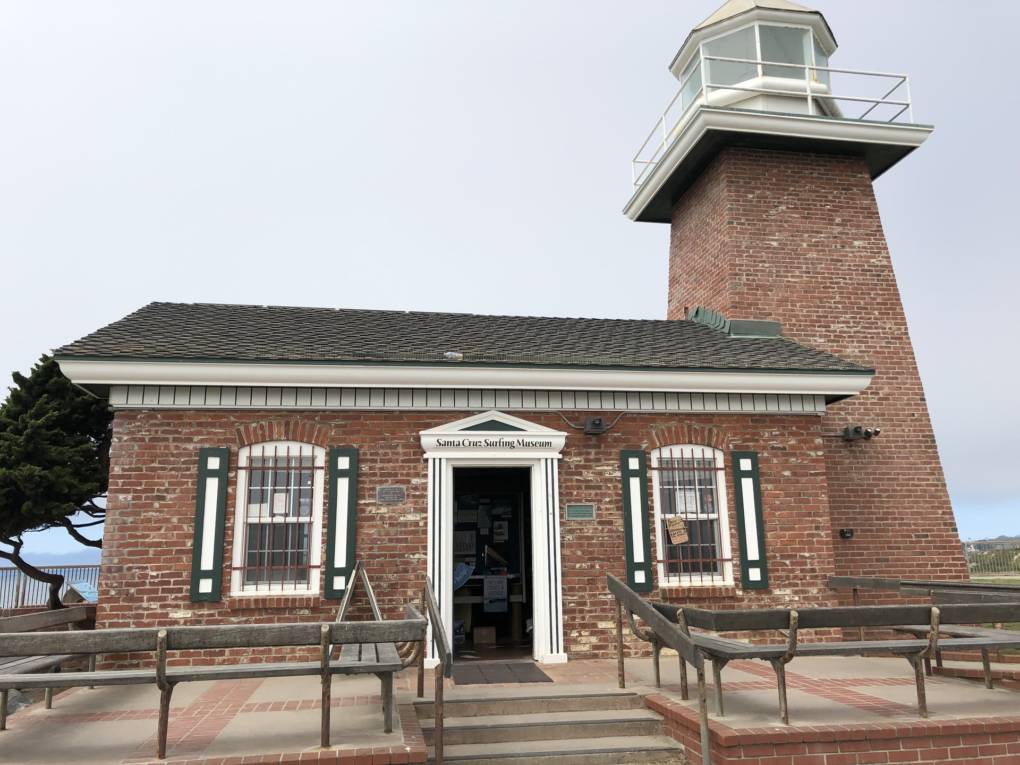
"caption": "The Santa Cruz Surfing Museum, established in 1986, sits atop a cliff overlooking Steamer Lane beach.",
"description": null,
"title": "RS38114_IMG_0377-qut",
"credit": "Bianca Taylor/KQED",
"status": "inherit",
"isLoading": false,
"fetchFailed": false
},
"news_11690690": {
"type": "attachments",
"id": "news_11690690",
"meta": {
"index": "attachments_1716263798",
"site": "news",
"id": "11690690",
"found": true
},
"parent": 11689315,
"imgSizes": {
"small": {
"file": "https://ww2.kqed.org/app/uploads/sites/10/2018/09/bayfromspace-520x346.jpg",
"width": 520,
"mimeType": "image/jpeg",
"height": 346
},
"twentyfourteen-full-width": {
"file": "https://ww2.kqed.org/app/uploads/sites/10/2018/09/bayfromspace-1023x576.jpg",
"width": 1023,
"mimeType": "image/jpeg",
"height": 576
},
"thumbnail": {
"file": "https://ww2.kqed.org/app/uploads/sites/10/2018/09/bayfromspace-160x107.jpg",
"width": 160,
"mimeType": "image/jpeg",
"height": 107
},
"fd-sm": {
"file": "https://ww2.kqed.org/app/uploads/sites/10/2018/09/bayfromspace-960x639.jpg",
"width": 960,
"mimeType": "image/jpeg",
"height": 639
},
"post-thumbnail": {
"file": "https://ww2.kqed.org/app/uploads/sites/10/2018/09/bayfromspace-672x372.jpg",
"width": 672,
"mimeType": "image/jpeg",
"height": 372
},
"xsmall": {
"file": "https://ww2.kqed.org/app/uploads/sites/10/2018/09/bayfromspace-375x250.jpg",
"width": 375,
"mimeType": "image/jpeg",
"height": 250
},
"kqedFullSize": {
"file": "https://ww2.kqed.org/app/uploads/sites/10/2018/09/bayfromspace.jpg",
"width": 1023,
"height": 681
},
"large": {
"file": "https://ww2.kqed.org/app/uploads/sites/10/2018/09/bayfromspace-1020x679.jpg",
"width": 1020,
"mimeType": "image/jpeg",
"height": 679
},
"guest-author-50": {
"file": "https://ww2.kqed.org/app/uploads/sites/10/2018/09/bayfromspace-50x50.jpg",
"width": 50,
"mimeType": "image/jpeg",
"height": 50
},
"guest-author-96": {
"file": "https://ww2.kqed.org/app/uploads/sites/10/2018/09/bayfromspace-96x96.jpg",
"width": 96,
"mimeType": "image/jpeg",
"height": 96
},
"medium": {
"file": "https://ww2.kqed.org/app/uploads/sites/10/2018/09/bayfromspace-800x533.jpg",
"width": 800,
"mimeType": "image/jpeg",
"height": 533
},
"guest-author-64": {
"file": "https://ww2.kqed.org/app/uploads/sites/10/2018/09/bayfromspace-64x64.jpg",
"width": 64,
"mimeType": "image/jpeg",
"height": 64
},
"guest-author-32": {
"file": "https://ww2.kqed.org/app/uploads/sites/10/2018/09/bayfromspace-32x32.jpg",
"width": 32,
"mimeType": "image/jpeg",
"height": 32
},
"detail": {
"file": "https://ww2.kqed.org/app/uploads/sites/10/2018/09/bayfromspace-150x150.jpg",
"width": 150,
"mimeType": "image/jpeg",
"height": 150
},
"guest-author-128": {
"file": "https://ww2.kqed.org/app/uploads/sites/10/2018/09/bayfromspace-128x128.jpg",
"width": 128,
"mimeType": "image/jpeg",
"height": 128
},
"xxsmall": {
"file": "https://ww2.kqed.org/app/uploads/sites/10/2018/09/bayfromspace-240x160.jpg",
"width": 240,
"mimeType": "image/jpeg",
"height": 160
}
},
"publishDate": 1536192332,
"modified": 1536192375,
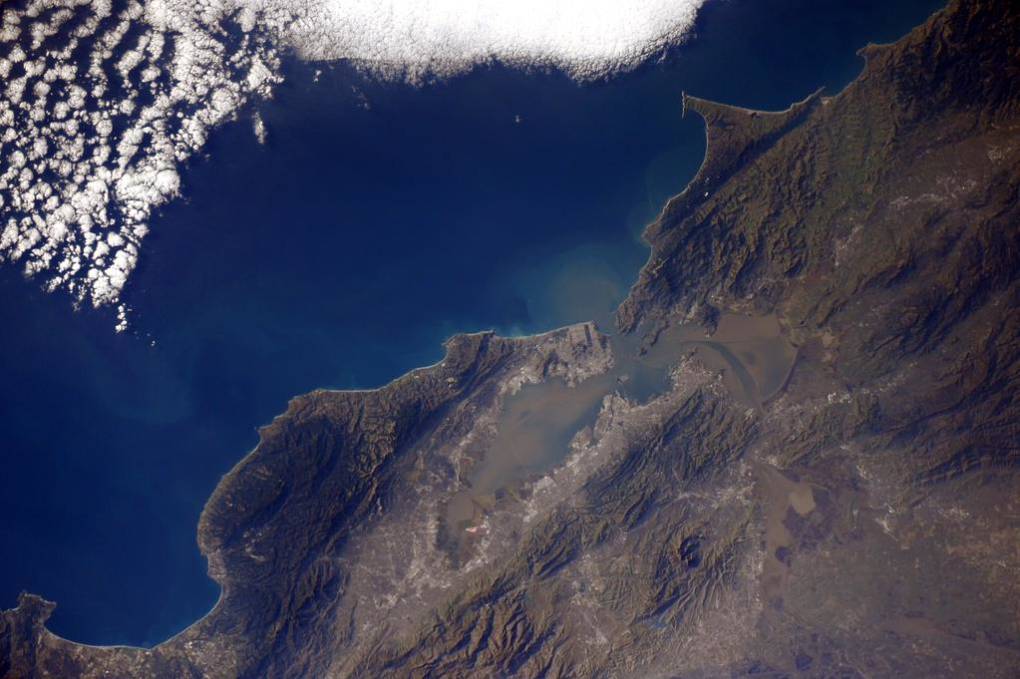
"caption": "An image of the San Francisco Bay Area taken by Samantha Cristoforetti, an Italian crew member aboard the International Space Station. ",
"description": "An image of the San Francisco Bay Area taken by Samantha Cristoforetti, an Italian crew member aboard the International Space Station. ",
"title": "An image of the San Francisco Bay Area taken by Samantha Cristoforetti, an Italian crew member aboard the International Space Station.",
"credit": "\u003ca href=\"https://twitter.com/AstroSamantha\" target=\"_blank\">Samantha Cristoforetti\u003c/a> via Twitter",
"status": "inherit",
"isLoading": false,
"fetchFailed": false
},
"news_11647377": {
"type": "attachments",
"id": "news_11647377",
"meta": {
"index": "attachments_1716263798",
"site": "news",
"id": "11647377",
"found": true
},
"parent": 11647375,
"imgSizes": {
"small": {
"file": "https://ww2.kqed.org/app/uploads/sites/10/2018/01/BurningHome-520x357.jpg",
"width": 520,
"mimeType": "image/jpeg",
"height": 357
},
"twentyfourteen-full-width": {
"file": "https://ww2.kqed.org/app/uploads/sites/10/2018/01/BurningHome-1038x576.jpg",
"width": 1038,
"mimeType": "image/jpeg",
"height": 576
},
"thumbnail": {
"file": "https://ww2.kqed.org/app/uploads/sites/10/2018/01/BurningHome-160x110.jpg",
"width": 160,
"mimeType": "image/jpeg",
"height": 110
},
"fd-sm": {
"file": "https://ww2.kqed.org/app/uploads/sites/10/2018/01/BurningHome-960x660.jpg",
"width": 960,
"mimeType": "image/jpeg",
"height": 660
},
"post-thumbnail": {
"file": "https://ww2.kqed.org/app/uploads/sites/10/2018/01/BurningHome-672x372.jpg",
"width": 672,
"mimeType": "image/jpeg",
"height": 372
},
"xsmall": {
"file": "https://ww2.kqed.org/app/uploads/sites/10/2018/01/BurningHome-375x258.jpg",
"width": 375,
"mimeType": "image/jpeg",
"height": 258
},
"kqedFullSize": {
"file": "https://ww2.kqed.org/app/uploads/sites/10/2018/01/BurningHome.jpg",
"width": 1920,
"height": 1319
},
"large": {
"file": "https://ww2.kqed.org/app/uploads/sites/10/2018/01/BurningHome-1020x701.jpg",
"width": 1020,
"mimeType": "image/jpeg",
"height": 701
},
"xlarge": {
"file": "https://ww2.kqed.org/app/uploads/sites/10/2018/01/BurningHome-1180x811.jpg",
"width": 1180,
"mimeType": "image/jpeg",
"height": 811
},
"guest-author-50": {
"file": "https://ww2.kqed.org/app/uploads/sites/10/2018/01/BurningHome-50x50.jpg",
"width": 50,
"mimeType": "image/jpeg",
"height": 50
},
"guest-author-96": {
"file": "https://ww2.kqed.org/app/uploads/sites/10/2018/01/BurningHome-96x96.jpg",
"width": 96,
"mimeType": "image/jpeg",
"height": 96
},
"medium": {
"file": "https://ww2.kqed.org/app/uploads/sites/10/2018/01/BurningHome-800x550.jpg",
"width": 800,
"mimeType": "image/jpeg",
"height": 550
},
"guest-author-64": {
"file": "https://ww2.kqed.org/app/uploads/sites/10/2018/01/BurningHome-64x64.jpg",
"width": 64,
"mimeType": "image/jpeg",
"height": 64
},
"guest-author-32": {
"file": "https://ww2.kqed.org/app/uploads/sites/10/2018/01/BurningHome-32x32.jpg",
"width": 32,
"mimeType": "image/jpeg",
"height": 32
},
"fd-lrg": {
"file": "https://ww2.kqed.org/app/uploads/sites/10/2018/01/BurningHome-1920x1319.jpg",
"width": 1920,
"mimeType": "image/jpeg",
"height": 1319
},
"fd-med": {
"file": "https://ww2.kqed.org/app/uploads/sites/10/2018/01/BurningHome-1180x811.jpg",
"width": 1180,
"mimeType": "image/jpeg",
"height": 811
},
"full-width": {
"file": "https://ww2.kqed.org/app/uploads/sites/10/2018/01/BurningHome-1920x1319.jpg",
"width": 1920,
"mimeType": "image/jpeg",
"height": 1319
},
"detail": {
"file": "https://ww2.kqed.org/app/uploads/sites/10/2018/01/BurningHome-150x150.jpg",
"width": 150,
"mimeType": "image/jpeg",
"height": 150
},
"guest-author-128": {
"file": "https://ww2.kqed.org/app/uploads/sites/10/2018/01/BurningHome-128x128.jpg",
"width": 128,
"mimeType": "image/jpeg",
"height": 128
},
"xxsmall": {
"file": "https://ww2.kqed.org/app/uploads/sites/10/2018/01/BurningHome-240x165.jpg",
"width": 240,
"mimeType": "image/jpeg",
"height": 165
}
},
"publishDate": 1517440863,
"modified": 1517440909,
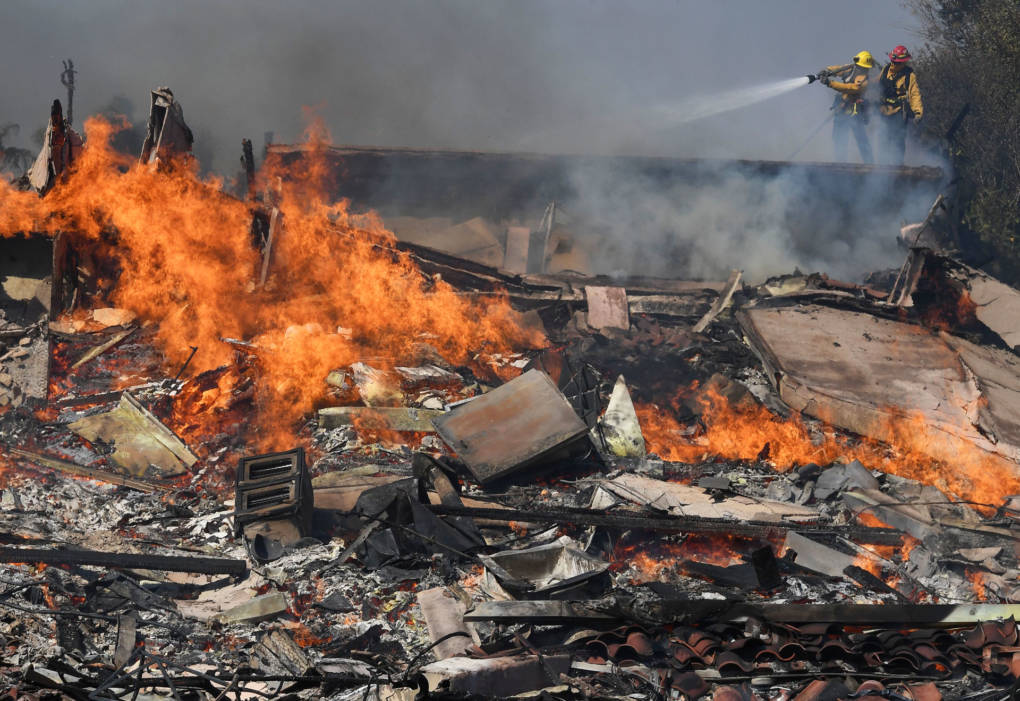
"caption": "Firefighters try to knock down a burning house during the Thomas Fire in Ventura on Dec. 5, 2017.",
"description": "Firefighters try to knock down a burning house during the Thomas Fire in Ventura on Dec. 5, 2017.",
"title": "BurningHome",
"credit": "MARK RALSTON/AFP/Getty Images",
"status": "inherit",
"isLoading": false,
"fetchFailed": false
},
"news_11672379": {
"type": "attachments",
"id": "news_11672379",
"meta": {
"index": "attachments_1716263798",
"site": "news",
"id": "11672379",
"found": true
},
"parent": 11672369,
"imgSizes": {
"small": {
"file": "https://ww2.kqed.org/app/uploads/sites/10/2018/06/RS31194_IMG_3371-qut-520x390.jpg",
"width": 520,
"mimeType": "image/jpeg",
"height": 390
},
"twentyfourteen-full-width": {
"file": "https://ww2.kqed.org/app/uploads/sites/10/2018/06/RS31194_IMG_3371-qut-1038x576.jpg",
"width": 1038,
"mimeType": "image/jpeg",
"height": 576
},
"thumbnail": {
"file": "https://ww2.kqed.org/app/uploads/sites/10/2018/06/RS31194_IMG_3371-qut-160x120.jpg",
"width": 160,
"mimeType": "image/jpeg",
"height": 120
},
"fd-sm": {
"file": "https://ww2.kqed.org/app/uploads/sites/10/2018/06/RS31194_IMG_3371-qut-960x720.jpg",
"width": 960,
"mimeType": "image/jpeg",
"height": 720
},
"post-thumbnail": {
"file": "https://ww2.kqed.org/app/uploads/sites/10/2018/06/RS31194_IMG_3371-qut-672x372.jpg",
"width": 672,
"mimeType": "image/jpeg",
"height": 372
},
"xsmall": {
"file": "https://ww2.kqed.org/app/uploads/sites/10/2018/06/RS31194_IMG_3371-qut-375x281.jpg",
"width": 375,
"mimeType": "image/jpeg",
"height": 281
},
"kqedFullSize": {
"file": "https://ww2.kqed.org/app/uploads/sites/10/2018/06/RS31194_IMG_3371-qut.jpg",
"width": 1920,
"height": 1440
},
"large": {
"file": "https://ww2.kqed.org/app/uploads/sites/10/2018/06/RS31194_IMG_3371-qut-1020x765.jpg",
"width": 1020,
"mimeType": "image/jpeg",
"height": 765
},
"xlarge": {
"file": "https://ww2.kqed.org/app/uploads/sites/10/2018/06/RS31194_IMG_3371-qut-1180x885.jpg",
"width": 1180,
"mimeType": "image/jpeg",
"height": 885
},
"complete_open_graph": {
"file": "https://ww2.kqed.org/app/uploads/sites/10/2018/06/RS31194_IMG_3371-qut-1200x900.jpg",
"width": 1200,
"mimeType": "image/jpeg",
"height": 900
},
"guest-author-50": {
"file": "https://ww2.kqed.org/app/uploads/sites/10/2018/06/RS31194_IMG_3371-qut-50x50.jpg",
"width": 50,
"mimeType": "image/jpeg",
"height": 50
},
"guest-author-96": {
"file": "https://ww2.kqed.org/app/uploads/sites/10/2018/06/RS31194_IMG_3371-qut-96x96.jpg",
"width": 96,
"mimeType": "image/jpeg",
"height": 96
},
"medium": {
"file": "https://ww2.kqed.org/app/uploads/sites/10/2018/06/RS31194_IMG_3371-qut-800x600.jpg",
"width": 800,
"mimeType": "image/jpeg",
"height": 600
},
"guest-author-64": {
"file": "https://ww2.kqed.org/app/uploads/sites/10/2018/06/RS31194_IMG_3371-qut-64x64.jpg",
"width": 64,
"mimeType": "image/jpeg",
"height": 64
},
"guest-author-32": {
"file": "https://ww2.kqed.org/app/uploads/sites/10/2018/06/RS31194_IMG_3371-qut-32x32.jpg",
"width": 32,
"mimeType": "image/jpeg",
"height": 32
},
"fd-lrg": {
"file": "https://ww2.kqed.org/app/uploads/sites/10/2018/06/RS31194_IMG_3371-qut-1920x1440.jpg",
"width": 1920,
"mimeType": "image/jpeg",
"height": 1440
},
"fd-med": {
"file": "https://ww2.kqed.org/app/uploads/sites/10/2018/06/RS31194_IMG_3371-qut-1180x885.jpg",
"width": 1180,
"mimeType": "image/jpeg",
"height": 885
},
"full-width": {
"file": "https://ww2.kqed.org/app/uploads/sites/10/2018/06/RS31194_IMG_3371-qut-1920x1440.jpg",
"width": 1920,
"mimeType": "image/jpeg",
"height": 1440
},
"detail": {
"file": "https://ww2.kqed.org/app/uploads/sites/10/2018/06/RS31194_IMG_3371-qut-150x150.jpg",
"width": 150,
"mimeType": "image/jpeg",
"height": 150
},
"guest-author-128": {
"file": "https://ww2.kqed.org/app/uploads/sites/10/2018/06/RS31194_IMG_3371-qut-128x128.jpg",
"width": 128,
"mimeType": "image/jpeg",
"height": 128
},
"xxsmall": {
"file": "https://ww2.kqed.org/app/uploads/sites/10/2018/06/RS31194_IMG_3371-qut-240x180.jpg",
"width": 240,
"mimeType": "image/jpeg",
"height": 180
}
},
"publishDate": 1528136883,
"modified": 1529833337,
"caption": "Black Chasm Cavern is a 2-million-year-old cave in Volcano, California.",
"description": "Black Chasm Cavern is a 2-million-year-old cave in Volcano, California.",
"title": "RS31194_IMG_3371-qut",
"credit": "Bianca Taylor/KQED",
"status": "inherit",
"isLoading": false,
"fetchFailed": false
},
"news_11653544": {
"type": "attachments",
"id": "news_11653544",
"meta": {
"index": "attachments_1716263798",
"site": "news",
"id": "11653544",
"found": true
},
"parent": 11653531,
"imgSizes": {
"small": {
"file": "https://ww2.kqed.org/app/uploads/sites/10/2018/03/NR_SHOW-MARQ-519-520x293.jpg",
"width": 520,
"mimeType": "image/jpeg",
"height": 293
},
"twentyfourteen-full-width": {
"file": "https://ww2.kqed.org/app/uploads/sites/10/2018/03/NR_SHOW-MARQ-519-1038x576.jpg",
"width": 1038,
"mimeType": "image/jpeg",
"height": 576
},
"thumbnail": {
"file": "https://ww2.kqed.org/app/uploads/sites/10/2018/03/NR_SHOW-MARQ-519-160x90.jpg",
"width": 160,
"mimeType": "image/jpeg",
"height": 90
},
"fd-sm": {
"file": "https://ww2.kqed.org/app/uploads/sites/10/2018/03/NR_SHOW-MARQ-519-960x540.jpg",
"width": 960,
"mimeType": "image/jpeg",
"height": 540
},
"post-thumbnail": {
"file": "https://ww2.kqed.org/app/uploads/sites/10/2018/03/NR_SHOW-MARQ-519-672x372.jpg",
"width": 672,
"mimeType": "image/jpeg",
"height": 372
},
"xsmall": {
"file": "https://ww2.kqed.org/app/uploads/sites/10/2018/03/NR_SHOW-MARQ-519-375x211.jpg",
"width": 375,
"mimeType": "image/jpeg",
"height": 211
},
"kqedFullSize": {
"file": "https://ww2.kqed.org/app/uploads/sites/10/2018/03/NR_SHOW-MARQ-519.jpg",
"width": 1920,
"height": 1080
},
"large": {
"file": "https://ww2.kqed.org/app/uploads/sites/10/2018/03/NR_SHOW-MARQ-519-1020x574.jpg",
"width": 1020,
"mimeType": "image/jpeg",
"height": 574
},
"xlarge": {
"file": "https://ww2.kqed.org/app/uploads/sites/10/2018/03/NR_SHOW-MARQ-519-1180x664.jpg",
"width": 1180,
"mimeType": "image/jpeg",
"height": 664
},
"guest-author-50": {
"file": "https://ww2.kqed.org/app/uploads/sites/10/2018/03/NR_SHOW-MARQ-519-50x50.jpg",
"width": 50,
"mimeType": "image/jpeg",
"height": 50
},
"guest-author-96": {
"file": "https://ww2.kqed.org/app/uploads/sites/10/2018/03/NR_SHOW-MARQ-519-96x96.jpg",
"width": 96,
"mimeType": "image/jpeg",
"height": 96
},
"medium": {
"file": "https://ww2.kqed.org/app/uploads/sites/10/2018/03/NR_SHOW-MARQ-519-800x450.jpg",
"width": 800,
"mimeType": "image/jpeg",
"height": 450
},
"guest-author-64": {
"file": "https://ww2.kqed.org/app/uploads/sites/10/2018/03/NR_SHOW-MARQ-519-64x64.jpg",
"width": 64,
"mimeType": "image/jpeg",
"height": 64
},
"guest-author-32": {
"file": "https://ww2.kqed.org/app/uploads/sites/10/2018/03/NR_SHOW-MARQ-519-32x32.jpg",
"width": 32,
"mimeType": "image/jpeg",
"height": 32
},
"fd-lrg": {
"file": "https://ww2.kqed.org/app/uploads/sites/10/2018/03/NR_SHOW-MARQ-519-1920x1080.jpg",
"width": 1920,
"mimeType": "image/jpeg",
"height": 1080
},
"fd-med": {
"file": "https://ww2.kqed.org/app/uploads/sites/10/2018/03/NR_SHOW-MARQ-519-1180x664.jpg",
"width": 1180,
"mimeType": "image/jpeg",
"height": 664
},
"full-width": {
"file": "https://ww2.kqed.org/app/uploads/sites/10/2018/03/NR_SHOW-MARQ-519-1920x1080.jpg",
"width": 1920,
"mimeType": "image/jpeg",
"height": 1080
},
"detail": {
"file": "https://ww2.kqed.org/app/uploads/sites/10/2018/03/NR_SHOW-MARQ-519-150x150.jpg",
"width": 150,
"mimeType": "image/jpeg",
"height": 150
},
"guest-author-128": {
"file": "https://ww2.kqed.org/app/uploads/sites/10/2018/03/NR_SHOW-MARQ-519-128x128.jpg",
"width": 128,
"mimeType": "image/jpeg",
"height": 128
},
"xxsmall": {
"file": "https://ww2.kqed.org/app/uploads/sites/10/2018/03/NR_SHOW-MARQ-519-240x135.jpg",
"width": 240,
"mimeType": "image/jpeg",
"height": 135
}
},
"publishDate": 1520039175,
"modified": 1520039175,
"caption": null,
"description": null,
"title": "NR_SHOW MARQ 519",
"credit": null,
"status": "inherit",
"isLoading": false,
"fetchFailed": false
},
"news_11628041": {
"type": "attachments",
"id": "news_11628041",
"meta": {
"index": "attachments_1716263798",
"site": "news",
"id": "11628041",
"found": true
},
"parent": 11627401,
"imgSizes": {
"small": {
"file": "https://ww2.kqed.org/app/uploads/sites/10/2017/11/RoughReadyHotel-520x347.jpg",
"width": 520,
"mimeType": "image/jpeg",
"height": 347
},
"twentyfourteen-full-width": {
"file": "https://ww2.kqed.org/app/uploads/sites/10/2017/11/RoughReadyHotel-1038x576.jpg",
"width": 1038,
"mimeType": "image/jpeg",
"height": 576
},
"thumbnail": {
"file": "https://ww2.kqed.org/app/uploads/sites/10/2017/11/RoughReadyHotel-160x107.jpg",
"width": 160,
"mimeType": "image/jpeg",
"height": 107
},
"fd-sm": {
"file": "https://ww2.kqed.org/app/uploads/sites/10/2017/11/RoughReadyHotel-960x641.jpg",
"width": 960,
"mimeType": "image/jpeg",
"height": 641
},
"post-thumbnail": {
"file": "https://ww2.kqed.org/app/uploads/sites/10/2017/11/RoughReadyHotel-672x372.jpg",
"width": 672,
"mimeType": "image/jpeg",
"height": 372
},
"xsmall": {
"file": "https://ww2.kqed.org/app/uploads/sites/10/2017/11/RoughReadyHotel-375x250.jpg",
"width": 375,
"mimeType": "image/jpeg",
"height": 250
},
"kqedFullSize": {
"file": "https://ww2.kqed.org/app/uploads/sites/10/2017/11/RoughReadyHotel.jpg",
"width": 1920,
"height": 1282
},
"large": {
"file": "https://ww2.kqed.org/app/uploads/sites/10/2017/11/RoughReadyHotel-1020x681.jpg",
"width": 1020,
"mimeType": "image/jpeg",
"height": 681
},
"xlarge": {
"file": "https://ww2.kqed.org/app/uploads/sites/10/2017/11/RoughReadyHotel-1180x788.jpg",
"width": 1180,
"mimeType": "image/jpeg",
"height": 788
},
"guest-author-50": {
"file": "https://ww2.kqed.org/app/uploads/sites/10/2017/11/RoughReadyHotel-50x50.jpg",
"width": 50,
"mimeType": "image/jpeg",
"height": 50
},
"guest-author-96": {
"file": "https://ww2.kqed.org/app/uploads/sites/10/2017/11/RoughReadyHotel-96x96.jpg",
"width": 96,
"mimeType": "image/jpeg",
"height": 96
},
"medium": {
"file": "https://ww2.kqed.org/app/uploads/sites/10/2017/11/RoughReadyHotel-800x534.jpg",
"width": 800,
"mimeType": "image/jpeg",
"height": 534
},
"guest-author-64": {
"file": "https://ww2.kqed.org/app/uploads/sites/10/2017/11/RoughReadyHotel-64x64.jpg",
"width": 64,
"mimeType": "image/jpeg",
"height": 64
},
"guest-author-32": {
"file": "https://ww2.kqed.org/app/uploads/sites/10/2017/11/RoughReadyHotel-32x32.jpg",
"width": 32,
"mimeType": "image/jpeg",
"height": 32
},
"fd-lrg": {
"file": "https://ww2.kqed.org/app/uploads/sites/10/2017/11/RoughReadyHotel-1920x1282.jpg",
"width": 1920,
"mimeType": "image/jpeg",
"height": 1282
},
"fd-med": {
"file": "https://ww2.kqed.org/app/uploads/sites/10/2017/11/RoughReadyHotel-1180x788.jpg",
"width": 1180,
"mimeType": "image/jpeg",
"height": 788
},
"full-width": {
"file": "https://ww2.kqed.org/app/uploads/sites/10/2017/11/RoughReadyHotel-1920x1282.jpg",
"width": 1920,
"mimeType": "image/jpeg",
"height": 1282
},
"detail": {
"file": "https://ww2.kqed.org/app/uploads/sites/10/2017/11/RoughReadyHotel-150x150.jpg",
"width": 150,
"mimeType": "image/jpeg",
"height": 150
},
"guest-author-128": {
"file": "https://ww2.kqed.org/app/uploads/sites/10/2017/11/RoughReadyHotel-128x128.jpg",
"width": 128,
"mimeType": "image/jpeg",
"height": 128
},
"xxsmall": {
"file": "https://ww2.kqed.org/app/uploads/sites/10/2017/11/RoughReadyHotel-240x160.jpg",
"width": 240,
"mimeType": "image/jpeg",
"height": 160
}
},
"publishDate": 1509745985,
"modified": 1509746109,
"caption": "The old Rough and Ready Hotel. ",
"description": "The old Rough and Ready Hotel. ",
"title": "RoughReadyHotel",
"credit": "Courtesy Jayna Ashcraft",
"status": "inherit",
"isLoading": false,
"fetchFailed": false
},
"news_11210935": {
"type": "attachments",
"id": "news_11210935",
"meta": {
"index": "attachments_1716263798",
"site": "news",
"id": "11210935",
"found": true
},
"parent": 11210934,
"imgSizes": {
"jmtc-small-thumb": {
"file": "https://ww2.kqed.org/app/uploads/sites/10/2016/12/quake3-280x150.jpg",
"width": 280,
"mimeType": "image/jpeg",
"height": 150
},
"thumbnail": {
"file": "https://ww2.kqed.org/app/uploads/sites/10/2016/12/quake3-160x157.jpg",
"width": 160,
"mimeType": "image/jpeg",
"height": 157
},
"post-thumbnail": {
"file": "https://ww2.kqed.org/app/uploads/sites/10/2016/12/quake3-508x372.jpg",
"width": 508,
"mimeType": "image/jpeg",
"height": 372
},
"xsmall": {
"file": "https://ww2.kqed.org/app/uploads/sites/10/2016/12/quake3-375x368.jpg",
"width": 375,
"mimeType": "image/jpeg",
"height": 368
},
"kqedFullSize": {
"file": "https://ww2.kqed.org/app/uploads/sites/10/2016/12/quake3.jpg",
"width": 508,
"height": 499
},
"guest-author-50": {
"file": "https://ww2.kqed.org/app/uploads/sites/10/2016/12/quake3-50x50.jpg",
"width": 50,
"mimeType": "image/jpeg",
"height": 50
},
"guest-author-96": {
"file": "https://ww2.kqed.org/app/uploads/sites/10/2016/12/quake3-96x96.jpg",
"width": 96,
"mimeType": "image/jpeg",
"height": 96
},
"guest-author-64": {
"file": "https://ww2.kqed.org/app/uploads/sites/10/2016/12/quake3-64x64.jpg",
"width": 64,
"mimeType": "image/jpeg",
"height": 64
},
"detail": {
"file": "https://ww2.kqed.org/app/uploads/sites/10/2016/12/quake3-150x150.jpg",
"width": 150,
"mimeType": "image/jpeg",
"height": 150
},
"guest-author-32": {
"file": "https://ww2.kqed.org/app/uploads/sites/10/2016/12/quake3-32x32.jpg",
"width": 32,
"mimeType": "image/jpeg",
"height": 32
},
"guest-author-128": {
"file": "https://ww2.kqed.org/app/uploads/sites/10/2016/12/quake3-128x128.jpg",
"width": 128,
"mimeType": "image/jpeg",
"height": 128
},
"xxsmall": {
"file": "https://ww2.kqed.org/app/uploads/sites/10/2016/12/quake3-240x236.jpg",
"width": 240,
"mimeType": "image/jpeg",
"height": 236
}
},
"publishDate": 1481212348,
"modified": 1481212398,
"caption": "A 6.5-magnitude quake struck 100 miles off the coast of Northern California.",
"description": null,
"title": "quake3",
"credit": "USGS",
"status": "inherit",
"isLoading": false,
"fetchFailed": false
},
"news_10798064": {
"type": "attachments",
"id": "news_10798064",
"meta": {
"index": "attachments_1716263798",
"site": "news",
"id": "10798064",
"found": true
},
"parent": 10757787,
"imgSizes": {
"twentyfourteen-full-width": {
"file": "https://ww2.kqed.org/app/uploads/sites/10/2015/12/RS17837_22168566355_93f2905ed5_o-qut-1038x576.jpg",
"width": 1038,
"mimeType": "image/jpeg",
"height": 576
},
"thumbnail": {
"file": "https://ww2.kqed.org/app/uploads/sites/10/2015/12/RS17837_22168566355_93f2905ed5_o-qut-400x290.jpg",
"width": 400,
"mimeType": "image/jpeg",
"height": 290
},
"fd-sm": {
"file": "https://ww2.kqed.org/app/uploads/sites/10/2015/12/RS17837_22168566355_93f2905ed5_o-qut-960x696.jpg",
"width": 960,
"mimeType": "image/jpeg",
"height": 696
},
"post-thumbnail": {
"file": "https://ww2.kqed.org/app/uploads/sites/10/2015/12/RS17837_22168566355_93f2905ed5_o-qut-672x372.jpg",
"width": 672,
"mimeType": "image/jpeg",
"height": 372
},
"kqedFullSize": {
"file": "https://ww2.kqed.org/app/uploads/sites/10/2015/12/RS17837_22168566355_93f2905ed5_o-qut.jpg",
"width": 1920,
"height": 1392
},
"large": {
"file": "https://ww2.kqed.org/app/uploads/sites/10/2015/12/RS17837_22168566355_93f2905ed5_o-qut-1440x1044.jpg",
"width": 1440,
"mimeType": "image/jpeg",
"height": 1044
},
"guest-author-96": {
"file": "https://ww2.kqed.org/app/uploads/sites/10/2015/12/RS17837_22168566355_93f2905ed5_o-qut-96x96.jpg",
"width": 96,
"mimeType": "image/jpeg",
"height": 96
},
"medium": {
"file": "https://ww2.kqed.org/app/uploads/sites/10/2015/12/RS17837_22168566355_93f2905ed5_o-qut-800x580.jpg",
"width": 800,
"mimeType": "image/jpeg",
"height": 580
},
"guest-author-64": {
"file": "https://ww2.kqed.org/app/uploads/sites/10/2015/12/RS17837_22168566355_93f2905ed5_o-qut-64x64.jpg",
"width": 64,
"mimeType": "image/jpeg",
"height": 64
},
"guest-author-32": {
"file": "https://ww2.kqed.org/app/uploads/sites/10/2015/12/RS17837_22168566355_93f2905ed5_o-qut-32x32.jpg",
"width": 32,
"mimeType": "image/jpeg",
"height": 32
},
"jmtc-small-thumb": {
"file": "https://ww2.kqed.org/app/uploads/sites/10/2015/12/RS17837_22168566355_93f2905ed5_o-qut-280x150.jpg",
"width": 280,
"mimeType": "image/jpeg",
"height": 150
},
"fd-lrg": {
"file": "https://ww2.kqed.org/app/uploads/sites/10/2015/12/RS17837_22168566355_93f2905ed5_o-qut-1920x1392.jpg",
"width": 1920,
"mimeType": "image/jpeg",
"height": 1392
},
"fd-med": {
"file": "https://ww2.kqed.org/app/uploads/sites/10/2015/12/RS17837_22168566355_93f2905ed5_o-qut-1180x856.jpg",
"width": 1180,
"mimeType": "image/jpeg",
"height": 856
},
"detail": {
"file": "https://ww2.kqed.org/app/uploads/sites/10/2015/12/RS17837_22168566355_93f2905ed5_o-qut-75x75.jpg",
"width": 75,
"mimeType": "image/jpeg",
"height": 75
},
"medium_large": {
"file": "https://ww2.kqed.org/app/uploads/sites/10/2015/12/RS17837_22168566355_93f2905ed5_o-qut-768x557.jpg",
"width": 768,
"mimeType": "image/jpeg",
"height": 557
},
"guest-author-128": {
"file": "https://ww2.kqed.org/app/uploads/sites/10/2015/12/RS17837_22168566355_93f2905ed5_o-qut-128x128.jpg",
"width": 128,
"mimeType": "image/jpeg",
"height": 128
}
},
"publishDate": 1450376116,
"modified": 1450376154,
"caption": "Del Norte High students stand in front of Kamome.",
"description": "Del Norte High students stand in front of Kamome.",
"title": "RS17837_22168566355_93f2905ed5_o-qut",
"credit": "Humboldt State Kamome Gallery",
"status": "inherit",
"isLoading": false,
"fetchFailed": false
}
},
"audioPlayerReducer": {
"postId": "stream_live",
"isPaused": true,
"isPlaying": false,
"pfsActive": false,
"pledgeModalIsOpen": true,
"playerDrawerIsOpen": false,
"liveAudioPlayStartedAt": 0,
"liveAudioPlayContext": ""
},
"authorsReducer": {
"byline_news_10757787": {
"type": "authors",
"id": "byline_news_10757787",
"meta": {
"override": true
},
"slug": "byline_news_10757787",
"name": "Natalya Estrada",
"isLoading": false
},
"danbrekke": {
"type": "authors",
"id": "222",
"meta": {
"index": "authors_1716337520",
"id": "222",
"found": true
},
"name": "Dan Brekke",
"firstName": "Dan",
"lastName": "Brekke",
"slug": "danbrekke",
"email": "dbrekke@kqed.org",
"display_author_email": true,
"staff_mastheads": [
"news",
"science"
],
"title": "KQED Editor and Reporter",
"bio": "Dan Brekke is a reporter and editor for KQED News, responsible for coverage of topics ranging from California water issues to the Bay Area's transportation challenges. In a newsroom career that began in Chicago in 1972, Dan has worked for \u003cem>The San Francisco Examiner,\u003c/em> Wired and TechTV and has been published in The New York Times, The New York Times Magazine, Business 2.0, Salon and elsewhere.\r\n\r\nSince joining KQED in 2007, Dan has reported, edited and produced both radio and online features and breaking news pieces. He has shared as both editor and reporter in four Society of Professional Journalists Norcal Excellence in Journalism awards and one Edward R. Murrow regional award. He was chosen for a spring 2017 residency at the Mesa Refuge to advance his research on California salmon.\r\n\r\nEmail Dan at: \u003ca href=\"mailto:dbrekke@kqed.org\">dbrekke@kqed.org\u003c/a>\r\n\r\n\u003cstrong>Twitter:\u003c/strong> \u003ca href=\"https://twitter.com/danbrekke\" rel=\"noopener noreferrer\">twitter.com/danbrekke\u003c/a>\r\n\u003cstrong>Facebook:\u003c/strong> \u003ca href=\"https://www.facebook.com/danbrekke\" rel=\"noopener noreferrer\">www.facebook.com/danbrekke\u003c/a>\r\n\u003cstrong>LinkedIn:\u003c/strong> \u003ca href=\"https://www.linkedin.com/in/danbrekke\" rel=\"noopener noreferrer\">www.linkedin.com/in/danbrekke\u003c/a>",
"avatar": "https://secure.gravatar.com/avatar/8f1f0d2a978fb3b23426c922c7e2af558fa36905b49c4ce76a97dc3c72d27226?s=600&d=mm&r=g",
"twitter": "danbrekke",
"bluesky": null,
"facebook": null,
"instagram": "https://www.instagram.com/dan.brekke/",
"linkedin": "https://www.linkedin.com/in/danbrekke/",
"sites": [
{
"site": "news",
"roles": [
"administrator",
"create_posts"
]
},
{
"site": "stateofhealth",
"roles": [
"editor"
]
},
{
"site": "science",
"roles": [
"editor"
]
},
{
"site": "quest",
"roles": [
"contributor"
]
},
{
"site": "food",
"roles": [
"contributor"
]
},
{
"site": "forum",
"roles": [
"contributor"
]
},
{
"site": "elections",
"roles": [
"editor"
]
},
{
"site": "liveblog",
"roles": [
"editor"
]
}
],
"headData": {
"title": "Dan Brekke | KQED",
"description": "KQED Editor and Reporter",
"ogImgSrc": "https://secure.gravatar.com/avatar/8f1f0d2a978fb3b23426c922c7e2af558fa36905b49c4ce76a97dc3c72d27226?s=600&d=mm&r=g",
"twImgSrc": "https://secure.gravatar.com/avatar/8f1f0d2a978fb3b23426c922c7e2af558fa36905b49c4ce76a97dc3c72d27226?s=600&d=mm&r=g"
},
"isLoading": false,
"link": "/author/danbrekke"
},
"kqed": {
"type": "authors",
"id": "236",
"meta": {
"index": "authors_1716337520",
"id": "236",
"found": true
},
"name": "KQED News Staff",
"firstName": "KQED News Staff",
"lastName": null,
"slug": "kqed",
"email": "faq@kqed.org",
"display_author_email": false,
"staff_mastheads": [],
"title": null,
"bio": null,
"avatar": "https://secure.gravatar.com/avatar/ef0e801a68c4c54afa9180db14084167?s=600&d=blank&r=g",
"twitter": null,
"facebook": null,
"instagram": null,
"linkedin": null,
"sites": [
{
"site": "arts",
"roles": [
"contributor"
]
},
{
"site": "news",
"roles": [
"editor"
]
},
{
"site": "futureofyou",
"roles": [
"author"
]
}
],
"headData": {
"title": "KQED News Staff | KQED",
"description": null,
"ogImgSrc": "https://secure.gravatar.com/avatar/ef0e801a68c4c54afa9180db14084167?s=600&d=blank&r=g",
"twImgSrc": "https://secure.gravatar.com/avatar/ef0e801a68c4c54afa9180db14084167?s=600&d=blank&r=g"
},
"isLoading": false,
"link": "/author/kqed"
},
"mlagos": {
"type": "authors",
"id": "3239",
"meta": {
"index": "authors_1716337520",
"id": "3239",
"found": true
},
"name": "Marisa Lagos",
"firstName": "Marisa",
"lastName": "Lagos",
"slug": "mlagos",
"email": "mlagos@kqed.org",
"display_author_email": false,
"staff_mastheads": [
"news"
],
"title": "KQED Contributor",
"bio": "Marisa Lagos is a correspondent for KQED’s California Politics and Government Desk and co-hosts the award-winning show and podcast, Political Breakdown. At KQED, Lagos also conducts reporting, analysis and investigations into state, local and national politics for radio, TV, online and onstage. In 2022, she and co-host, Scott Shafer, moderated the only gubernatorial debate in California. In 2020, the \u003ci>Washington Post\u003c/i> named her one of the top political journalists in California; she was nominated for a Peabody and won several other awards for her work investigating the 2017 California wildfires. She has worked at the \u003ci>San Francisco Chronicle\u003c/i>, \u003ci>San Francisco Examiner\u003c/i> and \u003ci>Los Angeles Times\u003c/i>. A UC Santa Barbara graduate, she lives in San Francisco with her two sons and husband.",
"avatar": "https://secure.gravatar.com/avatar/a261a0d3696fc066871ef96b85b5e7d2?s=600&d=blank&r=g",
"twitter": "@mlagos",
"facebook": null,
"instagram": null,
"linkedin": null,
"sites": [
{
"site": "arts",
"roles": [
"author"
]
},
{
"site": "news",
"roles": [
"editor"
]
},
{
"site": "science",
"roles": [
"editor"
]
},
{
"site": "forum",
"roles": [
"author"
]
},
{
"site": "liveblog",
"roles": [
"author"
]
}
],
"headData": {
"title": "Marisa Lagos | KQED",
"description": "KQED Contributor",
"ogImgSrc": "https://secure.gravatar.com/avatar/a261a0d3696fc066871ef96b85b5e7d2?s=600&d=blank&r=g",
"twImgSrc": "https://secure.gravatar.com/avatar/a261a0d3696fc066871ef96b85b5e7d2?s=600&d=blank&r=g"
},
"isLoading": false,
"link": "/author/mlagos"
},
"jplaczek": {
"type": "authors",
"id": "8606",
"meta": {
"index": "authors_1716337520",
"id": "8606",
"found": true
},
"name": "Jessica Placzek",
"firstName": "Jessica",
"lastName": "Placzek",
"slug": "jplaczek",
"email": "jessicalplaczek@gmail.com",
"display_author_email": false,
"staff_mastheads": [
"news"
],
"title": "KQED Contributor",
"bio": "Jessica Placzek is a former senior editor of podcasts at KQED where she served as the editorial lead of the podcast department. She worked with shows like MindShift, Rightnowish, Consider This, SOLD OUT, Bay Curious and The Bay. She’s also been a reporter and audio producer at KQED, KPFA, and KALW. She taught audio production to men incarcerated at California State Prison Solano and edited pieces they produced for the Uncuffed podcast through KALW. In 2018 she co-hosted and produced the third season of Raw Material for SFMOMA. In New Orleans she wrote for the Nola Defender. Her work has also appeared on Marketplace, All Things Considered, The California Report, and Vice. You can find more at jessicaplaczek.com",
"avatar": "https://secure.gravatar.com/avatar/5ead103b5880f672eceb84ce75eecd1b4b6f74a47edc457684a73ad5b8b158e9?s=600&d=blank&r=g",
"twitter": null,
"bluesky": null,
"facebook": null,
"instagram": null,
"linkedin": null,
"sites": [
{
"site": "arts",
"roles": [
"subscriber"
]
},
{
"site": "news",
"roles": [
"subscriber"
]
},
{
"site": "stateofhealth",
"roles": [
"editor"
]
},
{
"site": "forum",
"roles": [
"editor"
]
}
],
"headData": {
"title": "Jessica Placzek | KQED",
"description": "KQED Contributor",
"ogImgSrc": "https://secure.gravatar.com/avatar/5ead103b5880f672eceb84ce75eecd1b4b6f74a47edc457684a73ad5b8b158e9?s=600&d=blank&r=g",
"twImgSrc": "https://secure.gravatar.com/avatar/5ead103b5880f672eceb84ce75eecd1b4b6f74a47edc457684a73ad5b8b158e9?s=600&d=blank&r=g"
},
"isLoading": false,
"link": "/author/jplaczek"
},
"mleitsinger": {
"type": "authors",
"id": "11310",
"meta": {
"index": "authors_1716337520",
"id": "11310",
"found": true
},
"name": "Miranda Leitsinger",
"firstName": "Miranda",
"lastName": "Leitsinger",
"slug": "mleitsinger",
"email": "mleitsinger@KQED.org",
"display_author_email": false,
"staff_mastheads": [
"news"
],
"title": "KQED Contributor",
"bio": "Miranda Leitsinger has worked in journalism as a reporter and editor since 2000, including seven years at The Associated Press in locales such as Cambodia and Puerto Rico, four years at NBC News Digital in New York and 2.5 years at CNN.com International in Hong Kong. Major stories she has covered included sexual abuse in the yoga community, the rise of women in local politics post-2016 election, the struggle over LGBTQ inclusion in the Boy Scouts, aftermath of the 2004 and 2011 tsunamis, the Aurora movie theater attack, the Newtown school shooting, Superstorm Sandy and the Boston Marathon bombing.",
"avatar": "https://secure.gravatar.com/avatar/cdd00de7be92aab3b7fd3d915e02033d?s=600&d=blank&r=g",
"twitter": "mimileitsinger",
"facebook": null,
"instagram": null,
"linkedin": null,
"sites": [
{
"site": "arts",
"roles": [
"author"
]
},
{
"site": "news",
"roles": [
"subscriber"
]
},
{
"site": "futureofyou",
"roles": [
"editor"
]
},
{
"site": "stateofhealth",
"roles": [
"editor"
]
}
],
"headData": {
"title": "Miranda Leitsinger | KQED",
"description": "KQED Contributor",
"ogImgSrc": "https://secure.gravatar.com/avatar/cdd00de7be92aab3b7fd3d915e02033d?s=600&d=blank&r=g",
"twImgSrc": "https://secure.gravatar.com/avatar/cdd00de7be92aab3b7fd3d915e02033d?s=600&d=blank&r=g"
},
"isLoading": false,
"link": "/author/mleitsinger"
},
"btaylor": {
"type": "authors",
"id": "11365",
"meta": {
"index": "authors_1716337520",
"id": "11365",
"found": true
},
"name": "Bianca Taylor",
"firstName": "Bianca",
"lastName": "Taylor",
"slug": "btaylor",
"email": "btaylor@KQED.org",
"display_author_email": false,
"staff_mastheads": [
"news"
],
"title": "Host and Producer ",
"bio": "Bianca Taylor is a news producer and host of KQED's The Latest podcast.\r\n\r\nHer work with KQED has been honored by the Society of Professional Journalists NorCal, the Webby's, the Regional Murrow Awards, and ONA. She has also worked with NPR, the BBC World Service, and the Washington Post Creative Group.\r\n\r\nBianca is represented by SAG-AFTRA.",
"avatar": "https://secure.gravatar.com/avatar/6b9d3f6552dd10470c5d1c2e58cfe717?s=600&d=blank&r=g",
"twitter": "SoundsLkeBianca",
"facebook": null,
"instagram": null,
"linkedin": null,
"sites": [
{
"site": "arts",
"roles": [
"editor"
]
},
{
"site": "news",
"roles": [
"edit_others_posts",
"editor"
]
},
{
"site": "pop",
"roles": [
"editor"
]
},
{
"site": "bayareabites",
"roles": [
"author"
]
},
{
"site": "science",
"roles": [
"editor"
]
},
{
"site": "forum",
"roles": [
"editor"
]
},
{
"site": "radio",
"roles": [
"editor"
]
},
{
"site": "podcasts",
"roles": [
"editor"
]
}
],
"headData": {
"title": "Bianca Taylor | KQED",
"description": "Host and Producer ",
"ogImgSrc": "https://secure.gravatar.com/avatar/6b9d3f6552dd10470c5d1c2e58cfe717?s=600&d=blank&r=g",
"twImgSrc": "https://secure.gravatar.com/avatar/6b9d3f6552dd10470c5d1c2e58cfe717?s=600&d=blank&r=g"
},
"isLoading": false,
"link": "/author/btaylor"
}
},
"pagesReducer": {
"news_tag_northern-california": {
"type": "terms",
"id": "news_5930",
"meta": {
"index": "terms_1716263798",
"site": "news",
"id": "5930",
"score": 9.30858
},
"featImg": null,
"name": "Northern California",
"description": null,
"taxonomy": "tag",
"headData": {
"twImgId": null,
"twTitle": null,
"ogTitle": null,
"ogImgId": null,
"twDescription": null,
"description": null,
"title": "Northern California Archives | KQED News",
"ogDescription": null
},
"ttid": 5954,
"slug": "northern-california",
"isLoading": false,
"title": "Northern California",
"pageMeta": {
"site": "news",
"WpPageTemplate": "page-topic-editorial",
"currentPage": 5
},
"blocks": [
{
"blockName": "kqed/post-list",
"attrs": {
"layout": "cardArticle2",
"query": "posts/news?tag=northern-california",
"seeMore": false,
"paginated": true,
"page": 5
}
},
{
"blockName": "kqed/ad"
}
]
}
},
"pfsSessionReducer": {},
"postsReducer": {
"stream_live": {
"type": "live",
"id": "stream_live",
"audioUrl": "https://hls.kqed.org/hls/kqed_app/playlist.m3u8",
"title": "Live Stream",
"excerpt": "Live Stream information currently unavailable.",
"link": "/radio",
"featImg": "",
"label": {
"name": "KQED Live",
"link": "/"
}
},
"stream_kqedNewscast": {
"type": "posts",
"id": "stream_kqedNewscast",
"audioUrl": "https://www.kqed.org/.stream/anon/radio/RDnews/newscast.mp3?_=1",
"title": "KQED Newscast",
"featImg": "",
"label": {
"name": "88.5 FM",
"link": "/"
}
},
"news_11765699": {
"type": "posts",
"id": "news_11765699",
"meta": {
"index": "posts_1716263798",
"site": "news",
"id": "11765699",
"score": null,
"sort": [
1565463627000
]
},
"parent": 0,
"labelTerm": {},
"blocks": [],
"publishDate": 1565463627,
"format": "audio",
"disqusTitle": "Santa Cruz Museum Shines Light on the History of Surfing",
"title": "Santa Cruz Museum Shines Light on the History of Surfing",
"headTitle": "The California Report | KQED News",
"content": "\u003cp>The Santa Cruz Surfing Museum doesn't look like your typical museum, because it's a working lighthouse. But this tiny space, situated on a cliff overlooking the famous Steamer Lane beach, holds the distinction of being one of the first surf museums on the West Coast.\u003c/p>\n\u003cp>Kim Stoner, one of the museum's founders, is a surf historian and Santa Cruz native. He learned how to surf when he was 11 years old.\u003c/p>\n\u003cp>\"It was a life-changing event,\" he says, his tanned face crinkling with a smile. \"Once you get it in your blood, it's hard to get out.\"\u003c/p>\n\u003cfigure id=\"attachment_11765756\" class=\"wp-caption alignnone\" style=\"max-width: 800px\">\u003cimg class=\"wp-image-11765756 size-medium\" src=\"https://ww2.kqed.org/news/wp-content/uploads/sites/10/2019/08/RS38103_IMG_0365-qut-800x600.jpg\" alt=\"\" width=\"800\" height=\"600\" srcset=\"https://ww2.kqed.org/app/uploads/sites/10/2019/08/RS38103_IMG_0365-qut-800x600.jpg 800w, https://ww2.kqed.org/app/uploads/sites/10/2019/08/RS38103_IMG_0365-qut-160x120.jpg 160w, https://ww2.kqed.org/app/uploads/sites/10/2019/08/RS38103_IMG_0365-qut-1020x765.jpg 1020w, https://ww2.kqed.org/app/uploads/sites/10/2019/08/RS38103_IMG_0365-qut-1200x900.jpg 1200w, https://ww2.kqed.org/app/uploads/sites/10/2019/08/RS38103_IMG_0365-qut.jpg 1920w, https://ww2.kqed.org/app/uploads/sites/10/2019/08/RS38103_IMG_0365-qut-1832x1374.jpg 1832w, https://ww2.kqed.org/app/uploads/sites/10/2019/08/RS38103_IMG_0365-qut-1376x1032.jpg 1376w, https://ww2.kqed.org/app/uploads/sites/10/2019/08/RS38103_IMG_0365-qut-1044x783.jpg 1044w, https://ww2.kqed.org/app/uploads/sites/10/2019/08/RS38103_IMG_0365-qut-632x474.jpg 632w, https://ww2.kqed.org/app/uploads/sites/10/2019/08/RS38103_IMG_0365-qut-536x402.jpg 536w\" sizes=\"(max-width: 800px) 100vw, 800px\">\u003cfigcaption class=\"wp-caption-text\">(R-L) Dan Young, Bob Pearson, Howard \"Boots\" McGhee and Kim Stoner are all local surfers involved in the founding of the Santa Cruz Surfing Museum. \u003ccite>(Bianca Taylor/KQED)\u003c/cite>\u003c/figcaption>\u003c/figure>\n\u003cp>Stoner and his friends came up with the idea for the museum in 1985, but the history of surfing in the state goes back 100 years earlier, to a hot day in July 1885.\u003c/p>\n\u003cfigure id=\"attachment_11765719\" class=\"wp-caption alignright\" style=\"max-width: 240px\">\u003cimg class=\"size-full wp-image-11765719\" src=\"https://ww2.kqed.org/news/wp-content/uploads/sites/10/2019/08/RS38279_three-princes-qut.jpg\" alt=\"\" width=\"240\" height=\"407\" srcset=\"https://ww2.kqed.org/app/uploads/sites/10/2019/08/RS38279_three-princes-qut.jpg 240w, https://ww2.kqed.org/app/uploads/sites/10/2019/08/RS38279_three-princes-qut-160x271.jpg 160w\" sizes=\"(max-width: 240px) 100vw, 240px\">\u003cfigcaption class=\"wp-caption-text\">The three princes while students at Saint Matthews Military Academy in San Mateo. \u003ccite>(Courtesy of Hawaii State Archives)\u003c/cite>\u003c/figcaption>\u003c/figure>\n\u003cp>Three Hawaiian princes — brothers David Kawānanakoa, Edward Keliʻiahonui and Jonah Kalanianaʻole — were sent to California by the King of Hawaii to attend Saint Matthews Military Academy in San Mateo. While on summer vacation, David caught a glimpse of the swell at the mouth of the San Lorenzo River, close to where the Santa Cruz Beach Boardwalk stands today.\u003c/p>\n\u003cp>\"[David] probably saw the perfect 'A-frame' waves at the river mouth, similar to the waves of Waikiki ... and said to his brothers, 'Man, we got to make some surfboards!' \" Stoner says.\u003c/p>\n\u003cp>So, they did. They went to the local timber mill, picked up some redwood planks and shaped them into boards using knives. Their boards were close to 18 feet long and weighed more 200 pounds. When they dropped them into the river and surfed those waves, local reporters were there to capture the scene.\u003c/p>\n\u003cp>This moment, according to Stoner, cements in stone that surfing on the mainland United States originated in Santa Cruz.\u003c/p>\n\u003cp>Outside the museum, a plaque commemorates that day with an engraving of the three princes. But it's inside where you really get a surf education.\u003c/p>\n\u003cfigure id=\"attachment_11765731\" class=\"wp-caption alignnone\" style=\"max-width: 800px\">\u003cimg class=\"size-medium wp-image-11765731\" src=\"https://ww2.kqed.org/news/wp-content/uploads/sites/10/2019/08/38111_transform-800x1067.jpg\" alt=\"\" width=\"800\" height=\"1067\" srcset=\"https://ww2.kqed.org/app/uploads/sites/10/2019/08/38111_transform-800x1067.jpg 800w, https://ww2.kqed.org/app/uploads/sites/10/2019/08/38111_transform-160x213.jpg 160w, https://ww2.kqed.org/app/uploads/sites/10/2019/08/38111_transform-1020x1360.jpg 1020w, https://ww2.kqed.org/app/uploads/sites/10/2019/08/38111_transform-900x1200.jpg 900w, https://ww2.kqed.org/app/uploads/sites/10/2019/08/38111_transform-1920x2560.jpg 1920w, https://ww2.kqed.org/app/uploads/sites/10/2019/08/38111_transform-1122x1496.jpg 1122w, https://ww2.kqed.org/app/uploads/sites/10/2019/08/38111_transform-840x1120.jpg 840w, https://ww2.kqed.org/app/uploads/sites/10/2019/08/38111_transform-687x916.jpg 687w, https://ww2.kqed.org/app/uploads/sites/10/2019/08/38111_transform-414x552.jpg 414w, https://ww2.kqed.org/app/uploads/sites/10/2019/08/38111_transform-354x472.jpg 354w, https://ww2.kqed.org/app/uploads/sites/10/2019/08/38111_transform.jpg 1536w\" sizes=\"(max-width: 800px) 100vw, 800px\">\u003cfigcaption class=\"wp-caption-text\">A plaque engraved with the portrait of the three Hawaiian princes sits at the entrance of the Surfing Museum. \u003ccite>(Bianca Taylor/KQED)\u003c/cite>\u003c/figcaption>\u003c/figure>\n\u003cp>Surfboards hang from the rafters, flippers and old T-shirts are tacked onto display boards, and everywhere you look there are photos of people surfing in Santa Cruz, dating back to the early 1900s.\u003c/p>\n\u003cp>\"It's kind of congested in here,\" Stoner tells me. It's quite the understatement.\u003c/p>\n\u003cp>You are guided through the exhibit by footprints painted on the floor. The first place they bring you to is a replica of the board the Hawaiian princes shaped and rode. Stoner raps it with his knuckles, and it sounds like he's knocking on a door.\u003c/p>\n\u003cp>\"This is first-growth redwood. See how tightly grained it is? This is really heavy,\" he says.\u003c/p>\n\u003cfigure id=\"attachment_11765759\" class=\"wp-caption alignnone\" style=\"max-width: 800px\">\u003cimg class=\"wp-image-11765759 size-medium\" src=\"https://ww2.kqed.org/news/wp-content/uploads/sites/10/2019/08/RS38086_IMG_0344-qut-e1565113168532-800x1067.jpg\" alt=\"\" width=\"800\" height=\"1067\" srcset=\"https://ww2.kqed.org/app/uploads/sites/10/2019/08/RS38086_IMG_0344-qut-e1565113168532-800x1067.jpg 800w, https://ww2.kqed.org/app/uploads/sites/10/2019/08/RS38086_IMG_0344-qut-e1565113168532-160x213.jpg 160w, https://ww2.kqed.org/app/uploads/sites/10/2019/08/RS38086_IMG_0344-qut-e1565113168532-1020x1360.jpg 1020w, https://ww2.kqed.org/app/uploads/sites/10/2019/08/RS38086_IMG_0344-qut-e1565113168532-900x1200.jpg 900w, https://ww2.kqed.org/app/uploads/sites/10/2019/08/RS38086_IMG_0344-qut-e1565113168532-1122x1496.jpg 1122w, https://ww2.kqed.org/app/uploads/sites/10/2019/08/RS38086_IMG_0344-qut-e1565113168532-840x1120.jpg 840w, https://ww2.kqed.org/app/uploads/sites/10/2019/08/RS38086_IMG_0344-qut-e1565113168532-687x916.jpg 687w, https://ww2.kqed.org/app/uploads/sites/10/2019/08/RS38086_IMG_0344-qut-e1565113168532-414x552.jpg 414w, https://ww2.kqed.org/app/uploads/sites/10/2019/08/RS38086_IMG_0344-qut-e1565113168532-354x472.jpg 354w, https://ww2.kqed.org/app/uploads/sites/10/2019/08/RS38086_IMG_0344-qut-e1565113168532.jpg 1440w\" sizes=\"(max-width: 800px) 100vw, 800px\">\u003cfigcaption class=\"wp-caption-text\">Kim Stoner stands next to a replica of the board the Hawaiian princes surfed on at the mouth of the San Lorenzo River. \u003ccite>(Bianca Taylor/KQED)\u003c/cite>\u003c/figcaption>\u003c/figure>\n\u003cp>Next to it, a beat-up yellow ironing board rests against the wall. It seems very out of place, until Stoner tells me that someone used it as a surfboard. You can still see the salt on it.\u003c/p>\n\u003cp>You follow the footsteps into the 1930s, when the Santa Cruz Surf Club was founded, to the '50s when \u003ca href=\"https://www.nytimes.com/2017/06/05/business/jack-oneill-dead-popularized-the-wet-suit.html\">Jack O'Neill\u003c/a> invented the modern wetsuit.\u003c/p>\n\u003cfigure id=\"attachment_11765737\" class=\"wp-caption alignnone\" style=\"max-width: 800px\">\u003cimg class=\"wp-image-11765737 size-medium\" src=\"https://ww2.kqed.org/news/wp-content/uploads/sites/10/2019/08/38089_transform-800x807.jpg\" alt=\"\" width=\"800\" height=\"807\" srcset=\"https://ww2.kqed.org/app/uploads/sites/10/2019/08/38089_transform-800x807.jpg 800w, https://ww2.kqed.org/app/uploads/sites/10/2019/08/38089_transform-160x161.jpg 160w, https://ww2.kqed.org/app/uploads/sites/10/2019/08/38089_transform-1020x1029.jpg 1020w, https://ww2.kqed.org/app/uploads/sites/10/2019/08/38089_transform-1189x1200.jpg 1189w, https://ww2.kqed.org/app/uploads/sites/10/2019/08/38089_transform-1920x1937.jpg 1920w, https://ww2.kqed.org/app/uploads/sites/10/2019/08/38089_transform.jpg 2030w\" sizes=\"(max-width: 800px) 100vw, 800px\">\u003cfigcaption class=\"wp-caption-text\">An old sweatshirt from the Santa Cruz Surfing Club sits in the Surfing Museum. \u003ccite>(Bianca Taylor/KQED)\u003c/cite>\u003c/figcaption>\u003c/figure>\n\u003cfigure id=\"attachment_11765743\" class=\"wp-caption alignnone\" style=\"max-width: 800px\">\u003cimg class=\"size-medium wp-image-11765743\" src=\"https://ww2.kqed.org/news/wp-content/uploads/sites/10/2019/08/wetsuit-pic-800x569.jpg\" alt=\"\" width=\"800\" height=\"569\" srcset=\"https://ww2.kqed.org/app/uploads/sites/10/2019/08/wetsuit-pic-800x569.jpg 800w, https://ww2.kqed.org/app/uploads/sites/10/2019/08/wetsuit-pic-160x114.jpg 160w, https://ww2.kqed.org/app/uploads/sites/10/2019/08/wetsuit-pic-1020x725.jpg 1020w, https://ww2.kqed.org/app/uploads/sites/10/2019/08/wetsuit-pic-1200x853.jpg 1200w, https://ww2.kqed.org/app/uploads/sites/10/2019/08/wetsuit-pic.jpg 1486w\" sizes=\"(max-width: 800px) 100vw, 800px\">\u003cfigcaption class=\"wp-caption-text\">Before the invention of wetsuits, surfers would cut the sleeves off wool sweaters and wear them to keep warm in the water. \u003ccite>(Bianca Taylor/KQED)\u003c/cite>\u003c/figcaption>\u003c/figure>\n\u003cp>In the 1990s, Jane \"The Lane\" McKenzie makes an appearance in the museum. McKenzie earned her nickname because she was one of the few women surfing Steamer Lane in the early '60s.\u003c/p>\n\u003cp>\"For a young woman to be able to be in the ocean with these kind of gnarly guys ... it was something else,\" she remembers. Given what she went through back then, she has a remarkably positive — and forgiving — attitude.\u003c/p>\n\u003cp>\"I've been kicked, spit on, slugged, you know, everything. But I always think, 'Oh, I must be having a better day than them,' \" she says.\u003c/p>\n\u003cfigure id=\"attachment_11765863\" class=\"wp-caption alignnone\" style=\"max-width: 800px\">\u003cimg class=\"size-medium wp-image-11765863\" src=\"https://ww2.kqed.org/news/wp-content/uploads/sites/10/2019/08/RS38110_IMG_0372-qut-800x600.jpg\" alt=\"\" width=\"800\" height=\"600\" srcset=\"https://ww2.kqed.org/app/uploads/sites/10/2019/08/RS38110_IMG_0372-qut-800x600.jpg 800w, https://ww2.kqed.org/app/uploads/sites/10/2019/08/RS38110_IMG_0372-qut-160x120.jpg 160w, https://ww2.kqed.org/app/uploads/sites/10/2019/08/RS38110_IMG_0372-qut-1020x765.jpg 1020w, https://ww2.kqed.org/app/uploads/sites/10/2019/08/RS38110_IMG_0372-qut-1200x900.jpg 1200w, https://ww2.kqed.org/app/uploads/sites/10/2019/08/RS38110_IMG_0372-qut.jpg 1920w, https://ww2.kqed.org/app/uploads/sites/10/2019/08/RS38110_IMG_0372-qut-1832x1374.jpg 1832w, https://ww2.kqed.org/app/uploads/sites/10/2019/08/RS38110_IMG_0372-qut-1376x1032.jpg 1376w, https://ww2.kqed.org/app/uploads/sites/10/2019/08/RS38110_IMG_0372-qut-1044x783.jpg 1044w, https://ww2.kqed.org/app/uploads/sites/10/2019/08/RS38110_IMG_0372-qut-632x474.jpg 632w, https://ww2.kqed.org/app/uploads/sites/10/2019/08/RS38110_IMG_0372-qut-536x402.jpg 536w\" sizes=\"(max-width: 800px) 100vw, 800px\">\u003cfigcaption class=\"wp-caption-text\">Jane \"The Lane\" McKenzie poses next to a photo of her displayed in the Santa Cruz Surfing Museum. \u003ccite>(Bianca Taylor/KQED)\u003c/cite>\u003c/figcaption>\u003c/figure>\n\u003cp>Still, she stresses there were only a few \"stinkers,\" and that most of the men she surfed with treated her like a sister.\u003c/p>\n\u003cp>[audio mp3=\"https://ww2.kqed.org/news/wp-content/uploads/sites/10/2019/08/278122_JanetheLane.mp3\"][/audio]\u003c/p>\n\u003cp>McKenzie's photo is one of the last stops on the timeline because once you finish the '90s ... you're done.\u003c/p>\n\u003cp>[ad fullwidth]\u003c/p>\n\u003cp>Kim Stoner hopes the museum can expand into the 2000s someday, and include the local big wave surf competition, Mavericks. Still, even at its size, the museum is an incredible archive of surfing history, not just in Santa Cruz, but throughout the world. Many of today’s surfing standards — from techniques to technologies — were invented and perfected in Santa Cruz.\u003c/p>\n\u003cp>One of my favorite things about the Santa Cruz Surfing Museum is that it's such a labor of love. Stoner tells me that nearly everything we're looking at was donated by the local community — fellow surfers digging in their garages for old boards and photos, talking to family members and sharing their own stories. On top of that, the museum is managed by volunteers, funded by donations and is always free to visit.\u003c/p>\n\u003cp>\"It's a gem,\" Stoner says, standing in the museum he helped create. \"We're very lucky to have it.\"\u003c/p>\n\u003cfigure id=\"attachment_11765753\" class=\"wp-caption alignnone\" style=\"max-width: 800px\">\u003cimg class=\"size-medium wp-image-11765753\" src=\"https://ww2.kqed.org/news/wp-content/uploads/sites/10/2019/08/RS38402_steamers-lane-qut-800x600.jpg\" alt=\"\" width=\"800\" height=\"600\" srcset=\"https://ww2.kqed.org/app/uploads/sites/10/2019/08/RS38402_steamers-lane-qut-800x600.jpg 800w, https://ww2.kqed.org/app/uploads/sites/10/2019/08/RS38402_steamers-lane-qut-160x120.jpg 160w, https://ww2.kqed.org/app/uploads/sites/10/2019/08/RS38402_steamers-lane-qut-1020x765.jpg 1020w, https://ww2.kqed.org/app/uploads/sites/10/2019/08/RS38402_steamers-lane-qut-1200x900.jpg 1200w, https://ww2.kqed.org/app/uploads/sites/10/2019/08/RS38402_steamers-lane-qut.jpg 1920w, https://ww2.kqed.org/app/uploads/sites/10/2019/08/RS38402_steamers-lane-qut-1832x1374.jpg 1832w, https://ww2.kqed.org/app/uploads/sites/10/2019/08/RS38402_steamers-lane-qut-1376x1032.jpg 1376w, https://ww2.kqed.org/app/uploads/sites/10/2019/08/RS38402_steamers-lane-qut-1044x783.jpg 1044w, https://ww2.kqed.org/app/uploads/sites/10/2019/08/RS38402_steamers-lane-qut-632x474.jpg 632w, https://ww2.kqed.org/app/uploads/sites/10/2019/08/RS38402_steamers-lane-qut-536x402.jpg 536w\" sizes=\"(max-width: 800px) 100vw, 800px\">\u003cfigcaption class=\"wp-caption-text\">People watch surfers below ride waves at Steamer Lane beach. \u003ccite>(Bianca Taylor/KQED)\u003c/cite>\u003c/figcaption>\u003c/figure>\n\u003cp>But you don’t have to be a surfer to appreciate the Santa Cruz Surfing Museum. It might be enough to stand outside the lighthouse, smell the salty air, hear the waves crashing on Steamer Lane below you, and imagine when 140 years ago three Hawaiian princes lugged a 200-pound piece of wood into the freezing water, paddled out, and stood up off the California coastline for the first time.\u003c/p>\n\u003cp>[ad floatright]\u003c/p>\n",
"disqusIdentifier": "11765699 https://ww2.kqed.org/news/?p=11765699",
"disqusUrl": "https://ww2.kqed.org/news/2019/08/10/santa-cruz-museum-shines-light-on-the-history-of-surfing/",
"stats": {
"hasVideo": false,
"hasChartOrMap": false,
"hasAudio": true,
"hasPolis": false,
"wordCount": 1076,
"hasGoogleForm": false,
"hasGallery": false,
"hasHearkenModule": false,
"iframeSrcs": [],
"paragraphCount": 26
},
"modified": 1565398183,
"excerpt": "This tiny museum, perched on a cliff overlooking the famous Steamer Lane beach, was one of the first surf museums on the West Coast.",
"headData": {
"twImgId": "",
"twTitle": "",
"ogTitle": "",
"ogImgId": "",
"twDescription": "",
"description": "This tiny museum, perched on a cliff overlooking the famous Steamer Lane beach, was one of the first surf museums on the West Coast.",
"title": "Santa Cruz Museum Shines Light on the History of Surfing | KQED",
"ogDescription": "",
"schema": {
"@context": "https://schema.org",
"@type": "NewsArticle",
"headline": "Santa Cruz Museum Shines Light on the History of Surfing",
"datePublished": "2019-08-10T12:00:27-07:00",
"dateModified": "2019-08-09T17:49:43-07:00",
"image": "https://cdn.kqed.org/wp-content/uploads/2020/02/KQED-OG-Image@1x.png",
"isAccessibleForFree": "True",
"publisher": {
"@type": "NewsMediaOrganization",
"@id": "https://www.kqed.org/#organization",
"name": "KQED",
"logo": "https://cdn.kqed.org/wp-content/uploads/2020/02/KQED-OG-Image@1x.png",
"url": "https://www.kqed.org",
"sameAs": [
"https://www.facebook.com/KQED",
"https://twitter.com/KQED",
"https://www.instagram.com/kqed/",
"https://www.tiktok.com/@kqedofficial",
"https://www.linkedin.com/company/kqed",
"https://www.youtube.com/channel/UCeC0IOo7i1P_61zVUWbJ4nw"
]
}
}
},
"guestAuthors": [],
"slug": "santa-cruz-museum-shines-light-on-the-history-of-surfing",
"status": "publish",
"sourceUrl": "https://www.kqed.org/news/tag/hidden-gems",
"audioUrl": "https://www.kqed.org/.stream/anon/radio/tcrmag/2019/08/tcrmag20190809d.mp3",
"audioTrackLength": 298,
"source": "Hidden Gems",
"path": "/news/11765699/santa-cruz-museum-shines-light-on-the-history-of-surfing",
"audioDuration": 298000,
"parsedContent": [
{
"type": "contentString",
"content": "\u003cdiv class=\"post-body\">\u003cp>\u003cp>The Santa Cruz Surfing Museum doesn't look like your typical museum, because it's a working lighthouse. But this tiny space, situated on a cliff overlooking the famous Steamer Lane beach, holds the distinction of being one of the first surf museums on the West Coast.\u003c/p>\n\u003cp>Kim Stoner, one of the museum's founders, is a surf historian and Santa Cruz native. He learned how to surf when he was 11 years old.\u003c/p>\n\u003cp>\"It was a life-changing event,\" he says, his tanned face crinkling with a smile. \"Once you get it in your blood, it's hard to get out.\"\u003c/p>\n\u003cfigure id=\"attachment_11765756\" class=\"wp-caption alignnone\" style=\"max-width: 800px\">\u003cimg class=\"wp-image-11765756 size-medium\" src=\"https://ww2.kqed.org/news/wp-content/uploads/sites/10/2019/08/RS38103_IMG_0365-qut-800x600.jpg\" alt=\"\" width=\"800\" height=\"600\" srcset=\"https://ww2.kqed.org/app/uploads/sites/10/2019/08/RS38103_IMG_0365-qut-800x600.jpg 800w, https://ww2.kqed.org/app/uploads/sites/10/2019/08/RS38103_IMG_0365-qut-160x120.jpg 160w, https://ww2.kqed.org/app/uploads/sites/10/2019/08/RS38103_IMG_0365-qut-1020x765.jpg 1020w, https://ww2.kqed.org/app/uploads/sites/10/2019/08/RS38103_IMG_0365-qut-1200x900.jpg 1200w, https://ww2.kqed.org/app/uploads/sites/10/2019/08/RS38103_IMG_0365-qut.jpg 1920w, https://ww2.kqed.org/app/uploads/sites/10/2019/08/RS38103_IMG_0365-qut-1832x1374.jpg 1832w, https://ww2.kqed.org/app/uploads/sites/10/2019/08/RS38103_IMG_0365-qut-1376x1032.jpg 1376w, https://ww2.kqed.org/app/uploads/sites/10/2019/08/RS38103_IMG_0365-qut-1044x783.jpg 1044w, https://ww2.kqed.org/app/uploads/sites/10/2019/08/RS38103_IMG_0365-qut-632x474.jpg 632w, https://ww2.kqed.org/app/uploads/sites/10/2019/08/RS38103_IMG_0365-qut-536x402.jpg 536w\" sizes=\"(max-width: 800px) 100vw, 800px\">\u003cfigcaption class=\"wp-caption-text\">(R-L) Dan Young, Bob Pearson, Howard \"Boots\" McGhee and Kim Stoner are all local surfers involved in the founding of the Santa Cruz Surfing Museum. \u003ccite>(Bianca Taylor/KQED)\u003c/cite>\u003c/figcaption>\u003c/figure>\n\u003cp>Stoner and his friends came up with the idea for the museum in 1985, but the history of surfing in the state goes back 100 years earlier, to a hot day in July 1885.\u003c/p>\n\u003cfigure id=\"attachment_11765719\" class=\"wp-caption alignright\" style=\"max-width: 240px\">\u003cimg class=\"size-full wp-image-11765719\" src=\"https://ww2.kqed.org/news/wp-content/uploads/sites/10/2019/08/RS38279_three-princes-qut.jpg\" alt=\"\" width=\"240\" height=\"407\" srcset=\"https://ww2.kqed.org/app/uploads/sites/10/2019/08/RS38279_three-princes-qut.jpg 240w, https://ww2.kqed.org/app/uploads/sites/10/2019/08/RS38279_three-princes-qut-160x271.jpg 160w\" sizes=\"(max-width: 240px) 100vw, 240px\">\u003cfigcaption class=\"wp-caption-text\">The three princes while students at Saint Matthews Military Academy in San Mateo. \u003ccite>(Courtesy of Hawaii State Archives)\u003c/cite>\u003c/figcaption>\u003c/figure>\n\u003cp>Three Hawaiian princes — brothers David Kawānanakoa, Edward Keliʻiahonui and Jonah Kalanianaʻole — were sent to California by the King of Hawaii to attend Saint Matthews Military Academy in San Mateo. While on summer vacation, David caught a glimpse of the swell at the mouth of the San Lorenzo River, close to where the Santa Cruz Beach Boardwalk stands today.\u003c/p>\n\u003cp>\"[David] probably saw the perfect 'A-frame' waves at the river mouth, similar to the waves of Waikiki ... and said to his brothers, 'Man, we got to make some surfboards!' \" Stoner says.\u003c/p>\n\u003cp>So, they did. They went to the local timber mill, picked up some redwood planks and shaped them into boards using knives. Their boards were close to 18 feet long and weighed more 200 pounds. When they dropped them into the river and surfed those waves, local reporters were there to capture the scene.\u003c/p>\n\u003cp>This moment, according to Stoner, cements in stone that surfing on the mainland United States originated in Santa Cruz.\u003c/p>\n\u003cp>Outside the museum, a plaque commemorates that day with an engraving of the three princes. But it's inside where you really get a surf education.\u003c/p>\n\u003cfigure id=\"attachment_11765731\" class=\"wp-caption alignnone\" style=\"max-width: 800px\">\u003cimg class=\"size-medium wp-image-11765731\" src=\"https://ww2.kqed.org/news/wp-content/uploads/sites/10/2019/08/38111_transform-800x1067.jpg\" alt=\"\" width=\"800\" height=\"1067\" srcset=\"https://ww2.kqed.org/app/uploads/sites/10/2019/08/38111_transform-800x1067.jpg 800w, https://ww2.kqed.org/app/uploads/sites/10/2019/08/38111_transform-160x213.jpg 160w, https://ww2.kqed.org/app/uploads/sites/10/2019/08/38111_transform-1020x1360.jpg 1020w, https://ww2.kqed.org/app/uploads/sites/10/2019/08/38111_transform-900x1200.jpg 900w, https://ww2.kqed.org/app/uploads/sites/10/2019/08/38111_transform-1920x2560.jpg 1920w, https://ww2.kqed.org/app/uploads/sites/10/2019/08/38111_transform-1122x1496.jpg 1122w, https://ww2.kqed.org/app/uploads/sites/10/2019/08/38111_transform-840x1120.jpg 840w, https://ww2.kqed.org/app/uploads/sites/10/2019/08/38111_transform-687x916.jpg 687w, https://ww2.kqed.org/app/uploads/sites/10/2019/08/38111_transform-414x552.jpg 414w, https://ww2.kqed.org/app/uploads/sites/10/2019/08/38111_transform-354x472.jpg 354w, https://ww2.kqed.org/app/uploads/sites/10/2019/08/38111_transform.jpg 1536w\" sizes=\"(max-width: 800px) 100vw, 800px\">\u003cfigcaption class=\"wp-caption-text\">A plaque engraved with the portrait of the three Hawaiian princes sits at the entrance of the Surfing Museum. \u003ccite>(Bianca Taylor/KQED)\u003c/cite>\u003c/figcaption>\u003c/figure>\n\u003cp>Surfboards hang from the rafters, flippers and old T-shirts are tacked onto display boards, and everywhere you look there are photos of people surfing in Santa Cruz, dating back to the early 1900s.\u003c/p>\n\u003cp>\"It's kind of congested in here,\" Stoner tells me. It's quite the understatement.\u003c/p>\n\u003cp>You are guided through the exhibit by footprints painted on the floor. The first place they bring you to is a replica of the board the Hawaiian princes shaped and rode. Stoner raps it with his knuckles, and it sounds like he's knocking on a door.\u003c/p>\n\u003cp>\"This is first-growth redwood. See how tightly grained it is? This is really heavy,\" he says.\u003c/p>\n\u003cfigure id=\"attachment_11765759\" class=\"wp-caption alignnone\" style=\"max-width: 800px\">\u003cimg class=\"wp-image-11765759 size-medium\" src=\"https://ww2.kqed.org/news/wp-content/uploads/sites/10/2019/08/RS38086_IMG_0344-qut-e1565113168532-800x1067.jpg\" alt=\"\" width=\"800\" height=\"1067\" srcset=\"https://ww2.kqed.org/app/uploads/sites/10/2019/08/RS38086_IMG_0344-qut-e1565113168532-800x1067.jpg 800w, https://ww2.kqed.org/app/uploads/sites/10/2019/08/RS38086_IMG_0344-qut-e1565113168532-160x213.jpg 160w, https://ww2.kqed.org/app/uploads/sites/10/2019/08/RS38086_IMG_0344-qut-e1565113168532-1020x1360.jpg 1020w, https://ww2.kqed.org/app/uploads/sites/10/2019/08/RS38086_IMG_0344-qut-e1565113168532-900x1200.jpg 900w, https://ww2.kqed.org/app/uploads/sites/10/2019/08/RS38086_IMG_0344-qut-e1565113168532-1122x1496.jpg 1122w, https://ww2.kqed.org/app/uploads/sites/10/2019/08/RS38086_IMG_0344-qut-e1565113168532-840x1120.jpg 840w, https://ww2.kqed.org/app/uploads/sites/10/2019/08/RS38086_IMG_0344-qut-e1565113168532-687x916.jpg 687w, https://ww2.kqed.org/app/uploads/sites/10/2019/08/RS38086_IMG_0344-qut-e1565113168532-414x552.jpg 414w, https://ww2.kqed.org/app/uploads/sites/10/2019/08/RS38086_IMG_0344-qut-e1565113168532-354x472.jpg 354w, https://ww2.kqed.org/app/uploads/sites/10/2019/08/RS38086_IMG_0344-qut-e1565113168532.jpg 1440w\" sizes=\"(max-width: 800px) 100vw, 800px\">\u003cfigcaption class=\"wp-caption-text\">Kim Stoner stands next to a replica of the board the Hawaiian princes surfed on at the mouth of the San Lorenzo River. \u003ccite>(Bianca Taylor/KQED)\u003c/cite>\u003c/figcaption>\u003c/figure>\n\u003cp>Next to it, a beat-up yellow ironing board rests against the wall. It seems very out of place, until Stoner tells me that someone used it as a surfboard. You can still see the salt on it.\u003c/p>\n\u003cp>You follow the footsteps into the 1930s, when the Santa Cruz Surf Club was founded, to the '50s when \u003ca href=\"https://www.nytimes.com/2017/06/05/business/jack-oneill-dead-popularized-the-wet-suit.html\">Jack O'Neill\u003c/a> invented the modern wetsuit.\u003c/p>\n\u003cfigure id=\"attachment_11765737\" class=\"wp-caption alignnone\" style=\"max-width: 800px\">\u003cimg class=\"wp-image-11765737 size-medium\" src=\"https://ww2.kqed.org/news/wp-content/uploads/sites/10/2019/08/38089_transform-800x807.jpg\" alt=\"\" width=\"800\" height=\"807\" srcset=\"https://ww2.kqed.org/app/uploads/sites/10/2019/08/38089_transform-800x807.jpg 800w, https://ww2.kqed.org/app/uploads/sites/10/2019/08/38089_transform-160x161.jpg 160w, https://ww2.kqed.org/app/uploads/sites/10/2019/08/38089_transform-1020x1029.jpg 1020w, https://ww2.kqed.org/app/uploads/sites/10/2019/08/38089_transform-1189x1200.jpg 1189w, https://ww2.kqed.org/app/uploads/sites/10/2019/08/38089_transform-1920x1937.jpg 1920w, https://ww2.kqed.org/app/uploads/sites/10/2019/08/38089_transform.jpg 2030w\" sizes=\"(max-width: 800px) 100vw, 800px\">\u003cfigcaption class=\"wp-caption-text\">An old sweatshirt from the Santa Cruz Surfing Club sits in the Surfing Museum. \u003ccite>(Bianca Taylor/KQED)\u003c/cite>\u003c/figcaption>\u003c/figure>\n\u003cfigure id=\"attachment_11765743\" class=\"wp-caption alignnone\" style=\"max-width: 800px\">\u003cimg class=\"size-medium wp-image-11765743\" src=\"https://ww2.kqed.org/news/wp-content/uploads/sites/10/2019/08/wetsuit-pic-800x569.jpg\" alt=\"\" width=\"800\" height=\"569\" srcset=\"https://ww2.kqed.org/app/uploads/sites/10/2019/08/wetsuit-pic-800x569.jpg 800w, https://ww2.kqed.org/app/uploads/sites/10/2019/08/wetsuit-pic-160x114.jpg 160w, https://ww2.kqed.org/app/uploads/sites/10/2019/08/wetsuit-pic-1020x725.jpg 1020w, https://ww2.kqed.org/app/uploads/sites/10/2019/08/wetsuit-pic-1200x853.jpg 1200w, https://ww2.kqed.org/app/uploads/sites/10/2019/08/wetsuit-pic.jpg 1486w\" sizes=\"(max-width: 800px) 100vw, 800px\">\u003cfigcaption class=\"wp-caption-text\">Before the invention of wetsuits, surfers would cut the sleeves off wool sweaters and wear them to keep warm in the water. \u003ccite>(Bianca Taylor/KQED)\u003c/cite>\u003c/figcaption>\u003c/figure>\n\u003cp>In the 1990s, Jane \"The Lane\" McKenzie makes an appearance in the museum. McKenzie earned her nickname because she was one of the few women surfing Steamer Lane in the early '60s.\u003c/p>\n\u003cp>\"For a young woman to be able to be in the ocean with these kind of gnarly guys ... it was something else,\" she remembers. Given what she went through back then, she has a remarkably positive — and forgiving — attitude.\u003c/p>\n\u003cp>\"I've been kicked, spit on, slugged, you know, everything. But I always think, 'Oh, I must be having a better day than them,' \" she says.\u003c/p>\n\u003cfigure id=\"attachment_11765863\" class=\"wp-caption alignnone\" style=\"max-width: 800px\">\u003cimg class=\"size-medium wp-image-11765863\" src=\"https://ww2.kqed.org/news/wp-content/uploads/sites/10/2019/08/RS38110_IMG_0372-qut-800x600.jpg\" alt=\"\" width=\"800\" height=\"600\" srcset=\"https://ww2.kqed.org/app/uploads/sites/10/2019/08/RS38110_IMG_0372-qut-800x600.jpg 800w, https://ww2.kqed.org/app/uploads/sites/10/2019/08/RS38110_IMG_0372-qut-160x120.jpg 160w, https://ww2.kqed.org/app/uploads/sites/10/2019/08/RS38110_IMG_0372-qut-1020x765.jpg 1020w, https://ww2.kqed.org/app/uploads/sites/10/2019/08/RS38110_IMG_0372-qut-1200x900.jpg 1200w, https://ww2.kqed.org/app/uploads/sites/10/2019/08/RS38110_IMG_0372-qut.jpg 1920w, https://ww2.kqed.org/app/uploads/sites/10/2019/08/RS38110_IMG_0372-qut-1832x1374.jpg 1832w, https://ww2.kqed.org/app/uploads/sites/10/2019/08/RS38110_IMG_0372-qut-1376x1032.jpg 1376w, https://ww2.kqed.org/app/uploads/sites/10/2019/08/RS38110_IMG_0372-qut-1044x783.jpg 1044w, https://ww2.kqed.org/app/uploads/sites/10/2019/08/RS38110_IMG_0372-qut-632x474.jpg 632w, https://ww2.kqed.org/app/uploads/sites/10/2019/08/RS38110_IMG_0372-qut-536x402.jpg 536w\" sizes=\"(max-width: 800px) 100vw, 800px\">\u003cfigcaption class=\"wp-caption-text\">Jane \"The Lane\" McKenzie poses next to a photo of her displayed in the Santa Cruz Surfing Museum. \u003ccite>(Bianca Taylor/KQED)\u003c/cite>\u003c/figcaption>\u003c/figure>\n\u003cp>Still, she stresses there were only a few \"stinkers,\" and that most of the men she surfed with treated her like a sister.\u003c/p>\n\u003cp>\u003c/p>\u003c/div>",
"attributes": {
"named": {},
"numeric": []
}
},
{
"type": "component",
"content": "",
"name": "audio",
"attributes": {
"named": {
"mp3": "https://ww2.kqed.org/news/wp-content/uploads/sites/10/2019/08/278122_JanetheLane.mp3",
"label": ""
},
"numeric": []
}
},
{
"type": "contentString",
"content": "\u003cdiv class=\"post-body\">\u003cp>\u003c/p>\n\u003cp>McKenzie's photo is one of the last stops on the timeline because once you finish the '90s ... you're done.\u003c/p>\n\u003cp>\u003c/p>\u003c/div>",
"attributes": {
"named": {},
"numeric": []
}
},
{
"type": "component",
"content": "",
"name": "ad",
"attributes": {
"named": {
"label": "fullwidth"
},
"numeric": [
"fullwidth"
]
}
},
{
"type": "contentString",
"content": "\u003cdiv class=\"post-body\">\u003cp>\u003c/p>\n\u003cp>Kim Stoner hopes the museum can expand into the 2000s someday, and include the local big wave surf competition, Mavericks. Still, even at its size, the museum is an incredible archive of surfing history, not just in Santa Cruz, but throughout the world. Many of today’s surfing standards — from techniques to technologies — were invented and perfected in Santa Cruz.\u003c/p>\n\u003cp>One of my favorite things about the Santa Cruz Surfing Museum is that it's such a labor of love. Stoner tells me that nearly everything we're looking at was donated by the local community — fellow surfers digging in their garages for old boards and photos, talking to family members and sharing their own stories. On top of that, the museum is managed by volunteers, funded by donations and is always free to visit.\u003c/p>\n\u003cp>\"It's a gem,\" Stoner says, standing in the museum he helped create. \"We're very lucky to have it.\"\u003c/p>\n\u003cfigure id=\"attachment_11765753\" class=\"wp-caption alignnone\" style=\"max-width: 800px\">\u003cimg class=\"size-medium wp-image-11765753\" src=\"https://ww2.kqed.org/news/wp-content/uploads/sites/10/2019/08/RS38402_steamers-lane-qut-800x600.jpg\" alt=\"\" width=\"800\" height=\"600\" srcset=\"https://ww2.kqed.org/app/uploads/sites/10/2019/08/RS38402_steamers-lane-qut-800x600.jpg 800w, https://ww2.kqed.org/app/uploads/sites/10/2019/08/RS38402_steamers-lane-qut-160x120.jpg 160w, https://ww2.kqed.org/app/uploads/sites/10/2019/08/RS38402_steamers-lane-qut-1020x765.jpg 1020w, https://ww2.kqed.org/app/uploads/sites/10/2019/08/RS38402_steamers-lane-qut-1200x900.jpg 1200w, https://ww2.kqed.org/app/uploads/sites/10/2019/08/RS38402_steamers-lane-qut.jpg 1920w, https://ww2.kqed.org/app/uploads/sites/10/2019/08/RS38402_steamers-lane-qut-1832x1374.jpg 1832w, https://ww2.kqed.org/app/uploads/sites/10/2019/08/RS38402_steamers-lane-qut-1376x1032.jpg 1376w, https://ww2.kqed.org/app/uploads/sites/10/2019/08/RS38402_steamers-lane-qut-1044x783.jpg 1044w, https://ww2.kqed.org/app/uploads/sites/10/2019/08/RS38402_steamers-lane-qut-632x474.jpg 632w, https://ww2.kqed.org/app/uploads/sites/10/2019/08/RS38402_steamers-lane-qut-536x402.jpg 536w\" sizes=\"(max-width: 800px) 100vw, 800px\">\u003cfigcaption class=\"wp-caption-text\">People watch surfers below ride waves at Steamer Lane beach. \u003ccite>(Bianca Taylor/KQED)\u003c/cite>\u003c/figcaption>\u003c/figure>\n\u003cp>But you don’t have to be a surfer to appreciate the Santa Cruz Surfing Museum. It might be enough to stand outside the lighthouse, smell the salty air, hear the waves crashing on Steamer Lane below you, and imagine when 140 years ago three Hawaiian princes lugged a 200-pound piece of wood into the freezing water, paddled out, and stood up off the California coastline for the first time.\u003c/p>\n\u003cp>\u003c/p>\u003c/div>",
"attributes": {
"named": {},
"numeric": []
}
},
{
"type": "component",
"content": "",
"name": "ad",
"attributes": {
"named": {
"label": "floatright"
},
"numeric": [
"floatright"
]
}
},
{
"type": "contentString",
"content": "\u003cdiv class=\"post-body\">\u003cp>\u003c/p>\n\u003c/div>\u003c/p>",
"attributes": {
"named": {},
"numeric": []
}
}
],
"link": "/news/11765699/santa-cruz-museum-shines-light-on-the-history-of-surfing",
"authors": [
"11365"
],
"programs": [
"news_72"
],
"categories": [
"news_8"
],
"tags": [
"news_1019",
"news_19623",
"news_5930",
"news_721",
"news_1071"
],
"featImg": "news_11765708",
"label": "source_news_11765699"
},
"news_11689315": {
"type": "posts",
"id": "news_11689315",
"meta": {
"index": "posts_1716263798",
"site": "news",
"id": "11689315",
"score": null,
"sort": [
1536228008000
]
},
"parent": 0,
"labelTerm": {},
"blocks": [],
"publishDate": 1536228008,
"format": "audio",
"title": "How Do You Define the 'Bay Area'?",
"headTitle": "How Do You Define the ‘Bay Area’? | KQED",
"content": "\u003cp>It’s the regional name you hear all the time – the San Francisco Bay Area. In more casual conversation, it’s the Bay Area, or the Bay.\u003c/p>\n\u003cp>But where the boundaries of this region are will vary according to who you ask.\u003c/p>\n\u003cp>Kristen Goldthorpe and her nephew Chase Osterman have been arguing about this for at least a year. They email each other articles and Osterman sends his aunt memes, like this one.\u003c/p>\n\u003cp>https://www.instagram.com/p/BichOC9h-2I/?utm_source=ig_embed\u003c/p>\n\u003cp>Goldthorpe is the traditionalist. “The official definition is the nine county definition,” she says.\u003c/p>\n\u003cp>[ad fullwidth]\u003c/p>\n\u003cp>That’s Alameda, Contra Costa, Marin, Napa, San Francisco, San Mateo, Santa Clara, Solano and Sonoma. Among these nine counties are 101 cities, an estimated 7.756 million people and about 7,000 square miles.\u003c/p>\n\u003cp>Osterman argues those borders are too broad.\u003c/p>\n\u003cp>“For me the characteristics are based off geography. If you’re in an area where you can see saltwater – that’s the Bay Area. If you have a bridge, if you get fog from the bay, then that’s the Bay Area,” he says.\u003c/p>\n\u003cp>So places like Pleasanton? Not in Bay Area by Osterman’s definition. Pleasanton is separated from the water by hills.\u003c/p>\n\u003cfigure id=\"attachment_11689320\" class=\"wp-caption alignright\" style=\"max-width: 252px\">\u003cimg decoding=\"async\" loading=\"lazy\" class=\"size-full wp-image-11689320\" src=\"https://ww2.kqed.org/news/wp-content/uploads/sites/10/2018/08/BayAreaCounties10-1.gif\" alt=\"Nine counties in the Bay Area\" width=\"252\" height=\"276\">\u003cfigcaption class=\"wp-caption-text\">Nine counties in the Bay Area \u003ccite>(Bay Area Census)\u003c/cite>\u003c/figcaption>\u003c/figure>\n\u003cp>Part of what makes the Bay Area hard to define is that we have three central cities — Oakland, San Jose and San Francisco.\u003c/p>\n\u003cp>Yet for some, even those cities are up for debate.\u003c/p>\n\u003cp>Take for example, my roommate. She doesn’t count San Jose because, so far, it’s not along BART, which is her idea of the Bay Area. Osterman also says San Jose should be considered part of a separate region – Silicon Valley.\u003c/p>\n\u003cp>While Silicon Valley and the Bay Area are often used interchangeably, \u003ca href=\"https://www.bls.gov/oes/current/msa_def.htm#41940\" target=\"_blank\" rel=\"noopener\">data analysts\u003c/a> do sometimes group San Francisco and Oakland as a separate metro area from San Jose.\u003c/p>\n\u003ch3>The Origins of ‘The San Francisco Bay Area’\u003c/h3>\n\u003cp>References to the term “The San Francisco Bay Area” first show up on maps in the early 1900s. But the borders weren’t consistent, and some references included Santa Cruz and San Joaquin counties.\u003c/p>\n\u003cp>“During World War II the region was growing very quickly, and a lot of the industrial development of the region was happening along the Bay shoreline,” says Egon Terplan, the regional planning director at SPUR, a Bay Area civic organization and urban planning policy group. “It was planners during WWII who defined the San Francisco Bay Area as nine counties, and that’s the definition that’s stuck.”\u003c/p>\n\u003cp>Regional agencies still use the nine county definition. To help you remember each of those nine counties, we asked two local musicians, Alison Faith Levy and Henry Plotnick, to make us a jingle. And oh, is it catchy.\u003c/p>\n\u003cp>[audio src=\"https://www.kqed.org/.stream/anon/radio/new-bay-curious/2018/09/BayAreaNineCountyJingle.mp3\" Image=\"\" Title=\"The Nine County Bay Area Jingle!\" program=\"Bay Curious\"]\u003c/p>\n\u003cp>But there are other ways to slice and dice where we live.\u003c/p>\n\u003ch3>Expanding the Concept\u003c/h3>\n\u003cp>“There is no kind of perfect definition of what a region is. It really depends what it is we’re trying to define,” Terplan says.\u003c/p>\n\u003cp>The boundaries might come down to \u003cem>why\u003c/em> you’re looking at the Bay Area.\u003c/p>\n\u003cp>Consider first how the Bay Area is experienced as a commuter.\u003c/p>\n\u003cp>“As this region has gotten exorbitantly expensive, people continued to move further out both within those nine counties, and then to adjacent counties,” Terplan says.\u003c/p>\n\u003cp>While these people no longer live in the Bay Area, they still might work, shop, eat and go to church here.\u003c/p>\n\u003cp>Looking at \u003ca href=\"https://journals.plos.org/plosone/article?id=10.1371/journal.pone.0166083\" target=\"_blank\" rel=\"noopener\">a map \u003c/a>of Bay Area commutes, you’ll see well-worn commute routes extending to Stockton, Modesto, Santa Cruz and even Sacramento. Even if they don’t live within the traditional boundaries, these commuters are part of the Bay Area fabric.\u003c/p>\n\u003cfigure id=\"attachment_11689321\" class=\"wp-caption aligncenter\" style=\"max-width: 640px\">\u003cimg decoding=\"async\" loading=\"lazy\" class=\"size-large wp-image-11689321\" src=\"https://ww2.kqed.org/news/wp-content/uploads/sites/10/2018/08/commutes-1020x1236.png\" alt=\"A heat map of commutes in Northern California reveals the urbanized core of the Bay Area, Sacramento and Central Valley cities, as well as the workers who flow into and out of each. Source: Dash Nelson G, Rae A (2016) An Economic Geography of the United States: From Commutes to Megaregions. PLoS ONE 11(11): e0166083. https://doi.org/10.1371/journal.pone.0166083\" width=\"640\" height=\"776\" srcset=\"https://ww2.kqed.org/app/uploads/sites/10/2018/08/commutes-1020x1236.png 1020w, https://ww2.kqed.org/app/uploads/sites/10/2018/08/commutes-160x194.png 160w, https://ww2.kqed.org/app/uploads/sites/10/2018/08/commutes-800x970.png 800w, https://ww2.kqed.org/app/uploads/sites/10/2018/08/commutes-990x1200.png 990w, https://ww2.kqed.org/app/uploads/sites/10/2018/08/commutes-1920x2327.png 1920w, https://ww2.kqed.org/app/uploads/sites/10/2018/08/commutes-1180x1430.png 1180w, https://ww2.kqed.org/app/uploads/sites/10/2018/08/commutes-960x1164.png 960w, https://ww2.kqed.org/app/uploads/sites/10/2018/08/commutes-240x291.png 240w, https://ww2.kqed.org/app/uploads/sites/10/2018/08/commutes-375x455.png 375w, https://ww2.kqed.org/app/uploads/sites/10/2018/08/commutes-520x630.png 520w, https://ww2.kqed.org/app/uploads/sites/10/2018/08/commutes.png 1976w\" sizes=\"(max-width: 640px) 100vw, 640px\">\u003cfigcaption class=\"wp-caption-text\">A heat map of commutes in Northern California. Source: Dash Nelson G, Rae A (2016) An Economic Geography of the United States: From Commutes to Megaregions. PLoS ONE 11(11): e0166083. https://doi.org/10.1371/journal.pone.0166083\u003c/figcaption>\u003c/figure>\n\u003cp>Are we more than the nine counties then? Are we 11 counties? Or even more?\u003c/p>\n\u003ch3>Don’t Go Too Far\u003c/h3>\n\u003cp>“We can’t just keep expanding the boundary because at some point you get to the state of California, or you get to the nation, you get to these much larger areas,” Terplan says.\u003c/p>\n\u003cp>The nine county definition at least puts a limit on it, but if you ask the average person, they have no idea where those county lines are. And honestly, when most people talk about the Bay Area, they’re not talking about economics or county borders, they’re talking about a cultural place.\u003c/p>\n\u003ch3>Defining Us By Our Culture\u003c/h3>\n\u003cp>If we use a cultural lens, how might we define the Bay Area?\u003c/p>\n\u003cp>Let’s start with food.\u003c/p>\n\u003cp>You might think California cuisine – the organic, local, farm-to-table goods served at Chez Panisse or The French Laundry. Or you might think of dishes made by the many immigrant groups that have made this place home – lumpia, hand-pulled noodles, injera or tikka masala. Once you start to think about it, there is no \u003cem>one\u003c/em> taste of the Bay Area. It’s our diversity that defines us.\u003c/p>\n\u003cp>Next let’s consider the lens of sports. Do our beloved Golden State Warriors define us? Perhaps wherever you can find Dub Nation, that’s what you can call the Bay? This definition would include places like Fresno, and even pockets of New York City. Fresno is a stretch, though debatable. But New York City? Definitely not the Bay.\u003c/p>\n\u003cfigure id=\"attachment_11512643\" class=\"wp-caption alignright\" style=\"max-width: 640px\">\u003cimg decoding=\"async\" loading=\"lazy\" class=\"size-large wp-image-11512643\" src=\"https://ww2.kqed.org/news/wp-content/uploads/sites/10/2017/06/0M6A2200-1020x680.jpg\" alt=\"\" width=\"640\" height=\"427\" srcset=\"https://ww2.kqed.org/app/uploads/sites/10/2017/06/0M6A2200-1020x680.jpg 1020w, https://ww2.kqed.org/app/uploads/sites/10/2017/06/0M6A2200-160x107.jpg 160w, https://ww2.kqed.org/app/uploads/sites/10/2017/06/0M6A2200-800x533.jpg 800w, https://ww2.kqed.org/app/uploads/sites/10/2017/06/0M6A2200-1920x1280.jpg 1920w, https://ww2.kqed.org/app/uploads/sites/10/2017/06/0M6A2200-1180x787.jpg 1180w, https://ww2.kqed.org/app/uploads/sites/10/2017/06/0M6A2200-960x640.jpg 960w, https://ww2.kqed.org/app/uploads/sites/10/2017/06/0M6A2200-240x160.jpg 240w, https://ww2.kqed.org/app/uploads/sites/10/2017/06/0M6A2200-375x250.jpg 375w, https://ww2.kqed.org/app/uploads/sites/10/2017/06/0M6A2200-520x347.jpg 520w\" sizes=\"(max-width: 640px) 100vw, 640px\">\u003cfigcaption class=\"wp-caption-text\">Stephen Curry lifts the NBA Championship trophy to Warriors fans lining Lake Merritt. \u003ccite>(Adam Grossberg/KQED)\u003c/cite>\u003c/figcaption>\u003c/figure>\n\u003cp>What about music? Growing up, I remember rappers shouting out the Bay Area. I asked rap journalist Eric Arnold where these artists are representing.\u003c/p>\n\u003cp>“You know Oakland has, I would say, the lion’s share of the talent, but you can find rappers all over the nine counties. There’s been hip-hop that’s come out of San Mateo. There’s been hip-hop that’s come out of Pittsburg,” Arnold says.\u003c/p>\n\u003cp>Just like it’s hard to identify one Bay Area taste, it’s hard to identify one Bay Area sound, he says. There have been a plethora of styles and eras – too hard to put a boundary around.\u003c/p>\n\u003cp>Could it be our politics? Bay Area voters do have a reputation, and track record, for being left leaning. Take the 2016 presidential election. The closer you get to the San Francisco Bay, the more “blue” a district gets.\u003c/p>\n\u003cfigure id=\"attachment_11689356\" class=\"wp-caption aligncenter\" style=\"max-width: 640px\">\u003cimg decoding=\"async\" loading=\"lazy\" class=\"size-large wp-image-11689356\" src=\"https://ww2.kqed.org/news/wp-content/uploads/sites/10/2018/08/Screen-Shot-2018-08-29-at-11.44.43-AM-1020x669.png\" alt=\"2016 Presidential Election Results\" width=\"640\" height=\"420\" srcset=\"https://ww2.kqed.org/app/uploads/sites/10/2018/08/Screen-Shot-2018-08-29-at-11.44.43-AM-1020x669.png 1020w, https://ww2.kqed.org/app/uploads/sites/10/2018/08/Screen-Shot-2018-08-29-at-11.44.43-AM-160x105.png 160w, https://ww2.kqed.org/app/uploads/sites/10/2018/08/Screen-Shot-2018-08-29-at-11.44.43-AM-800x525.png 800w, https://ww2.kqed.org/app/uploads/sites/10/2018/08/Screen-Shot-2018-08-29-at-11.44.43-AM-1200x787.png 1200w, https://ww2.kqed.org/app/uploads/sites/10/2018/08/Screen-Shot-2018-08-29-at-11.44.43-AM-1180x774.png 1180w, https://ww2.kqed.org/app/uploads/sites/10/2018/08/Screen-Shot-2018-08-29-at-11.44.43-AM-960x630.png 960w, https://ww2.kqed.org/app/uploads/sites/10/2018/08/Screen-Shot-2018-08-29-at-11.44.43-AM-240x157.png 240w, https://ww2.kqed.org/app/uploads/sites/10/2018/08/Screen-Shot-2018-08-29-at-11.44.43-AM-375x246.png 375w, https://ww2.kqed.org/app/uploads/sites/10/2018/08/Screen-Shot-2018-08-29-at-11.44.43-AM-520x341.png 520w, https://ww2.kqed.org/app/uploads/sites/10/2018/08/Screen-Shot-2018-08-29-at-11.44.43-AM.png 1820w\" sizes=\"(max-width: 640px) 100vw, 640px\">\u003cfigcaption class=\"wp-caption-text\">2016 Presidential Election Results \u003ccite>(\u003ca href=\"http://www.latimes.com/projects/la-pol-ca-california-neighborhood-election-results/\">\u003c/a> via LATimes)\u003c/cite>\u003c/figcaption>\u003c/figure>\n\u003cp>“If you look at voting patterns, one of the things that seems pretty strong in the Bay identity is an association with environmental values,” Terplan says. “Every part of the Bay Area has done something to preserve open space at the edges of its community. Santa Clara County has an urban growth boundary, Marin County restricted development on two-thirds of the land, and the East Bay Regional Parks cut across two counties.”\u003c/p>\n\u003cp>Of course, not everybody is in step with the same politics or environmental values.\u003c/p>\n\u003cp>What does unite us all? The thing nobody can ignore? How \u003cem>expensive\u003c/em> the Bay Area is. Cost of living is a definition that came up over and over again when I asked people how they define the Bay Area.\u003c/p>\n\u003cp>It’s a pretty grim outlook.\u003c/p>\n\u003cp>For now, easiest to stick with the nine county definition, but if we’re looking at the Bay Area as a cultural place it’s pretty hard to put a border on that.\u003c/p>\n\u003cp>[ad floatright]\u003c/p>\n\u003cp>[baycuriousquestion]\u003c/p>\n\n",
"stats": {
"hasVideo": false,
"hasChartOrMap": false,
"hasAudio": true,
"hasPolis": false,
"wordCount": 1351,
"hasGoogleForm": false,
"hasGallery": false,
"hasHearkenModule": true,
"iframeSrcs": [],
"paragraphCount": 41
},
"modified": 1700596681,
"excerpt": "Where the boundaries of this region are will vary according to who you ask and what you're looking to define.",
"headData": {
"twImgId": "",
"twTitle": "",
"ogTitle": "",
"ogImgId": "",
"twDescription": "",
"description": "Where the boundaries of this region are will vary according to who you ask and what you're looking to define.",
"title": "How Do You Define the 'Bay Area'? | KQED",
"ogDescription": "",
"schema": {
"@context": "https://schema.org",
"@type": "NewsArticle",
"headline": "How Do You Define the 'Bay Area'?",
"datePublished": "2018-09-06T03:00:08-07:00",
"dateModified": "2023-11-21T11:58:01-08:00",
"image": "https://cdn.kqed.org/wp-content/uploads/2020/02/KQED-OG-Image@1x.png",
"isAccessibleForFree": "True",
"publisher": {
"@type": "NewsMediaOrganization",
"@id": "https://www.kqed.org/#organization",
"name": "KQED",
"logo": "https://cdn.kqed.org/wp-content/uploads/2020/02/KQED-OG-Image@1x.png",
"url": "https://www.kqed.org",
"sameAs": [
"https://www.facebook.com/KQED",
"https://twitter.com/KQED",
"https://www.instagram.com/kqed/",
"https://www.tiktok.com/@kqedofficial",
"https://www.linkedin.com/company/kqed",
"https://www.youtube.com/channel/UCeC0IOo7i1P_61zVUWbJ4nw"
]
}
}
},
"guestAuthors": [],
"slug": "how-do-you-define-the-bay-area-2",
"status": "publish",
"sourceUrl": "https://www.kqed.org/news/series/baycurious",
"audioUrl": "https://www.kqed.org/.stream/anon/radio/new-bay-curious/2018/09/DefineBay.mp3",
"audioTrackLength": 503,
"source": "Bay Curious",
"path": "/news/11689315/how-do-you-define-the-bay-area-2",
"audioDuration": 511000,
"parsedContent": [
{
"type": "contentString",
"content": "\u003cdiv class=\"post-body\">\u003cp>\u003cp>It’s the regional name you hear all the time – the San Francisco Bay Area. In more casual conversation, it’s the Bay Area, or the Bay.\u003c/p>\n\u003cp>But where the boundaries of this region are will vary according to who you ask.\u003c/p>\n\u003cp>Kristen Goldthorpe and her nephew Chase Osterman have been arguing about this for at least a year. They email each other articles and Osterman sends his aunt memes, like this one.\u003c/p>\u003c/p>\u003c/div>",
"attributes": {
"named": {},
"numeric": []
}
},
{
"type": "component",
"content": "",
"name": "instagramLink",
"attributes": {
"named": {
"instagramUrl": "https://www.instagram.com/p/BichOC9h-2I/?utm_source=ig_embed"
},
"numeric": []
}
},
{
"type": "contentString",
"content": "\u003cdiv class=\"post-body\">\u003cp>\u003cp>Goldthorpe is the traditionalist. “The official definition is the nine county definition,” she says.\u003c/p>\n\u003cp>\u003c/p>\u003c/div>",
"attributes": {
"named": {},
"numeric": []
}
},
{
"type": "component",
"content": "",
"name": "ad",
"attributes": {
"named": {
"label": "fullwidth"
},
"numeric": [
"fullwidth"
]
}
},
{
"type": "contentString",
"content": "\u003cdiv class=\"post-body\">\u003cp>\u003c/p>\n\u003cp>That’s Alameda, Contra Costa, Marin, Napa, San Francisco, San Mateo, Santa Clara, Solano and Sonoma. Among these nine counties are 101 cities, an estimated 7.756 million people and about 7,000 square miles.\u003c/p>\n\u003cp>Osterman argues those borders are too broad.\u003c/p>\n\u003cp>“For me the characteristics are based off geography. If you’re in an area where you can see saltwater – that’s the Bay Area. If you have a bridge, if you get fog from the bay, then that’s the Bay Area,” he says.\u003c/p>\n\u003cp>So places like Pleasanton? Not in Bay Area by Osterman’s definition. Pleasanton is separated from the water by hills.\u003c/p>\n\u003cfigure id=\"attachment_11689320\" class=\"wp-caption alignright\" style=\"max-width: 252px\">\u003cimg decoding=\"async\" loading=\"lazy\" class=\"size-full wp-image-11689320\" src=\"https://ww2.kqed.org/news/wp-content/uploads/sites/10/2018/08/BayAreaCounties10-1.gif\" alt=\"Nine counties in the Bay Area\" width=\"252\" height=\"276\">\u003cfigcaption class=\"wp-caption-text\">Nine counties in the Bay Area \u003ccite>(Bay Area Census)\u003c/cite>\u003c/figcaption>\u003c/figure>\n\u003cp>Part of what makes the Bay Area hard to define is that we have three central cities — Oakland, San Jose and San Francisco.\u003c/p>\n\u003cp>Yet for some, even those cities are up for debate.\u003c/p>\n\u003cp>Take for example, my roommate. She doesn’t count San Jose because, so far, it’s not along BART, which is her idea of the Bay Area. Osterman also says San Jose should be considered part of a separate region – Silicon Valley.\u003c/p>\n\u003cp>While Silicon Valley and the Bay Area are often used interchangeably, \u003ca href=\"https://www.bls.gov/oes/current/msa_def.htm#41940\" target=\"_blank\" rel=\"noopener\">data analysts\u003c/a> do sometimes group San Francisco and Oakland as a separate metro area from San Jose.\u003c/p>\n\u003ch3>The Origins of ‘The San Francisco Bay Area’\u003c/h3>\n\u003cp>References to the term “The San Francisco Bay Area” first show up on maps in the early 1900s. But the borders weren’t consistent, and some references included Santa Cruz and San Joaquin counties.\u003c/p>\n\u003cp>“During World War II the region was growing very quickly, and a lot of the industrial development of the region was happening along the Bay shoreline,” says Egon Terplan, the regional planning director at SPUR, a Bay Area civic organization and urban planning policy group. “It was planners during WWII who defined the San Francisco Bay Area as nine counties, and that’s the definition that’s stuck.”\u003c/p>\n\u003cp>Regional agencies still use the nine county definition. To help you remember each of those nine counties, we asked two local musicians, Alison Faith Levy and Henry Plotnick, to make us a jingle. And oh, is it catchy.\u003c/p>\n\u003cp>\u003c/p>\u003c/div>",
"attributes": {
"named": {},
"numeric": []
}
},
{
"type": "component",
"content": "",
"name": "audio",
"attributes": {
"named": {
"src": "https://www.kqed.org/.stream/anon/radio/new-bay-curious/2018/09/BayAreaNineCountyJingle.mp3",
"image": "",
"title": "The Nine County Bay Area Jingle!",
"program": "Bay Curious",
"label": ""
},
"numeric": []
}
},
{
"type": "contentString",
"content": "\u003cdiv class=\"post-body\">\u003cp>\u003c/p>\n\u003cp>But there are other ways to slice and dice where we live.\u003c/p>\n\u003ch3>Expanding the Concept\u003c/h3>\n\u003cp>“There is no kind of perfect definition of what a region is. It really depends what it is we’re trying to define,” Terplan says.\u003c/p>\n\u003cp>The boundaries might come down to \u003cem>why\u003c/em> you’re looking at the Bay Area.\u003c/p>\n\u003cp>Consider first how the Bay Area is experienced as a commuter.\u003c/p>\n\u003cp>“As this region has gotten exorbitantly expensive, people continued to move further out both within those nine counties, and then to adjacent counties,” Terplan says.\u003c/p>\n\u003cp>While these people no longer live in the Bay Area, they still might work, shop, eat and go to church here.\u003c/p>\n\u003cp>Looking at \u003ca href=\"https://journals.plos.org/plosone/article?id=10.1371/journal.pone.0166083\" target=\"_blank\" rel=\"noopener\">a map \u003c/a>of Bay Area commutes, you’ll see well-worn commute routes extending to Stockton, Modesto, Santa Cruz and even Sacramento. Even if they don’t live within the traditional boundaries, these commuters are part of the Bay Area fabric.\u003c/p>\n\u003cfigure id=\"attachment_11689321\" class=\"wp-caption aligncenter\" style=\"max-width: 640px\">\u003cimg decoding=\"async\" loading=\"lazy\" class=\"size-large wp-image-11689321\" src=\"https://ww2.kqed.org/news/wp-content/uploads/sites/10/2018/08/commutes-1020x1236.png\" alt=\"A heat map of commutes in Northern California reveals the urbanized core of the Bay Area, Sacramento and Central Valley cities, as well as the workers who flow into and out of each. Source: Dash Nelson G, Rae A (2016) An Economic Geography of the United States: From Commutes to Megaregions. PLoS ONE 11(11): e0166083. https://doi.org/10.1371/journal.pone.0166083\" width=\"640\" height=\"776\" srcset=\"https://ww2.kqed.org/app/uploads/sites/10/2018/08/commutes-1020x1236.png 1020w, https://ww2.kqed.org/app/uploads/sites/10/2018/08/commutes-160x194.png 160w, https://ww2.kqed.org/app/uploads/sites/10/2018/08/commutes-800x970.png 800w, https://ww2.kqed.org/app/uploads/sites/10/2018/08/commutes-990x1200.png 990w, https://ww2.kqed.org/app/uploads/sites/10/2018/08/commutes-1920x2327.png 1920w, https://ww2.kqed.org/app/uploads/sites/10/2018/08/commutes-1180x1430.png 1180w, https://ww2.kqed.org/app/uploads/sites/10/2018/08/commutes-960x1164.png 960w, https://ww2.kqed.org/app/uploads/sites/10/2018/08/commutes-240x291.png 240w, https://ww2.kqed.org/app/uploads/sites/10/2018/08/commutes-375x455.png 375w, https://ww2.kqed.org/app/uploads/sites/10/2018/08/commutes-520x630.png 520w, https://ww2.kqed.org/app/uploads/sites/10/2018/08/commutes.png 1976w\" sizes=\"(max-width: 640px) 100vw, 640px\">\u003cfigcaption class=\"wp-caption-text\">A heat map of commutes in Northern California. Source: Dash Nelson G, Rae A (2016) An Economic Geography of the United States: From Commutes to Megaregions. PLoS ONE 11(11): e0166083. https://doi.org/10.1371/journal.pone.0166083\u003c/figcaption>\u003c/figure>\n\u003cp>Are we more than the nine counties then? Are we 11 counties? Or even more?\u003c/p>\n\u003ch3>Don’t Go Too Far\u003c/h3>\n\u003cp>“We can’t just keep expanding the boundary because at some point you get to the state of California, or you get to the nation, you get to these much larger areas,” Terplan says.\u003c/p>\n\u003cp>The nine county definition at least puts a limit on it, but if you ask the average person, they have no idea where those county lines are. And honestly, when most people talk about the Bay Area, they’re not talking about economics or county borders, they’re talking about a cultural place.\u003c/p>\n\u003ch3>Defining Us By Our Culture\u003c/h3>\n\u003cp>If we use a cultural lens, how might we define the Bay Area?\u003c/p>\n\u003cp>Let’s start with food.\u003c/p>\n\u003cp>You might think California cuisine – the organic, local, farm-to-table goods served at Chez Panisse or The French Laundry. Or you might think of dishes made by the many immigrant groups that have made this place home – lumpia, hand-pulled noodles, injera or tikka masala. Once you start to think about it, there is no \u003cem>one\u003c/em> taste of the Bay Area. It’s our diversity that defines us.\u003c/p>\n\u003cp>Next let’s consider the lens of sports. Do our beloved Golden State Warriors define us? Perhaps wherever you can find Dub Nation, that’s what you can call the Bay? This definition would include places like Fresno, and even pockets of New York City. Fresno is a stretch, though debatable. But New York City? Definitely not the Bay.\u003c/p>\n\u003cfigure id=\"attachment_11512643\" class=\"wp-caption alignright\" style=\"max-width: 640px\">\u003cimg decoding=\"async\" loading=\"lazy\" class=\"size-large wp-image-11512643\" src=\"https://ww2.kqed.org/news/wp-content/uploads/sites/10/2017/06/0M6A2200-1020x680.jpg\" alt=\"\" width=\"640\" height=\"427\" srcset=\"https://ww2.kqed.org/app/uploads/sites/10/2017/06/0M6A2200-1020x680.jpg 1020w, https://ww2.kqed.org/app/uploads/sites/10/2017/06/0M6A2200-160x107.jpg 160w, https://ww2.kqed.org/app/uploads/sites/10/2017/06/0M6A2200-800x533.jpg 800w, https://ww2.kqed.org/app/uploads/sites/10/2017/06/0M6A2200-1920x1280.jpg 1920w, https://ww2.kqed.org/app/uploads/sites/10/2017/06/0M6A2200-1180x787.jpg 1180w, https://ww2.kqed.org/app/uploads/sites/10/2017/06/0M6A2200-960x640.jpg 960w, https://ww2.kqed.org/app/uploads/sites/10/2017/06/0M6A2200-240x160.jpg 240w, https://ww2.kqed.org/app/uploads/sites/10/2017/06/0M6A2200-375x250.jpg 375w, https://ww2.kqed.org/app/uploads/sites/10/2017/06/0M6A2200-520x347.jpg 520w\" sizes=\"(max-width: 640px) 100vw, 640px\">\u003cfigcaption class=\"wp-caption-text\">Stephen Curry lifts the NBA Championship trophy to Warriors fans lining Lake Merritt. \u003ccite>(Adam Grossberg/KQED)\u003c/cite>\u003c/figcaption>\u003c/figure>\n\u003cp>What about music? Growing up, I remember rappers shouting out the Bay Area. I asked rap journalist Eric Arnold where these artists are representing.\u003c/p>\n\u003cp>“You know Oakland has, I would say, the lion’s share of the talent, but you can find rappers all over the nine counties. There’s been hip-hop that’s come out of San Mateo. There’s been hip-hop that’s come out of Pittsburg,” Arnold says.\u003c/p>\n\u003cp>Just like it’s hard to identify one Bay Area taste, it’s hard to identify one Bay Area sound, he says. There have been a plethora of styles and eras – too hard to put a boundary around.\u003c/p>\n\u003cp>Could it be our politics? Bay Area voters do have a reputation, and track record, for being left leaning. Take the 2016 presidential election. The closer you get to the San Francisco Bay, the more “blue” a district gets.\u003c/p>\n\u003cfigure id=\"attachment_11689356\" class=\"wp-caption aligncenter\" style=\"max-width: 640px\">\u003cimg decoding=\"async\" loading=\"lazy\" class=\"size-large wp-image-11689356\" src=\"https://ww2.kqed.org/news/wp-content/uploads/sites/10/2018/08/Screen-Shot-2018-08-29-at-11.44.43-AM-1020x669.png\" alt=\"2016 Presidential Election Results\" width=\"640\" height=\"420\" srcset=\"https://ww2.kqed.org/app/uploads/sites/10/2018/08/Screen-Shot-2018-08-29-at-11.44.43-AM-1020x669.png 1020w, https://ww2.kqed.org/app/uploads/sites/10/2018/08/Screen-Shot-2018-08-29-at-11.44.43-AM-160x105.png 160w, https://ww2.kqed.org/app/uploads/sites/10/2018/08/Screen-Shot-2018-08-29-at-11.44.43-AM-800x525.png 800w, https://ww2.kqed.org/app/uploads/sites/10/2018/08/Screen-Shot-2018-08-29-at-11.44.43-AM-1200x787.png 1200w, https://ww2.kqed.org/app/uploads/sites/10/2018/08/Screen-Shot-2018-08-29-at-11.44.43-AM-1180x774.png 1180w, https://ww2.kqed.org/app/uploads/sites/10/2018/08/Screen-Shot-2018-08-29-at-11.44.43-AM-960x630.png 960w, https://ww2.kqed.org/app/uploads/sites/10/2018/08/Screen-Shot-2018-08-29-at-11.44.43-AM-240x157.png 240w, https://ww2.kqed.org/app/uploads/sites/10/2018/08/Screen-Shot-2018-08-29-at-11.44.43-AM-375x246.png 375w, https://ww2.kqed.org/app/uploads/sites/10/2018/08/Screen-Shot-2018-08-29-at-11.44.43-AM-520x341.png 520w, https://ww2.kqed.org/app/uploads/sites/10/2018/08/Screen-Shot-2018-08-29-at-11.44.43-AM.png 1820w\" sizes=\"(max-width: 640px) 100vw, 640px\">\u003cfigcaption class=\"wp-caption-text\">2016 Presidential Election Results \u003ccite>(\u003ca href=\"http://www.latimes.com/projects/la-pol-ca-california-neighborhood-election-results/\">\u003c/a> via LATimes)\u003c/cite>\u003c/figcaption>\u003c/figure>\n\u003cp>“If you look at voting patterns, one of the things that seems pretty strong in the Bay identity is an association with environmental values,” Terplan says. “Every part of the Bay Area has done something to preserve open space at the edges of its community. Santa Clara County has an urban growth boundary, Marin County restricted development on two-thirds of the land, and the East Bay Regional Parks cut across two counties.”\u003c/p>\n\u003cp>Of course, not everybody is in step with the same politics or environmental values.\u003c/p>\n\u003cp>What does unite us all? The thing nobody can ignore? How \u003cem>expensive\u003c/em> the Bay Area is. Cost of living is a definition that came up over and over again when I asked people how they define the Bay Area.\u003c/p>\n\u003cp>It’s a pretty grim outlook.\u003c/p>\n\u003cp>For now, easiest to stick with the nine county definition, but if we’re looking at the Bay Area as a cultural place it’s pretty hard to put a border on that.\u003c/p>\n\u003cp>\u003c/p>\u003c/div>",
"attributes": {
"named": {},
"numeric": []
}
},
{
"type": "component",
"content": "",
"name": "ad",
"attributes": {
"named": {
"label": "floatright"
},
"numeric": [
"floatright"
]
}
},
{
"type": "contentString",
"content": "\u003cdiv class=\"post-body\">\u003cp>\u003c/p>\n\u003cp>\u003c/p>\u003c/div>",
"attributes": {
"named": {},
"numeric": []
}
},
{
"type": "component",
"content": "",
"name": "baycuriousquestion",
"attributes": {
"named": {
"label": ""
},
"numeric": []
}
},
{
"type": "contentString",
"content": "\u003cdiv class=\"post-body\">\u003cp>\u003c/p>\n\n\u003c/div>\u003c/p>",
"attributes": {
"named": {},
"numeric": []
}
}
],
"link": "/news/11689315/how-do-you-define-the-bay-area-2",
"authors": [
"8606"
],
"programs": [
"news_33523"
],
"series": [
"news_17986"
],
"categories": [
"news_8",
"news_33520"
],
"tags": [
"news_22586",
"news_1386",
"news_18426",
"news_5930"
],
"featImg": "news_11690690",
"label": "source_news_11689315"
},
"news_11686087": {
"type": "posts",
"id": "news_11686087",
"meta": {
"index": "posts_1716263798",
"site": "news",
"id": "11686087",
"score": null,
"sort": [
1533864702000
]
},
"guestAuthors": [],
"slug": "lawmakers-weigh-governors-controversial-proposal-to-limit-utility-liability-in-wildfires",
"title": "Lawmakers Weigh Governor's Controversial Proposal to Limit Utility Liability in Wildfires",
"publishDate": 1533864702,
"format": "audio",
"headTitle": "Lawmakers Weigh Governor’s Controversial Proposal to Limit Utility Liability in Wildfires | KQED",
"labelTerm": {
"term": 72,
"site": "news"
},
"content": "\u003cp>As 17 fires burn across the state, California’s legislature is grappling with what it should do to help residents cope with blazes. The most controversial question facing the state is deciding who should pay when power lines touch off destructive blazes.\u003c/p>\n\u003cp>That has set off a huge political fight in the state capitol. On Thursday, lawmakers heard hours of testimony on \u003ca href=\"https://www.kqed.org/news/11682315/governor-jerry-brown-proposal-would-make-it-harder-to-sue-utilities-for-fire-damages\">a proposal by Governor Jerry Brown\u003c/a> to tweak state liability laws.\u003c/p>\n\u003cp>Currently, utilities can be on the hook financially for fires even if they weren’t negligent in maintenance. Brown isn’t proposing a complete repeal of the liability laws, but he wants to throw the question to the courts. He wants judges to weigh the benefits in each case of the electrical equipment that caused the damage against the harm caused to property when deciding who is liable for damages.\u003c/p>\n\u003cp>It’s a very real scenario. State fire investigators have found Pacific Gas & Electric, the state’s largest utility, responsible for 16 of last year’s devastating Northern California wildfires. Those fires killed dozens of people and destroyed thousands of homes.\u003c/p>\n\u003cp>On Thursday, a representative of the governor told lawmakers that the change would bring the electric industry in California more in line with flood control districts, which aren’t forced to pay for property damage if they followed state safety laws and regulations.\u003c/p>\n\u003cp>[ad fullwidth]\u003c/p>\n\u003cp>State Senator Hannah Beth Jackson, whose central coast district was devastated by last year’s Thomas Fire, wasn’t buying it.\u003c/p>\n\u003cp>“I’m troubled by the fact that you’re trying to compare the two as apples to apples when they’re really not,” she said.\u003c/p>\n\u003cp>Some of her constituents are suing Southern California Edison for damages caused by the Thomas Fire, which, until this week, was the biggest fire in state history.\u003c/p>\n\u003cp>In Ventura, cattle rancher Richard Atmore is one of those suing Edison. He says utilities should have done more.\u003c/p>\n\u003cp>“They never wanted to participate in the vegetation management practices they did 40, 50 years ago, but all of a sudden they got more interested in profits than they were in prevention work,” he said\u003c/p>\n\u003cp>The utilities, however, argue that, as climate change makes wildfires more frequent and severe, they won’t be able to survive financially if they’re held liable for damages. They are warning that if they run into financial problems, the state’s ambitious climate change goals — an issue near and dear to Brown — will be at risk.\u003c/p>\n\u003cp>“California’s existing liabilities laws weren’t made for the new normal that we face going forward of these climate driven wildfires,” said Steve Malnight, a senior vice president at PG&E. “It’s creating really significant financial risk to the utilities which will limit our ability to continue making the investments we need going forward\u003c/p>\n\u003cp>PG&E is taking this political fight seriously. The utility has spent the same amount on lobbying, $1.6 million, between April and June this year as it spent in all of 2017. That’s on top of nearly $1 million in political donations to key players this year.\u003c/p>\n\u003cp>Brown said recently that he’s trying to find a middle ground.\u003c/p>\n\u003cp>“My goal was to try to find a reasonable balance that will reward players including utilities for doing the right thing but make them liable when they didn’t take the steps that common sense and prudence would warrant,” he said.\u003c/p>\n\u003cp>PG&E’s Malnight said Brown’s legislation is a good start, but doesn’t go far enough. Meanwhile, Ventura cattle rancher Atmore, sees the proposal as a giveaway to a powerful, connected corporation.\u003c/p>\n\u003cp>“I think the governor’s proposal is too far slanted towards protecting this huge corporation of the utility companies. They give a tremendous amount of money but just because they give a lot of money lobbying does not mean that you looked the other way when they cause a big mistake,” he said.\u003c/p>\n\u003cp>\u003c/p>\n\u003cp>It’s now up to lawmakers to decide how to strike a balance. They only have three more weeks, until the end of the legislative session, to do it.\u003c/p>\n\n",
"blocks": [],
"excerpt": "As 17 fires burn across the state, California’s legislature is grappling with what it should do to help residents cope with blazes. The most controversial question facing the state is deciding who should pay when power lines touch off destructive blazes.\r\n",
"status": "publish",
"parent": 0,
"modified": 1722632992,
"stats": {
"hasAudio": false,
"hasVideo": false,
"hasChartOrMap": false,
"iframeSrcs": [],
"hasGoogleForm": false,
"hasGallery": false,
"hasHearkenModule": false,
"hasPolis": false,
"paragraphCount": 20,
"wordCount": 730
},
"headData": {
"title": "Lawmakers Weigh Governor's Controversial Proposal to Limit Utility Liability in Wildfires | KQED",
"description": "As 17 fires burn across the state, California’s legislature is grappling with what it should do to help residents cope with blazes. The most controversial question facing the state is deciding who should pay when power lines touch off destructive blazes.\r\n",
"ogTitle": "",
"ogDescription": "",
"ogImgId": "",
"twTitle": "",
"twDescription": "",
"twImgId": "",
"schema": {
"@context": "https://schema.org",
"@type": "NewsArticle",
"headline": "Lawmakers Weigh Governor's Controversial Proposal to Limit Utility Liability in Wildfires",
"datePublished": "2018-08-09T18:31:42-07:00",
"dateModified": "2024-08-02T14:09:52-07:00",
"image": "https://cdn.kqed.org/wp-content/uploads/2020/02/KQED-OG-Image@1x.png",
"isAccessibleForFree": "True",
"publisher": {
"@type": "NewsMediaOrganization",
"@id": "https://www.kqed.org/#organization",
"name": "KQED",
"logo": "https://cdn.kqed.org/wp-content/uploads/2020/02/KQED-OG-Image@1x.png",
"url": "https://www.kqed.org",
"sameAs": [
"https://www.facebook.com/KQED",
"https://twitter.com/KQED",
"https://www.instagram.com/kqed/",
"https://www.tiktok.com/@kqedofficial",
"https://www.linkedin.com/company/kqed",
"https://www.youtube.com/channel/UCeC0IOo7i1P_61zVUWbJ4nw"
]
}
}
},
"audioUrl": "https://www.kqed.org/.stream/anon/radio/tcr/2018/08/WildfireHearingLagosTCRAM180810.mp3",
"sticky": false,
"path": "/news/11686087/lawmakers-weigh-governors-controversial-proposal-to-limit-utility-liability-in-wildfires",
"audioTrackLength": null,
"parsedContent": [
{
"type": "contentString",
"content": "\u003cdiv class=\"post-body\">\u003cp>\u003cp>As 17 fires burn across the state, California’s legislature is grappling with what it should do to help residents cope with blazes. The most controversial question facing the state is deciding who should pay when power lines touch off destructive blazes.\u003c/p>\n\u003cp>That has set off a huge political fight in the state capitol. On Thursday, lawmakers heard hours of testimony on \u003ca href=\"https://www.kqed.org/news/11682315/governor-jerry-brown-proposal-would-make-it-harder-to-sue-utilities-for-fire-damages\">a proposal by Governor Jerry Brown\u003c/a> to tweak state liability laws.\u003c/p>\n\u003cp>Currently, utilities can be on the hook financially for fires even if they weren’t negligent in maintenance. Brown isn’t proposing a complete repeal of the liability laws, but he wants to throw the question to the courts. He wants judges to weigh the benefits in each case of the electrical equipment that caused the damage against the harm caused to property when deciding who is liable for damages.\u003c/p>\n\u003cp>It’s a very real scenario. State fire investigators have found Pacific Gas & Electric, the state’s largest utility, responsible for 16 of last year’s devastating Northern California wildfires. Those fires killed dozens of people and destroyed thousands of homes.\u003c/p>\n\u003cp>On Thursday, a representative of the governor told lawmakers that the change would bring the electric industry in California more in line with flood control districts, which aren’t forced to pay for property damage if they followed state safety laws and regulations.\u003c/p>\n\u003cp>\u003c/p>\u003c/div>",
"attributes": {
"named": {},
"numeric": []
}
},
{
"type": "component",
"content": "",
"name": "ad",
"attributes": {
"named": {
"label": "fullwidth"
},
"numeric": [
"fullwidth"
]
}
},
{
"type": "contentString",
"content": "\u003cdiv class=\"post-body\">\u003cp>\u003c/p>\n\u003cp>State Senator Hannah Beth Jackson, whose central coast district was devastated by last year’s Thomas Fire, wasn’t buying it.\u003c/p>\n\u003cp>“I’m troubled by the fact that you’re trying to compare the two as apples to apples when they’re really not,” she said.\u003c/p>\n\u003cp>Some of her constituents are suing Southern California Edison for damages caused by the Thomas Fire, which, until this week, was the biggest fire in state history.\u003c/p>\n\u003cp>In Ventura, cattle rancher Richard Atmore is one of those suing Edison. He says utilities should have done more.\u003c/p>\n\u003cp>“They never wanted to participate in the vegetation management practices they did 40, 50 years ago, but all of a sudden they got more interested in profits than they were in prevention work,” he said\u003c/p>\n\u003cp>The utilities, however, argue that, as climate change makes wildfires more frequent and severe, they won’t be able to survive financially if they’re held liable for damages. They are warning that if they run into financial problems, the state’s ambitious climate change goals — an issue near and dear to Brown — will be at risk.\u003c/p>\n\u003cp>“California’s existing liabilities laws weren’t made for the new normal that we face going forward of these climate driven wildfires,” said Steve Malnight, a senior vice president at PG&E. “It’s creating really significant financial risk to the utilities which will limit our ability to continue making the investments we need going forward\u003c/p>\n\u003cp>PG&E is taking this political fight seriously. The utility has spent the same amount on lobbying, $1.6 million, between April and June this year as it spent in all of 2017. That’s on top of nearly $1 million in political donations to key players this year.\u003c/p>\n\u003cp>Brown said recently that he’s trying to find a middle ground.\u003c/p>\n\u003cp>“My goal was to try to find a reasonable balance that will reward players including utilities for doing the right thing but make them liable when they didn’t take the steps that common sense and prudence would warrant,” he said.\u003c/p>\n\u003cp>PG&E’s Malnight said Brown’s legislation is a good start, but doesn’t go far enough. Meanwhile, Ventura cattle rancher Atmore, sees the proposal as a giveaway to a powerful, connected corporation.\u003c/p>\n\u003cp>“I think the governor’s proposal is too far slanted towards protecting this huge corporation of the utility companies. They give a tremendous amount of money but just because they give a lot of money lobbying does not mean that you looked the other way when they cause a big mistake,” he said.\u003c/p>\n\u003cp>\u003c/p>\n\u003cp>It’s now up to lawmakers to decide how to strike a balance. They only have three more weeks, until the end of the legislative session, to do it.\u003c/p>\n\n\u003c/div>\u003c/p>",
"attributes": {
"named": {},
"numeric": []
}
}
],
"link": "/news/11686087/lawmakers-weigh-governors-controversial-proposal-to-limit-utility-liability-in-wildfires",
"authors": [
"3239"
],
"programs": [
"news_72"
],
"categories": [
"news_19906",
"news_8",
"news_13"
],
"tags": [
"news_23033",
"news_21774",
"news_5930",
"news_1092",
"news_22132",
"news_4463"
],
"featImg": "news_11647377",
"label": "news_72"
},
"news_11672369": {
"type": "posts",
"id": "news_11672369",
"meta": {
"index": "posts_1716263798",
"site": "news",
"id": "11672369",
"score": null,
"sort": [
1529717375000
]
},
"guestAuthors": [],
"slug": "hidden-gems-the-national-landmark-100-feet-beneath-your-feet",
"title": "Hidden Gems: The National Landmark 100 Feet Beneath Your Feet",
"publishDate": 1529717375,
"format": "audio",
"headTitle": "Hidden Gems: The National Landmark 100 Feet Beneath Your Feet | KQED",
"labelTerm": {
"term": 72,
"site": "news"
},
"content": "\u003cp>It’s a beautiful morning in the town of Volcano, and I am getting ready to spelunk (that’s a fancy term for cave exploring).\u003c/p>\n\u003cp>Heather Busbee, the assistant manager at \u003ca href=\"https://www.blackchasmcavern.com/\" target=\"_blank\" rel=\"noopener\">Black Chasm Cavern\u003c/a>, leads me through a green wooded area to the mouth of the cave. Standing in front of it, her slight frame takes up nearly the entire entrance.\u003c/p>\n\u003cp>“This hole that we’re looking at,” she says, “this is the only way in and the only way out.”\u003c/p>\n\u003cfigure id=\"attachment_11672380\" class=\"wp-caption alignnone\" style=\"max-width: 800px\">\u003cimg loading=\"lazy\" decoding=\"async\" class=\"size-medium wp-image-11672380\" src=\"https://ww2.kqed.org/news/wp-content/uploads/sites/10/2018/06/RS31184_alt_739-800x1067.jpg\" alt=\"\" width=\"800\" height=\"1067\" srcset=\"https://cdn.kqed.org/wp-content/uploads/sites/10/2018/06/RS31184_alt_739-800x1067.jpg 800w, https://cdn.kqed.org/wp-content/uploads/sites/10/2018/06/RS31184_alt_739-160x213.jpg 160w, https://cdn.kqed.org/wp-content/uploads/sites/10/2018/06/RS31184_alt_739-1020x1360.jpg 1020w, https://cdn.kqed.org/wp-content/uploads/sites/10/2018/06/RS31184_alt_739-900x1200.jpg 900w, https://cdn.kqed.org/wp-content/uploads/sites/10/2018/06/RS31184_alt_739-1920x2560.jpg 1920w, https://cdn.kqed.org/wp-content/uploads/sites/10/2018/06/RS31184_alt_739-1180x1573.jpg 1180w, https://cdn.kqed.org/wp-content/uploads/sites/10/2018/06/RS31184_alt_739-960x1280.jpg 960w, https://cdn.kqed.org/wp-content/uploads/sites/10/2018/06/RS31184_alt_739-240x320.jpg 240w, https://cdn.kqed.org/wp-content/uploads/sites/10/2018/06/RS31184_alt_739-375x500.jpg 375w, https://cdn.kqed.org/wp-content/uploads/sites/10/2018/06/RS31184_alt_739-520x693.jpg 520w\" sizes=\"(max-width: 800px) 100vw, 800px\">\u003cfigcaption class=\"wp-caption-text\">Assistant Manager Heather Busbee stands in front of the only entrance and exit for the cave. \u003ccite>(Bianca Taylor/KQED)\u003c/cite>\u003c/figcaption>\u003c/figure>\n\u003cp>OK, that’s not very comforting. But Busbee knows Black Chasm like the back of her hand.\u003c/p>\n\u003cp>The cave is 2 million years old and was declared a National Natural Landmark in 1976. It’s 165 feet deep, a mile long, with five lakes and 18 different chambers to explore. It’s best known for its abundance of \u003ca href=\"https://en.wikipedia.org/wiki/Helictite\" target=\"_blank\" rel=\"noopener\">helictites\u003c/a> — spirally, gravity-defying crystal formations that are super rare.\u003c/p>\n\u003cp>[ad fullwidth]\u003c/p>\n\u003cp>“[Helictites] are only found in 5 percent of caves throughout the whole world. And we have the largest display in Black Chasm in the U.S.,” Busbee explains.\u003c/p>\n\u003cp>Discovered by miners in 1854, the cave is now family-owned and open every day for 45-minute tours. Hardcore cave enthusiasts come from all over the world to check out this natural wonder that’s just an hour east of Sacramento.\u003c/p>\n\u003cp>After explaining a few rules — like don’t touch or lean against anything — Busbee unlocks the iron gate at the mouth of the cave and leads me down a steep, narrow set of wooden stairs.\u003c/p>\n\u003cfigure id=\"attachment_11672375\" class=\"wp-caption alignnone\" style=\"max-width: 800px\">\u003cimg loading=\"lazy\" decoding=\"async\" class=\"size-medium wp-image-11672375\" src=\"https://ww2.kqed.org/news/wp-content/uploads/sites/10/2018/06/RS31185_alt_742-800x1067.jpg\" alt=\"\" width=\"800\" height=\"1067\" srcset=\"https://cdn.kqed.org/wp-content/uploads/sites/10/2018/06/RS31185_alt_742-800x1067.jpg 800w, https://cdn.kqed.org/wp-content/uploads/sites/10/2018/06/RS31185_alt_742-160x213.jpg 160w, https://cdn.kqed.org/wp-content/uploads/sites/10/2018/06/RS31185_alt_742-1020x1360.jpg 1020w, https://cdn.kqed.org/wp-content/uploads/sites/10/2018/06/RS31185_alt_742-900x1200.jpg 900w, https://cdn.kqed.org/wp-content/uploads/sites/10/2018/06/RS31185_alt_742-1920x2560.jpg 1920w, https://cdn.kqed.org/wp-content/uploads/sites/10/2018/06/RS31185_alt_742-1180x1573.jpg 1180w, https://cdn.kqed.org/wp-content/uploads/sites/10/2018/06/RS31185_alt_742-960x1280.jpg 960w, https://cdn.kqed.org/wp-content/uploads/sites/10/2018/06/RS31185_alt_742-240x320.jpg 240w, https://cdn.kqed.org/wp-content/uploads/sites/10/2018/06/RS31185_alt_742-375x500.jpg 375w, https://cdn.kqed.org/wp-content/uploads/sites/10/2018/06/RS31185_alt_742-520x693.jpg 520w\" sizes=\"(max-width: 800px) 100vw, 800px\">\u003cfigcaption class=\"wp-caption-text\">The stairs that lead down to the first chamber of Black Chasm Cavern. \u003ccite>(Bianca Taylor/KQED)\u003c/cite>\u003c/figcaption>\u003c/figure>\n\u003cp>Immediately, I feel like I’m descending into an entirely foreign world.\u003c/p>\n\u003cp>“It sort of feels like I’m in Disneyland,” I remark, to which Busbee responds, “Yes! It reminds me of that movie, ‘\u003ca href=\"https://www.imdb.com/title/tt0089218/\" target=\"_blank\" rel=\"noopener\">The Goonies\u003c/a>‘.”\u003c/p>\n\u003cp>The cave is dimly lit, but Heather uses a flashlight to show me the glittering walls of blue marble and brown limestone. As we stand on a wooden platform, she points out crystals as big as cars and helictites as tiny as sewing needles.\u003c/p>\n\u003cfigure id=\"attachment_11672376\" class=\"wp-caption alignnone\" style=\"max-width: 800px\">\u003cimg loading=\"lazy\" decoding=\"async\" class=\"size-medium wp-image-11672376\" src=\"https://ww2.kqed.org/news/wp-content/uploads/sites/10/2018/06/RS31187_IMG_3353-qut-800x600.jpg\" alt=\"\" width=\"800\" height=\"600\" srcset=\"https://cdn.kqed.org/wp-content/uploads/sites/10/2018/06/RS31187_IMG_3353-qut-800x600.jpg 800w, https://cdn.kqed.org/wp-content/uploads/sites/10/2018/06/RS31187_IMG_3353-qut-160x120.jpg 160w, https://cdn.kqed.org/wp-content/uploads/sites/10/2018/06/RS31187_IMG_3353-qut-1020x765.jpg 1020w, https://cdn.kqed.org/wp-content/uploads/sites/10/2018/06/RS31187_IMG_3353-qut-1200x900.jpg 1200w, https://cdn.kqed.org/wp-content/uploads/sites/10/2018/06/RS31187_IMG_3353-qut.jpg 1920w, https://cdn.kqed.org/wp-content/uploads/sites/10/2018/06/RS31187_IMG_3353-qut-1180x885.jpg 1180w, https://cdn.kqed.org/wp-content/uploads/sites/10/2018/06/RS31187_IMG_3353-qut-960x720.jpg 960w, https://cdn.kqed.org/wp-content/uploads/sites/10/2018/06/RS31187_IMG_3353-qut-240x180.jpg 240w, https://cdn.kqed.org/wp-content/uploads/sites/10/2018/06/RS31187_IMG_3353-qut-375x281.jpg 375w, https://cdn.kqed.org/wp-content/uploads/sites/10/2018/06/RS31187_IMG_3353-qut-520x390.jpg 520w\" sizes=\"(max-width: 800px) 100vw, 800px\">\u003cfigcaption class=\"wp-caption-text\">Helictites line the walls and ceiling of the Landmark Chamber. \u003ccite>(Bianca Taylor/KQED)\u003c/cite>\u003c/figcaption>\u003c/figure>\n\u003cp>It is totally breathtaking.\u003c/p>\n\u003cp>And then, just when I don’t think it can’t get any cooler, Busbee leans over the railing and points out the lake.\u003c/p>\n\u003cp>YES. A LAKE AT THE BOTTOM OF A CAVE. I peer over the edge of the railing and spot it, 80 feet down. At first glance it looks like a neon blue puddle. It is so gorgeous and tempting that I have to ask if people are allowed to swim in it.\u003c/p>\n\u003cp>She says there is a little blow up raft down there that staff take across the water sometimes.\u003c/p>\n\u003cp>“It’s really fun!” she says. And she adds, “You can drink that water, all it is is mineral water, really.”\u003c/p>\n\u003cp>We follow the path down more wooden steps and end up in a huge room called the Landmark Chamber. It’s known for its breathtaking ceiling, which is covered with different crystal formations. It’s also famous for inspiring a scene in ‘The Matrix Reloaded.’\u003c/p>\n\u003cp>https://www.youtube.com/watch?v=Ju0UOrnWoZk\u003c/p>\n\u003cp>While the production crew wasn’t actually allowed to film down here, Busbee tells me that they have held weddings and concerts in the Landmark Chamber. The acoustics down here are insanely good, but I can’t imagine any of my claustrophobic family members being OK with me getting married 100 feet underground.\u003c/p>\n\u003cfigure id=\"attachment_11672378\" class=\"wp-caption alignnone\" style=\"max-width: 800px\">\u003cimg loading=\"lazy\" decoding=\"async\" class=\"size-medium wp-image-11672378\" src=\"https://ww2.kqed.org/news/wp-content/uploads/sites/10/2018/06/RS31189_IMG_3358-qut-800x1068.jpg\" alt=\"\" width=\"800\" height=\"1068\" srcset=\"https://cdn.kqed.org/wp-content/uploads/sites/10/2018/06/RS31189_IMG_3358-qut-800x1068.jpg 800w, https://cdn.kqed.org/wp-content/uploads/sites/10/2018/06/RS31189_IMG_3358-qut-160x214.jpg 160w, https://cdn.kqed.org/wp-content/uploads/sites/10/2018/06/RS31189_IMG_3358-qut-1020x1361.jpg 1020w, https://cdn.kqed.org/wp-content/uploads/sites/10/2018/06/RS31189_IMG_3358-qut-899x1200.jpg 899w, https://cdn.kqed.org/wp-content/uploads/sites/10/2018/06/RS31189_IMG_3358-qut.jpg 1920w, https://cdn.kqed.org/wp-content/uploads/sites/10/2018/06/RS31189_IMG_3358-qut-1180x1575.jpg 1180w, https://cdn.kqed.org/wp-content/uploads/sites/10/2018/06/RS31189_IMG_3358-qut-960x1281.jpg 960w, https://cdn.kqed.org/wp-content/uploads/sites/10/2018/06/RS31189_IMG_3358-qut-240x320.jpg 240w, https://cdn.kqed.org/wp-content/uploads/sites/10/2018/06/RS31189_IMG_3358-qut-375x500.jpg 375w, https://cdn.kqed.org/wp-content/uploads/sites/10/2018/06/RS31189_IMG_3358-qut-520x694.jpg 520w\" sizes=\"(max-width: 800px) 100vw, 800px\">\u003cfigcaption class=\"wp-caption-text\">Standing in front of the “Butterscotch” flow crystal in the Landmark Chamber. \u003ccite>(Heather Busbee)\u003c/cite>\u003c/figcaption>\u003c/figure>\n\u003cp>As we start the walk back up to the mouth of the cave, the only thing we can hear is the echo of our footsteps. No cars, no birds chirping, nothing. We’re totally alone …\u003c/p>\n\u003cp>Wait, never mind.\u003c/p>\n\u003cp>Heather spots a salamander — called an \u003ca href=\"https://en.wikipedia.org/wiki/Ensatina\" target=\"_blank\" rel=\"noopener\">ensatina\u003c/a> — no bigger than a matchstick, perched on a limestone rock.\u003c/p>\n\u003cp>But this little guy is not a fan of our flashlight, so he scampers back into the darkness.\u003c/p>\n\u003cp>When we finally emerge above ground, the sun feels warm on my skin. The trees, birds, and clouds — they seem so foreign from the world we just spent an hour in.\u003c/p>\n\u003cp>\u003c/p>\n\u003cp>Black Chasm Cavern is one of the most unique places I’ve ever been to in California, and a good reminder that you never know what beauty lies right underneath your feet.\u003c/p>\n\n",
"blocks": [],
"excerpt": "Black Chasm Cavern is home to huge crystals, tiny critters ... and a lake!",
"status": "publish",
"parent": 0,
"modified": 1721116745,
"stats": {
"hasAudio": false,
"hasVideo": true,
"hasChartOrMap": false,
"iframeSrcs": [],
"hasGoogleForm": false,
"hasGallery": false,
"hasHearkenModule": false,
"hasPolis": false,
"paragraphCount": 26,
"wordCount": 807
},
"headData": {
"title": "Hidden Gems: The National Landmark 100 Feet Beneath Your Feet | KQED",
"description": "Black Chasm Cavern is home to huge crystals, tiny critters ... and a lake!",
"ogTitle": "",
"ogDescription": "",
"ogImgId": "",
"twTitle": "",
"twDescription": "",
"twImgId": "",
"schema": {
"@context": "https://schema.org",
"@type": "NewsArticle",
"headline": "Hidden Gems: The National Landmark 100 Feet Beneath Your Feet",
"datePublished": "2018-06-22T18:29:35-07:00",
"dateModified": "2024-07-16T00:59:05-07:00",
"image": "https://cdn.kqed.org/wp-content/uploads/2020/02/KQED-OG-Image@1x.png",
"isAccessibleForFree": "True",
"publisher": {
"@type": "NewsMediaOrganization",
"@id": "https://www.kqed.org/#organization",
"name": "KQED",
"logo": "https://cdn.kqed.org/wp-content/uploads/2020/02/KQED-OG-Image@1x.png",
"url": "https://www.kqed.org",
"sameAs": [
"https://www.facebook.com/KQED",
"https://twitter.com/KQED",
"https://www.instagram.com/kqed/",
"https://www.tiktok.com/@kqedofficial",
"https://www.linkedin.com/company/kqed",
"https://www.youtube.com/channel/UCeC0IOo7i1P_61zVUWbJ4nw"
]
}
}
},
"audioUrl": "https://www.kqed.org/.stream/anon/radio/tcrmag/2018/06/TCRMag20180622a.mp3",
"sticky": false,
"path": "/news/11672369/hidden-gems-the-national-landmark-100-feet-beneath-your-feet",
"audioDuration": 306000,
"audioTrackLength": null,
"parsedContent": [
{
"type": "contentString",
"content": "\u003cdiv class=\"post-body\">\u003cp>\u003cp>It’s a beautiful morning in the town of Volcano, and I am getting ready to spelunk (that’s a fancy term for cave exploring).\u003c/p>\n\u003cp>Heather Busbee, the assistant manager at \u003ca href=\"https://www.blackchasmcavern.com/\" target=\"_blank\" rel=\"noopener\">Black Chasm Cavern\u003c/a>, leads me through a green wooded area to the mouth of the cave. Standing in front of it, her slight frame takes up nearly the entire entrance.\u003c/p>\n\u003cp>“This hole that we’re looking at,” she says, “this is the only way in and the only way out.”\u003c/p>\n\u003cfigure id=\"attachment_11672380\" class=\"wp-caption alignnone\" style=\"max-width: 800px\">\u003cimg loading=\"lazy\" decoding=\"async\" class=\"size-medium wp-image-11672380\" src=\"https://ww2.kqed.org/news/wp-content/uploads/sites/10/2018/06/RS31184_alt_739-800x1067.jpg\" alt=\"\" width=\"800\" height=\"1067\" srcset=\"https://cdn.kqed.org/wp-content/uploads/sites/10/2018/06/RS31184_alt_739-800x1067.jpg 800w, https://cdn.kqed.org/wp-content/uploads/sites/10/2018/06/RS31184_alt_739-160x213.jpg 160w, https://cdn.kqed.org/wp-content/uploads/sites/10/2018/06/RS31184_alt_739-1020x1360.jpg 1020w, https://cdn.kqed.org/wp-content/uploads/sites/10/2018/06/RS31184_alt_739-900x1200.jpg 900w, https://cdn.kqed.org/wp-content/uploads/sites/10/2018/06/RS31184_alt_739-1920x2560.jpg 1920w, https://cdn.kqed.org/wp-content/uploads/sites/10/2018/06/RS31184_alt_739-1180x1573.jpg 1180w, https://cdn.kqed.org/wp-content/uploads/sites/10/2018/06/RS31184_alt_739-960x1280.jpg 960w, https://cdn.kqed.org/wp-content/uploads/sites/10/2018/06/RS31184_alt_739-240x320.jpg 240w, https://cdn.kqed.org/wp-content/uploads/sites/10/2018/06/RS31184_alt_739-375x500.jpg 375w, https://cdn.kqed.org/wp-content/uploads/sites/10/2018/06/RS31184_alt_739-520x693.jpg 520w\" sizes=\"(max-width: 800px) 100vw, 800px\">\u003cfigcaption class=\"wp-caption-text\">Assistant Manager Heather Busbee stands in front of the only entrance and exit for the cave. \u003ccite>(Bianca Taylor/KQED)\u003c/cite>\u003c/figcaption>\u003c/figure>\n\u003cp>OK, that’s not very comforting. But Busbee knows Black Chasm like the back of her hand.\u003c/p>\n\u003cp>The cave is 2 million years old and was declared a National Natural Landmark in 1976. It’s 165 feet deep, a mile long, with five lakes and 18 different chambers to explore. It’s best known for its abundance of \u003ca href=\"https://en.wikipedia.org/wiki/Helictite\" target=\"_blank\" rel=\"noopener\">helictites\u003c/a> — spirally, gravity-defying crystal formations that are super rare.\u003c/p>\n\u003cp>\u003c/p>\u003c/div>",
"attributes": {
"named": {},
"numeric": []
}
},
{
"type": "component",
"content": "",
"name": "ad",
"attributes": {
"named": {
"label": "fullwidth"
},
"numeric": [
"fullwidth"
]
}
},
{
"type": "contentString",
"content": "\u003cdiv class=\"post-body\">\u003cp>\u003c/p>\n\u003cp>“[Helictites] are only found in 5 percent of caves throughout the whole world. And we have the largest display in Black Chasm in the U.S.,” Busbee explains.\u003c/p>\n\u003cp>Discovered by miners in 1854, the cave is now family-owned and open every day for 45-minute tours. Hardcore cave enthusiasts come from all over the world to check out this natural wonder that’s just an hour east of Sacramento.\u003c/p>\n\u003cp>After explaining a few rules — like don’t touch or lean against anything — Busbee unlocks the iron gate at the mouth of the cave and leads me down a steep, narrow set of wooden stairs.\u003c/p>\n\u003cfigure id=\"attachment_11672375\" class=\"wp-caption alignnone\" style=\"max-width: 800px\">\u003cimg loading=\"lazy\" decoding=\"async\" class=\"size-medium wp-image-11672375\" src=\"https://ww2.kqed.org/news/wp-content/uploads/sites/10/2018/06/RS31185_alt_742-800x1067.jpg\" alt=\"\" width=\"800\" height=\"1067\" srcset=\"https://cdn.kqed.org/wp-content/uploads/sites/10/2018/06/RS31185_alt_742-800x1067.jpg 800w, https://cdn.kqed.org/wp-content/uploads/sites/10/2018/06/RS31185_alt_742-160x213.jpg 160w, https://cdn.kqed.org/wp-content/uploads/sites/10/2018/06/RS31185_alt_742-1020x1360.jpg 1020w, https://cdn.kqed.org/wp-content/uploads/sites/10/2018/06/RS31185_alt_742-900x1200.jpg 900w, https://cdn.kqed.org/wp-content/uploads/sites/10/2018/06/RS31185_alt_742-1920x2560.jpg 1920w, https://cdn.kqed.org/wp-content/uploads/sites/10/2018/06/RS31185_alt_742-1180x1573.jpg 1180w, https://cdn.kqed.org/wp-content/uploads/sites/10/2018/06/RS31185_alt_742-960x1280.jpg 960w, https://cdn.kqed.org/wp-content/uploads/sites/10/2018/06/RS31185_alt_742-240x320.jpg 240w, https://cdn.kqed.org/wp-content/uploads/sites/10/2018/06/RS31185_alt_742-375x500.jpg 375w, https://cdn.kqed.org/wp-content/uploads/sites/10/2018/06/RS31185_alt_742-520x693.jpg 520w\" sizes=\"(max-width: 800px) 100vw, 800px\">\u003cfigcaption class=\"wp-caption-text\">The stairs that lead down to the first chamber of Black Chasm Cavern. \u003ccite>(Bianca Taylor/KQED)\u003c/cite>\u003c/figcaption>\u003c/figure>\n\u003cp>Immediately, I feel like I’m descending into an entirely foreign world.\u003c/p>\n\u003cp>“It sort of feels like I’m in Disneyland,” I remark, to which Busbee responds, “Yes! It reminds me of that movie, ‘\u003ca href=\"https://www.imdb.com/title/tt0089218/\" target=\"_blank\" rel=\"noopener\">The Goonies\u003c/a>‘.”\u003c/p>\n\u003cp>The cave is dimly lit, but Heather uses a flashlight to show me the glittering walls of blue marble and brown limestone. As we stand on a wooden platform, she points out crystals as big as cars and helictites as tiny as sewing needles.\u003c/p>\n\u003cfigure id=\"attachment_11672376\" class=\"wp-caption alignnone\" style=\"max-width: 800px\">\u003cimg loading=\"lazy\" decoding=\"async\" class=\"size-medium wp-image-11672376\" src=\"https://ww2.kqed.org/news/wp-content/uploads/sites/10/2018/06/RS31187_IMG_3353-qut-800x600.jpg\" alt=\"\" width=\"800\" height=\"600\" srcset=\"https://cdn.kqed.org/wp-content/uploads/sites/10/2018/06/RS31187_IMG_3353-qut-800x600.jpg 800w, https://cdn.kqed.org/wp-content/uploads/sites/10/2018/06/RS31187_IMG_3353-qut-160x120.jpg 160w, https://cdn.kqed.org/wp-content/uploads/sites/10/2018/06/RS31187_IMG_3353-qut-1020x765.jpg 1020w, https://cdn.kqed.org/wp-content/uploads/sites/10/2018/06/RS31187_IMG_3353-qut-1200x900.jpg 1200w, https://cdn.kqed.org/wp-content/uploads/sites/10/2018/06/RS31187_IMG_3353-qut.jpg 1920w, https://cdn.kqed.org/wp-content/uploads/sites/10/2018/06/RS31187_IMG_3353-qut-1180x885.jpg 1180w, https://cdn.kqed.org/wp-content/uploads/sites/10/2018/06/RS31187_IMG_3353-qut-960x720.jpg 960w, https://cdn.kqed.org/wp-content/uploads/sites/10/2018/06/RS31187_IMG_3353-qut-240x180.jpg 240w, https://cdn.kqed.org/wp-content/uploads/sites/10/2018/06/RS31187_IMG_3353-qut-375x281.jpg 375w, https://cdn.kqed.org/wp-content/uploads/sites/10/2018/06/RS31187_IMG_3353-qut-520x390.jpg 520w\" sizes=\"(max-width: 800px) 100vw, 800px\">\u003cfigcaption class=\"wp-caption-text\">Helictites line the walls and ceiling of the Landmark Chamber. \u003ccite>(Bianca Taylor/KQED)\u003c/cite>\u003c/figcaption>\u003c/figure>\n\u003cp>It is totally breathtaking.\u003c/p>\n\u003cp>And then, just when I don’t think it can’t get any cooler, Busbee leans over the railing and points out the lake.\u003c/p>\n\u003cp>YES. A LAKE AT THE BOTTOM OF A CAVE. I peer over the edge of the railing and spot it, 80 feet down. At first glance it looks like a neon blue puddle. It is so gorgeous and tempting that I have to ask if people are allowed to swim in it.\u003c/p>\n\u003cp>She says there is a little blow up raft down there that staff take across the water sometimes.\u003c/p>\n\u003cp>“It’s really fun!” she says. And she adds, “You can drink that water, all it is is mineral water, really.”\u003c/p>\n\u003cp>We follow the path down more wooden steps and end up in a huge room called the Landmark Chamber. It’s known for its breathtaking ceiling, which is covered with different crystal formations. It’s also famous for inspiring a scene in ‘The Matrix Reloaded.’\u003c/p>\u003c/p>\u003cp>\u003cspan class='utils-parseShortcode-shortcodes-__youtubeShortcode__embedYoutube'>\n \u003cspan class='utils-parseShortcode-shortcodes-__youtubeShortcode__embedYoutubeInside'>\n \u003ciframe\n loading='lazy'\n class='utils-parseShortcode-shortcodes-__youtubeShortcode__youtubePlayer'\n type='text/html'\n src='//www.youtube.com/embed/Ju0UOrnWoZk'\n title='//www.youtube.com/embed/Ju0UOrnWoZk'\n allowfullscreen='true'\n style='border:0;'>\u003c/iframe>\n \u003c/span>\n \u003c/span>\u003c/p>\u003cp>\u003cp>While the production crew wasn’t actually allowed to film down here, Busbee tells me that they have held weddings and concerts in the Landmark Chamber. The acoustics down here are insanely good, but I can’t imagine any of my claustrophobic family members being OK with me getting married 100 feet underground.\u003c/p>\n\u003cfigure id=\"attachment_11672378\" class=\"wp-caption alignnone\" style=\"max-width: 800px\">\u003cimg loading=\"lazy\" decoding=\"async\" class=\"size-medium wp-image-11672378\" src=\"https://ww2.kqed.org/news/wp-content/uploads/sites/10/2018/06/RS31189_IMG_3358-qut-800x1068.jpg\" alt=\"\" width=\"800\" height=\"1068\" srcset=\"https://cdn.kqed.org/wp-content/uploads/sites/10/2018/06/RS31189_IMG_3358-qut-800x1068.jpg 800w, https://cdn.kqed.org/wp-content/uploads/sites/10/2018/06/RS31189_IMG_3358-qut-160x214.jpg 160w, https://cdn.kqed.org/wp-content/uploads/sites/10/2018/06/RS31189_IMG_3358-qut-1020x1361.jpg 1020w, https://cdn.kqed.org/wp-content/uploads/sites/10/2018/06/RS31189_IMG_3358-qut-899x1200.jpg 899w, https://cdn.kqed.org/wp-content/uploads/sites/10/2018/06/RS31189_IMG_3358-qut.jpg 1920w, https://cdn.kqed.org/wp-content/uploads/sites/10/2018/06/RS31189_IMG_3358-qut-1180x1575.jpg 1180w, https://cdn.kqed.org/wp-content/uploads/sites/10/2018/06/RS31189_IMG_3358-qut-960x1281.jpg 960w, https://cdn.kqed.org/wp-content/uploads/sites/10/2018/06/RS31189_IMG_3358-qut-240x320.jpg 240w, https://cdn.kqed.org/wp-content/uploads/sites/10/2018/06/RS31189_IMG_3358-qut-375x500.jpg 375w, https://cdn.kqed.org/wp-content/uploads/sites/10/2018/06/RS31189_IMG_3358-qut-520x694.jpg 520w\" sizes=\"(max-width: 800px) 100vw, 800px\">\u003cfigcaption class=\"wp-caption-text\">Standing in front of the “Butterscotch” flow crystal in the Landmark Chamber. \u003ccite>(Heather Busbee)\u003c/cite>\u003c/figcaption>\u003c/figure>\n\u003cp>As we start the walk back up to the mouth of the cave, the only thing we can hear is the echo of our footsteps. No cars, no birds chirping, nothing. We’re totally alone …\u003c/p>\n\u003cp>Wait, never mind.\u003c/p>\n\u003cp>Heather spots a salamander — called an \u003ca href=\"https://en.wikipedia.org/wiki/Ensatina\" target=\"_blank\" rel=\"noopener\">ensatina\u003c/a> — no bigger than a matchstick, perched on a limestone rock.\u003c/p>\n\u003cp>But this little guy is not a fan of our flashlight, so he scampers back into the darkness.\u003c/p>\n\u003cp>When we finally emerge above ground, the sun feels warm on my skin. The trees, birds, and clouds — they seem so foreign from the world we just spent an hour in.\u003c/p>\n\u003cp>\u003c/p>\n\u003cp>Black Chasm Cavern is one of the most unique places I’ve ever been to in California, and a good reminder that you never know what beauty lies right underneath your feet.\u003c/p>\n\n\u003c/div>\u003c/p>",
"attributes": {
"named": {},
"numeric": []
}
}
],
"link": "/news/11672369/hidden-gems-the-national-landmark-100-feet-beneath-your-feet",
"authors": [
"11365"
],
"programs": [
"news_72"
],
"categories": [
"news_8"
],
"tags": [
"news_23414",
"news_19623",
"news_5930"
],
"featImg": "news_11672379",
"label": "news_72"
},
"news_11653531": {
"type": "posts",
"id": "news_11653531",
"meta": {
"index": "posts_1716263798",
"site": "news",
"id": "11653531",
"score": null,
"sort": [
1520045435000
]
},
"guestAuthors": [],
"slug": "ice-raids-driverless-cars-emily-changs-brotopia-ripples-adam-lowry",
"title": "ICE Raids, Driverless Cars, Emily Chang’s \"Brotopia\", Ripple’s Adam Lowry",
"publishDate": 1520045435,
"format": "video",
"headTitle": "ICE Raids, Driverless Cars, Emily Chang’s “Brotopia”, Ripple’s Adam Lowry | KQED",
"labelTerm": {
"term": 7052,
"site": "news"
},
"content": "\u003cp>\u003cb>Northern California ICE Raids\u003cbr>\n\u003c/b>\u003cspan style=\"font-weight: 400\">This week, Immigration and Customs Enforcement (ICE) agents arrested more than 200 undocumented immigrants in the Bay Area and Northern California, sparking protest outside the ICE field office in San Francisco. Shortly before the raids, Oakland Mayor Libby Schaaf gave a controversial warning to the public about an imminent ICE operation, saying she did it to protect residents. A top ICE official criticized the mayor for a “reckless decision” that he said helped suspects flee and put immigration agents at risk.\u003c/span>\u003c/p>\n\u003cp>\u003cspan style=\"font-weight: 400\">Guests:\u003c/span>\u003c/p>\n\u003cul>\n\u003cli style=\"font-weight: 400\">\u003cspan style=\"font-weight: 400\">Maricela Gutierrez, SIREN executive director\u003c/span>\u003c/li>\n\u003cli style=\"font-weight: 400\">\u003cspan style=\"font-weight: 400\">Julie Small, KQED criminal justice and immigration reporter\u003c/span>\u003c/li>\n\u003c/ul>\n\u003cp>\u003cb>Driverless Cars\u003cbr>\n\u003c/b>\u003cspan style=\"font-weight: 400\">For the first time, the California DMV is allowing prototypes of self-driving cars to be tested without a human behind the wheel. But are the cars and the public ready for the road ahead? We talk to California DMV Deputy Director Bernard Soriano about the decision to allow the testing, which takes effect on April 2, 2017. \u003c/span>\u003c/p>\n\u003cp>\u003cb>Emily Chang’s \u003c/b>\u003cb>\u003ci>Brotopia: Breaking Up the Boys’ Club of Silicon Valley\u003cbr>\n\u003c/i>\u003c/b>\u003cspan style=\"font-weight: 400\">Silicon Valley is home to some of the world’s most profitable and innovative companies, all vying to create game-changing products and services. But a new book tackles the dark side of tech, where a male-dominated culture normalizes the mistreatment and marginalization of women. We talk to author Emily Chang about the stark gender gap in the tech industry.\u003c/span>\u003c/p>\n\u003cp>\u003cb>Ripple Co-Founder and Co-CEO Adam Lowry\u003cbr>\n\u003c/b>\u003cspan style=\"font-weight: 400\">Bay Area entrepreneur Adam Lowry created Method, a line of environmentally friendly cleaning products. After selling Method in 2012, he launched Ripple Foods, whose flagship product is a nondairy milk alternative made from peas.\u003c/span>\u003c/p>\n\u003cp>[ad fullwidth]\u003c/p>\u003cp>\u003c/p>\n",
"blocks": [],
"excerpt": "Immigration and Customs Enforcement agents arrested more than 200 undocumented immigrants in the Bay Area and Northern California.",
"status": "publish",
"parent": 0,
"modified": 1740180646,
"stats": {
"hasAudio": false,
"hasVideo": false,
"hasChartOrMap": false,
"iframeSrcs": [],
"hasGoogleForm": false,
"hasGallery": false,
"hasHearkenModule": false,
"hasPolis": false,
"paragraphCount": 7,
"wordCount": 281
},
"headData": {
"title": "ICE Raids, Driverless Cars, Emily Chang’s \"Brotopia\", Ripple’s Adam Lowry | KQED",
"description": "Immigration and Customs Enforcement agents arrested more than 200 undocumented immigrants in the Bay Area and Northern California.",
"ogTitle": "",
"ogDescription": "",
"ogImgId": "",
"twTitle": "",
"twDescription": "",
"twImgId": "",
"schema": {
"@context": "https://schema.org",
"@type": "NewsArticle",
"headline": "ICE Raids, Driverless Cars, Emily Chang’s \"Brotopia\", Ripple’s Adam Lowry",
"datePublished": "2018-03-02T18:50:35-08:00",
"dateModified": "2025-02-21T15:30:46-08:00",
"image": "https://cdn.kqed.org/wp-content/uploads/2020/02/KQED-OG-Image@1x.png",
"isAccessibleForFree": "True",
"publisher": {
"@type": "NewsMediaOrganization",
"@id": "https://www.kqed.org/#organization",
"name": "KQED",
"logo": "https://cdn.kqed.org/wp-content/uploads/2020/02/KQED-OG-Image@1x.png",
"url": "https://www.kqed.org",
"sameAs": [
"https://www.facebook.com/KQED",
"https://twitter.com/KQED",
"https://www.instagram.com/kqed/",
"https://www.tiktok.com/@kqedofficial",
"https://www.linkedin.com/company/kqed",
"https://www.youtube.com/channel/UCeC0IOo7i1P_61zVUWbJ4nw"
]
}
}
},
"videoEmbed": "https://youtu.be/4FViCkt2Qzc",
"sticky": false,
"path": "/news/11653531/ice-raids-driverless-cars-emily-changs-brotopia-ripples-adam-lowry",
"audioTrackLength": null,
"parsedContent": [
{
"type": "contentString",
"content": "\u003cdiv class=\"post-body\">\u003cp>\u003cp>\u003cb>Northern California ICE Raids\u003cbr>\n\u003c/b>\u003cspan style=\"font-weight: 400\">This week, Immigration and Customs Enforcement (ICE) agents arrested more than 200 undocumented immigrants in the Bay Area and Northern California, sparking protest outside the ICE field office in San Francisco. Shortly before the raids, Oakland Mayor Libby Schaaf gave a controversial warning to the public about an imminent ICE operation, saying she did it to protect residents. A top ICE official criticized the mayor for a “reckless decision” that he said helped suspects flee and put immigration agents at risk.\u003c/span>\u003c/p>\n\u003cp>\u003cspan style=\"font-weight: 400\">Guests:\u003c/span>\u003c/p>\n\u003cul>\n\u003cli style=\"font-weight: 400\">\u003cspan style=\"font-weight: 400\">Maricela Gutierrez, SIREN executive director\u003c/span>\u003c/li>\n\u003cli style=\"font-weight: 400\">\u003cspan style=\"font-weight: 400\">Julie Small, KQED criminal justice and immigration reporter\u003c/span>\u003c/li>\n\u003c/ul>\n\u003cp>\u003cb>Driverless Cars\u003cbr>\n\u003c/b>\u003cspan style=\"font-weight: 400\">For the first time, the California DMV is allowing prototypes of self-driving cars to be tested without a human behind the wheel. But are the cars and the public ready for the road ahead? We talk to California DMV Deputy Director Bernard Soriano about the decision to allow the testing, which takes effect on April 2, 2017. \u003c/span>\u003c/p>\n\u003cp>\u003cb>Emily Chang’s \u003c/b>\u003cb>\u003ci>Brotopia: Breaking Up the Boys’ Club of Silicon Valley\u003cbr>\n\u003c/i>\u003c/b>\u003cspan style=\"font-weight: 400\">Silicon Valley is home to some of the world’s most profitable and innovative companies, all vying to create game-changing products and services. But a new book tackles the dark side of tech, where a male-dominated culture normalizes the mistreatment and marginalization of women. We talk to author Emily Chang about the stark gender gap in the tech industry.\u003c/span>\u003c/p>\n\u003cp>\u003cb>Ripple Co-Founder and Co-CEO Adam Lowry\u003cbr>\n\u003c/b>\u003cspan style=\"font-weight: 400\">Bay Area entrepreneur Adam Lowry created Method, a line of environmentally friendly cleaning products. After selling Method in 2012, he launched Ripple Foods, whose flagship product is a nondairy milk alternative made from peas.\u003c/span>\u003c/p>\n\u003cp>\u003c/p>\u003c/div>",
"attributes": {
"named": {},
"numeric": []
}
},
{
"type": "component",
"content": "",
"name": "ad",
"attributes": {
"named": {
"label": "fullwidth"
},
"numeric": [
"fullwidth"
]
}
},
{
"type": "contentString",
"content": "\u003cdiv class=\"post-body\">\u003cp>\u003c/p>\u003cp>\u003c/p>\n\u003c/div>\u003c/p>",
"attributes": {
"named": {},
"numeric": []
}
}
],
"link": "/news/11653531/ice-raids-driverless-cars-emily-changs-brotopia-ripples-adam-lowry",
"authors": [
"236"
],
"programs": [
"news_7052"
],
"categories": [
"news_34165",
"news_457",
"news_1169",
"news_6188",
"news_8",
"news_13",
"news_248"
],
"tags": [
"news_1386",
"news_255",
"news_22973",
"news_20023",
"news_333",
"news_21027",
"news_20297",
"news_19177",
"news_5930",
"news_17968",
"news_38",
"news_1631",
"news_20517",
"news_20529"
],
"featImg": "news_11653544",
"label": "news_7052"
},
"news_11627401": {
"type": "posts",
"id": "news_11627401",
"meta": {
"index": "posts_1716263798",
"site": "news",
"id": "11627401",
"score": null,
"sort": [
1509749940000
]
},
"parent": 0,
"labelTerm": {
"site": "news",
"term": 72
},
"blocks": [],
"publishDate": 1509749940,
"format": "audio",
"disqusTitle": "Welcome to Rough and Ready, the Tiny Town That Used to Be a Republic",
"title": "Welcome to Rough and Ready, the Tiny Town That Used to Be a Republic",
"headTitle": "A Place Called What?! | The California Report | KQED News",
"content": "\u003cp>\u003cem>This story was originally published in November 2017 as part of The California Report Magazine's \"\u003ca href=\"https://www.kqed.org/news/series/a-place-called-what\">A Place Called What?!\u003c/a>\" series. It re-aired on July 3rd, 2020 for a special show called \"Buckle Up: A (Virtual) Road Trip to CA Hidden Gems.\" \u003c/em>\u003c/p>\n\u003cp>Jayna Ashcraft and her husband have lived in Rough and Ready for 17 years. But when she tells people where she lives, sometimes they don't believe her.\u003c/p>\n\u003cp>\"They go, 'Are you kidding me?' \" Ashcraft says. \"When I've ordered stuff from different companies, they call back to double-check, making sure that is in fact Rough and Ready.\"\u003c/p>\n\u003cp>To add to the disbelief, the Ashcrafts also live on To Hell and Back Lane. \"I think that kind of makes people shocked,\" she tells me. \"Or they laugh. Usually it's a good laugh.\"\u003c/p>\n\u003cp>Rough and Ready is a Nevada County town about 5 miles west of Grass Valley, but don't let its size fool you. This tiny place has a big, presidential history.\u003c/p>\n\u003cfigure id=\"attachment_11627915\" class=\"wp-caption aligncenter\" style=\"max-width: 800px\">\u003cimg class=\"wp-image-11627915 size-medium\" src=\"https://ww2.kqed.org/news/wp-content/uploads/sites/10/2017/11/RS27820_Fippin-Blacksmith-Shop-1897-1902-qut-e1509732522482-800x523.jpg\" alt=\"\" width=\"800\" height=\"523\" srcset=\"https://ww2.kqed.org/app/uploads/sites/10/2017/11/RS27820_Fippin-Blacksmith-Shop-1897-1902-qut-e1509732522482-800x523.jpg 800w, https://ww2.kqed.org/app/uploads/sites/10/2017/11/RS27820_Fippin-Blacksmith-Shop-1897-1902-qut-e1509732522482-160x105.jpg 160w, https://ww2.kqed.org/app/uploads/sites/10/2017/11/RS27820_Fippin-Blacksmith-Shop-1897-1902-qut-e1509732522482-1020x666.jpg 1020w, https://ww2.kqed.org/app/uploads/sites/10/2017/11/RS27820_Fippin-Blacksmith-Shop-1897-1902-qut-e1509732522482-1180x771.jpg 1180w, https://ww2.kqed.org/app/uploads/sites/10/2017/11/RS27820_Fippin-Blacksmith-Shop-1897-1902-qut-e1509732522482-960x627.jpg 960w, https://ww2.kqed.org/app/uploads/sites/10/2017/11/RS27820_Fippin-Blacksmith-Shop-1897-1902-qut-e1509732522482-240x157.jpg 240w, https://ww2.kqed.org/app/uploads/sites/10/2017/11/RS27820_Fippin-Blacksmith-Shop-1897-1902-qut-e1509732522482-375x245.jpg 375w, https://ww2.kqed.org/app/uploads/sites/10/2017/11/RS27820_Fippin-Blacksmith-Shop-1897-1902-qut-e1509732522482-520x340.jpg 520w, https://ww2.kqed.org/app/uploads/sites/10/2017/11/RS27820_Fippin-Blacksmith-Shop-1897-1902-qut-e1509732522482.jpg 1704w\" sizes=\"(max-width: 800px) 100vw, 800px\">\u003cfigcaption class=\"wp-caption-text\">The old Fippin Blacksmith shop in Rough and Ready. \u003ccite>(Courtesy of Jayna Ashcraft)\u003c/cite>\u003c/figcaption>\u003c/figure>\n\u003cfigure id=\"attachment_11627922\" class=\"wp-caption aligncenter\" style=\"max-width: 640px\">\u003cimg class=\"size-full wp-image-11627922\" src=\"https://ww2.kqed.org/news/wp-content/uploads/sites/10/2017/11/RS27830_IMG_4880-qut.jpg\" alt=\"\" width=\"640\" height=\"481\" srcset=\"https://ww2.kqed.org/app/uploads/sites/10/2017/11/RS27830_IMG_4880-qut.jpg 640w, https://ww2.kqed.org/app/uploads/sites/10/2017/11/RS27830_IMG_4880-qut-160x120.jpg 160w, https://ww2.kqed.org/app/uploads/sites/10/2017/11/RS27830_IMG_4880-qut-240x180.jpg 240w, https://ww2.kqed.org/app/uploads/sites/10/2017/11/RS27830_IMG_4880-qut-375x282.jpg 375w, https://ww2.kqed.org/app/uploads/sites/10/2017/11/RS27830_IMG_4880-qut-520x391.jpg 520w\" sizes=\"(max-width: 640px) 100vw, 640px\">\u003cfigcaption class=\"wp-caption-text\">Jayna and Craig Ashcraft in front of the Fippin Blacksmith shop. \u003ccite>(Jayna Ashcraft)\u003c/cite>\u003c/figcaption>\u003c/figure>\n\u003cp>Rough and Ready got its name from Captain A.A. Townsend, who served under President Zachary Taylor, whose nickname was \"Old Rough and Ready.\" When Townsend arrived in 1849 and found some mineable gold, he reported back to his president and named the town after him.\u003c/p>\n\u003cp>[ad fullwidth]\u003c/p>\n\u003cp>Ashcraft says history is a big part of what makes living in Rough and Ready special.\u003c/p>\n\u003cp>\"It's that kind of community where we're very involved with our little town. We're very proud of our history.\"\u003c/p>\n\u003cp>But there's plenty of present-day charm here, too.\u003c/p>\n\u003cp>https://www.youtube.com/watch?v=cZUKTQkIbso\u003c/p>\n\u003cp>\"When we first got here I was very charmed by a group called the Fruit Jar Pickers,\" says Ashcraft.\u003c/p>\n\u003cp>\"They were just starting out with a group of maybe six men at the time, who would just get together on the front porch of the market and play homemade instruments.\"\u003c/p>\n\u003cfigure id=\"attachment_11627920\" class=\"wp-caption aligncenter\" style=\"max-width: 800px\">\u003cimg class=\"wp-image-11627920 size-medium\" src=\"https://ww2.kqed.org/news/wp-content/uploads/sites/10/2017/11/RS27823_Grange-1948-qut-e1509732751551-800x501.jpg\" alt=\"\" width=\"800\" height=\"501\" srcset=\"https://ww2.kqed.org/app/uploads/sites/10/2017/11/RS27823_Grange-1948-qut-e1509732751551-800x501.jpg 800w, https://ww2.kqed.org/app/uploads/sites/10/2017/11/RS27823_Grange-1948-qut-e1509732751551-160x100.jpg 160w, https://ww2.kqed.org/app/uploads/sites/10/2017/11/RS27823_Grange-1948-qut-e1509732751551-1020x639.jpg 1020w, https://ww2.kqed.org/app/uploads/sites/10/2017/11/RS27823_Grange-1948-qut-e1509732751551-1180x740.jpg 1180w, https://ww2.kqed.org/app/uploads/sites/10/2017/11/RS27823_Grange-1948-qut-e1509732751551-960x602.jpg 960w, https://ww2.kqed.org/app/uploads/sites/10/2017/11/RS27823_Grange-1948-qut-e1509732751551-240x150.jpg 240w, https://ww2.kqed.org/app/uploads/sites/10/2017/11/RS27823_Grange-1948-qut-e1509732751551-375x235.jpg 375w, https://ww2.kqed.org/app/uploads/sites/10/2017/11/RS27823_Grange-1948-qut-e1509732751551-520x326.jpg 520w, https://ww2.kqed.org/app/uploads/sites/10/2017/11/RS27823_Grange-1948-qut-e1509732751551.jpg 1723w\" sizes=\"(max-width: 800px) 100vw, 800px\">\u003cfigcaption class=\"wp-caption-text\">The Grange in 1848. \u003ccite>(Courtesy of Jayna Ashcraft)\u003c/cite>\u003c/figcaption>\u003c/figure>\n\u003cfigure id=\"attachment_11627919\" class=\"wp-caption aligncenter\" style=\"max-width: 375px\">\u003cimg class=\"size-full wp-image-11627919\" src=\"https://ww2.kqed.org/news/wp-content/uploads/sites/10/2017/11/RS27818_Grange-qut.jpg\" alt=\"\" width=\"375\" height=\"500\" srcset=\"https://ww2.kqed.org/app/uploads/sites/10/2017/11/RS27818_Grange-qut.jpg 375w, https://ww2.kqed.org/app/uploads/sites/10/2017/11/RS27818_Grange-qut-160x213.jpg 160w, https://ww2.kqed.org/app/uploads/sites/10/2017/11/RS27818_Grange-qut-240x320.jpg 240w\" sizes=\"(max-width: 375px) 100vw, 375px\">\u003cfigcaption class=\"wp-caption-text\">The Grange today. \u003ccite>(Courtesy of Jayna Ashcraft)\u003c/cite>\u003c/figcaption>\u003c/figure>\n\u003cp>If you visit Rough and Ready, you'll see stores selling hats, flags and mugs emblazoned with \"The Great Republic of Rough and Ready.\"\u003c/p>\n\u003cp>\u003cem>This \u003c/em>name comes from a moment in history when the townspeople of Rough and Ready decided to secede from the nation.\u003c/p>\n\u003cp>[contextly_sidebar id=\"UzEb4PFz6mnZ1mIab22qYNrPLgI6bEqe\"]\u003c/p>\n\u003cp>It was 1850, and the townspeople didn't want to be taxed without government representation. They took a vote and sent paperwork to Washington, D.C.\u003c/p>\n\u003cp>But the Great Republic didn't last too long.\u003c/p>\n\u003cp>\"Three months later ... some of the townspeople who went to Nevada City to purchase booze for their celebration were not allowed to do so because they were 'foreigners.' They went back to the town and decided to join the nation again,\" Ashcraft says with a laugh.\u003c/p>\n\u003cfigure id=\"attachment_11627927\" class=\"wp-caption aligncenter\" style=\"max-width: 800px\">\u003cimg class=\"size-medium wp-image-11627927\" src=\"https://ww2.kqed.org/news/wp-content/uploads/sites/10/2017/11/RS27831_Buffington-Headstone-qut-800x761.jpg\" alt=\"\" width=\"800\" height=\"761\" srcset=\"https://ww2.kqed.org/app/uploads/sites/10/2017/11/RS27831_Buffington-Headstone-qut-800x761.jpg 800w, https://ww2.kqed.org/app/uploads/sites/10/2017/11/RS27831_Buffington-Headstone-qut-160x152.jpg 160w, https://ww2.kqed.org/app/uploads/sites/10/2017/11/RS27831_Buffington-Headstone-qut-240x228.jpg 240w, https://ww2.kqed.org/app/uploads/sites/10/2017/11/RS27831_Buffington-Headstone-qut-375x357.jpg 375w, https://ww2.kqed.org/app/uploads/sites/10/2017/11/RS27831_Buffington-Headstone-qut-520x495.jpg 520w, https://ww2.kqed.org/app/uploads/sites/10/2017/11/RS27831_Buffington-Headstone-qut.jpg 802w\" sizes=\"(max-width: 800px) 100vw, 800px\">\u003cfigcaption class=\"wp-caption-text\">The oldest headstone in the Rough and Ready Cemetery, where the Ashcrafts plan to be buried. \u003ccite>(Courtesy of Jayna Ashcraft)\u003c/cite>\u003c/figcaption>\u003c/figure>\n\u003cp>Ashcraft and her husband have no plans to leave Rough and Ready anytime soon. In fact, they just bought their plot in the old cemetery where they want to be buried.\u003c/p>\n\u003cp>Ashcraft thinks this is a place that all Californians should stop and visit.\u003c/p>\n\u003cp>\u003c/p>\n\u003cp>\"I think if you're just driving down the road, you're going to blink and miss it. There's so much more there. Don’t pass history by!\"\u003c/p>\n\n",
"disqusIdentifier": "11627401 https://ww2.kqed.org/news/?p=11627401",
"disqusUrl": "https://ww2.kqed.org/news/2017/11/03/welcome-to-rough-and-ready-the-tiny-town-that-used-to-be-a-republic/",
"stats": {
"hasVideo": true,
"hasChartOrMap": false,
"hasAudio": false,
"hasPolis": false,
"wordCount": 593,
"hasGoogleForm": false,
"hasGallery": false,
"hasHearkenModule": false,
"iframeSrcs": [],
"paragraphCount": 22
},
"modified": 1593650505,
"excerpt": "As part of our series on unusual California place names, we stop by the Great Republic of Rough and Ready, a tiny town with a big, presidential history.",
"headData": {
"twImgId": "",
"twTitle": "",
"ogTitle": "",
"ogImgId": "",
"twDescription": "",
"description": "As part of our series on unusual California place names, we stop by the Great Republic of Rough and Ready, a tiny town with a big, presidential history.",
"title": "Welcome to Rough and Ready, the Tiny Town That Used to Be a Republic | KQED",
"ogDescription": "",
"schema": {
"@context": "https://schema.org",
"@type": "NewsArticle",
"headline": "Welcome to Rough and Ready, the Tiny Town That Used to Be a Republic",
"datePublished": "2017-11-03T15:59:00-07:00",
"dateModified": "2020-07-01T17:41:45-07:00",
"image": "https://cdn.kqed.org/wp-content/uploads/2020/02/KQED-OG-Image@1x.png",
"isAccessibleForFree": "True",
"publisher": {
"@type": "NewsMediaOrganization",
"@id": "https://www.kqed.org/#organization",
"name": "KQED",
"logo": "https://cdn.kqed.org/wp-content/uploads/2020/02/KQED-OG-Image@1x.png",
"url": "https://www.kqed.org",
"sameAs": [
"https://www.facebook.com/KQED",
"https://twitter.com/KQED",
"https://www.instagram.com/kqed/",
"https://www.tiktok.com/@kqedofficial",
"https://www.linkedin.com/company/kqed",
"https://www.youtube.com/channel/UCeC0IOo7i1P_61zVUWbJ4nw"
]
}
}
},
"guestAuthors": [],
"slug": "welcome-to-rough-and-ready-the-tiny-town-that-used-to-be-a-republic",
"status": "publish",
"audioUrl": "https://www.kqed.org/.stream/anon/radio/tcrmag/2017/11/RoughAndReady.mp3",
"path": "/news/11627401/welcome-to-rough-and-ready-the-tiny-town-that-used-to-be-a-republic",
"audioDuration": 191000,
"audioTrackLength": null,
"parsedContent": [
{
"type": "contentString",
"content": "\u003cdiv class=\"post-body\">\u003cp>\u003cp>\u003cem>This story was originally published in November 2017 as part of The California Report Magazine's \"\u003ca href=\"https://www.kqed.org/news/series/a-place-called-what\">A Place Called What?!\u003c/a>\" series. It re-aired on July 3rd, 2020 for a special show called \"Buckle Up: A (Virtual) Road Trip to CA Hidden Gems.\" \u003c/em>\u003c/p>\n\u003cp>Jayna Ashcraft and her husband have lived in Rough and Ready for 17 years. But when she tells people where she lives, sometimes they don't believe her.\u003c/p>\n\u003cp>\"They go, 'Are you kidding me?' \" Ashcraft says. \"When I've ordered stuff from different companies, they call back to double-check, making sure that is in fact Rough and Ready.\"\u003c/p>\n\u003cp>To add to the disbelief, the Ashcrafts also live on To Hell and Back Lane. \"I think that kind of makes people shocked,\" she tells me. \"Or they laugh. Usually it's a good laugh.\"\u003c/p>\n\u003cp>Rough and Ready is a Nevada County town about 5 miles west of Grass Valley, but don't let its size fool you. This tiny place has a big, presidential history.\u003c/p>\n\u003cfigure id=\"attachment_11627915\" class=\"wp-caption aligncenter\" style=\"max-width: 800px\">\u003cimg class=\"wp-image-11627915 size-medium\" src=\"https://ww2.kqed.org/news/wp-content/uploads/sites/10/2017/11/RS27820_Fippin-Blacksmith-Shop-1897-1902-qut-e1509732522482-800x523.jpg\" alt=\"\" width=\"800\" height=\"523\" srcset=\"https://ww2.kqed.org/app/uploads/sites/10/2017/11/RS27820_Fippin-Blacksmith-Shop-1897-1902-qut-e1509732522482-800x523.jpg 800w, https://ww2.kqed.org/app/uploads/sites/10/2017/11/RS27820_Fippin-Blacksmith-Shop-1897-1902-qut-e1509732522482-160x105.jpg 160w, https://ww2.kqed.org/app/uploads/sites/10/2017/11/RS27820_Fippin-Blacksmith-Shop-1897-1902-qut-e1509732522482-1020x666.jpg 1020w, https://ww2.kqed.org/app/uploads/sites/10/2017/11/RS27820_Fippin-Blacksmith-Shop-1897-1902-qut-e1509732522482-1180x771.jpg 1180w, https://ww2.kqed.org/app/uploads/sites/10/2017/11/RS27820_Fippin-Blacksmith-Shop-1897-1902-qut-e1509732522482-960x627.jpg 960w, https://ww2.kqed.org/app/uploads/sites/10/2017/11/RS27820_Fippin-Blacksmith-Shop-1897-1902-qut-e1509732522482-240x157.jpg 240w, https://ww2.kqed.org/app/uploads/sites/10/2017/11/RS27820_Fippin-Blacksmith-Shop-1897-1902-qut-e1509732522482-375x245.jpg 375w, https://ww2.kqed.org/app/uploads/sites/10/2017/11/RS27820_Fippin-Blacksmith-Shop-1897-1902-qut-e1509732522482-520x340.jpg 520w, https://ww2.kqed.org/app/uploads/sites/10/2017/11/RS27820_Fippin-Blacksmith-Shop-1897-1902-qut-e1509732522482.jpg 1704w\" sizes=\"(max-width: 800px) 100vw, 800px\">\u003cfigcaption class=\"wp-caption-text\">The old Fippin Blacksmith shop in Rough and Ready. \u003ccite>(Courtesy of Jayna Ashcraft)\u003c/cite>\u003c/figcaption>\u003c/figure>\n\u003cfigure id=\"attachment_11627922\" class=\"wp-caption aligncenter\" style=\"max-width: 640px\">\u003cimg class=\"size-full wp-image-11627922\" src=\"https://ww2.kqed.org/news/wp-content/uploads/sites/10/2017/11/RS27830_IMG_4880-qut.jpg\" alt=\"\" width=\"640\" height=\"481\" srcset=\"https://ww2.kqed.org/app/uploads/sites/10/2017/11/RS27830_IMG_4880-qut.jpg 640w, https://ww2.kqed.org/app/uploads/sites/10/2017/11/RS27830_IMG_4880-qut-160x120.jpg 160w, https://ww2.kqed.org/app/uploads/sites/10/2017/11/RS27830_IMG_4880-qut-240x180.jpg 240w, https://ww2.kqed.org/app/uploads/sites/10/2017/11/RS27830_IMG_4880-qut-375x282.jpg 375w, https://ww2.kqed.org/app/uploads/sites/10/2017/11/RS27830_IMG_4880-qut-520x391.jpg 520w\" sizes=\"(max-width: 640px) 100vw, 640px\">\u003cfigcaption class=\"wp-caption-text\">Jayna and Craig Ashcraft in front of the Fippin Blacksmith shop. \u003ccite>(Jayna Ashcraft)\u003c/cite>\u003c/figcaption>\u003c/figure>\n\u003cp>Rough and Ready got its name from Captain A.A. Townsend, who served under President Zachary Taylor, whose nickname was \"Old Rough and Ready.\" When Townsend arrived in 1849 and found some mineable gold, he reported back to his president and named the town after him.\u003c/p>\n\u003cp>\u003c/p>\u003c/div>",
"attributes": {
"named": {},
"numeric": []
}
},
{
"type": "component",
"content": "",
"name": "ad",
"attributes": {
"named": {
"label": "fullwidth"
},
"numeric": [
"fullwidth"
]
}
},
{
"type": "contentString",
"content": "\u003cdiv class=\"post-body\">\u003cp>\u003c/p>\n\u003cp>Ashcraft says history is a big part of what makes living in Rough and Ready special.\u003c/p>\n\u003cp>\"It's that kind of community where we're very involved with our little town. We're very proud of our history.\"\u003c/p>\n\u003cp>But there's plenty of present-day charm here, too.\u003c/p>\u003c/p>\u003cp>\u003cspan class='utils-parseShortcode-shortcodes-__youtubeShortcode__embedYoutube'>\n \u003cspan class='utils-parseShortcode-shortcodes-__youtubeShortcode__embedYoutubeInside'>\n \u003ciframe\n loading='lazy'\n class='utils-parseShortcode-shortcodes-__youtubeShortcode__youtubePlayer'\n type='text/html'\n src='//www.youtube.com/embed/cZUKTQkIbso'\n title='//www.youtube.com/embed/cZUKTQkIbso'\n allowfullscreen='true'\n style='border:0;'>\u003c/iframe>\n \u003c/span>\n \u003c/span>\u003c/p>\u003cp>\u003cp>\"When we first got here I was very charmed by a group called the Fruit Jar Pickers,\" says Ashcraft.\u003c/p>\n\u003cp>\"They were just starting out with a group of maybe six men at the time, who would just get together on the front porch of the market and play homemade instruments.\"\u003c/p>\n\u003cfigure id=\"attachment_11627920\" class=\"wp-caption aligncenter\" style=\"max-width: 800px\">\u003cimg class=\"wp-image-11627920 size-medium\" src=\"https://ww2.kqed.org/news/wp-content/uploads/sites/10/2017/11/RS27823_Grange-1948-qut-e1509732751551-800x501.jpg\" alt=\"\" width=\"800\" height=\"501\" srcset=\"https://ww2.kqed.org/app/uploads/sites/10/2017/11/RS27823_Grange-1948-qut-e1509732751551-800x501.jpg 800w, https://ww2.kqed.org/app/uploads/sites/10/2017/11/RS27823_Grange-1948-qut-e1509732751551-160x100.jpg 160w, https://ww2.kqed.org/app/uploads/sites/10/2017/11/RS27823_Grange-1948-qut-e1509732751551-1020x639.jpg 1020w, https://ww2.kqed.org/app/uploads/sites/10/2017/11/RS27823_Grange-1948-qut-e1509732751551-1180x740.jpg 1180w, https://ww2.kqed.org/app/uploads/sites/10/2017/11/RS27823_Grange-1948-qut-e1509732751551-960x602.jpg 960w, https://ww2.kqed.org/app/uploads/sites/10/2017/11/RS27823_Grange-1948-qut-e1509732751551-240x150.jpg 240w, https://ww2.kqed.org/app/uploads/sites/10/2017/11/RS27823_Grange-1948-qut-e1509732751551-375x235.jpg 375w, https://ww2.kqed.org/app/uploads/sites/10/2017/11/RS27823_Grange-1948-qut-e1509732751551-520x326.jpg 520w, https://ww2.kqed.org/app/uploads/sites/10/2017/11/RS27823_Grange-1948-qut-e1509732751551.jpg 1723w\" sizes=\"(max-width: 800px) 100vw, 800px\">\u003cfigcaption class=\"wp-caption-text\">The Grange in 1848. \u003ccite>(Courtesy of Jayna Ashcraft)\u003c/cite>\u003c/figcaption>\u003c/figure>\n\u003cfigure id=\"attachment_11627919\" class=\"wp-caption aligncenter\" style=\"max-width: 375px\">\u003cimg class=\"size-full wp-image-11627919\" src=\"https://ww2.kqed.org/news/wp-content/uploads/sites/10/2017/11/RS27818_Grange-qut.jpg\" alt=\"\" width=\"375\" height=\"500\" srcset=\"https://ww2.kqed.org/app/uploads/sites/10/2017/11/RS27818_Grange-qut.jpg 375w, https://ww2.kqed.org/app/uploads/sites/10/2017/11/RS27818_Grange-qut-160x213.jpg 160w, https://ww2.kqed.org/app/uploads/sites/10/2017/11/RS27818_Grange-qut-240x320.jpg 240w\" sizes=\"(max-width: 375px) 100vw, 375px\">\u003cfigcaption class=\"wp-caption-text\">The Grange today. \u003ccite>(Courtesy of Jayna Ashcraft)\u003c/cite>\u003c/figcaption>\u003c/figure>\n\u003cp>If you visit Rough and Ready, you'll see stores selling hats, flags and mugs emblazoned with \"The Great Republic of Rough and Ready.\"\u003c/p>\n\u003cp>\u003cem>This \u003c/em>name comes from a moment in history when the townspeople of Rough and Ready decided to secede from the nation.\u003c/p>\n\u003cp>\u003c/p>\u003cp>\u003c/p>\u003cp>\u003c/p>\n\u003cp>It was 1850, and the townspeople didn't want to be taxed without government representation. They took a vote and sent paperwork to Washington, D.C.\u003c/p>\n\u003cp>But the Great Republic didn't last too long.\u003c/p>\n\u003cp>\"Three months later ... some of the townspeople who went to Nevada City to purchase booze for their celebration were not allowed to do so because they were 'foreigners.' They went back to the town and decided to join the nation again,\" Ashcraft says with a laugh.\u003c/p>\n\u003cfigure id=\"attachment_11627927\" class=\"wp-caption aligncenter\" style=\"max-width: 800px\">\u003cimg class=\"size-medium wp-image-11627927\" src=\"https://ww2.kqed.org/news/wp-content/uploads/sites/10/2017/11/RS27831_Buffington-Headstone-qut-800x761.jpg\" alt=\"\" width=\"800\" height=\"761\" srcset=\"https://ww2.kqed.org/app/uploads/sites/10/2017/11/RS27831_Buffington-Headstone-qut-800x761.jpg 800w, https://ww2.kqed.org/app/uploads/sites/10/2017/11/RS27831_Buffington-Headstone-qut-160x152.jpg 160w, https://ww2.kqed.org/app/uploads/sites/10/2017/11/RS27831_Buffington-Headstone-qut-240x228.jpg 240w, https://ww2.kqed.org/app/uploads/sites/10/2017/11/RS27831_Buffington-Headstone-qut-375x357.jpg 375w, https://ww2.kqed.org/app/uploads/sites/10/2017/11/RS27831_Buffington-Headstone-qut-520x495.jpg 520w, https://ww2.kqed.org/app/uploads/sites/10/2017/11/RS27831_Buffington-Headstone-qut.jpg 802w\" sizes=\"(max-width: 800px) 100vw, 800px\">\u003cfigcaption class=\"wp-caption-text\">The oldest headstone in the Rough and Ready Cemetery, where the Ashcrafts plan to be buried. \u003ccite>(Courtesy of Jayna Ashcraft)\u003c/cite>\u003c/figcaption>\u003c/figure>\n\u003cp>Ashcraft and her husband have no plans to leave Rough and Ready anytime soon. In fact, they just bought their plot in the old cemetery where they want to be buried.\u003c/p>\n\u003cp>Ashcraft thinks this is a place that all Californians should stop and visit.\u003c/p>\n\u003cp>\u003c/p>\n\u003cp>\"I think if you're just driving down the road, you're going to blink and miss it. There's so much more there. Don’t pass history by!\"\u003c/p>\n\n\u003c/div>\u003c/p>",
"attributes": {
"named": {},
"numeric": []
}
}
],
"link": "/news/11627401/welcome-to-rough-and-ready-the-tiny-town-that-used-to-be-a-republic",
"authors": [
"11365"
],
"programs": [
"news_72"
],
"series": [
"news_21844"
],
"categories": [
"news_223",
"news_8"
],
"tags": [
"news_20397",
"news_1368",
"news_5930",
"news_17286"
],
"featImg": "news_11628041",
"label": "news_72"
},
"news_11210934": {
"type": "posts",
"id": "news_11210934",
"meta": {
"index": "posts_1716263798",
"site": "news",
"id": "11210934",
"score": null,
"sort": [
1481212579000
]
},
"parent": 0,
"labelTerm": {
"site": "news",
"term": 6944
},
"blocks": [],
"publishDate": 1481212579,
"format": "standard",
"disqusTitle": "6.5 Magnitude Quake Strikes off Coast of Northern California",
"title": "6.5 Magnitude Quake Strikes off Coast of Northern California",
"headTitle": "News Fix | KQED News",
"content": "\u003cp>A 6.5 magnitude quake struck off the coast of Northern California early Thursday, about 100 miles west of Ferndale, the U.S. Geological Survey reported.\u003c/p>\n\u003cp>No tsunami warning \u003ca href=\"http://www.tsunami.gov/events/PAAQ/2016/12/08/ohvfux/1/WEAK53/WEAK53.txt\">has been issued\u003c/a> and no damages have been reported. The quake struck at 6:49 a.m. and at a depth of 7.5 miles.\u003c/p>\n\u003cp>People in the affected region live in homes that are highly resistant to earthquake shaking, though there are some vulnerable structures, \u003ca href=\"http://earthquake.usgs.gov/earthquakes/eventpage/us20007z6r#pager\">USGS said\u003c/a>.\u003c/p>\n\u003cp>[ad fullwidth]\u003c/p>\u003cp>\u003c/p>\n",
"disqusIdentifier": "11210934 http://ww2.kqed.org/news/?p=11210934",
"disqusUrl": "https://ww2.kqed.org/news/2016/12/08/6-5-magnitude-quake-strikes-off-coast-of-northern-california/",
"stats": {
"hasVideo": false,
"hasChartOrMap": false,
"hasAudio": false,
"hasPolis": false,
"wordCount": 80,
"hasGoogleForm": false,
"hasGallery": false,
"hasHearkenModule": false,
"iframeSrcs": [],
"paragraphCount": 5
},
"modified": 1482952266,
"excerpt": "No tsunami warning issued and no damages reported after 6:49 a.m temblor about 100 miles west of Ferndale.",
"headData": {
"twImgId": "",
"twTitle": "",
"ogTitle": "",
"ogImgId": "",
"twDescription": "",
"description": "No tsunami warning issued and no damages reported after 6:49 a.m temblor about 100 miles west of Ferndale.",
"title": "6.5 Magnitude Quake Strikes off Coast of Northern California | KQED",
"ogDescription": "",
"schema": {
"@context": "https://schema.org",
"@type": "NewsArticle",
"headline": "6.5 Magnitude Quake Strikes off Coast of Northern California",
"datePublished": "2016-12-08T07:56:19-08:00",
"dateModified": "2016-12-28T11:11:06-08:00",
"image": "https://cdn.kqed.org/wp-content/uploads/2020/02/KQED-OG-Image@1x.png",
"isAccessibleForFree": "True",
"publisher": {
"@type": "NewsMediaOrganization",
"@id": "https://www.kqed.org/#organization",
"name": "KQED",
"logo": "https://cdn.kqed.org/wp-content/uploads/2020/02/KQED-OG-Image@1x.png",
"url": "https://www.kqed.org",
"sameAs": [
"https://www.facebook.com/KQED",
"https://twitter.com/KQED",
"https://www.instagram.com/kqed/",
"https://www.tiktok.com/@kqedofficial",
"https://www.linkedin.com/company/kqed",
"https://www.youtube.com/channel/UCeC0IOo7i1P_61zVUWbJ4nw"
]
}
}
},
"guestAuthors": [],
"slug": "6-5-magnitude-quake-strikes-off-coast-of-northern-california",
"status": "publish",
"path": "/news/11210934/6-5-magnitude-quake-strikes-off-coast-of-northern-california",
"audioTrackLength": null,
"parsedContent": [
{
"type": "contentString",
"content": "\u003cdiv class=\"post-body\">\u003cp>\u003cp>A 6.5 magnitude quake struck off the coast of Northern California early Thursday, about 100 miles west of Ferndale, the U.S. Geological Survey reported.\u003c/p>\n\u003cp>No tsunami warning \u003ca href=\"http://www.tsunami.gov/events/PAAQ/2016/12/08/ohvfux/1/WEAK53/WEAK53.txt\">has been issued\u003c/a> and no damages have been reported. The quake struck at 6:49 a.m. and at a depth of 7.5 miles.\u003c/p>\n\u003cp>People in the affected region live in homes that are highly resistant to earthquake shaking, though there are some vulnerable structures, \u003ca href=\"http://earthquake.usgs.gov/earthquakes/eventpage/us20007z6r#pager\">USGS said\u003c/a>.\u003c/p>\n\u003cp>\u003c/p>\u003c/div>",
"attributes": {
"named": {},
"numeric": []
}
},
{
"type": "component",
"content": "",
"name": "ad",
"attributes": {
"named": {
"label": "fullwidth"
},
"numeric": [
"fullwidth"
]
}
},
{
"type": "contentString",
"content": "\u003cdiv class=\"post-body\">\u003cp>\u003c/p>\u003cp>\u003c/p>\n\u003c/div>\u003c/p>",
"attributes": {
"named": {},
"numeric": []
}
}
],
"link": "/news/11210934/6-5-magnitude-quake-strikes-off-coast-of-northern-california",
"authors": [
"11310"
],
"programs": [
"news_6944"
],
"categories": [
"news_8",
"news_356"
],
"tags": [
"news_1012",
"news_5930",
"news_5925"
],
"featImg": "news_11210935",
"label": "news_6944"
},
"news_10757787": {
"type": "posts",
"id": "news_10757787",
"meta": {
"index": "posts_1716263798",
"site": "news",
"id": "10757787",
"score": null,
"sort": [
1450544401000
]
},
"parent": 0,
"labelTerm": {
"site": "news",
"term": 72
},
"blocks": [],
"publishDate": 1450544401,
"format": "standard",
"disqusTitle": "Tsunami Boat Creates Ties Between Crescent City and Japanese Fishing Town",
"title": "Tsunami Boat Creates Ties Between Crescent City and Japanese Fishing Town",
"headTitle": "The California Report | KQED News",
"content": "\u003cp>In March 2011, a devastating earthquake and tsunami hit northeastern Japan. The damage was so severe that the small fishing town of Rikuzentakata was nearly flattened with 80 percent of it destroyed and more than 1,600 people dead. Almost five years have passed and the city is still recovering, but thanks to a few high school students on California's North Coast, a little bit of hope has emerged from some recovered tsunami debris.\u003c/p>\n\u003cp>It started at a beach in Crescent City. Cmdr. Bill Steven, of the Del Norte County Sheriff's Department, remembers answering a phone call one night in April 2013.\u003c/p>\n\u003cp>“We’d received a call from some people that said, 'Hey, there’s something suspicious happening on South Beach.' \"\u003c/p>\n\u003cp>[soundcloud url=\"https://api.soundcloud.com/tracks/238197745\" params=\"color=ff5500&auto_play=false&hide_related=false&show_comments=true&show_user=true&show_reposts=false\" width=\"100%\" height=\"166\" iframe=\"true\" /]\u003c/p>\n\u003cp>At first he thought people were stealing things from the harbor. But after he and other o\u003cspan style=\"font-weight: 400\">fficers from the Sheriff’s Department arrived, he saw that people were actually trying to lift an object out of the water. It was a small 20-foot fishing boat that washed up on the beach. It had flipped over in the ocean, and he could see that gooseneck barnacles covered the boat’s interior.\u003c/span>\u003c/p>\n\u003cfigure id=\"attachment_10798063\" class=\"wp-caption alignleft\" style=\"max-width: 800px\">\u003ca href=\"http://ww2.kqed.org/news/2015/12/19/tsunami-boat-creates-ties-between-crescent-city-and-japanese-fishing-town/rs17835_22178790101_e1caa1d747_o-qut\" rel=\"attachment wp-att-10798063\">\u003cimg class=\"wp-image-10798063 size-medium\" src=\"http://ww2.kqed.org/news/wp-content/uploads/sites/10/2015/12/RS17835_22178790101_e1caa1d747_o-qut-800x1067.jpg\" alt=\"When the boat arrived in Crescent City it was covered in Gooseneck barnacles. \" width=\"800\" height=\"1067\" srcset=\"https://ww2.kqed.org/app/uploads/sites/10/2015/12/RS17835_22178790101_e1caa1d747_o-qut-800x1067.jpg 800w, https://ww2.kqed.org/app/uploads/sites/10/2015/12/RS17835_22178790101_e1caa1d747_o-qut-400x533.jpg 400w, https://ww2.kqed.org/app/uploads/sites/10/2015/12/RS17835_22178790101_e1caa1d747_o-qut-768x1024.jpg 768w, https://ww2.kqed.org/app/uploads/sites/10/2015/12/RS17835_22178790101_e1caa1d747_o-qut-1440x1920.jpg 1440w, https://ww2.kqed.org/app/uploads/sites/10/2015/12/RS17835_22178790101_e1caa1d747_o-qut.jpg 1920w, https://ww2.kqed.org/app/uploads/sites/10/2015/12/RS17835_22178790101_e1caa1d747_o-qut-1180x1573.jpg 1180w, https://ww2.kqed.org/app/uploads/sites/10/2015/12/RS17835_22178790101_e1caa1d747_o-qut-960x1280.jpg 960w\" sizes=\"(max-width: 800px) 100vw, 800px\">\u003c/a>\u003cfigcaption class=\"wp-caption-text\">When the boat arrived in Crescent City, it was covered in gooseneck barnacles. \u003ccite>(Humboldt State Kamome Gallery)\u003c/cite>\u003c/figcaption>\u003c/figure>\n\u003cp>After transporting the boat to the Sheriff's Department, Steven was still curious about its owners.\u003c/p>\n\u003cp>[ad fullwidth]\u003c/p>\n\u003cp>\"I went to a number of people. I went to NOAA and I went to our Office of Emergencies here in town and said, ‘Hey, who’s laying claim to this boat?' \"\u003c/p>\n\u003cp>It turns out that he and the officers were in control of the boat, at least for the time being. That wasn't quite the answer Steven was looking for, but that did give him some time to figure out more about the boat. \u003cspan style=\"font-weight: 400\">After removing a few of the barnacles, he saw some Japanese symbols. That’s when he realized the boat was debris from the Japanese tsunami of 2011.\u003c/span>\u003c/p>\n\u003cp>\u003cspan style=\"font-weight: 400\">The symbols translated to: \u003c/span>\u003cspan style=\"font-weight: 400\">Takata High School.\u003c/span>\u003c/p>\n\u003cp>Steven didn’t know where that was exactly, but it made him think of his son, John, who was at the time a junior at Del Norte High School. That's when he approached John with a proposition.\u003c/p>\n\u003cp>“I called him into the living room and said, ‘Hey I got an idea. Tell me what you think.' \"\u003c/p>\n\u003cp>The idea was that his son and a few friends could clean up the boat and send it back to the high school in Japan, sort of like a small weekend project for Del Norte High.\u003c/p>\n\u003cp>John and six other students spent a day cleaning the boat, which included scrubbing barnacles for several hours. He never thought anything more could come out of it.\u003c/p>\n\u003cp>“We just thought it was something fun to do. You know, like send the boat back and it would be cool. We never had any idea how big this would get.”\u003c/p>\n\u003cfigure id=\"attachment_10798116\" class=\"wp-caption alignleft\" style=\"max-width: 640px\">\u003ca href=\"http://ww2.kqed.org/news/2015/12/19/tsunami-boat-creates-ties-between-crescent-city-and-japanese-fishing-town/rs17840_22168601975_a00db89ecf_o-qut\" rel=\"attachment wp-att-10798116\">\u003cimg class=\"size-full wp-image-10798116\" src=\"http://ww2.kqed.org/news/wp-content/uploads/sites/10/2015/12/RS17840_22168601975_a00db89ecf_o-qut.jpg\" alt=\"John Steven admires Kamome once all the barnacles were removed. \" width=\"640\" height=\"427\" srcset=\"https://ww2.kqed.org/app/uploads/sites/10/2015/12/RS17840_22168601975_a00db89ecf_o-qut.jpg 640w, https://ww2.kqed.org/app/uploads/sites/10/2015/12/RS17840_22168601975_a00db89ecf_o-qut-400x267.jpg 400w\" sizes=\"(max-width: 640px) 100vw, 640px\">\u003c/a>\u003cfigcaption class=\"wp-caption-text\">John Steven admires Kamome once all the barnacles were removed. \u003ccite>(Humboldt State Kamome Gallery)\u003c/cite>\u003c/figcaption>\u003c/figure>\n\u003cp>After a bit of hard work, they could see the boat's name: Kamome, which means \"seagull\" in Japanese.\u003c/p>\n\u003cp>\u003cspan style=\"font-weight: 400\">The community felt a deeper connection to the little boat. Crescent City has a long history with tsunamis. One nearly destroyed the town in 1964, and in 2011 part of its harbor was damaged from the same Japanese tsunami when it moved across the Pacific.\u003c/span>\u003c/p>\n\u003cp>A few more people found out about the boat, including Humboldt State University geologist Lori Dengler. She recognized the boat's origins because she studied recovery efforts after the 2011 tsunami and earthquake.\u003c/p>\n\u003cp>“I knew where it had come from. I had seen the city before, and I recognized that this was just an extraordinary connection,\" she said.\u003c/p>\n\u003cp>Dengler submitted paperwork to the National Oceanic and Atmospheric Administration and the Japanese Consulate. She also used social media to find out if anyone wanted Kamome back.\u003c/p>\n\u003cp>“All I did was just post a little note on the Facebook page. It said, 'We found this boat, It says Takata High School. Is it by any chance your boat?' ” she said.\u003c/p>\n\u003cp>That's when she informally met Amya Miller, the global public relations director for Rikuzentakata, who happened to be on the Facebook page.\u003c/p>\n\u003cp>“So I write back to Lori and say, ‘Yes this is our boat.' And that's how this incredible journey began.' ”\u003c/p>\n\u003cp>Dengler was ecstatic to receive a reply.\u003c/p>\n\u003cp>“Getting that message just sent chills up and down my spine. I jumped up in the air, pumped my fist up and said, “YES! We've connected!' ”\u003c/p>\n\u003cp>She also realized that Kamome was more than just tsunami debris. For Rikuzentakata, this boat was a glimmer of hope for the community.\u003c/p>\n\u003cp>Kamome eventually returned to Japanese shores, thanks to the NOAA and the Japanese Consulate. It was transported on a freighter via the Port of San Francisco. \u003cspan style=\"font-weight: 400\">City officials from Rikuzentakata greeted the boat at the docks in October 2013, and as part of the celebration Takata High invited John Steven and his friends -- who had cleaned the boat -- to visit them in Japan. \u003c/span>\u003c/p>\n\u003cfigure id=\"attachment_10798112\" class=\"wp-caption alignleft\" style=\"max-width: 800px\">\u003ca href=\"http://ww2.kqed.org/news/2015/12/19/tsunami-boat-creates-ties-between-crescent-city-and-japanese-fishing-town/rs17838_21545972694_75f4e2f3a6_o-qut\" rel=\"attachment wp-att-10798112\">\u003cimg class=\"size-medium wp-image-10798112\" src=\"http://ww2.kqed.org/news/wp-content/uploads/sites/10/2015/12/RS17838_21545972694_75f4e2f3a6_o-qut-800x534.jpg\" alt=\"Del Norte High School and Takata High School students connect. \" width=\"800\" height=\"534\" srcset=\"https://ww2.kqed.org/app/uploads/sites/10/2015/12/RS17838_21545972694_75f4e2f3a6_o-qut-800x534.jpg 800w, https://ww2.kqed.org/app/uploads/sites/10/2015/12/RS17838_21545972694_75f4e2f3a6_o-qut-400x267.jpg 400w, https://ww2.kqed.org/app/uploads/sites/10/2015/12/RS17838_21545972694_75f4e2f3a6_o-qut-768x512.jpg 768w, https://ww2.kqed.org/app/uploads/sites/10/2015/12/RS17838_21545972694_75f4e2f3a6_o-qut-1180x787.jpg 1180w, https://ww2.kqed.org/app/uploads/sites/10/2015/12/RS17838_21545972694_75f4e2f3a6_o-qut-960x641.jpg 960w, https://ww2.kqed.org/app/uploads/sites/10/2015/12/RS17838_21545972694_75f4e2f3a6_o-qut.jpg 1280w\" sizes=\"(max-width: 800px) 100vw, 800px\">\u003c/a>\u003cfigcaption class=\"wp-caption-text\">Del Norte High School and Takata High School students connect. \u003ccite>(Humboldt State Kamome Gallery)\u003c/cite>\u003c/figcaption>\u003c/figure>\n\u003cp> \u003c/p>\n\u003cp> \u003c/p>\n\u003cp> \u003c/p>\n\u003cp> \u003c/p>\n\u003cp> \u003c/p>\n\u003cp> \u003c/p>\n\u003cp> \u003c/p>\n\u003cp>John remembers meeting with Takata High School students in February 2014. That's when he realized how much this boat had affected them.\u003c/p>\n\u003cp>\"You didn’t realize how much they actually appreciate it till you were there and talking to them face to face. It was really amazing and I was really honored to be a part of that,\" he said.\u003c/p>\n\u003cp>He never thought they'd have so much in common.\u003c/p>\n\u003cp>“You know, well, we’re a small fishing community and so are they. They’re right on the ocean like we are,\" he said.\u003c/p>\n\u003cp>Takata High and Del Norte High became sister schools earlier this year and both schools are hoping to create more programs that connect them, including an event that let Takata High School students visit Crescent City and see the Coastal Redwoods in February 2015.\u003c/p>\n\u003cp>As for Kamome, it was on display at the\u003cspan style=\"font-weight: 400\"> Tokyo National Museum for several months. The boat is now in storage back in Rikuzentakata, where it will be exhibited in a new museum that’s still being built.\u003c/span>\u003c/p>\n\u003cp>The story of Kamome is not one to be forgotten. \u003cspan style=\"font-weight: 400\">This year, Dengler and Miller published a bilingual children’s book about the experience: \u003c/span>\u003cb>\u003ca href=\"http://www2.humboldt.edu/kamome/\">\"The Extraordinary Journey of Kamome: A Tsunami Boat Comes Home.\"\u003c/a>\u003c/b>\u003cspan style=\"font-weight: 400\"> They held their first reading in Crescent City and will visit the National Japanese American Historical Society in San Francisco and Eastwind Books in Berkeley in January 2016. \u003c/span>\u003c/p>\n\u003cfigure id=\"attachment_10798113\" class=\"wp-caption alignleft\" style=\"max-width: 800px\">\u003ca href=\"http://ww2.kqed.org/news/2015/12/19/tsunami-boat-creates-ties-between-crescent-city-and-japanese-fishing-town/rs17436_perdita_romania_1454_001-qut-1\" rel=\"attachment wp-att-10798113\">\u003cimg class=\"size-medium wp-image-10798113\" src=\"http://ww2.kqed.org/news/wp-content/uploads/sites/10/2015/12/RS17436_PERDITA_Romania_1454_001-qut-1-800x618.jpg\" alt=\"The Extraordinary Voyage of Kamome: A Tsunami Boat Comes Home. By Lori Dengler and Amya Miller. Illustrated by Amy Uyeki.\" width=\"800\" height=\"618\" srcset=\"https://ww2.kqed.org/app/uploads/sites/10/2015/12/RS17436_PERDITA_Romania_1454_001-qut-1-800x618.jpg 800w, https://ww2.kqed.org/app/uploads/sites/10/2015/12/RS17436_PERDITA_Romania_1454_001-qut-1-400x309.jpg 400w, https://ww2.kqed.org/app/uploads/sites/10/2015/12/RS17436_PERDITA_Romania_1454_001-qut-1-768x594.jpg 768w, https://ww2.kqed.org/app/uploads/sites/10/2015/12/RS17436_PERDITA_Romania_1454_001-qut-1-1440x1113.jpg 1440w, https://ww2.kqed.org/app/uploads/sites/10/2015/12/RS17436_PERDITA_Romania_1454_001-qut-1.jpg 1920w, https://ww2.kqed.org/app/uploads/sites/10/2015/12/RS17436_PERDITA_Romania_1454_001-qut-1-1180x912.jpg 1180w, https://ww2.kqed.org/app/uploads/sites/10/2015/12/RS17436_PERDITA_Romania_1454_001-qut-1-960x742.jpg 960w\" sizes=\"(max-width: 800px) 100vw, 800px\">\u003c/a>\u003cfigcaption class=\"wp-caption-text\">\"The Extraordinary Voyage of Kamome: A Tsunami Boat Comes Home.\" By Lori Dengler and Amya Miller. Illustrated by Amy Uyeki. \u003ccite>(Humboldt State Kamome Gallery)\u003c/cite>\u003c/figcaption>\u003c/figure>\n\u003cp>[ad floatright]\u003c/p>\n\u003cp>\u003cspan style=\"font-weight: 400\">While Kamome’s journey across the Pacific has ended, the students of Del Norte and Takata high schools are forever changed. Kamome reminds us that hope \u003c/span>\u003ci>\u003cspan style=\"font-weight: 400\">still\u003c/span>\u003c/i>\u003cspan style=\"font-weight: 400\"> floats even after a tsunami.\u003c/span>\u003c/p>\n\n",
"disqusIdentifier": "10757787 http://ww2.kqed.org/news/?p=10757787",
"disqusUrl": "https://ww2.kqed.org/news/2015/12/19/tsunami-boat-creates-ties-between-crescent-city-and-japanese-fishing-town/",
"stats": {
"hasVideo": false,
"hasChartOrMap": false,
"hasAudio": false,
"hasPolis": false,
"wordCount": 1242,
"hasGoogleForm": false,
"hasGallery": false,
"hasHearkenModule": false,
"iframeSrcs": [],
"paragraphCount": 36
},
"modified": 1454106576,
"excerpt": "'You know, well, we’re a small fishing community and so are they, they’re right on the ocean like we are,' says Crescent City teenager.",
"headData": {
"twImgId": "",
"twTitle": "",
"ogTitle": "",
"ogImgId": "",
"twDescription": "",
"description": "'You know, well, we’re a small fishing community and so are they, they’re right on the ocean like we are,' says Crescent City teenager.",
"title": "Tsunami Boat Creates Ties Between Crescent City and Japanese Fishing Town | KQED",
"ogDescription": "",
"schema": {
"@context": "https://schema.org",
"@type": "NewsArticle",
"headline": "Tsunami Boat Creates Ties Between Crescent City and Japanese Fishing Town",
"datePublished": "2015-12-19T09:00:01-08:00",
"dateModified": "2016-01-29T14:29:36-08:00",
"image": "https://cdn.kqed.org/wp-content/uploads/2020/02/KQED-OG-Image@1x.png",
"isAccessibleForFree": "True",
"publisher": {
"@type": "NewsMediaOrganization",
"@id": "https://www.kqed.org/#organization",
"name": "KQED",
"logo": "https://cdn.kqed.org/wp-content/uploads/2020/02/KQED-OG-Image@1x.png",
"url": "https://www.kqed.org",
"sameAs": [
"https://www.facebook.com/KQED",
"https://twitter.com/KQED",
"https://www.instagram.com/kqed/",
"https://www.tiktok.com/@kqedofficial",
"https://www.linkedin.com/company/kqed",
"https://www.youtube.com/channel/UCeC0IOo7i1P_61zVUWbJ4nw"
]
}
}
},
"guestAuthors": [],
"slug": "tsunami-boat-creates-ties-between-crescent-city-and-japanese-fishing-town",
"status": "publish",
"nprByline": "Natalya Estrada",
"nprStoryId": "464908820",
"path": "/news/10757787/tsunami-boat-creates-ties-between-crescent-city-and-japanese-fishing-town",
"audioTrackLength": null,
"parsedContent": [
{
"type": "contentString",
"content": "\u003cdiv class=\"post-body\">\u003cp>\u003cp>In March 2011, a devastating earthquake and tsunami hit northeastern Japan. The damage was so severe that the small fishing town of Rikuzentakata was nearly flattened with 80 percent of it destroyed and more than 1,600 people dead. Almost five years have passed and the city is still recovering, but thanks to a few high school students on California's North Coast, a little bit of hope has emerged from some recovered tsunami debris.\u003c/p>\n\u003cp>It started at a beach in Crescent City. Cmdr. Bill Steven, of the Del Norte County Sheriff's Department, remembers answering a phone call one night in April 2013.\u003c/p>\n\u003cp>“We’d received a call from some people that said, 'Hey, there’s something suspicious happening on South Beach.' \"\u003c/p>\n\u003cp>\u003c/p>\u003cp>\u003cdiv class='utils-parseShortcode-shortcodes-__shortcodes__shortcodeWrapper'>\n \u003ciframe width='100%' height='166'\n scrolling='no' frameborder='no'\n src='https://w.soundcloud.com/player/?url=https://api.soundcloud.com/tracks/238197745&visual=true&color=ff5500&auto_play=false&hide_related=false&show_comments=true&show_user=true&show_reposts=false'\n title='https://api.soundcloud.com/tracks/238197745'>\n \u003c/iframe>\n \u003c/div>\u003c/p>\u003cp>\u003c/p>\n\u003cp>At first he thought people were stealing things from the harbor. But after he and other o\u003cspan style=\"font-weight: 400\">fficers from the Sheriff’s Department arrived, he saw that people were actually trying to lift an object out of the water. It was a small 20-foot fishing boat that washed up on the beach. It had flipped over in the ocean, and he could see that gooseneck barnacles covered the boat’s interior.\u003c/span>\u003c/p>\n\u003cfigure id=\"attachment_10798063\" class=\"wp-caption alignleft\" style=\"max-width: 800px\">\u003ca href=\"http://ww2.kqed.org/news/2015/12/19/tsunami-boat-creates-ties-between-crescent-city-and-japanese-fishing-town/rs17835_22178790101_e1caa1d747_o-qut\" rel=\"attachment wp-att-10798063\">\u003cimg class=\"wp-image-10798063 size-medium\" src=\"http://ww2.kqed.org/news/wp-content/uploads/sites/10/2015/12/RS17835_22178790101_e1caa1d747_o-qut-800x1067.jpg\" alt=\"When the boat arrived in Crescent City it was covered in Gooseneck barnacles. \" width=\"800\" height=\"1067\" srcset=\"https://ww2.kqed.org/app/uploads/sites/10/2015/12/RS17835_22178790101_e1caa1d747_o-qut-800x1067.jpg 800w, https://ww2.kqed.org/app/uploads/sites/10/2015/12/RS17835_22178790101_e1caa1d747_o-qut-400x533.jpg 400w, https://ww2.kqed.org/app/uploads/sites/10/2015/12/RS17835_22178790101_e1caa1d747_o-qut-768x1024.jpg 768w, https://ww2.kqed.org/app/uploads/sites/10/2015/12/RS17835_22178790101_e1caa1d747_o-qut-1440x1920.jpg 1440w, https://ww2.kqed.org/app/uploads/sites/10/2015/12/RS17835_22178790101_e1caa1d747_o-qut.jpg 1920w, https://ww2.kqed.org/app/uploads/sites/10/2015/12/RS17835_22178790101_e1caa1d747_o-qut-1180x1573.jpg 1180w, https://ww2.kqed.org/app/uploads/sites/10/2015/12/RS17835_22178790101_e1caa1d747_o-qut-960x1280.jpg 960w\" sizes=\"(max-width: 800px) 100vw, 800px\">\u003c/a>\u003cfigcaption class=\"wp-caption-text\">When the boat arrived in Crescent City, it was covered in gooseneck barnacles. \u003ccite>(Humboldt State Kamome Gallery)\u003c/cite>\u003c/figcaption>\u003c/figure>\n\u003cp>After transporting the boat to the Sheriff's Department, Steven was still curious about its owners.\u003c/p>\n\u003cp>\u003c/p>\u003c/div>",
"attributes": {
"named": {},
"numeric": []
}
},
{
"type": "component",
"content": "",
"name": "ad",
"attributes": {
"named": {
"label": "fullwidth"
},
"numeric": [
"fullwidth"
]
}
},
{
"type": "contentString",
"content": "\u003cdiv class=\"post-body\">\u003cp>\u003c/p>\n\u003cp>\"I went to a number of people. I went to NOAA and I went to our Office of Emergencies here in town and said, ‘Hey, who’s laying claim to this boat?' \"\u003c/p>\n\u003cp>It turns out that he and the officers were in control of the boat, at least for the time being. That wasn't quite the answer Steven was looking for, but that did give him some time to figure out more about the boat. \u003cspan style=\"font-weight: 400\">After removing a few of the barnacles, he saw some Japanese symbols. That’s when he realized the boat was debris from the Japanese tsunami of 2011.\u003c/span>\u003c/p>\n\u003cp>\u003cspan style=\"font-weight: 400\">The symbols translated to: \u003c/span>\u003cspan style=\"font-weight: 400\">Takata High School.\u003c/span>\u003c/p>\n\u003cp>Steven didn’t know where that was exactly, but it made him think of his son, John, who was at the time a junior at Del Norte High School. That's when he approached John with a proposition.\u003c/p>\n\u003cp>“I called him into the living room and said, ‘Hey I got an idea. Tell me what you think.' \"\u003c/p>\n\u003cp>The idea was that his son and a few friends could clean up the boat and send it back to the high school in Japan, sort of like a small weekend project for Del Norte High.\u003c/p>\n\u003cp>John and six other students spent a day cleaning the boat, which included scrubbing barnacles for several hours. He never thought anything more could come out of it.\u003c/p>\n\u003cp>“We just thought it was something fun to do. You know, like send the boat back and it would be cool. We never had any idea how big this would get.”\u003c/p>\n\u003cfigure id=\"attachment_10798116\" class=\"wp-caption alignleft\" style=\"max-width: 640px\">\u003ca href=\"http://ww2.kqed.org/news/2015/12/19/tsunami-boat-creates-ties-between-crescent-city-and-japanese-fishing-town/rs17840_22168601975_a00db89ecf_o-qut\" rel=\"attachment wp-att-10798116\">\u003cimg class=\"size-full wp-image-10798116\" src=\"http://ww2.kqed.org/news/wp-content/uploads/sites/10/2015/12/RS17840_22168601975_a00db89ecf_o-qut.jpg\" alt=\"John Steven admires Kamome once all the barnacles were removed. \" width=\"640\" height=\"427\" srcset=\"https://ww2.kqed.org/app/uploads/sites/10/2015/12/RS17840_22168601975_a00db89ecf_o-qut.jpg 640w, https://ww2.kqed.org/app/uploads/sites/10/2015/12/RS17840_22168601975_a00db89ecf_o-qut-400x267.jpg 400w\" sizes=\"(max-width: 640px) 100vw, 640px\">\u003c/a>\u003cfigcaption class=\"wp-caption-text\">John Steven admires Kamome once all the barnacles were removed. \u003ccite>(Humboldt State Kamome Gallery)\u003c/cite>\u003c/figcaption>\u003c/figure>\n\u003cp>After a bit of hard work, they could see the boat's name: Kamome, which means \"seagull\" in Japanese.\u003c/p>\n\u003cp>\u003cspan style=\"font-weight: 400\">The community felt a deeper connection to the little boat. Crescent City has a long history with tsunamis. One nearly destroyed the town in 1964, and in 2011 part of its harbor was damaged from the same Japanese tsunami when it moved across the Pacific.\u003c/span>\u003c/p>\n\u003cp>A few more people found out about the boat, including Humboldt State University geologist Lori Dengler. She recognized the boat's origins because she studied recovery efforts after the 2011 tsunami and earthquake.\u003c/p>\n\u003cp>“I knew where it had come from. I had seen the city before, and I recognized that this was just an extraordinary connection,\" she said.\u003c/p>\n\u003cp>Dengler submitted paperwork to the National Oceanic and Atmospheric Administration and the Japanese Consulate. She also used social media to find out if anyone wanted Kamome back.\u003c/p>\n\u003cp>“All I did was just post a little note on the Facebook page. It said, 'We found this boat, It says Takata High School. Is it by any chance your boat?' ” she said.\u003c/p>\n\u003cp>That's when she informally met Amya Miller, the global public relations director for Rikuzentakata, who happened to be on the Facebook page.\u003c/p>\n\u003cp>“So I write back to Lori and say, ‘Yes this is our boat.' And that's how this incredible journey began.' ”\u003c/p>\n\u003cp>Dengler was ecstatic to receive a reply.\u003c/p>\n\u003cp>“Getting that message just sent chills up and down my spine. I jumped up in the air, pumped my fist up and said, “YES! We've connected!' ”\u003c/p>\n\u003cp>She also realized that Kamome was more than just tsunami debris. For Rikuzentakata, this boat was a glimmer of hope for the community.\u003c/p>\n\u003cp>Kamome eventually returned to Japanese shores, thanks to the NOAA and the Japanese Consulate. It was transported on a freighter via the Port of San Francisco. \u003cspan style=\"font-weight: 400\">City officials from Rikuzentakata greeted the boat at the docks in October 2013, and as part of the celebration Takata High invited John Steven and his friends -- who had cleaned the boat -- to visit them in Japan. \u003c/span>\u003c/p>\n\u003cfigure id=\"attachment_10798112\" class=\"wp-caption alignleft\" style=\"max-width: 800px\">\u003ca href=\"http://ww2.kqed.org/news/2015/12/19/tsunami-boat-creates-ties-between-crescent-city-and-japanese-fishing-town/rs17838_21545972694_75f4e2f3a6_o-qut\" rel=\"attachment wp-att-10798112\">\u003cimg class=\"size-medium wp-image-10798112\" src=\"http://ww2.kqed.org/news/wp-content/uploads/sites/10/2015/12/RS17838_21545972694_75f4e2f3a6_o-qut-800x534.jpg\" alt=\"Del Norte High School and Takata High School students connect. \" width=\"800\" height=\"534\" srcset=\"https://ww2.kqed.org/app/uploads/sites/10/2015/12/RS17838_21545972694_75f4e2f3a6_o-qut-800x534.jpg 800w, https://ww2.kqed.org/app/uploads/sites/10/2015/12/RS17838_21545972694_75f4e2f3a6_o-qut-400x267.jpg 400w, https://ww2.kqed.org/app/uploads/sites/10/2015/12/RS17838_21545972694_75f4e2f3a6_o-qut-768x512.jpg 768w, https://ww2.kqed.org/app/uploads/sites/10/2015/12/RS17838_21545972694_75f4e2f3a6_o-qut-1180x787.jpg 1180w, https://ww2.kqed.org/app/uploads/sites/10/2015/12/RS17838_21545972694_75f4e2f3a6_o-qut-960x641.jpg 960w, https://ww2.kqed.org/app/uploads/sites/10/2015/12/RS17838_21545972694_75f4e2f3a6_o-qut.jpg 1280w\" sizes=\"(max-width: 800px) 100vw, 800px\">\u003c/a>\u003cfigcaption class=\"wp-caption-text\">Del Norte High School and Takata High School students connect. \u003ccite>(Humboldt State Kamome Gallery)\u003c/cite>\u003c/figcaption>\u003c/figure>\n\u003cp> \u003c/p>\n\u003cp> \u003c/p>\n\u003cp> \u003c/p>\n\u003cp> \u003c/p>\n\u003cp> \u003c/p>\n\u003cp> \u003c/p>\n\u003cp> \u003c/p>\n\u003cp>John remembers meeting with Takata High School students in February 2014. That's when he realized how much this boat had affected them.\u003c/p>\n\u003cp>\"You didn’t realize how much they actually appreciate it till you were there and talking to them face to face. It was really amazing and I was really honored to be a part of that,\" he said.\u003c/p>\n\u003cp>He never thought they'd have so much in common.\u003c/p>\n\u003cp>“You know, well, we’re a small fishing community and so are they. They’re right on the ocean like we are,\" he said.\u003c/p>\n\u003cp>Takata High and Del Norte High became sister schools earlier this year and both schools are hoping to create more programs that connect them, including an event that let Takata High School students visit Crescent City and see the Coastal Redwoods in February 2015.\u003c/p>\n\u003cp>As for Kamome, it was on display at the\u003cspan style=\"font-weight: 400\"> Tokyo National Museum for several months. The boat is now in storage back in Rikuzentakata, where it will be exhibited in a new museum that’s still being built.\u003c/span>\u003c/p>\n\u003cp>The story of Kamome is not one to be forgotten. \u003cspan style=\"font-weight: 400\">This year, Dengler and Miller published a bilingual children’s book about the experience: \u003c/span>\u003cb>\u003ca href=\"http://www2.humboldt.edu/kamome/\">\"The Extraordinary Journey of Kamome: A Tsunami Boat Comes Home.\"\u003c/a>\u003c/b>\u003cspan style=\"font-weight: 400\"> They held their first reading in Crescent City and will visit the National Japanese American Historical Society in San Francisco and Eastwind Books in Berkeley in January 2016. \u003c/span>\u003c/p>\n\u003cfigure id=\"attachment_10798113\" class=\"wp-caption alignleft\" style=\"max-width: 800px\">\u003ca href=\"http://ww2.kqed.org/news/2015/12/19/tsunami-boat-creates-ties-between-crescent-city-and-japanese-fishing-town/rs17436_perdita_romania_1454_001-qut-1\" rel=\"attachment wp-att-10798113\">\u003cimg class=\"size-medium wp-image-10798113\" src=\"http://ww2.kqed.org/news/wp-content/uploads/sites/10/2015/12/RS17436_PERDITA_Romania_1454_001-qut-1-800x618.jpg\" alt=\"The Extraordinary Voyage of Kamome: A Tsunami Boat Comes Home. By Lori Dengler and Amya Miller. Illustrated by Amy Uyeki.\" width=\"800\" height=\"618\" srcset=\"https://ww2.kqed.org/app/uploads/sites/10/2015/12/RS17436_PERDITA_Romania_1454_001-qut-1-800x618.jpg 800w, https://ww2.kqed.org/app/uploads/sites/10/2015/12/RS17436_PERDITA_Romania_1454_001-qut-1-400x309.jpg 400w, https://ww2.kqed.org/app/uploads/sites/10/2015/12/RS17436_PERDITA_Romania_1454_001-qut-1-768x594.jpg 768w, https://ww2.kqed.org/app/uploads/sites/10/2015/12/RS17436_PERDITA_Romania_1454_001-qut-1-1440x1113.jpg 1440w, https://ww2.kqed.org/app/uploads/sites/10/2015/12/RS17436_PERDITA_Romania_1454_001-qut-1.jpg 1920w, https://ww2.kqed.org/app/uploads/sites/10/2015/12/RS17436_PERDITA_Romania_1454_001-qut-1-1180x912.jpg 1180w, https://ww2.kqed.org/app/uploads/sites/10/2015/12/RS17436_PERDITA_Romania_1454_001-qut-1-960x742.jpg 960w\" sizes=\"(max-width: 800px) 100vw, 800px\">\u003c/a>\u003cfigcaption class=\"wp-caption-text\">\"The Extraordinary Voyage of Kamome: A Tsunami Boat Comes Home.\" By Lori Dengler and Amya Miller. Illustrated by Amy Uyeki. \u003ccite>(Humboldt State Kamome Gallery)\u003c/cite>\u003c/figcaption>\u003c/figure>\n\u003cp>\u003c/p>\u003c/div>",
"attributes": {
"named": {},
"numeric": []
}
},
{
"type": "component",
"content": "",
"name": "ad",
"attributes": {
"named": {
"label": "floatright"
},
"numeric": [
"floatright"
]
}
},
{
"type": "contentString",
"content": "\u003cdiv class=\"post-body\">\u003cp>\u003c/p>\n\u003cp>\u003cspan style=\"font-weight: 400\">While Kamome’s journey across the Pacific has ended, the students of Del Norte and Takata high schools are forever changed. Kamome reminds us that hope \u003c/span>\u003ci>\u003cspan style=\"font-weight: 400\">still\u003c/span>\u003c/i>\u003cspan style=\"font-weight: 400\"> floats even after a tsunami.\u003c/span>\u003c/p>\n\n\u003c/div>\u003c/p>",
"attributes": {
"named": {},
"numeric": []
}
}
],
"link": "/news/10757787/tsunami-boat-creates-ties-between-crescent-city-and-japanese-fishing-town",
"authors": [
"byline_news_10757787"
],
"programs": [
"news_72"
],
"categories": [
"news_223"
],
"tags": [
"news_18880",
"news_1011",
"news_5930",
"news_17286",
"news_1013"
],
"featImg": "news_10798064",
"label": "news_72"
},
"news_128844": {
"type": "posts",
"id": "news_128844",
"meta": {
"index": "posts_1716263798",
"site": "news",
"id": "128844",
"score": null,
"sort": [
1394487212000
]
},
"guestAuthors": [],
"slug": "president-obama-adds-mendocino-site-to-california-coastal-national-monument",
"title": "President Obama Adds Mendocino Site to California Coastal National Monument",
"publishDate": 1394487212,
"format": "aside",
"headTitle": "President Obama Adds Mendocino Site to California Coastal National Monument | KQED",
"labelTerm": {
"term": 6944,
"site": "news"
},
"content": "\u003cfigure id=\"attachment_128845\" class=\"wp-caption aligncenter\" style=\"max-width: 640px\">\u003ca href=\"http://ww2.kqed.org/news/wp-content/uploads/sites/10/2014/03/5653839325_1ed92dddd6_o.jpg\">\u003cimg loading=\"lazy\" decoding=\"async\" class=\"size-medium wp-image-128845\" src=\"http://ww2.kqed.org/news/wp-content/uploads/sites/10/2014/03/5653839325_1ed92dddd6_o-640x480.jpg\" alt=\"Point Arena, on the Mendocino County coast. (Dan Brekke/KQED)\" width=\"640\" height=\"480\">\u003c/a>\u003cfigcaption class=\"wp-caption-text\">Point Arena on the Mendocino County coast. (Dan Brekke/KQED)\u003c/figcaption>\u003c/figure>\n\u003cp>\u003cstrong>Update, Tuesday 1 p.m.: \u003c/strong> President Obama made it official today, issuing a proclamation that adds a 1,665-acre parcel at Point Arena to the California Coastal National Monument. The proclamation, which the president signed earlier today at the White House, waxes poetic on the Point Arena-Stornetta Public Lands that will become part of the monument: \u003c/p>\n\u003cblockquote>\u003cp>Some of California’s most spectacular wildlife make use of this striking landscape and its diverse vegetation communities. The Point Arena-Stornetta Public Lands provide important habitat for harbor seals, Steller sea lions, and an occasional elephant seal, which visitors can catch sight of from the vantage of the terrace’s western bluffs. The terrace itself supports thriving native bunchgrass prairie and coastal scrub communities. Generally low-lying vegetation is punctuated by a rare bishop pine forest and the southernmost natural example of a shore pine forest.\u003c/p>\n\u003cp>The bunchgrass prairie is home to the endemic \u003ca href=\"http://www.fws.gov/arcata/es/inverts/behrensss/bss_bfly.html\" target=\"_blank\" rel=\"noopener\">Behren’s silverspot butterfly\u003c/a>, which is dependent on the presence of the dog violet. The rare and endemic Point Arena mountain beaver makes use of the diverse habitats in these lands. A wide array of rare bird species also uses the area’s interconnected habitats, including the black oystercatcher, the little willow flycatcher, the yellow warbler, and the black-crowned night heron. Squadrons of brown pelicans are a frequent sight, gliding low over the powerful waves, while snowy plovers are sometimes seen foraging along the surf line.\u003c/p>\n\u003cfigure id=\"attachment_128951\" class=\"wp-caption alignright\" style=\"max-width: 300px\">\u003ca href=\"http://ww2.kqed.org/news/wp-content/uploads/sites/10/2014/03/behrensbutterfly.jpg\">\u003cimg loading=\"lazy\" decoding=\"async\" src=\"http://ww2.kqed.org/news/wp-content/uploads/sites/10/2014/03/behrensbutterfly-300x300.jpg\" alt=\"Behrens silver-spot butterfly, an endangered species found at the new Point Arena unit of the California Coastal National Monument. (Gordon Pratt via U.S. Fish and Wildlife Service)\" width=\"300\" height=\"300\" class=\"size-thumbnail wp-image-128951\">\u003c/a>\u003cfigcaption class=\"wp-caption-text\">Behrens silver-spot butterfly, an endangered species found at the new Point Arena unit of the California Coastal National Monument. (Gordon Pratt via U.S. Fish and Wildlife Service)\u003c/figcaption>\u003c/figure>\n\u003cp>Water plays an essential role in sustaining and connecting plant and animal life in this rugged landscape. At the northern end of these lands, the Garcia River ends its 44-mile journey to the Pacific. The estuary formed by the meeting of these waters provides both a nursery for juvenile fish and a transition zone for a variety of far-roaming salmonids, including central California coast coho salmon, the California coastal Chinook salmon, and northern California steelhead. These anadromous species depend on the Garcia River estuary and its flow through the Point Arena-Stornetta Public Lands to access their upstream spawning habitat. Across the river, powerful winds sculpt an extensive dune system, its shifting sands pocketed with brackish, semi-permanent ponds. Hathaway Creek, which feeds into the Garcia River, also passes through the public lands and provides important riparian habitat. The area’s salt marshes, brackish pools, and freshwater springs and seeps support an array of plant and animal species, including Humboldt Bay owl’s clover, as well as the rare California red-legged frog.\u003c/p>\u003c/blockquote>\n\u003cp>A clutch of dignitaries and Mendocino officials attended the proclamation signing, including: Reps. Jared Huffman and Mike Thompson; Leslie Dahlhoff, former mayor of Point Arena; Scott Schneider, president and CEO of Visit Mendocino County; Eloisa Oropeza, tribal chair of the Manchester-Point Arena Band of Pomo Indians; Larry Stornetta, rancher and former land owner of a portion of the Point Arena-Stornetta Public Lands; and Merita Whatley, manager of the Point Arena Lighthouse and member of Point Arena Merchants Association.\u003c/p>\n\u003cp>Interior Secretary Sally Jewell is scheduled to visit Point Arena on Wednesday for a celebration of the proclamation. \u003c/p>\n\u003cp>\u003cstrong>Original post:\u003c/strong> Probably the first question most people have about Point Arena, even we worldly travelers in the Bay Area, is, “Where’s that?”\u003c/p>\n\u003cp>Answer: It’s a place — two places, actually, a headland with a beautiful lighthouse and a nearby town — on the Mendocino Coast about 100 miles northwest of San Francisco. It’s also about to become the first land-based addition to the \u003ca href=\"http://www.blm.gov/ca/st/en/prog/blm_special_areas/nm/ccnm/ccnm_brochures.html\" target=\"_blank\" rel=\"noopener\">California Coastal National Monument\u003c/a>, a strip of more than 20,000 offshore islands and rocks stretching from the Mexican border to the Oregon state line.\u003c/p>\n\u003cp>[ad fullwidth]\u003c/p>\n\u003cp>President Obama is expected to sign an order Tuesday that will add 1,665 acres at Point Arena to the national monument. The property, known as the \u003ca href=\"http://www.blm.gov/ca/st/en/fo/ukiah/stornetta.html\" target=\"_blank\" rel=\"noopener\">Stornetta-Point Arena Public Lands\u003c/a>, includes coastside meadows and cliffs adjacent to the Point Arena Lighthouse. The property also includes the Garcia River estuary, which provides spawning grounds for coho and chinook salmon and steelhead trout.\u003c/p>\n\u003caside class=\"pullquote alignleft\">‘It’s part of the branding that could bring travelers and tourism to the Mendocino coast.’\u003ccite>Rep. Jared Huffman\u003c/cite>\u003c/aside>\n\u003cp>Sen. Barbara Boxer and Reps. Mike Thompson and Jared Huffman, all North Bay Democrats, have introduced bills adding the Stornetta lands to the coastal national monument. Huffman’s bill made it through the House last year, but the Senate has yet to act on Boxer’s proposal.\u003c/p>\n\u003cp>Huffman, whose 2nd Congressional District includes the entire Northern California coast, said the parcel “is a diverse piece of property even though it’s in a pretty small, self-contained area. I can’t imagine a more perfect gateway to the coastal national monument.”\u003c/p>\n\u003cp>Point Arena is about halfway between the popular tourist town of Gualala in the south and the heavily visited stretch of shoreline between the Navarro River and Fort Bragg. It’s on a pocket of the Mendocino coast that sees relatively few visitors. Huffman says the national monument designation could help change that.\u003c/p>\n\u003cp>“It’s part of the branding that could bring travelers and tourism to the Mendocino coast,” he said.\u003c/p>\n\u003cp>Secretary of the Interior Sally Jewell, who held a public “listening session” on the national monument proposal in November, is scheduled to visit Point Arena on Wednesday to celebrate the new designation.\u003c/p>\n\u003cp>\u003c/p>\n\u003cp>\u003cem> Reporting on California land policy, planning and conservation is supported by a grant from the S.D. Bechtel Jr. Foundation.\u003c/em>\u003c/p>\n\n",
"blocks": [],
"excerpt": "Designation of site at Point Arena is expected to attract tourists to a relatively little-visited area. ",
"status": "publish",
"parent": 0,
"modified": 1721106092,
"stats": {
"hasAudio": false,
"hasVideo": false,
"hasChartOrMap": false,
"iframeSrcs": [],
"hasGoogleForm": false,
"hasGallery": false,
"hasHearkenModule": false,
"hasPolis": false,
"paragraphCount": 17,
"wordCount": 969
},
"headData": {
"title": "President Obama Adds Mendocino Site to California Coastal National Monument | KQED",
"description": "Designation of site at Point Arena is expected to attract tourists to a relatively little-visited area. ",
"ogTitle": "",
"ogDescription": "",
"ogImgId": "",
"twTitle": "",
"twDescription": "",
"twImgId": "",
"schema": {
"@context": "https://schema.org",
"@type": "NewsArticle",
"headline": "President Obama Adds Mendocino Site to California Coastal National Monument",
"datePublished": "2014-03-10T14:33:32-07:00",
"dateModified": "2024-07-15T22:01:32-07:00",
"image": "https://cdn.kqed.org/wp-content/uploads/2020/02/KQED-OG-Image@1x.png",
"isAccessibleForFree": "True",
"publisher": {
"@type": "NewsMediaOrganization",
"@id": "https://www.kqed.org/#organization",
"name": "KQED",
"logo": "https://cdn.kqed.org/wp-content/uploads/2020/02/KQED-OG-Image@1x.png",
"url": "https://www.kqed.org",
"sameAs": [
"https://www.facebook.com/KQED",
"https://twitter.com/KQED",
"https://www.instagram.com/kqed/",
"https://www.tiktok.com/@kqedofficial",
"https://www.linkedin.com/company/kqed",
"https://www.youtube.com/channel/UCeC0IOo7i1P_61zVUWbJ4nw"
]
}
}
},
"sticky": false,
"customPermalink": "2014/03/10/president-obama-creates-new-national-monument-on-mendocino-coast/",
"path": "/news/128844/president-obama-adds-mendocino-site-to-california-coastal-national-monument",
"audioTrackLength": null,
"parsedContent": [
{
"type": "contentString",
"content": "\u003cdiv class=\"post-body\">\u003cp>\u003cfigure id=\"attachment_128845\" class=\"wp-caption aligncenter\" style=\"max-width: 640px\">\u003ca href=\"http://ww2.kqed.org/news/wp-content/uploads/sites/10/2014/03/5653839325_1ed92dddd6_o.jpg\">\u003cimg loading=\"lazy\" decoding=\"async\" class=\"size-medium wp-image-128845\" src=\"http://ww2.kqed.org/news/wp-content/uploads/sites/10/2014/03/5653839325_1ed92dddd6_o-640x480.jpg\" alt=\"Point Arena, on the Mendocino County coast. (Dan Brekke/KQED)\" width=\"640\" height=\"480\">\u003c/a>\u003cfigcaption class=\"wp-caption-text\">Point Arena on the Mendocino County coast. (Dan Brekke/KQED)\u003c/figcaption>\u003c/figure>\n\u003cp>\u003cstrong>Update, Tuesday 1 p.m.: \u003c/strong> President Obama made it official today, issuing a proclamation that adds a 1,665-acre parcel at Point Arena to the California Coastal National Monument. The proclamation, which the president signed earlier today at the White House, waxes poetic on the Point Arena-Stornetta Public Lands that will become part of the monument: \u003c/p>\n\u003cblockquote>\u003cp>Some of California’s most spectacular wildlife make use of this striking landscape and its diverse vegetation communities. The Point Arena-Stornetta Public Lands provide important habitat for harbor seals, Steller sea lions, and an occasional elephant seal, which visitors can catch sight of from the vantage of the terrace’s western bluffs. The terrace itself supports thriving native bunchgrass prairie and coastal scrub communities. Generally low-lying vegetation is punctuated by a rare bishop pine forest and the southernmost natural example of a shore pine forest.\u003c/p>\n\u003cp>The bunchgrass prairie is home to the endemic \u003ca href=\"http://www.fws.gov/arcata/es/inverts/behrensss/bss_bfly.html\" target=\"_blank\" rel=\"noopener\">Behren’s silverspot butterfly\u003c/a>, which is dependent on the presence of the dog violet. The rare and endemic Point Arena mountain beaver makes use of the diverse habitats in these lands. A wide array of rare bird species also uses the area’s interconnected habitats, including the black oystercatcher, the little willow flycatcher, the yellow warbler, and the black-crowned night heron. Squadrons of brown pelicans are a frequent sight, gliding low over the powerful waves, while snowy plovers are sometimes seen foraging along the surf line.\u003c/p>\n\u003cfigure id=\"attachment_128951\" class=\"wp-caption alignright\" style=\"max-width: 300px\">\u003ca href=\"http://ww2.kqed.org/news/wp-content/uploads/sites/10/2014/03/behrensbutterfly.jpg\">\u003cimg loading=\"lazy\" decoding=\"async\" src=\"http://ww2.kqed.org/news/wp-content/uploads/sites/10/2014/03/behrensbutterfly-300x300.jpg\" alt=\"Behrens silver-spot butterfly, an endangered species found at the new Point Arena unit of the California Coastal National Monument. (Gordon Pratt via U.S. Fish and Wildlife Service)\" width=\"300\" height=\"300\" class=\"size-thumbnail wp-image-128951\">\u003c/a>\u003cfigcaption class=\"wp-caption-text\">Behrens silver-spot butterfly, an endangered species found at the new Point Arena unit of the California Coastal National Monument. (Gordon Pratt via U.S. Fish and Wildlife Service)\u003c/figcaption>\u003c/figure>\n\u003cp>Water plays an essential role in sustaining and connecting plant and animal life in this rugged landscape. At the northern end of these lands, the Garcia River ends its 44-mile journey to the Pacific. The estuary formed by the meeting of these waters provides both a nursery for juvenile fish and a transition zone for a variety of far-roaming salmonids, including central California coast coho salmon, the California coastal Chinook salmon, and northern California steelhead. These anadromous species depend on the Garcia River estuary and its flow through the Point Arena-Stornetta Public Lands to access their upstream spawning habitat. Across the river, powerful winds sculpt an extensive dune system, its shifting sands pocketed with brackish, semi-permanent ponds. Hathaway Creek, which feeds into the Garcia River, also passes through the public lands and provides important riparian habitat. The area’s salt marshes, brackish pools, and freshwater springs and seeps support an array of plant and animal species, including Humboldt Bay owl’s clover, as well as the rare California red-legged frog.\u003c/p>\u003c/blockquote>\n\u003cp>A clutch of dignitaries and Mendocino officials attended the proclamation signing, including: Reps. Jared Huffman and Mike Thompson; Leslie Dahlhoff, former mayor of Point Arena; Scott Schneider, president and CEO of Visit Mendocino County; Eloisa Oropeza, tribal chair of the Manchester-Point Arena Band of Pomo Indians; Larry Stornetta, rancher and former land owner of a portion of the Point Arena-Stornetta Public Lands; and Merita Whatley, manager of the Point Arena Lighthouse and member of Point Arena Merchants Association.\u003c/p>\n\u003cp>Interior Secretary Sally Jewell is scheduled to visit Point Arena on Wednesday for a celebration of the proclamation. \u003c/p>\n\u003cp>\u003cstrong>Original post:\u003c/strong> Probably the first question most people have about Point Arena, even we worldly travelers in the Bay Area, is, “Where’s that?”\u003c/p>\n\u003cp>Answer: It’s a place — two places, actually, a headland with a beautiful lighthouse and a nearby town — on the Mendocino Coast about 100 miles northwest of San Francisco. It’s also about to become the first land-based addition to the \u003ca href=\"http://www.blm.gov/ca/st/en/prog/blm_special_areas/nm/ccnm/ccnm_brochures.html\" target=\"_blank\" rel=\"noopener\">California Coastal National Monument\u003c/a>, a strip of more than 20,000 offshore islands and rocks stretching from the Mexican border to the Oregon state line.\u003c/p>\n\u003cp>\u003c/p>\u003c/div>",
"attributes": {
"named": {},
"numeric": []
}
},
{
"type": "component",
"content": "",
"name": "ad",
"attributes": {
"named": {
"label": "fullwidth"
},
"numeric": [
"fullwidth"
]
}
},
{
"type": "contentString",
"content": "\u003cdiv class=\"post-body\">\u003cp>\u003c/p>\n\u003cp>President Obama is expected to sign an order Tuesday that will add 1,665 acres at Point Arena to the national monument. The property, known as the \u003ca href=\"http://www.blm.gov/ca/st/en/fo/ukiah/stornetta.html\" target=\"_blank\" rel=\"noopener\">Stornetta-Point Arena Public Lands\u003c/a>, includes coastside meadows and cliffs adjacent to the Point Arena Lighthouse. The property also includes the Garcia River estuary, which provides spawning grounds for coho and chinook salmon and steelhead trout.\u003c/p>\n\u003caside class=\"pullquote alignleft\">‘It’s part of the branding that could bring travelers and tourism to the Mendocino coast.’\u003ccite>Rep. Jared Huffman\u003c/cite>\u003c/aside>\n\u003cp>Sen. Barbara Boxer and Reps. Mike Thompson and Jared Huffman, all North Bay Democrats, have introduced bills adding the Stornetta lands to the coastal national monument. Huffman’s bill made it through the House last year, but the Senate has yet to act on Boxer’s proposal.\u003c/p>\n\u003cp>Huffman, whose 2nd Congressional District includes the entire Northern California coast, said the parcel “is a diverse piece of property even though it’s in a pretty small, self-contained area. I can’t imagine a more perfect gateway to the coastal national monument.”\u003c/p>\n\u003cp>Point Arena is about halfway between the popular tourist town of Gualala in the south and the heavily visited stretch of shoreline between the Navarro River and Fort Bragg. It’s on a pocket of the Mendocino coast that sees relatively few visitors. Huffman says the national monument designation could help change that.\u003c/p>\n\u003cp>“It’s part of the branding that could bring travelers and tourism to the Mendocino coast,” he said.\u003c/p>\n\u003cp>Secretary of the Interior Sally Jewell, who held a public “listening session” on the national monument proposal in November, is scheduled to visit Point Arena on Wednesday to celebrate the new designation.\u003c/p>\n\u003cp>\u003c/p>\n\u003cp>\u003cem> Reporting on California land policy, planning and conservation is supported by a grant from the S.D. Bechtel Jr. Foundation.\u003c/em>\u003c/p>\n\n\u003c/div>\u003c/p>",
"attributes": {
"named": {},
"numeric": []
}
}
],
"link": "/news/128844/president-obama-adds-mendocino-site-to-california-coastal-national-monument",
"authors": [
"222"
],
"programs": [
"news_6944"
],
"categories": [
"news_19906",
"news_356"
],
"tags": [
"news_18538",
"news_1982",
"news_5930",
"news_5929",
"news_566"
],
"label": "news_6944"
}
},
"podcastsReducer": {
"isFetching": false,
"fetchFailed": false,
"hasFetched": false,
"podcasts": {}
},
"radioProgramsReducer": {
"isFetching": false,
"fetchFailed": false,
"hasFetched": false,
"radioPrograms": {}
},
"radioSearchSegmentsReducer": {},
"programsReducer": {
"all-things-considered": {
"id": "all-things-considered",
"title": "All Things Considered",
"info": "Every weekday, \u003cem>All Things Considered\u003c/em> hosts Robert Siegel, Audie Cornish, Ari Shapiro, and Kelly McEvers present the program's trademark mix of news, interviews, commentaries, reviews, and offbeat features. Michel Martin hosts on the weekends.",
"airtime": "MON-FRI 1pm-2pm, 4:30pm-6:30pm\u003cbr />SAT-SUN 5pm-6pm",
"imageSrc": "https://cdn.kqed.org/wp-content/uploads/2024/04/All-Things-Considered-Podcast-Tile-360x360-1.jpg",
"officialWebsiteLink": "https://www.npr.org/programs/all-things-considered/",
"meta": {
"site": "news",
"source": "npr"
},
"link": "/radio/program/all-things-considered"
},
"american-suburb-podcast": {
"id": "american-suburb-podcast",
"title": "American Suburb: The Podcast",
"tagline": "The flip side of gentrification, told through one town",
"info": "Gentrification is changing cities across America, forcing people from neighborhoods they have long called home. Call them the displaced. Now those priced out of the Bay Area are looking for a better life in an unlikely place. American Suburb follows this migration to one California town along the Delta, 45 miles from San Francisco. But is this once sleepy suburb ready for them?",
"imageSrc": "https://cdn.kqed.org/wp-content/uploads/2024/04/American-Suburb-Podcast-Tile-703x703-1.jpg",
"officialWebsiteLink": "/news/series/american-suburb-podcast",
"meta": {
"site": "news",
"source": "kqed",
"order": 19
},
"link": "/news/series/american-suburb-podcast/",
"subscribe": {
"npr": "https://rpb3r.app.goo.gl/RBrW",
"apple": "https://itunes.apple.com/WebObjects/MZStore.woa/wa/viewPodcast?mt=2&id=1287748328",
"tuneIn": "https://tunein.com/radio/American-Suburb-p1086805/",
"rss": "https://ww2.kqed.org/news/series/american-suburb-podcast/feed/podcast",
"google": "https://podcasts.google.com/feed/aHR0cHM6Ly9mZWVkcy5tZWdhcGhvbmUuZm0vS1FJTkMzMDExODgxNjA5"
}
},
"baycurious": {
"id": "baycurious",
"title": "Bay Curious",
"tagline": "Exploring the Bay Area, one question at a time",
"info": "KQED’s new podcast, Bay Curious, gets to the bottom of the mysteries — both profound and peculiar — that give the Bay Area its unique identity. And we’ll do it with your help! You ask the questions. You decide what Bay Curious investigates. And you join us on the journey to find the answers.",
"imageSrc": "https://cdn.kqed.org/wp-content/uploads/2024/04/Bay-Curious-Podcast-Tile-703x703-1.jpg",
"imageAlt": "KQED Bay Curious",
"officialWebsiteLink": "/news/series/baycurious",
"meta": {
"site": "news",
"source": "kqed",
"order": 3
},
"link": "/podcasts/baycurious",
"subscribe": {
"apple": "https://podcasts.apple.com/us/podcast/bay-curious/id1172473406",
"npr": "https://www.npr.org/podcasts/500557090/bay-curious",
"rss": "https://ww2.kqed.org/news/category/bay-curious-podcast/feed/podcast",
"amazon": "https://music.amazon.com/podcasts/9a90d476-aa04-455d-9a4c-0871ed6216d4/bay-curious",
"stitcher": "https://www.stitcher.com/podcast/kqed/bay-curious",
"spotify": "https://open.spotify.com/show/6O76IdmhixfijmhTZLIJ8k"
}
},
"bbc-world-service": {
"id": "bbc-world-service",
"title": "BBC World Service",
"info": "The day's top stories from BBC News compiled twice daily in the week, once at weekends.",
"airtime": "MON-FRI 9pm-10pm, TUE-FRI 1am-2am",
"imageSrc": "https://cdn.kqed.org/wp-content/uploads/2024/04/BBC-World-Service-Podcast-Tile-360x360-1.jpg",
"officialWebsiteLink": "https://www.bbc.co.uk/sounds/play/live:bbc_world_service",
"meta": {
"site": "news",
"source": "BBC World Service"
},
"link": "/radio/program/bbc-world-service",
"subscribe": {
"apple": "https://itunes.apple.com/us/podcast/global-news-podcast/id135067274?mt=2",
"tuneIn": "https://tunein.com/radio/BBC-World-Service-p455581/",
"rss": "https://podcasts.files.bbci.co.uk/p02nq0gn.rss"
}
},
"californiareport": {
"id": "californiareport",
"title": "The California Report",
"tagline": "California, day by day",
"info": "KQED’s statewide radio news program providing daily coverage of issues, trends and public policy decisions.",
"imageSrc": "https://cdn.kqed.org/wp-content/uploads/2024/04/The-California-Report-Podcast-Tile-703x703-1.jpg",
"imageAlt": "KQED The California Report",
"officialWebsiteLink": "/californiareport",
"meta": {
"site": "news",
"source": "kqed",
"order": 8
},
"link": "/californiareport",
"subscribe": {
"apple": "https://podcasts.apple.com/us/podcast/kqeds-the-california-report/id79681292",
"amazon": "https://music.amazon.com/podcasts/26099305-72af-4542-9dde-ac1807fe36d5/kqed-s-the-california-report",
"npr": "https://www.npr.org/podcasts/432285393/the-california-report",
"stitcher": "https://www.stitcher.com/podcast/kqedfm-kqeds-the-california-report-podcast-8838",
"rss": "https://ww2.kqed.org/news/tag/tcram/feed/podcast"
}
},
"californiareportmagazine": {
"id": "californiareportmagazine",
"title": "The California Report Magazine",
"tagline": "Your state, your stories",
"info": "Every week, The California Report Magazine takes you on a road trip for the ears: to visit the places and meet the people who make California unique. The in-depth storytelling podcast from the California Report.",
"airtime": "FRI 4:30pm-5pm, 6:30pm-7pm, 11pm-11:30pm",
"imageSrc": "https://cdn.kqed.org/wp-content/uploads/2024/04/The-California-Report-Magazine-Podcast-Tile-703x703-1.jpg",
"imageAlt": "KQED The California Report Magazine",
"officialWebsiteLink": "/californiareportmagazine",
"meta": {
"site": "news",
"source": "kqed",
"order": 10
},
"link": "/californiareportmagazine",
"subscribe": {
"apple": "https://podcasts.apple.com/us/podcast/the-california-report-magazine/id1314750545",
"google": "https://podcasts.google.com/feed/aHR0cHM6Ly9mZWVkcy5tZWdhcGhvbmUuZm0vS1FJTkM3NjkwNjk1OTAz",
"npr": "https://www.npr.org/podcasts/564733126/the-california-report-magazine",
"stitcher": "https://www.stitcher.com/podcast/kqed/the-california-report-magazine",
"rss": "https://ww2.kqed.org/news/tag/tcrmag/feed/podcast"
}
},
"city-arts": {
"id": "city-arts",
"title": "City Arts & Lectures",
"info": "A one-hour radio program to hear celebrated writers, artists and thinkers address contemporary ideas and values, often discussing the creative process. Please note: tapes or transcripts are not available",
"imageSrc": "https://ww2.kqed.org/radio/wp-content/uploads/sites/50/2018/05/cityartsandlecture-300x300.jpg",
"officialWebsiteLink": "https://www.cityarts.net/",
"airtime": "SUN 1pm-2pm, TUE 10pm, WED 1am",
"meta": {
"site": "news",
"source": "City Arts & Lectures"
},
"link": "https://www.cityarts.net",
"subscribe": {
"tuneIn": "https://tunein.com/radio/City-Arts-and-Lectures-p692/",
"rss": "https://www.cityarts.net/feed/"
}
},
"closealltabs": {
"id": "closealltabs",
"title": "Close All Tabs",
"tagline": "Your irreverent guide to the trends redefining our world",
"info": "Close All Tabs breaks down how digital culture shapes our world through thoughtful insights and irreverent humor.",
"imageSrc": "https://cdn.kqed.org/wp-content/uploads/2025/02/CAT_2_Tile-scaled.jpg",
"imageAlt": "KQED Close All Tabs",
"officialWebsiteLink": "/podcasts/closealltabs",
"meta": {
"site": "news",
"source": "kqed",
"order": 1
},
"link": "/podcasts/closealltabs",
"subscribe": {
"apple": "https://podcasts.apple.com/us/podcast/close-all-tabs/id214663465",
"rss": "https://feeds.megaphone.fm/KQINC6993880386",
"amazon": "https://music.amazon.com/podcasts/92d9d4ac-67a3-4eed-b10a-fb45d45b1ef2/close-all-tabs",
"spotify": "https://open.spotify.com/show/6LAJFHnGK1pYXYzv6SIol6?si=deb0cae19813417c"
}
},
"code-switch-life-kit": {
"id": "code-switch-life-kit",
"title": "Code Switch / Life Kit",
"info": "\u003cem>Code Switch\u003c/em>, which listeners will hear in the first part of the hour, has fearless and much-needed conversations about race. Hosted by journalists of color, the show tackles the subject of race head-on, exploring how it impacts every part of society — from politics and pop culture to history, sports and more.\u003cbr />\u003cbr />\u003cem>Life Kit\u003c/em>, which will be in the second part of the hour, guides you through spaces and feelings no one prepares you for — from finances to mental health, from workplace microaggressions to imposter syndrome, from relationships to parenting. The show features experts with real world experience and shares their knowledge. Because everyone needs a little help being human.\u003cbr />\u003cbr />\u003ca href=\"https://www.npr.org/podcasts/510312/codeswitch\">\u003cem>Code Switch\u003c/em> offical site and podcast\u003c/a>\u003cbr />\u003ca href=\"https://www.npr.org/lifekit\">\u003cem>Life Kit\u003c/em> offical site and podcast\u003c/a>\u003cbr />",
"airtime": "SUN 9pm-10pm",
"imageSrc": "https://cdn.kqed.org/wp-content/uploads/2024/04/Code-Switch-Life-Kit-Podcast-Tile-360x360-1.jpg",
"meta": {
"site": "radio",
"source": "npr"
},
"link": "/radio/program/code-switch-life-kit",
"subscribe": {
"apple": "https://podcasts.apple.com/podcast/1112190608?mt=2&at=11l79Y&ct=nprdirectory",
"google": "https://podcasts.google.com/feed/aHR0cHM6Ly93d3cubnByLm9yZy9yc3MvcG9kY2FzdC5waHA_aWQ9NTEwMzEy",
"spotify": "https://open.spotify.com/show/3bExJ9JQpkwNhoHvaIIuyV",
"rss": "https://feeds.npr.org/510312/podcast.xml"
}
},
"commonwealth-club": {
"id": "commonwealth-club",
"title": "Commonwealth Club of California Podcast",
"info": "The Commonwealth Club of California is the nation's oldest and largest public affairs forum. As a non-partisan forum, The Club brings to the public airwaves diverse viewpoints on important topics. The Club's weekly radio broadcast - the oldest in the U.S., dating back to 1924 - is carried across the nation on public radio stations and is now podcasting. Our website archive features audio of our recent programs, as well as selected speeches from our long and distinguished history. This podcast feed is usually updated twice a week and is always un-edited.",
"airtime": "THU 10pm, FRI 1am",
"imageSrc": "https://cdn.kqed.org/wp-content/uploads/2024/04/Commonwealth-Club-Podcast-Tile-360x360-1.jpg",
"officialWebsiteLink": "https://www.commonwealthclub.org/podcasts",
"meta": {
"site": "news",
"source": "Commonwealth Club of California"
},
"link": "/radio/program/commonwealth-club",
"subscribe": {
"apple": "https://itunes.apple.com/us/podcast/commonwealth-club-of-california-podcast/id976334034?mt=2",
"google": "https://podcasts.google.com/feed/aHR0cDovL3d3dy5jb21tb253ZWFsdGhjbHViLm9yZy9hdWRpby9wb2RjYXN0L3dlZWtseS54bWw",
"tuneIn": "https://tunein.com/radio/Commonwealth-Club-of-California-p1060/"
}
},
"forum": {
"id": "forum",
"title": "Forum",
"tagline": "The conversation starts here",
"info": "KQED’s live call-in program discussing local, state, national and international issues, as well as in-depth interviews.",
"airtime": "MON-FRI 9am-11am, 10pm-11pm",
"imageSrc": "https://cdn.kqed.org/wp-content/uploads/2024/04/Forum-Podcast-Tile-703x703-1.jpg",
"imageAlt": "KQED Forum with Mina Kim and Alexis Madrigal",
"officialWebsiteLink": "/forum",
"meta": {
"site": "news",
"source": "kqed",
"order": 9
},
"link": "/forum",
"subscribe": {
"apple": "https://podcasts.apple.com/us/podcast/kqeds-forum/id73329719",
"google": "https://podcasts.google.com/feed/aHR0cHM6Ly9mZWVkcy5tZWdhcGhvbmUuZm0vS1FJTkM5NTU3MzgxNjMz",
"npr": "https://www.npr.org/podcasts/432307980/forum",
"stitcher": "https://www.stitcher.com/podcast/kqedfm-kqeds-forum-podcast",
"rss": "https://feeds.megaphone.fm/KQINC9557381633"
}
},
"freakonomics-radio": {
"id": "freakonomics-radio",
"title": "Freakonomics Radio",
"info": "Freakonomics Radio is a one-hour award-winning podcast and public-radio project hosted by Stephen Dubner, with co-author Steve Levitt as a regular guest. It is produced in partnership with WNYC.",
"imageSrc": "https://ww2.kqed.org/news/wp-content/uploads/sites/10/2018/05/freakonomicsRadio.png",
"officialWebsiteLink": "http://freakonomics.com/",
"airtime": "SUN 1am-2am, SAT 3pm-4pm",
"meta": {
"site": "radio",
"source": "WNYC"
},
"link": "/radio/program/freakonomics-radio",
"subscribe": {
"npr": "https://rpb3r.app.goo.gl/4s8b",
"apple": "https://itunes.apple.com/us/podcast/freakonomics-radio/id354668519",
"tuneIn": "https://tunein.com/podcasts/WNYC-Podcasts/Freakonomics-Radio-p272293/",
"rss": "https://feeds.feedburner.com/freakonomicsradio"
}
},
"fresh-air": {
"id": "fresh-air",
"title": "Fresh Air",
"info": "Hosted by Terry Gross, \u003cem>Fresh Air from WHYY\u003c/em> is the Peabody Award-winning weekday magazine of contemporary arts and issues. One of public radio's most popular programs, Fresh Air features intimate conversations with today's biggest luminaries.",
"airtime": "MON-FRI 7pm-8pm",
"imageSrc": "https://cdn.kqed.org/wp-content/uploads/2024/04/Fresh-Air-Podcast-Tile-360x360-1.jpg",
"officialWebsiteLink": "https://www.npr.org/programs/fresh-air/",
"meta": {
"site": "radio",
"source": "npr"
},
"link": "/radio/program/fresh-air",
"subscribe": {
"npr": "https://rpb3r.app.goo.gl/4s8b",
"apple": "https://itunes.apple.com/WebObjects/MZStore.woa/wa/viewPodcast?s=143441&mt=2&id=214089682&at=11l79Y&ct=nprdirectory",
"tuneIn": "https://tunein.com/radio/Fresh-Air-p17/",
"rss": "https://feeds.npr.org/381444908/podcast.xml"
}
},
"here-and-now": {
"id": "here-and-now",
"title": "Here & Now",
"info": "A live production of NPR and WBUR Boston, in collaboration with stations across the country, Here & Now reflects the fluid world of news as it's happening in the middle of the day, with timely, in-depth news, interviews and conversation. Hosted by Robin Young, Jeremy Hobson and Tonya Mosley.",
"airtime": "MON-THU 11am-12pm",
"imageSrc": "https://cdn.kqed.org/wp-content/uploads/2024/04/Here-And-Now-Podcast-Tile-360x360-1.jpg",
"officialWebsiteLink": "http://www.wbur.org/hereandnow",
"meta": {
"site": "news",
"source": "npr"
},
"link": "/radio/program/here-and-now",
"subsdcribe": {
"apple": "https://itunes.apple.com/WebObjects/MZStore.woa/wa/viewPodcast?mt=2&id=426698661",
"tuneIn": "https://tunein.com/radio/Here--Now-p211/",
"rss": "https://feeds.npr.org/510051/podcast.xml"
}
},
"hidden-brain": {
"id": "hidden-brain",
"title": "Hidden Brain",
"info": "Shankar Vedantam uses science and storytelling to reveal the unconscious patterns that drive human behavior, shape our choices and direct our relationships.",
"imageSrc": "https://ww2.kqed.org/radio/wp-content/uploads/sites/50/2018/05/hiddenbrain.jpg",
"officialWebsiteLink": "https://www.npr.org/series/423302056/hidden-brain",
"airtime": "SUN 7pm-8pm",
"meta": {
"site": "news",
"source": "NPR"
},
"link": "/radio/program/hidden-brain",
"subscribe": {
"apple": "https://itunes.apple.com/us/podcast/hidden-brain/id1028908750?mt=2",
"tuneIn": "https://tunein.com/podcasts/Science-Podcasts/Hidden-Brain-p787503/",
"rss": "https://feeds.npr.org/510308/podcast.xml"
}
},
"how-i-built-this": {
"id": "how-i-built-this",
"title": "How I Built This with Guy Raz",
"info": "Guy Raz dives into the stories behind some of the world's best known companies. How I Built This weaves a narrative journey about innovators, entrepreneurs and idealists—and the movements they built.",
"imageSrc": "https://ww2.kqed.org/news/wp-content/uploads/sites/10/2018/05/howIBuiltThis.png",
"officialWebsiteLink": "https://www.npr.org/podcasts/510313/how-i-built-this",
"airtime": "SUN 7:30pm-8pm",
"meta": {
"site": "news",
"source": "npr"
},
"link": "/radio/program/how-i-built-this",
"subscribe": {
"npr": "https://rpb3r.app.goo.gl/3zxy",
"apple": "https://itunes.apple.com/us/podcast/how-i-built-this-with-guy-raz/id1150510297?mt=2",
"tuneIn": "https://tunein.com/podcasts/Arts--Culture-Podcasts/How-I-Built-This-p910896/",
"rss": "https://feeds.npr.org/510313/podcast.xml"
}
},
"hyphenacion": {
"id": "hyphenacion",
"title": "Hyphenación",
"tagline": "Where conversation and cultura meet",
"info": "What kind of no sabo word is Hyphenación? For us, it’s about living within a hyphenation. Like being a third-gen Mexican-American from the Texas border now living that Bay Area Chicano life. Like Xorje! Each week we bring together a couple of hyphenated Latinos to talk all about personal life choices: family, careers, relationships, belonging … everything is on the table. ",
"imageSrc": "https://cdn.kqed.org/wp-content/uploads/2025/03/Hyphenacion_FinalAssets_PodcastTile.png",
"imageAlt": "KQED Hyphenación",
"officialWebsiteLink": "/podcasts/hyphenacion",
"meta": {
"site": "news",
"source": "kqed",
"order": 15
},
"link": "/podcasts/hyphenacion",
"subscribe": {
"apple": "https://podcasts.apple.com/us/podcast/hyphenaci%C3%B3n/id1191591838",
"spotify": "https://open.spotify.com/show/2p3Fifq96nw9BPcmFdIq0o?si=39209f7b25774f38",
"youtube": "https://www.youtube.com/c/kqedarts",
"amazon": "https://music.amazon.com/podcasts/6c3dd23c-93fb-4aab-97ba-1725fa6315f1/hyphenaci%C3%B3n",
"rss": "https://feeds.megaphone.fm/KQINC2275451163"
}
},
"jerrybrown": {
"id": "jerrybrown",
"title": "The Political Mind of Jerry Brown",
"tagline": "Lessons from a lifetime in politics",
"info": "The Political Mind of Jerry Brown brings listeners the wisdom of the former Governor, Mayor, and presidential candidate. Scott Shafer interviewed Brown for more than 40 hours, covering the former governor's life and half-century in the political game – and Brown has some lessons he'd like to share. ",
"imageSrc": "https://cdn.kqed.org/wp-content/uploads/2024/04/The-Political-Mind-of-Jerry-Brown-Podcast-Tile-703x703-1.jpg",
"imageAlt": "KQED The Political Mind of Jerry Brown",
"officialWebsiteLink": "/podcasts/jerrybrown",
"meta": {
"site": "news",
"source": "kqed",
"order": 18
},
"link": "/podcasts/jerrybrown",
"subscribe": {
"npr": "https://www.npr.org/podcasts/790253322/the-political-mind-of-jerry-brown",
"apple": "https://itunes.apple.com/us/podcast/id1492194549",
"rss": "https://ww2.kqed.org/news/series/jerrybrown/feed/podcast/",
"tuneIn": "http://tun.in/pjGcK",
"stitcher": "https://www.stitcher.com/podcast/kqed/the-political-mind-of-jerry-brown",
"spotify": "https://open.spotify.com/show/54C1dmuyFyKMFttY6X2j6r?si=K8SgRCoISNK6ZbjpXrX5-w",
"amazon": "https://music.amazon.com/podcasts/44420f75-3b0e-4301-ab3b-16da6b09e543/the-political-mind-of-jerry-brown"
}
},
"latino-usa": {
"id": "latino-usa",
"title": "Latino USA",
"airtime": "MON 1am-2am, SUN 6pm-7pm",
"info": "Latino USA, the radio journal of news and culture, is the only national, English-language radio program produced from a Latino perspective.",
"imageSrc": "https://ww2.kqed.org/radio/wp-content/uploads/sites/50/2018/04/latinoUsa.jpg",
"officialWebsiteLink": "http://latinousa.org/",
"meta": {
"site": "news",
"source": "npr"
},
"link": "/radio/program/latino-usa",
"subscribe": {
"npr": "https://rpb3r.app.goo.gl/xtTd",
"apple": "https://itunes.apple.com/WebObjects/MZStore.woa/wa/viewPodcast?s=143441&mt=2&id=79681317&at=11l79Y&ct=nprdirectory",
"tuneIn": "https://tunein.com/radio/Latino-USA-p621/",
"rss": "https://feeds.npr.org/510016/podcast.xml"
}
},
"marketplace": {
"id": "marketplace",
"title": "Marketplace",
"info": "Our flagship program, helmed by Kai Ryssdal, examines what the day in money delivered, through stories, conversations, newsworthy numbers and more. Updated Monday through Friday at about 3:30 p.m. PT.",
"airtime": "MON-FRI 4pm-4:30pm, MON-WED 6:30pm-7pm",
"imageSrc": "https://cdn.kqed.org/wp-content/uploads/2024/04/Marketplace-Podcast-Tile-360x360-1.jpg",
"officialWebsiteLink": "https://www.marketplace.org/",
"meta": {
"site": "news",
"source": "American Public Media"
},
"link": "/radio/program/marketplace",
"subscribe": {
"apple": "https://itunes.apple.com/WebObjects/MZStore.woa/wa/viewPodcast?s=143441&mt=2&id=201853034&at=11l79Y&ct=nprdirectory",
"tuneIn": "https://tunein.com/radio/APM-Marketplace-p88/",
"rss": "https://feeds.publicradio.org/public_feeds/marketplace-pm/rss/rss"
}
},
"masters-of-scale": {
"id": "masters-of-scale",
"title": "Masters of Scale",
"info": "Masters of Scale is an original podcast in which LinkedIn co-founder and Greylock Partner Reid Hoffman sets out to describe and prove theories that explain how great entrepreneurs take their companies from zero to a gazillion in ingenious fashion.",
"airtime": "Every other Wednesday June 12 through October 16 at 8pm (repeats Thursdays at 2am)",
"imageSrc": "https://cdn.kqed.org/wp-content/uploads/2024/04/Masters-of-Scale-Podcast-Tile-360x360-1.jpg",
"officialWebsiteLink": "https://mastersofscale.com/",
"meta": {
"site": "radio",
"source": "WaitWhat"
},
"link": "/radio/program/masters-of-scale",
"subscribe": {
"apple": "http://mastersofscale.app.link/",
"rss": "https://rss.art19.com/masters-of-scale"
}
},
"mindshift": {
"id": "mindshift",
"title": "MindShift",
"tagline": "A podcast about the future of learning and how we raise our kids",
"info": "The MindShift podcast explores the innovations in education that are shaping how kids learn. Hosts Ki Sung and Katrina Schwartz introduce listeners to educators, researchers, parents and students who are developing effective ways to improve how kids learn. We cover topics like how fed-up administrators are developing surprising tactics to deal with classroom disruptions; how listening to podcasts are helping kids develop reading skills; the consequences of overparenting; and why interdisciplinary learning can engage students on all ends of the traditional achievement spectrum. This podcast is part of the MindShift education site, a division of KQED News. KQED is an NPR/PBS member station based in San Francisco. You can also visit the MindShift website for episodes and supplemental blog posts or tweet us \u003ca href=\"https://twitter.com/MindShiftKQED\">@MindShiftKQED\u003c/a> or visit us at \u003ca href=\"/mindshift\">MindShift.KQED.org\u003c/a>",
"imageSrc": "https://cdn.kqed.org/wp-content/uploads/2024/04/Mindshift-Podcast-Tile-703x703-1.jpg",
"imageAlt": "KQED MindShift: How We Will Learn",
"officialWebsiteLink": "/mindshift/",
"meta": {
"site": "news",
"source": "kqed",
"order": 12
},
"link": "/podcasts/mindshift",
"subscribe": {
"apple": "https://podcasts.apple.com/us/podcast/mindshift-podcast/id1078765985",
"google": "https://podcasts.google.com/feed/aHR0cHM6Ly9mZWVkcy5tZWdhcGhvbmUuZm0vS1FJTkM1NzY0NjAwNDI5",
"npr": "https://www.npr.org/podcasts/464615685/mind-shift-podcast",
"stitcher": "https://www.stitcher.com/podcast/kqed/stories-teachers-share",
"spotify": "https://open.spotify.com/show/0MxSpNYZKNprFLCl7eEtyx"
}
},
"morning-edition": {
"id": "morning-edition",
"title": "Morning Edition",
"info": "\u003cem>Morning Edition\u003c/em> takes listeners around the country and the world with multi-faceted stories and commentaries every weekday. Hosts Steve Inskeep, David Greene and Rachel Martin bring you the latest breaking news and features to prepare you for the day.",
"airtime": "MON-FRI 3am-9am",
"imageSrc": "https://cdn.kqed.org/wp-content/uploads/2024/04/Morning-Edition-Podcast-Tile-360x360-1.jpg",
"officialWebsiteLink": "https://www.npr.org/programs/morning-edition/",
"meta": {
"site": "news",
"source": "npr"
},
"link": "/radio/program/morning-edition"
},
"onourwatch": {
"id": "onourwatch",
"title": "On Our Watch",
"tagline": "Deeply-reported investigative journalism",
"info": "For decades, the process for how police police themselves has been inconsistent – if not opaque. In some states, like California, these proceedings were completely hidden. After a new police transparency law unsealed scores of internal affairs files, our reporters set out to examine these cases and the shadow world of police discipline. On Our Watch brings listeners into the rooms where officers are questioned and witnesses are interrogated to find out who this system is really protecting. Is it the officers, or the public they've sworn to serve?",
"imageSrc": "https://cdn.kqed.org/wp-content/uploads/2024/04/On-Our-Watch-Podcast-Tile-703x703-1.jpg",
"imageAlt": "On Our Watch from NPR and KQED",
"officialWebsiteLink": "/podcasts/onourwatch",
"meta": {
"site": "news",
"source": "kqed",
"order": 11
},
"link": "/podcasts/onourwatch",
"subscribe": {
"apple": "https://podcasts.apple.com/podcast/id1567098962",
"google": "https://podcasts.google.com/feed/aHR0cHM6Ly9mZWVkcy5ucHIub3JnLzUxMDM2MC9wb2RjYXN0LnhtbD9zYz1nb29nbGVwb2RjYXN0cw",
"npr": "https://rpb3r.app.goo.gl/onourwatch",
"spotify": "https://open.spotify.com/show/0OLWoyizopu6tY1XiuX70x",
"tuneIn": "https://tunein.com/radio/On-Our-Watch-p1436229/",
"stitcher": "https://www.stitcher.com/show/on-our-watch",
"rss": "https://feeds.npr.org/510360/podcast.xml"
}
},
"on-the-media": {
"id": "on-the-media",
"title": "On The Media",
"info": "Our weekly podcast explores how the media 'sausage' is made, casts an incisive eye on fluctuations in the marketplace of ideas, and examines threats to the freedom of information and expression in America and abroad. For one hour a week, the show tries to lift the veil from the process of \"making media,\" especially news media, because it's through that lens that we see the world and the world sees us",
"airtime": "SUN 2pm-3pm, MON 12am-1am",
"imageSrc": "https://ww2.kqed.org/radio/wp-content/uploads/sites/50/2018/04/onTheMedia.png",
"officialWebsiteLink": "https://www.wnycstudios.org/shows/otm",
"meta": {
"site": "news",
"source": "wnyc"
},
"link": "/radio/program/on-the-media",
"subscribe": {
"apple": "https://itunes.apple.com/us/podcast/on-the-media/id73330715?mt=2",
"tuneIn": "https://tunein.com/radio/On-the-Media-p69/",
"rss": "http://feeds.wnyc.org/onthemedia"
}
},
"pbs-newshour": {
"id": "pbs-newshour",
"title": "PBS NewsHour",
"info": "Analysis, background reports and updates from the PBS NewsHour putting today's news in context.",
"airtime": "MON-FRI 3pm-4pm",
"imageSrc": "https://cdn.kqed.org/wp-content/uploads/2024/04/PBS-News-Hour-Podcast-Tile-360x360-1.jpg",
"officialWebsiteLink": "https://www.pbs.org/newshour/",
"meta": {
"site": "news",
"source": "pbs"
},
"link": "/radio/program/pbs-newshour",
"subscribe": {
"apple": "https://itunes.apple.com/us/podcast/pbs-newshour-full-show/id394432287?mt=2",
"tuneIn": "https://tunein.com/radio/PBS-NewsHour---Full-Show-p425698/",
"rss": "https://www.pbs.org/newshour/feeds/rss/podcasts/show"
}
},
"perspectives": {
"id": "perspectives",
"title": "Perspectives",
"tagline": "KQED's series of daily listener commentaries since 1991",
"info": "KQED's series of daily listener commentaries since 1991.",
"imageSrc": "https://cdn.kqed.org/wp-content/uploads/2025/01/Perspectives_Tile_Final.jpg",
"imageAlt": "KQED Perspectives",
"officialWebsiteLink": "/perspectives/",
"meta": {
"site": "radio",
"source": "kqed",
"order": 14
},
"link": "/perspectives",
"subscribe": {
"apple": "https://podcasts.apple.com/us/podcast/id73801135",
"npr": "https://www.npr.org/podcasts/432309616/perspectives",
"rss": "https://ww2.kqed.org/perspectives/category/perspectives/feed/",
"google": "https://podcasts.google.com/feed/aHR0cHM6Ly93dzIua3FlZC5vcmcvcGVyc3BlY3RpdmVzL2NhdGVnb3J5L3BlcnNwZWN0aXZlcy9mZWVkLw"
}
},
"planet-money": {
"id": "planet-money",
"title": "Planet Money",
"info": "The economy explained. Imagine you could call up a friend and say, Meet me at the bar and tell me what's going on with the economy. Now imagine that's actually a fun evening.",
"airtime": "SUN 3pm-4pm",
"imageSrc": "https://ww2.kqed.org/radio/wp-content/uploads/sites/50/2018/04/planetmoney.jpg",
"officialWebsiteLink": "https://www.npr.org/sections/money/",
"meta": {
"site": "news",
"source": "npr"
},
"link": "/radio/program/planet-money",
"subscribe": {
"npr": "https://rpb3r.app.goo.gl/M4f5",
"apple": "https://itunes.apple.com/us/podcast/planet-money/id290783428?mt=2",
"tuneIn": "https://tunein.com/podcasts/Business--Economics-Podcasts/Planet-Money-p164680/",
"rss": "https://feeds.npr.org/510289/podcast.xml"
}
},
"politicalbreakdown": {
"id": "politicalbreakdown",
"title": "Political Breakdown",
"tagline": "Politics from a personal perspective",
"info": "Political Breakdown is a new series that explores the political intersection of California and the nation. Each week hosts Scott Shafer and Marisa Lagos are joined with a new special guest to unpack politics -- with personality — and offer an insider’s glimpse at how politics happens.",
"airtime": "THU 6:30pm-7pm",
"imageSrc": "https://cdn.kqed.org/wp-content/uploads/2024/04/Political-Breakdown-2024-Podcast-Tile-703x703-1.jpg",
"imageAlt": "KQED Political Breakdown",
"officialWebsiteLink": "/podcasts/politicalbreakdown",
"meta": {
"site": "radio",
"source": "kqed",
"order": 5
},
"link": "/podcasts/politicalbreakdown",
"subscribe": {
"apple": "https://podcasts.apple.com/us/podcast/political-breakdown/id1327641087",
"amazon": "https://music.amazon.com/podcasts/e0c2d153-ad36-4c8d-901d-f1da6a724824/political-breakdown",
"npr": "https://www.npr.org/podcasts/572155894/political-breakdown",
"stitcher": "https://www.stitcher.com/podcast/kqed/political-breakdown",
"spotify": "https://open.spotify.com/show/07RVyIjIdk2WDuVehvBMoN",
"rss": "https://ww2.kqed.org/news/tag/political-breakdown/feed/podcast"
}
},
"possible": {
"id": "possible",
"title": "Possible",
"info": "Possible is hosted by entrepreneur Reid Hoffman and writer Aria Finger. Together in Possible, Hoffman and Finger lead enlightening discussions about building a brighter collective future. The show features interviews with visionary guests like Trevor Noah, Sam Altman and Janette Sadik-Khan. Possible paints an optimistic portrait of the world we can create through science, policy, business, art and our shared humanity. It asks: What if everything goes right for once? How can we get there? Each episode also includes a short fiction story generated by advanced AI GPT-4, serving as a thought-provoking springboard to speculate how humanity could leverage technology for good.",
"airtime": "SUN 2pm",
"imageSrc": "https://cdn.kqed.org/wp-content/uploads/2024/04/Possible-Podcast-Tile-360x360-1.jpg",
"officialWebsiteLink": "https://www.possible.fm/",
"meta": {
"site": "news",
"source": "Possible"
},
"link": "/radio/program/possible",
"subscribe": {
"apple": "https://podcasts.apple.com/us/podcast/possible/id1677184070",
"spotify": "https://open.spotify.com/show/730YpdUSNlMyPQwNnyjp4k"
}
},
"pri-the-world": {
"id": "pri-the-world",
"title": "PRI's The World: Latest Edition",
"info": "Each weekday, host Marco Werman and his team of producers bring you the world's most interesting stories in an hour of radio that reminds us just how small our planet really is.",
"airtime": "MON-FRI 2pm-3pm",
"imageSrc": "https://cdn.kqed.org/wp-content/uploads/2024/04/The-World-Podcast-Tile-360x360-1.jpg",
"officialWebsiteLink": "https://www.pri.org/programs/the-world",
"meta": {
"site": "news",
"source": "PRI"
},
"link": "/radio/program/pri-the-world",
"subscribe": {
"apple": "https://itunes.apple.com/us/podcast/pris-the-world-latest-edition/id278196007?mt=2",
"tuneIn": "https://tunein.com/podcasts/News--Politics-Podcasts/PRIs-The-World-p24/",
"rss": "http://feeds.feedburner.com/pri/theworld"
}
},
"radiolab": {
"id": "radiolab",
"title": "Radiolab",
"info": "A two-time Peabody Award-winner, Radiolab is an investigation told through sounds and stories, and centered around one big idea. In the Radiolab world, information sounds like music and science and culture collide. Hosted by Jad Abumrad and Robert Krulwich, the show is designed for listeners who demand skepticism, but appreciate wonder. WNYC Studios is the producer of other leading podcasts including Freakonomics Radio, Death, Sex & Money, On the Media and many more.",
"airtime": "SUN 12am-1am, SAT 2pm-3pm",
"imageSrc": "https://ww2.kqed.org/radio/wp-content/uploads/sites/50/2018/04/radiolab1400.png",
"officialWebsiteLink": "https://www.wnycstudios.org/shows/radiolab/",
"meta": {
"site": "science",
"source": "WNYC"
},
"link": "/radio/program/radiolab",
"subscribe": {
"apple": "https://itunes.apple.com/us/podcast/radiolab/id152249110?mt=2",
"tuneIn": "https://tunein.com/radio/RadioLab-p68032/",
"rss": "https://feeds.wnyc.org/radiolab"
}
},
"reveal": {
"id": "reveal",
"title": "Reveal",
"info": "Created by The Center for Investigative Reporting and PRX, Reveal is public radios first one-hour weekly radio show and podcast dedicated to investigative reporting. Credible, fact based and without a partisan agenda, Reveal combines the power and artistry of driveway moment storytelling with data-rich reporting on critically important issues. The result is stories that inform and inspire, arming our listeners with information to right injustices, hold the powerful accountable and improve lives.Reveal is hosted by Al Letson and showcases the award-winning work of CIR and newsrooms large and small across the nation. In a radio and podcast market crowded with choices, Reveal focuses on important and often surprising stories that illuminate the world for our listeners.",
"airtime": "SAT 4pm-5pm",
"imageSrc": "https://ww2.kqed.org/radio/wp-content/uploads/sites/50/2018/04/reveal300px.png",
"officialWebsiteLink": "https://www.revealnews.org/episodes/",
"meta": {
"site": "news",
"source": "npr"
},
"link": "/radio/program/reveal",
"subscribe": {
"apple": "https://itunes.apple.com/us/podcast/reveal/id886009669",
"tuneIn": "https://tunein.com/radio/Reveal-p679597/",
"rss": "http://feeds.revealradio.org/revealpodcast"
}
},
"rightnowish": {
"id": "rightnowish",
"title": "Rightnowish",
"tagline": "Art is where you find it",
"info": "Rightnowish digs into life in the Bay Area right now… ish. Journalist Pendarvis Harshaw takes us to galleries painted on the sides of liquor stores in West Oakland. We'll dance in warehouses in the Bayview, make smoothies with kids in South Berkeley, and listen to classical music in a 1984 Cutlass Supreme in Richmond. Every week, Pen talks to movers and shakers about how the Bay Area shapes what they create, and how they shape the place we call home.",
"imageSrc": "https://cdn.kqed.org/wp-content/uploads/2024/04/Rightnowish-Podcast-Tile-500x500-1.jpg",
"imageAlt": "KQED Rightnowish with Pendarvis Harshaw",
"officialWebsiteLink": "/podcasts/rightnowish",
"meta": {
"site": "arts",
"source": "kqed",
"order": 16
},
"link": "/podcasts/rightnowish",
"subscribe": {
"npr": "https://www.npr.org/podcasts/721590300/rightnowish",
"rss": "https://ww2.kqed.org/arts/programs/rightnowish/feed/podcast",
"apple": "https://podcasts.apple.com/us/podcast/rightnowish/id1482187648",
"stitcher": "https://www.stitcher.com/podcast/kqed/rightnowish",
"google": "https://podcasts.google.com/feed/aHR0cHM6Ly9mZWVkcy5tZWdhcGhvbmUuZm0vS1FJTkMxMjU5MTY3NDc4",
"spotify": "https://open.spotify.com/show/7kEJuafTzTVan7B78ttz1I"
}
},
"science-friday": {
"id": "science-friday",
"title": "Science Friday",
"info": "Science Friday is a weekly science talk show, broadcast live over public radio stations nationwide. Each week, the show focuses on science topics that are in the news and tries to bring an educated, balanced discussion to bear on the scientific issues at hand. Panels of expert guests join host Ira Flatow, a veteran science journalist, to discuss science and to take questions from listeners during the call-in portion of the program.",
"airtime": "FRI 11am-1pm",
"imageSrc": "https://cdn.kqed.org/wp-content/uploads/2024/04/Science-Friday-Podcast-Tile-360x360-1.jpg",
"officialWebsiteLink": "https://www.wnycstudios.org/shows/science-friday",
"meta": {
"site": "news",
"source": "npr"
},
"link": "/radio/program/science-friday",
"subscribe": {
"apple": "https://itunes.apple.com/WebObjects/MZStore.woa/wa/viewPodcast?s=143441&mt=2&id=73329284&at=11l79Y&ct=nprdirectory",
"tuneIn": "https://tunein.com/radio/Science-Friday-p394/",
"rss": "http://feeds.wnyc.org/science-friday"
}
},
"snap-judgment": {
"id": "snap-judgment",
"title": "Snap Judgment",
"tagline": "Real stories with killer beats",
"info": "The Snap Judgment radio show and podcast mixes real stories with killer beats to produce cinematic, dramatic radio. Snap's musical brand of storytelling dares listeners to see the world through the eyes of another. This is storytelling... with a BEAT!! Snap first aired on public radio stations nationwide in July 2010. Today, Snap Judgment airs on over 450 public radio stations and is brought to the airwaves by KQED & PRX.",
"airtime": "SAT 1pm-2pm, 9pm-10pm",
"imageSrc": "https://cdn.kqed.org/wp-content/uploads/2024/05/Snap-Judgment-Podcast-Tile-703x703-1.jpg",
"imageAlt": "KQED Snap Judgment",
"officialWebsiteLink": "https://snapjudgment.org",
"meta": {
"site": "arts",
"source": "kqed",
"order": 4
},
"link": "https://snapjudgment.org",
"subscribe": {
"apple": "https://podcasts.apple.com/us/podcast/snap-judgment/id283657561",
"npr": "https://www.npr.org/podcasts/449018144/snap-judgment",
"stitcher": "https://www.pandora.com/podcast/snap-judgment/PC:241?source=stitcher-sunset",
"spotify": "https://open.spotify.com/show/3Cct7ZWmxHNAtLgBTqjC5v",
"rss": "https://snap.feed.snapjudgment.org/"
}
},
"soldout": {
"id": "soldout",
"title": "SOLD OUT: Rethinking Housing in America",
"tagline": "A new future for housing",
"info": "Sold Out: Rethinking Housing in America",
"imageSrc": "https://cdn.kqed.org/wp-content/uploads/2024/04/Sold-Out-Podcast-Tile-703x703-1.jpg",
"imageAlt": "KQED Sold Out: Rethinking Housing in America",
"officialWebsiteLink": "/podcasts/soldout",
"meta": {
"site": "news",
"source": "kqed",
"order": 13
},
"link": "/podcasts/soldout",
"subscribe": {
"npr": "https://www.npr.org/podcasts/911586047/s-o-l-d-o-u-t-a-new-future-for-housing",
"apple": "https://podcasts.apple.com/us/podcast/introducing-sold-out-rethinking-housing-in-america/id1531354937",
"rss": "https://feeds.megaphone.fm/soldout",
"spotify": "https://open.spotify.com/show/38dTBSk2ISFoPiyYNoKn1X",
"stitcher": "https://www.stitcher.com/podcast/kqed/sold-out-rethinking-housing-in-america",
"tunein": "https://tunein.com/radio/SOLD-OUT-Rethinking-Housing-in-America-p1365871/"
}
},
"spooked": {
"id": "spooked",
"title": "Spooked",
"tagline": "True-life supernatural stories",
"info": "",
"imageSrc": "https://cdn.kqed.org/wp-content/uploads/2024/10/Spooked-Podcast-Tile-703x703-1.jpg",
"imageAlt": "KQED Spooked",
"officialWebsiteLink": "https://spookedpodcast.org/",
"meta": {
"site": "news",
"source": "kqed",
"order": 7
},
"link": "https://spookedpodcast.org/",
"subscribe": {
"apple": "https://podcasts.apple.com/us/podcast/spooked/id1279361017",
"npr": "https://www.npr.org/podcasts/549547848/snap-judgment-presents-spooked",
"spotify": "https://open.spotify.com/show/76571Rfl3m7PLJQZKQIGCT",
"rss": "https://feeds.simplecast.com/TBotaapn"
}
},
"tech-nation": {
"id": "tech-nation",
"title": "Tech Nation Radio Podcast",
"info": "Tech Nation is a weekly public radio program, hosted by Dr. Moira Gunn. Founded in 1993, it has grown from a simple interview show to a multi-faceted production, featuring conversations with noted technology and science leaders, and a weekly science and technology-related commentary.",
"airtime": "FRI 10pm",
"imageSrc": "https://cdn.kqed.org/wp-content/uploads/2024/04/Tech-Nation-Radio-Podcast-Tile-360x360-1.jpg",
"officialWebsiteLink": "http://technation.podomatic.com/",
"meta": {
"site": "science",
"source": "Tech Nation Media"
},
"link": "/radio/program/tech-nation",
"subscribe": {
"rss": "https://technation.podomatic.com/rss2.xml"
}
},
"ted-radio-hour": {
"id": "ted-radio-hour",
"title": "TED Radio Hour",
"info": "The TED Radio Hour is a journey through fascinating ideas, astonishing inventions, fresh approaches to old problems, and new ways to think and create.",
"airtime": "SUN 3pm-4pm, SAT 10pm-11pm",
"imageSrc": "https://ww2.kqed.org/radio/wp-content/uploads/sites/50/2018/04/tedRadioHour.jpg",
"officialWebsiteLink": "https://www.npr.org/programs/ted-radio-hour/?showDate=2018-06-22",
"meta": {
"site": "news",
"source": "npr"
},
"link": "/radio/program/ted-radio-hour",
"subscribe": {
"npr": "https://rpb3r.app.goo.gl/8vsS",
"apple": "https://itunes.apple.com/WebObjects/MZStore.woa/wa/viewPodcast?s=143441&mt=2&id=523121474&at=11l79Y&ct=nprdirectory",
"tuneIn": "https://tunein.com/radio/TED-Radio-Hour-p418021/",
"rss": "https://feeds.npr.org/510298/podcast.xml"
}
},
"thebay": {
"id": "thebay",
"title": "The Bay",
"tagline": "Local news to keep you rooted",
"info": "Host Devin Katayama walks you through the biggest story of the day with reporters and newsmakers.",
"imageSrc": "https://cdn.kqed.org/wp-content/uploads/2024/04/The-Bay-Podcast-Tile-703x703-1.jpg",
"imageAlt": "KQED The Bay",
"officialWebsiteLink": "/podcasts/thebay",
"meta": {
"site": "radio",
"source": "kqed",
"order": 2
},
"link": "/podcasts/thebay",
"subscribe": {
"apple": "https://podcasts.apple.com/us/podcast/the-bay/id1350043452",
"amazon": "https://music.amazon.com/podcasts/d800ea4c-7a2c-42f2-b861-edaf78a5db0b/the-bay",
"npr": "https://www.npr.org/podcasts/586725995/the-bay",
"stitcher": "https://www.stitcher.com/podcast/kqed/the-bay",
"spotify": "https://open.spotify.com/show/4BIKBKIujizLHlIlBNaAqQ",
"rss": "https://feeds.megaphone.fm/KQINC8259786327"
}
},
"thelatest": {
"id": "thelatest",
"title": "The Latest",
"tagline": "Trusted local news in real time",
"info": "",
"imageSrc": "https://cdn.kqed.org/wp-content/uploads/2025/05/The-Latest-2025-Podcast-Tile-703x703-1.jpg",
"imageAlt": "KQED The Latest",
"officialWebsiteLink": "/thelatest",
"meta": {
"site": "news",
"source": "kqed",
"order": 6
},
"link": "/thelatest",
"subscribe": {
"apple": "https://podcasts.apple.com/us/podcast/the-latest-from-kqed/id1197721799",
"npr": "https://www.npr.org/podcasts/1257949365/the-latest-from-k-q-e-d",
"spotify": "https://open.spotify.com/show/5KIIXMgM9GTi5AepwOYvIZ?si=bd3053fec7244dba",
"rss": "https://feeds.megaphone.fm/KQINC9137121918"
}
},
"theleap": {
"id": "theleap",
"title": "The Leap",
"tagline": "What if you closed your eyes, and jumped?",
"info": "Stories about people making dramatic, risky changes, told by award-winning public radio reporter Judy Campbell.",
"imageSrc": "https://cdn.kqed.org/wp-content/uploads/2024/04/The-Leap-Podcast-Tile-703x703-1.jpg",
"imageAlt": "KQED The Leap",
"officialWebsiteLink": "/podcasts/theleap",
"meta": {
"site": "news",
"source": "kqed",
"order": 17
},
"link": "/podcasts/theleap",
"subscribe": {
"apple": "https://podcasts.apple.com/us/podcast/the-leap/id1046668171",
"npr": "https://www.npr.org/podcasts/447248267/the-leap",
"stitcher": "https://www.stitcher.com/podcast/kqed/the-leap",
"spotify": "https://open.spotify.com/show/3sSlVHHzU0ytLwuGs1SD1U",
"rss": "https://ww2.kqed.org/news/programs/the-leap/feed/podcast"
}
},
"the-moth-radio-hour": {
"id": "the-moth-radio-hour",
"title": "The Moth Radio Hour",
"info": "Since its launch in 1997, The Moth has presented thousands of true stories, told live and without notes, to standing-room-only crowds worldwide. Moth storytellers stand alone, under a spotlight, with only a microphone and a roomful of strangers. The storyteller and the audience embark on a high-wire act of shared experience which is both terrifying and exhilarating. Since 2008, The Moth podcast has featured many of our favorite stories told live on Moth stages around the country. For information on all of our programs and live events, visit themoth.org.",
"airtime": "SAT 8pm-9pm and SUN 11am-12pm",
"imageSrc": "https://ww2.kqed.org/radio/wp-content/uploads/sites/50/2018/04/theMoth.jpg",
"officialWebsiteLink": "https://themoth.org/",
"meta": {
"site": "arts",
"source": "prx"
},
"link": "/radio/program/the-moth-radio-hour",
"subscribe": {
"apple": "https://itunes.apple.com/us/podcast/the-moth-podcast/id275699983?mt=2",
"tuneIn": "https://tunein.com/radio/The-Moth-p273888/",
"rss": "http://feeds.themoth.org/themothpodcast"
}
},
"the-new-yorker-radio-hour": {
"id": "the-new-yorker-radio-hour",
"title": "The New Yorker Radio Hour",
"info": "The New Yorker Radio Hour is a weekly program presented by the magazine's editor, David Remnick, and produced by WNYC Studios and The New Yorker. Each episode features a diverse mix of interviews, profiles, storytelling, and an occasional burst of humor inspired by the magazine, and shaped by its writers, artists, and editors. This isn't a radio version of a magazine, but something all its own, reflecting the rich possibilities of audio storytelling and conversation. Theme music for the show was composed and performed by Merrill Garbus of tUnE-YArDs.",
"airtime": "SAT 10am-11am",
"imageSrc": "https://cdn.kqed.org/wp-content/uploads/2024/04/The-New-Yorker-Podcast-Tile-360x360-1.jpg",
"officialWebsiteLink": "https://www.wnycstudios.org/shows/tnyradiohour",
"meta": {
"site": "arts",
"source": "WNYC"
},
"link": "/radio/program/the-new-yorker-radio-hour",
"subscribe": {
"apple": "https://itunes.apple.com/us/podcast/id1050430296",
"tuneIn": "https://tunein.com/podcasts/WNYC-Podcasts/New-Yorker-Radio-Hour-p803804/",
"rss": "https://feeds.feedburner.com/newyorkerradiohour"
}
},
"the-sam-sanders-show": {
"id": "the-sam-sanders-show",
"title": "The Sam Sanders Show",
"info": "One of public radio's most dynamic voices, Sam Sanders helped launch The NPR Politics Podcast and hosted NPR's hit show It's Been A Minute. Now, the award-winning host returns with something brand new, The Sam Sanders Show. Every week, Sam Sanders and friends dig into the culture that shapes our lives: what's driving the biggest trends, how artists really think, and even the memes you can't stop scrolling past. Sam is beloved for his way of unpacking the world and bringing you up close to fresh currents and engaging conversations. The Sam Sanders Show is smart, funny and always a good time.",
"airtime": "FRI 12-1pm AND SAT 11am-12pm",
"imageSrc": "https://cdn.kqed.org/wp-content/uploads/2025/11/The-Sam-Sanders-Show-Podcast-Tile-400x400-1.jpg",
"officialWebsiteLink": "https://www.kcrw.com/shows/the-sam-sanders-show/latest",
"meta": {
"site": "arts",
"source": "KCRW"
},
"link": "https://www.kcrw.com/shows/the-sam-sanders-show/latest",
"subscribe": {
"rss": "https://feed.cdnstream1.com/zjb/feed/download/ac/28/59/ac28594c-e1d0-4231-8728-61865cdc80e8.xml"
}
},
"the-splendid-table": {
"id": "the-splendid-table",
"title": "The Splendid Table",
"info": "\u003cem>The Splendid Table\u003c/em> hosts our nation's conversations about cooking, sustainability and food culture.",
"imageSrc": "https://cdn.kqed.org/wp-content/uploads/2024/04/The-Splendid-Table-Podcast-Tile-360x360-1.jpg",
"officialWebsiteLink": "https://www.splendidtable.org/",
"airtime": "SUN 10-11 pm",
"meta": {
"site": "radio",
"source": "npr"
},
"link": "/radio/program/the-splendid-table"
},
"this-american-life": {
"id": "this-american-life",
"title": "This American Life",
"info": "This American Life is a weekly public radio show, heard by 2.2 million people on more than 500 stations. Another 2.5 million people download the weekly podcast. It is hosted by Ira Glass, produced in collaboration with Chicago Public Media, delivered to stations by PRX The Public Radio Exchange, and has won all of the major broadcasting awards.",
"airtime": "SAT 12pm-1pm, 7pm-8pm",
"imageSrc": "https://ww2.kqed.org/radio/wp-content/uploads/sites/50/2018/04/thisAmericanLife.png",
"officialWebsiteLink": "https://www.thisamericanlife.org/",
"meta": {
"site": "news",
"source": "wbez"
},
"link": "/radio/program/this-american-life",
"subscribe": {
"apple": "https://itunes.apple.com/WebObjects/MZStore.woa/wa/viewPodcast?s=143441&mt=2&id=201671138&at=11l79Y&ct=nprdirectory",
"rss": "https://www.thisamericanlife.org/podcast/rss.xml"
}
},
"tinydeskradio": {
"id": "tinydeskradio",
"title": "Tiny Desk Radio",
"info": "We're bringing the best of Tiny Desk to the airwaves, only on public radio.",
"airtime": "SUN 8pm and SAT 9pm",
"imageSrc": "https://cdn.kqed.org/wp-content/uploads/2025/04/300x300-For-Member-Station-Logo-Tiny-Desk-Radio-@2x.png",
"officialWebsiteLink": "https://www.npr.org/series/g-s1-52030/tiny-desk-radio",
"meta": {
"site": "news",
"source": "npr"
},
"link": "/radio/program/tinydeskradio",
"subscribe": {
"rss": "https://feeds.npr.org/g-s1-52030/rss.xml"
}
},
"wait-wait-dont-tell-me": {
"id": "wait-wait-dont-tell-me",
"title": "Wait Wait... Don't Tell Me!",
"info": "Peter Sagal and Bill Kurtis host the weekly NPR News quiz show alongside some of the best and brightest news and entertainment personalities.",
"airtime": "SUN 10am-11am, SAT 11am-12pm, SAT 6pm-7pm",
"imageSrc": "https://cdn.kqed.org/wp-content/uploads/2024/04/Wait-Wait-Podcast-Tile-300x300-1.jpg",
"officialWebsiteLink": "https://www.npr.org/programs/wait-wait-dont-tell-me/",
"meta": {
"site": "news",
"source": "npr"
},
"link": "/radio/program/wait-wait-dont-tell-me",
"subscribe": {
"npr": "https://rpb3r.app.goo.gl/Xogv",
"apple": "https://itunes.apple.com/WebObjects/MZStore.woa/wa/viewPodcast?s=143441&mt=2&id=121493804&at=11l79Y&ct=nprdirectory",
"tuneIn": "https://tunein.com/radio/Wait-Wait-Dont-Tell-Me-p46/",
"rss": "https://feeds.npr.org/344098539/podcast.xml"
}
},
"weekend-edition-saturday": {
"id": "weekend-edition-saturday",
"title": "Weekend Edition Saturday",
"info": "Weekend Edition Saturday wraps up the week's news and offers a mix of analysis and features on a wide range of topics, including arts, sports, entertainment, and human interest stories. The two-hour program is hosted by NPR's Peabody Award-winning Scott Simon.",
"airtime": "SAT 5am-10am",
"imageSrc": "https://cdn.kqed.org/wp-content/uploads/2024/04/Weekend-Edition-Podcast-Tile-360x360-1.jpg",
"officialWebsiteLink": "https://www.npr.org/programs/weekend-edition-saturday/",
"meta": {
"site": "news",
"source": "npr"
},
"link": "/radio/program/weekend-edition-saturday"
},
"weekend-edition-sunday": {
"id": "weekend-edition-sunday",
"title": "Weekend Edition Sunday",
"info": "Weekend Edition Sunday features interviews with newsmakers, artists, scientists, politicians, musicians, writers, theologians and historians. The program has covered news events from Nelson Mandela's 1990 release from a South African prison to the capture of Saddam Hussein.",
"airtime": "SUN 5am-10am",
"imageSrc": "https://cdn.kqed.org/wp-content/uploads/2024/04/Weekend-Edition-Podcast-Tile-360x360-1.jpg",
"officialWebsiteLink": "https://www.npr.org/programs/weekend-edition-sunday/",
"meta": {
"site": "news",
"source": "npr"
},
"link": "/radio/program/weekend-edition-sunday"
}
},
"racesReducer": {},
"racesGenElectionReducer": {},
"racesGenElection2026Reducer": {},
"racesGeneralEl2026Reducer": {},
"radioSchedulesReducer": {},
"listsReducer": {
"posts/news?tag=northern-california": {
"isFetching": false,
"latestQuery": {
"from": 48,
"size": 12
},
"vitalsOnly": false,
"totalRequested": 9,
"isLoading": false,
"isLoadingMore": true,
"total": {
"value": 57,
"relation": "eq"
},
"items": [
"news_11765699",
"news_11689315",
"news_11686087",
"news_11672369",
"news_11653531",
"news_11627401",
"news_11210934",
"news_10757787",
"news_128844"
],
"complete": true
}
},
"recallGuideReducer": {
"intros": {},
"policy": {},
"candidates": {}
},
"savedArticleReducer": {
"articles": [],
"status": {}
},
"newslettersReducer": {
"isFetching": false,
"fetchFailed": false,
"hasFetched": false,
"newsletters": {},
"isSubscribing": false,
"isUnsubscribing": false,
"subscribedNewsletters": {}
},
"termsReducer": {
"about": {
"name": "About",
"type": "terms",
"id": "about",
"slug": "about",
"link": "/about",
"taxonomy": "site"
},
"arts": {
"name": "Arts & Culture",
"grouping": [
"arts",
"pop",
"trulyca"
],
"description": "KQED Arts provides daily in-depth coverage of the Bay Area's music, art, film, performing arts, literature and arts news, as well as cultural commentary and criticism.",
"type": "terms",
"id": "arts",
"slug": "arts",
"link": "/arts",
"taxonomy": "site"
},
"artschool": {
"name": "Art School",
"parent": "arts",
"type": "terms",
"id": "artschool",
"slug": "artschool",
"link": "/artschool",
"taxonomy": "site"
},
"bayareabites": {
"name": "KQED food",
"grouping": [
"food",
"bayareabites",
"checkplease"
],
"parent": "food",
"type": "terms",
"id": "bayareabites",
"slug": "bayareabites",
"link": "/food",
"taxonomy": "site"
},
"bayareahiphop": {
"name": "Bay Area Hiphop",
"type": "terms",
"id": "bayareahiphop",
"slug": "bayareahiphop",
"link": "/bayareahiphop",
"taxonomy": "site"
},
"campaign21": {
"name": "Campaign 21",
"type": "terms",
"id": "campaign21",
"slug": "campaign21",
"link": "/campaign21",
"taxonomy": "site"
},
"careers": {
"name": "Careers",
"type": "terms",
"id": "careers",
"slug": "careers",
"link": "/careers",
"taxonomy": "site"
},
"checkplease": {
"name": "KQED food",
"grouping": [
"food",
"bayareabites",
"checkplease"
],
"parent": "food",
"type": "terms",
"id": "checkplease",
"slug": "checkplease",
"link": "/food",
"taxonomy": "site"
},
"education": {
"name": "Education",
"grouping": [
"education"
],
"type": "terms",
"id": "education",
"slug": "education",
"link": "/education",
"taxonomy": "site"
},
"elections": {
"name": "Elections",
"type": "terms",
"id": "elections",
"slug": "elections",
"link": "/elections",
"taxonomy": "site"
},
"events": {
"name": "Events",
"type": "terms",
"id": "events",
"slug": "events",
"link": "/events",
"taxonomy": "site"
},
"event": {
"name": "Event",
"alias": "events",
"type": "terms",
"id": "event",
"slug": "event",
"link": "/event",
"taxonomy": "site"
},
"filmschoolshorts": {
"name": "Film School Shorts",
"type": "terms",
"id": "filmschoolshorts",
"slug": "filmschoolshorts",
"link": "/filmschoolshorts",
"taxonomy": "site"
},
"food": {
"name": "KQED food",
"grouping": [
"food",
"bayareabites",
"checkplease"
],
"type": "terms",
"id": "food",
"slug": "food",
"link": "/food",
"taxonomy": "site"
},
"forum": {
"name": "Forum",
"relatedContentQuery": "posts/forum?",
"parent": "news",
"type": "terms",
"id": "forum",
"slug": "forum",
"link": "/forum",
"taxonomy": "site"
},
"futureofyou": {
"name": "Future of You",
"grouping": [
"science",
"futureofyou"
],
"parent": "science",
"type": "terms",
"id": "futureofyou",
"slug": "futureofyou",
"link": "/futureofyou",
"taxonomy": "site"
},
"jpepinheart": {
"name": "KQED food",
"relatedContentQuery": "posts/food,bayareabites,checkplease",
"parent": "food",
"type": "terms",
"id": "jpepinheart",
"slug": "jpepinheart",
"link": "/food",
"taxonomy": "site"
},
"liveblog": {
"name": "Live Blog",
"type": "terms",
"id": "liveblog",
"slug": "liveblog",
"link": "/liveblog",
"taxonomy": "site"
},
"livetv": {
"name": "Live TV",
"parent": "tv",
"type": "terms",
"id": "livetv",
"slug": "livetv",
"link": "/livetv",
"taxonomy": "site"
},
"lowdown": {
"name": "The Lowdown",
"relatedContentQuery": "posts/lowdown?",
"parent": "news",
"type": "terms",
"id": "lowdown",
"slug": "lowdown",
"link": "/lowdown",
"taxonomy": "site"
},
"mindshift": {
"name": "Mindshift",
"parent": "news",
"description": "MindShift explores the future of education by highlighting the innovative – and sometimes counterintuitive – ways educators and parents are helping all children succeed.",
"type": "terms",
"id": "mindshift",
"slug": "mindshift",
"link": "/mindshift",
"taxonomy": "site"
},
"news": {
"name": "News",
"grouping": [
"news",
"forum"
],
"type": "terms",
"id": "news",
"slug": "news",
"link": "/news",
"taxonomy": "site"
},
"newsletters": {
"name": "newsletters",
"type": "terms",
"id": "newsletters",
"slug": "newsletters",
"link": "/newsletters",
"taxonomy": "site"
},
"perspectives": {
"name": "Perspectives",
"parent": "radio",
"type": "terms",
"id": "perspectives",
"slug": "perspectives",
"link": "/perspectives",
"taxonomy": "site"
},
"podcasts": {
"name": "Podcasts",
"type": "terms",
"id": "podcasts",
"slug": "podcasts",
"link": "/podcasts",
"taxonomy": "site"
},
"pop": {
"name": "Pop",
"parent": "arts",
"type": "terms",
"id": "pop",
"slug": "pop",
"link": "/pop",
"taxonomy": "site"
},
"pressroom": {
"name": "Pressroom",
"type": "terms",
"id": "pressroom",
"slug": "pressroom",
"link": "/pressroom",
"taxonomy": "site"
},
"quest": {
"name": "Quest",
"parent": "science",
"type": "terms",
"id": "quest",
"slug": "quest",
"link": "/quest",
"taxonomy": "site"
},
"radio": {
"name": "Radio",
"grouping": [
"forum",
"perspectives"
],
"description": "Listen to KQED Public Radio – home of Forum and The California Report – on 88.5 FM in San Francisco, 89.3 FM in Sacramento, 88.3 FM in Santa Rosa and 88.1 FM in Martinez.",
"type": "terms",
"id": "radio",
"slug": "radio",
"link": "/radio",
"taxonomy": "site"
},
"root": {
"name": "KQED",
"image": "https://ww2.kqed.org/app/uploads/2020/02/KQED-OG-Image@1x.png",
"imageWidth": 1200,
"imageHeight": 630,
"headData": {
"title": "KQED | News, Radio, Podcasts, TV | Public Media for Northern California",
"description": "KQED provides public radio, television, and independent reporting on issues that matter to the Bay Area. We’re the NPR and PBS member station for Northern California."
},
"type": "terms",
"id": "root",
"slug": "root",
"link": "/root",
"taxonomy": "site"
},
"science": {
"name": "Science",
"grouping": [
"science",
"futureofyou"
],
"description": "KQED Science brings you award-winning science and environment coverage from the Bay Area and beyond.",
"type": "terms",
"id": "science",
"slug": "science",
"link": "/science",
"taxonomy": "site"
},
"stateofhealth": {
"name": "State of Health",
"parent": "science",
"type": "terms",
"id": "stateofhealth",
"slug": "stateofhealth",
"link": "/stateofhealth",
"taxonomy": "site"
},
"support": {
"name": "Support",
"type": "terms",
"id": "support",
"slug": "support",
"link": "/support",
"taxonomy": "site"
},
"thedolist": {
"name": "The Do List",
"parent": "arts",
"type": "terms",
"id": "thedolist",
"slug": "thedolist",
"link": "/thedolist",
"taxonomy": "site"
},
"trulyca": {
"name": "Truly CA",
"grouping": [
"arts",
"pop",
"trulyca"
],
"parent": "arts",
"type": "terms",
"id": "trulyca",
"slug": "trulyca",
"link": "/trulyca",
"taxonomy": "site"
},
"tv": {
"name": "TV",
"type": "terms",
"id": "tv",
"slug": "tv",
"link": "/tv",
"taxonomy": "site"
},
"voterguide": {
"name": "Voter Guide",
"parent": "elections",
"alias": "elections",
"type": "terms",
"id": "voterguide",
"slug": "voterguide",
"link": "/voterguide",
"taxonomy": "site"
},
"guiaelectoral": {
"name": "Guia Electoral",
"parent": "elections",
"alias": "elections",
"type": "terms",
"id": "guiaelectoral",
"slug": "guiaelectoral",
"link": "/guiaelectoral",
"taxonomy": "site"
},
"news_tag_northern-california": {
"isLoading": true
},
"news_5930": {
"type": "terms",
"id": "news_5930",
"meta": {
"index": "terms_1716263798",
"site": "news",
"id": "5930",
"found": true
},
"relationships": {},
"featImg": null,
"name": "Northern California",
"description": null,
"taxonomy": "tag",
"headData": {
"twImgId": null,
"twTitle": null,
"ogTitle": null,
"ogImgId": null,
"twDescription": null,
"description": null,
"title": "Northern California Archives | KQED News",
"ogDescription": null
},
"ttid": 5954,
"slug": "northern-california",
"isLoading": false,
"link": "/news/tag/northern-california"
},
"source_news_11765699": {
"type": "terms",
"id": "source_news_11765699",
"meta": {
"override": true
},
"name": "Hidden Gems",
"link": "https://www.kqed.org/news/tag/hidden-gems",
"isLoading": false
},
"source_news_11689315": {
"type": "terms",
"id": "source_news_11689315",
"meta": {
"override": true
},
"name": "Bay Curious",
"link": "https://www.kqed.org/news/series/baycurious",
"isLoading": false
},
"news_72": {
"type": "terms",
"id": "news_72",
"meta": {
"index": "terms_1716263798",
"site": "news",
"id": "72",
"found": true
},
"relationships": {},
"featImg": "https://ww2.kqed.org/app/uploads/sites/10/2014/10/TCR-2-Logo-Web-Banners-03.png",
"name": "The California Report",
"description": null,
"taxonomy": "program",
"headData": {
"twImgId": null,
"twTitle": null,
"ogTitle": null,
"ogImgId": null,
"twDescription": null,
"description": null,
"title": "The California Report Archives | KQED News",
"ogDescription": null
},
"ttid": 6969,
"slug": "the-california-report",
"isLoading": false,
"link": "/news/program/the-california-report"
},
"news_8": {
"type": "terms",
"id": "news_8",
"meta": {
"index": "terms_1716263798",
"site": "news",
"id": "8",
"found": true
},
"relationships": {},
"featImg": null,
"name": "News",
"description": null,
"taxonomy": "category",
"headData": {
"twImgId": null,
"twTitle": null,
"ogTitle": null,
"ogImgId": null,
"twDescription": null,
"description": null,
"title": "News Archives | KQED News",
"ogDescription": null
},
"ttid": 8,
"slug": "news",
"isLoading": false,
"link": "/news/category/news"
},
"news_19623": {
"type": "terms",
"id": "news_19623",
"meta": {
"index": "terms_1716263798",
"site": "news",
"id": "19623",
"found": true
},
"relationships": {},
"featImg": "https://ww2.kqed.org/app/uploads/sites/10/2016/07/Ten-Commandments.jpg",
"name": "Hidden Gems",
"description": "A roller skating rink in a church, a Prohibition-era bowling alley, and a movie set tucked into dunes along the Central Coast. We’ve put together a list of hidden gems in California. ",
"taxonomy": "tag",
"headData": {
"twImgId": null,
"twTitle": null,
"ogTitle": null,
"ogImgId": null,
"twDescription": null,
"description": "A roller skating rink in a church, a Prohibition-era bowling alley, and a movie set tucked into dunes along the Central Coast. We’ve put together a list of hidden gems in California.",
"title": "Hidden Gems Archives | KQED News",
"ogDescription": null
},
"ttid": 19640,
"slug": "hidden-gems",
"isLoading": false,
"link": "/news/tag/hidden-gems"
},
"news_721": {
"type": "terms",
"id": "news_721",
"meta": {
"index": "terms_1716263798",
"site": "news",
"id": "721",
"found": true
},
"relationships": {},
"featImg": null,
"name": "Santa Cruz",
"description": null,
"taxonomy": "tag",
"headData": {
"twImgId": null,
"twTitle": null,
"ogTitle": null,
"ogImgId": null,
"twDescription": null,
"description": null,
"title": "Santa Cruz Archives | KQED News",
"ogDescription": null
},
"ttid": 730,
"slug": "santa-cruz",
"isLoading": false,
"link": "/news/tag/santa-cruz"
},
"news_1071": {
"type": "terms",
"id": "news_1071",
"meta": {
"index": "terms_1716263798",
"site": "news",
"id": "1071",
"found": true
},
"relationships": {},
"featImg": null,
"name": "surfing",
"description": null,
"taxonomy": "tag",
"headData": {
"twImgId": null,
"twTitle": null,
"ogTitle": null,
"ogImgId": null,
"twDescription": null,
"description": null,
"title": "surfing Archives | KQED News",
"ogDescription": null
},
"ttid": 1082,
"slug": "surfing",
"isLoading": false,
"link": "/news/tag/surfing"
},
"news_33523": {
"type": "terms",
"id": "news_33523",
"meta": {
"index": "terms_1716263798",
"site": "news",
"id": "33523",
"found": true
},
"relationships": {},
"featImg": null,
"name": "Bay Curious",
"description": null,
"taxonomy": "program",
"headData": {
"twImgId": null,
"twTitle": null,
"ogTitle": null,
"ogImgId": null,
"twDescription": null,
"description": null,
"title": "Bay Curious Archives | KQED News",
"ogDescription": null
},
"ttid": 33540,
"slug": "bay-curious",
"isLoading": false,
"link": "/news/program/bay-curious"
},
"news_17986": {
"type": "terms",
"id": "news_17986",
"meta": {
"index": "terms_1716263798",
"site": "news",
"id": "17986",
"found": true
},
"relationships": {},
"featImg": "https://ww2.kqed.org/app/uploads/sites/10/2016/11/BayCuriousLogoFinal01-e1493662037229.png",
"name": "Bay Curious",
"description": "\u003ch2>A podcast exploring the Bay Area one question at a time\u003c/h2>\r\n\r\n\u003caside>\r\n\u003cdiv style=\"width: 100%; padding-right: 20px;\">\r\n\r\nKQED’s \u003cstrong>Bay Curious\u003c/strong> gets to the bottom of the mysteries — both profound and peculiar — that give the Bay Area its unique identity. And we’ll do it with your help! You ask the questions. You decide what Bay Curious investigates. And you join us on the journey to find the answers.\r\n\u003cbr />\r\n\u003cspan class=\"alignleft\">\u003ca href=\"https://itunes.apple.com/us/podcast/id1172473406\">\u003cimg width=\"75px\" src=\"https://ww2.kqed.org/news/wp-content/uploads/sites/10/2016/11/DownloadOniTunes_100x100.png\">\u003c/a> \u003ca href=\"https://goo.gl/app/playmusic?ibi=com.google.PlayMusic&isi=691797987&ius=googleplaymusic&link=https://play.google.com/music/m/Ipi2mc5aqfen4nr2daayiziiyuy?t%3DBay_Curious\">\u003cimg width=\"75px\" src=\"https://ww2.kqed.org/news/wp-content/uploads/sites/10/2016/11/Google_Play_100x100.png\">\u003c/a>\u003c/span>\u003c/div>\r\n\u003c/aside> \r\n\u003ch2>What's your question?\u003c/h2>\r\n\u003cdiv id=\"huxq6\" class=\"curiosity-module\" data-pym-src=\"//modules.wearehearken.com/kqed/curiosity_modules/133\">\u003c/div>\r\n\u003cscript src=\"//assets.wearehearken.com/production/thirdparty/p.m.js\">\u003c/script>\r\n\u003ch2>Bay Curious monthly newsletter\u003c/h2>\r\nWe're launching it soon! \u003ca href=\"https://docs.google.com/forms/d/e/1FAIpQLSdEtzbyNbSQkRHCCAkKhoGiAl3Bd0zWxhk0ZseJ1KH_o_ZDjQ/viewform\" target=\"_blank\">Sign up\u003c/a> so you don't miss it when it drops.\r\n",
"taxonomy": "series",
"headData": {
"twImgId": null,
"twTitle": null,
"ogTitle": null,
"ogImgId": null,
"twDescription": null,
"description": "A podcast exploring the Bay Area one question at a time KQED’s Bay Curious gets to the bottom of the mysteries — both profound and peculiar — that give the Bay Area its unique identity. And we’ll do it with your help! You ask the questions. You decide what Bay Curious investigates. And you join us on the journey to find the answers. What's your question? Bay Curious monthly newsletter We're launching it soon! Sign up so you don't miss it when it drops.",
"title": "Bay Curious Archives | KQED News",
"ogDescription": null
},
"ttid": 18020,
"slug": "baycurious",
"isLoading": false,
"link": "/news/series/baycurious"
},
"news_33520": {
"type": "terms",
"id": "news_33520",
"meta": {
"index": "terms_1716263798",
"site": "news",
"id": "33520",
"found": true
},
"relationships": {},
"featImg": null,
"name": "Podcast",
"description": null,
"taxonomy": "category",
"headData": {
"twImgId": null,
"twTitle": null,
"ogTitle": null,
"ogImgId": null,
"twDescription": null,
"description": null,
"title": "Podcast Archives | KQED News",
"ogDescription": null
},
"ttid": 33537,
"slug": "podcast",
"isLoading": false,
"link": "/news/category/podcast"
},
"news_22586": {
"type": "terms",
"id": "news_22586",
"meta": {
"index": "terms_1716263798",
"site": "news",
"id": "22586",
"found": true
},
"relationships": {},
"name": "_2018_lp",
"slug": "_2018_lp",
"taxonomy": "tag",
"description": null,
"featImg": null,
"headData": {
"title": "_2018_lp | KQED News",
"description": null,
"ogTitle": null,
"ogDescription": null,
"ogImgId": null,
"twTitle": null,
"twDescription": null,
"twImgId": null,
"metaRobotsNoIndex": "noindex"
},
"ttid": 22603,
"isLoading": false,
"link": "/news/tag/_2018_lp"
},
"news_1386": {
"type": "terms",
"id": "news_1386",
"meta": {
"index": "terms_1716263798",
"site": "news",
"id": "1386",
"found": true
},
"relationships": {},
"featImg": null,
"name": "Bay Area",
"description": null,
"taxonomy": "tag",
"headData": {
"twImgId": null,
"twTitle": null,
"ogTitle": null,
"ogImgId": null,
"twDescription": null,
"description": null,
"title": "Bay Area Archives | KQED News",
"ogDescription": null
},
"ttid": 1398,
"slug": "bay-area",
"isLoading": false,
"link": "/news/tag/bay-area"
},
"news_18426": {
"type": "terms",
"id": "news_18426",
"meta": {
"index": "terms_1716263798",
"site": "news",
"id": "18426",
"found": true
},
"relationships": {},
"featImg": null,
"name": "Bay Curious",
"description": null,
"taxonomy": "tag",
"headData": {
"twImgId": null,
"twTitle": null,
"ogTitle": null,
"ogImgId": null,
"twDescription": null,
"description": null,
"title": "Bay Curious Archives | KQED News",
"ogDescription": null
},
"ttid": 18460,
"slug": "bay-curious",
"isLoading": false,
"link": "/news/tag/bay-curious"
},
"news_19906": {
"type": "terms",
"id": "news_19906",
"meta": {
"index": "terms_1716263798",
"site": "news",
"id": "19906",
"found": true
},
"relationships": {},
"featImg": null,
"name": "Environment",
"description": null,
"taxonomy": "category",
"headData": {
"twImgId": null,
"twTitle": null,
"ogTitle": null,
"ogImgId": null,
"twDescription": null,
"description": null,
"title": "Environment Archives | KQED News",
"ogDescription": null
},
"ttid": 19923,
"slug": "environment",
"isLoading": false,
"link": "/news/category/environment"
},
"news_13": {
"type": "terms",
"id": "news_13",
"meta": {
"index": "terms_1716263798",
"site": "news",
"id": "13",
"found": true
},
"relationships": {},
"name": "Politics",
"slug": "politics",
"taxonomy": "category",
"description": null,
"featImg": null,
"headData": {
"title": "Politics | KQED News",
"description": null,
"ogTitle": null,
"ogDescription": null,
"ogImgId": null,
"twTitle": null,
"twDescription": null,
"twImgId": null
},
"ttid": 13,
"isLoading": false,
"link": "/news/category/politics"
},
"news_23033": {
"type": "terms",
"id": "news_23033",
"meta": {
"index": "terms_1716263798",
"site": "news",
"id": "23033",
"found": true
},
"relationships": {},
"featImg": null,
"name": "Gov. Jerry Brown",
"description": null,
"taxonomy": "tag",
"headData": {
"twImgId": null,
"twTitle": null,
"ogTitle": null,
"ogImgId": null,
"twDescription": null,
"description": null,
"title": "Gov. Jerry Brown Archives | KQED News",
"ogDescription": null
},
"ttid": 23050,
"slug": "gov-jerry-brown",
"isLoading": false,
"link": "/news/tag/gov-jerry-brown"
},
"news_21774": {
"type": "terms",
"id": "news_21774",
"meta": {
"index": "terms_1716263798",
"site": "news",
"id": "21774",
"found": true
},
"relationships": {},
"featImg": null,
"name": "North Bay Fires Information",
"description": "Follow the below articles to find shelters, track the fires, official updates, how to protect your health and how to donate.",
"taxonomy": "tag",
"headData": {
"twImgId": null,
"twTitle": null,
"ogTitle": null,
"ogImgId": null,
"twDescription": null,
"description": "Follow the below articles to find shelters, track the fires, official updates, how to protect your health and how to donate.",
"title": "North Bay Fires Information Archives | KQED News",
"ogDescription": null
},
"ttid": 21791,
"slug": "north-bay-fires-information",
"isLoading": false,
"link": "/news/tag/north-bay-fires-information"
},
"news_1092": {
"type": "terms",
"id": "news_1092",
"meta": {
"index": "terms_1716263798",
"site": "news",
"id": "1092",
"found": true
},
"relationships": {},
"featImg": null,
"name": "pacific gas and electric",
"description": null,
"taxonomy": "tag",
"headData": {
"twImgId": null,
"twTitle": null,
"ogTitle": null,
"ogImgId": null,
"twDescription": null,
"description": null,
"title": "pacific gas and electric Archives | KQED News",
"ogDescription": null
},
"ttid": 1103,
"slug": "pacific-gas-and-electric",
"isLoading": false,
"link": "/news/tag/pacific-gas-and-electric"
},
"news_22132": {
"type": "terms",
"id": "news_22132",
"meta": {
"index": "terms_1716263798",
"site": "news",
"id": "22132",
"found": true
},
"relationships": {},
"featImg": null,
"name": "Thomas Fire",
"description": null,
"taxonomy": "tag",
"headData": {
"twImgId": null,
"twTitle": null,
"ogTitle": null,
"ogImgId": null,
"twDescription": null,
"description": null,
"title": "Thomas Fire Archives | KQED News",
"ogDescription": null
},
"ttid": 22149,
"slug": "thomas-fire",
"isLoading": false,
"link": "/news/tag/thomas-fire"
},
"news_4463": {
"type": "terms",
"id": "news_4463",
"meta": {
"index": "terms_1716263798",
"site": "news",
"id": "4463",
"found": true
},
"relationships": {},
"featImg": null,
"name": "wildfires",
"description": null,
"taxonomy": "tag",
"headData": {
"twImgId": null,
"twTitle": null,
"ogTitle": null,
"ogImgId": null,
"twDescription": null,
"description": null,
"title": "wildfires Archives | KQED News",
"ogDescription": null
},
"ttid": 4482,
"slug": "wildfires",
"isLoading": false,
"link": "/news/tag/wildfires"
},
"news_23414": {
"type": "terms",
"id": "news_23414",
"meta": {
"index": "terms_1716263798",
"site": "news",
"id": "23414",
"found": true
},
"relationships": {},
"featImg": null,
"name": "Amador County",
"description": null,
"taxonomy": "tag",
"headData": {
"twImgId": null,
"twTitle": null,
"ogTitle": null,
"ogImgId": null,
"twDescription": null,
"description": null,
"title": "Amador County Archives | KQED News",
"ogDescription": null
},
"ttid": 23431,
"slug": "amador-county",
"isLoading": false,
"link": "/news/tag/amador-county"
},
"news_7052": {
"type": "terms",
"id": "news_7052",
"meta": {
"index": "terms_1716263798",
"site": "news",
"id": "7052",
"found": true
},
"relationships": {
"ogImgId": {
"data": {
"type": "attachments",
"id": "news_117396"
}
}
},
"featImg": "https://ww2.kqed.org/app/uploads/sites/10/2014/10/KQED-Newsroom-Logo-Web-Banners-051.png",
"name": "KQED Newsroom",
"description": null,
"taxonomy": "program",
"headData": {
"twImgId": null,
"twTitle": null,
"ogTitle": "KQED Newsroom",
"ogImgId": "news_117396",
"twDescription": null,
"description": "KQED Newsroom airs every Friday on KQED-9",
"title": "KQED Newsroom | KQED Arts",
"ogDescription": "KQED Newsroom is our weekly show highlighting the issues that matter most to the people of Northern California."
},
"ttid": 7078,
"slug": "kqed-newsroom",
"isLoading": false,
"link": "/news/program/kqed-newsroom"
},
"news_34165": {
"type": "terms",
"id": "news_34165",
"meta": {
"index": "terms_1716263798",
"site": "news",
"id": "34165",
"found": true
},
"relationships": {},
"name": "Climate",
"slug": "climate",
"taxonomy": "category",
"description": null,
"featImg": null,
"headData": {
"title": "Climate Archives | KQED News",
"description": null,
"ogTitle": null,
"ogDescription": null,
"ogImgId": null,
"twTitle": null,
"twDescription": null,
"twImgId": null
},
"ttid": 34182,
"isLoading": false,
"link": "/news/category/climate"
},
"news_457": {
"type": "terms",
"id": "news_457",
"meta": {
"index": "terms_1716263798",
"site": "news",
"id": "457",
"found": true
},
"relationships": {},
"featImg": null,
"name": "Health",
"description": null,
"taxonomy": "category",
"headData": {
"twImgId": null,
"twTitle": null,
"ogTitle": null,
"ogImgId": null,
"twDescription": null,
"description": null,
"title": "Health Archives | KQED News",
"ogDescription": null
},
"ttid": 16998,
"slug": "health",
"isLoading": false,
"link": "/news/category/health"
},
"news_1169": {
"type": "terms",
"id": "news_1169",
"meta": {
"index": "terms_1716263798",
"site": "news",
"id": "1169",
"found": true
},
"relationships": {},
"featImg": null,
"name": "Immigration",
"description": null,
"taxonomy": "category",
"headData": {
"twImgId": null,
"twTitle": null,
"ogTitle": null,
"ogImgId": null,
"twDescription": null,
"description": null,
"title": "Immigration Archives | KQED News",
"ogDescription": null
},
"ttid": 1180,
"slug": "immigration",
"isLoading": false,
"link": "/news/category/immigration"
},
"news_6188": {
"type": "terms",
"id": "news_6188",
"meta": {
"index": "terms_1716263798",
"site": "news",
"id": "6188",
"found": true
},
"relationships": {},
"featImg": null,
"name": "Law and Justice",
"description": null,
"taxonomy": "category",
"headData": {
"twImgId": null,
"twTitle": null,
"ogTitle": null,
"ogImgId": null,
"twDescription": null,
"description": null,
"title": "Law and Justice Archives | KQED News",
"ogDescription": null
},
"ttid": 6212,
"slug": "law-and-justice",
"isLoading": false,
"link": "/news/category/law-and-justice"
},
"news_248": {
"type": "terms",
"id": "news_248",
"meta": {
"index": "terms_1716263798",
"site": "news",
"id": "248",
"found": true
},
"relationships": {},
"featImg": null,
"name": "Technology",
"description": null,
"taxonomy": "category",
"headData": {
"twImgId": null,
"twTitle": null,
"ogTitle": null,
"ogImgId": null,
"twDescription": null,
"description": null,
"title": "Technology Archives | KQED News",
"ogDescription": null
},
"ttid": 256,
"slug": "technology",
"isLoading": false,
"link": "/news/category/technology"
},
"news_255": {
"type": "terms",
"id": "news_255",
"meta": {
"index": "terms_1716263798",
"site": "news",
"id": "255",
"found": true
},
"relationships": {},
"featImg": null,
"name": "climate change",
"description": null,
"taxonomy": "tag",
"headData": {
"twImgId": null,
"twTitle": null,
"ogTitle": null,
"ogImgId": null,
"twDescription": null,
"description": null,
"title": "climate change Archives | KQED News",
"ogDescription": null
},
"ttid": 263,
"slug": "climate-change",
"isLoading": false,
"link": "/news/tag/climate-change"
},
"news_22973": {
"type": "terms",
"id": "news_22973",
"meta": {
"index": "terms_1716263798",
"site": "news",
"id": "22973",
"found": true
},
"relationships": {},
"featImg": null,
"name": "culture",
"description": null,
"taxonomy": "tag",
"headData": {
"twImgId": null,
"twTitle": null,
"ogTitle": null,
"ogImgId": null,
"twDescription": null,
"description": null,
"title": "culture Archives | KQED News",
"ogDescription": null
},
"ttid": 22990,
"slug": "culture",
"isLoading": false,
"link": "/news/tag/culture"
},
"news_20023": {
"type": "terms",
"id": "news_20023",
"meta": {
"index": "terms_1716263798",
"site": "news",
"id": "20023",
"found": true
},
"relationships": {},
"featImg": null,
"name": "environment",
"description": null,
"taxonomy": "tag",
"headData": {
"twImgId": null,
"twTitle": null,
"ogTitle": null,
"ogImgId": null,
"twDescription": null,
"description": null,
"title": "environment Archives | KQED News",
"ogDescription": null
},
"ttid": 20040,
"slug": "environment",
"isLoading": false,
"link": "/news/tag/environment"
},
"news_333": {
"type": "terms",
"id": "news_333",
"meta": {
"index": "terms_1716263798",
"site": "news",
"id": "333",
"found": true
},
"relationships": {},
"featImg": null,
"name": "Food",
"description": null,
"taxonomy": "tag",
"headData": {
"twImgId": null,
"twTitle": null,
"ogTitle": null,
"ogImgId": null,
"twDescription": null,
"description": null,
"title": "Food Archives | KQED News",
"ogDescription": null
},
"ttid": 341,
"slug": "food",
"isLoading": false,
"link": "/news/tag/food"
},
"news_21027": {
"type": "terms",
"id": "news_21027",
"meta": {
"index": "terms_1716263798",
"site": "news",
"id": "21027",
"found": true
},
"relationships": {},
"featImg": null,
"name": "ICE",
"description": null,
"taxonomy": "tag",
"headData": {
"twImgId": null,
"twTitle": null,
"ogTitle": null,
"ogImgId": null,
"twDescription": null,
"description": null,
"title": "ICE Archives | KQED News",
"ogDescription": null
},
"ttid": 21044,
"slug": "ice",
"isLoading": false,
"link": "/news/tag/ice"
},
"news_20297": {
"type": "terms",
"id": "news_20297",
"meta": {
"index": "terms_1716263798",
"site": "news",
"id": "20297",
"found": true
},
"relationships": {},
"featImg": "https://ww2.kqed.org/app/uploads/sites/10/2014/10/KQED-Newsroom-Logo-Web-Banners-051.png",
"name": "KQED Newsroom Full Episodes",
"description": null,
"taxonomy": "tag",
"headData": {
"twImgId": null,
"twTitle": null,
"ogTitle": null,
"ogImgId": null,
"twDescription": null,
"description": null,
"title": "KQED Newsroom Full Episodes Archives | KQED News",
"ogDescription": null
},
"ttid": 20314,
"slug": "kqed-newsroom-episode",
"isLoading": false,
"link": "/news/tag/kqed-newsroom-episode"
},
"news_19177": {
"type": "terms",
"id": "news_19177",
"meta": {
"index": "terms_1716263798",
"site": "news",
"id": "19177",
"found": true
},
"relationships": {},
"featImg": null,
"name": "kqed-newsroom-featured",
"description": null,
"taxonomy": "tag",
"headData": {
"twImgId": null,
"twTitle": null,
"ogTitle": null,
"ogImgId": null,
"twDescription": null,
"description": null,
"title": "kqed-newsroom-featured Archives | KQED News",
"ogDescription": null
},
"ttid": 19194,
"slug": "kqed-newsroom-featured",
"isLoading": false,
"link": "/news/tag/kqed-newsroom-featured"
},
"news_17968": {
"type": "terms",
"id": "news_17968",
"meta": {
"index": "terms_1716263798",
"site": "news",
"id": "17968",
"found": true
},
"relationships": {},
"name": "Politics",
"slug": "politics",
"taxonomy": "tag",
"description": null,
"featImg": null,
"headData": {
"title": "Politics | KQED News",
"description": null,
"ogTitle": null,
"ogDescription": null,
"ogImgId": null,
"twTitle": null,
"twDescription": null,
"twImgId": null
},
"ttid": 18002,
"isLoading": false,
"link": "/news/tag/politics"
},
"news_38": {
"type": "terms",
"id": "news_38",
"meta": {
"index": "terms_1716263798",
"site": "news",
"id": "38",
"found": true
},
"relationships": {},
"featImg": null,
"name": "San Francisco",
"description": null,
"taxonomy": "tag",
"headData": {
"twImgId": null,
"twTitle": null,
"ogTitle": null,
"ogImgId": null,
"twDescription": null,
"description": null,
"title": "San Francisco Archives | KQED News",
"ogDescription": null
},
"ttid": 58,
"slug": "san-francisco",
"isLoading": false,
"link": "/news/tag/san-francisco"
},
"news_1631": {
"type": "terms",
"id": "news_1631",
"meta": {
"index": "terms_1716263798",
"site": "news",
"id": "1631",
"found": true
},
"relationships": {},
"name": "Technology",
"slug": "technology",
"taxonomy": "tag",
"description": null,
"featImg": null,
"headData": {
"title": "Technology | KQED News",
"description": null,
"ogTitle": null,
"ogDescription": null,
"ogImgId": null,
"twTitle": null,
"twDescription": null,
"twImgId": null
},
"ttid": 1643,
"isLoading": false,
"link": "/news/tag/technology"
},
"news_20517": {
"type": "terms",
"id": "news_20517",
"meta": {
"index": "terms_1716263798",
"site": "news",
"id": "20517",
"found": true
},
"relationships": {},
"featImg": null,
"name": "transportation",
"description": null,
"taxonomy": "tag",
"headData": {
"twImgId": null,
"twTitle": null,
"ogTitle": null,
"ogImgId": null,
"twDescription": null,
"description": null,
"title": "transportation Archives | KQED News",
"ogDescription": null
},
"ttid": 20534,
"slug": "transportation",
"isLoading": false,
"link": "/news/tag/transportation"
},
"news_20529": {
"type": "terms",
"id": "news_20529",
"meta": {
"index": "terms_1716263798",
"site": "news",
"id": "20529",
"found": true
},
"relationships": {},
"featImg": null,
"name": "U.S. Immigration and Customs Enforcement",
"description": null,
"taxonomy": "tag",
"headData": {
"twImgId": null,
"twTitle": null,
"ogTitle": null,
"ogImgId": null,
"twDescription": null,
"description": null,
"title": "U.S. Immigration and Customs Enforcement Archives | KQED News",
"ogDescription": null
},
"ttid": 20546,
"slug": "u-s-immigration-and-customs-enforcement",
"isLoading": false,
"link": "/news/tag/u-s-immigration-and-customs-enforcement"
},
"news_21844": {
"type": "terms",
"id": "news_21844",
"meta": {
"index": "terms_1716263798",
"site": "news",
"id": "21844",
"found": true
},
"relationships": {},
"featImg": null,
"name": "A Place Called What?!",
"description": "We Californians like to hit the open road, explore miles of highway and venture off onto some back roads. \r\n\r\nSometimes, we come across towns with some pretty bizarre and surprising names. \r\n\r\nKnow an unusual place name in California? Tell us about it! Send a note to calreport@kqed.org.",
"taxonomy": "series",
"headData": {
"twImgId": null,
"twTitle": null,
"ogTitle": null,
"ogImgId": null,
"twDescription": null,
"description": "We Californians like to hit the open road, explore miles of highway and venture off onto some back roads. Sometimes, we come across towns with some pretty bizarre and surprising names. Know an unusual place name in California? Tell us about it! Send a note to calreport@kqed.org.",
"title": "A Place Called What?! Archives | KQED News",
"ogDescription": null
},
"ttid": 21861,
"slug": "a-place-called-what",
"isLoading": false,
"link": "/news/series/a-place-called-what"
},
"news_223": {
"type": "terms",
"id": "news_223",
"meta": {
"index": "terms_1716263798",
"site": "news",
"id": "223",
"found": true
},
"relationships": {},
"featImg": null,
"name": "Arts and Culture",
"description": null,
"taxonomy": "category",
"headData": {
"twImgId": null,
"twTitle": null,
"ogTitle": null,
"ogImgId": null,
"twDescription": null,
"description": null,
"title": "Arts and Culture Archives | KQED News",
"ogDescription": null
},
"ttid": 231,
"slug": "arts-and-culture",
"isLoading": false,
"link": "/news/category/arts-and-culture"
},
"news_20397": {
"type": "terms",
"id": "news_20397",
"meta": {
"index": "terms_1716263798",
"site": "news",
"id": "20397",
"found": true
},
"relationships": {},
"featImg": null,
"name": "California history",
"description": null,
"taxonomy": "tag",
"headData": {
"twImgId": null,
"twTitle": null,
"ogTitle": null,
"ogImgId": null,
"twDescription": null,
"description": null,
"title": "California history Archives | KQED News",
"ogDescription": null
},
"ttid": 20414,
"slug": "california-history",
"isLoading": false,
"link": "/news/tag/california-history"
},
"news_1368": {
"type": "terms",
"id": "news_1368",
"meta": {
"index": "terms_1716263798",
"site": "news",
"id": "1368",
"found": true
},
"relationships": {},
"featImg": null,
"name": "gold mining",
"description": null,
"taxonomy": "tag",
"headData": {
"twImgId": null,
"twTitle": null,
"ogTitle": null,
"ogImgId": null,
"twDescription": null,
"description": null,
"title": "gold mining Archives | KQED News",
"ogDescription": null
},
"ttid": 1380,
"slug": "gold-mining",
"isLoading": false,
"link": "/news/tag/gold-mining"
},
"news_17286": {
"type": "terms",
"id": "news_17286",
"meta": {
"index": "terms_1716263798",
"site": "news",
"id": "17286",
"found": true
},
"relationships": {},
"featImg": null,
"name": "tcr",
"description": null,
"taxonomy": "tag",
"headData": {
"twImgId": null,
"twTitle": null,
"ogTitle": null,
"ogImgId": null,
"twDescription": null,
"description": null,
"title": "tcr Archives | KQED News",
"ogDescription": null
},
"ttid": 17318,
"slug": "tcr",
"isLoading": false,
"link": "/news/tag/tcr"
},
"news_6944": {
"type": "terms",
"id": "news_6944",
"meta": {
"index": "terms_1716263798",
"site": "news",
"id": "6944",
"found": true
},
"relationships": {},
"featImg": "https://ww2.kqed.org/app/uploads/sites/10/2014/10/News-Fix-Logo-Web-Banners-04.png",
"name": "News Fix",
"description": null,
"taxonomy": "program",
"headData": {
"twImgId": null,
"twTitle": null,
"ogTitle": null,
"ogImgId": null,
"twDescription": null,
"description": "The News Fix is a daily news podcast from KQED that breaks down the latest headlines and provides in-depth analysis of the stories that matter to the Bay Area.",
"title": "News Fix - Daily Dose of Bay Area News | KQED",
"ogDescription": null
},
"ttid": 6968,
"slug": "news-fix",
"isLoading": false,
"link": "/news/program/news-fix"
},
"news_356": {
"type": "terms",
"id": "news_356",
"meta": {
"index": "terms_1716263798",
"site": "news",
"id": "356",
"found": true
},
"relationships": {},
"featImg": null,
"name": "Science",
"description": null,
"taxonomy": "category",
"headData": {
"twImgId": null,
"twTitle": null,
"ogTitle": null,
"ogImgId": null,
"twDescription": null,
"description": null,
"title": "Science Archives | KQED News",
"ogDescription": null
},
"ttid": 364,
"slug": "science",
"isLoading": false,
"link": "/news/category/science"
},
"news_1012": {
"type": "terms",
"id": "news_1012",
"meta": {
"index": "terms_1716263798",
"site": "news",
"id": "1012",
"found": true
},
"relationships": {},
"featImg": null,
"name": "earthquake",
"description": null,
"taxonomy": "tag",
"headData": {
"twImgId": null,
"twTitle": null,
"ogTitle": null,
"ogImgId": null,
"twDescription": null,
"description": null,
"title": "earthquake Archives | KQED News",
"ogDescription": null
},
"ttid": 1022,
"slug": "earthquake",
"isLoading": false,
"link": "/news/tag/earthquake"
},
"news_5925": {
"type": "terms",
"id": "news_5925",
"meta": {
"index": "terms_1716263798",
"site": "news",
"id": "5925",
"found": true
},
"relationships": {},
"featImg": null,
"name": "quake",
"description": null,
"taxonomy": "tag",
"headData": {
"twImgId": null,
"twTitle": null,
"ogTitle": null,
"ogImgId": null,
"twDescription": null,
"description": null,
"title": "quake Archives | KQED News",
"ogDescription": null
},
"ttid": 5949,
"slug": "quake",
"isLoading": false,
"link": "/news/tag/quake"
},
"news_18880": {
"type": "terms",
"id": "news_18880",
"meta": {
"index": "terms_1716263798",
"site": "news",
"id": "18880",
"found": true
},
"relationships": {},
"featImg": null,
"name": "books",
"description": null,
"taxonomy": "tag",
"headData": {
"twImgId": null,
"twTitle": null,
"ogTitle": null,
"ogImgId": null,
"twDescription": null,
"description": null,
"title": "books Archives | KQED News",
"ogDescription": null
},
"ttid": 18897,
"slug": "books",
"isLoading": false,
"link": "/news/tag/books"
},
"news_1011": {
"type": "terms",
"id": "news_1011",
"meta": {
"index": "terms_1716263798",
"site": "news",
"id": "1011",
"found": true
},
"relationships": {},
"featImg": null,
"name": "japan",
"description": null,
"taxonomy": "tag",
"headData": {
"twImgId": null,
"twTitle": null,
"ogTitle": null,
"ogImgId": null,
"twDescription": null,
"description": null,
"title": "japan Archives | KQED News",
"ogDescription": null
},
"ttid": 1021,
"slug": "japan",
"isLoading": false,
"link": "/news/tag/japan"
},
"news_1013": {
"type": "terms",
"id": "news_1013",
"meta": {
"index": "terms_1716263798",
"site": "news",
"id": "1013",
"found": true
},
"relationships": {},
"featImg": null,
"name": "tsunami",
"description": null,
"taxonomy": "tag",
"headData": {
"twImgId": null,
"twTitle": null,
"ogTitle": null,
"ogImgId": null,
"twDescription": null,
"description": null,
"title": "tsunami Archives | KQED News",
"ogDescription": null
},
"ttid": 1023,
"slug": "tsunami",
"isLoading": false,
"link": "/news/tag/tsunami"
},
"news_18538": {
"type": "terms",
"id": "news_18538",
"meta": {
"index": "terms_1716263798",
"site": "news",
"id": "18538",
"found": true
},
"relationships": {},
"featImg": null,
"name": "California",
"description": null,
"taxonomy": "tag",
"headData": {
"twImgId": null,
"twTitle": null,
"ogTitle": null,
"ogImgId": null,
"twDescription": null,
"description": null,
"title": "California Archives | KQED News",
"ogDescription": null
},
"ttid": 31,
"slug": "california",
"isLoading": false,
"link": "/news/tag/california"
},
"news_1982": {
"type": "terms",
"id": "news_1982",
"meta": {
"index": "terms_1716263798",
"site": "news",
"id": "1982",
"found": true
},
"relationships": {},
"featImg": null,
"name": "Mendocino County",
"description": null,
"taxonomy": "tag",
"headData": {
"twImgId": null,
"twTitle": null,
"ogTitle": null,
"ogImgId": null,
"twDescription": null,
"description": null,
"title": "Mendocino County Archives | KQED News",
"ogDescription": null
},
"ttid": 1997,
"slug": "mendocino-county",
"isLoading": false,
"link": "/news/tag/mendocino-county"
},
"news_5929": {
"type": "terms",
"id": "news_5929",
"meta": {
"index": "terms_1716263798",
"site": "news",
"id": "5929",
"found": true
},
"relationships": {},
"name": "Point Arena",
"slug": "point-arena",
"taxonomy": "tag",
"description": null,
"featImg": null,
"headData": {
"title": "Point Arena | KQED News",
"description": null,
"ogTitle": null,
"ogDescription": null,
"ogImgId": null,
"twTitle": null,
"twDescription": null,
"twImgId": null,
"metaRobotsNoIndex": "noindex"
},
"ttid": 5953,
"isLoading": false,
"link": "/news/tag/point-arena"
},
"news_566": {
"type": "terms",
"id": "news_566",
"meta": {
"index": "terms_1716263798",
"site": "news",
"id": "566",
"found": true
},
"relationships": {},
"featImg": null,
"name": "Tourism",
"description": null,
"taxonomy": "tag",
"headData": {
"twImgId": null,
"twTitle": null,
"ogTitle": null,
"ogImgId": null,
"twDescription": null,
"description": null,
"title": "Tourism Archives | KQED News",
"ogDescription": null
},
"ttid": 575,
"slug": "tourism",
"isLoading": false,
"link": "/news/tag/tourism"
}
},
"userPermissionsReducer": {
"wpLoggedIn": false
},
"eventsReducer": {},
"fssReducer": {},
"tvDailyScheduleReducer": {},
"tvWeeklyScheduleReducer": {},
"tvPrimetimeScheduleReducer": {},
"tvMonthlyScheduleReducer": {},
"userAccountReducer": {
"user": {
"email": null,
"emailStatus": "EMAIL_UNVALIDATED",
"loggedStatus": "LOGGED_OUT",
"loggingChecked": false,
"articles": [],
"firstName": null,
"lastName": null,
"phoneNumber": null,
"fetchingMembership": false,
"membershipError": false,
"memberships": [
{
"id": null,
"startDate": null,
"firstName": null,
"lastName": null,
"familyNumber": null,
"memberNumber": null,
"memberSince": null,
"expirationDate": null,
"pfsEligible": false,
"isSustaining": false,
"membershipLevel": "Prospect",
"membershipStatus": "Non Member",
"lastGiftDate": null,
"renewalDate": null,
"lastDonationAmount": null
}
]
},
"authModal": {
"isOpen": false,
"view": "LANDING_VIEW"
},
"error": null
},
"youthMediaReducer": {},
"checkPleaseReducer": {
"filterData": {
"region": {
"key": "Restaurant Region",
"filters": [
"Any Region"
]
},
"cuisine": {
"key": "Restaurant Cuisine",
"filters": [
"Any Cuisine"
]
}
},
"restaurantDataById": {},
"restaurantIdsSorted": [],
"error": null
},
"userAgentReducer": {
"userAgent": "Mozilla/5.0 AppleWebKit/537.36 (KHTML, like Gecko; compatible; ClaudeBot/1.0; +claudebot@anthropic.com)",
"isBot": true
},
"requestOutcomesReducer": {
"notFound": []
},
"navPromosReducer": {
"isFetching": false,
"fetchFailed": false,
"hasFetched": true,
"promos": {
"news": {
"name": "2026 Voter Guide",
"link": "/voterguide",
"imageURL": "https://cdn.kqed.org/wp-content/uploads/2026/10/Nav-News-Nov2026ElectionCoverage@2x-7bd4aad4.png",
"description": "Get informed in minutes with our Voter Guide for California’s November 3 election."
},
"podcasts-radio": {},
"video-tv": {},
"events": {},
"support": {}
}
}
}