window.__IS_SSR__=true
window.__INITIAL_STATE__={
"attachmentsReducer": {
"audio_0": {
"type": "attachments",
"id": "audio_0",
"imgSizes": {
"kqedFullSize": {
"file": "https://ww2.kqed.org/news/wp-content/themes/KQED-unified/img/audio_bgs/background0.jpg"
}
}
},
"audio_1": {
"type": "attachments",
"id": "audio_1",
"imgSizes": {
"kqedFullSize": {
"file": "https://ww2.kqed.org/news/wp-content/themes/KQED-unified/img/audio_bgs/background1.jpg"
}
}
},
"audio_2": {
"type": "attachments",
"id": "audio_2",
"imgSizes": {
"kqedFullSize": {
"file": "https://ww2.kqed.org/news/wp-content/themes/KQED-unified/img/audio_bgs/background2.jpg"
}
}
},
"audio_3": {
"type": "attachments",
"id": "audio_3",
"imgSizes": {
"kqedFullSize": {
"file": "https://ww2.kqed.org/news/wp-content/themes/KQED-unified/img/audio_bgs/background3.jpg"
}
}
},
"audio_4": {
"type": "attachments",
"id": "audio_4",
"imgSizes": {
"kqedFullSize": {
"file": "https://ww2.kqed.org/news/wp-content/themes/KQED-unified/img/audio_bgs/background4.jpg"
}
}
},
"placeholder": {
"type": "attachments",
"id": "placeholder",
"imgSizes": {
"thumbnail": {
"file": "https://cdn.kqed.org/wp-content/uploads/2024/12/KQED-Default-Image-816638274-2000x1333-1-160x107.jpg",
"width": 160,
"height": 107,
"mimeType": "image/jpeg"
},
"medium": {
"file": "https://cdn.kqed.org/wp-content/uploads/2024/12/KQED-Default-Image-816638274-2000x1333-1-800x533.jpg",
"width": 800,
"height": 533,
"mimeType": "image/jpeg"
},
"medium_large": {
"file": "https://cdn.kqed.org/wp-content/uploads/2024/12/KQED-Default-Image-816638274-2000x1333-1-768x512.jpg",
"width": 768,
"height": 512,
"mimeType": "image/jpeg"
},
"large": {
"file": "https://cdn.kqed.org/wp-content/uploads/2024/12/KQED-Default-Image-816638274-2000x1333-1-1020x680.jpg",
"width": 1020,
"height": 680,
"mimeType": "image/jpeg"
},
"1536x1536": {
"file": "https://cdn.kqed.org/wp-content/uploads/2024/12/KQED-Default-Image-816638274-2000x1333-1-1536x1024.jpg",
"width": 1536,
"height": 1024,
"mimeType": "image/jpeg"
},
"fd-lrg": {
"file": "https://cdn.kqed.org/wp-content/uploads/2024/12/KQED-Default-Image-816638274-2000x1333-1-1536x1024.jpg",
"width": 1536,
"height": 1024,
"mimeType": "image/jpeg"
},
"fd-med": {
"file": "https://cdn.kqed.org/wp-content/uploads/2024/12/KQED-Default-Image-816638274-2000x1333-1-1020x680.jpg",
"width": 1020,
"height": 680,
"mimeType": "image/jpeg"
},
"fd-sm": {
"file": "https://cdn.kqed.org/wp-content/uploads/2024/12/KQED-Default-Image-816638274-2000x1333-1-800x533.jpg",
"width": 800,
"height": 533,
"mimeType": "image/jpeg"
},
"post-thumbnail": {
"file": "https://cdn.kqed.org/wp-content/uploads/2024/12/KQED-Default-Image-816638274-2000x1333-1-672x372.jpg",
"width": 672,
"height": 372,
"mimeType": "image/jpeg"
},
"twentyfourteen-full-width": {
"file": "https://cdn.kqed.org/wp-content/uploads/2024/12/KQED-Default-Image-816638274-2000x1333-1-1038x576.jpg",
"width": 1038,
"height": 576,
"mimeType": "image/jpeg"
},
"xxsmall": {
"file": "https://cdn.kqed.org/wp-content/uploads/2024/12/KQED-Default-Image-816638274-2000x1333-1-160x107.jpg",
"width": 160,
"height": 107,
"mimeType": "image/jpeg"
},
"xsmall": {
"file": "https://cdn.kqed.org/wp-content/uploads/2024/12/KQED-Default-Image-816638274-2000x1333-1-672x372.jpg",
"width": 672,
"height": 372,
"mimeType": "image/jpeg"
},
"small": {
"file": "https://cdn.kqed.org/wp-content/uploads/2024/12/KQED-Default-Image-816638274-2000x1333-1-672x372.jpg",
"width": 672,
"height": 372,
"mimeType": "image/jpeg"
},
"xlarge": {
"file": "https://cdn.kqed.org/wp-content/uploads/2024/12/KQED-Default-Image-816638274-2000x1333-1-1020x680.jpg",
"width": 1020,
"height": 680,
"mimeType": "image/jpeg"
},
"full-width": {
"file": "https://cdn.kqed.org/wp-content/uploads/2024/12/KQED-Default-Image-816638274-2000x1333-1-1920x1280.jpg",
"width": 1920,
"height": 1280,
"mimeType": "image/jpeg"
},
"guest-author-32": {
"file": "https://cdn.kqed.org/wp-content/uploads/2025/01/KQED-Default-Image-816638274-1333x1333-1-160x160.jpg",
"width": 32,
"height": 32,
"mimeType": "image/jpeg"
},
"guest-author-50": {
"file": "https://cdn.kqed.org/wp-content/uploads/2025/01/KQED-Default-Image-816638274-1333x1333-1-160x160.jpg",
"width": 50,
"height": 50,
"mimeType": "image/jpeg"
},
"guest-author-64": {
"file": "https://cdn.kqed.org/wp-content/uploads/2025/01/KQED-Default-Image-816638274-1333x1333-1-160x160.jpg",
"width": 64,
"height": 64,
"mimeType": "image/jpeg"
},
"guest-author-96": {
"file": "https://cdn.kqed.org/wp-content/uploads/2025/01/KQED-Default-Image-816638274-1333x1333-1-160x160.jpg",
"width": 96,
"height": 96,
"mimeType": "image/jpeg"
},
"guest-author-128": {
"file": "https://cdn.kqed.org/wp-content/uploads/2025/01/KQED-Default-Image-816638274-1333x1333-1-160x160.jpg",
"width": 128,
"height": 128,
"mimeType": "image/jpeg"
},
"detail": {
"file": "https://cdn.kqed.org/wp-content/uploads/2025/01/KQED-Default-Image-816638274-1333x1333-1-160x160.jpg",
"width": 160,
"height": 160,
"mimeType": "image/jpeg"
},
"kqedFullSize": {
"file": "https://cdn.kqed.org/wp-content/uploads/2024/12/KQED-Default-Image-816638274-2000x1333-1.jpg",
"width": 2000,
"height": 1333
}
}
},
"news_12029327": {
"type": "attachments",
"id": "news_12029327",
"meta": {
"index": "attachments_1716263798",
"site": "news",
"id": "12029327",
"found": true
},
"title": "Farmworkers on farm near Bakersfield",
"publishDate": 1740784110,
"status": "inherit",
"parent": 12029195,
"modified": 1740784995,
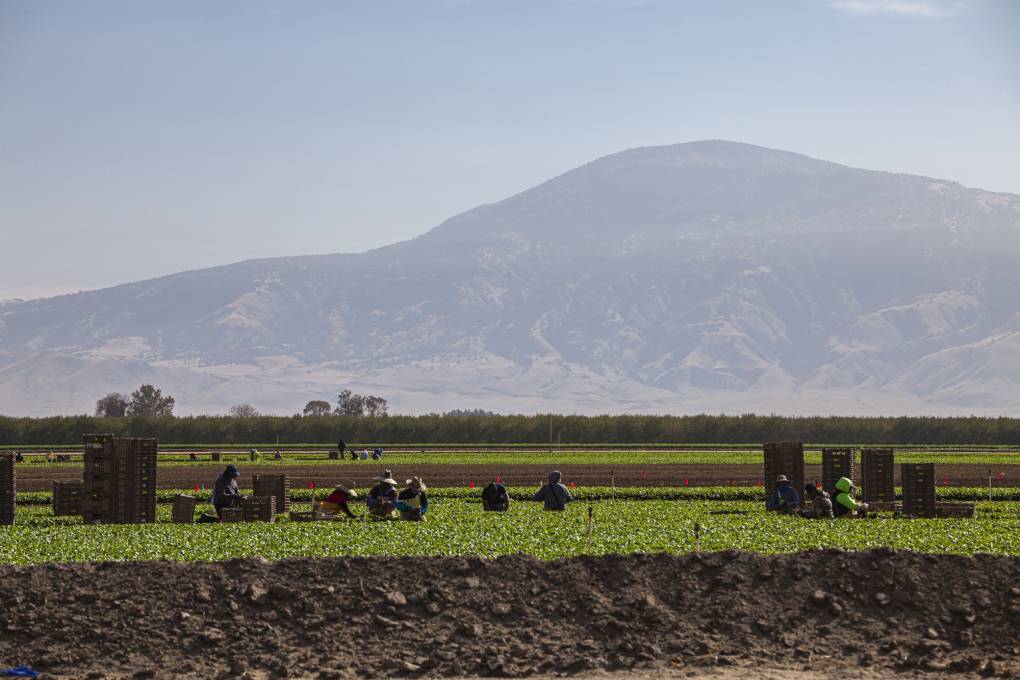
"caption": "Farmworkers on farm near Bakersfield in Kern County, California, on Oct. 22, 2021. Border Patrol’s January raids in Bakersfield targeted Latino farmworker communities, sparking fear just before Trump’s inauguration. A lawsuit filed on Wednesday by the American Civil Liberties Union of Northern California, alleges illegal stops and coercive deportations.",
"credit": "Citizen of the Planet/UCG/Universal Images Group via Getty Images",
"altTag": null,
"description": null,
"imgSizes": {
"medium": {
"file": "https://cdn.kqed.org/wp-content/uploads/sites/10/2025/02/BakersfieldFarmworkersGetty-800x533.jpg",
"width": 800,
"height": 533,
"mimeType": "image/jpeg"
},
"large": {
"file": "https://cdn.kqed.org/wp-content/uploads/sites/10/2025/02/BakersfieldFarmworkersGetty-1020x680.jpg",
"width": 1020,
"height": 680,
"mimeType": "image/jpeg"
},
"thumbnail": {
"file": "https://cdn.kqed.org/wp-content/uploads/sites/10/2025/02/BakersfieldFarmworkersGetty-160x107.jpg",
"width": 160,
"height": 107,
"mimeType": "image/jpeg"
},
"1536x1536": {
"file": "https://cdn.kqed.org/wp-content/uploads/sites/10/2025/02/BakersfieldFarmworkersGetty-1536x1024.jpg",
"width": 1536,
"height": 1024,
"mimeType": "image/jpeg"
},
"post-thumbnail": {
"file": "https://cdn.kqed.org/wp-content/uploads/sites/10/2025/02/BakersfieldFarmworkersGetty-672x372.jpg",
"width": 672,
"height": 372,
"mimeType": "image/jpeg"
},
"twentyfourteen-full-width": {
"file": "https://cdn.kqed.org/wp-content/uploads/sites/10/2025/02/BakersfieldFarmworkersGetty-1038x576.jpg",
"width": 1038,
"height": 576,
"mimeType": "image/jpeg"
},
"full-width": {
"file": "https://cdn.kqed.org/wp-content/uploads/sites/10/2025/02/BakersfieldFarmworkersGetty-1920x1280.jpg",
"width": 1920,
"height": 1280,
"mimeType": "image/jpeg"
},
"kqedFullSize": {
"file": "https://cdn.kqed.org/wp-content/uploads/sites/10/2025/02/BakersfieldFarmworkersGetty.jpg",
"width": 2000,
"height": 1333
}
},
"isLoading": false,
"fetchFailed": false
},
"news_12014668": {
"type": "attachments",
"id": "news_12014668",
"meta": {
"index": "attachments_1716263798",
"site": "news",
"id": "12014668",
"found": true
},
"title": "Donald Trump",
"publishDate": 1731708587,
"status": "inherit",
"parent": 12014622,
"modified": 1731710604,
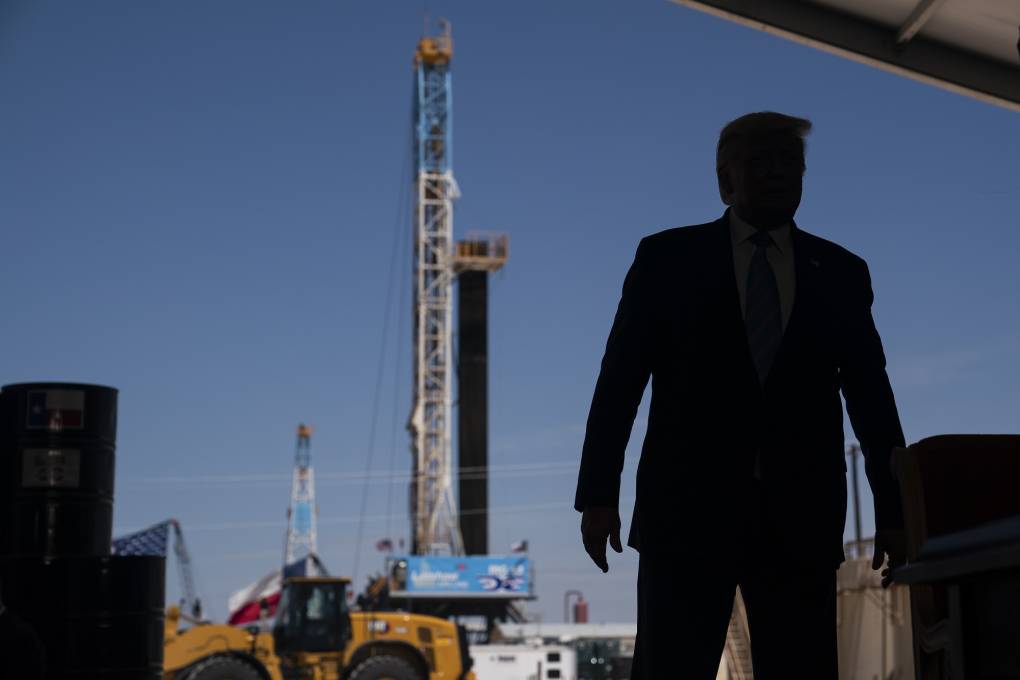
"caption": "President Donald Trump arrives to deliver remarks about American energy production during a visit to the Double Eagle Energy Oil Rig on July 29, 2020, in Midland, Texas.",
"credit": "Evan Vucci/AP Photo",
"altTag": null,
"description": null,
"imgSizes": {
"medium": {
"file": "https://cdn.kqed.org/wp-content/uploads/sites/10/2024/11/TrumpOilGasRegulationsAP-800x533.jpg",
"width": 800,
"height": 533,
"mimeType": "image/jpeg"
},
"large": {
"file": "https://cdn.kqed.org/wp-content/uploads/sites/10/2024/11/TrumpOilGasRegulationsAP-1020x680.jpg",
"width": 1020,
"height": 680,
"mimeType": "image/jpeg"
},
"thumbnail": {
"file": "https://cdn.kqed.org/wp-content/uploads/sites/10/2024/11/TrumpOilGasRegulationsAP-160x107.jpg",
"width": 160,
"height": 107,
"mimeType": "image/jpeg"
},
"1536x1536": {
"file": "https://cdn.kqed.org/wp-content/uploads/sites/10/2024/11/TrumpOilGasRegulationsAP-1536x1024.jpg",
"width": 1536,
"height": 1024,
"mimeType": "image/jpeg"
},
"post-thumbnail": {
"file": "https://cdn.kqed.org/wp-content/uploads/sites/10/2024/11/TrumpOilGasRegulationsAP-672x372.jpg",
"width": 672,
"height": 372,
"mimeType": "image/jpeg"
},
"twentyfourteen-full-width": {
"file": "https://cdn.kqed.org/wp-content/uploads/sites/10/2024/11/TrumpOilGasRegulationsAP-1038x576.jpg",
"width": 1038,
"height": 576,
"mimeType": "image/jpeg"
},
"full-width": {
"file": "https://cdn.kqed.org/wp-content/uploads/sites/10/2024/11/TrumpOilGasRegulationsAP-1920x1280.jpg",
"width": 1920,
"height": 1280,
"mimeType": "image/jpeg"
},
"kqedFullSize": {
"file": "https://cdn.kqed.org/wp-content/uploads/sites/10/2024/11/TrumpOilGasRegulationsAP.jpg",
"width": 2000,
"height": 1333
}
},
"isLoading": false,
"fetchFailed": false
},
"news_12023287": {
"type": "attachments",
"id": "news_12023287",
"meta": {
"index": "attachments_1716263798",
"site": "news",
"id": "12023287",
"found": true
},
"title": "Sacramento delta",
"publishDate": 1737488525,
"status": "inherit",
"parent": 12023248,
"modified": 1737501184,
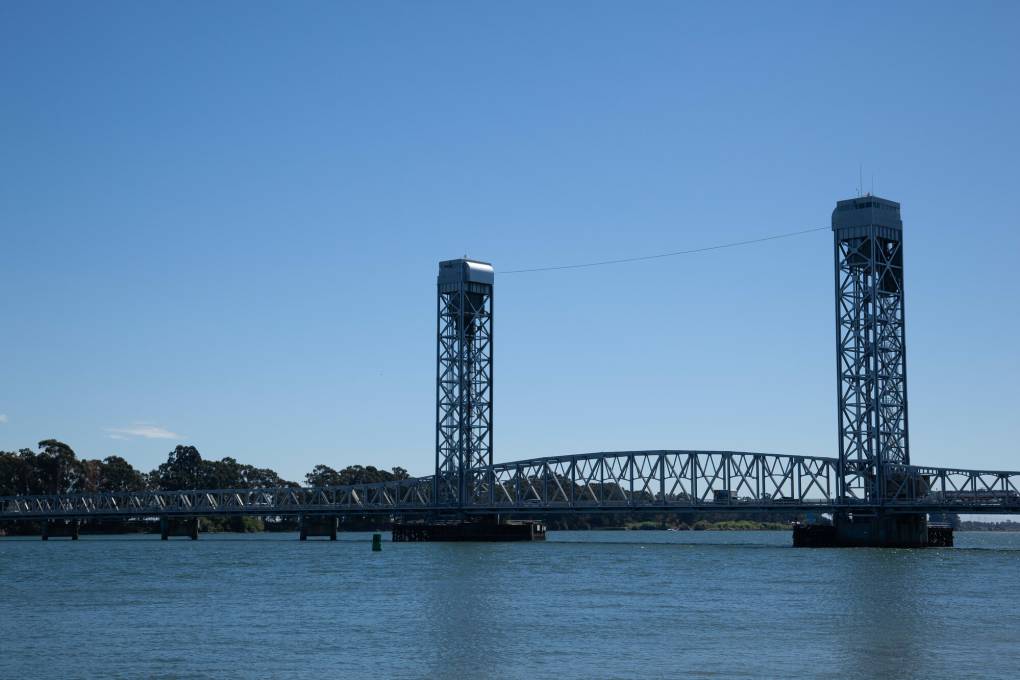
"caption": "The Rio Vista Bridge spanning the Sacramento River in California on the afternoon of Friday, Sept. 10, 2021. The area is part of the Sacramento-San Joaquin Delta, which is the hub of California’s water supply, supplying fresh water to two-thirds of the state’s population and millions of acres of farmland.",
"credit": "Joyce Tsai/KQED",
"altTag": null,
"description": null,
"imgSizes": {
"medium": {
"file": "https://cdn.kqed.org/wp-content/uploads/sites/10/2025/01/SacramentoDelta-17_qed-800x533.jpg",
"width": 800,
"height": 533,
"mimeType": "image/jpeg"
},
"large": {
"file": "https://cdn.kqed.org/wp-content/uploads/sites/10/2025/01/SacramentoDelta-17_qed-1020x680.jpg",
"width": 1020,
"height": 680,
"mimeType": "image/jpeg"
},
"thumbnail": {
"file": "https://cdn.kqed.org/wp-content/uploads/sites/10/2025/01/SacramentoDelta-17_qed-160x107.jpg",
"width": 160,
"height": 107,
"mimeType": "image/jpeg"
},
"1536x1536": {
"file": "https://cdn.kqed.org/wp-content/uploads/sites/10/2025/01/SacramentoDelta-17_qed-1536x1024.jpg",
"width": 1536,
"height": 1024,
"mimeType": "image/jpeg"
},
"post-thumbnail": {
"file": "https://cdn.kqed.org/wp-content/uploads/sites/10/2025/01/SacramentoDelta-17_qed-672x372.jpg",
"width": 672,
"height": 372,
"mimeType": "image/jpeg"
},
"twentyfourteen-full-width": {
"file": "https://cdn.kqed.org/wp-content/uploads/sites/10/2025/01/SacramentoDelta-17_qed-1038x576.jpg",
"width": 1038,
"height": 576,
"mimeType": "image/jpeg"
},
"full-width": {
"file": "https://cdn.kqed.org/wp-content/uploads/sites/10/2025/01/SacramentoDelta-17_qed-1920x1280.jpg",
"width": 1920,
"height": 1280,
"mimeType": "image/jpeg"
},
"kqedFullSize": {
"file": "https://cdn.kqed.org/wp-content/uploads/sites/10/2025/01/SacramentoDelta-17_qed.jpg",
"width": 1999,
"height": 1333
}
},
"isLoading": false,
"fetchFailed": false
},
"news_11964709": {
"type": "attachments",
"id": "news_11964709",
"meta": {
"index": "attachments_1716263798",
"site": "news",
"id": "11964709",
"found": true
},
"title": "IMG_7960",
"publishDate": 1697492675,
"status": "inherit",
"parent": 11964707,
"modified": 1697495174,
"caption": "A prescribed fire in Hayfork on April 10, 2019. Advocates for the practice of setting planned burns to manage lands and minimize wildfire risk say the exceptional events rule gets in the way.",
"credit": "Molly Peterson/California Newsroom",
"altTag": "A firefighter uses an instrument to douse flames in a forest.",
"description": null,
"imgSizes": {
"medium": {
"file": "https://cdn.kqed.org/wp-content/uploads/sites/10/2023/10/IMG_7960-800x599.jpg",
"width": 800,
"height": 599,
"mimeType": "image/jpeg"
},
"large": {
"file": "https://cdn.kqed.org/wp-content/uploads/sites/10/2023/10/IMG_7960-1020x764.jpg",
"width": 1020,
"height": 764,
"mimeType": "image/jpeg"
},
"thumbnail": {
"file": "https://cdn.kqed.org/wp-content/uploads/sites/10/2023/10/IMG_7960-160x120.jpg",
"width": 160,
"height": 120,
"mimeType": "image/jpeg"
},
"1536x1536": {
"file": "https://cdn.kqed.org/wp-content/uploads/sites/10/2023/10/IMG_7960-1536x1151.jpg",
"width": 1536,
"height": 1151,
"mimeType": "image/jpeg"
},
"2048x2048": {
"file": "https://cdn.kqed.org/wp-content/uploads/sites/10/2023/10/IMG_7960-2048x1535.jpg",
"width": 2048,
"height": 1535,
"mimeType": "image/jpeg"
},
"post-thumbnail": {
"file": "https://cdn.kqed.org/wp-content/uploads/sites/10/2023/10/IMG_7960-672x372.jpg",
"width": 672,
"height": 372,
"mimeType": "image/jpeg"
},
"twentyfourteen-full-width": {
"file": "https://cdn.kqed.org/wp-content/uploads/sites/10/2023/10/IMG_7960-1038x576.jpg",
"width": 1038,
"height": 576,
"mimeType": "image/jpeg"
},
"full-width": {
"file": "https://cdn.kqed.org/wp-content/uploads/sites/10/2023/10/IMG_7960-1920x1439.jpg",
"width": 1920,
"height": 1439,
"mimeType": "image/jpeg"
},
"kqedFullSize": {
"file": "https://cdn.kqed.org/wp-content/uploads/sites/10/2023/10/IMG_7960-scaled-e1736446701514.jpg",
"width": 2000,
"height": 1498
}
},
"isLoading": false,
"fetchFailed": false
},
"news_12020821": {
"type": "attachments",
"id": "news_12020821",
"meta": {
"index": "attachments_1716263798",
"site": "news",
"id": "12020821",
"found": true
},
"title": "California Wildfires",
"publishDate": 1736363609,
"status": "inherit",
"parent": 12020808,
"modified": 1736363710,
"caption": "Vehicles are left stranded off the side of the road after residents tried to flee from the Palisades Fire in the Pacific Palisades neighborhood of Los Angeles on Tuesday, Jan. 7, 2025. ",
"credit": "Etienne Laurent/AP Photo",
"altTag": null,
"description": null,
"imgSizes": {
"medium": {
"file": "https://cdn.kqed.org/wp-content/uploads/sites/10/2025/01/CAWildfireSoCal1AP-800x533.jpg",
"width": 800,
"height": 533,
"mimeType": "image/jpeg"
},
"large": {
"file": "https://cdn.kqed.org/wp-content/uploads/sites/10/2025/01/CAWildfireSoCal1AP-1020x680.jpg",
"width": 1020,
"height": 680,
"mimeType": "image/jpeg"
},
"thumbnail": {
"file": "https://cdn.kqed.org/wp-content/uploads/sites/10/2025/01/CAWildfireSoCal1AP-160x107.jpg",
"width": 160,
"height": 107,
"mimeType": "image/jpeg"
},
"1536x1536": {
"file": "https://cdn.kqed.org/wp-content/uploads/sites/10/2025/01/CAWildfireSoCal1AP-1536x1024.jpg",
"width": 1536,
"height": 1024,
"mimeType": "image/jpeg"
},
"post-thumbnail": {
"file": "https://cdn.kqed.org/wp-content/uploads/sites/10/2025/01/CAWildfireSoCal1AP-672x372.jpg",
"width": 672,
"height": 372,
"mimeType": "image/jpeg"
},
"twentyfourteen-full-width": {
"file": "https://cdn.kqed.org/wp-content/uploads/sites/10/2025/01/CAWildfireSoCal1AP-1038x576.jpg",
"width": 1038,
"height": 576,
"mimeType": "image/jpeg"
},
"full-width": {
"file": "https://cdn.kqed.org/wp-content/uploads/sites/10/2025/01/CAWildfireSoCal1AP-1920x1280.jpg",
"width": 1920,
"height": 1280,
"mimeType": "image/jpeg"
},
"kqedFullSize": {
"file": "https://cdn.kqed.org/wp-content/uploads/sites/10/2025/01/CAWildfireSoCal1AP.jpg",
"width": 2000,
"height": 1333
}
},
"isLoading": false,
"fetchFailed": false
},
"news_12020845": {
"type": "attachments",
"id": "news_12020845",
"meta": {
"index": "attachments_1716263798",
"site": "news",
"id": "12020845",
"found": true
},
"title": "APTOPIX California Wildfires",
"publishDate": 1736366992,
"status": "inherit",
"parent": 12020835,
"modified": 1736367039,
"caption": "Trees sway in high winds as the Eaton Fire burns structures on Wednesday, Jan. 8, 2025, in Altadena, California. \nThe Palisades Fire and others burning in the Los Angeles area underscore the devastating effects of human-caused climate change that scientists say primed the region for a major wildfire. ",
"credit": "Ethan Swope/AP Photo",
"altTag": null,
"description": null,
"imgSizes": {
"medium": {
"file": "https://cdn.kqed.org/wp-content/uploads/sites/10/2025/01/CAWildfireSoCal3AP-800x533.jpg",
"width": 800,
"height": 533,
"mimeType": "image/jpeg"
},
"large": {
"file": "https://cdn.kqed.org/wp-content/uploads/sites/10/2025/01/CAWildfireSoCal3AP-1020x680.jpg",
"width": 1020,
"height": 680,
"mimeType": "image/jpeg"
},
"thumbnail": {
"file": "https://cdn.kqed.org/wp-content/uploads/sites/10/2025/01/CAWildfireSoCal3AP-160x107.jpg",
"width": 160,
"height": 107,
"mimeType": "image/jpeg"
},
"1536x1536": {
"file": "https://cdn.kqed.org/wp-content/uploads/sites/10/2025/01/CAWildfireSoCal3AP-1536x1024.jpg",
"width": 1536,
"height": 1024,
"mimeType": "image/jpeg"
},
"post-thumbnail": {
"file": "https://cdn.kqed.org/wp-content/uploads/sites/10/2025/01/CAWildfireSoCal3AP-672x372.jpg",
"width": 672,
"height": 372,
"mimeType": "image/jpeg"
},
"twentyfourteen-full-width": {
"file": "https://cdn.kqed.org/wp-content/uploads/sites/10/2025/01/CAWildfireSoCal3AP-1038x576.jpg",
"width": 1038,
"height": 576,
"mimeType": "image/jpeg"
},
"full-width": {
"file": "https://cdn.kqed.org/wp-content/uploads/sites/10/2025/01/CAWildfireSoCal3AP-1920x1280.jpg",
"width": 1920,
"height": 1280,
"mimeType": "image/jpeg"
},
"kqedFullSize": {
"file": "https://cdn.kqed.org/wp-content/uploads/sites/10/2025/01/CAWildfireSoCal3AP.jpg",
"width": 2000,
"height": 1333
}
},
"isLoading": false,
"fetchFailed": false
},
"news_12012786": {
"type": "attachments",
"id": "news_12012786",
"meta": {
"index": "attachments_1716263798",
"site": "news",
"id": "12012786",
"found": true
},
"title": "241105-ELECTION VANDALISM-SL-04-KQED",
"publishDate": 1730846614,
"status": "inherit",
"parent": 0,
"modified": 1730849968,
"caption": "A “Genocide is Not a Lesser Evil” sign is spray-painted outside a Murphys’s grocery story and polling place in Arcata, California, on Nov. 5, 2024.",
"credit": "Sukey Lewis/KQED",
"altTag": null,
"description": null,
"imgSizes": {
"medium": {
"file": "https://cdn.kqed.org/wp-content/uploads/sites/10/2024/11/241105-ELECTION-VANDALISM-SL-04-KQED-800x533.jpg",
"width": 800,
"height": 533,
"mimeType": "image/jpeg"
},
"large": {
"file": "https://cdn.kqed.org/wp-content/uploads/sites/10/2024/11/241105-ELECTION-VANDALISM-SL-04-KQED-1020x680.jpg",
"width": 1020,
"height": 680,
"mimeType": "image/jpeg"
},
"thumbnail": {
"file": "https://cdn.kqed.org/wp-content/uploads/sites/10/2024/11/241105-ELECTION-VANDALISM-SL-04-KQED-160x107.jpg",
"width": 160,
"height": 107,
"mimeType": "image/jpeg"
},
"1536x1536": {
"file": "https://cdn.kqed.org/wp-content/uploads/sites/10/2024/11/241105-ELECTION-VANDALISM-SL-04-KQED-1536x1024.jpg",
"width": 1536,
"height": 1024,
"mimeType": "image/jpeg"
},
"post-thumbnail": {
"file": "https://cdn.kqed.org/wp-content/uploads/sites/10/2024/11/241105-ELECTION-VANDALISM-SL-04-KQED-672x372.jpg",
"width": 672,
"height": 372,
"mimeType": "image/jpeg"
},
"twentyfourteen-full-width": {
"file": "https://cdn.kqed.org/wp-content/uploads/sites/10/2024/11/241105-ELECTION-VANDALISM-SL-04-KQED-1038x576.jpg",
"width": 1038,
"height": 576,
"mimeType": "image/jpeg"
},
"full-width": {
"file": "https://cdn.kqed.org/wp-content/uploads/sites/10/2024/11/241105-ELECTION-VANDALISM-SL-04-KQED-1920x1280.jpg",
"width": 1920,
"height": 1280,
"mimeType": "image/jpeg"
},
"kqedFullSize": {
"file": "https://cdn.kqed.org/wp-content/uploads/sites/10/2024/11/241105-ELECTION-VANDALISM-SL-04-KQED.jpg",
"width": 2000,
"height": 1333
}
},
"isLoading": false,
"fetchFailed": false
},
"news_12007638": {
"type": "attachments",
"id": "news_12007638",
"meta": {
"index": "attachments_1716263798",
"site": "news",
"id": "12007638",
"found": true
},
"title": "Rob Bonta",
"publishDate": 1727912412,
"status": "inherit",
"parent": 12007627,
"modified": 1727912460,
"caption": "Attorney General Rob Bonta takes questions from the media as he announces charges made against suspects involved in an organized retail crime ring during a news conference in Los Angeles on March 19, 2024. ",
"credit": "Damian Dovarganes/AP Photo",
"altTag": null,
"description": null,
"imgSizes": {
"medium": {
"file": "https://cdn.kqed.org/wp-content/uploads/sites/10/2024/10/AGBontaAP1-800x533.jpg",
"width": 800,
"height": 533,
"mimeType": "image/jpeg"
},
"large": {
"file": "https://cdn.kqed.org/wp-content/uploads/sites/10/2024/10/AGBontaAP1-1020x680.jpg",
"width": 1020,
"height": 680,
"mimeType": "image/jpeg"
},
"thumbnail": {
"file": "https://cdn.kqed.org/wp-content/uploads/sites/10/2024/10/AGBontaAP1-160x107.jpg",
"width": 160,
"height": 107,
"mimeType": "image/jpeg"
},
"1536x1536": {
"file": "https://cdn.kqed.org/wp-content/uploads/sites/10/2024/10/AGBontaAP1-1536x1024.jpg",
"width": 1536,
"height": 1024,
"mimeType": "image/jpeg"
},
"post-thumbnail": {
"file": "https://cdn.kqed.org/wp-content/uploads/sites/10/2024/10/AGBontaAP1-672x372.jpg",
"width": 672,
"height": 372,
"mimeType": "image/jpeg"
},
"twentyfourteen-full-width": {
"file": "https://cdn.kqed.org/wp-content/uploads/sites/10/2024/10/AGBontaAP1-1038x576.jpg",
"width": 1038,
"height": 576,
"mimeType": "image/jpeg"
},
"full-width": {
"file": "https://cdn.kqed.org/wp-content/uploads/sites/10/2024/10/AGBontaAP1-1920x1280.jpg",
"width": 1920,
"height": 1280,
"mimeType": "image/jpeg"
},
"kqedFullSize": {
"file": "https://cdn.kqed.org/wp-content/uploads/sites/10/2024/10/AGBontaAP1.jpg",
"width": 2000,
"height": 1333
}
},
"isLoading": false,
"fetchFailed": false
},
"news_11992970": {
"type": "attachments",
"id": "news_11992970",
"meta": {
"index": "attachments_1716263798",
"site": "news",
"id": "11992970",
"found": true
},
"title": "California Wildfires",
"publishDate": 1720040462,
"status": "inherit",
"parent": 11992911,
"modified": 1720633889,
"caption": "A boat crosses Lake Oroville with a smoldering hillside behind as the Thompson Fire burns in Oroville, Butte County, on Wednesday, July 3, 2024. An extended heat wave blanketing Northern California has resulted in red flag fire warnings and power shutoffs. ",
"credit": "Noah Berger/AP Photo",
"altTag": null,
"description": null,
"imgSizes": {
"medium": {
"file": "https://cdn.kqed.org/wp-content/uploads/sites/10/2024/07/ThompsonFireOrovilleAP1-800x533.jpg",
"width": 800,
"height": 533,
"mimeType": "image/jpeg"
},
"large": {
"file": "https://cdn.kqed.org/wp-content/uploads/sites/10/2024/07/ThompsonFireOrovilleAP1-1020x680.jpg",
"width": 1020,
"height": 680,
"mimeType": "image/jpeg"
},
"thumbnail": {
"file": "https://cdn.kqed.org/wp-content/uploads/sites/10/2024/07/ThompsonFireOrovilleAP1-160x107.jpg",
"width": 160,
"height": 107,
"mimeType": "image/jpeg"
},
"1536x1536": {
"file": "https://cdn.kqed.org/wp-content/uploads/sites/10/2024/07/ThompsonFireOrovilleAP1-1536x1024.jpg",
"width": 1536,
"height": 1024,
"mimeType": "image/jpeg"
},
"post-thumbnail": {
"file": "https://cdn.kqed.org/wp-content/uploads/sites/10/2024/07/ThompsonFireOrovilleAP1-672x372.jpg",
"width": 672,
"height": 372,
"mimeType": "image/jpeg"
},
"twentyfourteen-full-width": {
"file": "https://cdn.kqed.org/wp-content/uploads/sites/10/2024/07/ThompsonFireOrovilleAP1-1038x576.jpg",
"width": 1038,
"height": 576,
"mimeType": "image/jpeg"
},
"full-width": {
"file": "https://cdn.kqed.org/wp-content/uploads/sites/10/2024/07/ThompsonFireOrovilleAP1-1920x1280.jpg",
"width": 1920,
"height": 1280,
"mimeType": "image/jpeg"
},
"kqedFullSize": {
"file": "https://cdn.kqed.org/wp-content/uploads/sites/10/2024/07/ThompsonFireOrovilleAP1.jpg",
"width": 2000,
"height": 1333
}
},
"isLoading": false,
"fetchFailed": false
},
"news_11993051": {
"type": "attachments",
"id": "news_11993051",
"meta": {
"index": "attachments_1716263798",
"site": "news",
"id": "11993051",
"found": true
},
"title": "4th of July Fireworks in San Francisco",
"publishDate": 1720192139,
"status": "inherit",
"parent": 11993039,
"modified": 1720192171,
"caption": "Fireworks illuminate the sky over San Francisco's Golden Gate Bridge as seen from Marin Headlands in Sausalito, on July 4, 2024.",
"credit": "Tayfun Coskun/Anadolu via Getty Images",
"altTag": null,
"description": null,
"imgSizes": {
"medium": {
"file": "https://cdn.kqed.org/wp-content/uploads/sites/10/2024/07/GettyImages-2159978573-800x527.jpg",
"width": 800,
"height": 527,
"mimeType": "image/jpeg"
},
"large": {
"file": "https://cdn.kqed.org/wp-content/uploads/sites/10/2024/07/GettyImages-2159978573-1020x672.jpg",
"width": 1020,
"height": 672,
"mimeType": "image/jpeg"
},
"thumbnail": {
"file": "https://cdn.kqed.org/wp-content/uploads/sites/10/2024/07/GettyImages-2159978573-160x105.jpg",
"width": 160,
"height": 105,
"mimeType": "image/jpeg"
},
"post-thumbnail": {
"file": "https://cdn.kqed.org/wp-content/uploads/sites/10/2024/07/GettyImages-2159978573-672x372.jpg",
"width": 672,
"height": 372,
"mimeType": "image/jpeg"
},
"twentyfourteen-full-width": {
"file": "https://cdn.kqed.org/wp-content/uploads/sites/10/2024/07/GettyImages-2159978573-1024x576.jpg",
"width": 1024,
"height": 576,
"mimeType": "image/jpeg"
},
"kqedFullSize": {
"file": "https://cdn.kqed.org/wp-content/uploads/sites/10/2024/07/GettyImages-2159978573.jpg",
"width": 1024,
"height": 675
}
},
"isLoading": false,
"fetchFailed": false
},
"news_11992879": {
"type": "attachments",
"id": "news_11992879",
"meta": {
"index": "attachments_1716263798",
"site": "news",
"id": "11992879",
"found": true
},
"title": "US-FIRE-WEATHER-ENVIRONMENT",
"publishDate": 1719959054,
"status": "inherit",
"parent": 0,
"modified": 1719959258,
"caption": "An air tanker drops fire retardant near a house during the Toll Fire near Calistoga on July 2, 2024.",
"credit": "Josh Edelson/AFP via Getty Images",
"altTag": null,
"description": null,
"imgSizes": {
"medium": {
"file": "https://cdn.kqed.org/wp-content/uploads/sites/10/2024/07/GETTYIMAGES-2159738194-KQED-800x509.jpg",
"width": 800,
"height": 509,
"mimeType": "image/jpeg"
},
"large": {
"file": "https://cdn.kqed.org/wp-content/uploads/sites/10/2024/07/GETTYIMAGES-2159738194-KQED-1020x649.jpg",
"width": 1020,
"height": 649,
"mimeType": "image/jpeg"
},
"thumbnail": {
"file": "https://cdn.kqed.org/wp-content/uploads/sites/10/2024/07/GETTYIMAGES-2159738194-KQED-160x102.jpg",
"width": 160,
"height": 102,
"mimeType": "image/jpeg"
},
"1536x1536": {
"file": "https://cdn.kqed.org/wp-content/uploads/sites/10/2024/07/GETTYIMAGES-2159738194-KQED-1536x977.jpg",
"width": 1536,
"height": 977,
"mimeType": "image/jpeg"
},
"post-thumbnail": {
"file": "https://cdn.kqed.org/wp-content/uploads/sites/10/2024/07/GETTYIMAGES-2159738194-KQED-672x372.jpg",
"width": 672,
"height": 372,
"mimeType": "image/jpeg"
},
"twentyfourteen-full-width": {
"file": "https://cdn.kqed.org/wp-content/uploads/sites/10/2024/07/GETTYIMAGES-2159738194-KQED-1038x576.jpg",
"width": 1038,
"height": 576,
"mimeType": "image/jpeg"
},
"full-width": {
"file": "https://cdn.kqed.org/wp-content/uploads/sites/10/2024/07/GETTYIMAGES-2159738194-KQED-1920x1221.jpg",
"width": 1920,
"height": 1221,
"mimeType": "image/jpeg"
},
"kqedFullSize": {
"file": "https://cdn.kqed.org/wp-content/uploads/sites/10/2024/07/GETTYIMAGES-2159738194-KQED.jpg",
"width": 2000,
"height": 1272
}
},
"isLoading": false,
"fetchFailed": false
}
},
"audioPlayerReducer": {
"postId": "stream_live",
"isPaused": true,
"isPlaying": false,
"pfsActive": false,
"pledgeModalIsOpen": true,
"playerDrawerIsOpen": false,
"liveAudioPlayStartedAt": 0,
"liveAudioPlayContext": ""
},
"authorsReducer": {
"byline_news_12026185": {
"type": "authors",
"id": "byline_news_12026185",
"meta": {
"override": true
},
"slug": "byline_news_12026185",
"name": "Cami Dominguez",
"isLoading": false
},
"byline_news_11993039": {
"type": "authors",
"id": "byline_news_11993039",
"meta": {
"override": true
},
"slug": "byline_news_11993039",
"name": "David Sharp, Associated Press",
"isLoading": false
},
"kqed": {
"type": "authors",
"id": "236",
"meta": {
"index": "authors_1716337520",
"id": "236",
"found": true
},
"name": "KQED News Staff",
"firstName": "KQED News Staff",
"lastName": null,
"slug": "kqed",
"email": "faq@kqed.org",
"display_author_email": false,
"staff_mastheads": [],
"title": null,
"bio": null,
"avatar": "https://secure.gravatar.com/avatar/ef0e801a68c4c54afa9180db14084167?s=600&d=blank&r=g",
"twitter": null,
"facebook": null,
"instagram": null,
"linkedin": null,
"sites": [
{
"site": "arts",
"roles": [
"contributor"
]
},
{
"site": "news",
"roles": [
"editor"
]
},
{
"site": "futureofyou",
"roles": [
"author"
]
}
],
"headData": {
"title": "KQED News Staff | KQED",
"description": null,
"ogImgSrc": "https://secure.gravatar.com/avatar/ef0e801a68c4c54afa9180db14084167?s=600&d=blank&r=g",
"twImgSrc": "https://secure.gravatar.com/avatar/ef0e801a68c4c54afa9180db14084167?s=600&d=blank&r=g"
},
"isLoading": false,
"link": "/author/kqed"
},
"slewis": {
"type": "authors",
"id": "8676",
"meta": {
"index": "authors_1716337520",
"id": "8676",
"found": true
},
"name": "Sukey Lewis",
"firstName": "Sukey",
"lastName": "Lewis",
"slug": "slewis",
"email": "slewis@kqed.org",
"display_author_email": true,
"staff_mastheads": [
"news"
],
"title": "KQED Contributor",
"bio": "Sukey Lewis is a criminal justice reporter and host of \u003cem>On Our Watch\u003c/em>, a new podcast from NPR and KQED about the shadow world of police discipline. In 2018, she co-founded the California Reporting Project, a coalition of newsrooms across the state focused on obtaining previously sealed internal affairs records from law enforcement. In addition to her reporting on police accountability, Sukey has investigated the bail bonds industry, California's wildfires and the high cost of prison phone calls. Sukey earned a master's degree in journalism from the University of California at Berkeley. Send news tips to slewis@kqed.org.",
"avatar": "https://secure.gravatar.com/avatar/03fd6b21024f99d8b0a1966654586de7?s=600&d=blank&r=g",
"twitter": "SukeyLewis",
"facebook": null,
"instagram": null,
"linkedin": null,
"sites": [
{
"site": "news",
"roles": [
"author",
"edit_others_posts"
]
}
],
"headData": {
"title": "Sukey Lewis | KQED",
"description": "KQED Contributor",
"ogImgSrc": "https://secure.gravatar.com/avatar/03fd6b21024f99d8b0a1966654586de7?s=600&d=blank&r=g",
"twImgSrc": "https://secure.gravatar.com/avatar/03fd6b21024f99d8b0a1966654586de7?s=600&d=blank&r=g"
},
"isLoading": false,
"link": "/author/slewis"
},
"dventon": {
"type": "authors",
"id": "11088",
"meta": {
"index": "authors_1716337520",
"id": "11088",
"found": true
},
"name": "Danielle Venton",
"firstName": "Danielle",
"lastName": "Venton",
"slug": "dventon",
"email": "dventon@kqed.org",
"display_author_email": true,
"staff_mastheads": [
"science"
],
"title": "Science reporter",
"bio": "Danielle Venton is a reporter for KQED Science. She covers wildfires, space and oceans (though she is prone to sea sickness).\r\n\r\nBefore joining KQED in 2015, Danielle was a staff reporter at KRCB in Sonoma County and a freelancer. She studied science communication at UC Santa Cruz and formerly worked at CERN in Geneva, Switzerland where she wrote about computing. She lives in Sonoma County and enjoys backpacking.",
"avatar": "https://secure.gravatar.com/avatar/37b292b5c40c8d93959c4f48d73b5286f41b7abd8588277e941905a3ed4c801c?s=600&d=blank&r=g",
"twitter": "DanielleVenton",
"bluesky": null,
"facebook": null,
"instagram": null,
"linkedin": null,
"sites": [
{
"site": "arts",
"roles": [
"contributor"
]
},
{
"site": "news",
"roles": [
"editor"
]
},
{
"site": "futureofyou",
"roles": [
"editor"
]
},
{
"site": "science",
"roles": [
"editor"
]
},
{
"site": "liveblog",
"roles": [
"contributor"
]
}
],
"headData": {
"title": "Danielle Venton | KQED",
"description": "Science reporter",
"ogImgSrc": "https://secure.gravatar.com/avatar/37b292b5c40c8d93959c4f48d73b5286f41b7abd8588277e941905a3ed4c801c?s=600&d=blank&r=g",
"twImgSrc": "https://secure.gravatar.com/avatar/37b292b5c40c8d93959c4f48d73b5286f41b7abd8588277e941905a3ed4c801c?s=600&d=blank&r=g"
},
"isLoading": false,
"link": "/author/dventon"
},
"kevinstark": {
"type": "authors",
"id": "11608",
"meta": {
"index": "authors_1716337520",
"id": "11608",
"found": true
},
"name": "Kevin Stark",
"firstName": "Kevin",
"lastName": "Stark",
"slug": "kevinstark",
"email": "kstark@kqed.org",
"display_author_email": true,
"staff_mastheads": [
"science"
],
"title": "Senior Editor",
"bio": "Kevin is a senior editor for KQED Science, managing the station's health and climate desks. His journalism career began in the Pacific Northwest, and he later became a lead reporter for the San Francisco Public Press. His work has appeared in Pacific Standard magazine, the Energy News Network, the Center for Investigative Reporting's Reveal and WBEZ in Chicago. Kevin joined KQED in 2019, and has covered issues related to energy, wildfire, climate change and the environment.",
"avatar": "https://secure.gravatar.com/avatar/365aaa4b597d3a8374f67504ff0facd323d7906e8eb4be0a7efd2427408e802c?s=600&d=blank&r=g",
"twitter": "starkkev",
"bluesky": null,
"facebook": null,
"instagram": null,
"linkedin": null,
"sites": [
{
"site": "",
"roles": [
"editor"
]
},
{
"site": "news",
"roles": [
"editor"
]
},
{
"site": "science",
"roles": [
"administrator"
]
}
],
"headData": {
"title": "Kevin Stark | KQED",
"description": "Senior Editor",
"ogImgSrc": "https://secure.gravatar.com/avatar/365aaa4b597d3a8374f67504ff0facd323d7906e8eb4be0a7efd2427408e802c?s=600&d=blank&r=g",
"twImgSrc": "https://secure.gravatar.com/avatar/365aaa4b597d3a8374f67504ff0facd323d7906e8eb4be0a7efd2427408e802c?s=600&d=blank&r=g"
},
"isLoading": false,
"link": "/author/kevinstark"
},
"eromero": {
"type": "authors",
"id": "11746",
"meta": {
"index": "authors_1716337520",
"id": "11746",
"found": true
},
"name": "Ezra David Romero",
"firstName": "Ezra David",
"lastName": "Romero",
"slug": "eromero",
"email": "eromero@kqed.org",
"display_author_email": true,
"staff_mastheads": [
"news",
"science"
],
"title": "Climate Reporter",
"bio": "Ezra David Romero is a climate reporter for KQED News. He covers the absence and excess of water in the Bay Area — think sea level rise, flooding and drought. For nearly a decade he’s covered how warming temperatures are altering the lives of Californians. He’s reported on farmers worried their pistachio trees aren’t getting enough sleep, families desperate for water, scientists studying dying giant sequoias, and alongside firefighters containing wildfires. His work has appeared on local stations across California and nationally on public radio shows like Morning Edition, Here and Now, All Things Considered and Science Friday. ",
"avatar": "https://secure.gravatar.com/avatar/c76404d287c10ed40224227551ac36e24352c7306f106632caf6fead76f8801f?s=600&d=blank&r=g",
"twitter": "ezraromero",
"bluesky": null,
"facebook": null,
"instagram": null,
"linkedin": null,
"sites": [
{
"site": "arts",
"roles": [
"editor"
]
},
{
"site": "news",
"roles": [
"editor"
]
},
{
"site": "science",
"roles": [
"editor"
]
},
{
"site": "liveblog",
"roles": [
"author"
]
}
],
"headData": {
"title": "Ezra David Romero | KQED",
"description": "Climate Reporter",
"ogImgSrc": "https://secure.gravatar.com/avatar/c76404d287c10ed40224227551ac36e24352c7306f106632caf6fead76f8801f?s=600&d=blank&r=g",
"twImgSrc": "https://secure.gravatar.com/avatar/c76404d287c10ed40224227551ac36e24352c7306f106632caf6fead76f8801f?s=600&d=blank&r=g"
},
"isLoading": false,
"link": "/author/eromero"
},
"jservantez": {
"type": "authors",
"id": "11909",
"meta": {
"index": "authors_1716337520",
"id": "11909",
"found": true
},
"name": "Jared Servantez",
"firstName": "Jared",
"lastName": "Servantez",
"slug": "jservantez",
"email": "jservantez@kqed.org",
"display_author_email": true,
"staff_mastheads": [
"news"
],
"title": "KQED Contributor",
"bio": "Jared Servantez is the editor of KQED's Express Desk, leading the newsroom's online breaking news operation. He most recently worked for the Los Angeles Times, where he served as a breaking news editor, the Metro Desk's night editor, and a copy editor. Jared is a graduate of the USC Annenberg School for Communication and Journalism.",
"avatar": "https://secure.gravatar.com/avatar/f0e317c67bb498c3f077f033d1cc79e62f3bc1303fa20a14e8880d31fbe7e01e?s=600&d=blank&r=g",
"twitter": "jservantez",
"bluesky": null,
"facebook": null,
"instagram": null,
"linkedin": null,
"sites": [
{
"site": "news",
"roles": [
"editor"
]
},
{
"site": "science",
"roles": [
"editor",
"author"
]
},
{
"site": "liveblog",
"roles": [
"editor"
]
}
],
"headData": {
"title": "Jared Servantez | KQED",
"description": "KQED Contributor",
"ogImgSrc": "https://secure.gravatar.com/avatar/f0e317c67bb498c3f077f033d1cc79e62f3bc1303fa20a14e8880d31fbe7e01e?s=600&d=blank&r=g",
"twImgSrc": "https://secure.gravatar.com/avatar/f0e317c67bb498c3f077f033d1cc79e62f3bc1303fa20a14e8880d31fbe7e01e?s=600&d=blank&r=g"
},
"isLoading": false,
"link": "/author/jservantez"
},
"kdebenedetti": {
"type": "authors",
"id": "11913",
"meta": {
"index": "authors_1716337520",
"id": "11913",
"found": true
},
"name": "Katie DeBenedetti",
"firstName": "Katie",
"lastName": "DeBenedetti",
"slug": "kdebenedetti",
"email": "kdebenedetti@kqed.org",
"display_author_email": false,
"staff_mastheads": [
"news",
"science"
],
"title": "KQED Contributor",
"bio": "Katie DeBenedetti is a digital reporter covering daily news for the Express Desk. Prior to joining KQED as a culture reporting intern in January 2024, she covered education and city government for the Napa Valley Register.",
"avatar": "https://secure.gravatar.com/avatar/6e31073cb8f7e4214ab03f42771d0f45?s=600&d=blank&r=g",
"twitter": null,
"facebook": null,
"instagram": null,
"linkedin": null,
"sites": [
{
"site": "news",
"roles": [
"author"
]
},
{
"site": "science",
"roles": [
"author"
]
},
{
"site": "liveblog",
"roles": [
"author"
]
}
],
"headData": {
"title": "Katie DeBenedetti | KQED",
"description": "KQED Contributor",
"ogImgSrc": "https://secure.gravatar.com/avatar/6e31073cb8f7e4214ab03f42771d0f45?s=600&d=blank&r=g",
"twImgSrc": "https://secure.gravatar.com/avatar/6e31073cb8f7e4214ab03f42771d0f45?s=600&d=blank&r=g"
},
"isLoading": false,
"link": "/author/kdebenedetti"
},
"slim": {
"type": "authors",
"id": "11920",
"meta": {
"index": "authors_1716337520",
"id": "11920",
"found": true
},
"name": "Samantha Lim",
"firstName": "Samantha",
"lastName": "Lim",
"slug": "slim",
"email": "slim@KQED.org",
"display_author_email": false,
"staff_mastheads": [],
"title": "KQED Contributor",
"bio": null,
"avatar": "https://secure.gravatar.com/avatar/82e592e6c15fe1a04d385e8ad0fb0b4e?s=600&d=blank&r=g",
"twitter": null,
"facebook": null,
"instagram": null,
"linkedin": null,
"sites": [
{
"site": "news",
"roles": []
}
],
"headData": {
"title": "Samantha Lim | KQED",
"description": "KQED Contributor",
"ogImgSrc": "https://secure.gravatar.com/avatar/82e592e6c15fe1a04d385e8ad0fb0b4e?s=600&d=blank&r=g",
"twImgSrc": "https://secure.gravatar.com/avatar/82e592e6c15fe1a04d385e8ad0fb0b4e?s=600&d=blank&r=g"
},
"isLoading": false,
"link": "/author/slim"
},
"bkrans": {
"type": "authors",
"id": "11923",
"meta": {
"index": "authors_1716337520",
"id": "11923",
"found": true
},
"name": "Brian Krans",
"firstName": "Brian",
"lastName": "Krans",
"slug": "bkrans",
"email": "bkrans@kqed.org",
"display_author_email": false,
"staff_mastheads": [
"news"
],
"title": "KQED Contributing Reporter",
"bio": "Brian Krans is an award-winning local news and investigative reporter who has been proudly working as a general assignment reporter for KQED since August 2023. He lives in Richmond, where he also reports on air pollution for Richmondside. He is also a founding member of the Vallejo Sun.",
"avatar": "https://secure.gravatar.com/avatar/71fa91f931774612559f7640390b53d9c2840ff72b20f195a25239aab2d9fbb9?s=600&d=blank&r=g",
"twitter": "citizenkrans",
"bluesky": null,
"facebook": null,
"instagram": null,
"linkedin": null,
"sites": [
{
"site": "news",
"roles": [
"editor"
]
}
],
"headData": {
"title": "Brian Krans | KQED",
"description": "KQED Contributing Reporter",
"ogImgSrc": "https://secure.gravatar.com/avatar/71fa91f931774612559f7640390b53d9c2840ff72b20f195a25239aab2d9fbb9?s=600&d=blank&r=g",
"twImgSrc": "https://secure.gravatar.com/avatar/71fa91f931774612559f7640390b53d9c2840ff72b20f195a25239aab2d9fbb9?s=600&d=blank&r=g"
},
"isLoading": false,
"link": "/author/bkrans"
},
"emanoukian": {
"type": "authors",
"id": "11925",
"meta": {
"index": "authors_1716337520",
"id": "11925",
"found": true
},
"name": "Elize Manoukian",
"firstName": "Elize",
"lastName": "Manoukian",
"slug": "emanoukian",
"email": "emanoukian@KQED.org",
"display_author_email": false,
"staff_mastheads": [
"news"
],
"title": "Digital News Editor",
"bio": "Elize Manoukian is an award-winning audio producer and editor on the Express Desk, KQED's digital news platform. Her work has appeared on KPFA, Interlochen Public Radio, Oregon Public Broadcast, the New York Daily News, LA Times and the San Diego Union-Tribune. You can reach her at emanoukian@kqed.org.",
"avatar": "https://secure.gravatar.com/avatar/4525f1a8e46ccb30933b32653d9772064cfefe3fa655eb45b3b3a80341f6bdad?s=600&d=blank&r=g",
"twitter": null,
"bluesky": null,
"facebook": null,
"instagram": null,
"linkedin": null,
"sites": [
{
"site": "arts",
"roles": [
"editor"
]
},
{
"site": "news",
"roles": [
"editor"
]
},
{
"site": "science",
"roles": [
"editor"
]
}
],
"headData": {
"title": "Elize Manoukian | KQED",
"description": "Digital News Editor",
"ogImgSrc": "https://secure.gravatar.com/avatar/4525f1a8e46ccb30933b32653d9772064cfefe3fa655eb45b3b3a80341f6bdad?s=600&d=blank&r=g",
"twImgSrc": "https://secure.gravatar.com/avatar/4525f1a8e46ccb30933b32653d9772064cfefe3fa655eb45b3b3a80341f6bdad?s=600&d=blank&r=g"
},
"isLoading": false,
"link": "/author/emanoukian"
}
},
"pagesReducer": {
"news_tag_northern-california": {
"type": "terms",
"id": "news_5930",
"meta": {
"index": "terms_1716263798",
"site": "news",
"id": "5930",
"score": 9.30858
},
"featImg": null,
"name": "Northern California",
"description": null,
"taxonomy": "tag",
"headData": {
"twImgId": null,
"twTitle": null,
"ogTitle": null,
"ogImgId": null,
"twDescription": null,
"description": null,
"title": "Northern California Archives | KQED News",
"ogDescription": null
},
"ttid": 5954,
"slug": "northern-california",
"isLoading": false,
"title": "Northern California",
"pageMeta": {
"site": "news",
"WpPageTemplate": "page-topic-editorial",
"currentPage": 3
},
"blocks": [
{
"blockName": "kqed/post-list",
"attrs": {
"layout": "cardArticle2",
"query": "posts/news?tag=northern-california",
"seeMore": false,
"paginated": true,
"page": 3
}
},
{
"blockName": "kqed/ad"
}
]
}
},
"pfsSessionReducer": {},
"postsReducer": {
"stream_live": {
"type": "live",
"id": "stream_live",
"audioUrl": "https://hls.kqed.org/hls/kqed_app/playlist.m3u8",
"title": "Live Stream",
"excerpt": "Live Stream information currently unavailable.",
"link": "/radio",
"featImg": "",
"label": {
"name": "KQED Live",
"link": "/"
}
},
"stream_kqedNewscast": {
"type": "posts",
"id": "stream_kqedNewscast",
"audioUrl": "https://www.kqed.org/.stream/anon/radio/RDnews/newscast.mp3?_=1",
"title": "KQED Newscast",
"featImg": "",
"label": {
"name": "88.5 FM",
"link": "/"
}
},
"news_12029195": {
"type": "posts",
"id": "news_12029195",
"meta": {
"index": "posts_1716263798",
"site": "news",
"id": "12029195",
"score": null,
"sort": [
1740784612000
]
},
"guestAuthors": [],
"slug": "border-patrol-slashed-tires-dragged-people-from-cars-bakersfield-raids-aclu-says",
"title": "Border Patrol Slashed Tires, Dragged People From Cars in Bakersfield Raids, ACLU Says",
"publishDate": 1740784612,
"format": "standard",
"headTitle": "Border Patrol Slashed Tires, Dragged People From Cars in Bakersfield Raids, ACLU Says | KQED",
"labelTerm": {
"site": "news"
},
"content": "\u003cp>In early January, Border Patrol agents in Bakersfield rounded people up in unannounced raids, \u003ca href=\"https://www.kqed.org/news/12021487/an-immigration-raid-in-kern-county-foreshadows-what-awaits-farmworkers-and-the-economy\">rattling predominantly Latino farmworker communities\u003c/a> that were already on edge in the days before President Trump’s inauguration.\u003c/p>\n\u003cp>Based on little more than racial profiling, a new lawsuit alleges, agents slashed tires, dragged people out of their vehicles and unlawfully detained many who were in the U.S. legally.\u003c/p>\n\u003cp>The lawsuit, filed Wednesday by the American Civil Liberties Union of Northern California, accuses the Department of Homeland Security and its Border Patrol agents of targeting people of color who they assumed were working as farm laborers and violating their Fourth Amendment rights by subjecting them to unreasonable searches and seizures.\u003c/p>\n\u003cp>[ad fullwidth]\u003c/p>\n\u003cp>“This lawsuit is about racial profiling and illegal actions by Border Patrol in the Central Valley,” said Bree Bernwanger, a senior staff attorney at the ACLU of Northern California. “We expect to see them \u003ca href=\"https://www.kqed.org/news/12016488/how-trumps-plan-for-mass-deportations-could-play-out\">continue in the Trump administration\u003c/a>, and our goal is to stop them before they spread.”\u003c/p>\n\u003cp>A spokesperson for the Department of Homeland Security said in a statement to KQED that all allegations of misconduct are investigated and that all Border Patrol actions are “highly targeted.”\u003c/p>\n\u003cp>The raids in Kern County were part of a large-scale operation that the Border Patrol called “Operation Return to Sender,” according to the lawsuit. Residents reported that around 200 people were stopped, searched or detained, the lawsuit said. Border Patrol officials said in a statement that agents made 78 arrests during the sweep.\u003c/p>\n\u003cp>[aside postID=news_12028728 hero='https://cdn.kqed.org/wp-content/uploads/sites/10/2021/09/GettyImages-1221069312-1020x680.jpg']\u003c/p>\n\u003cp>In the lawsuit, attorneys estimated that at least 40 people who were arrested were deported to Mexico after being coerced into agreeing to voluntary departure, a form of expulsion that involves waiving one’s right to an immigration hearing.\u003c/p>\n\u003cp>People who agree to voluntary departure are also prohibited from reentering the United States, even if they would otherwise have a legal basis to do so, for at least three years and up to 10 years if they had been in the country for more than a year, Bernwanger said.\u003c/p>\n\u003cp>“What we’re challenging is Border Patrol’s attempt to push people through this process of banishment without telling them what would happen to them if they accepted it,” Bernwanger told KQED. “What we’re challenging is Border Patrol’s absolute failure to explain people’s rights and explain the consequences.”\u003c/p>\n\u003cp>One of the plaintiffs in the lawsuit, Mungia Esquivel, reported being forcibly stopped by immigration officers outside a Home Depot in Bakersfield on Jan. 7.\u003c/p>\n\u003cp>According to the lawsuit, officers arrested Esquivel when he tried to avoid their questioning and took him away without due cause or explanation.\u003c/p>\n\u003cp>Esquivel, who has lived in Bakersfield for over 10 years, was then taken to El Centro Station, a Border Patrol facility over 300 miles away at the U.S.-Mexico border. There, he was forced to stay in poor conditions and made to sign documents that he was not permitted to see by Border Patrol agents, attorneys said. Esquivel was released three days after his arrest, but he still feels traumatized by his experience, the lawsuit reads.\u003c/p>\n\u003cp>Three of the other plaintiffs were forced to accept voluntary departure after Border Patrol agents arrested them during the raids, according to the lawsuit. Bernwanger said two of them are still “stranded” in Mexico, and part of the lawsuit is an effort to bring them back.\u003c/p>\n\u003cp>“Their lives have been thrown into crisis as the result of Border Patrol’s illegal actions,” Bernwanger said. “This raid was not legal the way the Border Patrol ran it. … It absolutely disrupted people’s lives, and we are working through the legal process to try to make them whole again — but there’s really no way to do that because the disruption to their lives and their families has been so profound.”\u003c/p>\n\u003cp>\u003c/p>\n",
"blocks": [],
"excerpt": "The January raids, which rattled Central Valley farmworkers ahead of President Trump’s inauguration, included illegal, discriminatory stops and coercive deportations, a new lawsuit alleges. ",
"status": "publish",
"parent": 0,
"modified": 1740788829,
"stats": {
"hasAudio": false,
"hasVideo": false,
"hasChartOrMap": false,
"iframeSrcs": [],
"hasGoogleForm": false,
"hasGallery": false,
"hasHearkenModule": false,
"hasPolis": false,
"paragraphCount": 17,
"wordCount": 682
},
"headData": {
"title": "Border Patrol Slashed Tires, Dragged People From Cars in Bakersfield Raids, ACLU Says | KQED",
"description": "The January raids, which rattled Central Valley farmworkers ahead of President Trump’s inauguration, included illegal, discriminatory stops and coercive deportations, a new lawsuit alleges. ",
"ogTitle": "",
"ogDescription": "",
"ogImgId": "",
"twTitle": "",
"twDescription": "",
"twImgId": "",
"schema": {
"@context": "https://schema.org",
"@type": "NewsArticle",
"headline": "Border Patrol Slashed Tires, Dragged People From Cars in Bakersfield Raids, ACLU Says",
"datePublished": "2025-02-28T15:16:52-08:00",
"dateModified": "2025-02-28T16:27:09-08:00",
"image": "https://cdn.kqed.org/wp-content/uploads/2020/02/KQED-OG-Image@1x.png",
"isAccessibleForFree": "True",
"publisher": {
"@type": "NewsMediaOrganization",
"@id": "https://www.kqed.org/#organization",
"name": "KQED",
"logo": "https://cdn.kqed.org/wp-content/uploads/2020/02/KQED-OG-Image@1x.png",
"url": "https://www.kqed.org",
"sameAs": [
"https://www.facebook.com/KQED",
"https://twitter.com/KQED",
"https://www.instagram.com/kqed/",
"https://www.tiktok.com/@kqedofficial",
"https://www.linkedin.com/company/kqed",
"https://www.youtube.com/channel/UCeC0IOo7i1P_61zVUWbJ4nw"
]
}
}
},
"sticky": false,
"nprStoryId": "kqed-12029195",
"templateType": "standard",
"featuredImageType": "standard",
"excludeFromSiteSearch": "Include",
"articleAge": "0",
"path": "/news/12029195/border-patrol-slashed-tires-dragged-people-from-cars-bakersfield-raids-aclu-says",
"audioTrackLength": null,
"parsedContent": [
{
"type": "contentString",
"content": "\u003cdiv class=\"post-body\">\u003cp>\u003cp>In early January, Border Patrol agents in Bakersfield rounded people up in unannounced raids, \u003ca href=\"https://www.kqed.org/news/12021487/an-immigration-raid-in-kern-county-foreshadows-what-awaits-farmworkers-and-the-economy\">rattling predominantly Latino farmworker communities\u003c/a> that were already on edge in the days before President Trump’s inauguration.\u003c/p>\n\u003cp>Based on little more than racial profiling, a new lawsuit alleges, agents slashed tires, dragged people out of their vehicles and unlawfully detained many who were in the U.S. legally.\u003c/p>\n\u003cp>The lawsuit, filed Wednesday by the American Civil Liberties Union of Northern California, accuses the Department of Homeland Security and its Border Patrol agents of targeting people of color who they assumed were working as farm laborers and violating their Fourth Amendment rights by subjecting them to unreasonable searches and seizures.\u003c/p>\n\u003cp>\u003c/p>\u003c/div>",
"attributes": {
"named": {},
"numeric": []
}
},
{
"type": "component",
"content": "",
"name": "ad",
"attributes": {
"named": {
"label": "fullwidth"
},
"numeric": [
"fullwidth"
]
}
},
{
"type": "contentString",
"content": "\u003cdiv class=\"post-body\">\u003cp>\u003c/p>\n\u003cp>“This lawsuit is about racial profiling and illegal actions by Border Patrol in the Central Valley,” said Bree Bernwanger, a senior staff attorney at the ACLU of Northern California. “We expect to see them \u003ca href=\"https://www.kqed.org/news/12016488/how-trumps-plan-for-mass-deportations-could-play-out\">continue in the Trump administration\u003c/a>, and our goal is to stop them before they spread.”\u003c/p>\n\u003cp>A spokesperson for the Department of Homeland Security said in a statement to KQED that all allegations of misconduct are investigated and that all Border Patrol actions are “highly targeted.”\u003c/p>\n\u003cp>The raids in Kern County were part of a large-scale operation that the Border Patrol called “Operation Return to Sender,” according to the lawsuit. Residents reported that around 200 people were stopped, searched or detained, the lawsuit said. Border Patrol officials said in a statement that agents made 78 arrests during the sweep.\u003c/p>\n\u003cp>\u003c/p>\u003c/div>",
"attributes": {
"named": {},
"numeric": []
}
},
{
"type": "component",
"content": "",
"name": "aside",
"attributes": {
"named": {
"postid": "news_12028728",
"hero": "https://cdn.kqed.org/wp-content/uploads/sites/10/2021/09/GettyImages-1221069312-1020x680.jpg",
"label": ""
},
"numeric": []
}
},
{
"type": "contentString",
"content": "\u003cdiv class=\"post-body\">\u003cp>\u003c/p>\n\u003cp>In the lawsuit, attorneys estimated that at least 40 people who were arrested were deported to Mexico after being coerced into agreeing to voluntary departure, a form of expulsion that involves waiving one’s right to an immigration hearing.\u003c/p>\n\u003cp>People who agree to voluntary departure are also prohibited from reentering the United States, even if they would otherwise have a legal basis to do so, for at least three years and up to 10 years if they had been in the country for more than a year, Bernwanger said.\u003c/p>\n\u003cp>“What we’re challenging is Border Patrol’s attempt to push people through this process of banishment without telling them what would happen to them if they accepted it,” Bernwanger told KQED. “What we’re challenging is Border Patrol’s absolute failure to explain people’s rights and explain the consequences.”\u003c/p>\n\u003cp>One of the plaintiffs in the lawsuit, Mungia Esquivel, reported being forcibly stopped by immigration officers outside a Home Depot in Bakersfield on Jan. 7.\u003c/p>\n\u003cp>According to the lawsuit, officers arrested Esquivel when he tried to avoid their questioning and took him away without due cause or explanation.\u003c/p>\n\u003cp>Esquivel, who has lived in Bakersfield for over 10 years, was then taken to El Centro Station, a Border Patrol facility over 300 miles away at the U.S.-Mexico border. There, he was forced to stay in poor conditions and made to sign documents that he was not permitted to see by Border Patrol agents, attorneys said. Esquivel was released three days after his arrest, but he still feels traumatized by his experience, the lawsuit reads.\u003c/p>\n\u003cp>Three of the other plaintiffs were forced to accept voluntary departure after Border Patrol agents arrested them during the raids, according to the lawsuit. Bernwanger said two of them are still “stranded” in Mexico, and part of the lawsuit is an effort to bring them back.\u003c/p>\n\u003cp>“Their lives have been thrown into crisis as the result of Border Patrol’s illegal actions,” Bernwanger said. “This raid was not legal the way the Border Patrol ran it. … It absolutely disrupted people’s lives, and we are working through the legal process to try to make them whole again — but there’s really no way to do that because the disruption to their lives and their families has been so profound.”\u003c/p>\n\u003cp>\u003c/p>\n\u003c/div>\u003c/p>",
"attributes": {
"named": {},
"numeric": []
}
}
],
"link": "/news/12029195/border-patrol-slashed-tires-dragged-people-from-cars-bakersfield-raids-aclu-says",
"authors": [
"11920"
],
"categories": [
"news_1169",
"news_8",
"news_13"
],
"tags": [
"news_350",
"news_18538",
"news_311",
"news_4750",
"news_27626",
"news_34377",
"news_20579",
"news_20202",
"news_20320",
"news_5930",
"news_17968",
"news_22226"
],
"featImg": "news_12029327",
"label": "news"
},
"news_12026185": {
"type": "posts",
"id": "news_12026185",
"meta": {
"index": "posts_1716263798",
"site": "news",
"id": "12026185",
"score": null,
"sort": [
1739318767000
]
},
"guestAuthors": [],
"slug": "gas-prices-rising-trumps-tariff-threats-could-be-playing-part",
"title": "Gas Prices Are Rising, And Trump’s Tariff Threats Could Be Playing a Part",
"publishDate": 1739318767,
"format": "standard",
"headTitle": "Gas Prices Are Rising, And Trump’s Tariff Threats Could Be Playing a Part | KQED",
"labelTerm": {
"site": "news"
},
"content": "\u003cp>As President Trump \u003ca href=\"https://www.kqed.org/news/12025963/bay-area-businesses-brace-higher-import-costs-trumps-new-tariffs\">rolls out new tariffs\u003c/a> and threatens others, the cost of gasoline is rising in California and nationwide — and experts said the trade turmoil could be playing a part.\u003c/p>\n\u003cp>In the past week, the statewide average price of a gallon of gasoline has increased by 18 cents to $4.66, making California the second-most expensive gasoline market in the country after Hawaii.\u003c/p>\n\u003cp>Doug Johnson, a spokesperson for AAA of Northern California, said there are a variety of factors contributing to rising prices, including state regulations and taxes, but international turmoil and tariff threats have an effect.\u003c/p>\n\u003cp>[ad fullwidth]\u003c/p>\n\u003cp>“This gasoline is a global scale. The price of oil does impact the price at the pump. So really, anything that happens globally can impact the price at the pump,” Johnson said.\u003c/p>\n\u003cp>Trump has levied a 10% across-the-board tariff on goods from China, announced a 25% tax on all imported steel and aluminum, and threatened tariffs on Canada and Mexico before putting them on hold while talks play out. Canada is a major producer of crude oil — and Trump’s initial tariff plan included \u003ca href=\"https://www.npr.org/2025/02/05/nx-s1-5284991/trump-tariffs-higher-prices-inflation-mexico-canada-china\">a lower tax of 10% for Canadian energy products\u003c/a>.\u003c/p>\n\u003cp>California refineries get most of their crude oil from foreign sources, according to the California Energy Commission, meaning gasoline prices tend to rely on U.S. international relations.\u003c/p>\n\u003cp>[aside postID=news_12025963 hero='https://cdn.kqed.org/wp-content/uploads/sites/10/2025/02/250206-TrumpTariffs-11-BL-1020x680.jpg']\u003c/p>\n\u003cp>As happened in the summer of 2022, when global oil prices surged due to Russia’s invasion of Ukraine, gas prices in California are likely to rise along with the rest of the country.\u003c/p>\n\u003cp>However, one reason why California often pays more at the pump than much of the rest of the U.S. is because of statewide environmental laws that are stricter than the ones on the federal level.\u003c/p>\n\u003cp>California relies on a reformulated gasoline program that produces cost-effective emission reductions from gasoline vehicles. The program, implemented in the 1990s, ensures that cars burn cleaner gas to reduce emissions. This, combined with California’s state taxes, uniquely situates gas prices to be some of the \u003ca href=\"https://www.kqed.org/news/11944932/california-lawmakers-approve-first-in-nation-penalty-on-oil-companies-for-gas-price-gouging\">most expensive in the country\u003c/a>.\u003c/p>\n\u003cp>Johnson elaborated that there are different types of “gasoline blends” that vary seasonally. These “blends” are special mixtures of gasoline that produce less greenhouse gases than traditional gasoline.\u003c/p>\n\u003cp>“We have the cheapest gasoline in the winter, and then in the spring, when people start hitting the road, it starts getting a little bit more expensive,” Johnson said. “Then, when that summer blend kicks in, it gets to be the most expensive. Then it usually tapers off around fall, and the whole cycle starts over again.”\u003c/p>\n\u003cp>Johnson noted that it is too early to tell what effects the tariffs will have on the future of gasoline prices.\u003c/p>\n\u003cp>\u003c/p>\n",
"blocks": [],
"excerpt": "A variety of factors contribute to rising gasoline prices in California and the U.S., but international trade turmoil does have an effect, according to AAA of Northern California.",
"status": "publish",
"parent": 0,
"modified": 1739321428,
"stats": {
"hasAudio": false,
"hasVideo": false,
"hasChartOrMap": false,
"iframeSrcs": [],
"hasGoogleForm": false,
"hasGallery": false,
"hasHearkenModule": false,
"hasPolis": false,
"paragraphCount": 15,
"wordCount": 488
},
"headData": {
"title": "Gas Prices Are Rising, And Trump’s Tariff Threats Could Be Playing a Part | KQED",
"description": "A variety of factors contribute to rising gasoline prices in California and the U.S., but international trade turmoil does have an effect, according to AAA of Northern California.",
"ogTitle": "",
"ogDescription": "",
"ogImgId": "",
"twTitle": "",
"twDescription": "",
"twImgId": "",
"schema": {
"@context": "https://schema.org",
"@type": "NewsArticle",
"headline": "Gas Prices Are Rising, And Trump’s Tariff Threats Could Be Playing a Part",
"datePublished": "2025-02-11T16:06:07-08:00",
"dateModified": "2025-02-11T16:50:28-08:00",
"image": "https://cdn.kqed.org/wp-content/uploads/2020/02/KQED-OG-Image@1x.png",
"isAccessibleForFree": "True",
"publisher": {
"@type": "NewsMediaOrganization",
"@id": "https://www.kqed.org/#organization",
"name": "KQED",
"logo": "https://cdn.kqed.org/wp-content/uploads/2020/02/KQED-OG-Image@1x.png",
"url": "https://www.kqed.org",
"sameAs": [
"https://www.facebook.com/KQED",
"https://twitter.com/KQED",
"https://www.instagram.com/kqed/",
"https://www.tiktok.com/@kqedofficial",
"https://www.linkedin.com/company/kqed",
"https://www.youtube.com/channel/UCeC0IOo7i1P_61zVUWbJ4nw"
]
}
}
},
"sticky": false,
"nprByline": "Cami Dominguez",
"nprStoryId": "kqed-12026185",
"excludeFromSiteSearch": "Include",
"showOnAuthorArchivePages": "No",
"articleAge": "0",
"path": "/news/12026185/gas-prices-rising-trumps-tariff-threats-could-be-playing-part",
"audioTrackLength": null,
"parsedContent": [
{
"type": "contentString",
"content": "\u003cdiv class=\"post-body\">\u003cp>\u003cp>As President Trump \u003ca href=\"https://www.kqed.org/news/12025963/bay-area-businesses-brace-higher-import-costs-trumps-new-tariffs\">rolls out new tariffs\u003c/a> and threatens others, the cost of gasoline is rising in California and nationwide — and experts said the trade turmoil could be playing a part.\u003c/p>\n\u003cp>In the past week, the statewide average price of a gallon of gasoline has increased by 18 cents to $4.66, making California the second-most expensive gasoline market in the country after Hawaii.\u003c/p>\n\u003cp>Doug Johnson, a spokesperson for AAA of Northern California, said there are a variety of factors contributing to rising prices, including state regulations and taxes, but international turmoil and tariff threats have an effect.\u003c/p>\n\u003cp>\u003c/p>\u003c/div>",
"attributes": {
"named": {},
"numeric": []
}
},
{
"type": "component",
"content": "",
"name": "ad",
"attributes": {
"named": {
"label": "fullwidth"
},
"numeric": [
"fullwidth"
]
}
},
{
"type": "contentString",
"content": "\u003cdiv class=\"post-body\">\u003cp>\u003c/p>\n\u003cp>“This gasoline is a global scale. The price of oil does impact the price at the pump. So really, anything that happens globally can impact the price at the pump,” Johnson said.\u003c/p>\n\u003cp>Trump has levied a 10% across-the-board tariff on goods from China, announced a 25% tax on all imported steel and aluminum, and threatened tariffs on Canada and Mexico before putting them on hold while talks play out. Canada is a major producer of crude oil — and Trump’s initial tariff plan included \u003ca href=\"https://www.npr.org/2025/02/05/nx-s1-5284991/trump-tariffs-higher-prices-inflation-mexico-canada-china\">a lower tax of 10% for Canadian energy products\u003c/a>.\u003c/p>\n\u003cp>California refineries get most of their crude oil from foreign sources, according to the California Energy Commission, meaning gasoline prices tend to rely on U.S. international relations.\u003c/p>\n\u003cp>\u003c/p>\u003c/div>",
"attributes": {
"named": {},
"numeric": []
}
},
{
"type": "component",
"content": "",
"name": "aside",
"attributes": {
"named": {
"postid": "news_12025963",
"hero": "https://cdn.kqed.org/wp-content/uploads/sites/10/2025/02/250206-TrumpTariffs-11-BL-1020x680.jpg",
"label": ""
},
"numeric": []
}
},
{
"type": "contentString",
"content": "\u003cdiv class=\"post-body\">\u003cp>\u003c/p>\n\u003cp>As happened in the summer of 2022, when global oil prices surged due to Russia’s invasion of Ukraine, gas prices in California are likely to rise along with the rest of the country.\u003c/p>\n\u003cp>However, one reason why California often pays more at the pump than much of the rest of the U.S. is because of statewide environmental laws that are stricter than the ones on the federal level.\u003c/p>\n\u003cp>California relies on a reformulated gasoline program that produces cost-effective emission reductions from gasoline vehicles. The program, implemented in the 1990s, ensures that cars burn cleaner gas to reduce emissions. This, combined with California’s state taxes, uniquely situates gas prices to be some of the \u003ca href=\"https://www.kqed.org/news/11944932/california-lawmakers-approve-first-in-nation-penalty-on-oil-companies-for-gas-price-gouging\">most expensive in the country\u003c/a>.\u003c/p>\n\u003cp>Johnson elaborated that there are different types of “gasoline blends” that vary seasonally. These “blends” are special mixtures of gasoline that produce less greenhouse gases than traditional gasoline.\u003c/p>\n\u003cp>“We have the cheapest gasoline in the winter, and then in the spring, when people start hitting the road, it starts getting a little bit more expensive,” Johnson said. “Then, when that summer blend kicks in, it gets to be the most expensive. Then it usually tapers off around fall, and the whole cycle starts over again.”\u003c/p>\n\u003cp>Johnson noted that it is too early to tell what effects the tariffs will have on the future of gasoline prices.\u003c/p>\n\u003cp>\u003c/p>\n\u003c/div>\u003c/p>",
"attributes": {
"named": {},
"numeric": []
}
}
],
"link": "/news/12026185/gas-prices-rising-trumps-tariff-threats-could-be-playing-part",
"authors": [
"byline_news_12026185"
],
"categories": [
"news_31795",
"news_1758",
"news_8",
"news_13"
],
"tags": [
"news_18538",
"news_1323",
"news_18545",
"news_34377",
"news_641",
"news_17996",
"news_5930",
"news_17968",
"news_23908"
],
"featImg": "news_12014668",
"label": "news"
},
"news_12024194": {
"type": "posts",
"id": "news_12024194",
"meta": {
"index": "posts_1716263798",
"site": "news",
"id": "12024194",
"score": null,
"sort": [
1738092517000
]
},
"guestAuthors": [],
"slug": "trump-tries-another-grab-californias-water-what-comes-next",
"title": "Trump Tries Another Grab at California’s Water. What Comes Next?",
"publishDate": 1738092517,
"format": "standard",
"headTitle": "Trump Tries Another Grab at California’s Water. What Comes Next? | KQED",
"labelTerm": {
"site": "news"
},
"content": "\u003cp>\u003cem>Updated 11:28 a.m. Tuesday\u003c/em>\u003c/p>\n\u003cp>President Donald Trump’s latest sweeping executive order \u003ca href=\"https://www.kqed.org/news/12023248/trump-again-wades-into-california-water-use-fight-drawing-skepticism-from-experts\">related to California water\u003c/a> tees up a legal fight with the state over whether the federal government can use an emergency to sidestep local environmental law.\u003c/p>\n\u003cp>On Monday evening, Trump appeared to double down on his battle over water policy when he posted on social media that the “United States Military just entered the Great State of California and, under Emergency Powers, TURNED ON THE WATER flowing abundantly from the Pacific Northwest, and beyond.”\u003c/p>\n\u003cp>The post triggered a terse statement from the California Department of Water Resources, which noted that the military had not entered California but that the federal government had simply restarted some water pumps that had been offline for maintenance for three days. “State water supplies in Southern California remain plentiful,” the statement said.\u003c/p>\n\u003cp>[ad fullwidth]\u003c/p>\n\u003cp>That came after Trump directed the government on Friday to immediately find ways to \u003ca href=\"https://www.kqed.org/news/12024183/trump-orders-more-central-valley-water-deliveries-claiming-it-would-help-la-fires\">move more water through the Central Valley\u003c/a> to the southern half of the state, circumventing California’s strict environmental rules related to water quality and citing the wildfires around Los Angeles in doing so.\u003c/p>\n\u003cp>He asked Cabinet members to report back on ways that they could do so within 15 days, \u003ca href=\"https://www.whitehouse.gov/presidential-actions/2025/01/emergency-measures-to-provide-water-resources-in-california-and-improve-disaster-response-in-certain-areas/\">“including emergency authorities,”\u003c/a> signaling that he is considering using the disaster — which has killed at least 28 people and caused billions of dollars in destruction — as a reason to declare an emergency and force changes to California’s water policy.\u003c/p>\n\u003cfigure id=\"attachment_11945152\" class=\"wp-caption aligncenter\" style=\"max-width: 1920px\">\u003cimg loading=\"lazy\" decoding=\"async\" class=\"wp-image-11945152 size-full\" src=\"https://cdn.kqed.org/wp-content/uploads/sites/10/2023/03/RS51470_SacramentoDelta-5-qut.jpg\" alt=\"A cloudy, blue sky rests on top of a calm river with healthy brush hugging the riverbend.\" width=\"1920\" height=\"1280\" srcset=\"https://cdn.kqed.org/wp-content/uploads/sites/10/2023/03/RS51470_SacramentoDelta-5-qut.jpg 1920w, https://cdn.kqed.org/wp-content/uploads/sites/10/2023/03/RS51470_SacramentoDelta-5-qut-800x533.jpg 800w, https://cdn.kqed.org/wp-content/uploads/sites/10/2023/03/RS51470_SacramentoDelta-5-qut-1020x680.jpg 1020w, https://cdn.kqed.org/wp-content/uploads/sites/10/2023/03/RS51470_SacramentoDelta-5-qut-160x107.jpg 160w, https://cdn.kqed.org/wp-content/uploads/sites/10/2023/03/RS51470_SacramentoDelta-5-qut-1536x1024.jpg 1536w\" sizes=\"auto, (max-width: 1920px) 100vw, 1920px\">\u003cfigcaption class=\"wp-caption-text\">Wetland marshes of Sherman Island, California, on Threemile Slough, which is part of the Sacramento-San Joaquin Delta, on the morning of Friday, Sept. 10, 2021. The Delta is the hub of California’s water supply. \u003ccite>(Joyce Tsai/KQED)\u003c/cite>\u003c/figcaption>\u003c/figure>\n\u003cp>But, as state officials and environmentalists were quick to point out, the federal government does not deliver water to Southern California, and the water deliveries Trump references in his order service mostly farms in the San Joaquin Valley, which would be the primary beneficiaries of increased federal deliveries.\u003c/p>\n\u003cp>Rep. Jared Huffman (D–San Rafael) called Trump’s comments “lies” and accused the president of using the fires as an excuse for a water grab.\u003c/p>\n\u003cp>“None of the policies in this executive order will move even a single drop of water to communities devastated by these wildfires,” Huffman said.\u003c/p>\n\u003cp>The Westlands Water District, the largest agricultural irrigation agency in the country, disagreed and said in a statement that “the challenges that [Trump] highlights are real, and his leadership in addressing the barriers to water delivery are welcomed.” The district serves primarily farms in Fresno and Kings counties.\u003c/p>\n\u003cp>Were Trump to be successful in overriding policy on water deliveries from the Sacramento-San Joaquin Delta, “it’s a zero-sum game,” said Jeffrey Mount, a senior fellow specializing in water at the Public Policy Institute of California. “The state then has to take on the burden of keeping the delta fresh enough so that farmers can use that water. And the state has to take on the burden of meeting the needs for fish in the delta and wildlife. Bottom line, that results in less water for Southern California. Not more.”\u003c/p>\n\u003cp>[aside postID=news_12024206 hero='https://cdn.kqed.org/wp-content/uploads/sites/10/2025/01/240109-CAWindStorm-038-1020x680.jpg']\u003c/p>\n\u003cp>Karrigan Börk, a law professor at UC Davis and co-director of the California Environmental Law and Policy Center, said that Trump’s directive, were it to be operationalized by his government, will no doubt be met with a lawsuit from California.\u003c/p>\n\u003cp>The key legal question is: to what extent state environmental laws can constrain what the federal government does? For years, the federal government has been deferential to California when it comes to its rules around water quality.\u003c/p>\n\u003cp>“It’s a really serious issue, which is significant both for California — because it’s a question of how much we’re in control of our own destiny here — but also throughout the West, where there’s a lot of states that don’t want the federal government disregarding their state laws on water or on environmental protection,” he said.\u003c/p>\n\u003cp>Börk noted that — as with all things related to California water policy — it will be difficult for Trump to make any changes, especially because water and the environment are so heavily regulated at the state level.\u003c/p>\n\u003cp>If this fight sounds familiar, that’s because it happened once before.\u003c/p>\n\u003cp>Back in 2019, KQED \u003ca href=\"https://www.kqed.org/science/1938750/trump-pressure-on-california-water-plan-excludes-public-rushes-science-emails-show\">reported that the Trump administration ordered federal biologists\u003c/a> to speed up decisions about whether to send more water from Northern California to farmers in the Central Valley, a move that critics said threatened the integrity of the science.\u003c/p>\n\u003cp>The following year, the administration moved ahead with plans to\u003cbr>\nlet farmers take more water from the state’s largest river systems, and California sued, arguing it would push endangered populations of delta smelt, chinook salmon and steelhead trout to extinction.\u003c/p>\n\u003cp>The Biden administration eventually reversed the order.\u003c/p>\n\u003cp>The difference this time around is that Trump is considering using the L.A. fires as a reason for exempting the project entirely from coverage by the Endangered Species Act.\u003c/p>\n\u003cp>“To get there, it takes a lot of administrative work up front,” Börk said. “That will probably take a year or two to get done. And I suspect that that will also end up in court fairly quickly.”\u003c/p>\n\u003cp>\u003c/p>\n",
"blocks": [],
"excerpt": "A sweeping executive order, citing the fires around L.A., tees up a legal fight with the state over whether the federal government can use an emergency to sidestep local environmental law. ",
"status": "publish",
"parent": 0,
"modified": 1738094148,
"stats": {
"hasAudio": false,
"hasVideo": false,
"hasChartOrMap": false,
"iframeSrcs": [],
"hasGoogleForm": false,
"hasGallery": false,
"hasHearkenModule": false,
"hasPolis": false,
"paragraphCount": 24,
"wordCount": 940
},
"headData": {
"title": "Trump Tries Another Grab at California’s Water. What Comes Next? | KQED",
"description": "A sweeping executive order, citing the fires around L.A., tees up a legal fight with the state over whether the federal government can use an emergency to sidestep local environmental law. ",
"ogTitle": "",
"ogDescription": "",
"ogImgId": "",
"twTitle": "",
"twDescription": "",
"twImgId": "",
"schema": {
"@context": "https://schema.org",
"@type": "NewsArticle",
"headline": "Trump Tries Another Grab at California’s Water. What Comes Next?",
"datePublished": "2025-01-28T11:28:37-08:00",
"dateModified": "2025-01-28T11:55:48-08:00",
"image": "https://cdn.kqed.org/wp-content/uploads/2020/02/KQED-OG-Image@1x.png",
"isAccessibleForFree": "True",
"publisher": {
"@type": "NewsMediaOrganization",
"@id": "https://www.kqed.org/#organization",
"name": "KQED",
"logo": "https://cdn.kqed.org/wp-content/uploads/2020/02/KQED-OG-Image@1x.png",
"url": "https://www.kqed.org",
"sameAs": [
"https://www.facebook.com/KQED",
"https://twitter.com/KQED",
"https://www.instagram.com/kqed/",
"https://www.tiktok.com/@kqedofficial",
"https://www.linkedin.com/company/kqed",
"https://www.youtube.com/channel/UCeC0IOo7i1P_61zVUWbJ4nw"
]
}
}
},
"sticky": false,
"nprStoryId": "kqed-12024194",
"excludeFromSiteSearch": "Include",
"articleAge": "0",
"path": "/news/12024194/trump-tries-another-grab-californias-water-what-comes-next",
"audioTrackLength": null,
"parsedContent": [
{
"type": "contentString",
"content": "\u003cdiv class=\"post-body\">\u003cp>\u003cp>\u003cem>Updated 11:28 a.m. Tuesday\u003c/em>\u003c/p>\n\u003cp>President Donald Trump’s latest sweeping executive order \u003ca href=\"https://www.kqed.org/news/12023248/trump-again-wades-into-california-water-use-fight-drawing-skepticism-from-experts\">related to California water\u003c/a> tees up a legal fight with the state over whether the federal government can use an emergency to sidestep local environmental law.\u003c/p>\n\u003cp>On Monday evening, Trump appeared to double down on his battle over water policy when he posted on social media that the “United States Military just entered the Great State of California and, under Emergency Powers, TURNED ON THE WATER flowing abundantly from the Pacific Northwest, and beyond.”\u003c/p>\n\u003cp>The post triggered a terse statement from the California Department of Water Resources, which noted that the military had not entered California but that the federal government had simply restarted some water pumps that had been offline for maintenance for three days. “State water supplies in Southern California remain plentiful,” the statement said.\u003c/p>\n\u003cp>\u003c/p>\u003c/div>",
"attributes": {
"named": {},
"numeric": []
}
},
{
"type": "component",
"content": "",
"name": "ad",
"attributes": {
"named": {
"label": "fullwidth"
},
"numeric": [
"fullwidth"
]
}
},
{
"type": "contentString",
"content": "\u003cdiv class=\"post-body\">\u003cp>\u003c/p>\n\u003cp>That came after Trump directed the government on Friday to immediately find ways to \u003ca href=\"https://www.kqed.org/news/12024183/trump-orders-more-central-valley-water-deliveries-claiming-it-would-help-la-fires\">move more water through the Central Valley\u003c/a> to the southern half of the state, circumventing California’s strict environmental rules related to water quality and citing the wildfires around Los Angeles in doing so.\u003c/p>\n\u003cp>He asked Cabinet members to report back on ways that they could do so within 15 days, \u003ca href=\"https://www.whitehouse.gov/presidential-actions/2025/01/emergency-measures-to-provide-water-resources-in-california-and-improve-disaster-response-in-certain-areas/\">“including emergency authorities,”\u003c/a> signaling that he is considering using the disaster — which has killed at least 28 people and caused billions of dollars in destruction — as a reason to declare an emergency and force changes to California’s water policy.\u003c/p>\n\u003cfigure id=\"attachment_11945152\" class=\"wp-caption aligncenter\" style=\"max-width: 1920px\">\u003cimg loading=\"lazy\" decoding=\"async\" class=\"wp-image-11945152 size-full\" src=\"https://cdn.kqed.org/wp-content/uploads/sites/10/2023/03/RS51470_SacramentoDelta-5-qut.jpg\" alt=\"A cloudy, blue sky rests on top of a calm river with healthy brush hugging the riverbend.\" width=\"1920\" height=\"1280\" srcset=\"https://cdn.kqed.org/wp-content/uploads/sites/10/2023/03/RS51470_SacramentoDelta-5-qut.jpg 1920w, https://cdn.kqed.org/wp-content/uploads/sites/10/2023/03/RS51470_SacramentoDelta-5-qut-800x533.jpg 800w, https://cdn.kqed.org/wp-content/uploads/sites/10/2023/03/RS51470_SacramentoDelta-5-qut-1020x680.jpg 1020w, https://cdn.kqed.org/wp-content/uploads/sites/10/2023/03/RS51470_SacramentoDelta-5-qut-160x107.jpg 160w, https://cdn.kqed.org/wp-content/uploads/sites/10/2023/03/RS51470_SacramentoDelta-5-qut-1536x1024.jpg 1536w\" sizes=\"auto, (max-width: 1920px) 100vw, 1920px\">\u003cfigcaption class=\"wp-caption-text\">Wetland marshes of Sherman Island, California, on Threemile Slough, which is part of the Sacramento-San Joaquin Delta, on the morning of Friday, Sept. 10, 2021. The Delta is the hub of California’s water supply. \u003ccite>(Joyce Tsai/KQED)\u003c/cite>\u003c/figcaption>\u003c/figure>\n\u003cp>But, as state officials and environmentalists were quick to point out, the federal government does not deliver water to Southern California, and the water deliveries Trump references in his order service mostly farms in the San Joaquin Valley, which would be the primary beneficiaries of increased federal deliveries.\u003c/p>\n\u003cp>Rep. Jared Huffman (D–San Rafael) called Trump’s comments “lies” and accused the president of using the fires as an excuse for a water grab.\u003c/p>\n\u003cp>“None of the policies in this executive order will move even a single drop of water to communities devastated by these wildfires,” Huffman said.\u003c/p>\n\u003cp>The Westlands Water District, the largest agricultural irrigation agency in the country, disagreed and said in a statement that “the challenges that [Trump] highlights are real, and his leadership in addressing the barriers to water delivery are welcomed.” The district serves primarily farms in Fresno and Kings counties.\u003c/p>\n\u003cp>Were Trump to be successful in overriding policy on water deliveries from the Sacramento-San Joaquin Delta, “it’s a zero-sum game,” said Jeffrey Mount, a senior fellow specializing in water at the Public Policy Institute of California. “The state then has to take on the burden of keeping the delta fresh enough so that farmers can use that water. And the state has to take on the burden of meeting the needs for fish in the delta and wildlife. Bottom line, that results in less water for Southern California. Not more.”\u003c/p>\n\u003cp>\u003c/p>\u003c/div>",
"attributes": {
"named": {},
"numeric": []
}
},
{
"type": "component",
"content": "",
"name": "aside",
"attributes": {
"named": {
"postid": "news_12024206",
"hero": "https://cdn.kqed.org/wp-content/uploads/sites/10/2025/01/240109-CAWindStorm-038-1020x680.jpg",
"label": ""
},
"numeric": []
}
},
{
"type": "contentString",
"content": "\u003cdiv class=\"post-body\">\u003cp>\u003c/p>\n\u003cp>Karrigan Börk, a law professor at UC Davis and co-director of the California Environmental Law and Policy Center, said that Trump’s directive, were it to be operationalized by his government, will no doubt be met with a lawsuit from California.\u003c/p>\n\u003cp>The key legal question is: to what extent state environmental laws can constrain what the federal government does? For years, the federal government has been deferential to California when it comes to its rules around water quality.\u003c/p>\n\u003cp>“It’s a really serious issue, which is significant both for California — because it’s a question of how much we’re in control of our own destiny here — but also throughout the West, where there’s a lot of states that don’t want the federal government disregarding their state laws on water or on environmental protection,” he said.\u003c/p>\n\u003cp>Börk noted that — as with all things related to California water policy — it will be difficult for Trump to make any changes, especially because water and the environment are so heavily regulated at the state level.\u003c/p>\n\u003cp>If this fight sounds familiar, that’s because it happened once before.\u003c/p>\n\u003cp>Back in 2019, KQED \u003ca href=\"https://www.kqed.org/science/1938750/trump-pressure-on-california-water-plan-excludes-public-rushes-science-emails-show\">reported that the Trump administration ordered federal biologists\u003c/a> to speed up decisions about whether to send more water from Northern California to farmers in the Central Valley, a move that critics said threatened the integrity of the science.\u003c/p>\n\u003cp>The following year, the administration moved ahead with plans to\u003cbr>\nlet farmers take more water from the state’s largest river systems, and California sued, arguing it would push endangered populations of delta smelt, chinook salmon and steelhead trout to extinction.\u003c/p>\n\u003cp>The Biden administration eventually reversed the order.\u003c/p>\n\u003cp>The difference this time around is that Trump is considering using the L.A. fires as a reason for exempting the project entirely from coverage by the Endangered Species Act.\u003c/p>\n\u003cp>“To get there, it takes a lot of administrative work up front,” Börk said. “That will probably take a year or two to get done. And I suspect that that will also end up in court fairly quickly.”\u003c/p>\n\u003cp>\u003c/p>\n\u003c/div>\u003c/p>",
"attributes": {
"named": {},
"numeric": []
}
}
],
"link": "/news/12024194/trump-tries-another-grab-californias-water-what-comes-next",
"authors": [
"11608"
],
"categories": [
"news_31795",
"news_8",
"news_13"
],
"tags": [
"news_18538",
"news_20447",
"news_1323",
"news_27626",
"news_34377",
"news_28199",
"news_5930",
"news_17968",
"news_18355",
"news_4463"
],
"featImg": "news_12023287",
"label": "news"
},
"news_12021125": {
"type": "posts",
"id": "news_12021125",
"meta": {
"index": "posts_1716263798",
"site": "news",
"id": "12021125",
"score": null,
"sort": [
1736510422000
]
},
"guestAuthors": [],
"slug": "la-fires-renew-debate-over-prescribed-burns-and-fire-preparedness-in-california",
"title": "LA Fires Renew Debate Over Prescribed Burns and Fire Preparedness in California",
"publishDate": 1736510422,
"format": "standard",
"headTitle": "LA Fires Renew Debate Over Prescribed Burns and Fire Preparedness in California | KQED",
"labelTerm": {
"site": "news"
},
"content": "\u003cp>Prescribed fire is \u003ca href=\"https://www.kqed.org/science/1985230/stanford-researchers-publish-first-paper-to-quantify-how-much-protection-we-get-from-beneficial-fires\">one of the best tools\u003c/a> California has to prevent forest fires from exploding out of control. While the use of controlled burns to reduce vegetation and wildfire risk has increased in recent years, experts say much more needs to be done across California.\u003c/p>\n\u003cp>In October, KQED reported on the U.S. Forest Service’s \u003ca href=\"https://www.kqed.org/science/1994972/forest-service-halts-prescribed-burns-california-worth-risk\">decision to halt prescribed burns in California\u003c/a>, a directive officials said was meant to preserve staff and equipment to fight wildfires. The pause occurred during the crucial fall window for controlled burns, raising concerns that it could increase long-term fire risks.\u003c/p>\n\u003cp>The story has been circulating on the internet this week.\u003c/p>\n\u003cp>The fires in Los Angeles have been politicized online as people search for politicians and policies to blame — and for evidence to reinforce personal beliefs.\u003c/p>\n\u003cp>[ad fullwidth]\u003c/p>\n\u003cp>Even if the U.S. Forest Service had continued to allow burning, it would not have prevented this week’s devastation from deadly fires that have destroyed thousands of homes. The \u003ca href=\"https://www.kqed.org/news/12021203/widespread-scope-southern-california-fires-shown-satellite-images\">fires we’re seeing\u003c/a> are primarily spreading through urban neighborhoods, with the possible exception of the Eaton Fire, which is burning, in part, on federal forest lands.\u003c/p>\n\u003cp>Given the wind, weather and location of the fires, it’s unlikely a controlled burn would have stopped the disaster. The houses and surrounding vegetation are fuels in communities that were not designed for fire resilience when they were planned decades ago.[aside postID=science_1965575 hero='https://cdn.kqed.org/wp-content/uploads/sites/10/2024/04/102523-Paradise-Rebuild-AP-CM-02-copy.jpg']\u003c/p>\n\u003cp>“There’s vegetation all around homes and trees overlapping, and [residents] love the beauty and the look of that,” said Michael Gollner, a researcher and fire expert at UC Berkeley. “But when a fire comes through, it has a clear path to just keep propagating through the community.”\u003c/p>\n\u003cp>So what would have helped? Living in communities \u003ca href=\"https://www.kqed.org/science/1965575/and-now-fire-season-heres-how-to-prepare\">prepared for fire\u003c/a>. How to prepare isn’t a mystery. It just takes \u003ca href=\"https://www.kqed.org/news/11887158/in-california-restoring-our-relationship-with-fire-is-possible\">convincing residents\u003c/a> to get their communities involved.\u003c/p>\n\u003cp>“I hope that emerging from this [disaster] can be a much more serious conversation around fuels and community design,” said Michael Wara, a climate and energy expert at Stanford University.\u003c/p>\n\u003cp>California and the federal government have poured a lot of money into fire resilience, but there is room for much more, Wara said. For example, the state has taken steps to ramp up prescribed fire, but there have not been many burns next to communities.\u003c/p>\n\u003cp>There has been more investment in fuels management crews, but less investment in enforcing tough, defensible space codes, like having a five-foot buffer of non-combustible material around a house, what experts call “Zone 0.”\u003c/p>\n\u003cp>When an area rebuilds after a fire, \u003ca href=\"https://www.hcd.ca.gov/building-standards/state-housing-law/wildland-urban-interface/docs/2010-part-2-cbc-ch7a.pdf\">adopting stringent requirements \u003c/a>— such as using fire-resistant materials and requiring 30 feet between buildings — helps neighborhoods prepare for the next fire.\u003c/p>\n\u003cp>What’s needed is community support for fire resilience. Some communities oppose vegetation removal or defensible space inspections or prescribed fire near homes. Some areas that have rebuilt chose to waive certain requirements, including parts of Santa Rosa that burned in 2017.\u003c/p>\n\u003cfigure id=\"attachment_12021207\" class=\"wp-caption aligncenter\" style=\"max-width: 2000px\">\u003cimg loading=\"lazy\" decoding=\"async\" class=\"size-full wp-image-12021207\" src=\"https://cdn.kqed.org/wp-content/uploads/sites/10/2025/01/240109-CAWindStorm-030.jpg\" alt=\"\" width=\"2000\" height=\"1333\" srcset=\"https://cdn.kqed.org/wp-content/uploads/sites/10/2025/01/240109-CAWindStorm-030.jpg 2000w, https://cdn.kqed.org/wp-content/uploads/sites/10/2025/01/240109-CAWindStorm-030-800x533.jpg 800w, https://cdn.kqed.org/wp-content/uploads/sites/10/2025/01/240109-CAWindStorm-030-1020x680.jpg 1020w, https://cdn.kqed.org/wp-content/uploads/sites/10/2025/01/240109-CAWindStorm-030-160x107.jpg 160w, https://cdn.kqed.org/wp-content/uploads/sites/10/2025/01/240109-CAWindStorm-030-1536x1024.jpg 1536w, https://cdn.kqed.org/wp-content/uploads/sites/10/2025/01/240109-CAWindStorm-030-1920x1280.jpg 1920w\" sizes=\"auto, (max-width: 2000px) 100vw, 2000px\">\u003cfigcaption class=\"wp-caption-text\">Altadena resident Herb Wilson and his wife, Loyda Wilson, survey their home that was destroyed in the Eaton Fire northeast of Los Angeles on Thursday, Jan. 9, 2025. The couple was on vacation in Hawaii when the fire broke out, so they were not able to retrieve any belongings. \u003ccite>(Beth LaBerge/KQED)\u003c/cite>\u003c/figcaption>\u003c/figure>\n\u003cp>While adopting new fire safety codes can be expensive and inconvenient, according to Gollner, he hopes the impacted Los Angeles communities will embrace them “so that if there’s a future fire in this area, we no longer would see such a destructive event.”\u003c/p>\n\u003cp>“If we’re going to have available, affordable insurance in California — not just now, but in 10 years as climate change gets worse — we need to do that stuff now,” Wara said, adding that there is only so much politicians can do.\u003c/p>\n\u003cp>“I don’t blame the politicians for that at all. It is about the people in communities,” he continued. “It is about community consensus and community solidarity, people taking responsibility for doing the work and for helping their neighbors to do the work.”\u003c/p>\n\u003cp>Fires that ignited in the San Bernardino National Forest last year were successfully fought, in part, because of prescribed burns by the U.S. Forest Service. The Line Fire threatened the Angelus Oaks community in early September 2024, but it slowed, and firefighters were able to \u003ca href=\"https://www.fs.usda.gov/about-agency/features/flame-without-fuel\">control and redirect\u003c/a> it when it entered a burn scar from the previous June.\u003c/p>\n\u003cp>“They saved that community using prescribed fire,” Wara said. “We need more of that. And the real barrier there is not the money, it’s not the agency, it’s the community acceptance.”[aside postID=news_11887158 hero='https://cdn.kqed.org/wp-content/uploads/sites/10/2023/07/RS66829_230626-HousingNevadaCoWildfire-53-BL-KQED.jpg']\u003c/p>\n\u003cp>In the Los Angeles area, Malibu fires have become notorious. The despair and folly of continually rebuilding what continually gets burned is captured in \u003ca href=\"https://www.jstor.org/stable/3984830\">\u003cem>The Case for Letting Malibu Burn\u003c/em>\u003c/a>, the provocative 1995 essay by Mike Davis, former writer and professor at UC Riverside.\u003c/p>\n\u003cp>“This has occurred across this state at different times throughout history and will keep happening if we’re not prepared for it,” Gollner said.\u003c/p>\n\u003cp>Stringent codes guiding construction and landscaping can prevent the vast majority of ignition spread and give firefighters a much better chance of saving communities.\u003c/p>\n\u003cp>“If we prevent 95% of the ignitions — it doesn’t have to be perfect — then firefighters will do a great job catching the few [ignitions] that slip through,” Gollner said. “But we have to help them. When there’s hundreds or thousands of structures igniting, they cannot handle it.”\u003c/p>\n\u003cp>\u003c/p>\n",
"blocks": [],
"excerpt": "The debate over controlled burns has gained new urgency, with experts arguing for more fire-resilient community planning to reduce fire risk in California.",
"status": "publish",
"parent": 0,
"modified": 1736544819,
"stats": {
"hasAudio": false,
"hasVideo": false,
"hasChartOrMap": false,
"iframeSrcs": [],
"hasGoogleForm": false,
"hasGallery": false,
"hasHearkenModule": false,
"hasPolis": false,
"paragraphCount": 24,
"wordCount": 1000
},
"headData": {
"title": "LA Fires Renew Debate Over Prescribed Burns and Fire Preparedness in California | KQED",
"description": "The debate over controlled burns has gained new urgency, with experts arguing for more fire-resilient community planning to reduce fire risk in California.",
"ogTitle": "",
"ogDescription": "",
"ogImgId": "",
"twTitle": "",
"twDescription": "",
"twImgId": "",
"schema": {
"@context": "https://schema.org",
"@type": "NewsArticle",
"headline": "LA Fires Renew Debate Over Prescribed Burns and Fire Preparedness in California",
"datePublished": "2025-01-10T04:00:22-08:00",
"dateModified": "2025-01-10T13:33:39-08:00",
"image": "https://cdn.kqed.org/wp-content/uploads/2020/02/KQED-OG-Image@1x.png",
"isAccessibleForFree": "True",
"publisher": {
"@type": "NewsMediaOrganization",
"@id": "https://www.kqed.org/#organization",
"name": "KQED",
"logo": "https://cdn.kqed.org/wp-content/uploads/2020/02/KQED-OG-Image@1x.png",
"url": "https://www.kqed.org",
"sameAs": [
"https://www.facebook.com/KQED",
"https://twitter.com/KQED",
"https://www.instagram.com/kqed/",
"https://www.tiktok.com/@kqedofficial",
"https://www.linkedin.com/company/kqed",
"https://www.youtube.com/channel/UCeC0IOo7i1P_61zVUWbJ4nw"
]
}
}
},
"sticky": false,
"nprStoryId": "kqed-12021125",
"excludeFromSiteSearch": "Include",
"articleAge": "0",
"path": "/news/12021125/la-fires-renew-debate-over-prescribed-burns-and-fire-preparedness-in-california",
"audioTrackLength": null,
"parsedContent": [
{
"type": "contentString",
"content": "\u003cdiv class=\"post-body\">\u003cp>\u003cp>Prescribed fire is \u003ca href=\"https://www.kqed.org/science/1985230/stanford-researchers-publish-first-paper-to-quantify-how-much-protection-we-get-from-beneficial-fires\">one of the best tools\u003c/a> California has to prevent forest fires from exploding out of control. While the use of controlled burns to reduce vegetation and wildfire risk has increased in recent years, experts say much more needs to be done across California.\u003c/p>\n\u003cp>In October, KQED reported on the U.S. Forest Service’s \u003ca href=\"https://www.kqed.org/science/1994972/forest-service-halts-prescribed-burns-california-worth-risk\">decision to halt prescribed burns in California\u003c/a>, a directive officials said was meant to preserve staff and equipment to fight wildfires. The pause occurred during the crucial fall window for controlled burns, raising concerns that it could increase long-term fire risks.\u003c/p>\n\u003cp>The story has been circulating on the internet this week.\u003c/p>\n\u003cp>The fires in Los Angeles have been politicized online as people search for politicians and policies to blame — and for evidence to reinforce personal beliefs.\u003c/p>\n\u003cp>\u003c/p>\u003c/div>",
"attributes": {
"named": {},
"numeric": []
}
},
{
"type": "component",
"content": "",
"name": "ad",
"attributes": {
"named": {
"label": "fullwidth"
},
"numeric": [
"fullwidth"
]
}
},
{
"type": "contentString",
"content": "\u003cdiv class=\"post-body\">\u003cp>\u003c/p>\n\u003cp>Even if the U.S. Forest Service had continued to allow burning, it would not have prevented this week’s devastation from deadly fires that have destroyed thousands of homes. The \u003ca href=\"https://www.kqed.org/news/12021203/widespread-scope-southern-california-fires-shown-satellite-images\">fires we’re seeing\u003c/a> are primarily spreading through urban neighborhoods, with the possible exception of the Eaton Fire, which is burning, in part, on federal forest lands.\u003c/p>\n\u003cp>Given the wind, weather and location of the fires, it’s unlikely a controlled burn would have stopped the disaster. The houses and surrounding vegetation are fuels in communities that were not designed for fire resilience when they were planned decades ago.\u003c/p>\u003c/div>",
"attributes": {
"named": {},
"numeric": []
}
},
{
"type": "component",
"content": "",
"name": "aside",
"attributes": {
"named": {
"postid": "science_1965575",
"hero": "https://cdn.kqed.org/wp-content/uploads/sites/10/2024/04/102523-Paradise-Rebuild-AP-CM-02-copy.jpg",
"label": ""
},
"numeric": []
}
},
{
"type": "contentString",
"content": "\u003cdiv class=\"post-body\">\u003cp>\u003c/p>\n\u003cp>“There’s vegetation all around homes and trees overlapping, and [residents] love the beauty and the look of that,” said Michael Gollner, a researcher and fire expert at UC Berkeley. “But when a fire comes through, it has a clear path to just keep propagating through the community.”\u003c/p>\n\u003cp>So what would have helped? Living in communities \u003ca href=\"https://www.kqed.org/science/1965575/and-now-fire-season-heres-how-to-prepare\">prepared for fire\u003c/a>. How to prepare isn’t a mystery. It just takes \u003ca href=\"https://www.kqed.org/news/11887158/in-california-restoring-our-relationship-with-fire-is-possible\">convincing residents\u003c/a> to get their communities involved.\u003c/p>\n\u003cp>“I hope that emerging from this [disaster] can be a much more serious conversation around fuels and community design,” said Michael Wara, a climate and energy expert at Stanford University.\u003c/p>\n\u003cp>California and the federal government have poured a lot of money into fire resilience, but there is room for much more, Wara said. For example, the state has taken steps to ramp up prescribed fire, but there have not been many burns next to communities.\u003c/p>\n\u003cp>There has been more investment in fuels management crews, but less investment in enforcing tough, defensible space codes, like having a five-foot buffer of non-combustible material around a house, what experts call “Zone 0.”\u003c/p>\n\u003cp>When an area rebuilds after a fire, \u003ca href=\"https://www.hcd.ca.gov/building-standards/state-housing-law/wildland-urban-interface/docs/2010-part-2-cbc-ch7a.pdf\">adopting stringent requirements \u003c/a>— such as using fire-resistant materials and requiring 30 feet between buildings — helps neighborhoods prepare for the next fire.\u003c/p>\n\u003cp>What’s needed is community support for fire resilience. Some communities oppose vegetation removal or defensible space inspections or prescribed fire near homes. Some areas that have rebuilt chose to waive certain requirements, including parts of Santa Rosa that burned in 2017.\u003c/p>\n\u003cfigure id=\"attachment_12021207\" class=\"wp-caption aligncenter\" style=\"max-width: 2000px\">\u003cimg loading=\"lazy\" decoding=\"async\" class=\"size-full wp-image-12021207\" src=\"https://cdn.kqed.org/wp-content/uploads/sites/10/2025/01/240109-CAWindStorm-030.jpg\" alt=\"\" width=\"2000\" height=\"1333\" srcset=\"https://cdn.kqed.org/wp-content/uploads/sites/10/2025/01/240109-CAWindStorm-030.jpg 2000w, https://cdn.kqed.org/wp-content/uploads/sites/10/2025/01/240109-CAWindStorm-030-800x533.jpg 800w, https://cdn.kqed.org/wp-content/uploads/sites/10/2025/01/240109-CAWindStorm-030-1020x680.jpg 1020w, https://cdn.kqed.org/wp-content/uploads/sites/10/2025/01/240109-CAWindStorm-030-160x107.jpg 160w, https://cdn.kqed.org/wp-content/uploads/sites/10/2025/01/240109-CAWindStorm-030-1536x1024.jpg 1536w, https://cdn.kqed.org/wp-content/uploads/sites/10/2025/01/240109-CAWindStorm-030-1920x1280.jpg 1920w\" sizes=\"auto, (max-width: 2000px) 100vw, 2000px\">\u003cfigcaption class=\"wp-caption-text\">Altadena resident Herb Wilson and his wife, Loyda Wilson, survey their home that was destroyed in the Eaton Fire northeast of Los Angeles on Thursday, Jan. 9, 2025. The couple was on vacation in Hawaii when the fire broke out, so they were not able to retrieve any belongings. \u003ccite>(Beth LaBerge/KQED)\u003c/cite>\u003c/figcaption>\u003c/figure>\n\u003cp>While adopting new fire safety codes can be expensive and inconvenient, according to Gollner, he hopes the impacted Los Angeles communities will embrace them “so that if there’s a future fire in this area, we no longer would see such a destructive event.”\u003c/p>\n\u003cp>“If we’re going to have available, affordable insurance in California — not just now, but in 10 years as climate change gets worse — we need to do that stuff now,” Wara said, adding that there is only so much politicians can do.\u003c/p>\n\u003cp>“I don’t blame the politicians for that at all. It is about the people in communities,” he continued. “It is about community consensus and community solidarity, people taking responsibility for doing the work and for helping their neighbors to do the work.”\u003c/p>\n\u003cp>Fires that ignited in the San Bernardino National Forest last year were successfully fought, in part, because of prescribed burns by the U.S. Forest Service. The Line Fire threatened the Angelus Oaks community in early September 2024, but it slowed, and firefighters were able to \u003ca href=\"https://www.fs.usda.gov/about-agency/features/flame-without-fuel\">control and redirect\u003c/a> it when it entered a burn scar from the previous June.\u003c/p>\n\u003cp>“They saved that community using prescribed fire,” Wara said. “We need more of that. And the real barrier there is not the money, it’s not the agency, it’s the community acceptance.”\u003c/p>\u003c/div>",
"attributes": {
"named": {},
"numeric": []
}
},
{
"type": "component",
"content": "",
"name": "aside",
"attributes": {
"named": {
"postid": "news_11887158",
"hero": "https://cdn.kqed.org/wp-content/uploads/sites/10/2023/07/RS66829_230626-HousingNevadaCoWildfire-53-BL-KQED.jpg",
"label": ""
},
"numeric": []
}
},
{
"type": "contentString",
"content": "\u003cdiv class=\"post-body\">\u003cp>\u003c/p>\n\u003cp>In the Los Angeles area, Malibu fires have become notorious. The despair and folly of continually rebuilding what continually gets burned is captured in \u003ca href=\"https://www.jstor.org/stable/3984830\">\u003cem>The Case for Letting Malibu Burn\u003c/em>\u003c/a>, the provocative 1995 essay by Mike Davis, former writer and professor at UC Riverside.\u003c/p>\n\u003cp>“This has occurred across this state at different times throughout history and will keep happening if we’re not prepared for it,” Gollner said.\u003c/p>\n\u003cp>Stringent codes guiding construction and landscaping can prevent the vast majority of ignition spread and give firefighters a much better chance of saving communities.\u003c/p>\n\u003cp>“If we prevent 95% of the ignitions — it doesn’t have to be perfect — then firefighters will do a great job catching the few [ignitions] that slip through,” Gollner said. “But we have to help them. When there’s hundreds or thousands of structures igniting, they cannot handle it.”\u003c/p>\n\u003cp>\u003c/p>\n\u003c/div>\u003c/p>",
"attributes": {
"named": {},
"numeric": []
}
}
],
"link": "/news/12021125/la-fires-renew-debate-over-prescribed-burns-and-fire-preparedness-in-california",
"authors": [
"11088"
],
"categories": [
"news_31795",
"news_34165",
"news_8",
"news_356"
],
"tags": [
"news_18538",
"news_20447",
"news_23064",
"news_1323",
"news_27626",
"news_28199",
"news_23932",
"news_16",
"news_4",
"news_21238",
"news_5930",
"news_18355",
"news_20792",
"news_3",
"news_4463"
],
"featImg": "news_11964709",
"label": "news"
},
"news_12020808": {
"type": "posts",
"id": "news_12020808",
"meta": {
"index": "posts_1716263798",
"site": "news",
"id": "12020808",
"score": null,
"sort": [
1736387286000
]
},
"guestAuthors": [],
"slug": "as-la-fires-rage-harrowing-evacuations-play-out-on-traffic-choked-roads",
"title": "As LA Fires Rage, Harrowing Evacuations Play Out on Traffic-Choked Roads",
"publishDate": 1736387286,
"format": "standard",
"headTitle": "As LA Fires Rage, Harrowing Evacuations Play Out on Traffic-Choked Roads | KQED",
"labelTerm": {
"site": "news"
},
"content": "\u003cp>\u003cstrong>\u003cem>Californians pay hefty fees for electricity in large part because of wildfires. Read KQED’s coverage \u003ca href=\"https://www.kqed.org/news/12020600/californians-pay-hefty-fee-electricity-rates-likely-keep-increasing\">here\u003c/a>\u003c/em>\u003c/strong>.\u003c/p>\n\u003cp>On Tuesday morning, Vidda Brough heard a large crash outside of her home. Hurricane-force winds swept through her street in Pacific Palisades, an affluent residential neighborhood with sweeping views of Los Angeles. Spanish tiles flew off of Brough’s roof, crashing to the driveway below.\u003c/p>\n\u003cp>When she stepped outside to investigate, she smelled smoke. When she went back inside, she looked out a window facing the hillside behind her house.\u003c/p>\n\u003cp>Orange flames roared in her backyard.\u003c/p>\n\u003cp>Brough built her dream home, one that she and her husband had designed together, more than 40 years ago. During the Old Topanga Fire in 1993, her husband stayed behind to protect the property with a garden hose. Brough, a retired public school teacher, had never seen anything like the blaze that threatened her home.\u003c/p>\n\u003cp>“I realized I needed to get out,” she told KQED.\u003c/p>\n\u003cp>[ad fullwidth]\u003c/p>\n\u003cp>More than \u003ca href=\"https://www.kqed.org/news/12020750/wildfires-ravage-los-angeles-thousands-evacuated\">80,000 residents of Los Angeles County\u003c/a> were under orders to evacuate as of Wednesday afternoon, including 30,000 Pacific Palisades residents, after a destructive series of fires broke out Tuesday and exploded in intensity Wednesday morning.\u003c/p>\n\u003cp>So far, at least five people have been killed, and more than 1,000 homes, businesses and other buildings have been scorched, making this one of the most destructive firestorms in recent history.\u003c/p>\n\u003cp>Brough said she was shaking as she got in her car. She managed to drive down a winding road to scenic Sunset Boulevard. As she drove, she stayed on the phone with her son, Branden, whose presence helped keep her calm, she said.\u003c/p>\n\u003cp>Police officers routed her west, towards the Pacific Palisades Highlands neighborhood. But after about a half mile, she said first responders rerouted her east. Eventually, she made it to her brother’s house in South Pasadena, where she reunited with her husband. The trip took eight hours.\u003c/p>\n\u003cfigure id=\"attachment_12020979\" class=\"wp-caption aligncenter\" style=\"max-width: 2560px\">\u003cimg loading=\"lazy\" decoding=\"async\" class=\"size-full wp-image-12020979\" src=\"https://cdn.kqed.org/wp-content/uploads/sites/10/2025/01/AP25008811327495-scaled.jpg\" alt=\"\" width=\"2560\" height=\"1708\" srcset=\"https://cdn.kqed.org/wp-content/uploads/sites/10/2025/01/AP25008811327495-scaled.jpg 2560w, https://cdn.kqed.org/wp-content/uploads/sites/10/2025/01/AP25008811327495-800x534.jpg 800w, https://cdn.kqed.org/wp-content/uploads/sites/10/2025/01/AP25008811327495-1020x680.jpg 1020w, https://cdn.kqed.org/wp-content/uploads/sites/10/2025/01/AP25008811327495-160x107.jpg 160w, https://cdn.kqed.org/wp-content/uploads/sites/10/2025/01/AP25008811327495-1536x1025.jpg 1536w, https://cdn.kqed.org/wp-content/uploads/sites/10/2025/01/AP25008811327495-2048x1366.jpg 2048w, https://cdn.kqed.org/wp-content/uploads/sites/10/2025/01/AP25008811327495-1920x1281.jpg 1920w\" sizes=\"auto, (max-width: 2560px) 100vw, 2560px\">\u003cfigcaption class=\"wp-caption-text\">The Eaton Fire burns a vehicle Wednesday, Jan. 8, 2025, in Altadena, Calif. \u003ccite>(Ethan Swope/AP Photo)\u003c/cite>\u003c/figcaption>\u003c/figure>\n\u003cp>In the foothills northeast of Los Angeles, the deadly Eaton Fire has grown to more than 10,000 acres, burning through Altadena and Pasadena, according to the Los Angeles Fire Department. Evacuation orders expanded to include communities in eastern Glendale, La Cañada Flintridge and northern Monrovia. In the San Fernando Valley, the Hurst Fire has burned nearly 1,000 acres near the suburban community of Sylmar.\u003c/p>\n\u003cp>And in the Pacific Palisades, the Palisades fire has consumed over 11,000 acres, moving westward along the Pacific Coast Highway to Malibu.\u003c/p>\n\u003cp>Dozens of cars were abandoned along Palisades Drive and Sunset Boulevard as people fled on foot because of the traffic jam. Responders with the Los Angeles County Fire Department were seen pushing cars aside with a bulldozer in order to create a path for emergency vehicles.\u003c/p>\n\u003cp>Kenichi Haskett, a section chief of L.A. County Fire in Palisades, described navigating the Palisades as similar to some of the hillier neighborhoods in San Francisco.\u003c/p>\n\u003cp>“It’s a foothills community where we had to evacuate 25,000 people who all jammed into the road together and created a bottleneck,” Haskett said. “Many left their cars and ran or walked away, which is not a bad idea, but it left a traffic jam and was difficult for our firefighters to get out.”[aside postID=news_12020835 hero='https://cdn.kqed.org/wp-content/uploads/sites/10/2025/01/npr.brightspotcdn-copy-20-scaled.jpg']\u003c/p>\n\u003cp>Unfortunately, encountering \u003ca href=\"https://www.kqed.org/news/11743347/california-towns-at-risk-from-fires-often-have-few-ways-out\">gridlocked roads\u003c/a> is not uncommon during emergency evacuations in California, especially in cities with \u003ca href=\"https://www.kqed.org/science/1946668/data-pinpoints-14-california-communities-with-most-limited-emergency-escape-routes\">limited evacuation points\u003c/a>. During the catastrophic Camp Fire in 2019, over 25,000 Paradise residents attempted to evacuate the area only to get caught in a massive traffic jam.\u003c/p>\n\u003cp>According to wildfire evacuations expert Tom Cova, many towns only have one or two evacuation routes that residents can use to leave during an emergency. The problem occurs when thousands of people attempt to evacuate at the same time, leading to road congestion.\u003c/p>\n\u003cp>“It’s like being at a concert, the density of these communities, and if you leave early, you just stand up and walk out,” Cova, a professor of geography at the University of Utah, said. “But if you delay your departure, if you’re spending a lot of time gathering things and maybe hesitating whether or not you’re at risk, then you’ll find yourself in the midst of the main travel pull.”\u003c/p>\n\u003cp>Cova said many of the cities and towns being impacted by these fires grow organically with little consideration for how roads would need to operate during emergencies.\u003c/p>\n\u003cp>“Unfortunately, gridlock is not new to Los Angeles,” said Paul Friedman, chief technical officer of Streetlight Data, a San Francisco-based traffic analytics company. “Due to urban sprawl, poor urban planning, poor zoning laws, houses are very spread out and people need more road capacity per person.”\u003c/p>\n\u003cp>He continued: “If you just have one hour to get everybody out, you’re going to have problems. These roads are not designed to empty a community in one hour.”\u003c/p>\n\u003cp>A \u003ca href=\"https://www.kqed.org/science/1946668/data-pinpoints-14-california-communities-with-most-limited-emergency-escape-routes\">2019 study published\u003c/a> by Streetlight Data identified 100 communities in the country that have the fewest evacuation routes, and California had 14.\u003c/p>\n\u003cp>There are only a few things city officials can do to avoid issues of gridlock and congestion during emergencies, Friedman said. The first would be to issue evacuation and emergency warnings earlier in order to give residents more time to leave. The second would be to transition more two-way roads into one-way roads. The California Highway Patrol did a similar thing in Santa Cruz after the CZU Lightning Complex fires in 2020, Friedman said.\u003c/p>\n\u003cp>Evacuation might be the gravest danger associated with wildfires, according to Scott Stephens, a professor of fire science at UC Berkeley. Stephens said that while evacuating an area may sometimes be necessary, doing so can leave people exposed to smoke and fire.\u003c/p>\n\u003cp>“All it takes is one accident, a smoky road or maybe a power line down, and essentially, you’ve just blocked that evacuation route,” Stephens said.\u003c/p>\n\u003cfigure id=\"attachment_12020989\" class=\"wp-caption aligncenter\" style=\"max-width: 2560px\">\u003cimg loading=\"lazy\" decoding=\"async\" class=\"size-full wp-image-12020989\" src=\"https://cdn.kqed.org/wp-content/uploads/sites/10/2025/01/AP25008788861309-scaled.jpg\" alt=\"\" width=\"2560\" height=\"1708\" srcset=\"https://cdn.kqed.org/wp-content/uploads/sites/10/2025/01/AP25008788861309-scaled.jpg 2560w, https://cdn.kqed.org/wp-content/uploads/sites/10/2025/01/AP25008788861309-800x534.jpg 800w, https://cdn.kqed.org/wp-content/uploads/sites/10/2025/01/AP25008788861309-1020x680.jpg 1020w, https://cdn.kqed.org/wp-content/uploads/sites/10/2025/01/AP25008788861309-160x107.jpg 160w, https://cdn.kqed.org/wp-content/uploads/sites/10/2025/01/AP25008788861309-1536x1025.jpg 1536w, https://cdn.kqed.org/wp-content/uploads/sites/10/2025/01/AP25008788861309-2048x1366.jpg 2048w, https://cdn.kqed.org/wp-content/uploads/sites/10/2025/01/AP25008788861309-1920x1281.jpg 1920w\" sizes=\"auto, (max-width: 2560px) 100vw, 2560px\">\u003cfigcaption class=\"wp-caption-text\">Megan Mantia, left, and her boyfriend Thomas, who only gave his first, return to Mantia’s fire-damaged home after the Eaton Fire swept through on Wednesday, Jan. 8, 2025, in Altadena, Calif. \u003ccite>(Ethan Swope/AP Photo)\u003c/cite>\u003c/figcaption>\u003c/figure>\n\u003cp>However, for people in L.A. County who are currently facing evacuation notices and imminent fire warnings, the experts interviewed by KQED urged residents to listen to law enforcement and city officials and to follow all warnings and instructions.\u003c/p>\n\u003cp>“If you’re in a warning area, you need to be ready to go. An order means you need to go,” Haskett said. “We want people to heed the evacuation orders and be ready to go once that evacuation order has been issued.”\u003c/p>\n\u003cp>Brough is waiting to see whether she will have to evacuate again — and when she will be able to return home. Although she always has a bag packed for emergencies, when she fled, she left without her purse and her wedding rings.\u003c/p>\n\u003cp>Her son went online to find evidence of whether or not the home his parents built was still intact. \u003ca href=\"https://www.instagram.com/carterevans/?hl=en\">Carter Evans\u003c/a>, a CBS journalist who lives in their neighborhood, went live on Instagram in a video where first responders handed him a garden hose to help fight flames. In the video, Brough’s son could see his parents’ home still standing.\u003c/p>\n\u003cp>Not everyone has been so lucky. Ed Stark, who lives less than a mile from Brough, received a fateful email on Wednesday afternoon from his neighbor: Stark’s house had burned to ashes.\u003c/p>\n\u003cp>“There were no fire trucks around,” Stark, 75, told KQED. “We were unable to get back and remove anything. We have nothing from the house but the clothes on our backs.”\u003c/p>\n\u003cp>Stark, a trial attorney and an adjunct law professor, said he and his wife had just started fixing up their house. He had 25 years of articles and course materials saved on his laptop and iPad that were incinerated.\u003c/p>\n\u003cp>“We are grateful that we are alive and that our children are alive. And God forbid, had we lost a loved one, it would be much worse,” Stark said. “But it’s like getting hit in the head with a hammer. It’s just a shock to the entire system.”\u003c/p>\n\u003cp>[ad floatright]\u003c/p>\n",
"blocks": [],
"excerpt": "More than 80,000 residents of Los Angeles County are under evacuation orders as a deadly, destructive firestorm scorches homes and businesses. ",
"status": "publish",
"parent": 0,
"modified": 1736447133,
"stats": {
"hasAudio": false,
"hasVideo": false,
"hasChartOrMap": false,
"iframeSrcs": [],
"hasGoogleForm": false,
"hasGallery": false,
"hasHearkenModule": false,
"hasPolis": false,
"paragraphCount": 35,
"wordCount": 1439
},
"headData": {
"title": "As LA Fires Rage, Harrowing Evacuations Play Out on Traffic-Choked Roads | KQED",
"description": "More than 80,000 residents of Los Angeles County are under evacuation orders as a deadly, destructive firestorm scorches homes and businesses. ",
"ogTitle": "",
"ogDescription": "",
"ogImgId": "",
"twTitle": "",
"twDescription": "",
"twImgId": "",
"schema": {
"@context": "https://schema.org",
"@type": "NewsArticle",
"headline": "As LA Fires Rage, Harrowing Evacuations Play Out on Traffic-Choked Roads",
"datePublished": "2025-01-08T17:48:06-08:00",
"dateModified": "2025-01-09T10:25:33-08:00",
"image": "https://cdn.kqed.org/wp-content/uploads/2020/02/KQED-OG-Image@1x.png",
"isAccessibleForFree": "True",
"publisher": {
"@type": "NewsMediaOrganization",
"@id": "https://www.kqed.org/#organization",
"name": "KQED",
"logo": "https://cdn.kqed.org/wp-content/uploads/2020/02/KQED-OG-Image@1x.png",
"url": "https://www.kqed.org",
"sameAs": [
"https://www.facebook.com/KQED",
"https://twitter.com/KQED",
"https://www.instagram.com/kqed/",
"https://www.tiktok.com/@kqedofficial",
"https://www.linkedin.com/company/kqed",
"https://www.youtube.com/channel/UCeC0IOo7i1P_61zVUWbJ4nw"
]
}
}
},
"sticky": false,
"nprStoryId": "kqed-12020808",
"excludeFromSiteSearch": "Include",
"articleAge": "0",
"path": "/news/12020808/as-la-fires-rage-harrowing-evacuations-play-out-on-traffic-choked-roads",
"audioTrackLength": null,
"parsedContent": [
{
"type": "contentString",
"content": "\u003cdiv class=\"post-body\">\u003cp>\u003cp>\u003cstrong>\u003cem>Californians pay hefty fees for electricity in large part because of wildfires. Read KQED’s coverage \u003ca href=\"https://www.kqed.org/news/12020600/californians-pay-hefty-fee-electricity-rates-likely-keep-increasing\">here\u003c/a>\u003c/em>\u003c/strong>.\u003c/p>\n\u003cp>On Tuesday morning, Vidda Brough heard a large crash outside of her home. Hurricane-force winds swept through her street in Pacific Palisades, an affluent residential neighborhood with sweeping views of Los Angeles. Spanish tiles flew off of Brough’s roof, crashing to the driveway below.\u003c/p>\n\u003cp>When she stepped outside to investigate, she smelled smoke. When she went back inside, she looked out a window facing the hillside behind her house.\u003c/p>\n\u003cp>Orange flames roared in her backyard.\u003c/p>\n\u003cp>Brough built her dream home, one that she and her husband had designed together, more than 40 years ago. During the Old Topanga Fire in 1993, her husband stayed behind to protect the property with a garden hose. Brough, a retired public school teacher, had never seen anything like the blaze that threatened her home.\u003c/p>\n\u003cp>“I realized I needed to get out,” she told KQED.\u003c/p>\n\u003cp>\u003c/p>\u003c/div>",
"attributes": {
"named": {},
"numeric": []
}
},
{
"type": "component",
"content": "",
"name": "ad",
"attributes": {
"named": {
"label": "fullwidth"
},
"numeric": [
"fullwidth"
]
}
},
{
"type": "contentString",
"content": "\u003cdiv class=\"post-body\">\u003cp>\u003c/p>\n\u003cp>More than \u003ca href=\"https://www.kqed.org/news/12020750/wildfires-ravage-los-angeles-thousands-evacuated\">80,000 residents of Los Angeles County\u003c/a> were under orders to evacuate as of Wednesday afternoon, including 30,000 Pacific Palisades residents, after a destructive series of fires broke out Tuesday and exploded in intensity Wednesday morning.\u003c/p>\n\u003cp>So far, at least five people have been killed, and more than 1,000 homes, businesses and other buildings have been scorched, making this one of the most destructive firestorms in recent history.\u003c/p>\n\u003cp>Brough said she was shaking as she got in her car. She managed to drive down a winding road to scenic Sunset Boulevard. As she drove, she stayed on the phone with her son, Branden, whose presence helped keep her calm, she said.\u003c/p>\n\u003cp>Police officers routed her west, towards the Pacific Palisades Highlands neighborhood. But after about a half mile, she said first responders rerouted her east. Eventually, she made it to her brother’s house in South Pasadena, where she reunited with her husband. The trip took eight hours.\u003c/p>\n\u003cfigure id=\"attachment_12020979\" class=\"wp-caption aligncenter\" style=\"max-width: 2560px\">\u003cimg loading=\"lazy\" decoding=\"async\" class=\"size-full wp-image-12020979\" src=\"https://cdn.kqed.org/wp-content/uploads/sites/10/2025/01/AP25008811327495-scaled.jpg\" alt=\"\" width=\"2560\" height=\"1708\" srcset=\"https://cdn.kqed.org/wp-content/uploads/sites/10/2025/01/AP25008811327495-scaled.jpg 2560w, https://cdn.kqed.org/wp-content/uploads/sites/10/2025/01/AP25008811327495-800x534.jpg 800w, https://cdn.kqed.org/wp-content/uploads/sites/10/2025/01/AP25008811327495-1020x680.jpg 1020w, https://cdn.kqed.org/wp-content/uploads/sites/10/2025/01/AP25008811327495-160x107.jpg 160w, https://cdn.kqed.org/wp-content/uploads/sites/10/2025/01/AP25008811327495-1536x1025.jpg 1536w, https://cdn.kqed.org/wp-content/uploads/sites/10/2025/01/AP25008811327495-2048x1366.jpg 2048w, https://cdn.kqed.org/wp-content/uploads/sites/10/2025/01/AP25008811327495-1920x1281.jpg 1920w\" sizes=\"auto, (max-width: 2560px) 100vw, 2560px\">\u003cfigcaption class=\"wp-caption-text\">The Eaton Fire burns a vehicle Wednesday, Jan. 8, 2025, in Altadena, Calif. \u003ccite>(Ethan Swope/AP Photo)\u003c/cite>\u003c/figcaption>\u003c/figure>\n\u003cp>In the foothills northeast of Los Angeles, the deadly Eaton Fire has grown to more than 10,000 acres, burning through Altadena and Pasadena, according to the Los Angeles Fire Department. Evacuation orders expanded to include communities in eastern Glendale, La Cañada Flintridge and northern Monrovia. In the San Fernando Valley, the Hurst Fire has burned nearly 1,000 acres near the suburban community of Sylmar.\u003c/p>\n\u003cp>And in the Pacific Palisades, the Palisades fire has consumed over 11,000 acres, moving westward along the Pacific Coast Highway to Malibu.\u003c/p>\n\u003cp>Dozens of cars were abandoned along Palisades Drive and Sunset Boulevard as people fled on foot because of the traffic jam. Responders with the Los Angeles County Fire Department were seen pushing cars aside with a bulldozer in order to create a path for emergency vehicles.\u003c/p>\n\u003cp>Kenichi Haskett, a section chief of L.A. County Fire in Palisades, described navigating the Palisades as similar to some of the hillier neighborhoods in San Francisco.\u003c/p>\n\u003cp>“It’s a foothills community where we had to evacuate 25,000 people who all jammed into the road together and created a bottleneck,” Haskett said. “Many left their cars and ran or walked away, which is not a bad idea, but it left a traffic jam and was difficult for our firefighters to get out.”\u003c/p>\u003c/div>",
"attributes": {
"named": {},
"numeric": []
}
},
{
"type": "component",
"content": "",
"name": "aside",
"attributes": {
"named": {
"postid": "news_12020835",
"hero": "https://cdn.kqed.org/wp-content/uploads/sites/10/2025/01/npr.brightspotcdn-copy-20-scaled.jpg",
"label": ""
},
"numeric": []
}
},
{
"type": "contentString",
"content": "\u003cdiv class=\"post-body\">\u003cp>\u003c/p>\n\u003cp>Unfortunately, encountering \u003ca href=\"https://www.kqed.org/news/11743347/california-towns-at-risk-from-fires-often-have-few-ways-out\">gridlocked roads\u003c/a> is not uncommon during emergency evacuations in California, especially in cities with \u003ca href=\"https://www.kqed.org/science/1946668/data-pinpoints-14-california-communities-with-most-limited-emergency-escape-routes\">limited evacuation points\u003c/a>. During the catastrophic Camp Fire in 2019, over 25,000 Paradise residents attempted to evacuate the area only to get caught in a massive traffic jam.\u003c/p>\n\u003cp>According to wildfire evacuations expert Tom Cova, many towns only have one or two evacuation routes that residents can use to leave during an emergency. The problem occurs when thousands of people attempt to evacuate at the same time, leading to road congestion.\u003c/p>\n\u003cp>“It’s like being at a concert, the density of these communities, and if you leave early, you just stand up and walk out,” Cova, a professor of geography at the University of Utah, said. “But if you delay your departure, if you’re spending a lot of time gathering things and maybe hesitating whether or not you’re at risk, then you’ll find yourself in the midst of the main travel pull.”\u003c/p>\n\u003cp>Cova said many of the cities and towns being impacted by these fires grow organically with little consideration for how roads would need to operate during emergencies.\u003c/p>\n\u003cp>“Unfortunately, gridlock is not new to Los Angeles,” said Paul Friedman, chief technical officer of Streetlight Data, a San Francisco-based traffic analytics company. “Due to urban sprawl, poor urban planning, poor zoning laws, houses are very spread out and people need more road capacity per person.”\u003c/p>\n\u003cp>He continued: “If you just have one hour to get everybody out, you’re going to have problems. These roads are not designed to empty a community in one hour.”\u003c/p>\n\u003cp>A \u003ca href=\"https://www.kqed.org/science/1946668/data-pinpoints-14-california-communities-with-most-limited-emergency-escape-routes\">2019 study published\u003c/a> by Streetlight Data identified 100 communities in the country that have the fewest evacuation routes, and California had 14.\u003c/p>\n\u003cp>There are only a few things city officials can do to avoid issues of gridlock and congestion during emergencies, Friedman said. The first would be to issue evacuation and emergency warnings earlier in order to give residents more time to leave. The second would be to transition more two-way roads into one-way roads. The California Highway Patrol did a similar thing in Santa Cruz after the CZU Lightning Complex fires in 2020, Friedman said.\u003c/p>\n\u003cp>Evacuation might be the gravest danger associated with wildfires, according to Scott Stephens, a professor of fire science at UC Berkeley. Stephens said that while evacuating an area may sometimes be necessary, doing so can leave people exposed to smoke and fire.\u003c/p>\n\u003cp>“All it takes is one accident, a smoky road or maybe a power line down, and essentially, you’ve just blocked that evacuation route,” Stephens said.\u003c/p>\n\u003cfigure id=\"attachment_12020989\" class=\"wp-caption aligncenter\" style=\"max-width: 2560px\">\u003cimg loading=\"lazy\" decoding=\"async\" class=\"size-full wp-image-12020989\" src=\"https://cdn.kqed.org/wp-content/uploads/sites/10/2025/01/AP25008788861309-scaled.jpg\" alt=\"\" width=\"2560\" height=\"1708\" srcset=\"https://cdn.kqed.org/wp-content/uploads/sites/10/2025/01/AP25008788861309-scaled.jpg 2560w, https://cdn.kqed.org/wp-content/uploads/sites/10/2025/01/AP25008788861309-800x534.jpg 800w, https://cdn.kqed.org/wp-content/uploads/sites/10/2025/01/AP25008788861309-1020x680.jpg 1020w, https://cdn.kqed.org/wp-content/uploads/sites/10/2025/01/AP25008788861309-160x107.jpg 160w, https://cdn.kqed.org/wp-content/uploads/sites/10/2025/01/AP25008788861309-1536x1025.jpg 1536w, https://cdn.kqed.org/wp-content/uploads/sites/10/2025/01/AP25008788861309-2048x1366.jpg 2048w, https://cdn.kqed.org/wp-content/uploads/sites/10/2025/01/AP25008788861309-1920x1281.jpg 1920w\" sizes=\"auto, (max-width: 2560px) 100vw, 2560px\">\u003cfigcaption class=\"wp-caption-text\">Megan Mantia, left, and her boyfriend Thomas, who only gave his first, return to Mantia’s fire-damaged home after the Eaton Fire swept through on Wednesday, Jan. 8, 2025, in Altadena, Calif. \u003ccite>(Ethan Swope/AP Photo)\u003c/cite>\u003c/figcaption>\u003c/figure>\n\u003cp>However, for people in L.A. County who are currently facing evacuation notices and imminent fire warnings, the experts interviewed by KQED urged residents to listen to law enforcement and city officials and to follow all warnings and instructions.\u003c/p>\n\u003cp>“If you’re in a warning area, you need to be ready to go. An order means you need to go,” Haskett said. “We want people to heed the evacuation orders and be ready to go once that evacuation order has been issued.”\u003c/p>\n\u003cp>Brough is waiting to see whether she will have to evacuate again — and when she will be able to return home. Although she always has a bag packed for emergencies, when she fled, she left without her purse and her wedding rings.\u003c/p>\n\u003cp>Her son went online to find evidence of whether or not the home his parents built was still intact. \u003ca href=\"https://www.instagram.com/carterevans/?hl=en\">Carter Evans\u003c/a>, a CBS journalist who lives in their neighborhood, went live on Instagram in a video where first responders handed him a garden hose to help fight flames. In the video, Brough’s son could see his parents’ home still standing.\u003c/p>\n\u003cp>Not everyone has been so lucky. Ed Stark, who lives less than a mile from Brough, received a fateful email on Wednesday afternoon from his neighbor: Stark’s house had burned to ashes.\u003c/p>\n\u003cp>“There were no fire trucks around,” Stark, 75, told KQED. “We were unable to get back and remove anything. We have nothing from the house but the clothes on our backs.”\u003c/p>\n\u003cp>Stark, a trial attorney and an adjunct law professor, said he and his wife had just started fixing up their house. He had 25 years of articles and course materials saved on his laptop and iPad that were incinerated.\u003c/p>\n\u003cp>“We are grateful that we are alive and that our children are alive. And God forbid, had we lost a loved one, it would be much worse,” Stark said. “But it’s like getting hit in the head with a hammer. It’s just a shock to the entire system.”\u003c/p>\n\u003cp>\u003c/p>\u003c/div>",
"attributes": {
"named": {},
"numeric": []
}
},
{
"type": "component",
"content": "",
"name": "ad",
"attributes": {
"named": {
"label": "floatright"
},
"numeric": [
"floatright"
]
}
},
{
"type": "contentString",
"content": "\u003cdiv class=\"post-body\">\u003cp>\u003c/p>\n\u003c/div>\u003c/p>",
"attributes": {
"named": {},
"numeric": []
}
}
],
"link": "/news/12020808/as-la-fires-rage-harrowing-evacuations-play-out-on-traffic-choked-roads",
"authors": [
"11925",
"11920"
],
"categories": [
"news_31795",
"news_34165",
"news_8"
],
"tags": [
"news_18538",
"news_19204",
"news_255",
"news_27626",
"news_28199",
"news_461",
"news_5930",
"news_18355",
"news_25347",
"news_4463"
],
"featImg": "news_12020821",
"label": "news"
},
"news_12020835": {
"type": "posts",
"id": "news_12020835",
"meta": {
"index": "posts_1716263798",
"site": "news",
"id": "12020835",
"score": null,
"sort": [
1736367227000
]
},
"guestAuthors": [],
"slug": "southern-california-fires-could-be-most-expensive-us-history",
"title": "Southern California Fires Show Climate Change’s Devastating Effects. Here’s How",
"publishDate": 1736367227,
"format": "standard",
"headTitle": "Southern California Fires Show Climate Change’s Devastating Effects. Here’s How | KQED",
"labelTerm": {
"site": "news"
},
"content": "\u003cp>The deadly fires burning in Southern California collectively could become the most expensive wildfire disaster in U.S. history, one leading climate scientist said, underscoring the \u003ca href=\"https://www.kqed.org/science/1984200/climate-change-makes-wildfires-in-california-more-extreme\">devastating effects of human-caused climate change\u003c/a> that primed the region for a major fire.\u003c/p>\n\u003cp>At least \u003ca href=\"https://www.kqed.org/news/12020765/thousands-flee-los-angeles-area-as-wildfires-burn-out-of-control-destroying-homes\">four separate fires were burning\u003c/a> in the metropolitan Los Angeles area on Wednesday after igniting and being whipped by \u003ca href=\"https://www.kqed.org/news/12020521/winds-raise-extreme-fire-risk-in-southern-california-but-bay-area-is-spared-by-rain\">extreme winds\u003c/a>, destroying more than 1,000 structures, killing at least two people and forcing tens of thousands to evacuate.\u003c/p>\n\u003cp>“These fires will likely be the costliest in history, not the deadliest, and that is the only silver lining right now,” said Daniel Swain, a climate scientist with UC Agriculture and Natural Resources and UCLA.\u003c/p>\n\u003cp>[ad fullwidth]\u003c/p>\n\u003cp>But why are the fires so big during winter? Swain said a “triple whammy” of climate and weather effects are causing the fires to burgeon in size.\u003c/p>\n\u003cp>After two of the \u003ca href=\"https://www.kqed.org/science/1983097/what-californias-wet-winter-means-for-fire-season\">wettest years on record\u003c/a> in Southern California, the region’s mountains are blanketed with nearly double the average amount of tall grasses and chaparral.\u003c/p>\n\u003cp>That was followed by the hottest summer on record for parts of the region, which significantly dried out the abundant vegetation. In September, major heat waves further dried out fuels. Plus, parts of coastal Southern California have seen the driest and hottest start to winter on record.\u003c/p>\n\u003cp>[aside postID=news_12020765 hero='https://cdn.kqed.org/wp-content/uploads/sites/10/2025/01/AP25008230498824-1020x680.jpg']\u003c/p>\n\u003cp>Swain said that much of the area has burned due to having “the most thirsty atmosphere on record since October 1st.”\u003c/p>\n\u003cp>These conditions created the perfect scenario for a wildfire to grow out of control and spread into populated areas. The fires became uncontrollable when Santa Ana winds — common for the winter but especially extreme this week — picked up. Winds across the foothills and valleys were \u003ca href=\"https://www.weather.gov/wrh/TextProduct?product=pnslox\">as strong as 70 mph\u003c/a>, with gusts touching 100 mph higher in the mountains.\u003c/p>\n\u003cp>The Southern California fires remind Swain of the \u003ca href=\"https://www.kqed.org/news/11837188/how-could-this-happen-twice-camp-fire-survivors-who-moved-away-relive-wildfire-trauma\">Camp Fire\u003c/a>, which leveled the town of Paradise near Chico in 2018 and was the deadliest fire in California history, killing 85 people.\u003c/p>\n\u003cp>“This is the same story of what happened in Paradise,” he said. “That occurred in November in Northern California in a very wet part of the state that hadn’t yet received seasonal precipitation.”\u003c/p>\n\u003cp>Swain sees clear links between human-caused climate change — driving extreme dry fuel conditions and record warmth — and the fires raging in Southern California. A warming world means wetter wet periods, hotter temperatures, and more extreme droughts. This flip-flopping, both at the sub-seasonal and interannual levels, will stoke wildfires when ignited.\u003c/p>\n\u003cp>“It’s not just that drier conditions are perpetually more likely in a warming climate; it’s that this oscillation back and forth between states is something that is particularly consequential for wildfire risk in Southern California,” he said.\u003c/p>\n\u003cp>In a warming climate where global emissions continue to rise, he said, “there’s every indication” that the wettest years will become even more soaked, summers will continue to warm, and autumn will get drier, which means that this cycle of Southern California burning could likely be commonplace.\u003c/p>\n\u003cp>\u003c/p>\n",
"blocks": [],
"excerpt": "The Palisades Fire and others burning in the L.A. area could become the most expensive wildfire disaster in U.S. history, as scientists say the region was primed for a major fire.",
"status": "publish",
"parent": 0,
"modified": 1736381178,
"stats": {
"hasAudio": false,
"hasVideo": false,
"hasChartOrMap": false,
"iframeSrcs": [],
"hasGoogleForm": false,
"hasGallery": false,
"hasHearkenModule": false,
"hasPolis": false,
"paragraphCount": 16,
"wordCount": 547
},
"headData": {
"title": "Southern California Fires Show Climate Change’s Devastating Effects. Here’s How | KQED",
"description": "The Palisades Fire and others burning in the L.A. area could become the most expensive wildfire disaster in U.S. history, as scientists say the region was primed for a major fire.",
"ogTitle": "",
"ogDescription": "",
"ogImgId": "",
"twTitle": "",
"twDescription": "",
"twImgId": "",
"schema": {
"@context": "https://schema.org",
"@type": "NewsArticle",
"headline": "Southern California Fires Show Climate Change’s Devastating Effects. Here’s How",
"datePublished": "2025-01-08T12:13:47-08:00",
"dateModified": "2025-01-08T16:06:18-08:00",
"image": "https://cdn.kqed.org/wp-content/uploads/2020/02/KQED-OG-Image@1x.png",
"isAccessibleForFree": "True",
"publisher": {
"@type": "NewsMediaOrganization",
"@id": "https://www.kqed.org/#organization",
"name": "KQED",
"logo": "https://cdn.kqed.org/wp-content/uploads/2020/02/KQED-OG-Image@1x.png",
"url": "https://www.kqed.org",
"sameAs": [
"https://www.facebook.com/KQED",
"https://twitter.com/KQED",
"https://www.instagram.com/kqed/",
"https://www.tiktok.com/@kqedofficial",
"https://www.linkedin.com/company/kqed",
"https://www.youtube.com/channel/UCeC0IOo7i1P_61zVUWbJ4nw"
]
}
}
},
"sticky": false,
"nprStoryId": "kqed-12020835",
"excludeFromSiteSearch": "Include",
"articleAge": "0",
"path": "/news/12020835/southern-california-fires-could-be-most-expensive-us-history",
"audioTrackLength": null,
"parsedContent": [
{
"type": "contentString",
"content": "\u003cdiv class=\"post-body\">\u003cp>\u003cp>The deadly fires burning in Southern California collectively could become the most expensive wildfire disaster in U.S. history, one leading climate scientist said, underscoring the \u003ca href=\"https://www.kqed.org/science/1984200/climate-change-makes-wildfires-in-california-more-extreme\">devastating effects of human-caused climate change\u003c/a> that primed the region for a major fire.\u003c/p>\n\u003cp>At least \u003ca href=\"https://www.kqed.org/news/12020765/thousands-flee-los-angeles-area-as-wildfires-burn-out-of-control-destroying-homes\">four separate fires were burning\u003c/a> in the metropolitan Los Angeles area on Wednesday after igniting and being whipped by \u003ca href=\"https://www.kqed.org/news/12020521/winds-raise-extreme-fire-risk-in-southern-california-but-bay-area-is-spared-by-rain\">extreme winds\u003c/a>, destroying more than 1,000 structures, killing at least two people and forcing tens of thousands to evacuate.\u003c/p>\n\u003cp>“These fires will likely be the costliest in history, not the deadliest, and that is the only silver lining right now,” said Daniel Swain, a climate scientist with UC Agriculture and Natural Resources and UCLA.\u003c/p>\n\u003cp>\u003c/p>\u003c/div>",
"attributes": {
"named": {},
"numeric": []
}
},
{
"type": "component",
"content": "",
"name": "ad",
"attributes": {
"named": {
"label": "fullwidth"
},
"numeric": [
"fullwidth"
]
}
},
{
"type": "contentString",
"content": "\u003cdiv class=\"post-body\">\u003cp>\u003c/p>\n\u003cp>But why are the fires so big during winter? Swain said a “triple whammy” of climate and weather effects are causing the fires to burgeon in size.\u003c/p>\n\u003cp>After two of the \u003ca href=\"https://www.kqed.org/science/1983097/what-californias-wet-winter-means-for-fire-season\">wettest years on record\u003c/a> in Southern California, the region’s mountains are blanketed with nearly double the average amount of tall grasses and chaparral.\u003c/p>\n\u003cp>That was followed by the hottest summer on record for parts of the region, which significantly dried out the abundant vegetation. In September, major heat waves further dried out fuels. Plus, parts of coastal Southern California have seen the driest and hottest start to winter on record.\u003c/p>\n\u003cp>\u003c/p>\u003c/div>",
"attributes": {
"named": {},
"numeric": []
}
},
{
"type": "component",
"content": "",
"name": "aside",
"attributes": {
"named": {
"postid": "news_12020765",
"hero": "https://cdn.kqed.org/wp-content/uploads/sites/10/2025/01/AP25008230498824-1020x680.jpg",
"label": ""
},
"numeric": []
}
},
{
"type": "contentString",
"content": "\u003cdiv class=\"post-body\">\u003cp>\u003c/p>\n\u003cp>Swain said that much of the area has burned due to having “the most thirsty atmosphere on record since October 1st.”\u003c/p>\n\u003cp>These conditions created the perfect scenario for a wildfire to grow out of control and spread into populated areas. The fires became uncontrollable when Santa Ana winds — common for the winter but especially extreme this week — picked up. Winds across the foothills and valleys were \u003ca href=\"https://www.weather.gov/wrh/TextProduct?product=pnslox\">as strong as 70 mph\u003c/a>, with gusts touching 100 mph higher in the mountains.\u003c/p>\n\u003cp>The Southern California fires remind Swain of the \u003ca href=\"https://www.kqed.org/news/11837188/how-could-this-happen-twice-camp-fire-survivors-who-moved-away-relive-wildfire-trauma\">Camp Fire\u003c/a>, which leveled the town of Paradise near Chico in 2018 and was the deadliest fire in California history, killing 85 people.\u003c/p>\n\u003cp>“This is the same story of what happened in Paradise,” he said. “That occurred in November in Northern California in a very wet part of the state that hadn’t yet received seasonal precipitation.”\u003c/p>\n\u003cp>Swain sees clear links between human-caused climate change — driving extreme dry fuel conditions and record warmth — and the fires raging in Southern California. A warming world means wetter wet periods, hotter temperatures, and more extreme droughts. This flip-flopping, both at the sub-seasonal and interannual levels, will stoke wildfires when ignited.\u003c/p>\n\u003cp>“It’s not just that drier conditions are perpetually more likely in a warming climate; it’s that this oscillation back and forth between states is something that is particularly consequential for wildfire risk in Southern California,” he said.\u003c/p>\n\u003cp>In a warming climate where global emissions continue to rise, he said, “there’s every indication” that the wettest years will become even more soaked, summers will continue to warm, and autumn will get drier, which means that this cycle of Southern California burning could likely be commonplace.\u003c/p>\n\u003cp>\u003c/p>\n\u003c/div>\u003c/p>",
"attributes": {
"named": {},
"numeric": []
}
}
],
"link": "/news/12020835/southern-california-fires-could-be-most-expensive-us-history",
"authors": [
"11746"
],
"categories": [
"news_31795",
"news_34165",
"news_8",
"news_356"
],
"tags": [
"news_18538",
"news_19204",
"news_255",
"news_27626",
"news_28199",
"news_5930",
"news_18355",
"news_4463"
],
"featImg": "news_12020845",
"label": "news"
},
"news_12012782": {
"type": "posts",
"id": "news_12012782",
"meta": {
"index": "posts_1716263798",
"site": "news",
"id": "12012782",
"score": null,
"sort": [
1730849669000
]
},
"guestAuthors": [],
"slug": "polling-places-in-northern-california-college-town-are-vandalized",
"title": "Polling Places in Northern California College Town Are Vandalized",
"publishDate": 1730849669,
"format": "standard",
"headTitle": "Polling Places in Northern California College Town Are Vandalized | KQED",
"labelTerm": {
"site": "news"
},
"content": "\u003cp>Four polling places in the Northern California town of Arcata were vandalized on the eve of \u003ca href=\"https://www.kqed.org/liveblog/election-2024\">Election Day\u003c/a> with messages reading, “No election, insurrection” and “Genocide is not a ‘lesser’ evil.”\u003c/p>\n\u003cp>Photos also showed flyers pasted onto community center windows with “Free Palestine” and other messages. Blocks away, the local Cal Poly Humboldt campus has been the site of \u003ca href=\"https://www.kqed.org/news/11984203/pro-palestinian-protests-sweep-california-college-campuses-amid-israel-hamas-war\">ongoing pro-Palestinian protests\u003c/a> and activism for months.\u003c/p>\n\u003cp>[ad fullwidth]\u003c/p>\n\u003cp>Arcata Mayor Meredith Matthews said she got a call at 6:45 a.m. from someone at the Humboldt County Office of Elections reporting that vandals had spray-painted messages and glued signs outside the city’s community center and three grocery stores that contain ballot drop boxes.\u003c/p>\n\u003cp>“I take all of this vandalism extremely seriously, especially on Election Day,” Matthews said. “I think Election Day is sacred.”\u003c/p>\n\u003cfigure id=\"attachment_12012787\" class=\"wp-caption aligncenter\" style=\"max-width: 2000px\">\u003cimg loading=\"lazy\" decoding=\"async\" class=\"size-full wp-image-12012787\" src=\"https://cdn.kqed.org/wp-content/uploads/sites/10/2024/11/241105-ELECTION-VANDALISM-SL-05-KQED.jpg\" alt=\"\" width=\"2000\" height=\"1333\" srcset=\"https://cdn.kqed.org/wp-content/uploads/sites/10/2024/11/241105-ELECTION-VANDALISM-SL-05-KQED.jpg 2000w, https://cdn.kqed.org/wp-content/uploads/sites/10/2024/11/241105-ELECTION-VANDALISM-SL-05-KQED-800x533.jpg 800w, https://cdn.kqed.org/wp-content/uploads/sites/10/2024/11/241105-ELECTION-VANDALISM-SL-05-KQED-1020x680.jpg 1020w, https://cdn.kqed.org/wp-content/uploads/sites/10/2024/11/241105-ELECTION-VANDALISM-SL-05-KQED-160x107.jpg 160w, https://cdn.kqed.org/wp-content/uploads/sites/10/2024/11/241105-ELECTION-VANDALISM-SL-05-KQED-1536x1024.jpg 1536w, https://cdn.kqed.org/wp-content/uploads/sites/10/2024/11/241105-ELECTION-VANDALISM-SL-05-KQED-1920x1280.jpg 1920w\" sizes=\"(max-width: 2000px) 100vw, 2000px\">\u003cfigcaption class=\"wp-caption-text\">Graffiti spray-painted outside a Murphys’s grocery story and polling place in Arcata on Nov. 5, 2024. \u003ccite>(Sukey Lewis/KQED)\u003c/cite>\u003c/figcaption>\u003c/figure>\n\u003cp>Security cameras at the Murphy’s market in the Westwood Village shopping center captured four masked individuals at 12:30 a.m. The Arcata Police Department is investigating the incidents, Matthews said. She said she hadn’t heard about any incidents of voter intimidation.\u003c/p>\n\u003cp>[aside label=\"From the 2024 Voter Guide\" link1='https://www.kqed.org/voterguide/california,Learn about the California Propositions' hero=https://cdn.kqed.org/wp-content/uploads/sites/80/2024/09/Aside-California-Propositions-2024-General-Election-1200x1200-1.png]\u003c/p>\n\u003cp>The local Cal Poly campus has also been the site of repeated vandalism, Matthews said. Campus spokesperson Aileen Yoo said the university cannot speculate about whether the incidents are connected, but officials urged people to call \u003ca href=\"https://www.humboldt.edu/police\">campus police\u003c/a> if they have any information about the suspects.\u003c/p>\n\u003cp>Police are also still trying to identify an individual who is wanted for throwing paint on people at a pro-Palestinian demonstration at the University Quad on Oct. 7, Yoo said.\u003c/p>\n\u003cp>By early afternoon on Election Day, workers had removed the graffiti from the side of the community center. At the Murphy’s markets, the signs had been mostly scraped off or taped over.\u003c/p>\n\u003cp>“I’m just appalled that this vandalism happened not only on Election Day but at our Cal Poly Humboldt,” Matthews said, referring to earlier incidents at the campus. “It’s just too much. It needs to stop.”\u003c/p>\n\u003cp>\u003c/p>\n",
"blocks": [],
"excerpt": "Four polling places in Arcata were vandalized on the eve of Election Day with messages reading, “No election, insurrection” and “Genocide is not a ‘lesser’ evil.”",
"status": "publish",
"parent": 0,
"modified": 1730850034,
"stats": {
"hasAudio": false,
"hasVideo": false,
"hasChartOrMap": false,
"iframeSrcs": [],
"hasGoogleForm": false,
"hasGallery": false,
"hasHearkenModule": false,
"hasPolis": false,
"paragraphCount": 12,
"wordCount": 412
},
"headData": {
"title": "Polling Places in Northern California College Town Are Vandalized | KQED",
"description": "Four polling places in Arcata were vandalized on the eve of Election Day with messages reading, “No election, insurrection” and “Genocide is not a ‘lesser’ evil.”",
"ogTitle": "",
"ogDescription": "",
"ogImgId": "",
"twTitle": "",
"twDescription": "",
"twImgId": "",
"schema": {
"@context": "https://schema.org",
"@type": "NewsArticle",
"headline": "Polling Places in Northern California College Town Are Vandalized",
"datePublished": "2024-11-05T15:34:29-08:00",
"dateModified": "2024-11-05T15:40:34-08:00",
"image": "https://cdn.kqed.org/wp-content/uploads/2020/02/KQED-OG-Image@1x.png",
"isAccessibleForFree": "True",
"publisher": {
"@type": "NewsMediaOrganization",
"@id": "https://www.kqed.org/#organization",
"name": "KQED",
"logo": "https://cdn.kqed.org/wp-content/uploads/2020/02/KQED-OG-Image@1x.png",
"url": "https://www.kqed.org",
"sameAs": [
"https://www.facebook.com/KQED",
"https://twitter.com/KQED",
"https://www.instagram.com/kqed/",
"https://www.tiktok.com/@kqedofficial",
"https://www.linkedin.com/company/kqed",
"https://www.youtube.com/channel/UCeC0IOo7i1P_61zVUWbJ4nw"
]
}
}
},
"sticky": false,
"nprStoryId": "kqed-12012782",
"excludeFromSiteSearch": "Include",
"articleAge": "0",
"path": "/news/12012782/polling-places-in-northern-california-college-town-are-vandalized",
"audioTrackLength": null,
"parsedContent": [
{
"type": "contentString",
"content": "\u003cdiv class=\"post-body\">\u003cp>\u003cp>Four polling places in the Northern California town of Arcata were vandalized on the eve of \u003ca href=\"https://www.kqed.org/liveblog/election-2024\">Election Day\u003c/a> with messages reading, “No election, insurrection” and “Genocide is not a ‘lesser’ evil.”\u003c/p>\n\u003cp>Photos also showed flyers pasted onto community center windows with “Free Palestine” and other messages. Blocks away, the local Cal Poly Humboldt campus has been the site of \u003ca href=\"https://www.kqed.org/news/11984203/pro-palestinian-protests-sweep-california-college-campuses-amid-israel-hamas-war\">ongoing pro-Palestinian protests\u003c/a> and activism for months.\u003c/p>\n\u003cp>\u003c/p>\u003c/div>",
"attributes": {
"named": {},
"numeric": []
}
},
{
"type": "component",
"content": "",
"name": "ad",
"attributes": {
"named": {
"label": "fullwidth"
},
"numeric": [
"fullwidth"
]
}
},
{
"type": "contentString",
"content": "\u003cdiv class=\"post-body\">\u003cp>\u003c/p>\n\u003cp>Arcata Mayor Meredith Matthews said she got a call at 6:45 a.m. from someone at the Humboldt County Office of Elections reporting that vandals had spray-painted messages and glued signs outside the city’s community center and three grocery stores that contain ballot drop boxes.\u003c/p>\n\u003cp>“I take all of this vandalism extremely seriously, especially on Election Day,” Matthews said. “I think Election Day is sacred.”\u003c/p>\n\u003cfigure id=\"attachment_12012787\" class=\"wp-caption aligncenter\" style=\"max-width: 2000px\">\u003cimg loading=\"lazy\" decoding=\"async\" class=\"size-full wp-image-12012787\" src=\"https://cdn.kqed.org/wp-content/uploads/sites/10/2024/11/241105-ELECTION-VANDALISM-SL-05-KQED.jpg\" alt=\"\" width=\"2000\" height=\"1333\" srcset=\"https://cdn.kqed.org/wp-content/uploads/sites/10/2024/11/241105-ELECTION-VANDALISM-SL-05-KQED.jpg 2000w, https://cdn.kqed.org/wp-content/uploads/sites/10/2024/11/241105-ELECTION-VANDALISM-SL-05-KQED-800x533.jpg 800w, https://cdn.kqed.org/wp-content/uploads/sites/10/2024/11/241105-ELECTION-VANDALISM-SL-05-KQED-1020x680.jpg 1020w, https://cdn.kqed.org/wp-content/uploads/sites/10/2024/11/241105-ELECTION-VANDALISM-SL-05-KQED-160x107.jpg 160w, https://cdn.kqed.org/wp-content/uploads/sites/10/2024/11/241105-ELECTION-VANDALISM-SL-05-KQED-1536x1024.jpg 1536w, https://cdn.kqed.org/wp-content/uploads/sites/10/2024/11/241105-ELECTION-VANDALISM-SL-05-KQED-1920x1280.jpg 1920w\" sizes=\"(max-width: 2000px) 100vw, 2000px\">\u003cfigcaption class=\"wp-caption-text\">Graffiti spray-painted outside a Murphys’s grocery story and polling place in Arcata on Nov. 5, 2024. \u003ccite>(Sukey Lewis/KQED)\u003c/cite>\u003c/figcaption>\u003c/figure>\n\u003cp>Security cameras at the Murphy’s market in the Westwood Village shopping center captured four masked individuals at 12:30 a.m. The Arcata Police Department is investigating the incidents, Matthews said. She said she hadn’t heard about any incidents of voter intimidation.\u003c/p>\n\u003cp>\u003c/p>\u003c/div>",
"attributes": {
"named": {},
"numeric": []
}
},
{
"type": "component",
"content": "",
"name": "aside",
"attributes": {
"named": {
"label": "From the 2024 Voter Guide ",
"link1": "https://www.kqed.org/voterguide/california,Learn about the California Propositions",
"hero": "https://cdn.kqed.org/wp-content/uploads/sites/80/2024/09/Aside-California-Propositions-2024-General-Election-1200x1200-1.png"
},
"numeric": []
}
},
{
"type": "contentString",
"content": "\u003cdiv class=\"post-body\">\u003cp>\u003c/p>\n\u003cp>The local Cal Poly campus has also been the site of repeated vandalism, Matthews said. Campus spokesperson Aileen Yoo said the university cannot speculate about whether the incidents are connected, but officials urged people to call \u003ca href=\"https://www.humboldt.edu/police\">campus police\u003c/a> if they have any information about the suspects.\u003c/p>\n\u003cp>Police are also still trying to identify an individual who is wanted for throwing paint on people at a pro-Palestinian demonstration at the University Quad on Oct. 7, Yoo said.\u003c/p>\n\u003cp>By early afternoon on Election Day, workers had removed the graffiti from the side of the community center. At the Murphy’s markets, the signs had been mostly scraped off or taped over.\u003c/p>\n\u003cp>“I’m just appalled that this vandalism happened not only on Election Day but at our Cal Poly Humboldt,” Matthews said, referring to earlier incidents at the campus. “It’s just too much. It needs to stop.”\u003c/p>\n\u003cp>\u003c/p>\n\u003c/div>\u003c/p>",
"attributes": {
"named": {},
"numeric": []
}
}
],
"link": "/news/12012782/polling-places-in-northern-california-college-town-are-vandalized",
"authors": [
"8676"
],
"categories": [
"news_31795",
"news_8",
"news_13"
],
"tags": [
"news_27166",
"news_17626",
"news_32839",
"news_34377",
"news_5930",
"news_17968",
"news_29111",
"news_6091",
"news_17648"
],
"featImg": "news_12012786",
"label": "news"
},
"news_12007627": {
"type": "posts",
"id": "news_12007627",
"meta": {
"index": "posts_1716263798",
"site": "news",
"id": "12007627",
"score": null,
"sort": [
1727912906000
]
},
"guestAuthors": [],
"slug": "california-open-to-resolving-suit-against-catholic-hospital-over-emergency-abortion-care",
"title": "California Open to Resolving Suit Against Catholic Hospital Over Emergency Abortion Care",
"publishDate": 1727912906,
"format": "standard",
"headTitle": "California Open to Resolving Suit Against Catholic Hospital Over Emergency Abortion Care | KQED",
"labelTerm": {
"site": "news"
},
"content": "\u003cp>The state’s Department of Justice on Wednesday appeared to suggest it was open to settling its lawsuit against a Catholic hospital in \u003ca href=\"https://www.kqed.org/news/tag/northern-california\">Northern California\u003c/a> accused of denying a pregnant woman emergency abortion care.\u003c/p>\n\u003cp>Attorney General Rob Bonta announced the \u003ca href=\"https://www.kqed.org/news/12007119/california-sues-a-catholic-hospital-for-denying-patient-an-emergency-abortion\">lawsuit\u003c/a> on Monday, alleging that policy at Providence St. Joseph Hospital in Eureka prevented doctors from performing a potentially life-saving emergency abortion on Dr. Anna Nusslock, who was 15 weeks pregnant with twins when her water broke, so long as “fetal heart tones” were present.\u003c/p>\n\u003cp>Garry Olney, chief executive for Providence’s Northern California service area, apologized in a statement to employees, saying Nusslock’s treatment did not meet Providence’s “high standards for safe, quality, compassionate care.” A spokesperson pointed to the Catholic Church’s U.S. health care directives that allow for “operations, treatments, and medications that have as their direct purpose the cure of a proportionately serious pathological condition of a pregnant woman” that cannot be safely postponed until the child is viable, “even if they will result in the death of the unborn child.”\u003c/p>\n\u003cp>[ad fullwidth]\u003c/p>\n\u003cp>“We are immediately revisiting our training, education and escalation processes in emergency medical situations to ensure that this does not happen again and to ensure that our care teams have the training and support they need to deliver the best possible care for each patient we serve,” Olney’s message reads.\u003c/p>\n\u003cp>The hospital did not clarify whether it has a policy that bans medical intervention when a fetal heartbeat can be detected unless the patient’s life is sufficiently at risk. According to the lawsuit, a doctor at Providence St. Joseph told Nusslock that she could not perform an in-clinic abortion procedure known as dilation and evacuation unless Nusslock’s life was at risk, nor could she induce contractions with misoprostol while the fetuses still had a heartbeat.\u003c/p>\n\u003cp>“If Providence is committed to changing its policies to comply with the law and ensuring this never happens again, our office is prepared to work constructively with them to resolve this litigation and to protect patients,” a spokesperson for the California Department of Justice said.\u003c/p>\n\u003cp>According to the lawsuit, Nusslock was experiencing contractions and bleeding and was told that her twins would not survive — and that her health would also be at risk if she did not receive an emergency abortion. But a Providence St. Joseph doctor, the suit alleges, told Nusslock the only care she could provide was expectant management or closely monitoring her symptoms for changes that would allow intervention. She suggested that Nusslock travel to another hospital to receive care.\u003c/p>\n\u003cp>[aside postID=news_12007157 hero='https://cdn.kqed.org/wp-content/uploads/sites/10/2024/09/GavinNewsomAP2-1020x680.jpg']\u003c/p>\n\u003cp>Nusslock ultimately drove — with towels and buckets, “in case something happen[ed] in the car” — to Mad River Community Hospital 12 miles away in Arcata, where a doctor performed an emergency abortion. They said Nusslock was “actively hemorrhaging” on the operating table.\u003c/p>\n\u003cp>The suit claims that though Providence “will ostensibly intervene” if a pregnant patient is “on the verge of death,” California law requires that, as a licensed facility, it must act in the event of serious injury or illness as well. It also alleges that Providence discriminates against pregnant patients by not giving them comprehensive emergency care as it would others.\u003c/p>\n\u003cp>The attorney general’s office said it believes that others might have had experiences similar to Nusslock, and is asking that they share their experiences with the Department of Justice.\u003c/p>\n\u003cp>“We don’t yet know the full scope of this problem or how many patients have suffered, but we do know that unless we act, this will happen again and again,” Bonta said.\u003c/p>\n\u003cp>He asked the court to issue an injunction prohibiting the hospital and its affiliates from violating the state laws it says required them to provide Nusslock with care, along with requiring them to pay monetary damages.\u003c/p>\n\u003cp>“Even in California, a champion for reproductive freedom, we are not immune from practices like the one we’re seeing today, and we will not stand by as it occurs,” Bonta said during a press conference on Monday. “We will take action as we’re doing today and move to end it immediately.”\u003c/p>\n\u003cp>\u003cem>KQED’s \u003ca href=\"https://www.kqed.org/author/carlysevern\">Carly Severn\u003c/a> contributed to this report.\u003c/em>\u003c/p>\n\u003cp>\u003c/p>\n",
"blocks": [],
"excerpt": "Providence St. Joseph Hospital, accused of denying a pregnant woman emergency abortion care, said it was revisiting its processes “to ensure that this does not happen again.”",
"status": "publish",
"parent": 0,
"modified": 1727915240,
"stats": {
"hasAudio": false,
"hasVideo": false,
"hasChartOrMap": false,
"iframeSrcs": [],
"hasGoogleForm": false,
"hasGallery": false,
"hasHearkenModule": false,
"hasPolis": false,
"paragraphCount": 17,
"wordCount": 755
},
"headData": {
"title": "California Open to Resolving Suit Against Catholic Hospital Over Emergency Abortion Care | KQED",
"description": "Providence St. Joseph Hospital, accused of denying a pregnant woman emergency abortion care, said it was revisiting its processes “to ensure that this does not happen again.”",
"ogTitle": "",
"ogDescription": "",
"ogImgId": "",
"twTitle": "",
"twDescription": "",
"twImgId": "",
"schema": {
"@context": "https://schema.org",
"@type": "NewsArticle",
"headline": "California Open to Resolving Suit Against Catholic Hospital Over Emergency Abortion Care",
"datePublished": "2024-10-02T16:48:26-07:00",
"dateModified": "2024-10-02T17:27:20-07:00",
"image": "https://cdn.kqed.org/wp-content/uploads/2020/02/KQED-OG-Image@1x.png",
"isAccessibleForFree": "True",
"publisher": {
"@type": "NewsMediaOrganization",
"@id": "https://www.kqed.org/#organization",
"name": "KQED",
"logo": "https://cdn.kqed.org/wp-content/uploads/2020/02/KQED-OG-Image@1x.png",
"url": "https://www.kqed.org",
"sameAs": [
"https://www.facebook.com/KQED",
"https://twitter.com/KQED",
"https://www.instagram.com/kqed/",
"https://www.tiktok.com/@kqedofficial",
"https://www.linkedin.com/company/kqed",
"https://www.youtube.com/channel/UCeC0IOo7i1P_61zVUWbJ4nw"
]
}
}
},
"sticky": false,
"nprStoryId": "kqed-12007627",
"excludeFromSiteSearch": "Include",
"articleAge": "0",
"path": "/news/12007627/california-open-to-resolving-suit-against-catholic-hospital-over-emergency-abortion-care",
"audioTrackLength": null,
"parsedContent": [
{
"type": "contentString",
"content": "\u003cdiv class=\"post-body\">\u003cp>\u003cp>The state’s Department of Justice on Wednesday appeared to suggest it was open to settling its lawsuit against a Catholic hospital in \u003ca href=\"https://www.kqed.org/news/tag/northern-california\">Northern California\u003c/a> accused of denying a pregnant woman emergency abortion care.\u003c/p>\n\u003cp>Attorney General Rob Bonta announced the \u003ca href=\"https://www.kqed.org/news/12007119/california-sues-a-catholic-hospital-for-denying-patient-an-emergency-abortion\">lawsuit\u003c/a> on Monday, alleging that policy at Providence St. Joseph Hospital in Eureka prevented doctors from performing a potentially life-saving emergency abortion on Dr. Anna Nusslock, who was 15 weeks pregnant with twins when her water broke, so long as “fetal heart tones” were present.\u003c/p>\n\u003cp>Garry Olney, chief executive for Providence’s Northern California service area, apologized in a statement to employees, saying Nusslock’s treatment did not meet Providence’s “high standards for safe, quality, compassionate care.” A spokesperson pointed to the Catholic Church’s U.S. health care directives that allow for “operations, treatments, and medications that have as their direct purpose the cure of a proportionately serious pathological condition of a pregnant woman” that cannot be safely postponed until the child is viable, “even if they will result in the death of the unborn child.”\u003c/p>\n\u003cp>\u003c/p>\u003c/div>",
"attributes": {
"named": {},
"numeric": []
}
},
{
"type": "component",
"content": "",
"name": "ad",
"attributes": {
"named": {
"label": "fullwidth"
},
"numeric": [
"fullwidth"
]
}
},
{
"type": "contentString",
"content": "\u003cdiv class=\"post-body\">\u003cp>\u003c/p>\n\u003cp>“We are immediately revisiting our training, education and escalation processes in emergency medical situations to ensure that this does not happen again and to ensure that our care teams have the training and support they need to deliver the best possible care for each patient we serve,” Olney’s message reads.\u003c/p>\n\u003cp>The hospital did not clarify whether it has a policy that bans medical intervention when a fetal heartbeat can be detected unless the patient’s life is sufficiently at risk. According to the lawsuit, a doctor at Providence St. Joseph told Nusslock that she could not perform an in-clinic abortion procedure known as dilation and evacuation unless Nusslock’s life was at risk, nor could she induce contractions with misoprostol while the fetuses still had a heartbeat.\u003c/p>\n\u003cp>“If Providence is committed to changing its policies to comply with the law and ensuring this never happens again, our office is prepared to work constructively with them to resolve this litigation and to protect patients,” a spokesperson for the California Department of Justice said.\u003c/p>\n\u003cp>According to the lawsuit, Nusslock was experiencing contractions and bleeding and was told that her twins would not survive — and that her health would also be at risk if she did not receive an emergency abortion. But a Providence St. Joseph doctor, the suit alleges, told Nusslock the only care she could provide was expectant management or closely monitoring her symptoms for changes that would allow intervention. She suggested that Nusslock travel to another hospital to receive care.\u003c/p>\n\u003cp>\u003c/p>\u003c/div>",
"attributes": {
"named": {},
"numeric": []
}
},
{
"type": "component",
"content": "",
"name": "aside",
"attributes": {
"named": {
"postid": "news_12007157",
"hero": "https://cdn.kqed.org/wp-content/uploads/sites/10/2024/09/GavinNewsomAP2-1020x680.jpg",
"label": ""
},
"numeric": []
}
},
{
"type": "contentString",
"content": "\u003cdiv class=\"post-body\">\u003cp>\u003c/p>\n\u003cp>Nusslock ultimately drove — with towels and buckets, “in case something happen[ed] in the car” — to Mad River Community Hospital 12 miles away in Arcata, where a doctor performed an emergency abortion. They said Nusslock was “actively hemorrhaging” on the operating table.\u003c/p>\n\u003cp>The suit claims that though Providence “will ostensibly intervene” if a pregnant patient is “on the verge of death,” California law requires that, as a licensed facility, it must act in the event of serious injury or illness as well. It also alleges that Providence discriminates against pregnant patients by not giving them comprehensive emergency care as it would others.\u003c/p>\n\u003cp>The attorney general’s office said it believes that others might have had experiences similar to Nusslock, and is asking that they share their experiences with the Department of Justice.\u003c/p>\n\u003cp>“We don’t yet know the full scope of this problem or how many patients have suffered, but we do know that unless we act, this will happen again and again,” Bonta said.\u003c/p>\n\u003cp>He asked the court to issue an injunction prohibiting the hospital and its affiliates from violating the state laws it says required them to provide Nusslock with care, along with requiring them to pay monetary damages.\u003c/p>\n\u003cp>“Even in California, a champion for reproductive freedom, we are not immune from practices like the one we’re seeing today, and we will not stand by as it occurs,” Bonta said during a press conference on Monday. “We will take action as we’re doing today and move to end it immediately.”\u003c/p>\n\u003cp>\u003cem>KQED’s \u003ca href=\"https://www.kqed.org/author/carlysevern\">Carly Severn\u003c/a> contributed to this report.\u003c/em>\u003c/p>\n\u003cp>\u003c/p>\n\u003c/div>\u003c/p>",
"attributes": {
"named": {},
"numeric": []
}
}
],
"link": "/news/12007627/california-open-to-resolving-suit-against-catholic-hospital-over-emergency-abortion-care",
"authors": [
"11913"
],
"categories": [
"news_31795",
"news_457",
"news_8"
],
"tags": [
"news_866",
"news_30251",
"news_18538",
"news_30275",
"news_1177",
"news_18543",
"news_20199",
"news_34540",
"news_33578",
"news_5930",
"news_19960",
"news_3674",
"news_18077",
"news_1917"
],
"featImg": "news_12007638",
"label": "news"
},
"news_11993386": {
"type": "posts",
"id": "news_11993386",
"meta": {
"index": "posts_1716263798",
"site": "news",
"id": "11993386",
"score": null,
"sort": [
1720632612000
]
},
"guestAuthors": [],
"slug": "california-heat-turned-brush-into-prime-fuel-for-fires-forests-will-be-next",
"title": "California Heat Turned Brush Into Prime Fuel for Fires. Forests Will Be Next",
"publishDate": 1720632612,
"format": "standard",
"headTitle": "California Heat Turned Brush Into Prime Fuel for Fires. Forests Will Be Next | KQED",
"labelTerm": {
"site": "news"
},
"content": "\u003cp>After two wet winters in a row, summer heat has turned California’s tremendously thick layer of grass and shrubs into fuel for \u003ca href=\"https://www.kqed.org/wildfires\">many of the wildfires\u003c/a> that are burning across the state.\u003c/p>\n\u003cp>All of that vegetation baked to a crisp under a record-shattering heat wave that stretched on for days and is \u003ca href=\"https://www.kqed.org/news/11993179/bay-areas-extreme-heat-wave-is-easing-but-only-briefly\">set to dial up again\u003c/a> across Northern California after a slight cooldown on Tuesday.\u003c/p>\n\u003cp>“There’s a lot of vegetation, and with the heat and the wind that we’ve been seeing, it’s dried out significantly,” Chelsea Burkett, a public information officer with Cal Fire’s Santa Clara Unit, told KQED. “There’s always potential for a fire to start and to spread easily in the type of vegetation we’re seeing\u003cem>.\u003c/em>”\u003c/p>\n\u003cp>The heat shot above 110 degrees in many cities, especially in the Central Valley, and Redding hit a record at 119 degrees.\u003c/p>\n\u003cp>[ad fullwidth]\u003c/p>\n\u003cp>Dead brush on the ground across Northern California is “becoming critically flammable,” according to the \u003ca href=\"https://fsapps.nwcg.gov/psp/npsg/forecast/#/outlooks?forecastDay=2015-07-07&forecastInView=2015-07-07&state=sideBySide&gaccId=4\">latest forecast from the National Interagency Fire Center\u003c/a>, and “the heat wave will flip the switch in terms of flammability in the live woody fuels across the lower and some mid-elevations.”\u003c/p>\n\u003cp>That means the heat dried out some of California’s forests enough that they are now primed to burn, edging the state beyond an active grass fire season as wildfires rip through the Klamath and Tahoe national forests.\u003c/p>\n\u003cp>Many dozens of other smaller fires have ignited and then were quickly suppressed during the past week by some of the 7,000-plus firefighters working across the state, supported by a near-constant deployment of helicopters and planes.\u003c/p>\n\u003cp>At least 1,197 fires have started across Northern California and 2,396 in Southern California this summer, according to the latest \u003ca href=\"https://www.nifc.gov/nicc-files/sitreprt.pdf\">tally from the National Interagency Fire Center (PDF)\u003c/a>.\u003c/p>\n\u003cp>After keeping the Royal Fire from running away across Placer County in the Tahoe National Forest near Sugar Bowl with a steady barrage of water and retardant released from planes, officials cleared an area of the dense forest to drop firefighters in using helicopters on Tuesday.\u003c/p>\n\u003cp>These crews are wielding chainsaws and other hand tools to hack lines around the fire, which is currently 15% contained but only a few hundred acres in size.\u003c/p>\n\u003cp>In California’s far north, the Shelly Fire continues to churn through the dense Marble Mountain Wilderness near the Pacific Crest Trail and Shelly Lake.\u003c/p>\n\u003cp>That blaze has consumed more than 8,285 acres and is burning in the vicinity of the communities of Etna and Greenview, threatening more than 4,200 homes and buildings in a situation that Chris Christofferson, forest supervisor for the Klamath National Forest, called “gravely serious” \u003ca href=\"https://www.facebook.com/watch/live/?ref=watch_permalink&v=773527387999135\">during a community town hall on Monday night.\u003c/a>\u003c/p>\n\u003cp>“I have seen a number of communities like this be threatened by wildfire, whether it was Quincy, or destroyed by wildfire, Greenville and Paradise,” Christofferson said. “And so when I look at this, I am very concerned.”\u003c/p>\n\u003cp>Fire officials have ordered bulldozers and hand crews to construct a series of pockets, fire breaks they hope will keep it from threatening the rural communities nearby.\u003c/p>\n\u003cp>“Some of you are probably in an evacuation zone; I am too. Please heed the warnings,” Siskiyou County Supervisor Ray Haupt said at the town hall. “I’ve lost six friends in recent years in Siskiyou County because they refused to go. These fires are nothing to mess around with. I can help you rebuild homes, but I can’t bring friends back to life.”\u003c/p>\n\u003cp>\u003c/p>\n",
"blocks": [],
"excerpt": "A long-running heat wave dried out some of California’s forests and primed them to burn, pushing the state past an active grass fire season.",
"status": "publish",
"parent": 0,
"modified": 1727905160,
"stats": {
"hasAudio": false,
"hasVideo": false,
"hasChartOrMap": false,
"iframeSrcs": [],
"hasGoogleForm": false,
"hasGallery": false,
"hasHearkenModule": false,
"hasPolis": false,
"paragraphCount": 17,
"wordCount": 616
},
"headData": {
"title": "California Heat Turned Brush Into Prime Fuel for Fires. Forests Will Be Next | KQED",
"description": "A long-running heat wave dried out some of California’s forests and primed them to burn, pushing the state past an active grass fire season.",
"ogTitle": "",
"ogDescription": "",
"ogImgId": "",
"twTitle": "",
"twDescription": "",
"twImgId": "",
"schema": {
"@context": "https://schema.org",
"@type": "NewsArticle",
"headline": "California Heat Turned Brush Into Prime Fuel for Fires. Forests Will Be Next",
"datePublished": "2024-07-10T10:30:12-07:00",
"dateModified": "2024-10-02T14:39:20-07:00",
"image": "https://cdn.kqed.org/wp-content/uploads/2020/02/KQED-OG-Image@1x.png",
"isAccessibleForFree": "True",
"publisher": {
"@type": "NewsMediaOrganization",
"@id": "https://www.kqed.org/#organization",
"name": "KQED",
"logo": "https://cdn.kqed.org/wp-content/uploads/2020/02/KQED-OG-Image@1x.png",
"url": "https://www.kqed.org",
"sameAs": [
"https://www.facebook.com/KQED",
"https://twitter.com/KQED",
"https://www.instagram.com/kqed/",
"https://www.tiktok.com/@kqedofficial",
"https://www.linkedin.com/company/kqed",
"https://www.youtube.com/channel/UCeC0IOo7i1P_61zVUWbJ4nw"
]
}
}
},
"sticky": false,
"nprStoryId": "kqed-11993386",
"excludeFromSiteSearch": "Include",
"showOnAuthorArchivePages": "No",
"articleAge": "0",
"path": "/news/11993386/california-heat-turned-brush-into-prime-fuel-for-fires-forests-will-be-next",
"audioTrackLength": null,
"parsedContent": [
{
"type": "contentString",
"content": "\u003cdiv class=\"post-body\">\u003cp>\u003cp>After two wet winters in a row, summer heat has turned California’s tremendously thick layer of grass and shrubs into fuel for \u003ca href=\"https://www.kqed.org/wildfires\">many of the wildfires\u003c/a> that are burning across the state.\u003c/p>\n\u003cp>All of that vegetation baked to a crisp under a record-shattering heat wave that stretched on for days and is \u003ca href=\"https://www.kqed.org/news/11993179/bay-areas-extreme-heat-wave-is-easing-but-only-briefly\">set to dial up again\u003c/a> across Northern California after a slight cooldown on Tuesday.\u003c/p>\n\u003cp>“There’s a lot of vegetation, and with the heat and the wind that we’ve been seeing, it’s dried out significantly,” Chelsea Burkett, a public information officer with Cal Fire’s Santa Clara Unit, told KQED. “There’s always potential for a fire to start and to spread easily in the type of vegetation we’re seeing\u003cem>.\u003c/em>”\u003c/p>\n\u003cp>The heat shot above 110 degrees in many cities, especially in the Central Valley, and Redding hit a record at 119 degrees.\u003c/p>\n\u003cp>\u003c/p>\u003c/div>",
"attributes": {
"named": {},
"numeric": []
}
},
{
"type": "component",
"content": "",
"name": "ad",
"attributes": {
"named": {
"label": "fullwidth"
},
"numeric": [
"fullwidth"
]
}
},
{
"type": "contentString",
"content": "\u003cdiv class=\"post-body\">\u003cp>\u003c/p>\n\u003cp>Dead brush on the ground across Northern California is “becoming critically flammable,” according to the \u003ca href=\"https://fsapps.nwcg.gov/psp/npsg/forecast/#/outlooks?forecastDay=2015-07-07&forecastInView=2015-07-07&state=sideBySide&gaccId=4\">latest forecast from the National Interagency Fire Center\u003c/a>, and “the heat wave will flip the switch in terms of flammability in the live woody fuels across the lower and some mid-elevations.”\u003c/p>\n\u003cp>That means the heat dried out some of California’s forests enough that they are now primed to burn, edging the state beyond an active grass fire season as wildfires rip through the Klamath and Tahoe national forests.\u003c/p>\n\u003cp>Many dozens of other smaller fires have ignited and then were quickly suppressed during the past week by some of the 7,000-plus firefighters working across the state, supported by a near-constant deployment of helicopters and planes.\u003c/p>\n\u003cp>At least 1,197 fires have started across Northern California and 2,396 in Southern California this summer, according to the latest \u003ca href=\"https://www.nifc.gov/nicc-files/sitreprt.pdf\">tally from the National Interagency Fire Center (PDF)\u003c/a>.\u003c/p>\n\u003cp>After keeping the Royal Fire from running away across Placer County in the Tahoe National Forest near Sugar Bowl with a steady barrage of water and retardant released from planes, officials cleared an area of the dense forest to drop firefighters in using helicopters on Tuesday.\u003c/p>\n\u003cp>These crews are wielding chainsaws and other hand tools to hack lines around the fire, which is currently 15% contained but only a few hundred acres in size.\u003c/p>\n\u003cp>In California’s far north, the Shelly Fire continues to churn through the dense Marble Mountain Wilderness near the Pacific Crest Trail and Shelly Lake.\u003c/p>\n\u003cp>That blaze has consumed more than 8,285 acres and is burning in the vicinity of the communities of Etna and Greenview, threatening more than 4,200 homes and buildings in a situation that Chris Christofferson, forest supervisor for the Klamath National Forest, called “gravely serious” \u003ca href=\"https://www.facebook.com/watch/live/?ref=watch_permalink&v=773527387999135\">during a community town hall on Monday night.\u003c/a>\u003c/p>\n\u003cp>“I have seen a number of communities like this be threatened by wildfire, whether it was Quincy, or destroyed by wildfire, Greenville and Paradise,” Christofferson said. “And so when I look at this, I am very concerned.”\u003c/p>\n\u003cp>Fire officials have ordered bulldozers and hand crews to construct a series of pockets, fire breaks they hope will keep it from threatening the rural communities nearby.\u003c/p>\n\u003cp>“Some of you are probably in an evacuation zone; I am too. Please heed the warnings,” Siskiyou County Supervisor Ray Haupt said at the town hall. “I’ve lost six friends in recent years in Siskiyou County because they refused to go. These fires are nothing to mess around with. I can help you rebuild homes, but I can’t bring friends back to life.”\u003c/p>\n\u003cp>\u003c/p>\n\u003c/div>\u003c/p>",
"attributes": {
"named": {},
"numeric": []
}
}
],
"link": "/news/11993386/california-heat-turned-brush-into-prime-fuel-for-fires-forests-will-be-next",
"authors": [
"11608",
"11923"
],
"categories": [
"news_34165",
"news_8",
"news_356"
],
"tags": [
"news_1386",
"news_18538",
"news_19204",
"news_28199",
"news_18578",
"news_5930",
"news_29871",
"news_3",
"news_4463"
],
"featImg": "news_11992970",
"label": "news"
},
"news_11993039": {
"type": "posts",
"id": "news_11993039",
"meta": {
"index": "posts_1716263798",
"site": "news",
"id": "11993039",
"score": null,
"sort": [
1720128011000
]
},
"guestAuthors": [],
"slug": "despite-searing-heat-and-wildfires-americans-celebrate-fourth-of-july-with-parades-cookouts-and-fireworks",
"title": "Despite Searing Heat and Wildfires, Fireworks Light Up the Skies as Americans Celebrate Fourth of July",
"publishDate": 1720128011,
"format": "standard",
"headTitle": "Despite Searing Heat and Wildfires, Fireworks Light Up the Skies as Americans Celebrate Fourth of July | KQED",
"labelTerm": {
"site": "news"
},
"content": "\u003cp>\u003cem>Updated 8 a.m. Friday\u003c/em>\u003c/p>\n\u003cp>Millions of people in the U.S. celebrated and suffered under heat warnings Thursday as they flocked to beaches and traveled in droves to toast their nation’s birth with July Fourth parades, cookouts and the always anticipated fiery splashes of color in the evening sky.\u003c/p>\n\u003cp>In Washington, neon bursts of light illuminated the night above the National Mall. The Boston Pops performed a musical fireworks spectacular at that city’s Hatch Memorial Shell. And at parades all across the country, from Brattleboro, Vermont, to Waco, Texas, to Alameda, California, revelers dressed up in red, white and blue and waved the Stars and Stripes in commemoration of Independence Day.\u003c/p>\n\u003cp>\u003ca href=\"https://apnews.com/article/off-charts-summer-travel-holiday-a16bd3b45aa6733a758fff030f2ff4d2#:~:text=NEW%20YORK%20(AP)%20%E2%80%94%20Travel,for%20airfares%2C%20gasoline%20and%20hotels.\">Travel records were projected to fall\u003c/a> with people jamming airports and crowding highways to reach Fourth of July celebrations that will stretch into a long weekend for many.\u003c/p>\n\u003cp>On the East Coast, some would-be beachgoers in Connecticut were turned away as parking at state parks filled to capacity, including a 2-mile stretch at Hammonasset Beach State Park, the state’s largest shoreline beach.\u003c/p>\n\u003cp>[aside postID=news_11992781 hero='https://cdn.kqed.org/wp-content/uploads/sites/10/2024/07/GettyImages-1409046890-scaled.jpg']Across the West, meanwhile, residents \u003ca href=\"https://apnews.com/article/heat-wave-california-kansas-missouri-gulf-coast-78d043f305799deb83860b09e65096ef\">dealt with stifling heat\u003c/a> as the National Weather Service warned of a “significant and extremely dangerous” heat wave across much of the region. Some spots in the desert Southwest were expecting temperatures topping 120 degrees Fahrenheit, and hot, muggy conditions also permeated the Deep South and Middle Atlantic.\u003c/p>\n\u003cp>A heat advisory in Philadelphia that came with temperatures tipping into the 90s didn’t stop crowds from gathering at historic sites in the city where the Declaration of Independence was adopted on July 4, 1776.\u003c/p>\n\u003cp>Outside the National Constitution Center, volunteer actors dressed in Revolutionary War-era costume made of heavy wool, despite the heat. Participants said it was worth it.\u003c/p>\n\u003cp>“It keeps you connected to your neighborhood and where you live,” said Adrian Mercado, who donned a 6th Pennsylvania Regiment uniform.\u003c/p>\n\u003cp>Evening fireworks were scheduled over the Benjamin Franklin Parkway, after a concert by Ne-Yo and Kesha.\u003c/p>\n\u003cp>[ad fullwidth]\u003c/p>\n\u003cp>In New York City, Macy’s annual fireworks show fired off thousands of projectiles from the Hudson River, lighting up the skylines of Manhattan, Hoboken, and Jersey City.\u003c/p>\n\u003cp>From Queens, bright golden and orange exploding orbs could be seen silhouetting the Empire State Building, itself lit up in red, white and blue. Mild weather brought residents to their rooftops, where many lit their own fireworks.\u003c/p>\n\u003cp>“This is how we celebrate. It’s the bombs bursting in air. It’s the rockets’ red glare. That’s how people show their pride and patriotism,” said Julie Heckman of the American Pyrotechnics Association.\u003c/p>\n\u003cp>All signs pointed to big celebrations: The Transportation Security Administration reported that a record of nearly 3 million people traveled through airports in a single day last week, a figure expected to be broken this week. AAA projected that 60.6 million people will travel by car during the holiday period. Part of the boost was attributed to easing inflation, though many Americans remain \u003ca href=\"https://apnews.com/article/consumer-confidence-conference-board-economy-inflation-59ddb80cf0828329e0cf98fb6321f040\">concerned about the economy\u003c/a>.\u003c/p>\n\u003cp>In suburban Chicago, Highland Park resumed its annual parade on the second anniversary of a \u003ca href=\"https://apnews.com/article/shootings-chicago-4b266791802b8d5154efb1bacff3fb38\">mass shooting that took seven lives\u003c/a> and \u003ca href=\"https://apnews.com/article/july-4th-parade-shooting-chicago-fdaaeaa48097af0a709b34ca75a8c486\">injured dozens at the 2022 event\u003c/a>. Residents gathered at a middle school for a remembrance before the parade, which followed a different route than in the past.\u003c/p>\n\u003cp>[aside label=\"Related Stories\" postID=\",news_11992779,news_11992832,news_11992737\"]“July Fourth is always going to be a day of mixed emotion,” Mayor Nancy Rotering said. “We come forth today hoping we as a community can remember and honor the lives lost.”\u003c/p>\n\u003cp>The holiday celebrating the establishment of a new country free from British rule is traditionally marked by barbecue, cold drinks and the Stars and Stripes on flagpoles and on clothing, in addition to the parades. But some were also celebrating in other ways unique to their communities.\u003c/p>\n\u003cp>Of course there was the \u003ca href=\"https://apnews.com/article/joey-chestnut-nathans-hotdog-eating-contest-2024-c1d4ac988ca44ffc1bd5ea691dc161ac\">annual hot dog eating contest\u003c/a> on New York’s Coney Island, where a new champion chomper emerged: Patrick Bertoletti of Chicago gobbled down 58 hot dogs to win his first men’s title. In the women’s competition, Miki Sudo of Florida downed 51 links to notch her 10th title and set a new record.\u003c/p>\n\u003cp>In Alaska, the city of Seward got a head start with a fireworks display at midnight, as thousands of people gathered on a rocky beach during the brief window when the sky dims this time of year in the land of the midnight sun. The shells burst over Resurrection Bay as people watched in silence. “It was absolutely magical,” resident Iris Woolfolk said.\u003c/p>\n\u003cp>The Northern California city of Oroville’s annual \u003ca href=\"https://apnews.com/article/california-wildfires-8091a7f73b1765b440f9923d76f8e664\">fireworks were canceled\u003c/a> due to the Thompson Fire. Thousands of people who were evacuated were allowed to return home Thursday afternoon as crews continued battling flames amid scorching heat, officials said.\u003c/p>\n\u003cp>Containment of the Thompson Fire near the city of Oroville in Butte County also increased to 29% from 7%.\u003c/p>\n\u003cfigure id=\"attachment_11993043\" class=\"wp-caption alignnone\" style=\"max-width: 1024px\">\u003cimg loading=\"lazy\" decoding=\"async\" class=\"wp-image-11993043 size-full\" src=\"https://cdn.kqed.org/wp-content/uploads/sites/10/2024/07/GettyImages-2159884707.jpg\" alt=\"\" width=\"1024\" height=\"683\" srcset=\"https://cdn.kqed.org/wp-content/uploads/sites/10/2024/07/GettyImages-2159884707.jpg 1024w, https://cdn.kqed.org/wp-content/uploads/sites/10/2024/07/GettyImages-2159884707-800x534.jpg 800w, https://cdn.kqed.org/wp-content/uploads/sites/10/2024/07/GettyImages-2159884707-1020x680.jpg 1020w, https://cdn.kqed.org/wp-content/uploads/sites/10/2024/07/GettyImages-2159884707-160x107.jpg 160w\" sizes=\"(max-width: 1024px) 100vw, 1024px\">\u003cfigcaption class=\"wp-caption-text\">A firefighting C-130 Hercules tanker releases fire retardant on a ridge while battling the Thompson Fire in Oroville, Butte County, Wednesday, July 3, 2024. \u003ccite>(Stephen Lam/San Francisco Chronicle via Getty Images)\u003c/cite>\u003c/figcaption>\u003c/figure>\n\u003cp>The July Fourth holiday generally unites Americans in their shared love of country, but the 2024 version comes against a backdrop of deep \u003ca href=\"https://apnews.com/article/ap-poll-democracy-rights-freedoms-election-b1047da72551e13554a3959487e5181a\">political polarization\u003c/a> and a divisive \u003ca href=\"https://apnews.com/hub/election-2024\">presidential race\u003c/a>.\u003c/p>\n\u003cp>In Boston, where tens of thousands were expected to enjoy the Boston Pops Fireworks Spectacular, conductor Keith Lockhart said it’s inspiring to see people of different political stripes gather on Charles River Esplanade.\u003c/p>\n\u003cp>But, he noted, “one would have to have one’s head pretty deeply stuck in the sand to not notice the deep divisions in our country.”\u003c/p>\n\u003cp>\u003cem>Associated Press writers John O’Connor in Springfield, Illinois; Isabella O’Malley in Philadelphia; Susan Haigh in Hartford, Connecticut; and Morgan Lee in Santa Fe, New Mexico, contributed to this report.\u003c/em>\u003c/p>\n\u003cp>\u003c/p>\n",
"blocks": [],
"excerpt": "There were big celebrations across the US on the Fourth of July despite the heat wave, but annual fireworks were canceled in Oroville due to the ongoing Thompson Fire.",
"status": "publish",
"parent": 0,
"modified": 1727905175,
"stats": {
"hasAudio": false,
"hasVideo": false,
"hasChartOrMap": false,
"iframeSrcs": [],
"hasGoogleForm": false,
"hasGallery": false,
"hasHearkenModule": false,
"hasPolis": false,
"paragraphCount": 27,
"wordCount": 1035
},
"headData": {
"title": "Despite Searing Heat and Wildfires, Fireworks Light Up the Skies as Americans Celebrate Fourth of July | KQED",
"description": "There were big celebrations across the US on the Fourth of July despite the heat wave, but annual fireworks were canceled in Oroville due to the ongoing Thompson Fire.",
"ogTitle": "",
"ogDescription": "",
"ogImgId": "",
"twTitle": "",
"twDescription": "",
"twImgId": "",
"schema": {
"@context": "https://schema.org",
"@type": "NewsArticle",
"headline": "Despite Searing Heat and Wildfires, Fireworks Light Up the Skies as Americans Celebrate Fourth of July",
"datePublished": "2024-07-04T14:20:11-07:00",
"dateModified": "2024-10-02T14:39:35-07:00",
"image": "https://cdn.kqed.org/wp-content/uploads/2020/02/KQED-OG-Image@1x.png",
"isAccessibleForFree": "True",
"publisher": {
"@type": "NewsMediaOrganization",
"@id": "https://www.kqed.org/#organization",
"name": "KQED",
"logo": "https://cdn.kqed.org/wp-content/uploads/2020/02/KQED-OG-Image@1x.png",
"url": "https://www.kqed.org",
"sameAs": [
"https://www.facebook.com/KQED",
"https://twitter.com/KQED",
"https://www.instagram.com/kqed/",
"https://www.tiktok.com/@kqedofficial",
"https://www.linkedin.com/company/kqed",
"https://www.youtube.com/channel/UCeC0IOo7i1P_61zVUWbJ4nw"
]
}
}
},
"sticky": false,
"nprByline": "David Sharp, Associated Press",
"nprStoryId": "kqed-11993039",
"excludeFromSiteSearch": "Include",
"showOnAuthorArchivePages": "No",
"articleAge": "0",
"path": "/news/11993039/despite-searing-heat-and-wildfires-americans-celebrate-fourth-of-july-with-parades-cookouts-and-fireworks",
"audioTrackLength": null,
"parsedContent": [
{
"type": "contentString",
"content": "\u003cdiv class=\"post-body\">\u003cp>\u003cp>\u003cem>Updated 8 a.m. Friday\u003c/em>\u003c/p>\n\u003cp>Millions of people in the U.S. celebrated and suffered under heat warnings Thursday as they flocked to beaches and traveled in droves to toast their nation’s birth with July Fourth parades, cookouts and the always anticipated fiery splashes of color in the evening sky.\u003c/p>\n\u003cp>In Washington, neon bursts of light illuminated the night above the National Mall. The Boston Pops performed a musical fireworks spectacular at that city’s Hatch Memorial Shell. And at parades all across the country, from Brattleboro, Vermont, to Waco, Texas, to Alameda, California, revelers dressed up in red, white and blue and waved the Stars and Stripes in commemoration of Independence Day.\u003c/p>\n\u003cp>\u003ca href=\"https://apnews.com/article/off-charts-summer-travel-holiday-a16bd3b45aa6733a758fff030f2ff4d2#:~:text=NEW%20YORK%20(AP)%20%E2%80%94%20Travel,for%20airfares%2C%20gasoline%20and%20hotels.\">Travel records were projected to fall\u003c/a> with people jamming airports and crowding highways to reach Fourth of July celebrations that will stretch into a long weekend for many.\u003c/p>\n\u003cp>On the East Coast, some would-be beachgoers in Connecticut were turned away as parking at state parks filled to capacity, including a 2-mile stretch at Hammonasset Beach State Park, the state’s largest shoreline beach.\u003c/p>\n\u003cp>\u003c/p>\u003c/div>",
"attributes": {
"named": {},
"numeric": []
}
},
{
"type": "component",
"content": "",
"name": "aside",
"attributes": {
"named": {
"postid": "news_11992781",
"hero": "https://cdn.kqed.org/wp-content/uploads/sites/10/2024/07/GettyImages-1409046890-scaled.jpg",
"label": ""
},
"numeric": []
}
},
{
"type": "contentString",
"content": "\u003cdiv class=\"post-body\">\u003cp>Across the West, meanwhile, residents \u003ca href=\"https://apnews.com/article/heat-wave-california-kansas-missouri-gulf-coast-78d043f305799deb83860b09e65096ef\">dealt with stifling heat\u003c/a> as the National Weather Service warned of a “significant and extremely dangerous” heat wave across much of the region. Some spots in the desert Southwest were expecting temperatures topping 120 degrees Fahrenheit, and hot, muggy conditions also permeated the Deep South and Middle Atlantic.\u003c/p>\n\u003cp>A heat advisory in Philadelphia that came with temperatures tipping into the 90s didn’t stop crowds from gathering at historic sites in the city where the Declaration of Independence was adopted on July 4, 1776.\u003c/p>\n\u003cp>Outside the National Constitution Center, volunteer actors dressed in Revolutionary War-era costume made of heavy wool, despite the heat. Participants said it was worth it.\u003c/p>\n\u003cp>“It keeps you connected to your neighborhood and where you live,” said Adrian Mercado, who donned a 6th Pennsylvania Regiment uniform.\u003c/p>\n\u003cp>Evening fireworks were scheduled over the Benjamin Franklin Parkway, after a concert by Ne-Yo and Kesha.\u003c/p>\n\u003cp>\u003c/p>\u003c/div>",
"attributes": {
"named": {},
"numeric": []
}
},
{
"type": "component",
"content": "",
"name": "ad",
"attributes": {
"named": {
"label": "fullwidth"
},
"numeric": [
"fullwidth"
]
}
},
{
"type": "contentString",
"content": "\u003cdiv class=\"post-body\">\u003cp>\u003c/p>\n\u003cp>In New York City, Macy’s annual fireworks show fired off thousands of projectiles from the Hudson River, lighting up the skylines of Manhattan, Hoboken, and Jersey City.\u003c/p>\n\u003cp>From Queens, bright golden and orange exploding orbs could be seen silhouetting the Empire State Building, itself lit up in red, white and blue. Mild weather brought residents to their rooftops, where many lit their own fireworks.\u003c/p>\n\u003cp>“This is how we celebrate. It’s the bombs bursting in air. It’s the rockets’ red glare. That’s how people show their pride and patriotism,” said Julie Heckman of the American Pyrotechnics Association.\u003c/p>\n\u003cp>All signs pointed to big celebrations: The Transportation Security Administration reported that a record of nearly 3 million people traveled through airports in a single day last week, a figure expected to be broken this week. AAA projected that 60.6 million people will travel by car during the holiday period. Part of the boost was attributed to easing inflation, though many Americans remain \u003ca href=\"https://apnews.com/article/consumer-confidence-conference-board-economy-inflation-59ddb80cf0828329e0cf98fb6321f040\">concerned about the economy\u003c/a>.\u003c/p>\n\u003cp>In suburban Chicago, Highland Park resumed its annual parade on the second anniversary of a \u003ca href=\"https://apnews.com/article/shootings-chicago-4b266791802b8d5154efb1bacff3fb38\">mass shooting that took seven lives\u003c/a> and \u003ca href=\"https://apnews.com/article/july-4th-parade-shooting-chicago-fdaaeaa48097af0a709b34ca75a8c486\">injured dozens at the 2022 event\u003c/a>. Residents gathered at a middle school for a remembrance before the parade, which followed a different route than in the past.\u003c/p>\n\u003cp>\u003c/p>\u003c/div>",
"attributes": {
"named": {},
"numeric": []
}
},
{
"type": "component",
"content": "",
"name": "aside",
"attributes": {
"named": {
"label": "Related Stories ",
"postid": ",news_11992779,news_11992832,news_11992737"
},
"numeric": []
}
},
{
"type": "contentString",
"content": "\u003cdiv class=\"post-body\">\u003cp>“July Fourth is always going to be a day of mixed emotion,” Mayor Nancy Rotering said. “We come forth today hoping we as a community can remember and honor the lives lost.”\u003c/p>\n\u003cp>The holiday celebrating the establishment of a new country free from British rule is traditionally marked by barbecue, cold drinks and the Stars and Stripes on flagpoles and on clothing, in addition to the parades. But some were also celebrating in other ways unique to their communities.\u003c/p>\n\u003cp>Of course there was the \u003ca href=\"https://apnews.com/article/joey-chestnut-nathans-hotdog-eating-contest-2024-c1d4ac988ca44ffc1bd5ea691dc161ac\">annual hot dog eating contest\u003c/a> on New York’s Coney Island, where a new champion chomper emerged: Patrick Bertoletti of Chicago gobbled down 58 hot dogs to win his first men’s title. In the women’s competition, Miki Sudo of Florida downed 51 links to notch her 10th title and set a new record.\u003c/p>\n\u003cp>In Alaska, the city of Seward got a head start with a fireworks display at midnight, as thousands of people gathered on a rocky beach during the brief window when the sky dims this time of year in the land of the midnight sun. The shells burst over Resurrection Bay as people watched in silence. “It was absolutely magical,” resident Iris Woolfolk said.\u003c/p>\n\u003cp>The Northern California city of Oroville’s annual \u003ca href=\"https://apnews.com/article/california-wildfires-8091a7f73b1765b440f9923d76f8e664\">fireworks were canceled\u003c/a> due to the Thompson Fire. Thousands of people who were evacuated were allowed to return home Thursday afternoon as crews continued battling flames amid scorching heat, officials said.\u003c/p>\n\u003cp>Containment of the Thompson Fire near the city of Oroville in Butte County also increased to 29% from 7%.\u003c/p>\n\u003cfigure id=\"attachment_11993043\" class=\"wp-caption alignnone\" style=\"max-width: 1024px\">\u003cimg loading=\"lazy\" decoding=\"async\" class=\"wp-image-11993043 size-full\" src=\"https://cdn.kqed.org/wp-content/uploads/sites/10/2024/07/GettyImages-2159884707.jpg\" alt=\"\" width=\"1024\" height=\"683\" srcset=\"https://cdn.kqed.org/wp-content/uploads/sites/10/2024/07/GettyImages-2159884707.jpg 1024w, https://cdn.kqed.org/wp-content/uploads/sites/10/2024/07/GettyImages-2159884707-800x534.jpg 800w, https://cdn.kqed.org/wp-content/uploads/sites/10/2024/07/GettyImages-2159884707-1020x680.jpg 1020w, https://cdn.kqed.org/wp-content/uploads/sites/10/2024/07/GettyImages-2159884707-160x107.jpg 160w\" sizes=\"(max-width: 1024px) 100vw, 1024px\">\u003cfigcaption class=\"wp-caption-text\">A firefighting C-130 Hercules tanker releases fire retardant on a ridge while battling the Thompson Fire in Oroville, Butte County, Wednesday, July 3, 2024. \u003ccite>(Stephen Lam/San Francisco Chronicle via Getty Images)\u003c/cite>\u003c/figcaption>\u003c/figure>\n\u003cp>The July Fourth holiday generally unites Americans in their shared love of country, but the 2024 version comes against a backdrop of deep \u003ca href=\"https://apnews.com/article/ap-poll-democracy-rights-freedoms-election-b1047da72551e13554a3959487e5181a\">political polarization\u003c/a> and a divisive \u003ca href=\"https://apnews.com/hub/election-2024\">presidential race\u003c/a>.\u003c/p>\n\u003cp>In Boston, where tens of thousands were expected to enjoy the Boston Pops Fireworks Spectacular, conductor Keith Lockhart said it’s inspiring to see people of different political stripes gather on Charles River Esplanade.\u003c/p>\n\u003cp>But, he noted, “one would have to have one’s head pretty deeply stuck in the sand to not notice the deep divisions in our country.”\u003c/p>\n\u003cp>\u003cem>Associated Press writers John O’Connor in Springfield, Illinois; Isabella O’Malley in Philadelphia; Susan Haigh in Hartford, Connecticut; and Morgan Lee in Santa Fe, New Mexico, contributed to this report.\u003c/em>\u003c/p>\n\u003cp>\u003c/p>\n\u003c/div>\u003c/p>",
"attributes": {
"named": {},
"numeric": []
}
}
],
"link": "/news/11993039/despite-searing-heat-and-wildfires-americans-celebrate-fourth-of-july-with-parades-cookouts-and-fireworks",
"authors": [
"byline_news_11993039"
],
"categories": [
"news_31795",
"news_34165",
"news_19906",
"news_8",
"news_356"
],
"tags": [
"news_19204",
"news_20023",
"news_27626",
"news_1616",
"news_18578",
"news_5930",
"news_4463"
],
"featImg": "news_11993051",
"label": "news"
},
"news_11992911": {
"type": "posts",
"id": "news_11992911",
"meta": {
"index": "posts_1716263798",
"site": "news",
"id": "11992911",
"score": null,
"sort": [
1720027654000
]
},
"guestAuthors": [],
"slug": "northern-california-fire-forces-over-10000-to-evacuate-in-oroville",
"title": "Newsom Declares Emergency as Northern California Fire Forces Oroville Evacuations",
"publishDate": 1720027654,
"format": "standard",
"headTitle": "Newsom Declares Emergency as Northern California Fire Forces Oroville Evacuations | KQED",
"labelTerm": {
"site": "news"
},
"content": "\u003cp>\u003cem>Updated 3:09 p.m. Wednesday\u003c/em>\u003c/p>\n\u003cp>About 13,000 people are under evacuation orders from the Thompson Fire in Butte County as a string of wildfires \u003ca href=\"https://www.kqed.org/news/11992832/wind-driven-toll-fire-forces-evacuation-orders-in-napa-county-amid-heat-wave\">burn amid hot, dry conditions\u003c/a> in California.\u003c/p>\n\u003cp>The fire, which started Tuesday morning, has grown to more than 3,500 acres with 0% containment just northeast of Oroville, along the Feather River, according to the California Department of Forestry and Fire Protection.\u003c/p>\n\u003cp>Temperatures in the upper 90s, strong winds with gusts above 25 mph and dry conditions in the area have allowed the fire to spread uncontrollably.\u003c/p>\n\u003cp>[ad fullwidth]\u003c/p>\n\u003cp>Nearly 1,500 firefighters are battling the blaze, aided by air tankers from throughout the state. Among them are 18 firefighters, seven engines and one supervisor from the San Francisco Fire Department.\u003c/p>\n\u003cp>Gov. Gavin Newsom \u003ca href=\"https://www.gov.ca.gov/2024/07/02/california-secures-federal-assistance-to-support-response-to-thompson-fire/\">declared a state of emergency\u003c/a> in Butte County on Wednesday in response to the fire, noting an “imminent threat to life” with homes, critical infrastructure and healthcare facilities at risk. The proclamation allows for increased aid provided and coordinated by the state and temporarily suspends certain codes to streamline the fire response.\u003c/p>\n\u003cp>“We are using every available tool to tackle this fire and will continue to work closely with our local and federal partners to support impacted communities,” Newsom said in a statement. “As we head into some of the most challenging months of wildfire season, the state is better prepared than ever to protect at-risk communities with new tools, technology and resources.”\u003c/p>\n\u003cp>Smoke from the Thompson Fire is likely to be visible in the Bay Area throughout Wednesday because of stagnant air and high pressure in the area, which is driving \u003ca href=\"https://www.kqed.org/news/11992779/extreme-california-heat-wave-poses-danger-even-in-normally-cool-san-francisco\">an intense heat wave\u003c/a>. That could come in the form of smoke or haze, but it’s not expected to be too bad, said Nicole Sarment, a meteorologist with the National Weather Service.\u003c/p>\n\u003cp>“But again, conditions are just bad right now anyway with the heat, so this is another good reason for people to just stay inside,” Sarment said.\u003c/p>\n\u003cp>The blaze comes amid red flag warnings from the dry, windy conditions and the heat wave, which has significantly increased the risk of fire danger and could make firefighting efforts more difficult.\u003c/p>\n\u003cp>Elevated fire risk is expected throughout the heat wave, which is forecast to last through the middle of next week, as some areas of the state are reaching record dry levels for this time of year, PG&E meteorologist Scott Strenfel said Wednesday. \u003c/p>\n\u003cp>In some inland areas such as Redding and Fresno, temperatures are expected to exceed 110 degrees for more than eight consecutive days, which Strenfel said “has never happened before.”\u003c/p>\n\u003cp>The heat wave has put a great deal of pressure on PG&E’s power grid, said Mark Quinlan, the vice president of preparation and execution for the company’s Public Safety Power Shutoff program, which cuts power in some areas during times of high fire risk. \u003c/p>\n\u003cp>While the grid is currently stable, Quinlan said it is “bouncing right up against the all-time system peak.”\u003c/p>\n\u003cp>Currently, 6,800 PG&E customers, mostly in Butte County, are without power.\u003c/p>\n\u003cp>Depending on fire risk and grid load, more customers might face outages in the coming days, especially during the afternoon and evening when the power grid is most stressed, Quinlan said.\u003c/p>\n\u003cp>“We’re continuing to monitor the high temperatures, we’re continuing to have a laser focus on wildfire activity and wildfire safety, and we’re in close coordination with the agencies at both at the state and local level,” Quinlan said. “We want to urge customers to be prepared for potential heat related outages.”\u003c/p>\n\u003cp>\u003cem>KQED’s Katie DeBenedetti and Samantha Lim contributed to this report.\u003c/em>\u003c/p>\n\u003cp>\u003c/p>\n",
"blocks": [],
"excerpt": "The Thompson Fire is burning around populated areas on the outskirts of Oroville in Butte County, prompting evacuation orders for about 13,000 people.",
"status": "publish",
"parent": 0,
"modified": 1720044549,
"stats": {
"hasAudio": false,
"hasVideo": false,
"hasChartOrMap": false,
"iframeSrcs": [],
"hasGoogleForm": false,
"hasGallery": false,
"hasHearkenModule": false,
"hasPolis": false,
"paragraphCount": 20,
"wordCount": 636
},
"headData": {
"title": "Newsom Declares Emergency as Northern California Fire Forces Oroville Evacuations | KQED",
"description": "The Thompson Fire is burning around populated areas on the outskirts of Oroville in Butte County, prompting evacuation orders for about 13,000 people.",
"ogTitle": "",
"ogDescription": "",
"ogImgId": "",
"twTitle": "",
"twDescription": "",
"twImgId": "",
"schema": {
"@context": "https://schema.org",
"@type": "NewsArticle",
"headline": "Newsom Declares Emergency as Northern California Fire Forces Oroville Evacuations",
"datePublished": "2024-07-03T10:27:34-07:00",
"dateModified": "2024-07-03T15:09:09-07:00",
"image": "https://cdn.kqed.org/wp-content/uploads/2020/02/KQED-OG-Image@1x.png",
"isAccessibleForFree": "True",
"publisher": {
"@type": "NewsMediaOrganization",
"@id": "https://www.kqed.org/#organization",
"name": "KQED",
"logo": "https://cdn.kqed.org/wp-content/uploads/2020/02/KQED-OG-Image@1x.png",
"url": "https://www.kqed.org",
"sameAs": [
"https://www.facebook.com/KQED",
"https://twitter.com/KQED",
"https://www.instagram.com/kqed/",
"https://www.tiktok.com/@kqedofficial",
"https://www.linkedin.com/company/kqed",
"https://www.youtube.com/channel/UCeC0IOo7i1P_61zVUWbJ4nw"
]
}
}
},
"sticky": false,
"nprStoryId": "kqed-11992911",
"excludeFromSiteSearch": "Include",
"articleAge": "0",
"path": "/news/11992911/northern-california-fire-forces-over-10000-to-evacuate-in-oroville",
"audioTrackLength": null,
"parsedContent": [
{
"type": "contentString",
"content": "\u003cdiv class=\"post-body\">\u003cp>\u003cp>\u003cem>Updated 3:09 p.m. Wednesday\u003c/em>\u003c/p>\n\u003cp>About 13,000 people are under evacuation orders from the Thompson Fire in Butte County as a string of wildfires \u003ca href=\"https://www.kqed.org/news/11992832/wind-driven-toll-fire-forces-evacuation-orders-in-napa-county-amid-heat-wave\">burn amid hot, dry conditions\u003c/a> in California.\u003c/p>\n\u003cp>The fire, which started Tuesday morning, has grown to more than 3,500 acres with 0% containment just northeast of Oroville, along the Feather River, according to the California Department of Forestry and Fire Protection.\u003c/p>\n\u003cp>Temperatures in the upper 90s, strong winds with gusts above 25 mph and dry conditions in the area have allowed the fire to spread uncontrollably.\u003c/p>\n\u003cp>\u003c/p>\u003c/div>",
"attributes": {
"named": {},
"numeric": []
}
},
{
"type": "component",
"content": "",
"name": "ad",
"attributes": {
"named": {
"label": "fullwidth"
},
"numeric": [
"fullwidth"
]
}
},
{
"type": "contentString",
"content": "\u003cdiv class=\"post-body\">\u003cp>\u003c/p>\n\u003cp>Nearly 1,500 firefighters are battling the blaze, aided by air tankers from throughout the state. Among them are 18 firefighters, seven engines and one supervisor from the San Francisco Fire Department.\u003c/p>\n\u003cp>Gov. Gavin Newsom \u003ca href=\"https://www.gov.ca.gov/2024/07/02/california-secures-federal-assistance-to-support-response-to-thompson-fire/\">declared a state of emergency\u003c/a> in Butte County on Wednesday in response to the fire, noting an “imminent threat to life” with homes, critical infrastructure and healthcare facilities at risk. The proclamation allows for increased aid provided and coordinated by the state and temporarily suspends certain codes to streamline the fire response.\u003c/p>\n\u003cp>“We are using every available tool to tackle this fire and will continue to work closely with our local and federal partners to support impacted communities,” Newsom said in a statement. “As we head into some of the most challenging months of wildfire season, the state is better prepared than ever to protect at-risk communities with new tools, technology and resources.”\u003c/p>\n\u003cp>Smoke from the Thompson Fire is likely to be visible in the Bay Area throughout Wednesday because of stagnant air and high pressure in the area, which is driving \u003ca href=\"https://www.kqed.org/news/11992779/extreme-california-heat-wave-poses-danger-even-in-normally-cool-san-francisco\">an intense heat wave\u003c/a>. That could come in the form of smoke or haze, but it’s not expected to be too bad, said Nicole Sarment, a meteorologist with the National Weather Service.\u003c/p>\n\u003cp>“But again, conditions are just bad right now anyway with the heat, so this is another good reason for people to just stay inside,” Sarment said.\u003c/p>\n\u003cp>The blaze comes amid red flag warnings from the dry, windy conditions and the heat wave, which has significantly increased the risk of fire danger and could make firefighting efforts more difficult.\u003c/p>\n\u003cp>Elevated fire risk is expected throughout the heat wave, which is forecast to last through the middle of next week, as some areas of the state are reaching record dry levels for this time of year, PG&E meteorologist Scott Strenfel said Wednesday. \u003c/p>\n\u003cp>In some inland areas such as Redding and Fresno, temperatures are expected to exceed 110 degrees for more than eight consecutive days, which Strenfel said “has never happened before.”\u003c/p>\n\u003cp>The heat wave has put a great deal of pressure on PG&E’s power grid, said Mark Quinlan, the vice president of preparation and execution for the company’s Public Safety Power Shutoff program, which cuts power in some areas during times of high fire risk. \u003c/p>\n\u003cp>While the grid is currently stable, Quinlan said it is “bouncing right up against the all-time system peak.”\u003c/p>\n\u003cp>Currently, 6,800 PG&E customers, mostly in Butte County, are without power.\u003c/p>\n\u003cp>Depending on fire risk and grid load, more customers might face outages in the coming days, especially during the afternoon and evening when the power grid is most stressed, Quinlan said.\u003c/p>\n\u003cp>“We’re continuing to monitor the high temperatures, we’re continuing to have a laser focus on wildfire activity and wildfire safety, and we’re in close coordination with the agencies at both at the state and local level,” Quinlan said. “We want to urge customers to be prepared for potential heat related outages.”\u003c/p>\n\u003cp>\u003cem>KQED’s Katie DeBenedetti and Samantha Lim contributed to this report.\u003c/em>\u003c/p>\n\u003cp>\u003c/p>\n\u003c/div>\u003c/p>",
"attributes": {
"named": {},
"numeric": []
}
}
],
"link": "/news/11992911/northern-california-fire-forces-over-10000-to-evacuate-in-oroville",
"authors": [
"236"
],
"categories": [
"news_31795",
"news_34165",
"news_8"
],
"tags": [
"news_27626",
"news_5930",
"news_20536",
"news_4463"
],
"featImg": "news_11992970",
"label": "news"
},
"news_11992832": {
"type": "posts",
"id": "news_11992832",
"meta": {
"index": "posts_1716263798",
"site": "news",
"id": "11992832",
"score": null,
"sort": [
1719948373000
]
},
"guestAuthors": [],
"slug": "wind-driven-toll-fire-forces-evacuation-orders-in-napa-county-amid-heat-wave",
"title": "Wind-Driven Toll Fire Forces Evacuation Orders in Napa County Amid Heat Wave",
"publishDate": 1719948373,
"format": "standard",
"headTitle": "Wind-Driven Toll Fire Forces Evacuation Orders in Napa County Amid Heat Wave | KQED",
"labelTerm": {
"site": "news"
},
"content": "\u003cp>\u003cem>Updated 1:34 p.m. Tuesday\u003c/em>\u003c/p>\n\u003cp>Evacuation orders and warnings are in effect in Napa County after a new \u003ca href=\"https://www.kqed.org/wildfires\">fire\u003c/a> broke out north of Calistoga on Tuesday morning amid windy, hot conditions.\u003c/p>\n\u003cp>The Toll Fire has burned 50 acres near Old Lawley Toll Road, according to Deputy Fire Marshal Erick Hernandez of the Napa County Fire Department. No structure damage has been reported.\u003c/p>\n\u003cp>As of noon on Tuesday, all of Old Lawley Toll Road and Palisades Road were issued evacuation orders, affecting more than 100 residents, Hernandez said.\u003c/p>\n\u003cp>Other nearby residents are under evacuation warnings and should be ready to leave if ordered. Updated information can be found on \u003ca href=\"https://readynapacounty.org/\">Napa County’s emergency response website\u003c/a>.\u003c/p>\n\u003cp>[ad fullwidth]\u003c/p>\n\u003cp>The fire is being driven by wind and is pushing down the valley, according to Cal Fire.\u003c/p>\n\u003cp>More than 300 firefighters, including air units, are making strong progress on the blaze, focused on preventing it from extending into nearby Jericho Canyon southwest of Old Lawley Road, Hernandez said.\u003c/p>\n\u003cp>“It’s all going to be up to the type of winds that we’re going to be getting,” he said. “Right now, it’s the heat and also the topography that’s making it challenging, but it’s going to be wind dependent. With the amount of resources that we have assigned to this fire, we are going to be able to contain it much faster before it continues expanding.”\u003c/p>\n\u003cp>The cause of the heavy brush fire is under investigation, according to Hernandez.\u003c/p>\n\u003cp>Pacific Gas & Electric Co. had started shutting down some power lines on Wednesday morning in an attempt to lessen the risk of sparking a fire, including some outages farther north of Calistoga along Highway 29, \u003ca href=\"https://pgealerts.alerts.pge.com/outage-tools/outage-map/\">according to PG&E’s map\u003c/a>.\u003c/p>\n\u003cp>Meanwhile, a red flag warning was in effect in Napa County and much of the North Bay due to the fire danger posed by the heat, low humidity and gusty winds.\u003c/p>\n\u003cp>The low humidity and high overnight temperatures expected throughout the \u003ca href=\"https://www.kqed.org/news/11992779/extreme-california-heat-wave-poses-danger-even-in-normally-cool-san-francisco\">current heat wave\u003c/a> across much of California could make fighting fires harder, UCLA climate scientist Daniel Swain said Monday during his “Weather West” office hours on YouTube.\u003c/p>\n\u003cp>“Wildfires will likely remain quite active at night during this event because it will remain unusually warm – perhaps record warm – with overnight humidity that does not increase very much relative to how much they normally would,” he said.\u003c/p>\n\u003cp>The heat wave is forecast to be long and intense, with triple-digit temperatures across inland areas and little reprieve overnight. An excessive heat warning was extended until next Tuesday, July 9, by the National Weather Service, which noted that “an event of this scale, magnitude, and longevity will likely rival anything we’ve seen in the last 18 years.”\u003c/p>\n\u003cp>\u003cem>This is a breaking story, and it will be updated.\u003c/em>\u003c/p>\n\u003cp>\u003c/p>\n",
"blocks": [],
"excerpt": "Evacuation orders and warnings are in effect north of Calistoga after the Toll Fire broke out amid windy, hot conditions.",
"status": "publish",
"parent": 0,
"modified": 1727905186,
"stats": {
"hasAudio": false,
"hasVideo": false,
"hasChartOrMap": false,
"iframeSrcs": [],
"hasGoogleForm": false,
"hasGallery": false,
"hasHearkenModule": false,
"hasPolis": false,
"paragraphCount": 17,
"wordCount": 488
},
"headData": {
"title": "Wind-Driven Toll Fire Forces Evacuation Orders in Napa County Amid Heat Wave | KQED",
"description": "Evacuation orders and warnings are in effect north of Calistoga after the Toll Fire broke out amid windy, hot conditions.",
"ogTitle": "",
"ogDescription": "",
"ogImgId": "",
"twTitle": "",
"twDescription": "",
"twImgId": "",
"schema": {
"@context": "https://schema.org",
"@type": "NewsArticle",
"headline": "Wind-Driven Toll Fire Forces Evacuation Orders in Napa County Amid Heat Wave",
"datePublished": "2024-07-02T12:26:13-07:00",
"dateModified": "2024-10-02T14:39:46-07:00",
"image": "https://cdn.kqed.org/wp-content/uploads/2020/02/KQED-OG-Image@1x.png",
"isAccessibleForFree": "True",
"publisher": {
"@type": "NewsMediaOrganization",
"@id": "https://www.kqed.org/#organization",
"name": "KQED",
"logo": "https://cdn.kqed.org/wp-content/uploads/2020/02/KQED-OG-Image@1x.png",
"url": "https://www.kqed.org",
"sameAs": [
"https://www.facebook.com/KQED",
"https://twitter.com/KQED",
"https://www.instagram.com/kqed/",
"https://www.tiktok.com/@kqedofficial",
"https://www.linkedin.com/company/kqed",
"https://www.youtube.com/channel/UCeC0IOo7i1P_61zVUWbJ4nw"
]
}
}
},
"sticky": false,
"nprStoryId": "kqed-11992832",
"excludeFromSiteSearch": "Include",
"articleAge": "0",
"path": "/news/11992832/wind-driven-toll-fire-forces-evacuation-orders-in-napa-county-amid-heat-wave",
"audioTrackLength": null,
"parsedContent": [
{
"type": "contentString",
"content": "\u003cdiv class=\"post-body\">\u003cp>\u003cp>\u003cem>Updated 1:34 p.m. Tuesday\u003c/em>\u003c/p>\n\u003cp>Evacuation orders and warnings are in effect in Napa County after a new \u003ca href=\"https://www.kqed.org/wildfires\">fire\u003c/a> broke out north of Calistoga on Tuesday morning amid windy, hot conditions.\u003c/p>\n\u003cp>The Toll Fire has burned 50 acres near Old Lawley Toll Road, according to Deputy Fire Marshal Erick Hernandez of the Napa County Fire Department. No structure damage has been reported.\u003c/p>\n\u003cp>As of noon on Tuesday, all of Old Lawley Toll Road and Palisades Road were issued evacuation orders, affecting more than 100 residents, Hernandez said.\u003c/p>\n\u003cp>Other nearby residents are under evacuation warnings and should be ready to leave if ordered. Updated information can be found on \u003ca href=\"https://readynapacounty.org/\">Napa County’s emergency response website\u003c/a>.\u003c/p>\n\u003cp>\u003c/p>\u003c/div>",
"attributes": {
"named": {},
"numeric": []
}
},
{
"type": "component",
"content": "",
"name": "ad",
"attributes": {
"named": {
"label": "fullwidth"
},
"numeric": [
"fullwidth"
]
}
},
{
"type": "contentString",
"content": "\u003cdiv class=\"post-body\">\u003cp>\u003c/p>\n\u003cp>The fire is being driven by wind and is pushing down the valley, according to Cal Fire.\u003c/p>\n\u003cp>More than 300 firefighters, including air units, are making strong progress on the blaze, focused on preventing it from extending into nearby Jericho Canyon southwest of Old Lawley Road, Hernandez said.\u003c/p>\n\u003cp>“It’s all going to be up to the type of winds that we’re going to be getting,” he said. “Right now, it’s the heat and also the topography that’s making it challenging, but it’s going to be wind dependent. With the amount of resources that we have assigned to this fire, we are going to be able to contain it much faster before it continues expanding.”\u003c/p>\n\u003cp>The cause of the heavy brush fire is under investigation, according to Hernandez.\u003c/p>\n\u003cp>Pacific Gas & Electric Co. had started shutting down some power lines on Wednesday morning in an attempt to lessen the risk of sparking a fire, including some outages farther north of Calistoga along Highway 29, \u003ca href=\"https://pgealerts.alerts.pge.com/outage-tools/outage-map/\">according to PG&E’s map\u003c/a>.\u003c/p>\n\u003cp>Meanwhile, a red flag warning was in effect in Napa County and much of the North Bay due to the fire danger posed by the heat, low humidity and gusty winds.\u003c/p>\n\u003cp>The low humidity and high overnight temperatures expected throughout the \u003ca href=\"https://www.kqed.org/news/11992779/extreme-california-heat-wave-poses-danger-even-in-normally-cool-san-francisco\">current heat wave\u003c/a> across much of California could make fighting fires harder, UCLA climate scientist Daniel Swain said Monday during his “Weather West” office hours on YouTube.\u003c/p>\n\u003cp>“Wildfires will likely remain quite active at night during this event because it will remain unusually warm – perhaps record warm – with overnight humidity that does not increase very much relative to how much they normally would,” he said.\u003c/p>\n\u003cp>The heat wave is forecast to be long and intense, with triple-digit temperatures across inland areas and little reprieve overnight. An excessive heat warning was extended until next Tuesday, July 9, by the National Weather Service, which noted that “an event of this scale, magnitude, and longevity will likely rival anything we’ve seen in the last 18 years.”\u003c/p>\n\u003cp>\u003cem>This is a breaking story, and it will be updated.\u003c/em>\u003c/p>\n\u003cp>\u003c/p>\n\u003c/div>\u003c/p>",
"attributes": {
"named": {},
"numeric": []
}
}
],
"link": "/news/11992832/wind-driven-toll-fire-forces-evacuation-orders-in-napa-county-amid-heat-wave",
"authors": [
"11909",
"11913"
],
"categories": [
"news_34165",
"news_8"
],
"tags": [
"news_6383",
"news_28610",
"news_19204",
"news_27626",
"news_18411",
"news_2520",
"news_6565",
"news_5930",
"news_140",
"news_26868",
"news_4981",
"news_4463"
],
"featImg": "news_11992879",
"label": "news"
}
},
"podcastsReducer": {
"isFetching": false,
"fetchFailed": false,
"hasFetched": false,
"podcasts": {}
},
"radioProgramsReducer": {
"isFetching": false,
"fetchFailed": false,
"hasFetched": false,
"radioPrograms": {}
},
"radioSearchSegmentsReducer": {},
"programsReducer": {
"all-things-considered": {
"id": "all-things-considered",
"title": "All Things Considered",
"info": "Every weekday, \u003cem>All Things Considered\u003c/em> hosts Robert Siegel, Audie Cornish, Ari Shapiro, and Kelly McEvers present the program's trademark mix of news, interviews, commentaries, reviews, and offbeat features. Michel Martin hosts on the weekends.",
"airtime": "MON-FRI 1pm-2pm, 4:30pm-6:30pm\u003cbr />SAT-SUN 5pm-6pm",
"imageSrc": "https://cdn.kqed.org/wp-content/uploads/2024/04/All-Things-Considered-Podcast-Tile-360x360-1.jpg",
"officialWebsiteLink": "https://www.npr.org/programs/all-things-considered/",
"meta": {
"site": "news",
"source": "npr"
},
"link": "/radio/program/all-things-considered"
},
"american-suburb-podcast": {
"id": "american-suburb-podcast",
"title": "American Suburb: The Podcast",
"tagline": "The flip side of gentrification, told through one town",
"info": "Gentrification is changing cities across America, forcing people from neighborhoods they have long called home. Call them the displaced. Now those priced out of the Bay Area are looking for a better life in an unlikely place. American Suburb follows this migration to one California town along the Delta, 45 miles from San Francisco. But is this once sleepy suburb ready for them?",
"imageSrc": "https://cdn.kqed.org/wp-content/uploads/2024/04/American-Suburb-Podcast-Tile-703x703-1.jpg",
"officialWebsiteLink": "/news/series/american-suburb-podcast",
"meta": {
"site": "news",
"source": "kqed",
"order": 19
},
"link": "/news/series/american-suburb-podcast/",
"subscribe": {
"npr": "https://rpb3r.app.goo.gl/RBrW",
"apple": "https://itunes.apple.com/WebObjects/MZStore.woa/wa/viewPodcast?mt=2&id=1287748328",
"tuneIn": "https://tunein.com/radio/American-Suburb-p1086805/",
"rss": "https://ww2.kqed.org/news/series/american-suburb-podcast/feed/podcast",
"google": "https://podcasts.google.com/feed/aHR0cHM6Ly9mZWVkcy5tZWdhcGhvbmUuZm0vS1FJTkMzMDExODgxNjA5"
}
},
"baycurious": {
"id": "baycurious",
"title": "Bay Curious",
"tagline": "Exploring the Bay Area, one question at a time",
"info": "KQED’s new podcast, Bay Curious, gets to the bottom of the mysteries — both profound and peculiar — that give the Bay Area its unique identity. And we’ll do it with your help! You ask the questions. You decide what Bay Curious investigates. And you join us on the journey to find the answers.",
"imageSrc": "https://cdn.kqed.org/wp-content/uploads/2024/04/Bay-Curious-Podcast-Tile-703x703-1.jpg",
"imageAlt": "KQED Bay Curious",
"officialWebsiteLink": "/news/series/baycurious",
"meta": {
"site": "news",
"source": "kqed",
"order": 3
},
"link": "/podcasts/baycurious",
"subscribe": {
"apple": "https://podcasts.apple.com/us/podcast/bay-curious/id1172473406",
"npr": "https://www.npr.org/podcasts/500557090/bay-curious",
"rss": "https://ww2.kqed.org/news/category/bay-curious-podcast/feed/podcast",
"amazon": "https://music.amazon.com/podcasts/9a90d476-aa04-455d-9a4c-0871ed6216d4/bay-curious",
"stitcher": "https://www.stitcher.com/podcast/kqed/bay-curious",
"spotify": "https://open.spotify.com/show/6O76IdmhixfijmhTZLIJ8k"
}
},
"bbc-world-service": {
"id": "bbc-world-service",
"title": "BBC World Service",
"info": "The day's top stories from BBC News compiled twice daily in the week, once at weekends.",
"airtime": "MON-FRI 9pm-10pm, TUE-FRI 1am-2am",
"imageSrc": "https://cdn.kqed.org/wp-content/uploads/2024/04/BBC-World-Service-Podcast-Tile-360x360-1.jpg",
"officialWebsiteLink": "https://www.bbc.co.uk/sounds/play/live:bbc_world_service",
"meta": {
"site": "news",
"source": "BBC World Service"
},
"link": "/radio/program/bbc-world-service",
"subscribe": {
"apple": "https://itunes.apple.com/us/podcast/global-news-podcast/id135067274?mt=2",
"tuneIn": "https://tunein.com/radio/BBC-World-Service-p455581/",
"rss": "https://podcasts.files.bbci.co.uk/p02nq0gn.rss"
}
},
"californiareport": {
"id": "californiareport",
"title": "The California Report",
"tagline": "California, day by day",
"info": "KQED’s statewide radio news program providing daily coverage of issues, trends and public policy decisions.",
"imageSrc": "https://cdn.kqed.org/wp-content/uploads/2024/04/The-California-Report-Podcast-Tile-703x703-1.jpg",
"imageAlt": "KQED The California Report",
"officialWebsiteLink": "/californiareport",
"meta": {
"site": "news",
"source": "kqed",
"order": 8
},
"link": "/californiareport",
"subscribe": {
"apple": "https://podcasts.apple.com/us/podcast/kqeds-the-california-report/id79681292",
"amazon": "https://music.amazon.com/podcasts/26099305-72af-4542-9dde-ac1807fe36d5/kqed-s-the-california-report",
"npr": "https://www.npr.org/podcasts/432285393/the-california-report",
"stitcher": "https://www.stitcher.com/podcast/kqedfm-kqeds-the-california-report-podcast-8838",
"rss": "https://ww2.kqed.org/news/tag/tcram/feed/podcast"
}
},
"californiareportmagazine": {
"id": "californiareportmagazine",
"title": "The California Report Magazine",
"tagline": "Your state, your stories",
"info": "Every week, The California Report Magazine takes you on a road trip for the ears: to visit the places and meet the people who make California unique. The in-depth storytelling podcast from the California Report.",
"airtime": "FRI 4:30pm-5pm, 6:30pm-7pm, 11pm-11:30pm",
"imageSrc": "https://cdn.kqed.org/wp-content/uploads/2024/04/The-California-Report-Magazine-Podcast-Tile-703x703-1.jpg",
"imageAlt": "KQED The California Report Magazine",
"officialWebsiteLink": "/californiareportmagazine",
"meta": {
"site": "news",
"source": "kqed",
"order": 10
},
"link": "/californiareportmagazine",
"subscribe": {
"apple": "https://podcasts.apple.com/us/podcast/the-california-report-magazine/id1314750545",
"google": "https://podcasts.google.com/feed/aHR0cHM6Ly9mZWVkcy5tZWdhcGhvbmUuZm0vS1FJTkM3NjkwNjk1OTAz",
"npr": "https://www.npr.org/podcasts/564733126/the-california-report-magazine",
"stitcher": "https://www.stitcher.com/podcast/kqed/the-california-report-magazine",
"rss": "https://ww2.kqed.org/news/tag/tcrmag/feed/podcast"
}
},
"city-arts": {
"id": "city-arts",
"title": "City Arts & Lectures",
"info": "A one-hour radio program to hear celebrated writers, artists and thinkers address contemporary ideas and values, often discussing the creative process. Please note: tapes or transcripts are not available",
"imageSrc": "https://ww2.kqed.org/radio/wp-content/uploads/sites/50/2018/05/cityartsandlecture-300x300.jpg",
"officialWebsiteLink": "https://www.cityarts.net/",
"airtime": "SUN 1pm-2pm, TUE 10pm, WED 1am",
"meta": {
"site": "news",
"source": "City Arts & Lectures"
},
"link": "https://www.cityarts.net",
"subscribe": {
"tuneIn": "https://tunein.com/radio/City-Arts-and-Lectures-p692/",
"rss": "https://www.cityarts.net/feed/"
}
},
"closealltabs": {
"id": "closealltabs",
"title": "Close All Tabs",
"tagline": "Your irreverent guide to the trends redefining our world",
"info": "Close All Tabs breaks down how digital culture shapes our world through thoughtful insights and irreverent humor.",
"imageSrc": "https://cdn.kqed.org/wp-content/uploads/2025/02/CAT_2_Tile-scaled.jpg",
"imageAlt": "KQED Close All Tabs",
"officialWebsiteLink": "/podcasts/closealltabs",
"meta": {
"site": "news",
"source": "kqed",
"order": 1
},
"link": "/podcasts/closealltabs",
"subscribe": {
"apple": "https://podcasts.apple.com/us/podcast/close-all-tabs/id214663465",
"rss": "https://feeds.megaphone.fm/KQINC6993880386",
"amazon": "https://music.amazon.com/podcasts/92d9d4ac-67a3-4eed-b10a-fb45d45b1ef2/close-all-tabs",
"spotify": "https://open.spotify.com/show/6LAJFHnGK1pYXYzv6SIol6?si=deb0cae19813417c"
}
},
"code-switch-life-kit": {
"id": "code-switch-life-kit",
"title": "Code Switch / Life Kit",
"info": "\u003cem>Code Switch\u003c/em>, which listeners will hear in the first part of the hour, has fearless and much-needed conversations about race. Hosted by journalists of color, the show tackles the subject of race head-on, exploring how it impacts every part of society — from politics and pop culture to history, sports and more.\u003cbr />\u003cbr />\u003cem>Life Kit\u003c/em>, which will be in the second part of the hour, guides you through spaces and feelings no one prepares you for — from finances to mental health, from workplace microaggressions to imposter syndrome, from relationships to parenting. The show features experts with real world experience and shares their knowledge. Because everyone needs a little help being human.\u003cbr />\u003cbr />\u003ca href=\"https://www.npr.org/podcasts/510312/codeswitch\">\u003cem>Code Switch\u003c/em> offical site and podcast\u003c/a>\u003cbr />\u003ca href=\"https://www.npr.org/lifekit\">\u003cem>Life Kit\u003c/em> offical site and podcast\u003c/a>\u003cbr />",
"airtime": "SUN 9pm-10pm",
"imageSrc": "https://cdn.kqed.org/wp-content/uploads/2024/04/Code-Switch-Life-Kit-Podcast-Tile-360x360-1.jpg",
"meta": {
"site": "radio",
"source": "npr"
},
"link": "/radio/program/code-switch-life-kit",
"subscribe": {
"apple": "https://podcasts.apple.com/podcast/1112190608?mt=2&at=11l79Y&ct=nprdirectory",
"google": "https://podcasts.google.com/feed/aHR0cHM6Ly93d3cubnByLm9yZy9yc3MvcG9kY2FzdC5waHA_aWQ9NTEwMzEy",
"spotify": "https://open.spotify.com/show/3bExJ9JQpkwNhoHvaIIuyV",
"rss": "https://feeds.npr.org/510312/podcast.xml"
}
},
"commonwealth-club": {
"id": "commonwealth-club",
"title": "Commonwealth Club of California Podcast",
"info": "The Commonwealth Club of California is the nation's oldest and largest public affairs forum. As a non-partisan forum, The Club brings to the public airwaves diverse viewpoints on important topics. The Club's weekly radio broadcast - the oldest in the U.S., dating back to 1924 - is carried across the nation on public radio stations and is now podcasting. Our website archive features audio of our recent programs, as well as selected speeches from our long and distinguished history. This podcast feed is usually updated twice a week and is always un-edited.",
"airtime": "THU 10pm, FRI 1am",
"imageSrc": "https://cdn.kqed.org/wp-content/uploads/2024/04/Commonwealth-Club-Podcast-Tile-360x360-1.jpg",
"officialWebsiteLink": "https://www.commonwealthclub.org/podcasts",
"meta": {
"site": "news",
"source": "Commonwealth Club of California"
},
"link": "/radio/program/commonwealth-club",
"subscribe": {
"apple": "https://itunes.apple.com/us/podcast/commonwealth-club-of-california-podcast/id976334034?mt=2",
"google": "https://podcasts.google.com/feed/aHR0cDovL3d3dy5jb21tb253ZWFsdGhjbHViLm9yZy9hdWRpby9wb2RjYXN0L3dlZWtseS54bWw",
"tuneIn": "https://tunein.com/radio/Commonwealth-Club-of-California-p1060/"
}
},
"forum": {
"id": "forum",
"title": "Forum",
"tagline": "The conversation starts here",
"info": "KQED’s live call-in program discussing local, state, national and international issues, as well as in-depth interviews.",
"airtime": "MON-FRI 9am-11am, 10pm-11pm",
"imageSrc": "https://cdn.kqed.org/wp-content/uploads/2024/04/Forum-Podcast-Tile-703x703-1.jpg",
"imageAlt": "KQED Forum with Mina Kim and Alexis Madrigal",
"officialWebsiteLink": "/forum",
"meta": {
"site": "news",
"source": "kqed",
"order": 9
},
"link": "/forum",
"subscribe": {
"apple": "https://podcasts.apple.com/us/podcast/kqeds-forum/id73329719",
"google": "https://podcasts.google.com/feed/aHR0cHM6Ly9mZWVkcy5tZWdhcGhvbmUuZm0vS1FJTkM5NTU3MzgxNjMz",
"npr": "https://www.npr.org/podcasts/432307980/forum",
"stitcher": "https://www.stitcher.com/podcast/kqedfm-kqeds-forum-podcast",
"rss": "https://feeds.megaphone.fm/KQINC9557381633"
}
},
"freakonomics-radio": {
"id": "freakonomics-radio",
"title": "Freakonomics Radio",
"info": "Freakonomics Radio is a one-hour award-winning podcast and public-radio project hosted by Stephen Dubner, with co-author Steve Levitt as a regular guest. It is produced in partnership with WNYC.",
"imageSrc": "https://ww2.kqed.org/news/wp-content/uploads/sites/10/2018/05/freakonomicsRadio.png",
"officialWebsiteLink": "http://freakonomics.com/",
"airtime": "SUN 1am-2am, SAT 3pm-4pm",
"meta": {
"site": "radio",
"source": "WNYC"
},
"link": "/radio/program/freakonomics-radio",
"subscribe": {
"npr": "https://rpb3r.app.goo.gl/4s8b",
"apple": "https://itunes.apple.com/us/podcast/freakonomics-radio/id354668519",
"tuneIn": "https://tunein.com/podcasts/WNYC-Podcasts/Freakonomics-Radio-p272293/",
"rss": "https://feeds.feedburner.com/freakonomicsradio"
}
},
"fresh-air": {
"id": "fresh-air",
"title": "Fresh Air",
"info": "Hosted by Terry Gross, \u003cem>Fresh Air from WHYY\u003c/em> is the Peabody Award-winning weekday magazine of contemporary arts and issues. One of public radio's most popular programs, Fresh Air features intimate conversations with today's biggest luminaries.",
"airtime": "MON-FRI 7pm-8pm",
"imageSrc": "https://cdn.kqed.org/wp-content/uploads/2024/04/Fresh-Air-Podcast-Tile-360x360-1.jpg",
"officialWebsiteLink": "https://www.npr.org/programs/fresh-air/",
"meta": {
"site": "radio",
"source": "npr"
},
"link": "/radio/program/fresh-air",
"subscribe": {
"npr": "https://rpb3r.app.goo.gl/4s8b",
"apple": "https://itunes.apple.com/WebObjects/MZStore.woa/wa/viewPodcast?s=143441&mt=2&id=214089682&at=11l79Y&ct=nprdirectory",
"tuneIn": "https://tunein.com/radio/Fresh-Air-p17/",
"rss": "https://feeds.npr.org/381444908/podcast.xml"
}
},
"here-and-now": {
"id": "here-and-now",
"title": "Here & Now",
"info": "A live production of NPR and WBUR Boston, in collaboration with stations across the country, Here & Now reflects the fluid world of news as it's happening in the middle of the day, with timely, in-depth news, interviews and conversation. Hosted by Robin Young, Jeremy Hobson and Tonya Mosley.",
"airtime": "MON-THU 11am-12pm",
"imageSrc": "https://cdn.kqed.org/wp-content/uploads/2024/04/Here-And-Now-Podcast-Tile-360x360-1.jpg",
"officialWebsiteLink": "http://www.wbur.org/hereandnow",
"meta": {
"site": "news",
"source": "npr"
},
"link": "/radio/program/here-and-now",
"subsdcribe": {
"apple": "https://itunes.apple.com/WebObjects/MZStore.woa/wa/viewPodcast?mt=2&id=426698661",
"tuneIn": "https://tunein.com/radio/Here--Now-p211/",
"rss": "https://feeds.npr.org/510051/podcast.xml"
}
},
"hidden-brain": {
"id": "hidden-brain",
"title": "Hidden Brain",
"info": "Shankar Vedantam uses science and storytelling to reveal the unconscious patterns that drive human behavior, shape our choices and direct our relationships.",
"imageSrc": "https://ww2.kqed.org/radio/wp-content/uploads/sites/50/2018/05/hiddenbrain.jpg",
"officialWebsiteLink": "https://www.npr.org/series/423302056/hidden-brain",
"airtime": "SUN 7pm-8pm",
"meta": {
"site": "news",
"source": "NPR"
},
"link": "/radio/program/hidden-brain",
"subscribe": {
"apple": "https://itunes.apple.com/us/podcast/hidden-brain/id1028908750?mt=2",
"tuneIn": "https://tunein.com/podcasts/Science-Podcasts/Hidden-Brain-p787503/",
"rss": "https://feeds.npr.org/510308/podcast.xml"
}
},
"how-i-built-this": {
"id": "how-i-built-this",
"title": "How I Built This with Guy Raz",
"info": "Guy Raz dives into the stories behind some of the world's best known companies. How I Built This weaves a narrative journey about innovators, entrepreneurs and idealists—and the movements they built.",
"imageSrc": "https://ww2.kqed.org/news/wp-content/uploads/sites/10/2018/05/howIBuiltThis.png",
"officialWebsiteLink": "https://www.npr.org/podcasts/510313/how-i-built-this",
"airtime": "SUN 7:30pm-8pm",
"meta": {
"site": "news",
"source": "npr"
},
"link": "/radio/program/how-i-built-this",
"subscribe": {
"npr": "https://rpb3r.app.goo.gl/3zxy",
"apple": "https://itunes.apple.com/us/podcast/how-i-built-this-with-guy-raz/id1150510297?mt=2",
"tuneIn": "https://tunein.com/podcasts/Arts--Culture-Podcasts/How-I-Built-This-p910896/",
"rss": "https://feeds.npr.org/510313/podcast.xml"
}
},
"hyphenacion": {
"id": "hyphenacion",
"title": "Hyphenación",
"tagline": "Where conversation and cultura meet",
"info": "What kind of no sabo word is Hyphenación? For us, it’s about living within a hyphenation. Like being a third-gen Mexican-American from the Texas border now living that Bay Area Chicano life. Like Xorje! Each week we bring together a couple of hyphenated Latinos to talk all about personal life choices: family, careers, relationships, belonging … everything is on the table. ",
"imageSrc": "https://cdn.kqed.org/wp-content/uploads/2025/03/Hyphenacion_FinalAssets_PodcastTile.png",
"imageAlt": "KQED Hyphenación",
"officialWebsiteLink": "/podcasts/hyphenacion",
"meta": {
"site": "news",
"source": "kqed",
"order": 15
},
"link": "/podcasts/hyphenacion",
"subscribe": {
"apple": "https://podcasts.apple.com/us/podcast/hyphenaci%C3%B3n/id1191591838",
"spotify": "https://open.spotify.com/show/2p3Fifq96nw9BPcmFdIq0o?si=39209f7b25774f38",
"youtube": "https://www.youtube.com/c/kqedarts",
"amazon": "https://music.amazon.com/podcasts/6c3dd23c-93fb-4aab-97ba-1725fa6315f1/hyphenaci%C3%B3n",
"rss": "https://feeds.megaphone.fm/KQINC2275451163"
}
},
"jerrybrown": {
"id": "jerrybrown",
"title": "The Political Mind of Jerry Brown",
"tagline": "Lessons from a lifetime in politics",
"info": "The Political Mind of Jerry Brown brings listeners the wisdom of the former Governor, Mayor, and presidential candidate. Scott Shafer interviewed Brown for more than 40 hours, covering the former governor's life and half-century in the political game – and Brown has some lessons he'd like to share. ",
"imageSrc": "https://cdn.kqed.org/wp-content/uploads/2024/04/The-Political-Mind-of-Jerry-Brown-Podcast-Tile-703x703-1.jpg",
"imageAlt": "KQED The Political Mind of Jerry Brown",
"officialWebsiteLink": "/podcasts/jerrybrown",
"meta": {
"site": "news",
"source": "kqed",
"order": 18
},
"link": "/podcasts/jerrybrown",
"subscribe": {
"npr": "https://www.npr.org/podcasts/790253322/the-political-mind-of-jerry-brown",
"apple": "https://itunes.apple.com/us/podcast/id1492194549",
"rss": "https://ww2.kqed.org/news/series/jerrybrown/feed/podcast/",
"tuneIn": "http://tun.in/pjGcK",
"stitcher": "https://www.stitcher.com/podcast/kqed/the-political-mind-of-jerry-brown",
"spotify": "https://open.spotify.com/show/54C1dmuyFyKMFttY6X2j6r?si=K8SgRCoISNK6ZbjpXrX5-w",
"amazon": "https://music.amazon.com/podcasts/44420f75-3b0e-4301-ab3b-16da6b09e543/the-political-mind-of-jerry-brown"
}
},
"latino-usa": {
"id": "latino-usa",
"title": "Latino USA",
"airtime": "MON 1am-2am, SUN 6pm-7pm",
"info": "Latino USA, the radio journal of news and culture, is the only national, English-language radio program produced from a Latino perspective.",
"imageSrc": "https://ww2.kqed.org/radio/wp-content/uploads/sites/50/2018/04/latinoUsa.jpg",
"officialWebsiteLink": "http://latinousa.org/",
"meta": {
"site": "news",
"source": "npr"
},
"link": "/radio/program/latino-usa",
"subscribe": {
"npr": "https://rpb3r.app.goo.gl/xtTd",
"apple": "https://itunes.apple.com/WebObjects/MZStore.woa/wa/viewPodcast?s=143441&mt=2&id=79681317&at=11l79Y&ct=nprdirectory",
"tuneIn": "https://tunein.com/radio/Latino-USA-p621/",
"rss": "https://feeds.npr.org/510016/podcast.xml"
}
},
"marketplace": {
"id": "marketplace",
"title": "Marketplace",
"info": "Our flagship program, helmed by Kai Ryssdal, examines what the day in money delivered, through stories, conversations, newsworthy numbers and more. Updated Monday through Friday at about 3:30 p.m. PT.",
"airtime": "MON-FRI 4pm-4:30pm, MON-WED 6:30pm-7pm",
"imageSrc": "https://cdn.kqed.org/wp-content/uploads/2024/04/Marketplace-Podcast-Tile-360x360-1.jpg",
"officialWebsiteLink": "https://www.marketplace.org/",
"meta": {
"site": "news",
"source": "American Public Media"
},
"link": "/radio/program/marketplace",
"subscribe": {
"apple": "https://itunes.apple.com/WebObjects/MZStore.woa/wa/viewPodcast?s=143441&mt=2&id=201853034&at=11l79Y&ct=nprdirectory",
"tuneIn": "https://tunein.com/radio/APM-Marketplace-p88/",
"rss": "https://feeds.publicradio.org/public_feeds/marketplace-pm/rss/rss"
}
},
"masters-of-scale": {
"id": "masters-of-scale",
"title": "Masters of Scale",
"info": "Masters of Scale is an original podcast in which LinkedIn co-founder and Greylock Partner Reid Hoffman sets out to describe and prove theories that explain how great entrepreneurs take their companies from zero to a gazillion in ingenious fashion.",
"airtime": "Every other Wednesday June 12 through October 16 at 8pm (repeats Thursdays at 2am)",
"imageSrc": "https://cdn.kqed.org/wp-content/uploads/2024/04/Masters-of-Scale-Podcast-Tile-360x360-1.jpg",
"officialWebsiteLink": "https://mastersofscale.com/",
"meta": {
"site": "radio",
"source": "WaitWhat"
},
"link": "/radio/program/masters-of-scale",
"subscribe": {
"apple": "http://mastersofscale.app.link/",
"rss": "https://rss.art19.com/masters-of-scale"
}
},
"mindshift": {
"id": "mindshift",
"title": "MindShift",
"tagline": "A podcast about the future of learning and how we raise our kids",
"info": "The MindShift podcast explores the innovations in education that are shaping how kids learn. Hosts Ki Sung and Katrina Schwartz introduce listeners to educators, researchers, parents and students who are developing effective ways to improve how kids learn. We cover topics like how fed-up administrators are developing surprising tactics to deal with classroom disruptions; how listening to podcasts are helping kids develop reading skills; the consequences of overparenting; and why interdisciplinary learning can engage students on all ends of the traditional achievement spectrum. This podcast is part of the MindShift education site, a division of KQED News. KQED is an NPR/PBS member station based in San Francisco. You can also visit the MindShift website for episodes and supplemental blog posts or tweet us \u003ca href=\"https://twitter.com/MindShiftKQED\">@MindShiftKQED\u003c/a> or visit us at \u003ca href=\"/mindshift\">MindShift.KQED.org\u003c/a>",
"imageSrc": "https://cdn.kqed.org/wp-content/uploads/2024/04/Mindshift-Podcast-Tile-703x703-1.jpg",
"imageAlt": "KQED MindShift: How We Will Learn",
"officialWebsiteLink": "/mindshift/",
"meta": {
"site": "news",
"source": "kqed",
"order": 12
},
"link": "/podcasts/mindshift",
"subscribe": {
"apple": "https://podcasts.apple.com/us/podcast/mindshift-podcast/id1078765985",
"google": "https://podcasts.google.com/feed/aHR0cHM6Ly9mZWVkcy5tZWdhcGhvbmUuZm0vS1FJTkM1NzY0NjAwNDI5",
"npr": "https://www.npr.org/podcasts/464615685/mind-shift-podcast",
"stitcher": "https://www.stitcher.com/podcast/kqed/stories-teachers-share",
"spotify": "https://open.spotify.com/show/0MxSpNYZKNprFLCl7eEtyx"
}
},
"morning-edition": {
"id": "morning-edition",
"title": "Morning Edition",
"info": "\u003cem>Morning Edition\u003c/em> takes listeners around the country and the world with multi-faceted stories and commentaries every weekday. Hosts Steve Inskeep, David Greene and Rachel Martin bring you the latest breaking news and features to prepare you for the day.",
"airtime": "MON-FRI 3am-9am",
"imageSrc": "https://cdn.kqed.org/wp-content/uploads/2024/04/Morning-Edition-Podcast-Tile-360x360-1.jpg",
"officialWebsiteLink": "https://www.npr.org/programs/morning-edition/",
"meta": {
"site": "news",
"source": "npr"
},
"link": "/radio/program/morning-edition"
},
"onourwatch": {
"id": "onourwatch",
"title": "On Our Watch",
"tagline": "Deeply-reported investigative journalism",
"info": "For decades, the process for how police police themselves has been inconsistent – if not opaque. In some states, like California, these proceedings were completely hidden. After a new police transparency law unsealed scores of internal affairs files, our reporters set out to examine these cases and the shadow world of police discipline. On Our Watch brings listeners into the rooms where officers are questioned and witnesses are interrogated to find out who this system is really protecting. Is it the officers, or the public they've sworn to serve?",
"imageSrc": "https://cdn.kqed.org/wp-content/uploads/2024/04/On-Our-Watch-Podcast-Tile-703x703-1.jpg",
"imageAlt": "On Our Watch from NPR and KQED",
"officialWebsiteLink": "/podcasts/onourwatch",
"meta": {
"site": "news",
"source": "kqed",
"order": 11
},
"link": "/podcasts/onourwatch",
"subscribe": {
"apple": "https://podcasts.apple.com/podcast/id1567098962",
"google": "https://podcasts.google.com/feed/aHR0cHM6Ly9mZWVkcy5ucHIub3JnLzUxMDM2MC9wb2RjYXN0LnhtbD9zYz1nb29nbGVwb2RjYXN0cw",
"npr": "https://rpb3r.app.goo.gl/onourwatch",
"spotify": "https://open.spotify.com/show/0OLWoyizopu6tY1XiuX70x",
"tuneIn": "https://tunein.com/radio/On-Our-Watch-p1436229/",
"stitcher": "https://www.stitcher.com/show/on-our-watch",
"rss": "https://feeds.npr.org/510360/podcast.xml"
}
},
"on-the-media": {
"id": "on-the-media",
"title": "On The Media",
"info": "Our weekly podcast explores how the media 'sausage' is made, casts an incisive eye on fluctuations in the marketplace of ideas, and examines threats to the freedom of information and expression in America and abroad. For one hour a week, the show tries to lift the veil from the process of \"making media,\" especially news media, because it's through that lens that we see the world and the world sees us",
"airtime": "SUN 2pm-3pm, MON 12am-1am",
"imageSrc": "https://ww2.kqed.org/radio/wp-content/uploads/sites/50/2018/04/onTheMedia.png",
"officialWebsiteLink": "https://www.wnycstudios.org/shows/otm",
"meta": {
"site": "news",
"source": "wnyc"
},
"link": "/radio/program/on-the-media",
"subscribe": {
"apple": "https://itunes.apple.com/us/podcast/on-the-media/id73330715?mt=2",
"tuneIn": "https://tunein.com/radio/On-the-Media-p69/",
"rss": "http://feeds.wnyc.org/onthemedia"
}
},
"pbs-newshour": {
"id": "pbs-newshour",
"title": "PBS NewsHour",
"info": "Analysis, background reports and updates from the PBS NewsHour putting today's news in context.",
"airtime": "MON-FRI 3pm-4pm",
"imageSrc": "https://cdn.kqed.org/wp-content/uploads/2024/04/PBS-News-Hour-Podcast-Tile-360x360-1.jpg",
"officialWebsiteLink": "https://www.pbs.org/newshour/",
"meta": {
"site": "news",
"source": "pbs"
},
"link": "/radio/program/pbs-newshour",
"subscribe": {
"apple": "https://itunes.apple.com/us/podcast/pbs-newshour-full-show/id394432287?mt=2",
"tuneIn": "https://tunein.com/radio/PBS-NewsHour---Full-Show-p425698/",
"rss": "https://www.pbs.org/newshour/feeds/rss/podcasts/show"
}
},
"perspectives": {
"id": "perspectives",
"title": "Perspectives",
"tagline": "KQED's series of daily listener commentaries since 1991",
"info": "KQED's series of daily listener commentaries since 1991.",
"imageSrc": "https://cdn.kqed.org/wp-content/uploads/2025/01/Perspectives_Tile_Final.jpg",
"imageAlt": "KQED Perspectives",
"officialWebsiteLink": "/perspectives/",
"meta": {
"site": "radio",
"source": "kqed",
"order": 14
},
"link": "/perspectives",
"subscribe": {
"apple": "https://podcasts.apple.com/us/podcast/id73801135",
"npr": "https://www.npr.org/podcasts/432309616/perspectives",
"rss": "https://ww2.kqed.org/perspectives/category/perspectives/feed/",
"google": "https://podcasts.google.com/feed/aHR0cHM6Ly93dzIua3FlZC5vcmcvcGVyc3BlY3RpdmVzL2NhdGVnb3J5L3BlcnNwZWN0aXZlcy9mZWVkLw"
}
},
"planet-money": {
"id": "planet-money",
"title": "Planet Money",
"info": "The economy explained. Imagine you could call up a friend and say, Meet me at the bar and tell me what's going on with the economy. Now imagine that's actually a fun evening.",
"airtime": "SUN 3pm-4pm",
"imageSrc": "https://ww2.kqed.org/radio/wp-content/uploads/sites/50/2018/04/planetmoney.jpg",
"officialWebsiteLink": "https://www.npr.org/sections/money/",
"meta": {
"site": "news",
"source": "npr"
},
"link": "/radio/program/planet-money",
"subscribe": {
"npr": "https://rpb3r.app.goo.gl/M4f5",
"apple": "https://itunes.apple.com/us/podcast/planet-money/id290783428?mt=2",
"tuneIn": "https://tunein.com/podcasts/Business--Economics-Podcasts/Planet-Money-p164680/",
"rss": "https://feeds.npr.org/510289/podcast.xml"
}
},
"politicalbreakdown": {
"id": "politicalbreakdown",
"title": "Political Breakdown",
"tagline": "Politics from a personal perspective",
"info": "Political Breakdown is a new series that explores the political intersection of California and the nation. Each week hosts Scott Shafer and Marisa Lagos are joined with a new special guest to unpack politics -- with personality — and offer an insider’s glimpse at how politics happens.",
"airtime": "THU 6:30pm-7pm",
"imageSrc": "https://cdn.kqed.org/wp-content/uploads/2024/04/Political-Breakdown-2024-Podcast-Tile-703x703-1.jpg",
"imageAlt": "KQED Political Breakdown",
"officialWebsiteLink": "/podcasts/politicalbreakdown",
"meta": {
"site": "radio",
"source": "kqed",
"order": 5
},
"link": "/podcasts/politicalbreakdown",
"subscribe": {
"apple": "https://podcasts.apple.com/us/podcast/political-breakdown/id1327641087",
"amazon": "https://music.amazon.com/podcasts/e0c2d153-ad36-4c8d-901d-f1da6a724824/political-breakdown",
"npr": "https://www.npr.org/podcasts/572155894/political-breakdown",
"stitcher": "https://www.stitcher.com/podcast/kqed/political-breakdown",
"spotify": "https://open.spotify.com/show/07RVyIjIdk2WDuVehvBMoN",
"rss": "https://ww2.kqed.org/news/tag/political-breakdown/feed/podcast"
}
},
"possible": {
"id": "possible",
"title": "Possible",
"info": "Possible is hosted by entrepreneur Reid Hoffman and writer Aria Finger. Together in Possible, Hoffman and Finger lead enlightening discussions about building a brighter collective future. The show features interviews with visionary guests like Trevor Noah, Sam Altman and Janette Sadik-Khan. Possible paints an optimistic portrait of the world we can create through science, policy, business, art and our shared humanity. It asks: What if everything goes right for once? How can we get there? Each episode also includes a short fiction story generated by advanced AI GPT-4, serving as a thought-provoking springboard to speculate how humanity could leverage technology for good.",
"airtime": "SUN 2pm",
"imageSrc": "https://cdn.kqed.org/wp-content/uploads/2024/04/Possible-Podcast-Tile-360x360-1.jpg",
"officialWebsiteLink": "https://www.possible.fm/",
"meta": {
"site": "news",
"source": "Possible"
},
"link": "/radio/program/possible",
"subscribe": {
"apple": "https://podcasts.apple.com/us/podcast/possible/id1677184070",
"spotify": "https://open.spotify.com/show/730YpdUSNlMyPQwNnyjp4k"
}
},
"pri-the-world": {
"id": "pri-the-world",
"title": "PRI's The World: Latest Edition",
"info": "Each weekday, host Marco Werman and his team of producers bring you the world's most interesting stories in an hour of radio that reminds us just how small our planet really is.",
"airtime": "MON-FRI 2pm-3pm",
"imageSrc": "https://cdn.kqed.org/wp-content/uploads/2024/04/The-World-Podcast-Tile-360x360-1.jpg",
"officialWebsiteLink": "https://www.pri.org/programs/the-world",
"meta": {
"site": "news",
"source": "PRI"
},
"link": "/radio/program/pri-the-world",
"subscribe": {
"apple": "https://itunes.apple.com/us/podcast/pris-the-world-latest-edition/id278196007?mt=2",
"tuneIn": "https://tunein.com/podcasts/News--Politics-Podcasts/PRIs-The-World-p24/",
"rss": "http://feeds.feedburner.com/pri/theworld"
}
},
"radiolab": {
"id": "radiolab",
"title": "Radiolab",
"info": "A two-time Peabody Award-winner, Radiolab is an investigation told through sounds and stories, and centered around one big idea. In the Radiolab world, information sounds like music and science and culture collide. Hosted by Jad Abumrad and Robert Krulwich, the show is designed for listeners who demand skepticism, but appreciate wonder. WNYC Studios is the producer of other leading podcasts including Freakonomics Radio, Death, Sex & Money, On the Media and many more.",
"airtime": "SUN 12am-1am, SAT 2pm-3pm",
"imageSrc": "https://ww2.kqed.org/radio/wp-content/uploads/sites/50/2018/04/radiolab1400.png",
"officialWebsiteLink": "https://www.wnycstudios.org/shows/radiolab/",
"meta": {
"site": "science",
"source": "WNYC"
},
"link": "/radio/program/radiolab",
"subscribe": {
"apple": "https://itunes.apple.com/us/podcast/radiolab/id152249110?mt=2",
"tuneIn": "https://tunein.com/radio/RadioLab-p68032/",
"rss": "https://feeds.wnyc.org/radiolab"
}
},
"reveal": {
"id": "reveal",
"title": "Reveal",
"info": "Created by The Center for Investigative Reporting and PRX, Reveal is public radios first one-hour weekly radio show and podcast dedicated to investigative reporting. Credible, fact based and without a partisan agenda, Reveal combines the power and artistry of driveway moment storytelling with data-rich reporting on critically important issues. The result is stories that inform and inspire, arming our listeners with information to right injustices, hold the powerful accountable and improve lives.Reveal is hosted by Al Letson and showcases the award-winning work of CIR and newsrooms large and small across the nation. In a radio and podcast market crowded with choices, Reveal focuses on important and often surprising stories that illuminate the world for our listeners.",
"airtime": "SAT 4pm-5pm",
"imageSrc": "https://ww2.kqed.org/radio/wp-content/uploads/sites/50/2018/04/reveal300px.png",
"officialWebsiteLink": "https://www.revealnews.org/episodes/",
"meta": {
"site": "news",
"source": "npr"
},
"link": "/radio/program/reveal",
"subscribe": {
"apple": "https://itunes.apple.com/us/podcast/reveal/id886009669",
"tuneIn": "https://tunein.com/radio/Reveal-p679597/",
"rss": "http://feeds.revealradio.org/revealpodcast"
}
},
"rightnowish": {
"id": "rightnowish",
"title": "Rightnowish",
"tagline": "Art is where you find it",
"info": "Rightnowish digs into life in the Bay Area right now… ish. Journalist Pendarvis Harshaw takes us to galleries painted on the sides of liquor stores in West Oakland. We'll dance in warehouses in the Bayview, make smoothies with kids in South Berkeley, and listen to classical music in a 1984 Cutlass Supreme in Richmond. Every week, Pen talks to movers and shakers about how the Bay Area shapes what they create, and how they shape the place we call home.",
"imageSrc": "https://cdn.kqed.org/wp-content/uploads/2024/04/Rightnowish-Podcast-Tile-500x500-1.jpg",
"imageAlt": "KQED Rightnowish with Pendarvis Harshaw",
"officialWebsiteLink": "/podcasts/rightnowish",
"meta": {
"site": "arts",
"source": "kqed",
"order": 16
},
"link": "/podcasts/rightnowish",
"subscribe": {
"npr": "https://www.npr.org/podcasts/721590300/rightnowish",
"rss": "https://ww2.kqed.org/arts/programs/rightnowish/feed/podcast",
"apple": "https://podcasts.apple.com/us/podcast/rightnowish/id1482187648",
"stitcher": "https://www.stitcher.com/podcast/kqed/rightnowish",
"google": "https://podcasts.google.com/feed/aHR0cHM6Ly9mZWVkcy5tZWdhcGhvbmUuZm0vS1FJTkMxMjU5MTY3NDc4",
"spotify": "https://open.spotify.com/show/7kEJuafTzTVan7B78ttz1I"
}
},
"science-friday": {
"id": "science-friday",
"title": "Science Friday",
"info": "Science Friday is a weekly science talk show, broadcast live over public radio stations nationwide. Each week, the show focuses on science topics that are in the news and tries to bring an educated, balanced discussion to bear on the scientific issues at hand. Panels of expert guests join host Ira Flatow, a veteran science journalist, to discuss science and to take questions from listeners during the call-in portion of the program.",
"airtime": "FRI 11am-1pm",
"imageSrc": "https://cdn.kqed.org/wp-content/uploads/2024/04/Science-Friday-Podcast-Tile-360x360-1.jpg",
"officialWebsiteLink": "https://www.wnycstudios.org/shows/science-friday",
"meta": {
"site": "news",
"source": "npr"
},
"link": "/radio/program/science-friday",
"subscribe": {
"apple": "https://itunes.apple.com/WebObjects/MZStore.woa/wa/viewPodcast?s=143441&mt=2&id=73329284&at=11l79Y&ct=nprdirectory",
"tuneIn": "https://tunein.com/radio/Science-Friday-p394/",
"rss": "http://feeds.wnyc.org/science-friday"
}
},
"snap-judgment": {
"id": "snap-judgment",
"title": "Snap Judgment",
"tagline": "Real stories with killer beats",
"info": "The Snap Judgment radio show and podcast mixes real stories with killer beats to produce cinematic, dramatic radio. Snap's musical brand of storytelling dares listeners to see the world through the eyes of another. This is storytelling... with a BEAT!! Snap first aired on public radio stations nationwide in July 2010. Today, Snap Judgment airs on over 450 public radio stations and is brought to the airwaves by KQED & PRX.",
"airtime": "SAT 1pm-2pm, 9pm-10pm",
"imageSrc": "https://cdn.kqed.org/wp-content/uploads/2024/05/Snap-Judgment-Podcast-Tile-703x703-1.jpg",
"imageAlt": "KQED Snap Judgment",
"officialWebsiteLink": "https://snapjudgment.org",
"meta": {
"site": "arts",
"source": "kqed",
"order": 4
},
"link": "https://snapjudgment.org",
"subscribe": {
"apple": "https://podcasts.apple.com/us/podcast/snap-judgment/id283657561",
"npr": "https://www.npr.org/podcasts/449018144/snap-judgment",
"stitcher": "https://www.pandora.com/podcast/snap-judgment/PC:241?source=stitcher-sunset",
"spotify": "https://open.spotify.com/show/3Cct7ZWmxHNAtLgBTqjC5v",
"rss": "https://snap.feed.snapjudgment.org/"
}
},
"soldout": {
"id": "soldout",
"title": "SOLD OUT: Rethinking Housing in America",
"tagline": "A new future for housing",
"info": "Sold Out: Rethinking Housing in America",
"imageSrc": "https://cdn.kqed.org/wp-content/uploads/2024/04/Sold-Out-Podcast-Tile-703x703-1.jpg",
"imageAlt": "KQED Sold Out: Rethinking Housing in America",
"officialWebsiteLink": "/podcasts/soldout",
"meta": {
"site": "news",
"source": "kqed",
"order": 13
},
"link": "/podcasts/soldout",
"subscribe": {
"npr": "https://www.npr.org/podcasts/911586047/s-o-l-d-o-u-t-a-new-future-for-housing",
"apple": "https://podcasts.apple.com/us/podcast/introducing-sold-out-rethinking-housing-in-america/id1531354937",
"rss": "https://feeds.megaphone.fm/soldout",
"spotify": "https://open.spotify.com/show/38dTBSk2ISFoPiyYNoKn1X",
"stitcher": "https://www.stitcher.com/podcast/kqed/sold-out-rethinking-housing-in-america",
"tunein": "https://tunein.com/radio/SOLD-OUT-Rethinking-Housing-in-America-p1365871/"
}
},
"spooked": {
"id": "spooked",
"title": "Spooked",
"tagline": "True-life supernatural stories",
"info": "",
"imageSrc": "https://cdn.kqed.org/wp-content/uploads/2024/10/Spooked-Podcast-Tile-703x703-1.jpg",
"imageAlt": "KQED Spooked",
"officialWebsiteLink": "https://spookedpodcast.org/",
"meta": {
"site": "news",
"source": "kqed",
"order": 7
},
"link": "https://spookedpodcast.org/",
"subscribe": {
"apple": "https://podcasts.apple.com/us/podcast/spooked/id1279361017",
"npr": "https://www.npr.org/podcasts/549547848/snap-judgment-presents-spooked",
"spotify": "https://open.spotify.com/show/76571Rfl3m7PLJQZKQIGCT",
"rss": "https://feeds.simplecast.com/TBotaapn"
}
},
"tech-nation": {
"id": "tech-nation",
"title": "Tech Nation Radio Podcast",
"info": "Tech Nation is a weekly public radio program, hosted by Dr. Moira Gunn. Founded in 1993, it has grown from a simple interview show to a multi-faceted production, featuring conversations with noted technology and science leaders, and a weekly science and technology-related commentary.",
"airtime": "FRI 10pm",
"imageSrc": "https://cdn.kqed.org/wp-content/uploads/2024/04/Tech-Nation-Radio-Podcast-Tile-360x360-1.jpg",
"officialWebsiteLink": "http://technation.podomatic.com/",
"meta": {
"site": "science",
"source": "Tech Nation Media"
},
"link": "/radio/program/tech-nation",
"subscribe": {
"rss": "https://technation.podomatic.com/rss2.xml"
}
},
"ted-radio-hour": {
"id": "ted-radio-hour",
"title": "TED Radio Hour",
"info": "The TED Radio Hour is a journey through fascinating ideas, astonishing inventions, fresh approaches to old problems, and new ways to think and create.",
"airtime": "SUN 3pm-4pm, SAT 10pm-11pm",
"imageSrc": "https://ww2.kqed.org/radio/wp-content/uploads/sites/50/2018/04/tedRadioHour.jpg",
"officialWebsiteLink": "https://www.npr.org/programs/ted-radio-hour/?showDate=2018-06-22",
"meta": {
"site": "news",
"source": "npr"
},
"link": "/radio/program/ted-radio-hour",
"subscribe": {
"npr": "https://rpb3r.app.goo.gl/8vsS",
"apple": "https://itunes.apple.com/WebObjects/MZStore.woa/wa/viewPodcast?s=143441&mt=2&id=523121474&at=11l79Y&ct=nprdirectory",
"tuneIn": "https://tunein.com/radio/TED-Radio-Hour-p418021/",
"rss": "https://feeds.npr.org/510298/podcast.xml"
}
},
"thebay": {
"id": "thebay",
"title": "The Bay",
"tagline": "Local news to keep you rooted",
"info": "Host Devin Katayama walks you through the biggest story of the day with reporters and newsmakers.",
"imageSrc": "https://cdn.kqed.org/wp-content/uploads/2024/04/The-Bay-Podcast-Tile-703x703-1.jpg",
"imageAlt": "KQED The Bay",
"officialWebsiteLink": "/podcasts/thebay",
"meta": {
"site": "radio",
"source": "kqed",
"order": 2
},
"link": "/podcasts/thebay",
"subscribe": {
"apple": "https://podcasts.apple.com/us/podcast/the-bay/id1350043452",
"amazon": "https://music.amazon.com/podcasts/d800ea4c-7a2c-42f2-b861-edaf78a5db0b/the-bay",
"npr": "https://www.npr.org/podcasts/586725995/the-bay",
"stitcher": "https://www.stitcher.com/podcast/kqed/the-bay",
"spotify": "https://open.spotify.com/show/4BIKBKIujizLHlIlBNaAqQ",
"rss": "https://feeds.megaphone.fm/KQINC8259786327"
}
},
"thelatest": {
"id": "thelatest",
"title": "The Latest",
"tagline": "Trusted local news in real time",
"info": "",
"imageSrc": "https://cdn.kqed.org/wp-content/uploads/2025/05/The-Latest-2025-Podcast-Tile-703x703-1.jpg",
"imageAlt": "KQED The Latest",
"officialWebsiteLink": "/thelatest",
"meta": {
"site": "news",
"source": "kqed",
"order": 6
},
"link": "/thelatest",
"subscribe": {
"apple": "https://podcasts.apple.com/us/podcast/the-latest-from-kqed/id1197721799",
"npr": "https://www.npr.org/podcasts/1257949365/the-latest-from-k-q-e-d",
"spotify": "https://open.spotify.com/show/5KIIXMgM9GTi5AepwOYvIZ?si=bd3053fec7244dba",
"rss": "https://feeds.megaphone.fm/KQINC9137121918"
}
},
"theleap": {
"id": "theleap",
"title": "The Leap",
"tagline": "What if you closed your eyes, and jumped?",
"info": "Stories about people making dramatic, risky changes, told by award-winning public radio reporter Judy Campbell.",
"imageSrc": "https://cdn.kqed.org/wp-content/uploads/2024/04/The-Leap-Podcast-Tile-703x703-1.jpg",
"imageAlt": "KQED The Leap",
"officialWebsiteLink": "/podcasts/theleap",
"meta": {
"site": "news",
"source": "kqed",
"order": 17
},
"link": "/podcasts/theleap",
"subscribe": {
"apple": "https://podcasts.apple.com/us/podcast/the-leap/id1046668171",
"npr": "https://www.npr.org/podcasts/447248267/the-leap",
"stitcher": "https://www.stitcher.com/podcast/kqed/the-leap",
"spotify": "https://open.spotify.com/show/3sSlVHHzU0ytLwuGs1SD1U",
"rss": "https://ww2.kqed.org/news/programs/the-leap/feed/podcast"
}
},
"the-moth-radio-hour": {
"id": "the-moth-radio-hour",
"title": "The Moth Radio Hour",
"info": "Since its launch in 1997, The Moth has presented thousands of true stories, told live and without notes, to standing-room-only crowds worldwide. Moth storytellers stand alone, under a spotlight, with only a microphone and a roomful of strangers. The storyteller and the audience embark on a high-wire act of shared experience which is both terrifying and exhilarating. Since 2008, The Moth podcast has featured many of our favorite stories told live on Moth stages around the country. For information on all of our programs and live events, visit themoth.org.",
"airtime": "SAT 8pm-9pm and SUN 11am-12pm",
"imageSrc": "https://ww2.kqed.org/radio/wp-content/uploads/sites/50/2018/04/theMoth.jpg",
"officialWebsiteLink": "https://themoth.org/",
"meta": {
"site": "arts",
"source": "prx"
},
"link": "/radio/program/the-moth-radio-hour",
"subscribe": {
"apple": "https://itunes.apple.com/us/podcast/the-moth-podcast/id275699983?mt=2",
"tuneIn": "https://tunein.com/radio/The-Moth-p273888/",
"rss": "http://feeds.themoth.org/themothpodcast"
}
},
"the-new-yorker-radio-hour": {
"id": "the-new-yorker-radio-hour",
"title": "The New Yorker Radio Hour",
"info": "The New Yorker Radio Hour is a weekly program presented by the magazine's editor, David Remnick, and produced by WNYC Studios and The New Yorker. Each episode features a diverse mix of interviews, profiles, storytelling, and an occasional burst of humor inspired by the magazine, and shaped by its writers, artists, and editors. This isn't a radio version of a magazine, but something all its own, reflecting the rich possibilities of audio storytelling and conversation. Theme music for the show was composed and performed by Merrill Garbus of tUnE-YArDs.",
"airtime": "SAT 10am-11am",
"imageSrc": "https://cdn.kqed.org/wp-content/uploads/2024/04/The-New-Yorker-Podcast-Tile-360x360-1.jpg",
"officialWebsiteLink": "https://www.wnycstudios.org/shows/tnyradiohour",
"meta": {
"site": "arts",
"source": "WNYC"
},
"link": "/radio/program/the-new-yorker-radio-hour",
"subscribe": {
"apple": "https://itunes.apple.com/us/podcast/id1050430296",
"tuneIn": "https://tunein.com/podcasts/WNYC-Podcasts/New-Yorker-Radio-Hour-p803804/",
"rss": "https://feeds.feedburner.com/newyorkerradiohour"
}
},
"the-sam-sanders-show": {
"id": "the-sam-sanders-show",
"title": "The Sam Sanders Show",
"info": "One of public radio's most dynamic voices, Sam Sanders helped launch The NPR Politics Podcast and hosted NPR's hit show It's Been A Minute. Now, the award-winning host returns with something brand new, The Sam Sanders Show. Every week, Sam Sanders and friends dig into the culture that shapes our lives: what's driving the biggest trends, how artists really think, and even the memes you can't stop scrolling past. Sam is beloved for his way of unpacking the world and bringing you up close to fresh currents and engaging conversations. The Sam Sanders Show is smart, funny and always a good time.",
"airtime": "FRI 12-1pm AND SAT 11am-12pm",
"imageSrc": "https://cdn.kqed.org/wp-content/uploads/2025/11/The-Sam-Sanders-Show-Podcast-Tile-400x400-1.jpg",
"officialWebsiteLink": "https://www.kcrw.com/shows/the-sam-sanders-show/latest",
"meta": {
"site": "arts",
"source": "KCRW"
},
"link": "https://www.kcrw.com/shows/the-sam-sanders-show/latest",
"subscribe": {
"rss": "https://feed.cdnstream1.com/zjb/feed/download/ac/28/59/ac28594c-e1d0-4231-8728-61865cdc80e8.xml"
}
},
"the-splendid-table": {
"id": "the-splendid-table",
"title": "The Splendid Table",
"info": "\u003cem>The Splendid Table\u003c/em> hosts our nation's conversations about cooking, sustainability and food culture.",
"imageSrc": "https://cdn.kqed.org/wp-content/uploads/2024/04/The-Splendid-Table-Podcast-Tile-360x360-1.jpg",
"officialWebsiteLink": "https://www.splendidtable.org/",
"airtime": "SUN 10-11 pm",
"meta": {
"site": "radio",
"source": "npr"
},
"link": "/radio/program/the-splendid-table"
},
"this-american-life": {
"id": "this-american-life",
"title": "This American Life",
"info": "This American Life is a weekly public radio show, heard by 2.2 million people on more than 500 stations. Another 2.5 million people download the weekly podcast. It is hosted by Ira Glass, produced in collaboration with Chicago Public Media, delivered to stations by PRX The Public Radio Exchange, and has won all of the major broadcasting awards.",
"airtime": "SAT 12pm-1pm, 7pm-8pm",
"imageSrc": "https://ww2.kqed.org/radio/wp-content/uploads/sites/50/2018/04/thisAmericanLife.png",
"officialWebsiteLink": "https://www.thisamericanlife.org/",
"meta": {
"site": "news",
"source": "wbez"
},
"link": "/radio/program/this-american-life",
"subscribe": {
"apple": "https://itunes.apple.com/WebObjects/MZStore.woa/wa/viewPodcast?s=143441&mt=2&id=201671138&at=11l79Y&ct=nprdirectory",
"rss": "https://www.thisamericanlife.org/podcast/rss.xml"
}
},
"tinydeskradio": {
"id": "tinydeskradio",
"title": "Tiny Desk Radio",
"info": "We're bringing the best of Tiny Desk to the airwaves, only on public radio.",
"airtime": "SUN 8pm and SAT 9pm",
"imageSrc": "https://cdn.kqed.org/wp-content/uploads/2025/04/300x300-For-Member-Station-Logo-Tiny-Desk-Radio-@2x.png",
"officialWebsiteLink": "https://www.npr.org/series/g-s1-52030/tiny-desk-radio",
"meta": {
"site": "news",
"source": "npr"
},
"link": "/radio/program/tinydeskradio",
"subscribe": {
"rss": "https://feeds.npr.org/g-s1-52030/rss.xml"
}
},
"wait-wait-dont-tell-me": {
"id": "wait-wait-dont-tell-me",
"title": "Wait Wait... Don't Tell Me!",
"info": "Peter Sagal and Bill Kurtis host the weekly NPR News quiz show alongside some of the best and brightest news and entertainment personalities.",
"airtime": "SUN 10am-11am, SAT 11am-12pm, SAT 6pm-7pm",
"imageSrc": "https://cdn.kqed.org/wp-content/uploads/2024/04/Wait-Wait-Podcast-Tile-300x300-1.jpg",
"officialWebsiteLink": "https://www.npr.org/programs/wait-wait-dont-tell-me/",
"meta": {
"site": "news",
"source": "npr"
},
"link": "/radio/program/wait-wait-dont-tell-me",
"subscribe": {
"npr": "https://rpb3r.app.goo.gl/Xogv",
"apple": "https://itunes.apple.com/WebObjects/MZStore.woa/wa/viewPodcast?s=143441&mt=2&id=121493804&at=11l79Y&ct=nprdirectory",
"tuneIn": "https://tunein.com/radio/Wait-Wait-Dont-Tell-Me-p46/",
"rss": "https://feeds.npr.org/344098539/podcast.xml"
}
},
"weekend-edition-saturday": {
"id": "weekend-edition-saturday",
"title": "Weekend Edition Saturday",
"info": "Weekend Edition Saturday wraps up the week's news and offers a mix of analysis and features on a wide range of topics, including arts, sports, entertainment, and human interest stories. The two-hour program is hosted by NPR's Peabody Award-winning Scott Simon.",
"airtime": "SAT 5am-10am",
"imageSrc": "https://cdn.kqed.org/wp-content/uploads/2024/04/Weekend-Edition-Podcast-Tile-360x360-1.jpg",
"officialWebsiteLink": "https://www.npr.org/programs/weekend-edition-saturday/",
"meta": {
"site": "news",
"source": "npr"
},
"link": "/radio/program/weekend-edition-saturday"
},
"weekend-edition-sunday": {
"id": "weekend-edition-sunday",
"title": "Weekend Edition Sunday",
"info": "Weekend Edition Sunday features interviews with newsmakers, artists, scientists, politicians, musicians, writers, theologians and historians. The program has covered news events from Nelson Mandela's 1990 release from a South African prison to the capture of Saddam Hussein.",
"airtime": "SUN 5am-10am",
"imageSrc": "https://cdn.kqed.org/wp-content/uploads/2024/04/Weekend-Edition-Podcast-Tile-360x360-1.jpg",
"officialWebsiteLink": "https://www.npr.org/programs/weekend-edition-sunday/",
"meta": {
"site": "news",
"source": "npr"
},
"link": "/radio/program/weekend-edition-sunday"
}
},
"racesReducer": {},
"racesGenElectionReducer": {},
"racesGenElection2026Reducer": {},
"racesGeneralEl2026Reducer": {},
"radioSchedulesReducer": {},
"listsReducer": {
"posts/news?tag=northern-california": {
"isFetching": false,
"latestQuery": {
"from": 24,
"size": 12
},
"vitalsOnly": false,
"totalRequested": 12,
"isLoading": false,
"isLoadingMore": true,
"total": {
"value": 57,
"relation": "eq"
},
"items": [
"news_12029195",
"news_12026185",
"news_12024194",
"news_12021125",
"news_12020808",
"news_12020835",
"news_12012782",
"news_12007627",
"news_11993386",
"news_11993039",
"news_11992911",
"news_11992832"
],
"complete": true
}
},
"recallGuideReducer": {
"intros": {},
"policy": {},
"candidates": {}
},
"savedArticleReducer": {
"articles": [],
"status": {}
},
"newslettersReducer": {
"isFetching": false,
"fetchFailed": false,
"hasFetched": false,
"newsletters": {},
"isSubscribing": false,
"isUnsubscribing": false,
"subscribedNewsletters": {}
},
"termsReducer": {
"about": {
"name": "About",
"type": "terms",
"id": "about",
"slug": "about",
"link": "/about",
"taxonomy": "site"
},
"arts": {
"name": "Arts & Culture",
"grouping": [
"arts",
"pop",
"trulyca"
],
"description": "KQED Arts provides daily in-depth coverage of the Bay Area's music, art, film, performing arts, literature and arts news, as well as cultural commentary and criticism.",
"type": "terms",
"id": "arts",
"slug": "arts",
"link": "/arts",
"taxonomy": "site"
},
"artschool": {
"name": "Art School",
"parent": "arts",
"type": "terms",
"id": "artschool",
"slug": "artschool",
"link": "/artschool",
"taxonomy": "site"
},
"bayareabites": {
"name": "KQED food",
"grouping": [
"food",
"bayareabites",
"checkplease"
],
"parent": "food",
"type": "terms",
"id": "bayareabites",
"slug": "bayareabites",
"link": "/food",
"taxonomy": "site"
},
"bayareahiphop": {
"name": "Bay Area Hiphop",
"type": "terms",
"id": "bayareahiphop",
"slug": "bayareahiphop",
"link": "/bayareahiphop",
"taxonomy": "site"
},
"campaign21": {
"name": "Campaign 21",
"type": "terms",
"id": "campaign21",
"slug": "campaign21",
"link": "/campaign21",
"taxonomy": "site"
},
"careers": {
"name": "Careers",
"type": "terms",
"id": "careers",
"slug": "careers",
"link": "/careers",
"taxonomy": "site"
},
"checkplease": {
"name": "KQED food",
"grouping": [
"food",
"bayareabites",
"checkplease"
],
"parent": "food",
"type": "terms",
"id": "checkplease",
"slug": "checkplease",
"link": "/food",
"taxonomy": "site"
},
"education": {
"name": "Education",
"grouping": [
"education"
],
"type": "terms",
"id": "education",
"slug": "education",
"link": "/education",
"taxonomy": "site"
},
"elections": {
"name": "Elections",
"type": "terms",
"id": "elections",
"slug": "elections",
"link": "/elections",
"taxonomy": "site"
},
"events": {
"name": "Events",
"type": "terms",
"id": "events",
"slug": "events",
"link": "/events",
"taxonomy": "site"
},
"event": {
"name": "Event",
"alias": "events",
"type": "terms",
"id": "event",
"slug": "event",
"link": "/event",
"taxonomy": "site"
},
"filmschoolshorts": {
"name": "Film School Shorts",
"type": "terms",
"id": "filmschoolshorts",
"slug": "filmschoolshorts",
"link": "/filmschoolshorts",
"taxonomy": "site"
},
"food": {
"name": "KQED food",
"grouping": [
"food",
"bayareabites",
"checkplease"
],
"type": "terms",
"id": "food",
"slug": "food",
"link": "/food",
"taxonomy": "site"
},
"forum": {
"name": "Forum",
"relatedContentQuery": "posts/forum?",
"parent": "news",
"type": "terms",
"id": "forum",
"slug": "forum",
"link": "/forum",
"taxonomy": "site"
},
"futureofyou": {
"name": "Future of You",
"grouping": [
"science",
"futureofyou"
],
"parent": "science",
"type": "terms",
"id": "futureofyou",
"slug": "futureofyou",
"link": "/futureofyou",
"taxonomy": "site"
},
"jpepinheart": {
"name": "KQED food",
"relatedContentQuery": "posts/food,bayareabites,checkplease",
"parent": "food",
"type": "terms",
"id": "jpepinheart",
"slug": "jpepinheart",
"link": "/food",
"taxonomy": "site"
},
"liveblog": {
"name": "Live Blog",
"type": "terms",
"id": "liveblog",
"slug": "liveblog",
"link": "/liveblog",
"taxonomy": "site"
},
"livetv": {
"name": "Live TV",
"parent": "tv",
"type": "terms",
"id": "livetv",
"slug": "livetv",
"link": "/livetv",
"taxonomy": "site"
},
"lowdown": {
"name": "The Lowdown",
"relatedContentQuery": "posts/lowdown?",
"parent": "news",
"type": "terms",
"id": "lowdown",
"slug": "lowdown",
"link": "/lowdown",
"taxonomy": "site"
},
"mindshift": {
"name": "Mindshift",
"parent": "news",
"description": "MindShift explores the future of education by highlighting the innovative – and sometimes counterintuitive – ways educators and parents are helping all children succeed.",
"type": "terms",
"id": "mindshift",
"slug": "mindshift",
"link": "/mindshift",
"taxonomy": "site"
},
"news": {
"name": "News",
"grouping": [
"news",
"forum"
],
"type": "terms",
"id": "news",
"slug": "news",
"link": "/news",
"taxonomy": "site"
},
"newsletters": {
"name": "newsletters",
"type": "terms",
"id": "newsletters",
"slug": "newsletters",
"link": "/newsletters",
"taxonomy": "site"
},
"perspectives": {
"name": "Perspectives",
"parent": "radio",
"type": "terms",
"id": "perspectives",
"slug": "perspectives",
"link": "/perspectives",
"taxonomy": "site"
},
"podcasts": {
"name": "Podcasts",
"type": "terms",
"id": "podcasts",
"slug": "podcasts",
"link": "/podcasts",
"taxonomy": "site"
},
"pop": {
"name": "Pop",
"parent": "arts",
"type": "terms",
"id": "pop",
"slug": "pop",
"link": "/pop",
"taxonomy": "site"
},
"pressroom": {
"name": "Pressroom",
"type": "terms",
"id": "pressroom",
"slug": "pressroom",
"link": "/pressroom",
"taxonomy": "site"
},
"quest": {
"name": "Quest",
"parent": "science",
"type": "terms",
"id": "quest",
"slug": "quest",
"link": "/quest",
"taxonomy": "site"
},
"radio": {
"name": "Radio",
"grouping": [
"forum",
"perspectives"
],
"description": "Listen to KQED Public Radio – home of Forum and The California Report – on 88.5 FM in San Francisco, 89.3 FM in Sacramento, 88.3 FM in Santa Rosa and 88.1 FM in Martinez.",
"type": "terms",
"id": "radio",
"slug": "radio",
"link": "/radio",
"taxonomy": "site"
},
"root": {
"name": "KQED",
"image": "https://ww2.kqed.org/app/uploads/2020/02/KQED-OG-Image@1x.png",
"imageWidth": 1200,
"imageHeight": 630,
"headData": {
"title": "KQED | News, Radio, Podcasts, TV | Public Media for Northern California",
"description": "KQED provides public radio, television, and independent reporting on issues that matter to the Bay Area. We’re the NPR and PBS member station for Northern California."
},
"type": "terms",
"id": "root",
"slug": "root",
"link": "/root",
"taxonomy": "site"
},
"science": {
"name": "Science",
"grouping": [
"science",
"futureofyou"
],
"description": "KQED Science brings you award-winning science and environment coverage from the Bay Area and beyond.",
"type": "terms",
"id": "science",
"slug": "science",
"link": "/science",
"taxonomy": "site"
},
"stateofhealth": {
"name": "State of Health",
"parent": "science",
"type": "terms",
"id": "stateofhealth",
"slug": "stateofhealth",
"link": "/stateofhealth",
"taxonomy": "site"
},
"support": {
"name": "Support",
"type": "terms",
"id": "support",
"slug": "support",
"link": "/support",
"taxonomy": "site"
},
"thedolist": {
"name": "The Do List",
"parent": "arts",
"type": "terms",
"id": "thedolist",
"slug": "thedolist",
"link": "/thedolist",
"taxonomy": "site"
},
"trulyca": {
"name": "Truly CA",
"grouping": [
"arts",
"pop",
"trulyca"
],
"parent": "arts",
"type": "terms",
"id": "trulyca",
"slug": "trulyca",
"link": "/trulyca",
"taxonomy": "site"
},
"tv": {
"name": "TV",
"type": "terms",
"id": "tv",
"slug": "tv",
"link": "/tv",
"taxonomy": "site"
},
"voterguide": {
"name": "Voter Guide",
"parent": "elections",
"alias": "elections",
"type": "terms",
"id": "voterguide",
"slug": "voterguide",
"link": "/voterguide",
"taxonomy": "site"
},
"guiaelectoral": {
"name": "Guia Electoral",
"parent": "elections",
"alias": "elections",
"type": "terms",
"id": "guiaelectoral",
"slug": "guiaelectoral",
"link": "/guiaelectoral",
"taxonomy": "site"
},
"news_tag_northern-california": {
"isLoading": true
},
"news_5930": {
"type": "terms",
"id": "news_5930",
"meta": {
"index": "terms_1716263798",
"site": "news",
"id": "5930",
"found": true
},
"relationships": {},
"featImg": null,
"name": "Northern California",
"description": null,
"taxonomy": "tag",
"headData": {
"twImgId": null,
"twTitle": null,
"ogTitle": null,
"ogImgId": null,
"twDescription": null,
"description": null,
"title": "Northern California Archives | KQED News",
"ogDescription": null
},
"ttid": 5954,
"slug": "northern-california",
"isLoading": false,
"link": "/news/tag/northern-california"
},
"news_1169": {
"type": "terms",
"id": "news_1169",
"meta": {
"index": "terms_1716263798",
"site": "news",
"id": "1169",
"found": true
},
"relationships": {},
"featImg": null,
"name": "Immigration",
"description": null,
"taxonomy": "category",
"headData": {
"twImgId": null,
"twTitle": null,
"ogTitle": null,
"ogImgId": null,
"twDescription": null,
"description": null,
"title": "Immigration Archives | KQED News",
"ogDescription": null
},
"ttid": 1180,
"slug": "immigration",
"isLoading": false,
"link": "/news/category/immigration"
},
"news_8": {
"type": "terms",
"id": "news_8",
"meta": {
"index": "terms_1716263798",
"site": "news",
"id": "8",
"found": true
},
"relationships": {},
"featImg": null,
"name": "News",
"description": null,
"taxonomy": "category",
"headData": {
"twImgId": null,
"twTitle": null,
"ogTitle": null,
"ogImgId": null,
"twDescription": null,
"description": null,
"title": "News Archives | KQED News",
"ogDescription": null
},
"ttid": 8,
"slug": "news",
"isLoading": false,
"link": "/news/category/news"
},
"news_13": {
"type": "terms",
"id": "news_13",
"meta": {
"index": "terms_1716263798",
"site": "news",
"id": "13",
"found": true
},
"relationships": {},
"name": "Politics",
"slug": "politics",
"taxonomy": "category",
"description": null,
"featImg": null,
"headData": {
"title": "Politics | KQED News",
"description": null,
"ogTitle": null,
"ogDescription": null,
"ogImgId": null,
"twTitle": null,
"twDescription": null,
"twImgId": null
},
"ttid": 13,
"isLoading": false,
"link": "/news/category/politics"
},
"news_350": {
"type": "terms",
"id": "news_350",
"meta": {
"index": "terms_1716263798",
"site": "news",
"id": "350",
"found": true
},
"relationships": {},
"featImg": null,
"name": "ACLU",
"description": null,
"taxonomy": "tag",
"headData": {
"twImgId": null,
"twTitle": null,
"ogTitle": null,
"ogImgId": null,
"twDescription": null,
"description": null,
"title": "ACLU Archives | KQED News",
"ogDescription": null
},
"ttid": 358,
"slug": "aclu",
"isLoading": false,
"link": "/news/tag/aclu"
},
"news_18538": {
"type": "terms",
"id": "news_18538",
"meta": {
"index": "terms_1716263798",
"site": "news",
"id": "18538",
"found": true
},
"relationships": {},
"featImg": null,
"name": "California",
"description": null,
"taxonomy": "tag",
"headData": {
"twImgId": null,
"twTitle": null,
"ogTitle": null,
"ogImgId": null,
"twDescription": null,
"description": null,
"title": "California Archives | KQED News",
"ogDescription": null
},
"ttid": 31,
"slug": "california",
"isLoading": false,
"link": "/news/tag/california"
},
"news_311": {
"type": "terms",
"id": "news_311",
"meta": {
"index": "terms_1716263798",
"site": "news",
"id": "311",
"found": true
},
"relationships": {},
"featImg": null,
"name": "Central Valley",
"description": null,
"taxonomy": "tag",
"headData": {
"twImgId": null,
"twTitle": null,
"ogTitle": null,
"ogImgId": null,
"twDescription": null,
"description": null,
"title": "Central Valley Archives | KQED News",
"ogDescription": null
},
"ttid": 319,
"slug": "central-valley",
"isLoading": false,
"link": "/news/tag/central-valley"
},
"news_4750": {
"type": "terms",
"id": "news_4750",
"meta": {
"index": "terms_1716263798",
"site": "news",
"id": "4750",
"found": true
},
"relationships": {},
"featImg": null,
"name": "civil rights",
"description": null,
"taxonomy": "tag",
"headData": {
"twImgId": null,
"twTitle": null,
"ogTitle": null,
"ogImgId": null,
"twDescription": null,
"description": null,
"title": "civil rights Archives | KQED News",
"ogDescription": null
},
"ttid": 4769,
"slug": "civil-rights",
"isLoading": false,
"link": "/news/tag/civil-rights"
},
"news_27626": {
"type": "terms",
"id": "news_27626",
"meta": {
"index": "terms_1716263798",
"site": "news",
"id": "27626",
"found": true
},
"relationships": {},
"featImg": null,
"name": "featured-news",
"description": null,
"taxonomy": "tag",
"headData": {
"twImgId": null,
"twTitle": null,
"ogTitle": null,
"ogImgId": null,
"twDescription": null,
"description": null,
"title": "featured-news Archives | KQED News",
"ogDescription": null
},
"ttid": 27643,
"slug": "featured-news",
"isLoading": false,
"link": "/news/tag/featured-news"
},
"news_34377": {
"type": "terms",
"id": "news_34377",
"meta": {
"index": "terms_1716263798",
"site": "news",
"id": "34377",
"found": true
},
"relationships": {},
"name": "featured-politics",
"slug": "featured-politics",
"taxonomy": "tag",
"description": null,
"featImg": null,
"headData": {
"title": "featured-politics Archives | KQED News",
"description": null,
"ogTitle": null,
"ogDescription": null,
"ogImgId": null,
"twTitle": null,
"twDescription": null,
"twImgId": null
},
"ttid": 34394,
"isLoading": false,
"link": "/news/tag/featured-politics"
},
"news_20579": {
"type": "terms",
"id": "news_20579",
"meta": {
"index": "terms_1716263798",
"site": "news",
"id": "20579",
"found": true
},
"relationships": {},
"featImg": null,
"name": "immigrant rights",
"description": null,
"taxonomy": "tag",
"headData": {
"twImgId": null,
"twTitle": null,
"ogTitle": null,
"ogImgId": null,
"twDescription": null,
"description": null,
"title": "immigrant rights Archives | KQED News",
"ogDescription": null
},
"ttid": 20596,
"slug": "immigrant-rights",
"isLoading": false,
"link": "/news/tag/immigrant-rights"
},
"news_20202": {
"type": "terms",
"id": "news_20202",
"meta": {
"index": "terms_1716263798",
"site": "news",
"id": "20202",
"found": true
},
"relationships": {},
"featImg": null,
"name": "immigration",
"description": null,
"taxonomy": "tag",
"headData": {
"twImgId": null,
"twTitle": null,
"ogTitle": null,
"ogImgId": null,
"twDescription": null,
"description": null,
"title": "immigration Archives | KQED News",
"ogDescription": null
},
"ttid": 20219,
"slug": "immigration",
"isLoading": false,
"link": "/news/tag/immigration"
},
"news_20320": {
"type": "terms",
"id": "news_20320",
"meta": {
"index": "terms_1716263798",
"site": "news",
"id": "20320",
"found": true
},
"relationships": {},
"featImg": null,
"name": "kern county",
"description": null,
"taxonomy": "tag",
"headData": {
"twImgId": null,
"twTitle": null,
"ogTitle": null,
"ogImgId": null,
"twDescription": null,
"description": null,
"title": "kern county Archives | KQED News",
"ogDescription": null
},
"ttid": 20337,
"slug": "kern-county",
"isLoading": false,
"link": "/news/tag/kern-county"
},
"news_17968": {
"type": "terms",
"id": "news_17968",
"meta": {
"index": "terms_1716263798",
"site": "news",
"id": "17968",
"found": true
},
"relationships": {},
"name": "Politics",
"slug": "politics",
"taxonomy": "tag",
"description": null,
"featImg": null,
"headData": {
"title": "Politics | KQED News",
"description": null,
"ogTitle": null,
"ogDescription": null,
"ogImgId": null,
"twTitle": null,
"twDescription": null,
"twImgId": null
},
"ttid": 18002,
"isLoading": false,
"link": "/news/tag/politics"
},
"news_22226": {
"type": "terms",
"id": "news_22226",
"meta": {
"index": "terms_1716263798",
"site": "news",
"id": "22226",
"found": true
},
"relationships": {},
"featImg": null,
"name": "U.S. Department of Homeland Security",
"description": null,
"taxonomy": "tag",
"headData": {
"twImgId": null,
"twTitle": null,
"ogTitle": null,
"ogImgId": null,
"twDescription": null,
"description": null,
"title": "U.S. Department of Homeland Security Archives | KQED News",
"ogDescription": null
},
"ttid": 22243,
"slug": "u-s-department-of-homeland-security",
"isLoading": false,
"link": "/news/tag/u-s-department-of-homeland-security"
},
"news_33748": {
"type": "terms",
"id": "news_33748",
"meta": {
"index": "terms_1716263798",
"site": "news",
"id": "33748",
"found": true
},
"relationships": {},
"featImg": null,
"name": "Immigration",
"description": null,
"taxonomy": "interest",
"headData": {
"twImgId": null,
"twTitle": null,
"ogTitle": null,
"ogImgId": null,
"twDescription": null,
"description": null,
"title": "Immigration Archives | KQED News",
"ogDescription": null
},
"ttid": 33765,
"slug": "immigration",
"isLoading": false,
"link": "/news/interest/immigration"
},
"news_33734": {
"type": "terms",
"id": "news_33734",
"meta": {
"index": "terms_1716263798",
"site": "news",
"id": "33734",
"found": true
},
"relationships": {},
"featImg": null,
"name": "Local Politics",
"description": null,
"taxonomy": "interest",
"headData": {
"twImgId": null,
"twTitle": null,
"ogTitle": null,
"ogImgId": null,
"twDescription": null,
"description": null,
"title": "Local Politics Archives | KQED News",
"ogDescription": null
},
"ttid": 33751,
"slug": "local-politics",
"isLoading": false,
"link": "/news/interest/local-politics"
},
"news_33733": {
"type": "terms",
"id": "news_33733",
"meta": {
"index": "terms_1716263798",
"site": "news",
"id": "33733",
"found": true
},
"relationships": {},
"featImg": null,
"name": "News",
"description": null,
"taxonomy": "interest",
"headData": {
"twImgId": null,
"twTitle": null,
"ogTitle": null,
"ogImgId": null,
"twDescription": null,
"description": null,
"title": "News Archives | KQED News",
"ogDescription": null
},
"ttid": 33750,
"slug": "news",
"isLoading": false,
"link": "/news/interest/news"
},
"news_31795": {
"type": "terms",
"id": "news_31795",
"meta": {
"index": "terms_1716263798",
"site": "news",
"id": "31795",
"found": true
},
"relationships": {},
"featImg": null,
"name": "California",
"description": null,
"taxonomy": "category",
"headData": {
"twImgId": null,
"twTitle": null,
"ogTitle": null,
"ogImgId": null,
"twDescription": null,
"description": null,
"title": "California Archives | KQED News",
"ogDescription": null
},
"ttid": 31812,
"slug": "california",
"isLoading": false,
"link": "/news/category/california"
},
"news_1758": {
"type": "terms",
"id": "news_1758",
"meta": {
"index": "terms_1716263798",
"site": "news",
"id": "1758",
"found": true
},
"relationships": {},
"featImg": null,
"name": "Economy",
"description": null,
"taxonomy": "category",
"headData": {
"twImgId": null,
"twTitle": null,
"ogTitle": null,
"ogImgId": null,
"twDescription": null,
"description": "Full coverage of the economy",
"title": "Economy Archives | KQED News",
"ogDescription": null
},
"ttid": 2648,
"slug": "economy",
"isLoading": false,
"link": "/news/category/economy"
},
"news_1323": {
"type": "terms",
"id": "news_1323",
"meta": {
"index": "terms_1716263798",
"site": "news",
"id": "1323",
"found": true
},
"relationships": {},
"featImg": null,
"name": "Donald Trump",
"description": null,
"taxonomy": "tag",
"headData": {
"twImgId": null,
"twTitle": null,
"ogTitle": null,
"ogImgId": null,
"twDescription": null,
"description": null,
"title": "Donald Trump Archives | KQED News",
"ogDescription": null
},
"ttid": 1335,
"slug": "donald-trump",
"isLoading": false,
"link": "/news/tag/donald-trump"
},
"news_18545": {
"type": "terms",
"id": "news_18545",
"meta": {
"index": "terms_1716263798",
"site": "news",
"id": "18545",
"found": true
},
"relationships": {},
"featImg": null,
"name": "Economy",
"description": null,
"taxonomy": "tag",
"headData": {
"twImgId": null,
"twTitle": null,
"ogTitle": null,
"ogImgId": null,
"twDescription": null,
"description": null,
"title": "Economy Archives | KQED News",
"ogDescription": null
},
"ttid": 1771,
"slug": "economy",
"isLoading": false,
"link": "/news/tag/economy"
},
"news_641": {
"type": "terms",
"id": "news_641",
"meta": {
"index": "terms_1716263798",
"site": "news",
"id": "641",
"found": true
},
"relationships": {},
"featImg": null,
"name": "gas prices",
"description": null,
"taxonomy": "tag",
"headData": {
"twImgId": null,
"twTitle": null,
"ogTitle": null,
"ogImgId": null,
"twDescription": null,
"description": null,
"title": "gas prices Archives | KQED News",
"ogDescription": null
},
"ttid": 650,
"slug": "gas-prices",
"isLoading": false,
"link": "/news/tag/gas-prices"
},
"news_17996": {
"type": "terms",
"id": "news_17996",
"meta": {
"index": "terms_1716263798",
"site": "news",
"id": "17996",
"found": true
},
"relationships": {},
"featImg": null,
"name": "News",
"description": null,
"taxonomy": "tag",
"headData": {
"twImgId": null,
"twTitle": null,
"ogTitle": null,
"ogImgId": null,
"twDescription": null,
"description": null,
"title": "News Archives | KQED News",
"ogDescription": null
},
"ttid": 18030,
"slug": "news",
"isLoading": false,
"link": "/news/tag/news"
},
"news_23908": {
"type": "terms",
"id": "news_23908",
"meta": {
"index": "terms_1716263798",
"site": "news",
"id": "23908",
"found": true
},
"relationships": {},
"featImg": null,
"name": "tariffs",
"description": null,
"taxonomy": "tag",
"headData": {
"twImgId": null,
"twTitle": null,
"ogTitle": null,
"ogImgId": null,
"twDescription": null,
"description": null,
"title": "tariffs Archives | KQED News",
"ogDescription": null
},
"ttid": 23925,
"slug": "tariffs",
"isLoading": false,
"link": "/news/tag/tariffs"
},
"news_33738": {
"type": "terms",
"id": "news_33738",
"meta": {
"index": "terms_1716263798",
"site": "news",
"id": "33738",
"found": true
},
"relationships": {},
"featImg": null,
"name": "California",
"description": null,
"taxonomy": "interest",
"headData": {
"twImgId": null,
"twTitle": null,
"ogTitle": null,
"ogImgId": null,
"twDescription": null,
"description": null,
"title": "California Archives | KQED News",
"ogDescription": null
},
"ttid": 33755,
"slug": "california",
"isLoading": false,
"link": "/news/interest/california"
},
"news_20447": {
"type": "terms",
"id": "news_20447",
"meta": {
"index": "terms_1716263798",
"site": "news",
"id": "20447",
"found": true
},
"relationships": {},
"featImg": null,
"name": "California water",
"description": null,
"taxonomy": "tag",
"headData": {
"twImgId": null,
"twTitle": null,
"ogTitle": null,
"ogImgId": null,
"twDescription": null,
"description": null,
"title": "California water Archives | KQED News",
"ogDescription": null
},
"ttid": 20464,
"slug": "california-water",
"isLoading": false,
"link": "/news/tag/california-water"
},
"news_28199": {
"type": "terms",
"id": "news_28199",
"meta": {
"index": "terms_1716263798",
"site": "news",
"id": "28199",
"found": true
},
"relationships": {},
"featImg": null,
"name": "featured-science",
"description": null,
"taxonomy": "tag",
"headData": {
"twImgId": null,
"twTitle": null,
"ogTitle": null,
"ogImgId": null,
"twDescription": null,
"description": null,
"title": "featured-science Archives | KQED News",
"ogDescription": null
},
"ttid": 28216,
"slug": "featured-science",
"isLoading": false,
"link": "/news/tag/featured-science"
},
"news_18355": {
"type": "terms",
"id": "news_18355",
"meta": {
"index": "terms_1716263798",
"site": "news",
"id": "18355",
"found": true
},
"relationships": {},
"featImg": null,
"name": "Southern California",
"description": null,
"taxonomy": "tag",
"headData": {
"twImgId": null,
"twTitle": null,
"ogTitle": null,
"ogImgId": null,
"twDescription": null,
"description": null,
"title": "Southern California Archives | KQED News",
"ogDescription": null
},
"ttid": 18389,
"slug": "southern-california",
"isLoading": false,
"link": "/news/tag/southern-california"
},
"news_4463": {
"type": "terms",
"id": "news_4463",
"meta": {
"index": "terms_1716263798",
"site": "news",
"id": "4463",
"found": true
},
"relationships": {},
"featImg": null,
"name": "wildfires",
"description": null,
"taxonomy": "tag",
"headData": {
"twImgId": null,
"twTitle": null,
"ogTitle": null,
"ogImgId": null,
"twDescription": null,
"description": null,
"title": "wildfires Archives | KQED News",
"ogDescription": null
},
"ttid": 4482,
"slug": "wildfires",
"isLoading": false,
"link": "/news/tag/wildfires"
},
"news_34165": {
"type": "terms",
"id": "news_34165",
"meta": {
"index": "terms_1716263798",
"site": "news",
"id": "34165",
"found": true
},
"relationships": {},
"name": "Climate",
"slug": "climate",
"taxonomy": "category",
"description": null,
"featImg": null,
"headData": {
"title": "Climate Archives | KQED News",
"description": null,
"ogTitle": null,
"ogDescription": null,
"ogImgId": null,
"twTitle": null,
"twDescription": null,
"twImgId": null
},
"ttid": 34182,
"isLoading": false,
"link": "/news/category/climate"
},
"news_356": {
"type": "terms",
"id": "news_356",
"meta": {
"index": "terms_1716263798",
"site": "news",
"id": "356",
"found": true
},
"relationships": {},
"featImg": null,
"name": "Science",
"description": null,
"taxonomy": "category",
"headData": {
"twImgId": null,
"twTitle": null,
"ogTitle": null,
"ogImgId": null,
"twDescription": null,
"description": null,
"title": "Science Archives | KQED News",
"ogDescription": null
},
"ttid": 364,
"slug": "science",
"isLoading": false,
"link": "/news/category/science"
},
"news_23064": {
"type": "terms",
"id": "news_23064",
"meta": {
"index": "terms_1716263798",
"site": "news",
"id": "23064",
"found": true
},
"relationships": {},
"featImg": null,
"name": "California weather",
"description": null,
"taxonomy": "tag",
"headData": {
"twImgId": null,
"twTitle": null,
"ogTitle": null,
"ogImgId": null,
"twDescription": null,
"description": null,
"title": "California weather Archives | KQED News",
"ogDescription": null
},
"ttid": 23081,
"slug": "california-weather",
"isLoading": false,
"link": "/news/tag/california-weather"
},
"news_23932": {
"type": "terms",
"id": "news_23932",
"meta": {
"index": "terms_1716263798",
"site": "news",
"id": "23932",
"found": true
},
"relationships": {},
"featImg": null,
"name": "forest management",
"description": null,
"taxonomy": "tag",
"headData": {
"twImgId": null,
"twTitle": null,
"ogTitle": null,
"ogImgId": null,
"twDescription": null,
"description": null,
"title": "forest management Archives | KQED News",
"ogDescription": null
},
"ttid": 23949,
"slug": "forest-management",
"isLoading": false,
"link": "/news/tag/forest-management"
},
"news_16": {
"type": "terms",
"id": "news_16",
"meta": {
"index": "terms_1716263798",
"site": "news",
"id": "16",
"found": true
},
"relationships": {},
"featImg": null,
"name": "Gavin Newsom",
"description": null,
"taxonomy": "tag",
"headData": {
"twImgId": null,
"twTitle": null,
"ogTitle": null,
"ogImgId": null,
"twDescription": null,
"description": null,
"title": "Gavin Newsom Archives | KQED News",
"ogDescription": null
},
"ttid": 16,
"slug": "gavin-newsom",
"isLoading": false,
"link": "/news/tag/gavin-newsom"
},
"news_4": {
"type": "terms",
"id": "news_4",
"meta": {
"index": "terms_1716263798",
"site": "news",
"id": "4",
"found": true
},
"relationships": {},
"featImg": null,
"name": "los angeles",
"description": null,
"taxonomy": "tag",
"headData": {
"twImgId": null,
"twTitle": null,
"ogTitle": null,
"ogImgId": null,
"twDescription": null,
"description": null,
"title": "los angeles Archives | KQED News",
"ogDescription": null
},
"ttid": 4,
"slug": "los-angeles",
"isLoading": false,
"link": "/news/tag/los-angeles"
},
"news_21238": {
"type": "terms",
"id": "news_21238",
"meta": {
"index": "terms_1716263798",
"site": "news",
"id": "21238",
"found": true
},
"relationships": {},
"featImg": null,
"name": "Los Angeles County",
"description": null,
"taxonomy": "tag",
"headData": {
"twImgId": null,
"twTitle": null,
"ogTitle": null,
"ogImgId": null,
"twDescription": null,
"description": null,
"title": "Los Angeles County Archives | KQED News",
"ogDescription": null
},
"ttid": 21255,
"slug": "los-angeles-county",
"isLoading": false,
"link": "/news/tag/los-angeles-county"
},
"news_20792": {
"type": "terms",
"id": "news_20792",
"meta": {
"index": "terms_1716263798",
"site": "news",
"id": "20792",
"found": true
},
"relationships": {},
"featImg": null,
"name": "U.S. Forest Service",
"description": null,
"taxonomy": "tag",
"headData": {
"twImgId": null,
"twTitle": null,
"ogTitle": null,
"ogImgId": null,
"twDescription": null,
"description": null,
"title": "U.S. Forest Service Archives | KQED News",
"ogDescription": null
},
"ttid": 20809,
"slug": "u-s-forest-service",
"isLoading": false,
"link": "/news/tag/u-s-forest-service"
},
"news_3": {
"type": "terms",
"id": "news_3",
"meta": {
"index": "terms_1716263798",
"site": "news",
"id": "3",
"found": true
},
"relationships": {},
"featImg": null,
"name": "weather",
"description": null,
"taxonomy": "tag",
"headData": {
"twImgId": null,
"twTitle": null,
"ogTitle": null,
"ogImgId": null,
"twDescription": null,
"description": null,
"title": "weather Archives | KQED News",
"ogDescription": null
},
"ttid": 3,
"slug": "weather",
"isLoading": false,
"link": "/news/tag/weather"
},
"news_33750": {
"type": "terms",
"id": "news_33750",
"meta": {
"index": "terms_1716263798",
"site": "news",
"id": "33750",
"found": true
},
"relationships": {},
"featImg": null,
"name": "Climate",
"description": null,
"taxonomy": "interest",
"headData": {
"twImgId": null,
"twTitle": null,
"ogTitle": null,
"ogImgId": null,
"twDescription": null,
"description": null,
"title": "Climate Archives | KQED News",
"ogDescription": null
},
"ttid": 33767,
"slug": "climate",
"isLoading": false,
"link": "/news/interest/climate"
},
"news_19204": {
"type": "terms",
"id": "news_19204",
"meta": {
"index": "terms_1716263798",
"site": "news",
"id": "19204",
"found": true
},
"relationships": {},
"featImg": null,
"name": "climate",
"description": null,
"taxonomy": "tag",
"headData": {
"twImgId": null,
"twTitle": null,
"ogTitle": null,
"ogImgId": null,
"twDescription": null,
"description": null,
"title": "climate Archives | KQED News",
"ogDescription": null
},
"ttid": 19221,
"slug": "climate",
"isLoading": false,
"link": "/news/tag/climate"
},
"news_255": {
"type": "terms",
"id": "news_255",
"meta": {
"index": "terms_1716263798",
"site": "news",
"id": "255",
"found": true
},
"relationships": {},
"featImg": null,
"name": "climate change",
"description": null,
"taxonomy": "tag",
"headData": {
"twImgId": null,
"twTitle": null,
"ogTitle": null,
"ogImgId": null,
"twDescription": null,
"description": null,
"title": "climate change Archives | KQED News",
"ogDescription": null
},
"ttid": 263,
"slug": "climate-change",
"isLoading": false,
"link": "/news/tag/climate-change"
},
"news_461": {
"type": "terms",
"id": "news_461",
"meta": {
"index": "terms_1716263798",
"site": "news",
"id": "461",
"found": true
},
"relationships": {},
"featImg": null,
"name": "National Weather Service",
"description": null,
"taxonomy": "tag",
"headData": {
"twImgId": null,
"twTitle": null,
"ogTitle": null,
"ogImgId": null,
"twDescription": null,
"description": null,
"title": "National Weather Service Archives | KQED News",
"ogDescription": null
},
"ttid": 470,
"slug": "national-weather-service",
"isLoading": false,
"link": "/news/tag/national-weather-service"
},
"news_25347": {
"type": "terms",
"id": "news_25347",
"meta": {
"index": "terms_1716263798",
"site": "news",
"id": "25347",
"found": true
},
"relationships": {},
"featImg": null,
"name": "wildfire evacuation",
"description": null,
"taxonomy": "tag",
"headData": {
"twImgId": null,
"twTitle": null,
"ogTitle": null,
"ogImgId": null,
"twDescription": null,
"description": null,
"title": "wildfire evacuation Archives | KQED News",
"ogDescription": null
},
"ttid": 25364,
"slug": "wildfire-evacuation",
"isLoading": false,
"link": "/news/tag/wildfire-evacuation"
},
"news_27166": {
"type": "terms",
"id": "news_27166",
"meta": {
"index": "terms_1716263798",
"site": "news",
"id": "27166",
"found": true
},
"relationships": {},
"featImg": null,
"name": "california voters",
"description": null,
"taxonomy": "tag",
"headData": {
"twImgId": null,
"twTitle": null,
"ogTitle": null,
"ogImgId": null,
"twDescription": null,
"description": null,
"title": "california voters Archives | KQED News",
"ogDescription": null
},
"ttid": 27183,
"slug": "california-voters",
"isLoading": false,
"link": "/news/tag/california-voters"
},
"news_17626": {
"type": "terms",
"id": "news_17626",
"meta": {
"index": "terms_1716263798",
"site": "news",
"id": "17626",
"found": true
},
"relationships": {},
"featImg": null,
"name": "crime",
"description": null,
"taxonomy": "tag",
"headData": {
"twImgId": null,
"twTitle": null,
"ogTitle": null,
"ogImgId": null,
"twDescription": null,
"description": null,
"title": "crime Archives | KQED News",
"ogDescription": null
},
"ttid": 17660,
"slug": "crime",
"isLoading": false,
"link": "/news/tag/crime"
},
"news_32839": {
"type": "terms",
"id": "news_32839",
"meta": {
"index": "terms_1716263798",
"site": "news",
"id": "32839",
"found": true
},
"relationships": {},
"featImg": null,
"name": "Election 2024",
"description": null,
"taxonomy": "tag",
"headData": {
"twImgId": null,
"twTitle": null,
"ogTitle": null,
"ogImgId": null,
"twDescription": null,
"description": null,
"title": "Election 2024 Archives | KQED News",
"ogDescription": null
},
"ttid": 32856,
"slug": "election-2024",
"isLoading": false,
"link": "/news/tag/election-2024"
},
"news_29111": {
"type": "terms",
"id": "news_29111",
"meta": {
"index": "terms_1716263798",
"site": "news",
"id": "29111",
"found": true
},
"relationships": {},
"name": "Presidential Election",
"slug": "presidential-election",
"taxonomy": "tag",
"description": null,
"featImg": null,
"headData": {
"title": "Presidential Election Archives | KQED News",
"description": null,
"ogTitle": null,
"ogDescription": null,
"ogImgId": null,
"twTitle": null,
"twDescription": null,
"twImgId": null
},
"ttid": 29128,
"isLoading": false,
"link": "/news/tag/presidential-election"
},
"news_6091": {
"type": "terms",
"id": "news_6091",
"meta": {
"index": "terms_1716263798",
"site": "news",
"id": "6091",
"found": true
},
"relationships": {},
"featImg": null,
"name": "vandalism",
"description": null,
"taxonomy": "tag",
"headData": {
"twImgId": null,
"twTitle": null,
"ogTitle": null,
"ogImgId": null,
"twDescription": null,
"description": null,
"title": "vandalism Archives | KQED News",
"ogDescription": null
},
"ttid": 6115,
"slug": "vandalism",
"isLoading": false,
"link": "/news/tag/vandalism"
},
"news_17648": {
"type": "terms",
"id": "news_17648",
"meta": {
"index": "terms_1716263798",
"site": "news",
"id": "17648",
"found": true
},
"relationships": {},
"featImg": null,
"name": "voter turnout",
"description": null,
"taxonomy": "tag",
"headData": {
"twImgId": null,
"twTitle": null,
"ogTitle": null,
"ogImgId": null,
"twDescription": null,
"description": null,
"title": "voter turnout Archives | KQED News",
"ogDescription": null
},
"ttid": 17682,
"slug": "voter-turnout",
"isLoading": false,
"link": "/news/tag/voter-turnout"
},
"news_457": {
"type": "terms",
"id": "news_457",
"meta": {
"index": "terms_1716263798",
"site": "news",
"id": "457",
"found": true
},
"relationships": {},
"featImg": null,
"name": "Health",
"description": null,
"taxonomy": "category",
"headData": {
"twImgId": null,
"twTitle": null,
"ogTitle": null,
"ogImgId": null,
"twDescription": null,
"description": null,
"title": "Health Archives | KQED News",
"ogDescription": null
},
"ttid": 16998,
"slug": "health",
"isLoading": false,
"link": "/news/category/health"
},
"news_866": {
"type": "terms",
"id": "news_866",
"meta": {
"index": "terms_1716263798",
"site": "news",
"id": "866",
"found": true
},
"relationships": {},
"featImg": null,
"name": "abortion",
"description": null,
"taxonomy": "tag",
"headData": {
"twImgId": null,
"twTitle": null,
"ogTitle": null,
"ogImgId": null,
"twDescription": null,
"description": null,
"title": "abortion Archives | KQED News",
"ogDescription": null
},
"ttid": 876,
"slug": "abortion",
"isLoading": false,
"link": "/news/tag/abortion"
},
"news_30251": {
"type": "terms",
"id": "news_30251",
"meta": {
"index": "terms_1716263798",
"site": "news",
"id": "30251",
"found": true
},
"relationships": {},
"featImg": null,
"name": "abortion access",
"description": null,
"taxonomy": "tag",
"headData": {
"twImgId": null,
"twTitle": null,
"ogTitle": null,
"ogImgId": null,
"twDescription": null,
"description": null,
"title": "abortion access Archives | KQED News",
"ogDescription": null
},
"ttid": 30268,
"slug": "abortion-access",
"isLoading": false,
"link": "/news/tag/abortion-access"
},
"news_30275": {
"type": "terms",
"id": "news_30275",
"meta": {
"index": "terms_1716263798",
"site": "news",
"id": "30275",
"found": true
},
"relationships": {},
"featImg": null,
"name": "California abortion laws",
"description": null,
"taxonomy": "tag",
"headData": {
"twImgId": null,
"twTitle": null,
"ogTitle": null,
"ogImgId": null,
"twDescription": null,
"description": null,
"title": "California abortion laws Archives | KQED News",
"ogDescription": null
},
"ttid": 30292,
"slug": "california-abortion-laws",
"isLoading": false,
"link": "/news/tag/california-abortion-laws"
},
"news_1177": {
"type": "terms",
"id": "news_1177",
"meta": {
"index": "terms_1716263798",
"site": "news",
"id": "1177",
"found": true
},
"relationships": {},
"featImg": null,
"name": "Catholic Church",
"description": null,
"taxonomy": "tag",
"headData": {
"twImgId": null,
"twTitle": null,
"ogTitle": null,
"ogImgId": null,
"twDescription": null,
"description": null,
"title": "Catholic Church Archives | KQED News",
"ogDescription": null
},
"ttid": 1188,
"slug": "catholic-church",
"isLoading": false,
"link": "/news/tag/catholic-church"
},
"news_18543": {
"type": "terms",
"id": "news_18543",
"meta": {
"index": "terms_1716263798",
"site": "news",
"id": "18543",
"found": true
},
"relationships": {},
"featImg": null,
"name": "Health",
"description": null,
"taxonomy": "tag",
"headData": {
"twImgId": null,
"twTitle": null,
"ogTitle": null,
"ogImgId": null,
"twDescription": null,
"description": null,
"title": "Health Archives | KQED News",
"ogDescription": null
},
"ttid": 466,
"slug": "health",
"isLoading": false,
"link": "/news/tag/health"
},
"news_20199": {
"type": "terms",
"id": "news_20199",
"meta": {
"index": "terms_1716263798",
"site": "news",
"id": "20199",
"found": true
},
"relationships": {},
"featImg": null,
"name": "lawsuit",
"description": null,
"taxonomy": "tag",
"headData": {
"twImgId": null,
"twTitle": null,
"ogTitle": null,
"ogImgId": null,
"twDescription": null,
"description": null,
"title": "lawsuit Archives | KQED News",
"ogDescription": null
},
"ttid": 20216,
"slug": "lawsuit",
"isLoading": false,
"link": "/news/tag/lawsuit"
},
"news_34540": {
"type": "terms",
"id": "news_34540",
"meta": {
"index": "terms_1716263798",
"site": "news",
"id": "34540",
"found": true
},
"relationships": {},
"name": "maternal mortality",
"slug": "maternal-mortality",
"taxonomy": "tag",
"description": null,
"featImg": null,
"headData": {
"title": "maternal mortality | KQED News",
"description": null,
"ogTitle": null,
"ogDescription": null,
"ogImgId": null,
"twTitle": null,
"twDescription": null,
"twImgId": null,
"metaRobotsNoIndex": "noindex"
},
"ttid": 34557,
"isLoading": false,
"link": "/news/tag/maternal-mortality"
},
"news_33578": {
"type": "terms",
"id": "news_33578",
"meta": {
"index": "terms_1716263798",
"site": "news",
"id": "33578",
"found": true
},
"relationships": {},
"featImg": null,
"name": "maternity care",
"description": null,
"taxonomy": "tag",
"headData": {
"twImgId": null,
"twTitle": null,
"ogTitle": null,
"ogImgId": null,
"twDescription": null,
"description": null,
"title": "maternity care Archives | KQED News",
"ogDescription": null
},
"ttid": 33595,
"slug": "maternity-care",
"isLoading": false,
"link": "/news/tag/maternity-care"
},
"news_19960": {
"type": "terms",
"id": "news_19960",
"meta": {
"index": "terms_1716263798",
"site": "news",
"id": "19960",
"found": true
},
"relationships": {},
"featImg": null,
"name": "public health",
"description": null,
"taxonomy": "tag",
"headData": {
"twImgId": null,
"twTitle": null,
"ogTitle": null,
"ogImgId": null,
"twDescription": null,
"description": null,
"title": "public health Archives | KQED News",
"ogDescription": null
},
"ttid": 19977,
"slug": "public-health",
"isLoading": false,
"link": "/news/tag/public-health"
},
"news_3674": {
"type": "terms",
"id": "news_3674",
"meta": {
"index": "terms_1716263798",
"site": "news",
"id": "3674",
"found": true
},
"relationships": {},
"featImg": null,
"name": "Rob Bonta",
"description": null,
"taxonomy": "tag",
"headData": {
"twImgId": null,
"twTitle": null,
"ogTitle": null,
"ogImgId": null,
"twDescription": null,
"description": null,
"title": "Rob Bonta Archives | KQED News",
"ogDescription": null
},
"ttid": 3692,
"slug": "rob-bonta",
"isLoading": false,
"link": "/news/tag/rob-bonta"
},
"news_18077": {
"type": "terms",
"id": "news_18077",
"meta": {
"index": "terms_1716263798",
"site": "news",
"id": "18077",
"found": true
},
"relationships": {},
"featImg": null,
"name": "Women's Health",
"description": null,
"taxonomy": "tag",
"headData": {
"twImgId": null,
"twTitle": null,
"ogTitle": null,
"ogImgId": null,
"twDescription": null,
"description": null,
"title": "Women's Health Archives | KQED News",
"ogDescription": null
},
"ttid": 18111,
"slug": "womens-health",
"isLoading": false,
"link": "/news/tag/womens-health"
},
"news_1917": {
"type": "terms",
"id": "news_1917",
"meta": {
"index": "terms_1716263798",
"site": "news",
"id": "1917",
"found": true
},
"relationships": {},
"featImg": null,
"name": "women's rights",
"description": null,
"taxonomy": "tag",
"headData": {
"twImgId": null,
"twTitle": null,
"ogTitle": null,
"ogImgId": null,
"twDescription": null,
"description": null,
"title": "women's rights Archives | KQED News",
"ogDescription": null
},
"ttid": 1932,
"slug": "womens-rights",
"isLoading": false,
"link": "/news/tag/womens-rights"
},
"news_33747": {
"type": "terms",
"id": "news_33747",
"meta": {
"index": "terms_1716263798",
"site": "news",
"id": "33747",
"found": true
},
"relationships": {},
"featImg": null,
"name": "Health",
"description": null,
"taxonomy": "interest",
"headData": {
"twImgId": null,
"twTitle": null,
"ogTitle": null,
"ogImgId": null,
"twDescription": null,
"description": null,
"title": "Health Archives | KQED News",
"ogDescription": null
},
"ttid": 33764,
"slug": "health",
"isLoading": false,
"link": "/news/interest/health"
},
"news_1386": {
"type": "terms",
"id": "news_1386",
"meta": {
"index": "terms_1716263798",
"site": "news",
"id": "1386",
"found": true
},
"relationships": {},
"featImg": null,
"name": "Bay Area",
"description": null,
"taxonomy": "tag",
"headData": {
"twImgId": null,
"twTitle": null,
"ogTitle": null,
"ogImgId": null,
"twDescription": null,
"description": null,
"title": "Bay Area Archives | KQED News",
"ogDescription": null
},
"ttid": 1398,
"slug": "bay-area",
"isLoading": false,
"link": "/news/tag/bay-area"
},
"news_18578": {
"type": "terms",
"id": "news_18578",
"meta": {
"index": "terms_1716263798",
"site": "news",
"id": "18578",
"found": true
},
"relationships": {},
"featImg": null,
"name": "heat wave",
"description": null,
"taxonomy": "tag",
"headData": {
"twImgId": null,
"twTitle": null,
"ogTitle": null,
"ogImgId": null,
"twDescription": null,
"description": null,
"title": "heat wave Archives | KQED News",
"ogDescription": null
},
"ttid": 18595,
"slug": "heat-wave",
"isLoading": false,
"link": "/news/tag/heat-wave"
},
"news_29871": {
"type": "terms",
"id": "news_29871",
"meta": {
"index": "terms_1716263798",
"site": "news",
"id": "29871",
"found": true
},
"relationships": {},
"featImg": null,
"name": "tahoe",
"description": null,
"taxonomy": "tag",
"headData": {
"twImgId": null,
"twTitle": null,
"ogTitle": null,
"ogImgId": null,
"twDescription": null,
"description": null,
"title": "tahoe Archives | KQED News",
"ogDescription": null
},
"ttid": 29888,
"slug": "tahoe",
"isLoading": false,
"link": "/news/tag/tahoe"
},
"news_19906": {
"type": "terms",
"id": "news_19906",
"meta": {
"index": "terms_1716263798",
"site": "news",
"id": "19906",
"found": true
},
"relationships": {},
"featImg": null,
"name": "Environment",
"description": null,
"taxonomy": "category",
"headData": {
"twImgId": null,
"twTitle": null,
"ogTitle": null,
"ogImgId": null,
"twDescription": null,
"description": null,
"title": "Environment Archives | KQED News",
"ogDescription": null
},
"ttid": 19923,
"slug": "environment",
"isLoading": false,
"link": "/news/category/environment"
},
"news_20023": {
"type": "terms",
"id": "news_20023",
"meta": {
"index": "terms_1716263798",
"site": "news",
"id": "20023",
"found": true
},
"relationships": {},
"featImg": null,
"name": "environment",
"description": null,
"taxonomy": "tag",
"headData": {
"twImgId": null,
"twTitle": null,
"ogTitle": null,
"ogImgId": null,
"twDescription": null,
"description": null,
"title": "environment Archives | KQED News",
"ogDescription": null
},
"ttid": 20040,
"slug": "environment",
"isLoading": false,
"link": "/news/tag/environment"
},
"news_1616": {
"type": "terms",
"id": "news_1616",
"meta": {
"index": "terms_1716263798",
"site": "news",
"id": "1616",
"found": true
},
"relationships": {},
"featImg": null,
"name": "Fourth of July",
"description": null,
"taxonomy": "tag",
"headData": {
"twImgId": null,
"twTitle": null,
"ogTitle": null,
"ogImgId": null,
"twDescription": null,
"description": null,
"title": "Fourth of July Archives | KQED News",
"ogDescription": null
},
"ttid": 1628,
"slug": "fourth-of-july",
"isLoading": false,
"link": "/news/tag/fourth-of-july"
},
"news_33737": {
"type": "terms",
"id": "news_33737",
"meta": {
"index": "terms_1716263798",
"site": "news",
"id": "33737",
"found": true
},
"relationships": {},
"featImg": null,
"name": "Science",
"description": null,
"taxonomy": "interest",
"headData": {
"twImgId": null,
"twTitle": null,
"ogTitle": null,
"ogImgId": null,
"twDescription": null,
"description": null,
"title": "Science Archives | KQED News",
"ogDescription": null
},
"ttid": 33754,
"slug": "science",
"isLoading": false,
"link": "/news/interest/science"
},
"news_20536": {
"type": "terms",
"id": "news_20536",
"meta": {
"index": "terms_1716263798",
"site": "news",
"id": "20536",
"found": true
},
"relationships": {},
"featImg": null,
"name": "oroville",
"description": null,
"taxonomy": "tag",
"headData": {
"twImgId": null,
"twTitle": null,
"ogTitle": null,
"ogImgId": null,
"twDescription": null,
"description": null,
"title": "oroville Archives | KQED News",
"ogDescription": null
},
"ttid": 20553,
"slug": "oroville",
"isLoading": false,
"link": "/news/tag/oroville"
},
"news_6383": {
"type": "terms",
"id": "news_6383",
"meta": {
"index": "terms_1716263798",
"site": "news",
"id": "6383",
"found": true
},
"relationships": {},
"featImg": null,
"name": "Cal Fire",
"description": null,
"taxonomy": "tag",
"headData": {
"twImgId": null,
"twTitle": null,
"ogTitle": null,
"ogImgId": null,
"twDescription": null,
"description": null,
"title": "Cal Fire Archives | KQED News",
"ogDescription": null
},
"ttid": 6407,
"slug": "cal-fire",
"isLoading": false,
"link": "/news/tag/cal-fire"
},
"news_28610": {
"type": "terms",
"id": "news_28610",
"meta": {
"index": "terms_1716263798",
"site": "news",
"id": "28610",
"found": true
},
"relationships": {},
"featImg": null,
"name": "Calistoga",
"description": null,
"taxonomy": "tag",
"headData": {
"twImgId": null,
"twTitle": null,
"ogTitle": null,
"ogImgId": null,
"twDescription": null,
"description": null,
"title": "Calistoga Archives | KQED News",
"ogDescription": null
},
"ttid": 28627,
"slug": "calistoga",
"isLoading": false,
"link": "/news/tag/calistoga"
},
"news_18411": {
"type": "terms",
"id": "news_18411",
"meta": {
"index": "terms_1716263798",
"site": "news",
"id": "18411",
"found": true
},
"relationships": {},
"featImg": null,
"name": "Lake County",
"description": null,
"taxonomy": "tag",
"headData": {
"twImgId": null,
"twTitle": null,
"ogTitle": null,
"ogImgId": null,
"twDescription": null,
"description": null,
"title": "Lake County Archives | KQED News",
"ogDescription": null
},
"ttid": 18445,
"slug": "lake-county",
"isLoading": false,
"link": "/news/tag/lake-county"
},
"news_2520": {
"type": "terms",
"id": "news_2520",
"meta": {
"index": "terms_1716263798",
"site": "news",
"id": "2520",
"found": true
},
"relationships": {},
"featImg": null,
"name": "Napa",
"description": null,
"taxonomy": "tag",
"headData": {
"twImgId": null,
"twTitle": null,
"ogTitle": null,
"ogImgId": null,
"twDescription": null,
"description": null,
"title": "Napa Archives | KQED News",
"ogDescription": null
},
"ttid": 2535,
"slug": "napa",
"isLoading": false,
"link": "/news/tag/napa"
},
"news_6565": {
"type": "terms",
"id": "news_6565",
"meta": {
"index": "terms_1716263798",
"site": "news",
"id": "6565",
"found": true
},
"relationships": {},
"featImg": null,
"name": "Napa County",
"description": null,
"taxonomy": "tag",
"headData": {
"twImgId": null,
"twTitle": null,
"ogTitle": null,
"ogImgId": null,
"twDescription": null,
"description": null,
"title": "Napa County Archives | KQED News",
"ogDescription": null
},
"ttid": 6589,
"slug": "napa-county",
"isLoading": false,
"link": "/news/tag/napa-county"
},
"news_140": {
"type": "terms",
"id": "news_140",
"meta": {
"index": "terms_1716263798",
"site": "news",
"id": "140",
"found": true
},
"relationships": {},
"featImg": null,
"name": "PG&E",
"description": null,
"taxonomy": "tag",
"headData": {
"twImgId": null,
"twTitle": null,
"ogTitle": null,
"ogImgId": null,
"twDescription": null,
"description": null,
"title": "PG&E Archives | KQED News",
"ogDescription": null
},
"ttid": 144,
"slug": "pge",
"isLoading": false,
"link": "/news/tag/pge"
},
"news_26868": {
"type": "terms",
"id": "news_26868",
"meta": {
"index": "terms_1716263798",
"site": "news",
"id": "26868",
"found": true
},
"relationships": {},
"featImg": null,
"name": "PG&E power shutoffs",
"description": null,
"taxonomy": "tag",
"headData": {
"twImgId": null,
"twTitle": null,
"ogTitle": null,
"ogImgId": null,
"twDescription": null,
"description": null,
"title": "PG&E power shutoffs Archives | KQED News",
"ogDescription": null
},
"ttid": 26885,
"slug": "pge-power-shutoffs",
"isLoading": false,
"link": "/news/tag/pge-power-shutoffs"
},
"news_4981": {
"type": "terms",
"id": "news_4981",
"meta": {
"index": "terms_1716263798",
"site": "news",
"id": "4981",
"found": true
},
"relationships": {},
"featImg": null,
"name": "Sonoma County",
"description": null,
"taxonomy": "tag",
"headData": {
"twImgId": null,
"twTitle": null,
"ogTitle": null,
"ogImgId": null,
"twDescription": null,
"description": null,
"title": "Sonoma County Archives | KQED News",
"ogDescription": null
},
"ttid": 5000,
"slug": "sonoma-county",
"isLoading": false,
"link": "/news/tag/sonoma-county"
}
},
"userPermissionsReducer": {
"wpLoggedIn": false
},
"eventsReducer": {},
"fssReducer": {},
"tvDailyScheduleReducer": {},
"tvWeeklyScheduleReducer": {},
"tvPrimetimeScheduleReducer": {},
"tvMonthlyScheduleReducer": {},
"userAccountReducer": {
"user": {
"email": null,
"emailStatus": "EMAIL_UNVALIDATED",
"loggedStatus": "LOGGED_OUT",
"loggingChecked": false,
"articles": [],
"firstName": null,
"lastName": null,
"phoneNumber": null,
"fetchingMembership": false,
"membershipError": false,
"memberships": [
{
"id": null,
"startDate": null,
"firstName": null,
"lastName": null,
"familyNumber": null,
"memberNumber": null,
"memberSince": null,
"expirationDate": null,
"pfsEligible": false,
"isSustaining": false,
"membershipLevel": "Prospect",
"membershipStatus": "Non Member",
"lastGiftDate": null,
"renewalDate": null,
"lastDonationAmount": null
}
]
},
"authModal": {
"isOpen": false,
"view": "LANDING_VIEW"
},
"error": null
},
"youthMediaReducer": {},
"checkPleaseReducer": {
"filterData": {
"region": {
"key": "Restaurant Region",
"filters": [
"Any Region"
]
},
"cuisine": {
"key": "Restaurant Cuisine",
"filters": [
"Any Cuisine"
]
}
},
"restaurantDataById": {},
"restaurantIdsSorted": [],
"error": null
},
"userAgentReducer": {
"userAgent": "Mozilla/5.0 AppleWebKit/537.36 (KHTML, like Gecko; compatible; ClaudeBot/1.0; +claudebot@anthropic.com)",
"isBot": true
},
"requestOutcomesReducer": {
"notFound": []
},
"navPromosReducer": {
"isFetching": false,
"fetchFailed": false,
"hasFetched": true,
"promos": {
"news": {
"name": "2026 Voter Guide",
"link": "/voterguide",
"imageURL": "https://cdn.kqed.org/wp-content/uploads/2026/10/Nav-News-Nov2026ElectionCoverage@2x-7bd4aad4.png",
"description": "Get informed in minutes with our Voter Guide for California’s November 3 election."
},
"podcasts-radio": {},
"video-tv": {},
"events": {},
"support": {}
}
}
}