window.__IS_SSR__=true
window.__INITIAL_STATE__={
"attachmentsReducer": {
"audio_0": {
"type": "attachments",
"id": "audio_0",
"imgSizes": {
"kqedFullSize": {
"file": "https://ww2.kqed.org/news/wp-content/themes/KQED-unified/img/audio_bgs/background0.jpg"
}
}
},
"audio_1": {
"type": "attachments",
"id": "audio_1",
"imgSizes": {
"kqedFullSize": {
"file": "https://ww2.kqed.org/news/wp-content/themes/KQED-unified/img/audio_bgs/background1.jpg"
}
}
},
"audio_2": {
"type": "attachments",
"id": "audio_2",
"imgSizes": {
"kqedFullSize": {
"file": "https://ww2.kqed.org/news/wp-content/themes/KQED-unified/img/audio_bgs/background2.jpg"
}
}
},
"audio_3": {
"type": "attachments",
"id": "audio_3",
"imgSizes": {
"kqedFullSize": {
"file": "https://ww2.kqed.org/news/wp-content/themes/KQED-unified/img/audio_bgs/background3.jpg"
}
}
},
"audio_4": {
"type": "attachments",
"id": "audio_4",
"imgSizes": {
"kqedFullSize": {
"file": "https://ww2.kqed.org/news/wp-content/themes/KQED-unified/img/audio_bgs/background4.jpg"
}
}
},
"placeholder": {
"type": "attachments",
"id": "placeholder",
"imgSizes": {
"thumbnail": {
"file": "https://cdn.kqed.org/wp-content/uploads/2024/12/KQED-Default-Image-816638274-2000x1333-1-160x107.jpg",
"width": 160,
"height": 107,
"mimeType": "image/jpeg"
},
"medium": {
"file": "https://cdn.kqed.org/wp-content/uploads/2024/12/KQED-Default-Image-816638274-2000x1333-1-800x533.jpg",
"width": 800,
"height": 533,
"mimeType": "image/jpeg"
},
"medium_large": {
"file": "https://cdn.kqed.org/wp-content/uploads/2024/12/KQED-Default-Image-816638274-2000x1333-1-768x512.jpg",
"width": 768,
"height": 512,
"mimeType": "image/jpeg"
},
"large": {
"file": "https://cdn.kqed.org/wp-content/uploads/2024/12/KQED-Default-Image-816638274-2000x1333-1-1020x680.jpg",
"width": 1020,
"height": 680,
"mimeType": "image/jpeg"
},
"1536x1536": {
"file": "https://cdn.kqed.org/wp-content/uploads/2024/12/KQED-Default-Image-816638274-2000x1333-1-1536x1024.jpg",
"width": 1536,
"height": 1024,
"mimeType": "image/jpeg"
},
"fd-lrg": {
"file": "https://cdn.kqed.org/wp-content/uploads/2024/12/KQED-Default-Image-816638274-2000x1333-1-1536x1024.jpg",
"width": 1536,
"height": 1024,
"mimeType": "image/jpeg"
},
"fd-med": {
"file": "https://cdn.kqed.org/wp-content/uploads/2024/12/KQED-Default-Image-816638274-2000x1333-1-1020x680.jpg",
"width": 1020,
"height": 680,
"mimeType": "image/jpeg"
},
"fd-sm": {
"file": "https://cdn.kqed.org/wp-content/uploads/2024/12/KQED-Default-Image-816638274-2000x1333-1-800x533.jpg",
"width": 800,
"height": 533,
"mimeType": "image/jpeg"
},
"post-thumbnail": {
"file": "https://cdn.kqed.org/wp-content/uploads/2024/12/KQED-Default-Image-816638274-2000x1333-1-672x372.jpg",
"width": 672,
"height": 372,
"mimeType": "image/jpeg"
},
"twentyfourteen-full-width": {
"file": "https://cdn.kqed.org/wp-content/uploads/2024/12/KQED-Default-Image-816638274-2000x1333-1-1038x576.jpg",
"width": 1038,
"height": 576,
"mimeType": "image/jpeg"
},
"xxsmall": {
"file": "https://cdn.kqed.org/wp-content/uploads/2024/12/KQED-Default-Image-816638274-2000x1333-1-160x107.jpg",
"width": 160,
"height": 107,
"mimeType": "image/jpeg"
},
"xsmall": {
"file": "https://cdn.kqed.org/wp-content/uploads/2024/12/KQED-Default-Image-816638274-2000x1333-1-672x372.jpg",
"width": 672,
"height": 372,
"mimeType": "image/jpeg"
},
"small": {
"file": "https://cdn.kqed.org/wp-content/uploads/2024/12/KQED-Default-Image-816638274-2000x1333-1-672x372.jpg",
"width": 672,
"height": 372,
"mimeType": "image/jpeg"
},
"xlarge": {
"file": "https://cdn.kqed.org/wp-content/uploads/2024/12/KQED-Default-Image-816638274-2000x1333-1-1020x680.jpg",
"width": 1020,
"height": 680,
"mimeType": "image/jpeg"
},
"full-width": {
"file": "https://cdn.kqed.org/wp-content/uploads/2024/12/KQED-Default-Image-816638274-2000x1333-1-1920x1280.jpg",
"width": 1920,
"height": 1280,
"mimeType": "image/jpeg"
},
"guest-author-32": {
"file": "https://cdn.kqed.org/wp-content/uploads/2025/01/KQED-Default-Image-816638274-1333x1333-1-160x160.jpg",
"width": 32,
"height": 32,
"mimeType": "image/jpeg"
},
"guest-author-50": {
"file": "https://cdn.kqed.org/wp-content/uploads/2025/01/KQED-Default-Image-816638274-1333x1333-1-160x160.jpg",
"width": 50,
"height": 50,
"mimeType": "image/jpeg"
},
"guest-author-64": {
"file": "https://cdn.kqed.org/wp-content/uploads/2025/01/KQED-Default-Image-816638274-1333x1333-1-160x160.jpg",
"width": 64,
"height": 64,
"mimeType": "image/jpeg"
},
"guest-author-96": {
"file": "https://cdn.kqed.org/wp-content/uploads/2025/01/KQED-Default-Image-816638274-1333x1333-1-160x160.jpg",
"width": 96,
"height": 96,
"mimeType": "image/jpeg"
},
"guest-author-128": {
"file": "https://cdn.kqed.org/wp-content/uploads/2025/01/KQED-Default-Image-816638274-1333x1333-1-160x160.jpg",
"width": 128,
"height": 128,
"mimeType": "image/jpeg"
},
"detail": {
"file": "https://cdn.kqed.org/wp-content/uploads/2025/01/KQED-Default-Image-816638274-1333x1333-1-160x160.jpg",
"width": 160,
"height": 160,
"mimeType": "image/jpeg"
},
"kqedFullSize": {
"file": "https://cdn.kqed.org/wp-content/uploads/2024/12/KQED-Default-Image-816638274-2000x1333-1.jpg",
"width": 2000,
"height": 1333
}
}
},
"news_12010056": {
"type": "attachments",
"id": "news_12010056",
"meta": {
"index": "attachments_1716263798",
"site": "news",
"id": "12010056",
"found": true
},
"title": "Helen Waukazoo (back right), CEO Friendship House and 2009 Minerva Award winner listens with First Lady Maria Shriver to a drumming circle perform during a visit to the Friendship House in San Francisco, Calif. on Wednesday, March 3, 2010.",
"publishDate": 1729276385,
"status": "inherit",
"parent": 12010054,
"modified": 1729296436,
"caption": "Helen Waukazoo (back right), the former CEO of Friendship House, listens with former First Lady of California Maria Shriver to a drumming circle at the Friendship House in San Francisco on March 3, 2010.\n\n",
"credit": "Lea Suzuki/The San Francisco Chronicle via Getty Images",
"altTag": null,
"description": null,
"imgSizes": {
"medium": {
"file": "https://cdn.kqed.org/wp-content/uploads/sites/10/2024/10/GettyImages-1322038432-800x533.jpg",
"width": 800,
"height": 533,
"mimeType": "image/jpeg"
},
"large": {
"file": "https://cdn.kqed.org/wp-content/uploads/sites/10/2024/10/GettyImages-1322038432-1020x680.jpg",
"width": 1020,
"height": 680,
"mimeType": "image/jpeg"
},
"thumbnail": {
"file": "https://cdn.kqed.org/wp-content/uploads/sites/10/2024/10/GettyImages-1322038432-160x107.jpg",
"width": 160,
"height": 107,
"mimeType": "image/jpeg"
},
"1536x1536": {
"file": "https://cdn.kqed.org/wp-content/uploads/sites/10/2024/10/GettyImages-1322038432-1536x1024.jpg",
"width": 1536,
"height": 1024,
"mimeType": "image/jpeg"
},
"post-thumbnail": {
"file": "https://cdn.kqed.org/wp-content/uploads/sites/10/2024/10/GettyImages-1322038432-672x372.jpg",
"width": 672,
"height": 372,
"mimeType": "image/jpeg"
},
"twentyfourteen-full-width": {
"file": "https://cdn.kqed.org/wp-content/uploads/sites/10/2024/10/GettyImages-1322038432-1038x576.jpg",
"width": 1038,
"height": 576,
"mimeType": "image/jpeg"
},
"full-width": {
"file": "https://cdn.kqed.org/wp-content/uploads/sites/10/2024/10/GettyImages-1322038432-1920x1280.jpg",
"width": 1920,
"height": 1280,
"mimeType": "image/jpeg"
},
"kqedFullSize": {
"file": "https://cdn.kqed.org/wp-content/uploads/sites/10/2024/10/GettyImages-1322038432.jpg",
"width": 2000,
"height": 1333
}
},
"isLoading": false,
"fetchFailed": false
},
"news_12008726": {
"type": "attachments",
"id": "news_12008726",
"meta": {
"index": "attachments_1716263798",
"site": "news",
"id": "12008726",
"found": true
},
"title": "010622-JP-SINGLE-PAYER-CM-01",
"publishDate": 1728494197,
"status": "inherit",
"parent": 12008703,
"modified": 1728494271,
"caption": "Dr. Shura Alexis Moreno sees a patient on Sept. 14, 2021. ",
"credit": "Jessica Pons/CalMatters",
"altTag": "A man wearing a doctor's uniform holds an instrument to another man's chest who is sitting on a table.",
"description": null,
"imgSizes": {
"medium": {
"file": "https://cdn.kqed.org/wp-content/uploads/sites/10/2024/10/010622-JP-SINGLE-PAYER-CM-01-800x572.jpg",
"width": 800,
"height": 572,
"mimeType": "image/jpeg"
},
"large": {
"file": "https://cdn.kqed.org/wp-content/uploads/sites/10/2024/10/010622-JP-SINGLE-PAYER-CM-01-1020x729.jpg",
"width": 1020,
"height": 729,
"mimeType": "image/jpeg"
},
"thumbnail": {
"file": "https://cdn.kqed.org/wp-content/uploads/sites/10/2024/10/010622-JP-SINGLE-PAYER-CM-01-160x114.jpg",
"width": 160,
"height": 114,
"mimeType": "image/jpeg"
},
"1536x1536": {
"file": "https://cdn.kqed.org/wp-content/uploads/sites/10/2024/10/010622-JP-SINGLE-PAYER-CM-01-1536x1097.jpg",
"width": 1536,
"height": 1097,
"mimeType": "image/jpeg"
},
"post-thumbnail": {
"file": "https://cdn.kqed.org/wp-content/uploads/sites/10/2024/10/010622-JP-SINGLE-PAYER-CM-01-672x372.jpg",
"width": 672,
"height": 372,
"mimeType": "image/jpeg"
},
"twentyfourteen-full-width": {
"file": "https://cdn.kqed.org/wp-content/uploads/sites/10/2024/10/010622-JP-SINGLE-PAYER-CM-01-1038x576.jpg",
"width": 1038,
"height": 576,
"mimeType": "image/jpeg"
},
"full-width": {
"file": "https://cdn.kqed.org/wp-content/uploads/sites/10/2024/10/010622-JP-SINGLE-PAYER-CM-01-1920x1372.jpg",
"width": 1920,
"height": 1372,
"mimeType": "image/jpeg"
},
"kqedFullSize": {
"file": "https://cdn.kqed.org/wp-content/uploads/sites/10/2024/10/010622-JP-SINGLE-PAYER-CM-01.jpg",
"width": 2000,
"height": 1429
}
},
"isLoading": false,
"fetchFailed": false
},
"news_12007439": {
"type": "attachments",
"id": "news_12007439",
"meta": {
"index": "attachments_1716263798",
"site": "news",
"id": "12007439",
"found": true
},
"title": "53989799287_49aa2b7353_3k",
"publishDate": 1727887916,
"status": "inherit",
"parent": 12007435,
"modified": 1727888457,
"caption": "Judith Peralta, a promotora de salud with Monument Impact, pitches Medi-Cal, California’s Medicaid plan, to shoppers leaving La Superior Mercados in Pittsburg on Thursday, Sept. 5, 2024. ",
"credit": "Hiram Alejandro Durán for El Tímpano/CatchLight Local/Report for America corps member",
"altTag": "A woman in a blue shirt with a shopping cart stands near a woman holding a clipboard and a young boy. There is another woman in green holding a cellphone to her ear.",
"description": null,
"imgSizes": {
"medium": {
"file": "https://cdn.kqed.org/wp-content/uploads/sites/10/2024/10/53989799287_49aa2b7353_3k-800x532.jpg",
"width": 800,
"height": 532,
"mimeType": "image/jpeg"
},
"large": {
"file": "https://cdn.kqed.org/wp-content/uploads/sites/10/2024/10/53989799287_49aa2b7353_3k-1020x679.jpg",
"width": 1020,
"height": 679,
"mimeType": "image/jpeg"
},
"thumbnail": {
"file": "https://cdn.kqed.org/wp-content/uploads/sites/10/2024/10/53989799287_49aa2b7353_3k-160x106.jpg",
"width": 160,
"height": 106,
"mimeType": "image/jpeg"
},
"1536x1536": {
"file": "https://cdn.kqed.org/wp-content/uploads/sites/10/2024/10/53989799287_49aa2b7353_3k-1536x1022.jpg",
"width": 1536,
"height": 1022,
"mimeType": "image/jpeg"
},
"2048x2048": {
"file": "https://cdn.kqed.org/wp-content/uploads/sites/10/2024/10/53989799287_49aa2b7353_3k-2048x1363.jpg",
"width": 2048,
"height": 1363,
"mimeType": "image/jpeg"
},
"post-thumbnail": {
"file": "https://cdn.kqed.org/wp-content/uploads/sites/10/2024/10/53989799287_49aa2b7353_3k-672x372.jpg",
"width": 672,
"height": 372,
"mimeType": "image/jpeg"
},
"twentyfourteen-full-width": {
"file": "https://cdn.kqed.org/wp-content/uploads/sites/10/2024/10/53989799287_49aa2b7353_3k-1038x576.jpg",
"width": 1038,
"height": 576,
"mimeType": "image/jpeg"
},
"full-width": {
"file": "https://cdn.kqed.org/wp-content/uploads/sites/10/2024/10/53989799287_49aa2b7353_3k-1920x1277.jpg",
"width": 1920,
"height": 1277,
"mimeType": "image/jpeg"
},
"kqedFullSize": {
"file": "https://cdn.kqed.org/wp-content/uploads/sites/10/2024/10/53989799287_49aa2b7353_3k-scaled.jpg",
"width": 2560,
"height": 1703
}
},
"isLoading": false,
"fetchFailed": false
},
"news_11996599": {
"type": "attachments",
"id": "news_11996599",
"meta": {
"index": "attachments_1716263798",
"site": "news",
"id": "11996599",
"found": true
},
"title": "2024.06.27_Middleton_HospitalBill_128-2 copy",
"publishDate": 1721513144,
"status": "inherit",
"parent": 11996598,
"modified": 1721513168,
"caption": "Sultan Khan, who received a bill from the California Department of State Hospitals for nearly $770,000 for his care after he was involuntarily committed to Napa State Hospital, in Martinez, on June 27, 2024. ",
"credit": "Florence Middleton/CalMatters",
"altTag": null,
"description": null,
"imgSizes": {
"medium": {
"file": "https://cdn.kqed.org/wp-content/uploads/sites/10/2024/07/2024.06.27_Middleton_HospitalBill_128-2-copy-800x534.jpg",
"width": 800,
"height": 534,
"mimeType": "image/jpeg"
},
"large": {
"file": "https://cdn.kqed.org/wp-content/uploads/sites/10/2024/07/2024.06.27_Middleton_HospitalBill_128-2-copy-1020x680.jpg",
"width": 1020,
"height": 680,
"mimeType": "image/jpeg"
},
"thumbnail": {
"file": "https://cdn.kqed.org/wp-content/uploads/sites/10/2024/07/2024.06.27_Middleton_HospitalBill_128-2-copy-160x107.jpg",
"width": 160,
"height": 107,
"mimeType": "image/jpeg"
},
"1536x1536": {
"file": "https://cdn.kqed.org/wp-content/uploads/sites/10/2024/07/2024.06.27_Middleton_HospitalBill_128-2-copy-1536x1025.jpg",
"width": 1536,
"height": 1025,
"mimeType": "image/jpeg"
},
"post-thumbnail": {
"file": "https://cdn.kqed.org/wp-content/uploads/sites/10/2024/07/2024.06.27_Middleton_HospitalBill_128-2-copy-672x372.jpg",
"width": 672,
"height": 372,
"mimeType": "image/jpeg"
},
"twentyfourteen-full-width": {
"file": "https://cdn.kqed.org/wp-content/uploads/sites/10/2024/07/2024.06.27_Middleton_HospitalBill_128-2-copy-1038x576.jpg",
"width": 1038,
"height": 576,
"mimeType": "image/jpeg"
},
"full-width": {
"file": "https://cdn.kqed.org/wp-content/uploads/sites/10/2024/07/2024.06.27_Middleton_HospitalBill_128-2-copy-1920x1281.jpg",
"width": 1920,
"height": 1281,
"mimeType": "image/jpeg"
},
"kqedFullSize": {
"file": "https://cdn.kqed.org/wp-content/uploads/sites/10/2024/07/2024.06.27_Middleton_HospitalBill_128-2-copy.jpg",
"width": 2000,
"height": 1334
}
},
"isLoading": false,
"fetchFailed": false
},
"news_11991444": {
"type": "attachments",
"id": "news_11991444",
"meta": {
"index": "attachments_1716263798",
"site": "news",
"id": "11991444",
"found": true
},
"title": "GettyImages-2154645859-resized copy",
"publishDate": 1718994727,
"status": "inherit",
"parent": 11991442,
"modified": 1718994799,
"caption": "California Gov. Gavin Newsom speaks at an event in Berkeley on May 29, 2024.",
"credit": "Tayfun Coskun/Anadolu via Getty Images",
"altTag": null,
"description": null,
"imgSizes": {
"medium": {
"file": "https://cdn.kqed.org/wp-content/uploads/sites/10/2024/06/GettyImages-2154645859-resized-copy-800x533.jpg",
"width": 800,
"height": 533,
"mimeType": "image/jpeg"
},
"large": {
"file": "https://cdn.kqed.org/wp-content/uploads/sites/10/2024/06/GettyImages-2154645859-resized-copy-1020x680.jpg",
"width": 1020,
"height": 680,
"mimeType": "image/jpeg"
},
"thumbnail": {
"file": "https://cdn.kqed.org/wp-content/uploads/sites/10/2024/06/GettyImages-2154645859-resized-copy-160x107.jpg",
"width": 160,
"height": 107,
"mimeType": "image/jpeg"
},
"1536x1536": {
"file": "https://cdn.kqed.org/wp-content/uploads/sites/10/2024/06/GettyImages-2154645859-resized-copy-1536x1024.jpg",
"width": 1536,
"height": 1024,
"mimeType": "image/jpeg"
},
"2048x2048": {
"file": "https://cdn.kqed.org/wp-content/uploads/sites/10/2024/06/GettyImages-2154645859-resized-copy-2048x1365.jpg",
"width": 2048,
"height": 1365,
"mimeType": "image/jpeg"
},
"post-thumbnail": {
"file": "https://cdn.kqed.org/wp-content/uploads/sites/10/2024/06/GettyImages-2154645859-resized-copy-672x372.jpg",
"width": 672,
"height": 372,
"mimeType": "image/jpeg"
},
"twentyfourteen-full-width": {
"file": "https://cdn.kqed.org/wp-content/uploads/sites/10/2024/06/GettyImages-2154645859-resized-copy-1038x576.jpg",
"width": 1038,
"height": 576,
"mimeType": "image/jpeg"
},
"full-width": {
"file": "https://cdn.kqed.org/wp-content/uploads/sites/10/2024/06/GettyImages-2154645859-resized-copy-1920x1280.jpg",
"width": 1920,
"height": 1280,
"mimeType": "image/jpeg"
},
"kqedFullSize": {
"file": "https://cdn.kqed.org/wp-content/uploads/sites/10/2024/06/GettyImages-2154645859-resized-copy-scaled.jpg",
"width": 2560,
"height": 1707
}
},
"isLoading": false,
"fetchFailed": false
},
"news_11991302": {
"type": "attachments",
"id": "news_11991302",
"meta": {
"index": "attachments_1716263798",
"site": "news",
"id": "11991302",
"found": true
},
"title": "slack-imgs",
"publishDate": 1718910169,
"status": "inherit",
"parent": 11991292,
"modified": 1718910424,
"caption": "The Laguna Honda Hospital administration building in San Francisco on Jan. 31, 2023.",
"credit": "Beth LaBerge/KQED",
"altTag": null,
"description": null,
"imgSizes": {
"medium": {
"file": "https://cdn.kqed.org/wp-content/uploads/sites/10/2024/06/slack-imgs-800x533.jpg",
"width": 800,
"height": 533,
"mimeType": "image/jpeg"
},
"large": {
"file": "https://cdn.kqed.org/wp-content/uploads/sites/10/2024/06/slack-imgs-1020x680.jpg",
"width": 1020,
"height": 680,
"mimeType": "image/jpeg"
},
"thumbnail": {
"file": "https://cdn.kqed.org/wp-content/uploads/sites/10/2024/06/slack-imgs-160x107.jpg",
"width": 160,
"height": 107,
"mimeType": "image/jpeg"
},
"1536x1536": {
"file": "https://cdn.kqed.org/wp-content/uploads/sites/10/2024/06/slack-imgs-1536x1024.jpg",
"width": 1536,
"height": 1024,
"mimeType": "image/jpeg"
},
"post-thumbnail": {
"file": "https://cdn.kqed.org/wp-content/uploads/sites/10/2024/06/slack-imgs-672x372.jpg",
"width": 672,
"height": 372,
"mimeType": "image/jpeg"
},
"twentyfourteen-full-width": {
"file": "https://cdn.kqed.org/wp-content/uploads/sites/10/2024/06/slack-imgs-1038x576.jpg",
"width": 1038,
"height": 576,
"mimeType": "image/jpeg"
},
"kqedFullSize": {
"file": "https://cdn.kqed.org/wp-content/uploads/sites/10/2024/06/slack-imgs.jpg",
"width": 1920,
"height": 1280
}
},
"isLoading": false,
"fetchFailed": false
},
"news_11814892": {
"type": "attachments",
"id": "news_11814892",
"meta": {
"index": "attachments_1716263798",
"site": "news",
"id": "11814892",
"found": true
},
"parent": 11814885,
"imgSizes": {
"apple_news_ca_landscape_5_5": {
"file": "https://ww2.kqed.org/app/uploads/sites/10/2020/04/RS42930_009_KQED_SanPablo_LifeLong_04272020-qut-1044x783.jpg",
"width": 1044,
"mimeType": "image/jpeg",
"height": 783
},
"apple_news_ca_square_4_0": {
"file": "https://ww2.kqed.org/app/uploads/sites/10/2020/04/RS42930_009_KQED_SanPablo_LifeLong_04272020-qut-470x470.jpg",
"width": 470,
"mimeType": "image/jpeg",
"height": 470
},
"twentyfourteen-full-width": {
"file": "https://ww2.kqed.org/app/uploads/sites/10/2020/04/RS42930_009_KQED_SanPablo_LifeLong_04272020-qut-1038x576.jpg",
"width": 1038,
"mimeType": "image/jpeg",
"height": 576
},
"thumbnail": {
"file": "https://ww2.kqed.org/app/uploads/sites/10/2020/04/RS42930_009_KQED_SanPablo_LifeLong_04272020-qut-160x107.jpg",
"width": 160,
"mimeType": "image/jpeg",
"height": 107
},
"post-thumbnail": {
"file": "https://ww2.kqed.org/app/uploads/sites/10/2020/04/RS42930_009_KQED_SanPablo_LifeLong_04272020-qut-672x372.jpg",
"width": 672,
"mimeType": "image/jpeg",
"height": 372
},
"kqedFullSize": {
"file": "https://ww2.kqed.org/app/uploads/sites/10/2020/04/RS42930_009_KQED_SanPablo_LifeLong_04272020-qut.jpg",
"width": 1920,
"height": 1280
},
"apple_news_ca_landscape_4_7": {
"file": "https://ww2.kqed.org/app/uploads/sites/10/2020/04/RS42930_009_KQED_SanPablo_LifeLong_04272020-qut-632x474.jpg",
"width": 632,
"mimeType": "image/jpeg",
"height": 474
},
"large": {
"file": "https://ww2.kqed.org/app/uploads/sites/10/2020/04/RS42930_009_KQED_SanPablo_LifeLong_04272020-qut-1020x680.jpg",
"width": 1020,
"mimeType": "image/jpeg",
"height": 680
},
"apple_news_ca_landscape_4_0": {
"file": "https://ww2.kqed.org/app/uploads/sites/10/2020/04/RS42930_009_KQED_SanPablo_LifeLong_04272020-qut-536x402.jpg",
"width": 536,
"mimeType": "image/jpeg",
"height": 402
},
"apple_news_ca_portrait_12_9": {
"file": "https://ww2.kqed.org/app/uploads/sites/10/2020/04/RS42930_009_KQED_SanPablo_LifeLong_04272020-qut-1122x1280.jpg",
"width": 1122,
"mimeType": "image/jpeg",
"height": 1280
},
"medium": {
"file": "https://ww2.kqed.org/app/uploads/sites/10/2020/04/RS42930_009_KQED_SanPablo_LifeLong_04272020-qut-800x533.jpg",
"width": 800,
"mimeType": "image/jpeg",
"height": 533
},
"apple_news_ca_portrait_4_0": {
"file": "https://ww2.kqed.org/app/uploads/sites/10/2020/04/RS42930_009_KQED_SanPablo_LifeLong_04272020-qut-354x472.jpg",
"width": 354,
"mimeType": "image/jpeg",
"height": 472
},
"apple_news_ca_portrait_9_7": {
"file": "https://ww2.kqed.org/app/uploads/sites/10/2020/04/RS42930_009_KQED_SanPablo_LifeLong_04272020-qut-840x1120.jpg",
"width": 840,
"mimeType": "image/jpeg",
"height": 1120
},
"apple_news_ca_landscape_12_9": {
"file": "https://ww2.kqed.org/app/uploads/sites/10/2020/04/RS42930_009_KQED_SanPablo_LifeLong_04272020-qut-1832x1280.jpg",
"width": 1832,
"mimeType": "image/jpeg",
"height": 1280
},
"apple_news_ca_square_9_7": {
"file": "https://ww2.kqed.org/app/uploads/sites/10/2020/04/RS42930_009_KQED_SanPablo_LifeLong_04272020-qut-1104x1104.jpg",
"width": 1104,
"mimeType": "image/jpeg",
"height": 1104
},
"apple_news_ca_portrait_4_7": {
"file": "https://ww2.kqed.org/app/uploads/sites/10/2020/04/RS42930_009_KQED_SanPablo_LifeLong_04272020-qut-414x552.jpg",
"width": 414,
"mimeType": "image/jpeg",
"height": 552
},
"apple_news_ca_square_12_9": {
"file": "https://ww2.kqed.org/app/uploads/sites/10/2020/04/RS42930_009_KQED_SanPablo_LifeLong_04272020-qut-1472x1280.jpg",
"width": 1472,
"mimeType": "image/jpeg",
"height": 1280
},
"apple_news_ca_portrait_5_5": {
"file": "https://ww2.kqed.org/app/uploads/sites/10/2020/04/RS42930_009_KQED_SanPablo_LifeLong_04272020-qut-687x916.jpg",
"width": 687,
"mimeType": "image/jpeg",
"height": 916
},
"full-width": {
"file": "https://ww2.kqed.org/app/uploads/sites/10/2020/04/RS42930_009_KQED_SanPablo_LifeLong_04272020-qut-1920x1280.jpg",
"width": 1920,
"mimeType": "image/jpeg",
"height": 1280
},
"apple_news_ca_square_4_7": {
"file": "https://ww2.kqed.org/app/uploads/sites/10/2020/04/RS42930_009_KQED_SanPablo_LifeLong_04272020-qut-550x550.jpg",
"width": 550,
"mimeType": "image/jpeg",
"height": 550
},
"apple_news_ca_landscape_9_7": {
"file": "https://ww2.kqed.org/app/uploads/sites/10/2020/04/RS42930_009_KQED_SanPablo_LifeLong_04272020-qut-1376x1032.jpg",
"width": 1376,
"mimeType": "image/jpeg",
"height": 1032
},
"apple_news_ca_square_5_5": {
"file": "https://ww2.kqed.org/app/uploads/sites/10/2020/04/RS42930_009_KQED_SanPablo_LifeLong_04272020-qut-912x912.jpg",
"width": 912,
"mimeType": "image/jpeg",
"height": 912
}
},
"publishDate": 1588123210,
"modified": 1588123465,
"caption": "Dr. Kimberly Ceci trains a nurse practitioner in telehealth at LifeLong Brookside San Pablo Health Center on April 27, 2020. Ceci says expanding Medi-Cal to undocumented seniors would improve their health outcomes. ",
"description": null,
"title": "RS42930_009_KQED_SanPablo_LifeLong_04272020-qut",
"credit": "Beth LaBerge/KQED",
"status": "inherit",
"isLoading": false,
"fetchFailed": false
},
"news_11986076": {
"type": "attachments",
"id": "news_11986076",
"meta": {
"index": "attachments_1716263798",
"site": "news",
"id": "11986076",
"found": true
},
"parent": 11986075,
"imgSizes": {
"twentyfourteen-full-width": {
"file": "https://cdn.kqed.org/wp-content/uploads/sites/10/2024/05/mercado-ef41c18e8d3958b566a25a880a9c89fd6f58237c-1038x576.jpg",
"width": 1038,
"mimeType": "image/jpeg",
"height": 576
},
"thumbnail": {
"file": "https://cdn.kqed.org/wp-content/uploads/sites/10/2024/05/mercado-ef41c18e8d3958b566a25a880a9c89fd6f58237c-160x120.jpg",
"width": 160,
"mimeType": "image/jpeg",
"height": 120
},
"post-thumbnail": {
"file": "https://cdn.kqed.org/wp-content/uploads/sites/10/2024/05/mercado-ef41c18e8d3958b566a25a880a9c89fd6f58237c-672x372.jpg",
"width": 672,
"mimeType": "image/jpeg",
"height": 372
},
"kqedFullSize": {
"file": "https://cdn.kqed.org/wp-content/uploads/sites/10/2024/05/mercado-ef41c18e8d3958b566a25a880a9c89fd6f58237c-scaled.jpg",
"width": 2560,
"height": 1920
},
"2048x2048": {
"file": "https://cdn.kqed.org/wp-content/uploads/sites/10/2024/05/mercado-ef41c18e8d3958b566a25a880a9c89fd6f58237c-2048x1536.jpg",
"width": 2048,
"mimeType": "image/jpeg",
"height": 1536
},
"large": {
"file": "https://cdn.kqed.org/wp-content/uploads/sites/10/2024/05/mercado-ef41c18e8d3958b566a25a880a9c89fd6f58237c-1020x765.jpg",
"width": 1020,
"mimeType": "image/jpeg",
"height": 765
},
"1536x1536": {
"file": "https://cdn.kqed.org/wp-content/uploads/sites/10/2024/05/mercado-ef41c18e8d3958b566a25a880a9c89fd6f58237c-1536x1152.jpg",
"width": 1536,
"mimeType": "image/jpeg",
"height": 1152
},
"full-width": {
"file": "https://cdn.kqed.org/wp-content/uploads/sites/10/2024/05/mercado-ef41c18e8d3958b566a25a880a9c89fd6f58237c-1920x1440.jpg",
"width": 1920,
"mimeType": "image/jpeg",
"height": 1440
},
"medium": {
"file": "https://cdn.kqed.org/wp-content/uploads/sites/10/2024/05/mercado-ef41c18e8d3958b566a25a880a9c89fd6f58237c-800x600.jpg",
"width": 800,
"mimeType": "image/jpeg",
"height": 600
}
},
"publishDate": 1715705845,
"modified": 1715713165,
"caption": "Alondra Mercado, a community health worker with the Central California Asthma Collaborative, helps provide services through an ambitious California Medicaid initiative. On a recent morning in March, she visited a family in Turlock to teach a mother how to control in-home asthma triggers that cause flare-ups in her young son.",
"description": "Alondra Mercado, a community health worker with the Central California Asthma Collaborative, helps provide services through an ambitious California Medicaid initiative. On a recent morning in March, she visited a family in Turlock to teach a mother how to control in-home asthma triggers that cause flare-ups in her young son. (Angela Hart/KFF Health News)",
"title": "Alondra Mercado, a community health worker with the Central California Asthma Collaborative, helps provide services through an ambitious California Medicaid initiative. On a recent morning in March, she visited a family in Turlock to teach a mother how to control in-home asthma triggers that cause flare-ups in her young son.",
"credit": "Angela Hart/KFF Health News",
"status": "inherit",
"altTag": "A woman wearing a black jacket, white shirt and lanyard stands behind a vehicle parked on the street.",
"isLoading": false,
"fetchFailed": false
},
"news_11984543": {
"type": "attachments",
"id": "news_11984543",
"meta": {
"index": "attachments_1716263798",
"site": "news",
"id": "11984543",
"found": true
},
"parent": 11984541,
"imgSizes": {
"twentyfourteen-full-width": {
"file": "https://cdn.kqed.org/wp-content/uploads/sites/10/2024/04/240318-AVOIDABLE-BED-DAYS-MD-06-KQED-1038x576.jpg",
"width": 1038,
"mimeType": "image/jpeg",
"height": 576
},
"thumbnail": {
"file": "https://cdn.kqed.org/wp-content/uploads/sites/10/2024/04/240318-AVOIDABLE-BED-DAYS-MD-06-KQED-160x107.jpg",
"width": 160,
"mimeType": "image/jpeg",
"height": 107
},
"post-thumbnail": {
"file": "https://cdn.kqed.org/wp-content/uploads/sites/10/2024/04/240318-AVOIDABLE-BED-DAYS-MD-06-KQED-672x372.jpg",
"width": 672,
"mimeType": "image/jpeg",
"height": 372
},
"kqedFullSize": {
"file": "https://cdn.kqed.org/wp-content/uploads/sites/10/2024/04/240318-AVOIDABLE-BED-DAYS-MD-06-KQED.jpg",
"width": 2000,
"height": 1333
},
"large": {
"file": "https://cdn.kqed.org/wp-content/uploads/sites/10/2024/04/240318-AVOIDABLE-BED-DAYS-MD-06-KQED-1020x680.jpg",
"width": 1020,
"mimeType": "image/jpeg",
"height": 680
},
"1536x1536": {
"file": "https://cdn.kqed.org/wp-content/uploads/sites/10/2024/04/240318-AVOIDABLE-BED-DAYS-MD-06-KQED-1536x1024.jpg",
"width": 1536,
"mimeType": "image/jpeg",
"height": 1024
},
"full-width": {
"file": "https://cdn.kqed.org/wp-content/uploads/sites/10/2024/04/240318-AVOIDABLE-BED-DAYS-MD-06-KQED-1920x1280.jpg",
"width": 1920,
"mimeType": "image/jpeg",
"height": 1280
},
"medium": {
"file": "https://cdn.kqed.org/wp-content/uploads/sites/10/2024/04/240318-AVOIDABLE-BED-DAYS-MD-06-KQED-800x533.jpg",
"width": 800,
"mimeType": "image/jpeg",
"height": 533
}
},
"publishDate": 1714515043,
"modified": 1714515060,
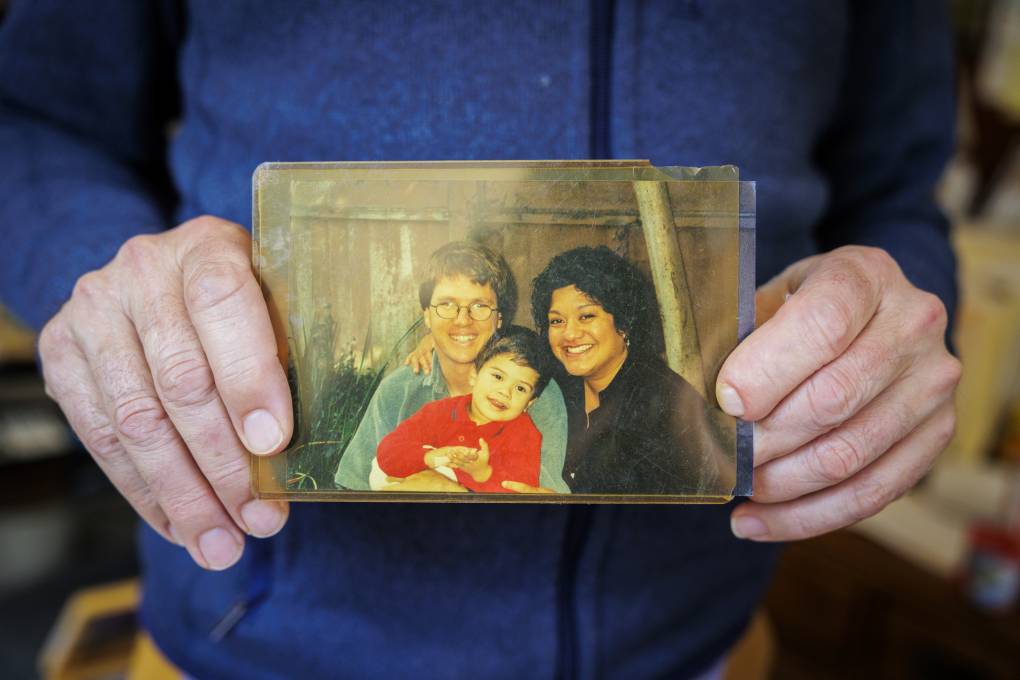
"caption": "David Alter holds a photo of himself, his wife Lisa and their son Zachary at his home in Berkeley on March 18, 2024.",
"description": null,
"title": "240318-AVOIDABLE-BED-DAYS-MD-06-KQED",
"credit": "Martin do Nascimento/KQED",
"status": "inherit",
"altTag": null,
"isLoading": false,
"fetchFailed": false
},
"news_11949742": {
"type": "attachments",
"id": "news_11949742",
"meta": {
"index": "attachments_1716263798",
"site": "news",
"id": "11949742",
"found": true
},
"parent": 11949192,
"imgSizes": {
"twentyfourteen-full-width": {
"file": "https://ww2.kqed.org/app/uploads/sites/10/2023/05/IMG_0196-1-1038x576.jpg",
"width": 1038,
"mimeType": "image/jpeg",
"height": 576
},
"thumbnail": {
"file": "https://ww2.kqed.org/app/uploads/sites/10/2023/05/IMG_0196-1-160x120.jpg",
"width": 160,
"mimeType": "image/jpeg",
"height": 120
},
"post-thumbnail": {
"file": "https://ww2.kqed.org/app/uploads/sites/10/2023/05/IMG_0196-1-672x372.jpg",
"width": 672,
"mimeType": "image/jpeg",
"height": 372
},
"kqedFullSize": {
"file": "https://ww2.kqed.org/app/uploads/sites/10/2023/05/IMG_0196-1.jpg",
"width": 2560,
"height": 1920
},
"2048x2048": {
"file": "https://ww2.kqed.org/app/uploads/sites/10/2023/05/IMG_0196-1-2048x1536.jpg",
"width": 2048,
"mimeType": "image/jpeg",
"height": 1536
},
"large": {
"file": "https://ww2.kqed.org/app/uploads/sites/10/2023/05/IMG_0196-1-1020x765.jpg",
"width": 1020,
"mimeType": "image/jpeg",
"height": 765
},
"1536x1536": {
"file": "https://ww2.kqed.org/app/uploads/sites/10/2023/05/IMG_0196-1-1536x1152.jpg",
"width": 1536,
"mimeType": "image/jpeg",
"height": 1152
},
"full-width": {
"file": "https://ww2.kqed.org/app/uploads/sites/10/2023/05/IMG_0196-1-1920x1440.jpg",
"width": 1920,
"mimeType": "image/jpeg",
"height": 1440
},
"medium": {
"file": "https://ww2.kqed.org/app/uploads/sites/10/2023/05/IMG_0196-1-800x600.jpg",
"width": 800,
"mimeType": "image/jpeg",
"height": 600
}
},
"publishDate": 1684275077,
"modified": 1684275152,
"caption": "What benefits can you apply for after you've been laid off?",
"description": null,
"title": "layoff-benefits",
"credit": "Anna Vignet/KQED",
"status": "inherit",
"altTag": "A yellow and green toned illustration of a human figure wearing a yellow jacket and light coloredpants, striding up a staircase in the middle of an M.C. Escher-style maze",
"isLoading": false,
"fetchFailed": false
},
"news_11971104": {
"type": "attachments",
"id": "news_11971104",
"meta": {
"index": "attachments_1716263798",
"site": "news",
"id": "11971104",
"found": true
},
"parent": 11971102,
"imgSizes": {
"twentyfourteen-full-width": {
"file": "https://cdn.kqed.org/wp-content/uploads/sites/10/2023/12/121923_MediCal-Expansion_LJ_CM_06-1038x576.jpg",
"width": 1038,
"mimeType": "image/jpeg",
"height": 576
},
"thumbnail": {
"file": "https://cdn.kqed.org/wp-content/uploads/sites/10/2023/12/121923_MediCal-Expansion_LJ_CM_06-160x107.jpg",
"width": 160,
"mimeType": "image/jpeg",
"height": 107
},
"post-thumbnail": {
"file": "https://cdn.kqed.org/wp-content/uploads/sites/10/2023/12/121923_MediCal-Expansion_LJ_CM_06-672x372.jpg",
"width": 672,
"mimeType": "image/jpeg",
"height": 372
},
"kqedFullSize": {
"file": "https://cdn.kqed.org/wp-content/uploads/sites/10/2023/12/121923_MediCal-Expansion_LJ_CM_06.jpg",
"width": 2000,
"height": 1333
},
"large": {
"file": "https://cdn.kqed.org/wp-content/uploads/sites/10/2023/12/121923_MediCal-Expansion_LJ_CM_06-1020x680.jpg",
"width": 1020,
"mimeType": "image/jpeg",
"height": 680
},
"1536x1536": {
"file": "https://cdn.kqed.org/wp-content/uploads/sites/10/2023/12/121923_MediCal-Expansion_LJ_CM_06-1536x1024.jpg",
"width": 1536,
"mimeType": "image/jpeg",
"height": 1024
},
"full-width": {
"file": "https://cdn.kqed.org/wp-content/uploads/sites/10/2023/12/121923_MediCal-Expansion_LJ_CM_06-1920x1280.jpg",
"width": 1920,
"mimeType": "image/jpeg",
"height": 1280
},
"medium": {
"file": "https://cdn.kqed.org/wp-content/uploads/sites/10/2023/12/121923_MediCal-Expansion_LJ_CM_06-800x533.jpg",
"width": 800,
"mimeType": "image/jpeg",
"height": 533
}
},
"publishDate": 1703794303,
"modified": 1703801619,
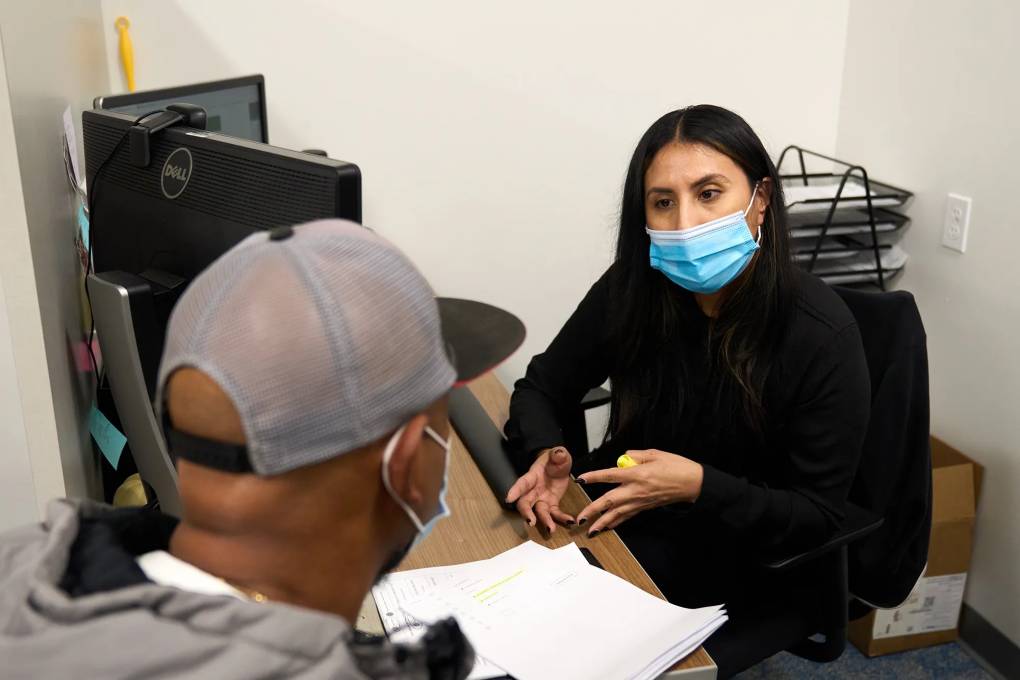
"caption": "Benefits counselor Perla Lopez assists an undocumented person who will be eligible for Medi-Cal health care coverage in the new year at St. John’s Community Health in Los Angeles on Dec. 19, 2023.",
"description": null,
"title": "121923_MediCal-Expansion_LJ_CM_06",
"credit": "Lauren Justice/CalMatters",
"status": "inherit",
"altTag": "A young woman wearing a face mask sits at her desk and talks to a man in a baseball cap. A small stack of paper is between them.",
"isLoading": false,
"fetchFailed": false
},
"news_11970417": {
"type": "attachments",
"id": "news_11970417",
"meta": {
"index": "attachments_1716263798",
"site": "news",
"id": "11970417",
"found": true
},
"parent": 11970414,
"imgSizes": {
"twentyfourteen-full-width": {
"file": "https://cdn.kqed.org/wp-content/uploads/sites/10/2023/12/07262022_MLK-Hospital_PU_CM_23-1038x576.jpeg",
"width": 1038,
"mimeType": "image/jpeg",
"height": 576
},
"thumbnail": {
"file": "https://cdn.kqed.org/wp-content/uploads/sites/10/2023/12/07262022_MLK-Hospital_PU_CM_23-160x107.jpeg",
"width": 160,
"mimeType": "image/jpeg",
"height": 107
},
"post-thumbnail": {
"file": "https://cdn.kqed.org/wp-content/uploads/sites/10/2023/12/07262022_MLK-Hospital_PU_CM_23-672x372.jpeg",
"width": 672,
"mimeType": "image/jpeg",
"height": 372
},
"kqedFullSize": {
"file": "https://cdn.kqed.org/wp-content/uploads/sites/10/2023/12/07262022_MLK-Hospital_PU_CM_23.jpeg",
"width": 2000,
"height": 1333
},
"large": {
"file": "https://cdn.kqed.org/wp-content/uploads/sites/10/2023/12/07262022_MLK-Hospital_PU_CM_23-1020x680.jpeg",
"width": 1020,
"mimeType": "image/jpeg",
"height": 680
},
"1536x1536": {
"file": "https://cdn.kqed.org/wp-content/uploads/sites/10/2023/12/07262022_MLK-Hospital_PU_CM_23-1536x1024.jpeg",
"width": 1536,
"mimeType": "image/jpeg",
"height": 1024
},
"full-width": {
"file": "https://cdn.kqed.org/wp-content/uploads/sites/10/2023/12/07262022_MLK-Hospital_PU_CM_23-1920x1280.jpeg",
"width": 1920,
"mimeType": "image/jpeg",
"height": 1280
},
"medium": {
"file": "https://cdn.kqed.org/wp-content/uploads/sites/10/2023/12/07262022_MLK-Hospital_PU_CM_23-800x533.jpeg",
"width": 800,
"mimeType": "image/jpeg",
"height": 533
}
},
"publishDate": 1703009122,
"modified": 1703015336,
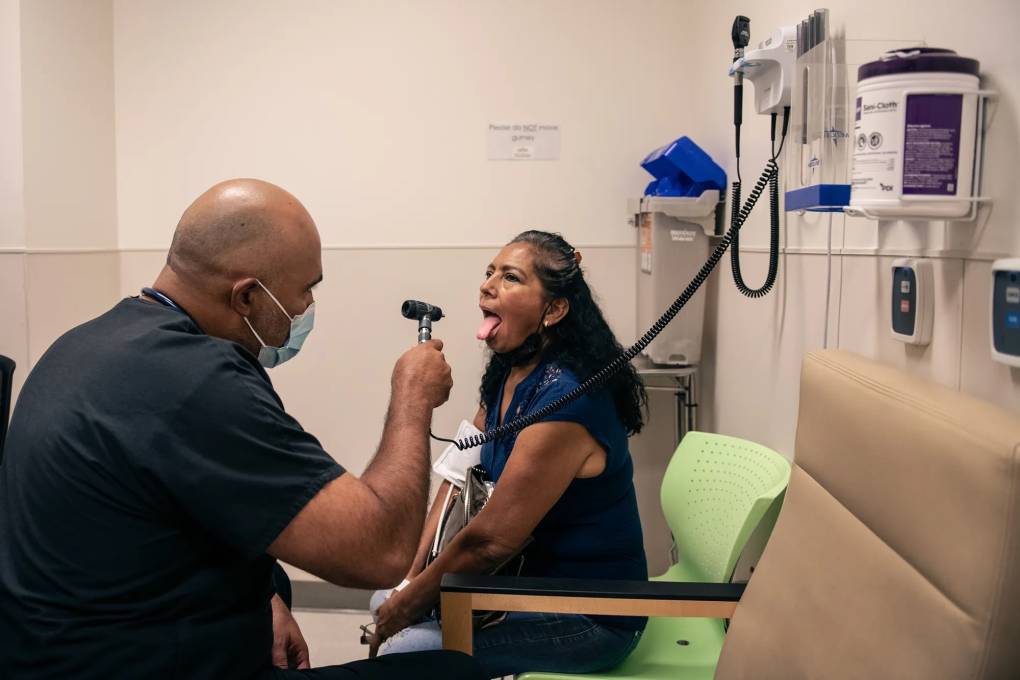
"caption": "Elvia Macedo, a Medi-Cal patient, gets a check-up with Dr. Oscar Casillas at Martin Luther King Jr. Community Hospital in Los Angeles on July 26, 2022. ",
"description": null,
"title": "07262022_MLK-Hospital_PU_CM_23",
"credit": "Pablo Unzueta/CalMatters",
"status": "inherit",
"altTag": "A male doctor examines a seated female patient who is sticking out her tongue in an exam room.",
"isLoading": false,
"fetchFailed": false
}
},
"audioPlayerReducer": {
"postId": "stream_live",
"isPaused": true,
"isPlaying": false,
"pfsActive": false,
"pledgeModalIsOpen": true,
"playerDrawerIsOpen": false,
"liveAudioPlayStartedAt": 0,
"liveAudioPlayContext": ""
},
"authorsReducer": {
"byline_news_12008703": {
"type": "authors",
"id": "byline_news_12008703",
"meta": {
"override": true
},
"slug": "byline_news_12008703",
"name": "\u003ca href=\"https://calmatters.org/author/kristen-hwang\">Kristen Hwang, \u003c/a>CalMatters",
"isLoading": false
},
"byline_news_12007435": {
"type": "authors",
"id": "byline_news_12007435",
"meta": {
"override": true
},
"slug": "byline_news_12007435",
"name": "\u003ca href=\"https://www.eltimpano.org/author/jasmine-aguilera/\">Jasmine Aguilera, \u003c/a>El Tímpano ",
"isLoading": false
},
"byline_news_11996598": {
"type": "authors",
"id": "byline_news_11996598",
"meta": {
"override": true
},
"slug": "byline_news_11996598",
"name": "\u003ca href=\"https://calmatters.org/health/mental-health/2024/07/state-hospital-bill/\">Jocelyn Wiener\u003c/a>, CalMatters",
"isLoading": false
},
"byline_news_11991442": {
"type": "authors",
"id": "byline_news_11991442",
"meta": {
"override": true
},
"slug": "byline_news_11991442",
"name": "\u003ca href=\"https://kffhealthnews.org/news/author/bernard-j-wolfson/\">Bernard J. Wolfson\u003c/a>, \u003ca href=\"https://kffhealthnews.org/\">KFF Health News\u003c/a>",
"isLoading": false
},
"byline_news_11986075": {
"type": "authors",
"id": "byline_news_11986075",
"meta": {
"override": true
},
"slug": "byline_news_11986075",
"name": "Angela Hart, KFF Health News",
"isLoading": false
},
"byline_news_11971102": {
"type": "authors",
"id": "byline_news_11971102",
"meta": {
"override": true
},
"slug": "byline_news_11971102",
"name": "\u003ca href=\"https://calmatters.org/author/kristen-hwang/\">Kristen Hwang\u003c/a>",
"isLoading": false
},
"byline_news_11970414": {
"type": "authors",
"id": "byline_news_11970414",
"meta": {
"override": true
},
"slug": "byline_news_11970414",
"name": "\u003ca href=\"https://calmatters.org/author/anaibarra/\">Ana Ibarra\u003c/a>",
"isLoading": false
},
"dmarks": {
"type": "authors",
"id": "182",
"meta": {
"index": "authors_1716337520",
"id": "182",
"found": true
},
"name": "David Marks",
"firstName": "David",
"lastName": "Marks",
"slug": "dmarks",
"email": "dmarks@kqed.org",
"display_author_email": false,
"staff_mastheads": [],
"title": "KQED Editor",
"bio": "David Marks is a senior digital editor for KQED News. \u003c/a>Reach him at dmarks@kqed.org.",
"avatar": "https://secure.gravatar.com/avatar/b88bd6227ce6cb96ae33fefaf42b2a29?s=600&d=mm&r=g",
"twitter": "divadskram",
"facebook": null,
"instagram": null,
"linkedin": null,
"sites": [
{
"site": "news",
"roles": []
},
{
"site": "science",
"roles": []
},
{
"site": "perspectives",
"roles": []
},
{
"site": "liveblog",
"roles": []
}
],
"headData": {
"title": "David Marks | KQED",
"description": "KQED Editor",
"ogImgSrc": "https://secure.gravatar.com/avatar/b88bd6227ce6cb96ae33fefaf42b2a29?s=600&d=mm&r=g",
"twImgSrc": "https://secure.gravatar.com/avatar/b88bd6227ce6cb96ae33fefaf42b2a29?s=600&d=mm&r=g"
},
"isLoading": false,
"link": "/author/dmarks"
},
"gmarzorati": {
"type": "authors",
"id": "227",
"meta": {
"index": "authors_1716337520",
"id": "227",
"found": true
},
"name": "Guy Marzorati",
"firstName": "Guy",
"lastName": "Marzorati",
"slug": "gmarzorati",
"email": "gmarzorati@KQED.org",
"display_author_email": true,
"staff_mastheads": [
"news"
],
"title": "Correspondent",
"bio": "Guy Marzorati is a correspondent on KQED's California Politics and Government Desk, based in San Jose. A graduate of Santa Clara University, Guy joined KQED in 2013. He reports on state and local politics and produces KQED's digital voter guide.",
"avatar": "https://secure.gravatar.com/avatar/e7038b8dbfd55b104369b76b1cd0b9de?s=600&d=blank&r=g",
"twitter": "guymarzorati",
"facebook": null,
"instagram": null,
"linkedin": null,
"sites": [
{
"site": "",
"roles": [
"editor"
]
},
{
"site": "news",
"roles": [
"editor"
]
},
{
"site": "science",
"roles": [
"editor"
]
},
{
"site": "forum",
"roles": [
"editor"
]
},
{
"site": "elections",
"roles": [
"editor"
]
},
{
"site": "liveblog",
"roles": [
"editor"
]
}
],
"headData": {
"title": "Guy Marzorati | KQED",
"description": "Correspondent",
"ogImgSrc": "https://secure.gravatar.com/avatar/e7038b8dbfd55b104369b76b1cd0b9de?s=600&d=blank&r=g",
"twImgSrc": "https://secure.gravatar.com/avatar/e7038b8dbfd55b104369b76b1cd0b9de?s=600&d=blank&r=g"
},
"isLoading": false,
"link": "/author/gmarzorati"
},
"carlysevern": {
"type": "authors",
"id": "3243",
"meta": {
"index": "authors_1716337520",
"id": "3243",
"found": true
},
"name": "Carly Severn",
"firstName": "Carly",
"lastName": "Severn",
"slug": "carlysevern",
"email": "csevern@kqed.org",
"display_author_email": false,
"staff_mastheads": [
"news"
],
"title": "Senior Editor, Audience News ",
"bio": "Carly is KQED's Senior Editor of Audience News on the Digital News team, and has reported for the California Report Magazine, Bay Curious and KQED Arts. She's formerly the host of \u003ca href=\"http://ww2.kqed.org/pop/category/the-cooler/\" rel=\"noopener noreferrer\">The Cooler\u003c/a> podcast.",
"avatar": "https://secure.gravatar.com/avatar/54037bf5c128fe678f0ef26cec97a93f2e7f220a22d7285703328f12c42c1b1d?s=600&d=blank&r=g",
"twitter": "teacupinthebay",
"bluesky": null,
"facebook": null,
"instagram": null,
"linkedin": null,
"sites": [
{
"site": "",
"roles": [
"editor"
]
},
{
"site": "arts",
"roles": [
"editor"
]
},
{
"site": "news",
"roles": [
"administrator"
]
},
{
"site": "pop",
"roles": [
"editor"
]
},
{
"site": "futureofyou",
"roles": [
"editor"
]
},
{
"site": "about",
"roles": [
"administrator"
]
},
{
"site": "mindshift",
"roles": [
"editor"
]
},
{
"site": "bayareabites",
"roles": [
"editor"
]
},
{
"site": "stateofhealth",
"roles": [
"editor"
]
},
{
"site": "science",
"roles": [
"editor"
]
},
{
"site": "food",
"roles": [
"contributor"
]
},
{
"site": "forum",
"roles": [
"editor"
]
},
{
"site": "perspectives",
"roles": [
"administrator"
]
},
{
"site": "liveblog",
"roles": [
"editor"
]
}
],
"headData": {
"title": "Carly Severn | KQED",
"description": "Senior Editor, Audience News ",
"ogImgSrc": "https://secure.gravatar.com/avatar/54037bf5c128fe678f0ef26cec97a93f2e7f220a22d7285703328f12c42c1b1d?s=600&d=blank&r=g",
"twImgSrc": "https://secure.gravatar.com/avatar/54037bf5c128fe678f0ef26cec97a93f2e7f220a22d7285703328f12c42c1b1d?s=600&d=blank&r=g"
},
"isLoading": false,
"link": "/author/carlysevern"
},
"ecruzguevarra": {
"type": "authors",
"id": "8654",
"meta": {
"index": "authors_1716337520",
"id": "8654",
"found": true
},
"name": "Ericka Cruz Guevarra",
"firstName": "Ericka",
"lastName": "Cruz Guevarra",
"slug": "ecruzguevarra",
"email": "ecruzguevarra@kqed.org",
"display_author_email": true,
"staff_mastheads": [
"news"
],
"title": "Producer, The Bay Podcast",
"bio": "Ericka Cruz Guevarra is host of \u003ca href=\"https://www.kqed.org/podcasts/thebay\">\u003cem>The Bay\u003c/em>\u003c/a> podcast at KQED. Before host, she was the show’s producer. Her work in that capacity includes a three-part reported series on policing in Vallejo, which won a 2020 excellence in journalism award from the Society of Professional Journalists. Ericka has worked as a breaking news reporter at Oregon Public Broadcasting, helped produce the Code Switch podcast, and was KQED’s inaugural Raul Ramirez Diversity Fund intern. She’s also an alumna of NPR’s Next Generation Radio program. Send her an email if you have strong feelings about whether Fairfield and Suisun City are the Bay. Ericka is represented by SAG-AFTRA.",
"avatar": "https://secure.gravatar.com/avatar/accefc1de4bafc7e234b69bcb9b6f6536c130fd84709bc3069ef11a78787e1bb?s=600&d=blank&r=g",
"twitter": "NotoriousECG",
"bluesky": null,
"facebook": null,
"instagram": null,
"linkedin": null,
"sites": [
{
"site": "arts",
"roles": [
"subscriber"
]
},
{
"site": "news",
"roles": [
"editor",
"manage_categories"
]
},
{
"site": "futureofyou",
"roles": [
"subscriber"
]
},
{
"site": "stateofhealth",
"roles": [
"subscriber"
]
},
{
"site": "science",
"roles": [
"editor"
]
},
{
"site": "forum",
"roles": [
"subscriber"
]
}
],
"headData": {
"title": "Ericka Cruz Guevarra | KQED",
"description": "Producer, The Bay Podcast",
"ogImgSrc": "https://secure.gravatar.com/avatar/accefc1de4bafc7e234b69bcb9b6f6536c130fd84709bc3069ef11a78787e1bb?s=600&d=blank&r=g",
"twImgSrc": "https://secure.gravatar.com/avatar/accefc1de4bafc7e234b69bcb9b6f6536c130fd84709bc3069ef11a78787e1bb?s=600&d=blank&r=g"
},
"isLoading": false,
"link": "/author/ecruzguevarra"
},
"lesleymcclurg": {
"type": "authors",
"id": "11229",
"meta": {
"index": "authors_1716337520",
"id": "11229",
"found": true
},
"name": "Lesley McClurg",
"firstName": "Lesley",
"lastName": "McClurg",
"slug": "lesleymcclurg",
"email": "lmcclurg@KQED.org",
"display_author_email": false,
"staff_mastheads": [
"news",
"science"
],
"title": "KQED Health Correspondent",
"bio": "Lesley McClurg is a health correspondent and fill-in host whose work is regularly rebroadcast on NPR and PBS programs. She’s earned multiple regional Emmy awards, a national and a regional Edward R. Murrow award, and was named Best Beat Reporter by the Association of Health Care Journalists. The Society of Professional Journalists has recognized her work several times, and the Society of Environmental Journalists spotlighted her coverage of California’s historic drought.\r\n\r\nBefore joining KQED in 2016, Lesley covered food and sustainability for Capital Public Radio, environmental issues for Colorado Public Radio, and reported for KUOW and KCTS 9 in Seattle. Away from the newsroom, she loves skiing with her daughter, mountain biking with her partner, and playing with Ollie, the family’s goldendoodle. On deadline, she runs almost entirely on chocolate chips.\r\n\r\n ",
"avatar": "https://secure.gravatar.com/avatar/bab49e972ea10c774fe0f5e29dba1722b158f7c0d58a360923d1389d380b2978?s=600&d=blank&r=g",
"twitter": "lesleywmcclurg",
"bluesky": null,
"facebook": null,
"instagram": null,
"linkedin": null,
"sites": [
{
"site": "arts",
"roles": [
"author"
]
},
{
"site": "news",
"roles": [
"editor"
]
},
{
"site": "futureofyou",
"roles": [
"editor"
]
},
{
"site": "stateofhealth",
"roles": [
"author"
]
},
{
"site": "science",
"roles": [
"editor"
]
},
{
"site": "quest",
"roles": [
"subscriber"
]
},
{
"site": "forum",
"roles": [
"administrator"
]
},
{
"site": "liveblog",
"roles": [
"author"
]
}
],
"headData": {
"title": "Lesley McClurg | KQED",
"description": "KQED Health Correspondent",
"ogImgSrc": "https://secure.gravatar.com/avatar/bab49e972ea10c774fe0f5e29dba1722b158f7c0d58a360923d1389d380b2978?s=600&d=blank&r=g",
"twImgSrc": "https://secure.gravatar.com/avatar/bab49e972ea10c774fe0f5e29dba1722b158f7c0d58a360923d1389d380b2978?s=600&d=blank&r=g"
},
"isLoading": false,
"link": "/author/lesleymcclurg"
},
"amontecillo": {
"type": "authors",
"id": "11649",
"meta": {
"index": "authors_1716337520",
"id": "11649",
"found": true
},
"name": "Alan Montecillo",
"firstName": "Alan",
"lastName": "Montecillo",
"slug": "amontecillo",
"email": "amontecillo@kqed.org",
"display_author_email": false,
"staff_mastheads": [
"news"
],
"title": "KQED Contributor",
"bio": "Alan Montecillo is the senior editor of \u003cem>\u003ca href=\"http://kqed.org/thebay\">The Bay\u003c/a>, \u003c/em> KQED's local news podcast. Before moving to the Bay Area, he worked as a senior talk show producer for WILL in Champaign-Urbana, Illinois and at Oregon Public Broadcasting in Portland, Oregon. He has won journalism awards from the Society of Professional Journalists Northern California, the Public Media Journalists Association, The Signal Awards, and has also received a regional Edward R. Murrow award. Alan is a Filipino American from Hong Kong and a graduate of Reed College.",
"avatar": "https://secure.gravatar.com/avatar/268f53a2066899ea9efdd8a5900218b17c822d9862cbc9326cccec53ef41d349?s=600&d=blank&r=g",
"twitter": "alanmontecillo",
"bluesky": null,
"facebook": null,
"instagram": null,
"linkedin": null,
"sites": [
{
"site": "",
"roles": [
"editor"
]
},
{
"site": "news",
"roles": [
"editor",
"manage_categories"
]
}
],
"headData": {
"title": "Alan Montecillo | KQED",
"description": "KQED Contributor",
"ogImgSrc": "https://secure.gravatar.com/avatar/268f53a2066899ea9efdd8a5900218b17c822d9862cbc9326cccec53ef41d349?s=600&d=blank&r=g",
"twImgSrc": "https://secure.gravatar.com/avatar/268f53a2066899ea9efdd8a5900218b17c822d9862cbc9326cccec53ef41d349?s=600&d=blank&r=g"
},
"isLoading": false,
"link": "/author/amontecillo"
},
"mesquinca": {
"type": "authors",
"id": "11802",
"meta": {
"index": "authors_1716337520",
"id": "11802",
"found": true
},
"name": "Maria Esquinca",
"firstName": "Maria",
"lastName": "Esquinca",
"slug": "mesquinca",
"email": "mesquinca@kqed.org",
"display_author_email": false,
"staff_mastheads": [],
"title": "Producer, The Bay",
"bio": "María Esquinca is a producer of The Bay. Before that, she was a New York Women’s Foundation IGNITE Fellow at Latino USA. She worked at Radio Bilingue where she covered the San Joaquin Valley. Maria has interned at WLRN, News 21, The New York Times Student Journalism Institute and at Crain’s Detroit Business as a Dow Jones News Fund Business Reporting Intern. She is an MFA graduate from the University of Miami. In 2017, she graduated from the Walter Cronkite School of Journalism and Mass Communication with a Master of Mass Communication. A fronteriza, she was born in Ciudad Juárez, Chihuahua, Mexico and grew up in El Paso, Texas.",
"avatar": "https://secure.gravatar.com/avatar/77cedba18aae91da775038ba06dcd8d0?s=600&d=blank&r=g",
"twitter": "@m_esquinca",
"facebook": null,
"instagram": null,
"linkedin": null,
"sites": [
{
"site": "news",
"roles": []
}
],
"headData": {
"title": "Maria Esquinca | KQED",
"description": "Producer, The Bay",
"ogImgSrc": "https://secure.gravatar.com/avatar/77cedba18aae91da775038ba06dcd8d0?s=600&d=blank&r=g",
"twImgSrc": "https://secure.gravatar.com/avatar/77cedba18aae91da775038ba06dcd8d0?s=600&d=blank&r=g"
},
"isLoading": false,
"link": "/author/mesquinca"
},
"eprickettmorgan": {
"type": "authors",
"id": "11898",
"meta": {
"index": "authors_1716337520",
"id": "11898",
"found": true
},
"name": "Ellie Prickett-Morgan",
"firstName": "Ellie",
"lastName": "Prickett-Morgan",
"slug": "eprickettmorgan",
"email": "eprickettmorgan@kqed.org",
"display_author_email": false,
"staff_mastheads": [],
"title": "KQED Contributor",
"bio": null,
"avatar": "https://secure.gravatar.com/avatar/fb236cba85704b1a64dc213889cd2886?s=600&d=blank&r=g",
"twitter": null,
"facebook": null,
"instagram": null,
"linkedin": null,
"sites": [
{
"site": "news",
"roles": []
}
],
"headData": {
"title": "Ellie Prickett-Morgan | KQED",
"description": "KQED Contributor",
"ogImgSrc": "https://secure.gravatar.com/avatar/fb236cba85704b1a64dc213889cd2886?s=600&d=blank&r=g",
"twImgSrc": "https://secure.gravatar.com/avatar/fb236cba85704b1a64dc213889cd2886?s=600&d=blank&r=g"
},
"isLoading": false,
"link": "/author/eprickettmorgan"
}
},
"pagesReducer": {
"news_tag_medi-cal": {
"type": "terms",
"id": "news_2605",
"meta": {
"index": "terms_1716263798",
"site": "news",
"id": "2605",
"score": 9.892363
},
"featImg": null,
"name": "Medi-Cal",
"description": null,
"taxonomy": "tag",
"headData": {
"twImgId": null,
"twTitle": null,
"ogTitle": null,
"ogImgId": null,
"twDescription": null,
"description": null,
"title": "Medi-Cal Archives | KQED News",
"ogDescription": null
},
"ttid": 2621,
"slug": "medi-cal",
"isLoading": false,
"title": "Medi-Cal",
"pageMeta": {
"site": "news",
"WpPageTemplate": "page-topic-editorial",
"currentPage": 5
},
"blocks": [
{
"blockName": "kqed/post-list",
"attrs": {
"layout": "cardArticle2",
"query": "posts/news?tag=medi-cal",
"seeMore": false,
"paginated": true,
"page": 5
}
},
{
"blockName": "kqed/ad"
}
]
}
},
"pfsSessionReducer": {},
"postsReducer": {
"stream_live": {
"type": "live",
"id": "stream_live",
"audioUrl": "https://streams.kqed.org/kqedradio",
"title": "Live Stream",
"excerpt": "Live Stream information currently unavailable.",
"link": "/radio",
"featImg": "",
"label": {
"name": "KQED Live",
"link": "/"
}
},
"stream_kqedNewscast": {
"type": "posts",
"id": "stream_kqedNewscast",
"audioUrl": "https://www.kqed.org/.stream/anon/radio/RDnews/newscast.mp3?_=1",
"title": "KQED Newscast",
"featImg": "",
"label": {
"name": "88.5 FM",
"link": "/"
}
},
"news_12010054": {
"type": "posts",
"id": "news_12010054",
"meta": {
"index": "posts_1716263798",
"site": "news",
"id": "12010054",
"score": null,
"sort": [
1729277090000
]
},
"guestAuthors": [],
"slug": "californias-native-americans-can-soon-get-traditional-healing-covered-by-medi-cal",
"title": "California’s Native Americans Can Soon Get Traditional Healing Covered by Medi-Cal",
"publishDate": 1729277090,
"format": "standard",
"headTitle": "California’s Native Americans Can Soon Get Traditional Healing Covered by Medi-Cal | KQED",
"labelTerm": {
"site": "news"
},
"content": "\u003cp>Emery Tahy of San Francisco knows firsthand the struggles of \u003ca href=\"https://www.kqed.org/news/tag/addiction-treatment\">addiction and recovery\u003c/a> — a journey that, for him, is intertwined with his experience as a Native American.\u003c/p>\n\u003cp>In his twenties, Tahy landed on the streets of Phoenix, battling severe depression and alcohol-induced seizures. About four years ago, Tahy said, he was on the brink of suicide when his siblings intervened and petitioned for court-ordered treatment.\u003c/p>\n\u003cp>While Tahy was detoxing in a psychiatric ward, he learned about the \u003ca href=\"https://www.friendshiphousesf.org/\">Friendship House\u003c/a>, a Native-led recovery treatment program in San Francisco. As soon as he was released from the Arizona hospital, he headed to California.\u003c/p>\n\u003cp>“I knew immediately that I was in the right place,” said Tahy, 43. “A traditional practitioner did prayers for me. They shared some songs with me. They put me in the sweat lodge, and I could identify with those ceremonies. And from that day moving forward, I was able to reconnect to my spiritual and cultural upbringing.”\u003c/p>\n\u003cp>[ad fullwidth]\u003c/p>\n\u003cp>Now, for the first time, \u003ca href=\"https://www.kqed.org/news/tag/medi-cal\">Medi-Cal\u003c/a> is set to cover traditional health practices such as music therapy, sweat lodges and dancing to help the state’s Native American communities battle addiction to drugs and alcohol.\u003c/p>\n\u003cp>The Medi-Cal expansion will cover two new \u003ca href=\"https://www.medicaid.gov/medicaid/section-1115-demonstrations/downloads/ca-calaim-dmnstrn-appvl-10162024.pdf\" target=\"_blank\" rel=\"noopener\">categories of intervention\u003c/a>. People suffering from a substance use disorder can seek therapy from traditional healers who offer ceremonial rituals, or they can work with trusted figures within tribal communities, such as elected officials or spiritual leaders who offer psychological support, trauma counseling and recovery guidance.\u003c/p>\n\u003cp>California is home to the largest \u003ca href=\"https://www.kqed.org/news/tag/native-americans\">Native American\u003c/a> population in the U.S., and Gov. Gavin Newsom said in a press release announcing the expansion this week that the state is “committed to healing the \u003ca href=\"https://www.kqed.org/news/12009426/the-brutal-story-behind-californias-new-native-american-genocide-education-law\">historical wounds inflicted on tribes\u003c/a>, including the health disparities Native communities face.”\u003c/p>\n\u003cfigure id=\"attachment_12009971\" class=\"wp-caption alignright\" style=\"max-width: 1333px\">\u003cimg loading=\"lazy\" decoding=\"async\" class=\"size-full wp-image-12009971\" src=\"https://cdn.kqed.org/wp-content/uploads/sites/10/2024/10/241017-EMERY-TAHY-PHOTO-KQED.jpg\" alt=\"\" width=\"1333\" height=\"2000\" srcset=\"https://cdn.kqed.org/wp-content/uploads/sites/10/2024/10/241017-EMERY-TAHY-PHOTO-KQED.jpg 1333w, https://cdn.kqed.org/wp-content/uploads/sites/10/2024/10/241017-EMERY-TAHY-PHOTO-KQED-800x1200.jpg 800w, https://cdn.kqed.org/wp-content/uploads/sites/10/2024/10/241017-EMERY-TAHY-PHOTO-KQED-1020x1530.jpg 1020w, https://cdn.kqed.org/wp-content/uploads/sites/10/2024/10/241017-EMERY-TAHY-PHOTO-KQED-160x240.jpg 160w, https://cdn.kqed.org/wp-content/uploads/sites/10/2024/10/241017-EMERY-TAHY-PHOTO-KQED-1024x1536.jpg 1024w\" sizes=\"auto, (max-width: 1333px) 100vw, 1333px\">\u003cfigcaption class=\"wp-caption-text\">Emery Tahy found healing in the Friendship House, a Native-led recovery treatment program in San Francisco. \u003ccite>(Courtesy of Maira Garcia and AJ Aguilar/Native American Health Center)\u003c/cite>\u003c/figcaption>\u003c/figure>\n\u003cp>Tahy’s battle with alcoholism began when he was a small child. He said he took his first sip of beer when he was 4, surrounded by parents, uncles, aunts and grandparents who all drank heavily on the Navajo Nation.\u003c/p>\n\u003cp>“I’m a full-blooded American Indian,” Tahy said, recounting the difficulties he faced in his youth. “Growing up, I was subjected to a lot of prejudice, racism and segregation. I didn’t have any pride in who I was. I feel like drugs and alcohol were a way to cope with that shame. Alcohol helped me socialize and gave me courage.”\u003c/p>\n\u003cp>During his teenage years, Tahy drank and began dabbling in marijuana, cocaine and crystal meth. All the while, he said, his family instilled a meaningful relationship to his culture.\u003c/p>\n\u003cp>“I was always encouraged by my grandparents, on my mom’s side, to learn and be connected to traditional Navajo ways of life,” Tahy said. “There was a deep connection to family, land and ceremonial activities connected to seasonal changes.”\u003c/p>\n\u003cp>Tahy’s story is not unique. Native American communities suffer from some of the \u003ca href=\"https://americanaddictioncenters.org/addiction-statistics/native-americans\">highest rates\u003c/a> of substance abuse and overdose deaths in the country, and health experts have long argued that Western medicine alone cannot adequately treat substance use disorders in Native American populations.\u003c/p>\n\u003cp>The crisis is compounded by centuries of historical trauma, which is why the U.S. Centers for Medicare & Medicaid Services is also \u003ca href=\"https://www.cms.gov/newsroom/press-releases/biden-harris-administration-takes-groundbreaking-action-expand-health-care-access-covering\">offering coverage\u003c/a> for tribal communities in Arizona, New Mexico and Oregon.\u003c/p>\n\u003cp>Roselyn Tso, who directs the federal Indian Health Service, has championed this work and said that “these practices have sustained our people’s health for generations and continue to serve as a vital link between culture, science and wellness in many of our communities.”\u003c/p>\n\u003ch2>Bridging two worlds: Tradition and modern medicine\u003c/h2>\n\u003cp>While clinical approaches like detox, medication-assisted treatment and behavioral therapy are essential to treating substance use disorders, they often fail to address the cultural and spiritual needs of Native patients.\u003c/p>\n\u003cp>“Traditional practices are, by nature, holistic,” said Damian Chase-Begay, a researcher focused on American Indian health at the University of Montana. “They are treating the person physically, mentally, spiritually and emotionally. They benefit the whole being, not just the physical symptoms.”\u003c/p>\n\u003cp>For years, healthcare practitioners dedicated to Indigenous communities struggled with the limitations of what insurance would cover. Medi-Cal, the state’s Medicaid program for low-income residents, reimburses for medical prescriptions or talk therapy, but traditional healing methods were often excluded from coverage, leaving many Native American patients without access to treatments that aligned with their cultural values.\u003c/p>\n\u003cp>“What California is now covering under Medi-Cal is exactly what our Native communities have been asking to be covered for years,” Chase-Begay said. “This kind of support, had it been in place, could have helped stop some intergenerational trauma and substance use years ago. I’m so thrilled that it’s in place now, but it’s long overdue.”\u003c/p>\n\u003cp>[aside postID=news_12009555 hero='https://cdn.kqed.org/wp-content/uploads/sites/10/2024/10/241014-GREAT-REDWOOD-TRAIL-AW-01-1020x764.jpg']\u003c/p>\n\u003cp>\u003ca href=\"https://ncuih.org/wp-content/uploads/03.25.24-FINAL-design-of-2023-TH-Report.pdf\">Studies\u003c/a> have shown that integrating cultural practices into addiction treatment can lead to higher engagement and more positive recovery outcomes, though most of the current research is qualitative, not quantitative.\u003c/p>\n\u003cp>The new Medi-Cal policy is set to take effect next year, with Indian Health Service providers in qualifying counties able to request reimbursement for these services starting in January.\u003c/p>\n\u003cp>“It is vital that we honor our traditional ways of healing,” said Kiana Maillet, a licensed therapist in San Diego and a member of the Lone Pine Paiute-Shoshone Tribe. “Traditional healing is deeply ingrained in our cultures. Without it, we are missing a piece of who we are.”\u003c/p>\n\u003cp>As for Tahy, he hasn’t touched a drop of alcohol since starting therapy at Friendship House.\u003c/p>\n\u003cp>He now holds a full-time job as an evaluator for the Native American Health Center in San Francisco. Soon, he will complete a master’s degree in American Indian studies. And, a few months ago, he completed the San Francisco marathon.\u003c/p>\n\u003cp>\u003c/p>\n",
"blocks": [],
"excerpt": "The expanded Medi-Cal coverage includes culturally rooted health practices to treat addiction, such as music therapy, sweat lodges and drumming.",
"status": "publish",
"parent": 0,
"modified": 1738185633,
"stats": {
"hasAudio": false,
"hasVideo": false,
"hasChartOrMap": false,
"iframeSrcs": [],
"hasGoogleForm": false,
"hasGallery": false,
"hasHearkenModule": false,
"hasPolis": false,
"paragraphCount": 26,
"wordCount": 1056
},
"headData": {
"title": "California’s Native Americans Can Soon Get Traditional Healing Covered by Medi-Cal | KQED",
"description": "The expanded Medi-Cal coverage includes culturally rooted health practices to treat addiction, such as music therapy, sweat lodges and drumming.",
"ogTitle": "",
"ogDescription": "",
"ogImgId": "",
"twTitle": "",
"twDescription": "",
"twImgId": "",
"schema": {
"@context": "https://schema.org",
"@type": "NewsArticle",
"headline": "California’s Native Americans Can Soon Get Traditional Healing Covered by Medi-Cal",
"datePublished": "2024-10-18T11:44:50-07:00",
"dateModified": "2025-01-29T13:20:33-08:00",
"image": "https://cdn.kqed.org/wp-content/uploads/2020/02/KQED-OG-Image@1x.png",
"isAccessibleForFree": "True",
"publisher": {
"@type": "NewsMediaOrganization",
"@id": "https://www.kqed.org/#organization",
"name": "KQED",
"logo": "https://cdn.kqed.org/wp-content/uploads/2020/02/KQED-OG-Image@1x.png",
"url": "https://www.kqed.org",
"sameAs": [
"https://www.facebook.com/KQED",
"https://twitter.com/KQED",
"https://www.instagram.com/kqed/",
"https://www.tiktok.com/@kqedofficial",
"https://www.linkedin.com/company/kqed",
"https://www.youtube.com/channel/UCeC0IOo7i1P_61zVUWbJ4nw"
]
}
}
},
"sticky": false,
"nprStoryId": "kqed-12010054",
"excludeFromSiteSearch": "Include",
"articleAge": "0",
"path": "/news/12010054/californias-native-americans-can-soon-get-traditional-healing-covered-by-medi-cal",
"audioTrackLength": null,
"parsedContent": [
{
"type": "contentString",
"content": "\u003cdiv class=\"post-body\">\u003cp>\u003cp>Emery Tahy of San Francisco knows firsthand the struggles of \u003ca href=\"https://www.kqed.org/news/tag/addiction-treatment\">addiction and recovery\u003c/a> — a journey that, for him, is intertwined with his experience as a Native American.\u003c/p>\n\u003cp>In his twenties, Tahy landed on the streets of Phoenix, battling severe depression and alcohol-induced seizures. About four years ago, Tahy said, he was on the brink of suicide when his siblings intervened and petitioned for court-ordered treatment.\u003c/p>\n\u003cp>While Tahy was detoxing in a psychiatric ward, he learned about the \u003ca href=\"https://www.friendshiphousesf.org/\">Friendship House\u003c/a>, a Native-led recovery treatment program in San Francisco. As soon as he was released from the Arizona hospital, he headed to California.\u003c/p>\n\u003cp>“I knew immediately that I was in the right place,” said Tahy, 43. “A traditional practitioner did prayers for me. They shared some songs with me. They put me in the sweat lodge, and I could identify with those ceremonies. And from that day moving forward, I was able to reconnect to my spiritual and cultural upbringing.”\u003c/p>\n\u003cp>\u003c/p>\u003c/div>",
"attributes": {
"named": {},
"numeric": []
}
},
{
"type": "component",
"content": "",
"name": "ad",
"attributes": {
"named": {
"label": "fullwidth"
},
"numeric": [
"fullwidth"
]
}
},
{
"type": "contentString",
"content": "\u003cdiv class=\"post-body\">\u003cp>\u003c/p>\n\u003cp>Now, for the first time, \u003ca href=\"https://www.kqed.org/news/tag/medi-cal\">Medi-Cal\u003c/a> is set to cover traditional health practices such as music therapy, sweat lodges and dancing to help the state’s Native American communities battle addiction to drugs and alcohol.\u003c/p>\n\u003cp>The Medi-Cal expansion will cover two new \u003ca href=\"https://www.medicaid.gov/medicaid/section-1115-demonstrations/downloads/ca-calaim-dmnstrn-appvl-10162024.pdf\" target=\"_blank\" rel=\"noopener\">categories of intervention\u003c/a>. People suffering from a substance use disorder can seek therapy from traditional healers who offer ceremonial rituals, or they can work with trusted figures within tribal communities, such as elected officials or spiritual leaders who offer psychological support, trauma counseling and recovery guidance.\u003c/p>\n\u003cp>California is home to the largest \u003ca href=\"https://www.kqed.org/news/tag/native-americans\">Native American\u003c/a> population in the U.S., and Gov. Gavin Newsom said in a press release announcing the expansion this week that the state is “committed to healing the \u003ca href=\"https://www.kqed.org/news/12009426/the-brutal-story-behind-californias-new-native-american-genocide-education-law\">historical wounds inflicted on tribes\u003c/a>, including the health disparities Native communities face.”\u003c/p>\n\u003cfigure id=\"attachment_12009971\" class=\"wp-caption alignright\" style=\"max-width: 1333px\">\u003cimg loading=\"lazy\" decoding=\"async\" class=\"size-full wp-image-12009971\" src=\"https://cdn.kqed.org/wp-content/uploads/sites/10/2024/10/241017-EMERY-TAHY-PHOTO-KQED.jpg\" alt=\"\" width=\"1333\" height=\"2000\" srcset=\"https://cdn.kqed.org/wp-content/uploads/sites/10/2024/10/241017-EMERY-TAHY-PHOTO-KQED.jpg 1333w, https://cdn.kqed.org/wp-content/uploads/sites/10/2024/10/241017-EMERY-TAHY-PHOTO-KQED-800x1200.jpg 800w, https://cdn.kqed.org/wp-content/uploads/sites/10/2024/10/241017-EMERY-TAHY-PHOTO-KQED-1020x1530.jpg 1020w, https://cdn.kqed.org/wp-content/uploads/sites/10/2024/10/241017-EMERY-TAHY-PHOTO-KQED-160x240.jpg 160w, https://cdn.kqed.org/wp-content/uploads/sites/10/2024/10/241017-EMERY-TAHY-PHOTO-KQED-1024x1536.jpg 1024w\" sizes=\"auto, (max-width: 1333px) 100vw, 1333px\">\u003cfigcaption class=\"wp-caption-text\">Emery Tahy found healing in the Friendship House, a Native-led recovery treatment program in San Francisco. \u003ccite>(Courtesy of Maira Garcia and AJ Aguilar/Native American Health Center)\u003c/cite>\u003c/figcaption>\u003c/figure>\n\u003cp>Tahy’s battle with alcoholism began when he was a small child. He said he took his first sip of beer when he was 4, surrounded by parents, uncles, aunts and grandparents who all drank heavily on the Navajo Nation.\u003c/p>\n\u003cp>“I’m a full-blooded American Indian,” Tahy said, recounting the difficulties he faced in his youth. “Growing up, I was subjected to a lot of prejudice, racism and segregation. I didn’t have any pride in who I was. I feel like drugs and alcohol were a way to cope with that shame. Alcohol helped me socialize and gave me courage.”\u003c/p>\n\u003cp>During his teenage years, Tahy drank and began dabbling in marijuana, cocaine and crystal meth. All the while, he said, his family instilled a meaningful relationship to his culture.\u003c/p>\n\u003cp>“I was always encouraged by my grandparents, on my mom’s side, to learn and be connected to traditional Navajo ways of life,” Tahy said. “There was a deep connection to family, land and ceremonial activities connected to seasonal changes.”\u003c/p>\n\u003cp>Tahy’s story is not unique. Native American communities suffer from some of the \u003ca href=\"https://americanaddictioncenters.org/addiction-statistics/native-americans\">highest rates\u003c/a> of substance abuse and overdose deaths in the country, and health experts have long argued that Western medicine alone cannot adequately treat substance use disorders in Native American populations.\u003c/p>\n\u003cp>The crisis is compounded by centuries of historical trauma, which is why the U.S. Centers for Medicare & Medicaid Services is also \u003ca href=\"https://www.cms.gov/newsroom/press-releases/biden-harris-administration-takes-groundbreaking-action-expand-health-care-access-covering\">offering coverage\u003c/a> for tribal communities in Arizona, New Mexico and Oregon.\u003c/p>\n\u003cp>Roselyn Tso, who directs the federal Indian Health Service, has championed this work and said that “these practices have sustained our people’s health for generations and continue to serve as a vital link between culture, science and wellness in many of our communities.”\u003c/p>\n\u003ch2>Bridging two worlds: Tradition and modern medicine\u003c/h2>\n\u003cp>While clinical approaches like detox, medication-assisted treatment and behavioral therapy are essential to treating substance use disorders, they often fail to address the cultural and spiritual needs of Native patients.\u003c/p>\n\u003cp>“Traditional practices are, by nature, holistic,” said Damian Chase-Begay, a researcher focused on American Indian health at the University of Montana. “They are treating the person physically, mentally, spiritually and emotionally. They benefit the whole being, not just the physical symptoms.”\u003c/p>\n\u003cp>For years, healthcare practitioners dedicated to Indigenous communities struggled with the limitations of what insurance would cover. Medi-Cal, the state’s Medicaid program for low-income residents, reimburses for medical prescriptions or talk therapy, but traditional healing methods were often excluded from coverage, leaving many Native American patients without access to treatments that aligned with their cultural values.\u003c/p>\n\u003cp>“What California is now covering under Medi-Cal is exactly what our Native communities have been asking to be covered for years,” Chase-Begay said. “This kind of support, had it been in place, could have helped stop some intergenerational trauma and substance use years ago. I’m so thrilled that it’s in place now, but it’s long overdue.”\u003c/p>\n\u003cp>\u003c/p>\u003c/div>",
"attributes": {
"named": {},
"numeric": []
}
},
{
"type": "component",
"content": "",
"name": "aside",
"attributes": {
"named": {
"postid": "news_12009555",
"hero": "https://cdn.kqed.org/wp-content/uploads/sites/10/2024/10/241014-GREAT-REDWOOD-TRAIL-AW-01-1020x764.jpg",
"label": ""
},
"numeric": []
}
},
{
"type": "contentString",
"content": "\u003cdiv class=\"post-body\">\u003cp>\u003c/p>\n\u003cp>\u003ca href=\"https://ncuih.org/wp-content/uploads/03.25.24-FINAL-design-of-2023-TH-Report.pdf\">Studies\u003c/a> have shown that integrating cultural practices into addiction treatment can lead to higher engagement and more positive recovery outcomes, though most of the current research is qualitative, not quantitative.\u003c/p>\n\u003cp>The new Medi-Cal policy is set to take effect next year, with Indian Health Service providers in qualifying counties able to request reimbursement for these services starting in January.\u003c/p>\n\u003cp>“It is vital that we honor our traditional ways of healing,” said Kiana Maillet, a licensed therapist in San Diego and a member of the Lone Pine Paiute-Shoshone Tribe. “Traditional healing is deeply ingrained in our cultures. Without it, we are missing a piece of who we are.”\u003c/p>\n\u003cp>As for Tahy, he hasn’t touched a drop of alcohol since starting therapy at Friendship House.\u003c/p>\n\u003cp>He now holds a full-time job as an evaluator for the Native American Health Center in San Francisco. Soon, he will complete a master’s degree in American Indian studies. And, a few months ago, he completed the San Francisco marathon.\u003c/p>\n\u003cp>\u003c/p>\n\u003c/div>\u003c/p>",
"attributes": {
"named": {},
"numeric": []
}
}
],
"link": "/news/12010054/californias-native-americans-can-soon-get-traditional-healing-covered-by-medi-cal",
"authors": [
"11229"
],
"categories": [
"news_31795",
"news_457",
"news_8"
],
"tags": [
"news_18543",
"news_2605",
"news_21512",
"news_1261",
"news_1262"
],
"featImg": "news_12010056",
"label": "news"
},
"news_12008703": {
"type": "posts",
"id": "news_12008703",
"meta": {
"index": "posts_1716263798",
"site": "news",
"id": "12008703",
"score": null,
"sort": [
1728507628000
]
},
"guestAuthors": [],
"slug": "proposition-35-aims-to-improve-health-care-for-low-income-californians-critics-warn-it-could-backfire",
"title": "Proposition 35 Aims to Improve Health Care for Low-Income Californians. Critics Warn it Could Backfire",
"publishDate": 1728507628,
"format": "standard",
"headTitle": "Proposition 35 Aims to Improve Health Care for Low-Income Californians. Critics Warn it Could Backfire | KQED",
"labelTerm": {
"term": 18481,
"site": "news"
},
"content": "\u003cp>Among the blitz of election ads flooding TV, social media and street corners, you won’t see any opposition to a \u003ca href=\"https://calmatters.org/politics/elections/2024/10/california-propositions-november-election/\" target=\"_blank\" rel=\"noreferrer noopener\">ballot measure\u003c/a> proposing to lock in billions of dollars to pay doctors more for treating low-income patients.\u003c/p>\n\u003cp>However, opponents of \u003ca href=\"https://calmatters.org/california-voter-guide-2024/propositions/prop-35-health-care-tax/\" target=\"_blank\" rel=\"noreferrer noopener\">Proposition 35\u003c/a> have a warning, even if they don’t have the money to pay for ads: The measure could backfire and cause the state to lose billions in federal funding.\u003c/p>\n\u003cp>\u003ca href=\"https://calmatters.org/health/2024/07/medi-cal-mco-tax-initiative/\" target=\"_blank\" rel=\"noreferrer noopener\">Proposition 35 would take an existing tax on health insurance plans\u003c/a> and use the money to increase payment to doctors and other providers who see Medi-Cal patients. Its supporters have \u003ca href=\"https://powersearch.sos.ca.gov/advanced.php\" target=\"_blank\" rel=\"noreferrer noopener\">raised $50 million\u003c/a>, drawing from groups representing hospitals, doctors and insurers.\u003c/p>\n\u003cp>\u003ca href=\"https://calmatters.org/tag/medi-cal/\" target=\"_blank\" rel=\"noreferrer noopener\">Medi-Cal\u003c/a>, the subsidized insurance plan serving some 14 million Californians, has ballooned in size over the past decade with increased eligibility and benefits. But those changes haven’t come with a commensurate increase in payment to doctors.\u003c/p>\n\u003cp>As a result, health care providers and advocates say too few doctors accept Medi-Cal, leaving patients with nowhere to turn.\u003c/p>\n\u003cp>According to the \u003ca href=\"https://www.ppic.org/publication/ppic-statewide-survey-californians-and-their-government-september-2024/\" target=\"_blank\" rel=\"noreferrer noopener\">Public Policy Institute of California\u003c/a>, the measure is leading and likely to pass.\u003c/p>\n\u003cp>However, opponents, represented by a small coalition of community health advocates, seniors and activists for good governance, say the details of the proposition put the state at risk of losing billions in federal funding.\u003c/p>\n\u003cp>That’s because the federal government, under both the Biden and Trump administrations, has warned California that its tax on health plans to fund Medi-Cal services takes unfair advantage of a loophole in federal regulations. The federal Centers for Medicare and Medicaid Services intends to close that loophole, \u003ca href=\"https://www.dhcs.ca.gov/Documents/CA-MCO-Tax-Waiver.pdf\">regulators wrote in a letter\u003c/a> to California officials late last year.\u003c/p>\n\u003cp>“This is the fatal flaw of this initiative,” said Kiran Savage-Sangwan, executive director of the California Pan-Ethnic Health Coalition, which is leading the opposition. “We can all have opinions on how to spend the money, but we have to raise the funds first.”\u003c/p>\n\u003cp>The problem, opponents say, lies in how California taxes health plans and how Proposition 35 limits changes in the future.\u003c/p>\n\u003cp>Right now, the Managed Care Organization Tax, also known as the MCO Tax, generates revenue for Medi-Cal by taxing health insurers that serve both Medi-Cal and commercially insured patients. The federal government gives California a dollar-for-dollar match to whatever the tax raises funds. For Proposition 35, that’s an estimated $7 billion to $8 billion annually through 2027.\u003c/p>\n\u003cp>However, California has historically placed the majority of the tax burden on Medi-Cal insurers and not commercial insurers. In its letter to state officials, federal regulators said Medi-Cal plans represent 50% of all insured people but bear “99% of the total tax burden.” That is at odds with the spirit of the law, which is meant to redistribute revenue from commercial insurers to Medi-Cal plans, regulators wrote.\u003c/p>\n\u003cp>Proposition 35 would cap the tax on commercial insurers at a minimal rate. Any attempts to modify the tax would have to go back to the ballot box or be approved by three-fourths of the Legislature. Opponents say that means federal rule changes requiring the commercial tax to be more equal to the Medi-Cal tax will force the state to reduce taxes on the Medi-Cal plans.\u003c/p>\n\u003cp>“The end result of that is when the federal government makes good on their promise to change the rules on this tax, the revenue we raise from this tax will be dramatically reduced, and we would leave billions of dollars on the table,” Savage-Sangwan said.\u003c/p>\n\u003cp>Proponents of the measure said this argument is false but did not provide details. They say Proposition 35 will make the Medi-Cal program more stable and higher rates will encourage more providers to see low-income patients.\u003c/p>\n\u003cp>California’s Medi-Cal reimbursement rates fall in the bottom third compared to all other states, according to the \u003ca href=\"https://www.kff.org/medicaid/state-indicator/medicaid-to-medicare-fee-index/?currentTimeframe=0&sortModel=%7B%22colId%22:%22All%20Services%22,%22sort%22:%22desc%22%7D\" target=\"_blank\" rel=\"noreferrer noopener\">Kaiser Family Foundation\u003c/a>, and \u003ca href=\"https://calmatters.org/health/2024/02/midwife-medi-cal/?series=no-deliveries-maternity-care\" target=\"_blank\" rel=\"noreferrer noopener\">rates for specific services like obstetrics\u003c/a> are among the lowest in the country.[aside label=\"2024 California Voter Guide\" link1='https://www.kqed.org/voterguide,Learn everything you need to cast an informed ballot for the 2024 general election' hero=https://cdn.kqed.org/wp-content/uploads/sites/80/2024/09/Aside-California-Voter-Guide-2024-General-Election-1200x1200-1.png]\u003c/p>\n\u003cp>“Prop. 35 is a critically needed investment to protect and expand access to care for Medi-Cal patients and all Californians,” said Molly Weedn, spokesperson for the Yes on Prop. 35 campaign, in a statement. “The principal purpose behind Prop. 35 is to provide stability and predictability… to address the significant shortfall of providers who can see Medi-Cal patients.”\u003c/p>\n\u003cp>The California Association of Health Plans said that it did not ask for the commercial tax cap in the proposition and that it has historically supported this tax structure to pay for Medi-Cal. A higher tax on commercial plans could increase premiums.\u003c/p>\n\u003ch2>Where is Gov. Newsom on Proposition 35?\u003c/h2>\n\u003cp>The largest donors to the yes campaign are the California Hospital Association, Global Medical Response, and the California Medical Association, which collectively donated $38 million. Opponents have raised no money, according to \u003ca href=\"https://powersearch.sos.ca.gov/advanced.php\" target=\"_blank\" rel=\"noreferrer noopener\">state campaign finance records\u003c/a>.\u003c/p>\n\u003cp>Gov. Gavin Newsom has not taken a formal stance on the measure, although he said at a press conference in July that he’s concerned about how it would lock in tax revenue for a single purpose. The state budget he signed that month shifted most of the tax revenue from the tax on health insurers into the general fund to pay for the Medi-Cal program.[aside label=\"From the 2024 Voter Guide\" link1='https://www.kqed.org/voterguide/california,Learn about the California Propositions' hero=https://cdn.kqed.org/wp-content/uploads/sites/80/2024/09/Aside-California-Propositions-2024-General-Election-1200x1200-1.png]\u003c/p>\n\u003cp>If voters approve Proposition 35, the state would face a $2.6 billion deficit in the current budget, which relies on the tax to fill in gaps. That deficit would increase to $11.9 billion over the next three budget cycles, according to an analysis from the Department of Finance.\u003c/p>\n\u003cp>“This initiative hamstrings our ability to have the kind of flexibility that’s required at the moment we’re living in. I haven’t come out publicly against it. But I’m implying a point of view. Perhaps you can read between those many, many lines,” \u003ca href=\"https://calmatters.org/newsletter/newsom-ballot-measures/\" target=\"_blank\" rel=\"noreferrer noopener\">Newsom said at the press conference\u003c/a>.\u003c/p>\n\u003cp>Newsom’s office did not respond to multiple requests on whether he would formally oppose the measure.\u003c/p>\n\u003cp>Savage-Sangwan said the opposition had not solicited any money for their campaign.\u003c/p>\n\u003cp>“We are using the very small megaphone that we do have to just get the facts out,” she said.\u003c/p>\n\u003ch2>Trade-offs in 2024 health care ballot measure\u003c/h2>\n\u003cp>The political split over Proposition 35 is unusual. The measure’s opponents are often on the same side as its supporters when it comes to health policy issues in the Capitol. But community health advocates say they’re speaking up because the future ramifications of the initiative are too risky.\u003c/p>\n\u003cp>“We want to make clear that the goals of the prop are goals we agree with. We recognize our providers in Medi-Cal are paid far too little, and that disproportionately impacts people of color, children of color especially,” said Mayra Alvarez, president of The Children’s Partnership, another opposing group.\u003c/p>\n\u003cp>[ad fullwidth]\u003c/p>\n\u003cp>Some lawmakers agree. During multiple budget hearings, Sen. Caroline Menjivar, a Democrat from Van Nuys, came to oppose the proposition in part because the industry organizations that negotiated who would get money from the tax left out “community providers” and those “who don’t have high-paid lobbyists.”\u003c/p>\n\u003cp>“By listening to those with boots on the ground, the legislature developed a plan to equitably address many Medi-Cal concerns over the next few years,” Menjivar said in a statement from the opposition campaign.\u003c/p>\n\u003cp>The tax is expected to generate more than $30 billion over the next four years. The budget Newsom signed puts most of the money in the state’s general spending account but sets aside roughly $2 billion to increase rates for services, including community health workers, private duty nursing, adult and children’s day centers and children at risk of \u003ca href=\"https://calmatters.org/health/2023/07/medi-cal-eligibility-california-review/\" target=\"_blank\" rel=\"noreferrer noopener\">automatic Medi-Cal disenrollment\u003c/a>. If Proposition 35 passes, different groups will get rate increases.\u003c/p>\n\u003cp>Weedn with the Yes on Prop. 35 campaign said the initiative won’t automatically cause cuts if it passes. It would be up to the Legislature to decide how to pay for the programs opponents are worried about, she said, and that the initiative provides about $2 billion of flexible dollars annually for legislative priorities.\u003c/p>\n\u003cp>\u003ca href=\"https://cdn.kqed.org/wp-content/uploads/sites/10/2024/10/Screenshot-2024-10-09-at-10.11.15%E2%80%AFAM.png\">\u003cimg loading=\"lazy\" decoding=\"async\" class=\"aligncenter size-full wp-image-12008728\" src=\"https://cdn.kqed.org/wp-content/uploads/sites/10/2024/10/Screenshot-2024-10-09-at-10.11.15%E2%80%AFAM.png\" alt='A screenshot of a graph that reads \"Which California health providers get rate increases under the MCO tax?\"' width=\"1258\" height=\"1346\" srcset=\"https://cdn.kqed.org/wp-content/uploads/sites/10/2024/10/Screenshot-2024-10-09-at-10.11.15 AM.png 1258w, https://cdn.kqed.org/wp-content/uploads/sites/10/2024/10/Screenshot-2024-10-09-at-10.11.15 AM-800x856.png 800w, https://cdn.kqed.org/wp-content/uploads/sites/10/2024/10/Screenshot-2024-10-09-at-10.11.15 AM-1020x1091.png 1020w, https://cdn.kqed.org/wp-content/uploads/sites/10/2024/10/Screenshot-2024-10-09-at-10.11.15 AM-160x171.png 160w\" sizes=\"auto, (max-width: 1258px) 100vw, 1258px\">\u003c/a>\u003c/p>\n\u003cp>[ad floatright]\u003c/p>\n",
"blocks": [],
"excerpt": "Proposition 35 would take an existing tax on health insurance plans and use the money to increase payment to doctors who see Medi-Cal patients. Critics say it could backfire and cause the state to lose billions in federal funding.",
"status": "publish",
"parent": 0,
"modified": 1738186093,
"stats": {
"hasAudio": false,
"hasVideo": false,
"hasChartOrMap": false,
"iframeSrcs": [],
"hasGoogleForm": false,
"hasGallery": false,
"hasHearkenModule": false,
"hasPolis": false,
"paragraphCount": 34,
"wordCount": 1491
},
"headData": {
"title": "Proposition 35 Aims to Improve Health Care for Low-Income Californians. Critics Warn it Could Backfire | KQED",
"description": "Proposition 35 would take an existing tax on health insurance plans and use the money to increase payment to doctors who see Medi-Cal patients. Critics say it could backfire and cause the state to lose billions in federal funding.",
"ogTitle": "",
"ogDescription": "",
"ogImgId": "",
"twTitle": "",
"twDescription": "",
"twImgId": "",
"schema": {
"@context": "https://schema.org",
"@type": "NewsArticle",
"headline": "Proposition 35 Aims to Improve Health Care for Low-Income Californians. Critics Warn it Could Backfire",
"datePublished": "2024-10-09T14:00:28-07:00",
"dateModified": "2025-01-29T13:28:13-08:00",
"image": "https://cdn.kqed.org/wp-content/uploads/2020/02/KQED-OG-Image@1x.png",
"isAccessibleForFree": "True",
"publisher": {
"@type": "NewsMediaOrganization",
"@id": "https://www.kqed.org/#organization",
"name": "KQED",
"logo": "https://cdn.kqed.org/wp-content/uploads/2020/02/KQED-OG-Image@1x.png",
"url": "https://www.kqed.org",
"sameAs": [
"https://www.facebook.com/KQED",
"https://twitter.com/KQED",
"https://www.instagram.com/kqed/",
"https://www.tiktok.com/@kqedofficial",
"https://www.linkedin.com/company/kqed",
"https://www.youtube.com/channel/UCeC0IOo7i1P_61zVUWbJ4nw"
]
}
}
},
"sticky": false,
"nprByline": "\u003ca href=\"https://calmatters.org/author/kristen-hwang\">Kristen Hwang, \u003c/a>CalMatters",
"excludeFromSiteSearch": "Include",
"showOnAuthorArchivePages": "No",
"articleAge": "0",
"path": "/news/12008703/proposition-35-aims-to-improve-health-care-for-low-income-californians-critics-warn-it-could-backfire",
"audioTrackLength": null,
"parsedContent": [
{
"type": "contentString",
"content": "\u003cdiv class=\"post-body\">\u003cp>\u003cp>Among the blitz of election ads flooding TV, social media and street corners, you won’t see any opposition to a \u003ca href=\"https://calmatters.org/politics/elections/2024/10/california-propositions-november-election/\" target=\"_blank\" rel=\"noreferrer noopener\">ballot measure\u003c/a> proposing to lock in billions of dollars to pay doctors more for treating low-income patients.\u003c/p>\n\u003cp>However, opponents of \u003ca href=\"https://calmatters.org/california-voter-guide-2024/propositions/prop-35-health-care-tax/\" target=\"_blank\" rel=\"noreferrer noopener\">Proposition 35\u003c/a> have a warning, even if they don’t have the money to pay for ads: The measure could backfire and cause the state to lose billions in federal funding.\u003c/p>\n\u003cp>\u003ca href=\"https://calmatters.org/health/2024/07/medi-cal-mco-tax-initiative/\" target=\"_blank\" rel=\"noreferrer noopener\">Proposition 35 would take an existing tax on health insurance plans\u003c/a> and use the money to increase payment to doctors and other providers who see Medi-Cal patients. Its supporters have \u003ca href=\"https://powersearch.sos.ca.gov/advanced.php\" target=\"_blank\" rel=\"noreferrer noopener\">raised $50 million\u003c/a>, drawing from groups representing hospitals, doctors and insurers.\u003c/p>\n\u003cp>\u003ca href=\"https://calmatters.org/tag/medi-cal/\" target=\"_blank\" rel=\"noreferrer noopener\">Medi-Cal\u003c/a>, the subsidized insurance plan serving some 14 million Californians, has ballooned in size over the past decade with increased eligibility and benefits. But those changes haven’t come with a commensurate increase in payment to doctors.\u003c/p>\n\u003cp>As a result, health care providers and advocates say too few doctors accept Medi-Cal, leaving patients with nowhere to turn.\u003c/p>\n\u003cp>According to the \u003ca href=\"https://www.ppic.org/publication/ppic-statewide-survey-californians-and-their-government-september-2024/\" target=\"_blank\" rel=\"noreferrer noopener\">Public Policy Institute of California\u003c/a>, the measure is leading and likely to pass.\u003c/p>\n\u003cp>However, opponents, represented by a small coalition of community health advocates, seniors and activists for good governance, say the details of the proposition put the state at risk of losing billions in federal funding.\u003c/p>\n\u003cp>That’s because the federal government, under both the Biden and Trump administrations, has warned California that its tax on health plans to fund Medi-Cal services takes unfair advantage of a loophole in federal regulations. The federal Centers for Medicare and Medicaid Services intends to close that loophole, \u003ca href=\"https://www.dhcs.ca.gov/Documents/CA-MCO-Tax-Waiver.pdf\">regulators wrote in a letter\u003c/a> to California officials late last year.\u003c/p>\n\u003cp>“This is the fatal flaw of this initiative,” said Kiran Savage-Sangwan, executive director of the California Pan-Ethnic Health Coalition, which is leading the opposition. “We can all have opinions on how to spend the money, but we have to raise the funds first.”\u003c/p>\n\u003cp>The problem, opponents say, lies in how California taxes health plans and how Proposition 35 limits changes in the future.\u003c/p>\n\u003cp>Right now, the Managed Care Organization Tax, also known as the MCO Tax, generates revenue for Medi-Cal by taxing health insurers that serve both Medi-Cal and commercially insured patients. The federal government gives California a dollar-for-dollar match to whatever the tax raises funds. For Proposition 35, that’s an estimated $7 billion to $8 billion annually through 2027.\u003c/p>\n\u003cp>However, California has historically placed the majority of the tax burden on Medi-Cal insurers and not commercial insurers. In its letter to state officials, federal regulators said Medi-Cal plans represent 50% of all insured people but bear “99% of the total tax burden.” That is at odds with the spirit of the law, which is meant to redistribute revenue from commercial insurers to Medi-Cal plans, regulators wrote.\u003c/p>\n\u003cp>Proposition 35 would cap the tax on commercial insurers at a minimal rate. Any attempts to modify the tax would have to go back to the ballot box or be approved by three-fourths of the Legislature. Opponents say that means federal rule changes requiring the commercial tax to be more equal to the Medi-Cal tax will force the state to reduce taxes on the Medi-Cal plans.\u003c/p>\n\u003cp>“The end result of that is when the federal government makes good on their promise to change the rules on this tax, the revenue we raise from this tax will be dramatically reduced, and we would leave billions of dollars on the table,” Savage-Sangwan said.\u003c/p>\n\u003cp>Proponents of the measure said this argument is false but did not provide details. They say Proposition 35 will make the Medi-Cal program more stable and higher rates will encourage more providers to see low-income patients.\u003c/p>\n\u003cp>California’s Medi-Cal reimbursement rates fall in the bottom third compared to all other states, according to the \u003ca href=\"https://www.kff.org/medicaid/state-indicator/medicaid-to-medicare-fee-index/?currentTimeframe=0&sortModel=%7B%22colId%22:%22All%20Services%22,%22sort%22:%22desc%22%7D\" target=\"_blank\" rel=\"noreferrer noopener\">Kaiser Family Foundation\u003c/a>, and \u003ca href=\"https://calmatters.org/health/2024/02/midwife-medi-cal/?series=no-deliveries-maternity-care\" target=\"_blank\" rel=\"noreferrer noopener\">rates for specific services like obstetrics\u003c/a> are among the lowest in the country.\u003c/p>\u003c/div>",
"attributes": {
"named": {},
"numeric": []
}
},
{
"type": "component",
"content": "",
"name": "aside",
"attributes": {
"named": {
"label": "2024 California Voter Guide ",
"link1": "https://www.kqed.org/voterguide,Learn everything you need to cast an informed ballot for the 2024 general election",
"hero": "https://cdn.kqed.org/wp-content/uploads/sites/80/2024/09/Aside-California-Voter-Guide-2024-General-Election-1200x1200-1.png"
},
"numeric": []
}
},
{
"type": "contentString",
"content": "\u003cdiv class=\"post-body\">\u003cp>\u003c/p>\n\u003cp>“Prop. 35 is a critically needed investment to protect and expand access to care for Medi-Cal patients and all Californians,” said Molly Weedn, spokesperson for the Yes on Prop. 35 campaign, in a statement. “The principal purpose behind Prop. 35 is to provide stability and predictability… to address the significant shortfall of providers who can see Medi-Cal patients.”\u003c/p>\n\u003cp>The California Association of Health Plans said that it did not ask for the commercial tax cap in the proposition and that it has historically supported this tax structure to pay for Medi-Cal. A higher tax on commercial plans could increase premiums.\u003c/p>\n\u003ch2>Where is Gov. Newsom on Proposition 35?\u003c/h2>\n\u003cp>The largest donors to the yes campaign are the California Hospital Association, Global Medical Response, and the California Medical Association, which collectively donated $38 million. Opponents have raised no money, according to \u003ca href=\"https://powersearch.sos.ca.gov/advanced.php\" target=\"_blank\" rel=\"noreferrer noopener\">state campaign finance records\u003c/a>.\u003c/p>\n\u003cp>Gov. Gavin Newsom has not taken a formal stance on the measure, although he said at a press conference in July that he’s concerned about how it would lock in tax revenue for a single purpose. The state budget he signed that month shifted most of the tax revenue from the tax on health insurers into the general fund to pay for the Medi-Cal program.\u003c/p>\u003c/div>",
"attributes": {
"named": {},
"numeric": []
}
},
{
"type": "component",
"content": "",
"name": "aside",
"attributes": {
"named": {
"label": "From the 2024 Voter Guide ",
"link1": "https://www.kqed.org/voterguide/california,Learn about the California Propositions",
"hero": "https://cdn.kqed.org/wp-content/uploads/sites/80/2024/09/Aside-California-Propositions-2024-General-Election-1200x1200-1.png"
},
"numeric": []
}
},
{
"type": "contentString",
"content": "\u003cdiv class=\"post-body\">\u003cp>\u003c/p>\n\u003cp>If voters approve Proposition 35, the state would face a $2.6 billion deficit in the current budget, which relies on the tax to fill in gaps. That deficit would increase to $11.9 billion over the next three budget cycles, according to an analysis from the Department of Finance.\u003c/p>\n\u003cp>“This initiative hamstrings our ability to have the kind of flexibility that’s required at the moment we’re living in. I haven’t come out publicly against it. But I’m implying a point of view. Perhaps you can read between those many, many lines,” \u003ca href=\"https://calmatters.org/newsletter/newsom-ballot-measures/\" target=\"_blank\" rel=\"noreferrer noopener\">Newsom said at the press conference\u003c/a>.\u003c/p>\n\u003cp>Newsom’s office did not respond to multiple requests on whether he would formally oppose the measure.\u003c/p>\n\u003cp>Savage-Sangwan said the opposition had not solicited any money for their campaign.\u003c/p>\n\u003cp>“We are using the very small megaphone that we do have to just get the facts out,” she said.\u003c/p>\n\u003ch2>Trade-offs in 2024 health care ballot measure\u003c/h2>\n\u003cp>The political split over Proposition 35 is unusual. The measure’s opponents are often on the same side as its supporters when it comes to health policy issues in the Capitol. But community health advocates say they’re speaking up because the future ramifications of the initiative are too risky.\u003c/p>\n\u003cp>“We want to make clear that the goals of the prop are goals we agree with. We recognize our providers in Medi-Cal are paid far too little, and that disproportionately impacts people of color, children of color especially,” said Mayra Alvarez, president of The Children’s Partnership, another opposing group.\u003c/p>\n\u003cp>\u003c/p>\u003c/div>",
"attributes": {
"named": {},
"numeric": []
}
},
{
"type": "component",
"content": "",
"name": "ad",
"attributes": {
"named": {
"label": "fullwidth"
},
"numeric": [
"fullwidth"
]
}
},
{
"type": "contentString",
"content": "\u003cdiv class=\"post-body\">\u003cp>\u003c/p>\n\u003cp>Some lawmakers agree. During multiple budget hearings, Sen. Caroline Menjivar, a Democrat from Van Nuys, came to oppose the proposition in part because the industry organizations that negotiated who would get money from the tax left out “community providers” and those “who don’t have high-paid lobbyists.”\u003c/p>\n\u003cp>“By listening to those with boots on the ground, the legislature developed a plan to equitably address many Medi-Cal concerns over the next few years,” Menjivar said in a statement from the opposition campaign.\u003c/p>\n\u003cp>The tax is expected to generate more than $30 billion over the next four years. The budget Newsom signed puts most of the money in the state’s general spending account but sets aside roughly $2 billion to increase rates for services, including community health workers, private duty nursing, adult and children’s day centers and children at risk of \u003ca href=\"https://calmatters.org/health/2023/07/medi-cal-eligibility-california-review/\" target=\"_blank\" rel=\"noreferrer noopener\">automatic Medi-Cal disenrollment\u003c/a>. If Proposition 35 passes, different groups will get rate increases.\u003c/p>\n\u003cp>Weedn with the Yes on Prop. 35 campaign said the initiative won’t automatically cause cuts if it passes. It would be up to the Legislature to decide how to pay for the programs opponents are worried about, she said, and that the initiative provides about $2 billion of flexible dollars annually for legislative priorities.\u003c/p>\n\u003cp>\u003ca href=\"https://cdn.kqed.org/wp-content/uploads/sites/10/2024/10/Screenshot-2024-10-09-at-10.11.15%E2%80%AFAM.png\">\u003cimg loading=\"lazy\" decoding=\"async\" class=\"aligncenter size-full wp-image-12008728\" src=\"https://cdn.kqed.org/wp-content/uploads/sites/10/2024/10/Screenshot-2024-10-09-at-10.11.15%E2%80%AFAM.png\" alt='A screenshot of a graph that reads \"Which California health providers get rate increases under the MCO tax?\"' width=\"1258\" height=\"1346\" srcset=\"https://cdn.kqed.org/wp-content/uploads/sites/10/2024/10/Screenshot-2024-10-09-at-10.11.15 AM.png 1258w, https://cdn.kqed.org/wp-content/uploads/sites/10/2024/10/Screenshot-2024-10-09-at-10.11.15 AM-800x856.png 800w, https://cdn.kqed.org/wp-content/uploads/sites/10/2024/10/Screenshot-2024-10-09-at-10.11.15 AM-1020x1091.png 1020w, https://cdn.kqed.org/wp-content/uploads/sites/10/2024/10/Screenshot-2024-10-09-at-10.11.15 AM-160x171.png 160w\" sizes=\"auto, (max-width: 1258px) 100vw, 1258px\">\u003c/a>\u003c/p>\n\u003cp>\u003c/p>\u003c/div>",
"attributes": {
"named": {},
"numeric": []
}
},
{
"type": "component",
"content": "",
"name": "ad",
"attributes": {
"named": {
"label": "floatright"
},
"numeric": [
"floatright"
]
}
},
{
"type": "contentString",
"content": "\u003cdiv class=\"post-body\">\u003cp>\u003c/p>\n\u003c/div>\u003c/p>",
"attributes": {
"named": {},
"numeric": []
}
}
],
"link": "/news/12008703/proposition-35-aims-to-improve-health-care-for-low-income-californians-critics-warn-it-could-backfire",
"authors": [
"byline_news_12008703"
],
"categories": [
"news_8"
],
"tags": [
"news_16",
"news_18543",
"news_1054",
"news_2960",
"news_2605",
"news_34628",
"news_2679"
],
"affiliates": [
"news_18481"
],
"featImg": "news_12008726",
"label": "news_18481"
},
"news_12007435": {
"type": "posts",
"id": "news_12007435",
"meta": {
"index": "posts_1716263798",
"site": "news",
"id": "12007435",
"score": null,
"sort": [
1727965829000
]
},
"guestAuthors": [],
"slug": "more-california-immigrants-are-eligible-for-medi-cal-but-some-are-hesitant-to-enroll",
"title": "More California Immigrants Are Eligible For Medi-Cal, but Some Are Hesitant to Enroll",
"publishDate": 1727965829,
"format": "standard",
"headTitle": "More California Immigrants Are Eligible For Medi-Cal, but Some Are Hesitant to Enroll | KQED",
"labelTerm": {},
"content": "\u003cp>\u003ci data-stringify-type=\"italic\">This story was produced by \u003ca href=\"https://www.eltimpano.org\">El Tímpano\u003c/a>\u003c/i>\u003ci data-stringify-type=\"italic\">, a bilingual nonprofit news outlet that amplifies the voices of Latino and Mayan immigrants in Oakland and the wider Bay Area. The original version of the story can be found \u003ca href=\"https://www.eltimpano.org/health/lingering-fears-over-past-immigration-policies-are-fueling-a-reluctance-to-enroll-in-medi-cal\">here\u003c/a>\u003c/i>\u003ci data-stringify-type=\"italic\">.\u003c/i>\u003c/p>\n\u003cp>[dropcap]O[/dropcap]n a bright and early morning in Pittsburg, two women position themselves tactically outside the La Superior Mercados between the extra-large charcoal grill for roasting chicken and the rows of yellow-trimmed grocery carts. The supermarket is frequented by the area’s Latino community and anyone trying to get in or out this morning must pass the women first and hear their sales pitch. Their product should be easy to sell: free to low-cost health insurance for people with low incomes. But often, a surprising answer to their question, “Can we sign you up for Medi-Cal?” is “no.”\u003c/p>\n\u003cp>The list of benefits a patient can receive with full-scope Medi-Cal for free or at low cost includes emergency services, maternity care, mental health and substance use disorder services, pediatric care, and more, the women explain to passers-by. Their enrollment services are offered for free through Monument Impact, a nonprofit organization in Contra Costa County that helps connect low-income immigrants to resources, they remind folks. Still, several of the shoppers, mostly Spanish-speaking Latinos, look at the women with skepticism as they make their pitch.\u003c/p>\n\u003cp>Medi-Cal expanded to include all qualifying adults regardless of immigration status in January 2024. This year’s expansion was the final phase of an eight-year effort to extend Medi-Cal to undocumented immigrants, first to children and pregnant women, then to children under 19, to young adults under 26, and to older adults over 50, as part of the state’s initiative to expand health care access to all Californians. The UC Berkeley Labor Center \u003ca href=\"https://laborcenter.berkeley.edu/californias-uninsured-in-2024/\">estimates\u003c/a> that close to one million undocumented Californians will have gained access to Medi-Cal through this expansion.\u003c/p>\n\u003cp>Judith Peralta and Mireya Robles said that at the start of the year, it was no problem engaging folks and encouraging them to sign up for the program. As \u003cem>promotoras de salud\u003c/em>, health promoters, Peralta and Robles serve as trusted messengers to connect their community to limited health insurance options available to low-income immigrants.\u003c/p>\n\u003cp>[ad fullwidth]\u003c/p>\n\u003cp>The first few months of the year, the women saw a rush to apply for Medi-Cal—hundreds of people in the community were ready to enroll. But in recent months, they’ve found convincing people to sign up more challenging. Many of the people they encounter either already have Medi-Cal, know they don’t meet the income requirements to qualify for the program, or, in many cases, brush them off with a kind but adamant “no.” They’re afraid of Medi-Cal, the women say.\u003c/p>\n\u003cp>“It’s often men who have more fear, they’ll tell us ‘no, no,’” Peralta said in Spanish. “Like they’ll say it has something to do with immigration or it has to do with the government. Like they don’t want to give their name.”\u003c/p>\n\u003cp>Distrust of government has long run deep in Latino immigrant communities but reached a low point in 2019. That’s when the Trump administration announced that using certain government benefits could prevent undocumented immigrants from ever qualifying for legal status. The Trump administration leaned on a category known as a “\u003ca href=\"https://www.uscis.gov/green-card/green-card-processes-and-procedures/public-charge/public-charge-resources\">public charge\u003c/a>” to institute these changes. A public charge is an unauthorized immigrant who is likely to become dependent on government benefits. A designation of public charge jeopardizes an immigrant’s chances of securing legal status in the U.S. Before 2019, only using cash assistance for income like Temporary Assistance for Needy Families or needing long-term institutionalized care paid for by the government meant risking a designation of public charge from an immigration official.\u003c/p>\n\u003cp>The Trump administration expanded public charge to include Medicaid, the Supplemental Nutrition Assistance Program, housing assistance, energy assistance, child-care subsidies, and other benefits, according to the Migration Policy Institute, a nonpartisan research organization. Overnight, what was once an obscure set of bureaucratic rules became a household concern.\u003c/p>\n\u003cfigure id=\"attachment_12007441\" class=\"wp-caption aligncenter\" style=\"max-width: 2560px\">\u003ca href=\"https://cdn.kqed.org/wp-content/uploads/sites/10/2024/10/53990928363_dcca480217_3k-scaled.jpg\">\u003cimg loading=\"lazy\" decoding=\"async\" class=\"size-full wp-image-12007441\" src=\"https://cdn.kqed.org/wp-content/uploads/sites/10/2024/10/53990928363_dcca480217_3k-scaled.jpg\" alt=\"Three women sit at a table together in a building with a man sitting in a chair across from them.\" width=\"2560\" height=\"1703\" srcset=\"https://cdn.kqed.org/wp-content/uploads/sites/10/2024/10/53990928363_dcca480217_3k-scaled.jpg 2560w, https://cdn.kqed.org/wp-content/uploads/sites/10/2024/10/53990928363_dcca480217_3k-800x532.jpg 800w, https://cdn.kqed.org/wp-content/uploads/sites/10/2024/10/53990928363_dcca480217_3k-1020x679.jpg 1020w, https://cdn.kqed.org/wp-content/uploads/sites/10/2024/10/53990928363_dcca480217_3k-160x106.jpg 160w, https://cdn.kqed.org/wp-content/uploads/sites/10/2024/10/53990928363_dcca480217_3k-1536x1022.jpg 1536w, https://cdn.kqed.org/wp-content/uploads/sites/10/2024/10/53990928363_dcca480217_3k-2048x1363.jpg 2048w, https://cdn.kqed.org/wp-content/uploads/sites/10/2024/10/53990928363_dcca480217_3k-1920x1277.jpg 1920w\" sizes=\"auto, (max-width: 2560px) 100vw, 2560px\">\u003c/a>\u003cfigcaption class=\"wp-caption-text\">Azucena Espinoza, a senior promotora at Monument Impact, registered walk-ins looking for help with their Medi-Cal application at Monument Impact’s offices in Antioch on Thursday, Sept. 5, 2024. \u003ccite>(Hiram Alejandro Durán for El Tímpano/CatchLight Local/Report for America corps member)\u003c/cite>\u003c/figcaption>\u003c/figure>\n\u003cp>Before 2019, “I actually had no clue of even the words ‘public charge,’” said Janet Anwar, registration services manager at Tiburcio Vasquez Health Center, a nonprofit East Bay health clinic. “It wasn’t a common word in our community, not until then. It brought a lot of concerns to our patients because there was a lot of miscommunication as to what was public charge, how it impacts immigration cases.”\u003c/p>\n\u003cp>Though the Trump public charge rules were only in effect for a short period and were reversed officially at the start of the Biden administration, researchers and immigrant advocates said the changes caused a long-lasting “chilling effect.” Experts say the Trump 2024 campaign has so far not mentioned public charge in its immigration agenda, but undocumented immigrants in California remain afraid, and that fear is preventing people from applying for the newly expanded Medi-Cal benefits.\u003c/p>\n\u003cp>This better-safe-than-sorry mindset means that undocumented immigrants may go years without seeing a medical professional or end up with high out-of-pocket expenses when they do seek medical care. Without insurance, immigrants will \u003ca href=\"https://www.kff.org/racial-equity-and-health-policy/fact-sheet/key-facts-on-health-coverage-of-immigrants/\">delay care\u003c/a> until their health condition is no longer tolerable or go without care entirely.\u003c/p>\n\u003cp>“We saw it all,” Anwar said, describing the years that followed Trump’s changes to public charge. “We saw patients not wanting to come in, not even for their appointments, thinking that just getting the services for their health care was going to affect them.”\u003c/p>\n\u003cp>People were also afraid to apply for benefits for their U.S.-born children, she added. “They even thought that that was going to affect them in some sort of way.”\u003c/p>\n\u003cp>In an election year, with former President Donald Trump again on the ballot, many undocumented immigrants are expressing concern about a return of the expanded public charge rules and how the government might use their information should they apply for Medi-Cal without legal status.\u003c/p>\n\u003cp>“They are afraid no matter what,” Azucena Espinoza, a senior \u003cem>promotora\u003c/em> with Monument Impact, explained in Spanish. “They say, ‘For what reason do they want all this information about us? So that tomorrow or the day after, they can use it [against us]?’ And they are right to feel that way because we know it could be Donald Trump. We don’t know what will happen, right?”\u003c/p>\n\u003cfigure id=\"attachment_12007440\" class=\"wp-caption aligncenter\" style=\"max-width: 1920px\">\u003ca href=\"https://cdn.kqed.org/wp-content/uploads/sites/10/2024/10/53990695216_ea9e0d141e_o-scaled.jpg\">\u003cimg loading=\"lazy\" decoding=\"async\" class=\"size-full wp-image-12007440\" src=\"https://cdn.kqed.org/wp-content/uploads/sites/10/2024/10/53990695216_ea9e0d141e_o-scaled.jpg\" alt=\"A headshot of a woman wearing earrings and a drew with flower designs.\" width=\"1920\" height=\"2560\" srcset=\"https://cdn.kqed.org/wp-content/uploads/sites/10/2024/10/53990695216_ea9e0d141e_o-scaled.jpg 1920w, https://cdn.kqed.org/wp-content/uploads/sites/10/2024/10/53990695216_ea9e0d141e_o-800x1067.jpg 800w, https://cdn.kqed.org/wp-content/uploads/sites/10/2024/10/53990695216_ea9e0d141e_o-1020x1360.jpg 1020w, https://cdn.kqed.org/wp-content/uploads/sites/10/2024/10/53990695216_ea9e0d141e_o-160x213.jpg 160w, https://cdn.kqed.org/wp-content/uploads/sites/10/2024/10/53990695216_ea9e0d141e_o-1152x1536.jpg 1152w, https://cdn.kqed.org/wp-content/uploads/sites/10/2024/10/53990695216_ea9e0d141e_o-1536x2048.jpg 1536w\" sizes=\"auto, (max-width: 1920px) 100vw, 1920px\">\u003c/a>\u003cfigcaption class=\"wp-caption-text\">Azucena Espinoza, a senior promotora at Monument Impact, registered walk-ins looking for help with their Medi-Cal application at Monument Impact’s offices in Antioch on Thursday, Sept. 5, 2024. \u003ccite>(Hiram Alejandro Durán for El Tímpano/CatchLight Local/Report for America corps member)\u003c/cite>\u003c/figcaption>\u003c/figure>\n\u003ch2>The ‘chilling effect’\u003c/h2>\n\u003cp>The concept of public charge has existed in U.S. immigration policy for \u003ca href=\"https://www.kff.org/racial-equity-and-health-policy/issue-brief/2022-changes-to-the-public-charge-inadmissibility-rule-and-the-implications-for-health-care/\">more than a century\u003c/a>. From 1999 to 2019, the share of undocumented immigrants who could be considered a public charge was 3%, according to the \u003ca href=\"https://latino.ucla.edu/research/lessons-2022-adult-medical-expansion/\">UCLA Latino Policy and Politics Institute\u003c/a> (LPPI), because the number of social programs an unauthorized immigrant would need to use in order to be deemed a public charge was limited. When the Trump administration expanded that list to include more social programs, the share of undocumented immigrants who could be considered a public charge rose to 47%.\u003c/p>\n\u003cp>Applications for Medicaid immediately declined following the Trump administration’s changes to public charge, according to the UCLA researchers. They found that 17% of undocumented immigrants avoided any public benefits enrollment in 2019. Mixed-status households also avoided applying for public benefits for fear of jeopardizing their undocumented loved ones, or immigrant parents of U.S.-born children avoided signing their children up for health benefits for fear it would negatively impact the family’s position in the country.\u003c/p>\n\u003cp>Though the Trump administration’s changes were challenged in court and ultimately were reversed in 2021, UCLA researchers have found evidence that the “chilling effect” lingers years later. When, in 2023, the UCLA researchers began studying California’s expansion of Medi-Cal to undocumented immigrants, fear of public charge came up again.\u003c/p>\n\u003cp>“Immigration status continues to be a barrier for folks to enroll in Medi-Cal,” said Lucía Félix Beltrán, senior research fellow at LPPI. “There is still a fair amount of work to be done around public charge. That’s where partnering with community organizations comes in. But even then it’s like, these decisions are made at the household level. It doesn’t matter how many organizations get involved or how many flyers you give out or how many briefs you publish. These decisions are made within households and that’s where it gets kind of tricky.”\u003c/p>\n\u003cp>In a statement to El Tímpano, a California Department of Health Care Services spokesperson said the agency is “unable to speculate about the potential impact of future public charge rule changes.” They added, however, that “California law strictly protects personal information, including immigration status, ensuring confidentiality for all applicants. If an individual does not have satisfactory immigration status and applies for Medi-Cal, California does not share their immigration status with the federal government, and the federal government does not have access to state-owned data.”\u003c/p>\n\u003ch2>Changing minds\u003c/h2>\n\u003cp>Changing minds when the perceived risk is so high is a challenge for the nonprofits tasked with informing community members about Medi-Cal and public charge.\u003c/p>\n\u003cp>The DHCS website includes \u003ca href=\"https://www.dhcs.ca.gov/services/medi-cal/eligibility/Documents/SPAN-Medi-Cal-Expansion-FAQ.pdf\">information in Spanish\u003c/a> that reminds interested Medi-Cal applicants that their information will not be shared with federal immigration enforcement agencies. All dollars spent on the expansion of Medi-Cal to undocumented people come from state funding. Regardless, other than long-term institutionalized care paid for by the government—nursing home or mental health institution care are examples, according to \u003ca href=\"https://www.uscis.gov/green-card/green-card-processes-and-procedures/public-charge/public-charge-resources\">U.S. Citizenship and Immigration Services\u003c/a>—Medi-Cal is exempt from the public charge rule. (According to DHCS, short-term institutional care like rehabilitation, respite care or treatment for behavioral or substance use disorder issues are not considered subject to public charge review).\u003c/p>\n\u003cp>However, for advice on navigating public charge and Medi-Cal, DHCS said to speak to certified nonprofit organizations—the agency cannot directly answer questions on this topic. Among those certified nonprofits is the Multicultural Institute, which provides immigrant families with health, immigration and labor resources at their three locations across the Bay Area.\u003c/p>\n\u003cp>The blocks surrounding the Multicultural Institute in Berkeley are lined with day laborers, immigrant men looking for whatever work they can find in construction or other household jobs. Outreach workers from the organization spend mornings canvassing the blocks to talk to the men and see what they might need, whether it’s food from their pantry or Medi-Cal coverage.\u003c/p>\n\u003cp>“We don’t have any lawyers here, but we do our best” to address public charge questions, said Daniela Gonzalez-Perez, Health and Engagement Manager at the Multicultural Institute, who added that they do still often hear concerns, the aftermath of what life was like during the Trump administration.\u003c/p>\n\u003cfigure id=\"attachment_12007438\" class=\"wp-caption aligncenter\" style=\"max-width: 2560px\">\u003ca href=\"https://cdn.kqed.org/wp-content/uploads/sites/10/2024/10/53955177560_6ab629b4a7_3k-scaled.jpg\">\u003cimg loading=\"lazy\" decoding=\"async\" class=\"size-full wp-image-12007438\" src=\"https://cdn.kqed.org/wp-content/uploads/sites/10/2024/10/53955177560_6ab629b4a7_3k-scaled.jpg\" alt=\"A woman with glasses and a white flowery shirt stands outside near plants.\" width=\"2560\" height=\"1703\" srcset=\"https://cdn.kqed.org/wp-content/uploads/sites/10/2024/10/53955177560_6ab629b4a7_3k-scaled.jpg 2560w, https://cdn.kqed.org/wp-content/uploads/sites/10/2024/10/53955177560_6ab629b4a7_3k-800x532.jpg 800w, https://cdn.kqed.org/wp-content/uploads/sites/10/2024/10/53955177560_6ab629b4a7_3k-1020x679.jpg 1020w, https://cdn.kqed.org/wp-content/uploads/sites/10/2024/10/53955177560_6ab629b4a7_3k-160x106.jpg 160w, https://cdn.kqed.org/wp-content/uploads/sites/10/2024/10/53955177560_6ab629b4a7_3k-1536x1022.jpg 1536w, https://cdn.kqed.org/wp-content/uploads/sites/10/2024/10/53955177560_6ab629b4a7_3k-2048x1363.jpg 2048w, https://cdn.kqed.org/wp-content/uploads/sites/10/2024/10/53955177560_6ab629b4a7_3k-1920x1277.jpg 1920w\" sizes=\"auto, (max-width: 2560px) 100vw, 2560px\">\u003c/a>\u003cfigcaption class=\"wp-caption-text\">Daniela Gonzalez-Perez, Health and Engagement Manager at the Multicultural Institute says the community of immigrant families and individuals they serve worry about another Trump Administration, photographed on Thursday, Aug. 15, 2024. \u003ccite>(Hiram Alejandro Durán for El Tímpano/CatchLight Local/Report for America corps member)\u003c/cite>\u003c/figcaption>\u003c/figure>\n\u003cp>There was “a lot of fear of deportation, you know, just a fear of the reality that we were living in under Trump’s America and his hate or disdain for the immigrant community,” she said. “There’s a lot of uncertainty still of what would actually happen if they apply for benefits…If they are super, super concerned then we would refer them out to a partner organization that handles immigration cases.”\u003c/p>\n\u003cp>What many health and immigrant advocates hear frequently, according to interviews with El Tímpano, is that undocumented immigrants will avoid public benefits and delay seeing a doctor or medical professional for years, until their needs are dire and have to go to an emergency room.[aside postID=\"news_11998034,news_11991442\" label=\"Related Stories\"]\u003c/p>\n\u003cp>“There are people out there who said…that immigrants use way too much public benefits and it’s just not true based on the numbers,” said Valerie Lacarte, a senior policy analyst with the Migration Policy Institute who studied immigrant participation in government programs like Medicaid. When comparing low-income U.S. citizens with low-income non-citizens, usage of public benefits dips. In the vast majority of the U.S., most undocumented immigrants do not qualify for Medicaid—California is an exception. However, when comparing the U.S.-born low-income population and immigrants who are federally eligible for Medicaid, participation in the program was at 76% for citizens and 66% for non-citizens, \u003ca href=\"https://www.migrationpolicy.org/sites/default/files/publications/mpi-hsi_medicaid-brief_final.pdf\">according to MPI\u003c/a>. Fears of participating in government programs may depress participation, the researchers found.\u003c/p>\n\u003cp>Helping undocumented immigrants in California overcome that fear can be an uphill battle for the \u003cem>promotoras\u003c/em> tasked with connecting their community with Medi-Cal.\u003c/p>\n\u003cp>“There was a man who we were trying to get to sign up for Medi-Cal, and he said no because Trump will just take it away,” Robles said in Spanish, laughing about it with Peralta in front of the La Superior grocery store in Pittsburgh.\u003c/p>\n\u003cp>“Little by little, people start trusting us since they’ll see us so often,” she added. “At first it was like no one wanted to [enroll], like they didn’t trust us much. But now, since we’re out here so often…people will recognize us, and they’ll say, ‘Oh, you are the women from Medi-Cal’—they’ll recognize us and start sharing their problems.”\u003c/p>\n\u003cfigure id=\"attachment_12007442\" class=\"wp-caption aligncenter\" style=\"max-width: 2560px\">\u003ca href=\"https://cdn.kqed.org/wp-content/uploads/sites/10/2024/10/53991008254_4b67325eb8_o-scaled.jpg\">\u003cimg loading=\"lazy\" decoding=\"async\" class=\"size-full wp-image-12007442\" src=\"https://cdn.kqed.org/wp-content/uploads/sites/10/2024/10/53991008254_4b67325eb8_o-scaled.jpg\" alt=\"Two women wearing black t-shirts and hats talk to two men outside a building as another man walks past pushing a shopping cart.\" width=\"2560\" height=\"1703\" srcset=\"https://cdn.kqed.org/wp-content/uploads/sites/10/2024/10/53991008254_4b67325eb8_o-scaled.jpg 2560w, https://cdn.kqed.org/wp-content/uploads/sites/10/2024/10/53991008254_4b67325eb8_o-800x532.jpg 800w, https://cdn.kqed.org/wp-content/uploads/sites/10/2024/10/53991008254_4b67325eb8_o-1020x679.jpg 1020w, https://cdn.kqed.org/wp-content/uploads/sites/10/2024/10/53991008254_4b67325eb8_o-160x106.jpg 160w, https://cdn.kqed.org/wp-content/uploads/sites/10/2024/10/53991008254_4b67325eb8_o-1536x1022.jpg 1536w, https://cdn.kqed.org/wp-content/uploads/sites/10/2024/10/53991008254_4b67325eb8_o-2048x1363.jpg 2048w, https://cdn.kqed.org/wp-content/uploads/sites/10/2024/10/53991008254_4b67325eb8_o-1920x1277.jpg 1920w\" sizes=\"auto, (max-width: 2560px) 100vw, 2560px\">\u003c/a>\u003cfigcaption class=\"wp-caption-text\">Mireya Robles and her colleague Judith Peralta distribute information to Spanish-speaking Latinos outside of La Superior Mercados in Pittsburg on Thursday, Sept. 5, 2024. Robles and her colleague listened to stories of personal health concerns, employment and income to help people determine what the best possible route to attaining health care coverage looks like in their individual situation. \u003ccite>(Hiram Alejandro Durán for El Tímpano/CatchLight Local/Report for America corps member)\u003c/cite>\u003c/figcaption>\u003c/figure>\n\u003cp>Robles, herself undocumented, recently obtained Medi-Cal this year through the latest expansion of the program. She’ll often share her own experience with people who express fear over public charge.\u003c/p>\n\u003cp>“We’re here to convince them,” she said. “Look, this is very important for you, for your health…This doesn’t hurt, on the contrary, it helps.”\u003c/p>\n\u003cp>In many cases, their efforts are successful. A few miles away at the Monument Impact office in Antioch, Espinoza, the senior \u003cem>promotora\u003c/em> for the organization, helps to organize the day’s appointments for immigrants to sit with a member of the team and work on their Medi-Cal application together. Some of the people in the waiting room are walk-ins.\u003c/p>\n\u003cp>“There are some people who cannot be convinced,” Espinoza said, “but others can be.”\u003c/p>\n\u003cp>By the end of the day, 13 new people were enrolled in Medi-Cal.\u003c/p>\n\u003cp>[ad floatright]\u003c/p>\n\u003cp>\u003cem>Jasmine Aguilera is participating in the Journalism & Women Symposium’s Health Journalism Fellowship, supported by The Commonwealth Fund.\u003c/em>\u003c/p>\n\n",
"blocks": [],
"excerpt": "Though the restrictive Trump-era public charge rule is no longer in place, it’s left people wary of signing up for newly expanded health benefits.",
"status": "publish",
"parent": 0,
"modified": 1740778242,
"stats": {
"hasAudio": false,
"hasVideo": false,
"hasChartOrMap": false,
"iframeSrcs": [],
"hasGoogleForm": false,
"hasGallery": false,
"hasHearkenModule": false,
"hasPolis": false,
"paragraphCount": 40,
"wordCount": 2701
},
"headData": {
"title": "More California Immigrants Are Eligible For Medi-Cal, but Some Are Hesitant to Enroll | KQED",
"description": "Though the restrictive Trump-era public charge rule is no longer in place, it’s left people wary of signing up for newly expanded health benefits.",
"ogTitle": "",
"ogDescription": "",
"ogImgId": "",
"twTitle": "",
"twDescription": "",
"twImgId": "",
"schema": {
"@context": "https://schema.org",
"@type": "NewsArticle",
"headline": "More California Immigrants Are Eligible For Medi-Cal, but Some Are Hesitant to Enroll",
"datePublished": "2024-10-03T07:30:29-07:00",
"dateModified": "2025-02-28T13:30:42-08:00",
"image": "https://cdn.kqed.org/wp-content/uploads/2020/02/KQED-OG-Image@1x.png",
"isAccessibleForFree": "True",
"publisher": {
"@type": "NewsMediaOrganization",
"@id": "https://www.kqed.org/#organization",
"name": "KQED",
"logo": "https://cdn.kqed.org/wp-content/uploads/2020/02/KQED-OG-Image@1x.png",
"url": "https://www.kqed.org",
"sameAs": [
"https://www.facebook.com/KQED",
"https://twitter.com/KQED",
"https://www.instagram.com/kqed/",
"https://www.tiktok.com/@kqedofficial",
"https://www.linkedin.com/company/kqed",
"https://www.youtube.com/channel/UCeC0IOo7i1P_61zVUWbJ4nw"
]
}
}
},
"source": "El Tímpano",
"sourceUrl": "https://www.eltimpano.org",
"sticky": false,
"nprByline": "\u003ca href=\"https://www.eltimpano.org/author/jasmine-aguilera/\">Jasmine Aguilera, \u003c/a>El Tímpano ",
"nprStoryId": "kqed-12007435",
"templateType": "standard",
"featuredImageType": "standard",
"excludeFromSiteSearch": "Include",
"showOnAuthorArchivePages": "No",
"articleAge": "0",
"path": "/news/12007435/more-california-immigrants-are-eligible-for-medi-cal-but-some-are-hesitant-to-enroll",
"audioTrackLength": null,
"parsedContent": [
{
"type": "contentString",
"content": "\u003cdiv class=\"post-body\">\u003cp>\u003cp>\u003ci data-stringify-type=\"italic\">This story was produced by \u003ca href=\"https://www.eltimpano.org\">El Tímpano\u003c/a>\u003c/i>\u003ci data-stringify-type=\"italic\">, a bilingual nonprofit news outlet that amplifies the voices of Latino and Mayan immigrants in Oakland and the wider Bay Area. The original version of the story can be found \u003ca href=\"https://www.eltimpano.org/health/lingering-fears-over-past-immigration-policies-are-fueling-a-reluctance-to-enroll-in-medi-cal\">here\u003c/a>\u003c/i>\u003ci data-stringify-type=\"italic\">.\u003c/i>\u003c/p>\n\u003cp>\u003c/p>\u003cp>\u003cspan class=\"utils-parseShortcode-shortcodes-__dropcapShortcode__dropcap\">O\u003c/span>\u003c/p>\u003cp>n a bright and early morning in Pittsburg, two women position themselves tactically outside the La Superior Mercados between the extra-large charcoal grill for roasting chicken and the rows of yellow-trimmed grocery carts. The supermarket is frequented by the area’s Latino community and anyone trying to get in or out this morning must pass the women first and hear their sales pitch. Their product should be easy to sell: free to low-cost health insurance for people with low incomes. But often, a surprising answer to their question, “Can we sign you up for Medi-Cal?” is “no.”\u003c/p>\n\u003cp>The list of benefits a patient can receive with full-scope Medi-Cal for free or at low cost includes emergency services, maternity care, mental health and substance use disorder services, pediatric care, and more, the women explain to passers-by. Their enrollment services are offered for free through Monument Impact, a nonprofit organization in Contra Costa County that helps connect low-income immigrants to resources, they remind folks. Still, several of the shoppers, mostly Spanish-speaking Latinos, look at the women with skepticism as they make their pitch.\u003c/p>\n\u003cp>Medi-Cal expanded to include all qualifying adults regardless of immigration status in January 2024. This year’s expansion was the final phase of an eight-year effort to extend Medi-Cal to undocumented immigrants, first to children and pregnant women, then to children under 19, to young adults under 26, and to older adults over 50, as part of the state’s initiative to expand health care access to all Californians. The UC Berkeley Labor Center \u003ca href=\"https://laborcenter.berkeley.edu/californias-uninsured-in-2024/\">estimates\u003c/a> that close to one million undocumented Californians will have gained access to Medi-Cal through this expansion.\u003c/p>\n\u003cp>Judith Peralta and Mireya Robles said that at the start of the year, it was no problem engaging folks and encouraging them to sign up for the program. As \u003cem>promotoras de salud\u003c/em>, health promoters, Peralta and Robles serve as trusted messengers to connect their community to limited health insurance options available to low-income immigrants.\u003c/p>\n\u003cp>\u003c/p>\u003c/div>",
"attributes": {
"named": {},
"numeric": []
}
},
{
"type": "component",
"content": "",
"name": "ad",
"attributes": {
"named": {
"label": "fullwidth"
},
"numeric": [
"fullwidth"
]
}
},
{
"type": "contentString",
"content": "\u003cdiv class=\"post-body\">\u003cp>\u003c/p>\n\u003cp>The first few months of the year, the women saw a rush to apply for Medi-Cal—hundreds of people in the community were ready to enroll. But in recent months, they’ve found convincing people to sign up more challenging. Many of the people they encounter either already have Medi-Cal, know they don’t meet the income requirements to qualify for the program, or, in many cases, brush them off with a kind but adamant “no.” They’re afraid of Medi-Cal, the women say.\u003c/p>\n\u003cp>“It’s often men who have more fear, they’ll tell us ‘no, no,’” Peralta said in Spanish. “Like they’ll say it has something to do with immigration or it has to do with the government. Like they don’t want to give their name.”\u003c/p>\n\u003cp>Distrust of government has long run deep in Latino immigrant communities but reached a low point in 2019. That’s when the Trump administration announced that using certain government benefits could prevent undocumented immigrants from ever qualifying for legal status. The Trump administration leaned on a category known as a “\u003ca href=\"https://www.uscis.gov/green-card/green-card-processes-and-procedures/public-charge/public-charge-resources\">public charge\u003c/a>” to institute these changes. A public charge is an unauthorized immigrant who is likely to become dependent on government benefits. A designation of public charge jeopardizes an immigrant’s chances of securing legal status in the U.S. Before 2019, only using cash assistance for income like Temporary Assistance for Needy Families or needing long-term institutionalized care paid for by the government meant risking a designation of public charge from an immigration official.\u003c/p>\n\u003cp>The Trump administration expanded public charge to include Medicaid, the Supplemental Nutrition Assistance Program, housing assistance, energy assistance, child-care subsidies, and other benefits, according to the Migration Policy Institute, a nonpartisan research organization. Overnight, what was once an obscure set of bureaucratic rules became a household concern.\u003c/p>\n\u003cfigure id=\"attachment_12007441\" class=\"wp-caption aligncenter\" style=\"max-width: 2560px\">\u003ca href=\"https://cdn.kqed.org/wp-content/uploads/sites/10/2024/10/53990928363_dcca480217_3k-scaled.jpg\">\u003cimg loading=\"lazy\" decoding=\"async\" class=\"size-full wp-image-12007441\" src=\"https://cdn.kqed.org/wp-content/uploads/sites/10/2024/10/53990928363_dcca480217_3k-scaled.jpg\" alt=\"Three women sit at a table together in a building with a man sitting in a chair across from them.\" width=\"2560\" height=\"1703\" srcset=\"https://cdn.kqed.org/wp-content/uploads/sites/10/2024/10/53990928363_dcca480217_3k-scaled.jpg 2560w, https://cdn.kqed.org/wp-content/uploads/sites/10/2024/10/53990928363_dcca480217_3k-800x532.jpg 800w, https://cdn.kqed.org/wp-content/uploads/sites/10/2024/10/53990928363_dcca480217_3k-1020x679.jpg 1020w, https://cdn.kqed.org/wp-content/uploads/sites/10/2024/10/53990928363_dcca480217_3k-160x106.jpg 160w, https://cdn.kqed.org/wp-content/uploads/sites/10/2024/10/53990928363_dcca480217_3k-1536x1022.jpg 1536w, https://cdn.kqed.org/wp-content/uploads/sites/10/2024/10/53990928363_dcca480217_3k-2048x1363.jpg 2048w, https://cdn.kqed.org/wp-content/uploads/sites/10/2024/10/53990928363_dcca480217_3k-1920x1277.jpg 1920w\" sizes=\"auto, (max-width: 2560px) 100vw, 2560px\">\u003c/a>\u003cfigcaption class=\"wp-caption-text\">Azucena Espinoza, a senior promotora at Monument Impact, registered walk-ins looking for help with their Medi-Cal application at Monument Impact’s offices in Antioch on Thursday, Sept. 5, 2024. \u003ccite>(Hiram Alejandro Durán for El Tímpano/CatchLight Local/Report for America corps member)\u003c/cite>\u003c/figcaption>\u003c/figure>\n\u003cp>Before 2019, “I actually had no clue of even the words ‘public charge,’” said Janet Anwar, registration services manager at Tiburcio Vasquez Health Center, a nonprofit East Bay health clinic. “It wasn’t a common word in our community, not until then. It brought a lot of concerns to our patients because there was a lot of miscommunication as to what was public charge, how it impacts immigration cases.”\u003c/p>\n\u003cp>Though the Trump public charge rules were only in effect for a short period and were reversed officially at the start of the Biden administration, researchers and immigrant advocates said the changes caused a long-lasting “chilling effect.” Experts say the Trump 2024 campaign has so far not mentioned public charge in its immigration agenda, but undocumented immigrants in California remain afraid, and that fear is preventing people from applying for the newly expanded Medi-Cal benefits.\u003c/p>\n\u003cp>This better-safe-than-sorry mindset means that undocumented immigrants may go years without seeing a medical professional or end up with high out-of-pocket expenses when they do seek medical care. Without insurance, immigrants will \u003ca href=\"https://www.kff.org/racial-equity-and-health-policy/fact-sheet/key-facts-on-health-coverage-of-immigrants/\">delay care\u003c/a> until their health condition is no longer tolerable or go without care entirely.\u003c/p>\n\u003cp>“We saw it all,” Anwar said, describing the years that followed Trump’s changes to public charge. “We saw patients not wanting to come in, not even for their appointments, thinking that just getting the services for their health care was going to affect them.”\u003c/p>\n\u003cp>People were also afraid to apply for benefits for their U.S.-born children, she added. “They even thought that that was going to affect them in some sort of way.”\u003c/p>\n\u003cp>In an election year, with former President Donald Trump again on the ballot, many undocumented immigrants are expressing concern about a return of the expanded public charge rules and how the government might use their information should they apply for Medi-Cal without legal status.\u003c/p>\n\u003cp>“They are afraid no matter what,” Azucena Espinoza, a senior \u003cem>promotora\u003c/em> with Monument Impact, explained in Spanish. “They say, ‘For what reason do they want all this information about us? So that tomorrow or the day after, they can use it [against us]?’ And they are right to feel that way because we know it could be Donald Trump. We don’t know what will happen, right?”\u003c/p>\n\u003cfigure id=\"attachment_12007440\" class=\"wp-caption aligncenter\" style=\"max-width: 1920px\">\u003ca href=\"https://cdn.kqed.org/wp-content/uploads/sites/10/2024/10/53990695216_ea9e0d141e_o-scaled.jpg\">\u003cimg loading=\"lazy\" decoding=\"async\" class=\"size-full wp-image-12007440\" src=\"https://cdn.kqed.org/wp-content/uploads/sites/10/2024/10/53990695216_ea9e0d141e_o-scaled.jpg\" alt=\"A headshot of a woman wearing earrings and a drew with flower designs.\" width=\"1920\" height=\"2560\" srcset=\"https://cdn.kqed.org/wp-content/uploads/sites/10/2024/10/53990695216_ea9e0d141e_o-scaled.jpg 1920w, https://cdn.kqed.org/wp-content/uploads/sites/10/2024/10/53990695216_ea9e0d141e_o-800x1067.jpg 800w, https://cdn.kqed.org/wp-content/uploads/sites/10/2024/10/53990695216_ea9e0d141e_o-1020x1360.jpg 1020w, https://cdn.kqed.org/wp-content/uploads/sites/10/2024/10/53990695216_ea9e0d141e_o-160x213.jpg 160w, https://cdn.kqed.org/wp-content/uploads/sites/10/2024/10/53990695216_ea9e0d141e_o-1152x1536.jpg 1152w, https://cdn.kqed.org/wp-content/uploads/sites/10/2024/10/53990695216_ea9e0d141e_o-1536x2048.jpg 1536w\" sizes=\"auto, (max-width: 1920px) 100vw, 1920px\">\u003c/a>\u003cfigcaption class=\"wp-caption-text\">Azucena Espinoza, a senior promotora at Monument Impact, registered walk-ins looking for help with their Medi-Cal application at Monument Impact’s offices in Antioch on Thursday, Sept. 5, 2024. \u003ccite>(Hiram Alejandro Durán for El Tímpano/CatchLight Local/Report for America corps member)\u003c/cite>\u003c/figcaption>\u003c/figure>\n\u003ch2>The ‘chilling effect’\u003c/h2>\n\u003cp>The concept of public charge has existed in U.S. immigration policy for \u003ca href=\"https://www.kff.org/racial-equity-and-health-policy/issue-brief/2022-changes-to-the-public-charge-inadmissibility-rule-and-the-implications-for-health-care/\">more than a century\u003c/a>. From 1999 to 2019, the share of undocumented immigrants who could be considered a public charge was 3%, according to the \u003ca href=\"https://latino.ucla.edu/research/lessons-2022-adult-medical-expansion/\">UCLA Latino Policy and Politics Institute\u003c/a> (LPPI), because the number of social programs an unauthorized immigrant would need to use in order to be deemed a public charge was limited. When the Trump administration expanded that list to include more social programs, the share of undocumented immigrants who could be considered a public charge rose to 47%.\u003c/p>\n\u003cp>Applications for Medicaid immediately declined following the Trump administration’s changes to public charge, according to the UCLA researchers. They found that 17% of undocumented immigrants avoided any public benefits enrollment in 2019. Mixed-status households also avoided applying for public benefits for fear of jeopardizing their undocumented loved ones, or immigrant parents of U.S.-born children avoided signing their children up for health benefits for fear it would negatively impact the family’s position in the country.\u003c/p>\n\u003cp>Though the Trump administration’s changes were challenged in court and ultimately were reversed in 2021, UCLA researchers have found evidence that the “chilling effect” lingers years later. When, in 2023, the UCLA researchers began studying California’s expansion of Medi-Cal to undocumented immigrants, fear of public charge came up again.\u003c/p>\n\u003cp>“Immigration status continues to be a barrier for folks to enroll in Medi-Cal,” said Lucía Félix Beltrán, senior research fellow at LPPI. “There is still a fair amount of work to be done around public charge. That’s where partnering with community organizations comes in. But even then it’s like, these decisions are made at the household level. It doesn’t matter how many organizations get involved or how many flyers you give out or how many briefs you publish. These decisions are made within households and that’s where it gets kind of tricky.”\u003c/p>\n\u003cp>In a statement to El Tímpano, a California Department of Health Care Services spokesperson said the agency is “unable to speculate about the potential impact of future public charge rule changes.” They added, however, that “California law strictly protects personal information, including immigration status, ensuring confidentiality for all applicants. If an individual does not have satisfactory immigration status and applies for Medi-Cal, California does not share their immigration status with the federal government, and the federal government does not have access to state-owned data.”\u003c/p>\n\u003ch2>Changing minds\u003c/h2>\n\u003cp>Changing minds when the perceived risk is so high is a challenge for the nonprofits tasked with informing community members about Medi-Cal and public charge.\u003c/p>\n\u003cp>The DHCS website includes \u003ca href=\"https://www.dhcs.ca.gov/services/medi-cal/eligibility/Documents/SPAN-Medi-Cal-Expansion-FAQ.pdf\">information in Spanish\u003c/a> that reminds interested Medi-Cal applicants that their information will not be shared with federal immigration enforcement agencies. All dollars spent on the expansion of Medi-Cal to undocumented people come from state funding. Regardless, other than long-term institutionalized care paid for by the government—nursing home or mental health institution care are examples, according to \u003ca href=\"https://www.uscis.gov/green-card/green-card-processes-and-procedures/public-charge/public-charge-resources\">U.S. Citizenship and Immigration Services\u003c/a>—Medi-Cal is exempt from the public charge rule. (According to DHCS, short-term institutional care like rehabilitation, respite care or treatment for behavioral or substance use disorder issues are not considered subject to public charge review).\u003c/p>\n\u003cp>However, for advice on navigating public charge and Medi-Cal, DHCS said to speak to certified nonprofit organizations—the agency cannot directly answer questions on this topic. Among those certified nonprofits is the Multicultural Institute, which provides immigrant families with health, immigration and labor resources at their three locations across the Bay Area.\u003c/p>\n\u003cp>The blocks surrounding the Multicultural Institute in Berkeley are lined with day laborers, immigrant men looking for whatever work they can find in construction or other household jobs. Outreach workers from the organization spend mornings canvassing the blocks to talk to the men and see what they might need, whether it’s food from their pantry or Medi-Cal coverage.\u003c/p>\n\u003cp>“We don’t have any lawyers here, but we do our best” to address public charge questions, said Daniela Gonzalez-Perez, Health and Engagement Manager at the Multicultural Institute, who added that they do still often hear concerns, the aftermath of what life was like during the Trump administration.\u003c/p>\n\u003cfigure id=\"attachment_12007438\" class=\"wp-caption aligncenter\" style=\"max-width: 2560px\">\u003ca href=\"https://cdn.kqed.org/wp-content/uploads/sites/10/2024/10/53955177560_6ab629b4a7_3k-scaled.jpg\">\u003cimg loading=\"lazy\" decoding=\"async\" class=\"size-full wp-image-12007438\" src=\"https://cdn.kqed.org/wp-content/uploads/sites/10/2024/10/53955177560_6ab629b4a7_3k-scaled.jpg\" alt=\"A woman with glasses and a white flowery shirt stands outside near plants.\" width=\"2560\" height=\"1703\" srcset=\"https://cdn.kqed.org/wp-content/uploads/sites/10/2024/10/53955177560_6ab629b4a7_3k-scaled.jpg 2560w, https://cdn.kqed.org/wp-content/uploads/sites/10/2024/10/53955177560_6ab629b4a7_3k-800x532.jpg 800w, https://cdn.kqed.org/wp-content/uploads/sites/10/2024/10/53955177560_6ab629b4a7_3k-1020x679.jpg 1020w, https://cdn.kqed.org/wp-content/uploads/sites/10/2024/10/53955177560_6ab629b4a7_3k-160x106.jpg 160w, https://cdn.kqed.org/wp-content/uploads/sites/10/2024/10/53955177560_6ab629b4a7_3k-1536x1022.jpg 1536w, https://cdn.kqed.org/wp-content/uploads/sites/10/2024/10/53955177560_6ab629b4a7_3k-2048x1363.jpg 2048w, https://cdn.kqed.org/wp-content/uploads/sites/10/2024/10/53955177560_6ab629b4a7_3k-1920x1277.jpg 1920w\" sizes=\"auto, (max-width: 2560px) 100vw, 2560px\">\u003c/a>\u003cfigcaption class=\"wp-caption-text\">Daniela Gonzalez-Perez, Health and Engagement Manager at the Multicultural Institute says the community of immigrant families and individuals they serve worry about another Trump Administration, photographed on Thursday, Aug. 15, 2024. \u003ccite>(Hiram Alejandro Durán for El Tímpano/CatchLight Local/Report for America corps member)\u003c/cite>\u003c/figcaption>\u003c/figure>\n\u003cp>There was “a lot of fear of deportation, you know, just a fear of the reality that we were living in under Trump’s America and his hate or disdain for the immigrant community,” she said. “There’s a lot of uncertainty still of what would actually happen if they apply for benefits…If they are super, super concerned then we would refer them out to a partner organization that handles immigration cases.”\u003c/p>\n\u003cp>What many health and immigrant advocates hear frequently, according to interviews with El Tímpano, is that undocumented immigrants will avoid public benefits and delay seeing a doctor or medical professional for years, until their needs are dire and have to go to an emergency room.\u003c/p>\u003c/div>",
"attributes": {
"named": {},
"numeric": []
}
},
{
"type": "component",
"content": "",
"name": "aside",
"attributes": {
"named": {
"postid": "news_11998034,news_11991442",
"label": "Related Stories "
},
"numeric": []
}
},
{
"type": "contentString",
"content": "\u003cdiv class=\"post-body\">\u003cp>\u003c/p>\n\u003cp>“There are people out there who said…that immigrants use way too much public benefits and it’s just not true based on the numbers,” said Valerie Lacarte, a senior policy analyst with the Migration Policy Institute who studied immigrant participation in government programs like Medicaid. When comparing low-income U.S. citizens with low-income non-citizens, usage of public benefits dips. In the vast majority of the U.S., most undocumented immigrants do not qualify for Medicaid—California is an exception. However, when comparing the U.S.-born low-income population and immigrants who are federally eligible for Medicaid, participation in the program was at 76% for citizens and 66% for non-citizens, \u003ca href=\"https://www.migrationpolicy.org/sites/default/files/publications/mpi-hsi_medicaid-brief_final.pdf\">according to MPI\u003c/a>. Fears of participating in government programs may depress participation, the researchers found.\u003c/p>\n\u003cp>Helping undocumented immigrants in California overcome that fear can be an uphill battle for the \u003cem>promotoras\u003c/em> tasked with connecting their community with Medi-Cal.\u003c/p>\n\u003cp>“There was a man who we were trying to get to sign up for Medi-Cal, and he said no because Trump will just take it away,” Robles said in Spanish, laughing about it with Peralta in front of the La Superior grocery store in Pittsburgh.\u003c/p>\n\u003cp>“Little by little, people start trusting us since they’ll see us so often,” she added. “At first it was like no one wanted to [enroll], like they didn’t trust us much. But now, since we’re out here so often…people will recognize us, and they’ll say, ‘Oh, you are the women from Medi-Cal’—they’ll recognize us and start sharing their problems.”\u003c/p>\n\u003cfigure id=\"attachment_12007442\" class=\"wp-caption aligncenter\" style=\"max-width: 2560px\">\u003ca href=\"https://cdn.kqed.org/wp-content/uploads/sites/10/2024/10/53991008254_4b67325eb8_o-scaled.jpg\">\u003cimg loading=\"lazy\" decoding=\"async\" class=\"size-full wp-image-12007442\" src=\"https://cdn.kqed.org/wp-content/uploads/sites/10/2024/10/53991008254_4b67325eb8_o-scaled.jpg\" alt=\"Two women wearing black t-shirts and hats talk to two men outside a building as another man walks past pushing a shopping cart.\" width=\"2560\" height=\"1703\" srcset=\"https://cdn.kqed.org/wp-content/uploads/sites/10/2024/10/53991008254_4b67325eb8_o-scaled.jpg 2560w, https://cdn.kqed.org/wp-content/uploads/sites/10/2024/10/53991008254_4b67325eb8_o-800x532.jpg 800w, https://cdn.kqed.org/wp-content/uploads/sites/10/2024/10/53991008254_4b67325eb8_o-1020x679.jpg 1020w, https://cdn.kqed.org/wp-content/uploads/sites/10/2024/10/53991008254_4b67325eb8_o-160x106.jpg 160w, https://cdn.kqed.org/wp-content/uploads/sites/10/2024/10/53991008254_4b67325eb8_o-1536x1022.jpg 1536w, https://cdn.kqed.org/wp-content/uploads/sites/10/2024/10/53991008254_4b67325eb8_o-2048x1363.jpg 2048w, https://cdn.kqed.org/wp-content/uploads/sites/10/2024/10/53991008254_4b67325eb8_o-1920x1277.jpg 1920w\" sizes=\"auto, (max-width: 2560px) 100vw, 2560px\">\u003c/a>\u003cfigcaption class=\"wp-caption-text\">Mireya Robles and her colleague Judith Peralta distribute information to Spanish-speaking Latinos outside of La Superior Mercados in Pittsburg on Thursday, Sept. 5, 2024. Robles and her colleague listened to stories of personal health concerns, employment and income to help people determine what the best possible route to attaining health care coverage looks like in their individual situation. \u003ccite>(Hiram Alejandro Durán for El Tímpano/CatchLight Local/Report for America corps member)\u003c/cite>\u003c/figcaption>\u003c/figure>\n\u003cp>Robles, herself undocumented, recently obtained Medi-Cal this year through the latest expansion of the program. She’ll often share her own experience with people who express fear over public charge.\u003c/p>\n\u003cp>“We’re here to convince them,” she said. “Look, this is very important for you, for your health…This doesn’t hurt, on the contrary, it helps.”\u003c/p>\n\u003cp>In many cases, their efforts are successful. A few miles away at the Monument Impact office in Antioch, Espinoza, the senior \u003cem>promotora\u003c/em> for the organization, helps to organize the day’s appointments for immigrants to sit with a member of the team and work on their Medi-Cal application together. Some of the people in the waiting room are walk-ins.\u003c/p>\n\u003cp>“There are some people who cannot be convinced,” Espinoza said, “but others can be.”\u003c/p>\n\u003cp>By the end of the day, 13 new people were enrolled in Medi-Cal.\u003c/p>\n\u003cp>\u003c/p>\u003c/div>",
"attributes": {
"named": {},
"numeric": []
}
},
{
"type": "component",
"content": "",
"name": "ad",
"attributes": {
"named": {
"label": "floatright"
},
"numeric": [
"floatright"
]
}
},
{
"type": "contentString",
"content": "\u003cdiv class=\"post-body\">\u003cp>\u003c/p>\n\u003cp>\u003cem>Jasmine Aguilera is participating in the Journalism & Women Symposium’s Health Journalism Fellowship, supported by The Commonwealth Fund.\u003c/em>\u003c/p>\n\n\u003c/div>\u003c/p>",
"attributes": {
"named": {},
"numeric": []
}
}
],
"link": "/news/12007435/more-california-immigrants-are-eligible-for-medi-cal-but-some-are-hesitant-to-enroll",
"authors": [
"byline_news_12007435"
],
"categories": [
"news_457",
"news_1169",
"news_8"
],
"tags": [
"news_18543",
"news_17708",
"news_18159",
"news_2605",
"news_20666"
],
"featImg": "news_12007439",
"label": "source_news_12007435"
},
"news_11996598": {
"type": "posts",
"id": "news_11996598",
"meta": {
"index": "posts_1716263798",
"site": "news",
"id": "11996598",
"score": null,
"sort": [
1721514118000
]
},
"guestAuthors": [],
"slug": "california-sent-a-mentally-ill-man-to-a-state-hospital-and-charged-him-nearly-770000",
"title": "California Sent a Mentally Ill Man to a State Hospital and Charged Him Nearly $770,000",
"publishDate": 1721514118,
"format": "standard",
"headTitle": "California Sent a Mentally Ill Man to a State Hospital and Charged Him Nearly $770,000 | KQED",
"labelTerm": {
"term": 18481,
"site": "news"
},
"content": "\u003cp>The first bill arrived in Sultan Khan’s mailbox two years after his release from Napa State Hospital. Khan had received psychiatric treatment there for three years after pleading not guilty by reason of insanity to a criminal charge stemming from an assault.\u003c/p>\n\u003cp>He stared in disbelief at the paper in front of him.\u003c/p>\n\u003cp>The Department of State Hospitals wanted him to pay back the cost of that stay: $769,490.\u003c/p>\n\u003cp>Wondering if he was being scammed, Khan phoned the department.\u003c/p>\n\u003cp>They suggested a payment plan.\u003c/p>\n\u003cp>[ad fullwidth]\u003c/p>\n\u003cp>The department’s practice of billing patients exorbitant sums after releasing them from its care has existed for decades, attorneys and advocates say. Such billing has been required under state law since 1967, and has been allowable since the 1930s. The practice has endured even though the state has passed laws in recent years preventing other government entities from charging big fees to vulnerable populations. One example: People leaving prisons and jails no longer have to pay for many of the costs of their incarceration.\u003c/p>\n\u003cp>“Here’s (the Department of State Hospitals) quietly collecting hundreds of thousands of dollars from our absolutely most, most vulnerable clients with the least ability to make any kind of payment,” said Rachel Draznin-Nagy, Khan’s public defender in Contra Costa county. “I’m so furious about it.”\u003c/p>\n\u003cp>California has five state mental health hospitals caring for more than 5,500 patients, the vast majority of them from the criminal justice system. Most have been charged with or convicted of offenses related to their serious mental illnesses; some, like Khan, are sick enough to be found not guilty by reason of insanity. \u003ca href=\"https://calmatters.org/tag/medi-cal/\">Medi-Cal\u003c/a> does not insure people who are in state hospitals.\u003c/p>\n\u003cp>After they are released months or years later, few of these patients have the financial resources to pay off massive bills, Draznin-Nagy and other public defenders said.\u003c/p>\n\u003cp>The Department of State Hospitals refused to make anyone available to speak with CalMatters about its fee collections program. But, in an unsigned email, representatives of the department said it “recognizes the stress and concern that individuals may experience when receiving financial notifications.”\u003c/p>\n\u003cp>They pointed to \u003ca href=\"https://codes.findlaw.com/ca/welfare-and-institutions-code/wic-sect-7275/\">statutes\u003c/a> “which require (the department) to collect upon the cost of care delivered in state hospitals.” In order to be reimbursed by Medicare, they said, state agencies must bill patients for the cost of care when such billing is required by state law.\u003c/p>\n\u003cp>This past May, thanks to \u003ca href=\"https://legiscan.com/CA/text/SB184/id/2600107\">recent changes in law\u003c/a>, the department rolled out a new \u003ca href=\"https://www.dsh.ca.gov/Financial_Assistance_Program/index.html\">financial assistance program\u003c/a> that allows it to forgive some or all of a patient’s debt. But public defenders say many of their clients do not have the wherewithal to complete the paperwork required to apply for the program in a timely manner.\u003c/p>\n\u003cp>The evening before publication, the department announced it had fully forgiven the debt of its first applicant.\u003c/p>\n\u003cp>Data from a report to the Legislature in 2022 showed that the department collected $418,861 from an unspecified number of former patients between January 2018 and September 2021. The report also noted that the department had filed six lawsuits seeking collections during that time. It had not written off, reduced or canceled any patient debt in that period. The department did not provide CalMatters with more recent data. Its current budget is \u003ca href=\"https://www.dsh.ca.gov/About_Us/docs/DSH_2024-25_Budget_Act_Highlights.pdf\">$3.4 billion (PDF)\u003c/a>.\u003c/p>\n\u003cp>In its email, the department’s representatives said it has neither sent former patients to collections agencies nor garnished their wages. But if patients have not made an effort to pay their bills or been in contact about making payment arrangements, contesting their bill, or applying for the financial assistance program, the department can forward a request to the Franchise Tax Board to collect unclaimed property, funds or tax returns to offset the cost of care.\u003c/p>\n\u003ch2>‘Shocking’ hospital bills\u003c/h2>\n\u003cp>In recent years, advocates and attorneys have convinced the Legislature to overturn other policies that require billing vulnerable groups, often low-income people of color.\u003c/p>\n\u003cp>In 2018, California led the way nationally in \u003ca href=\"https://digitaldemocracy.calmatters.org/bills/ca_201720180sb190\">abolishing fees for juvenile offenders\u003c/a>.\u003c/p>\n\u003cp>In 2022, the state halted the collection of fees from people in jail and prison for\u003ca href=\"https://leginfo.legislature.ca.gov/faces/billTextClient.xhtml?bill_id=202120220AB177\"> costs associated with their incarceration\u003c/a>.\u003c/p>\n\u003cfigure id=\"attachment_11996600\" class=\"wp-caption alignnone\" style=\"max-width: 1568px\">\u003cimg loading=\"lazy\" decoding=\"async\" class=\"size-full wp-image-11996600\" src=\"https://cdn.kqed.org/wp-content/uploads/sites/10/2024/07/2024.06.27_Middleton_HospitalBill_72-2-copy.jpg\" alt=\"\" width=\"1568\" height=\"1046\" srcset=\"https://cdn.kqed.org/wp-content/uploads/sites/10/2024/07/2024.06.27_Middleton_HospitalBill_72-2-copy.jpg 1568w, https://cdn.kqed.org/wp-content/uploads/sites/10/2024/07/2024.06.27_Middleton_HospitalBill_72-2-copy-800x534.jpg 800w, https://cdn.kqed.org/wp-content/uploads/sites/10/2024/07/2024.06.27_Middleton_HospitalBill_72-2-copy-1020x680.jpg 1020w, https://cdn.kqed.org/wp-content/uploads/sites/10/2024/07/2024.06.27_Middleton_HospitalBill_72-2-copy-160x107.jpg 160w, https://cdn.kqed.org/wp-content/uploads/sites/10/2024/07/2024.06.27_Middleton_HospitalBill_72-2-copy-1536x1025.jpg 1536w\" sizes=\"auto, (max-width: 1568px) 100vw, 1568px\">\u003cfigcaption class=\"wp-caption-text\">Sultan Khan’s medical bills and related letters that he received from the California Department of State in Martinez, on June 27, 2024. \u003ccite>(Florence Middleton/CalMatters)\u003c/cite>\u003c/figcaption>\u003c/figure>\n\u003cp>Stephanie Campos-Bui, a Berkeley Law professor involved with those efforts, said the size of Department of State Hospitals bills, such as the one Khan received, is “shocking.” Part of what led to legislative changes banning collection of other types of fees is that the cost to the state often negates any revenue such fees might generate, she said.\u003c/p>\n\u003cp>“If we really think it’s in our interest as a society to be placing these people in state hospitals, that should be on the general fund, the taxpayers, to do that, not on people who are involuntarily being committed to these facilities,” she said.\u003c/p>\n\u003cp>Joseph Gocke, a public defender from Yolo County, said one of his clients received a bill in 2022 for $81,491 after spending months in a state hospital.\u003c/p>\n\u003cp>“We went to court. We contested it. We lost, unfortunately,” he said.\u003c/p>\n\u003cp>Some of the case law that allows the department to collect such fees dates back to the 1950s and early ’60s, he said, predating even the right to an attorney, which was \u003ca href=\"https://supreme.justia.com/cases/federal/us/372/335/\">established in 1963\u003c/a>.\u003c/p>\n\u003cp>“It’s bizarre that this is still allowed because these are clients of ours that the law also mandates that they go to the state hospital for treatment,” he said. “And to then turn around and give them a bill for something they’re not choosing seems fundamentally unfair.”\u003c/p>\n\u003cp>Elizabeth Madsen, a Placer County public defender, requested an itemized bill for one client in 2020, after he was deemed incompetent to stand trial and sent to a state hospital. The Department of State Hospitals, the bill showed, charged $520 a day for his three-month stay. State officials sent multiple bills to his parents trying to collect a total of $51,945, which included the day rate as well as the cost of medications and vaccines.\u003c/p>\n\u003cfigure id=\"attachment_11996602\" class=\"wp-caption alignnone\" style=\"max-width: 1568px\">\u003cimg loading=\"lazy\" decoding=\"async\" class=\"size-full wp-image-11996602\" src=\"https://cdn.kqed.org/wp-content/uploads/sites/10/2024/07/2024.06.27_Middleton_HospitalBill_51-2-copy.jpg\" alt=\"\" width=\"1568\" height=\"1046\" srcset=\"https://cdn.kqed.org/wp-content/uploads/sites/10/2024/07/2024.06.27_Middleton_HospitalBill_51-2-copy.jpg 1568w, https://cdn.kqed.org/wp-content/uploads/sites/10/2024/07/2024.06.27_Middleton_HospitalBill_51-2-copy-800x534.jpg 800w, https://cdn.kqed.org/wp-content/uploads/sites/10/2024/07/2024.06.27_Middleton_HospitalBill_51-2-copy-1020x680.jpg 1020w, https://cdn.kqed.org/wp-content/uploads/sites/10/2024/07/2024.06.27_Middleton_HospitalBill_51-2-copy-160x107.jpg 160w, https://cdn.kqed.org/wp-content/uploads/sites/10/2024/07/2024.06.27_Middleton_HospitalBill_51-2-copy-1536x1025.jpg 1536w\" sizes=\"auto, (max-width: 1568px) 100vw, 1568px\">\u003cfigcaption class=\"wp-caption-text\">Sultan Khan at the Contra Costa County Public Defenders’ office in Martinez on June 27, 2024. \u003ccite>(Florence Middleton/CalMatters)\u003c/cite>\u003c/figcaption>\u003c/figure>\n\u003cp>Madsen said this was the only such bill she was aware of any of her clients receiving over the years, leading her and other public defenders to believe such billing is unevenly implemented. She said state hospital representatives told her they sent such bills all the time.\u003c/p>\n\u003cp>The email from the Department of State Hospitals earlier this month noted that, “upon any individual’s admission to the state hospital, the Hospital’s Trust Office informs the patient about their liability for the care, support, and maintenance in a state institution.”\u003c/p>\n\u003ch2>‘I’m basically going to be in debt for the rest of my life’\u003c/h2>\n\u003cp>Khan doesn’t remember anyone telling him he’d be on the hook for so much money. He was struggling with a new diagnosis of schizophrenia and his life being upended at the time: “I had other things on my mind,” he said.\u003c/p>\n\u003cp>If hospital officials had explained how much debt he’d be in, he said, he might have opted to just go to prison – even though he feels the treatment he received at the state hospital ultimately helped him enormously.\u003c/p>\n\u003cp>“I mean, $760,000, I’m basically going to be in debt for the rest of my life,” he said recently, sitting in a conference room in downtown Martinez with his public defender, Draznin-Nagy. “It’s not a good feeling, believe me.”\u003c/p>\n\u003cfigure id=\"attachment_11996601\" class=\"wp-caption alignnone\" style=\"max-width: 1568px\">\u003cimg loading=\"lazy\" decoding=\"async\" class=\"size-full wp-image-11996601\" src=\"https://cdn.kqed.org/wp-content/uploads/sites/10/2024/07/2024.06.27_Middleton_HospitalBill_68-2-copy.jpg\" alt=\"\" width=\"1568\" height=\"1046\" srcset=\"https://cdn.kqed.org/wp-content/uploads/sites/10/2024/07/2024.06.27_Middleton_HospitalBill_68-2-copy.jpg 1568w, https://cdn.kqed.org/wp-content/uploads/sites/10/2024/07/2024.06.27_Middleton_HospitalBill_68-2-copy-800x534.jpg 800w, https://cdn.kqed.org/wp-content/uploads/sites/10/2024/07/2024.06.27_Middleton_HospitalBill_68-2-copy-1020x680.jpg 1020w, https://cdn.kqed.org/wp-content/uploads/sites/10/2024/07/2024.06.27_Middleton_HospitalBill_68-2-copy-160x107.jpg 160w, https://cdn.kqed.org/wp-content/uploads/sites/10/2024/07/2024.06.27_Middleton_HospitalBill_68-2-copy-1536x1025.jpg 1536w\" sizes=\"auto, (max-width: 1568px) 100vw, 1568px\">\u003cfigcaption class=\"wp-caption-text\">Sultan Khan’s medical bills and related letters that he received from the California Department of State after he was involuntarily committed to Napa State Hospital by Contra Costa County in Martinez, on June 27, 2024. \u003ccite>(Florence Middleton/CalMatters)\u003c/cite>\u003c/figcaption>\u003c/figure>\n\u003cp>Khan had landed in the criminal justice system soon after he returned from a stint as a Pashto interpreter at Guantanamo Bay, the controversial detention camp in Cuba where the United States military housed detainees after 9/11. The violence he saw while working there traumatized him, he said. In addition to experiencing Post Traumatic Stress Disorder and depression, he was diagnosed with schizophrenia in jail. In the state hospital, his illness responded well to medication and treatment. He was discharged in 2018, and began the process of piecing his life back together. He moved in with his family. He started collecting disability payments. He got a part-time job at a local grocery store.\u003c/p>\n\u003cp>He received the first bill two years later. The treatment team that worked with him in the county’s conditional release program sent the department proof of his inability to pay, he and Draznin-Nagy said.\u003c/p>\n\u003cp>A year went by before Khan received another letter from the department informing him that it was updating its policies and would not pursue collection until that process was completed.\u003c/p>\n\u003cp>Almost three years after that, Khan received a third letter this past May. If he did not contact the department’s Patient Cost Recovery Section to request financial help within 30 days, it said, the department would resume billing.\u003c/p>\n\u003cp>Even though he has reached out to the state through his attorney, Khan says anxiety about the bill keeps him awake at night. He thinks about it while he’s working and during walks through the local park that used to help him clear his head.\u003c/p>\n\u003cp>“It’s like a weight on my shoulders,” he said. “It lingers in my mind.”\u003c/p>\n\u003cp>[ad floatright]\u003c/p>\n",
"blocks": [],
"excerpt": "California State Hospitals can bill patients for the care they receive during confinement. The charges often run in the tens of thousands of dollars, putting vulnerable people in debt for years.",
"status": "publish",
"parent": 0,
"modified": 1738186152,
"stats": {
"hasAudio": false,
"hasVideo": false,
"hasChartOrMap": false,
"iframeSrcs": [],
"hasGoogleForm": false,
"hasGallery": false,
"hasHearkenModule": false,
"hasPolis": false,
"paragraphCount": 38,
"wordCount": 1667
},
"headData": {
"title": "California Sent a Mentally Ill Man to a State Hospital and Charged Him Nearly $770,000 | KQED",
"description": "California State Hospitals can bill patients for the care they receive during confinement. The charges often run in the tens of thousands of dollars, putting vulnerable people in debt for years.",
"ogTitle": "",
"ogDescription": "",
"ogImgId": "",
"twTitle": "",
"twDescription": "",
"twImgId": "",
"schema": {
"@context": "https://schema.org",
"@type": "NewsArticle",
"headline": "California Sent a Mentally Ill Man to a State Hospital and Charged Him Nearly $770,000",
"datePublished": "2024-07-20T15:21:58-07:00",
"dateModified": "2025-01-29T13:29:12-08:00",
"image": "https://cdn.kqed.org/wp-content/uploads/2020/02/KQED-OG-Image@1x.png",
"isAccessibleForFree": "True",
"publisher": {
"@type": "NewsMediaOrganization",
"@id": "https://www.kqed.org/#organization",
"name": "KQED",
"logo": "https://cdn.kqed.org/wp-content/uploads/2020/02/KQED-OG-Image@1x.png",
"url": "https://www.kqed.org",
"sameAs": [
"https://www.facebook.com/KQED",
"https://twitter.com/KQED",
"https://www.instagram.com/kqed/",
"https://www.tiktok.com/@kqedofficial",
"https://www.linkedin.com/company/kqed",
"https://www.youtube.com/channel/UCeC0IOo7i1P_61zVUWbJ4nw"
]
}
}
},
"sticky": false,
"nprByline": "\u003ca href=\"https://calmatters.org/health/mental-health/2024/07/state-hospital-bill/\">Jocelyn Wiener\u003c/a>, CalMatters",
"nprStoryId": "kqed-11996598",
"excludeFromSiteSearch": "Include",
"showOnAuthorArchivePages": "No",
"articleAge": "0",
"path": "/news/11996598/california-sent-a-mentally-ill-man-to-a-state-hospital-and-charged-him-nearly-770000",
"audioTrackLength": null,
"parsedContent": [
{
"type": "contentString",
"content": "\u003cdiv class=\"post-body\">\u003cp>\u003cp>The first bill arrived in Sultan Khan’s mailbox two years after his release from Napa State Hospital. Khan had received psychiatric treatment there for three years after pleading not guilty by reason of insanity to a criminal charge stemming from an assault.\u003c/p>\n\u003cp>He stared in disbelief at the paper in front of him.\u003c/p>\n\u003cp>The Department of State Hospitals wanted him to pay back the cost of that stay: $769,490.\u003c/p>\n\u003cp>Wondering if he was being scammed, Khan phoned the department.\u003c/p>\n\u003cp>They suggested a payment plan.\u003c/p>\n\u003cp>\u003c/p>\u003c/div>",
"attributes": {
"named": {},
"numeric": []
}
},
{
"type": "component",
"content": "",
"name": "ad",
"attributes": {
"named": {
"label": "fullwidth"
},
"numeric": [
"fullwidth"
]
}
},
{
"type": "contentString",
"content": "\u003cdiv class=\"post-body\">\u003cp>\u003c/p>\n\u003cp>The department’s practice of billing patients exorbitant sums after releasing them from its care has existed for decades, attorneys and advocates say. Such billing has been required under state law since 1967, and has been allowable since the 1930s. The practice has endured even though the state has passed laws in recent years preventing other government entities from charging big fees to vulnerable populations. One example: People leaving prisons and jails no longer have to pay for many of the costs of their incarceration.\u003c/p>\n\u003cp>“Here’s (the Department of State Hospitals) quietly collecting hundreds of thousands of dollars from our absolutely most, most vulnerable clients with the least ability to make any kind of payment,” said Rachel Draznin-Nagy, Khan’s public defender in Contra Costa county. “I’m so furious about it.”\u003c/p>\n\u003cp>California has five state mental health hospitals caring for more than 5,500 patients, the vast majority of them from the criminal justice system. Most have been charged with or convicted of offenses related to their serious mental illnesses; some, like Khan, are sick enough to be found not guilty by reason of insanity. \u003ca href=\"https://calmatters.org/tag/medi-cal/\">Medi-Cal\u003c/a> does not insure people who are in state hospitals.\u003c/p>\n\u003cp>After they are released months or years later, few of these patients have the financial resources to pay off massive bills, Draznin-Nagy and other public defenders said.\u003c/p>\n\u003cp>The Department of State Hospitals refused to make anyone available to speak with CalMatters about its fee collections program. But, in an unsigned email, representatives of the department said it “recognizes the stress and concern that individuals may experience when receiving financial notifications.”\u003c/p>\n\u003cp>They pointed to \u003ca href=\"https://codes.findlaw.com/ca/welfare-and-institutions-code/wic-sect-7275/\">statutes\u003c/a> “which require (the department) to collect upon the cost of care delivered in state hospitals.” In order to be reimbursed by Medicare, they said, state agencies must bill patients for the cost of care when such billing is required by state law.\u003c/p>\n\u003cp>This past May, thanks to \u003ca href=\"https://legiscan.com/CA/text/SB184/id/2600107\">recent changes in law\u003c/a>, the department rolled out a new \u003ca href=\"https://www.dsh.ca.gov/Financial_Assistance_Program/index.html\">financial assistance program\u003c/a> that allows it to forgive some or all of a patient’s debt. But public defenders say many of their clients do not have the wherewithal to complete the paperwork required to apply for the program in a timely manner.\u003c/p>\n\u003cp>The evening before publication, the department announced it had fully forgiven the debt of its first applicant.\u003c/p>\n\u003cp>Data from a report to the Legislature in 2022 showed that the department collected $418,861 from an unspecified number of former patients between January 2018 and September 2021. The report also noted that the department had filed six lawsuits seeking collections during that time. It had not written off, reduced or canceled any patient debt in that period. The department did not provide CalMatters with more recent data. Its current budget is \u003ca href=\"https://www.dsh.ca.gov/About_Us/docs/DSH_2024-25_Budget_Act_Highlights.pdf\">$3.4 billion (PDF)\u003c/a>.\u003c/p>\n\u003cp>In its email, the department’s representatives said it has neither sent former patients to collections agencies nor garnished their wages. But if patients have not made an effort to pay their bills or been in contact about making payment arrangements, contesting their bill, or applying for the financial assistance program, the department can forward a request to the Franchise Tax Board to collect unclaimed property, funds or tax returns to offset the cost of care.\u003c/p>\n\u003ch2>‘Shocking’ hospital bills\u003c/h2>\n\u003cp>In recent years, advocates and attorneys have convinced the Legislature to overturn other policies that require billing vulnerable groups, often low-income people of color.\u003c/p>\n\u003cp>In 2018, California led the way nationally in \u003ca href=\"https://digitaldemocracy.calmatters.org/bills/ca_201720180sb190\">abolishing fees for juvenile offenders\u003c/a>.\u003c/p>\n\u003cp>In 2022, the state halted the collection of fees from people in jail and prison for\u003ca href=\"https://leginfo.legislature.ca.gov/faces/billTextClient.xhtml?bill_id=202120220AB177\"> costs associated with their incarceration\u003c/a>.\u003c/p>\n\u003cfigure id=\"attachment_11996600\" class=\"wp-caption alignnone\" style=\"max-width: 1568px\">\u003cimg loading=\"lazy\" decoding=\"async\" class=\"size-full wp-image-11996600\" src=\"https://cdn.kqed.org/wp-content/uploads/sites/10/2024/07/2024.06.27_Middleton_HospitalBill_72-2-copy.jpg\" alt=\"\" width=\"1568\" height=\"1046\" srcset=\"https://cdn.kqed.org/wp-content/uploads/sites/10/2024/07/2024.06.27_Middleton_HospitalBill_72-2-copy.jpg 1568w, https://cdn.kqed.org/wp-content/uploads/sites/10/2024/07/2024.06.27_Middleton_HospitalBill_72-2-copy-800x534.jpg 800w, https://cdn.kqed.org/wp-content/uploads/sites/10/2024/07/2024.06.27_Middleton_HospitalBill_72-2-copy-1020x680.jpg 1020w, https://cdn.kqed.org/wp-content/uploads/sites/10/2024/07/2024.06.27_Middleton_HospitalBill_72-2-copy-160x107.jpg 160w, https://cdn.kqed.org/wp-content/uploads/sites/10/2024/07/2024.06.27_Middleton_HospitalBill_72-2-copy-1536x1025.jpg 1536w\" sizes=\"auto, (max-width: 1568px) 100vw, 1568px\">\u003cfigcaption class=\"wp-caption-text\">Sultan Khan’s medical bills and related letters that he received from the California Department of State in Martinez, on June 27, 2024. \u003ccite>(Florence Middleton/CalMatters)\u003c/cite>\u003c/figcaption>\u003c/figure>\n\u003cp>Stephanie Campos-Bui, a Berkeley Law professor involved with those efforts, said the size of Department of State Hospitals bills, such as the one Khan received, is “shocking.” Part of what led to legislative changes banning collection of other types of fees is that the cost to the state often negates any revenue such fees might generate, she said.\u003c/p>\n\u003cp>“If we really think it’s in our interest as a society to be placing these people in state hospitals, that should be on the general fund, the taxpayers, to do that, not on people who are involuntarily being committed to these facilities,” she said.\u003c/p>\n\u003cp>Joseph Gocke, a public defender from Yolo County, said one of his clients received a bill in 2022 for $81,491 after spending months in a state hospital.\u003c/p>\n\u003cp>“We went to court. We contested it. We lost, unfortunately,” he said.\u003c/p>\n\u003cp>Some of the case law that allows the department to collect such fees dates back to the 1950s and early ’60s, he said, predating even the right to an attorney, which was \u003ca href=\"https://supreme.justia.com/cases/federal/us/372/335/\">established in 1963\u003c/a>.\u003c/p>\n\u003cp>“It’s bizarre that this is still allowed because these are clients of ours that the law also mandates that they go to the state hospital for treatment,” he said. “And to then turn around and give them a bill for something they’re not choosing seems fundamentally unfair.”\u003c/p>\n\u003cp>Elizabeth Madsen, a Placer County public defender, requested an itemized bill for one client in 2020, after he was deemed incompetent to stand trial and sent to a state hospital. The Department of State Hospitals, the bill showed, charged $520 a day for his three-month stay. State officials sent multiple bills to his parents trying to collect a total of $51,945, which included the day rate as well as the cost of medications and vaccines.\u003c/p>\n\u003cfigure id=\"attachment_11996602\" class=\"wp-caption alignnone\" style=\"max-width: 1568px\">\u003cimg loading=\"lazy\" decoding=\"async\" class=\"size-full wp-image-11996602\" src=\"https://cdn.kqed.org/wp-content/uploads/sites/10/2024/07/2024.06.27_Middleton_HospitalBill_51-2-copy.jpg\" alt=\"\" width=\"1568\" height=\"1046\" srcset=\"https://cdn.kqed.org/wp-content/uploads/sites/10/2024/07/2024.06.27_Middleton_HospitalBill_51-2-copy.jpg 1568w, https://cdn.kqed.org/wp-content/uploads/sites/10/2024/07/2024.06.27_Middleton_HospitalBill_51-2-copy-800x534.jpg 800w, https://cdn.kqed.org/wp-content/uploads/sites/10/2024/07/2024.06.27_Middleton_HospitalBill_51-2-copy-1020x680.jpg 1020w, https://cdn.kqed.org/wp-content/uploads/sites/10/2024/07/2024.06.27_Middleton_HospitalBill_51-2-copy-160x107.jpg 160w, https://cdn.kqed.org/wp-content/uploads/sites/10/2024/07/2024.06.27_Middleton_HospitalBill_51-2-copy-1536x1025.jpg 1536w\" sizes=\"auto, (max-width: 1568px) 100vw, 1568px\">\u003cfigcaption class=\"wp-caption-text\">Sultan Khan at the Contra Costa County Public Defenders’ office in Martinez on June 27, 2024. \u003ccite>(Florence Middleton/CalMatters)\u003c/cite>\u003c/figcaption>\u003c/figure>\n\u003cp>Madsen said this was the only such bill she was aware of any of her clients receiving over the years, leading her and other public defenders to believe such billing is unevenly implemented. She said state hospital representatives told her they sent such bills all the time.\u003c/p>\n\u003cp>The email from the Department of State Hospitals earlier this month noted that, “upon any individual’s admission to the state hospital, the Hospital’s Trust Office informs the patient about their liability for the care, support, and maintenance in a state institution.”\u003c/p>\n\u003ch2>‘I’m basically going to be in debt for the rest of my life’\u003c/h2>\n\u003cp>Khan doesn’t remember anyone telling him he’d be on the hook for so much money. He was struggling with a new diagnosis of schizophrenia and his life being upended at the time: “I had other things on my mind,” he said.\u003c/p>\n\u003cp>If hospital officials had explained how much debt he’d be in, he said, he might have opted to just go to prison – even though he feels the treatment he received at the state hospital ultimately helped him enormously.\u003c/p>\n\u003cp>“I mean, $760,000, I’m basically going to be in debt for the rest of my life,” he said recently, sitting in a conference room in downtown Martinez with his public defender, Draznin-Nagy. “It’s not a good feeling, believe me.”\u003c/p>\n\u003cfigure id=\"attachment_11996601\" class=\"wp-caption alignnone\" style=\"max-width: 1568px\">\u003cimg loading=\"lazy\" decoding=\"async\" class=\"size-full wp-image-11996601\" src=\"https://cdn.kqed.org/wp-content/uploads/sites/10/2024/07/2024.06.27_Middleton_HospitalBill_68-2-copy.jpg\" alt=\"\" width=\"1568\" height=\"1046\" srcset=\"https://cdn.kqed.org/wp-content/uploads/sites/10/2024/07/2024.06.27_Middleton_HospitalBill_68-2-copy.jpg 1568w, https://cdn.kqed.org/wp-content/uploads/sites/10/2024/07/2024.06.27_Middleton_HospitalBill_68-2-copy-800x534.jpg 800w, https://cdn.kqed.org/wp-content/uploads/sites/10/2024/07/2024.06.27_Middleton_HospitalBill_68-2-copy-1020x680.jpg 1020w, https://cdn.kqed.org/wp-content/uploads/sites/10/2024/07/2024.06.27_Middleton_HospitalBill_68-2-copy-160x107.jpg 160w, https://cdn.kqed.org/wp-content/uploads/sites/10/2024/07/2024.06.27_Middleton_HospitalBill_68-2-copy-1536x1025.jpg 1536w\" sizes=\"auto, (max-width: 1568px) 100vw, 1568px\">\u003cfigcaption class=\"wp-caption-text\">Sultan Khan’s medical bills and related letters that he received from the California Department of State after he was involuntarily committed to Napa State Hospital by Contra Costa County in Martinez, on June 27, 2024. \u003ccite>(Florence Middleton/CalMatters)\u003c/cite>\u003c/figcaption>\u003c/figure>\n\u003cp>Khan had landed in the criminal justice system soon after he returned from a stint as a Pashto interpreter at Guantanamo Bay, the controversial detention camp in Cuba where the United States military housed detainees after 9/11. The violence he saw while working there traumatized him, he said. In addition to experiencing Post Traumatic Stress Disorder and depression, he was diagnosed with schizophrenia in jail. In the state hospital, his illness responded well to medication and treatment. He was discharged in 2018, and began the process of piecing his life back together. He moved in with his family. He started collecting disability payments. He got a part-time job at a local grocery store.\u003c/p>\n\u003cp>He received the first bill two years later. The treatment team that worked with him in the county’s conditional release program sent the department proof of his inability to pay, he and Draznin-Nagy said.\u003c/p>\n\u003cp>A year went by before Khan received another letter from the department informing him that it was updating its policies and would not pursue collection until that process was completed.\u003c/p>\n\u003cp>Almost three years after that, Khan received a third letter this past May. If he did not contact the department’s Patient Cost Recovery Section to request financial help within 30 days, it said, the department would resume billing.\u003c/p>\n\u003cp>Even though he has reached out to the state through his attorney, Khan says anxiety about the bill keeps him awake at night. He thinks about it while he’s working and during walks through the local park that used to help him clear his head.\u003c/p>\n\u003cp>“It’s like a weight on my shoulders,” he said. “It lingers in my mind.”\u003c/p>\n\u003cp>\u003c/p>\u003c/div>",
"attributes": {
"named": {},
"numeric": []
}
},
{
"type": "component",
"content": "",
"name": "ad",
"attributes": {
"named": {
"label": "floatright"
},
"numeric": [
"floatright"
]
}
},
{
"type": "contentString",
"content": "\u003cdiv class=\"post-body\">\u003cp>\u003c/p>\n\u003c/div>\u003c/p>",
"attributes": {
"named": {},
"numeric": []
}
}
],
"link": "/news/11996598/california-sent-a-mentally-ill-man-to-a-state-hospital-and-charged-him-nearly-770000",
"authors": [
"byline_news_11996598"
],
"categories": [
"news_31795",
"news_457",
"news_8"
],
"tags": [
"news_18543",
"news_21770",
"news_2605",
"news_26763",
"news_17983"
],
"affiliates": [
"news_18481"
],
"featImg": "news_11996599",
"label": "news_18481"
},
"news_11991442": {
"type": "posts",
"id": "news_11991442",
"meta": {
"index": "posts_1716263798",
"site": "news",
"id": "11991442",
"score": null,
"sort": [
1719066624000
]
},
"guestAuthors": [],
"slug": "california-leaders-tussle-with-health-industry-over-billions-of-new-dollars-for-medi-cal",
"title": "Newsom, Lawmakers Tussle With Health Industry Over Billions for Medi-Cal",
"publishDate": 1719066624,
"format": "standard",
"headTitle": "Newsom, Lawmakers Tussle With Health Industry Over Billions for Medi-Cal | KQED",
"labelTerm": {
"site": "news"
},
"content": "\u003cp>Gov. Gavin Newsom, state lawmakers, and health industry leaders have a small window to reach an agreement on billions of new dollars for Medi-Cal before it’s put to voters in November.\u003c/p>\n\u003cp>\u003ca href=\"https://oag.ca.gov/system/files/initiatives/pdfs/23-0024A1%20%28Medi-Cal%20Funding%29_0.pdf\">An initiative (PDF)\u003c/a>, supported by \u003ca href=\"https://www.accesstohealthcareca.com/ourcoalition\">virtually every sector\u003c/a> of the state’s health care industry as well as the local Republican and Democratic parties, would lock in the money for Medi-Cal, California’s version of the Medicaid health insurance program for residents with low income. The funds would be used primarily to increase payment rates for health care professionals who serve Medi-Cal patients.\u003c/p>\n\u003cp>Newsom, a Democrat, \u003ca href=\"https://californiahealthline.org/news/article/health-industry-groups-new-medicaid-money/\">initially supported\u003c/a> using the money for that purpose. However, after California’s fiscal situation darkened, he reversed course in May, proposing to divert most of it to reduce the state’s $45 billion budget deficit.\u003c/p>\n\u003cp>[ad fullwidth]\u003c/p>\n\u003cp>The money comes from a two-decade-old tax on managed-care health plans, which has historically been used to offset existing state spending rather than support new investments in Medi-Cal.\u003c/p>\n\u003cp>“The importance of this ballot initiative is finally being serious about investing in the viability of the Medi-Cal system,” said Adam Dougherty, chief of emergency medicine at Sutter Medical Center in Sacramento. “The MCO tax literally touches every aspect of the Medi-Cal system, and it can’t be at the mercy of year-to-year budget crises.”\u003c/p>\n\u003cp>Michael Genest, a former finance director under Republican Gov. Arnold Schwarzenegger, noted that several ballot initiatives approved by voters in the past continue to narrow the state’s fiscal choices, including one that limits property tax increases and another that guarantees a large share of the state budget to schools.\u003c/p>\n\u003cp>“We do ballot-box budgeting in the state of California. We’ve done it forever. And everything we’ve done in that regard has turned out to be very hard on fiscal stability,” Genest said.\u003c/p>\n\u003cp>It’s possible that the \u003ca href=\"https://www.accesstohealthcareca.com/\">Coalition to Protect Access to Care\u003c/a>, made up of doctors, hospitals, health plans, and other medical providers, could settle their differences with state leaders before a June 27 deadline to withdraw the initiative.\u003c/p>\n\u003cp>Newsom’s desire to claw back most of the promised money puts him at odds with proponents of the initiative, many of whom have long counted themselves among his allies. Elana Ross, a spokesperson for Newsom, declined to comment on the status of the initiative.\u003c/p>\n\u003cp>In May, Newsom proposed using about $6.7 billion previously earmarked for Medi-Cal pay hikes and some other health care priorities, mostly in 2025 and 2026, to offset existing state spending. His proposal would retain Medi-Cal payment increases totaling around $300 million a year for some primary care, mental health, and maternity services.\u003c/p>\n\u003cp>The Legislature passed a new budget on June 13, largely following the governor’s wishes by canceling the planned Medi-Cal increases in 2025. But Newsom hasn’t signed off.\u003c/p>\n\u003cp>“What was approved represents a two-house agreement between the Senate and the Assembly — not an agreement with the governor,” said H.D. Palmer, spokesperson for the state’s Department of Finance. “We’ll respectfully decline to speculate on what the contours of a final agreement would look like.”\u003c/p>\n\u003cp>Revenue from the managed-care tax allows the state to draw matching federal dollars, more than doubling the amount available. Federal and state money would also be used to reimburse the health plans for nearly all the taxes they paid, theoretically having no effect on insurance premiums.\u003c/p>\n\u003cp>California is among 19 states that have such an “MCO tax” in place to help fund their Medicaid programs. Using the tax revenue to pay Medi-Cal providers more is “a generational opportunity to fundamentally fix access to care for Medi-Cal recipients,” said Dustin Corcoran, CEO of the California Medical Association and a spokesperson for the ballot initiative.\u003c/p>\n\u003cp>Corcoran said internal polling shows the initiative has public support by “very healthy margins,” though he declined to share specific numbers.\u003c/p>\n\u003cp>If the initiative does end up on the November ballot and is approved, it would override any compromise Newsom strikes with lawmakers. It would restore the previously planned Medi-Cal investments for 2025 and 2026. And it would make the increased funding, and more of it, permanent starting in 2027, though that would require federal approval.\u003c/p>\n\u003cp>[aside label=\"Related Stories\" postID=\"news_11990005,news_11986075,news_11986871\"]Proponents of the initiative say it is fundamentally a question of health equity. Medi-Cal covers medical and mental health services for nearly 15 million Californians, well over a third of the state, many of them among the poorest and most vulnerable residents. The program has a budget of \u003ca href=\"https://lao.ca.gov/Publications/Report/4838\">about $157 billion\u003c/a>, including recent expansions to cover all immigrants regardless of legal status and a \u003ca href=\"https://californiahealthline.org/news/article/newsom-medicaid-12-billion-dollar-makeover-nonprofits-bureacracy-calaim/\">$12 billion\u003c/a> experiment to offer socioeconomic supports not traditionally covered by health insurance.\u003c/p>\n\u003cp>However, access to care is notoriously spotty for many Medi-Cal patients, in part because low payment rates discourage providers from seeing them. The shortage is particularly acute in \u003ca href=\"https://californiahealthline.org/news/article/medicaid-specialist-shortage-wait-pain-riverside-county/\">specialty care\u003c/a>.\u003c/p>\n\u003cp>“Our patients wait months for access to specialists or travel great distances to see them,” said Joel Ramirez, chief medical officer of Camarena Health, a chain of over 20 community clinics based in Madera. “Higher rates would allow for more providers.”\u003c/p>\n\u003cp>Ramirez said 60% to 70% of Camarena’s patients are on Medi-Cal, many of them farmworkers. “It’s a tall ask for them to find time off work and get the transportation to travel an hour for an appointment,” he said. “Whatever condition that patient has that needs the attention of a specialist is being either untreated or incompletely treated.”\u003c/p>\n\u003cp>Dougherty, Sutter Medical Center’s ER chief, said that over half of his patients are on Medi-Cal and the ER is always at full capacity, with the waiting rooms jammed and an insufficient number of beds. The initiative, he said, “allows us to hire more staff, add more beds, create more infrastructure for the volume we’re seeing.”\u003c/p>\n\u003cp>\u003cem>This article was produced by \u003c/em>\u003ca href=\"https://kffhealthnews.org/about-us\" target=\"_blank\" rel=\"noreferrer noopener\">\u003cem>KFF Health News\u003c/em>\u003c/a>\u003cem>, which publishes \u003c/em>\u003ca href=\"http://www.californiahealthline.org/\" target=\"_blank\" rel=\"noreferrer noopener\">\u003cem>California Healthline\u003c/em>\u003c/a>\u003cem>, an editorially independent service of the \u003c/em>\u003ca href=\"http://www.chcf.org/\" target=\"_blank\" rel=\"noreferrer noopener\">\u003cem>California Health Care Foundation\u003c/em>\u003c/a>\u003cem>.\u003c/em>\u003c/p>\n\u003cp>\u003c/p>\n",
"blocks": [],
"excerpt": "Gov. Gavin Newsom, state lawmakers and health industry leaders have a small window to reach an agreement on billions of new dollars for Medi-Cal before it’s put to voters in November.",
"status": "publish",
"parent": 0,
"modified": 1738186184,
"stats": {
"hasAudio": false,
"hasVideo": false,
"hasChartOrMap": false,
"iframeSrcs": [],
"hasGoogleForm": false,
"hasGallery": false,
"hasHearkenModule": false,
"hasPolis": false,
"paragraphCount": 24,
"wordCount": 1068
},
"headData": {
"title": "Newsom, Lawmakers Tussle With Health Industry Over Billions for Medi-Cal | KQED",
"description": "Gov. Gavin Newsom, state lawmakers and health industry leaders have a small window to reach an agreement on billions of new dollars for Medi-Cal before it’s put to voters in November.",
"ogTitle": "",
"ogDescription": "",
"ogImgId": "",
"twTitle": "",
"twDescription": "",
"twImgId": "",
"schema": {
"@context": "https://schema.org",
"@type": "NewsArticle",
"headline": "Newsom, Lawmakers Tussle With Health Industry Over Billions for Medi-Cal",
"datePublished": "2024-06-22T07:30:24-07:00",
"dateModified": "2025-01-29T13:29:44-08:00",
"image": "https://cdn.kqed.org/wp-content/uploads/2020/02/KQED-OG-Image@1x.png",
"isAccessibleForFree": "True",
"publisher": {
"@type": "NewsMediaOrganization",
"@id": "https://www.kqed.org/#organization",
"name": "KQED",
"logo": "https://cdn.kqed.org/wp-content/uploads/2020/02/KQED-OG-Image@1x.png",
"url": "https://www.kqed.org",
"sameAs": [
"https://www.facebook.com/KQED",
"https://twitter.com/KQED",
"https://www.instagram.com/kqed/",
"https://www.tiktok.com/@kqedofficial",
"https://www.linkedin.com/company/kqed",
"https://www.youtube.com/channel/UCeC0IOo7i1P_61zVUWbJ4nw"
]
}
}
},
"sticky": false,
"nprByline": "\u003ca href=\"https://kffhealthnews.org/news/author/bernard-j-wolfson/\">Bernard J. Wolfson\u003c/a>, \u003ca href=\"https://kffhealthnews.org/\">KFF Health News\u003c/a>",
"nprStoryId": "kqed-11991442",
"excludeFromSiteSearch": "Include",
"showOnAuthorArchivePages": "No",
"articleAge": "0",
"path": "/news/11991442/california-leaders-tussle-with-health-industry-over-billions-of-new-dollars-for-medi-cal",
"audioTrackLength": null,
"parsedContent": [
{
"type": "contentString",
"content": "\u003cdiv class=\"post-body\">\u003cp>\u003cp>Gov. Gavin Newsom, state lawmakers, and health industry leaders have a small window to reach an agreement on billions of new dollars for Medi-Cal before it’s put to voters in November.\u003c/p>\n\u003cp>\u003ca href=\"https://oag.ca.gov/system/files/initiatives/pdfs/23-0024A1%20%28Medi-Cal%20Funding%29_0.pdf\">An initiative (PDF)\u003c/a>, supported by \u003ca href=\"https://www.accesstohealthcareca.com/ourcoalition\">virtually every sector\u003c/a> of the state’s health care industry as well as the local Republican and Democratic parties, would lock in the money for Medi-Cal, California’s version of the Medicaid health insurance program for residents with low income. The funds would be used primarily to increase payment rates for health care professionals who serve Medi-Cal patients.\u003c/p>\n\u003cp>Newsom, a Democrat, \u003ca href=\"https://californiahealthline.org/news/article/health-industry-groups-new-medicaid-money/\">initially supported\u003c/a> using the money for that purpose. However, after California’s fiscal situation darkened, he reversed course in May, proposing to divert most of it to reduce the state’s $45 billion budget deficit.\u003c/p>\n\u003cp>\u003c/p>\u003c/div>",
"attributes": {
"named": {},
"numeric": []
}
},
{
"type": "component",
"content": "",
"name": "ad",
"attributes": {
"named": {
"label": "fullwidth"
},
"numeric": [
"fullwidth"
]
}
},
{
"type": "contentString",
"content": "\u003cdiv class=\"post-body\">\u003cp>\u003c/p>\n\u003cp>The money comes from a two-decade-old tax on managed-care health plans, which has historically been used to offset existing state spending rather than support new investments in Medi-Cal.\u003c/p>\n\u003cp>“The importance of this ballot initiative is finally being serious about investing in the viability of the Medi-Cal system,” said Adam Dougherty, chief of emergency medicine at Sutter Medical Center in Sacramento. “The MCO tax literally touches every aspect of the Medi-Cal system, and it can’t be at the mercy of year-to-year budget crises.”\u003c/p>\n\u003cp>Michael Genest, a former finance director under Republican Gov. Arnold Schwarzenegger, noted that several ballot initiatives approved by voters in the past continue to narrow the state’s fiscal choices, including one that limits property tax increases and another that guarantees a large share of the state budget to schools.\u003c/p>\n\u003cp>“We do ballot-box budgeting in the state of California. We’ve done it forever. And everything we’ve done in that regard has turned out to be very hard on fiscal stability,” Genest said.\u003c/p>\n\u003cp>It’s possible that the \u003ca href=\"https://www.accesstohealthcareca.com/\">Coalition to Protect Access to Care\u003c/a>, made up of doctors, hospitals, health plans, and other medical providers, could settle their differences with state leaders before a June 27 deadline to withdraw the initiative.\u003c/p>\n\u003cp>Newsom’s desire to claw back most of the promised money puts him at odds with proponents of the initiative, many of whom have long counted themselves among his allies. Elana Ross, a spokesperson for Newsom, declined to comment on the status of the initiative.\u003c/p>\n\u003cp>In May, Newsom proposed using about $6.7 billion previously earmarked for Medi-Cal pay hikes and some other health care priorities, mostly in 2025 and 2026, to offset existing state spending. His proposal would retain Medi-Cal payment increases totaling around $300 million a year for some primary care, mental health, and maternity services.\u003c/p>\n\u003cp>The Legislature passed a new budget on June 13, largely following the governor’s wishes by canceling the planned Medi-Cal increases in 2025. But Newsom hasn’t signed off.\u003c/p>\n\u003cp>“What was approved represents a two-house agreement between the Senate and the Assembly — not an agreement with the governor,” said H.D. Palmer, spokesperson for the state’s Department of Finance. “We’ll respectfully decline to speculate on what the contours of a final agreement would look like.”\u003c/p>\n\u003cp>Revenue from the managed-care tax allows the state to draw matching federal dollars, more than doubling the amount available. Federal and state money would also be used to reimburse the health plans for nearly all the taxes they paid, theoretically having no effect on insurance premiums.\u003c/p>\n\u003cp>California is among 19 states that have such an “MCO tax” in place to help fund their Medicaid programs. Using the tax revenue to pay Medi-Cal providers more is “a generational opportunity to fundamentally fix access to care for Medi-Cal recipients,” said Dustin Corcoran, CEO of the California Medical Association and a spokesperson for the ballot initiative.\u003c/p>\n\u003cp>Corcoran said internal polling shows the initiative has public support by “very healthy margins,” though he declined to share specific numbers.\u003c/p>\n\u003cp>If the initiative does end up on the November ballot and is approved, it would override any compromise Newsom strikes with lawmakers. It would restore the previously planned Medi-Cal investments for 2025 and 2026. And it would make the increased funding, and more of it, permanent starting in 2027, though that would require federal approval.\u003c/p>\n\u003cp>\u003c/p>\u003c/div>",
"attributes": {
"named": {},
"numeric": []
}
},
{
"type": "component",
"content": "",
"name": "aside",
"attributes": {
"named": {
"label": "Related Stories ",
"postid": "news_11990005,news_11986075,news_11986871"
},
"numeric": []
}
},
{
"type": "contentString",
"content": "\u003cdiv class=\"post-body\">\u003cp>Proponents of the initiative say it is fundamentally a question of health equity. Medi-Cal covers medical and mental health services for nearly 15 million Californians, well over a third of the state, many of them among the poorest and most vulnerable residents. The program has a budget of \u003ca href=\"https://lao.ca.gov/Publications/Report/4838\">about $157 billion\u003c/a>, including recent expansions to cover all immigrants regardless of legal status and a \u003ca href=\"https://californiahealthline.org/news/article/newsom-medicaid-12-billion-dollar-makeover-nonprofits-bureacracy-calaim/\">$12 billion\u003c/a> experiment to offer socioeconomic supports not traditionally covered by health insurance.\u003c/p>\n\u003cp>However, access to care is notoriously spotty for many Medi-Cal patients, in part because low payment rates discourage providers from seeing them. The shortage is particularly acute in \u003ca href=\"https://californiahealthline.org/news/article/medicaid-specialist-shortage-wait-pain-riverside-county/\">specialty care\u003c/a>.\u003c/p>\n\u003cp>“Our patients wait months for access to specialists or travel great distances to see them,” said Joel Ramirez, chief medical officer of Camarena Health, a chain of over 20 community clinics based in Madera. “Higher rates would allow for more providers.”\u003c/p>\n\u003cp>Ramirez said 60% to 70% of Camarena’s patients are on Medi-Cal, many of them farmworkers. “It’s a tall ask for them to find time off work and get the transportation to travel an hour for an appointment,” he said. “Whatever condition that patient has that needs the attention of a specialist is being either untreated or incompletely treated.”\u003c/p>\n\u003cp>Dougherty, Sutter Medical Center’s ER chief, said that over half of his patients are on Medi-Cal and the ER is always at full capacity, with the waiting rooms jammed and an insufficient number of beds. The initiative, he said, “allows us to hire more staff, add more beds, create more infrastructure for the volume we’re seeing.”\u003c/p>\n\u003cp>\u003cem>This article was produced by \u003c/em>\u003ca href=\"https://kffhealthnews.org/about-us\" target=\"_blank\" rel=\"noreferrer noopener\">\u003cem>KFF Health News\u003c/em>\u003c/a>\u003cem>, which publishes \u003c/em>\u003ca href=\"http://www.californiahealthline.org/\" target=\"_blank\" rel=\"noreferrer noopener\">\u003cem>California Healthline\u003c/em>\u003c/a>\u003cem>, an editorially independent service of the \u003c/em>\u003ca href=\"http://www.chcf.org/\" target=\"_blank\" rel=\"noreferrer noopener\">\u003cem>California Health Care Foundation\u003c/em>\u003c/a>\u003cem>.\u003c/em>\u003c/p>\n\u003cp>\u003c/p>\n\u003c/div>\u003c/p>",
"attributes": {
"named": {},
"numeric": []
}
}
],
"link": "/news/11991442/california-leaders-tussle-with-health-industry-over-billions-of-new-dollars-for-medi-cal",
"authors": [
"byline_news_11991442"
],
"categories": [
"news_8"
],
"tags": [
"news_16",
"news_18543",
"news_2605"
],
"featImg": "news_11991444",
"label": "news"
},
"news_11991292": {
"type": "posts",
"id": "news_11991292",
"meta": {
"index": "posts_1716263798",
"site": "news",
"id": "11991292",
"score": null,
"sort": [
1718910349000
]
},
"guestAuthors": [],
"slug": "laguna-honda-recertified-by-medicare-in-major-milestone-for-san-francisco-hospital",
"title": "Laguna Honda Recertified by Medicare in Major Milestone for San Francisco Hospital",
"publishDate": 1718910349,
"format": "standard",
"headTitle": "Laguna Honda Recertified by Medicare in Major Milestone for San Francisco Hospital | KQED",
"labelTerm": {
"site": "news"
},
"content": "\u003cp>More than two years after it was threatened with closure, San Francisco’s storied Laguna Honda Hospital has achieved the last step needed toward securing its future, city officials announced Thursday. Federal officials have approved the 156-year-old public nursing facility for Medicare recertification, the San Francisco Department of Public Health said in a statement.\u003c/p>\n\u003cp>Laguna Honda, the largest public nursing facility in the state, is home to nearly 500 medically fragile residents with needs ranging from stroke rehabilitation to dementia treatment and mental health care.\u003c/p>\n\u003cp>The hospital’s Medicare recertification represents full restoration of funding for the facility, which relies on California’s Medi-Cal program for 95% of its funding and on Medicare for the remainder. Medi-Cal \u003ca href=\"https://www.kqed.org/news/11958392/medi-cal-reinstates-laguna-honda-in-major-win-for-the-states-largest-public-nursing-home\">fully restored its funding for the facility last August\u003c/a>.\u003c/p>\n\u003cp>[ad fullwidth]\u003c/p>\n\u003cp>“I am grateful for the relief this brings to our current residents and their families, who have made clear that Laguna Honda is where they want to receive care,” Mayor London Breed said in a statement. “Laguna Honda embodies our city’s values and what makes San Francisco special.”\u003c/p>\n\u003cp>In April of 2022, federal regulators at the Centers for Medicare & Medicaid Services (CMS) decertified Laguna Honda after finding numerous health and safety issues across multiple inspection surveys, which were triggered after the hospital self-reported two nonfatal overdoses on-site.\u003c/p>\n\u003cp>Federal officials gave Laguna Honda just four months to close down, which triggered \u003ca href=\"https://www.kqed.org/news/11920121/sf-officials-outraged-over-laguna-honda-patient-deaths-following-federally-mandated-transfers\">chaotic discharges and transfers of medically fragile patients, some of whom died shortly after transfer\u003c/a>. The transfers were paused after outcry from city officials. Over the next year, Laguna Honda took steps to rectify deficiencies related to medication storage, hygiene control and other issues — a recertification plan with nearly 1,000 action items, according to city health officials. The hospital \u003ca href=\"https://www.kqed.org/news/11958159/sfs-laguna-honda-hospital-reapplies-for-medicaid-amid-closure-crisis\">applied to be recertified in August 2023\u003c/a>.\u003c/p>\n\u003cp>[aside label=\"Related Stories\" postID=\"news_11958392,news_11960974,news_11958159\"]“I could not be prouder of Laguna Honda staff,” SFDPH Director Grant Colfax said in the statement. “For more than 24 months, they have worked under immense pressure to transform Laguna Honda into a top skilled nursing facility, making clear to our regulators that we can meet and will continue to meet high standards of care.”\u003c/p>\n\u003cp>Laguna Honda’s Medicare recertification was also celebrated by Speaker Emerita Nancy Pelosi, who pointed to the hospital’s long history of providing care to the city’s vulnerable lower-income residents.\u003c/p>\n\u003cp>“Laguna Honda has long been a pillar of the health and well-being for generations of San Francisco families,” Pelosi said in a statement. “The full recertification by the Centers for Medicare and Medicaid Services will ensure Laguna Honda continues to provide life-saving care for patients with critical and complex medical and behavioral health conditions, regardless of their financial means.”\u003c/p>\n\u003cp>\u003c/p>\n",
"blocks": [],
"excerpt": "More than two years after it was threatened with closure, the storied public hospital has achieved the last step needed toward securing its future, city officials announced Thursday.",
"status": "publish",
"parent": 0,
"modified": 1718914375,
"stats": {
"hasAudio": false,
"hasVideo": false,
"hasChartOrMap": false,
"iframeSrcs": [],
"hasGoogleForm": false,
"hasGallery": false,
"hasHearkenModule": false,
"hasPolis": false,
"paragraphCount": 11,
"wordCount": 480
},
"headData": {
"title": "Laguna Honda Recertified by Medicare in Major Milestone for San Francisco Hospital | KQED",
"description": "More than two years after it was threatened with closure, the storied public hospital has achieved the last step needed toward securing its future, city officials announced Thursday.",
"ogTitle": "",
"ogDescription": "",
"ogImgId": "",
"twTitle": "",
"twDescription": "",
"twImgId": "",
"schema": {
"@context": "https://schema.org",
"@type": "NewsArticle",
"headline": "Laguna Honda Recertified by Medicare in Major Milestone for San Francisco Hospital",
"datePublished": "2024-06-20T12:05:49-07:00",
"dateModified": "2024-06-20T13:12:55-07:00",
"image": "https://cdn.kqed.org/wp-content/uploads/2020/02/KQED-OG-Image@1x.png",
"isAccessibleForFree": "True",
"publisher": {
"@type": "NewsMediaOrganization",
"@id": "https://www.kqed.org/#organization",
"name": "KQED",
"logo": "https://cdn.kqed.org/wp-content/uploads/2020/02/KQED-OG-Image@1x.png",
"url": "https://www.kqed.org",
"sameAs": [
"https://www.facebook.com/KQED",
"https://twitter.com/KQED",
"https://www.instagram.com/kqed/",
"https://www.tiktok.com/@kqedofficial",
"https://www.linkedin.com/company/kqed",
"https://www.youtube.com/channel/UCeC0IOo7i1P_61zVUWbJ4nw"
]
}
}
},
"sticky": false,
"nprStoryId": "kqed-11991292",
"excludeFromSiteSearch": "Include",
"articleAge": "0",
"path": "/news/11991292/laguna-honda-recertified-by-medicare-in-major-milestone-for-san-francisco-hospital",
"audioTrackLength": null,
"parsedContent": [
{
"type": "contentString",
"content": "\u003cdiv class=\"post-body\">\u003cp>\u003cp>More than two years after it was threatened with closure, San Francisco’s storied Laguna Honda Hospital has achieved the last step needed toward securing its future, city officials announced Thursday. Federal officials have approved the 156-year-old public nursing facility for Medicare recertification, the San Francisco Department of Public Health said in a statement.\u003c/p>\n\u003cp>Laguna Honda, the largest public nursing facility in the state, is home to nearly 500 medically fragile residents with needs ranging from stroke rehabilitation to dementia treatment and mental health care.\u003c/p>\n\u003cp>The hospital’s Medicare recertification represents full restoration of funding for the facility, which relies on California’s Medi-Cal program for 95% of its funding and on Medicare for the remainder. Medi-Cal \u003ca href=\"https://www.kqed.org/news/11958392/medi-cal-reinstates-laguna-honda-in-major-win-for-the-states-largest-public-nursing-home\">fully restored its funding for the facility last August\u003c/a>.\u003c/p>\n\u003cp>\u003c/p>\u003c/div>",
"attributes": {
"named": {},
"numeric": []
}
},
{
"type": "component",
"content": "",
"name": "ad",
"attributes": {
"named": {
"label": "fullwidth"
},
"numeric": [
"fullwidth"
]
}
},
{
"type": "contentString",
"content": "\u003cdiv class=\"post-body\">\u003cp>\u003c/p>\n\u003cp>“I am grateful for the relief this brings to our current residents and their families, who have made clear that Laguna Honda is where they want to receive care,” Mayor London Breed said in a statement. “Laguna Honda embodies our city’s values and what makes San Francisco special.”\u003c/p>\n\u003cp>In April of 2022, federal regulators at the Centers for Medicare & Medicaid Services (CMS) decertified Laguna Honda after finding numerous health and safety issues across multiple inspection surveys, which were triggered after the hospital self-reported two nonfatal overdoses on-site.\u003c/p>\n\u003cp>Federal officials gave Laguna Honda just four months to close down, which triggered \u003ca href=\"https://www.kqed.org/news/11920121/sf-officials-outraged-over-laguna-honda-patient-deaths-following-federally-mandated-transfers\">chaotic discharges and transfers of medically fragile patients, some of whom died shortly after transfer\u003c/a>. The transfers were paused after outcry from city officials. Over the next year, Laguna Honda took steps to rectify deficiencies related to medication storage, hygiene control and other issues — a recertification plan with nearly 1,000 action items, according to city health officials. The hospital \u003ca href=\"https://www.kqed.org/news/11958159/sfs-laguna-honda-hospital-reapplies-for-medicaid-amid-closure-crisis\">applied to be recertified in August 2023\u003c/a>.\u003c/p>\n\u003cp>\u003c/p>\u003c/div>",
"attributes": {
"named": {},
"numeric": []
}
},
{
"type": "component",
"content": "",
"name": "aside",
"attributes": {
"named": {
"label": "Related Stories ",
"postid": "news_11958392,news_11960974,news_11958159"
},
"numeric": []
}
},
{
"type": "contentString",
"content": "\u003cdiv class=\"post-body\">\u003cp>“I could not be prouder of Laguna Honda staff,” SFDPH Director Grant Colfax said in the statement. “For more than 24 months, they have worked under immense pressure to transform Laguna Honda into a top skilled nursing facility, making clear to our regulators that we can meet and will continue to meet high standards of care.”\u003c/p>\n\u003cp>Laguna Honda’s Medicare recertification was also celebrated by Speaker Emerita Nancy Pelosi, who pointed to the hospital’s long history of providing care to the city’s vulnerable lower-income residents.\u003c/p>\n\u003cp>“Laguna Honda has long been a pillar of the health and well-being for generations of San Francisco families,” Pelosi said in a statement. “The full recertification by the Centers for Medicare and Medicaid Services will ensure Laguna Honda continues to provide life-saving care for patients with critical and complex medical and behavioral health conditions, regardless of their financial means.”\u003c/p>\n\u003cp>\u003c/p>\n\u003c/div>\u003c/p>",
"attributes": {
"named": {},
"numeric": []
}
}
],
"link": "/news/11991292/laguna-honda-recertified-by-medicare-in-major-milestone-for-san-francisco-hospital",
"authors": [
"182"
],
"categories": [
"news_8"
],
"tags": [
"news_26092",
"news_2605",
"news_26763"
],
"featImg": "news_11991302",
"label": "news"
},
"news_11990005": {
"type": "posts",
"id": "news_11990005",
"meta": {
"index": "posts_1716263798",
"site": "news",
"id": "11990005",
"score": null,
"sort": [
1718238649000
]
},
"guestAuthors": [],
"slug": "newsom-proposes-cuts-to-medi-cal-amid-budget-deficit",
"title": "Newsom Proposes Cuts to Medi-Cal Amid Budget Deficit",
"publishDate": 1718238649,
"format": "audio",
"headTitle": "Newsom Proposes Cuts to Medi-Cal Amid Budget Deficit | KQED",
"labelTerm": {},
"content": "\u003cp>The single largest cut in Gavin Newsom’s budget proposal is payments to health care providers who treat low-income Californians on the state’s Medicaid program, known as Medi-Cal. Guy talks about that with CalMatters reporter Kristen Hwang, as well as how the back-room budget negotiations at the state capitol are closely linked to the ballot measure campaigns going before voters in November.\u003c/p>\n\u003cp>[ad fullwidth]\u003c/p>\u003cp>\u003c/p>\n",
"blocks": [],
"excerpt": null,
"status": "publish",
"parent": 0,
"modified": 1738186200,
"stats": {
"hasAudio": false,
"hasVideo": false,
"hasChartOrMap": false,
"iframeSrcs": [],
"hasGoogleForm": false,
"hasGallery": false,
"hasHearkenModule": false,
"hasPolis": false,
"paragraphCount": 3,
"wordCount": 70
},
"headData": {
"title": "Newsom Proposes Cuts to Medi-Cal Amid Budget Deficit | KQED",
"description": "The single largest cut in Gavin Newsom’s budget proposal is payments to health care providers who treat low-income Californians on the state’s Medicaid program, known as Medi-Cal. Guy talks about that with CalMatters reporter Kristen Hwang, as well as how the back-room budget negotiations at the state capitol are closely linked to the ballot measure campaigns going before voters in November.",
"ogTitle": "",
"ogDescription": "",
"ogImgId": "",
"twTitle": "",
"twDescription": "",
"twImgId": "",
"schema": {
"@context": "https://schema.org",
"@type": "NewsArticle",
"headline": "Newsom Proposes Cuts to Medi-Cal Amid Budget Deficit",
"datePublished": "2024-06-12T17:30:49-07:00",
"dateModified": "2025-01-29T13:30:00-08:00",
"image": "https://cdn.kqed.org/wp-content/uploads/2020/02/KQED-OG-Image@1x.png",
"isAccessibleForFree": "True",
"publisher": {
"@type": "NewsMediaOrganization",
"@id": "https://www.kqed.org/#organization",
"name": "KQED",
"logo": "https://cdn.kqed.org/wp-content/uploads/2020/02/KQED-OG-Image@1x.png",
"url": "https://www.kqed.org",
"sameAs": [
"https://www.facebook.com/KQED",
"https://twitter.com/KQED",
"https://www.instagram.com/kqed/",
"https://www.tiktok.com/@kqedofficial",
"https://www.linkedin.com/company/kqed",
"https://www.youtube.com/channel/UCeC0IOo7i1P_61zVUWbJ4nw"
]
}
}
},
"source": "Political Breakdown",
"audioUrl": "https://www.podtrac.com/pts/redirect.mp3/chrt.fm/track/G6C7C3/traffic.megaphone.fm/KQINC5278759600.mp3?updated=1718232102",
"sticky": false,
"excludeFromSiteSearch": "Include",
"articleAge": "0",
"path": "/news/11990005/newsom-proposes-cuts-to-medi-cal-amid-budget-deficit",
"audioTrackLength": null,
"parsedContent": [
{
"type": "contentString",
"content": "\u003cdiv class=\"post-body\">\u003cp>\u003cp>The single largest cut in Gavin Newsom’s budget proposal is payments to health care providers who treat low-income Californians on the state’s Medicaid program, known as Medi-Cal. Guy talks about that with CalMatters reporter Kristen Hwang, as well as how the back-room budget negotiations at the state capitol are closely linked to the ballot measure campaigns going before voters in November.\u003c/p>\n\u003cp>\u003c/p>\u003c/div>",
"attributes": {
"named": {},
"numeric": []
}
},
{
"type": "component",
"content": "",
"name": "ad",
"attributes": {
"named": {
"label": "fullwidth"
},
"numeric": [
"fullwidth"
]
}
},
{
"type": "contentString",
"content": "\u003cdiv class=\"post-body\">\u003cp>\u003c/p>\u003cp>\u003c/p>\n\u003c/div>\u003c/p>",
"attributes": {
"named": {},
"numeric": []
}
}
],
"link": "/news/11990005/newsom-proposes-cuts-to-medi-cal-amid-budget-deficit",
"authors": [
"227"
],
"programs": [
"news_33544"
],
"categories": [
"news_8",
"news_33520"
],
"tags": [
"news_3854",
"news_18543",
"news_2605",
"news_22235",
"news_17968"
],
"featImg": "news_11814892",
"label": "source_news_11990005"
},
"news_11986075": {
"type": "posts",
"id": "news_11986075",
"meta": {
"index": "posts_1716263798",
"site": "news",
"id": "11986075",
"score": null,
"sort": [
1715713234000
]
},
"guestAuthors": [],
"slug": "californias-12-billion-medicaid-experiment-pushes-boundaries-of-health-care",
"title": "California's $12 Billion Medicaid Experiment Pushes Boundaries of Health Care",
"publishDate": 1715713234,
"format": "standard",
"headTitle": "California’s $12 Billion Medicaid Experiment Pushes Boundaries of Health Care | KQED",
"labelTerm": {
"term": 253,
"site": "news"
},
"content": "\u003cp>For much of his young life, Jorge Sanchez regularly gasped for air, at times coughing so violently that he’d almost throw up. His mother whisked him to the emergency room late at night and slept with him to make sure he didn’t stop breathing.\u003c/p>\n\u003cp>“He’s had these problems since he was born, and I couldn’t figure out what was triggering his asthma,” Fabiola Sandoval said of her son, Jorge, now 4. “It’s so hard when your child is hurting. I was willing to try anything.”\u003c/p>\n\u003cp>In January, community health workers visited Sandoval’s home in Turlock, a city in California’s Central Valley where dust from fruit and nut orchards billows through the air. They scoured Sandoval’s home for hazards and explained that harsh cleaning products, air fresheners, and airborne dust and pesticides can trigger an asthma attack.\u003c/p>\n\u003cp>The team also provided Sandoval with air purifiers, a special vacuum cleaner that can suck dust out of the air, hypoallergenic mattress covers, and a humidity sensor — goods that retail for hundreds of dollars. Within a few months, Jorge was breathing easier and was able to run and play outside.\u003c/p>\n\u003cp>The in-home consultation and supplies were paid for by Medi-Cal, California’s Medicaid health insurance program for low-income residents.\u003c/p>\n\u003cp>[ad fullwidth]\u003c/p>\n\u003cp>[aside postID=\"news_11958159,news_11984163\" label=\"Related Stories\"]Gov. Gavin Newsom is spearheading an ambitious \u003ca href=\"https://www.dhcs.ca.gov/CalAIM/Pages/CalAIM.aspx\">$12 billion experiment\u003c/a> to transform Medi-Cal into both a health insurer and a social services provider, one that relies not only on doctors and nurses but also on community health workers and nonprofit groups that offer dozens of services, including delivering healthy meals and helping \u003ca href=\"https://www.npr.org/sections/health-shots/2023/11/15/1212913732/should-medicaid-pay-to-help-someone-find-a-home-california-is-trying-it\">homeless people pay for housing\u003c/a>.\u003c/p>\n\u003cp>These groups are redefining health care in California as they compete with businesses for a share of the money and become a new arm of the sprawling Medi-Cal bureaucracy that serves \u003ca href=\"https://www.dhcs.ca.gov/dataandstats/dashboards/Pages/Continuous-Coverage-Eligibility-Unwinding-Dashboard-January2024.aspx\">nearly 15 million\u003c/a> low-income residents on \u003ca href=\"https://lao.ca.gov/Publications/Report/4838#:~:text=The%20Governor's%20budget%20includes%20%2435.9,from%20the%20previous%E2%80%91year%20level.\">an annual budget of $158 billion\u003c/a>.\u003c/p>\n\u003cp>But worker shortages, negotiations with health insurance companies, and complex billing and technology systems have hamstrung the community groups’ ability to deliver the new services: Now into the third year of the ambitious five-year experiment, only a small fraction of eligible patients have received benefits.\u003c/p>\n\u003cp>“This is still so new, and everyone is just overwhelmed at this point, so it’s slow-going,” said Kevin Hamilton, a senior director at the Central California Asthma Collaborative.\u003c/p>\n\u003cfigure id=\"attachment_11986104\" class=\"wp-caption alignright\" style=\"max-width: 568px\">\u003ca href=\"https://cdn.kqed.org/wp-content/uploads/sites/10/2024/05/Screenshot-2024-05-14-at-10.42.18%E2%80%AFAM.png\">\u003cimg loading=\"lazy\" decoding=\"async\" class=\"size-full wp-image-11986104\" src=\"https://cdn.kqed.org/wp-content/uploads/sites/10/2024/05/Screenshot-2024-05-14-at-10.42.18%E2%80%AFAM.png\" alt=\"A young boy wearing a blue polo shirt rests his arm against a woman who is out of the frame.\" width=\"568\" height=\"598\" srcset=\"https://cdn.kqed.org/wp-content/uploads/sites/10/2024/05/Screenshot-2024-05-14-at-10.42.18 AM.png 568w, https://cdn.kqed.org/wp-content/uploads/sites/10/2024/05/Screenshot-2024-05-14-at-10.42.18 AM-160x168.png 160w\" sizes=\"(max-width: 568px) 100vw, 568px\">\u003c/a>\u003cfigcaption class=\"wp-caption-text\">Fabiola Sandoval’s son, Jorge Sanchez, got relief from his asthma thanks to Medi-Cal’s new funding for social services. \u003ccite>(Angela Hart/KFF Health News)\u003c/cite>\u003c/figcaption>\u003c/figure>\n\u003cp>The collaborative has served about 3,650 patients, including Sandoval’s son Jorge, in eight counties since early 2022, he said. It has years of experience with Medi-Cal patients in the Central Valley and has received about $1.5 million of the new initiative’s money.\u003c/p>\n\u003cp>By contrast, CalOptima Health, Orange County’s primary Medi-Cal insurer, is new to offering asthma benefits and has signed up 58 patients so far.\u003c/p>\n\u003cp>“Asthma services are so difficult to get going” because the nonprofit infrastructure for these services is virtually nonexistent, said Kelly Bruno-Nelson, CalOptima’s executive director for Medi-Cal. “We need more community-based organizations on board because they’re the ones who can serve a population that nobody wants to deal with.”\u003c/p>\n\u003ch2>Meet basic needs, reduce health care costs down the line\u003c/h2>\n\u003cp>Newsom, a Democrat in his second term, said his signature health care initiative, \u003ca href=\"https://calaim.dhcs.ca.gov/\">known as CalAIM\u003c/a>, seeks to reduce the cost of caring for the state’s sickest and most vulnerable patients, including homeless Californians, foster children, former inmates, and people battling addiction disorders.\u003c/p>\n\u003cp>In addition to in-home asthma remediation, CalAIM offers \u003ca href=\"https://www.dhcs.ca.gov/CalAIM/Documents/DHCS-Medi-Cal-Community-Supports-Supplemental-Fact-Sheet.pdf\">13 broad categories\u003c/a> of social services, plus a benefit connecting eligible patients with one-on-one care managers to help them obtain anything they need to get healthier, from grocery shopping to finding a job.\u003c/p>\n\u003cp>Newsom said the goal is to keep people healthier and avoid costly care such as emergency room visits, ultimately saving taxpayer money.\u003c/p>\n\u003cp>The 25 managed-care insurance companies participating in Medi-Cal can choose which services they offer and contract with community groups to provide them. Insurers have hammered out about 4,300 large and small contracts with nonprofits and businesses.\u003c/p>\n\u003cp>So far, about 103,000 Medi-Cal patients have received CalAIM services, and roughly 160,000 have been assigned personal care managers, \u003ca href=\"https://storymaps.arcgis.com/collections/a07f998dfefa497fbd7613981e4f6117?item=1\">according to state data\u003c/a>, a sliver of the hundreds of thousands of patients who likely qualify.\u003c/p>\n\u003cp>“We’re all new to health care,” and learning to navigate the bureaucracy “is such a foreign concept,” said Helena Lopez, executive director of \u003ca href=\"https://aghope.org/\">A Greater Hope\u003c/a>, a nonprofit organization providing social services in Riverside and San Bernardino counties, such as handing out baseball cleats to children to help them be active.\u003c/p>\n\u003cfigure id=\"attachment_11986103\" class=\"wp-caption aligncenter\" style=\"max-width: 1288px\">\u003ca href=\"https://cdn.kqed.org/wp-content/uploads/sites/10/2024/05/Screenshot-2024-05-14-at-10.42.10%E2%80%AFAM.png\">\u003cimg loading=\"lazy\" decoding=\"async\" class=\"size-full wp-image-11986103\" src=\"https://cdn.kqed.org/wp-content/uploads/sites/10/2024/05/Screenshot-2024-05-14-at-10.42.10%E2%80%AFAM.png\" alt=\"A woman wearing a black dress holds up a vacuum while a woman to her right wearing a mask sits down at the table.\" width=\"1288\" height=\"960\" srcset=\"https://cdn.kqed.org/wp-content/uploads/sites/10/2024/05/Screenshot-2024-05-14-at-10.42.10 AM.png 1288w, https://cdn.kqed.org/wp-content/uploads/sites/10/2024/05/Screenshot-2024-05-14-at-10.42.10 AM-800x596.png 800w, https://cdn.kqed.org/wp-content/uploads/sites/10/2024/05/Screenshot-2024-05-14-at-10.42.10 AM-1020x760.png 1020w, https://cdn.kqed.org/wp-content/uploads/sites/10/2024/05/Screenshot-2024-05-14-at-10.42.10 AM-160x119.png 160w\" sizes=\"(max-width: 1288px) 100vw, 1288px\">\u003c/a>\u003cfigcaption class=\"wp-caption-text\">Fabiola Sandoval (left) has struggled to help her son, Jorge Sanchez, control his asthma since he was an infant. Alondra Mercado (right), a community health worker, secured several items for her, including air filters, cleaning products, pillow and mattress covers, and a specialized vacuum that can suck dust out of the air. California’s Medicaid covered these items. \u003ccite>(Angela Hart/KFF Health News)\u003c/cite>\u003c/figcaption>\u003c/figure>\n\u003ch2>Small nonprofits, big start-up costs to get paid by Medicaid\u003c/h2>\n\u003cp>Tiffany Sickler runs \u003ca href=\"https://www.kfh.org/\">Koinonia Family Services\u003c/a>, which offers California foster children mental health and other types of care, and even helped a patient pay off parking tickets. But the program is struggling on a shoestring budget.\u003c/p>\n\u003cp>“If you want to do this, you have to learn all these new systems” for getting paid through CalAIM, she said. “It’s been a huge learning curve and very time-consuming and frustrating, especially without adequate funding.”\u003c/p>\n\u003cp>Brandon Richards, a Newsom spokesperson, defended CalAIM, saying it was “on the cutting edge of health care” and that the state was working to increase “awareness of these new services and support.”\u003c/p>\n\u003cp>For nonprofits and businesses, CalAIM is a money-making opportunity — one that top state health officials hope to make permanent. Health insurers, which receive hefty payments from the state to serve more people and offer new services, share a portion with service providers.\u003c/p>\n\u003cp>In some places, community groups compete with national corporations for new funding, such as Mom’s Meals, an Iowa-based company that delivers prepared meals across the United States.\u003c/p>\n\u003cp>Mom’s Meals has an advantage over neighborhood nonprofit groups because it has long served seniors on Medicare and was able to immediately start offering the CalAIM benefit of home-delivered meals for patients with chronic diseases. But even Mom’s Meals isn’t reaching everyone who qualifies because doctors and patients don’t always know it’s an option, said Catherine Macpherson, the company’s chief nutrition officer.\u003c/p>\n\u003cp>“Utilization is not as high as it should be yet,” she said. “But we were well positioned because we already had departments to do billing and contracting with health care.”\u003c/p>\n\u003cp>Middleman companies also have their eye on the billions of CalAIM dollars and are popping up to assist small organizations going up against established ones like Mom’s Meals. For instance, the New York-based \u003ca href=\"https://nff.org/\">Nonprofit Finance Fund\u003c/a> advises homeless service providers on how to get more contracts and expand benefits.\u003c/p>\n\u003cp>\u003ca href=\"https://www.fullcirclehn.org/\">Full Circle Health Network\u003c/a>, with 70 member organizations, is helping smaller nonprofit groups develop and deliver services primarily for families and foster children. Full Circle has signed a deal with Kaiser Permanente, allowing the health care giant to access its network of community groups.\u003c/p>\n\u003cp>“We’re allowing organizations to launch these benefits much faster than they’ve been able to do and to reach more vulnerable people,” said Camille Schraeder, chief executive of Full Circle. “Many of these are grassroots organizations that have the trust and expertise on the ground, but they’re new to health care.”\u003c/p>\n\u003cp>One of the biggest challenges community groups face is hiring workers, who are key to finding eligible patients and persuading them to participate.\u003c/p>\n\u003cp>Kathryn Phillips, a workforce expert at the California Health Care Foundation, said there isn’t enough seed money for community groups to hire workers and pay for new technology platforms. “They bring the trust that is needed, the cultural competency, the diversity of languages,” she said. “But there needs to be more funding and reimbursement to build this workforce.”\u003c/p>\n\u003cp>Health insurers said they are trying to increase the workforce. For instance, L.A. Care Health Plan, the largest Medi-Cal insurer in California, has given $66 million to community organizations for hiring and other CalAIM needs, said Sameer Amin, the group’s chief medical officer.\u003c/p>\n\u003cp>“They don’t have the staffing to do all this stuff, so we’re helping with that all while teaching them how to build up their health care infrastructure,” he said. “Everyone wants a win, but this isn’t going to be successful overnight.”\u003c/p>\n\u003cp>In the Central Valley, Jorge Sanchez is one of the lucky early beneficiaries of CalAIM.\u003c/p>\n\u003cp>His mother credits the trust she established with community health workers, who spent many hours over multiple visits to teach her how to control her son’s asthma.\u003c/p>\n\u003cp>“I used to love cleaning with bleach” but learned it can trigger breathing problems, Sandoval said.\u003c/p>\n\u003cp>Since she implemented the health workers’ recommendations, Sandoval has been able to let Jorge sleep alone at night for the first time in four years.\u003c/p>\n\u003cp>“Having this program and all the things available is amazing,” Sandoval said, as she pointed to the dirty dust cup in her new vacuum cleaner. “Now my son doesn’t have as many asthma attacks, and he can run around and be a normal kid.”\u003c/p>\n\u003cp>[ad floatright]\u003c/p>\n\u003cp>\u003cem>This article was produced by \u003c/em>\u003ca href=\"https://kffhealthnews.org/about-us/\">\u003cem>KFF Health News,\u003c/em>\u003c/a>\u003cem> a national newsroom that produces in-depth journalism about health issues and is one of the core operating programs at \u003c/em>\u003ca href=\"https://www.kff.org/about-us/\">\u003cem>KFF\u003c/em>\u003c/a>\u003cem>. KFF Health News is the publisher of \u003c/em>\u003ca href=\"http://californiahealthline.org/\">\u003cem>California Healthline\u003c/em>\u003c/a>\u003cem>, an editorially independent service of the \u003c/em>\u003ca href=\"https://www.chcf.org/\">\u003cem>California Health Care Foundation\u003c/em>\u003c/a>\u003cem>.\u003c/em>\u003c/p>\n\n",
"blocks": [],
"excerpt": "California covers basic services for vulnerable residents, including things like air purifiers for kids with asthma. However, the nonprofits the state contracts with to offer those services are often stymied by the constraints of the larger health care system.",
"status": "publish",
"parent": 0,
"modified": 1721123302,
"stats": {
"hasAudio": false,
"hasVideo": false,
"hasChartOrMap": false,
"iframeSrcs": [],
"hasGoogleForm": false,
"hasGallery": false,
"hasHearkenModule": false,
"hasPolis": false,
"paragraphCount": 40,
"wordCount": 1741
},
"headData": {
"title": "California's $12 Billion Medicaid Experiment Pushes Boundaries of Health Care | KQED",
"description": "California covers basic services for vulnerable residents, including things like air purifiers for kids with asthma. However, the nonprofits the state contracts with to offer those services are often stymied by the constraints of the larger health care system.",
"ogTitle": "",
"ogDescription": "",
"ogImgId": "",
"twTitle": "",
"twDescription": "",
"twImgId": "",
"schema": {
"@context": "https://schema.org",
"@type": "NewsArticle",
"headline": "California's $12 Billion Medicaid Experiment Pushes Boundaries of Health Care",
"datePublished": "2024-05-14T12:00:34-07:00",
"dateModified": "2024-07-16T02:48:22-07:00",
"image": "https://cdn.kqed.org/wp-content/uploads/2020/02/KQED-OG-Image@1x.png",
"isAccessibleForFree": "True",
"publisher": {
"@type": "NewsMediaOrganization",
"@id": "https://www.kqed.org/#organization",
"name": "KQED",
"logo": "https://cdn.kqed.org/wp-content/uploads/2020/02/KQED-OG-Image@1x.png",
"url": "https://www.kqed.org",
"sameAs": [
"https://www.facebook.com/KQED",
"https://twitter.com/KQED",
"https://www.instagram.com/kqed/",
"https://www.tiktok.com/@kqedofficial",
"https://www.linkedin.com/company/kqed",
"https://www.youtube.com/channel/UCeC0IOo7i1P_61zVUWbJ4nw"
]
}
}
},
"sticky": false,
"nprByline": "Angela Hart, KFF Health News",
"nprStoryId": "1251004146",
"nprHtmlLink": "https://www.npr.org/sections/health-shots/2024/05/14/1251004146/california-medicaid-experiment-calaim-medi-cal-nonprofits",
"nprRetrievedStory": "1",
"nprPubDate": "2024-05-14T10:01:04-04:00",
"nprStoryDate": "2024-05-14T10:01:04-04:00",
"nprLastModifiedDate": "2024-05-14T10:01:04-04:00",
"excludeFromSiteSearch": "Include",
"showOnAuthorArchivePages": "No",
"articleAge": "0",
"path": "/news/11986075/californias-12-billion-medicaid-experiment-pushes-boundaries-of-health-care",
"audioTrackLength": null,
"parsedContent": [
{
"type": "contentString",
"content": "\u003cdiv class=\"post-body\">\u003cp>\u003cp>For much of his young life, Jorge Sanchez regularly gasped for air, at times coughing so violently that he’d almost throw up. His mother whisked him to the emergency room late at night and slept with him to make sure he didn’t stop breathing.\u003c/p>\n\u003cp>“He’s had these problems since he was born, and I couldn’t figure out what was triggering his asthma,” Fabiola Sandoval said of her son, Jorge, now 4. “It’s so hard when your child is hurting. I was willing to try anything.”\u003c/p>\n\u003cp>In January, community health workers visited Sandoval’s home in Turlock, a city in California’s Central Valley where dust from fruit and nut orchards billows through the air. They scoured Sandoval’s home for hazards and explained that harsh cleaning products, air fresheners, and airborne dust and pesticides can trigger an asthma attack.\u003c/p>\n\u003cp>The team also provided Sandoval with air purifiers, a special vacuum cleaner that can suck dust out of the air, hypoallergenic mattress covers, and a humidity sensor — goods that retail for hundreds of dollars. Within a few months, Jorge was breathing easier and was able to run and play outside.\u003c/p>\n\u003cp>The in-home consultation and supplies were paid for by Medi-Cal, California’s Medicaid health insurance program for low-income residents.\u003c/p>\n\u003cp>\u003c/p>\u003c/div>",
"attributes": {
"named": {},
"numeric": []
}
},
{
"type": "component",
"content": "",
"name": "ad",
"attributes": {
"named": {
"label": "fullwidth"
},
"numeric": [
"fullwidth"
]
}
},
{
"type": "contentString",
"content": "\u003cdiv class=\"post-body\">\u003cp>\u003c/p>\n\u003cp>\u003c/p>\u003c/div>",
"attributes": {
"named": {},
"numeric": []
}
},
{
"type": "component",
"content": "",
"name": "aside",
"attributes": {
"named": {
"postid": "news_11958159,news_11984163",
"label": "Related Stories "
},
"numeric": []
}
},
{
"type": "contentString",
"content": "\u003cdiv class=\"post-body\">\u003cp>Gov. Gavin Newsom is spearheading an ambitious \u003ca href=\"https://www.dhcs.ca.gov/CalAIM/Pages/CalAIM.aspx\">$12 billion experiment\u003c/a> to transform Medi-Cal into both a health insurer and a social services provider, one that relies not only on doctors and nurses but also on community health workers and nonprofit groups that offer dozens of services, including delivering healthy meals and helping \u003ca href=\"https://www.npr.org/sections/health-shots/2023/11/15/1212913732/should-medicaid-pay-to-help-someone-find-a-home-california-is-trying-it\">homeless people pay for housing\u003c/a>.\u003c/p>\n\u003cp>These groups are redefining health care in California as they compete with businesses for a share of the money and become a new arm of the sprawling Medi-Cal bureaucracy that serves \u003ca href=\"https://www.dhcs.ca.gov/dataandstats/dashboards/Pages/Continuous-Coverage-Eligibility-Unwinding-Dashboard-January2024.aspx\">nearly 15 million\u003c/a> low-income residents on \u003ca href=\"https://lao.ca.gov/Publications/Report/4838#:~:text=The%20Governor's%20budget%20includes%20%2435.9,from%20the%20previous%E2%80%91year%20level.\">an annual budget of $158 billion\u003c/a>.\u003c/p>\n\u003cp>But worker shortages, negotiations with health insurance companies, and complex billing and technology systems have hamstrung the community groups’ ability to deliver the new services: Now into the third year of the ambitious five-year experiment, only a small fraction of eligible patients have received benefits.\u003c/p>\n\u003cp>“This is still so new, and everyone is just overwhelmed at this point, so it’s slow-going,” said Kevin Hamilton, a senior director at the Central California Asthma Collaborative.\u003c/p>\n\u003cfigure id=\"attachment_11986104\" class=\"wp-caption alignright\" style=\"max-width: 568px\">\u003ca href=\"https://cdn.kqed.org/wp-content/uploads/sites/10/2024/05/Screenshot-2024-05-14-at-10.42.18%E2%80%AFAM.png\">\u003cimg loading=\"lazy\" decoding=\"async\" class=\"size-full wp-image-11986104\" src=\"https://cdn.kqed.org/wp-content/uploads/sites/10/2024/05/Screenshot-2024-05-14-at-10.42.18%E2%80%AFAM.png\" alt=\"A young boy wearing a blue polo shirt rests his arm against a woman who is out of the frame.\" width=\"568\" height=\"598\" srcset=\"https://cdn.kqed.org/wp-content/uploads/sites/10/2024/05/Screenshot-2024-05-14-at-10.42.18 AM.png 568w, https://cdn.kqed.org/wp-content/uploads/sites/10/2024/05/Screenshot-2024-05-14-at-10.42.18 AM-160x168.png 160w\" sizes=\"(max-width: 568px) 100vw, 568px\">\u003c/a>\u003cfigcaption class=\"wp-caption-text\">Fabiola Sandoval’s son, Jorge Sanchez, got relief from his asthma thanks to Medi-Cal’s new funding for social services. \u003ccite>(Angela Hart/KFF Health News)\u003c/cite>\u003c/figcaption>\u003c/figure>\n\u003cp>The collaborative has served about 3,650 patients, including Sandoval’s son Jorge, in eight counties since early 2022, he said. It has years of experience with Medi-Cal patients in the Central Valley and has received about $1.5 million of the new initiative’s money.\u003c/p>\n\u003cp>By contrast, CalOptima Health, Orange County’s primary Medi-Cal insurer, is new to offering asthma benefits and has signed up 58 patients so far.\u003c/p>\n\u003cp>“Asthma services are so difficult to get going” because the nonprofit infrastructure for these services is virtually nonexistent, said Kelly Bruno-Nelson, CalOptima’s executive director for Medi-Cal. “We need more community-based organizations on board because they’re the ones who can serve a population that nobody wants to deal with.”\u003c/p>\n\u003ch2>Meet basic needs, reduce health care costs down the line\u003c/h2>\n\u003cp>Newsom, a Democrat in his second term, said his signature health care initiative, \u003ca href=\"https://calaim.dhcs.ca.gov/\">known as CalAIM\u003c/a>, seeks to reduce the cost of caring for the state’s sickest and most vulnerable patients, including homeless Californians, foster children, former inmates, and people battling addiction disorders.\u003c/p>\n\u003cp>In addition to in-home asthma remediation, CalAIM offers \u003ca href=\"https://www.dhcs.ca.gov/CalAIM/Documents/DHCS-Medi-Cal-Community-Supports-Supplemental-Fact-Sheet.pdf\">13 broad categories\u003c/a> of social services, plus a benefit connecting eligible patients with one-on-one care managers to help them obtain anything they need to get healthier, from grocery shopping to finding a job.\u003c/p>\n\u003cp>Newsom said the goal is to keep people healthier and avoid costly care such as emergency room visits, ultimately saving taxpayer money.\u003c/p>\n\u003cp>The 25 managed-care insurance companies participating in Medi-Cal can choose which services they offer and contract with community groups to provide them. Insurers have hammered out about 4,300 large and small contracts with nonprofits and businesses.\u003c/p>\n\u003cp>So far, about 103,000 Medi-Cal patients have received CalAIM services, and roughly 160,000 have been assigned personal care managers, \u003ca href=\"https://storymaps.arcgis.com/collections/a07f998dfefa497fbd7613981e4f6117?item=1\">according to state data\u003c/a>, a sliver of the hundreds of thousands of patients who likely qualify.\u003c/p>\n\u003cp>“We’re all new to health care,” and learning to navigate the bureaucracy “is such a foreign concept,” said Helena Lopez, executive director of \u003ca href=\"https://aghope.org/\">A Greater Hope\u003c/a>, a nonprofit organization providing social services in Riverside and San Bernardino counties, such as handing out baseball cleats to children to help them be active.\u003c/p>\n\u003cfigure id=\"attachment_11986103\" class=\"wp-caption aligncenter\" style=\"max-width: 1288px\">\u003ca href=\"https://cdn.kqed.org/wp-content/uploads/sites/10/2024/05/Screenshot-2024-05-14-at-10.42.10%E2%80%AFAM.png\">\u003cimg loading=\"lazy\" decoding=\"async\" class=\"size-full wp-image-11986103\" src=\"https://cdn.kqed.org/wp-content/uploads/sites/10/2024/05/Screenshot-2024-05-14-at-10.42.10%E2%80%AFAM.png\" alt=\"A woman wearing a black dress holds up a vacuum while a woman to her right wearing a mask sits down at the table.\" width=\"1288\" height=\"960\" srcset=\"https://cdn.kqed.org/wp-content/uploads/sites/10/2024/05/Screenshot-2024-05-14-at-10.42.10 AM.png 1288w, https://cdn.kqed.org/wp-content/uploads/sites/10/2024/05/Screenshot-2024-05-14-at-10.42.10 AM-800x596.png 800w, https://cdn.kqed.org/wp-content/uploads/sites/10/2024/05/Screenshot-2024-05-14-at-10.42.10 AM-1020x760.png 1020w, https://cdn.kqed.org/wp-content/uploads/sites/10/2024/05/Screenshot-2024-05-14-at-10.42.10 AM-160x119.png 160w\" sizes=\"(max-width: 1288px) 100vw, 1288px\">\u003c/a>\u003cfigcaption class=\"wp-caption-text\">Fabiola Sandoval (left) has struggled to help her son, Jorge Sanchez, control his asthma since he was an infant. Alondra Mercado (right), a community health worker, secured several items for her, including air filters, cleaning products, pillow and mattress covers, and a specialized vacuum that can suck dust out of the air. California’s Medicaid covered these items. \u003ccite>(Angela Hart/KFF Health News)\u003c/cite>\u003c/figcaption>\u003c/figure>\n\u003ch2>Small nonprofits, big start-up costs to get paid by Medicaid\u003c/h2>\n\u003cp>Tiffany Sickler runs \u003ca href=\"https://www.kfh.org/\">Koinonia Family Services\u003c/a>, which offers California foster children mental health and other types of care, and even helped a patient pay off parking tickets. But the program is struggling on a shoestring budget.\u003c/p>\n\u003cp>“If you want to do this, you have to learn all these new systems” for getting paid through CalAIM, she said. “It’s been a huge learning curve and very time-consuming and frustrating, especially without adequate funding.”\u003c/p>\n\u003cp>Brandon Richards, a Newsom spokesperson, defended CalAIM, saying it was “on the cutting edge of health care” and that the state was working to increase “awareness of these new services and support.”\u003c/p>\n\u003cp>For nonprofits and businesses, CalAIM is a money-making opportunity — one that top state health officials hope to make permanent. Health insurers, which receive hefty payments from the state to serve more people and offer new services, share a portion with service providers.\u003c/p>\n\u003cp>In some places, community groups compete with national corporations for new funding, such as Mom’s Meals, an Iowa-based company that delivers prepared meals across the United States.\u003c/p>\n\u003cp>Mom’s Meals has an advantage over neighborhood nonprofit groups because it has long served seniors on Medicare and was able to immediately start offering the CalAIM benefit of home-delivered meals for patients with chronic diseases. But even Mom’s Meals isn’t reaching everyone who qualifies because doctors and patients don’t always know it’s an option, said Catherine Macpherson, the company’s chief nutrition officer.\u003c/p>\n\u003cp>“Utilization is not as high as it should be yet,” she said. “But we were well positioned because we already had departments to do billing and contracting with health care.”\u003c/p>\n\u003cp>Middleman companies also have their eye on the billions of CalAIM dollars and are popping up to assist small organizations going up against established ones like Mom’s Meals. For instance, the New York-based \u003ca href=\"https://nff.org/\">Nonprofit Finance Fund\u003c/a> advises homeless service providers on how to get more contracts and expand benefits.\u003c/p>\n\u003cp>\u003ca href=\"https://www.fullcirclehn.org/\">Full Circle Health Network\u003c/a>, with 70 member organizations, is helping smaller nonprofit groups develop and deliver services primarily for families and foster children. Full Circle has signed a deal with Kaiser Permanente, allowing the health care giant to access its network of community groups.\u003c/p>\n\u003cp>“We’re allowing organizations to launch these benefits much faster than they’ve been able to do and to reach more vulnerable people,” said Camille Schraeder, chief executive of Full Circle. “Many of these are grassroots organizations that have the trust and expertise on the ground, but they’re new to health care.”\u003c/p>\n\u003cp>One of the biggest challenges community groups face is hiring workers, who are key to finding eligible patients and persuading them to participate.\u003c/p>\n\u003cp>Kathryn Phillips, a workforce expert at the California Health Care Foundation, said there isn’t enough seed money for community groups to hire workers and pay for new technology platforms. “They bring the trust that is needed, the cultural competency, the diversity of languages,” she said. “But there needs to be more funding and reimbursement to build this workforce.”\u003c/p>\n\u003cp>Health insurers said they are trying to increase the workforce. For instance, L.A. Care Health Plan, the largest Medi-Cal insurer in California, has given $66 million to community organizations for hiring and other CalAIM needs, said Sameer Amin, the group’s chief medical officer.\u003c/p>\n\u003cp>“They don’t have the staffing to do all this stuff, so we’re helping with that all while teaching them how to build up their health care infrastructure,” he said. “Everyone wants a win, but this isn’t going to be successful overnight.”\u003c/p>\n\u003cp>In the Central Valley, Jorge Sanchez is one of the lucky early beneficiaries of CalAIM.\u003c/p>\n\u003cp>His mother credits the trust she established with community health workers, who spent many hours over multiple visits to teach her how to control her son’s asthma.\u003c/p>\n\u003cp>“I used to love cleaning with bleach” but learned it can trigger breathing problems, Sandoval said.\u003c/p>\n\u003cp>Since she implemented the health workers’ recommendations, Sandoval has been able to let Jorge sleep alone at night for the first time in four years.\u003c/p>\n\u003cp>“Having this program and all the things available is amazing,” Sandoval said, as she pointed to the dirty dust cup in her new vacuum cleaner. “Now my son doesn’t have as many asthma attacks, and he can run around and be a normal kid.”\u003c/p>\n\u003cp>\u003c/p>\u003c/div>",
"attributes": {
"named": {},
"numeric": []
}
},
{
"type": "component",
"content": "",
"name": "ad",
"attributes": {
"named": {
"label": "floatright"
},
"numeric": [
"floatright"
]
}
},
{
"type": "contentString",
"content": "\u003cdiv class=\"post-body\">\u003cp>\u003c/p>\n\u003cp>\u003cem>This article was produced by \u003c/em>\u003ca href=\"https://kffhealthnews.org/about-us/\">\u003cem>KFF Health News,\u003c/em>\u003c/a>\u003cem> a national newsroom that produces in-depth journalism about health issues and is one of the core operating programs at \u003c/em>\u003ca href=\"https://www.kff.org/about-us/\">\u003cem>KFF\u003c/em>\u003c/a>\u003cem>. KFF Health News is the publisher of \u003c/em>\u003ca href=\"http://californiahealthline.org/\">\u003cem>California Healthline\u003c/em>\u003c/a>\u003cem>, an editorially independent service of the \u003c/em>\u003ca href=\"https://www.chcf.org/\">\u003cem>California Health Care Foundation\u003c/em>\u003c/a>\u003cem>.\u003c/em>\u003c/p>\n\n\u003c/div>\u003c/p>",
"attributes": {
"named": {},
"numeric": []
}
}
],
"link": "/news/11986075/californias-12-billion-medicaid-experiment-pushes-boundaries-of-health-care",
"authors": [
"byline_news_11986075"
],
"categories": [
"news_457",
"news_8"
],
"tags": [
"news_18538",
"news_2605",
"news_20666",
"news_34045",
"news_34046"
],
"affiliates": [
"news_253"
],
"featImg": "news_11986076",
"label": "news_253"
},
"news_11984541": {
"type": "posts",
"id": "news_11984541",
"meta": {
"index": "posts_1716263798",
"site": "news",
"id": "11984541",
"score": null,
"sort": [
1714557644000
]
},
"guestAuthors": [],
"slug": "nursing-home-staff-shortages-leave-patients-waiting-in-ers",
"title": "Nursing Home Staff Shortages Leave Patients Waiting in Hospitals",
"publishDate": 1714557644,
"format": "audio",
"headTitle": "Nursing Home Staff Shortages Leave Patients Waiting in Hospitals | KQED",
"labelTerm": {},
"content": "\u003cp class=\"p1\">\u003ca href=\"#episode-transcript\">\u003ci>View the full episode transcript.\u003c/i>\u003c/a>\u003c/p>\n\u003cp>\u003cspan style=\"font-weight: 400\">Some of the state’s sickest patients are stranded in hospitals rooms for weeks, months, and even years as they wait to be moved into nursing homes and psychiatric facilities. The backup is caused by nursing home staffing shortages, coupled with a rapidly aging population. \u003c/span>\u003c/p>\n\u003cp>\u003cspan style=\"font-weight: 400\">KQED’s Lesley McClurg tells us the story of one Berkeley resident’s struggle to find adequate care for his wife.\u003c/span>\u003c/p>\n\u003cp>\u003c!-- iframe plugin v.4.3 wordpress.org/plugins/iframe/ -->\u003cbr>\n\u003ciframe loading=\"lazy\" frameborder=\"0\" height=\"200\" scrolling=\"no\" src=\"https://playlist.megaphone.fm/?e=KQINC2746021185\" width=\"100%\" class=\"iframe-class\">\u003c/iframe>\u003c/p>\n\u003cp>\u003cb>Links:\u003c/b>\u003c/p>\n\u003cul>\n\u003cli>\u003ca href=\"https://www.kqed.org/science/1991871/systemic-neglect-how-staffing-shortages-in-nursing-homes-leave-patients-trapped-in-hospitals\">Systemic Neglect: How Staffing Shortages In Nursing Homes Leave Patients Trapped in Hospitals\u003c/a>\u003c/li>\n\u003c/ul>\n\u003ch2 id=\"episode-transcript\">Episode Transcript\u003c/h2>\n\u003cp class=\"p1\">\u003ci>This is a computer-generated transcript. While our team has reviewed it, there may be errors.\u003c/i>\u003c/p>\n\u003cp>[ad fullwidth]\u003c/p>\n\u003cp>\u003cstrong>Ericka Cruz Guevarra: \u003c/strong>I’m Ericka Cruz Guevarra and welcome to the Bay. Local news to keep you rooted. If you have a loved one who needs 24 over seven medical care, getting them into a nursing home in California can be really difficult. Nursing homes and psychiatric facilities are dealing with a huge staffing shortage, and it’s leaving some of the sickest, neediest patients with few options.\u003c/p>\n\u003cp>\u003cstrong>David Alter: \u003c/strong>As a society, we’re not set up in a way to care for people. At a certain point.\u003c/p>\n\u003cp>\u003cstrong>Ericka Cruz Guevarra: \u003c/strong>While patients wait for their chance to get into a nursing home, they’re increasingly getting trapped in hospitals for weeks, months, and even years. Today, we’ll hear about a man in Berkeley who tried for years to get his wife into a nursing home and why the hospital has become one of the only choices left.\u003c/p>\n\u003cp>\u003cstrong>Lesley McClurg: \u003c/strong>David and Lisa Alter are a couple who met, I think, in their early 20s.\u003c/p>\n\u003cp>\u003cstrong>Ericka Cruz Guevarra: \u003c/strong>Lesley McClurg is a health correspondent for KQED.\u003c/p>\n\u003cp>\u003cstrong>Lesley McClurg: \u003c/strong>They live in Berkeley. They were a lively, well-connected, community oriented couple. They did a lot of adventuring.\u003c/p>\n\u003cp>\u003cstrong>David Alter: \u003c/strong>Where you go skiing and mountain biking and camping and stuff like that.\u003c/p>\n\u003cp>\u003cstrong>Lesley McClurg: \u003c/strong>And they love to go to live concerts.\u003c/p>\n\u003cp>\u003cstrong>David Alter: \u003c/strong>Chris, Isaac and one. You know, it’s like a lot of Tina Turner. And at one point it was, you know, there’s a Joan Jett phase, you know.\u003c/p>\n\u003cp>\u003cstrong>Lesley McClurg: \u003c/strong>They ended up having two kids. And I looked back just last night actually at some family videos and, you know, really sweet, kind of very conventional sweet family videos. And then things started to go a little bit awry.\u003c/p>\n\u003cp>\u003cstrong>David Alter: \u003c/strong>Once the kids were born and stuff, she was starting to struggle.\u003c/p>\n\u003cp>\u003cstrong>Lesley McClurg: \u003c/strong>Lisa started to forget things. She started to struggle at work. She started to struggle to parent in a sense that she would just kind of disappear, literally, physically kind of erratic behavior that David really couldn’t figure out what was going on. And then in 2011, she was diagnosed with Huntington’s disease. When Lisa was diagnosed, she was 45 years old.\u003c/p>\n\u003cp>\u003cstrong>Ericka Cruz Guevarra: \u003c/strong>Tell me a little bit more about Huntington’s disease. I’m actually not super familiar.\u003c/p>\n\u003cp>\u003cstrong>Lesley McClurg: \u003c/strong>Yeah, so it’s a neurodegenerative disease. And over time, basically the brain and the body stop working. So very slowly over time, you know, you kind of lose function. It’s marked by kind of writhing and twitching. That’s sort of the characteristics that are kind of most known. But today, you know, Lisa can’t walk, she can’t eat, she can’t talk, she can’t communicate. It’s a slow and painful decline.\u003c/p>\n\u003cp>\u003cstrong>Ericka Cruz Guevarra: \u003c/strong>I know over time, David was sort of doing a lot of things to try and help Lisa when things I guess started to go awry. What were some of the things that he was doing to try and help her situation?\u003c/p>\n\u003cp>\u003cstrong>Lesley McClurg: \u003c/strong>They were really fortunate in the sense that they have a big family. They have a lot of friends. They were quite well connected to their community in Berkeley and she was quite active.\u003c/p>\n\u003cp>\u003cstrong>David Alter: \u003c/strong>I had an email list with over 40 people on it. Here’s the things that you know. Can you take her to the Y? Can you you know, she she wants to get her hair cut.\u003c/p>\n\u003cp>\u003cstrong>Lesley McClurg: \u003c/strong>And then over time she lost, you know, kind of the ability to walk. But he would still try to walk with her. So he had this sort of large belt that he would help kind of keep her upright with. And he would, you know, as much as possible, try to give her a good quality of life. You know, over time, that group of friends and family and support system kind of dwindled as the work became more challenging and for some, you know, kind of physically impossible.\u003c/p>\n\u003cp>\u003cstrong>Ericka Cruz Guevarra: \u003c/strong>In September of 2020, Lisa had a really terrible accident. What happened?\u003c/p>\n\u003cp>\u003cstrong>Lesley McClurg: \u003c/strong>It was that fall that we can all kind of remember when the state was on fire. There was the Orange Day. We were in the middle of the pandemic. David was kind of losing his mind before this.\u003c/p>\n\u003cp>\u003cstrong>David Alter: \u003c/strong>It’s kind of like when you have an infant, when you know those first few months and you’re kind of always exhausted and you frequently feel like you’re just not making great decisions. It’s like that, but it’s not getting easier. It’s getting harder.\u003c/p>\n\u003cp>\u003cstrong>Lesley McClurg: \u003c/strong>The way he remembers that is he was in the kitchen and he saw Lisa out of the corner of his eye, which worried him. She shouldn’t have been sort of moving around the house without assistance. And so he was going to dry his hands off at the kitchen sink. And then he turned to to look at her. And by the time he made that turn, he heard her head crack on the linoleum floor.\u003c/p>\n\u003cp>\u003cstrong>Lesley McClurg: \u003c/strong>And so he immediately went to try to find some bandages to wrap her up, and then race to the emergency room. This was not an unusual, though occurrence. You know, that was a particularly bad occurrence, and that she was diagnosed at the hospital with a brain bleed. But he said at that time, it wasn’t unusual for them to go to the E.R. twice a week because she was falling.\u003c/p>\n\u003cp>\u003cstrong>David Alter: \u003c/strong>We wouldn’t go to the E.R. for all of these because they were too frequent. So I get up and I patch her up. I would use suture strips or even sometimes Krazy Glue to take close cuts. You know, and we deal with it in the morning because it was just is too frequent. You know, I mean, these things happened a lot.\u003c/p>\n\u003cp>\u003cstrong>Ericka Cruz Guevarra: \u003c/strong>It seems like at this point, David sort of comes to realize that he needs more help, that Lisa needs more help. What kind of help did Lisa really need, exactly?\u003c/p>\n\u003cp>\u003cstrong>Lesley McClurg: \u003c/strong>I mean, I think at this point he was at the breaking point, I think a year or two earlier than that, he realized that he needed help. And David was in the process of attempting to do that in the sense that he had reached out to literally, he says, every nursing home in the state and written them letters.\u003c/p>\n\u003cp>\u003cstrong>David Alter: \u003c/strong>I want you to meet my my wife, Lisa. See picture above a vibrant woman, wife, teacher and mother of two beautiful children who is diagnosed with Huntington’s disease.\u003c/p>\n\u003cp>\u003cstrong>Lesley McClurg: \u003c/strong>And he showed me sort of, you know, personal letters with pictures that made, you know, Lisa and in his family look like a really beautiful, beautiful couple with two kids and living this sort of vibrant life. And now she needed help because she was in this, you know, stage of her disease. And he received letter after letter after letter denying their request for a bed for Lisa.\u003c/p>\n\u003cp>\u003cstrong>David Alter: \u003c/strong>It’s funny, you know, at first you’re thinking, oh, you know, I’m going to go shop for a facility. But I had heard all the stories about how this, you know, how hard this was and stuff, but it didn’t sink in. And then I’m calling and people are very nice and polite, but I’m going nowhere.\u003c/p>\n\u003cp>\u003cstrong>Lesley McClurg: \u003c/strong>So he knew that she needed, you know, 24 hour basically supervision. And then at this point she needed help. You know, bathing, going to the bathroom, eating anything, basically because he hurt her limbs at that point and her brain were not functioning. You know, at one point he hired a consultant to help him. That didn’t work.\u003c/p>\n\u003cp>\u003cstrong>Lesley McClurg: \u003c/strong>If any hired a lawyer to help him, that didn’t work. Then he reached out to his legislators. That didn’t help, all to try to get into a nursing home. Right? Because he has insurance, he does qualify. Lisa qualifies, to get that kind of care. And yet, the centers, the nursing homes were telling him that they didn’t have any long term beds for Lisa, and so he didn’t know what to do.\u003c/p>\n\u003cp>\u003cstrong>Lesley McClurg: \u003c/strong>So he started reaching out to advocates for the Huntington’s Disease Society. And at that point, they started to tell him that really, the only option that he might have is to leave Lisa at the hospital.\u003c/p>\n\u003cp>\u003cstrong>Ericka Cruz Guevarra: \u003c/strong>What does David say about what that was like for him to hear that that is his only real option?\u003c/p>\n\u003cp>\u003cstrong>Lesley McClurg: \u003c/strong>I think the fairest way is sort of flabbergasted. And I think at that point he was sobered, right. He had tried everything else. And so he when he heard that, he thought, Jesus, that’s awful. But maybe that’s what I have to do.\u003c/p>\n\u003cp>\u003cstrong>David Alter: \u003c/strong>I remember sitting in the car in the parking lot at Kaiser and calling one of the social workers I know, and like, just crying like, this isn’t right. Like I shouldn’t be doing this. Are you sure this is, you know, and just trying to get talked down? I mean, it’s just nothing about it feels right.\u003c/p>\n\u003cp>\u003cstrong>Ericka Cruz Guevarra: \u003c/strong>I mean, he chooses to leave his wife at the hospital even though she’s ready to be discharged. Right. And this is something that even advocates are telling people to do. Why is that? Why are advocates saying that this is the best option for people in this situation?\u003c/p>\n\u003cp>\u003cstrong>Lesley McClurg: \u003c/strong>It’s often their only option.\u003c/p>\n\u003cp>\u003cstrong>Maura Gibney: \u003c/strong>Pretty much the only way that you can get into a nursing home in California is if you’re being discharged from the hospital.\u003c/p>\n\u003cp>\u003cstrong>Lesley McClurg: \u003c/strong>Maura Gibney: is the executive director for California Advocates for Nursing Home Reform, and she told me that this is, unfortunately, advice that they give fairly often. Sometimes it’s the only way to take care of a patient like Lisa.\u003c/p>\n\u003cp>\u003cstrong>Maura Gibney: \u003c/strong>And people are really disappointed when they call us, because they’re calling to help, you know, for us to help them find a nursing home for their loved one. I mean, I’m just thinking about the last few years of me talking to consumers. I don’t know anybody that’s gotten into a nursing home any other way.\u003c/p>\n\u003cp>\u003cstrong>Lesley McClurg: \u003c/strong>A hospital is going to have more resources. They have a whole discharge team that can take care of this. They’re going to have more connections. They’re going to be able to work with the insurers easier potentially, and hopefully, you know, find a bed. Advocates know that that patient will be safe in the hospital, even though it’s a burden and not necessarily a fair burden. It’s a broken system to put that burden on the hospital. But that is sort of the the situation that we’re in.\u003c/p>\n\u003cp>\u003cstrong>Ericka Cruz Guevarra: \u003c/strong>Coming up, why patients like Lisa are being left behind. Stay with us.\u003c/p>\n\u003cp>\u003cstrong>Ericka Cruz Guevarra: \u003c/strong>Are there a lot of people in this situation, Leslie? Like how common, I guess, are stories like Lisa’s, where these patients are waiting for the care that they actually need?\u003c/p>\n\u003cp>\u003cstrong>Lesley McClurg: \u003c/strong>That’s definitely becoming more common in 2022. The average length of stay in a hospital across the country increased by about 20%. That’s according to the American Hospital Association. And every day in California, 4500 patients are stranded inside hospitals. That’s according to the California Hospital Association.\u003c/p>\n\u003cp>\u003cstrong>Lesley McClurg: \u003c/strong>So this problem, this problem of people getting stuck in hospitals is getting worse. The data shows that nearly 10% of hospital patients are facing discharge delays of at least three days. So you’re cleared to go home and you get stuck for about three days.\u003c/p>\n\u003cp>\u003cstrong>Lesley McClurg: \u003c/strong>I visited a hospital in San Diego, and that hospital has a psychiatric patient with some physical issues as well, who’s been there for more than two years. And the California Hospital Association estimates that this is costing about $3.25 billion per year in avoidable costs. Right. These people shouldn’t be in the hospital.\u003c/p>\n\u003cp>\u003cstrong>Ericka Cruz Guevarra: \u003c/strong>What we’re talking about here are lots of patients with high medical needs waiting in hospitals to get the care that they actually need, right. But why is it so hard to get patients that care that they need in these nursing homes, in these psychiatric facilities?\u003c/p>\n\u003cp>\u003cstrong>Lesley McClurg: \u003c/strong>I think it’s a two fold issue. The demographics of the country are changing. Boomers are getting older. You know, they’re aging. They’ve got more health issues. They need more care. Simultaneously, we haven’t trained enough people to take care of that population. And this was true pre-pandemic. Right. And then for the last four years, we’ve heard about the staffing shortages in health care.\u003c/p>\n\u003cp>\u003cstrong>Craig Cornett: \u003c/strong>But the problem got significantly worse during Covid and we have not yet recovered.\u003c/p>\n\u003cp>\u003cstrong>Lesley McClurg: \u003c/strong>Craig Cornett is the CEO of the California Association of Health Facilities, which is the industry group that represents nursing homes.\u003c/p>\n\u003cp>\u003cstrong>Craig Cornett: \u003c/strong>Before Covid, there were about 142,000 of workers in skilled nursing facilities in California. That number dropped to 125,000 during Covid.\u003c/p>\n\u003cp>\u003cstrong>Lesley McClurg: \u003c/strong>The work is challenging. The patient population is difficult. The pay is not as good. It’s not as glamorous as other sectors of the healthcare industry. And so it’s been challenging to staff these parts of the industry, and they are trying to improve the situation. But unfortunately it is a major, major issue that’s not going to go away anytime soon.\u003c/p>\n\u003cp>\u003cstrong>Ericka Cruz Guevarra: \u003c/strong>Lesley, what factors affect a patient’s ability to get into a nursing home faster? Like are there types of patients that nursing homes would prefer to have that maybe wouldn’t cost as much?\u003c/p>\n\u003cp>\u003cstrong>Lesley McClurg: \u003c/strong>The ideal patient for a nursing home is someone who is on Medicare. So a senior my aunt is a perfect example. Recently she fell. She broke her hip. She’s 89 years old. She went to the hospital. She was discharged in a couple of days. She went to a nursing home.\u003c/p>\n\u003cp>\u003cstrong>Lesley McClurg: \u003c/strong>She was in and out of the nursing home in two weeks. Her Medicare paid for that, which reimbursed at about $1,250 a day. And then that bed can be turned over for someone else two weeks later. Unfortunately, Lisa is the least attractive kind of patient because she could be there for a very long time.\u003c/p>\n\u003cp>\u003cstrong>Lesley McClurg: \u003c/strong>She’s not on Medicare because she’s not a senior. She’s on Medi-Cal, which is the state’s insurance. And when she goes in, Medicare will reimburse at about $350 a day. And she’s a very high needs patient.\u003c/p>\n\u003cp>\u003cstrong>Ericka Cruz Guevarra: \u003c/strong>And so she just costs more.\u003c/p>\n\u003cp>\u003cstrong>Lesley McClurg: \u003c/strong>Yes. Maura Gibney says this is not a bed issue. She said this is a money issue.\u003c/p>\n\u003cp>\u003cstrong>Maura Gibney: \u003c/strong>And so it really is just a profits issue. How much money are they going to make off of this person?\u003c/p>\n\u003cp>\u003cstrong>Lesley McClurg: \u003c/strong>And this is based on how much money a nursing home can make. And a short term Medicare patient is going to be much more attractive than a long term Medi-Cal or Medicaid patient.\u003c/p>\n\u003cp>\u003cstrong>Maura Gibney: \u003c/strong>Like they they’re going to make more money by keeping the bed open for a few days, avoiding a long term Medi-Cal patient, and then just getting, you know, a short term person instead.\u003c/p>\n\u003cp>\u003cstrong>Ericka Cruz Guevarra: \u003c/strong>And the industry denies that they’re doing this right?\u003c/p>\n\u003cp>\u003cstrong>Lesley McClurg: \u003c/strong>Absolutely. It’s illegal. They have been reprimanded by the state a few times in the last year for doing this. So the industry says they’re not doing it. The state says stop doing it. And the advocates say you’re absolutely doing it.\u003c/p>\n\u003cp>\u003cstrong>Ericka Cruz Guevarra: \u003c/strong>I mean, what’s being done then to solve this problem?\u003c/p>\n\u003cp>\u003cstrong>Lesley McClurg: \u003c/strong>Craig Cornett told me that there are a couple positive things happening. California is spending about $26 million to recruit more health care workers to help kind of fill this gap. This will hopefully attract about 5500 certified nursing assistants by 2027. That’s not nearly enough, but it’s, you know, 5500 people.\u003c/p>\n\u003cp>\u003cstrong>Lesley McClurg: \u003c/strong>State lawmakers are also considering a new bill that would allow select community college districts to offer nursing degrees. This kind of lowers the bar for entry, and that would make it easier for workers to enter the health care industry. Again, he said that neither one of these are, you know, completely going to solve the issue.\u003c/p>\n\u003cp>\u003cstrong>Ericka Cruz Guevarra: \u003c/strong>How then, I guess, do you get a patient into a nursing home given all of this? Leslie.\u003c/p>\n\u003cp>\u003cstrong>Lesley McClurg: \u003c/strong>In this particular case, David decided to, you know, leave his wife in the hospital. She ended up staying there for four months. Eventually they did find her a home, but it wasn’t in a nursing home. They found her care in what’s called a, boarding care or a assisted living facility, where she’s unfortunately not getting the care that she really needs.\u003c/p>\n\u003cp>\u003cstrong>Lesley McClurg: \u003c/strong>It’s more like an apartment building than what I would think of as a medical facility. And they don’t offer any medical care, so they do feed her there. She does have supervision. There are aides, but but not technical nurses.\u003c/p>\n\u003cp>\u003cstrong>Lesley McClurg: \u003c/strong>So they will monitor if you have to take pills or you have to take medicine throughout the day. But if you need any particular treatment, you need to call and arrange to have doctors or nurses come to you.\u003c/p>\n\u003cp>\u003cstrong>Ericka Cruz Guevarra: \u003c/strong>You actually went there to visit her with David, right? What was that like?\u003c/p>\n\u003cp>\u003cstrong>Lesley McClurg: \u003c/strong>You know, she’s 60 to 70 pounds. Her body was very contorted into a position that you couldn’t even imagine the body could be in. She was nearly asleep when we got there, so I didn’t really get to interact with her, but it was a very, very sad situation. You know, and in David’s opinion, he thinks, you know, that she’s probably not getting nearly the nutrition that she needs to sort of sustain.\u003c/p>\n\u003cp>\u003cstrong>Lesley McClurg: \u003c/strong>It’s very depressing for him to visit her, although he does try to go once a week because he doesn’t think that she’s getting enough social interaction. He tried to put a movie on for her. He tries to make that visit, you know, an enjoyable experience. But I think he would say, and from what I could see, she’s not really there.\u003c/p>\n\u003cp>\u003cstrong>David Alter: \u003c/strong>I don’t know, there’s, there’s I mean, there’s nothing good about this situation. There’s nothing is the disease. I mean, she could she could be in that bed for five more years. She has no quality of life. It’s not like she can. She can even watch TV or, you know, she can’t operate a remote. It’s like I come there and I turn on some music for her. I come there, I put on a movie, but, you know, it’s like the people in the facility. I asked them to do that, but I don’t know if that happens, so I kind of think it doesn’t.\u003c/p>\n\u003cp>\u003cstrong>Ericka Cruz Guevarra: \u003c/strong>Yeah. I mean, I was going to ask like, how is David’s spirit or her mood?\u003c/p>\n\u003cp>\u003cstrong>Lesley McClurg: \u003c/strong>To David’s credit, he has an incredible person and has a very strong constitution. And I really saw that during the interview and in ensuing weeks of getting to know him. But he’s crushed. I mean, he’s crushed by the system. He’s crushed by his efforts going nowhere. He’s really, really, really trying to get her good care. He’s really trying to do what’s best for her.\u003c/p>\n\u003cp>\u003cstrong>Lesley McClurg: \u003c/strong>And he feels really, really stuck. And defeated was the word he used. He’s got the financial resources, he’s got the familial resources, he’s got friends. And he was, you know, working a full time job as a software engineer, raising two kids. And he still couldn’t find her care.\u003c/p>\n\u003cp>\u003cstrong>David Alter: \u003c/strong>As a society, we’re not set up in a way to care for people at a certain point.\u003c/p>\n\u003cp>\u003cstrong>Ericka Cruz Guevarra: \u003c/strong>I mean, what do you make of this story? Leslie? As a as a health reporter. I mean, I just feel like we’re talking about some of the sickest, some of the neediest patients in our society. And you would hope that those folks could get the care that they need, but it just sounds so impossible. Like and concerning. Frankly, I.\u003c/p>\n\u003cp>\u003cstrong>Lesley McClurg: \u003c/strong>Left this story very deeply questioning whether we care about this population. If you can’t really fight for yourself, you’re definitely not going to get care. And even when you can really fight for yourself, this is a great example of that. You’re not going to get the right care. So I think as a society, we really have to ask ourselves, do all people deserve to have, you know, some kind of quality of life?\u003c/p>\n\u003cp>\u003cstrong>Lesley McClurg: \u003c/strong>The other main thing that I really got in talking to David about this story is, you know, he knows that Lee says quality of life is not good right now. You know, he really grappled with the question about whether or not she should still be alive. Should she be still getting care?\u003c/p>\n\u003cp>\u003cstrong>Lesley McClurg: \u003c/strong>Now, obviously, that’s a very sensitive and challenging conversation to have, but it’s way harder to have right now than it would have been if they would have had that conversation 20 years ago when she was first diagnosed, and when she was still lucid enough to have put it in her own request for what kind of quality of life she would want. So I really think this underlines for all of us that we should have those conversations with our family members when we’re in good health.\u003c/p>\n\u003cp>\u003cstrong>Ericka Cruz Guevarra: \u003c/strong>Leslie, thank you so much for sharing your reporting with us. I appreciate it.\u003c/p>\n\u003cp>\u003cstrong>Lesley McClurg: \u003c/strong>Yeah. Thank you.\u003c/p>\n\u003cp>[ad floatright]\u003c/p>\n\u003cp>\u003cstrong>Ericka Cruz Guevarra: \u003c/strong>That was Lesley McClurg, a health correspondent for KQED. This 30 minute conversation with Leslie was cut down and edited by senior editor Alan Montecillo. Ellie Prickett-Morgan is our intern. They added all the tape. Additional production support by Marie Esquinca and me. Music courtesy of the Audio Network. The Bay’s a production of listener supported KQED in San Francisco. I’m Ericka Cruz Guevarra. Thanks for listening. Talk to you next time.\u003c/p>\n\n",
"blocks": [],
"excerpt": null,
"status": "publish",
"parent": 0,
"modified": 1738185315,
"stats": {
"hasAudio": true,
"hasVideo": false,
"hasChartOrMap": false,
"iframeSrcs": [],
"hasGoogleForm": false,
"hasGallery": false,
"hasHearkenModule": false,
"hasPolis": false,
"paragraphCount": 91,
"wordCount": 4157
},
"headData": {
"title": "Nursing Home Staff Shortages Leave Patients Waiting in Hospitals | KQED",
"description": "View the full episode transcript. Some of the state’s sickest patients are stranded in hospitals rooms for weeks, months, and even years as they wait to be moved into nursing homes and psychiatric facilities. The backup is caused by nursing home staffing shortages, coupled with a rapidly aging population. KQED’s Lesley McClurg tells us the story of one Berkeley resident’s struggle to find adequate care for his wife. Links: Systemic Neglect: How Staffing Shortages In Nursing Homes Leave Patients Trapped in Hospitals Episode Transcript This is a computer-generated transcript. While our team has reviewed it, there may be errors. Ericka",
"ogTitle": "",
"ogDescription": "",
"ogImgId": "",
"twTitle": "",
"twDescription": "",
"twImgId": "",
"schema": {
"@context": "https://schema.org",
"@type": "NewsArticle",
"headline": "Nursing Home Staff Shortages Leave Patients Waiting in Hospitals",
"datePublished": "2024-05-01T03:00:44-07:00",
"dateModified": "2025-01-29T13:15:15-08:00",
"image": "https://cdn.kqed.org/wp-content/uploads/2020/02/KQED-OG-Image@1x.png",
"isAccessibleForFree": "True",
"publisher": {
"@type": "NewsMediaOrganization",
"@id": "https://www.kqed.org/#organization",
"name": "KQED",
"logo": "https://cdn.kqed.org/wp-content/uploads/2020/02/KQED-OG-Image@1x.png",
"url": "https://www.kqed.org",
"sameAs": [
"https://www.facebook.com/KQED",
"https://twitter.com/KQED",
"https://www.instagram.com/kqed/",
"https://www.tiktok.com/@kqedofficial",
"https://www.linkedin.com/company/kqed",
"https://www.youtube.com/channel/UCeC0IOo7i1P_61zVUWbJ4nw"
]
}
}
},
"source": "The Bay",
"sourceUrl": "https://www.kqed.org/podcasts/thebay",
"audioUrl": "https://www.podtrac.com/pts/redirect.mp3/chrt.fm/track/G6C7C3/traffic.megaphone.fm/KQINC2746021185.mp3?updated=1714515178",
"sticky": false,
"nprStoryId": "kqed-11984541",
"excludeFromSiteSearch": "Include",
"articleAge": "0",
"path": "/news/11984541/nursing-home-staff-shortages-leave-patients-waiting-in-ers",
"audioTrackLength": null,
"parsedContent": [
{
"type": "contentString",
"content": "\u003cdiv class=\"post-body\">\u003cp>\u003cp class=\"p1\">\u003ca href=\"#episode-transcript\">\u003ci>View the full episode transcript.\u003c/i>\u003c/a>\u003c/p>\n\u003cp>\u003cspan style=\"font-weight: 400\">Some of the state’s sickest patients are stranded in hospitals rooms for weeks, months, and even years as they wait to be moved into nursing homes and psychiatric facilities. The backup is caused by nursing home staffing shortages, coupled with a rapidly aging population. \u003c/span>\u003c/p>\n\u003cp>\u003cspan style=\"font-weight: 400\">KQED’s Lesley McClurg tells us the story of one Berkeley resident’s struggle to find adequate care for his wife.\u003c/span>\u003c/p>\n\u003cp>\u003c!-- iframe plugin v.4.3 wordpress.org/plugins/iframe/ -->\u003cbr>\n\u003ciframe loading=\"lazy\" frameborder=\"0\" height=\"200\" scrolling=\"no\" src=\"https://playlist.megaphone.fm/?e=KQINC2746021185\" width=\"100%\" class=\"iframe-class\">\u003c/iframe>\u003c/p>\n\u003cp>\u003cb>Links:\u003c/b>\u003c/p>\n\u003cul>\n\u003cli>\u003ca href=\"https://www.kqed.org/science/1991871/systemic-neglect-how-staffing-shortages-in-nursing-homes-leave-patients-trapped-in-hospitals\">Systemic Neglect: How Staffing Shortages In Nursing Homes Leave Patients Trapped in Hospitals\u003c/a>\u003c/li>\n\u003c/ul>\u003c/div>",
"attributes": {
"named": {},
"numeric": []
}
},
{
"type": "contentString",
"content": "\u003cdiv class=\"post-content post-body\">\u003ch2 id=\"episode-transcript\">Episode Transcript\u003c/h2>\n\u003cp class=\"p1\">\u003ci>This is a computer-generated transcript. While our team has reviewed it, there may be errors.\u003c/i>\u003c/p>\n\u003cp>\u003c/p>\n\u003cp>\u003cstrong>Ericka Cruz Guevarra: \u003c/strong>I’m Ericka Cruz Guevarra and welcome to the Bay. Local news to keep you rooted. If you have a loved one who needs 24 over seven medical care, getting them into a nursing home in California can be really difficult. Nursing homes and psychiatric facilities are dealing with a huge staffing shortage, and it’s leaving some of the sickest, neediest patients with few options.\u003c/p>\n\u003cp>\u003cstrong>David Alter: \u003c/strong>As a society, we’re not set up in a way to care for people. At a certain point.\u003c/p>\n\u003cp>\u003cstrong>Ericka Cruz Guevarra: \u003c/strong>While patients wait for their chance to get into a nursing home, they’re increasingly getting trapped in hospitals for weeks, months, and even years. Today, we’ll hear about a man in Berkeley who tried for years to get his wife into a nursing home and why the hospital has become one of the only choices left.\u003c/p>\n\u003cp>\u003cstrong>Lesley McClurg: \u003c/strong>David and Lisa Alter are a couple who met, I think, in their early 20s.\u003c/p>\n\u003cp>\u003cstrong>Ericka Cruz Guevarra: \u003c/strong>Lesley McClurg is a health correspondent for KQED.\u003c/p>\n\u003cp>\u003cstrong>Lesley McClurg: \u003c/strong>They live in Berkeley. They were a lively, well-connected, community oriented couple. They did a lot of adventuring.\u003c/p>\n\u003cp>\u003cstrong>David Alter: \u003c/strong>Where you go skiing and mountain biking and camping and stuff like that.\u003c/p>\n\u003cp>\u003cstrong>Lesley McClurg: \u003c/strong>And they love to go to live concerts.\u003c/p>\n\u003cp>\u003cstrong>David Alter: \u003c/strong>Chris, Isaac and one. You know, it’s like a lot of Tina Turner. And at one point it was, you know, there’s a Joan Jett phase, you know.\u003c/p>\n\u003cp>\u003cstrong>Lesley McClurg: \u003c/strong>They ended up having two kids. And I looked back just last night actually at some family videos and, you know, really sweet, kind of very conventional sweet family videos. And then things started to go a little bit awry.\u003c/p>\n\u003cp>\u003cstrong>David Alter: \u003c/strong>Once the kids were born and stuff, she was starting to struggle.\u003c/p>\n\u003cp>\u003cstrong>Lesley McClurg: \u003c/strong>Lisa started to forget things. She started to struggle at work. She started to struggle to parent in a sense that she would just kind of disappear, literally, physically kind of erratic behavior that David really couldn’t figure out what was going on. And then in 2011, she was diagnosed with Huntington’s disease. When Lisa was diagnosed, she was 45 years old.\u003c/p>\n\u003cp>\u003cstrong>Ericka Cruz Guevarra: \u003c/strong>Tell me a little bit more about Huntington’s disease. I’m actually not super familiar.\u003c/p>\n\u003cp>\u003cstrong>Lesley McClurg: \u003c/strong>Yeah, so it’s a neurodegenerative disease. And over time, basically the brain and the body stop working. So very slowly over time, you know, you kind of lose function. It’s marked by kind of writhing and twitching. That’s sort of the characteristics that are kind of most known. But today, you know, Lisa can’t walk, she can’t eat, she can’t talk, she can’t communicate. It’s a slow and painful decline.\u003c/p>\n\u003cp>\u003cstrong>Ericka Cruz Guevarra: \u003c/strong>I know over time, David was sort of doing a lot of things to try and help Lisa when things I guess started to go awry. What were some of the things that he was doing to try and help her situation?\u003c/p>\n\u003cp>\u003cstrong>Lesley McClurg: \u003c/strong>They were really fortunate in the sense that they have a big family. They have a lot of friends. They were quite well connected to their community in Berkeley and she was quite active.\u003c/p>\n\u003cp>\u003cstrong>David Alter: \u003c/strong>I had an email list with over 40 people on it. Here’s the things that you know. Can you take her to the Y? Can you you know, she she wants to get her hair cut.\u003c/p>\n\u003cp>\u003cstrong>Lesley McClurg: \u003c/strong>And then over time she lost, you know, kind of the ability to walk. But he would still try to walk with her. So he had this sort of large belt that he would help kind of keep her upright with. And he would, you know, as much as possible, try to give her a good quality of life. You know, over time, that group of friends and family and support system kind of dwindled as the work became more challenging and for some, you know, kind of physically impossible.\u003c/p>\n\u003cp>\u003cstrong>Ericka Cruz Guevarra: \u003c/strong>In September of 2020, Lisa had a really terrible accident. What happened?\u003c/p>\n\u003cp>\u003cstrong>Lesley McClurg: \u003c/strong>It was that fall that we can all kind of remember when the state was on fire. There was the Orange Day. We were in the middle of the pandemic. David was kind of losing his mind before this.\u003c/p>\n\u003cp>\u003cstrong>David Alter: \u003c/strong>It’s kind of like when you have an infant, when you know those first few months and you’re kind of always exhausted and you frequently feel like you’re just not making great decisions. It’s like that, but it’s not getting easier. It’s getting harder.\u003c/p>\n\u003cp>\u003cstrong>Lesley McClurg: \u003c/strong>The way he remembers that is he was in the kitchen and he saw Lisa out of the corner of his eye, which worried him. She shouldn’t have been sort of moving around the house without assistance. And so he was going to dry his hands off at the kitchen sink. And then he turned to to look at her. And by the time he made that turn, he heard her head crack on the linoleum floor.\u003c/p>\n\u003cp>\u003cstrong>Lesley McClurg: \u003c/strong>And so he immediately went to try to find some bandages to wrap her up, and then race to the emergency room. This was not an unusual, though occurrence. You know, that was a particularly bad occurrence, and that she was diagnosed at the hospital with a brain bleed. But he said at that time, it wasn’t unusual for them to go to the E.R. twice a week because she was falling.\u003c/p>\n\u003cp>\u003cstrong>David Alter: \u003c/strong>We wouldn’t go to the E.R. for all of these because they were too frequent. So I get up and I patch her up. I would use suture strips or even sometimes Krazy Glue to take close cuts. You know, and we deal with it in the morning because it was just is too frequent. You know, I mean, these things happened a lot.\u003c/p>\n\u003cp>\u003cstrong>Ericka Cruz Guevarra: \u003c/strong>It seems like at this point, David sort of comes to realize that he needs more help, that Lisa needs more help. What kind of help did Lisa really need, exactly?\u003c/p>\n\u003cp>\u003cstrong>Lesley McClurg: \u003c/strong>I mean, I think at this point he was at the breaking point, I think a year or two earlier than that, he realized that he needed help. And David was in the process of attempting to do that in the sense that he had reached out to literally, he says, every nursing home in the state and written them letters.\u003c/p>\n\u003cp>\u003cstrong>David Alter: \u003c/strong>I want you to meet my my wife, Lisa. See picture above a vibrant woman, wife, teacher and mother of two beautiful children who is diagnosed with Huntington’s disease.\u003c/p>\n\u003cp>\u003cstrong>Lesley McClurg: \u003c/strong>And he showed me sort of, you know, personal letters with pictures that made, you know, Lisa and in his family look like a really beautiful, beautiful couple with two kids and living this sort of vibrant life. And now she needed help because she was in this, you know, stage of her disease. And he received letter after letter after letter denying their request for a bed for Lisa.\u003c/p>\n\u003cp>\u003cstrong>David Alter: \u003c/strong>It’s funny, you know, at first you’re thinking, oh, you know, I’m going to go shop for a facility. But I had heard all the stories about how this, you know, how hard this was and stuff, but it didn’t sink in. And then I’m calling and people are very nice and polite, but I’m going nowhere.\u003c/p>\n\u003cp>\u003cstrong>Lesley McClurg: \u003c/strong>So he knew that she needed, you know, 24 hour basically supervision. And then at this point she needed help. You know, bathing, going to the bathroom, eating anything, basically because he hurt her limbs at that point and her brain were not functioning. You know, at one point he hired a consultant to help him. That didn’t work.\u003c/p>\n\u003cp>\u003cstrong>Lesley McClurg: \u003c/strong>If any hired a lawyer to help him, that didn’t work. Then he reached out to his legislators. That didn’t help, all to try to get into a nursing home. Right? Because he has insurance, he does qualify. Lisa qualifies, to get that kind of care. And yet, the centers, the nursing homes were telling him that they didn’t have any long term beds for Lisa, and so he didn’t know what to do.\u003c/p>\n\u003cp>\u003cstrong>Lesley McClurg: \u003c/strong>So he started reaching out to advocates for the Huntington’s Disease Society. And at that point, they started to tell him that really, the only option that he might have is to leave Lisa at the hospital.\u003c/p>\n\u003cp>\u003cstrong>Ericka Cruz Guevarra: \u003c/strong>What does David say about what that was like for him to hear that that is his only real option?\u003c/p>\n\u003cp>\u003cstrong>Lesley McClurg: \u003c/strong>I think the fairest way is sort of flabbergasted. And I think at that point he was sobered, right. He had tried everything else. And so he when he heard that, he thought, Jesus, that’s awful. But maybe that’s what I have to do.\u003c/p>\n\u003cp>\u003cstrong>David Alter: \u003c/strong>I remember sitting in the car in the parking lot at Kaiser and calling one of the social workers I know, and like, just crying like, this isn’t right. Like I shouldn’t be doing this. Are you sure this is, you know, and just trying to get talked down? I mean, it’s just nothing about it feels right.\u003c/p>\n\u003cp>\u003cstrong>Ericka Cruz Guevarra: \u003c/strong>I mean, he chooses to leave his wife at the hospital even though she’s ready to be discharged. Right. And this is something that even advocates are telling people to do. Why is that? Why are advocates saying that this is the best option for people in this situation?\u003c/p>\n\u003cp>\u003cstrong>Lesley McClurg: \u003c/strong>It’s often their only option.\u003c/p>\n\u003cp>\u003cstrong>Maura Gibney: \u003c/strong>Pretty much the only way that you can get into a nursing home in California is if you’re being discharged from the hospital.\u003c/p>\n\u003cp>\u003cstrong>Lesley McClurg: \u003c/strong>Maura Gibney: is the executive director for California Advocates for Nursing Home Reform, and she told me that this is, unfortunately, advice that they give fairly often. Sometimes it’s the only way to take care of a patient like Lisa.\u003c/p>\n\u003cp>\u003cstrong>Maura Gibney: \u003c/strong>And people are really disappointed when they call us, because they’re calling to help, you know, for us to help them find a nursing home for their loved one. I mean, I’m just thinking about the last few years of me talking to consumers. I don’t know anybody that’s gotten into a nursing home any other way.\u003c/p>\n\u003cp>\u003cstrong>Lesley McClurg: \u003c/strong>A hospital is going to have more resources. They have a whole discharge team that can take care of this. They’re going to have more connections. They’re going to be able to work with the insurers easier potentially, and hopefully, you know, find a bed. Advocates know that that patient will be safe in the hospital, even though it’s a burden and not necessarily a fair burden. It’s a broken system to put that burden on the hospital. But that is sort of the the situation that we’re in.\u003c/p>\n\u003cp>\u003cstrong>Ericka Cruz Guevarra: \u003c/strong>Coming up, why patients like Lisa are being left behind. Stay with us.\u003c/p>\n\u003cp>\u003cstrong>Ericka Cruz Guevarra: \u003c/strong>Are there a lot of people in this situation, Leslie? Like how common, I guess, are stories like Lisa’s, where these patients are waiting for the care that they actually need?\u003c/p>\n\u003cp>\u003cstrong>Lesley McClurg: \u003c/strong>That’s definitely becoming more common in 2022. The average length of stay in a hospital across the country increased by about 20%. That’s according to the American Hospital Association. And every day in California, 4500 patients are stranded inside hospitals. That’s according to the California Hospital Association.\u003c/p>\n\u003cp>\u003cstrong>Lesley McClurg: \u003c/strong>So this problem, this problem of people getting stuck in hospitals is getting worse. The data shows that nearly 10% of hospital patients are facing discharge delays of at least three days. So you’re cleared to go home and you get stuck for about three days.\u003c/p>\n\u003cp>\u003cstrong>Lesley McClurg: \u003c/strong>I visited a hospital in San Diego, and that hospital has a psychiatric patient with some physical issues as well, who’s been there for more than two years. And the California Hospital Association estimates that this is costing about $3.25 billion per year in avoidable costs. Right. These people shouldn’t be in the hospital.\u003c/p>\n\u003cp>\u003cstrong>Ericka Cruz Guevarra: \u003c/strong>What we’re talking about here are lots of patients with high medical needs waiting in hospitals to get the care that they actually need, right. But why is it so hard to get patients that care that they need in these nursing homes, in these psychiatric facilities?\u003c/p>\n\u003cp>\u003cstrong>Lesley McClurg: \u003c/strong>I think it’s a two fold issue. The demographics of the country are changing. Boomers are getting older. You know, they’re aging. They’ve got more health issues. They need more care. Simultaneously, we haven’t trained enough people to take care of that population. And this was true pre-pandemic. Right. And then for the last four years, we’ve heard about the staffing shortages in health care.\u003c/p>\n\u003cp>\u003cstrong>Craig Cornett: \u003c/strong>But the problem got significantly worse during Covid and we have not yet recovered.\u003c/p>\n\u003cp>\u003cstrong>Lesley McClurg: \u003c/strong>Craig Cornett is the CEO of the California Association of Health Facilities, which is the industry group that represents nursing homes.\u003c/p>\n\u003cp>\u003cstrong>Craig Cornett: \u003c/strong>Before Covid, there were about 142,000 of workers in skilled nursing facilities in California. That number dropped to 125,000 during Covid.\u003c/p>\n\u003cp>\u003cstrong>Lesley McClurg: \u003c/strong>The work is challenging. The patient population is difficult. The pay is not as good. It’s not as glamorous as other sectors of the healthcare industry. And so it’s been challenging to staff these parts of the industry, and they are trying to improve the situation. But unfortunately it is a major, major issue that’s not going to go away anytime soon.\u003c/p>\n\u003cp>\u003cstrong>Ericka Cruz Guevarra: \u003c/strong>Lesley, what factors affect a patient’s ability to get into a nursing home faster? Like are there types of patients that nursing homes would prefer to have that maybe wouldn’t cost as much?\u003c/p>\n\u003cp>\u003cstrong>Lesley McClurg: \u003c/strong>The ideal patient for a nursing home is someone who is on Medicare. So a senior my aunt is a perfect example. Recently she fell. She broke her hip. She’s 89 years old. She went to the hospital. She was discharged in a couple of days. She went to a nursing home.\u003c/p>\n\u003cp>\u003cstrong>Lesley McClurg: \u003c/strong>She was in and out of the nursing home in two weeks. Her Medicare paid for that, which reimbursed at about $1,250 a day. And then that bed can be turned over for someone else two weeks later. Unfortunately, Lisa is the least attractive kind of patient because she could be there for a very long time.\u003c/p>\n\u003cp>\u003cstrong>Lesley McClurg: \u003c/strong>She’s not on Medicare because she’s not a senior. She’s on Medi-Cal, which is the state’s insurance. And when she goes in, Medicare will reimburse at about $350 a day. And she’s a very high needs patient.\u003c/p>\n\u003cp>\u003cstrong>Ericka Cruz Guevarra: \u003c/strong>And so she just costs more.\u003c/p>\n\u003cp>\u003cstrong>Lesley McClurg: \u003c/strong>Yes. Maura Gibney says this is not a bed issue. She said this is a money issue.\u003c/p>\n\u003cp>\u003cstrong>Maura Gibney: \u003c/strong>And so it really is just a profits issue. How much money are they going to make off of this person?\u003c/p>\n\u003cp>\u003cstrong>Lesley McClurg: \u003c/strong>And this is based on how much money a nursing home can make. And a short term Medicare patient is going to be much more attractive than a long term Medi-Cal or Medicaid patient.\u003c/p>\n\u003cp>\u003cstrong>Maura Gibney: \u003c/strong>Like they they’re going to make more money by keeping the bed open for a few days, avoiding a long term Medi-Cal patient, and then just getting, you know, a short term person instead.\u003c/p>\n\u003cp>\u003cstrong>Ericka Cruz Guevarra: \u003c/strong>And the industry denies that they’re doing this right?\u003c/p>\n\u003cp>\u003cstrong>Lesley McClurg: \u003c/strong>Absolutely. It’s illegal. They have been reprimanded by the state a few times in the last year for doing this. So the industry says they’re not doing it. The state says stop doing it. And the advocates say you’re absolutely doing it.\u003c/p>\n\u003cp>\u003cstrong>Ericka Cruz Guevarra: \u003c/strong>I mean, what’s being done then to solve this problem?\u003c/p>\n\u003cp>\u003cstrong>Lesley McClurg: \u003c/strong>Craig Cornett told me that there are a couple positive things happening. California is spending about $26 million to recruit more health care workers to help kind of fill this gap. This will hopefully attract about 5500 certified nursing assistants by 2027. That’s not nearly enough, but it’s, you know, 5500 people.\u003c/p>\n\u003cp>\u003cstrong>Lesley McClurg: \u003c/strong>State lawmakers are also considering a new bill that would allow select community college districts to offer nursing degrees. This kind of lowers the bar for entry, and that would make it easier for workers to enter the health care industry. Again, he said that neither one of these are, you know, completely going to solve the issue.\u003c/p>\n\u003cp>\u003cstrong>Ericka Cruz Guevarra: \u003c/strong>How then, I guess, do you get a patient into a nursing home given all of this? Leslie.\u003c/p>\n\u003cp>\u003cstrong>Lesley McClurg: \u003c/strong>In this particular case, David decided to, you know, leave his wife in the hospital. She ended up staying there for four months. Eventually they did find her a home, but it wasn’t in a nursing home. They found her care in what’s called a, boarding care or a assisted living facility, where she’s unfortunately not getting the care that she really needs.\u003c/p>\n\u003cp>\u003cstrong>Lesley McClurg: \u003c/strong>It’s more like an apartment building than what I would think of as a medical facility. And they don’t offer any medical care, so they do feed her there. She does have supervision. There are aides, but but not technical nurses.\u003c/p>\n\u003cp>\u003cstrong>Lesley McClurg: \u003c/strong>So they will monitor if you have to take pills or you have to take medicine throughout the day. But if you need any particular treatment, you need to call and arrange to have doctors or nurses come to you.\u003c/p>\n\u003cp>\u003cstrong>Ericka Cruz Guevarra: \u003c/strong>You actually went there to visit her with David, right? What was that like?\u003c/p>\n\u003cp>\u003cstrong>Lesley McClurg: \u003c/strong>You know, she’s 60 to 70 pounds. Her body was very contorted into a position that you couldn’t even imagine the body could be in. She was nearly asleep when we got there, so I didn’t really get to interact with her, but it was a very, very sad situation. You know, and in David’s opinion, he thinks, you know, that she’s probably not getting nearly the nutrition that she needs to sort of sustain.\u003c/p>\n\u003cp>\u003cstrong>Lesley McClurg: \u003c/strong>It’s very depressing for him to visit her, although he does try to go once a week because he doesn’t think that she’s getting enough social interaction. He tried to put a movie on for her. He tries to make that visit, you know, an enjoyable experience. But I think he would say, and from what I could see, she’s not really there.\u003c/p>\n\u003cp>\u003cstrong>David Alter: \u003c/strong>I don’t know, there’s, there’s I mean, there’s nothing good about this situation. There’s nothing is the disease. I mean, she could she could be in that bed for five more years. She has no quality of life. It’s not like she can. She can even watch TV or, you know, she can’t operate a remote. It’s like I come there and I turn on some music for her. I come there, I put on a movie, but, you know, it’s like the people in the facility. I asked them to do that, but I don’t know if that happens, so I kind of think it doesn’t.\u003c/p>\n\u003cp>\u003cstrong>Ericka Cruz Guevarra: \u003c/strong>Yeah. I mean, I was going to ask like, how is David’s spirit or her mood?\u003c/p>\n\u003cp>\u003cstrong>Lesley McClurg: \u003c/strong>To David’s credit, he has an incredible person and has a very strong constitution. And I really saw that during the interview and in ensuing weeks of getting to know him. But he’s crushed. I mean, he’s crushed by the system. He’s crushed by his efforts going nowhere. He’s really, really, really trying to get her good care. He’s really trying to do what’s best for her.\u003c/p>\n\u003cp>\u003cstrong>Lesley McClurg: \u003c/strong>And he feels really, really stuck. And defeated was the word he used. He’s got the financial resources, he’s got the familial resources, he’s got friends. And he was, you know, working a full time job as a software engineer, raising two kids. And he still couldn’t find her care.\u003c/p>\n\u003cp>\u003cstrong>David Alter: \u003c/strong>As a society, we’re not set up in a way to care for people at a certain point.\u003c/p>\n\u003cp>\u003cstrong>Ericka Cruz Guevarra: \u003c/strong>I mean, what do you make of this story? Leslie? As a as a health reporter. I mean, I just feel like we’re talking about some of the sickest, some of the neediest patients in our society. And you would hope that those folks could get the care that they need, but it just sounds so impossible. Like and concerning. Frankly, I.\u003c/p>\n\u003cp>\u003cstrong>Lesley McClurg: \u003c/strong>Left this story very deeply questioning whether we care about this population. If you can’t really fight for yourself, you’re definitely not going to get care. And even when you can really fight for yourself, this is a great example of that. You’re not going to get the right care. So I think as a society, we really have to ask ourselves, do all people deserve to have, you know, some kind of quality of life?\u003c/p>\n\u003cp>\u003cstrong>Lesley McClurg: \u003c/strong>The other main thing that I really got in talking to David about this story is, you know, he knows that Lee says quality of life is not good right now. You know, he really grappled with the question about whether or not she should still be alive. Should she be still getting care?\u003c/p>\n\u003cp>\u003cstrong>Lesley McClurg: \u003c/strong>Now, obviously, that’s a very sensitive and challenging conversation to have, but it’s way harder to have right now than it would have been if they would have had that conversation 20 years ago when she was first diagnosed, and when she was still lucid enough to have put it in her own request for what kind of quality of life she would want. So I really think this underlines for all of us that we should have those conversations with our family members when we’re in good health.\u003c/p>\n\u003cp>\u003cstrong>Ericka Cruz Guevarra: \u003c/strong>Leslie, thank you so much for sharing your reporting with us. I appreciate it.\u003c/p>\n\u003cp>\u003cstrong>Lesley McClurg: \u003c/strong>Yeah. Thank you.\u003c/p>\n\u003cp>\u003c/p>\n\u003cp>\u003cstrong>Ericka Cruz Guevarra: \u003c/strong>That was Lesley McClurg, a health correspondent for KQED. This 30 minute conversation with Leslie was cut down and edited by senior editor Alan Montecillo. Ellie Prickett-Morgan is our intern. They added all the tape. Additional production support by Marie Esquinca and me. Music courtesy of the Audio Network. The Bay’s a production of listener supported KQED in San Francisco. I’m Ericka Cruz Guevarra. Thanks for listening. Talk to you next time.\u003c/p>\n\n\u003c/div>"
}
],
"link": "/news/11984541/nursing-home-staff-shortages-leave-patients-waiting-in-ers",
"authors": [
"8654",
"11229",
"11649",
"11898",
"11802"
],
"programs": [
"news_28779"
],
"categories": [
"news_8",
"news_33520"
],
"tags": [
"news_18543",
"news_33812",
"news_2605",
"news_26763",
"news_2813",
"news_22598"
],
"featImg": "news_11984543",
"label": "source_news_11984541"
},
"news_11949192": {
"type": "posts",
"id": "news_11949192",
"meta": {
"index": "posts_1716263798",
"site": "news",
"id": "11949192",
"score": null,
"sort": [
1705007435000
]
},
"guestAuthors": [],
"slug": "layoffs-unemployment-benefits-health-insurance-calfresh",
"title": "What to Do After a Layoff: Unemployment, Health Insurance, and Other Benefits",
"publishDate": 1705007435,
"format": "standard",
"headTitle": "What to Do After a Layoff: Unemployment, Health Insurance, and Other Benefits | KQED",
"labelTerm": {
"site": "news"
},
"content": "\u003cp>\u003cem>This guide is part of the KQED News series \u003cstrong>\u003ca href=\"https://www.kqed.org/news/tag/what-to-do-after-a-layoff\">What to Do After a Layoff.\u003c/a>\u003c/strong>\u003c/em>\u003c/p>\n\u003cp>Knowing what to do when you get laid off can feel like a daunting prospect — especially if losing your job came as a total shock.\u003c/p>\n\u003cp>We’ve compiled a list of the initial steps to take after a layoff, to ensure you’re in as secure a place as possible. Jump straight to:\u003c/p>\n\u003cul>\n\u003cli>\u003cstrong>\u003ca href=\"#unemploymentbenefits\">Applying for unemployment benefits\u003c/a>\u003c/strong>\u003c/li>\n\u003cli>\u003cstrong>\u003ca href=\"#healthinsurance\">Keeping your health insurance\u003c/a>\u003c/strong>\u003c/li>\n\u003cli>\u003cstrong>\u003ca href=\"#otherbenefits\">Other benefits you might not know you’re eligible for\u003c/a>\u003c/strong>\u003c/li>\n\u003c/ul>\n\u003cp>… Or keep reading. As with the instructions for assembling furniture, you might find it helpful to read all this advice start to finish before you embark on these applications — to be prepared for any bumps you might encounter.\u003c/p>\n\u003ch2>Three tips to making applying for benefits after a layoff easier\u003c/h2>\n\u003cp>\u003cb>Your local government may have staff to help you do this\u003c/b>\u003c/p>\n\u003cp>Many cities and counties have their own offices, staff or programs specifically designed for people in your situation right now — which often have physical offices you can visit, or hotlines to call to ask a person your questions. These kinds of local resources can be particularly helpful in navigating the various benefits you could be entitled to, and aiding in the application processes.\u003c/p>\n\u003cp>Some offices, like the Department of Benefits and Family Support within \u003ca href=\"https://www.sfhsa.org/\">San Francisco’s Human Services Agency (SFHSA)\u003c/a>, can take your information in one central application and apply for those benefits on your behalf.\u003c/p>\n\u003cp>Having the help of a city staffer trained in these applications could save you a lot of time and stress, says Bart Ellison, program manager at SFHSA’s Workforce Development Division — not just because the process is streamlined, but because you’ll be able to ask these folks questions either in person or over the phone. It’s their job to help you — let them do it.\u003c/p>\n\u003cul>\n\u003cli>\u003cstrong>\u003ca href=\"#tellus\">Tell us: What else do you need information about right now?\u003c/a>\u003c/strong>\u003c/li>\n\u003c/ul>\n\u003cp>Your city or county may also have a program to help you find new employment, like \u003ca href=\"https://www.sfhsa.org/services/jobs/jobsnow\">SFHSA’s free JobsNOW! program\u003c/a>, which is open to San Francisco job seekers based on their income level, and matches job hunters with roles.\u003c/p>\n\u003cp>\u003ca href=\"https://www.cdss.ca.gov/county-offices\">Find your local social services office in this statewide list.\u003c/a>\u003c/p>\n\u003cp>\u003cb>Don’t feel weird about claiming the benefits you’re owed\u003c/b>\u003c/p>\n\u003cp>When it comes to claiming benefits after a layoff, Ellison wants to remind you that “we all pay for this through our taxes.”\u003c/p>\n\u003cp>“It’s great that if you don’t need it, it’s there. If you do need it, it’s there, and it should be accessed,” Ellison said. “There’s no shame in any of that.”\u003c/p>\n\u003cp>[aside postID=\"news_11957790,news_11970001,news_11967946,news_11968709\" label=\"COVID Resources and Explainers\"]A lot of people also just don’t know about the benefits they could be eligible for, says Ellison, or assume they won’t qualify.\u003c/p>\n\u003cp>He also says that some of the eligible job seekers he and his team work with in San Francisco might fear coming forward to apply if a member of their family is undocumented, because they think it will cause them problems. “We don’t get involved in any of that,” said Ellison. “They should never fear that situation.”\u003c/p>\n\u003cp>\u003cb>Try to be patient with how long the application process could take\u003c/b>\u003c/p>\n\u003cp>Ellison says he and his team “try not to ask a client for documents that we know we already have in the system” — but concedes that sometimes, this process will feel like providing endless documentation. The benefits you’re applying for can be a mix of federal and state funds, so unfortunately “it’s not just as simple as coming in and saying, ‘Hi, I’m Bart, could you sign me up?,’” said Ellison.\u003c/p>\n\u003cp>The more you can follow through with any documentation requests, hopefully the faster and smoother your application process will go. “And if you need more time or need help gathering stuff, that is what the eligibility staff are there for,” said Ellison. “They are there to \u003ci>help \u003c/i>you find some of these things. So you just need to kind of be your own advocate, and speak up.”\u003c/p>\n\u003cul>\n\u003cli>\u003cstrong>Read more layoff advice in our \u003ca href=\"https://www.kqed.org/news/tag/what-to-do-after-a-layoff\">What to Do After a Layoff \u003c/a>series\u003c/strong>\u003c/li>\n\u003c/ul>\n\u003ch2>\u003ca id=\"unemploymentbenefits\">\u003c/a>Step 1: Apply for unemployment benefits\u003c/h2>\n\u003cp>If you’ve been laid off, \u003ca href=\"https://edd.ca.gov/en/unemployment/apply/\">apply for unemployment insurance\u003c/a> (UI, also known just as “unemployment”) from the California Employment Development Department (EDD) as soon as you can. Not only could it take at least three weeks to receive any benefits payments from a successful claim, but your claim begins when you first apply for it — not the day you lose your job. So time is of the essence.\u003c/p>\n\u003cp>\u003cb>Who can claim unemployment benefits?\u003c/b>\u003c/p>\n\u003cp>If you’re reading this and you \u003ci>chose\u003c/i> to leave your job, you usually aren’t eligible to claim unemployment. The exception to this is if you quit your job for what EDD calls “good cause,” which can include unsafe working conditions or a doctor’s advice. Whether or not you’re eligible to still claim UI in this situation will be determined by a phone interview with an EDD representative.\u003c/p>\n\u003cp>When applying for UI, you’ll have to show EDD that you have earned enough wages during the base period of 12 months, are totally or partially unemployed, are “unemployed through no fault of your own,” are physically able to work, are available for work and are ready and willing to accept work immediately.\u003c/p>\n\u003cp>[ad fullwidth]\u003c/p>\n\u003cp>EDD will also ask you to show that you are “in satisfactory immigration status and authorized to work in the United States” not only now, but when you were earning the wages you’re using to establish your claim. EDD also warns that it will verify your immigration status and work authorization through the Department of Homeland Security.\u003c/p>\n\u003cp>You can \u003ca href=\"https://edd.ca.gov/en/unemployment/UI-Calculator/\">calculate the amount of unemployment benefits you can receive using this tool\u003c/a>. Remember that the amount of unemployment you’ll receive is based on your wages over the last 18 months, calculated by EDD from a base period of 12 months within that time — and if you didn’t earn any wages during that period, you won’t qualify for unemployment benefits.\u003c/p>\n\u003cp>\u003ca href=\"https://edd.ca.gov/en/unemployment/FAQ_-_Eligibility/\">See the EDD’s FAQ on who’s eligible to claim unemployment insurance.\u003c/a>\u003c/p>\n\u003cp>\u003cb>Gather your application information\u003c/b>\u003c/p>\n\u003cp>During your online application for UI, you’ll be asked to submit a lot of information — and it’s easiest to have all that gathered and ready, rather than trying to track it down in the middle of the process.\u003c/p>\n\u003cp>In addition to your basic identity information, you’ll need:\u003c/p>\n\u003cul>\n\u003cli>Your Social Security number\u003c/li>\n\u003cli>Your employment authorization information, if you’re not a U.S. citizen\u003c/li>\n\u003cli>A photo ID like a passport or driver’s license (for your ID.me account — more below)\u003c/li>\n\u003c/ul>\n\u003cp>You’ll also need to provide your employment history for the last 18 months, which will include:\u003c/p>\n\u003cul>\n\u003cli>The names of your previous employers\u003c/li>\n\u003cli>Their addresses\u003c/li>\n\u003cli>Their phone numbers\u003c/li>\n\u003cli>The reason each job ended\u003c/li>\n\u003cli>Your gross (total) wages earned\u003c/li>\n\u003cli>Hours worked per week\u003c/li>\n\u003cli>Hourly rate of pay\u003c/li>\n\u003c/ul>\n\u003cfigure id=\"attachment_11946480\" class=\"wp-caption alignnone\" style=\"max-width: 2560px\">\u003cimg loading=\"lazy\" decoding=\"async\" class=\"wp-image-11946480 size-full\" src=\"https://ww2.kqed.org/app/uploads/sites/10/2023/04/GettyImages-1400799758-scaled.jpg\" alt=\"A woman sits at her kitchen table and sifts through documents, looking concerned. Next to her is her opened laptop.\" width=\"2560\" height=\"1708\" srcset=\"https://cdn.kqed.org/wp-content/uploads/sites/10/2023/04/GettyImages-1400799758-scaled.jpg 2560w, https://cdn.kqed.org/wp-content/uploads/sites/10/2023/04/GettyImages-1400799758-800x534.jpg 800w, https://cdn.kqed.org/wp-content/uploads/sites/10/2023/04/GettyImages-1400799758-1020x680.jpg 1020w, https://cdn.kqed.org/wp-content/uploads/sites/10/2023/04/GettyImages-1400799758-160x107.jpg 160w, https://cdn.kqed.org/wp-content/uploads/sites/10/2023/04/GettyImages-1400799758-1536x1025.jpg 1536w, https://cdn.kqed.org/wp-content/uploads/sites/10/2023/04/GettyImages-1400799758-2048x1366.jpg 2048w, https://cdn.kqed.org/wp-content/uploads/sites/10/2023/04/GettyImages-1400799758-1920x1281.jpg 1920w\" sizes=\"auto, (max-width: 2560px) 100vw, 2560px\">\u003cfigcaption class=\"wp-caption-text\">During your online application for UI, you’ll be asked to submit a lot of information — and it’s easiest to have all that gathered and ready, rather than trying to track it down in the middle of the process. \u003ccite>(MoMo Productions/Getty Images)\u003c/cite>\u003c/figcaption>\u003c/figure>\n\u003cp>\u003cb>Make the online accounts you’ll need to apply \u003c/b>\u003c/p>\n\u003cp>To apply for UI for the first time, you’ll need to \u003ca href=\"https://portal.edd.ca.gov/WebApp/Registration\">create a new Benefit Programs Online account\u003c/a>, to enable you to log in and manage your UI claim. (You may already have one of these accounts if you’ve previously applied for UI, disability insurance or paid family leave — in that case, use the same one.)\u003c/p>\n\u003cp>When you give an email address as part of your Benefit Programs Online application, make sure you check for any emails from EDD. When you get an email with a link to complete your registration, make sure you click that link within 48 hours of receiving it — otherwise, you’ll have to start the registration process all over again.\u003c/p>\n\u003cp>When you’ve created your Benefit Programs Online account, \u003ca href=\"https://edd.ca.gov/en/unemployment/ui_online/\">you’ll then register for UI Online\u003c/a>, which is the part of EDD’s online services that allows you to claim and manage your unemployment benefits. Keep reading for how to file your first UI claim.\u003c/p>\n\u003cp>You’ll \u003ci>also\u003c/i> need to \u003ca href=\"https://help.id.me/hc/en-us/articles/202673924-Creating-your-ID-me-account\">have an account with ID.me\u003c/a>, the identity verification EDD uses to make sure you’re really you when you’re claiming benefits. You can create your ID.me account before you create your Benefit Programs Online account, or when prompted during the process of creating it. If you’re creating your ID.me account beforehand, just make sure you keep the login details on hand so that you can sign into ID.me when prompted.\u003c/p>\n\u003cp>You might consider watching the \u003ca href=\"https://www.youtube.com/watch?v=moJ1mokMRgc\">EDD’s short instructional video on YouTube about creating these accounts and filing your first UI claim\u003c/a>, so you know what to expect during the process.\u003c/p>\n\u003cp>\u003cb>File your new UI claim\u003c/b>\u003c/p>\n\u003cp>One big thing: To start using UI Online, you’ll be asked for your “EDD Customer Account Number.” This is a number that’s unique to you, that you can also give instead of your Social Security number on the phone when speaking with an EDD representative. You should receive this number at the preferred email address you gave to EDD — in which case you can start using that EDD Customer Account Number immediately to register for UI Online. It’s also possible to \u003ca href=\"https://edd.ca.gov/en/unemployment/create-account/\">receive this number via mail “10 days after you file your claim,” says EDD\u003c/a>.\u003c/p>\n\u003cp>To file a new claim, \u003ca href=\"https://portal.edd.ca.gov/WebApp/Login?resource_url=https:%2F%2Fportal.edd.ca.gov%2FWebApp%2FHome\">log into your Benefit Programs Online account\u003c/a>, and under “UI Online” select “File New Claim.” Remember you’ll also be asked to briefly sign in to your ID.me account to verify your identity.\u003c/p>\n\u003cp>You can’t apply with UI Online 24/7, unfortunately — \u003ca href=\"https://edd.ca.gov/en/unemployment/ui_online/\">the site has hours of operation\u003c/a> (located on the File and Manage Account tab), which EDD says are currently (all times Pacific Standard Time):\u003c/p>\n\u003cul>\n\u003cli>Sunday: 5 a.m.–8:30 p.m.\u003c/li>\n\u003cli>Monday: 4 a.m.–10 p.m.\u003c/li>\n\u003cli>Tuesday–Friday: 2 a.m.–10 p.m.\u003c/li>\n\u003cli>Saturday: 2 a.m.–8 p.m.\u003c/li>\n\u003c/ul>\n\u003cp>If you need to pause during the UI Online application process, you can hit “Save as draft” to save your application to return to later — unless it’s \u003ci>after \u003c/i>8 p.m. on the Saturday of the week you’ve started the application. If it’s after 8 p.m. on Saturday, or you’re doing this on a Sunday, you won’t be able to save your application, and you will have to start it all over again if you exit.\u003c/p>\n\u003cp>If you’re having issues with UI Online, \u003ca href=\"https://edd.ca.gov/en/unemployment/ui_online/\">EDD recommends that you call their help line\u003c/a> at (833) 978-2511 and select option 1 after the introduction, available 8 a.m.–5 p.m., Monday through Friday. EDD says that Monday morning before 10 a.m. is their busiest call time.\u003c/p>\n\u003cp>\u003cb>Getting — and keeping — your unemployment benefits\u003c/b>\u003c/p>\n\u003cp>Once your application is complete, be aware of \u003ca href=\"https://edd.ca.gov/en/unemployment/After_You_Filed/\">the next steps and further information that EDD will ask of you\u003c/a>.\u003c/p>\n\u003cp>EDD says that \u003ca href=\"https://edd.ca.gov/en/unemployment/After_You_Filed/\">it “takes at least three weeks to process a claim\u003c/a> for unemployment benefits and issue payment to most eligible workers.” You’ll receive a debit card in the mail, which you can activate and then use to access your payments. If you have an old debit card from a previous UI claim, you can still use that one unless it’s expired (in which case you’ll be sent a new one).\u003c/p>\n\u003cp>To keep receiving UI after you first apply, you’ll have to certify for your unemployment benefits again every two weeks to continue receiving payments. You can do this online, by phone or through the mail, but EDD says you’ll get your payments faster if you certify online — and you’ll also get email reminders this way.\u003c/p>\n\u003cp>As part of this certification process every two weeks, you’ll have to \u003ca href=\"https://www.youtube.com/watch?v=3t_RgeoPH_g\">attest that you’re actively seeking employment\u003c/a>. This requirement was paused during the pandemic, but has since been reinstated. You’ll also need to \u003ca href=\"https://edd.ca.gov/en/jobs_and_training/Caljobs/\">register for CalJOBS and post your resume to the site\u003c/a> to keep receiving your UI benefits.\u003c/p>\n\u003cp>If you start doing any work again after losing your job, it’s very important that you report those earnings when you certify for your UI benefits — because those wages have to be deducted from your unemployment benefits. \u003ca href=\"https://edd.ca.gov/en/unemployment/FAQ-claims/#:~:text=Can%20I%20still%20collect%20benefits,deducted%20from%20your%20unemployment%20payments.\">Read more on how EDD will adjust your UI if you start earning money again while claiming unemployment benefits.\u003c/a>\u003c/p>\n\u003cp>And if you’re lucky enough to find a new full-time job, EDD is clear: “If you return to work full time, you will no longer be eligible for unemployment benefits.”\u003c/p>\n\u003cp>\u003ca href=\"https://edd.ca.gov/en/unemployment/certify/\">See EDD’s FAQ on certifying your UI claim every two weeks.\u003c/a>\u003c/p>\n\u003ch2>\u003ca id=\"healthinsurance\">\u003c/a>Step 2: Address your health insurance\u003c/h2>\n\u003cp>If your health insurance was tied to your employment, you need to act swiftly to ensure you’ll still have access to health care after your job ends. The option that’s best for you after your employment ends will depend primarily on how much income your household will now be receiving after you stop working.\u003c/p>\n\u003cp>Remember that if you’ve applied for unemployment benefits, \u003ca href=\"https://www.healthcare.gov/unemployed/\">you’ll need to declare that unemployment compensation as income\u003c/a> when applying for health insurance plans. \u003ca href=\"https://www.healthcare.gov/income-and-household-information/income/\">Get advice on how to estimate your income on your application.\u003c/a>\u003c/p>\n\u003cp>\u003cb>First, check with your employer on when your health benefits will \u003ci>actually\u003c/i> end.\u003c/b>\u003c/p>\n\u003cp>Sometimes a severance package will offer a holdover of benefits, advises the San Francisco’s Human Services Agency’s Bart Ellison. Ask very specific questions of your human resources team, if you have one, about when the last day of your health care will be.\u003c/p>\n\u003cp>\u003cb>See if you can go on a family member’s health care.\u003c/b>\u003c/p>\n\u003cp>Losing your health care because of a job loss will likely qualify as a special enrollment period for joining a family member’s plan, if eligible.\u003c/p>\n\u003cp>If you have a domestic partner, you may be eligible to join their plan. If you’re under 26 years old, \u003ca href=\"https://www.healthcare.gov/young-adults/children-under-26/\">you may be able to join a parent’s plan\u003c/a>.\u003c/p>\n\u003cfigure id=\"attachment_11945872\" class=\"wp-caption alignnone\" style=\"max-width: 1920px\">\u003cimg loading=\"lazy\" decoding=\"async\" class=\"wp-image-11945872 size-full\" src=\"https://ww2.kqed.org/app/uploads/sites/10/2023/04/pexels-cottonbro-studio-4778412.jpg\" alt=\"A person with medium-toned skin sits at a wooden table writing on a notepad, surrounded by books. They are wearing a gray t-shirt and have tattooed forearms. We can't see their face.\" width=\"1920\" height=\"1280\" srcset=\"https://cdn.kqed.org/wp-content/uploads/sites/10/2023/04/pexels-cottonbro-studio-4778412.jpg 1920w, https://cdn.kqed.org/wp-content/uploads/sites/10/2023/04/pexels-cottonbro-studio-4778412-800x533.jpg 800w, https://cdn.kqed.org/wp-content/uploads/sites/10/2023/04/pexels-cottonbro-studio-4778412-1020x680.jpg 1020w, https://cdn.kqed.org/wp-content/uploads/sites/10/2023/04/pexels-cottonbro-studio-4778412-160x107.jpg 160w, https://cdn.kqed.org/wp-content/uploads/sites/10/2023/04/pexels-cottonbro-studio-4778412-1536x1024.jpg 1536w\" sizes=\"auto, (max-width: 1920px) 100vw, 1920px\">\u003cfigcaption class=\"wp-caption-text\">Applying for benefits you’re entitled to can be a time-consuming process. \u003ccite>(cottonbro studio/Pexels)\u003c/cite>\u003c/figcaption>\u003c/figure>\n\u003cp>\u003cb>Medi-Cal\u003c/b>\u003c/p>\n\u003cp>Medi-Cal is California’s version of Medicaid, which offers health care to lower-income folks throughout the state. Eligibility is assessed by your household income, and for many people who qualify, there is no cost of getting health care through Medi-Cal.\u003c/p>\n\u003cp>Laws passed in the last few years in California mean that \u003ca href=\"https://www.dhcs.ca.gov/services/medi-cal/eligibility/Pages/youngadultexp.aspx\">undocumented people age 25 or under\u003c/a> and also \u003ca href=\"https://www.dhcs.ca.gov/services/medi-cal/eligibility/Pages/OlderAdultExpansion.aspx\">undocumented adults age 50 and over\u003c/a> are now eligible to receive Medi-Cal, too.\u003c/p>\n\u003cp>Unlike Covered California, \u003ca href=\"https://www.healthcare.gov/unemployed/\">Medi-Cal has no limited enrollment period\u003c/a> — you can sign up at any time of year if eligible, including if you’ve lost your job. If your children previously were getting health care through your employer’s plan, \u003ca href=\"https://www.insurekidsnow.gov/coverage/ca/index.html\">Medi-Cal — or the Children’s Health Insurance Program — may be able to cover them now\u003c/a>.\u003c/p>\n\u003cp>\u003ca href=\"https://www.dhcs.ca.gov/services/medi-cal/eligibility/Pages/Medi-CalFAQs2014a.aspx#1\">See the state’s FAQ about Medi-Cal.\u003c/a> Medi-Cal and Covered California use the same application portal at \u003ca href=\"https://www.coveredca.com/apply/\">coveredca.com/apply\u003c/a>. Fill out your details, and the site will tell you whether your household income makes you eligible for Medi-Cal or whether you have to choose a private plan from Covered California.\u003c/p>\n\u003cp>\u003cb>Covered California\u003c/b>\u003c/p>\n\u003cp>Covered California is the state’s marketplace that offers private health insurance plans. Depending on your household income, you may qualify for a free or low-cost health plan through Covered California — or you may be eligible to receive financial help through Covered California that could help cover the costs of your premiums and co-pays. As with Medi-Cal, your household income is going to determine what you’re eligible for.\u003c/p>\n\u003cp>Leaving your job for any reason and subsequently \u003ca href=\"https://www.healthcare.gov/unemployed/\">losing your job-based health coverage qualifies for a special enrollment period\u003c/a> for signing up for a marketplace health plan. Usually, you’ll get 60 days from the day you lose your coverage to sign up for a health plan.\u003c/p>\n\u003cp>\u003ca href=\"https://www.dhcs.ca.gov/services/medi-cal/eligibility/Pages/Medi-CalFAQs2014c.aspx#1\">See the state’s FAQ about Covered California.\u003c/a> Remember, Covered California uses the same application portal as Medi-Cal at \u003ca href=\"https://www.coveredca.com/apply/\">coveredca.com/apply\u003c/a>. Fill out your details, and the site will tell you whether your household income makes you eligible for Medi-Cal or whether you have to choose a private plan from Covered California.\u003c/p>\n\u003cp>\u003cb>COBRA\u003c/b>\u003c/p>\n\u003cp>COBRA stands for the federal Consolidated Omnibus Budget Reconciliation Act — and it’s a way of temporarily keeping health care after you leave a job. Instead of opting to sign up for Medi-Cal or a private health insurance plan through Covered California, you can choose so-called “continuation coverage” of your existing health care plan under COBRA, for a certain period of time.\u003c/p>\n\u003cp>\u003ca href=\"https://www.cms.gov/CCIIO/Programs-and-Initiatives/Other-Insurance-Protections/cobra_qna\">Health care through COBRA can be applied retroactively\u003c/a>, if you’re unsure about electing it straightaway. The catch: COBRA is expensive, because it’s the health plan your employer was previously paying part or all of — and now, you’re paying all the costs yourself.\u003c/p>\n\u003cp>\u003cb>Getting back onto health insurance taking a while? Know where your nearest community health center is.\u003c/b>\u003c/p>\n\u003cp>If you aren’t eligible for coverage through Medi-Cal, but signing up for another health plan is proving challenging right now, you can get low-cost health care at a nearby community health center. Make sure you know where your nearest one is, in case you need access to health care quickly. You can \u003ca href=\"https://findahealthcenter.hrsa.gov/\">use this map to find the closest community health center near you\u003c/a>.\u003c/p>\n\u003cp>\u003cb>More resources on finding health care after losing your job:\u003c/b>\u003c/p>\n\u003cul>\n\u003cli>“\u003ca href=\"https://www.coveredca.com/marketing-blog/health-insurance-for-the-unemployed-from-cobra-to-medi-cal/\">Health Insurance for the Unemployed, from COBRA to Medi-Cal\u003c/a>” (from coveredca.com)\u003c/li>\n\u003cli>“\u003ca href=\"https://www.healthcare.gov/unemployed/\">Health coverage options if you’re unemployed\u003c/a>” (from healthcare.gov)\u003c/li>\n\u003c/ul>\n\u003ch2>\u003ca id=\"otherbenefits\">\u003c/a>Step 3: Don’t forget about other benefits you could be entitled to\u003c/h2>\n\u003cp>The quickest way to see what benefits you might be eligible for now is to \u003ca href=\"https://benefitscal.com/ApplyForBenefits/ABOVR\">do one application through the state’s BenefitsCal portal\u003c/a>. This site will review your information and tell you what you may qualify for, including Medi-Cal.\u003c/p>\n\u003cp>The state says this application will take you between 30 minutes and an hour, and if you make an account you can save your progress and return to the application later, rather than having to start again. One catch: Not all counties in California are using this portal yet. \u003ca href=\"https://benefitscal.com/ApplyForBenefits/ABOVR\">Select your county from the drop-down menu\u003c/a> to see whether you have to use another site — \u003ca href=\"https://www.mybenefitscalwin.org/\">mybenefitscalwin.org\u003c/a> — instead.\u003c/p>\n\u003cp>The other benefits you could be entitled to may include:\u003c/p>\n\u003cp>\u003cb>CalFresh (SNAP)\u003c/b>\u003c/p>\n\u003cp>CalFresh is the state’s version of the federal Supplemental Nutrition Assistance Program (SNAP), the food benefits program also known as “food stamps.”\u003c/p>\n\u003cp>[aside postID=\"news_11943420\" hero=\"https://ww2.kqed.org/app/uploads/sites/10/2023/03/GettyImages-1144627849-1020x680.jpg\"]According to the state’s data from March 2023, over 3 million households use these funds to ensure they have access to food. You can \u003ca href=\"https://benefitscal.com/ApplyForBenefits/ABOVR\">apply through benefitscal.com\u003c/a>, which will also show you all other benefits you’re entitled to, or \u003ca href=\"https://www.getcalfresh.org/\">go direct through getcalfresh.org\u003c/a>.\u003c/p>\n\u003cp>\u003cb>CalWORKs (California Work Opportunity and Responsibility to Kids)\u003c/b>\u003c/p>\n\u003cp>If you have at least one child in your home, CalWORKs is a public assistance program that offers cash aid and services to eligible families. \u003ca href=\"https://benefitscal.com/\">See if your family is eligible to receive CalWORKs at benefitscal.com\u003c/a>.\u003c/p>\n\u003cp>\u003cb>WIC (Women, Infants and Children Supplemental Nutrition Program)\u003c/b>\u003c/p>\n\u003cp>WIC provides food assistance to lower-income families who have young children or are expecting a new child. Like CalFresh, it’s federally funded, and you can receive WIC benefits on top of your CalFresh benefits.\u003c/p>\n\u003cp>The program is income-based, and is available to pregnant people, plus new parents and grandparents of young children.\u003ca href=\"https://myfamily.wic.ca.gov/Home/HowCanIGetWIC#howToGetWIC\"> See whether you’re eligible for WIC and apply online.\u003c/a>\u003c/p>\n\u003cp>Make sure to read the rest of our KQED guides about other steps you can take after a layoff to better support yourself and those who depend on you:\u003c/p>\n\u003cul>\n\u003cli>\u003cstrong>\u003ca href=\"https://www.kqed.org/news/11949801/layoffs-how-to-find-a-new-job-jobhunting-tips\">The Best Ways to Find a New Job, According to an Expert\u003c/a>\u003c/strong>\u003c/li>\n\u003cli>\u003cstrong>\u003ca href=\"https://www.kqed.org/news/11949674/layoffs-mental-health-lost-job-self-care\">How to Prioritize Your Mental Health After Losing Your Job, From Telling Family to Self-Care\u003c/a>\u003c/strong>\u003c/li>\n\u003cli>\u003cstrong>\u003ca href=\"https://www.kqed.org/news/11948895/layoffs-how-to-save-more-money-after-losing-your-job\">How to Save More Money After Losing Your Job\u003c/a>\u003c/strong>\u003c/li>\n\u003c/ul>\n\u003ch2>\u003ca id=\"tellus\">\u003c/a>Tell us: What else do you need information about?\u003c/h2>\n\u003cp>At KQED News, we know that it can sometimes be hard to track down the answers to navigate life in the Bay Area. We’ve published \u003ca href=\"https://www.kqed.org/news/tag/coronavirus-resources-and-explainers\">clear, practical explainers and guides about COVID\u003c/a>, \u003ca href=\"https://www.kqed.org/news/11936674/how-to-prepare-for-this-weeks-atmospheric-river-storm-sandbags-emergency-kits-and-more\">how to cope with intense winter weather\u003c/a> and \u003ca href=\"https://www.kqed.org/news/11821950/how-to-safely-attend-a-protest-in-the-bay-area\">how to exercise your right to protest safely\u003c/a>.\u003c/p>\n\u003cp>So tell us: What do you need to know more about? Tell us, and you could see your question answered online or on social media. What you submit will make our reporting stronger, and help us decide what to cover here on our site, and on KQED Public Radio, too.\u003c/p>\n\u003cp>[hearken id=\"10483\" src=\"https://modules.wearehearken.com/kqed/embed/10483.js\"]\u003c/p>\n\u003cp>\u003cem>This story was originally published on May 19, 2023\u003c/em>\u003c/p>\n\u003cp>[ad floatright]\u003c/p>\n",
"blocks": [],
"excerpt": "Knowing what to do when you get laid off can feel daunting — especially if losing your job came as a shock. Check out our list of the initial steps to take after a layoff, to ensure you’re in as secure a place as possible.",
"status": "publish",
"parent": 0,
"modified": 1746537480,
"stats": {
"hasAudio": false,
"hasVideo": false,
"hasChartOrMap": false,
"iframeSrcs": [],
"hasGoogleForm": false,
"hasGallery": false,
"hasHearkenModule": true,
"hasPolis": false,
"paragraphCount": 89,
"wordCount": 3722
},
"headData": {
"title": "Navigating Layoffs: Steps for Benefits & Insurance | KQED",
"description": "Navigate life after a layoff with our guide to applying for unemployment benefits, keeping your health insurance, and accessing other essential support programs.",
"ogTitle": "",
"ogDescription": "",
"ogImgId": "",
"twTitle": "",
"twDescription": "",
"twImgId": "",
"socialTitle": "Navigating Layoffs: Steps for Benefits & Insurance | KQED",
"socialDescription": "Navigate life after a layoff with our guide to applying for unemployment benefits, keeping your health insurance, and accessing other essential support programs.",
"schema": {
"@context": "https://schema.org",
"@type": "NewsArticle",
"headline": "What to Do After a Layoff: Unemployment, Health Insurance, and Other Benefits",
"datePublished": "2024-01-11T13:10:35-08:00",
"dateModified": "2025-05-06T06:18:00-07:00",
"image": "https://cdn.kqed.org/wp-content/uploads/2020/02/KQED-OG-Image@1x.png",
"isAccessibleForFree": "True",
"publisher": {
"@type": "NewsMediaOrganization",
"@id": "https://www.kqed.org/#organization",
"name": "KQED",
"logo": "https://cdn.kqed.org/wp-content/uploads/2020/02/KQED-OG-Image@1x.png",
"url": "https://www.kqed.org",
"sameAs": [
"https://www.facebook.com/KQED",
"https://twitter.com/KQED",
"https://www.instagram.com/kqed/",
"https://www.tiktok.com/@kqedofficial",
"https://www.linkedin.com/company/kqed",
"https://www.youtube.com/channel/UCeC0IOo7i1P_61zVUWbJ4nw"
]
}
}
},
"sticky": false,
"templateType": "standard",
"featuredImageType": "standard",
"excludeFromSiteSearch": "Include",
"articleAge": "0",
"path": "/news/11949192/layoffs-unemployment-benefits-health-insurance-calfresh",
"audioTrackLength": null,
"parsedContent": [
{
"type": "contentString",
"content": "\u003cdiv class=\"post-body\">\u003cp>\u003cp>\u003cem>This guide is part of the KQED News series \u003cstrong>\u003ca href=\"https://www.kqed.org/news/tag/what-to-do-after-a-layoff\">What to Do After a Layoff.\u003c/a>\u003c/strong>\u003c/em>\u003c/p>\n\u003cp>Knowing what to do when you get laid off can feel like a daunting prospect — especially if losing your job came as a total shock.\u003c/p>\n\u003cp>We’ve compiled a list of the initial steps to take after a layoff, to ensure you’re in as secure a place as possible. Jump straight to:\u003c/p>\n\u003cul>\n\u003cli>\u003cstrong>\u003ca href=\"#unemploymentbenefits\">Applying for unemployment benefits\u003c/a>\u003c/strong>\u003c/li>\n\u003cli>\u003cstrong>\u003ca href=\"#healthinsurance\">Keeping your health insurance\u003c/a>\u003c/strong>\u003c/li>\n\u003cli>\u003cstrong>\u003ca href=\"#otherbenefits\">Other benefits you might not know you’re eligible for\u003c/a>\u003c/strong>\u003c/li>\n\u003c/ul>\n\u003cp>… Or keep reading. As with the instructions for assembling furniture, you might find it helpful to read all this advice start to finish before you embark on these applications — to be prepared for any bumps you might encounter.\u003c/p>\n\u003ch2>Three tips to making applying for benefits after a layoff easier\u003c/h2>\n\u003cp>\u003cb>Your local government may have staff to help you do this\u003c/b>\u003c/p>\n\u003cp>Many cities and counties have their own offices, staff or programs specifically designed for people in your situation right now — which often have physical offices you can visit, or hotlines to call to ask a person your questions. These kinds of local resources can be particularly helpful in navigating the various benefits you could be entitled to, and aiding in the application processes.\u003c/p>\n\u003cp>Some offices, like the Department of Benefits and Family Support within \u003ca href=\"https://www.sfhsa.org/\">San Francisco’s Human Services Agency (SFHSA)\u003c/a>, can take your information in one central application and apply for those benefits on your behalf.\u003c/p>\n\u003cp>Having the help of a city staffer trained in these applications could save you a lot of time and stress, says Bart Ellison, program manager at SFHSA’s Workforce Development Division — not just because the process is streamlined, but because you’ll be able to ask these folks questions either in person or over the phone. It’s their job to help you — let them do it.\u003c/p>\n\u003cul>\n\u003cli>\u003cstrong>\u003ca href=\"#tellus\">Tell us: What else do you need information about right now?\u003c/a>\u003c/strong>\u003c/li>\n\u003c/ul>\n\u003cp>Your city or county may also have a program to help you find new employment, like \u003ca href=\"https://www.sfhsa.org/services/jobs/jobsnow\">SFHSA’s free JobsNOW! program\u003c/a>, which is open to San Francisco job seekers based on their income level, and matches job hunters with roles.\u003c/p>\n\u003cp>\u003ca href=\"https://www.cdss.ca.gov/county-offices\">Find your local social services office in this statewide list.\u003c/a>\u003c/p>\n\u003cp>\u003cb>Don’t feel weird about claiming the benefits you’re owed\u003c/b>\u003c/p>\n\u003cp>When it comes to claiming benefits after a layoff, Ellison wants to remind you that “we all pay for this through our taxes.”\u003c/p>\n\u003cp>“It’s great that if you don’t need it, it’s there. If you do need it, it’s there, and it should be accessed,” Ellison said. “There’s no shame in any of that.”\u003c/p>\n\u003cp>\u003c/p>\u003c/div>",
"attributes": {
"named": {},
"numeric": []
}
},
{
"type": "component",
"content": "",
"name": "aside",
"attributes": {
"named": {
"postid": "news_11957790,news_11970001,news_11967946,news_11968709",
"label": "COVID Resources and Explainers "
},
"numeric": []
}
},
{
"type": "contentString",
"content": "\u003cdiv class=\"post-body\">\u003cp>A lot of people also just don’t know about the benefits they could be eligible for, says Ellison, or assume they won’t qualify.\u003c/p>\n\u003cp>He also says that some of the eligible job seekers he and his team work with in San Francisco might fear coming forward to apply if a member of their family is undocumented, because they think it will cause them problems. “We don’t get involved in any of that,” said Ellison. “They should never fear that situation.”\u003c/p>\n\u003cp>\u003cb>Try to be patient with how long the application process could take\u003c/b>\u003c/p>\n\u003cp>Ellison says he and his team “try not to ask a client for documents that we know we already have in the system” — but concedes that sometimes, this process will feel like providing endless documentation. The benefits you’re applying for can be a mix of federal and state funds, so unfortunately “it’s not just as simple as coming in and saying, ‘Hi, I’m Bart, could you sign me up?,’” said Ellison.\u003c/p>\n\u003cp>The more you can follow through with any documentation requests, hopefully the faster and smoother your application process will go. “And if you need more time or need help gathering stuff, that is what the eligibility staff are there for,” said Ellison. “They are there to \u003ci>help \u003c/i>you find some of these things. So you just need to kind of be your own advocate, and speak up.”\u003c/p>\n\u003cul>\n\u003cli>\u003cstrong>Read more layoff advice in our \u003ca href=\"https://www.kqed.org/news/tag/what-to-do-after-a-layoff\">What to Do After a Layoff \u003c/a>series\u003c/strong>\u003c/li>\n\u003c/ul>\n\u003ch2>\u003ca id=\"unemploymentbenefits\">\u003c/a>Step 1: Apply for unemployment benefits\u003c/h2>\n\u003cp>If you’ve been laid off, \u003ca href=\"https://edd.ca.gov/en/unemployment/apply/\">apply for unemployment insurance\u003c/a> (UI, also known just as “unemployment”) from the California Employment Development Department (EDD) as soon as you can. Not only could it take at least three weeks to receive any benefits payments from a successful claim, but your claim begins when you first apply for it — not the day you lose your job. So time is of the essence.\u003c/p>\n\u003cp>\u003cb>Who can claim unemployment benefits?\u003c/b>\u003c/p>\n\u003cp>If you’re reading this and you \u003ci>chose\u003c/i> to leave your job, you usually aren’t eligible to claim unemployment. The exception to this is if you quit your job for what EDD calls “good cause,” which can include unsafe working conditions or a doctor’s advice. Whether or not you’re eligible to still claim UI in this situation will be determined by a phone interview with an EDD representative.\u003c/p>\n\u003cp>When applying for UI, you’ll have to show EDD that you have earned enough wages during the base period of 12 months, are totally or partially unemployed, are “unemployed through no fault of your own,” are physically able to work, are available for work and are ready and willing to accept work immediately.\u003c/p>\n\u003cp>\u003c/p>\u003c/div>",
"attributes": {
"named": {},
"numeric": []
}
},
{
"type": "component",
"content": "",
"name": "ad",
"attributes": {
"named": {
"label": "fullwidth"
},
"numeric": [
"fullwidth"
]
}
},
{
"type": "contentString",
"content": "\u003cdiv class=\"post-body\">\u003cp>\u003c/p>\n\u003cp>EDD will also ask you to show that you are “in satisfactory immigration status and authorized to work in the United States” not only now, but when you were earning the wages you’re using to establish your claim. EDD also warns that it will verify your immigration status and work authorization through the Department of Homeland Security.\u003c/p>\n\u003cp>You can \u003ca href=\"https://edd.ca.gov/en/unemployment/UI-Calculator/\">calculate the amount of unemployment benefits you can receive using this tool\u003c/a>. Remember that the amount of unemployment you’ll receive is based on your wages over the last 18 months, calculated by EDD from a base period of 12 months within that time — and if you didn’t earn any wages during that period, you won’t qualify for unemployment benefits.\u003c/p>\n\u003cp>\u003ca href=\"https://edd.ca.gov/en/unemployment/FAQ_-_Eligibility/\">See the EDD’s FAQ on who’s eligible to claim unemployment insurance.\u003c/a>\u003c/p>\n\u003cp>\u003cb>Gather your application information\u003c/b>\u003c/p>\n\u003cp>During your online application for UI, you’ll be asked to submit a lot of information — and it’s easiest to have all that gathered and ready, rather than trying to track it down in the middle of the process.\u003c/p>\n\u003cp>In addition to your basic identity information, you’ll need:\u003c/p>\n\u003cul>\n\u003cli>Your Social Security number\u003c/li>\n\u003cli>Your employment authorization information, if you’re not a U.S. citizen\u003c/li>\n\u003cli>A photo ID like a passport or driver’s license (for your ID.me account — more below)\u003c/li>\n\u003c/ul>\n\u003cp>You’ll also need to provide your employment history for the last 18 months, which will include:\u003c/p>\n\u003cul>\n\u003cli>The names of your previous employers\u003c/li>\n\u003cli>Their addresses\u003c/li>\n\u003cli>Their phone numbers\u003c/li>\n\u003cli>The reason each job ended\u003c/li>\n\u003cli>Your gross (total) wages earned\u003c/li>\n\u003cli>Hours worked per week\u003c/li>\n\u003cli>Hourly rate of pay\u003c/li>\n\u003c/ul>\n\u003cfigure id=\"attachment_11946480\" class=\"wp-caption alignnone\" style=\"max-width: 2560px\">\u003cimg loading=\"lazy\" decoding=\"async\" class=\"wp-image-11946480 size-full\" src=\"https://ww2.kqed.org/app/uploads/sites/10/2023/04/GettyImages-1400799758-scaled.jpg\" alt=\"A woman sits at her kitchen table and sifts through documents, looking concerned. Next to her is her opened laptop.\" width=\"2560\" height=\"1708\" srcset=\"https://cdn.kqed.org/wp-content/uploads/sites/10/2023/04/GettyImages-1400799758-scaled.jpg 2560w, https://cdn.kqed.org/wp-content/uploads/sites/10/2023/04/GettyImages-1400799758-800x534.jpg 800w, https://cdn.kqed.org/wp-content/uploads/sites/10/2023/04/GettyImages-1400799758-1020x680.jpg 1020w, https://cdn.kqed.org/wp-content/uploads/sites/10/2023/04/GettyImages-1400799758-160x107.jpg 160w, https://cdn.kqed.org/wp-content/uploads/sites/10/2023/04/GettyImages-1400799758-1536x1025.jpg 1536w, https://cdn.kqed.org/wp-content/uploads/sites/10/2023/04/GettyImages-1400799758-2048x1366.jpg 2048w, https://cdn.kqed.org/wp-content/uploads/sites/10/2023/04/GettyImages-1400799758-1920x1281.jpg 1920w\" sizes=\"auto, (max-width: 2560px) 100vw, 2560px\">\u003cfigcaption class=\"wp-caption-text\">During your online application for UI, you’ll be asked to submit a lot of information — and it’s easiest to have all that gathered and ready, rather than trying to track it down in the middle of the process. \u003ccite>(MoMo Productions/Getty Images)\u003c/cite>\u003c/figcaption>\u003c/figure>\n\u003cp>\u003cb>Make the online accounts you’ll need to apply \u003c/b>\u003c/p>\n\u003cp>To apply for UI for the first time, you’ll need to \u003ca href=\"https://portal.edd.ca.gov/WebApp/Registration\">create a new Benefit Programs Online account\u003c/a>, to enable you to log in and manage your UI claim. (You may already have one of these accounts if you’ve previously applied for UI, disability insurance or paid family leave — in that case, use the same one.)\u003c/p>\n\u003cp>When you give an email address as part of your Benefit Programs Online application, make sure you check for any emails from EDD. When you get an email with a link to complete your registration, make sure you click that link within 48 hours of receiving it — otherwise, you’ll have to start the registration process all over again.\u003c/p>\n\u003cp>When you’ve created your Benefit Programs Online account, \u003ca href=\"https://edd.ca.gov/en/unemployment/ui_online/\">you’ll then register for UI Online\u003c/a>, which is the part of EDD’s online services that allows you to claim and manage your unemployment benefits. Keep reading for how to file your first UI claim.\u003c/p>\n\u003cp>You’ll \u003ci>also\u003c/i> need to \u003ca href=\"https://help.id.me/hc/en-us/articles/202673924-Creating-your-ID-me-account\">have an account with ID.me\u003c/a>, the identity verification EDD uses to make sure you’re really you when you’re claiming benefits. You can create your ID.me account before you create your Benefit Programs Online account, or when prompted during the process of creating it. If you’re creating your ID.me account beforehand, just make sure you keep the login details on hand so that you can sign into ID.me when prompted.\u003c/p>\n\u003cp>You might consider watching the \u003ca href=\"https://www.youtube.com/watch?v=moJ1mokMRgc\">EDD’s short instructional video on YouTube about creating these accounts and filing your first UI claim\u003c/a>, so you know what to expect during the process.\u003c/p>\n\u003cp>\u003cb>File your new UI claim\u003c/b>\u003c/p>\n\u003cp>One big thing: To start using UI Online, you’ll be asked for your “EDD Customer Account Number.” This is a number that’s unique to you, that you can also give instead of your Social Security number on the phone when speaking with an EDD representative. You should receive this number at the preferred email address you gave to EDD — in which case you can start using that EDD Customer Account Number immediately to register for UI Online. It’s also possible to \u003ca href=\"https://edd.ca.gov/en/unemployment/create-account/\">receive this number via mail “10 days after you file your claim,” says EDD\u003c/a>.\u003c/p>\n\u003cp>To file a new claim, \u003ca href=\"https://portal.edd.ca.gov/WebApp/Login?resource_url=https:%2F%2Fportal.edd.ca.gov%2FWebApp%2FHome\">log into your Benefit Programs Online account\u003c/a>, and under “UI Online” select “File New Claim.” Remember you’ll also be asked to briefly sign in to your ID.me account to verify your identity.\u003c/p>\n\u003cp>You can’t apply with UI Online 24/7, unfortunately — \u003ca href=\"https://edd.ca.gov/en/unemployment/ui_online/\">the site has hours of operation\u003c/a> (located on the File and Manage Account tab), which EDD says are currently (all times Pacific Standard Time):\u003c/p>\n\u003cul>\n\u003cli>Sunday: 5 a.m.–8:30 p.m.\u003c/li>\n\u003cli>Monday: 4 a.m.–10 p.m.\u003c/li>\n\u003cli>Tuesday–Friday: 2 a.m.–10 p.m.\u003c/li>\n\u003cli>Saturday: 2 a.m.–8 p.m.\u003c/li>\n\u003c/ul>\n\u003cp>If you need to pause during the UI Online application process, you can hit “Save as draft” to save your application to return to later — unless it’s \u003ci>after \u003c/i>8 p.m. on the Saturday of the week you’ve started the application. If it’s after 8 p.m. on Saturday, or you’re doing this on a Sunday, you won’t be able to save your application, and you will have to start it all over again if you exit.\u003c/p>\n\u003cp>If you’re having issues with UI Online, \u003ca href=\"https://edd.ca.gov/en/unemployment/ui_online/\">EDD recommends that you call their help line\u003c/a> at (833) 978-2511 and select option 1 after the introduction, available 8 a.m.–5 p.m., Monday through Friday. EDD says that Monday morning before 10 a.m. is their busiest call time.\u003c/p>\n\u003cp>\u003cb>Getting — and keeping — your unemployment benefits\u003c/b>\u003c/p>\n\u003cp>Once your application is complete, be aware of \u003ca href=\"https://edd.ca.gov/en/unemployment/After_You_Filed/\">the next steps and further information that EDD will ask of you\u003c/a>.\u003c/p>\n\u003cp>EDD says that \u003ca href=\"https://edd.ca.gov/en/unemployment/After_You_Filed/\">it “takes at least three weeks to process a claim\u003c/a> for unemployment benefits and issue payment to most eligible workers.” You’ll receive a debit card in the mail, which you can activate and then use to access your payments. If you have an old debit card from a previous UI claim, you can still use that one unless it’s expired (in which case you’ll be sent a new one).\u003c/p>\n\u003cp>To keep receiving UI after you first apply, you’ll have to certify for your unemployment benefits again every two weeks to continue receiving payments. You can do this online, by phone or through the mail, but EDD says you’ll get your payments faster if you certify online — and you’ll also get email reminders this way.\u003c/p>\n\u003cp>As part of this certification process every two weeks, you’ll have to \u003ca href=\"https://www.youtube.com/watch?v=3t_RgeoPH_g\">attest that you’re actively seeking employment\u003c/a>. This requirement was paused during the pandemic, but has since been reinstated. You’ll also need to \u003ca href=\"https://edd.ca.gov/en/jobs_and_training/Caljobs/\">register for CalJOBS and post your resume to the site\u003c/a> to keep receiving your UI benefits.\u003c/p>\n\u003cp>If you start doing any work again after losing your job, it’s very important that you report those earnings when you certify for your UI benefits — because those wages have to be deducted from your unemployment benefits. \u003ca href=\"https://edd.ca.gov/en/unemployment/FAQ-claims/#:~:text=Can%20I%20still%20collect%20benefits,deducted%20from%20your%20unemployment%20payments.\">Read more on how EDD will adjust your UI if you start earning money again while claiming unemployment benefits.\u003c/a>\u003c/p>\n\u003cp>And if you’re lucky enough to find a new full-time job, EDD is clear: “If you return to work full time, you will no longer be eligible for unemployment benefits.”\u003c/p>\n\u003cp>\u003ca href=\"https://edd.ca.gov/en/unemployment/certify/\">See EDD’s FAQ on certifying your UI claim every two weeks.\u003c/a>\u003c/p>\n\u003ch2>\u003ca id=\"healthinsurance\">\u003c/a>Step 2: Address your health insurance\u003c/h2>\n\u003cp>If your health insurance was tied to your employment, you need to act swiftly to ensure you’ll still have access to health care after your job ends. The option that’s best for you after your employment ends will depend primarily on how much income your household will now be receiving after you stop working.\u003c/p>\n\u003cp>Remember that if you’ve applied for unemployment benefits, \u003ca href=\"https://www.healthcare.gov/unemployed/\">you’ll need to declare that unemployment compensation as income\u003c/a> when applying for health insurance plans. \u003ca href=\"https://www.healthcare.gov/income-and-household-information/income/\">Get advice on how to estimate your income on your application.\u003c/a>\u003c/p>\n\u003cp>\u003cb>First, check with your employer on when your health benefits will \u003ci>actually\u003c/i> end.\u003c/b>\u003c/p>\n\u003cp>Sometimes a severance package will offer a holdover of benefits, advises the San Francisco’s Human Services Agency’s Bart Ellison. Ask very specific questions of your human resources team, if you have one, about when the last day of your health care will be.\u003c/p>\n\u003cp>\u003cb>See if you can go on a family member’s health care.\u003c/b>\u003c/p>\n\u003cp>Losing your health care because of a job loss will likely qualify as a special enrollment period for joining a family member’s plan, if eligible.\u003c/p>\n\u003cp>If you have a domestic partner, you may be eligible to join their plan. If you’re under 26 years old, \u003ca href=\"https://www.healthcare.gov/young-adults/children-under-26/\">you may be able to join a parent’s plan\u003c/a>.\u003c/p>\n\u003cfigure id=\"attachment_11945872\" class=\"wp-caption alignnone\" style=\"max-width: 1920px\">\u003cimg loading=\"lazy\" decoding=\"async\" class=\"wp-image-11945872 size-full\" src=\"https://ww2.kqed.org/app/uploads/sites/10/2023/04/pexels-cottonbro-studio-4778412.jpg\" alt=\"A person with medium-toned skin sits at a wooden table writing on a notepad, surrounded by books. They are wearing a gray t-shirt and have tattooed forearms. We can't see their face.\" width=\"1920\" height=\"1280\" srcset=\"https://cdn.kqed.org/wp-content/uploads/sites/10/2023/04/pexels-cottonbro-studio-4778412.jpg 1920w, https://cdn.kqed.org/wp-content/uploads/sites/10/2023/04/pexels-cottonbro-studio-4778412-800x533.jpg 800w, https://cdn.kqed.org/wp-content/uploads/sites/10/2023/04/pexels-cottonbro-studio-4778412-1020x680.jpg 1020w, https://cdn.kqed.org/wp-content/uploads/sites/10/2023/04/pexels-cottonbro-studio-4778412-160x107.jpg 160w, https://cdn.kqed.org/wp-content/uploads/sites/10/2023/04/pexels-cottonbro-studio-4778412-1536x1024.jpg 1536w\" sizes=\"auto, (max-width: 1920px) 100vw, 1920px\">\u003cfigcaption class=\"wp-caption-text\">Applying for benefits you’re entitled to can be a time-consuming process. \u003ccite>(cottonbro studio/Pexels)\u003c/cite>\u003c/figcaption>\u003c/figure>\n\u003cp>\u003cb>Medi-Cal\u003c/b>\u003c/p>\n\u003cp>Medi-Cal is California’s version of Medicaid, which offers health care to lower-income folks throughout the state. Eligibility is assessed by your household income, and for many people who qualify, there is no cost of getting health care through Medi-Cal.\u003c/p>\n\u003cp>Laws passed in the last few years in California mean that \u003ca href=\"https://www.dhcs.ca.gov/services/medi-cal/eligibility/Pages/youngadultexp.aspx\">undocumented people age 25 or under\u003c/a> and also \u003ca href=\"https://www.dhcs.ca.gov/services/medi-cal/eligibility/Pages/OlderAdultExpansion.aspx\">undocumented adults age 50 and over\u003c/a> are now eligible to receive Medi-Cal, too.\u003c/p>\n\u003cp>Unlike Covered California, \u003ca href=\"https://www.healthcare.gov/unemployed/\">Medi-Cal has no limited enrollment period\u003c/a> — you can sign up at any time of year if eligible, including if you’ve lost your job. If your children previously were getting health care through your employer’s plan, \u003ca href=\"https://www.insurekidsnow.gov/coverage/ca/index.html\">Medi-Cal — or the Children’s Health Insurance Program — may be able to cover them now\u003c/a>.\u003c/p>\n\u003cp>\u003ca href=\"https://www.dhcs.ca.gov/services/medi-cal/eligibility/Pages/Medi-CalFAQs2014a.aspx#1\">See the state’s FAQ about Medi-Cal.\u003c/a> Medi-Cal and Covered California use the same application portal at \u003ca href=\"https://www.coveredca.com/apply/\">coveredca.com/apply\u003c/a>. Fill out your details, and the site will tell you whether your household income makes you eligible for Medi-Cal or whether you have to choose a private plan from Covered California.\u003c/p>\n\u003cp>\u003cb>Covered California\u003c/b>\u003c/p>\n\u003cp>Covered California is the state’s marketplace that offers private health insurance plans. Depending on your household income, you may qualify for a free or low-cost health plan through Covered California — or you may be eligible to receive financial help through Covered California that could help cover the costs of your premiums and co-pays. As with Medi-Cal, your household income is going to determine what you’re eligible for.\u003c/p>\n\u003cp>Leaving your job for any reason and subsequently \u003ca href=\"https://www.healthcare.gov/unemployed/\">losing your job-based health coverage qualifies for a special enrollment period\u003c/a> for signing up for a marketplace health plan. Usually, you’ll get 60 days from the day you lose your coverage to sign up for a health plan.\u003c/p>\n\u003cp>\u003ca href=\"https://www.dhcs.ca.gov/services/medi-cal/eligibility/Pages/Medi-CalFAQs2014c.aspx#1\">See the state’s FAQ about Covered California.\u003c/a> Remember, Covered California uses the same application portal as Medi-Cal at \u003ca href=\"https://www.coveredca.com/apply/\">coveredca.com/apply\u003c/a>. Fill out your details, and the site will tell you whether your household income makes you eligible for Medi-Cal or whether you have to choose a private plan from Covered California.\u003c/p>\n\u003cp>\u003cb>COBRA\u003c/b>\u003c/p>\n\u003cp>COBRA stands for the federal Consolidated Omnibus Budget Reconciliation Act — and it’s a way of temporarily keeping health care after you leave a job. Instead of opting to sign up for Medi-Cal or a private health insurance plan through Covered California, you can choose so-called “continuation coverage” of your existing health care plan under COBRA, for a certain period of time.\u003c/p>\n\u003cp>\u003ca href=\"https://www.cms.gov/CCIIO/Programs-and-Initiatives/Other-Insurance-Protections/cobra_qna\">Health care through COBRA can be applied retroactively\u003c/a>, if you’re unsure about electing it straightaway. The catch: COBRA is expensive, because it’s the health plan your employer was previously paying part or all of — and now, you’re paying all the costs yourself.\u003c/p>\n\u003cp>\u003cb>Getting back onto health insurance taking a while? Know where your nearest community health center is.\u003c/b>\u003c/p>\n\u003cp>If you aren’t eligible for coverage through Medi-Cal, but signing up for another health plan is proving challenging right now, you can get low-cost health care at a nearby community health center. Make sure you know where your nearest one is, in case you need access to health care quickly. You can \u003ca href=\"https://findahealthcenter.hrsa.gov/\">use this map to find the closest community health center near you\u003c/a>.\u003c/p>\n\u003cp>\u003cb>More resources on finding health care after losing your job:\u003c/b>\u003c/p>\n\u003cul>\n\u003cli>“\u003ca href=\"https://www.coveredca.com/marketing-blog/health-insurance-for-the-unemployed-from-cobra-to-medi-cal/\">Health Insurance for the Unemployed, from COBRA to Medi-Cal\u003c/a>” (from coveredca.com)\u003c/li>\n\u003cli>“\u003ca href=\"https://www.healthcare.gov/unemployed/\">Health coverage options if you’re unemployed\u003c/a>” (from healthcare.gov)\u003c/li>\n\u003c/ul>\n\u003ch2>\u003ca id=\"otherbenefits\">\u003c/a>Step 3: Don’t forget about other benefits you could be entitled to\u003c/h2>\n\u003cp>The quickest way to see what benefits you might be eligible for now is to \u003ca href=\"https://benefitscal.com/ApplyForBenefits/ABOVR\">do one application through the state’s BenefitsCal portal\u003c/a>. This site will review your information and tell you what you may qualify for, including Medi-Cal.\u003c/p>\n\u003cp>The state says this application will take you between 30 minutes and an hour, and if you make an account you can save your progress and return to the application later, rather than having to start again. One catch: Not all counties in California are using this portal yet. \u003ca href=\"https://benefitscal.com/ApplyForBenefits/ABOVR\">Select your county from the drop-down menu\u003c/a> to see whether you have to use another site — \u003ca href=\"https://www.mybenefitscalwin.org/\">mybenefitscalwin.org\u003c/a> — instead.\u003c/p>\n\u003cp>The other benefits you could be entitled to may include:\u003c/p>\n\u003cp>\u003cb>CalFresh (SNAP)\u003c/b>\u003c/p>\n\u003cp>CalFresh is the state’s version of the federal Supplemental Nutrition Assistance Program (SNAP), the food benefits program also known as “food stamps.”\u003c/p>\n\u003cp>\u003c/p>\u003c/div>",
"attributes": {
"named": {},
"numeric": []
}
},
{
"type": "component",
"content": "",
"name": "aside",
"attributes": {
"named": {
"postid": "news_11943420",
"hero": "https://ww2.kqed.org/app/uploads/sites/10/2023/03/GettyImages-1144627849-1020x680.jpg",
"label": ""
},
"numeric": []
}
},
{
"type": "contentString",
"content": "\u003cdiv class=\"post-body\">\u003cp>According to the state’s data from March 2023, over 3 million households use these funds to ensure they have access to food. You can \u003ca href=\"https://benefitscal.com/ApplyForBenefits/ABOVR\">apply through benefitscal.com\u003c/a>, which will also show you all other benefits you’re entitled to, or \u003ca href=\"https://www.getcalfresh.org/\">go direct through getcalfresh.org\u003c/a>.\u003c/p>\n\u003cp>\u003cb>CalWORKs (California Work Opportunity and Responsibility to Kids)\u003c/b>\u003c/p>\n\u003cp>If you have at least one child in your home, CalWORKs is a public assistance program that offers cash aid and services to eligible families. \u003ca href=\"https://benefitscal.com/\">See if your family is eligible to receive CalWORKs at benefitscal.com\u003c/a>.\u003c/p>\n\u003cp>\u003cb>WIC (Women, Infants and Children Supplemental Nutrition Program)\u003c/b>\u003c/p>\n\u003cp>WIC provides food assistance to lower-income families who have young children or are expecting a new child. Like CalFresh, it’s federally funded, and you can receive WIC benefits on top of your CalFresh benefits.\u003c/p>\n\u003cp>The program is income-based, and is available to pregnant people, plus new parents and grandparents of young children.\u003ca href=\"https://myfamily.wic.ca.gov/Home/HowCanIGetWIC#howToGetWIC\"> See whether you’re eligible for WIC and apply online.\u003c/a>\u003c/p>\n\u003cp>Make sure to read the rest of our KQED guides about other steps you can take after a layoff to better support yourself and those who depend on you:\u003c/p>\n\u003cul>\n\u003cli>\u003cstrong>\u003ca href=\"https://www.kqed.org/news/11949801/layoffs-how-to-find-a-new-job-jobhunting-tips\">The Best Ways to Find a New Job, According to an Expert\u003c/a>\u003c/strong>\u003c/li>\n\u003cli>\u003cstrong>\u003ca href=\"https://www.kqed.org/news/11949674/layoffs-mental-health-lost-job-self-care\">How to Prioritize Your Mental Health After Losing Your Job, From Telling Family to Self-Care\u003c/a>\u003c/strong>\u003c/li>\n\u003cli>\u003cstrong>\u003ca href=\"https://www.kqed.org/news/11948895/layoffs-how-to-save-more-money-after-losing-your-job\">How to Save More Money After Losing Your Job\u003c/a>\u003c/strong>\u003c/li>\n\u003c/ul>\n\u003ch2>\u003ca id=\"tellus\">\u003c/a>Tell us: What else do you need information about?\u003c/h2>\n\u003cp>At KQED News, we know that it can sometimes be hard to track down the answers to navigate life in the Bay Area. We’ve published \u003ca href=\"https://www.kqed.org/news/tag/coronavirus-resources-and-explainers\">clear, practical explainers and guides about COVID\u003c/a>, \u003ca href=\"https://www.kqed.org/news/11936674/how-to-prepare-for-this-weeks-atmospheric-river-storm-sandbags-emergency-kits-and-more\">how to cope with intense winter weather\u003c/a> and \u003ca href=\"https://www.kqed.org/news/11821950/how-to-safely-attend-a-protest-in-the-bay-area\">how to exercise your right to protest safely\u003c/a>.\u003c/p>\n\u003cp>So tell us: What do you need to know more about? Tell us, and you could see your question answered online or on social media. What you submit will make our reporting stronger, and help us decide what to cover here on our site, and on KQED Public Radio, too.\u003c/p>\n\u003cp>\u003c/p>\u003c/div>",
"attributes": {
"named": {},
"numeric": []
}
},
{
"type": "component",
"content": "",
"name": "hearken",
"attributes": {
"named": {
"id": "10483",
"src": "https://modules.wearehearken.com/kqed/embed/10483.js",
"label": ""
},
"numeric": []
}
},
{
"type": "contentString",
"content": "\u003cdiv class=\"post-body\">\u003cp>\u003c/p>\n\u003cp>\u003cem>This story was originally published on May 19, 2023\u003c/em>\u003c/p>\n\u003cp>\u003c/p>\u003c/div>",
"attributes": {
"named": {},
"numeric": []
}
},
{
"type": "component",
"content": "",
"name": "ad",
"attributes": {
"named": {
"label": "floatright"
},
"numeric": [
"floatright"
]
}
},
{
"type": "contentString",
"content": "\u003cdiv class=\"post-body\">\u003cp>\u003c/p>\n\u003c/div>\u003c/p>",
"attributes": {
"named": {},
"numeric": []
}
}
],
"link": "/news/11949192/layoffs-unemployment-benefits-health-insurance-calfresh",
"authors": [
"3243"
],
"categories": [
"news_34551",
"news_8"
],
"tags": [
"news_32707",
"news_5164",
"news_28339",
"news_27626",
"news_1054",
"news_19904",
"news_352",
"news_2605",
"news_1631",
"news_631",
"news_30130",
"news_32735"
],
"featImg": "news_11949742",
"label": "news"
},
"news_11971102": {
"type": "posts",
"id": "news_11971102",
"meta": {
"index": "posts_1716263798",
"site": "news",
"id": "11971102",
"score": null,
"sort": [
1703880035000
]
},
"guestAuthors": [],
"slug": "california-becomes-first-state-to-offer-health-insurance-to-all-eligible-undocumented-adults",
"title": "California Will Soon Be First State to Offer Health Insurance to Eligible Undocumented Adults",
"publishDate": 1703880035,
"format": "standard",
"headTitle": "California Will Soon Be First State to Offer Health Insurance to Eligible Undocumented Adults | KQED",
"labelTerm": {
"term": 18481,
"site": "news"
},
"content": "\u003cp>\u003cem>Lea este artículo en \u003ca href=\"https://calmatters.org/calmatters-en-espanol/2023/12/california-se-convierte-en-el-primer-estado-en-ofrecer-seguro-medico-a-todos-los-adultos-indocumentados-elegibles/\">español\u003c/a>.\u003c/em>\u003c/p>\n\u003cp>Perla Lopez hands a stack of papers to Baudeilio, a 44-year-old undocumented immigrant and day laborer. She has just helped him apply for Medi-Cal at the benefits center at St. John’s Community Health in South Los Angeles.\u003c/p>\n\u003cp>“If you see anything you don’t understand from the county, come back here,” Lopez tells Baudeilio in Spanish.\u003c/p>\n\u003cp>The application takes less than 20 minutes. The paperwork, though brief, marks a major milestone in California’s decades-long expansion of health care for undocumented immigrants.\u003c/p>\n\u003cp>Beginning Jan. 1, for the first time, undocumented immigrants of all ages will qualify for Medi-Cal, the state’s health insurance program for extremely low-income people. It makes \u003ca href=\"https://www.kff.org/racial-equity-and-health-policy/fact-sheet/key-facts-on-health-coverage-of-immigrants/\" target=\"_blank\" rel=\"noreferrer noopener\">California the only state\u003c/a> to fund comprehensive health care for undocumented immigrants.\u003c/p>\n\u003cp>[ad fullwidth]\u003c/p>\n\u003cp>Baudeilio, who has been denied coverage before and asked that his last name not be published to protect him from immigration authorities, will join more than 700,000 undocumented immigrants between the ages of 26 and 49 who will become eligible for Medi-Cal as part of the state’s final expansion of the program — the realization of a long-awaited dream for Californians without legal status.\u003c/p>\n\u003cp>“This is the culmination of literally decades of work, and it’s huge,” said Sarah Dar, policy director for the California Immigrant Policy Center. “It’s huge because of all the work and effort and advocacy that went into making this possible, and it’s also huge because of the impact that it’s going to have.”\u003c/p>\n\u003cp>Gov. Gavin Newsom and the state’s Democratic-led Legislature have committed more than $4 billion annually to the Medi-Cal expansion. \u003ca href=\"https://ebudget.ca.gov/2022-23/pdf/Enacted/BudgetSummary/HealthandHumanServices.pdf\" target=\"_blank\" rel=\"noreferrer noopener\">Newsom’s 2022 budget\u003c/a> made the latest expansion possible, and though the state is now headed into a \u003ca href=\"https://calmatters.org/politics/2023/12/budget-deficit-california/\" target=\"_blank\" rel=\"noreferrer noopener\">$68 billion deficit\u003c/a>, advocates said the positive impact Medi-Cal will have on individual health is priceless.[aside label=\"more Medi-cal-coverage\" tag=\"medi-cal\"]The change resonates deeply with Lopez, who is herself undocumented and eligible to work through the Deferred Action for Childhood Arrivals program.\u003c/p>\n\u003cp>Last year, when the state \u003ca href=\"https://calmatters.org/health/2022/02/medi-cal-expansion-immigrants/\" target=\"_blank\" rel=\"noreferrer noopener\">expanded Medi-Cal to older immigrants over 50\u003c/a>, Lopez’s mother was finally able to get medication and blood testing equipment for her diabetes. This year, surrounded by tinsel and other Christmas decorations in her brightly lit office, Lopez is happy she gets to deliver good news to undocumented patients.\u003c/p>\n\u003cp>“It really touches me,” she said. “It’s a stressor we take away from them. … For people with health issues, Medi-Cal really makes a difference.”\u003c/p>\n\u003cp>The clinic where Lopez works estimates about 13,000 of its patients will become eligible for Medi-Cal in the new year. They’re part of the largest group in California’s ambitious plan to close the insurance gap. Los Angeles County alone accounts for roughly half of the enrollees who are expected to qualify for Medi-Cal.\u003c/p>\n\u003cp>“It’s an exciting moment for our patients as well as for us,” said Annie Uraga, benefits counselor coordinator at St. John’s Community Health. “They’re ready. Many of them are in need or waiting for specialist visits.”\u003c/p>\n\u003ch2>California’s health insurance expansion\u003c/h2>\n\u003cp>The final expansion comes nine years after then-Gov. Jerry Brown signed the 2015 law making undocumented children eligible for state insurance, and it is due to the efforts of advocates trekking to the Capitol to plead their case.\u003c/p>\n\u003cp>“When we talk to people who are impacted by this, the difference it makes in their lives is something that truly numbers and words cannot even describe,” Dar, with the California Immigrant Policy Center, said. “In many cases, people have lived for decades without any kind of health care whatsoever.”\u003c/p>\n\u003cp>Full-scope Medi-Cal, which offers access to primary and preventive care, specialists, pharmaceuticals, and other wraparound services, will change lives, Dar said. California does not share immigration information with federal authorities, and enrolling in Medi-Cal will not threaten chances to pursue legal residency.\u003c/p>\n\u003cp>The California Immigrant Policy Center and consumer advocacy group Health Access California have been the leading force in the campaign to eliminate citizenship requirements for Medi-Cal. The work was not easy, even in left-leaning California. Many moderate Democrats voted against the legislation or refrained from weighing in on the debate in the early days, Dar said, but slowly, public opinion and political will shifted.\u003c/p>\n\u003cp>About \u003ca href=\"https://www.ppic.org/publication/immigrants-and-health-in-california/\" target=\"_blank\" rel=\"noreferrer noopener\">66% of California adults supported health coverage\u003c/a> for undocumented immigrants in March 2021, up from 54% in 2015, according to a survey by the Public Policy Institute of California.\u003c/p>\n\u003cp>\u003ca href=\"https://www.sacbee.com/news/politics-government/article239976023.html\" target=\"_blank\" rel=\"noreferrer noopener\">Former Republican President Donald Trump\u003c/a> lambasted California’s expansion for young adults in 2020 and claimed California and other states would “bankrupt our nation by providing free taxpayer-funded health care to millions of illegal aliens.” California Republican leaders, though less harsh in their condemnation of the state’s immigration policies in recent years, have \u003ca href=\"https://src.senate.ca.gov/content/highlights-and-analysis-2022-23-governors-budget\" target=\"_blank\" rel=\"noreferrer noopener\">accused Newsom of overloading the state’s budget\u003c/a> and Medi-Cal system.\u003c/p>\n\u003cp>“Medi-Cal is already strained by serving 14.6 million Californians —more than a third of the state’s population. Adding 764,000 more individuals to the system will certainly exacerbate current provider access problems,” the Senate Republican Caucus said in a January 2022 budget analysis.\u003c/p>\n\u003cp>For his part, Newsom has played a critical role in propelling the movement forward, said Rachel Linn Gish, communications director for Health Access California. Newsom, who took office in 2019, campaigned on the \u003ca href=\"https://www.politico.com/states/california/story/2018/11/29/how-newsoms-big-win-gives-him-a-mandate-on-health-care-715530\" target=\"_blank\" rel=\"noreferrer noopener\">promise of establishing universal health care in California\u003c/a>, and advocates have spent the duration of his governorship pushing him to keep that promise.[pullquote align=\"right\" size=\"medium\" citation=\"Rachel Linn Gish, Health Access California\"]‘You cannot talk about coverage for all if you’re not talking about coverage for everyone regardless of their immigration status.’[/pullquote]“You cannot talk about coverage for all if you’re not talking about coverage for everyone regardless of their immigration status,” Linn Gish said. “Gov. Newsom made it a major platform of his from day one, and I think it’s hard to untie those two things.”\u003c/p>\n\u003cp>Newsom has faced pressure to do more for undocumented immigrants and to do it faster. Advocates and some legislators lobbied Newsom to roll out this last expansion sooner, in part because of the \u003ca href=\"https://calmatters.org/california-divide/2022/01/omicron-essential-workers-alone/\" target=\"_blank\" rel=\"noreferrer noopener\">disproportionate toll COVID-19 took on essential workers\u003c/a>, many of whom are undocumented.\u003c/p>\n\u003cp>This expansion is \u003ca href=\"https://ebudget.ca.gov/2022-23/pdf/Enacted/BudgetSummary/HealthandHumanServices.pdf\" target=\"_blank\" rel=\"noreferrer noopener\">projected to cost\u003c/a> more than $835 million in the next six months and $2.6 billion every year after that. Previous expansions, which opened the door to more than 1.1 million undocumented enrollees, cost the state approximately $1.6 billion annually, according to \u003ca href=\"https://lao.ca.gov/Publications/Report/4423\" target=\"_blank\" rel=\"noreferrer noopener\">past Legislative Analyst’s Office reports\u003c/a>. The total $4 billion price tag, though significant, represents a fraction of Medi-Cal’s expansive $37 billion budget.\u003c/p>\n\u003cp>Still, many \u003ca href=\"https://calmatters.org/health/2022/02/medi-cal-expansion-immigrants/\" target=\"_blank\" rel=\"noreferrer noopener\">undocumented Californians will remain ineligible\u003c/a>\u003ca href=\"https://calmatters.org/health/2022/02/medi-cal-expansion-immigrants/\"> for health insurance\u003c/a>. Roughly half a million immigrants make too much money to qualify for Medi-Cal but still can’t afford private insurance. Advocates want to expand Covered California to include that population, but the state’s ballooning deficit makes that unlikely in the near future.\u003c/p>\n\u003ch2>Health disparities among undocumented immigrants\u003c/h2>\n\u003cp>Many undocumented immigrants avoid medical care, making it difficult to compare their health to other California residents. Some studies indicate they experience \u003ca href=\"https://www.ppic.org/publication/health-conditions-and-health-care-among-californias-undocumented-immigrants/\">higher rates of chronic conditions\u003c/a> like heart disease, asthma and high blood pressure. Immigrants without legal status in California are also \u003ca href=\"https://link.springer.com/article/10.1007/s11113-021-09689-w\">more likely to suffer from \u003c/a>\u003ca href=\"https://link.springer.com/article/10.1007/s11113-021-09689-w\" target=\"_blank\" rel=\"noreferrer noopener\">mental\u003c/a>\u003ca href=\"https://link.springer.com/article/10.1007/s11113-021-09689-w\"> distress and self-report poor health\u003c/a>.\u003c/p>\n\u003cp>Dr. Efrain Talamantes, chief operating officer at AltaMed in Los Angeles, the largest federally qualified health center in California, said he frequently sees young, undocumented individuals who feel healthy but “already are having the end damage of chronic conditions that have not been detected.”\u003c/p>\n\u003cp>The new Medi-Cal expansion will allow Talamantes and others who serve undocumented communities to give patients affordable, high-level care. Although California offers many undocumented immigrants emergency Medi-Cal, and \u003ca href=\"https://dhs.lacounty.gov/my-health-la/\">some counties fund their own programs\u003c/a>, services can be disjointed with monthslong wait times.\u003c/p>\n\u003cp>“When these patients now receive Medi-Cal and are part of a managed care health care plan with us, then we’re responsible for their entire care from primary and specialty to hospital care,” Talamantes said.\u003c/p>\n\u003cp>Miriam Pozuelos is one such potential beneficiary. The Los Angeles-area mother said the expansion lifts a huge financial burden from her family. She and her husband now pay out-of-pocket for any medical services and often go without. Both have already applied to full-scope Medi-Cal for January.\u003c/p>\n\u003cp>“When me and my family heard about this expansion, we were just really hoping that it would actually come true and that we can start getting the care that we need and not be worried about ‘I have to pay this enormous bill,’” Pozuelos said in Spanish.\u003c/p>\n\u003cp>Back at the St. John’s Community Health benefits center, Lopez helps another undocumented immigrant renew his emergency Medi-Cal, which will automatically roll over to full-scope next month. Wilder, 41, who requested his last name be withheld to protect him from immigration authorities, said he needs two root canals totaling $8,000. He has searched for months for a cheaper option without success, he said. He also needs medication for high blood pressure but can’t always afford it.\u003c/p>\n\u003cp>The Medi-Cal expansion means he’ll finally be able to take care of his health, Wilder said.\u003c/p>\n\u003cp>“It’s nice seeing them leaving happy and smiling,” Lopez said. “Even if it takes us three hours, they leave with a sense of relief that they can see the doctor.”\u003c/p>\n\u003cp>[ad floatright]\u003c/p>\n\u003cp>\u003cem>Supported by the California Health Care Foundation (CHCF), which works to ensure that\u003c/em> \u003cem>people have access to the care they need, when they need it, at a price they can afford. Visit \u003c/em>\u003ca href=\"http://www.chcf.org/\">\u003cem>www.chcf.org\u003c/em>\u003c/a>\u003cem> to learn more.\u003c/em>\u003c/p>\n\n",
"blocks": [],
"excerpt": "Beginning Jan. 1, undocumented immigrants of all ages will qualify for Medi-Cal, the state's health insurance program for people with extremely low-income.",
"status": "publish",
"parent": 0,
"modified": 1738186274,
"stats": {
"hasAudio": false,
"hasVideo": false,
"hasChartOrMap": false,
"iframeSrcs": [],
"hasGoogleForm": false,
"hasGallery": false,
"hasHearkenModule": false,
"hasPolis": false,
"paragraphCount": 35,
"wordCount": 1737
},
"headData": {
"title": "California Will Soon Be First State to Offer Health Insurance to Eligible Undocumented Adults | KQED",
"description": "Beginning Jan. 1, undocumented immigrants of all ages will qualify for Medi-Cal, the state's health insurance program for people with extremely low-income.",
"ogTitle": "",
"ogDescription": "",
"ogImgId": "",
"twTitle": "",
"twDescription": "",
"twImgId": "",
"schema": {
"@context": "https://schema.org",
"@type": "NewsArticle",
"headline": "California Will Soon Be First State to Offer Health Insurance to Eligible Undocumented Adults",
"datePublished": "2023-12-29T12:00:35-08:00",
"dateModified": "2025-01-29T13:31:14-08:00",
"image": "https://cdn.kqed.org/wp-content/uploads/2020/02/KQED-OG-Image@1x.png",
"isAccessibleForFree": "True",
"publisher": {
"@type": "NewsMediaOrganization",
"@id": "https://www.kqed.org/#organization",
"name": "KQED",
"logo": "https://cdn.kqed.org/wp-content/uploads/2020/02/KQED-OG-Image@1x.png",
"url": "https://www.kqed.org",
"sameAs": [
"https://www.facebook.com/KQED",
"https://twitter.com/KQED",
"https://www.instagram.com/kqed/",
"https://www.tiktok.com/@kqedofficial",
"https://www.linkedin.com/company/kqed",
"https://www.youtube.com/channel/UCeC0IOo7i1P_61zVUWbJ4nw"
]
}
}
},
"sticky": false,
"nprByline": "\u003ca href=\"https://calmatters.org/author/kristen-hwang/\">Kristen Hwang\u003c/a>",
"excludeFromSiteSearch": "Include",
"showOnAuthorArchivePages": "No",
"articleAge": "0",
"path": "/news/11971102/california-becomes-first-state-to-offer-health-insurance-to-all-eligible-undocumented-adults",
"audioTrackLength": null,
"parsedContent": [
{
"type": "contentString",
"content": "\u003cdiv class=\"post-body\">\u003cp>\u003cp>\u003cem>Lea este artículo en \u003ca href=\"https://calmatters.org/calmatters-en-espanol/2023/12/california-se-convierte-en-el-primer-estado-en-ofrecer-seguro-medico-a-todos-los-adultos-indocumentados-elegibles/\">español\u003c/a>.\u003c/em>\u003c/p>\n\u003cp>Perla Lopez hands a stack of papers to Baudeilio, a 44-year-old undocumented immigrant and day laborer. She has just helped him apply for Medi-Cal at the benefits center at St. John’s Community Health in South Los Angeles.\u003c/p>\n\u003cp>“If you see anything you don’t understand from the county, come back here,” Lopez tells Baudeilio in Spanish.\u003c/p>\n\u003cp>The application takes less than 20 minutes. The paperwork, though brief, marks a major milestone in California’s decades-long expansion of health care for undocumented immigrants.\u003c/p>\n\u003cp>Beginning Jan. 1, for the first time, undocumented immigrants of all ages will qualify for Medi-Cal, the state’s health insurance program for extremely low-income people. It makes \u003ca href=\"https://www.kff.org/racial-equity-and-health-policy/fact-sheet/key-facts-on-health-coverage-of-immigrants/\" target=\"_blank\" rel=\"noreferrer noopener\">California the only state\u003c/a> to fund comprehensive health care for undocumented immigrants.\u003c/p>\n\u003cp>\u003c/p>\u003c/div>",
"attributes": {
"named": {},
"numeric": []
}
},
{
"type": "component",
"content": "",
"name": "ad",
"attributes": {
"named": {
"label": "fullwidth"
},
"numeric": [
"fullwidth"
]
}
},
{
"type": "contentString",
"content": "\u003cdiv class=\"post-body\">\u003cp>\u003c/p>\n\u003cp>Baudeilio, who has been denied coverage before and asked that his last name not be published to protect him from immigration authorities, will join more than 700,000 undocumented immigrants between the ages of 26 and 49 who will become eligible for Medi-Cal as part of the state’s final expansion of the program — the realization of a long-awaited dream for Californians without legal status.\u003c/p>\n\u003cp>“This is the culmination of literally decades of work, and it’s huge,” said Sarah Dar, policy director for the California Immigrant Policy Center. “It’s huge because of all the work and effort and advocacy that went into making this possible, and it’s also huge because of the impact that it’s going to have.”\u003c/p>\n\u003cp>Gov. Gavin Newsom and the state’s Democratic-led Legislature have committed more than $4 billion annually to the Medi-Cal expansion. \u003ca href=\"https://ebudget.ca.gov/2022-23/pdf/Enacted/BudgetSummary/HealthandHumanServices.pdf\" target=\"_blank\" rel=\"noreferrer noopener\">Newsom’s 2022 budget\u003c/a> made the latest expansion possible, and though the state is now headed into a \u003ca href=\"https://calmatters.org/politics/2023/12/budget-deficit-california/\" target=\"_blank\" rel=\"noreferrer noopener\">$68 billion deficit\u003c/a>, advocates said the positive impact Medi-Cal will have on individual health is priceless.\u003c/p>\u003c/div>",
"attributes": {
"named": {},
"numeric": []
}
},
{
"type": "component",
"content": "",
"name": "aside",
"attributes": {
"named": {
"label": "more Medi-cal-coverage ",
"tag": "medi-cal"
},
"numeric": []
}
},
{
"type": "contentString",
"content": "\u003cdiv class=\"post-body\">\u003cp>The change resonates deeply with Lopez, who is herself undocumented and eligible to work through the Deferred Action for Childhood Arrivals program.\u003c/p>\n\u003cp>Last year, when the state \u003ca href=\"https://calmatters.org/health/2022/02/medi-cal-expansion-immigrants/\" target=\"_blank\" rel=\"noreferrer noopener\">expanded Medi-Cal to older immigrants over 50\u003c/a>, Lopez’s mother was finally able to get medication and blood testing equipment for her diabetes. This year, surrounded by tinsel and other Christmas decorations in her brightly lit office, Lopez is happy she gets to deliver good news to undocumented patients.\u003c/p>\n\u003cp>“It really touches me,” she said. “It’s a stressor we take away from them. … For people with health issues, Medi-Cal really makes a difference.”\u003c/p>\n\u003cp>The clinic where Lopez works estimates about 13,000 of its patients will become eligible for Medi-Cal in the new year. They’re part of the largest group in California’s ambitious plan to close the insurance gap. Los Angeles County alone accounts for roughly half of the enrollees who are expected to qualify for Medi-Cal.\u003c/p>\n\u003cp>“It’s an exciting moment for our patients as well as for us,” said Annie Uraga, benefits counselor coordinator at St. John’s Community Health. “They’re ready. Many of them are in need or waiting for specialist visits.”\u003c/p>\n\u003ch2>California’s health insurance expansion\u003c/h2>\n\u003cp>The final expansion comes nine years after then-Gov. Jerry Brown signed the 2015 law making undocumented children eligible for state insurance, and it is due to the efforts of advocates trekking to the Capitol to plead their case.\u003c/p>\n\u003cp>“When we talk to people who are impacted by this, the difference it makes in their lives is something that truly numbers and words cannot even describe,” Dar, with the California Immigrant Policy Center, said. “In many cases, people have lived for decades without any kind of health care whatsoever.”\u003c/p>\n\u003cp>Full-scope Medi-Cal, which offers access to primary and preventive care, specialists, pharmaceuticals, and other wraparound services, will change lives, Dar said. California does not share immigration information with federal authorities, and enrolling in Medi-Cal will not threaten chances to pursue legal residency.\u003c/p>\n\u003cp>The California Immigrant Policy Center and consumer advocacy group Health Access California have been the leading force in the campaign to eliminate citizenship requirements for Medi-Cal. The work was not easy, even in left-leaning California. Many moderate Democrats voted against the legislation or refrained from weighing in on the debate in the early days, Dar said, but slowly, public opinion and political will shifted.\u003c/p>\n\u003cp>About \u003ca href=\"https://www.ppic.org/publication/immigrants-and-health-in-california/\" target=\"_blank\" rel=\"noreferrer noopener\">66% of California adults supported health coverage\u003c/a> for undocumented immigrants in March 2021, up from 54% in 2015, according to a survey by the Public Policy Institute of California.\u003c/p>\n\u003cp>\u003ca href=\"https://www.sacbee.com/news/politics-government/article239976023.html\" target=\"_blank\" rel=\"noreferrer noopener\">Former Republican President Donald Trump\u003c/a> lambasted California’s expansion for young adults in 2020 and claimed California and other states would “bankrupt our nation by providing free taxpayer-funded health care to millions of illegal aliens.” California Republican leaders, though less harsh in their condemnation of the state’s immigration policies in recent years, have \u003ca href=\"https://src.senate.ca.gov/content/highlights-and-analysis-2022-23-governors-budget\" target=\"_blank\" rel=\"noreferrer noopener\">accused Newsom of overloading the state’s budget\u003c/a> and Medi-Cal system.\u003c/p>\n\u003cp>“Medi-Cal is already strained by serving 14.6 million Californians —more than a third of the state’s population. Adding 764,000 more individuals to the system will certainly exacerbate current provider access problems,” the Senate Republican Caucus said in a January 2022 budget analysis.\u003c/p>\n\u003cp>For his part, Newsom has played a critical role in propelling the movement forward, said Rachel Linn Gish, communications director for Health Access California. Newsom, who took office in 2019, campaigned on the \u003ca href=\"https://www.politico.com/states/california/story/2018/11/29/how-newsoms-big-win-gives-him-a-mandate-on-health-care-715530\" target=\"_blank\" rel=\"noreferrer noopener\">promise of establishing universal health care in California\u003c/a>, and advocates have spent the duration of his governorship pushing him to keep that promise.\u003c/p>\u003c/div>",
"attributes": {
"named": {},
"numeric": []
}
},
{
"type": "component",
"content": "‘You cannot talk about coverage for all if you’re not talking about coverage for everyone regardless of their immigration status.’",
"name": "pullquote",
"attributes": {
"named": {
"align": "right",
"size": "medium",
"citation": "Rachel Linn Gish, Health Access California",
"label": ""
},
"numeric": []
}
},
{
"type": "contentString",
"content": "\u003cdiv class=\"post-body\">\u003cp>“You cannot talk about coverage for all if you’re not talking about coverage for everyone regardless of their immigration status,” Linn Gish said. “Gov. Newsom made it a major platform of his from day one, and I think it’s hard to untie those two things.”\u003c/p>\n\u003cp>Newsom has faced pressure to do more for undocumented immigrants and to do it faster. Advocates and some legislators lobbied Newsom to roll out this last expansion sooner, in part because of the \u003ca href=\"https://calmatters.org/california-divide/2022/01/omicron-essential-workers-alone/\" target=\"_blank\" rel=\"noreferrer noopener\">disproportionate toll COVID-19 took on essential workers\u003c/a>, many of whom are undocumented.\u003c/p>\n\u003cp>This expansion is \u003ca href=\"https://ebudget.ca.gov/2022-23/pdf/Enacted/BudgetSummary/HealthandHumanServices.pdf\" target=\"_blank\" rel=\"noreferrer noopener\">projected to cost\u003c/a> more than $835 million in the next six months and $2.6 billion every year after that. Previous expansions, which opened the door to more than 1.1 million undocumented enrollees, cost the state approximately $1.6 billion annually, according to \u003ca href=\"https://lao.ca.gov/Publications/Report/4423\" target=\"_blank\" rel=\"noreferrer noopener\">past Legislative Analyst’s Office reports\u003c/a>. The total $4 billion price tag, though significant, represents a fraction of Medi-Cal’s expansive $37 billion budget.\u003c/p>\n\u003cp>Still, many \u003ca href=\"https://calmatters.org/health/2022/02/medi-cal-expansion-immigrants/\" target=\"_blank\" rel=\"noreferrer noopener\">undocumented Californians will remain ineligible\u003c/a>\u003ca href=\"https://calmatters.org/health/2022/02/medi-cal-expansion-immigrants/\"> for health insurance\u003c/a>. Roughly half a million immigrants make too much money to qualify for Medi-Cal but still can’t afford private insurance. Advocates want to expand Covered California to include that population, but the state’s ballooning deficit makes that unlikely in the near future.\u003c/p>\n\u003ch2>Health disparities among undocumented immigrants\u003c/h2>\n\u003cp>Many undocumented immigrants avoid medical care, making it difficult to compare their health to other California residents. Some studies indicate they experience \u003ca href=\"https://www.ppic.org/publication/health-conditions-and-health-care-among-californias-undocumented-immigrants/\">higher rates of chronic conditions\u003c/a> like heart disease, asthma and high blood pressure. Immigrants without legal status in California are also \u003ca href=\"https://link.springer.com/article/10.1007/s11113-021-09689-w\">more likely to suffer from \u003c/a>\u003ca href=\"https://link.springer.com/article/10.1007/s11113-021-09689-w\" target=\"_blank\" rel=\"noreferrer noopener\">mental\u003c/a>\u003ca href=\"https://link.springer.com/article/10.1007/s11113-021-09689-w\"> distress and self-report poor health\u003c/a>.\u003c/p>\n\u003cp>Dr. Efrain Talamantes, chief operating officer at AltaMed in Los Angeles, the largest federally qualified health center in California, said he frequently sees young, undocumented individuals who feel healthy but “already are having the end damage of chronic conditions that have not been detected.”\u003c/p>\n\u003cp>The new Medi-Cal expansion will allow Talamantes and others who serve undocumented communities to give patients affordable, high-level care. Although California offers many undocumented immigrants emergency Medi-Cal, and \u003ca href=\"https://dhs.lacounty.gov/my-health-la/\">some counties fund their own programs\u003c/a>, services can be disjointed with monthslong wait times.\u003c/p>\n\u003cp>“When these patients now receive Medi-Cal and are part of a managed care health care plan with us, then we’re responsible for their entire care from primary and specialty to hospital care,” Talamantes said.\u003c/p>\n\u003cp>Miriam Pozuelos is one such potential beneficiary. The Los Angeles-area mother said the expansion lifts a huge financial burden from her family. She and her husband now pay out-of-pocket for any medical services and often go without. Both have already applied to full-scope Medi-Cal for January.\u003c/p>\n\u003cp>“When me and my family heard about this expansion, we were just really hoping that it would actually come true and that we can start getting the care that we need and not be worried about ‘I have to pay this enormous bill,’” Pozuelos said in Spanish.\u003c/p>\n\u003cp>Back at the St. John’s Community Health benefits center, Lopez helps another undocumented immigrant renew his emergency Medi-Cal, which will automatically roll over to full-scope next month. Wilder, 41, who requested his last name be withheld to protect him from immigration authorities, said he needs two root canals totaling $8,000. He has searched for months for a cheaper option without success, he said. He also needs medication for high blood pressure but can’t always afford it.\u003c/p>\n\u003cp>The Medi-Cal expansion means he’ll finally be able to take care of his health, Wilder said.\u003c/p>\n\u003cp>“It’s nice seeing them leaving happy and smiling,” Lopez said. “Even if it takes us three hours, they leave with a sense of relief that they can see the doctor.”\u003c/p>\n\u003cp>\u003c/p>\u003c/div>",
"attributes": {
"named": {},
"numeric": []
}
},
{
"type": "component",
"content": "",
"name": "ad",
"attributes": {
"named": {
"label": "floatright"
},
"numeric": [
"floatright"
]
}
},
{
"type": "contentString",
"content": "\u003cdiv class=\"post-body\">\u003cp>\u003c/p>\n\u003cp>\u003cem>Supported by the California Health Care Foundation (CHCF), which works to ensure that\u003c/em> \u003cem>people have access to the care they need, when they need it, at a price they can afford. Visit \u003c/em>\u003ca href=\"http://www.chcf.org/\">\u003cem>www.chcf.org\u003c/em>\u003c/a>\u003cem> to learn more.\u003c/em>\u003c/p>\n\n\u003c/div>\u003c/p>",
"attributes": {
"named": {},
"numeric": []
}
}
],
"link": "/news/11971102/california-becomes-first-state-to-offer-health-insurance-to-all-eligible-undocumented-adults",
"authors": [
"byline_news_11971102"
],
"categories": [
"news_457",
"news_8"
],
"tags": [
"news_27626",
"news_18543",
"news_2605",
"news_32785"
],
"affiliates": [
"news_18481"
],
"featImg": "news_11971104",
"label": "news_18481"
},
"news_11970414": {
"type": "posts",
"id": "news_11970414",
"meta": {
"index": "posts_1716263798",
"site": "news",
"id": "11970414",
"score": null,
"sort": [
1703016018000
]
},
"guestAuthors": [],
"slug": "they-told-me-i-have-no-coverage-californians-surprised-by-loss-of-medi-cal-insurance",
"title": "Over 930,000 Californians Lost Medi-Cal Coverage This Year Due to ‘Procedural Reasons’",
"publishDate": 1703016018,
"format": "standard",
"headTitle": "Over 930,000 Californians Lost Medi-Cal Coverage This Year Due to ‘Procedural Reasons’ | KQED",
"labelTerm": {
"term": 18481,
"site": "news"
},
"content": "\u003cp>\u003cem>Lea este artículo en \u003ca href=\"https://calmatters.org/calmatters-en-espanol/2023/12/me-dijeron-que-no-tengo-cobertura-californianos-sorprendidos-por-haber-perdido-su-seguro-de-medi-cal/\">español\u003c/a>.\u003c/em>\u003c/p>\n\u003cp>Florinda Miguel took her 6-year-old daughter for a routine dentist appointment in early December, only to find out that her Medi-Cal coverage had lapsed.\u003c/p>\n\u003cp>It took her by surprise. She hadn’t needed to renew her kids’ Medi-Cal coverage in almost four years. The Los Angeles resident said she doesn’t recall getting any notices or renewal paperwork in the mail this year.\u003c/p>\n\u003cp>“I don’t know if they sent it, if it was lost. I don’t know, but I didn’t get it,” Miguel said.\u003c/p>\n\u003cp>Without coverage, her daughter’s dental exam would cost $60, plus the cost of any additional work that needed to be done, so Miguel postponed it until she could get her Medi-Cal reinstated.\u003c/p>\n\u003cp>This spring, \u003ca href=\"https://calmatters.org/health/2023/07/medi-cal-eligibility-california-review/\">states restarted their annual eligibility reviews\u003c/a> for lower-income people enrolled in Medicaid — better known as Medi-Cal in California — after the federal government paused them in 2020 so recipients could automatically maintain their health benefits during the COVID-19 pandemic.[pullquote align=\"right\" size=\"medium\" citation=\"Celia Valdez, Maternal and Child Health Access\"]‘During COVID, the message was ignore, ignore, don’t worry. For close to four years, we told people not to worry, and then all of a sudden, they had to worry.’[/pullquote]Now, six months into the renewed eligibility process, thousands of eligible Californians are finding out, often during doctor’s visits, that they’ve lost their coverage due to missing or incomplete paperwork.\u003c/p>\n\u003cp>More than 930,000 people have had their Medi-Cal coverage terminated this year, according to state data. The vast majority of them — close to 90% — lost coverage because of so-called “procedural reasons,” often entailing problems with paperwork. \u003ca href=\"https://www.kff.org/report-section/medicaid-enrollment-and-unwinding-tracker-overview/\">California has the country’s fourth highest rate\u003c/a> of terminations linked to procedural issues, according to the health policy research organization KFF (formerly known as the Kaiser Family Foundation).\u003c/p>\n\u003cp>Among Californians eligible for Medi-Cal renewals, 47% retained coverage, 15% were kicked off for paperwork problems, 2% no longer qualified and 35% are still under review, the KFF tracker shows.\u003c/p>\n\u003cp>People who lose their \u003ca href=\"https://www.dhcs.ca.gov/keep-your-Medi-Cal/Pages/I-got-a-renewal-form.aspx\">Medi-Cal coverage but are still eligible\u003c/a> can hop back on within a 90-day grace period as long as they submit any missing information through the mail or online. As of October, the program covered 15.1 million people in California.\u003c/p>\n\u003cp>“During COVID, the message was ignore, ignore, don’t worry. For close to four years, we told people not to worry, and then all of a sudden, they had to worry,” said Celia Valdez, director of outreach and education at the Los Angeles nonprofit Maternal and Child Health Access. Her organization helped Miguel reinstate her kids’ Medi-Cal. But experiences like Miguel’s are common, she said.\u003c/p>\n\u003cp>“Many [enrollees] are saying, ‘I couldn’t fill my prescription, I went to the doctor and they told me I have no coverage,’” Valdez said.\u003c/p>\n\u003cp>People who are being disenrolled for “procedural reasons” tend to fall into several buckets, including those who are new to the program and may not understand that they now have to respond to yearly reviews, said Yingjia Huang, assistant deputy director at the California Department of Health Care Services, the state agency that oversees the Medi-Cal program.\u003c/p>\n\u003cp>Other people may now have health insurance through an employer and are not filling out their paperwork because they no longer need Medi-Cal nor would they qualify, Huang said. And some who moved during the pandemic may not have received the renewal alert this year because they neglected to report their new address to their county Medi-Cal office.[aside label=\"more on medi-cal\" tag=\"medi-cal\"]And in some cases, advocates add, county offices may not be processing paperwork on time that was submitted close to the deadline.\u003c/p>\n\u003cp>The Children’s Partnership, a nonprofit children’s advocacy organization, last week \u003ca href=\"https://childrenspartnership.org/wp-content/uploads/2023/03/101691-000_Packard_FinishLine_CA_Deck.pptx.pdf\">published a report \u003c/a>about parents’ and guardians’ experiences with renewing their families’ Medi-Cal. The report noted several obstacles that parents said contributed to their children losing coverage, including unreturned phone calls, long call wait times, confusing instructions, limited access to translators, feelings of discrimination, and lack of awareness.\u003c/p>\n\u003cp>According to the report, gaps in coverage led to delays in care, missed medications and out-of-pocket costs for families.\u003c/p>\n\u003cp>Huang, with the Department of Health Care Services, said the state is working to increase the number of people whose coverage can be renewed automatically using state electronic databases that can verify an enrollee’s income and eligibility.\u003c/p>\n\u003cp>“Our [automatic renewal] rates historically have been lower than many of the other states — they probably have more electronic sources and databases that they can use,” Huang said. She noted the state has been receiving automation tips and technical assistance from the federal government to increase the number of cases that can be renewed automatically.\u003c/p>\n\u003cp>“That just eases the administrative burden on our members as well as our counties,” Huang said.\u003c/p>\n\u003cp>Valdez and other health advocates said there are significant gaps in support for people who have questions or need assistance. She said that calling county Medi-Cal offices can result in hours-long waits, and organizations like hers have limited capacity to fill in the gaps. People who are not connected to an advocate or an enrollment counselor could get lost in the process.\u003c/p>\n\u003cp>[ad fullwidth]\u003c/p>\n\u003cp>Among the \u003ca href=\"https://calmatters.org/health/2023/09/what-to-do-if-you-lose-medi-cal-health-insurance/\">top questions and comments\u003c/a> from people seeking assistance is that the paperwork is too much or too confusing, said Kimberley Graham, director of patient access at AltaMed Health Services, a clinic system in Los Angeles and Orange counties that provides enrollment services.\u003c/p>\n\u003cp>“And they don’t know what to do. So often, the packets are opened, but they’re completely blank,” Graham said. “The next question is, ‘Do I have to do this every year?’”\u003c/p>\n\u003cp>The answer, she said, is “yes.”\u003c/p>\n\u003cp>\u003cem>Supported by the California Health Care Foundation (CHCF), which works to ensure that\u003c/em> \u003cem>people have access to the care they need, when they need it, at a price they can afford. Visit \u003c/em>\u003ca href=\"http://www.chcf.org/\">\u003cem>www.chcf.org\u003c/em>\u003c/a>\u003cem> to learn more.\u003c/em>\u003c/p>\n\u003cp>\u003c/p>\n",
"blocks": [],
"excerpt": "An annual renewal requirement for Medi-Cal was recently reinstated after being suspended for years during the pandemic, causing scores of Californians to unknowingly lose their coverage. ",
"status": "publish",
"parent": 0,
"modified": 1738186292,
"stats": {
"hasAudio": false,
"hasVideo": false,
"hasChartOrMap": false,
"iframeSrcs": [],
"hasGoogleForm": false,
"hasGallery": false,
"hasHearkenModule": false,
"hasPolis": false,
"paragraphCount": 25,
"wordCount": 1084
},
"headData": {
"title": "Over 930,000 Californians Lost Medi-Cal Coverage This Year Due to ‘Procedural Reasons’ | KQED",
"description": "An annual renewal requirement for Medi-Cal was recently reinstated after being suspended for years during the pandemic, causing scores of Californians to unknowingly lose their coverage. ",
"ogTitle": "",
"ogDescription": "",
"ogImgId": "",
"twTitle": "",
"twDescription": "",
"twImgId": "",
"schema": {
"@context": "https://schema.org",
"@type": "NewsArticle",
"headline": "Over 930,000 Californians Lost Medi-Cal Coverage This Year Due to ‘Procedural Reasons’",
"datePublished": "2023-12-19T12:00:18-08:00",
"dateModified": "2025-01-29T13:31:32-08:00",
"image": "https://cdn.kqed.org/wp-content/uploads/2020/02/KQED-OG-Image@1x.png",
"isAccessibleForFree": "True",
"publisher": {
"@type": "NewsMediaOrganization",
"@id": "https://www.kqed.org/#organization",
"name": "KQED",
"logo": "https://cdn.kqed.org/wp-content/uploads/2020/02/KQED-OG-Image@1x.png",
"url": "https://www.kqed.org",
"sameAs": [
"https://www.facebook.com/KQED",
"https://twitter.com/KQED",
"https://www.instagram.com/kqed/",
"https://www.tiktok.com/@kqedofficial",
"https://www.linkedin.com/company/kqed",
"https://www.youtube.com/channel/UCeC0IOo7i1P_61zVUWbJ4nw"
]
}
}
},
"sticky": false,
"nprByline": "\u003ca href=\"https://calmatters.org/author/anaibarra/\">Ana Ibarra\u003c/a>",
"excludeFromSiteSearch": "Include",
"showOnAuthorArchivePages": "No",
"articleAge": "0",
"path": "/news/11970414/they-told-me-i-have-no-coverage-californians-surprised-by-loss-of-medi-cal-insurance",
"audioTrackLength": null,
"parsedContent": [
{
"type": "contentString",
"content": "\u003cdiv class=\"post-body\">\u003cp>\u003cp>\u003cem>Lea este artículo en \u003ca href=\"https://calmatters.org/calmatters-en-espanol/2023/12/me-dijeron-que-no-tengo-cobertura-californianos-sorprendidos-por-haber-perdido-su-seguro-de-medi-cal/\">español\u003c/a>.\u003c/em>\u003c/p>\n\u003cp>Florinda Miguel took her 6-year-old daughter for a routine dentist appointment in early December, only to find out that her Medi-Cal coverage had lapsed.\u003c/p>\n\u003cp>It took her by surprise. She hadn’t needed to renew her kids’ Medi-Cal coverage in almost four years. The Los Angeles resident said she doesn’t recall getting any notices or renewal paperwork in the mail this year.\u003c/p>\n\u003cp>“I don’t know if they sent it, if it was lost. I don’t know, but I didn’t get it,” Miguel said.\u003c/p>\n\u003cp>Without coverage, her daughter’s dental exam would cost $60, plus the cost of any additional work that needed to be done, so Miguel postponed it until she could get her Medi-Cal reinstated.\u003c/p>\n\u003cp>This spring, \u003ca href=\"https://calmatters.org/health/2023/07/medi-cal-eligibility-california-review/\">states restarted their annual eligibility reviews\u003c/a> for lower-income people enrolled in Medicaid — better known as Medi-Cal in California — after the federal government paused them in 2020 so recipients could automatically maintain their health benefits during the COVID-19 pandemic.\u003c/p>\u003c/div>",
"attributes": {
"named": {},
"numeric": []
}
},
{
"type": "component",
"content": "‘During COVID, the message was ignore, ignore, don’t worry. For close to four years, we told people not to worry, and then all of a sudden, they had to worry.’",
"name": "pullquote",
"attributes": {
"named": {
"align": "right",
"size": "medium",
"citation": "Celia Valdez, Maternal and Child Health Access",
"label": ""
},
"numeric": []
}
},
{
"type": "contentString",
"content": "\u003cdiv class=\"post-body\">\u003cp>Now, six months into the renewed eligibility process, thousands of eligible Californians are finding out, often during doctor’s visits, that they’ve lost their coverage due to missing or incomplete paperwork.\u003c/p>\n\u003cp>More than 930,000 people have had their Medi-Cal coverage terminated this year, according to state data. The vast majority of them — close to 90% — lost coverage because of so-called “procedural reasons,” often entailing problems with paperwork. \u003ca href=\"https://www.kff.org/report-section/medicaid-enrollment-and-unwinding-tracker-overview/\">California has the country’s fourth highest rate\u003c/a> of terminations linked to procedural issues, according to the health policy research organization KFF (formerly known as the Kaiser Family Foundation).\u003c/p>\n\u003cp>Among Californians eligible for Medi-Cal renewals, 47% retained coverage, 15% were kicked off for paperwork problems, 2% no longer qualified and 35% are still under review, the KFF tracker shows.\u003c/p>\n\u003cp>People who lose their \u003ca href=\"https://www.dhcs.ca.gov/keep-your-Medi-Cal/Pages/I-got-a-renewal-form.aspx\">Medi-Cal coverage but are still eligible\u003c/a> can hop back on within a 90-day grace period as long as they submit any missing information through the mail or online. As of October, the program covered 15.1 million people in California.\u003c/p>\n\u003cp>“During COVID, the message was ignore, ignore, don’t worry. For close to four years, we told people not to worry, and then all of a sudden, they had to worry,” said Celia Valdez, director of outreach and education at the Los Angeles nonprofit Maternal and Child Health Access. Her organization helped Miguel reinstate her kids’ Medi-Cal. But experiences like Miguel’s are common, she said.\u003c/p>\n\u003cp>“Many [enrollees] are saying, ‘I couldn’t fill my prescription, I went to the doctor and they told me I have no coverage,’” Valdez said.\u003c/p>\n\u003cp>People who are being disenrolled for “procedural reasons” tend to fall into several buckets, including those who are new to the program and may not understand that they now have to respond to yearly reviews, said Yingjia Huang, assistant deputy director at the California Department of Health Care Services, the state agency that oversees the Medi-Cal program.\u003c/p>\n\u003cp>Other people may now have health insurance through an employer and are not filling out their paperwork because they no longer need Medi-Cal nor would they qualify, Huang said. And some who moved during the pandemic may not have received the renewal alert this year because they neglected to report their new address to their county Medi-Cal office.\u003c/p>\u003c/div>",
"attributes": {
"named": {},
"numeric": []
}
},
{
"type": "component",
"content": "",
"name": "aside",
"attributes": {
"named": {
"label": "more on medi-cal ",
"tag": "medi-cal"
},
"numeric": []
}
},
{
"type": "contentString",
"content": "\u003cdiv class=\"post-body\">\u003cp>And in some cases, advocates add, county offices may not be processing paperwork on time that was submitted close to the deadline.\u003c/p>\n\u003cp>The Children’s Partnership, a nonprofit children’s advocacy organization, last week \u003ca href=\"https://childrenspartnership.org/wp-content/uploads/2023/03/101691-000_Packard_FinishLine_CA_Deck.pptx.pdf\">published a report \u003c/a>about parents’ and guardians’ experiences with renewing their families’ Medi-Cal. The report noted several obstacles that parents said contributed to their children losing coverage, including unreturned phone calls, long call wait times, confusing instructions, limited access to translators, feelings of discrimination, and lack of awareness.\u003c/p>\n\u003cp>According to the report, gaps in coverage led to delays in care, missed medications and out-of-pocket costs for families.\u003c/p>\n\u003cp>Huang, with the Department of Health Care Services, said the state is working to increase the number of people whose coverage can be renewed automatically using state electronic databases that can verify an enrollee’s income and eligibility.\u003c/p>\n\u003cp>“Our [automatic renewal] rates historically have been lower than many of the other states — they probably have more electronic sources and databases that they can use,” Huang said. She noted the state has been receiving automation tips and technical assistance from the federal government to increase the number of cases that can be renewed automatically.\u003c/p>\n\u003cp>“That just eases the administrative burden on our members as well as our counties,” Huang said.\u003c/p>\n\u003cp>Valdez and other health advocates said there are significant gaps in support for people who have questions or need assistance. She said that calling county Medi-Cal offices can result in hours-long waits, and organizations like hers have limited capacity to fill in the gaps. People who are not connected to an advocate or an enrollment counselor could get lost in the process.\u003c/p>\n\u003cp>\u003c/p>\u003c/div>",
"attributes": {
"named": {},
"numeric": []
}
},
{
"type": "component",
"content": "",
"name": "ad",
"attributes": {
"named": {
"label": "fullwidth"
},
"numeric": [
"fullwidth"
]
}
},
{
"type": "contentString",
"content": "\u003cdiv class=\"post-body\">\u003cp>\u003c/p>\n\u003cp>Among the \u003ca href=\"https://calmatters.org/health/2023/09/what-to-do-if-you-lose-medi-cal-health-insurance/\">top questions and comments\u003c/a> from people seeking assistance is that the paperwork is too much or too confusing, said Kimberley Graham, director of patient access at AltaMed Health Services, a clinic system in Los Angeles and Orange counties that provides enrollment services.\u003c/p>\n\u003cp>“And they don’t know what to do. So often, the packets are opened, but they’re completely blank,” Graham said. “The next question is, ‘Do I have to do this every year?’”\u003c/p>\n\u003cp>The answer, she said, is “yes.”\u003c/p>\n\u003cp>\u003cem>Supported by the California Health Care Foundation (CHCF), which works to ensure that\u003c/em> \u003cem>people have access to the care they need, when they need it, at a price they can afford. Visit \u003c/em>\u003ca href=\"http://www.chcf.org/\">\u003cem>www.chcf.org\u003c/em>\u003c/a>\u003cem> to learn more.\u003c/em>\u003c/p>\n\u003cp>\u003c/p>\n\u003c/div>\u003c/p>",
"attributes": {
"named": {},
"numeric": []
}
}
],
"link": "/news/11970414/they-told-me-i-have-no-coverage-californians-surprised-by-loss-of-medi-cal-insurance",
"authors": [
"byline_news_11970414"
],
"categories": [
"news_457"
],
"tags": [
"news_27626",
"news_18543",
"news_2605",
"news_30761",
"news_20666"
],
"affiliates": [
"news_18481"
],
"featImg": "news_11970417",
"label": "news_18481"
}
},
"podcastsReducer": {
"isFetching": false,
"fetchFailed": false,
"hasFetched": false,
"podcasts": {}
},
"radioProgramsReducer": {
"isFetching": false,
"fetchFailed": false,
"hasFetched": false,
"radioPrograms": {}
},
"radioSearchSegmentsReducer": {},
"programsReducer": {
"all-things-considered": {
"id": "all-things-considered",
"title": "All Things Considered",
"info": "Every weekday, \u003cem>All Things Considered\u003c/em> hosts Robert Siegel, Audie Cornish, Ari Shapiro, and Kelly McEvers present the program's trademark mix of news, interviews, commentaries, reviews, and offbeat features. Michel Martin hosts on the weekends.",
"airtime": "MON-FRI 1pm-2pm, 4:30pm-6:30pm\u003cbr />SAT-SUN 5pm-6pm",
"imageSrc": "https://cdn.kqed.org/wp-content/uploads/2024/04/All-Things-Considered-Podcast-Tile-360x360-1.jpg",
"officialWebsiteLink": "https://www.npr.org/programs/all-things-considered/",
"meta": {
"site": "news",
"source": "npr"
},
"link": "/radio/program/all-things-considered"
},
"american-suburb-podcast": {
"id": "american-suburb-podcast",
"title": "American Suburb: The Podcast",
"tagline": "The flip side of gentrification, told through one town",
"info": "Gentrification is changing cities across America, forcing people from neighborhoods they have long called home. Call them the displaced. Now those priced out of the Bay Area are looking for a better life in an unlikely place. American Suburb follows this migration to one California town along the Delta, 45 miles from San Francisco. But is this once sleepy suburb ready for them?",
"imageSrc": "https://cdn.kqed.org/wp-content/uploads/2024/04/American-Suburb-Podcast-Tile-703x703-1.jpg",
"officialWebsiteLink": "/news/series/american-suburb-podcast",
"meta": {
"site": "news",
"source": "kqed",
"order": 19
},
"link": "/news/series/american-suburb-podcast/",
"subscribe": {
"npr": "https://rpb3r.app.goo.gl/RBrW",
"apple": "https://itunes.apple.com/WebObjects/MZStore.woa/wa/viewPodcast?mt=2&id=1287748328",
"tuneIn": "https://tunein.com/radio/American-Suburb-p1086805/",
"rss": "https://ww2.kqed.org/news/series/american-suburb-podcast/feed/podcast",
"google": "https://podcasts.google.com/feed/aHR0cHM6Ly9mZWVkcy5tZWdhcGhvbmUuZm0vS1FJTkMzMDExODgxNjA5"
}
},
"baycurious": {
"id": "baycurious",
"title": "Bay Curious",
"tagline": "Exploring the Bay Area, one question at a time",
"info": "KQED’s new podcast, Bay Curious, gets to the bottom of the mysteries — both profound and peculiar — that give the Bay Area its unique identity. And we’ll do it with your help! You ask the questions. You decide what Bay Curious investigates. And you join us on the journey to find the answers.",
"imageSrc": "https://cdn.kqed.org/wp-content/uploads/2024/04/Bay-Curious-Podcast-Tile-703x703-1.jpg",
"imageAlt": "KQED Bay Curious",
"officialWebsiteLink": "/news/series/baycurious",
"meta": {
"site": "news",
"source": "kqed",
"order": 3
},
"link": "/podcasts/baycurious",
"subscribe": {
"apple": "https://podcasts.apple.com/us/podcast/bay-curious/id1172473406",
"npr": "https://www.npr.org/podcasts/500557090/bay-curious",
"rss": "https://ww2.kqed.org/news/category/bay-curious-podcast/feed/podcast",
"amazon": "https://music.amazon.com/podcasts/9a90d476-aa04-455d-9a4c-0871ed6216d4/bay-curious",
"stitcher": "https://www.stitcher.com/podcast/kqed/bay-curious",
"spotify": "https://open.spotify.com/show/6O76IdmhixfijmhTZLIJ8k"
}
},
"bbc-world-service": {
"id": "bbc-world-service",
"title": "BBC World Service",
"info": "The day's top stories from BBC News compiled twice daily in the week, once at weekends.",
"airtime": "MON-FRI 9pm-10pm, TUE-FRI 1am-2am",
"imageSrc": "https://cdn.kqed.org/wp-content/uploads/2024/04/BBC-World-Service-Podcast-Tile-360x360-1.jpg",
"officialWebsiteLink": "https://www.bbc.co.uk/sounds/play/live:bbc_world_service",
"meta": {
"site": "news",
"source": "BBC World Service"
},
"link": "/radio/program/bbc-world-service",
"subscribe": {
"apple": "https://itunes.apple.com/us/podcast/global-news-podcast/id135067274?mt=2",
"tuneIn": "https://tunein.com/radio/BBC-World-Service-p455581/",
"rss": "https://podcasts.files.bbci.co.uk/p02nq0gn.rss"
}
},
"californiareport": {
"id": "californiareport",
"title": "The California Report",
"tagline": "California, day by day",
"info": "KQED’s statewide radio news program providing daily coverage of issues, trends and public policy decisions.",
"imageSrc": "https://cdn.kqed.org/wp-content/uploads/2024/04/The-California-Report-Podcast-Tile-703x703-1.jpg",
"imageAlt": "KQED The California Report",
"officialWebsiteLink": "/californiareport",
"meta": {
"site": "news",
"source": "kqed",
"order": 8
},
"link": "/californiareport",
"subscribe": {
"apple": "https://podcasts.apple.com/us/podcast/kqeds-the-california-report/id79681292",
"amazon": "https://music.amazon.com/podcasts/26099305-72af-4542-9dde-ac1807fe36d5/kqed-s-the-california-report",
"npr": "https://www.npr.org/podcasts/432285393/the-california-report",
"stitcher": "https://www.stitcher.com/podcast/kqedfm-kqeds-the-california-report-podcast-8838",
"rss": "https://ww2.kqed.org/news/tag/tcram/feed/podcast"
}
},
"californiareportmagazine": {
"id": "californiareportmagazine",
"title": "The California Report Magazine",
"tagline": "Your state, your stories",
"info": "Every week, The California Report Magazine takes you on a road trip for the ears: to visit the places and meet the people who make California unique. The in-depth storytelling podcast from the California Report.",
"airtime": "FRI 4:30pm-5pm, 6:30pm-7pm, 11pm-11:30pm",
"imageSrc": "https://cdn.kqed.org/wp-content/uploads/2024/04/The-California-Report-Magazine-Podcast-Tile-703x703-1.jpg",
"imageAlt": "KQED The California Report Magazine",
"officialWebsiteLink": "/californiareportmagazine",
"meta": {
"site": "news",
"source": "kqed",
"order": 10
},
"link": "/californiareportmagazine",
"subscribe": {
"apple": "https://podcasts.apple.com/us/podcast/the-california-report-magazine/id1314750545",
"google": "https://podcasts.google.com/feed/aHR0cHM6Ly9mZWVkcy5tZWdhcGhvbmUuZm0vS1FJTkM3NjkwNjk1OTAz",
"npr": "https://www.npr.org/podcasts/564733126/the-california-report-magazine",
"stitcher": "https://www.stitcher.com/podcast/kqed/the-california-report-magazine",
"rss": "https://ww2.kqed.org/news/tag/tcrmag/feed/podcast"
}
},
"city-arts": {
"id": "city-arts",
"title": "City Arts & Lectures",
"info": "A one-hour radio program to hear celebrated writers, artists and thinkers address contemporary ideas and values, often discussing the creative process. Please note: tapes or transcripts are not available",
"imageSrc": "https://ww2.kqed.org/radio/wp-content/uploads/sites/50/2018/05/cityartsandlecture-300x300.jpg",
"officialWebsiteLink": "https://www.cityarts.net/",
"airtime": "SUN 1pm-2pm, TUE 10pm, WED 1am",
"meta": {
"site": "news",
"source": "City Arts & Lectures"
},
"link": "https://www.cityarts.net",
"subscribe": {
"tuneIn": "https://tunein.com/radio/City-Arts-and-Lectures-p692/",
"rss": "https://www.cityarts.net/feed/"
}
},
"closealltabs": {
"id": "closealltabs",
"title": "Close All Tabs",
"tagline": "Your irreverent guide to the trends redefining our world",
"info": "Close All Tabs breaks down how digital culture shapes our world through thoughtful insights and irreverent humor.",
"imageSrc": "https://cdn.kqed.org/wp-content/uploads/2025/02/CAT_2_Tile-scaled.jpg",
"imageAlt": "KQED Close All Tabs",
"officialWebsiteLink": "/podcasts/closealltabs",
"meta": {
"site": "news",
"source": "kqed",
"order": 1
},
"link": "/podcasts/closealltabs",
"subscribe": {
"apple": "https://podcasts.apple.com/us/podcast/close-all-tabs/id214663465",
"rss": "https://feeds.megaphone.fm/KQINC6993880386",
"amazon": "https://music.amazon.com/podcasts/92d9d4ac-67a3-4eed-b10a-fb45d45b1ef2/close-all-tabs",
"spotify": "https://open.spotify.com/show/6LAJFHnGK1pYXYzv6SIol6?si=deb0cae19813417c"
}
},
"code-switch-life-kit": {
"id": "code-switch-life-kit",
"title": "Code Switch / Life Kit",
"info": "\u003cem>Code Switch\u003c/em>, which listeners will hear in the first part of the hour, has fearless and much-needed conversations about race. Hosted by journalists of color, the show tackles the subject of race head-on, exploring how it impacts every part of society — from politics and pop culture to history, sports and more.\u003cbr />\u003cbr />\u003cem>Life Kit\u003c/em>, which will be in the second part of the hour, guides you through spaces and feelings no one prepares you for — from finances to mental health, from workplace microaggressions to imposter syndrome, from relationships to parenting. The show features experts with real world experience and shares their knowledge. Because everyone needs a little help being human.\u003cbr />\u003cbr />\u003ca href=\"https://www.npr.org/podcasts/510312/codeswitch\">\u003cem>Code Switch\u003c/em> offical site and podcast\u003c/a>\u003cbr />\u003ca href=\"https://www.npr.org/lifekit\">\u003cem>Life Kit\u003c/em> offical site and podcast\u003c/a>\u003cbr />",
"airtime": "SUN 9pm-10pm",
"imageSrc": "https://cdn.kqed.org/wp-content/uploads/2024/04/Code-Switch-Life-Kit-Podcast-Tile-360x360-1.jpg",
"meta": {
"site": "radio",
"source": "npr"
},
"link": "/radio/program/code-switch-life-kit",
"subscribe": {
"apple": "https://podcasts.apple.com/podcast/1112190608?mt=2&at=11l79Y&ct=nprdirectory",
"google": "https://podcasts.google.com/feed/aHR0cHM6Ly93d3cubnByLm9yZy9yc3MvcG9kY2FzdC5waHA_aWQ9NTEwMzEy",
"spotify": "https://open.spotify.com/show/3bExJ9JQpkwNhoHvaIIuyV",
"rss": "https://feeds.npr.org/510312/podcast.xml"
}
},
"commonwealth-club": {
"id": "commonwealth-club",
"title": "Commonwealth Club of California Podcast",
"info": "The Commonwealth Club of California is the nation's oldest and largest public affairs forum. As a non-partisan forum, The Club brings to the public airwaves diverse viewpoints on important topics. The Club's weekly radio broadcast - the oldest in the U.S., dating back to 1924 - is carried across the nation on public radio stations and is now podcasting. Our website archive features audio of our recent programs, as well as selected speeches from our long and distinguished history. This podcast feed is usually updated twice a week and is always un-edited.",
"airtime": "THU 10pm, FRI 1am",
"imageSrc": "https://cdn.kqed.org/wp-content/uploads/2024/04/Commonwealth-Club-Podcast-Tile-360x360-1.jpg",
"officialWebsiteLink": "https://www.commonwealthclub.org/podcasts",
"meta": {
"site": "news",
"source": "Commonwealth Club of California"
},
"link": "/radio/program/commonwealth-club",
"subscribe": {
"apple": "https://itunes.apple.com/us/podcast/commonwealth-club-of-california-podcast/id976334034?mt=2",
"google": "https://podcasts.google.com/feed/aHR0cDovL3d3dy5jb21tb253ZWFsdGhjbHViLm9yZy9hdWRpby9wb2RjYXN0L3dlZWtseS54bWw",
"tuneIn": "https://tunein.com/radio/Commonwealth-Club-of-California-p1060/"
}
},
"forum": {
"id": "forum",
"title": "Forum",
"tagline": "The conversation starts here",
"info": "KQED’s live call-in program discussing local, state, national and international issues, as well as in-depth interviews.",
"airtime": "MON-FRI 9am-11am, 10pm-11pm",
"imageSrc": "https://cdn.kqed.org/wp-content/uploads/2024/04/Forum-Podcast-Tile-703x703-1.jpg",
"imageAlt": "KQED Forum with Mina Kim and Alexis Madrigal",
"officialWebsiteLink": "/forum",
"meta": {
"site": "news",
"source": "kqed",
"order": 9
},
"link": "/forum",
"subscribe": {
"apple": "https://podcasts.apple.com/us/podcast/kqeds-forum/id73329719",
"google": "https://podcasts.google.com/feed/aHR0cHM6Ly9mZWVkcy5tZWdhcGhvbmUuZm0vS1FJTkM5NTU3MzgxNjMz",
"npr": "https://www.npr.org/podcasts/432307980/forum",
"stitcher": "https://www.stitcher.com/podcast/kqedfm-kqeds-forum-podcast",
"rss": "https://feeds.megaphone.fm/KQINC9557381633"
}
},
"freakonomics-radio": {
"id": "freakonomics-radio",
"title": "Freakonomics Radio",
"info": "Freakonomics Radio is a one-hour award-winning podcast and public-radio project hosted by Stephen Dubner, with co-author Steve Levitt as a regular guest. It is produced in partnership with WNYC.",
"imageSrc": "https://ww2.kqed.org/news/wp-content/uploads/sites/10/2018/05/freakonomicsRadio.png",
"officialWebsiteLink": "http://freakonomics.com/",
"airtime": "SUN 1am-2am, SAT 3pm-4pm",
"meta": {
"site": "radio",
"source": "WNYC"
},
"link": "/radio/program/freakonomics-radio",
"subscribe": {
"npr": "https://rpb3r.app.goo.gl/4s8b",
"apple": "https://itunes.apple.com/us/podcast/freakonomics-radio/id354668519",
"tuneIn": "https://tunein.com/podcasts/WNYC-Podcasts/Freakonomics-Radio-p272293/",
"rss": "https://feeds.feedburner.com/freakonomicsradio"
}
},
"fresh-air": {
"id": "fresh-air",
"title": "Fresh Air",
"info": "Hosted by Terry Gross, \u003cem>Fresh Air from WHYY\u003c/em> is the Peabody Award-winning weekday magazine of contemporary arts and issues. One of public radio's most popular programs, Fresh Air features intimate conversations with today's biggest luminaries.",
"airtime": "MON-FRI 7pm-8pm",
"imageSrc": "https://cdn.kqed.org/wp-content/uploads/2024/04/Fresh-Air-Podcast-Tile-360x360-1.jpg",
"officialWebsiteLink": "https://www.npr.org/programs/fresh-air/",
"meta": {
"site": "radio",
"source": "npr"
},
"link": "/radio/program/fresh-air",
"subscribe": {
"npr": "https://rpb3r.app.goo.gl/4s8b",
"apple": "https://itunes.apple.com/WebObjects/MZStore.woa/wa/viewPodcast?s=143441&mt=2&id=214089682&at=11l79Y&ct=nprdirectory",
"tuneIn": "https://tunein.com/radio/Fresh-Air-p17/",
"rss": "https://feeds.npr.org/381444908/podcast.xml"
}
},
"here-and-now": {
"id": "here-and-now",
"title": "Here & Now",
"info": "A live production of NPR and WBUR Boston, in collaboration with stations across the country, Here & Now reflects the fluid world of news as it's happening in the middle of the day, with timely, in-depth news, interviews and conversation. Hosted by Robin Young, Jeremy Hobson and Tonya Mosley.",
"airtime": "MON-THU 11am-12pm",
"imageSrc": "https://cdn.kqed.org/wp-content/uploads/2024/04/Here-And-Now-Podcast-Tile-360x360-1.jpg",
"officialWebsiteLink": "http://www.wbur.org/hereandnow",
"meta": {
"site": "news",
"source": "npr"
},
"link": "/radio/program/here-and-now",
"subsdcribe": {
"apple": "https://itunes.apple.com/WebObjects/MZStore.woa/wa/viewPodcast?mt=2&id=426698661",
"tuneIn": "https://tunein.com/radio/Here--Now-p211/",
"rss": "https://feeds.npr.org/510051/podcast.xml"
}
},
"hidden-brain": {
"id": "hidden-brain",
"title": "Hidden Brain",
"info": "Shankar Vedantam uses science and storytelling to reveal the unconscious patterns that drive human behavior, shape our choices and direct our relationships.",
"imageSrc": "https://ww2.kqed.org/radio/wp-content/uploads/sites/50/2018/05/hiddenbrain.jpg",
"officialWebsiteLink": "https://www.npr.org/series/423302056/hidden-brain",
"airtime": "SUN 7pm-8pm",
"meta": {
"site": "news",
"source": "NPR"
},
"link": "/radio/program/hidden-brain",
"subscribe": {
"apple": "https://itunes.apple.com/us/podcast/hidden-brain/id1028908750?mt=2",
"tuneIn": "https://tunein.com/podcasts/Science-Podcasts/Hidden-Brain-p787503/",
"rss": "https://feeds.npr.org/510308/podcast.xml"
}
},
"how-i-built-this": {
"id": "how-i-built-this",
"title": "How I Built This with Guy Raz",
"info": "Guy Raz dives into the stories behind some of the world's best known companies. How I Built This weaves a narrative journey about innovators, entrepreneurs and idealists—and the movements they built.",
"imageSrc": "https://ww2.kqed.org/news/wp-content/uploads/sites/10/2018/05/howIBuiltThis.png",
"officialWebsiteLink": "https://www.npr.org/podcasts/510313/how-i-built-this",
"airtime": "SUN 7:30pm-8pm",
"meta": {
"site": "news",
"source": "npr"
},
"link": "/radio/program/how-i-built-this",
"subscribe": {
"npr": "https://rpb3r.app.goo.gl/3zxy",
"apple": "https://itunes.apple.com/us/podcast/how-i-built-this-with-guy-raz/id1150510297?mt=2",
"tuneIn": "https://tunein.com/podcasts/Arts--Culture-Podcasts/How-I-Built-This-p910896/",
"rss": "https://feeds.npr.org/510313/podcast.xml"
}
},
"hyphenacion": {
"id": "hyphenacion",
"title": "Hyphenación",
"tagline": "Where conversation and cultura meet",
"info": "What kind of no sabo word is Hyphenación? For us, it’s about living within a hyphenation. Like being a third-gen Mexican-American from the Texas border now living that Bay Area Chicano life. Like Xorje! Each week we bring together a couple of hyphenated Latinos to talk all about personal life choices: family, careers, relationships, belonging … everything is on the table. ",
"imageSrc": "https://cdn.kqed.org/wp-content/uploads/2025/03/Hyphenacion_FinalAssets_PodcastTile.png",
"imageAlt": "KQED Hyphenación",
"officialWebsiteLink": "/podcasts/hyphenacion",
"meta": {
"site": "news",
"source": "kqed",
"order": 15
},
"link": "/podcasts/hyphenacion",
"subscribe": {
"apple": "https://podcasts.apple.com/us/podcast/hyphenaci%C3%B3n/id1191591838",
"spotify": "https://open.spotify.com/show/2p3Fifq96nw9BPcmFdIq0o?si=39209f7b25774f38",
"youtube": "https://www.youtube.com/c/kqedarts",
"amazon": "https://music.amazon.com/podcasts/6c3dd23c-93fb-4aab-97ba-1725fa6315f1/hyphenaci%C3%B3n",
"rss": "https://feeds.megaphone.fm/KQINC2275451163"
}
},
"jerrybrown": {
"id": "jerrybrown",
"title": "The Political Mind of Jerry Brown",
"tagline": "Lessons from a lifetime in politics",
"info": "The Political Mind of Jerry Brown brings listeners the wisdom of the former Governor, Mayor, and presidential candidate. Scott Shafer interviewed Brown for more than 40 hours, covering the former governor's life and half-century in the political game – and Brown has some lessons he'd like to share. ",
"imageSrc": "https://cdn.kqed.org/wp-content/uploads/2024/04/The-Political-Mind-of-Jerry-Brown-Podcast-Tile-703x703-1.jpg",
"imageAlt": "KQED The Political Mind of Jerry Brown",
"officialWebsiteLink": "/podcasts/jerrybrown",
"meta": {
"site": "news",
"source": "kqed",
"order": 18
},
"link": "/podcasts/jerrybrown",
"subscribe": {
"npr": "https://www.npr.org/podcasts/790253322/the-political-mind-of-jerry-brown",
"apple": "https://itunes.apple.com/us/podcast/id1492194549",
"rss": "https://ww2.kqed.org/news/series/jerrybrown/feed/podcast/",
"tuneIn": "http://tun.in/pjGcK",
"stitcher": "https://www.stitcher.com/podcast/kqed/the-political-mind-of-jerry-brown",
"spotify": "https://open.spotify.com/show/54C1dmuyFyKMFttY6X2j6r?si=K8SgRCoISNK6ZbjpXrX5-w",
"amazon": "https://music.amazon.com/podcasts/44420f75-3b0e-4301-ab3b-16da6b09e543/the-political-mind-of-jerry-brown"
}
},
"latino-usa": {
"id": "latino-usa",
"title": "Latino USA",
"airtime": "MON 1am-2am, SUN 6pm-7pm",
"info": "Latino USA, the radio journal of news and culture, is the only national, English-language radio program produced from a Latino perspective.",
"imageSrc": "https://ww2.kqed.org/radio/wp-content/uploads/sites/50/2018/04/latinoUsa.jpg",
"officialWebsiteLink": "http://latinousa.org/",
"meta": {
"site": "news",
"source": "npr"
},
"link": "/radio/program/latino-usa",
"subscribe": {
"npr": "https://rpb3r.app.goo.gl/xtTd",
"apple": "https://itunes.apple.com/WebObjects/MZStore.woa/wa/viewPodcast?s=143441&mt=2&id=79681317&at=11l79Y&ct=nprdirectory",
"tuneIn": "https://tunein.com/radio/Latino-USA-p621/",
"rss": "https://feeds.npr.org/510016/podcast.xml"
}
},
"marketplace": {
"id": "marketplace",
"title": "Marketplace",
"info": "Our flagship program, helmed by Kai Ryssdal, examines what the day in money delivered, through stories, conversations, newsworthy numbers and more. Updated Monday through Friday at about 3:30 p.m. PT.",
"airtime": "MON-FRI 4pm-4:30pm, MON-WED 6:30pm-7pm",
"imageSrc": "https://cdn.kqed.org/wp-content/uploads/2024/04/Marketplace-Podcast-Tile-360x360-1.jpg",
"officialWebsiteLink": "https://www.marketplace.org/",
"meta": {
"site": "news",
"source": "American Public Media"
},
"link": "/radio/program/marketplace",
"subscribe": {
"apple": "https://itunes.apple.com/WebObjects/MZStore.woa/wa/viewPodcast?s=143441&mt=2&id=201853034&at=11l79Y&ct=nprdirectory",
"tuneIn": "https://tunein.com/radio/APM-Marketplace-p88/",
"rss": "https://feeds.publicradio.org/public_feeds/marketplace-pm/rss/rss"
}
},
"masters-of-scale": {
"id": "masters-of-scale",
"title": "Masters of Scale",
"info": "Masters of Scale is an original podcast in which LinkedIn co-founder and Greylock Partner Reid Hoffman sets out to describe and prove theories that explain how great entrepreneurs take their companies from zero to a gazillion in ingenious fashion.",
"airtime": "Every other Wednesday June 12 through October 16 at 8pm (repeats Thursdays at 2am)",
"imageSrc": "https://cdn.kqed.org/wp-content/uploads/2024/04/Masters-of-Scale-Podcast-Tile-360x360-1.jpg",
"officialWebsiteLink": "https://mastersofscale.com/",
"meta": {
"site": "radio",
"source": "WaitWhat"
},
"link": "/radio/program/masters-of-scale",
"subscribe": {
"apple": "http://mastersofscale.app.link/",
"rss": "https://rss.art19.com/masters-of-scale"
}
},
"mindshift": {
"id": "mindshift",
"title": "MindShift",
"tagline": "A podcast about the future of learning and how we raise our kids",
"info": "The MindShift podcast explores the innovations in education that are shaping how kids learn. Hosts Ki Sung and Katrina Schwartz introduce listeners to educators, researchers, parents and students who are developing effective ways to improve how kids learn. We cover topics like how fed-up administrators are developing surprising tactics to deal with classroom disruptions; how listening to podcasts are helping kids develop reading skills; the consequences of overparenting; and why interdisciplinary learning can engage students on all ends of the traditional achievement spectrum. This podcast is part of the MindShift education site, a division of KQED News. KQED is an NPR/PBS member station based in San Francisco. You can also visit the MindShift website for episodes and supplemental blog posts or tweet us \u003ca href=\"https://twitter.com/MindShiftKQED\">@MindShiftKQED\u003c/a> or visit us at \u003ca href=\"/mindshift\">MindShift.KQED.org\u003c/a>",
"imageSrc": "https://cdn.kqed.org/wp-content/uploads/2024/04/Mindshift-Podcast-Tile-703x703-1.jpg",
"imageAlt": "KQED MindShift: How We Will Learn",
"officialWebsiteLink": "/mindshift/",
"meta": {
"site": "news",
"source": "kqed",
"order": 12
},
"link": "/podcasts/mindshift",
"subscribe": {
"apple": "https://podcasts.apple.com/us/podcast/mindshift-podcast/id1078765985",
"google": "https://podcasts.google.com/feed/aHR0cHM6Ly9mZWVkcy5tZWdhcGhvbmUuZm0vS1FJTkM1NzY0NjAwNDI5",
"npr": "https://www.npr.org/podcasts/464615685/mind-shift-podcast",
"stitcher": "https://www.stitcher.com/podcast/kqed/stories-teachers-share",
"spotify": "https://open.spotify.com/show/0MxSpNYZKNprFLCl7eEtyx"
}
},
"morning-edition": {
"id": "morning-edition",
"title": "Morning Edition",
"info": "\u003cem>Morning Edition\u003c/em> takes listeners around the country and the world with multi-faceted stories and commentaries every weekday. Hosts Steve Inskeep, David Greene and Rachel Martin bring you the latest breaking news and features to prepare you for the day.",
"airtime": "MON-FRI 3am-9am",
"imageSrc": "https://cdn.kqed.org/wp-content/uploads/2024/04/Morning-Edition-Podcast-Tile-360x360-1.jpg",
"officialWebsiteLink": "https://www.npr.org/programs/morning-edition/",
"meta": {
"site": "news",
"source": "npr"
},
"link": "/radio/program/morning-edition"
},
"onourwatch": {
"id": "onourwatch",
"title": "On Our Watch",
"tagline": "Deeply-reported investigative journalism",
"info": "For decades, the process for how police police themselves has been inconsistent – if not opaque. In some states, like California, these proceedings were completely hidden. After a new police transparency law unsealed scores of internal affairs files, our reporters set out to examine these cases and the shadow world of police discipline. On Our Watch brings listeners into the rooms where officers are questioned and witnesses are interrogated to find out who this system is really protecting. Is it the officers, or the public they've sworn to serve?",
"imageSrc": "https://cdn.kqed.org/wp-content/uploads/2024/04/On-Our-Watch-Podcast-Tile-703x703-1.jpg",
"imageAlt": "On Our Watch from NPR and KQED",
"officialWebsiteLink": "/podcasts/onourwatch",
"meta": {
"site": "news",
"source": "kqed",
"order": 11
},
"link": "/podcasts/onourwatch",
"subscribe": {
"apple": "https://podcasts.apple.com/podcast/id1567098962",
"google": "https://podcasts.google.com/feed/aHR0cHM6Ly9mZWVkcy5ucHIub3JnLzUxMDM2MC9wb2RjYXN0LnhtbD9zYz1nb29nbGVwb2RjYXN0cw",
"npr": "https://rpb3r.app.goo.gl/onourwatch",
"spotify": "https://open.spotify.com/show/0OLWoyizopu6tY1XiuX70x",
"tuneIn": "https://tunein.com/radio/On-Our-Watch-p1436229/",
"stitcher": "https://www.stitcher.com/show/on-our-watch",
"rss": "https://feeds.npr.org/510360/podcast.xml"
}
},
"on-the-media": {
"id": "on-the-media",
"title": "On The Media",
"info": "Our weekly podcast explores how the media 'sausage' is made, casts an incisive eye on fluctuations in the marketplace of ideas, and examines threats to the freedom of information and expression in America and abroad. For one hour a week, the show tries to lift the veil from the process of \"making media,\" especially news media, because it's through that lens that we see the world and the world sees us",
"airtime": "SUN 2pm-3pm, MON 12am-1am",
"imageSrc": "https://ww2.kqed.org/radio/wp-content/uploads/sites/50/2018/04/onTheMedia.png",
"officialWebsiteLink": "https://www.wnycstudios.org/shows/otm",
"meta": {
"site": "news",
"source": "wnyc"
},
"link": "/radio/program/on-the-media",
"subscribe": {
"apple": "https://itunes.apple.com/us/podcast/on-the-media/id73330715?mt=2",
"tuneIn": "https://tunein.com/radio/On-the-Media-p69/",
"rss": "http://feeds.wnyc.org/onthemedia"
}
},
"pbs-newshour": {
"id": "pbs-newshour",
"title": "PBS NewsHour",
"info": "Analysis, background reports and updates from the PBS NewsHour putting today's news in context.",
"airtime": "MON-FRI 3pm-4pm",
"imageSrc": "https://cdn.kqed.org/wp-content/uploads/2024/04/PBS-News-Hour-Podcast-Tile-360x360-1.jpg",
"officialWebsiteLink": "https://www.pbs.org/newshour/",
"meta": {
"site": "news",
"source": "pbs"
},
"link": "/radio/program/pbs-newshour",
"subscribe": {
"apple": "https://itunes.apple.com/us/podcast/pbs-newshour-full-show/id394432287?mt=2",
"tuneIn": "https://tunein.com/radio/PBS-NewsHour---Full-Show-p425698/",
"rss": "https://www.pbs.org/newshour/feeds/rss/podcasts/show"
}
},
"perspectives": {
"id": "perspectives",
"title": "Perspectives",
"tagline": "KQED's series of daily listener commentaries since 1991",
"info": "KQED's series of daily listener commentaries since 1991.",
"imageSrc": "https://cdn.kqed.org/wp-content/uploads/2025/01/Perspectives_Tile_Final.jpg",
"imageAlt": "KQED Perspectives",
"officialWebsiteLink": "/perspectives/",
"meta": {
"site": "radio",
"source": "kqed",
"order": 14
},
"link": "/perspectives",
"subscribe": {
"apple": "https://podcasts.apple.com/us/podcast/id73801135",
"npr": "https://www.npr.org/podcasts/432309616/perspectives",
"rss": "https://ww2.kqed.org/perspectives/category/perspectives/feed/",
"google": "https://podcasts.google.com/feed/aHR0cHM6Ly93dzIua3FlZC5vcmcvcGVyc3BlY3RpdmVzL2NhdGVnb3J5L3BlcnNwZWN0aXZlcy9mZWVkLw"
}
},
"planet-money": {
"id": "planet-money",
"title": "Planet Money",
"info": "The economy explained. Imagine you could call up a friend and say, Meet me at the bar and tell me what's going on with the economy. Now imagine that's actually a fun evening.",
"airtime": "SUN 3pm-4pm",
"imageSrc": "https://ww2.kqed.org/radio/wp-content/uploads/sites/50/2018/04/planetmoney.jpg",
"officialWebsiteLink": "https://www.npr.org/sections/money/",
"meta": {
"site": "news",
"source": "npr"
},
"link": "/radio/program/planet-money",
"subscribe": {
"npr": "https://rpb3r.app.goo.gl/M4f5",
"apple": "https://itunes.apple.com/us/podcast/planet-money/id290783428?mt=2",
"tuneIn": "https://tunein.com/podcasts/Business--Economics-Podcasts/Planet-Money-p164680/",
"rss": "https://feeds.npr.org/510289/podcast.xml"
}
},
"politicalbreakdown": {
"id": "politicalbreakdown",
"title": "Political Breakdown",
"tagline": "Politics from a personal perspective",
"info": "Political Breakdown is a new series that explores the political intersection of California and the nation. Each week hosts Scott Shafer and Marisa Lagos are joined with a new special guest to unpack politics -- with personality — and offer an insider’s glimpse at how politics happens.",
"airtime": "THU 6:30pm-7pm",
"imageSrc": "https://cdn.kqed.org/wp-content/uploads/2024/04/Political-Breakdown-2024-Podcast-Tile-703x703-1.jpg",
"imageAlt": "KQED Political Breakdown",
"officialWebsiteLink": "/podcasts/politicalbreakdown",
"meta": {
"site": "radio",
"source": "kqed",
"order": 5
},
"link": "/podcasts/politicalbreakdown",
"subscribe": {
"apple": "https://podcasts.apple.com/us/podcast/political-breakdown/id1327641087",
"amazon": "https://music.amazon.com/podcasts/e0c2d153-ad36-4c8d-901d-f1da6a724824/political-breakdown",
"npr": "https://www.npr.org/podcasts/572155894/political-breakdown",
"stitcher": "https://www.stitcher.com/podcast/kqed/political-breakdown",
"spotify": "https://open.spotify.com/show/07RVyIjIdk2WDuVehvBMoN",
"rss": "https://ww2.kqed.org/news/tag/political-breakdown/feed/podcast"
}
},
"possible": {
"id": "possible",
"title": "Possible",
"info": "Possible is hosted by entrepreneur Reid Hoffman and writer Aria Finger. Together in Possible, Hoffman and Finger lead enlightening discussions about building a brighter collective future. The show features interviews with visionary guests like Trevor Noah, Sam Altman and Janette Sadik-Khan. Possible paints an optimistic portrait of the world we can create through science, policy, business, art and our shared humanity. It asks: What if everything goes right for once? How can we get there? Each episode also includes a short fiction story generated by advanced AI GPT-4, serving as a thought-provoking springboard to speculate how humanity could leverage technology for good.",
"airtime": "SUN 2pm",
"imageSrc": "https://cdn.kqed.org/wp-content/uploads/2024/04/Possible-Podcast-Tile-360x360-1.jpg",
"officialWebsiteLink": "https://www.possible.fm/",
"meta": {
"site": "news",
"source": "Possible"
},
"link": "/radio/program/possible",
"subscribe": {
"apple": "https://podcasts.apple.com/us/podcast/possible/id1677184070",
"spotify": "https://open.spotify.com/show/730YpdUSNlMyPQwNnyjp4k"
}
},
"pri-the-world": {
"id": "pri-the-world",
"title": "PRI's The World: Latest Edition",
"info": "Each weekday, host Marco Werman and his team of producers bring you the world's most interesting stories in an hour of radio that reminds us just how small our planet really is.",
"airtime": "MON-FRI 2pm-3pm",
"imageSrc": "https://cdn.kqed.org/wp-content/uploads/2024/04/The-World-Podcast-Tile-360x360-1.jpg",
"officialWebsiteLink": "https://www.pri.org/programs/the-world",
"meta": {
"site": "news",
"source": "PRI"
},
"link": "/radio/program/pri-the-world",
"subscribe": {
"apple": "https://itunes.apple.com/us/podcast/pris-the-world-latest-edition/id278196007?mt=2",
"tuneIn": "https://tunein.com/podcasts/News--Politics-Podcasts/PRIs-The-World-p24/",
"rss": "http://feeds.feedburner.com/pri/theworld"
}
},
"radiolab": {
"id": "radiolab",
"title": "Radiolab",
"info": "A two-time Peabody Award-winner, Radiolab is an investigation told through sounds and stories, and centered around one big idea. In the Radiolab world, information sounds like music and science and culture collide. Hosted by Jad Abumrad and Robert Krulwich, the show is designed for listeners who demand skepticism, but appreciate wonder. WNYC Studios is the producer of other leading podcasts including Freakonomics Radio, Death, Sex & Money, On the Media and many more.",
"airtime": "SUN 12am-1am, SAT 2pm-3pm",
"imageSrc": "https://ww2.kqed.org/radio/wp-content/uploads/sites/50/2018/04/radiolab1400.png",
"officialWebsiteLink": "https://www.wnycstudios.org/shows/radiolab/",
"meta": {
"site": "science",
"source": "WNYC"
},
"link": "/radio/program/radiolab",
"subscribe": {
"apple": "https://itunes.apple.com/us/podcast/radiolab/id152249110?mt=2",
"tuneIn": "https://tunein.com/radio/RadioLab-p68032/",
"rss": "https://feeds.wnyc.org/radiolab"
}
},
"reveal": {
"id": "reveal",
"title": "Reveal",
"info": "Created by The Center for Investigative Reporting and PRX, Reveal is public radios first one-hour weekly radio show and podcast dedicated to investigative reporting. Credible, fact based and without a partisan agenda, Reveal combines the power and artistry of driveway moment storytelling with data-rich reporting on critically important issues. The result is stories that inform and inspire, arming our listeners with information to right injustices, hold the powerful accountable and improve lives.Reveal is hosted by Al Letson and showcases the award-winning work of CIR and newsrooms large and small across the nation. In a radio and podcast market crowded with choices, Reveal focuses on important and often surprising stories that illuminate the world for our listeners.",
"airtime": "SAT 4pm-5pm",
"imageSrc": "https://ww2.kqed.org/radio/wp-content/uploads/sites/50/2018/04/reveal300px.png",
"officialWebsiteLink": "https://www.revealnews.org/episodes/",
"meta": {
"site": "news",
"source": "npr"
},
"link": "/radio/program/reveal",
"subscribe": {
"apple": "https://itunes.apple.com/us/podcast/reveal/id886009669",
"tuneIn": "https://tunein.com/radio/Reveal-p679597/",
"rss": "http://feeds.revealradio.org/revealpodcast"
}
},
"rightnowish": {
"id": "rightnowish",
"title": "Rightnowish",
"tagline": "Art is where you find it",
"info": "Rightnowish digs into life in the Bay Area right now… ish. Journalist Pendarvis Harshaw takes us to galleries painted on the sides of liquor stores in West Oakland. We'll dance in warehouses in the Bayview, make smoothies with kids in South Berkeley, and listen to classical music in a 1984 Cutlass Supreme in Richmond. Every week, Pen talks to movers and shakers about how the Bay Area shapes what they create, and how they shape the place we call home.",
"imageSrc": "https://cdn.kqed.org/wp-content/uploads/2024/04/Rightnowish-Podcast-Tile-500x500-1.jpg",
"imageAlt": "KQED Rightnowish with Pendarvis Harshaw",
"officialWebsiteLink": "/podcasts/rightnowish",
"meta": {
"site": "arts",
"source": "kqed",
"order": 16
},
"link": "/podcasts/rightnowish",
"subscribe": {
"npr": "https://www.npr.org/podcasts/721590300/rightnowish",
"rss": "https://ww2.kqed.org/arts/programs/rightnowish/feed/podcast",
"apple": "https://podcasts.apple.com/us/podcast/rightnowish/id1482187648",
"stitcher": "https://www.stitcher.com/podcast/kqed/rightnowish",
"google": "https://podcasts.google.com/feed/aHR0cHM6Ly9mZWVkcy5tZWdhcGhvbmUuZm0vS1FJTkMxMjU5MTY3NDc4",
"spotify": "https://open.spotify.com/show/7kEJuafTzTVan7B78ttz1I"
}
},
"science-friday": {
"id": "science-friday",
"title": "Science Friday",
"info": "Science Friday is a weekly science talk show, broadcast live over public radio stations nationwide. Each week, the show focuses on science topics that are in the news and tries to bring an educated, balanced discussion to bear on the scientific issues at hand. Panels of expert guests join host Ira Flatow, a veteran science journalist, to discuss science and to take questions from listeners during the call-in portion of the program.",
"airtime": "FRI 11am-1pm",
"imageSrc": "https://cdn.kqed.org/wp-content/uploads/2024/04/Science-Friday-Podcast-Tile-360x360-1.jpg",
"officialWebsiteLink": "https://www.wnycstudios.org/shows/science-friday",
"meta": {
"site": "news",
"source": "npr"
},
"link": "/radio/program/science-friday",
"subscribe": {
"apple": "https://itunes.apple.com/WebObjects/MZStore.woa/wa/viewPodcast?s=143441&mt=2&id=73329284&at=11l79Y&ct=nprdirectory",
"tuneIn": "https://tunein.com/radio/Science-Friday-p394/",
"rss": "http://feeds.wnyc.org/science-friday"
}
},
"snap-judgment": {
"id": "snap-judgment",
"title": "Snap Judgment",
"tagline": "Real stories with killer beats",
"info": "The Snap Judgment radio show and podcast mixes real stories with killer beats to produce cinematic, dramatic radio. Snap's musical brand of storytelling dares listeners to see the world through the eyes of another. This is storytelling... with a BEAT!! Snap first aired on public radio stations nationwide in July 2010. Today, Snap Judgment airs on over 450 public radio stations and is brought to the airwaves by KQED & PRX.",
"airtime": "SAT 1pm-2pm, 9pm-10pm",
"imageSrc": "https://cdn.kqed.org/wp-content/uploads/2024/05/Snap-Judgment-Podcast-Tile-703x703-1.jpg",
"imageAlt": "KQED Snap Judgment",
"officialWebsiteLink": "https://snapjudgment.org",
"meta": {
"site": "arts",
"source": "kqed",
"order": 4
},
"link": "https://snapjudgment.org",
"subscribe": {
"apple": "https://podcasts.apple.com/us/podcast/snap-judgment/id283657561",
"npr": "https://www.npr.org/podcasts/449018144/snap-judgment",
"stitcher": "https://www.pandora.com/podcast/snap-judgment/PC:241?source=stitcher-sunset",
"spotify": "https://open.spotify.com/show/3Cct7ZWmxHNAtLgBTqjC5v",
"rss": "https://snap.feed.snapjudgment.org/"
}
},
"soldout": {
"id": "soldout",
"title": "SOLD OUT: Rethinking Housing in America",
"tagline": "A new future for housing",
"info": "Sold Out: Rethinking Housing in America",
"imageSrc": "https://cdn.kqed.org/wp-content/uploads/2024/04/Sold-Out-Podcast-Tile-703x703-1.jpg",
"imageAlt": "KQED Sold Out: Rethinking Housing in America",
"officialWebsiteLink": "/podcasts/soldout",
"meta": {
"site": "news",
"source": "kqed",
"order": 13
},
"link": "/podcasts/soldout",
"subscribe": {
"npr": "https://www.npr.org/podcasts/911586047/s-o-l-d-o-u-t-a-new-future-for-housing",
"apple": "https://podcasts.apple.com/us/podcast/introducing-sold-out-rethinking-housing-in-america/id1531354937",
"rss": "https://feeds.megaphone.fm/soldout",
"spotify": "https://open.spotify.com/show/38dTBSk2ISFoPiyYNoKn1X",
"stitcher": "https://www.stitcher.com/podcast/kqed/sold-out-rethinking-housing-in-america",
"tunein": "https://tunein.com/radio/SOLD-OUT-Rethinking-Housing-in-America-p1365871/"
}
},
"spooked": {
"id": "spooked",
"title": "Spooked",
"tagline": "True-life supernatural stories",
"info": "",
"imageSrc": "https://cdn.kqed.org/wp-content/uploads/2024/10/Spooked-Podcast-Tile-703x703-1.jpg",
"imageAlt": "KQED Spooked",
"officialWebsiteLink": "https://spookedpodcast.org/",
"meta": {
"site": "news",
"source": "kqed",
"order": 7
},
"link": "https://spookedpodcast.org/",
"subscribe": {
"apple": "https://podcasts.apple.com/us/podcast/spooked/id1279361017",
"npr": "https://www.npr.org/podcasts/549547848/snap-judgment-presents-spooked",
"spotify": "https://open.spotify.com/show/76571Rfl3m7PLJQZKQIGCT",
"rss": "https://feeds.simplecast.com/TBotaapn"
}
},
"tech-nation": {
"id": "tech-nation",
"title": "Tech Nation Radio Podcast",
"info": "Tech Nation is a weekly public radio program, hosted by Dr. Moira Gunn. Founded in 1993, it has grown from a simple interview show to a multi-faceted production, featuring conversations with noted technology and science leaders, and a weekly science and technology-related commentary.",
"airtime": "FRI 10pm",
"imageSrc": "https://cdn.kqed.org/wp-content/uploads/2024/04/Tech-Nation-Radio-Podcast-Tile-360x360-1.jpg",
"officialWebsiteLink": "http://technation.podomatic.com/",
"meta": {
"site": "science",
"source": "Tech Nation Media"
},
"link": "/radio/program/tech-nation",
"subscribe": {
"rss": "https://technation.podomatic.com/rss2.xml"
}
},
"ted-radio-hour": {
"id": "ted-radio-hour",
"title": "TED Radio Hour",
"info": "The TED Radio Hour is a journey through fascinating ideas, astonishing inventions, fresh approaches to old problems, and new ways to think and create.",
"airtime": "SUN 3pm-4pm, SAT 10pm-11pm",
"imageSrc": "https://ww2.kqed.org/radio/wp-content/uploads/sites/50/2018/04/tedRadioHour.jpg",
"officialWebsiteLink": "https://www.npr.org/programs/ted-radio-hour/?showDate=2018-06-22",
"meta": {
"site": "news",
"source": "npr"
},
"link": "/radio/program/ted-radio-hour",
"subscribe": {
"npr": "https://rpb3r.app.goo.gl/8vsS",
"apple": "https://itunes.apple.com/WebObjects/MZStore.woa/wa/viewPodcast?s=143441&mt=2&id=523121474&at=11l79Y&ct=nprdirectory",
"tuneIn": "https://tunein.com/radio/TED-Radio-Hour-p418021/",
"rss": "https://feeds.npr.org/510298/podcast.xml"
}
},
"thebay": {
"id": "thebay",
"title": "The Bay",
"tagline": "Local news to keep you rooted",
"info": "Host Devin Katayama walks you through the biggest story of the day with reporters and newsmakers.",
"imageSrc": "https://cdn.kqed.org/wp-content/uploads/2024/04/The-Bay-Podcast-Tile-703x703-1.jpg",
"imageAlt": "KQED The Bay",
"officialWebsiteLink": "/podcasts/thebay",
"meta": {
"site": "radio",
"source": "kqed",
"order": 2
},
"link": "/podcasts/thebay",
"subscribe": {
"apple": "https://podcasts.apple.com/us/podcast/the-bay/id1350043452",
"amazon": "https://music.amazon.com/podcasts/d800ea4c-7a2c-42f2-b861-edaf78a5db0b/the-bay",
"npr": "https://www.npr.org/podcasts/586725995/the-bay",
"stitcher": "https://www.stitcher.com/podcast/kqed/the-bay",
"spotify": "https://open.spotify.com/show/4BIKBKIujizLHlIlBNaAqQ",
"rss": "https://feeds.megaphone.fm/KQINC8259786327"
}
},
"thelatest": {
"id": "thelatest",
"title": "The Latest",
"tagline": "Trusted local news in real time",
"info": "",
"imageSrc": "https://cdn.kqed.org/wp-content/uploads/2025/05/The-Latest-2025-Podcast-Tile-703x703-1.jpg",
"imageAlt": "KQED The Latest",
"officialWebsiteLink": "/thelatest",
"meta": {
"site": "news",
"source": "kqed",
"order": 6
},
"link": "/thelatest",
"subscribe": {
"apple": "https://podcasts.apple.com/us/podcast/the-latest-from-kqed/id1197721799",
"npr": "https://www.npr.org/podcasts/1257949365/the-latest-from-k-q-e-d",
"spotify": "https://open.spotify.com/show/5KIIXMgM9GTi5AepwOYvIZ?si=bd3053fec7244dba",
"rss": "https://feeds.megaphone.fm/KQINC9137121918"
}
},
"theleap": {
"id": "theleap",
"title": "The Leap",
"tagline": "What if you closed your eyes, and jumped?",
"info": "Stories about people making dramatic, risky changes, told by award-winning public radio reporter Judy Campbell.",
"imageSrc": "https://cdn.kqed.org/wp-content/uploads/2024/04/The-Leap-Podcast-Tile-703x703-1.jpg",
"imageAlt": "KQED The Leap",
"officialWebsiteLink": "/podcasts/theleap",
"meta": {
"site": "news",
"source": "kqed",
"order": 17
},
"link": "/podcasts/theleap",
"subscribe": {
"apple": "https://podcasts.apple.com/us/podcast/the-leap/id1046668171",
"npr": "https://www.npr.org/podcasts/447248267/the-leap",
"stitcher": "https://www.stitcher.com/podcast/kqed/the-leap",
"spotify": "https://open.spotify.com/show/3sSlVHHzU0ytLwuGs1SD1U",
"rss": "https://ww2.kqed.org/news/programs/the-leap/feed/podcast"
}
},
"the-moth-radio-hour": {
"id": "the-moth-radio-hour",
"title": "The Moth Radio Hour",
"info": "Since its launch in 1997, The Moth has presented thousands of true stories, told live and without notes, to standing-room-only crowds worldwide. Moth storytellers stand alone, under a spotlight, with only a microphone and a roomful of strangers. The storyteller and the audience embark on a high-wire act of shared experience which is both terrifying and exhilarating. Since 2008, The Moth podcast has featured many of our favorite stories told live on Moth stages around the country. For information on all of our programs and live events, visit themoth.org.",
"airtime": "SAT 8pm-9pm and SUN 11am-12pm",
"imageSrc": "https://ww2.kqed.org/radio/wp-content/uploads/sites/50/2018/04/theMoth.jpg",
"officialWebsiteLink": "https://themoth.org/",
"meta": {
"site": "arts",
"source": "prx"
},
"link": "/radio/program/the-moth-radio-hour",
"subscribe": {
"apple": "https://itunes.apple.com/us/podcast/the-moth-podcast/id275699983?mt=2",
"tuneIn": "https://tunein.com/radio/The-Moth-p273888/",
"rss": "http://feeds.themoth.org/themothpodcast"
}
},
"the-new-yorker-radio-hour": {
"id": "the-new-yorker-radio-hour",
"title": "The New Yorker Radio Hour",
"info": "The New Yorker Radio Hour is a weekly program presented by the magazine's editor, David Remnick, and produced by WNYC Studios and The New Yorker. Each episode features a diverse mix of interviews, profiles, storytelling, and an occasional burst of humor inspired by the magazine, and shaped by its writers, artists, and editors. This isn't a radio version of a magazine, but something all its own, reflecting the rich possibilities of audio storytelling and conversation. Theme music for the show was composed and performed by Merrill Garbus of tUnE-YArDs.",
"airtime": "SAT 10am-11am",
"imageSrc": "https://cdn.kqed.org/wp-content/uploads/2024/04/The-New-Yorker-Podcast-Tile-360x360-1.jpg",
"officialWebsiteLink": "https://www.wnycstudios.org/shows/tnyradiohour",
"meta": {
"site": "arts",
"source": "WNYC"
},
"link": "/radio/program/the-new-yorker-radio-hour",
"subscribe": {
"apple": "https://itunes.apple.com/us/podcast/id1050430296",
"tuneIn": "https://tunein.com/podcasts/WNYC-Podcasts/New-Yorker-Radio-Hour-p803804/",
"rss": "https://feeds.feedburner.com/newyorkerradiohour"
}
},
"the-sam-sanders-show": {
"id": "the-sam-sanders-show",
"title": "The Sam Sanders Show",
"info": "One of public radio's most dynamic voices, Sam Sanders helped launch The NPR Politics Podcast and hosted NPR's hit show It's Been A Minute. Now, the award-winning host returns with something brand new, The Sam Sanders Show. Every week, Sam Sanders and friends dig into the culture that shapes our lives: what's driving the biggest trends, how artists really think, and even the memes you can't stop scrolling past. Sam is beloved for his way of unpacking the world and bringing you up close to fresh currents and engaging conversations. The Sam Sanders Show is smart, funny and always a good time.",
"airtime": "FRI 12-1pm AND SAT 11am-12pm",
"imageSrc": "https://cdn.kqed.org/wp-content/uploads/2025/11/The-Sam-Sanders-Show-Podcast-Tile-400x400-1.jpg",
"officialWebsiteLink": "https://www.kcrw.com/shows/the-sam-sanders-show/latest",
"meta": {
"site": "arts",
"source": "KCRW"
},
"link": "https://www.kcrw.com/shows/the-sam-sanders-show/latest",
"subscribe": {
"rss": "https://feed.cdnstream1.com/zjb/feed/download/ac/28/59/ac28594c-e1d0-4231-8728-61865cdc80e8.xml"
}
},
"the-splendid-table": {
"id": "the-splendid-table",
"title": "The Splendid Table",
"info": "\u003cem>The Splendid Table\u003c/em> hosts our nation's conversations about cooking, sustainability and food culture.",
"imageSrc": "https://cdn.kqed.org/wp-content/uploads/2024/04/The-Splendid-Table-Podcast-Tile-360x360-1.jpg",
"officialWebsiteLink": "https://www.splendidtable.org/",
"airtime": "SUN 10-11 pm",
"meta": {
"site": "radio",
"source": "npr"
},
"link": "/radio/program/the-splendid-table"
},
"this-american-life": {
"id": "this-american-life",
"title": "This American Life",
"info": "This American Life is a weekly public radio show, heard by 2.2 million people on more than 500 stations. Another 2.5 million people download the weekly podcast. It is hosted by Ira Glass, produced in collaboration with Chicago Public Media, delivered to stations by PRX The Public Radio Exchange, and has won all of the major broadcasting awards.",
"airtime": "SAT 12pm-1pm, 7pm-8pm",
"imageSrc": "https://ww2.kqed.org/radio/wp-content/uploads/sites/50/2018/04/thisAmericanLife.png",
"officialWebsiteLink": "https://www.thisamericanlife.org/",
"meta": {
"site": "news",
"source": "wbez"
},
"link": "/radio/program/this-american-life",
"subscribe": {
"apple": "https://itunes.apple.com/WebObjects/MZStore.woa/wa/viewPodcast?s=143441&mt=2&id=201671138&at=11l79Y&ct=nprdirectory",
"rss": "https://www.thisamericanlife.org/podcast/rss.xml"
}
},
"tinydeskradio": {
"id": "tinydeskradio",
"title": "Tiny Desk Radio",
"info": "We're bringing the best of Tiny Desk to the airwaves, only on public radio.",
"airtime": "SUN 8pm and SAT 9pm",
"imageSrc": "https://cdn.kqed.org/wp-content/uploads/2025/04/300x300-For-Member-Station-Logo-Tiny-Desk-Radio-@2x.png",
"officialWebsiteLink": "https://www.npr.org/series/g-s1-52030/tiny-desk-radio",
"meta": {
"site": "news",
"source": "npr"
},
"link": "/radio/program/tinydeskradio",
"subscribe": {
"rss": "https://feeds.npr.org/g-s1-52030/rss.xml"
}
},
"wait-wait-dont-tell-me": {
"id": "wait-wait-dont-tell-me",
"title": "Wait Wait... Don't Tell Me!",
"info": "Peter Sagal and Bill Kurtis host the weekly NPR News quiz show alongside some of the best and brightest news and entertainment personalities.",
"airtime": "SUN 10am-11am, SAT 11am-12pm, SAT 6pm-7pm",
"imageSrc": "https://cdn.kqed.org/wp-content/uploads/2024/04/Wait-Wait-Podcast-Tile-300x300-1.jpg",
"officialWebsiteLink": "https://www.npr.org/programs/wait-wait-dont-tell-me/",
"meta": {
"site": "news",
"source": "npr"
},
"link": "/radio/program/wait-wait-dont-tell-me",
"subscribe": {
"npr": "https://rpb3r.app.goo.gl/Xogv",
"apple": "https://itunes.apple.com/WebObjects/MZStore.woa/wa/viewPodcast?s=143441&mt=2&id=121493804&at=11l79Y&ct=nprdirectory",
"tuneIn": "https://tunein.com/radio/Wait-Wait-Dont-Tell-Me-p46/",
"rss": "https://feeds.npr.org/344098539/podcast.xml"
}
},
"weekend-edition-saturday": {
"id": "weekend-edition-saturday",
"title": "Weekend Edition Saturday",
"info": "Weekend Edition Saturday wraps up the week's news and offers a mix of analysis and features on a wide range of topics, including arts, sports, entertainment, and human interest stories. The two-hour program is hosted by NPR's Peabody Award-winning Scott Simon.",
"airtime": "SAT 5am-10am",
"imageSrc": "https://cdn.kqed.org/wp-content/uploads/2024/04/Weekend-Edition-Podcast-Tile-360x360-1.jpg",
"officialWebsiteLink": "https://www.npr.org/programs/weekend-edition-saturday/",
"meta": {
"site": "news",
"source": "npr"
},
"link": "/radio/program/weekend-edition-saturday"
},
"weekend-edition-sunday": {
"id": "weekend-edition-sunday",
"title": "Weekend Edition Sunday",
"info": "Weekend Edition Sunday features interviews with newsmakers, artists, scientists, politicians, musicians, writers, theologians and historians. The program has covered news events from Nelson Mandela's 1990 release from a South African prison to the capture of Saddam Hussein.",
"airtime": "SUN 5am-10am",
"imageSrc": "https://cdn.kqed.org/wp-content/uploads/2024/04/Weekend-Edition-Podcast-Tile-360x360-1.jpg",
"officialWebsiteLink": "https://www.npr.org/programs/weekend-edition-sunday/",
"meta": {
"site": "news",
"source": "npr"
},
"link": "/radio/program/weekend-edition-sunday"
}
},
"racesReducer": {},
"racesGenElectionReducer": {},
"racesGenElection2026Reducer": {},
"radioSchedulesReducer": {},
"listsReducer": {
"posts/news?tag=medi-cal": {
"isFetching": false,
"latestQuery": {
"from": 48,
"size": 12
},
"vitalsOnly": false,
"totalRequested": 12,
"isLoading": false,
"isLoadingMore": true,
"total": {
"value": 135,
"relation": "eq"
},
"items": [
"news_12010054",
"news_12008703",
"news_12007435",
"news_11996598",
"news_11991442",
"news_11991292",
"news_11990005",
"news_11986075",
"news_11984541",
"news_11949192",
"news_11971102",
"news_11970414"
],
"complete": true
}
},
"recallGuideReducer": {
"intros": {},
"policy": {},
"candidates": {}
},
"savedArticleReducer": {
"articles": [],
"status": {}
},
"newslettersReducer": {
"isFetching": false,
"fetchFailed": false,
"hasFetched": false,
"newsletters": {},
"isSubscribing": false,
"isUnsubscribing": false,
"subscribedNewsletters": {}
},
"termsReducer": {
"about": {
"name": "About",
"type": "terms",
"id": "about",
"slug": "about",
"link": "/about",
"taxonomy": "site"
},
"arts": {
"name": "Arts & Culture",
"grouping": [
"arts",
"pop",
"trulyca"
],
"description": "KQED Arts provides daily in-depth coverage of the Bay Area's music, art, film, performing arts, literature and arts news, as well as cultural commentary and criticism.",
"type": "terms",
"id": "arts",
"slug": "arts",
"link": "/arts",
"taxonomy": "site"
},
"artschool": {
"name": "Art School",
"parent": "arts",
"type": "terms",
"id": "artschool",
"slug": "artschool",
"link": "/artschool",
"taxonomy": "site"
},
"bayareabites": {
"name": "KQED food",
"grouping": [
"food",
"bayareabites",
"checkplease"
],
"parent": "food",
"type": "terms",
"id": "bayareabites",
"slug": "bayareabites",
"link": "/food",
"taxonomy": "site"
},
"bayareahiphop": {
"name": "Bay Area Hiphop",
"type": "terms",
"id": "bayareahiphop",
"slug": "bayareahiphop",
"link": "/bayareahiphop",
"taxonomy": "site"
},
"campaign21": {
"name": "Campaign 21",
"type": "terms",
"id": "campaign21",
"slug": "campaign21",
"link": "/campaign21",
"taxonomy": "site"
},
"careers": {
"name": "Careers",
"type": "terms",
"id": "careers",
"slug": "careers",
"link": "/careers",
"taxonomy": "site"
},
"checkplease": {
"name": "KQED food",
"grouping": [
"food",
"bayareabites",
"checkplease"
],
"parent": "food",
"type": "terms",
"id": "checkplease",
"slug": "checkplease",
"link": "/food",
"taxonomy": "site"
},
"education": {
"name": "Education",
"grouping": [
"education"
],
"type": "terms",
"id": "education",
"slug": "education",
"link": "/education",
"taxonomy": "site"
},
"elections": {
"name": "Elections",
"type": "terms",
"id": "elections",
"slug": "elections",
"link": "/elections",
"taxonomy": "site"
},
"events": {
"name": "Events",
"type": "terms",
"id": "events",
"slug": "events",
"link": "/events",
"taxonomy": "site"
},
"event": {
"name": "Event",
"alias": "events",
"type": "terms",
"id": "event",
"slug": "event",
"link": "/event",
"taxonomy": "site"
},
"filmschoolshorts": {
"name": "Film School Shorts",
"type": "terms",
"id": "filmschoolshorts",
"slug": "filmschoolshorts",
"link": "/filmschoolshorts",
"taxonomy": "site"
},
"food": {
"name": "KQED food",
"grouping": [
"food",
"bayareabites",
"checkplease"
],
"type": "terms",
"id": "food",
"slug": "food",
"link": "/food",
"taxonomy": "site"
},
"forum": {
"name": "Forum",
"relatedContentQuery": "posts/forum?",
"parent": "news",
"type": "terms",
"id": "forum",
"slug": "forum",
"link": "/forum",
"taxonomy": "site"
},
"futureofyou": {
"name": "Future of You",
"grouping": [
"science",
"futureofyou"
],
"parent": "science",
"type": "terms",
"id": "futureofyou",
"slug": "futureofyou",
"link": "/futureofyou",
"taxonomy": "site"
},
"jpepinheart": {
"name": "KQED food",
"relatedContentQuery": "posts/food,bayareabites,checkplease",
"parent": "food",
"type": "terms",
"id": "jpepinheart",
"slug": "jpepinheart",
"link": "/food",
"taxonomy": "site"
},
"liveblog": {
"name": "Live Blog",
"type": "terms",
"id": "liveblog",
"slug": "liveblog",
"link": "/liveblog",
"taxonomy": "site"
},
"livetv": {
"name": "Live TV",
"parent": "tv",
"type": "terms",
"id": "livetv",
"slug": "livetv",
"link": "/livetv",
"taxonomy": "site"
},
"lowdown": {
"name": "The Lowdown",
"relatedContentQuery": "posts/lowdown?",
"parent": "news",
"type": "terms",
"id": "lowdown",
"slug": "lowdown",
"link": "/lowdown",
"taxonomy": "site"
},
"mindshift": {
"name": "Mindshift",
"parent": "news",
"description": "MindShift explores the future of education by highlighting the innovative – and sometimes counterintuitive – ways educators and parents are helping all children succeed.",
"type": "terms",
"id": "mindshift",
"slug": "mindshift",
"link": "/mindshift",
"taxonomy": "site"
},
"news": {
"name": "News",
"grouping": [
"news",
"forum"
],
"type": "terms",
"id": "news",
"slug": "news",
"link": "/news",
"taxonomy": "site"
},
"newsletters": {
"name": "newsletters",
"type": "terms",
"id": "newsletters",
"slug": "newsletters",
"link": "/newsletters",
"taxonomy": "site"
},
"perspectives": {
"name": "Perspectives",
"parent": "radio",
"type": "terms",
"id": "perspectives",
"slug": "perspectives",
"link": "/perspectives",
"taxonomy": "site"
},
"podcasts": {
"name": "Podcasts",
"type": "terms",
"id": "podcasts",
"slug": "podcasts",
"link": "/podcasts",
"taxonomy": "site"
},
"pop": {
"name": "Pop",
"parent": "arts",
"type": "terms",
"id": "pop",
"slug": "pop",
"link": "/pop",
"taxonomy": "site"
},
"pressroom": {
"name": "Pressroom",
"type": "terms",
"id": "pressroom",
"slug": "pressroom",
"link": "/pressroom",
"taxonomy": "site"
},
"quest": {
"name": "Quest",
"parent": "science",
"type": "terms",
"id": "quest",
"slug": "quest",
"link": "/quest",
"taxonomy": "site"
},
"radio": {
"name": "Radio",
"grouping": [
"forum",
"perspectives"
],
"description": "Listen to KQED Public Radio – home of Forum and The California Report – on 88.5 FM in San Francisco, 89.3 FM in Sacramento, 88.3 FM in Santa Rosa and 88.1 FM in Martinez.",
"type": "terms",
"id": "radio",
"slug": "radio",
"link": "/radio",
"taxonomy": "site"
},
"root": {
"name": "KQED",
"image": "https://ww2.kqed.org/app/uploads/2020/02/KQED-OG-Image@1x.png",
"imageWidth": 1200,
"imageHeight": 630,
"headData": {
"title": "KQED | News, Radio, Podcasts, TV | Public Media for Northern California",
"description": "KQED provides public radio, television, and independent reporting on issues that matter to the Bay Area. We’re the NPR and PBS member station for Northern California."
},
"type": "terms",
"id": "root",
"slug": "root",
"link": "/root",
"taxonomy": "site"
},
"science": {
"name": "Science",
"grouping": [
"science",
"futureofyou"
],
"description": "KQED Science brings you award-winning science and environment coverage from the Bay Area and beyond.",
"type": "terms",
"id": "science",
"slug": "science",
"link": "/science",
"taxonomy": "site"
},
"stateofhealth": {
"name": "State of Health",
"parent": "science",
"type": "terms",
"id": "stateofhealth",
"slug": "stateofhealth",
"link": "/stateofhealth",
"taxonomy": "site"
},
"support": {
"name": "Support",
"type": "terms",
"id": "support",
"slug": "support",
"link": "/support",
"taxonomy": "site"
},
"thedolist": {
"name": "The Do List",
"parent": "arts",
"type": "terms",
"id": "thedolist",
"slug": "thedolist",
"link": "/thedolist",
"taxonomy": "site"
},
"trulyca": {
"name": "Truly CA",
"grouping": [
"arts",
"pop",
"trulyca"
],
"parent": "arts",
"type": "terms",
"id": "trulyca",
"slug": "trulyca",
"link": "/trulyca",
"taxonomy": "site"
},
"tv": {
"name": "TV",
"type": "terms",
"id": "tv",
"slug": "tv",
"link": "/tv",
"taxonomy": "site"
},
"voterguide": {
"name": "Voter Guide",
"parent": "elections",
"alias": "elections",
"type": "terms",
"id": "voterguide",
"slug": "voterguide",
"link": "/voterguide",
"taxonomy": "site"
},
"guiaelectoral": {
"name": "Guia Electoral",
"parent": "elections",
"alias": "elections",
"type": "terms",
"id": "guiaelectoral",
"slug": "guiaelectoral",
"link": "/guiaelectoral",
"taxonomy": "site"
},
"news_tag_medi-cal": {
"isLoading": true
},
"news_2605": {
"type": "terms",
"id": "news_2605",
"meta": {
"index": "terms_1716263798",
"site": "news",
"id": "2605",
"found": true
},
"relationships": {},
"featImg": null,
"name": "Medi-Cal",
"description": null,
"taxonomy": "tag",
"headData": {
"twImgId": null,
"twTitle": null,
"ogTitle": null,
"ogImgId": null,
"twDescription": null,
"description": null,
"title": "Medi-Cal Archives | KQED News",
"ogDescription": null
},
"ttid": 2621,
"slug": "medi-cal",
"isLoading": false,
"link": "/news/tag/medi-cal"
},
"source_news_12007435": {
"type": "terms",
"id": "source_news_12007435",
"meta": {
"override": true
},
"name": "El Tímpano",
"link": "https://www.eltimpano.org",
"isLoading": false
},
"source_news_11990005": {
"type": "terms",
"id": "source_news_11990005",
"meta": {
"override": true
},
"name": "Political Breakdown",
"isLoading": false
},
"source_news_11984541": {
"type": "terms",
"id": "source_news_11984541",
"meta": {
"override": true
},
"name": "The Bay",
"link": "https://www.kqed.org/podcasts/thebay",
"isLoading": false
},
"news_31795": {
"type": "terms",
"id": "news_31795",
"meta": {
"index": "terms_1716263798",
"site": "news",
"id": "31795",
"found": true
},
"relationships": {},
"featImg": null,
"name": "California",
"description": null,
"taxonomy": "category",
"headData": {
"twImgId": null,
"twTitle": null,
"ogTitle": null,
"ogImgId": null,
"twDescription": null,
"description": null,
"title": "California Archives | KQED News",
"ogDescription": null
},
"ttid": 31812,
"slug": "california",
"isLoading": false,
"link": "/news/category/california"
},
"news_457": {
"type": "terms",
"id": "news_457",
"meta": {
"index": "terms_1716263798",
"site": "news",
"id": "457",
"found": true
},
"relationships": {},
"featImg": null,
"name": "Health",
"description": null,
"taxonomy": "category",
"headData": {
"twImgId": null,
"twTitle": null,
"ogTitle": null,
"ogImgId": null,
"twDescription": null,
"description": null,
"title": "Health Archives | KQED News",
"ogDescription": null
},
"ttid": 16998,
"slug": "health",
"isLoading": false,
"link": "/news/category/health"
},
"news_8": {
"type": "terms",
"id": "news_8",
"meta": {
"index": "terms_1716263798",
"site": "news",
"id": "8",
"found": true
},
"relationships": {},
"featImg": null,
"name": "News",
"description": null,
"taxonomy": "category",
"headData": {
"twImgId": null,
"twTitle": null,
"ogTitle": null,
"ogImgId": null,
"twDescription": null,
"description": null,
"title": "News Archives | KQED News",
"ogDescription": null
},
"ttid": 8,
"slug": "news",
"isLoading": false,
"link": "/news/category/news"
},
"news_18543": {
"type": "terms",
"id": "news_18543",
"meta": {
"index": "terms_1716263798",
"site": "news",
"id": "18543",
"found": true
},
"relationships": {},
"featImg": null,
"name": "Health",
"description": null,
"taxonomy": "tag",
"headData": {
"twImgId": null,
"twTitle": null,
"ogTitle": null,
"ogImgId": null,
"twDescription": null,
"description": null,
"title": "Health Archives | KQED News",
"ogDescription": null
},
"ttid": 466,
"slug": "health",
"isLoading": false,
"link": "/news/tag/health"
},
"news_21512": {
"type": "terms",
"id": "news_21512",
"meta": {
"index": "terms_1716263798",
"site": "news",
"id": "21512",
"found": true
},
"relationships": {},
"featImg": null,
"name": "Native American",
"description": null,
"taxonomy": "tag",
"headData": {
"twImgId": null,
"twTitle": null,
"ogTitle": null,
"ogImgId": null,
"twDescription": null,
"description": null,
"title": "Native American Archives | KQED News",
"ogDescription": null
},
"ttid": 21529,
"slug": "native-american",
"isLoading": false,
"link": "/news/tag/native-american"
},
"news_1261": {
"type": "terms",
"id": "news_1261",
"meta": {
"index": "terms_1716263798",
"site": "news",
"id": "1261",
"found": true
},
"relationships": {},
"featImg": null,
"name": "Native American Issues",
"description": null,
"taxonomy": "tag",
"headData": {
"twImgId": null,
"twTitle": null,
"ogTitle": null,
"ogImgId": null,
"twDescription": null,
"description": null,
"title": "Native American Issues Archives | KQED News",
"ogDescription": null
},
"ttid": 1273,
"slug": "native-american-issues",
"isLoading": false,
"link": "/news/tag/native-american-issues"
},
"news_1262": {
"type": "terms",
"id": "news_1262",
"meta": {
"index": "terms_1716263798",
"site": "news",
"id": "1262",
"found": true
},
"relationships": {},
"featImg": null,
"name": "native americans",
"description": null,
"taxonomy": "tag",
"headData": {
"twImgId": null,
"twTitle": null,
"ogTitle": null,
"ogImgId": null,
"twDescription": null,
"description": null,
"title": "native americans Archives | KQED News",
"ogDescription": null
},
"ttid": 1274,
"slug": "native-americans",
"isLoading": false,
"link": "/news/tag/native-americans"
},
"news_33738": {
"type": "terms",
"id": "news_33738",
"meta": {
"index": "terms_1716263798",
"site": "news",
"id": "33738",
"found": true
},
"relationships": {},
"featImg": null,
"name": "California",
"description": null,
"taxonomy": "interest",
"headData": {
"twImgId": null,
"twTitle": null,
"ogTitle": null,
"ogImgId": null,
"twDescription": null,
"description": null,
"title": "California Archives | KQED News",
"ogDescription": null
},
"ttid": 33755,
"slug": "california",
"isLoading": false,
"link": "/news/interest/california"
},
"news_33747": {
"type": "terms",
"id": "news_33747",
"meta": {
"index": "terms_1716263798",
"site": "news",
"id": "33747",
"found": true
},
"relationships": {},
"featImg": null,
"name": "Health",
"description": null,
"taxonomy": "interest",
"headData": {
"twImgId": null,
"twTitle": null,
"ogTitle": null,
"ogImgId": null,
"twDescription": null,
"description": null,
"title": "Health Archives | KQED News",
"ogDescription": null
},
"ttid": 33764,
"slug": "health",
"isLoading": false,
"link": "/news/interest/health"
},
"news_33733": {
"type": "terms",
"id": "news_33733",
"meta": {
"index": "terms_1716263798",
"site": "news",
"id": "33733",
"found": true
},
"relationships": {},
"featImg": null,
"name": "News",
"description": null,
"taxonomy": "interest",
"headData": {
"twImgId": null,
"twTitle": null,
"ogTitle": null,
"ogImgId": null,
"twDescription": null,
"description": null,
"title": "News Archives | KQED News",
"ogDescription": null
},
"ttid": 33750,
"slug": "news",
"isLoading": false,
"link": "/news/interest/news"
},
"news_16": {
"type": "terms",
"id": "news_16",
"meta": {
"index": "terms_1716263798",
"site": "news",
"id": "16",
"found": true
},
"relationships": {},
"featImg": null,
"name": "Gavin Newsom",
"description": null,
"taxonomy": "tag",
"headData": {
"twImgId": null,
"twTitle": null,
"ogTitle": null,
"ogImgId": null,
"twDescription": null,
"description": null,
"title": "Gavin Newsom Archives | KQED News",
"ogDescription": null
},
"ttid": 16,
"slug": "gavin-newsom",
"isLoading": false,
"link": "/news/tag/gavin-newsom"
},
"news_1054": {
"type": "terms",
"id": "news_1054",
"meta": {
"index": "terms_1716263798",
"site": "news",
"id": "1054",
"found": true
},
"relationships": {},
"featImg": null,
"name": "health insurance",
"description": null,
"taxonomy": "tag",
"headData": {
"twImgId": null,
"twTitle": null,
"ogTitle": null,
"ogImgId": null,
"twDescription": null,
"description": null,
"title": "health insurance Archives | KQED News",
"ogDescription": null
},
"ttid": 1065,
"slug": "health-insurance",
"isLoading": false,
"link": "/news/tag/health-insurance"
},
"news_2960": {
"type": "terms",
"id": "news_2960",
"meta": {
"index": "terms_1716263798",
"site": "news",
"id": "2960",
"found": true
},
"relationships": {},
"featImg": null,
"name": "legislation",
"description": null,
"taxonomy": "tag",
"headData": {
"twImgId": null,
"twTitle": null,
"ogTitle": null,
"ogImgId": null,
"twDescription": null,
"description": null,
"title": "legislation Archives | KQED News",
"ogDescription": null
},
"ttid": 2978,
"slug": "legislation",
"isLoading": false,
"link": "/news/tag/legislation"
},
"news_34628": {
"type": "terms",
"id": "news_34628",
"meta": {
"index": "terms_1716263798",
"site": "news",
"id": "34628",
"found": true
},
"relationships": {},
"name": "prop",
"slug": "prop",
"taxonomy": "tag",
"description": null,
"featImg": null,
"headData": {
"title": "prop | KQED News",
"description": null,
"ogTitle": null,
"ogDescription": null,
"ogImgId": null,
"twTitle": null,
"twDescription": null,
"twImgId": null,
"metaRobotsNoIndex": "noindex"
},
"ttid": 34645,
"isLoading": false,
"link": "/news/tag/prop"
},
"news_2679": {
"type": "terms",
"id": "news_2679",
"meta": {
"index": "terms_1716263798",
"site": "news",
"id": "2679",
"found": true
},
"relationships": {},
"featImg": null,
"name": "tax",
"description": null,
"taxonomy": "tag",
"headData": {
"twImgId": null,
"twTitle": null,
"ogTitle": null,
"ogImgId": null,
"twDescription": null,
"description": null,
"title": "tax Archives | KQED News",
"ogDescription": null
},
"ttid": 2696,
"slug": "tax",
"isLoading": false,
"link": "/news/tag/tax"
},
"news_18481": {
"type": "terms",
"id": "news_18481",
"meta": {
"index": "terms_1716263798",
"site": "news",
"id": "18481",
"found": true
},
"relationships": {},
"featImg": null,
"name": "CALmatters",
"description": null,
"taxonomy": "affiliate",
"headData": {
"twImgId": null,
"twTitle": null,
"ogTitle": null,
"ogImgId": null,
"twDescription": null,
"description": null,
"title": "CALmatters Archives | KQED Arts",
"ogDescription": null
},
"ttid": 18515,
"slug": "calmatters",
"isLoading": false,
"link": "/news/affiliate/calmatters"
},
"news_1169": {
"type": "terms",
"id": "news_1169",
"meta": {
"index": "terms_1716263798",
"site": "news",
"id": "1169",
"found": true
},
"relationships": {},
"featImg": null,
"name": "Immigration",
"description": null,
"taxonomy": "category",
"headData": {
"twImgId": null,
"twTitle": null,
"ogTitle": null,
"ogImgId": null,
"twDescription": null,
"description": null,
"title": "Immigration Archives | KQED News",
"ogDescription": null
},
"ttid": 1180,
"slug": "immigration",
"isLoading": false,
"link": "/news/category/immigration"
},
"news_17708": {
"type": "terms",
"id": "news_17708",
"meta": {
"index": "terms_1716263798",
"site": "news",
"id": "17708",
"found": true
},
"relationships": {},
"featImg": null,
"name": "immigrants",
"description": null,
"taxonomy": "tag",
"headData": {
"twImgId": null,
"twTitle": null,
"ogTitle": null,
"ogImgId": null,
"twDescription": null,
"description": null,
"title": "immigrants Archives | KQED News",
"ogDescription": null
},
"ttid": 17742,
"slug": "immigrants",
"isLoading": false,
"link": "/news/tag/immigrants"
},
"news_18159": {
"type": "terms",
"id": "news_18159",
"meta": {
"index": "terms_1716263798",
"site": "news",
"id": "18159",
"found": true
},
"relationships": {},
"featImg": null,
"name": "insurance",
"description": null,
"taxonomy": "tag",
"headData": {
"twImgId": null,
"twTitle": null,
"ogTitle": null,
"ogImgId": null,
"twDescription": null,
"description": null,
"title": "insurance Archives | KQED News",
"ogDescription": null
},
"ttid": 18193,
"slug": "insurance",
"isLoading": false,
"link": "/news/tag/insurance"
},
"news_20666": {
"type": "terms",
"id": "news_20666",
"meta": {
"index": "terms_1716263798",
"site": "news",
"id": "20666",
"found": true
},
"relationships": {},
"featImg": null,
"name": "Medicaid",
"description": null,
"taxonomy": "tag",
"headData": {
"twImgId": null,
"twTitle": null,
"ogTitle": null,
"ogImgId": null,
"twDescription": null,
"description": null,
"title": "Medicaid Archives | KQED News",
"ogDescription": null
},
"ttid": 20683,
"slug": "medicaid",
"isLoading": false,
"link": "/news/tag/medicaid"
},
"news_33748": {
"type": "terms",
"id": "news_33748",
"meta": {
"index": "terms_1716263798",
"site": "news",
"id": "33748",
"found": true
},
"relationships": {},
"featImg": null,
"name": "Immigration",
"description": null,
"taxonomy": "interest",
"headData": {
"twImgId": null,
"twTitle": null,
"ogTitle": null,
"ogImgId": null,
"twDescription": null,
"description": null,
"title": "Immigration Archives | KQED News",
"ogDescription": null
},
"ttid": 33765,
"slug": "immigration",
"isLoading": false,
"link": "/news/interest/immigration"
},
"news_21770": {
"type": "terms",
"id": "news_21770",
"meta": {
"index": "terms_1716263798",
"site": "news",
"id": "21770",
"found": true
},
"relationships": {},
"featImg": null,
"name": "hospital",
"description": null,
"taxonomy": "tag",
"headData": {
"twImgId": null,
"twTitle": null,
"ogTitle": null,
"ogImgId": null,
"twDescription": null,
"description": null,
"title": "hospital Archives | KQED News",
"ogDescription": null
},
"ttid": 21787,
"slug": "hospital",
"isLoading": false,
"link": "/news/tag/hospital"
},
"news_26763": {
"type": "terms",
"id": "news_26763",
"meta": {
"index": "terms_1716263798",
"site": "news",
"id": "26763",
"found": true
},
"relationships": {},
"featImg": null,
"name": "Medicare",
"description": null,
"taxonomy": "tag",
"headData": {
"twImgId": null,
"twTitle": null,
"ogTitle": null,
"ogImgId": null,
"twDescription": null,
"description": null,
"title": "Medicare Archives | KQED News",
"ogDescription": null
},
"ttid": 26780,
"slug": "medicare",
"isLoading": false,
"link": "/news/tag/medicare"
},
"news_17983": {
"type": "terms",
"id": "news_17983",
"meta": {
"index": "terms_1716263798",
"site": "news",
"id": "17983",
"found": true
},
"relationships": {},
"featImg": null,
"name": "mental illness",
"description": null,
"taxonomy": "tag",
"headData": {
"twImgId": null,
"twTitle": null,
"ogTitle": null,
"ogImgId": null,
"twDescription": null,
"description": null,
"title": "mental illness Archives | KQED News",
"ogDescription": null
},
"ttid": 18017,
"slug": "mental-illness",
"isLoading": false,
"link": "/news/tag/mental-illness"
},
"news_33743": {
"type": "terms",
"id": "news_33743",
"meta": {
"index": "terms_1716263798",
"site": "news",
"id": "33743",
"found": true
},
"relationships": {},
"featImg": null,
"name": "North Bay",
"description": null,
"taxonomy": "interest",
"headData": {
"twImgId": null,
"twTitle": null,
"ogTitle": null,
"ogImgId": null,
"twDescription": null,
"description": null,
"title": "North Bay Archives | KQED News",
"ogDescription": null
},
"ttid": 33760,
"slug": "north-bay",
"isLoading": false,
"link": "/news/interest/north-bay"
},
"news_26092": {
"type": "terms",
"id": "news_26092",
"meta": {
"index": "terms_1716263798",
"site": "news",
"id": "26092",
"found": true
},
"relationships": {},
"featImg": null,
"name": "laguna honda hospital",
"description": null,
"taxonomy": "tag",
"headData": {
"twImgId": null,
"twTitle": null,
"ogTitle": null,
"ogImgId": null,
"twDescription": null,
"description": null,
"title": "laguna honda hospital Archives | KQED News",
"ogDescription": null
},
"ttid": 26109,
"slug": "laguna-honda-hospital",
"isLoading": false,
"link": "/news/tag/laguna-honda-hospital"
},
"news_33729": {
"type": "terms",
"id": "news_33729",
"meta": {
"index": "terms_1716263798",
"site": "news",
"id": "33729",
"found": true
},
"relationships": {},
"featImg": null,
"name": "San Francisco",
"description": null,
"taxonomy": "interest",
"headData": {
"twImgId": null,
"twTitle": null,
"ogTitle": null,
"ogImgId": null,
"twDescription": null,
"description": null,
"title": "San Francisco Archives | KQED News",
"ogDescription": null
},
"ttid": 33746,
"slug": "san-francisco",
"isLoading": false,
"link": "/news/interest/san-francisco"
},
"news_33544": {
"type": "terms",
"id": "news_33544",
"meta": {
"index": "terms_1716263798",
"site": "news",
"id": "33544",
"found": true
},
"relationships": {},
"featImg": null,
"name": "Political Breakdown",
"description": null,
"taxonomy": "program",
"headData": {
"twImgId": null,
"twTitle": null,
"ogTitle": null,
"ogImgId": null,
"twDescription": null,
"description": null,
"title": "Political Breakdown Archives | KQED News",
"ogDescription": null
},
"ttid": 33561,
"slug": "political-breakdown",
"isLoading": false,
"link": "/news/program/political-breakdown"
},
"news_33520": {
"type": "terms",
"id": "news_33520",
"meta": {
"index": "terms_1716263798",
"site": "news",
"id": "33520",
"found": true
},
"relationships": {},
"featImg": null,
"name": "Podcast",
"description": null,
"taxonomy": "category",
"headData": {
"twImgId": null,
"twTitle": null,
"ogTitle": null,
"ogImgId": null,
"twDescription": null,
"description": null,
"title": "Podcast Archives | KQED News",
"ogDescription": null
},
"ttid": 33537,
"slug": "podcast",
"isLoading": false,
"link": "/news/category/podcast"
},
"news_3854": {
"type": "terms",
"id": "news_3854",
"meta": {
"index": "terms_1716263798",
"site": "news",
"id": "3854",
"found": true
},
"relationships": {},
"featImg": null,
"name": "budget cuts",
"description": null,
"taxonomy": "tag",
"headData": {
"twImgId": null,
"twTitle": null,
"ogTitle": null,
"ogImgId": null,
"twDescription": null,
"description": null,
"title": "budget cuts Archives | KQED News",
"ogDescription": null
},
"ttid": 3873,
"slug": "budget-cuts",
"isLoading": false,
"link": "/news/tag/budget-cuts"
},
"news_22235": {
"type": "terms",
"id": "news_22235",
"meta": {
"index": "terms_1716263798",
"site": "news",
"id": "22235",
"found": true
},
"relationships": {},
"featImg": null,
"name": "Political Breakdown",
"description": "\u003cimg class=\"alignnone size-medium wp-image-11638190\" src=\"https://ww2.kqed.org/news/wp-content/uploads/sites/10/2018/01/PB-for-FB-links.png\" alt=\"\" />\r\n\r\nJoin hosts\u003cstrong> Scott Shafer\u003c/strong> and \u003cstrong>Marisa Lagos\u003c/strong> as they unpack the week in politics with a California perspective. Featuring interviews with reporters and other insiders involved in the craft of politics—including elected officials, candidates, pollsters, campaign managers, fundraisers, and other political players—\u003ci>Political Breakdown \u003c/i>pulls back the curtain to offer an insider’s glimpse at how politics works today.\r\n\r\n\u003ca href=\"https://itunes.apple.com/us/podcast/political-breakdown/id1327641087?mt=2\">\u003cimg src=\"https://ww2.kqed.org/news/wp-content/uploads/sites/10/2018/01/Listen_on_Apple_Podcasts_sRGB_US-e1515635079510.png\" />\u003c/a>",
"taxonomy": "tag",
"headData": {
"twImgId": null,
"twTitle": null,
"ogTitle": null,
"ogImgId": null,
"twDescription": null,
"description": "Join hosts Scott Shafer and Marisa Lagos as they unpack the week in politics with a California perspective. Featuring interviews with reporters and other insiders involved in the craft of politics—including elected officials, candidates, pollsters, campaign managers, fundraisers, and other political players—Political Breakdown pulls back the curtain to offer an insider’s glimpse at how politics works today.",
"title": "Political Breakdown Archives | KQED News",
"ogDescription": null
},
"ttid": 22252,
"slug": "political-breakdown",
"isLoading": false,
"link": "/news/tag/political-breakdown"
},
"news_17968": {
"type": "terms",
"id": "news_17968",
"meta": {
"index": "terms_1716263798",
"site": "news",
"id": "17968",
"found": true
},
"relationships": {},
"name": "Politics",
"slug": "politics",
"taxonomy": "tag",
"description": null,
"featImg": null,
"headData": {
"title": "Politics | KQED News",
"description": null,
"ogTitle": null,
"ogDescription": null,
"ogImgId": null,
"twTitle": null,
"twDescription": null,
"twImgId": null
},
"ttid": 18002,
"isLoading": false,
"link": "/news/tag/politics"
},
"news_18538": {
"type": "terms",
"id": "news_18538",
"meta": {
"index": "terms_1716263798",
"site": "news",
"id": "18538",
"found": true
},
"relationships": {},
"featImg": null,
"name": "California",
"description": null,
"taxonomy": "tag",
"headData": {
"twImgId": null,
"twTitle": null,
"ogTitle": null,
"ogImgId": null,
"twDescription": null,
"description": null,
"title": "California Archives | KQED News",
"ogDescription": null
},
"ttid": 31,
"slug": "california",
"isLoading": false,
"link": "/news/tag/california"
},
"news_34045": {
"type": "terms",
"id": "news_34045",
"meta": {
"index": "terms_1716263798",
"site": "news",
"id": "34045",
"found": true
},
"relationships": {},
"name": "Policy-ish",
"slug": "policy-ish",
"taxonomy": "tag",
"description": null,
"featImg": null,
"headData": {
"title": "Policy-ish | KQED News",
"description": null,
"ogTitle": null,
"ogDescription": null,
"ogImgId": null,
"twTitle": null,
"twDescription": null,
"twImgId": null,
"metaRobotsNoIndex": "noindex"
},
"ttid": 34062,
"isLoading": false,
"link": "/news/tag/policy-ish"
},
"news_34046": {
"type": "terms",
"id": "news_34046",
"meta": {
"index": "terms_1716263798",
"site": "news",
"id": "34046",
"found": true
},
"relationships": {},
"name": "social determinants of health",
"slug": "social-determinants-of-health",
"taxonomy": "tag",
"description": null,
"featImg": null,
"headData": {
"title": "social determinants of health | KQED News",
"description": null,
"ogTitle": null,
"ogDescription": null,
"ogImgId": null,
"twTitle": null,
"twDescription": null,
"twImgId": null,
"metaRobotsNoIndex": "noindex"
},
"ttid": 34063,
"isLoading": false,
"link": "/news/tag/social-determinants-of-health"
},
"news_253": {
"type": "terms",
"id": "news_253",
"meta": {
"index": "terms_1716263798",
"site": "news",
"id": "253",
"found": true
},
"relationships": {},
"featImg": null,
"name": "NPR",
"description": null,
"taxonomy": "affiliate",
"headData": {
"twImgId": null,
"twTitle": null,
"ogTitle": null,
"ogImgId": null,
"twDescription": null,
"description": "KQED is the NPR station for the Bay Area, providing award-winning news, programming, and community engagement.",
"title": "NPR Archives - Get the Latest News and Reports from California | KQED",
"ogDescription": null
},
"ttid": 7083,
"slug": "npr",
"isLoading": false,
"link": "/news/affiliate/npr"
},
"news_28779": {
"type": "terms",
"id": "news_28779",
"meta": {
"index": "terms_1716263798",
"site": "news",
"id": "28779",
"found": true
},
"relationships": {},
"featImg": null,
"name": "The Bay",
"description": null,
"taxonomy": "program",
"headData": {
"twImgId": null,
"twTitle": null,
"ogTitle": null,
"ogImgId": null,
"twDescription": null,
"description": "The Bay is a daily news and culture program from KQED that covers the latest headlines, trends, and stories that matter to the Bay Area.",
"title": "The Bay Area Archives | KQED",
"ogDescription": null
},
"ttid": 28796,
"slug": "the-bay",
"isLoading": false,
"link": "/news/program/the-bay"
},
"news_33812": {
"type": "terms",
"id": "news_33812",
"meta": {
"index": "terms_1716263798",
"site": "news",
"id": "33812",
"found": true
},
"relationships": {},
"featImg": null,
"name": "Interests",
"description": null,
"taxonomy": "tag",
"headData": {
"twImgId": null,
"twTitle": null,
"ogTitle": null,
"ogImgId": null,
"twDescription": null,
"description": null,
"title": "Interests Archives | KQED News",
"ogDescription": null
},
"ttid": 33829,
"slug": "interests",
"isLoading": false,
"link": "/news/tag/interests"
},
"news_2813": {
"type": "terms",
"id": "news_2813",
"meta": {
"index": "terms_1716263798",
"site": "news",
"id": "2813",
"found": true
},
"relationships": {},
"featImg": null,
"name": "nursing homes",
"description": null,
"taxonomy": "tag",
"headData": {
"twImgId": null,
"twTitle": null,
"ogTitle": null,
"ogImgId": null,
"twDescription": null,
"description": null,
"title": "nursing homes Archives | KQED News",
"ogDescription": null
},
"ttid": 2831,
"slug": "nursing-homes",
"isLoading": false,
"link": "/news/tag/nursing-homes"
},
"news_22598": {
"type": "terms",
"id": "news_22598",
"meta": {
"index": "terms_1716263798",
"site": "news",
"id": "22598",
"found": true
},
"relationships": {},
"featImg": null,
"name": "The Bay",
"description": "\u003cimg class=\"alignnone size-medium wp-image-11638190\" src=\"https://ww2.kqed.org/news/wp-content/uploads/sites/10/2018/02/TheBay_1200x6301.png\" alt=\"\" />\r\n\u003cbr/>\r\n\r\nEvery good story starts local. So that’s where we start. \u003ci>The Bay\u003c/i> is storytelling for daily news. KQED host Devin Katayama talks with reporters to help us make sense of what’s happening in the Bay Area. One story. One conversation. One idea.\r\n\r\n\u003cstrong>Subscribe to The Bay:\u003c/strong>\r\n\r\n\u003ca href=\"https://itunes.apple.com/us/podcast/the-bay/id1350043452?mt=2\">\u003cimg src=\"https://ww2.kqed.org/news/wp-content/uploads/sites/10/2018/01/Listen_on_Apple_Podcasts_sRGB_US-e1515635079510.png\" />\u003c/a>",
"taxonomy": "tag",
"headData": {
"twImgId": null,
"twTitle": null,
"ogTitle": null,
"ogImgId": null,
"twDescription": null,
"description": "Every good story starts local. So that’s where we start. The Bay is storytelling for daily news. KQED host Devin Katayama talks with reporters to help us make sense of what’s happening in the Bay Area. One story. One conversation. One idea. Subscribe to The Bay:",
"title": "The Bay Archives | KQED News",
"ogDescription": null
},
"ttid": 22615,
"slug": "the-bay",
"isLoading": false,
"link": "/news/tag/the-bay"
},
"news_34551": {
"type": "terms",
"id": "news_34551",
"meta": {
"index": "terms_1716263798",
"site": "news",
"id": "34551",
"found": true
},
"relationships": {},
"name": "Labor",
"slug": "labor",
"taxonomy": "category",
"description": "We examine worker safety, workplace regulation, employment trends and union organizing.",
"featImg": null,
"headData": {
"title": "Labor | KQED News",
"description": "We examine worker safety, workplace regulation, employment trends and union organizing.",
"ogTitle": null,
"ogDescription": null,
"ogImgId": null,
"twTitle": null,
"twDescription": null,
"twImgId": null
},
"ttid": 34568,
"isLoading": false,
"link": "/news/category/labor"
},
"news_32707": {
"type": "terms",
"id": "news_32707",
"meta": {
"index": "terms_1716263798",
"site": "news",
"id": "32707",
"found": true
},
"relationships": {},
"featImg": null,
"name": "audience-news",
"description": null,
"taxonomy": "tag",
"headData": {
"twImgId": null,
"twTitle": null,
"ogTitle": null,
"ogImgId": null,
"twDescription": null,
"description": null,
"title": "audience-news Archives | KQED News",
"ogDescription": null
},
"ttid": 32724,
"slug": "audience-news",
"isLoading": false,
"link": "/news/tag/audience-news"
},
"news_5164": {
"type": "terms",
"id": "news_5164",
"meta": {
"index": "terms_1716263798",
"site": "news",
"id": "5164",
"found": true
},
"relationships": {},
"featImg": null,
"name": "Covered California",
"description": null,
"taxonomy": "tag",
"headData": {
"twImgId": null,
"twTitle": null,
"ogTitle": null,
"ogImgId": null,
"twDescription": null,
"description": null,
"title": "Covered California Archives | KQED News",
"ogDescription": null
},
"ttid": 5185,
"slug": "covered-california",
"isLoading": false,
"link": "/news/tag/covered-california"
},
"news_28339": {
"type": "terms",
"id": "news_28339",
"meta": {
"index": "terms_1716263798",
"site": "news",
"id": "28339",
"found": true
},
"relationships": {},
"featImg": null,
"name": "EDD",
"description": null,
"taxonomy": "tag",
"headData": {
"twImgId": null,
"twTitle": null,
"ogTitle": null,
"ogImgId": null,
"twDescription": null,
"description": null,
"title": "EDD Archives | KQED News",
"ogDescription": null
},
"ttid": 28356,
"slug": "edd",
"isLoading": false,
"link": "/news/tag/edd"
},
"news_27626": {
"type": "terms",
"id": "news_27626",
"meta": {
"index": "terms_1716263798",
"site": "news",
"id": "27626",
"found": true
},
"relationships": {},
"featImg": null,
"name": "featured-news",
"description": null,
"taxonomy": "tag",
"headData": {
"twImgId": null,
"twTitle": null,
"ogTitle": null,
"ogImgId": null,
"twDescription": null,
"description": null,
"title": "featured-news Archives | KQED News",
"ogDescription": null
},
"ttid": 27643,
"slug": "featured-news",
"isLoading": false,
"link": "/news/tag/featured-news"
},
"news_19904": {
"type": "terms",
"id": "news_19904",
"meta": {
"index": "terms_1716263798",
"site": "news",
"id": "19904",
"found": true
},
"relationships": {},
"name": "Labor",
"slug": "labor",
"taxonomy": "tag",
"description": null,
"featImg": null,
"headData": {
"title": "Labor | KQED News",
"description": null,
"ogTitle": null,
"ogDescription": null,
"ogImgId": null,
"twTitle": null,
"twDescription": null,
"twImgId": null
},
"ttid": 19921,
"isLoading": false,
"link": "/news/tag/labor"
},
"news_352": {
"type": "terms",
"id": "news_352",
"meta": {
"index": "terms_1716263798",
"site": "news",
"id": "352",
"found": true
},
"relationships": {},
"featImg": null,
"name": "layoffs",
"description": null,
"taxonomy": "tag",
"headData": {
"twImgId": null,
"twTitle": null,
"ogTitle": null,
"ogImgId": null,
"twDescription": null,
"description": null,
"title": "layoffs Archives | KQED News",
"ogDescription": null
},
"ttid": 360,
"slug": "layoffs",
"isLoading": false,
"link": "/news/tag/layoffs"
},
"news_1631": {
"type": "terms",
"id": "news_1631",
"meta": {
"index": "terms_1716263798",
"site": "news",
"id": "1631",
"found": true
},
"relationships": {},
"name": "Technology",
"slug": "technology",
"taxonomy": "tag",
"description": null,
"featImg": null,
"headData": {
"title": "Technology | KQED News",
"description": null,
"ogTitle": null,
"ogDescription": null,
"ogImgId": null,
"twTitle": null,
"twDescription": null,
"twImgId": null
},
"ttid": 1643,
"isLoading": false,
"link": "/news/tag/technology"
},
"news_631": {
"type": "terms",
"id": "news_631",
"meta": {
"index": "terms_1716263798",
"site": "news",
"id": "631",
"found": true
},
"relationships": {},
"featImg": null,
"name": "unemployment",
"description": null,
"taxonomy": "tag",
"headData": {
"twImgId": null,
"twTitle": null,
"ogTitle": null,
"ogImgId": null,
"twDescription": null,
"description": null,
"title": "unemployment Archives | KQED News",
"ogDescription": null
},
"ttid": 640,
"slug": "unemployment",
"isLoading": false,
"link": "/news/tag/unemployment"
},
"news_30130": {
"type": "terms",
"id": "news_30130",
"meta": {
"index": "terms_1716263798",
"site": "news",
"id": "30130",
"found": true
},
"relationships": {},
"featImg": null,
"name": "unemployment benefits",
"description": null,
"taxonomy": "tag",
"headData": {
"twImgId": null,
"twTitle": null,
"ogTitle": null,
"ogImgId": null,
"twDescription": null,
"description": null,
"title": "unemployment benefits Archives | KQED News",
"ogDescription": null
},
"ttid": 30147,
"slug": "unemployment-benefits",
"isLoading": false,
"link": "/news/tag/unemployment-benefits"
},
"news_32735": {
"type": "terms",
"id": "news_32735",
"meta": {
"index": "terms_1716263798",
"site": "news",
"id": "32735",
"found": true
},
"relationships": {},
"name": "What to Do After a Layoff",
"slug": "what-to-do-after-a-layoff",
"taxonomy": "tag",
"description": null,
"featImg": null,
"headData": {
"title": "What to Do After a Layoff | KQED News",
"description": null,
"ogTitle": null,
"ogDescription": null,
"ogImgId": null,
"twTitle": null,
"twDescription": null,
"twImgId": null,
"metaRobotsNoIndex": "noindex"
},
"ttid": 32752,
"isLoading": false,
"link": "/news/tag/what-to-do-after-a-layoff"
},
"news_32785": {
"type": "terms",
"id": "news_32785",
"meta": {
"index": "terms_1716263798",
"site": "news",
"id": "32785",
"found": true
},
"relationships": {},
"featImg": null,
"name": "medical insurance",
"description": null,
"taxonomy": "tag",
"headData": {
"twImgId": null,
"twTitle": null,
"ogTitle": null,
"ogImgId": null,
"twDescription": null,
"description": null,
"title": "medical insurance Archives | KQED News",
"ogDescription": null
},
"ttid": 32802,
"slug": "medical-insurance",
"isLoading": false,
"link": "/news/tag/medical-insurance"
},
"news_30761": {
"type": "terms",
"id": "news_30761",
"meta": {
"index": "terms_1716263798",
"site": "news",
"id": "30761",
"found": true
},
"relationships": {},
"featImg": null,
"name": "Medi-Cal coverage",
"description": null,
"taxonomy": "tag",
"headData": {
"twImgId": null,
"twTitle": null,
"ogTitle": null,
"ogImgId": null,
"twDescription": null,
"description": null,
"title": "Medi-Cal coverage Archives | KQED News",
"ogDescription": null
},
"ttid": 30778,
"slug": "medi-cal-coverage",
"isLoading": false,
"link": "/news/tag/medi-cal-coverage"
}
},
"userPermissionsReducer": {
"wpLoggedIn": false
},
"eventsReducer": {},
"fssReducer": {},
"tvDailyScheduleReducer": {},
"tvWeeklyScheduleReducer": {},
"tvPrimetimeScheduleReducer": {},
"tvMonthlyScheduleReducer": {},
"userAccountReducer": {
"user": {
"email": null,
"emailStatus": "EMAIL_UNVALIDATED",
"loggedStatus": "LOGGED_OUT",
"loggingChecked": false,
"articles": [],
"firstName": null,
"lastName": null,
"phoneNumber": null,
"fetchingMembership": false,
"membershipError": false,
"memberships": [
{
"id": null,
"startDate": null,
"firstName": null,
"lastName": null,
"familyNumber": null,
"memberNumber": null,
"memberSince": null,
"expirationDate": null,
"pfsEligible": false,
"isSustaining": false,
"membershipLevel": "Prospect",
"membershipStatus": "Non Member",
"lastGiftDate": null,
"renewalDate": null,
"lastDonationAmount": null
}
]
},
"authModal": {
"isOpen": false,
"view": "LANDING_VIEW"
},
"error": null
},
"youthMediaReducer": {},
"checkPleaseReducer": {
"filterData": {
"region": {
"key": "Restaurant Region",
"filters": [
"Any Region"
]
},
"cuisine": {
"key": "Restaurant Cuisine",
"filters": [
"Any Cuisine"
]
}
},
"restaurantDataById": {},
"restaurantIdsSorted": [],
"error": null
},
"userAgentReducer": {
"userAgent": "Mozilla/5.0 AppleWebKit/537.36 (KHTML, like Gecko; compatible; ClaudeBot/1.0; +claudebot@anthropic.com)",
"isBot": true
},
"requestOutcomesReducer": {
"notFound": []
}
}