window.__IS_SSR__=true
window.__INITIAL_STATE__={
"attachmentsReducer": {
"audio_0": {
"type": "attachments",
"id": "audio_0",
"imgSizes": {
"kqedFullSize": {
"file": "https://ww2.kqed.org/news/wp-content/themes/KQED-unified/img/audio_bgs/background0.jpg"
}
}
},
"audio_1": {
"type": "attachments",
"id": "audio_1",
"imgSizes": {
"kqedFullSize": {
"file": "https://ww2.kqed.org/news/wp-content/themes/KQED-unified/img/audio_bgs/background1.jpg"
}
}
},
"audio_2": {
"type": "attachments",
"id": "audio_2",
"imgSizes": {
"kqedFullSize": {
"file": "https://ww2.kqed.org/news/wp-content/themes/KQED-unified/img/audio_bgs/background2.jpg"
}
}
},
"audio_3": {
"type": "attachments",
"id": "audio_3",
"imgSizes": {
"kqedFullSize": {
"file": "https://ww2.kqed.org/news/wp-content/themes/KQED-unified/img/audio_bgs/background3.jpg"
}
}
},
"audio_4": {
"type": "attachments",
"id": "audio_4",
"imgSizes": {
"kqedFullSize": {
"file": "https://ww2.kqed.org/news/wp-content/themes/KQED-unified/img/audio_bgs/background4.jpg"
}
}
},
"placeholder": {
"type": "attachments",
"id": "placeholder",
"imgSizes": {
"thumbnail": {
"file": "https://cdn.kqed.org/wp-content/uploads/2024/12/KQED-Default-Image-816638274-2000x1333-1-160x107.jpg",
"width": 160,
"height": 107,
"mimeType": "image/jpeg"
},
"medium": {
"file": "https://cdn.kqed.org/wp-content/uploads/2024/12/KQED-Default-Image-816638274-2000x1333-1-800x533.jpg",
"width": 800,
"height": 533,
"mimeType": "image/jpeg"
},
"medium_large": {
"file": "https://cdn.kqed.org/wp-content/uploads/2024/12/KQED-Default-Image-816638274-2000x1333-1-768x512.jpg",
"width": 768,
"height": 512,
"mimeType": "image/jpeg"
},
"large": {
"file": "https://cdn.kqed.org/wp-content/uploads/2024/12/KQED-Default-Image-816638274-2000x1333-1-1020x680.jpg",
"width": 1020,
"height": 680,
"mimeType": "image/jpeg"
},
"1536x1536": {
"file": "https://cdn.kqed.org/wp-content/uploads/2024/12/KQED-Default-Image-816638274-2000x1333-1-1536x1024.jpg",
"width": 1536,
"height": 1024,
"mimeType": "image/jpeg"
},
"fd-lrg": {
"file": "https://cdn.kqed.org/wp-content/uploads/2024/12/KQED-Default-Image-816638274-2000x1333-1-1536x1024.jpg",
"width": 1536,
"height": 1024,
"mimeType": "image/jpeg"
},
"fd-med": {
"file": "https://cdn.kqed.org/wp-content/uploads/2024/12/KQED-Default-Image-816638274-2000x1333-1-1020x680.jpg",
"width": 1020,
"height": 680,
"mimeType": "image/jpeg"
},
"fd-sm": {
"file": "https://cdn.kqed.org/wp-content/uploads/2024/12/KQED-Default-Image-816638274-2000x1333-1-800x533.jpg",
"width": 800,
"height": 533,
"mimeType": "image/jpeg"
},
"post-thumbnail": {
"file": "https://cdn.kqed.org/wp-content/uploads/2024/12/KQED-Default-Image-816638274-2000x1333-1-672x372.jpg",
"width": 672,
"height": 372,
"mimeType": "image/jpeg"
},
"twentyfourteen-full-width": {
"file": "https://cdn.kqed.org/wp-content/uploads/2024/12/KQED-Default-Image-816638274-2000x1333-1-1038x576.jpg",
"width": 1038,
"height": 576,
"mimeType": "image/jpeg"
},
"xxsmall": {
"file": "https://cdn.kqed.org/wp-content/uploads/2024/12/KQED-Default-Image-816638274-2000x1333-1-160x107.jpg",
"width": 160,
"height": 107,
"mimeType": "image/jpeg"
},
"xsmall": {
"file": "https://cdn.kqed.org/wp-content/uploads/2024/12/KQED-Default-Image-816638274-2000x1333-1-672x372.jpg",
"width": 672,
"height": 372,
"mimeType": "image/jpeg"
},
"small": {
"file": "https://cdn.kqed.org/wp-content/uploads/2024/12/KQED-Default-Image-816638274-2000x1333-1-672x372.jpg",
"width": 672,
"height": 372,
"mimeType": "image/jpeg"
},
"xlarge": {
"file": "https://cdn.kqed.org/wp-content/uploads/2024/12/KQED-Default-Image-816638274-2000x1333-1-1020x680.jpg",
"width": 1020,
"height": 680,
"mimeType": "image/jpeg"
},
"full-width": {
"file": "https://cdn.kqed.org/wp-content/uploads/2024/12/KQED-Default-Image-816638274-2000x1333-1-1920x1280.jpg",
"width": 1920,
"height": 1280,
"mimeType": "image/jpeg"
},
"guest-author-32": {
"file": "https://cdn.kqed.org/wp-content/uploads/2025/01/KQED-Default-Image-816638274-1333x1333-1-160x160.jpg",
"width": 32,
"height": 32,
"mimeType": "image/jpeg"
},
"guest-author-50": {
"file": "https://cdn.kqed.org/wp-content/uploads/2025/01/KQED-Default-Image-816638274-1333x1333-1-160x160.jpg",
"width": 50,
"height": 50,
"mimeType": "image/jpeg"
},
"guest-author-64": {
"file": "https://cdn.kqed.org/wp-content/uploads/2025/01/KQED-Default-Image-816638274-1333x1333-1-160x160.jpg",
"width": 64,
"height": 64,
"mimeType": "image/jpeg"
},
"guest-author-96": {
"file": "https://cdn.kqed.org/wp-content/uploads/2025/01/KQED-Default-Image-816638274-1333x1333-1-160x160.jpg",
"width": 96,
"height": 96,
"mimeType": "image/jpeg"
},
"guest-author-128": {
"file": "https://cdn.kqed.org/wp-content/uploads/2025/01/KQED-Default-Image-816638274-1333x1333-1-160x160.jpg",
"width": 128,
"height": 128,
"mimeType": "image/jpeg"
},
"detail": {
"file": "https://cdn.kqed.org/wp-content/uploads/2025/01/KQED-Default-Image-816638274-1333x1333-1-160x160.jpg",
"width": 160,
"height": 160,
"mimeType": "image/jpeg"
},
"kqedFullSize": {
"file": "https://cdn.kqed.org/wp-content/uploads/2024/12/KQED-Default-Image-816638274-2000x1333-1.jpg",
"width": 2000,
"height": 1333
}
}
},
"news_11729906": {
"type": "attachments",
"id": "news_11729906",
"meta": {
"index": "attachments_1716263798",
"site": "news",
"id": "11729906",
"found": true
},
"parent": 11729888,
"imgSizes": {
"twentyfourteen-full-width": {
"file": "https://ww2.kqed.org/app/uploads/sites/10/2019/02/Harvest-billboard-1038x576.jpg",
"width": 1038,
"mimeType": "image/jpeg",
"height": 576
},
"thumbnail": {
"file": "https://ww2.kqed.org/app/uploads/sites/10/2019/02/Harvest-billboard-160x120.jpg",
"width": 160,
"mimeType": "image/jpeg",
"height": 120
},
"post-thumbnail": {
"file": "https://ww2.kqed.org/app/uploads/sites/10/2019/02/Harvest-billboard-672x372.jpg",
"width": 672,
"mimeType": "image/jpeg",
"height": 372
},
"kqedFullSize": {
"file": "https://ww2.kqed.org/app/uploads/sites/10/2019/02/Harvest-billboard.jpg",
"width": 2048,
"height": 1536
},
"large": {
"file": "https://ww2.kqed.org/app/uploads/sites/10/2019/02/Harvest-billboard-1020x765.jpg",
"width": 1020,
"mimeType": "image/jpeg",
"height": 765
},
"complete_open_graph": {
"file": "https://ww2.kqed.org/app/uploads/sites/10/2019/02/Harvest-billboard-1200x900.jpg",
"width": 1200,
"mimeType": "image/jpeg",
"height": 900
},
"guest-author-50": {
"file": "https://ww2.kqed.org/app/uploads/sites/10/2019/02/Harvest-billboard-50x50.jpg",
"width": 50,
"mimeType": "image/jpeg",
"height": 50
},
"guest-author-96": {
"file": "https://ww2.kqed.org/app/uploads/sites/10/2019/02/Harvest-billboard-96x96.jpg",
"width": 96,
"mimeType": "image/jpeg",
"height": 96
},
"medium": {
"file": "https://ww2.kqed.org/app/uploads/sites/10/2019/02/Harvest-billboard-800x600.jpg",
"width": 800,
"mimeType": "image/jpeg",
"height": 600
},
"guest-author-64": {
"file": "https://ww2.kqed.org/app/uploads/sites/10/2019/02/Harvest-billboard-64x64.jpg",
"width": 64,
"mimeType": "image/jpeg",
"height": 64
},
"guest-author-32": {
"file": "https://ww2.kqed.org/app/uploads/sites/10/2019/02/Harvest-billboard-32x32.jpg",
"width": 32,
"mimeType": "image/jpeg",
"height": 32
},
"full-width": {
"file": "https://ww2.kqed.org/app/uploads/sites/10/2019/02/Harvest-billboard-1920x1440.jpg",
"width": 1920,
"mimeType": "image/jpeg",
"height": 1440
},
"guest-author-128": {
"file": "https://ww2.kqed.org/app/uploads/sites/10/2019/02/Harvest-billboard-128x128.jpg",
"width": 128,
"mimeType": "image/jpeg",
"height": 128
}
},
"publishDate": 1551408412,
"modified": 1551408465,
"caption": "A Harvest dispensary billboard on Mission Street in San Francisco, right around the corner from one of the company's two outlets.",
"description": null,
"title": "Harvest billboard",
"credit": "Chloe Veltman/KQED",
"status": "inherit",
"isLoading": false,
"fetchFailed": false
},
"news_11729820": {
"type": "attachments",
"id": "news_11729820",
"meta": {
"index": "attachments_1716263798",
"site": "news",
"id": "11729820",
"found": true
},
"parent": 11729791,
"imgSizes": {
"twentyfourteen-full-width": {
"file": "https://ww2.kqed.org/app/uploads/sites/10/2019/02/GettyImages-1027970598-1038x576.jpg",
"width": 1038,
"mimeType": "image/jpeg",
"height": 576
},
"thumbnail": {
"file": "https://ww2.kqed.org/app/uploads/sites/10/2019/02/GettyImages-1027970598-160x107.jpg",
"width": 160,
"mimeType": "image/jpeg",
"height": 107
},
"post-thumbnail": {
"file": "https://ww2.kqed.org/app/uploads/sites/10/2019/02/GettyImages-1027970598-672x372.jpg",
"width": 672,
"mimeType": "image/jpeg",
"height": 372
},
"kqedFullSize": {
"file": "https://ww2.kqed.org/app/uploads/sites/10/2019/02/GettyImages-1027970598-e1551395690177.jpg",
"width": 1920,
"height": 1280
},
"large": {
"file": "https://ww2.kqed.org/app/uploads/sites/10/2019/02/GettyImages-1027970598-1020x680.jpg",
"width": 1020,
"mimeType": "image/jpeg",
"height": 680
},
"complete_open_graph": {
"file": "https://ww2.kqed.org/app/uploads/sites/10/2019/02/GettyImages-1027970598-1200x800.jpg",
"width": 1200,
"mimeType": "image/jpeg",
"height": 800
},
"guest-author-50": {
"file": "https://ww2.kqed.org/app/uploads/sites/10/2019/02/GettyImages-1027970598-50x50.jpg",
"width": 50,
"mimeType": "image/jpeg",
"height": 50
},
"guest-author-96": {
"file": "https://ww2.kqed.org/app/uploads/sites/10/2019/02/GettyImages-1027970598-96x96.jpg",
"width": 96,
"mimeType": "image/jpeg",
"height": 96
},
"medium": {
"file": "https://ww2.kqed.org/app/uploads/sites/10/2019/02/GettyImages-1027970598-800x533.jpg",
"width": 800,
"mimeType": "image/jpeg",
"height": 533
},
"guest-author-64": {
"file": "https://ww2.kqed.org/app/uploads/sites/10/2019/02/GettyImages-1027970598-64x64.jpg",
"width": 64,
"mimeType": "image/jpeg",
"height": 64
},
"guest-author-32": {
"file": "https://ww2.kqed.org/app/uploads/sites/10/2019/02/GettyImages-1027970598-32x32.jpg",
"width": 32,
"mimeType": "image/jpeg",
"height": 32
},
"full-width": {
"file": "https://ww2.kqed.org/app/uploads/sites/10/2019/02/GettyImages-1027970598-1920x1280.jpg",
"width": 1920,
"mimeType": "image/jpeg",
"height": 1280
},
"guest-author-128": {
"file": "https://ww2.kqed.org/app/uploads/sites/10/2019/02/GettyImages-1027970598-128x128.jpg",
"width": 128,
"mimeType": "image/jpeg",
"height": 128
}
},
"publishDate": 1551395612,
"modified": 1551399393,
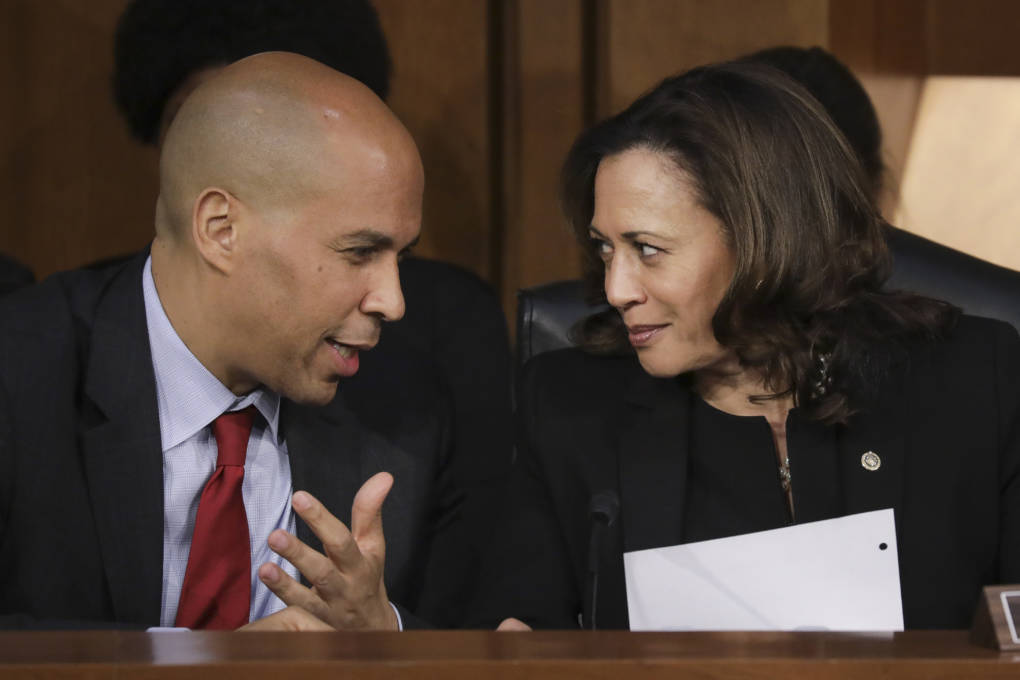
"caption": "Sen. Cory Booker and Sen. Kamala Harris are supporting a bill to make marijuana legal on the federal level, along with several other Senate Democrats running for president.",
"description": "Sen. Cory Booker and Sen. Kamala Harris are supporting a bill to make marijuana legal on the federal level, along with several other Senate Democrats running for president.",
"title": "Senate Holds Confirmation Hearing For Brett Kavanaugh To Be Supreme Court Justice",
"credit": "Drew Angerer/Getty Images",
"status": "inherit",
"isLoading": false,
"fetchFailed": false
},
"news_11729606": {
"type": "attachments",
"id": "news_11729606",
"meta": {
"index": "attachments_1716263798",
"site": "news",
"id": "11729606",
"found": true
},
"parent": 11729573,
"imgSizes": {
"twentyfourteen-full-width": {
"file": "https://ww2.kqed.org/app/uploads/sites/10/2019/02/RS28752_Image-uploaded-from-iOS-3-qut-1180x884-1038x576.jpg",
"width": 1038,
"mimeType": "image/jpeg",
"height": 576
},
"thumbnail": {
"file": "https://ww2.kqed.org/app/uploads/sites/10/2019/02/RS28752_Image-uploaded-from-iOS-3-qut-1180x884-160x120.jpg",
"width": 160,
"mimeType": "image/jpeg",
"height": 120
},
"post-thumbnail": {
"file": "https://ww2.kqed.org/app/uploads/sites/10/2019/02/RS28752_Image-uploaded-from-iOS-3-qut-1180x884-672x372.jpg",
"width": 672,
"mimeType": "image/jpeg",
"height": 372
},
"kqedFullSize": {
"file": "https://ww2.kqed.org/app/uploads/sites/10/2019/02/RS28752_Image-uploaded-from-iOS-3-qut-1180x884.jpg",
"width": 1180,
"height": 884
},
"large": {
"file": "https://ww2.kqed.org/app/uploads/sites/10/2019/02/RS28752_Image-uploaded-from-iOS-3-qut-1180x884-1020x764.jpg",
"width": 1020,
"mimeType": "image/jpeg",
"height": 764
},
"guest-author-50": {
"file": "https://ww2.kqed.org/app/uploads/sites/10/2019/02/RS28752_Image-uploaded-from-iOS-3-qut-1180x884-50x50.jpg",
"width": 50,
"mimeType": "image/jpeg",
"height": 50
},
"guest-author-96": {
"file": "https://ww2.kqed.org/app/uploads/sites/10/2019/02/RS28752_Image-uploaded-from-iOS-3-qut-1180x884-96x96.jpg",
"width": 96,
"mimeType": "image/jpeg",
"height": 96
},
"medium": {
"file": "https://ww2.kqed.org/app/uploads/sites/10/2019/02/RS28752_Image-uploaded-from-iOS-3-qut-1180x884-800x599.jpg",
"width": 800,
"mimeType": "image/jpeg",
"height": 599
},
"guest-author-64": {
"file": "https://ww2.kqed.org/app/uploads/sites/10/2019/02/RS28752_Image-uploaded-from-iOS-3-qut-1180x884-64x64.jpg",
"width": 64,
"mimeType": "image/jpeg",
"height": 64
},
"guest-author-32": {
"file": "https://ww2.kqed.org/app/uploads/sites/10/2019/02/RS28752_Image-uploaded-from-iOS-3-qut-1180x884-32x32.jpg",
"width": 32,
"mimeType": "image/jpeg",
"height": 32
},
"guest-author-128": {
"file": "https://ww2.kqed.org/app/uploads/sites/10/2019/02/RS28752_Image-uploaded-from-iOS-3-qut-1180x884-128x128.jpg",
"width": 128,
"mimeType": "image/jpeg",
"height": 128
}
},
"publishDate": 1551312068,
"modified": 1551312569,
"caption": "Retail clerks sell cannabis to customers at The Apothecarium in San Francisco's Castro neighborhood. The business - recently purchased by a Canadian cannabis company - just got approval to open a new location in Berkeley.",
"description": "Retail clerks sell cannabis to customers at The Apothecarium in San Francisco's Castro neighborhood. The business - recently purchased by a Canadian cannabis company - just got approval to open a new location in Berkeley.",
"title": "RS28752_Image-uploaded-from-iOS-3-qut-1180x884",
"credit": "Tiffany Camhi/KQED",
"status": "inherit",
"isLoading": false,
"fetchFailed": false
},
"news_11728828": {
"type": "attachments",
"id": "news_11728828",
"meta": {
"index": "attachments_1716263798",
"site": "news",
"id": "11728828",
"found": true
},
"parent": 11728824,
"imgSizes": {
"twentyfourteen-full-width": {
"file": "https://ww2.kqed.org/app/uploads/sites/10/2019/02/GettyImages-1174640-1038x576.jpg",
"width": 1038,
"mimeType": "image/jpeg",
"height": 576
},
"thumbnail": {
"file": "https://ww2.kqed.org/app/uploads/sites/10/2019/02/GettyImages-1174640-160x104.jpg",
"width": 160,
"mimeType": "image/jpeg",
"height": 104
},
"post-thumbnail": {
"file": "https://ww2.kqed.org/app/uploads/sites/10/2019/02/GettyImages-1174640-672x372.jpg",
"width": 672,
"mimeType": "image/jpeg",
"height": 372
},
"kqedFullSize": {
"file": "https://ww2.kqed.org/app/uploads/sites/10/2019/02/GettyImages-1174640-e1551131132984.jpg",
"width": 1920,
"height": 1243
},
"large": {
"file": "https://ww2.kqed.org/app/uploads/sites/10/2019/02/GettyImages-1174640-1020x660.jpg",
"width": 1020,
"mimeType": "image/jpeg",
"height": 660
},
"complete_open_graph": {
"file": "https://ww2.kqed.org/app/uploads/sites/10/2019/02/GettyImages-1174640-1200x777.jpg",
"width": 1200,
"mimeType": "image/jpeg",
"height": 777
},
"guest-author-50": {
"file": "https://ww2.kqed.org/app/uploads/sites/10/2019/02/GettyImages-1174640-50x50.jpg",
"width": 50,
"mimeType": "image/jpeg",
"height": 50
},
"guest-author-96": {
"file": "https://ww2.kqed.org/app/uploads/sites/10/2019/02/GettyImages-1174640-96x96.jpg",
"width": 96,
"mimeType": "image/jpeg",
"height": 96
},
"medium": {
"file": "https://ww2.kqed.org/app/uploads/sites/10/2019/02/GettyImages-1174640-800x518.jpg",
"width": 800,
"mimeType": "image/jpeg",
"height": 518
},
"guest-author-64": {
"file": "https://ww2.kqed.org/app/uploads/sites/10/2019/02/GettyImages-1174640-64x64.jpg",
"width": 64,
"mimeType": "image/jpeg",
"height": 64
},
"guest-author-32": {
"file": "https://ww2.kqed.org/app/uploads/sites/10/2019/02/GettyImages-1174640-32x32.jpg",
"width": 32,
"mimeType": "image/jpeg",
"height": 32
},
"full-width": {
"file": "https://ww2.kqed.org/app/uploads/sites/10/2019/02/GettyImages-1174640-1920x1243.jpg",
"width": 1920,
"mimeType": "image/jpeg",
"height": 1243
},
"detail": {
"file": "https://ww2.kqed.org/app/uploads/sites/10/2019/02/GettyImages-1174640-150x150.jpg",
"width": 150,
"mimeType": "image/jpeg",
"height": 150
},
"guest-author-128": {
"file": "https://ww2.kqed.org/app/uploads/sites/10/2019/02/GettyImages-1174640-128x128.jpg",
"width": 128,
"mimeType": "image/jpeg",
"height": 128
}
},
"publishDate": 1551131036,
"modified": 1560231395,
"caption": "Medical marijuana is now legal in 33 states. ",
"description": null,
"title": "Cannabis Club Operates in San Francisco",
"credit": "Justin Sullivan/Getty Images",
"status": "inherit",
"isLoading": false,
"fetchFailed": false
},
"news_11640681": {
"type": "attachments",
"id": "news_11640681",
"meta": {
"index": "attachments_1716263798",
"site": "news",
"id": "11640681",
"found": true
},
"parent": 11640668,
"imgSizes": {
"small": {
"file": "https://ww2.kqed.org/app/uploads/sites/10/2018/01/RS28767_GettyImages-900354318-qut-520x347.jpg",
"width": 520,
"mimeType": "image/jpeg",
"height": 347
},
"twentyfourteen-full-width": {
"file": "https://ww2.kqed.org/app/uploads/sites/10/2018/01/RS28767_GettyImages-900354318-qut-1038x576.jpg",
"width": 1038,
"mimeType": "image/jpeg",
"height": 576
},
"thumbnail": {
"file": "https://ww2.kqed.org/app/uploads/sites/10/2018/01/RS28767_GettyImages-900354318-qut-160x107.jpg",
"width": 160,
"mimeType": "image/jpeg",
"height": 107
},
"fd-sm": {
"file": "https://ww2.kqed.org/app/uploads/sites/10/2018/01/RS28767_GettyImages-900354318-qut-960x640.jpg",
"width": 960,
"mimeType": "image/jpeg",
"height": 640
},
"post-thumbnail": {
"file": "https://ww2.kqed.org/app/uploads/sites/10/2018/01/RS28767_GettyImages-900354318-qut-672x372.jpg",
"width": 672,
"mimeType": "image/jpeg",
"height": 372
},
"xsmall": {
"file": "https://ww2.kqed.org/app/uploads/sites/10/2018/01/RS28767_GettyImages-900354318-qut-375x250.jpg",
"width": 375,
"mimeType": "image/jpeg",
"height": 250
},
"kqedFullSize": {
"file": "https://ww2.kqed.org/app/uploads/sites/10/2018/01/RS28767_GettyImages-900354318-qut.jpg",
"width": 1920,
"height": 1280
},
"large": {
"file": "https://ww2.kqed.org/app/uploads/sites/10/2018/01/RS28767_GettyImages-900354318-qut-1020x680.jpg",
"width": 1020,
"mimeType": "image/jpeg",
"height": 680
},
"xlarge": {
"file": "https://ww2.kqed.org/app/uploads/sites/10/2018/01/RS28767_GettyImages-900354318-qut-1180x787.jpg",
"width": 1180,
"mimeType": "image/jpeg",
"height": 787
},
"guest-author-50": {
"file": "https://ww2.kqed.org/app/uploads/sites/10/2018/01/RS28767_GettyImages-900354318-qut-50x50.jpg",
"width": 50,
"mimeType": "image/jpeg",
"height": 50
},
"guest-author-96": {
"file": "https://ww2.kqed.org/app/uploads/sites/10/2018/01/RS28767_GettyImages-900354318-qut-96x96.jpg",
"width": 96,
"mimeType": "image/jpeg",
"height": 96
},
"medium": {
"file": "https://ww2.kqed.org/app/uploads/sites/10/2018/01/RS28767_GettyImages-900354318-qut-800x533.jpg",
"width": 800,
"mimeType": "image/jpeg",
"height": 533
},
"guest-author-64": {
"file": "https://ww2.kqed.org/app/uploads/sites/10/2018/01/RS28767_GettyImages-900354318-qut-64x64.jpg",
"width": 64,
"mimeType": "image/jpeg",
"height": 64
},
"guest-author-32": {
"file": "https://ww2.kqed.org/app/uploads/sites/10/2018/01/RS28767_GettyImages-900354318-qut-32x32.jpg",
"width": 32,
"mimeType": "image/jpeg",
"height": 32
},
"fd-lrg": {
"file": "https://ww2.kqed.org/app/uploads/sites/10/2018/01/RS28767_GettyImages-900354318-qut-1920x1280.jpg",
"width": 1920,
"mimeType": "image/jpeg",
"height": 1280
},
"fd-med": {
"file": "https://ww2.kqed.org/app/uploads/sites/10/2018/01/RS28767_GettyImages-900354318-qut-1180x787.jpg",
"width": 1180,
"mimeType": "image/jpeg",
"height": 787
},
"full-width": {
"file": "https://ww2.kqed.org/app/uploads/sites/10/2018/01/RS28767_GettyImages-900354318-qut-1920x1280.jpg",
"width": 1920,
"mimeType": "image/jpeg",
"height": 1280
},
"detail": {
"file": "https://ww2.kqed.org/app/uploads/sites/10/2018/01/RS28767_GettyImages-900354318-qut-150x150.jpg",
"width": 150,
"mimeType": "image/jpeg",
"height": 150
},
"guest-author-128": {
"file": "https://ww2.kqed.org/app/uploads/sites/10/2018/01/RS28767_GettyImages-900354318-qut-128x128.jpg",
"width": 128,
"mimeType": "image/jpeg",
"height": 128
},
"xxsmall": {
"file": "https://ww2.kqed.org/app/uploads/sites/10/2018/01/RS28767_GettyImages-900354318-qut-240x160.jpg",
"width": 240,
"mimeType": "image/jpeg",
"height": 160
}
},
"publishDate": 1515357942,
"modified": 1550797428,
"caption": "Tourists Laura Torgerson and Ryan Sheehan, visiting from Arizona, smell cannabis buds at the Green Pearl Organics dispensary on the first day of legal recreational marijuana sales in California, Jan. 1, 2018, in Desert Hot Springs, California.",
"description": "Tourists Laura Torgerson and Ryan Sheehan, visiting from Arizona, smell cannabis buds at the Green Pearl Organics dispensary on the first day of legal recreational marijuana sales in California, January 1, 2018 in Desert Hot Springs, California.",
"title": "DOUNIAMAG-LIFESTYLE-US-HEALTH-BUSINESS",
"credit": "ROBYN BECK/AFP/Getty Images",
"status": "inherit",
"isLoading": false,
"fetchFailed": false
},
"news_11726081": {
"type": "attachments",
"id": "news_11726081",
"meta": {
"index": "attachments_1716263798",
"site": "news",
"id": "11726081",
"found": true
},
"title": "Los Angeles City Council Votes To Ban Medical Marijuana Dispensaries",
"publishDate": 1550105027,
"status": "inherit",
"parent": 11726034,
"modified": 1773693624,
"caption": "Supporters say fully opening the doors of the U.S. banking system to the legal marijuana industry would reduce crime risks and resolve a litany of challenges for cannabis companies, from paying taxes to getting a loan.",
"credit": "David McNew/Getty Images",
"altTag": null,
"description": "Supporters say fully opening the doors of the U.S. banking system to the legal marijuana industry would reduce crime risks and resolve a litany of challenges for cannabis companies, from paying taxes to getting a loan.",
"imgSizes": {
"thumbnail": {
"file": "https://cdn.kqed.org/wp-content/uploads/sites/10/2019/02/RS4903_marajuanasales-160x107.jpg",
"width": 160,
"height": 107,
"mimeType": "image/jpeg"
},
"medium": {
"file": "https://cdn.kqed.org/wp-content/uploads/sites/10/2019/02/RS4903_marajuanasales-800x533.jpg",
"width": 800,
"height": 533,
"mimeType": "image/jpeg"
},
"large": {
"file": "https://cdn.kqed.org/wp-content/uploads/sites/10/2019/02/RS4903_marajuanasales-1020x680.jpg",
"width": 1020,
"height": 680,
"mimeType": "image/jpeg"
},
"complete_open_graph": {
"file": "https://cdn.kqed.org/wp-content/uploads/sites/10/2019/02/RS4903_marajuanasales-1200x800.jpg",
"width": 1200,
"height": 800,
"mimeType": "image/jpeg"
},
"post-thumbnail": {
"file": "https://cdn.kqed.org/wp-content/uploads/sites/10/2019/02/RS4903_marajuanasales-672x372.jpg",
"width": 672,
"height": 372,
"mimeType": "image/jpeg"
},
"twentyfourteen-full-width": {
"file": "https://cdn.kqed.org/wp-content/uploads/sites/10/2019/02/RS4903_marajuanasales-1038x576.jpg",
"width": 1038,
"height": 576,
"mimeType": "image/jpeg"
},
"full-width": {
"file": "https://cdn.kqed.org/wp-content/uploads/sites/10/2019/02/RS4903_marajuanasales-1920x1280.jpg",
"width": 1920,
"height": 1280,
"mimeType": "image/jpeg"
},
"guest-author-32": {
"file": "https://cdn.kqed.org/wp-content/uploads/sites/10/2019/02/RS4903_marajuanasales-32x32.jpg",
"width": 32,
"height": 32,
"mimeType": "image/jpeg"
},
"guest-author-50": {
"file": "https://cdn.kqed.org/wp-content/uploads/sites/10/2019/02/RS4903_marajuanasales-50x50.jpg",
"width": 50,
"height": 50,
"mimeType": "image/jpeg"
},
"guest-author-64": {
"file": "https://cdn.kqed.org/wp-content/uploads/sites/10/2019/02/RS4903_marajuanasales-64x64.jpg",
"width": 64,
"height": 64,
"mimeType": "image/jpeg"
},
"guest-author-96": {
"file": "https://cdn.kqed.org/wp-content/uploads/sites/10/2019/02/RS4903_marajuanasales-96x96.jpg",
"width": 96,
"height": 96,
"mimeType": "image/jpeg"
},
"guest-author-128": {
"file": "https://cdn.kqed.org/wp-content/uploads/sites/10/2019/02/RS4903_marajuanasales-128x128.jpg",
"width": 128,
"height": 128,
"mimeType": "image/jpeg"
},
"detail": {
"file": "https://cdn.kqed.org/wp-content/uploads/sites/10/2019/02/RS4903_marajuanasales-150x150.jpg",
"width": 150,
"height": 150,
"mimeType": "image/jpeg"
},
"kqedFullSize": {
"file": "https://cdn.kqed.org/wp-content/uploads/sites/10/2019/02/RS4903_marajuanasales-e1550105105781.jpg",
"width": 1920,
"height": 1280
}
},
"isLoading": false,
"fetchFailed": false
},
"news_11726019": {
"type": "attachments",
"id": "news_11726019",
"meta": {
"index": "attachments_1716263798",
"site": "news",
"id": "11726019",
"found": true
},
"parent": 11726005,
"imgSizes": {
"twentyfourteen-full-width": {
"file": "https://ww2.kqed.org/app/uploads/sites/10/2019/02/liable_021319_final-1038x576.jpg",
"width": 1038,
"mimeType": "image/jpeg",
"height": 576
},
"thumbnail": {
"file": "https://ww2.kqed.org/app/uploads/sites/10/2019/02/liable_021319_final-160x118.jpg",
"width": 160,
"mimeType": "image/jpeg",
"height": 118
},
"post-thumbnail": {
"file": "https://ww2.kqed.org/app/uploads/sites/10/2019/02/liable_021319_final-672x372.jpg",
"width": 672,
"mimeType": "image/jpeg",
"height": 372
},
"kqedFullSize": {
"file": "https://ww2.kqed.org/app/uploads/sites/10/2019/02/liable_021319_final.jpg",
"width": 1920,
"height": 1412
},
"large": {
"file": "https://ww2.kqed.org/app/uploads/sites/10/2019/02/liable_021319_final-1020x750.jpg",
"width": 1020,
"mimeType": "image/jpeg",
"height": 750
},
"complete_open_graph": {
"file": "https://ww2.kqed.org/app/uploads/sites/10/2019/02/liable_021319_final-1200x883.jpg",
"width": 1200,
"mimeType": "image/jpeg",
"height": 883
},
"guest-author-50": {
"file": "https://ww2.kqed.org/app/uploads/sites/10/2019/02/liable_021319_final-50x50.jpg",
"width": 50,
"mimeType": "image/jpeg",
"height": 50
},
"guest-author-96": {
"file": "https://ww2.kqed.org/app/uploads/sites/10/2019/02/liable_021319_final-96x96.jpg",
"width": 96,
"mimeType": "image/jpeg",
"height": 96
},
"medium": {
"file": "https://ww2.kqed.org/app/uploads/sites/10/2019/02/liable_021319_final-800x588.jpg",
"width": 800,
"mimeType": "image/jpeg",
"height": 588
},
"guest-author-64": {
"file": "https://ww2.kqed.org/app/uploads/sites/10/2019/02/liable_021319_final-64x64.jpg",
"width": 64,
"mimeType": "image/jpeg",
"height": 64
},
"guest-author-32": {
"file": "https://ww2.kqed.org/app/uploads/sites/10/2019/02/liable_021319_final-32x32.jpg",
"width": 32,
"mimeType": "image/jpeg",
"height": 32
},
"full-width": {
"file": "https://ww2.kqed.org/app/uploads/sites/10/2019/02/liable_021319_final-1920x1412.jpg",
"width": 1920,
"mimeType": "image/jpeg",
"height": 1412
},
"detail": {
"file": "https://ww2.kqed.org/app/uploads/sites/10/2019/02/liable_021319_final-150x150.jpg",
"width": 150,
"mimeType": "image/jpeg",
"height": 150
},
"guest-author-128": {
"file": "https://ww2.kqed.org/app/uploads/sites/10/2019/02/liable_021319_final-128x128.jpg",
"width": 128,
"mimeType": "image/jpeg",
"height": 128
}
},
"publishDate": 1550100208,
"modified": 1550100224,
"caption": null,
"description": null,
"title": "liable_021319_final",
"credit": null,
"status": "inherit",
"isLoading": false,
"fetchFailed": false
},
"news_11721665": {
"type": "attachments",
"id": "news_11721665",
"meta": {
"index": "attachments_1716263798",
"site": "news",
"id": "11721665",
"found": true
},
"parent": 11721646,
"imgSizes": {
"twentyfourteen-full-width": {
"file": "https://ww2.kqed.org/app/uploads/sites/10/2019/01/RS28725_BuddysBud-qut-1038x576.jpg",
"width": 1038,
"mimeType": "image/jpeg",
"height": 576
},
"thumbnail": {
"file": "https://ww2.kqed.org/app/uploads/sites/10/2019/01/RS28725_BuddysBud-qut-160x120.jpg",
"width": 160,
"mimeType": "image/jpeg",
"height": 120
},
"post-thumbnail": {
"file": "https://ww2.kqed.org/app/uploads/sites/10/2019/01/RS28725_BuddysBud-qut-672x372.jpg",
"width": 672,
"mimeType": "image/jpeg",
"height": 372
},
"kqedFullSize": {
"file": "https://ww2.kqed.org/app/uploads/sites/10/2019/01/RS28725_BuddysBud-qut.jpg",
"width": 1920,
"height": 1440
},
"large": {
"file": "https://ww2.kqed.org/app/uploads/sites/10/2019/01/RS28725_BuddysBud-qut-1020x765.jpg",
"width": 1020,
"mimeType": "image/jpeg",
"height": 765
},
"complete_open_graph": {
"file": "https://ww2.kqed.org/app/uploads/sites/10/2019/01/RS28725_BuddysBud-qut-1200x900.jpg",
"width": 1200,
"mimeType": "image/jpeg",
"height": 900
},
"guest-author-50": {
"file": "https://ww2.kqed.org/app/uploads/sites/10/2019/01/RS28725_BuddysBud-qut-50x50.jpg",
"width": 50,
"mimeType": "image/jpeg",
"height": 50
},
"guest-author-96": {
"file": "https://ww2.kqed.org/app/uploads/sites/10/2019/01/RS28725_BuddysBud-qut-96x96.jpg",
"width": 96,
"mimeType": "image/jpeg",
"height": 96
},
"medium": {
"file": "https://ww2.kqed.org/app/uploads/sites/10/2019/01/RS28725_BuddysBud-qut-800x600.jpg",
"width": 800,
"mimeType": "image/jpeg",
"height": 600
},
"guest-author-64": {
"file": "https://ww2.kqed.org/app/uploads/sites/10/2019/01/RS28725_BuddysBud-qut-64x64.jpg",
"width": 64,
"mimeType": "image/jpeg",
"height": 64
},
"guest-author-32": {
"file": "https://ww2.kqed.org/app/uploads/sites/10/2019/01/RS28725_BuddysBud-qut-32x32.jpg",
"width": 32,
"mimeType": "image/jpeg",
"height": 32
},
"full-width": {
"file": "https://ww2.kqed.org/app/uploads/sites/10/2019/01/RS28725_BuddysBud-qut-1920x1440.jpg",
"width": 1920,
"mimeType": "image/jpeg",
"height": 1440
},
"detail": {
"file": "https://ww2.kqed.org/app/uploads/sites/10/2019/01/RS28725_BuddysBud-qut-150x150.jpg",
"width": 150,
"mimeType": "image/jpeg",
"height": 150
},
"guest-author-128": {
"file": "https://ww2.kqed.org/app/uploads/sites/10/2019/01/RS28725_BuddysBud-qut-128x128.jpg",
"width": 128,
"mimeType": "image/jpeg",
"height": 128
}
},
"publishDate": 1548713342,
"modified": 1548713585,
"caption": "The bill Assemblyman Rob Bonta of Oakland and others introduced Monday, Jan. 28, 2019 would for the next three years eliminate the state's $148 per pound cultivation tax and reduce the state's 15 percent excise tax on retail sales to 11 percent.",
"description": "The bill Assemblyman Rob Bonta of Oakland and others introduced Monday, Jan. 28, 2019 would for the next three years eliminate the state's $148 per pound cultivation tax and reduce the state's 15 percent excise tax on retail sales to 11 percent.",
"title": "RS28725_BuddysBud-qut",
"credit": "Tonya Mosley/KQED",
"status": "inherit",
"isLoading": false,
"fetchFailed": false
},
"news_11719855": {
"type": "attachments",
"id": "news_11719855",
"meta": {
"index": "attachments_1716263798",
"site": "news",
"id": "11719855",
"found": true
},
"parent": 11719852,
"imgSizes": {
"twentyfourteen-full-width": {
"file": "https://ww2.kqed.org/app/uploads/sites/10/2019/01/0deef2af-gettyimages-997252434-e1548104655792-1038x576.jpg",
"width": 1038,
"mimeType": "image/jpeg",
"height": 576
},
"thumbnail": {
"file": "https://ww2.kqed.org/app/uploads/sites/10/2019/01/0deef2af-gettyimages-997252434-e1548104655792-160x89.jpg",
"width": 160,
"mimeType": "image/jpeg",
"height": 89
},
"post-thumbnail": {
"file": "https://ww2.kqed.org/app/uploads/sites/10/2019/01/0deef2af-gettyimages-997252434-e1548104655792-672x372.jpg",
"width": 672,
"mimeType": "image/jpeg",
"height": 372
},
"kqedFullSize": {
"file": "https://ww2.kqed.org/app/uploads/sites/10/2019/01/0deef2af-gettyimages-997252434-e1548104655792.jpg",
"width": 1752,
"height": 974
},
"large": {
"file": "https://ww2.kqed.org/app/uploads/sites/10/2019/01/0deef2af-gettyimages-997252434-e1548104655792-1020x567.jpg",
"width": 1020,
"mimeType": "image/jpeg",
"height": 567
},
"complete_open_graph": {
"file": "https://ww2.kqed.org/app/uploads/sites/10/2019/01/0deef2af-gettyimages-997252434-e1548104655792-1200x667.jpg",
"width": 1200,
"mimeType": "image/jpeg",
"height": 667
},
"guest-author-50": {
"file": "https://ww2.kqed.org/app/uploads/sites/10/2019/01/0deef2af-gettyimages-997252434-e1548104655792-50x50.jpg",
"width": 50,
"mimeType": "image/jpeg",
"height": 50
},
"guest-author-96": {
"file": "https://ww2.kqed.org/app/uploads/sites/10/2019/01/0deef2af-gettyimages-997252434-e1548104655792-96x96.jpg",
"width": 96,
"mimeType": "image/jpeg",
"height": 96
},
"medium": {
"file": "https://ww2.kqed.org/app/uploads/sites/10/2019/01/0deef2af-gettyimages-997252434-e1548104655792-800x445.jpg",
"width": 800,
"mimeType": "image/jpeg",
"height": 445
},
"guest-author-64": {
"file": "https://ww2.kqed.org/app/uploads/sites/10/2019/01/0deef2af-gettyimages-997252434-e1548104655792-64x64.jpg",
"width": 64,
"mimeType": "image/jpeg",
"height": 64
},
"guest-author-32": {
"file": "https://ww2.kqed.org/app/uploads/sites/10/2019/01/0deef2af-gettyimages-997252434-e1548104655792-32x32.jpg",
"width": 32,
"mimeType": "image/jpeg",
"height": 32
},
"detail": {
"file": "https://ww2.kqed.org/app/uploads/sites/10/2019/01/0deef2af-gettyimages-997252434-e1548104655792-150x150.jpg",
"width": 150,
"mimeType": "image/jpeg",
"height": 150
},
"guest-author-128": {
"file": "https://ww2.kqed.org/app/uploads/sites/10/2019/01/0deef2af-gettyimages-997252434-e1548104655792-128x128.jpg",
"width": 128,
"mimeType": "image/jpeg",
"height": 128
}
},
"publishDate": 1548104463,
"modified": 1548104749,
"caption": "An airplane descends to land at Los Angeles International Airport above a billboard advertising the marijuana delivery service Eaze on July 12, 2018 in Los Angeles, California. ",
"description": "An airplane descends to land at Los Angeles International Airport above a billboard advertising the marijuana delivery service Eaze on July 12, 2018 in Los Angeles, California. ",
"title": "Marijuana Delivery Service Advertised on Billboard in Los Angeles",
"credit": "Mario Tama/Getty Images",
"status": "inherit",
"isLoading": false,
"fetchFailed": false
},
"news_11715308": {
"type": "attachments",
"id": "news_11715308",
"meta": {
"index": "attachments_1716263798",
"site": "news",
"id": "11715308",
"found": true
},
"parent": 11715305,
"imgSizes": {
"small": {
"file": "https://ww2.kqed.org/app/uploads/sites/10/2018/12/RS21427_161007_greendoor_bhs010-520x348.jpg",
"width": 520,
"mimeType": "image/jpeg",
"height": 348
},
"twentyfourteen-full-width": {
"file": "https://ww2.kqed.org/app/uploads/sites/10/2018/12/RS21427_161007_greendoor_bhs010-1038x576.jpg",
"width": 1038,
"mimeType": "image/jpeg",
"height": 576
},
"thumbnail": {
"file": "https://ww2.kqed.org/app/uploads/sites/10/2018/12/RS21427_161007_greendoor_bhs010-160x107.jpg",
"width": 160,
"mimeType": "image/jpeg",
"height": 107
},
"fd-sm": {
"file": "https://ww2.kqed.org/app/uploads/sites/10/2018/12/RS21427_161007_greendoor_bhs010-960x643.jpg",
"width": 960,
"mimeType": "image/jpeg",
"height": 643
},
"post-thumbnail": {
"file": "https://ww2.kqed.org/app/uploads/sites/10/2018/12/RS21427_161007_greendoor_bhs010-672x372.jpg",
"width": 672,
"mimeType": "image/jpeg",
"height": 372
},
"xsmall": {
"file": "https://ww2.kqed.org/app/uploads/sites/10/2018/12/RS21427_161007_greendoor_bhs010-375x251.jpg",
"width": 375,
"mimeType": "image/jpeg",
"height": 251
},
"kqedFullSize": {
"file": "https://ww2.kqed.org/app/uploads/sites/10/2018/12/RS21427_161007_greendoor_bhs010.jpg",
"width": 1920,
"height": 1285
},
"large": {
"file": "https://ww2.kqed.org/app/uploads/sites/10/2018/12/RS21427_161007_greendoor_bhs010-1020x683.jpg",
"width": 1020,
"mimeType": "image/jpeg",
"height": 683
},
"xlarge": {
"file": "https://ww2.kqed.org/app/uploads/sites/10/2018/12/RS21427_161007_greendoor_bhs010-1180x790.jpg",
"width": 1180,
"mimeType": "image/jpeg",
"height": 790
},
"complete_open_graph": {
"file": "https://ww2.kqed.org/app/uploads/sites/10/2018/12/RS21427_161007_greendoor_bhs010-1200x803.jpg",
"width": 1200,
"mimeType": "image/jpeg",
"height": 803
},
"guest-author-50": {
"file": "https://ww2.kqed.org/app/uploads/sites/10/2018/12/RS21427_161007_greendoor_bhs010-50x50.jpg",
"width": 50,
"mimeType": "image/jpeg",
"height": 50
},
"guest-author-96": {
"file": "https://ww2.kqed.org/app/uploads/sites/10/2018/12/RS21427_161007_greendoor_bhs010-96x96.jpg",
"width": 96,
"mimeType": "image/jpeg",
"height": 96
},
"medium": {
"file": "https://ww2.kqed.org/app/uploads/sites/10/2018/12/RS21427_161007_greendoor_bhs010-800x535.jpg",
"width": 800,
"mimeType": "image/jpeg",
"height": 535
},
"guest-author-64": {
"file": "https://ww2.kqed.org/app/uploads/sites/10/2018/12/RS21427_161007_greendoor_bhs010-64x64.jpg",
"width": 64,
"mimeType": "image/jpeg",
"height": 64
},
"guest-author-32": {
"file": "https://ww2.kqed.org/app/uploads/sites/10/2018/12/RS21427_161007_greendoor_bhs010-32x32.jpg",
"width": 32,
"mimeType": "image/jpeg",
"height": 32
},
"fd-lrg": {
"file": "https://ww2.kqed.org/app/uploads/sites/10/2018/12/RS21427_161007_greendoor_bhs010-1920x1285.jpg",
"width": 1920,
"mimeType": "image/jpeg",
"height": 1285
},
"fd-med": {
"file": "https://ww2.kqed.org/app/uploads/sites/10/2018/12/RS21427_161007_greendoor_bhs010-1180x790.jpg",
"width": 1180,
"mimeType": "image/jpeg",
"height": 790
},
"full-width": {
"file": "https://ww2.kqed.org/app/uploads/sites/10/2018/12/RS21427_161007_greendoor_bhs010-1920x1285.jpg",
"width": 1920,
"mimeType": "image/jpeg",
"height": 1285
},
"detail": {
"file": "https://ww2.kqed.org/app/uploads/sites/10/2018/12/RS21427_161007_greendoor_bhs010-150x150.jpg",
"width": 150,
"mimeType": "image/jpeg",
"height": 150
},
"guest-author-128": {
"file": "https://ww2.kqed.org/app/uploads/sites/10/2018/12/RS21427_161007_greendoor_bhs010-128x128.jpg",
"width": 128,
"mimeType": "image/jpeg",
"height": 128
},
"xxsmall": {
"file": "https://ww2.kqed.org/app/uploads/sites/10/2018/12/RS21427_161007_greendoor_bhs010-240x161.jpg",
"width": 240,
"mimeType": "image/jpeg",
"height": 161
}
},
"publishDate": 1546204866,
"modified": 1546204921,
"caption": "California became the largest legal U.S. marketplace, while Utah and Oklahoma embraced medical marijuana.",
"description": "California became the largest legal U.S. marketplace, while Utah and Oklahoma embraced medical marijuana.",
"title": "RS21427_161007_greendoor_bhs010",
"credit": "Brittany Hosea-Small",
"status": "inherit",
"isLoading": false,
"fetchFailed": false
},
"news_11714812": {
"type": "attachments",
"id": "news_11714812",
"meta": {
"index": "attachments_1716263798",
"site": "news",
"id": "11714812",
"found": true
},
"parent": 11714804,
"imgSizes": {
"small": {
"file": "https://ww2.kqed.org/app/uploads/sites/10/2018/12/cam1_20181023220412_edited-1180x664-520x293.jpg",
"width": 520,
"mimeType": "image/jpeg",
"height": 293
},
"twentyfourteen-full-width": {
"file": "https://ww2.kqed.org/app/uploads/sites/10/2018/12/cam1_20181023220412_edited-1180x664-1038x576.jpg",
"width": 1038,
"mimeType": "image/jpeg",
"height": 576
},
"thumbnail": {
"file": "https://ww2.kqed.org/app/uploads/sites/10/2018/12/cam1_20181023220412_edited-1180x664-160x90.jpg",
"width": 160,
"mimeType": "image/jpeg",
"height": 90
},
"fd-sm": {
"file": "https://ww2.kqed.org/app/uploads/sites/10/2018/12/cam1_20181023220412_edited-1180x664-960x540.jpg",
"width": 960,
"mimeType": "image/jpeg",
"height": 540
},
"post-thumbnail": {
"file": "https://ww2.kqed.org/app/uploads/sites/10/2018/12/cam1_20181023220412_edited-1180x664-672x372.jpg",
"width": 672,
"mimeType": "image/jpeg",
"height": 372
},
"xsmall": {
"file": "https://ww2.kqed.org/app/uploads/sites/10/2018/12/cam1_20181023220412_edited-1180x664-375x211.jpg",
"width": 375,
"mimeType": "image/jpeg",
"height": 211
},
"kqedFullSize": {
"file": "https://ww2.kqed.org/app/uploads/sites/10/2018/12/cam1_20181023220412_edited-1180x664.jpg",
"width": 1180,
"height": 664
},
"large": {
"file": "https://ww2.kqed.org/app/uploads/sites/10/2018/12/cam1_20181023220412_edited-1180x664-1020x574.jpg",
"width": 1020,
"mimeType": "image/jpeg",
"height": 574
},
"xlarge": {
"file": "https://ww2.kqed.org/app/uploads/sites/10/2018/12/cam1_20181023220412_edited-1180x664-1180x664.jpg",
"width": 1180,
"mimeType": "image/jpeg",
"height": 664
},
"guest-author-50": {
"file": "https://ww2.kqed.org/app/uploads/sites/10/2018/12/cam1_20181023220412_edited-1180x664-50x50.jpg",
"width": 50,
"mimeType": "image/jpeg",
"height": 50
},
"guest-author-96": {
"file": "https://ww2.kqed.org/app/uploads/sites/10/2018/12/cam1_20181023220412_edited-1180x664-96x96.jpg",
"width": 96,
"mimeType": "image/jpeg",
"height": 96
},
"medium": {
"file": "https://ww2.kqed.org/app/uploads/sites/10/2018/12/cam1_20181023220412_edited-1180x664-800x450.jpg",
"width": 800,
"mimeType": "image/jpeg",
"height": 450
},
"guest-author-64": {
"file": "https://ww2.kqed.org/app/uploads/sites/10/2018/12/cam1_20181023220412_edited-1180x664-64x64.jpg",
"width": 64,
"mimeType": "image/jpeg",
"height": 64
},
"guest-author-32": {
"file": "https://ww2.kqed.org/app/uploads/sites/10/2018/12/cam1_20181023220412_edited-1180x664-32x32.jpg",
"width": 32,
"mimeType": "image/jpeg",
"height": 32
},
"fd-med": {
"file": "https://ww2.kqed.org/app/uploads/sites/10/2018/12/cam1_20181023220412_edited-1180x664-1180x664.jpg",
"width": 1180,
"mimeType": "image/jpeg",
"height": 664
},
"detail": {
"file": "https://ww2.kqed.org/app/uploads/sites/10/2018/12/cam1_20181023220412_edited-1180x664-150x150.jpg",
"width": 150,
"mimeType": "image/jpeg",
"height": 150
},
"guest-author-128": {
"file": "https://ww2.kqed.org/app/uploads/sites/10/2018/12/cam1_20181023220412_edited-1180x664-128x128.jpg",
"width": 128,
"mimeType": "image/jpeg",
"height": 128
},
"xxsmall": {
"file": "https://ww2.kqed.org/app/uploads/sites/10/2018/12/cam1_20181023220412_edited-1180x664-240x135.jpg",
"width": 240,
"mimeType": "image/jpeg",
"height": 135
}
},
"publishDate": 1545940374,
"modified": 1545940397,
"caption": "Octopuses observed at the Davidson Seamount, an ocean habitat about 80 miles to the southwest of Monterey.",
"description": null,
"title": "cam1_20181023220412_edited-1180x664",
"credit": "Ocean Exploration Trust/NOAA",
"status": "inherit",
"isLoading": false,
"fetchFailed": false
},
"news_11714999": {
"type": "attachments",
"id": "news_11714999",
"meta": {
"index": "attachments_1716263798",
"site": "news",
"id": "11714999",
"found": true
},
"parent": 11714984,
"imgSizes": {
"twentyfourteen-full-width": {
"file": "https://ww2.kqed.org/app/uploads/sites/10/2018/12/RS25526_GettyImages-542220918-qut-1038x576.jpg",
"width": 1038,
"mimeType": "image/jpeg",
"height": 576
},
"thumbnail": {
"file": "https://ww2.kqed.org/app/uploads/sites/10/2018/12/RS25526_GettyImages-542220918-qut-160x106.jpg",
"width": 160,
"mimeType": "image/jpeg",
"height": 106
},
"post-thumbnail": {
"file": "https://ww2.kqed.org/app/uploads/sites/10/2018/12/RS25526_GettyImages-542220918-qut-672x372.jpg",
"width": 672,
"mimeType": "image/jpeg",
"height": 372
},
"kqedFullSize": {
"file": "https://ww2.kqed.org/app/uploads/sites/10/2018/12/RS25526_GettyImages-542220918-qut.jpg",
"width": 1920,
"height": 1277
},
"large": {
"file": "https://ww2.kqed.org/app/uploads/sites/10/2018/12/RS25526_GettyImages-542220918-qut-1020x678.jpg",
"width": 1020,
"mimeType": "image/jpeg",
"height": 678
},
"complete_open_graph": {
"file": "https://ww2.kqed.org/app/uploads/sites/10/2018/12/RS25526_GettyImages-542220918-qut-1200x798.jpg",
"width": 1200,
"mimeType": "image/jpeg",
"height": 798
},
"guest-author-50": {
"file": "https://ww2.kqed.org/app/uploads/sites/10/2018/12/RS25526_GettyImages-542220918-qut-50x50.jpg",
"width": 50,
"mimeType": "image/jpeg",
"height": 50
},
"guest-author-96": {
"file": "https://ww2.kqed.org/app/uploads/sites/10/2018/12/RS25526_GettyImages-542220918-qut-96x96.jpg",
"width": 96,
"mimeType": "image/jpeg",
"height": 96
},
"medium": {
"file": "https://ww2.kqed.org/app/uploads/sites/10/2018/12/RS25526_GettyImages-542220918-qut-800x532.jpg",
"width": 800,
"mimeType": "image/jpeg",
"height": 532
},
"guest-author-64": {
"file": "https://ww2.kqed.org/app/uploads/sites/10/2018/12/RS25526_GettyImages-542220918-qut-64x64.jpg",
"width": 64,
"mimeType": "image/jpeg",
"height": 64
},
"guest-author-32": {
"file": "https://ww2.kqed.org/app/uploads/sites/10/2018/12/RS25526_GettyImages-542220918-qut-32x32.jpg",
"width": 32,
"mimeType": "image/jpeg",
"height": 32
},
"full-width": {
"file": "https://ww2.kqed.org/app/uploads/sites/10/2018/12/RS25526_GettyImages-542220918-qut-1920x1277.jpg",
"width": 1920,
"mimeType": "image/jpeg",
"height": 1277
},
"detail": {
"file": "https://ww2.kqed.org/app/uploads/sites/10/2018/12/RS25526_GettyImages-542220918-qut-150x150.jpg",
"width": 150,
"mimeType": "image/jpeg",
"height": 150
},
"guest-author-128": {
"file": "https://ww2.kqed.org/app/uploads/sites/10/2018/12/RS25526_GettyImages-542220918-qut-128x128.jpg",
"width": 128,
"mimeType": "image/jpeg",
"height": 128
}
},
"publishDate": 1546019311,
"modified": 1546019407,
"caption": "Thirty-three states have legalized marijuana for recreational or medicinal purposes, though it remains a Schedule 1 drug under federal law.",
"description": "Thirty-three states have legalized marijuana for recreational or medicinal purposes, though it remains a Schedule 1 drug under federal law.",
"title": "Oakland Mayor Libby Schaaf Speaks At The Cannabis Business Summit And Expo",
"credit": "Justin Sullivan/Getty Images",
"status": "inherit",
"isLoading": false,
"fetchFailed": false
}
},
"audioPlayerReducer": {
"postId": "stream_live",
"isPaused": true,
"isPlaying": false,
"pfsActive": false,
"pledgeModalIsOpen": true,
"playerDrawerIsOpen": false,
"liveAudioPlayStartedAt": 0,
"liveAudioPlayContext": ""
},
"authorsReducer": {
"byline_news_11729791": {
"type": "authors",
"id": "byline_news_11729791",
"meta": {
"override": true
},
"slug": "byline_news_11729791",
"name": "\u003ca href=\"https://www.npr.org/people/459062304/asma-khalid\">Asma Khalid \u003c/a>",
"isLoading": false
},
"byline_news_11728824": {
"type": "authors",
"id": "byline_news_11728824",
"meta": {
"override": true
},
"slug": "byline_news_11728824",
"name": "Paul Elias \u003cbr> Associated Press",
"isLoading": false
},
"byline_news_11721646": {
"type": "authors",
"id": "byline_news_11721646",
"meta": {
"override": true
},
"slug": "byline_news_11721646",
"name": "Paul Elias\u003c/br>Associated Press",
"isLoading": false
},
"byline_news_11719852": {
"type": "authors",
"id": "byline_news_11719852",
"meta": {
"override": true
},
"slug": "byline_news_11719852",
"name": "Michael R. Blood\u003cbr>Associated Press",
"isLoading": false
},
"byline_news_11715305": {
"type": "authors",
"id": "byline_news_11715305",
"meta": {
"override": true
},
"slug": "byline_news_11715305",
"name": "Michael R. Blood\u003c/br>Associated Press",
"isLoading": false
},
"kqednewsstaffandwires": {
"type": "authors",
"id": "237",
"meta": {
"index": "authors_1716337520",
"id": "237",
"found": true
},
"name": "KQED News Staff and Wires",
"firstName": "KQED News Staff and Wires",
"lastName": null,
"slug": "kqednewsstaffandwires",
"email": "onlinenewsstaff@kqed.org",
"display_author_email": false,
"staff_mastheads": [],
"title": null,
"bio": null,
"avatar": "https://secure.gravatar.com/avatar/72295af8ebbfbd19a4948f5271285664?s=600&d=blank&r=g",
"twitter": null,
"facebook": null,
"instagram": null,
"linkedin": null,
"sites": [
{
"site": "arts",
"roles": [
"contributor"
]
},
{
"site": "news",
"roles": [
"contributor"
]
},
{
"site": "lowdown",
"roles": [
"author"
]
},
{
"site": "stateofhealth",
"roles": [
"contributor"
]
},
{
"site": "food",
"roles": [
"author"
]
}
],
"headData": {
"title": "KQED News Staff and Wires | KQED",
"description": null,
"ogImgSrc": "https://secure.gravatar.com/avatar/72295af8ebbfbd19a4948f5271285664?s=600&d=blank&r=g",
"twImgSrc": "https://secure.gravatar.com/avatar/72295af8ebbfbd19a4948f5271285664?s=600&d=blank&r=g"
},
"isLoading": false,
"link": "/author/kqednewsstaffandwires"
},
"markfiore": {
"type": "authors",
"id": "3236",
"meta": {
"index": "authors_1716337520",
"id": "3236",
"found": true
},
"name": "Mark Fiore",
"firstName": "Mark",
"lastName": "Fiore",
"slug": "markfiore",
"email": "mark@markfiore.com",
"display_author_email": false,
"staff_mastheads": [
"news"
],
"title": "KQED News Cartoonist",
"bio": "\u003ca href=\"http://www.MarkFiore.com\">MarkFiore.com\u003c/a> | \u003ca href=\"https://twitter.com/markfiore\">Follow on Twitter\u003c/a> | \u003ca href=\"https://www.facebook.com/pages/Mark-Fiore-Animated-Political-Cartoons/94451707396?ref=bookmarks\">Facebook\u003c/a> | \u003ca href=\"mailto:mark@markfiore.com\">email\u003c/a>\r\n\r\nPulitzer Prize-winner, Mark Fiore, who the Wall Street Journal has called “the undisputed guru of the form,” creates animated political cartoons in San Francisco, where his work has been featured regularly on the San Francisco Chronicle’s web site, SFGate.com. His work has appeared on Newsweek.com, Slate.com, CBSNews.com, MotherJones.com, DailyKos.com and NPR’s web site. Fiore’s political animation has appeared on CNN, Frontline, Bill Moyers Journal, Salon.com and cable and broadcast outlets across the globe.\r\n\r\nBeginning his professional life by drawing traditional political cartoons for newspapers, Fiore’s work appeared in publications ranging from the Washington Post to the Los Angeles Times. In the late 1990s, he began to experiment with animating political cartoons and, after a short stint at the San Jose Mercury News as their staff cartoonist, Fiore devoted all his energies to animation.\r\nGrowing up in California, Fiore also spent a good portion of his life in the backwoods of Idaho. It was this combination that shaped him politically. Mark majored in political science at Colorado College, where, in a perfect send-off for a cartoonist, he received his diploma in 1991 as commencement speaker Dick Cheney smiled approvingly.\r\nMark Fiore was awarded the Pulitzer Prize for political cartooning in 2010, a Robert F. Kennedy Journalism Award in 2004 and has twice received an Online Journalism Award for commentary from the Online News Association (2002, 2008). Fiore has received two awards for his work in new media from the National Cartoonists Society (2001, 2002), and in 2006 received The James Madison Freedom of Information Award from The Society of Professional Journalists.",
"avatar": "https://secure.gravatar.com/avatar/fc4e2a612b15b67bad0c6f0e1db4ca9b?s=600&d=blank&r=g",
"twitter": "MarkFiore",
"facebook": null,
"instagram": "https://www.instagram.com/markfiore/?hl=en",
"linkedin": null,
"sites": [
{
"site": "arts",
"roles": [
"contributor"
]
},
{
"site": "news",
"roles": [
"editor"
]
},
{
"site": "futureofyou",
"roles": [
"editor"
]
},
{
"site": "science",
"roles": [
"editor"
]
}
],
"headData": {
"title": "Mark Fiore | KQED",
"description": "KQED News Cartoonist",
"ogImgSrc": "https://secure.gravatar.com/avatar/fc4e2a612b15b67bad0c6f0e1db4ca9b?s=600&d=blank&r=g",
"twImgSrc": "https://secure.gravatar.com/avatar/fc4e2a612b15b67bad0c6f0e1db4ca9b?s=600&d=blank&r=g"
},
"isLoading": false,
"link": "/author/markfiore"
},
"cveltman": {
"type": "authors",
"id": "8608",
"meta": {
"index": "authors_1716337520",
"id": "8608",
"found": true
},
"name": "Chloe Veltman",
"firstName": "Chloe",
"lastName": "Veltman",
"slug": "cveltman",
"email": "cveltman@kqed.org",
"display_author_email": true,
"staff_mastheads": [],
"title": "Arts and Culture Reporter",
"bio": "Chloe Veltman is a former arts and culture reporter for KQED. Prior to joining the organization, she launched and led the arts bureau at Colorado Public Radio, served as the Bay Area's culture columnist for the New York Times, and was the founder, host and executive producer of VoiceBox, a national award-winning weekly podcast/radio show and live events series all about the human voice. Chloe is the recipient of numerous prizes, grants and fellowships including a Webby Award for her work on interactive storytelling, both the John S Knight Journalism Fellowship and Humanities Center Fellowship at Stanford University, the Sundance Arts Writing Fellowship and a Library of Congress Research Fellowship. She is the author of the book \"On Acting\" and has appeared as a guest lecturer at Yale University and the San Francisco Conservatory of Music among other institutions. She holds a BA in english literature from King's College, Cambridge, and a Masters in Dramaturgy from the Central School of Speech and Drama/Harvard Institute for Advanced Theater Training.\r\n\u003ca href=\"https://www.chloeveltman.com\">www.chloeveltman.com\u003c/a>",
"avatar": "https://secure.gravatar.com/avatar/55403394b00a1ddab683952c2eb2cf85?s=600&d=blank&r=g",
"twitter": "chloeveltman",
"facebook": null,
"instagram": null,
"linkedin": null,
"sites": [
{
"site": "arts",
"roles": []
},
{
"site": "news",
"roles": [
"author"
]
},
{
"site": "pop",
"roles": [
"editor"
]
},
{
"site": "science",
"roles": []
}
],
"headData": {
"title": "Chloe Veltman | KQED",
"description": "Arts and Culture Reporter",
"ogImgSrc": "https://secure.gravatar.com/avatar/55403394b00a1ddab683952c2eb2cf85?s=600&d=blank&r=g",
"twImgSrc": "https://secure.gravatar.com/avatar/55403394b00a1ddab683952c2eb2cf85?s=600&d=blank&r=g"
},
"isLoading": false,
"link": "/author/cveltman"
},
"korr": {
"type": "authors",
"id": "11200",
"meta": {
"index": "authors_1716337520",
"id": "11200",
"found": true
},
"name": "Katie Orr",
"firstName": "Katie",
"lastName": "Orr",
"slug": "korr",
"email": "korr@kqed.org",
"display_author_email": false,
"staff_mastheads": [],
"title": "KQED Contributor",
"bio": "Katie Orr was a Sacramento-based reporter for KQED's Politics and Government Desk, covering the state Capitol and a variety of issues including women in politics, voting and elections and legislation. Prior to joining KQED in 2016, Katie was state government reporter for Capital Public Radio in Sacramento. She's also worked for KPBS in San Diego, where she covered City Hall.\r\n\r\nKatie received her masters degree in political science from San Diego State University and holds a Bachelors degree in broadcast journalism from Arizona State University.\r\n\r\nIn 2015 Katie won a national Clarion Award for a series of stories she did on women in California politics. She's been honored by the Society for Professional Journalists and, in 2013, was named by \u003cem>The Washington Post\u003c/em> as one of the country's top state Capitol reporters. She's also reported for the award-winning documentary series \u003cem>The View from Here \u003c/em>and was part of the team that won national PRNDI and Gabriel Awards in 2015. She lives in Sacramento with her husband. Twitter: @1KatieOrr",
"avatar": "https://secure.gravatar.com/avatar/41a40b25845adc78f50808670860449e?s=600&d=blank&r=g",
"twitter": "1katieorr",
"facebook": null,
"instagram": null,
"linkedin": null,
"sites": [
{
"site": "news",
"roles": [
"subscriber"
]
},
{
"site": "stateofhealth",
"roles": [
"author"
]
},
{
"site": "forum",
"roles": [
"author"
]
}
],
"headData": {
"title": "Katie Orr | KQED",
"description": "KQED Contributor",
"ogImgSrc": "https://secure.gravatar.com/avatar/41a40b25845adc78f50808670860449e?s=600&d=blank&r=g",
"twImgSrc": "https://secure.gravatar.com/avatar/41a40b25845adc78f50808670860449e?s=600&d=blank&r=g"
},
"isLoading": false,
"link": "/author/korr"
},
"agarces": {
"type": "authors",
"id": "11367",
"meta": {
"index": "authors_1716337520",
"id": "11367",
"found": true
},
"name": "Audrey Garces",
"firstName": "Audrey",
"lastName": "Garces",
"slug": "agarces",
"email": "agarces@kqed.org",
"display_author_email": false,
"staff_mastheads": [
"news"
],
"title": "Digital Producer",
"bio": "Audrey is a former digital producer at KQED News. Previously, she was a KQED Raul Ramirez Diversity Fund intern where she developed stories that focused on highlighting diverse voices in journalism. Prior to her work at KQED, she worked as a news intern at the San Francisco Examiner. Audrey graduated from San Francisco State University with a B.A. in journalism and a minor in political science.",
"avatar": "https://secure.gravatar.com/avatar/5211bc2e6a809b9956da169e35ce63d5?s=600&d=blank&r=g",
"twitter": "audgar",
"facebook": null,
"instagram": null,
"linkedin": null,
"sites": [
{
"site": "arts",
"roles": []
},
{
"site": "news",
"roles": [
"subscriber"
]
},
{
"site": "science",
"roles": [
"editor"
]
},
{
"site": "forum",
"roles": [
"editor"
]
},
{
"site": "perspectives",
"roles": [
"administrator"
]
}
],
"headData": {
"title": "Audrey Garces | KQED",
"description": "Digital Producer",
"ogImgSrc": "https://secure.gravatar.com/avatar/5211bc2e6a809b9956da169e35ce63d5?s=600&d=blank&r=g",
"twImgSrc": "https://secure.gravatar.com/avatar/5211bc2e6a809b9956da169e35ce63d5?s=600&d=blank&r=g"
},
"isLoading": false,
"link": "/author/agarces"
},
"ljamali": {
"type": "authors",
"id": "11552",
"meta": {
"index": "authors_1716337520",
"id": "11552",
"found": true
},
"name": "Lily Jamali",
"firstName": "Lily",
"lastName": "Jamali",
"slug": "ljamali",
"email": "ljamali@kqed.org",
"display_author_email": false,
"staff_mastheads": [],
"title": "KQED Contributor",
"bio": "Lily was the former co-host of the daily morning show, The California Report.",
"avatar": "https://secure.gravatar.com/avatar/dbf7b30d159e697731046a10d25a9e29?s=600&d=blank&r=g",
"twitter": "lilyjamali",
"facebook": null,
"instagram": null,
"linkedin": null,
"sites": [
{
"site": "news",
"roles": [
"create_posts",
"subscriber"
]
},
{
"site": "forum",
"roles": [
"editor"
]
}
],
"headData": {
"title": "Lily Jamali | KQED",
"description": "KQED Contributor",
"ogImgSrc": "https://secure.gravatar.com/avatar/dbf7b30d159e697731046a10d25a9e29?s=600&d=blank&r=g",
"twImgSrc": "https://secure.gravatar.com/avatar/dbf7b30d159e697731046a10d25a9e29?s=600&d=blank&r=g"
},
"isLoading": false,
"link": "/author/ljamali"
}
},
"pagesReducer": {
"news_tag_marijuana": {
"type": "terms",
"id": "news_102",
"meta": {
"index": "terms_1716263798",
"site": "news",
"id": "102",
"score": 8.461626
},
"featImg": null,
"name": "marijuana",
"description": null,
"taxonomy": "tag",
"headData": {
"twImgId": null,
"twTitle": null,
"ogTitle": null,
"ogImgId": null,
"twDescription": null,
"description": null,
"title": "marijuana Archives | KQED News",
"ogDescription": null
},
"ttid": 106,
"slug": "marijuana",
"isLoading": false,
"title": "marijuana",
"pageMeta": {
"site": "news",
"WpPageTemplate": "page-topic-editorial",
"currentPage": 5
},
"blocks": [
{
"blockName": "kqed/post-list",
"attrs": {
"layout": "cardArticle2",
"query": "posts/news?tag=marijuana",
"seeMore": false,
"paginated": true,
"page": 5
}
},
{
"blockName": "kqed/ad"
}
]
}
},
"pfsSessionReducer": {},
"postsReducer": {
"stream_live": {
"type": "live",
"id": "stream_live",
"audioUrl": "https://hls.kqed.org/hls/kqed_app/playlist.m3u8",
"title": "Live Stream",
"excerpt": "Live Stream information currently unavailable.",
"link": "/radio",
"featImg": "",
"label": {
"name": "KQED Live",
"link": "/"
}
},
"stream_kqedNewscast": {
"type": "posts",
"id": "stream_kqedNewscast",
"audioUrl": "https://www.kqed.org/.stream/anon/radio/RDnews/newscast.mp3?_=1",
"title": "KQED Newscast",
"featImg": "",
"label": {
"name": "88.5 FM",
"link": "/"
}
},
"news_11729888": {
"type": "posts",
"id": "news_11729888",
"meta": {
"index": "posts_1716263798",
"site": "news",
"id": "11729888",
"score": null,
"sort": [
1551490029000
]
},
"parent": 0,
"labelTerm": {
"site": "news"
},
"blocks": [],
"publishDate": 1551490029,
"format": "audio",
"disqusTitle": "Competing Cannabis Companies Duke It Out for California Trademark Rights",
"title": "Competing Cannabis Companies Duke It Out for California Trademark Rights",
"headTitle": "KQED News",
"content": "\u003cp>\u003ca href=\"https://www.harvestshop.com/\" target=\"_blank\" rel=\"noopener\">Harvest's\u003c/a> two San Francisco dispensaries boast sleek wooden cabinetry, understated signage and crisp-looking packaging emblazoned with the company's sunburst logo.\u003c/p>\n\u003cp>In the next couple of weeks, the boutique Bay Area marijuana company is going to court to defend its rights to all of that fancy branding — in particular, its name and logo — against an Arizona-based competitor.\u003c/p>\n\u003cp>\"Our client's position is that they own the rights to use that name in California,\" said attorney Michael Dorsi, who represents the Bay Area dispensary's two San Francisco outlets, as well as its Oakland-based holding company, Cosecha. \"The court should stop Arizona Harvest from using the same business name for the same service in this state.\"\u003c/p>\n\u003cp>\"Arizona Harvest\" — officially, \u003ca href=\"https://www.harvestofaz.com/\" target=\"_blank\" rel=\"noopener\">Harvest Health and Recreation Inc.\u003c/a> — is an older and much bigger cannabis player founded in 2011 and headquartered in Tempe, Arizona. It's listed on the Canadian Stock Exchange with a \u003ca href=\"https://www.bloomberg.com/quote/HARV:CN\" target=\"_blank\" rel=\"noopener\">market cap roughly equivalent to $2 billion USD\u003c/a>.\u003c/p>\n\u003cp>[pullquote align=\"left\" citation=\"Harvest Health and Recreation Inc. CEO Steve White\"]'Mr. Higgins has gone and challenged our trademark on the basis that we are a federally illegal business, which is effectively the nuclear bomb in cannabis.'[/pullquote]Its CEO, Steve White, said his company currently holds close to 90 licenses for retail stores across the country in several states, including seven in California, which is \u003ca href=\"https://www.prnewswire.com/news-releases/california-cannabis-market-expected-to-reach-51-billion-market-value-685917412.html\" target=\"_blank\" rel=\"noopener\">the country’s largest market\u003c/a>.\u003c/p>\n\u003cp>\"No court case is going to dissuade us from moving heavily into California,\" White said.\u003c/p>\n\u003cp>The company recently opened its first Northern California store in Napa and has \u003ca href=\"https://www.harvestinc.com/state/california/\" target=\"_blank\" rel=\"noopener\">plans to expand throughout the state\u003c/a>.\u003c/p>\n\u003cp>The Bay Area-based Harvest has had a physical presence in California longer than the Arizona company and holds registered trademarks in the state. It opened its first location on Geary Street in the Richmond neighborhood in January 2016. It obtained a trademark in California for the Harvest name in June 2018.\u003c/p>\n\u003cp>[ad fullwidth]\u003c/p>\n\u003cp>Arizona company spokesman Alex Howe said his company's ties to California date back to 2012, even though the company had no physical footprint here until it opened its Napa outlet in January this year.\u003c/p>\n\u003cp>\"We have business-to-business deals with California companies that began as early as 2012,\" Howe said. \"We have California investors from that period. And Harvest has been marketed into California from that early period.\"\u003c/p>\n\u003cp>Marijuana industry attorney Burke Hansen said the Bay Area-based company's registered California trademarks and footprint here may give it an advantage in court.\u003c/p>\n\u003cp>\"It gets trickier when you start to come into California, particularly San Francisco, where you've already got an established Harvest brand,\" Hansen said.\u003c/p>\n\u003cp>But the case is complex. And it's just one of several disputes between the two Harvests.\u003c/p>\n\u003cp>[aside align=\"left\" label=\"More on Marijuana Legalization\" link1=\"https://www.kqed.org/news/11719852/dispute-over-rules-riles-californias-legal-pot-market, Dispute Over Rules Riles California's Legal Pot Market\" link2=\"https://www.kqed.org/news/11647259/re-criminalizing-cannabis-is-worse-than-1930s-reefer-madness, Re-Criminalizing Cannabis is Worse Than 1930s 'Reefer Madness'\" link3=\"https://www.kqed.org/news/11626686/confusion-coming-with-state-marijuana-regulations, Confusion Coming with State Marijuana Regulations\"]In 2017, Harvest of Arizona launched its own legal proceedings in Arizona Superior Court against its Bay Area competitor and its CEO Marty Higgins. The suit accuses Higgins of stealing the Harvest name and logo.\u003c/p>\n\u003cp>\"In February 2014, a mutual friend introduced me to Mr. Higgins and asked me if I would be willing to show him what we were doing in Arizona,\" said White, explaining the roots of his complaint. \"So I spent some time with him and took him through, so he could see exactly how it's set up. We chatted about our plans. He then went back to California and effectively copied just about everything that we were doing.\"\u003c/p>\n\u003cp>The Arizona-based Harvest's most obvious complaints against the Bay Area-based Harvest are its alleged copying of the \"Harvest\" name itself and the similarities of the companies' logos in color and shape.\u003c/p>\n\u003cp>\u003ca href=\"https://ww2.kqed.org/news/wp-content/uploads/sites/10/2019/03/Screen-Shot-2019-03-01-at-5.25.31-PM.png\">\u003cimg src=\"https://ww2.kqed.org/news/wp-content/uploads/sites/10/2019/03/Screen-Shot-2019-03-01-at-5.25.31-PM.png\" alt=\"\" width=\"1612\" height=\"660\" class=\"aligncenter size-full wp-image-11730197\" srcset=\"https://ww2.kqed.org/app/uploads/sites/10/2019/03/Screen-Shot-2019-03-01-at-5.25.31-PM.png 1612w, https://ww2.kqed.org/app/uploads/sites/10/2019/03/Screen-Shot-2019-03-01-at-5.25.31-PM-160x66.png 160w, https://ww2.kqed.org/app/uploads/sites/10/2019/03/Screen-Shot-2019-03-01-at-5.25.31-PM-800x328.png 800w, https://ww2.kqed.org/app/uploads/sites/10/2019/03/Screen-Shot-2019-03-01-at-5.25.31-PM-1020x418.png 1020w, https://ww2.kqed.org/app/uploads/sites/10/2019/03/Screen-Shot-2019-03-01-at-5.25.31-PM-1200x491.png 1200w\" sizes=\"(max-width: 1612px) 100vw, 1612px\">\u003c/a>\u003c/p>\n\u003cp>The mutual friend who introduced Higgins and White recalled his reaction upon first seeing the Bay Area-based company's branding. \"That logo looks a lot like Harvest's logo in Arizona. That was one of my first thoughts,\" said Kris Krane, who is president and CEO of cannabis company \u003ca href=\"https://4frontventures.com\" target=\"_blank\" rel=\"noopener\">4Front Ventures\u003c/a>. \"The logo's similar. The name is the same.\"\u003c/p>\n\u003cp>Krane said he urged Higgins to reach out to White.\u003c/p>\n\u003cp>KQED obtained emails that passed between Krane and Higgins from Alex Howe, the Arizona-based Harvest spokesman.\u003c/p>\n\u003cp>In the first message, Krane alerts Higgins to the potential problem. In his response, Higgins characterizes his use of the Harvest name and similar branding as an \"oversight,\" which he would take steps to rectify.\u003c/p>\n\u003cp>\"We are working on solutions ASAP,\" Higgins wrote in the email. \"We do not want to run into issues or cause ill will.\"\u003c/p>\n\u003cp>\u003ca href=\"https://ww2.kqed.org/news/wp-content/uploads/sites/10/2019/02/Screen-Shot-2019-02-28-at-18.26.45.png\">\u003cimg src=\"https://ww2.kqed.org/news/wp-content/uploads/sites/10/2019/02/Screen-Shot-2019-02-28-at-18.26.45-1020x622.png\" alt=\"\" width=\"640\" height=\"390\" class=\"aligncenter size-large wp-image-11729907\" srcset=\"https://ww2.kqed.org/app/uploads/sites/10/2019/02/Screen-Shot-2019-02-28-at-18.26.45-1020x622.png 1020w, https://ww2.kqed.org/app/uploads/sites/10/2019/02/Screen-Shot-2019-02-28-at-18.26.45-160x98.png 160w, https://ww2.kqed.org/app/uploads/sites/10/2019/02/Screen-Shot-2019-02-28-at-18.26.45-800x488.png 800w, https://ww2.kqed.org/app/uploads/sites/10/2019/02/Screen-Shot-2019-02-28-at-18.26.45-1200x732.png 1200w, https://ww2.kqed.org/app/uploads/sites/10/2019/02/Screen-Shot-2019-02-28-at-18.26.45.png 1580w\" sizes=\"(max-width: 640px) 100vw, 640px\">\u003c/a>\u003c/p>\n\u003cp>\u003cimg src=\"https://ww2.kqed.org/news/wp-content/uploads/sites/10/2019/03/Screen-Shot-2019-02-28-at-18.26.22-800x396.png\" alt=\"\" width=\"800\" height=\"396\" class=\"aligncenter size-medium wp-image-11730359\" srcset=\"https://ww2.kqed.org/app/uploads/sites/10/2019/03/Screen-Shot-2019-02-28-at-18.26.22-800x396.png 800w, https://ww2.kqed.org/app/uploads/sites/10/2019/03/Screen-Shot-2019-02-28-at-18.26.22-160x79.png 160w, https://ww2.kqed.org/app/uploads/sites/10/2019/03/Screen-Shot-2019-02-28-at-18.26.22-1020x505.png 1020w, https://ww2.kqed.org/app/uploads/sites/10/2019/03/Screen-Shot-2019-02-28-at-18.26.22-1200x594.png 1200w, https://ww2.kqed.org/app/uploads/sites/10/2019/03/Screen-Shot-2019-02-28-at-18.26.22.png 1720w\" sizes=\"(max-width: 800px) 100vw, 800px\">\u003c/p>\n\u003cp>The Arizona company's legal actions not only accuse the Bay Area company of intellectual property theft, but also assert federal trademark claims to the Harvest name.\u003c/p>\n\u003cp>According to Howe, the company has two federal trademark registrations — one for the name, and one for the design and logo. Howe said the company started using the branding as early as 2012 and that the first two federal registrations were issued on March 7, 2017 and Sept. 5, 2017.\u003c/p>\n\u003cp>\"We have a valid federal trademark for the name Harvest in the business that we are doing,\" the Arizona-based company's CEO, Steve White, said.\u003c/p>\n\u003cp>However, because cannabis is still illegal at the federal level, White admitted the \u003ca href=\"https://www.uspto.gov/\" target=\"_blank\" rel=\"noopener\">U.S. Patent and Trademark Office\u003c/a> likely granted the Arizona Harvest its trademarks without knowing the nature of its business. \"The trademark office was likely unaware that we were a cannabis business,\" he said.\u003c/p>\n\u003cp>The federal restrictions around doing business in today's cannabis industry are part of the Bay Area-based Harvest's claims for trademark rights over the Arizona company. \"We took the position that state law trademarks are the controlling legal authority,\" said the company's attorney, Michael Dorsi.\u003c/p>\n\u003cp>[aside hero=\"https://ww2.kqed.org/wp-content/uploads/sites/10/2017/12/RS28657_GettyImages-91997121-qut-1180x787.jpg\" label=\"Bay Curious Answers Your Questions\" link1=\"https://www.kqed.org/news/11638056/everything-you-want-to-know-about-legal-weed-in-california-2, Everything You Want to Know About Legal Weed in California\"]White said there's an informal code against marijuana businesses going after each other on federal grounds because it could set dangerous precedents that might harm the industry in the long run.\u003c/p>\n\u003cp>\"While there are some impediments to our business conduct due to the federal illegality, we effectively have a code whereby we will not take advantage of that,\" White said. \"But in this case, Mr. Higgins has gone and challenged our trademark on the basis that we are a federally illegal business, which is effectively the nuclear bomb in cannabis.\"\u003c/p>\n\u003cp>Industry attorney Burke Hansen said two companies battling trademark issues out in court is a new development in the cannabis industry. Most of his clients settle out of court or drop the charges. But he expects formal litigation for such cases to become increasingly common. He said this is especially true in San Francisco, which currently places tight restrictions on who can get a license to operate a marijuana business.\u003c/p>\n\u003cp>\"It's becoming a more normalized market,\" Hansen said. \"So you're going to see trademark disputes and all kinds of other standard disputes.\"\u003c/p>\n\u003cp>[ad floatright]\u003c/p>\n",
"disqusIdentifier": "11729888 https://ww2.kqed.org/news/?p=11729888",
"disqusUrl": "https://ww2.kqed.org/news/2019/03/01/competing-cannabis-companies-duke-it-out-for-california-trademark-rights/",
"stats": {
"hasVideo": false,
"hasChartOrMap": false,
"hasAudio": false,
"hasPolis": false,
"wordCount": 1273,
"hasGoogleForm": false,
"hasGallery": false,
"hasHearkenModule": false,
"iframeSrcs": [],
"paragraphCount": 35
},
"modified": 1551645441,
"excerpt": "Two cannabis companies, both named Harvest, are taking their trademark dispute to the courts in the latest fight in a booming industry.",
"headData": {
"twImgId": "",
"twTitle": "",
"ogTitle": "",
"ogImgId": "",
"twDescription": "",
"description": "Two cannabis companies, both named Harvest, are taking their trademark dispute to the courts in the latest fight in a booming industry.",
"title": "Competing Cannabis Companies Duke It Out for California Trademark Rights | KQED",
"ogDescription": "",
"schema": {
"@context": "https://schema.org",
"@type": "NewsArticle",
"headline": "Competing Cannabis Companies Duke It Out for California Trademark Rights",
"datePublished": "2019-03-01T17:27:09-08:00",
"dateModified": "2019-03-03T12:37:21-08:00",
"image": "https://cdn.kqed.org/wp-content/uploads/2020/02/KQED-OG-Image@1x.png",
"isAccessibleForFree": "True",
"publisher": {
"@type": "NewsMediaOrganization",
"@id": "https://www.kqed.org/#organization",
"name": "KQED",
"logo": "https://cdn.kqed.org/wp-content/uploads/2020/02/KQED-OG-Image@1x.png",
"url": "https://www.kqed.org",
"sameAs": [
"https://www.facebook.com/KQED",
"https://twitter.com/KQED",
"https://www.instagram.com/kqed/",
"https://www.tiktok.com/@kqedofficial",
"https://www.linkedin.com/company/kqed",
"https://www.youtube.com/channel/UCeC0IOo7i1P_61zVUWbJ4nw"
]
}
}
},
"guestAuthors": [],
"slug": "competing-cannabis-companies-duke-it-out-for-california-trademark-rights",
"status": "publish",
"audioUrl": "https://www.kqed.org/.stream/anon/radio/RDnews/2019/03/VeltmanHarvestFight.mp3",
"audioTrackLength": 117,
"path": "/news/11729888/competing-cannabis-companies-duke-it-out-for-california-trademark-rights",
"audioDuration": 117000,
"parsedContent": [
{
"type": "contentString",
"content": "\u003cdiv class=\"post-body\">\u003cp>\u003cp>\u003ca href=\"https://www.harvestshop.com/\" target=\"_blank\" rel=\"noopener\">Harvest's\u003c/a> two San Francisco dispensaries boast sleek wooden cabinetry, understated signage and crisp-looking packaging emblazoned with the company's sunburst logo.\u003c/p>\n\u003cp>In the next couple of weeks, the boutique Bay Area marijuana company is going to court to defend its rights to all of that fancy branding — in particular, its name and logo — against an Arizona-based competitor.\u003c/p>\n\u003cp>\"Our client's position is that they own the rights to use that name in California,\" said attorney Michael Dorsi, who represents the Bay Area dispensary's two San Francisco outlets, as well as its Oakland-based holding company, Cosecha. \"The court should stop Arizona Harvest from using the same business name for the same service in this state.\"\u003c/p>\n\u003cp>\"Arizona Harvest\" — officially, \u003ca href=\"https://www.harvestofaz.com/\" target=\"_blank\" rel=\"noopener\">Harvest Health and Recreation Inc.\u003c/a> — is an older and much bigger cannabis player founded in 2011 and headquartered in Tempe, Arizona. It's listed on the Canadian Stock Exchange with a \u003ca href=\"https://www.bloomberg.com/quote/HARV:CN\" target=\"_blank\" rel=\"noopener\">market cap roughly equivalent to $2 billion USD\u003c/a>.\u003c/p>\n\u003cp>\u003c/p>\u003c/div>",
"attributes": {
"named": {},
"numeric": []
}
},
{
"type": "component",
"content": "'Mr. Higgins has gone and challenged our trademark on the basis that we are a federally illegal business, which is effectively the nuclear bomb in cannabis.'",
"name": "pullquote",
"attributes": {
"named": {
"align": "left",
"citation": "Harvest Health and Recreation Inc. CEO Steve White",
"label": ""
},
"numeric": []
}
},
{
"type": "contentString",
"content": "\u003cdiv class=\"post-body\">\u003cp>Its CEO, Steve White, said his company currently holds close to 90 licenses for retail stores across the country in several states, including seven in California, which is \u003ca href=\"https://www.prnewswire.com/news-releases/california-cannabis-market-expected-to-reach-51-billion-market-value-685917412.html\" target=\"_blank\" rel=\"noopener\">the country’s largest market\u003c/a>.\u003c/p>\n\u003cp>\"No court case is going to dissuade us from moving heavily into California,\" White said.\u003c/p>\n\u003cp>The company recently opened its first Northern California store in Napa and has \u003ca href=\"https://www.harvestinc.com/state/california/\" target=\"_blank\" rel=\"noopener\">plans to expand throughout the state\u003c/a>.\u003c/p>\n\u003cp>The Bay Area-based Harvest has had a physical presence in California longer than the Arizona company and holds registered trademarks in the state. It opened its first location on Geary Street in the Richmond neighborhood in January 2016. It obtained a trademark in California for the Harvest name in June 2018.\u003c/p>\n\u003cp>\u003c/p>\u003c/div>",
"attributes": {
"named": {},
"numeric": []
}
},
{
"type": "component",
"content": "",
"name": "ad",
"attributes": {
"named": {
"label": "fullwidth"
},
"numeric": [
"fullwidth"
]
}
},
{
"type": "contentString",
"content": "\u003cdiv class=\"post-body\">\u003cp>\u003c/p>\n\u003cp>Arizona company spokesman Alex Howe said his company's ties to California date back to 2012, even though the company had no physical footprint here until it opened its Napa outlet in January this year.\u003c/p>\n\u003cp>\"We have business-to-business deals with California companies that began as early as 2012,\" Howe said. \"We have California investors from that period. And Harvest has been marketed into California from that early period.\"\u003c/p>\n\u003cp>Marijuana industry attorney Burke Hansen said the Bay Area-based company's registered California trademarks and footprint here may give it an advantage in court.\u003c/p>\n\u003cp>\"It gets trickier when you start to come into California, particularly San Francisco, where you've already got an established Harvest brand,\" Hansen said.\u003c/p>\n\u003cp>But the case is complex. And it's just one of several disputes between the two Harvests.\u003c/p>\n\u003cp>\u003c/p>\u003c/div>",
"attributes": {
"named": {},
"numeric": []
}
},
{
"type": "component",
"content": "",
"name": "aside",
"attributes": {
"named": {
"align": "left",
"label": "More on Marijuana Legalization ",
"link1": "https://www.kqed.org/news/11719852/dispute-over-rules-riles-californias-legal-pot-market, Dispute Over Rules Riles California's Legal Pot Market",
"link2": "https://www.kqed.org/news/11647259/re-criminalizing-cannabis-is-worse-than-1930s-reefer-madness, Re-Criminalizing Cannabis is Worse Than 1930s 'Reefer Madness'",
"link3": "https://www.kqed.org/news/11626686/confusion-coming-with-state-marijuana-regulations, Confusion Coming with State Marijuana Regulations"
},
"numeric": []
}
},
{
"type": "contentString",
"content": "\u003cdiv class=\"post-body\">\u003cp>In 2017, Harvest of Arizona launched its own legal proceedings in Arizona Superior Court against its Bay Area competitor and its CEO Marty Higgins. The suit accuses Higgins of stealing the Harvest name and logo.\u003c/p>\n\u003cp>\"In February 2014, a mutual friend introduced me to Mr. Higgins and asked me if I would be willing to show him what we were doing in Arizona,\" said White, explaining the roots of his complaint. \"So I spent some time with him and took him through, so he could see exactly how it's set up. We chatted about our plans. He then went back to California and effectively copied just about everything that we were doing.\"\u003c/p>\n\u003cp>The Arizona-based Harvest's most obvious complaints against the Bay Area-based Harvest are its alleged copying of the \"Harvest\" name itself and the similarities of the companies' logos in color and shape.\u003c/p>\n\u003cp>\u003ca href=\"https://ww2.kqed.org/news/wp-content/uploads/sites/10/2019/03/Screen-Shot-2019-03-01-at-5.25.31-PM.png\">\u003cimg src=\"https://ww2.kqed.org/news/wp-content/uploads/sites/10/2019/03/Screen-Shot-2019-03-01-at-5.25.31-PM.png\" alt=\"\" width=\"1612\" height=\"660\" class=\"aligncenter size-full wp-image-11730197\" srcset=\"https://ww2.kqed.org/app/uploads/sites/10/2019/03/Screen-Shot-2019-03-01-at-5.25.31-PM.png 1612w, https://ww2.kqed.org/app/uploads/sites/10/2019/03/Screen-Shot-2019-03-01-at-5.25.31-PM-160x66.png 160w, https://ww2.kqed.org/app/uploads/sites/10/2019/03/Screen-Shot-2019-03-01-at-5.25.31-PM-800x328.png 800w, https://ww2.kqed.org/app/uploads/sites/10/2019/03/Screen-Shot-2019-03-01-at-5.25.31-PM-1020x418.png 1020w, https://ww2.kqed.org/app/uploads/sites/10/2019/03/Screen-Shot-2019-03-01-at-5.25.31-PM-1200x491.png 1200w\" sizes=\"(max-width: 1612px) 100vw, 1612px\">\u003c/a>\u003c/p>\n\u003cp>The mutual friend who introduced Higgins and White recalled his reaction upon first seeing the Bay Area-based company's branding. \"That logo looks a lot like Harvest's logo in Arizona. That was one of my first thoughts,\" said Kris Krane, who is president and CEO of cannabis company \u003ca href=\"https://4frontventures.com\" target=\"_blank\" rel=\"noopener\">4Front Ventures\u003c/a>. \"The logo's similar. The name is the same.\"\u003c/p>\n\u003cp>Krane said he urged Higgins to reach out to White.\u003c/p>\n\u003cp>KQED obtained emails that passed between Krane and Higgins from Alex Howe, the Arizona-based Harvest spokesman.\u003c/p>\n\u003cp>In the first message, Krane alerts Higgins to the potential problem. In his response, Higgins characterizes his use of the Harvest name and similar branding as an \"oversight,\" which he would take steps to rectify.\u003c/p>\n\u003cp>\"We are working on solutions ASAP,\" Higgins wrote in the email. \"We do not want to run into issues or cause ill will.\"\u003c/p>\n\u003cp>\u003ca href=\"https://ww2.kqed.org/news/wp-content/uploads/sites/10/2019/02/Screen-Shot-2019-02-28-at-18.26.45.png\">\u003cimg src=\"https://ww2.kqed.org/news/wp-content/uploads/sites/10/2019/02/Screen-Shot-2019-02-28-at-18.26.45-1020x622.png\" alt=\"\" width=\"640\" height=\"390\" class=\"aligncenter size-large wp-image-11729907\" srcset=\"https://ww2.kqed.org/app/uploads/sites/10/2019/02/Screen-Shot-2019-02-28-at-18.26.45-1020x622.png 1020w, https://ww2.kqed.org/app/uploads/sites/10/2019/02/Screen-Shot-2019-02-28-at-18.26.45-160x98.png 160w, https://ww2.kqed.org/app/uploads/sites/10/2019/02/Screen-Shot-2019-02-28-at-18.26.45-800x488.png 800w, https://ww2.kqed.org/app/uploads/sites/10/2019/02/Screen-Shot-2019-02-28-at-18.26.45-1200x732.png 1200w, https://ww2.kqed.org/app/uploads/sites/10/2019/02/Screen-Shot-2019-02-28-at-18.26.45.png 1580w\" sizes=\"(max-width: 640px) 100vw, 640px\">\u003c/a>\u003c/p>\n\u003cp>\u003cimg src=\"https://ww2.kqed.org/news/wp-content/uploads/sites/10/2019/03/Screen-Shot-2019-02-28-at-18.26.22-800x396.png\" alt=\"\" width=\"800\" height=\"396\" class=\"aligncenter size-medium wp-image-11730359\" srcset=\"https://ww2.kqed.org/app/uploads/sites/10/2019/03/Screen-Shot-2019-02-28-at-18.26.22-800x396.png 800w, https://ww2.kqed.org/app/uploads/sites/10/2019/03/Screen-Shot-2019-02-28-at-18.26.22-160x79.png 160w, https://ww2.kqed.org/app/uploads/sites/10/2019/03/Screen-Shot-2019-02-28-at-18.26.22-1020x505.png 1020w, https://ww2.kqed.org/app/uploads/sites/10/2019/03/Screen-Shot-2019-02-28-at-18.26.22-1200x594.png 1200w, https://ww2.kqed.org/app/uploads/sites/10/2019/03/Screen-Shot-2019-02-28-at-18.26.22.png 1720w\" sizes=\"(max-width: 800px) 100vw, 800px\">\u003c/p>\n\u003cp>The Arizona company's legal actions not only accuse the Bay Area company of intellectual property theft, but also assert federal trademark claims to the Harvest name.\u003c/p>\n\u003cp>According to Howe, the company has two federal trademark registrations — one for the name, and one for the design and logo. Howe said the company started using the branding as early as 2012 and that the first two federal registrations were issued on March 7, 2017 and Sept. 5, 2017.\u003c/p>\n\u003cp>\"We have a valid federal trademark for the name Harvest in the business that we are doing,\" the Arizona-based company's CEO, Steve White, said.\u003c/p>\n\u003cp>However, because cannabis is still illegal at the federal level, White admitted the \u003ca href=\"https://www.uspto.gov/\" target=\"_blank\" rel=\"noopener\">U.S. Patent and Trademark Office\u003c/a> likely granted the Arizona Harvest its trademarks without knowing the nature of its business. \"The trademark office was likely unaware that we were a cannabis business,\" he said.\u003c/p>\n\u003cp>The federal restrictions around doing business in today's cannabis industry are part of the Bay Area-based Harvest's claims for trademark rights over the Arizona company. \"We took the position that state law trademarks are the controlling legal authority,\" said the company's attorney, Michael Dorsi.\u003c/p>\n\u003cp>\u003c/p>\u003c/div>",
"attributes": {
"named": {},
"numeric": []
}
},
{
"type": "component",
"content": "",
"name": "aside",
"attributes": {
"named": {
"hero": "https://ww2.kqed.org/wp-content/uploads/sites/10/2017/12/RS28657_GettyImages-91997121-qut-1180x787.jpg",
"label": "Bay Curious Answers Your Questions ",
"link1": "https://www.kqed.org/news/11638056/everything-you-want-to-know-about-legal-weed-in-california-2, Everything You Want to Know About Legal Weed in California"
},
"numeric": []
}
},
{
"type": "contentString",
"content": "\u003cdiv class=\"post-body\">\u003cp>White said there's an informal code against marijuana businesses going after each other on federal grounds because it could set dangerous precedents that might harm the industry in the long run.\u003c/p>\n\u003cp>\"While there are some impediments to our business conduct due to the federal illegality, we effectively have a code whereby we will not take advantage of that,\" White said. \"But in this case, Mr. Higgins has gone and challenged our trademark on the basis that we are a federally illegal business, which is effectively the nuclear bomb in cannabis.\"\u003c/p>\n\u003cp>Industry attorney Burke Hansen said two companies battling trademark issues out in court is a new development in the cannabis industry. Most of his clients settle out of court or drop the charges. But he expects formal litigation for such cases to become increasingly common. He said this is especially true in San Francisco, which currently places tight restrictions on who can get a license to operate a marijuana business.\u003c/p>\n\u003cp>\"It's becoming a more normalized market,\" Hansen said. \"So you're going to see trademark disputes and all kinds of other standard disputes.\"\u003c/p>\n\u003cp>\u003c/p>\u003c/div>",
"attributes": {
"named": {},
"numeric": []
}
},
{
"type": "component",
"content": "",
"name": "ad",
"attributes": {
"named": {
"label": "floatright"
},
"numeric": [
"floatright"
]
}
},
{
"type": "contentString",
"content": "\u003cdiv class=\"post-body\">\u003cp>\u003c/p>\n\u003c/div>\u003c/p>",
"attributes": {
"named": {},
"numeric": []
}
}
],
"link": "/news/11729888/competing-cannabis-companies-duke-it-out-for-california-trademark-rights",
"authors": [
"8608"
],
"categories": [
"news_1758",
"news_6188",
"news_8"
],
"tags": [
"news_102",
"news_5279"
],
"featImg": "news_11729906",
"label": "news"
},
"news_11729791": {
"type": "posts",
"id": "news_11729791",
"meta": {
"index": "posts_1716263798",
"site": "news",
"id": "11729791",
"score": null,
"sort": [
1551402042000
]
},
"parent": 0,
"labelTerm": {},
"blocks": [],
"publishDate": 1551402042,
"format": "audio",
"disqusTitle": "2020 Democratic Presidential Hopefuls Support Marijuana Legalization Bill",
"title": "2020 Democratic Presidential Hopefuls Support Marijuana Legalization Bill",
"headTitle": "The California Report | KQED News",
"content": "\u003cp>New Jersey Sen. Cory Booker, one of half a dozen Democratic senators running for the White House, is reintroducing a bill on Thursday that would fundamentally end the federal government's prohibition on marijuana.\u003c/p>\n\u003cp>The \u003ca href=\"https://www.congress.gov/bill/115th-congress/senate-bill/1689/text\" target=\"_blank\" rel=\"noopener noreferrer\">Marijuana Justice Act\u003c/a>, which was first introduced by Booker in August 2017, seeks to make marijuana legal at the federal level by removing it from the list of controlled substances, while also expunging the convictions of previous marijuana drug offenders and reinvesting in low-income and minority communities that were particularly hard hit by the federal government's war on drugs.\u003c/p>\n\u003cp>Some other senators running for president are co-sponsors of the legislation, including Sens. Kamala Harris, D-Calif., Kirsten Gillibrand, D-N.Y., Elizabeth Warren, D-Mass. and Bernie Sanders, I-Vt., as well as Oregon Sen. Jeff Merkley, who is considering a bid.\u003c/p>\n\u003cp>[aside hero=\"https://ww2.kqed.org/news/wp-content/uploads/sites/10/2018/01/RS28767_GettyImages-900354318-qut-1180x787.jpg\" label=\" \" link1=\"https://www.kqed.org/news/11727890/cannabis-leaders-say-recreational-pot-market-faltering,Cannabis Leaders Say California's Recreational Pot Market Faltering\"]\u003c/p>\n\u003cp>Two key senators from the Midwest are not listed as co-sponsors: Sen. Amy Klobuchar, D-Minn., who's also running for president, and Sen. Sherrod Brown, D-Ohio, who is mulling a 2020 bid.\u003c/p>\n\u003cp>Ten states plus Washington, D.C., have \u003ca href=\"http://www.ncsl.org/research/civil-and-criminal-justice/marijuana-overview.aspx\">legalized\u003c/a> some amount of recreational marijuana, and 33 states plus D.C. \u003ca href=\"http://www.ncsl.org/research/health/state-medical-marijuana-laws.aspx\">allow\u003c/a> medical marijuana.\u003c/p>\n\u003cp>Warren introduced a \u003ca href=\"https://www.congress.gov/bill/115th-congress/senate-bill/3032/cosponsors\">bipartisan piece of legislation\u003c/a> last year with Sen. Cory Gardner, R-Colo., to prevent the federal prohibition on marijuana from applying to states that had already legalized it. But Booker's legislation, which she supports, is a more sweeping change.\u003c/p>\n\u003cp>The bill is retroactive and would apply to people currently serving time for marijuana-related offenses.\u003c/p>\n\u003cp>[ad fullwidth]\u003c/p>\n\u003cp>The support for Booker's proposal among fellow Senate Democrats vying for the White House is a sign of how much the party has shifted in recent years, and the degree to which candidates feel they need to bolster their progressive credentials in a crowded Democratic field.\u003c/p>\n\u003cp>[aside hero=\"https://ww2.kqed.org/news/wp-content/uploads/sites/10/2019/02/RS28752_Image-uploaded-from-iOS-3-qut-1180x884-1020x764.jpg\" label=\" \" link1=\"https://www.kqed.org/news/11729573/berkeley-oks-third-cannabis-dispensary-on-short-stretch-of-telegraph-despite-opposition,Berkeley OKs Third Cannabis Dispensary on Short Stretch of Telegraph, Despite Opposition\"]\u003c/p>\n\u003cp>It's also an indication of the overall appetite for progressive policies in the 2020 Democratic primary race.\u003c/p>\n\u003cp>Sanders reintroduced the Raise the Wage Act last month, which would increase the federal minimum wage from $7.25 to $15 per hour. It was \u003ca href=\"https://www.congress.gov/bill/116th-congress/senate-bill/150/all-info\">co-sponsored\u003c/a> by nearly every Democratic senator considering a run for the presidency: Booker, Brown, Gillibrand, Harris, Klobuchar, Merkley and Warren.\u003c/p>\n\u003cp>Likewise, Booker, Gillibrand, Harris, Merkley and Warren were all co-sponsors of Sanders' 2017 Medicare-for-All bill.\u003c/p>\n\u003cdiv class=\"fullattribution\">Copyright 2019 NPR. To see more, visit \u003ca href=\"https://www.npr.org\" target=\"_blank\" rel=\"noopener noreferrer\">https://www.npr.org\u003c/a>.\u003cimg src=\"https://www.google-analytics.com/__utm.gif?utmac=UA-5828686-4&utmdt=2020+Democratic+Presidential+Hopefuls+Support+Marijuana+Legalization+Bill+&utme=8(APIKey)9(MDAxOTAwOTE4MDEyMTkxMDAzNjczZDljZA004)\">\u003c/div>\n\u003cp>\u003c/p>\n",
"disqusIdentifier": "11729791 https://ww2.kqed.org/news/?p=11729791",
"disqusUrl": "https://ww2.kqed.org/news/2019/02/28/2020-democratic-presidential-hopefuls-support-marijuana-legalization-bill/",
"stats": {
"hasVideo": false,
"hasChartOrMap": false,
"hasAudio": false,
"hasPolis": false,
"wordCount": 496,
"hasGoogleForm": false,
"hasGallery": false,
"hasHearkenModule": false,
"iframeSrcs": [],
"paragraphCount": 15
},
"modified": 1580429264,
"excerpt": "Sen. Cory Booker is reintroducing a bill that would make marijuana legal at the federal level, alongside Kamala Harris and several other co-sponsors.",
"headData": {
"twImgId": "",
"twTitle": "",
"ogTitle": "",
"ogImgId": "",
"twDescription": "",
"description": "Sen. Cory Booker is reintroducing a bill that would make marijuana legal at the federal level, alongside Kamala Harris and several other co-sponsors.",
"title": "2020 Democratic Presidential Hopefuls Support Marijuana Legalization Bill | KQED",
"ogDescription": "",
"schema": {
"@context": "https://schema.org",
"@type": "NewsArticle",
"headline": "2020 Democratic Presidential Hopefuls Support Marijuana Legalization Bill",
"datePublished": "2019-02-28T17:00:42-08:00",
"dateModified": "2020-01-30T16:07:44-08:00",
"image": "https://cdn.kqed.org/wp-content/uploads/2020/02/KQED-OG-Image@1x.png",
"isAccessibleForFree": "True",
"publisher": {
"@type": "NewsMediaOrganization",
"@id": "https://www.kqed.org/#organization",
"name": "KQED",
"logo": "https://cdn.kqed.org/wp-content/uploads/2020/02/KQED-OG-Image@1x.png",
"url": "https://www.kqed.org",
"sameAs": [
"https://www.facebook.com/KQED",
"https://twitter.com/KQED",
"https://www.instagram.com/kqed/",
"https://www.tiktok.com/@kqedofficial",
"https://www.linkedin.com/company/kqed",
"https://www.youtube.com/channel/UCeC0IOo7i1P_61zVUWbJ4nw"
]
}
}
},
"guestAuthors": [],
"slug": "2020-democratic-presidential-hopefuls-support-marijuana-legalization-bill",
"status": "publish",
"sourceUrl": "https://www.npr.org",
"audioUrl": "https://www.kqed.org/.stream/anon/radio/tcr/2019/03/CannibisLicensingDownstcram190301.mp3",
"nprByline": "\u003ca href=\"https://www.npr.org/people/459062304/asma-khalid\">Asma Khalid \u003c/a>",
"audioTrackLength": 187,
"source": "NPR",
"path": "/news/11729791/2020-democratic-presidential-hopefuls-support-marijuana-legalization-bill",
"audioDuration": 187000,
"parsedContent": [
{
"type": "contentString",
"content": "\u003cdiv class=\"post-body\">\u003cp>\u003cp>New Jersey Sen. Cory Booker, one of half a dozen Democratic senators running for the White House, is reintroducing a bill on Thursday that would fundamentally end the federal government's prohibition on marijuana.\u003c/p>\n\u003cp>The \u003ca href=\"https://www.congress.gov/bill/115th-congress/senate-bill/1689/text\" target=\"_blank\" rel=\"noopener noreferrer\">Marijuana Justice Act\u003c/a>, which was first introduced by Booker in August 2017, seeks to make marijuana legal at the federal level by removing it from the list of controlled substances, while also expunging the convictions of previous marijuana drug offenders and reinvesting in low-income and minority communities that were particularly hard hit by the federal government's war on drugs.\u003c/p>\n\u003cp>Some other senators running for president are co-sponsors of the legislation, including Sens. Kamala Harris, D-Calif., Kirsten Gillibrand, D-N.Y., Elizabeth Warren, D-Mass. and Bernie Sanders, I-Vt., as well as Oregon Sen. Jeff Merkley, who is considering a bid.\u003c/p>\n\u003cp>\u003c/p>\u003c/div>",
"attributes": {
"named": {},
"numeric": []
}
},
{
"type": "component",
"content": "",
"name": "aside",
"attributes": {
"named": {
"hero": "https://ww2.kqed.org/news/wp-content/uploads/sites/10/2018/01/RS28767_GettyImages-900354318-qut-1180x787.jpg",
"label": " ",
"link1": "https://www.kqed.org/news/11727890/cannabis-leaders-say-recreational-pot-market-faltering,Cannabis Leaders Say California's Recreational Pot Market Faltering"
},
"numeric": []
}
},
{
"type": "contentString",
"content": "\u003cdiv class=\"post-body\">\u003cp>\u003c/p>\n\u003cp>Two key senators from the Midwest are not listed as co-sponsors: Sen. Amy Klobuchar, D-Minn., who's also running for president, and Sen. Sherrod Brown, D-Ohio, who is mulling a 2020 bid.\u003c/p>\n\u003cp>Ten states plus Washington, D.C., have \u003ca href=\"http://www.ncsl.org/research/civil-and-criminal-justice/marijuana-overview.aspx\">legalized\u003c/a> some amount of recreational marijuana, and 33 states plus D.C. \u003ca href=\"http://www.ncsl.org/research/health/state-medical-marijuana-laws.aspx\">allow\u003c/a> medical marijuana.\u003c/p>\n\u003cp>Warren introduced a \u003ca href=\"https://www.congress.gov/bill/115th-congress/senate-bill/3032/cosponsors\">bipartisan piece of legislation\u003c/a> last year with Sen. Cory Gardner, R-Colo., to prevent the federal prohibition on marijuana from applying to states that had already legalized it. But Booker's legislation, which she supports, is a more sweeping change.\u003c/p>\n\u003cp>The bill is retroactive and would apply to people currently serving time for marijuana-related offenses.\u003c/p>\n\u003cp>\u003c/p>\u003c/div>",
"attributes": {
"named": {},
"numeric": []
}
},
{
"type": "component",
"content": "",
"name": "ad",
"attributes": {
"named": {
"label": "fullwidth"
},
"numeric": [
"fullwidth"
]
}
},
{
"type": "contentString",
"content": "\u003cdiv class=\"post-body\">\u003cp>\u003c/p>\n\u003cp>The support for Booker's proposal among fellow Senate Democrats vying for the White House is a sign of how much the party has shifted in recent years, and the degree to which candidates feel they need to bolster their progressive credentials in a crowded Democratic field.\u003c/p>\n\u003cp>\u003c/p>\u003c/div>",
"attributes": {
"named": {},
"numeric": []
}
},
{
"type": "component",
"content": "",
"name": "aside",
"attributes": {
"named": {
"hero": "https://ww2.kqed.org/news/wp-content/uploads/sites/10/2019/02/RS28752_Image-uploaded-from-iOS-3-qut-1180x884-1020x764.jpg",
"label": " ",
"link1": "https://www.kqed.org/news/11729573/berkeley-oks-third-cannabis-dispensary-on-short-stretch-of-telegraph-despite-opposition,Berkeley OKs Third Cannabis Dispensary on Short Stretch of Telegraph, Despite Opposition"
},
"numeric": []
}
},
{
"type": "contentString",
"content": "\u003cdiv class=\"post-body\">\u003cp>\u003c/p>\n\u003cp>It's also an indication of the overall appetite for progressive policies in the 2020 Democratic primary race.\u003c/p>\n\u003cp>Sanders reintroduced the Raise the Wage Act last month, which would increase the federal minimum wage from $7.25 to $15 per hour. It was \u003ca href=\"https://www.congress.gov/bill/116th-congress/senate-bill/150/all-info\">co-sponsored\u003c/a> by nearly every Democratic senator considering a run for the presidency: Booker, Brown, Gillibrand, Harris, Klobuchar, Merkley and Warren.\u003c/p>\n\u003cp>Likewise, Booker, Gillibrand, Harris, Merkley and Warren were all co-sponsors of Sanders' 2017 Medicare-for-All bill.\u003c/p>\n\u003cdiv class=\"fullattribution\">Copyright 2019 NPR. To see more, visit \u003ca href=\"https://www.npr.org\" target=\"_blank\" rel=\"noopener noreferrer\">https://www.npr.org\u003c/a>.\u003cimg src=\"https://www.google-analytics.com/__utm.gif?utmac=UA-5828686-4&utmdt=2020+Democratic+Presidential+Hopefuls+Support+Marijuana+Legalization+Bill+&utme=8(APIKey)9(MDAxOTAwOTE4MDEyMTkxMDAzNjczZDljZA004)\">\u003c/div>\n\u003cp>\u003c/p>\n\u003c/div>\u003c/p>",
"attributes": {
"named": {},
"numeric": []
}
}
],
"link": "/news/11729791/2020-democratic-presidential-hopefuls-support-marijuana-legalization-bill",
"authors": [
"byline_news_11729791"
],
"programs": [
"news_72"
],
"categories": [
"news_6188",
"news_8",
"news_13"
],
"tags": [
"news_19442",
"news_19963",
"news_24081",
"news_27370",
"news_24972",
"news_61",
"news_102",
"news_18584"
],
"affiliates": [
"news_253"
],
"featImg": "news_11729820",
"label": "source_news_11729791"
},
"news_11729573": {
"type": "posts",
"id": "news_11729573",
"meta": {
"index": "posts_1716263798",
"site": "news",
"id": "11729573",
"score": null,
"sort": [
1551314514000
]
},
"parent": 0,
"labelTerm": {
"site": "news"
},
"blocks": [],
"publishDate": 1551314514,
"format": "standard",
"disqusTitle": "Berkeley OKs Third Cannabis Dispensary on Short Stretch of Telegraph, Despite Opposition",
"title": "Berkeley OKs Third Cannabis Dispensary on Short Stretch of Telegraph, Despite Opposition",
"headTitle": "KQED News",
"content": "\u003cp>Berkeley officials have given the green light to cannabis retailer The Apothecarium to set up shop on Telegraph Avenue.\u003c/p>\n\u003cp>At a packed City Council meeting Tuesday evening, dozens of citizens weighed in over several hours on whether the city should grant its approval for the company to locate its fifth outlet near the UC Berkeley campus.\u003c/p>\n\u003caside class=\"alignright\">\n\u003ch3>\u003ca href=\"https://www.kqed.org/news/11725714/bay-area-marijuana-dispensaries-sign-big-deals-north-of-the-border\">Bay Area Dispensaries Sign Big Deals With Canadian Cannabis Companies\u003c/a>\u003c/h3>\n\u003cfigure>\u003ca href=\"https://www.kqed.org/news/11725714/bay-area-marijuana-dispensaries-sign-big-deals-north-of-the-border\">\u003cimg src=\"https://ww2.kqed.org/news/wp-content/uploads/sites/10/2018/05/WeedScale-1020x642.jpg\" alt=\"\">\u003c/a>\u003c/figure>\n\u003c/aside>\n\u003cp>Councilmembers overwhelmingly approved the slated location along a stretch of Telegraph that already has two other cannabis dispensaries.\u003c/p>\n\u003cp>The operators of one those those retailers expressed fierce opposition to The Apothecarium moving two blocks away.\u003c/p>\n\u003cp>\"We got our permit recently and we spent $3 million to open what we think is a beautiful dispensary on Telegraph, never imagining we would have to fight an existential fight just 10 months later against a giant multinational corporation like these guys,\" said Marc Weinstein, co-owner of Hi-Fidelity, which opened last year next to Amoeba Records. \u003c/p>\n\u003cp>[ad fullwidth]\u003c/p>\n\u003cp>Weinstein also co-founded and remains part owner of Amoeba.\u003c/p>\n\u003cp>Last month, The Apothecarium \u003ca href=\"https://www.kqed.org/news/11725714/bay-area-marijuana-dispensaries-sign-big-deals-north-of-the-border\" rel=\"noopener\" target=\"_blank\">accepted an offer\u003c/a> of $118 million in cash and stock from TerrAscend, a Canadian cannabis company based in Toronto.\u003c/p>\n\u003cp>The deal is pending, subject to regulatory approval in the U.S. and Canada.\u003c/p>\n\u003cp>UC Berkeley Chancellor Carol Christ sent a letter to Mayor Jesse Arreguin and councilmembers ahead of the meeting, expressing disapproval of the proposal, which places a third dispensary near campus.\u003c/p>\n\u003cp>[documentcloud url=\"https://www.documentcloud.org/documents/5753706-Chancellor-s-Letter-to-Berkeley-Mayor-and-City.html\" width=800 height=800]\u003c/p>\n\u003cp>\"Of particular concern is the impact of legalization on youth below age 25, because research suggests that use among youth carries special risks to the developing brain that are not present for older adults,\" Chancellor Christ wrote.\u003c/p>\n\u003cp>The City Council had already granted permission to The Apothecarium to open at a different Berkeley location in 2016, but CEO Ryan Hudson said the deal with the landlord fell through. \u003c/p>\n\u003cp>\"This is four years in the making and hopefully by the end of this year, we will have an Apothecarium in the city of Berkeley, which is what we've been trying to do for a long long time,\" Hudson told KQED.\u003c/p>\n\u003cp>\u003c/p>\n\u003cp>The Apothecarium operates three popular dispensaries in San Francisco and another in Las Vegas.\u003c/p>\n\n",
"disqusIdentifier": "11729573 https://ww2.kqed.org/news/?p=11729573",
"disqusUrl": "https://ww2.kqed.org/news/2019/02/27/berkeley-oks-third-cannabis-dispensary-on-short-stretch-of-telegraph-despite-opposition/",
"stats": {
"hasVideo": false,
"hasChartOrMap": false,
"hasAudio": false,
"hasPolis": false,
"wordCount": 384,
"hasGoogleForm": false,
"hasGallery": false,
"hasHearkenModule": false,
"iframeSrcs": [],
"paragraphCount": 16
},
"modified": 1551370450,
"excerpt": "Among the opponents? UC Berkeley Chancellor Carol Christ, who sent a letter to Mayor Jesse Arreguin and councilmembers expressing disapproval of the proposal.",
"headData": {
"twImgId": "",
"twTitle": "",
"ogTitle": "",
"ogImgId": "",
"twDescription": "",
"description": "Among the opponents? UC Berkeley Chancellor Carol Christ, who sent a letter to Mayor Jesse Arreguin and councilmembers expressing disapproval of the proposal.",
"title": "Berkeley OKs Third Cannabis Dispensary on Short Stretch of Telegraph, Despite Opposition | KQED",
"ogDescription": "",
"schema": {
"@context": "https://schema.org",
"@type": "NewsArticle",
"headline": "Berkeley OKs Third Cannabis Dispensary on Short Stretch of Telegraph, Despite Opposition",
"datePublished": "2019-02-27T16:41:54-08:00",
"dateModified": "2019-02-28T08:14:10-08:00",
"image": "https://cdn.kqed.org/wp-content/uploads/2020/02/KQED-OG-Image@1x.png",
"isAccessibleForFree": "True",
"publisher": {
"@type": "NewsMediaOrganization",
"@id": "https://www.kqed.org/#organization",
"name": "KQED",
"logo": "https://cdn.kqed.org/wp-content/uploads/2020/02/KQED-OG-Image@1x.png",
"url": "https://www.kqed.org",
"sameAs": [
"https://www.facebook.com/KQED",
"https://twitter.com/KQED",
"https://www.instagram.com/kqed/",
"https://www.tiktok.com/@kqedofficial",
"https://www.linkedin.com/company/kqed",
"https://www.youtube.com/channel/UCeC0IOo7i1P_61zVUWbJ4nw"
]
}
}
},
"guestAuthors": [],
"slug": "berkeley-oks-third-cannabis-dispensary-on-short-stretch-of-telegraph-despite-opposition",
"status": "publish",
"path": "/news/11729573/berkeley-oks-third-cannabis-dispensary-on-short-stretch-of-telegraph-despite-opposition",
"audioTrackLength": null,
"parsedContent": [
{
"type": "contentString",
"content": "\u003cdiv class=\"post-body\">\u003cp>\u003cp>Berkeley officials have given the green light to cannabis retailer The Apothecarium to set up shop on Telegraph Avenue.\u003c/p>\n\u003cp>At a packed City Council meeting Tuesday evening, dozens of citizens weighed in over several hours on whether the city should grant its approval for the company to locate its fifth outlet near the UC Berkeley campus.\u003c/p>\n\u003caside class=\"alignright\">\n\u003ch3>\u003ca href=\"https://www.kqed.org/news/11725714/bay-area-marijuana-dispensaries-sign-big-deals-north-of-the-border\">Bay Area Dispensaries Sign Big Deals With Canadian Cannabis Companies\u003c/a>\u003c/h3>\n\u003cfigure>\u003ca href=\"https://www.kqed.org/news/11725714/bay-area-marijuana-dispensaries-sign-big-deals-north-of-the-border\">\u003cimg src=\"https://ww2.kqed.org/news/wp-content/uploads/sites/10/2018/05/WeedScale-1020x642.jpg\" alt=\"\">\u003c/a>\u003c/figure>\n\u003c/aside>\n\u003cp>Councilmembers overwhelmingly approved the slated location along a stretch of Telegraph that already has two other cannabis dispensaries.\u003c/p>\n\u003cp>The operators of one those those retailers expressed fierce opposition to The Apothecarium moving two blocks away.\u003c/p>\n\u003cp>\"We got our permit recently and we spent $3 million to open what we think is a beautiful dispensary on Telegraph, never imagining we would have to fight an existential fight just 10 months later against a giant multinational corporation like these guys,\" said Marc Weinstein, co-owner of Hi-Fidelity, which opened last year next to Amoeba Records. \u003c/p>\n\u003cp>\u003c/p>\u003c/div>",
"attributes": {
"named": {},
"numeric": []
}
},
{
"type": "component",
"content": "",
"name": "ad",
"attributes": {
"named": {
"label": "fullwidth"
},
"numeric": [
"fullwidth"
]
}
},
{
"type": "contentString",
"content": "\u003cdiv class=\"post-body\">\u003cp>\u003c/p>\n\u003cp>Weinstein also co-founded and remains part owner of Amoeba.\u003c/p>\n\u003cp>Last month, The Apothecarium \u003ca href=\"https://www.kqed.org/news/11725714/bay-area-marijuana-dispensaries-sign-big-deals-north-of-the-border\" rel=\"noopener\" target=\"_blank\">accepted an offer\u003c/a> of $118 million in cash and stock from TerrAscend, a Canadian cannabis company based in Toronto.\u003c/p>\n\u003cp>The deal is pending, subject to regulatory approval in the U.S. and Canada.\u003c/p>\n\u003cp>UC Berkeley Chancellor Carol Christ sent a letter to Mayor Jesse Arreguin and councilmembers ahead of the meeting, expressing disapproval of the proposal, which places a third dispensary near campus.\u003c/p>\n\u003cp>\u003c/p>\u003c/div>",
"attributes": {
"named": {},
"numeric": []
}
},
{
"type": "component",
"content": "",
"name": "documentcloud",
"attributes": {
"named": {
"url": "https://www.documentcloud.org/documents/5753706-Chancellor-s-Letter-to-Berkeley-Mayor-and-City.html",
"width": "800",
"height": "800",
"label": ""
},
"numeric": []
}
},
{
"type": "contentString",
"content": "\u003cdiv class=\"post-body\">\u003cp>\u003c/p>\n\u003cp>\"Of particular concern is the impact of legalization on youth below age 25, because research suggests that use among youth carries special risks to the developing brain that are not present for older adults,\" Chancellor Christ wrote.\u003c/p>\n\u003cp>The City Council had already granted permission to The Apothecarium to open at a different Berkeley location in 2016, but CEO Ryan Hudson said the deal with the landlord fell through. \u003c/p>\n\u003cp>\"This is four years in the making and hopefully by the end of this year, we will have an Apothecarium in the city of Berkeley, which is what we've been trying to do for a long long time,\" Hudson told KQED.\u003c/p>\n\u003cp>\u003c/p>\n\u003cp>The Apothecarium operates three popular dispensaries in San Francisco and another in Las Vegas.\u003c/p>\n\n\u003c/div>\u003c/p>",
"attributes": {
"named": {},
"numeric": []
}
}
],
"link": "/news/11729573/berkeley-oks-third-cannabis-dispensary-on-short-stretch-of-telegraph-despite-opposition",
"authors": [
"11552"
],
"categories": [
"news_457",
"news_8",
"news_13"
],
"tags": [
"news_129",
"news_19963",
"news_20648",
"news_19542",
"news_102",
"news_17597"
],
"featImg": "news_11729606",
"label": "news"
},
"news_11728824": {
"type": "posts",
"id": "news_11728824",
"meta": {
"index": "posts_1716263798",
"site": "news",
"id": "11728824",
"score": null,
"sort": [
1551147574000
]
},
"guestAuthors": [],
"slug": "san-francisco-will-wipe-away-more-than-9300-marijuana-convictions",
"title": "San Francisco Will Wipe Away More Than 9,300 Marijuana Convictions",
"publishDate": 1551147574,
"format": "standard",
"headTitle": "San Francisco Will Wipe Away More Than 9,300 Marijuana Convictions | KQED",
"labelTerm": {
"term": 72,
"site": "news"
},
"content": "\u003cp>More than 8,000 marijuana-related convictions will be erased or reduced using a technological approach that prosecutors nationwide should adopt to address a growing backlog of criminal cases eligible for modification, San Francisco’s district attorney announced Monday.\u003c/p>\n\u003cp>San Francisco is the first California county to announce full compliance with the state’s broad legalization of marijuana, which also made an estimated 200,000 past pot convictions eligible for erasure or reduction.\u003c/p>\n\u003cp>San Francisco District Attorney George Gascón credited the nonprofit technology organization \u003ca href=\"https://www.codeforamerica.org\">Code for America\u003c/a> for solving the biggest hurdle to identifying eligible cases dating back decades.\u003c/p>\n\u003cp>In May, when Gascón announced a partnership with Code for America, his office managed to identify and dismiss a little more than 1,000 eligible misdemeanor cases. Since then, an additional 8,132 cases have been identified. Gascón said more than 9,300 cases dating back to 1975 will be dropped or reduced without cost, active participation and, in many cases, the knowledge of the defendants.\u003c/p>\n\u003cp>“We don’t have to do it,” Gascón said Monday. “It was just a matter of dignity.”\u003c/p>\n\u003caside class=\"alignright\">\n\u003ch3>\u003ca href=\"https://www.kqed.org/news/11632477/as-weed-is-legalized-are-marijuana-reparations-possible\">As Weed Is Legalized, Are Marijuana Reparations Possible?\u003c/a>\u003c/h3>\n\u003cfigure>\u003ca href=\"https://www.kqed.org/news/11632477/as-weed-is-legalized-are-marijuana-reparations-possible\">\u003cimg decoding=\"async\" src=\"https://ww2.kqed.org/wp-content/uploads/sites/10/2016/09/120618-full.jpg\" alt=\"\">\u003c/a>\u003c/figure>\n\u003c/aside>\n\u003cp>When voters \u003ca href=\"https://www.kqed.org/news/11638056/everything-you-want-to-know-about-legal-weed-in-california-2\" target=\"_blank\" rel=\"noopener\">passed Proposition 64\u003c/a> in 2016 to allow adult use of marijuana, they also eliminated several pot-related crimes. The proposition also applied retroactively, but provided no mechanism or guidance on how those eligible could erase their convictions or have felonies reduced to misdemeanors.\u003c/p>\n\u003cp>[ad fullwidth]\u003c/p>\n\u003cp>A few hundred people hired attorneys, paid court fees and filed petitions to modify their records since November 2016, but the vast majority of convictions still remain untouched. Many district attorneys throughout the state said they lack the resources to sift through and review decades’ worth of criminal cases to identify eligible convictions.\u003c/p>\n\u003cp>In January 2018, Gascón announced his office would take on the time-consuming task of sifting through many thousands of criminal cases to identify eligible marijuana convictions. Until then, only 23 people who hired lawyers and paid court fees took advantage of the new law in San Francisco.\u003c/p>\n\u003cp>“Drug use in this country occurs across economic and racial lines, but the people that end up being the subjects of the criminal justice system’s attention are poor people and people of color,” Gascón said. “And there’s nothing just about that.”\u003c/p>\n\u003cp>Though African-Americans make up less than 5 percent of the population in San Francisco, they account for 33 percent of marijuana-related convictions, Gascón said.\u003c/p>\n\u003caside class=\"alignright\">\n\u003ch3>\u003ca href=\"https://www.kqed.org/news/11637989/how-much-marijuana-is-too-much-to-drive\">How Much Marijuana Is Too Much to Drive?\u003c/a>\u003c/h3>\n\u003cfigure>\u003ca href=\"https://www.kqed.org/news/11637989/how-much-marijuana-is-too-much-to-drive\">\u003cimg decoding=\"async\" src=\"https://ww2.kqed.org/wp-content/uploads/sites/10/2017/12/RS28661_Mike-Lynn-of-Hound-Labs-qut-1180x667.jpg\" alt=\"\">\u003c/a>\u003c/figure>\n\u003c/aside>\n\u003cp>Code for America is a San Francisco-based nonprofit that seeks to use technology to make government more efficient.\u003c/p>\n\u003cp>Director Jennifer Pahlka said coders developed a “lightweight” and simple computer-based algorithm dubbed “Clear My Record” to quickly identify eligible cases. The program automatically fills out forms to be filed with the courts.\u003c/p>\n\u003cp>Pahlka said Monday that Code for America was working with several other California district attorneys to identify eligible marijuana cases in their counties.\u003c/p>\n\u003cp>“We believe that the work that’s happened over the past several months creates a real blueprint for the future,” Pahlka said. “We have the power to provide automatic records clearance to millions, and paired with a targeted set of policy actions, technology will make this possible.”\u003c/p>\n\u003cp>In December, Michigan became \u003ca href=\"https://www.npr.org/2018/11/07/665161814/3-more-states-ok-easing-their-marijuana-laws-michigan-utah-missouri\" target=\"_blank\" rel=\"noopener\">the latest state\u003c/a> to broadly legalize marijuana, eliminate pot crimes and allow past convictions to be erased or reduced. Meanwhile, prosecutors in Baltimore, Seattle, Chicago and multiple others across the country followed Gascón’s lead and announced their intentions to clear eligible marijuana convictions in their jurisdictions.\u003c/p>\n\u003cp>Gascón and Pahlka called on prosecutors across the country to adopt Code for America’s technology.\u003c/p>\n\u003cp>\u003c/p>\n\u003cp>“I want to continue to evangelize, if you will, to get others around the country and the state to do the same things and push the envelope to continue to reduce the impacts of criminal convictions when we can,” Gascón said.\u003c/p>\n\n",
"blocks": [],
"excerpt": "Code for America developed a computer-based algorithm to quickly identify cases eligible for erasure or reduction. The program automatically fills out forms to be filed with the courts.",
"status": "publish",
"parent": 0,
"modified": 1721104827,
"stats": {
"hasAudio": false,
"hasVideo": false,
"hasChartOrMap": false,
"iframeSrcs": [],
"hasGoogleForm": false,
"hasGallery": false,
"hasHearkenModule": false,
"hasPolis": false,
"paragraphCount": 19,
"wordCount": 701
},
"headData": {
"title": "San Francisco Will Wipe Away More Than 9,300 Marijuana Convictions | KQED",
"description": "Code for America developed a computer-based algorithm to quickly identify cases eligible for erasure or reduction. The program automatically fills out forms to be filed with the courts.",
"ogTitle": "",
"ogDescription": "",
"ogImgId": "",
"twTitle": "",
"twDescription": "",
"twImgId": "",
"schema": {
"@context": "https://schema.org",
"@type": "NewsArticle",
"headline": "San Francisco Will Wipe Away More Than 9,300 Marijuana Convictions",
"datePublished": "2019-02-25T18:19:34-08:00",
"dateModified": "2024-07-15T21:40:27-07:00",
"image": "https://cdn.kqed.org/wp-content/uploads/2020/02/KQED-OG-Image@1x.png",
"isAccessibleForFree": "True",
"publisher": {
"@type": "NewsMediaOrganization",
"@id": "https://www.kqed.org/#organization",
"name": "KQED",
"logo": "https://cdn.kqed.org/wp-content/uploads/2020/02/KQED-OG-Image@1x.png",
"url": "https://www.kqed.org",
"sameAs": [
"https://www.facebook.com/KQED",
"https://twitter.com/KQED",
"https://www.instagram.com/kqed/",
"https://www.tiktok.com/@kqedofficial",
"https://www.linkedin.com/company/kqed",
"https://www.youtube.com/channel/UCeC0IOo7i1P_61zVUWbJ4nw"
]
}
}
},
"sticky": false,
"nprByline": "Paul Elias \u003cbr> Associated Press",
"path": "/news/11728824/san-francisco-will-wipe-away-more-than-9300-marijuana-convictions",
"audioTrackLength": null,
"parsedContent": [
{
"type": "contentString",
"content": "\u003cdiv class=\"post-body\">\u003cp>\u003cp>More than 8,000 marijuana-related convictions will be erased or reduced using a technological approach that prosecutors nationwide should adopt to address a growing backlog of criminal cases eligible for modification, San Francisco’s district attorney announced Monday.\u003c/p>\n\u003cp>San Francisco is the first California county to announce full compliance with the state’s broad legalization of marijuana, which also made an estimated 200,000 past pot convictions eligible for erasure or reduction.\u003c/p>\n\u003cp>San Francisco District Attorney George Gascón credited the nonprofit technology organization \u003ca href=\"https://www.codeforamerica.org\">Code for America\u003c/a> for solving the biggest hurdle to identifying eligible cases dating back decades.\u003c/p>\n\u003cp>In May, when Gascón announced a partnership with Code for America, his office managed to identify and dismiss a little more than 1,000 eligible misdemeanor cases. Since then, an additional 8,132 cases have been identified. Gascón said more than 9,300 cases dating back to 1975 will be dropped or reduced without cost, active participation and, in many cases, the knowledge of the defendants.\u003c/p>\n\u003cp>“We don’t have to do it,” Gascón said Monday. “It was just a matter of dignity.”\u003c/p>\n\u003caside class=\"alignright\">\n\u003ch3>\u003ca href=\"https://www.kqed.org/news/11632477/as-weed-is-legalized-are-marijuana-reparations-possible\">As Weed Is Legalized, Are Marijuana Reparations Possible?\u003c/a>\u003c/h3>\n\u003cfigure>\u003ca href=\"https://www.kqed.org/news/11632477/as-weed-is-legalized-are-marijuana-reparations-possible\">\u003cimg decoding=\"async\" src=\"https://ww2.kqed.org/wp-content/uploads/sites/10/2016/09/120618-full.jpg\" alt=\"\">\u003c/a>\u003c/figure>\n\u003c/aside>\n\u003cp>When voters \u003ca href=\"https://www.kqed.org/news/11638056/everything-you-want-to-know-about-legal-weed-in-california-2\" target=\"_blank\" rel=\"noopener\">passed Proposition 64\u003c/a> in 2016 to allow adult use of marijuana, they also eliminated several pot-related crimes. The proposition also applied retroactively, but provided no mechanism or guidance on how those eligible could erase their convictions or have felonies reduced to misdemeanors.\u003c/p>\n\u003cp>\u003c/p>\u003c/div>",
"attributes": {
"named": {},
"numeric": []
}
},
{
"type": "component",
"content": "",
"name": "ad",
"attributes": {
"named": {
"label": "fullwidth"
},
"numeric": [
"fullwidth"
]
}
},
{
"type": "contentString",
"content": "\u003cdiv class=\"post-body\">\u003cp>\u003c/p>\n\u003cp>A few hundred people hired attorneys, paid court fees and filed petitions to modify their records since November 2016, but the vast majority of convictions still remain untouched. Many district attorneys throughout the state said they lack the resources to sift through and review decades’ worth of criminal cases to identify eligible convictions.\u003c/p>\n\u003cp>In January 2018, Gascón announced his office would take on the time-consuming task of sifting through many thousands of criminal cases to identify eligible marijuana convictions. Until then, only 23 people who hired lawyers and paid court fees took advantage of the new law in San Francisco.\u003c/p>\n\u003cp>“Drug use in this country occurs across economic and racial lines, but the people that end up being the subjects of the criminal justice system’s attention are poor people and people of color,” Gascón said. “And there’s nothing just about that.”\u003c/p>\n\u003cp>Though African-Americans make up less than 5 percent of the population in San Francisco, they account for 33 percent of marijuana-related convictions, Gascón said.\u003c/p>\n\u003caside class=\"alignright\">\n\u003ch3>\u003ca href=\"https://www.kqed.org/news/11637989/how-much-marijuana-is-too-much-to-drive\">How Much Marijuana Is Too Much to Drive?\u003c/a>\u003c/h3>\n\u003cfigure>\u003ca href=\"https://www.kqed.org/news/11637989/how-much-marijuana-is-too-much-to-drive\">\u003cimg decoding=\"async\" src=\"https://ww2.kqed.org/wp-content/uploads/sites/10/2017/12/RS28661_Mike-Lynn-of-Hound-Labs-qut-1180x667.jpg\" alt=\"\">\u003c/a>\u003c/figure>\n\u003c/aside>\n\u003cp>Code for America is a San Francisco-based nonprofit that seeks to use technology to make government more efficient.\u003c/p>\n\u003cp>Director Jennifer Pahlka said coders developed a “lightweight” and simple computer-based algorithm dubbed “Clear My Record” to quickly identify eligible cases. The program automatically fills out forms to be filed with the courts.\u003c/p>\n\u003cp>Pahlka said Monday that Code for America was working with several other California district attorneys to identify eligible marijuana cases in their counties.\u003c/p>\n\u003cp>“We believe that the work that’s happened over the past several months creates a real blueprint for the future,” Pahlka said. “We have the power to provide automatic records clearance to millions, and paired with a targeted set of policy actions, technology will make this possible.”\u003c/p>\n\u003cp>In December, Michigan became \u003ca href=\"https://www.npr.org/2018/11/07/665161814/3-more-states-ok-easing-their-marijuana-laws-michigan-utah-missouri\" target=\"_blank\" rel=\"noopener\">the latest state\u003c/a> to broadly legalize marijuana, eliminate pot crimes and allow past convictions to be erased or reduced. Meanwhile, prosecutors in Baltimore, Seattle, Chicago and multiple others across the country followed Gascón’s lead and announced their intentions to clear eligible marijuana convictions in their jurisdictions.\u003c/p>\n\u003cp>Gascón and Pahlka called on prosecutors across the country to adopt Code for America’s technology.\u003c/p>\n\u003cp>\u003c/p>\n\u003cp>“I want to continue to evangelize, if you will, to get others around the country and the state to do the same things and push the envelope to continue to reduce the impacts of criminal convictions when we can,” Gascón said.\u003c/p>\n\n\u003c/div>\u003c/p>",
"attributes": {
"named": {},
"numeric": []
}
}
],
"link": "/news/11728824/san-francisco-will-wipe-away-more-than-9300-marijuana-convictions",
"authors": [
"byline_news_11728824"
],
"programs": [
"news_72"
],
"categories": [
"news_6188",
"news_8",
"news_13"
],
"tags": [
"news_19963",
"news_17725",
"news_546",
"news_102",
"news_18584",
"news_19895",
"news_38",
"news_1631"
],
"featImg": "news_11728828",
"label": "news_72"
},
"news_11727890": {
"type": "posts",
"id": "news_11727890",
"meta": {
"index": "posts_1716263798",
"site": "news",
"id": "11727890",
"score": null,
"sort": [
1550796188000
]
},
"parent": 0,
"labelTerm": {
"site": "news",
"term": 72
},
"blocks": [],
"publishDate": 1550796188,
"format": "standard",
"disqusTitle": "Cannabis Leaders Say California's Recreational Pot Market Faltering",
"title": "Cannabis Leaders Say California's Recreational Pot Market Faltering",
"headTitle": "The California Report | KQED News",
"content": "\u003cp>Leaders in the cannabis industry say \u003ca href=\"https://www.kqed.org/news/11638056/everything-you-want-to-know-about-legal-weed-in-california-2\">California’s recreational marijuana market\u003c/a> is not working. On Thursday, a group of them sent Gov. Gavin Newsom's administration a list of recommendations on how to fix it.\u003c/p>\n\u003cp>The final recommendations — obtained by KQED — call for, among other things, simplifying the permitting process, including appointing a cannabis director to the governor's office to coordinate state policy.\u003c/p>\n\u003cp>Taxes are another issue. They can reach as high as 40 percent in some parts of California. The industry group suggests reforming the cannabis tax structure and offering tax deductions and incentives.\u003c/p>\n\u003cp>And getting a license can be prohibitively expensive for some cannabis businesses. The industry group recommends developing a loan program to help cover the cost of licenses.\u003c/p>\n\u003cp>[documentcloud url=\"https://www.documentcloud.org/documents/5746158-Making-a-Market-for-Cannabis-Recommendations-for.html\" width=800 height=800]\u003c/p>\n\u003cp>Hezekiah Allen, with \u003ca href=\"http://www.emeraldgrown.com/?fbclid=IwAR3AZwGPpwbRf2Ju1B6U6hYbVQI56lWezkDmSVXLiqS2ZQmZwk1XEjDLts4\">Emerald Grown\u003c/a>, a federation of cannabis cooperatives, was part of the group that made the recommendations. He said that, so far, state and local governments have mostly failed at implementing legal pot.\u003c/p>\n\u003cp>“Less than 10 percent of the businesses have licenses. The market is in recession. Sales are actually contracted year to year from previous years,\" said Allen. \"No metric is indicating that legal cannabis is working in California.\"\u003c/p>\n\u003cp>According to Allen, part of the problem is that not enough local jurisdictions are permitting cannabis operations. The industry group said more than 60 percent of cities and counties don't permit marijuana businesses. An estimated 20 million Californians don't have convenient access to legal cannabis. Among the recommendations is one to create incentives for more cities and counties to permit cannabis businesses and to offer grants and technical assistance to those that do.\u003c/p>\n\u003cp>[ad fullwidth]\u003c/p>\n\u003cp>The group is also recommending the state prioritize which illegal cannabis businesses it cracks down on.\u003c/p>\n\u003cp>They suggest the state focus on \"those operators who undermine legalization and present significant public health, safety or environmental risks” — for instance, large illegal marijuana operations on public lands that contaminate the environment — rather than small, unpermitted growers.\u003c/p>\n\u003cp>Allen said the growers he represents want the state to spend more on supporting the legal market rather than going after people who are trying to comply with the law.\u003c/p>\n\u003cp>\"These are not the criminals. These are small family businesses. They need help,\" said Allen.\u003c/p>\n\u003cp>According to Allen, news that Gov. Newsom is going to send in \u003ca href=\"https://www.kqed.org/news/11725301/gov-newsom-will-pull-california-national-guard-from-the-mexico-border\">National Guard troops to help combat illegal grows in Northern California\u003c/a> has upset small growers who feel like they’re already being kept out of the legal market.\u003c/p>\n\u003cp>He said they called the move a \"slap in the face,\" and that small unpermitted growers are worried they'll be unfairly lumped together with large illegal operations that damage public lands.\u003c/p>\n\u003cp>\"Sending the National Guard out to Northern California to go do something with cannabis is very different than prioritizing public lands, egregious environmental, worker abuse. You know, there are crimes that happen alongside unregulated cannabis cultivation which absolutely need to be a focus of more priority.\"\u003c/p>\n\u003cp>Along with its recommendations, the group suggests the state spend $400 million over the next three years to help \"jump-start a robust legal cannabis market in California.\"\u003c/p>\n\u003cp>\u003c/p>\n",
"disqusIdentifier": "11727890 https://ww2.kqed.org/news/?p=11727890",
"disqusUrl": "https://ww2.kqed.org/news/2019/02/21/cannabis-leaders-say-recreational-pot-market-faltering/",
"stats": {
"hasVideo": false,
"hasChartOrMap": false,
"hasAudio": false,
"hasPolis": false,
"wordCount": 550,
"hasGoogleForm": false,
"hasGallery": false,
"hasHearkenModule": false,
"iframeSrcs": [],
"paragraphCount": 18
},
"modified": 1550797905,
"excerpt": "They're reaching out to the Newsom administration with recommendations on how to fix the legal market.",
"headData": {
"twImgId": "",
"twTitle": "",
"ogTitle": "",
"ogImgId": "",
"twDescription": "",
"description": "They're reaching out to the Newsom administration with recommendations on how to fix the legal market.",
"title": "Cannabis Leaders Say California's Recreational Pot Market Faltering | KQED",
"ogDescription": "",
"schema": {
"@context": "https://schema.org",
"@type": "NewsArticle",
"headline": "Cannabis Leaders Say California's Recreational Pot Market Faltering",
"datePublished": "2019-02-21T16:43:08-08:00",
"dateModified": "2019-02-21T17:11:45-08:00",
"image": "https://cdn.kqed.org/wp-content/uploads/2020/02/KQED-OG-Image@1x.png",
"isAccessibleForFree": "True",
"publisher": {
"@type": "NewsMediaOrganization",
"@id": "https://www.kqed.org/#organization",
"name": "KQED",
"logo": "https://cdn.kqed.org/wp-content/uploads/2020/02/KQED-OG-Image@1x.png",
"url": "https://www.kqed.org",
"sameAs": [
"https://www.facebook.com/KQED",
"https://twitter.com/KQED",
"https://www.instagram.com/kqed/",
"https://www.tiktok.com/@kqedofficial",
"https://www.linkedin.com/company/kqed",
"https://www.youtube.com/channel/UCeC0IOo7i1P_61zVUWbJ4nw"
]
}
}
},
"guestAuthors": [],
"slug": "cannabis-leaders-say-recreational-pot-market-faltering",
"status": "publish",
"path": "/news/11727890/cannabis-leaders-say-recreational-pot-market-faltering",
"audioTrackLength": null,
"parsedContent": [
{
"type": "contentString",
"content": "\u003cdiv class=\"post-body\">\u003cp>\u003cp>Leaders in the cannabis industry say \u003ca href=\"https://www.kqed.org/news/11638056/everything-you-want-to-know-about-legal-weed-in-california-2\">California’s recreational marijuana market\u003c/a> is not working. On Thursday, a group of them sent Gov. Gavin Newsom's administration a list of recommendations on how to fix it.\u003c/p>\n\u003cp>The final recommendations — obtained by KQED — call for, among other things, simplifying the permitting process, including appointing a cannabis director to the governor's office to coordinate state policy.\u003c/p>\n\u003cp>Taxes are another issue. They can reach as high as 40 percent in some parts of California. The industry group suggests reforming the cannabis tax structure and offering tax deductions and incentives.\u003c/p>\n\u003cp>And getting a license can be prohibitively expensive for some cannabis businesses. The industry group recommends developing a loan program to help cover the cost of licenses.\u003c/p>\n\u003cp>\u003c/p>\u003c/div>",
"attributes": {
"named": {},
"numeric": []
}
},
{
"type": "component",
"content": "",
"name": "documentcloud",
"attributes": {
"named": {
"url": "https://www.documentcloud.org/documents/5746158-Making-a-Market-for-Cannabis-Recommendations-for.html",
"width": "800",
"height": "800",
"label": ""
},
"numeric": []
}
},
{
"type": "contentString",
"content": "\u003cdiv class=\"post-body\">\u003cp>\u003c/p>\n\u003cp>Hezekiah Allen, with \u003ca href=\"http://www.emeraldgrown.com/?fbclid=IwAR3AZwGPpwbRf2Ju1B6U6hYbVQI56lWezkDmSVXLiqS2ZQmZwk1XEjDLts4\">Emerald Grown\u003c/a>, a federation of cannabis cooperatives, was part of the group that made the recommendations. He said that, so far, state and local governments have mostly failed at implementing legal pot.\u003c/p>\n\u003cp>“Less than 10 percent of the businesses have licenses. The market is in recession. Sales are actually contracted year to year from previous years,\" said Allen. \"No metric is indicating that legal cannabis is working in California.\"\u003c/p>\n\u003cp>According to Allen, part of the problem is that not enough local jurisdictions are permitting cannabis operations. The industry group said more than 60 percent of cities and counties don't permit marijuana businesses. An estimated 20 million Californians don't have convenient access to legal cannabis. Among the recommendations is one to create incentives for more cities and counties to permit cannabis businesses and to offer grants and technical assistance to those that do.\u003c/p>\n\u003cp>\u003c/p>\u003c/div>",
"attributes": {
"named": {},
"numeric": []
}
},
{
"type": "component",
"content": "",
"name": "ad",
"attributes": {
"named": {
"label": "fullwidth"
},
"numeric": [
"fullwidth"
]
}
},
{
"type": "contentString",
"content": "\u003cdiv class=\"post-body\">\u003cp>\u003c/p>\n\u003cp>The group is also recommending the state prioritize which illegal cannabis businesses it cracks down on.\u003c/p>\n\u003cp>They suggest the state focus on \"those operators who undermine legalization and present significant public health, safety or environmental risks” — for instance, large illegal marijuana operations on public lands that contaminate the environment — rather than small, unpermitted growers.\u003c/p>\n\u003cp>Allen said the growers he represents want the state to spend more on supporting the legal market rather than going after people who are trying to comply with the law.\u003c/p>\n\u003cp>\"These are not the criminals. These are small family businesses. They need help,\" said Allen.\u003c/p>\n\u003cp>According to Allen, news that Gov. Newsom is going to send in \u003ca href=\"https://www.kqed.org/news/11725301/gov-newsom-will-pull-california-national-guard-from-the-mexico-border\">National Guard troops to help combat illegal grows in Northern California\u003c/a> has upset small growers who feel like they’re already being kept out of the legal market.\u003c/p>\n\u003cp>He said they called the move a \"slap in the face,\" and that small unpermitted growers are worried they'll be unfairly lumped together with large illegal operations that damage public lands.\u003c/p>\n\u003cp>\"Sending the National Guard out to Northern California to go do something with cannabis is very different than prioritizing public lands, egregious environmental, worker abuse. You know, there are crimes that happen alongside unregulated cannabis cultivation which absolutely need to be a focus of more priority.\"\u003c/p>\n\u003cp>Along with its recommendations, the group suggests the state spend $400 million over the next three years to help \"jump-start a robust legal cannabis market in California.\"\u003c/p>\n\u003cp>\u003c/p>\n\u003c/div>\u003c/p>",
"attributes": {
"named": {},
"numeric": []
}
}
],
"link": "/news/11727890/cannabis-leaders-say-recreational-pot-market-faltering",
"authors": [
"11200"
],
"programs": [
"news_72"
],
"categories": [
"news_1758",
"news_6188",
"news_8",
"news_13"
],
"tags": [
"news_19963",
"news_16",
"news_102",
"news_19895",
"news_20089"
],
"featImg": "news_11640681",
"label": "news_72"
},
"news_11726034": {
"type": "posts",
"id": "news_11726034",
"meta": {
"index": "posts_1716263798",
"site": "news",
"id": "11726034",
"score": null,
"sort": [
1550105165000
]
},
"guestAuthors": [],
"slug": "california-treasurer-urges-congress-to-fully-open-banks-to-marijuana-industry",
"title": "California Treasurer Urges Congress to Fully Open Banks to Marijuana Industry",
"publishDate": 1550105165,
"format": "standard",
"headTitle": "California Treasurer Urges Congress to Fully Open Banks to Marijuana Industry | KQED",
"labelTerm": {
"term": 72,
"site": "news"
},
"content": "\u003cp>California State Treasurer Fiona Ma is asking Congress to pass legislation to make it easier for banks and credit unions to work with businesses that deal in cannabis.\u003c/p>\n\u003cp>Ma on Wednesday joined bank officials and cannabis advocates at a hearing of the House Subcommittee on Consumer Protection and Financial Institutions about the challenges that cannabis-related businesses face in accessing banking services, since cannabis is still illegal under federal law.\u003c/p>\n\u003cp>She told members of the subcommittee that when she joined California’s Board of Equalization in 2014, she was surprised at how difficult it was for legal marijuana businesses to pay their state sales taxes.\u003c/p>\n\u003cp>“Duffel bags and sometimes suitcases of cash would arrive quarterly at some of our designated offices, and some folks had to drive 350 miles just to pay their taxes,” she said.\u003c/p>\n\u003cp>Ma and the others testifying asked members of the committee to fully open the doors of the U.S. banking system to the legal marijuana industry, a change that supporters say would reduce crime risks and resolve a litany of challenges for cannabis companies, from paying taxes to getting a loan.\u003c/p>\n\u003cp>[ad fullwidth]\u003c/p>\n\u003cp>Most Americans live in states where marijuana is legally available in some form, including California, which legalized recreational marijuana in 2016 and is the nation’s largest legal pot market.\u003c/p>\n\u003cp>But most banks don’t want anything to do with money from the cannabis industry, for fear it could expose them to legal trouble from the federal government.\u003c/p>\n\u003cp>That conflict has left many growers and sellers in the burgeoning pot industry in a legal dilemma, shutting them out of everyday financial services like opening a bank account or obtaining a credit card. It also has forced many businesses to operate only in cash — sometimes vast amounts — making them ripe targets for crime.\u003c/p>\n\u003cp>Banking, government and industry representatives at the House hearing urged lawmakers to pass a proposal that would allow pot businesses to access loans, lines of credit and other banking services, while sheltering financial institutions from prosecution for handling pot money.\u003c/p>\n\u003caside class=\"alignright\">\n\u003ch3>\u003ca href=\"https://www.kqed.org/news/11714984/a-california-backed-marijuana-bank-state-study-says-unlikely\" target=\"_blank\" rel=\"noopener\">A California-backed Marijuana Bank? State Study Says Unlikely\u003c/a>\u003c/h3>\n\u003cfigure>\u003ca href=\"https://www.kqed.org/news/11714984/a-california-backed-marijuana-bank-state-study-says-unlikely\" target=\"_blank\" rel=\"noopener\">\u003cimg decoding=\"async\" src=\"https://ww2.kqed.org/wp-content/uploads/sites/10/2018/12/RS25526_GettyImages-542220918-qut-1020x678.jpg\" alt=\"\">\u003c/a>\u003c/figure>\n\u003c/aside>\n\u003cp>“In California, we have been trying to pass many pieces of legislation to either work around, go around or patch this issue of banking access, and we have come to the conclusion that we really need Congress to act,” Ma said. “Having a safe harbor for banks is probably the most expeditious way of getting more folks out of the black and gray markets and into the legitimate markets.”\u003c/p>\n\u003cp>California lawmakers rejected a proposal last year that would have created a state-backed bank for the marijuana industry, and a \u003ca href=\"https://www.kqed.org/news/11714984/a-california-backed-marijuana-bank-state-study-says-unlikely\" target=\"_blank\" rel=\"noopener\">recent report\u003c/a> commissioned by Ma’s predecessor, John Chiang, found that such a bank would require more than $1 billion in capital investment and fail to be profitable for 25 to 30 years.\u003c/p>\n\u003cp>Ma called federal action a crucial step for the rapidly expanding industry. She cited \u003ca href=\"https://bdsanalytics.com/new-report-legal-marijuana-markets-projected-to-reach-23-4-billion-employ-nearly-a-half-million-americans-by-2022-effective-end-of-federal-prohibition-is-in-sight/\" target=\"_blank\" rel=\"noopener\">another report\u003c/a> that projects consumer spending on legal cannabis in the U.S. will reach $23 billion by 2022, including more than $5 billion in California alone.\u003c/p>\n\u003cp>“It’s critical we accommodate the magnitude of this economic uptick with access to banking for this new state-regulated industry,” Ma told lawmakers.\u003c/p>\n\u003cp>She also noted other ancillary impacts of not having banking access for cannabis businesses, including people not reporting domestic violence for fear of police coming into their homes or businesses. She said people who don’t report their income from cannabis businesses may not be liable for child support or be eligible for full Social Security benefits.\u003c/p>\n\u003cp>“So there’s a lot of social impacts that are also affecting the communities by not having access to banking,” Ma said.\u003c/p>\n\u003cp>Gregory S. Deckard, who spoke on behalf of the Independent Community Bankers of America, said the cloud of legal uncertainty was inhibiting access to banks while creating safety hazards for businesses. The proposal, he said, “would offer the needed clarity” for more financial institutions to welcome the marijuana industry as customers.\u003c/p>\n\u003cp>But others had concerns.\u003c/p>\n\u003cp>Republican Rep. Blaine Luetkemeyer of Missouri said the proposal would create confusion while marijuana remains illegal at the federal level. He questioned how banks would identify criminal operators and pointed to how Congress handled hemp, the low-THC cousin of the cannabis plant, which was removed from the list of federally controlled substances.\u003c/p>\n\u003cp>With the banking legislation, “we are putting the cart before the horse,” he said.\u003c/p>\n\u003cp>Legalization advocates have reason to celebrate that the hearing simply took place, when the proposal — and other similar versions — have languished in the past.\u003c/p>\n\u003cp>“Lawmakers are not being asked to weigh in on whether marijuana should be legal or not. They are simply looking at whether banking services should be available to these businesses in states where it is already legal,” said Mason Tvert of the Marijuana Policy Project, an advocacy group.\u003c/p>\n\u003cp>The number of banks and credit unions willing to handle pot money is growing, but they still represent only a tiny fraction of the industry.\u003c/p>\n\u003cp>The hearing comes days after Oregon Sen. Ron Wyden proposed legislation that would give states a free hand to allow legal cannabis markets without the threat of federal criminal intervention. The proposal would take marijuana off the federal controlled substances list and remove federal criminal penalties for individuals and businesses acting in compliance with state marijuana laws. An identical proposal is pending in the House.\u003c/p>\n\u003cp>\u003c/p>\n\u003cp>\u003cem>Reporting from Nina Thorsen of KQED and Michael R. Blood of the Associated Press was used in this post.\u003c/em>\u003c/p>\n\n",
"blocks": [],
"excerpt": "'We have come to the conclusion that we really need Congress to act,' Treasurer Fiona Ma told lawmakers, after efforts to create a state-backed bank for the marijuana industry sputtered.",
"status": "publish",
"parent": 0,
"modified": 1740181456,
"stats": {
"hasAudio": false,
"hasVideo": false,
"hasChartOrMap": false,
"iframeSrcs": [],
"hasGoogleForm": false,
"hasGallery": false,
"hasHearkenModule": false,
"hasPolis": false,
"paragraphCount": 26,
"wordCount": 949
},
"headData": {
"title": "California Treasurer Urges Congress to Fully Open Banks to Marijuana Industry | KQED",
"description": "'We have come to the conclusion that we really need Congress to act,' Treasurer Fiona Ma told lawmakers, after efforts to create a state-backed bank for the marijuana industry sputtered.",
"ogTitle": "",
"ogDescription": "",
"ogImgId": "",
"twTitle": "",
"twDescription": "",
"twImgId": "",
"schema": {
"@context": "https://schema.org",
"@type": "NewsArticle",
"headline": "California Treasurer Urges Congress to Fully Open Banks to Marijuana Industry",
"datePublished": "2019-02-13T16:46:05-08:00",
"dateModified": "2025-02-21T15:44:16-08:00",
"image": "https://cdn.kqed.org/wp-content/uploads/2020/02/KQED-OG-Image@1x.png",
"isAccessibleForFree": "True",
"publisher": {
"@type": "NewsMediaOrganization",
"@id": "https://www.kqed.org/#organization",
"name": "KQED",
"logo": "https://cdn.kqed.org/wp-content/uploads/2020/02/KQED-OG-Image@1x.png",
"url": "https://www.kqed.org",
"sameAs": [
"https://www.facebook.com/KQED",
"https://twitter.com/KQED",
"https://www.instagram.com/kqed/",
"https://www.tiktok.com/@kqedofficial",
"https://www.linkedin.com/company/kqed",
"https://www.youtube.com/channel/UCeC0IOo7i1P_61zVUWbJ4nw"
]
}
}
},
"sticky": false,
"path": "/news/11726034/california-treasurer-urges-congress-to-fully-open-banks-to-marijuana-industry",
"audioTrackLength": null,
"parsedContent": [
{
"type": "contentString",
"content": "\u003cdiv class=\"post-body\">\u003cp>\u003cp>California State Treasurer Fiona Ma is asking Congress to pass legislation to make it easier for banks and credit unions to work with businesses that deal in cannabis.\u003c/p>\n\u003cp>Ma on Wednesday joined bank officials and cannabis advocates at a hearing of the House Subcommittee on Consumer Protection and Financial Institutions about the challenges that cannabis-related businesses face in accessing banking services, since cannabis is still illegal under federal law.\u003c/p>\n\u003cp>She told members of the subcommittee that when she joined California’s Board of Equalization in 2014, she was surprised at how difficult it was for legal marijuana businesses to pay their state sales taxes.\u003c/p>\n\u003cp>“Duffel bags and sometimes suitcases of cash would arrive quarterly at some of our designated offices, and some folks had to drive 350 miles just to pay their taxes,” she said.\u003c/p>\n\u003cp>Ma and the others testifying asked members of the committee to fully open the doors of the U.S. banking system to the legal marijuana industry, a change that supporters say would reduce crime risks and resolve a litany of challenges for cannabis companies, from paying taxes to getting a loan.\u003c/p>\n\u003cp>\u003c/p>\u003c/div>",
"attributes": {
"named": {},
"numeric": []
}
},
{
"type": "component",
"content": "",
"name": "ad",
"attributes": {
"named": {
"label": "fullwidth"
},
"numeric": [
"fullwidth"
]
}
},
{
"type": "contentString",
"content": "\u003cdiv class=\"post-body\">\u003cp>\u003c/p>\n\u003cp>Most Americans live in states where marijuana is legally available in some form, including California, which legalized recreational marijuana in 2016 and is the nation’s largest legal pot market.\u003c/p>\n\u003cp>But most banks don’t want anything to do with money from the cannabis industry, for fear it could expose them to legal trouble from the federal government.\u003c/p>\n\u003cp>That conflict has left many growers and sellers in the burgeoning pot industry in a legal dilemma, shutting them out of everyday financial services like opening a bank account or obtaining a credit card. It also has forced many businesses to operate only in cash — sometimes vast amounts — making them ripe targets for crime.\u003c/p>\n\u003cp>Banking, government and industry representatives at the House hearing urged lawmakers to pass a proposal that would allow pot businesses to access loans, lines of credit and other banking services, while sheltering financial institutions from prosecution for handling pot money.\u003c/p>\n\u003caside class=\"alignright\">\n\u003ch3>\u003ca href=\"https://www.kqed.org/news/11714984/a-california-backed-marijuana-bank-state-study-says-unlikely\" target=\"_blank\" rel=\"noopener\">A California-backed Marijuana Bank? State Study Says Unlikely\u003c/a>\u003c/h3>\n\u003cfigure>\u003ca href=\"https://www.kqed.org/news/11714984/a-california-backed-marijuana-bank-state-study-says-unlikely\" target=\"_blank\" rel=\"noopener\">\u003cimg decoding=\"async\" src=\"https://ww2.kqed.org/wp-content/uploads/sites/10/2018/12/RS25526_GettyImages-542220918-qut-1020x678.jpg\" alt=\"\">\u003c/a>\u003c/figure>\n\u003c/aside>\n\u003cp>“In California, we have been trying to pass many pieces of legislation to either work around, go around or patch this issue of banking access, and we have come to the conclusion that we really need Congress to act,” Ma said. “Having a safe harbor for banks is probably the most expeditious way of getting more folks out of the black and gray markets and into the legitimate markets.”\u003c/p>\n\u003cp>California lawmakers rejected a proposal last year that would have created a state-backed bank for the marijuana industry, and a \u003ca href=\"https://www.kqed.org/news/11714984/a-california-backed-marijuana-bank-state-study-says-unlikely\" target=\"_blank\" rel=\"noopener\">recent report\u003c/a> commissioned by Ma’s predecessor, John Chiang, found that such a bank would require more than $1 billion in capital investment and fail to be profitable for 25 to 30 years.\u003c/p>\n\u003cp>Ma called federal action a crucial step for the rapidly expanding industry. She cited \u003ca href=\"https://bdsanalytics.com/new-report-legal-marijuana-markets-projected-to-reach-23-4-billion-employ-nearly-a-half-million-americans-by-2022-effective-end-of-federal-prohibition-is-in-sight/\" target=\"_blank\" rel=\"noopener\">another report\u003c/a> that projects consumer spending on legal cannabis in the U.S. will reach $23 billion by 2022, including more than $5 billion in California alone.\u003c/p>\n\u003cp>“It’s critical we accommodate the magnitude of this economic uptick with access to banking for this new state-regulated industry,” Ma told lawmakers.\u003c/p>\n\u003cp>She also noted other ancillary impacts of not having banking access for cannabis businesses, including people not reporting domestic violence for fear of police coming into their homes or businesses. She said people who don’t report their income from cannabis businesses may not be liable for child support or be eligible for full Social Security benefits.\u003c/p>\n\u003cp>“So there’s a lot of social impacts that are also affecting the communities by not having access to banking,” Ma said.\u003c/p>\n\u003cp>Gregory S. Deckard, who spoke on behalf of the Independent Community Bankers of America, said the cloud of legal uncertainty was inhibiting access to banks while creating safety hazards for businesses. The proposal, he said, “would offer the needed clarity” for more financial institutions to welcome the marijuana industry as customers.\u003c/p>\n\u003cp>But others had concerns.\u003c/p>\n\u003cp>Republican Rep. Blaine Luetkemeyer of Missouri said the proposal would create confusion while marijuana remains illegal at the federal level. He questioned how banks would identify criminal operators and pointed to how Congress handled hemp, the low-THC cousin of the cannabis plant, which was removed from the list of federally controlled substances.\u003c/p>\n\u003cp>With the banking legislation, “we are putting the cart before the horse,” he said.\u003c/p>\n\u003cp>Legalization advocates have reason to celebrate that the hearing simply took place, when the proposal — and other similar versions — have languished in the past.\u003c/p>\n\u003cp>“Lawmakers are not being asked to weigh in on whether marijuana should be legal or not. They are simply looking at whether banking services should be available to these businesses in states where it is already legal,” said Mason Tvert of the Marijuana Policy Project, an advocacy group.\u003c/p>\n\u003cp>The number of banks and credit unions willing to handle pot money is growing, but they still represent only a tiny fraction of the industry.\u003c/p>\n\u003cp>The hearing comes days after Oregon Sen. Ron Wyden proposed legislation that would give states a free hand to allow legal cannabis markets without the threat of federal criminal intervention. The proposal would take marijuana off the federal controlled substances list and remove federal criminal penalties for individuals and businesses acting in compliance with state marijuana laws. An identical proposal is pending in the House.\u003c/p>\n\u003cp>\u003c/p>\n\u003cp>\u003cem>Reporting from Nina Thorsen of KQED and Michael R. Blood of the Associated Press was used in this post.\u003c/em>\u003c/p>\n\n\u003c/div>\u003c/p>",
"attributes": {
"named": {},
"numeric": []
}
}
],
"link": "/news/11726034/california-treasurer-urges-congress-to-fully-open-banks-to-marijuana-industry",
"authors": [
"237"
],
"programs": [
"news_72"
],
"categories": [
"news_1758",
"news_8",
"news_33520"
],
"tags": [
"news_69",
"news_19963",
"news_102",
"news_17968",
"news_22282"
],
"featImg": "news_11726081",
"label": "news_72"
},
"news_11726005": {
"type": "posts",
"id": "news_11726005",
"meta": {
"index": "posts_1716263798",
"site": "news",
"id": "11726005",
"score": null,
"sort": [
1550100550000
]
},
"parent": 0,
"labelTerm": {
"site": "news",
"term": 18515
},
"blocks": [],
"publishDate": 1550100550,
"format": "standard",
"disqusTitle": "High-Flying Stock Deals",
"title": "High-Flying Stock Deals",
"headTitle": "Mark Fiore: Drawn to the Bay | KQED News",
"content": "\u003cp>In a quest for capital, two Bay Area cannabis dispensaries announced \u003ca href=\"http://bit.ly/fiorecannabis\" target=\"_blank\" rel=\"noopener\">multimillion-dollar deals\u003c/a> with \u003ca href=\"https://webfiles.thecse.com/resource/CSE_Cannabis_Stock_List.pdf\" target=\"_blank\" rel=\"noopener\">publicly traded\u003c/a> marijuana companies in Canada.\u003c/p>\n\u003cp>Though it may not seem like it around here, marijuana is still illegal under federal law, which prevents California's legal dispensaries from accessing capital markets.\u003c/p>\n\u003cp>Now, in addition to their reputation as being very friendly, Canadians also have a reputation of legally investing in cannabis.\u003c/p>\n\u003cp>[ad fullwidth]\u003c/p>\u003cp>\u003c/p>\n",
"disqusIdentifier": "11726005 https://ww2.kqed.org/news/?p=11726005",
"disqusUrl": "https://ww2.kqed.org/news/2019/02/13/high-flying-stock-deals/",
"stats": {
"hasVideo": false,
"hasChartOrMap": false,
"hasAudio": false,
"hasPolis": false,
"wordCount": 69,
"hasGoogleForm": false,
"hasGallery": false,
"hasHearkenModule": false,
"iframeSrcs": [],
"paragraphCount": 5
},
"modified": 1550108900,
"excerpt": "In a quest for capital, two Bay Area cannabis dispensaries announced multimillion-dollar deals with publicly traded marijuana companies in Canada. ",
"headData": {
"twImgId": "",
"twTitle": "",
"ogTitle": "",
"ogImgId": "",
"twDescription": "",
"description": "In a quest for capital, two Bay Area cannabis dispensaries announced multimillion-dollar deals with publicly traded marijuana companies in Canada. ",
"title": "High-Flying Stock Deals | KQED",
"ogDescription": "",
"schema": {
"@context": "https://schema.org",
"@type": "NewsArticle",
"headline": "High-Flying Stock Deals",
"datePublished": "2019-02-13T15:29:10-08:00",
"dateModified": "2019-02-13T17:48:20-08:00",
"image": "https://cdn.kqed.org/wp-content/uploads/2020/02/KQED-OG-Image@1x.png",
"isAccessibleForFree": "True",
"publisher": {
"@type": "NewsMediaOrganization",
"@id": "https://www.kqed.org/#organization",
"name": "KQED",
"logo": "https://cdn.kqed.org/wp-content/uploads/2020/02/KQED-OG-Image@1x.png",
"url": "https://www.kqed.org",
"sameAs": [
"https://www.facebook.com/KQED",
"https://twitter.com/KQED",
"https://www.instagram.com/kqed/",
"https://www.tiktok.com/@kqedofficial",
"https://www.linkedin.com/company/kqed",
"https://www.youtube.com/channel/UCeC0IOo7i1P_61zVUWbJ4nw"
]
}
}
},
"guestAuthors": [],
"slug": "high-flying-stock-deals",
"status": "publish",
"path": "/news/11726005/high-flying-stock-deals",
"audioTrackLength": null,
"parsedContent": [
{
"type": "contentString",
"content": "\u003cdiv class=\"post-body\">\u003cp>\u003cp>In a quest for capital, two Bay Area cannabis dispensaries announced \u003ca href=\"http://bit.ly/fiorecannabis\" target=\"_blank\" rel=\"noopener\">multimillion-dollar deals\u003c/a> with \u003ca href=\"https://webfiles.thecse.com/resource/CSE_Cannabis_Stock_List.pdf\" target=\"_blank\" rel=\"noopener\">publicly traded\u003c/a> marijuana companies in Canada.\u003c/p>\n\u003cp>Though it may not seem like it around here, marijuana is still illegal under federal law, which prevents California's legal dispensaries from accessing capital markets.\u003c/p>\n\u003cp>Now, in addition to their reputation as being very friendly, Canadians also have a reputation of legally investing in cannabis.\u003c/p>\n\u003cp>\u003c/p>\u003c/div>",
"attributes": {
"named": {},
"numeric": []
}
},
{
"type": "component",
"content": "",
"name": "ad",
"attributes": {
"named": {
"label": "fullwidth"
},
"numeric": [
"fullwidth"
]
}
},
{
"type": "contentString",
"content": "\u003cdiv class=\"post-body\">\u003cp>\u003c/p>\u003cp>\u003c/p>\n\u003c/div>\u003c/p>",
"attributes": {
"named": {},
"numeric": []
}
}
],
"link": "/news/11726005/high-flying-stock-deals",
"authors": [
"3236"
],
"series": [
"news_18515"
],
"categories": [
"news_457",
"news_6188",
"news_8",
"news_13"
],
"tags": [
"news_19963",
"news_2721",
"news_102",
"news_20949",
"news_20089"
],
"featImg": "news_11726019",
"label": "news_18515"
},
"news_11721646": {
"type": "posts",
"id": "news_11721646",
"meta": {
"index": "posts_1716263798",
"site": "news",
"id": "11721646",
"score": null,
"sort": [
1548715569000
]
},
"guestAuthors": [],
"slug": "california-lawmakers-seek-tax-cuts-for-sluggish-pot-industry",
"title": "California Lawmakers Seek Tax Cuts for Sluggish Pot Industry",
"publishDate": 1548715569,
"format": "standard",
"headTitle": "California Lawmakers Seek Tax Cuts for Sluggish Pot Industry | KQED",
"labelTerm": {},
"content": "\u003cp>A group of Democratic state lawmakers and one Republican colleague on Monday proposed slashing taxes to jump-start California’s sluggish legal marijuana marketplace.\u003c/p>\n\u003cp>Democratic Assemblyman Rob Bonta of Oakland, Democratic state Treasurer Fiona Ma and three other Assembly members said at a news conference that \u003ca href=\"https://www.kqed.org/news/11715305/californias-year-of-legal-pot-a-mix-of-gains-growing-pains\" rel=\"noopener\" target=\"_blank\">the state’s year-old legal marijuana marketplace\u003c/a> is struggling to keep up with California’s entrenched black market not encumbered by state and local taxes and time-consuming and costly regulations.\u003c/p>\n\u003caside class=\"alignright\">\n\u003ch3>\u003ca href=\"https://www.kqed.org/news/11715305/californias-year-of-legal-pot-a-mix-of-gains-growing-pains\" target=\"_blank\" rel=\"noopener\">California’s Year of Legal Pot a Mix of Gains, Growing Pains\u003c/a>\u003c/h3>\n\u003cfigure>\u003ca href=\"https://www.kqed.org/news/11715305/californias-year-of-legal-pot-a-mix-of-gains-growing-pains\" target=\"_blank\" rel=\"noopener\">\u003cimg decoding=\"async\" src=\"https://ww2.kqed.org/news/wp-content/uploads/sites/10/2018/12/RS21427_161007_greendoor_bhs010-1180x790.jpg\" alt=\"\">\u003c/a>\u003c/figure>\n\u003cp>California became the largest legal U.S. marketplace, while Utah and Oklahoma embraced medical marijuana.\u003c/p>\u003c/aside>\n\u003cp>Bonta said the state’s legal marijuana industry is “not occurring as we hoped, expected and wanted.”\u003c/p>\n\u003cp>The proposed bill would for the next three years eliminate the state’s $148 per pound cultivation tax on farmers and reduce the state’s 15 percent excise tax on retail sales to 11 percent. A similar bill failed to clear the Democratic-controlled Assembly last year.\u003c/p>\n\u003cp>On Jan. 1, 2018, California broadly legalized marijuana use for adults after overwhelming support for Proposition 64, which promised to fill state and local coffers while helping to eliminate the state’s illegal operators. But far fewer licenses and tax revenues have been collected than expected and legal businesses point to the state and local taxes and red tape as the reasons.\u003c/p>\n\u003cp>[ad fullwidth]\u003c/p>\n\u003cp>California officials said the state collected $234 million in taxes between January and October last year, the latest figures California Department of Tax and Fee Administration has available. Gov. Gavin Newsom’s proposed budget for the fiscal year that ends June 30 estimates $355 million in annual tax revenues, a $275 million reduction from previous estimates.\u003c/p>\n\u003cp>Legal marijuana businesses also pay local taxes not affected by the bill.\u003c/p>\n\u003caside class=\"alignright\">\n\u003cul>\n\u003cli>\u003ca href=\"https://www.kqed.org/news/11719852/dispute-over-rules-riles-californias-legal-pot-market\" target=\"_blank\" rel=\"noopener\">Dispute Over Rules Riles California’s Legal Pot Market\u003c/a>\u003c/li>\n\u003cli>\u003ca href=\"https://www.kqed.org/news/11714412/state-regulators-order-recall-of-hundreds-of-marijuana-products\" target=\"_blank\" rel=\"noopener\">State Regulators Order Recall of Hundreds of Marijuana Products\u003c/a>\u003c/li>\n\u003cli>\u003ca href=\"https://www.kqed.org/news/11714984/a-california-backed-marijuana-bank-state-study-says-unlikely\" target=\"_blank\" rel=\"noopener\">A California-backed Marijuana Bank? State Study Says Unlikely\u003c/a>\u003c/li>\n\u003c/ul>\n\u003c/aside>\n\u003cp>Palmdale Republican Assemblyman Tom Lackey, who signed on to the current bill, sponsored a similar measure last year that failed to pass out of the Assembly’s appropriations committee last year. Democratic Assemblywoman Lorena Gonzalez Fletcher of San Diego, the chair of the committee, said at the time she and other opponents pointed to a Legislative Analyst’s Office estimated last year the cuts would reduce annual funds to the state by up to $297 million for voting no.\u003c/p>\n\u003cp>Lackey and the other lawmakers supporting the current measure said they hoped a tax cut would increase legal sales and help legitimate operators compete with the black market. Some businesses pay as much as 40 percent in combined state and local taxes, Lackey said.\u003c/p>\n\u003cp>\u003c/p>\n\u003cp>“Lowering state excise taxes will help the legal marijuana industry gain a better foothold over the black market in California,” said Ellen Komp of the pro-marijuana group California NORML. Komp also called on lawmaker to simplify the regulatory process.\u003c/p>\n\n",
"blocks": [],
"excerpt": "The bill Assemblyman Rob Bonta of Oakland and others introduced Monday, Jan. 28, 2019 would for the next three years eliminate the state's $148 per pound cultivation tax and reduce the state's 15 percent excise tax on retail sales to 11 percent. ",
"status": "publish",
"parent": 0,
"modified": 1721119514,
"stats": {
"hasAudio": false,
"hasVideo": false,
"hasChartOrMap": false,
"iframeSrcs": [],
"hasGoogleForm": false,
"hasGallery": false,
"hasHearkenModule": false,
"hasPolis": false,
"paragraphCount": 13,
"wordCount": 507
},
"headData": {
"title": "California Lawmakers Seek Tax Cuts for Sluggish Pot Industry | KQED",
"description": "The bill Assemblyman Rob Bonta of Oakland and others introduced Monday, Jan. 28, 2019 would for the next three years eliminate the state's $148 per pound cultivation tax and reduce the state's 15 percent excise tax on retail sales to 11 percent. ",
"ogTitle": "",
"ogDescription": "",
"ogImgId": "",
"twTitle": "",
"twDescription": "",
"twImgId": "",
"schema": {
"@context": "https://schema.org",
"@type": "NewsArticle",
"headline": "California Lawmakers Seek Tax Cuts for Sluggish Pot Industry",
"datePublished": "2019-01-28T14:46:09-08:00",
"dateModified": "2024-07-16T01:45:14-07:00",
"image": "https://cdn.kqed.org/wp-content/uploads/2020/02/KQED-OG-Image@1x.png",
"isAccessibleForFree": "True",
"publisher": {
"@type": "NewsMediaOrganization",
"@id": "https://www.kqed.org/#organization",
"name": "KQED",
"logo": "https://cdn.kqed.org/wp-content/uploads/2020/02/KQED-OG-Image@1x.png",
"url": "https://www.kqed.org",
"sameAs": [
"https://www.facebook.com/KQED",
"https://twitter.com/KQED",
"https://www.instagram.com/kqed/",
"https://www.tiktok.com/@kqedofficial",
"https://www.linkedin.com/company/kqed",
"https://www.youtube.com/channel/UCeC0IOo7i1P_61zVUWbJ4nw"
]
}
}
},
"source": "Associated Press",
"sticky": false,
"nprByline": "Paul Elias\u003c/br>Associated Press",
"path": "/news/11721646/california-lawmakers-seek-tax-cuts-for-sluggish-pot-industry",
"audioTrackLength": null,
"parsedContent": [
{
"type": "contentString",
"content": "\u003cdiv class=\"post-body\">\u003cp>\u003cp>A group of Democratic state lawmakers and one Republican colleague on Monday proposed slashing taxes to jump-start California’s sluggish legal marijuana marketplace.\u003c/p>\n\u003cp>Democratic Assemblyman Rob Bonta of Oakland, Democratic state Treasurer Fiona Ma and three other Assembly members said at a news conference that \u003ca href=\"https://www.kqed.org/news/11715305/californias-year-of-legal-pot-a-mix-of-gains-growing-pains\" rel=\"noopener\" target=\"_blank\">the state’s year-old legal marijuana marketplace\u003c/a> is struggling to keep up with California’s entrenched black market not encumbered by state and local taxes and time-consuming and costly regulations.\u003c/p>\n\u003caside class=\"alignright\">\n\u003ch3>\u003ca href=\"https://www.kqed.org/news/11715305/californias-year-of-legal-pot-a-mix-of-gains-growing-pains\" target=\"_blank\" rel=\"noopener\">California’s Year of Legal Pot a Mix of Gains, Growing Pains\u003c/a>\u003c/h3>\n\u003cfigure>\u003ca href=\"https://www.kqed.org/news/11715305/californias-year-of-legal-pot-a-mix-of-gains-growing-pains\" target=\"_blank\" rel=\"noopener\">\u003cimg decoding=\"async\" src=\"https://ww2.kqed.org/news/wp-content/uploads/sites/10/2018/12/RS21427_161007_greendoor_bhs010-1180x790.jpg\" alt=\"\">\u003c/a>\u003c/figure>\n\u003cp>California became the largest legal U.S. marketplace, while Utah and Oklahoma embraced medical marijuana.\u003c/p>\u003c/aside>\n\u003cp>Bonta said the state’s legal marijuana industry is “not occurring as we hoped, expected and wanted.”\u003c/p>\n\u003cp>The proposed bill would for the next three years eliminate the state’s $148 per pound cultivation tax on farmers and reduce the state’s 15 percent excise tax on retail sales to 11 percent. A similar bill failed to clear the Democratic-controlled Assembly last year.\u003c/p>\n\u003cp>On Jan. 1, 2018, California broadly legalized marijuana use for adults after overwhelming support for Proposition 64, which promised to fill state and local coffers while helping to eliminate the state’s illegal operators. But far fewer licenses and tax revenues have been collected than expected and legal businesses point to the state and local taxes and red tape as the reasons.\u003c/p>\n\u003cp>\u003c/p>\u003c/div>",
"attributes": {
"named": {},
"numeric": []
}
},
{
"type": "component",
"content": "",
"name": "ad",
"attributes": {
"named": {
"label": "fullwidth"
},
"numeric": [
"fullwidth"
]
}
},
{
"type": "contentString",
"content": "\u003cdiv class=\"post-body\">\u003cp>\u003c/p>\n\u003cp>California officials said the state collected $234 million in taxes between January and October last year, the latest figures California Department of Tax and Fee Administration has available. Gov. Gavin Newsom’s proposed budget for the fiscal year that ends June 30 estimates $355 million in annual tax revenues, a $275 million reduction from previous estimates.\u003c/p>\n\u003cp>Legal marijuana businesses also pay local taxes not affected by the bill.\u003c/p>\n\u003caside class=\"alignright\">\n\u003cul>\n\u003cli>\u003ca href=\"https://www.kqed.org/news/11719852/dispute-over-rules-riles-californias-legal-pot-market\" target=\"_blank\" rel=\"noopener\">Dispute Over Rules Riles California’s Legal Pot Market\u003c/a>\u003c/li>\n\u003cli>\u003ca href=\"https://www.kqed.org/news/11714412/state-regulators-order-recall-of-hundreds-of-marijuana-products\" target=\"_blank\" rel=\"noopener\">State Regulators Order Recall of Hundreds of Marijuana Products\u003c/a>\u003c/li>\n\u003cli>\u003ca href=\"https://www.kqed.org/news/11714984/a-california-backed-marijuana-bank-state-study-says-unlikely\" target=\"_blank\" rel=\"noopener\">A California-backed Marijuana Bank? State Study Says Unlikely\u003c/a>\u003c/li>\n\u003c/ul>\n\u003c/aside>\n\u003cp>Palmdale Republican Assemblyman Tom Lackey, who signed on to the current bill, sponsored a similar measure last year that failed to pass out of the Assembly’s appropriations committee last year. Democratic Assemblywoman Lorena Gonzalez Fletcher of San Diego, the chair of the committee, said at the time she and other opponents pointed to a Legislative Analyst’s Office estimated last year the cuts would reduce annual funds to the state by up to $297 million for voting no.\u003c/p>\n\u003cp>Lackey and the other lawmakers supporting the current measure said they hoped a tax cut would increase legal sales and help legitimate operators compete with the black market. Some businesses pay as much as 40 percent in combined state and local taxes, Lackey said.\u003c/p>\n\u003cp>\u003c/p>\n\u003cp>“Lowering state excise taxes will help the legal marijuana industry gain a better foothold over the black market in California,” said Ellen Komp of the pro-marijuana group California NORML. Komp also called on lawmaker to simplify the regulatory process.\u003c/p>\n\n\u003c/div>\u003c/p>",
"attributes": {
"named": {},
"numeric": []
}
}
],
"link": "/news/11721646/california-lawmakers-seek-tax-cuts-for-sluggish-pot-industry",
"authors": [
"byline_news_11721646"
],
"programs": [
"news_72"
],
"categories": [
"news_457",
"news_6188",
"news_8"
],
"tags": [
"news_102",
"news_17968",
"news_22282",
"news_3674"
],
"featImg": "news_11721665",
"label": "source_news_11721646"
},
"news_11719852": {
"type": "posts",
"id": "news_11719852",
"meta": {
"index": "posts_1716263798",
"site": "news",
"id": "11719852",
"score": null,
"sort": [
1548123909000
]
},
"guestAuthors": [],
"slug": "dispute-over-rules-riles-californias-legal-pot-market",
"title": "Dispute Over Rules Riles California's Legal Pot Market",
"publishDate": 1548123909,
"format": "standard",
"headTitle": "Dispute Over Rules Riles California’s Legal Pot Market | KQED",
"labelTerm": {},
"content": "\u003cp>California has finalized its rules governing the nation’s largest legal marijuana market, a milestone coming more than a year after the state broadly legalized cannabis sales for adults.\u003c/p>\n\u003cp>But a dispute over home deliveries into communities that ban pot sales could end up in court. The hundreds of pages of dense regulations are unlikely to resolve other disputes, including how purity and potency tests are conducted for infused cookies and other products.\u003c/p>\n\u003cp>Even if imperfect, the rules were welcomed by many in the industry, who have been contending with shifting temporary regulations since California kicked off broad legal sales last year.\u003c/p>\n\u003caside class=\"alignright\">\n\u003ch3>\u003ca href=\"https://www.kqed.org/news/11715305/californias-year-of-legal-pot-a-mix-of-gains-growing-pains\">California’s Year of Legal Pot a Mix of Gains, Growing Pains\u003c/a>\u003c/h3>\n\u003cfigure>\u003ca href=\"https://www.kqed.org/news/11715305/californias-year-of-legal-pot-a-mix-of-gains-growing-pains\">\u003cimg decoding=\"async\" src=\"https://ww2.kqed.org/news/wp-content/uploads/sites/10/2018/12/RS21423_161007_greendoor_bhs07-qut-1180x774.jpg\" alt=\"\">\u003c/a>\u003c/figure>\n\u003c/aside>\n\u003cp>“Love it or hate it, California has regulations for commercial cannabis,” said Hezekiah Allen, chair of cannabis growing cooperative Emerald Grown and former executive director of the California Growers Association, an industry group. “There are no asterisks.” \u003c/p>\n\u003cp>Meanwhile, the regulations that deal with the minutia of running a legal pot business do not address other broad challenges in the industry, from a lack of banking access for pot companies that will likely need to be resolved in Washington to what to do about a thriving illicit market that is undercutting legal sales.\u003c/p>\n\u003cp>[ad fullwidth]\u003c/p>\n\u003cp>“Do these solve every problem that exists in the cannabis business regulatory regime? Absolutely not,” said Assemblyman Rob Bonta, a Democrat from Oakland who said the rules nonetheless create a strong foundation for a market that has gotten off to a shaky start.\u003c/p>\n\u003cp>By far the biggest dispute focused on deliveries. The rules released last week will allow home marijuana deliveries statewide, even into communities that have banned commercial pot sales.\u003c/p>\n\u003cp>The regulation by the state Bureau of Cannabis Control was opposed by police chiefs and other critics who predict it will create an unruly market of largely hidden pot transactions, while undercutting control by cities and counties.\u003c/p>\n\u003cp>The League of California Cities said the rule conflicts with Proposition 64, the law approved by voters in 2016 that opened the way for broad legal sales, which says local governments have the authority to ban nonmedical pot businesses.\u003c/p>\n\u003cp>“This decision puts the public safety needs of communities across the state at risk,” league executive director Carolyn Coleman said in a statement.\u003c/p>\n\u003cp>Many cannabis companies and consumers had pushed for the change, since vast stretches of the state have communities that banned commercial pot activity or not set up rules to allow legal sales. That means residents in those areas were effectively cut off from legal marijuana purchases.\u003c/p>\n\u003cp>“The public spoke loud and clear in favor of statewide delivery,” cannabis bureau spokesman Alex Traverso said in a statement.\u003c/p>\n\u003cp>Bonta said he supports statewide deliveries for medical patients, regardless of local bans, but not recreational users. He suggested legislation may be needed to deal with the dispute.\u003c/p>\n\u003cp>Kenny Morrison, president of the California Cannabis Manufacturers Association, said California failed to examine the experience in other states, which in turn has created costly problems for California companies with labeling and testing.\u003c/p>\n\u003cp>Industry officials have complained that the state rules force growers and manufacturers to hit too tiny a target when gauging levels of THC, the psychoactive chemical that causes marijuana’s high, in products.\u003c/p>\n\u003cp>Rules require the THC concentration come within 10 percent of what is advertised on a product label. Company executives say some products are being rejected after landing outside the margin by small amounts, and that hitting that required range is even more difficult with low-dose products.\u003c/p>\n\u003cp>Colorado allows a more sensible 15-percent range, Morrison said. He said the state also should be mirroring rules set by the federal government, which could eventually oversee the national pot market. Marijuana remains illegal at the federal level.\u003c/p>\n\u003cp>“Nobody cares more about the quality of the product than the manufacturer,” he said.\u003c/p>\n\u003cp>\u003c/p>\n\u003cp>Ruben Honig, executive director of Los Angeles-based United Cannabis Business Association, said the state’s biggest challenges remain cutting hefty tax rates that can approach 50 percent in some communities and cracking down on widespread illegal sales.\u003c/p>\n\n",
"blocks": [],
"excerpt": "A dispute in California over home deliveries of cannabis into communities that ban pot sales could end up in court.",
"status": "publish",
"parent": 0,
"modified": 1721113272,
"stats": {
"hasAudio": false,
"hasVideo": false,
"hasChartOrMap": false,
"iframeSrcs": [],
"hasGoogleForm": false,
"hasGallery": false,
"hasHearkenModule": false,
"hasPolis": false,
"paragraphCount": 21,
"wordCount": 692
},
"headData": {
"title": "Dispute Over Rules Riles California's Legal Pot Market | KQED",
"description": "A dispute in California over home deliveries of cannabis into communities that ban pot sales could end up in court.",
"ogTitle": "",
"ogDescription": "",
"ogImgId": "",
"twTitle": "",
"twDescription": "",
"twImgId": "",
"schema": {
"@context": "https://schema.org",
"@type": "NewsArticle",
"headline": "Dispute Over Rules Riles California's Legal Pot Market",
"datePublished": "2019-01-21T18:25:09-08:00",
"dateModified": "2024-07-16T00:01:12-07:00",
"image": "https://cdn.kqed.org/wp-content/uploads/2020/02/KQED-OG-Image@1x.png",
"isAccessibleForFree": "True",
"publisher": {
"@type": "NewsMediaOrganization",
"@id": "https://www.kqed.org/#organization",
"name": "KQED",
"logo": "https://cdn.kqed.org/wp-content/uploads/2020/02/KQED-OG-Image@1x.png",
"url": "https://www.kqed.org",
"sameAs": [
"https://www.facebook.com/KQED",
"https://twitter.com/KQED",
"https://www.instagram.com/kqed/",
"https://www.tiktok.com/@kqedofficial",
"https://www.linkedin.com/company/kqed",
"https://www.youtube.com/channel/UCeC0IOo7i1P_61zVUWbJ4nw"
]
}
}
},
"source": "Associated Press",
"sticky": false,
"nprByline": "Michael R. Blood\u003cbr>Associated Press",
"path": "/news/11719852/dispute-over-rules-riles-californias-legal-pot-market",
"audioTrackLength": null,
"parsedContent": [
{
"type": "contentString",
"content": "\u003cdiv class=\"post-body\">\u003cp>\u003cp>California has finalized its rules governing the nation’s largest legal marijuana market, a milestone coming more than a year after the state broadly legalized cannabis sales for adults.\u003c/p>\n\u003cp>But a dispute over home deliveries into communities that ban pot sales could end up in court. The hundreds of pages of dense regulations are unlikely to resolve other disputes, including how purity and potency tests are conducted for infused cookies and other products.\u003c/p>\n\u003cp>Even if imperfect, the rules were welcomed by many in the industry, who have been contending with shifting temporary regulations since California kicked off broad legal sales last year.\u003c/p>\n\u003caside class=\"alignright\">\n\u003ch3>\u003ca href=\"https://www.kqed.org/news/11715305/californias-year-of-legal-pot-a-mix-of-gains-growing-pains\">California’s Year of Legal Pot a Mix of Gains, Growing Pains\u003c/a>\u003c/h3>\n\u003cfigure>\u003ca href=\"https://www.kqed.org/news/11715305/californias-year-of-legal-pot-a-mix-of-gains-growing-pains\">\u003cimg decoding=\"async\" src=\"https://ww2.kqed.org/news/wp-content/uploads/sites/10/2018/12/RS21423_161007_greendoor_bhs07-qut-1180x774.jpg\" alt=\"\">\u003c/a>\u003c/figure>\n\u003c/aside>\n\u003cp>“Love it or hate it, California has regulations for commercial cannabis,” said Hezekiah Allen, chair of cannabis growing cooperative Emerald Grown and former executive director of the California Growers Association, an industry group. “There are no asterisks.” \u003c/p>\n\u003cp>Meanwhile, the regulations that deal with the minutia of running a legal pot business do not address other broad challenges in the industry, from a lack of banking access for pot companies that will likely need to be resolved in Washington to what to do about a thriving illicit market that is undercutting legal sales.\u003c/p>\n\u003cp>\u003c/p>\u003c/div>",
"attributes": {
"named": {},
"numeric": []
}
},
{
"type": "component",
"content": "",
"name": "ad",
"attributes": {
"named": {
"label": "fullwidth"
},
"numeric": [
"fullwidth"
]
}
},
{
"type": "contentString",
"content": "\u003cdiv class=\"post-body\">\u003cp>\u003c/p>\n\u003cp>“Do these solve every problem that exists in the cannabis business regulatory regime? Absolutely not,” said Assemblyman Rob Bonta, a Democrat from Oakland who said the rules nonetheless create a strong foundation for a market that has gotten off to a shaky start.\u003c/p>\n\u003cp>By far the biggest dispute focused on deliveries. The rules released last week will allow home marijuana deliveries statewide, even into communities that have banned commercial pot sales.\u003c/p>\n\u003cp>The regulation by the state Bureau of Cannabis Control was opposed by police chiefs and other critics who predict it will create an unruly market of largely hidden pot transactions, while undercutting control by cities and counties.\u003c/p>\n\u003cp>The League of California Cities said the rule conflicts with Proposition 64, the law approved by voters in 2016 that opened the way for broad legal sales, which says local governments have the authority to ban nonmedical pot businesses.\u003c/p>\n\u003cp>“This decision puts the public safety needs of communities across the state at risk,” league executive director Carolyn Coleman said in a statement.\u003c/p>\n\u003cp>Many cannabis companies and consumers had pushed for the change, since vast stretches of the state have communities that banned commercial pot activity or not set up rules to allow legal sales. That means residents in those areas were effectively cut off from legal marijuana purchases.\u003c/p>\n\u003cp>“The public spoke loud and clear in favor of statewide delivery,” cannabis bureau spokesman Alex Traverso said in a statement.\u003c/p>\n\u003cp>Bonta said he supports statewide deliveries for medical patients, regardless of local bans, but not recreational users. He suggested legislation may be needed to deal with the dispute.\u003c/p>\n\u003cp>Kenny Morrison, president of the California Cannabis Manufacturers Association, said California failed to examine the experience in other states, which in turn has created costly problems for California companies with labeling and testing.\u003c/p>\n\u003cp>Industry officials have complained that the state rules force growers and manufacturers to hit too tiny a target when gauging levels of THC, the psychoactive chemical that causes marijuana’s high, in products.\u003c/p>\n\u003cp>Rules require the THC concentration come within 10 percent of what is advertised on a product label. Company executives say some products are being rejected after landing outside the margin by small amounts, and that hitting that required range is even more difficult with low-dose products.\u003c/p>\n\u003cp>Colorado allows a more sensible 15-percent range, Morrison said. He said the state also should be mirroring rules set by the federal government, which could eventually oversee the national pot market. Marijuana remains illegal at the federal level.\u003c/p>\n\u003cp>“Nobody cares more about the quality of the product than the manufacturer,” he said.\u003c/p>\n\u003cp>\u003c/p>\n\u003cp>Ruben Honig, executive director of Los Angeles-based United Cannabis Business Association, said the state’s biggest challenges remain cutting hefty tax rates that can approach 50 percent in some communities and cracking down on widespread illegal sales.\u003c/p>\n\n\u003c/div>\u003c/p>",
"attributes": {
"named": {},
"numeric": []
}
}
],
"link": "/news/11719852/dispute-over-rules-riles-californias-legal-pot-market",
"authors": [
"byline_news_11719852"
],
"programs": [
"news_72"
],
"categories": [
"news_8"
],
"tags": [
"news_19963",
"news_21926",
"news_102",
"news_18584",
"news_431",
"news_22282",
"news_24859"
],
"featImg": "news_11719855",
"label": "source_news_11719852"
},
"news_11715305": {
"type": "posts",
"id": "news_11715305",
"meta": {
"index": "posts_1716263798",
"site": "news",
"id": "11715305",
"score": null,
"sort": [
1546209053000
]
},
"parent": 0,
"labelTerm": {},
"blocks": [],
"publishDate": 1546209053,
"format": "standard",
"disqusTitle": "California's Year of Legal Pot a Mix of Gains, Growing Pains",
"title": "California's Year of Legal Pot a Mix of Gains, Growing Pains",
"headTitle": "The California Report | KQED News",
"content": "\u003cp>It was supposed to be a great year for marijuana entrepreneur Brian Blatz.\u003c/p>\n\u003cp>When California broadly legalized pot on Jan. 1, the lawyer with a background in banking and health care had been working for a year to set up a trucking company that would whisk fragrant marijuana buds, infused juices and other products from fields and production plants to store shelves.\u003c/p>\n\u003caside class=\"alignright\">\n\u003cul>\n\u003cli>\u003ca href=\"https://www.kqed.org/news/11714412/state-regulators-order-recall-of-hundreds-of-marijuana-products\" target=\"_blank\" rel=\"noopener\">State Regulators Order Recall of Hundreds of Marijuana Products\u003c/a>\u003c/li>\n\u003cli>\u003ca href=\"https://www.kqed.org/news/11712948/higher-percentage-of-california-pot-passing-safety-tests-but-concerns-remain-over-testing-integrity\" target=\"_blank\" rel=\"noopener\">Higher Percentage of California Pot Passing Safety Tests, but Concerns Remain Over Testing Integrity\u003c/a>\u003c/li>\n\u003cli>\u003ca href=\"https://www.kqed.org/news/11711085/regulators-pot-deliveries-can-be-made-throughout-california\" target=\"_blank\" rel=\"noopener\">Regulators: Pot Deliveries Can be Made Throughout California\u003c/a>\u003c/li>\n\u003c/ul>\n\u003c/aside>\n\u003cp>On its website, Long Beach-based Verdant Distribution said the company's goal was to be the United States' pre-eminent business for transporting cannabis.\u003c/p>\n\u003cp>But it's all gone. The trucks were sold to cover debt, a warehouse vacated, its license expired.\u003c/p>\n\u003cp>The choppy rollout of California's legal market saddled the company with costly delays, but it was undone by an abrupt state rule change that allowed just about any marijuana business to become its own distributor, undercutting the need for stand-alone companies like Verdant.\u003c/p>\n\u003cp>[ad fullwidth]\u003c/p>\n\u003cp>In California's emerging market, \"the challenges are tremendous,\" said Blatz, who is now advising clients in the fledgling industry. \"Suddenly, the whole game changes on you.\"\u003c/p>\n\u003cp>In a nation increasingly embracing legal cannabis, California stands out as \u003ca href=\"https://apnews.com/8a02e30a432740d0bb4a15005cd68640\" rel=\"noopener\" target=\"_blank\">the country's biggest pot shop\u003c/a>. Top-shelf marijuana, concentrates, balms and munchies are being produced and sold. Some companies are doing well, especially those with deep pockets that can handle the market's twists and turns.\u003c/p>\n\u003cp>But many are not. And some, like Blatz's company, already are casualties.\u003c/p>\n\u003cp>At year's end, California's effort to transform its longstanding illegal and medicinal marijuana markets into a unified, multibillion-dollar industry remains a work in progress. It's a mix of success stories, struggles and crashes.\u003c/p>\n\u003cp>The illegal market continues to flourish — by some estimates, up to 80 percent of the sales in the state still are under the table, snatching profits from legal storefronts.\u003c/p>\n\u003cp>With many communities banning marijuana sales, limiting the number of licenses or simply not creating rules for the legal market to operate, the supply chain is fragile, leaving some shops with sparsely stocked shelves. A battle over home deliveries of pot in communities that have banned marijuana businesses could end up in court.\u003c/p>\n\u003cfigure id=\"attachment_11715311\" class=\"wp-caption aligncenter\" style=\"max-width: 800px\">\u003cimg src=\"https://ww2.kqed.org/news/wp-content/uploads/sites/10/2018/12/RS4903_marajuanasales-800x533.jpg\" alt=\"State regulators get credit for taking on the massive job of transforming the longstanding illegal and medicinal marijuana markets into a unified, multibillion-dollar industry, but the results have been mixed. Some companies are doing well, but many others are not.\" width=\"800\" height=\"533\" class=\"size-medium wp-image-11715311\">\u003cfigcaption class=\"wp-caption-text\">State regulators get credit for taking on the massive job of transforming the longstanding illegal and medicinal marijuana markets into a unified, multibillion-dollar industry, but the results have been mixed. Some companies are doing well, but many others are not. \u003ccite>(David McNew/Getty Images)\u003c/cite>\u003c/figcaption>\u003c/figure>\n\u003cp>A promised state tax windfall has yet to arrive, while businesses complain about hefty tax rates that can approach 50 percent in some communities. The number of testing labs remains tight. Meanwhile, shifting rules and start-up costs are taking a toll.\u003c/p>\n\u003cp>In Los Angeles, where the pace of licensing has lagged, Adam Spiker, who heads an industry group, summed up the condition of most companies with one word, \"Pain.\"\u003c/p>\n\u003cp>He says tax rates need to be cut to entice buyers into the legal market, and the city needs to rapidly expand the number of licenses for shops to sell cannabis.\u003c/p>\n\u003cp>\"The encouraging sign, the state is open for business,\" said Spiker, executive director of the Southern California Coalition. But \"if you have limited access to retail, that's going to force a lot of companies to fail.\"\u003c/p>\n\u003cp>A year into broad legal sales, \"no one has it figured out in California,\" he said. \"It's so new, so big, so turbulent.\"\u003c/p>\n\u003cp>In general, California treats cannabis like alcohol, allowing people 21 and older to legally possess up to an ounce and grow six marijuana plants at home.\u003c/p>\n\u003cp>What's emerged is a patchwork. Marijuana farms proliferate in Santa Barbara County and legal pot shops are never far away in San Francisco. But other places ban all commercial marijuana activity, or allow cultivation but not sales.\u003c/p>\n\u003cp>The state's top pot regulator, Lori Ajax, said her goal in 2019 will be to get more licensed businesses in the marketplace, while increasing enforcement against illegal operators.\u003c/p>\n\u003cp>One of the fortunate ones has been Arizona-based Harvest Health & Recreation, which has operations in a dozen states and over 400 employees, including in California, and recently started trading on the Canadian stock exchange. By the end of next year, the company expects to have at least 20 retail shops in California, a manufacturing plant and a statewide distribution system.\u003c/p>\n\u003caside class=\"alignright\">\n\u003ch3>\u003ca href=\"https://www.kqed.org/news/11714984/a-california-backed-marijuana-bank-state-study-says-unlikely\" target=\"_blank\" rel=\"noopener\">A California-backed Marijuana Bank? State Study Says Unlikely\u003cbr>\n\u003c/a>\u003c/h3>\n\u003cfigure>\u003ca href=\"https://www.kqed.org/news/11714984/a-california-backed-marijuana-bank-state-study-says-unlikely\" target=\"_blank\" rel=\"noopener\">\u003cimg src=\"https://ww2.kqed.org/news/wp-content/uploads/sites/10/2018/12/RS25526_GettyImages-542220918-qut-1180x785.jpg\" alt=\"\">\u003c/a>\u003c/figure>\n\u003cp>California would likely lose money and face insurmountable federal hurdles if it tried to create a state-backed bank for the marijuana industry, according to a report by the state treasurer.\u003cbr>\n\u003c/p>\u003c/aside>\n\u003cp>Company president Steve Gutterman praised the state's efforts to open the legal market — the consumer is getting quality, safe products. But he said he'd welcome a more aggressive push against illegal operators, and pot companies need access to banking — most financial institutions won't do business with cannabis companies because it remains illegal at the federal level.\u003c/p>\n\u003cp>\"There has been good and bad,\" he said, but, \"California is a great place for us.\"\u003c/p>\n\u003cp>That's not the case for many retail businesses in Los Angeles.\u003c/p>\n\u003cp>Drive through California's largest city and there are plenty of shops and billboards advertising pot sales, and some businesses provide Apple store-like settings to pick from buds with names like Blue Dream and Chocolate Gelato.\u003c/p>\n\u003cp>But the number of shops is part of the problem — hundreds are illegal. Here, and elsewhere, the illicit market that thrived for decades continues to do robust business, often in plain sight.\u003c/p>\n\u003cp>Police do periodic crackdowns on individual businesses, but it barely makes a dent in the illicit marketplace.\u003c/p>\n\u003cp>In a letter to Los Angeles officials in November, the United Cannabis Business Association said legal shops are struggling to keep their doors open while illegal storefronts flourish, selling products for as much as 50 percent below legal rivals.\u003c/p>\n\u003cp>Those illegal shops \"do not pay taxes, do not pay the cost of ... city and state regulations, and do not follow required worker protections,\" wrote the group, which represents legal retailers.\u003c/p>\n\u003cp>Larger companies can weather the transition to the legal market — some say government rules favor them — but smaller operators are taking out second and third mortgages, industry experts say.\u003c/p>\n\u003cp>[ad floatright]\u003c/p>\n\u003cp>In L.A., \"we are seeing a regulated industry that is bleeding out,\" said Ruben Hoing, the business group's executive director.\u003c/p>\n\n",
"disqusIdentifier": "11715305 https://ww2.kqed.org/news/?p=11715305",
"disqusUrl": "https://ww2.kqed.org/news/2018/12/30/californias-year-of-legal-pot-a-mix-of-gains-growing-pains/",
"stats": {
"hasVideo": false,
"hasChartOrMap": false,
"hasAudio": false,
"hasPolis": false,
"wordCount": 1094,
"hasGoogleForm": false,
"hasGallery": false,
"hasHearkenModule": false,
"iframeSrcs": [],
"paragraphCount": 33
},
"modified": 1546206104,
"excerpt": "California became the largest legal U.S. marketplace, while Utah and Oklahoma embraced medical marijuana.",
"headData": {
"twImgId": "",
"twTitle": "",
"ogTitle": "",
"ogImgId": "",
"twDescription": "",
"description": "California became the largest legal U.S. marketplace, while Utah and Oklahoma embraced medical marijuana.",
"title": "California's Year of Legal Pot a Mix of Gains, Growing Pains | KQED",
"ogDescription": "",
"schema": {
"@context": "https://schema.org",
"@type": "NewsArticle",
"headline": "California's Year of Legal Pot a Mix of Gains, Growing Pains",
"datePublished": "2018-12-30T14:30:53-08:00",
"dateModified": "2018-12-30T13:41:44-08:00",
"image": "https://cdn.kqed.org/wp-content/uploads/2020/02/KQED-OG-Image@1x.png",
"isAccessibleForFree": "True",
"publisher": {
"@type": "NewsMediaOrganization",
"@id": "https://www.kqed.org/#organization",
"name": "KQED",
"logo": "https://cdn.kqed.org/wp-content/uploads/2020/02/KQED-OG-Image@1x.png",
"url": "https://www.kqed.org",
"sameAs": [
"https://www.facebook.com/KQED",
"https://twitter.com/KQED",
"https://www.instagram.com/kqed/",
"https://www.tiktok.com/@kqedofficial",
"https://www.linkedin.com/company/kqed",
"https://www.youtube.com/channel/UCeC0IOo7i1P_61zVUWbJ4nw"
]
}
}
},
"guestAuthors": [],
"slug": "californias-year-of-legal-pot-a-mix-of-gains-growing-pains",
"status": "publish",
"nprByline": "Michael R. Blood\u003c/br>Associated Press",
"source": "Associated Press",
"path": "/news/11715305/californias-year-of-legal-pot-a-mix-of-gains-growing-pains",
"audioTrackLength": null,
"parsedContent": [
{
"type": "contentString",
"content": "\u003cdiv class=\"post-body\">\u003cp>\u003cp>It was supposed to be a great year for marijuana entrepreneur Brian Blatz.\u003c/p>\n\u003cp>When California broadly legalized pot on Jan. 1, the lawyer with a background in banking and health care had been working for a year to set up a trucking company that would whisk fragrant marijuana buds, infused juices and other products from fields and production plants to store shelves.\u003c/p>\n\u003caside class=\"alignright\">\n\u003cul>\n\u003cli>\u003ca href=\"https://www.kqed.org/news/11714412/state-regulators-order-recall-of-hundreds-of-marijuana-products\" target=\"_blank\" rel=\"noopener\">State Regulators Order Recall of Hundreds of Marijuana Products\u003c/a>\u003c/li>\n\u003cli>\u003ca href=\"https://www.kqed.org/news/11712948/higher-percentage-of-california-pot-passing-safety-tests-but-concerns-remain-over-testing-integrity\" target=\"_blank\" rel=\"noopener\">Higher Percentage of California Pot Passing Safety Tests, but Concerns Remain Over Testing Integrity\u003c/a>\u003c/li>\n\u003cli>\u003ca href=\"https://www.kqed.org/news/11711085/regulators-pot-deliveries-can-be-made-throughout-california\" target=\"_blank\" rel=\"noopener\">Regulators: Pot Deliveries Can be Made Throughout California\u003c/a>\u003c/li>\n\u003c/ul>\n\u003c/aside>\n\u003cp>On its website, Long Beach-based Verdant Distribution said the company's goal was to be the United States' pre-eminent business for transporting cannabis.\u003c/p>\n\u003cp>But it's all gone. The trucks were sold to cover debt, a warehouse vacated, its license expired.\u003c/p>\n\u003cp>The choppy rollout of California's legal market saddled the company with costly delays, but it was undone by an abrupt state rule change that allowed just about any marijuana business to become its own distributor, undercutting the need for stand-alone companies like Verdant.\u003c/p>\n\u003cp>\u003c/p>\u003c/div>",
"attributes": {
"named": {},
"numeric": []
}
},
{
"type": "component",
"content": "",
"name": "ad",
"attributes": {
"named": {
"label": "fullwidth"
},
"numeric": [
"fullwidth"
]
}
},
{
"type": "contentString",
"content": "\u003cdiv class=\"post-body\">\u003cp>\u003c/p>\n\u003cp>In California's emerging market, \"the challenges are tremendous,\" said Blatz, who is now advising clients in the fledgling industry. \"Suddenly, the whole game changes on you.\"\u003c/p>\n\u003cp>In a nation increasingly embracing legal cannabis, California stands out as \u003ca href=\"https://apnews.com/8a02e30a432740d0bb4a15005cd68640\" rel=\"noopener\" target=\"_blank\">the country's biggest pot shop\u003c/a>. Top-shelf marijuana, concentrates, balms and munchies are being produced and sold. Some companies are doing well, especially those with deep pockets that can handle the market's twists and turns.\u003c/p>\n\u003cp>But many are not. And some, like Blatz's company, already are casualties.\u003c/p>\n\u003cp>At year's end, California's effort to transform its longstanding illegal and medicinal marijuana markets into a unified, multibillion-dollar industry remains a work in progress. It's a mix of success stories, struggles and crashes.\u003c/p>\n\u003cp>The illegal market continues to flourish — by some estimates, up to 80 percent of the sales in the state still are under the table, snatching profits from legal storefronts.\u003c/p>\n\u003cp>With many communities banning marijuana sales, limiting the number of licenses or simply not creating rules for the legal market to operate, the supply chain is fragile, leaving some shops with sparsely stocked shelves. A battle over home deliveries of pot in communities that have banned marijuana businesses could end up in court.\u003c/p>\n\u003cfigure id=\"attachment_11715311\" class=\"wp-caption aligncenter\" style=\"max-width: 800px\">\u003cimg src=\"https://ww2.kqed.org/news/wp-content/uploads/sites/10/2018/12/RS4903_marajuanasales-800x533.jpg\" alt=\"State regulators get credit for taking on the massive job of transforming the longstanding illegal and medicinal marijuana markets into a unified, multibillion-dollar industry, but the results have been mixed. Some companies are doing well, but many others are not.\" width=\"800\" height=\"533\" class=\"size-medium wp-image-11715311\">\u003cfigcaption class=\"wp-caption-text\">State regulators get credit for taking on the massive job of transforming the longstanding illegal and medicinal marijuana markets into a unified, multibillion-dollar industry, but the results have been mixed. Some companies are doing well, but many others are not. \u003ccite>(David McNew/Getty Images)\u003c/cite>\u003c/figcaption>\u003c/figure>\n\u003cp>A promised state tax windfall has yet to arrive, while businesses complain about hefty tax rates that can approach 50 percent in some communities. The number of testing labs remains tight. Meanwhile, shifting rules and start-up costs are taking a toll.\u003c/p>\n\u003cp>In Los Angeles, where the pace of licensing has lagged, Adam Spiker, who heads an industry group, summed up the condition of most companies with one word, \"Pain.\"\u003c/p>\n\u003cp>He says tax rates need to be cut to entice buyers into the legal market, and the city needs to rapidly expand the number of licenses for shops to sell cannabis.\u003c/p>\n\u003cp>\"The encouraging sign, the state is open for business,\" said Spiker, executive director of the Southern California Coalition. But \"if you have limited access to retail, that's going to force a lot of companies to fail.\"\u003c/p>\n\u003cp>A year into broad legal sales, \"no one has it figured out in California,\" he said. \"It's so new, so big, so turbulent.\"\u003c/p>\n\u003cp>In general, California treats cannabis like alcohol, allowing people 21 and older to legally possess up to an ounce and grow six marijuana plants at home.\u003c/p>\n\u003cp>What's emerged is a patchwork. Marijuana farms proliferate in Santa Barbara County and legal pot shops are never far away in San Francisco. But other places ban all commercial marijuana activity, or allow cultivation but not sales.\u003c/p>\n\u003cp>The state's top pot regulator, Lori Ajax, said her goal in 2019 will be to get more licensed businesses in the marketplace, while increasing enforcement against illegal operators.\u003c/p>\n\u003cp>One of the fortunate ones has been Arizona-based Harvest Health & Recreation, which has operations in a dozen states and over 400 employees, including in California, and recently started trading on the Canadian stock exchange. By the end of next year, the company expects to have at least 20 retail shops in California, a manufacturing plant and a statewide distribution system.\u003c/p>\n\u003caside class=\"alignright\">\n\u003ch3>\u003ca href=\"https://www.kqed.org/news/11714984/a-california-backed-marijuana-bank-state-study-says-unlikely\" target=\"_blank\" rel=\"noopener\">A California-backed Marijuana Bank? State Study Says Unlikely\u003cbr>\n\u003c/a>\u003c/h3>\n\u003cfigure>\u003ca href=\"https://www.kqed.org/news/11714984/a-california-backed-marijuana-bank-state-study-says-unlikely\" target=\"_blank\" rel=\"noopener\">\u003cimg src=\"https://ww2.kqed.org/news/wp-content/uploads/sites/10/2018/12/RS25526_GettyImages-542220918-qut-1180x785.jpg\" alt=\"\">\u003c/a>\u003c/figure>\n\u003cp>California would likely lose money and face insurmountable federal hurdles if it tried to create a state-backed bank for the marijuana industry, according to a report by the state treasurer.\u003cbr>\n\u003c/p>\u003c/aside>\n\u003cp>Company president Steve Gutterman praised the state's efforts to open the legal market — the consumer is getting quality, safe products. But he said he'd welcome a more aggressive push against illegal operators, and pot companies need access to banking — most financial institutions won't do business with cannabis companies because it remains illegal at the federal level.\u003c/p>\n\u003cp>\"There has been good and bad,\" he said, but, \"California is a great place for us.\"\u003c/p>\n\u003cp>That's not the case for many retail businesses in Los Angeles.\u003c/p>\n\u003cp>Drive through California's largest city and there are plenty of shops and billboards advertising pot sales, and some businesses provide Apple store-like settings to pick from buds with names like Blue Dream and Chocolate Gelato.\u003c/p>\n\u003cp>But the number of shops is part of the problem — hundreds are illegal. Here, and elsewhere, the illicit market that thrived for decades continues to do robust business, often in plain sight.\u003c/p>\n\u003cp>Police do periodic crackdowns on individual businesses, but it barely makes a dent in the illicit marketplace.\u003c/p>\n\u003cp>In a letter to Los Angeles officials in November, the United Cannabis Business Association said legal shops are struggling to keep their doors open while illegal storefronts flourish, selling products for as much as 50 percent below legal rivals.\u003c/p>\n\u003cp>Those illegal shops \"do not pay taxes, do not pay the cost of ... city and state regulations, and do not follow required worker protections,\" wrote the group, which represents legal retailers.\u003c/p>\n\u003cp>Larger companies can weather the transition to the legal market — some say government rules favor them — but smaller operators are taking out second and third mortgages, industry experts say.\u003c/p>\n\u003cp>\u003c/p>\u003c/div>",
"attributes": {
"named": {},
"numeric": []
}
},
{
"type": "component",
"content": "",
"name": "ad",
"attributes": {
"named": {
"label": "floatright"
},
"numeric": [
"floatright"
]
}
},
{
"type": "contentString",
"content": "\u003cdiv class=\"post-body\">\u003cp>\u003c/p>\n\u003cp>In L.A., \"we are seeing a regulated industry that is bleeding out,\" said Ruben Hoing, the business group's executive director.\u003c/p>\n\n\u003c/div>\u003c/p>",
"attributes": {
"named": {},
"numeric": []
}
}
],
"link": "/news/11715305/californias-year-of-legal-pot-a-mix-of-gains-growing-pains",
"authors": [
"byline_news_11715305"
],
"programs": [
"news_72"
],
"categories": [
"news_1758",
"news_457",
"news_8",
"news_13"
],
"tags": [
"news_102",
"news_22282"
],
"featImg": "news_11715308",
"label": "source_news_11715305"
},
"news_11714804": {
"type": "posts",
"id": "news_11714804",
"meta": {
"index": "posts_1716263798",
"site": "news",
"id": "11714804",
"score": null,
"sort": [
1546036971000
]
},
"guestAuthors": [],
"slug": "kqed-news-most-popular-online-stories-of-2018",
"title": "Most Popular Stories of 2018 on KQED News",
"publishDate": 1546036971,
"format": "image",
"headTitle": "Most Popular Stories of 2018 on KQED News | KQED",
"labelTerm": {
"site": "news"
},
"content": "\u003cp>From answering listeners’ questions on \u003ca href=\"https://www.kqed.org/news/series/baycurious\">Bay Curious\u003c/a> to investigating sexual assault in the yoga community, from following the migrant caravan to covering the deadliest and most destructive fire in California history, KQED reported on the issues you needed to know about this year. We’ve compiled a list of our most popular news stories — based on page views and other metrics — that grabbed our audience’s attention as the year comes to a close.\u003c/p>\n\u003ch2>\u003cstrong>\u003ca href=\"https://www.kqed.org/news/11665993/watch-video-of-airliners-near-disaster-at-sfo\">WATCH: Harrowing NTSB Video of Airliner’s Near-Disaster at SFO\u003c/a>\u003c/strong>\u003c/h2>\n\u003cfigure id=\"attachment_11714807\" class=\"wp-caption alignnone\" style=\"max-width: 800px\">\u003ca href=\"https://ww2.kqed.org/news/wp-content/uploads/sites/10/2018/12/Screen-Shot-2018-05-02-at-4.47.42-PM-800x641.png\">\u003cimg loading=\"lazy\" decoding=\"async\" class=\"wp-image-11714807 size-full\" src=\"https://ww2.kqed.org/news/wp-content/uploads/sites/10/2018/12/Screen-Shot-2018-05-02-at-4.47.42-PM-800x641.png\" alt=\"\" width=\"800\" height=\"641\" srcset=\"https://cdn.kqed.org/wp-content/uploads/sites/10/2018/12/Screen-Shot-2018-05-02-at-4.47.42-PM-800x641.png 800w, https://cdn.kqed.org/wp-content/uploads/sites/10/2018/12/Screen-Shot-2018-05-02-at-4.47.42-PM-800x641-160x128.png 160w\" sizes=\"auto, (max-width: 800px) 100vw, 800px\">\u003c/a>\u003cfigcaption class=\"wp-caption-text\">Google Earth view of Runways 28L and 28R at San Francisco International Airport. During a nighttime landing in July 2017, an Air Canada flight crew confused a crowded taxiway at the top of this image with their assigned runway, 28R. \u003ccite>(Google Earth)\u003c/cite>\u003c/figcaption>\u003c/figure>\n\u003cp>The National Transportation Safety Board released a trove of documentation collected after an incident in July 2017 in which an Air Canada jet narrowly avoided landing on a San Francisco International Airport taxiway crowded with airliners waiting to take off.\u003c/p>\n\u003ch2>\u003ca href=\"https://www.kqed.org/news/11643575/stockton-gets-ready-to-experiment-with-universal-basic-income\">\u003cstrong>Stockton Gets Ready to Experiment With Universal Basic Income\u003c/strong>\u003c/a>\u003c/h2>\n\u003cfigure id=\"attachment_11714811\" class=\"wp-caption alignnone\" style=\"max-width: 1180px\">\u003ca href=\"https://ww2.kqed.org/news/wp-content/uploads/sites/10/2018/12/RS4328_147225167-1180x856.jpg\">\u003cimg loading=\"lazy\" decoding=\"async\" class=\"wp-image-11714811 size-full\" src=\"https://ww2.kqed.org/news/wp-content/uploads/sites/10/2018/12/RS4328_147225167-1180x856.jpg\" alt=\"\" width=\"1180\" height=\"856\" srcset=\"https://cdn.kqed.org/wp-content/uploads/sites/10/2018/12/RS4328_147225167-1180x856.jpg 1180w, https://cdn.kqed.org/wp-content/uploads/sites/10/2018/12/RS4328_147225167-1180x856-160x116.jpg 160w, https://cdn.kqed.org/wp-content/uploads/sites/10/2018/12/RS4328_147225167-1180x856-800x580.jpg 800w, https://cdn.kqed.org/wp-content/uploads/sites/10/2018/12/RS4328_147225167-1180x856-1020x740.jpg 1020w, https://cdn.kqed.org/wp-content/uploads/sites/10/2018/12/RS4328_147225167-1180x856-960x696.jpg 960w, https://cdn.kqed.org/wp-content/uploads/sites/10/2018/12/RS4328_147225167-1180x856-240x174.jpg 240w, https://cdn.kqed.org/wp-content/uploads/sites/10/2018/12/RS4328_147225167-1180x856-375x272.jpg 375w, https://cdn.kqed.org/wp-content/uploads/sites/10/2018/12/RS4328_147225167-1180x856-520x377.jpg 520w\" sizes=\"auto, (max-width: 1180px) 100vw, 1180px\">\u003c/a>\u003cfigcaption class=\"wp-caption-text\">A pedestrian walks by the vacant Bank of Stockton on June 27, 2012, in Stockton, California. \u003ccite>(Justin Sullivan/Getty Images)\u003c/cite>\u003c/figcaption>\u003c/figure>\n\u003cp>Wage stagnation. Rising housing prices. Loss of middle-class jobs. The looming threat of automation. These are some of the problems facing Stockton and its residents, but the city’s mayor, Michael Tubbs, says his city is far from unique.\u003c/p>\n\u003cp>“I think Stockton is absolutely ground zero for a lot of the issues we are facing as a nation,” Tubbs said.\u003c/p>\n\u003cp>Tubbs is coordinating an effort to test a new way to sustain residents: universal basic income, or UBI. For one year, several dozen Stockton families will get $500 a month, no strings attached.\u003c/p>\n\u003ch2>\u003ca href=\"https://www.kqed.org/news/11701363/huge-cluster-of-octopuses-observed-southwest-of-monterey\">\u003cstrong>Huge Cluster of Octopuses Observed Southwest of Monterey\u003c/strong>\u003c/a>\u003c/h2>\n\u003cfigure id=\"attachment_11714812\" class=\"wp-caption alignnone\" style=\"max-width: 1180px\">\u003ca href=\"https://ww2.kqed.org/news/wp-content/uploads/sites/10/2018/12/cam1_20181023220412_edited-1180x664.jpg\">\u003cimg loading=\"lazy\" decoding=\"async\" class=\"size-full wp-image-11714812\" src=\"https://ww2.kqed.org/news/wp-content/uploads/sites/10/2018/12/cam1_20181023220412_edited-1180x664.jpg\" alt=\"\" width=\"1180\" height=\"664\" srcset=\"https://cdn.kqed.org/wp-content/uploads/sites/10/2018/12/cam1_20181023220412_edited-1180x664.jpg 1180w, https://cdn.kqed.org/wp-content/uploads/sites/10/2018/12/cam1_20181023220412_edited-1180x664-160x90.jpg 160w, https://cdn.kqed.org/wp-content/uploads/sites/10/2018/12/cam1_20181023220412_edited-1180x664-800x450.jpg 800w, https://cdn.kqed.org/wp-content/uploads/sites/10/2018/12/cam1_20181023220412_edited-1180x664-1020x574.jpg 1020w, https://cdn.kqed.org/wp-content/uploads/sites/10/2018/12/cam1_20181023220412_edited-1180x664-960x540.jpg 960w, https://cdn.kqed.org/wp-content/uploads/sites/10/2018/12/cam1_20181023220412_edited-1180x664-240x135.jpg 240w, https://cdn.kqed.org/wp-content/uploads/sites/10/2018/12/cam1_20181023220412_edited-1180x664-375x211.jpg 375w, https://cdn.kqed.org/wp-content/uploads/sites/10/2018/12/cam1_20181023220412_edited-1180x664-520x293.jpg 520w\" sizes=\"auto, (max-width: 1180px) 100vw, 1180px\">\u003c/a>\u003cfigcaption class=\"wp-caption-text\">Octopuses observed at the Davidson Seamount, an ocean habitat about 80 miles to the southwest of Monterey. \u003ccite>(Ocean Exploration Trust/NOAA)\u003c/cite>\u003c/figcaption>\u003c/figure>\n\u003cp>It was at the very end of a 35-hour expedition when scientists spotted the octopuses — more than a thousand of them — in a previously unexplored rocky habitat near the Davidson Seamount, an ocean habitat about 80 miles southwest of Monterey.\u003c/p>\n\u003cp>[ad fullwidth]\u003c/p>\n\u003cp>They were found in “brooding” positions, with their arms inverted as they covered their eggs, which they cemented to rocks approximately 10,000 feet below the ocean surface.\u003c/p>\n\u003cp>It was the first time scientists had found this type of cluster on the West Coast, and only the second time they have ever been observed.\u003c/p>\n\u003ch2>\u003ca href=\"https://www.kqed.org/news/11690316/metoo-unmasks-the-open-secret-of-sexual-abuse-in-yoga\">#MeToo Unmasks the Open Secret of Sexual Abuse in Yoga\u003c/a>\u003c/h2>\n\u003cfigure id=\"attachment_11648278\" class=\"wp-caption alignnone\" style=\"max-width: 1920px\">\u003ca href=\"https://ww2.kqed.org/news/wp-content/uploads/sites/10/2018/02/RS29256_yogaharassment_final01-qut.jpg\">\u003cimg loading=\"lazy\" decoding=\"async\" class=\"size-full wp-image-11648278\" src=\"https://ww2.kqed.org/news/wp-content/uploads/sites/10/2018/02/RS29256_yogaharassment_final01-qut.jpg\" alt=\"\" width=\"1920\" height=\"1028\" srcset=\"https://cdn.kqed.org/wp-content/uploads/sites/10/2018/02/RS29256_yogaharassment_final01-qut.jpg 1920w, https://cdn.kqed.org/wp-content/uploads/sites/10/2018/02/RS29256_yogaharassment_final01-qut-160x86.jpg 160w, https://cdn.kqed.org/wp-content/uploads/sites/10/2018/02/RS29256_yogaharassment_final01-qut-800x428.jpg 800w, https://cdn.kqed.org/wp-content/uploads/sites/10/2018/02/RS29256_yogaharassment_final01-qut-1020x546.jpg 1020w, https://cdn.kqed.org/wp-content/uploads/sites/10/2018/02/RS29256_yogaharassment_final01-qut-1180x632.jpg 1180w, https://cdn.kqed.org/wp-content/uploads/sites/10/2018/02/RS29256_yogaharassment_final01-qut-960x514.jpg 960w, https://cdn.kqed.org/wp-content/uploads/sites/10/2018/02/RS29256_yogaharassment_final01-qut-240x129.jpg 240w, https://cdn.kqed.org/wp-content/uploads/sites/10/2018/02/RS29256_yogaharassment_final01-qut-375x201.jpg 375w, https://cdn.kqed.org/wp-content/uploads/sites/10/2018/02/RS29256_yogaharassment_final01-qut-520x278.jpg 520w\" sizes=\"auto, (max-width: 1920px) 100vw, 1920px\">\u003c/a>\u003cfigcaption class=\"wp-caption-text\">In the world of yoga, where there is a long history of sexual misconduct and abuse of power, experts and leaders say, the #MeToo soul-searching is only beginning. \u003ccite>(Mark Fiore/KQED)\u003c/cite>\u003c/figcaption>\u003c/figure>\n\u003cp>Women are telling their stories amid a global outcry and reckoning over sexual misconduct and abuse — the #MeToo movement — at the highest levels of political office and in many industries, such as film, media and food. The growing number of accounts has forced many businesses and sectors to examine their codes of conduct, reporting processes and handling of bad actors.\u003c/p>\n\u003cp>In yoga, experts and leaders say, that soul-searching is only beginning.\u003c/p>\n\u003cp>KQED found that the yoga community is struggling to rein in this sexual misconduct and abuse in its ranks. Some experts believe the lack of oversight of teachers and schools is adding to the problems of an industry experiencing explosive growth, where touch and trust are a fundamental part of the practice.\u003c/p>\n\u003ch2>\u003ca href=\"https://www.kqed.org/news/11653858/film-with-footage-after-san-franciscos-1906-quake-found-at-flea-market\">\u003cstrong>Footage of San Francisco After 1906 Quake Found at Flea Market\u003c/strong>\u003c/a>\u003c/h2>\n\u003cfigure id=\"attachment_11714813\" class=\"wp-caption alignnone\" style=\"max-width: 1180px\">\u003ca href=\"https://ww2.kqed.org/news/wp-content/uploads/sites/10/2018/12/Screen-Shot-2018-03-04-at-4.20.26-PM-1-1180x547.png\">\u003cimg loading=\"lazy\" decoding=\"async\" class=\"size-full wp-image-11714813\" src=\"https://ww2.kqed.org/news/wp-content/uploads/sites/10/2018/12/Screen-Shot-2018-03-04-at-4.20.26-PM-1-1180x547.png\" alt=\"\" width=\"1180\" height=\"547\" srcset=\"https://cdn.kqed.org/wp-content/uploads/sites/10/2018/12/Screen-Shot-2018-03-04-at-4.20.26-PM-1-1180x547.png 1180w, https://cdn.kqed.org/wp-content/uploads/sites/10/2018/12/Screen-Shot-2018-03-04-at-4.20.26-PM-1-1180x547-160x74.png 160w, https://cdn.kqed.org/wp-content/uploads/sites/10/2018/12/Screen-Shot-2018-03-04-at-4.20.26-PM-1-1180x547-800x371.png 800w, https://cdn.kqed.org/wp-content/uploads/sites/10/2018/12/Screen-Shot-2018-03-04-at-4.20.26-PM-1-1180x547-1020x473.png 1020w, https://cdn.kqed.org/wp-content/uploads/sites/10/2018/12/Screen-Shot-2018-03-04-at-4.20.26-PM-1-1180x547-960x445.png 960w, https://cdn.kqed.org/wp-content/uploads/sites/10/2018/12/Screen-Shot-2018-03-04-at-4.20.26-PM-1-1180x547-240x111.png 240w, https://cdn.kqed.org/wp-content/uploads/sites/10/2018/12/Screen-Shot-2018-03-04-at-4.20.26-PM-1-1180x547-375x174.png 375w, https://cdn.kqed.org/wp-content/uploads/sites/10/2018/12/Screen-Shot-2018-03-04-at-4.20.26-PM-1-1180x547-520x241.png 520w\" sizes=\"auto, (max-width: 1180px) 100vw, 1180px\">\u003c/a>\u003cfigcaption class=\"wp-caption-text\">The Miles Brothers, Still from ‘A Trip Down Market Street,’ 1906. \u003ccite>(Courtesy of Rick Prelinger)\u003c/cite>\u003c/figcaption>\u003c/figure>\n\u003cp>More than a century after San Francisco’s deadly 1906 earthquake, a film reel surfaced at a flea market with nine minutes of footage capturing the city two weeks after the devastation.\u003c/p>\n\u003cp>The long-lost find portrays some of the city’s post-quake decimation, including City Hall with its dome nearly destroyed, the \u003ca href=\"https://www.sfgate.com/bayarea/article/1906-quake-film-aftermath-found-SF-damage-clip-12722840.php?utm_campaign=twitter-desktop&utm_source=CMS%20Sharing%20Button&utm_medium=social\" target=\"_blank\" rel=\"noopener\">San Francisco Chronicle\u003c/a> said. Much of the city was flattened and thousands were killed in the “great quake” and ensuing fire on April 18, 1906.\u003c/p>\n\u003ch2>\u003ca href=\"https://www.kqed.org/news/11667236/what-happened-to-perry-foster-michigan-san-francisco\">\u003cstrong>After His Death on the Street, a San Francisco Tent Resident’s Story Comes Into Focus\u003c/strong>\u003c/a>\u003c/h2>\n\u003cfigure id=\"attachment_11678485\" class=\"wp-caption alignnone\" style=\"max-width: 1920px\">\u003ca href=\"https://ww2.kqed.org/news/wp-content/uploads/sites/10/2018/06/perry.jpg\">\u003cimg loading=\"lazy\" decoding=\"async\" class=\"size-full wp-image-11678485\" src=\"https://ww2.kqed.org/news/wp-content/uploads/sites/10/2018/06/perry.jpg\" alt=\"Perry Foster lived in early 2016 on Division Street between Harrison and Bryant streets. He was from Grand Rapids, Michigan, where he was still a legend among high school classmates as the football star who led his team to an undefeated season and a state championship. Foster died on April 11, 2018.\" width=\"1920\" height=\"1537\" srcset=\"https://cdn.kqed.org/wp-content/uploads/sites/10/2018/06/perry.jpg 1920w, https://cdn.kqed.org/wp-content/uploads/sites/10/2018/06/perry-160x128.jpg 160w, https://cdn.kqed.org/wp-content/uploads/sites/10/2018/06/perry-800x640.jpg 800w, https://cdn.kqed.org/wp-content/uploads/sites/10/2018/06/perry-1020x817.jpg 1020w, https://cdn.kqed.org/wp-content/uploads/sites/10/2018/06/perry-1200x961.jpg 1200w, https://cdn.kqed.org/wp-content/uploads/sites/10/2018/06/perry-1180x945.jpg 1180w, https://cdn.kqed.org/wp-content/uploads/sites/10/2018/06/perry-960x769.jpg 960w, https://cdn.kqed.org/wp-content/uploads/sites/10/2018/06/perry-240x192.jpg 240w, https://cdn.kqed.org/wp-content/uploads/sites/10/2018/06/perry-375x300.jpg 375w, https://cdn.kqed.org/wp-content/uploads/sites/10/2018/06/perry-520x416.jpg 520w\" sizes=\"auto, (max-width: 1920px) 100vw, 1920px\">\u003c/a>\u003cfigcaption class=\"wp-caption-text\">Perry Foster lived in early 2016 on Division Street between Harrison and Bryant streets. He was from Grand Rapids, Michigan, where he was still a legend among high school classmates as the football star who led his team to an undefeated season and a state championship. Foster died on April 11, 2018. \u003ccite>(Dan Brekke/KQED)\u003c/cite>\u003c/figcaption>\u003c/figure>\n\u003cp>Two years ago, a KQED News reporter had a brief meeting with a frank, thoughtful homeless man on the streets of San Francisco. When the man died earlier this year, the reporter learned there was more to his story.\u003c/p>\n\u003ch2>\u003ca href=\"https://www.kqed.org/news/11705958/u-s-hardens-border-at-tijuana-to-prepare-for-migrant-caravan\">\u003cstrong>U.S. Hardens Border at Tijuana to Prepare for Migrant Caravan\u003c/strong>\u003c/a>\u003c/h2>\n\u003cfigure id=\"attachment_11714818\" class=\"wp-caption alignnone\" style=\"max-width: 1180px\">\u003ca href=\"https://ww2.kqed.org/news/wp-content/uploads/sites/10/2018/12/GettyImages-1061160044-1180x787.jpg\">\u003cimg loading=\"lazy\" decoding=\"async\" class=\"wp-image-11714818 size-full\" src=\"https://ww2.kqed.org/news/wp-content/uploads/sites/10/2018/12/GettyImages-1061160044-1180x787.jpg\" alt=\"\" width=\"1180\" height=\"787\" srcset=\"https://cdn.kqed.org/wp-content/uploads/sites/10/2018/12/GettyImages-1061160044-1180x787.jpg 1180w, https://cdn.kqed.org/wp-content/uploads/sites/10/2018/12/GettyImages-1061160044-1180x787-160x107.jpg 160w, https://cdn.kqed.org/wp-content/uploads/sites/10/2018/12/GettyImages-1061160044-1180x787-800x534.jpg 800w, https://cdn.kqed.org/wp-content/uploads/sites/10/2018/12/GettyImages-1061160044-1180x787-1020x680.jpg 1020w, https://cdn.kqed.org/wp-content/uploads/sites/10/2018/12/GettyImages-1061160044-1180x787-960x640.jpg 960w, https://cdn.kqed.org/wp-content/uploads/sites/10/2018/12/GettyImages-1061160044-1180x787-240x160.jpg 240w, https://cdn.kqed.org/wp-content/uploads/sites/10/2018/12/GettyImages-1061160044-1180x787-375x250.jpg 375w, https://cdn.kqed.org/wp-content/uploads/sites/10/2018/12/GettyImages-1061160044-1180x787-520x347.jpg 520w\" sizes=\"auto, (max-width: 1180px) 100vw, 1180px\">\u003c/a>\u003cfigcaption class=\"wp-caption-text\">U.S. Department of Defense personnel install barriers requested by Customs and Border Protection at the San Ysidro Port of Entry in San Diego, under the Operation Secure Line anticipating the arrival of Central American migrants heading toward the border on Nov. 13, 2018. \u003ccite>(Guillermo Arias/AFP/Getty Images)\u003c/cite>\u003c/figcaption>\u003c/figure>\n\u003cp>The U.S. government said it was starting work in November to “harden” the border crossing from Tijuana, Mexico, to prepare for the arrival of a migrant caravan leapfrogging its way across western Mexico.\u003c/p>\n\u003cp>The caravans became a campaign issue in U.S. midterm elections and President Trump ordered the deployment of over 5,000 military troops to the border to help fend off the migrants. Trump has \u003ca href=\"https://www.kqed.org/news/11703507/fact-check-migrants-are-not-overwhelming-the-southwest-border\">insinuated without proof\u003c/a> that there are criminals or even terrorists in the group.\u003c/p>\n\u003ch2>\u003ca href=\"https://www.kqed.org/news/11659870/a-timeline-leading-up-to-the-youtube-shooting\">A Timeline Leading Up to the YouTube Shooting\u003c/a>\u003c/h2>\n\u003cfigure id=\"attachment_11659817\" class=\"wp-caption alignnone\" style=\"max-width: 1400px\">\u003ca href=\"https://ww2.kqed.org/news/wp-content/uploads/sites/10/2018/04/aghdam.jpg\">\u003cimg loading=\"lazy\" decoding=\"async\" class=\"size-full wp-image-11659817\" src=\"https://ww2.kqed.org/news/wp-content/uploads/sites/10/2018/04/aghdam.jpg\" alt=\"\" width=\"1400\" height=\"1866\" srcset=\"https://cdn.kqed.org/wp-content/uploads/sites/10/2018/04/aghdam.jpg 1400w, https://cdn.kqed.org/wp-content/uploads/sites/10/2018/04/aghdam-160x213.jpg 160w, https://cdn.kqed.org/wp-content/uploads/sites/10/2018/04/aghdam-800x1066.jpg 800w, https://cdn.kqed.org/wp-content/uploads/sites/10/2018/04/aghdam-1020x1360.jpg 1020w, https://cdn.kqed.org/wp-content/uploads/sites/10/2018/04/aghdam-1180x1573.jpg 1180w, https://cdn.kqed.org/wp-content/uploads/sites/10/2018/04/aghdam-960x1280.jpg 960w, https://cdn.kqed.org/wp-content/uploads/sites/10/2018/04/aghdam-240x320.jpg 240w, https://cdn.kqed.org/wp-content/uploads/sites/10/2018/04/aghdam-375x500.jpg 375w, https://cdn.kqed.org/wp-content/uploads/sites/10/2018/04/aghdam-520x693.jpg 520w\" sizes=\"auto, (max-width: 1400px) 100vw, 1400px\">\u003c/a>\u003cfigcaption class=\"wp-caption-text\">Nasim Najafi Aghdam, who shot three people and then killed herself at YouTube headquarters in San Bruno, was upset with the company, San Bruno Police Chief Ed Barberini said during a press conference. \u003ccite>(San Bruno Police Department)\u003c/cite>\u003c/figcaption>\u003c/figure>\n\u003cp>A woman shot and wounded three people before fatally shooting herself at YouTube’s headquarters in San Bruno in April.\u003c/p>\n\u003cp>The suspect, 39-year-old Nasim Najafi Aghdam, resided in the Riverside County city of Menifee. To earn income, she created videos for a number of websites, including YouTube.\u003c/p>\n\u003ch2>\u003ca href=\"https://www.kqed.org/news/11680592/highlights-from-the-california-democratic-partys-summer-executive-board-meeting\">State Democrats Endorse de León for U.S. Senate Over Feinstein\u003c/a>\u003c/h2>\n\u003cfigure id=\"attachment_11714858\" class=\"wp-caption alignnone\" style=\"max-width: 1180px\">\u003ca href=\"https://ww2.kqed.org/news/wp-content/uploads/sites/10/2018/12/FeinsteinDeLeon-1180x522-1180x522.jpg\">\u003cimg loading=\"lazy\" decoding=\"async\" class=\"size-full wp-image-11714858\" src=\"https://ww2.kqed.org/news/wp-content/uploads/sites/10/2018/12/FeinsteinDeLeon-1180x522-1180x522.jpg\" alt=\"\" width=\"1180\" height=\"522\" srcset=\"https://cdn.kqed.org/wp-content/uploads/sites/10/2018/12/FeinsteinDeLeon-1180x522-1180x522.jpg 1180w, https://cdn.kqed.org/wp-content/uploads/sites/10/2018/12/FeinsteinDeLeon-1180x522-1180x522-160x71.jpg 160w, https://cdn.kqed.org/wp-content/uploads/sites/10/2018/12/FeinsteinDeLeon-1180x522-1180x522-800x354.jpg 800w, https://cdn.kqed.org/wp-content/uploads/sites/10/2018/12/FeinsteinDeLeon-1180x522-1180x522-1020x451.jpg 1020w, https://cdn.kqed.org/wp-content/uploads/sites/10/2018/12/FeinsteinDeLeon-1180x522-1180x522-960x425.jpg 960w, https://cdn.kqed.org/wp-content/uploads/sites/10/2018/12/FeinsteinDeLeon-1180x522-1180x522-240x106.jpg 240w, https://cdn.kqed.org/wp-content/uploads/sites/10/2018/12/FeinsteinDeLeon-1180x522-1180x522-375x166.jpg 375w, https://cdn.kqed.org/wp-content/uploads/sites/10/2018/12/FeinsteinDeLeon-1180x522-1180x522-520x230.jpg 520w\" sizes=\"auto, (max-width: 1180px) 100vw, 1180px\">\u003c/a>\u003cfigcaption class=\"wp-caption-text\">The California Democratic Party voted to endorse state Sen. Kevin de León (R) over U.S. Sen. Dianne Feinstein (L) for U.S. Senate. \u003ccite>(Mark Wilson/Getty Images and Bert Johnson/KQED)\u003c/cite>\u003c/figcaption>\u003c/figure>\n\u003cp>The California Democratic Party’s executive board voted to endorse state Sen. Kevin de León for U.S. Senate over Sen. Dianne Feinstein. De León received 65 percent of the vote, compared to just 7 percent for Feinstein. An endorsement required 60 percent.\u003c/p>\n\u003ch2>\u003ca href=\"https://www.kqed.org/news/11683753/cal-fire-incident-report-on-death-of-dozer-operator-braden-varney\">How Cal Fire Dozer Operator Died: Report Lays Out Steps Leading to Ferguson Fire Tragedy\u003c/a>\u003c/h2>\n\u003cfigure id=\"attachment_11714859\" class=\"wp-caption alignnone\" style=\"max-width: 1180px\">\u003ca href=\"https://ww2.kqed.org/news/wp-content/uploads/sites/10/2018/12/GettyImages-1003516730-1180x786.jpg\">\u003cimg loading=\"lazy\" decoding=\"async\" class=\"wp-image-11714859 size-full\" src=\"https://ww2.kqed.org/news/wp-content/uploads/sites/10/2018/12/GettyImages-1003516730-1180x786.jpg\" alt=\"\" width=\"1180\" height=\"786\" srcset=\"https://cdn.kqed.org/wp-content/uploads/sites/10/2018/12/GettyImages-1003516730-1180x786.jpg 1180w, https://cdn.kqed.org/wp-content/uploads/sites/10/2018/12/GettyImages-1003516730-1180x786-160x107.jpg 160w, https://cdn.kqed.org/wp-content/uploads/sites/10/2018/12/GettyImages-1003516730-1180x786-800x533.jpg 800w, https://cdn.kqed.org/wp-content/uploads/sites/10/2018/12/GettyImages-1003516730-1180x786-1020x679.jpg 1020w\" sizes=\"auto, (max-width: 1180px) 100vw, 1180px\">\u003c/a>\u003cfigcaption class=\"wp-caption-text\">Firefighters drive along dozer line near the Ferguson Fire in Stanislaus National Forest, near Yosemite National Park, eight days after the fire broke out in mid-July. \u003ccite>(Noah Berger/AFP/Getty Images)\u003c/cite>\u003c/figcaption>\u003c/figure>\n\u003cp>A Cal Fire bulldozer operator killed in mid-July during the first hours of the Ferguson Fire near Yosemite was working alone on a treacherous jeep trail when his 42,000-pound machine crashed down a mountainside.\u003c/p>\n\u003cp>A Cal Fire report on the death of Braden Varney, 36, also says that fire commanders on the scene of the Ferguson Fire had been unable to communicate with him for more than four hours before he was discovered dead in the wreckage of his machine.\u003c/p>\n\u003cp>[ad floatright]\u003c/p>\n\u003cp>The report, which KQED obtained under a California Public Records Act request, suggests incident commanders and the bulldozer crew were lax in following basic safety protocols prior to the fatal incident early the morning of July 14.\u003c/p>\n\n",
"blocks": [],
"excerpt": "We've complied a list of the most popular stories that resonated with our audience this year.",
"status": "publish",
"parent": 0,
"modified": 1740517589,
"stats": {
"hasAudio": false,
"hasVideo": false,
"hasChartOrMap": false,
"iframeSrcs": [],
"hasGoogleForm": false,
"hasGallery": false,
"hasHearkenModule": false,
"hasPolis": false,
"paragraphCount": 24,
"wordCount": 1324
},
"headData": {
"title": "Most Popular Stories of 2018 on KQED News | KQED",
"description": "We've complied a list of the most popular stories that resonated with our audience this year.",
"ogTitle": "",
"ogDescription": "",
"ogImgId": "",
"twTitle": "",
"twDescription": "",
"twImgId": "",
"schema": {
"@context": "https://schema.org",
"@type": "NewsArticle",
"headline": "Most Popular Stories of 2018 on KQED News",
"datePublished": "2018-12-28T14:42:51-08:00",
"dateModified": "2025-02-25T13:06:29-08:00",
"image": "https://cdn.kqed.org/wp-content/uploads/2020/02/KQED-OG-Image@1x.png",
"isAccessibleForFree": "True",
"publisher": {
"@type": "NewsMediaOrganization",
"@id": "https://www.kqed.org/#organization",
"name": "KQED",
"logo": "https://cdn.kqed.org/wp-content/uploads/2020/02/KQED-OG-Image@1x.png",
"url": "https://www.kqed.org",
"sameAs": [
"https://www.facebook.com/KQED",
"https://twitter.com/KQED",
"https://www.instagram.com/kqed/",
"https://www.tiktok.com/@kqedofficial",
"https://www.linkedin.com/company/kqed",
"https://www.youtube.com/channel/UCeC0IOo7i1P_61zVUWbJ4nw"
]
}
}
},
"sticky": false,
"path": "/news/11714804/kqed-news-most-popular-online-stories-of-2018",
"audioTrackLength": null,
"parsedContent": [
{
"type": "contentString",
"content": "\u003cdiv class=\"post-body\">\u003cp>\u003cp>From answering listeners’ questions on \u003ca href=\"https://www.kqed.org/news/series/baycurious\">Bay Curious\u003c/a> to investigating sexual assault in the yoga community, from following the migrant caravan to covering the deadliest and most destructive fire in California history, KQED reported on the issues you needed to know about this year. We’ve compiled a list of our most popular news stories — based on page views and other metrics — that grabbed our audience’s attention as the year comes to a close.\u003c/p>\n\u003ch2>\u003cstrong>\u003ca href=\"https://www.kqed.org/news/11665993/watch-video-of-airliners-near-disaster-at-sfo\">WATCH: Harrowing NTSB Video of Airliner’s Near-Disaster at SFO\u003c/a>\u003c/strong>\u003c/h2>\n\u003cfigure id=\"attachment_11714807\" class=\"wp-caption alignnone\" style=\"max-width: 800px\">\u003ca href=\"https://ww2.kqed.org/news/wp-content/uploads/sites/10/2018/12/Screen-Shot-2018-05-02-at-4.47.42-PM-800x641.png\">\u003cimg loading=\"lazy\" decoding=\"async\" class=\"wp-image-11714807 size-full\" src=\"https://ww2.kqed.org/news/wp-content/uploads/sites/10/2018/12/Screen-Shot-2018-05-02-at-4.47.42-PM-800x641.png\" alt=\"\" width=\"800\" height=\"641\" srcset=\"https://cdn.kqed.org/wp-content/uploads/sites/10/2018/12/Screen-Shot-2018-05-02-at-4.47.42-PM-800x641.png 800w, https://cdn.kqed.org/wp-content/uploads/sites/10/2018/12/Screen-Shot-2018-05-02-at-4.47.42-PM-800x641-160x128.png 160w\" sizes=\"auto, (max-width: 800px) 100vw, 800px\">\u003c/a>\u003cfigcaption class=\"wp-caption-text\">Google Earth view of Runways 28L and 28R at San Francisco International Airport. During a nighttime landing in July 2017, an Air Canada flight crew confused a crowded taxiway at the top of this image with their assigned runway, 28R. \u003ccite>(Google Earth)\u003c/cite>\u003c/figcaption>\u003c/figure>\n\u003cp>The National Transportation Safety Board released a trove of documentation collected after an incident in July 2017 in which an Air Canada jet narrowly avoided landing on a San Francisco International Airport taxiway crowded with airliners waiting to take off.\u003c/p>\n\u003ch2>\u003ca href=\"https://www.kqed.org/news/11643575/stockton-gets-ready-to-experiment-with-universal-basic-income\">\u003cstrong>Stockton Gets Ready to Experiment With Universal Basic Income\u003c/strong>\u003c/a>\u003c/h2>\n\u003cfigure id=\"attachment_11714811\" class=\"wp-caption alignnone\" style=\"max-width: 1180px\">\u003ca href=\"https://ww2.kqed.org/news/wp-content/uploads/sites/10/2018/12/RS4328_147225167-1180x856.jpg\">\u003cimg loading=\"lazy\" decoding=\"async\" class=\"wp-image-11714811 size-full\" src=\"https://ww2.kqed.org/news/wp-content/uploads/sites/10/2018/12/RS4328_147225167-1180x856.jpg\" alt=\"\" width=\"1180\" height=\"856\" srcset=\"https://cdn.kqed.org/wp-content/uploads/sites/10/2018/12/RS4328_147225167-1180x856.jpg 1180w, https://cdn.kqed.org/wp-content/uploads/sites/10/2018/12/RS4328_147225167-1180x856-160x116.jpg 160w, https://cdn.kqed.org/wp-content/uploads/sites/10/2018/12/RS4328_147225167-1180x856-800x580.jpg 800w, https://cdn.kqed.org/wp-content/uploads/sites/10/2018/12/RS4328_147225167-1180x856-1020x740.jpg 1020w, https://cdn.kqed.org/wp-content/uploads/sites/10/2018/12/RS4328_147225167-1180x856-960x696.jpg 960w, https://cdn.kqed.org/wp-content/uploads/sites/10/2018/12/RS4328_147225167-1180x856-240x174.jpg 240w, https://cdn.kqed.org/wp-content/uploads/sites/10/2018/12/RS4328_147225167-1180x856-375x272.jpg 375w, https://cdn.kqed.org/wp-content/uploads/sites/10/2018/12/RS4328_147225167-1180x856-520x377.jpg 520w\" sizes=\"auto, (max-width: 1180px) 100vw, 1180px\">\u003c/a>\u003cfigcaption class=\"wp-caption-text\">A pedestrian walks by the vacant Bank of Stockton on June 27, 2012, in Stockton, California. \u003ccite>(Justin Sullivan/Getty Images)\u003c/cite>\u003c/figcaption>\u003c/figure>\n\u003cp>Wage stagnation. Rising housing prices. Loss of middle-class jobs. The looming threat of automation. These are some of the problems facing Stockton and its residents, but the city’s mayor, Michael Tubbs, says his city is far from unique.\u003c/p>\n\u003cp>“I think Stockton is absolutely ground zero for a lot of the issues we are facing as a nation,” Tubbs said.\u003c/p>\n\u003cp>Tubbs is coordinating an effort to test a new way to sustain residents: universal basic income, or UBI. For one year, several dozen Stockton families will get $500 a month, no strings attached.\u003c/p>\n\u003ch2>\u003ca href=\"https://www.kqed.org/news/11701363/huge-cluster-of-octopuses-observed-southwest-of-monterey\">\u003cstrong>Huge Cluster of Octopuses Observed Southwest of Monterey\u003c/strong>\u003c/a>\u003c/h2>\n\u003cfigure id=\"attachment_11714812\" class=\"wp-caption alignnone\" style=\"max-width: 1180px\">\u003ca href=\"https://ww2.kqed.org/news/wp-content/uploads/sites/10/2018/12/cam1_20181023220412_edited-1180x664.jpg\">\u003cimg loading=\"lazy\" decoding=\"async\" class=\"size-full wp-image-11714812\" src=\"https://ww2.kqed.org/news/wp-content/uploads/sites/10/2018/12/cam1_20181023220412_edited-1180x664.jpg\" alt=\"\" width=\"1180\" height=\"664\" srcset=\"https://cdn.kqed.org/wp-content/uploads/sites/10/2018/12/cam1_20181023220412_edited-1180x664.jpg 1180w, https://cdn.kqed.org/wp-content/uploads/sites/10/2018/12/cam1_20181023220412_edited-1180x664-160x90.jpg 160w, https://cdn.kqed.org/wp-content/uploads/sites/10/2018/12/cam1_20181023220412_edited-1180x664-800x450.jpg 800w, https://cdn.kqed.org/wp-content/uploads/sites/10/2018/12/cam1_20181023220412_edited-1180x664-1020x574.jpg 1020w, https://cdn.kqed.org/wp-content/uploads/sites/10/2018/12/cam1_20181023220412_edited-1180x664-960x540.jpg 960w, https://cdn.kqed.org/wp-content/uploads/sites/10/2018/12/cam1_20181023220412_edited-1180x664-240x135.jpg 240w, https://cdn.kqed.org/wp-content/uploads/sites/10/2018/12/cam1_20181023220412_edited-1180x664-375x211.jpg 375w, https://cdn.kqed.org/wp-content/uploads/sites/10/2018/12/cam1_20181023220412_edited-1180x664-520x293.jpg 520w\" sizes=\"auto, (max-width: 1180px) 100vw, 1180px\">\u003c/a>\u003cfigcaption class=\"wp-caption-text\">Octopuses observed at the Davidson Seamount, an ocean habitat about 80 miles to the southwest of Monterey. \u003ccite>(Ocean Exploration Trust/NOAA)\u003c/cite>\u003c/figcaption>\u003c/figure>\n\u003cp>It was at the very end of a 35-hour expedition when scientists spotted the octopuses — more than a thousand of them — in a previously unexplored rocky habitat near the Davidson Seamount, an ocean habitat about 80 miles southwest of Monterey.\u003c/p>\n\u003cp>\u003c/p>\u003c/div>",
"attributes": {
"named": {},
"numeric": []
}
},
{
"type": "component",
"content": "",
"name": "ad",
"attributes": {
"named": {
"label": "fullwidth"
},
"numeric": [
"fullwidth"
]
}
},
{
"type": "contentString",
"content": "\u003cdiv class=\"post-body\">\u003cp>\u003c/p>\n\u003cp>They were found in “brooding” positions, with their arms inverted as they covered their eggs, which they cemented to rocks approximately 10,000 feet below the ocean surface.\u003c/p>\n\u003cp>It was the first time scientists had found this type of cluster on the West Coast, and only the second time they have ever been observed.\u003c/p>\n\u003ch2>\u003ca href=\"https://www.kqed.org/news/11690316/metoo-unmasks-the-open-secret-of-sexual-abuse-in-yoga\">#MeToo Unmasks the Open Secret of Sexual Abuse in Yoga\u003c/a>\u003c/h2>\n\u003cfigure id=\"attachment_11648278\" class=\"wp-caption alignnone\" style=\"max-width: 1920px\">\u003ca href=\"https://ww2.kqed.org/news/wp-content/uploads/sites/10/2018/02/RS29256_yogaharassment_final01-qut.jpg\">\u003cimg loading=\"lazy\" decoding=\"async\" class=\"size-full wp-image-11648278\" src=\"https://ww2.kqed.org/news/wp-content/uploads/sites/10/2018/02/RS29256_yogaharassment_final01-qut.jpg\" alt=\"\" width=\"1920\" height=\"1028\" srcset=\"https://cdn.kqed.org/wp-content/uploads/sites/10/2018/02/RS29256_yogaharassment_final01-qut.jpg 1920w, https://cdn.kqed.org/wp-content/uploads/sites/10/2018/02/RS29256_yogaharassment_final01-qut-160x86.jpg 160w, https://cdn.kqed.org/wp-content/uploads/sites/10/2018/02/RS29256_yogaharassment_final01-qut-800x428.jpg 800w, https://cdn.kqed.org/wp-content/uploads/sites/10/2018/02/RS29256_yogaharassment_final01-qut-1020x546.jpg 1020w, https://cdn.kqed.org/wp-content/uploads/sites/10/2018/02/RS29256_yogaharassment_final01-qut-1180x632.jpg 1180w, https://cdn.kqed.org/wp-content/uploads/sites/10/2018/02/RS29256_yogaharassment_final01-qut-960x514.jpg 960w, https://cdn.kqed.org/wp-content/uploads/sites/10/2018/02/RS29256_yogaharassment_final01-qut-240x129.jpg 240w, https://cdn.kqed.org/wp-content/uploads/sites/10/2018/02/RS29256_yogaharassment_final01-qut-375x201.jpg 375w, https://cdn.kqed.org/wp-content/uploads/sites/10/2018/02/RS29256_yogaharassment_final01-qut-520x278.jpg 520w\" sizes=\"auto, (max-width: 1920px) 100vw, 1920px\">\u003c/a>\u003cfigcaption class=\"wp-caption-text\">In the world of yoga, where there is a long history of sexual misconduct and abuse of power, experts and leaders say, the #MeToo soul-searching is only beginning. \u003ccite>(Mark Fiore/KQED)\u003c/cite>\u003c/figcaption>\u003c/figure>\n\u003cp>Women are telling their stories amid a global outcry and reckoning over sexual misconduct and abuse — the #MeToo movement — at the highest levels of political office and in many industries, such as film, media and food. The growing number of accounts has forced many businesses and sectors to examine their codes of conduct, reporting processes and handling of bad actors.\u003c/p>\n\u003cp>In yoga, experts and leaders say, that soul-searching is only beginning.\u003c/p>\n\u003cp>KQED found that the yoga community is struggling to rein in this sexual misconduct and abuse in its ranks. Some experts believe the lack of oversight of teachers and schools is adding to the problems of an industry experiencing explosive growth, where touch and trust are a fundamental part of the practice.\u003c/p>\n\u003ch2>\u003ca href=\"https://www.kqed.org/news/11653858/film-with-footage-after-san-franciscos-1906-quake-found-at-flea-market\">\u003cstrong>Footage of San Francisco After 1906 Quake Found at Flea Market\u003c/strong>\u003c/a>\u003c/h2>\n\u003cfigure id=\"attachment_11714813\" class=\"wp-caption alignnone\" style=\"max-width: 1180px\">\u003ca href=\"https://ww2.kqed.org/news/wp-content/uploads/sites/10/2018/12/Screen-Shot-2018-03-04-at-4.20.26-PM-1-1180x547.png\">\u003cimg loading=\"lazy\" decoding=\"async\" class=\"size-full wp-image-11714813\" src=\"https://ww2.kqed.org/news/wp-content/uploads/sites/10/2018/12/Screen-Shot-2018-03-04-at-4.20.26-PM-1-1180x547.png\" alt=\"\" width=\"1180\" height=\"547\" srcset=\"https://cdn.kqed.org/wp-content/uploads/sites/10/2018/12/Screen-Shot-2018-03-04-at-4.20.26-PM-1-1180x547.png 1180w, https://cdn.kqed.org/wp-content/uploads/sites/10/2018/12/Screen-Shot-2018-03-04-at-4.20.26-PM-1-1180x547-160x74.png 160w, https://cdn.kqed.org/wp-content/uploads/sites/10/2018/12/Screen-Shot-2018-03-04-at-4.20.26-PM-1-1180x547-800x371.png 800w, https://cdn.kqed.org/wp-content/uploads/sites/10/2018/12/Screen-Shot-2018-03-04-at-4.20.26-PM-1-1180x547-1020x473.png 1020w, https://cdn.kqed.org/wp-content/uploads/sites/10/2018/12/Screen-Shot-2018-03-04-at-4.20.26-PM-1-1180x547-960x445.png 960w, https://cdn.kqed.org/wp-content/uploads/sites/10/2018/12/Screen-Shot-2018-03-04-at-4.20.26-PM-1-1180x547-240x111.png 240w, https://cdn.kqed.org/wp-content/uploads/sites/10/2018/12/Screen-Shot-2018-03-04-at-4.20.26-PM-1-1180x547-375x174.png 375w, https://cdn.kqed.org/wp-content/uploads/sites/10/2018/12/Screen-Shot-2018-03-04-at-4.20.26-PM-1-1180x547-520x241.png 520w\" sizes=\"auto, (max-width: 1180px) 100vw, 1180px\">\u003c/a>\u003cfigcaption class=\"wp-caption-text\">The Miles Brothers, Still from ‘A Trip Down Market Street,’ 1906. \u003ccite>(Courtesy of Rick Prelinger)\u003c/cite>\u003c/figcaption>\u003c/figure>\n\u003cp>More than a century after San Francisco’s deadly 1906 earthquake, a film reel surfaced at a flea market with nine minutes of footage capturing the city two weeks after the devastation.\u003c/p>\n\u003cp>The long-lost find portrays some of the city’s post-quake decimation, including City Hall with its dome nearly destroyed, the \u003ca href=\"https://www.sfgate.com/bayarea/article/1906-quake-film-aftermath-found-SF-damage-clip-12722840.php?utm_campaign=twitter-desktop&utm_source=CMS%20Sharing%20Button&utm_medium=social\" target=\"_blank\" rel=\"noopener\">San Francisco Chronicle\u003c/a> said. Much of the city was flattened and thousands were killed in the “great quake” and ensuing fire on April 18, 1906.\u003c/p>\n\u003ch2>\u003ca href=\"https://www.kqed.org/news/11667236/what-happened-to-perry-foster-michigan-san-francisco\">\u003cstrong>After His Death on the Street, a San Francisco Tent Resident’s Story Comes Into Focus\u003c/strong>\u003c/a>\u003c/h2>\n\u003cfigure id=\"attachment_11678485\" class=\"wp-caption alignnone\" style=\"max-width: 1920px\">\u003ca href=\"https://ww2.kqed.org/news/wp-content/uploads/sites/10/2018/06/perry.jpg\">\u003cimg loading=\"lazy\" decoding=\"async\" class=\"size-full wp-image-11678485\" src=\"https://ww2.kqed.org/news/wp-content/uploads/sites/10/2018/06/perry.jpg\" alt=\"Perry Foster lived in early 2016 on Division Street between Harrison and Bryant streets. He was from Grand Rapids, Michigan, where he was still a legend among high school classmates as the football star who led his team to an undefeated season and a state championship. Foster died on April 11, 2018.\" width=\"1920\" height=\"1537\" srcset=\"https://cdn.kqed.org/wp-content/uploads/sites/10/2018/06/perry.jpg 1920w, https://cdn.kqed.org/wp-content/uploads/sites/10/2018/06/perry-160x128.jpg 160w, https://cdn.kqed.org/wp-content/uploads/sites/10/2018/06/perry-800x640.jpg 800w, https://cdn.kqed.org/wp-content/uploads/sites/10/2018/06/perry-1020x817.jpg 1020w, https://cdn.kqed.org/wp-content/uploads/sites/10/2018/06/perry-1200x961.jpg 1200w, https://cdn.kqed.org/wp-content/uploads/sites/10/2018/06/perry-1180x945.jpg 1180w, https://cdn.kqed.org/wp-content/uploads/sites/10/2018/06/perry-960x769.jpg 960w, https://cdn.kqed.org/wp-content/uploads/sites/10/2018/06/perry-240x192.jpg 240w, https://cdn.kqed.org/wp-content/uploads/sites/10/2018/06/perry-375x300.jpg 375w, https://cdn.kqed.org/wp-content/uploads/sites/10/2018/06/perry-520x416.jpg 520w\" sizes=\"auto, (max-width: 1920px) 100vw, 1920px\">\u003c/a>\u003cfigcaption class=\"wp-caption-text\">Perry Foster lived in early 2016 on Division Street between Harrison and Bryant streets. He was from Grand Rapids, Michigan, where he was still a legend among high school classmates as the football star who led his team to an undefeated season and a state championship. Foster died on April 11, 2018. \u003ccite>(Dan Brekke/KQED)\u003c/cite>\u003c/figcaption>\u003c/figure>\n\u003cp>Two years ago, a KQED News reporter had a brief meeting with a frank, thoughtful homeless man on the streets of San Francisco. When the man died earlier this year, the reporter learned there was more to his story.\u003c/p>\n\u003ch2>\u003ca href=\"https://www.kqed.org/news/11705958/u-s-hardens-border-at-tijuana-to-prepare-for-migrant-caravan\">\u003cstrong>U.S. Hardens Border at Tijuana to Prepare for Migrant Caravan\u003c/strong>\u003c/a>\u003c/h2>\n\u003cfigure id=\"attachment_11714818\" class=\"wp-caption alignnone\" style=\"max-width: 1180px\">\u003ca href=\"https://ww2.kqed.org/news/wp-content/uploads/sites/10/2018/12/GettyImages-1061160044-1180x787.jpg\">\u003cimg loading=\"lazy\" decoding=\"async\" class=\"wp-image-11714818 size-full\" src=\"https://ww2.kqed.org/news/wp-content/uploads/sites/10/2018/12/GettyImages-1061160044-1180x787.jpg\" alt=\"\" width=\"1180\" height=\"787\" srcset=\"https://cdn.kqed.org/wp-content/uploads/sites/10/2018/12/GettyImages-1061160044-1180x787.jpg 1180w, https://cdn.kqed.org/wp-content/uploads/sites/10/2018/12/GettyImages-1061160044-1180x787-160x107.jpg 160w, https://cdn.kqed.org/wp-content/uploads/sites/10/2018/12/GettyImages-1061160044-1180x787-800x534.jpg 800w, https://cdn.kqed.org/wp-content/uploads/sites/10/2018/12/GettyImages-1061160044-1180x787-1020x680.jpg 1020w, https://cdn.kqed.org/wp-content/uploads/sites/10/2018/12/GettyImages-1061160044-1180x787-960x640.jpg 960w, https://cdn.kqed.org/wp-content/uploads/sites/10/2018/12/GettyImages-1061160044-1180x787-240x160.jpg 240w, https://cdn.kqed.org/wp-content/uploads/sites/10/2018/12/GettyImages-1061160044-1180x787-375x250.jpg 375w, https://cdn.kqed.org/wp-content/uploads/sites/10/2018/12/GettyImages-1061160044-1180x787-520x347.jpg 520w\" sizes=\"auto, (max-width: 1180px) 100vw, 1180px\">\u003c/a>\u003cfigcaption class=\"wp-caption-text\">U.S. Department of Defense personnel install barriers requested by Customs and Border Protection at the San Ysidro Port of Entry in San Diego, under the Operation Secure Line anticipating the arrival of Central American migrants heading toward the border on Nov. 13, 2018. \u003ccite>(Guillermo Arias/AFP/Getty Images)\u003c/cite>\u003c/figcaption>\u003c/figure>\n\u003cp>The U.S. government said it was starting work in November to “harden” the border crossing from Tijuana, Mexico, to prepare for the arrival of a migrant caravan leapfrogging its way across western Mexico.\u003c/p>\n\u003cp>The caravans became a campaign issue in U.S. midterm elections and President Trump ordered the deployment of over 5,000 military troops to the border to help fend off the migrants. Trump has \u003ca href=\"https://www.kqed.org/news/11703507/fact-check-migrants-are-not-overwhelming-the-southwest-border\">insinuated without proof\u003c/a> that there are criminals or even terrorists in the group.\u003c/p>\n\u003ch2>\u003ca href=\"https://www.kqed.org/news/11659870/a-timeline-leading-up-to-the-youtube-shooting\">A Timeline Leading Up to the YouTube Shooting\u003c/a>\u003c/h2>\n\u003cfigure id=\"attachment_11659817\" class=\"wp-caption alignnone\" style=\"max-width: 1400px\">\u003ca href=\"https://ww2.kqed.org/news/wp-content/uploads/sites/10/2018/04/aghdam.jpg\">\u003cimg loading=\"lazy\" decoding=\"async\" class=\"size-full wp-image-11659817\" src=\"https://ww2.kqed.org/news/wp-content/uploads/sites/10/2018/04/aghdam.jpg\" alt=\"\" width=\"1400\" height=\"1866\" srcset=\"https://cdn.kqed.org/wp-content/uploads/sites/10/2018/04/aghdam.jpg 1400w, https://cdn.kqed.org/wp-content/uploads/sites/10/2018/04/aghdam-160x213.jpg 160w, https://cdn.kqed.org/wp-content/uploads/sites/10/2018/04/aghdam-800x1066.jpg 800w, https://cdn.kqed.org/wp-content/uploads/sites/10/2018/04/aghdam-1020x1360.jpg 1020w, https://cdn.kqed.org/wp-content/uploads/sites/10/2018/04/aghdam-1180x1573.jpg 1180w, https://cdn.kqed.org/wp-content/uploads/sites/10/2018/04/aghdam-960x1280.jpg 960w, https://cdn.kqed.org/wp-content/uploads/sites/10/2018/04/aghdam-240x320.jpg 240w, https://cdn.kqed.org/wp-content/uploads/sites/10/2018/04/aghdam-375x500.jpg 375w, https://cdn.kqed.org/wp-content/uploads/sites/10/2018/04/aghdam-520x693.jpg 520w\" sizes=\"auto, (max-width: 1400px) 100vw, 1400px\">\u003c/a>\u003cfigcaption class=\"wp-caption-text\">Nasim Najafi Aghdam, who shot three people and then killed herself at YouTube headquarters in San Bruno, was upset with the company, San Bruno Police Chief Ed Barberini said during a press conference. \u003ccite>(San Bruno Police Department)\u003c/cite>\u003c/figcaption>\u003c/figure>\n\u003cp>A woman shot and wounded three people before fatally shooting herself at YouTube’s headquarters in San Bruno in April.\u003c/p>\n\u003cp>The suspect, 39-year-old Nasim Najafi Aghdam, resided in the Riverside County city of Menifee. To earn income, she created videos for a number of websites, including YouTube.\u003c/p>\n\u003ch2>\u003ca href=\"https://www.kqed.org/news/11680592/highlights-from-the-california-democratic-partys-summer-executive-board-meeting\">State Democrats Endorse de León for U.S. Senate Over Feinstein\u003c/a>\u003c/h2>\n\u003cfigure id=\"attachment_11714858\" class=\"wp-caption alignnone\" style=\"max-width: 1180px\">\u003ca href=\"https://ww2.kqed.org/news/wp-content/uploads/sites/10/2018/12/FeinsteinDeLeon-1180x522-1180x522.jpg\">\u003cimg loading=\"lazy\" decoding=\"async\" class=\"size-full wp-image-11714858\" src=\"https://ww2.kqed.org/news/wp-content/uploads/sites/10/2018/12/FeinsteinDeLeon-1180x522-1180x522.jpg\" alt=\"\" width=\"1180\" height=\"522\" srcset=\"https://cdn.kqed.org/wp-content/uploads/sites/10/2018/12/FeinsteinDeLeon-1180x522-1180x522.jpg 1180w, https://cdn.kqed.org/wp-content/uploads/sites/10/2018/12/FeinsteinDeLeon-1180x522-1180x522-160x71.jpg 160w, https://cdn.kqed.org/wp-content/uploads/sites/10/2018/12/FeinsteinDeLeon-1180x522-1180x522-800x354.jpg 800w, https://cdn.kqed.org/wp-content/uploads/sites/10/2018/12/FeinsteinDeLeon-1180x522-1180x522-1020x451.jpg 1020w, https://cdn.kqed.org/wp-content/uploads/sites/10/2018/12/FeinsteinDeLeon-1180x522-1180x522-960x425.jpg 960w, https://cdn.kqed.org/wp-content/uploads/sites/10/2018/12/FeinsteinDeLeon-1180x522-1180x522-240x106.jpg 240w, https://cdn.kqed.org/wp-content/uploads/sites/10/2018/12/FeinsteinDeLeon-1180x522-1180x522-375x166.jpg 375w, https://cdn.kqed.org/wp-content/uploads/sites/10/2018/12/FeinsteinDeLeon-1180x522-1180x522-520x230.jpg 520w\" sizes=\"auto, (max-width: 1180px) 100vw, 1180px\">\u003c/a>\u003cfigcaption class=\"wp-caption-text\">The California Democratic Party voted to endorse state Sen. Kevin de León (R) over U.S. Sen. Dianne Feinstein (L) for U.S. Senate. \u003ccite>(Mark Wilson/Getty Images and Bert Johnson/KQED)\u003c/cite>\u003c/figcaption>\u003c/figure>\n\u003cp>The California Democratic Party’s executive board voted to endorse state Sen. Kevin de León for U.S. Senate over Sen. Dianne Feinstein. De León received 65 percent of the vote, compared to just 7 percent for Feinstein. An endorsement required 60 percent.\u003c/p>\n\u003ch2>\u003ca href=\"https://www.kqed.org/news/11683753/cal-fire-incident-report-on-death-of-dozer-operator-braden-varney\">How Cal Fire Dozer Operator Died: Report Lays Out Steps Leading to Ferguson Fire Tragedy\u003c/a>\u003c/h2>\n\u003cfigure id=\"attachment_11714859\" class=\"wp-caption alignnone\" style=\"max-width: 1180px\">\u003ca href=\"https://ww2.kqed.org/news/wp-content/uploads/sites/10/2018/12/GettyImages-1003516730-1180x786.jpg\">\u003cimg loading=\"lazy\" decoding=\"async\" class=\"wp-image-11714859 size-full\" src=\"https://ww2.kqed.org/news/wp-content/uploads/sites/10/2018/12/GettyImages-1003516730-1180x786.jpg\" alt=\"\" width=\"1180\" height=\"786\" srcset=\"https://cdn.kqed.org/wp-content/uploads/sites/10/2018/12/GettyImages-1003516730-1180x786.jpg 1180w, https://cdn.kqed.org/wp-content/uploads/sites/10/2018/12/GettyImages-1003516730-1180x786-160x107.jpg 160w, https://cdn.kqed.org/wp-content/uploads/sites/10/2018/12/GettyImages-1003516730-1180x786-800x533.jpg 800w, https://cdn.kqed.org/wp-content/uploads/sites/10/2018/12/GettyImages-1003516730-1180x786-1020x679.jpg 1020w\" sizes=\"auto, (max-width: 1180px) 100vw, 1180px\">\u003c/a>\u003cfigcaption class=\"wp-caption-text\">Firefighters drive along dozer line near the Ferguson Fire in Stanislaus National Forest, near Yosemite National Park, eight days after the fire broke out in mid-July. \u003ccite>(Noah Berger/AFP/Getty Images)\u003c/cite>\u003c/figcaption>\u003c/figure>\n\u003cp>A Cal Fire bulldozer operator killed in mid-July during the first hours of the Ferguson Fire near Yosemite was working alone on a treacherous jeep trail when his 42,000-pound machine crashed down a mountainside.\u003c/p>\n\u003cp>A Cal Fire report on the death of Braden Varney, 36, also says that fire commanders on the scene of the Ferguson Fire had been unable to communicate with him for more than four hours before he was discovered dead in the wreckage of his machine.\u003c/p>\n\u003cp>\u003c/p>\u003c/div>",
"attributes": {
"named": {},
"numeric": []
}
},
{
"type": "component",
"content": "",
"name": "ad",
"attributes": {
"named": {
"label": "floatright"
},
"numeric": [
"floatright"
]
}
},
{
"type": "contentString",
"content": "\u003cdiv class=\"post-body\">\u003cp>\u003c/p>\n\u003cp>The report, which KQED obtained under a California Public Records Act request, suggests incident commanders and the bulldozer crew were lax in following basic safety protocols prior to the fatal incident early the morning of July 14.\u003c/p>\n\n\u003c/div>\u003c/p>",
"attributes": {
"named": {},
"numeric": []
}
}
],
"link": "/news/11714804/kqed-news-most-popular-online-stories-of-2018",
"authors": [
"11367"
],
"categories": [
"news_1758",
"news_19906",
"news_1169",
"news_6188",
"news_8",
"news_13",
"news_356"
],
"tags": [
"news_993",
"news_24483",
"news_274",
"news_4020",
"news_18391",
"news_102",
"news_22464",
"news_23138",
"news_4463",
"news_21362"
],
"featImg": "news_11714812",
"label": "news"
},
"news_11714984": {
"type": "posts",
"id": "news_11714984",
"meta": {
"index": "posts_1716263798",
"site": "news",
"id": "11714984",
"score": null,
"sort": [
1546024402000
]
},
"guestAuthors": [],
"slug": "a-california-backed-marijuana-bank-state-study-says-unlikely",
"title": "A California-backed Marijuana Bank? State Study Says Unlikely",
"publishDate": 1546024402,
"format": "standard",
"headTitle": "A California-backed Marijuana Bank? State Study Says Unlikely | KQED",
"labelTerm": {
"term": 72,
"site": "news"
},
"content": "\u003cp>California would likely lose money and face insurmountable federal hurdles if it tried to create a state-backed bank for the marijuana industry, according to a report by the state treasurer.\u003c/p>\n\u003cp>The report puts an end, for now, to hopes that California could find a way to get around banking hurdles for marijuana businesses as the state’s recreational market concludes its first year in operation. A working group launched by state Treasurer John Chiang commissioned the study by a San Diego-based firm in January. State lawmakers rejected legislation for a state-backed bank earlier this year.\u003c/p>\n\u003cp>Chiang used the report, released Thursday, to blast the Trump administration for cracking down on marijuana even though 33 states have legalized it for recreational or medicinal purposes. It remains a Schedule 1 drug under federal law.\u003c/p>\n\u003cp>“While today’s announcement may not lay out the path some of us had hoped, it did reinforce the inconvenient reality that a definitive solution will remain elusive until the federal government takes action,” Chiang said. “They must either remove cannabis from its official list of banned narcotics or approve safe harbor legislation that protects banks serving cannabis businesses from prosecution.”\u003c/p>\n\u003cp>Many banks are nervous about running afoul of federal law by doing business with the industry, although some work with marijuana-related businesses. That forces pot businesses to deal in large sums of cash, a potential security risk.\u003c/p>\n\u003cp>[ad fullwidth]\u003c/p>\n\u003cp>Chiang said he was hopeful a public bank could address that issue.\u003c/p>\n\u003cp>“We need Washington D.C. to provide a clear solution that makes cannabis banking work for everyone,” he said.\u003c/p>\n\u003cp>California voters legalized recreational marijuana for adults in 2016 and the recreational sales industry launched Jan. 1, 2018. Chiang created a working group of banking, cannabis and other industry and government representatives to address conflicts between state and federal law. The group commissioned Level 4 Ventures to conduct a study on a state-backed bank’s feasibility.\u003c/p>\n\u003cp>According to the firm’s findings, creating a state bank would likely waste taxpayer money, require $1 billion in capital investments and wouldn’t become profitable for 25 to 30 years. If federal law changes during that time, or if existing private banks decide to take on the risk of working with the growing cannabis industry, the need for California’s bank would disappear.\u003c/p>\n\u003cp>Public banks are rarely successful, the report found. Only two exist, in North Dakota and American Samoa, and neither was created to deal with the marijuana industry.\u003c/p>\n\u003cp>“The only effective long-term solution involves legislative and regulatory changes at the federal level to allow the legal banking of cannabis related funds,” the report concluded.\u003c/p>\n\u003cp>The report recommends California designate a state agency to help improve how it handles cash-based tax and other marijuana-related payments, lobby for changes to federal law and encourage existing private banks to work with cannabis businesses.\u003c/p>\n\u003cp>\u003c/p>\n\u003cp>California Attorney General Xavier Becerra’s office also concluded a public bank for marijuana business was not feasible, saying it would violate federal criminal statutes.\u003c/p>\n\n",
"blocks": [],
"excerpt": "Though 33 states have legalized marijuana for recreational or medicinal purposes, it remains a Schedule 1 drug under federal law.",
"status": "publish",
"parent": 0,
"modified": 1740181463,
"stats": {
"hasAudio": false,
"hasVideo": false,
"hasChartOrMap": false,
"iframeSrcs": [],
"hasGoogleForm": false,
"hasGallery": false,
"hasHearkenModule": false,
"hasPolis": false,
"paragraphCount": 15,
"wordCount": 520
},
"headData": {
"title": "A California-backed Marijuana Bank? State Study Says Unlikely | KQED",
"description": "Though 33 states have legalized marijuana for recreational or medicinal purposes, it remains a Schedule 1 drug under federal law.",
"ogTitle": "",
"ogDescription": "",
"ogImgId": "",
"twTitle": "",
"twDescription": "",
"twImgId": "",
"schema": {
"@context": "https://schema.org",
"@type": "NewsArticle",
"headline": "A California-backed Marijuana Bank? State Study Says Unlikely",
"datePublished": "2018-12-28T11:13:22-08:00",
"dateModified": "2025-02-21T15:44:23-08:00",
"image": "https://cdn.kqed.org/wp-content/uploads/2020/02/KQED-OG-Image@1x.png",
"isAccessibleForFree": "True",
"publisher": {
"@type": "NewsMediaOrganization",
"@id": "https://www.kqed.org/#organization",
"name": "KQED",
"logo": "https://cdn.kqed.org/wp-content/uploads/2020/02/KQED-OG-Image@1x.png",
"url": "https://www.kqed.org",
"sameAs": [
"https://www.facebook.com/KQED",
"https://twitter.com/KQED",
"https://www.instagram.com/kqed/",
"https://www.tiktok.com/@kqedofficial",
"https://www.linkedin.com/company/kqed",
"https://www.youtube.com/channel/UCeC0IOo7i1P_61zVUWbJ4nw"
]
}
}
},
"sticky": false,
"path": "/news/11714984/a-california-backed-marijuana-bank-state-study-says-unlikely",
"audioTrackLength": null,
"parsedContent": [
{
"type": "contentString",
"content": "\u003cdiv class=\"post-body\">\u003cp>\u003cp>California would likely lose money and face insurmountable federal hurdles if it tried to create a state-backed bank for the marijuana industry, according to a report by the state treasurer.\u003c/p>\n\u003cp>The report puts an end, for now, to hopes that California could find a way to get around banking hurdles for marijuana businesses as the state’s recreational market concludes its first year in operation. A working group launched by state Treasurer John Chiang commissioned the study by a San Diego-based firm in January. State lawmakers rejected legislation for a state-backed bank earlier this year.\u003c/p>\n\u003cp>Chiang used the report, released Thursday, to blast the Trump administration for cracking down on marijuana even though 33 states have legalized it for recreational or medicinal purposes. It remains a Schedule 1 drug under federal law.\u003c/p>\n\u003cp>“While today’s announcement may not lay out the path some of us had hoped, it did reinforce the inconvenient reality that a definitive solution will remain elusive until the federal government takes action,” Chiang said. “They must either remove cannabis from its official list of banned narcotics or approve safe harbor legislation that protects banks serving cannabis businesses from prosecution.”\u003c/p>\n\u003cp>Many banks are nervous about running afoul of federal law by doing business with the industry, although some work with marijuana-related businesses. That forces pot businesses to deal in large sums of cash, a potential security risk.\u003c/p>\n\u003cp>\u003c/p>\u003c/div>",
"attributes": {
"named": {},
"numeric": []
}
},
{
"type": "component",
"content": "",
"name": "ad",
"attributes": {
"named": {
"label": "fullwidth"
},
"numeric": [
"fullwidth"
]
}
},
{
"type": "contentString",
"content": "\u003cdiv class=\"post-body\">\u003cp>\u003c/p>\n\u003cp>Chiang said he was hopeful a public bank could address that issue.\u003c/p>\n\u003cp>“We need Washington D.C. to provide a clear solution that makes cannabis banking work for everyone,” he said.\u003c/p>\n\u003cp>California voters legalized recreational marijuana for adults in 2016 and the recreational sales industry launched Jan. 1, 2018. Chiang created a working group of banking, cannabis and other industry and government representatives to address conflicts between state and federal law. The group commissioned Level 4 Ventures to conduct a study on a state-backed bank’s feasibility.\u003c/p>\n\u003cp>According to the firm’s findings, creating a state bank would likely waste taxpayer money, require $1 billion in capital investments and wouldn’t become profitable for 25 to 30 years. If federal law changes during that time, or if existing private banks decide to take on the risk of working with the growing cannabis industry, the need for California’s bank would disappear.\u003c/p>\n\u003cp>Public banks are rarely successful, the report found. Only two exist, in North Dakota and American Samoa, and neither was created to deal with the marijuana industry.\u003c/p>\n\u003cp>“The only effective long-term solution involves legislative and regulatory changes at the federal level to allow the legal banking of cannabis related funds,” the report concluded.\u003c/p>\n\u003cp>The report recommends California designate a state agency to help improve how it handles cash-based tax and other marijuana-related payments, lobby for changes to federal law and encourage existing private banks to work with cannabis businesses.\u003c/p>\n\u003cp>\u003c/p>\n\u003cp>California Attorney General Xavier Becerra’s office also concluded a public bank for marijuana business was not feasible, saying it would violate federal criminal statutes.\u003c/p>\n\n\u003c/div>\u003c/p>",
"attributes": {
"named": {},
"numeric": []
}
}
],
"link": "/news/11714984/a-california-backed-marijuana-bank-state-study-says-unlikely",
"authors": [
"237"
],
"programs": [
"news_72"
],
"categories": [
"news_1758",
"news_8",
"news_33520"
],
"tags": [
"news_69",
"news_21926",
"news_102"
],
"featImg": "news_11714999",
"label": "news_72"
}
},
"podcastsReducer": {
"isFetching": false,
"fetchFailed": false,
"hasFetched": false,
"podcasts": {}
},
"radioProgramsReducer": {
"isFetching": false,
"fetchFailed": false,
"hasFetched": false,
"radioPrograms": {}
},
"radioSearchSegmentsReducer": {},
"programsReducer": {
"all-things-considered": {
"id": "all-things-considered",
"title": "All Things Considered",
"info": "Every weekday, \u003cem>All Things Considered\u003c/em> hosts Robert Siegel, Audie Cornish, Ari Shapiro, and Kelly McEvers present the program's trademark mix of news, interviews, commentaries, reviews, and offbeat features. Michel Martin hosts on the weekends.",
"airtime": "MON-FRI 1pm-2pm, 4:30pm-6:30pm\u003cbr />SAT-SUN 5pm-6pm",
"imageSrc": "https://cdn.kqed.org/wp-content/uploads/2024/04/All-Things-Considered-Podcast-Tile-360x360-1.jpg",
"officialWebsiteLink": "https://www.npr.org/programs/all-things-considered/",
"meta": {
"site": "news",
"source": "npr"
},
"link": "/radio/program/all-things-considered"
},
"american-suburb-podcast": {
"id": "american-suburb-podcast",
"title": "American Suburb: The Podcast",
"tagline": "The flip side of gentrification, told through one town",
"info": "Gentrification is changing cities across America, forcing people from neighborhoods they have long called home. Call them the displaced. Now those priced out of the Bay Area are looking for a better life in an unlikely place. American Suburb follows this migration to one California town along the Delta, 45 miles from San Francisco. But is this once sleepy suburb ready for them?",
"imageSrc": "https://cdn.kqed.org/wp-content/uploads/2024/04/American-Suburb-Podcast-Tile-703x703-1.jpg",
"officialWebsiteLink": "/news/series/american-suburb-podcast",
"meta": {
"site": "news",
"source": "kqed",
"order": 19
},
"link": "/news/series/american-suburb-podcast/",
"subscribe": {
"npr": "https://rpb3r.app.goo.gl/RBrW",
"apple": "https://itunes.apple.com/WebObjects/MZStore.woa/wa/viewPodcast?mt=2&id=1287748328",
"tuneIn": "https://tunein.com/radio/American-Suburb-p1086805/",
"rss": "https://ww2.kqed.org/news/series/american-suburb-podcast/feed/podcast",
"google": "https://podcasts.google.com/feed/aHR0cHM6Ly9mZWVkcy5tZWdhcGhvbmUuZm0vS1FJTkMzMDExODgxNjA5"
}
},
"baycurious": {
"id": "baycurious",
"title": "Bay Curious",
"tagline": "Exploring the Bay Area, one question at a time",
"info": "KQED’s new podcast, Bay Curious, gets to the bottom of the mysteries — both profound and peculiar — that give the Bay Area its unique identity. And we’ll do it with your help! You ask the questions. You decide what Bay Curious investigates. And you join us on the journey to find the answers.",
"imageSrc": "https://cdn.kqed.org/wp-content/uploads/2024/04/Bay-Curious-Podcast-Tile-703x703-1.jpg",
"imageAlt": "KQED Bay Curious",
"officialWebsiteLink": "/news/series/baycurious",
"meta": {
"site": "news",
"source": "kqed",
"order": 3
},
"link": "/podcasts/baycurious",
"subscribe": {
"apple": "https://podcasts.apple.com/us/podcast/bay-curious/id1172473406",
"npr": "https://www.npr.org/podcasts/500557090/bay-curious",
"rss": "https://ww2.kqed.org/news/category/bay-curious-podcast/feed/podcast",
"amazon": "https://music.amazon.com/podcasts/9a90d476-aa04-455d-9a4c-0871ed6216d4/bay-curious",
"stitcher": "https://www.stitcher.com/podcast/kqed/bay-curious",
"spotify": "https://open.spotify.com/show/6O76IdmhixfijmhTZLIJ8k"
}
},
"bbc-world-service": {
"id": "bbc-world-service",
"title": "BBC World Service",
"info": "The day's top stories from BBC News compiled twice daily in the week, once at weekends.",
"airtime": "MON-FRI 9pm-10pm, TUE-FRI 1am-2am",
"imageSrc": "https://cdn.kqed.org/wp-content/uploads/2024/04/BBC-World-Service-Podcast-Tile-360x360-1.jpg",
"officialWebsiteLink": "https://www.bbc.co.uk/sounds/play/live:bbc_world_service",
"meta": {
"site": "news",
"source": "BBC World Service"
},
"link": "/radio/program/bbc-world-service",
"subscribe": {
"apple": "https://itunes.apple.com/us/podcast/global-news-podcast/id135067274?mt=2",
"tuneIn": "https://tunein.com/radio/BBC-World-Service-p455581/",
"rss": "https://podcasts.files.bbci.co.uk/p02nq0gn.rss"
}
},
"californiareport": {
"id": "californiareport",
"title": "The California Report",
"tagline": "California, day by day",
"info": "KQED’s statewide radio news program providing daily coverage of issues, trends and public policy decisions.",
"imageSrc": "https://cdn.kqed.org/wp-content/uploads/2024/04/The-California-Report-Podcast-Tile-703x703-1.jpg",
"imageAlt": "KQED The California Report",
"officialWebsiteLink": "/californiareport",
"meta": {
"site": "news",
"source": "kqed",
"order": 8
},
"link": "/californiareport",
"subscribe": {
"apple": "https://podcasts.apple.com/us/podcast/kqeds-the-california-report/id79681292",
"amazon": "https://music.amazon.com/podcasts/26099305-72af-4542-9dde-ac1807fe36d5/kqed-s-the-california-report",
"npr": "https://www.npr.org/podcasts/432285393/the-california-report",
"stitcher": "https://www.stitcher.com/podcast/kqedfm-kqeds-the-california-report-podcast-8838",
"rss": "https://ww2.kqed.org/news/tag/tcram/feed/podcast"
}
},
"californiareportmagazine": {
"id": "californiareportmagazine",
"title": "The California Report Magazine",
"tagline": "Your state, your stories",
"info": "Every week, The California Report Magazine takes you on a road trip for the ears: to visit the places and meet the people who make California unique. The in-depth storytelling podcast from the California Report.",
"airtime": "FRI 4:30pm-5pm, 6:30pm-7pm, 11pm-11:30pm",
"imageSrc": "https://cdn.kqed.org/wp-content/uploads/2024/04/The-California-Report-Magazine-Podcast-Tile-703x703-1.jpg",
"imageAlt": "KQED The California Report Magazine",
"officialWebsiteLink": "/californiareportmagazine",
"meta": {
"site": "news",
"source": "kqed",
"order": 10
},
"link": "/californiareportmagazine",
"subscribe": {
"apple": "https://podcasts.apple.com/us/podcast/the-california-report-magazine/id1314750545",
"google": "https://podcasts.google.com/feed/aHR0cHM6Ly9mZWVkcy5tZWdhcGhvbmUuZm0vS1FJTkM3NjkwNjk1OTAz",
"npr": "https://www.npr.org/podcasts/564733126/the-california-report-magazine",
"stitcher": "https://www.stitcher.com/podcast/kqed/the-california-report-magazine",
"rss": "https://ww2.kqed.org/news/tag/tcrmag/feed/podcast"
}
},
"city-arts": {
"id": "city-arts",
"title": "City Arts & Lectures",
"info": "A one-hour radio program to hear celebrated writers, artists and thinkers address contemporary ideas and values, often discussing the creative process. Please note: tapes or transcripts are not available",
"imageSrc": "https://ww2.kqed.org/radio/wp-content/uploads/sites/50/2018/05/cityartsandlecture-300x300.jpg",
"officialWebsiteLink": "https://www.cityarts.net/",
"airtime": "SUN 1pm-2pm, TUE 10pm, WED 1am",
"meta": {
"site": "news",
"source": "City Arts & Lectures"
},
"link": "https://www.cityarts.net",
"subscribe": {
"tuneIn": "https://tunein.com/radio/City-Arts-and-Lectures-p692/",
"rss": "https://www.cityarts.net/feed/"
}
},
"closealltabs": {
"id": "closealltabs",
"title": "Close All Tabs",
"tagline": "Your irreverent guide to the trends redefining our world",
"info": "Close All Tabs breaks down how digital culture shapes our world through thoughtful insights and irreverent humor.",
"imageSrc": "https://cdn.kqed.org/wp-content/uploads/2025/02/CAT_2_Tile-scaled.jpg",
"imageAlt": "KQED Close All Tabs",
"officialWebsiteLink": "/podcasts/closealltabs",
"meta": {
"site": "news",
"source": "kqed",
"order": 1
},
"link": "/podcasts/closealltabs",
"subscribe": {
"apple": "https://podcasts.apple.com/us/podcast/close-all-tabs/id214663465",
"rss": "https://feeds.megaphone.fm/KQINC6993880386",
"amazon": "https://music.amazon.com/podcasts/92d9d4ac-67a3-4eed-b10a-fb45d45b1ef2/close-all-tabs",
"spotify": "https://open.spotify.com/show/6LAJFHnGK1pYXYzv6SIol6?si=deb0cae19813417c"
}
},
"code-switch-life-kit": {
"id": "code-switch-life-kit",
"title": "Code Switch / Life Kit",
"info": "\u003cem>Code Switch\u003c/em>, which listeners will hear in the first part of the hour, has fearless and much-needed conversations about race. Hosted by journalists of color, the show tackles the subject of race head-on, exploring how it impacts every part of society — from politics and pop culture to history, sports and more.\u003cbr />\u003cbr />\u003cem>Life Kit\u003c/em>, which will be in the second part of the hour, guides you through spaces and feelings no one prepares you for — from finances to mental health, from workplace microaggressions to imposter syndrome, from relationships to parenting. The show features experts with real world experience and shares their knowledge. Because everyone needs a little help being human.\u003cbr />\u003cbr />\u003ca href=\"https://www.npr.org/podcasts/510312/codeswitch\">\u003cem>Code Switch\u003c/em> offical site and podcast\u003c/a>\u003cbr />\u003ca href=\"https://www.npr.org/lifekit\">\u003cem>Life Kit\u003c/em> offical site and podcast\u003c/a>\u003cbr />",
"airtime": "SUN 9pm-10pm",
"imageSrc": "https://cdn.kqed.org/wp-content/uploads/2024/04/Code-Switch-Life-Kit-Podcast-Tile-360x360-1.jpg",
"meta": {
"site": "radio",
"source": "npr"
},
"link": "/radio/program/code-switch-life-kit",
"subscribe": {
"apple": "https://podcasts.apple.com/podcast/1112190608?mt=2&at=11l79Y&ct=nprdirectory",
"google": "https://podcasts.google.com/feed/aHR0cHM6Ly93d3cubnByLm9yZy9yc3MvcG9kY2FzdC5waHA_aWQ9NTEwMzEy",
"spotify": "https://open.spotify.com/show/3bExJ9JQpkwNhoHvaIIuyV",
"rss": "https://feeds.npr.org/510312/podcast.xml"
}
},
"commonwealth-club": {
"id": "commonwealth-club",
"title": "Commonwealth Club of California Podcast",
"info": "The Commonwealth Club of California is the nation's oldest and largest public affairs forum. As a non-partisan forum, The Club brings to the public airwaves diverse viewpoints on important topics. The Club's weekly radio broadcast - the oldest in the U.S., dating back to 1924 - is carried across the nation on public radio stations and is now podcasting. Our website archive features audio of our recent programs, as well as selected speeches from our long and distinguished history. This podcast feed is usually updated twice a week and is always un-edited.",
"airtime": "THU 10pm, FRI 1am",
"imageSrc": "https://cdn.kqed.org/wp-content/uploads/2024/04/Commonwealth-Club-Podcast-Tile-360x360-1.jpg",
"officialWebsiteLink": "https://www.commonwealthclub.org/podcasts",
"meta": {
"site": "news",
"source": "Commonwealth Club of California"
},
"link": "/radio/program/commonwealth-club",
"subscribe": {
"apple": "https://itunes.apple.com/us/podcast/commonwealth-club-of-california-podcast/id976334034?mt=2",
"google": "https://podcasts.google.com/feed/aHR0cDovL3d3dy5jb21tb253ZWFsdGhjbHViLm9yZy9hdWRpby9wb2RjYXN0L3dlZWtseS54bWw",
"tuneIn": "https://tunein.com/radio/Commonwealth-Club-of-California-p1060/"
}
},
"forum": {
"id": "forum",
"title": "Forum",
"tagline": "The conversation starts here",
"info": "KQED’s live call-in program discussing local, state, national and international issues, as well as in-depth interviews.",
"airtime": "MON-FRI 9am-11am, 10pm-11pm",
"imageSrc": "https://cdn.kqed.org/wp-content/uploads/2024/04/Forum-Podcast-Tile-703x703-1.jpg",
"imageAlt": "KQED Forum with Mina Kim and Alexis Madrigal",
"officialWebsiteLink": "/forum",
"meta": {
"site": "news",
"source": "kqed",
"order": 9
},
"link": "/forum",
"subscribe": {
"apple": "https://podcasts.apple.com/us/podcast/kqeds-forum/id73329719",
"google": "https://podcasts.google.com/feed/aHR0cHM6Ly9mZWVkcy5tZWdhcGhvbmUuZm0vS1FJTkM5NTU3MzgxNjMz",
"npr": "https://www.npr.org/podcasts/432307980/forum",
"stitcher": "https://www.stitcher.com/podcast/kqedfm-kqeds-forum-podcast",
"rss": "https://feeds.megaphone.fm/KQINC9557381633"
}
},
"freakonomics-radio": {
"id": "freakonomics-radio",
"title": "Freakonomics Radio",
"info": "Freakonomics Radio is a one-hour award-winning podcast and public-radio project hosted by Stephen Dubner, with co-author Steve Levitt as a regular guest. It is produced in partnership with WNYC.",
"imageSrc": "https://ww2.kqed.org/news/wp-content/uploads/sites/10/2018/05/freakonomicsRadio.png",
"officialWebsiteLink": "http://freakonomics.com/",
"airtime": "SUN 1am-2am, SAT 3pm-4pm",
"meta": {
"site": "radio",
"source": "WNYC"
},
"link": "/radio/program/freakonomics-radio",
"subscribe": {
"npr": "https://rpb3r.app.goo.gl/4s8b",
"apple": "https://itunes.apple.com/us/podcast/freakonomics-radio/id354668519",
"tuneIn": "https://tunein.com/podcasts/WNYC-Podcasts/Freakonomics-Radio-p272293/",
"rss": "https://feeds.feedburner.com/freakonomicsradio"
}
},
"fresh-air": {
"id": "fresh-air",
"title": "Fresh Air",
"info": "Hosted by Terry Gross, \u003cem>Fresh Air from WHYY\u003c/em> is the Peabody Award-winning weekday magazine of contemporary arts and issues. One of public radio's most popular programs, Fresh Air features intimate conversations with today's biggest luminaries.",
"airtime": "MON-FRI 7pm-8pm",
"imageSrc": "https://cdn.kqed.org/wp-content/uploads/2024/04/Fresh-Air-Podcast-Tile-360x360-1.jpg",
"officialWebsiteLink": "https://www.npr.org/programs/fresh-air/",
"meta": {
"site": "radio",
"source": "npr"
},
"link": "/radio/program/fresh-air",
"subscribe": {
"npr": "https://rpb3r.app.goo.gl/4s8b",
"apple": "https://itunes.apple.com/WebObjects/MZStore.woa/wa/viewPodcast?s=143441&mt=2&id=214089682&at=11l79Y&ct=nprdirectory",
"tuneIn": "https://tunein.com/radio/Fresh-Air-p17/",
"rss": "https://feeds.npr.org/381444908/podcast.xml"
}
},
"here-and-now": {
"id": "here-and-now",
"title": "Here & Now",
"info": "A live production of NPR and WBUR Boston, in collaboration with stations across the country, Here & Now reflects the fluid world of news as it's happening in the middle of the day, with timely, in-depth news, interviews and conversation. Hosted by Robin Young, Jeremy Hobson and Tonya Mosley.",
"airtime": "MON-THU 11am-12pm",
"imageSrc": "https://cdn.kqed.org/wp-content/uploads/2024/04/Here-And-Now-Podcast-Tile-360x360-1.jpg",
"officialWebsiteLink": "http://www.wbur.org/hereandnow",
"meta": {
"site": "news",
"source": "npr"
},
"link": "/radio/program/here-and-now",
"subsdcribe": {
"apple": "https://itunes.apple.com/WebObjects/MZStore.woa/wa/viewPodcast?mt=2&id=426698661",
"tuneIn": "https://tunein.com/radio/Here--Now-p211/",
"rss": "https://feeds.npr.org/510051/podcast.xml"
}
},
"hidden-brain": {
"id": "hidden-brain",
"title": "Hidden Brain",
"info": "Shankar Vedantam uses science and storytelling to reveal the unconscious patterns that drive human behavior, shape our choices and direct our relationships.",
"imageSrc": "https://ww2.kqed.org/radio/wp-content/uploads/sites/50/2018/05/hiddenbrain.jpg",
"officialWebsiteLink": "https://www.npr.org/series/423302056/hidden-brain",
"airtime": "SUN 7pm-8pm",
"meta": {
"site": "news",
"source": "NPR"
},
"link": "/radio/program/hidden-brain",
"subscribe": {
"apple": "https://itunes.apple.com/us/podcast/hidden-brain/id1028908750?mt=2",
"tuneIn": "https://tunein.com/podcasts/Science-Podcasts/Hidden-Brain-p787503/",
"rss": "https://feeds.npr.org/510308/podcast.xml"
}
},
"how-i-built-this": {
"id": "how-i-built-this",
"title": "How I Built This with Guy Raz",
"info": "Guy Raz dives into the stories behind some of the world's best known companies. How I Built This weaves a narrative journey about innovators, entrepreneurs and idealists—and the movements they built.",
"imageSrc": "https://ww2.kqed.org/news/wp-content/uploads/sites/10/2018/05/howIBuiltThis.png",
"officialWebsiteLink": "https://www.npr.org/podcasts/510313/how-i-built-this",
"airtime": "SUN 7:30pm-8pm",
"meta": {
"site": "news",
"source": "npr"
},
"link": "/radio/program/how-i-built-this",
"subscribe": {
"npr": "https://rpb3r.app.goo.gl/3zxy",
"apple": "https://itunes.apple.com/us/podcast/how-i-built-this-with-guy-raz/id1150510297?mt=2",
"tuneIn": "https://tunein.com/podcasts/Arts--Culture-Podcasts/How-I-Built-This-p910896/",
"rss": "https://feeds.npr.org/510313/podcast.xml"
}
},
"hyphenacion": {
"id": "hyphenacion",
"title": "Hyphenación",
"tagline": "Where conversation and cultura meet",
"info": "What kind of no sabo word is Hyphenación? For us, it’s about living within a hyphenation. Like being a third-gen Mexican-American from the Texas border now living that Bay Area Chicano life. Like Xorje! Each week we bring together a couple of hyphenated Latinos to talk all about personal life choices: family, careers, relationships, belonging … everything is on the table. ",
"imageSrc": "https://cdn.kqed.org/wp-content/uploads/2025/03/Hyphenacion_FinalAssets_PodcastTile.png",
"imageAlt": "KQED Hyphenación",
"officialWebsiteLink": "/podcasts/hyphenacion",
"meta": {
"site": "news",
"source": "kqed",
"order": 15
},
"link": "/podcasts/hyphenacion",
"subscribe": {
"apple": "https://podcasts.apple.com/us/podcast/hyphenaci%C3%B3n/id1191591838",
"spotify": "https://open.spotify.com/show/2p3Fifq96nw9BPcmFdIq0o?si=39209f7b25774f38",
"youtube": "https://www.youtube.com/c/kqedarts",
"amazon": "https://music.amazon.com/podcasts/6c3dd23c-93fb-4aab-97ba-1725fa6315f1/hyphenaci%C3%B3n",
"rss": "https://feeds.megaphone.fm/KQINC2275451163"
}
},
"jerrybrown": {
"id": "jerrybrown",
"title": "The Political Mind of Jerry Brown",
"tagline": "Lessons from a lifetime in politics",
"info": "The Political Mind of Jerry Brown brings listeners the wisdom of the former Governor, Mayor, and presidential candidate. Scott Shafer interviewed Brown for more than 40 hours, covering the former governor's life and half-century in the political game – and Brown has some lessons he'd like to share. ",
"imageSrc": "https://cdn.kqed.org/wp-content/uploads/2024/04/The-Political-Mind-of-Jerry-Brown-Podcast-Tile-703x703-1.jpg",
"imageAlt": "KQED The Political Mind of Jerry Brown",
"officialWebsiteLink": "/podcasts/jerrybrown",
"meta": {
"site": "news",
"source": "kqed",
"order": 18
},
"link": "/podcasts/jerrybrown",
"subscribe": {
"npr": "https://www.npr.org/podcasts/790253322/the-political-mind-of-jerry-brown",
"apple": "https://itunes.apple.com/us/podcast/id1492194549",
"rss": "https://ww2.kqed.org/news/series/jerrybrown/feed/podcast/",
"tuneIn": "http://tun.in/pjGcK",
"stitcher": "https://www.stitcher.com/podcast/kqed/the-political-mind-of-jerry-brown",
"spotify": "https://open.spotify.com/show/54C1dmuyFyKMFttY6X2j6r?si=K8SgRCoISNK6ZbjpXrX5-w",
"amazon": "https://music.amazon.com/podcasts/44420f75-3b0e-4301-ab3b-16da6b09e543/the-political-mind-of-jerry-brown"
}
},
"latino-usa": {
"id": "latino-usa",
"title": "Latino USA",
"airtime": "MON 1am-2am, SUN 6pm-7pm",
"info": "Latino USA, the radio journal of news and culture, is the only national, English-language radio program produced from a Latino perspective.",
"imageSrc": "https://ww2.kqed.org/radio/wp-content/uploads/sites/50/2018/04/latinoUsa.jpg",
"officialWebsiteLink": "http://latinousa.org/",
"meta": {
"site": "news",
"source": "npr"
},
"link": "/radio/program/latino-usa",
"subscribe": {
"npr": "https://rpb3r.app.goo.gl/xtTd",
"apple": "https://itunes.apple.com/WebObjects/MZStore.woa/wa/viewPodcast?s=143441&mt=2&id=79681317&at=11l79Y&ct=nprdirectory",
"tuneIn": "https://tunein.com/radio/Latino-USA-p621/",
"rss": "https://feeds.npr.org/510016/podcast.xml"
}
},
"marketplace": {
"id": "marketplace",
"title": "Marketplace",
"info": "Our flagship program, helmed by Kai Ryssdal, examines what the day in money delivered, through stories, conversations, newsworthy numbers and more. Updated Monday through Friday at about 3:30 p.m. PT.",
"airtime": "MON-FRI 4pm-4:30pm, MON-WED 6:30pm-7pm",
"imageSrc": "https://cdn.kqed.org/wp-content/uploads/2024/04/Marketplace-Podcast-Tile-360x360-1.jpg",
"officialWebsiteLink": "https://www.marketplace.org/",
"meta": {
"site": "news",
"source": "American Public Media"
},
"link": "/radio/program/marketplace",
"subscribe": {
"apple": "https://itunes.apple.com/WebObjects/MZStore.woa/wa/viewPodcast?s=143441&mt=2&id=201853034&at=11l79Y&ct=nprdirectory",
"tuneIn": "https://tunein.com/radio/APM-Marketplace-p88/",
"rss": "https://feeds.publicradio.org/public_feeds/marketplace-pm/rss/rss"
}
},
"masters-of-scale": {
"id": "masters-of-scale",
"title": "Masters of Scale",
"info": "Masters of Scale is an original podcast in which LinkedIn co-founder and Greylock Partner Reid Hoffman sets out to describe and prove theories that explain how great entrepreneurs take their companies from zero to a gazillion in ingenious fashion.",
"airtime": "Every other Wednesday June 12 through October 16 at 8pm (repeats Thursdays at 2am)",
"imageSrc": "https://cdn.kqed.org/wp-content/uploads/2024/04/Masters-of-Scale-Podcast-Tile-360x360-1.jpg",
"officialWebsiteLink": "https://mastersofscale.com/",
"meta": {
"site": "radio",
"source": "WaitWhat"
},
"link": "/radio/program/masters-of-scale",
"subscribe": {
"apple": "http://mastersofscale.app.link/",
"rss": "https://rss.art19.com/masters-of-scale"
}
},
"mindshift": {
"id": "mindshift",
"title": "MindShift",
"tagline": "A podcast about the future of learning and how we raise our kids",
"info": "The MindShift podcast explores the innovations in education that are shaping how kids learn. Hosts Ki Sung and Katrina Schwartz introduce listeners to educators, researchers, parents and students who are developing effective ways to improve how kids learn. We cover topics like how fed-up administrators are developing surprising tactics to deal with classroom disruptions; how listening to podcasts are helping kids develop reading skills; the consequences of overparenting; and why interdisciplinary learning can engage students on all ends of the traditional achievement spectrum. This podcast is part of the MindShift education site, a division of KQED News. KQED is an NPR/PBS member station based in San Francisco. You can also visit the MindShift website for episodes and supplemental blog posts or tweet us \u003ca href=\"https://twitter.com/MindShiftKQED\">@MindShiftKQED\u003c/a> or visit us at \u003ca href=\"/mindshift\">MindShift.KQED.org\u003c/a>",
"imageSrc": "https://cdn.kqed.org/wp-content/uploads/2024/04/Mindshift-Podcast-Tile-703x703-1.jpg",
"imageAlt": "KQED MindShift: How We Will Learn",
"officialWebsiteLink": "/mindshift/",
"meta": {
"site": "news",
"source": "kqed",
"order": 12
},
"link": "/podcasts/mindshift",
"subscribe": {
"apple": "https://podcasts.apple.com/us/podcast/mindshift-podcast/id1078765985",
"google": "https://podcasts.google.com/feed/aHR0cHM6Ly9mZWVkcy5tZWdhcGhvbmUuZm0vS1FJTkM1NzY0NjAwNDI5",
"npr": "https://www.npr.org/podcasts/464615685/mind-shift-podcast",
"stitcher": "https://www.stitcher.com/podcast/kqed/stories-teachers-share",
"spotify": "https://open.spotify.com/show/0MxSpNYZKNprFLCl7eEtyx"
}
},
"morning-edition": {
"id": "morning-edition",
"title": "Morning Edition",
"info": "\u003cem>Morning Edition\u003c/em> takes listeners around the country and the world with multi-faceted stories and commentaries every weekday. Hosts Steve Inskeep, David Greene and Rachel Martin bring you the latest breaking news and features to prepare you for the day.",
"airtime": "MON-FRI 3am-9am",
"imageSrc": "https://cdn.kqed.org/wp-content/uploads/2024/04/Morning-Edition-Podcast-Tile-360x360-1.jpg",
"officialWebsiteLink": "https://www.npr.org/programs/morning-edition/",
"meta": {
"site": "news",
"source": "npr"
},
"link": "/radio/program/morning-edition"
},
"onourwatch": {
"id": "onourwatch",
"title": "On Our Watch",
"tagline": "Deeply-reported investigative journalism",
"info": "For decades, the process for how police police themselves has been inconsistent – if not opaque. In some states, like California, these proceedings were completely hidden. After a new police transparency law unsealed scores of internal affairs files, our reporters set out to examine these cases and the shadow world of police discipline. On Our Watch brings listeners into the rooms where officers are questioned and witnesses are interrogated to find out who this system is really protecting. Is it the officers, or the public they've sworn to serve?",
"imageSrc": "https://cdn.kqed.org/wp-content/uploads/2024/04/On-Our-Watch-Podcast-Tile-703x703-1.jpg",
"imageAlt": "On Our Watch from NPR and KQED",
"officialWebsiteLink": "/podcasts/onourwatch",
"meta": {
"site": "news",
"source": "kqed",
"order": 11
},
"link": "/podcasts/onourwatch",
"subscribe": {
"apple": "https://podcasts.apple.com/podcast/id1567098962",
"google": "https://podcasts.google.com/feed/aHR0cHM6Ly9mZWVkcy5ucHIub3JnLzUxMDM2MC9wb2RjYXN0LnhtbD9zYz1nb29nbGVwb2RjYXN0cw",
"npr": "https://rpb3r.app.goo.gl/onourwatch",
"spotify": "https://open.spotify.com/show/0OLWoyizopu6tY1XiuX70x",
"tuneIn": "https://tunein.com/radio/On-Our-Watch-p1436229/",
"stitcher": "https://www.stitcher.com/show/on-our-watch",
"rss": "https://feeds.npr.org/510360/podcast.xml"
}
},
"on-the-media": {
"id": "on-the-media",
"title": "On The Media",
"info": "Our weekly podcast explores how the media 'sausage' is made, casts an incisive eye on fluctuations in the marketplace of ideas, and examines threats to the freedom of information and expression in America and abroad. For one hour a week, the show tries to lift the veil from the process of \"making media,\" especially news media, because it's through that lens that we see the world and the world sees us",
"airtime": "SUN 2pm-3pm, MON 12am-1am",
"imageSrc": "https://ww2.kqed.org/radio/wp-content/uploads/sites/50/2018/04/onTheMedia.png",
"officialWebsiteLink": "https://www.wnycstudios.org/shows/otm",
"meta": {
"site": "news",
"source": "wnyc"
},
"link": "/radio/program/on-the-media",
"subscribe": {
"apple": "https://itunes.apple.com/us/podcast/on-the-media/id73330715?mt=2",
"tuneIn": "https://tunein.com/radio/On-the-Media-p69/",
"rss": "http://feeds.wnyc.org/onthemedia"
}
},
"pbs-newshour": {
"id": "pbs-newshour",
"title": "PBS NewsHour",
"info": "Analysis, background reports and updates from the PBS NewsHour putting today's news in context.",
"airtime": "MON-FRI 3pm-4pm",
"imageSrc": "https://cdn.kqed.org/wp-content/uploads/2024/04/PBS-News-Hour-Podcast-Tile-360x360-1.jpg",
"officialWebsiteLink": "https://www.pbs.org/newshour/",
"meta": {
"site": "news",
"source": "pbs"
},
"link": "/radio/program/pbs-newshour",
"subscribe": {
"apple": "https://itunes.apple.com/us/podcast/pbs-newshour-full-show/id394432287?mt=2",
"tuneIn": "https://tunein.com/radio/PBS-NewsHour---Full-Show-p425698/",
"rss": "https://www.pbs.org/newshour/feeds/rss/podcasts/show"
}
},
"perspectives": {
"id": "perspectives",
"title": "Perspectives",
"tagline": "KQED's series of daily listener commentaries since 1991",
"info": "KQED's series of daily listener commentaries since 1991.",
"imageSrc": "https://cdn.kqed.org/wp-content/uploads/2025/01/Perspectives_Tile_Final.jpg",
"imageAlt": "KQED Perspectives",
"officialWebsiteLink": "/perspectives/",
"meta": {
"site": "radio",
"source": "kqed",
"order": 14
},
"link": "/perspectives",
"subscribe": {
"apple": "https://podcasts.apple.com/us/podcast/id73801135",
"npr": "https://www.npr.org/podcasts/432309616/perspectives",
"rss": "https://ww2.kqed.org/perspectives/category/perspectives/feed/",
"google": "https://podcasts.google.com/feed/aHR0cHM6Ly93dzIua3FlZC5vcmcvcGVyc3BlY3RpdmVzL2NhdGVnb3J5L3BlcnNwZWN0aXZlcy9mZWVkLw"
}
},
"planet-money": {
"id": "planet-money",
"title": "Planet Money",
"info": "The economy explained. Imagine you could call up a friend and say, Meet me at the bar and tell me what's going on with the economy. Now imagine that's actually a fun evening.",
"airtime": "SUN 3pm-4pm",
"imageSrc": "https://ww2.kqed.org/radio/wp-content/uploads/sites/50/2018/04/planetmoney.jpg",
"officialWebsiteLink": "https://www.npr.org/sections/money/",
"meta": {
"site": "news",
"source": "npr"
},
"link": "/radio/program/planet-money",
"subscribe": {
"npr": "https://rpb3r.app.goo.gl/M4f5",
"apple": "https://itunes.apple.com/us/podcast/planet-money/id290783428?mt=2",
"tuneIn": "https://tunein.com/podcasts/Business--Economics-Podcasts/Planet-Money-p164680/",
"rss": "https://feeds.npr.org/510289/podcast.xml"
}
},
"politicalbreakdown": {
"id": "politicalbreakdown",
"title": "Political Breakdown",
"tagline": "Politics from a personal perspective",
"info": "Political Breakdown is a new series that explores the political intersection of California and the nation. Each week hosts Scott Shafer and Marisa Lagos are joined with a new special guest to unpack politics -- with personality — and offer an insider’s glimpse at how politics happens.",
"airtime": "THU 6:30pm-7pm",
"imageSrc": "https://cdn.kqed.org/wp-content/uploads/2024/04/Political-Breakdown-2024-Podcast-Tile-703x703-1.jpg",
"imageAlt": "KQED Political Breakdown",
"officialWebsiteLink": "/podcasts/politicalbreakdown",
"meta": {
"site": "radio",
"source": "kqed",
"order": 5
},
"link": "/podcasts/politicalbreakdown",
"subscribe": {
"apple": "https://podcasts.apple.com/us/podcast/political-breakdown/id1327641087",
"amazon": "https://music.amazon.com/podcasts/e0c2d153-ad36-4c8d-901d-f1da6a724824/political-breakdown",
"npr": "https://www.npr.org/podcasts/572155894/political-breakdown",
"stitcher": "https://www.stitcher.com/podcast/kqed/political-breakdown",
"spotify": "https://open.spotify.com/show/07RVyIjIdk2WDuVehvBMoN",
"rss": "https://ww2.kqed.org/news/tag/political-breakdown/feed/podcast"
}
},
"possible": {
"id": "possible",
"title": "Possible",
"info": "Possible is hosted by entrepreneur Reid Hoffman and writer Aria Finger. Together in Possible, Hoffman and Finger lead enlightening discussions about building a brighter collective future. The show features interviews with visionary guests like Trevor Noah, Sam Altman and Janette Sadik-Khan. Possible paints an optimistic portrait of the world we can create through science, policy, business, art and our shared humanity. It asks: What if everything goes right for once? How can we get there? Each episode also includes a short fiction story generated by advanced AI GPT-4, serving as a thought-provoking springboard to speculate how humanity could leverage technology for good.",
"airtime": "SUN 2pm",
"imageSrc": "https://cdn.kqed.org/wp-content/uploads/2024/04/Possible-Podcast-Tile-360x360-1.jpg",
"officialWebsiteLink": "https://www.possible.fm/",
"meta": {
"site": "news",
"source": "Possible"
},
"link": "/radio/program/possible",
"subscribe": {
"apple": "https://podcasts.apple.com/us/podcast/possible/id1677184070",
"spotify": "https://open.spotify.com/show/730YpdUSNlMyPQwNnyjp4k"
}
},
"pri-the-world": {
"id": "pri-the-world",
"title": "PRI's The World: Latest Edition",
"info": "Each weekday, host Marco Werman and his team of producers bring you the world's most interesting stories in an hour of radio that reminds us just how small our planet really is.",
"airtime": "MON-FRI 2pm-3pm",
"imageSrc": "https://cdn.kqed.org/wp-content/uploads/2024/04/The-World-Podcast-Tile-360x360-1.jpg",
"officialWebsiteLink": "https://www.pri.org/programs/the-world",
"meta": {
"site": "news",
"source": "PRI"
},
"link": "/radio/program/pri-the-world",
"subscribe": {
"apple": "https://itunes.apple.com/us/podcast/pris-the-world-latest-edition/id278196007?mt=2",
"tuneIn": "https://tunein.com/podcasts/News--Politics-Podcasts/PRIs-The-World-p24/",
"rss": "http://feeds.feedburner.com/pri/theworld"
}
},
"radiolab": {
"id": "radiolab",
"title": "Radiolab",
"info": "A two-time Peabody Award-winner, Radiolab is an investigation told through sounds and stories, and centered around one big idea. In the Radiolab world, information sounds like music and science and culture collide. Hosted by Jad Abumrad and Robert Krulwich, the show is designed for listeners who demand skepticism, but appreciate wonder. WNYC Studios is the producer of other leading podcasts including Freakonomics Radio, Death, Sex & Money, On the Media and many more.",
"airtime": "SUN 12am-1am, SAT 2pm-3pm",
"imageSrc": "https://ww2.kqed.org/radio/wp-content/uploads/sites/50/2018/04/radiolab1400.png",
"officialWebsiteLink": "https://www.wnycstudios.org/shows/radiolab/",
"meta": {
"site": "science",
"source": "WNYC"
},
"link": "/radio/program/radiolab",
"subscribe": {
"apple": "https://itunes.apple.com/us/podcast/radiolab/id152249110?mt=2",
"tuneIn": "https://tunein.com/radio/RadioLab-p68032/",
"rss": "https://feeds.wnyc.org/radiolab"
}
},
"reveal": {
"id": "reveal",
"title": "Reveal",
"info": "Created by The Center for Investigative Reporting and PRX, Reveal is public radios first one-hour weekly radio show and podcast dedicated to investigative reporting. Credible, fact based and without a partisan agenda, Reveal combines the power and artistry of driveway moment storytelling with data-rich reporting on critically important issues. The result is stories that inform and inspire, arming our listeners with information to right injustices, hold the powerful accountable and improve lives.Reveal is hosted by Al Letson and showcases the award-winning work of CIR and newsrooms large and small across the nation. In a radio and podcast market crowded with choices, Reveal focuses on important and often surprising stories that illuminate the world for our listeners.",
"airtime": "SAT 4pm-5pm",
"imageSrc": "https://ww2.kqed.org/radio/wp-content/uploads/sites/50/2018/04/reveal300px.png",
"officialWebsiteLink": "https://www.revealnews.org/episodes/",
"meta": {
"site": "news",
"source": "npr"
},
"link": "/radio/program/reveal",
"subscribe": {
"apple": "https://itunes.apple.com/us/podcast/reveal/id886009669",
"tuneIn": "https://tunein.com/radio/Reveal-p679597/",
"rss": "http://feeds.revealradio.org/revealpodcast"
}
},
"rightnowish": {
"id": "rightnowish",
"title": "Rightnowish",
"tagline": "Art is where you find it",
"info": "Rightnowish digs into life in the Bay Area right now… ish. Journalist Pendarvis Harshaw takes us to galleries painted on the sides of liquor stores in West Oakland. We'll dance in warehouses in the Bayview, make smoothies with kids in South Berkeley, and listen to classical music in a 1984 Cutlass Supreme in Richmond. Every week, Pen talks to movers and shakers about how the Bay Area shapes what they create, and how they shape the place we call home.",
"imageSrc": "https://cdn.kqed.org/wp-content/uploads/2024/04/Rightnowish-Podcast-Tile-500x500-1.jpg",
"imageAlt": "KQED Rightnowish with Pendarvis Harshaw",
"officialWebsiteLink": "/podcasts/rightnowish",
"meta": {
"site": "arts",
"source": "kqed",
"order": 16
},
"link": "/podcasts/rightnowish",
"subscribe": {
"npr": "https://www.npr.org/podcasts/721590300/rightnowish",
"rss": "https://ww2.kqed.org/arts/programs/rightnowish/feed/podcast",
"apple": "https://podcasts.apple.com/us/podcast/rightnowish/id1482187648",
"stitcher": "https://www.stitcher.com/podcast/kqed/rightnowish",
"google": "https://podcasts.google.com/feed/aHR0cHM6Ly9mZWVkcy5tZWdhcGhvbmUuZm0vS1FJTkMxMjU5MTY3NDc4",
"spotify": "https://open.spotify.com/show/7kEJuafTzTVan7B78ttz1I"
}
},
"science-friday": {
"id": "science-friday",
"title": "Science Friday",
"info": "Science Friday is a weekly science talk show, broadcast live over public radio stations nationwide. Each week, the show focuses on science topics that are in the news and tries to bring an educated, balanced discussion to bear on the scientific issues at hand. Panels of expert guests join host Ira Flatow, a veteran science journalist, to discuss science and to take questions from listeners during the call-in portion of the program.",
"airtime": "FRI 11am-1pm",
"imageSrc": "https://cdn.kqed.org/wp-content/uploads/2024/04/Science-Friday-Podcast-Tile-360x360-1.jpg",
"officialWebsiteLink": "https://www.wnycstudios.org/shows/science-friday",
"meta": {
"site": "news",
"source": "npr"
},
"link": "/radio/program/science-friday",
"subscribe": {
"apple": "https://itunes.apple.com/WebObjects/MZStore.woa/wa/viewPodcast?s=143441&mt=2&id=73329284&at=11l79Y&ct=nprdirectory",
"tuneIn": "https://tunein.com/radio/Science-Friday-p394/",
"rss": "http://feeds.wnyc.org/science-friday"
}
},
"snap-judgment": {
"id": "snap-judgment",
"title": "Snap Judgment",
"tagline": "Real stories with killer beats",
"info": "The Snap Judgment radio show and podcast mixes real stories with killer beats to produce cinematic, dramatic radio. Snap's musical brand of storytelling dares listeners to see the world through the eyes of another. This is storytelling... with a BEAT!! Snap first aired on public radio stations nationwide in July 2010. Today, Snap Judgment airs on over 450 public radio stations and is brought to the airwaves by KQED & PRX.",
"airtime": "SAT 1pm-2pm, 9pm-10pm",
"imageSrc": "https://cdn.kqed.org/wp-content/uploads/2024/05/Snap-Judgment-Podcast-Tile-703x703-1.jpg",
"imageAlt": "KQED Snap Judgment",
"officialWebsiteLink": "https://snapjudgment.org",
"meta": {
"site": "arts",
"source": "kqed",
"order": 4
},
"link": "https://snapjudgment.org",
"subscribe": {
"apple": "https://podcasts.apple.com/us/podcast/snap-judgment/id283657561",
"npr": "https://www.npr.org/podcasts/449018144/snap-judgment",
"stitcher": "https://www.pandora.com/podcast/snap-judgment/PC:241?source=stitcher-sunset",
"spotify": "https://open.spotify.com/show/3Cct7ZWmxHNAtLgBTqjC5v",
"rss": "https://snap.feed.snapjudgment.org/"
}
},
"soldout": {
"id": "soldout",
"title": "SOLD OUT: Rethinking Housing in America",
"tagline": "A new future for housing",
"info": "Sold Out: Rethinking Housing in America",
"imageSrc": "https://cdn.kqed.org/wp-content/uploads/2024/04/Sold-Out-Podcast-Tile-703x703-1.jpg",
"imageAlt": "KQED Sold Out: Rethinking Housing in America",
"officialWebsiteLink": "/podcasts/soldout",
"meta": {
"site": "news",
"source": "kqed",
"order": 13
},
"link": "/podcasts/soldout",
"subscribe": {
"npr": "https://www.npr.org/podcasts/911586047/s-o-l-d-o-u-t-a-new-future-for-housing",
"apple": "https://podcasts.apple.com/us/podcast/introducing-sold-out-rethinking-housing-in-america/id1531354937",
"rss": "https://feeds.megaphone.fm/soldout",
"spotify": "https://open.spotify.com/show/38dTBSk2ISFoPiyYNoKn1X",
"stitcher": "https://www.stitcher.com/podcast/kqed/sold-out-rethinking-housing-in-america",
"tunein": "https://tunein.com/radio/SOLD-OUT-Rethinking-Housing-in-America-p1365871/"
}
},
"spooked": {
"id": "spooked",
"title": "Spooked",
"tagline": "True-life supernatural stories",
"info": "",
"imageSrc": "https://cdn.kqed.org/wp-content/uploads/2024/10/Spooked-Podcast-Tile-703x703-1.jpg",
"imageAlt": "KQED Spooked",
"officialWebsiteLink": "https://spookedpodcast.org/",
"meta": {
"site": "news",
"source": "kqed",
"order": 7
},
"link": "https://spookedpodcast.org/",
"subscribe": {
"apple": "https://podcasts.apple.com/us/podcast/spooked/id1279361017",
"npr": "https://www.npr.org/podcasts/549547848/snap-judgment-presents-spooked",
"spotify": "https://open.spotify.com/show/76571Rfl3m7PLJQZKQIGCT",
"rss": "https://feeds.simplecast.com/TBotaapn"
}
},
"tech-nation": {
"id": "tech-nation",
"title": "Tech Nation Radio Podcast",
"info": "Tech Nation is a weekly public radio program, hosted by Dr. Moira Gunn. Founded in 1993, it has grown from a simple interview show to a multi-faceted production, featuring conversations with noted technology and science leaders, and a weekly science and technology-related commentary.",
"airtime": "FRI 10pm",
"imageSrc": "https://cdn.kqed.org/wp-content/uploads/2024/04/Tech-Nation-Radio-Podcast-Tile-360x360-1.jpg",
"officialWebsiteLink": "http://technation.podomatic.com/",
"meta": {
"site": "science",
"source": "Tech Nation Media"
},
"link": "/radio/program/tech-nation",
"subscribe": {
"rss": "https://technation.podomatic.com/rss2.xml"
}
},
"ted-radio-hour": {
"id": "ted-radio-hour",
"title": "TED Radio Hour",
"info": "The TED Radio Hour is a journey through fascinating ideas, astonishing inventions, fresh approaches to old problems, and new ways to think and create.",
"airtime": "SUN 3pm-4pm, SAT 10pm-11pm",
"imageSrc": "https://ww2.kqed.org/radio/wp-content/uploads/sites/50/2018/04/tedRadioHour.jpg",
"officialWebsiteLink": "https://www.npr.org/programs/ted-radio-hour/?showDate=2018-06-22",
"meta": {
"site": "news",
"source": "npr"
},
"link": "/radio/program/ted-radio-hour",
"subscribe": {
"npr": "https://rpb3r.app.goo.gl/8vsS",
"apple": "https://itunes.apple.com/WebObjects/MZStore.woa/wa/viewPodcast?s=143441&mt=2&id=523121474&at=11l79Y&ct=nprdirectory",
"tuneIn": "https://tunein.com/radio/TED-Radio-Hour-p418021/",
"rss": "https://feeds.npr.org/510298/podcast.xml"
}
},
"thebay": {
"id": "thebay",
"title": "The Bay",
"tagline": "Local news to keep you rooted",
"info": "Host Devin Katayama walks you through the biggest story of the day with reporters and newsmakers.",
"imageSrc": "https://cdn.kqed.org/wp-content/uploads/2024/04/The-Bay-Podcast-Tile-703x703-1.jpg",
"imageAlt": "KQED The Bay",
"officialWebsiteLink": "/podcasts/thebay",
"meta": {
"site": "radio",
"source": "kqed",
"order": 2
},
"link": "/podcasts/thebay",
"subscribe": {
"apple": "https://podcasts.apple.com/us/podcast/the-bay/id1350043452",
"amazon": "https://music.amazon.com/podcasts/d800ea4c-7a2c-42f2-b861-edaf78a5db0b/the-bay",
"npr": "https://www.npr.org/podcasts/586725995/the-bay",
"stitcher": "https://www.stitcher.com/podcast/kqed/the-bay",
"spotify": "https://open.spotify.com/show/4BIKBKIujizLHlIlBNaAqQ",
"rss": "https://feeds.megaphone.fm/KQINC8259786327"
}
},
"thelatest": {
"id": "thelatest",
"title": "The Latest",
"tagline": "Trusted local news in real time",
"info": "",
"imageSrc": "https://cdn.kqed.org/wp-content/uploads/2025/05/The-Latest-2025-Podcast-Tile-703x703-1.jpg",
"imageAlt": "KQED The Latest",
"officialWebsiteLink": "/thelatest",
"meta": {
"site": "news",
"source": "kqed",
"order": 6
},
"link": "/thelatest",
"subscribe": {
"apple": "https://podcasts.apple.com/us/podcast/the-latest-from-kqed/id1197721799",
"npr": "https://www.npr.org/podcasts/1257949365/the-latest-from-k-q-e-d",
"spotify": "https://open.spotify.com/show/5KIIXMgM9GTi5AepwOYvIZ?si=bd3053fec7244dba",
"rss": "https://feeds.megaphone.fm/KQINC9137121918"
}
},
"theleap": {
"id": "theleap",
"title": "The Leap",
"tagline": "What if you closed your eyes, and jumped?",
"info": "Stories about people making dramatic, risky changes, told by award-winning public radio reporter Judy Campbell.",
"imageSrc": "https://cdn.kqed.org/wp-content/uploads/2024/04/The-Leap-Podcast-Tile-703x703-1.jpg",
"imageAlt": "KQED The Leap",
"officialWebsiteLink": "/podcasts/theleap",
"meta": {
"site": "news",
"source": "kqed",
"order": 17
},
"link": "/podcasts/theleap",
"subscribe": {
"apple": "https://podcasts.apple.com/us/podcast/the-leap/id1046668171",
"npr": "https://www.npr.org/podcasts/447248267/the-leap",
"stitcher": "https://www.stitcher.com/podcast/kqed/the-leap",
"spotify": "https://open.spotify.com/show/3sSlVHHzU0ytLwuGs1SD1U",
"rss": "https://ww2.kqed.org/news/programs/the-leap/feed/podcast"
}
},
"the-moth-radio-hour": {
"id": "the-moth-radio-hour",
"title": "The Moth Radio Hour",
"info": "Since its launch in 1997, The Moth has presented thousands of true stories, told live and without notes, to standing-room-only crowds worldwide. Moth storytellers stand alone, under a spotlight, with only a microphone and a roomful of strangers. The storyteller and the audience embark on a high-wire act of shared experience which is both terrifying and exhilarating. Since 2008, The Moth podcast has featured many of our favorite stories told live on Moth stages around the country. For information on all of our programs and live events, visit themoth.org.",
"airtime": "SAT 8pm-9pm and SUN 11am-12pm",
"imageSrc": "https://ww2.kqed.org/radio/wp-content/uploads/sites/50/2018/04/theMoth.jpg",
"officialWebsiteLink": "https://themoth.org/",
"meta": {
"site": "arts",
"source": "prx"
},
"link": "/radio/program/the-moth-radio-hour",
"subscribe": {
"apple": "https://itunes.apple.com/us/podcast/the-moth-podcast/id275699983?mt=2",
"tuneIn": "https://tunein.com/radio/The-Moth-p273888/",
"rss": "http://feeds.themoth.org/themothpodcast"
}
},
"the-new-yorker-radio-hour": {
"id": "the-new-yorker-radio-hour",
"title": "The New Yorker Radio Hour",
"info": "The New Yorker Radio Hour is a weekly program presented by the magazine's editor, David Remnick, and produced by WNYC Studios and The New Yorker. Each episode features a diverse mix of interviews, profiles, storytelling, and an occasional burst of humor inspired by the magazine, and shaped by its writers, artists, and editors. This isn't a radio version of a magazine, but something all its own, reflecting the rich possibilities of audio storytelling and conversation. Theme music for the show was composed and performed by Merrill Garbus of tUnE-YArDs.",
"airtime": "SAT 10am-11am",
"imageSrc": "https://cdn.kqed.org/wp-content/uploads/2024/04/The-New-Yorker-Podcast-Tile-360x360-1.jpg",
"officialWebsiteLink": "https://www.wnycstudios.org/shows/tnyradiohour",
"meta": {
"site": "arts",
"source": "WNYC"
},
"link": "/radio/program/the-new-yorker-radio-hour",
"subscribe": {
"apple": "https://itunes.apple.com/us/podcast/id1050430296",
"tuneIn": "https://tunein.com/podcasts/WNYC-Podcasts/New-Yorker-Radio-Hour-p803804/",
"rss": "https://feeds.feedburner.com/newyorkerradiohour"
}
},
"the-sam-sanders-show": {
"id": "the-sam-sanders-show",
"title": "The Sam Sanders Show",
"info": "One of public radio's most dynamic voices, Sam Sanders helped launch The NPR Politics Podcast and hosted NPR's hit show It's Been A Minute. Now, the award-winning host returns with something brand new, The Sam Sanders Show. Every week, Sam Sanders and friends dig into the culture that shapes our lives: what's driving the biggest trends, how artists really think, and even the memes you can't stop scrolling past. Sam is beloved for his way of unpacking the world and bringing you up close to fresh currents and engaging conversations. The Sam Sanders Show is smart, funny and always a good time.",
"airtime": "FRI 12-1pm AND SAT 11am-12pm",
"imageSrc": "https://cdn.kqed.org/wp-content/uploads/2025/11/The-Sam-Sanders-Show-Podcast-Tile-400x400-1.jpg",
"officialWebsiteLink": "https://www.kcrw.com/shows/the-sam-sanders-show/latest",
"meta": {
"site": "arts",
"source": "KCRW"
},
"link": "https://www.kcrw.com/shows/the-sam-sanders-show/latest",
"subscribe": {
"rss": "https://feed.cdnstream1.com/zjb/feed/download/ac/28/59/ac28594c-e1d0-4231-8728-61865cdc80e8.xml"
}
},
"the-splendid-table": {
"id": "the-splendid-table",
"title": "The Splendid Table",
"info": "\u003cem>The Splendid Table\u003c/em> hosts our nation's conversations about cooking, sustainability and food culture.",
"imageSrc": "https://cdn.kqed.org/wp-content/uploads/2024/04/The-Splendid-Table-Podcast-Tile-360x360-1.jpg",
"officialWebsiteLink": "https://www.splendidtable.org/",
"airtime": "SUN 10-11 pm",
"meta": {
"site": "radio",
"source": "npr"
},
"link": "/radio/program/the-splendid-table"
},
"this-american-life": {
"id": "this-american-life",
"title": "This American Life",
"info": "This American Life is a weekly public radio show, heard by 2.2 million people on more than 500 stations. Another 2.5 million people download the weekly podcast. It is hosted by Ira Glass, produced in collaboration with Chicago Public Media, delivered to stations by PRX The Public Radio Exchange, and has won all of the major broadcasting awards.",
"airtime": "SAT 12pm-1pm, 7pm-8pm",
"imageSrc": "https://ww2.kqed.org/radio/wp-content/uploads/sites/50/2018/04/thisAmericanLife.png",
"officialWebsiteLink": "https://www.thisamericanlife.org/",
"meta": {
"site": "news",
"source": "wbez"
},
"link": "/radio/program/this-american-life",
"subscribe": {
"apple": "https://itunes.apple.com/WebObjects/MZStore.woa/wa/viewPodcast?s=143441&mt=2&id=201671138&at=11l79Y&ct=nprdirectory",
"rss": "https://www.thisamericanlife.org/podcast/rss.xml"
}
},
"tinydeskradio": {
"id": "tinydeskradio",
"title": "Tiny Desk Radio",
"info": "We're bringing the best of Tiny Desk to the airwaves, only on public radio.",
"airtime": "SUN 8pm and SAT 9pm",
"imageSrc": "https://cdn.kqed.org/wp-content/uploads/2025/04/300x300-For-Member-Station-Logo-Tiny-Desk-Radio-@2x.png",
"officialWebsiteLink": "https://www.npr.org/series/g-s1-52030/tiny-desk-radio",
"meta": {
"site": "news",
"source": "npr"
},
"link": "/radio/program/tinydeskradio",
"subscribe": {
"rss": "https://feeds.npr.org/g-s1-52030/rss.xml"
}
},
"wait-wait-dont-tell-me": {
"id": "wait-wait-dont-tell-me",
"title": "Wait Wait... Don't Tell Me!",
"info": "Peter Sagal and Bill Kurtis host the weekly NPR News quiz show alongside some of the best and brightest news and entertainment personalities.",
"airtime": "SUN 10am-11am, SAT 11am-12pm, SAT 6pm-7pm",
"imageSrc": "https://cdn.kqed.org/wp-content/uploads/2024/04/Wait-Wait-Podcast-Tile-300x300-1.jpg",
"officialWebsiteLink": "https://www.npr.org/programs/wait-wait-dont-tell-me/",
"meta": {
"site": "news",
"source": "npr"
},
"link": "/radio/program/wait-wait-dont-tell-me",
"subscribe": {
"npr": "https://rpb3r.app.goo.gl/Xogv",
"apple": "https://itunes.apple.com/WebObjects/MZStore.woa/wa/viewPodcast?s=143441&mt=2&id=121493804&at=11l79Y&ct=nprdirectory",
"tuneIn": "https://tunein.com/radio/Wait-Wait-Dont-Tell-Me-p46/",
"rss": "https://feeds.npr.org/344098539/podcast.xml"
}
},
"weekend-edition-saturday": {
"id": "weekend-edition-saturday",
"title": "Weekend Edition Saturday",
"info": "Weekend Edition Saturday wraps up the week's news and offers a mix of analysis and features on a wide range of topics, including arts, sports, entertainment, and human interest stories. The two-hour program is hosted by NPR's Peabody Award-winning Scott Simon.",
"airtime": "SAT 5am-10am",
"imageSrc": "https://cdn.kqed.org/wp-content/uploads/2024/04/Weekend-Edition-Podcast-Tile-360x360-1.jpg",
"officialWebsiteLink": "https://www.npr.org/programs/weekend-edition-saturday/",
"meta": {
"site": "news",
"source": "npr"
},
"link": "/radio/program/weekend-edition-saturday"
},
"weekend-edition-sunday": {
"id": "weekend-edition-sunday",
"title": "Weekend Edition Sunday",
"info": "Weekend Edition Sunday features interviews with newsmakers, artists, scientists, politicians, musicians, writers, theologians and historians. The program has covered news events from Nelson Mandela's 1990 release from a South African prison to the capture of Saddam Hussein.",
"airtime": "SUN 5am-10am",
"imageSrc": "https://cdn.kqed.org/wp-content/uploads/2024/04/Weekend-Edition-Podcast-Tile-360x360-1.jpg",
"officialWebsiteLink": "https://www.npr.org/programs/weekend-edition-sunday/",
"meta": {
"site": "news",
"source": "npr"
},
"link": "/radio/program/weekend-edition-sunday"
}
},
"racesReducer": {},
"racesGenElectionReducer": {},
"racesGenElection2026Reducer": {},
"racesGeneralEl2026Reducer": {},
"radioSchedulesReducer": {},
"listsReducer": {
"posts/news?tag=marijuana": {
"isFetching": false,
"latestQuery": {
"from": 48,
"size": 12
},
"vitalsOnly": false,
"totalRequested": 12,
"isLoading": false,
"isLoadingMore": true,
"total": {
"value": 297,
"relation": "eq"
},
"items": [
"news_11729888",
"news_11729791",
"news_11729573",
"news_11728824",
"news_11727890",
"news_11726034",
"news_11726005",
"news_11721646",
"news_11719852",
"news_11715305",
"news_11714804",
"news_11714984"
],
"complete": true
}
},
"recallGuideReducer": {
"intros": {},
"policy": {},
"candidates": {}
},
"savedArticleReducer": {
"articles": [],
"status": {}
},
"newslettersReducer": {
"isFetching": false,
"fetchFailed": false,
"hasFetched": false,
"newsletters": {},
"isSubscribing": false,
"isUnsubscribing": false,
"subscribedNewsletters": {}
},
"termsReducer": {
"about": {
"name": "About",
"type": "terms",
"id": "about",
"slug": "about",
"link": "/about",
"taxonomy": "site"
},
"arts": {
"name": "Arts & Culture",
"grouping": [
"arts",
"pop",
"trulyca"
],
"description": "KQED Arts provides daily in-depth coverage of the Bay Area's music, art, film, performing arts, literature and arts news, as well as cultural commentary and criticism.",
"type": "terms",
"id": "arts",
"slug": "arts",
"link": "/arts",
"taxonomy": "site"
},
"artschool": {
"name": "Art School",
"parent": "arts",
"type": "terms",
"id": "artschool",
"slug": "artschool",
"link": "/artschool",
"taxonomy": "site"
},
"bayareabites": {
"name": "KQED food",
"grouping": [
"food",
"bayareabites",
"checkplease"
],
"parent": "food",
"type": "terms",
"id": "bayareabites",
"slug": "bayareabites",
"link": "/food",
"taxonomy": "site"
},
"bayareahiphop": {
"name": "Bay Area Hiphop",
"type": "terms",
"id": "bayareahiphop",
"slug": "bayareahiphop",
"link": "/bayareahiphop",
"taxonomy": "site"
},
"campaign21": {
"name": "Campaign 21",
"type": "terms",
"id": "campaign21",
"slug": "campaign21",
"link": "/campaign21",
"taxonomy": "site"
},
"careers": {
"name": "Careers",
"type": "terms",
"id": "careers",
"slug": "careers",
"link": "/careers",
"taxonomy": "site"
},
"checkplease": {
"name": "KQED food",
"grouping": [
"food",
"bayareabites",
"checkplease"
],
"parent": "food",
"type": "terms",
"id": "checkplease",
"slug": "checkplease",
"link": "/food",
"taxonomy": "site"
},
"education": {
"name": "Education",
"grouping": [
"education"
],
"type": "terms",
"id": "education",
"slug": "education",
"link": "/education",
"taxonomy": "site"
},
"elections": {
"name": "Elections",
"type": "terms",
"id": "elections",
"slug": "elections",
"link": "/elections",
"taxonomy": "site"
},
"events": {
"name": "Events",
"type": "terms",
"id": "events",
"slug": "events",
"link": "/events",
"taxonomy": "site"
},
"event": {
"name": "Event",
"alias": "events",
"type": "terms",
"id": "event",
"slug": "event",
"link": "/event",
"taxonomy": "site"
},
"filmschoolshorts": {
"name": "Film School Shorts",
"type": "terms",
"id": "filmschoolshorts",
"slug": "filmschoolshorts",
"link": "/filmschoolshorts",
"taxonomy": "site"
},
"food": {
"name": "KQED food",
"grouping": [
"food",
"bayareabites",
"checkplease"
],
"type": "terms",
"id": "food",
"slug": "food",
"link": "/food",
"taxonomy": "site"
},
"forum": {
"name": "Forum",
"relatedContentQuery": "posts/forum?",
"parent": "news",
"type": "terms",
"id": "forum",
"slug": "forum",
"link": "/forum",
"taxonomy": "site"
},
"futureofyou": {
"name": "Future of You",
"grouping": [
"science",
"futureofyou"
],
"parent": "science",
"type": "terms",
"id": "futureofyou",
"slug": "futureofyou",
"link": "/futureofyou",
"taxonomy": "site"
},
"jpepinheart": {
"name": "KQED food",
"relatedContentQuery": "posts/food,bayareabites,checkplease",
"parent": "food",
"type": "terms",
"id": "jpepinheart",
"slug": "jpepinheart",
"link": "/food",
"taxonomy": "site"
},
"liveblog": {
"name": "Live Blog",
"type": "terms",
"id": "liveblog",
"slug": "liveblog",
"link": "/liveblog",
"taxonomy": "site"
},
"livetv": {
"name": "Live TV",
"parent": "tv",
"type": "terms",
"id": "livetv",
"slug": "livetv",
"link": "/livetv",
"taxonomy": "site"
},
"lowdown": {
"name": "The Lowdown",
"relatedContentQuery": "posts/lowdown?",
"parent": "news",
"type": "terms",
"id": "lowdown",
"slug": "lowdown",
"link": "/lowdown",
"taxonomy": "site"
},
"mindshift": {
"name": "Mindshift",
"parent": "news",
"description": "MindShift explores the future of education by highlighting the innovative – and sometimes counterintuitive – ways educators and parents are helping all children succeed.",
"type": "terms",
"id": "mindshift",
"slug": "mindshift",
"link": "/mindshift",
"taxonomy": "site"
},
"news": {
"name": "News",
"grouping": [
"news",
"forum"
],
"type": "terms",
"id": "news",
"slug": "news",
"link": "/news",
"taxonomy": "site"
},
"newsletters": {
"name": "newsletters",
"type": "terms",
"id": "newsletters",
"slug": "newsletters",
"link": "/newsletters",
"taxonomy": "site"
},
"perspectives": {
"name": "Perspectives",
"parent": "radio",
"type": "terms",
"id": "perspectives",
"slug": "perspectives",
"link": "/perspectives",
"taxonomy": "site"
},
"podcasts": {
"name": "Podcasts",
"type": "terms",
"id": "podcasts",
"slug": "podcasts",
"link": "/podcasts",
"taxonomy": "site"
},
"pop": {
"name": "Pop",
"parent": "arts",
"type": "terms",
"id": "pop",
"slug": "pop",
"link": "/pop",
"taxonomy": "site"
},
"pressroom": {
"name": "Pressroom",
"type": "terms",
"id": "pressroom",
"slug": "pressroom",
"link": "/pressroom",
"taxonomy": "site"
},
"quest": {
"name": "Quest",
"parent": "science",
"type": "terms",
"id": "quest",
"slug": "quest",
"link": "/quest",
"taxonomy": "site"
},
"radio": {
"name": "Radio",
"grouping": [
"forum",
"perspectives"
],
"description": "Listen to KQED Public Radio – home of Forum and The California Report – on 88.5 FM in San Francisco, 89.3 FM in Sacramento, 88.3 FM in Santa Rosa and 88.1 FM in Martinez.",
"type": "terms",
"id": "radio",
"slug": "radio",
"link": "/radio",
"taxonomy": "site"
},
"root": {
"name": "KQED",
"image": "https://ww2.kqed.org/app/uploads/2020/02/KQED-OG-Image@1x.png",
"imageWidth": 1200,
"imageHeight": 630,
"headData": {
"title": "KQED | News, Radio, Podcasts, TV | Public Media for Northern California",
"description": "KQED provides public radio, television, and independent reporting on issues that matter to the Bay Area. We’re the NPR and PBS member station for Northern California."
},
"type": "terms",
"id": "root",
"slug": "root",
"link": "/root",
"taxonomy": "site"
},
"science": {
"name": "Science",
"grouping": [
"science",
"futureofyou"
],
"description": "KQED Science brings you award-winning science and environment coverage from the Bay Area and beyond.",
"type": "terms",
"id": "science",
"slug": "science",
"link": "/science",
"taxonomy": "site"
},
"stateofhealth": {
"name": "State of Health",
"parent": "science",
"type": "terms",
"id": "stateofhealth",
"slug": "stateofhealth",
"link": "/stateofhealth",
"taxonomy": "site"
},
"support": {
"name": "Support",
"type": "terms",
"id": "support",
"slug": "support",
"link": "/support",
"taxonomy": "site"
},
"thedolist": {
"name": "The Do List",
"parent": "arts",
"type": "terms",
"id": "thedolist",
"slug": "thedolist",
"link": "/thedolist",
"taxonomy": "site"
},
"trulyca": {
"name": "Truly CA",
"grouping": [
"arts",
"pop",
"trulyca"
],
"parent": "arts",
"type": "terms",
"id": "trulyca",
"slug": "trulyca",
"link": "/trulyca",
"taxonomy": "site"
},
"tv": {
"name": "TV",
"type": "terms",
"id": "tv",
"slug": "tv",
"link": "/tv",
"taxonomy": "site"
},
"voterguide": {
"name": "Voter Guide",
"parent": "elections",
"alias": "elections",
"type": "terms",
"id": "voterguide",
"slug": "voterguide",
"link": "/voterguide",
"taxonomy": "site"
},
"guiaelectoral": {
"name": "Guia Electoral",
"parent": "elections",
"alias": "elections",
"type": "terms",
"id": "guiaelectoral",
"slug": "guiaelectoral",
"link": "/guiaelectoral",
"taxonomy": "site"
},
"news_tag_marijuana": {
"isLoading": true
},
"news_102": {
"type": "terms",
"id": "news_102",
"meta": {
"index": "terms_1716263798",
"site": "news",
"id": "102",
"found": true
},
"relationships": {},
"featImg": null,
"name": "marijuana",
"description": null,
"taxonomy": "tag",
"headData": {
"twImgId": null,
"twTitle": null,
"ogTitle": null,
"ogImgId": null,
"twDescription": null,
"description": null,
"title": "marijuana Archives | KQED News",
"ogDescription": null
},
"ttid": 106,
"slug": "marijuana",
"isLoading": false,
"link": "/news/tag/marijuana"
},
"source_news_11729791": {
"type": "terms",
"id": "source_news_11729791",
"meta": {
"override": true
},
"name": "NPR",
"link": "https://www.npr.org",
"isLoading": false
},
"source_news_11721646": {
"type": "terms",
"id": "source_news_11721646",
"meta": {
"override": true
},
"name": "Associated Press",
"isLoading": false
},
"source_news_11719852": {
"type": "terms",
"id": "source_news_11719852",
"meta": {
"override": true
},
"name": "Associated Press",
"isLoading": false
},
"source_news_11715305": {
"type": "terms",
"id": "source_news_11715305",
"meta": {
"override": true
},
"name": "Associated Press",
"isLoading": false
},
"news_1758": {
"type": "terms",
"id": "news_1758",
"meta": {
"index": "terms_1716263798",
"site": "news",
"id": "1758",
"found": true
},
"relationships": {},
"featImg": null,
"name": "Economy",
"description": null,
"taxonomy": "category",
"headData": {
"twImgId": null,
"twTitle": null,
"ogTitle": null,
"ogImgId": null,
"twDescription": null,
"description": "Full coverage of the economy",
"title": "Economy Archives | KQED News",
"ogDescription": null
},
"ttid": 2648,
"slug": "economy",
"isLoading": false,
"link": "/news/category/economy"
},
"news_6188": {
"type": "terms",
"id": "news_6188",
"meta": {
"index": "terms_1716263798",
"site": "news",
"id": "6188",
"found": true
},
"relationships": {},
"featImg": null,
"name": "Law and Justice",
"description": null,
"taxonomy": "category",
"headData": {
"twImgId": null,
"twTitle": null,
"ogTitle": null,
"ogImgId": null,
"twDescription": null,
"description": null,
"title": "Law and Justice Archives | KQED News",
"ogDescription": null
},
"ttid": 6212,
"slug": "law-and-justice",
"isLoading": false,
"link": "/news/category/law-and-justice"
},
"news_8": {
"type": "terms",
"id": "news_8",
"meta": {
"index": "terms_1716263798",
"site": "news",
"id": "8",
"found": true
},
"relationships": {},
"featImg": null,
"name": "News",
"description": null,
"taxonomy": "category",
"headData": {
"twImgId": null,
"twTitle": null,
"ogTitle": null,
"ogImgId": null,
"twDescription": null,
"description": null,
"title": "News Archives | KQED News",
"ogDescription": null
},
"ttid": 8,
"slug": "news",
"isLoading": false,
"link": "/news/category/news"
},
"news_5279": {
"type": "terms",
"id": "news_5279",
"meta": {
"index": "terms_1716263798",
"site": "news",
"id": "5279",
"found": true
},
"relationships": {},
"featImg": null,
"name": "marijuana dispensaries",
"description": null,
"taxonomy": "tag",
"headData": {
"twImgId": null,
"twTitle": null,
"ogTitle": null,
"ogImgId": null,
"twDescription": null,
"description": null,
"title": "marijuana dispensaries Archives | KQED News",
"ogDescription": null
},
"ttid": 5301,
"slug": "marijuana-dispensaries",
"isLoading": false,
"link": "/news/tag/marijuana-dispensaries"
},
"news_72": {
"type": "terms",
"id": "news_72",
"meta": {
"index": "terms_1716263798",
"site": "news",
"id": "72",
"found": true
},
"relationships": {},
"featImg": "https://ww2.kqed.org/app/uploads/sites/10/2014/10/TCR-2-Logo-Web-Banners-03.png",
"name": "The California Report",
"description": null,
"taxonomy": "program",
"headData": {
"twImgId": null,
"twTitle": null,
"ogTitle": null,
"ogImgId": null,
"twDescription": null,
"description": null,
"title": "The California Report Archives | KQED News",
"ogDescription": null
},
"ttid": 6969,
"slug": "the-california-report",
"isLoading": false,
"link": "/news/program/the-california-report"
},
"news_13": {
"type": "terms",
"id": "news_13",
"meta": {
"index": "terms_1716263798",
"site": "news",
"id": "13",
"found": true
},
"relationships": {},
"name": "Politics",
"slug": "politics",
"taxonomy": "category",
"description": null,
"featImg": null,
"headData": {
"title": "Politics | KQED News",
"description": null,
"ogTitle": null,
"ogDescription": null,
"ogImgId": null,
"twTitle": null,
"twDescription": null,
"twImgId": null
},
"ttid": 13,
"isLoading": false,
"link": "/news/category/politics"
},
"news_19442": {
"type": "terms",
"id": "news_19442",
"meta": {
"index": "terms_1716263798",
"site": "news",
"id": "19442",
"found": true
},
"relationships": {},
"featImg": null,
"name": "Bernie Sanders",
"description": null,
"taxonomy": "tag",
"headData": {
"twImgId": null,
"twTitle": null,
"ogTitle": null,
"ogImgId": null,
"twDescription": null,
"description": null,
"title": "Bernie Sanders Archives | KQED News",
"ogDescription": null
},
"ttid": 19459,
"slug": "bernie-sanders",
"isLoading": false,
"link": "/news/tag/bernie-sanders"
},
"news_19963": {
"type": "terms",
"id": "news_19963",
"meta": {
"index": "terms_1716263798",
"site": "news",
"id": "19963",
"found": true
},
"relationships": {},
"featImg": null,
"name": "Cannabis",
"description": null,
"taxonomy": "tag",
"headData": {
"twImgId": null,
"twTitle": null,
"ogTitle": null,
"ogImgId": null,
"twDescription": null,
"description": null,
"title": "Cannabis Archives | KQED News",
"ogDescription": null
},
"ttid": 19980,
"slug": "cannabis",
"isLoading": false,
"link": "/news/tag/cannabis"
},
"news_24081": {
"type": "terms",
"id": "news_24081",
"meta": {
"index": "terms_1716263798",
"site": "news",
"id": "24081",
"found": true
},
"relationships": {},
"featImg": null,
"name": "cory booker",
"description": null,
"taxonomy": "tag",
"headData": {
"twImgId": null,
"twTitle": null,
"ogTitle": null,
"ogImgId": null,
"twDescription": null,
"description": null,
"title": "cory booker Archives | KQED News",
"ogDescription": null
},
"ttid": 24098,
"slug": "cory-booker",
"isLoading": false,
"link": "/news/tag/cory-booker"
},
"news_27370": {
"type": "terms",
"id": "news_27370",
"meta": {
"index": "terms_1716263798",
"site": "news",
"id": "27370",
"found": true
},
"relationships": {},
"name": "Election2020",
"slug": "election2020",
"taxonomy": "tag",
"description": null,
"featImg": null,
"headData": {
"title": "Election2020 | KQED News",
"description": null,
"ogTitle": null,
"ogDescription": null,
"ogImgId": null,
"twTitle": null,
"twDescription": null,
"twImgId": null
},
"ttid": 27387,
"isLoading": false,
"link": "/news/tag/election2020"
},
"news_24972": {
"type": "terms",
"id": "news_24972",
"meta": {
"index": "terms_1716263798",
"site": "news",
"id": "24972",
"found": true
},
"relationships": {},
"featImg": null,
"name": "Elizabeth Warren",
"description": null,
"taxonomy": "tag",
"headData": {
"twImgId": null,
"twTitle": null,
"ogTitle": null,
"ogImgId": null,
"twDescription": null,
"description": null,
"title": "Elizabeth Warren Archives | KQED News",
"ogDescription": null
},
"ttid": 24989,
"slug": "elizabeth-warren",
"isLoading": false,
"link": "/news/tag/elizabeth-warren"
},
"news_61": {
"type": "terms",
"id": "news_61",
"meta": {
"index": "terms_1716263798",
"site": "news",
"id": "61",
"found": true
},
"relationships": {},
"name": "Kamala Harris",
"slug": "kamala-harris",
"taxonomy": "tag",
"description": "Browse all our stories on Vice President Kamala Harris, including archive coverage of her accomplishments — and controversies — during her time in Bay Area and California politics before 2020.\r\n\r\nThe Oakland-born, Berkeley-raised Harris was San Francisco district attorney from 2004–10, California attorney general from 2011–17 and United States senator for California from 2017–21. In 2020, she became the first woman, the first Black woman and the first South Asian woman to be elected to vice president.",
"featImg": null,
"headData": {
"title": "Kamala Harris Archives | KQED News",
"description": "Browse all our stories on Vice President Kamala Harris, including archive coverage of her accomplishments — and controversies — during her time in Bay Area and California politics before 2020. The Oakland-born, Berkeley-raised Harris was San Francisco district attorney from 2004–10, California attorney general from 2011–17 and United States senator for California from 2017–21. In 2020, she became the first woman, the first Black woman and the first South Asian woman to be elected to vice president.",
"ogTitle": null,
"ogDescription": null,
"ogImgId": null,
"twTitle": null,
"twDescription": null,
"twImgId": null
},
"ttid": 62,
"isLoading": false,
"link": "/news/tag/kamala-harris"
},
"news_18584": {
"type": "terms",
"id": "news_18584",
"meta": {
"index": "terms_1716263798",
"site": "news",
"id": "18584",
"found": true
},
"relationships": {},
"featImg": null,
"name": "marijuana legalization",
"description": null,
"taxonomy": "tag",
"headData": {
"twImgId": null,
"twTitle": null,
"ogTitle": null,
"ogImgId": null,
"twDescription": null,
"description": null,
"title": "marijuana legalization Archives | KQED News",
"ogDescription": null
},
"ttid": 18601,
"slug": "marijuana-legalization",
"isLoading": false,
"link": "/news/tag/marijuana-legalization"
},
"news_253": {
"type": "terms",
"id": "news_253",
"meta": {
"index": "terms_1716263798",
"site": "news",
"id": "253",
"found": true
},
"relationships": {},
"featImg": null,
"name": "NPR",
"description": null,
"taxonomy": "affiliate",
"headData": {
"twImgId": null,
"twTitle": null,
"ogTitle": null,
"ogImgId": null,
"twDescription": null,
"description": "KQED is the NPR station for the Bay Area, providing award-winning news, programming, and community engagement.",
"title": "NPR Archives - Get the Latest News and Reports from California | KQED",
"ogDescription": null
},
"ttid": 7083,
"slug": "npr",
"isLoading": false,
"link": "/news/affiliate/npr"
},
"news_457": {
"type": "terms",
"id": "news_457",
"meta": {
"index": "terms_1716263798",
"site": "news",
"id": "457",
"found": true
},
"relationships": {},
"featImg": null,
"name": "Health",
"description": null,
"taxonomy": "category",
"headData": {
"twImgId": null,
"twTitle": null,
"ogTitle": null,
"ogImgId": null,
"twDescription": null,
"description": null,
"title": "Health Archives | KQED News",
"ogDescription": null
},
"ttid": 16998,
"slug": "health",
"isLoading": false,
"link": "/news/category/health"
},
"news_129": {
"type": "terms",
"id": "news_129",
"meta": {
"index": "terms_1716263798",
"site": "news",
"id": "129",
"found": true
},
"relationships": {},
"featImg": null,
"name": "Berkeley",
"description": null,
"taxonomy": "tag",
"headData": {
"twImgId": null,
"twTitle": null,
"ogTitle": null,
"ogImgId": null,
"twDescription": null,
"description": null,
"title": "Berkeley Archives | KQED News",
"ogDescription": null
},
"ttid": 133,
"slug": "berkeley",
"isLoading": false,
"link": "/news/tag/berkeley"
},
"news_20648": {
"type": "terms",
"id": "news_20648",
"meta": {
"index": "terms_1716263798",
"site": "news",
"id": "20648",
"found": true
},
"relationships": {},
"featImg": null,
"name": "Carol Christ",
"description": null,
"taxonomy": "tag",
"headData": {
"twImgId": null,
"twTitle": null,
"ogTitle": null,
"ogImgId": null,
"twDescription": null,
"description": null,
"title": "Carol Christ Archives | KQED News",
"ogDescription": null
},
"ttid": 20665,
"slug": "carol-christ",
"isLoading": false,
"link": "/news/tag/carol-christ"
},
"news_19542": {
"type": "terms",
"id": "news_19542",
"meta": {
"index": "terms_1716263798",
"site": "news",
"id": "19542",
"found": true
},
"relationships": {},
"featImg": null,
"name": "featured",
"description": null,
"taxonomy": "tag",
"headData": {
"twImgId": null,
"twTitle": null,
"ogTitle": null,
"ogImgId": null,
"twDescription": null,
"description": null,
"title": "featured Archives | KQED News",
"ogDescription": null
},
"ttid": 19559,
"slug": "featured",
"isLoading": false,
"link": "/news/tag/featured"
},
"news_17597": {
"type": "terms",
"id": "news_17597",
"meta": {
"index": "terms_1716263798",
"site": "news",
"id": "17597",
"found": true
},
"relationships": {},
"featImg": null,
"name": "UC Berkeley",
"description": null,
"taxonomy": "tag",
"headData": {
"twImgId": null,
"twTitle": null,
"ogTitle": null,
"ogImgId": null,
"twDescription": null,
"description": null,
"title": "UC Berkeley Archives | KQED News",
"ogDescription": null
},
"ttid": 17631,
"slug": "uc-berkeley",
"isLoading": false,
"link": "/news/tag/uc-berkeley"
},
"news_17725": {
"type": "terms",
"id": "news_17725",
"meta": {
"index": "terms_1716263798",
"site": "news",
"id": "17725",
"found": true
},
"relationships": {},
"featImg": null,
"name": "criminal justice",
"description": null,
"taxonomy": "tag",
"headData": {
"twImgId": null,
"twTitle": null,
"ogTitle": null,
"ogImgId": null,
"twDescription": null,
"description": null,
"title": "criminal justice Archives | KQED News",
"ogDescription": null
},
"ttid": 17759,
"slug": "criminal-justice",
"isLoading": false,
"link": "/news/tag/criminal-justice"
},
"news_546": {
"type": "terms",
"id": "news_546",
"meta": {
"index": "terms_1716263798",
"site": "news",
"id": "546",
"found": true
},
"relationships": {},
"featImg": null,
"name": "George Gascon",
"description": null,
"taxonomy": "tag",
"headData": {
"twImgId": null,
"twTitle": null,
"ogTitle": null,
"ogImgId": null,
"twDescription": null,
"description": null,
"title": "George Gascon Archives | KQED News",
"ogDescription": null
},
"ttid": 555,
"slug": "george-gascon",
"isLoading": false,
"link": "/news/tag/george-gascon"
},
"news_19895": {
"type": "terms",
"id": "news_19895",
"meta": {
"index": "terms_1716263798",
"site": "news",
"id": "19895",
"found": true
},
"relationships": {},
"featImg": null,
"name": "Proposition 64",
"description": null,
"taxonomy": "tag",
"headData": {
"twImgId": null,
"twTitle": null,
"ogTitle": null,
"ogImgId": null,
"twDescription": null,
"description": null,
"title": "Proposition 64 Archives | KQED News",
"ogDescription": null
},
"ttid": 19912,
"slug": "proposition-64",
"isLoading": false,
"link": "/news/tag/proposition-64"
},
"news_38": {
"type": "terms",
"id": "news_38",
"meta": {
"index": "terms_1716263798",
"site": "news",
"id": "38",
"found": true
},
"relationships": {},
"featImg": null,
"name": "San Francisco",
"description": null,
"taxonomy": "tag",
"headData": {
"twImgId": null,
"twTitle": null,
"ogTitle": null,
"ogImgId": null,
"twDescription": null,
"description": null,
"title": "San Francisco Archives | KQED News",
"ogDescription": null
},
"ttid": 58,
"slug": "san-francisco",
"isLoading": false,
"link": "/news/tag/san-francisco"
},
"news_1631": {
"type": "terms",
"id": "news_1631",
"meta": {
"index": "terms_1716263798",
"site": "news",
"id": "1631",
"found": true
},
"relationships": {},
"name": "Technology",
"slug": "technology",
"taxonomy": "tag",
"description": null,
"featImg": null,
"headData": {
"title": "Technology | KQED News",
"description": null,
"ogTitle": null,
"ogDescription": null,
"ogImgId": null,
"twTitle": null,
"twDescription": null,
"twImgId": null
},
"ttid": 1643,
"isLoading": false,
"link": "/news/tag/technology"
},
"news_16": {
"type": "terms",
"id": "news_16",
"meta": {
"index": "terms_1716263798",
"site": "news",
"id": "16",
"found": true
},
"relationships": {},
"featImg": null,
"name": "Gavin Newsom",
"description": null,
"taxonomy": "tag",
"headData": {
"twImgId": null,
"twTitle": null,
"ogTitle": null,
"ogImgId": null,
"twDescription": null,
"description": null,
"title": "Gavin Newsom Archives | KQED News",
"ogDescription": null
},
"ttid": 16,
"slug": "gavin-newsom",
"isLoading": false,
"link": "/news/tag/gavin-newsom"
},
"news_20089": {
"type": "terms",
"id": "news_20089",
"meta": {
"index": "terms_1716263798",
"site": "news",
"id": "20089",
"found": true
},
"relationships": {},
"featImg": null,
"name": "recreational marijuana",
"description": null,
"taxonomy": "tag",
"headData": {
"twImgId": null,
"twTitle": null,
"ogTitle": null,
"ogImgId": null,
"twDescription": null,
"description": null,
"title": "recreational marijuana Archives | KQED News",
"ogDescription": null
},
"ttid": 20106,
"slug": "recreational-marijuana",
"isLoading": false,
"link": "/news/tag/recreational-marijuana"
},
"news_33520": {
"type": "terms",
"id": "news_33520",
"meta": {
"index": "terms_1716263798",
"site": "news",
"id": "33520",
"found": true
},
"relationships": {},
"featImg": null,
"name": "Podcast",
"description": null,
"taxonomy": "category",
"headData": {
"twImgId": null,
"twTitle": null,
"ogTitle": null,
"ogImgId": null,
"twDescription": null,
"description": null,
"title": "Podcast Archives | KQED News",
"ogDescription": null
},
"ttid": 33537,
"slug": "podcast",
"isLoading": false,
"link": "/news/category/podcast"
},
"news_69": {
"type": "terms",
"id": "news_69",
"meta": {
"index": "terms_1716263798",
"site": "news",
"id": "69",
"found": true
},
"relationships": {},
"name": "Banks",
"slug": "banks",
"taxonomy": "tag",
"description": null,
"featImg": null,
"headData": {
"title": "Banks | KQED News",
"description": null,
"ogTitle": null,
"ogDescription": null,
"ogImgId": null,
"twTitle": null,
"twDescription": null,
"twImgId": null
},
"ttid": 70,
"isLoading": false,
"link": "/news/tag/banks"
},
"news_17968": {
"type": "terms",
"id": "news_17968",
"meta": {
"index": "terms_1716263798",
"site": "news",
"id": "17968",
"found": true
},
"relationships": {},
"name": "Politics",
"slug": "politics",
"taxonomy": "tag",
"description": null,
"featImg": null,
"headData": {
"title": "Politics | KQED News",
"description": null,
"ogTitle": null,
"ogDescription": null,
"ogImgId": null,
"twTitle": null,
"twDescription": null,
"twImgId": null
},
"ttid": 18002,
"isLoading": false,
"link": "/news/tag/politics"
},
"news_22282": {
"type": "terms",
"id": "news_22282",
"meta": {
"index": "terms_1716263798",
"site": "news",
"id": "22282",
"found": true
},
"relationships": {},
"featImg": null,
"name": "pot",
"description": null,
"taxonomy": "tag",
"headData": {
"twImgId": null,
"twTitle": null,
"ogTitle": null,
"ogImgId": null,
"twDescription": null,
"description": null,
"title": "pot Archives | KQED News",
"ogDescription": null
},
"ttid": 22299,
"slug": "pot",
"isLoading": false,
"link": "/news/tag/pot"
},
"news_18515": {
"type": "terms",
"id": "news_18515",
"meta": {
"index": "terms_1716263798",
"site": "news",
"id": "18515",
"found": true
},
"relationships": {},
"featImg": "https://ww2.kqed.org/app/uploads/sites/10/2015/09/DrawnBayHeader.jpg",
"name": "Mark Fiore: Drawn to the Bay",
"description": "\"Mark Fiore: Drawn to the Bay\" is a look at the Bay Area through the eyes of a longtime local cartoonist. Sometimes current, sometimes quirky, always interesting and engaging, you can find Drawn to the Bay here and on KQED’s Facebook, Twitter and Instagram feeds Monday through Friday. Mark Fiore is a Pulitzer Prize-winning political animator and cartoonist who hatched in California before the Intertubes were even invented.\r\n",
"taxonomy": "series",
"headData": {
"twImgId": null,
"twTitle": null,
"ogTitle": null,
"ogImgId": null,
"twDescription": null,
"description": "\"Mark Fiore: Drawn to the Bay\" is a look at the Bay Area through the eyes of a longtime local cartoonist. Sometimes current, sometimes quirky, always interesting and engaging, you can find Drawn to the Bay here and on KQED’s Facebook, Twitter and Instagram feeds Monday through Friday. Mark Fiore is a Pulitzer Prize-winning political animator and cartoonist who hatched in California before the Intertubes were even invented.",
"title": "Mark Fiore: Drawn to the Bay Archives | KQED News",
"ogDescription": null
},
"ttid": 18549,
"slug": "mark-fiore-drawn-to-the-bay",
"isLoading": false,
"link": "/news/series/mark-fiore-drawn-to-the-bay"
},
"news_2721": {
"type": "terms",
"id": "news_2721",
"meta": {
"index": "terms_1716263798",
"site": "news",
"id": "2721",
"found": true
},
"relationships": {},
"featImg": null,
"name": "Harborside",
"description": null,
"taxonomy": "tag",
"headData": {
"twImgId": null,
"twTitle": null,
"ogTitle": null,
"ogImgId": null,
"twDescription": null,
"description": null,
"title": "Harborside Archives | KQED News",
"ogDescription": null
},
"ttid": 2739,
"slug": "harborside",
"isLoading": false,
"link": "/news/tag/harborside"
},
"news_20949": {
"type": "terms",
"id": "news_20949",
"meta": {
"index": "terms_1716263798",
"site": "news",
"id": "20949",
"found": true
},
"relationships": {},
"featImg": null,
"name": "mark-fiore-drawn-to-the-bay-featured",
"description": null,
"taxonomy": "tag",
"headData": {
"twImgId": null,
"twTitle": null,
"ogTitle": null,
"ogImgId": null,
"twDescription": null,
"description": null,
"title": "mark-fiore-drawn-to-the-bay-featured Archives | KQED News",
"ogDescription": null
},
"ttid": 20966,
"slug": "mark-fiore-drawn-to-the-bay-featured",
"isLoading": false,
"link": "/news/tag/mark-fiore-drawn-to-the-bay-featured"
},
"news_3674": {
"type": "terms",
"id": "news_3674",
"meta": {
"index": "terms_1716263798",
"site": "news",
"id": "3674",
"found": true
},
"relationships": {},
"featImg": null,
"name": "Rob Bonta",
"description": null,
"taxonomy": "tag",
"headData": {
"twImgId": null,
"twTitle": null,
"ogTitle": null,
"ogImgId": null,
"twDescription": null,
"description": null,
"title": "Rob Bonta Archives | KQED News",
"ogDescription": null
},
"ttid": 3692,
"slug": "rob-bonta",
"isLoading": false,
"link": "/news/tag/rob-bonta"
},
"news_21926": {
"type": "terms",
"id": "news_21926",
"meta": {
"index": "terms_1716263798",
"site": "news",
"id": "21926",
"found": true
},
"relationships": {},
"featImg": null,
"name": "legal cannabis",
"description": null,
"taxonomy": "tag",
"headData": {
"twImgId": null,
"twTitle": null,
"ogTitle": null,
"ogImgId": null,
"twDescription": null,
"description": null,
"title": "legal cannabis Archives | KQED News",
"ogDescription": null
},
"ttid": 21943,
"slug": "legal-cannabis",
"isLoading": false,
"link": "/news/tag/legal-cannabis"
},
"news_431": {
"type": "terms",
"id": "news_431",
"meta": {
"index": "terms_1716263798",
"site": "news",
"id": "431",
"found": true
},
"relationships": {},
"featImg": null,
"name": "medical marijuana",
"description": null,
"taxonomy": "tag",
"headData": {
"twImgId": null,
"twTitle": null,
"ogTitle": null,
"ogImgId": null,
"twDescription": null,
"description": null,
"title": "medical marijuana Archives | KQED News",
"ogDescription": null
},
"ttid": 440,
"slug": "medical-marijuana",
"isLoading": false,
"link": "/news/tag/medical-marijuana"
},
"news_24859": {
"type": "terms",
"id": "news_24859",
"meta": {
"index": "terms_1716263798",
"site": "news",
"id": "24859",
"found": true
},
"relationships": {},
"featImg": null,
"name": "THC",
"description": null,
"taxonomy": "tag",
"headData": {
"twImgId": null,
"twTitle": null,
"ogTitle": null,
"ogImgId": null,
"twDescription": null,
"description": null,
"title": "THC Archives | KQED News",
"ogDescription": null
},
"ttid": 24876,
"slug": "thc",
"isLoading": false,
"link": "/news/tag/thc"
},
"news_19906": {
"type": "terms",
"id": "news_19906",
"meta": {
"index": "terms_1716263798",
"site": "news",
"id": "19906",
"found": true
},
"relationships": {},
"featImg": null,
"name": "Environment",
"description": null,
"taxonomy": "category",
"headData": {
"twImgId": null,
"twTitle": null,
"ogTitle": null,
"ogImgId": null,
"twDescription": null,
"description": null,
"title": "Environment Archives | KQED News",
"ogDescription": null
},
"ttid": 19923,
"slug": "environment",
"isLoading": false,
"link": "/news/category/environment"
},
"news_1169": {
"type": "terms",
"id": "news_1169",
"meta": {
"index": "terms_1716263798",
"site": "news",
"id": "1169",
"found": true
},
"relationships": {},
"featImg": null,
"name": "Immigration",
"description": null,
"taxonomy": "category",
"headData": {
"twImgId": null,
"twTitle": null,
"ogTitle": null,
"ogImgId": null,
"twDescription": null,
"description": null,
"title": "Immigration Archives | KQED News",
"ogDescription": null
},
"ttid": 1180,
"slug": "immigration",
"isLoading": false,
"link": "/news/category/immigration"
},
"news_356": {
"type": "terms",
"id": "news_356",
"meta": {
"index": "terms_1716263798",
"site": "news",
"id": "356",
"found": true
},
"relationships": {},
"featImg": null,
"name": "Science",
"description": null,
"taxonomy": "category",
"headData": {
"twImgId": null,
"twTitle": null,
"ogTitle": null,
"ogImgId": null,
"twDescription": null,
"description": null,
"title": "Science Archives | KQED News",
"ogDescription": null
},
"ttid": 364,
"slug": "science",
"isLoading": false,
"link": "/news/category/science"
},
"news_993": {
"type": "terms",
"id": "news_993",
"meta": {
"index": "terms_1716263798",
"site": "news",
"id": "993",
"found": true
},
"relationships": {},
"featImg": null,
"name": "1906 earthquake",
"description": null,
"taxonomy": "tag",
"headData": {
"twImgId": null,
"twTitle": null,
"ogTitle": null,
"ogImgId": null,
"twDescription": null,
"description": null,
"title": "1906 earthquake Archives | KQED News",
"ogDescription": null
},
"ttid": 1003,
"slug": "1906-earthquake",
"isLoading": false,
"link": "/news/tag/1906-earthquake"
},
"news_24483": {
"type": "terms",
"id": "news_24483",
"meta": {
"index": "terms_1716263798",
"site": "news",
"id": "24483",
"found": true
},
"relationships": {},
"featImg": null,
"name": "Camp Fire",
"description": null,
"taxonomy": "tag",
"headData": {
"twImgId": null,
"twTitle": null,
"ogTitle": null,
"ogImgId": null,
"twDescription": null,
"description": null,
"title": "Camp Fire Archives | KQED News",
"ogDescription": null
},
"ttid": 24500,
"slug": "camp-fire",
"isLoading": false,
"link": "/news/tag/camp-fire"
},
"news_274": {
"type": "terms",
"id": "news_274",
"meta": {
"index": "terms_1716263798",
"site": "news",
"id": "274",
"found": true
},
"relationships": {},
"featImg": null,
"name": "Dianne Feinstein",
"description": null,
"taxonomy": "tag",
"headData": {
"twImgId": null,
"twTitle": null,
"ogTitle": null,
"ogImgId": null,
"twDescription": null,
"description": null,
"title": "Dianne Feinstein Archives | KQED News",
"ogDescription": null
},
"ttid": 282,
"slug": "dianne-feinstein",
"isLoading": false,
"link": "/news/tag/dianne-feinstein"
},
"news_4020": {
"type": "terms",
"id": "news_4020",
"meta": {
"index": "terms_1716263798",
"site": "news",
"id": "4020",
"found": true
},
"relationships": {},
"name": "Homelessness",
"slug": "homelessness",
"taxonomy": "tag",
"description": null,
"featImg": null,
"headData": {
"title": "Homelessness | KQED News",
"description": null,
"ogTitle": null,
"ogDescription": null,
"ogImgId": null,
"twTitle": null,
"twDescription": null,
"twImgId": null,
"metaRobotsNoIndex": "index"
},
"ttid": 4039,
"isLoading": false,
"link": "/news/tag/homelessness"
},
"news_18391": {
"type": "terms",
"id": "news_18391",
"meta": {
"index": "terms_1716263798",
"site": "news",
"id": "18391",
"found": true
},
"relationships": {},
"featImg": null,
"name": "Kevin de Leon",
"description": null,
"taxonomy": "tag",
"headData": {
"twImgId": null,
"twTitle": null,
"ogTitle": null,
"ogImgId": null,
"twDescription": null,
"description": null,
"title": "Kevin de Leon Archives | KQED News",
"ogDescription": null
},
"ttid": 18425,
"slug": "kevin-de-leon",
"isLoading": false,
"link": "/news/tag/kevin-de-leon"
},
"news_22464": {
"type": "terms",
"id": "news_22464",
"meta": {
"index": "terms_1716263798",
"site": "news",
"id": "22464",
"found": true
},
"relationships": {},
"featImg": null,
"name": "Me Too",
"description": null,
"taxonomy": "tag",
"headData": {
"twImgId": null,
"twTitle": null,
"ogTitle": null,
"ogImgId": null,
"twDescription": null,
"description": null,
"title": "Me Too Archives | KQED News",
"ogDescription": null
},
"ttid": 22481,
"slug": "me-too",
"isLoading": false,
"link": "/news/tag/me-too"
},
"news_23138": {
"type": "terms",
"id": "news_23138",
"meta": {
"index": "terms_1716263798",
"site": "news",
"id": "23138",
"found": true
},
"relationships": {},
"featImg": null,
"name": "migrant caravan",
"description": null,
"taxonomy": "tag",
"headData": {
"twImgId": null,
"twTitle": null,
"ogTitle": null,
"ogImgId": null,
"twDescription": null,
"description": null,
"title": "migrant caravan Archives | KQED News",
"ogDescription": null
},
"ttid": 23155,
"slug": "migrant-caravan",
"isLoading": false,
"link": "/news/tag/migrant-caravan"
},
"news_4463": {
"type": "terms",
"id": "news_4463",
"meta": {
"index": "terms_1716263798",
"site": "news",
"id": "4463",
"found": true
},
"relationships": {},
"featImg": null,
"name": "wildfires",
"description": null,
"taxonomy": "tag",
"headData": {
"twImgId": null,
"twTitle": null,
"ogTitle": null,
"ogImgId": null,
"twDescription": null,
"description": null,
"title": "wildfires Archives | KQED News",
"ogDescription": null
},
"ttid": 4482,
"slug": "wildfires",
"isLoading": false,
"link": "/news/tag/wildfires"
},
"news_21362": {
"type": "terms",
"id": "news_21362",
"meta": {
"index": "terms_1716263798",
"site": "news",
"id": "21362",
"found": true
},
"relationships": {},
"featImg": null,
"name": "yoga",
"description": null,
"taxonomy": "tag",
"headData": {
"twImgId": null,
"twTitle": null,
"ogTitle": null,
"ogImgId": null,
"twDescription": null,
"description": null,
"title": "yoga Archives | KQED News",
"ogDescription": null
},
"ttid": 21379,
"slug": "yoga",
"isLoading": false,
"link": "/news/tag/yoga"
}
},
"userPermissionsReducer": {
"wpLoggedIn": false
},
"eventsReducer": {},
"fssReducer": {},
"tvDailyScheduleReducer": {},
"tvWeeklyScheduleReducer": {},
"tvPrimetimeScheduleReducer": {},
"tvMonthlyScheduleReducer": {},
"userAccountReducer": {
"user": {
"email": null,
"emailStatus": "EMAIL_UNVALIDATED",
"loggedStatus": "LOGGED_OUT",
"loggingChecked": false,
"articles": [],
"firstName": null,
"lastName": null,
"phoneNumber": null,
"fetchingMembership": false,
"membershipError": false,
"memberships": [
{
"id": null,
"startDate": null,
"firstName": null,
"lastName": null,
"familyNumber": null,
"memberNumber": null,
"memberSince": null,
"expirationDate": null,
"pfsEligible": false,
"isSustaining": false,
"membershipLevel": "Prospect",
"membershipStatus": "Non Member",
"lastGiftDate": null,
"renewalDate": null,
"lastDonationAmount": null
}
]
},
"authModal": {
"isOpen": false,
"view": "LANDING_VIEW"
},
"error": null
},
"youthMediaReducer": {},
"checkPleaseReducer": {
"filterData": {
"region": {
"key": "Restaurant Region",
"filters": [
"Any Region"
]
},
"cuisine": {
"key": "Restaurant Cuisine",
"filters": [
"Any Cuisine"
]
}
},
"restaurantDataById": {},
"restaurantIdsSorted": [],
"error": null
},
"userAgentReducer": {
"userAgent": "Mozilla/5.0 AppleWebKit/537.36 (KHTML, like Gecko; compatible; ClaudeBot/1.0; +claudebot@anthropic.com)",
"isBot": true
},
"requestOutcomesReducer": {
"notFound": []
},
"navPromosReducer": {
"isFetching": false,
"fetchFailed": false,
"hasFetched": true,
"promos": {
"news": {},
"podcasts-radio": {},
"video-tv": {},
"events": {},
"support": {
"name": "Shop exclusive Bay Area offers",
"link": "https://shop.kqed.org/",
"imageURL": "https://cdn.kqed.org/wp-content/uploads/2026/11/Nav-Support-KQED-Marketplace@2x-e29b8111.png",
"description": "100% of net proceeds go to support KQED’s mission."
}
}
}
}