window.__IS_SSR__=true
window.__INITIAL_STATE__={
"attachmentsReducer": {
"audio_0": {
"type": "attachments",
"id": "audio_0",
"imgSizes": {
"kqedFullSize": {
"file": "https://ww2.kqed.org/news/wp-content/themes/KQED-unified/img/audio_bgs/background0.jpg"
}
}
},
"audio_1": {
"type": "attachments",
"id": "audio_1",
"imgSizes": {
"kqedFullSize": {
"file": "https://ww2.kqed.org/news/wp-content/themes/KQED-unified/img/audio_bgs/background1.jpg"
}
}
},
"audio_2": {
"type": "attachments",
"id": "audio_2",
"imgSizes": {
"kqedFullSize": {
"file": "https://ww2.kqed.org/news/wp-content/themes/KQED-unified/img/audio_bgs/background2.jpg"
}
}
},
"audio_3": {
"type": "attachments",
"id": "audio_3",
"imgSizes": {
"kqedFullSize": {
"file": "https://ww2.kqed.org/news/wp-content/themes/KQED-unified/img/audio_bgs/background3.jpg"
}
}
},
"audio_4": {
"type": "attachments",
"id": "audio_4",
"imgSizes": {
"kqedFullSize": {
"file": "https://ww2.kqed.org/news/wp-content/themes/KQED-unified/img/audio_bgs/background4.jpg"
}
}
},
"placeholder": {
"type": "attachments",
"id": "placeholder",
"imgSizes": {
"thumbnail": {
"file": "https://cdn.kqed.org/wp-content/uploads/2024/12/KQED-Default-Image-816638274-2000x1333-1-160x107.jpg",
"width": 160,
"height": 107,
"mimeType": "image/jpeg"
},
"medium": {
"file": "https://cdn.kqed.org/wp-content/uploads/2024/12/KQED-Default-Image-816638274-2000x1333-1-800x533.jpg",
"width": 800,
"height": 533,
"mimeType": "image/jpeg"
},
"medium_large": {
"file": "https://cdn.kqed.org/wp-content/uploads/2024/12/KQED-Default-Image-816638274-2000x1333-1-768x512.jpg",
"width": 768,
"height": 512,
"mimeType": "image/jpeg"
},
"large": {
"file": "https://cdn.kqed.org/wp-content/uploads/2024/12/KQED-Default-Image-816638274-2000x1333-1-1020x680.jpg",
"width": 1020,
"height": 680,
"mimeType": "image/jpeg"
},
"1536x1536": {
"file": "https://cdn.kqed.org/wp-content/uploads/2024/12/KQED-Default-Image-816638274-2000x1333-1-1536x1024.jpg",
"width": 1536,
"height": 1024,
"mimeType": "image/jpeg"
},
"fd-lrg": {
"file": "https://cdn.kqed.org/wp-content/uploads/2024/12/KQED-Default-Image-816638274-2000x1333-1-1536x1024.jpg",
"width": 1536,
"height": 1024,
"mimeType": "image/jpeg"
},
"fd-med": {
"file": "https://cdn.kqed.org/wp-content/uploads/2024/12/KQED-Default-Image-816638274-2000x1333-1-1020x680.jpg",
"width": 1020,
"height": 680,
"mimeType": "image/jpeg"
},
"fd-sm": {
"file": "https://cdn.kqed.org/wp-content/uploads/2024/12/KQED-Default-Image-816638274-2000x1333-1-800x533.jpg",
"width": 800,
"height": 533,
"mimeType": "image/jpeg"
},
"post-thumbnail": {
"file": "https://cdn.kqed.org/wp-content/uploads/2024/12/KQED-Default-Image-816638274-2000x1333-1-672x372.jpg",
"width": 672,
"height": 372,
"mimeType": "image/jpeg"
},
"twentyfourteen-full-width": {
"file": "https://cdn.kqed.org/wp-content/uploads/2024/12/KQED-Default-Image-816638274-2000x1333-1-1038x576.jpg",
"width": 1038,
"height": 576,
"mimeType": "image/jpeg"
},
"xxsmall": {
"file": "https://cdn.kqed.org/wp-content/uploads/2024/12/KQED-Default-Image-816638274-2000x1333-1-160x107.jpg",
"width": 160,
"height": 107,
"mimeType": "image/jpeg"
},
"xsmall": {
"file": "https://cdn.kqed.org/wp-content/uploads/2024/12/KQED-Default-Image-816638274-2000x1333-1-672x372.jpg",
"width": 672,
"height": 372,
"mimeType": "image/jpeg"
},
"small": {
"file": "https://cdn.kqed.org/wp-content/uploads/2024/12/KQED-Default-Image-816638274-2000x1333-1-672x372.jpg",
"width": 672,
"height": 372,
"mimeType": "image/jpeg"
},
"xlarge": {
"file": "https://cdn.kqed.org/wp-content/uploads/2024/12/KQED-Default-Image-816638274-2000x1333-1-1020x680.jpg",
"width": 1020,
"height": 680,
"mimeType": "image/jpeg"
},
"full-width": {
"file": "https://cdn.kqed.org/wp-content/uploads/2024/12/KQED-Default-Image-816638274-2000x1333-1-1920x1280.jpg",
"width": 1920,
"height": 1280,
"mimeType": "image/jpeg"
},
"guest-author-32": {
"file": "https://cdn.kqed.org/wp-content/uploads/2025/01/KQED-Default-Image-816638274-1333x1333-1-160x160.jpg",
"width": 32,
"height": 32,
"mimeType": "image/jpeg"
},
"guest-author-50": {
"file": "https://cdn.kqed.org/wp-content/uploads/2025/01/KQED-Default-Image-816638274-1333x1333-1-160x160.jpg",
"width": 50,
"height": 50,
"mimeType": "image/jpeg"
},
"guest-author-64": {
"file": "https://cdn.kqed.org/wp-content/uploads/2025/01/KQED-Default-Image-816638274-1333x1333-1-160x160.jpg",
"width": 64,
"height": 64,
"mimeType": "image/jpeg"
},
"guest-author-96": {
"file": "https://cdn.kqed.org/wp-content/uploads/2025/01/KQED-Default-Image-816638274-1333x1333-1-160x160.jpg",
"width": 96,
"height": 96,
"mimeType": "image/jpeg"
},
"guest-author-128": {
"file": "https://cdn.kqed.org/wp-content/uploads/2025/01/KQED-Default-Image-816638274-1333x1333-1-160x160.jpg",
"width": 128,
"height": 128,
"mimeType": "image/jpeg"
},
"detail": {
"file": "https://cdn.kqed.org/wp-content/uploads/2025/01/KQED-Default-Image-816638274-1333x1333-1-160x160.jpg",
"width": 160,
"height": 160,
"mimeType": "image/jpeg"
},
"kqedFullSize": {
"file": "https://cdn.kqed.org/wp-content/uploads/2024/12/KQED-Default-Image-816638274-2000x1333-1.jpg",
"width": 2000,
"height": 1333
}
}
},
"news_12022989": {
"type": "attachments",
"id": "news_12022989",
"meta": {
"index": "attachments_1716263798",
"site": "news",
"id": "12022989",
"found": true
},
"title": "011225-Eaton-Fire-Clean-Up-AP-CM-01 copy",
"publishDate": 1737232932,
"status": "inherit",
"parent": 12022988,
"modified": 1737232969,
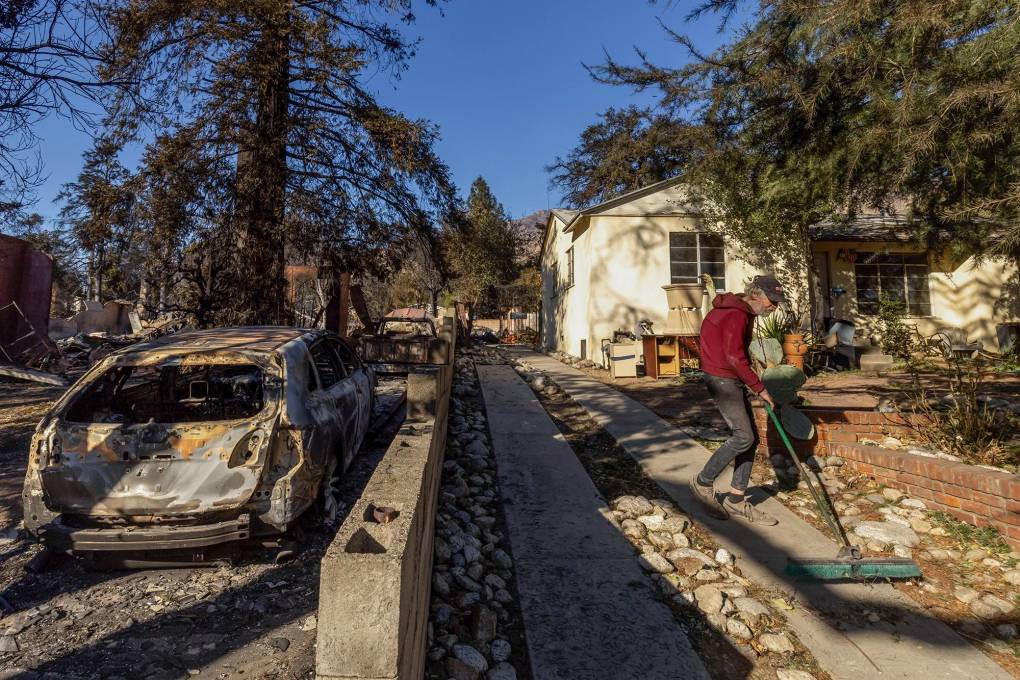
"caption": "David Slater, right, clears the driveway from his home, spared from the Eaton Fire in Altadena, Los Angeles County, on Jan. 12, 2025. ",
"credit": "Ethan Swope/AP Photo",
"altTag": null,
"description": null,
"imgSizes": {
"medium": {
"file": "https://cdn.kqed.org/wp-content/uploads/sites/10/2025/01/011225-Eaton-Fire-Clean-Up-AP-CM-01-copy-800x534.jpg",
"width": 800,
"height": 534,
"mimeType": "image/jpeg"
},
"large": {
"file": "https://cdn.kqed.org/wp-content/uploads/sites/10/2025/01/011225-Eaton-Fire-Clean-Up-AP-CM-01-copy-1020x680.jpg",
"width": 1020,
"height": 680,
"mimeType": "image/jpeg"
},
"thumbnail": {
"file": "https://cdn.kqed.org/wp-content/uploads/sites/10/2025/01/011225-Eaton-Fire-Clean-Up-AP-CM-01-copy-160x107.jpg",
"width": 160,
"height": 107,
"mimeType": "image/jpeg"
},
"1536x1536": {
"file": "https://cdn.kqed.org/wp-content/uploads/sites/10/2025/01/011225-Eaton-Fire-Clean-Up-AP-CM-01-copy-1536x1025.jpg",
"width": 1536,
"height": 1025,
"mimeType": "image/jpeg"
},
"post-thumbnail": {
"file": "https://cdn.kqed.org/wp-content/uploads/sites/10/2025/01/011225-Eaton-Fire-Clean-Up-AP-CM-01-copy-672x372.jpg",
"width": 672,
"height": 372,
"mimeType": "image/jpeg"
},
"twentyfourteen-full-width": {
"file": "https://cdn.kqed.org/wp-content/uploads/sites/10/2025/01/011225-Eaton-Fire-Clean-Up-AP-CM-01-copy-1038x576.jpg",
"width": 1038,
"height": 576,
"mimeType": "image/jpeg"
},
"full-width": {
"file": "https://cdn.kqed.org/wp-content/uploads/sites/10/2025/01/011225-Eaton-Fire-Clean-Up-AP-CM-01-copy-1920x1281.jpg",
"width": 1920,
"height": 1281,
"mimeType": "image/jpeg"
},
"kqedFullSize": {
"file": "https://cdn.kqed.org/wp-content/uploads/sites/10/2025/01/011225-Eaton-Fire-Clean-Up-AP-CM-01-copy.jpg",
"width": 2000,
"height": 1334
}
},
"isLoading": false,
"fetchFailed": false
},
"news_12022997": {
"type": "attachments",
"id": "news_12022997",
"meta": {
"index": "attachments_1716263798",
"site": "news",
"id": "12022997",
"found": true
},
"title": "011525_Private-Firefighters_GETTY_CM_01 copy",
"publishDate": 1737236165,
"status": "inherit",
"parent": 12022996,
"modified": 1737236190,
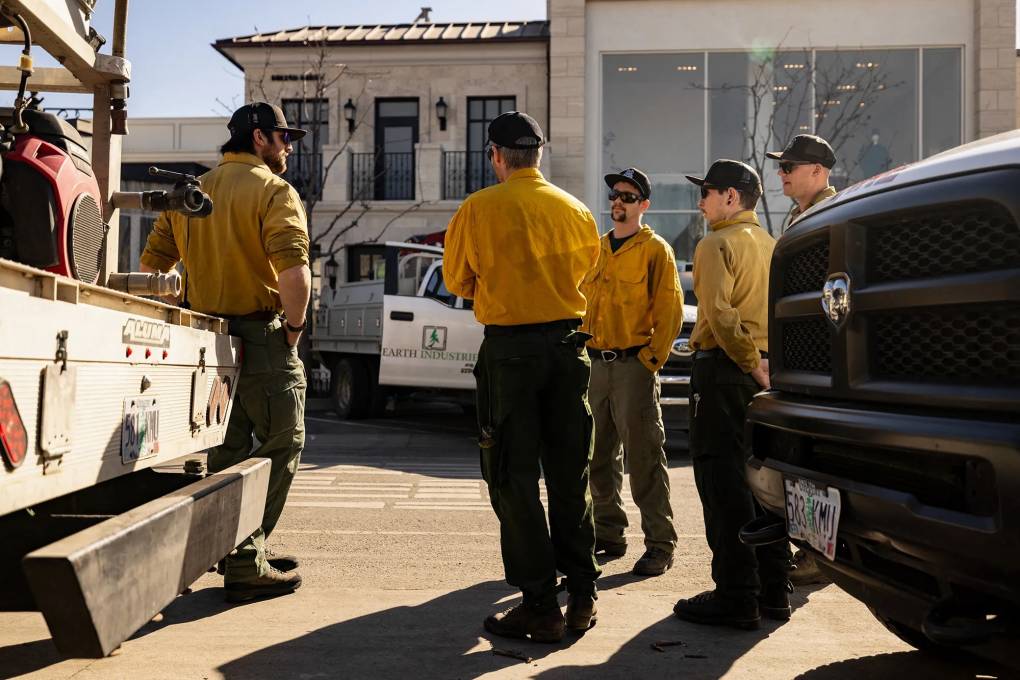
"caption": "Private firefighting company employees, hired to protect Rick Caruso's Palisades Village mall from the Palisades Fire, gather near their vehicles at the mall in the Pacific Palisades neighborhood of Los Angeles on Jan. 15, 2025. ",
"credit": "Etienne Laurent/AFP via Getty Images",
"altTag": null,
"description": null,
"imgSizes": {
"medium": {
"file": "https://cdn.kqed.org/wp-content/uploads/sites/10/2025/01/011525_Private-Firefighters_GETTY_CM_01-copy-800x533.jpg",
"width": 800,
"height": 533,
"mimeType": "image/jpeg"
},
"large": {
"file": "https://cdn.kqed.org/wp-content/uploads/sites/10/2025/01/011525_Private-Firefighters_GETTY_CM_01-copy-1020x680.jpg",
"width": 1020,
"height": 680,
"mimeType": "image/jpeg"
},
"thumbnail": {
"file": "https://cdn.kqed.org/wp-content/uploads/sites/10/2025/01/011525_Private-Firefighters_GETTY_CM_01-copy-160x107.jpg",
"width": 160,
"height": 107,
"mimeType": "image/jpeg"
},
"1536x1536": {
"file": "https://cdn.kqed.org/wp-content/uploads/sites/10/2025/01/011525_Private-Firefighters_GETTY_CM_01-copy-1536x1024.jpg",
"width": 1536,
"height": 1024,
"mimeType": "image/jpeg"
},
"post-thumbnail": {
"file": "https://cdn.kqed.org/wp-content/uploads/sites/10/2025/01/011525_Private-Firefighters_GETTY_CM_01-copy-672x372.jpg",
"width": 672,
"height": 372,
"mimeType": "image/jpeg"
},
"twentyfourteen-full-width": {
"file": "https://cdn.kqed.org/wp-content/uploads/sites/10/2025/01/011525_Private-Firefighters_GETTY_CM_01-copy-1038x576.jpg",
"width": 1038,
"height": 576,
"mimeType": "image/jpeg"
},
"full-width": {
"file": "https://cdn.kqed.org/wp-content/uploads/sites/10/2025/01/011525_Private-Firefighters_GETTY_CM_01-copy-1920x1280.jpg",
"width": 1920,
"height": 1280,
"mimeType": "image/jpeg"
},
"kqedFullSize": {
"file": "https://cdn.kqed.org/wp-content/uploads/sites/10/2025/01/011525_Private-Firefighters_GETTY_CM_01-copy.jpg",
"width": 2000,
"height": 1333
}
},
"isLoading": false,
"fetchFailed": false
},
"news_12022923": {
"type": "attachments",
"id": "news_12022923",
"meta": {
"index": "attachments_1716263798",
"site": "news",
"id": "12022923",
"found": true
},
"title": "Powerful Winds Fuel Multiple Fires Across Los Angeles Area",
"publishDate": 1737161336,
"status": "inherit",
"parent": 12022908,
"modified": 1737161406,
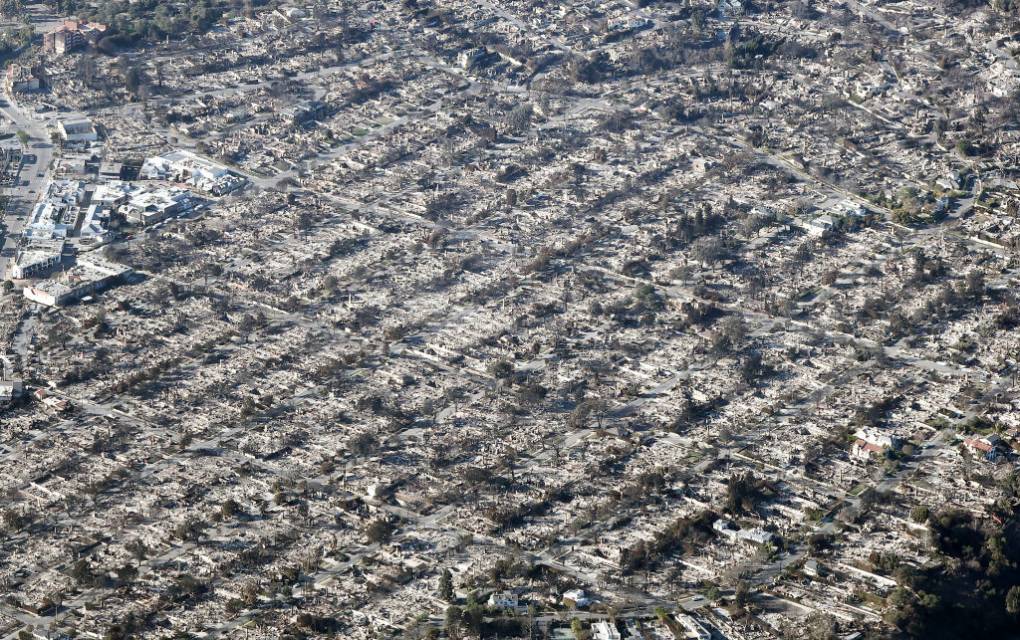
"caption": "An aerial view of homes destroyed in the Palisades Fire as wildfires cause damage and loss through the LA region on Jan. 13, 2025 in Pacific Palisades.",
"credit": "Mario Tama/Getty Images",
"altTag": null,
"description": null,
"imgSizes": {
"medium": {
"file": "https://cdn.kqed.org/wp-content/uploads/sites/10/2025/01/GettyImages-2193807239-800x502.jpg",
"width": 800,
"height": 502,
"mimeType": "image/jpeg"
},
"large": {
"file": "https://cdn.kqed.org/wp-content/uploads/sites/10/2025/01/GettyImages-2193807239-1020x640.jpg",
"width": 1020,
"height": 640,
"mimeType": "image/jpeg"
},
"thumbnail": {
"file": "https://cdn.kqed.org/wp-content/uploads/sites/10/2025/01/GettyImages-2193807239-160x100.jpg",
"width": 160,
"height": 100,
"mimeType": "image/jpeg"
},
"post-thumbnail": {
"file": "https://cdn.kqed.org/wp-content/uploads/sites/10/2025/01/GettyImages-2193807239-672x372.jpg",
"width": 672,
"height": 372,
"mimeType": "image/jpeg"
},
"twentyfourteen-full-width": {
"file": "https://cdn.kqed.org/wp-content/uploads/sites/10/2025/01/GettyImages-2193807239-1024x576.jpg",
"width": 1024,
"height": 576,
"mimeType": "image/jpeg"
},
"kqedFullSize": {
"file": "https://cdn.kqed.org/wp-content/uploads/sites/10/2025/01/GettyImages-2193807239.jpg",
"width": 1024,
"height": 643
}
},
"isLoading": false,
"fetchFailed": false
},
"news_12022694": {
"type": "attachments",
"id": "news_12022694",
"meta": {
"index": "attachments_1716263798",
"site": "news",
"id": "12022694",
"found": true
},
"title": "Gg4EOtTaMAA2rIR",
"publishDate": 1737077351,
"status": "inherit",
"parent": 12022659,
"modified": 1737077861,
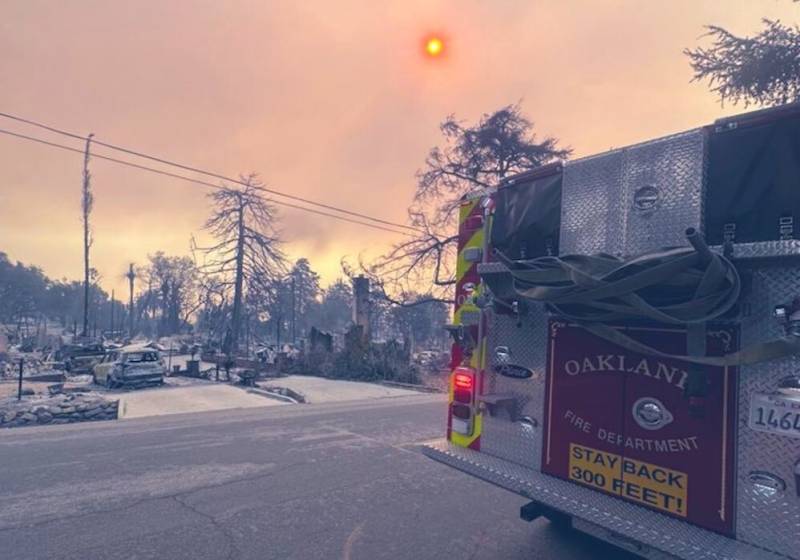
"caption": "An Oakland Fire Department fire truck is seen in Los Angeles to support the response to the ongoing wildfires on Thursday, Jan. 9, 2025.",
"credit": "Photo from Oakland Fire Department on X",
"altTag": null,
"description": null,
"imgSizes": {
"medium": {
"file": "https://cdn.kqed.org/wp-content/uploads/sites/10/2025/01/Gg4EOtTaMAA2rIR-800x560.jpeg",
"width": 800,
"height": 560,
"mimeType": "image/jpeg"
},
"thumbnail": {
"file": "https://cdn.kqed.org/wp-content/uploads/sites/10/2025/01/Gg4EOtTaMAA2rIR-160x112.jpeg",
"width": 160,
"height": 112,
"mimeType": "image/jpeg"
},
"post-thumbnail": {
"file": "https://cdn.kqed.org/wp-content/uploads/sites/10/2025/01/Gg4EOtTaMAA2rIR-672x372.jpeg",
"width": 672,
"height": 372,
"mimeType": "image/jpeg"
},
"twentyfourteen-full-width": {
"file": "https://cdn.kqed.org/wp-content/uploads/sites/10/2025/01/Gg4EOtTaMAA2rIR-998x576.jpeg",
"width": 998,
"height": 576,
"mimeType": "image/jpeg"
},
"kqedFullSize": {
"file": "https://cdn.kqed.org/wp-content/uploads/sites/10/2025/01/Gg4EOtTaMAA2rIR.jpeg",
"width": 998,
"height": 698
}
},
"isLoading": false,
"fetchFailed": false
},
"news_12022616": {
"type": "attachments",
"id": "news_12022616",
"meta": {
"index": "attachments_1716263798",
"site": "news",
"id": "12022616",
"found": true
},
"title": "011525-California-Wildfires-MT-AP-CM-01 copy",
"publishDate": 1737058938,
"status": "inherit",
"parent": 12022615,
"modified": 1752102006,
"caption": "The devastation from the Palisades Fire is seen from the air in the Pacific Palisades neighborhood of Los Angeles on Jan. 9, 2025. CalFire is using a chatbot to give Californians better access to real-time emergency information. But CalMatters found it isn't always accurate or reliable. \n",
"credit": "Mark J. Terrill/AP Photo",
"altTag": null,
"description": null,
"imgSizes": {
"medium": {
"file": "https://cdn.kqed.org/wp-content/uploads/sites/10/2025/01/011525-California-Wildfires-MT-AP-CM-01-copy-800x534.jpg",
"width": 800,
"height": 534,
"mimeType": "image/jpeg"
},
"large": {
"file": "https://cdn.kqed.org/wp-content/uploads/sites/10/2025/01/011525-California-Wildfires-MT-AP-CM-01-copy-1020x680.jpg",
"width": 1020,
"height": 680,
"mimeType": "image/jpeg"
},
"thumbnail": {
"file": "https://cdn.kqed.org/wp-content/uploads/sites/10/2025/01/011525-California-Wildfires-MT-AP-CM-01-copy-160x107.jpg",
"width": 160,
"height": 107,
"mimeType": "image/jpeg"
},
"1536x1536": {
"file": "https://cdn.kqed.org/wp-content/uploads/sites/10/2025/01/011525-California-Wildfires-MT-AP-CM-01-copy-1536x1025.jpg",
"width": 1536,
"height": 1025,
"mimeType": "image/jpeg"
},
"post-thumbnail": {
"file": "https://cdn.kqed.org/wp-content/uploads/sites/10/2025/01/011525-California-Wildfires-MT-AP-CM-01-copy-672x372.jpg",
"width": 672,
"height": 372,
"mimeType": "image/jpeg"
},
"twentyfourteen-full-width": {
"file": "https://cdn.kqed.org/wp-content/uploads/sites/10/2025/01/011525-California-Wildfires-MT-AP-CM-01-copy-1038x576.jpg",
"width": 1038,
"height": 576,
"mimeType": "image/jpeg"
},
"full-width": {
"file": "https://cdn.kqed.org/wp-content/uploads/sites/10/2025/01/011525-California-Wildfires-MT-AP-CM-01-copy-1920x1281.jpg",
"width": 1920,
"height": 1281,
"mimeType": "image/jpeg"
},
"kqedFullSize": {
"file": "https://cdn.kqed.org/wp-content/uploads/sites/10/2025/01/011525-California-Wildfires-MT-AP-CM-01-copy.jpg",
"width": 2000,
"height": 1334
}
},
"isLoading": false,
"fetchFailed": false
},
"news_12022061": {
"type": "attachments",
"id": "news_12022061",
"meta": {
"index": "attachments_1716263798",
"site": "news",
"id": "12022061",
"found": true
},
"title": "California-Wildfires-Inequality",
"publishDate": 1736880829,
"status": "inherit",
"parent": 12022057,
"modified": 1736888152,
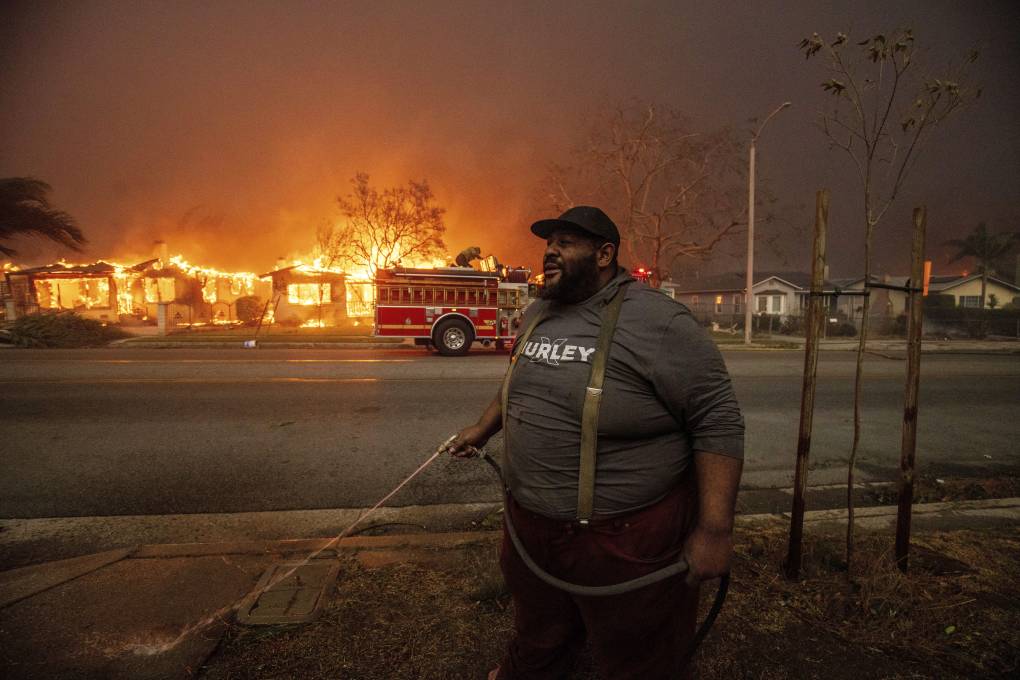
"caption": "A resident sprays their property with a garden hose as the Eaton Fire engulfs structures across the street, Wednesday, Jan. 8, 2025, in Altadena, Los Angeles County. ",
"credit": "Ethan Swope/AP Photo",
"altTag": null,
"description": null,
"imgSizes": {
"medium": {
"file": "https://cdn.kqed.org/wp-content/uploads/sites/10/2025/01/AP25011807951099-800x534.jpg",
"width": 800,
"height": 534,
"mimeType": "image/jpeg"
},
"large": {
"file": "https://cdn.kqed.org/wp-content/uploads/sites/10/2025/01/AP25011807951099-1020x680.jpg",
"width": 1020,
"height": 680,
"mimeType": "image/jpeg"
},
"thumbnail": {
"file": "https://cdn.kqed.org/wp-content/uploads/sites/10/2025/01/AP25011807951099-160x107.jpg",
"width": 160,
"height": 107,
"mimeType": "image/jpeg"
},
"1536x1536": {
"file": "https://cdn.kqed.org/wp-content/uploads/sites/10/2025/01/AP25011807951099-1536x1025.jpg",
"width": 1536,
"height": 1025,
"mimeType": "image/jpeg"
},
"2048x2048": {
"file": "https://cdn.kqed.org/wp-content/uploads/sites/10/2025/01/AP25011807951099-2048x1366.jpg",
"width": 2048,
"height": 1366,
"mimeType": "image/jpeg"
},
"post-thumbnail": {
"file": "https://cdn.kqed.org/wp-content/uploads/sites/10/2025/01/AP25011807951099-672x372.jpg",
"width": 672,
"height": 372,
"mimeType": "image/jpeg"
},
"twentyfourteen-full-width": {
"file": "https://cdn.kqed.org/wp-content/uploads/sites/10/2025/01/AP25011807951099-1038x576.jpg",
"width": 1038,
"height": 576,
"mimeType": "image/jpeg"
},
"full-width": {
"file": "https://cdn.kqed.org/wp-content/uploads/sites/10/2025/01/AP25011807951099-1920x1281.jpg",
"width": 1920,
"height": 1281,
"mimeType": "image/jpeg"
},
"kqedFullSize": {
"file": "https://cdn.kqed.org/wp-content/uploads/sites/10/2025/01/AP25011807951099-scaled.jpg",
"width": 2560,
"height": 1708
}
},
"isLoading": false,
"fetchFailed": false
}
},
"audioPlayerReducer": {
"postId": "stream_live",
"isPaused": true,
"isPlaying": false,
"pfsActive": false,
"pledgeModalIsOpen": true,
"playerDrawerIsOpen": false,
"liveAudioPlayStartedAt": 0,
"liveAudioPlayContext": ""
},
"authorsReducer": {
"byline_news_12022988": {
"type": "authors",
"id": "byline_news_12022988",
"meta": {
"override": true
},
"slug": "byline_news_12022988",
"name": "\u003ca href=\"https://calmatters.org/author/jeanne-kuang/\">Jeanne Kuang\u003c/a> and \u003ca href=\"https://calmatters.org/author/alejandra-reyesvelarde/\">Alejandra Reyes-Velarde\u003c/a>, CalMatters",
"isLoading": false
},
"byline_news_12022996": {
"type": "authors",
"id": "byline_news_12022996",
"meta": {
"override": true
},
"slug": "byline_news_12022996",
"name": "\u003ca href=\"https://calmatters.org/author/feliciacalmatters-org/\">Felicia Mello\u003c/a>, CalMatters",
"isLoading": false
},
"byline_news_12022908": {
"type": "authors",
"id": "byline_news_12022908",
"meta": {
"override": true
},
"slug": "byline_news_12022908",
"name": "Trân Nguyễn, Associated Press",
"isLoading": false
},
"byline_news_12022615": {
"type": "authors",
"id": "byline_news_12022615",
"meta": {
"override": true
},
"slug": "byline_news_12022615",
"name": "\u003ca href=\"https://calmatters.org/author/ben-christopher/\">Ben Christopher\u003c/a>, CalMatters",
"isLoading": false
},
"byline_news_12022057": {
"type": "authors",
"id": "byline_news_12022057",
"meta": {
"override": true
},
"slug": "byline_news_12022057",
"name": "Terry Tang, Jennifer Sinco Kelleher and Jae Hong, Associated Press",
"isLoading": false
},
"bkrans": {
"type": "authors",
"id": "11923",
"meta": {
"index": "authors_1716337520",
"id": "11923",
"found": true
},
"name": "Brian Krans",
"firstName": "Brian",
"lastName": "Krans",
"slug": "bkrans",
"email": "bkrans@kqed.org",
"display_author_email": false,
"staff_mastheads": [
"news"
],
"title": "KQED Contributing Reporter",
"bio": "Brian Krans is an award-winning local news and investigative reporter who has been proudly working as a general assignment reporter for KQED since August 2023. He lives in Richmond, where he also reports on air pollution for Richmondside. He is also a founding member of the Vallejo Sun.",
"avatar": "https://secure.gravatar.com/avatar/71fa91f931774612559f7640390b53d9c2840ff72b20f195a25239aab2d9fbb9?s=600&d=blank&r=g",
"twitter": "citizenkrans",
"bluesky": null,
"facebook": null,
"instagram": null,
"linkedin": null,
"sites": [
{
"site": "news",
"roles": [
"editor"
]
}
],
"headData": {
"title": "Brian Krans | KQED",
"description": "KQED Contributing Reporter",
"ogImgSrc": "https://secure.gravatar.com/avatar/71fa91f931774612559f7640390b53d9c2840ff72b20f195a25239aab2d9fbb9?s=600&d=blank&r=g",
"twImgSrc": "https://secure.gravatar.com/avatar/71fa91f931774612559f7640390b53d9c2840ff72b20f195a25239aab2d9fbb9?s=600&d=blank&r=g"
},
"isLoading": false,
"link": "/author/bkrans"
}
},
"pagesReducer": {
"news_tag_los-angeles-fires": {
"type": "terms",
"id": "news_34868",
"meta": {
"index": "terms_1716263798",
"site": "news",
"id": "34868",
"score": 10.404507
},
"name": "los angeles fires",
"slug": "los-angeles-fires",
"taxonomy": "tag",
"description": null,
"featImg": null,
"headData": {
"title": "los angeles fires | KQED News",
"description": null,
"ogTitle": null,
"ogDescription": null,
"ogImgId": null,
"twTitle": null,
"twDescription": null,
"twImgId": null
},
"ttid": 34885,
"isLoading": false,
"title": "los angeles fires",
"pageMeta": {
"site": "news",
"WpPageTemplate": "page-topic-editorial",
"currentPage": 3
},
"blocks": [
{
"blockName": "kqed/post-list",
"attrs": {
"layout": "cardArticle2",
"query": "posts/news?tag=los-angeles-fires",
"seeMore": false,
"paginated": true,
"page": 3
}
},
{
"blockName": "kqed/ad"
}
]
}
},
"pfsSessionReducer": {},
"postsReducer": {
"stream_live": {
"type": "live",
"id": "stream_live",
"audioUrl": "https://streams.kqed.org/kqedradio",
"title": "Live Stream",
"excerpt": "Live Stream information currently unavailable.",
"link": "/radio",
"featImg": "",
"label": {
"name": "KQED Live",
"link": "/"
}
},
"stream_kqedNewscast": {
"type": "posts",
"id": "stream_kqedNewscast",
"audioUrl": "https://www.kqed.org/.stream/anon/radio/RDnews/newscast.mp3?_=1",
"title": "KQED Newscast",
"featImg": "",
"label": {
"name": "88.5 FM",
"link": "/"
}
},
"news_12022988": {
"type": "posts",
"id": "news_12022988",
"meta": {
"index": "posts_1716263798",
"site": "news",
"id": "12022988",
"score": null,
"sort": [
1737468043000
]
},
"guestAuthors": [],
"slug": "workers-now-begin-massive-cleanup-after-la-fires-can-the-state-keep-them-safe",
"title": "Workers Now Begin Massive Cleanup After LA Fires. Can the State Keep Them Safe?",
"publishDate": 1737468043,
"format": "standard",
"headTitle": "Workers Now Begin Massive Cleanup After LA Fires. Can the State Keep Them Safe? | KQED",
"labelTerm": {
"term": 18481,
"site": "news"
},
"content": "\u003cp>Anabel Garcia’s eyes burned and her breathing was labored and dry as she cleared debris from burned down properties in Sonoma County.\u003c/p>\n\u003cp>In late 2017, the Tubbs Fire had just scythed its way through towns and crops and Garcia, a vineyard worker, was out of a job. So she joined on with a contractor providing post-fire cleanup services. But that proved painful and dangerous.\u003c/p>\n\u003cp>“We were sick with throat and skin problems,” she said, of herself and the scores of other immigrant workers who took cleanup gigs in the aftermath of the fire. “There were many consequences we had later, in order to keep working.”\u003c/p>\n\u003cp>Garcia was cleaning up after what was, at the time, the most destructive fire in California history, which killed 22 people and torched 5,600 structures. The Palisades and Eaton fires that started last week have already caused nearly double that damage and as Los Angeles turns its \u003ca href=\"https://calmatters.org/politics/capitol/2025/01/la-fires-california-legislature-bills/\">eye toward recovery\u003c/a>, worker advocates and state regulators are concerned about the potential hazards to cleanup workers like Garcia.\u003c/p>\n\u003cp>[ad fullwidth]\u003c/p>\n\u003cp>The cleanup is essential: The debris must be cleared and the ash-covered houses cleaned before any reconstruction is possible. Much of that work will fall to a cadre of immigrant laborers.\u003c/p>\n\u003cp>Some are already employed as housekeepers and may be asked by homeowners to clear ash from a damaged house, workers’ advocates said. Others will likely be the gardeners, handymen and other domestic service workers reeling \u003ca href=\"https://calmatters.org/environment/wildfires/2025/01/la-fires-workers-lost-jobs/\">from lost income during the fires\u003c/a>, available for work.\u003c/p>\n\u003cp>“As those big areas of the city that have been impacted get opened up and handed back to property owners, those workers are going to be, no question, in massive demand,” said Kevin Riley, director of the Labor and Occupational Safety and Health program at UCLA. “They’re a critical backbone to reconstruction efforts.”\u003c/p>\n\u003cp>Fire recovery workers can face \u003ca href=\"https://www.dir.ca.gov/dosh/wildfire/Worker-Health-and-Safety-During-Fire-Cleanup.html\">numerous hazards\u003c/a>, including structurally unsound buildings, toxic gases, exposed electrical wiring, cancer-causing chemicals and ash, soot and dust which can damage the lungs when inhaled, according to the state Division of Occupational Safety and Health.\u003c/p>\n\u003cfigure id=\"attachment_12022990\" class=\"wp-caption aligncenter\" style=\"max-width: 1568px\">\u003cimg loading=\"lazy\" decoding=\"async\" class=\"size-full wp-image-12022990\" src=\"https://cdn.kqed.org/wp-content/uploads/sites/10/2025/01/011025-Eaton-Fire-Clean-Up-AP-CM-02-copy.jpg\" alt=\"\" width=\"1568\" height=\"1045\" srcset=\"https://cdn.kqed.org/wp-content/uploads/sites/10/2025/01/011025-Eaton-Fire-Clean-Up-AP-CM-02-copy.jpg 1568w, https://cdn.kqed.org/wp-content/uploads/sites/10/2025/01/011025-Eaton-Fire-Clean-Up-AP-CM-02-copy-800x533.jpg 800w, https://cdn.kqed.org/wp-content/uploads/sites/10/2025/01/011025-Eaton-Fire-Clean-Up-AP-CM-02-copy-1020x680.jpg 1020w, https://cdn.kqed.org/wp-content/uploads/sites/10/2025/01/011025-Eaton-Fire-Clean-Up-AP-CM-02-copy-160x107.jpg 160w, https://cdn.kqed.org/wp-content/uploads/sites/10/2025/01/011025-Eaton-Fire-Clean-Up-AP-CM-02-copy-1536x1024.jpg 1536w\" sizes=\"auto, (max-width: 1568px) 100vw, 1568px\">\u003cfigcaption class=\"wp-caption-text\">From left, homeowners Christine Meinders and Sohrab Nafici, return to their fire-ravaged neighborhood in the aftermath of the Eaton Fire in Altadena, Los Angeles County, on Jan. 10, 2025. \u003ccite>(Jae C. Hong/AP Photo)\u003c/cite>\u003c/figcaption>\u003c/figure>\n\u003cp>State environmental agencies usually remove toxic substances that have seeped into the ground, and certified contractors are required to mitigate asbestos and lead risks, Riley said. Those workers tend to be trained for the hazards.\u003c/p>\n\u003cp>But he’s concerned about anyone hired for a less formal cleanup job, whether directly by a homeowner or by one of a \u003ca href=\"https://publicintegrity.org/topics/environment/toxic-labor/\">growing number of loosely regulated\u003c/a> cleanup-and-recovery contractors that \u003ca href=\"https://www.newyorker.com/magazine/2021/11/08/the-migrant-workers-who-follow-climate-disasters\">chase climate-driven disasters\u003c/a> across the country.\u003c/p>\n\u003cp>Mike Wilson, senior safety engineer at Cal/OSHA, told the Occupational Safety and Health Standards Board in a public meeting on Thursday that the agency is planning to do outreach about the risks of those jobs.\u003c/p>\n\u003cp>“We’re also paying attention to the need for getting in front of the next phase of this incident, which is going to be contractors moving into these areas, and what we’ve seen historically, hiring day laborers to do cleanup and salvage work, and often with little to no protection,” Wilson said.\u003c/p>\n\u003ch2>Safety training\u003c/h2>\n\u003cp>On Tuesday morning, day laborers and community volunteers mingled at the Pasadena Community Job Center. The day laborers, who typically wait for work requests from homeowners or contractors at Home Depots or street corners, were instead preparing to lead efforts to clean up the debris left by strong winds.\u003c/p>\n\u003cp>Dozens of men and women shoveled, raked and swept neighborhood streets where winds had topped over trees, branches and debris that could spark or carry embers. By the end of the day, they had filled a convoy of 15 dump trucks with debris.\u003c/p>\n\u003cp>The National Day Laborer Organizing Network, which runs the job center, helped organize the volunteers from the community and from throughout the county to clean up throughout the week. The effort highlights the role immigrant workers play helping their communities recover from disasters, said Manuel Vicente, director of the network’s Radio Jornalera program.\u003c/p>\n\u003cp>“It was a way to respond to the rhetoric about immigrants happening now, the rain of lies about immigrants that have been stigmatizing us,” he said. “That we’re a community that if someone falls, we extend a hand to help them up.”\u003c/p>\n\u003cfigure id=\"attachment_12022991\" class=\"wp-caption aligncenter\" style=\"max-width: 1568px\">\u003cimg loading=\"lazy\" decoding=\"async\" class=\"size-full wp-image-12022991\" src=\"https://cdn.kqed.org/wp-content/uploads/sites/10/2025/01/011525_EatonFireDayLaborersPasadenaLosAngeles_JAJ_CM_021-copy.jpg\" alt=\"\" width=\"1568\" height=\"1046\" srcset=\"https://cdn.kqed.org/wp-content/uploads/sites/10/2025/01/011525_EatonFireDayLaborersPasadenaLosAngeles_JAJ_CM_021-copy.jpg 1568w, https://cdn.kqed.org/wp-content/uploads/sites/10/2025/01/011525_EatonFireDayLaborersPasadenaLosAngeles_JAJ_CM_021-copy-800x534.jpg 800w, https://cdn.kqed.org/wp-content/uploads/sites/10/2025/01/011525_EatonFireDayLaborersPasadenaLosAngeles_JAJ_CM_021-copy-1020x680.jpg 1020w, https://cdn.kqed.org/wp-content/uploads/sites/10/2025/01/011525_EatonFireDayLaborersPasadenaLosAngeles_JAJ_CM_021-copy-160x107.jpg 160w, https://cdn.kqed.org/wp-content/uploads/sites/10/2025/01/011525_EatonFireDayLaborersPasadenaLosAngeles_JAJ_CM_021-copy-1536x1025.jpg 1536w\" sizes=\"auto, (max-width: 1568px) 100vw, 1568px\">\u003cfigcaption class=\"wp-caption-text\">Day laborer Jorge Medina cleans up vegetation debris south of the Altadena Eaton Fire burn area in Pasadena, Los Angeles County, on Jan. 15, 2025. \u003ccite>(Joel Angel Juarez for CalMatters)\u003c/cite>\u003c/figcaption>\u003c/figure>\n\u003cp>In anticipation of its members being picked up for cleanup jobs, the network has deployed an OSHA-certified trainer at the job center to teach workers how to identify hazards in burned homes. It also plans to send staff to local Home Depots to hand out pamphlets and educational materials to day laborers.\u003c/p>\n\u003cp>The network has done similar training in hurricane-battered regions on the East Coast and in Texas and Louisiana.\u003c/p>\n\u003cp>Officials at the L.A. County Department of Public Health have been distributing N95 masks to workers centers.\u003c/p>\n\u003cp>Alice Berliner, director of the department’s office of worker health and safety, pointed to surveys of gardeners, housekeepers and other domestic service workers conducted by advocacy groups after the 2018 Woolsey Fire in Malibu.\u003c/p>\n\u003cp>“Based on the fact that they were exposed to toxic debris, handling unsafe materials without proper equipment,” Berliner said, “we’re very likely to see a similar dynamic with this upcoming cleanup.”\u003c/p>\n\u003ch2>Cleaning up\u003c/h2>\n\u003cp>In Sonoma County after the Tubbs Fire, Christy Lubin remembers two kinds of disaster responses.\u003c/p>\n\u003cp>In one, the state sent specialized contractors to remove toxic substances from charred homes. Most of the workers who came to the Graton Day Labor Center in the county’s wine country were shut out from those jobs, lacking \u003ca href=\"https://www.dir.ca.gov/title8/5192.html\">the state-required hazardous material certifications\u003c/a>, said Lubin, the center’s director.[aside label=\"Related Stories\" postID=\"news_12021150,science_1995438,news_12021941,news_12021661\"]In the other, the town flooded with other reconstruction contractors from around the country.\u003c/p>\n\u003cp>“(The contractors) were bringing in a lot of immigrant workers, especially a lot of women, who got hired to go in and do especially interior building cleanup, smoke damage cleanup,” Lubin said. “Those contractors were picking up groups of workers, meeting them on a corner, driving them in a van to these workplaces where they were sent into these buildings without the proper training, without the proper personal protective equipment.”\u003c/p>\n\u003cp>It can be tough, said Riley of UCLA, to enforce safety regulations in those disaster zones.\u003c/p>\n\u003cp>“It’s a bit of a wild west situation at times,” he said. “Just because of how massive the work is and how varied the worksites and how spread out they are.”\u003c/p>\n\u003cp>Garcia, the former vineyard employee, said she found her cleanup job through a Facebook ad for a restoration contractor that said it was working for an insurance company. Hundreds of workers who needed income after the fires responded, she said, and the contractors didn’t seem to care about their immigration status.\u003c/p>\n\u003cp>The workers boarded 15-passenger vans to burned homes, businesses and even public buildings, she said. Sometimes she worked 10-hour days. She recalled being paid somewhere between $13 and $15 an hour.\u003c/p>\n\u003cp>For a few weeks, Garcia cleaned a hospital clinic strewn with blood and syringes before then cleaning homes, clearing and bagging up ashes and debris.\u003c/p>\n\u003cp>“Everything was covered in ashes,” she said. “Everything you saw was black.”\u003c/p>\n\u003cp>She said workers were given gloves and a helmet, but nothing to protect their bodies or cover their shoes. They only received masks the first two days, then had to reuse them, she said.\u003c/p>\n\u003ch2>‘What we need is to work’\u003c/h2>\n\u003cp>Experiences \u003ca href=\"https://www.kalw.org/show/crosscurrents/2020-02-26/as-californias-wildfires-get-worse-domestic-workers-fight-for-protection\">like those\u003c/a> drove Garcia — now a house-cleaner and a board member at the day labor center — and other worker advocates to push California lawmakers to better protect workers.\u003c/p>\n\u003cp>The state has passed new regulations requiring employers to protect workers from wildfire smoke or prohibiting them from forcing workers to be in evacuation zones.\u003c/p>\n\u003cp>And in July, some domestic workers will be newly covered under state workplace safety laws. There’s an exception for those hired privately by homeowners, but Cal/OSHA spokesperson Daniel Lopez told CalMatters in an email that anyone who is hired for cleanup — no matter the employer — is already covered by a \u003ca href=\"https://www.dir.ca.gov/dosh/wildfire/Worker-Health-and-Safety-During-Fire-Cleanup.html\">slew of wildfire-specific safety regulations\u003c/a>.\u003c/p>\n\u003cp>A state advisory committee on domestic labor in 2022 \u003ca href=\"https://www.dir.ca.gov/dosh/documents/Voluntary-Industry-Guidelines-SB-321.pdf\">recommended against (PDF)\u003c/a> hiring people commonly employed for household or yard work to clean up soot or ash after a wildfire, “as this may require specialized equipment and training.”\u003c/p>\n\u003cfigure id=\"attachment_12022992\" class=\"wp-caption aligncenter\" style=\"max-width: 1568px\">\u003cimg loading=\"lazy\" decoding=\"async\" class=\"size-full wp-image-12022992\" src=\"https://cdn.kqed.org/wp-content/uploads/sites/10/2025/01/011525_EatonFireDayLaborersPasadenaLosAngeles_JAJ_CM_022-copy.jpg\" alt=\"\" width=\"1568\" height=\"1046\" srcset=\"https://cdn.kqed.org/wp-content/uploads/sites/10/2025/01/011525_EatonFireDayLaborersPasadenaLosAngeles_JAJ_CM_022-copy.jpg 1568w, https://cdn.kqed.org/wp-content/uploads/sites/10/2025/01/011525_EatonFireDayLaborersPasadenaLosAngeles_JAJ_CM_022-copy-800x534.jpg 800w, https://cdn.kqed.org/wp-content/uploads/sites/10/2025/01/011525_EatonFireDayLaborersPasadenaLosAngeles_JAJ_CM_022-copy-1020x680.jpg 1020w, https://cdn.kqed.org/wp-content/uploads/sites/10/2025/01/011525_EatonFireDayLaborersPasadenaLosAngeles_JAJ_CM_022-copy-160x107.jpg 160w, https://cdn.kqed.org/wp-content/uploads/sites/10/2025/01/011525_EatonFireDayLaborersPasadenaLosAngeles_JAJ_CM_022-copy-1536x1025.jpg 1536w\" sizes=\"auto, (max-width: 1568px) 100vw, 1568px\">\u003cfigcaption class=\"wp-caption-text\">Day laborer Oscar Hernandez, right, cleans up vegetation debris south of the Altadena Eaton Fire burn area in Pasadena, Los Angeles County, on Jan. 15, 2025. \u003ccite>(Joel Angel Juarez for CalMatters)\u003c/cite>\u003c/figcaption>\u003c/figure>\n\u003cp>It doesn’t erase their willingness to do the jobs.\u003c/p>\n\u003cp>On Tuesday morning in Pasadena a handful of day laborers waited for gigs at the corner of Villa and Fair Oaks, three miles south of homes the Eaton Fire had burned one week earlier.\u003c/p>\n\u003cp>They perked up as cars slowed past the street. Work has been slow all season, they said, even before the fires destroyed many household jobs.\u003c/p>\n\u003cp>Marcelo Esteban said he knew that there might be work coming to clean up or rebuild burnt down communities, though he expected homeowners to turn to day laborers only after they’ve gotten help from insurance companies or the government.\u003c/p>\n\u003cp>He doesn’t think much about the risks that work might carry.\u003c/p>\n\u003cp>“If someone needs help, we can use masks,” he said. “Someone is going to do the work anyway. What we need is to work. It doesn’t matter what.”\u003c/p>\n\u003cp>\u003cem>CalMatters reporter Wendy Fry contributed to this story.\u003c/em>\u003c/p>\n\u003cp>[ad floatright]\u003c/p>\n",
"blocks": [],
"excerpt": "The LA fires have left domestic workers and day laborers jobless. They may soon be hired for wildfire cleanup work, where they can be exposed to ash and other toxins.",
"status": "publish",
"parent": 0,
"modified": 1737480800,
"stats": {
"hasAudio": false,
"hasVideo": false,
"hasChartOrMap": false,
"iframeSrcs": [],
"hasGoogleForm": false,
"hasGallery": false,
"hasHearkenModule": false,
"hasPolis": false,
"paragraphCount": 44,
"wordCount": 1711
},
"headData": {
"title": "Workers Now Begin Massive Cleanup After LA Fires. Can the State Keep Them Safe? | KQED",
"description": "The LA fires have left domestic workers and day laborers jobless. They may soon be hired for wildfire cleanup work, where they can be exposed to ash and other toxins.",
"ogTitle": "",
"ogDescription": "",
"ogImgId": "",
"twTitle": "",
"twDescription": "",
"twImgId": "",
"schema": {
"@context": "https://schema.org",
"@type": "NewsArticle",
"headline": "Workers Now Begin Massive Cleanup After LA Fires. Can the State Keep Them Safe?",
"datePublished": "2025-01-21T06:00:43-08:00",
"dateModified": "2025-01-21T09:33:20-08:00",
"image": "https://cdn.kqed.org/wp-content/uploads/2020/02/KQED-OG-Image@1x.png",
"isAccessibleForFree": "True",
"publisher": {
"@type": "NewsMediaOrganization",
"@id": "https://www.kqed.org/#organization",
"name": "KQED",
"logo": "https://cdn.kqed.org/wp-content/uploads/2020/02/KQED-OG-Image@1x.png",
"url": "https://www.kqed.org",
"sameAs": [
"https://www.facebook.com/KQED",
"https://twitter.com/KQED",
"https://www.instagram.com/kqed/",
"https://www.tiktok.com/@kqedofficial",
"https://www.linkedin.com/company/kqed",
"https://www.youtube.com/channel/UCeC0IOo7i1P_61zVUWbJ4nw"
]
}
}
},
"sticky": false,
"nprByline": "\u003ca href=\"https://calmatters.org/author/jeanne-kuang/\">Jeanne Kuang\u003c/a> and \u003ca href=\"https://calmatters.org/author/alejandra-reyesvelarde/\">Alejandra Reyes-Velarde\u003c/a>, CalMatters",
"nprStoryId": "kqed-12022988",
"excludeFromSiteSearch": "Include",
"showOnAuthorArchivePages": "No",
"articleAge": "0",
"path": "/news/12022988/workers-now-begin-massive-cleanup-after-la-fires-can-the-state-keep-them-safe",
"audioTrackLength": null,
"parsedContent": [
{
"type": "contentString",
"content": "\u003cdiv class=\"post-body\">\u003cp>\u003cp>Anabel Garcia’s eyes burned and her breathing was labored and dry as she cleared debris from burned down properties in Sonoma County.\u003c/p>\n\u003cp>In late 2017, the Tubbs Fire had just scythed its way through towns and crops and Garcia, a vineyard worker, was out of a job. So she joined on with a contractor providing post-fire cleanup services. But that proved painful and dangerous.\u003c/p>\n\u003cp>“We were sick with throat and skin problems,” she said, of herself and the scores of other immigrant workers who took cleanup gigs in the aftermath of the fire. “There were many consequences we had later, in order to keep working.”\u003c/p>\n\u003cp>Garcia was cleaning up after what was, at the time, the most destructive fire in California history, which killed 22 people and torched 5,600 structures. The Palisades and Eaton fires that started last week have already caused nearly double that damage and as Los Angeles turns its \u003ca href=\"https://calmatters.org/politics/capitol/2025/01/la-fires-california-legislature-bills/\">eye toward recovery\u003c/a>, worker advocates and state regulators are concerned about the potential hazards to cleanup workers like Garcia.\u003c/p>\n\u003cp>\u003c/p>\u003c/div>",
"attributes": {
"named": {},
"numeric": []
}
},
{
"type": "component",
"content": "",
"name": "ad",
"attributes": {
"named": {
"label": "fullwidth"
},
"numeric": [
"fullwidth"
]
}
},
{
"type": "contentString",
"content": "\u003cdiv class=\"post-body\">\u003cp>\u003c/p>\n\u003cp>The cleanup is essential: The debris must be cleared and the ash-covered houses cleaned before any reconstruction is possible. Much of that work will fall to a cadre of immigrant laborers.\u003c/p>\n\u003cp>Some are already employed as housekeepers and may be asked by homeowners to clear ash from a damaged house, workers’ advocates said. Others will likely be the gardeners, handymen and other domestic service workers reeling \u003ca href=\"https://calmatters.org/environment/wildfires/2025/01/la-fires-workers-lost-jobs/\">from lost income during the fires\u003c/a>, available for work.\u003c/p>\n\u003cp>“As those big areas of the city that have been impacted get opened up and handed back to property owners, those workers are going to be, no question, in massive demand,” said Kevin Riley, director of the Labor and Occupational Safety and Health program at UCLA. “They’re a critical backbone to reconstruction efforts.”\u003c/p>\n\u003cp>Fire recovery workers can face \u003ca href=\"https://www.dir.ca.gov/dosh/wildfire/Worker-Health-and-Safety-During-Fire-Cleanup.html\">numerous hazards\u003c/a>, including structurally unsound buildings, toxic gases, exposed electrical wiring, cancer-causing chemicals and ash, soot and dust which can damage the lungs when inhaled, according to the state Division of Occupational Safety and Health.\u003c/p>\n\u003cfigure id=\"attachment_12022990\" class=\"wp-caption aligncenter\" style=\"max-width: 1568px\">\u003cimg loading=\"lazy\" decoding=\"async\" class=\"size-full wp-image-12022990\" src=\"https://cdn.kqed.org/wp-content/uploads/sites/10/2025/01/011025-Eaton-Fire-Clean-Up-AP-CM-02-copy.jpg\" alt=\"\" width=\"1568\" height=\"1045\" srcset=\"https://cdn.kqed.org/wp-content/uploads/sites/10/2025/01/011025-Eaton-Fire-Clean-Up-AP-CM-02-copy.jpg 1568w, https://cdn.kqed.org/wp-content/uploads/sites/10/2025/01/011025-Eaton-Fire-Clean-Up-AP-CM-02-copy-800x533.jpg 800w, https://cdn.kqed.org/wp-content/uploads/sites/10/2025/01/011025-Eaton-Fire-Clean-Up-AP-CM-02-copy-1020x680.jpg 1020w, https://cdn.kqed.org/wp-content/uploads/sites/10/2025/01/011025-Eaton-Fire-Clean-Up-AP-CM-02-copy-160x107.jpg 160w, https://cdn.kqed.org/wp-content/uploads/sites/10/2025/01/011025-Eaton-Fire-Clean-Up-AP-CM-02-copy-1536x1024.jpg 1536w\" sizes=\"auto, (max-width: 1568px) 100vw, 1568px\">\u003cfigcaption class=\"wp-caption-text\">From left, homeowners Christine Meinders and Sohrab Nafici, return to their fire-ravaged neighborhood in the aftermath of the Eaton Fire in Altadena, Los Angeles County, on Jan. 10, 2025. \u003ccite>(Jae C. Hong/AP Photo)\u003c/cite>\u003c/figcaption>\u003c/figure>\n\u003cp>State environmental agencies usually remove toxic substances that have seeped into the ground, and certified contractors are required to mitigate asbestos and lead risks, Riley said. Those workers tend to be trained for the hazards.\u003c/p>\n\u003cp>But he’s concerned about anyone hired for a less formal cleanup job, whether directly by a homeowner or by one of a \u003ca href=\"https://publicintegrity.org/topics/environment/toxic-labor/\">growing number of loosely regulated\u003c/a> cleanup-and-recovery contractors that \u003ca href=\"https://www.newyorker.com/magazine/2021/11/08/the-migrant-workers-who-follow-climate-disasters\">chase climate-driven disasters\u003c/a> across the country.\u003c/p>\n\u003cp>Mike Wilson, senior safety engineer at Cal/OSHA, told the Occupational Safety and Health Standards Board in a public meeting on Thursday that the agency is planning to do outreach about the risks of those jobs.\u003c/p>\n\u003cp>“We’re also paying attention to the need for getting in front of the next phase of this incident, which is going to be contractors moving into these areas, and what we’ve seen historically, hiring day laborers to do cleanup and salvage work, and often with little to no protection,” Wilson said.\u003c/p>\n\u003ch2>Safety training\u003c/h2>\n\u003cp>On Tuesday morning, day laborers and community volunteers mingled at the Pasadena Community Job Center. The day laborers, who typically wait for work requests from homeowners or contractors at Home Depots or street corners, were instead preparing to lead efforts to clean up the debris left by strong winds.\u003c/p>\n\u003cp>Dozens of men and women shoveled, raked and swept neighborhood streets where winds had topped over trees, branches and debris that could spark or carry embers. By the end of the day, they had filled a convoy of 15 dump trucks with debris.\u003c/p>\n\u003cp>The National Day Laborer Organizing Network, which runs the job center, helped organize the volunteers from the community and from throughout the county to clean up throughout the week. The effort highlights the role immigrant workers play helping their communities recover from disasters, said Manuel Vicente, director of the network’s Radio Jornalera program.\u003c/p>\n\u003cp>“It was a way to respond to the rhetoric about immigrants happening now, the rain of lies about immigrants that have been stigmatizing us,” he said. “That we’re a community that if someone falls, we extend a hand to help them up.”\u003c/p>\n\u003cfigure id=\"attachment_12022991\" class=\"wp-caption aligncenter\" style=\"max-width: 1568px\">\u003cimg loading=\"lazy\" decoding=\"async\" class=\"size-full wp-image-12022991\" src=\"https://cdn.kqed.org/wp-content/uploads/sites/10/2025/01/011525_EatonFireDayLaborersPasadenaLosAngeles_JAJ_CM_021-copy.jpg\" alt=\"\" width=\"1568\" height=\"1046\" srcset=\"https://cdn.kqed.org/wp-content/uploads/sites/10/2025/01/011525_EatonFireDayLaborersPasadenaLosAngeles_JAJ_CM_021-copy.jpg 1568w, https://cdn.kqed.org/wp-content/uploads/sites/10/2025/01/011525_EatonFireDayLaborersPasadenaLosAngeles_JAJ_CM_021-copy-800x534.jpg 800w, https://cdn.kqed.org/wp-content/uploads/sites/10/2025/01/011525_EatonFireDayLaborersPasadenaLosAngeles_JAJ_CM_021-copy-1020x680.jpg 1020w, https://cdn.kqed.org/wp-content/uploads/sites/10/2025/01/011525_EatonFireDayLaborersPasadenaLosAngeles_JAJ_CM_021-copy-160x107.jpg 160w, https://cdn.kqed.org/wp-content/uploads/sites/10/2025/01/011525_EatonFireDayLaborersPasadenaLosAngeles_JAJ_CM_021-copy-1536x1025.jpg 1536w\" sizes=\"auto, (max-width: 1568px) 100vw, 1568px\">\u003cfigcaption class=\"wp-caption-text\">Day laborer Jorge Medina cleans up vegetation debris south of the Altadena Eaton Fire burn area in Pasadena, Los Angeles County, on Jan. 15, 2025. \u003ccite>(Joel Angel Juarez for CalMatters)\u003c/cite>\u003c/figcaption>\u003c/figure>\n\u003cp>In anticipation of its members being picked up for cleanup jobs, the network has deployed an OSHA-certified trainer at the job center to teach workers how to identify hazards in burned homes. It also plans to send staff to local Home Depots to hand out pamphlets and educational materials to day laborers.\u003c/p>\n\u003cp>The network has done similar training in hurricane-battered regions on the East Coast and in Texas and Louisiana.\u003c/p>\n\u003cp>Officials at the L.A. County Department of Public Health have been distributing N95 masks to workers centers.\u003c/p>\n\u003cp>Alice Berliner, director of the department’s office of worker health and safety, pointed to surveys of gardeners, housekeepers and other domestic service workers conducted by advocacy groups after the 2018 Woolsey Fire in Malibu.\u003c/p>\n\u003cp>“Based on the fact that they were exposed to toxic debris, handling unsafe materials without proper equipment,” Berliner said, “we’re very likely to see a similar dynamic with this upcoming cleanup.”\u003c/p>\n\u003ch2>Cleaning up\u003c/h2>\n\u003cp>In Sonoma County after the Tubbs Fire, Christy Lubin remembers two kinds of disaster responses.\u003c/p>\n\u003cp>In one, the state sent specialized contractors to remove toxic substances from charred homes. Most of the workers who came to the Graton Day Labor Center in the county’s wine country were shut out from those jobs, lacking \u003ca href=\"https://www.dir.ca.gov/title8/5192.html\">the state-required hazardous material certifications\u003c/a>, said Lubin, the center’s director.\u003c/p>\u003c/div>",
"attributes": {
"named": {},
"numeric": []
}
},
{
"type": "component",
"content": "",
"name": "aside",
"attributes": {
"named": {
"label": "Related Stories ",
"postid": "news_12021150,science_1995438,news_12021941,news_12021661"
},
"numeric": []
}
},
{
"type": "contentString",
"content": "\u003cdiv class=\"post-body\">\u003cp>In the other, the town flooded with other reconstruction contractors from around the country.\u003c/p>\n\u003cp>“(The contractors) were bringing in a lot of immigrant workers, especially a lot of women, who got hired to go in and do especially interior building cleanup, smoke damage cleanup,” Lubin said. “Those contractors were picking up groups of workers, meeting them on a corner, driving them in a van to these workplaces where they were sent into these buildings without the proper training, without the proper personal protective equipment.”\u003c/p>\n\u003cp>It can be tough, said Riley of UCLA, to enforce safety regulations in those disaster zones.\u003c/p>\n\u003cp>“It’s a bit of a wild west situation at times,” he said. “Just because of how massive the work is and how varied the worksites and how spread out they are.”\u003c/p>\n\u003cp>Garcia, the former vineyard employee, said she found her cleanup job through a Facebook ad for a restoration contractor that said it was working for an insurance company. Hundreds of workers who needed income after the fires responded, she said, and the contractors didn’t seem to care about their immigration status.\u003c/p>\n\u003cp>The workers boarded 15-passenger vans to burned homes, businesses and even public buildings, she said. Sometimes she worked 10-hour days. She recalled being paid somewhere between $13 and $15 an hour.\u003c/p>\n\u003cp>For a few weeks, Garcia cleaned a hospital clinic strewn with blood and syringes before then cleaning homes, clearing and bagging up ashes and debris.\u003c/p>\n\u003cp>“Everything was covered in ashes,” she said. “Everything you saw was black.”\u003c/p>\n\u003cp>She said workers were given gloves and a helmet, but nothing to protect their bodies or cover their shoes. They only received masks the first two days, then had to reuse them, she said.\u003c/p>\n\u003ch2>‘What we need is to work’\u003c/h2>\n\u003cp>Experiences \u003ca href=\"https://www.kalw.org/show/crosscurrents/2020-02-26/as-californias-wildfires-get-worse-domestic-workers-fight-for-protection\">like those\u003c/a> drove Garcia — now a house-cleaner and a board member at the day labor center — and other worker advocates to push California lawmakers to better protect workers.\u003c/p>\n\u003cp>The state has passed new regulations requiring employers to protect workers from wildfire smoke or prohibiting them from forcing workers to be in evacuation zones.\u003c/p>\n\u003cp>And in July, some domestic workers will be newly covered under state workplace safety laws. There’s an exception for those hired privately by homeowners, but Cal/OSHA spokesperson Daniel Lopez told CalMatters in an email that anyone who is hired for cleanup — no matter the employer — is already covered by a \u003ca href=\"https://www.dir.ca.gov/dosh/wildfire/Worker-Health-and-Safety-During-Fire-Cleanup.html\">slew of wildfire-specific safety regulations\u003c/a>.\u003c/p>\n\u003cp>A state advisory committee on domestic labor in 2022 \u003ca href=\"https://www.dir.ca.gov/dosh/documents/Voluntary-Industry-Guidelines-SB-321.pdf\">recommended against (PDF)\u003c/a> hiring people commonly employed for household or yard work to clean up soot or ash after a wildfire, “as this may require specialized equipment and training.”\u003c/p>\n\u003cfigure id=\"attachment_12022992\" class=\"wp-caption aligncenter\" style=\"max-width: 1568px\">\u003cimg loading=\"lazy\" decoding=\"async\" class=\"size-full wp-image-12022992\" src=\"https://cdn.kqed.org/wp-content/uploads/sites/10/2025/01/011525_EatonFireDayLaborersPasadenaLosAngeles_JAJ_CM_022-copy.jpg\" alt=\"\" width=\"1568\" height=\"1046\" srcset=\"https://cdn.kqed.org/wp-content/uploads/sites/10/2025/01/011525_EatonFireDayLaborersPasadenaLosAngeles_JAJ_CM_022-copy.jpg 1568w, https://cdn.kqed.org/wp-content/uploads/sites/10/2025/01/011525_EatonFireDayLaborersPasadenaLosAngeles_JAJ_CM_022-copy-800x534.jpg 800w, https://cdn.kqed.org/wp-content/uploads/sites/10/2025/01/011525_EatonFireDayLaborersPasadenaLosAngeles_JAJ_CM_022-copy-1020x680.jpg 1020w, https://cdn.kqed.org/wp-content/uploads/sites/10/2025/01/011525_EatonFireDayLaborersPasadenaLosAngeles_JAJ_CM_022-copy-160x107.jpg 160w, https://cdn.kqed.org/wp-content/uploads/sites/10/2025/01/011525_EatonFireDayLaborersPasadenaLosAngeles_JAJ_CM_022-copy-1536x1025.jpg 1536w\" sizes=\"auto, (max-width: 1568px) 100vw, 1568px\">\u003cfigcaption class=\"wp-caption-text\">Day laborer Oscar Hernandez, right, cleans up vegetation debris south of the Altadena Eaton Fire burn area in Pasadena, Los Angeles County, on Jan. 15, 2025. \u003ccite>(Joel Angel Juarez for CalMatters)\u003c/cite>\u003c/figcaption>\u003c/figure>\n\u003cp>It doesn’t erase their willingness to do the jobs.\u003c/p>\n\u003cp>On Tuesday morning in Pasadena a handful of day laborers waited for gigs at the corner of Villa and Fair Oaks, three miles south of homes the Eaton Fire had burned one week earlier.\u003c/p>\n\u003cp>They perked up as cars slowed past the street. Work has been slow all season, they said, even before the fires destroyed many household jobs.\u003c/p>\n\u003cp>Marcelo Esteban said he knew that there might be work coming to clean up or rebuild burnt down communities, though he expected homeowners to turn to day laborers only after they’ve gotten help from insurance companies or the government.\u003c/p>\n\u003cp>He doesn’t think much about the risks that work might carry.\u003c/p>\n\u003cp>“If someone needs help, we can use masks,” he said. “Someone is going to do the work anyway. What we need is to work. It doesn’t matter what.”\u003c/p>\n\u003cp>\u003cem>CalMatters reporter Wendy Fry contributed to this story.\u003c/em>\u003c/p>\n\u003cp>\u003c/p>\u003c/div>",
"attributes": {
"named": {},
"numeric": []
}
},
{
"type": "component",
"content": "",
"name": "ad",
"attributes": {
"named": {
"label": "floatright"
},
"numeric": [
"floatright"
]
}
},
{
"type": "contentString",
"content": "\u003cdiv class=\"post-body\">\u003cp>\u003c/p>\n\u003c/div>\u003c/p>",
"attributes": {
"named": {},
"numeric": []
}
}
],
"link": "/news/12022988/workers-now-begin-massive-cleanup-after-la-fires-can-the-state-keep-them-safe",
"authors": [
"byline_news_12022988"
],
"categories": [
"news_31795",
"news_34165",
"news_1758",
"news_19906",
"news_457",
"news_34551",
"news_8"
],
"tags": [
"news_26115",
"news_19904",
"news_34868",
"news_2233",
"news_4463"
],
"affiliates": [
"news_18481"
],
"featImg": "news_12022989",
"label": "news_18481"
},
"news_12022996": {
"type": "posts",
"id": "news_12022996",
"meta": {
"index": "posts_1716263798",
"site": "news",
"id": "12022996",
"score": null,
"sort": [
1737381628000
]
},
"guestAuthors": [],
"slug": "private-firefighters-are-increasingly-popular-with-insurers-but-do-they-pose-a-risk",
"title": "Private Firefighters Are Increasingly Popular With Insurers. But Do They Pose a Risk?",
"publishDate": 1737381628,
"format": "standard",
"headTitle": "Private Firefighters Are Increasingly Popular With Insurers. But Do They Pose a Risk? | KQED",
"labelTerm": {
"term": 18481,
"site": "news"
},
"content": "\u003cp>Robert MacKenzie is an assistant fire chief — but not the kind who works for your local fire department. As the Palisades Fire bore down on Southern California last week, the private fire crew he oversees headed out to help defend homes for their customers: insurance companies that offer wildfire protection to wealthy homeowners and others with the coverage built into their policies.\u003c/p>\n\u003cp>Working with lists of high-risk properties provided by insurers, the team from Capstone Fire and Safety Management aims to arrive at houses before a fire does, then make changes to the structure that will give it the best chance of survival. If a fire is getting close, they’ll smear a fire-protective gel on the side of the home, then get out.\u003c/p>\n\u003cp>“If the windows are open, maybe we can close them. If there’s a woodpile that’s too close to the home, we can move it,” said MacKenzie, who ran an in-house fire department for Southern California Edison before coming to work for Capstone. “Ninety percent of what we do is prevention.”\u003c/p>\n\u003cp>Capstone is part of a growing and controversial ecosystem of private firefighting companies that have seen themselves thrust into the spotlight as some of the wealthiest neighborhoods in Los Angeles have gone up in flames. It includes firefighters directly contracted with government agencies as well as those who work for insurance companies and directly for rich families and developers.\u003c/p>\n\u003cp>[ad fullwidth]\u003c/p>\n\u003cp>As California faces a \u003ca href=\"https://calmatters.org/environment/wildfires/2025/01/dry-danger-zone-california-fires-climate-change/\">future of more frequent and severe firestorms\u003c/a>, the current fires have made clear that private companies are one way insurers and homeowners will respond to that threat. They’ve also posed the question of how the state should regulate private firefighters and how they should communicate with the public firefighting agencies leading disaster response.\u003c/p>\n\u003cp>One of Capstone’s clients is Pure Insurance, a boutique firm that advertises its services to high-net-worth individuals with luxury homes and art collections. But mainstream insurers are also offering wildfire defense services to their customers, typically included in the cost of their premium. Insurers that have contracted with fire defense companies include \u003ca href=\"https://newsroom.statefarm.com/state-farm-now-offering-added-wildfire-protection-in-california-arizona-washington/\">State Farm\u003c/a>, which \u003ca href=\"https://www.sfchronicle.com/california-wildfires/article/home-insurance-state-farm-fair-plan-20032542.php\">holds the most residential policies\u003c/a> in the area covered by the Palisades, Eaton and Hurst fires, according to a \u003cem>San Francisco Chronicle\u003c/em> analysis.\u003c/p>\n\u003cp>Insurers’ use of private firefighters “started years ago with some of the high-net-worth insurance carriers, but it’s moved into the standard market as well,” said Janet Ruiz, a spokesperson for the Insurance Information Institute, an industry association. “It is really part of the landscape now. And even average homeowners are really taking a look at their risk way more than they used to.”\u003c/p>\n\u003cp>“It’s not just the Kardashians,” agreed Matthew Wara, director of Stanford University’s Climate and Energy Policy Program, referring to the time Kim and Kanye infamously used a private squad to \u003ca href=\"https://www.tmz.com/2018/11/12/kim-kardashian-kanye-west-save-neighborhood-fire-hire-private-team/\">protect their mansion\u003c/a> from the Woolsey Fire.\u003c/p>\n\u003cp>Fire experts note that private firefighting is nothing new, dating back to the 1700s, before Benjamin Franklin co-founded the Union Fire Company, the first volunteer fire service organized to defend the whole community and not just its members.\u003c/p>\n\u003cp>But critics have skewered the private companies as creating a two-tiered system where those with more resources get better protection than everyone else. After billionaire developer Rick Caruso \u003ca href=\"https://www.nytimes.com/2025/01/12/us/private-firefighters-la-wildfires.html\">hired private crews to defend his Palisades Village mall\u003c/a>, backlash spread on social media as images circulated of pristine chain stores with water trucks parked outside alongside burnt-out ruins of homes and small businesses. Caruso later pledged a $5 million donation to the Los Angeles Fire Department Foundation.\u003c/p>\n\u003cp>A 2018 California law requires private firefighters arriving in an evacuation zone to check in with the local incident commander and follow any of their instructions, including leaving the scene when asked. They’re not allowed to use the same radio frequency as government firefighters to communicate with each other, must mark their vehicles as “nonemergency” and avoid using sirens.\u003c/p>\n\u003cp>That law doesn’t prevent private firefighters from hooking up to public fire hydrants — though representatives for both the fire companies and the state’s fire protection department, Cal Fire, said they typically bring their own water trucks or connect to homeowners’ hydrants. It’s a sensitive issue because \u003ca href=\"https://www.latimes.com/california/story/2025-01-14/los-angeles-city-council-seeks-transparency-on-empty-reservoir-dry-hydrants\">some hydrants in Pacific Palisades ran dry early\u003c/a> last week as firefighters struggled to contain the blaze.\u003c/p>\n\u003cp>Assembly Majority Leader Cecilia Aguiar-Curry, who authored the 2018 law, said in a statement to CalMatters that it was sparked by previous wildfire seasons in 2007 and 2017 in which private firefighters entered disaster zones without coordinating with their public counterparts, confusing residents and distracting emergency responders.\u003c/p>\n\u003cp>“The public thought the private firefighters were public firefighters, which gave a false sense of security that there was emergency response in their neighborhoods,” she said. “Private firefighters were going into evacuation areas without prior authorization. In a couple of (instances) they had to be rescued, which put emergency personnel at risk.”\u003c/p>\n\u003cfigure id=\"attachment_12022998\" class=\"wp-caption aligncenter\" style=\"max-width: 1568px\">\u003cimg loading=\"lazy\" decoding=\"async\" class=\"size-full wp-image-12022998\" src=\"https://cdn.kqed.org/wp-content/uploads/sites/10/2025/01/010725_PalisadesFire_TS_CM_017-copy.jpg\" alt=\"\" width=\"1568\" height=\"1045\" srcset=\"https://cdn.kqed.org/wp-content/uploads/sites/10/2025/01/010725_PalisadesFire_TS_CM_017-copy.jpg 1568w, https://cdn.kqed.org/wp-content/uploads/sites/10/2025/01/010725_PalisadesFire_TS_CM_017-copy-800x533.jpg 800w, https://cdn.kqed.org/wp-content/uploads/sites/10/2025/01/010725_PalisadesFire_TS_CM_017-copy-1020x680.jpg 1020w, https://cdn.kqed.org/wp-content/uploads/sites/10/2025/01/010725_PalisadesFire_TS_CM_017-copy-160x107.jpg 160w, https://cdn.kqed.org/wp-content/uploads/sites/10/2025/01/010725_PalisadesFire_TS_CM_017-copy-1536x1024.jpg 1536w\" sizes=\"auto, (max-width: 1568px) 100vw, 1568px\">\u003cfigcaption class=\"wp-caption-text\">A home burns during the Palisades Fire near Pacific Coast Highway in Los Angeles, on Jan. 7, 2025. \u003ccite>(Ted Soqui for CalMatters)\u003c/cite>\u003c/figcaption>\u003c/figure>\n\u003cp>Aguiar-Curry said fire agencies are evaluating the effectiveness of the law as the Los Angeles fires unfold to see if any changes need to be made.\u003c/p>\n\u003cp>Insurers, who are likely staring down tens of billions of dollars in liability from the Los Angeles fires, have been willing to spend on wildfire defense in order to avoid the more costly loss of insured property. A contracted rate for private firefighters to visit a home and take preventive measures as a fire approaches can run about $1,000, said Mark Sektnan, vice president of state government relations for the American Property Casualty Insurance Association, another industry group.\u003c/p>\n\u003cp>MacKenzie said Capstone is made up largely of retired firefighters and younger employees trying to gain the experience they need to be hired by a fire service. During the off-season, they visit insurers’ customers and give them tips on how to fire-harden their properties.\u003c/p>\n\u003cp>When they’re on site at a fire, he said, they try to know their limits, sticking to the jobs that emergency responders might not have time to do.\u003c/p>\n\u003cp>“We don’t want to become part of the incident and create more havoc for the responding agencies,” he said. “If there are small spot fires, like an ember coming from half a mile away, we’ll extinguish that. But if that fire is coming up the canyon at a rapid rate, we typically gel the side of the exposed home and we’ll leave and make sure our folks are safe.”\u003c/p>\n\u003cp>The company has visited more than 2,000 homes during the current Los Angeles firestorm, said MacKenzie, fielding a team of 16 engines with 34 people at the height of their operation.\u003c/p>\n\u003cp>Another company widely used by insurers, Wildfire Defense Systems, says it has responded to 1,400 wildfires since 2008 and has a 99% success rate in saving structures if it arrives on scene in time to prepare the property.\u003c/p>\n\u003cp>“The people that actually have to put money at risk in these situations are insurance companies and reinsurance companies, so I think it’s important to look at what they think is effective,” said Wara, the Stanford researcher. “They think (home hardening by private firefighters) is highly effective and want to see more of it.”\u003c/p>\n\u003cp>A key question, said Wara, is whether private firefighters hired by insurers can get to a fire scene fast enough and whether they’re admitted by the on-site commander. He said he’d heard from private firefighting crews who attempted to enter the Palisades Fire zone and were turned away.\u003c/p>\n\u003cp>Captain Dan Collins, a spokesperson for Cal Fire on the Palisades Fire, said he couldn’t confirm whether private crews had been denied permission to enter, but that if they were, it was for their own safety.\u003c/p>\n\u003cp>Unlike private firefighters who are contracted directly with Cal Fire, fire crews who work for insurers or homeowners may not have the same training as regular firefighters, Collins said. Some fire departments, for example, require firefighters to be trained as paramedics.[aside label=\"Related Stories\" postID=\"news_12021720,news_12021019,science_1993316\"]“There’s no way for us as professional firefighters to vet their training, or their personal protective equipment,” he said.\u003c/p>\n\u003cp>Private firefighters are also not communicating on the same system or always briefed on the overall plan for tackling the fire, he said. “It makes things harder if we’re in a dynamic fire situation and we drive by some unknown type engine and we can’t get a hold of them or advise them of danger or something happening. It creates a potentially dangerous situation for those people.”\u003c/p>\n\u003cp>“No one wants to take on that liability,” he added.\u003c/p>\n\u003cp>Of the more than 5,000 people fighting the Palisades Fire, Collins said Cal Fire had contracted one private fire engine with a four-person crew. They were previously vetted by Cal Fire and report to a Cal Fire supervisor, he said.\u003c/p>\n\u003cp>“Firefighting resources that prevent the destruction of a residence are helpful on incidents like these, with an emphasis on coordination and accountability,” Cal Fire added in a statement provided after publication. The agency said it had worked with private companies to improve coordination over the past few years.\u003c/p>\n\u003cp>Will the private firefighting sector continue to grow? Ken Sebastiani directs the fire technology program at Santa Rosa Junior College, where about 1,200 students pass through each semester, many inspired to work in fire prevention by personal experience in the Tubbs, Glass and Carr fires, which ravaged the wine country.\u003c/p>\n\u003cp>He doesn’t see many go on to private firefighting companies, he said; most want to work for Cal Fire or municipal departments.\u003c/p>\n\u003cp>But he described the existence of private firefighting as a sign that with wildfire danger increasing, it’s all hands on deck. “It’s a global challenge, the need for firefighters, because of climate change,” he said. “It’s happening everywhere — Greece, Italy — so it’s not just California.”\u003c/p>\n\u003cp>“Until Mother Nature slows down, it’s really hard for the fire departments to catch up.”\u003c/p>\n\u003cp>[ad floatright]\u003c/p>\n",
"blocks": [],
"excerpt": "Private firefighters are a growing part of insurance companies’ strategy to head off wildfire-related damages. But Cal Fire says they can sometimes pose a safety risk.",
"status": "publish",
"parent": 0,
"modified": 1737246613,
"stats": {
"hasAudio": false,
"hasVideo": false,
"hasChartOrMap": false,
"iframeSrcs": [],
"hasGoogleForm": false,
"hasGallery": false,
"hasHearkenModule": false,
"hasPolis": false,
"paragraphCount": 35,
"wordCount": 1778
},
"headData": {
"title": "Private Firefighters Are Increasingly Popular With Insurers. But Do They Pose a Risk? | KQED",
"description": "Private firefighters are a growing part of insurance companies’ strategy to head off wildfire-related damages. But Cal Fire says they can sometimes pose a safety risk.",
"ogTitle": "",
"ogDescription": "",
"ogImgId": "",
"twTitle": "",
"twDescription": "",
"twImgId": "",
"schema": {
"@context": "https://schema.org",
"@type": "NewsArticle",
"headline": "Private Firefighters Are Increasingly Popular With Insurers. But Do They Pose a Risk?",
"datePublished": "2025-01-20T06:00:28-08:00",
"dateModified": "2025-01-18T16:30:13-08:00",
"image": "https://cdn.kqed.org/wp-content/uploads/2020/02/KQED-OG-Image@1x.png",
"isAccessibleForFree": "True",
"publisher": {
"@type": "NewsMediaOrganization",
"@id": "https://www.kqed.org/#organization",
"name": "KQED",
"logo": "https://cdn.kqed.org/wp-content/uploads/2020/02/KQED-OG-Image@1x.png",
"url": "https://www.kqed.org",
"sameAs": [
"https://www.facebook.com/KQED",
"https://twitter.com/KQED",
"https://www.instagram.com/kqed/",
"https://www.tiktok.com/@kqedofficial",
"https://www.linkedin.com/company/kqed",
"https://www.youtube.com/channel/UCeC0IOo7i1P_61zVUWbJ4nw"
]
}
}
},
"sticky": false,
"nprByline": "\u003ca href=\"https://calmatters.org/author/feliciacalmatters-org/\">Felicia Mello\u003c/a>, CalMatters",
"excludeFromSiteSearch": "Include",
"showOnAuthorArchivePages": "No",
"articleAge": "0",
"path": "/news/12022996/private-firefighters-are-increasingly-popular-with-insurers-but-do-they-pose-a-risk",
"audioTrackLength": null,
"parsedContent": [
{
"type": "contentString",
"content": "\u003cdiv class=\"post-body\">\u003cp>\u003cp>Robert MacKenzie is an assistant fire chief — but not the kind who works for your local fire department. As the Palisades Fire bore down on Southern California last week, the private fire crew he oversees headed out to help defend homes for their customers: insurance companies that offer wildfire protection to wealthy homeowners and others with the coverage built into their policies.\u003c/p>\n\u003cp>Working with lists of high-risk properties provided by insurers, the team from Capstone Fire and Safety Management aims to arrive at houses before a fire does, then make changes to the structure that will give it the best chance of survival. If a fire is getting close, they’ll smear a fire-protective gel on the side of the home, then get out.\u003c/p>\n\u003cp>“If the windows are open, maybe we can close them. If there’s a woodpile that’s too close to the home, we can move it,” said MacKenzie, who ran an in-house fire department for Southern California Edison before coming to work for Capstone. “Ninety percent of what we do is prevention.”\u003c/p>\n\u003cp>Capstone is part of a growing and controversial ecosystem of private firefighting companies that have seen themselves thrust into the spotlight as some of the wealthiest neighborhoods in Los Angeles have gone up in flames. It includes firefighters directly contracted with government agencies as well as those who work for insurance companies and directly for rich families and developers.\u003c/p>\n\u003cp>\u003c/p>\u003c/div>",
"attributes": {
"named": {},
"numeric": []
}
},
{
"type": "component",
"content": "",
"name": "ad",
"attributes": {
"named": {
"label": "fullwidth"
},
"numeric": [
"fullwidth"
]
}
},
{
"type": "contentString",
"content": "\u003cdiv class=\"post-body\">\u003cp>\u003c/p>\n\u003cp>As California faces a \u003ca href=\"https://calmatters.org/environment/wildfires/2025/01/dry-danger-zone-california-fires-climate-change/\">future of more frequent and severe firestorms\u003c/a>, the current fires have made clear that private companies are one way insurers and homeowners will respond to that threat. They’ve also posed the question of how the state should regulate private firefighters and how they should communicate with the public firefighting agencies leading disaster response.\u003c/p>\n\u003cp>One of Capstone’s clients is Pure Insurance, a boutique firm that advertises its services to high-net-worth individuals with luxury homes and art collections. But mainstream insurers are also offering wildfire defense services to their customers, typically included in the cost of their premium. Insurers that have contracted with fire defense companies include \u003ca href=\"https://newsroom.statefarm.com/state-farm-now-offering-added-wildfire-protection-in-california-arizona-washington/\">State Farm\u003c/a>, which \u003ca href=\"https://www.sfchronicle.com/california-wildfires/article/home-insurance-state-farm-fair-plan-20032542.php\">holds the most residential policies\u003c/a> in the area covered by the Palisades, Eaton and Hurst fires, according to a \u003cem>San Francisco Chronicle\u003c/em> analysis.\u003c/p>\n\u003cp>Insurers’ use of private firefighters “started years ago with some of the high-net-worth insurance carriers, but it’s moved into the standard market as well,” said Janet Ruiz, a spokesperson for the Insurance Information Institute, an industry association. “It is really part of the landscape now. And even average homeowners are really taking a look at their risk way more than they used to.”\u003c/p>\n\u003cp>“It’s not just the Kardashians,” agreed Matthew Wara, director of Stanford University’s Climate and Energy Policy Program, referring to the time Kim and Kanye infamously used a private squad to \u003ca href=\"https://www.tmz.com/2018/11/12/kim-kardashian-kanye-west-save-neighborhood-fire-hire-private-team/\">protect their mansion\u003c/a> from the Woolsey Fire.\u003c/p>\n\u003cp>Fire experts note that private firefighting is nothing new, dating back to the 1700s, before Benjamin Franklin co-founded the Union Fire Company, the first volunteer fire service organized to defend the whole community and not just its members.\u003c/p>\n\u003cp>But critics have skewered the private companies as creating a two-tiered system where those with more resources get better protection than everyone else. After billionaire developer Rick Caruso \u003ca href=\"https://www.nytimes.com/2025/01/12/us/private-firefighters-la-wildfires.html\">hired private crews to defend his Palisades Village mall\u003c/a>, backlash spread on social media as images circulated of pristine chain stores with water trucks parked outside alongside burnt-out ruins of homes and small businesses. Caruso later pledged a $5 million donation to the Los Angeles Fire Department Foundation.\u003c/p>\n\u003cp>A 2018 California law requires private firefighters arriving in an evacuation zone to check in with the local incident commander and follow any of their instructions, including leaving the scene when asked. They’re not allowed to use the same radio frequency as government firefighters to communicate with each other, must mark their vehicles as “nonemergency” and avoid using sirens.\u003c/p>\n\u003cp>That law doesn’t prevent private firefighters from hooking up to public fire hydrants — though representatives for both the fire companies and the state’s fire protection department, Cal Fire, said they typically bring their own water trucks or connect to homeowners’ hydrants. It’s a sensitive issue because \u003ca href=\"https://www.latimes.com/california/story/2025-01-14/los-angeles-city-council-seeks-transparency-on-empty-reservoir-dry-hydrants\">some hydrants in Pacific Palisades ran dry early\u003c/a> last week as firefighters struggled to contain the blaze.\u003c/p>\n\u003cp>Assembly Majority Leader Cecilia Aguiar-Curry, who authored the 2018 law, said in a statement to CalMatters that it was sparked by previous wildfire seasons in 2007 and 2017 in which private firefighters entered disaster zones without coordinating with their public counterparts, confusing residents and distracting emergency responders.\u003c/p>\n\u003cp>“The public thought the private firefighters were public firefighters, which gave a false sense of security that there was emergency response in their neighborhoods,” she said. “Private firefighters were going into evacuation areas without prior authorization. In a couple of (instances) they had to be rescued, which put emergency personnel at risk.”\u003c/p>\n\u003cfigure id=\"attachment_12022998\" class=\"wp-caption aligncenter\" style=\"max-width: 1568px\">\u003cimg loading=\"lazy\" decoding=\"async\" class=\"size-full wp-image-12022998\" src=\"https://cdn.kqed.org/wp-content/uploads/sites/10/2025/01/010725_PalisadesFire_TS_CM_017-copy.jpg\" alt=\"\" width=\"1568\" height=\"1045\" srcset=\"https://cdn.kqed.org/wp-content/uploads/sites/10/2025/01/010725_PalisadesFire_TS_CM_017-copy.jpg 1568w, https://cdn.kqed.org/wp-content/uploads/sites/10/2025/01/010725_PalisadesFire_TS_CM_017-copy-800x533.jpg 800w, https://cdn.kqed.org/wp-content/uploads/sites/10/2025/01/010725_PalisadesFire_TS_CM_017-copy-1020x680.jpg 1020w, https://cdn.kqed.org/wp-content/uploads/sites/10/2025/01/010725_PalisadesFire_TS_CM_017-copy-160x107.jpg 160w, https://cdn.kqed.org/wp-content/uploads/sites/10/2025/01/010725_PalisadesFire_TS_CM_017-copy-1536x1024.jpg 1536w\" sizes=\"auto, (max-width: 1568px) 100vw, 1568px\">\u003cfigcaption class=\"wp-caption-text\">A home burns during the Palisades Fire near Pacific Coast Highway in Los Angeles, on Jan. 7, 2025. \u003ccite>(Ted Soqui for CalMatters)\u003c/cite>\u003c/figcaption>\u003c/figure>\n\u003cp>Aguiar-Curry said fire agencies are evaluating the effectiveness of the law as the Los Angeles fires unfold to see if any changes need to be made.\u003c/p>\n\u003cp>Insurers, who are likely staring down tens of billions of dollars in liability from the Los Angeles fires, have been willing to spend on wildfire defense in order to avoid the more costly loss of insured property. A contracted rate for private firefighters to visit a home and take preventive measures as a fire approaches can run about $1,000, said Mark Sektnan, vice president of state government relations for the American Property Casualty Insurance Association, another industry group.\u003c/p>\n\u003cp>MacKenzie said Capstone is made up largely of retired firefighters and younger employees trying to gain the experience they need to be hired by a fire service. During the off-season, they visit insurers’ customers and give them tips on how to fire-harden their properties.\u003c/p>\n\u003cp>When they’re on site at a fire, he said, they try to know their limits, sticking to the jobs that emergency responders might not have time to do.\u003c/p>\n\u003cp>“We don’t want to become part of the incident and create more havoc for the responding agencies,” he said. “If there are small spot fires, like an ember coming from half a mile away, we’ll extinguish that. But if that fire is coming up the canyon at a rapid rate, we typically gel the side of the exposed home and we’ll leave and make sure our folks are safe.”\u003c/p>\n\u003cp>The company has visited more than 2,000 homes during the current Los Angeles firestorm, said MacKenzie, fielding a team of 16 engines with 34 people at the height of their operation.\u003c/p>\n\u003cp>Another company widely used by insurers, Wildfire Defense Systems, says it has responded to 1,400 wildfires since 2008 and has a 99% success rate in saving structures if it arrives on scene in time to prepare the property.\u003c/p>\n\u003cp>“The people that actually have to put money at risk in these situations are insurance companies and reinsurance companies, so I think it’s important to look at what they think is effective,” said Wara, the Stanford researcher. “They think (home hardening by private firefighters) is highly effective and want to see more of it.”\u003c/p>\n\u003cp>A key question, said Wara, is whether private firefighters hired by insurers can get to a fire scene fast enough and whether they’re admitted by the on-site commander. He said he’d heard from private firefighting crews who attempted to enter the Palisades Fire zone and were turned away.\u003c/p>\n\u003cp>Captain Dan Collins, a spokesperson for Cal Fire on the Palisades Fire, said he couldn’t confirm whether private crews had been denied permission to enter, but that if they were, it was for their own safety.\u003c/p>\n\u003cp>Unlike private firefighters who are contracted directly with Cal Fire, fire crews who work for insurers or homeowners may not have the same training as regular firefighters, Collins said. Some fire departments, for example, require firefighters to be trained as paramedics.\u003c/p>\u003c/div>",
"attributes": {
"named": {},
"numeric": []
}
},
{
"type": "component",
"content": "",
"name": "aside",
"attributes": {
"named": {
"label": "Related Stories ",
"postid": "news_12021720,news_12021019,science_1993316"
},
"numeric": []
}
},
{
"type": "contentString",
"content": "\u003cdiv class=\"post-body\">\u003cp>“There’s no way for us as professional firefighters to vet their training, or their personal protective equipment,” he said.\u003c/p>\n\u003cp>Private firefighters are also not communicating on the same system or always briefed on the overall plan for tackling the fire, he said. “It makes things harder if we’re in a dynamic fire situation and we drive by some unknown type engine and we can’t get a hold of them or advise them of danger or something happening. It creates a potentially dangerous situation for those people.”\u003c/p>\n\u003cp>“No one wants to take on that liability,” he added.\u003c/p>\n\u003cp>Of the more than 5,000 people fighting the Palisades Fire, Collins said Cal Fire had contracted one private fire engine with a four-person crew. They were previously vetted by Cal Fire and report to a Cal Fire supervisor, he said.\u003c/p>\n\u003cp>“Firefighting resources that prevent the destruction of a residence are helpful on incidents like these, with an emphasis on coordination and accountability,” Cal Fire added in a statement provided after publication. The agency said it had worked with private companies to improve coordination over the past few years.\u003c/p>\n\u003cp>Will the private firefighting sector continue to grow? Ken Sebastiani directs the fire technology program at Santa Rosa Junior College, where about 1,200 students pass through each semester, many inspired to work in fire prevention by personal experience in the Tubbs, Glass and Carr fires, which ravaged the wine country.\u003c/p>\n\u003cp>He doesn’t see many go on to private firefighting companies, he said; most want to work for Cal Fire or municipal departments.\u003c/p>\n\u003cp>But he described the existence of private firefighting as a sign that with wildfire danger increasing, it’s all hands on deck. “It’s a global challenge, the need for firefighters, because of climate change,” he said. “It’s happening everywhere — Greece, Italy — so it’s not just California.”\u003c/p>\n\u003cp>“Until Mother Nature slows down, it’s really hard for the fire departments to catch up.”\u003c/p>\n\u003cp>\u003c/p>\u003c/div>",
"attributes": {
"named": {},
"numeric": []
}
},
{
"type": "component",
"content": "",
"name": "ad",
"attributes": {
"named": {
"label": "floatright"
},
"numeric": [
"floatright"
]
}
},
{
"type": "contentString",
"content": "\u003cdiv class=\"post-body\">\u003cp>\u003c/p>\n\u003c/div>\u003c/p>",
"attributes": {
"named": {},
"numeric": []
}
}
],
"link": "/news/12022996/private-firefighters-are-increasingly-popular-with-insurers-but-do-they-pose-a-risk",
"authors": [
"byline_news_12022996"
],
"categories": [
"news_8"
],
"tags": [
"news_6383",
"news_27626",
"news_34178",
"news_18159",
"news_34868",
"news_4463"
],
"affiliates": [
"news_18481"
],
"featImg": "news_12022997",
"label": "news_18481"
},
"news_12022908": {
"type": "posts",
"id": "news_12022908",
"meta": {
"index": "posts_1716263798",
"site": "news",
"id": "12022908",
"score": null,
"sort": [
1737234056000
]
},
"guestAuthors": [],
"slug": "why-is-california-years-behind-in-implementing-a-law-to-make-homes-more-fire-resistant",
"title": "Why Is California Years Behind in Implementing a Law to Make Homes More Fire Resistant?",
"publishDate": 1737234056,
"format": "standard",
"headTitle": "Why Is California Years Behind in Implementing a Law to Make Homes More Fire Resistant? | KQED",
"labelTerm": {
"site": "news"
},
"content": "\u003cp>Reeling from destructive wildfires, including \u003ca href=\"https://apnews.com/article/north-america-us-news-business-paradise-wildfires-720e09a42e8942ed8bac91b4bcf85b3c\">the deadliest\u003c/a> in California history, state lawmakers in 2020 passed new requirements for clearing combustible materials like dead plants and wooden furniture within 5 feet of homes in risky areas.\u003c/p>\n\u003cp>The rules were set to take effect on Jan. 1, 2023. But as \u003ca href=\"https://apnews.com/article/los-angeles-wildfires-southern-california-212389bfba69f39baaf72579f1644ddd\">Los Angeles grapples with blazes\u003c/a> that have destroyed thousands of homes in what \u003ca href=\"https://apnews.com/article/california-wildfires-natural-disasters-losses-insurance-recovery-d2f24e44d75503118643151eaee947fb\">could be the costliest\u003c/a> natural disaster in U.S. history, the regulations still haven’t been written. The state Board of Forestry and Fire Protection has no firm timeline for completing them.\u003c/p>\n\u003cp>“It’s frustrating at every level of government,” said Democratic state Sen. Henry Stern, who was part of a group of lawmakers who authored the legislation. “I feel like a failure on it, being quite frank.”\u003c/p>\n\u003cp>Most of the neighborhoods ravaged by the Palisades Fire are in areas that must follow state requirements to keep the immediate surroundings of their homes free of combustible materials and would be subject to the new rules because they are deemed at highest fire risk by the California Department of Forestry and Fire Protection. The fire, driven by \u003ca href=\"https://apnews.com/article/los-angeles-wind-wildfires-climate-change-weather-42b55ae1e66b56a6375300e448f01946\">hurricane-force winds\u003c/a> that \u003ca href=\"https://apnews.com/article/california-wildfires-embers-spread-9d2eff9cac9d355f906ea5f63ace1957\">spread embers by air\u003c/a>, destroyed at least 5,000 structures across areas including Pacific Palisades, Malibu and Topanga Canyon.\u003c/p>\n\u003cp>[ad fullwidth]\u003c/p>\n\u003cp>Under the latest proposal, existing homes would have three years to comply with the regulations, so it’s not clear how many homes would have been saved. But clearing the immediate area around homes likely would have made some difference, several experts said.\u003c/p>\n\u003cp>“We feel really strongly that it would” have made a difference in some cases based on previous research, said Steve Hawks, a former state firefighter who now works for an insurance industry research group that supported the law. “There’s no guarantees, of course, particularly when you have a high intensity wildfire like these.”\u003c/p>\n\u003cp>So-called defensible space laws require homeowners in fire-prone places to keep the area immediately around their homes free of landscaping and other materials that could catch fire. California already enforces some of the most stringent defensible space laws in the West. The state began requiring homeowners in high-risk areas to clear flammable materials within 30 feet of their houses in the 1960s and then expanded the rules to include areas within 100 feet of structures in 2006.\u003c/p>\n\u003cp>The latest measure creates a new “ember-resistant” zone, dubbed “zone zero,” that bars things like brush, wooden fencing, furniture, sheds and mulch within 5 feet of homes. The idea is to clear all materials that could catch fire from flying embers carried by winds and spread to the structure. State officials and researchers said embers are responsible for 90% of structures destroyed by wildfire.\u003c/p>\n\u003cp>The zone-zero law passed with bipartisan support after California experienced record-breaking fires in 2017 and 2018, including a fire that wiped out the town of Paradise, destroying more than 17,000 structures and killing 85 people.\u003c/p>\n\u003cp>Homes have a much better chance of surviving a wildfire when homeowners follow defensible space requirements and various home-hardening recommendations like using vent covers to keep out flying embers, said Yana Valachovic, a fire scientist with the University of California’s Cooperative Extension in Humboldt and Del Norte Counties. She is helping CalFire survey the LA fires’ destruction this week.\u003c/p>\n\u003cp>“I’m hesitant to put a number factor on exactly how much greater survival rate we’ll get,” she said. “But, you know, we have to do everything to push the equation.”\u003c/p>\n\u003cfigure id=\"attachment_12022934\" class=\"wp-caption aligncenter\" style=\"max-width: 1024px\">\u003cimg loading=\"lazy\" decoding=\"async\" class=\"size-full wp-image-12022934\" src=\"https://cdn.kqed.org/wp-content/uploads/sites/10/2025/01/GettyImages-2192423304.jpg\" alt=\"\" width=\"1024\" height=\"737\" srcset=\"https://cdn.kqed.org/wp-content/uploads/sites/10/2025/01/GettyImages-2192423304.jpg 1024w, https://cdn.kqed.org/wp-content/uploads/sites/10/2025/01/GettyImages-2192423304-800x576.jpg 800w, https://cdn.kqed.org/wp-content/uploads/sites/10/2025/01/GettyImages-2192423304-1020x734.jpg 1020w, https://cdn.kqed.org/wp-content/uploads/sites/10/2025/01/GettyImages-2192423304-160x115.jpg 160w\" sizes=\"auto, (max-width: 1024px) 100vw, 1024px\">\u003cfigcaption class=\"wp-caption-text\">A firefighter sprays water on a house to protect it from the Eaton Fire in the Altadena neighborhood of Pasadena, Los Angeles County, on Jan. 8, 2025. \u003ccite>(Nick Ut/Getty Images)\u003c/cite>\u003c/figcaption>\u003c/figure>\n\u003cp>The Board of Forestry and Fire Protection said it’s still in “the pre-rulemaking phase” while it finds money to alleviate the potential costs under the new requirements. State officials said in a November meeting that the draft language likely won’t be considered by the board until late this year, though CalFire has already encouraged homeowners to take up the practice on \u003ca href=\"https://readyforwildfire.org/prepare-for-wildfire/defensible-space/\">its website\u003c/a>. The agency recommended the adoption of zone zero requirements as part of a report on fire strategies requested by Gov. Gavin Newsom in 2019.\u003c/p>\n\u003cp>Lawmakers last year also passed legislation to extend the deadline to comply — from one year to three years — for existing homes once the regulations are adopted. Some cities and homeowners are already taking on the practice voluntarily.\u003c/p>\n\u003cp>“There are many facets to consider as part of this complex process,” Edith Hannigan, executive officer of the board, said in a statement to The Associated Press. “This topic remains a priority for the Board of Forestry and Fire Protection, and staff aims to have a draft proposal to present to the Board as soon as is feasible.”\u003c/p>\n\u003cp>On Friday, state officials told The Associated Press that Newsom has planned to direct $25 million to help homeowners create zone zero areas and follow other defensible space requirements in \u003ca href=\"https://apnews.com/article/california-billions-2025-budget-gov-newsom-trump-419a6f75bfbfed26a76fe21870ac37e6\">his budget proposal\u003c/a> unveiled last week. The money will come from \u003ca href=\"https://apnews.com/article/california-budget-deficit-bonds-climate-schools-348b9d64e0813355620bf26056cf0bba\">a $10 billion bond\u003c/a> approved by voters in 2024 to pay for climate change initiatives.[aside label=\"Related Stories\" postID=\"news_12021911,news_11787162,news_11786957,news_11711140\"]Some of the most effective strategies include clearing dead vegetation and debris off a structure’s roof and out of gutters and replacing bark with pea gravel, said Kimiko Barrett, who authored \u003ca href=\"https://headwaterseconomics.org/natural-hazards/retrofitting-home-wildfire-resistance/\">a 2024 study\u003c/a> looking at the costs for retrofitting existing structures in California. Replacing wooden fencing could cost more, but it also helps better protect a home.\u003c/p>\n\u003cp>“The cost of not doing anything could be far, far greater,” Barrett said.\u003c/p>\n\u003cp>Zone zero discussions have been underway for the past decade, and the idea isn’t always popular. Stern, the state senator who also lost his home in another Los Angeles fire in 2018, said he struggles to convince his family to follow the practice. His parents dismissed his advice like clearing out the rosemary bush next to their home as minor things, Stern said.\u003c/p>\n\u003cp>“What I don’t know is whether people are going to see that as a headache,” he said.\u003c/p>\n\u003cp>U.S. Rep. Laura Friedman, a Democrat who led the effort to pass the zone-zero law in 2020 as a state Assembly member, said the implementation “shouldn’t have taken years and years.” She then deferred questions to the state.\u003c/p>\n\u003cp>“I hope that the state acts with the urgency that the issue and these guidelines deserve,” she said.\u003c/p>\n\u003cp>Under the latest draft, the rules would immediately apply to new homes and allow existing buildings three years to comply.\u003c/p>\n\u003cp>[ad floatright]\u003c/p>\n",
"blocks": [],
"excerpt": "A 2020 law aiming to make it harder for homes to burn during a wildfire was slated to take effect in 2023, but the board tasked with developing the regulations has not finalized its guidelines.",
"status": "publish",
"parent": 0,
"modified": 1737234129,
"stats": {
"hasAudio": false,
"hasVideo": false,
"hasChartOrMap": false,
"iframeSrcs": [],
"hasGoogleForm": false,
"hasGallery": false,
"hasHearkenModule": false,
"hasPolis": false,
"paragraphCount": 23,
"wordCount": 1162
},
"headData": {
"title": "Why Is California Years Behind in Implementing a Law to Make Homes More Fire Resistant? | KQED",
"description": "A 2020 law aiming to make it harder for homes to burn during a wildfire was slated to take effect in 2023, but the board tasked with developing the regulations has not finalized its guidelines.",
"ogTitle": "",
"ogDescription": "",
"ogImgId": "",
"twTitle": "",
"twDescription": "",
"twImgId": "",
"schema": {
"@context": "https://schema.org",
"@type": "NewsArticle",
"headline": "Why Is California Years Behind in Implementing a Law to Make Homes More Fire Resistant?",
"datePublished": "2025-01-18T13:00:56-08:00",
"dateModified": "2025-01-18T13:02:09-08:00",
"image": "https://cdn.kqed.org/wp-content/uploads/2020/02/KQED-OG-Image@1x.png",
"isAccessibleForFree": "True",
"publisher": {
"@type": "NewsMediaOrganization",
"@id": "https://www.kqed.org/#organization",
"name": "KQED",
"logo": "https://cdn.kqed.org/wp-content/uploads/2020/02/KQED-OG-Image@1x.png",
"url": "https://www.kqed.org",
"sameAs": [
"https://www.facebook.com/KQED",
"https://twitter.com/KQED",
"https://www.instagram.com/kqed/",
"https://www.tiktok.com/@kqedofficial",
"https://www.linkedin.com/company/kqed",
"https://www.youtube.com/channel/UCeC0IOo7i1P_61zVUWbJ4nw"
]
}
}
},
"sticky": false,
"nprByline": "Trân Nguyễn, Associated Press",
"nprStoryId": "kqed-12022908",
"excludeFromSiteSearch": "Include",
"showOnAuthorArchivePages": "No",
"articleAge": "0",
"path": "/news/12022908/why-is-california-years-behind-in-implementing-a-law-to-make-homes-more-fire-resistant",
"audioTrackLength": null,
"parsedContent": [
{
"type": "contentString",
"content": "\u003cdiv class=\"post-body\">\u003cp>\u003cp>Reeling from destructive wildfires, including \u003ca href=\"https://apnews.com/article/north-america-us-news-business-paradise-wildfires-720e09a42e8942ed8bac91b4bcf85b3c\">the deadliest\u003c/a> in California history, state lawmakers in 2020 passed new requirements for clearing combustible materials like dead plants and wooden furniture within 5 feet of homes in risky areas.\u003c/p>\n\u003cp>The rules were set to take effect on Jan. 1, 2023. But as \u003ca href=\"https://apnews.com/article/los-angeles-wildfires-southern-california-212389bfba69f39baaf72579f1644ddd\">Los Angeles grapples with blazes\u003c/a> that have destroyed thousands of homes in what \u003ca href=\"https://apnews.com/article/california-wildfires-natural-disasters-losses-insurance-recovery-d2f24e44d75503118643151eaee947fb\">could be the costliest\u003c/a> natural disaster in U.S. history, the regulations still haven’t been written. The state Board of Forestry and Fire Protection has no firm timeline for completing them.\u003c/p>\n\u003cp>“It’s frustrating at every level of government,” said Democratic state Sen. Henry Stern, who was part of a group of lawmakers who authored the legislation. “I feel like a failure on it, being quite frank.”\u003c/p>\n\u003cp>Most of the neighborhoods ravaged by the Palisades Fire are in areas that must follow state requirements to keep the immediate surroundings of their homes free of combustible materials and would be subject to the new rules because they are deemed at highest fire risk by the California Department of Forestry and Fire Protection. The fire, driven by \u003ca href=\"https://apnews.com/article/los-angeles-wind-wildfires-climate-change-weather-42b55ae1e66b56a6375300e448f01946\">hurricane-force winds\u003c/a> that \u003ca href=\"https://apnews.com/article/california-wildfires-embers-spread-9d2eff9cac9d355f906ea5f63ace1957\">spread embers by air\u003c/a>, destroyed at least 5,000 structures across areas including Pacific Palisades, Malibu and Topanga Canyon.\u003c/p>\n\u003cp>\u003c/p>\u003c/div>",
"attributes": {
"named": {},
"numeric": []
}
},
{
"type": "component",
"content": "",
"name": "ad",
"attributes": {
"named": {
"label": "fullwidth"
},
"numeric": [
"fullwidth"
]
}
},
{
"type": "contentString",
"content": "\u003cdiv class=\"post-body\">\u003cp>\u003c/p>\n\u003cp>Under the latest proposal, existing homes would have three years to comply with the regulations, so it’s not clear how many homes would have been saved. But clearing the immediate area around homes likely would have made some difference, several experts said.\u003c/p>\n\u003cp>“We feel really strongly that it would” have made a difference in some cases based on previous research, said Steve Hawks, a former state firefighter who now works for an insurance industry research group that supported the law. “There’s no guarantees, of course, particularly when you have a high intensity wildfire like these.”\u003c/p>\n\u003cp>So-called defensible space laws require homeowners in fire-prone places to keep the area immediately around their homes free of landscaping and other materials that could catch fire. California already enforces some of the most stringent defensible space laws in the West. The state began requiring homeowners in high-risk areas to clear flammable materials within 30 feet of their houses in the 1960s and then expanded the rules to include areas within 100 feet of structures in 2006.\u003c/p>\n\u003cp>The latest measure creates a new “ember-resistant” zone, dubbed “zone zero,” that bars things like brush, wooden fencing, furniture, sheds and mulch within 5 feet of homes. The idea is to clear all materials that could catch fire from flying embers carried by winds and spread to the structure. State officials and researchers said embers are responsible for 90% of structures destroyed by wildfire.\u003c/p>\n\u003cp>The zone-zero law passed with bipartisan support after California experienced record-breaking fires in 2017 and 2018, including a fire that wiped out the town of Paradise, destroying more than 17,000 structures and killing 85 people.\u003c/p>\n\u003cp>Homes have a much better chance of surviving a wildfire when homeowners follow defensible space requirements and various home-hardening recommendations like using vent covers to keep out flying embers, said Yana Valachovic, a fire scientist with the University of California’s Cooperative Extension in Humboldt and Del Norte Counties. She is helping CalFire survey the LA fires’ destruction this week.\u003c/p>\n\u003cp>“I’m hesitant to put a number factor on exactly how much greater survival rate we’ll get,” she said. “But, you know, we have to do everything to push the equation.”\u003c/p>\n\u003cfigure id=\"attachment_12022934\" class=\"wp-caption aligncenter\" style=\"max-width: 1024px\">\u003cimg loading=\"lazy\" decoding=\"async\" class=\"size-full wp-image-12022934\" src=\"https://cdn.kqed.org/wp-content/uploads/sites/10/2025/01/GettyImages-2192423304.jpg\" alt=\"\" width=\"1024\" height=\"737\" srcset=\"https://cdn.kqed.org/wp-content/uploads/sites/10/2025/01/GettyImages-2192423304.jpg 1024w, https://cdn.kqed.org/wp-content/uploads/sites/10/2025/01/GettyImages-2192423304-800x576.jpg 800w, https://cdn.kqed.org/wp-content/uploads/sites/10/2025/01/GettyImages-2192423304-1020x734.jpg 1020w, https://cdn.kqed.org/wp-content/uploads/sites/10/2025/01/GettyImages-2192423304-160x115.jpg 160w\" sizes=\"auto, (max-width: 1024px) 100vw, 1024px\">\u003cfigcaption class=\"wp-caption-text\">A firefighter sprays water on a house to protect it from the Eaton Fire in the Altadena neighborhood of Pasadena, Los Angeles County, on Jan. 8, 2025. \u003ccite>(Nick Ut/Getty Images)\u003c/cite>\u003c/figcaption>\u003c/figure>\n\u003cp>The Board of Forestry and Fire Protection said it’s still in “the pre-rulemaking phase” while it finds money to alleviate the potential costs under the new requirements. State officials said in a November meeting that the draft language likely won’t be considered by the board until late this year, though CalFire has already encouraged homeowners to take up the practice on \u003ca href=\"https://readyforwildfire.org/prepare-for-wildfire/defensible-space/\">its website\u003c/a>. The agency recommended the adoption of zone zero requirements as part of a report on fire strategies requested by Gov. Gavin Newsom in 2019.\u003c/p>\n\u003cp>Lawmakers last year also passed legislation to extend the deadline to comply — from one year to three years — for existing homes once the regulations are adopted. Some cities and homeowners are already taking on the practice voluntarily.\u003c/p>\n\u003cp>“There are many facets to consider as part of this complex process,” Edith Hannigan, executive officer of the board, said in a statement to The Associated Press. “This topic remains a priority for the Board of Forestry and Fire Protection, and staff aims to have a draft proposal to present to the Board as soon as is feasible.”\u003c/p>\n\u003cp>On Friday, state officials told The Associated Press that Newsom has planned to direct $25 million to help homeowners create zone zero areas and follow other defensible space requirements in \u003ca href=\"https://apnews.com/article/california-billions-2025-budget-gov-newsom-trump-419a6f75bfbfed26a76fe21870ac37e6\">his budget proposal\u003c/a> unveiled last week. The money will come from \u003ca href=\"https://apnews.com/article/california-budget-deficit-bonds-climate-schools-348b9d64e0813355620bf26056cf0bba\">a $10 billion bond\u003c/a> approved by voters in 2024 to pay for climate change initiatives.\u003c/p>\u003c/div>",
"attributes": {
"named": {},
"numeric": []
}
},
{
"type": "component",
"content": "",
"name": "aside",
"attributes": {
"named": {
"label": "Related Stories ",
"postid": "news_12021911,news_11787162,news_11786957,news_11711140"
},
"numeric": []
}
},
{
"type": "contentString",
"content": "\u003cdiv class=\"post-body\">\u003cp>Some of the most effective strategies include clearing dead vegetation and debris off a structure’s roof and out of gutters and replacing bark with pea gravel, said Kimiko Barrett, who authored \u003ca href=\"https://headwaterseconomics.org/natural-hazards/retrofitting-home-wildfire-resistance/\">a 2024 study\u003c/a> looking at the costs for retrofitting existing structures in California. Replacing wooden fencing could cost more, but it also helps better protect a home.\u003c/p>\n\u003cp>“The cost of not doing anything could be far, far greater,” Barrett said.\u003c/p>\n\u003cp>Zone zero discussions have been underway for the past decade, and the idea isn’t always popular. Stern, the state senator who also lost his home in another Los Angeles fire in 2018, said he struggles to convince his family to follow the practice. His parents dismissed his advice like clearing out the rosemary bush next to their home as minor things, Stern said.\u003c/p>\n\u003cp>“What I don’t know is whether people are going to see that as a headache,” he said.\u003c/p>\n\u003cp>U.S. Rep. Laura Friedman, a Democrat who led the effort to pass the zone-zero law in 2020 as a state Assembly member, said the implementation “shouldn’t have taken years and years.” She then deferred questions to the state.\u003c/p>\n\u003cp>“I hope that the state acts with the urgency that the issue and these guidelines deserve,” she said.\u003c/p>\n\u003cp>Under the latest draft, the rules would immediately apply to new homes and allow existing buildings three years to comply.\u003c/p>\n\u003cp>\u003c/p>\u003c/div>",
"attributes": {
"named": {},
"numeric": []
}
},
{
"type": "component",
"content": "",
"name": "ad",
"attributes": {
"named": {
"label": "floatright"
},
"numeric": [
"floatright"
]
}
},
{
"type": "contentString",
"content": "\u003cdiv class=\"post-body\">\u003cp>\u003c/p>\n\u003c/div>\u003c/p>",
"attributes": {
"named": {},
"numeric": []
}
}
],
"link": "/news/12022908/why-is-california-years-behind-in-implementing-a-law-to-make-homes-more-fire-resistant",
"authors": [
"byline_news_12022908"
],
"categories": [
"news_31795",
"news_34165",
"news_19906",
"news_6266",
"news_8"
],
"tags": [
"news_25135",
"news_20472",
"news_34868",
"news_4463"
],
"featImg": "news_12022923",
"label": "news"
},
"news_12022659": {
"type": "posts",
"id": "news_12022659",
"meta": {
"index": "posts_1716263798",
"site": "news",
"id": "12022659",
"score": null,
"sort": [
1737122423000
]
},
"guestAuthors": [],
"slug": "nearly-90-bay-area-fire-departments-are-lending-a-hand-battling-the-la-blazes",
"title": "Nearly 90 Bay Area Fire Departments Have Helped Battle the LA Fires",
"publishDate": 1737122423,
"format": "standard",
"headTitle": "Nearly 90 Bay Area Fire Departments Have Helped Battle the LA Fires | KQED",
"labelTerm": {
"site": "news"
},
"content": "\u003cp>Firefighters and other personnel from nearly 90 fire departments spanning all nine Bay Area counties are helping to battle the cascade of wildfires that have ravaged large swaths of Los Angeles over the last nearly two weeks.\u003c/p>\n\u003cp>That’s according to the California Governor’s Office of Emergency Services, or Cal OES, which oversees the state’s \u003ca href=\"https://www.caloes.ca.gov/office-of-the-director/operations/response-operations/fire-rescue/fire-operations/\">fire and rescue mutual aid system\u003c/a>, aimed at ensuring that emergency units are at the ready whenever the \u003ca href=\"https://www.weather.gov/mqt/redflagtips\">National Weather Service issues a Red Flag Warning\u003c/a> for extreme fire danger.\u003c/p>\n\u003cp>Those participating include the San Francisco Fire Department, which said it had sent 29 personnel as of earlier this week. A group of 10 firefighters from Oakland, Hayward, and Fremont, all trained in urban search and rescue, also headed to the L.A. area on Monday with the sole intent of helping to search burned areas for bodies.\u003c/p>\n\u003cp>\u003ca href=\"https://docs.google.com/spreadsheets/d/13wRw8UlfYeBWahaf3OFH4yoN_dCJrxMwIT0Jmjg1cnY/edit?usp=sharing\">The extensive list of participating Bay Area departments\u003c/a>, big and small, covers every corner of the region, from Gilroy, San Bruno, Watsonville, San Mateo and Hollister to San Ramon, Fremont, Kelseyville, Vallejo and Geyersville.\u003c/p>\n\u003cp>[ad fullwidth]\u003c/p>\n\u003cp>Since first breaking out on Jan. 7 and rapidly spreading throughout the region, the blazes have killed at least 25 people and destroyed upwards of 12,000 structures, scorching a vast expanse of more than 40,000 acres, \u003ca href=\"https://twitter.com/OaklandFireCA/status/1877442748443168913\">according to Cal Fire\u003c/a>.\u003c/p>\n\u003cp>Michael Hunt, public information officer for the Oakland Fire Department, said the first OFD team hit the road for Los Angeles around 11 p.m. on Jan. 7. As of Monday, the department had sent down 19 firefighters, including three engine companies, one water tender and three more senior department officials to help organize command efforts on the ground, Hunt said.\u003c/p>\n\u003cp>“We were already in touch with Cal OES when the winds were first forecasted,” he said.\u003c/p>\n\u003cp>Many significantly smaller Bay Area fire departments have also been assisting with the effort, including the single-station department in Albany, which has a total of just 21 firefighters.\u003c/p>\n\u003cp>Albany Fire Chief Jim Boito said three of his firefighters headed to L.A. last week in a brush truck — a rig designed to fight wildfires in rough terrain — joining a multi-unit task force battling the Eaton Fire.\u003c/p>\n\u003cp>“Their first charge is always to save lives and then property. All the resources went into saving lives. The crews down there are working great,” Boito said, adding that crews there are working 24-hour shifts with 24 hours off for two-week deployments.\u003c/p>\n\u003cp>Boito started working for the Albany Fire Department in 1996, with the devastating 1991 Oakland Hills fire still fresh in the Bay Area’s memory. The coordinated response to that fire, the largest urban wildfire at the time, was complicated by the fact that many different responding agencies couldn’t communicate with one another because their radios didn’t broadcast on shared frequencies, he said. Firefighting efforts were further hampered because some of the nozzles on the hoses used by some of the departments that came to help fight the blaze weren’t compatible with fire hydrants in Oakland and Berkeley.\u003c/p>\n\u003cp>In the years that followed, federal, state and local leaders examined the shortcomings of the collective response, \u003ca href=\"https://www.fema.gov/disaster/919\">coming up with detailed plans\u003c/a> to prevent that level of miscommunication from never happening again. The effort led to a revamping of the state’s mutual aid system that had been in place since 1950.\u003c/p>\n\u003cp>“The problems we experienced in the ’91 fire have all been alleviated,” Boito said. “We learned some lessons.”\u003c/p>\n\u003cp>Among the lessons learned from the Oakland Hills fire was the need, during extreme fire emergencies, to summon not only other nearby departments, but also those farther away, and to have equipment ready and waiting for them.[aside label=\"Related Stories\" postID=\"news_12020393,news_12021147,news_12022540\"]Hunt, from OFD, said Cal OES now has rigs stationed across the state that are put into position to fight fires anytime there’s a Red Flag Warning, such as in October, when the \u003ca href=\"https://www.kqed.org/news/12010151/oakland-fire-spreads-to-nearby-homes-amid-dry-windy-conditions\">Keller Fire spread in the Oakland Hills\u003c/a> but was quickly contained.\u003c/p>\n\u003cp>Oakland’s diverse landscape has also helped its firefighters take on the mountainous terrain of Los Angeles County, Hunt said.\u003c/p>\n\u003cp>“Oakland firefighters are uniquely prepared to battle fires on complex terrains,” he said.\u003c/p>\n\u003cp>Hunt said Oakland and other jurisdictions that could be prone to a massively destructive urban wildfire continually train together in preparation to attack large-scale fires as a coordinated unit. That, along with mitigation strategies — like \u003ca href=\"https://oaklandside.org/2021/07/29/oaklands-fire-fighting-goats-are-finishing-up-their-seasonal-work/\">brush-eating goats\u003c/a>, controlled burns and public education — has helped the region, so far steer clear of additional blazes on the scale of the 1991 Oakland Hills Firestorm.\u003c/p>\n\u003cp>“It all helps that they can all talk to each other and use the same equipment,” Hunt said. “It’s not an accident that we haven’t had a major fire here in 30 years.”\u003c/p>\n\u003cp>\u003c/p>\n",
"blocks": [],
"excerpt": "Both large and small departments in all nine Bay Area counties have sent crews down to LA as part of the state’s fire and rescue mutual aid system. ",
"status": "publish",
"parent": 0,
"modified": 1737139920,
"stats": {
"hasAudio": false,
"hasVideo": false,
"hasChartOrMap": false,
"iframeSrcs": [],
"hasGoogleForm": false,
"hasGallery": false,
"hasHearkenModule": false,
"hasPolis": false,
"paragraphCount": 20,
"wordCount": 836
},
"headData": {
"title": "Nearly 90 Bay Area Fire Departments Have Helped Battle the LA Fires | KQED",
"description": "Both large and small departments in all nine Bay Area counties have sent crews down to LA as part of the state’s fire and rescue mutual aid system. ",
"ogTitle": "",
"ogDescription": "",
"ogImgId": "",
"twTitle": "",
"twDescription": "",
"twImgId": "",
"schema": {
"@context": "https://schema.org",
"@type": "NewsArticle",
"headline": "Nearly 90 Bay Area Fire Departments Have Helped Battle the LA Fires",
"datePublished": "2025-01-17T06:00:23-08:00",
"dateModified": "2025-01-17T10:52:00-08:00",
"image": "https://cdn.kqed.org/wp-content/uploads/2020/02/KQED-OG-Image@1x.png",
"isAccessibleForFree": "True",
"publisher": {
"@type": "NewsMediaOrganization",
"@id": "https://www.kqed.org/#organization",
"name": "KQED",
"logo": "https://cdn.kqed.org/wp-content/uploads/2020/02/KQED-OG-Image@1x.png",
"url": "https://www.kqed.org",
"sameAs": [
"https://www.facebook.com/KQED",
"https://twitter.com/KQED",
"https://www.instagram.com/kqed/",
"https://www.tiktok.com/@kqedofficial",
"https://www.linkedin.com/company/kqed",
"https://www.youtube.com/channel/UCeC0IOo7i1P_61zVUWbJ4nw"
]
}
}
},
"sticky": false,
"nprStoryId": "kqed-12022659",
"excludeFromSiteSearch": "Include",
"articleAge": "0",
"path": "/news/12022659/nearly-90-bay-area-fire-departments-are-lending-a-hand-battling-the-la-blazes",
"audioTrackLength": null,
"parsedContent": [
{
"type": "contentString",
"content": "\u003cdiv class=\"post-body\">\u003cp>\u003cp>Firefighters and other personnel from nearly 90 fire departments spanning all nine Bay Area counties are helping to battle the cascade of wildfires that have ravaged large swaths of Los Angeles over the last nearly two weeks.\u003c/p>\n\u003cp>That’s according to the California Governor’s Office of Emergency Services, or Cal OES, which oversees the state’s \u003ca href=\"https://www.caloes.ca.gov/office-of-the-director/operations/response-operations/fire-rescue/fire-operations/\">fire and rescue mutual aid system\u003c/a>, aimed at ensuring that emergency units are at the ready whenever the \u003ca href=\"https://www.weather.gov/mqt/redflagtips\">National Weather Service issues a Red Flag Warning\u003c/a> for extreme fire danger.\u003c/p>\n\u003cp>Those participating include the San Francisco Fire Department, which said it had sent 29 personnel as of earlier this week. A group of 10 firefighters from Oakland, Hayward, and Fremont, all trained in urban search and rescue, also headed to the L.A. area on Monday with the sole intent of helping to search burned areas for bodies.\u003c/p>\n\u003cp>\u003ca href=\"https://docs.google.com/spreadsheets/d/13wRw8UlfYeBWahaf3OFH4yoN_dCJrxMwIT0Jmjg1cnY/edit?usp=sharing\">The extensive list of participating Bay Area departments\u003c/a>, big and small, covers every corner of the region, from Gilroy, San Bruno, Watsonville, San Mateo and Hollister to San Ramon, Fremont, Kelseyville, Vallejo and Geyersville.\u003c/p>\n\u003cp>\u003c/p>\u003c/div>",
"attributes": {
"named": {},
"numeric": []
}
},
{
"type": "component",
"content": "",
"name": "ad",
"attributes": {
"named": {
"label": "fullwidth"
},
"numeric": [
"fullwidth"
]
}
},
{
"type": "contentString",
"content": "\u003cdiv class=\"post-body\">\u003cp>\u003c/p>\n\u003cp>Since first breaking out on Jan. 7 and rapidly spreading throughout the region, the blazes have killed at least 25 people and destroyed upwards of 12,000 structures, scorching a vast expanse of more than 40,000 acres, \u003ca href=\"https://twitter.com/OaklandFireCA/status/1877442748443168913\">according to Cal Fire\u003c/a>.\u003c/p>\n\u003cp>Michael Hunt, public information officer for the Oakland Fire Department, said the first OFD team hit the road for Los Angeles around 11 p.m. on Jan. 7. As of Monday, the department had sent down 19 firefighters, including three engine companies, one water tender and three more senior department officials to help organize command efforts on the ground, Hunt said.\u003c/p>\n\u003cp>“We were already in touch with Cal OES when the winds were first forecasted,” he said.\u003c/p>\n\u003cp>Many significantly smaller Bay Area fire departments have also been assisting with the effort, including the single-station department in Albany, which has a total of just 21 firefighters.\u003c/p>\n\u003cp>Albany Fire Chief Jim Boito said three of his firefighters headed to L.A. last week in a brush truck — a rig designed to fight wildfires in rough terrain — joining a multi-unit task force battling the Eaton Fire.\u003c/p>\n\u003cp>“Their first charge is always to save lives and then property. All the resources went into saving lives. The crews down there are working great,” Boito said, adding that crews there are working 24-hour shifts with 24 hours off for two-week deployments.\u003c/p>\n\u003cp>Boito started working for the Albany Fire Department in 1996, with the devastating 1991 Oakland Hills fire still fresh in the Bay Area’s memory. The coordinated response to that fire, the largest urban wildfire at the time, was complicated by the fact that many different responding agencies couldn’t communicate with one another because their radios didn’t broadcast on shared frequencies, he said. Firefighting efforts were further hampered because some of the nozzles on the hoses used by some of the departments that came to help fight the blaze weren’t compatible with fire hydrants in Oakland and Berkeley.\u003c/p>\n\u003cp>In the years that followed, federal, state and local leaders examined the shortcomings of the collective response, \u003ca href=\"https://www.fema.gov/disaster/919\">coming up with detailed plans\u003c/a> to prevent that level of miscommunication from never happening again. The effort led to a revamping of the state’s mutual aid system that had been in place since 1950.\u003c/p>\n\u003cp>“The problems we experienced in the ’91 fire have all been alleviated,” Boito said. “We learned some lessons.”\u003c/p>\n\u003cp>Among the lessons learned from the Oakland Hills fire was the need, during extreme fire emergencies, to summon not only other nearby departments, but also those farther away, and to have equipment ready and waiting for them.\u003c/p>\u003c/div>",
"attributes": {
"named": {},
"numeric": []
}
},
{
"type": "component",
"content": "",
"name": "aside",
"attributes": {
"named": {
"label": "Related Stories ",
"postid": "news_12020393,news_12021147,news_12022540"
},
"numeric": []
}
},
{
"type": "contentString",
"content": "\u003cdiv class=\"post-body\">\u003cp>Hunt, from OFD, said Cal OES now has rigs stationed across the state that are put into position to fight fires anytime there’s a Red Flag Warning, such as in October, when the \u003ca href=\"https://www.kqed.org/news/12010151/oakland-fire-spreads-to-nearby-homes-amid-dry-windy-conditions\">Keller Fire spread in the Oakland Hills\u003c/a> but was quickly contained.\u003c/p>\n\u003cp>Oakland’s diverse landscape has also helped its firefighters take on the mountainous terrain of Los Angeles County, Hunt said.\u003c/p>\n\u003cp>“Oakland firefighters are uniquely prepared to battle fires on complex terrains,” he said.\u003c/p>\n\u003cp>Hunt said Oakland and other jurisdictions that could be prone to a massively destructive urban wildfire continually train together in preparation to attack large-scale fires as a coordinated unit. That, along with mitigation strategies — like \u003ca href=\"https://oaklandside.org/2021/07/29/oaklands-fire-fighting-goats-are-finishing-up-their-seasonal-work/\">brush-eating goats\u003c/a>, controlled burns and public education — has helped the region, so far steer clear of additional blazes on the scale of the 1991 Oakland Hills Firestorm.\u003c/p>\n\u003cp>“It all helps that they can all talk to each other and use the same equipment,” Hunt said. “It’s not an accident that we haven’t had a major fire here in 30 years.”\u003c/p>\n\u003cp>\u003c/p>\n\u003c/div>\u003c/p>",
"attributes": {
"named": {},
"numeric": []
}
}
],
"link": "/news/12022659/nearly-90-bay-area-fire-departments-are-lending-a-hand-battling-the-la-blazes",
"authors": [
"11923"
],
"categories": [
"news_34165",
"news_19906",
"news_8"
],
"tags": [
"news_34875",
"news_25135",
"news_4",
"news_34868",
"news_34054",
"news_1994",
"news_4463"
],
"featImg": "news_12022694",
"label": "news"
},
"news_12022615": {
"type": "posts",
"id": "news_12022615",
"meta": {
"index": "posts_1716263798",
"site": "news",
"id": "12022615",
"score": null,
"sort": [
1737064858000
]
},
"guestAuthors": [],
"slug": "why-does-california-keep-putting-homes-where-fires-burn",
"title": "Why Does California Keep Putting Homes Where Fires Burn?",
"publishDate": 1737064858,
"format": "standard",
"headTitle": "Why Does California Keep Putting Homes Where Fires Burn? | KQED",
"labelTerm": {
"term": 18481,
"site": "news"
},
"content": "\u003cp>In 1955, the Ventu Park wildfire tore through the canyons above Malibu, burning nearly 14,000 acres and eight homes. The same area saw two large fires burn hillsides and homes over the next three years. There were two in the 1970s, one in the ’80s and three in the ’90s. This century, those hills saw the Woolsey fire, one of the most destructive burns in California history. The Franklin fire, which scorched the hills just last month, has now been overshadowed by the firestorm that followed.\u003c/p>\n\u003cp>With the Palisades Fire still ripping through that same fire corridor last weekend, Gov. Gavin Newsom vowed to rebuild — and quickly. He signed an \u003ca href=\"https://www.gov.ca.gov/wp-content/uploads/2025/01/EO-N-4-25-Rebuilding-Final-signed.pdf\">executive order (PDF)\u003c/a> suspending environmental laws that might delay reconstruction and ordered the state’s housing agency to identify building codes that could stand in the way of recovery. His administration, he told NBC News, was in the midst of \u003ca href=\"https://www.nbcnews.com/meet-the-press/video/gov-newsom-says-he-s-organizing-a-marshall-plan-to-reimagine-l-a-2-0-after-wildfires-229081157656\">putting together a “Marshall Plan”\u003c/a> for post-fire reconstruction.\u003c/p>\n\u003cp>The impulse to restore all that the fires have stripped away may be a basic human one, and it’s certainly good politics for Newsom.\u003c/p>\n\u003cp>But to many ecologists, economists and other experts on California wildfire risk, the vow to rebuild is part of a familiar California cycle as predictable as the Santa Anas: We keep putting homes in the path of the flames.\u003c/p>\n\u003cp>[ad fullwidth]\u003c/p>\n\u003cp>“The biggest thing to note about these fires in LA is that none of this is surprising,” said Erica Fischer, an Oregon State University professor who studies wildfire impacts on buildings and public infrastructure.\u003c/p>\n\u003cp>Between 1990 and 2020, \u003ca href=\"https://silvis.forest.wisc.edu/data/wui-change/\">nearly 45% of the homes built in California\u003c/a> has broken ground in what researchers and firefighters call the \u003ca href=\"https://silvis.forest.wisc.edu/maps-data/wildland-urban-interface/\">wildland-urban interface\u003c/a>: the hillsides, ravines and canyons where the furthest frontier of residential development meets and merges with the state’s forests, scrublands and grasses. That’s despite the fact that this area makes up less than 7% of all the land in the state.\u003c/p>\n\u003cp>It’s a particularly risky place to reside. Of all the structures destroyed by wildfire between 1985 and 2013, \u003ca href=\"https://www.fs.usda.gov/nrs/pubs/jrnl/2019/nrs_2019_kramer_001.pdf\">more than 80% (PDF)\u003c/a> were in that fire-prone zone.\u003c/p>\n\u003cp>No matter the other precautions a homeowner or local government might take, “you’re still taking a gamble when you place a new development out in an extraordinarily fire-prone environment,” said Alexandra Syphard, an ecologist at the Conservation Biology Institute who studies how land-use decisions affect wildfire risk.\u003c/p>\n\u003cp>“Simply by the law of numbers, the more people you have in an area like that, the higher your likelihood that one of those people will start a fire and the higher the likelihood that that fire is going to reach a house,” she said.\u003c/p>\n\u003cfigure id=\"attachment_12022617\" class=\"wp-caption aligncenter\" style=\"max-width: 1568px\">\u003cimg loading=\"lazy\" decoding=\"async\" class=\"size-full wp-image-12022617\" src=\"https://cdn.kqed.org/wp-content/uploads/sites/10/2025/01/010824_Eaton-Fire_JH_28-copy.jpg\" alt=\"\" width=\"1568\" height=\"1045\" srcset=\"https://cdn.kqed.org/wp-content/uploads/sites/10/2025/01/010824_Eaton-Fire_JH_28-copy.jpg 1568w, https://cdn.kqed.org/wp-content/uploads/sites/10/2025/01/010824_Eaton-Fire_JH_28-copy-800x533.jpg 800w, https://cdn.kqed.org/wp-content/uploads/sites/10/2025/01/010824_Eaton-Fire_JH_28-copy-1020x680.jpg 1020w, https://cdn.kqed.org/wp-content/uploads/sites/10/2025/01/010824_Eaton-Fire_JH_28-copy-160x107.jpg 160w, https://cdn.kqed.org/wp-content/uploads/sites/10/2025/01/010824_Eaton-Fire_JH_28-copy-1536x1024.jpg 1536w\" sizes=\"auto, (max-width: 1568px) 100vw, 1568px\">\u003cfigcaption class=\"wp-caption-text\">A fireplace remains standing from a home that was burned down by the Eaton Fire in the Altadena and Pasadena area on Jan. 8, 2025. \u003ccite>(Jules Hotz for CalMatters)\u003c/cite>\u003c/figcaption>\u003c/figure>\n\u003cp>Once the smoke clears, rebuilding in the same place, often in the same way, is the historic norm. A \u003ca href=\"https://www.fs.usda.gov/nrs/pubs/jrnl/2021/nrs_2021_kramer_001.pdf\">study of 28 catastrophic blazes\u003c/a> across California between 1970 and 2009 found that nearly 60% of all the destroyed buildings were replaced within six years. The study also found “no consistent trend,” suggesting that the homes or communities were rebuilt in a way more likely to resist future fire.\u003c/p>\n\u003cp>Some argue that California doesn’t have the luxury not to build (and rebuild) in fire country. Though the state has a chronic and worsening wildfire crisis, something that rears into public consciousness a few weeks out of every year, it also has a chronic housing crisis caused by a severe shortage of homes. For many Californians and lawmakers, that’s a 365-day concern.\u003c/p>\n\u003cp>“You really hate to take areas off the table for building homes,” said Judson Boomhower, a UC San Diego environmental economist. “We know that we don’t build enough homes. At the same time, you want to make sure that you’re building those homes in a way that’s responsible and safe.”\u003c/p>\n\u003cp>At the urban fringes, the trade-off between housing and fire risk can be a profoundly difficult one to navigate.\u003c/p>\n\u003cp>Miriam Greenberg, an urban sociologist at UC Santa Cruz who studies housing and population growth in California’s wildland-urban interface, said she’s watched the \u003ca href=\"https://santacruzlocal.org/2024/12/05/graham-hill-housing-proposal-challenges/\">debate play out in her own backyard\u003c/a>. “You see at the city council meetings, young people going to these meetings and saying, ‘you know what, I would rather that it weren’t so dangerous. But housing is housing.’ And we need housing,” she said.\u003c/p>\n\u003cp>Greenberg has argued that academics and policymakers need to see residential expansion into the state’s most fire-prone areas as yet another reflection of California’s affordability crisis.\u003c/p>\n\u003cp>“People are looking to the (wildland-urban interface) as one of the only places that has capacity for housing,” she said. Though the wildland-urban interface includes toney enclaves of wealth like Pacific Palisades, it also features some of the more affordable real estate left in the state.\u003c/p>\n\u003cp>Over the last few years a handful of state lawmakers have proposed sharp limits on whether and how homes can be built in high risk areas. None have become law.\u003c/p>\n\u003ch2>Fire-hardened homes\u003c/h2>\n\u003cp>In 2020, then-state Sen. Hannah-Beth Jackson \u003ca href=\"https://leginfo.legislature.ca.gov/faces/billTextClient.xhtml?bill_id=201920200SB182\">introduced a bill\u003c/a> that would have required local governments to impose building code, brush management and road design standards on new homes and subdivisions built in areas deemed by \u003ca href=\"https://osfm.fire.ca.gov/what-we-do/community-wildfire-preparedness-and-mitigation/fire-hazard-severity-zones/fire-hazard-severity-zones-maps-2022\">CalFire to be at high risk\u003c/a>. The bill passed both the Assembly and Senate only to be vetoed by Newsom.\u003c/p>\n\u003cp>“Wildfire resilience must become a more consistent part of land use and development decisions,” the governor wrote at the time. “However, it must be done while meeting our housing needs.”\u003c/p>\n\u003cp>Two years later, Sen. Henry Stern, a Democrat from Calabasas whose district includes Malibu, authored a bill that would have \u003ca href=\"https://leginfo.legislature.ca.gov/faces/billNavClient.xhtml?bill_id=202120220SB55\">imposed severe restrictions\u003c/a> on construction in fire country in exchange for allowing higher, denser development in low-risk areas. Assemblymember Chris Ward, a San Diego Democrat, introduced a \u003ca href=\"https://calmatters.digitaldemocracy.org/bills/ca_202320240ab68\">bill in 2023\u003c/a> with a similar trade-off: Fewer restrictions on dense urban development coupled with fresh limits on growth in the wildland-urban interface.\u003c/p>\n\u003cp>Both bills died without a vote. Both faced stiff opposition from the state building industry.\u003c/p>\n\u003cp>Dan Dunmoyer, president of the California Building Industry Association, a trade group representing the state’s home builders, said blocking development in these areas is not only counterproductive from an affordability perspective, it’s unnecessary.\u003c/p>\n\u003cp>New homes built to current California code “are completely different from the homes in Altadena that were built in the ‘20s and ‘30s,” he said. “We know that we can build master planned communities with hardened homes and hardened neighborhoods that don’t burn.”\u003c/p>\n\u003cp>Buildings can in fact be fire-hardened, if not entirely fire-proofed. That’s often the reason that every California inferno has its share of \u003ca href=\"https://x.com/ChasenGreg/status/1877478755091767732?ref_src=twsrc%5Etfw%7Ctwcamp%5Etweetembed%7Ctwterm%5E1877478755091767732%7Ctwgr%5Eb3bcffafc969834d3532b4f8c38c66cb5579b7ad%7Ctwcon%5Es1_&ref_url=https%3A%2F%2Fwww.buzzfeed.com%2Fmjs538%2Fpalisades-house-survives-fire\">miracle houses\u003c/a>: the rare single structure seemingly untouched by flame and surrounded by the ashes and smoldering foundations of neighboring homes.\u003c/p>\n\u003cp>Since 2008, any new homes built in a high-risk zone are saddled with a wide array of state-set construction requirements that specify the shape and composition of a building’s roof to the siding material that can be used to the vent covers needed to keep wind-surfing embers from wafting into a house.\u003c/p>\n\u003cp>“No other state has as many wildfire requirements in place or direction on what communities have to include in their general plans,” said Molly Mowery, executive director of the Community Wildfire Planning Center, a nonprofit that works with jurisdiction across the West to plan for fires.\u003c/p>\n\u003cfigure id=\"attachment_12022618\" class=\"wp-caption aligncenter\" style=\"max-width: 1568px\">\u003cimg loading=\"lazy\" decoding=\"async\" class=\"size-full wp-image-12022618\" src=\"https://cdn.kqed.org/wp-content/uploads/sites/10/2025/01/010824_Eaton-Fire_JH_CM_18-copy-1.jpg\" alt=\"\" width=\"1568\" height=\"1045\" srcset=\"https://cdn.kqed.org/wp-content/uploads/sites/10/2025/01/010824_Eaton-Fire_JH_CM_18-copy-1.jpg 1568w, https://cdn.kqed.org/wp-content/uploads/sites/10/2025/01/010824_Eaton-Fire_JH_CM_18-copy-1-800x533.jpg 800w, https://cdn.kqed.org/wp-content/uploads/sites/10/2025/01/010824_Eaton-Fire_JH_CM_18-copy-1-1020x680.jpg 1020w, https://cdn.kqed.org/wp-content/uploads/sites/10/2025/01/010824_Eaton-Fire_JH_CM_18-copy-1-160x107.jpg 160w, https://cdn.kqed.org/wp-content/uploads/sites/10/2025/01/010824_Eaton-Fire_JH_CM_18-copy-1-1536x1024.jpg 1536w\" sizes=\"auto, (max-width: 1568px) 100vw, 1568px\">\u003cfigcaption class=\"wp-caption-text\">Smoke from the Eaton Fire fills the sky in La Cañada Flintridge on Jan. 8, 2025. Hills and canyons are critically dry. \u003ccite>(Jules Hotz for CalMatters)\u003c/cite>\u003c/figcaption>\u003c/figure>\n\u003cp>The Board of Supervisors of Los Angeles County is considering a new Community Wildfire Protection ordinance that would codify and enhance some of these same statewide requirements. It would apply in many of the areas that are currently burning or under evacuation order. But the rules would only apply to future development, not the homes already there.\u003c/p>\n\u003cp>That underscores a statewide problem: “We have all these homes that were built in places with pretty high fire risk during a period in which we weren’t thinking as much about the risk and during which the risk may actually have been less than it is now because we know scientifically that the climate is making this worse,” said Boomhower from UC San Diego.\u003c/p>\n\u003cp>Fire-hardening entire communities at once is prohibitively expensive for most localities, even if it’s the only way to effectively protect a neighborhood.\u003c/p>\n\u003cp>“The mitigation for wildfires is very similar to how we think about mitigation for infectious disease,” said Fischer from Oregon State University. “If one person gets vaccinated out of the whole town, it’s not really going to make much of a difference.”\u003c/p>\n\u003ch2>Lawsuits and insurance\u003c/h2>\n\u003cp>While lawmakers have been loath to out-and-out limit development in the most flammable corners of the state, the courts have occasionally stepped in.\u003c/p>\n\u003cp>Environmental preservationists, anti-development activists and even the state’s attorney general have turned to the California Environmental Quality Act to block construction projects.\u003c/p>\n\u003cp>The act requires governments to study and publicly report the environmental consequences of a development before approving it. In October, a \u003ca href=\"https://law.justia.com/cases/california/court-of-appeal/2024/a165677.html\">California appellate court\u003c/a> held that wildfire risk is one of those consequences that may deserve special consideration.[aside label=\"Related Stories\" postID=\"news_12021019,news_12017886,news_12022439\"]Phillip Babich, a real estate attorney, said he expects to see community groups opposed to nature-adjacent developments demanding “more disclosure, more effort in dealing with wildfire risks” as a result of the ruling.\u003c/p>\n\u003cp>Newsom’s executive order has foreclosed that option in Los Angeles.\u003c/p>\n\u003cp>That leaves a final check on whether homes are constructed in fire-prone areas: Insurance.\u003c/p>\n\u003cp>For years, private insurers have been in a \u003ca href=\"https://calmatters.org/housing/2023/05/state-farm-california-insurance/\">slow-motion withdrawal\u003c/a> from California, citing, in part, the state’s increasingly severe wildfire threat and state regulations that prevent them from charging premiums high enough to profitably cover it.\u003c/p>\n\u003cp>A recent \u003ca href=\"https://calmatters.org/economy/2025/01/la-fires-california-insurance/\">raft of state regulatory changes\u003c/a> is aimed at enticing insurers back. That may mean that homeowners who have been shuttered from the market will now have the \u003cem>option\u003c/em> to buy insurance — but at a price they can’t afford.\u003c/p>\n\u003cp>That, ultimately, is how insurance markets are supposed to work, said Victoria Xie, a Santa Clara University economist. When insurance companies refuse to cover an area or will only do so at sky-high rates, that’s a strobing, red light that the risk of residing in such a location is very real and very high.\u003c/p>\n\u003cp>“Maybe households need financial incentives or some sort of help that allows them to make that move,” she said. Because the best long-term outcome is “obviously for us all to instead of frequently fighting these fires and having unaffordable rates to just stay out of these areas.”\u003c/p>\n\u003cp>That would be a painful transition. But it isn’t likely to happen just yet: Last week, Insurance Commissioner Ricardo Lara \u003ca href=\"https://www.cbsnews.com/losangeles/news/california-insurance-commissioner-moratorium-southern-california-homeowners/\">banned insurance companies\u003c/a> from canceling policies or dropping customers in any of the zip codes that have been burned by the Los Angeles fire for the next year.\u003c/p>\n\u003cp>\u003cem>Levi Sumagaysay contributed to this story.\u003c/em>\u003c/p>\n\u003cp>[ad floatright]\u003c/p>\n",
"blocks": [],
"excerpt": "The L.A. fires expose California’s difficult road to navigate between disaster risk and solving the state’s housing crisis.",
"status": "publish",
"parent": 0,
"modified": 1737066309,
"stats": {
"hasAudio": false,
"hasVideo": false,
"hasChartOrMap": false,
"iframeSrcs": [],
"hasGoogleForm": false,
"hasGallery": false,
"hasHearkenModule": false,
"hasPolis": false,
"paragraphCount": 43,
"wordCount": 1991
},
"headData": {
"title": "Why Does California Keep Putting Homes Where Fires Burn? | KQED",
"description": "The L.A. fires expose California’s difficult road to navigate between disaster risk and solving the state’s housing crisis.",
"ogTitle": "",
"ogDescription": "",
"ogImgId": "",
"twTitle": "",
"twDescription": "",
"twImgId": "",
"schema": {
"@context": "https://schema.org",
"@type": "NewsArticle",
"headline": "Why Does California Keep Putting Homes Where Fires Burn?",
"datePublished": "2025-01-16T14:00:58-08:00",
"dateModified": "2025-01-16T14:25:09-08:00",
"image": "https://cdn.kqed.org/wp-content/uploads/2020/02/KQED-OG-Image@1x.png",
"isAccessibleForFree": "True",
"publisher": {
"@type": "NewsMediaOrganization",
"@id": "https://www.kqed.org/#organization",
"name": "KQED",
"logo": "https://cdn.kqed.org/wp-content/uploads/2020/02/KQED-OG-Image@1x.png",
"url": "https://www.kqed.org",
"sameAs": [
"https://www.facebook.com/KQED",
"https://twitter.com/KQED",
"https://www.instagram.com/kqed/",
"https://www.tiktok.com/@kqedofficial",
"https://www.linkedin.com/company/kqed",
"https://www.youtube.com/channel/UCeC0IOo7i1P_61zVUWbJ4nw"
]
}
}
},
"sticky": false,
"nprByline": "\u003ca href=\"https://calmatters.org/author/ben-christopher/\">Ben Christopher\u003c/a>, CalMatters",
"nprStoryId": "kqed-12022615",
"excludeFromSiteSearch": "Include",
"showOnAuthorArchivePages": "No",
"articleAge": "0",
"path": "/news/12022615/why-does-california-keep-putting-homes-where-fires-burn",
"audioTrackLength": null,
"parsedContent": [
{
"type": "contentString",
"content": "\u003cdiv class=\"post-body\">\u003cp>\u003cp>In 1955, the Ventu Park wildfire tore through the canyons above Malibu, burning nearly 14,000 acres and eight homes. The same area saw two large fires burn hillsides and homes over the next three years. There were two in the 1970s, one in the ’80s and three in the ’90s. This century, those hills saw the Woolsey fire, one of the most destructive burns in California history. The Franklin fire, which scorched the hills just last month, has now been overshadowed by the firestorm that followed.\u003c/p>\n\u003cp>With the Palisades Fire still ripping through that same fire corridor last weekend, Gov. Gavin Newsom vowed to rebuild — and quickly. He signed an \u003ca href=\"https://www.gov.ca.gov/wp-content/uploads/2025/01/EO-N-4-25-Rebuilding-Final-signed.pdf\">executive order (PDF)\u003c/a> suspending environmental laws that might delay reconstruction and ordered the state’s housing agency to identify building codes that could stand in the way of recovery. His administration, he told NBC News, was in the midst of \u003ca href=\"https://www.nbcnews.com/meet-the-press/video/gov-newsom-says-he-s-organizing-a-marshall-plan-to-reimagine-l-a-2-0-after-wildfires-229081157656\">putting together a “Marshall Plan”\u003c/a> for post-fire reconstruction.\u003c/p>\n\u003cp>The impulse to restore all that the fires have stripped away may be a basic human one, and it’s certainly good politics for Newsom.\u003c/p>\n\u003cp>But to many ecologists, economists and other experts on California wildfire risk, the vow to rebuild is part of a familiar California cycle as predictable as the Santa Anas: We keep putting homes in the path of the flames.\u003c/p>\n\u003cp>\u003c/p>\u003c/div>",
"attributes": {
"named": {},
"numeric": []
}
},
{
"type": "component",
"content": "",
"name": "ad",
"attributes": {
"named": {
"label": "fullwidth"
},
"numeric": [
"fullwidth"
]
}
},
{
"type": "contentString",
"content": "\u003cdiv class=\"post-body\">\u003cp>\u003c/p>\n\u003cp>“The biggest thing to note about these fires in LA is that none of this is surprising,” said Erica Fischer, an Oregon State University professor who studies wildfire impacts on buildings and public infrastructure.\u003c/p>\n\u003cp>Between 1990 and 2020, \u003ca href=\"https://silvis.forest.wisc.edu/data/wui-change/\">nearly 45% of the homes built in California\u003c/a> has broken ground in what researchers and firefighters call the \u003ca href=\"https://silvis.forest.wisc.edu/maps-data/wildland-urban-interface/\">wildland-urban interface\u003c/a>: the hillsides, ravines and canyons where the furthest frontier of residential development meets and merges with the state’s forests, scrublands and grasses. That’s despite the fact that this area makes up less than 7% of all the land in the state.\u003c/p>\n\u003cp>It’s a particularly risky place to reside. Of all the structures destroyed by wildfire between 1985 and 2013, \u003ca href=\"https://www.fs.usda.gov/nrs/pubs/jrnl/2019/nrs_2019_kramer_001.pdf\">more than 80% (PDF)\u003c/a> were in that fire-prone zone.\u003c/p>\n\u003cp>No matter the other precautions a homeowner or local government might take, “you’re still taking a gamble when you place a new development out in an extraordinarily fire-prone environment,” said Alexandra Syphard, an ecologist at the Conservation Biology Institute who studies how land-use decisions affect wildfire risk.\u003c/p>\n\u003cp>“Simply by the law of numbers, the more people you have in an area like that, the higher your likelihood that one of those people will start a fire and the higher the likelihood that that fire is going to reach a house,” she said.\u003c/p>\n\u003cfigure id=\"attachment_12022617\" class=\"wp-caption aligncenter\" style=\"max-width: 1568px\">\u003cimg loading=\"lazy\" decoding=\"async\" class=\"size-full wp-image-12022617\" src=\"https://cdn.kqed.org/wp-content/uploads/sites/10/2025/01/010824_Eaton-Fire_JH_28-copy.jpg\" alt=\"\" width=\"1568\" height=\"1045\" srcset=\"https://cdn.kqed.org/wp-content/uploads/sites/10/2025/01/010824_Eaton-Fire_JH_28-copy.jpg 1568w, https://cdn.kqed.org/wp-content/uploads/sites/10/2025/01/010824_Eaton-Fire_JH_28-copy-800x533.jpg 800w, https://cdn.kqed.org/wp-content/uploads/sites/10/2025/01/010824_Eaton-Fire_JH_28-copy-1020x680.jpg 1020w, https://cdn.kqed.org/wp-content/uploads/sites/10/2025/01/010824_Eaton-Fire_JH_28-copy-160x107.jpg 160w, https://cdn.kqed.org/wp-content/uploads/sites/10/2025/01/010824_Eaton-Fire_JH_28-copy-1536x1024.jpg 1536w\" sizes=\"auto, (max-width: 1568px) 100vw, 1568px\">\u003cfigcaption class=\"wp-caption-text\">A fireplace remains standing from a home that was burned down by the Eaton Fire in the Altadena and Pasadena area on Jan. 8, 2025. \u003ccite>(Jules Hotz for CalMatters)\u003c/cite>\u003c/figcaption>\u003c/figure>\n\u003cp>Once the smoke clears, rebuilding in the same place, often in the same way, is the historic norm. A \u003ca href=\"https://www.fs.usda.gov/nrs/pubs/jrnl/2021/nrs_2021_kramer_001.pdf\">study of 28 catastrophic blazes\u003c/a> across California between 1970 and 2009 found that nearly 60% of all the destroyed buildings were replaced within six years. The study also found “no consistent trend,” suggesting that the homes or communities were rebuilt in a way more likely to resist future fire.\u003c/p>\n\u003cp>Some argue that California doesn’t have the luxury not to build (and rebuild) in fire country. Though the state has a chronic and worsening wildfire crisis, something that rears into public consciousness a few weeks out of every year, it also has a chronic housing crisis caused by a severe shortage of homes. For many Californians and lawmakers, that’s a 365-day concern.\u003c/p>\n\u003cp>“You really hate to take areas off the table for building homes,” said Judson Boomhower, a UC San Diego environmental economist. “We know that we don’t build enough homes. At the same time, you want to make sure that you’re building those homes in a way that’s responsible and safe.”\u003c/p>\n\u003cp>At the urban fringes, the trade-off between housing and fire risk can be a profoundly difficult one to navigate.\u003c/p>\n\u003cp>Miriam Greenberg, an urban sociologist at UC Santa Cruz who studies housing and population growth in California’s wildland-urban interface, said she’s watched the \u003ca href=\"https://santacruzlocal.org/2024/12/05/graham-hill-housing-proposal-challenges/\">debate play out in her own backyard\u003c/a>. “You see at the city council meetings, young people going to these meetings and saying, ‘you know what, I would rather that it weren’t so dangerous. But housing is housing.’ And we need housing,” she said.\u003c/p>\n\u003cp>Greenberg has argued that academics and policymakers need to see residential expansion into the state’s most fire-prone areas as yet another reflection of California’s affordability crisis.\u003c/p>\n\u003cp>“People are looking to the (wildland-urban interface) as one of the only places that has capacity for housing,” she said. Though the wildland-urban interface includes toney enclaves of wealth like Pacific Palisades, it also features some of the more affordable real estate left in the state.\u003c/p>\n\u003cp>Over the last few years a handful of state lawmakers have proposed sharp limits on whether and how homes can be built in high risk areas. None have become law.\u003c/p>\n\u003ch2>Fire-hardened homes\u003c/h2>\n\u003cp>In 2020, then-state Sen. Hannah-Beth Jackson \u003ca href=\"https://leginfo.legislature.ca.gov/faces/billTextClient.xhtml?bill_id=201920200SB182\">introduced a bill\u003c/a> that would have required local governments to impose building code, brush management and road design standards on new homes and subdivisions built in areas deemed by \u003ca href=\"https://osfm.fire.ca.gov/what-we-do/community-wildfire-preparedness-and-mitigation/fire-hazard-severity-zones/fire-hazard-severity-zones-maps-2022\">CalFire to be at high risk\u003c/a>. The bill passed both the Assembly and Senate only to be vetoed by Newsom.\u003c/p>\n\u003cp>“Wildfire resilience must become a more consistent part of land use and development decisions,” the governor wrote at the time. “However, it must be done while meeting our housing needs.”\u003c/p>\n\u003cp>Two years later, Sen. Henry Stern, a Democrat from Calabasas whose district includes Malibu, authored a bill that would have \u003ca href=\"https://leginfo.legislature.ca.gov/faces/billNavClient.xhtml?bill_id=202120220SB55\">imposed severe restrictions\u003c/a> on construction in fire country in exchange for allowing higher, denser development in low-risk areas. Assemblymember Chris Ward, a San Diego Democrat, introduced a \u003ca href=\"https://calmatters.digitaldemocracy.org/bills/ca_202320240ab68\">bill in 2023\u003c/a> with a similar trade-off: Fewer restrictions on dense urban development coupled with fresh limits on growth in the wildland-urban interface.\u003c/p>\n\u003cp>Both bills died without a vote. Both faced stiff opposition from the state building industry.\u003c/p>\n\u003cp>Dan Dunmoyer, president of the California Building Industry Association, a trade group representing the state’s home builders, said blocking development in these areas is not only counterproductive from an affordability perspective, it’s unnecessary.\u003c/p>\n\u003cp>New homes built to current California code “are completely different from the homes in Altadena that were built in the ‘20s and ‘30s,” he said. “We know that we can build master planned communities with hardened homes and hardened neighborhoods that don’t burn.”\u003c/p>\n\u003cp>Buildings can in fact be fire-hardened, if not entirely fire-proofed. That’s often the reason that every California inferno has its share of \u003ca href=\"https://x.com/ChasenGreg/status/1877478755091767732?ref_src=twsrc%5Etfw%7Ctwcamp%5Etweetembed%7Ctwterm%5E1877478755091767732%7Ctwgr%5Eb3bcffafc969834d3532b4f8c38c66cb5579b7ad%7Ctwcon%5Es1_&ref_url=https%3A%2F%2Fwww.buzzfeed.com%2Fmjs538%2Fpalisades-house-survives-fire\">miracle houses\u003c/a>: the rare single structure seemingly untouched by flame and surrounded by the ashes and smoldering foundations of neighboring homes.\u003c/p>\n\u003cp>Since 2008, any new homes built in a high-risk zone are saddled with a wide array of state-set construction requirements that specify the shape and composition of a building’s roof to the siding material that can be used to the vent covers needed to keep wind-surfing embers from wafting into a house.\u003c/p>\n\u003cp>“No other state has as many wildfire requirements in place or direction on what communities have to include in their general plans,” said Molly Mowery, executive director of the Community Wildfire Planning Center, a nonprofit that works with jurisdiction across the West to plan for fires.\u003c/p>\n\u003cfigure id=\"attachment_12022618\" class=\"wp-caption aligncenter\" style=\"max-width: 1568px\">\u003cimg loading=\"lazy\" decoding=\"async\" class=\"size-full wp-image-12022618\" src=\"https://cdn.kqed.org/wp-content/uploads/sites/10/2025/01/010824_Eaton-Fire_JH_CM_18-copy-1.jpg\" alt=\"\" width=\"1568\" height=\"1045\" srcset=\"https://cdn.kqed.org/wp-content/uploads/sites/10/2025/01/010824_Eaton-Fire_JH_CM_18-copy-1.jpg 1568w, https://cdn.kqed.org/wp-content/uploads/sites/10/2025/01/010824_Eaton-Fire_JH_CM_18-copy-1-800x533.jpg 800w, https://cdn.kqed.org/wp-content/uploads/sites/10/2025/01/010824_Eaton-Fire_JH_CM_18-copy-1-1020x680.jpg 1020w, https://cdn.kqed.org/wp-content/uploads/sites/10/2025/01/010824_Eaton-Fire_JH_CM_18-copy-1-160x107.jpg 160w, https://cdn.kqed.org/wp-content/uploads/sites/10/2025/01/010824_Eaton-Fire_JH_CM_18-copy-1-1536x1024.jpg 1536w\" sizes=\"auto, (max-width: 1568px) 100vw, 1568px\">\u003cfigcaption class=\"wp-caption-text\">Smoke from the Eaton Fire fills the sky in La Cañada Flintridge on Jan. 8, 2025. Hills and canyons are critically dry. \u003ccite>(Jules Hotz for CalMatters)\u003c/cite>\u003c/figcaption>\u003c/figure>\n\u003cp>The Board of Supervisors of Los Angeles County is considering a new Community Wildfire Protection ordinance that would codify and enhance some of these same statewide requirements. It would apply in many of the areas that are currently burning or under evacuation order. But the rules would only apply to future development, not the homes already there.\u003c/p>\n\u003cp>That underscores a statewide problem: “We have all these homes that were built in places with pretty high fire risk during a period in which we weren’t thinking as much about the risk and during which the risk may actually have been less than it is now because we know scientifically that the climate is making this worse,” said Boomhower from UC San Diego.\u003c/p>\n\u003cp>Fire-hardening entire communities at once is prohibitively expensive for most localities, even if it’s the only way to effectively protect a neighborhood.\u003c/p>\n\u003cp>“The mitigation for wildfires is very similar to how we think about mitigation for infectious disease,” said Fischer from Oregon State University. “If one person gets vaccinated out of the whole town, it’s not really going to make much of a difference.”\u003c/p>\n\u003ch2>Lawsuits and insurance\u003c/h2>\n\u003cp>While lawmakers have been loath to out-and-out limit development in the most flammable corners of the state, the courts have occasionally stepped in.\u003c/p>\n\u003cp>Environmental preservationists, anti-development activists and even the state’s attorney general have turned to the California Environmental Quality Act to block construction projects.\u003c/p>\n\u003cp>The act requires governments to study and publicly report the environmental consequences of a development before approving it. In October, a \u003ca href=\"https://law.justia.com/cases/california/court-of-appeal/2024/a165677.html\">California appellate court\u003c/a> held that wildfire risk is one of those consequences that may deserve special consideration.\u003c/p>\u003c/div>",
"attributes": {
"named": {},
"numeric": []
}
},
{
"type": "component",
"content": "",
"name": "aside",
"attributes": {
"named": {
"label": "Related Stories ",
"postid": "news_12021019,news_12017886,news_12022439"
},
"numeric": []
}
},
{
"type": "contentString",
"content": "\u003cdiv class=\"post-body\">\u003cp>Phillip Babich, a real estate attorney, said he expects to see community groups opposed to nature-adjacent developments demanding “more disclosure, more effort in dealing with wildfire risks” as a result of the ruling.\u003c/p>\n\u003cp>Newsom’s executive order has foreclosed that option in Los Angeles.\u003c/p>\n\u003cp>That leaves a final check on whether homes are constructed in fire-prone areas: Insurance.\u003c/p>\n\u003cp>For years, private insurers have been in a \u003ca href=\"https://calmatters.org/housing/2023/05/state-farm-california-insurance/\">slow-motion withdrawal\u003c/a> from California, citing, in part, the state’s increasingly severe wildfire threat and state regulations that prevent them from charging premiums high enough to profitably cover it.\u003c/p>\n\u003cp>A recent \u003ca href=\"https://calmatters.org/economy/2025/01/la-fires-california-insurance/\">raft of state regulatory changes\u003c/a> is aimed at enticing insurers back. That may mean that homeowners who have been shuttered from the market will now have the \u003cem>option\u003c/em> to buy insurance — but at a price they can’t afford.\u003c/p>\n\u003cp>That, ultimately, is how insurance markets are supposed to work, said Victoria Xie, a Santa Clara University economist. When insurance companies refuse to cover an area or will only do so at sky-high rates, that’s a strobing, red light that the risk of residing in such a location is very real and very high.\u003c/p>\n\u003cp>“Maybe households need financial incentives or some sort of help that allows them to make that move,” she said. Because the best long-term outcome is “obviously for us all to instead of frequently fighting these fires and having unaffordable rates to just stay out of these areas.”\u003c/p>\n\u003cp>That would be a painful transition. But it isn’t likely to happen just yet: Last week, Insurance Commissioner Ricardo Lara \u003ca href=\"https://www.cbsnews.com/losangeles/news/california-insurance-commissioner-moratorium-southern-california-homeowners/\">banned insurance companies\u003c/a> from canceling policies or dropping customers in any of the zip codes that have been burned by the Los Angeles fire for the next year.\u003c/p>\n\u003cp>\u003cem>Levi Sumagaysay contributed to this story.\u003c/em>\u003c/p>\n\u003cp>\u003c/p>\u003c/div>",
"attributes": {
"named": {},
"numeric": []
}
},
{
"type": "component",
"content": "",
"name": "ad",
"attributes": {
"named": {
"label": "floatright"
},
"numeric": [
"floatright"
]
}
},
{
"type": "contentString",
"content": "\u003cdiv class=\"post-body\">\u003cp>\u003c/p>\n\u003c/div>\u003c/p>",
"attributes": {
"named": {},
"numeric": []
}
}
],
"link": "/news/12022615/why-does-california-keep-putting-homes-where-fires-burn",
"authors": [
"byline_news_12022615"
],
"categories": [
"news_31795",
"news_34165",
"news_19906",
"news_6266",
"news_8",
"news_13",
"news_356"
],
"tags": [
"news_25135",
"news_20472",
"news_34868",
"news_4463"
],
"affiliates": [
"news_18481"
],
"featImg": "news_12022616",
"label": "news_18481"
},
"news_12022057": {
"type": "posts",
"id": "news_12022057",
"meta": {
"index": "posts_1716263798",
"site": "news",
"id": "12022057",
"score": null,
"sort": [
1736884805000
]
},
"guestAuthors": [],
"slug": "the-california-wildfires-could-be-leaving-deeper-inequality-in-their-wake",
"title": "Altadena Was Home to a Diverse, Vibrant Community. The Fires May Have Destroyed That",
"publishDate": 1736884805,
"format": "standard",
"headTitle": "Altadena Was Home to a Diverse, Vibrant Community. The Fires May Have Destroyed That | KQED",
"labelTerm": {
"site": "news"
},
"content": "\u003cp>The sight of celebrity mansions and \u003ca href=\"https://apnews.com/article/landmarks-destroyed-california-wildfires-135b5d227f3ea1b5b9f877b48e3bbdb9\">movie landmarks\u003c/a> reduced to ashes can make it seem like the wildfires roaring through the Los Angeles area affected a constellation of movie stars.\u003c/p>\n\u003cp>But a drive \u003ca href=\"https://apnews.com/article/los-angeles-wildfires-southern-california-c5826e0ab8db965cb2814132ff54ee6f\">through the charred neighborhoods\u003c/a> around Altadena shows that the fires also burned through a remarkable haven for generations of Black families avoiding discriminatory housing practices elsewhere. They have been communities of racial and economic diversity, where many people own their own homes.\u003c/p>\n\u003cp>Some now fear the most destructive fires in California’s history have altered that for good. Recovery and rebuilding may be out of reach for many, and the pressures of gentrification could be renewed.\u003c/p>\n\u003cp>Samantha Santoro, 22, a first-generation college student at Cal Poly Pomona, remembered being annoyed when the initial news coverage of the wildfires focused more on celebrities. She and her sister, who attends UC Berkeley, worry how their Mexican immigrant parents and working-class neighbors who lost their homes in Altadena will move forward.\u003c/p>\n\u003cp>[ad fullwidth]\u003c/p>\n\u003cp>“We don’t have like, ‘Oh, I’ll just go to my second home and stay there,’” Santoro said.\u003c/p>\n\u003cp>The landlord of their family’s two-bedroom house with a pool had never increased the $1,650 rent, making it possible for the Santoros to affordably raise their daughters. Now, they’re temporarily staying with a relative in Pasadena. The family has renters insurance but not much else.\u003c/p>\n\u003cp>“I think it’s hard to believe that you have nothing,” Santoro said, through tears, thinking of her parents. “Everything that they ever worked for was in that house.”\u003c/p>\n\u003cp>Altadena had been a mix of tiny bungalows and magnificent mansions. The community of 42,000 includes blue-collar families, artists, entertainment industry workers and white-collar ones. About 58% of residents are non-white, with one-fourth of them Hispanic and nearly a fifth Black, according to Census data.\u003c/p>\n\u003cfigure id=\"attachment_12022064\" class=\"wp-caption aligncenter\" style=\"max-width: 1024px\">\u003cimg loading=\"lazy\" decoding=\"async\" class=\"size-full wp-image-12022064\" src=\"https://cdn.kqed.org/wp-content/uploads/sites/10/2025/01/GettyImages-2193297850.jpg\" alt=\"\" width=\"1024\" height=\"683\" srcset=\"https://cdn.kqed.org/wp-content/uploads/sites/10/2025/01/GettyImages-2193297850.jpg 1024w, https://cdn.kqed.org/wp-content/uploads/sites/10/2025/01/GettyImages-2193297850-800x534.jpg 800w, https://cdn.kqed.org/wp-content/uploads/sites/10/2025/01/GettyImages-2193297850-1020x680.jpg 1020w, https://cdn.kqed.org/wp-content/uploads/sites/10/2025/01/GettyImages-2193297850-160x107.jpg 160w\" sizes=\"auto, (max-width: 1024px) 100vw, 1024px\">\u003cfigcaption class=\"wp-caption-text\">A view of burned Altadena Church and Chevron gas station as greater Los Angeles fire continue, in Altadena, Los Angeles County, on Jan. 13, 2025. \u003ccite>(Tayfun Coskun/Anadolu via Getty Images)\u003c/cite>\u003c/figcaption>\u003c/figure>\n\u003cp>During the Civil Rights era, Altadena became a rare land of opportunity for Black Americans to reach the middle class without the discriminatory practices of denying them access to credit. They kept homes within the family and helped others to flourish. Today, the Black homeownership rate there is at 81.5%, almost double the national rate.\u003c/p>\n\u003cp>That’s impressive, considering 92% of the 15,000 residences in Altadena are single-family homes, according to the 2023 Census American Community Survey. The median income is over $129,000. Just over 7% of residents live in poverty.\u003c/p>\n\u003cp>Victoria Knapp, chair of the Altadena Town Council, worries that the fires have irreparably changed the landscape for these families.\u003c/p>\n\u003cp>“Someone is going to buy it and develop who knows what on it. And that is going to change the character of Altadena,” Knapp said, adding that those with fewer resources will be disproportionately hurt.\u003c/p>\n\u003cp>The family of Kenneth Snowden, 57, was one of the Black families able to purchase a home in 1962. That house, as well as the one Snowden bought almost 20 years ago, are both gone.\u003c/p>\n\u003cp>He is challenging state and federal officials to help all fire-affected communities fairly because “your $40 million home is no different than my $2 million home.”\u003c/p>\n\u003cp>Snowden wants the ability to acquire home loans with 0% interest. “Give us the ability to rebuild, restart our lives,” he said. “If you can spend billions of dollars fighting a war, you can spend a billion dollars to help us get back where we were at.”[aside label=\"Related Stories\" postID=\"news_12022028,news_12021954,news_12021019\"]Shawn Brown lost not only her home but also the public charter school she founded in Altadena. She had a message for fellow Black homeowners who might be tempted with offers for their property: “I would tell them to stand strong, rebuild, continue the generational progress of African-Americans.”\u003c/p>\n\u003cp>She and other staff at Pasadena Rosebud Academy are trying to raise money to rebuild while looking at temporary sites in churches.\u003c/p>\n\u003cp>But even some churches have burned. At Altadena Baptist Church, the bell tower is pretty much the only thing still standing.\u003c/p>\n\u003cp>The Rev. George Van Alstine and others are trying to help more than 10 church members who lost homes with needs like navigating insurance and federal aid. The pastor is worried the fires will lead to gentrification, with Black parishioners, who make up half the congregation, paying the price.\u003c/p>\n\u003cp>“We’re seeing a number of families who are probably going to have to move out of the area because rebuilding in Altadena will be too expensive for them,” he said.\u003c/p>\n\u003cp>The 32-year-old photographer Daniela Dawson, who had been working two jobs to meet the $2,200 rent for her studio apartment, fled the wildfires with her Hyundai SUV and her cat, Lola. She lost almost everything else, including thousands of dollars of photography gear.\u003c/p>\n\u003cp>She did not have renter’s insurance. “Obviously, now I’m thinking about it. Wish I had it,” she said.\u003c/p>\n\u003cp>Dawson plans to return to Arizona, where she lived previously and regroup. But she likely won’t be returning to Altadena.\u003c/p>\n\u003cp>\u003cem>Tang reported from Sunnyvale, California. Kelleher reported from Honolulu. Associated Press deputy director Kim Johnson in Chicago, graphics artist Philip Holm in New York and data reporter Angeliki Kastanis in Los Angeles contributed to this report.\u003c/em>\u003c/p>\n\u003cp>\u003c/p>\n",
"blocks": [],
"excerpt": "Altadena was a haven for generations of Black families, many of whom owned their own homes after moving here decades ago to avoid discriminatory housing practices elsewhere. Some now fear the fires may have destroyed that dream.",
"status": "publish",
"parent": 0,
"modified": 1736888854,
"stats": {
"hasAudio": false,
"hasVideo": false,
"hasChartOrMap": false,
"iframeSrcs": [],
"hasGoogleForm": false,
"hasGallery": false,
"hasHearkenModule": false,
"hasPolis": false,
"paragraphCount": 25,
"wordCount": 941
},
"headData": {
"title": "Altadena Was Home to a Diverse, Vibrant Community. The Fires May Have Destroyed That | KQED",
"description": "Altadena was a haven for generations of Black families, many of whom owned their own homes after moving here decades ago to avoid discriminatory housing practices elsewhere. Some now fear the fires may have destroyed that dream.",
"ogTitle": "",
"ogDescription": "",
"ogImgId": "",
"twTitle": "",
"twDescription": "",
"twImgId": "",
"schema": {
"@context": "https://schema.org",
"@type": "NewsArticle",
"headline": "Altadena Was Home to a Diverse, Vibrant Community. The Fires May Have Destroyed That",
"datePublished": "2025-01-14T12:00:05-08:00",
"dateModified": "2025-01-14T13:07:34-08:00",
"image": "https://cdn.kqed.org/wp-content/uploads/2020/02/KQED-OG-Image@1x.png",
"isAccessibleForFree": "True",
"publisher": {
"@type": "NewsMediaOrganization",
"@id": "https://www.kqed.org/#organization",
"name": "KQED",
"logo": "https://cdn.kqed.org/wp-content/uploads/2020/02/KQED-OG-Image@1x.png",
"url": "https://www.kqed.org",
"sameAs": [
"https://www.facebook.com/KQED",
"https://twitter.com/KQED",
"https://www.instagram.com/kqed/",
"https://www.tiktok.com/@kqedofficial",
"https://www.linkedin.com/company/kqed",
"https://www.youtube.com/channel/UCeC0IOo7i1P_61zVUWbJ4nw"
]
}
}
},
"sticky": false,
"nprByline": "Terry Tang, Jennifer Sinco Kelleher and Jae Hong, Associated Press",
"nprStoryId": "kqed-12022057",
"excludeFromSiteSearch": "Include",
"showOnAuthorArchivePages": "No",
"articleAge": "0",
"path": "/news/12022057/the-california-wildfires-could-be-leaving-deeper-inequality-in-their-wake",
"audioTrackLength": null,
"parsedContent": [
{
"type": "contentString",
"content": "\u003cdiv class=\"post-body\">\u003cp>\u003cp>The sight of celebrity mansions and \u003ca href=\"https://apnews.com/article/landmarks-destroyed-california-wildfires-135b5d227f3ea1b5b9f877b48e3bbdb9\">movie landmarks\u003c/a> reduced to ashes can make it seem like the wildfires roaring through the Los Angeles area affected a constellation of movie stars.\u003c/p>\n\u003cp>But a drive \u003ca href=\"https://apnews.com/article/los-angeles-wildfires-southern-california-c5826e0ab8db965cb2814132ff54ee6f\">through the charred neighborhoods\u003c/a> around Altadena shows that the fires also burned through a remarkable haven for generations of Black families avoiding discriminatory housing practices elsewhere. They have been communities of racial and economic diversity, where many people own their own homes.\u003c/p>\n\u003cp>Some now fear the most destructive fires in California’s history have altered that for good. Recovery and rebuilding may be out of reach for many, and the pressures of gentrification could be renewed.\u003c/p>\n\u003cp>Samantha Santoro, 22, a first-generation college student at Cal Poly Pomona, remembered being annoyed when the initial news coverage of the wildfires focused more on celebrities. She and her sister, who attends UC Berkeley, worry how their Mexican immigrant parents and working-class neighbors who lost their homes in Altadena will move forward.\u003c/p>\n\u003cp>\u003c/p>\u003c/div>",
"attributes": {
"named": {},
"numeric": []
}
},
{
"type": "component",
"content": "",
"name": "ad",
"attributes": {
"named": {
"label": "fullwidth"
},
"numeric": [
"fullwidth"
]
}
},
{
"type": "contentString",
"content": "\u003cdiv class=\"post-body\">\u003cp>\u003c/p>\n\u003cp>“We don’t have like, ‘Oh, I’ll just go to my second home and stay there,’” Santoro said.\u003c/p>\n\u003cp>The landlord of their family’s two-bedroom house with a pool had never increased the $1,650 rent, making it possible for the Santoros to affordably raise their daughters. Now, they’re temporarily staying with a relative in Pasadena. The family has renters insurance but not much else.\u003c/p>\n\u003cp>“I think it’s hard to believe that you have nothing,” Santoro said, through tears, thinking of her parents. “Everything that they ever worked for was in that house.”\u003c/p>\n\u003cp>Altadena had been a mix of tiny bungalows and magnificent mansions. The community of 42,000 includes blue-collar families, artists, entertainment industry workers and white-collar ones. About 58% of residents are non-white, with one-fourth of them Hispanic and nearly a fifth Black, according to Census data.\u003c/p>\n\u003cfigure id=\"attachment_12022064\" class=\"wp-caption aligncenter\" style=\"max-width: 1024px\">\u003cimg loading=\"lazy\" decoding=\"async\" class=\"size-full wp-image-12022064\" src=\"https://cdn.kqed.org/wp-content/uploads/sites/10/2025/01/GettyImages-2193297850.jpg\" alt=\"\" width=\"1024\" height=\"683\" srcset=\"https://cdn.kqed.org/wp-content/uploads/sites/10/2025/01/GettyImages-2193297850.jpg 1024w, https://cdn.kqed.org/wp-content/uploads/sites/10/2025/01/GettyImages-2193297850-800x534.jpg 800w, https://cdn.kqed.org/wp-content/uploads/sites/10/2025/01/GettyImages-2193297850-1020x680.jpg 1020w, https://cdn.kqed.org/wp-content/uploads/sites/10/2025/01/GettyImages-2193297850-160x107.jpg 160w\" sizes=\"auto, (max-width: 1024px) 100vw, 1024px\">\u003cfigcaption class=\"wp-caption-text\">A view of burned Altadena Church and Chevron gas station as greater Los Angeles fire continue, in Altadena, Los Angeles County, on Jan. 13, 2025. \u003ccite>(Tayfun Coskun/Anadolu via Getty Images)\u003c/cite>\u003c/figcaption>\u003c/figure>\n\u003cp>During the Civil Rights era, Altadena became a rare land of opportunity for Black Americans to reach the middle class without the discriminatory practices of denying them access to credit. They kept homes within the family and helped others to flourish. Today, the Black homeownership rate there is at 81.5%, almost double the national rate.\u003c/p>\n\u003cp>That’s impressive, considering 92% of the 15,000 residences in Altadena are single-family homes, according to the 2023 Census American Community Survey. The median income is over $129,000. Just over 7% of residents live in poverty.\u003c/p>\n\u003cp>Victoria Knapp, chair of the Altadena Town Council, worries that the fires have irreparably changed the landscape for these families.\u003c/p>\n\u003cp>“Someone is going to buy it and develop who knows what on it. And that is going to change the character of Altadena,” Knapp said, adding that those with fewer resources will be disproportionately hurt.\u003c/p>\n\u003cp>The family of Kenneth Snowden, 57, was one of the Black families able to purchase a home in 1962. That house, as well as the one Snowden bought almost 20 years ago, are both gone.\u003c/p>\n\u003cp>He is challenging state and federal officials to help all fire-affected communities fairly because “your $40 million home is no different than my $2 million home.”\u003c/p>\n\u003cp>Snowden wants the ability to acquire home loans with 0% interest. “Give us the ability to rebuild, restart our lives,” he said. “If you can spend billions of dollars fighting a war, you can spend a billion dollars to help us get back where we were at.”\u003c/p>\u003c/div>",
"attributes": {
"named": {},
"numeric": []
}
},
{
"type": "component",
"content": "",
"name": "aside",
"attributes": {
"named": {
"label": "Related Stories ",
"postid": "news_12022028,news_12021954,news_12021019"
},
"numeric": []
}
},
{
"type": "contentString",
"content": "\u003cdiv class=\"post-body\">\u003cp>Shawn Brown lost not only her home but also the public charter school she founded in Altadena. She had a message for fellow Black homeowners who might be tempted with offers for their property: “I would tell them to stand strong, rebuild, continue the generational progress of African-Americans.”\u003c/p>\n\u003cp>She and other staff at Pasadena Rosebud Academy are trying to raise money to rebuild while looking at temporary sites in churches.\u003c/p>\n\u003cp>But even some churches have burned. At Altadena Baptist Church, the bell tower is pretty much the only thing still standing.\u003c/p>\n\u003cp>The Rev. George Van Alstine and others are trying to help more than 10 church members who lost homes with needs like navigating insurance and federal aid. The pastor is worried the fires will lead to gentrification, with Black parishioners, who make up half the congregation, paying the price.\u003c/p>\n\u003cp>“We’re seeing a number of families who are probably going to have to move out of the area because rebuilding in Altadena will be too expensive for them,” he said.\u003c/p>\n\u003cp>The 32-year-old photographer Daniela Dawson, who had been working two jobs to meet the $2,200 rent for her studio apartment, fled the wildfires with her Hyundai SUV and her cat, Lola. She lost almost everything else, including thousands of dollars of photography gear.\u003c/p>\n\u003cp>She did not have renter’s insurance. “Obviously, now I’m thinking about it. Wish I had it,” she said.\u003c/p>\n\u003cp>Dawson plans to return to Arizona, where she lived previously and regroup. But she likely won’t be returning to Altadena.\u003c/p>\n\u003cp>\u003cem>Tang reported from Sunnyvale, California. Kelleher reported from Honolulu. Associated Press deputy director Kim Johnson in Chicago, graphics artist Philip Holm in New York and data reporter Angeliki Kastanis in Los Angeles contributed to this report.\u003c/em>\u003c/p>\n\u003cp>\u003c/p>\n\u003c/div>\u003c/p>",
"attributes": {
"named": {},
"numeric": []
}
}
],
"link": "/news/12022057/the-california-wildfires-could-be-leaving-deeper-inequality-in-their-wake",
"authors": [
"byline_news_12022057"
],
"categories": [
"news_31795",
"news_34165",
"news_19906",
"news_6266",
"news_8"
],
"tags": [
"news_27626",
"news_1775",
"news_4",
"news_34868"
],
"featImg": "news_12022061",
"label": "news"
}
},
"podcastsReducer": {
"isFetching": false,
"fetchFailed": false,
"hasFetched": false,
"podcasts": {}
},
"radioProgramsReducer": {
"isFetching": false,
"fetchFailed": false,
"hasFetched": false,
"radioPrograms": {}
},
"radioSearchSegmentsReducer": {},
"programsReducer": {
"all-things-considered": {
"id": "all-things-considered",
"title": "All Things Considered",
"info": "Every weekday, \u003cem>All Things Considered\u003c/em> hosts Robert Siegel, Audie Cornish, Ari Shapiro, and Kelly McEvers present the program's trademark mix of news, interviews, commentaries, reviews, and offbeat features. Michel Martin hosts on the weekends.",
"airtime": "MON-FRI 1pm-2pm, 4:30pm-6:30pm\u003cbr />SAT-SUN 5pm-6pm",
"imageSrc": "https://cdn.kqed.org/wp-content/uploads/2024/04/All-Things-Considered-Podcast-Tile-360x360-1.jpg",
"officialWebsiteLink": "https://www.npr.org/programs/all-things-considered/",
"meta": {
"site": "news",
"source": "npr"
},
"link": "/radio/program/all-things-considered"
},
"american-suburb-podcast": {
"id": "american-suburb-podcast",
"title": "American Suburb: The Podcast",
"tagline": "The flip side of gentrification, told through one town",
"info": "Gentrification is changing cities across America, forcing people from neighborhoods they have long called home. Call them the displaced. Now those priced out of the Bay Area are looking for a better life in an unlikely place. American Suburb follows this migration to one California town along the Delta, 45 miles from San Francisco. But is this once sleepy suburb ready for them?",
"imageSrc": "https://cdn.kqed.org/wp-content/uploads/2024/04/American-Suburb-Podcast-Tile-703x703-1.jpg",
"officialWebsiteLink": "/news/series/american-suburb-podcast",
"meta": {
"site": "news",
"source": "kqed",
"order": 19
},
"link": "/news/series/american-suburb-podcast/",
"subscribe": {
"npr": "https://rpb3r.app.goo.gl/RBrW",
"apple": "https://itunes.apple.com/WebObjects/MZStore.woa/wa/viewPodcast?mt=2&id=1287748328",
"tuneIn": "https://tunein.com/radio/American-Suburb-p1086805/",
"rss": "https://ww2.kqed.org/news/series/american-suburb-podcast/feed/podcast",
"google": "https://podcasts.google.com/feed/aHR0cHM6Ly9mZWVkcy5tZWdhcGhvbmUuZm0vS1FJTkMzMDExODgxNjA5"
}
},
"baycurious": {
"id": "baycurious",
"title": "Bay Curious",
"tagline": "Exploring the Bay Area, one question at a time",
"info": "KQED’s new podcast, Bay Curious, gets to the bottom of the mysteries — both profound and peculiar — that give the Bay Area its unique identity. And we’ll do it with your help! You ask the questions. You decide what Bay Curious investigates. And you join us on the journey to find the answers.",
"imageSrc": "https://cdn.kqed.org/wp-content/uploads/2024/04/Bay-Curious-Podcast-Tile-703x703-1.jpg",
"imageAlt": "KQED Bay Curious",
"officialWebsiteLink": "/news/series/baycurious",
"meta": {
"site": "news",
"source": "kqed",
"order": 3
},
"link": "/podcasts/baycurious",
"subscribe": {
"apple": "https://podcasts.apple.com/us/podcast/bay-curious/id1172473406",
"npr": "https://www.npr.org/podcasts/500557090/bay-curious",
"rss": "https://ww2.kqed.org/news/category/bay-curious-podcast/feed/podcast",
"amazon": "https://music.amazon.com/podcasts/9a90d476-aa04-455d-9a4c-0871ed6216d4/bay-curious",
"stitcher": "https://www.stitcher.com/podcast/kqed/bay-curious",
"spotify": "https://open.spotify.com/show/6O76IdmhixfijmhTZLIJ8k"
}
},
"bbc-world-service": {
"id": "bbc-world-service",
"title": "BBC World Service",
"info": "The day's top stories from BBC News compiled twice daily in the week, once at weekends.",
"airtime": "MON-FRI 9pm-10pm, TUE-FRI 1am-2am",
"imageSrc": "https://cdn.kqed.org/wp-content/uploads/2024/04/BBC-World-Service-Podcast-Tile-360x360-1.jpg",
"officialWebsiteLink": "https://www.bbc.co.uk/sounds/play/live:bbc_world_service",
"meta": {
"site": "news",
"source": "BBC World Service"
},
"link": "/radio/program/bbc-world-service",
"subscribe": {
"apple": "https://itunes.apple.com/us/podcast/global-news-podcast/id135067274?mt=2",
"tuneIn": "https://tunein.com/radio/BBC-World-Service-p455581/",
"rss": "https://podcasts.files.bbci.co.uk/p02nq0gn.rss"
}
},
"californiareport": {
"id": "californiareport",
"title": "The California Report",
"tagline": "California, day by day",
"info": "KQED’s statewide radio news program providing daily coverage of issues, trends and public policy decisions.",
"imageSrc": "https://cdn.kqed.org/wp-content/uploads/2024/04/The-California-Report-Podcast-Tile-703x703-1.jpg",
"imageAlt": "KQED The California Report",
"officialWebsiteLink": "/californiareport",
"meta": {
"site": "news",
"source": "kqed",
"order": 8
},
"link": "/californiareport",
"subscribe": {
"apple": "https://podcasts.apple.com/us/podcast/kqeds-the-california-report/id79681292",
"amazon": "https://music.amazon.com/podcasts/26099305-72af-4542-9dde-ac1807fe36d5/kqed-s-the-california-report",
"npr": "https://www.npr.org/podcasts/432285393/the-california-report",
"stitcher": "https://www.stitcher.com/podcast/kqedfm-kqeds-the-california-report-podcast-8838",
"rss": "https://ww2.kqed.org/news/tag/tcram/feed/podcast"
}
},
"californiareportmagazine": {
"id": "californiareportmagazine",
"title": "The California Report Magazine",
"tagline": "Your state, your stories",
"info": "Every week, The California Report Magazine takes you on a road trip for the ears: to visit the places and meet the people who make California unique. The in-depth storytelling podcast from the California Report.",
"airtime": "FRI 4:30pm-5pm, 6:30pm-7pm, 11pm-11:30pm",
"imageSrc": "https://cdn.kqed.org/wp-content/uploads/2024/04/The-California-Report-Magazine-Podcast-Tile-703x703-1.jpg",
"imageAlt": "KQED The California Report Magazine",
"officialWebsiteLink": "/californiareportmagazine",
"meta": {
"site": "news",
"source": "kqed",
"order": 10
},
"link": "/californiareportmagazine",
"subscribe": {
"apple": "https://podcasts.apple.com/us/podcast/the-california-report-magazine/id1314750545",
"google": "https://podcasts.google.com/feed/aHR0cHM6Ly9mZWVkcy5tZWdhcGhvbmUuZm0vS1FJTkM3NjkwNjk1OTAz",
"npr": "https://www.npr.org/podcasts/564733126/the-california-report-magazine",
"stitcher": "https://www.stitcher.com/podcast/kqed/the-california-report-magazine",
"rss": "https://ww2.kqed.org/news/tag/tcrmag/feed/podcast"
}
},
"city-arts": {
"id": "city-arts",
"title": "City Arts & Lectures",
"info": "A one-hour radio program to hear celebrated writers, artists and thinkers address contemporary ideas and values, often discussing the creative process. Please note: tapes or transcripts are not available",
"imageSrc": "https://ww2.kqed.org/radio/wp-content/uploads/sites/50/2018/05/cityartsandlecture-300x300.jpg",
"officialWebsiteLink": "https://www.cityarts.net/",
"airtime": "SUN 1pm-2pm, TUE 10pm, WED 1am",
"meta": {
"site": "news",
"source": "City Arts & Lectures"
},
"link": "https://www.cityarts.net",
"subscribe": {
"tuneIn": "https://tunein.com/radio/City-Arts-and-Lectures-p692/",
"rss": "https://www.cityarts.net/feed/"
}
},
"closealltabs": {
"id": "closealltabs",
"title": "Close All Tabs",
"tagline": "Your irreverent guide to the trends redefining our world",
"info": "Close All Tabs breaks down how digital culture shapes our world through thoughtful insights and irreverent humor.",
"imageSrc": "https://cdn.kqed.org/wp-content/uploads/2025/02/CAT_2_Tile-scaled.jpg",
"imageAlt": "KQED Close All Tabs",
"officialWebsiteLink": "/podcasts/closealltabs",
"meta": {
"site": "news",
"source": "kqed",
"order": 1
},
"link": "/podcasts/closealltabs",
"subscribe": {
"apple": "https://podcasts.apple.com/us/podcast/close-all-tabs/id214663465",
"rss": "https://feeds.megaphone.fm/KQINC6993880386",
"amazon": "https://music.amazon.com/podcasts/92d9d4ac-67a3-4eed-b10a-fb45d45b1ef2/close-all-tabs",
"spotify": "https://open.spotify.com/show/6LAJFHnGK1pYXYzv6SIol6?si=deb0cae19813417c"
}
},
"code-switch-life-kit": {
"id": "code-switch-life-kit",
"title": "Code Switch / Life Kit",
"info": "\u003cem>Code Switch\u003c/em>, which listeners will hear in the first part of the hour, has fearless and much-needed conversations about race. Hosted by journalists of color, the show tackles the subject of race head-on, exploring how it impacts every part of society — from politics and pop culture to history, sports and more.\u003cbr />\u003cbr />\u003cem>Life Kit\u003c/em>, which will be in the second part of the hour, guides you through spaces and feelings no one prepares you for — from finances to mental health, from workplace microaggressions to imposter syndrome, from relationships to parenting. The show features experts with real world experience and shares their knowledge. Because everyone needs a little help being human.\u003cbr />\u003cbr />\u003ca href=\"https://www.npr.org/podcasts/510312/codeswitch\">\u003cem>Code Switch\u003c/em> offical site and podcast\u003c/a>\u003cbr />\u003ca href=\"https://www.npr.org/lifekit\">\u003cem>Life Kit\u003c/em> offical site and podcast\u003c/a>\u003cbr />",
"airtime": "SUN 9pm-10pm",
"imageSrc": "https://cdn.kqed.org/wp-content/uploads/2024/04/Code-Switch-Life-Kit-Podcast-Tile-360x360-1.jpg",
"meta": {
"site": "radio",
"source": "npr"
},
"link": "/radio/program/code-switch-life-kit",
"subscribe": {
"apple": "https://podcasts.apple.com/podcast/1112190608?mt=2&at=11l79Y&ct=nprdirectory",
"google": "https://podcasts.google.com/feed/aHR0cHM6Ly93d3cubnByLm9yZy9yc3MvcG9kY2FzdC5waHA_aWQ9NTEwMzEy",
"spotify": "https://open.spotify.com/show/3bExJ9JQpkwNhoHvaIIuyV",
"rss": "https://feeds.npr.org/510312/podcast.xml"
}
},
"commonwealth-club": {
"id": "commonwealth-club",
"title": "Commonwealth Club of California Podcast",
"info": "The Commonwealth Club of California is the nation's oldest and largest public affairs forum. As a non-partisan forum, The Club brings to the public airwaves diverse viewpoints on important topics. The Club's weekly radio broadcast - the oldest in the U.S., dating back to 1924 - is carried across the nation on public radio stations and is now podcasting. Our website archive features audio of our recent programs, as well as selected speeches from our long and distinguished history. This podcast feed is usually updated twice a week and is always un-edited.",
"airtime": "THU 10pm, FRI 1am",
"imageSrc": "https://cdn.kqed.org/wp-content/uploads/2024/04/Commonwealth-Club-Podcast-Tile-360x360-1.jpg",
"officialWebsiteLink": "https://www.commonwealthclub.org/podcasts",
"meta": {
"site": "news",
"source": "Commonwealth Club of California"
},
"link": "/radio/program/commonwealth-club",
"subscribe": {
"apple": "https://itunes.apple.com/us/podcast/commonwealth-club-of-california-podcast/id976334034?mt=2",
"google": "https://podcasts.google.com/feed/aHR0cDovL3d3dy5jb21tb253ZWFsdGhjbHViLm9yZy9hdWRpby9wb2RjYXN0L3dlZWtseS54bWw",
"tuneIn": "https://tunein.com/radio/Commonwealth-Club-of-California-p1060/"
}
},
"forum": {
"id": "forum",
"title": "Forum",
"tagline": "The conversation starts here",
"info": "KQED’s live call-in program discussing local, state, national and international issues, as well as in-depth interviews.",
"airtime": "MON-FRI 9am-11am, 10pm-11pm",
"imageSrc": "https://cdn.kqed.org/wp-content/uploads/2024/04/Forum-Podcast-Tile-703x703-1.jpg",
"imageAlt": "KQED Forum with Mina Kim and Alexis Madrigal",
"officialWebsiteLink": "/forum",
"meta": {
"site": "news",
"source": "kqed",
"order": 9
},
"link": "/forum",
"subscribe": {
"apple": "https://podcasts.apple.com/us/podcast/kqeds-forum/id73329719",
"google": "https://podcasts.google.com/feed/aHR0cHM6Ly9mZWVkcy5tZWdhcGhvbmUuZm0vS1FJTkM5NTU3MzgxNjMz",
"npr": "https://www.npr.org/podcasts/432307980/forum",
"stitcher": "https://www.stitcher.com/podcast/kqedfm-kqeds-forum-podcast",
"rss": "https://feeds.megaphone.fm/KQINC9557381633"
}
},
"freakonomics-radio": {
"id": "freakonomics-radio",
"title": "Freakonomics Radio",
"info": "Freakonomics Radio is a one-hour award-winning podcast and public-radio project hosted by Stephen Dubner, with co-author Steve Levitt as a regular guest. It is produced in partnership with WNYC.",
"imageSrc": "https://ww2.kqed.org/news/wp-content/uploads/sites/10/2018/05/freakonomicsRadio.png",
"officialWebsiteLink": "http://freakonomics.com/",
"airtime": "SUN 1am-2am, SAT 3pm-4pm",
"meta": {
"site": "radio",
"source": "WNYC"
},
"link": "/radio/program/freakonomics-radio",
"subscribe": {
"npr": "https://rpb3r.app.goo.gl/4s8b",
"apple": "https://itunes.apple.com/us/podcast/freakonomics-radio/id354668519",
"tuneIn": "https://tunein.com/podcasts/WNYC-Podcasts/Freakonomics-Radio-p272293/",
"rss": "https://feeds.feedburner.com/freakonomicsradio"
}
},
"fresh-air": {
"id": "fresh-air",
"title": "Fresh Air",
"info": "Hosted by Terry Gross, \u003cem>Fresh Air from WHYY\u003c/em> is the Peabody Award-winning weekday magazine of contemporary arts and issues. One of public radio's most popular programs, Fresh Air features intimate conversations with today's biggest luminaries.",
"airtime": "MON-FRI 7pm-8pm",
"imageSrc": "https://cdn.kqed.org/wp-content/uploads/2024/04/Fresh-Air-Podcast-Tile-360x360-1.jpg",
"officialWebsiteLink": "https://www.npr.org/programs/fresh-air/",
"meta": {
"site": "radio",
"source": "npr"
},
"link": "/radio/program/fresh-air",
"subscribe": {
"npr": "https://rpb3r.app.goo.gl/4s8b",
"apple": "https://itunes.apple.com/WebObjects/MZStore.woa/wa/viewPodcast?s=143441&mt=2&id=214089682&at=11l79Y&ct=nprdirectory",
"tuneIn": "https://tunein.com/radio/Fresh-Air-p17/",
"rss": "https://feeds.npr.org/381444908/podcast.xml"
}
},
"here-and-now": {
"id": "here-and-now",
"title": "Here & Now",
"info": "A live production of NPR and WBUR Boston, in collaboration with stations across the country, Here & Now reflects the fluid world of news as it's happening in the middle of the day, with timely, in-depth news, interviews and conversation. Hosted by Robin Young, Jeremy Hobson and Tonya Mosley.",
"airtime": "MON-THU 11am-12pm",
"imageSrc": "https://cdn.kqed.org/wp-content/uploads/2024/04/Here-And-Now-Podcast-Tile-360x360-1.jpg",
"officialWebsiteLink": "http://www.wbur.org/hereandnow",
"meta": {
"site": "news",
"source": "npr"
},
"link": "/radio/program/here-and-now",
"subsdcribe": {
"apple": "https://itunes.apple.com/WebObjects/MZStore.woa/wa/viewPodcast?mt=2&id=426698661",
"tuneIn": "https://tunein.com/radio/Here--Now-p211/",
"rss": "https://feeds.npr.org/510051/podcast.xml"
}
},
"hidden-brain": {
"id": "hidden-brain",
"title": "Hidden Brain",
"info": "Shankar Vedantam uses science and storytelling to reveal the unconscious patterns that drive human behavior, shape our choices and direct our relationships.",
"imageSrc": "https://ww2.kqed.org/radio/wp-content/uploads/sites/50/2018/05/hiddenbrain.jpg",
"officialWebsiteLink": "https://www.npr.org/series/423302056/hidden-brain",
"airtime": "SUN 7pm-8pm",
"meta": {
"site": "news",
"source": "NPR"
},
"link": "/radio/program/hidden-brain",
"subscribe": {
"apple": "https://itunes.apple.com/us/podcast/hidden-brain/id1028908750?mt=2",
"tuneIn": "https://tunein.com/podcasts/Science-Podcasts/Hidden-Brain-p787503/",
"rss": "https://feeds.npr.org/510308/podcast.xml"
}
},
"how-i-built-this": {
"id": "how-i-built-this",
"title": "How I Built This with Guy Raz",
"info": "Guy Raz dives into the stories behind some of the world's best known companies. How I Built This weaves a narrative journey about innovators, entrepreneurs and idealists—and the movements they built.",
"imageSrc": "https://ww2.kqed.org/news/wp-content/uploads/sites/10/2018/05/howIBuiltThis.png",
"officialWebsiteLink": "https://www.npr.org/podcasts/510313/how-i-built-this",
"airtime": "SUN 7:30pm-8pm",
"meta": {
"site": "news",
"source": "npr"
},
"link": "/radio/program/how-i-built-this",
"subscribe": {
"npr": "https://rpb3r.app.goo.gl/3zxy",
"apple": "https://itunes.apple.com/us/podcast/how-i-built-this-with-guy-raz/id1150510297?mt=2",
"tuneIn": "https://tunein.com/podcasts/Arts--Culture-Podcasts/How-I-Built-This-p910896/",
"rss": "https://feeds.npr.org/510313/podcast.xml"
}
},
"hyphenacion": {
"id": "hyphenacion",
"title": "Hyphenación",
"tagline": "Where conversation and cultura meet",
"info": "What kind of no sabo word is Hyphenación? For us, it’s about living within a hyphenation. Like being a third-gen Mexican-American from the Texas border now living that Bay Area Chicano life. Like Xorje! Each week we bring together a couple of hyphenated Latinos to talk all about personal life choices: family, careers, relationships, belonging … everything is on the table. ",
"imageSrc": "https://cdn.kqed.org/wp-content/uploads/2025/03/Hyphenacion_FinalAssets_PodcastTile.png",
"imageAlt": "KQED Hyphenación",
"officialWebsiteLink": "/podcasts/hyphenacion",
"meta": {
"site": "news",
"source": "kqed",
"order": 15
},
"link": "/podcasts/hyphenacion",
"subscribe": {
"apple": "https://podcasts.apple.com/us/podcast/hyphenaci%C3%B3n/id1191591838",
"spotify": "https://open.spotify.com/show/2p3Fifq96nw9BPcmFdIq0o?si=39209f7b25774f38",
"youtube": "https://www.youtube.com/c/kqedarts",
"amazon": "https://music.amazon.com/podcasts/6c3dd23c-93fb-4aab-97ba-1725fa6315f1/hyphenaci%C3%B3n",
"rss": "https://feeds.megaphone.fm/KQINC2275451163"
}
},
"jerrybrown": {
"id": "jerrybrown",
"title": "The Political Mind of Jerry Brown",
"tagline": "Lessons from a lifetime in politics",
"info": "The Political Mind of Jerry Brown brings listeners the wisdom of the former Governor, Mayor, and presidential candidate. Scott Shafer interviewed Brown for more than 40 hours, covering the former governor's life and half-century in the political game – and Brown has some lessons he'd like to share. ",
"imageSrc": "https://cdn.kqed.org/wp-content/uploads/2024/04/The-Political-Mind-of-Jerry-Brown-Podcast-Tile-703x703-1.jpg",
"imageAlt": "KQED The Political Mind of Jerry Brown",
"officialWebsiteLink": "/podcasts/jerrybrown",
"meta": {
"site": "news",
"source": "kqed",
"order": 18
},
"link": "/podcasts/jerrybrown",
"subscribe": {
"npr": "https://www.npr.org/podcasts/790253322/the-political-mind-of-jerry-brown",
"apple": "https://itunes.apple.com/us/podcast/id1492194549",
"rss": "https://ww2.kqed.org/news/series/jerrybrown/feed/podcast/",
"tuneIn": "http://tun.in/pjGcK",
"stitcher": "https://www.stitcher.com/podcast/kqed/the-political-mind-of-jerry-brown",
"spotify": "https://open.spotify.com/show/54C1dmuyFyKMFttY6X2j6r?si=K8SgRCoISNK6ZbjpXrX5-w",
"amazon": "https://music.amazon.com/podcasts/44420f75-3b0e-4301-ab3b-16da6b09e543/the-political-mind-of-jerry-brown"
}
},
"latino-usa": {
"id": "latino-usa",
"title": "Latino USA",
"airtime": "MON 1am-2am, SUN 6pm-7pm",
"info": "Latino USA, the radio journal of news and culture, is the only national, English-language radio program produced from a Latino perspective.",
"imageSrc": "https://ww2.kqed.org/radio/wp-content/uploads/sites/50/2018/04/latinoUsa.jpg",
"officialWebsiteLink": "http://latinousa.org/",
"meta": {
"site": "news",
"source": "npr"
},
"link": "/radio/program/latino-usa",
"subscribe": {
"npr": "https://rpb3r.app.goo.gl/xtTd",
"apple": "https://itunes.apple.com/WebObjects/MZStore.woa/wa/viewPodcast?s=143441&mt=2&id=79681317&at=11l79Y&ct=nprdirectory",
"tuneIn": "https://tunein.com/radio/Latino-USA-p621/",
"rss": "https://feeds.npr.org/510016/podcast.xml"
}
},
"marketplace": {
"id": "marketplace",
"title": "Marketplace",
"info": "Our flagship program, helmed by Kai Ryssdal, examines what the day in money delivered, through stories, conversations, newsworthy numbers and more. Updated Monday through Friday at about 3:30 p.m. PT.",
"airtime": "MON-FRI 4pm-4:30pm, MON-WED 6:30pm-7pm",
"imageSrc": "https://cdn.kqed.org/wp-content/uploads/2024/04/Marketplace-Podcast-Tile-360x360-1.jpg",
"officialWebsiteLink": "https://www.marketplace.org/",
"meta": {
"site": "news",
"source": "American Public Media"
},
"link": "/radio/program/marketplace",
"subscribe": {
"apple": "https://itunes.apple.com/WebObjects/MZStore.woa/wa/viewPodcast?s=143441&mt=2&id=201853034&at=11l79Y&ct=nprdirectory",
"tuneIn": "https://tunein.com/radio/APM-Marketplace-p88/",
"rss": "https://feeds.publicradio.org/public_feeds/marketplace-pm/rss/rss"
}
},
"masters-of-scale": {
"id": "masters-of-scale",
"title": "Masters of Scale",
"info": "Masters of Scale is an original podcast in which LinkedIn co-founder and Greylock Partner Reid Hoffman sets out to describe and prove theories that explain how great entrepreneurs take their companies from zero to a gazillion in ingenious fashion.",
"airtime": "Every other Wednesday June 12 through October 16 at 8pm (repeats Thursdays at 2am)",
"imageSrc": "https://cdn.kqed.org/wp-content/uploads/2024/04/Masters-of-Scale-Podcast-Tile-360x360-1.jpg",
"officialWebsiteLink": "https://mastersofscale.com/",
"meta": {
"site": "radio",
"source": "WaitWhat"
},
"link": "/radio/program/masters-of-scale",
"subscribe": {
"apple": "http://mastersofscale.app.link/",
"rss": "https://rss.art19.com/masters-of-scale"
}
},
"mindshift": {
"id": "mindshift",
"title": "MindShift",
"tagline": "A podcast about the future of learning and how we raise our kids",
"info": "The MindShift podcast explores the innovations in education that are shaping how kids learn. Hosts Ki Sung and Katrina Schwartz introduce listeners to educators, researchers, parents and students who are developing effective ways to improve how kids learn. We cover topics like how fed-up administrators are developing surprising tactics to deal with classroom disruptions; how listening to podcasts are helping kids develop reading skills; the consequences of overparenting; and why interdisciplinary learning can engage students on all ends of the traditional achievement spectrum. This podcast is part of the MindShift education site, a division of KQED News. KQED is an NPR/PBS member station based in San Francisco. You can also visit the MindShift website for episodes and supplemental blog posts or tweet us \u003ca href=\"https://twitter.com/MindShiftKQED\">@MindShiftKQED\u003c/a> or visit us at \u003ca href=\"/mindshift\">MindShift.KQED.org\u003c/a>",
"imageSrc": "https://cdn.kqed.org/wp-content/uploads/2024/04/Mindshift-Podcast-Tile-703x703-1.jpg",
"imageAlt": "KQED MindShift: How We Will Learn",
"officialWebsiteLink": "/mindshift/",
"meta": {
"site": "news",
"source": "kqed",
"order": 12
},
"link": "/podcasts/mindshift",
"subscribe": {
"apple": "https://podcasts.apple.com/us/podcast/mindshift-podcast/id1078765985",
"google": "https://podcasts.google.com/feed/aHR0cHM6Ly9mZWVkcy5tZWdhcGhvbmUuZm0vS1FJTkM1NzY0NjAwNDI5",
"npr": "https://www.npr.org/podcasts/464615685/mind-shift-podcast",
"stitcher": "https://www.stitcher.com/podcast/kqed/stories-teachers-share",
"spotify": "https://open.spotify.com/show/0MxSpNYZKNprFLCl7eEtyx"
}
},
"morning-edition": {
"id": "morning-edition",
"title": "Morning Edition",
"info": "\u003cem>Morning Edition\u003c/em> takes listeners around the country and the world with multi-faceted stories and commentaries every weekday. Hosts Steve Inskeep, David Greene and Rachel Martin bring you the latest breaking news and features to prepare you for the day.",
"airtime": "MON-FRI 3am-9am",
"imageSrc": "https://cdn.kqed.org/wp-content/uploads/2024/04/Morning-Edition-Podcast-Tile-360x360-1.jpg",
"officialWebsiteLink": "https://www.npr.org/programs/morning-edition/",
"meta": {
"site": "news",
"source": "npr"
},
"link": "/radio/program/morning-edition"
},
"onourwatch": {
"id": "onourwatch",
"title": "On Our Watch",
"tagline": "Deeply-reported investigative journalism",
"info": "For decades, the process for how police police themselves has been inconsistent – if not opaque. In some states, like California, these proceedings were completely hidden. After a new police transparency law unsealed scores of internal affairs files, our reporters set out to examine these cases and the shadow world of police discipline. On Our Watch brings listeners into the rooms where officers are questioned and witnesses are interrogated to find out who this system is really protecting. Is it the officers, or the public they've sworn to serve?",
"imageSrc": "https://cdn.kqed.org/wp-content/uploads/2024/04/On-Our-Watch-Podcast-Tile-703x703-1.jpg",
"imageAlt": "On Our Watch from NPR and KQED",
"officialWebsiteLink": "/podcasts/onourwatch",
"meta": {
"site": "news",
"source": "kqed",
"order": 11
},
"link": "/podcasts/onourwatch",
"subscribe": {
"apple": "https://podcasts.apple.com/podcast/id1567098962",
"google": "https://podcasts.google.com/feed/aHR0cHM6Ly9mZWVkcy5ucHIub3JnLzUxMDM2MC9wb2RjYXN0LnhtbD9zYz1nb29nbGVwb2RjYXN0cw",
"npr": "https://rpb3r.app.goo.gl/onourwatch",
"spotify": "https://open.spotify.com/show/0OLWoyizopu6tY1XiuX70x",
"tuneIn": "https://tunein.com/radio/On-Our-Watch-p1436229/",
"stitcher": "https://www.stitcher.com/show/on-our-watch",
"rss": "https://feeds.npr.org/510360/podcast.xml"
}
},
"on-the-media": {
"id": "on-the-media",
"title": "On The Media",
"info": "Our weekly podcast explores how the media 'sausage' is made, casts an incisive eye on fluctuations in the marketplace of ideas, and examines threats to the freedom of information and expression in America and abroad. For one hour a week, the show tries to lift the veil from the process of \"making media,\" especially news media, because it's through that lens that we see the world and the world sees us",
"airtime": "SUN 2pm-3pm, MON 12am-1am",
"imageSrc": "https://ww2.kqed.org/radio/wp-content/uploads/sites/50/2018/04/onTheMedia.png",
"officialWebsiteLink": "https://www.wnycstudios.org/shows/otm",
"meta": {
"site": "news",
"source": "wnyc"
},
"link": "/radio/program/on-the-media",
"subscribe": {
"apple": "https://itunes.apple.com/us/podcast/on-the-media/id73330715?mt=2",
"tuneIn": "https://tunein.com/radio/On-the-Media-p69/",
"rss": "http://feeds.wnyc.org/onthemedia"
}
},
"pbs-newshour": {
"id": "pbs-newshour",
"title": "PBS NewsHour",
"info": "Analysis, background reports and updates from the PBS NewsHour putting today's news in context.",
"airtime": "MON-FRI 3pm-4pm",
"imageSrc": "https://cdn.kqed.org/wp-content/uploads/2024/04/PBS-News-Hour-Podcast-Tile-360x360-1.jpg",
"officialWebsiteLink": "https://www.pbs.org/newshour/",
"meta": {
"site": "news",
"source": "pbs"
},
"link": "/radio/program/pbs-newshour",
"subscribe": {
"apple": "https://itunes.apple.com/us/podcast/pbs-newshour-full-show/id394432287?mt=2",
"tuneIn": "https://tunein.com/radio/PBS-NewsHour---Full-Show-p425698/",
"rss": "https://www.pbs.org/newshour/feeds/rss/podcasts/show"
}
},
"perspectives": {
"id": "perspectives",
"title": "Perspectives",
"tagline": "KQED's series of daily listener commentaries since 1991",
"info": "KQED's series of daily listener commentaries since 1991.",
"imageSrc": "https://cdn.kqed.org/wp-content/uploads/2025/01/Perspectives_Tile_Final.jpg",
"imageAlt": "KQED Perspectives",
"officialWebsiteLink": "/perspectives/",
"meta": {
"site": "radio",
"source": "kqed",
"order": 14
},
"link": "/perspectives",
"subscribe": {
"apple": "https://podcasts.apple.com/us/podcast/id73801135",
"npr": "https://www.npr.org/podcasts/432309616/perspectives",
"rss": "https://ww2.kqed.org/perspectives/category/perspectives/feed/",
"google": "https://podcasts.google.com/feed/aHR0cHM6Ly93dzIua3FlZC5vcmcvcGVyc3BlY3RpdmVzL2NhdGVnb3J5L3BlcnNwZWN0aXZlcy9mZWVkLw"
}
},
"planet-money": {
"id": "planet-money",
"title": "Planet Money",
"info": "The economy explained. Imagine you could call up a friend and say, Meet me at the bar and tell me what's going on with the economy. Now imagine that's actually a fun evening.",
"airtime": "SUN 3pm-4pm",
"imageSrc": "https://ww2.kqed.org/radio/wp-content/uploads/sites/50/2018/04/planetmoney.jpg",
"officialWebsiteLink": "https://www.npr.org/sections/money/",
"meta": {
"site": "news",
"source": "npr"
},
"link": "/radio/program/planet-money",
"subscribe": {
"npr": "https://rpb3r.app.goo.gl/M4f5",
"apple": "https://itunes.apple.com/us/podcast/planet-money/id290783428?mt=2",
"tuneIn": "https://tunein.com/podcasts/Business--Economics-Podcasts/Planet-Money-p164680/",
"rss": "https://feeds.npr.org/510289/podcast.xml"
}
},
"politicalbreakdown": {
"id": "politicalbreakdown",
"title": "Political Breakdown",
"tagline": "Politics from a personal perspective",
"info": "Political Breakdown is a new series that explores the political intersection of California and the nation. Each week hosts Scott Shafer and Marisa Lagos are joined with a new special guest to unpack politics -- with personality — and offer an insider’s glimpse at how politics happens.",
"airtime": "THU 6:30pm-7pm",
"imageSrc": "https://cdn.kqed.org/wp-content/uploads/2024/04/Political-Breakdown-2024-Podcast-Tile-703x703-1.jpg",
"imageAlt": "KQED Political Breakdown",
"officialWebsiteLink": "/podcasts/politicalbreakdown",
"meta": {
"site": "radio",
"source": "kqed",
"order": 5
},
"link": "/podcasts/politicalbreakdown",
"subscribe": {
"apple": "https://podcasts.apple.com/us/podcast/political-breakdown/id1327641087",
"amazon": "https://music.amazon.com/podcasts/e0c2d153-ad36-4c8d-901d-f1da6a724824/political-breakdown",
"npr": "https://www.npr.org/podcasts/572155894/political-breakdown",
"stitcher": "https://www.stitcher.com/podcast/kqed/political-breakdown",
"spotify": "https://open.spotify.com/show/07RVyIjIdk2WDuVehvBMoN",
"rss": "https://ww2.kqed.org/news/tag/political-breakdown/feed/podcast"
}
},
"possible": {
"id": "possible",
"title": "Possible",
"info": "Possible is hosted by entrepreneur Reid Hoffman and writer Aria Finger. Together in Possible, Hoffman and Finger lead enlightening discussions about building a brighter collective future. The show features interviews with visionary guests like Trevor Noah, Sam Altman and Janette Sadik-Khan. Possible paints an optimistic portrait of the world we can create through science, policy, business, art and our shared humanity. It asks: What if everything goes right for once? How can we get there? Each episode also includes a short fiction story generated by advanced AI GPT-4, serving as a thought-provoking springboard to speculate how humanity could leverage technology for good.",
"airtime": "SUN 2pm",
"imageSrc": "https://cdn.kqed.org/wp-content/uploads/2024/04/Possible-Podcast-Tile-360x360-1.jpg",
"officialWebsiteLink": "https://www.possible.fm/",
"meta": {
"site": "news",
"source": "Possible"
},
"link": "/radio/program/possible",
"subscribe": {
"apple": "https://podcasts.apple.com/us/podcast/possible/id1677184070",
"spotify": "https://open.spotify.com/show/730YpdUSNlMyPQwNnyjp4k"
}
},
"pri-the-world": {
"id": "pri-the-world",
"title": "PRI's The World: Latest Edition",
"info": "Each weekday, host Marco Werman and his team of producers bring you the world's most interesting stories in an hour of radio that reminds us just how small our planet really is.",
"airtime": "MON-FRI 2pm-3pm",
"imageSrc": "https://cdn.kqed.org/wp-content/uploads/2024/04/The-World-Podcast-Tile-360x360-1.jpg",
"officialWebsiteLink": "https://www.pri.org/programs/the-world",
"meta": {
"site": "news",
"source": "PRI"
},
"link": "/radio/program/pri-the-world",
"subscribe": {
"apple": "https://itunes.apple.com/us/podcast/pris-the-world-latest-edition/id278196007?mt=2",
"tuneIn": "https://tunein.com/podcasts/News--Politics-Podcasts/PRIs-The-World-p24/",
"rss": "http://feeds.feedburner.com/pri/theworld"
}
},
"radiolab": {
"id": "radiolab",
"title": "Radiolab",
"info": "A two-time Peabody Award-winner, Radiolab is an investigation told through sounds and stories, and centered around one big idea. In the Radiolab world, information sounds like music and science and culture collide. Hosted by Jad Abumrad and Robert Krulwich, the show is designed for listeners who demand skepticism, but appreciate wonder. WNYC Studios is the producer of other leading podcasts including Freakonomics Radio, Death, Sex & Money, On the Media and many more.",
"airtime": "SUN 12am-1am, SAT 2pm-3pm",
"imageSrc": "https://ww2.kqed.org/radio/wp-content/uploads/sites/50/2018/04/radiolab1400.png",
"officialWebsiteLink": "https://www.wnycstudios.org/shows/radiolab/",
"meta": {
"site": "science",
"source": "WNYC"
},
"link": "/radio/program/radiolab",
"subscribe": {
"apple": "https://itunes.apple.com/us/podcast/radiolab/id152249110?mt=2",
"tuneIn": "https://tunein.com/radio/RadioLab-p68032/",
"rss": "https://feeds.wnyc.org/radiolab"
}
},
"reveal": {
"id": "reveal",
"title": "Reveal",
"info": "Created by The Center for Investigative Reporting and PRX, Reveal is public radios first one-hour weekly radio show and podcast dedicated to investigative reporting. Credible, fact based and without a partisan agenda, Reveal combines the power and artistry of driveway moment storytelling with data-rich reporting on critically important issues. The result is stories that inform and inspire, arming our listeners with information to right injustices, hold the powerful accountable and improve lives.Reveal is hosted by Al Letson and showcases the award-winning work of CIR and newsrooms large and small across the nation. In a radio and podcast market crowded with choices, Reveal focuses on important and often surprising stories that illuminate the world for our listeners.",
"airtime": "SAT 4pm-5pm",
"imageSrc": "https://ww2.kqed.org/radio/wp-content/uploads/sites/50/2018/04/reveal300px.png",
"officialWebsiteLink": "https://www.revealnews.org/episodes/",
"meta": {
"site": "news",
"source": "npr"
},
"link": "/radio/program/reveal",
"subscribe": {
"apple": "https://itunes.apple.com/us/podcast/reveal/id886009669",
"tuneIn": "https://tunein.com/radio/Reveal-p679597/",
"rss": "http://feeds.revealradio.org/revealpodcast"
}
},
"rightnowish": {
"id": "rightnowish",
"title": "Rightnowish",
"tagline": "Art is where you find it",
"info": "Rightnowish digs into life in the Bay Area right now… ish. Journalist Pendarvis Harshaw takes us to galleries painted on the sides of liquor stores in West Oakland. We'll dance in warehouses in the Bayview, make smoothies with kids in South Berkeley, and listen to classical music in a 1984 Cutlass Supreme in Richmond. Every week, Pen talks to movers and shakers about how the Bay Area shapes what they create, and how they shape the place we call home.",
"imageSrc": "https://cdn.kqed.org/wp-content/uploads/2024/04/Rightnowish-Podcast-Tile-500x500-1.jpg",
"imageAlt": "KQED Rightnowish with Pendarvis Harshaw",
"officialWebsiteLink": "/podcasts/rightnowish",
"meta": {
"site": "arts",
"source": "kqed",
"order": 16
},
"link": "/podcasts/rightnowish",
"subscribe": {
"npr": "https://www.npr.org/podcasts/721590300/rightnowish",
"rss": "https://ww2.kqed.org/arts/programs/rightnowish/feed/podcast",
"apple": "https://podcasts.apple.com/us/podcast/rightnowish/id1482187648",
"stitcher": "https://www.stitcher.com/podcast/kqed/rightnowish",
"google": "https://podcasts.google.com/feed/aHR0cHM6Ly9mZWVkcy5tZWdhcGhvbmUuZm0vS1FJTkMxMjU5MTY3NDc4",
"spotify": "https://open.spotify.com/show/7kEJuafTzTVan7B78ttz1I"
}
},
"science-friday": {
"id": "science-friday",
"title": "Science Friday",
"info": "Science Friday is a weekly science talk show, broadcast live over public radio stations nationwide. Each week, the show focuses on science topics that are in the news and tries to bring an educated, balanced discussion to bear on the scientific issues at hand. Panels of expert guests join host Ira Flatow, a veteran science journalist, to discuss science and to take questions from listeners during the call-in portion of the program.",
"airtime": "FRI 11am-1pm",
"imageSrc": "https://cdn.kqed.org/wp-content/uploads/2024/04/Science-Friday-Podcast-Tile-360x360-1.jpg",
"officialWebsiteLink": "https://www.wnycstudios.org/shows/science-friday",
"meta": {
"site": "news",
"source": "npr"
},
"link": "/radio/program/science-friday",
"subscribe": {
"apple": "https://itunes.apple.com/WebObjects/MZStore.woa/wa/viewPodcast?s=143441&mt=2&id=73329284&at=11l79Y&ct=nprdirectory",
"tuneIn": "https://tunein.com/radio/Science-Friday-p394/",
"rss": "http://feeds.wnyc.org/science-friday"
}
},
"snap-judgment": {
"id": "snap-judgment",
"title": "Snap Judgment",
"tagline": "Real stories with killer beats",
"info": "The Snap Judgment radio show and podcast mixes real stories with killer beats to produce cinematic, dramatic radio. Snap's musical brand of storytelling dares listeners to see the world through the eyes of another. This is storytelling... with a BEAT!! Snap first aired on public radio stations nationwide in July 2010. Today, Snap Judgment airs on over 450 public radio stations and is brought to the airwaves by KQED & PRX.",
"airtime": "SAT 1pm-2pm, 9pm-10pm",
"imageSrc": "https://cdn.kqed.org/wp-content/uploads/2024/05/Snap-Judgment-Podcast-Tile-703x703-1.jpg",
"imageAlt": "KQED Snap Judgment",
"officialWebsiteLink": "https://snapjudgment.org",
"meta": {
"site": "arts",
"source": "kqed",
"order": 4
},
"link": "https://snapjudgment.org",
"subscribe": {
"apple": "https://podcasts.apple.com/us/podcast/snap-judgment/id283657561",
"npr": "https://www.npr.org/podcasts/449018144/snap-judgment",
"stitcher": "https://www.pandora.com/podcast/snap-judgment/PC:241?source=stitcher-sunset",
"spotify": "https://open.spotify.com/show/3Cct7ZWmxHNAtLgBTqjC5v",
"rss": "https://snap.feed.snapjudgment.org/"
}
},
"soldout": {
"id": "soldout",
"title": "SOLD OUT: Rethinking Housing in America",
"tagline": "A new future for housing",
"info": "Sold Out: Rethinking Housing in America",
"imageSrc": "https://cdn.kqed.org/wp-content/uploads/2024/04/Sold-Out-Podcast-Tile-703x703-1.jpg",
"imageAlt": "KQED Sold Out: Rethinking Housing in America",
"officialWebsiteLink": "/podcasts/soldout",
"meta": {
"site": "news",
"source": "kqed",
"order": 13
},
"link": "/podcasts/soldout",
"subscribe": {
"npr": "https://www.npr.org/podcasts/911586047/s-o-l-d-o-u-t-a-new-future-for-housing",
"apple": "https://podcasts.apple.com/us/podcast/introducing-sold-out-rethinking-housing-in-america/id1531354937",
"rss": "https://feeds.megaphone.fm/soldout",
"spotify": "https://open.spotify.com/show/38dTBSk2ISFoPiyYNoKn1X",
"stitcher": "https://www.stitcher.com/podcast/kqed/sold-out-rethinking-housing-in-america",
"tunein": "https://tunein.com/radio/SOLD-OUT-Rethinking-Housing-in-America-p1365871/"
}
},
"spooked": {
"id": "spooked",
"title": "Spooked",
"tagline": "True-life supernatural stories",
"info": "",
"imageSrc": "https://cdn.kqed.org/wp-content/uploads/2024/10/Spooked-Podcast-Tile-703x703-1.jpg",
"imageAlt": "KQED Spooked",
"officialWebsiteLink": "https://spookedpodcast.org/",
"meta": {
"site": "news",
"source": "kqed",
"order": 7
},
"link": "https://spookedpodcast.org/",
"subscribe": {
"apple": "https://podcasts.apple.com/us/podcast/spooked/id1279361017",
"npr": "https://www.npr.org/podcasts/549547848/snap-judgment-presents-spooked",
"spotify": "https://open.spotify.com/show/76571Rfl3m7PLJQZKQIGCT",
"rss": "https://feeds.simplecast.com/TBotaapn"
}
},
"tech-nation": {
"id": "tech-nation",
"title": "Tech Nation Radio Podcast",
"info": "Tech Nation is a weekly public radio program, hosted by Dr. Moira Gunn. Founded in 1993, it has grown from a simple interview show to a multi-faceted production, featuring conversations with noted technology and science leaders, and a weekly science and technology-related commentary.",
"airtime": "FRI 10pm",
"imageSrc": "https://cdn.kqed.org/wp-content/uploads/2024/04/Tech-Nation-Radio-Podcast-Tile-360x360-1.jpg",
"officialWebsiteLink": "http://technation.podomatic.com/",
"meta": {
"site": "science",
"source": "Tech Nation Media"
},
"link": "/radio/program/tech-nation",
"subscribe": {
"rss": "https://technation.podomatic.com/rss2.xml"
}
},
"ted-radio-hour": {
"id": "ted-radio-hour",
"title": "TED Radio Hour",
"info": "The TED Radio Hour is a journey through fascinating ideas, astonishing inventions, fresh approaches to old problems, and new ways to think and create.",
"airtime": "SUN 3pm-4pm, SAT 10pm-11pm",
"imageSrc": "https://ww2.kqed.org/radio/wp-content/uploads/sites/50/2018/04/tedRadioHour.jpg",
"officialWebsiteLink": "https://www.npr.org/programs/ted-radio-hour/?showDate=2018-06-22",
"meta": {
"site": "news",
"source": "npr"
},
"link": "/radio/program/ted-radio-hour",
"subscribe": {
"npr": "https://rpb3r.app.goo.gl/8vsS",
"apple": "https://itunes.apple.com/WebObjects/MZStore.woa/wa/viewPodcast?s=143441&mt=2&id=523121474&at=11l79Y&ct=nprdirectory",
"tuneIn": "https://tunein.com/radio/TED-Radio-Hour-p418021/",
"rss": "https://feeds.npr.org/510298/podcast.xml"
}
},
"thebay": {
"id": "thebay",
"title": "The Bay",
"tagline": "Local news to keep you rooted",
"info": "Host Devin Katayama walks you through the biggest story of the day with reporters and newsmakers.",
"imageSrc": "https://cdn.kqed.org/wp-content/uploads/2024/04/The-Bay-Podcast-Tile-703x703-1.jpg",
"imageAlt": "KQED The Bay",
"officialWebsiteLink": "/podcasts/thebay",
"meta": {
"site": "radio",
"source": "kqed",
"order": 2
},
"link": "/podcasts/thebay",
"subscribe": {
"apple": "https://podcasts.apple.com/us/podcast/the-bay/id1350043452",
"amazon": "https://music.amazon.com/podcasts/d800ea4c-7a2c-42f2-b861-edaf78a5db0b/the-bay",
"npr": "https://www.npr.org/podcasts/586725995/the-bay",
"stitcher": "https://www.stitcher.com/podcast/kqed/the-bay",
"spotify": "https://open.spotify.com/show/4BIKBKIujizLHlIlBNaAqQ",
"rss": "https://feeds.megaphone.fm/KQINC8259786327"
}
},
"thelatest": {
"id": "thelatest",
"title": "The Latest",
"tagline": "Trusted local news in real time",
"info": "",
"imageSrc": "https://cdn.kqed.org/wp-content/uploads/2025/05/The-Latest-2025-Podcast-Tile-703x703-1.jpg",
"imageAlt": "KQED The Latest",
"officialWebsiteLink": "/thelatest",
"meta": {
"site": "news",
"source": "kqed",
"order": 6
},
"link": "/thelatest",
"subscribe": {
"apple": "https://podcasts.apple.com/us/podcast/the-latest-from-kqed/id1197721799",
"npr": "https://www.npr.org/podcasts/1257949365/the-latest-from-k-q-e-d",
"spotify": "https://open.spotify.com/show/5KIIXMgM9GTi5AepwOYvIZ?si=bd3053fec7244dba",
"rss": "https://feeds.megaphone.fm/KQINC9137121918"
}
},
"theleap": {
"id": "theleap",
"title": "The Leap",
"tagline": "What if you closed your eyes, and jumped?",
"info": "Stories about people making dramatic, risky changes, told by award-winning public radio reporter Judy Campbell.",
"imageSrc": "https://cdn.kqed.org/wp-content/uploads/2024/04/The-Leap-Podcast-Tile-703x703-1.jpg",
"imageAlt": "KQED The Leap",
"officialWebsiteLink": "/podcasts/theleap",
"meta": {
"site": "news",
"source": "kqed",
"order": 17
},
"link": "/podcasts/theleap",
"subscribe": {
"apple": "https://podcasts.apple.com/us/podcast/the-leap/id1046668171",
"npr": "https://www.npr.org/podcasts/447248267/the-leap",
"stitcher": "https://www.stitcher.com/podcast/kqed/the-leap",
"spotify": "https://open.spotify.com/show/3sSlVHHzU0ytLwuGs1SD1U",
"rss": "https://ww2.kqed.org/news/programs/the-leap/feed/podcast"
}
},
"the-moth-radio-hour": {
"id": "the-moth-radio-hour",
"title": "The Moth Radio Hour",
"info": "Since its launch in 1997, The Moth has presented thousands of true stories, told live and without notes, to standing-room-only crowds worldwide. Moth storytellers stand alone, under a spotlight, with only a microphone and a roomful of strangers. The storyteller and the audience embark on a high-wire act of shared experience which is both terrifying and exhilarating. Since 2008, The Moth podcast has featured many of our favorite stories told live on Moth stages around the country. For information on all of our programs and live events, visit themoth.org.",
"airtime": "SAT 8pm-9pm and SUN 11am-12pm",
"imageSrc": "https://ww2.kqed.org/radio/wp-content/uploads/sites/50/2018/04/theMoth.jpg",
"officialWebsiteLink": "https://themoth.org/",
"meta": {
"site": "arts",
"source": "prx"
},
"link": "/radio/program/the-moth-radio-hour",
"subscribe": {
"apple": "https://itunes.apple.com/us/podcast/the-moth-podcast/id275699983?mt=2",
"tuneIn": "https://tunein.com/radio/The-Moth-p273888/",
"rss": "http://feeds.themoth.org/themothpodcast"
}
},
"the-new-yorker-radio-hour": {
"id": "the-new-yorker-radio-hour",
"title": "The New Yorker Radio Hour",
"info": "The New Yorker Radio Hour is a weekly program presented by the magazine's editor, David Remnick, and produced by WNYC Studios and The New Yorker. Each episode features a diverse mix of interviews, profiles, storytelling, and an occasional burst of humor inspired by the magazine, and shaped by its writers, artists, and editors. This isn't a radio version of a magazine, but something all its own, reflecting the rich possibilities of audio storytelling and conversation. Theme music for the show was composed and performed by Merrill Garbus of tUnE-YArDs.",
"airtime": "SAT 10am-11am",
"imageSrc": "https://cdn.kqed.org/wp-content/uploads/2024/04/The-New-Yorker-Podcast-Tile-360x360-1.jpg",
"officialWebsiteLink": "https://www.wnycstudios.org/shows/tnyradiohour",
"meta": {
"site": "arts",
"source": "WNYC"
},
"link": "/radio/program/the-new-yorker-radio-hour",
"subscribe": {
"apple": "https://itunes.apple.com/us/podcast/id1050430296",
"tuneIn": "https://tunein.com/podcasts/WNYC-Podcasts/New-Yorker-Radio-Hour-p803804/",
"rss": "https://feeds.feedburner.com/newyorkerradiohour"
}
},
"the-sam-sanders-show": {
"id": "the-sam-sanders-show",
"title": "The Sam Sanders Show",
"info": "One of public radio's most dynamic voices, Sam Sanders helped launch The NPR Politics Podcast and hosted NPR's hit show It's Been A Minute. Now, the award-winning host returns with something brand new, The Sam Sanders Show. Every week, Sam Sanders and friends dig into the culture that shapes our lives: what's driving the biggest trends, how artists really think, and even the memes you can't stop scrolling past. Sam is beloved for his way of unpacking the world and bringing you up close to fresh currents and engaging conversations. The Sam Sanders Show is smart, funny and always a good time.",
"airtime": "FRI 12-1pm AND SAT 11am-12pm",
"imageSrc": "https://cdn.kqed.org/wp-content/uploads/2025/11/The-Sam-Sanders-Show-Podcast-Tile-400x400-1.jpg",
"officialWebsiteLink": "https://www.kcrw.com/shows/the-sam-sanders-show/latest",
"meta": {
"site": "arts",
"source": "KCRW"
},
"link": "https://www.kcrw.com/shows/the-sam-sanders-show/latest",
"subscribe": {
"rss": "https://feed.cdnstream1.com/zjb/feed/download/ac/28/59/ac28594c-e1d0-4231-8728-61865cdc80e8.xml"
}
},
"the-splendid-table": {
"id": "the-splendid-table",
"title": "The Splendid Table",
"info": "\u003cem>The Splendid Table\u003c/em> hosts our nation's conversations about cooking, sustainability and food culture.",
"imageSrc": "https://cdn.kqed.org/wp-content/uploads/2024/04/The-Splendid-Table-Podcast-Tile-360x360-1.jpg",
"officialWebsiteLink": "https://www.splendidtable.org/",
"airtime": "SUN 10-11 pm",
"meta": {
"site": "radio",
"source": "npr"
},
"link": "/radio/program/the-splendid-table"
},
"this-american-life": {
"id": "this-american-life",
"title": "This American Life",
"info": "This American Life is a weekly public radio show, heard by 2.2 million people on more than 500 stations. Another 2.5 million people download the weekly podcast. It is hosted by Ira Glass, produced in collaboration with Chicago Public Media, delivered to stations by PRX The Public Radio Exchange, and has won all of the major broadcasting awards.",
"airtime": "SAT 12pm-1pm, 7pm-8pm",
"imageSrc": "https://ww2.kqed.org/radio/wp-content/uploads/sites/50/2018/04/thisAmericanLife.png",
"officialWebsiteLink": "https://www.thisamericanlife.org/",
"meta": {
"site": "news",
"source": "wbez"
},
"link": "/radio/program/this-american-life",
"subscribe": {
"apple": "https://itunes.apple.com/WebObjects/MZStore.woa/wa/viewPodcast?s=143441&mt=2&id=201671138&at=11l79Y&ct=nprdirectory",
"rss": "https://www.thisamericanlife.org/podcast/rss.xml"
}
},
"tinydeskradio": {
"id": "tinydeskradio",
"title": "Tiny Desk Radio",
"info": "We're bringing the best of Tiny Desk to the airwaves, only on public radio.",
"airtime": "SUN 8pm and SAT 9pm",
"imageSrc": "https://cdn.kqed.org/wp-content/uploads/2025/04/300x300-For-Member-Station-Logo-Tiny-Desk-Radio-@2x.png",
"officialWebsiteLink": "https://www.npr.org/series/g-s1-52030/tiny-desk-radio",
"meta": {
"site": "news",
"source": "npr"
},
"link": "/radio/program/tinydeskradio",
"subscribe": {
"rss": "https://feeds.npr.org/g-s1-52030/rss.xml"
}
},
"wait-wait-dont-tell-me": {
"id": "wait-wait-dont-tell-me",
"title": "Wait Wait... Don't Tell Me!",
"info": "Peter Sagal and Bill Kurtis host the weekly NPR News quiz show alongside some of the best and brightest news and entertainment personalities.",
"airtime": "SUN 10am-11am, SAT 11am-12pm, SAT 6pm-7pm",
"imageSrc": "https://cdn.kqed.org/wp-content/uploads/2024/04/Wait-Wait-Podcast-Tile-300x300-1.jpg",
"officialWebsiteLink": "https://www.npr.org/programs/wait-wait-dont-tell-me/",
"meta": {
"site": "news",
"source": "npr"
},
"link": "/radio/program/wait-wait-dont-tell-me",
"subscribe": {
"npr": "https://rpb3r.app.goo.gl/Xogv",
"apple": "https://itunes.apple.com/WebObjects/MZStore.woa/wa/viewPodcast?s=143441&mt=2&id=121493804&at=11l79Y&ct=nprdirectory",
"tuneIn": "https://tunein.com/radio/Wait-Wait-Dont-Tell-Me-p46/",
"rss": "https://feeds.npr.org/344098539/podcast.xml"
}
},
"weekend-edition-saturday": {
"id": "weekend-edition-saturday",
"title": "Weekend Edition Saturday",
"info": "Weekend Edition Saturday wraps up the week's news and offers a mix of analysis and features on a wide range of topics, including arts, sports, entertainment, and human interest stories. The two-hour program is hosted by NPR's Peabody Award-winning Scott Simon.",
"airtime": "SAT 5am-10am",
"imageSrc": "https://cdn.kqed.org/wp-content/uploads/2024/04/Weekend-Edition-Podcast-Tile-360x360-1.jpg",
"officialWebsiteLink": "https://www.npr.org/programs/weekend-edition-saturday/",
"meta": {
"site": "news",
"source": "npr"
},
"link": "/radio/program/weekend-edition-saturday"
},
"weekend-edition-sunday": {
"id": "weekend-edition-sunday",
"title": "Weekend Edition Sunday",
"info": "Weekend Edition Sunday features interviews with newsmakers, artists, scientists, politicians, musicians, writers, theologians and historians. The program has covered news events from Nelson Mandela's 1990 release from a South African prison to the capture of Saddam Hussein.",
"airtime": "SUN 5am-10am",
"imageSrc": "https://cdn.kqed.org/wp-content/uploads/2024/04/Weekend-Edition-Podcast-Tile-360x360-1.jpg",
"officialWebsiteLink": "https://www.npr.org/programs/weekend-edition-sunday/",
"meta": {
"site": "news",
"source": "npr"
},
"link": "/radio/program/weekend-edition-sunday"
}
},
"racesReducer": {},
"racesGenElectionReducer": {},
"racesGenElection2026Reducer": {},
"racesGenElection2026PresidentialReducer": {},
"radioSchedulesReducer": {},
"listsReducer": {
"posts/news?tag=los-angeles-fires": {
"isFetching": false,
"latestQuery": {
"from": 24,
"size": 12
},
"vitalsOnly": false,
"totalRequested": 6,
"isLoading": false,
"isLoadingMore": true,
"total": {
"value": 30,
"relation": "eq"
},
"items": [
"news_12022988",
"news_12022996",
"news_12022908",
"news_12022659",
"news_12022615",
"news_12022057"
],
"complete": true
}
},
"recallGuideReducer": {
"intros": {},
"policy": {},
"candidates": {}
},
"savedArticleReducer": {
"articles": [],
"status": {}
},
"newslettersReducer": {
"isFetching": false,
"fetchFailed": false,
"hasFetched": false,
"newsletters": {},
"isSubscribing": false,
"isUnsubscribing": false,
"subscribedNewsletters": {}
},
"termsReducer": {
"about": {
"name": "About",
"type": "terms",
"id": "about",
"slug": "about",
"link": "/about",
"taxonomy": "site"
},
"arts": {
"name": "Arts & Culture",
"grouping": [
"arts",
"pop",
"trulyca"
],
"description": "KQED Arts provides daily in-depth coverage of the Bay Area's music, art, film, performing arts, literature and arts news, as well as cultural commentary and criticism.",
"type": "terms",
"id": "arts",
"slug": "arts",
"link": "/arts",
"taxonomy": "site"
},
"artschool": {
"name": "Art School",
"parent": "arts",
"type": "terms",
"id": "artschool",
"slug": "artschool",
"link": "/artschool",
"taxonomy": "site"
},
"bayareabites": {
"name": "KQED food",
"grouping": [
"food",
"bayareabites",
"checkplease"
],
"parent": "food",
"type": "terms",
"id": "bayareabites",
"slug": "bayareabites",
"link": "/food",
"taxonomy": "site"
},
"bayareahiphop": {
"name": "Bay Area Hiphop",
"type": "terms",
"id": "bayareahiphop",
"slug": "bayareahiphop",
"link": "/bayareahiphop",
"taxonomy": "site"
},
"campaign21": {
"name": "Campaign 21",
"type": "terms",
"id": "campaign21",
"slug": "campaign21",
"link": "/campaign21",
"taxonomy": "site"
},
"careers": {
"name": "Careers",
"type": "terms",
"id": "careers",
"slug": "careers",
"link": "/careers",
"taxonomy": "site"
},
"checkplease": {
"name": "KQED food",
"grouping": [
"food",
"bayareabites",
"checkplease"
],
"parent": "food",
"type": "terms",
"id": "checkplease",
"slug": "checkplease",
"link": "/food",
"taxonomy": "site"
},
"education": {
"name": "Education",
"grouping": [
"education"
],
"type": "terms",
"id": "education",
"slug": "education",
"link": "/education",
"taxonomy": "site"
},
"elections": {
"name": "Elections",
"type": "terms",
"id": "elections",
"slug": "elections",
"link": "/elections",
"taxonomy": "site"
},
"events": {
"name": "Events",
"type": "terms",
"id": "events",
"slug": "events",
"link": "/events",
"taxonomy": "site"
},
"event": {
"name": "Event",
"alias": "events",
"type": "terms",
"id": "event",
"slug": "event",
"link": "/event",
"taxonomy": "site"
},
"filmschoolshorts": {
"name": "Film School Shorts",
"type": "terms",
"id": "filmschoolshorts",
"slug": "filmschoolshorts",
"link": "/filmschoolshorts",
"taxonomy": "site"
},
"food": {
"name": "KQED food",
"grouping": [
"food",
"bayareabites",
"checkplease"
],
"type": "terms",
"id": "food",
"slug": "food",
"link": "/food",
"taxonomy": "site"
},
"forum": {
"name": "Forum",
"relatedContentQuery": "posts/forum?",
"parent": "news",
"type": "terms",
"id": "forum",
"slug": "forum",
"link": "/forum",
"taxonomy": "site"
},
"futureofyou": {
"name": "Future of You",
"grouping": [
"science",
"futureofyou"
],
"parent": "science",
"type": "terms",
"id": "futureofyou",
"slug": "futureofyou",
"link": "/futureofyou",
"taxonomy": "site"
},
"jpepinheart": {
"name": "KQED food",
"relatedContentQuery": "posts/food,bayareabites,checkplease",
"parent": "food",
"type": "terms",
"id": "jpepinheart",
"slug": "jpepinheart",
"link": "/food",
"taxonomy": "site"
},
"liveblog": {
"name": "Live Blog",
"type": "terms",
"id": "liveblog",
"slug": "liveblog",
"link": "/liveblog",
"taxonomy": "site"
},
"livetv": {
"name": "Live TV",
"parent": "tv",
"type": "terms",
"id": "livetv",
"slug": "livetv",
"link": "/livetv",
"taxonomy": "site"
},
"lowdown": {
"name": "The Lowdown",
"relatedContentQuery": "posts/lowdown?",
"parent": "news",
"type": "terms",
"id": "lowdown",
"slug": "lowdown",
"link": "/lowdown",
"taxonomy": "site"
},
"mindshift": {
"name": "Mindshift",
"parent": "news",
"description": "MindShift explores the future of education by highlighting the innovative – and sometimes counterintuitive – ways educators and parents are helping all children succeed.",
"type": "terms",
"id": "mindshift",
"slug": "mindshift",
"link": "/mindshift",
"taxonomy": "site"
},
"news": {
"name": "News",
"grouping": [
"news",
"forum"
],
"type": "terms",
"id": "news",
"slug": "news",
"link": "/news",
"taxonomy": "site"
},
"newsletters": {
"name": "newsletters",
"type": "terms",
"id": "newsletters",
"slug": "newsletters",
"link": "/newsletters",
"taxonomy": "site"
},
"perspectives": {
"name": "Perspectives",
"parent": "radio",
"type": "terms",
"id": "perspectives",
"slug": "perspectives",
"link": "/perspectives",
"taxonomy": "site"
},
"podcasts": {
"name": "Podcasts",
"type": "terms",
"id": "podcasts",
"slug": "podcasts",
"link": "/podcasts",
"taxonomy": "site"
},
"pop": {
"name": "Pop",
"parent": "arts",
"type": "terms",
"id": "pop",
"slug": "pop",
"link": "/pop",
"taxonomy": "site"
},
"pressroom": {
"name": "Pressroom",
"type": "terms",
"id": "pressroom",
"slug": "pressroom",
"link": "/pressroom",
"taxonomy": "site"
},
"quest": {
"name": "Quest",
"parent": "science",
"type": "terms",
"id": "quest",
"slug": "quest",
"link": "/quest",
"taxonomy": "site"
},
"radio": {
"name": "Radio",
"grouping": [
"forum",
"perspectives"
],
"description": "Listen to KQED Public Radio – home of Forum and The California Report – on 88.5 FM in San Francisco, 89.3 FM in Sacramento, 88.3 FM in Santa Rosa and 88.1 FM in Martinez.",
"type": "terms",
"id": "radio",
"slug": "radio",
"link": "/radio",
"taxonomy": "site"
},
"root": {
"name": "KQED",
"image": "https://ww2.kqed.org/app/uploads/2020/02/KQED-OG-Image@1x.png",
"imageWidth": 1200,
"imageHeight": 630,
"headData": {
"title": "KQED | News, Radio, Podcasts, TV | Public Media for Northern California",
"description": "KQED provides public radio, television, and independent reporting on issues that matter to the Bay Area. We’re the NPR and PBS member station for Northern California."
},
"type": "terms",
"id": "root",
"slug": "root",
"link": "/root",
"taxonomy": "site"
},
"science": {
"name": "Science",
"grouping": [
"science",
"futureofyou"
],
"description": "KQED Science brings you award-winning science and environment coverage from the Bay Area and beyond.",
"type": "terms",
"id": "science",
"slug": "science",
"link": "/science",
"taxonomy": "site"
},
"stateofhealth": {
"name": "State of Health",
"parent": "science",
"type": "terms",
"id": "stateofhealth",
"slug": "stateofhealth",
"link": "/stateofhealth",
"taxonomy": "site"
},
"support": {
"name": "Support",
"type": "terms",
"id": "support",
"slug": "support",
"link": "/support",
"taxonomy": "site"
},
"thedolist": {
"name": "The Do List",
"parent": "arts",
"type": "terms",
"id": "thedolist",
"slug": "thedolist",
"link": "/thedolist",
"taxonomy": "site"
},
"trulyca": {
"name": "Truly CA",
"grouping": [
"arts",
"pop",
"trulyca"
],
"parent": "arts",
"type": "terms",
"id": "trulyca",
"slug": "trulyca",
"link": "/trulyca",
"taxonomy": "site"
},
"tv": {
"name": "TV",
"type": "terms",
"id": "tv",
"slug": "tv",
"link": "/tv",
"taxonomy": "site"
},
"voterguide": {
"name": "Voter Guide",
"parent": "elections",
"alias": "elections",
"type": "terms",
"id": "voterguide",
"slug": "voterguide",
"link": "/voterguide",
"taxonomy": "site"
},
"guiaelectoral": {
"name": "Guia Electoral",
"parent": "elections",
"alias": "elections",
"type": "terms",
"id": "guiaelectoral",
"slug": "guiaelectoral",
"link": "/guiaelectoral",
"taxonomy": "site"
},
"news_tag_los-angeles-fires": {
"isLoading": true
},
"news_34868": {
"type": "terms",
"id": "news_34868",
"meta": {
"index": "terms_1716263798",
"site": "news",
"id": "34868",
"found": true
},
"relationships": {},
"name": "los angeles fires",
"slug": "los-angeles-fires",
"taxonomy": "tag",
"description": null,
"featImg": null,
"headData": {
"title": "los angeles fires | KQED News",
"description": null,
"ogTitle": null,
"ogDescription": null,
"ogImgId": null,
"twTitle": null,
"twDescription": null,
"twImgId": null
},
"ttid": 34885,
"isLoading": false,
"link": "/news/tag/los-angeles-fires"
},
"news_31795": {
"type": "terms",
"id": "news_31795",
"meta": {
"index": "terms_1716263798",
"site": "news",
"id": "31795",
"found": true
},
"relationships": {},
"featImg": null,
"name": "California",
"description": null,
"taxonomy": "category",
"headData": {
"twImgId": null,
"twTitle": null,
"ogTitle": null,
"ogImgId": null,
"twDescription": null,
"description": null,
"title": "California Archives | KQED News",
"ogDescription": null
},
"ttid": 31812,
"slug": "california",
"isLoading": false,
"link": "/news/category/california"
},
"news_34165": {
"type": "terms",
"id": "news_34165",
"meta": {
"index": "terms_1716263798",
"site": "news",
"id": "34165",
"found": true
},
"relationships": {},
"name": "Climate",
"slug": "climate",
"taxonomy": "category",
"description": null,
"featImg": null,
"headData": {
"title": "Climate Archives | KQED News",
"description": null,
"ogTitle": null,
"ogDescription": null,
"ogImgId": null,
"twTitle": null,
"twDescription": null,
"twImgId": null
},
"ttid": 34182,
"isLoading": false,
"link": "/news/category/climate"
},
"news_1758": {
"type": "terms",
"id": "news_1758",
"meta": {
"index": "terms_1716263798",
"site": "news",
"id": "1758",
"found": true
},
"relationships": {},
"featImg": null,
"name": "Economy",
"description": null,
"taxonomy": "category",
"headData": {
"twImgId": null,
"twTitle": null,
"ogTitle": null,
"ogImgId": null,
"twDescription": null,
"description": "Full coverage of the economy",
"title": "Economy Archives | KQED News",
"ogDescription": null
},
"ttid": 2648,
"slug": "economy",
"isLoading": false,
"link": "/news/category/economy"
},
"news_19906": {
"type": "terms",
"id": "news_19906",
"meta": {
"index": "terms_1716263798",
"site": "news",
"id": "19906",
"found": true
},
"relationships": {},
"featImg": null,
"name": "Environment",
"description": null,
"taxonomy": "category",
"headData": {
"twImgId": null,
"twTitle": null,
"ogTitle": null,
"ogImgId": null,
"twDescription": null,
"description": null,
"title": "Environment Archives | KQED News",
"ogDescription": null
},
"ttid": 19923,
"slug": "environment",
"isLoading": false,
"link": "/news/category/environment"
},
"news_457": {
"type": "terms",
"id": "news_457",
"meta": {
"index": "terms_1716263798",
"site": "news",
"id": "457",
"found": true
},
"relationships": {},
"featImg": null,
"name": "Health",
"description": null,
"taxonomy": "category",
"headData": {
"twImgId": null,
"twTitle": null,
"ogTitle": null,
"ogImgId": null,
"twDescription": null,
"description": null,
"title": "Health Archives | KQED News",
"ogDescription": null
},
"ttid": 16998,
"slug": "health",
"isLoading": false,
"link": "/news/category/health"
},
"news_34551": {
"type": "terms",
"id": "news_34551",
"meta": {
"index": "terms_1716263798",
"site": "news",
"id": "34551",
"found": true
},
"relationships": {},
"name": "Labor",
"slug": "labor",
"taxonomy": "category",
"description": "We examine worker safety, workplace regulation, employment trends and union organizing.",
"featImg": null,
"headData": {
"title": "Labor | KQED News",
"description": "We examine worker safety, workplace regulation, employment trends and union organizing.",
"ogTitle": null,
"ogDescription": null,
"ogImgId": null,
"twTitle": null,
"twDescription": null,
"twImgId": null
},
"ttid": 34568,
"isLoading": false,
"link": "/news/category/labor"
},
"news_8": {
"type": "terms",
"id": "news_8",
"meta": {
"index": "terms_1716263798",
"site": "news",
"id": "8",
"found": true
},
"relationships": {},
"featImg": null,
"name": "News",
"description": null,
"taxonomy": "category",
"headData": {
"twImgId": null,
"twTitle": null,
"ogTitle": null,
"ogImgId": null,
"twDescription": null,
"description": null,
"title": "News Archives | KQED News",
"ogDescription": null
},
"ttid": 8,
"slug": "news",
"isLoading": false,
"link": "/news/category/news"
},
"news_26115": {
"type": "terms",
"id": "news_26115",
"meta": {
"index": "terms_1716263798",
"site": "news",
"id": "26115",
"found": true
},
"relationships": {},
"featImg": null,
"name": "domestic workers",
"description": null,
"taxonomy": "tag",
"headData": {
"twImgId": null,
"twTitle": null,
"ogTitle": null,
"ogImgId": null,
"twDescription": null,
"description": null,
"title": "domestic workers Archives | KQED News",
"ogDescription": null
},
"ttid": 26132,
"slug": "domestic-workers",
"isLoading": false,
"link": "/news/tag/domestic-workers"
},
"news_19904": {
"type": "terms",
"id": "news_19904",
"meta": {
"index": "terms_1716263798",
"site": "news",
"id": "19904",
"found": true
},
"relationships": {},
"name": "Labor",
"slug": "labor",
"taxonomy": "tag",
"description": null,
"featImg": null,
"headData": {
"title": "Labor | KQED News",
"description": null,
"ogTitle": null,
"ogDescription": null,
"ogImgId": null,
"twTitle": null,
"twDescription": null,
"twImgId": null
},
"ttid": 19921,
"isLoading": false,
"link": "/news/tag/labor"
},
"news_2233": {
"type": "terms",
"id": "news_2233",
"meta": {
"index": "terms_1716263798",
"site": "news",
"id": "2233",
"found": true
},
"relationships": {},
"featImg": null,
"name": "Neighborhood Cleanup",
"description": null,
"taxonomy": "tag",
"headData": {
"twImgId": null,
"twTitle": null,
"ogTitle": null,
"ogImgId": null,
"twDescription": null,
"description": null,
"title": "Neighborhood Cleanup Archives | KQED News",
"ogDescription": null
},
"ttid": 2248,
"slug": "neighborhood-cleanup",
"isLoading": false,
"link": "/news/tag/neighborhood-cleanup"
},
"news_4463": {
"type": "terms",
"id": "news_4463",
"meta": {
"index": "terms_1716263798",
"site": "news",
"id": "4463",
"found": true
},
"relationships": {},
"featImg": null,
"name": "wildfires",
"description": null,
"taxonomy": "tag",
"headData": {
"twImgId": null,
"twTitle": null,
"ogTitle": null,
"ogImgId": null,
"twDescription": null,
"description": null,
"title": "wildfires Archives | KQED News",
"ogDescription": null
},
"ttid": 4482,
"slug": "wildfires",
"isLoading": false,
"link": "/news/tag/wildfires"
},
"news_18481": {
"type": "terms",
"id": "news_18481",
"meta": {
"index": "terms_1716263798",
"site": "news",
"id": "18481",
"found": true
},
"relationships": {},
"featImg": null,
"name": "CALmatters",
"description": null,
"taxonomy": "affiliate",
"headData": {
"twImgId": null,
"twTitle": null,
"ogTitle": null,
"ogImgId": null,
"twDescription": null,
"description": null,
"title": "CALmatters Archives | KQED Arts",
"ogDescription": null
},
"ttid": 18515,
"slug": "calmatters",
"isLoading": false,
"link": "/news/affiliate/calmatters"
},
"news_33738": {
"type": "terms",
"id": "news_33738",
"meta": {
"index": "terms_1716263798",
"site": "news",
"id": "33738",
"found": true
},
"relationships": {},
"featImg": null,
"name": "California",
"description": null,
"taxonomy": "interest",
"headData": {
"twImgId": null,
"twTitle": null,
"ogTitle": null,
"ogImgId": null,
"twDescription": null,
"description": null,
"title": "California Archives | KQED News",
"ogDescription": null
},
"ttid": 33755,
"slug": "california",
"isLoading": false,
"link": "/news/interest/california"
},
"news_33750": {
"type": "terms",
"id": "news_33750",
"meta": {
"index": "terms_1716263798",
"site": "news",
"id": "33750",
"found": true
},
"relationships": {},
"featImg": null,
"name": "Climate",
"description": null,
"taxonomy": "interest",
"headData": {
"twImgId": null,
"twTitle": null,
"ogTitle": null,
"ogImgId": null,
"twDescription": null,
"description": null,
"title": "Climate Archives | KQED News",
"ogDescription": null
},
"ttid": 33767,
"slug": "climate",
"isLoading": false,
"link": "/news/interest/climate"
},
"news_33747": {
"type": "terms",
"id": "news_33747",
"meta": {
"index": "terms_1716263798",
"site": "news",
"id": "33747",
"found": true
},
"relationships": {},
"featImg": null,
"name": "Health",
"description": null,
"taxonomy": "interest",
"headData": {
"twImgId": null,
"twTitle": null,
"ogTitle": null,
"ogImgId": null,
"twDescription": null,
"description": null,
"title": "Health Archives | KQED News",
"ogDescription": null
},
"ttid": 33764,
"slug": "health",
"isLoading": false,
"link": "/news/interest/health"
},
"news_33733": {
"type": "terms",
"id": "news_33733",
"meta": {
"index": "terms_1716263798",
"site": "news",
"id": "33733",
"found": true
},
"relationships": {},
"featImg": null,
"name": "News",
"description": null,
"taxonomy": "interest",
"headData": {
"twImgId": null,
"twTitle": null,
"ogTitle": null,
"ogImgId": null,
"twDescription": null,
"description": null,
"title": "News Archives | KQED News",
"ogDescription": null
},
"ttid": 33750,
"slug": "news",
"isLoading": false,
"link": "/news/interest/news"
},
"news_6383": {
"type": "terms",
"id": "news_6383",
"meta": {
"index": "terms_1716263798",
"site": "news",
"id": "6383",
"found": true
},
"relationships": {},
"featImg": null,
"name": "Cal Fire",
"description": null,
"taxonomy": "tag",
"headData": {
"twImgId": null,
"twTitle": null,
"ogTitle": null,
"ogImgId": null,
"twDescription": null,
"description": null,
"title": "Cal Fire Archives | KQED News",
"ogDescription": null
},
"ttid": 6407,
"slug": "cal-fire",
"isLoading": false,
"link": "/news/tag/cal-fire"
},
"news_27626": {
"type": "terms",
"id": "news_27626",
"meta": {
"index": "terms_1716263798",
"site": "news",
"id": "27626",
"found": true
},
"relationships": {},
"featImg": null,
"name": "featured-news",
"description": null,
"taxonomy": "tag",
"headData": {
"twImgId": null,
"twTitle": null,
"ogTitle": null,
"ogImgId": null,
"twDescription": null,
"description": null,
"title": "featured-news Archives | KQED News",
"ogDescription": null
},
"ttid": 27643,
"slug": "featured-news",
"isLoading": false,
"link": "/news/tag/featured-news"
},
"news_34178": {
"type": "terms",
"id": "news_34178",
"meta": {
"index": "terms_1716263798",
"site": "news",
"id": "34178",
"found": true
},
"relationships": {},
"name": "home insurance",
"slug": "home-insurance",
"taxonomy": "tag",
"description": null,
"featImg": null,
"headData": {
"title": "home insurance Archives | KQED News",
"description": null,
"ogTitle": null,
"ogDescription": null,
"ogImgId": null,
"twTitle": null,
"twDescription": null,
"twImgId": null
},
"ttid": 34195,
"isLoading": false,
"link": "/news/tag/home-insurance"
},
"news_18159": {
"type": "terms",
"id": "news_18159",
"meta": {
"index": "terms_1716263798",
"site": "news",
"id": "18159",
"found": true
},
"relationships": {},
"featImg": null,
"name": "insurance",
"description": null,
"taxonomy": "tag",
"headData": {
"twImgId": null,
"twTitle": null,
"ogTitle": null,
"ogImgId": null,
"twDescription": null,
"description": null,
"title": "insurance Archives | KQED News",
"ogDescription": null
},
"ttid": 18193,
"slug": "insurance",
"isLoading": false,
"link": "/news/tag/insurance"
},
"news_6266": {
"type": "terms",
"id": "news_6266",
"meta": {
"index": "terms_1716263798",
"site": "news",
"id": "6266",
"found": true
},
"relationships": {},
"featImg": null,
"name": "Housing",
"description": null,
"taxonomy": "category",
"headData": {
"twImgId": null,
"twTitle": null,
"ogTitle": null,
"ogImgId": null,
"twDescription": null,
"description": null,
"title": "Housing Archives | KQED News",
"ogDescription": null
},
"ttid": 6290,
"slug": "housing",
"isLoading": false,
"link": "/news/category/housing"
},
"news_25135": {
"type": "terms",
"id": "news_25135",
"meta": {
"index": "terms_1716263798",
"site": "news",
"id": "25135",
"found": true
},
"relationships": {},
"featImg": null,
"name": "California fires",
"description": null,
"taxonomy": "tag",
"headData": {
"twImgId": null,
"twTitle": null,
"ogTitle": null,
"ogImgId": null,
"twDescription": null,
"description": null,
"title": "California fires Archives | KQED News",
"ogDescription": null
},
"ttid": 25152,
"slug": "california-fires",
"isLoading": false,
"link": "/news/tag/california-fires"
},
"news_20472": {
"type": "terms",
"id": "news_20472",
"meta": {
"index": "terms_1716263798",
"site": "news",
"id": "20472",
"found": true
},
"relationships": {},
"featImg": null,
"name": "california housing",
"description": null,
"taxonomy": "tag",
"headData": {
"twImgId": null,
"twTitle": null,
"ogTitle": null,
"ogImgId": null,
"twDescription": null,
"description": null,
"title": "california housing Archives | KQED News",
"ogDescription": null
},
"ttid": 20489,
"slug": "california-housing",
"isLoading": false,
"link": "/news/tag/california-housing"
},
"news_33739": {
"type": "terms",
"id": "news_33739",
"meta": {
"index": "terms_1716263798",
"site": "news",
"id": "33739",
"found": true
},
"relationships": {},
"featImg": null,
"name": "Housing",
"description": null,
"taxonomy": "interest",
"headData": {
"twImgId": null,
"twTitle": null,
"ogTitle": null,
"ogImgId": null,
"twDescription": null,
"description": null,
"title": "Housing Archives | KQED News",
"ogDescription": null
},
"ttid": 33756,
"slug": "housing",
"isLoading": false,
"link": "/news/interest/housing"
},
"news_34875": {
"type": "terms",
"id": "news_34875",
"meta": {
"index": "terms_1716263798",
"site": "news",
"id": "34875",
"found": true
},
"relationships": {},
"name": "Cal OES",
"slug": "cal-oes",
"taxonomy": "tag",
"description": null,
"featImg": null,
"headData": {
"title": "Cal OES | KQED News",
"description": null,
"ogTitle": null,
"ogDescription": null,
"ogImgId": null,
"twTitle": null,
"twDescription": null,
"twImgId": null
},
"ttid": 34892,
"isLoading": false,
"link": "/news/tag/cal-oes"
},
"news_4": {
"type": "terms",
"id": "news_4",
"meta": {
"index": "terms_1716263798",
"site": "news",
"id": "4",
"found": true
},
"relationships": {},
"featImg": null,
"name": "los angeles",
"description": null,
"taxonomy": "tag",
"headData": {
"twImgId": null,
"twTitle": null,
"ogTitle": null,
"ogImgId": null,
"twDescription": null,
"description": null,
"title": "los angeles Archives | KQED News",
"ogDescription": null
},
"ttid": 4,
"slug": "los-angeles",
"isLoading": false,
"link": "/news/tag/los-angeles"
},
"news_34054": {
"type": "terms",
"id": "news_34054",
"meta": {
"index": "terms_1716263798",
"site": "news",
"id": "34054",
"found": true
},
"relationships": {},
"featImg": null,
"name": "oakland",
"description": null,
"taxonomy": "tag",
"headData": {
"twImgId": null,
"twTitle": null,
"ogTitle": null,
"ogImgId": null,
"twDescription": null,
"description": null,
"title": "oakland Archives | KQED News",
"ogDescription": null
},
"ttid": 34071,
"slug": "oakland",
"isLoading": false,
"link": "/news/tag/oakland"
},
"news_1994": {
"type": "terms",
"id": "news_1994",
"meta": {
"index": "terms_1716263798",
"site": "news",
"id": "1994",
"found": true
},
"relationships": {},
"featImg": null,
"name": "Oakland Fire Department",
"description": null,
"taxonomy": "tag",
"headData": {
"twImgId": null,
"twTitle": null,
"ogTitle": null,
"ogImgId": null,
"twDescription": null,
"description": null,
"title": "Oakland Fire Department Archives | KQED News",
"ogDescription": null
},
"ttid": 2009,
"slug": "oakland-fire-department",
"isLoading": false,
"link": "/news/tag/oakland-fire-department"
},
"news_33730": {
"type": "terms",
"id": "news_33730",
"meta": {
"index": "terms_1716263798",
"site": "news",
"id": "33730",
"found": true
},
"relationships": {},
"featImg": null,
"name": "Oakland",
"description": null,
"taxonomy": "interest",
"headData": {
"twImgId": null,
"twTitle": null,
"ogTitle": null,
"ogImgId": null,
"twDescription": null,
"description": null,
"title": "Oakland Archives | KQED News",
"ogDescription": null
},
"ttid": 33747,
"slug": "oakland",
"isLoading": false,
"link": "/news/interest/oakland"
},
"news_13": {
"type": "terms",
"id": "news_13",
"meta": {
"index": "terms_1716263798",
"site": "news",
"id": "13",
"found": true
},
"relationships": {},
"name": "Politics",
"slug": "politics",
"taxonomy": "category",
"description": null,
"featImg": null,
"headData": {
"title": "Politics | KQED News",
"description": null,
"ogTitle": null,
"ogDescription": null,
"ogImgId": null,
"twTitle": null,
"twDescription": null,
"twImgId": null
},
"ttid": 13,
"isLoading": false,
"link": "/news/category/politics"
},
"news_356": {
"type": "terms",
"id": "news_356",
"meta": {
"index": "terms_1716263798",
"site": "news",
"id": "356",
"found": true
},
"relationships": {},
"featImg": null,
"name": "Science",
"description": null,
"taxonomy": "category",
"headData": {
"twImgId": null,
"twTitle": null,
"ogTitle": null,
"ogImgId": null,
"twDescription": null,
"description": null,
"title": "Science Archives | KQED News",
"ogDescription": null
},
"ttid": 364,
"slug": "science",
"isLoading": false,
"link": "/news/category/science"
},
"news_33734": {
"type": "terms",
"id": "news_33734",
"meta": {
"index": "terms_1716263798",
"site": "news",
"id": "33734",
"found": true
},
"relationships": {},
"featImg": null,
"name": "Local Politics",
"description": null,
"taxonomy": "interest",
"headData": {
"twImgId": null,
"twTitle": null,
"ogTitle": null,
"ogImgId": null,
"twDescription": null,
"description": null,
"title": "Local Politics Archives | KQED News",
"ogDescription": null
},
"ttid": 33751,
"slug": "local-politics",
"isLoading": false,
"link": "/news/interest/local-politics"
},
"news_33737": {
"type": "terms",
"id": "news_33737",
"meta": {
"index": "terms_1716263798",
"site": "news",
"id": "33737",
"found": true
},
"relationships": {},
"featImg": null,
"name": "Science",
"description": null,
"taxonomy": "interest",
"headData": {
"twImgId": null,
"twTitle": null,
"ogTitle": null,
"ogImgId": null,
"twDescription": null,
"description": null,
"title": "Science Archives | KQED News",
"ogDescription": null
},
"ttid": 33754,
"slug": "science",
"isLoading": false,
"link": "/news/interest/science"
},
"news_1775": {
"type": "terms",
"id": "news_1775",
"meta": {
"index": "terms_1716263798",
"site": "news",
"id": "1775",
"found": true
},
"relationships": {},
"featImg": null,
"name": "housing",
"description": null,
"taxonomy": "tag",
"headData": {
"twImgId": null,
"twTitle": null,
"ogTitle": null,
"ogImgId": null,
"twDescription": null,
"description": null,
"title": "housing Archives | KQED News",
"ogDescription": null
},
"ttid": 1790,
"slug": "housing",
"isLoading": false,
"link": "/news/tag/housing"
}
},
"userPermissionsReducer": {
"wpLoggedIn": false
},
"eventsReducer": {},
"fssReducer": {},
"tvDailyScheduleReducer": {},
"tvWeeklyScheduleReducer": {},
"tvPrimetimeScheduleReducer": {},
"tvMonthlyScheduleReducer": {},
"userAccountReducer": {
"user": {
"email": null,
"emailStatus": "EMAIL_UNVALIDATED",
"loggedStatus": "LOGGED_OUT",
"loggingChecked": false,
"articles": [],
"firstName": null,
"lastName": null,
"phoneNumber": null,
"fetchingMembership": false,
"membershipError": false,
"memberships": [
{
"id": null,
"startDate": null,
"firstName": null,
"lastName": null,
"familyNumber": null,
"memberNumber": null,
"memberSince": null,
"expirationDate": null,
"pfsEligible": false,
"isSustaining": false,
"membershipLevel": "Prospect",
"membershipStatus": "Non Member",
"lastGiftDate": null,
"renewalDate": null,
"lastDonationAmount": null
}
]
},
"authModal": {
"isOpen": false,
"view": "LANDING_VIEW"
},
"error": null
},
"youthMediaReducer": {},
"checkPleaseReducer": {
"filterData": {
"region": {
"key": "Restaurant Region",
"filters": [
"Any Region"
]
},
"cuisine": {
"key": "Restaurant Cuisine",
"filters": [
"Any Cuisine"
]
}
},
"restaurantDataById": {},
"restaurantIdsSorted": [],
"error": null
},
"userAgentReducer": {
"userAgent": "Mozilla/5.0 AppleWebKit/537.36 (KHTML, like Gecko; compatible; ClaudeBot/1.0; +claudebot@anthropic.com)",
"isBot": true
},
"requestOutcomesReducer": {
"notFound": []
}
}