window.__IS_SSR__=true
window.__INITIAL_STATE__={
"attachmentsReducer": {
"audio_0": {
"type": "attachments",
"id": "audio_0",
"imgSizes": {
"kqedFullSize": {
"file": "https://ww2.kqed.org/news/wp-content/themes/KQED-unified/img/audio_bgs/background0.jpg"
}
}
},
"audio_1": {
"type": "attachments",
"id": "audio_1",
"imgSizes": {
"kqedFullSize": {
"file": "https://ww2.kqed.org/news/wp-content/themes/KQED-unified/img/audio_bgs/background1.jpg"
}
}
},
"audio_2": {
"type": "attachments",
"id": "audio_2",
"imgSizes": {
"kqedFullSize": {
"file": "https://ww2.kqed.org/news/wp-content/themes/KQED-unified/img/audio_bgs/background2.jpg"
}
}
},
"audio_3": {
"type": "attachments",
"id": "audio_3",
"imgSizes": {
"kqedFullSize": {
"file": "https://ww2.kqed.org/news/wp-content/themes/KQED-unified/img/audio_bgs/background3.jpg"
}
}
},
"audio_4": {
"type": "attachments",
"id": "audio_4",
"imgSizes": {
"kqedFullSize": {
"file": "https://ww2.kqed.org/news/wp-content/themes/KQED-unified/img/audio_bgs/background4.jpg"
}
}
},
"placeholder": {
"type": "attachments",
"id": "placeholder",
"imgSizes": {
"thumbnail": {
"file": "https://cdn.kqed.org/wp-content/uploads/2024/12/KQED-Default-Image-816638274-2000x1333-1-160x107.jpg",
"width": 160,
"height": 107,
"mimeType": "image/jpeg"
},
"medium": {
"file": "https://cdn.kqed.org/wp-content/uploads/2024/12/KQED-Default-Image-816638274-2000x1333-1-800x533.jpg",
"width": 800,
"height": 533,
"mimeType": "image/jpeg"
},
"medium_large": {
"file": "https://cdn.kqed.org/wp-content/uploads/2024/12/KQED-Default-Image-816638274-2000x1333-1-768x512.jpg",
"width": 768,
"height": 512,
"mimeType": "image/jpeg"
},
"large": {
"file": "https://cdn.kqed.org/wp-content/uploads/2024/12/KQED-Default-Image-816638274-2000x1333-1-1020x680.jpg",
"width": 1020,
"height": 680,
"mimeType": "image/jpeg"
},
"1536x1536": {
"file": "https://cdn.kqed.org/wp-content/uploads/2024/12/KQED-Default-Image-816638274-2000x1333-1-1536x1024.jpg",
"width": 1536,
"height": 1024,
"mimeType": "image/jpeg"
},
"fd-lrg": {
"file": "https://cdn.kqed.org/wp-content/uploads/2024/12/KQED-Default-Image-816638274-2000x1333-1-1536x1024.jpg",
"width": 1536,
"height": 1024,
"mimeType": "image/jpeg"
},
"fd-med": {
"file": "https://cdn.kqed.org/wp-content/uploads/2024/12/KQED-Default-Image-816638274-2000x1333-1-1020x680.jpg",
"width": 1020,
"height": 680,
"mimeType": "image/jpeg"
},
"fd-sm": {
"file": "https://cdn.kqed.org/wp-content/uploads/2024/12/KQED-Default-Image-816638274-2000x1333-1-800x533.jpg",
"width": 800,
"height": 533,
"mimeType": "image/jpeg"
},
"post-thumbnail": {
"file": "https://cdn.kqed.org/wp-content/uploads/2024/12/KQED-Default-Image-816638274-2000x1333-1-672x372.jpg",
"width": 672,
"height": 372,
"mimeType": "image/jpeg"
},
"twentyfourteen-full-width": {
"file": "https://cdn.kqed.org/wp-content/uploads/2024/12/KQED-Default-Image-816638274-2000x1333-1-1038x576.jpg",
"width": 1038,
"height": 576,
"mimeType": "image/jpeg"
},
"xxsmall": {
"file": "https://cdn.kqed.org/wp-content/uploads/2024/12/KQED-Default-Image-816638274-2000x1333-1-160x107.jpg",
"width": 160,
"height": 107,
"mimeType": "image/jpeg"
},
"xsmall": {
"file": "https://cdn.kqed.org/wp-content/uploads/2024/12/KQED-Default-Image-816638274-2000x1333-1-672x372.jpg",
"width": 672,
"height": 372,
"mimeType": "image/jpeg"
},
"small": {
"file": "https://cdn.kqed.org/wp-content/uploads/2024/12/KQED-Default-Image-816638274-2000x1333-1-672x372.jpg",
"width": 672,
"height": 372,
"mimeType": "image/jpeg"
},
"xlarge": {
"file": "https://cdn.kqed.org/wp-content/uploads/2024/12/KQED-Default-Image-816638274-2000x1333-1-1020x680.jpg",
"width": 1020,
"height": 680,
"mimeType": "image/jpeg"
},
"full-width": {
"file": "https://cdn.kqed.org/wp-content/uploads/2024/12/KQED-Default-Image-816638274-2000x1333-1-1920x1280.jpg",
"width": 1920,
"height": 1280,
"mimeType": "image/jpeg"
},
"guest-author-32": {
"file": "https://cdn.kqed.org/wp-content/uploads/2025/01/KQED-Default-Image-816638274-1333x1333-1-160x160.jpg",
"width": 32,
"height": 32,
"mimeType": "image/jpeg"
},
"guest-author-50": {
"file": "https://cdn.kqed.org/wp-content/uploads/2025/01/KQED-Default-Image-816638274-1333x1333-1-160x160.jpg",
"width": 50,
"height": 50,
"mimeType": "image/jpeg"
},
"guest-author-64": {
"file": "https://cdn.kqed.org/wp-content/uploads/2025/01/KQED-Default-Image-816638274-1333x1333-1-160x160.jpg",
"width": 64,
"height": 64,
"mimeType": "image/jpeg"
},
"guest-author-96": {
"file": "https://cdn.kqed.org/wp-content/uploads/2025/01/KQED-Default-Image-816638274-1333x1333-1-160x160.jpg",
"width": 96,
"height": 96,
"mimeType": "image/jpeg"
},
"guest-author-128": {
"file": "https://cdn.kqed.org/wp-content/uploads/2025/01/KQED-Default-Image-816638274-1333x1333-1-160x160.jpg",
"width": 128,
"height": 128,
"mimeType": "image/jpeg"
},
"detail": {
"file": "https://cdn.kqed.org/wp-content/uploads/2025/01/KQED-Default-Image-816638274-1333x1333-1-160x160.jpg",
"width": 160,
"height": 160,
"mimeType": "image/jpeg"
},
"kqedFullSize": {
"file": "https://cdn.kqed.org/wp-content/uploads/2024/12/KQED-Default-Image-816638274-2000x1333-1.jpg",
"width": 2000,
"height": 1333
}
}
},
"news_11685533": {
"type": "attachments",
"id": "news_11685533",
"meta": {
"index": "attachments_1716263798",
"site": "news",
"id": "11685533",
"found": true
},
"parent": 11685406,
"imgSizes": {
"small": {
"file": "https://ww2.kqed.org/app/uploads/sites/10/2018/08/55537860982__847F3882-DE4E-4873-8D45-DCDBB6ADEC7A-e1533686296237-520x374.jpeg",
"width": 520,
"mimeType": "image/jpeg",
"height": 374
},
"twentyfourteen-full-width": {
"file": "https://ww2.kqed.org/app/uploads/sites/10/2018/08/55537860982__847F3882-DE4E-4873-8D45-DCDBB6ADEC7A-e1533686296237-1038x576.jpeg",
"width": 1038,
"mimeType": "image/jpeg",
"height": 576
},
"thumbnail": {
"file": "https://ww2.kqed.org/app/uploads/sites/10/2018/08/55537860982__847F3882-DE4E-4873-8D45-DCDBB6ADEC7A-e1533686296237-160x115.jpeg",
"width": 160,
"mimeType": "image/jpeg",
"height": 115
},
"fd-sm": {
"file": "https://ww2.kqed.org/app/uploads/sites/10/2018/08/55537860982__847F3882-DE4E-4873-8D45-DCDBB6ADEC7A-e1533686296237-960x691.jpeg",
"width": 960,
"mimeType": "image/jpeg",
"height": 691
},
"post-thumbnail": {
"file": "https://ww2.kqed.org/app/uploads/sites/10/2018/08/55537860982__847F3882-DE4E-4873-8D45-DCDBB6ADEC7A-e1533686296237-672x372.jpeg",
"width": 672,
"mimeType": "image/jpeg",
"height": 372
},
"xsmall": {
"file": "https://ww2.kqed.org/app/uploads/sites/10/2018/08/55537860982__847F3882-DE4E-4873-8D45-DCDBB6ADEC7A-e1533686296237-375x270.jpeg",
"width": 375,
"mimeType": "image/jpeg",
"height": 270
},
"kqedFullSize": {
"file": "https://ww2.kqed.org/app/uploads/sites/10/2018/08/55537860982__847F3882-DE4E-4873-8D45-DCDBB6ADEC7A-e1533686296237.jpeg",
"width": 1439,
"height": 1036
},
"large": {
"file": "https://ww2.kqed.org/app/uploads/sites/10/2018/08/55537860982__847F3882-DE4E-4873-8D45-DCDBB6ADEC7A-e1533686296237-1020x734.jpeg",
"width": 1020,
"mimeType": "image/jpeg",
"height": 734
},
"xlarge": {
"file": "https://ww2.kqed.org/app/uploads/sites/10/2018/08/55537860982__847F3882-DE4E-4873-8D45-DCDBB6ADEC7A-e1533686296237-1180x850.jpeg",
"width": 1180,
"mimeType": "image/jpeg",
"height": 850
},
"complete_open_graph": {
"file": "https://ww2.kqed.org/app/uploads/sites/10/2018/08/55537860982__847F3882-DE4E-4873-8D45-DCDBB6ADEC7A-e1533686296237-1200x864.jpeg",
"width": 1200,
"mimeType": "image/jpeg",
"height": 864
},
"guest-author-50": {
"file": "https://ww2.kqed.org/app/uploads/sites/10/2018/08/55537860982__847F3882-DE4E-4873-8D45-DCDBB6ADEC7A-e1533686296237-50x50.jpeg",
"width": 50,
"mimeType": "image/jpeg",
"height": 50
},
"guest-author-96": {
"file": "https://ww2.kqed.org/app/uploads/sites/10/2018/08/55537860982__847F3882-DE4E-4873-8D45-DCDBB6ADEC7A-e1533686296237-96x96.jpeg",
"width": 96,
"mimeType": "image/jpeg",
"height": 96
},
"medium": {
"file": "https://ww2.kqed.org/app/uploads/sites/10/2018/08/55537860982__847F3882-DE4E-4873-8D45-DCDBB6ADEC7A-e1533686296237-800x576.jpeg",
"width": 800,
"mimeType": "image/jpeg",
"height": 576
},
"guest-author-64": {
"file": "https://ww2.kqed.org/app/uploads/sites/10/2018/08/55537860982__847F3882-DE4E-4873-8D45-DCDBB6ADEC7A-e1533686296237-64x64.jpeg",
"width": 64,
"mimeType": "image/jpeg",
"height": 64
},
"guest-author-32": {
"file": "https://ww2.kqed.org/app/uploads/sites/10/2018/08/55537860982__847F3882-DE4E-4873-8D45-DCDBB6ADEC7A-e1533686296237-32x32.jpeg",
"width": 32,
"mimeType": "image/jpeg",
"height": 32
},
"fd-lrg": {
"file": "https://ww2.kqed.org/app/uploads/sites/10/2018/08/55537860982__847F3882-DE4E-4873-8D45-DCDBB6ADEC7A-1920x1440.jpeg",
"width": 1920,
"mimeType": "image/jpeg",
"height": 1440
},
"fd-med": {
"file": "https://ww2.kqed.org/app/uploads/sites/10/2018/08/55537860982__847F3882-DE4E-4873-8D45-DCDBB6ADEC7A-e1533686296237-1180x850.jpeg",
"width": 1180,
"mimeType": "image/jpeg",
"height": 850
},
"full-width": {
"file": "https://ww2.kqed.org/app/uploads/sites/10/2018/08/55537860982__847F3882-DE4E-4873-8D45-DCDBB6ADEC7A-1920x1440.jpeg",
"width": 1920,
"mimeType": "image/jpeg",
"height": 1440
},
"detail": {
"file": "https://ww2.kqed.org/app/uploads/sites/10/2018/08/55537860982__847F3882-DE4E-4873-8D45-DCDBB6ADEC7A-e1533686296237-150x150.jpeg",
"width": 150,
"mimeType": "image/jpeg",
"height": 150
},
"guest-author-128": {
"file": "https://ww2.kqed.org/app/uploads/sites/10/2018/08/55537860982__847F3882-DE4E-4873-8D45-DCDBB6ADEC7A-e1533686296237-128x128.jpeg",
"width": 128,
"mimeType": "image/jpeg",
"height": 128
},
"xxsmall": {
"file": "https://ww2.kqed.org/app/uploads/sites/10/2018/08/55537860982__847F3882-DE4E-4873-8D45-DCDBB6ADEC7A-e1533686296237-240x173.jpeg",
"width": 240,
"mimeType": "image/jpeg",
"height": 173
}
},
"publishDate": 1533685956,
"modified": 1533686215,
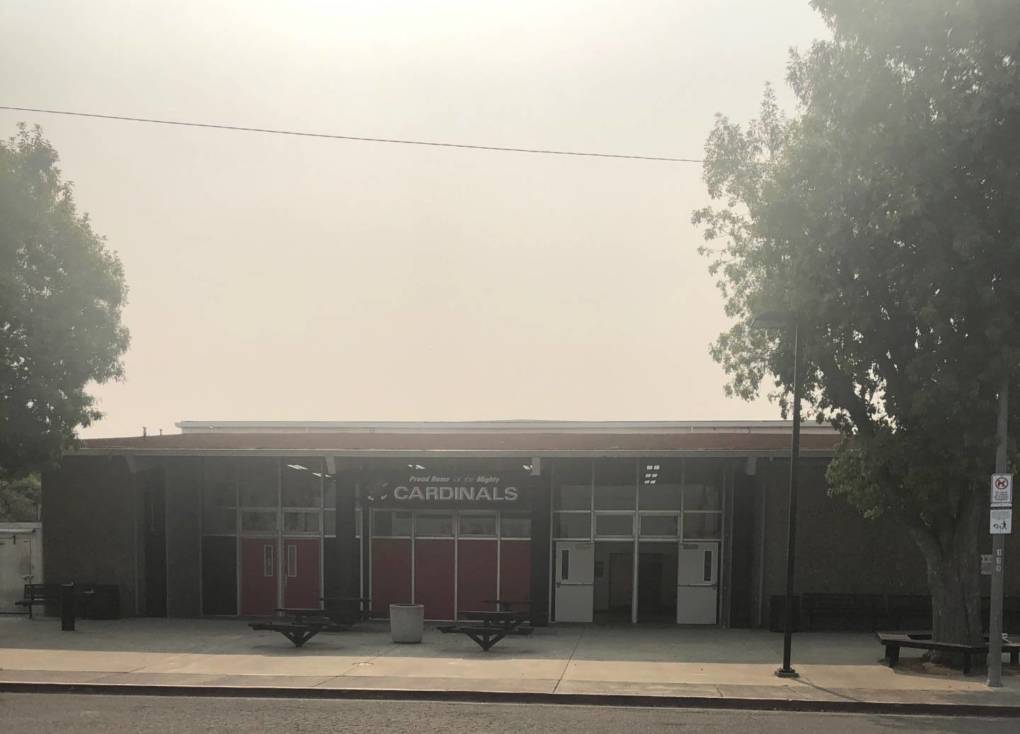
"caption": "A school in Lakeport Unified School District is delaying their start date due to smoky conditions from the Mendocino Complex fires. ",
"description": "A school in Lakeport Unified School District is delaying their start date due to smoky conditions from the Mendocino Complex fires. ",
"title": "55537860982__847F3882-DE4E-4873-8D45-DCDBB6ADEC7A",
"credit": "Courtesy of April Leiferman",
"status": "inherit",
"isLoading": false,
"fetchFailed": false
},
"news_11684526": {
"type": "attachments",
"id": "news_11684526",
"meta": {
"index": "attachments_1716263798",
"site": "news",
"id": "11684526",
"found": true
},
"parent": 11684514,
"imgSizes": {
"small": {
"file": "https://ww2.kqed.org/app/uploads/sites/10/2018/08/IMG_3100-520x390.jpg",
"width": 520,
"mimeType": "image/jpeg",
"height": 390
},
"twentyfourteen-full-width": {
"file": "https://ww2.kqed.org/app/uploads/sites/10/2018/08/IMG_3100-1038x576.jpg",
"width": 1038,
"mimeType": "image/jpeg",
"height": 576
},
"thumbnail": {
"file": "https://ww2.kqed.org/app/uploads/sites/10/2018/08/IMG_3100-160x120.jpg",
"width": 160,
"mimeType": "image/jpeg",
"height": 120
},
"fd-sm": {
"file": "https://ww2.kqed.org/app/uploads/sites/10/2018/08/IMG_3100-960x720.jpg",
"width": 960,
"mimeType": "image/jpeg",
"height": 720
},
"post-thumbnail": {
"file": "https://ww2.kqed.org/app/uploads/sites/10/2018/08/IMG_3100-672x372.jpg",
"width": 672,
"mimeType": "image/jpeg",
"height": 372
},
"xsmall": {
"file": "https://ww2.kqed.org/app/uploads/sites/10/2018/08/IMG_3100-375x281.jpg",
"width": 375,
"mimeType": "image/jpeg",
"height": 281
},
"kqedFullSize": {
"file": "https://ww2.kqed.org/app/uploads/sites/10/2018/08/IMG_3100.jpg",
"width": 4032,
"height": 3024
},
"large": {
"file": "https://ww2.kqed.org/app/uploads/sites/10/2018/08/IMG_3100-1020x765.jpg",
"width": 1020,
"mimeType": "image/jpeg",
"height": 765
},
"xlarge": {
"file": "https://ww2.kqed.org/app/uploads/sites/10/2018/08/IMG_3100-1180x885.jpg",
"width": 1180,
"mimeType": "image/jpeg",
"height": 885
},
"complete_open_graph": {
"file": "https://ww2.kqed.org/app/uploads/sites/10/2018/08/IMG_3100-1200x900.jpg",
"width": 1200,
"mimeType": "image/jpeg",
"height": 900
},
"guest-author-50": {
"file": "https://ww2.kqed.org/app/uploads/sites/10/2018/08/IMG_3100-50x50.jpg",
"width": 50,
"mimeType": "image/jpeg",
"height": 50
},
"guest-author-96": {
"file": "https://ww2.kqed.org/app/uploads/sites/10/2018/08/IMG_3100-96x96.jpg",
"width": 96,
"mimeType": "image/jpeg",
"height": 96
},
"medium": {
"file": "https://ww2.kqed.org/app/uploads/sites/10/2018/08/IMG_3100-800x600.jpg",
"width": 800,
"mimeType": "image/jpeg",
"height": 600
},
"guest-author-64": {
"file": "https://ww2.kqed.org/app/uploads/sites/10/2018/08/IMG_3100-64x64.jpg",
"width": 64,
"mimeType": "image/jpeg",
"height": 64
},
"guest-author-32": {
"file": "https://ww2.kqed.org/app/uploads/sites/10/2018/08/IMG_3100-32x32.jpg",
"width": 32,
"mimeType": "image/jpeg",
"height": 32
},
"fd-lrg": {
"file": "https://ww2.kqed.org/app/uploads/sites/10/2018/08/IMG_3100-1920x1440.jpg",
"width": 1920,
"mimeType": "image/jpeg",
"height": 1440
},
"fd-med": {
"file": "https://ww2.kqed.org/app/uploads/sites/10/2018/08/IMG_3100-1180x885.jpg",
"width": 1180,
"mimeType": "image/jpeg",
"height": 885
},
"full-width": {
"file": "https://ww2.kqed.org/app/uploads/sites/10/2018/08/IMG_3100-1920x1440.jpg",
"width": 1920,
"mimeType": "image/jpeg",
"height": 1440
},
"detail": {
"file": "https://ww2.kqed.org/app/uploads/sites/10/2018/08/IMG_3100-150x150.jpg",
"width": 150,
"mimeType": "image/jpeg",
"height": 150
},
"guest-author-128": {
"file": "https://ww2.kqed.org/app/uploads/sites/10/2018/08/IMG_3100-128x128.jpg",
"width": 128,
"mimeType": "image/jpeg",
"height": 128
},
"xxsmall": {
"file": "https://ww2.kqed.org/app/uploads/sites/10/2018/08/IMG_3100-240x180.jpg",
"width": 240,
"mimeType": "image/jpeg",
"height": 180
}
},
"publishDate": 1533252315,
"modified": 1533260461,
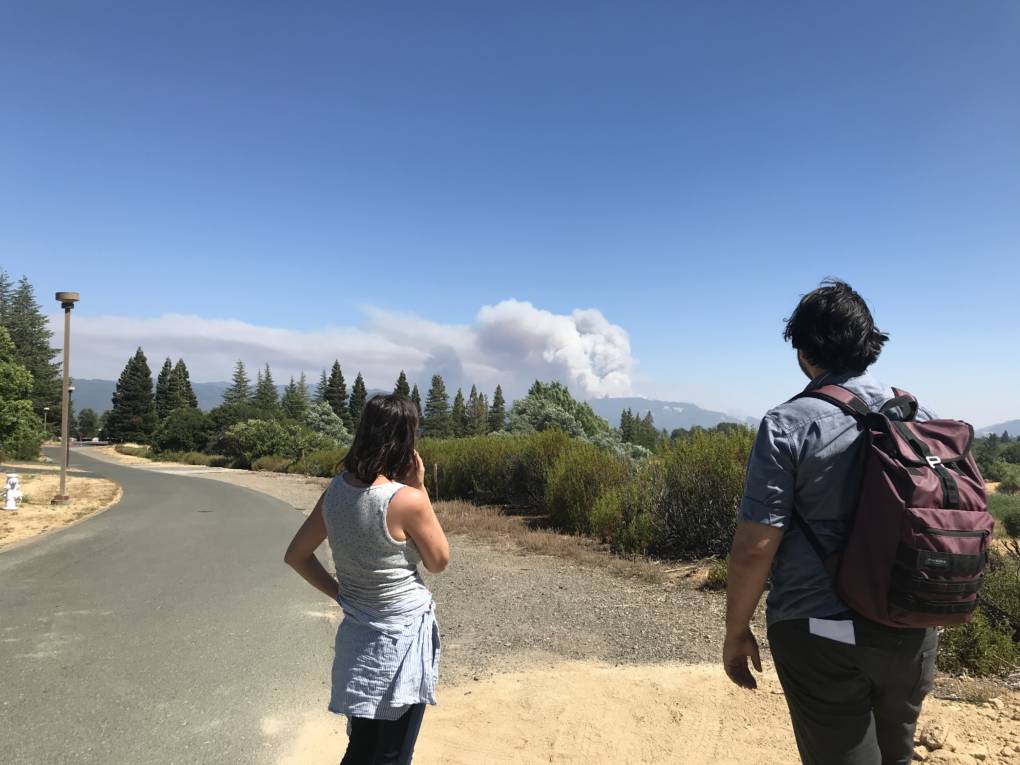
"caption": "Reporters Adrian Fernandez Baumann and Kate Maxwell from the Mendocino Voice look out at smoke from part of the Mendocino Complex Fire.",
"description": "Reporters Adrian Fernandez Baumann and Kate Maxwell from the Mendocino Voice look out at smoke from part of the Mendocino Complex Fire.",
"title": "Reporters Adrian Fernandez Baumann and Kate Maxwell from the Mendocino Voice look out at smoke from part of the Mendocino Complex Fire.",
"credit": "Jessica Placzek/KQED",
"status": "inherit",
"isLoading": false,
"fetchFailed": false
},
"news_11677140": {
"type": "attachments",
"id": "news_11677140",
"meta": {
"index": "attachments_1716263798",
"site": "news",
"id": "11677140",
"found": true
},
"parent": 11677124,
"imgSizes": {
"small": {
"file": "https://ww2.kqed.org/app/uploads/sites/10/2018/06/birds_062518_final-520x362.jpg",
"width": 520,
"mimeType": "image/jpeg",
"height": 362
},
"twentyfourteen-full-width": {
"file": "https://ww2.kqed.org/app/uploads/sites/10/2018/06/birds_062518_final-1038x576.jpg",
"width": 1038,
"mimeType": "image/jpeg",
"height": 576
},
"thumbnail": {
"file": "https://ww2.kqed.org/app/uploads/sites/10/2018/06/birds_062518_final-160x112.jpg",
"width": 160,
"mimeType": "image/jpeg",
"height": 112
},
"fd-sm": {
"file": "https://ww2.kqed.org/app/uploads/sites/10/2018/06/birds_062518_final-960x669.jpg",
"width": 960,
"mimeType": "image/jpeg",
"height": 669
},
"post-thumbnail": {
"file": "https://ww2.kqed.org/app/uploads/sites/10/2018/06/birds_062518_final-672x372.jpg",
"width": 672,
"mimeType": "image/jpeg",
"height": 372
},
"xsmall": {
"file": "https://ww2.kqed.org/app/uploads/sites/10/2018/06/birds_062518_final-375x261.jpg",
"width": 375,
"mimeType": "image/jpeg",
"height": 261
},
"kqedFullSize": {
"file": "https://ww2.kqed.org/app/uploads/sites/10/2018/06/birds_062518_final.jpg",
"width": 1920,
"height": 1338
},
"large": {
"file": "https://ww2.kqed.org/app/uploads/sites/10/2018/06/birds_062518_final-1020x711.jpg",
"width": 1020,
"mimeType": "image/jpeg",
"height": 711
},
"xlarge": {
"file": "https://ww2.kqed.org/app/uploads/sites/10/2018/06/birds_062518_final-1180x822.jpg",
"width": 1180,
"mimeType": "image/jpeg",
"height": 822
},
"complete_open_graph": {
"file": "https://ww2.kqed.org/app/uploads/sites/10/2018/06/birds_062518_final-1200x836.jpg",
"width": 1200,
"mimeType": "image/jpeg",
"height": 836
},
"guest-author-50": {
"file": "https://ww2.kqed.org/app/uploads/sites/10/2018/06/birds_062518_final-50x50.jpg",
"width": 50,
"mimeType": "image/jpeg",
"height": 50
},
"guest-author-96": {
"file": "https://ww2.kqed.org/app/uploads/sites/10/2018/06/birds_062518_final-96x96.jpg",
"width": 96,
"mimeType": "image/jpeg",
"height": 96
},
"medium": {
"file": "https://ww2.kqed.org/app/uploads/sites/10/2018/06/birds_062518_final-800x558.jpg",
"width": 800,
"mimeType": "image/jpeg",
"height": 558
},
"guest-author-64": {
"file": "https://ww2.kqed.org/app/uploads/sites/10/2018/06/birds_062518_final-64x64.jpg",
"width": 64,
"mimeType": "image/jpeg",
"height": 64
},
"guest-author-32": {
"file": "https://ww2.kqed.org/app/uploads/sites/10/2018/06/birds_062518_final-32x32.jpg",
"width": 32,
"mimeType": "image/jpeg",
"height": 32
},
"fd-lrg": {
"file": "https://ww2.kqed.org/app/uploads/sites/10/2018/06/birds_062518_final-1920x1338.jpg",
"width": 1920,
"mimeType": "image/jpeg",
"height": 1338
},
"fd-med": {
"file": "https://ww2.kqed.org/app/uploads/sites/10/2018/06/birds_062518_final-1180x822.jpg",
"width": 1180,
"mimeType": "image/jpeg",
"height": 822
},
"full-width": {
"file": "https://ww2.kqed.org/app/uploads/sites/10/2018/06/birds_062518_final-1920x1338.jpg",
"width": 1920,
"mimeType": "image/jpeg",
"height": 1338
},
"detail": {
"file": "https://ww2.kqed.org/app/uploads/sites/10/2018/06/birds_062518_final-150x150.jpg",
"width": 150,
"mimeType": "image/jpeg",
"height": 150
},
"guest-author-128": {
"file": "https://ww2.kqed.org/app/uploads/sites/10/2018/06/birds_062518_final-128x128.jpg",
"width": 128,
"mimeType": "image/jpeg",
"height": 128
},
"xxsmall": {
"file": "https://ww2.kqed.org/app/uploads/sites/10/2018/06/birds_062518_final-240x167.jpg",
"width": 240,
"mimeType": "image/jpeg",
"height": 167
}
},
"publishDate": 1529960370,
"modified": 1529960387,
"caption": null,
"description": null,
"title": "birds_062518_final",
"credit": null,
"status": "inherit",
"isLoading": false,
"fetchFailed": false
},
"news_11663575": {
"type": "attachments",
"id": "news_11663575",
"meta": {
"index": "attachments_1716263798",
"site": "news",
"id": "11663575",
"found": true
},
"parent": 11663565,
"imgSizes": {
"small": {
"file": "https://ww2.kqed.org/app/uploads/sites/10/2018/04/IMG_0017-520x390.jpg",
"width": 520,
"mimeType": "image/jpeg",
"height": 390
},
"twentyfourteen-full-width": {
"file": "https://ww2.kqed.org/app/uploads/sites/10/2018/04/IMG_0017-1038x576.jpg",
"width": 1038,
"mimeType": "image/jpeg",
"height": 576
},
"thumbnail": {
"file": "https://ww2.kqed.org/app/uploads/sites/10/2018/04/IMG_0017-160x120.jpg",
"width": 160,
"mimeType": "image/jpeg",
"height": 120
},
"fd-sm": {
"file": "https://ww2.kqed.org/app/uploads/sites/10/2018/04/IMG_0017-960x720.jpg",
"width": 960,
"mimeType": "image/jpeg",
"height": 720
},
"post-thumbnail": {
"file": "https://ww2.kqed.org/app/uploads/sites/10/2018/04/IMG_0017-672x372.jpg",
"width": 672,
"mimeType": "image/jpeg",
"height": 372
},
"xsmall": {
"file": "https://ww2.kqed.org/app/uploads/sites/10/2018/04/IMG_0017-375x281.jpg",
"width": 375,
"mimeType": "image/jpeg",
"height": 281
},
"kqedFullSize": {
"file": "https://ww2.kqed.org/app/uploads/sites/10/2018/04/IMG_0017-e1524269222764.jpg",
"width": 1920,
"height": 1440
},
"large": {
"file": "https://ww2.kqed.org/app/uploads/sites/10/2018/04/IMG_0017-1020x765.jpg",
"width": 1020,
"mimeType": "image/jpeg",
"height": 765
},
"xlarge": {
"file": "https://ww2.kqed.org/app/uploads/sites/10/2018/04/IMG_0017-1180x885.jpg",
"width": 1180,
"mimeType": "image/jpeg",
"height": 885
},
"complete_open_graph": {
"file": "https://ww2.kqed.org/app/uploads/sites/10/2018/04/IMG_0017-1200x900.jpg",
"width": 1200,
"mimeType": "image/jpeg",
"height": 900
},
"guest-author-50": {
"file": "https://ww2.kqed.org/app/uploads/sites/10/2018/04/IMG_0017-50x50.jpg",
"width": 50,
"mimeType": "image/jpeg",
"height": 50
},
"guest-author-96": {
"file": "https://ww2.kqed.org/app/uploads/sites/10/2018/04/IMG_0017-96x96.jpg",
"width": 96,
"mimeType": "image/jpeg",
"height": 96
},
"medium": {
"file": "https://ww2.kqed.org/app/uploads/sites/10/2018/04/IMG_0017-800x600.jpg",
"width": 800,
"mimeType": "image/jpeg",
"height": 600
},
"guest-author-64": {
"file": "https://ww2.kqed.org/app/uploads/sites/10/2018/04/IMG_0017-64x64.jpg",
"width": 64,
"mimeType": "image/jpeg",
"height": 64
},
"guest-author-32": {
"file": "https://ww2.kqed.org/app/uploads/sites/10/2018/04/IMG_0017-32x32.jpg",
"width": 32,
"mimeType": "image/jpeg",
"height": 32
},
"fd-lrg": {
"file": "https://ww2.kqed.org/app/uploads/sites/10/2018/04/IMG_0017-1920x1440.jpg",
"width": 1920,
"mimeType": "image/jpeg",
"height": 1440
},
"fd-med": {
"file": "https://ww2.kqed.org/app/uploads/sites/10/2018/04/IMG_0017-1180x885.jpg",
"width": 1180,
"mimeType": "image/jpeg",
"height": 885
},
"full-width": {
"file": "https://ww2.kqed.org/app/uploads/sites/10/2018/04/IMG_0017-1920x1440.jpg",
"width": 1920,
"mimeType": "image/jpeg",
"height": 1440
},
"detail": {
"file": "https://ww2.kqed.org/app/uploads/sites/10/2018/04/IMG_0017-150x150.jpg",
"width": 150,
"mimeType": "image/jpeg",
"height": 150
},
"guest-author-128": {
"file": "https://ww2.kqed.org/app/uploads/sites/10/2018/04/IMG_0017-128x128.jpg",
"width": 128,
"mimeType": "image/jpeg",
"height": 128
},
"xxsmall": {
"file": "https://ww2.kqed.org/app/uploads/sites/10/2018/04/IMG_0017-240x180.jpg",
"width": 240,
"mimeType": "image/jpeg",
"height": 180
}
},
"publishDate": 1524243469,
"modified": 1524272955,
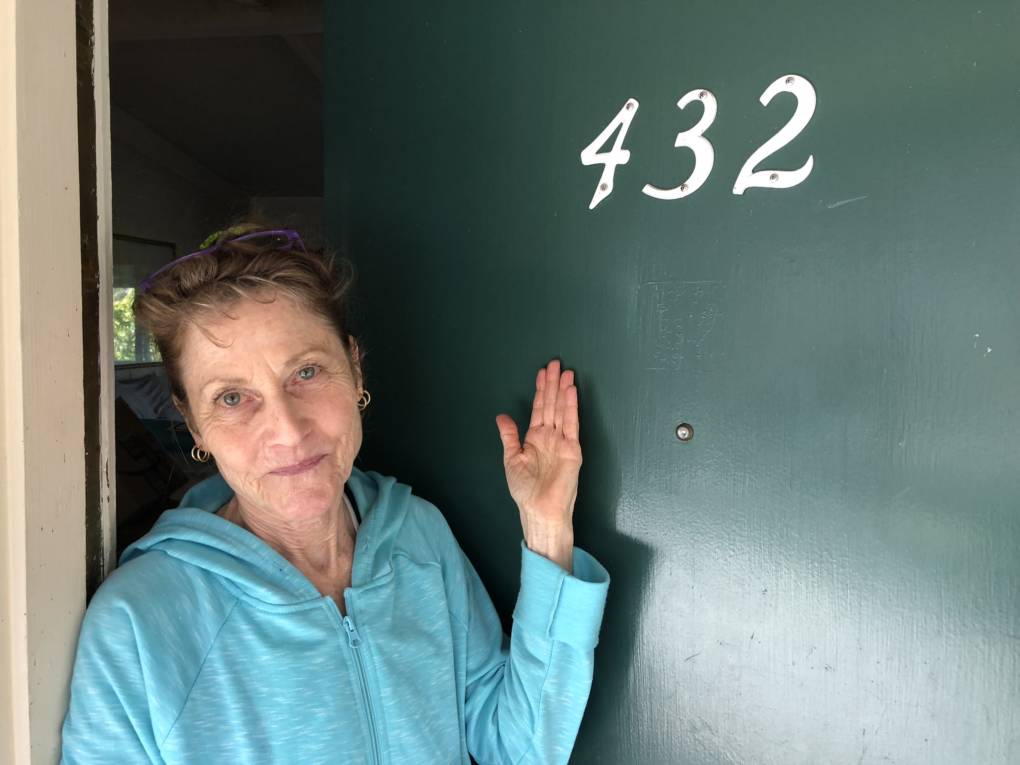
"caption": "Bart Levenson will soon be checking out of Room 432 at the defunct Konocti Harbor Resort and Spa, where she has been staying since her home burned down in the 2015 Valley Fire. ",
"description": "Bart Levenson will soon been checking out of room 432 at the defunct Konocti Harbor Resort and Spa where she's been staying since her home burned down in the 2015 Valley Fire. ",
"title": "IMG_0017",
"credit": "Sukey Lewis/KQED",
"status": "inherit",
"isLoading": false,
"fetchFailed": false
},
"news_11624271": {
"type": "attachments",
"id": "news_11624271",
"meta": {
"index": "attachments_1716263798",
"site": "news",
"id": "11624271",
"found": true
},
"parent": 11624260,
"imgSizes": {
"small": {
"file": "https://ww2.kqed.org/app/uploads/sites/10/2017/10/KALW_PAMELA_TWITTER-520x303.jpg",
"width": 520,
"mimeType": "image/jpeg",
"height": 303
},
"thumbnail": {
"file": "https://ww2.kqed.org/app/uploads/sites/10/2017/10/KALW_PAMELA_TWITTER-160x93.jpg",
"width": 160,
"mimeType": "image/jpeg",
"height": 93
},
"post-thumbnail": {
"file": "https://ww2.kqed.org/app/uploads/sites/10/2017/10/KALW_PAMELA_TWITTER-672x372.jpg",
"width": 672,
"mimeType": "image/jpeg",
"height": 372
},
"xsmall": {
"file": "https://ww2.kqed.org/app/uploads/sites/10/2017/10/KALW_PAMELA_TWITTER-375x219.jpg",
"width": 375,
"mimeType": "image/jpeg",
"height": 219
},
"kqedFullSize": {
"file": "https://ww2.kqed.org/app/uploads/sites/10/2017/10/KALW_PAMELA_TWITTER.jpg",
"width": 798,
"height": 465
},
"guest-author-50": {
"file": "https://ww2.kqed.org/app/uploads/sites/10/2017/10/KALW_PAMELA_TWITTER-50x50.jpg",
"width": 50,
"mimeType": "image/jpeg",
"height": 50
},
"guest-author-96": {
"file": "https://ww2.kqed.org/app/uploads/sites/10/2017/10/KALW_PAMELA_TWITTER-96x96.jpg",
"width": 96,
"mimeType": "image/jpeg",
"height": 96
},
"guest-author-64": {
"file": "https://ww2.kqed.org/app/uploads/sites/10/2017/10/KALW_PAMELA_TWITTER-64x64.jpg",
"width": 64,
"mimeType": "image/jpeg",
"height": 64
},
"detail": {
"file": "https://ww2.kqed.org/app/uploads/sites/10/2017/10/KALW_PAMELA_TWITTER-150x150.jpg",
"width": 150,
"mimeType": "image/jpeg",
"height": 150
},
"guest-author-32": {
"file": "https://ww2.kqed.org/app/uploads/sites/10/2017/10/KALW_PAMELA_TWITTER-32x32.jpg",
"width": 32,
"mimeType": "image/jpeg",
"height": 32
},
"guest-author-128": {
"file": "https://ww2.kqed.org/app/uploads/sites/10/2017/10/KALW_PAMELA_TWITTER-128x128.jpg",
"width": 128,
"mimeType": "image/jpeg",
"height": 128
},
"xxsmall": {
"file": "https://ww2.kqed.org/app/uploads/sites/10/2017/10/KALW_PAMELA_TWITTER-240x140.jpg",
"width": 240,
"mimeType": "image/jpeg",
"height": 140
}
},
"publishDate": 1508352622,
"modified": 1508361270,
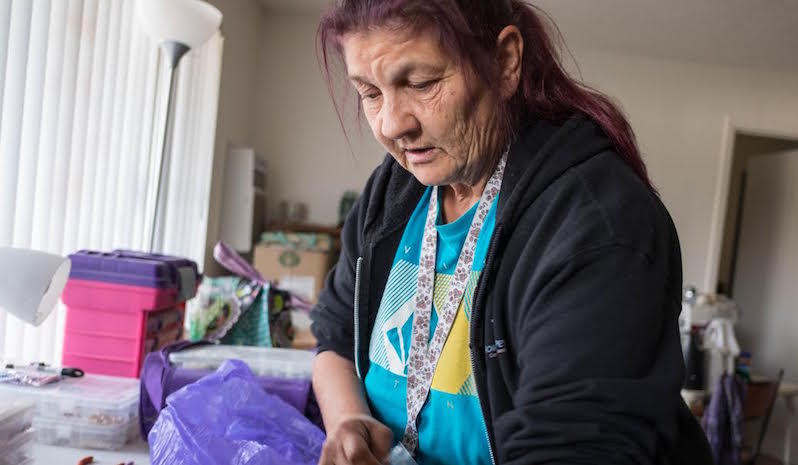
"caption": "Pamela Voyles shows some of the jewelry that she's made.",
"description": null,
"title": "KALW_PAMELA_TWITTER",
"credit": "Ninna Gaensler-Debs/KQED",
"status": "inherit",
"isLoading": false,
"fetchFailed": false
},
"news_11618579": {
"type": "attachments",
"id": "news_11618579",
"meta": {
"index": "attachments_1716263798",
"site": "news",
"id": "11618579",
"found": true
},
"parent": 11617750,
"imgSizes": {
"small": {
"file": "https://ww2.kqed.org/app/uploads/sites/10/2017/09/DebLooksOut-520x363.jpg",
"width": 520,
"mimeType": "image/jpeg",
"height": 363
},
"twentyfourteen-full-width": {
"file": "https://ww2.kqed.org/app/uploads/sites/10/2017/09/DebLooksOut-1038x576.jpg",
"width": 1038,
"mimeType": "image/jpeg",
"height": 576
},
"thumbnail": {
"file": "https://ww2.kqed.org/app/uploads/sites/10/2017/09/DebLooksOut-160x112.jpg",
"width": 160,
"mimeType": "image/jpeg",
"height": 112
},
"fd-sm": {
"file": "https://ww2.kqed.org/app/uploads/sites/10/2017/09/DebLooksOut-960x670.jpg",
"width": 960,
"mimeType": "image/jpeg",
"height": 670
},
"post-thumbnail": {
"file": "https://ww2.kqed.org/app/uploads/sites/10/2017/09/DebLooksOut-672x372.jpg",
"width": 672,
"mimeType": "image/jpeg",
"height": 372
},
"xsmall": {
"file": "https://ww2.kqed.org/app/uploads/sites/10/2017/09/DebLooksOut-375x262.jpg",
"width": 375,
"mimeType": "image/jpeg",
"height": 262
},
"kqedFullSize": {
"file": "https://ww2.kqed.org/app/uploads/sites/10/2017/09/DebLooksOut.jpg",
"width": 1920,
"height": 1339
},
"large": {
"file": "https://ww2.kqed.org/app/uploads/sites/10/2017/09/DebLooksOut-1020x711.jpg",
"width": 1020,
"mimeType": "image/jpeg",
"height": 711
},
"xlarge": {
"file": "https://ww2.kqed.org/app/uploads/sites/10/2017/09/DebLooksOut-1180x823.jpg",
"width": 1180,
"mimeType": "image/jpeg",
"height": 823
},
"guest-author-50": {
"file": "https://ww2.kqed.org/app/uploads/sites/10/2017/09/DebLooksOut-50x50.jpg",
"width": 50,
"mimeType": "image/jpeg",
"height": 50
},
"guest-author-96": {
"file": "https://ww2.kqed.org/app/uploads/sites/10/2017/09/DebLooksOut-96x96.jpg",
"width": 96,
"mimeType": "image/jpeg",
"height": 96
},
"medium": {
"file": "https://ww2.kqed.org/app/uploads/sites/10/2017/09/DebLooksOut-800x558.jpg",
"width": 800,
"mimeType": "image/jpeg",
"height": 558
},
"guest-author-64": {
"file": "https://ww2.kqed.org/app/uploads/sites/10/2017/09/DebLooksOut-64x64.jpg",
"width": 64,
"mimeType": "image/jpeg",
"height": 64
},
"guest-author-32": {
"file": "https://ww2.kqed.org/app/uploads/sites/10/2017/09/DebLooksOut-32x32.jpg",
"width": 32,
"mimeType": "image/jpeg",
"height": 32
},
"fd-lrg": {
"file": "https://ww2.kqed.org/app/uploads/sites/10/2017/09/DebLooksOut-1920x1339.jpg",
"width": 1920,
"mimeType": "image/jpeg",
"height": 1339
},
"fd-med": {
"file": "https://ww2.kqed.org/app/uploads/sites/10/2017/09/DebLooksOut-1180x823.jpg",
"width": 1180,
"mimeType": "image/jpeg",
"height": 823
},
"full-width": {
"file": "https://ww2.kqed.org/app/uploads/sites/10/2017/09/DebLooksOut-1920x1339.jpg",
"width": 1920,
"mimeType": "image/jpeg",
"height": 1339
},
"detail": {
"file": "https://ww2.kqed.org/app/uploads/sites/10/2017/09/DebLooksOut-150x150.jpg",
"width": 150,
"mimeType": "image/jpeg",
"height": 150
},
"guest-author-128": {
"file": "https://ww2.kqed.org/app/uploads/sites/10/2017/09/DebLooksOut-128x128.jpg",
"width": 128,
"mimeType": "image/jpeg",
"height": 128
},
"xxsmall": {
"file": "https://ww2.kqed.org/app/uploads/sites/10/2017/09/DebLooksOut-240x167.jpg",
"width": 240,
"mimeType": "image/jpeg",
"height": 167
}
},
"publishDate": 1506107506,
"modified": 1506107541,
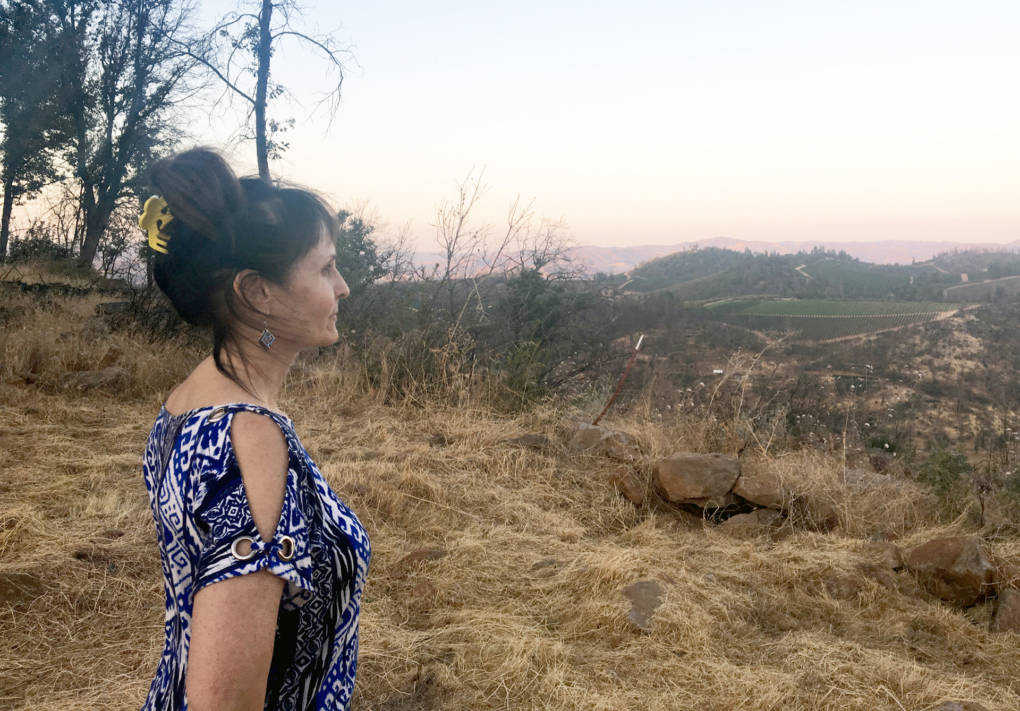
"caption": "Deb Helleren looks out at the view from her new property. Green vineyards dot the landscape decimated by fire. ",
"description": "Deb Helleren looks out at the view from her new property. Green vineyards dot the landscape decimated by fire. ",
"title": "DebLooksOut",
"credit": "Sukey Lewis/KQED",
"status": "inherit",
"isLoading": false,
"fetchFailed": false
},
"news_11089463": {
"type": "attachments",
"id": "news_11089463",
"meta": {
"index": "attachments_1716263798",
"site": "news",
"id": "11089463",
"found": true
},
"parent": 11089302,
"imgSizes": {
"twentyfourteen-full-width": {
"file": "https://ww2.kqed.org/app/uploads/sites/10/2016/09/IMG_0404-1038x576.jpg",
"width": 1038,
"mimeType": "image/jpeg",
"height": 576
},
"thumbnail": {
"file": "https://ww2.kqed.org/app/uploads/sites/10/2016/09/IMG_0404-400x300.jpg",
"width": 400,
"mimeType": "image/jpeg",
"height": 300
},
"fd-sm": {
"file": "https://ww2.kqed.org/app/uploads/sites/10/2016/09/IMG_0404-960x720.jpg",
"width": 960,
"mimeType": "image/jpeg",
"height": 720
},
"post-thumbnail": {
"file": "https://ww2.kqed.org/app/uploads/sites/10/2016/09/IMG_0404-672x372.jpg",
"width": 672,
"mimeType": "image/jpeg",
"height": 372
},
"kqedFullSize": {
"file": "https://ww2.kqed.org/app/uploads/sites/10/2016/09/IMG_0404.jpg",
"width": 4032,
"height": 3024
},
"large": {
"file": "https://ww2.kqed.org/app/uploads/sites/10/2016/09/IMG_0404-1920x1440.jpg",
"width": 1920,
"mimeType": "image/jpeg",
"height": 1440
},
"guest-author-50": {
"file": "https://ww2.kqed.org/app/uploads/sites/10/2016/09/IMG_0404-50x50.jpg",
"width": 50,
"mimeType": "image/jpeg",
"height": 50
},
"guest-author-96": {
"file": "https://ww2.kqed.org/app/uploads/sites/10/2016/09/IMG_0404-96x96.jpg",
"width": 96,
"mimeType": "image/jpeg",
"height": 96
},
"medium": {
"file": "https://ww2.kqed.org/app/uploads/sites/10/2016/09/IMG_0404-800x600.jpg",
"width": 800,
"mimeType": "image/jpeg",
"height": 600
},
"guest-author-64": {
"file": "https://ww2.kqed.org/app/uploads/sites/10/2016/09/IMG_0404-64x64.jpg",
"width": 64,
"mimeType": "image/jpeg",
"height": 64
},
"guest-author-32": {
"file": "https://ww2.kqed.org/app/uploads/sites/10/2016/09/IMG_0404-32x32.jpg",
"width": 32,
"mimeType": "image/jpeg",
"height": 32
},
"jmtc-small-thumb": {
"file": "https://ww2.kqed.org/app/uploads/sites/10/2016/09/IMG_0404-280x150.jpg",
"width": 280,
"mimeType": "image/jpeg",
"height": 150
},
"fd-lrg": {
"file": "https://ww2.kqed.org/app/uploads/sites/10/2016/09/IMG_0404-1920x1440.jpg",
"width": 1920,
"mimeType": "image/jpeg",
"height": 1440
},
"fd-med": {
"file": "https://ww2.kqed.org/app/uploads/sites/10/2016/09/IMG_0404-1180x885.jpg",
"width": 1180,
"mimeType": "image/jpeg",
"height": 885
},
"detail": {
"file": "https://ww2.kqed.org/app/uploads/sites/10/2016/09/IMG_0404-150x150.jpg",
"width": 150,
"mimeType": "image/jpeg",
"height": 150
},
"guest-author-128": {
"file": "https://ww2.kqed.org/app/uploads/sites/10/2016/09/IMG_0404-128x128.jpg",
"width": 128,
"mimeType": "image/jpeg",
"height": 128
}
},
"publishDate": 1473975559,
"modified": 1474073965,
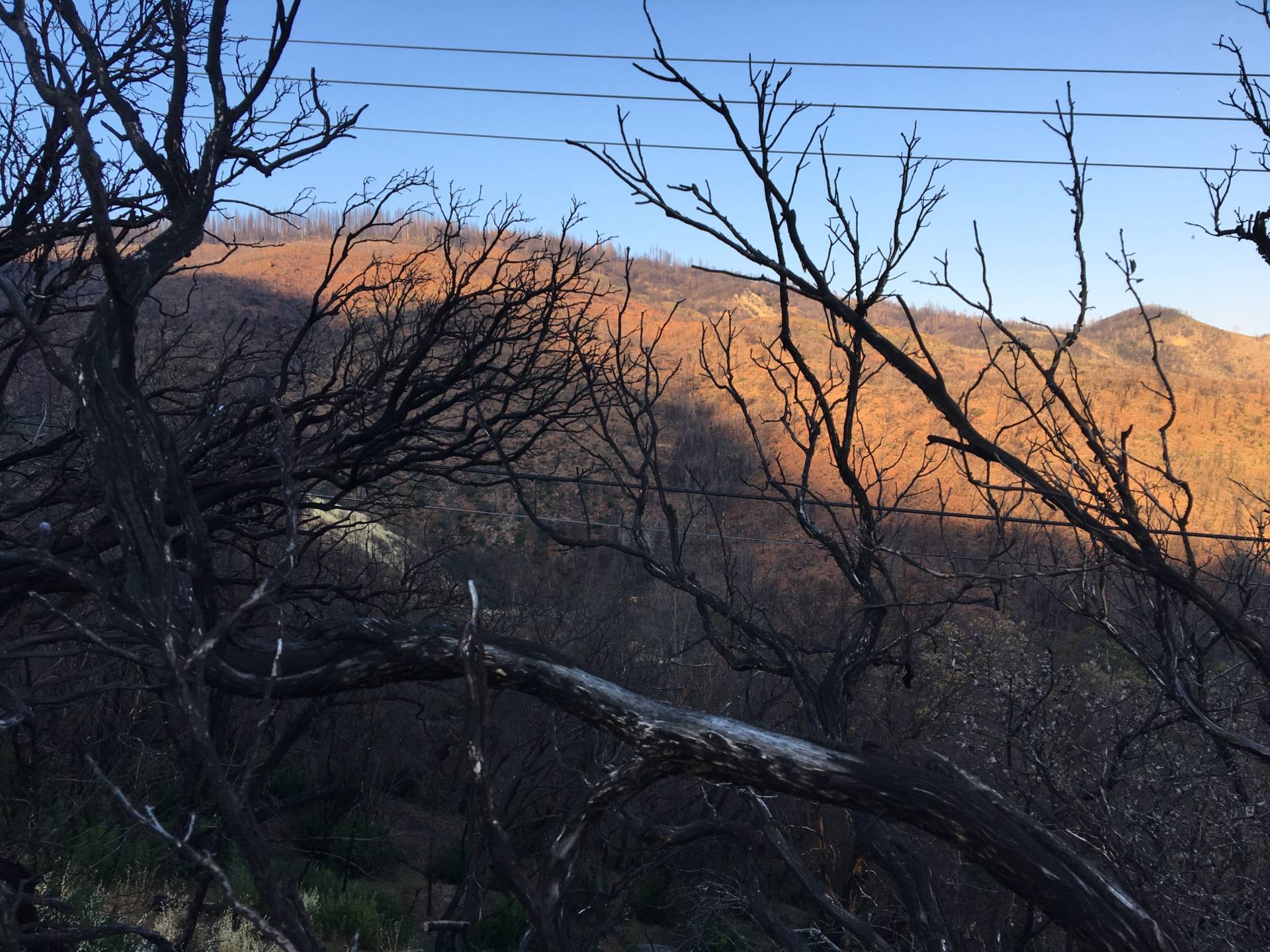
"caption": "Burn scars still mar the side of Cobb Mountain a year after the Valley Fire burned 76,000 acres and destroyed more than 1,200 homes. ",
"description": "Burn scars still mar the side of Cobb Mountain a year after the Valley Fire burned down 76,000 acres and more than 1,200 homes. ",
"title": "IMG_0404",
"credit": "Sukey Lewis/KQED",
"status": "inherit",
"isLoading": false,
"fetchFailed": false
},
"news_11061930": {
"type": "attachments",
"id": "news_11061930",
"meta": {
"index": "attachments_1716263798",
"site": "news",
"id": "11061930",
"found": true
},
"parent": 11060850,
"imgSizes": {
"twentyfourteen-full-width": {
"file": "https://ww2.kqed.org/app/uploads/sites/10/2016/08/Skidmores-1038x576.jpg",
"width": 1038,
"mimeType": "image/jpeg",
"height": 576
},
"thumbnail": {
"file": "https://ww2.kqed.org/app/uploads/sites/10/2016/08/Skidmores-400x262.jpg",
"width": 400,
"mimeType": "image/jpeg",
"height": 262
},
"fd-sm": {
"file": "https://ww2.kqed.org/app/uploads/sites/10/2016/08/Skidmores-960x628.jpg",
"width": 960,
"mimeType": "image/jpeg",
"height": 628
},
"post-thumbnail": {
"file": "https://ww2.kqed.org/app/uploads/sites/10/2016/08/Skidmores-672x372.jpg",
"width": 672,
"mimeType": "image/jpeg",
"height": 372
},
"kqedFullSize": {
"file": "https://ww2.kqed.org/app/uploads/sites/10/2016/08/Skidmores.jpg",
"width": 1920,
"height": 1256
},
"large": {
"file": "https://ww2.kqed.org/app/uploads/sites/10/2016/08/Skidmores-1920x1256.jpg",
"width": 1920,
"mimeType": "image/jpeg",
"height": 1256
},
"guest-author-50": {
"file": "https://ww2.kqed.org/app/uploads/sites/10/2016/08/Skidmores-50x50.jpg",
"width": 50,
"mimeType": "image/jpeg",
"height": 50
},
"guest-author-96": {
"file": "https://ww2.kqed.org/app/uploads/sites/10/2016/08/Skidmores-96x96.jpg",
"width": 96,
"mimeType": "image/jpeg",
"height": 96
},
"medium": {
"file": "https://ww2.kqed.org/app/uploads/sites/10/2016/08/Skidmores-800x523.jpg",
"width": 800,
"mimeType": "image/jpeg",
"height": 523
},
"guest-author-64": {
"file": "https://ww2.kqed.org/app/uploads/sites/10/2016/08/Skidmores-64x64.jpg",
"width": 64,
"mimeType": "image/jpeg",
"height": 64
},
"guest-author-32": {
"file": "https://ww2.kqed.org/app/uploads/sites/10/2016/08/Skidmores-32x32.jpg",
"width": 32,
"mimeType": "image/jpeg",
"height": 32
},
"jmtc-small-thumb": {
"file": "https://ww2.kqed.org/app/uploads/sites/10/2016/08/Skidmores-280x150.jpg",
"width": 280,
"mimeType": "image/jpeg",
"height": 150
},
"fd-lrg": {
"file": "https://ww2.kqed.org/app/uploads/sites/10/2016/08/Skidmores-1920x1256.jpg",
"width": 1920,
"mimeType": "image/jpeg",
"height": 1256
},
"fd-med": {
"file": "https://ww2.kqed.org/app/uploads/sites/10/2016/08/Skidmores-1180x772.jpg",
"width": 1180,
"mimeType": "image/jpeg",
"height": 772
},
"detail": {
"file": "https://ww2.kqed.org/app/uploads/sites/10/2016/08/Skidmores-150x150.jpg",
"width": 150,
"mimeType": "image/jpeg",
"height": 150
},
"guest-author-128": {
"file": "https://ww2.kqed.org/app/uploads/sites/10/2016/08/Skidmores-128x128.jpg",
"width": 128,
"mimeType": "image/jpeg",
"height": 128
}
},
"publishDate": 1472236260,
"modified": 1472236305,
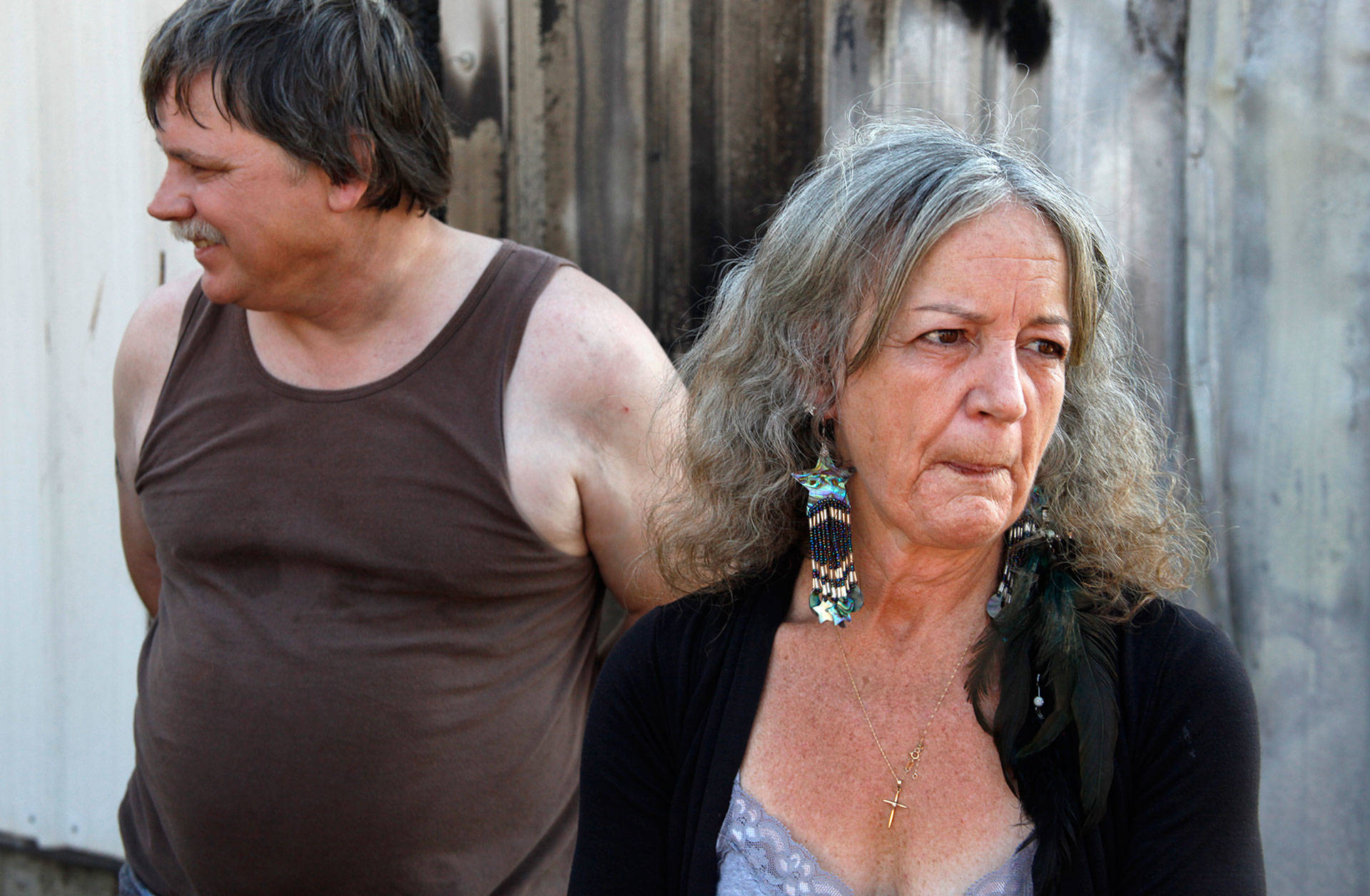
"caption": "Michael and Starr Skidmore, one day after fire swept through Lower Lake. Michael said the shorts and tank top he was wearing were the only clothing he had left. ",
"description": "Michael and Starr Skidmore, one day after fire swept through Lower Lake. Michael said the shorts and tank top he was wearing were the only clothing he had left. ",
"title": "Skidmores",
"credit": "Brittany Hosea-Small/KQED",
"status": "inherit",
"isLoading": false,
"fetchFailed": false
},
"news_11053289": {
"type": "attachments",
"id": "news_11053289",
"meta": {
"index": "attachments_1716263798",
"site": "news",
"id": "11053289",
"found": true
},
"parent": 11053249,
"imgSizes": {
"twentyfourteen-full-width": {
"file": "https://ww2.kqed.org/app/uploads/sites/10/2016/08/RS20752_160816_ClaytonFire_bhs02-qut2-1038x576.jpg",
"width": 1038,
"mimeType": "image/jpeg",
"height": 576
},
"thumbnail": {
"file": "https://ww2.kqed.org/app/uploads/sites/10/2016/08/RS20752_160816_ClaytonFire_bhs02-qut2-400x281.jpg",
"width": 400,
"mimeType": "image/jpeg",
"height": 281
},
"fd-sm": {
"file": "https://ww2.kqed.org/app/uploads/sites/10/2016/08/RS20752_160816_ClaytonFire_bhs02-qut2-960x676.jpg",
"width": 960,
"mimeType": "image/jpeg",
"height": 676
},
"post-thumbnail": {
"file": "https://ww2.kqed.org/app/uploads/sites/10/2016/08/RS20752_160816_ClaytonFire_bhs02-qut2-672x372.jpg",
"width": 672,
"mimeType": "image/jpeg",
"height": 372
},
"kqedFullSize": {
"file": "https://ww2.kqed.org/app/uploads/sites/10/2016/08/RS20752_160816_ClaytonFire_bhs02-qut2.jpg",
"width": 1920,
"height": 1351
},
"large": {
"file": "https://ww2.kqed.org/app/uploads/sites/10/2016/08/RS20752_160816_ClaytonFire_bhs02-qut2-1920x1351.jpg",
"width": 1920,
"mimeType": "image/jpeg",
"height": 1351
},
"guest-author-50": {
"file": "https://ww2.kqed.org/app/uploads/sites/10/2016/08/RS20752_160816_ClaytonFire_bhs02-qut2-50x50.jpg",
"width": 50,
"mimeType": "image/jpeg",
"height": 50
},
"guest-author-96": {
"file": "https://ww2.kqed.org/app/uploads/sites/10/2016/08/RS20752_160816_ClaytonFire_bhs02-qut2-96x96.jpg",
"width": 96,
"mimeType": "image/jpeg",
"height": 96
},
"medium": {
"file": "https://ww2.kqed.org/app/uploads/sites/10/2016/08/RS20752_160816_ClaytonFire_bhs02-qut2-800x563.jpg",
"width": 800,
"mimeType": "image/jpeg",
"height": 563
},
"guest-author-64": {
"file": "https://ww2.kqed.org/app/uploads/sites/10/2016/08/RS20752_160816_ClaytonFire_bhs02-qut2-64x64.jpg",
"width": 64,
"mimeType": "image/jpeg",
"height": 64
},
"guest-author-32": {
"file": "https://ww2.kqed.org/app/uploads/sites/10/2016/08/RS20752_160816_ClaytonFire_bhs02-qut2-32x32.jpg",
"width": 32,
"mimeType": "image/jpeg",
"height": 32
},
"jmtc-small-thumb": {
"file": "https://ww2.kqed.org/app/uploads/sites/10/2016/08/RS20752_160816_ClaytonFire_bhs02-qut2-280x150.jpg",
"width": 280,
"mimeType": "image/jpeg",
"height": 150
},
"fd-lrg": {
"file": "https://ww2.kqed.org/app/uploads/sites/10/2016/08/RS20752_160816_ClaytonFire_bhs02-qut2-1920x1351.jpg",
"width": 1920,
"mimeType": "image/jpeg",
"height": 1351
},
"fd-med": {
"file": "https://ww2.kqed.org/app/uploads/sites/10/2016/08/RS20752_160816_ClaytonFire_bhs02-qut2-1180x830.jpg",
"width": 1180,
"mimeType": "image/jpeg",
"height": 830
},
"detail": {
"file": "https://ww2.kqed.org/app/uploads/sites/10/2016/08/RS20752_160816_ClaytonFire_bhs02-qut2-150x150.jpg",
"width": 150,
"mimeType": "image/jpeg",
"height": 150
},
"guest-author-128": {
"file": "https://ww2.kqed.org/app/uploads/sites/10/2016/08/RS20752_160816_ClaytonFire_bhs02-qut2-128x128.jpg",
"width": 128,
"mimeType": "image/jpeg",
"height": 128
}
},
"publishDate": 1471456808,
"modified": 1471460375,
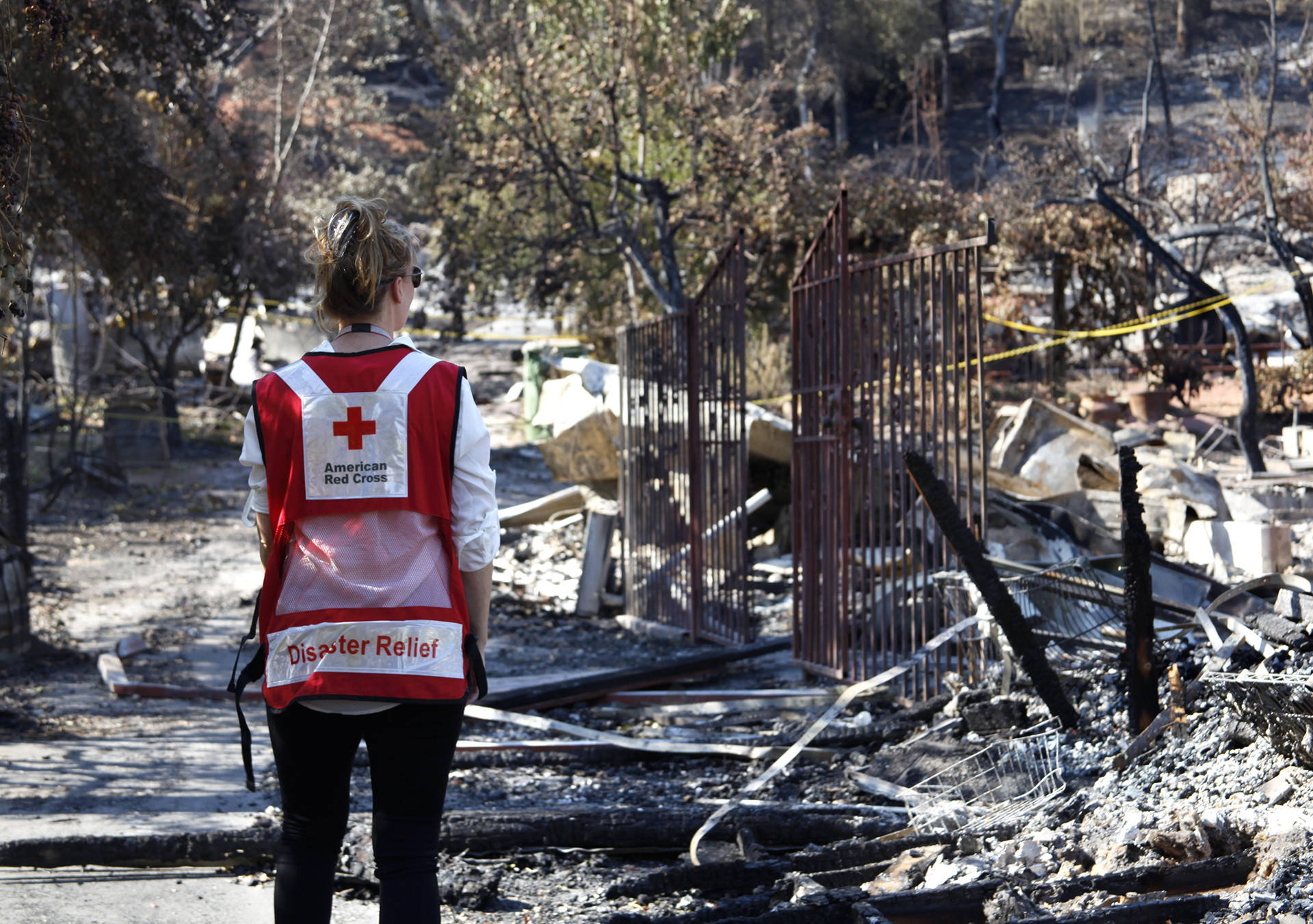
"caption": "Silke Knebel with the American Red Cross looks out over several burned buildings during her initial evaluation of the damage done by the Clayton Fire in Lake County, California.",
"description": null,
"title": "RS20752_160816_ClaytonFire_bhs02-qut(2)",
"credit": "Brittany Hosea-Small/KQED",
"status": "inherit",
"isLoading": false,
"fetchFailed": false
},
"news_11052408": {
"type": "attachments",
"id": "news_11052408",
"meta": {
"index": "attachments_1716263798",
"site": "news",
"id": "11052408",
"found": true
},
"parent": 11052363,
"imgSizes": {
"twentyfourteen-full-width": {
"file": "https://ww2.kqed.org/app/uploads/sites/10/2016/08/image1-4-1038x576.jpg",
"width": 1038,
"mimeType": "image/jpeg",
"height": 576
},
"thumbnail": {
"file": "https://ww2.kqed.org/app/uploads/sites/10/2016/08/image1-4-400x300.jpg",
"width": 400,
"mimeType": "image/jpeg",
"height": 300
},
"fd-sm": {
"file": "https://ww2.kqed.org/app/uploads/sites/10/2016/08/image1-4-960x720.jpg",
"width": 960,
"mimeType": "image/jpeg",
"height": 720
},
"post-thumbnail": {
"file": "https://ww2.kqed.org/app/uploads/sites/10/2016/08/image1-4-672x372.jpg",
"width": 672,
"mimeType": "image/jpeg",
"height": 372
},
"kqedFullSize": {
"file": "https://ww2.kqed.org/app/uploads/sites/10/2016/08/image1-4-e1471378173929.jpg",
"width": 1920,
"height": 1440
},
"large": {
"file": "https://ww2.kqed.org/app/uploads/sites/10/2016/08/image1-4-1920x1440.jpg",
"width": 1920,
"mimeType": "image/jpeg",
"height": 1440
},
"guest-author-50": {
"file": "https://ww2.kqed.org/app/uploads/sites/10/2016/08/image1-4-50x50.jpg",
"width": 50,
"mimeType": "image/jpeg",
"height": 50
},
"guest-author-96": {
"file": "https://ww2.kqed.org/app/uploads/sites/10/2016/08/image1-4-96x96.jpg",
"width": 96,
"mimeType": "image/jpeg",
"height": 96
},
"medium": {
"file": "https://ww2.kqed.org/app/uploads/sites/10/2016/08/image1-4-800x600.jpg",
"width": 800,
"mimeType": "image/jpeg",
"height": 600
},
"guest-author-64": {
"file": "https://ww2.kqed.org/app/uploads/sites/10/2016/08/image1-4-64x64.jpg",
"width": 64,
"mimeType": "image/jpeg",
"height": 64
},
"guest-author-32": {
"file": "https://ww2.kqed.org/app/uploads/sites/10/2016/08/image1-4-32x32.jpg",
"width": 32,
"mimeType": "image/jpeg",
"height": 32
},
"jmtc-small-thumb": {
"file": "https://ww2.kqed.org/app/uploads/sites/10/2016/08/image1-4-280x150.jpg",
"width": 280,
"mimeType": "image/jpeg",
"height": 150
},
"fd-lrg": {
"file": "https://ww2.kqed.org/app/uploads/sites/10/2016/08/image1-4-1920x1440.jpg",
"width": 1920,
"mimeType": "image/jpeg",
"height": 1440
},
"fd-med": {
"file": "https://ww2.kqed.org/app/uploads/sites/10/2016/08/image1-4-1180x885.jpg",
"width": 1180,
"mimeType": "image/jpeg",
"height": 885
},
"detail": {
"file": "https://ww2.kqed.org/app/uploads/sites/10/2016/08/image1-4-150x150.jpg",
"width": 150,
"mimeType": "image/jpeg",
"height": 150
},
"guest-author-128": {
"file": "https://ww2.kqed.org/app/uploads/sites/10/2016/08/image1-4-128x128.jpg",
"width": 128,
"mimeType": "image/jpeg",
"height": 128
}
},
"publishDate": 1471370127,
"modified": 1471378218,
"caption": "Several homes on Lake Street in Lower Lake were burned to the ground by the Clayton Fire.",
"description": "Several homes on Lake St. in Lower Lake were burned to the ground by the Clayton Fire.",
"title": "Lower Lake-Clayton Fire",
"credit": "Brittany Hosea-Small/KQED",
"status": "inherit",
"isLoading": false,
"fetchFailed": false
},
"news_11051035": {
"type": "attachments",
"id": "news_11051035",
"meta": {
"index": "attachments_1716263798",
"site": "news",
"id": "11051035",
"found": true
},
"parent": 11050881,
"imgSizes": {
"twentyfourteen-full-width": {
"file": "https://ww2.kqed.org/app/uploads/sites/10/2016/08/lowerlakefire2_160814-974x576.jpg",
"width": 974,
"mimeType": "image/jpeg",
"height": 576
},
"thumbnail": {
"file": "https://ww2.kqed.org/app/uploads/sites/10/2016/08/lowerlakefire2_160814-400x297.jpg",
"width": 400,
"mimeType": "image/jpeg",
"height": 297
},
"fd-sm": {
"file": "https://ww2.kqed.org/app/uploads/sites/10/2016/08/lowerlakefire2_160814-960x712.jpg",
"width": 960,
"mimeType": "image/jpeg",
"height": 712
},
"post-thumbnail": {
"file": "https://ww2.kqed.org/app/uploads/sites/10/2016/08/lowerlakefire2_160814-672x372.jpg",
"width": 672,
"mimeType": "image/jpeg",
"height": 372
},
"kqedFullSize": {
"file": "https://ww2.kqed.org/app/uploads/sites/10/2016/08/lowerlakefire2_160814.jpg",
"width": 974,
"height": 722
},
"guest-author-50": {
"file": "https://ww2.kqed.org/app/uploads/sites/10/2016/08/lowerlakefire2_160814-50x50.jpg",
"width": 50,
"mimeType": "image/jpeg",
"height": 50
},
"guest-author-96": {
"file": "https://ww2.kqed.org/app/uploads/sites/10/2016/08/lowerlakefire2_160814-96x96.jpg",
"width": 96,
"mimeType": "image/jpeg",
"height": 96
},
"medium": {
"file": "https://ww2.kqed.org/app/uploads/sites/10/2016/08/lowerlakefire2_160814-800x593.jpg",
"width": 800,
"mimeType": "image/jpeg",
"height": 593
},
"guest-author-64": {
"file": "https://ww2.kqed.org/app/uploads/sites/10/2016/08/lowerlakefire2_160814-64x64.jpg",
"width": 64,
"mimeType": "image/jpeg",
"height": 64
},
"guest-author-32": {
"file": "https://ww2.kqed.org/app/uploads/sites/10/2016/08/lowerlakefire2_160814-32x32.jpg",
"width": 32,
"mimeType": "image/jpeg",
"height": 32
},
"jmtc-small-thumb": {
"file": "https://ww2.kqed.org/app/uploads/sites/10/2016/08/lowerlakefire2_160814-280x150.jpg",
"width": 280,
"mimeType": "image/jpeg",
"height": 150
},
"detail": {
"file": "https://ww2.kqed.org/app/uploads/sites/10/2016/08/lowerlakefire2_160814-150x150.jpg",
"width": 150,
"mimeType": "image/jpeg",
"height": 150
},
"guest-author-128": {
"file": "https://ww2.kqed.org/app/uploads/sites/10/2016/08/lowerlakefire2_160814-128x128.jpg",
"width": 128,
"mimeType": "image/jpeg",
"height": 128
}
},
"publishDate": 1471228485,
"modified": 1471228683,
"caption": "The scene in the Lake County town of Lower Lake as the Clayton Fire devoured a residential area and part of the business district.",
"description": null,
"title": "Clayton Fire-Lower Lake",
"credit": "\u003ca href=\"https://twitter.com/CBSSF/status/764985456622731265\" target=\"_blank\">KPIX/CBS5 via Twitter\u003c/a>",
"status": "inherit",
"isLoading": false,
"fetchFailed": false
},
"news_11052007": {
"type": "attachments",
"id": "news_11052007",
"meta": {
"index": "attachments_1716263798",
"site": "news",
"id": "11052007",
"found": true
},
"parent": 11052001,
"imgSizes": {
"twentyfourteen-full-width": {
"file": "https://ww2.kqed.org/app/uploads/sites/10/2016/08/lowerlake160815-1038x576.jpg",
"width": 1038,
"mimeType": "image/jpeg",
"height": 576
},
"thumbnail": {
"file": "https://ww2.kqed.org/app/uploads/sites/10/2016/08/lowerlake160815-400x300.jpg",
"width": 400,
"mimeType": "image/jpeg",
"height": 300
},
"fd-sm": {
"file": "https://ww2.kqed.org/app/uploads/sites/10/2016/08/lowerlake160815-960x720.jpg",
"width": 960,
"mimeType": "image/jpeg",
"height": 720
},
"post-thumbnail": {
"file": "https://ww2.kqed.org/app/uploads/sites/10/2016/08/lowerlake160815-672x372.jpg",
"width": 672,
"mimeType": "image/jpeg",
"height": 372
},
"kqedFullSize": {
"file": "https://ww2.kqed.org/app/uploads/sites/10/2016/08/lowerlake160815.jpg",
"width": 1200,
"height": 900
},
"guest-author-50": {
"file": "https://ww2.kqed.org/app/uploads/sites/10/2016/08/lowerlake160815-50x50.jpg",
"width": 50,
"mimeType": "image/jpeg",
"height": 50
},
"guest-author-96": {
"file": "https://ww2.kqed.org/app/uploads/sites/10/2016/08/lowerlake160815-96x96.jpg",
"width": 96,
"mimeType": "image/jpeg",
"height": 96
},
"medium": {
"file": "https://ww2.kqed.org/app/uploads/sites/10/2016/08/lowerlake160815-800x600.jpg",
"width": 800,
"mimeType": "image/jpeg",
"height": 600
},
"guest-author-64": {
"file": "https://ww2.kqed.org/app/uploads/sites/10/2016/08/lowerlake160815-64x64.jpg",
"width": 64,
"mimeType": "image/jpeg",
"height": 64
},
"guest-author-32": {
"file": "https://ww2.kqed.org/app/uploads/sites/10/2016/08/lowerlake160815-32x32.jpg",
"width": 32,
"mimeType": "image/jpeg",
"height": 32
},
"jmtc-small-thumb": {
"file": "https://ww2.kqed.org/app/uploads/sites/10/2016/08/lowerlake160815-280x150.jpg",
"width": 280,
"mimeType": "image/jpeg",
"height": 150
},
"fd-med": {
"file": "https://ww2.kqed.org/app/uploads/sites/10/2016/08/lowerlake160815-1180x885.jpg",
"width": 1180,
"mimeType": "image/jpeg",
"height": 885
},
"detail": {
"file": "https://ww2.kqed.org/app/uploads/sites/10/2016/08/lowerlake160815-150x150.jpg",
"width": 150,
"mimeType": "image/jpeg",
"height": 150
},
"guest-author-128": {
"file": "https://ww2.kqed.org/app/uploads/sites/10/2016/08/lowerlake160815-128x128.jpg",
"width": 128,
"mimeType": "image/jpeg",
"height": 128
}
},
"publishDate": 1471322704,
"modified": 1471322768,
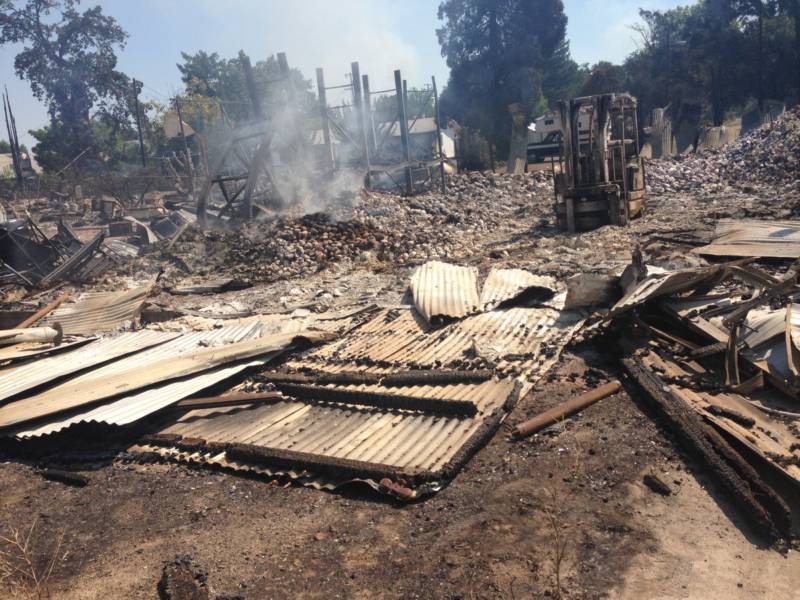
"caption": "The warehouse for a candlemaking business, reduced to charred rubble after the Clayton Fire swept through downtown Lower Lake. ",
"description": null,
"title": "Lower Lake-Clayton Fire",
"credit": "Sukey Lewis/KQED",
"status": "inherit",
"isLoading": false,
"fetchFailed": false
}
},
"audioPlayerReducer": {
"postId": "stream_live",
"isPaused": true,
"isPlaying": false,
"pfsActive": false,
"pledgeModalIsOpen": true,
"playerDrawerIsOpen": false,
"liveAudioPlayStartedAt": 0,
"liveAudioPlayContext": ""
},
"authorsReducer": {
"byline_news_11624260": {
"type": "authors",
"id": "byline_news_11624260",
"meta": {
"override": true
},
"slug": "byline_news_11624260",
"name": "\u003cstrong>\u003ca href=\"http://kalw.org/people/ninna-gaensler-debs\">Ninna Gaensler-Debs\u003c/a>\u003c/strong>",
"isLoading": false
},
"byline_news_11052001": {
"type": "authors",
"id": "byline_news_11052001",
"meta": {
"override": true
},
"slug": "byline_news_11052001",
"name": "\u003cstrong>Sudhin Thanawala\u003cbr />Associated Press\u003c/strong>",
"isLoading": false
},
"cmiller": {
"type": "authors",
"id": "221",
"meta": {
"index": "authors_1716337520",
"id": "221",
"found": true
},
"name": "Craig Miller",
"firstName": "Craig",
"lastName": "Miller",
"slug": "cmiller",
"email": "craig@voxterra.net",
"display_author_email": false,
"staff_mastheads": [
"science"
],
"title": "Editor Emeritus, Science",
"bio": "Craig is a former KQED Science editor, specializing in weather, climate, water & energy issues, with a little seismology thrown in just to shake things up. Prior to that, he launched and led the station's award-winning multimedia project, Climate Watch. Craig is also an accomplished writer/producer of television documentaries, with a focus on natural resource issues.",
"avatar": "https://secure.gravatar.com/avatar/b91661df645e001a9cafe0861fa685f9?s=600&d=blank&r=g",
"twitter": "voxterra",
"facebook": null,
"instagram": null,
"linkedin": null,
"sites": [
{
"site": "news",
"roles": [
"author"
]
},
{
"site": "futureofyou",
"roles": [
"editor"
]
},
{
"site": "stateofhealth",
"roles": [
"author"
]
},
{
"site": "science",
"roles": [
"editor"
]
},
{
"site": "quest",
"roles": [
"editor"
]
}
],
"headData": {
"title": "Craig Miller | KQED",
"description": "Editor Emeritus, Science",
"ogImgSrc": "https://secure.gravatar.com/avatar/b91661df645e001a9cafe0861fa685f9?s=600&d=blank&r=g",
"twImgSrc": "https://secure.gravatar.com/avatar/b91661df645e001a9cafe0861fa685f9?s=600&d=blank&r=g"
},
"isLoading": false,
"link": "/author/cmiller"
},
"danbrekke": {
"type": "authors",
"id": "222",
"meta": {
"index": "authors_1716337520",
"id": "222",
"found": true
},
"name": "Dan Brekke",
"firstName": "Dan",
"lastName": "Brekke",
"slug": "danbrekke",
"email": "dbrekke@kqed.org",
"display_author_email": true,
"staff_mastheads": [
"news",
"science"
],
"title": "KQED Editor and Reporter",
"bio": "Dan Brekke is a reporter and editor for KQED News, responsible for coverage of topics ranging from California water issues to the Bay Area's transportation challenges. In a newsroom career that began in Chicago in 1972, Dan has worked for \u003cem>The San Francisco Examiner,\u003c/em> Wired and TechTV and has been published in The New York Times, The New York Times Magazine, Business 2.0, Salon and elsewhere.\r\n\r\nSince joining KQED in 2007, Dan has reported, edited and produced both radio and online features and breaking news pieces. He has shared as both editor and reporter in four Society of Professional Journalists Norcal Excellence in Journalism awards and one Edward R. Murrow regional award. He was chosen for a spring 2017 residency at the Mesa Refuge to advance his research on California salmon.\r\n\r\nEmail Dan at: \u003ca href=\"mailto:dbrekke@kqed.org\">dbrekke@kqed.org\u003c/a>\r\n\r\n\u003cstrong>Twitter:\u003c/strong> \u003ca href=\"https://twitter.com/danbrekke\" rel=\"noopener noreferrer\">twitter.com/danbrekke\u003c/a>\r\n\u003cstrong>Facebook:\u003c/strong> \u003ca href=\"https://www.facebook.com/danbrekke\" rel=\"noopener noreferrer\">www.facebook.com/danbrekke\u003c/a>\r\n\u003cstrong>LinkedIn:\u003c/strong> \u003ca href=\"https://www.linkedin.com/in/danbrekke\" rel=\"noopener noreferrer\">www.linkedin.com/in/danbrekke\u003c/a>",
"avatar": "https://secure.gravatar.com/avatar/c8126230345efca3f7aa89b1a402be45?s=600&d=mm&r=g",
"twitter": "danbrekke",
"facebook": null,
"instagram": "https://www.instagram.com/dan.brekke/",
"linkedin": "https://www.linkedin.com/in/danbrekke/",
"sites": [
{
"site": "news",
"roles": [
"administrator",
"create_posts"
]
},
{
"site": "stateofhealth",
"roles": [
"editor"
]
},
{
"site": "science",
"roles": [
"editor"
]
},
{
"site": "quest",
"roles": [
"contributor"
]
},
{
"site": "food",
"roles": [
"contributor"
]
},
{
"site": "forum",
"roles": [
"contributor"
]
},
{
"site": "liveblog",
"roles": [
"editor"
]
}
],
"headData": {
"title": "Dan Brekke | KQED",
"description": "KQED Editor and Reporter",
"ogImgSrc": "https://secure.gravatar.com/avatar/c8126230345efca3f7aa89b1a402be45?s=600&d=mm&r=g",
"twImgSrc": "https://secure.gravatar.com/avatar/c8126230345efca3f7aa89b1a402be45?s=600&d=mm&r=g"
},
"isLoading": false,
"link": "/author/danbrekke"
},
"markfiore": {
"type": "authors",
"id": "3236",
"meta": {
"index": "authors_1716337520",
"id": "3236",
"found": true
},
"name": "Mark Fiore",
"firstName": "Mark",
"lastName": "Fiore",
"slug": "markfiore",
"email": "mark@markfiore.com",
"display_author_email": false,
"staff_mastheads": [
"news"
],
"title": "KQED News Cartoonist",
"bio": "\u003ca href=\"http://www.MarkFiore.com\">MarkFiore.com\u003c/a> | \u003ca href=\"https://twitter.com/markfiore\">Follow on Twitter\u003c/a> | \u003ca href=\"https://www.facebook.com/pages/Mark-Fiore-Animated-Political-Cartoons/94451707396?ref=bookmarks\">Facebook\u003c/a> | \u003ca href=\"mailto:mark@markfiore.com\">email\u003c/a>\r\n\r\nPulitzer Prize-winner, Mark Fiore, who the Wall Street Journal has called “the undisputed guru of the form,” creates animated political cartoons in San Francisco, where his work has been featured regularly on the San Francisco Chronicle’s web site, SFGate.com. His work has appeared on Newsweek.com, Slate.com, CBSNews.com, MotherJones.com, DailyKos.com and NPR’s web site. Fiore’s political animation has appeared on CNN, Frontline, Bill Moyers Journal, Salon.com and cable and broadcast outlets across the globe.\r\n\r\nBeginning his professional life by drawing traditional political cartoons for newspapers, Fiore’s work appeared in publications ranging from the Washington Post to the Los Angeles Times. In the late 1990s, he began to experiment with animating political cartoons and, after a short stint at the San Jose Mercury News as their staff cartoonist, Fiore devoted all his energies to animation.\r\nGrowing up in California, Fiore also spent a good portion of his life in the backwoods of Idaho. It was this combination that shaped him politically. Mark majored in political science at Colorado College, where, in a perfect send-off for a cartoonist, he received his diploma in 1991 as commencement speaker Dick Cheney smiled approvingly.\r\nMark Fiore was awarded the Pulitzer Prize for political cartooning in 2010, a Robert F. Kennedy Journalism Award in 2004 and has twice received an Online Journalism Award for commentary from the Online News Association (2002, 2008). Fiore has received two awards for his work in new media from the National Cartoonists Society (2001, 2002), and in 2006 received The James Madison Freedom of Information Award from The Society of Professional Journalists.",
"avatar": "https://secure.gravatar.com/avatar/fc4e2a612b15b67bad0c6f0e1db4ca9b?s=600&d=blank&r=g",
"twitter": "MarkFiore",
"facebook": null,
"instagram": "https://www.instagram.com/markfiore/?hl=en",
"linkedin": null,
"sites": [
{
"site": "arts",
"roles": [
"contributor"
]
},
{
"site": "news",
"roles": [
"editor"
]
},
{
"site": "futureofyou",
"roles": [
"editor"
]
},
{
"site": "science",
"roles": [
"editor"
]
}
],
"headData": {
"title": "Mark Fiore | KQED",
"description": "KQED News Cartoonist",
"ogImgSrc": "https://secure.gravatar.com/avatar/fc4e2a612b15b67bad0c6f0e1db4ca9b?s=600&d=blank&r=g",
"twImgSrc": "https://secure.gravatar.com/avatar/fc4e2a612b15b67bad0c6f0e1db4ca9b?s=600&d=blank&r=g"
},
"isLoading": false,
"link": "/author/markfiore"
},
"jplaczek": {
"type": "authors",
"id": "8606",
"meta": {
"index": "authors_1716337520",
"id": "8606",
"found": true
},
"name": "Jessica Placzek",
"firstName": "Jessica",
"lastName": "Placzek",
"slug": "jplaczek",
"email": "jessicalplaczek@gmail.com",
"display_author_email": false,
"staff_mastheads": [
"news"
],
"title": "KQED Contributor",
"bio": "\u003cspan style=\"font-weight: 400;\">Jessica Placzek is a former senior editor of podcasts at KQED where she served as the editorial lead of the podcast department. She worked with shows like MindShift, Rightnowish, Consider This, SOLD OUT, Bay Curious and The Bay. She’s also been a reporter and audio producer at KQED, KPFA, and KALW. She taught audio production to men incarcerated at California State Prison Solano and edited pieces they produced for the Uncuffed podcast through KALW. In 2018 she co-hosted and produced the third season of Raw Material for SFMOMA. In New Orleans she wrote for the Nola Defender. Her work has also appeared on Marketplace, All Things Considered, The California Report, and Vice. You can find more at jessicaplaczek.com\u003c/span>",
"avatar": "https://secure.gravatar.com/avatar/4505f7be77b50826a2a1b8bd3a120685?s=600&d=blank&r=g",
"twitter": null,
"facebook": null,
"instagram": null,
"linkedin": null,
"sites": [
{
"site": "arts",
"roles": [
"editor"
]
},
{
"site": "news",
"roles": [
"subscriber"
]
},
{
"site": "stateofhealth",
"roles": [
"editor"
]
},
{
"site": "forum",
"roles": [
"editor"
]
}
],
"headData": {
"title": "Jessica Placzek | KQED",
"description": "KQED Contributor",
"ogImgSrc": "https://secure.gravatar.com/avatar/4505f7be77b50826a2a1b8bd3a120685?s=600&d=blank&r=g",
"twImgSrc": "https://secure.gravatar.com/avatar/4505f7be77b50826a2a1b8bd3a120685?s=600&d=blank&r=g"
},
"isLoading": false,
"link": "/author/jplaczek"
},
"slewis": {
"type": "authors",
"id": "8676",
"meta": {
"index": "authors_1716337520",
"id": "8676",
"found": true
},
"name": "Sukey Lewis",
"firstName": "Sukey",
"lastName": "Lewis",
"slug": "slewis",
"email": "slewis@kqed.org",
"display_author_email": true,
"staff_mastheads": [
"news"
],
"title": "KQED Contributor",
"bio": "Sukey Lewis is a criminal justice reporter and host of \u003cem>On Our Watch\u003c/em>, a new podcast from NPR and KQED about the shadow world of police discipline. In 2018, she co-founded the California Reporting Project, a coalition of newsrooms across the state focused on obtaining previously sealed internal affairs records from law enforcement. In addition to her reporting on police accountability, Sukey has investigated the bail bonds industry, California's wildfires and the high cost of prison phone calls. Sukey earned a master's degree in journalism from the University of California at Berkeley. Send news tips to slewis@kqed.org.",
"avatar": "https://secure.gravatar.com/avatar/03fd6b21024f99d8b0a1966654586de7?s=600&d=blank&r=g",
"twitter": "SukeyLewis",
"facebook": null,
"instagram": null,
"linkedin": null,
"sites": [
{
"site": "news",
"roles": [
"author",
"edit_others_posts"
]
}
],
"headData": {
"title": "Sukey Lewis | KQED",
"description": "KQED Contributor",
"ogImgSrc": "https://secure.gravatar.com/avatar/03fd6b21024f99d8b0a1966654586de7?s=600&d=blank&r=g",
"twImgSrc": "https://secure.gravatar.com/avatar/03fd6b21024f99d8b0a1966654586de7?s=600&d=blank&r=g"
},
"isLoading": false,
"link": "/author/slewis"
},
"bhoseasmall": {
"type": "authors",
"id": "11256",
"meta": {
"index": "authors_1716337520",
"id": "11256",
"found": true
},
"name": "Brittany Hosea-Small",
"firstName": "Brittany",
"lastName": "Hosea-Small",
"slug": "bhoseasmall",
"email": "bhoseasmall@KQED.org",
"display_author_email": false,
"staff_mastheads": [],
"title": "KQED Contributor",
"bio": "Brittany Hosea-Small is a former KQED News visual journalism intern focusing on photography and videography. Brittany started her journalism career at UC Berkeley’s Graduate school of Journalism, where she is specializing in Photojournalism and will be graduating in May of 2017. Prior to coming to KQED Brittany worked as a photography intern for the San Francisco Chronicle where she covered news stories ranging from local bay area celebrations, to the arrival of President Barack Obama on Airforce One in San Francisco. Recently Brittany was awarded the 2016 Bob Schmidt Scholarship from the Sacramento Press Club. You can reach her by email at bhoseasmall@kqed.org or follow her on Instragram (@brittanykirstinphoto) and Twitter (@brittanykirstin).",
"avatar": "https://secure.gravatar.com/avatar/84f2bbcb9d027b6db40e86c761c8ff65?s=600&d=blank&r=g",
"twitter": "@BrittanyKirstin",
"facebook": null,
"instagram": null,
"linkedin": null,
"sites": [
{
"site": "news",
"roles": [
"subscriber"
]
}
],
"headData": {
"title": "Brittany Hosea-Small | KQED",
"description": "KQED Contributor",
"ogImgSrc": "https://secure.gravatar.com/avatar/84f2bbcb9d027b6db40e86c761c8ff65?s=600&d=blank&r=g",
"twImgSrc": "https://secure.gravatar.com/avatar/84f2bbcb9d027b6db40e86c761c8ff65?s=600&d=blank&r=g"
},
"isLoading": false,
"link": "/author/bhoseasmall"
},
"msamayoa": {
"type": "authors",
"id": "11512",
"meta": {
"index": "authors_1716337520",
"id": "11512",
"found": true
},
"name": "Monica Samayoa",
"firstName": "Monica",
"lastName": "Samayoa",
"slug": "msamayoa",
"email": "msamayoa@kqed.org",
"display_author_email": false,
"staff_mastheads": [],
"title": "KQED Contributor",
"bio": "Monica Samayoa is a former reporter for KQED News and on-call Producer for The California Report. Before joining KQED, Monica worked at 2SER, an educational radio station in Sydney Australia, where she was a Producer, Host and a Reporter. She graduated with a BA in Broadcast Electronic Communication Arts from San Francisco State University.",
"avatar": "https://secure.gravatar.com/avatar/23e498e43c7614b6c17d430c4859d114?s=600&d=blank&r=g",
"twitter": "@M0NICA10",
"facebook": null,
"instagram": null,
"linkedin": null,
"sites": [
{
"site": "news",
"roles": [
"subscriber"
]
}
],
"headData": {
"title": "Monica Samayoa | KQED",
"description": "KQED Contributor",
"ogImgSrc": "https://secure.gravatar.com/avatar/23e498e43c7614b6c17d430c4859d114?s=600&d=blank&r=g",
"twImgSrc": "https://secure.gravatar.com/avatar/23e498e43c7614b6c17d430c4859d114?s=600&d=blank&r=g"
},
"isLoading": false,
"link": "/author/msamayoa"
}
},
"pagesReducer": {
"news_tag_lake-county": {
"type": "terms",
"id": "news_18411",
"meta": {
"index": "terms_1716263798",
"site": "news",
"id": "18411",
"score": 9.553133
},
"featImg": null,
"name": "Lake County",
"description": null,
"taxonomy": "tag",
"headData": {
"twImgId": null,
"twTitle": null,
"ogTitle": null,
"ogImgId": null,
"twDescription": null,
"description": null,
"title": "Lake County Archives | KQED News",
"ogDescription": null
},
"ttid": 18445,
"slug": "lake-county",
"isLoading": false,
"title": "Lake County",
"pageMeta": {
"site": "news",
"WpPageTemplate": "page-topic-editorial",
"currentPage": 2
},
"blocks": [
{
"blockName": "kqed/post-list",
"attrs": {
"layout": "cardArticle2",
"query": "posts/news?tag=lake-county",
"seeMore": false,
"paginated": true,
"page": 2
}
},
{
"blockName": "kqed/ad"
}
]
}
},
"pfsSessionReducer": {},
"postsReducer": {
"stream_live": {
"type": "live",
"id": "stream_live",
"audioUrl": "https://streams.kqed.org/kqedradio",
"title": "Live Stream",
"excerpt": "Live Stream information currently unavailable.",
"link": "/radio",
"featImg": "",
"label": {
"name": "KQED Live",
"link": "/"
}
},
"stream_kqedNewscast": {
"type": "posts",
"id": "stream_kqedNewscast",
"audioUrl": "https://www.kqed.org/.stream/anon/radio/RDnews/newscast.mp3?_=1",
"title": "KQED Newscast",
"featImg": "",
"label": {
"name": "88.5 FM",
"link": "/"
}
},
"news_11685406": {
"type": "posts",
"id": "news_11685406",
"meta": {
"index": "posts_1716263798",
"site": "news",
"id": "11685406",
"score": null,
"sort": [
1533686650000
]
},
"parent": 0,
"labelTerm": {
"site": "news"
},
"blocks": [],
"publishDate": 1533686650,
"format": "standard",
"disqusTitle": "Fires Delay First Day Back at Lake County Schools",
"title": "Fires Delay First Day Back at Lake County Schools",
"headTitle": "KQED News",
"content": "\u003cp>The Mendocino Complex fires -- the largest in California's history -- have delayed the start dates for at least four Lake County School Districts.\u003c/p>\n\u003cp>Lakeport, Upperlake, Lucerne and Konocti Unified Schools Districts were scheduled to start school in the next two weeks but have delayed their start dates until mid-August.\u003c/p>\n\u003cp>The delay will affect at least 5,100 students in the area.\u003c/p>\n\u003cp>\u003ca href=\"http://www.ulusd.org/\" target=\"_blank\" rel=\"noopener\">Upperlake\u003c/a> and \u003ca href=\"http://www.lake-coe.k12.ca.us/calendar/details/schools_begins_lakeport_unified_school_district/2018-08-08\" target=\"_blank\" rel=\"noopener\">Lakeport\u003c/a> Unified School Districts were scheduled to start school this week but may push back their start dates even further, as only \u003ca href=\"https://inciweb.nwcg.gov/incident/6073/\" target=\"_blank\" rel=\"noopener\">34 percent of the Mendocino Complex Fires\u003c/a> has been contained.\u003c/p>\n\u003cp>Lakeport District Superintendent April Leiferman says the classrooms are filled with ash and soot and the air quality is currently at an unhealthy zone, according to the \u003ca href=\"https://ww2.kqed.org/news/wp-content/uploads/sites/10/2018/08/Lake-County-Air-Quality-Guidelines-2017-final-draft-with-superintendents.pdf\" target=\"_blank\" rel=\"noopener\">Lake County Air Quality Guidelines 2017\u003c/a>.\u003c/p>\n\u003cp>[ad fullwidth]\u003c/p>\n\u003cp>\"We have to have all of that cleaned up before we can have students come back,\" says Leiferman. \"You have the cleaning of the buildings, including the outside, because there's ash everywhere and then you also have the air quality. You have multiple things happening at the same time.\"\u003c/p>\n\u003cfigure id=\"attachment_11685535\" class=\"wp-caption alignright\" style=\"max-width: 800px\">\u003cimg class=\"size-medium wp-image-11685535\" src=\"https://ww2.kqed.org/news/wp-content/uploads/sites/10/2018/08/IMG_5618-e1533686494865-800x1067.jpeg\" alt=\"Smoky conditions above the football field at Clear Lake High School.\" width=\"800\" height=\"1067\">\u003cfigcaption class=\"wp-caption-text\">Smoky conditions above the football field at Clear Lake High School. \u003ccite>(April Leiferman)\u003c/cite>\u003c/figcaption>\u003c/figure>\n\u003cp>Lucerne Unified School District is one of the smaller schools in Lake County with only one school teaching students from kindergarten to eighth grade and has about 260 students.\u003c/p>\n\u003cp>Lucerne District Superintendent Mike Brown says, \"We try not to close unless it's absolutely imperative to close the school.\"\u003c/p>\n\u003cp>Brown says Lucerne Unified will be holding a special emergency meeting on Wednesday to determine a start date for their school.\u003c/p>\n\u003cp>According to both Brown and Leiferman, the last time both districts had to close down for a \"smoke day\" was last year during the October wildfires.\u003c/p>\n\u003cp>\u003c/p>\n\u003cp>Kelseyville and Middletown Unified School Districts are the only school districts that will retain their normal start dates and do not anticipate any changes as of now.\u003c/p>\n\n",
"disqusIdentifier": "11685406 https://ww2.kqed.org/news/?p=11685406",
"disqusUrl": "https://ww2.kqed.org/news/2018/08/07/fires-delay-first-day-back-at-lake-county-schools/",
"stats": {
"hasVideo": false,
"hasChartOrMap": false,
"hasAudio": false,
"hasPolis": false,
"wordCount": 320,
"hasGoogleForm": false,
"hasGallery": false,
"hasHearkenModule": false,
"iframeSrcs": [],
"paragraphCount": 13
},
"modified": 1537385836,
"excerpt": "At least four schools in Lake County will delay their start dates due to the Mendocino Complex Fires. The delay will affect at least 5,100 students in the area.",
"headData": {
"twImgId": "",
"twTitle": "",
"ogTitle": "",
"ogImgId": "",
"twDescription": "",
"description": "At least four schools in Lake County will delay their start dates due to the Mendocino Complex Fires. The delay will affect at least 5,100 students in the area.",
"title": "Fires Delay First Day Back at Lake County Schools | KQED",
"ogDescription": "",
"schema": {
"@context": "https://schema.org",
"@type": "NewsArticle",
"headline": "Fires Delay First Day Back at Lake County Schools",
"datePublished": "2018-08-07T17:04:10-07:00",
"dateModified": "2018-09-19T12:37:16-07:00",
"image": "https://cdn.kqed.org/wp-content/uploads/2020/02/KQED-OG-Image@1x.png",
"isAccessibleForFree": "True",
"publisher": {
"@type": "NewsMediaOrganization",
"@id": "https://www.kqed.org/#organization",
"name": "KQED",
"logo": "https://cdn.kqed.org/wp-content/uploads/2020/02/KQED-OG-Image@1x.png",
"url": "https://www.kqed.org",
"sameAs": [
"https://www.facebook.com/KQED",
"https://twitter.com/KQED",
"https://www.instagram.com/kqed/",
"https://www.tiktok.com/@kqedofficial",
"https://www.linkedin.com/company/kqed",
"https://www.youtube.com/channel/UCeC0IOo7i1P_61zVUWbJ4nw"
]
}
}
},
"guestAuthors": [],
"slug": "fires-delay-first-day-back-at-lake-county-schools",
"status": "publish",
"path": "/news/11685406/fires-delay-first-day-back-at-lake-county-schools",
"audioTrackLength": null,
"parsedContent": [
{
"type": "contentString",
"content": "\u003cdiv class=\"post-body\">\u003cp>\u003cp>The Mendocino Complex fires -- the largest in California's history -- have delayed the start dates for at least four Lake County School Districts.\u003c/p>\n\u003cp>Lakeport, Upperlake, Lucerne and Konocti Unified Schools Districts were scheduled to start school in the next two weeks but have delayed their start dates until mid-August.\u003c/p>\n\u003cp>The delay will affect at least 5,100 students in the area.\u003c/p>\n\u003cp>\u003ca href=\"http://www.ulusd.org/\" target=\"_blank\" rel=\"noopener\">Upperlake\u003c/a> and \u003ca href=\"http://www.lake-coe.k12.ca.us/calendar/details/schools_begins_lakeport_unified_school_district/2018-08-08\" target=\"_blank\" rel=\"noopener\">Lakeport\u003c/a> Unified School Districts were scheduled to start school this week but may push back their start dates even further, as only \u003ca href=\"https://inciweb.nwcg.gov/incident/6073/\" target=\"_blank\" rel=\"noopener\">34 percent of the Mendocino Complex Fires\u003c/a> has been contained.\u003c/p>\n\u003cp>Lakeport District Superintendent April Leiferman says the classrooms are filled with ash and soot and the air quality is currently at an unhealthy zone, according to the \u003ca href=\"https://ww2.kqed.org/news/wp-content/uploads/sites/10/2018/08/Lake-County-Air-Quality-Guidelines-2017-final-draft-with-superintendents.pdf\" target=\"_blank\" rel=\"noopener\">Lake County Air Quality Guidelines 2017\u003c/a>.\u003c/p>\n\u003cp>\u003c/p>\u003c/div>",
"attributes": {
"named": {},
"numeric": []
}
},
{
"type": "component",
"content": "",
"name": "ad",
"attributes": {
"named": {
"label": "fullwidth"
},
"numeric": [
"fullwidth"
]
}
},
{
"type": "contentString",
"content": "\u003cdiv class=\"post-body\">\u003cp>\u003c/p>\n\u003cp>\"We have to have all of that cleaned up before we can have students come back,\" says Leiferman. \"You have the cleaning of the buildings, including the outside, because there's ash everywhere and then you also have the air quality. You have multiple things happening at the same time.\"\u003c/p>\n\u003cfigure id=\"attachment_11685535\" class=\"wp-caption alignright\" style=\"max-width: 800px\">\u003cimg class=\"size-medium wp-image-11685535\" src=\"https://ww2.kqed.org/news/wp-content/uploads/sites/10/2018/08/IMG_5618-e1533686494865-800x1067.jpeg\" alt=\"Smoky conditions above the football field at Clear Lake High School.\" width=\"800\" height=\"1067\">\u003cfigcaption class=\"wp-caption-text\">Smoky conditions above the football field at Clear Lake High School. \u003ccite>(April Leiferman)\u003c/cite>\u003c/figcaption>\u003c/figure>\n\u003cp>Lucerne Unified School District is one of the smaller schools in Lake County with only one school teaching students from kindergarten to eighth grade and has about 260 students.\u003c/p>\n\u003cp>Lucerne District Superintendent Mike Brown says, \"We try not to close unless it's absolutely imperative to close the school.\"\u003c/p>\n\u003cp>Brown says Lucerne Unified will be holding a special emergency meeting on Wednesday to determine a start date for their school.\u003c/p>\n\u003cp>According to both Brown and Leiferman, the last time both districts had to close down for a \"smoke day\" was last year during the October wildfires.\u003c/p>\n\u003cp>\u003c/p>\n\u003cp>Kelseyville and Middletown Unified School Districts are the only school districts that will retain their normal start dates and do not anticipate any changes as of now.\u003c/p>\n\n\u003c/div>\u003c/p>",
"attributes": {
"named": {},
"numeric": []
}
}
],
"link": "/news/11685406/fires-delay-first-day-back-at-lake-county-schools",
"authors": [
"11512"
],
"categories": [
"news_18540",
"news_19906",
"news_8"
],
"tags": [
"news_4462",
"news_18411",
"news_23814",
"news_23994",
"news_2998"
],
"featImg": "news_11685533",
"label": "news"
},
"news_11684514": {
"type": "posts",
"id": "news_11684514",
"meta": {
"index": "posts_1716263798",
"site": "news",
"id": "11684514",
"score": null,
"sort": [
1533313429000
]
},
"guestAuthors": [],
"slug": "how-do-you-cope-when-wildfires-are-the-new-normal",
"title": "How Do You Cope When Wildfires are the New Normal?",
"publishDate": 1533313429,
"format": "audio",
"headTitle": "How Do You Cope When Wildfires are the New Normal? | KQED",
"labelTerm": {
"term": 72,
"site": "news"
},
"content": "\u003cp>On the outskirts of Ukiah, at the edge of a residential neighborhood, helicopters flew back and forth Wednesday, dumping water on a fire threatening nearby homes. Worried residents, including Kristen Lozano, stood watching as firefighters set up a perimeter just down the road from Lozano’s front yard.\u003c/p>\n\u003cp>“These fires have been insane. And knowing this one was less than a quarter of a mile away really got me. My 14-year-old daughter was home alone so I had to come here as soon as possible,” said Lozano.\u003c/p>\n\u003cp>Even though this fire was quickly contained, Lozano remained on edge. Nearby, the River and Ranch fires continued to burn across thousands of acres in Mendocino County and Lake County.\u003c/p>\n\u003cp>Just last October, a huge fire burned more than 36,500 acres in Mendocino County. The fire took out cell towers, forcing neighbors in certain areas to knock on doors to notify people of the oncoming blaze.\u003c/p>\n\u003cp>“You don’t recover from a fire in a few months when you lose over 350 homes in a community,” said Heather Gurewitz, executive director of Economic Development and Financing Corp., a nonprofit in Mendocino County.\u003c/p>\n\u003cp>[ad fullwidth]\u003c/p>\n\u003cp>Gurewitz said some people from last October’s fire are still in temporary housing.\u003c/p>\n\u003ch3>Responding Becomes Anticipating Fire\u003c/h3>\n\u003cp>Big fires are putting new pressures on other local organizations in Mendocino and Lake counties.\u003c/p>\n\u003cp>At Mendocino College, an evacuation center has been set up for the second time. The superintendent and president of the school, Arturo Reyes, was visiting with people at the center when his own family showed up in the parking lot, having just evacuated their home.\u003c/p>\n\u003cp>Reyes was composed and calm as he walked toward them, “It’s something that comes from experience and having been through a number of emergency situations,” said Reyes.\u003c/p>\n\u003cfigure id=\"attachment_11684528\" class=\"wp-caption alignright\" style=\"max-width: 640px\">\u003cimg loading=\"lazy\" decoding=\"async\" class=\"size-large wp-image-11684528\" src=\"https://ww2.kqed.org/news/wp-content/uploads/sites/10/2018/08/IMG_3050-e1533252533204-1020x690.jpg\" alt=\"Fire Trucks at the Incident Command Post in Ukiah\" width=\"640\" height=\"433\">\u003cfigcaption class=\"wp-caption-text\">Fire trucks at the Incident Command Post in Ukiah \u003ccite>(Jessica Placzek/KQED)\u003c/cite>\u003c/figcaption>\u003c/figure>\n\u003cp>Patty Bruder, executive director of North Coast Opportunities, said her organization is still trying to adjust to the series of fires.\u003c/p>\n\u003cp>“We had the \u003ca href=\"http://cdfdata.fire.ca.gov/incidents/incidents_details_info?incident_id=1161\">Rocky\u003c/a> and the \u003ca href=\"http://cdfdata.fire.ca.gov/incidents/incidents_details_info?incident_id=1193\">Jerusalem\u003c/a> fires and then the \u003ca href=\"http://cdfdata.fire.ca.gov/incidents/incidents_details_info?incident_id=1226\">Valley\u003c/a> Fire. We really thought we were kind of out of the woods. And then the \u003ca href=\"http://cdfdata.fire.ca.gov/incidents/incidents_details_info?incident_id=1390\">Clayton\u003c/a> Fire hit and we realize that this is kind of becoming a regular way of life,” said Bruder.\u003c/p>\n\u003cp>Bruder’s organization provides programs for caregiving, child development, wellness and nutrition. In 2015 they began organizing fire relief donations. Now, they are trying to create a continuous fire relief position as they think about the future of Mendocino and Lake counties.\u003c/p>\n\u003cp>“We never set out to be a disaster-related organization, but we’ve kind of gotten into this business because of what we’ve faced over these last years,” said Bruder. “We have lots of uninsured people in these two communities, and so many more are underinsured.”\u003c/p>\n\u003cp>Bruder is especially concerned for seniors, who might not have the resources or the energy to rebuild. Recently, her organization held workshops for seniors on resilience.\u003c/p>\n\u003cp>“What’s the next step in housing in general has just been such a huge crisis. I mean we all know that we’ve been in a housing crisis long before the fires started and rents are higher,” said Bruder.\u003c/p>\n\u003cp>Bruder said she sees some people trying to rebuild, while others have no choice but to leave because there isn’t anywhere for them to live.\u003c/p>\n\u003cfigure id=\"attachment_11684529\" class=\"wp-caption alignright\" style=\"max-width: 640px\">\u003cimg loading=\"lazy\" decoding=\"async\" class=\"size-large wp-image-11684529\" src=\"https://ww2.kqed.org/news/wp-content/uploads/sites/10/2018/08/IMG_3058-1020x765.jpg\" alt=\" Patty Bruder, Executive Director of North Coast Opportunities. \" width=\"640\" height=\"480\" srcset=\"https://cdn.kqed.org/wp-content/uploads/sites/10/2018/08/IMG_3058-1020x765.jpg 1020w, https://cdn.kqed.org/wp-content/uploads/sites/10/2018/08/IMG_3058-160x120.jpg 160w, https://cdn.kqed.org/wp-content/uploads/sites/10/2018/08/IMG_3058-800x600.jpg 800w, https://cdn.kqed.org/wp-content/uploads/sites/10/2018/08/IMG_3058-1200x900.jpg 1200w, https://cdn.kqed.org/wp-content/uploads/sites/10/2018/08/IMG_3058-1920x1440.jpg 1920w, https://cdn.kqed.org/wp-content/uploads/sites/10/2018/08/IMG_3058-1180x885.jpg 1180w, https://cdn.kqed.org/wp-content/uploads/sites/10/2018/08/IMG_3058-960x720.jpg 960w, https://cdn.kqed.org/wp-content/uploads/sites/10/2018/08/IMG_3058-240x180.jpg 240w, https://cdn.kqed.org/wp-content/uploads/sites/10/2018/08/IMG_3058-375x281.jpg 375w, https://cdn.kqed.org/wp-content/uploads/sites/10/2018/08/IMG_3058-520x390.jpg 520w\" sizes=\"(max-width: 640px) 100vw, 640px\">\u003cfigcaption class=\"wp-caption-text\">Patty Bruder, executive director of North Coast Opportunities. \u003ccite>(Jessica Placzek/KQED)\u003c/cite>\u003c/figcaption>\u003c/figure>\n\u003cp>Firefighter Trevor Pappas said he has talked to people who have had to evacuate more than once. One man he spoke with fled from the Clayton fires in 2016 and had to evacuate his home again this week.\u003c/p>\n\u003cp>“He’s got an RV packed with all his goods and tries not to keep anything too expensive in his house because it’s becoming a cycle,” said Pappas. “He even talked about moving to Sacramento, which was kind of tough to hear because here I am as a firefighter and to hear, ‘I can’t even live where I want to live because the fires aren’t being stopped.’ It’s kind of disheartening for sure.”\u003c/p>\n\u003cp>Mendocino County Supervisor Carre Brown said when the weather gets hot, and the vegetation dries up, something as simple as a chain hitting the ground can cause sparks and start a fire.\u003c/p>\n\u003cp>“We need to teach our children throwing a rock against a rock could cause a spark that might start a wildfire,” said Brown.\u003c/p>\n\u003cp>In addition to fire safety, Brown said the county should look at how it manages its lands.\u003c/p>\n\u003cp>\u003c/p>\n\u003cp>\u003cem>Reporters Adrian Fernandez Baumann and Kate Maxwell at the Mendocino Voice contributed to this story.\u003c/em>\u003c/p>\n\n",
"blocks": [],
"excerpt": "Since 2015, Mendocino and Lake counties have seen a handful of huge fires. Some residents have had to evacuate their homes multiple times. As the Mendocino Complex Fire continues to burn, communities are struggling to adjust. ",
"status": "publish",
"parent": 0,
"modified": 1722633011,
"stats": {
"hasAudio": false,
"hasVideo": false,
"hasChartOrMap": false,
"iframeSrcs": [],
"hasGoogleForm": false,
"hasGallery": false,
"hasHearkenModule": false,
"hasPolis": false,
"paragraphCount": 24,
"wordCount": 814
},
"headData": {
"title": "How Do You Cope When Wildfires are the New Normal? | KQED",
"description": "Since 2015, Mendocino and Lake counties have seen a handful of huge fires. Some residents have had to evacuate their homes multiple times. As the Mendocino Complex Fire continues to burn, communities are struggling to adjust. ",
"ogTitle": "",
"ogDescription": "",
"ogImgId": "",
"twTitle": "",
"twDescription": "",
"twImgId": "",
"schema": {
"@context": "https://schema.org",
"@type": "NewsArticle",
"headline": "How Do You Cope When Wildfires are the New Normal?",
"datePublished": "2018-08-03T09:23:49-07:00",
"dateModified": "2024-08-02T14:10:11-07:00",
"image": "https://cdn.kqed.org/wp-content/uploads/2020/02/KQED-OG-Image@1x.png",
"isAccessibleForFree": "True",
"publisher": {
"@type": "NewsMediaOrganization",
"@id": "https://www.kqed.org/#organization",
"name": "KQED",
"logo": "https://cdn.kqed.org/wp-content/uploads/2020/02/KQED-OG-Image@1x.png",
"url": "https://www.kqed.org",
"sameAs": [
"https://www.facebook.com/KQED",
"https://twitter.com/KQED",
"https://www.instagram.com/kqed/",
"https://www.tiktok.com/@kqedofficial",
"https://www.linkedin.com/company/kqed",
"https://www.youtube.com/channel/UCeC0IOo7i1P_61zVUWbJ4nw"
]
}
}
},
"audioUrl": "https://www.kqed.org/.stream/anon/radio/tcr/2018/08/PlazcekMendoFiresTCRAM180802.mp3",
"sticky": false,
"audioTrackLength": 114,
"path": "/news/11684514/how-do-you-cope-when-wildfires-are-the-new-normal",
"parsedContent": [
{
"type": "contentString",
"content": "\u003cdiv class=\"post-body\">\u003cp>\u003cp>On the outskirts of Ukiah, at the edge of a residential neighborhood, helicopters flew back and forth Wednesday, dumping water on a fire threatening nearby homes. Worried residents, including Kristen Lozano, stood watching as firefighters set up a perimeter just down the road from Lozano’s front yard.\u003c/p>\n\u003cp>“These fires have been insane. And knowing this one was less than a quarter of a mile away really got me. My 14-year-old daughter was home alone so I had to come here as soon as possible,” said Lozano.\u003c/p>\n\u003cp>Even though this fire was quickly contained, Lozano remained on edge. Nearby, the River and Ranch fires continued to burn across thousands of acres in Mendocino County and Lake County.\u003c/p>\n\u003cp>Just last October, a huge fire burned more than 36,500 acres in Mendocino County. The fire took out cell towers, forcing neighbors in certain areas to knock on doors to notify people of the oncoming blaze.\u003c/p>\n\u003cp>“You don’t recover from a fire in a few months when you lose over 350 homes in a community,” said Heather Gurewitz, executive director of Economic Development and Financing Corp., a nonprofit in Mendocino County.\u003c/p>\n\u003cp>\u003c/p>\u003c/div>",
"attributes": {
"named": {},
"numeric": []
}
},
{
"type": "component",
"content": "",
"name": "ad",
"attributes": {
"named": {
"label": "fullwidth"
},
"numeric": [
"fullwidth"
]
}
},
{
"type": "contentString",
"content": "\u003cdiv class=\"post-body\">\u003cp>\u003c/p>\n\u003cp>Gurewitz said some people from last October’s fire are still in temporary housing.\u003c/p>\n\u003ch3>Responding Becomes Anticipating Fire\u003c/h3>\n\u003cp>Big fires are putting new pressures on other local organizations in Mendocino and Lake counties.\u003c/p>\n\u003cp>At Mendocino College, an evacuation center has been set up for the second time. The superintendent and president of the school, Arturo Reyes, was visiting with people at the center when his own family showed up in the parking lot, having just evacuated their home.\u003c/p>\n\u003cp>Reyes was composed and calm as he walked toward them, “It’s something that comes from experience and having been through a number of emergency situations,” said Reyes.\u003c/p>\n\u003cfigure id=\"attachment_11684528\" class=\"wp-caption alignright\" style=\"max-width: 640px\">\u003cimg loading=\"lazy\" decoding=\"async\" class=\"size-large wp-image-11684528\" src=\"https://ww2.kqed.org/news/wp-content/uploads/sites/10/2018/08/IMG_3050-e1533252533204-1020x690.jpg\" alt=\"Fire Trucks at the Incident Command Post in Ukiah\" width=\"640\" height=\"433\">\u003cfigcaption class=\"wp-caption-text\">Fire trucks at the Incident Command Post in Ukiah \u003ccite>(Jessica Placzek/KQED)\u003c/cite>\u003c/figcaption>\u003c/figure>\n\u003cp>Patty Bruder, executive director of North Coast Opportunities, said her organization is still trying to adjust to the series of fires.\u003c/p>\n\u003cp>“We had the \u003ca href=\"http://cdfdata.fire.ca.gov/incidents/incidents_details_info?incident_id=1161\">Rocky\u003c/a> and the \u003ca href=\"http://cdfdata.fire.ca.gov/incidents/incidents_details_info?incident_id=1193\">Jerusalem\u003c/a> fires and then the \u003ca href=\"http://cdfdata.fire.ca.gov/incidents/incidents_details_info?incident_id=1226\">Valley\u003c/a> Fire. We really thought we were kind of out of the woods. And then the \u003ca href=\"http://cdfdata.fire.ca.gov/incidents/incidents_details_info?incident_id=1390\">Clayton\u003c/a> Fire hit and we realize that this is kind of becoming a regular way of life,” said Bruder.\u003c/p>\n\u003cp>Bruder’s organization provides programs for caregiving, child development, wellness and nutrition. In 2015 they began organizing fire relief donations. Now, they are trying to create a continuous fire relief position as they think about the future of Mendocino and Lake counties.\u003c/p>\n\u003cp>“We never set out to be a disaster-related organization, but we’ve kind of gotten into this business because of what we’ve faced over these last years,” said Bruder. “We have lots of uninsured people in these two communities, and so many more are underinsured.”\u003c/p>\n\u003cp>Bruder is especially concerned for seniors, who might not have the resources or the energy to rebuild. Recently, her organization held workshops for seniors on resilience.\u003c/p>\n\u003cp>“What’s the next step in housing in general has just been such a huge crisis. I mean we all know that we’ve been in a housing crisis long before the fires started and rents are higher,” said Bruder.\u003c/p>\n\u003cp>Bruder said she sees some people trying to rebuild, while others have no choice but to leave because there isn’t anywhere for them to live.\u003c/p>\n\u003cfigure id=\"attachment_11684529\" class=\"wp-caption alignright\" style=\"max-width: 640px\">\u003cimg loading=\"lazy\" decoding=\"async\" class=\"size-large wp-image-11684529\" src=\"https://ww2.kqed.org/news/wp-content/uploads/sites/10/2018/08/IMG_3058-1020x765.jpg\" alt=\" Patty Bruder, Executive Director of North Coast Opportunities. \" width=\"640\" height=\"480\" srcset=\"https://cdn.kqed.org/wp-content/uploads/sites/10/2018/08/IMG_3058-1020x765.jpg 1020w, https://cdn.kqed.org/wp-content/uploads/sites/10/2018/08/IMG_3058-160x120.jpg 160w, https://cdn.kqed.org/wp-content/uploads/sites/10/2018/08/IMG_3058-800x600.jpg 800w, https://cdn.kqed.org/wp-content/uploads/sites/10/2018/08/IMG_3058-1200x900.jpg 1200w, https://cdn.kqed.org/wp-content/uploads/sites/10/2018/08/IMG_3058-1920x1440.jpg 1920w, https://cdn.kqed.org/wp-content/uploads/sites/10/2018/08/IMG_3058-1180x885.jpg 1180w, https://cdn.kqed.org/wp-content/uploads/sites/10/2018/08/IMG_3058-960x720.jpg 960w, https://cdn.kqed.org/wp-content/uploads/sites/10/2018/08/IMG_3058-240x180.jpg 240w, https://cdn.kqed.org/wp-content/uploads/sites/10/2018/08/IMG_3058-375x281.jpg 375w, https://cdn.kqed.org/wp-content/uploads/sites/10/2018/08/IMG_3058-520x390.jpg 520w\" sizes=\"(max-width: 640px) 100vw, 640px\">\u003cfigcaption class=\"wp-caption-text\">Patty Bruder, executive director of North Coast Opportunities. \u003ccite>(Jessica Placzek/KQED)\u003c/cite>\u003c/figcaption>\u003c/figure>\n\u003cp>Firefighter Trevor Pappas said he has talked to people who have had to evacuate more than once. One man he spoke with fled from the Clayton fires in 2016 and had to evacuate his home again this week.\u003c/p>\n\u003cp>“He’s got an RV packed with all his goods and tries not to keep anything too expensive in his house because it’s becoming a cycle,” said Pappas. “He even talked about moving to Sacramento, which was kind of tough to hear because here I am as a firefighter and to hear, ‘I can’t even live where I want to live because the fires aren’t being stopped.’ It’s kind of disheartening for sure.”\u003c/p>\n\u003cp>Mendocino County Supervisor Carre Brown said when the weather gets hot, and the vegetation dries up, something as simple as a chain hitting the ground can cause sparks and start a fire.\u003c/p>\n\u003cp>“We need to teach our children throwing a rock against a rock could cause a spark that might start a wildfire,” said Brown.\u003c/p>\n\u003cp>In addition to fire safety, Brown said the county should look at how it manages its lands.\u003c/p>\n\u003cp>\u003c/p>\n\u003cp>\u003cem>Reporters Adrian Fernandez Baumann and Kate Maxwell at the Mendocino Voice contributed to this story.\u003c/em>\u003c/p>\n\n\u003c/div>\u003c/p>",
"attributes": {
"named": {},
"numeric": []
}
}
],
"link": "/news/11684514/how-do-you-cope-when-wildfires-are-the-new-normal",
"authors": [
"8606"
],
"programs": [
"news_72"
],
"categories": [
"news_19906",
"news_8"
],
"tags": [
"news_19542",
"news_18411",
"news_23814",
"news_23994",
"news_1982",
"news_17041",
"news_4463"
],
"featImg": "news_11684526",
"label": "news_72"
},
"news_11677124": {
"type": "posts",
"id": "news_11677124",
"meta": {
"index": "posts_1716263798",
"site": "news",
"id": "11677124",
"score": null,
"sort": [
1529964629000
]
},
"guestAuthors": [],
"slug": "northern-california-fires-force-evacuations",
"title": "Northern California Fires Force Evacuations",
"publishDate": 1529964629,
"format": "standard",
"headTitle": "Northern California Fires Force Evacuations | KQED",
"labelTerm": {
"term": 18515,
"site": "news"
},
"content": "\u003cp>Northern California’s fire season is \u003ca href=\"http://bit.ly/fiorefireseason\" target=\"_blank\" rel=\"noopener\">back with a vengeance\u003c/a> as around 50 wildfires started over the weekend.\u003c/p>\n\u003cp>The largest of the fires, the Pawnee Fire in Lake County, has grown to 8,200 acres and is still zero percent contained, according to Cal Fire.\u003c/p>\n\u003cp>About 1,500 Lake County residents have evacuated their homes and wildfires in Shasta and Tehama counties have also forced people to flee.\u003c/p>\n\u003cp>[ad fullwidth]\u003c/p>\u003cp>\u003c/p>\n",
"blocks": [],
"excerpt": "Northern California's fire season is back with a vengeance as around 50 wildfires started over the weekend.",
"status": "publish",
"parent": 0,
"modified": 1722635715,
"stats": {
"hasAudio": false,
"hasVideo": false,
"hasChartOrMap": false,
"iframeSrcs": [],
"hasGoogleForm": false,
"hasGallery": false,
"hasHearkenModule": false,
"hasPolis": false,
"paragraphCount": 5,
"wordCount": 71
},
"headData": {
"title": "Northern California Fires Force Evacuations | KQED",
"description": "Northern California's fire season is back with a vengeance as around 50 wildfires started over the weekend.",
"ogTitle": "",
"ogDescription": "",
"ogImgId": "",
"twTitle": "",
"twDescription": "",
"twImgId": "",
"schema": {
"@context": "https://schema.org",
"@type": "NewsArticle",
"headline": "Northern California Fires Force Evacuations",
"datePublished": "2018-06-25T15:10:29-07:00",
"dateModified": "2024-08-02T14:55:15-07:00",
"image": "https://cdn.kqed.org/wp-content/uploads/2020/02/KQED-OG-Image@1x.png",
"isAccessibleForFree": "True",
"publisher": {
"@type": "NewsMediaOrganization",
"@id": "https://www.kqed.org/#organization",
"name": "KQED",
"logo": "https://cdn.kqed.org/wp-content/uploads/2020/02/KQED-OG-Image@1x.png",
"url": "https://www.kqed.org",
"sameAs": [
"https://www.facebook.com/KQED",
"https://twitter.com/KQED",
"https://www.instagram.com/kqed/",
"https://www.tiktok.com/@kqedofficial",
"https://www.linkedin.com/company/kqed",
"https://www.youtube.com/channel/UCeC0IOo7i1P_61zVUWbJ4nw"
]
}
}
},
"sticky": false,
"path": "/news/11677124/northern-california-fires-force-evacuations",
"audioTrackLength": null,
"parsedContent": [
{
"type": "contentString",
"content": "\u003cdiv class=\"post-body\">\u003cp>\u003cp>Northern California’s fire season is \u003ca href=\"http://bit.ly/fiorefireseason\" target=\"_blank\" rel=\"noopener\">back with a vengeance\u003c/a> as around 50 wildfires started over the weekend.\u003c/p>\n\u003cp>The largest of the fires, the Pawnee Fire in Lake County, has grown to 8,200 acres and is still zero percent contained, according to Cal Fire.\u003c/p>\n\u003cp>About 1,500 Lake County residents have evacuated their homes and wildfires in Shasta and Tehama counties have also forced people to flee.\u003c/p>\n\u003cp>\u003c/p>\u003c/div>",
"attributes": {
"named": {},
"numeric": []
}
},
{
"type": "component",
"content": "",
"name": "ad",
"attributes": {
"named": {
"label": "fullwidth"
},
"numeric": [
"fullwidth"
]
}
},
{
"type": "contentString",
"content": "\u003cdiv class=\"post-body\">\u003cp>\u003c/p>\u003cp>\u003c/p>\n\u003c/div>\u003c/p>",
"attributes": {
"named": {},
"numeric": []
}
}
],
"link": "/news/11677124/northern-california-fires-force-evacuations",
"authors": [
"3236"
],
"series": [
"news_18515"
],
"categories": [
"news_19906",
"news_8"
],
"tags": [
"news_6383",
"news_20150",
"news_18411",
"news_20949",
"news_4463"
],
"featImg": "news_11677140",
"label": "news_18515"
},
"news_11663565": {
"type": "posts",
"id": "news_11663565",
"meta": {
"index": "posts_1716263798",
"site": "news",
"id": "11663565",
"score": null,
"sort": [
1524315641000
]
},
"parent": 0,
"labelTerm": {
"site": "news",
"term": 72
},
"blocks": [],
"publishDate": 1524315641,
"format": "audio",
"disqusTitle": "Fire Survivors' Last Resort: How a Dilapidated Hotel Became a Haven for the Displaced",
"title": "Fire Survivors' Last Resort: How a Dilapidated Hotel Became a Haven for the Displaced",
"headTitle": "The California Report | KQED News",
"content": "\u003cp>\u003cem>\u003ca href=\"http://itunes.apple.com/us/podcast/the-california-report-magazine/id1314750545?mt=2\" target=\"_blank\" rel=\"noopener\">Listen to this and more in-depth storytelling by subscribing to The California Report Magazine podcast.\u003c/a>\u003c/em>\u003c/p>\n\u003cp>[dropcap]O[/dropcap]n a hot Saturday afternoon in 2015, Bart Levenson left her house on six acres of forestland in Lake County to go into town and get her prescriptions filled.\u003c/p>\n\u003cp>“I left to do errands and I never got home,\" she says. \"Ever.\"\u003c/p>\n\u003cp>Levenson's home burned down in the massive \u003ca href=\"https://www.kqed.org/news/10702539/the-valley-fire-what-it-burned-and-what-it-left-behind\">Valley Fire\u003c/a> that sparked on Sept. 12, 2015, killing four people and wiping out 1,280 homes.\u003c/p>\n\u003cp>She lost everything in the Valley Fire, including every photograph from her entire life. The only picture she has left of her treasured home is a satellite image from Google Earth.\u003c/p>\n\u003cp>[ad fullwidth]\u003c/p>\n\u003cp>“And there would never be home to go to. And not just my home. It's my whole area, my whole town, my region, my county.”\u003c/p>\n\u003cfigure id=\"attachment_11663604\" class=\"wp-caption aligncenter\" style=\"max-width: 800px\">\u003ca href=\"https://ww2.kqed.org/news/wp-content/uploads/sites/10/2018/04/IMG_0019.jpg\">\u003cimg class=\"size-medium wp-image-11663604\" src=\"https://ww2.kqed.org/news/wp-content/uploads/sites/10/2018/04/IMG_0019-800x599.jpg\" alt=\"Konocti Harbor Resort and Spa with its two Olympic-sized swimming pool was once an affordable destination vacation spot.\" width=\"800\" height=\"599\" srcset=\"https://ww2.kqed.org/app/uploads/sites/10/2018/04/IMG_0019-800x599.jpg 800w, https://ww2.kqed.org/app/uploads/sites/10/2018/04/IMG_0019-160x120.jpg 160w, https://ww2.kqed.org/app/uploads/sites/10/2018/04/IMG_0019-1020x764.jpg 1020w, https://ww2.kqed.org/app/uploads/sites/10/2018/04/IMG_0019-1200x899.jpg 1200w, https://ww2.kqed.org/app/uploads/sites/10/2018/04/IMG_0019-1920x1438.jpg 1920w, https://ww2.kqed.org/app/uploads/sites/10/2018/04/IMG_0019-1180x884.jpg 1180w, https://ww2.kqed.org/app/uploads/sites/10/2018/04/IMG_0019-960x719.jpg 960w, https://ww2.kqed.org/app/uploads/sites/10/2018/04/IMG_0019-240x180.jpg 240w, https://ww2.kqed.org/app/uploads/sites/10/2018/04/IMG_0019-375x281.jpg 375w, https://ww2.kqed.org/app/uploads/sites/10/2018/04/IMG_0019-520x390.jpg 520w, https://ww2.kqed.org/app/uploads/sites/10/2018/04/IMG_0019.jpg 1965w\" sizes=\"(max-width: 800px) 100vw, 800px\">\u003c/a>\u003cfigcaption class=\"wp-caption-text\">Konocti Harbor Resort and Spa with its two Olympic-sized swimming pools was once an affordable destination vacation spot. \u003ccite>(Sukey Lewis/KQED)\u003c/cite>\u003c/figcaption>\u003c/figure>\n\u003cp>And the disasters did not stop. The summer after the Valley Fire, an arsonist allegedly sparked the \u003ca href=\"https://www.kqed.org/news/11052363/clayton-fire-how-to-help\">Clayton Fire,\u003c/a> destroying 300 more buildings and wiping out much of downtown Lower Lake.\u003c/p>\n\u003cp>In early 2017, the \u003ca href=\"http://www.lakeconews.com/index.php?option=com_content&view=article&id=49866:city-of-lakeport-issues-mandatory-evacuations-for-several-locations-due-to-rising-flood-waters&catid=1:latest&Itemid=197\">Willow Point Flood\u003c/a> forced more residents in Lakeport from their homes. Then in October the \u003ca href=\"http://cdfdata.fire.ca.gov/incidents/incidents_details_info?incident_id=1876\">Sulphur Fire\u003c/a> burned down 162 more structures along the waterfront of Clear Lake, California’s largest natural lake.\u003c/p>\n\u003cp>Housing in Lake County is being destroyed at an alarming rate. Recovery, meanwhile, is taking its time. Less than 200 homes have been rebuilt since 2015, according to the county administrator.\u003c/p>\n\u003cp>After Levenson’s house burned down, she says finding a stable place to live was nearly impossible. Three percent of all housing stock in the county had been destroyed, making the rental market highly competitive. On top of that she couldn’t afford to keep shelling out $35 to $65 for each rental application she filled out. And once she did find a place, her insurance company required that she keep house-hunting every three months.\u003c/p>\n\u003cp>Into this widespread housing crisis stepped an unlikely savior. Levenson is now the longest-term resident of Konocti Harbor Resort and Spa, a place that has its own unique history in Lake County, and that has come to serve an entirely new purpose to survivors like Levenson.\u003c/p>\n\u003cfigure id=\"attachment_11663586\" class=\"wp-caption aligncenter\" style=\"max-width: 800px\">\u003cimg class=\"size-medium wp-image-11663586\" src=\"https://ww2.kqed.org/news/wp-content/uploads/sites/10/2018/04/RS30500_IMG_0012-qut-800x600.jpg\" alt=\"The signage at Konocti Harbor Resort and Spa's front gate still advertises Summerfest 2009, the year the resort had to close. \" width=\"800\" height=\"600\" srcset=\"https://ww2.kqed.org/app/uploads/sites/10/2018/04/RS30500_IMG_0012-qut-800x600.jpg 800w, https://ww2.kqed.org/app/uploads/sites/10/2018/04/RS30500_IMG_0012-qut-160x120.jpg 160w, https://ww2.kqed.org/app/uploads/sites/10/2018/04/RS30500_IMG_0012-qut-1020x765.jpg 1020w, https://ww2.kqed.org/app/uploads/sites/10/2018/04/RS30500_IMG_0012-qut-1200x900.jpg 1200w, https://ww2.kqed.org/app/uploads/sites/10/2018/04/RS30500_IMG_0012-qut.jpg 1920w, https://ww2.kqed.org/app/uploads/sites/10/2018/04/RS30500_IMG_0012-qut-1180x885.jpg 1180w, https://ww2.kqed.org/app/uploads/sites/10/2018/04/RS30500_IMG_0012-qut-960x720.jpg 960w, https://ww2.kqed.org/app/uploads/sites/10/2018/04/RS30500_IMG_0012-qut-240x180.jpg 240w, https://ww2.kqed.org/app/uploads/sites/10/2018/04/RS30500_IMG_0012-qut-375x281.jpg 375w, https://ww2.kqed.org/app/uploads/sites/10/2018/04/RS30500_IMG_0012-qut-520x390.jpg 520w\" sizes=\"(max-width: 800px) 100vw, 800px\">\u003cfigcaption class=\"wp-caption-text\">The signage at Konocti Harbor Resort and Spa's front gate still advertises Summerfest 2009, the year the resort had to close. \u003ccite>(Sukey Lewis/KQED)\u003c/cite>\u003c/figcaption>\u003c/figure>\n\u003cp>\u003cstrong>A Last Resort\u003c/strong>\u003c/p>\n\u003cp>\u003ca href=\"http://www.ualocal38.org/\">UA Local 38, Plumbers and Pipefitters Union\u003c/a> opened Konocti Harbor Resort and Spa in the small town of Kelseyville in 1959 as a place for union members to vacation. Over the years it became a destination, complete with a 5,000-seat amphitheater that hosted bands like the Scorpions and Kiss. People would come to see live music, jet ski and stay at the 300-room resort.\u003c/p>\n\u003cp>But a series of \u003ca href=\"https://archives.sfweekly.com/sanfrancisco/mazzola-is-slippery/Content?oid=2162968\">lawsuits\u003c/a> and financial troubles forced the union to close the resort in 2009.\u003c/p>\n\u003cp>For years it sat empty, quietly sliding into disrepair. A number of sales were rumored, but ultimately fell through. Then, when disaster struck in 2015, the union stepped in and offered the resort to FEMA and county officials as a place to house fire victims.\u003c/p>\n\u003cp>Levenson pays about $1,000 a month to stay in what’s essentially a one-bedroom apartment. It’s not without its quirks. Out the sliding glass door she’s got a beautiful view of the lake, and a hot tub that doesn’t work, all framed by rotting green trim. She has gone days without power, running water and heat.\u003c/p>\n\u003cp>Still, she says, she's just grateful to have somewhere to be, and that the skeleton crew who managed the place treated her and other survivors like guests.\u003c/p>\n\u003cp>“It sounds mushy, but every county should be so lucky as to have an old defunct resort that could step in like this.”\u003c/p>\n\u003cfigure id=\"attachment_11663593\" class=\"wp-caption aligncenter\" style=\"max-width: 800px\">\u003ca href=\"https://ww2.kqed.org/news/wp-content/uploads/sites/10/2018/04/IMG_1882-e1524270544365.jpg\">\u003cimg class=\"size-medium wp-image-11663593\" src=\"https://ww2.kqed.org/news/wp-content/uploads/sites/10/2018/04/IMG_1882-800x600.jpg\" alt=\"Konocti Harbor Resort and Spa's new owners say they want to breathe life back into the decaying property.\" width=\"800\" height=\"600\">\u003c/a>\u003cfigcaption class=\"wp-caption-text\">Konocti Harbor Resort and Spa's new owners say they want to breathe life back into the decaying property. \u003ccite>(Sukey Lewis/KQED)\u003c/cite>\u003c/figcaption>\u003c/figure>\n\u003cp>When she first moved in, Levenson says about 100 other people stayed there. As each new season brought a new disaster, it also brought her new neighbors.\u003c/p>\n\u003cp>“Right after the flood is when we got the most children,” she says.\u003c/p>\n\u003cp>This past fire season was no exception.\u003c/p>\n\u003cp>On Oct. 9, 2017, Bart woke up because she thought the sun was rising.\u003c/p>\n\u003cp>“It was like Mount Vesuvius had erupted,” she says. “The entire horizon was like more lava oozing down the hill toward the water.\"\u003c/p>\n\u003cp>The Sulphur Fire sparked the same night as deadly wildfires ravaged eight counties, including Napa, Sonoma and Mendocino. It created another wave of refugees. Now a total of 18 families displaced by three years of disaster still live here at the resort.\u003c/p>\n\u003cp>“There are people who died here,” she says. “There have been people who've gotten born here. It's a whole little village. It really is.”\u003c/p>\n\u003cp>This resort-turned-refugee village still features signage from 2009, Olympic-sized swimming pools containing a few inches of brackish water, and a thatchless tiki bar overlooking the lake.\u003c/p>\n\u003cp>But where some see decay, others see opportunity. In March, Konocti Harbor Resort and Spa was bought by new owners.\u003c/p>\n\u003cfigure id=\"attachment_11663592\" class=\"wp-caption aligncenter\" style=\"max-width: 800px\">\u003cimg class=\"size-medium wp-image-11663592\" src=\"https://ww2.kqed.org/news/wp-content/uploads/sites/10/2018/04/IMG_8612-800x600.jpg\" alt=\"Jerry McDaniel is helping get the resort back in working order. He stands in the old cafe at Konocti Harbor Resort and Spa.\" width=\"800\" height=\"600\">\u003cfigcaption class=\"wp-caption-text\">Jerry McDaniel is helping get the resort back in working order. He stands in the old cafe at Konocti Harbor Resort and Spa. \u003ccite>(Sukey Lewis/KQED)\u003c/cite>\u003c/figcaption>\u003c/figure>\n\u003cp>\u003cstrong>A New Season?\u003c/strong>\u003c/p>\n\u003cp>“Our vision for the resort is to really make it a full-service quality resort that's good for people and families, that really emphasizes the waterfront,” says Russ Hamel, managing director of the new Konocti Harbor Resort project.\u003c/p>\n\u003cp>Hamel says the Bay Area group he represents sees big potential profits in the sprawling property. And if it’s revitalized, Konocti could also bring jobs and opportunity to a local economy that has struggled for years.\u003c/p>\n\u003cp>But there is still a daunting amount of work to be done, and Hamel and his crew are just getting started on a renovation they estimate could take anywhere from two to five years.\u003c/p>\n\u003cp>“We literally inherited a city,” Hamel says. “We have our own water treatment plant, we have our own sewage treatment plant, many buildings that have to be maintained.”\u003c/p>\n\u003cp>As the new staff learn where the light switches are, they are also reaching out to the current residents.\u003c/p>\n\u003cp>“One of the first things that we did when I got here was I started interviewing everybody,” Hamel says. “I put a note on everybody's door that said we're not the evil empire with the new owners. We're not going to evict anybody.”\u003c/p>\n\u003cp>Hamel says he will continue to rent to survivors who need somewhere to stay until they can find a more permanent home.\u003c/p>\n\u003cfigure id=\"attachment_11663603\" class=\"wp-caption aligncenter\" style=\"max-width: 800px\">\u003cimg class=\"size-medium wp-image-11663603\" src=\"https://ww2.kqed.org/news/wp-content/uploads/sites/10/2018/04/IMG_8960-800x600.jpg\" alt=\"Bart Levenson's best friend brought her this sign after her home burned down in 2015.\" width=\"800\" height=\"600\">\u003cfigcaption class=\"wp-caption-text\">Bart Levenson's best friend brought her this sign after her home burned down in 2015. \u003ccite>(Sukey Lewis/KQED)\u003c/cite>\u003c/figcaption>\u003c/figure>\n\u003cp>As for its longest resident, Bart Levenson says she is finally checking out.\u003c/p>\n\u003cp>Levenson says she had no idea it would take this long.\u003c/p>\n\u003cp>[ad floatright]\u003c/p>\n\u003cp>“I'm surprised,” she says. “If I wasn't leaving this, I never would believe it. I'd be judgmental. I just would not be able to understand how long it takes.”\u003c/p>\n\n",
"disqusIdentifier": "11663565 https://ww2.kqed.org/news/?p=11663565",
"disqusUrl": "https://ww2.kqed.org/news/2018/04/21/fire-survivors-last-resort-how-a-dilapidated-hotel-became-a-haven-for-the-displaced/",
"stats": {
"hasVideo": false,
"hasChartOrMap": false,
"hasAudio": false,
"hasPolis": false,
"wordCount": 1249,
"hasGoogleForm": false,
"hasGallery": false,
"hasHearkenModule": false,
"iframeSrcs": [],
"paragraphCount": 40
},
"modified": 1524411105,
"excerpt": "The venerable Konocti Resort in Lake County has become an improbable village for survivors of disaster after disaster, and it might find new life with new owners.",
"headData": {
"twImgId": "",
"twTitle": "",
"ogTitle": "",
"ogImgId": "",
"twDescription": "",
"description": "The venerable Konocti Resort in Lake County has become an improbable village for survivors of disaster after disaster, and it might find new life with new owners.",
"title": "Fire Survivors' Last Resort: How a Dilapidated Hotel Became a Haven for the Displaced | KQED",
"ogDescription": "",
"schema": {
"@context": "https://schema.org",
"@type": "NewsArticle",
"headline": "Fire Survivors' Last Resort: How a Dilapidated Hotel Became a Haven for the Displaced",
"datePublished": "2018-04-21T06:00:41-07:00",
"dateModified": "2018-04-22T08:31:45-07:00",
"image": "https://cdn.kqed.org/wp-content/uploads/2020/02/KQED-OG-Image@1x.png",
"isAccessibleForFree": "True",
"publisher": {
"@type": "NewsMediaOrganization",
"@id": "https://www.kqed.org/#organization",
"name": "KQED",
"logo": "https://cdn.kqed.org/wp-content/uploads/2020/02/KQED-OG-Image@1x.png",
"url": "https://www.kqed.org",
"sameAs": [
"https://www.facebook.com/KQED",
"https://twitter.com/KQED",
"https://www.instagram.com/kqed/",
"https://www.tiktok.com/@kqedofficial",
"https://www.linkedin.com/company/kqed",
"https://www.youtube.com/channel/UCeC0IOo7i1P_61zVUWbJ4nw"
]
}
}
},
"guestAuthors": [],
"slug": "fire-survivors-last-resort-how-a-dilapidated-hotel-became-a-haven-for-the-displaced",
"status": "publish",
"audioUrl": "https://www.kqed.org/.stream/anon/radio/tcrmag/2018/04/LewisKonocti.mp3",
"path": "/news/11663565/fire-survivors-last-resort-how-a-dilapidated-hotel-became-a-haven-for-the-displaced",
"audioDuration": 384000,
"audioTrackLength": null,
"parsedContent": [
{
"type": "contentString",
"content": "\u003cdiv class=\"post-body\">\u003cp>\u003cp>\u003cem>\u003ca href=\"http://itunes.apple.com/us/podcast/the-california-report-magazine/id1314750545?mt=2\" target=\"_blank\" rel=\"noopener\">Listen to this and more in-depth storytelling by subscribing to The California Report Magazine podcast.\u003c/a>\u003c/em>\u003c/p>\n\u003cp>\u003c/p>\u003cp>\u003cspan class=\"utils-parseShortcode-shortcodes-__dropcapShortcode__dropcap\">O\u003c/span>\u003c/p>\u003cp>n a hot Saturday afternoon in 2015, Bart Levenson left her house on six acres of forestland in Lake County to go into town and get her prescriptions filled.\u003c/p>\n\u003cp>“I left to do errands and I never got home,\" she says. \"Ever.\"\u003c/p>\n\u003cp>Levenson's home burned down in the massive \u003ca href=\"https://www.kqed.org/news/10702539/the-valley-fire-what-it-burned-and-what-it-left-behind\">Valley Fire\u003c/a> that sparked on Sept. 12, 2015, killing four people and wiping out 1,280 homes.\u003c/p>\n\u003cp>She lost everything in the Valley Fire, including every photograph from her entire life. The only picture she has left of her treasured home is a satellite image from Google Earth.\u003c/p>\n\u003cp>\u003c/p>\u003c/div>",
"attributes": {
"named": {},
"numeric": []
}
},
{
"type": "component",
"content": "",
"name": "ad",
"attributes": {
"named": {
"label": "fullwidth"
},
"numeric": [
"fullwidth"
]
}
},
{
"type": "contentString",
"content": "\u003cdiv class=\"post-body\">\u003cp>\u003c/p>\n\u003cp>“And there would never be home to go to. And not just my home. It's my whole area, my whole town, my region, my county.”\u003c/p>\n\u003cfigure id=\"attachment_11663604\" class=\"wp-caption aligncenter\" style=\"max-width: 800px\">\u003ca href=\"https://ww2.kqed.org/news/wp-content/uploads/sites/10/2018/04/IMG_0019.jpg\">\u003cimg class=\"size-medium wp-image-11663604\" src=\"https://ww2.kqed.org/news/wp-content/uploads/sites/10/2018/04/IMG_0019-800x599.jpg\" alt=\"Konocti Harbor Resort and Spa with its two Olympic-sized swimming pool was once an affordable destination vacation spot.\" width=\"800\" height=\"599\" srcset=\"https://ww2.kqed.org/app/uploads/sites/10/2018/04/IMG_0019-800x599.jpg 800w, https://ww2.kqed.org/app/uploads/sites/10/2018/04/IMG_0019-160x120.jpg 160w, https://ww2.kqed.org/app/uploads/sites/10/2018/04/IMG_0019-1020x764.jpg 1020w, https://ww2.kqed.org/app/uploads/sites/10/2018/04/IMG_0019-1200x899.jpg 1200w, https://ww2.kqed.org/app/uploads/sites/10/2018/04/IMG_0019-1920x1438.jpg 1920w, https://ww2.kqed.org/app/uploads/sites/10/2018/04/IMG_0019-1180x884.jpg 1180w, https://ww2.kqed.org/app/uploads/sites/10/2018/04/IMG_0019-960x719.jpg 960w, https://ww2.kqed.org/app/uploads/sites/10/2018/04/IMG_0019-240x180.jpg 240w, https://ww2.kqed.org/app/uploads/sites/10/2018/04/IMG_0019-375x281.jpg 375w, https://ww2.kqed.org/app/uploads/sites/10/2018/04/IMG_0019-520x390.jpg 520w, https://ww2.kqed.org/app/uploads/sites/10/2018/04/IMG_0019.jpg 1965w\" sizes=\"(max-width: 800px) 100vw, 800px\">\u003c/a>\u003cfigcaption class=\"wp-caption-text\">Konocti Harbor Resort and Spa with its two Olympic-sized swimming pools was once an affordable destination vacation spot. \u003ccite>(Sukey Lewis/KQED)\u003c/cite>\u003c/figcaption>\u003c/figure>\n\u003cp>And the disasters did not stop. The summer after the Valley Fire, an arsonist allegedly sparked the \u003ca href=\"https://www.kqed.org/news/11052363/clayton-fire-how-to-help\">Clayton Fire,\u003c/a> destroying 300 more buildings and wiping out much of downtown Lower Lake.\u003c/p>\n\u003cp>In early 2017, the \u003ca href=\"http://www.lakeconews.com/index.php?option=com_content&view=article&id=49866:city-of-lakeport-issues-mandatory-evacuations-for-several-locations-due-to-rising-flood-waters&catid=1:latest&Itemid=197\">Willow Point Flood\u003c/a> forced more residents in Lakeport from their homes. Then in October the \u003ca href=\"http://cdfdata.fire.ca.gov/incidents/incidents_details_info?incident_id=1876\">Sulphur Fire\u003c/a> burned down 162 more structures along the waterfront of Clear Lake, California’s largest natural lake.\u003c/p>\n\u003cp>Housing in Lake County is being destroyed at an alarming rate. Recovery, meanwhile, is taking its time. Less than 200 homes have been rebuilt since 2015, according to the county administrator.\u003c/p>\n\u003cp>After Levenson’s house burned down, she says finding a stable place to live was nearly impossible. Three percent of all housing stock in the county had been destroyed, making the rental market highly competitive. On top of that she couldn’t afford to keep shelling out $35 to $65 for each rental application she filled out. And once she did find a place, her insurance company required that she keep house-hunting every three months.\u003c/p>\n\u003cp>Into this widespread housing crisis stepped an unlikely savior. Levenson is now the longest-term resident of Konocti Harbor Resort and Spa, a place that has its own unique history in Lake County, and that has come to serve an entirely new purpose to survivors like Levenson.\u003c/p>\n\u003cfigure id=\"attachment_11663586\" class=\"wp-caption aligncenter\" style=\"max-width: 800px\">\u003cimg class=\"size-medium wp-image-11663586\" src=\"https://ww2.kqed.org/news/wp-content/uploads/sites/10/2018/04/RS30500_IMG_0012-qut-800x600.jpg\" alt=\"The signage at Konocti Harbor Resort and Spa's front gate still advertises Summerfest 2009, the year the resort had to close. \" width=\"800\" height=\"600\" srcset=\"https://ww2.kqed.org/app/uploads/sites/10/2018/04/RS30500_IMG_0012-qut-800x600.jpg 800w, https://ww2.kqed.org/app/uploads/sites/10/2018/04/RS30500_IMG_0012-qut-160x120.jpg 160w, https://ww2.kqed.org/app/uploads/sites/10/2018/04/RS30500_IMG_0012-qut-1020x765.jpg 1020w, https://ww2.kqed.org/app/uploads/sites/10/2018/04/RS30500_IMG_0012-qut-1200x900.jpg 1200w, https://ww2.kqed.org/app/uploads/sites/10/2018/04/RS30500_IMG_0012-qut.jpg 1920w, https://ww2.kqed.org/app/uploads/sites/10/2018/04/RS30500_IMG_0012-qut-1180x885.jpg 1180w, https://ww2.kqed.org/app/uploads/sites/10/2018/04/RS30500_IMG_0012-qut-960x720.jpg 960w, https://ww2.kqed.org/app/uploads/sites/10/2018/04/RS30500_IMG_0012-qut-240x180.jpg 240w, https://ww2.kqed.org/app/uploads/sites/10/2018/04/RS30500_IMG_0012-qut-375x281.jpg 375w, https://ww2.kqed.org/app/uploads/sites/10/2018/04/RS30500_IMG_0012-qut-520x390.jpg 520w\" sizes=\"(max-width: 800px) 100vw, 800px\">\u003cfigcaption class=\"wp-caption-text\">The signage at Konocti Harbor Resort and Spa's front gate still advertises Summerfest 2009, the year the resort had to close. \u003ccite>(Sukey Lewis/KQED)\u003c/cite>\u003c/figcaption>\u003c/figure>\n\u003cp>\u003cstrong>A Last Resort\u003c/strong>\u003c/p>\n\u003cp>\u003ca href=\"http://www.ualocal38.org/\">UA Local 38, Plumbers and Pipefitters Union\u003c/a> opened Konocti Harbor Resort and Spa in the small town of Kelseyville in 1959 as a place for union members to vacation. Over the years it became a destination, complete with a 5,000-seat amphitheater that hosted bands like the Scorpions and Kiss. People would come to see live music, jet ski and stay at the 300-room resort.\u003c/p>\n\u003cp>But a series of \u003ca href=\"https://archives.sfweekly.com/sanfrancisco/mazzola-is-slippery/Content?oid=2162968\">lawsuits\u003c/a> and financial troubles forced the union to close the resort in 2009.\u003c/p>\n\u003cp>For years it sat empty, quietly sliding into disrepair. A number of sales were rumored, but ultimately fell through. Then, when disaster struck in 2015, the union stepped in and offered the resort to FEMA and county officials as a place to house fire victims.\u003c/p>\n\u003cp>Levenson pays about $1,000 a month to stay in what’s essentially a one-bedroom apartment. It’s not without its quirks. Out the sliding glass door she’s got a beautiful view of the lake, and a hot tub that doesn’t work, all framed by rotting green trim. She has gone days without power, running water and heat.\u003c/p>\n\u003cp>Still, she says, she's just grateful to have somewhere to be, and that the skeleton crew who managed the place treated her and other survivors like guests.\u003c/p>\n\u003cp>“It sounds mushy, but every county should be so lucky as to have an old defunct resort that could step in like this.”\u003c/p>\n\u003cfigure id=\"attachment_11663593\" class=\"wp-caption aligncenter\" style=\"max-width: 800px\">\u003ca href=\"https://ww2.kqed.org/news/wp-content/uploads/sites/10/2018/04/IMG_1882-e1524270544365.jpg\">\u003cimg class=\"size-medium wp-image-11663593\" src=\"https://ww2.kqed.org/news/wp-content/uploads/sites/10/2018/04/IMG_1882-800x600.jpg\" alt=\"Konocti Harbor Resort and Spa's new owners say they want to breathe life back into the decaying property.\" width=\"800\" height=\"600\">\u003c/a>\u003cfigcaption class=\"wp-caption-text\">Konocti Harbor Resort and Spa's new owners say they want to breathe life back into the decaying property. \u003ccite>(Sukey Lewis/KQED)\u003c/cite>\u003c/figcaption>\u003c/figure>\n\u003cp>When she first moved in, Levenson says about 100 other people stayed there. As each new season brought a new disaster, it also brought her new neighbors.\u003c/p>\n\u003cp>“Right after the flood is when we got the most children,” she says.\u003c/p>\n\u003cp>This past fire season was no exception.\u003c/p>\n\u003cp>On Oct. 9, 2017, Bart woke up because she thought the sun was rising.\u003c/p>\n\u003cp>“It was like Mount Vesuvius had erupted,” she says. “The entire horizon was like more lava oozing down the hill toward the water.\"\u003c/p>\n\u003cp>The Sulphur Fire sparked the same night as deadly wildfires ravaged eight counties, including Napa, Sonoma and Mendocino. It created another wave of refugees. Now a total of 18 families displaced by three years of disaster still live here at the resort.\u003c/p>\n\u003cp>“There are people who died here,” she says. “There have been people who've gotten born here. It's a whole little village. It really is.”\u003c/p>\n\u003cp>This resort-turned-refugee village still features signage from 2009, Olympic-sized swimming pools containing a few inches of brackish water, and a thatchless tiki bar overlooking the lake.\u003c/p>\n\u003cp>But where some see decay, others see opportunity. In March, Konocti Harbor Resort and Spa was bought by new owners.\u003c/p>\n\u003cfigure id=\"attachment_11663592\" class=\"wp-caption aligncenter\" style=\"max-width: 800px\">\u003cimg class=\"size-medium wp-image-11663592\" src=\"https://ww2.kqed.org/news/wp-content/uploads/sites/10/2018/04/IMG_8612-800x600.jpg\" alt=\"Jerry McDaniel is helping get the resort back in working order. He stands in the old cafe at Konocti Harbor Resort and Spa.\" width=\"800\" height=\"600\">\u003cfigcaption class=\"wp-caption-text\">Jerry McDaniel is helping get the resort back in working order. He stands in the old cafe at Konocti Harbor Resort and Spa. \u003ccite>(Sukey Lewis/KQED)\u003c/cite>\u003c/figcaption>\u003c/figure>\n\u003cp>\u003cstrong>A New Season?\u003c/strong>\u003c/p>\n\u003cp>“Our vision for the resort is to really make it a full-service quality resort that's good for people and families, that really emphasizes the waterfront,” says Russ Hamel, managing director of the new Konocti Harbor Resort project.\u003c/p>\n\u003cp>Hamel says the Bay Area group he represents sees big potential profits in the sprawling property. And if it’s revitalized, Konocti could also bring jobs and opportunity to a local economy that has struggled for years.\u003c/p>\n\u003cp>But there is still a daunting amount of work to be done, and Hamel and his crew are just getting started on a renovation they estimate could take anywhere from two to five years.\u003c/p>\n\u003cp>“We literally inherited a city,” Hamel says. “We have our own water treatment plant, we have our own sewage treatment plant, many buildings that have to be maintained.”\u003c/p>\n\u003cp>As the new staff learn where the light switches are, they are also reaching out to the current residents.\u003c/p>\n\u003cp>“One of the first things that we did when I got here was I started interviewing everybody,” Hamel says. “I put a note on everybody's door that said we're not the evil empire with the new owners. We're not going to evict anybody.”\u003c/p>\n\u003cp>Hamel says he will continue to rent to survivors who need somewhere to stay until they can find a more permanent home.\u003c/p>\n\u003cfigure id=\"attachment_11663603\" class=\"wp-caption aligncenter\" style=\"max-width: 800px\">\u003cimg class=\"size-medium wp-image-11663603\" src=\"https://ww2.kqed.org/news/wp-content/uploads/sites/10/2018/04/IMG_8960-800x600.jpg\" alt=\"Bart Levenson's best friend brought her this sign after her home burned down in 2015.\" width=\"800\" height=\"600\">\u003cfigcaption class=\"wp-caption-text\">Bart Levenson's best friend brought her this sign after her home burned down in 2015. \u003ccite>(Sukey Lewis/KQED)\u003c/cite>\u003c/figcaption>\u003c/figure>\n\u003cp>As for its longest resident, Bart Levenson says she is finally checking out.\u003c/p>\n\u003cp>Levenson says she had no idea it would take this long.\u003c/p>\n\u003cp>\u003c/p>\u003c/div>",
"attributes": {
"named": {},
"numeric": []
}
},
{
"type": "component",
"content": "",
"name": "ad",
"attributes": {
"named": {
"label": "floatright"
},
"numeric": [
"floatright"
]
}
},
{
"type": "contentString",
"content": "\u003cdiv class=\"post-body\">\u003cp>\u003c/p>\n\u003cp>“I'm surprised,” she says. “If I wasn't leaving this, I never would believe it. I'd be judgmental. I just would not be able to understand how long it takes.”\u003c/p>\n\n\u003c/div>\u003c/p>",
"attributes": {
"named": {},
"numeric": []
}
}
],
"link": "/news/11663565/fire-survivors-last-resort-how-a-dilapidated-hotel-became-a-haven-for-the-displaced",
"authors": [
"8676"
],
"programs": [
"news_72"
],
"categories": [
"news_19906",
"news_6266",
"news_8"
],
"tags": [
"news_19542",
"news_18411",
"news_17041",
"news_18586",
"news_4463"
],
"featImg": "news_11663575",
"label": "news_72"
},
"news_11624260": {
"type": "posts",
"id": "news_11624260",
"meta": {
"index": "posts_1716263798",
"site": "news",
"id": "11624260",
"score": null,
"sort": [
1508361788000
]
},
"guestAuthors": [],
"slug": "after-losing-everything-in-the-valley-fire-one-woman-forced-to-flee-again",
"title": "After Losing Everything in the Valley Fire, One Woman Forced to Flee Again",
"publishDate": 1508361788,
"format": "audio",
"headTitle": "After Losing Everything in the Valley Fire, One Woman Forced to Flee Again | KQED",
"labelTerm": {
"term": 72,
"site": "news"
},
"content": "\u003cp>\u003cem>This story originally aired on \u003ca href=\"http://kalw.org/\" target=\"_blank\" rel=\"noopener\">KALW’s\u003c/a> program \u003ca href=\"http://kalw.org/programs/crosscurrents\" target=\"_blank\" rel=\"noopener\">Crosscurrents\u003c/a>.\u003c/em>\u003c/p>\n\u003cp>When Pamela Voyles got the knock on her door to leave, she already had a bag ready.\u003c/p>\n\u003cp>Pamela ticks off the supplies she had packed: “I had copies of certain pictures in my bag. I had emergency water, energy bars. I was more prepared than most people because I had been through fire before.”\u003c/p>\n\u003cp>I first met Pamela at an evacuation shelter at the Finley Community Center in Santa Rosa. She’s in her late 50s, with a slight limp and dark purple hair. She’s been staying there with her service dog, Blue.\u003c/p>\n\u003ch3>Things Were Getting Better\u003c/h3>\n\u003cp>In the fall of 2015, Pamela was living on Cobb Mountain in Lake County. Things were looking up for her. After a few run-ins with the law, she left an abusive relationship and got sober. She went through a rehabilitation program and cleared her record. She was managing some of her health issues; lung disease and chronic pain from an incident in 2000 in which she says someone attacked and robbed her.\u003c/p>\n\u003cp>[ad fullwidth]\u003c/p>\n\u003cp>“I’ve been in pain ever since,” Pamela tells me. “I had to teach myself how to walk all over. They wanted to put me in a wheelchair. And I was like, ‘nuh-uh, I’m not going.’ ”\u003c/p>\n\u003caside class=\"pullquote alignright\">“I don’t know exactly what they’re going through, but I know what I went through. So I help wherever I can help.” \u003ccite>Pamela Voyles\u003c/cite>\u003c/aside>\n\u003cp>Pamela was just starting to get back on her feet. But then, one September afternoon, \u003ca href=\"http://calfire.ca.gov/fire_protection/downloads/FireReports/Valley/J_Damage%20Assessment%20Report.pdf\" target=\"_blank\" rel=\"noopener\">a fire broke out\u003c/a> nearby. She had 20 minutes to gather her things and leave. By the time the Valley Fire was contained, almost 2,000 buildings were gone, including her apartment.\u003c/p>\n\u003cp>“I had no place to go back to,” she explains. “There just wasn’t anything that I could afford up there at the time, or housing. There wasn’t enough housing for people. And so that’s why I came down to Santa Rosa.”\u003c/p>\n\u003ch3>Homeless in Santa Rosa\u003c/h3>\n\u003cp>Pamela spent most of two years in and out of Santa Rosa homeless shelters. She’s now bracing herself for the psychological aftermath of having to flee from flames yet again.\u003c/p>\n\u003cp>“It just brought all those feelings and those flashbacks of the Valley Fire,” she says sadly.\u003c/p>\n\u003cp>Pamela also knows how hard it is to find housing after a fire, especially without a job — she’s on disability. Shelter workers helped her save money and rent an apartment in Santa Rosa. She says she must have put in 30 applications to different places.\u003c/p>\n\u003cp>After a long wait, she got a federal Section 8 voucher and found a one-bedroom apartment. She’s so grateful for all the support that she now volunteers with shelters, \u003ca href=\"http://www.thelivingroomsc.org/\" target=\"_blank\" rel=\"noopener\">The Living Room\u003c/a> and \u003ca href=\"https://www.facebook.com/redwoodgospelmission\" target=\"_blank\" rel=\"noopener\">The Rose\u003c/a>. Her favorite place to help out is \u003ca href=\"http://www.homelesswithpets.org/\" target=\"_blank\" rel=\"noopener\">Homeless With Pets\u003c/a>.\u003c/p>\n\u003cp>Pamela moved into her new place about seven months ago. It was an adjustment.\u003c/p>\n\u003cp>“You have to get used to being back in your home again,” she tells me. “It’s like, oh, I can walk around the corner and go to the bathroom. I don’t have to drive to a certain building and go. Or, I can take a shower whenever I want to. I can change my clothes whenever I want to.”\u003c/p>\n\u003ch3>Waiting for News\u003c/h3>\n\u003cp>When I talk to Pamela at the shelter, she’s waiting for news about her home. It’s just across the highway from the Fountaingrove neighborhood where the fire consumed hundreds of buildings.\u003c/p>\n\u003cp>Later that night, she calls me and tells me that she’s allowed to visit her place during the day as long as she’s out by the sunset curfew. So, the next morning we head over.\u003c/p>\n\u003ch3>Visiting Pamela’s Home\u003c/h3>\n\u003cp>Pamela’s apartment complex is in good shape. Her place is cozy, and filled with knickknacks. There are boxes piled in corners — she says she hadn’t had time to fully unpack yet. We walk around, inspecting her bedroom, the bathroom, the kitchen.\u003c/p>\n\u003cp>She has water, but still no electricity. Pamela shows me her jewelry table, which takes up most of one wall of her apartment.\u003c/p>\n\u003cp>“I do a lot of crafts,” she says, gesturing to the table. “I make owls out of pinecones. Before the Valley Fire I had picked up a lot of the pinecones before all the trees burnt.”\u003c/p>\n\u003ch3>Fire Victims Face Tough Times Ahead\u003c/h3>\n\u003cp>Two years after the Valley Fire, Lake County is still trying to rebuild. There was an estimated $1.5 billion in losses. Like Pamela, people left the area for better housing, though \u003ca href=\"http://www.pressdemocrat.com/news/6041674-181/a-year-later-valley-fires?gallery=6044366&artslide=0\" target=\"_blank\" rel=\"noopener\">it’s not clear exactly how many\u003c/a>.\u003c/p>\n\u003cp>Now, Santa Rosa will likely face the same problems. The fire destroyed \u003ca href=\"http://www.mercurynews.com/2017/10/13/infernos-could-worsen-bay-areas-already-brutal-housing-market/\" target=\"_blank\" rel=\"noopener\">4 percent of the city’s housing stock\u003c/a> in the midst of a regional housing crisis.\u003c/p>\n\u003cp>And thousands of people will be looking for a new place to call home.\u003c/p>\n\u003cp>“I don’t know exactly what they’re going through, but I know what I went through,” Pamela says. “So, I help wherever I can help.”\u003c/p>\n\u003cp>Pamela is back in her apartment now. She’s still waiting for the gas to be hooked up again. She’s grateful that her place and all her things are still here. And she empathizes with those who lost everything.\u003c/p>\n\u003cp>“I feel for them,” Pamela says, hand to her chest. “When I first went through the fire, it was confusing, devastating, mentally, emotionally and physically.”\u003c/p>\n\u003cp>Pamela is one of the lucky ones — this time. But for anybody who struggles to pay the rent, anybody who’s more vulnerable because they don’t have family support or have lost their job, and for the \u003ca href=\"https://sonoma-county-continuum-of-care.wikispaces.com/file/view/ExecutiveSummary_Sonoma.pdf/615371337/ExecutiveSummary_Sonoma.pdf\" target=\"_blank\" rel=\"noopener\">almost 3,000 homeless living in Sonoma County\u003c/a>, life will likely be harder.\u003c/p>\n\u003cp>\u003c/p>\n\u003cp>These fires have long-lasting ramifications for the people who had homes — but also for the ones who didn’t.\u003c/p>\n\n",
"blocks": [],
"excerpt": "By the time the Valley Fire was contained in 2015, almost 2,000 buildings were gone, including her apartment.",
"status": "publish",
"parent": 0,
"modified": 1722635161,
"stats": {
"hasAudio": false,
"hasVideo": false,
"hasChartOrMap": false,
"iframeSrcs": [],
"hasGoogleForm": false,
"hasGallery": false,
"hasHearkenModule": false,
"hasPolis": false,
"paragraphCount": 29,
"wordCount": 1051
},
"headData": {
"title": "After Losing Everything in the Valley Fire, One Woman Forced to Flee Again | KQED",
"description": "By the time the Valley Fire was contained in 2015, almost 2,000 buildings were gone, including her apartment.",
"ogTitle": "",
"ogDescription": "",
"ogImgId": "",
"twTitle": "",
"twDescription": "",
"twImgId": "",
"schema": {
"@context": "https://schema.org",
"@type": "NewsArticle",
"headline": "After Losing Everything in the Valley Fire, One Woman Forced to Flee Again",
"datePublished": "2017-10-18T14:23:08-07:00",
"dateModified": "2024-08-02T14:46:01-07:00",
"image": "https://cdn.kqed.org/wp-content/uploads/2020/02/KQED-OG-Image@1x.png",
"isAccessibleForFree": "True",
"publisher": {
"@type": "NewsMediaOrganization",
"@id": "https://www.kqed.org/#organization",
"name": "KQED",
"logo": "https://cdn.kqed.org/wp-content/uploads/2020/02/KQED-OG-Image@1x.png",
"url": "https://www.kqed.org",
"sameAs": [
"https://www.facebook.com/KQED",
"https://twitter.com/KQED",
"https://www.instagram.com/kqed/",
"https://www.tiktok.com/@kqedofficial",
"https://www.linkedin.com/company/kqed",
"https://www.youtube.com/channel/UCeC0IOo7i1P_61zVUWbJ4nw"
]
}
}
},
"audioUrl": "https://www.kqed.org/.stream/anon/radio/RDnews/2017/10/GaenslerTwiceEvac.mp3",
"sticky": false,
"nprByline": "\u003cstrong>\u003ca href=\"http://kalw.org/people/ninna-gaensler-debs\">Ninna Gaensler-Debs\u003c/a>\u003c/strong>",
"path": "/news/11624260/after-losing-everything-in-the-valley-fire-one-woman-forced-to-flee-again",
"audioTrackLength": null,
"parsedContent": [
{
"type": "contentString",
"content": "\u003cdiv class=\"post-body\">\u003cp>\u003cp>\u003cem>This story originally aired on \u003ca href=\"http://kalw.org/\" target=\"_blank\" rel=\"noopener\">KALW’s\u003c/a> program \u003ca href=\"http://kalw.org/programs/crosscurrents\" target=\"_blank\" rel=\"noopener\">Crosscurrents\u003c/a>.\u003c/em>\u003c/p>\n\u003cp>When Pamela Voyles got the knock on her door to leave, she already had a bag ready.\u003c/p>\n\u003cp>Pamela ticks off the supplies she had packed: “I had copies of certain pictures in my bag. I had emergency water, energy bars. I was more prepared than most people because I had been through fire before.”\u003c/p>\n\u003cp>I first met Pamela at an evacuation shelter at the Finley Community Center in Santa Rosa. She’s in her late 50s, with a slight limp and dark purple hair. She’s been staying there with her service dog, Blue.\u003c/p>\n\u003ch3>Things Were Getting Better\u003c/h3>\n\u003cp>In the fall of 2015, Pamela was living on Cobb Mountain in Lake County. Things were looking up for her. After a few run-ins with the law, she left an abusive relationship and got sober. She went through a rehabilitation program and cleared her record. She was managing some of her health issues; lung disease and chronic pain from an incident in 2000 in which she says someone attacked and robbed her.\u003c/p>\n\u003cp>\u003c/p>\u003c/div>",
"attributes": {
"named": {},
"numeric": []
}
},
{
"type": "component",
"content": "",
"name": "ad",
"attributes": {
"named": {
"label": "fullwidth"
},
"numeric": [
"fullwidth"
]
}
},
{
"type": "contentString",
"content": "\u003cdiv class=\"post-body\">\u003cp>\u003c/p>\n\u003cp>“I’ve been in pain ever since,” Pamela tells me. “I had to teach myself how to walk all over. They wanted to put me in a wheelchair. And I was like, ‘nuh-uh, I’m not going.’ ”\u003c/p>\n\u003caside class=\"pullquote alignright\">“I don’t know exactly what they’re going through, but I know what I went through. So I help wherever I can help.” \u003ccite>Pamela Voyles\u003c/cite>\u003c/aside>\n\u003cp>Pamela was just starting to get back on her feet. But then, one September afternoon, \u003ca href=\"http://calfire.ca.gov/fire_protection/downloads/FireReports/Valley/J_Damage%20Assessment%20Report.pdf\" target=\"_blank\" rel=\"noopener\">a fire broke out\u003c/a> nearby. She had 20 minutes to gather her things and leave. By the time the Valley Fire was contained, almost 2,000 buildings were gone, including her apartment.\u003c/p>\n\u003cp>“I had no place to go back to,” she explains. “There just wasn’t anything that I could afford up there at the time, or housing. There wasn’t enough housing for people. And so that’s why I came down to Santa Rosa.”\u003c/p>\n\u003ch3>Homeless in Santa Rosa\u003c/h3>\n\u003cp>Pamela spent most of two years in and out of Santa Rosa homeless shelters. She’s now bracing herself for the psychological aftermath of having to flee from flames yet again.\u003c/p>\n\u003cp>“It just brought all those feelings and those flashbacks of the Valley Fire,” she says sadly.\u003c/p>\n\u003cp>Pamela also knows how hard it is to find housing after a fire, especially without a job — she’s on disability. Shelter workers helped her save money and rent an apartment in Santa Rosa. She says she must have put in 30 applications to different places.\u003c/p>\n\u003cp>After a long wait, she got a federal Section 8 voucher and found a one-bedroom apartment. She’s so grateful for all the support that she now volunteers with shelters, \u003ca href=\"http://www.thelivingroomsc.org/\" target=\"_blank\" rel=\"noopener\">The Living Room\u003c/a> and \u003ca href=\"https://www.facebook.com/redwoodgospelmission\" target=\"_blank\" rel=\"noopener\">The Rose\u003c/a>. Her favorite place to help out is \u003ca href=\"http://www.homelesswithpets.org/\" target=\"_blank\" rel=\"noopener\">Homeless With Pets\u003c/a>.\u003c/p>\n\u003cp>Pamela moved into her new place about seven months ago. It was an adjustment.\u003c/p>\n\u003cp>“You have to get used to being back in your home again,” she tells me. “It’s like, oh, I can walk around the corner and go to the bathroom. I don’t have to drive to a certain building and go. Or, I can take a shower whenever I want to. I can change my clothes whenever I want to.”\u003c/p>\n\u003ch3>Waiting for News\u003c/h3>\n\u003cp>When I talk to Pamela at the shelter, she’s waiting for news about her home. It’s just across the highway from the Fountaingrove neighborhood where the fire consumed hundreds of buildings.\u003c/p>\n\u003cp>Later that night, she calls me and tells me that she’s allowed to visit her place during the day as long as she’s out by the sunset curfew. So, the next morning we head over.\u003c/p>\n\u003ch3>Visiting Pamela’s Home\u003c/h3>\n\u003cp>Pamela’s apartment complex is in good shape. Her place is cozy, and filled with knickknacks. There are boxes piled in corners — she says she hadn’t had time to fully unpack yet. We walk around, inspecting her bedroom, the bathroom, the kitchen.\u003c/p>\n\u003cp>She has water, but still no electricity. Pamela shows me her jewelry table, which takes up most of one wall of her apartment.\u003c/p>\n\u003cp>“I do a lot of crafts,” she says, gesturing to the table. “I make owls out of pinecones. Before the Valley Fire I had picked up a lot of the pinecones before all the trees burnt.”\u003c/p>\n\u003ch3>Fire Victims Face Tough Times Ahead\u003c/h3>\n\u003cp>Two years after the Valley Fire, Lake County is still trying to rebuild. There was an estimated $1.5 billion in losses. Like Pamela, people left the area for better housing, though \u003ca href=\"http://www.pressdemocrat.com/news/6041674-181/a-year-later-valley-fires?gallery=6044366&artslide=0\" target=\"_blank\" rel=\"noopener\">it’s not clear exactly how many\u003c/a>.\u003c/p>\n\u003cp>Now, Santa Rosa will likely face the same problems. The fire destroyed \u003ca href=\"http://www.mercurynews.com/2017/10/13/infernos-could-worsen-bay-areas-already-brutal-housing-market/\" target=\"_blank\" rel=\"noopener\">4 percent of the city’s housing stock\u003c/a> in the midst of a regional housing crisis.\u003c/p>\n\u003cp>And thousands of people will be looking for a new place to call home.\u003c/p>\n\u003cp>“I don’t know exactly what they’re going through, but I know what I went through,” Pamela says. “So, I help wherever I can help.”\u003c/p>\n\u003cp>Pamela is back in her apartment now. She’s still waiting for the gas to be hooked up again. She’s grateful that her place and all her things are still here. And she empathizes with those who lost everything.\u003c/p>\n\u003cp>“I feel for them,” Pamela says, hand to her chest. “When I first went through the fire, it was confusing, devastating, mentally, emotionally and physically.”\u003c/p>\n\u003cp>Pamela is one of the lucky ones — this time. But for anybody who struggles to pay the rent, anybody who’s more vulnerable because they don’t have family support or have lost their job, and for the \u003ca href=\"https://sonoma-county-continuum-of-care.wikispaces.com/file/view/ExecutiveSummary_Sonoma.pdf/615371337/ExecutiveSummary_Sonoma.pdf\" target=\"_blank\" rel=\"noopener\">almost 3,000 homeless living in Sonoma County\u003c/a>, life will likely be harder.\u003c/p>\n\u003cp>\u003c/p>\n\u003cp>These fires have long-lasting ramifications for the people who had homes — but also for the ones who didn’t.\u003c/p>\n\n\u003c/div>\u003c/p>",
"attributes": {
"named": {},
"numeric": []
}
}
],
"link": "/news/11624260/after-losing-everything-in-the-valley-fire-one-woman-forced-to-flee-again",
"authors": [
"byline_news_11624260"
],
"programs": [
"news_6944",
"news_72"
],
"categories": [
"news_6266",
"news_8"
],
"tags": [
"news_18411",
"news_474",
"news_4981",
"news_18586",
"news_4463"
],
"featImg": "news_11624271",
"label": "news_72"
},
"news_11617750": {
"type": "posts",
"id": "news_11617750",
"meta": {
"index": "posts_1716263798",
"site": "news",
"id": "11617750",
"score": null,
"sort": [
1506121238000
]
},
"parent": 0,
"labelTerm": {
"site": "news",
"term": 72
},
"blocks": [],
"publishDate": 1506121238,
"format": "audio",
"disqusTitle": "2 Years After Destructive Valley Fire, Lake County Rebuilds and Readjusts",
"title": "2 Years After Destructive Valley Fire, Lake County Rebuilds and Readjusts",
"headTitle": "The California Report | KQED News",
"content": "\u003cp>Puffs of red Lake County dust coat my feet as I walk to the edge of a wide vista. If I unfocus my eyes and look straight out over the valley toward the distant town of Calistoga, I can almost imagine the view as it used to be -- a deep-green bowl of pine forest. Almost.\u003c/p>\n\u003cp>Focusing my eyes again, the hillsides black with dead trees stand out in sharp relief. To my left, weeds hide what remains of a burned home.\u003c/p>\n\u003cp>[contextly_sidebar id=\"0Hr43RzO67wEZvrK6keKQHP47UPY3Z8o\"]\u003c/p>\n\u003cp>This is where I grew up, and where the destructive \u003ca href=\"https://ww2.kqed.org/news/2015/10/01/the-valley-fire-what-it-burned-and-what-it-left-behind/\">Valley Fire\u003c/a> did some of its worst damage. The fire started on Sept. 12, 2015, burned for weeks, decimated 70,000 acres and 1,280, homes and killed four people. Two years after the fire, the signs of devastation are still conspicuous, but so are the signs of recovery.\u003c/p>\n\u003cp>\"We have birds now,\" my friend Deb Helleren tells me. \"This is great. After the fire ... that was the worst thing for me. There was no birds for months.\"\u003c/p>\n\u003cp>[ad fullwidth]\u003c/p>\n\u003cp>Deb shows me, along the edge of the property, where blackened tree stumps sprout 20-foot shoots of new growth. And to my right sits a cement foundation -- the beginnings of her new house.\u003c/p>\n\u003ch2>'We lost literally everything'\u003c/h2>\n\u003cp>When the Valley Fire first hit the small mountain community in Cobb Mountain, Deb and her partner, Mel McMurrin, weren't that worried. There are fires all the time up here, and they usually don't amount to much.\u003c/p>\n\u003cp>\"You can't ever believe it's going to happen,\" Deb tells me.\u003c/p>\n\u003cfigure id=\"attachment_11618584\" class=\"wp-caption aligncenter\" style=\"max-width: 800px\">\u003cimg class=\"size-medium wp-image-11618584\" src=\"https://ww2.kqed.org/news/wp-content/uploads/sites/10/2017/09/ValleyFireBurns-800x510.jpg\" alt=\"A car and home burn during the Valley Fire on September 13, 2015 in Middletown.\" width=\"800\" height=\"510\" srcset=\"https://ww2.kqed.org/app/uploads/sites/10/2017/09/ValleyFireBurns-800x510.jpg 800w, https://ww2.kqed.org/app/uploads/sites/10/2017/09/ValleyFireBurns-160x102.jpg 160w, https://ww2.kqed.org/app/uploads/sites/10/2017/09/ValleyFireBurns-1020x650.jpg 1020w, https://ww2.kqed.org/app/uploads/sites/10/2017/09/ValleyFireBurns.jpg 1920w, https://ww2.kqed.org/app/uploads/sites/10/2017/09/ValleyFireBurns-1180x752.jpg 1180w, https://ww2.kqed.org/app/uploads/sites/10/2017/09/ValleyFireBurns-960x612.jpg 960w, https://ww2.kqed.org/app/uploads/sites/10/2017/09/ValleyFireBurns-240x153.jpg 240w, https://ww2.kqed.org/app/uploads/sites/10/2017/09/ValleyFireBurns-375x239.jpg 375w, https://ww2.kqed.org/app/uploads/sites/10/2017/09/ValleyFireBurns-520x332.jpg 520w\" sizes=\"(max-width: 800px) 100vw, 800px\">\u003cfigcaption class=\"wp-caption-text\">A car and home burn during the Valley Fire on Sept. 13, 2015 in Middletown. \u003ccite>(Stephen Lam/ Getty Images)\u003c/cite>\u003c/figcaption>\u003c/figure>\n\u003cp>But they did grab their cat and their computers before jumping in the car and driving away from their home. Within hours it was ash.\u003c/p>\n\u003cp>\"So we literally lost everything,\" Deb says.\u003c/p>\n\u003cp>Since the fire, Deb and Mel have felt as if they've been caught in quicksand, moving six times in two years and trying to keep a job, on top of dealing with the nearly endless task of cataloging their former life for their insurance adjuster.\u003c/p>\n\u003cp>\"The process is overwhelming,\" Deb says. \"You have to remember everything in your house. How many rolls of toilet paper? How many notepads? How many? It’s like really? You’re kidding me.\"\u003c/p>\n\u003cp>But Mel says what's hard is not just the drudgery of having to remember everything, \"but the dredging up the loss you're just constantly going through. I don't have that, I don't have that. Forgot about that. Oh wait. And then you go down a whole nother [sic] vein of loss because you can't think of everything you've lost all at once.\"\u003c/p>\n\u003cp>And they didn’t just lose clothing, books, photographs, precious objects and a roof over their heads. They lost time.\u003c/p>\n\u003cp>\"It takes so much time to redo everything,\" Mel says.\u003c/p>\n\u003cfigure id=\"attachment_10702549\" class=\"wp-caption aligncenter\" style=\"max-width: 800px\">\u003cimg class=\"size-medium wp-image-10702549\" src=\"https://ww2.kqed.org/news/wp-content/uploads/sites/10/2015/09/RS16848_ValleyFire1-qut-800x600.jpg\" alt=\"More than 1,200 homes were reduced to twisted metal and ash in the destructive Valley Fire.\" width=\"800\" height=\"600\" srcset=\"https://ww2.kqed.org/app/uploads/sites/10/2015/09/RS16848_ValleyFire1-qut-800x600.jpg 800w, https://ww2.kqed.org/app/uploads/sites/10/2015/09/RS16848_ValleyFire1-qut-400x300.jpg 400w, https://ww2.kqed.org/app/uploads/sites/10/2015/09/RS16848_ValleyFire1-qut-1440x1080.jpg 1440w, https://ww2.kqed.org/app/uploads/sites/10/2015/09/RS16848_ValleyFire1-qut.jpg 1920w, https://ww2.kqed.org/app/uploads/sites/10/2015/09/RS16848_ValleyFire1-qut-1180x885.jpg 1180w, https://ww2.kqed.org/app/uploads/sites/10/2015/09/RS16848_ValleyFire1-qut-960x720.jpg 960w\" sizes=\"(max-width: 800px) 100vw, 800px\">\u003cfigcaption class=\"wp-caption-text\">More than 1,200 homes were reduced to twisted metal and ash in the destructive Valley Fire. \u003ccite>(Sukey Lewis/KQED)\u003c/cite>\u003c/figcaption>\u003c/figure>\n\u003ch2>Rebuilding\u003c/h2>\n\u003cp>Like a lot of people up here, Deb and Mel made the decision to stay here just in the past few months. After a federal disaster like this, insurance companies usually give you about two years to sort out your claim. Now, as that two-year window comes to a close, many people are finally getting started on a rebuild.\u003c/p>\n\u003cp>But builders are facing a new crisis. All these new homes going up at the same time means a big increase in demand for building permits. At the same time, three of the county's building inspectors just quit, leaving many contractors stuck waiting weeks to move on.\u003c/p>\n\u003cp>\"We're short-staffed,\" Lake County Supervisor Rob Brown says. \"We don't have staff on a good day, let alone with all the building that's going on for the rebuild and just normal stuff that’s going on in the county.\"\u003c/p>\n\u003cp>\u003cspan style=\"font-weight: 400\">Brown has come up with a solution to the inspection crisis that \u003c/span>\u003cspan style=\"font-weight: 400\">pretty well describes \u003c/span>\u003cspan style=\"font-weight: 400\">the kind of people who live here: If you want something done right, do it yourself.\u003c/span>\u003c/p>\n\u003cp>\"Well, I've just completed 12 inspections,\" he says.\u003c/p>\n\u003cp>That’s right, Brown is doing it himself. He jumped in to help the building \u003cspan style=\"font-weight: 400\">department catch up with the backlog. He says the wait time for an inspection has now dropped from weeks to days.\u003c/span>\u003c/p>\n\u003cfigure id=\"attachment_11618593\" class=\"wp-caption aligncenter\" style=\"max-width: 800px\">\u003cimg class=\"size-medium wp-image-11618593\" src=\"https://ww2.kqed.org/news/wp-content/uploads/sites/10/2017/09/NewFoundation-800x488.jpg\" alt=\"Lake County residents Deb Helleren and Mel McMurrin have just poured the foundation for their nw home. They lost their previous house in the Valley Fire.\" width=\"800\" height=\"488\" srcset=\"https://ww2.kqed.org/app/uploads/sites/10/2017/09/NewFoundation-800x488.jpg 800w, https://ww2.kqed.org/app/uploads/sites/10/2017/09/NewFoundation-160x98.jpg 160w, https://ww2.kqed.org/app/uploads/sites/10/2017/09/NewFoundation-1020x622.jpg 1020w, https://ww2.kqed.org/app/uploads/sites/10/2017/09/NewFoundation.jpg 1920w, https://ww2.kqed.org/app/uploads/sites/10/2017/09/NewFoundation-1180x720.jpg 1180w, https://ww2.kqed.org/app/uploads/sites/10/2017/09/NewFoundation-960x586.jpg 960w, https://ww2.kqed.org/app/uploads/sites/10/2017/09/NewFoundation-240x146.jpg 240w, https://ww2.kqed.org/app/uploads/sites/10/2017/09/NewFoundation-375x229.jpg 375w, https://ww2.kqed.org/app/uploads/sites/10/2017/09/NewFoundation-520x317.jpg 520w\" sizes=\"(max-width: 800px) 100vw, 800px\">\u003cfigcaption class=\"wp-caption-text\">Lake County residents Deb Helleren and Mel McMurrin have just poured the foundation for their new home. They lost their previous house in the Valley Fire. \u003ccite>(Sukey Lewis/KQED)\u003c/cite>\u003c/figcaption>\u003c/figure>\n\u003cp>But even with the uptick in building, 75 to 80 percent of the homes that were destroyed aren't being rebuilt at all yet. And Brown says he has no idea how many ever will be.\u003c/p>\n\u003cp>\"Valley Fire's 1,280 homes would be the same as nearly 500,000 homes being lost in Los Angeles County,\" he says. \"That's the perspective that I can offer, so you can imagine losing half a million homes in Los Angeles would take decades to recover. And so that's where we're at. It's going to take a long time.\"\u003c/p>\n\u003ch2>Living With Fire\u003c/h2>\n\u003cp>The landscape will take time to recover, and so will the people.\u003c/p>\n\u003cp>\"Right now, you can feel how warm it is,\" Brown says, lifting his head as the 110-degree heat beats down on us. \"In the afternoon when that wind picks up, I guarantee you there's not a person on that hill that won’t stop and notice that wind and notice the heat.\"\u003c/p>\n\u003cp>A perfect storm of record temperatures, drought and high winds made the Valley Fire intensely destructive, but fire has always been a fact of life up here. Already this summer, there have been a half-dozen small fires in Lake County. One was just a half-mile up the road from Deb and Mel.\u003c/p>\n\u003cfigure id=\"attachment_11618297\" class=\"wp-caption aligncenter\" style=\"max-width: 800px\">\u003cimg class=\"size-medium wp-image-11618297\" src=\"https://ww2.kqed.org/news/wp-content/uploads/sites/10/2017/09/IMG_1207-800x600.jpg\" alt=\"Mel McMurrin and Deb Helleren say in the two years since they lost their home to the Valley Fire, they've felt like they're living in quicksand.\" width=\"800\" height=\"600\">\u003cfigcaption class=\"wp-caption-text\">Mel McMurrin and Deb Helleren say in the two years since they lost their home to the Valley Fire, they've felt like they're living in quicksand. \u003ccite>(Sukey Lewis/KQED)\u003c/cite>\u003c/figcaption>\u003c/figure>\n\u003cp>\"I lost it,\" Deb says.\u003c/p>\n\u003cp>\"You know we got the cat carrier out, we got our suitcases out,\" Mel adds.\u003c/p>\n\u003cp>Firefighters put that fire out before it became a threat, but I had to ask Deb and Mel why they chose to stay here, living with fire. They told me there were many practical reasons, such as limited finances, but even more important emotional ones.\u003c/p>\n\u003cp>\"It feels like home,\" Deb says.\u003c/p>\n\u003cp>\"The other thing is, when you come close to a disaster like that, you know your mortality is really, really clear,\" Mel says.\u003c/p>\n\u003cp>\"In fact, you realize there's always a fire chasing you. And so you're going to have everything taken. So it really kind of focuses you not only where you want to live where you are going to die. Where, where, where do I want to be?\"\u003c/p>\n\u003cp>[ad floatright]\u003c/p>\n\u003cp>For Deb and Mel that place is here in the mountains, with their loved ones and their community that is slowly coming back.\u003c/p>\n\n",
"disqusIdentifier": "11617750 https://ww2.kqed.org/news/?p=11617750",
"disqusUrl": "https://ww2.kqed.org/news/2017/09/22/2-years-after-destructive-valley-fire-lake-county-rebuilds-and-readjusts/",
"stats": {
"hasVideo": false,
"hasChartOrMap": false,
"hasAudio": false,
"hasPolis": false,
"wordCount": 1215,
"hasGoogleForm": false,
"hasGallery": false,
"hasHearkenModule": false,
"iframeSrcs": [],
"paragraphCount": 35
},
"modified": 1506399500,
"excerpt": "For some survivors, it has been like living in quicksand since the fire consumed all they had. But many are finally starting to rebuild.",
"headData": {
"twImgId": "",
"twTitle": "",
"ogTitle": "",
"ogImgId": "",
"twDescription": "",
"description": "For some survivors, it has been like living in quicksand since the fire consumed all they had. But many are finally starting to rebuild.",
"title": "2 Years After Destructive Valley Fire, Lake County Rebuilds and Readjusts | KQED",
"ogDescription": "",
"schema": {
"@context": "https://schema.org",
"@type": "NewsArticle",
"headline": "2 Years After Destructive Valley Fire, Lake County Rebuilds and Readjusts",
"datePublished": "2017-09-22T16:00:38-07:00",
"dateModified": "2017-09-25T21:18:20-07:00",
"image": "https://cdn.kqed.org/wp-content/uploads/2020/02/KQED-OG-Image@1x.png",
"isAccessibleForFree": "True",
"publisher": {
"@type": "NewsMediaOrganization",
"@id": "https://www.kqed.org/#organization",
"name": "KQED",
"logo": "https://cdn.kqed.org/wp-content/uploads/2020/02/KQED-OG-Image@1x.png",
"url": "https://www.kqed.org",
"sameAs": [
"https://www.facebook.com/KQED",
"https://twitter.com/KQED",
"https://www.instagram.com/kqed/",
"https://www.tiktok.com/@kqedofficial",
"https://www.linkedin.com/company/kqed",
"https://www.youtube.com/channel/UCeC0IOo7i1P_61zVUWbJ4nw"
]
}
}
},
"guestAuthors": [],
"slug": "2-years-after-destructive-valley-fire-lake-county-rebuilds-and-readjusts",
"status": "publish",
"audioUrl": "https://www.kqed.org/.stream/anon/radio/tcrmag/2017/09/2017-09-22b-tcrmag.mp3",
"path": "/news/11617750/2-years-after-destructive-valley-fire-lake-county-rebuilds-and-readjusts",
"audioDuration": null,
"audioTrackLength": null,
"parsedContent": [
{
"type": "contentString",
"content": "\u003cdiv class=\"post-body\">\u003cp>\u003cp>Puffs of red Lake County dust coat my feet as I walk to the edge of a wide vista. If I unfocus my eyes and look straight out over the valley toward the distant town of Calistoga, I can almost imagine the view as it used to be -- a deep-green bowl of pine forest. Almost.\u003c/p>\n\u003cp>Focusing my eyes again, the hillsides black with dead trees stand out in sharp relief. To my left, weeds hide what remains of a burned home.\u003c/p>\n\u003cp>\u003c/p>\u003cp>\u003c/p>\u003cp>\u003c/p>\n\u003cp>This is where I grew up, and where the destructive \u003ca href=\"https://ww2.kqed.org/news/2015/10/01/the-valley-fire-what-it-burned-and-what-it-left-behind/\">Valley Fire\u003c/a> did some of its worst damage. The fire started on Sept. 12, 2015, burned for weeks, decimated 70,000 acres and 1,280, homes and killed four people. Two years after the fire, the signs of devastation are still conspicuous, but so are the signs of recovery.\u003c/p>\n\u003cp>\"We have birds now,\" my friend Deb Helleren tells me. \"This is great. After the fire ... that was the worst thing for me. There was no birds for months.\"\u003c/p>\n\u003cp>\u003c/p>\u003c/div>",
"attributes": {
"named": {},
"numeric": []
}
},
{
"type": "component",
"content": "",
"name": "ad",
"attributes": {
"named": {
"label": "fullwidth"
},
"numeric": [
"fullwidth"
]
}
},
{
"type": "contentString",
"content": "\u003cdiv class=\"post-body\">\u003cp>\u003c/p>\n\u003cp>Deb shows me, along the edge of the property, where blackened tree stumps sprout 20-foot shoots of new growth. And to my right sits a cement foundation -- the beginnings of her new house.\u003c/p>\n\u003ch2>'We lost literally everything'\u003c/h2>\n\u003cp>When the Valley Fire first hit the small mountain community in Cobb Mountain, Deb and her partner, Mel McMurrin, weren't that worried. There are fires all the time up here, and they usually don't amount to much.\u003c/p>\n\u003cp>\"You can't ever believe it's going to happen,\" Deb tells me.\u003c/p>\n\u003cfigure id=\"attachment_11618584\" class=\"wp-caption aligncenter\" style=\"max-width: 800px\">\u003cimg class=\"size-medium wp-image-11618584\" src=\"https://ww2.kqed.org/news/wp-content/uploads/sites/10/2017/09/ValleyFireBurns-800x510.jpg\" alt=\"A car and home burn during the Valley Fire on September 13, 2015 in Middletown.\" width=\"800\" height=\"510\" srcset=\"https://ww2.kqed.org/app/uploads/sites/10/2017/09/ValleyFireBurns-800x510.jpg 800w, https://ww2.kqed.org/app/uploads/sites/10/2017/09/ValleyFireBurns-160x102.jpg 160w, https://ww2.kqed.org/app/uploads/sites/10/2017/09/ValleyFireBurns-1020x650.jpg 1020w, https://ww2.kqed.org/app/uploads/sites/10/2017/09/ValleyFireBurns.jpg 1920w, https://ww2.kqed.org/app/uploads/sites/10/2017/09/ValleyFireBurns-1180x752.jpg 1180w, https://ww2.kqed.org/app/uploads/sites/10/2017/09/ValleyFireBurns-960x612.jpg 960w, https://ww2.kqed.org/app/uploads/sites/10/2017/09/ValleyFireBurns-240x153.jpg 240w, https://ww2.kqed.org/app/uploads/sites/10/2017/09/ValleyFireBurns-375x239.jpg 375w, https://ww2.kqed.org/app/uploads/sites/10/2017/09/ValleyFireBurns-520x332.jpg 520w\" sizes=\"(max-width: 800px) 100vw, 800px\">\u003cfigcaption class=\"wp-caption-text\">A car and home burn during the Valley Fire on Sept. 13, 2015 in Middletown. \u003ccite>(Stephen Lam/ Getty Images)\u003c/cite>\u003c/figcaption>\u003c/figure>\n\u003cp>But they did grab their cat and their computers before jumping in the car and driving away from their home. Within hours it was ash.\u003c/p>\n\u003cp>\"So we literally lost everything,\" Deb says.\u003c/p>\n\u003cp>Since the fire, Deb and Mel have felt as if they've been caught in quicksand, moving six times in two years and trying to keep a job, on top of dealing with the nearly endless task of cataloging their former life for their insurance adjuster.\u003c/p>\n\u003cp>\"The process is overwhelming,\" Deb says. \"You have to remember everything in your house. How many rolls of toilet paper? How many notepads? How many? It’s like really? You’re kidding me.\"\u003c/p>\n\u003cp>But Mel says what's hard is not just the drudgery of having to remember everything, \"but the dredging up the loss you're just constantly going through. I don't have that, I don't have that. Forgot about that. Oh wait. And then you go down a whole nother [sic] vein of loss because you can't think of everything you've lost all at once.\"\u003c/p>\n\u003cp>And they didn’t just lose clothing, books, photographs, precious objects and a roof over their heads. They lost time.\u003c/p>\n\u003cp>\"It takes so much time to redo everything,\" Mel says.\u003c/p>\n\u003cfigure id=\"attachment_10702549\" class=\"wp-caption aligncenter\" style=\"max-width: 800px\">\u003cimg class=\"size-medium wp-image-10702549\" src=\"https://ww2.kqed.org/news/wp-content/uploads/sites/10/2015/09/RS16848_ValleyFire1-qut-800x600.jpg\" alt=\"More than 1,200 homes were reduced to twisted metal and ash in the destructive Valley Fire.\" width=\"800\" height=\"600\" srcset=\"https://ww2.kqed.org/app/uploads/sites/10/2015/09/RS16848_ValleyFire1-qut-800x600.jpg 800w, https://ww2.kqed.org/app/uploads/sites/10/2015/09/RS16848_ValleyFire1-qut-400x300.jpg 400w, https://ww2.kqed.org/app/uploads/sites/10/2015/09/RS16848_ValleyFire1-qut-1440x1080.jpg 1440w, https://ww2.kqed.org/app/uploads/sites/10/2015/09/RS16848_ValleyFire1-qut.jpg 1920w, https://ww2.kqed.org/app/uploads/sites/10/2015/09/RS16848_ValleyFire1-qut-1180x885.jpg 1180w, https://ww2.kqed.org/app/uploads/sites/10/2015/09/RS16848_ValleyFire1-qut-960x720.jpg 960w\" sizes=\"(max-width: 800px) 100vw, 800px\">\u003cfigcaption class=\"wp-caption-text\">More than 1,200 homes were reduced to twisted metal and ash in the destructive Valley Fire. \u003ccite>(Sukey Lewis/KQED)\u003c/cite>\u003c/figcaption>\u003c/figure>\n\u003ch2>Rebuilding\u003c/h2>\n\u003cp>Like a lot of people up here, Deb and Mel made the decision to stay here just in the past few months. After a federal disaster like this, insurance companies usually give you about two years to sort out your claim. Now, as that two-year window comes to a close, many people are finally getting started on a rebuild.\u003c/p>\n\u003cp>But builders are facing a new crisis. All these new homes going up at the same time means a big increase in demand for building permits. At the same time, three of the county's building inspectors just quit, leaving many contractors stuck waiting weeks to move on.\u003c/p>\n\u003cp>\"We're short-staffed,\" Lake County Supervisor Rob Brown says. \"We don't have staff on a good day, let alone with all the building that's going on for the rebuild and just normal stuff that’s going on in the county.\"\u003c/p>\n\u003cp>\u003cspan style=\"font-weight: 400\">Brown has come up with a solution to the inspection crisis that \u003c/span>\u003cspan style=\"font-weight: 400\">pretty well describes \u003c/span>\u003cspan style=\"font-weight: 400\">the kind of people who live here: If you want something done right, do it yourself.\u003c/span>\u003c/p>\n\u003cp>\"Well, I've just completed 12 inspections,\" he says.\u003c/p>\n\u003cp>That’s right, Brown is doing it himself. He jumped in to help the building \u003cspan style=\"font-weight: 400\">department catch up with the backlog. He says the wait time for an inspection has now dropped from weeks to days.\u003c/span>\u003c/p>\n\u003cfigure id=\"attachment_11618593\" class=\"wp-caption aligncenter\" style=\"max-width: 800px\">\u003cimg class=\"size-medium wp-image-11618593\" src=\"https://ww2.kqed.org/news/wp-content/uploads/sites/10/2017/09/NewFoundation-800x488.jpg\" alt=\"Lake County residents Deb Helleren and Mel McMurrin have just poured the foundation for their nw home. They lost their previous house in the Valley Fire.\" width=\"800\" height=\"488\" srcset=\"https://ww2.kqed.org/app/uploads/sites/10/2017/09/NewFoundation-800x488.jpg 800w, https://ww2.kqed.org/app/uploads/sites/10/2017/09/NewFoundation-160x98.jpg 160w, https://ww2.kqed.org/app/uploads/sites/10/2017/09/NewFoundation-1020x622.jpg 1020w, https://ww2.kqed.org/app/uploads/sites/10/2017/09/NewFoundation.jpg 1920w, https://ww2.kqed.org/app/uploads/sites/10/2017/09/NewFoundation-1180x720.jpg 1180w, https://ww2.kqed.org/app/uploads/sites/10/2017/09/NewFoundation-960x586.jpg 960w, https://ww2.kqed.org/app/uploads/sites/10/2017/09/NewFoundation-240x146.jpg 240w, https://ww2.kqed.org/app/uploads/sites/10/2017/09/NewFoundation-375x229.jpg 375w, https://ww2.kqed.org/app/uploads/sites/10/2017/09/NewFoundation-520x317.jpg 520w\" sizes=\"(max-width: 800px) 100vw, 800px\">\u003cfigcaption class=\"wp-caption-text\">Lake County residents Deb Helleren and Mel McMurrin have just poured the foundation for their new home. They lost their previous house in the Valley Fire. \u003ccite>(Sukey Lewis/KQED)\u003c/cite>\u003c/figcaption>\u003c/figure>\n\u003cp>But even with the uptick in building, 75 to 80 percent of the homes that were destroyed aren't being rebuilt at all yet. And Brown says he has no idea how many ever will be.\u003c/p>\n\u003cp>\"Valley Fire's 1,280 homes would be the same as nearly 500,000 homes being lost in Los Angeles County,\" he says. \"That's the perspective that I can offer, so you can imagine losing half a million homes in Los Angeles would take decades to recover. And so that's where we're at. It's going to take a long time.\"\u003c/p>\n\u003ch2>Living With Fire\u003c/h2>\n\u003cp>The landscape will take time to recover, and so will the people.\u003c/p>\n\u003cp>\"Right now, you can feel how warm it is,\" Brown says, lifting his head as the 110-degree heat beats down on us. \"In the afternoon when that wind picks up, I guarantee you there's not a person on that hill that won’t stop and notice that wind and notice the heat.\"\u003c/p>\n\u003cp>A perfect storm of record temperatures, drought and high winds made the Valley Fire intensely destructive, but fire has always been a fact of life up here. Already this summer, there have been a half-dozen small fires in Lake County. One was just a half-mile up the road from Deb and Mel.\u003c/p>\n\u003cfigure id=\"attachment_11618297\" class=\"wp-caption aligncenter\" style=\"max-width: 800px\">\u003cimg class=\"size-medium wp-image-11618297\" src=\"https://ww2.kqed.org/news/wp-content/uploads/sites/10/2017/09/IMG_1207-800x600.jpg\" alt=\"Mel McMurrin and Deb Helleren say in the two years since they lost their home to the Valley Fire, they've felt like they're living in quicksand.\" width=\"800\" height=\"600\">\u003cfigcaption class=\"wp-caption-text\">Mel McMurrin and Deb Helleren say in the two years since they lost their home to the Valley Fire, they've felt like they're living in quicksand. \u003ccite>(Sukey Lewis/KQED)\u003c/cite>\u003c/figcaption>\u003c/figure>\n\u003cp>\"I lost it,\" Deb says.\u003c/p>\n\u003cp>\"You know we got the cat carrier out, we got our suitcases out,\" Mel adds.\u003c/p>\n\u003cp>Firefighters put that fire out before it became a threat, but I had to ask Deb and Mel why they chose to stay here, living with fire. They told me there were many practical reasons, such as limited finances, but even more important emotional ones.\u003c/p>\n\u003cp>\"It feels like home,\" Deb says.\u003c/p>\n\u003cp>\"The other thing is, when you come close to a disaster like that, you know your mortality is really, really clear,\" Mel says.\u003c/p>\n\u003cp>\"In fact, you realize there's always a fire chasing you. And so you're going to have everything taken. So it really kind of focuses you not only where you want to live where you are going to die. Where, where, where do I want to be?\"\u003c/p>\n\u003cp>\u003c/p>\u003c/div>",
"attributes": {
"named": {},
"numeric": []
}
},
{
"type": "component",
"content": "",
"name": "ad",
"attributes": {
"named": {
"label": "floatright"
},
"numeric": [
"floatright"
]
}
},
{
"type": "contentString",
"content": "\u003cdiv class=\"post-body\">\u003cp>\u003c/p>\n\u003cp>For Deb and Mel that place is here in the mountains, with their loved ones and their community that is slowly coming back.\u003c/p>\n\n\u003c/div>\u003c/p>",
"attributes": {
"named": {},
"numeric": []
}
}
],
"link": "/news/11617750/2-years-after-destructive-valley-fire-lake-county-rebuilds-and-readjusts",
"authors": [
"8676"
],
"programs": [
"news_6944",
"news_72"
],
"categories": [
"news_8"
],
"tags": [
"news_18411",
"news_17286",
"news_17041",
"news_18586"
],
"featImg": "news_11618579",
"label": "news_72"
},
"news_11089302": {
"type": "posts",
"id": "news_11089302",
"meta": {
"index": "posts_1716263798",
"site": "news",
"id": "11089302",
"score": null,
"sort": [
1474138806000
]
},
"guestAuthors": [],
"slug": "a-year-after-the-valley-fire-lake-county-residents-rise-from-the-ashes",
"title": "A Year After the Valley Fire, Lake County Residents Rise From the Ashes",
"publishDate": 1474138806,
"format": "standard",
"headTitle": "A Year After the Valley Fire, Lake County Residents Rise From the Ashes | KQED",
"labelTerm": {
"term": 72,
"site": "news"
},
"content": "\u003cp>Just last year a massive wildfire was ripping through my \u003ca href=\"http://ww2.kqed.org/news/2015/10/01/the-valley-fire-what-it-burned-and-what-it-left-behind/\">hometown\u003c/a> in Lake County, a small rural county in the mountains above Napa Valley. The Valley Fire ended up being the third most \u003ca href=\"http://cdfdata.fire.ca.gov/incidents/incidents_details_info?incident_id=1226\">destructive\u003c/a> fire in California history, burning 76,067 acres and razing 1,955 structures to the ground. Four people were killed and four firefighters were seriously injured in the blaze.\u003c/p>\n\u003cp>[gallery type=\"columns\" columns=\"2\" size=\"full\" ids=\"11089308,11089373\"]\u003c/p>\n\u003cp>This year, I made the road trip back up to Cobb Mountain — a small township hit hard by the fire — to see how residents were recovering.\u003c/p>\n\u003cp>[soundcloud url=”https://api.soundcloud.com/tracks/283269036″ params=”color=ff5500&auto_play=false&hide_related=false&show_comments=true&show_user=true&show_reposts=false” width=”100%” height=”166″ iframe=”true” /]\u003c/p>\n\u003cp>“Nothing’s gotten easier … sorry to say, but you cope with it,” local resident Dean Nicolaides said.\u003c/p>\n\u003cfigure id=\"attachment_11089388\" class=\"wp-caption alignright\" style=\"max-width: 800px\">\u003cimg loading=\"lazy\" decoding=\"async\" class=\"wp-image-11089388 size-medium\" src=\"http://ww2.kqed.org/news/wp-content/uploads/sites/10/2016/09/IMG_0316-800x600.jpg\" alt=\"Dean Nicolaides runs the small corner store in Loch Lomond. He lost his home in the Valley Fire. \" width=\"800\" height=\"600\" srcset=\"https://cdn.kqed.org/wp-content/uploads/sites/10/2016/09/IMG_0316-800x600.jpg 800w, https://cdn.kqed.org/wp-content/uploads/sites/10/2016/09/IMG_0316-400x300.jpg 400w, https://cdn.kqed.org/wp-content/uploads/sites/10/2016/09/IMG_0316-1920x1440.jpg 1920w, https://cdn.kqed.org/wp-content/uploads/sites/10/2016/09/IMG_0316-1180x885.jpg 1180w, https://cdn.kqed.org/wp-content/uploads/sites/10/2016/09/IMG_0316-960x720.jpg 960w\" sizes=\"(max-width: 800px) 100vw, 800px\">\u003cfigcaption class=\"wp-caption-text\">Dean Nicolaides runs the small corner store in Loch Lomond. He lost his home in the Valley Fire. \u003ccite>(Sukey Lewis/KQED)\u003c/cite>\u003c/figcaption>\u003c/figure>\n\u003cp>Cal Fire experts I spoke to said the Valley Fire was unprecedented. Drought, extreme temperatures, high winds and hillsides of densely packed fuel all made it uniquely devastating. But then just last month \u003ca href=\"http://www.fire.ca.gov/current_incidents/incidentdetails/Index/1390\">another fire\u003c/a> hit the small town of Lower Lake a few miles away.\u003c/p>\n\u003cp>[ad fullwidth]\u003c/p>\n\u003cp>“It was as if a monster was reappearing, literally, and nobody knew what to do about it,” Nicolaides said. “Like is this the way life is now? There’s always a terror over your shoulder like something else is going to burn?”\u003c/p>\n\u003cfigure id=\"attachment_11089442\" class=\"wp-caption aligncenter\" style=\"max-width: 800px\">\u003cimg loading=\"lazy\" decoding=\"async\" class=\"wp-image-11089442 size-medium\" src=\"http://ww2.kqed.org/news/wp-content/uploads/sites/10/2016/09/IMG_5820-800x600.jpg\" alt=\"Firefighters battling the Clayton Fire in Lower Lake. The blaze destroyed 300 structures in August, 2016.\" width=\"800\" height=\"600\" srcset=\"https://cdn.kqed.org/wp-content/uploads/sites/10/2016/09/IMG_5820-800x600.jpg 800w, https://cdn.kqed.org/wp-content/uploads/sites/10/2016/09/IMG_5820-400x300.jpg 400w, https://cdn.kqed.org/wp-content/uploads/sites/10/2016/09/IMG_5820-1920x1440.jpg 1920w, https://cdn.kqed.org/wp-content/uploads/sites/10/2016/09/IMG_5820-1180x885.jpg 1180w, https://cdn.kqed.org/wp-content/uploads/sites/10/2016/09/IMG_5820-960x720.jpg 960w\" sizes=\"(max-width: 800px) 100vw, 800px\">\u003cfigcaption class=\"wp-caption-text\">Firefighters battling the Clayton Fire in Lower Lake. The blaze destroyed 300 structures in August 2016. \u003ccite>(Sukey Lewis/KQED)\u003c/cite>\u003c/figcaption>\u003c/figure>\n\u003cp>According to officials, an arsonist who’s now in custody set the \u003ca href=\"https://ww2.kqed.org/news/2016/08/14/clayton-fire-update-lake-county/\">Clayton Fire\u003c/a>, which destroyed almost 200 homes. Residents were somewhat relieved by this, Nicolaides said, but the fear of fire is still pervasive.\u003c/p>\n\u003cp>“I know a lot of people that have suitcases by the door,” he said.\u003c/p>\n\u003cp>As I drove through Cobb Mountain’s neighborhood, I saw evidence of the Valley Fire and its aftermath everywhere. Trucks drove past me hauling out dead trees, and contractor advertisements dotted the roadside. And while I saw a few houses going up, many of the lots I passed remained empty.\u003c/p>\n\u003cp>[gallery type=\"columns\" size=\"full\" ids=\"11089438,11089385\"]\u003c/p>\n\u003cp>Local resident Karl Parker says he and his wife, Linda Liang, are planning to rebuild, but they told me it’s a long process.\u003c/p>\n\u003cp>“We had to remove over 80 tall trees,” Parker explained. And removing those trees was just one of a million details they’ve had to deal with.\u003c/p>\n\u003cp>“You have to constantly deal and communicate with insurance,” Liang said. “And then there are the permits, and then there are the town meetings, and then there’s the water company, and the PG&E company, and the manufactured home, and replacement of this.”\u003c/p>\n\u003cfigure id=\"attachment_11089444\" class=\"wp-caption aligncenter\" style=\"max-width: 800px\">\u003cimg loading=\"lazy\" decoding=\"async\" class=\"wp-image-11089444 size-medium\" src=\"http://ww2.kqed.org/news/wp-content/uploads/sites/10/2016/09/IMG_0403-800x600.jpg\" alt=\"Cobb resident Linda Liang points out the site where her house used to be along with more than 80 tall trees. \" width=\"800\" height=\"600\" srcset=\"https://cdn.kqed.org/wp-content/uploads/sites/10/2016/09/IMG_0403-800x600.jpg 800w, https://cdn.kqed.org/wp-content/uploads/sites/10/2016/09/IMG_0403-400x300.jpg 400w, https://cdn.kqed.org/wp-content/uploads/sites/10/2016/09/IMG_0403-1920x1440.jpg 1920w, https://cdn.kqed.org/wp-content/uploads/sites/10/2016/09/IMG_0403-1180x885.jpg 1180w, https://cdn.kqed.org/wp-content/uploads/sites/10/2016/09/IMG_0403-960x720.jpg 960w\" sizes=\"(max-width: 800px) 100vw, 800px\">\u003cfigcaption class=\"wp-caption-text\">Cobb resident Linda Liang points out the site where her house used to be along with more than 80 tall trees. \u003ccite>(Sukey Lewis/KQED)\u003c/cite>\u003c/figcaption>\u003c/figure>\n\u003cp>“It’s a lot of work to lose a house,” Parker said.\u003c/p>\n\u003cp>This work has stalled rebuilding efforts for many residents. County supervisor and Valley Fire recovery coordinator Rob Brown said only about 20 homes have been completed in the past year. That’s out of 1,281 homes that burned.\u003c/p>\n\u003cp>[gallery size=\"full\" type=\"columns\" ids=\"11089439,11089389\"]\u003c/p>\n\u003cp>The cleanup so far has cost over $1 billion, according to Brown. And this is in a county of just over \u003ca href=\"http://www.census.gov/quickfacts/table/PST045215/06033\">60,000 residents\u003c/a> that was already among the\u003ca href=\"http://www.usatoday.com/story/money/personalfinance/2015/01/10/247-wall-st-poorest-county-each-state/21388095/\"> poorest\u003c/a> in the state. Now the fire has gutted revenue from property taxes, and the recovery is far from over.\u003c/p>\n\u003cp>But where government agencies and even nonprofits have fallen short, another kind of safety net has sprung from the ashes.\u003c/p>\n\u003cp>I stopped in at what’s always been called the Little Red Schoolhouse, where I once performed in a talent show as a kid. Now out back are three shipping containers and a small community garden.\u003c/p>\n\u003cfigure id=\"attachment_11089437\" class=\"wp-caption aligncenter\" style=\"max-width: 800px\">\u003cimg loading=\"lazy\" decoding=\"async\" class=\"size-medium wp-image-11089437\" src=\"http://ww2.kqed.org/news/wp-content/uploads/sites/10/2016/09/IMG_0353-800x600.jpg\" alt=\"Seven retired schoolteachers set up this community garden and unofficial donation site in Cobb to connect Valley Fire victims with the items they most needed. \" width=\"800\" height=\"600\" srcset=\"https://cdn.kqed.org/wp-content/uploads/sites/10/2016/09/IMG_0353-800x600.jpg 800w, https://cdn.kqed.org/wp-content/uploads/sites/10/2016/09/IMG_0353-400x300.jpg 400w, https://cdn.kqed.org/wp-content/uploads/sites/10/2016/09/IMG_0353-1920x1440.jpg 1920w, https://cdn.kqed.org/wp-content/uploads/sites/10/2016/09/IMG_0353-1180x885.jpg 1180w, https://cdn.kqed.org/wp-content/uploads/sites/10/2016/09/IMG_0353-960x720.jpg 960w\" sizes=\"(max-width: 800px) 100vw, 800px\">\u003cfigcaption class=\"wp-caption-text\">Seven retired schoolteachers set up this community garden and unofficial donation site in Cobb to connect Valley Fire victims with the items they most needed. \u003ccite>(Sukey Lewis/KQED)\u003c/cite>\u003c/figcaption>\u003c/figure>\n\u003cp>For the past year, retired schoolteacher Dave Geck, along with six other retirees, has been running this makeshift donation and distribution center.\u003c/p>\n\u003cp>“People didn’t say ‘go do it, you have to do it,’ ” Geck said. “You just have to feel it in your heart that it’s the thing to do.”\u003c/p>\n\u003cp>Geck and his team took Facebook requests from local residents and did their best to connect them with the things they needed, like tools, shoes, winter clothes and even housing.\u003c/p>\n\u003cp>“We had somebody who was living in a tent,” Geck said. “And I said, ‘Can we help this person?’ Somebody that weekend donated a trailer.”\u003c/p>\n\u003cfigure id=\"attachment_11089451\" class=\"wp-caption aligncenter\" style=\"max-width: 800px\">\u003cimg loading=\"lazy\" decoding=\"async\" class=\"size-medium wp-image-11089451\" src=\"http://ww2.kqed.org/news/wp-content/uploads/sites/10/2016/09/IMG_0358-800x600.jpg\" alt=\"For the past year retired schoolteacher Dave Geck volunteered to help victims of the Valley Fire.\" width=\"800\" height=\"600\" srcset=\"https://cdn.kqed.org/wp-content/uploads/sites/10/2016/09/IMG_0358-800x600.jpg 800w, https://cdn.kqed.org/wp-content/uploads/sites/10/2016/09/IMG_0358-400x300.jpg 400w, https://cdn.kqed.org/wp-content/uploads/sites/10/2016/09/IMG_0358-1920x1440.jpg 1920w, https://cdn.kqed.org/wp-content/uploads/sites/10/2016/09/IMG_0358-1180x885.jpg 1180w, https://cdn.kqed.org/wp-content/uploads/sites/10/2016/09/IMG_0358-960x720.jpg 960w\" sizes=\"(max-width: 800px) 100vw, 800px\">\u003cfigcaption class=\"wp-caption-text\">For the past year retired schoolteacher Dave Geck volunteered to help victims of the Valley Fire. \u003ccite>(Sukey Lewis/KQED)\u003c/cite>\u003c/figcaption>\u003c/figure>\n\u003cp>\u003c/p>\n\u003cp>I started off my trip with a question: How’s my hometown recovering? And by the end I realized there are so many answers to that question. Four people died. Seven million trees were killed. It’s never going to be the same. But unlike last year, there is a sense of possibility. As my friend Dean Nicolaides said to me, “What was once forest will become a meadow.”\u003c/p>\n\n",
"blocks": [],
"excerpt": "For one radio reporter, this was more than a story. Her hometown's recovery was personal.",
"status": "publish",
"parent": 0,
"modified": 1722638779,
"stats": {
"hasAudio": false,
"hasVideo": false,
"hasChartOrMap": false,
"iframeSrcs": [],
"hasGoogleForm": false,
"hasGallery": true,
"hasHearkenModule": false,
"hasPolis": false,
"paragraphCount": 27,
"wordCount": 952
},
"headData": {
"title": "A Year After the Valley Fire, Lake County Residents Rise From the Ashes | KQED",
"description": "For one radio reporter, this was more than a story. Her hometown's recovery was personal.",
"ogTitle": "",
"ogDescription": "",
"ogImgId": "",
"twTitle": "",
"twDescription": "",
"twImgId": "",
"schema": {
"@context": "https://schema.org",
"@type": "NewsArticle",
"headline": "A Year After the Valley Fire, Lake County Residents Rise From the Ashes",
"datePublished": "2016-09-17T12:00:06-07:00",
"dateModified": "2024-08-02T15:46:19-07:00",
"image": "https://cdn.kqed.org/wp-content/uploads/2020/02/KQED-OG-Image@1x.png",
"isAccessibleForFree": "True",
"publisher": {
"@type": "NewsMediaOrganization",
"@id": "https://www.kqed.org/#organization",
"name": "KQED",
"logo": "https://cdn.kqed.org/wp-content/uploads/2020/02/KQED-OG-Image@1x.png",
"url": "https://www.kqed.org",
"sameAs": [
"https://www.facebook.com/KQED",
"https://twitter.com/KQED",
"https://www.instagram.com/kqed/",
"https://www.tiktok.com/@kqedofficial",
"https://www.linkedin.com/company/kqed",
"https://www.youtube.com/channel/UCeC0IOo7i1P_61zVUWbJ4nw"
]
}
}
},
"sticky": false,
"path": "/news/11089302/a-year-after-the-valley-fire-lake-county-residents-rise-from-the-ashes",
"audioTrackLength": null,
"parsedContent": [
{
"type": "contentString",
"content": "\u003cdiv class=\"post-body\">\u003cp>\u003cp>Just last year a massive wildfire was ripping through my \u003ca href=\"http://ww2.kqed.org/news/2015/10/01/the-valley-fire-what-it-burned-and-what-it-left-behind/\">hometown\u003c/a> in Lake County, a small rural county in the mountains above Napa Valley. The Valley Fire ended up being the third most \u003ca href=\"http://cdfdata.fire.ca.gov/incidents/incidents_details_info?incident_id=1226\">destructive\u003c/a> fire in California history, burning 76,067 acres and razing 1,955 structures to the ground. Four people were killed and four firefighters were seriously injured in the blaze.\u003c/p>\n\u003cp>\u003c/p>\u003c/div>",
"attributes": {
"named": {},
"numeric": []
}
},
{
"type": "component",
"content": "",
"name": "gallery",
"attributes": {
"named": {
"type": "columns",
"columns": "2",
"size": "full",
"ids": "11089308,11089373",
"label": ""
},
"numeric": []
}
},
{
"type": "contentString",
"content": "\u003cdiv class=\"post-body\">\u003cp>\u003c/p>\n\u003cp>This year, I made the road trip back up to Cobb Mountain — a small township hit hard by the fire — to see how residents were recovering.\u003c/p>\n\u003cp>\u003c/p>\u003cp>\u003cdiv class='utils-parseShortcode-shortcodes-__shortcodes__shortcodeWrapper'>\n \u003ciframe width='”100%”' height='”166″'\n scrolling='no' frameborder='no'\n src='https://w.soundcloud.com/player/?url=”https://api.soundcloud.com/tracks/283269036″&visual=true&”color=ff5500&auto_play=false&hide_related=false&show_comments=true&show_user=true&show_reposts=false”'\n title='”https://api.soundcloud.com/tracks/283269036″'>\n \u003c/iframe>\n \u003c/div>\u003c/p>\u003cp>\u003c/p>\n\u003cp>“Nothing’s gotten easier … sorry to say, but you cope with it,” local resident Dean Nicolaides said.\u003c/p>\n\u003cfigure id=\"attachment_11089388\" class=\"wp-caption alignright\" style=\"max-width: 800px\">\u003cimg loading=\"lazy\" decoding=\"async\" class=\"wp-image-11089388 size-medium\" src=\"http://ww2.kqed.org/news/wp-content/uploads/sites/10/2016/09/IMG_0316-800x600.jpg\" alt=\"Dean Nicolaides runs the small corner store in Loch Lomond. He lost his home in the Valley Fire. \" width=\"800\" height=\"600\" srcset=\"https://cdn.kqed.org/wp-content/uploads/sites/10/2016/09/IMG_0316-800x600.jpg 800w, https://cdn.kqed.org/wp-content/uploads/sites/10/2016/09/IMG_0316-400x300.jpg 400w, https://cdn.kqed.org/wp-content/uploads/sites/10/2016/09/IMG_0316-1920x1440.jpg 1920w, https://cdn.kqed.org/wp-content/uploads/sites/10/2016/09/IMG_0316-1180x885.jpg 1180w, https://cdn.kqed.org/wp-content/uploads/sites/10/2016/09/IMG_0316-960x720.jpg 960w\" sizes=\"(max-width: 800px) 100vw, 800px\">\u003cfigcaption class=\"wp-caption-text\">Dean Nicolaides runs the small corner store in Loch Lomond. He lost his home in the Valley Fire. \u003ccite>(Sukey Lewis/KQED)\u003c/cite>\u003c/figcaption>\u003c/figure>\n\u003cp>Cal Fire experts I spoke to said the Valley Fire was unprecedented. Drought, extreme temperatures, high winds and hillsides of densely packed fuel all made it uniquely devastating. But then just last month \u003ca href=\"http://www.fire.ca.gov/current_incidents/incidentdetails/Index/1390\">another fire\u003c/a> hit the small town of Lower Lake a few miles away.\u003c/p>\n\u003cp>\u003c/p>\u003c/div>",
"attributes": {
"named": {},
"numeric": []
}
},
{
"type": "component",
"content": "",
"name": "ad",
"attributes": {
"named": {
"label": "fullwidth"
},
"numeric": [
"fullwidth"
]
}
},
{
"type": "contentString",
"content": "\u003cdiv class=\"post-body\">\u003cp>\u003c/p>\n\u003cp>“It was as if a monster was reappearing, literally, and nobody knew what to do about it,” Nicolaides said. “Like is this the way life is now? There’s always a terror over your shoulder like something else is going to burn?”\u003c/p>\n\u003cfigure id=\"attachment_11089442\" class=\"wp-caption aligncenter\" style=\"max-width: 800px\">\u003cimg loading=\"lazy\" decoding=\"async\" class=\"wp-image-11089442 size-medium\" src=\"http://ww2.kqed.org/news/wp-content/uploads/sites/10/2016/09/IMG_5820-800x600.jpg\" alt=\"Firefighters battling the Clayton Fire in Lower Lake. The blaze destroyed 300 structures in August, 2016.\" width=\"800\" height=\"600\" srcset=\"https://cdn.kqed.org/wp-content/uploads/sites/10/2016/09/IMG_5820-800x600.jpg 800w, https://cdn.kqed.org/wp-content/uploads/sites/10/2016/09/IMG_5820-400x300.jpg 400w, https://cdn.kqed.org/wp-content/uploads/sites/10/2016/09/IMG_5820-1920x1440.jpg 1920w, https://cdn.kqed.org/wp-content/uploads/sites/10/2016/09/IMG_5820-1180x885.jpg 1180w, https://cdn.kqed.org/wp-content/uploads/sites/10/2016/09/IMG_5820-960x720.jpg 960w\" sizes=\"(max-width: 800px) 100vw, 800px\">\u003cfigcaption class=\"wp-caption-text\">Firefighters battling the Clayton Fire in Lower Lake. The blaze destroyed 300 structures in August 2016. \u003ccite>(Sukey Lewis/KQED)\u003c/cite>\u003c/figcaption>\u003c/figure>\n\u003cp>According to officials, an arsonist who’s now in custody set the \u003ca href=\"https://ww2.kqed.org/news/2016/08/14/clayton-fire-update-lake-county/\">Clayton Fire\u003c/a>, which destroyed almost 200 homes. Residents were somewhat relieved by this, Nicolaides said, but the fear of fire is still pervasive.\u003c/p>\n\u003cp>“I know a lot of people that have suitcases by the door,” he said.\u003c/p>\n\u003cp>As I drove through Cobb Mountain’s neighborhood, I saw evidence of the Valley Fire and its aftermath everywhere. Trucks drove past me hauling out dead trees, and contractor advertisements dotted the roadside. And while I saw a few houses going up, many of the lots I passed remained empty.\u003c/p>\n\u003cp>\u003c/p>\u003c/div>",
"attributes": {
"named": {},
"numeric": []
}
},
{
"type": "component",
"content": "",
"name": "gallery",
"attributes": {
"named": {
"type": "columns",
"size": "full",
"ids": "11089438,11089385",
"label": ""
},
"numeric": []
}
},
{
"type": "contentString",
"content": "\u003cdiv class=\"post-body\">\u003cp>\u003c/p>\n\u003cp>Local resident Karl Parker says he and his wife, Linda Liang, are planning to rebuild, but they told me it’s a long process.\u003c/p>\n\u003cp>“We had to remove over 80 tall trees,” Parker explained. And removing those trees was just one of a million details they’ve had to deal with.\u003c/p>\n\u003cp>“You have to constantly deal and communicate with insurance,” Liang said. “And then there are the permits, and then there are the town meetings, and then there’s the water company, and the PG&E company, and the manufactured home, and replacement of this.”\u003c/p>\n\u003cfigure id=\"attachment_11089444\" class=\"wp-caption aligncenter\" style=\"max-width: 800px\">\u003cimg loading=\"lazy\" decoding=\"async\" class=\"wp-image-11089444 size-medium\" src=\"http://ww2.kqed.org/news/wp-content/uploads/sites/10/2016/09/IMG_0403-800x600.jpg\" alt=\"Cobb resident Linda Liang points out the site where her house used to be along with more than 80 tall trees. \" width=\"800\" height=\"600\" srcset=\"https://cdn.kqed.org/wp-content/uploads/sites/10/2016/09/IMG_0403-800x600.jpg 800w, https://cdn.kqed.org/wp-content/uploads/sites/10/2016/09/IMG_0403-400x300.jpg 400w, https://cdn.kqed.org/wp-content/uploads/sites/10/2016/09/IMG_0403-1920x1440.jpg 1920w, https://cdn.kqed.org/wp-content/uploads/sites/10/2016/09/IMG_0403-1180x885.jpg 1180w, https://cdn.kqed.org/wp-content/uploads/sites/10/2016/09/IMG_0403-960x720.jpg 960w\" sizes=\"(max-width: 800px) 100vw, 800px\">\u003cfigcaption class=\"wp-caption-text\">Cobb resident Linda Liang points out the site where her house used to be along with more than 80 tall trees. \u003ccite>(Sukey Lewis/KQED)\u003c/cite>\u003c/figcaption>\u003c/figure>\n\u003cp>“It’s a lot of work to lose a house,” Parker said.\u003c/p>\n\u003cp>This work has stalled rebuilding efforts for many residents. County supervisor and Valley Fire recovery coordinator Rob Brown said only about 20 homes have been completed in the past year. That’s out of 1,281 homes that burned.\u003c/p>\n\u003cp>\u003c/p>\u003c/div>",
"attributes": {
"named": {},
"numeric": []
}
},
{
"type": "component",
"content": "",
"name": "gallery",
"attributes": {
"named": {
"size": "full",
"type": "columns",
"ids": "11089439,11089389",
"label": ""
},
"numeric": []
}
},
{
"type": "contentString",
"content": "\u003cdiv class=\"post-body\">\u003cp>\u003c/p>\n\u003cp>The cleanup so far has cost over $1 billion, according to Brown. And this is in a county of just over \u003ca href=\"http://www.census.gov/quickfacts/table/PST045215/06033\">60,000 residents\u003c/a> that was already among the\u003ca href=\"http://www.usatoday.com/story/money/personalfinance/2015/01/10/247-wall-st-poorest-county-each-state/21388095/\"> poorest\u003c/a> in the state. Now the fire has gutted revenue from property taxes, and the recovery is far from over.\u003c/p>\n\u003cp>But where government agencies and even nonprofits have fallen short, another kind of safety net has sprung from the ashes.\u003c/p>\n\u003cp>I stopped in at what’s always been called the Little Red Schoolhouse, where I once performed in a talent show as a kid. Now out back are three shipping containers and a small community garden.\u003c/p>\n\u003cfigure id=\"attachment_11089437\" class=\"wp-caption aligncenter\" style=\"max-width: 800px\">\u003cimg loading=\"lazy\" decoding=\"async\" class=\"size-medium wp-image-11089437\" src=\"http://ww2.kqed.org/news/wp-content/uploads/sites/10/2016/09/IMG_0353-800x600.jpg\" alt=\"Seven retired schoolteachers set up this community garden and unofficial donation site in Cobb to connect Valley Fire victims with the items they most needed. \" width=\"800\" height=\"600\" srcset=\"https://cdn.kqed.org/wp-content/uploads/sites/10/2016/09/IMG_0353-800x600.jpg 800w, https://cdn.kqed.org/wp-content/uploads/sites/10/2016/09/IMG_0353-400x300.jpg 400w, https://cdn.kqed.org/wp-content/uploads/sites/10/2016/09/IMG_0353-1920x1440.jpg 1920w, https://cdn.kqed.org/wp-content/uploads/sites/10/2016/09/IMG_0353-1180x885.jpg 1180w, https://cdn.kqed.org/wp-content/uploads/sites/10/2016/09/IMG_0353-960x720.jpg 960w\" sizes=\"(max-width: 800px) 100vw, 800px\">\u003cfigcaption class=\"wp-caption-text\">Seven retired schoolteachers set up this community garden and unofficial donation site in Cobb to connect Valley Fire victims with the items they most needed. \u003ccite>(Sukey Lewis/KQED)\u003c/cite>\u003c/figcaption>\u003c/figure>\n\u003cp>For the past year, retired schoolteacher Dave Geck, along with six other retirees, has been running this makeshift donation and distribution center.\u003c/p>\n\u003cp>“People didn’t say ‘go do it, you have to do it,’ ” Geck said. “You just have to feel it in your heart that it’s the thing to do.”\u003c/p>\n\u003cp>Geck and his team took Facebook requests from local residents and did their best to connect them with the things they needed, like tools, shoes, winter clothes and even housing.\u003c/p>\n\u003cp>“We had somebody who was living in a tent,” Geck said. “And I said, ‘Can we help this person?’ Somebody that weekend donated a trailer.”\u003c/p>\n\u003cfigure id=\"attachment_11089451\" class=\"wp-caption aligncenter\" style=\"max-width: 800px\">\u003cimg loading=\"lazy\" decoding=\"async\" class=\"size-medium wp-image-11089451\" src=\"http://ww2.kqed.org/news/wp-content/uploads/sites/10/2016/09/IMG_0358-800x600.jpg\" alt=\"For the past year retired schoolteacher Dave Geck volunteered to help victims of the Valley Fire.\" width=\"800\" height=\"600\" srcset=\"https://cdn.kqed.org/wp-content/uploads/sites/10/2016/09/IMG_0358-800x600.jpg 800w, https://cdn.kqed.org/wp-content/uploads/sites/10/2016/09/IMG_0358-400x300.jpg 400w, https://cdn.kqed.org/wp-content/uploads/sites/10/2016/09/IMG_0358-1920x1440.jpg 1920w, https://cdn.kqed.org/wp-content/uploads/sites/10/2016/09/IMG_0358-1180x885.jpg 1180w, https://cdn.kqed.org/wp-content/uploads/sites/10/2016/09/IMG_0358-960x720.jpg 960w\" sizes=\"(max-width: 800px) 100vw, 800px\">\u003cfigcaption class=\"wp-caption-text\">For the past year retired schoolteacher Dave Geck volunteered to help victims of the Valley Fire. \u003ccite>(Sukey Lewis/KQED)\u003c/cite>\u003c/figcaption>\u003c/figure>\n\u003cp>\u003c/p>\n\u003cp>I started off my trip with a question: How’s my hometown recovering? And by the end I realized there are so many answers to that question. Four people died. Seven million trees were killed. It’s never going to be the same. But unlike last year, there is a sense of possibility. As my friend Dean Nicolaides said to me, “What was once forest will become a meadow.”\u003c/p>\n\n\u003c/div>\u003c/p>",
"attributes": {
"named": {},
"numeric": []
}
}
],
"link": "/news/11089302/a-year-after-the-valley-fire-lake-county-residents-rise-from-the-ashes",
"authors": [
"8676"
],
"programs": [
"news_6944",
"news_72"
],
"categories": [
"news_19906",
"news_8"
],
"tags": [
"news_19800",
"news_19542",
"news_18411",
"news_17286",
"news_17041",
"news_18586",
"news_4463"
],
"featImg": "news_11089463",
"label": "news_72"
},
"news_11060850": {
"type": "posts",
"id": "news_11060850",
"meta": {
"index": "posts_1716263798",
"site": "news",
"id": "11060850",
"score": null,
"sort": [
1472238434000
]
},
"parent": 0,
"labelTerm": {
"site": "news",
"term": 72
},
"blocks": [],
"publishDate": 1472238434,
"format": "image",
"disqusTitle": "In California's Burn Zones, 'Resilience' Is More Than a Buzzword",
"title": "In California's Burn Zones, 'Resilience' Is More Than a Buzzword",
"headTitle": "The California Report | KQED News",
"content": "\u003cp>LOWER LAKE, Lake County -- We hear a lot about “resilience” these days -- in the face of climate change, social injustice and, of course, it’s the common currency of official post-disaster sound bites.\u003c/p>\n\u003cp>\"This is a resilient community,\" declared Mark Ghilarducci, the head of California’s Office of Emergency Services, last week, after he'd surveyed the streets of Lower Lake, a tiny town in Lake County savaged by the recent \u003ca href=\"https://ww2.kqed.org/news/2016/08/14/clayton-fire-update-lake-county/\">Clayton Fire\u003c/a>. \"And collectively, we’re gonna work together to make it as good as it ever was in the past.\"\u003c/p>\n\u003cp>The resiliency bite seems like low-hanging fruit for an official surrounded by reporters — until you actually meet some of the people who embody this resilience.\u003c/p>\n\u003cp>[soundcloud url=\"https://api.soundcloud.com/tracks/280100933\" params=\"color=ff5500&auto_play=false&hide_related=false&show_comments=true&show_user=true&show_reposts=false\" width=\"100%\" height=\"166\" iframe=\"true\" /]\u003c/p>\n\u003cp>When I met the Skidmore family, fire crews were still hosing down hot spots on what remained of their property on Main Street.\u003c/p>\n\u003cp>[ad fullwidth]\u003c/p>\n\u003cp>“Welcome to Lower Lake!” was the first thing Michael Skidmore said to me. \"You’re about a week late. It was much nicer last week.\"\u003c/p>\n\u003cp>His sense of humor wasn’t the only thing intact. Surrounded by gray ruins after the Clayton Fire \u003ca href=\"https://ww2.kqed.org/news/2016/08/17/scenes-from-lake-county-after-the-clayton-fire/\">swept through his town\u003c/a> of about 1,300 people, his 4 Starr Auto Repair shop somehow remained standing with what looked like minor damage.\u003c/p>\n\u003cp>But up in back, the family home was simply gone, with little left among the ashes to even indicate \"home:\" the remains of a water heater, some metal chair frames and the skeleton of a pickup truck.\u003c/p>\n\u003cfigure id=\"attachment_11060865\" class=\"wp-caption aligncenter\" style=\"max-width: 1920px\">\u003cimg class=\"size-full wp-image-11060865\" src=\"http://ww2.kqed.org/news/wp-content/uploads/sites/10/2016/08/RS20770_160816_ClaytonFire_bhs27-qut.jpg\" alt=\"All that remained of the Skidmores' home and eight rental cabins after the Clayton Fire in mid-August.\" width=\"1920\" height=\"1280\" srcset=\"https://ww2.kqed.org/app/uploads/sites/10/2016/08/RS20770_160816_ClaytonFire_bhs27-qut.jpg 1920w, https://ww2.kqed.org/app/uploads/sites/10/2016/08/RS20770_160816_ClaytonFire_bhs27-qut-400x267.jpg 400w, https://ww2.kqed.org/app/uploads/sites/10/2016/08/RS20770_160816_ClaytonFire_bhs27-qut-800x533.jpg 800w, https://ww2.kqed.org/app/uploads/sites/10/2016/08/RS20770_160816_ClaytonFire_bhs27-qut-1180x787.jpg 1180w, https://ww2.kqed.org/app/uploads/sites/10/2016/08/RS20770_160816_ClaytonFire_bhs27-qut-960x640.jpg 960w\" sizes=\"(max-width: 1920px) 100vw, 1920px\">\u003cfigcaption class=\"wp-caption-text\">All that remained of the Skidmores' home and eight rental cabins after the Clayton Fire in mid-August. \u003ccite>(Brittany Hosea-Small/KQED)\u003c/cite>\u003c/figcaption>\u003c/figure>\n\u003cp>Also gone: eight cabins they rented out to other Lower Lake residents.\u003c/p>\n\u003cp>\"We worked really hard for five years to restore those cabins,\" reflected Michael’s wife, Starr. \"They were white with blue trim to match the shop and white picket fences around each one.\"\u003c/p>\n\u003cp>\"They’ve been here for about 100 years,\" added Michael. \"But dry cedar, boy howdy. I was running out the front door and these were popping into flames. It was scary.\"\u003c/p>\n\u003cp>Next door, both the home and business were a total loss. Formerly the local VW shop, the property was littered with the charred husks of cars, many trailing solidified silver puddles of melted aluminum wheels and engine blocks.\u003c/p>\n\u003cfigure id=\"attachment_11060957\" class=\"wp-caption aligncenter\" style=\"max-width: 2000px\">\u003cimg class=\"size-full wp-image-11060957\" src=\"http://ww2.kqed.org/news/wp-content/uploads/sites/10/2016/08/IMG_5667.jpg\" alt='The Clayton Fire was so intense in Lower Lake, firefighters say they had to \"cut and run\" from some locations.' width=\"2000\" height=\"1500\" srcset=\"https://ww2.kqed.org/app/uploads/sites/10/2016/08/IMG_5667.jpg 2000w, https://ww2.kqed.org/app/uploads/sites/10/2016/08/IMG_5667-400x300.jpg 400w, https://ww2.kqed.org/app/uploads/sites/10/2016/08/IMG_5667-800x600.jpg 800w, https://ww2.kqed.org/app/uploads/sites/10/2016/08/IMG_5667-1920x1440.jpg 1920w, https://ww2.kqed.org/app/uploads/sites/10/2016/08/IMG_5667-1180x885.jpg 1180w, https://ww2.kqed.org/app/uploads/sites/10/2016/08/IMG_5667-960x720.jpg 960w\" sizes=\"(max-width: 2000px) 100vw, 2000px\">\u003cfigcaption class=\"wp-caption-text\">The Clayton Fire was so intense in Lower Lake, firefighters say they had to \"cut and run\" from some locations. \u003ccite>(Craig Miller/KQED)\u003c/cite>\u003c/figcaption>\u003c/figure>\n\u003cp>Hours earlier, I had seen some firefighters sifting through the ashes next door. Joe Morrison and his Sonoma County team were among those who tried to save this block of Main Street.\u003c/p>\n\u003cp>\"This happened super-fast,\" said Morrison. \"We did our best to make a stand here and then, the heat was so intense, so fast -- we had to cut and run.\"\u003c/p>\n\u003cp>Looking around, Michael estimated that perhaps 70 percent of Lower Lake's commercial core was lost. Two doors down, even the local Habitat for Humanity office was gutted.\u003c/p>\n\u003cp>\"Everybody was trying to assure us that, no, it would not get down into Lower Lake,\" recalled the Skidmores' granddaughter, Grace, who lives with them.\u003c/p>\n\u003cp>\"They were gonna take control of it and the next thing you know, there’s a tree in the back that burst into flame, dropped on the ground and the fire was coming down the hill at us and we were running out of there.\"\u003c/p>\n\u003cfigure id=\"attachment_11060949\" class=\"wp-caption aligncenter\" style=\"max-width: 3264px\">\u003cimg class=\"size-full wp-image-11060949\" src=\"http://ww2.kqed.org/news/wp-content/uploads/sites/10/2016/08/IMG_5679.jpg\" alt=\"Even the local Habitat for Humanity office was destroyed when the Clayton Fire swept through Lower Lake, in Lake County.\" width=\"3264\" height=\"2448\" srcset=\"https://ww2.kqed.org/app/uploads/sites/10/2016/08/IMG_5679.jpg 3264w, https://ww2.kqed.org/app/uploads/sites/10/2016/08/IMG_5679-400x300.jpg 400w, https://ww2.kqed.org/app/uploads/sites/10/2016/08/IMG_5679-800x600.jpg 800w, https://ww2.kqed.org/app/uploads/sites/10/2016/08/IMG_5679-1920x1440.jpg 1920w, https://ww2.kqed.org/app/uploads/sites/10/2016/08/IMG_5679-1180x885.jpg 1180w, https://ww2.kqed.org/app/uploads/sites/10/2016/08/IMG_5679-960x720.jpg 960w\" sizes=\"(max-width: 3264px) 100vw, 3264px\">\u003cfigcaption class=\"wp-caption-text\">Even the local Habitat for Humanity office was destroyed when the Clayton Fire swept through Lower Lake, in Lake County. \u003ccite>(Craig Miller/KQED)\u003c/cite>\u003c/figcaption>\u003c/figure>\n\u003cp>Now, they were back, with the ruins still smoking, and Grace was looking for her three cats with a 15-year-old's optimism that no one wanted to dash.\u003c/p>\n\u003cp>\"I’m not gonna cry,\" said Michael, tapping a seemingly bottomless reservoir of energy.\u003c/p>\n\u003cp>\"No,\" he insisted. \"Gotta move on.\"\u003c/p>\n\u003cp>He doesn't mean that literally. For this family, “moving on” means staying put. It wasn’t even up for discussion.\u003c/p>\n\u003cp>\"I’ve got my job and I’m gonna keep working,\" Michael vowed, \"but ... where’s my customer base, you know? They’re ashes.\"\u003c/p>\n\u003caside class=\"alignright\">\n\u003ch3>\u003ca href=\"https://ww2.kqed.org/news/2016/08/17/scenes-from-lake-county-after-the-clayton-fire/\">Scenes From Lake County After the Clayton Fire\u003c/a>\u003c/h3>\n\u003cp>\u003ca href=\"https://ww2.kqed.org/news/2016/08/17/scenes-from-lake-county-after-the-clayton-fire/\">\u003cimg src=\"http://ww2.kqed.org/news/wp-content/uploads/sites/10/2016/08/FireAside.jpg\">\u003c/a>\u003c/p>\n\u003c/aside>\n\u003cp>And then, doubling down on his resolve: \"I gotta rebuild, and the funds gotta come from somewhere.\"\u003c/p>\n\u003cp>That will be challenging; the Skidmores say the insurance on the home and cabins might have lapsed. The shop survived, but it’s all they’ve got now. Michael said the shorts and brown tank top he had on were all that remained of his wardrobe. To even ask people like this where they get their pluck is to trivialize it.\u003c/p>\n\u003cp>\"Hey, it’s gonna take a lot of polishing to get that silver lining out of this — but it’s in there somewhere.\"\u003c/p>\n\u003cp>He found a thread: the nearby Wal-Mart was about to reopen, which meant he could buy some new clothes. It’s not hard to see where Grace, who has been raised by her grandparents since the age of 3, gets her buoyancy.\u003c/p>\n\u003cp>\"This is just gonna bring Lower Lake closer together,\" she insisted.\u003c/p>\n\u003cp>\"I mean, we were already pretty close from the Rocky Fire and the \u003ca href=\"http://www.latimes.com/local/california/la-me-what-happened-fire-20150920-story.html\">Valley Fire\u003c/a> [last year], but this is just another step to closeness.\"\u003c/p>\n\u003cp>As of a week after the fire, no cats had turned up. The three were still looking for long-term housing. But Grace was already readying her audition for the school play. And Starr, who appears on the brink of tears much of the time, said, “God’s got this.”\u003c/p>\n\u003cp>\u003c/p>\n\u003cp>\u003cem>\u003ca href=\"http://ww2.kqed.org/news/2016/08/16/clayton-fire-how-to-help/\">How to help\u003c/a> victims of the Clayton Fire in Lake County.\u003c/em>\u003c/p>\n\n",
"disqusIdentifier": "11060850 http://ww2.kqed.org/news/?p=11060850",
"disqusUrl": "https://ww2.kqed.org/news/2016/08/26/in-californias-burn-zones-resilience-is-more-than-a-buzzword/",
"stats": {
"hasVideo": false,
"hasChartOrMap": false,
"hasAudio": false,
"hasPolis": false,
"wordCount": 998,
"hasGoogleForm": false,
"hasGallery": false,
"hasHearkenModule": false,
"iframeSrcs": [],
"paragraphCount": 33
},
"modified": 1472259743,
"excerpt": "When wildfire takes nearly everything that you have -- as the Clayton Fire recently did to the Skidmore family -- that's when you find out what resilience really means.",
"headData": {
"twImgId": "",
"twTitle": "",
"ogTitle": "",
"ogImgId": "",
"twDescription": "",
"description": "When wildfire takes nearly everything that you have -- as the Clayton Fire recently did to the Skidmore family -- that's when you find out what resilience really means.",
"title": "In California's Burn Zones, 'Resilience' Is More Than a Buzzword | KQED",
"ogDescription": "",
"schema": {
"@context": "https://schema.org",
"@type": "NewsArticle",
"headline": "In California's Burn Zones, 'Resilience' Is More Than a Buzzword",
"datePublished": "2016-08-26T12:07:14-07:00",
"dateModified": "2016-08-26T18:02:23-07:00",
"image": "https://cdn.kqed.org/wp-content/uploads/2020/02/KQED-OG-Image@1x.png",
"isAccessibleForFree": "True",
"publisher": {
"@type": "NewsMediaOrganization",
"@id": "https://www.kqed.org/#organization",
"name": "KQED",
"logo": "https://cdn.kqed.org/wp-content/uploads/2020/02/KQED-OG-Image@1x.png",
"url": "https://www.kqed.org",
"sameAs": [
"https://www.facebook.com/KQED",
"https://twitter.com/KQED",
"https://www.instagram.com/kqed/",
"https://www.tiktok.com/@kqedofficial",
"https://www.linkedin.com/company/kqed",
"https://www.youtube.com/channel/UCeC0IOo7i1P_61zVUWbJ4nw"
]
}
}
},
"guestAuthors": [],
"slug": "in-californias-burn-zones-resilience-is-more-than-a-buzzword",
"status": "publish",
"path": "/news/11060850/in-californias-burn-zones-resilience-is-more-than-a-buzzword",
"audioTrackLength": null,
"parsedContent": [
{
"type": "contentString",
"content": "\u003cdiv class=\"post-body\">\u003cp>\u003cp>LOWER LAKE, Lake County -- We hear a lot about “resilience” these days -- in the face of climate change, social injustice and, of course, it’s the common currency of official post-disaster sound bites.\u003c/p>\n\u003cp>\"This is a resilient community,\" declared Mark Ghilarducci, the head of California’s Office of Emergency Services, last week, after he'd surveyed the streets of Lower Lake, a tiny town in Lake County savaged by the recent \u003ca href=\"https://ww2.kqed.org/news/2016/08/14/clayton-fire-update-lake-county/\">Clayton Fire\u003c/a>. \"And collectively, we’re gonna work together to make it as good as it ever was in the past.\"\u003c/p>\n\u003cp>The resiliency bite seems like low-hanging fruit for an official surrounded by reporters — until you actually meet some of the people who embody this resilience.\u003c/p>\n\u003cp>\u003c/p>\u003cp>\u003cdiv class='utils-parseShortcode-shortcodes-__shortcodes__shortcodeWrapper'>\n \u003ciframe width='100%' height='166'\n scrolling='no' frameborder='no'\n src='https://w.soundcloud.com/player/?url=https://api.soundcloud.com/tracks/280100933&visual=true&color=ff5500&auto_play=false&hide_related=false&show_comments=true&show_user=true&show_reposts=false'\n title='https://api.soundcloud.com/tracks/280100933'>\n \u003c/iframe>\n \u003c/div>\u003c/p>\u003cp>\u003c/p>\n\u003cp>When I met the Skidmore family, fire crews were still hosing down hot spots on what remained of their property on Main Street.\u003c/p>\n\u003cp>\u003c/p>\u003c/div>",
"attributes": {
"named": {},
"numeric": []
}
},
{
"type": "component",
"content": "",
"name": "ad",
"attributes": {
"named": {
"label": "fullwidth"
},
"numeric": [
"fullwidth"
]
}
},
{
"type": "contentString",
"content": "\u003cdiv class=\"post-body\">\u003cp>\u003c/p>\n\u003cp>“Welcome to Lower Lake!” was the first thing Michael Skidmore said to me. \"You’re about a week late. It was much nicer last week.\"\u003c/p>\n\u003cp>His sense of humor wasn’t the only thing intact. Surrounded by gray ruins after the Clayton Fire \u003ca href=\"https://ww2.kqed.org/news/2016/08/17/scenes-from-lake-county-after-the-clayton-fire/\">swept through his town\u003c/a> of about 1,300 people, his 4 Starr Auto Repair shop somehow remained standing with what looked like minor damage.\u003c/p>\n\u003cp>But up in back, the family home was simply gone, with little left among the ashes to even indicate \"home:\" the remains of a water heater, some metal chair frames and the skeleton of a pickup truck.\u003c/p>\n\u003cfigure id=\"attachment_11060865\" class=\"wp-caption aligncenter\" style=\"max-width: 1920px\">\u003cimg class=\"size-full wp-image-11060865\" src=\"http://ww2.kqed.org/news/wp-content/uploads/sites/10/2016/08/RS20770_160816_ClaytonFire_bhs27-qut.jpg\" alt=\"All that remained of the Skidmores' home and eight rental cabins after the Clayton Fire in mid-August.\" width=\"1920\" height=\"1280\" srcset=\"https://ww2.kqed.org/app/uploads/sites/10/2016/08/RS20770_160816_ClaytonFire_bhs27-qut.jpg 1920w, https://ww2.kqed.org/app/uploads/sites/10/2016/08/RS20770_160816_ClaytonFire_bhs27-qut-400x267.jpg 400w, https://ww2.kqed.org/app/uploads/sites/10/2016/08/RS20770_160816_ClaytonFire_bhs27-qut-800x533.jpg 800w, https://ww2.kqed.org/app/uploads/sites/10/2016/08/RS20770_160816_ClaytonFire_bhs27-qut-1180x787.jpg 1180w, https://ww2.kqed.org/app/uploads/sites/10/2016/08/RS20770_160816_ClaytonFire_bhs27-qut-960x640.jpg 960w\" sizes=\"(max-width: 1920px) 100vw, 1920px\">\u003cfigcaption class=\"wp-caption-text\">All that remained of the Skidmores' home and eight rental cabins after the Clayton Fire in mid-August. \u003ccite>(Brittany Hosea-Small/KQED)\u003c/cite>\u003c/figcaption>\u003c/figure>\n\u003cp>Also gone: eight cabins they rented out to other Lower Lake residents.\u003c/p>\n\u003cp>\"We worked really hard for five years to restore those cabins,\" reflected Michael’s wife, Starr. \"They were white with blue trim to match the shop and white picket fences around each one.\"\u003c/p>\n\u003cp>\"They’ve been here for about 100 years,\" added Michael. \"But dry cedar, boy howdy. I was running out the front door and these were popping into flames. It was scary.\"\u003c/p>\n\u003cp>Next door, both the home and business were a total loss. Formerly the local VW shop, the property was littered with the charred husks of cars, many trailing solidified silver puddles of melted aluminum wheels and engine blocks.\u003c/p>\n\u003cfigure id=\"attachment_11060957\" class=\"wp-caption aligncenter\" style=\"max-width: 2000px\">\u003cimg class=\"size-full wp-image-11060957\" src=\"http://ww2.kqed.org/news/wp-content/uploads/sites/10/2016/08/IMG_5667.jpg\" alt='The Clayton Fire was so intense in Lower Lake, firefighters say they had to \"cut and run\" from some locations.' width=\"2000\" height=\"1500\" srcset=\"https://ww2.kqed.org/app/uploads/sites/10/2016/08/IMG_5667.jpg 2000w, https://ww2.kqed.org/app/uploads/sites/10/2016/08/IMG_5667-400x300.jpg 400w, https://ww2.kqed.org/app/uploads/sites/10/2016/08/IMG_5667-800x600.jpg 800w, https://ww2.kqed.org/app/uploads/sites/10/2016/08/IMG_5667-1920x1440.jpg 1920w, https://ww2.kqed.org/app/uploads/sites/10/2016/08/IMG_5667-1180x885.jpg 1180w, https://ww2.kqed.org/app/uploads/sites/10/2016/08/IMG_5667-960x720.jpg 960w\" sizes=\"(max-width: 2000px) 100vw, 2000px\">\u003cfigcaption class=\"wp-caption-text\">The Clayton Fire was so intense in Lower Lake, firefighters say they had to \"cut and run\" from some locations. \u003ccite>(Craig Miller/KQED)\u003c/cite>\u003c/figcaption>\u003c/figure>\n\u003cp>Hours earlier, I had seen some firefighters sifting through the ashes next door. Joe Morrison and his Sonoma County team were among those who tried to save this block of Main Street.\u003c/p>\n\u003cp>\"This happened super-fast,\" said Morrison. \"We did our best to make a stand here and then, the heat was so intense, so fast -- we had to cut and run.\"\u003c/p>\n\u003cp>Looking around, Michael estimated that perhaps 70 percent of Lower Lake's commercial core was lost. Two doors down, even the local Habitat for Humanity office was gutted.\u003c/p>\n\u003cp>\"Everybody was trying to assure us that, no, it would not get down into Lower Lake,\" recalled the Skidmores' granddaughter, Grace, who lives with them.\u003c/p>\n\u003cp>\"They were gonna take control of it and the next thing you know, there’s a tree in the back that burst into flame, dropped on the ground and the fire was coming down the hill at us and we were running out of there.\"\u003c/p>\n\u003cfigure id=\"attachment_11060949\" class=\"wp-caption aligncenter\" style=\"max-width: 3264px\">\u003cimg class=\"size-full wp-image-11060949\" src=\"http://ww2.kqed.org/news/wp-content/uploads/sites/10/2016/08/IMG_5679.jpg\" alt=\"Even the local Habitat for Humanity office was destroyed when the Clayton Fire swept through Lower Lake, in Lake County.\" width=\"3264\" height=\"2448\" srcset=\"https://ww2.kqed.org/app/uploads/sites/10/2016/08/IMG_5679.jpg 3264w, https://ww2.kqed.org/app/uploads/sites/10/2016/08/IMG_5679-400x300.jpg 400w, https://ww2.kqed.org/app/uploads/sites/10/2016/08/IMG_5679-800x600.jpg 800w, https://ww2.kqed.org/app/uploads/sites/10/2016/08/IMG_5679-1920x1440.jpg 1920w, https://ww2.kqed.org/app/uploads/sites/10/2016/08/IMG_5679-1180x885.jpg 1180w, https://ww2.kqed.org/app/uploads/sites/10/2016/08/IMG_5679-960x720.jpg 960w\" sizes=\"(max-width: 3264px) 100vw, 3264px\">\u003cfigcaption class=\"wp-caption-text\">Even the local Habitat for Humanity office was destroyed when the Clayton Fire swept through Lower Lake, in Lake County. \u003ccite>(Craig Miller/KQED)\u003c/cite>\u003c/figcaption>\u003c/figure>\n\u003cp>Now, they were back, with the ruins still smoking, and Grace was looking for her three cats with a 15-year-old's optimism that no one wanted to dash.\u003c/p>\n\u003cp>\"I’m not gonna cry,\" said Michael, tapping a seemingly bottomless reservoir of energy.\u003c/p>\n\u003cp>\"No,\" he insisted. \"Gotta move on.\"\u003c/p>\n\u003cp>He doesn't mean that literally. For this family, “moving on” means staying put. It wasn’t even up for discussion.\u003c/p>\n\u003cp>\"I’ve got my job and I’m gonna keep working,\" Michael vowed, \"but ... where’s my customer base, you know? They’re ashes.\"\u003c/p>\n\u003caside class=\"alignright\">\n\u003ch3>\u003ca href=\"https://ww2.kqed.org/news/2016/08/17/scenes-from-lake-county-after-the-clayton-fire/\">Scenes From Lake County After the Clayton Fire\u003c/a>\u003c/h3>\n\u003cp>\u003ca href=\"https://ww2.kqed.org/news/2016/08/17/scenes-from-lake-county-after-the-clayton-fire/\">\u003cimg src=\"http://ww2.kqed.org/news/wp-content/uploads/sites/10/2016/08/FireAside.jpg\">\u003c/a>\u003c/p>\n\u003c/aside>\n\u003cp>And then, doubling down on his resolve: \"I gotta rebuild, and the funds gotta come from somewhere.\"\u003c/p>\n\u003cp>That will be challenging; the Skidmores say the insurance on the home and cabins might have lapsed. The shop survived, but it’s all they’ve got now. Michael said the shorts and brown tank top he had on were all that remained of his wardrobe. To even ask people like this where they get their pluck is to trivialize it.\u003c/p>\n\u003cp>\"Hey, it’s gonna take a lot of polishing to get that silver lining out of this — but it’s in there somewhere.\"\u003c/p>\n\u003cp>He found a thread: the nearby Wal-Mart was about to reopen, which meant he could buy some new clothes. It’s not hard to see where Grace, who has been raised by her grandparents since the age of 3, gets her buoyancy.\u003c/p>\n\u003cp>\"This is just gonna bring Lower Lake closer together,\" she insisted.\u003c/p>\n\u003cp>\"I mean, we were already pretty close from the Rocky Fire and the \u003ca href=\"http://www.latimes.com/local/california/la-me-what-happened-fire-20150920-story.html\">Valley Fire\u003c/a> [last year], but this is just another step to closeness.\"\u003c/p>\n\u003cp>As of a week after the fire, no cats had turned up. The three were still looking for long-term housing. But Grace was already readying her audition for the school play. And Starr, who appears on the brink of tears much of the time, said, “God’s got this.”\u003c/p>\n\u003cp>\u003c/p>\n\u003cp>\u003cem>\u003ca href=\"http://ww2.kqed.org/news/2016/08/16/clayton-fire-how-to-help/\">How to help\u003c/a> victims of the Clayton Fire in Lake County.\u003c/em>\u003c/p>\n\n\u003c/div>\u003c/p>",
"attributes": {
"named": {},
"numeric": []
}
}
],
"link": "/news/11060850/in-californias-burn-zones-resilience-is-more-than-a-buzzword",
"authors": [
"221"
],
"programs": [
"news_6944",
"news_72"
],
"categories": [
"news_6266",
"news_8",
"news_356"
],
"tags": [
"news_19800",
"news_19542",
"news_18411",
"news_19805",
"news_17286",
"news_17041",
"news_4463"
],
"featImg": "news_11061930",
"label": "news_72"
},
"news_11053249": {
"type": "posts",
"id": "news_11053249",
"meta": {
"index": "posts_1716263798",
"site": "news",
"id": "11053249",
"score": null,
"sort": [
1471466749000
]
},
"parent": 0,
"labelTerm": {
"site": "news",
"term": 72
},
"blocks": [],
"publishDate": 1471466749,
"format": "image",
"disqusTitle": "Scenes From Lake County After the Clayton Fire",
"title": "Scenes From Lake County After the Clayton Fire",
"headTitle": "The California Report | KQED News",
"content": "\u003cp>The \u003ca href=\"http://www.fire.ca.gov/current_incidents/incidentdetails/Index/1390\" target=\"_blank\">Clayton Fire\u003c/a>, which has burned through nearly 4,000 acres, destroyed more that 175 structures and still threatens 380 buildings in Lake County, is now 40 percent contained.\u003c/p>\n\u003cp>More than 2,300 fire personnel continue to battle the blaze that law enforcement officials believe was started by 40-year-old Clearlake resident Damin Pashilk. \u003ca href=\"https://ww2.kqed.org/news/2016/08/15/clayton-fire-lower-lake-arson-arrest/\" target=\"_blank\">He was arrested Monday on 17 counts of arson\u003c/a>.\u003c/p>\n\u003cp>The town of Lower Lake, about two hours north of San Francisco was hit particularly hard. The small community of about 1,300 — roughly 15 miles north of Middletown, a town badly damaged in \u003ca href=\"https://ww2.kqed.org/news/2015/09/13/valley-fire-forcing-residents-to-evacuate-injures-firefighters-in-lake-county/\">last year's Valley Fire\u003c/a> — saw whole blocks swept up in the blaze. See images of the aftermath below.\u003c/p>\n\u003cp>\u003cimg class=\"aligncenter size-medium wp-image-11053244\" src=\"http://ww2.kqed.org/news/wp-content/uploads/sites/10/2016/08/RS20744_160816_ClaytonFire_bhs06-qut-800x533.jpg\" alt=\"RS20744_160816_ClaytonFire_bhs06-qut\" width=\"800\" height=\"533\" srcset=\"https://ww2.kqed.org/app/uploads/sites/10/2016/08/RS20744_160816_ClaytonFire_bhs06-qut-800x533.jpg 800w, https://ww2.kqed.org/app/uploads/sites/10/2016/08/RS20744_160816_ClaytonFire_bhs06-qut-400x267.jpg 400w, https://ww2.kqed.org/app/uploads/sites/10/2016/08/RS20744_160816_ClaytonFire_bhs06-qut.jpg 1920w, https://ww2.kqed.org/app/uploads/sites/10/2016/08/RS20744_160816_ClaytonFire_bhs06-qut-1180x787.jpg 1180w, https://ww2.kqed.org/app/uploads/sites/10/2016/08/RS20744_160816_ClaytonFire_bhs06-qut-960x640.jpg 960w\" sizes=\"(max-width: 800px) 100vw, 800px\">\u003cbr>\nAlan Griffien describes how by using buckets of water and a garden hose he was able to keep both his and his neighbor’s house from being burned during the Clayton Fire that raced through his neighborhood in Lower Lake on Aug. 15, 2016. (Brittany Hosea-Small/KQED)\u003c/p>\n\u003cp>\u003cimg class=\"aligncenter size-medium wp-image-11053291\" src=\"http://ww2.kqed.org/news/wp-content/uploads/sites/10/2016/08/RS20743_160816_ClaytonFire_bhs05-qut-800x533.jpg\" alt=\"RS20743_160816_ClaytonFire_bhs05-qut\" width=\"800\" height=\"533\" srcset=\"https://ww2.kqed.org/app/uploads/sites/10/2016/08/RS20743_160816_ClaytonFire_bhs05-qut-800x533.jpg 800w, https://ww2.kqed.org/app/uploads/sites/10/2016/08/RS20743_160816_ClaytonFire_bhs05-qut-400x267.jpg 400w, https://ww2.kqed.org/app/uploads/sites/10/2016/08/RS20743_160816_ClaytonFire_bhs05-qut.jpg 1920w, https://ww2.kqed.org/app/uploads/sites/10/2016/08/RS20743_160816_ClaytonFire_bhs05-qut-1180x787.jpg 1180w, https://ww2.kqed.org/app/uploads/sites/10/2016/08/RS20743_160816_ClaytonFire_bhs05-qut-960x640.jpg 960w\" sizes=\"(max-width: 800px) 100vw, 800px\">\u003cbr>\nAlan Griffien (left) and his 4-year-old son Adin look over the debris from the house next to theirs that was destroyed by the Clayton Fire in Lower Lake. With the help of buckets of water and a garden hose Griffien was able to save both his and his neighbor’s house from catching on fire.\u003c/p>\n\u003cp>[ad fullwidth]\u003c/p>\n\u003cp>\u003cimg class=\"aligncenter size-medium wp-image-11053393\" src=\"http://ww2.kqed.org/news/wp-content/uploads/sites/10/2016/08/RS20753_160816_ClaytonFire_bhs03-qut-800x533.jpg\" alt=\"RS20753_160816_ClaytonFire_bhs03-qut\" width=\"800\" height=\"533\" srcset=\"https://ww2.kqed.org/app/uploads/sites/10/2016/08/RS20753_160816_ClaytonFire_bhs03-qut-800x533.jpg 800w, https://ww2.kqed.org/app/uploads/sites/10/2016/08/RS20753_160816_ClaytonFire_bhs03-qut-400x267.jpg 400w, https://ww2.kqed.org/app/uploads/sites/10/2016/08/RS20753_160816_ClaytonFire_bhs03-qut.jpg 1920w, https://ww2.kqed.org/app/uploads/sites/10/2016/08/RS20753_160816_ClaytonFire_bhs03-qut-1180x787.jpg 1180w, https://ww2.kqed.org/app/uploads/sites/10/2016/08/RS20753_160816_ClaytonFire_bhs03-qut-960x640.jpg 960w\" sizes=\"(max-width: 800px) 100vw, 800px\">\u003cbr>\nSilke Knebel with the American Red Cross looks out over several burned buildings during her initial evaluation of the damage done by the Clayton Fire in Lake County. (Brittany Hosea-Small/KQED)\u003c/p>\n\u003cp>\u003cimg class=\"aligncenter size-medium wp-image-11053449\" src=\"http://ww2.kqed.org/news/wp-content/uploads/sites/10/2016/08/RS20767_160816_ClaytonFire_bhs24-qut-800x533.jpg\" alt=\"RS20767_160816_ClaytonFire_bhs24-qut\" width=\"800\" height=\"533\" srcset=\"https://ww2.kqed.org/app/uploads/sites/10/2016/08/RS20767_160816_ClaytonFire_bhs24-qut-800x533.jpg 800w, https://ww2.kqed.org/app/uploads/sites/10/2016/08/RS20767_160816_ClaytonFire_bhs24-qut-400x267.jpg 400w, https://ww2.kqed.org/app/uploads/sites/10/2016/08/RS20767_160816_ClaytonFire_bhs24-qut.jpg 1920w, https://ww2.kqed.org/app/uploads/sites/10/2016/08/RS20767_160816_ClaytonFire_bhs24-qut-1180x787.jpg 1180w, https://ww2.kqed.org/app/uploads/sites/10/2016/08/RS20767_160816_ClaytonFire_bhs24-qut-960x640.jpg 960w\" sizes=\"(max-width: 800px) 100vw, 800px\">\u003cbr>\nStarr Skidmore (right) and her husband Michael Skidmore (left) stand in front of their automotive repair shop that was left standing after the Clayton Fire. Their home behind the shop, however, was destroyed in the fire. (Brittany Hosea-Small/KQED)\u003c/p>\n\u003cp>\u003cimg class=\"aligncenter size-medium wp-image-11053293\" src=\"http://ww2.kqed.org/news/wp-content/uploads/sites/10/2016/08/RS20756_160816_ClaytonFire_bhs15-qut-800x533.jpg\" alt=\"RS20756_160816_ClaytonFire_bhs15-qut\" width=\"800\" height=\"533\" srcset=\"https://ww2.kqed.org/app/uploads/sites/10/2016/08/RS20756_160816_ClaytonFire_bhs15-qut-800x533.jpg 800w, https://ww2.kqed.org/app/uploads/sites/10/2016/08/RS20756_160816_ClaytonFire_bhs15-qut-400x267.jpg 400w, https://ww2.kqed.org/app/uploads/sites/10/2016/08/RS20756_160816_ClaytonFire_bhs15-qut.jpg 1920w, https://ww2.kqed.org/app/uploads/sites/10/2016/08/RS20756_160816_ClaytonFire_bhs15-qut-1180x787.jpg 1180w, https://ww2.kqed.org/app/uploads/sites/10/2016/08/RS20756_160816_ClaytonFire_bhs15-qut-960x640.jpg 960w\" sizes=\"(max-width: 800px) 100vw, 800px\">\u003cbr>\nThree burned cars sit in a lot just off Main Street in Lower Lake, Lake County on Aug. 16, 2016. (Brittany Hosea-Small/KQED)\u003c/p>\n\u003cp>\u003cimg class=\"aligncenter size-medium wp-image-11053295\" src=\"http://ww2.kqed.org/news/wp-content/uploads/sites/10/2016/08/RS20750_160816_ClaytonFire_bhs12-qut-800x533.jpg\" alt=\"RS20750_160816_ClaytonFire_bhs12-qut\" width=\"800\" height=\"533\" srcset=\"https://ww2.kqed.org/app/uploads/sites/10/2016/08/RS20750_160816_ClaytonFire_bhs12-qut-800x533.jpg 800w, https://ww2.kqed.org/app/uploads/sites/10/2016/08/RS20750_160816_ClaytonFire_bhs12-qut-400x267.jpg 400w, https://ww2.kqed.org/app/uploads/sites/10/2016/08/RS20750_160816_ClaytonFire_bhs12-qut.jpg 1920w, https://ww2.kqed.org/app/uploads/sites/10/2016/08/RS20750_160816_ClaytonFire_bhs12-qut-1180x787.jpg 1180w, https://ww2.kqed.org/app/uploads/sites/10/2016/08/RS20750_160816_ClaytonFire_bhs12-qut-960x640.jpg 960w\" sizes=\"(max-width: 800px) 100vw, 800px\">\u003cbr>\nA melted swing hangs from a tree next to one of the burned homes on Lake Street in Lower Lake after being damaged by the Clayton Fire. (Brittany Hosea-Small/KQED)\u003c/p>\n\u003cp>\u003cimg class=\"aligncenter size-medium wp-image-11053403\" src=\"http://ww2.kqed.org/news/wp-content/uploads/sites/10/2016/08/RS20775_160816_ClaytonFire_bhs32-qut-800x552.jpg\" alt=\"RS20775_160816_ClaytonFire_bhs32-qut\" width=\"800\" height=\"552\" srcset=\"https://ww2.kqed.org/app/uploads/sites/10/2016/08/RS20775_160816_ClaytonFire_bhs32-qut-800x552.jpg 800w, https://ww2.kqed.org/app/uploads/sites/10/2016/08/RS20775_160816_ClaytonFire_bhs32-qut-400x276.jpg 400w, https://ww2.kqed.org/app/uploads/sites/10/2016/08/RS20775_160816_ClaytonFire_bhs32-qut.jpg 1920w, https://ww2.kqed.org/app/uploads/sites/10/2016/08/RS20775_160816_ClaytonFire_bhs32-qut-1180x814.jpg 1180w, https://ww2.kqed.org/app/uploads/sites/10/2016/08/RS20775_160816_ClaytonFire_bhs32-qut-960x663.jpg 960w\" sizes=\"(max-width: 800px) 100vw, 800px\">\u003cbr>\nFire crews spray water over the remains of burned homes in Lower Lake on Aug. 16, 2016. (Brittany Hosea-Small/KQED)\u003c/p>\n\u003cp>\u003cimg class=\"aligncenter size-medium wp-image-11053461\" src=\"http://ww2.kqed.org/news/wp-content/uploads/sites/10/2016/08/RS20766_160816_ClaytonFire_bhs23-qut-800x533.jpg\" alt=\"RS20766_160816_ClaytonFire_bhs23-qut\" width=\"800\" height=\"533\" srcset=\"https://ww2.kqed.org/app/uploads/sites/10/2016/08/RS20766_160816_ClaytonFire_bhs23-qut-800x533.jpg 800w, https://ww2.kqed.org/app/uploads/sites/10/2016/08/RS20766_160816_ClaytonFire_bhs23-qut-400x267.jpg 400w, https://ww2.kqed.org/app/uploads/sites/10/2016/08/RS20766_160816_ClaytonFire_bhs23-qut.jpg 1920w, https://ww2.kqed.org/app/uploads/sites/10/2016/08/RS20766_160816_ClaytonFire_bhs23-qut-1180x787.jpg 1180w, https://ww2.kqed.org/app/uploads/sites/10/2016/08/RS20766_160816_ClaytonFire_bhs23-qut-960x640.jpg 960w\" sizes=\"(max-width: 800px) 100vw, 800px\">\u003cbr>\nA sign at the entrance of Main Street in Lower Lake is splattered with red fire retardant from fire crews working to combat the Clayton Fire. (Brittany Hosea-Small/KQED)\u003c/p>\n\u003cp>\u003cimg class=\"aligncenter size-medium wp-image-11053333\" src=\"http://ww2.kqed.org/news/wp-content/uploads/sites/10/2016/08/RS20759_GettyImages-590189466-qut1-800x533.jpg\" alt=\"RS20759_GettyImages-590189466-qut(1)\" width=\"800\" height=\"533\" srcset=\"https://ww2.kqed.org/app/uploads/sites/10/2016/08/RS20759_GettyImages-590189466-qut1-800x533.jpg 800w, https://ww2.kqed.org/app/uploads/sites/10/2016/08/RS20759_GettyImages-590189466-qut1-400x267.jpg 400w, https://ww2.kqed.org/app/uploads/sites/10/2016/08/RS20759_GettyImages-590189466-qut1.jpg 1920w, https://ww2.kqed.org/app/uploads/sites/10/2016/08/RS20759_GettyImages-590189466-qut1-1180x787.jpg 1180w, https://ww2.kqed.org/app/uploads/sites/10/2016/08/RS20759_GettyImages-590189466-qut1-960x640.jpg 960w\" sizes=\"(max-width: 800px) 100vw, 800px\">\u003cbr>\nA dead goat is seen in a wheelbarrow off Winchester Street after the Clayton Fire burned through Lower Lake, California, on August 16, 2016. A man was arrested and charged with arson Monday for starting a massive wildfire in northern California that has destroyed 175 buildings and forced thousands to flee to safety. (Gabrielle Lurie/AFP/Getty Images)\u003c/p>\n\u003cp>\u003c/p>\n\u003cp>\u003cem>Don Clyde and Getty Images contributed to this post.\u003c/em>\u003c/p>\n\n",
"disqusIdentifier": "11053249 http://ww2.kqed.org/news/?p=11053249",
"disqusUrl": "https://ww2.kqed.org/news/2016/08/17/scenes-from-lake-county-after-the-clayton-fire/",
"stats": {
"hasVideo": false,
"hasChartOrMap": false,
"hasAudio": false,
"hasPolis": false,
"wordCount": 478,
"hasGoogleForm": false,
"hasGallery": false,
"hasHearkenModule": false,
"iframeSrcs": [],
"paragraphCount": 15
},
"modified": 1471466701,
"excerpt": "The Clayton Fire in Lake County has destroyed more than 175 structures, burned almost 4,000 acres and is 40 percent contained as of Aug. 17, 2016.",
"headData": {
"twImgId": "",
"twTitle": "",
"ogTitle": "",
"ogImgId": "",
"twDescription": "",
"description": "The Clayton Fire in Lake County has destroyed more than 175 structures, burned almost 4,000 acres and is 40 percent contained as of Aug. 17, 2016.",
"title": "Scenes From Lake County After the Clayton Fire | KQED",
"ogDescription": "",
"schema": {
"@context": "https://schema.org",
"@type": "NewsArticle",
"headline": "Scenes From Lake County After the Clayton Fire",
"datePublished": "2016-08-17T13:45:49-07:00",
"dateModified": "2016-08-17T13:45:01-07:00",
"image": "https://cdn.kqed.org/wp-content/uploads/2020/02/KQED-OG-Image@1x.png",
"isAccessibleForFree": "True",
"publisher": {
"@type": "NewsMediaOrganization",
"@id": "https://www.kqed.org/#organization",
"name": "KQED",
"logo": "https://cdn.kqed.org/wp-content/uploads/2020/02/KQED-OG-Image@1x.png",
"url": "https://www.kqed.org",
"sameAs": [
"https://www.facebook.com/KQED",
"https://twitter.com/KQED",
"https://www.instagram.com/kqed/",
"https://www.tiktok.com/@kqedofficial",
"https://www.linkedin.com/company/kqed",
"https://www.youtube.com/channel/UCeC0IOo7i1P_61zVUWbJ4nw"
]
}
}
},
"guestAuthors": [],
"slug": "scenes-from-lake-county-after-the-clayton-fire",
"status": "publish",
"path": "/news/11053249/scenes-from-lake-county-after-the-clayton-fire",
"audioTrackLength": null,
"parsedContent": [
{
"type": "contentString",
"content": "\u003cdiv class=\"post-body\">\u003cp>\u003cp>The \u003ca href=\"http://www.fire.ca.gov/current_incidents/incidentdetails/Index/1390\" target=\"_blank\">Clayton Fire\u003c/a>, which has burned through nearly 4,000 acres, destroyed more that 175 structures and still threatens 380 buildings in Lake County, is now 40 percent contained.\u003c/p>\n\u003cp>More than 2,300 fire personnel continue to battle the blaze that law enforcement officials believe was started by 40-year-old Clearlake resident Damin Pashilk. \u003ca href=\"https://ww2.kqed.org/news/2016/08/15/clayton-fire-lower-lake-arson-arrest/\" target=\"_blank\">He was arrested Monday on 17 counts of arson\u003c/a>.\u003c/p>\n\u003cp>The town of Lower Lake, about two hours north of San Francisco was hit particularly hard. The small community of about 1,300 — roughly 15 miles north of Middletown, a town badly damaged in \u003ca href=\"https://ww2.kqed.org/news/2015/09/13/valley-fire-forcing-residents-to-evacuate-injures-firefighters-in-lake-county/\">last year's Valley Fire\u003c/a> — saw whole blocks swept up in the blaze. See images of the aftermath below.\u003c/p>\n\u003cp>\u003cimg class=\"aligncenter size-medium wp-image-11053244\" src=\"http://ww2.kqed.org/news/wp-content/uploads/sites/10/2016/08/RS20744_160816_ClaytonFire_bhs06-qut-800x533.jpg\" alt=\"RS20744_160816_ClaytonFire_bhs06-qut\" width=\"800\" height=\"533\" srcset=\"https://ww2.kqed.org/app/uploads/sites/10/2016/08/RS20744_160816_ClaytonFire_bhs06-qut-800x533.jpg 800w, https://ww2.kqed.org/app/uploads/sites/10/2016/08/RS20744_160816_ClaytonFire_bhs06-qut-400x267.jpg 400w, https://ww2.kqed.org/app/uploads/sites/10/2016/08/RS20744_160816_ClaytonFire_bhs06-qut.jpg 1920w, https://ww2.kqed.org/app/uploads/sites/10/2016/08/RS20744_160816_ClaytonFire_bhs06-qut-1180x787.jpg 1180w, https://ww2.kqed.org/app/uploads/sites/10/2016/08/RS20744_160816_ClaytonFire_bhs06-qut-960x640.jpg 960w\" sizes=\"(max-width: 800px) 100vw, 800px\">\u003cbr>\nAlan Griffien describes how by using buckets of water and a garden hose he was able to keep both his and his neighbor’s house from being burned during the Clayton Fire that raced through his neighborhood in Lower Lake on Aug. 15, 2016. (Brittany Hosea-Small/KQED)\u003c/p>\n\u003cp>\u003cimg class=\"aligncenter size-medium wp-image-11053291\" src=\"http://ww2.kqed.org/news/wp-content/uploads/sites/10/2016/08/RS20743_160816_ClaytonFire_bhs05-qut-800x533.jpg\" alt=\"RS20743_160816_ClaytonFire_bhs05-qut\" width=\"800\" height=\"533\" srcset=\"https://ww2.kqed.org/app/uploads/sites/10/2016/08/RS20743_160816_ClaytonFire_bhs05-qut-800x533.jpg 800w, https://ww2.kqed.org/app/uploads/sites/10/2016/08/RS20743_160816_ClaytonFire_bhs05-qut-400x267.jpg 400w, https://ww2.kqed.org/app/uploads/sites/10/2016/08/RS20743_160816_ClaytonFire_bhs05-qut.jpg 1920w, https://ww2.kqed.org/app/uploads/sites/10/2016/08/RS20743_160816_ClaytonFire_bhs05-qut-1180x787.jpg 1180w, https://ww2.kqed.org/app/uploads/sites/10/2016/08/RS20743_160816_ClaytonFire_bhs05-qut-960x640.jpg 960w\" sizes=\"(max-width: 800px) 100vw, 800px\">\u003cbr>\nAlan Griffien (left) and his 4-year-old son Adin look over the debris from the house next to theirs that was destroyed by the Clayton Fire in Lower Lake. With the help of buckets of water and a garden hose Griffien was able to save both his and his neighbor’s house from catching on fire.\u003c/p>\n\u003cp>\u003c/p>\u003c/div>",
"attributes": {
"named": {},
"numeric": []
}
},
{
"type": "component",
"content": "",
"name": "ad",
"attributes": {
"named": {
"label": "fullwidth"
},
"numeric": [
"fullwidth"
]
}
},
{
"type": "contentString",
"content": "\u003cdiv class=\"post-body\">\u003cp>\u003c/p>\n\u003cp>\u003cimg class=\"aligncenter size-medium wp-image-11053393\" src=\"http://ww2.kqed.org/news/wp-content/uploads/sites/10/2016/08/RS20753_160816_ClaytonFire_bhs03-qut-800x533.jpg\" alt=\"RS20753_160816_ClaytonFire_bhs03-qut\" width=\"800\" height=\"533\" srcset=\"https://ww2.kqed.org/app/uploads/sites/10/2016/08/RS20753_160816_ClaytonFire_bhs03-qut-800x533.jpg 800w, https://ww2.kqed.org/app/uploads/sites/10/2016/08/RS20753_160816_ClaytonFire_bhs03-qut-400x267.jpg 400w, https://ww2.kqed.org/app/uploads/sites/10/2016/08/RS20753_160816_ClaytonFire_bhs03-qut.jpg 1920w, https://ww2.kqed.org/app/uploads/sites/10/2016/08/RS20753_160816_ClaytonFire_bhs03-qut-1180x787.jpg 1180w, https://ww2.kqed.org/app/uploads/sites/10/2016/08/RS20753_160816_ClaytonFire_bhs03-qut-960x640.jpg 960w\" sizes=\"(max-width: 800px) 100vw, 800px\">\u003cbr>\nSilke Knebel with the American Red Cross looks out over several burned buildings during her initial evaluation of the damage done by the Clayton Fire in Lake County. (Brittany Hosea-Small/KQED)\u003c/p>\n\u003cp>\u003cimg class=\"aligncenter size-medium wp-image-11053449\" src=\"http://ww2.kqed.org/news/wp-content/uploads/sites/10/2016/08/RS20767_160816_ClaytonFire_bhs24-qut-800x533.jpg\" alt=\"RS20767_160816_ClaytonFire_bhs24-qut\" width=\"800\" height=\"533\" srcset=\"https://ww2.kqed.org/app/uploads/sites/10/2016/08/RS20767_160816_ClaytonFire_bhs24-qut-800x533.jpg 800w, https://ww2.kqed.org/app/uploads/sites/10/2016/08/RS20767_160816_ClaytonFire_bhs24-qut-400x267.jpg 400w, https://ww2.kqed.org/app/uploads/sites/10/2016/08/RS20767_160816_ClaytonFire_bhs24-qut.jpg 1920w, https://ww2.kqed.org/app/uploads/sites/10/2016/08/RS20767_160816_ClaytonFire_bhs24-qut-1180x787.jpg 1180w, https://ww2.kqed.org/app/uploads/sites/10/2016/08/RS20767_160816_ClaytonFire_bhs24-qut-960x640.jpg 960w\" sizes=\"(max-width: 800px) 100vw, 800px\">\u003cbr>\nStarr Skidmore (right) and her husband Michael Skidmore (left) stand in front of their automotive repair shop that was left standing after the Clayton Fire. Their home behind the shop, however, was destroyed in the fire. (Brittany Hosea-Small/KQED)\u003c/p>\n\u003cp>\u003cimg class=\"aligncenter size-medium wp-image-11053293\" src=\"http://ww2.kqed.org/news/wp-content/uploads/sites/10/2016/08/RS20756_160816_ClaytonFire_bhs15-qut-800x533.jpg\" alt=\"RS20756_160816_ClaytonFire_bhs15-qut\" width=\"800\" height=\"533\" srcset=\"https://ww2.kqed.org/app/uploads/sites/10/2016/08/RS20756_160816_ClaytonFire_bhs15-qut-800x533.jpg 800w, https://ww2.kqed.org/app/uploads/sites/10/2016/08/RS20756_160816_ClaytonFire_bhs15-qut-400x267.jpg 400w, https://ww2.kqed.org/app/uploads/sites/10/2016/08/RS20756_160816_ClaytonFire_bhs15-qut.jpg 1920w, https://ww2.kqed.org/app/uploads/sites/10/2016/08/RS20756_160816_ClaytonFire_bhs15-qut-1180x787.jpg 1180w, https://ww2.kqed.org/app/uploads/sites/10/2016/08/RS20756_160816_ClaytonFire_bhs15-qut-960x640.jpg 960w\" sizes=\"(max-width: 800px) 100vw, 800px\">\u003cbr>\nThree burned cars sit in a lot just off Main Street in Lower Lake, Lake County on Aug. 16, 2016. (Brittany Hosea-Small/KQED)\u003c/p>\n\u003cp>\u003cimg class=\"aligncenter size-medium wp-image-11053295\" src=\"http://ww2.kqed.org/news/wp-content/uploads/sites/10/2016/08/RS20750_160816_ClaytonFire_bhs12-qut-800x533.jpg\" alt=\"RS20750_160816_ClaytonFire_bhs12-qut\" width=\"800\" height=\"533\" srcset=\"https://ww2.kqed.org/app/uploads/sites/10/2016/08/RS20750_160816_ClaytonFire_bhs12-qut-800x533.jpg 800w, https://ww2.kqed.org/app/uploads/sites/10/2016/08/RS20750_160816_ClaytonFire_bhs12-qut-400x267.jpg 400w, https://ww2.kqed.org/app/uploads/sites/10/2016/08/RS20750_160816_ClaytonFire_bhs12-qut.jpg 1920w, https://ww2.kqed.org/app/uploads/sites/10/2016/08/RS20750_160816_ClaytonFire_bhs12-qut-1180x787.jpg 1180w, https://ww2.kqed.org/app/uploads/sites/10/2016/08/RS20750_160816_ClaytonFire_bhs12-qut-960x640.jpg 960w\" sizes=\"(max-width: 800px) 100vw, 800px\">\u003cbr>\nA melted swing hangs from a tree next to one of the burned homes on Lake Street in Lower Lake after being damaged by the Clayton Fire. (Brittany Hosea-Small/KQED)\u003c/p>\n\u003cp>\u003cimg class=\"aligncenter size-medium wp-image-11053403\" src=\"http://ww2.kqed.org/news/wp-content/uploads/sites/10/2016/08/RS20775_160816_ClaytonFire_bhs32-qut-800x552.jpg\" alt=\"RS20775_160816_ClaytonFire_bhs32-qut\" width=\"800\" height=\"552\" srcset=\"https://ww2.kqed.org/app/uploads/sites/10/2016/08/RS20775_160816_ClaytonFire_bhs32-qut-800x552.jpg 800w, https://ww2.kqed.org/app/uploads/sites/10/2016/08/RS20775_160816_ClaytonFire_bhs32-qut-400x276.jpg 400w, https://ww2.kqed.org/app/uploads/sites/10/2016/08/RS20775_160816_ClaytonFire_bhs32-qut.jpg 1920w, https://ww2.kqed.org/app/uploads/sites/10/2016/08/RS20775_160816_ClaytonFire_bhs32-qut-1180x814.jpg 1180w, https://ww2.kqed.org/app/uploads/sites/10/2016/08/RS20775_160816_ClaytonFire_bhs32-qut-960x663.jpg 960w\" sizes=\"(max-width: 800px) 100vw, 800px\">\u003cbr>\nFire crews spray water over the remains of burned homes in Lower Lake on Aug. 16, 2016. (Brittany Hosea-Small/KQED)\u003c/p>\n\u003cp>\u003cimg class=\"aligncenter size-medium wp-image-11053461\" src=\"http://ww2.kqed.org/news/wp-content/uploads/sites/10/2016/08/RS20766_160816_ClaytonFire_bhs23-qut-800x533.jpg\" alt=\"RS20766_160816_ClaytonFire_bhs23-qut\" width=\"800\" height=\"533\" srcset=\"https://ww2.kqed.org/app/uploads/sites/10/2016/08/RS20766_160816_ClaytonFire_bhs23-qut-800x533.jpg 800w, https://ww2.kqed.org/app/uploads/sites/10/2016/08/RS20766_160816_ClaytonFire_bhs23-qut-400x267.jpg 400w, https://ww2.kqed.org/app/uploads/sites/10/2016/08/RS20766_160816_ClaytonFire_bhs23-qut.jpg 1920w, https://ww2.kqed.org/app/uploads/sites/10/2016/08/RS20766_160816_ClaytonFire_bhs23-qut-1180x787.jpg 1180w, https://ww2.kqed.org/app/uploads/sites/10/2016/08/RS20766_160816_ClaytonFire_bhs23-qut-960x640.jpg 960w\" sizes=\"(max-width: 800px) 100vw, 800px\">\u003cbr>\nA sign at the entrance of Main Street in Lower Lake is splattered with red fire retardant from fire crews working to combat the Clayton Fire. (Brittany Hosea-Small/KQED)\u003c/p>\n\u003cp>\u003cimg class=\"aligncenter size-medium wp-image-11053333\" src=\"http://ww2.kqed.org/news/wp-content/uploads/sites/10/2016/08/RS20759_GettyImages-590189466-qut1-800x533.jpg\" alt=\"RS20759_GettyImages-590189466-qut(1)\" width=\"800\" height=\"533\" srcset=\"https://ww2.kqed.org/app/uploads/sites/10/2016/08/RS20759_GettyImages-590189466-qut1-800x533.jpg 800w, https://ww2.kqed.org/app/uploads/sites/10/2016/08/RS20759_GettyImages-590189466-qut1-400x267.jpg 400w, https://ww2.kqed.org/app/uploads/sites/10/2016/08/RS20759_GettyImages-590189466-qut1.jpg 1920w, https://ww2.kqed.org/app/uploads/sites/10/2016/08/RS20759_GettyImages-590189466-qut1-1180x787.jpg 1180w, https://ww2.kqed.org/app/uploads/sites/10/2016/08/RS20759_GettyImages-590189466-qut1-960x640.jpg 960w\" sizes=\"(max-width: 800px) 100vw, 800px\">\u003cbr>\nA dead goat is seen in a wheelbarrow off Winchester Street after the Clayton Fire burned through Lower Lake, California, on August 16, 2016. A man was arrested and charged with arson Monday for starting a massive wildfire in northern California that has destroyed 175 buildings and forced thousands to flee to safety. (Gabrielle Lurie/AFP/Getty Images)\u003c/p>\n\u003cp>\u003c/p>\n\u003cp>\u003cem>Don Clyde and Getty Images contributed to this post.\u003c/em>\u003c/p>\n\n\u003c/div>\u003c/p>",
"attributes": {
"named": {},
"numeric": []
}
}
],
"link": "/news/11053249/scenes-from-lake-county-after-the-clayton-fire",
"authors": [
"11256"
],
"programs": [
"news_6944",
"news_72"
],
"categories": [
"news_8"
],
"tags": [
"news_19800",
"news_18411",
"news_19805",
"news_2672"
],
"featImg": "news_11053289",
"label": "news_72"
},
"news_11052363": {
"type": "posts",
"id": "news_11052363",
"meta": {
"index": "posts_1716263798",
"site": "news",
"id": "11052363",
"score": null,
"sort": [
1471378282000
]
},
"parent": 0,
"labelTerm": {
"site": "news",
"term": 72
},
"blocks": [],
"publishDate": 1471378282,
"format": "standard",
"disqusTitle": "Clayton Fire: How to Help",
"title": "Clayton Fire: How to Help",
"headTitle": "The California Report | KQED News",
"content": "\u003cp>The Clayton Fire has swept across over 4,000 acres of Lake County, just two hours north of San Francisco. At least 175 buildings have been destroyed, including many homes. Many who see the devastation wonder how they can help. Below are a few organizations aiding the affected communities in Lake County.\u003c/p>\n\u003cul>\n\u003cli>\u003ca href=\"https://www.ncoinc.org/\">North Coast Opportunities\u003c/a> has reopened its fire relief fund from the 2015 Lake County wildfires. NCO has a mission of assisting low-income and disadvantaged people. It provides emergency assistance, employment and training services. It's working with other local organizations to quickly respond to immediate needs.\u003c/li>\n\u003cli>The Habitat for Humanity offices in Lower Lake burned down in the Clayton Fire, but the organization is already looking ahead to help rebuild the community. The organization is \u003ca href=\"http://www.lakehabitat.org/\">accepting donations\u003c/a>, which will go towards rebuilding the homes of Lake County fire victims.\u003c/li>\n\u003cli>The American Red Cross has a team on the ground to assist sheltering the displaced people of Lake County. \u003ca href=\"https://www.redcross.org/donate/donation\">Click here\u003c/a> to donate.\u003c/li>\n\u003cli>\u003ca href=\"http://www.gosalarmy.org/\">The Salvation Army of Northern California\u003c/a> has opened mobile kitchens to feed the people affected by the Clayton fire.\u003c/li>\n\u003c/ul>\n\u003cp>[ad fullwidth]\u003c/p>\u003cp>\u003c/p>\n",
"disqusIdentifier": "11052363 http://ww2.kqed.org/news/?p=11052363",
"disqusUrl": "https://ww2.kqed.org/news/2016/08/16/clayton-fire-how-to-help/",
"stats": {
"hasVideo": false,
"hasChartOrMap": false,
"hasAudio": false,
"hasPolis": false,
"wordCount": 196,
"hasGoogleForm": false,
"hasGallery": false,
"hasHearkenModule": false,
"iframeSrcs": [],
"paragraphCount": 3
},
"modified": 1471384395,
"excerpt": "A quick list of organizations aiding the affected communities in Lake County.",
"headData": {
"twImgId": "",
"twTitle": "",
"ogTitle": "",
"ogImgId": "",
"twDescription": "",
"description": "A quick list of organizations aiding the affected communities in Lake County.",
"title": "Clayton Fire: How to Help | KQED",
"ogDescription": "",
"schema": {
"@context": "https://schema.org",
"@type": "NewsArticle",
"headline": "Clayton Fire: How to Help",
"datePublished": "2016-08-16T13:11:22-07:00",
"dateModified": "2016-08-16T14:53:15-07:00",
"image": "https://cdn.kqed.org/wp-content/uploads/2020/02/KQED-OG-Image@1x.png",
"isAccessibleForFree": "True",
"publisher": {
"@type": "NewsMediaOrganization",
"@id": "https://www.kqed.org/#organization",
"name": "KQED",
"logo": "https://cdn.kqed.org/wp-content/uploads/2020/02/KQED-OG-Image@1x.png",
"url": "https://www.kqed.org",
"sameAs": [
"https://www.facebook.com/KQED",
"https://twitter.com/KQED",
"https://www.instagram.com/kqed/",
"https://www.tiktok.com/@kqedofficial",
"https://www.linkedin.com/company/kqed",
"https://www.youtube.com/channel/UCeC0IOo7i1P_61zVUWbJ4nw"
]
}
}
},
"guestAuthors": [],
"slug": "clayton-fire-how-to-help",
"status": "publish",
"path": "/news/11052363/clayton-fire-how-to-help",
"audioTrackLength": null,
"parsedContent": [
{
"type": "contentString",
"content": "\u003cdiv class=\"post-body\">\u003cp>\u003cp>The Clayton Fire has swept across over 4,000 acres of Lake County, just two hours north of San Francisco. At least 175 buildings have been destroyed, including many homes. Many who see the devastation wonder how they can help. Below are a few organizations aiding the affected communities in Lake County.\u003c/p>\n\u003cul>\n\u003cli>\u003ca href=\"https://www.ncoinc.org/\">North Coast Opportunities\u003c/a> has reopened its fire relief fund from the 2015 Lake County wildfires. NCO has a mission of assisting low-income and disadvantaged people. It provides emergency assistance, employment and training services. It's working with other local organizations to quickly respond to immediate needs.\u003c/li>\n\u003cli>The Habitat for Humanity offices in Lower Lake burned down in the Clayton Fire, but the organization is already looking ahead to help rebuild the community. The organization is \u003ca href=\"http://www.lakehabitat.org/\">accepting donations\u003c/a>, which will go towards rebuilding the homes of Lake County fire victims.\u003c/li>\n\u003cli>The American Red Cross has a team on the ground to assist sheltering the displaced people of Lake County. \u003ca href=\"https://www.redcross.org/donate/donation\">Click here\u003c/a> to donate.\u003c/li>\n\u003cli>\u003ca href=\"http://www.gosalarmy.org/\">The Salvation Army of Northern California\u003c/a> has opened mobile kitchens to feed the people affected by the Clayton fire.\u003c/li>\n\u003c/ul>\n\u003cp>\u003c/p>\u003c/div>",
"attributes": {
"named": {},
"numeric": []
}
},
{
"type": "component",
"content": "",
"name": "ad",
"attributes": {
"named": {
"label": "fullwidth"
},
"numeric": [
"fullwidth"
]
}
},
{
"type": "contentString",
"content": "\u003cdiv class=\"post-body\">\u003cp>\u003c/p>\u003cp>\u003c/p>\n\u003c/div>\u003c/p>",
"attributes": {
"named": {},
"numeric": []
}
}
],
"link": "/news/11052363/clayton-fire-how-to-help",
"authors": [
"8606"
],
"programs": [
"news_6944",
"news_72"
],
"categories": [
"news_8"
],
"tags": [
"news_19800",
"news_18411"
],
"featImg": "news_11052408",
"label": "news_72"
},
"news_11050881": {
"type": "posts",
"id": "news_11050881",
"meta": {
"index": "posts_1716263798",
"site": "news",
"id": "11050881",
"score": null,
"sort": [
1471323618000
]
},
"parent": 0,
"labelTerm": {
"site": "news",
"term": 6944
},
"blocks": [],
"publishDate": 1471323618,
"format": "image",
"disqusTitle": "Wildfire Roars Into Lake County Town, Destroying Homes and Businesses",
"title": "Wildfire Roars Into Lake County Town, Destroying Homes and Businesses",
"headTitle": "News Fix | KQED News",
"content": "\u003cp>\u003cstrong>Update, 10 p.m.:\u003c/strong> Lake County Sheriff Brian Martin announced the arrest of a Clearlake man -- Damin Pashilk, 40 -- on charges he set the Clayton Fire on Saturday evening. Details: \u003ca href=\"https://ww2.kqed.org/news/2016/08/15/clayton-fire-lower-lake-arson-arrest/\" target=\"_blank\">Arson Arrest Announced in Devastating Lake County Fire\u003c/a>.\u003c/p>\n\u003cp>\u003cstrong>\u003cem>Update, 1:30 p.m. Monday:\u003c/em>\u003c/strong> The Clayton Fire in Lake County has engulfed over 4,000 acres and is 5 percent contained. More than 175 structures have been destroyed and another 1,500 are threatened. Over 1,600 firefighters have been deployed to the area.\u003c/p>\n\u003cp>KQED's Sukey Lewis checked in with her impressions of the badly damaged section of the town of Lower Lake. \"The air is really heavy with smoke. There's ash drifting down. There's burned out cars and burned out lots that are very reminiscent of last year's Valley Fire. The hills behind the shops are bright red with flame retardant. There are fire crews pulling through, they're assessing the damage and trying to contain the fire,\" Lewis said.\u003c/p>\n\u003cp>AT&T spokesman Leland Kim says that some customers in Lake County may be experiencing issues with their wireline services.\u003c/p>\n\u003cp>\"Our network technicians are investigating the issue and will work to resolve it as soon as fire officials determine the location is safe to perform repairs,\" Kim said. \"We apologize for this inconvenience.\"\u003c/p>\n\u003cp>[ad fullwidth]\u003c/p>\n\u003cp>The Federal Emergency Management Agency has also authorized the use of federal funds to assist the state to combat the Clayton Fire. The Fire Management Assistance Grant Program (FMAG) will provide federal funding for up to 75 percent of eligible firefighting costs.\u003c/p>\n\u003cp>Eligible costs covered by FMAGs can include expenses for field camps, equipment use, repair and replacement, tools, materials, supplies and mobilization, and demobilization activities.\u003c/p>\n\u003cp>\u003cstrong>\u003cem>Updated, 11:30 a.m. Monday\u003c/em>\u003c/strong>\u003c/p>\n\u003cp>Cal Fire reported Monday morning that the Clayton Fire destroyed at least 175 structures in the town of Lower Lake, in Lake County 80 miles north of San Francisco. That toll is expected to rise as the damage assessment continues.\u003c/p>\n\u003cp>The agency still reports the blaze at 3,000 acres and 5 percent contained.\u003c/p>\n\u003cp>The main challenges for firefighters on Monday -- stopping the fire from spreading into the town of Clearlake, where thousands of people have been evacuated on the town's east side, and building containment lines in 100-degree temperatures.\u003c/p>\n\u003cp>Weather conditions late Sunday and early Monday, which featured gusty winds from the southwest, helped push the fire to the northeast and toward the burn scar from last year's Rocky Fire\u003c/p>\n\u003cp>More than 1,000 firefighters have been deployed in and near Lower Lake and Clearlake. Bay Area departments that have sent units include San Francisco, Oakland, Albany, Piedmont, Fremont, Crockett, Moraga-Orinda, San Ramon Valley and Contra Costa and Alameda counties.\u003c/p>\n\u003cp>\u003c!-- iframe plugin v.4.3 wordpress.org/plugins/iframe/ -->\u003cbr>\n\u003ciframe width=\"100%\" height=\"520\" frameborder=\"0\" src=\"https://danbrekke.carto.com/viz/4b006886-6307-11e6-9cfe-0ecd1babdde5/embed_map\" scrolling=\"yes\" class=\"iframe-class\">\u003c/iframe>\u003c/p>\n\u003cp>\u003cstrong>Original post:\u003c/strong> For the fourth time in little more than a year, a wildfire is raging out of control in Lake County, with a blaze destroying numerous homes in Lower Lake on Sunday along with much of the town's business district.\u003c/p>\n\u003cfigure id=\"attachment_11050923\" class=\"wp-caption alignright\" style=\"max-width: 400px\">\u003ca href=\"http://ww2.kqed.org/news/wp-content/uploads/sites/10/2016/08/lakecountyfires.jpg\">\u003cimg class=\"size-thumbnail wp-image-11050923\" src=\"http://ww2.kqed.org/news/wp-content/uploads/sites/10/2016/08/lakecountyfires-400x301.jpg\" alt=\"A Cal Fire map showing areas burned by last summer's Rocky, Jerusalem and Valley fires along with location of the Clayton Fire that started Saturday evening (click for larger image). \" width=\"400\" height=\"301\" srcset=\"https://ww2.kqed.org/app/uploads/sites/10/2016/08/lakecountyfires-400x301.jpg 400w, https://ww2.kqed.org/app/uploads/sites/10/2016/08/lakecountyfires.jpg 738w\" sizes=\"(max-width: 400px) 100vw, 400px\">\u003c/a>\u003cfigcaption class=\"wp-caption-text\">A Cal Fire map showing areas burned by last summer's Rocky, Jerusalem and Valley fires along with location of the Clayton Fire that started Saturday evening (click for larger image).\u003c/figcaption>\u003c/figure>\n\u003cp>The \u003ca href=\"http://www.fire.ca.gov/current_incidents/incidentdetails/Index/1390\" target=\"_blank\">Clayton Fire\u003c/a> started Saturday evening. The blaze intensified at midday Sunday as the temperature hit 100 and gusty winds sprang up. Soon, flames were racing to the outskirts of Lower Lake and Clearlake, forcing residents out of their homes.\u003c/p>\n\u003cp>Cal Fire estimated at 8 p.m. Sunday the blaze has burned 3,000 acres and is only 5 percent contained.\u003c/p>\n\u003cp>Lake County Sheriff Brian Martin said during a Sunday evening news conference that the fire had devastated Lower Lake, a town of 1,300 near the southeast end of Clear Lake. Martin added there was no formal count yet of the number of structures destroyed.\u003c/p>\n\u003cp>San Francisco Chronicle reporter Evan Sernoffsky supplied a running account Sunday afternoon of the fire's progress through the Lower Lake. Just after 4 p.m. Sunday, he reported having witnessed scores of homes destroyed along and near Riverview Drive and Quarterhorse Lane:\u003c/p>\n\u003cp>https://twitter.com/EvanSernoffsky/status/764961580748410880\u003c/p>\n\u003cp>Firefighters' radio traffic monitored on \u003ca href=\"http://www.wildlandfire.com/\" target=\"_blank\">WildlandFire.com\u003c/a> indicated that the conflagration had reached the Main Street business district in Lower Lake, with multiple buildings reported on fire. Commanders ordered helicopter water drops to try to protect surviving structures.\u003c/p>\n\u003cp>Here's Sernoffsky's video of the Main Street scene:\u003c/p>\n\u003cp>https://twitter.com/EvanSernoffsky/status/764973194818101248\u003c/p>\n\u003cp>Radio traffic suggested that an effort to contain the fire along Cache Creek and Dam Road, on the north end of Lower Lake, had failed. The fire was reportedly continuing to expand toward the southeast corner of Clearlake.\u003c/p>\n\u003cp>Those reports came after Sheriff Martin, in his role as the county's emergency services director, declared a local public emergency \"due to the disastrous conditions.\"\u003c/p>\n\u003cp>Saturday evening, the sheriff's office ordered areas south and east of Lower Lake to evacuate. As the blaze gathered momentum midday Sunday, mandatory evacuation orders were abruptly expanded to include all of Lower Lake and the Avenues area of Clearlake, a sprawling tract east of Highway 53.\u003c/p>\n\u003cp>The total number of residents under evacuation orders wasn't clear, but it includes all of Lower Lake's 1,300 people and perhaps one-third of the 15,000 inhabitants of neighboring Clearlake.\u003c/p>\n\u003cp>During Sunday night's press conference, Sheriff Martin pleaded for residents to heed the orders to leave.\u003c/p>\n\u003cp>\"There have been several occasions today where we've had to go in and rescue people who refused to evacuate and later required assistance from first responders,\" Martin said. \"I've said it before and I'll say it again -- that takes away from their primary mission, it unnecessarily puts our first responders at risk when people ignore evacuation orders, and I implore you to please comply with those evacuation orders.\"\u003c/p>\n\u003cp>Evacuation centers were opened at the Highlands Senior Center in Clearlake, the Twin Pine Casino in Middletown, Kelseyville High School and the Seventh Day Adventist Church in Lakeport.\u003c/p>\n\u003cp>Among the evacuees were patients at St. Helena Hospital Clear Lake, who were \u003ca href=\"https://www.facebook.com/sthelenahospitalclearlake/posts/1118440858250842\" target=\"_blank\">moved to a facility\u003c/a> in Lakeport.\u003c/p>\n\u003cp>The Chronicle's Sernoffsky said via Twitter he witnessed numerous homes burning in the Bonham Road and Mustang Court area on the east side of Lower Lake.\u003c/p>\n\u003cp>https://twitter.com/EvanSernoffsky/status/764957577000030208\u003c/p>\n\u003cp>Among those who readily complied with evacuation orders was Susan Smith, a resident of Mustang Court. Interviewed at the Highlands Senior Center, she said she left her home Saturday evening shortly after the fire started just to be safe. After a night at a motel, she was heading back home when mandatory evacuation orders were issued.\u003c/p>\n\u003cp>She had two big worries on Sunday. First, the whereabouts of her disabled 35-year-old son, whom she said has medical needs.\u003c/p>\n\u003cp>\"I had him sent to St. Helena Hospital,\" she said. But then the facility was evacuated.\u003c/p>\n\u003cp>\"Now I'm really worried about where my son is,\" Smith said. \"I have no way to contact the hospital, because I'm sure they're very busy. It's going to take a while to track him down.\"\u003c/p>\n\u003cp>Smith's other concern: the fate of her home and her neighborhood of 17 years.\u003c/p>\n\u003cp>\"There are so many people here I know,\" she said of the crowd at the evacuation center.\u003c/p>\n\u003cp>\"You lose your home, it's devastating, you lose something of yourself,\" Smith said, crying. \"It's your roots. And right now my roots are not there. I feel displaced.\"\u003c/p>\n\u003cp>About 1,000 firefighters were on the scene Sunday evening, with units rushing to the scene from all over Northern California. Among the Bay Area departments responding to calls for help were the San Francisco Fire Department, which dispatched five engines and a strike team, and the Contra Costa County Fire Department, which sent two engines.\u003c/p>\n\u003cp>Clearlake and Lower Lake adjoin each other at the southeast end of Clear Lake and were threatened in August 2015 by the \u003ca href=\"http://ww2.kqed.org/news/2015/08/01/pictures-of-rocky-fire-lake-county/\" target=\"_blank\">Rocky\u003c/a> and \u003ca href=\"http://ww2.kqed.org/news/2015/08/11/firefighters-make-significant-progress-on-jerusalem-fire/\" target=\"_blank\">Jerusalem\u003c/a> fires. Those two blazes burned scores of homes but were largely overshadowed by September's \u003ca href=\"http://ww2.kqed.org/news/2015/09/13/valley-fire-forcing-residents-to-evacuate-injures-firefighters-in-lake-county/\" target=\"_blank\">Valley Fire\u003c/a>, which destroyed 1,200 homes in Middletown and nearby communities further south in Lake County.\u003c/p>\n\u003cp>Sernoffsky and Chron colleague Vivian Ho \u003ca href=\"http://www.sfgate.com/news/article/Lake-County-wildfire-grows-to-1-400-acres-four-9141748.php\" target=\"_blank\">talked to residents\u003c/a> in the outskirts of Lower Lake as the fire approached early Sunday afternoon:\u003c/p>\n\u003cblockquote>\u003cp>Rick Davis, 40, stood on a rooftop in the Morgan Valley area with his garden hose as flames surrounded him on three sides and huge walls of smoke wafted up.\u003c/p>\n\u003cp>“I don’t know what to do,” he said. “I’m just trying to keep the roof wet so if an ember hits, it won’t all go up.”\u003c/p>\n\u003cp>Davis had gone to lunch in Lower Lake when the fire was calm and the threat of his home burning was low. When he heard the flames had started up again, he rushed home to try to do what he could.\u003c/p>\n\u003cp>“I’m just scared,” he said. “The wind can just change.”\u003c/p>\n\u003cp>A short distance east of Davis’ home, Garrett Reed, 43, watched the flames grimly.\u003c/p>\n\u003cp>“If I see embers and ash rain down, I will turn the sprinklers on the roof and get out,” he said. “But this is my grandfather’s house and I’m not going to lose it.”\u003c/p>\n\u003cp>The Clayton Fire is eating up the dry brush and trees left behind by major fires that recently tore through Lake County. The Rocky and Jerusalem fires scorched the region northeast of Davis’ and Reed’s homes, while the Valley Fire claimed the area to the southwest.\u003c/p>\n\u003cp>“I grew up here,” Reed said. “These are all my friends’ houses that are burning, All you can do is pray for the best.”\u003c/p>\u003c/blockquote>\n\u003cp>[ad floatright]\u003c/p>\n\u003cp>\u003cem>This post contains reporting from Jason Morash of Mendocino County community radio station KZYX.\u003c/em>\u003c/p>\n\n",
"disqusIdentifier": "11050881 http://ww2.kqed.org/news/?p=11050881",
"disqusUrl": "https://ww2.kqed.org/news/2016/08/15/wildfire-rages-on-outskirts-of-lake-county-towns/",
"stats": {
"hasVideo": false,
"hasChartOrMap": false,
"hasAudio": false,
"hasPolis": false,
"wordCount": 1663,
"hasGoogleForm": false,
"hasGallery": false,
"hasHearkenModule": false,
"iframeSrcs": [],
"paragraphCount": 51
},
"modified": 1471367028,
"excerpt": "Gusty winds and searing heat help drive blaze, which reportedly destroyed more than 175 homes and businesses in Lower Lake. ",
"headData": {
"twImgId": "",
"twTitle": "",
"ogTitle": "",
"ogImgId": "",
"twDescription": "",
"description": "Gusty winds and searing heat help drive blaze, which reportedly destroyed more than 175 homes and businesses in Lower Lake. ",
"title": "Wildfire Roars Into Lake County Town, Destroying Homes and Businesses | KQED",
"ogDescription": "",
"schema": {
"@context": "https://schema.org",
"@type": "NewsArticle",
"headline": "Wildfire Roars Into Lake County Town, Destroying Homes and Businesses",
"datePublished": "2016-08-15T22:00:18-07:00",
"dateModified": "2016-08-16T10:03:48-07:00",
"image": "https://cdn.kqed.org/wp-content/uploads/2020/02/KQED-OG-Image@1x.png",
"isAccessibleForFree": "True",
"publisher": {
"@type": "NewsMediaOrganization",
"@id": "https://www.kqed.org/#organization",
"name": "KQED",
"logo": "https://cdn.kqed.org/wp-content/uploads/2020/02/KQED-OG-Image@1x.png",
"url": "https://www.kqed.org",
"sameAs": [
"https://www.facebook.com/KQED",
"https://twitter.com/KQED",
"https://www.instagram.com/kqed/",
"https://www.tiktok.com/@kqedofficial",
"https://www.linkedin.com/company/kqed",
"https://www.youtube.com/channel/UCeC0IOo7i1P_61zVUWbJ4nw"
]
}
}
},
"guestAuthors": [],
"slug": "wildfire-rages-on-outskirts-of-lake-county-towns",
"status": "publish",
"customPermalink": "2016/08/14/clayton-fire-update-lake-county/",
"path": "/news/11050881/wildfire-rages-on-outskirts-of-lake-county-towns",
"audioTrackLength": null,
"parsedContent": [
{
"type": "contentString",
"content": "\u003cdiv class=\"post-body\">\u003cp>\u003cp>\u003cstrong>Update, 10 p.m.:\u003c/strong> Lake County Sheriff Brian Martin announced the arrest of a Clearlake man -- Damin Pashilk, 40 -- on charges he set the Clayton Fire on Saturday evening. Details: \u003ca href=\"https://ww2.kqed.org/news/2016/08/15/clayton-fire-lower-lake-arson-arrest/\" target=\"_blank\">Arson Arrest Announced in Devastating Lake County Fire\u003c/a>.\u003c/p>\n\u003cp>\u003cstrong>\u003cem>Update, 1:30 p.m. Monday:\u003c/em>\u003c/strong> The Clayton Fire in Lake County has engulfed over 4,000 acres and is 5 percent contained. More than 175 structures have been destroyed and another 1,500 are threatened. Over 1,600 firefighters have been deployed to the area.\u003c/p>\n\u003cp>KQED's Sukey Lewis checked in with her impressions of the badly damaged section of the town of Lower Lake. \"The air is really heavy with smoke. There's ash drifting down. There's burned out cars and burned out lots that are very reminiscent of last year's Valley Fire. The hills behind the shops are bright red with flame retardant. There are fire crews pulling through, they're assessing the damage and trying to contain the fire,\" Lewis said.\u003c/p>\n\u003cp>AT&T spokesman Leland Kim says that some customers in Lake County may be experiencing issues with their wireline services.\u003c/p>\n\u003cp>\"Our network technicians are investigating the issue and will work to resolve it as soon as fire officials determine the location is safe to perform repairs,\" Kim said. \"We apologize for this inconvenience.\"\u003c/p>\n\u003cp>\u003c/p>\u003c/div>",
"attributes": {
"named": {},
"numeric": []
}
},
{
"type": "component",
"content": "",
"name": "ad",
"attributes": {
"named": {
"label": "fullwidth"
},
"numeric": [
"fullwidth"
]
}
},
{
"type": "contentString",
"content": "\u003cdiv class=\"post-body\">\u003cp>\u003c/p>\n\u003cp>The Federal Emergency Management Agency has also authorized the use of federal funds to assist the state to combat the Clayton Fire. The Fire Management Assistance Grant Program (FMAG) will provide federal funding for up to 75 percent of eligible firefighting costs.\u003c/p>\n\u003cp>Eligible costs covered by FMAGs can include expenses for field camps, equipment use, repair and replacement, tools, materials, supplies and mobilization, and demobilization activities.\u003c/p>\n\u003cp>\u003cstrong>\u003cem>Updated, 11:30 a.m. Monday\u003c/em>\u003c/strong>\u003c/p>\n\u003cp>Cal Fire reported Monday morning that the Clayton Fire destroyed at least 175 structures in the town of Lower Lake, in Lake County 80 miles north of San Francisco. That toll is expected to rise as the damage assessment continues.\u003c/p>\n\u003cp>The agency still reports the blaze at 3,000 acres and 5 percent contained.\u003c/p>\n\u003cp>The main challenges for firefighters on Monday -- stopping the fire from spreading into the town of Clearlake, where thousands of people have been evacuated on the town's east side, and building containment lines in 100-degree temperatures.\u003c/p>\n\u003cp>Weather conditions late Sunday and early Monday, which featured gusty winds from the southwest, helped push the fire to the northeast and toward the burn scar from last year's Rocky Fire\u003c/p>\n\u003cp>More than 1,000 firefighters have been deployed in and near Lower Lake and Clearlake. Bay Area departments that have sent units include San Francisco, Oakland, Albany, Piedmont, Fremont, Crockett, Moraga-Orinda, San Ramon Valley and Contra Costa and Alameda counties.\u003c/p>\n\u003cp>\u003c!-- iframe plugin v.4.3 wordpress.org/plugins/iframe/ -->\u003cbr>\n\u003ciframe width=\"100%\" height=\"520\" frameborder=\"0\" src=\"https://danbrekke.carto.com/viz/4b006886-6307-11e6-9cfe-0ecd1babdde5/embed_map\" scrolling=\"yes\" class=\"iframe-class\">\u003c/iframe>\u003c/p>\n\u003cp>\u003cstrong>Original post:\u003c/strong> For the fourth time in little more than a year, a wildfire is raging out of control in Lake County, with a blaze destroying numerous homes in Lower Lake on Sunday along with much of the town's business district.\u003c/p>\n\u003cfigure id=\"attachment_11050923\" class=\"wp-caption alignright\" style=\"max-width: 400px\">\u003ca href=\"http://ww2.kqed.org/news/wp-content/uploads/sites/10/2016/08/lakecountyfires.jpg\">\u003cimg class=\"size-thumbnail wp-image-11050923\" src=\"http://ww2.kqed.org/news/wp-content/uploads/sites/10/2016/08/lakecountyfires-400x301.jpg\" alt=\"A Cal Fire map showing areas burned by last summer's Rocky, Jerusalem and Valley fires along with location of the Clayton Fire that started Saturday evening (click for larger image). \" width=\"400\" height=\"301\" srcset=\"https://ww2.kqed.org/app/uploads/sites/10/2016/08/lakecountyfires-400x301.jpg 400w, https://ww2.kqed.org/app/uploads/sites/10/2016/08/lakecountyfires.jpg 738w\" sizes=\"(max-width: 400px) 100vw, 400px\">\u003c/a>\u003cfigcaption class=\"wp-caption-text\">A Cal Fire map showing areas burned by last summer's Rocky, Jerusalem and Valley fires along with location of the Clayton Fire that started Saturday evening (click for larger image).\u003c/figcaption>\u003c/figure>\n\u003cp>The \u003ca href=\"http://www.fire.ca.gov/current_incidents/incidentdetails/Index/1390\" target=\"_blank\">Clayton Fire\u003c/a> started Saturday evening. The blaze intensified at midday Sunday as the temperature hit 100 and gusty winds sprang up. Soon, flames were racing to the outskirts of Lower Lake and Clearlake, forcing residents out of their homes.\u003c/p>\n\u003cp>Cal Fire estimated at 8 p.m. Sunday the blaze has burned 3,000 acres and is only 5 percent contained.\u003c/p>\n\u003cp>Lake County Sheriff Brian Martin said during a Sunday evening news conference that the fire had devastated Lower Lake, a town of 1,300 near the southeast end of Clear Lake. Martin added there was no formal count yet of the number of structures destroyed.\u003c/p>\n\u003cp>San Francisco Chronicle reporter Evan Sernoffsky supplied a running account Sunday afternoon of the fire's progress through the Lower Lake. Just after 4 p.m. Sunday, he reported having witnessed scores of homes destroyed along and near Riverview Drive and Quarterhorse Lane:\u003c/p>\u003c/p>\u003c/div>",
"attributes": {
"named": {},
"numeric": []
}
},
{
"type": "component",
"content": "",
"name": "singleTwitterStatus",
"attributes": {
"named": {
"id": "764961580748410880"
},
"numeric": []
}
},
{
"type": "contentString",
"content": "\u003cdiv class=\"post-body\">\u003cp>\n\u003cp>Firefighters' radio traffic monitored on \u003ca href=\"http://www.wildlandfire.com/\" target=\"_blank\">WildlandFire.com\u003c/a> indicated that the conflagration had reached the Main Street business district in Lower Lake, with multiple buildings reported on fire. Commanders ordered helicopter water drops to try to protect surviving structures.\u003c/p>\n\u003cp>Here's Sernoffsky's video of the Main Street scene:\u003c/p>\u003c/p>\u003c/div>",
"attributes": {
"named": {},
"numeric": []
}
},
{
"type": "component",
"content": "",
"name": "singleTwitterStatus",
"attributes": {
"named": {
"id": "764973194818101248"
},
"numeric": []
}
},
{
"type": "contentString",
"content": "\u003cdiv class=\"post-body\">\u003cp>\n\u003cp>Radio traffic suggested that an effort to contain the fire along Cache Creek and Dam Road, on the north end of Lower Lake, had failed. The fire was reportedly continuing to expand toward the southeast corner of Clearlake.\u003c/p>\n\u003cp>Those reports came after Sheriff Martin, in his role as the county's emergency services director, declared a local public emergency \"due to the disastrous conditions.\"\u003c/p>\n\u003cp>Saturday evening, the sheriff's office ordered areas south and east of Lower Lake to evacuate. As the blaze gathered momentum midday Sunday, mandatory evacuation orders were abruptly expanded to include all of Lower Lake and the Avenues area of Clearlake, a sprawling tract east of Highway 53.\u003c/p>\n\u003cp>The total number of residents under evacuation orders wasn't clear, but it includes all of Lower Lake's 1,300 people and perhaps one-third of the 15,000 inhabitants of neighboring Clearlake.\u003c/p>\n\u003cp>During Sunday night's press conference, Sheriff Martin pleaded for residents to heed the orders to leave.\u003c/p>\n\u003cp>\"There have been several occasions today where we've had to go in and rescue people who refused to evacuate and later required assistance from first responders,\" Martin said. \"I've said it before and I'll say it again -- that takes away from their primary mission, it unnecessarily puts our first responders at risk when people ignore evacuation orders, and I implore you to please comply with those evacuation orders.\"\u003c/p>\n\u003cp>Evacuation centers were opened at the Highlands Senior Center in Clearlake, the Twin Pine Casino in Middletown, Kelseyville High School and the Seventh Day Adventist Church in Lakeport.\u003c/p>\n\u003cp>Among the evacuees were patients at St. Helena Hospital Clear Lake, who were \u003ca href=\"https://www.facebook.com/sthelenahospitalclearlake/posts/1118440858250842\" target=\"_blank\">moved to a facility\u003c/a> in Lakeport.\u003c/p>\n\u003cp>The Chronicle's Sernoffsky said via Twitter he witnessed numerous homes burning in the Bonham Road and Mustang Court area on the east side of Lower Lake.\u003c/p>\u003c/p>\u003c/div>",
"attributes": {
"named": {},
"numeric": []
}
},
{
"type": "component",
"content": "",
"name": "singleTwitterStatus",
"attributes": {
"named": {
"id": "764957577000030208"
},
"numeric": []
}
},
{
"type": "contentString",
"content": "\u003cdiv class=\"post-body\">\u003cp>\n\u003cp>Among those who readily complied with evacuation orders was Susan Smith, a resident of Mustang Court. Interviewed at the Highlands Senior Center, she said she left her home Saturday evening shortly after the fire started just to be safe. After a night at a motel, she was heading back home when mandatory evacuation orders were issued.\u003c/p>\n\u003cp>She had two big worries on Sunday. First, the whereabouts of her disabled 35-year-old son, whom she said has medical needs.\u003c/p>\n\u003cp>\"I had him sent to St. Helena Hospital,\" she said. But then the facility was evacuated.\u003c/p>\n\u003cp>\"Now I'm really worried about where my son is,\" Smith said. \"I have no way to contact the hospital, because I'm sure they're very busy. It's going to take a while to track him down.\"\u003c/p>\n\u003cp>Smith's other concern: the fate of her home and her neighborhood of 17 years.\u003c/p>\n\u003cp>\"There are so many people here I know,\" she said of the crowd at the evacuation center.\u003c/p>\n\u003cp>\"You lose your home, it's devastating, you lose something of yourself,\" Smith said, crying. \"It's your roots. And right now my roots are not there. I feel displaced.\"\u003c/p>\n\u003cp>About 1,000 firefighters were on the scene Sunday evening, with units rushing to the scene from all over Northern California. Among the Bay Area departments responding to calls for help were the San Francisco Fire Department, which dispatched five engines and a strike team, and the Contra Costa County Fire Department, which sent two engines.\u003c/p>\n\u003cp>Clearlake and Lower Lake adjoin each other at the southeast end of Clear Lake and were threatened in August 2015 by the \u003ca href=\"http://ww2.kqed.org/news/2015/08/01/pictures-of-rocky-fire-lake-county/\" target=\"_blank\">Rocky\u003c/a> and \u003ca href=\"http://ww2.kqed.org/news/2015/08/11/firefighters-make-significant-progress-on-jerusalem-fire/\" target=\"_blank\">Jerusalem\u003c/a> fires. Those two blazes burned scores of homes but were largely overshadowed by September's \u003ca href=\"http://ww2.kqed.org/news/2015/09/13/valley-fire-forcing-residents-to-evacuate-injures-firefighters-in-lake-county/\" target=\"_blank\">Valley Fire\u003c/a>, which destroyed 1,200 homes in Middletown and nearby communities further south in Lake County.\u003c/p>\n\u003cp>Sernoffsky and Chron colleague Vivian Ho \u003ca href=\"http://www.sfgate.com/news/article/Lake-County-wildfire-grows-to-1-400-acres-four-9141748.php\" target=\"_blank\">talked to residents\u003c/a> in the outskirts of Lower Lake as the fire approached early Sunday afternoon:\u003c/p>\n\u003cblockquote>\u003cp>Rick Davis, 40, stood on a rooftop in the Morgan Valley area with his garden hose as flames surrounded him on three sides and huge walls of smoke wafted up.\u003c/p>\n\u003cp>“I don’t know what to do,” he said. “I’m just trying to keep the roof wet so if an ember hits, it won’t all go up.”\u003c/p>\n\u003cp>Davis had gone to lunch in Lower Lake when the fire was calm and the threat of his home burning was low. When he heard the flames had started up again, he rushed home to try to do what he could.\u003c/p>\n\u003cp>“I’m just scared,” he said. “The wind can just change.”\u003c/p>\n\u003cp>A short distance east of Davis’ home, Garrett Reed, 43, watched the flames grimly.\u003c/p>\n\u003cp>“If I see embers and ash rain down, I will turn the sprinklers on the roof and get out,” he said. “But this is my grandfather’s house and I’m not going to lose it.”\u003c/p>\n\u003cp>The Clayton Fire is eating up the dry brush and trees left behind by major fires that recently tore through Lake County. The Rocky and Jerusalem fires scorched the region northeast of Davis’ and Reed’s homes, while the Valley Fire claimed the area to the southwest.\u003c/p>\n\u003cp>“I grew up here,” Reed said. “These are all my friends’ houses that are burning, All you can do is pray for the best.”\u003c/p>\u003c/blockquote>\n\u003cp>\u003c/p>\u003c/div>",
"attributes": {
"named": {},
"numeric": []
}
},
{
"type": "component",
"content": "",
"name": "ad",
"attributes": {
"named": {
"label": "floatright"
},
"numeric": [
"floatright"
]
}
},
{
"type": "contentString",
"content": "\u003cdiv class=\"post-body\">\u003cp>\u003c/p>\n\u003cp>\u003cem>This post contains reporting from Jason Morash of Mendocino County community radio station KZYX.\u003c/em>\u003c/p>\n\n\u003c/div>\u003c/p>",
"attributes": {
"named": {},
"numeric": []
}
}
],
"link": "/news/11050881/wildfire-rages-on-outskirts-of-lake-county-towns",
"authors": [
"222"
],
"programs": [
"news_6944"
],
"categories": [
"news_8",
"news_356"
],
"tags": [
"news_19800",
"news_18411",
"news_4463"
],
"featImg": "news_11051035",
"label": "news_6944"
},
"news_11052001": {
"type": "posts",
"id": "news_11052001",
"meta": {
"index": "posts_1716263798",
"site": "news",
"id": "11052001",
"score": null,
"sort": [
1471323230000
]
},
"parent": 0,
"labelTerm": {
"site": "news",
"term": 72
},
"blocks": [],
"publishDate": 1471323230,
"format": "standard",
"disqusTitle": "Arson Arrest Announced in Devastating Lake County Fire",
"title": "Arson Arrest Announced in Devastating Lake County Fire",
"headTitle": "The California Report | KQED News",
"content": "\u003cp>LOWER LAKE -- A Lake County man was arrested Monday on arson charges for allegedly starting a wildfire that exploded over the weekend, destroying more than 175 homes, businesses and other structures here, authorities said.\u003c/p>\n\u003cfigure id=\"attachment_11052005\" class=\"wp-caption alignleft\" style=\"max-width: 362px\">\u003ca href=\"http://ww2.kqed.org/news/wp-content/uploads/sites/10/2016/08/Screenshot-2016-08-15-21.40.10.png\">\u003cimg src=\"http://ww2.kqed.org/news/wp-content/uploads/sites/10/2016/08/Screenshot-2016-08-15-21.40.10.png\" alt=\"Authorities announced Monday night that Damin Pashilk, 40, of Clearlake, faces 17 counts of arson in connection with the Clayton Fire and several other blazes in Lake County.\" width=\"362\" height=\"379\" class=\"size-full wp-image-11052005\">\u003c/a>\u003cfigcaption class=\"wp-caption-text\">Authorities announced Monday night that Damin Pashilk, 40, of Clearlake, faces 17 counts of arson in connection with the Clayton Fire and several other blazes in Lake County. \u003ccite>(Cal Fire)\u003c/cite>\u003c/figcaption>\u003c/figure>\n\u003cp>Lake County Sheriff Brian Martin said Damin Anthony Pashilk, 40, of Clearlake was arrested Monday on 17 counts of arson and is in jail. He is suspected in numerous fires in Lake County over the past year.\u003c/p>\n\u003cp>Cal Fire Director Ken Pimlott said the blaze in the town of Lower Lake, dubbed the Clayton Fire, has caused over $10 million in damages and left dozens of families homeless.\u003c/p>\n\u003cp>[soundcloud url=\"https://api.soundcloud.com/tracks/278539933\" params=\"color=ff5500&auto_play=false&hide_related=false&show_comments=true&show_user=true&show_reposts=false\" width=\"100%\" height=\"166\" iframe=\"true\" /]\u003c/p>\n\u003cp>\"Mr. Pashilk committed a horrific crime, and we will seek prosecution to the fullest extent of the law. My thoughts continue to be with the people of Lake County during this difficult time,\" Pimlott said.\u003c/p>\n\u003cp>[ad fullwidth]\u003c/p>\n\u003cp>The wind-whipped fire had spread to 4,000 acres -- about six and a half square miles -- in the Lower Lake area about 80 miles north of San Francisco.\u003c/p>\n\u003cp>The fire is just 5 percent contained, though late Monday fire officials said no other structures were under direct threat.\u003c/p>\n\u003cp>\u003cstrong>Tough Conditions for Fire Crews\u003c/strong>\u003c/p>\n\u003cp>Heat topping 100 degrees and occasional gusty winds bedeviled firefighters Monday, and the forecast called for continued heat in the rugged country at the southeast end of Clear Lake. \u003c/p>\n\u003cp>The Clayton Fire started Saturday evening and moved slowly until midday Sunday. Rapidly rising temperatures and gusty winds whipped it into an inferno that roared into Lower Lake and wiped out whole blocks, authorities said.\u003c/p>\n\u003cp>Lower Lake is home to about 1,300 mostly working-class people and retirees who are drawn by its rustic charm and housing prices that are lower than the Bay Area.\u003c/p>\n\u003cp>Firefighters couldn't protect all of historic Main Street, and flames burned a winery, an antiques store, an old firehouse and the Habitat for Humanity office.\u003c/p>\n\u003cp>The organization was raising money to help rebuild homes in nearby communities torched last year. Between them, the four blazes have destroyed more than 1,400 of the 36,000 housing units in all Lake County.\u003c/p>\n\u003cp>The fire in Lower Lake reduced businesses to little more than charred foundations that were still smoldering on Monday. All that remained of many homes was burnt patio furniture and appliances, and burned out cars in the driveways.\u003c/p>\n\u003cfigure id=\"attachment_11052007\" class=\"wp-caption alignleft\" style=\"max-width: 400px\">\u003ca href=\"http://ww2.kqed.org/news/wp-content/uploads/sites/10/2016/08/lowerlake160815.jpg\">\u003cimg src=\"http://ww2.kqed.org/news/wp-content/uploads/sites/10/2016/08/lowerlake160815-400x300.jpg\" alt=\"The warehouse for a candlemaking business, reduced to charred rubble after the Clayton Fire swept through downtown Lower Lake. \" width=\"400\" height=\"300\" class=\"size-thumbnail wp-image-11052007\" srcset=\"https://ww2.kqed.org/app/uploads/sites/10/2016/08/lowerlake160815-400x300.jpg 400w, https://ww2.kqed.org/app/uploads/sites/10/2016/08/lowerlake160815-800x600.jpg 800w, https://ww2.kqed.org/app/uploads/sites/10/2016/08/lowerlake160815-1180x885.jpg 1180w, https://ww2.kqed.org/app/uploads/sites/10/2016/08/lowerlake160815-960x720.jpg 960w, https://ww2.kqed.org/app/uploads/sites/10/2016/08/lowerlake160815.jpg 1200w\" sizes=\"(max-width: 400px) 100vw, 400px\">\u003c/a>\u003cfigcaption class=\"wp-caption-text\">The warehouse for a candlemaking business, reduced to charred rubble after the Clayton Fire swept through downtown Lower Lake. \u003ccite>(Sukey Lewis/KQED)\u003c/cite>\u003c/figcaption>\u003c/figure>\n\u003cfigure id=\"attachment_11052008\" class=\"wp-caption alignright\" style=\"max-width: 400px\">\u003ca href=\"http://ww2.kqed.org/news/wp-content/uploads/sites/10/2016/08/lakecountyfires-1.jpg\">\u003cimg src=\"http://ww2.kqed.org/news/wp-content/uploads/sites/10/2016/08/lakecountyfires-1-400x323.jpg\" alt=\"Cal Fire map shows location of Clayton Fire relative to areas burned by three big Lake County fires of 2015.\" width=\"400\" height=\"323\" class=\"size-thumbnail wp-image-11052008\" srcset=\"https://ww2.kqed.org/app/uploads/sites/10/2016/08/lakecountyfires-1-400x323.jpg 400w, https://ww2.kqed.org/app/uploads/sites/10/2016/08/lakecountyfires-1-800x645.jpg 800w, https://ww2.kqed.org/app/uploads/sites/10/2016/08/lakecountyfires-1-960x775.jpg 960w, https://ww2.kqed.org/app/uploads/sites/10/2016/08/lakecountyfires-1.jpg 1144w\" sizes=\"(max-width: 400px) 100vw, 400px\">\u003c/a>\u003cfigcaption class=\"wp-caption-text\">Cal Fire map shows location of Clayton Fire relative to areas burned by three big Lake County fires of 2015. \u003ccite>(Cal Fire)\u003c/cite>\u003c/figcaption>\u003c/figure>\n\u003cp>No injuries have been reported and the cause of the fire that broke out Saturday was unknown.\u003c/p>\n\u003cp>Last summer, three major wildfires swept the countryside around Lower Lake. Those blazes climaxed in September when the Valley Fire ravaged Middletown and communities on Cobb Mountain. The fire killed four people, left a fifth missing and destroyed more than 1,300 homes.\u003c/p>\n\u003cp>Despite getting some rain last winter and spring, Lake County is tinder dry. Lawns in front of Lower Lake's modest, one-story homes are brown, matching the wildland grasses on the mountains outside town.\u003c/p>\n\u003cp>In wetter times, the region was not visited by the kind of wildfires that it's seen over the past year.\u003c/p>\n\u003cp>Other than a pair of large blazes in the 1960s, which destroyed far fewer homes in a county that had just one-quarter its current 64,000 residents, lifelong resident and county Supervisor Jim Comstock can't remember anything approaching the past year.\u003c/p>\n\u003cp>\u003cstrong>'Everybody on Edge'\u003c/strong>\u003c/p>\n\u003cp>Residents have a new view of the wild beauty they've always admired. Comstock said when his wife sees tall grass, she wonders aloud when the property owner will cut it. After 1,500 acres burned last year on the 1,700-acre ranch where Comstock grew up and still lives, he has cleared out brush to make fire breaks -- a ritual familiar to other Californians who live in areas traditionally associated with wildfires.\u003c/p>\n\u003cp>\"Everybody is just on edge,\" he said. \"The trees are beautiful, but when they catch fire, they carry fire.\"\u003c/p>\n\u003cp>Retirees Denis and Carolyn Quinn evacuated once last year and again this weekend, when they grabbed family photos and fled the house they share just off Main Street with their adult daughter and granddaughter.\u003c/p>\n\u003cp>Last time, their property was spared. On Sunday, they were let back in briefly to see that only their home and the one next door still stood among the 15 or so homes on the block.\u003c/p>\n\u003cp>For Denis Quinn, it was a sign from God that the couple should not succumb to thoughts of leaving due to the wildfire threat.\u003c/p>\n\u003cp>\"It's a poor community,\" he said at a high school opened to evacuees about 20 miles from town. \"There are a lot of people who are down here, down on their luck. I really feel for people and think that we can stay and help them.\"\u003c/p>\n\u003cp>\u003c/p>\n\u003cp>\u003cem>AP writers Kristin J. Bender in San Francisco and Justin Pritchard in Los Angeles contributed to this report.\u003c/em>\u003c/p>\n\n",
"disqusIdentifier": "11052001 http://ww2.kqed.org/news/?p=11052001",
"disqusUrl": "https://ww2.kqed.org/news/2016/08/15/arson-arrest-announced-in-devastating-lake-county-fire/",
"stats": {
"hasVideo": false,
"hasChartOrMap": false,
"hasAudio": false,
"hasPolis": false,
"wordCount": 908,
"hasGoogleForm": false,
"hasGallery": false,
"hasHearkenModule": false,
"iframeSrcs": [],
"paragraphCount": 29
},
"modified": 1471383233,
"excerpt": "Lake County sheriff announces Damin Pashilk, 40, of Clearlake, has been charged with setting fire that burned at least 175 structures. ",
"headData": {
"twImgId": "",
"twTitle": "",
"ogTitle": "",
"ogImgId": "",
"twDescription": "",
"description": "Lake County sheriff announces Damin Pashilk, 40, of Clearlake, has been charged with setting fire that burned at least 175 structures. ",
"title": "Arson Arrest Announced in Devastating Lake County Fire | KQED",
"ogDescription": "",
"schema": {
"@context": "https://schema.org",
"@type": "NewsArticle",
"headline": "Arson Arrest Announced in Devastating Lake County Fire",
"datePublished": "2016-08-15T21:53:50-07:00",
"dateModified": "2016-08-16T14:33:53-07:00",
"image": "https://cdn.kqed.org/wp-content/uploads/2020/02/KQED-OG-Image@1x.png",
"isAccessibleForFree": "True",
"publisher": {
"@type": "NewsMediaOrganization",
"@id": "https://www.kqed.org/#organization",
"name": "KQED",
"logo": "https://cdn.kqed.org/wp-content/uploads/2020/02/KQED-OG-Image@1x.png",
"url": "https://www.kqed.org",
"sameAs": [
"https://www.facebook.com/KQED",
"https://twitter.com/KQED",
"https://www.instagram.com/kqed/",
"https://www.tiktok.com/@kqedofficial",
"https://www.linkedin.com/company/kqed",
"https://www.youtube.com/channel/UCeC0IOo7i1P_61zVUWbJ4nw"
]
}
}
},
"guestAuthors": [],
"slug": "arson-arrest-announced-in-devastating-lake-county-fire",
"status": "publish",
"customPermalink": "2016/08/15/clayton-fire-lower-lake-arson-arrest/",
"nprByline": "\u003cstrong>Sudhin Thanawala\u003cbr />Associated Press\u003c/strong>",
"path": "/news/11052001/arson-arrest-announced-in-devastating-lake-county-fire",
"audioTrackLength": null,
"parsedContent": [
{
"type": "contentString",
"content": "\u003cdiv class=\"post-body\">\u003cp>\u003cp>LOWER LAKE -- A Lake County man was arrested Monday on arson charges for allegedly starting a wildfire that exploded over the weekend, destroying more than 175 homes, businesses and other structures here, authorities said.\u003c/p>\n\u003cfigure id=\"attachment_11052005\" class=\"wp-caption alignleft\" style=\"max-width: 362px\">\u003ca href=\"http://ww2.kqed.org/news/wp-content/uploads/sites/10/2016/08/Screenshot-2016-08-15-21.40.10.png\">\u003cimg src=\"http://ww2.kqed.org/news/wp-content/uploads/sites/10/2016/08/Screenshot-2016-08-15-21.40.10.png\" alt=\"Authorities announced Monday night that Damin Pashilk, 40, of Clearlake, faces 17 counts of arson in connection with the Clayton Fire and several other blazes in Lake County.\" width=\"362\" height=\"379\" class=\"size-full wp-image-11052005\">\u003c/a>\u003cfigcaption class=\"wp-caption-text\">Authorities announced Monday night that Damin Pashilk, 40, of Clearlake, faces 17 counts of arson in connection with the Clayton Fire and several other blazes in Lake County. \u003ccite>(Cal Fire)\u003c/cite>\u003c/figcaption>\u003c/figure>\n\u003cp>Lake County Sheriff Brian Martin said Damin Anthony Pashilk, 40, of Clearlake was arrested Monday on 17 counts of arson and is in jail. He is suspected in numerous fires in Lake County over the past year.\u003c/p>\n\u003cp>Cal Fire Director Ken Pimlott said the blaze in the town of Lower Lake, dubbed the Clayton Fire, has caused over $10 million in damages and left dozens of families homeless.\u003c/p>\n\u003cp>\u003c/p>\u003cp>\u003cdiv class='utils-parseShortcode-shortcodes-__shortcodes__shortcodeWrapper'>\n \u003ciframe width='100%' height='166'\n scrolling='no' frameborder='no'\n src='https://w.soundcloud.com/player/?url=https://api.soundcloud.com/tracks/278539933&visual=true&color=ff5500&auto_play=false&hide_related=false&show_comments=true&show_user=true&show_reposts=false'\n title='https://api.soundcloud.com/tracks/278539933'>\n \u003c/iframe>\n \u003c/div>\u003c/p>\u003cp>\u003c/p>\n\u003cp>\"Mr. Pashilk committed a horrific crime, and we will seek prosecution to the fullest extent of the law. My thoughts continue to be with the people of Lake County during this difficult time,\" Pimlott said.\u003c/p>\n\u003cp>\u003c/p>\u003c/div>",
"attributes": {
"named": {},
"numeric": []
}
},
{
"type": "component",
"content": "",
"name": "ad",
"attributes": {
"named": {
"label": "fullwidth"
},
"numeric": [
"fullwidth"
]
}
},
{
"type": "contentString",
"content": "\u003cdiv class=\"post-body\">\u003cp>\u003c/p>\n\u003cp>The wind-whipped fire had spread to 4,000 acres -- about six and a half square miles -- in the Lower Lake area about 80 miles north of San Francisco.\u003c/p>\n\u003cp>The fire is just 5 percent contained, though late Monday fire officials said no other structures were under direct threat.\u003c/p>\n\u003cp>\u003cstrong>Tough Conditions for Fire Crews\u003c/strong>\u003c/p>\n\u003cp>Heat topping 100 degrees and occasional gusty winds bedeviled firefighters Monday, and the forecast called for continued heat in the rugged country at the southeast end of Clear Lake. \u003c/p>\n\u003cp>The Clayton Fire started Saturday evening and moved slowly until midday Sunday. Rapidly rising temperatures and gusty winds whipped it into an inferno that roared into Lower Lake and wiped out whole blocks, authorities said.\u003c/p>\n\u003cp>Lower Lake is home to about 1,300 mostly working-class people and retirees who are drawn by its rustic charm and housing prices that are lower than the Bay Area.\u003c/p>\n\u003cp>Firefighters couldn't protect all of historic Main Street, and flames burned a winery, an antiques store, an old firehouse and the Habitat for Humanity office.\u003c/p>\n\u003cp>The organization was raising money to help rebuild homes in nearby communities torched last year. Between them, the four blazes have destroyed more than 1,400 of the 36,000 housing units in all Lake County.\u003c/p>\n\u003cp>The fire in Lower Lake reduced businesses to little more than charred foundations that were still smoldering on Monday. All that remained of many homes was burnt patio furniture and appliances, and burned out cars in the driveways.\u003c/p>\n\u003cfigure id=\"attachment_11052007\" class=\"wp-caption alignleft\" style=\"max-width: 400px\">\u003ca href=\"http://ww2.kqed.org/news/wp-content/uploads/sites/10/2016/08/lowerlake160815.jpg\">\u003cimg src=\"http://ww2.kqed.org/news/wp-content/uploads/sites/10/2016/08/lowerlake160815-400x300.jpg\" alt=\"The warehouse for a candlemaking business, reduced to charred rubble after the Clayton Fire swept through downtown Lower Lake. \" width=\"400\" height=\"300\" class=\"size-thumbnail wp-image-11052007\" srcset=\"https://ww2.kqed.org/app/uploads/sites/10/2016/08/lowerlake160815-400x300.jpg 400w, https://ww2.kqed.org/app/uploads/sites/10/2016/08/lowerlake160815-800x600.jpg 800w, https://ww2.kqed.org/app/uploads/sites/10/2016/08/lowerlake160815-1180x885.jpg 1180w, https://ww2.kqed.org/app/uploads/sites/10/2016/08/lowerlake160815-960x720.jpg 960w, https://ww2.kqed.org/app/uploads/sites/10/2016/08/lowerlake160815.jpg 1200w\" sizes=\"(max-width: 400px) 100vw, 400px\">\u003c/a>\u003cfigcaption class=\"wp-caption-text\">The warehouse for a candlemaking business, reduced to charred rubble after the Clayton Fire swept through downtown Lower Lake. \u003ccite>(Sukey Lewis/KQED)\u003c/cite>\u003c/figcaption>\u003c/figure>\n\u003cfigure id=\"attachment_11052008\" class=\"wp-caption alignright\" style=\"max-width: 400px\">\u003ca href=\"http://ww2.kqed.org/news/wp-content/uploads/sites/10/2016/08/lakecountyfires-1.jpg\">\u003cimg src=\"http://ww2.kqed.org/news/wp-content/uploads/sites/10/2016/08/lakecountyfires-1-400x323.jpg\" alt=\"Cal Fire map shows location of Clayton Fire relative to areas burned by three big Lake County fires of 2015.\" width=\"400\" height=\"323\" class=\"size-thumbnail wp-image-11052008\" srcset=\"https://ww2.kqed.org/app/uploads/sites/10/2016/08/lakecountyfires-1-400x323.jpg 400w, https://ww2.kqed.org/app/uploads/sites/10/2016/08/lakecountyfires-1-800x645.jpg 800w, https://ww2.kqed.org/app/uploads/sites/10/2016/08/lakecountyfires-1-960x775.jpg 960w, https://ww2.kqed.org/app/uploads/sites/10/2016/08/lakecountyfires-1.jpg 1144w\" sizes=\"(max-width: 400px) 100vw, 400px\">\u003c/a>\u003cfigcaption class=\"wp-caption-text\">Cal Fire map shows location of Clayton Fire relative to areas burned by three big Lake County fires of 2015. \u003ccite>(Cal Fire)\u003c/cite>\u003c/figcaption>\u003c/figure>\n\u003cp>No injuries have been reported and the cause of the fire that broke out Saturday was unknown.\u003c/p>\n\u003cp>Last summer, three major wildfires swept the countryside around Lower Lake. Those blazes climaxed in September when the Valley Fire ravaged Middletown and communities on Cobb Mountain. The fire killed four people, left a fifth missing and destroyed more than 1,300 homes.\u003c/p>\n\u003cp>Despite getting some rain last winter and spring, Lake County is tinder dry. Lawns in front of Lower Lake's modest, one-story homes are brown, matching the wildland grasses on the mountains outside town.\u003c/p>\n\u003cp>In wetter times, the region was not visited by the kind of wildfires that it's seen over the past year.\u003c/p>\n\u003cp>Other than a pair of large blazes in the 1960s, which destroyed far fewer homes in a county that had just one-quarter its current 64,000 residents, lifelong resident and county Supervisor Jim Comstock can't remember anything approaching the past year.\u003c/p>\n\u003cp>\u003cstrong>'Everybody on Edge'\u003c/strong>\u003c/p>\n\u003cp>Residents have a new view of the wild beauty they've always admired. Comstock said when his wife sees tall grass, she wonders aloud when the property owner will cut it. After 1,500 acres burned last year on the 1,700-acre ranch where Comstock grew up and still lives, he has cleared out brush to make fire breaks -- a ritual familiar to other Californians who live in areas traditionally associated with wildfires.\u003c/p>\n\u003cp>\"Everybody is just on edge,\" he said. \"The trees are beautiful, but when they catch fire, they carry fire.\"\u003c/p>\n\u003cp>Retirees Denis and Carolyn Quinn evacuated once last year and again this weekend, when they grabbed family photos and fled the house they share just off Main Street with their adult daughter and granddaughter.\u003c/p>\n\u003cp>Last time, their property was spared. On Sunday, they were let back in briefly to see that only their home and the one next door still stood among the 15 or so homes on the block.\u003c/p>\n\u003cp>For Denis Quinn, it was a sign from God that the couple should not succumb to thoughts of leaving due to the wildfire threat.\u003c/p>\n\u003cp>\"It's a poor community,\" he said at a high school opened to evacuees about 20 miles from town. \"There are a lot of people who are down here, down on their luck. I really feel for people and think that we can stay and help them.\"\u003c/p>\n\u003cp>\u003c/p>\n\u003cp>\u003cem>AP writers Kristin J. Bender in San Francisco and Justin Pritchard in Los Angeles contributed to this report.\u003c/em>\u003c/p>\n\n\u003c/div>\u003c/p>",
"attributes": {
"named": {},
"numeric": []
}
}
],
"link": "/news/11052001/arson-arrest-announced-in-devastating-lake-county-fire",
"authors": [
"byline_news_11052001"
],
"programs": [
"news_6944",
"news_72"
],
"categories": [
"news_19906",
"news_356"
],
"tags": [
"news_19800",
"news_19542",
"news_18411",
"news_17286"
],
"featImg": "news_11052007",
"label": "news_72"
}
},
"podcastsReducer": {
"isFetching": false,
"fetchFailed": false,
"hasFetched": false,
"podcasts": {}
},
"radioProgramsReducer": {
"isFetching": false,
"fetchFailed": false,
"hasFetched": false,
"radioPrograms": {}
},
"programsReducer": {
"all-things-considered": {
"id": "all-things-considered",
"title": "All Things Considered",
"info": "Every weekday, \u003cem>All Things Considered\u003c/em> hosts Robert Siegel, Audie Cornish, Ari Shapiro, and Kelly McEvers present the program's trademark mix of news, interviews, commentaries, reviews, and offbeat features. Michel Martin hosts on the weekends.",
"airtime": "MON-FRI 1pm-2pm, 4:30pm-6:30pm\u003cbr />SAT-SUN 5pm-6pm",
"imageSrc": "https://cdn.kqed.org/wp-content/uploads/2024/04/All-Things-Considered-Podcast-Tile-360x360-1.jpg",
"officialWebsiteLink": "https://www.npr.org/programs/all-things-considered/",
"meta": {
"site": "news",
"source": "npr"
},
"link": "/radio/program/all-things-considered"
},
"american-suburb-podcast": {
"id": "american-suburb-podcast",
"title": "American Suburb: The Podcast",
"tagline": "The flip side of gentrification, told through one town",
"info": "Gentrification is changing cities across America, forcing people from neighborhoods they have long called home. Call them the displaced. Now those priced out of the Bay Area are looking for a better life in an unlikely place. American Suburb follows this migration to one California town along the Delta, 45 miles from San Francisco. But is this once sleepy suburb ready for them?",
"imageSrc": "https://cdn.kqed.org/wp-content/uploads/2024/04/American-Suburb-Podcast-Tile-703x703-1.jpg",
"officialWebsiteLink": "/news/series/american-suburb-podcast",
"meta": {
"site": "news",
"source": "kqed",
"order": 19
},
"link": "/news/series/american-suburb-podcast/",
"subscribe": {
"npr": "https://rpb3r.app.goo.gl/RBrW",
"apple": "https://itunes.apple.com/WebObjects/MZStore.woa/wa/viewPodcast?mt=2&id=1287748328",
"tuneIn": "https://tunein.com/radio/American-Suburb-p1086805/",
"rss": "https://ww2.kqed.org/news/series/american-suburb-podcast/feed/podcast",
"google": "https://podcasts.google.com/feed/aHR0cHM6Ly9mZWVkcy5tZWdhcGhvbmUuZm0vS1FJTkMzMDExODgxNjA5"
}
},
"baycurious": {
"id": "baycurious",
"title": "Bay Curious",
"tagline": "Exploring the Bay Area, one question at a time",
"info": "KQED’s new podcast, Bay Curious, gets to the bottom of the mysteries — both profound and peculiar — that give the Bay Area its unique identity. And we’ll do it with your help! You ask the questions. You decide what Bay Curious investigates. And you join us on the journey to find the answers.",
"imageSrc": "https://cdn.kqed.org/wp-content/uploads/2024/04/Bay-Curious-Podcast-Tile-703x703-1.jpg",
"imageAlt": "KQED Bay Curious",
"officialWebsiteLink": "/news/series/baycurious",
"meta": {
"site": "news",
"source": "kqed",
"order": 3
},
"link": "/podcasts/baycurious",
"subscribe": {
"apple": "https://podcasts.apple.com/us/podcast/bay-curious/id1172473406",
"npr": "https://www.npr.org/podcasts/500557090/bay-curious",
"rss": "https://ww2.kqed.org/news/category/bay-curious-podcast/feed/podcast",
"amazon": "https://music.amazon.com/podcasts/9a90d476-aa04-455d-9a4c-0871ed6216d4/bay-curious",
"stitcher": "https://www.stitcher.com/podcast/kqed/bay-curious",
"spotify": "https://open.spotify.com/show/6O76IdmhixfijmhTZLIJ8k"
}
},
"bbc-world-service": {
"id": "bbc-world-service",
"title": "BBC World Service",
"info": "The day's top stories from BBC News compiled twice daily in the week, once at weekends.",
"airtime": "MON-FRI 9pm-10pm, TUE-FRI 1am-2am",
"imageSrc": "https://cdn.kqed.org/wp-content/uploads/2024/04/BBC-World-Service-Podcast-Tile-360x360-1.jpg",
"officialWebsiteLink": "https://www.bbc.co.uk/sounds/play/live:bbc_world_service",
"meta": {
"site": "news",
"source": "BBC World Service"
},
"link": "/radio/program/bbc-world-service",
"subscribe": {
"apple": "https://itunes.apple.com/us/podcast/global-news-podcast/id135067274?mt=2",
"tuneIn": "https://tunein.com/radio/BBC-World-Service-p455581/",
"rss": "https://podcasts.files.bbci.co.uk/p02nq0gn.rss"
}
},
"californiareport": {
"id": "californiareport",
"title": "The California Report",
"tagline": "California, day by day",
"info": "KQED’s statewide radio news program providing daily coverage of issues, trends and public policy decisions.",
"imageSrc": "https://cdn.kqed.org/wp-content/uploads/2024/04/The-California-Report-Podcast-Tile-703x703-1.jpg",
"imageAlt": "KQED The California Report",
"officialWebsiteLink": "/californiareport",
"meta": {
"site": "news",
"source": "kqed",
"order": 8
},
"link": "/californiareport",
"subscribe": {
"apple": "https://podcasts.apple.com/us/podcast/kqeds-the-california-report/id79681292",
"amazon": "https://music.amazon.com/podcasts/26099305-72af-4542-9dde-ac1807fe36d5/kqed-s-the-california-report",
"npr": "https://www.npr.org/podcasts/432285393/the-california-report",
"stitcher": "https://www.stitcher.com/podcast/kqedfm-kqeds-the-california-report-podcast-8838",
"rss": "https://ww2.kqed.org/news/tag/tcram/feed/podcast"
}
},
"californiareportmagazine": {
"id": "californiareportmagazine",
"title": "The California Report Magazine",
"tagline": "Your state, your stories",
"info": "Every week, The California Report Magazine takes you on a road trip for the ears: to visit the places and meet the people who make California unique. The in-depth storytelling podcast from the California Report.",
"airtime": "FRI 4:30pm-5pm, 6:30pm-7pm, 11pm-11:30pm",
"imageSrc": "https://cdn.kqed.org/wp-content/uploads/2024/04/The-California-Report-Magazine-Podcast-Tile-703x703-1.jpg",
"imageAlt": "KQED The California Report Magazine",
"officialWebsiteLink": "/californiareportmagazine",
"meta": {
"site": "news",
"source": "kqed",
"order": 10
},
"link": "/californiareportmagazine",
"subscribe": {
"apple": "https://podcasts.apple.com/us/podcast/the-california-report-magazine/id1314750545",
"google": "https://podcasts.google.com/feed/aHR0cHM6Ly9mZWVkcy5tZWdhcGhvbmUuZm0vS1FJTkM3NjkwNjk1OTAz",
"npr": "https://www.npr.org/podcasts/564733126/the-california-report-magazine",
"stitcher": "https://www.stitcher.com/podcast/kqed/the-california-report-magazine",
"rss": "https://ww2.kqed.org/news/tag/tcrmag/feed/podcast"
}
},
"city-arts": {
"id": "city-arts",
"title": "City Arts & Lectures",
"info": "A one-hour radio program to hear celebrated writers, artists and thinkers address contemporary ideas and values, often discussing the creative process. Please note: tapes or transcripts are not available",
"imageSrc": "https://ww2.kqed.org/radio/wp-content/uploads/sites/50/2018/05/cityartsandlecture-300x300.jpg",
"officialWebsiteLink": "https://www.cityarts.net/",
"airtime": "SUN 1pm-2pm, TUE 10pm, WED 1am",
"meta": {
"site": "news",
"source": "City Arts & Lectures"
},
"link": "https://www.cityarts.net",
"subscribe": {
"tuneIn": "https://tunein.com/radio/City-Arts-and-Lectures-p692/",
"rss": "https://www.cityarts.net/feed/"
}
},
"closealltabs": {
"id": "closealltabs",
"title": "Close All Tabs",
"tagline": "Your irreverent guide to the trends redefining our world",
"info": "Close All Tabs breaks down how digital culture shapes our world through thoughtful insights and irreverent humor.",
"imageSrc": "https://cdn.kqed.org/wp-content/uploads/2025/02/CAT_2_Tile-scaled.jpg",
"imageAlt": "KQED Close All Tabs",
"officialWebsiteLink": "/podcasts/closealltabs",
"meta": {
"site": "news",
"source": "kqed",
"order": 1
},
"link": "/podcasts/closealltabs",
"subscribe": {
"apple": "https://podcasts.apple.com/us/podcast/close-all-tabs/id214663465",
"rss": "https://feeds.megaphone.fm/KQINC6993880386",
"amazon": "https://music.amazon.com/podcasts/92d9d4ac-67a3-4eed-b10a-fb45d45b1ef2/close-all-tabs",
"spotify": "https://open.spotify.com/show/6LAJFHnGK1pYXYzv6SIol6?si=deb0cae19813417c"
}
},
"code-switch-life-kit": {
"id": "code-switch-life-kit",
"title": "Code Switch / Life Kit",
"info": "\u003cem>Code Switch\u003c/em>, which listeners will hear in the first part of the hour, has fearless and much-needed conversations about race. Hosted by journalists of color, the show tackles the subject of race head-on, exploring how it impacts every part of society — from politics and pop culture to history, sports and more.\u003cbr />\u003cbr />\u003cem>Life Kit\u003c/em>, which will be in the second part of the hour, guides you through spaces and feelings no one prepares you for — from finances to mental health, from workplace microaggressions to imposter syndrome, from relationships to parenting. The show features experts with real world experience and shares their knowledge. Because everyone needs a little help being human.\u003cbr />\u003cbr />\u003ca href=\"https://www.npr.org/podcasts/510312/codeswitch\">\u003cem>Code Switch\u003c/em> offical site and podcast\u003c/a>\u003cbr />\u003ca href=\"https://www.npr.org/lifekit\">\u003cem>Life Kit\u003c/em> offical site and podcast\u003c/a>\u003cbr />",
"airtime": "SUN 9pm-10pm",
"imageSrc": "https://cdn.kqed.org/wp-content/uploads/2024/04/Code-Switch-Life-Kit-Podcast-Tile-360x360-1.jpg",
"meta": {
"site": "radio",
"source": "npr"
},
"link": "/radio/program/code-switch-life-kit",
"subscribe": {
"apple": "https://podcasts.apple.com/podcast/1112190608?mt=2&at=11l79Y&ct=nprdirectory",
"google": "https://podcasts.google.com/feed/aHR0cHM6Ly93d3cubnByLm9yZy9yc3MvcG9kY2FzdC5waHA_aWQ9NTEwMzEy",
"spotify": "https://open.spotify.com/show/3bExJ9JQpkwNhoHvaIIuyV",
"rss": "https://feeds.npr.org/510312/podcast.xml"
}
},
"commonwealth-club": {
"id": "commonwealth-club",
"title": "Commonwealth Club of California Podcast",
"info": "The Commonwealth Club of California is the nation's oldest and largest public affairs forum. As a non-partisan forum, The Club brings to the public airwaves diverse viewpoints on important topics. The Club's weekly radio broadcast - the oldest in the U.S., dating back to 1924 - is carried across the nation on public radio stations and is now podcasting. Our website archive features audio of our recent programs, as well as selected speeches from our long and distinguished history. This podcast feed is usually updated twice a week and is always un-edited.",
"airtime": "THU 10pm, FRI 1am",
"imageSrc": "https://cdn.kqed.org/wp-content/uploads/2024/04/Commonwealth-Club-Podcast-Tile-360x360-1.jpg",
"officialWebsiteLink": "https://www.commonwealthclub.org/podcasts",
"meta": {
"site": "news",
"source": "Commonwealth Club of California"
},
"link": "/radio/program/commonwealth-club",
"subscribe": {
"apple": "https://itunes.apple.com/us/podcast/commonwealth-club-of-california-podcast/id976334034?mt=2",
"google": "https://podcasts.google.com/feed/aHR0cDovL3d3dy5jb21tb253ZWFsdGhjbHViLm9yZy9hdWRpby9wb2RjYXN0L3dlZWtseS54bWw",
"tuneIn": "https://tunein.com/radio/Commonwealth-Club-of-California-p1060/"
}
},
"forum": {
"id": "forum",
"title": "Forum",
"tagline": "The conversation starts here",
"info": "KQED’s live call-in program discussing local, state, national and international issues, as well as in-depth interviews.",
"airtime": "MON-FRI 9am-11am, 10pm-11pm",
"imageSrc": "https://cdn.kqed.org/wp-content/uploads/2024/04/Forum-Podcast-Tile-703x703-1.jpg",
"imageAlt": "KQED Forum with Mina Kim and Alexis Madrigal",
"officialWebsiteLink": "/forum",
"meta": {
"site": "news",
"source": "kqed",
"order": 9
},
"link": "/forum",
"subscribe": {
"apple": "https://podcasts.apple.com/us/podcast/kqeds-forum/id73329719",
"google": "https://podcasts.google.com/feed/aHR0cHM6Ly9mZWVkcy5tZWdhcGhvbmUuZm0vS1FJTkM5NTU3MzgxNjMz",
"npr": "https://www.npr.org/podcasts/432307980/forum",
"stitcher": "https://www.stitcher.com/podcast/kqedfm-kqeds-forum-podcast",
"rss": "https://feeds.megaphone.fm/KQINC9557381633"
}
},
"freakonomics-radio": {
"id": "freakonomics-radio",
"title": "Freakonomics Radio",
"info": "Freakonomics Radio is a one-hour award-winning podcast and public-radio project hosted by Stephen Dubner, with co-author Steve Levitt as a regular guest. It is produced in partnership with WNYC.",
"imageSrc": "https://ww2.kqed.org/news/wp-content/uploads/sites/10/2018/05/freakonomicsRadio.png",
"officialWebsiteLink": "http://freakonomics.com/",
"airtime": "SUN 1am-2am, SAT 3pm-4pm",
"meta": {
"site": "radio",
"source": "WNYC"
},
"link": "/radio/program/freakonomics-radio",
"subscribe": {
"npr": "https://rpb3r.app.goo.gl/4s8b",
"apple": "https://itunes.apple.com/us/podcast/freakonomics-radio/id354668519",
"tuneIn": "https://tunein.com/podcasts/WNYC-Podcasts/Freakonomics-Radio-p272293/",
"rss": "https://feeds.feedburner.com/freakonomicsradio"
}
},
"fresh-air": {
"id": "fresh-air",
"title": "Fresh Air",
"info": "Hosted by Terry Gross, \u003cem>Fresh Air from WHYY\u003c/em> is the Peabody Award-winning weekday magazine of contemporary arts and issues. One of public radio's most popular programs, Fresh Air features intimate conversations with today's biggest luminaries.",
"airtime": "MON-FRI 7pm-8pm",
"imageSrc": "https://cdn.kqed.org/wp-content/uploads/2024/04/Fresh-Air-Podcast-Tile-360x360-1.jpg",
"officialWebsiteLink": "https://www.npr.org/programs/fresh-air/",
"meta": {
"site": "radio",
"source": "npr"
},
"link": "/radio/program/fresh-air",
"subscribe": {
"npr": "https://rpb3r.app.goo.gl/4s8b",
"apple": "https://itunes.apple.com/WebObjects/MZStore.woa/wa/viewPodcast?s=143441&mt=2&id=214089682&at=11l79Y&ct=nprdirectory",
"tuneIn": "https://tunein.com/radio/Fresh-Air-p17/",
"rss": "https://feeds.npr.org/381444908/podcast.xml"
}
},
"here-and-now": {
"id": "here-and-now",
"title": "Here & Now",
"info": "A live production of NPR and WBUR Boston, in collaboration with stations across the country, Here & Now reflects the fluid world of news as it's happening in the middle of the day, with timely, in-depth news, interviews and conversation. Hosted by Robin Young, Jeremy Hobson and Tonya Mosley.",
"airtime": "MON-THU 11am-12pm",
"imageSrc": "https://cdn.kqed.org/wp-content/uploads/2024/04/Here-And-Now-Podcast-Tile-360x360-1.jpg",
"officialWebsiteLink": "http://www.wbur.org/hereandnow",
"meta": {
"site": "news",
"source": "npr"
},
"link": "/radio/program/here-and-now",
"subsdcribe": {
"apple": "https://itunes.apple.com/WebObjects/MZStore.woa/wa/viewPodcast?mt=2&id=426698661",
"tuneIn": "https://tunein.com/radio/Here--Now-p211/",
"rss": "https://feeds.npr.org/510051/podcast.xml"
}
},
"hidden-brain": {
"id": "hidden-brain",
"title": "Hidden Brain",
"info": "Shankar Vedantam uses science and storytelling to reveal the unconscious patterns that drive human behavior, shape our choices and direct our relationships.",
"imageSrc": "https://ww2.kqed.org/radio/wp-content/uploads/sites/50/2018/05/hiddenbrain.jpg",
"officialWebsiteLink": "https://www.npr.org/series/423302056/hidden-brain",
"airtime": "SUN 7pm-8pm",
"meta": {
"site": "news",
"source": "NPR"
},
"link": "/radio/program/hidden-brain",
"subscribe": {
"apple": "https://itunes.apple.com/us/podcast/hidden-brain/id1028908750?mt=2",
"tuneIn": "https://tunein.com/podcasts/Science-Podcasts/Hidden-Brain-p787503/",
"rss": "https://feeds.npr.org/510308/podcast.xml"
}
},
"how-i-built-this": {
"id": "how-i-built-this",
"title": "How I Built This with Guy Raz",
"info": "Guy Raz dives into the stories behind some of the world's best known companies. How I Built This weaves a narrative journey about innovators, entrepreneurs and idealists—and the movements they built.",
"imageSrc": "https://ww2.kqed.org/news/wp-content/uploads/sites/10/2018/05/howIBuiltThis.png",
"officialWebsiteLink": "https://www.npr.org/podcasts/510313/how-i-built-this",
"airtime": "SUN 7:30pm-8pm",
"meta": {
"site": "news",
"source": "npr"
},
"link": "/radio/program/how-i-built-this",
"subscribe": {
"npr": "https://rpb3r.app.goo.gl/3zxy",
"apple": "https://itunes.apple.com/us/podcast/how-i-built-this-with-guy-raz/id1150510297?mt=2",
"tuneIn": "https://tunein.com/podcasts/Arts--Culture-Podcasts/How-I-Built-This-p910896/",
"rss": "https://feeds.npr.org/510313/podcast.xml"
}
},
"hyphenacion": {
"id": "hyphenacion",
"title": "Hyphenación",
"tagline": "Where conversation and cultura meet",
"info": "What kind of no sabo word is Hyphenación? For us, it’s about living within a hyphenation. Like being a third-gen Mexican-American from the Texas border now living that Bay Area Chicano life. Like Xorje! Each week we bring together a couple of hyphenated Latinos to talk all about personal life choices: family, careers, relationships, belonging … everything is on the table. ",
"imageSrc": "https://cdn.kqed.org/wp-content/uploads/2025/03/Hyphenacion_FinalAssets_PodcastTile.png",
"imageAlt": "KQED Hyphenación",
"officialWebsiteLink": "/podcasts/hyphenacion",
"meta": {
"site": "news",
"source": "kqed",
"order": 15
},
"link": "/podcasts/hyphenacion",
"subscribe": {
"apple": "https://podcasts.apple.com/us/podcast/hyphenaci%C3%B3n/id1191591838",
"spotify": "https://open.spotify.com/show/2p3Fifq96nw9BPcmFdIq0o?si=39209f7b25774f38",
"youtube": "https://www.youtube.com/c/kqedarts",
"amazon": "https://music.amazon.com/podcasts/6c3dd23c-93fb-4aab-97ba-1725fa6315f1/hyphenaci%C3%B3n",
"rss": "https://feeds.megaphone.fm/KQINC2275451163"
}
},
"jerrybrown": {
"id": "jerrybrown",
"title": "The Political Mind of Jerry Brown",
"tagline": "Lessons from a lifetime in politics",
"info": "The Political Mind of Jerry Brown brings listeners the wisdom of the former Governor, Mayor, and presidential candidate. Scott Shafer interviewed Brown for more than 40 hours, covering the former governor's life and half-century in the political game – and Brown has some lessons he'd like to share. ",
"imageSrc": "https://cdn.kqed.org/wp-content/uploads/2024/04/The-Political-Mind-of-Jerry-Brown-Podcast-Tile-703x703-1.jpg",
"imageAlt": "KQED The Political Mind of Jerry Brown",
"officialWebsiteLink": "/podcasts/jerrybrown",
"meta": {
"site": "news",
"source": "kqed",
"order": 18
},
"link": "/podcasts/jerrybrown",
"subscribe": {
"npr": "https://www.npr.org/podcasts/790253322/the-political-mind-of-jerry-brown",
"apple": "https://itunes.apple.com/us/podcast/id1492194549",
"rss": "https://ww2.kqed.org/news/series/jerrybrown/feed/podcast/",
"tuneIn": "http://tun.in/pjGcK",
"stitcher": "https://www.stitcher.com/podcast/kqed/the-political-mind-of-jerry-brown",
"spotify": "https://open.spotify.com/show/54C1dmuyFyKMFttY6X2j6r?si=K8SgRCoISNK6ZbjpXrX5-w",
"amazon": "https://music.amazon.com/podcasts/44420f75-3b0e-4301-ab3b-16da6b09e543/the-political-mind-of-jerry-brown"
}
},
"latino-usa": {
"id": "latino-usa",
"title": "Latino USA",
"airtime": "MON 1am-2am, SUN 6pm-7pm",
"info": "Latino USA, the radio journal of news and culture, is the only national, English-language radio program produced from a Latino perspective.",
"imageSrc": "https://ww2.kqed.org/radio/wp-content/uploads/sites/50/2018/04/latinoUsa.jpg",
"officialWebsiteLink": "http://latinousa.org/",
"meta": {
"site": "news",
"source": "npr"
},
"link": "/radio/program/latino-usa",
"subscribe": {
"npr": "https://rpb3r.app.goo.gl/xtTd",
"apple": "https://itunes.apple.com/WebObjects/MZStore.woa/wa/viewPodcast?s=143441&mt=2&id=79681317&at=11l79Y&ct=nprdirectory",
"tuneIn": "https://tunein.com/radio/Latino-USA-p621/",
"rss": "https://feeds.npr.org/510016/podcast.xml"
}
},
"marketplace": {
"id": "marketplace",
"title": "Marketplace",
"info": "Our flagship program, helmed by Kai Ryssdal, examines what the day in money delivered, through stories, conversations, newsworthy numbers and more. Updated Monday through Friday at about 3:30 p.m. PT.",
"airtime": "MON-FRI 4pm-4:30pm, MON-WED 6:30pm-7pm",
"imageSrc": "https://cdn.kqed.org/wp-content/uploads/2024/04/Marketplace-Podcast-Tile-360x360-1.jpg",
"officialWebsiteLink": "https://www.marketplace.org/",
"meta": {
"site": "news",
"source": "American Public Media"
},
"link": "/radio/program/marketplace",
"subscribe": {
"apple": "https://itunes.apple.com/WebObjects/MZStore.woa/wa/viewPodcast?s=143441&mt=2&id=201853034&at=11l79Y&ct=nprdirectory",
"tuneIn": "https://tunein.com/radio/APM-Marketplace-p88/",
"rss": "https://feeds.publicradio.org/public_feeds/marketplace-pm/rss/rss"
}
},
"masters-of-scale": {
"id": "masters-of-scale",
"title": "Masters of Scale",
"info": "Masters of Scale is an original podcast in which LinkedIn co-founder and Greylock Partner Reid Hoffman sets out to describe and prove theories that explain how great entrepreneurs take their companies from zero to a gazillion in ingenious fashion.",
"airtime": "Every other Wednesday June 12 through October 16 at 8pm (repeats Thursdays at 2am)",
"imageSrc": "https://cdn.kqed.org/wp-content/uploads/2024/04/Masters-of-Scale-Podcast-Tile-360x360-1.jpg",
"officialWebsiteLink": "https://mastersofscale.com/",
"meta": {
"site": "radio",
"source": "WaitWhat"
},
"link": "/radio/program/masters-of-scale",
"subscribe": {
"apple": "http://mastersofscale.app.link/",
"rss": "https://rss.art19.com/masters-of-scale"
}
},
"mindshift": {
"id": "mindshift",
"title": "MindShift",
"tagline": "A podcast about the future of learning and how we raise our kids",
"info": "The MindShift podcast explores the innovations in education that are shaping how kids learn. Hosts Ki Sung and Katrina Schwartz introduce listeners to educators, researchers, parents and students who are developing effective ways to improve how kids learn. We cover topics like how fed-up administrators are developing surprising tactics to deal with classroom disruptions; how listening to podcasts are helping kids develop reading skills; the consequences of overparenting; and why interdisciplinary learning can engage students on all ends of the traditional achievement spectrum. This podcast is part of the MindShift education site, a division of KQED News. KQED is an NPR/PBS member station based in San Francisco. You can also visit the MindShift website for episodes and supplemental blog posts or tweet us \u003ca href=\"https://twitter.com/MindShiftKQED\">@MindShiftKQED\u003c/a> or visit us at \u003ca href=\"/mindshift\">MindShift.KQED.org\u003c/a>",
"imageSrc": "https://cdn.kqed.org/wp-content/uploads/2024/04/Mindshift-Podcast-Tile-703x703-1.jpg",
"imageAlt": "KQED MindShift: How We Will Learn",
"officialWebsiteLink": "/mindshift/",
"meta": {
"site": "news",
"source": "kqed",
"order": 12
},
"link": "/podcasts/mindshift",
"subscribe": {
"apple": "https://podcasts.apple.com/us/podcast/mindshift-podcast/id1078765985",
"google": "https://podcasts.google.com/feed/aHR0cHM6Ly9mZWVkcy5tZWdhcGhvbmUuZm0vS1FJTkM1NzY0NjAwNDI5",
"npr": "https://www.npr.org/podcasts/464615685/mind-shift-podcast",
"stitcher": "https://www.stitcher.com/podcast/kqed/stories-teachers-share",
"spotify": "https://open.spotify.com/show/0MxSpNYZKNprFLCl7eEtyx"
}
},
"morning-edition": {
"id": "morning-edition",
"title": "Morning Edition",
"info": "\u003cem>Morning Edition\u003c/em> takes listeners around the country and the world with multi-faceted stories and commentaries every weekday. Hosts Steve Inskeep, David Greene and Rachel Martin bring you the latest breaking news and features to prepare you for the day.",
"airtime": "MON-FRI 3am-9am",
"imageSrc": "https://cdn.kqed.org/wp-content/uploads/2024/04/Morning-Edition-Podcast-Tile-360x360-1.jpg",
"officialWebsiteLink": "https://www.npr.org/programs/morning-edition/",
"meta": {
"site": "news",
"source": "npr"
},
"link": "/radio/program/morning-edition"
},
"onourwatch": {
"id": "onourwatch",
"title": "On Our Watch",
"tagline": "Deeply-reported investigative journalism",
"info": "For decades, the process for how police police themselves has been inconsistent – if not opaque. In some states, like California, these proceedings were completely hidden. After a new police transparency law unsealed scores of internal affairs files, our reporters set out to examine these cases and the shadow world of police discipline. On Our Watch brings listeners into the rooms where officers are questioned and witnesses are interrogated to find out who this system is really protecting. Is it the officers, or the public they've sworn to serve?",
"imageSrc": "https://cdn.kqed.org/wp-content/uploads/2024/04/On-Our-Watch-Podcast-Tile-703x703-1.jpg",
"imageAlt": "On Our Watch from NPR and KQED",
"officialWebsiteLink": "/podcasts/onourwatch",
"meta": {
"site": "news",
"source": "kqed",
"order": 11
},
"link": "/podcasts/onourwatch",
"subscribe": {
"apple": "https://podcasts.apple.com/podcast/id1567098962",
"google": "https://podcasts.google.com/feed/aHR0cHM6Ly9mZWVkcy5ucHIub3JnLzUxMDM2MC9wb2RjYXN0LnhtbD9zYz1nb29nbGVwb2RjYXN0cw",
"npr": "https://rpb3r.app.goo.gl/onourwatch",
"spotify": "https://open.spotify.com/show/0OLWoyizopu6tY1XiuX70x",
"tuneIn": "https://tunein.com/radio/On-Our-Watch-p1436229/",
"stitcher": "https://www.stitcher.com/show/on-our-watch",
"rss": "https://feeds.npr.org/510360/podcast.xml"
}
},
"on-the-media": {
"id": "on-the-media",
"title": "On The Media",
"info": "Our weekly podcast explores how the media 'sausage' is made, casts an incisive eye on fluctuations in the marketplace of ideas, and examines threats to the freedom of information and expression in America and abroad. For one hour a week, the show tries to lift the veil from the process of \"making media,\" especially news media, because it's through that lens that we see the world and the world sees us",
"airtime": "SUN 2pm-3pm, MON 12am-1am",
"imageSrc": "https://ww2.kqed.org/radio/wp-content/uploads/sites/50/2018/04/onTheMedia.png",
"officialWebsiteLink": "https://www.wnycstudios.org/shows/otm",
"meta": {
"site": "news",
"source": "wnyc"
},
"link": "/radio/program/on-the-media",
"subscribe": {
"apple": "https://itunes.apple.com/us/podcast/on-the-media/id73330715?mt=2",
"tuneIn": "https://tunein.com/radio/On-the-Media-p69/",
"rss": "http://feeds.wnyc.org/onthemedia"
}
},
"pbs-newshour": {
"id": "pbs-newshour",
"title": "PBS NewsHour",
"info": "Analysis, background reports and updates from the PBS NewsHour putting today's news in context.",
"airtime": "MON-FRI 3pm-4pm",
"imageSrc": "https://cdn.kqed.org/wp-content/uploads/2024/04/PBS-News-Hour-Podcast-Tile-360x360-1.jpg",
"officialWebsiteLink": "https://www.pbs.org/newshour/",
"meta": {
"site": "news",
"source": "pbs"
},
"link": "/radio/program/pbs-newshour",
"subscribe": {
"apple": "https://itunes.apple.com/us/podcast/pbs-newshour-full-show/id394432287?mt=2",
"tuneIn": "https://tunein.com/radio/PBS-NewsHour---Full-Show-p425698/",
"rss": "https://www.pbs.org/newshour/feeds/rss/podcasts/show"
}
},
"perspectives": {
"id": "perspectives",
"title": "Perspectives",
"tagline": "KQED's series of daily listener commentaries since 1991",
"info": "KQED's series of daily listener commentaries since 1991.",
"imageSrc": "https://cdn.kqed.org/wp-content/uploads/2025/01/Perspectives_Tile_Final.jpg",
"imageAlt": "KQED Perspectives",
"officialWebsiteLink": "/perspectives/",
"meta": {
"site": "radio",
"source": "kqed",
"order": 14
},
"link": "/perspectives",
"subscribe": {
"apple": "https://podcasts.apple.com/us/podcast/id73801135",
"npr": "https://www.npr.org/podcasts/432309616/perspectives",
"rss": "https://ww2.kqed.org/perspectives/category/perspectives/feed/",
"google": "https://podcasts.google.com/feed/aHR0cHM6Ly93dzIua3FlZC5vcmcvcGVyc3BlY3RpdmVzL2NhdGVnb3J5L3BlcnNwZWN0aXZlcy9mZWVkLw"
}
},
"planet-money": {
"id": "planet-money",
"title": "Planet Money",
"info": "The economy explained. Imagine you could call up a friend and say, Meet me at the bar and tell me what's going on with the economy. Now imagine that's actually a fun evening.",
"airtime": "SUN 3pm-4pm",
"imageSrc": "https://ww2.kqed.org/radio/wp-content/uploads/sites/50/2018/04/planetmoney.jpg",
"officialWebsiteLink": "https://www.npr.org/sections/money/",
"meta": {
"site": "news",
"source": "npr"
},
"link": "/radio/program/planet-money",
"subscribe": {
"npr": "https://rpb3r.app.goo.gl/M4f5",
"apple": "https://itunes.apple.com/us/podcast/planet-money/id290783428?mt=2",
"tuneIn": "https://tunein.com/podcasts/Business--Economics-Podcasts/Planet-Money-p164680/",
"rss": "https://feeds.npr.org/510289/podcast.xml"
}
},
"politicalbreakdown": {
"id": "politicalbreakdown",
"title": "Political Breakdown",
"tagline": "Politics from a personal perspective",
"info": "Political Breakdown is a new series that explores the political intersection of California and the nation. Each week hosts Scott Shafer and Marisa Lagos are joined with a new special guest to unpack politics -- with personality — and offer an insider’s glimpse at how politics happens.",
"airtime": "THU 6:30pm-7pm",
"imageSrc": "https://cdn.kqed.org/wp-content/uploads/2024/04/Political-Breakdown-2024-Podcast-Tile-703x703-1.jpg",
"imageAlt": "KQED Political Breakdown",
"officialWebsiteLink": "/podcasts/politicalbreakdown",
"meta": {
"site": "radio",
"source": "kqed",
"order": 5
},
"link": "/podcasts/politicalbreakdown",
"subscribe": {
"apple": "https://podcasts.apple.com/us/podcast/political-breakdown/id1327641087",
"amazon": "https://music.amazon.com/podcasts/e0c2d153-ad36-4c8d-901d-f1da6a724824/political-breakdown",
"npr": "https://www.npr.org/podcasts/572155894/political-breakdown",
"stitcher": "https://www.stitcher.com/podcast/kqed/political-breakdown",
"spotify": "https://open.spotify.com/show/07RVyIjIdk2WDuVehvBMoN",
"rss": "https://ww2.kqed.org/news/tag/political-breakdown/feed/podcast"
}
},
"possible": {
"id": "possible",
"title": "Possible",
"info": "Possible is hosted by entrepreneur Reid Hoffman and writer Aria Finger. Together in Possible, Hoffman and Finger lead enlightening discussions about building a brighter collective future. The show features interviews with visionary guests like Trevor Noah, Sam Altman and Janette Sadik-Khan. Possible paints an optimistic portrait of the world we can create through science, policy, business, art and our shared humanity. It asks: What if everything goes right for once? How can we get there? Each episode also includes a short fiction story generated by advanced AI GPT-4, serving as a thought-provoking springboard to speculate how humanity could leverage technology for good.",
"airtime": "SUN 2pm",
"imageSrc": "https://cdn.kqed.org/wp-content/uploads/2024/04/Possible-Podcast-Tile-360x360-1.jpg",
"officialWebsiteLink": "https://www.possible.fm/",
"meta": {
"site": "news",
"source": "Possible"
},
"link": "/radio/program/possible",
"subscribe": {
"apple": "https://podcasts.apple.com/us/podcast/possible/id1677184070",
"spotify": "https://open.spotify.com/show/730YpdUSNlMyPQwNnyjp4k"
}
},
"pri-the-world": {
"id": "pri-the-world",
"title": "PRI's The World: Latest Edition",
"info": "Each weekday, host Marco Werman and his team of producers bring you the world's most interesting stories in an hour of radio that reminds us just how small our planet really is.",
"airtime": "MON-FRI 2pm-3pm",
"imageSrc": "https://cdn.kqed.org/wp-content/uploads/2024/04/The-World-Podcast-Tile-360x360-1.jpg",
"officialWebsiteLink": "https://www.pri.org/programs/the-world",
"meta": {
"site": "news",
"source": "PRI"
},
"link": "/radio/program/pri-the-world",
"subscribe": {
"apple": "https://itunes.apple.com/us/podcast/pris-the-world-latest-edition/id278196007?mt=2",
"tuneIn": "https://tunein.com/podcasts/News--Politics-Podcasts/PRIs-The-World-p24/",
"rss": "http://feeds.feedburner.com/pri/theworld"
}
},
"radiolab": {
"id": "radiolab",
"title": "Radiolab",
"info": "A two-time Peabody Award-winner, Radiolab is an investigation told through sounds and stories, and centered around one big idea. In the Radiolab world, information sounds like music and science and culture collide. Hosted by Jad Abumrad and Robert Krulwich, the show is designed for listeners who demand skepticism, but appreciate wonder. WNYC Studios is the producer of other leading podcasts including Freakonomics Radio, Death, Sex & Money, On the Media and many more.",
"airtime": "SUN 12am-1am, SAT 2pm-3pm",
"imageSrc": "https://ww2.kqed.org/radio/wp-content/uploads/sites/50/2018/04/radiolab1400.png",
"officialWebsiteLink": "https://www.wnycstudios.org/shows/radiolab/",
"meta": {
"site": "science",
"source": "WNYC"
},
"link": "/radio/program/radiolab",
"subscribe": {
"apple": "https://itunes.apple.com/us/podcast/radiolab/id152249110?mt=2",
"tuneIn": "https://tunein.com/radio/RadioLab-p68032/",
"rss": "https://feeds.wnyc.org/radiolab"
}
},
"reveal": {
"id": "reveal",
"title": "Reveal",
"info": "Created by The Center for Investigative Reporting and PRX, Reveal is public radios first one-hour weekly radio show and podcast dedicated to investigative reporting. Credible, fact based and without a partisan agenda, Reveal combines the power and artistry of driveway moment storytelling with data-rich reporting on critically important issues. The result is stories that inform and inspire, arming our listeners with information to right injustices, hold the powerful accountable and improve lives.Reveal is hosted by Al Letson and showcases the award-winning work of CIR and newsrooms large and small across the nation. In a radio and podcast market crowded with choices, Reveal focuses on important and often surprising stories that illuminate the world for our listeners.",
"airtime": "SAT 4pm-5pm",
"imageSrc": "https://ww2.kqed.org/radio/wp-content/uploads/sites/50/2018/04/reveal300px.png",
"officialWebsiteLink": "https://www.revealnews.org/episodes/",
"meta": {
"site": "news",
"source": "npr"
},
"link": "/radio/program/reveal",
"subscribe": {
"apple": "https://itunes.apple.com/us/podcast/reveal/id886009669",
"tuneIn": "https://tunein.com/radio/Reveal-p679597/",
"rss": "http://feeds.revealradio.org/revealpodcast"
}
},
"rightnowish": {
"id": "rightnowish",
"title": "Rightnowish",
"tagline": "Art is where you find it",
"info": "Rightnowish digs into life in the Bay Area right now… ish. Journalist Pendarvis Harshaw takes us to galleries painted on the sides of liquor stores in West Oakland. We'll dance in warehouses in the Bayview, make smoothies with kids in South Berkeley, and listen to classical music in a 1984 Cutlass Supreme in Richmond. Every week, Pen talks to movers and shakers about how the Bay Area shapes what they create, and how they shape the place we call home.",
"imageSrc": "https://cdn.kqed.org/wp-content/uploads/2024/04/Rightnowish-Podcast-Tile-500x500-1.jpg",
"imageAlt": "KQED Rightnowish with Pendarvis Harshaw",
"officialWebsiteLink": "/podcasts/rightnowish",
"meta": {
"site": "arts",
"source": "kqed",
"order": 16
},
"link": "/podcasts/rightnowish",
"subscribe": {
"npr": "https://www.npr.org/podcasts/721590300/rightnowish",
"rss": "https://ww2.kqed.org/arts/programs/rightnowish/feed/podcast",
"apple": "https://podcasts.apple.com/us/podcast/rightnowish/id1482187648",
"stitcher": "https://www.stitcher.com/podcast/kqed/rightnowish",
"google": "https://podcasts.google.com/feed/aHR0cHM6Ly9mZWVkcy5tZWdhcGhvbmUuZm0vS1FJTkMxMjU5MTY3NDc4",
"spotify": "https://open.spotify.com/show/7kEJuafTzTVan7B78ttz1I"
}
},
"science-friday": {
"id": "science-friday",
"title": "Science Friday",
"info": "Science Friday is a weekly science talk show, broadcast live over public radio stations nationwide. Each week, the show focuses on science topics that are in the news and tries to bring an educated, balanced discussion to bear on the scientific issues at hand. Panels of expert guests join host Ira Flatow, a veteran science journalist, to discuss science and to take questions from listeners during the call-in portion of the program.",
"airtime": "FRI 11am-1pm",
"imageSrc": "https://cdn.kqed.org/wp-content/uploads/2024/04/Science-Friday-Podcast-Tile-360x360-1.jpg",
"officialWebsiteLink": "https://www.wnycstudios.org/shows/science-friday",
"meta": {
"site": "news",
"source": "npr"
},
"link": "/radio/program/science-friday",
"subscribe": {
"apple": "https://itunes.apple.com/WebObjects/MZStore.woa/wa/viewPodcast?s=143441&mt=2&id=73329284&at=11l79Y&ct=nprdirectory",
"tuneIn": "https://tunein.com/radio/Science-Friday-p394/",
"rss": "http://feeds.wnyc.org/science-friday"
}
},
"snap-judgment": {
"id": "snap-judgment",
"title": "Snap Judgment",
"tagline": "Real stories with killer beats",
"info": "The Snap Judgment radio show and podcast mixes real stories with killer beats to produce cinematic, dramatic radio. Snap's musical brand of storytelling dares listeners to see the world through the eyes of another. This is storytelling... with a BEAT!! Snap first aired on public radio stations nationwide in July 2010. Today, Snap Judgment airs on over 450 public radio stations and is brought to the airwaves by KQED & PRX.",
"airtime": "SAT 1pm-2pm, 9pm-10pm",
"imageSrc": "https://cdn.kqed.org/wp-content/uploads/2024/05/Snap-Judgment-Podcast-Tile-703x703-1.jpg",
"imageAlt": "KQED Snap Judgment",
"officialWebsiteLink": "https://snapjudgment.org",
"meta": {
"site": "arts",
"source": "kqed",
"order": 4
},
"link": "https://snapjudgment.org",
"subscribe": {
"apple": "https://podcasts.apple.com/us/podcast/snap-judgment/id283657561",
"npr": "https://www.npr.org/podcasts/449018144/snap-judgment",
"stitcher": "https://www.pandora.com/podcast/snap-judgment/PC:241?source=stitcher-sunset",
"spotify": "https://open.spotify.com/show/3Cct7ZWmxHNAtLgBTqjC5v",
"rss": "https://snap.feed.snapjudgment.org/"
}
},
"soldout": {
"id": "soldout",
"title": "SOLD OUT: Rethinking Housing in America",
"tagline": "A new future for housing",
"info": "Sold Out: Rethinking Housing in America",
"imageSrc": "https://cdn.kqed.org/wp-content/uploads/2024/04/Sold-Out-Podcast-Tile-703x703-1.jpg",
"imageAlt": "KQED Sold Out: Rethinking Housing in America",
"officialWebsiteLink": "/podcasts/soldout",
"meta": {
"site": "news",
"source": "kqed",
"order": 13
},
"link": "/podcasts/soldout",
"subscribe": {
"npr": "https://www.npr.org/podcasts/911586047/s-o-l-d-o-u-t-a-new-future-for-housing",
"apple": "https://podcasts.apple.com/us/podcast/introducing-sold-out-rethinking-housing-in-america/id1531354937",
"rss": "https://feeds.megaphone.fm/soldout",
"spotify": "https://open.spotify.com/show/38dTBSk2ISFoPiyYNoKn1X",
"stitcher": "https://www.stitcher.com/podcast/kqed/sold-out-rethinking-housing-in-america",
"tunein": "https://tunein.com/radio/SOLD-OUT-Rethinking-Housing-in-America-p1365871/"
}
},
"spooked": {
"id": "spooked",
"title": "Spooked",
"tagline": "True-life supernatural stories",
"info": "",
"imageSrc": "https://cdn.kqed.org/wp-content/uploads/2024/10/Spooked-Podcast-Tile-703x703-1.jpg",
"imageAlt": "KQED Spooked",
"officialWebsiteLink": "https://spookedpodcast.org/",
"meta": {
"site": "news",
"source": "kqed",
"order": 7
},
"link": "https://spookedpodcast.org/",
"subscribe": {
"apple": "https://podcasts.apple.com/us/podcast/spooked/id1279361017",
"npr": "https://www.npr.org/podcasts/549547848/snap-judgment-presents-spooked",
"spotify": "https://open.spotify.com/show/76571Rfl3m7PLJQZKQIGCT",
"rss": "https://feeds.simplecast.com/TBotaapn"
}
},
"tech-nation": {
"id": "tech-nation",
"title": "Tech Nation Radio Podcast",
"info": "Tech Nation is a weekly public radio program, hosted by Dr. Moira Gunn. Founded in 1993, it has grown from a simple interview show to a multi-faceted production, featuring conversations with noted technology and science leaders, and a weekly science and technology-related commentary.",
"airtime": "FRI 10pm",
"imageSrc": "https://cdn.kqed.org/wp-content/uploads/2024/04/Tech-Nation-Radio-Podcast-Tile-360x360-1.jpg",
"officialWebsiteLink": "http://technation.podomatic.com/",
"meta": {
"site": "science",
"source": "Tech Nation Media"
},
"link": "/radio/program/tech-nation",
"subscribe": {
"rss": "https://technation.podomatic.com/rss2.xml"
}
},
"ted-radio-hour": {
"id": "ted-radio-hour",
"title": "TED Radio Hour",
"info": "The TED Radio Hour is a journey through fascinating ideas, astonishing inventions, fresh approaches to old problems, and new ways to think and create.",
"airtime": "SUN 3pm-4pm, SAT 10pm-11pm",
"imageSrc": "https://ww2.kqed.org/radio/wp-content/uploads/sites/50/2018/04/tedRadioHour.jpg",
"officialWebsiteLink": "https://www.npr.org/programs/ted-radio-hour/?showDate=2018-06-22",
"meta": {
"site": "news",
"source": "npr"
},
"link": "/radio/program/ted-radio-hour",
"subscribe": {
"npr": "https://rpb3r.app.goo.gl/8vsS",
"apple": "https://itunes.apple.com/WebObjects/MZStore.woa/wa/viewPodcast?s=143441&mt=2&id=523121474&at=11l79Y&ct=nprdirectory",
"tuneIn": "https://tunein.com/radio/TED-Radio-Hour-p418021/",
"rss": "https://feeds.npr.org/510298/podcast.xml"
}
},
"thebay": {
"id": "thebay",
"title": "The Bay",
"tagline": "Local news to keep you rooted",
"info": "Host Devin Katayama walks you through the biggest story of the day with reporters and newsmakers.",
"imageSrc": "https://cdn.kqed.org/wp-content/uploads/2024/04/The-Bay-Podcast-Tile-703x703-1.jpg",
"imageAlt": "KQED The Bay",
"officialWebsiteLink": "/podcasts/thebay",
"meta": {
"site": "radio",
"source": "kqed",
"order": 2
},
"link": "/podcasts/thebay",
"subscribe": {
"apple": "https://podcasts.apple.com/us/podcast/the-bay/id1350043452",
"amazon": "https://music.amazon.com/podcasts/d800ea4c-7a2c-42f2-b861-edaf78a5db0b/the-bay",
"npr": "https://www.npr.org/podcasts/586725995/the-bay",
"stitcher": "https://www.stitcher.com/podcast/kqed/the-bay",
"spotify": "https://open.spotify.com/show/4BIKBKIujizLHlIlBNaAqQ",
"rss": "https://feeds.megaphone.fm/KQINC8259786327"
}
},
"thelatest": {
"id": "thelatest",
"title": "The Latest",
"tagline": "Trusted local news in real time",
"info": "",
"imageSrc": "https://cdn.kqed.org/wp-content/uploads/2025/05/The-Latest-2025-Podcast-Tile-703x703-1.jpg",
"imageAlt": "KQED The Latest",
"officialWebsiteLink": "/thelatest",
"meta": {
"site": "news",
"source": "kqed",
"order": 6
},
"link": "/thelatest",
"subscribe": {
"apple": "https://podcasts.apple.com/us/podcast/the-latest-from-kqed/id1197721799",
"npr": "https://www.npr.org/podcasts/1257949365/the-latest-from-k-q-e-d",
"spotify": "https://open.spotify.com/show/5KIIXMgM9GTi5AepwOYvIZ?si=bd3053fec7244dba",
"rss": "https://feeds.megaphone.fm/KQINC9137121918"
}
},
"theleap": {
"id": "theleap",
"title": "The Leap",
"tagline": "What if you closed your eyes, and jumped?",
"info": "Stories about people making dramatic, risky changes, told by award-winning public radio reporter Judy Campbell.",
"imageSrc": "https://cdn.kqed.org/wp-content/uploads/2024/04/The-Leap-Podcast-Tile-703x703-1.jpg",
"imageAlt": "KQED The Leap",
"officialWebsiteLink": "/podcasts/theleap",
"meta": {
"site": "news",
"source": "kqed",
"order": 17
},
"link": "/podcasts/theleap",
"subscribe": {
"apple": "https://podcasts.apple.com/us/podcast/the-leap/id1046668171",
"npr": "https://www.npr.org/podcasts/447248267/the-leap",
"stitcher": "https://www.stitcher.com/podcast/kqed/the-leap",
"spotify": "https://open.spotify.com/show/3sSlVHHzU0ytLwuGs1SD1U",
"rss": "https://ww2.kqed.org/news/programs/the-leap/feed/podcast"
}
},
"the-moth-radio-hour": {
"id": "the-moth-radio-hour",
"title": "The Moth Radio Hour",
"info": "Since its launch in 1997, The Moth has presented thousands of true stories, told live and without notes, to standing-room-only crowds worldwide. Moth storytellers stand alone, under a spotlight, with only a microphone and a roomful of strangers. The storyteller and the audience embark on a high-wire act of shared experience which is both terrifying and exhilarating. Since 2008, The Moth podcast has featured many of our favorite stories told live on Moth stages around the country. For information on all of our programs and live events, visit themoth.org.",
"airtime": "SAT 8pm-9pm and SUN 11am-12pm",
"imageSrc": "https://ww2.kqed.org/radio/wp-content/uploads/sites/50/2018/04/theMoth.jpg",
"officialWebsiteLink": "https://themoth.org/",
"meta": {
"site": "arts",
"source": "prx"
},
"link": "/radio/program/the-moth-radio-hour",
"subscribe": {
"apple": "https://itunes.apple.com/us/podcast/the-moth-podcast/id275699983?mt=2",
"tuneIn": "https://tunein.com/radio/The-Moth-p273888/",
"rss": "http://feeds.themoth.org/themothpodcast"
}
},
"the-new-yorker-radio-hour": {
"id": "the-new-yorker-radio-hour",
"title": "The New Yorker Radio Hour",
"info": "The New Yorker Radio Hour is a weekly program presented by the magazine's editor, David Remnick, and produced by WNYC Studios and The New Yorker. Each episode features a diverse mix of interviews, profiles, storytelling, and an occasional burst of humor inspired by the magazine, and shaped by its writers, artists, and editors. This isn't a radio version of a magazine, but something all its own, reflecting the rich possibilities of audio storytelling and conversation. Theme music for the show was composed and performed by Merrill Garbus of tUnE-YArDs.",
"airtime": "SAT 10am-11am",
"imageSrc": "https://cdn.kqed.org/wp-content/uploads/2024/04/The-New-Yorker-Podcast-Tile-360x360-1.jpg",
"officialWebsiteLink": "https://www.wnycstudios.org/shows/tnyradiohour",
"meta": {
"site": "arts",
"source": "WNYC"
},
"link": "/radio/program/the-new-yorker-radio-hour",
"subscribe": {
"apple": "https://itunes.apple.com/us/podcast/id1050430296",
"tuneIn": "https://tunein.com/podcasts/WNYC-Podcasts/New-Yorker-Radio-Hour-p803804/",
"rss": "https://feeds.feedburner.com/newyorkerradiohour"
}
},
"the-sam-sanders-show": {
"id": "the-sam-sanders-show",
"title": "The Sam Sanders Show",
"info": "One of public radio's most dynamic voices, Sam Sanders helped launch The NPR Politics Podcast and hosted NPR's hit show It's Been A Minute. Now, the award-winning host returns with something brand new, The Sam Sanders Show. Every week, Sam Sanders and friends dig into the culture that shapes our lives: what's driving the biggest trends, how artists really think, and even the memes you can't stop scrolling past. Sam is beloved for his way of unpacking the world and bringing you up close to fresh currents and engaging conversations. The Sam Sanders Show is smart, funny and always a good time.",
"airtime": "FRI 12-1pm AND SAT 11am-12pm",
"imageSrc": "https://cdn.kqed.org/wp-content/uploads/2025/11/The-Sam-Sanders-Show-Podcast-Tile-400x400-1.jpg",
"officialWebsiteLink": "https://www.kcrw.com/shows/the-sam-sanders-show/latest",
"meta": {
"site": "arts",
"source": "KCRW"
},
"link": "https://www.kcrw.com/shows/the-sam-sanders-show/latest",
"subscribe": {
"rss": "https://feed.cdnstream1.com/zjb/feed/download/ac/28/59/ac28594c-e1d0-4231-8728-61865cdc80e8.xml"
}
},
"the-splendid-table": {
"id": "the-splendid-table",
"title": "The Splendid Table",
"info": "\u003cem>The Splendid Table\u003c/em> hosts our nation's conversations about cooking, sustainability and food culture.",
"imageSrc": "https://cdn.kqed.org/wp-content/uploads/2024/04/The-Splendid-Table-Podcast-Tile-360x360-1.jpg",
"officialWebsiteLink": "https://www.splendidtable.org/",
"airtime": "SUN 10-11 pm",
"meta": {
"site": "radio",
"source": "npr"
},
"link": "/radio/program/the-splendid-table"
},
"this-american-life": {
"id": "this-american-life",
"title": "This American Life",
"info": "This American Life is a weekly public radio show, heard by 2.2 million people on more than 500 stations. Another 2.5 million people download the weekly podcast. It is hosted by Ira Glass, produced in collaboration with Chicago Public Media, delivered to stations by PRX The Public Radio Exchange, and has won all of the major broadcasting awards.",
"airtime": "SAT 12pm-1pm, 7pm-8pm",
"imageSrc": "https://ww2.kqed.org/radio/wp-content/uploads/sites/50/2018/04/thisAmericanLife.png",
"officialWebsiteLink": "https://www.thisamericanlife.org/",
"meta": {
"site": "news",
"source": "wbez"
},
"link": "/radio/program/this-american-life",
"subscribe": {
"apple": "https://itunes.apple.com/WebObjects/MZStore.woa/wa/viewPodcast?s=143441&mt=2&id=201671138&at=11l79Y&ct=nprdirectory",
"rss": "https://www.thisamericanlife.org/podcast/rss.xml"
}
},
"tinydeskradio": {
"id": "tinydeskradio",
"title": "Tiny Desk Radio",
"info": "We're bringing the best of Tiny Desk to the airwaves, only on public radio.",
"airtime": "SUN 8pm and SAT 9pm",
"imageSrc": "https://cdn.kqed.org/wp-content/uploads/2025/04/300x300-For-Member-Station-Logo-Tiny-Desk-Radio-@2x.png",
"officialWebsiteLink": "https://www.npr.org/series/g-s1-52030/tiny-desk-radio",
"meta": {
"site": "news",
"source": "npr"
},
"link": "/radio/program/tinydeskradio",
"subscribe": {
"rss": "https://feeds.npr.org/g-s1-52030/rss.xml"
}
},
"wait-wait-dont-tell-me": {
"id": "wait-wait-dont-tell-me",
"title": "Wait Wait... Don't Tell Me!",
"info": "Peter Sagal and Bill Kurtis host the weekly NPR News quiz show alongside some of the best and brightest news and entertainment personalities.",
"airtime": "SUN 10am-11am, SAT 11am-12pm, SAT 6pm-7pm",
"imageSrc": "https://cdn.kqed.org/wp-content/uploads/2024/04/Wait-Wait-Podcast-Tile-300x300-1.jpg",
"officialWebsiteLink": "https://www.npr.org/programs/wait-wait-dont-tell-me/",
"meta": {
"site": "news",
"source": "npr"
},
"link": "/radio/program/wait-wait-dont-tell-me",
"subscribe": {
"npr": "https://rpb3r.app.goo.gl/Xogv",
"apple": "https://itunes.apple.com/WebObjects/MZStore.woa/wa/viewPodcast?s=143441&mt=2&id=121493804&at=11l79Y&ct=nprdirectory",
"tuneIn": "https://tunein.com/radio/Wait-Wait-Dont-Tell-Me-p46/",
"rss": "https://feeds.npr.org/344098539/podcast.xml"
}
},
"weekend-edition-saturday": {
"id": "weekend-edition-saturday",
"title": "Weekend Edition Saturday",
"info": "Weekend Edition Saturday wraps up the week's news and offers a mix of analysis and features on a wide range of topics, including arts, sports, entertainment, and human interest stories. The two-hour program is hosted by NPR's Peabody Award-winning Scott Simon.",
"airtime": "SAT 5am-10am",
"imageSrc": "https://cdn.kqed.org/wp-content/uploads/2024/04/Weekend-Edition-Podcast-Tile-360x360-1.jpg",
"officialWebsiteLink": "https://www.npr.org/programs/weekend-edition-saturday/",
"meta": {
"site": "news",
"source": "npr"
},
"link": "/radio/program/weekend-edition-saturday"
},
"weekend-edition-sunday": {
"id": "weekend-edition-sunday",
"title": "Weekend Edition Sunday",
"info": "Weekend Edition Sunday features interviews with newsmakers, artists, scientists, politicians, musicians, writers, theologians and historians. The program has covered news events from Nelson Mandela's 1990 release from a South African prison to the capture of Saddam Hussein.",
"airtime": "SUN 5am-10am",
"imageSrc": "https://cdn.kqed.org/wp-content/uploads/2024/04/Weekend-Edition-Podcast-Tile-360x360-1.jpg",
"officialWebsiteLink": "https://www.npr.org/programs/weekend-edition-sunday/",
"meta": {
"site": "news",
"source": "npr"
},
"link": "/radio/program/weekend-edition-sunday"
}
},
"racesReducer": {},
"racesGenElectionReducer": {},
"racesGenElection2026Reducer": {},
"radioSchedulesReducer": {},
"listsReducer": {
"posts/news?tag=lake-county": {
"isFetching": false,
"latestQuery": {
"from": 12,
"size": 12
},
"vitalsOnly": false,
"totalRequested": 12,
"isLoading": false,
"isLoadingMore": true,
"total": {
"value": 37,
"relation": "eq"
},
"items": [
"news_11685406",
"news_11684514",
"news_11677124",
"news_11663565",
"news_11624260",
"news_11617750",
"news_11089302",
"news_11060850",
"news_11053249",
"news_11052363",
"news_11050881",
"news_11052001"
],
"complete": true
}
},
"recallGuideReducer": {
"intros": {},
"policy": {},
"candidates": {}
},
"savedArticleReducer": {
"articles": [],
"status": {}
},
"newslettersReducer": {
"isFetching": false,
"fetchFailed": false,
"hasFetched": false,
"newsletters": {},
"isSubscribing": false,
"isUnsubscribing": false,
"subscribedNewsletters": {}
},
"termsReducer": {
"about": {
"name": "About",
"type": "terms",
"id": "about",
"slug": "about",
"link": "/about",
"taxonomy": "site"
},
"arts": {
"name": "Arts & Culture",
"grouping": [
"arts",
"pop",
"trulyca"
],
"description": "KQED Arts provides daily in-depth coverage of the Bay Area's music, art, film, performing arts, literature and arts news, as well as cultural commentary and criticism.",
"type": "terms",
"id": "arts",
"slug": "arts",
"link": "/arts",
"taxonomy": "site"
},
"artschool": {
"name": "Art School",
"parent": "arts",
"type": "terms",
"id": "artschool",
"slug": "artschool",
"link": "/artschool",
"taxonomy": "site"
},
"bayareabites": {
"name": "KQED food",
"grouping": [
"food",
"bayareabites",
"checkplease"
],
"parent": "food",
"type": "terms",
"id": "bayareabites",
"slug": "bayareabites",
"link": "/food",
"taxonomy": "site"
},
"bayareahiphop": {
"name": "Bay Area Hiphop",
"type": "terms",
"id": "bayareahiphop",
"slug": "bayareahiphop",
"link": "/bayareahiphop",
"taxonomy": "site"
},
"campaign21": {
"name": "Campaign 21",
"type": "terms",
"id": "campaign21",
"slug": "campaign21",
"link": "/campaign21",
"taxonomy": "site"
},
"careers": {
"name": "Careers",
"type": "terms",
"id": "careers",
"slug": "careers",
"link": "/careers",
"taxonomy": "site"
},
"checkplease": {
"name": "KQED food",
"grouping": [
"food",
"bayareabites",
"checkplease"
],
"parent": "food",
"type": "terms",
"id": "checkplease",
"slug": "checkplease",
"link": "/food",
"taxonomy": "site"
},
"education": {
"name": "Education",
"grouping": [
"education"
],
"type": "terms",
"id": "education",
"slug": "education",
"link": "/education",
"taxonomy": "site"
},
"elections": {
"name": "Elections",
"type": "terms",
"id": "elections",
"slug": "elections",
"link": "/elections",
"taxonomy": "site"
},
"events": {
"name": "Events",
"type": "terms",
"id": "events",
"slug": "events",
"link": "/events",
"taxonomy": "site"
},
"event": {
"name": "Event",
"alias": "events",
"type": "terms",
"id": "event",
"slug": "event",
"link": "/event",
"taxonomy": "site"
},
"filmschoolshorts": {
"name": "Film School Shorts",
"type": "terms",
"id": "filmschoolshorts",
"slug": "filmschoolshorts",
"link": "/filmschoolshorts",
"taxonomy": "site"
},
"food": {
"name": "KQED food",
"grouping": [
"food",
"bayareabites",
"checkplease"
],
"type": "terms",
"id": "food",
"slug": "food",
"link": "/food",
"taxonomy": "site"
},
"forum": {
"name": "Forum",
"relatedContentQuery": "posts/forum?",
"parent": "news",
"type": "terms",
"id": "forum",
"slug": "forum",
"link": "/forum",
"taxonomy": "site"
},
"futureofyou": {
"name": "Future of You",
"grouping": [
"science",
"futureofyou"
],
"parent": "science",
"type": "terms",
"id": "futureofyou",
"slug": "futureofyou",
"link": "/futureofyou",
"taxonomy": "site"
},
"jpepinheart": {
"name": "KQED food",
"relatedContentQuery": "posts/food,bayareabites,checkplease",
"parent": "food",
"type": "terms",
"id": "jpepinheart",
"slug": "jpepinheart",
"link": "/food",
"taxonomy": "site"
},
"liveblog": {
"name": "Live Blog",
"type": "terms",
"id": "liveblog",
"slug": "liveblog",
"link": "/liveblog",
"taxonomy": "site"
},
"livetv": {
"name": "Live TV",
"parent": "tv",
"type": "terms",
"id": "livetv",
"slug": "livetv",
"link": "/livetv",
"taxonomy": "site"
},
"lowdown": {
"name": "The Lowdown",
"relatedContentQuery": "posts/lowdown?",
"parent": "news",
"type": "terms",
"id": "lowdown",
"slug": "lowdown",
"link": "/lowdown",
"taxonomy": "site"
},
"mindshift": {
"name": "Mindshift",
"parent": "news",
"description": "MindShift explores the future of education by highlighting the innovative – and sometimes counterintuitive – ways educators and parents are helping all children succeed.",
"type": "terms",
"id": "mindshift",
"slug": "mindshift",
"link": "/mindshift",
"taxonomy": "site"
},
"news": {
"name": "News",
"grouping": [
"news",
"forum"
],
"type": "terms",
"id": "news",
"slug": "news",
"link": "/news",
"taxonomy": "site"
},
"newsletters": {
"name": "newsletters",
"type": "terms",
"id": "newsletters",
"slug": "newsletters",
"link": "/newsletters",
"taxonomy": "site"
},
"perspectives": {
"name": "Perspectives",
"parent": "radio",
"type": "terms",
"id": "perspectives",
"slug": "perspectives",
"link": "/perspectives",
"taxonomy": "site"
},
"podcasts": {
"name": "Podcasts",
"type": "terms",
"id": "podcasts",
"slug": "podcasts",
"link": "/podcasts",
"taxonomy": "site"
},
"pop": {
"name": "Pop",
"parent": "arts",
"type": "terms",
"id": "pop",
"slug": "pop",
"link": "/pop",
"taxonomy": "site"
},
"pressroom": {
"name": "Pressroom",
"type": "terms",
"id": "pressroom",
"slug": "pressroom",
"link": "/pressroom",
"taxonomy": "site"
},
"quest": {
"name": "Quest",
"parent": "science",
"type": "terms",
"id": "quest",
"slug": "quest",
"link": "/quest",
"taxonomy": "site"
},
"radio": {
"name": "Radio",
"grouping": [
"forum",
"perspectives"
],
"description": "Listen to KQED Public Radio – home of Forum and The California Report – on 88.5 FM in San Francisco, 89.3 FM in Sacramento, 88.3 FM in Santa Rosa and 88.1 FM in Martinez.",
"type": "terms",
"id": "radio",
"slug": "radio",
"link": "/radio",
"taxonomy": "site"
},
"root": {
"name": "KQED",
"image": "https://ww2.kqed.org/app/uploads/2020/02/KQED-OG-Image@1x.png",
"imageWidth": 1200,
"imageHeight": 630,
"headData": {
"title": "KQED | News, Radio, Podcasts, TV | Public Media for Northern California",
"description": "KQED provides public radio, television, and independent reporting on issues that matter to the Bay Area. We’re the NPR and PBS member station for Northern California."
},
"type": "terms",
"id": "root",
"slug": "root",
"link": "/root",
"taxonomy": "site"
},
"science": {
"name": "Science",
"grouping": [
"science",
"futureofyou"
],
"description": "KQED Science brings you award-winning science and environment coverage from the Bay Area and beyond.",
"type": "terms",
"id": "science",
"slug": "science",
"link": "/science",
"taxonomy": "site"
},
"stateofhealth": {
"name": "State of Health",
"parent": "science",
"type": "terms",
"id": "stateofhealth",
"slug": "stateofhealth",
"link": "/stateofhealth",
"taxonomy": "site"
},
"support": {
"name": "Support",
"type": "terms",
"id": "support",
"slug": "support",
"link": "/support",
"taxonomy": "site"
},
"thedolist": {
"name": "The Do List",
"parent": "arts",
"type": "terms",
"id": "thedolist",
"slug": "thedolist",
"link": "/thedolist",
"taxonomy": "site"
},
"trulyca": {
"name": "Truly CA",
"grouping": [
"arts",
"pop",
"trulyca"
],
"parent": "arts",
"type": "terms",
"id": "trulyca",
"slug": "trulyca",
"link": "/trulyca",
"taxonomy": "site"
},
"tv": {
"name": "TV",
"type": "terms",
"id": "tv",
"slug": "tv",
"link": "/tv",
"taxonomy": "site"
},
"voterguide": {
"name": "Voter Guide",
"parent": "elections",
"alias": "elections",
"type": "terms",
"id": "voterguide",
"slug": "voterguide",
"link": "/voterguide",
"taxonomy": "site"
},
"guiaelectoral": {
"name": "Guia Electoral",
"parent": "elections",
"alias": "elections",
"type": "terms",
"id": "guiaelectoral",
"slug": "guiaelectoral",
"link": "/guiaelectoral",
"taxonomy": "site"
},
"news_tag_lake-county": {
"isLoading": true
},
"news_18411": {
"type": "terms",
"id": "news_18411",
"meta": {
"index": "terms_1716263798",
"site": "news",
"id": "18411",
"found": true
},
"relationships": {},
"featImg": null,
"name": "Lake County",
"description": null,
"taxonomy": "tag",
"headData": {
"twImgId": null,
"twTitle": null,
"ogTitle": null,
"ogImgId": null,
"twDescription": null,
"description": null,
"title": "Lake County Archives | KQED News",
"ogDescription": null
},
"ttid": 18445,
"slug": "lake-county",
"isLoading": false,
"link": "/news/tag/lake-county"
},
"news_18540": {
"type": "terms",
"id": "news_18540",
"meta": {
"index": "terms_1716263798",
"site": "news",
"id": "18540",
"found": true
},
"relationships": {},
"featImg": null,
"name": "Education",
"description": null,
"taxonomy": "category",
"headData": {
"twImgId": null,
"twTitle": null,
"ogTitle": null,
"ogImgId": null,
"twDescription": null,
"description": null,
"title": "Education Archives | KQED News",
"ogDescription": null
},
"ttid": 2595,
"slug": "education",
"isLoading": false,
"link": "/news/category/education"
},
"news_19906": {
"type": "terms",
"id": "news_19906",
"meta": {
"index": "terms_1716263798",
"site": "news",
"id": "19906",
"found": true
},
"relationships": {},
"featImg": null,
"name": "Environment",
"description": null,
"taxonomy": "category",
"headData": {
"twImgId": null,
"twTitle": null,
"ogTitle": null,
"ogImgId": null,
"twDescription": null,
"description": null,
"title": "Environment Archives | KQED News",
"ogDescription": null
},
"ttid": 19923,
"slug": "environment",
"isLoading": false,
"link": "/news/category/environment"
},
"news_8": {
"type": "terms",
"id": "news_8",
"meta": {
"index": "terms_1716263798",
"site": "news",
"id": "8",
"found": true
},
"relationships": {},
"featImg": null,
"name": "News",
"description": null,
"taxonomy": "category",
"headData": {
"twImgId": null,
"twTitle": null,
"ogTitle": null,
"ogImgId": null,
"twDescription": null,
"description": null,
"title": "News Archives | KQED News",
"ogDescription": null
},
"ttid": 8,
"slug": "news",
"isLoading": false,
"link": "/news/category/news"
},
"news_4462": {
"type": "terms",
"id": "news_4462",
"meta": {
"index": "terms_1716263798",
"site": "news",
"id": "4462",
"found": true
},
"relationships": {},
"featImg": null,
"name": "fires",
"description": null,
"taxonomy": "tag",
"headData": {
"twImgId": null,
"twTitle": null,
"ogTitle": null,
"ogImgId": null,
"twDescription": null,
"description": null,
"title": "fires Archives | KQED News",
"ogDescription": null
},
"ttid": 4481,
"slug": "fires",
"isLoading": false,
"link": "/news/tag/fires"
},
"news_23814": {
"type": "terms",
"id": "news_23814",
"meta": {
"index": "terms_1716263798",
"site": "news",
"id": "23814",
"found": true
},
"relationships": {},
"featImg": null,
"name": "mendocino complex",
"description": null,
"taxonomy": "tag",
"headData": {
"twImgId": null,
"twTitle": null,
"ogTitle": null,
"ogImgId": null,
"twDescription": null,
"description": null,
"title": "mendocino complex Archives | KQED News",
"ogDescription": null
},
"ttid": 23831,
"slug": "mendocino-complex",
"isLoading": false,
"link": "/news/tag/mendocino-complex"
},
"news_23994": {
"type": "terms",
"id": "news_23994",
"meta": {
"index": "terms_1716263798",
"site": "news",
"id": "23994",
"found": true
},
"relationships": {},
"featImg": null,
"name": "Mendocino Complex Fire",
"description": null,
"taxonomy": "tag",
"headData": {
"twImgId": null,
"twTitle": null,
"ogTitle": null,
"ogImgId": null,
"twDescription": null,
"description": null,
"title": "Mendocino Complex Fire Archives | KQED News",
"ogDescription": null
},
"ttid": 24011,
"slug": "mendocino-complex-fire",
"isLoading": false,
"link": "/news/tag/mendocino-complex-fire"
},
"news_2998": {
"type": "terms",
"id": "news_2998",
"meta": {
"index": "terms_1716263798",
"site": "news",
"id": "2998",
"found": true
},
"relationships": {},
"featImg": null,
"name": "schools",
"description": null,
"taxonomy": "tag",
"headData": {
"twImgId": null,
"twTitle": null,
"ogTitle": null,
"ogImgId": null,
"twDescription": null,
"description": null,
"title": "schools Archives | KQED News",
"ogDescription": null
},
"ttid": 3016,
"slug": "schools",
"isLoading": false,
"link": "/news/tag/schools"
},
"news_72": {
"type": "terms",
"id": "news_72",
"meta": {
"index": "terms_1716263798",
"site": "news",
"id": "72",
"found": true
},
"relationships": {},
"featImg": "https://ww2.kqed.org/app/uploads/sites/10/2014/10/TCR-2-Logo-Web-Banners-03.png",
"name": "The California Report",
"description": null,
"taxonomy": "program",
"headData": {
"twImgId": null,
"twTitle": null,
"ogTitle": null,
"ogImgId": null,
"twDescription": null,
"description": null,
"title": "The California Report Archives | KQED News",
"ogDescription": null
},
"ttid": 6969,
"slug": "the-california-report",
"isLoading": false,
"link": "/news/program/the-california-report"
},
"news_19542": {
"type": "terms",
"id": "news_19542",
"meta": {
"index": "terms_1716263798",
"site": "news",
"id": "19542",
"found": true
},
"relationships": {},
"featImg": null,
"name": "featured",
"description": null,
"taxonomy": "tag",
"headData": {
"twImgId": null,
"twTitle": null,
"ogTitle": null,
"ogImgId": null,
"twDescription": null,
"description": null,
"title": "featured Archives | KQED News",
"ogDescription": null
},
"ttid": 19559,
"slug": "featured",
"isLoading": false,
"link": "/news/tag/featured"
},
"news_1982": {
"type": "terms",
"id": "news_1982",
"meta": {
"index": "terms_1716263798",
"site": "news",
"id": "1982",
"found": true
},
"relationships": {},
"featImg": null,
"name": "Mendocino County",
"description": null,
"taxonomy": "tag",
"headData": {
"twImgId": null,
"twTitle": null,
"ogTitle": null,
"ogImgId": null,
"twDescription": null,
"description": null,
"title": "Mendocino County Archives | KQED News",
"ogDescription": null
},
"ttid": 1997,
"slug": "mendocino-county",
"isLoading": false,
"link": "/news/tag/mendocino-county"
},
"news_17041": {
"type": "terms",
"id": "news_17041",
"meta": {
"index": "terms_1716263798",
"site": "news",
"id": "17041",
"found": true
},
"relationships": {},
"featImg": null,
"name": "the-california-report-featured",
"description": null,
"taxonomy": "tag",
"headData": {
"twImgId": null,
"twTitle": null,
"ogTitle": null,
"ogImgId": null,
"twDescription": null,
"description": null,
"title": "the-california-report-featured Archives | KQED News",
"ogDescription": null
},
"ttid": 17067,
"slug": "the-california-report-featured",
"isLoading": false,
"link": "/news/tag/the-california-report-featured"
},
"news_4463": {
"type": "terms",
"id": "news_4463",
"meta": {
"index": "terms_1716263798",
"site": "news",
"id": "4463",
"found": true
},
"relationships": {},
"featImg": null,
"name": "wildfires",
"description": null,
"taxonomy": "tag",
"headData": {
"twImgId": null,
"twTitle": null,
"ogTitle": null,
"ogImgId": null,
"twDescription": null,
"description": null,
"title": "wildfires Archives | KQED News",
"ogDescription": null
},
"ttid": 4482,
"slug": "wildfires",
"isLoading": false,
"link": "/news/tag/wildfires"
},
"news_18515": {
"type": "terms",
"id": "news_18515",
"meta": {
"index": "terms_1716263798",
"site": "news",
"id": "18515",
"found": true
},
"relationships": {},
"featImg": "https://ww2.kqed.org/app/uploads/sites/10/2015/09/DrawnBayHeader.jpg",
"name": "Mark Fiore: Drawn to the Bay",
"description": "\"Mark Fiore: Drawn to the Bay\" is a look at the Bay Area through the eyes of a longtime local cartoonist. Sometimes current, sometimes quirky, always interesting and engaging, you can find Drawn to the Bay here and on KQED’s Facebook, Twitter and Instagram feeds Monday through Friday. Mark Fiore is a Pulitzer Prize-winning political animator and cartoonist who hatched in California before the Intertubes were even invented.\r\n",
"taxonomy": "series",
"headData": {
"twImgId": null,
"twTitle": null,
"ogTitle": null,
"ogImgId": null,
"twDescription": null,
"description": "\"Mark Fiore: Drawn to the Bay\" is a look at the Bay Area through the eyes of a longtime local cartoonist. Sometimes current, sometimes quirky, always interesting and engaging, you can find Drawn to the Bay here and on KQED’s Facebook, Twitter and Instagram feeds Monday through Friday. Mark Fiore is a Pulitzer Prize-winning political animator and cartoonist who hatched in California before the Intertubes were even invented.",
"title": "Mark Fiore: Drawn to the Bay Archives | KQED News",
"ogDescription": null
},
"ttid": 18549,
"slug": "mark-fiore-drawn-to-the-bay",
"isLoading": false,
"link": "/news/series/mark-fiore-drawn-to-the-bay"
},
"news_6383": {
"type": "terms",
"id": "news_6383",
"meta": {
"index": "terms_1716263798",
"site": "news",
"id": "6383",
"found": true
},
"relationships": {},
"featImg": null,
"name": "Cal Fire",
"description": null,
"taxonomy": "tag",
"headData": {
"twImgId": null,
"twTitle": null,
"ogTitle": null,
"ogImgId": null,
"twDescription": null,
"description": null,
"title": "Cal Fire Archives | KQED News",
"ogDescription": null
},
"ttid": 6407,
"slug": "cal-fire",
"isLoading": false,
"link": "/news/tag/cal-fire"
},
"news_20150": {
"type": "terms",
"id": "news_20150",
"meta": {
"index": "terms_1716263798",
"site": "news",
"id": "20150",
"found": true
},
"relationships": {},
"featImg": null,
"name": "exclude",
"description": null,
"taxonomy": "tag",
"headData": {
"twImgId": null,
"twTitle": null,
"ogTitle": null,
"ogImgId": null,
"twDescription": null,
"description": null,
"title": "exclude Archives | KQED News",
"ogDescription": null
},
"ttid": 20167,
"slug": "exclude",
"isLoading": false,
"link": "/news/tag/exclude"
},
"news_20949": {
"type": "terms",
"id": "news_20949",
"meta": {
"index": "terms_1716263798",
"site": "news",
"id": "20949",
"found": true
},
"relationships": {},
"featImg": null,
"name": "mark-fiore-drawn-to-the-bay-featured",
"description": null,
"taxonomy": "tag",
"headData": {
"twImgId": null,
"twTitle": null,
"ogTitle": null,
"ogImgId": null,
"twDescription": null,
"description": null,
"title": "mark-fiore-drawn-to-the-bay-featured Archives | KQED News",
"ogDescription": null
},
"ttid": 20966,
"slug": "mark-fiore-drawn-to-the-bay-featured",
"isLoading": false,
"link": "/news/tag/mark-fiore-drawn-to-the-bay-featured"
},
"news_6266": {
"type": "terms",
"id": "news_6266",
"meta": {
"index": "terms_1716263798",
"site": "news",
"id": "6266",
"found": true
},
"relationships": {},
"featImg": null,
"name": "Housing",
"description": null,
"taxonomy": "category",
"headData": {
"twImgId": null,
"twTitle": null,
"ogTitle": null,
"ogImgId": null,
"twDescription": null,
"description": null,
"title": "Housing Archives | KQED News",
"ogDescription": null
},
"ttid": 6290,
"slug": "housing",
"isLoading": false,
"link": "/news/category/housing"
},
"news_18586": {
"type": "terms",
"id": "news_18586",
"meta": {
"index": "terms_1716263798",
"site": "news",
"id": "18586",
"found": true
},
"relationships": {},
"featImg": null,
"name": "Valley Fire",
"description": null,
"taxonomy": "tag",
"headData": {
"twImgId": null,
"twTitle": null,
"ogTitle": null,
"ogImgId": null,
"twDescription": null,
"description": null,
"title": "Valley Fire Archives | KQED News",
"ogDescription": null
},
"ttid": 18603,
"slug": "valley-fire",
"isLoading": false,
"link": "/news/tag/valley-fire"
},
"news_6944": {
"type": "terms",
"id": "news_6944",
"meta": {
"index": "terms_1716263798",
"site": "news",
"id": "6944",
"found": true
},
"relationships": {},
"featImg": "https://ww2.kqed.org/app/uploads/sites/10/2014/10/News-Fix-Logo-Web-Banners-04.png",
"name": "News Fix",
"description": null,
"taxonomy": "program",
"headData": {
"twImgId": null,
"twTitle": null,
"ogTitle": null,
"ogImgId": null,
"twDescription": null,
"description": "The News Fix is a daily news podcast from KQED that breaks down the latest headlines and provides in-depth analysis of the stories that matter to the Bay Area.",
"title": "News Fix - Daily Dose of Bay Area News | KQED",
"ogDescription": null
},
"ttid": 6968,
"slug": "news-fix",
"isLoading": false,
"link": "/news/program/news-fix"
},
"news_474": {
"type": "terms",
"id": "news_474",
"meta": {
"index": "terms_1716263798",
"site": "news",
"id": "474",
"found": true
},
"relationships": {},
"featImg": null,
"name": "Santa Rosa",
"description": null,
"taxonomy": "tag",
"headData": {
"twImgId": null,
"twTitle": null,
"ogTitle": null,
"ogImgId": null,
"twDescription": null,
"description": null,
"title": "Santa Rosa Archives | KQED News",
"ogDescription": null
},
"ttid": 483,
"slug": "santa-rosa",
"isLoading": false,
"link": "/news/tag/santa-rosa"
},
"news_4981": {
"type": "terms",
"id": "news_4981",
"meta": {
"index": "terms_1716263798",
"site": "news",
"id": "4981",
"found": true
},
"relationships": {},
"featImg": null,
"name": "Sonoma County",
"description": null,
"taxonomy": "tag",
"headData": {
"twImgId": null,
"twTitle": null,
"ogTitle": null,
"ogImgId": null,
"twDescription": null,
"description": null,
"title": "Sonoma County Archives | KQED News",
"ogDescription": null
},
"ttid": 5000,
"slug": "sonoma-county",
"isLoading": false,
"link": "/news/tag/sonoma-county"
},
"news_17286": {
"type": "terms",
"id": "news_17286",
"meta": {
"index": "terms_1716263798",
"site": "news",
"id": "17286",
"found": true
},
"relationships": {},
"featImg": null,
"name": "tcr",
"description": null,
"taxonomy": "tag",
"headData": {
"twImgId": null,
"twTitle": null,
"ogTitle": null,
"ogImgId": null,
"twDescription": null,
"description": null,
"title": "tcr Archives | KQED News",
"ogDescription": null
},
"ttid": 17318,
"slug": "tcr",
"isLoading": false,
"link": "/news/tag/tcr"
},
"news_19800": {
"type": "terms",
"id": "news_19800",
"meta": {
"index": "terms_1716263798",
"site": "news",
"id": "19800",
"found": true
},
"relationships": {},
"featImg": null,
"name": "Clayton Fire",
"description": null,
"taxonomy": "tag",
"headData": {
"twImgId": null,
"twTitle": null,
"ogTitle": null,
"ogImgId": null,
"twDescription": null,
"description": null,
"title": "Clayton Fire Archives | KQED News",
"ogDescription": null
},
"ttid": 19817,
"slug": "clayton-fire",
"isLoading": false,
"link": "/news/tag/clayton-fire"
},
"news_356": {
"type": "terms",
"id": "news_356",
"meta": {
"index": "terms_1716263798",
"site": "news",
"id": "356",
"found": true
},
"relationships": {},
"featImg": null,
"name": "Science",
"description": null,
"taxonomy": "category",
"headData": {
"twImgId": null,
"twTitle": null,
"ogTitle": null,
"ogImgId": null,
"twDescription": null,
"description": null,
"title": "Science Archives | KQED News",
"ogDescription": null
},
"ttid": 364,
"slug": "science",
"isLoading": false,
"link": "/news/category/science"
},
"news_19805": {
"type": "terms",
"id": "news_19805",
"meta": {
"index": "terms_1716263798",
"site": "news",
"id": "19805",
"found": true
},
"relationships": {},
"name": "Lower Lake",
"slug": "lower-lake",
"taxonomy": "tag",
"description": null,
"featImg": null,
"headData": {
"title": "Lower Lake | KQED News",
"description": null,
"ogTitle": null,
"ogDescription": null,
"ogImgId": null,
"twTitle": null,
"twDescription": null,
"twImgId": null,
"metaRobotsNoIndex": "noindex"
},
"ttid": 19822,
"isLoading": false,
"link": "/news/tag/lower-lake"
},
"news_2672": {
"type": "terms",
"id": "news_2672",
"meta": {
"index": "terms_1716263798",
"site": "news",
"id": "2672",
"found": true
},
"relationships": {},
"featImg": null,
"name": "Photography",
"description": "Witness the Bay Area through captivating images and compelling narratives. Explore the latest visually-driven storytelling by KQED and immerse yourself in the heart of our community.",
"taxonomy": "tag",
"headData": {
"twImgId": null,
"twTitle": null,
"ogTitle": null,
"ogImgId": null,
"twDescription": null,
"description": "Witness the Bay Area through captivating images and compelling narratives. Explore the latest visually-driven storytelling by KQED and immerse yourself in the heart of our community.",
"title": "Photography Archives | KQED News",
"ogDescription": null
},
"ttid": 2689,
"slug": "photography",
"isLoading": false,
"link": "/news/tag/photography"
}
},
"userPermissionsReducer": {
"wpLoggedIn": false
},
"eventsReducer": {},
"fssReducer": {},
"tvDailyScheduleReducer": {},
"tvWeeklyScheduleReducer": {},
"tvPrimetimeScheduleReducer": {},
"tvMonthlyScheduleReducer": {},
"userAccountReducer": {
"user": {
"email": null,
"emailStatus": "EMAIL_UNVALIDATED",
"loggedStatus": "LOGGED_OUT",
"loggingChecked": false,
"articles": [],
"firstName": null,
"lastName": null,
"phoneNumber": null,
"fetchingMembership": false,
"membershipError": false,
"memberships": [
{
"id": null,
"startDate": null,
"firstName": null,
"lastName": null,
"familyNumber": null,
"memberNumber": null,
"memberSince": null,
"expirationDate": null,
"pfsEligible": false,
"isSustaining": false,
"membershipLevel": "Prospect",
"membershipStatus": "Non Member",
"lastGiftDate": null,
"renewalDate": null,
"lastDonationAmount": null
}
]
},
"authModal": {
"isOpen": false,
"view": "LANDING_VIEW"
},
"error": null
},
"youthMediaReducer": {},
"checkPleaseReducer": {
"filterData": {
"region": {
"key": "Restaurant Region",
"filters": [
"Any Region"
]
},
"cuisine": {
"key": "Restaurant Cuisine",
"filters": [
"Any Cuisine"
]
}
},
"restaurantDataById": {},
"restaurantIdsSorted": [],
"error": null
},
"userAgentReducer": {
"userAgent": "Mozilla/5.0 AppleWebKit/537.36 (KHTML, like Gecko; compatible; ClaudeBot/1.0; +claudebot@anthropic.com)",
"isBot": true
}
}