window.__IS_SSR__=true
window.__INITIAL_STATE__={
"attachmentsReducer": {
"audio_0": {
"type": "attachments",
"id": "audio_0",
"imgSizes": {
"kqedFullSize": {
"file": "https://ww2.kqed.org/news/wp-content/themes/KQED-unified/img/audio_bgs/background0.jpg"
}
}
},
"audio_1": {
"type": "attachments",
"id": "audio_1",
"imgSizes": {
"kqedFullSize": {
"file": "https://ww2.kqed.org/news/wp-content/themes/KQED-unified/img/audio_bgs/background1.jpg"
}
}
},
"audio_2": {
"type": "attachments",
"id": "audio_2",
"imgSizes": {
"kqedFullSize": {
"file": "https://ww2.kqed.org/news/wp-content/themes/KQED-unified/img/audio_bgs/background2.jpg"
}
}
},
"audio_3": {
"type": "attachments",
"id": "audio_3",
"imgSizes": {
"kqedFullSize": {
"file": "https://ww2.kqed.org/news/wp-content/themes/KQED-unified/img/audio_bgs/background3.jpg"
}
}
},
"audio_4": {
"type": "attachments",
"id": "audio_4",
"imgSizes": {
"kqedFullSize": {
"file": "https://ww2.kqed.org/news/wp-content/themes/KQED-unified/img/audio_bgs/background4.jpg"
}
}
},
"placeholder": {
"type": "attachments",
"id": "placeholder",
"imgSizes": {
"thumbnail": {
"file": "https://cdn.kqed.org/wp-content/uploads/2024/12/KQED-Default-Image-816638274-2000x1333-1-160x107.jpg",
"width": 160,
"height": 107,
"mimeType": "image/jpeg"
},
"medium": {
"file": "https://cdn.kqed.org/wp-content/uploads/2024/12/KQED-Default-Image-816638274-2000x1333-1-800x533.jpg",
"width": 800,
"height": 533,
"mimeType": "image/jpeg"
},
"medium_large": {
"file": "https://cdn.kqed.org/wp-content/uploads/2024/12/KQED-Default-Image-816638274-2000x1333-1-768x512.jpg",
"width": 768,
"height": 512,
"mimeType": "image/jpeg"
},
"large": {
"file": "https://cdn.kqed.org/wp-content/uploads/2024/12/KQED-Default-Image-816638274-2000x1333-1-1020x680.jpg",
"width": 1020,
"height": 680,
"mimeType": "image/jpeg"
},
"1536x1536": {
"file": "https://cdn.kqed.org/wp-content/uploads/2024/12/KQED-Default-Image-816638274-2000x1333-1-1536x1024.jpg",
"width": 1536,
"height": 1024,
"mimeType": "image/jpeg"
},
"fd-lrg": {
"file": "https://cdn.kqed.org/wp-content/uploads/2024/12/KQED-Default-Image-816638274-2000x1333-1-1536x1024.jpg",
"width": 1536,
"height": 1024,
"mimeType": "image/jpeg"
},
"fd-med": {
"file": "https://cdn.kqed.org/wp-content/uploads/2024/12/KQED-Default-Image-816638274-2000x1333-1-1020x680.jpg",
"width": 1020,
"height": 680,
"mimeType": "image/jpeg"
},
"fd-sm": {
"file": "https://cdn.kqed.org/wp-content/uploads/2024/12/KQED-Default-Image-816638274-2000x1333-1-800x533.jpg",
"width": 800,
"height": 533,
"mimeType": "image/jpeg"
},
"post-thumbnail": {
"file": "https://cdn.kqed.org/wp-content/uploads/2024/12/KQED-Default-Image-816638274-2000x1333-1-672x372.jpg",
"width": 672,
"height": 372,
"mimeType": "image/jpeg"
},
"twentyfourteen-full-width": {
"file": "https://cdn.kqed.org/wp-content/uploads/2024/12/KQED-Default-Image-816638274-2000x1333-1-1038x576.jpg",
"width": 1038,
"height": 576,
"mimeType": "image/jpeg"
},
"xxsmall": {
"file": "https://cdn.kqed.org/wp-content/uploads/2024/12/KQED-Default-Image-816638274-2000x1333-1-160x107.jpg",
"width": 160,
"height": 107,
"mimeType": "image/jpeg"
},
"xsmall": {
"file": "https://cdn.kqed.org/wp-content/uploads/2024/12/KQED-Default-Image-816638274-2000x1333-1-672x372.jpg",
"width": 672,
"height": 372,
"mimeType": "image/jpeg"
},
"small": {
"file": "https://cdn.kqed.org/wp-content/uploads/2024/12/KQED-Default-Image-816638274-2000x1333-1-672x372.jpg",
"width": 672,
"height": 372,
"mimeType": "image/jpeg"
},
"xlarge": {
"file": "https://cdn.kqed.org/wp-content/uploads/2024/12/KQED-Default-Image-816638274-2000x1333-1-1020x680.jpg",
"width": 1020,
"height": 680,
"mimeType": "image/jpeg"
},
"full-width": {
"file": "https://cdn.kqed.org/wp-content/uploads/2024/12/KQED-Default-Image-816638274-2000x1333-1-1920x1280.jpg",
"width": 1920,
"height": 1280,
"mimeType": "image/jpeg"
},
"guest-author-32": {
"file": "https://cdn.kqed.org/wp-content/uploads/2025/01/KQED-Default-Image-816638274-1333x1333-1-160x160.jpg",
"width": 32,
"height": 32,
"mimeType": "image/jpeg"
},
"guest-author-50": {
"file": "https://cdn.kqed.org/wp-content/uploads/2025/01/KQED-Default-Image-816638274-1333x1333-1-160x160.jpg",
"width": 50,
"height": 50,
"mimeType": "image/jpeg"
},
"guest-author-64": {
"file": "https://cdn.kqed.org/wp-content/uploads/2025/01/KQED-Default-Image-816638274-1333x1333-1-160x160.jpg",
"width": 64,
"height": 64,
"mimeType": "image/jpeg"
},
"guest-author-96": {
"file": "https://cdn.kqed.org/wp-content/uploads/2025/01/KQED-Default-Image-816638274-1333x1333-1-160x160.jpg",
"width": 96,
"height": 96,
"mimeType": "image/jpeg"
},
"guest-author-128": {
"file": "https://cdn.kqed.org/wp-content/uploads/2025/01/KQED-Default-Image-816638274-1333x1333-1-160x160.jpg",
"width": 128,
"height": 128,
"mimeType": "image/jpeg"
},
"detail": {
"file": "https://cdn.kqed.org/wp-content/uploads/2025/01/KQED-Default-Image-816638274-1333x1333-1-160x160.jpg",
"width": 160,
"height": 160,
"mimeType": "image/jpeg"
},
"kqedFullSize": {
"file": "https://cdn.kqed.org/wp-content/uploads/2024/12/KQED-Default-Image-816638274-2000x1333-1.jpg",
"width": 2000,
"height": 1333
}
}
},
"news_11623706": {
"type": "attachments",
"id": "news_11623706",
"meta": {
"index": "attachments_1716263798",
"site": "news",
"id": "11623706",
"found": true
},
"parent": 11622280,
"imgSizes": {
"small": {
"file": "https://ww2.kqed.org/app/uploads/sites/10/2017/10/KlamathSalmon-520x248.jpg",
"width": 520,
"mimeType": "image/jpeg",
"height": 248
},
"twentyfourteen-full-width": {
"file": "https://ww2.kqed.org/app/uploads/sites/10/2017/10/KlamathSalmon-1038x576.jpg",
"width": 1038,
"mimeType": "image/jpeg",
"height": 576
},
"thumbnail": {
"file": "https://ww2.kqed.org/app/uploads/sites/10/2017/10/KlamathSalmon-160x76.jpg",
"width": 160,
"mimeType": "image/jpeg",
"height": 76
},
"fd-sm": {
"file": "https://ww2.kqed.org/app/uploads/sites/10/2017/10/KlamathSalmon-960x457.jpg",
"width": 960,
"mimeType": "image/jpeg",
"height": 457
},
"post-thumbnail": {
"file": "https://ww2.kqed.org/app/uploads/sites/10/2017/10/KlamathSalmon-672x372.jpg",
"width": 672,
"mimeType": "image/jpeg",
"height": 372
},
"xsmall": {
"file": "https://ww2.kqed.org/app/uploads/sites/10/2017/10/KlamathSalmon-375x179.jpg",
"width": 375,
"mimeType": "image/jpeg",
"height": 179
},
"kqedFullSize": {
"file": "https://ww2.kqed.org/app/uploads/sites/10/2017/10/KlamathSalmon.jpg",
"width": 1260,
"height": 600
},
"large": {
"file": "https://ww2.kqed.org/app/uploads/sites/10/2017/10/KlamathSalmon-1020x486.jpg",
"width": 1020,
"mimeType": "image/jpeg",
"height": 486
},
"xlarge": {
"file": "https://ww2.kqed.org/app/uploads/sites/10/2017/10/KlamathSalmon-1180x562.jpg",
"width": 1180,
"mimeType": "image/jpeg",
"height": 562
},
"guest-author-50": {
"file": "https://ww2.kqed.org/app/uploads/sites/10/2017/10/KlamathSalmon-50x50.jpg",
"width": 50,
"mimeType": "image/jpeg",
"height": 50
},
"guest-author-96": {
"file": "https://ww2.kqed.org/app/uploads/sites/10/2017/10/KlamathSalmon-96x96.jpg",
"width": 96,
"mimeType": "image/jpeg",
"height": 96
},
"medium": {
"file": "https://ww2.kqed.org/app/uploads/sites/10/2017/10/KlamathSalmon-800x381.jpg",
"width": 800,
"mimeType": "image/jpeg",
"height": 381
},
"guest-author-64": {
"file": "https://ww2.kqed.org/app/uploads/sites/10/2017/10/KlamathSalmon-64x64.jpg",
"width": 64,
"mimeType": "image/jpeg",
"height": 64
},
"guest-author-32": {
"file": "https://ww2.kqed.org/app/uploads/sites/10/2017/10/KlamathSalmon-32x32.jpg",
"width": 32,
"mimeType": "image/jpeg",
"height": 32
},
"fd-med": {
"file": "https://ww2.kqed.org/app/uploads/sites/10/2017/10/KlamathSalmon-1180x562.jpg",
"width": 1180,
"mimeType": "image/jpeg",
"height": 562
},
"detail": {
"file": "https://ww2.kqed.org/app/uploads/sites/10/2017/10/KlamathSalmon-150x150.jpg",
"width": 150,
"mimeType": "image/jpeg",
"height": 150
},
"guest-author-128": {
"file": "https://ww2.kqed.org/app/uploads/sites/10/2017/10/KlamathSalmon-128x128.jpg",
"width": 128,
"mimeType": "image/jpeg",
"height": 128
},
"xxsmall": {
"file": "https://ww2.kqed.org/app/uploads/sites/10/2017/10/KlamathSalmon-240x114.jpg",
"width": 240,
"mimeType": "image/jpeg",
"height": 114
}
},
"publishDate": 1508136803,
"modified": 1508136971,
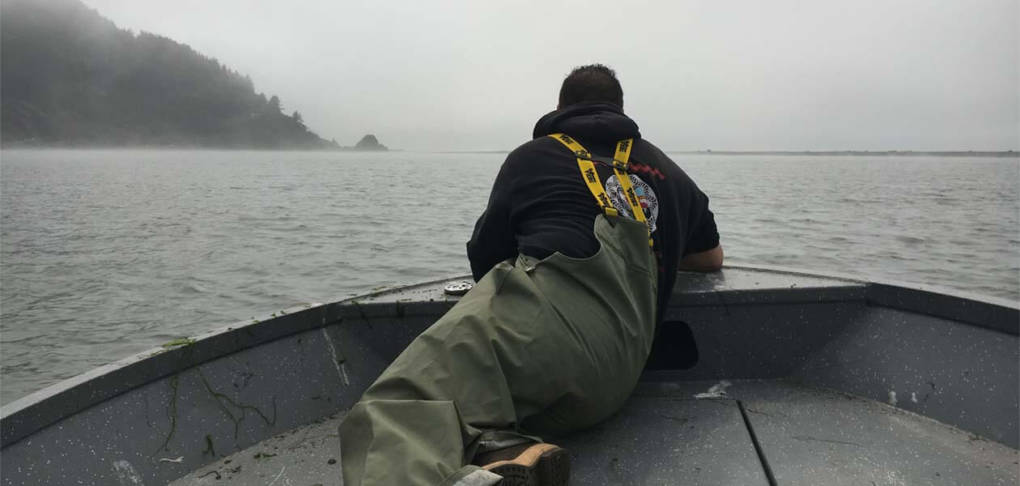
"caption": "Jerome Nick Jr. peers over the bow while checking nets near the mouth of the Klamath River in California's far north. ",
"description": null,
"title": "Yurok-Klamath-Salmon",
"credit": "Lisa Morehouse/KQED",
"status": "inherit",
"isLoading": false,
"fetchFailed": false
},
"news_11397355": {
"type": "attachments",
"id": "news_11397355",
"meta": {
"index": "attachments_1716263798",
"site": "news",
"id": "11397355",
"found": true
},
"parent": 11395499,
"imgSizes": {
"small": {
"file": "https://ww2.kqed.org/app/uploads/sites/10/2017/04/6130410451_5297057648_o-520x331.jpg",
"width": 520,
"mimeType": "image/jpeg",
"height": 331
},
"twentyfourteen-full-width": {
"file": "https://ww2.kqed.org/app/uploads/sites/10/2017/04/6130410451_5297057648_o-1038x576.jpg",
"width": 1038,
"mimeType": "image/jpeg",
"height": 576
},
"thumbnail": {
"file": "https://ww2.kqed.org/app/uploads/sites/10/2017/04/6130410451_5297057648_o-160x102.jpg",
"width": 160,
"mimeType": "image/jpeg",
"height": 102
},
"fd-sm": {
"file": "https://ww2.kqed.org/app/uploads/sites/10/2017/04/6130410451_5297057648_o-960x611.jpg",
"width": 960,
"mimeType": "image/jpeg",
"height": 611
},
"post-thumbnail": {
"file": "https://ww2.kqed.org/app/uploads/sites/10/2017/04/6130410451_5297057648_o-672x372.jpg",
"width": 672,
"mimeType": "image/jpeg",
"height": 372
},
"xsmall": {
"file": "https://ww2.kqed.org/app/uploads/sites/10/2017/04/6130410451_5297057648_o-375x239.jpg",
"width": 375,
"mimeType": "image/jpeg",
"height": 239
},
"kqedFullSize": {
"file": "https://ww2.kqed.org/app/uploads/sites/10/2017/04/6130410451_5297057648_o-e1491602671366.jpg",
"width": 1920,
"height": 1222
},
"large": {
"file": "https://ww2.kqed.org/app/uploads/sites/10/2017/04/6130410451_5297057648_o-1020x649.jpg",
"width": 1020,
"mimeType": "image/jpeg",
"height": 649
},
"xlarge": {
"file": "https://ww2.kqed.org/app/uploads/sites/10/2017/04/6130410451_5297057648_o-1180x751.jpg",
"width": 1180,
"mimeType": "image/jpeg",
"height": 751
},
"guest-author-50": {
"file": "https://ww2.kqed.org/app/uploads/sites/10/2017/04/6130410451_5297057648_o-50x50.jpg",
"width": 50,
"mimeType": "image/jpeg",
"height": 50
},
"guest-author-96": {
"file": "https://ww2.kqed.org/app/uploads/sites/10/2017/04/6130410451_5297057648_o-96x96.jpg",
"width": 96,
"mimeType": "image/jpeg",
"height": 96
},
"medium": {
"file": "https://ww2.kqed.org/app/uploads/sites/10/2017/04/6130410451_5297057648_o-800x509.jpg",
"width": 800,
"mimeType": "image/jpeg",
"height": 509
},
"guest-author-64": {
"file": "https://ww2.kqed.org/app/uploads/sites/10/2017/04/6130410451_5297057648_o-64x64.jpg",
"width": 64,
"mimeType": "image/jpeg",
"height": 64
},
"guest-author-32": {
"file": "https://ww2.kqed.org/app/uploads/sites/10/2017/04/6130410451_5297057648_o-32x32.jpg",
"width": 32,
"mimeType": "image/jpeg",
"height": 32
},
"fd-lrg": {
"file": "https://ww2.kqed.org/app/uploads/sites/10/2017/04/6130410451_5297057648_o-1920x1222.jpg",
"width": 1920,
"mimeType": "image/jpeg",
"height": 1222
},
"fd-med": {
"file": "https://ww2.kqed.org/app/uploads/sites/10/2017/04/6130410451_5297057648_o-1180x751.jpg",
"width": 1180,
"mimeType": "image/jpeg",
"height": 751
},
"full-width": {
"file": "https://ww2.kqed.org/app/uploads/sites/10/2017/04/6130410451_5297057648_o-1920x1222.jpg",
"width": 1920,
"mimeType": "image/jpeg",
"height": 1222
},
"detail": {
"file": "https://ww2.kqed.org/app/uploads/sites/10/2017/04/6130410451_5297057648_o-150x150.jpg",
"width": 150,
"mimeType": "image/jpeg",
"height": 150
},
"guest-author-128": {
"file": "https://ww2.kqed.org/app/uploads/sites/10/2017/04/6130410451_5297057648_o-128x128.jpg",
"width": 128,
"mimeType": "image/jpeg",
"height": 128
},
"xxsmall": {
"file": "https://ww2.kqed.org/app/uploads/sites/10/2017/04/6130410451_5297057648_o-240x153.jpg",
"width": 240,
"mimeType": "image/jpeg",
"height": 153
}
},
"publishDate": 1491602573,
"modified": 1491602661,
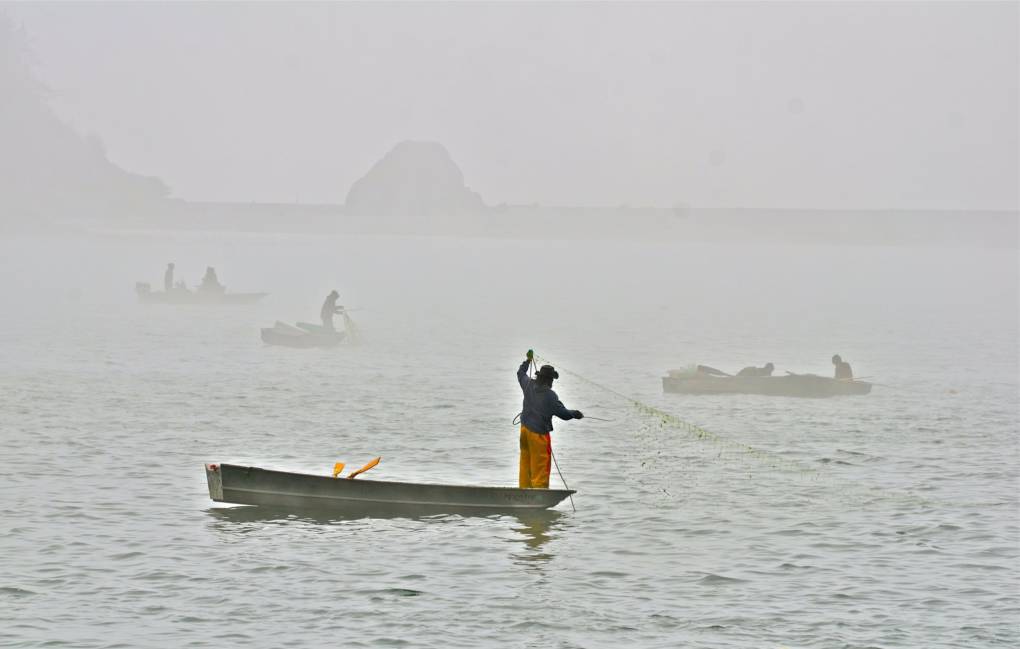
"caption": "Yurok tribal members fish for salmon just outside the mouth of Northern California's Klamath River. ",
"description": null,
"title": "Klamath Salmon-Yurok Fisherman",
"credit": "\u003ca href=\"https://flic.kr/p/akHXrV\" target=\"_blank\">Linda Tanner/Flickr\u003c/a>",
"status": "inherit",
"isLoading": false,
"fetchFailed": false
},
"news_11358899": {
"type": "attachments",
"id": "news_11358899",
"meta": {
"index": "attachments_1716263798",
"site": "news",
"id": "11358899",
"found": true
},
"parent": 11358898,
"imgSizes": {
"small": {
"file": "https://ww2.kqed.org/app/uploads/sites/10/2017/03/mokesalmon-520x304.jpg",
"width": 520,
"mimeType": "image/jpeg",
"height": 304
},
"twentyfourteen-full-width": {
"file": "https://ww2.kqed.org/app/uploads/sites/10/2017/03/mokesalmon-1038x576.jpg",
"width": 1038,
"mimeType": "image/jpeg",
"height": 576
},
"thumbnail": {
"file": "https://ww2.kqed.org/app/uploads/sites/10/2017/03/mokesalmon-160x94.jpg",
"width": 160,
"mimeType": "image/jpeg",
"height": 94
},
"fd-sm": {
"file": "https://ww2.kqed.org/app/uploads/sites/10/2017/03/mokesalmon-960x562.jpg",
"width": 960,
"mimeType": "image/jpeg",
"height": 562
},
"post-thumbnail": {
"file": "https://ww2.kqed.org/app/uploads/sites/10/2017/03/mokesalmon-672x372.jpg",
"width": 672,
"mimeType": "image/jpeg",
"height": 372
},
"xsmall": {
"file": "https://ww2.kqed.org/app/uploads/sites/10/2017/03/mokesalmon-375x219.jpg",
"width": 375,
"mimeType": "image/jpeg",
"height": 219
},
"kqedFullSize": {
"file": "https://ww2.kqed.org/app/uploads/sites/10/2017/03/mokesalmon-e1489529026536.jpg",
"width": 1920,
"height": 1123
},
"large": {
"file": "https://ww2.kqed.org/app/uploads/sites/10/2017/03/mokesalmon-1020x597.jpg",
"width": 1020,
"mimeType": "image/jpeg",
"height": 597
},
"xlarge": {
"file": "https://ww2.kqed.org/app/uploads/sites/10/2017/03/mokesalmon-1180x690.jpg",
"width": 1180,
"mimeType": "image/jpeg",
"height": 690
},
"guest-author-50": {
"file": "https://ww2.kqed.org/app/uploads/sites/10/2017/03/mokesalmon-50x50.jpg",
"width": 50,
"mimeType": "image/jpeg",
"height": 50
},
"guest-author-96": {
"file": "https://ww2.kqed.org/app/uploads/sites/10/2017/03/mokesalmon-96x96.jpg",
"width": 96,
"mimeType": "image/jpeg",
"height": 96
},
"medium": {
"file": "https://ww2.kqed.org/app/uploads/sites/10/2017/03/mokesalmon-800x468.jpg",
"width": 800,
"mimeType": "image/jpeg",
"height": 468
},
"guest-author-64": {
"file": "https://ww2.kqed.org/app/uploads/sites/10/2017/03/mokesalmon-64x64.jpg",
"width": 64,
"mimeType": "image/jpeg",
"height": 64
},
"guest-author-32": {
"file": "https://ww2.kqed.org/app/uploads/sites/10/2017/03/mokesalmon-32x32.jpg",
"width": 32,
"mimeType": "image/jpeg",
"height": 32
},
"fd-lrg": {
"file": "https://ww2.kqed.org/app/uploads/sites/10/2017/03/mokesalmon-1920x1123.jpg",
"width": 1920,
"mimeType": "image/jpeg",
"height": 1123
},
"fd-med": {
"file": "https://ww2.kqed.org/app/uploads/sites/10/2017/03/mokesalmon-1180x690.jpg",
"width": 1180,
"mimeType": "image/jpeg",
"height": 690
},
"full-width": {
"file": "https://ww2.kqed.org/app/uploads/sites/10/2017/03/mokesalmon-1920x1123.jpg",
"width": 1920,
"mimeType": "image/jpeg",
"height": 1123
},
"detail": {
"file": "https://ww2.kqed.org/app/uploads/sites/10/2017/03/mokesalmon-150x150.jpg",
"width": 150,
"mimeType": "image/jpeg",
"height": 150
},
"guest-author-128": {
"file": "https://ww2.kqed.org/app/uploads/sites/10/2017/03/mokesalmon-128x128.jpg",
"width": 128,
"mimeType": "image/jpeg",
"height": 128
},
"xxsmall": {
"file": "https://ww2.kqed.org/app/uploads/sites/10/2017/03/mokesalmon-240x140.jpg",
"width": 240,
"mimeType": "image/jpeg",
"height": 140
}
},
"publishDate": 1489506793,
"modified": 1489506883,
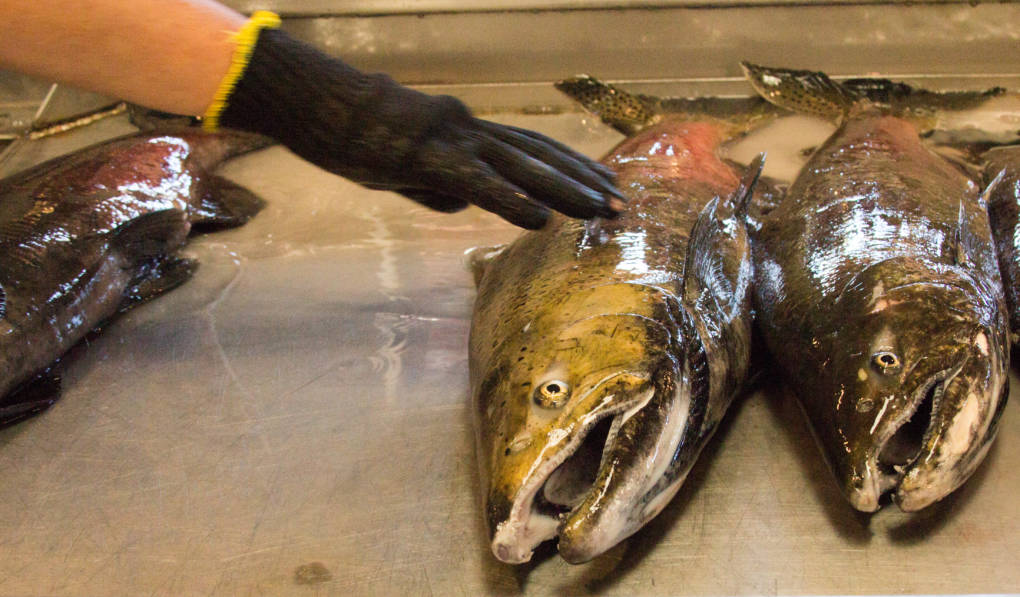
"caption": "A chinook salmon being processed at the Mokelumne River fish hatchery east of Lodi. ",
"description": null,
"title": "Chinook Salmon-Molelumne Hatchery",
"credit": "Dan Brekke/KQED",
"status": "inherit",
"isLoading": false,
"fetchFailed": false
},
"news_11186147": {
"type": "attachments",
"id": "news_11186147",
"meta": {
"index": "attachments_1716263798",
"site": "news",
"id": "11186147",
"found": true
},
"parent": 11180060,
"imgSizes": {
"small": {
"file": "https://ww2.kqed.org/app/uploads/sites/10/2016/11/RS21499_IMG_4211-qut-520x347.jpg",
"width": 520,
"mimeType": "image/jpeg",
"height": 347
},
"twentyfourteen-full-width": {
"file": "https://ww2.kqed.org/app/uploads/sites/10/2016/11/RS21499_IMG_4211-qut-1038x576.jpg",
"width": 1038,
"mimeType": "image/jpeg",
"height": 576
},
"thumbnail": {
"file": "https://ww2.kqed.org/app/uploads/sites/10/2016/11/RS21499_IMG_4211-qut-160x107.jpg",
"width": 160,
"mimeType": "image/jpeg",
"height": 107
},
"fd-sm": {
"file": "https://ww2.kqed.org/app/uploads/sites/10/2016/11/RS21499_IMG_4211-qut-960x640.jpg",
"width": 960,
"mimeType": "image/jpeg",
"height": 640
},
"post-thumbnail": {
"file": "https://ww2.kqed.org/app/uploads/sites/10/2016/11/RS21499_IMG_4211-qut-672x372.jpg",
"width": 672,
"mimeType": "image/jpeg",
"height": 372
},
"xsmall": {
"file": "https://ww2.kqed.org/app/uploads/sites/10/2016/11/RS21499_IMG_4211-qut-375x250.jpg",
"width": 375,
"mimeType": "image/jpeg",
"height": 250
},
"kqedFullSize": {
"file": "https://ww2.kqed.org/app/uploads/sites/10/2016/11/RS21499_IMG_4211-qut.jpg",
"width": 1920,
"height": 1280
},
"large": {
"file": "https://ww2.kqed.org/app/uploads/sites/10/2016/11/RS21499_IMG_4211-qut-1020x680.jpg",
"width": 1020,
"mimeType": "image/jpeg",
"height": 680
},
"xlarge": {
"file": "https://ww2.kqed.org/app/uploads/sites/10/2016/11/RS21499_IMG_4211-qut-1180x787.jpg",
"width": 1180,
"mimeType": "image/jpeg",
"height": 787
},
"guest-author-50": {
"file": "https://ww2.kqed.org/app/uploads/sites/10/2016/11/RS21499_IMG_4211-qut-50x50.jpg",
"width": 50,
"mimeType": "image/jpeg",
"height": 50
},
"guest-author-96": {
"file": "https://ww2.kqed.org/app/uploads/sites/10/2016/11/RS21499_IMG_4211-qut-96x96.jpg",
"width": 96,
"mimeType": "image/jpeg",
"height": 96
},
"medium": {
"file": "https://ww2.kqed.org/app/uploads/sites/10/2016/11/RS21499_IMG_4211-qut-800x533.jpg",
"width": 800,
"mimeType": "image/jpeg",
"height": 533
},
"guest-author-64": {
"file": "https://ww2.kqed.org/app/uploads/sites/10/2016/11/RS21499_IMG_4211-qut-64x64.jpg",
"width": 64,
"mimeType": "image/jpeg",
"height": 64
},
"guest-author-32": {
"file": "https://ww2.kqed.org/app/uploads/sites/10/2016/11/RS21499_IMG_4211-qut-32x32.jpg",
"width": 32,
"mimeType": "image/jpeg",
"height": 32
},
"jmtc-small-thumb": {
"file": "https://ww2.kqed.org/app/uploads/sites/10/2016/11/RS21499_IMG_4211-qut-280x150.jpg",
"width": 280,
"mimeType": "image/jpeg",
"height": 150
},
"fd-lrg": {
"file": "https://ww2.kqed.org/app/uploads/sites/10/2016/11/RS21499_IMG_4211-qut-1920x1280.jpg",
"width": 1920,
"mimeType": "image/jpeg",
"height": 1280
},
"fd-med": {
"file": "https://ww2.kqed.org/app/uploads/sites/10/2016/11/RS21499_IMG_4211-qut-1180x787.jpg",
"width": 1180,
"mimeType": "image/jpeg",
"height": 787
},
"full-width": {
"file": "https://ww2.kqed.org/app/uploads/sites/10/2016/11/RS21499_IMG_4211-qut-1920x1280.jpg",
"width": 1920,
"mimeType": "image/jpeg",
"height": 1280
},
"detail": {
"file": "https://ww2.kqed.org/app/uploads/sites/10/2016/11/RS21499_IMG_4211-qut-150x150.jpg",
"width": 150,
"mimeType": "image/jpeg",
"height": 150
},
"guest-author-128": {
"file": "https://ww2.kqed.org/app/uploads/sites/10/2016/11/RS21499_IMG_4211-qut-128x128.jpg",
"width": 128,
"mimeType": "image/jpeg",
"height": 128
},
"xxsmall": {
"file": "https://ww2.kqed.org/app/uploads/sites/10/2016/11/RS21499_IMG_4211-qut-240x160.jpg",
"width": 240,
"mimeType": "image/jpeg",
"height": 160
}
},
"publishDate": 1479861088,
"modified": 1479863942,
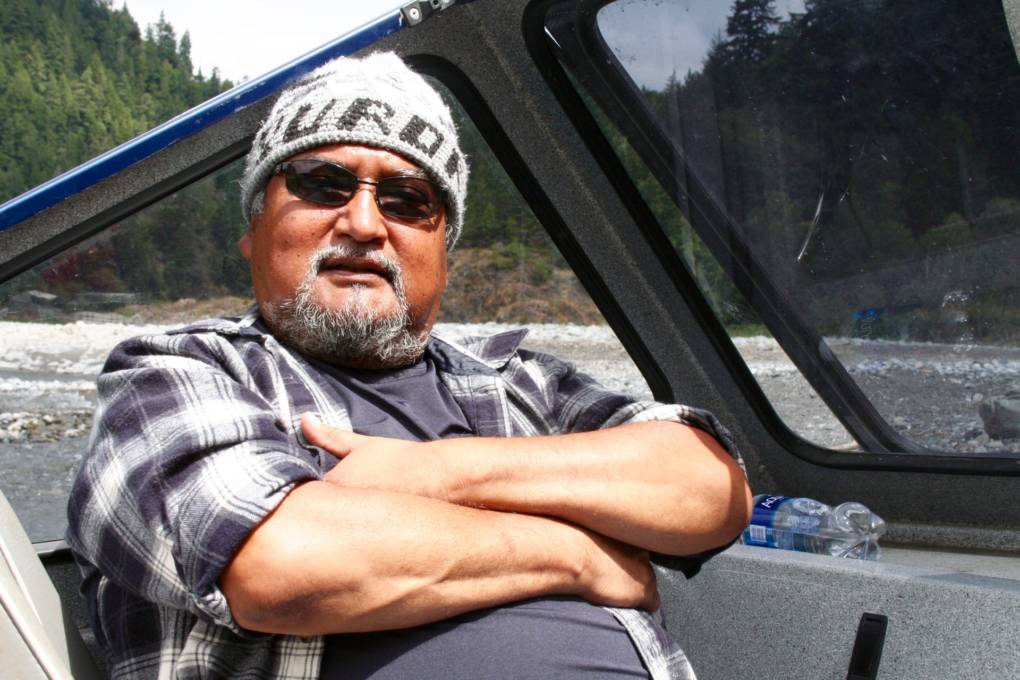
"caption": "David Gensaw Jr. is the vice chair of the Yurok Tribe. It's one of many groups that rely on and have claim to the waters of the Klamath River.",
"description": "David Gensaw, Junior, is the vice chair of the Yurok Tribe. It's one of many groups that rely on and have claim to the waters of the Klamath River.",
"title": "rs21499_img_4211-qut",
"credit": "Molly Peterson/KQED",
"status": "inherit",
"isLoading": false,
"fetchFailed": false
},
"news_11186051": {
"type": "attachments",
"id": "news_11186051",
"meta": {
"index": "attachments_1716263798",
"site": "news",
"id": "11186051",
"found": true
},
"parent": 11156846,
"imgSizes": {
"small": {
"file": "https://ww2.kqed.org/app/uploads/sites/10/2016/11/klamath_dam01-520x278.png",
"width": 520,
"mimeType": "image/png",
"height": 278
},
"twentyfourteen-full-width": {
"file": "https://ww2.kqed.org/app/uploads/sites/10/2016/11/klamath_dam01-1038x576.png",
"width": 1038,
"mimeType": "image/png",
"height": 576
},
"thumbnail": {
"file": "https://ww2.kqed.org/app/uploads/sites/10/2016/11/klamath_dam01-160x86.png",
"width": 160,
"mimeType": "image/png",
"height": 86
},
"fd-sm": {
"file": "https://ww2.kqed.org/app/uploads/sites/10/2016/11/klamath_dam01-960x514.png",
"width": 960,
"mimeType": "image/png",
"height": 514
},
"post-thumbnail": {
"file": "https://ww2.kqed.org/app/uploads/sites/10/2016/11/klamath_dam01-672x372.png",
"width": 672,
"mimeType": "image/png",
"height": 372
},
"xsmall": {
"file": "https://ww2.kqed.org/app/uploads/sites/10/2016/11/klamath_dam01-375x201.png",
"width": 375,
"mimeType": "image/png",
"height": 201
},
"kqedFullSize": {
"file": "https://ww2.kqed.org/app/uploads/sites/10/2016/11/klamath_dam01-e1479858632864.png",
"width": 1920,
"height": 1028
},
"large": {
"file": "https://ww2.kqed.org/app/uploads/sites/10/2016/11/klamath_dam01-1020x546.png",
"width": 1020,
"mimeType": "image/png",
"height": 546
},
"xlarge": {
"file": "https://ww2.kqed.org/app/uploads/sites/10/2016/11/klamath_dam01-1180x632.png",
"width": 1180,
"mimeType": "image/png",
"height": 632
},
"guest-author-50": {
"file": "https://ww2.kqed.org/app/uploads/sites/10/2016/11/klamath_dam01-50x50.png",
"width": 50,
"mimeType": "image/png",
"height": 50
},
"guest-author-96": {
"file": "https://ww2.kqed.org/app/uploads/sites/10/2016/11/klamath_dam01-96x96.png",
"width": 96,
"mimeType": "image/png",
"height": 96
},
"medium": {
"file": "https://ww2.kqed.org/app/uploads/sites/10/2016/11/klamath_dam01-800x428.png",
"width": 800,
"mimeType": "image/png",
"height": 428
},
"guest-author-64": {
"file": "https://ww2.kqed.org/app/uploads/sites/10/2016/11/klamath_dam01-64x64.png",
"width": 64,
"mimeType": "image/png",
"height": 64
},
"guest-author-32": {
"file": "https://ww2.kqed.org/app/uploads/sites/10/2016/11/klamath_dam01-32x32.png",
"width": 32,
"mimeType": "image/png",
"height": 32
},
"jmtc-small-thumb": {
"file": "https://ww2.kqed.org/app/uploads/sites/10/2016/11/klamath_dam01-280x150.png",
"width": 280,
"mimeType": "image/png",
"height": 150
},
"fd-lrg": {
"file": "https://ww2.kqed.org/app/uploads/sites/10/2016/11/klamath_dam01-1920x1028.png",
"width": 1920,
"mimeType": "image/png",
"height": 1028
},
"fd-med": {
"file": "https://ww2.kqed.org/app/uploads/sites/10/2016/11/klamath_dam01-1180x632.png",
"width": 1180,
"mimeType": "image/png",
"height": 632
},
"full-width": {
"file": "https://ww2.kqed.org/app/uploads/sites/10/2016/11/klamath_dam01-1920x1028.png",
"width": 1920,
"mimeType": "image/png",
"height": 1028
},
"detail": {
"file": "https://ww2.kqed.org/app/uploads/sites/10/2016/11/klamath_dam01-150x150.png",
"width": 150,
"mimeType": "image/png",
"height": 150
},
"guest-author-128": {
"file": "https://ww2.kqed.org/app/uploads/sites/10/2016/11/klamath_dam01-128x128.png",
"width": 128,
"mimeType": "image/png",
"height": 128
},
"xxsmall": {
"file": "https://ww2.kqed.org/app/uploads/sites/10/2016/11/klamath_dam01-240x128.png",
"width": 240,
"mimeType": "image/png",
"height": 128
}
},
"publishDate": 1479855831,
"modified": 1479855884,
"caption": null,
"description": null,
"title": "klamath_dam01",
"credit": "Mark Fiore/KQED",
"status": "inherit",
"isLoading": false,
"fetchFailed": false
},
"news_11143967": {
"type": "attachments",
"id": "news_11143967",
"meta": {
"index": "attachments_1716263798",
"site": "news",
"id": "11143967",
"found": true
},
"parent": 11133820,
"imgSizes": {
"small": {
"file": "https://ww2.kqed.org/app/uploads/sites/10/2016/10/Copco1-520x335.jpg",
"width": 520,
"mimeType": "image/jpeg",
"height": 335
},
"twentyfourteen-full-width": {
"file": "https://ww2.kqed.org/app/uploads/sites/10/2016/10/Copco1-1038x576.jpg",
"width": 1038,
"mimeType": "image/jpeg",
"height": 576
},
"thumbnail": {
"file": "https://ww2.kqed.org/app/uploads/sites/10/2016/10/Copco1-160x103.jpg",
"width": 160,
"mimeType": "image/jpeg",
"height": 103
},
"fd-sm": {
"file": "https://ww2.kqed.org/app/uploads/sites/10/2016/10/Copco1-960x619.jpg",
"width": 960,
"mimeType": "image/jpeg",
"height": 619
},
"post-thumbnail": {
"file": "https://ww2.kqed.org/app/uploads/sites/10/2016/10/Copco1-672x372.jpg",
"width": 672,
"mimeType": "image/jpeg",
"height": 372
},
"xsmall": {
"file": "https://ww2.kqed.org/app/uploads/sites/10/2016/10/Copco1-375x242.jpg",
"width": 375,
"mimeType": "image/jpeg",
"height": 242
},
"kqedFullSize": {
"file": "https://ww2.kqed.org/app/uploads/sites/10/2016/10/Copco1.jpg",
"width": 1920,
"height": 1238
},
"large": {
"file": "https://ww2.kqed.org/app/uploads/sites/10/2016/10/Copco1-1020x658.jpg",
"width": 1020,
"mimeType": "image/jpeg",
"height": 658
},
"xlarge": {
"file": "https://ww2.kqed.org/app/uploads/sites/10/2016/10/Copco1-1180x761.jpg",
"width": 1180,
"mimeType": "image/jpeg",
"height": 761
},
"guest-author-50": {
"file": "https://ww2.kqed.org/app/uploads/sites/10/2016/10/Copco1-50x50.jpg",
"width": 50,
"mimeType": "image/jpeg",
"height": 50
},
"guest-author-96": {
"file": "https://ww2.kqed.org/app/uploads/sites/10/2016/10/Copco1-96x96.jpg",
"width": 96,
"mimeType": "image/jpeg",
"height": 96
},
"medium": {
"file": "https://ww2.kqed.org/app/uploads/sites/10/2016/10/Copco1-800x516.jpg",
"width": 800,
"mimeType": "image/jpeg",
"height": 516
},
"guest-author-64": {
"file": "https://ww2.kqed.org/app/uploads/sites/10/2016/10/Copco1-64x64.jpg",
"width": 64,
"mimeType": "image/jpeg",
"height": 64
},
"guest-author-32": {
"file": "https://ww2.kqed.org/app/uploads/sites/10/2016/10/Copco1-32x32.jpg",
"width": 32,
"mimeType": "image/jpeg",
"height": 32
},
"jmtc-small-thumb": {
"file": "https://ww2.kqed.org/app/uploads/sites/10/2016/10/Copco1-280x150.jpg",
"width": 280,
"mimeType": "image/jpeg",
"height": 150
},
"fd-lrg": {
"file": "https://ww2.kqed.org/app/uploads/sites/10/2016/10/Copco1-1920x1238.jpg",
"width": 1920,
"mimeType": "image/jpeg",
"height": 1238
},
"fd-med": {
"file": "https://ww2.kqed.org/app/uploads/sites/10/2016/10/Copco1-1180x761.jpg",
"width": 1180,
"mimeType": "image/jpeg",
"height": 761
},
"full-width": {
"file": "https://ww2.kqed.org/app/uploads/sites/10/2016/10/Copco1-1920x1238.jpg",
"width": 1920,
"mimeType": "image/jpeg",
"height": 1238
},
"detail": {
"file": "https://ww2.kqed.org/app/uploads/sites/10/2016/10/Copco1-150x150.jpg",
"width": 150,
"mimeType": "image/jpeg",
"height": 150
},
"guest-author-128": {
"file": "https://ww2.kqed.org/app/uploads/sites/10/2016/10/Copco1-128x128.jpg",
"width": 128,
"mimeType": "image/jpeg",
"height": 128
},
"xxsmall": {
"file": "https://ww2.kqed.org/app/uploads/sites/10/2016/10/Copco1-240x155.jpg",
"width": 240,
"mimeType": "image/jpeg",
"height": 155
}
},
"publishDate": 1477339327,
"modified": 1477339431,
"caption": "The 132-foot-high Copco 1 Dam, on the Klamath River outside Hornbrook, California, has generated power for nearly a century. Now, its owner has set in motion a plan to dismantle it, if approved by federal energy regulators.",
"description": "The 132-foot-high Copco 1 Dam, on the Klamath River outside Hornbrook, California, has generated power for nearly a century. Now, its owner has set in motion a plan to dismantle it, if approved by federal energy regulators.",
"title": "Copco1",
"credit": "Molly Peterson/KQED",
"status": "inherit",
"isLoading": false,
"fetchFailed": false
},
"news_11105107": {
"type": "attachments",
"id": "news_11105107",
"meta": {
"index": "attachments_1716263798",
"site": "news",
"id": "11105107",
"found": true
},
"parent": 11099678,
"imgSizes": {
"twentyfourteen-full-width": {
"file": "https://ww2.kqed.org/app/uploads/sites/10/2016/09/IronGateDam-1038x576.jpg",
"width": 1038,
"mimeType": "image/jpeg",
"height": 576
},
"thumbnail": {
"file": "https://ww2.kqed.org/app/uploads/sites/10/2016/09/IronGateDam-400x257.jpg",
"width": 400,
"mimeType": "image/jpeg",
"height": 257
},
"fd-sm": {
"file": "https://ww2.kqed.org/app/uploads/sites/10/2016/09/IronGateDam-960x617.jpg",
"width": 960,
"mimeType": "image/jpeg",
"height": 617
},
"post-thumbnail": {
"file": "https://ww2.kqed.org/app/uploads/sites/10/2016/09/IronGateDam-672x372.jpg",
"width": 672,
"mimeType": "image/jpeg",
"height": 372
},
"kqedFullSize": {
"file": "https://ww2.kqed.org/app/uploads/sites/10/2016/09/IronGateDam.jpg",
"width": 1920,
"height": 1233
},
"large": {
"file": "https://ww2.kqed.org/app/uploads/sites/10/2016/09/IronGateDam-1920x1233.jpg",
"width": 1920,
"mimeType": "image/jpeg",
"height": 1233
},
"guest-author-50": {
"file": "https://ww2.kqed.org/app/uploads/sites/10/2016/09/IronGateDam-50x50.jpg",
"width": 50,
"mimeType": "image/jpeg",
"height": 50
},
"guest-author-96": {
"file": "https://ww2.kqed.org/app/uploads/sites/10/2016/09/IronGateDam-96x96.jpg",
"width": 96,
"mimeType": "image/jpeg",
"height": 96
},
"medium": {
"file": "https://ww2.kqed.org/app/uploads/sites/10/2016/09/IronGateDam-800x514.jpg",
"width": 800,
"mimeType": "image/jpeg",
"height": 514
},
"guest-author-64": {
"file": "https://ww2.kqed.org/app/uploads/sites/10/2016/09/IronGateDam-64x64.jpg",
"width": 64,
"mimeType": "image/jpeg",
"height": 64
},
"guest-author-32": {
"file": "https://ww2.kqed.org/app/uploads/sites/10/2016/09/IronGateDam-32x32.jpg",
"width": 32,
"mimeType": "image/jpeg",
"height": 32
},
"jmtc-small-thumb": {
"file": "https://ww2.kqed.org/app/uploads/sites/10/2016/09/IronGateDam-280x150.jpg",
"width": 280,
"mimeType": "image/jpeg",
"height": 150
},
"fd-lrg": {
"file": "https://ww2.kqed.org/app/uploads/sites/10/2016/09/IronGateDam-1920x1233.jpg",
"width": 1920,
"mimeType": "image/jpeg",
"height": 1233
},
"fd-med": {
"file": "https://ww2.kqed.org/app/uploads/sites/10/2016/09/IronGateDam-1180x758.jpg",
"width": 1180,
"mimeType": "image/jpeg",
"height": 758
},
"detail": {
"file": "https://ww2.kqed.org/app/uploads/sites/10/2016/09/IronGateDam-150x150.jpg",
"width": 150,
"mimeType": "image/jpeg",
"height": 150
},
"guest-author-128": {
"file": "https://ww2.kqed.org/app/uploads/sites/10/2016/09/IronGateDam-128x128.jpg",
"width": 128,
"mimeType": "image/jpeg",
"height": 128
}
},
"publishDate": 1474936904,
"modified": 1474936934,
"caption": "190 miles from the mouth of the Klamath River, Iron Gate Dam is one of four dams that Portland-based hydroelectric producer PacifiCorp is seeking to decommission and remove. PacifiCorp wants to transfer responsibility for the dam to a nonprofit company, which would spend $290 million on removing the dams, beginning in 2020. ",
"description": "190 miles from the mouth of the Klamath River, Iron Gate Dam is one of four dams that Portland-based hydroelectric producer PacifiCorp is seeking to decommission and remove. PacifiCorp wants to transfer responsibility for the dam to a nonprofit company, which would spend $290 million on removing the dams, beginning in 2020. ",
"title": "IronGateDam",
"credit": "Molly Peterson/KQED",
"status": "inherit",
"isLoading": false,
"fetchFailed": false
},
"news_146082": {
"type": "attachments",
"id": "news_146082",
"meta": {
"index": "attachments_1716263798",
"site": "news",
"id": "146082",
"found": true
},
"parent": 146081,
"imgSizes": {
"kqedFullSize": {
"file": "https://ww2.kqed.org/app/uploads/sites/10/2014/08/15060459675_f1c52850f5_o.jpg",
"width": 4969,
"height": 3313
}
},
"publishDate": 1409217425,
"modified": 1409217425,
"caption": "Water pounds down the spillway from Lewiston Dam on the Trinity River. The U.S. Bureau of Reclamation is increasing flows to aid migrating salmon. (Dan Brekke/KQED)",
"description": "Water pounds down the spillway from Lewiston Dam on the Trinity River. The U.S. Bureau of Reclamation is increasing flows to aid migrating salmon. (Dan Brekke/KQED)",
"title": "Lewiston Dam-Trinity River",
"credit": null,
"status": "inherit",
"isLoading": false,
"fetchFailed": false
},
"news_148796": {
"type": "attachments",
"id": "news_148796",
"meta": {
"index": "attachments_1716263798",
"site": "news",
"id": "148796",
"found": true
},
"parent": 148795,
"imgSizes": {
"wide-featured-image": {
"file": "https://ww2.kqed.org/app/uploads/sites/10/2014/09/happycamp-1-600x300.jpg",
"width": 600,
"mimeType": "image/jpeg",
"height": 300
},
"featured-page": {
"file": "https://ww2.kqed.org/app/uploads/sites/10/2014/09/happycamp-1-315x145.jpg",
"width": 315,
"mimeType": "image/jpeg",
"height": 145
},
"thumbnail": {
"file": "https://ww2.kqed.org/app/uploads/sites/10/2014/09/happycamp-1-300x300.jpg",
"width": 300,
"mimeType": "image/jpeg",
"height": 300
},
"kqedFullSize": {
"file": "https://ww2.kqed.org/app/uploads/sites/10/2014/09/happycamp-1.jpg",
"width": 1280,
"height": 960
},
"large": {
"file": "https://ww2.kqed.org/app/uploads/sites/10/2014/09/happycamp-1-1028x771.jpg",
"width": 1028,
"mimeType": "image/jpeg",
"height": 771
},
"wide-featured-image-full": {
"file": "https://ww2.kqed.org/app/uploads/sites/10/2014/09/happycamp-1-960x300.jpg",
"width": 960,
"mimeType": "image/jpeg",
"height": 300
},
"guest-author-96": {
"file": "https://ww2.kqed.org/app/uploads/sites/10/2014/09/happycamp-1-96x96.jpg",
"width": 96,
"mimeType": "image/jpeg",
"height": 96
},
"medium": {
"file": "https://ww2.kqed.org/app/uploads/sites/10/2014/09/happycamp-1-640x480.jpg",
"width": 640,
"mimeType": "image/jpeg",
"height": 480
},
"guest-author-64": {
"file": "https://ww2.kqed.org/app/uploads/sites/10/2014/09/happycamp-1-64x64.jpg",
"width": 64,
"mimeType": "image/jpeg",
"height": 64
},
"guest-author-32": {
"file": "https://ww2.kqed.org/app/uploads/sites/10/2014/09/happycamp-1-32x32.jpg",
"width": 32,
"mimeType": "image/jpeg",
"height": 32
},
"narrow-featured-image": {
"file": "https://ww2.kqed.org/app/uploads/sites/10/2014/09/happycamp-1-400x300.jpg",
"width": 400,
"mimeType": "image/jpeg",
"height": 300
},
"narrow-featured-image-full": {
"file": "https://ww2.kqed.org/app/uploads/sites/10/2014/09/happycamp-1-640x360.jpg",
"width": 640,
"mimeType": "image/jpeg",
"height": 360
},
"detail": {
"file": "https://ww2.kqed.org/app/uploads/sites/10/2014/09/happycamp-1-75x75.jpg",
"width": 75,
"mimeType": "image/jpeg",
"height": 75
},
"guest-author-128": {
"file": "https://ww2.kqed.org/app/uploads/sites/10/2014/09/happycamp-1-128x128.jpg",
"width": 128,
"mimeType": "image/jpeg",
"height": 128
}
},
"publishDate": 1411763016,
"modified": 1411763016,
"caption": "A feller--a firefighter whose particular expertise is felling trees that need to be cleared to create firebreaks, on the line of the Happy Camp Fire. (Kari Greer)",
"description": "A feller--a firefighter whose particular expertise is felling trees that need to be cleared to create firebreaks, on the line of the Happy Camp Fire. (Kari Greer)",
"title": "Happy Camp-Firefighter",
"credit": null,
"status": "inherit",
"isLoading": false,
"fetchFailed": false
},
"news_127089": {
"type": "attachments",
"id": "news_127089",
"meta": {
"index": "attachments_1716263798",
"site": "news",
"id": "127089",
"found": true
},
"parent": 127029,
"imgSizes": {
"kqedFullSize": {
"file": "https://ww2.kqed.org/app/uploads/sites/10/2014/02/12527233845_4dfc14b9e2_k.jpg",
"width": 1531,
"height": 1027
}
},
"publishDate": 1392942399,
"modified": 1392942399,
"caption": "(Dan Brekke/KQED)",
"description": "A female coho salmon, dead after spawning on Marin County's Lagunitas Creek. (Dan Brekke/KQED)",
"title": "Coho Salmon-Lagunitas Creek",
"credit": null,
"status": "inherit",
"isLoading": false,
"fetchFailed": false
},
"news_135275": {
"type": "attachments",
"id": "news_135275",
"meta": {
"index": "attachments_1716263798",
"site": "news",
"id": "135275",
"found": true
},
"parent": 135256,
"imgSizes": {
"kqedFullSize": {
"file": "https://ww2.kqed.org/app/uploads/sites/10/2014/05/salmon-2.jpg",
"width": 800,
"height": 533
}
},
"publishDate": 1399412037,
"modified": 1399412037,
"caption": "(Mark Andrew Boyer/KQED)",
"description": "Fresh-caught salmon sit on ice at 2xSea at Pier 45 (Mark Andrew Boyer/KQED)",
"title": "salmon-2",
"credit": null,
"status": "inherit",
"isLoading": false,
"fetchFailed": false
}
},
"audioPlayerReducer": {
"postId": "stream_live",
"isPaused": true,
"isPlaying": false,
"pfsActive": false,
"pledgeModalIsOpen": true,
"playerDrawerIsOpen": false,
"liveAudioPlayStartedAt": 0,
"liveAudioPlayContext": ""
},
"authorsReducer": {
"byline_news_11395499": {
"type": "authors",
"id": "byline_news_11395499",
"meta": {
"override": true
},
"slug": "byline_news_11395499",
"name": "Molly Peterson ",
"isLoading": false
},
"byline_news_11180060": {
"type": "authors",
"id": "byline_news_11180060",
"meta": {
"override": true
},
"slug": "byline_news_11180060",
"name": " Molly Peterson",
"isLoading": false
},
"byline_news_11099678": {
"type": "authors",
"id": "byline_news_11099678",
"meta": {
"override": true
},
"slug": "byline_news_11099678",
"name": "Molly Peterson ",
"isLoading": false
},
"byline_news_10342116": {
"type": "authors",
"id": "byline_news_10342116",
"meta": {
"override": true
},
"slug": "byline_news_10342116",
"name": "\u003ca href=\"https://twitter.com/JeffBarnardAP\" target=\"_blank\">Jeff Barnard\u003c/a>\u003cbr />Associated Press",
"isLoading": false
},
"danbrekke": {
"type": "authors",
"id": "222",
"meta": {
"index": "authors_1716337520",
"id": "222",
"found": true
},
"name": "Dan Brekke",
"firstName": "Dan",
"lastName": "Brekke",
"slug": "danbrekke",
"email": "dbrekke@kqed.org",
"display_author_email": true,
"staff_mastheads": [
"news",
"science"
],
"title": "KQED Editor and Reporter",
"bio": "Dan Brekke is a reporter and editor for KQED News, responsible for coverage of topics ranging from California water issues to the Bay Area's transportation challenges. In a newsroom career that began in Chicago in 1972, Dan has worked for \u003cem>The San Francisco Examiner,\u003c/em> Wired and TechTV and has been published in The New York Times, The New York Times Magazine, Business 2.0, Salon and elsewhere.\r\n\r\nSince joining KQED in 2007, Dan has reported, edited and produced both radio and online features and breaking news pieces. He has shared as both editor and reporter in four Society of Professional Journalists Norcal Excellence in Journalism awards and one Edward R. Murrow regional award. He was chosen for a spring 2017 residency at the Mesa Refuge to advance his research on California salmon.\r\n\r\nEmail Dan at: \u003ca href=\"mailto:dbrekke@kqed.org\">dbrekke@kqed.org\u003c/a>\r\n\r\n\u003cstrong>Twitter:\u003c/strong> \u003ca href=\"https://twitter.com/danbrekke\" rel=\"noopener noreferrer\">twitter.com/danbrekke\u003c/a>\r\n\u003cstrong>Facebook:\u003c/strong> \u003ca href=\"https://www.facebook.com/danbrekke\" rel=\"noopener noreferrer\">www.facebook.com/danbrekke\u003c/a>\r\n\u003cstrong>LinkedIn:\u003c/strong> \u003ca href=\"https://www.linkedin.com/in/danbrekke\" rel=\"noopener noreferrer\">www.linkedin.com/in/danbrekke\u003c/a>",
"avatar": "https://secure.gravatar.com/avatar/8f1f0d2a978fb3b23426c922c7e2af558fa36905b49c4ce76a97dc3c72d27226?s=600&d=mm&r=g",
"twitter": "danbrekke",
"bluesky": null,
"facebook": null,
"instagram": "https://www.instagram.com/dan.brekke/",
"linkedin": "https://www.linkedin.com/in/danbrekke/",
"sites": [
{
"site": "news",
"roles": [
"administrator",
"create_posts"
]
},
{
"site": "stateofhealth",
"roles": [
"editor"
]
},
{
"site": "science",
"roles": [
"editor"
]
},
{
"site": "quest",
"roles": [
"contributor"
]
},
{
"site": "food",
"roles": [
"contributor"
]
},
{
"site": "forum",
"roles": [
"contributor"
]
},
{
"site": "elections",
"roles": [
"editor"
]
},
{
"site": "liveblog",
"roles": [
"editor"
]
}
],
"headData": {
"title": "Dan Brekke | KQED",
"description": "KQED Editor and Reporter",
"ogImgSrc": "https://secure.gravatar.com/avatar/8f1f0d2a978fb3b23426c922c7e2af558fa36905b49c4ce76a97dc3c72d27226?s=600&d=mm&r=g",
"twImgSrc": "https://secure.gravatar.com/avatar/8f1f0d2a978fb3b23426c922c7e2af558fa36905b49c4ce76a97dc3c72d27226?s=600&d=mm&r=g"
},
"isLoading": false,
"link": "/author/danbrekke"
},
"kqednewsstaffandwires": {
"type": "authors",
"id": "237",
"meta": {
"index": "authors_1716337520",
"id": "237",
"found": true
},
"name": "KQED News Staff and Wires",
"firstName": "KQED News Staff and Wires",
"lastName": null,
"slug": "kqednewsstaffandwires",
"email": "onlinenewsstaff@kqed.org",
"display_author_email": false,
"staff_mastheads": [],
"title": null,
"bio": null,
"avatar": "https://secure.gravatar.com/avatar/72295af8ebbfbd19a4948f5271285664?s=600&d=blank&r=g",
"twitter": null,
"facebook": null,
"instagram": null,
"linkedin": null,
"sites": [
{
"site": "arts",
"roles": [
"contributor"
]
},
{
"site": "news",
"roles": [
"contributor"
]
},
{
"site": "lowdown",
"roles": [
"author"
]
},
{
"site": "stateofhealth",
"roles": [
"contributor"
]
},
{
"site": "food",
"roles": [
"author"
]
}
],
"headData": {
"title": "KQED News Staff and Wires | KQED",
"description": null,
"ogImgSrc": "https://secure.gravatar.com/avatar/72295af8ebbfbd19a4948f5271285664?s=600&d=blank&r=g",
"twImgSrc": "https://secure.gravatar.com/avatar/72295af8ebbfbd19a4948f5271285664?s=600&d=blank&r=g"
},
"isLoading": false,
"link": "/author/kqednewsstaffandwires"
},
"lmorehouse": {
"type": "authors",
"id": "3229",
"meta": {
"index": "authors_1716337520",
"id": "3229",
"found": true
},
"name": "Lisa Morehouse",
"firstName": "Lisa",
"lastName": "Morehouse",
"slug": "lmorehouse",
"email": "morehouse.lisa@gmail.com",
"display_author_email": false,
"staff_mastheads": [],
"title": "KQED Contributor",
"bio": "Lisa Morehouse is an award-winning public radio and print journalist, who has filed for National Public Radio, American Public Media, KQED Public Radio, Edutopia, and McSweeney’s. Her reporting has taken her from Samoan traveling circuses to Mississippi Delta classrooms to the homes of Lao refugees in rural Iowa. In addition to reporting, she teaches radio production to at-risk youth in the Bay Area. Her series \u003ca href=\"http://afterthegoldrushradio.com/\">After the Gold Rush\u003c/a> featured the changing industries, populations and identities of rural towns throughout California. She’s now producing \u003ca href=\"http://www.californiafoodways.com/\">California Foodways\u003c/a>, a series exploring the intersections of food, culture, economics, history and labor. Follow along on the \u003ca href=\"https://www.facebook.com/californiafoodways?ref=hl\">Facebook page\u003c/a> or on Twitter @cafoodways.",
"avatar": "https://secure.gravatar.com/avatar/dae74b002a6e256f39abb19d6f5acaea?s=600&d=blank&r=g",
"twitter": null,
"facebook": null,
"instagram": null,
"linkedin": null,
"sites": [
{
"site": "",
"roles": [
"editor"
]
},
{
"site": "news",
"roles": [
"author"
]
}
],
"headData": {
"title": "Lisa Morehouse | KQED",
"description": "KQED Contributor",
"ogImgSrc": "https://secure.gravatar.com/avatar/dae74b002a6e256f39abb19d6f5acaea?s=600&d=blank&r=g",
"twImgSrc": "https://secure.gravatar.com/avatar/dae74b002a6e256f39abb19d6f5acaea?s=600&d=blank&r=g"
},
"isLoading": false,
"link": "/author/lmorehouse"
},
"mpeterson": {
"type": "authors",
"id": "11223",
"meta": {
"index": "authors_1716337520",
"id": "11223",
"found": true
},
"name": "Molly Peterson",
"firstName": "Molly",
"lastName": "Peterson",
"slug": "mpeterson",
"email": "mpeterson@kqed.org",
"display_author_email": false,
"staff_mastheads": [],
"title": null,
"bio": "Molly Peterson reports for KQED science and news on climate change, catastrophe and risk. Previously she was environment correspondent at Southern California Public Radio. Her work has also appeared at The New York Times, The Guardian, on NPR, at High Country News, on Code Switch, and other national outlets. She has been honored with awards from Public Radio News Directors Incorporated, Investigative Reporters and Editors, the Society for Professional Journalists, the Los Angeles Press Club, and RTNDA Edward R. Murrow awards, among others.",
"avatar": "https://secure.gravatar.com/avatar/7908e2807131f776cc8165c649530b05?s=600&d=blank&r=g",
"twitter": "Mollydacious",
"facebook": null,
"instagram": "https://www.instagram.com/radiomolly/",
"linkedin": null,
"sites": [
{
"site": "news",
"roles": [
"subscriber"
]
},
{
"site": "futureofyou",
"roles": [
"editor"
]
},
{
"site": "science",
"roles": [
"editor"
]
}
],
"headData": {
"title": "Molly Peterson | KQED",
"description": null,
"ogImgSrc": "https://secure.gravatar.com/avatar/7908e2807131f776cc8165c649530b05?s=600&d=blank&r=g",
"twImgSrc": "https://secure.gravatar.com/avatar/7908e2807131f776cc8165c649530b05?s=600&d=blank&r=g"
},
"isLoading": false,
"link": "/author/mpeterson"
}
},
"pagesReducer": {
"news_tag_klamath-river": {
"type": "terms",
"id": "news_6801",
"meta": {
"index": "terms_1716263798",
"site": "news",
"id": "6801",
"score": 9.55733
},
"featImg": null,
"name": "Klamath River",
"description": null,
"taxonomy": "tag",
"headData": {
"twImgId": null,
"twTitle": null,
"ogTitle": null,
"ogImgId": null,
"twDescription": null,
"description": null,
"title": "Klamath River Archives | KQED News",
"ogDescription": null
},
"ttid": 6825,
"slug": "klamath-river",
"isLoading": false,
"title": "Klamath River",
"pageMeta": {
"site": "news",
"WpPageTemplate": "page-topic-editorial",
"currentPage": 2
},
"blocks": [
{
"blockName": "kqed/post-list",
"attrs": {
"layout": "cardArticle2",
"query": "posts/news?tag=klamath-river",
"seeMore": false,
"paginated": true,
"page": 2
}
},
{
"blockName": "kqed/ad"
}
]
}
},
"pfsSessionReducer": {},
"postsReducer": {
"stream_live": {
"type": "live",
"id": "stream_live",
"audioUrl": "https://streams.kqed.org/kqedradio",
"title": "Live Stream",
"excerpt": "Live Stream information currently unavailable.",
"link": "/radio",
"featImg": "",
"label": {
"name": "KQED Live",
"link": "/"
}
},
"stream_kqedNewscast": {
"type": "posts",
"id": "stream_kqedNewscast",
"audioUrl": "https://www.kqed.org/.stream/anon/radio/RDnews/newscast.mp3?_=1",
"title": "KQED Newscast",
"featImg": "",
"label": {
"name": "88.5 FM",
"link": "/"
}
},
"news_11622280": {
"type": "posts",
"id": "news_11622280",
"meta": {
"index": "posts_1716263798",
"site": "news",
"id": "11622280",
"score": null,
"sort": [
1508137277000
]
},
"parent": 0,
"labelTerm": {
"site": "news",
"term": 72
},
"blocks": [],
"publishDate": 1508137277,
"format": "image",
"disqusTitle": "Fish Blood in Their Veins -- But Few Salmon in Their River",
"title": "Fish Blood in Their Veins -- But Few Salmon in Their River",
"headTitle": "California Foodways | The California Report | KQED News",
"content": "\u003cp>[dropcap]T[/dropcap]his fall, the number of chinook salmon making their way from the ocean up the Klamath River in the far northwest corner of California is the lowest on record. That’s devastating news for the Yurok tribe, which has lived along and fished the Klamath for centuries. Salmon is integral to their entire culture and way of life, essential to Yurok ceremonies, for food, and for income.\u003c/p>\n\u003cp>Cousins Erika Chavez and Jerome Nick Jr. both work for the Yurok Tribal Fisheries Department, and they’re patrolling the Klamath where the river flows into the Pacific Ocean.\u003c/p>\n\u003cfigure id=\"attachment_11622284\" class=\"wp-caption aligncenter\" style=\"max-width: 4032px\">\u003cimg class=\"size-full wp-image-11622284\" src=\"https://ww2.kqed.org/news/wp-content/uploads/sites/10/2017/10/IMG_8010.jpg\" alt=\"\" width=\"4032\" height=\"3024\" srcset=\"https://ww2.kqed.org/app/uploads/sites/10/2017/10/IMG_8010.jpg 4032w, https://ww2.kqed.org/app/uploads/sites/10/2017/10/IMG_8010-160x120.jpg 160w, https://ww2.kqed.org/app/uploads/sites/10/2017/10/IMG_8010-800x600.jpg 800w, https://ww2.kqed.org/app/uploads/sites/10/2017/10/IMG_8010-1020x765.jpg 1020w, https://ww2.kqed.org/app/uploads/sites/10/2017/10/IMG_8010-1920x1440.jpg 1920w, https://ww2.kqed.org/app/uploads/sites/10/2017/10/IMG_8010-1180x885.jpg 1180w, https://ww2.kqed.org/app/uploads/sites/10/2017/10/IMG_8010-960x720.jpg 960w, https://ww2.kqed.org/app/uploads/sites/10/2017/10/IMG_8010-240x180.jpg 240w, https://ww2.kqed.org/app/uploads/sites/10/2017/10/IMG_8010-375x281.jpg 375w, https://ww2.kqed.org/app/uploads/sites/10/2017/10/IMG_8010-520x390.jpg 520w\" sizes=\"(max-width: 4032px) 100vw, 4032px\">\u003cfigcaption class=\"wp-caption-text\">Jerome Nick Jr. checks a net set a couple of hours earlier. “No fish.” \u003ccite>(Lisa Morehouse/KQED)\u003c/cite>\u003c/figcaption>\u003c/figure>\n\u003cp>Nick perches in the front of the boat, with Chavez at the helm as we head to the mouth of the river.\u003c/p>\n\u003cp>“Just checking to see if there’s any tribal members fishing,” Chavez says. “Gonna head up to the bridge to see if anyone’s there.”\u003c/p>\n\u003caside class=\"pullquote alignright\">'Last year we thought our fishing season was really, really low. And this year is a record one -- unfortunately on the wrong end.'\u003ccite>Joe James,\u003cbr>\nYurok tribal council member\u003c/cite>\u003c/aside>\n\u003cp>Yurok use gillnets. In good years and bad, the cousins do net counts, stopping by boats, measuring and weighing any fish caught.\u003c/p>\n\u003cp>[ad fullwidth]\u003c/p>\n\u003cp>Today, Chavez and Nick are also volunteering, catching salmon for tribal elders. It’s the only fishing allowed this year. Chavez slows the boat so Nick can pull up a net they set a couple of hours ago. The verdict?\u003c/p>\n\u003cp>“No fish,” Nick tells us, shaking his head.\u003c/p>\n\u003cp>[audio src=\"https://www.kqed.org/.stream/anon/radio/tcrmag/2017/10/YurokTribe.mp3\" Image=\"https://ww2.kqed.org/news/wp-content/uploads/sites/10/2017/10/KlamathSalmon.jpg\" Title=\"Fish Blood in Their Veins -- But Few Salmon in Their River\" program=\"The California Report\"]\u003c/p>\n\u003ch2>'A Ghost Town'\u003c/h2>\n\u003cp>The cousins are alone on the water. Nick says it’s a whole different story in a normal year, especially during commercial fishing season.\u003c/p>\n\u003cp>“Practically this whole area is nets, all the way up to the bridge,” he says.\u003c/p>\n\u003cp>This year, it’s different.\u003c/p>\n\u003cfigure id=\"attachment_11622430\" class=\"wp-caption aligncenter\" style=\"max-width: 800px\">\u003cimg class=\"size-medium wp-image-11622430\" src=\"https://ww2.kqed.org/news/wp-content/uploads/sites/10/2017/10/RS27396_IMG_7979-qut-800x600.jpg\" alt=\"\" width=\"800\" height=\"600\" srcset=\"https://ww2.kqed.org/app/uploads/sites/10/2017/10/RS27396_IMG_7979-qut-800x600.jpg 800w, https://ww2.kqed.org/app/uploads/sites/10/2017/10/RS27396_IMG_7979-qut-160x120.jpg 160w, https://ww2.kqed.org/app/uploads/sites/10/2017/10/RS27396_IMG_7979-qut-1020x765.jpg 1020w, https://ww2.kqed.org/app/uploads/sites/10/2017/10/RS27396_IMG_7979-qut.jpg 1920w, https://ww2.kqed.org/app/uploads/sites/10/2017/10/RS27396_IMG_7979-qut-1180x885.jpg 1180w, https://ww2.kqed.org/app/uploads/sites/10/2017/10/RS27396_IMG_7979-qut-960x720.jpg 960w, https://ww2.kqed.org/app/uploads/sites/10/2017/10/RS27396_IMG_7979-qut-240x180.jpg 240w, https://ww2.kqed.org/app/uploads/sites/10/2017/10/RS27396_IMG_7979-qut-375x281.jpg 375w, https://ww2.kqed.org/app/uploads/sites/10/2017/10/RS27396_IMG_7979-qut-520x390.jpg 520w\" sizes=\"(max-width: 800px) 100vw, 800px\">\u003cfigcaption class=\"wp-caption-text\">Cousins Erika Chavez and Jerome Nick Jr., who work for the Yurok Tribal Fisheries Department, untangle nets at the mouth of the Klamath River. \u003ccite>(Lisa Morehouse/KQED)\u003c/cite>\u003c/figcaption>\u003c/figure>\n\u003cp>“It’s like a ghost town,” Chavez says, “because there’s nobody out. It’s pretty sad, but then again just knowing there’s not a lot of people out here catching them, those fish have a chance to travel up there. At least that’s my hope.”\u003c/p>\n\u003cp>When we get off the water, Nick says that, unlike a lot of Yurok, he didn’t grow up fishing. He moved here six years ago to get away from family drama in Oregon. Now, when he’s not working the overnight shift at Walmart, he’s on the water.\u003c/p>\n\u003cp>“I work here with my cousin and she keeps me sane,” he says. “She’s my rock.”\u003c/p>\n\u003cp>He says learning to fish as an adult was hard at first. Then he turns to Chavez.\u003c/p>\n\u003cp>“What year did I pull in that 50-pound salmon?” he asks. \"2011,\" she answers.\u003c/p>\n\u003cp>[contextly_sidebar id=\"dGQVMYLA0x3DIozsDbNkpvjV0Gedn5ku\"]\u003c/p>\n\u003cp>Chavez says she grew up with her family camping right here for the summer. Her grandma would make fry bread, and she and her great-grandmother would watch everyone fish. Chavez started fishing when she was 9.\u003c/p>\n\u003cp>“My partner was my auntie,\" Chavez recalls. \"She’s the one that taught me, and our whole bottom of our boat was filled with fish. Everyone was catching plenty for their families. It was beautiful.”\u003c/p>\n\u003cp>A rich salmon harvest means covering the basics.\u003c/p>\n\u003cp>“It feeds our family,” Chavez says. “When commercial’s here, we use that money to buy our kids school clothes.”\u003c/p>\n\u003cp>Chavez usually fishes for her grandma.\u003c/p>\n\u003cp>“I get her 10 to 15 fish every year, so it’s in her freezer for the whole year,” Chavez says.\u003c/p>\n\u003cp>But this year, Chavez says, “she’ll have to deal with deer meat or elk meat or something”\u003c/p>\n\u003ch2>A Tribal Celebration of Salmon\u003c/h2>\n\u003cp>About five minutes away in the town of Klamath, thousands of Yurok and friends gather every August for the tribe’s Salmon Festival. There’s a parade and a stick game that looks to my untrained eye like a cross between wrestling and field hockey. Yurok men sing songs for good luck around a card game.\u003c/p>\n\u003cp>True to the festival’s name, there’s salmon cooked in the traditional Yurok way. Around the edge of a long, narrow fire pit, salmon skewered on redwood sticks form a kind of crown. Oscar Gensaw monitors the scene, wearing a T-shirt that reads: Fish Boss.\u003c/p>\n\u003cfigure id=\"attachment_11622428\" class=\"wp-caption aligncenter\" style=\"max-width: 800px\">\u003cimg class=\"size-medium wp-image-11622428\" src=\"https://ww2.kqed.org/news/wp-content/uploads/sites/10/2017/10/RS27404_IMG_7664-qut-800x1067.jpg\" alt=\"\" width=\"800\" height=\"1067\" srcset=\"https://ww2.kqed.org/app/uploads/sites/10/2017/10/RS27404_IMG_7664-qut-800x1067.jpg 800w, https://ww2.kqed.org/app/uploads/sites/10/2017/10/RS27404_IMG_7664-qut-160x213.jpg 160w, https://ww2.kqed.org/app/uploads/sites/10/2017/10/RS27404_IMG_7664-qut-1020x1360.jpg 1020w, https://ww2.kqed.org/app/uploads/sites/10/2017/10/RS27404_IMG_7664-qut.jpg 1920w, https://ww2.kqed.org/app/uploads/sites/10/2017/10/RS27404_IMG_7664-qut-1180x1573.jpg 1180w, https://ww2.kqed.org/app/uploads/sites/10/2017/10/RS27404_IMG_7664-qut-960x1280.jpg 960w, https://ww2.kqed.org/app/uploads/sites/10/2017/10/RS27404_IMG_7664-qut-240x320.jpg 240w, https://ww2.kqed.org/app/uploads/sites/10/2017/10/RS27404_IMG_7664-qut-375x500.jpg 375w, https://ww2.kqed.org/app/uploads/sites/10/2017/10/RS27404_IMG_7664-qut-520x693.jpg 520w\" sizes=\"(max-width: 800px) 100vw, 800px\">\u003cfigcaption class=\"wp-caption-text\">At the 55th Annual Yurok Salmon Festival, Oscar Gensaw cooks salmon the traditional way, on redwood skewers around a fire pit. This year, though, the tribe had to purchase salmon from Alaska. \u003ccite>(Lisa Morehouse/KQED)\u003c/cite>\u003c/figcaption>\u003c/figure>\n\u003cp>“This is how we’ve always done it, generation to generation,” Gensaw says, trying to avoid getting smoke in his eye. “When you first start cooking, you get those fat rings around the fish like a ring on a tree. When the fat starts dripping out of each of those rings, I know that side is done,” he explains.\u003c/p>\n\u003cp>Gensaw grew up in Klamath and has three sons and a baby daughter.\u003c/p>\n\u003cp>“My main goal is to pass this on to my boys so one day I can be the ultimate fish boss, and be on the side when they cook,” he says with a laugh. But he wants to teach them with salmon caught in the Klamath -- not the fish he’s cooking with today.\u003c/p>\n\u003cp>“These come from Alaska,” he says. The tribe had to buy this salmon, the first time in festival history.\u003c/p>\n\u003cp>Tribal council member Joe James is hanging out by the fire pit.\u003c/p>\n\u003cp>[contextly_sidebar id=\"G5j6gB11NCWXqqVhXtx27Jovpr52TpTv\"]\u003c/p>\n\u003cp>“Last year we thought our fishing season was really, really low,” he says. “And this year is a record one -- unfortunately on the wrong end.”\u003c/p>\n\u003cp>He says the tribe works with federal agencies every year to estimate the fall run and to decide how many salmon can be caught. So few chinook were expected to return to spawn this year that commercial fishing was shut down to protect them. The Yurok, a tribe of 6,000, were allowed to catch just over 600 salmon.\u003c/p>\n\u003cp>Those low numbers are the end result of drought, disease and a long history of habitat destruction. Yurok place much of the blame on upstream dams that have blocked salmon from ancient spawning grounds for over a century. After years of debate and struggle, four dams are set to be removed by 2020, says James.\u003c/p>\n\u003cp>“We look forward for those dams to come down to start the process of healing our rivers” -- and with it the return of the salmon and other native species, he says.\u003c/p>\n\u003cp>In the parade, Annelia Hillman commands the megaphone for the Klamath Justice Coalition, which chants “Undam the Klamath! Bring the salmon home!” She says tribes along the Klamath have had to fight logging, gold mining, the dams and now a proposed natural gas pipeline.\u003c/p>\n\u003cfigure id=\"attachment_11622431\" class=\"wp-caption aligncenter\" style=\"max-width: 800px\">\u003cimg class=\"size-medium wp-image-11622431\" src=\"https://ww2.kqed.org/news/wp-content/uploads/sites/10/2017/10/RS27406_IMG_7682-qut-800x600.jpg\" alt=\"\" width=\"800\" height=\"600\" srcset=\"https://ww2.kqed.org/app/uploads/sites/10/2017/10/RS27406_IMG_7682-qut-800x600.jpg 800w, https://ww2.kqed.org/app/uploads/sites/10/2017/10/RS27406_IMG_7682-qut-160x120.jpg 160w, https://ww2.kqed.org/app/uploads/sites/10/2017/10/RS27406_IMG_7682-qut-1020x765.jpg 1020w, https://ww2.kqed.org/app/uploads/sites/10/2017/10/RS27406_IMG_7682-qut.jpg 1920w, https://ww2.kqed.org/app/uploads/sites/10/2017/10/RS27406_IMG_7682-qut-1180x885.jpg 1180w, https://ww2.kqed.org/app/uploads/sites/10/2017/10/RS27406_IMG_7682-qut-960x720.jpg 960w, https://ww2.kqed.org/app/uploads/sites/10/2017/10/RS27406_IMG_7682-qut-240x180.jpg 240w, https://ww2.kqed.org/app/uploads/sites/10/2017/10/RS27406_IMG_7682-qut-375x281.jpg 375w, https://ww2.kqed.org/app/uploads/sites/10/2017/10/RS27406_IMG_7682-qut-520x390.jpg 520w\" sizes=\"(max-width: 800px) 100vw, 800px\">\u003cfigcaption class=\"wp-caption-text\">Klamath Justice Coalition in the parade at the Yurok Salmon Festival. Low numbers of chinook salmon this year are the end result of drought, disease and a long history of habitat destruction. Yurok place much of the blame on upstream dams that have blocked salmon from ancient spawning grounds for over a century. \u003ccite>(Lisa Morehouse/KQED)\u003c/cite>\u003c/figcaption>\u003c/figure>\n\u003cp>“If we’re putting our water at risk like that, we’re putting life on Earth at risk,” she says.\u003c/p>\n\u003ch2>'Our People Feel the Effects'\u003c/h2>\n\u003cp>She says the river’s poor health and the low salmon run impacts the entire Yurok way of life.\u003c/p>\n\u003cp>“We were created in this place to help bring balance in this river,\" she says. \"Our people are part of this system and when that balance is off, our people feel the effects.”\u003c/p>\n\u003cp>She says she sees that in her work as a youth social worker.\u003c/p>\n\u003cp>“When we can’t be in our river, can’t eat our fish, it kind of takes our purpose away,\" Hillman says. \"We have one of the highest suicide rates, state of emergency for suicide, and I think that’s directly correlated to our lack of salmon and our inability to continue our way of life.”\u003c/p>\n\u003cp>The Yurok have fought for years to maintain their ties to the Klamath and its salmon. In the 1960s, game wardens frequently arrested members of the tribe for gillnet fishing on the river, a practice banned by the state. One young man, Raymond Mattz, challenged the arrests. His fight went to the U.S. Supreme Court, which reaffirmed the tribe’s fishing rights -- and reservation status.\u003c/p>\n\u003cp>His nephew, Paul Mattz Van Mechelen, runs Paul’s Famous Smoked Salmon on U.S. 101. Customers know he’s open if there’s smoke coming from the traditional fire pit in front.\u003c/p>\n\u003cp>“That’s my Weber, my Yurok Weber!” he jokes.\u003c/p>\n\u003cfigure id=\"attachment_11622432\" class=\"wp-caption aligncenter\" style=\"max-width: 800px\">\u003cimg class=\"size-medium wp-image-11622432\" src=\"https://ww2.kqed.org/news/wp-content/uploads/sites/10/2017/10/RS27408_IMG_7976-qut-800x600.jpg\" alt=\"\" width=\"800\" height=\"600\" srcset=\"https://ww2.kqed.org/app/uploads/sites/10/2017/10/RS27408_IMG_7976-qut-800x600.jpg 800w, https://ww2.kqed.org/app/uploads/sites/10/2017/10/RS27408_IMG_7976-qut-160x120.jpg 160w, https://ww2.kqed.org/app/uploads/sites/10/2017/10/RS27408_IMG_7976-qut-1020x765.jpg 1020w, https://ww2.kqed.org/app/uploads/sites/10/2017/10/RS27408_IMG_7976-qut.jpg 1920w, https://ww2.kqed.org/app/uploads/sites/10/2017/10/RS27408_IMG_7976-qut-1180x885.jpg 1180w, https://ww2.kqed.org/app/uploads/sites/10/2017/10/RS27408_IMG_7976-qut-960x720.jpg 960w, https://ww2.kqed.org/app/uploads/sites/10/2017/10/RS27408_IMG_7976-qut-240x180.jpg 240w, https://ww2.kqed.org/app/uploads/sites/10/2017/10/RS27408_IMG_7976-qut-375x281.jpg 375w, https://ww2.kqed.org/app/uploads/sites/10/2017/10/RS27408_IMG_7976-qut-520x390.jpg 520w\" sizes=\"(max-width: 800px) 100vw, 800px\">\u003cfigcaption class=\"wp-caption-text\">Paul Van Mechelen at Paul’s Famous Smoked Salmon. The last two years, he’s had to purchase fish from native fishermen hundreds of miles away, in Oregon, instead of fishing the fall chinook run in the Klamath, 50 feet away from his shop. He says for a fishing people, the losses from not fishing are more than just financial. \u003ccite>(Lisa Morehouse/KQED)\u003c/cite>\u003c/figcaption>\u003c/figure>\n\u003ch2>Fish Blood in His Veins -- But No Salmon in the River\u003c/h2>\n\u003cp>He started this shop 16 years ago after his grandmother came to him in a dream. A steady stream of customers come in to sample and buy the wild chinook salmon he prepares with flavors like garlic, lemon pepper and teriyaki. Usually, he gets his stock from the Klamath River.\u003c/p>\n\u003caside class=\"pullquote alignright\">'So who am I? I had my grandma at a young age tell me I had fish blood. I didn’t understand it. I didn’t know why. But we’re all fishing people. You got to look down where we’re from.'\u003ccite>Paul Mattz Van Mechelen\u003c/cite>\u003c/aside>\n\u003cp>“Not the last two years, though,” he says. “I had to go to the Columbia River,” hundreds of miles away in Oregon, where he makes purchases from native fishermen there. Gas, and payment for fish, those are big expenses for a business owner who usually fishes about 50 feet from here.\u003c/p>\n\u003cp>The losses from not fishing, they go deeper than just finances.\u003c/p>\n\u003cp>“I got a great niece -- she’s only 2 -- but she helped start up the boat and smiled and did all that last year,” he says. “Her auntie was 5 when she pulled in a fish. So that whole part of learning and teaching them who they are and what this river gives to them is kind of life in one way.\"\u003c/p>\n\u003cp>I ask Van Mechelen to tell me more about that one point, that fishing is who Yurok are. He gets emotional, even stepping out of the store for a minute before answering:\u003c/p>\n\u003cp>“So who am I? I had my grandma at a young age tell me I had fish blood,\" Van Mechelen says. \"I didn’t understand it. I didn’t know why. But we’re all fishing people. You got to look down where we’re from,” he says.\u003c/p>\n\u003cp>And when you have fish blood but you have to stay away from fishing in hopes of keeping salmon here in the future?\u003c/p>\n\u003cp>“It’s sad to stay next to a river and wake up and not see fish go by,\" he says. \"That’s the saddest part. It’s bad enough you dream about it.”\u003c/p>\n\u003cp>Van Mechelen says all he can do is pray the salmon come back.\u003c/p>\n\u003cp>[ad floatright]\u003c/p>\n\u003cp>\u003cem>This piece was produced in collaboration with the Food & Environment Reporting network, a non-profit, investigative news organization.\u003c/em>\u003c/p>\n\n",
"disqusIdentifier": "11622280 https://ww2.kqed.org/news/?p=11622280",
"disqusUrl": "https://ww2.kqed.org/news/2017/10/16/fish-blood-in-their-veins-but-few-salmon-in-their-river/",
"stats": {
"hasVideo": false,
"hasChartOrMap": false,
"hasAudio": true,
"hasPolis": false,
"wordCount": 2086,
"hasGoogleForm": false,
"hasGallery": false,
"hasHearkenModule": false,
"iframeSrcs": [],
"paragraphCount": 56
},
"modified": 1508265288,
"excerpt": "The Yurok, California's largest native tribe, contend with a catastrophic salmon season on the Klamath River. ",
"headData": {
"twImgId": "",
"twTitle": "",
"ogTitle": "",
"ogImgId": "",
"twDescription": "",
"description": "The Yurok, California's largest native tribe, contend with a catastrophic salmon season on the Klamath River. ",
"title": "Fish Blood in Their Veins -- But Few Salmon in Their River | KQED",
"ogDescription": "",
"schema": {
"@context": "https://schema.org",
"@type": "NewsArticle",
"headline": "Fish Blood in Their Veins -- But Few Salmon in Their River",
"datePublished": "2017-10-16T00:01:17-07:00",
"dateModified": "2017-10-17T11:34:48-07:00",
"image": "https://cdn.kqed.org/wp-content/uploads/2020/02/KQED-OG-Image@1x.png",
"isAccessibleForFree": "True",
"publisher": {
"@type": "NewsMediaOrganization",
"@id": "https://www.kqed.org/#organization",
"name": "KQED",
"logo": "https://cdn.kqed.org/wp-content/uploads/2020/02/KQED-OG-Image@1x.png",
"url": "https://www.kqed.org",
"sameAs": [
"https://www.facebook.com/KQED",
"https://twitter.com/KQED",
"https://www.instagram.com/kqed/",
"https://www.tiktok.com/@kqedofficial",
"https://www.linkedin.com/company/kqed",
"https://www.youtube.com/channel/UCeC0IOo7i1P_61zVUWbJ4nw"
]
}
}
},
"guestAuthors": [],
"slug": "fish-blood-in-their-veins-but-few-salmon-in-their-river",
"status": "publish",
"sourceUrl": "californiafoodways.com",
"path": "/news/11622280/fish-blood-in-their-veins-but-few-salmon-in-their-river",
"audioUrl": "https://www.kqed.org/.stream/anon/radio/tcrmag/2017/10/YurokTribe.mp3",
"audioDuration": 605000,
"audioTrackLength": null,
"parsedContent": [
{
"type": "contentString",
"content": "\u003cdiv class=\"post-body\">\u003cp>\u003cp>\u003c/p>\u003cp>\u003cspan class=\"utils-parseShortcode-shortcodes-__dropcapShortcode__dropcap\">T\u003c/span>\u003c/p>\u003cp>his fall, the number of chinook salmon making their way from the ocean up the Klamath River in the far northwest corner of California is the lowest on record. That’s devastating news for the Yurok tribe, which has lived along and fished the Klamath for centuries. Salmon is integral to their entire culture and way of life, essential to Yurok ceremonies, for food, and for income.\u003c/p>\n\u003cp>Cousins Erika Chavez and Jerome Nick Jr. both work for the Yurok Tribal Fisheries Department, and they’re patrolling the Klamath where the river flows into the Pacific Ocean.\u003c/p>\n\u003cfigure id=\"attachment_11622284\" class=\"wp-caption aligncenter\" style=\"max-width: 4032px\">\u003cimg class=\"size-full wp-image-11622284\" src=\"https://ww2.kqed.org/news/wp-content/uploads/sites/10/2017/10/IMG_8010.jpg\" alt=\"\" width=\"4032\" height=\"3024\" srcset=\"https://ww2.kqed.org/app/uploads/sites/10/2017/10/IMG_8010.jpg 4032w, https://ww2.kqed.org/app/uploads/sites/10/2017/10/IMG_8010-160x120.jpg 160w, https://ww2.kqed.org/app/uploads/sites/10/2017/10/IMG_8010-800x600.jpg 800w, https://ww2.kqed.org/app/uploads/sites/10/2017/10/IMG_8010-1020x765.jpg 1020w, https://ww2.kqed.org/app/uploads/sites/10/2017/10/IMG_8010-1920x1440.jpg 1920w, https://ww2.kqed.org/app/uploads/sites/10/2017/10/IMG_8010-1180x885.jpg 1180w, https://ww2.kqed.org/app/uploads/sites/10/2017/10/IMG_8010-960x720.jpg 960w, https://ww2.kqed.org/app/uploads/sites/10/2017/10/IMG_8010-240x180.jpg 240w, https://ww2.kqed.org/app/uploads/sites/10/2017/10/IMG_8010-375x281.jpg 375w, https://ww2.kqed.org/app/uploads/sites/10/2017/10/IMG_8010-520x390.jpg 520w\" sizes=\"(max-width: 4032px) 100vw, 4032px\">\u003cfigcaption class=\"wp-caption-text\">Jerome Nick Jr. checks a net set a couple of hours earlier. “No fish.” \u003ccite>(Lisa Morehouse/KQED)\u003c/cite>\u003c/figcaption>\u003c/figure>\n\u003cp>Nick perches in the front of the boat, with Chavez at the helm as we head to the mouth of the river.\u003c/p>\n\u003cp>“Just checking to see if there’s any tribal members fishing,” Chavez says. “Gonna head up to the bridge to see if anyone’s there.”\u003c/p>\n\u003caside class=\"pullquote alignright\">'Last year we thought our fishing season was really, really low. And this year is a record one -- unfortunately on the wrong end.'\u003ccite>Joe James,\u003cbr>\nYurok tribal council member\u003c/cite>\u003c/aside>\n\u003cp>Yurok use gillnets. In good years and bad, the cousins do net counts, stopping by boats, measuring and weighing any fish caught.\u003c/p>\n\u003cp>\u003c/p>\u003c/div>",
"attributes": {
"named": {},
"numeric": []
}
},
{
"type": "component",
"content": "",
"name": "ad",
"attributes": {
"named": {
"label": "fullwidth"
},
"numeric": [
"fullwidth"
]
}
},
{
"type": "contentString",
"content": "\u003cdiv class=\"post-body\">\u003cp>\u003c/p>\n\u003cp>Today, Chavez and Nick are also volunteering, catching salmon for tribal elders. It’s the only fishing allowed this year. Chavez slows the boat so Nick can pull up a net they set a couple of hours ago. The verdict?\u003c/p>\n\u003cp>“No fish,” Nick tells us, shaking his head.\u003c/p>\n\u003cp>\u003c/p>\u003c/div>",
"attributes": {
"named": {},
"numeric": []
}
},
{
"type": "component",
"content": "",
"name": "audio",
"attributes": {
"named": {
"src": "https://www.kqed.org/.stream/anon/radio/tcrmag/2017/10/YurokTribe.mp3",
"image": "https://ww2.kqed.org/news/wp-content/uploads/sites/10/2017/10/KlamathSalmon.jpg",
"title": "Fish Blood in Their Veins -- But Few Salmon in Their River",
"program": "The California Report",
"label": ""
},
"numeric": []
}
},
{
"type": "contentString",
"content": "\u003cdiv class=\"post-body\">\u003cp>\u003c/p>\n\u003ch2>'A Ghost Town'\u003c/h2>\n\u003cp>The cousins are alone on the water. Nick says it’s a whole different story in a normal year, especially during commercial fishing season.\u003c/p>\n\u003cp>“Practically this whole area is nets, all the way up to the bridge,” he says.\u003c/p>\n\u003cp>This year, it’s different.\u003c/p>\n\u003cfigure id=\"attachment_11622430\" class=\"wp-caption aligncenter\" style=\"max-width: 800px\">\u003cimg class=\"size-medium wp-image-11622430\" src=\"https://ww2.kqed.org/news/wp-content/uploads/sites/10/2017/10/RS27396_IMG_7979-qut-800x600.jpg\" alt=\"\" width=\"800\" height=\"600\" srcset=\"https://ww2.kqed.org/app/uploads/sites/10/2017/10/RS27396_IMG_7979-qut-800x600.jpg 800w, https://ww2.kqed.org/app/uploads/sites/10/2017/10/RS27396_IMG_7979-qut-160x120.jpg 160w, https://ww2.kqed.org/app/uploads/sites/10/2017/10/RS27396_IMG_7979-qut-1020x765.jpg 1020w, https://ww2.kqed.org/app/uploads/sites/10/2017/10/RS27396_IMG_7979-qut.jpg 1920w, https://ww2.kqed.org/app/uploads/sites/10/2017/10/RS27396_IMG_7979-qut-1180x885.jpg 1180w, https://ww2.kqed.org/app/uploads/sites/10/2017/10/RS27396_IMG_7979-qut-960x720.jpg 960w, https://ww2.kqed.org/app/uploads/sites/10/2017/10/RS27396_IMG_7979-qut-240x180.jpg 240w, https://ww2.kqed.org/app/uploads/sites/10/2017/10/RS27396_IMG_7979-qut-375x281.jpg 375w, https://ww2.kqed.org/app/uploads/sites/10/2017/10/RS27396_IMG_7979-qut-520x390.jpg 520w\" sizes=\"(max-width: 800px) 100vw, 800px\">\u003cfigcaption class=\"wp-caption-text\">Cousins Erika Chavez and Jerome Nick Jr., who work for the Yurok Tribal Fisheries Department, untangle nets at the mouth of the Klamath River. \u003ccite>(Lisa Morehouse/KQED)\u003c/cite>\u003c/figcaption>\u003c/figure>\n\u003cp>“It’s like a ghost town,” Chavez says, “because there’s nobody out. It’s pretty sad, but then again just knowing there’s not a lot of people out here catching them, those fish have a chance to travel up there. At least that’s my hope.”\u003c/p>\n\u003cp>When we get off the water, Nick says that, unlike a lot of Yurok, he didn’t grow up fishing. He moved here six years ago to get away from family drama in Oregon. Now, when he’s not working the overnight shift at Walmart, he’s on the water.\u003c/p>\n\u003cp>“I work here with my cousin and she keeps me sane,” he says. “She’s my rock.”\u003c/p>\n\u003cp>He says learning to fish as an adult was hard at first. Then he turns to Chavez.\u003c/p>\n\u003cp>“What year did I pull in that 50-pound salmon?” he asks. \"2011,\" she answers.\u003c/p>\n\u003cp>\u003c/p>\u003cp>\u003c/p>\u003cp>\u003c/p>\n\u003cp>Chavez says she grew up with her family camping right here for the summer. Her grandma would make fry bread, and she and her great-grandmother would watch everyone fish. Chavez started fishing when she was 9.\u003c/p>\n\u003cp>“My partner was my auntie,\" Chavez recalls. \"She’s the one that taught me, and our whole bottom of our boat was filled with fish. Everyone was catching plenty for their families. It was beautiful.”\u003c/p>\n\u003cp>A rich salmon harvest means covering the basics.\u003c/p>\n\u003cp>“It feeds our family,” Chavez says. “When commercial’s here, we use that money to buy our kids school clothes.”\u003c/p>\n\u003cp>Chavez usually fishes for her grandma.\u003c/p>\n\u003cp>“I get her 10 to 15 fish every year, so it’s in her freezer for the whole year,” Chavez says.\u003c/p>\n\u003cp>But this year, Chavez says, “she’ll have to deal with deer meat or elk meat or something”\u003c/p>\n\u003ch2>A Tribal Celebration of Salmon\u003c/h2>\n\u003cp>About five minutes away in the town of Klamath, thousands of Yurok and friends gather every August for the tribe’s Salmon Festival. There’s a parade and a stick game that looks to my untrained eye like a cross between wrestling and field hockey. Yurok men sing songs for good luck around a card game.\u003c/p>\n\u003cp>True to the festival’s name, there’s salmon cooked in the traditional Yurok way. Around the edge of a long, narrow fire pit, salmon skewered on redwood sticks form a kind of crown. Oscar Gensaw monitors the scene, wearing a T-shirt that reads: Fish Boss.\u003c/p>\n\u003cfigure id=\"attachment_11622428\" class=\"wp-caption aligncenter\" style=\"max-width: 800px\">\u003cimg class=\"size-medium wp-image-11622428\" src=\"https://ww2.kqed.org/news/wp-content/uploads/sites/10/2017/10/RS27404_IMG_7664-qut-800x1067.jpg\" alt=\"\" width=\"800\" height=\"1067\" srcset=\"https://ww2.kqed.org/app/uploads/sites/10/2017/10/RS27404_IMG_7664-qut-800x1067.jpg 800w, https://ww2.kqed.org/app/uploads/sites/10/2017/10/RS27404_IMG_7664-qut-160x213.jpg 160w, https://ww2.kqed.org/app/uploads/sites/10/2017/10/RS27404_IMG_7664-qut-1020x1360.jpg 1020w, https://ww2.kqed.org/app/uploads/sites/10/2017/10/RS27404_IMG_7664-qut.jpg 1920w, https://ww2.kqed.org/app/uploads/sites/10/2017/10/RS27404_IMG_7664-qut-1180x1573.jpg 1180w, https://ww2.kqed.org/app/uploads/sites/10/2017/10/RS27404_IMG_7664-qut-960x1280.jpg 960w, https://ww2.kqed.org/app/uploads/sites/10/2017/10/RS27404_IMG_7664-qut-240x320.jpg 240w, https://ww2.kqed.org/app/uploads/sites/10/2017/10/RS27404_IMG_7664-qut-375x500.jpg 375w, https://ww2.kqed.org/app/uploads/sites/10/2017/10/RS27404_IMG_7664-qut-520x693.jpg 520w\" sizes=\"(max-width: 800px) 100vw, 800px\">\u003cfigcaption class=\"wp-caption-text\">At the 55th Annual Yurok Salmon Festival, Oscar Gensaw cooks salmon the traditional way, on redwood skewers around a fire pit. This year, though, the tribe had to purchase salmon from Alaska. \u003ccite>(Lisa Morehouse/KQED)\u003c/cite>\u003c/figcaption>\u003c/figure>\n\u003cp>“This is how we’ve always done it, generation to generation,” Gensaw says, trying to avoid getting smoke in his eye. “When you first start cooking, you get those fat rings around the fish like a ring on a tree. When the fat starts dripping out of each of those rings, I know that side is done,” he explains.\u003c/p>\n\u003cp>Gensaw grew up in Klamath and has three sons and a baby daughter.\u003c/p>\n\u003cp>“My main goal is to pass this on to my boys so one day I can be the ultimate fish boss, and be on the side when they cook,” he says with a laugh. But he wants to teach them with salmon caught in the Klamath -- not the fish he’s cooking with today.\u003c/p>\n\u003cp>“These come from Alaska,” he says. The tribe had to buy this salmon, the first time in festival history.\u003c/p>\n\u003cp>Tribal council member Joe James is hanging out by the fire pit.\u003c/p>\n\u003cp>\u003c/p>\u003cp>\u003c/p>\u003cp>\u003c/p>\n\u003cp>“Last year we thought our fishing season was really, really low,” he says. “And this year is a record one -- unfortunately on the wrong end.”\u003c/p>\n\u003cp>He says the tribe works with federal agencies every year to estimate the fall run and to decide how many salmon can be caught. So few chinook were expected to return to spawn this year that commercial fishing was shut down to protect them. The Yurok, a tribe of 6,000, were allowed to catch just over 600 salmon.\u003c/p>\n\u003cp>Those low numbers are the end result of drought, disease and a long history of habitat destruction. Yurok place much of the blame on upstream dams that have blocked salmon from ancient spawning grounds for over a century. After years of debate and struggle, four dams are set to be removed by 2020, says James.\u003c/p>\n\u003cp>“We look forward for those dams to come down to start the process of healing our rivers” -- and with it the return of the salmon and other native species, he says.\u003c/p>\n\u003cp>In the parade, Annelia Hillman commands the megaphone for the Klamath Justice Coalition, which chants “Undam the Klamath! Bring the salmon home!” She says tribes along the Klamath have had to fight logging, gold mining, the dams and now a proposed natural gas pipeline.\u003c/p>\n\u003cfigure id=\"attachment_11622431\" class=\"wp-caption aligncenter\" style=\"max-width: 800px\">\u003cimg class=\"size-medium wp-image-11622431\" src=\"https://ww2.kqed.org/news/wp-content/uploads/sites/10/2017/10/RS27406_IMG_7682-qut-800x600.jpg\" alt=\"\" width=\"800\" height=\"600\" srcset=\"https://ww2.kqed.org/app/uploads/sites/10/2017/10/RS27406_IMG_7682-qut-800x600.jpg 800w, https://ww2.kqed.org/app/uploads/sites/10/2017/10/RS27406_IMG_7682-qut-160x120.jpg 160w, https://ww2.kqed.org/app/uploads/sites/10/2017/10/RS27406_IMG_7682-qut-1020x765.jpg 1020w, https://ww2.kqed.org/app/uploads/sites/10/2017/10/RS27406_IMG_7682-qut.jpg 1920w, https://ww2.kqed.org/app/uploads/sites/10/2017/10/RS27406_IMG_7682-qut-1180x885.jpg 1180w, https://ww2.kqed.org/app/uploads/sites/10/2017/10/RS27406_IMG_7682-qut-960x720.jpg 960w, https://ww2.kqed.org/app/uploads/sites/10/2017/10/RS27406_IMG_7682-qut-240x180.jpg 240w, https://ww2.kqed.org/app/uploads/sites/10/2017/10/RS27406_IMG_7682-qut-375x281.jpg 375w, https://ww2.kqed.org/app/uploads/sites/10/2017/10/RS27406_IMG_7682-qut-520x390.jpg 520w\" sizes=\"(max-width: 800px) 100vw, 800px\">\u003cfigcaption class=\"wp-caption-text\">Klamath Justice Coalition in the parade at the Yurok Salmon Festival. Low numbers of chinook salmon this year are the end result of drought, disease and a long history of habitat destruction. Yurok place much of the blame on upstream dams that have blocked salmon from ancient spawning grounds for over a century. \u003ccite>(Lisa Morehouse/KQED)\u003c/cite>\u003c/figcaption>\u003c/figure>\n\u003cp>“If we’re putting our water at risk like that, we’re putting life on Earth at risk,” she says.\u003c/p>\n\u003ch2>'Our People Feel the Effects'\u003c/h2>\n\u003cp>She says the river’s poor health and the low salmon run impacts the entire Yurok way of life.\u003c/p>\n\u003cp>“We were created in this place to help bring balance in this river,\" she says. \"Our people are part of this system and when that balance is off, our people feel the effects.”\u003c/p>\n\u003cp>She says she sees that in her work as a youth social worker.\u003c/p>\n\u003cp>“When we can’t be in our river, can’t eat our fish, it kind of takes our purpose away,\" Hillman says. \"We have one of the highest suicide rates, state of emergency for suicide, and I think that’s directly correlated to our lack of salmon and our inability to continue our way of life.”\u003c/p>\n\u003cp>The Yurok have fought for years to maintain their ties to the Klamath and its salmon. In the 1960s, game wardens frequently arrested members of the tribe for gillnet fishing on the river, a practice banned by the state. One young man, Raymond Mattz, challenged the arrests. His fight went to the U.S. Supreme Court, which reaffirmed the tribe’s fishing rights -- and reservation status.\u003c/p>\n\u003cp>His nephew, Paul Mattz Van Mechelen, runs Paul’s Famous Smoked Salmon on U.S. 101. Customers know he’s open if there’s smoke coming from the traditional fire pit in front.\u003c/p>\n\u003cp>“That’s my Weber, my Yurok Weber!” he jokes.\u003c/p>\n\u003cfigure id=\"attachment_11622432\" class=\"wp-caption aligncenter\" style=\"max-width: 800px\">\u003cimg class=\"size-medium wp-image-11622432\" src=\"https://ww2.kqed.org/news/wp-content/uploads/sites/10/2017/10/RS27408_IMG_7976-qut-800x600.jpg\" alt=\"\" width=\"800\" height=\"600\" srcset=\"https://ww2.kqed.org/app/uploads/sites/10/2017/10/RS27408_IMG_7976-qut-800x600.jpg 800w, https://ww2.kqed.org/app/uploads/sites/10/2017/10/RS27408_IMG_7976-qut-160x120.jpg 160w, https://ww2.kqed.org/app/uploads/sites/10/2017/10/RS27408_IMG_7976-qut-1020x765.jpg 1020w, https://ww2.kqed.org/app/uploads/sites/10/2017/10/RS27408_IMG_7976-qut.jpg 1920w, https://ww2.kqed.org/app/uploads/sites/10/2017/10/RS27408_IMG_7976-qut-1180x885.jpg 1180w, https://ww2.kqed.org/app/uploads/sites/10/2017/10/RS27408_IMG_7976-qut-960x720.jpg 960w, https://ww2.kqed.org/app/uploads/sites/10/2017/10/RS27408_IMG_7976-qut-240x180.jpg 240w, https://ww2.kqed.org/app/uploads/sites/10/2017/10/RS27408_IMG_7976-qut-375x281.jpg 375w, https://ww2.kqed.org/app/uploads/sites/10/2017/10/RS27408_IMG_7976-qut-520x390.jpg 520w\" sizes=\"(max-width: 800px) 100vw, 800px\">\u003cfigcaption class=\"wp-caption-text\">Paul Van Mechelen at Paul’s Famous Smoked Salmon. The last two years, he’s had to purchase fish from native fishermen hundreds of miles away, in Oregon, instead of fishing the fall chinook run in the Klamath, 50 feet away from his shop. He says for a fishing people, the losses from not fishing are more than just financial. \u003ccite>(Lisa Morehouse/KQED)\u003c/cite>\u003c/figcaption>\u003c/figure>\n\u003ch2>Fish Blood in His Veins -- But No Salmon in the River\u003c/h2>\n\u003cp>He started this shop 16 years ago after his grandmother came to him in a dream. A steady stream of customers come in to sample and buy the wild chinook salmon he prepares with flavors like garlic, lemon pepper and teriyaki. Usually, he gets his stock from the Klamath River.\u003c/p>\n\u003caside class=\"pullquote alignright\">'So who am I? I had my grandma at a young age tell me I had fish blood. I didn’t understand it. I didn’t know why. But we’re all fishing people. You got to look down where we’re from.'\u003ccite>Paul Mattz Van Mechelen\u003c/cite>\u003c/aside>\n\u003cp>“Not the last two years, though,” he says. “I had to go to the Columbia River,” hundreds of miles away in Oregon, where he makes purchases from native fishermen there. Gas, and payment for fish, those are big expenses for a business owner who usually fishes about 50 feet from here.\u003c/p>\n\u003cp>The losses from not fishing, they go deeper than just finances.\u003c/p>\n\u003cp>“I got a great niece -- she’s only 2 -- but she helped start up the boat and smiled and did all that last year,” he says. “Her auntie was 5 when she pulled in a fish. So that whole part of learning and teaching them who they are and what this river gives to them is kind of life in one way.\"\u003c/p>\n\u003cp>I ask Van Mechelen to tell me more about that one point, that fishing is who Yurok are. He gets emotional, even stepping out of the store for a minute before answering:\u003c/p>\n\u003cp>“So who am I? I had my grandma at a young age tell me I had fish blood,\" Van Mechelen says. \"I didn’t understand it. I didn’t know why. But we’re all fishing people. You got to look down where we’re from,” he says.\u003c/p>\n\u003cp>And when you have fish blood but you have to stay away from fishing in hopes of keeping salmon here in the future?\u003c/p>\n\u003cp>“It’s sad to stay next to a river and wake up and not see fish go by,\" he says. \"That’s the saddest part. It’s bad enough you dream about it.”\u003c/p>\n\u003cp>Van Mechelen says all he can do is pray the salmon come back.\u003c/p>\n\u003cp>\u003c/p>\u003c/div>",
"attributes": {
"named": {},
"numeric": []
}
},
{
"type": "component",
"content": "",
"name": "ad",
"attributes": {
"named": {
"label": "floatright"
},
"numeric": [
"floatright"
]
}
},
{
"type": "contentString",
"content": "\u003cdiv class=\"post-body\">\u003cp>\u003c/p>\n\u003cp>\u003cem>This piece was produced in collaboration with the Food & Environment Reporting network, a non-profit, investigative news organization.\u003c/em>\u003c/p>\n\n\u003c/div>\u003c/p>",
"attributes": {
"named": {},
"numeric": []
}
}
],
"link": "/news/11622280/fish-blood-in-their-veins-but-few-salmon-in-their-river",
"authors": [
"3229"
],
"programs": [
"news_72"
],
"series": [
"news_17045"
],
"categories": [
"news_19906",
"news_457",
"news_356"
],
"tags": [
"news_6801",
"news_1262",
"news_3531",
"news_17286",
"news_17041",
"news_19976"
],
"featImg": "news_11623706",
"label": "news_72"
},
"news_11395499": {
"type": "posts",
"id": "news_11395499",
"meta": {
"index": "posts_1716263798",
"site": "news",
"id": "11395499",
"score": null,
"sort": [
1491603876000
]
},
"parent": 0,
"labelTerm": {
"site": "news",
"term": 72
},
"blocks": [],
"publishDate": 1491603876,
"format": "standard",
"disqusTitle": "A Grim Forecast for Klamath River Salmon Worries Tribes and Fishing Fleet",
"title": "A Grim Forecast for Klamath River Salmon Worries Tribes and Fishing Fleet",
"headTitle": "The California Report | KQED News",
"content": "\u003cp>It’s looking like another \u003ca href=\"https://ww2.kqed.org/news/2017/03/14/california-2017-salmon-season-klamath-sacramento-chinook/\">bleak season ahead\u003c/a> for Northern California salmon –- especially for the fall run of chinook on the Klamath River. Fishery managers are meeting in Sacramento until early next week to decide on final rules for this season’s catch.\u003c/p>\n\u003cp>Commercial fishing operators and native tribes along the Klamath say severe limits on the harvest, to be imposed because of forecasts that a record low number of Klamath will return to spawn, will be devastating. The total number of adult Klamath fall-run chinook in the Pacific is estimated at just over 50,000. About 11,000 or 12,000 are expected to return to spawn this year.\u003c/p>\n\u003cp>The low number of Klamath chinook can be traced to several causes, among them: low flows on the river system due to drought, the prevalence of a deadly parasite that infected up to 90 percent of juvenile salmon in the river, and warm ocean conditions that reduced the fish's usual food sources. \u003c/p>\n\u003cp>[audio src=\"http://www.kqed.org/.stream/anon/radio/tcr/2017/04/2017-04-07e-tcr.mp3\" Image=\"https://ww2.kqed.org/news/wp-content/uploads/sites/10/2014/11/15540307821_00ea9ff47f_o-e1415061046531.jpg\" Title=\"A Grim Forecast for Klamath River Salmon Worries Tribes and Fishing Fleet\" program=\"The California Report\"]\u003c/p>\n\u003cp>The Pacific Fishery Management Council, which regulates commercial and recreational fishing of West Coast fish stocks, will choose among\u003ca href=\"http://www.pcouncil.org/2017/03/46882/pacific-fishery-management-council-chooses-options-for-2017-salmon-season/\" target=\"_blank\"> a set of alternatives\u003c/a> that aim to limit the total harvest of Klamath chinook to no more than 1,600 fish.\u003c/p>\n\u003cp>[ad fullwidth]\u003c/p>\n\u003cp> Half that take -- just 800 -- would be designated for the thousands of native tribe members along river. Typically, 80 percent of the harvest is allocated to members of the Yurok tribe; 20 percent go to the Hoopa tribe on the Trinity River.\u003c/p>\n\u003cp>Last year, the 6,100 \u003ca href=\"http://www.yuroktribe.org/\">Yurok\u003c/a> received 5,800 salmon. \u003c/p>\n\u003cp>Yurok lawyer and tribal member Amy Cordalis said this week that fish and fishing culture have long sustained the tribe.\u003c/p>\n\u003cp>\"Even when the fish aren’t running we are prepping our gear, we are talking about fishing, we are eating our canned salmon ... and then when the fish arrive, we all gather down at the Klamath River to be there, to harvest,\" Cordalis said. \"That great sense of gathering around the fish, around the salmon run, will not be there. And for us that means our very social fabric is falling apart.\"\u003c/p>\n\u003cp>Those outside the tribes who fish for a living also face a tough season. Commercial salmon fishing in the Klamath Management Zone, along the coast from Mendocino County town of Point Arena into southern Oregon, is likely to be shut down entirely.\u003c/p>\n\u003cp> Noah Oppenheim, director of the \u003ca href=\"http://pcffa.org/\">Pacific Coast Federation of Fishermen’s Associations\u003c/a>, says the economic impacts will ripple over North Coast ports.\u003c/p>\n\u003cp>\"That means fishermen are going to be selling their boats. That means they’re going to be defaulting on loans,” Oppenheim said. “We need to solve this problem.\"\u003c/p>\n\u003cp>Tribes and fishermen are seeking disaster relief from the state and the federal government. And Cordalis says water managers should take fish shortages more seriously right now.\u003c/p>\n\u003cp>“By using science, by using data, by updating the river’s operating system, we can find a way to make our communities up and down the river sustainable,” she said.\u003c/p>\n\u003cp>And Oppenheim points to water quality and quantity issues as a key area of focus.\u003c/p>\n\u003cp>“We know that agencies can’t invent fish but we know agencies are very good at inventing water,” he said.\u003c/p>\n\u003cp>Some relief -- both natural and judicial -- could aid the fish in the short run. This season's heavy rains will help river conditions, and a judge's decision in February means federal water managers will be required to follow a new regime of releasing flows to aid the Klamath's threatened coho salmon; those measures should benefit chinook as well.\u003c/p>\n\u003cp>But the biggest change could come in three years.\u003c/p>\n\u003cp>The owner of four hydroelectric dams on the Klamath \u003ca href=\"https://ww2.kqed.org/news/2016/09/27/will-the-klamath-river-be-renewed-owner-applies-to-remove-4-of-5-dams/\">has applied\u003c/a> to remove them by 2020, \u003ca href=\"https://ww2.kqed.org/news/2016/11/22/will-removing-klamath-dams-lead-to-a-salmon-revival/\">which may improve the river’s flow year-round\u003c/a>, nurturing future salmon runs. The Federal Energy Regulatory Commission is considering PacifiCorp’s application now.\u003c/p>\n\u003cp>\u003c/p>\n\u003cp>Fish advocates say they’re hopeful, because that plan is still on track.\u003c/p>\n\n",
"disqusIdentifier": "11395499 https://ww2.kqed.org/news/?p=11395499",
"disqusUrl": "https://ww2.kqed.org/news/2017/04/07/commercial-fishermen-yurok-hoopa-tribes-say-klamath-salmon-catch-will-be-meager/",
"stats": {
"hasVideo": false,
"hasChartOrMap": false,
"hasAudio": true,
"hasPolis": false,
"wordCount": 724,
"hasGoogleForm": false,
"hasGallery": false,
"hasHearkenModule": false,
"iframeSrcs": [],
"paragraphCount": 21
},
"modified": 1491605907,
"excerpt": "Severe limits on this year's salmon catch will pose a hardship for tribes and non-Indians who fish for a living. ",
"headData": {
"twImgId": "",
"twTitle": "",
"ogTitle": "",
"ogImgId": "",
"twDescription": "",
"description": "Severe limits on this year's salmon catch will pose a hardship for tribes and non-Indians who fish for a living. ",
"title": "A Grim Forecast for Klamath River Salmon Worries Tribes and Fishing Fleet | KQED",
"ogDescription": "",
"schema": {
"@context": "https://schema.org",
"@type": "NewsArticle",
"headline": "A Grim Forecast for Klamath River Salmon Worries Tribes and Fishing Fleet",
"datePublished": "2017-04-07T15:24:36-07:00",
"dateModified": "2017-04-07T15:58:27-07:00",
"image": "https://cdn.kqed.org/wp-content/uploads/2020/02/KQED-OG-Image@1x.png",
"isAccessibleForFree": "True",
"publisher": {
"@type": "NewsMediaOrganization",
"@id": "https://www.kqed.org/#organization",
"name": "KQED",
"logo": "https://cdn.kqed.org/wp-content/uploads/2020/02/KQED-OG-Image@1x.png",
"url": "https://www.kqed.org",
"sameAs": [
"https://www.facebook.com/KQED",
"https://twitter.com/KQED",
"https://www.instagram.com/kqed/",
"https://www.tiktok.com/@kqedofficial",
"https://www.linkedin.com/company/kqed",
"https://www.youtube.com/channel/UCeC0IOo7i1P_61zVUWbJ4nw"
]
}
}
},
"guestAuthors": [],
"slug": "commercial-fishermen-yurok-hoopa-tribes-say-klamath-salmon-catch-will-be-meager",
"status": "publish",
"nprByline": "Molly Peterson ",
"path": "/news/11395499/commercial-fishermen-yurok-hoopa-tribes-say-klamath-salmon-catch-will-be-meager",
"audioTrackLength": null,
"parsedContent": [
{
"type": "contentString",
"content": "\u003cdiv class=\"post-body\">\u003cp>\u003cp>It’s looking like another \u003ca href=\"https://ww2.kqed.org/news/2017/03/14/california-2017-salmon-season-klamath-sacramento-chinook/\">bleak season ahead\u003c/a> for Northern California salmon –- especially for the fall run of chinook on the Klamath River. Fishery managers are meeting in Sacramento until early next week to decide on final rules for this season’s catch.\u003c/p>\n\u003cp>Commercial fishing operators and native tribes along the Klamath say severe limits on the harvest, to be imposed because of forecasts that a record low number of Klamath will return to spawn, will be devastating. The total number of adult Klamath fall-run chinook in the Pacific is estimated at just over 50,000. About 11,000 or 12,000 are expected to return to spawn this year.\u003c/p>\n\u003cp>The low number of Klamath chinook can be traced to several causes, among them: low flows on the river system due to drought, the prevalence of a deadly parasite that infected up to 90 percent of juvenile salmon in the river, and warm ocean conditions that reduced the fish's usual food sources. \u003c/p>\n\u003cp>\u003c/p>\u003c/div>",
"attributes": {
"named": {},
"numeric": []
}
},
{
"type": "component",
"content": "",
"name": "audio",
"attributes": {
"named": {
"src": "http://www.kqed.org/.stream/anon/radio/tcr/2017/04/2017-04-07e-tcr.mp3",
"image": "https://ww2.kqed.org/news/wp-content/uploads/sites/10/2014/11/15540307821_00ea9ff47f_o-e1415061046531.jpg",
"title": "A Grim Forecast for Klamath River Salmon Worries Tribes and Fishing Fleet",
"program": "The California Report",
"label": ""
},
"numeric": []
}
},
{
"type": "contentString",
"content": "\u003cdiv class=\"post-body\">\u003cp>\u003c/p>\n\u003cp>The Pacific Fishery Management Council, which regulates commercial and recreational fishing of West Coast fish stocks, will choose among\u003ca href=\"http://www.pcouncil.org/2017/03/46882/pacific-fishery-management-council-chooses-options-for-2017-salmon-season/\" target=\"_blank\"> a set of alternatives\u003c/a> that aim to limit the total harvest of Klamath chinook to no more than 1,600 fish.\u003c/p>\n\u003cp>\u003c/p>\u003c/div>",
"attributes": {
"named": {},
"numeric": []
}
},
{
"type": "component",
"content": "",
"name": "ad",
"attributes": {
"named": {
"label": "fullwidth"
},
"numeric": [
"fullwidth"
]
}
},
{
"type": "contentString",
"content": "\u003cdiv class=\"post-body\">\u003cp>\u003c/p>\n\u003cp> Half that take -- just 800 -- would be designated for the thousands of native tribe members along river. Typically, 80 percent of the harvest is allocated to members of the Yurok tribe; 20 percent go to the Hoopa tribe on the Trinity River.\u003c/p>\n\u003cp>Last year, the 6,100 \u003ca href=\"http://www.yuroktribe.org/\">Yurok\u003c/a> received 5,800 salmon. \u003c/p>\n\u003cp>Yurok lawyer and tribal member Amy Cordalis said this week that fish and fishing culture have long sustained the tribe.\u003c/p>\n\u003cp>\"Even when the fish aren’t running we are prepping our gear, we are talking about fishing, we are eating our canned salmon ... and then when the fish arrive, we all gather down at the Klamath River to be there, to harvest,\" Cordalis said. \"That great sense of gathering around the fish, around the salmon run, will not be there. And for us that means our very social fabric is falling apart.\"\u003c/p>\n\u003cp>Those outside the tribes who fish for a living also face a tough season. Commercial salmon fishing in the Klamath Management Zone, along the coast from Mendocino County town of Point Arena into southern Oregon, is likely to be shut down entirely.\u003c/p>\n\u003cp> Noah Oppenheim, director of the \u003ca href=\"http://pcffa.org/\">Pacific Coast Federation of Fishermen’s Associations\u003c/a>, says the economic impacts will ripple over North Coast ports.\u003c/p>\n\u003cp>\"That means fishermen are going to be selling their boats. That means they’re going to be defaulting on loans,” Oppenheim said. “We need to solve this problem.\"\u003c/p>\n\u003cp>Tribes and fishermen are seeking disaster relief from the state and the federal government. And Cordalis says water managers should take fish shortages more seriously right now.\u003c/p>\n\u003cp>“By using science, by using data, by updating the river’s operating system, we can find a way to make our communities up and down the river sustainable,” she said.\u003c/p>\n\u003cp>And Oppenheim points to water quality and quantity issues as a key area of focus.\u003c/p>\n\u003cp>“We know that agencies can’t invent fish but we know agencies are very good at inventing water,” he said.\u003c/p>\n\u003cp>Some relief -- both natural and judicial -- could aid the fish in the short run. This season's heavy rains will help river conditions, and a judge's decision in February means federal water managers will be required to follow a new regime of releasing flows to aid the Klamath's threatened coho salmon; those measures should benefit chinook as well.\u003c/p>\n\u003cp>But the biggest change could come in three years.\u003c/p>\n\u003cp>The owner of four hydroelectric dams on the Klamath \u003ca href=\"https://ww2.kqed.org/news/2016/09/27/will-the-klamath-river-be-renewed-owner-applies-to-remove-4-of-5-dams/\">has applied\u003c/a> to remove them by 2020, \u003ca href=\"https://ww2.kqed.org/news/2016/11/22/will-removing-klamath-dams-lead-to-a-salmon-revival/\">which may improve the river’s flow year-round\u003c/a>, nurturing future salmon runs. The Federal Energy Regulatory Commission is considering PacifiCorp’s application now.\u003c/p>\n\u003cp>\u003c/p>\n\u003cp>Fish advocates say they’re hopeful, because that plan is still on track.\u003c/p>\n\n\u003c/div>\u003c/p>",
"attributes": {
"named": {},
"numeric": []
}
}
],
"link": "/news/11395499/commercial-fishermen-yurok-hoopa-tribes-say-klamath-salmon-catch-will-be-meager",
"authors": [
"byline_news_11395499"
],
"programs": [
"news_72"
],
"categories": [
"news_8",
"news_356"
],
"tags": [
"news_6801",
"news_3531",
"news_17286"
],
"featImg": "news_11397355",
"label": "news_72"
},
"news_11358898": {
"type": "posts",
"id": "news_11358898",
"meta": {
"index": "posts_1716263798",
"site": "news",
"id": "11358898",
"score": null,
"sort": [
1489539316000
]
},
"parent": 0,
"labelTerm": {
"site": "news",
"term": 72
},
"blocks": [],
"publishDate": 1489539316,
"format": "standard",
"disqusTitle": "With Some Chinook in Trouble, California Faces 'a Pathetic Scrap' of a Salmon Season",
"title": "With Some Chinook in Trouble, California Faces 'a Pathetic Scrap' of a Salmon Season",
"headTitle": "The California Report | KQED News",
"content": "\u003cp>California's chinook salmon -- or some of them -- are in trouble again. And under a set of proposed rules approved Monday, that's likely to mean a very restricted salmon season for both commercial fishers and recreational anglers alike. \u003c/p>\n\u003cp>The Pacific Marine Fishery Council, the agency responsible for setting ocean fishing regulations for California, Oregon and Washington, on Monday adopted \u003ca href=\"http://www.pcouncil.org/wp-content/uploads/2017/03/E6a_Sup_STT_Table_1_Com_Alts_2017_031317.pdf\" target=\"_blank\">a set of proposals\u003c/a> that would shut down the commercial and recreational catch of chinook salmon on the state's northernmost coast and off central and southern Oregon. \u003c/p>\n\u003cp>The proposed rules aim to limit damage to two imperiled runs of chinook: the Klamath River fall run and the Sacramento River winter run. Both have suffered direct and indirect impacts of drought, habitat loss and impaired flows of cold water in their spawning and rearing areas.\u003c/p>\n\u003cp>The proposals -- \u003ca href=\"http://www.pcouncil.org/2017/03/46838/draft2017-sal-mgmt-alts-public-review/\">a set of season alternatives\u003c/a> that are now out for public review before a final decision on the season is made next month -- would allow only one to two months of commercial fishing on the California coast from southern Humboldt County to the U.S.-Mexico border. \u003c/p>\n\u003cp>Fishery managers hope that closing the season in areas far to the north will protect the estimated 54,000 adult Klamath River fall run chinook currently in the Pacific -- the lowest number in a record going back to about 1980. \u003c/p>\n\u003cp>[ad fullwidth]\u003c/p>\n\u003cp>Season dates further south are likewise designed to minimize impacts on the endangered Sacramento winter run, whose spawning numbers plunged to about 1,500 last year.\u003c/p>\n\u003cp>Under fishery council proposals, commercial fishing in the zone from southern Humboldt County to Point Arena in Mendocino County would be open only in September. From Point Arena to Pigeon Point, on the San Mateo Coast, fishing would open between Aug. 1 and the end of September. From Pigeon Point south to the Mexican border, commercial fishing would open only in May and June. \u003c/p>\n\u003cp>For comparison's sake, fishing along most of the coast south of Humboldt County was open for three to four months in 2014 and 2015 -- both years marked by forecasts of a robust population of the commercially important Sacramento River fall run.\u003c/p>\n\u003cp>\"It's a pretty pathetic scrap of a season,\" Dave Bitts, a commercial fisherman from Humboldt County, said in describing the 2017 season. \"But if there's fish there when it's open, hopefully some people will turn it to advantage. Otherwise, I suspect a lot of people will be looking for something else to do this summer.\"\u003c/p>\n\u003cp>Bitts, who serves on a PFMC salmon advisory panel, said he's getting ready to work on retrieving crab traps in the waters off Eureka that were buried during this winter's storms. He said he expected other fishermen to keep fishing crab this year -- the state's season runs to June 30 south of Mendocino County and to July 15 from Mendocino north -- \"as long as they can make a dollar at it.\"\u003c/p>\n\u003cp>But Bitts said that those who depend on salmon for a living don't have a lot of choices.\u003c/p>\n\u003cp>\"Some people are going to hope tuna show up,\" Bitts said. \"In our part of the world, there's not a lot else. ... There really is not a fishery or even a complex of fisheries in the summertime that will replace salmon when salmon fall short like this. It makes things bleak.\"\u003c/p>\n\u003cp>The proposals for \u003ca href=\"http://www.pcouncil.org/wp-content/uploads/2017/03/E6a_Sup_STT_Table_2_Rec_Alts_2017_031317.pdf\" target=\"_blank\">recreational fishing\u003c/a> also sharply limit the season available to anglers. In the area from the San Mateo coast through Monterey Bay, anglers will get to fish only from April 1 through July 15. The season typically lasts until the end of October. \u003c/p>\n\u003cp>The only region with a substantially intact recreational fishing season is the one stretching from Point Arena to San Mateo County's Pigeon Point. Those waters would be open for all but two weeks of the season from April 1 through Oct. 31. \u003c/p>\n\u003cp>\"The reason the season in Monterey are so short is they have the highest contact with the winter chinook,\" said Marc Gorelnik, a PFMC member and chairman of the Bay Area's Coastside Fishing Club. \"San Francisco does not have anywhere near the winter-run impact.\"\u003c/p>\n\u003cp>Gorelnik added that managers are trying to strike a balance for recreational fishing -- giving the maximum number of anglers the opportunity to fish chinook while doing the least harm to stressed fisheries. \u003c/p>\n\u003cp>But it's not just the most seriously troubled chinook runs that are casting a shadow on this year's salmon season. Bitts, the Humboldt County fisherman, pointed to the modest estimates for this year's Sacramento River fall run chinook as another reason for concern. \u003c/p>\n\u003cp>The fall run is heavily bolstered by state and federal hatcheries and has produced fabulous-sounding numbers -- about 1.5 million adult chinook in 2003 and 868,000 as recently as 2013. \u003c/p>\n\u003cp>The Sacramento fall chinook also crashed to just 40,000 in 2009, and its numbers have been declining since that 2013 spike. This year's forecast, derived largely from the number of 2-year-old fish that returned to spawn last year, is 230,700. \u003c/p>\n\u003cp>\u003c/p>\n\u003cp>\"The thing that makes this season a little problematic is the overall abundance prediction is pretty low, as well,\" Bitts said. \"Now there's a reason to think that may be a conservative prediction, but we don't know. If there's twice as many fish as predicted, [the fishing season] could turn out to be worthwhile for some people. But if there's really only 200,000 Sacramento fish in the ocean, it's probably not going to be very good fishing.\"\u003c/p>\n\n",
"disqusIdentifier": "11358898 https://ww2.kqed.org/news/?p=11358898",
"disqusUrl": "https://ww2.kqed.org/news/2017/03/14/__trashed-30/",
"stats": {
"hasVideo": false,
"hasChartOrMap": false,
"hasAudio": false,
"hasPolis": false,
"wordCount": 933,
"hasGoogleForm": false,
"hasGallery": false,
"hasHearkenModule": false,
"iframeSrcs": [],
"paragraphCount": 22
},
"modified": 1489539738,
"excerpt": "Fishery managers prepare restrictive rules designed to protect imperiled chinook on the Klamath and Sacramento rivers. ",
"headData": {
"twImgId": "",
"twTitle": "",
"ogTitle": "",
"ogImgId": "",
"twDescription": "",
"description": "Fishery managers prepare restrictive rules designed to protect imperiled chinook on the Klamath and Sacramento rivers. ",
"title": "With Some Chinook in Trouble, California Faces 'a Pathetic Scrap' of a Salmon Season | KQED",
"ogDescription": "",
"schema": {
"@context": "https://schema.org",
"@type": "NewsArticle",
"headline": "With Some Chinook in Trouble, California Faces 'a Pathetic Scrap' of a Salmon Season",
"datePublished": "2017-03-14T17:55:16-07:00",
"dateModified": "2017-03-14T18:02:18-07:00",
"image": "https://cdn.kqed.org/wp-content/uploads/2020/02/KQED-OG-Image@1x.png",
"isAccessibleForFree": "True",
"publisher": {
"@type": "NewsMediaOrganization",
"@id": "https://www.kqed.org/#organization",
"name": "KQED",
"logo": "https://cdn.kqed.org/wp-content/uploads/2020/02/KQED-OG-Image@1x.png",
"url": "https://www.kqed.org",
"sameAs": [
"https://www.facebook.com/KQED",
"https://twitter.com/KQED",
"https://www.instagram.com/kqed/",
"https://www.tiktok.com/@kqedofficial",
"https://www.linkedin.com/company/kqed",
"https://www.youtube.com/channel/UCeC0IOo7i1P_61zVUWbJ4nw"
]
}
}
},
"guestAuthors": [],
"slug": "__trashed-30",
"status": "publish",
"customPermalink": "2017/03/14/california-2017-salmon-season-klamath-sacramento-chinook/",
"path": "/news/11358898/__trashed-30",
"audioTrackLength": null,
"parsedContent": [
{
"type": "contentString",
"content": "\u003cdiv class=\"post-body\">\u003cp>\u003cp>California's chinook salmon -- or some of them -- are in trouble again. And under a set of proposed rules approved Monday, that's likely to mean a very restricted salmon season for both commercial fishers and recreational anglers alike. \u003c/p>\n\u003cp>The Pacific Marine Fishery Council, the agency responsible for setting ocean fishing regulations for California, Oregon and Washington, on Monday adopted \u003ca href=\"http://www.pcouncil.org/wp-content/uploads/2017/03/E6a_Sup_STT_Table_1_Com_Alts_2017_031317.pdf\" target=\"_blank\">a set of proposals\u003c/a> that would shut down the commercial and recreational catch of chinook salmon on the state's northernmost coast and off central and southern Oregon. \u003c/p>\n\u003cp>The proposed rules aim to limit damage to two imperiled runs of chinook: the Klamath River fall run and the Sacramento River winter run. Both have suffered direct and indirect impacts of drought, habitat loss and impaired flows of cold water in their spawning and rearing areas.\u003c/p>\n\u003cp>The proposals -- \u003ca href=\"http://www.pcouncil.org/2017/03/46838/draft2017-sal-mgmt-alts-public-review/\">a set of season alternatives\u003c/a> that are now out for public review before a final decision on the season is made next month -- would allow only one to two months of commercial fishing on the California coast from southern Humboldt County to the U.S.-Mexico border. \u003c/p>\n\u003cp>Fishery managers hope that closing the season in areas far to the north will protect the estimated 54,000 adult Klamath River fall run chinook currently in the Pacific -- the lowest number in a record going back to about 1980. \u003c/p>\n\u003cp>\u003c/p>\u003c/div>",
"attributes": {
"named": {},
"numeric": []
}
},
{
"type": "component",
"content": "",
"name": "ad",
"attributes": {
"named": {
"label": "fullwidth"
},
"numeric": [
"fullwidth"
]
}
},
{
"type": "contentString",
"content": "\u003cdiv class=\"post-body\">\u003cp>\u003c/p>\n\u003cp>Season dates further south are likewise designed to minimize impacts on the endangered Sacramento winter run, whose spawning numbers plunged to about 1,500 last year.\u003c/p>\n\u003cp>Under fishery council proposals, commercial fishing in the zone from southern Humboldt County to Point Arena in Mendocino County would be open only in September. From Point Arena to Pigeon Point, on the San Mateo Coast, fishing would open between Aug. 1 and the end of September. From Pigeon Point south to the Mexican border, commercial fishing would open only in May and June. \u003c/p>\n\u003cp>For comparison's sake, fishing along most of the coast south of Humboldt County was open for three to four months in 2014 and 2015 -- both years marked by forecasts of a robust population of the commercially important Sacramento River fall run.\u003c/p>\n\u003cp>\"It's a pretty pathetic scrap of a season,\" Dave Bitts, a commercial fisherman from Humboldt County, said in describing the 2017 season. \"But if there's fish there when it's open, hopefully some people will turn it to advantage. Otherwise, I suspect a lot of people will be looking for something else to do this summer.\"\u003c/p>\n\u003cp>Bitts, who serves on a PFMC salmon advisory panel, said he's getting ready to work on retrieving crab traps in the waters off Eureka that were buried during this winter's storms. He said he expected other fishermen to keep fishing crab this year -- the state's season runs to June 30 south of Mendocino County and to July 15 from Mendocino north -- \"as long as they can make a dollar at it.\"\u003c/p>\n\u003cp>But Bitts said that those who depend on salmon for a living don't have a lot of choices.\u003c/p>\n\u003cp>\"Some people are going to hope tuna show up,\" Bitts said. \"In our part of the world, there's not a lot else. ... There really is not a fishery or even a complex of fisheries in the summertime that will replace salmon when salmon fall short like this. It makes things bleak.\"\u003c/p>\n\u003cp>The proposals for \u003ca href=\"http://www.pcouncil.org/wp-content/uploads/2017/03/E6a_Sup_STT_Table_2_Rec_Alts_2017_031317.pdf\" target=\"_blank\">recreational fishing\u003c/a> also sharply limit the season available to anglers. In the area from the San Mateo coast through Monterey Bay, anglers will get to fish only from April 1 through July 15. The season typically lasts until the end of October. \u003c/p>\n\u003cp>The only region with a substantially intact recreational fishing season is the one stretching from Point Arena to San Mateo County's Pigeon Point. Those waters would be open for all but two weeks of the season from April 1 through Oct. 31. \u003c/p>\n\u003cp>\"The reason the season in Monterey are so short is they have the highest contact with the winter chinook,\" said Marc Gorelnik, a PFMC member and chairman of the Bay Area's Coastside Fishing Club. \"San Francisco does not have anywhere near the winter-run impact.\"\u003c/p>\n\u003cp>Gorelnik added that managers are trying to strike a balance for recreational fishing -- giving the maximum number of anglers the opportunity to fish chinook while doing the least harm to stressed fisheries. \u003c/p>\n\u003cp>But it's not just the most seriously troubled chinook runs that are casting a shadow on this year's salmon season. Bitts, the Humboldt County fisherman, pointed to the modest estimates for this year's Sacramento River fall run chinook as another reason for concern. \u003c/p>\n\u003cp>The fall run is heavily bolstered by state and federal hatcheries and has produced fabulous-sounding numbers -- about 1.5 million adult chinook in 2003 and 868,000 as recently as 2013. \u003c/p>\n\u003cp>The Sacramento fall chinook also crashed to just 40,000 in 2009, and its numbers have been declining since that 2013 spike. This year's forecast, derived largely from the number of 2-year-old fish that returned to spawn last year, is 230,700. \u003c/p>\n\u003cp>\u003c/p>\n\u003cp>\"The thing that makes this season a little problematic is the overall abundance prediction is pretty low, as well,\" Bitts said. \"Now there's a reason to think that may be a conservative prediction, but we don't know. If there's twice as many fish as predicted, [the fishing season] could turn out to be worthwhile for some people. But if there's really only 200,000 Sacramento fish in the ocean, it's probably not going to be very good fishing.\"\u003c/p>\n\n\u003c/div>\u003c/p>",
"attributes": {
"named": {},
"numeric": []
}
}
],
"link": "/news/11358898/__trashed-30",
"authors": [
"222"
],
"programs": [
"news_6944",
"news_72"
],
"categories": [
"news_19906",
"news_8",
"news_356"
],
"tags": [
"news_6801",
"news_5888",
"news_3531",
"news_17286"
],
"featImg": "news_11358899",
"label": "news_72"
},
"news_11180060": {
"type": "posts",
"id": "news_11180060",
"meta": {
"index": "posts_1716263798",
"site": "news",
"id": "11180060",
"score": null,
"sort": [
1479913253000
]
},
"guestAuthors": [],
"slug": "in-the-klamath-river-basin-water-rights-are-personal",
"title": "In the Klamath River Basin, Water Rights Are Personal",
"publishDate": 1479913253,
"format": "standard",
"headTitle": "In the Klamath River Basin, Water Rights Are Personal | KQED",
"labelTerm": {
"term": 72,
"site": "news"
},
"content": "\u003cp>You’d think a bird would have an easy time finding a watery rest stop along the over 260-mile-long Klamath River. That should be especially true in the Lower Klamath National Wildlife Refuge, a huge marshland along the Pacific Flyway. But in 2012 a dry year cut water supplies, which then chopped available wetlands in half and accelerated the spread of avian cholera. \u003ca href=\"https://ww2.kqed.org/news/2012/03/29/avian-cholera-kills-thousands-of-birds-in-northern-california/\" target=\"_blank\" rel=\"noopener\">Up to 20,000 birds died off\u003c/a>, including snow geese, ducks and coots. [contextly_sidebar id=”ghXf9rnPFabzxPxngj4vForak4etwSMY”]\u003c/p>\n\u003cp>Water rights along the Klamath River have always been a matter of survival, and birds aren’t the only ones competing for water — they’re just the last in line. The federal government manages a complex hierarchy of rights along the river, claimed by irrigators, tribes and fish in the two states it runs through: California and Oregon.\u003c/p>\n\u003cp>And shortages are becoming more common. “The challenges we have here are because we’ve promised too much water to too many people,” says Trout Unlimited’s Chrysten Lambert. “We’ve promised more water than there is here.”\u003c/p>\n\u003cp>While the November election has brought stories of uncertainty and division, in the Klamath Basin a sprawling and unlikely group of allies has been working across political lines for years to establish a sustainable sense of the river. Six years ago, they hashed out a huge compromise deal, to take out dams, sort out rights and allocate water. Without congressional support, that agreement died. But earlier this year, the dams’ owner, PacifiCorp, \u003ca href=\"https://ww2.kqed.org/news/2016/09/27/will-the-klamath-river-be-renewed-owner-applies-to-remove-4-of-5-dams/\" target=\"_blank\" rel=\"noopener\">applied to the Federal Energy Regulatory Commission to abandon its interests\u003c/a>, a move that doesn’t require congressional approval.\u003c/p>\n\u003cp>With dam removal now in process, sharing water remains a separate negotiation. Several parties to the original deal confirm talks about water rights and water allocation have begun.\u003c/p>\n\u003cfigure id=\"attachment_11186151\" class=\"wp-caption aligncenter\" style=\"max-width: 800px\">\u003ca href=\"http://ww2.kqed.org/news/wp-content/uploads/sites/10/2016/11/RS21738_Wood-River-Valley-and-Upper-Klamath-Lake-qut.jpg\">\u003cimg loading=\"lazy\" decoding=\"async\" class=\"size-medium wp-image-11186151\" src=\"http://ww2.kqed.org/news/wp-content/uploads/sites/10/2016/11/RS21738_Wood-River-Valley-and-Upper-Klamath-Lake-qut-800x1067.jpg\" alt=\"The headwaters of Upper Klamath Lake, seen from the Wood River Valley in Oregon, are subject to a number of competing water rights from different groups.\" width=\"800\" height=\"1067\" srcset=\"https://cdn.kqed.org/wp-content/uploads/sites/10/2016/11/RS21738_Wood-River-Valley-and-Upper-Klamath-Lake-qut-800x1067.jpg 800w, https://cdn.kqed.org/wp-content/uploads/sites/10/2016/11/RS21738_Wood-River-Valley-and-Upper-Klamath-Lake-qut-160x213.jpg 160w, https://cdn.kqed.org/wp-content/uploads/sites/10/2016/11/RS21738_Wood-River-Valley-and-Upper-Klamath-Lake-qut-1020x1360.jpg 1020w, https://cdn.kqed.org/wp-content/uploads/sites/10/2016/11/RS21738_Wood-River-Valley-and-Upper-Klamath-Lake-qut.jpg 1920w, https://cdn.kqed.org/wp-content/uploads/sites/10/2016/11/RS21738_Wood-River-Valley-and-Upper-Klamath-Lake-qut-1180x1573.jpg 1180w, https://cdn.kqed.org/wp-content/uploads/sites/10/2016/11/RS21738_Wood-River-Valley-and-Upper-Klamath-Lake-qut-960x1280.jpg 960w, https://cdn.kqed.org/wp-content/uploads/sites/10/2016/11/RS21738_Wood-River-Valley-and-Upper-Klamath-Lake-qut-240x320.jpg 240w, https://cdn.kqed.org/wp-content/uploads/sites/10/2016/11/RS21738_Wood-River-Valley-and-Upper-Klamath-Lake-qut-375x500.jpg 375w, https://cdn.kqed.org/wp-content/uploads/sites/10/2016/11/RS21738_Wood-River-Valley-and-Upper-Klamath-Lake-qut-520x693.jpg 520w\" sizes=\"(max-width: 800px) 100vw, 800px\">\u003c/a>\u003cfigcaption class=\"wp-caption-text\">The headwaters of Upper Klamath Lake, seen from the Wood River Valley in Oregon, are subject to a number of competing water rights from different groups. \u003ccite>(Chrysten Lambert/Trout Unlimited)\u003c/cite>\u003c/figcaption>\u003c/figure>\n\u003cp>“There is a water allocation that’s needed,” says John Bezdek, a special counsel to the federal Secretary of the Interior. He points to the Department of the Interior’s many interests in the region: managing water and dams, managing tribal rights, and maintaining the health of fisheries. “Dam removal makes a lot of that easier, but dam removal does not finish the job on any of that.”\u003c/p>\n\u003cp>[ad fullwidth]\u003c/p>\n\u003cp>Finishing the job is a delicate operation. Paul Simmons, a lawyer for farmers and ranchers, says water rights are personal here for everyone. “It really is their identity and it’s an essential part of their culture,” he says. “When you start talking about changing that, it certainly is something that raises the stakes or makes the stakes different.”\u003c/p>\n\u003ch3>Overlapping and Personal\u003c/h3>\n\u003cp>Federally recognized tribes in Oregon claim the most senior water rights in the Klamath Basin. Three years ago, the state of Oregon recognized that the Klamath Tribes’ claim on Upper Klamath Lake dates to “time immemorial.”\u003c/p>\n\u003caside class=\"pullquote alignleft\">‘I want the kids to be able to go down to the river and fish and bring home fish for their family.’\u003ccite>Wendy Ferris-George, a Karuk tribal member\u003c/cite>\u003c/aside>\n\u003cp>In the lower basin, three more tribes in California — the Karuk, the Yurok and the Hoopa — claim water, too. And, while their rights vary, they share an interest in keeping enough water in the river to keep fish healthy.\u003c/p>\n\u003cp>Wendy Ferris-George, a Karuk tribal member, gets emotional when she talks about it. “I want the kids to be able to go down to the river and fish and bring home fish for their family,” she says, her voice quavering. “I want the grandmothers and grandfathers not to have to worry about their families starving. That’s what’s happening on the river. Our people are living in poverty, but to native people it’s our life.”\u003c/p>\n\u003cp>The Endangered Species Act also claims water, to sustain and nurture sucker fish in Upper Klamath Lake, and salmon and steelhead downriver. Complicating all of this, farmers and irrigators say they need water first promised to them by the federal government a century ago.\u003c/p>\n\u003cp>In recent years, when there’s not enough water, federal and state programs have spent hundreds of millions of dollars on habitat restoration, fishery management, and even emergency aid for farmers. The Department of the Interior’s John Bezdek \u003ca href=\"http://www.energy.senate.gov/public/index.cfm/files/serve?File_id=962447c3-e51d-4fff-8581-da2529d18dec\" target=\"_blank\" rel=\"noopener\">says\u003c/a> an agreement would save money in the long run. “I believe that the longer we go without settlement, the more resources are hurting and the more it causes people to re-evaluate where they are,” Bezdek says. “But I also believe that this basin and this group of stakeholders, they’ve been to the edge and back.”\u003c/p>\n\u003ch3>Back From The Edge\u003c/h3>\n\u003cfigure id=\"attachment_11186145\" class=\"wp-caption alignright\" style=\"max-width: 800px\">\u003ca href=\"http://ww2.kqed.org/news/wp-content/uploads/sites/10/2016/11/RS22890_e-mBOR-29-Jul-2005-1223-BlackBinders-BLB-1249-0001-qut.jpg\">\u003cimg loading=\"lazy\" decoding=\"async\" class=\"wp-image-11186145 size-medium\" src=\"http://ww2.kqed.org/news/wp-content/uploads/sites/10/2016/11/RS22890_e-mBOR-29-Jul-2005-1223-BlackBinders-BLB-1249-0001-qut-800x693.jpg\" alt=\"A former G.I. picks a homestead number out of a pickle jar -- one way a number of families ended up in the Klamath Basin.\" width=\"800\" height=\"693\" srcset=\"https://cdn.kqed.org/wp-content/uploads/sites/10/2016/11/RS22890_e-mBOR-29-Jul-2005-1223-BlackBinders-BLB-1249-0001-qut-800x693.jpg 800w, https://cdn.kqed.org/wp-content/uploads/sites/10/2016/11/RS22890_e-mBOR-29-Jul-2005-1223-BlackBinders-BLB-1249-0001-qut-160x139.jpg 160w, https://cdn.kqed.org/wp-content/uploads/sites/10/2016/11/RS22890_e-mBOR-29-Jul-2005-1223-BlackBinders-BLB-1249-0001-qut-1020x884.jpg 1020w, https://cdn.kqed.org/wp-content/uploads/sites/10/2016/11/RS22890_e-mBOR-29-Jul-2005-1223-BlackBinders-BLB-1249-0001-qut.jpg 1920w, https://cdn.kqed.org/wp-content/uploads/sites/10/2016/11/RS22890_e-mBOR-29-Jul-2005-1223-BlackBinders-BLB-1249-0001-qut-1180x1023.jpg 1180w, https://cdn.kqed.org/wp-content/uploads/sites/10/2016/11/RS22890_e-mBOR-29-Jul-2005-1223-BlackBinders-BLB-1249-0001-qut-960x832.jpg 960w, https://cdn.kqed.org/wp-content/uploads/sites/10/2016/11/RS22890_e-mBOR-29-Jul-2005-1223-BlackBinders-BLB-1249-0001-qut-240x208.jpg 240w, https://cdn.kqed.org/wp-content/uploads/sites/10/2016/11/RS22890_e-mBOR-29-Jul-2005-1223-BlackBinders-BLB-1249-0001-qut-375x325.jpg 375w, https://cdn.kqed.org/wp-content/uploads/sites/10/2016/11/RS22890_e-mBOR-29-Jul-2005-1223-BlackBinders-BLB-1249-0001-qut-520x451.jpg 520w\" sizes=\"(max-width: 800px) 100vw, 800px\">\u003c/a>\u003cfigcaption class=\"wp-caption-text\">A former GI picks a homestead number out of a pickle jar — one way a number of families ended up in the Klamath Basin. \u003ccite>(U.S. Bureau of Reclamation/Courtesy OIT Klamath Waters Collection)\u003c/cite>\u003c/figcaption>\u003c/figure>\n\u003cp>Among those stakeholders are farmers and ranchers on a quarter-million acres of land, some of it former marshes drained by the federal government more than a century ago after it dammed the Klamath and began storing water for irrigation in Upper Klamath Lake.\u003c/p>\n\u003cp>The edge that Bezdek is talking about came 15 years ago, when water shortages forced the federal government to turn off the spigot to more than a quarter-million acres of land. That decision sent guys like Scott Seus, a third-generation farmer in Tulelake, scrambling.\u003c/p>\n\u003cp>And on a busy fall day, Seus hops into a combine to harvest mint. He says he wants to make sure a fourth-generation Seus can farm here.\u003c/p>\n\u003cp>“My grandfather was a homesteader here in 1947. He drew a number out of the pickle jar,” says Seus. Former GIs would draw a number and then stick a pin in a map to show where they wanted to homestead.\u003c/p>\n\u003cp>“They actually lived in one of the barracks that was part of the Japanese internment camp here,” he says. “The people that survived here were the tough ones. And since 2001, our community gets smaller and smaller, and there’s less and less people here that are survivors.”\u003c/p>\n\u003cp>Seus has survived by diversifying risk and cost in his crops. He grows mint, horseradish, onions, garlic and grain. The amount, and his income, depend on the water available.\u003c/p>\n\u003cp>“I’ve got to know that I’ve got water next year to get through,” he says.\u003c/p>\n\u003cfigure id=\"attachment_11186150\" class=\"wp-caption aligncenter\" style=\"max-width: 1920px\">\u003ca href=\"http://ww2.kqed.org/news/wp-content/uploads/sites/10/2016/11/RS21538_IMG_7128-qut.jpg\">\u003cimg loading=\"lazy\" decoding=\"async\" class=\"size-full wp-image-11186150\" src=\"http://ww2.kqed.org/news/wp-content/uploads/sites/10/2016/11/RS21538_IMG_7128-qut.jpg\" alt=\"Scott Seus farms organic mint for tea. His crops are watered by the Klamath River through a federal irrigation project.\" width=\"1920\" height=\"1440\" srcset=\"https://cdn.kqed.org/wp-content/uploads/sites/10/2016/11/RS21538_IMG_7128-qut.jpg 1920w, https://cdn.kqed.org/wp-content/uploads/sites/10/2016/11/RS21538_IMG_7128-qut-160x120.jpg 160w, https://cdn.kqed.org/wp-content/uploads/sites/10/2016/11/RS21538_IMG_7128-qut-800x600.jpg 800w, https://cdn.kqed.org/wp-content/uploads/sites/10/2016/11/RS21538_IMG_7128-qut-1020x765.jpg 1020w, https://cdn.kqed.org/wp-content/uploads/sites/10/2016/11/RS21538_IMG_7128-qut-1180x885.jpg 1180w, https://cdn.kqed.org/wp-content/uploads/sites/10/2016/11/RS21538_IMG_7128-qut-960x720.jpg 960w, https://cdn.kqed.org/wp-content/uploads/sites/10/2016/11/RS21538_IMG_7128-qut-240x180.jpg 240w, https://cdn.kqed.org/wp-content/uploads/sites/10/2016/11/RS21538_IMG_7128-qut-375x281.jpg 375w, https://cdn.kqed.org/wp-content/uploads/sites/10/2016/11/RS21538_IMG_7128-qut-520x390.jpg 520w\" sizes=\"(max-width: 1920px) 100vw, 1920px\">\u003c/a>\u003cfigcaption class=\"wp-caption-text\">Scott Seus farms organic mint for tea. His crops are watered by the Klamath River through a federal irrigation project. \u003ccite>(Molly Peterson/KQED)\u003c/cite>\u003c/figcaption>\u003c/figure>\n\u003cp>At the same time, Seus says, he’s gained an understanding of the needs of others along the Klamath. In 2002, a year after his water was shut off, tens of thousands of salmon died downstream, in Yurok country, near Blue Creek. It was a devastating loss to the tribes downriver, and one which galvanized their efforts to remove four dams that have long blocked fish passage up the main stem of the Klamath.\u003c/p>\n\u003cp>“I’m happy for them that they’re going to get the dams out … and it’s going to make everything right,” he says, about the tribes, which farmers like him used to only see as opponents. His support is genuine, but tempered. “I’m not here to say, ‘Don’t do that,’ but I am expecting them to understand that I need to farm, too.”\u003c/p>\n\u003cp>Years of drought appear to be ending in the Klamath Basin, and predictions suggest a snowy winter. But Seus still supports an agreement to share water, because he says the real enemy for farmers like him now is doubt. “There is only one path forward,” says Seus. “That’s that everybody’s got to get back together and try to see this thing through.”\u003c/p>\n\u003cp>[ad floatright]\u003c/p>\n\u003cp>Several Klamath water users say they don’t know what to expect from the incoming Trump administration. So far, it’s brought uncertainty, the exact thing that guys like Scott Seus try to avoid. For now, water users in this area stand by the idea that the best solution to their problems still lies with each other.\u003c/p>\n\n",
"blocks": [],
"excerpt": " 'I want the kids to be able to go down to the river and fish and bring home fish for their family,' says Wendy Ferris-George, Karuk tribal member. ",
"status": "publish",
"parent": 0,
"modified": 1721107793,
"stats": {
"hasAudio": false,
"hasVideo": false,
"hasChartOrMap": false,
"iframeSrcs": [],
"hasGoogleForm": false,
"hasGallery": false,
"hasHearkenModule": false,
"hasPolis": false,
"paragraphCount": 25,
"wordCount": 1448
},
"headData": {
"title": "In the Klamath River Basin, Water Rights Are Personal | KQED",
"description": " 'I want the kids to be able to go down to the river and fish and bring home fish for their family,' says Wendy Ferris-George, Karuk tribal member. ",
"ogTitle": "",
"ogDescription": "",
"ogImgId": "",
"twTitle": "",
"twDescription": "",
"twImgId": "",
"schema": {
"@context": "https://schema.org",
"@type": "NewsArticle",
"headline": "In the Klamath River Basin, Water Rights Are Personal",
"datePublished": "2016-11-23T07:00:53-08:00",
"dateModified": "2024-07-15T22:29:53-07:00",
"image": "https://cdn.kqed.org/wp-content/uploads/2020/02/KQED-OG-Image@1x.png",
"isAccessibleForFree": "True",
"publisher": {
"@type": "NewsMediaOrganization",
"@id": "https://www.kqed.org/#organization",
"name": "KQED",
"logo": "https://cdn.kqed.org/wp-content/uploads/2020/02/KQED-OG-Image@1x.png",
"url": "https://www.kqed.org",
"sameAs": [
"https://www.facebook.com/KQED",
"https://twitter.com/KQED",
"https://www.instagram.com/kqed/",
"https://www.tiktok.com/@kqedofficial",
"https://www.linkedin.com/company/kqed",
"https://www.youtube.com/channel/UCeC0IOo7i1P_61zVUWbJ4nw"
]
}
}
},
"sticky": false,
"nprByline": " Molly Peterson",
"path": "/news/11180060/in-the-klamath-river-basin-water-rights-are-personal",
"audioTrackLength": null,
"parsedContent": [
{
"type": "contentString",
"content": "\u003cdiv class=\"post-body\">\u003cp>\u003cp>You’d think a bird would have an easy time finding a watery rest stop along the over 260-mile-long Klamath River. That should be especially true in the Lower Klamath National Wildlife Refuge, a huge marshland along the Pacific Flyway. But in 2012 a dry year cut water supplies, which then chopped available wetlands in half and accelerated the spread of avian cholera. \u003ca href=\"https://ww2.kqed.org/news/2012/03/29/avian-cholera-kills-thousands-of-birds-in-northern-california/\" target=\"_blank\" rel=\"noopener\">Up to 20,000 birds died off\u003c/a>, including snow geese, ducks and coots. \u003c/p>\u003cp>\u003c/p>\u003cp>\u003c/p>\n\u003cp>Water rights along the Klamath River have always been a matter of survival, and birds aren’t the only ones competing for water — they’re just the last in line. The federal government manages a complex hierarchy of rights along the river, claimed by irrigators, tribes and fish in the two states it runs through: California and Oregon.\u003c/p>\n\u003cp>And shortages are becoming more common. “The challenges we have here are because we’ve promised too much water to too many people,” says Trout Unlimited’s Chrysten Lambert. “We’ve promised more water than there is here.”\u003c/p>\n\u003cp>While the November election has brought stories of uncertainty and division, in the Klamath Basin a sprawling and unlikely group of allies has been working across political lines for years to establish a sustainable sense of the river. Six years ago, they hashed out a huge compromise deal, to take out dams, sort out rights and allocate water. Without congressional support, that agreement died. But earlier this year, the dams’ owner, PacifiCorp, \u003ca href=\"https://ww2.kqed.org/news/2016/09/27/will-the-klamath-river-be-renewed-owner-applies-to-remove-4-of-5-dams/\" target=\"_blank\" rel=\"noopener\">applied to the Federal Energy Regulatory Commission to abandon its interests\u003c/a>, a move that doesn’t require congressional approval.\u003c/p>\n\u003cp>With dam removal now in process, sharing water remains a separate negotiation. Several parties to the original deal confirm talks about water rights and water allocation have begun.\u003c/p>\n\u003cfigure id=\"attachment_11186151\" class=\"wp-caption aligncenter\" style=\"max-width: 800px\">\u003ca href=\"http://ww2.kqed.org/news/wp-content/uploads/sites/10/2016/11/RS21738_Wood-River-Valley-and-Upper-Klamath-Lake-qut.jpg\">\u003cimg loading=\"lazy\" decoding=\"async\" class=\"size-medium wp-image-11186151\" src=\"http://ww2.kqed.org/news/wp-content/uploads/sites/10/2016/11/RS21738_Wood-River-Valley-and-Upper-Klamath-Lake-qut-800x1067.jpg\" alt=\"The headwaters of Upper Klamath Lake, seen from the Wood River Valley in Oregon, are subject to a number of competing water rights from different groups.\" width=\"800\" height=\"1067\" srcset=\"https://cdn.kqed.org/wp-content/uploads/sites/10/2016/11/RS21738_Wood-River-Valley-and-Upper-Klamath-Lake-qut-800x1067.jpg 800w, https://cdn.kqed.org/wp-content/uploads/sites/10/2016/11/RS21738_Wood-River-Valley-and-Upper-Klamath-Lake-qut-160x213.jpg 160w, https://cdn.kqed.org/wp-content/uploads/sites/10/2016/11/RS21738_Wood-River-Valley-and-Upper-Klamath-Lake-qut-1020x1360.jpg 1020w, https://cdn.kqed.org/wp-content/uploads/sites/10/2016/11/RS21738_Wood-River-Valley-and-Upper-Klamath-Lake-qut.jpg 1920w, https://cdn.kqed.org/wp-content/uploads/sites/10/2016/11/RS21738_Wood-River-Valley-and-Upper-Klamath-Lake-qut-1180x1573.jpg 1180w, https://cdn.kqed.org/wp-content/uploads/sites/10/2016/11/RS21738_Wood-River-Valley-and-Upper-Klamath-Lake-qut-960x1280.jpg 960w, https://cdn.kqed.org/wp-content/uploads/sites/10/2016/11/RS21738_Wood-River-Valley-and-Upper-Klamath-Lake-qut-240x320.jpg 240w, https://cdn.kqed.org/wp-content/uploads/sites/10/2016/11/RS21738_Wood-River-Valley-and-Upper-Klamath-Lake-qut-375x500.jpg 375w, https://cdn.kqed.org/wp-content/uploads/sites/10/2016/11/RS21738_Wood-River-Valley-and-Upper-Klamath-Lake-qut-520x693.jpg 520w\" sizes=\"(max-width: 800px) 100vw, 800px\">\u003c/a>\u003cfigcaption class=\"wp-caption-text\">The headwaters of Upper Klamath Lake, seen from the Wood River Valley in Oregon, are subject to a number of competing water rights from different groups. \u003ccite>(Chrysten Lambert/Trout Unlimited)\u003c/cite>\u003c/figcaption>\u003c/figure>\n\u003cp>“There is a water allocation that’s needed,” says John Bezdek, a special counsel to the federal Secretary of the Interior. He points to the Department of the Interior’s many interests in the region: managing water and dams, managing tribal rights, and maintaining the health of fisheries. “Dam removal makes a lot of that easier, but dam removal does not finish the job on any of that.”\u003c/p>\n\u003cp>\u003c/p>\u003c/div>",
"attributes": {
"named": {},
"numeric": []
}
},
{
"type": "component",
"content": "",
"name": "ad",
"attributes": {
"named": {
"label": "fullwidth"
},
"numeric": [
"fullwidth"
]
}
},
{
"type": "contentString",
"content": "\u003cdiv class=\"post-body\">\u003cp>\u003c/p>\n\u003cp>Finishing the job is a delicate operation. Paul Simmons, a lawyer for farmers and ranchers, says water rights are personal here for everyone. “It really is their identity and it’s an essential part of their culture,” he says. “When you start talking about changing that, it certainly is something that raises the stakes or makes the stakes different.”\u003c/p>\n\u003ch3>Overlapping and Personal\u003c/h3>\n\u003cp>Federally recognized tribes in Oregon claim the most senior water rights in the Klamath Basin. Three years ago, the state of Oregon recognized that the Klamath Tribes’ claim on Upper Klamath Lake dates to “time immemorial.”\u003c/p>\n\u003caside class=\"pullquote alignleft\">‘I want the kids to be able to go down to the river and fish and bring home fish for their family.’\u003ccite>Wendy Ferris-George, a Karuk tribal member\u003c/cite>\u003c/aside>\n\u003cp>In the lower basin, three more tribes in California — the Karuk, the Yurok and the Hoopa — claim water, too. And, while their rights vary, they share an interest in keeping enough water in the river to keep fish healthy.\u003c/p>\n\u003cp>Wendy Ferris-George, a Karuk tribal member, gets emotional when she talks about it. “I want the kids to be able to go down to the river and fish and bring home fish for their family,” she says, her voice quavering. “I want the grandmothers and grandfathers not to have to worry about their families starving. That’s what’s happening on the river. Our people are living in poverty, but to native people it’s our life.”\u003c/p>\n\u003cp>The Endangered Species Act also claims water, to sustain and nurture sucker fish in Upper Klamath Lake, and salmon and steelhead downriver. Complicating all of this, farmers and irrigators say they need water first promised to them by the federal government a century ago.\u003c/p>\n\u003cp>In recent years, when there’s not enough water, federal and state programs have spent hundreds of millions of dollars on habitat restoration, fishery management, and even emergency aid for farmers. The Department of the Interior’s John Bezdek \u003ca href=\"http://www.energy.senate.gov/public/index.cfm/files/serve?File_id=962447c3-e51d-4fff-8581-da2529d18dec\" target=\"_blank\" rel=\"noopener\">says\u003c/a> an agreement would save money in the long run. “I believe that the longer we go without settlement, the more resources are hurting and the more it causes people to re-evaluate where they are,” Bezdek says. “But I also believe that this basin and this group of stakeholders, they’ve been to the edge and back.”\u003c/p>\n\u003ch3>Back From The Edge\u003c/h3>\n\u003cfigure id=\"attachment_11186145\" class=\"wp-caption alignright\" style=\"max-width: 800px\">\u003ca href=\"http://ww2.kqed.org/news/wp-content/uploads/sites/10/2016/11/RS22890_e-mBOR-29-Jul-2005-1223-BlackBinders-BLB-1249-0001-qut.jpg\">\u003cimg loading=\"lazy\" decoding=\"async\" class=\"wp-image-11186145 size-medium\" src=\"http://ww2.kqed.org/news/wp-content/uploads/sites/10/2016/11/RS22890_e-mBOR-29-Jul-2005-1223-BlackBinders-BLB-1249-0001-qut-800x693.jpg\" alt=\"A former G.I. picks a homestead number out of a pickle jar -- one way a number of families ended up in the Klamath Basin.\" width=\"800\" height=\"693\" srcset=\"https://cdn.kqed.org/wp-content/uploads/sites/10/2016/11/RS22890_e-mBOR-29-Jul-2005-1223-BlackBinders-BLB-1249-0001-qut-800x693.jpg 800w, https://cdn.kqed.org/wp-content/uploads/sites/10/2016/11/RS22890_e-mBOR-29-Jul-2005-1223-BlackBinders-BLB-1249-0001-qut-160x139.jpg 160w, https://cdn.kqed.org/wp-content/uploads/sites/10/2016/11/RS22890_e-mBOR-29-Jul-2005-1223-BlackBinders-BLB-1249-0001-qut-1020x884.jpg 1020w, https://cdn.kqed.org/wp-content/uploads/sites/10/2016/11/RS22890_e-mBOR-29-Jul-2005-1223-BlackBinders-BLB-1249-0001-qut.jpg 1920w, https://cdn.kqed.org/wp-content/uploads/sites/10/2016/11/RS22890_e-mBOR-29-Jul-2005-1223-BlackBinders-BLB-1249-0001-qut-1180x1023.jpg 1180w, https://cdn.kqed.org/wp-content/uploads/sites/10/2016/11/RS22890_e-mBOR-29-Jul-2005-1223-BlackBinders-BLB-1249-0001-qut-960x832.jpg 960w, https://cdn.kqed.org/wp-content/uploads/sites/10/2016/11/RS22890_e-mBOR-29-Jul-2005-1223-BlackBinders-BLB-1249-0001-qut-240x208.jpg 240w, https://cdn.kqed.org/wp-content/uploads/sites/10/2016/11/RS22890_e-mBOR-29-Jul-2005-1223-BlackBinders-BLB-1249-0001-qut-375x325.jpg 375w, https://cdn.kqed.org/wp-content/uploads/sites/10/2016/11/RS22890_e-mBOR-29-Jul-2005-1223-BlackBinders-BLB-1249-0001-qut-520x451.jpg 520w\" sizes=\"(max-width: 800px) 100vw, 800px\">\u003c/a>\u003cfigcaption class=\"wp-caption-text\">A former GI picks a homestead number out of a pickle jar — one way a number of families ended up in the Klamath Basin. \u003ccite>(U.S. Bureau of Reclamation/Courtesy OIT Klamath Waters Collection)\u003c/cite>\u003c/figcaption>\u003c/figure>\n\u003cp>Among those stakeholders are farmers and ranchers on a quarter-million acres of land, some of it former marshes drained by the federal government more than a century ago after it dammed the Klamath and began storing water for irrigation in Upper Klamath Lake.\u003c/p>\n\u003cp>The edge that Bezdek is talking about came 15 years ago, when water shortages forced the federal government to turn off the spigot to more than a quarter-million acres of land. That decision sent guys like Scott Seus, a third-generation farmer in Tulelake, scrambling.\u003c/p>\n\u003cp>And on a busy fall day, Seus hops into a combine to harvest mint. He says he wants to make sure a fourth-generation Seus can farm here.\u003c/p>\n\u003cp>“My grandfather was a homesteader here in 1947. He drew a number out of the pickle jar,” says Seus. Former GIs would draw a number and then stick a pin in a map to show where they wanted to homestead.\u003c/p>\n\u003cp>“They actually lived in one of the barracks that was part of the Japanese internment camp here,” he says. “The people that survived here were the tough ones. And since 2001, our community gets smaller and smaller, and there’s less and less people here that are survivors.”\u003c/p>\n\u003cp>Seus has survived by diversifying risk and cost in his crops. He grows mint, horseradish, onions, garlic and grain. The amount, and his income, depend on the water available.\u003c/p>\n\u003cp>“I’ve got to know that I’ve got water next year to get through,” he says.\u003c/p>\n\u003cfigure id=\"attachment_11186150\" class=\"wp-caption aligncenter\" style=\"max-width: 1920px\">\u003ca href=\"http://ww2.kqed.org/news/wp-content/uploads/sites/10/2016/11/RS21538_IMG_7128-qut.jpg\">\u003cimg loading=\"lazy\" decoding=\"async\" class=\"size-full wp-image-11186150\" src=\"http://ww2.kqed.org/news/wp-content/uploads/sites/10/2016/11/RS21538_IMG_7128-qut.jpg\" alt=\"Scott Seus farms organic mint for tea. His crops are watered by the Klamath River through a federal irrigation project.\" width=\"1920\" height=\"1440\" srcset=\"https://cdn.kqed.org/wp-content/uploads/sites/10/2016/11/RS21538_IMG_7128-qut.jpg 1920w, https://cdn.kqed.org/wp-content/uploads/sites/10/2016/11/RS21538_IMG_7128-qut-160x120.jpg 160w, https://cdn.kqed.org/wp-content/uploads/sites/10/2016/11/RS21538_IMG_7128-qut-800x600.jpg 800w, https://cdn.kqed.org/wp-content/uploads/sites/10/2016/11/RS21538_IMG_7128-qut-1020x765.jpg 1020w, https://cdn.kqed.org/wp-content/uploads/sites/10/2016/11/RS21538_IMG_7128-qut-1180x885.jpg 1180w, https://cdn.kqed.org/wp-content/uploads/sites/10/2016/11/RS21538_IMG_7128-qut-960x720.jpg 960w, https://cdn.kqed.org/wp-content/uploads/sites/10/2016/11/RS21538_IMG_7128-qut-240x180.jpg 240w, https://cdn.kqed.org/wp-content/uploads/sites/10/2016/11/RS21538_IMG_7128-qut-375x281.jpg 375w, https://cdn.kqed.org/wp-content/uploads/sites/10/2016/11/RS21538_IMG_7128-qut-520x390.jpg 520w\" sizes=\"(max-width: 1920px) 100vw, 1920px\">\u003c/a>\u003cfigcaption class=\"wp-caption-text\">Scott Seus farms organic mint for tea. His crops are watered by the Klamath River through a federal irrigation project. \u003ccite>(Molly Peterson/KQED)\u003c/cite>\u003c/figcaption>\u003c/figure>\n\u003cp>At the same time, Seus says, he’s gained an understanding of the needs of others along the Klamath. In 2002, a year after his water was shut off, tens of thousands of salmon died downstream, in Yurok country, near Blue Creek. It was a devastating loss to the tribes downriver, and one which galvanized their efforts to remove four dams that have long blocked fish passage up the main stem of the Klamath.\u003c/p>\n\u003cp>“I’m happy for them that they’re going to get the dams out … and it’s going to make everything right,” he says, about the tribes, which farmers like him used to only see as opponents. His support is genuine, but tempered. “I’m not here to say, ‘Don’t do that,’ but I am expecting them to understand that I need to farm, too.”\u003c/p>\n\u003cp>Years of drought appear to be ending in the Klamath Basin, and predictions suggest a snowy winter. But Seus still supports an agreement to share water, because he says the real enemy for farmers like him now is doubt. “There is only one path forward,” says Seus. “That’s that everybody’s got to get back together and try to see this thing through.”\u003c/p>\n\u003cp>\u003c/p>\u003c/div>",
"attributes": {
"named": {},
"numeric": []
}
},
{
"type": "component",
"content": "",
"name": "ad",
"attributes": {
"named": {
"label": "floatright"
},
"numeric": [
"floatright"
]
}
},
{
"type": "contentString",
"content": "\u003cdiv class=\"post-body\">\u003cp>\u003c/p>\n\u003cp>Several Klamath water users say they don’t know what to expect from the incoming Trump administration. So far, it’s brought uncertainty, the exact thing that guys like Scott Seus try to avoid. For now, water users in this area stand by the idea that the best solution to their problems still lies with each other.\u003c/p>\n\n\u003c/div>\u003c/p>",
"attributes": {
"named": {},
"numeric": []
}
}
],
"link": "/news/11180060/in-the-klamath-river-basin-water-rights-are-personal",
"authors": [
"byline_news_11180060"
],
"programs": [
"news_72"
],
"categories": [
"news_19906",
"news_356"
],
"tags": [
"news_19978",
"news_6801",
"news_1262",
"news_17286",
"news_17041",
"news_19976"
],
"featImg": "news_11186147",
"label": "news_72"
},
"news_11156846": {
"type": "posts",
"id": "news_11156846",
"meta": {
"index": "posts_1716263798",
"site": "news",
"id": "11156846",
"score": null,
"sort": [
1479822603000
]
},
"parent": 0,
"labelTerm": {
"site": "news",
"term": 72
},
"blocks": [],
"publishDate": 1479822603,
"format": "image",
"disqusTitle": "Will Klamath River Salmon Thrive Again After Dams Are Gone?",
"title": "Will Klamath River Salmon Thrive Again After Dams Are Gone?",
"headTitle": "The California Report | KQED News",
"content": "\u003cp>[dropcap]Y[/dropcap]ear after year, volunteers return to tributaries of the Klamath River, just like the fish they’re trying to help do the same thing.\u003c/p>\n\u003cp>Jimmy Peterson, a fisheries project coordinator for the \u003ca href=\"http://www.mkwc.org/\" target=\"_blank\">Mid-Klamath Watershed Council\u003c/a>, places rocks and stones to make fish passages in Fort Goff Creek, 60 miles up from the river’s mouth on California's North Coast.\u003c/p>\n\u003cp>“This creek has extremely awesome habitat up top here,” Peterson says. “Extremely awesome.” \u003c/p>\n\u003cp>Then he translates: “The water stays really cold and there’s plenty of nice spawning gravel that go up fairly far into the watershed. There’s not a lot of human activity up there either, so it’s fairly untouched.”\u003c/p>\n\u003cp>Scientists estimate that a century ago, hundreds of thousands of coho may have run up the Klamath’s streams and tributaries. Now it’s a few thousand. Federal and private grants fund the council’s work, helping coho access \"extremely awesome\" habitat because coho are threatened with extinction.\u003c/p>\n\u003cp>[ad fullwidth]\u003c/p>\n\u003cp>Dams aren’t the only reason salmon, trout and other fish need help on the Klamath. But they are a big one. \u003ca href=\"https://ww2.kqed.org/news/2016/10/24/removal-of-klamath-dams-would-be-largest-river-restoration-in-u-s-history/\" target=\"_blank\">The promise of dam removal\u003c/a> is free passage for fish up to cooler spots and native headwaters. And the Klamath River, near California’s northern border, may become the next big western river to see that happen. Federal energy regulators are considering a plan that would open hundreds of miles of the Klamath to the potential of the largest river restoration in U.S. history.\u003c/p>\n\u003caside class=\"pullquote alignright\">'You could see the fish pounding their faces against that dam.'\u003ccite>Interior Secretary Sally Jewell\u003c/cite>\u003c/aside>\n\u003cp>Three of the dams are on the California side of the river. The lowest of these is Iron Gate Dam, near Hornbrook, in Siskiyou County, which has trapped silty sand, clay and rocks behind its walls. Reservoirs behind multiple dams slow water down and heat it up into a toxic algae breeding ground.\u003c/p>\n\u003cp>\u003cstrong>Winding Path to Dam Removal\u003c/strong>\u003c/p>\n\u003cp>Six years ago, these dams almost went away as part of a locally driven deal among fishery advocates, tribal and farming interests from two states, above the dams and below. California Gov. Arnold Schwarzenegger touted the plan’s goals: removing dams, sharing water, and, yes, helping fish.\u003c/p>\n\u003cp>“I can see already, the salmon fishes screaming, 'I’ll be back,'” he said to a roomful of laughter.\u003c/p>\n\u003cp>But Congress sat on the deal for five years, and it fizzled in Washington. Now, dam removal is moving forward again, without Congress this time, thanks to \u003ca href=\"https://ww2.kqed.org/science/2016/04/06/historic-agreements-would-take-down-four-dams-on-the-klamath-river/\" target=\"_blank\">an agreement signed in April\u003c/a> at the mouth of the Klamath. At the ceremony, Interior Secretary Sally Jewell remembered visiting another big dam: the Elwha, in Washington state.\u003c/p>\n\u003cfigure id=\"attachment_11184488\" class=\"wp-caption aligncenter\" style=\"max-width: 1920px\">\u003ca href=\"http://ww2.kqed.org/news/wp-content/uploads/sites/10/2016/11/RS21526_IMG_4460-qut.jpg\">\u003cimg class=\"size-full wp-image-11184488\" src=\"http://ww2.kqed.org/news/wp-content/uploads/sites/10/2016/11/RS21526_IMG_4460-qut.jpg\" alt=\"The 132-foot-high Copco 1 Dam, on the Klamath River upstream of the Siskiyou County hamlet of Hornbrook, has generated power for nearly a century.\" width=\"1920\" height=\"1280\" srcset=\"https://ww2.kqed.org/app/uploads/sites/10/2016/11/RS21526_IMG_4460-qut.jpg 1920w, https://ww2.kqed.org/app/uploads/sites/10/2016/11/RS21526_IMG_4460-qut-160x107.jpg 160w, https://ww2.kqed.org/app/uploads/sites/10/2016/11/RS21526_IMG_4460-qut-800x533.jpg 800w, https://ww2.kqed.org/app/uploads/sites/10/2016/11/RS21526_IMG_4460-qut-1020x680.jpg 1020w, https://ww2.kqed.org/app/uploads/sites/10/2016/11/RS21526_IMG_4460-qut-1180x787.jpg 1180w, https://ww2.kqed.org/app/uploads/sites/10/2016/11/RS21526_IMG_4460-qut-960x640.jpg 960w, https://ww2.kqed.org/app/uploads/sites/10/2016/11/RS21526_IMG_4460-qut-240x160.jpg 240w, https://ww2.kqed.org/app/uploads/sites/10/2016/11/RS21526_IMG_4460-qut-375x250.jpg 375w, https://ww2.kqed.org/app/uploads/sites/10/2016/11/RS21526_IMG_4460-qut-520x347.jpg 520w\" sizes=\"(max-width: 1920px) 100vw, 1920px\">\u003c/a>\u003cfigcaption class=\"wp-caption-text\">The 132-foot-high Copco 1 Dam, on the Klamath River upstream of the Siskiyou County hamlet of Hornbrook, has generated power for nearly a century. \u003ccite>(Molly Peterson/KQED)\u003c/cite>\u003c/figcaption>\u003c/figure>\n\u003cp>“You could see the fish pounding their faces against that dam,” she said.\u003c/p>\n\u003cp>Comparing the Klamath to that river, Jewell sees a lot of potential for fish restoration.\u003c/p>\n\u003cp>“To see in that dam removal project how fast the salmon have returned, way up into the tributaries, faster than the scientists thought they ever would,” she said. “And to see how fast the shoreline has been healed, which will happen right here at the mouth of the Klamath River, is a true inspiration.”\u003c/p>\n\u003cp>\u003cstrong>After the Dynamite\u003c/strong>\u003c/p>\n\u003cp>Demolition crews blasted through the last dam on the Elwha River two years ago. That river is still healing. And the Klamath is somewhat bigger: Its dams hold more silt and gravel behind them than the Elwha dams did.\u003c/p>\n\u003cp>Muddy, turbid waters aren’t good for salmon and steelhead. So to minimize harm, the plan for the Klamath is to drain the existing reservoirs in winter, sending water and silt downriver and toward the sea. Crews would destroy all of the dams in the same year. A stubborn plug of dirt would stay behind; proponents of removal expect time and rain to gradually spread it downriver. [contextly_sidebar id=\"5eXGF4ypC5X5SXqrpwqufqEkRRtTMAcH\"]\u003c/p>\n\u003cp>California Trout’s Curtis Knight says those first turbulent and dirty years are often hard on salmon.\u003c/p>\n\u003cp>“But what you see quite quickly is a rebound and an ability of that river, now that it’s running free, to move that sediment,” he says. Without sediment feeding it, the riverbed downstream has dropped in elevation. Knight says as the river channels fill in, fish will have an easier time getting upstream to spawning areas.\u003c/p>\n\u003cp>Still, there’s some uncertainty how fast after dam removal the river and its fish might recover. The complexity of the river system makes some elements of a comprehensive recovery plan uncertain.\u003c/p>\n\u003cp>“What are we going to restore it back to?” asks NOAA Fisheries specialist Bob Pagliuco. “I don’t think we’re ever going to restore it back to pre-European times. Or if we want to bring it back to where it was 10,000 years ago, I don’t think we’re going to be able to do that. So I think we’re going to essentially enhance things.”\u003c/p>\n\u003cp>Even without dams, water quality problems remain. Some of the issues are natural, some are from farming and grazing, land uses that have replaced wetland marshes upriver, around the Klamath’s headwaters. \u003c/p>\n\u003cp>Oregon alfalfa grower Gary Derry is like many farmers: a fisherman, too. He’s mostly worried about his bottom line. So he wants to know restoration plans will work.\u003c/p>\n\u003cfigure id=\"attachment_11184517\" class=\"wp-caption alignright\" style=\"max-width: 640px\">\u003ca href=\"http://ww2.kqed.org/news/wp-content/uploads/sites/10/2016/11/RS22170_IMG_6678.jpg\">\u003cimg class=\"size-large wp-image-11184517\" src=\"http://ww2.kqed.org/news/wp-content/uploads/sites/10/2016/11/RS22170_IMG_6678-1020x765.jpg\" alt=\"Removing dams on the Klamath River could help more coho salmon get upriver to reach tributaries with cool secluded pools.\" width=\"640\" height=\"480\" srcset=\"https://ww2.kqed.org/app/uploads/sites/10/2016/11/RS22170_IMG_6678-1020x765.jpg 1020w, https://ww2.kqed.org/app/uploads/sites/10/2016/11/RS22170_IMG_6678-160x120.jpg 160w, https://ww2.kqed.org/app/uploads/sites/10/2016/11/RS22170_IMG_6678-800x600.jpg 800w, https://ww2.kqed.org/app/uploads/sites/10/2016/11/RS22170_IMG_6678-1920x1440.jpg 1920w, https://ww2.kqed.org/app/uploads/sites/10/2016/11/RS22170_IMG_6678-1180x885.jpg 1180w, https://ww2.kqed.org/app/uploads/sites/10/2016/11/RS22170_IMG_6678-960x720.jpg 960w, https://ww2.kqed.org/app/uploads/sites/10/2016/11/RS22170_IMG_6678-240x180.jpg 240w, https://ww2.kqed.org/app/uploads/sites/10/2016/11/RS22170_IMG_6678-375x281.jpg 375w, https://ww2.kqed.org/app/uploads/sites/10/2016/11/RS22170_IMG_6678-520x390.jpg 520w\" sizes=\"(max-width: 640px) 100vw, 640px\">\u003c/a>\u003cfigcaption class=\"wp-caption-text\">Removing dams on the Klamath River could help more coho salmon get upriver to reach tributaries with cool secluded pools. \u003ccite>(Jimmy Peterson & Will Harling/Mid Klamath Watershed Council)\u003c/cite>\u003c/figcaption>\u003c/figure>\n\u003cp>“If we're going to do something, if something's going to happen, if the fish need more water, let's make sure that water benefits the fish. Let's not just say, ‘Well, we thought it was going to help, but it didn't.’”\u003c/p>\n\u003cp>\u003cstrong>Glimpses of the Future\u003c/strong>\u003c/p>\n\u003cp>Upriver and down, efforts are underway to rehabilitate land around the Klamath’s waters.\u003c/p>\n\u003cp>Broadly, the goal is to do what Jimmy Peterson does in places like Fort Goff Creek. According to NOAA's Pagliuco, one federal study has found that fish grow up to six times faster in those habitat types than in adjacent, unimproved habitats. \u003c/p>\n\u003cp>\"We don't really know that restoration as a whole is going to work on the Klamath, but we do have snapshots that these fish are growing bigger, that they're utilizing these projects,\" he says.\u003c/p>\n\u003cp>And in Oregon, Trout Unlimited’s Chrysten Lambert says restoration projects are already working.\u003c/p>\n\u003cp>“We definitely see responses in the native fish populations when we remove passage barriers, when we decrease temperature and when we restore complexity of habitat to provide them with important areas we need for spawning and rearing,” she says. “We do see responses in the native fish populations oftentimes immediately from that.”\u003c/p>\n\u003cp>Lambert also works with private landowners to modify land use to minimize nutrient runoff. With help from her organization, some ranchers have put up fencing to keep cattle from wandering into and damaging streams. Keeping cattle out also helps the recovery of streamside vegetation that helps filter pollutants.\u003c/p>\n\u003cp>Where farmers and cattlemen have been around four or five generations, even small changes like these can prompt major discussion. \u003c/p>\n\u003cp>“I think what’s challenging is, you’re talking about people changing how much land they have to graze and when they graze it,\" Lambert said. \"Which goes straight to the bottom line of their operations.”\u003c/p>\n\u003cp>Oregon rancher Becky Hyde says she has idled land, or put it into dry-land crop rather than irrigating it. \"That changes how much money we can make, which we have to think through,\" she says. \u003c/p>\n\u003cp>But Hyde also sees a value. \"We still graze our river, but we changed the timing of when we graze, so that it's more beneficial for the grasses and the healing of the river.\"\u003c/p>\n\u003cfigure id=\"attachment_11184522\" class=\"wp-caption aligncenter\" style=\"max-width: 800px\">\u003ca href=\"http://ww2.kqed.org/news/wp-content/uploads/sites/10/2016/11/RS22166_P7170153.jpg\">\u003cimg class=\"size-medium wp-image-11184522\" src=\"http://ww2.kqed.org/news/wp-content/uploads/sites/10/2016/11/RS22166_P7170153-800x600.jpg\" alt=\"The Klamath River is prime habitat for coho salmon, like these juveniles. Coho in the Klamath River region are listed as threatened under the Endangered Species Act.\" width=\"800\" height=\"600\" srcset=\"https://ww2.kqed.org/app/uploads/sites/10/2016/11/RS22166_P7170153-800x600.jpg 800w, https://ww2.kqed.org/app/uploads/sites/10/2016/11/RS22166_P7170153-160x120.jpg 160w, https://ww2.kqed.org/app/uploads/sites/10/2016/11/RS22166_P7170153-1020x765.jpg 1020w, https://ww2.kqed.org/app/uploads/sites/10/2016/11/RS22166_P7170153-1920x1440.jpg 1920w, https://ww2.kqed.org/app/uploads/sites/10/2016/11/RS22166_P7170153-1180x885.jpg 1180w, https://ww2.kqed.org/app/uploads/sites/10/2016/11/RS22166_P7170153-960x720.jpg 960w, https://ww2.kqed.org/app/uploads/sites/10/2016/11/RS22166_P7170153-240x180.jpg 240w, https://ww2.kqed.org/app/uploads/sites/10/2016/11/RS22166_P7170153-375x281.jpg 375w, https://ww2.kqed.org/app/uploads/sites/10/2016/11/RS22166_P7170153-520x390.jpg 520w\" sizes=\"(max-width: 800px) 100vw, 800px\">\u003c/a>\u003cfigcaption class=\"wp-caption-text\">The Klamath River is prime habitat for coho salmon, like these juveniles. Coho in the Klamath River region are listed as threatened under the Endangered Species Act. \u003ccite>(Jimmy Peterson & Will Harling/Mid Klamath Watershed Council)\u003c/cite>\u003c/figcaption>\u003c/figure>\n\u003cp>\u003cstrong>Salmon Since Time Immemorial\u003c/strong>\u003c/p>\n\u003cp>Along California’s North Coast, the stakes for salmon recovery are a matter of identity. Native tribal culture revolves around fish, and the Yurok tribe has federally protected rights to salmon.\u003c/p>\n\u003cp>But it hasn’t always been that way, says the tribe’s vice chief, David Gensaw Jr. He remembers in 1978 when the state banned tribal and sport fishing in the Klamath River estuary. Federal agents with billy clubs grabbed Yurok tribal members and the salmon they had caught with gillnets. The federal government eventually returned rights to the tribe.\u003c/p>\n\u003cp>But Gensaw’s sense of stewardship has been constant. And this year, the outlook for the salmon fishery was bleak. Fishery managers allotted the Yurok less than one salmon a person.\u003c/p>\n\u003cp>“Our ancestors told us, when the fish are gone, so are the Yurok people,” he says. “And we don’t plan to go anywhere.”\u003c/p>\n\u003cp>[ad floatright]\u003c/p>\n\u003cp>The Yurok aren’t alone: Other interests have water rights here, too. Taking the dams out doesn’t settle who gets the water they want. Now, once again, people in the Klamath Basin are negotiating over a way to share.\u003c/p>\n\n",
"disqusIdentifier": "11156846 http://ww2.kqed.org/news/?p=11156846",
"disqusUrl": "https://ww2.kqed.org/news/2016/11/22/will-removing-klamath-dams-lead-to-a-salmon-revival/",
"stats": {
"hasVideo": false,
"hasChartOrMap": false,
"hasAudio": false,
"hasPolis": false,
"wordCount": 1618,
"hasGoogleForm": false,
"hasGallery": false,
"hasHearkenModule": false,
"iframeSrcs": [],
"paragraphCount": 43
},
"modified": 1479835514,
"excerpt": "A plan to remove dams along the Klamath could help endangered coho salmon.",
"headData": {
"twImgId": "",
"twTitle": "",
"ogTitle": "",
"ogImgId": "",
"twDescription": "",
"description": "A plan to remove dams along the Klamath could help endangered coho salmon.",
"title": "Will Klamath River Salmon Thrive Again After Dams Are Gone? | KQED",
"ogDescription": "",
"schema": {
"@context": "https://schema.org",
"@type": "NewsArticle",
"headline": "Will Klamath River Salmon Thrive Again After Dams Are Gone?",
"datePublished": "2016-11-22T05:50:03-08:00",
"dateModified": "2016-11-22T09:25:14-08:00",
"image": "https://cdn.kqed.org/wp-content/uploads/2020/02/KQED-OG-Image@1x.png",
"isAccessibleForFree": "True",
"publisher": {
"@type": "NewsMediaOrganization",
"@id": "https://www.kqed.org/#organization",
"name": "KQED",
"logo": "https://cdn.kqed.org/wp-content/uploads/2020/02/KQED-OG-Image@1x.png",
"url": "https://www.kqed.org",
"sameAs": [
"https://www.facebook.com/KQED",
"https://twitter.com/KQED",
"https://www.instagram.com/kqed/",
"https://www.tiktok.com/@kqedofficial",
"https://www.linkedin.com/company/kqed",
"https://www.youtube.com/channel/UCeC0IOo7i1P_61zVUWbJ4nw"
]
}
}
},
"guestAuthors": [],
"slug": "will-removing-klamath-dams-lead-to-a-salmon-revival",
"status": "publish",
"path": "/news/11156846/will-removing-klamath-dams-lead-to-a-salmon-revival",
"audioTrackLength": null,
"parsedContent": [
{
"type": "contentString",
"content": "\u003cdiv class=\"post-body\">\u003cp>\u003cp>\u003c/p>\u003cp>\u003cspan class=\"utils-parseShortcode-shortcodes-__dropcapShortcode__dropcap\">Y\u003c/span>\u003c/p>\u003cp>ear after year, volunteers return to tributaries of the Klamath River, just like the fish they’re trying to help do the same thing.\u003c/p>\n\u003cp>Jimmy Peterson, a fisheries project coordinator for the \u003ca href=\"http://www.mkwc.org/\" target=\"_blank\">Mid-Klamath Watershed Council\u003c/a>, places rocks and stones to make fish passages in Fort Goff Creek, 60 miles up from the river’s mouth on California's North Coast.\u003c/p>\n\u003cp>“This creek has extremely awesome habitat up top here,” Peterson says. “Extremely awesome.” \u003c/p>\n\u003cp>Then he translates: “The water stays really cold and there’s plenty of nice spawning gravel that go up fairly far into the watershed. There’s not a lot of human activity up there either, so it’s fairly untouched.”\u003c/p>\n\u003cp>Scientists estimate that a century ago, hundreds of thousands of coho may have run up the Klamath’s streams and tributaries. Now it’s a few thousand. Federal and private grants fund the council’s work, helping coho access \"extremely awesome\" habitat because coho are threatened with extinction.\u003c/p>\n\u003cp>\u003c/p>\u003c/div>",
"attributes": {
"named": {},
"numeric": []
}
},
{
"type": "component",
"content": "",
"name": "ad",
"attributes": {
"named": {
"label": "fullwidth"
},
"numeric": [
"fullwidth"
]
}
},
{
"type": "contentString",
"content": "\u003cdiv class=\"post-body\">\u003cp>\u003c/p>\n\u003cp>Dams aren’t the only reason salmon, trout and other fish need help on the Klamath. But they are a big one. \u003ca href=\"https://ww2.kqed.org/news/2016/10/24/removal-of-klamath-dams-would-be-largest-river-restoration-in-u-s-history/\" target=\"_blank\">The promise of dam removal\u003c/a> is free passage for fish up to cooler spots and native headwaters. And the Klamath River, near California’s northern border, may become the next big western river to see that happen. Federal energy regulators are considering a plan that would open hundreds of miles of the Klamath to the potential of the largest river restoration in U.S. history.\u003c/p>\n\u003caside class=\"pullquote alignright\">'You could see the fish pounding their faces against that dam.'\u003ccite>Interior Secretary Sally Jewell\u003c/cite>\u003c/aside>\n\u003cp>Three of the dams are on the California side of the river. The lowest of these is Iron Gate Dam, near Hornbrook, in Siskiyou County, which has trapped silty sand, clay and rocks behind its walls. Reservoirs behind multiple dams slow water down and heat it up into a toxic algae breeding ground.\u003c/p>\n\u003cp>\u003cstrong>Winding Path to Dam Removal\u003c/strong>\u003c/p>\n\u003cp>Six years ago, these dams almost went away as part of a locally driven deal among fishery advocates, tribal and farming interests from two states, above the dams and below. California Gov. Arnold Schwarzenegger touted the plan’s goals: removing dams, sharing water, and, yes, helping fish.\u003c/p>\n\u003cp>“I can see already, the salmon fishes screaming, 'I’ll be back,'” he said to a roomful of laughter.\u003c/p>\n\u003cp>But Congress sat on the deal for five years, and it fizzled in Washington. Now, dam removal is moving forward again, without Congress this time, thanks to \u003ca href=\"https://ww2.kqed.org/science/2016/04/06/historic-agreements-would-take-down-four-dams-on-the-klamath-river/\" target=\"_blank\">an agreement signed in April\u003c/a> at the mouth of the Klamath. At the ceremony, Interior Secretary Sally Jewell remembered visiting another big dam: the Elwha, in Washington state.\u003c/p>\n\u003cfigure id=\"attachment_11184488\" class=\"wp-caption aligncenter\" style=\"max-width: 1920px\">\u003ca href=\"http://ww2.kqed.org/news/wp-content/uploads/sites/10/2016/11/RS21526_IMG_4460-qut.jpg\">\u003cimg class=\"size-full wp-image-11184488\" src=\"http://ww2.kqed.org/news/wp-content/uploads/sites/10/2016/11/RS21526_IMG_4460-qut.jpg\" alt=\"The 132-foot-high Copco 1 Dam, on the Klamath River upstream of the Siskiyou County hamlet of Hornbrook, has generated power for nearly a century.\" width=\"1920\" height=\"1280\" srcset=\"https://ww2.kqed.org/app/uploads/sites/10/2016/11/RS21526_IMG_4460-qut.jpg 1920w, https://ww2.kqed.org/app/uploads/sites/10/2016/11/RS21526_IMG_4460-qut-160x107.jpg 160w, https://ww2.kqed.org/app/uploads/sites/10/2016/11/RS21526_IMG_4460-qut-800x533.jpg 800w, https://ww2.kqed.org/app/uploads/sites/10/2016/11/RS21526_IMG_4460-qut-1020x680.jpg 1020w, https://ww2.kqed.org/app/uploads/sites/10/2016/11/RS21526_IMG_4460-qut-1180x787.jpg 1180w, https://ww2.kqed.org/app/uploads/sites/10/2016/11/RS21526_IMG_4460-qut-960x640.jpg 960w, https://ww2.kqed.org/app/uploads/sites/10/2016/11/RS21526_IMG_4460-qut-240x160.jpg 240w, https://ww2.kqed.org/app/uploads/sites/10/2016/11/RS21526_IMG_4460-qut-375x250.jpg 375w, https://ww2.kqed.org/app/uploads/sites/10/2016/11/RS21526_IMG_4460-qut-520x347.jpg 520w\" sizes=\"(max-width: 1920px) 100vw, 1920px\">\u003c/a>\u003cfigcaption class=\"wp-caption-text\">The 132-foot-high Copco 1 Dam, on the Klamath River upstream of the Siskiyou County hamlet of Hornbrook, has generated power for nearly a century. \u003ccite>(Molly Peterson/KQED)\u003c/cite>\u003c/figcaption>\u003c/figure>\n\u003cp>“You could see the fish pounding their faces against that dam,” she said.\u003c/p>\n\u003cp>Comparing the Klamath to that river, Jewell sees a lot of potential for fish restoration.\u003c/p>\n\u003cp>“To see in that dam removal project how fast the salmon have returned, way up into the tributaries, faster than the scientists thought they ever would,” she said. “And to see how fast the shoreline has been healed, which will happen right here at the mouth of the Klamath River, is a true inspiration.”\u003c/p>\n\u003cp>\u003cstrong>After the Dynamite\u003c/strong>\u003c/p>\n\u003cp>Demolition crews blasted through the last dam on the Elwha River two years ago. That river is still healing. And the Klamath is somewhat bigger: Its dams hold more silt and gravel behind them than the Elwha dams did.\u003c/p>\n\u003cp>Muddy, turbid waters aren’t good for salmon and steelhead. So to minimize harm, the plan for the Klamath is to drain the existing reservoirs in winter, sending water and silt downriver and toward the sea. Crews would destroy all of the dams in the same year. A stubborn plug of dirt would stay behind; proponents of removal expect time and rain to gradually spread it downriver. \u003c/p>\u003cp>\u003c/p>\u003cp>\u003c/p>\n\u003cp>California Trout’s Curtis Knight says those first turbulent and dirty years are often hard on salmon.\u003c/p>\n\u003cp>“But what you see quite quickly is a rebound and an ability of that river, now that it’s running free, to move that sediment,” he says. Without sediment feeding it, the riverbed downstream has dropped in elevation. Knight says as the river channels fill in, fish will have an easier time getting upstream to spawning areas.\u003c/p>\n\u003cp>Still, there’s some uncertainty how fast after dam removal the river and its fish might recover. The complexity of the river system makes some elements of a comprehensive recovery plan uncertain.\u003c/p>\n\u003cp>“What are we going to restore it back to?” asks NOAA Fisheries specialist Bob Pagliuco. “I don’t think we’re ever going to restore it back to pre-European times. Or if we want to bring it back to where it was 10,000 years ago, I don’t think we’re going to be able to do that. So I think we’re going to essentially enhance things.”\u003c/p>\n\u003cp>Even without dams, water quality problems remain. Some of the issues are natural, some are from farming and grazing, land uses that have replaced wetland marshes upriver, around the Klamath’s headwaters. \u003c/p>\n\u003cp>Oregon alfalfa grower Gary Derry is like many farmers: a fisherman, too. He’s mostly worried about his bottom line. So he wants to know restoration plans will work.\u003c/p>\n\u003cfigure id=\"attachment_11184517\" class=\"wp-caption alignright\" style=\"max-width: 640px\">\u003ca href=\"http://ww2.kqed.org/news/wp-content/uploads/sites/10/2016/11/RS22170_IMG_6678.jpg\">\u003cimg class=\"size-large wp-image-11184517\" src=\"http://ww2.kqed.org/news/wp-content/uploads/sites/10/2016/11/RS22170_IMG_6678-1020x765.jpg\" alt=\"Removing dams on the Klamath River could help more coho salmon get upriver to reach tributaries with cool secluded pools.\" width=\"640\" height=\"480\" srcset=\"https://ww2.kqed.org/app/uploads/sites/10/2016/11/RS22170_IMG_6678-1020x765.jpg 1020w, https://ww2.kqed.org/app/uploads/sites/10/2016/11/RS22170_IMG_6678-160x120.jpg 160w, https://ww2.kqed.org/app/uploads/sites/10/2016/11/RS22170_IMG_6678-800x600.jpg 800w, https://ww2.kqed.org/app/uploads/sites/10/2016/11/RS22170_IMG_6678-1920x1440.jpg 1920w, https://ww2.kqed.org/app/uploads/sites/10/2016/11/RS22170_IMG_6678-1180x885.jpg 1180w, https://ww2.kqed.org/app/uploads/sites/10/2016/11/RS22170_IMG_6678-960x720.jpg 960w, https://ww2.kqed.org/app/uploads/sites/10/2016/11/RS22170_IMG_6678-240x180.jpg 240w, https://ww2.kqed.org/app/uploads/sites/10/2016/11/RS22170_IMG_6678-375x281.jpg 375w, https://ww2.kqed.org/app/uploads/sites/10/2016/11/RS22170_IMG_6678-520x390.jpg 520w\" sizes=\"(max-width: 640px) 100vw, 640px\">\u003c/a>\u003cfigcaption class=\"wp-caption-text\">Removing dams on the Klamath River could help more coho salmon get upriver to reach tributaries with cool secluded pools. \u003ccite>(Jimmy Peterson & Will Harling/Mid Klamath Watershed Council)\u003c/cite>\u003c/figcaption>\u003c/figure>\n\u003cp>“If we're going to do something, if something's going to happen, if the fish need more water, let's make sure that water benefits the fish. Let's not just say, ‘Well, we thought it was going to help, but it didn't.’”\u003c/p>\n\u003cp>\u003cstrong>Glimpses of the Future\u003c/strong>\u003c/p>\n\u003cp>Upriver and down, efforts are underway to rehabilitate land around the Klamath’s waters.\u003c/p>\n\u003cp>Broadly, the goal is to do what Jimmy Peterson does in places like Fort Goff Creek. According to NOAA's Pagliuco, one federal study has found that fish grow up to six times faster in those habitat types than in adjacent, unimproved habitats. \u003c/p>\n\u003cp>\"We don't really know that restoration as a whole is going to work on the Klamath, but we do have snapshots that these fish are growing bigger, that they're utilizing these projects,\" he says.\u003c/p>\n\u003cp>And in Oregon, Trout Unlimited’s Chrysten Lambert says restoration projects are already working.\u003c/p>\n\u003cp>“We definitely see responses in the native fish populations when we remove passage barriers, when we decrease temperature and when we restore complexity of habitat to provide them with important areas we need for spawning and rearing,” she says. “We do see responses in the native fish populations oftentimes immediately from that.”\u003c/p>\n\u003cp>Lambert also works with private landowners to modify land use to minimize nutrient runoff. With help from her organization, some ranchers have put up fencing to keep cattle from wandering into and damaging streams. Keeping cattle out also helps the recovery of streamside vegetation that helps filter pollutants.\u003c/p>\n\u003cp>Where farmers and cattlemen have been around four or five generations, even small changes like these can prompt major discussion. \u003c/p>\n\u003cp>“I think what’s challenging is, you’re talking about people changing how much land they have to graze and when they graze it,\" Lambert said. \"Which goes straight to the bottom line of their operations.”\u003c/p>\n\u003cp>Oregon rancher Becky Hyde says she has idled land, or put it into dry-land crop rather than irrigating it. \"That changes how much money we can make, which we have to think through,\" she says. \u003c/p>\n\u003cp>But Hyde also sees a value. \"We still graze our river, but we changed the timing of when we graze, so that it's more beneficial for the grasses and the healing of the river.\"\u003c/p>\n\u003cfigure id=\"attachment_11184522\" class=\"wp-caption aligncenter\" style=\"max-width: 800px\">\u003ca href=\"http://ww2.kqed.org/news/wp-content/uploads/sites/10/2016/11/RS22166_P7170153.jpg\">\u003cimg class=\"size-medium wp-image-11184522\" src=\"http://ww2.kqed.org/news/wp-content/uploads/sites/10/2016/11/RS22166_P7170153-800x600.jpg\" alt=\"The Klamath River is prime habitat for coho salmon, like these juveniles. Coho in the Klamath River region are listed as threatened under the Endangered Species Act.\" width=\"800\" height=\"600\" srcset=\"https://ww2.kqed.org/app/uploads/sites/10/2016/11/RS22166_P7170153-800x600.jpg 800w, https://ww2.kqed.org/app/uploads/sites/10/2016/11/RS22166_P7170153-160x120.jpg 160w, https://ww2.kqed.org/app/uploads/sites/10/2016/11/RS22166_P7170153-1020x765.jpg 1020w, https://ww2.kqed.org/app/uploads/sites/10/2016/11/RS22166_P7170153-1920x1440.jpg 1920w, https://ww2.kqed.org/app/uploads/sites/10/2016/11/RS22166_P7170153-1180x885.jpg 1180w, https://ww2.kqed.org/app/uploads/sites/10/2016/11/RS22166_P7170153-960x720.jpg 960w, https://ww2.kqed.org/app/uploads/sites/10/2016/11/RS22166_P7170153-240x180.jpg 240w, https://ww2.kqed.org/app/uploads/sites/10/2016/11/RS22166_P7170153-375x281.jpg 375w, https://ww2.kqed.org/app/uploads/sites/10/2016/11/RS22166_P7170153-520x390.jpg 520w\" sizes=\"(max-width: 800px) 100vw, 800px\">\u003c/a>\u003cfigcaption class=\"wp-caption-text\">The Klamath River is prime habitat for coho salmon, like these juveniles. Coho in the Klamath River region are listed as threatened under the Endangered Species Act. \u003ccite>(Jimmy Peterson & Will Harling/Mid Klamath Watershed Council)\u003c/cite>\u003c/figcaption>\u003c/figure>\n\u003cp>\u003cstrong>Salmon Since Time Immemorial\u003c/strong>\u003c/p>\n\u003cp>Along California’s North Coast, the stakes for salmon recovery are a matter of identity. Native tribal culture revolves around fish, and the Yurok tribe has federally protected rights to salmon.\u003c/p>\n\u003cp>But it hasn’t always been that way, says the tribe’s vice chief, David Gensaw Jr. He remembers in 1978 when the state banned tribal and sport fishing in the Klamath River estuary. Federal agents with billy clubs grabbed Yurok tribal members and the salmon they had caught with gillnets. The federal government eventually returned rights to the tribe.\u003c/p>\n\u003cp>But Gensaw’s sense of stewardship has been constant. And this year, the outlook for the salmon fishery was bleak. Fishery managers allotted the Yurok less than one salmon a person.\u003c/p>\n\u003cp>“Our ancestors told us, when the fish are gone, so are the Yurok people,” he says. “And we don’t plan to go anywhere.”\u003c/p>\n\u003cp>\u003c/p>\u003c/div>",
"attributes": {
"named": {},
"numeric": []
}
},
{
"type": "component",
"content": "",
"name": "ad",
"attributes": {
"named": {
"label": "floatright"
},
"numeric": [
"floatright"
]
}
},
{
"type": "contentString",
"content": "\u003cdiv class=\"post-body\">\u003cp>\u003c/p>\n\u003cp>The Yurok aren’t alone: Other interests have water rights here, too. Taking the dams out doesn’t settle who gets the water they want. Now, once again, people in the Klamath Basin are negotiating over a way to share.\u003c/p>\n\n\u003c/div>\u003c/p>",
"attributes": {
"named": {},
"numeric": []
}
}
],
"link": "/news/11156846/will-removing-klamath-dams-lead-to-a-salmon-revival",
"authors": [
"11223"
],
"programs": [
"news_72"
],
"categories": [
"news_19906",
"news_8",
"news_356"
],
"tags": [
"news_6801",
"news_3531",
"news_17286",
"news_19976"
],
"featImg": "news_11186051",
"label": "news_72"
},
"news_11133820": {
"type": "posts",
"id": "news_11133820",
"meta": {
"index": "posts_1716263798",
"site": "news",
"id": "11133820",
"score": null,
"sort": [
1477345939000
]
},
"parent": 0,
"labelTerm": {
"site": "news",
"term": 72
},
"blocks": [],
"publishDate": 1477345939,
"format": "image",
"disqusTitle": "Removal of Klamath Dams Would Be Largest River Restoration in U.S. History",
"title": "Removal of Klamath Dams Would Be Largest River Restoration in U.S. History",
"headTitle": "The California Report | KQED News",
"content": "\u003cp>Our metal powerboat is puttering near a bend low in the Klamath River. Morning fog pours off the hills against a flat gray sky, but we can see a fight up around a bird's nest.\u003c/p>\n\u003cp>“The eagles are perched up here in the tree,” says Mike Belchik, a fisheries biologist for the Yurok tribe, whose lands extend 44 miles from the Pacific Coast inland. “The osprey is dive-bombing them.”\u003c/p>\n\u003cp>Belchik claps loudly to break up the birds. “They both live around here and they fight all the time,” he laughs.\u003c/p>\n\u003cp>People along the Klamath once fought bitterly over this river, too. But that’s beginning to change.\u003c/p>\n\u003cp>[soundcloud url=\"https://api.soundcloud.com/tracks/289726526\" params=\"color=ff5500&auto_play=false&hide_related=false&show_comments=true&show_user=true&show_reposts=false\" width=\"100%\" height=\"166\" iframe=\"true\" /]\u003c/p>\n\u003cp>Four hydroelectric dams \u003ca href=\"https://ww2.kqed.org/news/2016/09/27/will-the-klamath-river-be-renewed-owner-applies-to-remove-4-of-5-dams/\" target=\"_blank\">may soon be demolished\u003c/a> along the Klamath, near the California-Oregon border. Hundreds of miles of the Klamath would run free to the Pacific Ocean -- opening up the largest river restoration in U.S. history. \u003c/p>\n\u003cp>[ad fullwidth]\u003c/p>\n\u003cp>What’s made this possible is compromise, forged over years of negotiation, among upriver and downriver interests, in California and Oregon, farmers and tribes and fishery advocates.\u003c/p>\n\u003cp>Two incidents of deep and painful loss, in 2001 and 2002, sparked this new era. First, the federal Bureau of Reclamation cut off water supplies to almost all irrigators on the Klamath Irrigation Project upriver, to protect water flows to endangered fish, including salmon. Angry farmers who were losing their crops converged at the main irrigation canal’s controls in Klamath Falls, Oregon, turning the water back on. A crowd of 18,000 cheered them on.\u003c/p>\n\u003cp>The next year, when irrigators once again were able to take water from the river, Belchik says the resulting low flows were deadly downriver.\u003c/p>\n\u003cp>“We started getting calls about dead fish,” he says, standing along the riverbank. “There’s tens of thousands of fish, rotting fish, big 20-pound salmon, four deep on all of the shorelines.” He wrinkles his nose. “The smell more than the look. It smells like death.”\u003c/p>\n\u003cfigure id=\"attachment_11143912\" class=\"wp-caption aligncenter\" style=\"max-width: 800px\">\u003cimg src=\"http://ww2.kqed.org/news/wp-content/uploads/sites/10/2016/10/KlamathFishKill-800x429.jpg\" alt=\"Tens of thousands of salmon were killed on the Klamath in 2002 when water deliveries to farmers resulted in deadly low flows downriver.\" width=\"800\" height=\"429\" class=\"size-medium wp-image-11143912\" srcset=\"https://ww2.kqed.org/app/uploads/sites/10/2016/10/KlamathFishKill-800x429.jpg 800w, https://ww2.kqed.org/app/uploads/sites/10/2016/10/KlamathFishKill-160x86.jpg 160w, https://ww2.kqed.org/app/uploads/sites/10/2016/10/KlamathFishKill-1020x547.jpg 1020w, https://ww2.kqed.org/app/uploads/sites/10/2016/10/KlamathFishKill.jpg 1920w, https://ww2.kqed.org/app/uploads/sites/10/2016/10/KlamathFishKill-1180x633.jpg 1180w, https://ww2.kqed.org/app/uploads/sites/10/2016/10/KlamathFishKill-960x515.jpg 960w, https://ww2.kqed.org/app/uploads/sites/10/2016/10/KlamathFishKill-240x129.jpg 240w, https://ww2.kqed.org/app/uploads/sites/10/2016/10/KlamathFishKill-375x201.jpg 375w, https://ww2.kqed.org/app/uploads/sites/10/2016/10/KlamathFishKill-520x279.jpg 520w, https://ww2.kqed.org/app/uploads/sites/10/2016/10/KlamathFishKill-280x150.jpg 280w\" sizes=\"(max-width: 800px) 100vw, 800px\">\u003cfigcaption class=\"wp-caption-text\">Tens of thousands of salmon were killed on the Klamath in 2002 when water deliveries to farmers resulted in deadly low flows downriver. \u003ccite>(Courtesy Northcoast Environment Center)\u003c/cite>\u003c/figcaption>\u003c/figure>\n\u003cp>Now with broad political support, the power company that owns the dams, PacifiCorp, has applied to the Federal Energy Regulatory Commission to give up its licenses so that four dams, three in California, can be blasted and jackhammered away.\u003c/p>\n\u003cp>PacifiCorp shareholders will contribute $200 million toward dam removal. California will contribute up to $250 million more in Proposition 1 money, to pay for removal and river recovery, under an agreement signed in April at the mouth of the river.\u003c/p>\n\u003cp>[contextly_sidebar id=\"B7vjPY9z0gkmCpeO9b2sWbASyVCchQev\"]\u003c/p>\n\u003cp>Gov. Jerry Brown said the goal now is sustainability. “Not for the next election cycle but for eons and thousands of years,” he said. “That’s the significance here. We’re starting to get it right after so many years of getting it wrong.”\u003c/p>\n\u003cp>Like a lot of Western rivers, the Klamath has been a workhorse serving the people around it. Inland and upriver, its water goes to irrigators on a federal project, farms and grazing in two states. Over the last century four dams harnessed its energy. The oldest hydroelectric dam is Copco 1, which is 132 feet steep between rock walls trailing bright green moss.\u003c/p>\n\u003cfigure id=\"attachment_11144033\" class=\"wp-caption aligncenter\" style=\"max-width: 800px\">\u003cimg src=\"http://ww2.kqed.org/news/wp-content/uploads/sites/10/2016/10/Copco2-800x533.jpg\" alt=\"Water spills down the mossy face of the Copco 1 Dam, on the Klamath River outside Hornbrook. \" width=\"800\" height=\"533\" class=\"size-medium wp-image-11144033\" srcset=\"https://ww2.kqed.org/app/uploads/sites/10/2016/10/Copco2-800x533.jpg 800w, https://ww2.kqed.org/app/uploads/sites/10/2016/10/Copco2-160x107.jpg 160w, https://ww2.kqed.org/app/uploads/sites/10/2016/10/Copco2-1020x680.jpg 1020w, https://ww2.kqed.org/app/uploads/sites/10/2016/10/Copco2.jpg 1920w, https://ww2.kqed.org/app/uploads/sites/10/2016/10/Copco2-1180x787.jpg 1180w, https://ww2.kqed.org/app/uploads/sites/10/2016/10/Copco2-960x640.jpg 960w, https://ww2.kqed.org/app/uploads/sites/10/2016/10/Copco2-240x160.jpg 240w, https://ww2.kqed.org/app/uploads/sites/10/2016/10/Copco2-375x250.jpg 375w, https://ww2.kqed.org/app/uploads/sites/10/2016/10/Copco2-520x347.jpg 520w\" sizes=\"(max-width: 800px) 100vw, 800px\">\u003cfigcaption class=\"wp-caption-text\">Water spills down the mossy face of the Copco 1 Dam, on the Klamath River outside Hornbrook. \u003ccite>(Molly Peterson/KQED)\u003c/cite>\u003c/figcaption>\u003c/figure>\n\u003cp>Cheap, reliable hydropower made at Copco helped upriver irrigators pump water to crops and cattle. Standing atop it, PacifiCorp spokesman Bob Gravely says the company has made money for shareholders. “Removing these dams is not something that the company had set out to do,” he says now.\u003c/p>\n\u003cp>But environmental laws put on the books after dams were built changed the equation. Gravely says PacifiCorp would have spent hundreds of millions of dollars updating dams to protect fish and water quality, in compliance with the Clean Water Act and the Endangered Species Act, among others. “This is the least cost outcome for our customers that we have,” he says.\u003c/p>\n\u003cp>It’s not often that a private company seeks to get rid of its own dams. The petition to federal regulators is kind of an end run around Congress and its politics.\u003c/p>\n\u003cp>Five years ago, a broad coalition of river interests agreed on a plan to allocate water resources, protect economic interests, and yes, remove dams. The deal required congressional action. But nothing happened.\u003c/p>\n\u003cfigure id=\"attachment_11144038\" class=\"wp-caption aligncenter\" style=\"max-width: 800px\">\u003cimg src=\"http://ww2.kqed.org/news/wp-content/uploads/sites/10/2016/10/YurokDavid-800x533.jpg\" alt=\"Yurok Tribal Vice Chair David Gensaw, Jr. is worried about the future of salmon and trout in tribal waters near where the Klamath meets the sea.\" width=\"800\" height=\"533\" class=\"size-medium wp-image-11144038\" srcset=\"https://ww2.kqed.org/app/uploads/sites/10/2016/10/YurokDavid-800x533.jpg 800w, https://ww2.kqed.org/app/uploads/sites/10/2016/10/YurokDavid-160x107.jpg 160w, https://ww2.kqed.org/app/uploads/sites/10/2016/10/YurokDavid-1020x680.jpg 1020w, https://ww2.kqed.org/app/uploads/sites/10/2016/10/YurokDavid.jpg 1920w, https://ww2.kqed.org/app/uploads/sites/10/2016/10/YurokDavid-1180x787.jpg 1180w, https://ww2.kqed.org/app/uploads/sites/10/2016/10/YurokDavid-960x640.jpg 960w, https://ww2.kqed.org/app/uploads/sites/10/2016/10/YurokDavid-240x160.jpg 240w, https://ww2.kqed.org/app/uploads/sites/10/2016/10/YurokDavid-375x250.jpg 375w, https://ww2.kqed.org/app/uploads/sites/10/2016/10/YurokDavid-520x347.jpg 520w\" sizes=\"(max-width: 800px) 100vw, 800px\">\u003cfigcaption class=\"wp-caption-text\">Yurok Tribal Vice Chair David Gensaw, Jr. is worried about the future of salmon and trout in tribal waters near where the Klamath meets the sea. \u003ccite>(Molly Peterson/KQED)\u003c/cite>\u003c/figcaption>\u003c/figure>\n\u003cp>Still, it’s not a done deal. FERC will receive public comment on the decision, and some of it will come from fiercely independent rural Siskiyou County, where 80 percent of voters oppose dam removal, period.\u003c/p>\n\u003cp>Siskiyou County Supervisor Grace Bennett says she’s suspicious of the science underpinning dam removal, and the financial risks of such a major change.\u003c/p>\n\u003cp>“We want answers,” she says. “And we want to be not held responsible when this -- and I’m going to say this 'grand experiment,' which we feel we’re in the middle of -- doesn’t turn out the way we want. And they leave us doing lots of damage to our county.”\u003c/p>\n\u003cp>Even if the dams are removed, two major questions remain for the Klamath Basin: How to share water and how to help fish recover. Dozens of local stakeholders are starting to hash out those questions, including Oregon rancher Becky Hyde. Congressional opposition or inaction could still get in the way of compromise. But Hyde says she hopes local interests triumph.\u003c/p>\n\u003cfigure id=\"attachment_11144030\" class=\"wp-caption aligncenter\" style=\"max-width: 800px\">\u003cimg src=\"http://ww2.kqed.org/news/wp-content/uploads/sites/10/2016/10/ScottGary-800x569.jpg\" alt=\"Scott Seus (L) and Gary Derry say they're worried about their farming future in the absence of an agreement to share water along the Klamath River. Irrigators like them have rights, but so do environmental interests like fish and wildlife refuges, and tribal interests downriver.\" width=\"800\" height=\"569\" class=\"size-medium wp-image-11144030\" srcset=\"https://ww2.kqed.org/app/uploads/sites/10/2016/10/ScottGary-800x569.jpg 800w, https://ww2.kqed.org/app/uploads/sites/10/2016/10/ScottGary-160x114.jpg 160w, https://ww2.kqed.org/app/uploads/sites/10/2016/10/ScottGary-1020x725.jpg 1020w, https://ww2.kqed.org/app/uploads/sites/10/2016/10/ScottGary.jpg 1920w, https://ww2.kqed.org/app/uploads/sites/10/2016/10/ScottGary-1180x839.jpg 1180w, https://ww2.kqed.org/app/uploads/sites/10/2016/10/ScottGary-960x683.jpg 960w, https://ww2.kqed.org/app/uploads/sites/10/2016/10/ScottGary-240x171.jpg 240w, https://ww2.kqed.org/app/uploads/sites/10/2016/10/ScottGary-375x267.jpg 375w, https://ww2.kqed.org/app/uploads/sites/10/2016/10/ScottGary-520x370.jpg 520w\" sizes=\"(max-width: 800px) 100vw, 800px\">\u003cfigcaption class=\"wp-caption-text\">Scott Seus (L) and Gary Derry say they're worried about their farming future in the absence of an agreement to share water along the Klamath River. Irrigators like them have rights, but so do environmental interests like fish and wildlife refuges, and tribal interests downriver. \u003ccite>(Molly Peterson/KQED)\u003c/cite>\u003c/figcaption>\u003c/figure>\n\u003cp>“I don’t think a healthy Klamath is solely dependent on whether or not the U.S. Congress decides to pay attention,” Hyde says. “We decide. We choose while we wait for them to wake up. We choose how to treat each other while we wait for them to start making wise choices.”\u003c/p>\n\u003cp>In this basin, those choices are personal, says Oregon alfalfa farmer Gary Derry. After the water shut off in 2001, his son moved away. Now his younger daughter is weighing the same choice.\u003c/p>\n\u003cp>“I don’t want to see my kids leave. I don’t want to see anybody down the river, their kids leave,” Derry says. He points out his daughter is graduating with a soil science degree. “I want to get back to where we have a river community, top to bottom, that can survive. That’s what I want.”\u003c/p>\n\u003cp>[ad floatright]\u003c/p>\n\u003cp>If regulators approve dam decommissioning, hundreds of miles of river would open up for fish and people. Copco 1 and the other three dams would go silent in four years.\u003c/p>\n\n",
"disqusIdentifier": "11133820 http://ww2.kqed.org/news/?p=11133820",
"disqusUrl": "https://ww2.kqed.org/news/2016/10/24/removal-of-klamath-dams-would-be-largest-river-restoration-in-u-s-history/",
"stats": {
"hasVideo": false,
"hasChartOrMap": false,
"hasAudio": false,
"hasPolis": false,
"wordCount": 1238,
"hasGoogleForm": false,
"hasGallery": false,
"hasHearkenModule": false,
"iframeSrcs": [],
"paragraphCount": 29
},
"modified": 1477438353,
"excerpt": "Demolition of four dams would be thanks to a historic compromise forged among farmers, tribes and fishery advocates in California and Oregon. But it’s not a done deal.",
"headData": {
"twImgId": "",
"twTitle": "",
"ogTitle": "",
"ogImgId": "",
"twDescription": "",
"description": "Demolition of four dams would be thanks to a historic compromise forged among farmers, tribes and fishery advocates in California and Oregon. But it’s not a done deal.",
"title": "Removal of Klamath Dams Would Be Largest River Restoration in U.S. History | KQED",
"ogDescription": "",
"schema": {
"@context": "https://schema.org",
"@type": "NewsArticle",
"headline": "Removal of Klamath Dams Would Be Largest River Restoration in U.S. History",
"datePublished": "2016-10-24T14:52:19-07:00",
"dateModified": "2016-10-25T16:32:33-07:00",
"image": "https://cdn.kqed.org/wp-content/uploads/2020/02/KQED-OG-Image@1x.png",
"isAccessibleForFree": "True",
"publisher": {
"@type": "NewsMediaOrganization",
"@id": "https://www.kqed.org/#organization",
"name": "KQED",
"logo": "https://cdn.kqed.org/wp-content/uploads/2020/02/KQED-OG-Image@1x.png",
"url": "https://www.kqed.org",
"sameAs": [
"https://www.facebook.com/KQED",
"https://twitter.com/KQED",
"https://www.instagram.com/kqed/",
"https://www.tiktok.com/@kqedofficial",
"https://www.linkedin.com/company/kqed",
"https://www.youtube.com/channel/UCeC0IOo7i1P_61zVUWbJ4nw"
]
}
}
},
"guestAuthors": [],
"slug": "removal-of-klamath-dams-would-be-largest-river-restoration-in-u-s-history",
"status": "publish",
"path": "/news/11133820/removal-of-klamath-dams-would-be-largest-river-restoration-in-u-s-history",
"audioTrackLength": null,
"parsedContent": [
{
"type": "contentString",
"content": "\u003cdiv class=\"post-body\">\u003cp>\u003cp>Our metal powerboat is puttering near a bend low in the Klamath River. Morning fog pours off the hills against a flat gray sky, but we can see a fight up around a bird's nest.\u003c/p>\n\u003cp>“The eagles are perched up here in the tree,” says Mike Belchik, a fisheries biologist for the Yurok tribe, whose lands extend 44 miles from the Pacific Coast inland. “The osprey is dive-bombing them.”\u003c/p>\n\u003cp>Belchik claps loudly to break up the birds. “They both live around here and they fight all the time,” he laughs.\u003c/p>\n\u003cp>People along the Klamath once fought bitterly over this river, too. But that’s beginning to change.\u003c/p>\n\u003cp>\u003c/p>\u003cp>\u003cdiv class='utils-parseShortcode-shortcodes-__shortcodes__shortcodeWrapper'>\n \u003ciframe width='100%' height='166'\n scrolling='no' frameborder='no'\n src='https://w.soundcloud.com/player/?url=https://api.soundcloud.com/tracks/289726526&visual=true&color=ff5500&auto_play=false&hide_related=false&show_comments=true&show_user=true&show_reposts=false'\n title='https://api.soundcloud.com/tracks/289726526'>\n \u003c/iframe>\n \u003c/div>\u003c/p>\u003cp>\u003c/p>\n\u003cp>Four hydroelectric dams \u003ca href=\"https://ww2.kqed.org/news/2016/09/27/will-the-klamath-river-be-renewed-owner-applies-to-remove-4-of-5-dams/\" target=\"_blank\">may soon be demolished\u003c/a> along the Klamath, near the California-Oregon border. Hundreds of miles of the Klamath would run free to the Pacific Ocean -- opening up the largest river restoration in U.S. history. \u003c/p>\n\u003cp>\u003c/p>\u003c/div>",
"attributes": {
"named": {},
"numeric": []
}
},
{
"type": "component",
"content": "",
"name": "ad",
"attributes": {
"named": {
"label": "fullwidth"
},
"numeric": [
"fullwidth"
]
}
},
{
"type": "contentString",
"content": "\u003cdiv class=\"post-body\">\u003cp>\u003c/p>\n\u003cp>What’s made this possible is compromise, forged over years of negotiation, among upriver and downriver interests, in California and Oregon, farmers and tribes and fishery advocates.\u003c/p>\n\u003cp>Two incidents of deep and painful loss, in 2001 and 2002, sparked this new era. First, the federal Bureau of Reclamation cut off water supplies to almost all irrigators on the Klamath Irrigation Project upriver, to protect water flows to endangered fish, including salmon. Angry farmers who were losing their crops converged at the main irrigation canal’s controls in Klamath Falls, Oregon, turning the water back on. A crowd of 18,000 cheered them on.\u003c/p>\n\u003cp>The next year, when irrigators once again were able to take water from the river, Belchik says the resulting low flows were deadly downriver.\u003c/p>\n\u003cp>“We started getting calls about dead fish,” he says, standing along the riverbank. “There’s tens of thousands of fish, rotting fish, big 20-pound salmon, four deep on all of the shorelines.” He wrinkles his nose. “The smell more than the look. It smells like death.”\u003c/p>\n\u003cfigure id=\"attachment_11143912\" class=\"wp-caption aligncenter\" style=\"max-width: 800px\">\u003cimg src=\"http://ww2.kqed.org/news/wp-content/uploads/sites/10/2016/10/KlamathFishKill-800x429.jpg\" alt=\"Tens of thousands of salmon were killed on the Klamath in 2002 when water deliveries to farmers resulted in deadly low flows downriver.\" width=\"800\" height=\"429\" class=\"size-medium wp-image-11143912\" srcset=\"https://ww2.kqed.org/app/uploads/sites/10/2016/10/KlamathFishKill-800x429.jpg 800w, https://ww2.kqed.org/app/uploads/sites/10/2016/10/KlamathFishKill-160x86.jpg 160w, https://ww2.kqed.org/app/uploads/sites/10/2016/10/KlamathFishKill-1020x547.jpg 1020w, https://ww2.kqed.org/app/uploads/sites/10/2016/10/KlamathFishKill.jpg 1920w, https://ww2.kqed.org/app/uploads/sites/10/2016/10/KlamathFishKill-1180x633.jpg 1180w, https://ww2.kqed.org/app/uploads/sites/10/2016/10/KlamathFishKill-960x515.jpg 960w, https://ww2.kqed.org/app/uploads/sites/10/2016/10/KlamathFishKill-240x129.jpg 240w, https://ww2.kqed.org/app/uploads/sites/10/2016/10/KlamathFishKill-375x201.jpg 375w, https://ww2.kqed.org/app/uploads/sites/10/2016/10/KlamathFishKill-520x279.jpg 520w, https://ww2.kqed.org/app/uploads/sites/10/2016/10/KlamathFishKill-280x150.jpg 280w\" sizes=\"(max-width: 800px) 100vw, 800px\">\u003cfigcaption class=\"wp-caption-text\">Tens of thousands of salmon were killed on the Klamath in 2002 when water deliveries to farmers resulted in deadly low flows downriver. \u003ccite>(Courtesy Northcoast Environment Center)\u003c/cite>\u003c/figcaption>\u003c/figure>\n\u003cp>Now with broad political support, the power company that owns the dams, PacifiCorp, has applied to the Federal Energy Regulatory Commission to give up its licenses so that four dams, three in California, can be blasted and jackhammered away.\u003c/p>\n\u003cp>PacifiCorp shareholders will contribute $200 million toward dam removal. California will contribute up to $250 million more in Proposition 1 money, to pay for removal and river recovery, under an agreement signed in April at the mouth of the river.\u003c/p>\n\u003cp>\u003c/p>\u003cp>\u003c/p>\u003cp>\u003c/p>\n\u003cp>Gov. Jerry Brown said the goal now is sustainability. “Not for the next election cycle but for eons and thousands of years,” he said. “That’s the significance here. We’re starting to get it right after so many years of getting it wrong.”\u003c/p>\n\u003cp>Like a lot of Western rivers, the Klamath has been a workhorse serving the people around it. Inland and upriver, its water goes to irrigators on a federal project, farms and grazing in two states. Over the last century four dams harnessed its energy. The oldest hydroelectric dam is Copco 1, which is 132 feet steep between rock walls trailing bright green moss.\u003c/p>\n\u003cfigure id=\"attachment_11144033\" class=\"wp-caption aligncenter\" style=\"max-width: 800px\">\u003cimg src=\"http://ww2.kqed.org/news/wp-content/uploads/sites/10/2016/10/Copco2-800x533.jpg\" alt=\"Water spills down the mossy face of the Copco 1 Dam, on the Klamath River outside Hornbrook. \" width=\"800\" height=\"533\" class=\"size-medium wp-image-11144033\" srcset=\"https://ww2.kqed.org/app/uploads/sites/10/2016/10/Copco2-800x533.jpg 800w, https://ww2.kqed.org/app/uploads/sites/10/2016/10/Copco2-160x107.jpg 160w, https://ww2.kqed.org/app/uploads/sites/10/2016/10/Copco2-1020x680.jpg 1020w, https://ww2.kqed.org/app/uploads/sites/10/2016/10/Copco2.jpg 1920w, https://ww2.kqed.org/app/uploads/sites/10/2016/10/Copco2-1180x787.jpg 1180w, https://ww2.kqed.org/app/uploads/sites/10/2016/10/Copco2-960x640.jpg 960w, https://ww2.kqed.org/app/uploads/sites/10/2016/10/Copco2-240x160.jpg 240w, https://ww2.kqed.org/app/uploads/sites/10/2016/10/Copco2-375x250.jpg 375w, https://ww2.kqed.org/app/uploads/sites/10/2016/10/Copco2-520x347.jpg 520w\" sizes=\"(max-width: 800px) 100vw, 800px\">\u003cfigcaption class=\"wp-caption-text\">Water spills down the mossy face of the Copco 1 Dam, on the Klamath River outside Hornbrook. \u003ccite>(Molly Peterson/KQED)\u003c/cite>\u003c/figcaption>\u003c/figure>\n\u003cp>Cheap, reliable hydropower made at Copco helped upriver irrigators pump water to crops and cattle. Standing atop it, PacifiCorp spokesman Bob Gravely says the company has made money for shareholders. “Removing these dams is not something that the company had set out to do,” he says now.\u003c/p>\n\u003cp>But environmental laws put on the books after dams were built changed the equation. Gravely says PacifiCorp would have spent hundreds of millions of dollars updating dams to protect fish and water quality, in compliance with the Clean Water Act and the Endangered Species Act, among others. “This is the least cost outcome for our customers that we have,” he says.\u003c/p>\n\u003cp>It’s not often that a private company seeks to get rid of its own dams. The petition to federal regulators is kind of an end run around Congress and its politics.\u003c/p>\n\u003cp>Five years ago, a broad coalition of river interests agreed on a plan to allocate water resources, protect economic interests, and yes, remove dams. The deal required congressional action. But nothing happened.\u003c/p>\n\u003cfigure id=\"attachment_11144038\" class=\"wp-caption aligncenter\" style=\"max-width: 800px\">\u003cimg src=\"http://ww2.kqed.org/news/wp-content/uploads/sites/10/2016/10/YurokDavid-800x533.jpg\" alt=\"Yurok Tribal Vice Chair David Gensaw, Jr. is worried about the future of salmon and trout in tribal waters near where the Klamath meets the sea.\" width=\"800\" height=\"533\" class=\"size-medium wp-image-11144038\" srcset=\"https://ww2.kqed.org/app/uploads/sites/10/2016/10/YurokDavid-800x533.jpg 800w, https://ww2.kqed.org/app/uploads/sites/10/2016/10/YurokDavid-160x107.jpg 160w, https://ww2.kqed.org/app/uploads/sites/10/2016/10/YurokDavid-1020x680.jpg 1020w, https://ww2.kqed.org/app/uploads/sites/10/2016/10/YurokDavid.jpg 1920w, https://ww2.kqed.org/app/uploads/sites/10/2016/10/YurokDavid-1180x787.jpg 1180w, https://ww2.kqed.org/app/uploads/sites/10/2016/10/YurokDavid-960x640.jpg 960w, https://ww2.kqed.org/app/uploads/sites/10/2016/10/YurokDavid-240x160.jpg 240w, https://ww2.kqed.org/app/uploads/sites/10/2016/10/YurokDavid-375x250.jpg 375w, https://ww2.kqed.org/app/uploads/sites/10/2016/10/YurokDavid-520x347.jpg 520w\" sizes=\"(max-width: 800px) 100vw, 800px\">\u003cfigcaption class=\"wp-caption-text\">Yurok Tribal Vice Chair David Gensaw, Jr. is worried about the future of salmon and trout in tribal waters near where the Klamath meets the sea. \u003ccite>(Molly Peterson/KQED)\u003c/cite>\u003c/figcaption>\u003c/figure>\n\u003cp>Still, it’s not a done deal. FERC will receive public comment on the decision, and some of it will come from fiercely independent rural Siskiyou County, where 80 percent of voters oppose dam removal, period.\u003c/p>\n\u003cp>Siskiyou County Supervisor Grace Bennett says she’s suspicious of the science underpinning dam removal, and the financial risks of such a major change.\u003c/p>\n\u003cp>“We want answers,” she says. “And we want to be not held responsible when this -- and I’m going to say this 'grand experiment,' which we feel we’re in the middle of -- doesn’t turn out the way we want. And they leave us doing lots of damage to our county.”\u003c/p>\n\u003cp>Even if the dams are removed, two major questions remain for the Klamath Basin: How to share water and how to help fish recover. Dozens of local stakeholders are starting to hash out those questions, including Oregon rancher Becky Hyde. Congressional opposition or inaction could still get in the way of compromise. But Hyde says she hopes local interests triumph.\u003c/p>\n\u003cfigure id=\"attachment_11144030\" class=\"wp-caption aligncenter\" style=\"max-width: 800px\">\u003cimg src=\"http://ww2.kqed.org/news/wp-content/uploads/sites/10/2016/10/ScottGary-800x569.jpg\" alt=\"Scott Seus (L) and Gary Derry say they're worried about their farming future in the absence of an agreement to share water along the Klamath River. Irrigators like them have rights, but so do environmental interests like fish and wildlife refuges, and tribal interests downriver.\" width=\"800\" height=\"569\" class=\"size-medium wp-image-11144030\" srcset=\"https://ww2.kqed.org/app/uploads/sites/10/2016/10/ScottGary-800x569.jpg 800w, https://ww2.kqed.org/app/uploads/sites/10/2016/10/ScottGary-160x114.jpg 160w, https://ww2.kqed.org/app/uploads/sites/10/2016/10/ScottGary-1020x725.jpg 1020w, https://ww2.kqed.org/app/uploads/sites/10/2016/10/ScottGary.jpg 1920w, https://ww2.kqed.org/app/uploads/sites/10/2016/10/ScottGary-1180x839.jpg 1180w, https://ww2.kqed.org/app/uploads/sites/10/2016/10/ScottGary-960x683.jpg 960w, https://ww2.kqed.org/app/uploads/sites/10/2016/10/ScottGary-240x171.jpg 240w, https://ww2.kqed.org/app/uploads/sites/10/2016/10/ScottGary-375x267.jpg 375w, https://ww2.kqed.org/app/uploads/sites/10/2016/10/ScottGary-520x370.jpg 520w\" sizes=\"(max-width: 800px) 100vw, 800px\">\u003cfigcaption class=\"wp-caption-text\">Scott Seus (L) and Gary Derry say they're worried about their farming future in the absence of an agreement to share water along the Klamath River. Irrigators like them have rights, but so do environmental interests like fish and wildlife refuges, and tribal interests downriver. \u003ccite>(Molly Peterson/KQED)\u003c/cite>\u003c/figcaption>\u003c/figure>\n\u003cp>“I don’t think a healthy Klamath is solely dependent on whether or not the U.S. Congress decides to pay attention,” Hyde says. “We decide. We choose while we wait for them to wake up. We choose how to treat each other while we wait for them to start making wise choices.”\u003c/p>\n\u003cp>In this basin, those choices are personal, says Oregon alfalfa farmer Gary Derry. After the water shut off in 2001, his son moved away. Now his younger daughter is weighing the same choice.\u003c/p>\n\u003cp>“I don’t want to see my kids leave. I don’t want to see anybody down the river, their kids leave,” Derry says. He points out his daughter is graduating with a soil science degree. “I want to get back to where we have a river community, top to bottom, that can survive. That’s what I want.”\u003c/p>\n\u003cp>\u003c/p>\u003c/div>",
"attributes": {
"named": {},
"numeric": []
}
},
{
"type": "component",
"content": "",
"name": "ad",
"attributes": {
"named": {
"label": "floatright"
},
"numeric": [
"floatright"
]
}
},
{
"type": "contentString",
"content": "\u003cdiv class=\"post-body\">\u003cp>\u003c/p>\n\u003cp>If regulators approve dam decommissioning, hundreds of miles of river would open up for fish and people. Copco 1 and the other three dams would go silent in four years.\u003c/p>\n\n\u003c/div>\u003c/p>",
"attributes": {
"named": {},
"numeric": []
}
}
],
"link": "/news/11133820/removal-of-klamath-dams-would-be-largest-river-restoration-in-u-s-history",
"authors": [
"11223"
],
"programs": [
"news_72"
],
"categories": [
"news_19906",
"news_8",
"news_356"
],
"tags": [
"news_19542",
"news_6801",
"news_1262",
"news_3531",
"news_17286",
"news_17041"
],
"featImg": "news_11143967",
"label": "news_72"
},
"news_11099678": {
"type": "posts",
"id": "news_11099678",
"meta": {
"index": "posts_1716263798",
"site": "news",
"id": "11099678",
"score": null,
"sort": [
1474959935000
]
},
"parent": 0,
"labelTerm": {
"site": "news",
"term": 72
},
"blocks": [],
"publishDate": 1474959935,
"format": "image",
"disqusTitle": "Will the Klamath River Be Renewed? Owner Applies to Remove 4 of 5 Dams",
"title": "Will the Klamath River Be Renewed? Owner Applies to Remove 4 of 5 Dams",
"headTitle": "The California Report | KQED News",
"content": "\u003cp>The owner of four dams on the Klamath River and the nonprofit corporation created to take responsibility for their destruction recently filed long-awaited applications with federal regulators to remove the dams.\u003c/p>\n\u003cp>“This is a major milestone,” said Mike Carrier, chair of the nonprofit \u003ca href=\"http://www.klamathrenewal.org/\">Klamath River Renewal Corp.\u003c/a> (KRRC), an entity created to oversee the massive dam removal process. Federal officials estimate decommissioning and removal could cost at least $290 million, with that work to be paid for by ratepayers of PacifiCorp and the state of California’s \u003ca href=\"https://ballotpedia.org/California_Proposition_1,_Water_Bond_(2014)\">Proposition 1.\u003c/a>\u003c/p>\n\u003cp>Portland-based \u003ca href=\"https://www.pacificorp.com/index.html\">PacifiCorp \u003c/a>submitted paperwork on Sept. 23, seeking permission from the \u003ca href=\"http://www.ferc.gov/\">Federal Energy Regulatory Commission\u003c/a> (FERC) to transfer ownership of the dams to the Klamath River Renewal Corp. KRRC joined that application, and is separately asking FERC to approve dam decommissioning.\u003c/p>\n\u003cp>“Early 20th century hydropower that was constructed didn’t foresee some of the environmental consequences that it would create, such as sediment behind dams, and the blockage of fish passage for species like salmon and steelhead,” KRRC’s Carrier said. He added that a dam relicensing process made complicated by environmental regulations influenced PacifiCorp’s decision to retire the hydropower projects as well. “They penciled it out and realized that the best business decision would be to agree to dam decommissioning and removal.”\u003c/p>\n\u003cp>The Klamath River, which flows 263 miles from the plains of south-central Oregon to the rocky shores of California, is claimed by two states’ worth of farmers, fishers, native tribes and environmental groups.\u003c/p>\n\u003caside class=\"pullquote alignright\">'This is great news and there's no time to waste.'\u003ccite>Joshua Saxon, Karuk Tribe councilman\u003c/cite>\u003c/aside>\n\u003cp>It once teemed with chinook, coho, steelhead and other trout runs throughout the year. Several Native American tribes, including \u003ca href=\"http://www.yuroktribe.org/\">Yurok\u003c/a>, \u003ca href=\"https://www.hoopa-nsn.gov/\">Hoopa\u003c/a> and \u003ca href=\"http://www.karuk.us/\">Karuk\u003c/a> nations in California, have relied on its waters for thousands of years. Diverse interests have sparred over the Klamath for more than a century, when upriver dams began to enable irrigation, control flooding and create hydroelectricity.\u003c/p>\n\u003cp>[ad fullwidth]\u003c/p>\n\u003cp>Since 2001, a year when upriver farmers’ water allocations were cut off, and 2002, when 70,000 fish died downriver, representatives of those diverse interests have negotiated ways to share the river and its resources.\u003c/p>\n\u003cp>“Ten years ago the idea of dam removal was extremely foreign, yet it was an idea that the parties rallied around,” said John Bezdek, counsel to the deputy secretary at the \u003ca href=\"https://www.doi.gov/\">U.S. Department of the Interior.\u003c/a> “They felt like with this central issue being addressed, it could provide a lot of the other things that was needed.”\u003c/p>\n\u003cp>In 2011, the Klamath Hydroelectric Settlement Agreement and the Klamath Basin Restoration Agreement aimed to improve water quality and fish habitat as well as create a framework to share water and end bitter water rights battles. But Republicans in Congress blocked the deals until they expired last December.\u003c/p>\n\u003cp>Now applicants want to decommission and remove four of the Klamath’s five dams -- J.C. Boyle, Copco No. 1, Copco No. 2 and Iron Gate Dam -- with work to begin in four years.\u003c/p>\n\u003cp>“This is great news and there’s no time to waste,\" said Karuk Tribe Councilman Joshua Saxon, in a prepared statement. \"We are suffering from one of the worst salmon runs in history this year.”\u003c/p>\n\u003cp>But even with the support of PacificCorp, dam removal remains unpopular in some circles. Political leaders, including county supervisors in Siskiyou County, are vowing to contest the FERC application.\u003c/p>\n\u003cp>\u003c/p>\n\u003cp>\u003cem>This is the first in a series of stories from the Klamath River basin. In the coming weeks we'll continue to look at the politics, the people and the fish.\u003c/em>\u003c/p>\n\n",
"disqusIdentifier": "11099678 http://ww2.kqed.org/news/?p=11099678",
"disqusUrl": "https://ww2.kqed.org/news/2016/09/27/will-the-klamath-river-be-renewed-owner-applies-to-remove-4-of-5-dams/",
"stats": {
"hasVideo": false,
"hasChartOrMap": false,
"hasAudio": false,
"hasPolis": false,
"wordCount": 617,
"hasGoogleForm": false,
"hasGallery": false,
"hasHearkenModule": false,
"iframeSrcs": [],
"paragraphCount": 15
},
"modified": 1474999043,
"excerpt": "Portland-based PacifiCorp has filed a long-awaited application to remove its four dams on the river, which flows from the Oregon plains to the Northern California coast.",
"headData": {
"twImgId": "",
"twTitle": "",
"ogTitle": "",
"ogImgId": "",
"twDescription": "",
"description": "Portland-based PacifiCorp has filed a long-awaited application to remove its four dams on the river, which flows from the Oregon plains to the Northern California coast.",
"title": "Will the Klamath River Be Renewed? Owner Applies to Remove 4 of 5 Dams | KQED",
"ogDescription": "",
"schema": {
"@context": "https://schema.org",
"@type": "NewsArticle",
"headline": "Will the Klamath River Be Renewed? Owner Applies to Remove 4 of 5 Dams",
"datePublished": "2016-09-27T00:05:35-07:00",
"dateModified": "2016-09-27T10:57:23-07:00",
"image": "https://cdn.kqed.org/wp-content/uploads/2020/02/KQED-OG-Image@1x.png",
"isAccessibleForFree": "True",
"publisher": {
"@type": "NewsMediaOrganization",
"@id": "https://www.kqed.org/#organization",
"name": "KQED",
"logo": "https://cdn.kqed.org/wp-content/uploads/2020/02/KQED-OG-Image@1x.png",
"url": "https://www.kqed.org",
"sameAs": [
"https://www.facebook.com/KQED",
"https://twitter.com/KQED",
"https://www.instagram.com/kqed/",
"https://www.tiktok.com/@kqedofficial",
"https://www.linkedin.com/company/kqed",
"https://www.youtube.com/channel/UCeC0IOo7i1P_61zVUWbJ4nw"
]
}
}
},
"guestAuthors": [],
"slug": "will-the-klamath-river-be-renewed-owner-applies-to-remove-4-of-5-dams",
"status": "publish",
"nprByline": "Molly Peterson ",
"nprStoryId": "495590709",
"path": "/news/11099678/will-the-klamath-river-be-renewed-owner-applies-to-remove-4-of-5-dams",
"audioTrackLength": null,
"parsedContent": [
{
"type": "contentString",
"content": "\u003cdiv class=\"post-body\">\u003cp>\u003cp>The owner of four dams on the Klamath River and the nonprofit corporation created to take responsibility for their destruction recently filed long-awaited applications with federal regulators to remove the dams.\u003c/p>\n\u003cp>“This is a major milestone,” said Mike Carrier, chair of the nonprofit \u003ca href=\"http://www.klamathrenewal.org/\">Klamath River Renewal Corp.\u003c/a> (KRRC), an entity created to oversee the massive dam removal process. Federal officials estimate decommissioning and removal could cost at least $290 million, with that work to be paid for by ratepayers of PacifiCorp and the state of California’s \u003ca href=\"https://ballotpedia.org/California_Proposition_1,_Water_Bond_(2014)\">Proposition 1.\u003c/a>\u003c/p>\n\u003cp>Portland-based \u003ca href=\"https://www.pacificorp.com/index.html\">PacifiCorp \u003c/a>submitted paperwork on Sept. 23, seeking permission from the \u003ca href=\"http://www.ferc.gov/\">Federal Energy Regulatory Commission\u003c/a> (FERC) to transfer ownership of the dams to the Klamath River Renewal Corp. KRRC joined that application, and is separately asking FERC to approve dam decommissioning.\u003c/p>\n\u003cp>“Early 20th century hydropower that was constructed didn’t foresee some of the environmental consequences that it would create, such as sediment behind dams, and the blockage of fish passage for species like salmon and steelhead,” KRRC’s Carrier said. He added that a dam relicensing process made complicated by environmental regulations influenced PacifiCorp’s decision to retire the hydropower projects as well. “They penciled it out and realized that the best business decision would be to agree to dam decommissioning and removal.”\u003c/p>\n\u003cp>The Klamath River, which flows 263 miles from the plains of south-central Oregon to the rocky shores of California, is claimed by two states’ worth of farmers, fishers, native tribes and environmental groups.\u003c/p>\n\u003caside class=\"pullquote alignright\">'This is great news and there's no time to waste.'\u003ccite>Joshua Saxon, Karuk Tribe councilman\u003c/cite>\u003c/aside>\n\u003cp>It once teemed with chinook, coho, steelhead and other trout runs throughout the year. Several Native American tribes, including \u003ca href=\"http://www.yuroktribe.org/\">Yurok\u003c/a>, \u003ca href=\"https://www.hoopa-nsn.gov/\">Hoopa\u003c/a> and \u003ca href=\"http://www.karuk.us/\">Karuk\u003c/a> nations in California, have relied on its waters for thousands of years. Diverse interests have sparred over the Klamath for more than a century, when upriver dams began to enable irrigation, control flooding and create hydroelectricity.\u003c/p>\n\u003cp>\u003c/p>\u003c/div>",
"attributes": {
"named": {},
"numeric": []
}
},
{
"type": "component",
"content": "",
"name": "ad",
"attributes": {
"named": {
"label": "fullwidth"
},
"numeric": [
"fullwidth"
]
}
},
{
"type": "contentString",
"content": "\u003cdiv class=\"post-body\">\u003cp>\u003c/p>\n\u003cp>Since 2001, a year when upriver farmers’ water allocations were cut off, and 2002, when 70,000 fish died downriver, representatives of those diverse interests have negotiated ways to share the river and its resources.\u003c/p>\n\u003cp>“Ten years ago the idea of dam removal was extremely foreign, yet it was an idea that the parties rallied around,” said John Bezdek, counsel to the deputy secretary at the \u003ca href=\"https://www.doi.gov/\">U.S. Department of the Interior.\u003c/a> “They felt like with this central issue being addressed, it could provide a lot of the other things that was needed.”\u003c/p>\n\u003cp>In 2011, the Klamath Hydroelectric Settlement Agreement and the Klamath Basin Restoration Agreement aimed to improve water quality and fish habitat as well as create a framework to share water and end bitter water rights battles. But Republicans in Congress blocked the deals until they expired last December.\u003c/p>\n\u003cp>Now applicants want to decommission and remove four of the Klamath’s five dams -- J.C. Boyle, Copco No. 1, Copco No. 2 and Iron Gate Dam -- with work to begin in four years.\u003c/p>\n\u003cp>“This is great news and there’s no time to waste,\" said Karuk Tribe Councilman Joshua Saxon, in a prepared statement. \"We are suffering from one of the worst salmon runs in history this year.”\u003c/p>\n\u003cp>But even with the support of PacificCorp, dam removal remains unpopular in some circles. Political leaders, including county supervisors in Siskiyou County, are vowing to contest the FERC application.\u003c/p>\n\u003cp>\u003c/p>\n\u003cp>\u003cem>This is the first in a series of stories from the Klamath River basin. In the coming weeks we'll continue to look at the politics, the people and the fish.\u003c/em>\u003c/p>\n\n\u003c/div>\u003c/p>",
"attributes": {
"named": {},
"numeric": []
}
}
],
"link": "/news/11099678/will-the-klamath-river-be-renewed-owner-applies-to-remove-4-of-5-dams",
"authors": [
"byline_news_11099678"
],
"programs": [
"news_72"
],
"categories": [
"news_19906",
"news_8",
"news_356"
],
"tags": [
"news_19542",
"news_19978",
"news_6801",
"news_3531",
"news_17286",
"news_483",
"news_19976"
],
"featImg": "news_11105107",
"label": "news_72"
},
"news_10342116": {
"type": "posts",
"id": "news_10342116",
"meta": {
"index": "posts_1716263798",
"site": "news",
"id": "10342116",
"score": null,
"sort": [
1412300479000
]
},
"parent": 0,
"labelTerm": {
"site": "news",
"term": 72
},
"blocks": [],
"publishDate": 1412300479,
"format": "standard",
"disqusTitle": "Court Upholds Water Releases for Salmon on North State Rivers",
"title": "Court Upholds Water Releases for Salmon on North State Rivers",
"headTitle": "The California Report | KQED News",
"content": "\u003cp>A federal judge in Fresno has ruled that the U.S. Bureau of Reclamation did not violate the law when it made special reservoir releases last year to help salmon in Northern California's Klamath River survive the drought rather than save the water for farms.\u003c/p>\n\u003cp>But U.S. District Judge Lawrence J. O'Neill wrote in his ruling Wednesday that the next time the U.S. Bureau of Reclamation wants to release Trinity Lake water for Klamath River salmon, it needs to cite a better legal authority.\u003c/p>\n\u003cp>The Westlands Water District and the San Louis & Delta-Mendota Water Authority in the San Joaquin Valley had sued the bureau to stop the releases, arguing the water should have been saved for farms facing the drought. \u003c/p>\n\u003cp>As the drought continued this year, the bureau has again made special releases for Klamath salmon, which the judge also refused to stop, finding that the potential harm from drought to salmon right now was greater than the potential harm to farms next year.\u003c/p>\n\u003cp>The Trinity River is the biggest tributary of the Klamath River, where tens of thousands of adult salmon died from disease in low water conditions in 2002. Since the 1960s, a major portion of the water from Trinity Reservoir has been diverted to the Central Valley Project, where it helps to irrigate farms. The 1955 law authorizing the diversion contains a provision that the government maintain a minimum flow in the Trinity river to sustain fish and wildlife.\u003c/p>\n\u003cp>[ad fullwidth]\u003c/p>\n\u003cp>In the 1984, another law was enacted to restore fish and wildlife in the Trinity to a level roughly equivalent to those before so much water was diverted to Central Valley farms.\u003c/p>\n\u003cp>Judge O'Neill wrote that the bureau had not violated any laws in making the special releases for salmon, but the authority of the 1955 law — the only authority cited by the bureau — only applied to the Trinity River, and not the Klamath River downstream.\u003c/p>\n\u003cp>The ruling as praised by Indian tribes and salmon fishermen who have been pressing the bureau to devote more of the Klamath Basin's scarce water to fish.\u003c/p>\n\u003cp>\"Straight up, if the Bureau of Reclamation did not make the decision to augment flows on the Klamath, we would be right now cleaning up thousands of salmon carcasses on the river,\" Yurok Tribal Chairman Thomas P. O'Rourke said in a statement.\u003c/p>\n\u003cp>Earthjustice attorney Jan Hasselman, who represented salmon fishermen and the Yurok Tribe as interveners in the case, said the lack of a specific authority for the releases was a technicality which the bureau should have no trouble overcoming in the future.\u003c/p>\n\u003cp>\u003c/p>\n\u003cp>A lawyer for Westlands, the nation's largest water provider, did not respond to a telephone call and email seeking comment.\u003c/p>\n\n",
"disqusIdentifier": "10342116 http://ww2.kqed.org/news/?p=10342116",
"disqusUrl": "https://ww2.kqed.org/news/2014/10/02/court-upholds-water-releases-for-salmon-on-north-state-rivers/",
"stats": {
"hasVideo": false,
"hasChartOrMap": false,
"hasAudio": false,
"hasPolis": false,
"wordCount": 462,
"hasGoogleForm": false,
"hasGallery": false,
"hasHearkenModule": false,
"iframeSrcs": [],
"paragraphCount": 13
},
"modified": 1412300570,
"excerpt": "Fresno judge finds agency acted legally when it increased flows on Klamath and Trinity rivers. ",
"headData": {
"twImgId": "",
"twTitle": "",
"ogTitle": "",
"ogImgId": "",
"twDescription": "",
"description": "Fresno judge finds agency acted legally when it increased flows on Klamath and Trinity rivers. ",
"title": "Court Upholds Water Releases for Salmon on North State Rivers | KQED",
"ogDescription": "",
"schema": {
"@context": "https://schema.org",
"@type": "NewsArticle",
"headline": "Court Upholds Water Releases for Salmon on North State Rivers",
"datePublished": "2014-10-02T18:41:19-07:00",
"dateModified": "2014-10-02T18:42:50-07:00",
"image": "https://cdn.kqed.org/wp-content/uploads/2020/02/KQED-OG-Image@1x.png",
"isAccessibleForFree": "True",
"publisher": {
"@type": "NewsMediaOrganization",
"@id": "https://www.kqed.org/#organization",
"name": "KQED",
"logo": "https://cdn.kqed.org/wp-content/uploads/2020/02/KQED-OG-Image@1x.png",
"url": "https://www.kqed.org",
"sameAs": [
"https://www.facebook.com/KQED",
"https://twitter.com/KQED",
"https://www.instagram.com/kqed/",
"https://www.tiktok.com/@kqedofficial",
"https://www.linkedin.com/company/kqed",
"https://www.youtube.com/channel/UCeC0IOo7i1P_61zVUWbJ4nw"
]
}
}
},
"guestAuthors": [],
"slug": "court-upholds-water-releases-for-salmon-on-north-state-rivers",
"status": "publish",
"nprByline": "\u003ca href=\"https://twitter.com/JeffBarnardAP\" target=\"_blank\">Jeff Barnard\u003c/a>\u003cbr />Associated Press",
"path": "/news/10342116/court-upholds-water-releases-for-salmon-on-north-state-rivers",
"audioTrackLength": null,
"parsedContent": [
{
"type": "contentString",
"content": "\u003cdiv class=\"post-body\">\u003cp>\u003cp>A federal judge in Fresno has ruled that the U.S. Bureau of Reclamation did not violate the law when it made special reservoir releases last year to help salmon in Northern California's Klamath River survive the drought rather than save the water for farms.\u003c/p>\n\u003cp>But U.S. District Judge Lawrence J. O'Neill wrote in his ruling Wednesday that the next time the U.S. Bureau of Reclamation wants to release Trinity Lake water for Klamath River salmon, it needs to cite a better legal authority.\u003c/p>\n\u003cp>The Westlands Water District and the San Louis & Delta-Mendota Water Authority in the San Joaquin Valley had sued the bureau to stop the releases, arguing the water should have been saved for farms facing the drought. \u003c/p>\n\u003cp>As the drought continued this year, the bureau has again made special releases for Klamath salmon, which the judge also refused to stop, finding that the potential harm from drought to salmon right now was greater than the potential harm to farms next year.\u003c/p>\n\u003cp>The Trinity River is the biggest tributary of the Klamath River, where tens of thousands of adult salmon died from disease in low water conditions in 2002. Since the 1960s, a major portion of the water from Trinity Reservoir has been diverted to the Central Valley Project, where it helps to irrigate farms. The 1955 law authorizing the diversion contains a provision that the government maintain a minimum flow in the Trinity river to sustain fish and wildlife.\u003c/p>\n\u003cp>\u003c/p>\u003c/div>",
"attributes": {
"named": {},
"numeric": []
}
},
{
"type": "component",
"content": "",
"name": "ad",
"attributes": {
"named": {
"label": "fullwidth"
},
"numeric": [
"fullwidth"
]
}
},
{
"type": "contentString",
"content": "\u003cdiv class=\"post-body\">\u003cp>\u003c/p>\n\u003cp>In the 1984, another law was enacted to restore fish and wildlife in the Trinity to a level roughly equivalent to those before so much water was diverted to Central Valley farms.\u003c/p>\n\u003cp>Judge O'Neill wrote that the bureau had not violated any laws in making the special releases for salmon, but the authority of the 1955 law — the only authority cited by the bureau — only applied to the Trinity River, and not the Klamath River downstream.\u003c/p>\n\u003cp>The ruling as praised by Indian tribes and salmon fishermen who have been pressing the bureau to devote more of the Klamath Basin's scarce water to fish.\u003c/p>\n\u003cp>\"Straight up, if the Bureau of Reclamation did not make the decision to augment flows on the Klamath, we would be right now cleaning up thousands of salmon carcasses on the river,\" Yurok Tribal Chairman Thomas P. O'Rourke said in a statement.\u003c/p>\n\u003cp>Earthjustice attorney Jan Hasselman, who represented salmon fishermen and the Yurok Tribe as interveners in the case, said the lack of a specific authority for the releases was a technicality which the bureau should have no trouble overcoming in the future.\u003c/p>\n\u003cp>\u003c/p>\n\u003cp>A lawyer for Westlands, the nation's largest water provider, did not respond to a telephone call and email seeking comment.\u003c/p>\n\n\u003c/div>\u003c/p>",
"attributes": {
"named": {},
"numeric": []
}
}
],
"link": "/news/10342116/court-upholds-water-releases-for-salmon-on-north-state-rivers",
"authors": [
"byline_news_10342116"
],
"programs": [
"news_6944",
"news_72"
],
"categories": [
"news_19906",
"news_356"
],
"tags": [
"news_6801",
"news_3531"
],
"featImg": "news_146082",
"label": "news_72"
},
"news_148795": {
"type": "posts",
"id": "news_148795",
"meta": {
"index": "posts_1716263798",
"site": "news",
"id": "148795",
"score": null,
"sort": [
1411769744000
]
},
"parent": 0,
"labelTerm": {
"site": "news",
"term": 6944
},
"blocks": [],
"publishDate": 1411769744,
"format": "aside",
"disqusTitle": "California Wildfire Portrait: At the Heart of the Happy Camp Fire",
"title": "California Wildfire Portrait: At the Heart of the Happy Camp Fire",
"headTitle": "News Fix | KQED News",
"content": "\u003cfigure id=\"attachment_148796\" class=\"wp-caption aligncenter\" style=\"max-width: 640px\">\u003ca href=\"http://ww2.kqed.org/news/wp-content/uploads/sites/10/2014/09/happycamp-1.jpg\">\u003cimg class=\"size-medium wp-image-148796\" src=\"http://ww2.kqed.org/news/wp-content/uploads/sites/10/2014/09/happycamp-1-640x480.jpg\" alt=\"A feller--a firefighter whose particular expertise is felling trees that need to be cleared to create firebreaks, on the line of the Happy Camp Fire. (Kari Greer)\" width=\"640\" height=\"480\" srcset=\"https://ww2.kqed.org/app/uploads/sites/10/2014/09/happycamp-1-640x480.jpg 640w, https://ww2.kqed.org/app/uploads/sites/10/2014/09/happycamp-1-1028x771.jpg 1028w, https://ww2.kqed.org/app/uploads/sites/10/2014/09/happycamp-1-400x300.jpg 400w, https://ww2.kqed.org/app/uploads/sites/10/2014/09/happycamp-1.jpg 1280w\" sizes=\"(max-width: 640px) 100vw, 640px\">\u003c/a>\u003cfigcaption class=\"wp-caption-text\">A feller -- a firefighter whose particular expertise is felling trees that need to be cleared to create firebreaks -- on the line of the Happy Camp Fire. (Kari Greer)\u003c/figcaption>\u003c/figure>\n\u003cp>Little noticed in the rest of California on Aug. 12, lightning strikes ignited several fires in the mountains along the Klamath River and just south of the Oregon border. It's country with a history of burning. Earlier in the summer, lightning-sparked fires swept across the region's vast forests, devouring a total of about 100,000 acres. Since 1999, those forests in Siskiyou and Trinity counties have been the scene of three of \u003ca href=\"http://www.fire.ca.gov/communications/downloads/fact_sheets/20LACRES.pdf\" target=\"_blank\">the biggest fires in state history\u003c/a>.\u003c/p>\n\u003cp>The blazes that started on Aug. 12 near the town of Happy Camp began spreading across a landscape suffering through a historic drought. Daily temperatures in the 90s and consistently low humidity helped create the perfect conditions for the fires to grow. The fire burned in remote, relatively inaccessible and very rough terrain. With all those ingredients in place, the fires, which federal fire managers named the Happy Camp Complex, began their march through Klamath National Forest.\u003c/p>\n\u003cp>As of today -- Friday, Sept. 26 -- the main fire in the complex has burned 132,000 acres. That's about 210 square miles and roughly five times the land area of San Francisco. That makes it California's 16th-biggest fire in terms of area burned since the 1930s. After six weeks and the season's first significant rain, the fire is nearly 100 percent contained.\u003c/p>\n\u003cp>We've been following the fire from afar, especially during the weeks when it threatened hundreds of homes in the sparsely settled country along the Klamath and Scott rivers. One person who saw the fire close-up was freelance photographer Kari Greer. She spent weeks embedded with fire crews fighting the Happy Camp Complex, and the pictures here are a small selection of the chronicle she's posted at \u003ca href=\"http://wildland-fires.smugmug.com/Happy-Camp-Complex-CA-2014/Happy-Camp-Complex/\" target=\"_blank\">her own online gallery\u003c/a>.\u003c/p>\n\u003cp>(Note: All images here are used by permission. You can click on each image for a larger version.)\u003c/p>\n\u003cfigure id=\"attachment_148797\" class=\"wp-caption aligncenter\" style=\"max-width: 480px\">\u003ca href=\"http://ww2.kqed.org/news/wp-content/uploads/sites/10/2014/09/happycamp1aa.jpg\">\u003cimg class=\"size-medium wp-image-148797\" src=\"http://ww2.kqed.org/news/wp-content/uploads/sites/10/2014/09/happycamp1aa-480x640.jpg\" alt=\"On the lines of the Happy Camp Complex fire in Siskiyou County. The vast majority of crewmembers are men. (Kari Greer)\" width=\"480\" height=\"640\" srcset=\"https://ww2.kqed.org/app/uploads/sites/10/2014/09/happycamp1aa-480x640.jpg 480w, https://ww2.kqed.org/app/uploads/sites/10/2014/09/happycamp1aa.jpg 720w\" sizes=\"(max-width: 480px) 100vw, 480px\">\u003c/a>\u003cfigcaption class=\"wp-caption-text\">On the lines of the Happy Camp Complex fire in Siskiyou County. The vast majority of crew members are men. (Kari Greer)\u003c/figcaption>\u003c/figure>\n\u003cfigure id=\"attachment_148805\" class=\"wp-caption aligncenter\" style=\"max-width: 640px\">\u003ca href=\"http://ww2.kqed.org/news/wp-content/uploads/sites/10/2014/09/happycamp9.jpg\">\u003cimg class=\"size-medium wp-image-148805\" src=\"http://ww2.kqed.org/news/wp-content/uploads/sites/10/2014/09/happycamp9-640x427.jpg\" alt=\"Among the basic weapons against wildland fires: firehoses and water supplied by tankers are used to douse hot spots along the fire lines. (Kari Greer)\" width=\"640\" height=\"427\" srcset=\"https://ww2.kqed.org/app/uploads/sites/10/2014/09/happycamp9-640x427.jpg 640w, https://ww2.kqed.org/app/uploads/sites/10/2014/09/happycamp9-1028x685.jpg 1028w, https://ww2.kqed.org/app/uploads/sites/10/2014/09/happycamp9.jpg 1280w\" sizes=\"(max-width: 640px) 100vw, 640px\">\u003c/a>\u003cfigcaption class=\"wp-caption-text\">Among the basic weapons against wildland fires: Fire hoses and water supplied by tankers are used to douse hot spots along the fire lines. (Kari Greer)\u003c/figcaption>\u003c/figure>\n\u003cfigure id=\"attachment_148798\" class=\"wp-caption aligncenter\" style=\"max-width: 640px\">\u003ca href=\"http://ww2.kqed.org/news/wp-content/uploads/sites/10/2014/09/happycamp-2.jpg\">\u003cimg class=\"size-medium wp-image-148798\" src=\"http://ww2.kqed.org/news/wp-content/uploads/sites/10/2014/09/happycamp-2-640x427.jpg\" alt=\"Intense heat on the line of the Happy Camp Complex fire in Siskiyou County. (Kari Greer)\" width=\"640\" height=\"427\" srcset=\"https://ww2.kqed.org/app/uploads/sites/10/2014/09/happycamp-2-640x427.jpg 640w, https://ww2.kqed.org/app/uploads/sites/10/2014/09/happycamp-2-1028x685.jpg 1028w, https://ww2.kqed.org/app/uploads/sites/10/2014/09/happycamp-2.jpg 1280w\" sizes=\"(max-width: 640px) 100vw, 640px\">\u003c/a>\u003cfigcaption class=\"wp-caption-text\">Intense heat on the line of the Happy Camp Complex fire in Siskiyou County. (Kari Greer)\u003c/figcaption>\u003c/figure>\n\u003cfigure id=\"attachment_148813\" class=\"wp-caption aligncenter\" style=\"max-width: 640px\">\u003ca href=\"http://ww2.kqed.org/news/wp-content/uploads/sites/10/2014/09/15169372805_08c2c53f60_o.jpg\">\u003cimg class=\"size-medium wp-image-148813\" src=\"http://ww2.kqed.org/news/wp-content/uploads/sites/10/2014/09/15169372805_08c2c53f60_o-640x480.jpg\" alt=\"Hoses are retrieved after use on the lines and checked for damage. (Kari Greer)\" width=\"640\" height=\"480\" srcset=\"https://ww2.kqed.org/app/uploads/sites/10/2014/09/15169372805_08c2c53f60_o-640x480.jpg 640w, https://ww2.kqed.org/app/uploads/sites/10/2014/09/15169372805_08c2c53f60_o-1028x771.jpg 1028w, https://ww2.kqed.org/app/uploads/sites/10/2014/09/15169372805_08c2c53f60_o-400x300.jpg 400w\" sizes=\"(max-width: 640px) 100vw, 640px\">\u003c/a>\u003cfigcaption class=\"wp-caption-text\">Hoses are retrieved after use on the lines and checked for damage. (Kari Greer)\u003c/figcaption>\u003c/figure>\n\u003cfigure id=\"attachment_148812\" class=\"wp-caption aligncenter\" style=\"max-width: 640px\">\u003ca href=\"http://ww2.kqed.org/news/wp-content/uploads/sites/10/2014/09/15139294871_fa245274d3_o.jpg\">\u003cimg class=\"size-medium wp-image-148812\" src=\"http://ww2.kqed.org/news/wp-content/uploads/sites/10/2014/09/15139294871_fa245274d3_o-640x480.jpg\" alt=\"The Happy Camp Complex spread rapidly through the mountains south of the Klamath River in late August, prompting an aggressive air attack that employed helicopters capable of dropping retardant or water. (Kari Greer)\" width=\"640\" height=\"480\" srcset=\"https://ww2.kqed.org/app/uploads/sites/10/2014/09/15139294871_fa245274d3_o-640x480.jpg 640w, https://ww2.kqed.org/app/uploads/sites/10/2014/09/15139294871_fa245274d3_o-1028x771.jpg 1028w, https://ww2.kqed.org/app/uploads/sites/10/2014/09/15139294871_fa245274d3_o-400x300.jpg 400w\" sizes=\"(max-width: 640px) 100vw, 640px\">\u003c/a>\u003cfigcaption class=\"wp-caption-text\">The Happy Camp Complex spread rapidly through the mountains south of the Klamath River in late August, prompting an aggressive air attack that employed helicopters capable of dropping retardant or water. (Kari Greer)\u003c/figcaption>\u003c/figure>\n\u003cfigure id=\"attachment_148809\" class=\"wp-caption aligncenter\" style=\"max-width: 640px\">\u003ca href=\"http://ww2.kqed.org/news/wp-content/uploads/sites/10/2014/09/CA_14-08-29_0472-X3.jpg\">\u003cimg class=\"size-medium wp-image-148809\" src=\"http://ww2.kqed.org/news/wp-content/uploads/sites/10/2014/09/CA_14-08-29_0472-X3-640x480.jpg\" alt=\"Among the many fixed-wing aircraft fighting the Happy Camp Complex blaze in late August was this BAe 146 tanker. (Kari Greer)\" width=\"640\" height=\"480\" srcset=\"https://ww2.kqed.org/app/uploads/sites/10/2014/09/CA_14-08-29_0472-X3-640x480.jpg 640w, https://ww2.kqed.org/app/uploads/sites/10/2014/09/CA_14-08-29_0472-X3-1028x771.jpg 1028w, https://ww2.kqed.org/app/uploads/sites/10/2014/09/CA_14-08-29_0472-X3-400x300.jpg 400w, https://ww2.kqed.org/app/uploads/sites/10/2014/09/CA_14-08-29_0472-X3.jpg 1600w\" sizes=\"(max-width: 640px) 100vw, 640px\">\u003c/a>\u003cfigcaption class=\"wp-caption-text\">Among the many fixed-wing aircraft fighting the Happy Camp Complex blaze in late August was this BAe 146 tanker. (Kari Greer)\u003c/figcaption>\u003c/figure>\n\u003cfigure id=\"attachment_148802\" class=\"wp-caption aligncenter\" style=\"max-width: 640px\">\u003ca href=\"http://ww2.kqed.org/news/wp-content/uploads/sites/10/2014/09/happycamp6a.jpg\">\u003cimg class=\"size-medium wp-image-148802\" src=\"http://ww2.kqed.org/news/wp-content/uploads/sites/10/2014/09/happycamp6a-640x480.jpg\" alt=\"Firefighter helps coordinate air and ground operations. (Kari Greer)\" width=\"640\" height=\"480\" srcset=\"https://ww2.kqed.org/app/uploads/sites/10/2014/09/happycamp6a-640x480.jpg 640w, https://ww2.kqed.org/app/uploads/sites/10/2014/09/happycamp6a-1028x771.jpg 1028w, https://ww2.kqed.org/app/uploads/sites/10/2014/09/happycamp6a-400x300.jpg 400w\" sizes=\"(max-width: 640px) 100vw, 640px\">\u003c/a>\u003cfigcaption class=\"wp-caption-text\">Firefighter helps coordinate air and ground operations. (Kari Greer)\u003c/figcaption>\u003c/figure>\n\u003cfigure id=\"attachment_148801\" class=\"wp-caption aligncenter\" style=\"max-width: 640px\">\u003ca href=\"http://ww2.kqed.org/news/wp-content/uploads/sites/10/2014/09/happycamp6.jpg\">\u003cimg class=\"size-medium wp-image-148801\" src=\"http://ww2.kqed.org/news/wp-content/uploads/sites/10/2014/09/happycamp6-640x480.jpg\" alt=\"Firefighting conditions on the Happy Camp Complex were consistently very hot, very dry and very smoky. (Kari Greer)\" width=\"640\" height=\"480\" srcset=\"https://ww2.kqed.org/app/uploads/sites/10/2014/09/happycamp6-640x480.jpg 640w, https://ww2.kqed.org/app/uploads/sites/10/2014/09/happycamp6-1028x771.jpg 1028w, https://ww2.kqed.org/app/uploads/sites/10/2014/09/happycamp6-400x300.jpg 400w\" sizes=\"(max-width: 640px) 100vw, 640px\">\u003c/a>\u003cfigcaption class=\"wp-caption-text\">Firefighting conditions on the Happy Camp Complex were consistently very hot, very dry and very smoky. (Kari Greer)\u003c/figcaption>\u003c/figure>\n\u003cfigure id=\"attachment_148807\" class=\"wp-caption aligncenter\" style=\"max-width: 640px\">\u003ca href=\"http://ww2.kqed.org/news/wp-content/uploads/sites/10/2014/09/happycamp12.jpg\">\u003cimg class=\"size-medium wp-image-148807\" src=\"http://ww2.kqed.org/news/wp-content/uploads/sites/10/2014/09/happycamp12-640x480.jpg\" alt=\"The Happy Camp Complex has burned a vast piece of Siskiyou County landscape -- about 210 square miles, or roughly five times the area of San Francisco. (Kari Greer)\" width=\"640\" height=\"480\" srcset=\"https://ww2.kqed.org/app/uploads/sites/10/2014/09/happycamp12-640x480.jpg 640w, https://ww2.kqed.org/app/uploads/sites/10/2014/09/happycamp12-1028x771.jpg 1028w, https://ww2.kqed.org/app/uploads/sites/10/2014/09/happycamp12-400x300.jpg 400w\" sizes=\"(max-width: 640px) 100vw, 640px\">\u003c/a>\u003cfigcaption class=\"wp-caption-text\">The Happy Camp Complex has burned a vast piece of Siskiyou County landscape -- about 210 square miles, or roughly five times the area of San Francisco. (Kari Greer)\u003c/figcaption>\u003c/figure>\n\u003cfigure id=\"attachment_148804\" class=\"wp-caption aligncenter\" style=\"max-width: 640px\">\u003ca href=\"http://ww2.kqed.org/news/wp-content/uploads/sites/10/2014/09/happycamp7.jpg\">\u003cimg src=\"http://ww2.kqed.org/news/wp-content/uploads/sites/10/2014/09/happycamp7-640x480.jpg\" alt=\"Firefighter works on hose line as fire advances. (Kari Greer)\" width=\"640\" height=\"480\" class=\"size-medium wp-image-148804\" srcset=\"https://ww2.kqed.org/app/uploads/sites/10/2014/09/happycamp7-640x480.jpg 640w, https://ww2.kqed.org/app/uploads/sites/10/2014/09/happycamp7-1028x771.jpg 1028w, https://ww2.kqed.org/app/uploads/sites/10/2014/09/happycamp7-400x300.jpg 400w, https://ww2.kqed.org/app/uploads/sites/10/2014/09/happycamp7.jpg 1280w\" sizes=\"(max-width: 640px) 100vw, 640px\">\u003c/a>\u003cfigcaption class=\"wp-caption-text\">Firefighter works on hose line as fire advances. (Kari Greer)\u003c/figcaption>\u003c/figure>\n\u003cfigure id=\"attachment_148803\" class=\"wp-caption aligncenter\" style=\"max-width: 640px\">\u003ca href=\"http://ww2.kqed.org/news/wp-content/uploads/sites/10/2014/09/happycamp6b.jpg\">\u003cimg class=\"size-medium wp-image-148803\" src=\"http://ww2.kqed.org/news/wp-content/uploads/sites/10/2014/09/happycamp6b-640x427.jpg\" alt=\"On the firelines: unremitting hard labor in just about the toughest working conditions you can imagine. (Kari Greer) \" width=\"640\" height=\"427\" srcset=\"https://ww2.kqed.org/app/uploads/sites/10/2014/09/happycamp6b-640x427.jpg 640w, https://ww2.kqed.org/app/uploads/sites/10/2014/09/happycamp6b-1028x685.jpg 1028w, https://ww2.kqed.org/app/uploads/sites/10/2014/09/happycamp6b.jpg 1280w\" sizes=\"(max-width: 640px) 100vw, 640px\">\u003c/a>\u003cfigcaption class=\"wp-caption-text\">On the firelines: Unremitting hard labor in just about the toughest working conditions you can imagine. (Kari Greer)\u003c/figcaption>\u003c/figure>\n\u003cfigure id=\"attachment_148811\" class=\"wp-caption aligncenter\" style=\"max-width: 480px\">\u003ca href=\"http://ww2.kqed.org/news/wp-content/uploads/sites/10/2014/09/14955582189_ecbc950805_o.jpg\">\u003cimg class=\"size-medium wp-image-148811\" src=\"http://ww2.kqed.org/news/wp-content/uploads/sites/10/2014/09/14955582189_ecbc950805_o-480x640.jpg\" alt=\"An otherworldy scene along a fireline cut through the middle of Klamath National Forest. (Kari Greer)\" width=\"480\" height=\"640\" srcset=\"https://ww2.kqed.org/app/uploads/sites/10/2014/09/14955582189_ecbc950805_o-480x640.jpg 480w, https://ww2.kqed.org/app/uploads/sites/10/2014/09/14955582189_ecbc950805_o-771x1028.jpg 771w\" sizes=\"(max-width: 480px) 100vw, 480px\">\u003c/a>\u003cfigcaption class=\"wp-caption-text\">An otherworldy scene along a fireline cut through the middle of Klamath National Forest. (Kari Greer)\u003c/figcaption>\u003c/figure>\n\u003cfigure id=\"attachment_148810\" class=\"wp-caption aligncenter\" style=\"max-width: 640px\">\u003ca href=\"http://ww2.kqed.org/news/wp-content/uploads/sites/10/2014/09/14955582969_592cfb7b63_o.jpg\">\u003cimg class=\"size-medium wp-image-148810\" src=\"http://ww2.kqed.org/news/wp-content/uploads/sites/10/2014/09/14955582969_592cfb7b63_o-640x480.jpg\" alt=\"In a wild land fire moving as fast as the Happy Camp Complex fire, operations continue around the clock. Nighttime scenes can be both terrifying and awesome. (Kari Greer)\" width=\"640\" height=\"480\" srcset=\"https://ww2.kqed.org/app/uploads/sites/10/2014/09/14955582969_592cfb7b63_o-640x480.jpg 640w, https://ww2.kqed.org/app/uploads/sites/10/2014/09/14955582969_592cfb7b63_o-1028x771.jpg 1028w, https://ww2.kqed.org/app/uploads/sites/10/2014/09/14955582969_592cfb7b63_o-400x300.jpg 400w\" sizes=\"(max-width: 640px) 100vw, 640px\">\u003c/a>\u003cfigcaption class=\"wp-caption-text\">In a wildland fire moving as fast as the Happy Camp Complex fire, operations continue around the clock. Nighttime scenes can be both terrifying and awesome. (Kari Greer)\u003c/figcaption>\u003c/figure>\n\u003cp>[ad fullwidth]\u003c/p>\u003cp>\u003c/p>\n",
"disqusIdentifier": "148795 http://ww2.kqed.org/news/?p=148795",
"disqusUrl": "https://ww2.kqed.org/news/2014/09/26/california-wildfire-portrait-at-the-heart-of-northern-californias-happy-camp-fire/",
"stats": {
"hasVideo": false,
"hasChartOrMap": false,
"hasAudio": false,
"hasPolis": false,
"wordCount": 605,
"hasGoogleForm": false,
"hasGallery": false,
"hasHearkenModule": false,
"iframeSrcs": [],
"paragraphCount": 7
},
"modified": 1435174555,
"excerpt": "Glimpses of a fire that has burned near Northern California's Klamath River since mid-August.",
"headData": {
"twImgId": "",
"twTitle": "",
"ogTitle": "",
"ogImgId": "",
"twDescription": "",
"description": "Glimpses of a fire that has burned near Northern California's Klamath River since mid-August.",
"title": "California Wildfire Portrait: At the Heart of the Happy Camp Fire | KQED",
"ogDescription": "",
"schema": {
"@context": "https://schema.org",
"@type": "NewsArticle",
"headline": "California Wildfire Portrait: At the Heart of the Happy Camp Fire",
"datePublished": "2014-09-26T15:15:44-07:00",
"dateModified": "2015-06-24T12:35:55-07:00",
"image": "https://cdn.kqed.org/wp-content/uploads/2020/02/KQED-OG-Image@1x.png",
"isAccessibleForFree": "True",
"publisher": {
"@type": "NewsMediaOrganization",
"@id": "https://www.kqed.org/#organization",
"name": "KQED",
"logo": "https://cdn.kqed.org/wp-content/uploads/2020/02/KQED-OG-Image@1x.png",
"url": "https://www.kqed.org",
"sameAs": [
"https://www.facebook.com/KQED",
"https://twitter.com/KQED",
"https://www.instagram.com/kqed/",
"https://www.tiktok.com/@kqedofficial",
"https://www.linkedin.com/company/kqed",
"https://www.youtube.com/channel/UCeC0IOo7i1P_61zVUWbJ4nw"
]
}
}
},
"guestAuthors": [],
"slug": "california-wildfire-portrait-at-the-heart-of-northern-californias-happy-camp-fire",
"status": "publish",
"customPermalink": "2014/09/26/happy-camp-complex-photos-kari-greer/",
"path": "/news/148795/california-wildfire-portrait-at-the-heart-of-northern-californias-happy-camp-fire",
"audioTrackLength": null,
"parsedContent": [
{
"type": "contentString",
"content": "\u003cdiv class=\"post-body\">\u003cp>\u003cfigure id=\"attachment_148796\" class=\"wp-caption aligncenter\" style=\"max-width: 640px\">\u003ca href=\"http://ww2.kqed.org/news/wp-content/uploads/sites/10/2014/09/happycamp-1.jpg\">\u003cimg class=\"size-medium wp-image-148796\" src=\"http://ww2.kqed.org/news/wp-content/uploads/sites/10/2014/09/happycamp-1-640x480.jpg\" alt=\"A feller--a firefighter whose particular expertise is felling trees that need to be cleared to create firebreaks, on the line of the Happy Camp Fire. (Kari Greer)\" width=\"640\" height=\"480\" srcset=\"https://ww2.kqed.org/app/uploads/sites/10/2014/09/happycamp-1-640x480.jpg 640w, https://ww2.kqed.org/app/uploads/sites/10/2014/09/happycamp-1-1028x771.jpg 1028w, https://ww2.kqed.org/app/uploads/sites/10/2014/09/happycamp-1-400x300.jpg 400w, https://ww2.kqed.org/app/uploads/sites/10/2014/09/happycamp-1.jpg 1280w\" sizes=\"(max-width: 640px) 100vw, 640px\">\u003c/a>\u003cfigcaption class=\"wp-caption-text\">A feller -- a firefighter whose particular expertise is felling trees that need to be cleared to create firebreaks -- on the line of the Happy Camp Fire. (Kari Greer)\u003c/figcaption>\u003c/figure>\n\u003cp>Little noticed in the rest of California on Aug. 12, lightning strikes ignited several fires in the mountains along the Klamath River and just south of the Oregon border. It's country with a history of burning. Earlier in the summer, lightning-sparked fires swept across the region's vast forests, devouring a total of about 100,000 acres. Since 1999, those forests in Siskiyou and Trinity counties have been the scene of three of \u003ca href=\"http://www.fire.ca.gov/communications/downloads/fact_sheets/20LACRES.pdf\" target=\"_blank\">the biggest fires in state history\u003c/a>.\u003c/p>\n\u003cp>The blazes that started on Aug. 12 near the town of Happy Camp began spreading across a landscape suffering through a historic drought. Daily temperatures in the 90s and consistently low humidity helped create the perfect conditions for the fires to grow. The fire burned in remote, relatively inaccessible and very rough terrain. With all those ingredients in place, the fires, which federal fire managers named the Happy Camp Complex, began their march through Klamath National Forest.\u003c/p>\n\u003cp>As of today -- Friday, Sept. 26 -- the main fire in the complex has burned 132,000 acres. That's about 210 square miles and roughly five times the land area of San Francisco. That makes it California's 16th-biggest fire in terms of area burned since the 1930s. After six weeks and the season's first significant rain, the fire is nearly 100 percent contained.\u003c/p>\n\u003cp>We've been following the fire from afar, especially during the weeks when it threatened hundreds of homes in the sparsely settled country along the Klamath and Scott rivers. One person who saw the fire close-up was freelance photographer Kari Greer. She spent weeks embedded with fire crews fighting the Happy Camp Complex, and the pictures here are a small selection of the chronicle she's posted at \u003ca href=\"http://wildland-fires.smugmug.com/Happy-Camp-Complex-CA-2014/Happy-Camp-Complex/\" target=\"_blank\">her own online gallery\u003c/a>.\u003c/p>\n\u003cp>(Note: All images here are used by permission. You can click on each image for a larger version.)\u003c/p>\n\u003cfigure id=\"attachment_148797\" class=\"wp-caption aligncenter\" style=\"max-width: 480px\">\u003ca href=\"http://ww2.kqed.org/news/wp-content/uploads/sites/10/2014/09/happycamp1aa.jpg\">\u003cimg class=\"size-medium wp-image-148797\" src=\"http://ww2.kqed.org/news/wp-content/uploads/sites/10/2014/09/happycamp1aa-480x640.jpg\" alt=\"On the lines of the Happy Camp Complex fire in Siskiyou County. The vast majority of crewmembers are men. (Kari Greer)\" width=\"480\" height=\"640\" srcset=\"https://ww2.kqed.org/app/uploads/sites/10/2014/09/happycamp1aa-480x640.jpg 480w, https://ww2.kqed.org/app/uploads/sites/10/2014/09/happycamp1aa.jpg 720w\" sizes=\"(max-width: 480px) 100vw, 480px\">\u003c/a>\u003cfigcaption class=\"wp-caption-text\">On the lines of the Happy Camp Complex fire in Siskiyou County. The vast majority of crew members are men. (Kari Greer)\u003c/figcaption>\u003c/figure>\n\u003cfigure id=\"attachment_148805\" class=\"wp-caption aligncenter\" style=\"max-width: 640px\">\u003ca href=\"http://ww2.kqed.org/news/wp-content/uploads/sites/10/2014/09/happycamp9.jpg\">\u003cimg class=\"size-medium wp-image-148805\" src=\"http://ww2.kqed.org/news/wp-content/uploads/sites/10/2014/09/happycamp9-640x427.jpg\" alt=\"Among the basic weapons against wildland fires: firehoses and water supplied by tankers are used to douse hot spots along the fire lines. (Kari Greer)\" width=\"640\" height=\"427\" srcset=\"https://ww2.kqed.org/app/uploads/sites/10/2014/09/happycamp9-640x427.jpg 640w, https://ww2.kqed.org/app/uploads/sites/10/2014/09/happycamp9-1028x685.jpg 1028w, https://ww2.kqed.org/app/uploads/sites/10/2014/09/happycamp9.jpg 1280w\" sizes=\"(max-width: 640px) 100vw, 640px\">\u003c/a>\u003cfigcaption class=\"wp-caption-text\">Among the basic weapons against wildland fires: Fire hoses and water supplied by tankers are used to douse hot spots along the fire lines. (Kari Greer)\u003c/figcaption>\u003c/figure>\n\u003cfigure id=\"attachment_148798\" class=\"wp-caption aligncenter\" style=\"max-width: 640px\">\u003ca href=\"http://ww2.kqed.org/news/wp-content/uploads/sites/10/2014/09/happycamp-2.jpg\">\u003cimg class=\"size-medium wp-image-148798\" src=\"http://ww2.kqed.org/news/wp-content/uploads/sites/10/2014/09/happycamp-2-640x427.jpg\" alt=\"Intense heat on the line of the Happy Camp Complex fire in Siskiyou County. (Kari Greer)\" width=\"640\" height=\"427\" srcset=\"https://ww2.kqed.org/app/uploads/sites/10/2014/09/happycamp-2-640x427.jpg 640w, https://ww2.kqed.org/app/uploads/sites/10/2014/09/happycamp-2-1028x685.jpg 1028w, https://ww2.kqed.org/app/uploads/sites/10/2014/09/happycamp-2.jpg 1280w\" sizes=\"(max-width: 640px) 100vw, 640px\">\u003c/a>\u003cfigcaption class=\"wp-caption-text\">Intense heat on the line of the Happy Camp Complex fire in Siskiyou County. (Kari Greer)\u003c/figcaption>\u003c/figure>\n\u003cfigure id=\"attachment_148813\" class=\"wp-caption aligncenter\" style=\"max-width: 640px\">\u003ca href=\"http://ww2.kqed.org/news/wp-content/uploads/sites/10/2014/09/15169372805_08c2c53f60_o.jpg\">\u003cimg class=\"size-medium wp-image-148813\" src=\"http://ww2.kqed.org/news/wp-content/uploads/sites/10/2014/09/15169372805_08c2c53f60_o-640x480.jpg\" alt=\"Hoses are retrieved after use on the lines and checked for damage. (Kari Greer)\" width=\"640\" height=\"480\" srcset=\"https://ww2.kqed.org/app/uploads/sites/10/2014/09/15169372805_08c2c53f60_o-640x480.jpg 640w, https://ww2.kqed.org/app/uploads/sites/10/2014/09/15169372805_08c2c53f60_o-1028x771.jpg 1028w, https://ww2.kqed.org/app/uploads/sites/10/2014/09/15169372805_08c2c53f60_o-400x300.jpg 400w\" sizes=\"(max-width: 640px) 100vw, 640px\">\u003c/a>\u003cfigcaption class=\"wp-caption-text\">Hoses are retrieved after use on the lines and checked for damage. (Kari Greer)\u003c/figcaption>\u003c/figure>\n\u003cfigure id=\"attachment_148812\" class=\"wp-caption aligncenter\" style=\"max-width: 640px\">\u003ca href=\"http://ww2.kqed.org/news/wp-content/uploads/sites/10/2014/09/15139294871_fa245274d3_o.jpg\">\u003cimg class=\"size-medium wp-image-148812\" src=\"http://ww2.kqed.org/news/wp-content/uploads/sites/10/2014/09/15139294871_fa245274d3_o-640x480.jpg\" alt=\"The Happy Camp Complex spread rapidly through the mountains south of the Klamath River in late August, prompting an aggressive air attack that employed helicopters capable of dropping retardant or water. (Kari Greer)\" width=\"640\" height=\"480\" srcset=\"https://ww2.kqed.org/app/uploads/sites/10/2014/09/15139294871_fa245274d3_o-640x480.jpg 640w, https://ww2.kqed.org/app/uploads/sites/10/2014/09/15139294871_fa245274d3_o-1028x771.jpg 1028w, https://ww2.kqed.org/app/uploads/sites/10/2014/09/15139294871_fa245274d3_o-400x300.jpg 400w\" sizes=\"(max-width: 640px) 100vw, 640px\">\u003c/a>\u003cfigcaption class=\"wp-caption-text\">The Happy Camp Complex spread rapidly through the mountains south of the Klamath River in late August, prompting an aggressive air attack that employed helicopters capable of dropping retardant or water. (Kari Greer)\u003c/figcaption>\u003c/figure>\n\u003cfigure id=\"attachment_148809\" class=\"wp-caption aligncenter\" style=\"max-width: 640px\">\u003ca href=\"http://ww2.kqed.org/news/wp-content/uploads/sites/10/2014/09/CA_14-08-29_0472-X3.jpg\">\u003cimg class=\"size-medium wp-image-148809\" src=\"http://ww2.kqed.org/news/wp-content/uploads/sites/10/2014/09/CA_14-08-29_0472-X3-640x480.jpg\" alt=\"Among the many fixed-wing aircraft fighting the Happy Camp Complex blaze in late August was this BAe 146 tanker. (Kari Greer)\" width=\"640\" height=\"480\" srcset=\"https://ww2.kqed.org/app/uploads/sites/10/2014/09/CA_14-08-29_0472-X3-640x480.jpg 640w, https://ww2.kqed.org/app/uploads/sites/10/2014/09/CA_14-08-29_0472-X3-1028x771.jpg 1028w, https://ww2.kqed.org/app/uploads/sites/10/2014/09/CA_14-08-29_0472-X3-400x300.jpg 400w, https://ww2.kqed.org/app/uploads/sites/10/2014/09/CA_14-08-29_0472-X3.jpg 1600w\" sizes=\"(max-width: 640px) 100vw, 640px\">\u003c/a>\u003cfigcaption class=\"wp-caption-text\">Among the many fixed-wing aircraft fighting the Happy Camp Complex blaze in late August was this BAe 146 tanker. (Kari Greer)\u003c/figcaption>\u003c/figure>\n\u003cfigure id=\"attachment_148802\" class=\"wp-caption aligncenter\" style=\"max-width: 640px\">\u003ca href=\"http://ww2.kqed.org/news/wp-content/uploads/sites/10/2014/09/happycamp6a.jpg\">\u003cimg class=\"size-medium wp-image-148802\" src=\"http://ww2.kqed.org/news/wp-content/uploads/sites/10/2014/09/happycamp6a-640x480.jpg\" alt=\"Firefighter helps coordinate air and ground operations. (Kari Greer)\" width=\"640\" height=\"480\" srcset=\"https://ww2.kqed.org/app/uploads/sites/10/2014/09/happycamp6a-640x480.jpg 640w, https://ww2.kqed.org/app/uploads/sites/10/2014/09/happycamp6a-1028x771.jpg 1028w, https://ww2.kqed.org/app/uploads/sites/10/2014/09/happycamp6a-400x300.jpg 400w\" sizes=\"(max-width: 640px) 100vw, 640px\">\u003c/a>\u003cfigcaption class=\"wp-caption-text\">Firefighter helps coordinate air and ground operations. (Kari Greer)\u003c/figcaption>\u003c/figure>\n\u003cfigure id=\"attachment_148801\" class=\"wp-caption aligncenter\" style=\"max-width: 640px\">\u003ca href=\"http://ww2.kqed.org/news/wp-content/uploads/sites/10/2014/09/happycamp6.jpg\">\u003cimg class=\"size-medium wp-image-148801\" src=\"http://ww2.kqed.org/news/wp-content/uploads/sites/10/2014/09/happycamp6-640x480.jpg\" alt=\"Firefighting conditions on the Happy Camp Complex were consistently very hot, very dry and very smoky. (Kari Greer)\" width=\"640\" height=\"480\" srcset=\"https://ww2.kqed.org/app/uploads/sites/10/2014/09/happycamp6-640x480.jpg 640w, https://ww2.kqed.org/app/uploads/sites/10/2014/09/happycamp6-1028x771.jpg 1028w, https://ww2.kqed.org/app/uploads/sites/10/2014/09/happycamp6-400x300.jpg 400w\" sizes=\"(max-width: 640px) 100vw, 640px\">\u003c/a>\u003cfigcaption class=\"wp-caption-text\">Firefighting conditions on the Happy Camp Complex were consistently very hot, very dry and very smoky. (Kari Greer)\u003c/figcaption>\u003c/figure>\n\u003cfigure id=\"attachment_148807\" class=\"wp-caption aligncenter\" style=\"max-width: 640px\">\u003ca href=\"http://ww2.kqed.org/news/wp-content/uploads/sites/10/2014/09/happycamp12.jpg\">\u003cimg class=\"size-medium wp-image-148807\" src=\"http://ww2.kqed.org/news/wp-content/uploads/sites/10/2014/09/happycamp12-640x480.jpg\" alt=\"The Happy Camp Complex has burned a vast piece of Siskiyou County landscape -- about 210 square miles, or roughly five times the area of San Francisco. (Kari Greer)\" width=\"640\" height=\"480\" srcset=\"https://ww2.kqed.org/app/uploads/sites/10/2014/09/happycamp12-640x480.jpg 640w, https://ww2.kqed.org/app/uploads/sites/10/2014/09/happycamp12-1028x771.jpg 1028w, https://ww2.kqed.org/app/uploads/sites/10/2014/09/happycamp12-400x300.jpg 400w\" sizes=\"(max-width: 640px) 100vw, 640px\">\u003c/a>\u003cfigcaption class=\"wp-caption-text\">The Happy Camp Complex has burned a vast piece of Siskiyou County landscape -- about 210 square miles, or roughly five times the area of San Francisco. (Kari Greer)\u003c/figcaption>\u003c/figure>\n\u003cfigure id=\"attachment_148804\" class=\"wp-caption aligncenter\" style=\"max-width: 640px\">\u003ca href=\"http://ww2.kqed.org/news/wp-content/uploads/sites/10/2014/09/happycamp7.jpg\">\u003cimg src=\"http://ww2.kqed.org/news/wp-content/uploads/sites/10/2014/09/happycamp7-640x480.jpg\" alt=\"Firefighter works on hose line as fire advances. (Kari Greer)\" width=\"640\" height=\"480\" class=\"size-medium wp-image-148804\" srcset=\"https://ww2.kqed.org/app/uploads/sites/10/2014/09/happycamp7-640x480.jpg 640w, https://ww2.kqed.org/app/uploads/sites/10/2014/09/happycamp7-1028x771.jpg 1028w, https://ww2.kqed.org/app/uploads/sites/10/2014/09/happycamp7-400x300.jpg 400w, https://ww2.kqed.org/app/uploads/sites/10/2014/09/happycamp7.jpg 1280w\" sizes=\"(max-width: 640px) 100vw, 640px\">\u003c/a>\u003cfigcaption class=\"wp-caption-text\">Firefighter works on hose line as fire advances. (Kari Greer)\u003c/figcaption>\u003c/figure>\n\u003cfigure id=\"attachment_148803\" class=\"wp-caption aligncenter\" style=\"max-width: 640px\">\u003ca href=\"http://ww2.kqed.org/news/wp-content/uploads/sites/10/2014/09/happycamp6b.jpg\">\u003cimg class=\"size-medium wp-image-148803\" src=\"http://ww2.kqed.org/news/wp-content/uploads/sites/10/2014/09/happycamp6b-640x427.jpg\" alt=\"On the firelines: unremitting hard labor in just about the toughest working conditions you can imagine. (Kari Greer) \" width=\"640\" height=\"427\" srcset=\"https://ww2.kqed.org/app/uploads/sites/10/2014/09/happycamp6b-640x427.jpg 640w, https://ww2.kqed.org/app/uploads/sites/10/2014/09/happycamp6b-1028x685.jpg 1028w, https://ww2.kqed.org/app/uploads/sites/10/2014/09/happycamp6b.jpg 1280w\" sizes=\"(max-width: 640px) 100vw, 640px\">\u003c/a>\u003cfigcaption class=\"wp-caption-text\">On the firelines: Unremitting hard labor in just about the toughest working conditions you can imagine. (Kari Greer)\u003c/figcaption>\u003c/figure>\n\u003cfigure id=\"attachment_148811\" class=\"wp-caption aligncenter\" style=\"max-width: 480px\">\u003ca href=\"http://ww2.kqed.org/news/wp-content/uploads/sites/10/2014/09/14955582189_ecbc950805_o.jpg\">\u003cimg class=\"size-medium wp-image-148811\" src=\"http://ww2.kqed.org/news/wp-content/uploads/sites/10/2014/09/14955582189_ecbc950805_o-480x640.jpg\" alt=\"An otherworldy scene along a fireline cut through the middle of Klamath National Forest. (Kari Greer)\" width=\"480\" height=\"640\" srcset=\"https://ww2.kqed.org/app/uploads/sites/10/2014/09/14955582189_ecbc950805_o-480x640.jpg 480w, https://ww2.kqed.org/app/uploads/sites/10/2014/09/14955582189_ecbc950805_o-771x1028.jpg 771w\" sizes=\"(max-width: 480px) 100vw, 480px\">\u003c/a>\u003cfigcaption class=\"wp-caption-text\">An otherworldy scene along a fireline cut through the middle of Klamath National Forest. (Kari Greer)\u003c/figcaption>\u003c/figure>\n\u003cfigure id=\"attachment_148810\" class=\"wp-caption aligncenter\" style=\"max-width: 640px\">\u003ca href=\"http://ww2.kqed.org/news/wp-content/uploads/sites/10/2014/09/14955582969_592cfb7b63_o.jpg\">\u003cimg class=\"size-medium wp-image-148810\" src=\"http://ww2.kqed.org/news/wp-content/uploads/sites/10/2014/09/14955582969_592cfb7b63_o-640x480.jpg\" alt=\"In a wild land fire moving as fast as the Happy Camp Complex fire, operations continue around the clock. Nighttime scenes can be both terrifying and awesome. (Kari Greer)\" width=\"640\" height=\"480\" srcset=\"https://ww2.kqed.org/app/uploads/sites/10/2014/09/14955582969_592cfb7b63_o-640x480.jpg 640w, https://ww2.kqed.org/app/uploads/sites/10/2014/09/14955582969_592cfb7b63_o-1028x771.jpg 1028w, https://ww2.kqed.org/app/uploads/sites/10/2014/09/14955582969_592cfb7b63_o-400x300.jpg 400w\" sizes=\"(max-width: 640px) 100vw, 640px\">\u003c/a>\u003cfigcaption class=\"wp-caption-text\">In a wildland fire moving as fast as the Happy Camp Complex fire, operations continue around the clock. Nighttime scenes can be both terrifying and awesome. (Kari Greer)\u003c/figcaption>\u003c/figure>\n\u003cp>\u003c/p>\u003c/div>",
"attributes": {
"named": {},
"numeric": []
}
},
{
"type": "component",
"content": "",
"name": "ad",
"attributes": {
"named": {
"label": "fullwidth"
},
"numeric": [
"fullwidth"
]
}
},
{
"type": "contentString",
"content": "\u003cdiv class=\"post-body\">\u003cp>\u003c/p>\u003cp>\u003c/p>\n\u003c/div>\u003c/p>",
"attributes": {
"named": {},
"numeric": []
}
}
],
"link": "/news/148795/california-wildfire-portrait-at-the-heart-of-northern-californias-happy-camp-fire",
"authors": [
"222"
],
"programs": [
"news_6944"
],
"categories": [
"news_19906",
"news_356"
],
"tags": [
"news_6895",
"news_6801",
"news_4776",
"news_4463"
],
"featImg": "news_148796",
"label": "news_6944"
},
"news_146081": {
"type": "posts",
"id": "news_146081",
"meta": {
"index": "posts_1716263798",
"site": "news",
"id": "146081",
"score": null,
"sort": [
1409218194000
]
},
"parent": 0,
"labelTerm": {
"site": "news",
"term": 6944
},
"blocks": [],
"publishDate": 1409218194,
"format": "aside",
"disqusTitle": "Judge Rejects Bid to Block Emergency Water to Klamath Salmon",
"title": "Judge Rejects Bid to Block Emergency Water to Klamath Salmon",
"headTitle": "News Fix | KQED News",
"content": "\u003cfigure id=\"attachment_146082\" class=\"wp-caption aligncenter\" style=\"max-width: 640px\">\u003ca href=\"http://ww2.kqed.org/news/wp-content/uploads/sites/10/2014/08/15060459675_f1c52850f5_o.jpg\">\u003cimg class=\"size-medium wp-image-146082\" src=\"http://ww2.kqed.org/news/wp-content/uploads/sites/10/2014/08/15060459675_f1c52850f5_o-640x426.jpg\" alt=\"Water pounds down the spillway from Lewiston Dam on the Trinity River. The U.S. Bureau of Reclamation is increasing flows to aid migrating salmon. (Dan Brekke/KQED)\" width=\"640\" height=\"426\">\u003c/a>\u003cfigcaption class=\"wp-caption-text\">Water pounds down the spillway from Lewiston Dam on the Trinity River. The U.S. Bureau of Reclamation is increasing flows to aid migrating salmon. (Dan Brekke/KQED)\u003c/figcaption>\u003c/figure>\n\u003cp>A federal judge has rejected a bid by two of the biggest irrigation districts in the San Joaquin Valley to stop emergency water releases intended to help chinook salmon migrating up the Klamath and Trinity rivers in Northern California.\u003c/p>\n\u003cp>U.S. District Judge Lawrence J. O'Neill in Fresno on Wednesday denied the temporary restraining order and preliminary injunction sought by Westlands Water District and the San Luis & Delta-Mendota Water Authority. The districts had argued the U.S. Bureau of Reclamation lacks the authority to make the releases and that the water flowing downriver to improve conditions for salmon means less will be available for Central Valley farmers.\u003c/p>\n\u003cp>The judge ruled that the potential harm to salmon from drought conditions, which have reduced flows in the Klamath River and raised the chances for disease, outweighs the potential harm to farm operations.\u003c/p>\n\u003cp>The U.S. Bureau of Reclamation ordered the emergency releases last week from reservoirs on the Trinity River, the Klamath's main tributary. The agency said it acted after determining that low flows and higher than normal temperatures on the Klamath could be ripe for an outbreak of a parasite and illness that killed more than 30,000 chinook in 2002.\u003c/p>\n\u003caside class=\"pullquote alignleft\"> Ruling says extra water is needed to prevent an outbreak of disease from a parasite that kills the fish. \u003c/aside>\n\u003cp>The releases are scheduled to continue through mid-September and are expected to total about 25,000 to 30,000 acre-feet (roughly enough water to supply about 50,000 to 60,000 California households for a year).\u003c/p>\n\u003cp>[ad fullwidth]\u003c/p>\n\u003cp>In his ruling, O'Neill cited a statement from tribal fisheries consultant Joshua Strange that the extra water was needed to prevent an outbreak of disease from a parasite known as Ich, short for Ichthyophthirius multifiliis, that can thrive when fish are crowded together -- as is happening now in the Klamath. The parasite was the prime killer of salmon in the 2002 drought.\u003c/p>\n\u003cp>In addition to the Indian tribes that depend on the salmon for subsistence, ceremonial and commercial fisheries had pressed the bureau to reverse an earlier decision to only release more water once significant numbers of fish began to die. They were joined by environmental and fishermen's groups.\u003c/p>\n\u003cp>\"The court again recognized the scientific basis for the supplemental releases, and the best decision was made for the resource and the fishery,\" said Susan Masten, vice chairwoman of the Yurok Tribe. \"Klamath (Basin) water is meant to support Klamath River fish, not industrial agriculture in the Central Valley.\"\u003c/p>\n\u003cp>In his ruling Wednesday, O'Neill expressed displeasure with the Bureau of Reclamation for undertaking the releases as an emergency action. He suggested the agency is acting without a \"consistent, reasoned policy rationale\" and that unless he gets a fuller opportunity to weigh that rationale in the future, his orders \"may disappoint\" federal officials.\u003c/p>\n\u003cp>\u003c/p>\n\u003cp>\u003cem>This post contains reporting from the Associated Press.\u003c/em>\u003c/p>\n\n",
"disqusIdentifier": "146081 http://ww2.kqed.org/news/?p=146081",
"disqusUrl": "https://ww2.kqed.org/news/2014/08/28/judge-rejects-bid-to-block-emergency-water-to-klamath-salmon/",
"stats": {
"hasVideo": false,
"hasChartOrMap": false,
"hasAudio": false,
"hasPolis": false,
"wordCount": 513,
"hasGoogleForm": false,
"hasGallery": false,
"hasHearkenModule": false,
"iframeSrcs": [],
"paragraphCount": 12
},
"modified": 1409248145,
"excerpt": "In a victory for native tribes, ruling says imminent harm to fish outweighs potential harm to farmers.",
"headData": {
"twImgId": "",
"twTitle": "",
"ogTitle": "",
"ogImgId": "",
"twDescription": "",
"description": "In a victory for native tribes, ruling says imminent harm to fish outweighs potential harm to farmers.",
"title": "Judge Rejects Bid to Block Emergency Water to Klamath Salmon | KQED",
"ogDescription": "",
"schema": {
"@context": "https://schema.org",
"@type": "NewsArticle",
"headline": "Judge Rejects Bid to Block Emergency Water to Klamath Salmon",
"datePublished": "2014-08-28T02:29:54-07:00",
"dateModified": "2014-08-28T10:49:05-07:00",
"image": "https://cdn.kqed.org/wp-content/uploads/2020/02/KQED-OG-Image@1x.png",
"isAccessibleForFree": "True",
"publisher": {
"@type": "NewsMediaOrganization",
"@id": "https://www.kqed.org/#organization",
"name": "KQED",
"logo": "https://cdn.kqed.org/wp-content/uploads/2020/02/KQED-OG-Image@1x.png",
"url": "https://www.kqed.org",
"sameAs": [
"https://www.facebook.com/KQED",
"https://twitter.com/KQED",
"https://www.instagram.com/kqed/",
"https://www.tiktok.com/@kqedofficial",
"https://www.linkedin.com/company/kqed",
"https://www.youtube.com/channel/UCeC0IOo7i1P_61zVUWbJ4nw"
]
}
}
},
"guestAuthors": [],
"slug": "judge-rejects-bid-to-block-emergency-water-to-klamath-salmon",
"status": "publish",
"path": "/news/146081/judge-rejects-bid-to-block-emergency-water-to-klamath-salmon",
"audioTrackLength": null,
"parsedContent": [
{
"type": "contentString",
"content": "\u003cdiv class=\"post-body\">\u003cp>\u003cfigure id=\"attachment_146082\" class=\"wp-caption aligncenter\" style=\"max-width: 640px\">\u003ca href=\"http://ww2.kqed.org/news/wp-content/uploads/sites/10/2014/08/15060459675_f1c52850f5_o.jpg\">\u003cimg class=\"size-medium wp-image-146082\" src=\"http://ww2.kqed.org/news/wp-content/uploads/sites/10/2014/08/15060459675_f1c52850f5_o-640x426.jpg\" alt=\"Water pounds down the spillway from Lewiston Dam on the Trinity River. The U.S. Bureau of Reclamation is increasing flows to aid migrating salmon. (Dan Brekke/KQED)\" width=\"640\" height=\"426\">\u003c/a>\u003cfigcaption class=\"wp-caption-text\">Water pounds down the spillway from Lewiston Dam on the Trinity River. The U.S. Bureau of Reclamation is increasing flows to aid migrating salmon. (Dan Brekke/KQED)\u003c/figcaption>\u003c/figure>\n\u003cp>A federal judge has rejected a bid by two of the biggest irrigation districts in the San Joaquin Valley to stop emergency water releases intended to help chinook salmon migrating up the Klamath and Trinity rivers in Northern California.\u003c/p>\n\u003cp>U.S. District Judge Lawrence J. O'Neill in Fresno on Wednesday denied the temporary restraining order and preliminary injunction sought by Westlands Water District and the San Luis & Delta-Mendota Water Authority. The districts had argued the U.S. Bureau of Reclamation lacks the authority to make the releases and that the water flowing downriver to improve conditions for salmon means less will be available for Central Valley farmers.\u003c/p>\n\u003cp>The judge ruled that the potential harm to salmon from drought conditions, which have reduced flows in the Klamath River and raised the chances for disease, outweighs the potential harm to farm operations.\u003c/p>\n\u003cp>The U.S. Bureau of Reclamation ordered the emergency releases last week from reservoirs on the Trinity River, the Klamath's main tributary. The agency said it acted after determining that low flows and higher than normal temperatures on the Klamath could be ripe for an outbreak of a parasite and illness that killed more than 30,000 chinook in 2002.\u003c/p>\n\u003caside class=\"pullquote alignleft\"> Ruling says extra water is needed to prevent an outbreak of disease from a parasite that kills the fish. \u003c/aside>\n\u003cp>The releases are scheduled to continue through mid-September and are expected to total about 25,000 to 30,000 acre-feet (roughly enough water to supply about 50,000 to 60,000 California households for a year).\u003c/p>\n\u003cp>\u003c/p>\u003c/div>",
"attributes": {
"named": {},
"numeric": []
}
},
{
"type": "component",
"content": "",
"name": "ad",
"attributes": {
"named": {
"label": "fullwidth"
},
"numeric": [
"fullwidth"
]
}
},
{
"type": "contentString",
"content": "\u003cdiv class=\"post-body\">\u003cp>\u003c/p>\n\u003cp>In his ruling, O'Neill cited a statement from tribal fisheries consultant Joshua Strange that the extra water was needed to prevent an outbreak of disease from a parasite known as Ich, short for Ichthyophthirius multifiliis, that can thrive when fish are crowded together -- as is happening now in the Klamath. The parasite was the prime killer of salmon in the 2002 drought.\u003c/p>\n\u003cp>In addition to the Indian tribes that depend on the salmon for subsistence, ceremonial and commercial fisheries had pressed the bureau to reverse an earlier decision to only release more water once significant numbers of fish began to die. They were joined by environmental and fishermen's groups.\u003c/p>\n\u003cp>\"The court again recognized the scientific basis for the supplemental releases, and the best decision was made for the resource and the fishery,\" said Susan Masten, vice chairwoman of the Yurok Tribe. \"Klamath (Basin) water is meant to support Klamath River fish, not industrial agriculture in the Central Valley.\"\u003c/p>\n\u003cp>In his ruling Wednesday, O'Neill expressed displeasure with the Bureau of Reclamation for undertaking the releases as an emergency action. He suggested the agency is acting without a \"consistent, reasoned policy rationale\" and that unless he gets a fuller opportunity to weigh that rationale in the future, his orders \"may disappoint\" federal officials.\u003c/p>\n\u003cp>\u003c/p>\n\u003cp>\u003cem>This post contains reporting from the Associated Press.\u003c/em>\u003c/p>\n\n\u003c/div>\u003c/p>",
"attributes": {
"named": {},
"numeric": []
}
}
],
"link": "/news/146081/judge-rejects-bid-to-block-emergency-water-to-klamath-salmon",
"authors": [
"222"
],
"programs": [
"news_6944"
],
"categories": [
"news_19906",
"news_356"
],
"tags": [
"news_17601",
"news_6801",
"news_3531",
"news_6802"
],
"featImg": "news_146082",
"label": "news_6944"
},
"news_145543": {
"type": "posts",
"id": "news_145543",
"meta": {
"index": "posts_1716263798",
"site": "news",
"id": "145543",
"score": null,
"sort": [
1408756810000
]
},
"guestAuthors": [],
"slug": "feds-to-release-water-for-klamath-and-trinity-salmon-farm-districts-protest",
"title": "Feds to Release Water for Klamath and Trinity Salmon; Farm Districts Protest",
"publishDate": 1408756810,
"format": "aside",
"headTitle": "Feds to Release Water for Klamath and Trinity Salmon; Farm Districts Protest | KQED",
"labelTerm": {
"term": 6944,
"site": "news"
},
"content": "\u003cfigure id=\"attachment_127089\" class=\"wp-caption aligncenter\" style=\"max-width: 640px\">\u003ca href=\"http://ww2.kqed.org/news/wp-content/uploads/sites/10/2014/02/12527233845_4dfc14b9e2_k.jpg\">\u003cimg loading=\"lazy\" decoding=\"async\" src=\"http://ww2.kqed.org/news/wp-content/uploads/sites/10/2014/02/12527233845_4dfc14b9e2_k-640x429.jpg\" alt=\"(Dan Brekke/KQED)\" width=\"640\" height=\"429\" class=\"size-medium wp-image-127089\">\u003c/a>\u003cfigcaption class=\"wp-caption-text\">(Dan Brekke/KQED)\u003c/figcaption>\u003c/figure>\n\u003cp>The U.S. Bureau of Reclamation announced Friday that it will release water over the next several weeks to aid chinook salmon on the Klamath and Trinity rivers — a move that native tribes on the river have lobbied for to prevent a repeat of a catastrophic die-off that killed tens of thousands of fish headed upstream to spawn in 2002.\u003c/p>\n\u003cp>The tribes welcomed the bureau’s decision, which involves releasing about 25,000 acre-feet of water into the Trinity River from Lewiston Dam, northwest of Redding starting Saturday morning and continuing through Sept. 14. \u003c/p>\n\u003cp>But the Westlands Water District and the San Luis & Delta-Mendota Water Authority, which serve thousands of farms in the San Joaquin Valley, immediately announced they will seek a temporary restraining order to stop the releases. The federal court in Fresno that will hear that motion notified the agencies that no action is likely before Tuesday evening. \u003c/p>\n\u003cp>As recently as three weeks ago, the bureau said it would not consider emergency water releases unless scientists saw signs that a die-off, caused by pathogens that thrive in warm, slow-moving water, was under way. But the agency signaled last week it might reconsider after members of the Hoopa Valley and Yurok tribes had an impromptu meeting in Redding with Interior Secretary Sally Jewell. The tribes, along with environmental and fishing groups, argued that low flows and warm water on the river have created perfect conditions for a die-off of chinook salmon.\u003c/p>\n\u003cp>“For them to turn around and release the flows in this emergency situation is certainly a win for the fish,” said Robert Franklin, senior hydrologist with Hoopa Valley Tribal Fisheries, after the bureau announced its decision. He added that the planned release should be effective in heading off a deadly complex of maladies, especially a condition called gill rot and a parasite known as Ich (for \u003ca href=\"http://edis.ifas.ufl.edu/fa006\" target=\"_blank\" rel=\"noopener\">Ichthyophthirius multifiliis\u003c/a>) that can kill salmon. \u003c/p>\n\u003cp>[ad fullwidth]\u003c/p>\n\u003cp>Franklin said the last-minute nature of the bureau’s decision showed the need for better advance planning in times of drought.\u003c/p>\n\u003cp>“The tribe has been on this since February, writing Secretary Jewell about the coming problem as the drought became very, very apparent,” Franklin said. “… So we’re wanting very much to have our eyes on the strategic planning and have something in place that keeps us from having to hurry up and do this with very little time.”\u003c/p>\n\u003cp>\u003ca href=\"http://www.sldmwa.org/statement-82214-reclamation-announces-dump-water-thousands-stand-line-food-handouts/\" target=\"_blank\" rel=\"noopener\">But in a statement\u003c/a>, Dan Nelson, the executive director of the San Luis & Delta-Mendota Water Authority, blasted the water releases.\u003c/p>\n\u003cp>“Today, United States Bureau of Reclamation announced it will dump precious Central Valley Project water while the people of our valley suffer from well-documented and widely reported social and economic destruction as a result of government policies compounded by the drought,” Nelson said.\u003c/p>\n\u003cp>And he questioned whether the releases are necessary to save migrating fish.\u003c/p>\n\u003cp>“The number of returning salmon is still well below the established level of concern. In fact, reports from field biologists, fishing guides and fishermen along the lower Klamath all indicate that the prevalent fish in the river is steelhead, not chinook salmon. There are no reports of any disease outbreak, which was the requisite condition for change Reclamation established just weeks ago. The only condition that has changed is the increase in volume in the voices of a few special interests.”\u003c/p>\n\u003cp>In announcing the releases, David Murillo, the bureau’s mid-Pacific regional director, said conditions on the lower Klamath are “unprecedented” and require the agency to take emergency action. \u003c/p>\n\u003cp>“This decision was made based on science and after consultation with tribes, water and power users, federal and state fish regulatory agencies, and others,” Murillo said in a statement. \u003c/p>\n\u003cp>\u003c/p>\n\u003cp>The Hoopa Valley and Yurok tribes have a unique role in questions surrounding the Klamath-Trinity salmon fishery. The tribes \u003ca href=\"http://www.triplicate.com/News/Local-News/The-right-to-fish\" target=\"_blank\" rel=\"noopener\">enjoy federally protected fishing rights\u003c/a> to salmon and steelhead in the rivers and some of their tributaries, a status confirmed by \u003ca href=\"http://www.fws.gov/arcata/fisheries/reports/tamwg/meeting15_march06/Fishing%20Rights%20of%20the%20Yurok%20and%20Hoopa%20Valley%20Tribes%20October%205,%201993%20%20Solicitor.pdf\" target=\"_blank\" rel=\"noopener\">an Interior Department legal opinion in 1993\u003c/a>. \u003c/p>\n\n",
"blocks": [],
"excerpt": "Decision made to protect migrating chinook. Valley water agencies decry 'dumping' of scarce supply. ",
"status": "publish",
"parent": 0,
"modified": 1721150219,
"stats": {
"hasAudio": false,
"hasVideo": false,
"hasChartOrMap": false,
"iframeSrcs": [],
"hasGoogleForm": false,
"hasGallery": false,
"hasHearkenModule": false,
"hasPolis": false,
"paragraphCount": 16,
"wordCount": 691
},
"headData": {
"title": "Feds to Release Water for Klamath and Trinity Salmon; Farm Districts Protest | KQED",
"description": "Decision made to protect migrating chinook. Valley water agencies decry 'dumping' of scarce supply. ",
"ogTitle": "",
"ogDescription": "",
"ogImgId": "",
"twTitle": "",
"twDescription": "",
"twImgId": "",
"schema": {
"@context": "https://schema.org",
"@type": "NewsArticle",
"headline": "Feds to Release Water for Klamath and Trinity Salmon; Farm Districts Protest",
"datePublished": "2014-08-22T18:20:10-07:00",
"dateModified": "2024-07-16T10:16:59-07:00",
"image": "https://cdn.kqed.org/wp-content/uploads/2020/02/KQED-OG-Image@1x.png",
"isAccessibleForFree": "True",
"publisher": {
"@type": "NewsMediaOrganization",
"@id": "https://www.kqed.org/#organization",
"name": "KQED",
"logo": "https://cdn.kqed.org/wp-content/uploads/2020/02/KQED-OG-Image@1x.png",
"url": "https://www.kqed.org",
"sameAs": [
"https://www.facebook.com/KQED",
"https://twitter.com/KQED",
"https://www.instagram.com/kqed/",
"https://www.tiktok.com/@kqedofficial",
"https://www.linkedin.com/company/kqed",
"https://www.youtube.com/channel/UCeC0IOo7i1P_61zVUWbJ4nw"
]
}
}
},
"sticky": false,
"customPermalink": "2014/08/22/klamath-trinity-salmon-die-off-bureau-of-reclamation-water-releases/",
"path": "/news/145543/feds-to-release-water-for-klamath-and-trinity-salmon-farm-districts-protest",
"audioTrackLength": null,
"parsedContent": [
{
"type": "contentString",
"content": "\u003cdiv class=\"post-body\">\u003cp>\u003cfigure id=\"attachment_127089\" class=\"wp-caption aligncenter\" style=\"max-width: 640px\">\u003ca href=\"http://ww2.kqed.org/news/wp-content/uploads/sites/10/2014/02/12527233845_4dfc14b9e2_k.jpg\">\u003cimg loading=\"lazy\" decoding=\"async\" src=\"http://ww2.kqed.org/news/wp-content/uploads/sites/10/2014/02/12527233845_4dfc14b9e2_k-640x429.jpg\" alt=\"(Dan Brekke/KQED)\" width=\"640\" height=\"429\" class=\"size-medium wp-image-127089\">\u003c/a>\u003cfigcaption class=\"wp-caption-text\">(Dan Brekke/KQED)\u003c/figcaption>\u003c/figure>\n\u003cp>The U.S. Bureau of Reclamation announced Friday that it will release water over the next several weeks to aid chinook salmon on the Klamath and Trinity rivers — a move that native tribes on the river have lobbied for to prevent a repeat of a catastrophic die-off that killed tens of thousands of fish headed upstream to spawn in 2002.\u003c/p>\n\u003cp>The tribes welcomed the bureau’s decision, which involves releasing about 25,000 acre-feet of water into the Trinity River from Lewiston Dam, northwest of Redding starting Saturday morning and continuing through Sept. 14. \u003c/p>\n\u003cp>But the Westlands Water District and the San Luis & Delta-Mendota Water Authority, which serve thousands of farms in the San Joaquin Valley, immediately announced they will seek a temporary restraining order to stop the releases. The federal court in Fresno that will hear that motion notified the agencies that no action is likely before Tuesday evening. \u003c/p>\n\u003cp>As recently as three weeks ago, the bureau said it would not consider emergency water releases unless scientists saw signs that a die-off, caused by pathogens that thrive in warm, slow-moving water, was under way. But the agency signaled last week it might reconsider after members of the Hoopa Valley and Yurok tribes had an impromptu meeting in Redding with Interior Secretary Sally Jewell. The tribes, along with environmental and fishing groups, argued that low flows and warm water on the river have created perfect conditions for a die-off of chinook salmon.\u003c/p>\n\u003cp>“For them to turn around and release the flows in this emergency situation is certainly a win for the fish,” said Robert Franklin, senior hydrologist with Hoopa Valley Tribal Fisheries, after the bureau announced its decision. He added that the planned release should be effective in heading off a deadly complex of maladies, especially a condition called gill rot and a parasite known as Ich (for \u003ca href=\"http://edis.ifas.ufl.edu/fa006\" target=\"_blank\" rel=\"noopener\">Ichthyophthirius multifiliis\u003c/a>) that can kill salmon. \u003c/p>\n\u003cp>\u003c/p>\u003c/div>",
"attributes": {
"named": {},
"numeric": []
}
},
{
"type": "component",
"content": "",
"name": "ad",
"attributes": {
"named": {
"label": "fullwidth"
},
"numeric": [
"fullwidth"
]
}
},
{
"type": "contentString",
"content": "\u003cdiv class=\"post-body\">\u003cp>\u003c/p>\n\u003cp>Franklin said the last-minute nature of the bureau’s decision showed the need for better advance planning in times of drought.\u003c/p>\n\u003cp>“The tribe has been on this since February, writing Secretary Jewell about the coming problem as the drought became very, very apparent,” Franklin said. “… So we’re wanting very much to have our eyes on the strategic planning and have something in place that keeps us from having to hurry up and do this with very little time.”\u003c/p>\n\u003cp>\u003ca href=\"http://www.sldmwa.org/statement-82214-reclamation-announces-dump-water-thousands-stand-line-food-handouts/\" target=\"_blank\" rel=\"noopener\">But in a statement\u003c/a>, Dan Nelson, the executive director of the San Luis & Delta-Mendota Water Authority, blasted the water releases.\u003c/p>\n\u003cp>“Today, United States Bureau of Reclamation announced it will dump precious Central Valley Project water while the people of our valley suffer from well-documented and widely reported social and economic destruction as a result of government policies compounded by the drought,” Nelson said.\u003c/p>\n\u003cp>And he questioned whether the releases are necessary to save migrating fish.\u003c/p>\n\u003cp>“The number of returning salmon is still well below the established level of concern. In fact, reports from field biologists, fishing guides and fishermen along the lower Klamath all indicate that the prevalent fish in the river is steelhead, not chinook salmon. There are no reports of any disease outbreak, which was the requisite condition for change Reclamation established just weeks ago. The only condition that has changed is the increase in volume in the voices of a few special interests.”\u003c/p>\n\u003cp>In announcing the releases, David Murillo, the bureau’s mid-Pacific regional director, said conditions on the lower Klamath are “unprecedented” and require the agency to take emergency action. \u003c/p>\n\u003cp>“This decision was made based on science and after consultation with tribes, water and power users, federal and state fish regulatory agencies, and others,” Murillo said in a statement. \u003c/p>\n\u003cp>\u003c/p>\n\u003cp>The Hoopa Valley and Yurok tribes have a unique role in questions surrounding the Klamath-Trinity salmon fishery. The tribes \u003ca href=\"http://www.triplicate.com/News/Local-News/The-right-to-fish\" target=\"_blank\" rel=\"noopener\">enjoy federally protected fishing rights\u003c/a> to salmon and steelhead in the rivers and some of their tributaries, a status confirmed by \u003ca href=\"http://www.fws.gov/arcata/fisheries/reports/tamwg/meeting15_march06/Fishing%20Rights%20of%20the%20Yurok%20and%20Hoopa%20Valley%20Tribes%20October%205,%201993%20%20Solicitor.pdf\" target=\"_blank\" rel=\"noopener\">an Interior Department legal opinion in 1993\u003c/a>. \u003c/p>\n\n\u003c/div>\u003c/p>",
"attributes": {
"named": {},
"numeric": []
}
}
],
"link": "/news/145543/feds-to-release-water-for-klamath-and-trinity-salmon-farm-districts-protest",
"authors": [
"222"
],
"programs": [
"news_6944"
],
"categories": [
"news_19906",
"news_356"
],
"tags": [
"news_31711",
"news_6801",
"news_3531",
"news_6802"
],
"featImg": "news_127089",
"label": "news_6944"
},
"news_144993": {
"type": "posts",
"id": "news_144993",
"meta": {
"index": "posts_1716263798",
"site": "news",
"id": "144993",
"score": null,
"sort": [
1408377071000
]
},
"guestAuthors": [],
"slug": "with-n-california-salmon-in-peril-feds-consider-water-releases",
"title": "With N. California Salmon in Peril, Feds Consider Water Releases",
"publishDate": 1408377071,
"format": "aside",
"headTitle": "With N. California Salmon in Peril, Feds Consider Water Releases | KQED",
"labelTerm": {
"term": 6944,
"site": "news"
},
"content": "\u003cp>\u003cstrong>\u003cbr>\nBy \u003ca href=\"https://twitter.com/JeffBarnardAP\" target=\"_blank\" rel=\"noopener\">Jeff Barnard\u003c/a>\u003cbr>\nAssociated Press\u003c/strong>\u003c/p>\n\u003cfigure id=\"attachment_135275\" class=\"wp-caption aligncenter\" style=\"max-width: 640px\">\u003ca href=\"http://ww2.kqed.org/news/wp-content/uploads/sites/10/2014/05/salmon-2.jpg\">\u003cimg loading=\"lazy\" decoding=\"async\" class=\"size-medium wp-image-135275\" src=\"http://ww2.kqed.org/news/wp-content/uploads/sites/10/2014/05/salmon-2-640x426.jpg\" alt=\"(Mark Andrew Boyer/KQED)\" width=\"640\" height=\"426\">\u003c/a>\u003cfigcaption class=\"wp-caption-text\">(Mark Andrew Boyer/KQED)\u003c/figcaption>\u003c/figure>\n\u003cp>A federal agency says it’s taking another look at releasing water in Northern California’s Klamath Basin to prevent the spread of disease among salmon returning to spawn in drought conditions.\u003c/p>\n\u003cp>A decision is likely this week following discussions with fisheries biologists and others, U.S. Bureau of Reclamation spokeswoman Janet Sierztutowski said from Sacramento.\u003c/p>\n\u003cp>The bureau previously denied a request from the \u003ca href=\"http://www.hoopa-nsn.gov/\" target=\"_blank\" rel=\"noopener\">Hoopa Valley Tribe\u003c/a> to release water from Lewiston Dam on the Trinity River to prevent the spread of a parasite that attacks salmon in stagnant water, though the bureau said it would release some water if significant numbers of fish started dying.\u003c/p>\n\u003cp>Scientists for the tribe have said it would be too late by then. The idea is that higher flows make it more difficult for the parasite to swim. Once a significant number of fish are attacked, there is no stopping the parasite, known as Ich, short for \u003ca href=\"http://edis.ifas.ufl.edu/fa006\" target=\"_blank\" rel=\"noopener\">Ichthyophthirius multifiliis\u003c/a>, scientists said.\u003c/p>\n\u003cp>[ad fullwidth]\u003c/p>\n\u003cp>Tens of thousands of adult salmon died in 2002 in the Klamath and Trinity rivers from disease in low water conditions.\u003c/p>\n\u003cp>The tribe \u003ca href=\"http://www.oregonlive.com/today/index.ssf/2014/08/klamath_salmon_advocates_ask_m.html\" target=\"_blank\" rel=\"noopener\">took its case to Interior Secretary Sally Jewell\u003c/a> last week when she was in Redding visiting firefighting facilities, and she agreed to review the situation.\u003c/p>\n\u003cp>Last Thursday, the tribe took bureau Regional Director David Murillo and Deputy Regional Director Pablo Arroyave on \u003ca href=\"http://www.times-standard.com/localnews/ci_26341700/feds-visit-rivers-see-effects-drought-water-release\" target=\"_blank\" rel=\"noopener\">a tour of the reservation\u003c/a> outside Arcata.\u003c/p>\n\u003cp>The outing included a jet boat ride on the Trinity River and a visit to the reservoir behind Lewiston Dam, said Tribal Chairwoman Danielle Vigil-Masten. No dead fish were seen but there were lots of algae in the warm, stagnant water.\u003c/p>\n\u003cp>“I think they got an eye-opener,” she said.\u003c/p>\n\u003cp>Tuesday, tribe members are planning to hold a vigil outside the bureau’s offices in Sacramento.\u003c/p>\n\u003cp>Since the 1960s, some water from the Trinity has been diverted through a tunnel system to the Sacramento River system and used for irrigation in the Central Valley. The Trinity’s natural flow is into the Klamath River, which flows through Northern California from its south in southern Oregon. The Klamath, now heavily diverted for farms, is home to one of the state’s \u003cspan style=\"color: #000000\">major chinook salmon fisheries.\u003c/span>\u003c/p>\n\u003cp>\u003c/p>\n\u003cp>The Trinity flows into the Klamath River, which also shares water between farms and fish.\u003c/p>\n\n",
"blocks": [],
"excerpt": "Agency reconsiders refusal to release water as native tribes warn a massive die-off is imminent.",
"status": "publish",
"parent": 0,
"modified": 1721107797,
"stats": {
"hasAudio": false,
"hasVideo": false,
"hasChartOrMap": false,
"iframeSrcs": [],
"hasGoogleForm": false,
"hasGallery": false,
"hasHearkenModule": false,
"hasPolis": false,
"paragraphCount": 15,
"wordCount": 398
},
"headData": {
"title": "With N. California Salmon in Peril, Feds Consider Water Releases | KQED",
"description": "Agency reconsiders refusal to release water as native tribes warn a massive die-off is imminent.",
"ogTitle": "",
"ogDescription": "",
"ogImgId": "",
"twTitle": "",
"twDescription": "",
"twImgId": "",
"schema": {
"@context": "https://schema.org",
"@type": "NewsArticle",
"headline": "With N. California Salmon in Peril, Feds Consider Water Releases",
"datePublished": "2014-08-18T08:51:11-07:00",
"dateModified": "2024-07-15T22:29:57-07:00",
"image": "https://cdn.kqed.org/wp-content/uploads/2020/02/KQED-OG-Image@1x.png",
"isAccessibleForFree": "True",
"publisher": {
"@type": "NewsMediaOrganization",
"@id": "https://www.kqed.org/#organization",
"name": "KQED",
"logo": "https://cdn.kqed.org/wp-content/uploads/2020/02/KQED-OG-Image@1x.png",
"url": "https://www.kqed.org",
"sameAs": [
"https://www.facebook.com/KQED",
"https://twitter.com/KQED",
"https://www.instagram.com/kqed/",
"https://www.tiktok.com/@kqedofficial",
"https://www.linkedin.com/company/kqed",
"https://www.youtube.com/channel/UCeC0IOo7i1P_61zVUWbJ4nw"
]
}
}
},
"sticky": false,
"path": "/news/144993/with-n-california-salmon-in-peril-feds-consider-water-releases",
"audioTrackLength": null,
"parsedContent": [
{
"type": "contentString",
"content": "\u003cdiv class=\"post-body\">\u003cp>\u003cp>\u003cstrong>\u003cbr>\nBy \u003ca href=\"https://twitter.com/JeffBarnardAP\" target=\"_blank\" rel=\"noopener\">Jeff Barnard\u003c/a>\u003cbr>\nAssociated Press\u003c/strong>\u003c/p>\n\u003cfigure id=\"attachment_135275\" class=\"wp-caption aligncenter\" style=\"max-width: 640px\">\u003ca href=\"http://ww2.kqed.org/news/wp-content/uploads/sites/10/2014/05/salmon-2.jpg\">\u003cimg loading=\"lazy\" decoding=\"async\" class=\"size-medium wp-image-135275\" src=\"http://ww2.kqed.org/news/wp-content/uploads/sites/10/2014/05/salmon-2-640x426.jpg\" alt=\"(Mark Andrew Boyer/KQED)\" width=\"640\" height=\"426\">\u003c/a>\u003cfigcaption class=\"wp-caption-text\">(Mark Andrew Boyer/KQED)\u003c/figcaption>\u003c/figure>\n\u003cp>A federal agency says it’s taking another look at releasing water in Northern California’s Klamath Basin to prevent the spread of disease among salmon returning to spawn in drought conditions.\u003c/p>\n\u003cp>A decision is likely this week following discussions with fisheries biologists and others, U.S. Bureau of Reclamation spokeswoman Janet Sierztutowski said from Sacramento.\u003c/p>\n\u003cp>The bureau previously denied a request from the \u003ca href=\"http://www.hoopa-nsn.gov/\" target=\"_blank\" rel=\"noopener\">Hoopa Valley Tribe\u003c/a> to release water from Lewiston Dam on the Trinity River to prevent the spread of a parasite that attacks salmon in stagnant water, though the bureau said it would release some water if significant numbers of fish started dying.\u003c/p>\n\u003cp>Scientists for the tribe have said it would be too late by then. The idea is that higher flows make it more difficult for the parasite to swim. Once a significant number of fish are attacked, there is no stopping the parasite, known as Ich, short for \u003ca href=\"http://edis.ifas.ufl.edu/fa006\" target=\"_blank\" rel=\"noopener\">Ichthyophthirius multifiliis\u003c/a>, scientists said.\u003c/p>\n\u003cp>\u003c/p>\u003c/div>",
"attributes": {
"named": {},
"numeric": []
}
},
{
"type": "component",
"content": "",
"name": "ad",
"attributes": {
"named": {
"label": "fullwidth"
},
"numeric": [
"fullwidth"
]
}
},
{
"type": "contentString",
"content": "\u003cdiv class=\"post-body\">\u003cp>\u003c/p>\n\u003cp>Tens of thousands of adult salmon died in 2002 in the Klamath and Trinity rivers from disease in low water conditions.\u003c/p>\n\u003cp>The tribe \u003ca href=\"http://www.oregonlive.com/today/index.ssf/2014/08/klamath_salmon_advocates_ask_m.html\" target=\"_blank\" rel=\"noopener\">took its case to Interior Secretary Sally Jewell\u003c/a> last week when she was in Redding visiting firefighting facilities, and she agreed to review the situation.\u003c/p>\n\u003cp>Last Thursday, the tribe took bureau Regional Director David Murillo and Deputy Regional Director Pablo Arroyave on \u003ca href=\"http://www.times-standard.com/localnews/ci_26341700/feds-visit-rivers-see-effects-drought-water-release\" target=\"_blank\" rel=\"noopener\">a tour of the reservation\u003c/a> outside Arcata.\u003c/p>\n\u003cp>The outing included a jet boat ride on the Trinity River and a visit to the reservoir behind Lewiston Dam, said Tribal Chairwoman Danielle Vigil-Masten. No dead fish were seen but there were lots of algae in the warm, stagnant water.\u003c/p>\n\u003cp>“I think they got an eye-opener,” she said.\u003c/p>\n\u003cp>Tuesday, tribe members are planning to hold a vigil outside the bureau’s offices in Sacramento.\u003c/p>\n\u003cp>Since the 1960s, some water from the Trinity has been diverted through a tunnel system to the Sacramento River system and used for irrigation in the Central Valley. The Trinity’s natural flow is into the Klamath River, which flows through Northern California from its south in southern Oregon. The Klamath, now heavily diverted for farms, is home to one of the state’s \u003cspan style=\"color: #000000\">major chinook salmon fisheries.\u003c/span>\u003c/p>\n\u003cp>\u003c/p>\n\u003cp>The Trinity flows into the Klamath River, which also shares water between farms and fish.\u003c/p>\n\n\u003c/div>\u003c/p>",
"attributes": {
"named": {},
"numeric": []
}
}
],
"link": "/news/144993/with-n-california-salmon-in-peril-feds-consider-water-releases",
"authors": [
"237"
],
"programs": [
"news_6944"
],
"categories": [
"news_8"
],
"tags": [
"news_6801",
"news_1262",
"news_3531",
"news_6802"
],
"featImg": "news_135275",
"label": "news_6944"
}
},
"podcastsReducer": {
"isFetching": false,
"fetchFailed": false,
"hasFetched": false,
"podcasts": {}
},
"radioProgramsReducer": {
"isFetching": false,
"fetchFailed": false,
"hasFetched": false,
"radioPrograms": {}
},
"radioSearchSegmentsReducer": {},
"programsReducer": {
"all-things-considered": {
"id": "all-things-considered",
"title": "All Things Considered",
"info": "Every weekday, \u003cem>All Things Considered\u003c/em> hosts Robert Siegel, Audie Cornish, Ari Shapiro, and Kelly McEvers present the program's trademark mix of news, interviews, commentaries, reviews, and offbeat features. Michel Martin hosts on the weekends.",
"airtime": "MON-FRI 1pm-2pm, 4:30pm-6:30pm\u003cbr />SAT-SUN 5pm-6pm",
"imageSrc": "https://cdn.kqed.org/wp-content/uploads/2024/04/All-Things-Considered-Podcast-Tile-360x360-1.jpg",
"officialWebsiteLink": "https://www.npr.org/programs/all-things-considered/",
"meta": {
"site": "news",
"source": "npr"
},
"link": "/radio/program/all-things-considered"
},
"american-suburb-podcast": {
"id": "american-suburb-podcast",
"title": "American Suburb: The Podcast",
"tagline": "The flip side of gentrification, told through one town",
"info": "Gentrification is changing cities across America, forcing people from neighborhoods they have long called home. Call them the displaced. Now those priced out of the Bay Area are looking for a better life in an unlikely place. American Suburb follows this migration to one California town along the Delta, 45 miles from San Francisco. But is this once sleepy suburb ready for them?",
"imageSrc": "https://cdn.kqed.org/wp-content/uploads/2024/04/American-Suburb-Podcast-Tile-703x703-1.jpg",
"officialWebsiteLink": "/news/series/american-suburb-podcast",
"meta": {
"site": "news",
"source": "kqed",
"order": 19
},
"link": "/news/series/american-suburb-podcast/",
"subscribe": {
"npr": "https://rpb3r.app.goo.gl/RBrW",
"apple": "https://itunes.apple.com/WebObjects/MZStore.woa/wa/viewPodcast?mt=2&id=1287748328",
"tuneIn": "https://tunein.com/radio/American-Suburb-p1086805/",
"rss": "https://ww2.kqed.org/news/series/american-suburb-podcast/feed/podcast",
"google": "https://podcasts.google.com/feed/aHR0cHM6Ly9mZWVkcy5tZWdhcGhvbmUuZm0vS1FJTkMzMDExODgxNjA5"
}
},
"baycurious": {
"id": "baycurious",
"title": "Bay Curious",
"tagline": "Exploring the Bay Area, one question at a time",
"info": "KQED’s new podcast, Bay Curious, gets to the bottom of the mysteries — both profound and peculiar — that give the Bay Area its unique identity. And we’ll do it with your help! You ask the questions. You decide what Bay Curious investigates. And you join us on the journey to find the answers.",
"imageSrc": "https://cdn.kqed.org/wp-content/uploads/2024/04/Bay-Curious-Podcast-Tile-703x703-1.jpg",
"imageAlt": "KQED Bay Curious",
"officialWebsiteLink": "/news/series/baycurious",
"meta": {
"site": "news",
"source": "kqed",
"order": 3
},
"link": "/podcasts/baycurious",
"subscribe": {
"apple": "https://podcasts.apple.com/us/podcast/bay-curious/id1172473406",
"npr": "https://www.npr.org/podcasts/500557090/bay-curious",
"rss": "https://ww2.kqed.org/news/category/bay-curious-podcast/feed/podcast",
"amazon": "https://music.amazon.com/podcasts/9a90d476-aa04-455d-9a4c-0871ed6216d4/bay-curious",
"stitcher": "https://www.stitcher.com/podcast/kqed/bay-curious",
"spotify": "https://open.spotify.com/show/6O76IdmhixfijmhTZLIJ8k"
}
},
"bbc-world-service": {
"id": "bbc-world-service",
"title": "BBC World Service",
"info": "The day's top stories from BBC News compiled twice daily in the week, once at weekends.",
"airtime": "MON-FRI 9pm-10pm, TUE-FRI 1am-2am",
"imageSrc": "https://cdn.kqed.org/wp-content/uploads/2024/04/BBC-World-Service-Podcast-Tile-360x360-1.jpg",
"officialWebsiteLink": "https://www.bbc.co.uk/sounds/play/live:bbc_world_service",
"meta": {
"site": "news",
"source": "BBC World Service"
},
"link": "/radio/program/bbc-world-service",
"subscribe": {
"apple": "https://itunes.apple.com/us/podcast/global-news-podcast/id135067274?mt=2",
"tuneIn": "https://tunein.com/radio/BBC-World-Service-p455581/",
"rss": "https://podcasts.files.bbci.co.uk/p02nq0gn.rss"
}
},
"californiareport": {
"id": "californiareport",
"title": "The California Report",
"tagline": "California, day by day",
"info": "KQED’s statewide radio news program providing daily coverage of issues, trends and public policy decisions.",
"imageSrc": "https://cdn.kqed.org/wp-content/uploads/2024/04/The-California-Report-Podcast-Tile-703x703-1.jpg",
"imageAlt": "KQED The California Report",
"officialWebsiteLink": "/californiareport",
"meta": {
"site": "news",
"source": "kqed",
"order": 8
},
"link": "/californiareport",
"subscribe": {
"apple": "https://podcasts.apple.com/us/podcast/kqeds-the-california-report/id79681292",
"amazon": "https://music.amazon.com/podcasts/26099305-72af-4542-9dde-ac1807fe36d5/kqed-s-the-california-report",
"npr": "https://www.npr.org/podcasts/432285393/the-california-report",
"stitcher": "https://www.stitcher.com/podcast/kqedfm-kqeds-the-california-report-podcast-8838",
"rss": "https://ww2.kqed.org/news/tag/tcram/feed/podcast"
}
},
"californiareportmagazine": {
"id": "californiareportmagazine",
"title": "The California Report Magazine",
"tagline": "Your state, your stories",
"info": "Every week, The California Report Magazine takes you on a road trip for the ears: to visit the places and meet the people who make California unique. The in-depth storytelling podcast from the California Report.",
"airtime": "FRI 4:30pm-5pm, 6:30pm-7pm, 11pm-11:30pm",
"imageSrc": "https://cdn.kqed.org/wp-content/uploads/2024/04/The-California-Report-Magazine-Podcast-Tile-703x703-1.jpg",
"imageAlt": "KQED The California Report Magazine",
"officialWebsiteLink": "/californiareportmagazine",
"meta": {
"site": "news",
"source": "kqed",
"order": 10
},
"link": "/californiareportmagazine",
"subscribe": {
"apple": "https://podcasts.apple.com/us/podcast/the-california-report-magazine/id1314750545",
"google": "https://podcasts.google.com/feed/aHR0cHM6Ly9mZWVkcy5tZWdhcGhvbmUuZm0vS1FJTkM3NjkwNjk1OTAz",
"npr": "https://www.npr.org/podcasts/564733126/the-california-report-magazine",
"stitcher": "https://www.stitcher.com/podcast/kqed/the-california-report-magazine",
"rss": "https://ww2.kqed.org/news/tag/tcrmag/feed/podcast"
}
},
"city-arts": {
"id": "city-arts",
"title": "City Arts & Lectures",
"info": "A one-hour radio program to hear celebrated writers, artists and thinkers address contemporary ideas and values, often discussing the creative process. Please note: tapes or transcripts are not available",
"imageSrc": "https://ww2.kqed.org/radio/wp-content/uploads/sites/50/2018/05/cityartsandlecture-300x300.jpg",
"officialWebsiteLink": "https://www.cityarts.net/",
"airtime": "SUN 1pm-2pm, TUE 10pm, WED 1am",
"meta": {
"site": "news",
"source": "City Arts & Lectures"
},
"link": "https://www.cityarts.net",
"subscribe": {
"tuneIn": "https://tunein.com/radio/City-Arts-and-Lectures-p692/",
"rss": "https://www.cityarts.net/feed/"
}
},
"closealltabs": {
"id": "closealltabs",
"title": "Close All Tabs",
"tagline": "Your irreverent guide to the trends redefining our world",
"info": "Close All Tabs breaks down how digital culture shapes our world through thoughtful insights and irreverent humor.",
"imageSrc": "https://cdn.kqed.org/wp-content/uploads/2025/02/CAT_2_Tile-scaled.jpg",
"imageAlt": "KQED Close All Tabs",
"officialWebsiteLink": "/podcasts/closealltabs",
"meta": {
"site": "news",
"source": "kqed",
"order": 1
},
"link": "/podcasts/closealltabs",
"subscribe": {
"apple": "https://podcasts.apple.com/us/podcast/close-all-tabs/id214663465",
"rss": "https://feeds.megaphone.fm/KQINC6993880386",
"amazon": "https://music.amazon.com/podcasts/92d9d4ac-67a3-4eed-b10a-fb45d45b1ef2/close-all-tabs",
"spotify": "https://open.spotify.com/show/6LAJFHnGK1pYXYzv6SIol6?si=deb0cae19813417c"
}
},
"code-switch-life-kit": {
"id": "code-switch-life-kit",
"title": "Code Switch / Life Kit",
"info": "\u003cem>Code Switch\u003c/em>, which listeners will hear in the first part of the hour, has fearless and much-needed conversations about race. Hosted by journalists of color, the show tackles the subject of race head-on, exploring how it impacts every part of society — from politics and pop culture to history, sports and more.\u003cbr />\u003cbr />\u003cem>Life Kit\u003c/em>, which will be in the second part of the hour, guides you through spaces and feelings no one prepares you for — from finances to mental health, from workplace microaggressions to imposter syndrome, from relationships to parenting. The show features experts with real world experience and shares their knowledge. Because everyone needs a little help being human.\u003cbr />\u003cbr />\u003ca href=\"https://www.npr.org/podcasts/510312/codeswitch\">\u003cem>Code Switch\u003c/em> offical site and podcast\u003c/a>\u003cbr />\u003ca href=\"https://www.npr.org/lifekit\">\u003cem>Life Kit\u003c/em> offical site and podcast\u003c/a>\u003cbr />",
"airtime": "SUN 9pm-10pm",
"imageSrc": "https://cdn.kqed.org/wp-content/uploads/2024/04/Code-Switch-Life-Kit-Podcast-Tile-360x360-1.jpg",
"meta": {
"site": "radio",
"source": "npr"
},
"link": "/radio/program/code-switch-life-kit",
"subscribe": {
"apple": "https://podcasts.apple.com/podcast/1112190608?mt=2&at=11l79Y&ct=nprdirectory",
"google": "https://podcasts.google.com/feed/aHR0cHM6Ly93d3cubnByLm9yZy9yc3MvcG9kY2FzdC5waHA_aWQ9NTEwMzEy",
"spotify": "https://open.spotify.com/show/3bExJ9JQpkwNhoHvaIIuyV",
"rss": "https://feeds.npr.org/510312/podcast.xml"
}
},
"commonwealth-club": {
"id": "commonwealth-club",
"title": "Commonwealth Club of California Podcast",
"info": "The Commonwealth Club of California is the nation's oldest and largest public affairs forum. As a non-partisan forum, The Club brings to the public airwaves diverse viewpoints on important topics. The Club's weekly radio broadcast - the oldest in the U.S., dating back to 1924 - is carried across the nation on public radio stations and is now podcasting. Our website archive features audio of our recent programs, as well as selected speeches from our long and distinguished history. This podcast feed is usually updated twice a week and is always un-edited.",
"airtime": "THU 10pm, FRI 1am",
"imageSrc": "https://cdn.kqed.org/wp-content/uploads/2024/04/Commonwealth-Club-Podcast-Tile-360x360-1.jpg",
"officialWebsiteLink": "https://www.commonwealthclub.org/podcasts",
"meta": {
"site": "news",
"source": "Commonwealth Club of California"
},
"link": "/radio/program/commonwealth-club",
"subscribe": {
"apple": "https://itunes.apple.com/us/podcast/commonwealth-club-of-california-podcast/id976334034?mt=2",
"google": "https://podcasts.google.com/feed/aHR0cDovL3d3dy5jb21tb253ZWFsdGhjbHViLm9yZy9hdWRpby9wb2RjYXN0L3dlZWtseS54bWw",
"tuneIn": "https://tunein.com/radio/Commonwealth-Club-of-California-p1060/"
}
},
"forum": {
"id": "forum",
"title": "Forum",
"tagline": "The conversation starts here",
"info": "KQED’s live call-in program discussing local, state, national and international issues, as well as in-depth interviews.",
"airtime": "MON-FRI 9am-11am, 10pm-11pm",
"imageSrc": "https://cdn.kqed.org/wp-content/uploads/2024/04/Forum-Podcast-Tile-703x703-1.jpg",
"imageAlt": "KQED Forum with Mina Kim and Alexis Madrigal",
"officialWebsiteLink": "/forum",
"meta": {
"site": "news",
"source": "kqed",
"order": 9
},
"link": "/forum",
"subscribe": {
"apple": "https://podcasts.apple.com/us/podcast/kqeds-forum/id73329719",
"google": "https://podcasts.google.com/feed/aHR0cHM6Ly9mZWVkcy5tZWdhcGhvbmUuZm0vS1FJTkM5NTU3MzgxNjMz",
"npr": "https://www.npr.org/podcasts/432307980/forum",
"stitcher": "https://www.stitcher.com/podcast/kqedfm-kqeds-forum-podcast",
"rss": "https://feeds.megaphone.fm/KQINC9557381633"
}
},
"freakonomics-radio": {
"id": "freakonomics-radio",
"title": "Freakonomics Radio",
"info": "Freakonomics Radio is a one-hour award-winning podcast and public-radio project hosted by Stephen Dubner, with co-author Steve Levitt as a regular guest. It is produced in partnership with WNYC.",
"imageSrc": "https://ww2.kqed.org/news/wp-content/uploads/sites/10/2018/05/freakonomicsRadio.png",
"officialWebsiteLink": "http://freakonomics.com/",
"airtime": "SUN 1am-2am, SAT 3pm-4pm",
"meta": {
"site": "radio",
"source": "WNYC"
},
"link": "/radio/program/freakonomics-radio",
"subscribe": {
"npr": "https://rpb3r.app.goo.gl/4s8b",
"apple": "https://itunes.apple.com/us/podcast/freakonomics-radio/id354668519",
"tuneIn": "https://tunein.com/podcasts/WNYC-Podcasts/Freakonomics-Radio-p272293/",
"rss": "https://feeds.feedburner.com/freakonomicsradio"
}
},
"fresh-air": {
"id": "fresh-air",
"title": "Fresh Air",
"info": "Hosted by Terry Gross, \u003cem>Fresh Air from WHYY\u003c/em> is the Peabody Award-winning weekday magazine of contemporary arts and issues. One of public radio's most popular programs, Fresh Air features intimate conversations with today's biggest luminaries.",
"airtime": "MON-FRI 7pm-8pm",
"imageSrc": "https://cdn.kqed.org/wp-content/uploads/2024/04/Fresh-Air-Podcast-Tile-360x360-1.jpg",
"officialWebsiteLink": "https://www.npr.org/programs/fresh-air/",
"meta": {
"site": "radio",
"source": "npr"
},
"link": "/radio/program/fresh-air",
"subscribe": {
"npr": "https://rpb3r.app.goo.gl/4s8b",
"apple": "https://itunes.apple.com/WebObjects/MZStore.woa/wa/viewPodcast?s=143441&mt=2&id=214089682&at=11l79Y&ct=nprdirectory",
"tuneIn": "https://tunein.com/radio/Fresh-Air-p17/",
"rss": "https://feeds.npr.org/381444908/podcast.xml"
}
},
"here-and-now": {
"id": "here-and-now",
"title": "Here & Now",
"info": "A live production of NPR and WBUR Boston, in collaboration with stations across the country, Here & Now reflects the fluid world of news as it's happening in the middle of the day, with timely, in-depth news, interviews and conversation. Hosted by Robin Young, Jeremy Hobson and Tonya Mosley.",
"airtime": "MON-THU 11am-12pm",
"imageSrc": "https://cdn.kqed.org/wp-content/uploads/2024/04/Here-And-Now-Podcast-Tile-360x360-1.jpg",
"officialWebsiteLink": "http://www.wbur.org/hereandnow",
"meta": {
"site": "news",
"source": "npr"
},
"link": "/radio/program/here-and-now",
"subsdcribe": {
"apple": "https://itunes.apple.com/WebObjects/MZStore.woa/wa/viewPodcast?mt=2&id=426698661",
"tuneIn": "https://tunein.com/radio/Here--Now-p211/",
"rss": "https://feeds.npr.org/510051/podcast.xml"
}
},
"hidden-brain": {
"id": "hidden-brain",
"title": "Hidden Brain",
"info": "Shankar Vedantam uses science and storytelling to reveal the unconscious patterns that drive human behavior, shape our choices and direct our relationships.",
"imageSrc": "https://ww2.kqed.org/radio/wp-content/uploads/sites/50/2018/05/hiddenbrain.jpg",
"officialWebsiteLink": "https://www.npr.org/series/423302056/hidden-brain",
"airtime": "SUN 7pm-8pm",
"meta": {
"site": "news",
"source": "NPR"
},
"link": "/radio/program/hidden-brain",
"subscribe": {
"apple": "https://itunes.apple.com/us/podcast/hidden-brain/id1028908750?mt=2",
"tuneIn": "https://tunein.com/podcasts/Science-Podcasts/Hidden-Brain-p787503/",
"rss": "https://feeds.npr.org/510308/podcast.xml"
}
},
"how-i-built-this": {
"id": "how-i-built-this",
"title": "How I Built This with Guy Raz",
"info": "Guy Raz dives into the stories behind some of the world's best known companies. How I Built This weaves a narrative journey about innovators, entrepreneurs and idealists—and the movements they built.",
"imageSrc": "https://ww2.kqed.org/news/wp-content/uploads/sites/10/2018/05/howIBuiltThis.png",
"officialWebsiteLink": "https://www.npr.org/podcasts/510313/how-i-built-this",
"airtime": "SUN 7:30pm-8pm",
"meta": {
"site": "news",
"source": "npr"
},
"link": "/radio/program/how-i-built-this",
"subscribe": {
"npr": "https://rpb3r.app.goo.gl/3zxy",
"apple": "https://itunes.apple.com/us/podcast/how-i-built-this-with-guy-raz/id1150510297?mt=2",
"tuneIn": "https://tunein.com/podcasts/Arts--Culture-Podcasts/How-I-Built-This-p910896/",
"rss": "https://feeds.npr.org/510313/podcast.xml"
}
},
"hyphenacion": {
"id": "hyphenacion",
"title": "Hyphenación",
"tagline": "Where conversation and cultura meet",
"info": "What kind of no sabo word is Hyphenación? For us, it’s about living within a hyphenation. Like being a third-gen Mexican-American from the Texas border now living that Bay Area Chicano life. Like Xorje! Each week we bring together a couple of hyphenated Latinos to talk all about personal life choices: family, careers, relationships, belonging … everything is on the table. ",
"imageSrc": "https://cdn.kqed.org/wp-content/uploads/2025/03/Hyphenacion_FinalAssets_PodcastTile.png",
"imageAlt": "KQED Hyphenación",
"officialWebsiteLink": "/podcasts/hyphenacion",
"meta": {
"site": "news",
"source": "kqed",
"order": 15
},
"link": "/podcasts/hyphenacion",
"subscribe": {
"apple": "https://podcasts.apple.com/us/podcast/hyphenaci%C3%B3n/id1191591838",
"spotify": "https://open.spotify.com/show/2p3Fifq96nw9BPcmFdIq0o?si=39209f7b25774f38",
"youtube": "https://www.youtube.com/c/kqedarts",
"amazon": "https://music.amazon.com/podcasts/6c3dd23c-93fb-4aab-97ba-1725fa6315f1/hyphenaci%C3%B3n",
"rss": "https://feeds.megaphone.fm/KQINC2275451163"
}
},
"jerrybrown": {
"id": "jerrybrown",
"title": "The Political Mind of Jerry Brown",
"tagline": "Lessons from a lifetime in politics",
"info": "The Political Mind of Jerry Brown brings listeners the wisdom of the former Governor, Mayor, and presidential candidate. Scott Shafer interviewed Brown for more than 40 hours, covering the former governor's life and half-century in the political game – and Brown has some lessons he'd like to share. ",
"imageSrc": "https://cdn.kqed.org/wp-content/uploads/2024/04/The-Political-Mind-of-Jerry-Brown-Podcast-Tile-703x703-1.jpg",
"imageAlt": "KQED The Political Mind of Jerry Brown",
"officialWebsiteLink": "/podcasts/jerrybrown",
"meta": {
"site": "news",
"source": "kqed",
"order": 18
},
"link": "/podcasts/jerrybrown",
"subscribe": {
"npr": "https://www.npr.org/podcasts/790253322/the-political-mind-of-jerry-brown",
"apple": "https://itunes.apple.com/us/podcast/id1492194549",
"rss": "https://ww2.kqed.org/news/series/jerrybrown/feed/podcast/",
"tuneIn": "http://tun.in/pjGcK",
"stitcher": "https://www.stitcher.com/podcast/kqed/the-political-mind-of-jerry-brown",
"spotify": "https://open.spotify.com/show/54C1dmuyFyKMFttY6X2j6r?si=K8SgRCoISNK6ZbjpXrX5-w",
"amazon": "https://music.amazon.com/podcasts/44420f75-3b0e-4301-ab3b-16da6b09e543/the-political-mind-of-jerry-brown"
}
},
"latino-usa": {
"id": "latino-usa",
"title": "Latino USA",
"airtime": "MON 1am-2am, SUN 6pm-7pm",
"info": "Latino USA, the radio journal of news and culture, is the only national, English-language radio program produced from a Latino perspective.",
"imageSrc": "https://ww2.kqed.org/radio/wp-content/uploads/sites/50/2018/04/latinoUsa.jpg",
"officialWebsiteLink": "http://latinousa.org/",
"meta": {
"site": "news",
"source": "npr"
},
"link": "/radio/program/latino-usa",
"subscribe": {
"npr": "https://rpb3r.app.goo.gl/xtTd",
"apple": "https://itunes.apple.com/WebObjects/MZStore.woa/wa/viewPodcast?s=143441&mt=2&id=79681317&at=11l79Y&ct=nprdirectory",
"tuneIn": "https://tunein.com/radio/Latino-USA-p621/",
"rss": "https://feeds.npr.org/510016/podcast.xml"
}
},
"marketplace": {
"id": "marketplace",
"title": "Marketplace",
"info": "Our flagship program, helmed by Kai Ryssdal, examines what the day in money delivered, through stories, conversations, newsworthy numbers and more. Updated Monday through Friday at about 3:30 p.m. PT.",
"airtime": "MON-FRI 4pm-4:30pm, MON-WED 6:30pm-7pm",
"imageSrc": "https://cdn.kqed.org/wp-content/uploads/2024/04/Marketplace-Podcast-Tile-360x360-1.jpg",
"officialWebsiteLink": "https://www.marketplace.org/",
"meta": {
"site": "news",
"source": "American Public Media"
},
"link": "/radio/program/marketplace",
"subscribe": {
"apple": "https://itunes.apple.com/WebObjects/MZStore.woa/wa/viewPodcast?s=143441&mt=2&id=201853034&at=11l79Y&ct=nprdirectory",
"tuneIn": "https://tunein.com/radio/APM-Marketplace-p88/",
"rss": "https://feeds.publicradio.org/public_feeds/marketplace-pm/rss/rss"
}
},
"masters-of-scale": {
"id": "masters-of-scale",
"title": "Masters of Scale",
"info": "Masters of Scale is an original podcast in which LinkedIn co-founder and Greylock Partner Reid Hoffman sets out to describe and prove theories that explain how great entrepreneurs take their companies from zero to a gazillion in ingenious fashion.",
"airtime": "Every other Wednesday June 12 through October 16 at 8pm (repeats Thursdays at 2am)",
"imageSrc": "https://cdn.kqed.org/wp-content/uploads/2024/04/Masters-of-Scale-Podcast-Tile-360x360-1.jpg",
"officialWebsiteLink": "https://mastersofscale.com/",
"meta": {
"site": "radio",
"source": "WaitWhat"
},
"link": "/radio/program/masters-of-scale",
"subscribe": {
"apple": "http://mastersofscale.app.link/",
"rss": "https://rss.art19.com/masters-of-scale"
}
},
"mindshift": {
"id": "mindshift",
"title": "MindShift",
"tagline": "A podcast about the future of learning and how we raise our kids",
"info": "The MindShift podcast explores the innovations in education that are shaping how kids learn. Hosts Ki Sung and Katrina Schwartz introduce listeners to educators, researchers, parents and students who are developing effective ways to improve how kids learn. We cover topics like how fed-up administrators are developing surprising tactics to deal with classroom disruptions; how listening to podcasts are helping kids develop reading skills; the consequences of overparenting; and why interdisciplinary learning can engage students on all ends of the traditional achievement spectrum. This podcast is part of the MindShift education site, a division of KQED News. KQED is an NPR/PBS member station based in San Francisco. You can also visit the MindShift website for episodes and supplemental blog posts or tweet us \u003ca href=\"https://twitter.com/MindShiftKQED\">@MindShiftKQED\u003c/a> or visit us at \u003ca href=\"/mindshift\">MindShift.KQED.org\u003c/a>",
"imageSrc": "https://cdn.kqed.org/wp-content/uploads/2024/04/Mindshift-Podcast-Tile-703x703-1.jpg",
"imageAlt": "KQED MindShift: How We Will Learn",
"officialWebsiteLink": "/mindshift/",
"meta": {
"site": "news",
"source": "kqed",
"order": 12
},
"link": "/podcasts/mindshift",
"subscribe": {
"apple": "https://podcasts.apple.com/us/podcast/mindshift-podcast/id1078765985",
"google": "https://podcasts.google.com/feed/aHR0cHM6Ly9mZWVkcy5tZWdhcGhvbmUuZm0vS1FJTkM1NzY0NjAwNDI5",
"npr": "https://www.npr.org/podcasts/464615685/mind-shift-podcast",
"stitcher": "https://www.stitcher.com/podcast/kqed/stories-teachers-share",
"spotify": "https://open.spotify.com/show/0MxSpNYZKNprFLCl7eEtyx"
}
},
"morning-edition": {
"id": "morning-edition",
"title": "Morning Edition",
"info": "\u003cem>Morning Edition\u003c/em> takes listeners around the country and the world with multi-faceted stories and commentaries every weekday. Hosts Steve Inskeep, David Greene and Rachel Martin bring you the latest breaking news and features to prepare you for the day.",
"airtime": "MON-FRI 3am-9am",
"imageSrc": "https://cdn.kqed.org/wp-content/uploads/2024/04/Morning-Edition-Podcast-Tile-360x360-1.jpg",
"officialWebsiteLink": "https://www.npr.org/programs/morning-edition/",
"meta": {
"site": "news",
"source": "npr"
},
"link": "/radio/program/morning-edition"
},
"onourwatch": {
"id": "onourwatch",
"title": "On Our Watch",
"tagline": "Deeply-reported investigative journalism",
"info": "For decades, the process for how police police themselves has been inconsistent – if not opaque. In some states, like California, these proceedings were completely hidden. After a new police transparency law unsealed scores of internal affairs files, our reporters set out to examine these cases and the shadow world of police discipline. On Our Watch brings listeners into the rooms where officers are questioned and witnesses are interrogated to find out who this system is really protecting. Is it the officers, or the public they've sworn to serve?",
"imageSrc": "https://cdn.kqed.org/wp-content/uploads/2024/04/On-Our-Watch-Podcast-Tile-703x703-1.jpg",
"imageAlt": "On Our Watch from NPR and KQED",
"officialWebsiteLink": "/podcasts/onourwatch",
"meta": {
"site": "news",
"source": "kqed",
"order": 11
},
"link": "/podcasts/onourwatch",
"subscribe": {
"apple": "https://podcasts.apple.com/podcast/id1567098962",
"google": "https://podcasts.google.com/feed/aHR0cHM6Ly9mZWVkcy5ucHIub3JnLzUxMDM2MC9wb2RjYXN0LnhtbD9zYz1nb29nbGVwb2RjYXN0cw",
"npr": "https://rpb3r.app.goo.gl/onourwatch",
"spotify": "https://open.spotify.com/show/0OLWoyizopu6tY1XiuX70x",
"tuneIn": "https://tunein.com/radio/On-Our-Watch-p1436229/",
"stitcher": "https://www.stitcher.com/show/on-our-watch",
"rss": "https://feeds.npr.org/510360/podcast.xml"
}
},
"on-the-media": {
"id": "on-the-media",
"title": "On The Media",
"info": "Our weekly podcast explores how the media 'sausage' is made, casts an incisive eye on fluctuations in the marketplace of ideas, and examines threats to the freedom of information and expression in America and abroad. For one hour a week, the show tries to lift the veil from the process of \"making media,\" especially news media, because it's through that lens that we see the world and the world sees us",
"airtime": "SUN 2pm-3pm, MON 12am-1am",
"imageSrc": "https://ww2.kqed.org/radio/wp-content/uploads/sites/50/2018/04/onTheMedia.png",
"officialWebsiteLink": "https://www.wnycstudios.org/shows/otm",
"meta": {
"site": "news",
"source": "wnyc"
},
"link": "/radio/program/on-the-media",
"subscribe": {
"apple": "https://itunes.apple.com/us/podcast/on-the-media/id73330715?mt=2",
"tuneIn": "https://tunein.com/radio/On-the-Media-p69/",
"rss": "http://feeds.wnyc.org/onthemedia"
}
},
"pbs-newshour": {
"id": "pbs-newshour",
"title": "PBS NewsHour",
"info": "Analysis, background reports and updates from the PBS NewsHour putting today's news in context.",
"airtime": "MON-FRI 3pm-4pm",
"imageSrc": "https://cdn.kqed.org/wp-content/uploads/2024/04/PBS-News-Hour-Podcast-Tile-360x360-1.jpg",
"officialWebsiteLink": "https://www.pbs.org/newshour/",
"meta": {
"site": "news",
"source": "pbs"
},
"link": "/radio/program/pbs-newshour",
"subscribe": {
"apple": "https://itunes.apple.com/us/podcast/pbs-newshour-full-show/id394432287?mt=2",
"tuneIn": "https://tunein.com/radio/PBS-NewsHour---Full-Show-p425698/",
"rss": "https://www.pbs.org/newshour/feeds/rss/podcasts/show"
}
},
"perspectives": {
"id": "perspectives",
"title": "Perspectives",
"tagline": "KQED's series of daily listener commentaries since 1991",
"info": "KQED's series of daily listener commentaries since 1991.",
"imageSrc": "https://cdn.kqed.org/wp-content/uploads/2025/01/Perspectives_Tile_Final.jpg",
"imageAlt": "KQED Perspectives",
"officialWebsiteLink": "/perspectives/",
"meta": {
"site": "radio",
"source": "kqed",
"order": 14
},
"link": "/perspectives",
"subscribe": {
"apple": "https://podcasts.apple.com/us/podcast/id73801135",
"npr": "https://www.npr.org/podcasts/432309616/perspectives",
"rss": "https://ww2.kqed.org/perspectives/category/perspectives/feed/",
"google": "https://podcasts.google.com/feed/aHR0cHM6Ly93dzIua3FlZC5vcmcvcGVyc3BlY3RpdmVzL2NhdGVnb3J5L3BlcnNwZWN0aXZlcy9mZWVkLw"
}
},
"planet-money": {
"id": "planet-money",
"title": "Planet Money",
"info": "The economy explained. Imagine you could call up a friend and say, Meet me at the bar and tell me what's going on with the economy. Now imagine that's actually a fun evening.",
"airtime": "SUN 3pm-4pm",
"imageSrc": "https://ww2.kqed.org/radio/wp-content/uploads/sites/50/2018/04/planetmoney.jpg",
"officialWebsiteLink": "https://www.npr.org/sections/money/",
"meta": {
"site": "news",
"source": "npr"
},
"link": "/radio/program/planet-money",
"subscribe": {
"npr": "https://rpb3r.app.goo.gl/M4f5",
"apple": "https://itunes.apple.com/us/podcast/planet-money/id290783428?mt=2",
"tuneIn": "https://tunein.com/podcasts/Business--Economics-Podcasts/Planet-Money-p164680/",
"rss": "https://feeds.npr.org/510289/podcast.xml"
}
},
"politicalbreakdown": {
"id": "politicalbreakdown",
"title": "Political Breakdown",
"tagline": "Politics from a personal perspective",
"info": "Political Breakdown is a new series that explores the political intersection of California and the nation. Each week hosts Scott Shafer and Marisa Lagos are joined with a new special guest to unpack politics -- with personality — and offer an insider’s glimpse at how politics happens.",
"airtime": "THU 6:30pm-7pm",
"imageSrc": "https://cdn.kqed.org/wp-content/uploads/2024/04/Political-Breakdown-2024-Podcast-Tile-703x703-1.jpg",
"imageAlt": "KQED Political Breakdown",
"officialWebsiteLink": "/podcasts/politicalbreakdown",
"meta": {
"site": "radio",
"source": "kqed",
"order": 5
},
"link": "/podcasts/politicalbreakdown",
"subscribe": {
"apple": "https://podcasts.apple.com/us/podcast/political-breakdown/id1327641087",
"amazon": "https://music.amazon.com/podcasts/e0c2d153-ad36-4c8d-901d-f1da6a724824/political-breakdown",
"npr": "https://www.npr.org/podcasts/572155894/political-breakdown",
"stitcher": "https://www.stitcher.com/podcast/kqed/political-breakdown",
"spotify": "https://open.spotify.com/show/07RVyIjIdk2WDuVehvBMoN",
"rss": "https://ww2.kqed.org/news/tag/political-breakdown/feed/podcast"
}
},
"possible": {
"id": "possible",
"title": "Possible",
"info": "Possible is hosted by entrepreneur Reid Hoffman and writer Aria Finger. Together in Possible, Hoffman and Finger lead enlightening discussions about building a brighter collective future. The show features interviews with visionary guests like Trevor Noah, Sam Altman and Janette Sadik-Khan. Possible paints an optimistic portrait of the world we can create through science, policy, business, art and our shared humanity. It asks: What if everything goes right for once? How can we get there? Each episode also includes a short fiction story generated by advanced AI GPT-4, serving as a thought-provoking springboard to speculate how humanity could leverage technology for good.",
"airtime": "SUN 2pm",
"imageSrc": "https://cdn.kqed.org/wp-content/uploads/2024/04/Possible-Podcast-Tile-360x360-1.jpg",
"officialWebsiteLink": "https://www.possible.fm/",
"meta": {
"site": "news",
"source": "Possible"
},
"link": "/radio/program/possible",
"subscribe": {
"apple": "https://podcasts.apple.com/us/podcast/possible/id1677184070",
"spotify": "https://open.spotify.com/show/730YpdUSNlMyPQwNnyjp4k"
}
},
"pri-the-world": {
"id": "pri-the-world",
"title": "PRI's The World: Latest Edition",
"info": "Each weekday, host Marco Werman and his team of producers bring you the world's most interesting stories in an hour of radio that reminds us just how small our planet really is.",
"airtime": "MON-FRI 2pm-3pm",
"imageSrc": "https://cdn.kqed.org/wp-content/uploads/2024/04/The-World-Podcast-Tile-360x360-1.jpg",
"officialWebsiteLink": "https://www.pri.org/programs/the-world",
"meta": {
"site": "news",
"source": "PRI"
},
"link": "/radio/program/pri-the-world",
"subscribe": {
"apple": "https://itunes.apple.com/us/podcast/pris-the-world-latest-edition/id278196007?mt=2",
"tuneIn": "https://tunein.com/podcasts/News--Politics-Podcasts/PRIs-The-World-p24/",
"rss": "http://feeds.feedburner.com/pri/theworld"
}
},
"radiolab": {
"id": "radiolab",
"title": "Radiolab",
"info": "A two-time Peabody Award-winner, Radiolab is an investigation told through sounds and stories, and centered around one big idea. In the Radiolab world, information sounds like music and science and culture collide. Hosted by Jad Abumrad and Robert Krulwich, the show is designed for listeners who demand skepticism, but appreciate wonder. WNYC Studios is the producer of other leading podcasts including Freakonomics Radio, Death, Sex & Money, On the Media and many more.",
"airtime": "SUN 12am-1am, SAT 2pm-3pm",
"imageSrc": "https://ww2.kqed.org/radio/wp-content/uploads/sites/50/2018/04/radiolab1400.png",
"officialWebsiteLink": "https://www.wnycstudios.org/shows/radiolab/",
"meta": {
"site": "science",
"source": "WNYC"
},
"link": "/radio/program/radiolab",
"subscribe": {
"apple": "https://itunes.apple.com/us/podcast/radiolab/id152249110?mt=2",
"tuneIn": "https://tunein.com/radio/RadioLab-p68032/",
"rss": "https://feeds.wnyc.org/radiolab"
}
},
"reveal": {
"id": "reveal",
"title": "Reveal",
"info": "Created by The Center for Investigative Reporting and PRX, Reveal is public radios first one-hour weekly radio show and podcast dedicated to investigative reporting. Credible, fact based and without a partisan agenda, Reveal combines the power and artistry of driveway moment storytelling with data-rich reporting on critically important issues. The result is stories that inform and inspire, arming our listeners with information to right injustices, hold the powerful accountable and improve lives.Reveal is hosted by Al Letson and showcases the award-winning work of CIR and newsrooms large and small across the nation. In a radio and podcast market crowded with choices, Reveal focuses on important and often surprising stories that illuminate the world for our listeners.",
"airtime": "SAT 4pm-5pm",
"imageSrc": "https://ww2.kqed.org/radio/wp-content/uploads/sites/50/2018/04/reveal300px.png",
"officialWebsiteLink": "https://www.revealnews.org/episodes/",
"meta": {
"site": "news",
"source": "npr"
},
"link": "/radio/program/reveal",
"subscribe": {
"apple": "https://itunes.apple.com/us/podcast/reveal/id886009669",
"tuneIn": "https://tunein.com/radio/Reveal-p679597/",
"rss": "http://feeds.revealradio.org/revealpodcast"
}
},
"rightnowish": {
"id": "rightnowish",
"title": "Rightnowish",
"tagline": "Art is where you find it",
"info": "Rightnowish digs into life in the Bay Area right now… ish. Journalist Pendarvis Harshaw takes us to galleries painted on the sides of liquor stores in West Oakland. We'll dance in warehouses in the Bayview, make smoothies with kids in South Berkeley, and listen to classical music in a 1984 Cutlass Supreme in Richmond. Every week, Pen talks to movers and shakers about how the Bay Area shapes what they create, and how they shape the place we call home.",
"imageSrc": "https://cdn.kqed.org/wp-content/uploads/2024/04/Rightnowish-Podcast-Tile-500x500-1.jpg",
"imageAlt": "KQED Rightnowish with Pendarvis Harshaw",
"officialWebsiteLink": "/podcasts/rightnowish",
"meta": {
"site": "arts",
"source": "kqed",
"order": 16
},
"link": "/podcasts/rightnowish",
"subscribe": {
"npr": "https://www.npr.org/podcasts/721590300/rightnowish",
"rss": "https://ww2.kqed.org/arts/programs/rightnowish/feed/podcast",
"apple": "https://podcasts.apple.com/us/podcast/rightnowish/id1482187648",
"stitcher": "https://www.stitcher.com/podcast/kqed/rightnowish",
"google": "https://podcasts.google.com/feed/aHR0cHM6Ly9mZWVkcy5tZWdhcGhvbmUuZm0vS1FJTkMxMjU5MTY3NDc4",
"spotify": "https://open.spotify.com/show/7kEJuafTzTVan7B78ttz1I"
}
},
"science-friday": {
"id": "science-friday",
"title": "Science Friday",
"info": "Science Friday is a weekly science talk show, broadcast live over public radio stations nationwide. Each week, the show focuses on science topics that are in the news and tries to bring an educated, balanced discussion to bear on the scientific issues at hand. Panels of expert guests join host Ira Flatow, a veteran science journalist, to discuss science and to take questions from listeners during the call-in portion of the program.",
"airtime": "FRI 11am-1pm",
"imageSrc": "https://cdn.kqed.org/wp-content/uploads/2024/04/Science-Friday-Podcast-Tile-360x360-1.jpg",
"officialWebsiteLink": "https://www.wnycstudios.org/shows/science-friday",
"meta": {
"site": "news",
"source": "npr"
},
"link": "/radio/program/science-friday",
"subscribe": {
"apple": "https://itunes.apple.com/WebObjects/MZStore.woa/wa/viewPodcast?s=143441&mt=2&id=73329284&at=11l79Y&ct=nprdirectory",
"tuneIn": "https://tunein.com/radio/Science-Friday-p394/",
"rss": "http://feeds.wnyc.org/science-friday"
}
},
"snap-judgment": {
"id": "snap-judgment",
"title": "Snap Judgment",
"tagline": "Real stories with killer beats",
"info": "The Snap Judgment radio show and podcast mixes real stories with killer beats to produce cinematic, dramatic radio. Snap's musical brand of storytelling dares listeners to see the world through the eyes of another. This is storytelling... with a BEAT!! Snap first aired on public radio stations nationwide in July 2010. Today, Snap Judgment airs on over 450 public radio stations and is brought to the airwaves by KQED & PRX.",
"airtime": "SAT 1pm-2pm, 9pm-10pm",
"imageSrc": "https://cdn.kqed.org/wp-content/uploads/2024/05/Snap-Judgment-Podcast-Tile-703x703-1.jpg",
"imageAlt": "KQED Snap Judgment",
"officialWebsiteLink": "https://snapjudgment.org",
"meta": {
"site": "arts",
"source": "kqed",
"order": 4
},
"link": "https://snapjudgment.org",
"subscribe": {
"apple": "https://podcasts.apple.com/us/podcast/snap-judgment/id283657561",
"npr": "https://www.npr.org/podcasts/449018144/snap-judgment",
"stitcher": "https://www.pandora.com/podcast/snap-judgment/PC:241?source=stitcher-sunset",
"spotify": "https://open.spotify.com/show/3Cct7ZWmxHNAtLgBTqjC5v",
"rss": "https://snap.feed.snapjudgment.org/"
}
},
"soldout": {
"id": "soldout",
"title": "SOLD OUT: Rethinking Housing in America",
"tagline": "A new future for housing",
"info": "Sold Out: Rethinking Housing in America",
"imageSrc": "https://cdn.kqed.org/wp-content/uploads/2024/04/Sold-Out-Podcast-Tile-703x703-1.jpg",
"imageAlt": "KQED Sold Out: Rethinking Housing in America",
"officialWebsiteLink": "/podcasts/soldout",
"meta": {
"site": "news",
"source": "kqed",
"order": 13
},
"link": "/podcasts/soldout",
"subscribe": {
"npr": "https://www.npr.org/podcasts/911586047/s-o-l-d-o-u-t-a-new-future-for-housing",
"apple": "https://podcasts.apple.com/us/podcast/introducing-sold-out-rethinking-housing-in-america/id1531354937",
"rss": "https://feeds.megaphone.fm/soldout",
"spotify": "https://open.spotify.com/show/38dTBSk2ISFoPiyYNoKn1X",
"stitcher": "https://www.stitcher.com/podcast/kqed/sold-out-rethinking-housing-in-america",
"tunein": "https://tunein.com/radio/SOLD-OUT-Rethinking-Housing-in-America-p1365871/"
}
},
"spooked": {
"id": "spooked",
"title": "Spooked",
"tagline": "True-life supernatural stories",
"info": "",
"imageSrc": "https://cdn.kqed.org/wp-content/uploads/2024/10/Spooked-Podcast-Tile-703x703-1.jpg",
"imageAlt": "KQED Spooked",
"officialWebsiteLink": "https://spookedpodcast.org/",
"meta": {
"site": "news",
"source": "kqed",
"order": 7
},
"link": "https://spookedpodcast.org/",
"subscribe": {
"apple": "https://podcasts.apple.com/us/podcast/spooked/id1279361017",
"npr": "https://www.npr.org/podcasts/549547848/snap-judgment-presents-spooked",
"spotify": "https://open.spotify.com/show/76571Rfl3m7PLJQZKQIGCT",
"rss": "https://feeds.simplecast.com/TBotaapn"
}
},
"tech-nation": {
"id": "tech-nation",
"title": "Tech Nation Radio Podcast",
"info": "Tech Nation is a weekly public radio program, hosted by Dr. Moira Gunn. Founded in 1993, it has grown from a simple interview show to a multi-faceted production, featuring conversations with noted technology and science leaders, and a weekly science and technology-related commentary.",
"airtime": "FRI 10pm",
"imageSrc": "https://cdn.kqed.org/wp-content/uploads/2024/04/Tech-Nation-Radio-Podcast-Tile-360x360-1.jpg",
"officialWebsiteLink": "http://technation.podomatic.com/",
"meta": {
"site": "science",
"source": "Tech Nation Media"
},
"link": "/radio/program/tech-nation",
"subscribe": {
"rss": "https://technation.podomatic.com/rss2.xml"
}
},
"ted-radio-hour": {
"id": "ted-radio-hour",
"title": "TED Radio Hour",
"info": "The TED Radio Hour is a journey through fascinating ideas, astonishing inventions, fresh approaches to old problems, and new ways to think and create.",
"airtime": "SUN 3pm-4pm, SAT 10pm-11pm",
"imageSrc": "https://ww2.kqed.org/radio/wp-content/uploads/sites/50/2018/04/tedRadioHour.jpg",
"officialWebsiteLink": "https://www.npr.org/programs/ted-radio-hour/?showDate=2018-06-22",
"meta": {
"site": "news",
"source": "npr"
},
"link": "/radio/program/ted-radio-hour",
"subscribe": {
"npr": "https://rpb3r.app.goo.gl/8vsS",
"apple": "https://itunes.apple.com/WebObjects/MZStore.woa/wa/viewPodcast?s=143441&mt=2&id=523121474&at=11l79Y&ct=nprdirectory",
"tuneIn": "https://tunein.com/radio/TED-Radio-Hour-p418021/",
"rss": "https://feeds.npr.org/510298/podcast.xml"
}
},
"thebay": {
"id": "thebay",
"title": "The Bay",
"tagline": "Local news to keep you rooted",
"info": "Host Devin Katayama walks you through the biggest story of the day with reporters and newsmakers.",
"imageSrc": "https://cdn.kqed.org/wp-content/uploads/2024/04/The-Bay-Podcast-Tile-703x703-1.jpg",
"imageAlt": "KQED The Bay",
"officialWebsiteLink": "/podcasts/thebay",
"meta": {
"site": "radio",
"source": "kqed",
"order": 2
},
"link": "/podcasts/thebay",
"subscribe": {
"apple": "https://podcasts.apple.com/us/podcast/the-bay/id1350043452",
"amazon": "https://music.amazon.com/podcasts/d800ea4c-7a2c-42f2-b861-edaf78a5db0b/the-bay",
"npr": "https://www.npr.org/podcasts/586725995/the-bay",
"stitcher": "https://www.stitcher.com/podcast/kqed/the-bay",
"spotify": "https://open.spotify.com/show/4BIKBKIujizLHlIlBNaAqQ",
"rss": "https://feeds.megaphone.fm/KQINC8259786327"
}
},
"thelatest": {
"id": "thelatest",
"title": "The Latest",
"tagline": "Trusted local news in real time",
"info": "",
"imageSrc": "https://cdn.kqed.org/wp-content/uploads/2025/05/The-Latest-2025-Podcast-Tile-703x703-1.jpg",
"imageAlt": "KQED The Latest",
"officialWebsiteLink": "/thelatest",
"meta": {
"site": "news",
"source": "kqed",
"order": 6
},
"link": "/thelatest",
"subscribe": {
"apple": "https://podcasts.apple.com/us/podcast/the-latest-from-kqed/id1197721799",
"npr": "https://www.npr.org/podcasts/1257949365/the-latest-from-k-q-e-d",
"spotify": "https://open.spotify.com/show/5KIIXMgM9GTi5AepwOYvIZ?si=bd3053fec7244dba",
"rss": "https://feeds.megaphone.fm/KQINC9137121918"
}
},
"theleap": {
"id": "theleap",
"title": "The Leap",
"tagline": "What if you closed your eyes, and jumped?",
"info": "Stories about people making dramatic, risky changes, told by award-winning public radio reporter Judy Campbell.",
"imageSrc": "https://cdn.kqed.org/wp-content/uploads/2024/04/The-Leap-Podcast-Tile-703x703-1.jpg",
"imageAlt": "KQED The Leap",
"officialWebsiteLink": "/podcasts/theleap",
"meta": {
"site": "news",
"source": "kqed",
"order": 17
},
"link": "/podcasts/theleap",
"subscribe": {
"apple": "https://podcasts.apple.com/us/podcast/the-leap/id1046668171",
"npr": "https://www.npr.org/podcasts/447248267/the-leap",
"stitcher": "https://www.stitcher.com/podcast/kqed/the-leap",
"spotify": "https://open.spotify.com/show/3sSlVHHzU0ytLwuGs1SD1U",
"rss": "https://ww2.kqed.org/news/programs/the-leap/feed/podcast"
}
},
"the-moth-radio-hour": {
"id": "the-moth-radio-hour",
"title": "The Moth Radio Hour",
"info": "Since its launch in 1997, The Moth has presented thousands of true stories, told live and without notes, to standing-room-only crowds worldwide. Moth storytellers stand alone, under a spotlight, with only a microphone and a roomful of strangers. The storyteller and the audience embark on a high-wire act of shared experience which is both terrifying and exhilarating. Since 2008, The Moth podcast has featured many of our favorite stories told live on Moth stages around the country. For information on all of our programs and live events, visit themoth.org.",
"airtime": "SAT 8pm-9pm and SUN 11am-12pm",
"imageSrc": "https://ww2.kqed.org/radio/wp-content/uploads/sites/50/2018/04/theMoth.jpg",
"officialWebsiteLink": "https://themoth.org/",
"meta": {
"site": "arts",
"source": "prx"
},
"link": "/radio/program/the-moth-radio-hour",
"subscribe": {
"apple": "https://itunes.apple.com/us/podcast/the-moth-podcast/id275699983?mt=2",
"tuneIn": "https://tunein.com/radio/The-Moth-p273888/",
"rss": "http://feeds.themoth.org/themothpodcast"
}
},
"the-new-yorker-radio-hour": {
"id": "the-new-yorker-radio-hour",
"title": "The New Yorker Radio Hour",
"info": "The New Yorker Radio Hour is a weekly program presented by the magazine's editor, David Remnick, and produced by WNYC Studios and The New Yorker. Each episode features a diverse mix of interviews, profiles, storytelling, and an occasional burst of humor inspired by the magazine, and shaped by its writers, artists, and editors. This isn't a radio version of a magazine, but something all its own, reflecting the rich possibilities of audio storytelling and conversation. Theme music for the show was composed and performed by Merrill Garbus of tUnE-YArDs.",
"airtime": "SAT 10am-11am",
"imageSrc": "https://cdn.kqed.org/wp-content/uploads/2024/04/The-New-Yorker-Podcast-Tile-360x360-1.jpg",
"officialWebsiteLink": "https://www.wnycstudios.org/shows/tnyradiohour",
"meta": {
"site": "arts",
"source": "WNYC"
},
"link": "/radio/program/the-new-yorker-radio-hour",
"subscribe": {
"apple": "https://itunes.apple.com/us/podcast/id1050430296",
"tuneIn": "https://tunein.com/podcasts/WNYC-Podcasts/New-Yorker-Radio-Hour-p803804/",
"rss": "https://feeds.feedburner.com/newyorkerradiohour"
}
},
"the-sam-sanders-show": {
"id": "the-sam-sanders-show",
"title": "The Sam Sanders Show",
"info": "One of public radio's most dynamic voices, Sam Sanders helped launch The NPR Politics Podcast and hosted NPR's hit show It's Been A Minute. Now, the award-winning host returns with something brand new, The Sam Sanders Show. Every week, Sam Sanders and friends dig into the culture that shapes our lives: what's driving the biggest trends, how artists really think, and even the memes you can't stop scrolling past. Sam is beloved for his way of unpacking the world and bringing you up close to fresh currents and engaging conversations. The Sam Sanders Show is smart, funny and always a good time.",
"airtime": "FRI 12-1pm AND SAT 11am-12pm",
"imageSrc": "https://cdn.kqed.org/wp-content/uploads/2025/11/The-Sam-Sanders-Show-Podcast-Tile-400x400-1.jpg",
"officialWebsiteLink": "https://www.kcrw.com/shows/the-sam-sanders-show/latest",
"meta": {
"site": "arts",
"source": "KCRW"
},
"link": "https://www.kcrw.com/shows/the-sam-sanders-show/latest",
"subscribe": {
"rss": "https://feed.cdnstream1.com/zjb/feed/download/ac/28/59/ac28594c-e1d0-4231-8728-61865cdc80e8.xml"
}
},
"the-splendid-table": {
"id": "the-splendid-table",
"title": "The Splendid Table",
"info": "\u003cem>The Splendid Table\u003c/em> hosts our nation's conversations about cooking, sustainability and food culture.",
"imageSrc": "https://cdn.kqed.org/wp-content/uploads/2024/04/The-Splendid-Table-Podcast-Tile-360x360-1.jpg",
"officialWebsiteLink": "https://www.splendidtable.org/",
"airtime": "SUN 10-11 pm",
"meta": {
"site": "radio",
"source": "npr"
},
"link": "/radio/program/the-splendid-table"
},
"this-american-life": {
"id": "this-american-life",
"title": "This American Life",
"info": "This American Life is a weekly public radio show, heard by 2.2 million people on more than 500 stations. Another 2.5 million people download the weekly podcast. It is hosted by Ira Glass, produced in collaboration with Chicago Public Media, delivered to stations by PRX The Public Radio Exchange, and has won all of the major broadcasting awards.",
"airtime": "SAT 12pm-1pm, 7pm-8pm",
"imageSrc": "https://ww2.kqed.org/radio/wp-content/uploads/sites/50/2018/04/thisAmericanLife.png",
"officialWebsiteLink": "https://www.thisamericanlife.org/",
"meta": {
"site": "news",
"source": "wbez"
},
"link": "/radio/program/this-american-life",
"subscribe": {
"apple": "https://itunes.apple.com/WebObjects/MZStore.woa/wa/viewPodcast?s=143441&mt=2&id=201671138&at=11l79Y&ct=nprdirectory",
"rss": "https://www.thisamericanlife.org/podcast/rss.xml"
}
},
"tinydeskradio": {
"id": "tinydeskradio",
"title": "Tiny Desk Radio",
"info": "We're bringing the best of Tiny Desk to the airwaves, only on public radio.",
"airtime": "SUN 8pm and SAT 9pm",
"imageSrc": "https://cdn.kqed.org/wp-content/uploads/2025/04/300x300-For-Member-Station-Logo-Tiny-Desk-Radio-@2x.png",
"officialWebsiteLink": "https://www.npr.org/series/g-s1-52030/tiny-desk-radio",
"meta": {
"site": "news",
"source": "npr"
},
"link": "/radio/program/tinydeskradio",
"subscribe": {
"rss": "https://feeds.npr.org/g-s1-52030/rss.xml"
}
},
"wait-wait-dont-tell-me": {
"id": "wait-wait-dont-tell-me",
"title": "Wait Wait... Don't Tell Me!",
"info": "Peter Sagal and Bill Kurtis host the weekly NPR News quiz show alongside some of the best and brightest news and entertainment personalities.",
"airtime": "SUN 10am-11am, SAT 11am-12pm, SAT 6pm-7pm",
"imageSrc": "https://cdn.kqed.org/wp-content/uploads/2024/04/Wait-Wait-Podcast-Tile-300x300-1.jpg",
"officialWebsiteLink": "https://www.npr.org/programs/wait-wait-dont-tell-me/",
"meta": {
"site": "news",
"source": "npr"
},
"link": "/radio/program/wait-wait-dont-tell-me",
"subscribe": {
"npr": "https://rpb3r.app.goo.gl/Xogv",
"apple": "https://itunes.apple.com/WebObjects/MZStore.woa/wa/viewPodcast?s=143441&mt=2&id=121493804&at=11l79Y&ct=nprdirectory",
"tuneIn": "https://tunein.com/radio/Wait-Wait-Dont-Tell-Me-p46/",
"rss": "https://feeds.npr.org/344098539/podcast.xml"
}
},
"weekend-edition-saturday": {
"id": "weekend-edition-saturday",
"title": "Weekend Edition Saturday",
"info": "Weekend Edition Saturday wraps up the week's news and offers a mix of analysis and features on a wide range of topics, including arts, sports, entertainment, and human interest stories. The two-hour program is hosted by NPR's Peabody Award-winning Scott Simon.",
"airtime": "SAT 5am-10am",
"imageSrc": "https://cdn.kqed.org/wp-content/uploads/2024/04/Weekend-Edition-Podcast-Tile-360x360-1.jpg",
"officialWebsiteLink": "https://www.npr.org/programs/weekend-edition-saturday/",
"meta": {
"site": "news",
"source": "npr"
},
"link": "/radio/program/weekend-edition-saturday"
},
"weekend-edition-sunday": {
"id": "weekend-edition-sunday",
"title": "Weekend Edition Sunday",
"info": "Weekend Edition Sunday features interviews with newsmakers, artists, scientists, politicians, musicians, writers, theologians and historians. The program has covered news events from Nelson Mandela's 1990 release from a South African prison to the capture of Saddam Hussein.",
"airtime": "SUN 5am-10am",
"imageSrc": "https://cdn.kqed.org/wp-content/uploads/2024/04/Weekend-Edition-Podcast-Tile-360x360-1.jpg",
"officialWebsiteLink": "https://www.npr.org/programs/weekend-edition-sunday/",
"meta": {
"site": "news",
"source": "npr"
},
"link": "/radio/program/weekend-edition-sunday"
}
},
"racesReducer": {},
"racesGenElectionReducer": {},
"racesGenElection2026Reducer": {},
"racesGenElection2026PresidentialReducer": {},
"radioSchedulesReducer": {},
"listsReducer": {
"posts/news?tag=klamath-river": {
"isFetching": false,
"latestQuery": {
"from": 12,
"size": 12
},
"vitalsOnly": false,
"totalRequested": 12,
"isLoading": false,
"isLoadingMore": true,
"total": {
"value": 24,
"relation": "eq"
},
"items": [
"news_11622280",
"news_11395499",
"news_11358898",
"news_11180060",
"news_11156846",
"news_11133820",
"news_11099678",
"news_10342116",
"news_148795",
"news_146081",
"news_145543",
"news_144993"
],
"complete": true
}
},
"recallGuideReducer": {
"intros": {},
"policy": {},
"candidates": {}
},
"savedArticleReducer": {
"articles": [],
"status": {}
},
"newslettersReducer": {
"isFetching": false,
"fetchFailed": false,
"hasFetched": false,
"newsletters": {},
"isSubscribing": false,
"isUnsubscribing": false,
"subscribedNewsletters": {}
},
"termsReducer": {
"about": {
"name": "About",
"type": "terms",
"id": "about",
"slug": "about",
"link": "/about",
"taxonomy": "site"
},
"arts": {
"name": "Arts & Culture",
"grouping": [
"arts",
"pop",
"trulyca"
],
"description": "KQED Arts provides daily in-depth coverage of the Bay Area's music, art, film, performing arts, literature and arts news, as well as cultural commentary and criticism.",
"type": "terms",
"id": "arts",
"slug": "arts",
"link": "/arts",
"taxonomy": "site"
},
"artschool": {
"name": "Art School",
"parent": "arts",
"type": "terms",
"id": "artschool",
"slug": "artschool",
"link": "/artschool",
"taxonomy": "site"
},
"bayareabites": {
"name": "KQED food",
"grouping": [
"food",
"bayareabites",
"checkplease"
],
"parent": "food",
"type": "terms",
"id": "bayareabites",
"slug": "bayareabites",
"link": "/food",
"taxonomy": "site"
},
"bayareahiphop": {
"name": "Bay Area Hiphop",
"type": "terms",
"id": "bayareahiphop",
"slug": "bayareahiphop",
"link": "/bayareahiphop",
"taxonomy": "site"
},
"campaign21": {
"name": "Campaign 21",
"type": "terms",
"id": "campaign21",
"slug": "campaign21",
"link": "/campaign21",
"taxonomy": "site"
},
"careers": {
"name": "Careers",
"type": "terms",
"id": "careers",
"slug": "careers",
"link": "/careers",
"taxonomy": "site"
},
"checkplease": {
"name": "KQED food",
"grouping": [
"food",
"bayareabites",
"checkplease"
],
"parent": "food",
"type": "terms",
"id": "checkplease",
"slug": "checkplease",
"link": "/food",
"taxonomy": "site"
},
"education": {
"name": "Education",
"grouping": [
"education"
],
"type": "terms",
"id": "education",
"slug": "education",
"link": "/education",
"taxonomy": "site"
},
"elections": {
"name": "Elections",
"type": "terms",
"id": "elections",
"slug": "elections",
"link": "/elections",
"taxonomy": "site"
},
"events": {
"name": "Events",
"type": "terms",
"id": "events",
"slug": "events",
"link": "/events",
"taxonomy": "site"
},
"event": {
"name": "Event",
"alias": "events",
"type": "terms",
"id": "event",
"slug": "event",
"link": "/event",
"taxonomy": "site"
},
"filmschoolshorts": {
"name": "Film School Shorts",
"type": "terms",
"id": "filmschoolshorts",
"slug": "filmschoolshorts",
"link": "/filmschoolshorts",
"taxonomy": "site"
},
"food": {
"name": "KQED food",
"grouping": [
"food",
"bayareabites",
"checkplease"
],
"type": "terms",
"id": "food",
"slug": "food",
"link": "/food",
"taxonomy": "site"
},
"forum": {
"name": "Forum",
"relatedContentQuery": "posts/forum?",
"parent": "news",
"type": "terms",
"id": "forum",
"slug": "forum",
"link": "/forum",
"taxonomy": "site"
},
"futureofyou": {
"name": "Future of You",
"grouping": [
"science",
"futureofyou"
],
"parent": "science",
"type": "terms",
"id": "futureofyou",
"slug": "futureofyou",
"link": "/futureofyou",
"taxonomy": "site"
},
"jpepinheart": {
"name": "KQED food",
"relatedContentQuery": "posts/food,bayareabites,checkplease",
"parent": "food",
"type": "terms",
"id": "jpepinheart",
"slug": "jpepinheart",
"link": "/food",
"taxonomy": "site"
},
"liveblog": {
"name": "Live Blog",
"type": "terms",
"id": "liveblog",
"slug": "liveblog",
"link": "/liveblog",
"taxonomy": "site"
},
"livetv": {
"name": "Live TV",
"parent": "tv",
"type": "terms",
"id": "livetv",
"slug": "livetv",
"link": "/livetv",
"taxonomy": "site"
},
"lowdown": {
"name": "The Lowdown",
"relatedContentQuery": "posts/lowdown?",
"parent": "news",
"type": "terms",
"id": "lowdown",
"slug": "lowdown",
"link": "/lowdown",
"taxonomy": "site"
},
"mindshift": {
"name": "Mindshift",
"parent": "news",
"description": "MindShift explores the future of education by highlighting the innovative – and sometimes counterintuitive – ways educators and parents are helping all children succeed.",
"type": "terms",
"id": "mindshift",
"slug": "mindshift",
"link": "/mindshift",
"taxonomy": "site"
},
"news": {
"name": "News",
"grouping": [
"news",
"forum"
],
"type": "terms",
"id": "news",
"slug": "news",
"link": "/news",
"taxonomy": "site"
},
"newsletters": {
"name": "newsletters",
"type": "terms",
"id": "newsletters",
"slug": "newsletters",
"link": "/newsletters",
"taxonomy": "site"
},
"perspectives": {
"name": "Perspectives",
"parent": "radio",
"type": "terms",
"id": "perspectives",
"slug": "perspectives",
"link": "/perspectives",
"taxonomy": "site"
},
"podcasts": {
"name": "Podcasts",
"type": "terms",
"id": "podcasts",
"slug": "podcasts",
"link": "/podcasts",
"taxonomy": "site"
},
"pop": {
"name": "Pop",
"parent": "arts",
"type": "terms",
"id": "pop",
"slug": "pop",
"link": "/pop",
"taxonomy": "site"
},
"pressroom": {
"name": "Pressroom",
"type": "terms",
"id": "pressroom",
"slug": "pressroom",
"link": "/pressroom",
"taxonomy": "site"
},
"quest": {
"name": "Quest",
"parent": "science",
"type": "terms",
"id": "quest",
"slug": "quest",
"link": "/quest",
"taxonomy": "site"
},
"radio": {
"name": "Radio",
"grouping": [
"forum",
"perspectives"
],
"description": "Listen to KQED Public Radio – home of Forum and The California Report – on 88.5 FM in San Francisco, 89.3 FM in Sacramento, 88.3 FM in Santa Rosa and 88.1 FM in Martinez.",
"type": "terms",
"id": "radio",
"slug": "radio",
"link": "/radio",
"taxonomy": "site"
},
"root": {
"name": "KQED",
"image": "https://ww2.kqed.org/app/uploads/2020/02/KQED-OG-Image@1x.png",
"imageWidth": 1200,
"imageHeight": 630,
"headData": {
"title": "KQED | News, Radio, Podcasts, TV | Public Media for Northern California",
"description": "KQED provides public radio, television, and independent reporting on issues that matter to the Bay Area. We’re the NPR and PBS member station for Northern California."
},
"type": "terms",
"id": "root",
"slug": "root",
"link": "/root",
"taxonomy": "site"
},
"science": {
"name": "Science",
"grouping": [
"science",
"futureofyou"
],
"description": "KQED Science brings you award-winning science and environment coverage from the Bay Area and beyond.",
"type": "terms",
"id": "science",
"slug": "science",
"link": "/science",
"taxonomy": "site"
},
"stateofhealth": {
"name": "State of Health",
"parent": "science",
"type": "terms",
"id": "stateofhealth",
"slug": "stateofhealth",
"link": "/stateofhealth",
"taxonomy": "site"
},
"support": {
"name": "Support",
"type": "terms",
"id": "support",
"slug": "support",
"link": "/support",
"taxonomy": "site"
},
"thedolist": {
"name": "The Do List",
"parent": "arts",
"type": "terms",
"id": "thedolist",
"slug": "thedolist",
"link": "/thedolist",
"taxonomy": "site"
},
"trulyca": {
"name": "Truly CA",
"grouping": [
"arts",
"pop",
"trulyca"
],
"parent": "arts",
"type": "terms",
"id": "trulyca",
"slug": "trulyca",
"link": "/trulyca",
"taxonomy": "site"
},
"tv": {
"name": "TV",
"type": "terms",
"id": "tv",
"slug": "tv",
"link": "/tv",
"taxonomy": "site"
},
"voterguide": {
"name": "Voter Guide",
"parent": "elections",
"alias": "elections",
"type": "terms",
"id": "voterguide",
"slug": "voterguide",
"link": "/voterguide",
"taxonomy": "site"
},
"guiaelectoral": {
"name": "Guia Electoral",
"parent": "elections",
"alias": "elections",
"type": "terms",
"id": "guiaelectoral",
"slug": "guiaelectoral",
"link": "/guiaelectoral",
"taxonomy": "site"
},
"news_tag_klamath-river": {
"isLoading": true
},
"news_6801": {
"type": "terms",
"id": "news_6801",
"meta": {
"index": "terms_1716263798",
"site": "news",
"id": "6801",
"found": true
},
"relationships": {},
"featImg": null,
"name": "Klamath River",
"description": null,
"taxonomy": "tag",
"headData": {
"twImgId": null,
"twTitle": null,
"ogTitle": null,
"ogImgId": null,
"twDescription": null,
"description": null,
"title": "Klamath River Archives | KQED News",
"ogDescription": null
},
"ttid": 6825,
"slug": "klamath-river",
"isLoading": false,
"link": "/news/tag/klamath-river"
},
"news_72": {
"type": "terms",
"id": "news_72",
"meta": {
"index": "terms_1716263798",
"site": "news",
"id": "72",
"found": true
},
"relationships": {},
"featImg": "https://ww2.kqed.org/app/uploads/sites/10/2014/10/TCR-2-Logo-Web-Banners-03.png",
"name": "The California Report",
"description": null,
"taxonomy": "program",
"headData": {
"twImgId": null,
"twTitle": null,
"ogTitle": null,
"ogImgId": null,
"twDescription": null,
"description": null,
"title": "The California Report Archives | KQED News",
"ogDescription": null
},
"ttid": 6969,
"slug": "the-california-report",
"isLoading": false,
"link": "/news/program/the-california-report"
},
"news_17045": {
"type": "terms",
"id": "news_17045",
"meta": {
"index": "terms_1716263798",
"site": "news",
"id": "17045",
"found": true
},
"relationships": {},
"featImg": null,
"name": "California Foodways",
"description": "\u003ca href=\"http://www.californiafoodways.com/\" target=\"_blank\">California Foodways\u003c/a> is a series by independent producer Lisa Morehouse. She's traveling county by county reporting on people and places at the intersection of food, culture, history and economy.\r\n\r\nFollow the series on \u003ca href=\"https://www.facebook.com/californiafoodways\">Facebook\u003c/a> and Twitter \u003ca href=\"https://twitter.com/cafoodways\">@cafoodways.\r\n\u003c/a>\r\n\u003cem>Funded in part by \u003ca href=\"http://www.calhum.org/\">Cal Humanities\u003c/a>.\u003c/em>",
"taxonomy": "series",
"headData": {
"twImgId": null,
"twTitle": null,
"ogTitle": null,
"ogImgId": null,
"twDescription": null,
"description": "California Foodways is a series by independent producer Lisa Morehouse. She's traveling county by county reporting on people and places at the intersection of food, culture, history and economy. Follow the series on Facebook and Twitter @cafoodways. Funded in part by Cal Humanities.",
"title": "California Foodways Archives | KQED News",
"ogDescription": null
},
"ttid": 17073,
"slug": "california-foodways",
"isLoading": false,
"link": "/news/series/california-foodways"
},
"news_19906": {
"type": "terms",
"id": "news_19906",
"meta": {
"index": "terms_1716263798",
"site": "news",
"id": "19906",
"found": true
},
"relationships": {},
"featImg": null,
"name": "Environment",
"description": null,
"taxonomy": "category",
"headData": {
"twImgId": null,
"twTitle": null,
"ogTitle": null,
"ogImgId": null,
"twDescription": null,
"description": null,
"title": "Environment Archives | KQED News",
"ogDescription": null
},
"ttid": 19923,
"slug": "environment",
"isLoading": false,
"link": "/news/category/environment"
},
"news_457": {
"type": "terms",
"id": "news_457",
"meta": {
"index": "terms_1716263798",
"site": "news",
"id": "457",
"found": true
},
"relationships": {},
"featImg": null,
"name": "Health",
"description": null,
"taxonomy": "category",
"headData": {
"twImgId": null,
"twTitle": null,
"ogTitle": null,
"ogImgId": null,
"twDescription": null,
"description": null,
"title": "Health Archives | KQED News",
"ogDescription": null
},
"ttid": 16998,
"slug": "health",
"isLoading": false,
"link": "/news/category/health"
},
"news_356": {
"type": "terms",
"id": "news_356",
"meta": {
"index": "terms_1716263798",
"site": "news",
"id": "356",
"found": true
},
"relationships": {},
"featImg": null,
"name": "Science",
"description": null,
"taxonomy": "category",
"headData": {
"twImgId": null,
"twTitle": null,
"ogTitle": null,
"ogImgId": null,
"twDescription": null,
"description": null,
"title": "Science Archives | KQED News",
"ogDescription": null
},
"ttid": 364,
"slug": "science",
"isLoading": false,
"link": "/news/category/science"
},
"news_1262": {
"type": "terms",
"id": "news_1262",
"meta": {
"index": "terms_1716263798",
"site": "news",
"id": "1262",
"found": true
},
"relationships": {},
"featImg": null,
"name": "native americans",
"description": null,
"taxonomy": "tag",
"headData": {
"twImgId": null,
"twTitle": null,
"ogTitle": null,
"ogImgId": null,
"twDescription": null,
"description": null,
"title": "native americans Archives | KQED News",
"ogDescription": null
},
"ttid": 1274,
"slug": "native-americans",
"isLoading": false,
"link": "/news/tag/native-americans"
},
"news_3531": {
"type": "terms",
"id": "news_3531",
"meta": {
"index": "terms_1716263798",
"site": "news",
"id": "3531",
"found": true
},
"relationships": {},
"featImg": null,
"name": "salmon",
"description": null,
"taxonomy": "tag",
"headData": {
"twImgId": null,
"twTitle": null,
"ogTitle": null,
"ogImgId": null,
"twDescription": null,
"description": null,
"title": "salmon Archives | KQED News",
"ogDescription": null
},
"ttid": 3549,
"slug": "salmon",
"isLoading": false,
"link": "/news/tag/salmon"
},
"news_17286": {
"type": "terms",
"id": "news_17286",
"meta": {
"index": "terms_1716263798",
"site": "news",
"id": "17286",
"found": true
},
"relationships": {},
"featImg": null,
"name": "tcr",
"description": null,
"taxonomy": "tag",
"headData": {
"twImgId": null,
"twTitle": null,
"ogTitle": null,
"ogImgId": null,
"twDescription": null,
"description": null,
"title": "tcr Archives | KQED News",
"ogDescription": null
},
"ttid": 17318,
"slug": "tcr",
"isLoading": false,
"link": "/news/tag/tcr"
},
"news_17041": {
"type": "terms",
"id": "news_17041",
"meta": {
"index": "terms_1716263798",
"site": "news",
"id": "17041",
"found": true
},
"relationships": {},
"featImg": null,
"name": "the-california-report-featured",
"description": null,
"taxonomy": "tag",
"headData": {
"twImgId": null,
"twTitle": null,
"ogTitle": null,
"ogImgId": null,
"twDescription": null,
"description": null,
"title": "the-california-report-featured Archives | KQED News",
"ogDescription": null
},
"ttid": 17067,
"slug": "the-california-report-featured",
"isLoading": false,
"link": "/news/tag/the-california-report-featured"
},
"news_19976": {
"type": "terms",
"id": "news_19976",
"meta": {
"index": "terms_1716263798",
"site": "news",
"id": "19976",
"found": true
},
"relationships": {},
"featImg": null,
"name": "Yurok",
"description": null,
"taxonomy": "tag",
"headData": {
"twImgId": null,
"twTitle": null,
"ogTitle": null,
"ogImgId": null,
"twDescription": null,
"description": null,
"title": "Yurok Archives | KQED News",
"ogDescription": null
},
"ttid": 19993,
"slug": "yurok",
"isLoading": false,
"link": "/news/tag/yurok"
},
"news_8": {
"type": "terms",
"id": "news_8",
"meta": {
"index": "terms_1716263798",
"site": "news",
"id": "8",
"found": true
},
"relationships": {},
"featImg": null,
"name": "News",
"description": null,
"taxonomy": "category",
"headData": {
"twImgId": null,
"twTitle": null,
"ogTitle": null,
"ogImgId": null,
"twDescription": null,
"description": null,
"title": "News Archives | KQED News",
"ogDescription": null
},
"ttid": 8,
"slug": "news",
"isLoading": false,
"link": "/news/category/news"
},
"news_6944": {
"type": "terms",
"id": "news_6944",
"meta": {
"index": "terms_1716263798",
"site": "news",
"id": "6944",
"found": true
},
"relationships": {},
"featImg": "https://ww2.kqed.org/app/uploads/sites/10/2014/10/News-Fix-Logo-Web-Banners-04.png",
"name": "News Fix",
"description": null,
"taxonomy": "program",
"headData": {
"twImgId": null,
"twTitle": null,
"ogTitle": null,
"ogImgId": null,
"twDescription": null,
"description": "The News Fix is a daily news podcast from KQED that breaks down the latest headlines and provides in-depth analysis of the stories that matter to the Bay Area.",
"title": "News Fix - Daily Dose of Bay Area News | KQED",
"ogDescription": null
},
"ttid": 6968,
"slug": "news-fix",
"isLoading": false,
"link": "/news/program/news-fix"
},
"news_5888": {
"type": "terms",
"id": "news_5888",
"meta": {
"index": "terms_1716263798",
"site": "news",
"id": "5888",
"found": true
},
"relationships": {},
"featImg": null,
"name": "Sacramento River",
"description": null,
"taxonomy": "tag",
"headData": {
"twImgId": null,
"twTitle": null,
"ogTitle": null,
"ogImgId": null,
"twDescription": null,
"description": null,
"title": "Sacramento River Archives | KQED News",
"ogDescription": null
},
"ttid": 5912,
"slug": "sacramento-river",
"isLoading": false,
"link": "/news/tag/sacramento-river"
},
"news_19978": {
"type": "terms",
"id": "news_19978",
"meta": {
"index": "terms_1716263798",
"site": "news",
"id": "19978",
"found": true
},
"relationships": {},
"name": "Karuk",
"slug": "karuk",
"taxonomy": "tag",
"description": null,
"featImg": null,
"headData": {
"title": "Karuk | KQED News",
"description": null,
"ogTitle": null,
"ogDescription": null,
"ogImgId": null,
"twTitle": null,
"twDescription": null,
"twImgId": null,
"metaRobotsNoIndex": "noindex"
},
"ttid": 19995,
"isLoading": false,
"link": "/news/tag/karuk"
},
"news_19542": {
"type": "terms",
"id": "news_19542",
"meta": {
"index": "terms_1716263798",
"site": "news",
"id": "19542",
"found": true
},
"relationships": {},
"featImg": null,
"name": "featured",
"description": null,
"taxonomy": "tag",
"headData": {
"twImgId": null,
"twTitle": null,
"ogTitle": null,
"ogImgId": null,
"twDescription": null,
"description": null,
"title": "featured Archives | KQED News",
"ogDescription": null
},
"ttid": 19559,
"slug": "featured",
"isLoading": false,
"link": "/news/tag/featured"
},
"news_483": {
"type": "terms",
"id": "news_483",
"meta": {
"index": "terms_1716263798",
"site": "news",
"id": "483",
"found": true
},
"relationships": {},
"featImg": null,
"name": "water",
"description": null,
"taxonomy": "tag",
"headData": {
"twImgId": null,
"twTitle": null,
"ogTitle": null,
"ogImgId": null,
"twDescription": null,
"description": null,
"title": "water Archives | KQED News",
"ogDescription": null
},
"ttid": 492,
"slug": "water-2",
"isLoading": false,
"link": "/news/tag/water-2"
},
"news_6895": {
"type": "terms",
"id": "news_6895",
"meta": {
"index": "terms_1716263798",
"site": "news",
"id": "6895",
"found": true
},
"relationships": {},
"name": "Happy Camp Complex Fire",
"slug": "happy-camp-complex-fire",
"taxonomy": "tag",
"description": null,
"featImg": null,
"headData": {
"title": "Happy Camp Complex Fire | KQED News",
"description": null,
"ogTitle": null,
"ogDescription": null,
"ogImgId": null,
"twTitle": null,
"twDescription": null,
"twImgId": null,
"metaRobotsNoIndex": "noindex"
},
"ttid": 6919,
"isLoading": false,
"link": "/news/tag/happy-camp-complex-fire"
},
"news_4776": {
"type": "terms",
"id": "news_4776",
"meta": {
"index": "terms_1716263798",
"site": "news",
"id": "4776",
"found": true
},
"relationships": {},
"featImg": null,
"name": "Siskiyou County",
"description": null,
"taxonomy": "tag",
"headData": {
"twImgId": null,
"twTitle": null,
"ogTitle": null,
"ogImgId": null,
"twDescription": null,
"description": null,
"title": "Siskiyou County Archives | KQED News",
"ogDescription": null
},
"ttid": 4795,
"slug": "siskiyou-county",
"isLoading": false,
"link": "/news/tag/siskiyou-county"
},
"news_4463": {
"type": "terms",
"id": "news_4463",
"meta": {
"index": "terms_1716263798",
"site": "news",
"id": "4463",
"found": true
},
"relationships": {},
"featImg": null,
"name": "wildfires",
"description": null,
"taxonomy": "tag",
"headData": {
"twImgId": null,
"twTitle": null,
"ogTitle": null,
"ogImgId": null,
"twDescription": null,
"description": null,
"title": "wildfires Archives | KQED News",
"ogDescription": null
},
"ttid": 4482,
"slug": "wildfires",
"isLoading": false,
"link": "/news/tag/wildfires"
},
"news_17601": {
"type": "terms",
"id": "news_17601",
"meta": {
"index": "terms_1716263798",
"site": "news",
"id": "17601",
"found": true
},
"relationships": {},
"featImg": null,
"name": "Drought",
"description": null,
"taxonomy": "tag",
"headData": {
"twImgId": null,
"twTitle": null,
"ogTitle": null,
"ogImgId": null,
"twDescription": null,
"description": null,
"title": "Drought Archives | KQED News",
"ogDescription": null
},
"ttid": 17635,
"slug": "drought",
"isLoading": false,
"link": "/news/tag/drought"
},
"news_6802": {
"type": "terms",
"id": "news_6802",
"meta": {
"index": "terms_1716263798",
"site": "news",
"id": "6802",
"found": true
},
"relationships": {},
"name": "Trinity River",
"slug": "trinity-river",
"taxonomy": "tag",
"description": null,
"featImg": null,
"headData": {
"title": "Trinity River | KQED News",
"description": null,
"ogTitle": null,
"ogDescription": null,
"ogImgId": null,
"twTitle": null,
"twDescription": null,
"twImgId": null,
"metaRobotsNoIndex": "noindex"
},
"ttid": 6826,
"isLoading": false,
"link": "/news/tag/trinity-river"
},
"news_31711": {
"type": "terms",
"id": "news_31711",
"meta": {
"index": "terms_1716263798",
"site": "news",
"id": "31711",
"found": true
},
"relationships": {},
"name": "#water",
"slug": "water",
"taxonomy": "tag",
"description": null,
"featImg": null,
"headData": {
"title": "#water | KQED News",
"description": null,
"ogTitle": null,
"ogDescription": null,
"ogImgId": null,
"twTitle": null,
"twDescription": null,
"twImgId": null
},
"ttid": 31728,
"isLoading": false,
"link": "/news/tag/water"
}
},
"userPermissionsReducer": {
"wpLoggedIn": false
},
"eventsReducer": {},
"fssReducer": {},
"tvDailyScheduleReducer": {},
"tvWeeklyScheduleReducer": {},
"tvPrimetimeScheduleReducer": {},
"tvMonthlyScheduleReducer": {},
"userAccountReducer": {
"user": {
"email": null,
"emailStatus": "EMAIL_UNVALIDATED",
"loggedStatus": "LOGGED_OUT",
"loggingChecked": false,
"articles": [],
"firstName": null,
"lastName": null,
"phoneNumber": null,
"fetchingMembership": false,
"membershipError": false,
"memberships": [
{
"id": null,
"startDate": null,
"firstName": null,
"lastName": null,
"familyNumber": null,
"memberNumber": null,
"memberSince": null,
"expirationDate": null,
"pfsEligible": false,
"isSustaining": false,
"membershipLevel": "Prospect",
"membershipStatus": "Non Member",
"lastGiftDate": null,
"renewalDate": null,
"lastDonationAmount": null
}
]
},
"authModal": {
"isOpen": false,
"view": "LANDING_VIEW"
},
"error": null
},
"youthMediaReducer": {},
"checkPleaseReducer": {
"filterData": {
"region": {
"key": "Restaurant Region",
"filters": [
"Any Region"
]
},
"cuisine": {
"key": "Restaurant Cuisine",
"filters": [
"Any Cuisine"
]
}
},
"restaurantDataById": {},
"restaurantIdsSorted": [],
"error": null
},
"userAgentReducer": {
"userAgent": "Mozilla/5.0 AppleWebKit/537.36 (KHTML, like Gecko; compatible; ClaudeBot/1.0; +claudebot@anthropic.com)",
"isBot": true
},
"requestOutcomesReducer": {
"notFound": []
}
}