window.__IS_SSR__=true
window.__INITIAL_STATE__={
"attachmentsReducer": {
"audio_0": {
"type": "attachments",
"id": "audio_0",
"imgSizes": {
"kqedFullSize": {
"file": "https://ww2.kqed.org/news/wp-content/themes/KQED-unified/img/audio_bgs/background0.jpg"
}
}
},
"audio_1": {
"type": "attachments",
"id": "audio_1",
"imgSizes": {
"kqedFullSize": {
"file": "https://ww2.kqed.org/news/wp-content/themes/KQED-unified/img/audio_bgs/background1.jpg"
}
}
},
"audio_2": {
"type": "attachments",
"id": "audio_2",
"imgSizes": {
"kqedFullSize": {
"file": "https://ww2.kqed.org/news/wp-content/themes/KQED-unified/img/audio_bgs/background2.jpg"
}
}
},
"audio_3": {
"type": "attachments",
"id": "audio_3",
"imgSizes": {
"kqedFullSize": {
"file": "https://ww2.kqed.org/news/wp-content/themes/KQED-unified/img/audio_bgs/background3.jpg"
}
}
},
"audio_4": {
"type": "attachments",
"id": "audio_4",
"imgSizes": {
"kqedFullSize": {
"file": "https://ww2.kqed.org/news/wp-content/themes/KQED-unified/img/audio_bgs/background4.jpg"
}
}
},
"placeholder": {
"type": "attachments",
"id": "placeholder",
"imgSizes": {
"thumbnail": {
"file": "https://cdn.kqed.org/wp-content/uploads/2024/12/KQED-Default-Image-816638274-2000x1333-1-160x107.jpg",
"width": 160,
"height": 107,
"mimeType": "image/jpeg"
},
"medium": {
"file": "https://cdn.kqed.org/wp-content/uploads/2024/12/KQED-Default-Image-816638274-2000x1333-1-800x533.jpg",
"width": 800,
"height": 533,
"mimeType": "image/jpeg"
},
"medium_large": {
"file": "https://cdn.kqed.org/wp-content/uploads/2024/12/KQED-Default-Image-816638274-2000x1333-1-768x512.jpg",
"width": 768,
"height": 512,
"mimeType": "image/jpeg"
},
"large": {
"file": "https://cdn.kqed.org/wp-content/uploads/2024/12/KQED-Default-Image-816638274-2000x1333-1-1020x680.jpg",
"width": 1020,
"height": 680,
"mimeType": "image/jpeg"
},
"1536x1536": {
"file": "https://cdn.kqed.org/wp-content/uploads/2024/12/KQED-Default-Image-816638274-2000x1333-1-1536x1024.jpg",
"width": 1536,
"height": 1024,
"mimeType": "image/jpeg"
},
"fd-lrg": {
"file": "https://cdn.kqed.org/wp-content/uploads/2024/12/KQED-Default-Image-816638274-2000x1333-1-1536x1024.jpg",
"width": 1536,
"height": 1024,
"mimeType": "image/jpeg"
},
"fd-med": {
"file": "https://cdn.kqed.org/wp-content/uploads/2024/12/KQED-Default-Image-816638274-2000x1333-1-1020x680.jpg",
"width": 1020,
"height": 680,
"mimeType": "image/jpeg"
},
"fd-sm": {
"file": "https://cdn.kqed.org/wp-content/uploads/2024/12/KQED-Default-Image-816638274-2000x1333-1-800x533.jpg",
"width": 800,
"height": 533,
"mimeType": "image/jpeg"
},
"post-thumbnail": {
"file": "https://cdn.kqed.org/wp-content/uploads/2024/12/KQED-Default-Image-816638274-2000x1333-1-672x372.jpg",
"width": 672,
"height": 372,
"mimeType": "image/jpeg"
},
"twentyfourteen-full-width": {
"file": "https://cdn.kqed.org/wp-content/uploads/2024/12/KQED-Default-Image-816638274-2000x1333-1-1038x576.jpg",
"width": 1038,
"height": 576,
"mimeType": "image/jpeg"
},
"xxsmall": {
"file": "https://cdn.kqed.org/wp-content/uploads/2024/12/KQED-Default-Image-816638274-2000x1333-1-160x107.jpg",
"width": 160,
"height": 107,
"mimeType": "image/jpeg"
},
"xsmall": {
"file": "https://cdn.kqed.org/wp-content/uploads/2024/12/KQED-Default-Image-816638274-2000x1333-1-672x372.jpg",
"width": 672,
"height": 372,
"mimeType": "image/jpeg"
},
"small": {
"file": "https://cdn.kqed.org/wp-content/uploads/2024/12/KQED-Default-Image-816638274-2000x1333-1-672x372.jpg",
"width": 672,
"height": 372,
"mimeType": "image/jpeg"
},
"xlarge": {
"file": "https://cdn.kqed.org/wp-content/uploads/2024/12/KQED-Default-Image-816638274-2000x1333-1-1020x680.jpg",
"width": 1020,
"height": 680,
"mimeType": "image/jpeg"
},
"full-width": {
"file": "https://cdn.kqed.org/wp-content/uploads/2024/12/KQED-Default-Image-816638274-2000x1333-1-1920x1280.jpg",
"width": 1920,
"height": 1280,
"mimeType": "image/jpeg"
},
"guest-author-32": {
"file": "https://cdn.kqed.org/wp-content/uploads/2025/01/KQED-Default-Image-816638274-1333x1333-1-160x160.jpg",
"width": 32,
"height": 32,
"mimeType": "image/jpeg"
},
"guest-author-50": {
"file": "https://cdn.kqed.org/wp-content/uploads/2025/01/KQED-Default-Image-816638274-1333x1333-1-160x160.jpg",
"width": 50,
"height": 50,
"mimeType": "image/jpeg"
},
"guest-author-64": {
"file": "https://cdn.kqed.org/wp-content/uploads/2025/01/KQED-Default-Image-816638274-1333x1333-1-160x160.jpg",
"width": 64,
"height": 64,
"mimeType": "image/jpeg"
},
"guest-author-96": {
"file": "https://cdn.kqed.org/wp-content/uploads/2025/01/KQED-Default-Image-816638274-1333x1333-1-160x160.jpg",
"width": 96,
"height": 96,
"mimeType": "image/jpeg"
},
"guest-author-128": {
"file": "https://cdn.kqed.org/wp-content/uploads/2025/01/KQED-Default-Image-816638274-1333x1333-1-160x160.jpg",
"width": 128,
"height": 128,
"mimeType": "image/jpeg"
},
"detail": {
"file": "https://cdn.kqed.org/wp-content/uploads/2025/01/KQED-Default-Image-816638274-1333x1333-1-160x160.jpg",
"width": 160,
"height": 160,
"mimeType": "image/jpeg"
},
"kqedFullSize": {
"file": "https://cdn.kqed.org/wp-content/uploads/2024/12/KQED-Default-Image-816638274-2000x1333-1.jpg",
"width": 2000,
"height": 1333
}
}
},
"news_12024755": {
"type": "attachments",
"id": "news_12024755",
"meta": {
"index": "attachments_1716263798",
"site": "news",
"id": "12024755",
"found": true
},
"title": "20250125_Immigration-Forum_DB_00822",
"publishDate": 1738208185,
"status": "inherit",
"parent": 0,
"modified": 1738872612,
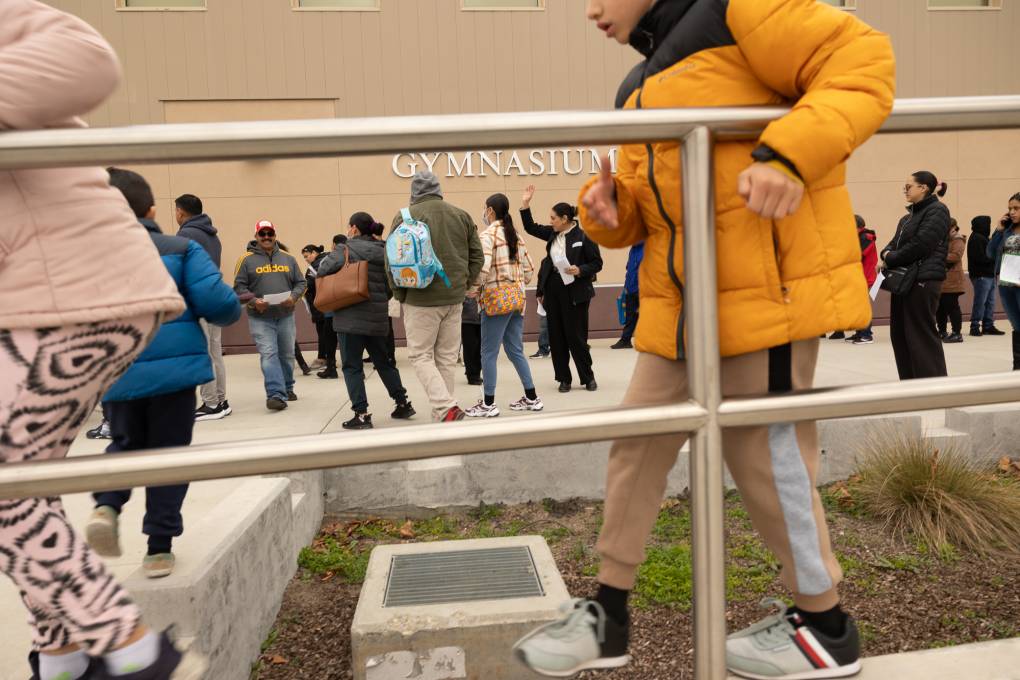
"caption": "People wait in line to register and enter an informational session about immigration services at Willow Cove Elementary in Pittsburg, Calif., on Saturday, Jan. 25, 2025.",
"credit": "David M. Barreda/KQED",
"altTag": "People stand in line outside a school building.",
"description": null,
"imgSizes": {
"medium": {
"file": "https://cdn.kqed.org/wp-content/uploads/sites/10/2025/01/20250125_Immigration-Forum_DB_00822-800x533.jpg",
"width": 800,
"height": 533,
"mimeType": "image/jpeg"
},
"large": {
"file": "https://cdn.kqed.org/wp-content/uploads/sites/10/2025/01/20250125_Immigration-Forum_DB_00822-1020x680.jpg",
"width": 1020,
"height": 680,
"mimeType": "image/jpeg"
},
"thumbnail": {
"file": "https://cdn.kqed.org/wp-content/uploads/sites/10/2025/01/20250125_Immigration-Forum_DB_00822-160x107.jpg",
"width": 160,
"height": 107,
"mimeType": "image/jpeg"
},
"1536x1536": {
"file": "https://cdn.kqed.org/wp-content/uploads/sites/10/2025/01/20250125_Immigration-Forum_DB_00822-1536x1024.jpg",
"width": 1536,
"height": 1024,
"mimeType": "image/jpeg"
},
"post-thumbnail": {
"file": "https://cdn.kqed.org/wp-content/uploads/sites/10/2025/01/20250125_Immigration-Forum_DB_00822-672x372.jpg",
"width": 672,
"height": 372,
"mimeType": "image/jpeg"
},
"twentyfourteen-full-width": {
"file": "https://cdn.kqed.org/wp-content/uploads/sites/10/2025/01/20250125_Immigration-Forum_DB_00822-1038x576.jpg",
"width": 1038,
"height": 576,
"mimeType": "image/jpeg"
},
"full-width": {
"file": "https://cdn.kqed.org/wp-content/uploads/sites/10/2025/01/20250125_Immigration-Forum_DB_00822-1920x1280.jpg",
"width": 1920,
"height": 1280,
"mimeType": "image/jpeg"
},
"kqedFullSize": {
"file": "https://cdn.kqed.org/wp-content/uploads/sites/10/2025/01/20250125_Immigration-Forum_DB_00822.jpg",
"width": 2000,
"height": 1333
}
},
"isLoading": false,
"fetchFailed": false
},
"news_12024828": {
"type": "attachments",
"id": "news_12024828",
"meta": {
"index": "attachments_1716263798",
"site": "news",
"id": "12024828",
"found": true
},
"title": "npr.brightspotcdn copy",
"publishDate": 1738261923,
"status": "inherit",
"parent": 12024825,
"modified": 1738266167,
"caption": "U.S. Immigration and Customs Enforcement officers look at the identification of a person detained on Monday, Jan. 27, 2025, in Silver Spring, Maryland.",
"credit": "Alex Brandon/AP Photo",
"altTag": null,
"description": null,
"imgSizes": {
"medium": {
"file": "https://cdn.kqed.org/wp-content/uploads/sites/10/2025/01/npr.brightspotcdn-copy-56-800x533.jpg",
"width": 800,
"height": 533,
"mimeType": "image/jpeg"
},
"large": {
"file": "https://cdn.kqed.org/wp-content/uploads/sites/10/2025/01/npr.brightspotcdn-copy-56-1020x680.jpg",
"width": 1020,
"height": 680,
"mimeType": "image/jpeg"
},
"thumbnail": {
"file": "https://cdn.kqed.org/wp-content/uploads/sites/10/2025/01/npr.brightspotcdn-copy-56-160x107.jpg",
"width": 160,
"height": 107,
"mimeType": "image/jpeg"
},
"post-thumbnail": {
"file": "https://cdn.kqed.org/wp-content/uploads/sites/10/2025/01/npr.brightspotcdn-copy-56-672x372.jpg",
"width": 672,
"height": 372,
"mimeType": "image/jpeg"
},
"twentyfourteen-full-width": {
"file": "https://cdn.kqed.org/wp-content/uploads/sites/10/2025/01/npr.brightspotcdn-copy-56-1038x576.jpg",
"width": 1038,
"height": 576,
"mimeType": "image/jpeg"
},
"kqedFullSize": {
"file": "https://cdn.kqed.org/wp-content/uploads/sites/10/2025/01/npr.brightspotcdn-copy-56.jpg",
"width": 1100,
"height": 733
}
},
"isLoading": false,
"fetchFailed": false
},
"news_12024428": {
"type": "attachments",
"id": "news_12024428",
"meta": {
"index": "attachments_1716263798",
"site": "news",
"id": "12024428",
"found": true
},
"title": "250128-SFImmigration-03-BL",
"publishDate": 1738105092,
"status": "inherit",
"parent": 0,
"modified": 1738105369,
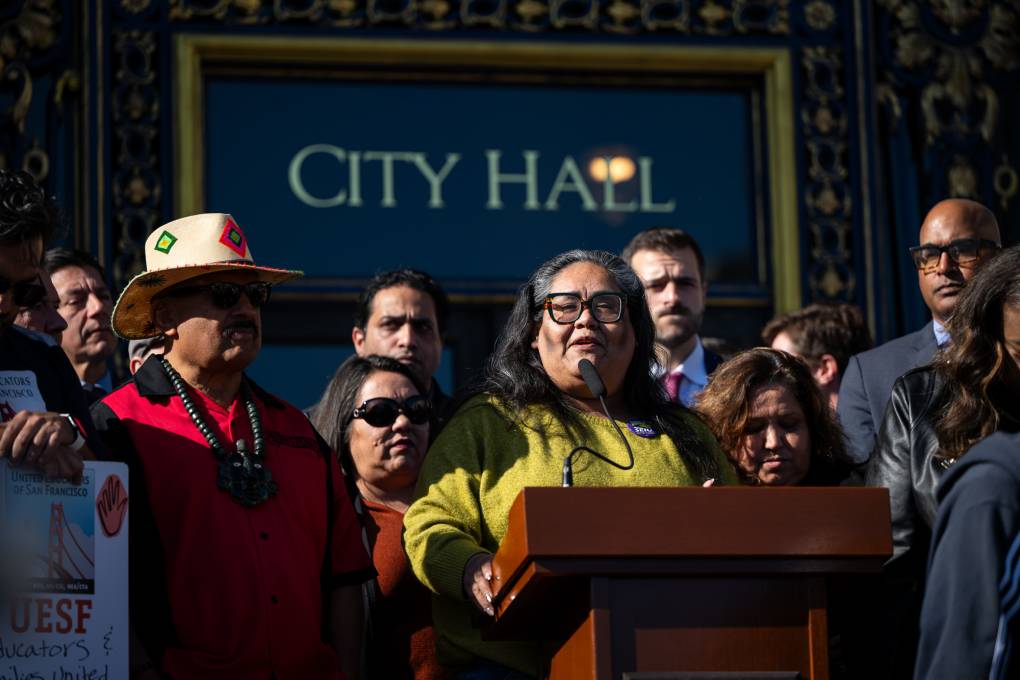
"caption": "SEIU Local 87 president Olga Miranda speaks during a press conference with elected and public safety officials and labor leaders in front of City Hall in San Francisco on Tuesday, Jan. 28, 2025, to reaffirm San Francisco’s commitment to being a Sanctuary City.",
"credit": "Beth LaBerge/KQED",
"altTag": null,
"description": null,
"imgSizes": {
"medium": {
"file": "https://cdn.kqed.org/wp-content/uploads/sites/10/2025/01/250128-SFImmigration-03-BL-800x533.jpg",
"width": 800,
"height": 533,
"mimeType": "image/jpeg"
},
"large": {
"file": "https://cdn.kqed.org/wp-content/uploads/sites/10/2025/01/250128-SFImmigration-03-BL-1020x680.jpg",
"width": 1020,
"height": 680,
"mimeType": "image/jpeg"
},
"thumbnail": {
"file": "https://cdn.kqed.org/wp-content/uploads/sites/10/2025/01/250128-SFImmigration-03-BL-160x107.jpg",
"width": 160,
"height": 107,
"mimeType": "image/jpeg"
},
"1536x1536": {
"file": "https://cdn.kqed.org/wp-content/uploads/sites/10/2025/01/250128-SFImmigration-03-BL-1536x1024.jpg",
"width": 1536,
"height": 1024,
"mimeType": "image/jpeg"
},
"post-thumbnail": {
"file": "https://cdn.kqed.org/wp-content/uploads/sites/10/2025/01/250128-SFImmigration-03-BL-672x372.jpg",
"width": 672,
"height": 372,
"mimeType": "image/jpeg"
},
"twentyfourteen-full-width": {
"file": "https://cdn.kqed.org/wp-content/uploads/sites/10/2025/01/250128-SFImmigration-03-BL-1038x576.jpg",
"width": 1038,
"height": 576,
"mimeType": "image/jpeg"
},
"full-width": {
"file": "https://cdn.kqed.org/wp-content/uploads/sites/10/2025/01/250128-SFImmigration-03-BL-1920x1280.jpg",
"width": 1920,
"height": 1280,
"mimeType": "image/jpeg"
},
"kqedFullSize": {
"file": "https://cdn.kqed.org/wp-content/uploads/sites/10/2025/01/250128-SFImmigration-03-BL.jpg",
"width": 2000,
"height": 1333
}
},
"isLoading": false,
"fetchFailed": false
},
"news_12024404": {
"type": "attachments",
"id": "news_12024404",
"meta": {
"index": "attachments_1716263798",
"site": "news",
"id": "12024404",
"found": true
},
"title": "ice-raids-california",
"publishDate": 1738101120,
"status": "inherit",
"parent": 12024332,
"modified": 1738101189,
"caption": "Since the inauguration of President Donald Trump, fear and panic about possible ICE raids has spread in California.",
"credit": null,
"altTag": null,
"description": null,
"imgSizes": {
"medium": {
"file": "https://cdn.kqed.org/wp-content/uploads/sites/10/2025/01/GettyImages-2192874110-800x533.png",
"width": 800,
"height": 533,
"mimeType": "image/png"
},
"large": {
"file": "https://cdn.kqed.org/wp-content/uploads/sites/10/2025/01/GettyImages-2192874110-1020x680.png",
"width": 1020,
"height": 680,
"mimeType": "image/png"
},
"thumbnail": {
"file": "https://cdn.kqed.org/wp-content/uploads/sites/10/2025/01/GettyImages-2192874110-160x107.png",
"width": 160,
"height": 107,
"mimeType": "image/png"
},
"1536x1536": {
"file": "https://cdn.kqed.org/wp-content/uploads/sites/10/2025/01/GettyImages-2192874110-1536x1024.png",
"width": 1536,
"height": 1024,
"mimeType": "image/png"
},
"post-thumbnail": {
"file": "https://cdn.kqed.org/wp-content/uploads/sites/10/2025/01/GettyImages-2192874110-672x372.png",
"width": 672,
"height": 372,
"mimeType": "image/png"
},
"twentyfourteen-full-width": {
"file": "https://cdn.kqed.org/wp-content/uploads/sites/10/2025/01/GettyImages-2192874110-1038x576.png",
"width": 1038,
"height": 576,
"mimeType": "image/png"
},
"kqedFullSize": {
"file": "https://cdn.kqed.org/wp-content/uploads/sites/10/2025/01/GettyImages-2192874110.png",
"width": 1920,
"height": 1280
}
},
"isLoading": false,
"fetchFailed": false
},
"news_12024343": {
"type": "attachments",
"id": "news_12024343",
"meta": {
"index": "attachments_1716263798",
"site": "news",
"id": "12024343",
"found": true
},
"title": "060622_ICE-Arrest_AP_CM_01 copy",
"publishDate": 1738087587,
"status": "inherit",
"parent": 12024342,
"modified": 1738090904,
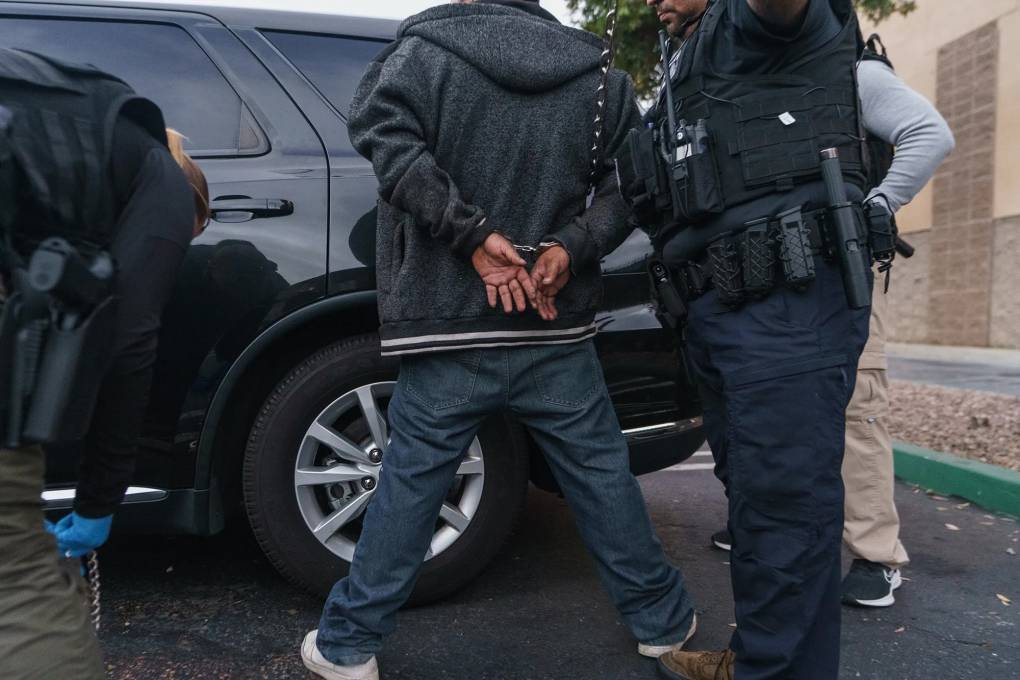
"caption": "U.S. Immigration and Customs Enforcement agents arrest an immigrant considered a threat to public safety and national security during an early morning raid in Compton on June 6, 2022. ",
"credit": "Damian Dovarganes/AP Photo",
"altTag": null,
"description": null,
"imgSizes": {
"medium": {
"file": "https://cdn.kqed.org/wp-content/uploads/sites/10/2025/01/060622_ICE-Arrest_AP_CM_01-copy-800x533.jpg",
"width": 800,
"height": 533,
"mimeType": "image/jpeg"
},
"large": {
"file": "https://cdn.kqed.org/wp-content/uploads/sites/10/2025/01/060622_ICE-Arrest_AP_CM_01-copy-1020x680.jpg",
"width": 1020,
"height": 680,
"mimeType": "image/jpeg"
},
"thumbnail": {
"file": "https://cdn.kqed.org/wp-content/uploads/sites/10/2025/01/060622_ICE-Arrest_AP_CM_01-copy-160x107.jpg",
"width": 160,
"height": 107,
"mimeType": "image/jpeg"
},
"1536x1536": {
"file": "https://cdn.kqed.org/wp-content/uploads/sites/10/2025/01/060622_ICE-Arrest_AP_CM_01-copy-1536x1024.jpg",
"width": 1536,
"height": 1024,
"mimeType": "image/jpeg"
},
"post-thumbnail": {
"file": "https://cdn.kqed.org/wp-content/uploads/sites/10/2025/01/060622_ICE-Arrest_AP_CM_01-copy-672x372.jpg",
"width": 672,
"height": 372,
"mimeType": "image/jpeg"
},
"twentyfourteen-full-width": {
"file": "https://cdn.kqed.org/wp-content/uploads/sites/10/2025/01/060622_ICE-Arrest_AP_CM_01-copy-1038x576.jpg",
"width": 1038,
"height": 576,
"mimeType": "image/jpeg"
},
"full-width": {
"file": "https://cdn.kqed.org/wp-content/uploads/sites/10/2025/01/060622_ICE-Arrest_AP_CM_01-copy-1920x1280.jpg",
"width": 1920,
"height": 1280,
"mimeType": "image/jpeg"
},
"kqedFullSize": {
"file": "https://cdn.kqed.org/wp-content/uploads/sites/10/2025/01/060622_ICE-Arrest_AP_CM_01-copy.jpg",
"width": 2000,
"height": 1333
}
},
"isLoading": false,
"fetchFailed": false
},
"news_12024185": {
"type": "attachments",
"id": "news_12024185",
"meta": {
"index": "attachments_1716263798",
"site": "news",
"id": "12024185",
"found": true
},
"title": "California Copes With Worsening Drought",
"publishDate": 1738000303,
"status": "inherit",
"parent": 12024183,
"modified": 1738000342,
"caption": "The Friant-Kern canal is part of the Central Valley Project, a federal water system that delivers water to farms. Trump ordered federal agencies to deliver more water. ",
"credit": "David McNew/Getty Images",
"altTag": null,
"description": null,
"imgSizes": {
"medium": {
"file": "https://cdn.kqed.org/wp-content/uploads/sites/10/2025/01/GettyImages-1233999117-800x534.jpg",
"width": 800,
"height": 534,
"mimeType": "image/jpeg"
},
"large": {
"file": "https://cdn.kqed.org/wp-content/uploads/sites/10/2025/01/GettyImages-1233999117-1020x680.jpg",
"width": 1020,
"height": 680,
"mimeType": "image/jpeg"
},
"thumbnail": {
"file": "https://cdn.kqed.org/wp-content/uploads/sites/10/2025/01/GettyImages-1233999117-160x107.jpg",
"width": 160,
"height": 107,
"mimeType": "image/jpeg"
},
"1536x1536": {
"file": "https://cdn.kqed.org/wp-content/uploads/sites/10/2025/01/GettyImages-1233999117-1536x1025.jpg",
"width": 1536,
"height": 1025,
"mimeType": "image/jpeg"
},
"post-thumbnail": {
"file": "https://cdn.kqed.org/wp-content/uploads/sites/10/2025/01/GettyImages-1233999117-672x372.jpg",
"width": 672,
"height": 372,
"mimeType": "image/jpeg"
},
"twentyfourteen-full-width": {
"file": "https://cdn.kqed.org/wp-content/uploads/sites/10/2025/01/GettyImages-1233999117-1038x576.jpg",
"width": 1038,
"height": 576,
"mimeType": "image/jpeg"
},
"full-width": {
"file": "https://cdn.kqed.org/wp-content/uploads/sites/10/2025/01/GettyImages-1233999117-1920x1281.jpg",
"width": 1920,
"height": 1281,
"mimeType": "image/jpeg"
},
"kqedFullSize": {
"file": "https://cdn.kqed.org/wp-content/uploads/sites/10/2025/01/GettyImages-1233999117.jpg",
"width": 2000,
"height": 1334
}
},
"isLoading": false,
"fetchFailed": false
},
"news_12024249": {
"type": "attachments",
"id": "news_12024249",
"meta": {
"index": "attachments_1716263798",
"site": "news",
"id": "12024249",
"found": true
},
"title": "ICE agents raid to arrest illigal immigrants.",
"publishDate": 1738015637,
"status": "inherit",
"parent": 12024246,
"modified": 1738716093,
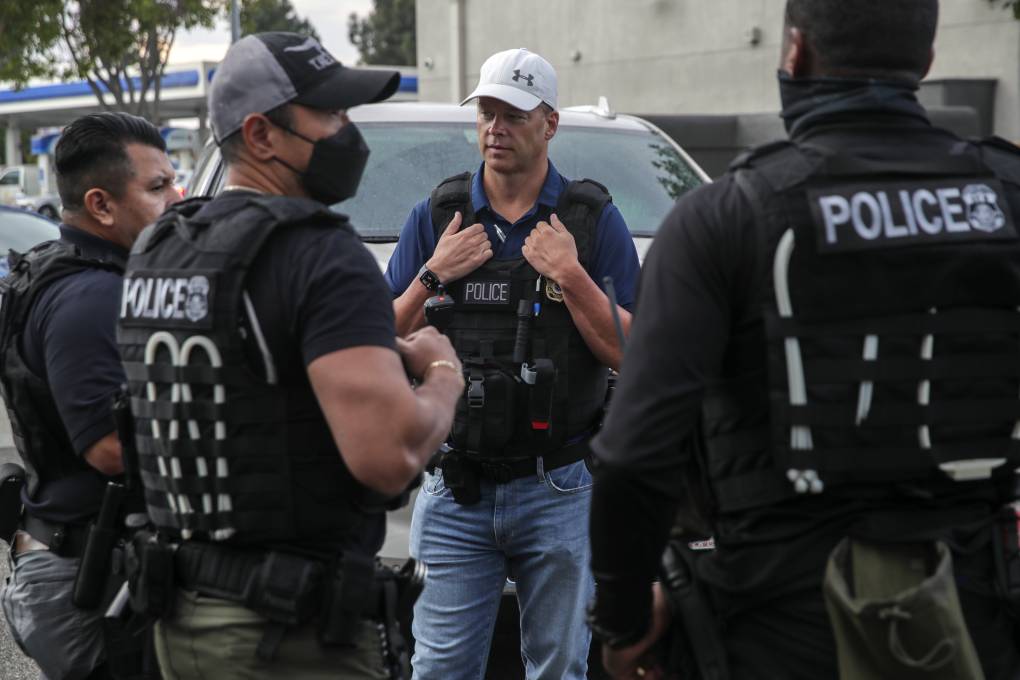
"caption": "Thomas Giles, ICE Field Office Director, center, talks to other agents after going to arrest an immigrant with a criminal record on Sept. 8, 2022, in Los Angeles.",
"credit": "Irfan Khan / Los Angeles Times via Getty Images",
"altTag": null,
"description": null,
"imgSizes": {
"medium": {
"file": "https://cdn.kqed.org/wp-content/uploads/sites/10/2025/01/GettyImages-1243312873-800x533.jpg",
"width": 800,
"height": 533,
"mimeType": "image/jpeg"
},
"large": {
"file": "https://cdn.kqed.org/wp-content/uploads/sites/10/2025/01/GettyImages-1243312873-1020x680.jpg",
"width": 1020,
"height": 680,
"mimeType": "image/jpeg"
},
"thumbnail": {
"file": "https://cdn.kqed.org/wp-content/uploads/sites/10/2025/01/GettyImages-1243312873-160x107.jpg",
"width": 160,
"height": 107,
"mimeType": "image/jpeg"
},
"1536x1536": {
"file": "https://cdn.kqed.org/wp-content/uploads/sites/10/2025/01/GettyImages-1243312873-1536x1024.jpg",
"width": 1536,
"height": 1024,
"mimeType": "image/jpeg"
},
"2048x2048": {
"file": "https://cdn.kqed.org/wp-content/uploads/sites/10/2025/01/GettyImages-1243312873-2048x1365.jpg",
"width": 2048,
"height": 1365,
"mimeType": "image/jpeg"
},
"post-thumbnail": {
"file": "https://cdn.kqed.org/wp-content/uploads/sites/10/2025/01/GettyImages-1243312873-672x372.jpg",
"width": 672,
"height": 372,
"mimeType": "image/jpeg"
},
"twentyfourteen-full-width": {
"file": "https://cdn.kqed.org/wp-content/uploads/sites/10/2025/01/GettyImages-1243312873-1038x576.jpg",
"width": 1038,
"height": 576,
"mimeType": "image/jpeg"
},
"full-width": {
"file": "https://cdn.kqed.org/wp-content/uploads/sites/10/2025/01/GettyImages-1243312873-1920x1280.jpg",
"width": 1920,
"height": 1280,
"mimeType": "image/jpeg"
},
"kqedFullSize": {
"file": "https://cdn.kqed.org/wp-content/uploads/sites/10/2025/01/GettyImages-1243312873-scaled.jpg",
"width": 2560,
"height": 1707
}
},
"isLoading": false,
"fetchFailed": false
},
"news_12024043": {
"type": "attachments",
"id": "news_12024043",
"meta": {
"index": "attachments_1716263798",
"site": "news",
"id": "12024043",
"found": true
},
"title": "npr.brightspotcdn copy",
"publishDate": 1737752490,
"status": "inherit",
"parent": 12024040,
"modified": 1737752518,
"caption": "Minneapolis police chief Brian O'Hara speaks at a press conference on June 16, 2023 at the US District Court building in Minneapolis.",
"credit": "The Washington Post/Getty Images",
"altTag": null,
"description": null,
"imgSizes": {
"medium": {
"file": "https://cdn.kqed.org/wp-content/uploads/sites/10/2025/01/npr.brightspotcdn-copy-55-800x533.jpg",
"width": 800,
"height": 533,
"mimeType": "image/jpeg"
},
"large": {
"file": "https://cdn.kqed.org/wp-content/uploads/sites/10/2025/01/npr.brightspotcdn-copy-55-1020x680.jpg",
"width": 1020,
"height": 680,
"mimeType": "image/jpeg"
},
"thumbnail": {
"file": "https://cdn.kqed.org/wp-content/uploads/sites/10/2025/01/npr.brightspotcdn-copy-55-160x107.jpg",
"width": 160,
"height": 107,
"mimeType": "image/jpeg"
},
"post-thumbnail": {
"file": "https://cdn.kqed.org/wp-content/uploads/sites/10/2025/01/npr.brightspotcdn-copy-55-672x372.jpg",
"width": 672,
"height": 372,
"mimeType": "image/jpeg"
},
"twentyfourteen-full-width": {
"file": "https://cdn.kqed.org/wp-content/uploads/sites/10/2025/01/npr.brightspotcdn-copy-55-1038x576.jpg",
"width": 1038,
"height": 576,
"mimeType": "image/jpeg"
},
"kqedFullSize": {
"file": "https://cdn.kqed.org/wp-content/uploads/sites/10/2025/01/npr.brightspotcdn-copy-55.jpg",
"width": 1100,
"height": 733
}
},
"isLoading": false,
"fetchFailed": false
},
"news_12023545": {
"type": "attachments",
"id": "news_12023545",
"meta": {
"index": "attachments_1716263798",
"site": "news",
"id": "12023545",
"found": true
},
"title": "250122-OaklandImmigrants-28-BL",
"publishDate": 1737580511,
"status": "inherit",
"parent": 12069782,
"modified": 1768439327,
"caption": "Alameda County Supervisor Nikki Fortunato Bas speaks during a press conference with leaders from community groups throughout Alameda County in the Fruitvale neighborhood of Oakland on Jan. 22, 2025, to discuss support for immigrant families in the Bay Area after President Donald Trump promised mass deportations.",
"credit": "Beth LaBerge/KQED",
"altTag": null,
"description": null,
"imgSizes": {
"medium": {
"file": "https://cdn.kqed.org/wp-content/uploads/sites/10/2025/01/250122-OaklandImmigrants-28-BL-800x533.jpg",
"width": 800,
"height": 533,
"mimeType": "image/jpeg"
},
"large": {
"file": "https://cdn.kqed.org/wp-content/uploads/sites/10/2025/01/250122-OaklandImmigrants-28-BL-1020x680.jpg",
"width": 1020,
"height": 680,
"mimeType": "image/jpeg"
},
"thumbnail": {
"file": "https://cdn.kqed.org/wp-content/uploads/sites/10/2025/01/250122-OaklandImmigrants-28-BL-160x107.jpg",
"width": 160,
"height": 107,
"mimeType": "image/jpeg"
},
"1536x1536": {
"file": "https://cdn.kqed.org/wp-content/uploads/sites/10/2025/01/250122-OaklandImmigrants-28-BL-1536x1024.jpg",
"width": 1536,
"height": 1024,
"mimeType": "image/jpeg"
},
"post-thumbnail": {
"file": "https://cdn.kqed.org/wp-content/uploads/sites/10/2025/01/250122-OaklandImmigrants-28-BL-672x372.jpg",
"width": 672,
"height": 372,
"mimeType": "image/jpeg"
},
"twentyfourteen-full-width": {
"file": "https://cdn.kqed.org/wp-content/uploads/sites/10/2025/01/250122-OaklandImmigrants-28-BL-1038x576.jpg",
"width": 1038,
"height": 576,
"mimeType": "image/jpeg"
},
"full-width": {
"file": "https://cdn.kqed.org/wp-content/uploads/sites/10/2025/01/250122-OaklandImmigrants-28-BL-1920x1280.jpg",
"width": 1920,
"height": 1280,
"mimeType": "image/jpeg"
},
"kqedFullSize": {
"file": "https://cdn.kqed.org/wp-content/uploads/sites/10/2025/01/250122-OaklandImmigrants-28-BL.jpg",
"width": 2000,
"height": 1333
}
},
"isLoading": false,
"fetchFailed": false
},
"news_12023097": {
"type": "attachments",
"id": "news_12023097",
"meta": {
"index": "attachments_1716263798",
"site": "news",
"id": "12023097",
"found": true
},
"title": "250120CalMatters1",
"publishDate": 1737389756,
"status": "inherit",
"parent": 12023094,
"modified": 1737389783,
"caption": "California sued President Donald Trump's administration 123 times between 2017 and 2021. It's preparing more lawsuits as Trump returns to the White House. ",
"credit": "Illustration by Adriana Heldiz/CalMatters",
"altTag": null,
"description": null,
"imgSizes": {
"medium": {
"file": "https://cdn.kqed.org/wp-content/uploads/sites/10/2025/01/250120CalMatters1-800x533.jpg",
"width": 800,
"height": 533,
"mimeType": "image/jpeg"
},
"large": {
"file": "https://cdn.kqed.org/wp-content/uploads/sites/10/2025/01/250120CalMatters1-1020x680.jpg",
"width": 1020,
"height": 680,
"mimeType": "image/jpeg"
},
"thumbnail": {
"file": "https://cdn.kqed.org/wp-content/uploads/sites/10/2025/01/250120CalMatters1-160x107.jpg",
"width": 160,
"height": 107,
"mimeType": "image/jpeg"
},
"1536x1536": {
"file": "https://cdn.kqed.org/wp-content/uploads/sites/10/2025/01/250120CalMatters1-1536x1024.jpg",
"width": 1536,
"height": 1024,
"mimeType": "image/jpeg"
},
"post-thumbnail": {
"file": "https://cdn.kqed.org/wp-content/uploads/sites/10/2025/01/250120CalMatters1-672x372.jpg",
"width": 672,
"height": 372,
"mimeType": "image/jpeg"
},
"twentyfourteen-full-width": {
"file": "https://cdn.kqed.org/wp-content/uploads/sites/10/2025/01/250120CalMatters1-1038x576.jpg",
"width": 1038,
"height": 576,
"mimeType": "image/jpeg"
},
"full-width": {
"file": "https://cdn.kqed.org/wp-content/uploads/sites/10/2025/01/250120CalMatters1-1920x1280.jpg",
"width": 1920,
"height": 1280,
"mimeType": "image/jpeg"
},
"kqedFullSize": {
"file": "https://cdn.kqed.org/wp-content/uploads/sites/10/2025/01/250120CalMatters1.jpg",
"width": 2000,
"height": 1333
}
},
"isLoading": false,
"fetchFailed": false
},
"news_12020520": {
"type": "attachments",
"id": "news_12020520",
"meta": {
"index": "attachments_1716263798",
"site": "news",
"id": "12020520",
"found": true
},
"title": "Edsource1",
"publishDate": 1736210282,
"status": "inherit",
"parent": 12020519,
"modified": 1736210298,
"caption": "Two students sit on a bench during lunch at Rudsdale Newcomer High School in Oakland, California on January 28, 2019.",
"credit": "Anne Wernikoff for EdSource",
"altTag": null,
"description": null,
"imgSizes": {
"medium": {
"file": "https://cdn.kqed.org/wp-content/uploads/sites/10/2025/01/Edsource1-800x572.jpg",
"width": 800,
"height": 572,
"mimeType": "image/jpeg"
},
"large": {
"file": "https://cdn.kqed.org/wp-content/uploads/sites/10/2025/01/Edsource1-1020x729.jpg",
"width": 1020,
"height": 729,
"mimeType": "image/jpeg"
},
"thumbnail": {
"file": "https://cdn.kqed.org/wp-content/uploads/sites/10/2025/01/Edsource1-160x114.jpg",
"width": 160,
"height": 114,
"mimeType": "image/jpeg"
},
"post-thumbnail": {
"file": "https://cdn.kqed.org/wp-content/uploads/sites/10/2025/01/Edsource1-672x372.jpg",
"width": 672,
"height": 372,
"mimeType": "image/jpeg"
},
"twentyfourteen-full-width": {
"file": "https://cdn.kqed.org/wp-content/uploads/sites/10/2025/01/Edsource1-1038x576.jpg",
"width": 1038,
"height": 576,
"mimeType": "image/jpeg"
},
"kqedFullSize": {
"file": "https://cdn.kqed.org/wp-content/uploads/sites/10/2025/01/Edsource1.jpg",
"width": 1119,
"height": 800
}
},
"isLoading": false,
"fetchFailed": false
},
"news_12016824": {
"type": "attachments",
"id": "news_12016824",
"meta": {
"index": "attachments_1716263798",
"site": "news",
"id": "12016824",
"found": true
},
"title": "120324-ICE-Detention-CC-AP-01-CM",
"publishDate": 1733423895,
"status": "inherit",
"parent": 12016823,
"modified": 1733423929,
"caption": "ICE is looking to add to its six detention facilities in California with a new one in the Bay Area. Detainees at an ICE Processing Center housing unit in Adelanto gather in a common area.",
"credit": "Chris Carlson/AP Photo",
"altTag": null,
"description": null,
"imgSizes": {
"medium": {
"file": "https://cdn.kqed.org/wp-content/uploads/sites/10/2024/12/120324-ICE-Detention-CC-AP-01-CM-800x533.jpg",
"width": 800,
"height": 533,
"mimeType": "image/jpeg"
},
"large": {
"file": "https://cdn.kqed.org/wp-content/uploads/sites/10/2024/12/120324-ICE-Detention-CC-AP-01-CM-1020x680.jpg",
"width": 1020,
"height": 680,
"mimeType": "image/jpeg"
},
"thumbnail": {
"file": "https://cdn.kqed.org/wp-content/uploads/sites/10/2024/12/120324-ICE-Detention-CC-AP-01-CM-160x107.jpg",
"width": 160,
"height": 107,
"mimeType": "image/jpeg"
},
"1536x1536": {
"file": "https://cdn.kqed.org/wp-content/uploads/sites/10/2024/12/120324-ICE-Detention-CC-AP-01-CM-1536x1024.jpg",
"width": 1536,
"height": 1024,
"mimeType": "image/jpeg"
},
"post-thumbnail": {
"file": "https://cdn.kqed.org/wp-content/uploads/sites/10/2024/12/120324-ICE-Detention-CC-AP-01-CM-672x372.jpg",
"width": 672,
"height": 372,
"mimeType": "image/jpeg"
},
"twentyfourteen-full-width": {
"file": "https://cdn.kqed.org/wp-content/uploads/sites/10/2024/12/120324-ICE-Detention-CC-AP-01-CM-1038x576.jpg",
"width": 1038,
"height": 576,
"mimeType": "image/jpeg"
},
"full-width": {
"file": "https://cdn.kqed.org/wp-content/uploads/sites/10/2024/12/120324-ICE-Detention-CC-AP-01-CM-1920x1280.jpg",
"width": 1920,
"height": 1280,
"mimeType": "image/jpeg"
},
"kqedFullSize": {
"file": "https://cdn.kqed.org/wp-content/uploads/sites/10/2024/12/120324-ICE-Detention-CC-AP-01-CM.jpg",
"width": 2000,
"height": 1333
}
},
"isLoading": false,
"fetchFailed": false
}
},
"audioPlayerReducer": {
"postId": "stream_live",
"isPaused": true,
"isPlaying": false,
"pfsActive": false,
"pledgeModalIsOpen": true,
"playerDrawerIsOpen": false,
"liveAudioPlayStartedAt": 0,
"liveAudioPlayContext": ""
},
"authorsReducer": {
"byline_news_12024825": {
"type": "authors",
"id": "byline_news_12024825",
"meta": {
"override": true
},
"slug": "byline_news_12024825",
"name": "\u003ca href=\"https://www.npr.org/people/1101057193/ximena-bustillo\">Ximena Bustillo\u003c/a>, NPR",
"isLoading": false
},
"byline_news_12024342": {
"type": "authors",
"id": "byline_news_12024342",
"meta": {
"override": true
},
"slug": "byline_news_12024342",
"name": "\u003ca href=\"https://calmatters.org/author/anaibarra/\">Ana B. Ibarra\u003c/a>, CalMatters",
"isLoading": false
},
"byline_news_12024040": {
"type": "authors",
"id": "byline_news_12024040",
"meta": {
"override": true
},
"slug": "byline_news_12024040",
"name": "\u003ca href=\"https://www.npr.org/people/935764762/brian-mann\">Brian Mann\u003c/a>, NPR",
"isLoading": false
},
"byline_news_12023094": {
"type": "authors",
"id": "byline_news_12023094",
"meta": {
"override": true
},
"slug": "byline_news_12023094",
"name": "Ana B. Ibarra and Ben Christopher, CalMatters",
"isLoading": false
},
"byline_news_12020519": {
"type": "authors",
"id": "byline_news_12020519",
"meta": {
"override": true
},
"slug": "byline_news_12020519",
"name": "Zaidee Stavely, EdSource",
"isLoading": false
},
"byline_news_12016823": {
"type": "authors",
"id": "byline_news_12016823",
"meta": {
"override": true
},
"slug": "byline_news_12016823",
"name": "\u003ca href=\"https://calmatters.org/author/wendy-fry/\">Wendy Fry\u003c/a>, CalMatters",
"isLoading": false
},
"scottshafer": {
"type": "authors",
"id": "255",
"meta": {
"index": "authors_1716337520",
"id": "255",
"found": true
},
"name": "Scott Shafer",
"firstName": "Scott",
"lastName": "Shafer",
"slug": "scottshafer",
"email": "sshafer@kqed.org",
"display_author_email": false,
"staff_mastheads": [
"news"
],
"title": "KQED Contributor",
"bio": "Scott Shafer is a senior editor with the KQED Politics and Government desk. He is co-host of Political Breakdown, the award-winning radio show and podcast with a personal take on the world of politics. Scott came to KQED in 1998 to host the statewide\u003cem> California Report\u003c/em>. Prior to that he had extended stints in politics and government\u003cem>.\u003c/em> He uses that inside experience at KQED in his, reporting, hosting and analysis for the politics desk. Scott collaborated \u003cem>Political Breakdown a\u003c/em>nd on \u003cem>The Political Mind of Jerry Brown, \u003c/em>an eight-part series about the life and extraordinary political career of the former governor. For fun, he plays water polo with the San Francisco Tsunami.",
"avatar": "https://secure.gravatar.com/avatar/a62ebae45b79d7aed1a39a0e3bf68104?s=600&d=blank&r=g",
"twitter": "scottshafer",
"bluesky": null,
"facebook": null,
"instagram": null,
"linkedin": null,
"sites": [
{
"site": "news",
"roles": [
"editor"
]
},
{
"site": "stateofhealth",
"roles": [
"author"
]
},
{
"site": "science",
"roles": [
"author"
]
},
{
"site": "forum",
"roles": [
"subscriber"
]
},
{
"site": "liveblog",
"roles": [
"author"
]
}
],
"headData": {
"title": "Scott Shafer | KQED",
"description": "KQED Contributor",
"ogImgSrc": "https://secure.gravatar.com/avatar/a62ebae45b79d7aed1a39a0e3bf68104?s=600&d=blank&r=g",
"twImgSrc": "https://secure.gravatar.com/avatar/a62ebae45b79d7aed1a39a0e3bf68104?s=600&d=blank&r=g"
},
"isLoading": false,
"link": "/author/scottshafer"
},
"tychehendricks": {
"type": "authors",
"id": "259",
"meta": {
"index": "authors_1716337520",
"id": "259",
"found": true
},
"name": "Tyche Hendricks",
"firstName": "Tyche",
"lastName": "Hendricks",
"slug": "tychehendricks",
"email": "thendricks@kqed.org",
"display_author_email": true,
"staff_mastheads": [
"news"
],
"title": "KQED Senior Editor, Immigration",
"bio": "\u003cspan style=\"font-weight: 400;\">Tyche Hendricks is KQED’s senior editor for immigration, leading coverage of the policy and politics that affect California’s immigrant communities. Her work for KQED’s radio and online audiences is also carried on NPR and other national outlets. She has been recognized with awards from the Radio and Television News Directors Association, the Society for Professional Journalists; the Education Writers Association; the Best of the West and the National Federation of Community Broadcasters. Before joining KQED in 2010, Tyche spent more than a dozen years as a newspaper reporter, notably at the \u003c/span>\u003ci>\u003cspan style=\"font-weight: 400;\">San Francisco Chronicle\u003c/span>\u003c/i>\u003cspan style=\"font-weight: 400;\">. At different times she has covered criminal justice, government and politics and urban planning. Tyche has taught in the MFA Creative Writing program at the University of San Francisco and at UC Berkeley’s Graduate School of Journalism, where she was co-director of a national immigration symposium for professional journalists. She is the author of \u003c/span>\u003ci>\u003cspan style=\"font-weight: 400;\">The Wind Doesn't Need a Passport: Stories from the U.S.-Mexico Borderlands\u003c/span>\u003c/i>\u003cspan style=\"font-weight: 400;\"> (University of California Press). \u003c/span>",
"avatar": "https://secure.gravatar.com/avatar/b8ee458e2731c2d43df86882ce17267e?s=600&d=blank&r=g",
"twitter": "tychehendricks",
"facebook": null,
"instagram": null,
"linkedin": null,
"sites": [
{
"site": "news",
"roles": [
"editor"
]
},
{
"site": "stateofhealth",
"roles": [
"editor"
]
}
],
"headData": {
"title": "Tyche Hendricks | KQED",
"description": "KQED Senior Editor, Immigration",
"ogImgSrc": "https://secure.gravatar.com/avatar/b8ee458e2731c2d43df86882ce17267e?s=600&d=blank&r=g",
"twImgSrc": "https://secure.gravatar.com/avatar/b8ee458e2731c2d43df86882ce17267e?s=600&d=blank&r=g"
},
"isLoading": false,
"link": "/author/tychehendricks"
},
"mlagos": {
"type": "authors",
"id": "3239",
"meta": {
"index": "authors_1716337520",
"id": "3239",
"found": true
},
"name": "Marisa Lagos",
"firstName": "Marisa",
"lastName": "Lagos",
"slug": "mlagos",
"email": "mlagos@kqed.org",
"display_author_email": false,
"staff_mastheads": [
"news"
],
"title": "KQED Contributor",
"bio": "Marisa Lagos is a correspondent for KQED’s California Politics and Government Desk and co-hosts the award-winning show and podcast, Political Breakdown. At KQED, Lagos also conducts reporting, analysis and investigations into state, local and national politics for radio, TV, online and onstage. In 2022, she and co-host, Scott Shafer, moderated the only gubernatorial debate in California. In 2020, the \u003ci>Washington Post\u003c/i> named her one of the top political journalists in California; she was nominated for a Peabody and won several other awards for her work investigating the 2017 California wildfires. She has worked at the \u003ci>San Francisco Chronicle\u003c/i>, \u003ci>San Francisco Examiner\u003c/i> and \u003ci>Los Angeles Times\u003c/i>. A UC Santa Barbara graduate, she lives in San Francisco with her two sons and husband.",
"avatar": "https://secure.gravatar.com/avatar/a261a0d3696fc066871ef96b85b5e7d2?s=600&d=blank&r=g",
"twitter": "@mlagos",
"facebook": null,
"instagram": null,
"linkedin": null,
"sites": [
{
"site": "arts",
"roles": [
"author"
]
},
{
"site": "news",
"roles": [
"editor"
]
},
{
"site": "science",
"roles": [
"editor"
]
},
{
"site": "forum",
"roles": [
"author"
]
},
{
"site": "liveblog",
"roles": [
"author"
]
}
],
"headData": {
"title": "Marisa Lagos | KQED",
"description": "KQED Contributor",
"ogImgSrc": "https://secure.gravatar.com/avatar/a261a0d3696fc066871ef96b85b5e7d2?s=600&d=blank&r=g",
"twImgSrc": "https://secure.gravatar.com/avatar/a261a0d3696fc066871ef96b85b5e7d2?s=600&d=blank&r=g"
},
"isLoading": false,
"link": "/author/mlagos"
},
"ccabreralomeli": {
"type": "authors",
"id": "11708",
"meta": {
"index": "authors_1716337520",
"id": "11708",
"found": true
},
"name": "Carlos Cabrera-Lomelí",
"firstName": "Carlos",
"lastName": "Cabrera-Lomelí",
"slug": "ccabreralomeli",
"email": "ccabreralomeli@KQED.org",
"display_author_email": true,
"staff_mastheads": [
"news"
],
"title": "Community Reporter",
"bio": "Carlos Cabrera-Lomelí is a community reporter with KQED's digital engagement team. He also reports and co-produces for KQED's bilingual news hub KQED en Español. He grew up in San Francisco's Mission District and has previously worked with Univision, 48 Hills and REFORMA in Mexico City.",
"avatar": "https://secure.gravatar.com/avatar/c309be9665e484f887b818c89e273ecc673004f426f36b24d00a4d813a2e0518?s=600&d=blank&r=g",
"twitter": "@LomeliCabrera",
"bluesky": null,
"facebook": null,
"instagram": null,
"linkedin": null,
"sites": [
{
"site": "arts",
"roles": [
"editor"
]
},
{
"site": "news",
"roles": [
"editor"
]
},
{
"site": "about",
"roles": [
"editor"
]
},
{
"site": "science",
"roles": [
"editor"
]
},
{
"site": "perspectives",
"roles": [
"editor"
]
},
{
"site": "elections",
"roles": [
"editor"
]
},
{
"site": "liveblog",
"roles": [
"contributor"
]
}
],
"headData": {
"title": "Carlos Cabrera-Lomelí | KQED",
"description": "Community Reporter",
"ogImgSrc": "https://secure.gravatar.com/avatar/c309be9665e484f887b818c89e273ecc673004f426f36b24d00a4d813a2e0518?s=600&d=blank&r=g",
"twImgSrc": "https://secure.gravatar.com/avatar/c309be9665e484f887b818c89e273ecc673004f426f36b24d00a4d813a2e0518?s=600&d=blank&r=g"
},
"isLoading": false,
"link": "/author/ccabreralomeli"
},
"kmizuguchi": {
"type": "authors",
"id": "11739",
"meta": {
"index": "authors_1716337520",
"id": "11739",
"found": true
},
"name": "Keith Mizuguchi",
"firstName": "Keith",
"lastName": "Mizuguchi",
"slug": "kmizuguchi",
"email": "kmizuguchi@kqed.org",
"display_author_email": false,
"staff_mastheads": [],
"title": "KQED Contributor",
"bio": null,
"avatar": "https://secure.gravatar.com/avatar/64d8a7de0723d4099b9fe4e915136103febcc20809abce228ee4415bcb237023?s=600&d=blank&r=g",
"twitter": null,
"bluesky": null,
"facebook": null,
"instagram": null,
"linkedin": null,
"sites": [
{
"site": "news",
"roles": [
"editor"
]
},
{
"site": "science",
"roles": [
"editor"
]
}
],
"headData": {
"title": "Keith Mizuguchi | KQED",
"description": "KQED Contributor",
"ogImgSrc": "https://secure.gravatar.com/avatar/64d8a7de0723d4099b9fe4e915136103febcc20809abce228ee4415bcb237023?s=600&d=blank&r=g",
"twImgSrc": "https://secure.gravatar.com/avatar/64d8a7de0723d4099b9fe4e915136103febcc20809abce228ee4415bcb237023?s=600&d=blank&r=g"
},
"isLoading": false,
"link": "/author/kmizuguchi"
},
"nkhan": {
"type": "authors",
"id": "11867",
"meta": {
"index": "authors_1716337520",
"id": "11867",
"found": true
},
"name": "Nisa Khan",
"firstName": "Nisa",
"lastName": "Khan",
"slug": "nkhan",
"email": "nkhan@kqed.org",
"display_author_email": false,
"staff_mastheads": [],
"title": "KQED Contributor",
"bio": "Nisa Khan is a reporter for KQED's Audience News Desk. She was formerly a data reporter at Michigan Radio. She earned a Bachelor of Science in Information from the University of Michigan and a Master of Arts in Communication from Stanford University.",
"avatar": "https://secure.gravatar.com/avatar/8720459eef081ff64582b3506b124d58523e80e120704a0cbd9892533c914991?s=600&d=blank&r=g",
"twitter": "mnisakhan",
"bluesky": null,
"facebook": null,
"instagram": null,
"linkedin": null,
"sites": [
{
"site": "arts",
"roles": [
"editor"
]
},
{
"site": "news",
"roles": [
"editor"
]
},
{
"site": "science",
"roles": [
"editor",
"author"
]
},
{
"site": "forum",
"roles": [
"editor"
]
},
{
"site": "liveblog",
"roles": [
"contributor"
]
}
],
"headData": {
"title": "Nisa Khan | KQED",
"description": "KQED Contributor",
"ogImgSrc": "https://secure.gravatar.com/avatar/8720459eef081ff64582b3506b124d58523e80e120704a0cbd9892533c914991?s=600&d=blank&r=g",
"twImgSrc": "https://secure.gravatar.com/avatar/8720459eef081ff64582b3506b124d58523e80e120704a0cbd9892533c914991?s=600&d=blank&r=g"
},
"isLoading": false,
"link": "/author/nkhan"
},
"slim": {
"type": "authors",
"id": "11920",
"meta": {
"index": "authors_1716337520",
"id": "11920",
"found": true
},
"name": "Samantha Lim",
"firstName": "Samantha",
"lastName": "Lim",
"slug": "slim",
"email": "slim@KQED.org",
"display_author_email": false,
"staff_mastheads": [],
"title": "KQED Contributor",
"bio": null,
"avatar": "https://secure.gravatar.com/avatar/82e592e6c15fe1a04d385e8ad0fb0b4e?s=600&d=blank&r=g",
"twitter": null,
"facebook": null,
"instagram": null,
"linkedin": null,
"sites": [
{
"site": "news",
"roles": []
}
],
"headData": {
"title": "Samantha Lim | KQED",
"description": "KQED Contributor",
"ogImgSrc": "https://secure.gravatar.com/avatar/82e592e6c15fe1a04d385e8ad0fb0b4e?s=600&d=blank&r=g",
"twImgSrc": "https://secure.gravatar.com/avatar/82e592e6c15fe1a04d385e8ad0fb0b4e?s=600&d=blank&r=g"
},
"isLoading": false,
"link": "/author/slim"
}
},
"pagesReducer": {
"news_tag_ice": {
"type": "terms",
"id": "news_21027",
"meta": {
"index": "terms_1716263798",
"site": "news",
"id": "21027",
"score": 8.937623
},
"featImg": null,
"name": "ICE",
"description": null,
"taxonomy": "tag",
"headData": {
"twImgId": null,
"twTitle": null,
"ogTitle": null,
"ogImgId": null,
"twDescription": null,
"description": null,
"title": "ICE Archives | KQED News",
"ogDescription": null
},
"ttid": 21044,
"slug": "ice",
"isLoading": false,
"title": "ICE",
"pageMeta": {
"site": "news",
"WpPageTemplate": "page-topic-editorial",
"currentPage": 5
},
"blocks": [
{
"blockName": "kqed/post-list",
"attrs": {
"layout": "cardArticle2",
"query": "posts/news?tag=ice",
"seeMore": false,
"paginated": true,
"page": 5
}
},
{
"blockName": "kqed/ad"
}
]
}
},
"pfsSessionReducer": {},
"postsReducer": {
"stream_live": {
"type": "live",
"id": "stream_live",
"audioUrl": "https://streams.kqed.org/kqedradio",
"title": "Live Stream",
"excerpt": "Live Stream information currently unavailable.",
"link": "/radio",
"featImg": "",
"label": {
"name": "KQED Live",
"link": "/"
}
},
"stream_kqedNewscast": {
"type": "posts",
"id": "stream_kqedNewscast",
"audioUrl": "https://www.kqed.org/.stream/anon/radio/RDnews/newscast.mp3?_=1",
"title": "KQED Newscast",
"featImg": "",
"label": {
"name": "88.5 FM",
"link": "/"
}
},
"news_12025930": {
"type": "posts",
"id": "news_12025930",
"meta": {
"index": "posts_1716263798",
"site": "news",
"id": "12025930",
"score": null,
"sort": [
1738872012000
]
},
"guestAuthors": [],
"slug": "keeping-ice-out-of-classrooms-how-california-leaders-are-stepping-up-efforts",
"title": "Keeping ICE Out of Classrooms: How California Leaders Are Stepping Up Efforts",
"publishDate": 1738872012,
"format": "image",
"headTitle": "Keeping ICE Out of Classrooms: How California Leaders Are Stepping Up Efforts | KQED",
"labelTerm": {
"site": "news"
},
"content": "\u003cp>On a recent Saturday morning at Willow Cove Elementary School in the East Bay city of Pittsburg, two sisters, originally from Honduras, were waiting their turn to sit down with a lawyer at a free immigration clinic.\u003c/p>\n\u003cp>The women, Reina and María, said they had come for advice about María’s asylum claim after learning that the lawyer they’d hired was disbarred. Although Reina is a U.S. citizen, KQED is not using the women’s last names because of María’s uncertain immigration status.\u003c/p>\n\u003cp>They were among hundreds of anxious families who had turned out for the event, organized by the Pittsburg Unified School District and \u003ca href=\"https://standtogethercontracosta.org/about/our-partners/\">Stand Together Contra Costa\u003c/a>, an immigrant legal services network.\u003c/p>\n\u003cp>In recent weeks, schools and colleges have become some of the places where fear is hitting immigrants the hardest amid President Donald Trump’s ongoing pledge of mass deportations. That’s especially true since \u003ca href=\"https://www.dhs.gov/news/2025/01/21/statement-dhs-spokesperson-directives-expanding-law-enforcement-and-ending-abuse\">the administration last month reversed\u003c/a> a Department of Homeland Security policy dating back to 2011 \u003ca href=\"https://www.dhs.gov/sites/default/files/publications/21_1027_opa_guidelines-enforcement-actions-in-near-protected-areas.pdf\">that kept immigration agents away\u003c/a> from schools, churches and other so-called “protected” areas.\u003c/p>\n\u003cp>Reina, 50, said she’s hearing from her teenage daughter that a lot of high school students aren’t showing up for school.\u003c/p>\n\u003cp>[ad fullwidth]\u003c/p>\n\u003cp>“They’re staying home because they’re afraid they could be arrested,” she said, “Or their parents could be taken away while they’re in class.”\u003c/p>\n\u003cp>María said when she walks her 8-year-old son to school, she meets other immigrant mothers looking anxiously at passing cars, some too scared to approach the campus. For her part, María said she sometimes couldn’t eat or sleep out of fear of being sent back to Honduras, adding that she was forced to abandon her coffee farm and flee the country four years ago after receiving death threats.\u003c/p>\n\u003cp>Now, she sees the climate of fear affecting her son.\u003c/p>\n\u003cp>“He can tell things are changing, and he asks if we’re going to get deported,” she said.\u003c/p>\n\u003cfigure id=\"attachment_12024761\" class=\"wp-caption aligncenter\" style=\"max-width: 2000px\">\u003ca href=\"https://cdn.kqed.org/wp-content/uploads/sites/10/2025/01/20250125_Immigration-Forum_DB_02022.jpg\">\u003cimg loading=\"lazy\" decoding=\"async\" class=\"size-full wp-image-12024761\" src=\"https://cdn.kqed.org/wp-content/uploads/sites/10/2025/01/20250125_Immigration-Forum_DB_02022.jpg\" alt=\"\" width=\"2000\" height=\"1333\" srcset=\"https://cdn.kqed.org/wp-content/uploads/sites/10/2025/01/20250125_Immigration-Forum_DB_02022.jpg 2000w, https://cdn.kqed.org/wp-content/uploads/sites/10/2025/01/20250125_Immigration-Forum_DB_02022-800x533.jpg 800w, https://cdn.kqed.org/wp-content/uploads/sites/10/2025/01/20250125_Immigration-Forum_DB_02022-1020x680.jpg 1020w, https://cdn.kqed.org/wp-content/uploads/sites/10/2025/01/20250125_Immigration-Forum_DB_02022-160x107.jpg 160w, https://cdn.kqed.org/wp-content/uploads/sites/10/2025/01/20250125_Immigration-Forum_DB_02022-1536x1024.jpg 1536w, https://cdn.kqed.org/wp-content/uploads/sites/10/2025/01/20250125_Immigration-Forum_DB_02022-1920x1280.jpg 1920w\" sizes=\"auto, (max-width: 2000px) 100vw, 2000px\">\u003c/a>\u003cfigcaption class=\"wp-caption-text\">Ixchel Barragán, left, and Maria Zavaleta, a legal assistant and attorney respectively with Bean, Lloyd, Mukherji, & Taylor, LLP, meet with a woman seeking legal advice at an informational session about immigration services at Willow Cove Elementary in Pittsburg on Jan. 29, 2025. \u003ccite>(David M. Barreda/KQED)\u003c/cite>\u003c/figcaption>\u003c/figure>\n\u003ch2>Safeguarding schools\u003c/h2>\n\u003cp>California \u003ca href=\"https://www.kqed.org/news/11621200/governor-jerry-brown-signs-sanctuary-state-bill-setting-up-standoff-with-trump-adminstration\">already limits\u003c/a> the use of state and local resources in immigration enforcement. However, some state legislators want to go a step further to protect students in classrooms.\u003c/p>\n\u003cp>Almost immediately after assuming power, the Trump administration began launching high-profile immigration enforcement operations in a handful of cities across the country — although there have so far been no known reports of such actions at any school sites. While officials have said they’re targeting dangerous criminals, agents have also arrested people with no criminal history.\u003c/p>\n\u003cp>When \u003ca href=\"https://www.youtube.com/watch?v=tODarHnNiNs\">asked last month on CBS News \u003c/a>whether she thought immigrants with criminal records were likely to be found in churches, hospitals and schools, Homeland Security Secretary Kristi Noem responded: “I’m saying those are not going to be safe zones.”\u003c/p>\n\u003cp>In that context, California lawmakers have recently introduced three new bills in the state Legislature that aim to keep immigration agents away from schools.\u003c/p>\n\u003cp>[aside label=more on immigration\" tag=\"immigration\"]One, AB 49, \u003ca href=\"https://www.kqed.org/news/12016440/california-bill-would-protect-schools-child-care-centers-from-immigration-raids\">introduced by Assemblymember Al Muratsuchi\u003c/a> (D–Torrance), would prohibit school or child care center employees from letting ICE officers enter their sites without a valid ID, statement of purpose, court order and approval from the school district’s superintendent or child care center director.\u003c/p>\n\u003cp>Another, SB 48, \u003ca href=\"https://www.kqed.org/news/12018681/california-lawmaker-seeks-keep-ice-agents-1-mile-from-schools\">introduced by state Senate Majority Leader Lena Gonzalez\u003c/a> (D–Los Angeles), would prohibit local police from assisting ICE agents in the 1-mile radius around a school and bar immigration authorities from entering schools or obtaining information about students, their families and school employees without a judicial warrant.\u003c/p>\n\u003cp>A third bill, SB 98, \u003ca href=\"https://sd25.senate.ca.gov/news/senator-perez-introduces-safe-act-expand-school-alert-systems-warn-immigration-enforcement\">introduced by state Sen. Sasha Renee Pérez\u003c/a> (D–Alhambra) would require schools and colleges to create an alert system and notify students, parents, faculty and staff whenever immigration officers come onto the campus.\u003c/p>\n\u003cp>Muratsuchi said his goal is to ensure that children — and their parents — feel safe going to school.\u003c/p>\n\u003cp>“Regardless of how you feel about efforts to establish a safe and secure border or in pursuing undocumented immigrants who have committed crimes, that’s not what we’re talking about here,” he said. “We’re talking about kids.”\u003c/p>\n\u003cfigure id=\"attachment_12024764\" class=\"wp-caption aligncenter\" style=\"max-width: 2000px\">\u003ca href=\"https://cdn.kqed.org/wp-content/uploads/sites/10/2025/01/20250125_Immigration-Forum_DB_02323.jpg\">\u003cimg loading=\"lazy\" decoding=\"async\" class=\"size-full wp-image-12024764\" src=\"https://cdn.kqed.org/wp-content/uploads/sites/10/2025/01/20250125_Immigration-Forum_DB_02323.jpg\" alt=\"\" width=\"2000\" height=\"1333\" srcset=\"https://cdn.kqed.org/wp-content/uploads/sites/10/2025/01/20250125_Immigration-Forum_DB_02323.jpg 2000w, https://cdn.kqed.org/wp-content/uploads/sites/10/2025/01/20250125_Immigration-Forum_DB_02323-800x533.jpg 800w, https://cdn.kqed.org/wp-content/uploads/sites/10/2025/01/20250125_Immigration-Forum_DB_02323-1020x680.jpg 1020w, https://cdn.kqed.org/wp-content/uploads/sites/10/2025/01/20250125_Immigration-Forum_DB_02323-160x107.jpg 160w, https://cdn.kqed.org/wp-content/uploads/sites/10/2025/01/20250125_Immigration-Forum_DB_02323-1536x1024.jpg 1536w, https://cdn.kqed.org/wp-content/uploads/sites/10/2025/01/20250125_Immigration-Forum_DB_02323-1920x1280.jpg 1920w\" sizes=\"auto, (max-width: 2000px) 100vw, 2000px\">\u003c/a>\u003cfigcaption class=\"wp-caption-text\">Pittsburg School Board President Heliodoro Moreno leads a “Know Your Rights” workshop at an informational session about immigration services at Willow Cove Elementary in Pittsburg on Jan. 25, 2025. \u003ccite>(David M. Barreda/KQED)\u003c/cite>\u003c/figcaption>\u003c/figure>\n\u003ch2>California’s ‘sanctuary state’ protections\u003c/h2>\n\u003cp>The new proposed measures would build on existing safeguards for California’s large immigrant population.\u003c/p>\n\u003cp>Under the \u003ca href=\"https://leginfo.legislature.ca.gov/faces/billNavClient.xhtml?bill_id=201720180SB54\">2017 California Values Act\u003c/a> (SB 54), passed at the start of Trump’s first term, schools and universities, as well as police, courts, county hospitals and other public institutions, are discouraged from voluntarily working with immigration agents. In adopting the law, California became the first in the nation to enact a statewide ‘sanctuary law,’ aimed at promoting trust and cooperation between local authorities and the communities they serve, regardless of immigration status.\u003c/p>\n\u003cp>California Secretary of State Rob \u003ca href=\"https://oag.ca.gov/news/press-releases/response-increased-threats-california-immigrant-communities-attorney-general\">Bonta recently issued guidance\u003c/a> for schools and other institutions on how to put the law into practice. He acknowledged that the federal government has the right to enforce immigration laws, including arresting — and potentially deporting — people living in California. However, he noted that federal courts have upheld the state’s right not to use its resources to assist.\u003c/p>\n\u003cfigure id=\"attachment_12024765\" class=\"wp-caption aligncenter\" style=\"max-width: 2000px\">\u003ca href=\"https://cdn.kqed.org/wp-content/uploads/sites/10/2025/01/20250125_Immigration-Forum_DB_02460.jpg\">\u003cimg loading=\"lazy\" decoding=\"async\" class=\"size-full wp-image-12024765\" src=\"https://cdn.kqed.org/wp-content/uploads/sites/10/2025/01/20250125_Immigration-Forum_DB_02460.jpg\" alt=\"\" width=\"2000\" height=\"1333\" srcset=\"https://cdn.kqed.org/wp-content/uploads/sites/10/2025/01/20250125_Immigration-Forum_DB_02460.jpg 2000w, https://cdn.kqed.org/wp-content/uploads/sites/10/2025/01/20250125_Immigration-Forum_DB_02460-800x533.jpg 800w, https://cdn.kqed.org/wp-content/uploads/sites/10/2025/01/20250125_Immigration-Forum_DB_02460-1020x680.jpg 1020w, https://cdn.kqed.org/wp-content/uploads/sites/10/2025/01/20250125_Immigration-Forum_DB_02460-160x107.jpg 160w, https://cdn.kqed.org/wp-content/uploads/sites/10/2025/01/20250125_Immigration-Forum_DB_02460-1536x1024.jpg 1536w, https://cdn.kqed.org/wp-content/uploads/sites/10/2025/01/20250125_Immigration-Forum_DB_02460-1920x1280.jpg 1920w\" sizes=\"auto, (max-width: 2000px) 100vw, 2000px\">\u003c/a>\u003cfigcaption class=\"wp-caption-text\">Emma Valencia, 5, blows bubbles with her cousin Blanca Valencia, of Pittsburg, Calif., on a lawn outside of an informational session about immigration services at Willow Cove Elementary in Pittsburg on Jan. 25, 2025. \u003ccite>(David M. Barreda/KQED)\u003c/cite>\u003c/figcaption>\u003c/figure>\n\u003cp>And he added, “Every child has the right to a free public education, regardless of their immigration status. Every child and family also has the right to keep their education records and personal information confidential.”\u003c/p>\n\u003cp>In Pittsburg, schools Superintendent Janet Schulze said her district has already implemented the SB 54 policies Bonta outlined.\u003c/p>\n\u003cp>“We already had a process in place for the unlikely event if immigration comes to any of our schools,” she said. “So we reviewed that, made sure it was in alignment with the attorney general, and then had our board recommit.”\u003c/p>\n\u003cp>Now, she said, her district is training the front office staff at every school so they know how to keep student records confidential and refer all law enforcement officials to her office to verify any warrants or requests for access.\u003c/p>\n\u003cp>And hosting the Saturday immigration clinic was another way to combat the fear that many immigrant families in the district are feeling, Schulze said.\u003c/p>\n\u003cp>“It’s an important event for all of our community members to understand what’s happening, to know their rights, and to know what services are available,” she said. “That just makes us stronger as a school district.”\u003c/p>\n\u003cfigure id=\"attachment_12024753\" class=\"wp-caption aligncenter\" style=\"max-width: 2000px\">\u003ca href=\"https://cdn.kqed.org/wp-content/uploads/sites/10/2025/01/20250125_Immigration-Forum_DB_00499.jpg\">\u003cimg loading=\"lazy\" decoding=\"async\" class=\"size-full wp-image-12024753\" src=\"https://cdn.kqed.org/wp-content/uploads/sites/10/2025/01/20250125_Immigration-Forum_DB_00499.jpg\" alt=\"\" width=\"2000\" height=\"1333\" srcset=\"https://cdn.kqed.org/wp-content/uploads/sites/10/2025/01/20250125_Immigration-Forum_DB_00499.jpg 2000w, https://cdn.kqed.org/wp-content/uploads/sites/10/2025/01/20250125_Immigration-Forum_DB_00499-800x533.jpg 800w, https://cdn.kqed.org/wp-content/uploads/sites/10/2025/01/20250125_Immigration-Forum_DB_00499-1020x680.jpg 1020w, https://cdn.kqed.org/wp-content/uploads/sites/10/2025/01/20250125_Immigration-Forum_DB_00499-160x107.jpg 160w, https://cdn.kqed.org/wp-content/uploads/sites/10/2025/01/20250125_Immigration-Forum_DB_00499-1536x1024.jpg 1536w, https://cdn.kqed.org/wp-content/uploads/sites/10/2025/01/20250125_Immigration-Forum_DB_00499-1920x1280.jpg 1920w\" sizes=\"auto, (max-width: 2000px) 100vw, 2000px\">\u003c/a>\u003cfigcaption class=\"wp-caption-text\">John Cardenas, a legal assistant with Stand Together Contra Costa, registers participants at an informational session about immigration services at Willow Cove Elementary in Pittsburg on Jan. 25, 2025. \u003ccite>(David M. Barreda/KQED)\u003c/cite>\u003c/figcaption>\u003c/figure>\n\u003ch2>‘A lot of worries and uncertainty’\u003c/h2>\n\u003cp>Meanwhile, public universities in California have long offered financial, legal and other \u003ca href=\"https://www.universityofcalifornia.edu/student-success/undocumented-students\">support to their undocumented students\u003c/a>.\u003c/p>\n\u003cp>In 2017, the University of California sued the first Trump administration to defend the Deferred Action for Childhood Arrivals program. DACA, as it’s commonly known, provides temporary protection from deportation and a work permit to hundreds of thousands of otherwise undocumented young people who came to the U.S. as children. Though the courts allowed the program to stand, they barred it from accepting new applicants.\u003c/p>\n\u003cp>Ju Hong runs the \u003ca href=\"https://labor.ucla.edu/our-projects/dream-resource-center/\">Dream Resource Center\u003c/a> at UCLA. He said undocumented students, with and without DACA, are anxious — and hungry for information about fast-changing federal policies.\u003c/p>\n\u003cp>“There are a lot of worries and uncertainty,” Hong said. “They just want some policy updates. … And definitely legal support.”\u003c/p>\n\u003cp>So far, however, UC leadership has said little. The UC Office of the President declined KQED’s request for an interview and instead issued a short statement that reads in part: “We are monitoring the [presidential] transition closely and assessing the potential impacts to the UC community. In the meantime, we proudly welcome students from all backgrounds, experiences, and perspectives, regardless of immigration status.”\u003c/p>\n\u003cp>That’s not enough assurance for many students, including a group at UC Berkeley who \u003ca href=\"https://www.kqed.org/news/12024593/uc-berkeley-students-march-for-undocumented-classmates-say-school-isnt-doing-enough\">marched on campus\u003c/a> last week demanding more support for immigrant students.\u003c/p>\n\u003cfigure id=\"attachment_12024759\" class=\"wp-caption aligncenter\" style=\"max-width: 2000px\">\u003ca href=\"https://cdn.kqed.org/wp-content/uploads/sites/10/2025/01/20250125_Immigration-Forum_DB_01725.jpg\">\u003cimg loading=\"lazy\" decoding=\"async\" class=\"size-full wp-image-12024759\" src=\"https://cdn.kqed.org/wp-content/uploads/sites/10/2025/01/20250125_Immigration-Forum_DB_01725.jpg\" alt=\"\" width=\"2000\" height=\"1333\" srcset=\"https://cdn.kqed.org/wp-content/uploads/sites/10/2025/01/20250125_Immigration-Forum_DB_01725.jpg 2000w, https://cdn.kqed.org/wp-content/uploads/sites/10/2025/01/20250125_Immigration-Forum_DB_01725-800x533.jpg 800w, https://cdn.kqed.org/wp-content/uploads/sites/10/2025/01/20250125_Immigration-Forum_DB_01725-1020x680.jpg 1020w, https://cdn.kqed.org/wp-content/uploads/sites/10/2025/01/20250125_Immigration-Forum_DB_01725-160x107.jpg 160w, https://cdn.kqed.org/wp-content/uploads/sites/10/2025/01/20250125_Immigration-Forum_DB_01725-1536x1024.jpg 1536w, https://cdn.kqed.org/wp-content/uploads/sites/10/2025/01/20250125_Immigration-Forum_DB_01725-1920x1280.jpg 1920w\" sizes=\"auto, (max-width: 2000px) 100vw, 2000px\">\u003c/a>\u003cfigcaption class=\"wp-caption-text\">Alejandra Villagrán, a community health coordinator with Monument Impact, tables at an informational session about immigration services at Willow Cove Elementary in Pittsburg on Jan. 25, 2025. \u003ccite>(David M. Barreda/KQED)\u003c/cite>\u003c/figcaption>\u003c/figure>\n\u003ch2>‘Afraid it could be a trap’\u003c/h2>\n\u003cp>While they waited to meet with an immigration lawyer at Pittsburg’s Willow Cove Elementary, Reina and María, the Honduran sisters, sat in on a “Know Your Rights” workshop, led by school board president Heliodoro Moreno, in the library.\u003c/p>\n\u003cp>Switching seamlessly between English and Spanish, Moreno, who’s also an immigration attorney with the Contra Costa Public Defender’s Office, told attendees that they’re not legally obliged to open the door of their homes to ICE agents unless agents show a warrant signed by a judge.\u003c/p>\n\u003cp>The information was helpful, María said, but she was sorry more people weren’t taking advantage of the forum.\u003c/p>\n\u003cp>[ad floatright]\u003c/p>\n\u003cp>“I told a lot of my friends they should come today,” she said. “But they said no. They were afraid it could be a trap, and immigration agents could come and take us all away.”\u003c/p>\n\n",
"blocks": [],
"excerpt": "As fear of arrest and deportation rises among California's immigrant families, some California school districts and state leaders are working to strengthen protections for immigrant students in schools.\r\n",
"status": "publish",
"parent": 0,
"modified": 1739312593,
"stats": {
"hasAudio": false,
"hasVideo": false,
"hasChartOrMap": false,
"iframeSrcs": [],
"hasGoogleForm": false,
"hasGallery": false,
"hasHearkenModule": false,
"hasPolis": false,
"paragraphCount": 39,
"wordCount": 1702
},
"headData": {
"title": "Keeping ICE Out of Classrooms: How California Leaders Are Stepping Up Efforts | KQED",
"description": "As fear of arrest and deportation rises among California's immigrant families, some California school districts and state leaders are working to strengthen protections for immigrant students in schools.\r\n",
"ogTitle": "",
"ogDescription": "",
"ogImgId": "",
"twTitle": "",
"twDescription": "",
"twImgId": "",
"schema": {
"@context": "https://schema.org",
"@type": "NewsArticle",
"headline": "Keeping ICE Out of Classrooms: How California Leaders Are Stepping Up Efforts",
"datePublished": "2025-02-06T12:00:12-08:00",
"dateModified": "2025-02-11T14:23:13-08:00",
"image": "https://cdn.kqed.org/wp-content/uploads/2020/02/KQED-OG-Image@1x.png",
"isAccessibleForFree": "True",
"publisher": {
"@type": "NewsMediaOrganization",
"@id": "https://www.kqed.org/#organization",
"name": "KQED",
"logo": "https://cdn.kqed.org/wp-content/uploads/2020/02/KQED-OG-Image@1x.png",
"url": "https://www.kqed.org",
"sameAs": [
"https://www.facebook.com/KQED",
"https://twitter.com/KQED",
"https://www.instagram.com/kqed/",
"https://www.tiktok.com/@kqedofficial",
"https://www.linkedin.com/company/kqed",
"https://www.youtube.com/channel/UCeC0IOo7i1P_61zVUWbJ4nw"
]
}
}
},
"audioUrl": "https://traffic.omny.fm/d/clips/0af137ef-751e-4b19-a055-aaef00d2d578/ffca7e9f-6831-41c5-bcaf-aaef00f5a073/825d6f92-a26d-4997-be19-b27a010ef2f1/audio.mp3",
"sticky": false,
"nprStoryId": "kqed-12025930",
"excludeFromSiteSearch": "Include",
"articleAge": "0",
"path": "/news/12025930/keeping-ice-out-of-classrooms-how-california-leaders-are-stepping-up-efforts",
"audioTrackLength": null,
"parsedContent": [
{
"type": "contentString",
"content": "\u003cdiv class=\"post-body\">\u003cp>\u003cp>On a recent Saturday morning at Willow Cove Elementary School in the East Bay city of Pittsburg, two sisters, originally from Honduras, were waiting their turn to sit down with a lawyer at a free immigration clinic.\u003c/p>\n\u003cp>The women, Reina and María, said they had come for advice about María’s asylum claim after learning that the lawyer they’d hired was disbarred. Although Reina is a U.S. citizen, KQED is not using the women’s last names because of María’s uncertain immigration status.\u003c/p>\n\u003cp>They were among hundreds of anxious families who had turned out for the event, organized by the Pittsburg Unified School District and \u003ca href=\"https://standtogethercontracosta.org/about/our-partners/\">Stand Together Contra Costa\u003c/a>, an immigrant legal services network.\u003c/p>\n\u003cp>In recent weeks, schools and colleges have become some of the places where fear is hitting immigrants the hardest amid President Donald Trump’s ongoing pledge of mass deportations. That’s especially true since \u003ca href=\"https://www.dhs.gov/news/2025/01/21/statement-dhs-spokesperson-directives-expanding-law-enforcement-and-ending-abuse\">the administration last month reversed\u003c/a> a Department of Homeland Security policy dating back to 2011 \u003ca href=\"https://www.dhs.gov/sites/default/files/publications/21_1027_opa_guidelines-enforcement-actions-in-near-protected-areas.pdf\">that kept immigration agents away\u003c/a> from schools, churches and other so-called “protected” areas.\u003c/p>\n\u003cp>Reina, 50, said she’s hearing from her teenage daughter that a lot of high school students aren’t showing up for school.\u003c/p>\n\u003cp>\u003c/p>\u003c/div>",
"attributes": {
"named": {},
"numeric": []
}
},
{
"type": "component",
"content": "",
"name": "ad",
"attributes": {
"named": {
"label": "fullwidth"
},
"numeric": [
"fullwidth"
]
}
},
{
"type": "contentString",
"content": "\u003cdiv class=\"post-body\">\u003cp>\u003c/p>\n\u003cp>“They’re staying home because they’re afraid they could be arrested,” she said, “Or their parents could be taken away while they’re in class.”\u003c/p>\n\u003cp>María said when she walks her 8-year-old son to school, she meets other immigrant mothers looking anxiously at passing cars, some too scared to approach the campus. For her part, María said she sometimes couldn’t eat or sleep out of fear of being sent back to Honduras, adding that she was forced to abandon her coffee farm and flee the country four years ago after receiving death threats.\u003c/p>\n\u003cp>Now, she sees the climate of fear affecting her son.\u003c/p>\n\u003cp>“He can tell things are changing, and he asks if we’re going to get deported,” she said.\u003c/p>\n\u003cfigure id=\"attachment_12024761\" class=\"wp-caption aligncenter\" style=\"max-width: 2000px\">\u003ca href=\"https://cdn.kqed.org/wp-content/uploads/sites/10/2025/01/20250125_Immigration-Forum_DB_02022.jpg\">\u003cimg loading=\"lazy\" decoding=\"async\" class=\"size-full wp-image-12024761\" src=\"https://cdn.kqed.org/wp-content/uploads/sites/10/2025/01/20250125_Immigration-Forum_DB_02022.jpg\" alt=\"\" width=\"2000\" height=\"1333\" srcset=\"https://cdn.kqed.org/wp-content/uploads/sites/10/2025/01/20250125_Immigration-Forum_DB_02022.jpg 2000w, https://cdn.kqed.org/wp-content/uploads/sites/10/2025/01/20250125_Immigration-Forum_DB_02022-800x533.jpg 800w, https://cdn.kqed.org/wp-content/uploads/sites/10/2025/01/20250125_Immigration-Forum_DB_02022-1020x680.jpg 1020w, https://cdn.kqed.org/wp-content/uploads/sites/10/2025/01/20250125_Immigration-Forum_DB_02022-160x107.jpg 160w, https://cdn.kqed.org/wp-content/uploads/sites/10/2025/01/20250125_Immigration-Forum_DB_02022-1536x1024.jpg 1536w, https://cdn.kqed.org/wp-content/uploads/sites/10/2025/01/20250125_Immigration-Forum_DB_02022-1920x1280.jpg 1920w\" sizes=\"auto, (max-width: 2000px) 100vw, 2000px\">\u003c/a>\u003cfigcaption class=\"wp-caption-text\">Ixchel Barragán, left, and Maria Zavaleta, a legal assistant and attorney respectively with Bean, Lloyd, Mukherji, & Taylor, LLP, meet with a woman seeking legal advice at an informational session about immigration services at Willow Cove Elementary in Pittsburg on Jan. 29, 2025. \u003ccite>(David M. Barreda/KQED)\u003c/cite>\u003c/figcaption>\u003c/figure>\n\u003ch2>Safeguarding schools\u003c/h2>\n\u003cp>California \u003ca href=\"https://www.kqed.org/news/11621200/governor-jerry-brown-signs-sanctuary-state-bill-setting-up-standoff-with-trump-adminstration\">already limits\u003c/a> the use of state and local resources in immigration enforcement. However, some state legislators want to go a step further to protect students in classrooms.\u003c/p>\n\u003cp>Almost immediately after assuming power, the Trump administration began launching high-profile immigration enforcement operations in a handful of cities across the country — although there have so far been no known reports of such actions at any school sites. While officials have said they’re targeting dangerous criminals, agents have also arrested people with no criminal history.\u003c/p>\n\u003cp>When \u003ca href=\"https://www.youtube.com/watch?v=tODarHnNiNs\">asked last month on CBS News \u003c/a>whether she thought immigrants with criminal records were likely to be found in churches, hospitals and schools, Homeland Security Secretary Kristi Noem responded: “I’m saying those are not going to be safe zones.”\u003c/p>\n\u003cp>In that context, California lawmakers have recently introduced three new bills in the state Legislature that aim to keep immigration agents away from schools.\u003c/p>\n\u003cp>\u003c/p>\u003c/div>",
"attributes": {
"named": {},
"numeric": []
}
},
{
"type": "component",
"content": "",
"name": "aside",
"attributes": {
"named": {
"label": "more on immigration\"",
"tag": "immigration"
},
"numeric": [
"on",
"immigration\""
]
}
},
{
"type": "contentString",
"content": "\u003cdiv class=\"post-body\">\u003cp>One, AB 49, \u003ca href=\"https://www.kqed.org/news/12016440/california-bill-would-protect-schools-child-care-centers-from-immigration-raids\">introduced by Assemblymember Al Muratsuchi\u003c/a> (D–Torrance), would prohibit school or child care center employees from letting ICE officers enter their sites without a valid ID, statement of purpose, court order and approval from the school district’s superintendent or child care center director.\u003c/p>\n\u003cp>Another, SB 48, \u003ca href=\"https://www.kqed.org/news/12018681/california-lawmaker-seeks-keep-ice-agents-1-mile-from-schools\">introduced by state Senate Majority Leader Lena Gonzalez\u003c/a> (D–Los Angeles), would prohibit local police from assisting ICE agents in the 1-mile radius around a school and bar immigration authorities from entering schools or obtaining information about students, their families and school employees without a judicial warrant.\u003c/p>\n\u003cp>A third bill, SB 98, \u003ca href=\"https://sd25.senate.ca.gov/news/senator-perez-introduces-safe-act-expand-school-alert-systems-warn-immigration-enforcement\">introduced by state Sen. Sasha Renee Pérez\u003c/a> (D–Alhambra) would require schools and colleges to create an alert system and notify students, parents, faculty and staff whenever immigration officers come onto the campus.\u003c/p>\n\u003cp>Muratsuchi said his goal is to ensure that children — and their parents — feel safe going to school.\u003c/p>\n\u003cp>“Regardless of how you feel about efforts to establish a safe and secure border or in pursuing undocumented immigrants who have committed crimes, that’s not what we’re talking about here,” he said. “We’re talking about kids.”\u003c/p>\n\u003cfigure id=\"attachment_12024764\" class=\"wp-caption aligncenter\" style=\"max-width: 2000px\">\u003ca href=\"https://cdn.kqed.org/wp-content/uploads/sites/10/2025/01/20250125_Immigration-Forum_DB_02323.jpg\">\u003cimg loading=\"lazy\" decoding=\"async\" class=\"size-full wp-image-12024764\" src=\"https://cdn.kqed.org/wp-content/uploads/sites/10/2025/01/20250125_Immigration-Forum_DB_02323.jpg\" alt=\"\" width=\"2000\" height=\"1333\" srcset=\"https://cdn.kqed.org/wp-content/uploads/sites/10/2025/01/20250125_Immigration-Forum_DB_02323.jpg 2000w, https://cdn.kqed.org/wp-content/uploads/sites/10/2025/01/20250125_Immigration-Forum_DB_02323-800x533.jpg 800w, https://cdn.kqed.org/wp-content/uploads/sites/10/2025/01/20250125_Immigration-Forum_DB_02323-1020x680.jpg 1020w, https://cdn.kqed.org/wp-content/uploads/sites/10/2025/01/20250125_Immigration-Forum_DB_02323-160x107.jpg 160w, https://cdn.kqed.org/wp-content/uploads/sites/10/2025/01/20250125_Immigration-Forum_DB_02323-1536x1024.jpg 1536w, https://cdn.kqed.org/wp-content/uploads/sites/10/2025/01/20250125_Immigration-Forum_DB_02323-1920x1280.jpg 1920w\" sizes=\"auto, (max-width: 2000px) 100vw, 2000px\">\u003c/a>\u003cfigcaption class=\"wp-caption-text\">Pittsburg School Board President Heliodoro Moreno leads a “Know Your Rights” workshop at an informational session about immigration services at Willow Cove Elementary in Pittsburg on Jan. 25, 2025. \u003ccite>(David M. Barreda/KQED)\u003c/cite>\u003c/figcaption>\u003c/figure>\n\u003ch2>California’s ‘sanctuary state’ protections\u003c/h2>\n\u003cp>The new proposed measures would build on existing safeguards for California’s large immigrant population.\u003c/p>\n\u003cp>Under the \u003ca href=\"https://leginfo.legislature.ca.gov/faces/billNavClient.xhtml?bill_id=201720180SB54\">2017 California Values Act\u003c/a> (SB 54), passed at the start of Trump’s first term, schools and universities, as well as police, courts, county hospitals and other public institutions, are discouraged from voluntarily working with immigration agents. In adopting the law, California became the first in the nation to enact a statewide ‘sanctuary law,’ aimed at promoting trust and cooperation between local authorities and the communities they serve, regardless of immigration status.\u003c/p>\n\u003cp>California Secretary of State Rob \u003ca href=\"https://oag.ca.gov/news/press-releases/response-increased-threats-california-immigrant-communities-attorney-general\">Bonta recently issued guidance\u003c/a> for schools and other institutions on how to put the law into practice. He acknowledged that the federal government has the right to enforce immigration laws, including arresting — and potentially deporting — people living in California. However, he noted that federal courts have upheld the state’s right not to use its resources to assist.\u003c/p>\n\u003cfigure id=\"attachment_12024765\" class=\"wp-caption aligncenter\" style=\"max-width: 2000px\">\u003ca href=\"https://cdn.kqed.org/wp-content/uploads/sites/10/2025/01/20250125_Immigration-Forum_DB_02460.jpg\">\u003cimg loading=\"lazy\" decoding=\"async\" class=\"size-full wp-image-12024765\" src=\"https://cdn.kqed.org/wp-content/uploads/sites/10/2025/01/20250125_Immigration-Forum_DB_02460.jpg\" alt=\"\" width=\"2000\" height=\"1333\" srcset=\"https://cdn.kqed.org/wp-content/uploads/sites/10/2025/01/20250125_Immigration-Forum_DB_02460.jpg 2000w, https://cdn.kqed.org/wp-content/uploads/sites/10/2025/01/20250125_Immigration-Forum_DB_02460-800x533.jpg 800w, https://cdn.kqed.org/wp-content/uploads/sites/10/2025/01/20250125_Immigration-Forum_DB_02460-1020x680.jpg 1020w, https://cdn.kqed.org/wp-content/uploads/sites/10/2025/01/20250125_Immigration-Forum_DB_02460-160x107.jpg 160w, https://cdn.kqed.org/wp-content/uploads/sites/10/2025/01/20250125_Immigration-Forum_DB_02460-1536x1024.jpg 1536w, https://cdn.kqed.org/wp-content/uploads/sites/10/2025/01/20250125_Immigration-Forum_DB_02460-1920x1280.jpg 1920w\" sizes=\"auto, (max-width: 2000px) 100vw, 2000px\">\u003c/a>\u003cfigcaption class=\"wp-caption-text\">Emma Valencia, 5, blows bubbles with her cousin Blanca Valencia, of Pittsburg, Calif., on a lawn outside of an informational session about immigration services at Willow Cove Elementary in Pittsburg on Jan. 25, 2025. \u003ccite>(David M. Barreda/KQED)\u003c/cite>\u003c/figcaption>\u003c/figure>\n\u003cp>And he added, “Every child has the right to a free public education, regardless of their immigration status. Every child and family also has the right to keep their education records and personal information confidential.”\u003c/p>\n\u003cp>In Pittsburg, schools Superintendent Janet Schulze said her district has already implemented the SB 54 policies Bonta outlined.\u003c/p>\n\u003cp>“We already had a process in place for the unlikely event if immigration comes to any of our schools,” she said. “So we reviewed that, made sure it was in alignment with the attorney general, and then had our board recommit.”\u003c/p>\n\u003cp>Now, she said, her district is training the front office staff at every school so they know how to keep student records confidential and refer all law enforcement officials to her office to verify any warrants or requests for access.\u003c/p>\n\u003cp>And hosting the Saturday immigration clinic was another way to combat the fear that many immigrant families in the district are feeling, Schulze said.\u003c/p>\n\u003cp>“It’s an important event for all of our community members to understand what’s happening, to know their rights, and to know what services are available,” she said. “That just makes us stronger as a school district.”\u003c/p>\n\u003cfigure id=\"attachment_12024753\" class=\"wp-caption aligncenter\" style=\"max-width: 2000px\">\u003ca href=\"https://cdn.kqed.org/wp-content/uploads/sites/10/2025/01/20250125_Immigration-Forum_DB_00499.jpg\">\u003cimg loading=\"lazy\" decoding=\"async\" class=\"size-full wp-image-12024753\" src=\"https://cdn.kqed.org/wp-content/uploads/sites/10/2025/01/20250125_Immigration-Forum_DB_00499.jpg\" alt=\"\" width=\"2000\" height=\"1333\" srcset=\"https://cdn.kqed.org/wp-content/uploads/sites/10/2025/01/20250125_Immigration-Forum_DB_00499.jpg 2000w, https://cdn.kqed.org/wp-content/uploads/sites/10/2025/01/20250125_Immigration-Forum_DB_00499-800x533.jpg 800w, https://cdn.kqed.org/wp-content/uploads/sites/10/2025/01/20250125_Immigration-Forum_DB_00499-1020x680.jpg 1020w, https://cdn.kqed.org/wp-content/uploads/sites/10/2025/01/20250125_Immigration-Forum_DB_00499-160x107.jpg 160w, https://cdn.kqed.org/wp-content/uploads/sites/10/2025/01/20250125_Immigration-Forum_DB_00499-1536x1024.jpg 1536w, https://cdn.kqed.org/wp-content/uploads/sites/10/2025/01/20250125_Immigration-Forum_DB_00499-1920x1280.jpg 1920w\" sizes=\"auto, (max-width: 2000px) 100vw, 2000px\">\u003c/a>\u003cfigcaption class=\"wp-caption-text\">John Cardenas, a legal assistant with Stand Together Contra Costa, registers participants at an informational session about immigration services at Willow Cove Elementary in Pittsburg on Jan. 25, 2025. \u003ccite>(David M. Barreda/KQED)\u003c/cite>\u003c/figcaption>\u003c/figure>\n\u003ch2>‘A lot of worries and uncertainty’\u003c/h2>\n\u003cp>Meanwhile, public universities in California have long offered financial, legal and other \u003ca href=\"https://www.universityofcalifornia.edu/student-success/undocumented-students\">support to their undocumented students\u003c/a>.\u003c/p>\n\u003cp>In 2017, the University of California sued the first Trump administration to defend the Deferred Action for Childhood Arrivals program. DACA, as it’s commonly known, provides temporary protection from deportation and a work permit to hundreds of thousands of otherwise undocumented young people who came to the U.S. as children. Though the courts allowed the program to stand, they barred it from accepting new applicants.\u003c/p>\n\u003cp>Ju Hong runs the \u003ca href=\"https://labor.ucla.edu/our-projects/dream-resource-center/\">Dream Resource Center\u003c/a> at UCLA. He said undocumented students, with and without DACA, are anxious — and hungry for information about fast-changing federal policies.\u003c/p>\n\u003cp>“There are a lot of worries and uncertainty,” Hong said. “They just want some policy updates. … And definitely legal support.”\u003c/p>\n\u003cp>So far, however, UC leadership has said little. The UC Office of the President declined KQED’s request for an interview and instead issued a short statement that reads in part: “We are monitoring the [presidential] transition closely and assessing the potential impacts to the UC community. In the meantime, we proudly welcome students from all backgrounds, experiences, and perspectives, regardless of immigration status.”\u003c/p>\n\u003cp>That’s not enough assurance for many students, including a group at UC Berkeley who \u003ca href=\"https://www.kqed.org/news/12024593/uc-berkeley-students-march-for-undocumented-classmates-say-school-isnt-doing-enough\">marched on campus\u003c/a> last week demanding more support for immigrant students.\u003c/p>\n\u003cfigure id=\"attachment_12024759\" class=\"wp-caption aligncenter\" style=\"max-width: 2000px\">\u003ca href=\"https://cdn.kqed.org/wp-content/uploads/sites/10/2025/01/20250125_Immigration-Forum_DB_01725.jpg\">\u003cimg loading=\"lazy\" decoding=\"async\" class=\"size-full wp-image-12024759\" src=\"https://cdn.kqed.org/wp-content/uploads/sites/10/2025/01/20250125_Immigration-Forum_DB_01725.jpg\" alt=\"\" width=\"2000\" height=\"1333\" srcset=\"https://cdn.kqed.org/wp-content/uploads/sites/10/2025/01/20250125_Immigration-Forum_DB_01725.jpg 2000w, https://cdn.kqed.org/wp-content/uploads/sites/10/2025/01/20250125_Immigration-Forum_DB_01725-800x533.jpg 800w, https://cdn.kqed.org/wp-content/uploads/sites/10/2025/01/20250125_Immigration-Forum_DB_01725-1020x680.jpg 1020w, https://cdn.kqed.org/wp-content/uploads/sites/10/2025/01/20250125_Immigration-Forum_DB_01725-160x107.jpg 160w, https://cdn.kqed.org/wp-content/uploads/sites/10/2025/01/20250125_Immigration-Forum_DB_01725-1536x1024.jpg 1536w, https://cdn.kqed.org/wp-content/uploads/sites/10/2025/01/20250125_Immigration-Forum_DB_01725-1920x1280.jpg 1920w\" sizes=\"auto, (max-width: 2000px) 100vw, 2000px\">\u003c/a>\u003cfigcaption class=\"wp-caption-text\">Alejandra Villagrán, a community health coordinator with Monument Impact, tables at an informational session about immigration services at Willow Cove Elementary in Pittsburg on Jan. 25, 2025. \u003ccite>(David M. Barreda/KQED)\u003c/cite>\u003c/figcaption>\u003c/figure>\n\u003ch2>‘Afraid it could be a trap’\u003c/h2>\n\u003cp>While they waited to meet with an immigration lawyer at Pittsburg’s Willow Cove Elementary, Reina and María, the Honduran sisters, sat in on a “Know Your Rights” workshop, led by school board president Heliodoro Moreno, in the library.\u003c/p>\n\u003cp>Switching seamlessly between English and Spanish, Moreno, who’s also an immigration attorney with the Contra Costa Public Defender’s Office, told attendees that they’re not legally obliged to open the door of their homes to ICE agents unless agents show a warrant signed by a judge.\u003c/p>\n\u003cp>The information was helpful, María said, but she was sorry more people weren’t taking advantage of the forum.\u003c/p>\n\u003cp>\u003c/p>\u003c/div>",
"attributes": {
"named": {},
"numeric": []
}
},
{
"type": "component",
"content": "",
"name": "ad",
"attributes": {
"named": {
"label": "floatright"
},
"numeric": [
"floatright"
]
}
},
{
"type": "contentString",
"content": "\u003cdiv class=\"post-body\">\u003cp>\u003c/p>\n\u003cp>“I told a lot of my friends they should come today,” she said. “But they said no. They were afraid it could be a trap, and immigration agents could come and take us all away.”\u003c/p>\n\n\u003c/div>\u003c/p>",
"attributes": {
"named": {},
"numeric": []
}
}
],
"link": "/news/12025930/keeping-ice-out-of-classrooms-how-california-leaders-are-stepping-up-efforts",
"authors": [
"259"
],
"categories": [
"news_18540",
"news_1169",
"news_8"
],
"tags": [
"news_1323",
"news_20013",
"news_27626",
"news_21027",
"news_20202",
"news_17968",
"news_23272",
"news_20529",
"news_244"
],
"featImg": "news_12024755",
"label": "news"
},
"news_12024825": {
"type": "posts",
"id": "news_12024825",
"meta": {
"index": "posts_1716263798",
"site": "news",
"id": "12024825",
"score": null,
"sort": [
1738276218000
]
},
"guestAuthors": [],
"slug": "fearing-encounters-with-ice-tribal-leaders-offer-guidance-to-their-members",
"title": "Fearing ICE Encounters, Tribal Leaders Offer Guidance to Native Americans",
"publishDate": 1738276218,
"format": "standard",
"headTitle": "Fearing ICE Encounters, Tribal Leaders Offer Guidance to Native Americans | KQED",
"labelTerm": {
"term": 253,
"site": "news"
},
"content": "\u003cp>Tribal leaders across the country are preparing their members with information on what to do if federal law enforcement officials approach them as the Trump administration scales up deportation efforts.\u003c/p>\n\u003cp>The guidance — for members to carry their tribal identification cards with them at all times and know their rights if approached — follows what tribal leaders call concerning encounters with immigration officials.\u003c/p>\n\u003cp>Tribal advocates said that a history of state and federal officials not understanding tribal documents poses a threat to members.\u003c/p>\n\u003cp>“The history of being misidentified is long,” said Judith Le Blanc, executive director of the Native Organizers Alliance and a citizen of the Caddo Nation. “Our [U.S.] citizenship is so valuable to us, and we want to ensure that it is protected.”\u003c/p>\n\u003cp>Le Blanc said that with the Trump administration tapping other law enforcement agencies, such as the FBI and the Drug Enforcement Administration, for immigration duties, there is more room for distrust and confusion.\u003c/p>\n\u003ch2>Reported incidents have tribal members on high alert\u003c/h2>\n\u003cp>Just days after President Trump took office, reports began reaching tribal leaders in the Southwest about encounters with Immigration and Customs Enforcement (ICE) officers.\u003cstrong>\u003cem> \u003c/em>\u003c/strong>\u003c/p>\n\u003cp>While tribal leaders said several reports were unverified, \u003ca href=\"https://www.documentcloud.org/documents/25508164-democrats-letter-to-trump-on-ice-encountering-native-americans/\">a letter to Trump sent on Tuesday\u003c/a> from Democrats from Arizona, New Mexico and California said one confirmed incident in a New Mexico convenience store is “spreading fear in communities that have existed since time immemorial.”\u003c/p>\n\u003cp>The Democrats said that in the incident, an ICE officer questioned a Mescalero tribal member’s citizenship even after being shown tribal identification.\u003c/p>\n\u003cp>[ad fullwidth]\u003c/p>\n\u003cp>The letter to Trump urges him to direct ICE to accept tribal IDs as proof of U.S. citizenship. ICE did not respond to a request for comment.\u003c/p>\n\u003cp>“It’s never just been a random kind of thing to approach tribal members in some public place. It was usually really specifically targeted,” said Mescalero Apache Tribal President Thora Walsh Padilla. “We’re just concerned for our tribal members that somebody could be picked up not having all the necessary identification forms with them and who knows what could happen.”\u003c/p>\n\u003cp>The \u003ca href=\"https://mescaleroapachetribe.com/22804/how-to-respond-if-confronted-by-u-s-immigration-agents/\">Mescalero Apache\u003c/a> and \u003ca href=\"https://www.navajo-nsn.gov/Portals/0/Press%20Releases/2025/Jan/President%20Nygren%E2%80%99s%20statement%20on%20ICE%20concerns,%20for%20Jan.%2025.pdf\">Navajo Nation (PDF)\u003c/a> both put out press releases urging tribal members to carry their tribal and other identification with them at all times.\u003c/p>\n\u003cp>The Navajo Nation office of the president said reports received concerning their members could not be confirmed or substantiated, still the president acknowledged increased fear in the community and set up a \u003ca href=\"https://operationrainbowbridge.com/navajo-immigration-ice/\">hotline for reporting federal law enforcement activity\u003c/a>.\u003c/p>\n\u003cp>“Recent reports of negative interactions with federal immigration agents have raised concerns that have prompted fear and anxiety among our community members,” said Navajo President Buu Nygren. “We encourage individuals to remain calm and assured that our collaborative efforts with local, state, and federal law enforcement are ongoing to ensure community safety.”\u003c/p>\n\u003ch2>Tribes across the country brace for encounters\u003c/h2>\n\u003cp>Other tribes have put out similar statements, urging their members to always carry their identification cards. That includes the \u003ca href=\"https://wyofile.com/leaders-of-tribes-in-wyoming-warn-members-to-carry-id-amid-fears-of-harassment-by-immigration-enforcers/\">Northern Arapaho and Eastern Shoshone\u003c/a> in Wyoming.\u003c/p>\n\u003cp>Last week, the Winnebago Tribal Council in Nebraska \u003ca href=\"https://www.facebook.com/story.php?story_fbid=913628614277387&id=100068907714055&_rdr\">approved free tribal identification cards\u003c/a> for all aged \u003ca href=\"https://winnebagotribe.com/tribal-enrollment/\">tribal members\u003c/a> “as an effort to protect Tribal members of all ages from I.C.E.”\u003c/p>\n\u003cp>In Utah, \u003ca href=\"https://www.facebook.com/photo?fbid=939081231685019&set=a.606625288263950\">the Ute\u003c/a> and \u003ca href=\"https://www.facebook.com/PaiuteIndianTribeofUtah/posts/pfbid0b7dCYjZusCsTEyeA74cUkCuXqT3hNai7uATTAoBdzGGs639BDm5AsH3eJsZLv6Qfl\">Paiute tribes\u003c/a> called on members to notify tribal leadership of any ICE activity on tribal land and detailed how to respond if they encounter immigration officials. The measures are all preventative, the statements said.[aside label='Related Coverage' tag='native-americans']“There has been a recent federal response on illegal immigration in this country and those who are citizens may be improperly detained as part of these operations,” wrote Hope Silvas, Paiute Indian Tribe chair. “There have been no reports of ICE presence or improper detentions in our area, but it is our priority to ensure the safety of all of our Tribal members.”\u003c/p>\n\u003cp>After the election, Trump and immigration enforcement advisers said they would prioritize the arrests and deportation of public safety threats. However, they also warn that “\u003ca href=\"https://thehill.com/homenews/administration/5098555-trump-immigration-plan-sanctuary-cities/\">collateral arrests\u003c/a>” may also be made.\u003c/p>\n\u003cp>ICE’s operations have gained increased attention over the last week, including one set of arrests that included American citizens in Newark, N.J.\u003c/p>\n\u003cp>“U.S. Immigration and Customs Enforcement may encounter U.S. citizens while conducting field work and may request identification to establish an individual’s identity, as was the case during a targeted enforcement operation at a worksite in Newark, New Jersey,” an ICE spokesperson told NPR about American citizens arrested during that operation.\u003c/p>\n\u003cp>While testifying before the Senate, new Homeland Security Secretary Kristi Noem touted her relationship working with tribes as the governor of South Dakota. As governor, Noem had been \u003ca href=\"https://www.cnn.com/2024/05/22/politics/kristi-noem-tribal-lands-ban/index.html\">banned\u003c/a> from entering the lands of nine tribes in the state, though at least one tribe has since lifted that ban.\u003c/p>\n\u003cp>Still, with concerns about immigration enforcement, \u003ca href=\"https://www.keloland.com/keloland-com-original/tribes-issuing-free-id-cards-amid-ice-raids/\">several South Dakota tribes\u003c/a> are also among those temporarily waiving fees for tribal ID cards for their enrolled members.\u003c/p>\n\u003cp>Noem added that when it comes to the infrastructure of the southern U.S. border wall, there needs to be respect for tribal land.\u003c/p>\n\u003cp>Trump’s border wall construction during his first term as president was criticized by \u003ca href=\"https://www.npr.org/2017/02/23/516477313/border-wall-would-cut-across-land-sacred-to-native-tribe\">border tribes such as the Tohono O’odham in Arizona\u003c/a> for being built in the middle of sacred lands and ancestral burial grounds.\u003c/p>\n\u003cp>\u003c/p>\n",
"blocks": [],
"excerpt": "As the Trump administration scales up deportation efforts, tribal leaders are preparing their members with information on what to do if federal law enforcement officials approach them following what they call concerning encounters with immigration officers.",
"status": "publish",
"parent": 0,
"modified": 1738715661,
"stats": {
"hasAudio": false,
"hasVideo": false,
"hasChartOrMap": false,
"iframeSrcs": [],
"hasGoogleForm": false,
"hasGallery": false,
"hasHearkenModule": false,
"hasPolis": false,
"paragraphCount": 25,
"wordCount": 938
},
"headData": {
"title": "Fearing ICE Encounters, Tribal Leaders Offer Guidance to Native Americans | KQED",
"description": "As the Trump administration scales up deportation efforts, tribal leaders are preparing their members with information on what to do if federal law enforcement officials approach them following what they call concerning encounters with immigration officers.",
"ogTitle": "",
"ogDescription": "",
"ogImgId": "",
"twTitle": "",
"twDescription": "",
"twImgId": "",
"schema": {
"@context": "https://schema.org",
"@type": "NewsArticle",
"headline": "Fearing ICE Encounters, Tribal Leaders Offer Guidance to Native Americans",
"datePublished": "2025-01-30T14:30:18-08:00",
"dateModified": "2025-02-04T16:34:21-08:00",
"image": "https://cdn.kqed.org/wp-content/uploads/2020/02/KQED-OG-Image@1x.png",
"isAccessibleForFree": "True",
"publisher": {
"@type": "NewsMediaOrganization",
"@id": "https://www.kqed.org/#organization",
"name": "KQED",
"logo": "https://cdn.kqed.org/wp-content/uploads/2020/02/KQED-OG-Image@1x.png",
"url": "https://www.kqed.org",
"sameAs": [
"https://www.facebook.com/KQED",
"https://twitter.com/KQED",
"https://www.instagram.com/kqed/",
"https://www.tiktok.com/@kqedofficial",
"https://www.linkedin.com/company/kqed",
"https://www.youtube.com/channel/UCeC0IOo7i1P_61zVUWbJ4nw"
]
}
}
},
"sticky": false,
"nprByline": "\u003ca href=\"https://www.npr.org/people/1101057193/ximena-bustillo\">Ximena Bustillo\u003c/a>, NPR",
"nprStoryId": "kqed-12024825",
"excludeFromSiteSearch": "Include",
"showOnAuthorArchivePages": "No",
"articleAge": "0",
"path": "/news/12024825/fearing-encounters-with-ice-tribal-leaders-offer-guidance-to-their-members",
"audioTrackLength": null,
"parsedContent": [
{
"type": "contentString",
"content": "\u003cdiv class=\"post-body\">\u003cp>\u003cp>Tribal leaders across the country are preparing their members with information on what to do if federal law enforcement officials approach them as the Trump administration scales up deportation efforts.\u003c/p>\n\u003cp>The guidance — for members to carry their tribal identification cards with them at all times and know their rights if approached — follows what tribal leaders call concerning encounters with immigration officials.\u003c/p>\n\u003cp>Tribal advocates said that a history of state and federal officials not understanding tribal documents poses a threat to members.\u003c/p>\n\u003cp>“The history of being misidentified is long,” said Judith Le Blanc, executive director of the Native Organizers Alliance and a citizen of the Caddo Nation. “Our [U.S.] citizenship is so valuable to us, and we want to ensure that it is protected.”\u003c/p>\n\u003cp>Le Blanc said that with the Trump administration tapping other law enforcement agencies, such as the FBI and the Drug Enforcement Administration, for immigration duties, there is more room for distrust and confusion.\u003c/p>\n\u003ch2>Reported incidents have tribal members on high alert\u003c/h2>\n\u003cp>Just days after President Trump took office, reports began reaching tribal leaders in the Southwest about encounters with Immigration and Customs Enforcement (ICE) officers.\u003cstrong>\u003cem> \u003c/em>\u003c/strong>\u003c/p>\n\u003cp>While tribal leaders said several reports were unverified, \u003ca href=\"https://www.documentcloud.org/documents/25508164-democrats-letter-to-trump-on-ice-encountering-native-americans/\">a letter to Trump sent on Tuesday\u003c/a> from Democrats from Arizona, New Mexico and California said one confirmed incident in a New Mexico convenience store is “spreading fear in communities that have existed since time immemorial.”\u003c/p>\n\u003cp>The Democrats said that in the incident, an ICE officer questioned a Mescalero tribal member’s citizenship even after being shown tribal identification.\u003c/p>\n\u003cp>\u003c/p>\u003c/div>",
"attributes": {
"named": {},
"numeric": []
}
},
{
"type": "component",
"content": "",
"name": "ad",
"attributes": {
"named": {
"label": "fullwidth"
},
"numeric": [
"fullwidth"
]
}
},
{
"type": "contentString",
"content": "\u003cdiv class=\"post-body\">\u003cp>\u003c/p>\n\u003cp>The letter to Trump urges him to direct ICE to accept tribal IDs as proof of U.S. citizenship. ICE did not respond to a request for comment.\u003c/p>\n\u003cp>“It’s never just been a random kind of thing to approach tribal members in some public place. It was usually really specifically targeted,” said Mescalero Apache Tribal President Thora Walsh Padilla. “We’re just concerned for our tribal members that somebody could be picked up not having all the necessary identification forms with them and who knows what could happen.”\u003c/p>\n\u003cp>The \u003ca href=\"https://mescaleroapachetribe.com/22804/how-to-respond-if-confronted-by-u-s-immigration-agents/\">Mescalero Apache\u003c/a> and \u003ca href=\"https://www.navajo-nsn.gov/Portals/0/Press%20Releases/2025/Jan/President%20Nygren%E2%80%99s%20statement%20on%20ICE%20concerns,%20for%20Jan.%2025.pdf\">Navajo Nation (PDF)\u003c/a> both put out press releases urging tribal members to carry their tribal and other identification with them at all times.\u003c/p>\n\u003cp>The Navajo Nation office of the president said reports received concerning their members could not be confirmed or substantiated, still the president acknowledged increased fear in the community and set up a \u003ca href=\"https://operationrainbowbridge.com/navajo-immigration-ice/\">hotline for reporting federal law enforcement activity\u003c/a>.\u003c/p>\n\u003cp>“Recent reports of negative interactions with federal immigration agents have raised concerns that have prompted fear and anxiety among our community members,” said Navajo President Buu Nygren. “We encourage individuals to remain calm and assured that our collaborative efforts with local, state, and federal law enforcement are ongoing to ensure community safety.”\u003c/p>\n\u003ch2>Tribes across the country brace for encounters\u003c/h2>\n\u003cp>Other tribes have put out similar statements, urging their members to always carry their identification cards. That includes the \u003ca href=\"https://wyofile.com/leaders-of-tribes-in-wyoming-warn-members-to-carry-id-amid-fears-of-harassment-by-immigration-enforcers/\">Northern Arapaho and Eastern Shoshone\u003c/a> in Wyoming.\u003c/p>\n\u003cp>Last week, the Winnebago Tribal Council in Nebraska \u003ca href=\"https://www.facebook.com/story.php?story_fbid=913628614277387&id=100068907714055&_rdr\">approved free tribal identification cards\u003c/a> for all aged \u003ca href=\"https://winnebagotribe.com/tribal-enrollment/\">tribal members\u003c/a> “as an effort to protect Tribal members of all ages from I.C.E.”\u003c/p>\n\u003cp>In Utah, \u003ca href=\"https://www.facebook.com/photo?fbid=939081231685019&set=a.606625288263950\">the Ute\u003c/a> and \u003ca href=\"https://www.facebook.com/PaiuteIndianTribeofUtah/posts/pfbid0b7dCYjZusCsTEyeA74cUkCuXqT3hNai7uATTAoBdzGGs639BDm5AsH3eJsZLv6Qfl\">Paiute tribes\u003c/a> called on members to notify tribal leadership of any ICE activity on tribal land and detailed how to respond if they encounter immigration officials. The measures are all preventative, the statements said.\u003c/p>\u003c/div>",
"attributes": {
"named": {},
"numeric": []
}
},
{
"type": "component",
"content": "",
"name": "aside",
"attributes": {
"named": {
"label": "Related Coverage ",
"tag": "native-americans"
},
"numeric": []
}
},
{
"type": "contentString",
"content": "\u003cdiv class=\"post-body\">\u003cp>“There has been a recent federal response on illegal immigration in this country and those who are citizens may be improperly detained as part of these operations,” wrote Hope Silvas, Paiute Indian Tribe chair. “There have been no reports of ICE presence or improper detentions in our area, but it is our priority to ensure the safety of all of our Tribal members.”\u003c/p>\n\u003cp>After the election, Trump and immigration enforcement advisers said they would prioritize the arrests and deportation of public safety threats. However, they also warn that “\u003ca href=\"https://thehill.com/homenews/administration/5098555-trump-immigration-plan-sanctuary-cities/\">collateral arrests\u003c/a>” may also be made.\u003c/p>\n\u003cp>ICE’s operations have gained increased attention over the last week, including one set of arrests that included American citizens in Newark, N.J.\u003c/p>\n\u003cp>“U.S. Immigration and Customs Enforcement may encounter U.S. citizens while conducting field work and may request identification to establish an individual’s identity, as was the case during a targeted enforcement operation at a worksite in Newark, New Jersey,” an ICE spokesperson told NPR about American citizens arrested during that operation.\u003c/p>\n\u003cp>While testifying before the Senate, new Homeland Security Secretary Kristi Noem touted her relationship working with tribes as the governor of South Dakota. As governor, Noem had been \u003ca href=\"https://www.cnn.com/2024/05/22/politics/kristi-noem-tribal-lands-ban/index.html\">banned\u003c/a> from entering the lands of nine tribes in the state, though at least one tribe has since lifted that ban.\u003c/p>\n\u003cp>Still, with concerns about immigration enforcement, \u003ca href=\"https://www.keloland.com/keloland-com-original/tribes-issuing-free-id-cards-amid-ice-raids/\">several South Dakota tribes\u003c/a> are also among those temporarily waiving fees for tribal ID cards for their enrolled members.\u003c/p>\n\u003cp>Noem added that when it comes to the infrastructure of the southern U.S. border wall, there needs to be respect for tribal land.\u003c/p>\n\u003cp>Trump’s border wall construction during his first term as president was criticized by \u003ca href=\"https://www.npr.org/2017/02/23/516477313/border-wall-would-cut-across-land-sacred-to-native-tribe\">border tribes such as the Tohono O’odham in Arizona\u003c/a> for being built in the middle of sacred lands and ancestral burial grounds.\u003c/p>\n\u003cp>\u003c/p>\n\u003c/div>\u003c/p>",
"attributes": {
"named": {},
"numeric": []
}
}
],
"link": "/news/12024825/fearing-encounters-with-ice-tribal-leaders-offer-guidance-to-their-members",
"authors": [
"byline_news_12024825"
],
"categories": [
"news_1169",
"news_6188",
"news_8"
],
"tags": [
"news_29755",
"news_21027",
"news_20202",
"news_21512",
"news_1261",
"news_31753"
],
"affiliates": [
"news_253"
],
"featImg": "news_12024828",
"label": "news_253"
},
"news_12024442": {
"type": "posts",
"id": "news_12024442",
"meta": {
"index": "posts_1716263798",
"site": "news",
"id": "12024442",
"score": null,
"sort": [
1738161133000
]
},
"guestAuthors": [],
"slug": "ice-agents-tried-to-enter-downtown-sf-office-buildings-janitors-union-says",
"title": "ICE Agents Tried to Enter Downtown SF Office Buildings, Janitors Union Says",
"publishDate": 1738161133,
"format": "standard",
"headTitle": "ICE Agents Tried to Enter Downtown SF Office Buildings, Janitors Union Says | KQED",
"labelTerm": {
"site": "news"
},
"content": "\u003cp>A union representing janitors in \u003ca href=\"https://www.kqed.org/news/tag/san-francisco\">San Francisco\u003c/a> claimed federal immigration agents entered office buildings last week, spreading concern that immigrant workers in the city may be at risk of being detained.\u003c/p>\n\u003cp>“The janitors who work in these buildings clean our city’s offices. They go to work each day, pay taxes & raise their kids,” state Sen. Scott Wiener (D–San Francisco) \u003ca href=\"https://x.com/Scott_Wiener/status/1883928916072751332\">said on social media platform X\u003c/a>. “Trump says he’s only targeting criminals. That’s a bald-faced lie.”\u003c/p>\n\u003cp>\u003ca href=\"https://www.kqed.org/news/tag/donald-trump\">President Donald Trump\u003c/a> has signed executive orders to strengthen border security and increase deportations since his inauguration. There have been two confirmed immigration enforcement actions in the Bay Area, as well as rumors of several more. Rumors of federal raids and mass deportations have instilled fear in the undocumented community.\u003c/p>\n\u003cp>[ad fullwidth]\u003c/p>\n\u003cp>There were reports of immigration agents entering five buildings in downtown San Francisco on Friday night, but SEIU Local 87 was only able to confirm two, according to union President Olga Miranda. Workers said plainclothes agents attempted to access the building, but they were stopped by security and asked to provide warrants.\u003c/p>\n\u003cp>No one was detained, Miranda said.\u003c/p>\n\u003cp>“This is the moment that private business in San Francisco can really speak up and say, ‘This is private property. You can’t come here’,” Miranda said.\u003c/p>\n\u003cp>She said it’s critical for employees to be educated on what to do if immigration officers show up at their workplace. Businesses also need to be ready to protect their workers by having established protocols, she added.[aside postID=news_12024332 hero='https://cdn.kqed.org/wp-content/uploads/sites/10/2025/01/GettyImages-1181956018-scaled.jpg']\u003c/p>\n\u003cp>Bay Area elected officials have pushed back against Trump’s anti-immigrant directives and his attacks on sanctuary cities. In San Francisco, officials reaffirmed a commitment to \u003ca href=\"https://www.kqed.org/news/12024325/sf-leaders-reaffirm-sanctuary-city-status-amid-trumps-immigration-crackdown\">not use city resources\u003c/a> for immigration enforcement on Tuesday.\u003c/p>\n\u003cp>In San Jose, Mayor Matt Mahan confirmed ICE agents were conducting operations over the weekend. In a statement, he said the San Jose Police Department will not participate in immigration enforcement.\u003c/p>\n\u003cp>Miranda said cities such as San Francisco were always going to be targets for the Trump administration. However, the community shouldn’t live in fear, according to Miranda. People should feel comfortable sending their children to school and going to work, and it shouldn’t be seen as an act of defiance by federal officials, she said.\u003c/p>\n\u003cp>“We will always be in the crosshairs of this administration… but we will not live in darkness, and we will not live in fear,” Miranda said.\u003c/p>\n\u003cp>\u003c/p>\n",
"blocks": [],
"excerpt": "A union representing San Francisco service workers confirmed two sightings last week but said no one was detained. The reports come amid heightened fears in the immigrant community.",
"status": "publish",
"parent": 0,
"modified": 1738968654,
"stats": {
"hasAudio": false,
"hasVideo": false,
"hasChartOrMap": false,
"iframeSrcs": [],
"hasGoogleForm": false,
"hasGallery": false,
"hasHearkenModule": false,
"hasPolis": false,
"paragraphCount": 13,
"wordCount": 445
},
"headData": {
"title": "ICE Agents Tried to Enter Downtown SF Office Buildings, Janitors Union Says | KQED",
"description": "A union representing San Francisco service workers confirmed two sightings last week but said no one was detained. The reports come amid heightened fears in the immigrant community.",
"ogTitle": "",
"ogDescription": "",
"ogImgId": "",
"twTitle": "",
"twDescription": "",
"twImgId": "",
"schema": {
"@context": "https://schema.org",
"@type": "NewsArticle",
"headline": "ICE Agents Tried to Enter Downtown SF Office Buildings, Janitors Union Says",
"datePublished": "2025-01-29T06:32:13-08:00",
"dateModified": "2025-02-07T14:50:54-08:00",
"image": "https://cdn.kqed.org/wp-content/uploads/2020/02/KQED-OG-Image@1x.png",
"isAccessibleForFree": "True",
"publisher": {
"@type": "NewsMediaOrganization",
"@id": "https://www.kqed.org/#organization",
"name": "KQED",
"logo": "https://cdn.kqed.org/wp-content/uploads/2020/02/KQED-OG-Image@1x.png",
"url": "https://www.kqed.org",
"sameAs": [
"https://www.facebook.com/KQED",
"https://twitter.com/KQED",
"https://www.instagram.com/kqed/",
"https://www.tiktok.com/@kqedofficial",
"https://www.linkedin.com/company/kqed",
"https://www.youtube.com/channel/UCeC0IOo7i1P_61zVUWbJ4nw"
]
}
}
},
"sticky": false,
"nprStoryId": "kqed-12024442",
"excludeFromSiteSearch": "Include",
"articleAge": "0",
"path": "/news/12024442/ice-agents-tried-to-enter-downtown-sf-office-buildings-janitors-union-says",
"audioTrackLength": null,
"parsedContent": [
{
"type": "contentString",
"content": "\u003cdiv class=\"post-body\">\u003cp>\u003cp>A union representing janitors in \u003ca href=\"https://www.kqed.org/news/tag/san-francisco\">San Francisco\u003c/a> claimed federal immigration agents entered office buildings last week, spreading concern that immigrant workers in the city may be at risk of being detained.\u003c/p>\n\u003cp>“The janitors who work in these buildings clean our city’s offices. They go to work each day, pay taxes & raise their kids,” state Sen. Scott Wiener (D–San Francisco) \u003ca href=\"https://x.com/Scott_Wiener/status/1883928916072751332\">said on social media platform X\u003c/a>. “Trump says he’s only targeting criminals. That’s a bald-faced lie.”\u003c/p>\n\u003cp>\u003ca href=\"https://www.kqed.org/news/tag/donald-trump\">President Donald Trump\u003c/a> has signed executive orders to strengthen border security and increase deportations since his inauguration. There have been two confirmed immigration enforcement actions in the Bay Area, as well as rumors of several more. Rumors of federal raids and mass deportations have instilled fear in the undocumented community.\u003c/p>\n\u003cp>\u003c/p>\u003c/div>",
"attributes": {
"named": {},
"numeric": []
}
},
{
"type": "component",
"content": "",
"name": "ad",
"attributes": {
"named": {
"label": "fullwidth"
},
"numeric": [
"fullwidth"
]
}
},
{
"type": "contentString",
"content": "\u003cdiv class=\"post-body\">\u003cp>\u003c/p>\n\u003cp>There were reports of immigration agents entering five buildings in downtown San Francisco on Friday night, but SEIU Local 87 was only able to confirm two, according to union President Olga Miranda. Workers said plainclothes agents attempted to access the building, but they were stopped by security and asked to provide warrants.\u003c/p>\n\u003cp>No one was detained, Miranda said.\u003c/p>\n\u003cp>“This is the moment that private business in San Francisco can really speak up and say, ‘This is private property. You can’t come here’,” Miranda said.\u003c/p>\n\u003cp>She said it’s critical for employees to be educated on what to do if immigration officers show up at their workplace. Businesses also need to be ready to protect their workers by having established protocols, she added.\u003c/p>\u003c/div>",
"attributes": {
"named": {},
"numeric": []
}
},
{
"type": "component",
"content": "",
"name": "aside",
"attributes": {
"named": {
"postid": "news_12024332",
"hero": "https://cdn.kqed.org/wp-content/uploads/sites/10/2025/01/GettyImages-1181956018-scaled.jpg",
"label": ""
},
"numeric": []
}
},
{
"type": "contentString",
"content": "\u003cdiv class=\"post-body\">\u003cp>\u003c/p>\n\u003cp>Bay Area elected officials have pushed back against Trump’s anti-immigrant directives and his attacks on sanctuary cities. In San Francisco, officials reaffirmed a commitment to \u003ca href=\"https://www.kqed.org/news/12024325/sf-leaders-reaffirm-sanctuary-city-status-amid-trumps-immigration-crackdown\">not use city resources\u003c/a> for immigration enforcement on Tuesday.\u003c/p>\n\u003cp>In San Jose, Mayor Matt Mahan confirmed ICE agents were conducting operations over the weekend. In a statement, he said the San Jose Police Department will not participate in immigration enforcement.\u003c/p>\n\u003cp>Miranda said cities such as San Francisco were always going to be targets for the Trump administration. However, the community shouldn’t live in fear, according to Miranda. People should feel comfortable sending their children to school and going to work, and it shouldn’t be seen as an act of defiance by federal officials, she said.\u003c/p>\n\u003cp>“We will always be in the crosshairs of this administration… but we will not live in darkness, and we will not live in fear,” Miranda said.\u003c/p>\n\u003cp>\u003c/p>\n\u003c/div>\u003c/p>",
"attributes": {
"named": {},
"numeric": []
}
}
],
"link": "/news/12024442/ice-agents-tried-to-enter-downtown-sf-office-buildings-janitors-union-says",
"authors": [
"11920"
],
"categories": [
"news_31795",
"news_1169",
"news_8",
"news_13"
],
"tags": [
"news_18538",
"news_167",
"news_27626",
"news_34377",
"news_21027",
"news_20579",
"news_20202",
"news_17968",
"news_38",
"news_20445",
"news_20529"
],
"featImg": "news_12024428",
"label": "news"
},
"news_12024332": {
"type": "posts",
"id": "news_12024332",
"meta": {
"index": "posts_1716263798",
"site": "news",
"id": "12024332",
"score": null,
"sort": [
1738101030000
]
},
"guestAuthors": [],
"slug": "ice-raids-in-california-how-to-sort-fact-from-rumor-online",
"title": "How to Verify ICE Raid Rumors in California",
"publishDate": 1738101030,
"format": "standard",
"headTitle": "How to Verify ICE Raid Rumors in California | KQED",
"labelTerm": {
"site": "news"
},
"content": "\u003cp>\u003cem>Updated 8:11 a.m. Friday, Feb. 7\u003c/em>\u003c/p>\n\u003cp>\u003cem>\u003ca href=\"https://www.kqed.org/news/12025026/ice-redadas-desinformacion\">Leer en español\u003c/a>\u003c/em>\u003c/p>\n\u003cp>Even before President Donald Trump took office for a second time, \u003ca href=\"https://www.kqed.org/news/12023560/bay-area-officials-vow-uphold-sanctuary-immigrants-despite-threats-from-trump\">panic about his promised “mass deportations”\u003c/a> — and raids by U.S. Immigration and Customs Enforcement (ICE) — was already spreading throughout California.\u003c/p>\n\u003cp>For example, in an early January operation unrelated to ICE, the Santa Clara County Sheriff’s Office \u003ca href=\"https://sheriff.santaclaracounty.gov/misinformation-about-raids-triggers-panic-among-immigrant-communities\">served two search warrants related to retail theft\u003c/a>. But photos of the vans used by the sheriff’s office began spreading on social media, accompanied by messages claiming that ICE was present and detaining people in East San José, where thousands of immigrant families live.\u003c/p>\n\u003cp>“People in the community were reaching out to me to ask me if this was true,” said Huy Tran, executive director of Services, Immigrant Rights and Education Network (SIREN), an organization with offices in San José and Fresno that offers legal aid, trainings and leadership development to immigrant communities.\u003c/p>\n\u003cp>Throughout California, there are networks of dedicated volunteers and attorneys who are responding to possible ICE activity around the clock — called \u003ca href=\"https://podersf.org/wp-content/uploads/2023/11/Northern-California-Rapid-Response-Network.pdf\">Rapid Response Networks\u003c/a>. SIREN, for example, forms part of Santa Clara County Rapid Response Network, which, on Jan. 26, responded to reports from neighbors about ICE sightings in East San José. This time around, the Rapid Response Network \u003ca href=\"https://www.facebook.com/photo/?fbid=641298691891287&set=pcb.641298741891282\">confirmed that the rumors were true\u003c/a>: ICE agents were indeed transferring individuals who had received deportation orders.\u003c/p>\n\u003cp>https://www.instagram.com/reel/DFgRPYWzrAD/\u003c/p>\n\u003cp>Since the inauguration, \u003ca href=\"https://www.cbsnews.com/minnesota/news/immigration-advocates-ice-raids-deportation-social/\"> social media posts about apparent ICE sightings in the Bay Area’s immigrant communities have ramped up\u003c/a> — bringing understandable concern and panic with them. Last week, a San Francisco middle student’s report that \u003ca href=\"https://www.kron4.com/news/bay-area/student-reports-ice-agent-asked-for-id-on-muni-bus-sfusd/\">they were questioned by an immigration agent on a city Muni bus\u003c/a> prompted \u003ca href=\"https://missionlocal.org/2025/01/sfpd-confirms-no-ice-activity-on-muni-but-sfusd-helped-to-spread-rumor/\">SFUSD officials to send emails to local families warning them about the alleged incident\u003c/a> — even though representatives for both ICE and the San Francisco Sheriff’s Office ultimately denied any involvement in the incident.\u003c/p>\n\u003cp>But it \u003cem>can \u003c/em>be difficult to distinguish fact from rumor while you’re scrolling, especially when the news is concerning. We spoke to immigration experts and advocates about what to know about current ICE operations in California and how to avoid sharing misinformation about ICE raids yourself — even with the best of intentions.\u003c/p>\n\u003cp>\u003cstrong>Jump straight to:\u003c/strong>\u003c/p>\n\u003cul>\n\u003cli>\u003cstrong>\u003ca href=\"#ice-raids-on-social-media\">How can I verify an ICE sighting before sharing on social media?\u003c/a>\u003c/strong>\u003c/li>\n\u003cli>\u003cstrong>\u003ca href=\"#what-does-ice-look-like\">How can I recognize an ICE agent in a video?\u003c/a>\u003c/strong>\u003c/li>\n\u003c/ul>\n\u003ch2>\u003cstrong>ICE, fear and perception\u003c/strong>\u003c/h2>\n\u003cp>In California, a state with roughly 2 million undocumented individuals, according to \u003ca href=\"https://www.pewresearch.org/short-reads/2024/07/22/what-we-know-about-unauthorized-immigrants-living-in-the-us/\">the Pew Research Center\u003c/a>, advocates say Trump has been weaponizing fear, along with harsher enforcement of immigration policies.\u003c/p>\n\u003cp>“The federal government is more likely going to do the things that can get the Trump administration visibility,” said Lourdes Martínez, who helps lead the immigrants’ rights practice at Oakland legal services nonprofit \u003ca href=\"https://www.centrolegal.org/\">Centro Legal de la Raza\u003c/a>. “They only have to detain a few people for the fear to really reverberate.”\u003c/p>\n\u003cp>It’s normal to feel scared about ICE showing up in your community, said Tran from SIREN. “I understand the desire to want to do something, to share information right away,” he added.\u003c/p>\n\u003cp>But fear also makes it hard for people to sort bad information from good, and panic can lead folks to quickly share online posts without checking them out further. “Anxiety, fear, it spreads incredibly quickly,” Tran said. “When people send information out to these huge networks, it spreads far, wide and fast.”\u003c/p>\n\u003cfigure id=\"attachment_12024338\" class=\"wp-caption aligncenter\" style=\"max-width: 2560px\">\u003cimg loading=\"lazy\" decoding=\"async\" class=\"size-full wp-image-12024338\" src=\"https://cdn.kqed.org/wp-content/uploads/sites/10/2025/01/GettyImages-1181956018-scaled.jpg\" alt=\"\" width=\"2560\" height=\"1582\" srcset=\"https://cdn.kqed.org/wp-content/uploads/sites/10/2025/01/GettyImages-1181956018-scaled.jpg 2560w, https://cdn.kqed.org/wp-content/uploads/sites/10/2025/01/GettyImages-1181956018-800x494.jpg 800w, https://cdn.kqed.org/wp-content/uploads/sites/10/2025/01/GettyImages-1181956018-1020x630.jpg 1020w, https://cdn.kqed.org/wp-content/uploads/sites/10/2025/01/GettyImages-1181956018-160x99.jpg 160w, https://cdn.kqed.org/wp-content/uploads/sites/10/2025/01/GettyImages-1181956018-1536x949.jpg 1536w, https://cdn.kqed.org/wp-content/uploads/sites/10/2025/01/GettyImages-1181956018-2048x1265.jpg 2048w, https://cdn.kqed.org/wp-content/uploads/sites/10/2025/01/GettyImages-1181956018-1920x1186.jpg 1920w\" sizes=\"auto, (max-width: 2560px) 100vw, 2560px\">\u003cfigcaption class=\"wp-caption-text\">Students and supporters of DACA (Deferred Action for Childhood Arrivals) rally in downtown Los Angeles on Nov. 12, 2019. \u003ccite>(Frederic J. BrownAFP via Getty Images)\u003c/cite>\u003c/figcaption>\u003c/figure>\n\u003ch2>Q. What have ICE arrests looked like in Trump’s first days, and what is the focus?\u003c/h2>\n\u003cp>During his 2024 campaign, Trump promised his administration would launch “\u003ca href=\"https://www.opb.org/article/2024/11/15/trump-mass-deportation-immigration-border/\">the largest deportation program of criminals in the history of America.\u003c/a>” He even \u003ca href=\"https://www.politico.com/live-updates/2024/11/18/congress/donald-trump-military-deportation-plan-00190168\">promised to deploy the military for deportations\u003c/a>.\u003c/p>\n\u003cp>In his first week back as president, Trump signed both an executive order declaring “\u003ca href=\"https://www.whitehouse.gov/presidential-actions/2025/01/declaring-a-national-emergency-at-the-southern-border-of-the-united-states/\">an invasion” at the southern border\u003c/a> and ended a \u003ca href=\"https://www.dhs.gov/sites/default/files/publications/21_1027_opa_guidelines-enforcement-actions-in-near-protected-areas.pdf\">2011 Homeland Security policy\u003c/a> that restricted immigration officers from \u003ca href=\"https://www.pbs.org/newshour/politics/migrants-can-now-be-arrested-at-churches-and-schools-after-trump-administration-throws-out-policies\">detaining people at “sensitive locations” like schools, churches and hospitals\u003c/a>. ICE detentions have also \u003ca href=\"https://blockclubchicago.org/2025/01/27/ice-arrests-dozens-in-chicago-as-part-of-targeted-operation-with-dr-phil-broadcasting-live/\">intensified in Chicago\u003c/a> since the inauguration, where officials said they have launched “enhanced targeted operations.”\u003c/p>\n\u003cp>But while Trump still said his administration would go ahead with mass deportations, officials appointed by him are being more careful with their words — laying emphasis, for now, on people with criminal convictions. “If you’re in the country illegally, ICE can visit you,” said Tom Homan, who Trump designated as “border czar.” “But right now … we’re concentrating on the worst first,” he clarified during an interview with Fox News on Wednesday. “The public safety threats.”\u003cbr>\n[ad fullwidth]\u003cbr>\nIn the same interview, Homan said that ICE had arrested 308 undocumented individuals with criminal convictions the previous day alone. For context, that’s still way below \u003ca href=\"https://www.migrationpolicy.org/article/obama-record-deportations-deporter-chief-or-not\">the average daily number of arrests and deportations during the Obama administration\u003c/a>.\u003c/p>\n\u003cp>As for Trump’s promise of using the military for deportations, the only evidence of the administration doing this is \u003ca href=\"https://www.reuters.com/world/americas/us-military-aircraft-deport-migrants-pentagon-readies-more-troops-border-2025-01-24/\">using military aircraft to fly migrants detained by ICE to their countries of origin\u003c/a>. Additional troops have \u003ca href=\"https://www.kpbs.org/news/border-immigration/2025/01/24/camp-pendleton-troops-arrive-at-us-mexico-border\">arrived in San Diego\u003c/a>, but the Pentagon said \u003ca href=\"https://www.cbsnews.com/news/trump-troops-us-mexico-border/\">these troops will not be involved in law enforcement\u003c/a>.\u003c/p>\n\u003ch2>\u003ca id=\"ice-raids-on-social-media\">\u003c/a>Q. What should I do if I see an online post about ICE in the community?\u003c/h2>\n\u003cp>The major takeaway: If you think you see ICE in your neighborhood or see ICE reported nearby on social media, \u003cstrong>advocates advise that you call them \u003cem>instead \u003c/em>of circulating anything online.\u003c/strong>\u003c/p>\n\u003cp>Tran of SIREN explained further: Before posting anything, you should first reach out to your local Rapid Response Network — a coalition of volunteers, organizations and attorneys that work together to confirm ICE sightings and connect people who have been detained by ICE to legal representation.\u003c/p>\n\u003cp>https://twitter.com/BarrioDrive/status/1882505353289769141\u003c/p>\n\u003cp>\u003ca href=\"https://www.ccijustice.org/find-your-local-rr-hotline\">Find the Rapid Response Network that serves your community.\u003c/a>\u003c/p>\n\u003cp>It’s possible that the Rapid Response Network in your city has already checked out the reported ICE sighting you’re seeing on your feed — so by calling them, you can get information from folks who are at the scene. You could also be \u003ca href=\"https://library.witness.org/product/verify-ice-raids/\">alerting them to an ICE sighting\u003c/a> that isn’t already on their radar.\u003c/p>\n\u003cp>San Francisco community organization \u003ca href=\"https://www.missionaction.org/\">Mission Action\u003c/a> urged people to avoid sharing unverified information, with Executive Director Laura Valdez saying that such rumors “can unnecessarily heighten fear and confusion” and that communities should trust Rapid Response Networks to “verify reports and share clear, actionable updates.”\u003c/p>\n\u003cp>The organization said that anyone directly witnessing ICE activity can contact the 24-hour San Francisco hotline at 415-200-1548. (\u003ca href=\"https://www.ccijustice.org/find-your-local-rr-hotline\">Find other hotlines available in Northern California.\u003c/a>)\u003c/p>\n\u003cp>As a general rule, to be wary of misinformation online, check which organization is posting about apparent ICE sightings, and look for \u003ca href=\"https://guides.law.stanford.edu/c.php?g=1255722&p=9200578\">any sources for their information\u003c/a>. Keep in mind that \u003ca href=\"https://www.cnn.com/2023/04/24/tech/musk-twitter-blue-check-mark/index.html\">users of social media platform X can purchase “blue check marks\u003c/a>,” so a blue check alone isn’t proof of reliability.\u003c/p>\n\u003cp>\u003ca href=\"https://sites.google.com/view/reverse-images/home\">Google’s reverse image search\u003c/a> can be a \u003ca href=\"https://firstdraftnews.org/long-form-article/too-much-information/\">quick way\u003c/a> to see where a photo has been used on the internet. For example, an image purporting to show a recent “ICE raid” could be, in fact, an archive image from another year entirely. However, keep in mind that Google prioritizes its own AI results at the top of the page. Those results have been proven to sometimes be \u003ca href=\"https://apnews.com/article/google-ai-overviews-96e763ea2a6203978f581ca9c10f1b07\">unreliable, inconsistent\u003c/a> and \u003ca href=\"https://www.404media.co/google-ai-overview-search-magic-wand/\">even inappropriate\u003c/a>, so it’s best if you actually visit the source through the links provided.\u003c/p>\n\u003cp>\u003ca href=\"https://www.kqed.org/news/12021954/misinformation-about-the-la-fires-spreads-fast-heres-how-to-spot-it#how-to-spot-ai-and-misinformation\">Read more tips for spotting misinformation online.\u003c/a>\u003c/p>\n\u003ch2>\u003ca id=\"what-does-ice-look-like\">\u003c/a>Q. How can I recognize an ICE agent in real life or in a video?\u003c/h2>\n\u003cp>ICE agents can sometimes wear uniforms or gear that \u003cem>suggests \u003c/em>they are police officers or probation officers, according to \u003ca href=\"https://www.aclusocal.org/en/icenotwelcome\">the American Civil Liberties Union Southern California\u003c/a>.\u003c/p>\n\u003cp>This can sometimes convince people to let \u003ca href=\"https://www.npr.org/2017/02/21/516488396/without-warrants-immigration-agents-often-pose-as-police-officers\">agents enter a home without a warrant\u003c/a>. In 2018, several San Francisco police commissioners \u003ca href=\"https://www.kqed.org/news/11642905/s-f-police-commissioners-want-ice-agents-to-stop-impersonating-police\">called on ICE\u003c/a> to stop \u003ca href=\"https://www.immigrantdefenseproject.org/raids-foia/\">these practices\u003c/a>, saying it interfered with local policing.\u003c/p>\n\u003cp>ICE agents can also wear civilian clothes or plain dark clothing with a bulletproof vest.\u003c/p>\n\u003cp>Police officers, however, usually wear a more specific-looking uniform “\u003ca href=\"https://www.aclusocal.org/en/icenotwelcome\">with identifying insignias,\u003c/a>” ACLU SoCal said.[aside label=\"Related Stories\" postID=\"news_12019638,news_12024082,forum_2010101908578\"]\u003c/p>\n\u003ch2>Q. What is the difference between ICE and CBP?\u003c/h2>\n\u003cp>U.S. Immigration and Customs Enforcement, or ICE, and Customs and Border Protection, CBP, are both immigration enforcement agencies within the Department of Homeland Security. \u003ca href=\"https://crsreports.congress.gov/product/pdf/LSB/LSB10362\">ICE conducts enforcement within the U.S.\u003c/a> and manages detention and deportation operations. CBP conducts inspections at all U.S. “ports of entry” – at land borders, seaports, and airports. And the Border Patrol, which is part of CBP, polices the land borders in between the official ports of entry.\u003c/p>\n\u003cp>ICE and CBP officers generally need an administrative warrant (signed by an ICE or CBP supervisor) in order to arrest a person. However they can make an arrest without a warrant if they see a person illegally entering the country, or they have “reason to believe” a person is here illegally and likely to escape before they can get a warrant.\u003c/p>\n\u003cp>You have more protections if the encounter happens when you are in your home. Under the Fourth Amendment, if ICE or CBP agents (or any law enforcement officer) comes to your door and wants to enter your home, they either need to present a warrant signed by a judge (not just an administrative warrant from their agency) – or they need your consent. \u003ca href=\"https://www.axios.com/2025/01/27/ice-warrants-undocumented-immigrants-raids-arrests\">Agents could also technically enter without permission if they report hearing an emergency\u003c/a> happening inside the home.\u003c/p>\n\u003cp>If you don’t want the agent to come in, legal advocates say, you don’t have to open the door unless the agent shows you a judicial warrant. (Advocates suggest asking the agent to slide the warrant under the door or hold it up to a window where you can read it.)\u003c/p>\n\u003cp>Similar to ICE, CBP officers \u003ca href=\"https://careers.cbp.gov/s/career-paths/ofo/cbpo\">may have “police” written prominently on their uniform\u003c/a>. “U.S. Customs and Border Protection” may be written on their sleeve or on their back.\u003c/p>\n\u003cp>Federal law grants additional powers to CBP within \u003ca href=\"https://www.aclu.org/know-your-rights/border-zone\">a wide border zone\u003c/a> that the government has defined as 100 air miles from an “external boundary” of the U.S. Within that zone – which covers most coastal cities in the country, including \u003ca href=\"https://www.kqed.org/news/11801962/immigration-advocates-call-sending-border-patrol-agents-to-sanctuary-cities-a-scare-tactic\">San Francisco\u003c/a> – \u003ca href=\"https://crsreports.congress.gov/product/pdf/LSB/LSB10559\">CBP agents can stop and question people\u003c/a>, and board vessels, buses and trains to search for unauthorized immigrants without a warrant.\u003c/p>\n\u003cp>That said, you do still have constitutional protections, including the right to remain silent so you don’t say something that could incriminate you. Immigration officers cannot detain you without “reasonable suspicion” of a crime, and they cannot search you or your belongings without “probable cause” – unless you give your consent.\u003c/p>\n\u003cp>\u003ca href=\"https://www.axios.com/2025/01/27/ice-warrants-undocumented-immigrants-raids-arrests\">Read more from Axios on how ICE agents apply warrants to entering a home and making arrests\u003c/a>.\u003c/p>\n\u003ch2>\u003cstrong>Hotlines for ICE encounters and sightings:\u003c/strong>\u003c/h2>\n\u003cul>\n\u003cli>\u003ca href=\"https://immigrants.sf.gov/help/rapid-response\">San Francisco’s 24-hour hotline\u003c/a> to either report ICE sightings or get legal assistance: \u003cstrong>415-200-1548\u003c/strong>. This is run by the \u003ca href=\"https://sfilen.org/\">San Francisco Immigrant Legal & Education Network\u003c/a>.\u003c/li>\n\u003cli>In Alameda County, local organizations \u003ca href=\"https://www.acilep.org/\">are working to establish a hotline that will be operational on Feb. 17\u003c/a>. In the meantime, folks can call \u003ca href=\"https://www.centrolegal.org/\">Centro Legal de la Raza\u003c/a> from 9 a.m. to 5 p.m. at \u003cstrong>510-437-1554\u003c/strong>.\u003c/li>\n\u003cli>\u003ca href=\"https://pactsj.org/\">Santa Clara County’s\u003c/a> hotline: \u003cstrong>408-290-1144\u003c/strong>\u003c/li>\n\u003cli>\u003ca href=\"https://montereycountyrrn.com/\">Monterey County’s\u003c/a> hotline: \u003cstrong>831-643-5225\u003c/strong>\u003c/li>\n\u003cli>\u003ca href=\"https://www.facebook.com/YARRsantacruz/\">Santa Cruz County’s\u003c/a> hotline:\u003cstrong> 831-239-4289\u003c/strong>\u003c/li>\n\u003cli>\u003ca href=\"https://www.marinrrn.org/\">Marin County’s\u003c/a> hotline: \u003cstrong>415-991-4545\u003c/strong>\u003c/li>\n\u003cli>\u003ca href=\"https://podersf.org/wp-content/uploads/2023/11/Northern-California-Rapid-Response-Network.pdf\">San Mateo County’s\u003c/a> hotline: \u003cstrong>203-666-4472\u003c/strong>\u003c/li>\n\u003cli>Fresno County’s hotline: \u003cstrong>559-206-0151\u003c/strong>\u003c/li>\n\u003cli>Sacramento County’s hotline: \u003cstrong>916-245-6773\u003c/strong>\u003c/li>\n\u003cli>\u003ca href=\"http://northbayop.org/rapidresponse/\">Sonoma, Solano and Napa counties’\u003c/a> hotline: \u003cstrong>707-800-4544\u003c/strong>\u003c/li>\n\u003cli>Central Valley (Fresno, San Joaquin, Merced, Stanislaus, and Kern counties) hotline: \u003cstrong>559-206-0151\u003c/strong>\u003c/li>\n\u003cli>Los Angeles County’s hotline: \u003cstrong>888-624-4752\u003c/strong>\u003c/li>\n\u003cli>\u003ca href=\"https://www.aclusocal.org/en/mobilejustice\">Mobile Justice\u003c/a>, which sends information, incident reporting and more to the ACLU.\u003c/li>\n\u003cli>If someone is inside a detention facility, they can dial \u003cstrong>9233# from a facility phone\u003c/strong> on Tuesdays, Wednesdays and Thursdays to reach the \u003ca href=\"https://www.freedomforimmigrants.org/resources\">National Immigration Detention Hotline\u003c/a>.\u003c/li>\n\u003c/ul>\n\u003ch2>\u003cstrong>Selected resources:\u003c/strong>\u003c/h2>\n\u003cul>\n\u003cli>\u003ca href=\"https://www.centrolegal.org/\">Centro Legal de la Raza\u003c/a>\u003c/li>\n\u003cli>\u003ca href=\"https://www.larazacrc.org/\">La Raza Community\u003c/a>\u003c/li>\n\u003cli>\u003ca href=\"https://www.missionaction.org/find-services/\">Mission Action\u003c/a>\u003c/li>\n\u003cli>\u003ca href=\"https://mujeresunidas.net/en/programas/\">Mujeres Unidas y Activas \u003c/a>\u003c/li>\n\u003cli>\u003ca href=\"https://www.asianlawcaucus.org/\">Asian Law Caucus\u003c/a>\u003c/li>\n\u003cli>\u003ca href=\"https://immigrantsrising.org/\">Immigrants Rising\u003c/a>\u003c/li>\n\u003cli>\u003ca href=\"https://unitedwedream.org/our-work/undocuhealth-wellness/\">UndocuHealth\u003c/a>\u003c/li>\n\u003cli>\u003ca href=\"https://iibayarea.org/get-involved/\">Immigration Institute of the Bay Area\u003c/a>\u003c/li>\n\u003cli>\u003ca href=\"https://www.chirla.org/\">Coalition for Humane Immigrant Rights\u003c/a>\u003c/li>\n\u003cli>\u003ca href=\"https://www.sfbar.org/jdc/immigrant-legal-defense/attorney-of-the-day-resources-for-our-immigrant-community/\">Bar Association of San Francisco\u003c/a>\u003c/li>\n\u003cli>\u003ca href=\"https://www.immigrationadvocates.org/nonprofit/legaldirectory/search?state=CA\">National Immigration Legal Services Directory for California\u003c/a>\u003c/li>\n\u003cli>\u003ca href=\"https://www.informedimmigrant.com/help/\">Informed Immigrant\u003c/a>\u003c/li>\n\u003cli>\u003ca href=\"https://help.asylumadvocacy.org/private-attorneys/\">Private immigration lawyer lookup\u003c/a>\u003c/li>\n\u003c/ul>\n\u003cp>\u003cem>KQED’s Tyche Hendricks and Samantha Lim contributed to this article.\u003c/em>\u003c/p>\n\u003cp>\u003cem>Correction: A previous version of this story stated that the policy preventing ICE from operating in schools and churches was President Biden-era guidance. This was in fact\u003ca href=\"https://www.dhs.gov/sites/default/files/publications/21_1027_opa_guidelines-enforcement-actions-in-near-protected-areas.pdf\"> guidance from 2011,\u003c/a> which Biden had \u003ca href=\"https://www.pbs.org/newshour/politics/migrants-can-now-be-arrested-at-churches-and-schools-after-trump-administration-throws-out-policies\">expanded\u003c/a> upon during his term. \u003c/em>\u003c/p>\n\u003cp>[ad floatright]\u003c/p>\n",
"blocks": [],
"excerpt": "Since President Trump's inauguration, social media posts about apparent ICE sightings in the Bay Area have ramped up, causing fear and panic in immigrant communities. Immigration experts say it's important to avoid sharing misinformation.",
"status": "publish",
"parent": 0,
"modified": 1749136732,
"stats": {
"hasAudio": false,
"hasVideo": false,
"hasChartOrMap": false,
"iframeSrcs": [],
"hasGoogleForm": false,
"hasGallery": false,
"hasHearkenModule": false,
"hasPolis": false,
"paragraphCount": 41,
"wordCount": 2221
},
"headData": {
"title": "Verifying ICE Raid Rumors in California: A Guide | KQED",
"description": "Learn how to identify reliable information about ICE raids in California & avoid spreading rumors. Tips on staying informed and protecting your community.",
"ogTitle": "",
"ogDescription": "",
"ogImgId": "",
"twTitle": "",
"twDescription": "",
"twImgId": "",
"socialTitle": "Verifying ICE Raid Rumors in California: A Guide | KQED",
"socialDescription": "Learn how to identify reliable information about ICE raids in California & avoid spreading rumors. Tips on staying informed and protecting your community.",
"schema": {
"@context": "https://schema.org",
"@type": "NewsArticle",
"headline": "How to Verify ICE Raid Rumors in California",
"datePublished": "2025-01-28T13:50:30-08:00",
"dateModified": "2025-06-05T08:18:52-07:00",
"image": "https://cdn.kqed.org/wp-content/uploads/2020/02/KQED-OG-Image@1x.png",
"isAccessibleForFree": "True",
"publisher": {
"@type": "NewsMediaOrganization",
"@id": "https://www.kqed.org/#organization",
"name": "KQED",
"logo": "https://cdn.kqed.org/wp-content/uploads/2020/02/KQED-OG-Image@1x.png",
"url": "https://www.kqed.org",
"sameAs": [
"https://www.facebook.com/KQED",
"https://twitter.com/KQED",
"https://www.instagram.com/kqed/",
"https://www.tiktok.com/@kqedofficial",
"https://www.linkedin.com/company/kqed",
"https://www.youtube.com/channel/UCeC0IOo7i1P_61zVUWbJ4nw"
]
}
}
},
"sticky": false,
"nprStoryId": "kqed-12024332",
"templateType": "standard",
"featuredImageType": "standard",
"excludeFromSiteSearch": "Include",
"articleAge": "0",
"path": "/news/12024332/ice-raids-in-california-how-to-sort-fact-from-rumor-online",
"audioTrackLength": null,
"parsedContent": [
{
"type": "contentString",
"content": "\u003cdiv class=\"post-body\">\u003cp>\u003cp>\u003cem>Updated 8:11 a.m. Friday, Feb. 7\u003c/em>\u003c/p>\n\u003cp>\u003cem>\u003ca href=\"https://www.kqed.org/news/12025026/ice-redadas-desinformacion\">Leer en español\u003c/a>\u003c/em>\u003c/p>\n\u003cp>Even before President Donald Trump took office for a second time, \u003ca href=\"https://www.kqed.org/news/12023560/bay-area-officials-vow-uphold-sanctuary-immigrants-despite-threats-from-trump\">panic about his promised “mass deportations”\u003c/a> — and raids by U.S. Immigration and Customs Enforcement (ICE) — was already spreading throughout California.\u003c/p>\n\u003cp>For example, in an early January operation unrelated to ICE, the Santa Clara County Sheriff’s Office \u003ca href=\"https://sheriff.santaclaracounty.gov/misinformation-about-raids-triggers-panic-among-immigrant-communities\">served two search warrants related to retail theft\u003c/a>. But photos of the vans used by the sheriff’s office began spreading on social media, accompanied by messages claiming that ICE was present and detaining people in East San José, where thousands of immigrant families live.\u003c/p>\n\u003cp>“People in the community were reaching out to me to ask me if this was true,” said Huy Tran, executive director of Services, Immigrant Rights and Education Network (SIREN), an organization with offices in San José and Fresno that offers legal aid, trainings and leadership development to immigrant communities.\u003c/p>\n\u003cp>Throughout California, there are networks of dedicated volunteers and attorneys who are responding to possible ICE activity around the clock — called \u003ca href=\"https://podersf.org/wp-content/uploads/2023/11/Northern-California-Rapid-Response-Network.pdf\">Rapid Response Networks\u003c/a>. SIREN, for example, forms part of Santa Clara County Rapid Response Network, which, on Jan. 26, responded to reports from neighbors about ICE sightings in East San José. This time around, the Rapid Response Network \u003ca href=\"https://www.facebook.com/photo/?fbid=641298691891287&set=pcb.641298741891282\">confirmed that the rumors were true\u003c/a>: ICE agents were indeed transferring individuals who had received deportation orders.\u003c/p>\u003c/p>\u003c/div>",
"attributes": {
"named": {},
"numeric": []
}
},
{
"type": "component",
"content": "",
"name": "instagramLink",
"attributes": {
"named": {
"instagramUrl": "https://www.instagram.com/reel/DFgRPYWzrAD/"
},
"numeric": []
}
},
{
"type": "contentString",
"content": "\u003cdiv class=\"post-body\">\u003cp>\u003cp>Since the inauguration, \u003ca href=\"https://www.cbsnews.com/minnesota/news/immigration-advocates-ice-raids-deportation-social/\"> social media posts about apparent ICE sightings in the Bay Area’s immigrant communities have ramped up\u003c/a> — bringing understandable concern and panic with them. Last week, a San Francisco middle student’s report that \u003ca href=\"https://www.kron4.com/news/bay-area/student-reports-ice-agent-asked-for-id-on-muni-bus-sfusd/\">they were questioned by an immigration agent on a city Muni bus\u003c/a> prompted \u003ca href=\"https://missionlocal.org/2025/01/sfpd-confirms-no-ice-activity-on-muni-but-sfusd-helped-to-spread-rumor/\">SFUSD officials to send emails to local families warning them about the alleged incident\u003c/a> — even though representatives for both ICE and the San Francisco Sheriff’s Office ultimately denied any involvement in the incident.\u003c/p>\n\u003cp>But it \u003cem>can \u003c/em>be difficult to distinguish fact from rumor while you’re scrolling, especially when the news is concerning. We spoke to immigration experts and advocates about what to know about current ICE operations in California and how to avoid sharing misinformation about ICE raids yourself — even with the best of intentions.\u003c/p>\n\u003cp>\u003cstrong>Jump straight to:\u003c/strong>\u003c/p>\n\u003cul>\n\u003cli>\u003cstrong>\u003ca href=\"#ice-raids-on-social-media\">How can I verify an ICE sighting before sharing on social media?\u003c/a>\u003c/strong>\u003c/li>\n\u003cli>\u003cstrong>\u003ca href=\"#what-does-ice-look-like\">How can I recognize an ICE agent in a video?\u003c/a>\u003c/strong>\u003c/li>\n\u003c/ul>\n\u003ch2>\u003cstrong>ICE, fear and perception\u003c/strong>\u003c/h2>\n\u003cp>In California, a state with roughly 2 million undocumented individuals, according to \u003ca href=\"https://www.pewresearch.org/short-reads/2024/07/22/what-we-know-about-unauthorized-immigrants-living-in-the-us/\">the Pew Research Center\u003c/a>, advocates say Trump has been weaponizing fear, along with harsher enforcement of immigration policies.\u003c/p>\n\u003cp>“The federal government is more likely going to do the things that can get the Trump administration visibility,” said Lourdes Martínez, who helps lead the immigrants’ rights practice at Oakland legal services nonprofit \u003ca href=\"https://www.centrolegal.org/\">Centro Legal de la Raza\u003c/a>. “They only have to detain a few people for the fear to really reverberate.”\u003c/p>\n\u003cp>It’s normal to feel scared about ICE showing up in your community, said Tran from SIREN. “I understand the desire to want to do something, to share information right away,” he added.\u003c/p>\n\u003cp>But fear also makes it hard for people to sort bad information from good, and panic can lead folks to quickly share online posts without checking them out further. “Anxiety, fear, it spreads incredibly quickly,” Tran said. “When people send information out to these huge networks, it spreads far, wide and fast.”\u003c/p>\n\u003cfigure id=\"attachment_12024338\" class=\"wp-caption aligncenter\" style=\"max-width: 2560px\">\u003cimg loading=\"lazy\" decoding=\"async\" class=\"size-full wp-image-12024338\" src=\"https://cdn.kqed.org/wp-content/uploads/sites/10/2025/01/GettyImages-1181956018-scaled.jpg\" alt=\"\" width=\"2560\" height=\"1582\" srcset=\"https://cdn.kqed.org/wp-content/uploads/sites/10/2025/01/GettyImages-1181956018-scaled.jpg 2560w, https://cdn.kqed.org/wp-content/uploads/sites/10/2025/01/GettyImages-1181956018-800x494.jpg 800w, https://cdn.kqed.org/wp-content/uploads/sites/10/2025/01/GettyImages-1181956018-1020x630.jpg 1020w, https://cdn.kqed.org/wp-content/uploads/sites/10/2025/01/GettyImages-1181956018-160x99.jpg 160w, https://cdn.kqed.org/wp-content/uploads/sites/10/2025/01/GettyImages-1181956018-1536x949.jpg 1536w, https://cdn.kqed.org/wp-content/uploads/sites/10/2025/01/GettyImages-1181956018-2048x1265.jpg 2048w, https://cdn.kqed.org/wp-content/uploads/sites/10/2025/01/GettyImages-1181956018-1920x1186.jpg 1920w\" sizes=\"auto, (max-width: 2560px) 100vw, 2560px\">\u003cfigcaption class=\"wp-caption-text\">Students and supporters of DACA (Deferred Action for Childhood Arrivals) rally in downtown Los Angeles on Nov. 12, 2019. \u003ccite>(Frederic J. BrownAFP via Getty Images)\u003c/cite>\u003c/figcaption>\u003c/figure>\n\u003ch2>Q. What have ICE arrests looked like in Trump’s first days, and what is the focus?\u003c/h2>\n\u003cp>During his 2024 campaign, Trump promised his administration would launch “\u003ca href=\"https://www.opb.org/article/2024/11/15/trump-mass-deportation-immigration-border/\">the largest deportation program of criminals in the history of America.\u003c/a>” He even \u003ca href=\"https://www.politico.com/live-updates/2024/11/18/congress/donald-trump-military-deportation-plan-00190168\">promised to deploy the military for deportations\u003c/a>.\u003c/p>\n\u003cp>In his first week back as president, Trump signed both an executive order declaring “\u003ca href=\"https://www.whitehouse.gov/presidential-actions/2025/01/declaring-a-national-emergency-at-the-southern-border-of-the-united-states/\">an invasion” at the southern border\u003c/a> and ended a \u003ca href=\"https://www.dhs.gov/sites/default/files/publications/21_1027_opa_guidelines-enforcement-actions-in-near-protected-areas.pdf\">2011 Homeland Security policy\u003c/a> that restricted immigration officers from \u003ca href=\"https://www.pbs.org/newshour/politics/migrants-can-now-be-arrested-at-churches-and-schools-after-trump-administration-throws-out-policies\">detaining people at “sensitive locations” like schools, churches and hospitals\u003c/a>. ICE detentions have also \u003ca href=\"https://blockclubchicago.org/2025/01/27/ice-arrests-dozens-in-chicago-as-part-of-targeted-operation-with-dr-phil-broadcasting-live/\">intensified in Chicago\u003c/a> since the inauguration, where officials said they have launched “enhanced targeted operations.”\u003c/p>\n\u003cp>But while Trump still said his administration would go ahead with mass deportations, officials appointed by him are being more careful with their words — laying emphasis, for now, on people with criminal convictions. “If you’re in the country illegally, ICE can visit you,” said Tom Homan, who Trump designated as “border czar.” “But right now … we’re concentrating on the worst first,” he clarified during an interview with Fox News on Wednesday. “The public safety threats.”\u003cbr>\n\u003c/p>\u003c/div>",
"attributes": {
"named": {},
"numeric": []
}
},
{
"type": "component",
"content": "",
"name": "ad",
"attributes": {
"named": {
"label": "fullwidth"
},
"numeric": [
"fullwidth"
]
}
},
{
"type": "contentString",
"content": "\u003cdiv class=\"post-body\">\u003cp>\u003cbr>\nIn the same interview, Homan said that ICE had arrested 308 undocumented individuals with criminal convictions the previous day alone. For context, that’s still way below \u003ca href=\"https://www.migrationpolicy.org/article/obama-record-deportations-deporter-chief-or-not\">the average daily number of arrests and deportations during the Obama administration\u003c/a>.\u003c/p>\n\u003cp>As for Trump’s promise of using the military for deportations, the only evidence of the administration doing this is \u003ca href=\"https://www.reuters.com/world/americas/us-military-aircraft-deport-migrants-pentagon-readies-more-troops-border-2025-01-24/\">using military aircraft to fly migrants detained by ICE to their countries of origin\u003c/a>. Additional troops have \u003ca href=\"https://www.kpbs.org/news/border-immigration/2025/01/24/camp-pendleton-troops-arrive-at-us-mexico-border\">arrived in San Diego\u003c/a>, but the Pentagon said \u003ca href=\"https://www.cbsnews.com/news/trump-troops-us-mexico-border/\">these troops will not be involved in law enforcement\u003c/a>.\u003c/p>\n\u003ch2>\u003ca id=\"ice-raids-on-social-media\">\u003c/a>Q. What should I do if I see an online post about ICE in the community?\u003c/h2>\n\u003cp>The major takeaway: If you think you see ICE in your neighborhood or see ICE reported nearby on social media, \u003cstrong>advocates advise that you call them \u003cem>instead \u003c/em>of circulating anything online.\u003c/strong>\u003c/p>\n\u003cp>Tran of SIREN explained further: Before posting anything, you should first reach out to your local Rapid Response Network — a coalition of volunteers, organizations and attorneys that work together to confirm ICE sightings and connect people who have been detained by ICE to legal representation.\u003c/p>\u003c/p>\u003c/div>",
"attributes": {
"named": {},
"numeric": []
}
},
{
"type": "component",
"content": "",
"name": "singleTwitterStatus",
"attributes": {
"named": {
"id": "1882505353289769141"
},
"numeric": []
}
},
{
"type": "contentString",
"content": "\u003cdiv class=\"post-body\">\u003cp>\n\u003cp>\u003ca href=\"https://www.ccijustice.org/find-your-local-rr-hotline\">Find the Rapid Response Network that serves your community.\u003c/a>\u003c/p>\n\u003cp>It’s possible that the Rapid Response Network in your city has already checked out the reported ICE sighting you’re seeing on your feed — so by calling them, you can get information from folks who are at the scene. You could also be \u003ca href=\"https://library.witness.org/product/verify-ice-raids/\">alerting them to an ICE sighting\u003c/a> that isn’t already on their radar.\u003c/p>\n\u003cp>San Francisco community organization \u003ca href=\"https://www.missionaction.org/\">Mission Action\u003c/a> urged people to avoid sharing unverified information, with Executive Director Laura Valdez saying that such rumors “can unnecessarily heighten fear and confusion” and that communities should trust Rapid Response Networks to “verify reports and share clear, actionable updates.”\u003c/p>\n\u003cp>The organization said that anyone directly witnessing ICE activity can contact the 24-hour San Francisco hotline at 415-200-1548. (\u003ca href=\"https://www.ccijustice.org/find-your-local-rr-hotline\">Find other hotlines available in Northern California.\u003c/a>)\u003c/p>\n\u003cp>As a general rule, to be wary of misinformation online, check which organization is posting about apparent ICE sightings, and look for \u003ca href=\"https://guides.law.stanford.edu/c.php?g=1255722&p=9200578\">any sources for their information\u003c/a>. Keep in mind that \u003ca href=\"https://www.cnn.com/2023/04/24/tech/musk-twitter-blue-check-mark/index.html\">users of social media platform X can purchase “blue check marks\u003c/a>,” so a blue check alone isn’t proof of reliability.\u003c/p>\n\u003cp>\u003ca href=\"https://sites.google.com/view/reverse-images/home\">Google’s reverse image search\u003c/a> can be a \u003ca href=\"https://firstdraftnews.org/long-form-article/too-much-information/\">quick way\u003c/a> to see where a photo has been used on the internet. For example, an image purporting to show a recent “ICE raid” could be, in fact, an archive image from another year entirely. However, keep in mind that Google prioritizes its own AI results at the top of the page. Those results have been proven to sometimes be \u003ca href=\"https://apnews.com/article/google-ai-overviews-96e763ea2a6203978f581ca9c10f1b07\">unreliable, inconsistent\u003c/a> and \u003ca href=\"https://www.404media.co/google-ai-overview-search-magic-wand/\">even inappropriate\u003c/a>, so it’s best if you actually visit the source through the links provided.\u003c/p>\n\u003cp>\u003ca href=\"https://www.kqed.org/news/12021954/misinformation-about-the-la-fires-spreads-fast-heres-how-to-spot-it#how-to-spot-ai-and-misinformation\">Read more tips for spotting misinformation online.\u003c/a>\u003c/p>\n\u003ch2>\u003ca id=\"what-does-ice-look-like\">\u003c/a>Q. How can I recognize an ICE agent in real life or in a video?\u003c/h2>\n\u003cp>ICE agents can sometimes wear uniforms or gear that \u003cem>suggests \u003c/em>they are police officers or probation officers, according to \u003ca href=\"https://www.aclusocal.org/en/icenotwelcome\">the American Civil Liberties Union Southern California\u003c/a>.\u003c/p>\n\u003cp>This can sometimes convince people to let \u003ca href=\"https://www.npr.org/2017/02/21/516488396/without-warrants-immigration-agents-often-pose-as-police-officers\">agents enter a home without a warrant\u003c/a>. In 2018, several San Francisco police commissioners \u003ca href=\"https://www.kqed.org/news/11642905/s-f-police-commissioners-want-ice-agents-to-stop-impersonating-police\">called on ICE\u003c/a> to stop \u003ca href=\"https://www.immigrantdefenseproject.org/raids-foia/\">these practices\u003c/a>, saying it interfered with local policing.\u003c/p>\n\u003cp>ICE agents can also wear civilian clothes or plain dark clothing with a bulletproof vest.\u003c/p>\n\u003cp>Police officers, however, usually wear a more specific-looking uniform “\u003ca href=\"https://www.aclusocal.org/en/icenotwelcome\">with identifying insignias,\u003c/a>” ACLU SoCal said.\u003c/p>\u003c/div>",
"attributes": {
"named": {},
"numeric": []
}
},
{
"type": "component",
"content": "",
"name": "aside",
"attributes": {
"named": {
"label": "Related Stories ",
"postid": "news_12019638,news_12024082,forum_2010101908578"
},
"numeric": []
}
},
{
"type": "contentString",
"content": "\u003cdiv class=\"post-body\">\u003cp>\u003c/p>\n\u003ch2>Q. What is the difference between ICE and CBP?\u003c/h2>\n\u003cp>U.S. Immigration and Customs Enforcement, or ICE, and Customs and Border Protection, CBP, are both immigration enforcement agencies within the Department of Homeland Security. \u003ca href=\"https://crsreports.congress.gov/product/pdf/LSB/LSB10362\">ICE conducts enforcement within the U.S.\u003c/a> and manages detention and deportation operations. CBP conducts inspections at all U.S. “ports of entry” – at land borders, seaports, and airports. And the Border Patrol, which is part of CBP, polices the land borders in between the official ports of entry.\u003c/p>\n\u003cp>ICE and CBP officers generally need an administrative warrant (signed by an ICE or CBP supervisor) in order to arrest a person. However they can make an arrest without a warrant if they see a person illegally entering the country, or they have “reason to believe” a person is here illegally and likely to escape before they can get a warrant.\u003c/p>\n\u003cp>You have more protections if the encounter happens when you are in your home. Under the Fourth Amendment, if ICE or CBP agents (or any law enforcement officer) comes to your door and wants to enter your home, they either need to present a warrant signed by a judge (not just an administrative warrant from their agency) – or they need your consent. \u003ca href=\"https://www.axios.com/2025/01/27/ice-warrants-undocumented-immigrants-raids-arrests\">Agents could also technically enter without permission if they report hearing an emergency\u003c/a> happening inside the home.\u003c/p>\n\u003cp>If you don’t want the agent to come in, legal advocates say, you don’t have to open the door unless the agent shows you a judicial warrant. (Advocates suggest asking the agent to slide the warrant under the door or hold it up to a window where you can read it.)\u003c/p>\n\u003cp>Similar to ICE, CBP officers \u003ca href=\"https://careers.cbp.gov/s/career-paths/ofo/cbpo\">may have “police” written prominently on their uniform\u003c/a>. “U.S. Customs and Border Protection” may be written on their sleeve or on their back.\u003c/p>\n\u003cp>Federal law grants additional powers to CBP within \u003ca href=\"https://www.aclu.org/know-your-rights/border-zone\">a wide border zone\u003c/a> that the government has defined as 100 air miles from an “external boundary” of the U.S. Within that zone – which covers most coastal cities in the country, including \u003ca href=\"https://www.kqed.org/news/11801962/immigration-advocates-call-sending-border-patrol-agents-to-sanctuary-cities-a-scare-tactic\">San Francisco\u003c/a> – \u003ca href=\"https://crsreports.congress.gov/product/pdf/LSB/LSB10559\">CBP agents can stop and question people\u003c/a>, and board vessels, buses and trains to search for unauthorized immigrants without a warrant.\u003c/p>\n\u003cp>That said, you do still have constitutional protections, including the right to remain silent so you don’t say something that could incriminate you. Immigration officers cannot detain you without “reasonable suspicion” of a crime, and they cannot search you or your belongings without “probable cause” – unless you give your consent.\u003c/p>\n\u003cp>\u003ca href=\"https://www.axios.com/2025/01/27/ice-warrants-undocumented-immigrants-raids-arrests\">Read more from Axios on how ICE agents apply warrants to entering a home and making arrests\u003c/a>.\u003c/p>\n\u003ch2>\u003cstrong>Hotlines for ICE encounters and sightings:\u003c/strong>\u003c/h2>\n\u003cul>\n\u003cli>\u003ca href=\"https://immigrants.sf.gov/help/rapid-response\">San Francisco’s 24-hour hotline\u003c/a> to either report ICE sightings or get legal assistance: \u003cstrong>415-200-1548\u003c/strong>. This is run by the \u003ca href=\"https://sfilen.org/\">San Francisco Immigrant Legal & Education Network\u003c/a>.\u003c/li>\n\u003cli>In Alameda County, local organizations \u003ca href=\"https://www.acilep.org/\">are working to establish a hotline that will be operational on Feb. 17\u003c/a>. In the meantime, folks can call \u003ca href=\"https://www.centrolegal.org/\">Centro Legal de la Raza\u003c/a> from 9 a.m. to 5 p.m. at \u003cstrong>510-437-1554\u003c/strong>.\u003c/li>\n\u003cli>\u003ca href=\"https://pactsj.org/\">Santa Clara County’s\u003c/a> hotline: \u003cstrong>408-290-1144\u003c/strong>\u003c/li>\n\u003cli>\u003ca href=\"https://montereycountyrrn.com/\">Monterey County’s\u003c/a> hotline: \u003cstrong>831-643-5225\u003c/strong>\u003c/li>\n\u003cli>\u003ca href=\"https://www.facebook.com/YARRsantacruz/\">Santa Cruz County’s\u003c/a> hotline:\u003cstrong> 831-239-4289\u003c/strong>\u003c/li>\n\u003cli>\u003ca href=\"https://www.marinrrn.org/\">Marin County’s\u003c/a> hotline: \u003cstrong>415-991-4545\u003c/strong>\u003c/li>\n\u003cli>\u003ca href=\"https://podersf.org/wp-content/uploads/2023/11/Northern-California-Rapid-Response-Network.pdf\">San Mateo County’s\u003c/a> hotline: \u003cstrong>203-666-4472\u003c/strong>\u003c/li>\n\u003cli>Fresno County’s hotline: \u003cstrong>559-206-0151\u003c/strong>\u003c/li>\n\u003cli>Sacramento County’s hotline: \u003cstrong>916-245-6773\u003c/strong>\u003c/li>\n\u003cli>\u003ca href=\"http://northbayop.org/rapidresponse/\">Sonoma, Solano and Napa counties’\u003c/a> hotline: \u003cstrong>707-800-4544\u003c/strong>\u003c/li>\n\u003cli>Central Valley (Fresno, San Joaquin, Merced, Stanislaus, and Kern counties) hotline: \u003cstrong>559-206-0151\u003c/strong>\u003c/li>\n\u003cli>Los Angeles County’s hotline: \u003cstrong>888-624-4752\u003c/strong>\u003c/li>\n\u003cli>\u003ca href=\"https://www.aclusocal.org/en/mobilejustice\">Mobile Justice\u003c/a>, which sends information, incident reporting and more to the ACLU.\u003c/li>\n\u003cli>If someone is inside a detention facility, they can dial \u003cstrong>9233# from a facility phone\u003c/strong> on Tuesdays, Wednesdays and Thursdays to reach the \u003ca href=\"https://www.freedomforimmigrants.org/resources\">National Immigration Detention Hotline\u003c/a>.\u003c/li>\n\u003c/ul>\n\u003ch2>\u003cstrong>Selected resources:\u003c/strong>\u003c/h2>\n\u003cul>\n\u003cli>\u003ca href=\"https://www.centrolegal.org/\">Centro Legal de la Raza\u003c/a>\u003c/li>\n\u003cli>\u003ca href=\"https://www.larazacrc.org/\">La Raza Community\u003c/a>\u003c/li>\n\u003cli>\u003ca href=\"https://www.missionaction.org/find-services/\">Mission Action\u003c/a>\u003c/li>\n\u003cli>\u003ca href=\"https://mujeresunidas.net/en/programas/\">Mujeres Unidas y Activas \u003c/a>\u003c/li>\n\u003cli>\u003ca href=\"https://www.asianlawcaucus.org/\">Asian Law Caucus\u003c/a>\u003c/li>\n\u003cli>\u003ca href=\"https://immigrantsrising.org/\">Immigrants Rising\u003c/a>\u003c/li>\n\u003cli>\u003ca href=\"https://unitedwedream.org/our-work/undocuhealth-wellness/\">UndocuHealth\u003c/a>\u003c/li>\n\u003cli>\u003ca href=\"https://iibayarea.org/get-involved/\">Immigration Institute of the Bay Area\u003c/a>\u003c/li>\n\u003cli>\u003ca href=\"https://www.chirla.org/\">Coalition for Humane Immigrant Rights\u003c/a>\u003c/li>\n\u003cli>\u003ca href=\"https://www.sfbar.org/jdc/immigrant-legal-defense/attorney-of-the-day-resources-for-our-immigrant-community/\">Bar Association of San Francisco\u003c/a>\u003c/li>\n\u003cli>\u003ca href=\"https://www.immigrationadvocates.org/nonprofit/legaldirectory/search?state=CA\">National Immigration Legal Services Directory for California\u003c/a>\u003c/li>\n\u003cli>\u003ca href=\"https://www.informedimmigrant.com/help/\">Informed Immigrant\u003c/a>\u003c/li>\n\u003cli>\u003ca href=\"https://help.asylumadvocacy.org/private-attorneys/\">Private immigration lawyer lookup\u003c/a>\u003c/li>\n\u003c/ul>\n\u003cp>\u003cem>KQED’s Tyche Hendricks and Samantha Lim contributed to this article.\u003c/em>\u003c/p>\n\u003cp>\u003cem>Correction: A previous version of this story stated that the policy preventing ICE from operating in schools and churches was President Biden-era guidance. This was in fact\u003ca href=\"https://www.dhs.gov/sites/default/files/publications/21_1027_opa_guidelines-enforcement-actions-in-near-protected-areas.pdf\"> guidance from 2011,\u003c/a> which Biden had \u003ca href=\"https://www.pbs.org/newshour/politics/migrants-can-now-be-arrested-at-churches-and-schools-after-trump-administration-throws-out-policies\">expanded\u003c/a> upon during his term. \u003c/em>\u003c/p>\n\u003cp>\u003c/p>\u003c/div>",
"attributes": {
"named": {},
"numeric": []
}
},
{
"type": "component",
"content": "",
"name": "ad",
"attributes": {
"named": {
"label": "floatright"
},
"numeric": [
"floatright"
]
}
},
{
"type": "contentString",
"content": "\u003cdiv class=\"post-body\">\u003cp>\u003c/p>\n\u003c/div>\u003c/p>",
"attributes": {
"named": {},
"numeric": []
}
}
],
"link": "/news/12024332/ice-raids-in-california-how-to-sort-fact-from-rumor-online",
"authors": [
"11867",
"11708"
],
"categories": [
"news_31795",
"news_34168",
"news_1169",
"news_8",
"news_13"
],
"tags": [
"news_32707",
"news_18538",
"news_1323",
"news_21027",
"news_20202"
],
"featImg": "news_12024404",
"label": "news"
},
"news_12024342": {
"type": "posts",
"id": "news_12024342",
"meta": {
"index": "posts_1716263798",
"site": "news",
"id": "12024342",
"score": null,
"sort": [
1738098008000
]
},
"guestAuthors": [],
"slug": "trump-wants-to-break-californias-sanctuary-state-law-5-things-to-know",
"title": "Trump Wants to Break California’s Sanctuary State Law: 5 Things to Know",
"publishDate": 1738098008,
"format": "standard",
"headTitle": "Trump Wants to Break California’s Sanctuary State Law: 5 Things to Know | KQED",
"labelTerm": {
"term": 18481,
"site": "news"
},
"content": "\u003cp>Back in the Oval Office, President Donald Trump is once again trying to break a policy California Democrats adopted during his first term to protect certain undocumented immigrants from being deported.\u003c/p>\n\u003cp>One of his first executive orders targets the state’s so-called sanctuary law, which generally limits how local cops interact with federal immigration officers. Trump’s \u003ca href=\"https://www.whitehouse.gov/presidential-actions/2025/01/protecting-the-american-people-against-invasion/\">order\u003c/a>, titled “Protecting the American People Against Invasion,” would deny federal funds to sanctuary jurisdictions across the country.\u003c/p>\n\u003cp>It’s not clear yet what kind of federal funds the Trump administration would withhold. But, for a state of 39 million people that relies heavily on federal dollars for its public programs and currently for its wildfire recovery, withholding money could be a crippling blow.\u003c/p>\n\u003cp>It’s worth noting that \u003ca href=\"https://calmatters.org/politics/2025/01/california-lawsuits-against-donald-trump/\">Trump attempted something similar\u003c/a> during his first term. California sued, and the courts sided with the state.\u003c/p>\n\u003cp>Before Trump took office, a nonprofit led by his policy adviser Stephen Miller \u003ca href=\"https://calmatters.org/justice/2024/12/sanctuary-cities-san-diego-letter/\">sent letters to hundreds of local elected officials\u003c/a> around the country warning them they faced “legal consequences” if their sanctuary policies interfered with immigration enforcement.\u003c/p>\n\u003cp>So what does the state’s sanctuary law do exactly, and what does it mean for Trump’s mass deportation plans?\u003c/p>\n\u003cp>Here are five things to know about the California Values Act.\u003c/p>\n\u003cp>[ad fullwidth]\u003c/p>\n\u003ch2>It’s about what California cops can do\u003c/h2>\n\u003cp>In October 2017, \u003ca href=\"https://apnews.com/general-news-5b325d95a9c548e29b887de8b2303b76\">Gov. Jerry Brown\u003c/a> signed into law Senate Bill 54, the California Values Act, commonly referred to as the state’s sanctuary law. That law bars state and local police from investigating, interrogating, or arresting people for immigration enforcement purposes and limits — but does not entirely prohibit — police cooperation with federal immigration officials.\u003c/p>\n\u003cp>Kevin De Leon, the former state Senate leader who authored the law, \u003ca href=\"https://www.npr.org/2017/09/17/551670840/california-state-senator-speaks-on-recently-approved-sanctuary-state-bill\">told NPR in 2017\u003c/a> that the point of the law was to make clear that the feds cannot enlist local police “as a cog in the Trump deportation machine.”\u003c/p>\n\u003cp>The “sanctuary” movement goes back to the 1980s when Central American refugees fled civil war and immigrated to the U.S. When they were denied asylum, they sought protection from deportation in churches and other places of worship.\u003c/p>\n\u003cp>Today, the sanctuary law does not actually refer to a place or territory where immigrants can seek protection. Living in California alone does not shield someone from deportation.\u003c/p>\n\u003cp>Instead, the law clarifies what state and local law enforcement in California can and cannot do with regard to immigration. For example, the law says that local police cannot detain or keep someone in custody more than 48 hours past their release date just for immigration officials to pick them up.\u003c/p>\n\u003cp>The law does not restrict what the federal government can do in the state. To be clear, that means U.S Immigration Customs and Enforcement (ICE) can still arrest and deport undocumented people living in California and other sanctuary jurisdictions.\u003c/p>\n\u003cp>“The federal government has a lane that they are entitled to move in, they can enforce immigration law,” California Attorney General Rob Bonta said last week during a press conference in San Diego. But “They can’t conscript or force the city or the county or the state law enforcement entities to do their job for them.”\u003c/p>\n\u003ch2>Who isn’t protected by sanctuary law\u003c/h2>\n\u003cp>\u003ca href=\"https://calmatters.org/justice/2024/12/sanctuary-cities-san-diego-letter/\">President Trump and his allies\u003c/a> have repeatedly argued that sanctuary laws shield dangerous criminals. They have, at times, pointed to specific crimes committed by undocumented immigrants to argue the sanctuary law puts the greater public at risk. In 2019, for example, Trump pointed to the slaying of a \u003ca href=\"https://www.modbee.com/news/article224103155.html\">police officer in Stanislaus County\u003c/a> to criticize the sanctuary law and demand more funding for border protection.\u003c/p>\n\u003cp>But that’s not the whole story. The law says police can tell immigration authorities about an inmate’s upcoming release if that person has been convicted of \u003ca href=\"https://leginfo.legislature.ca.gov/faces/codes_displaySection.xhtml?lawCode=PEN§ionNum=1192.7\">a serious crime or felony, such as\u003c/a>: murder, rape, kidnapping, robbery and arson, among many others.\u003c/p>\n\u003cp>And as some \u003ca href=\"https://calmatters.org/justice/2025/01/california-sheriffs-sanctuary-law/\">sheriffs have noted\u003c/a>, there is nothing that stops immigration officials from using jail websites and fingerprints databases to identify people of interest.\u003c/p>\n\u003cp>It is up to ICE to pick up individuals on their release. Between 2018 and 2023, California jails \u003ca href=\"https://calmatters.org/justice/2025/01/california-sheriffs-sanctuary-law/\">transferred more than 4,000 individuals\u003c/a> to immigration authorities. At the same time, ICE doesn’t always show up when someone is released from jail or prison. For example, ICE picked up about 80% of undocumented immigrants released from state prisons between 2017 and 2020, according to a 2022 \u003ca href=\"https://leginfo.legislature.ca.gov/faces/billAnalysisClient.xhtml?bill_id=202120220AB937\">Senate legislative analysis\u003c/a>.\u003c/p>\n\u003cp>“It is an absurdity to be talking about SB 54 as preventing bad, noncitizens with serious criminal convictions from being turned over to (the Department of Homeland Security), it doesn’t do that,” said Niels Frenzen, a professor at USC’s Gould School of Law and codirector of the school’s immigration clinic. “But those facts are just not part of the political debate.”\u003c/p>\n\u003cp>Immigrants who are protected by the sanctuary state law are usually those who are arrested for less serious offenses, such as traffic violations and driving without a license or insurance, Frenzen said.\u003c/p>\n\u003ch2>Courts upheld California’s sanctuary state law\u003c/h2>\n\u003cp>After California enacted its Values Act, Trump’s Justice Department took the state to court, \u003ca href=\"https://www.justice.gov/opa/pr/justice-department-files-preemption-lawsuit-against-state-california-stop-interference\">arguing that the state law\u003c/a> “interferes with federal immigration authorities’ ability to carry out their responsibilities under federal law.”\u003c/p>\n\u003cp>Some immigration attorneys, however, have pointed out that the state law seemed to have little impact on ICE’s ability to do its job.\u003c/p>\n\u003cp>For example, \u003ca href=\"https://www.justice.gov/opa/press-release/file/1041431/dl\">the Justice Department, in its 2018 lawsuit,\u003c/a> said that in 2017, ICE apprehended 20,201 unlawfully present people in California, which represented about 14% of all ICE arrests made that year.\u003c/p>\n\u003cp>ICE was on track to exceed that number in the following year. In the first two months of 2018, after the sanctuary law took effect, it arrested 8,588 people in California, or about 14% of all arrests nationwide, according to a filing in the lawsuit by Trump’s Justice Department.\u003c/p>\n\u003cp>In 2019, \u003ca href=\"https://www.npr.org/2019/04/18/714882333/federal-appeals-panel-upholds-california-sanctuary-state-law\">the U.S. 9th Circuit Court of Appeals ruled\u003c/a> that the California Values Act did not impede enforcement of federal immigration law. When the Trump administration \u003ca href=\"https://www.vox.com/policy-and-politics/2020/6/16/21291797/supreme-court-trump-immigration-sanctuary-california-values-act\">asked the Supreme Court to review the case\u003c/a>, it refused to do so, leaving the law as is.\u003c/p>\n\u003cp>In a separate fight, California sued the Trump administration for its policy to withhold federal law enforcement grants from jurisdictions with sanctuary policies. A federal judge sided with California.\u003c/p>\n\u003ch2>Studies show no effect on crime\u003c/h2>\n\u003cp>Critics of the law have long claimed that the sanctuary state law harms public safety. The Hoover Institution, a conservative think tank at Stanford, for example, \u003ca href=\"https://www.hoover.org/research/different-perspective-governor-newsom-californias-state-state\">has linked the law to the fentanyl epidemic\u003c/a>, noting that a spike in fentanyl-related deaths started happening around 2018, soon after the sanctuary policy went into effect. Whether causation or coincidence, there isn’t much in the way of official research that proves this.[aside label=\"Related Stories\" postID=\"news_12023560,news_12024082,news_12016037\"]To prove such a claim, one would have to isolate the sanctuary state law’s specific impact on crime, researchers say.\u003c/p>\n\u003cp>A \u003ca href=\"https://news.uci.edu/2020/03/05/no-increase-in-crime-under-californias-sanctuary-state-status-uci-study-finds/\">2020 analysis of California’s law\u003c/a> by researchers at UC Irvine examined the state’s 2018 violent and property crime rates and compared them to estimated crime rates had Gov. Brown not signed the sanctuary policy. The study found that the law did not have a significant impact on either violent crime or property crime.\u003c/p>\n\u003cp>Charis Kubrin, who authored the study, said the takeaway of her research was that changing the state’s sanctuary status is not likely to result in major reductions in crime. “Getting rid of SB 54, for example, is not going to make crime go down because it didn’t cause crime to go up in the first place,” Kubrin said.\u003c/p>\n\u003cp>\u003ca href=\"https://www.pnas.org/doi/full/10.1073/pnas.2014673117\">A separate study\u003c/a> by researchers at Stanford and Princeton looked at sanctuary policies across the country and found that these measures reduced the overall number of deportations by one-third, but they did not reduce the number of deportations of people with violent criminal convictions.\u003c/p>\n\u003cp>That study also found that these policies don’t have much of a direct effect on crime.\u003c/p>\n\u003ch2>Conflict expected in ‘sensitive areas’\u003c/h2>\n\u003cp>During the Biden administration, the federal government had in place a “sensitive areas” order, which discouraged immigration agents from making arrests in places like schools, hospitals, churches and courthouses. Last week, the Trump administration rescinded that order.\u003c/p>\n\u003cp>“When ICE engages in civil immigration enforcement actions in or near courthouses it can reduce safety risks to the public,” reads a Jan. 21 memo to staff from ICE Acting Director Caleb Vitello.\u003c/p>\n\u003cp>The sanctuary state law asks officials at the same places to adopt policies to limit public participation with immigration enforcement, such as requesting a warrant from ICE agents before they attempt to arrest anyone. That could create a conflict for local officials if the immigration crackdown in the new administration hits their venue, said Alvaro Huerta, director of litigation and advocacy at Immigrant Defenders Law Center.\u003c/p>\n\u003cp>Given Trump’s recent rule reversal, Huerta said, “The federal government may attempt some (immigration) enforcement in those spaces, but the state government is asking those spaces to require warrants.”\u003c/p>\n\u003cp>[ad floatright]\u003c/p>\n",
"blocks": [],
"excerpt": "One of President Trump’s first executive orders threatened to withhold federal funding from so-called sanctuary jurisdictions, including California.",
"status": "publish",
"parent": 0,
"modified": 1738715673,
"stats": {
"hasAudio": false,
"hasVideo": false,
"hasChartOrMap": false,
"iframeSrcs": [],
"hasGoogleForm": false,
"hasGallery": false,
"hasHearkenModule": false,
"hasPolis": false,
"paragraphCount": 37,
"wordCount": 1602
},
"headData": {
"title": "Trump Wants to Break California’s Sanctuary State Law: 5 Things to Know | KQED",
"description": "One of President Trump’s first executive orders threatened to withhold federal funding from so-called sanctuary jurisdictions, including California.",
"ogTitle": "",
"ogDescription": "",
"ogImgId": "",
"twTitle": "",
"twDescription": "",
"twImgId": "",
"schema": {
"@context": "https://schema.org",
"@type": "NewsArticle",
"headline": "Trump Wants to Break California’s Sanctuary State Law: 5 Things to Know",
"datePublished": "2025-01-28T13:00:08-08:00",
"dateModified": "2025-02-04T16:34:33-08:00",
"image": "https://cdn.kqed.org/wp-content/uploads/2020/02/KQED-OG-Image@1x.png",
"isAccessibleForFree": "True",
"publisher": {
"@type": "NewsMediaOrganization",
"@id": "https://www.kqed.org/#organization",
"name": "KQED",
"logo": "https://cdn.kqed.org/wp-content/uploads/2020/02/KQED-OG-Image@1x.png",
"url": "https://www.kqed.org",
"sameAs": [
"https://www.facebook.com/KQED",
"https://twitter.com/KQED",
"https://www.instagram.com/kqed/",
"https://www.tiktok.com/@kqedofficial",
"https://www.linkedin.com/company/kqed",
"https://www.youtube.com/channel/UCeC0IOo7i1P_61zVUWbJ4nw"
]
}
}
},
"sticky": false,
"nprByline": "\u003ca href=\"https://calmatters.org/author/anaibarra/\">Ana B. Ibarra\u003c/a>, CalMatters",
"excludeFromSiteSearch": "Include",
"showOnAuthorArchivePages": "No",
"articleAge": "0",
"path": "/news/12024342/trump-wants-to-break-californias-sanctuary-state-law-5-things-to-know",
"audioTrackLength": null,
"parsedContent": [
{
"type": "contentString",
"content": "\u003cdiv class=\"post-body\">\u003cp>\u003cp>Back in the Oval Office, President Donald Trump is once again trying to break a policy California Democrats adopted during his first term to protect certain undocumented immigrants from being deported.\u003c/p>\n\u003cp>One of his first executive orders targets the state’s so-called sanctuary law, which generally limits how local cops interact with federal immigration officers. Trump’s \u003ca href=\"https://www.whitehouse.gov/presidential-actions/2025/01/protecting-the-american-people-against-invasion/\">order\u003c/a>, titled “Protecting the American People Against Invasion,” would deny federal funds to sanctuary jurisdictions across the country.\u003c/p>\n\u003cp>It’s not clear yet what kind of federal funds the Trump administration would withhold. But, for a state of 39 million people that relies heavily on federal dollars for its public programs and currently for its wildfire recovery, withholding money could be a crippling blow.\u003c/p>\n\u003cp>It’s worth noting that \u003ca href=\"https://calmatters.org/politics/2025/01/california-lawsuits-against-donald-trump/\">Trump attempted something similar\u003c/a> during his first term. California sued, and the courts sided with the state.\u003c/p>\n\u003cp>Before Trump took office, a nonprofit led by his policy adviser Stephen Miller \u003ca href=\"https://calmatters.org/justice/2024/12/sanctuary-cities-san-diego-letter/\">sent letters to hundreds of local elected officials\u003c/a> around the country warning them they faced “legal consequences” if their sanctuary policies interfered with immigration enforcement.\u003c/p>\n\u003cp>So what does the state’s sanctuary law do exactly, and what does it mean for Trump’s mass deportation plans?\u003c/p>\n\u003cp>Here are five things to know about the California Values Act.\u003c/p>\n\u003cp>\u003c/p>\u003c/div>",
"attributes": {
"named": {},
"numeric": []
}
},
{
"type": "component",
"content": "",
"name": "ad",
"attributes": {
"named": {
"label": "fullwidth"
},
"numeric": [
"fullwidth"
]
}
},
{
"type": "contentString",
"content": "\u003cdiv class=\"post-body\">\u003cp>\u003c/p>\n\u003ch2>It’s about what California cops can do\u003c/h2>\n\u003cp>In October 2017, \u003ca href=\"https://apnews.com/general-news-5b325d95a9c548e29b887de8b2303b76\">Gov. Jerry Brown\u003c/a> signed into law Senate Bill 54, the California Values Act, commonly referred to as the state’s sanctuary law. That law bars state and local police from investigating, interrogating, or arresting people for immigration enforcement purposes and limits — but does not entirely prohibit — police cooperation with federal immigration officials.\u003c/p>\n\u003cp>Kevin De Leon, the former state Senate leader who authored the law, \u003ca href=\"https://www.npr.org/2017/09/17/551670840/california-state-senator-speaks-on-recently-approved-sanctuary-state-bill\">told NPR in 2017\u003c/a> that the point of the law was to make clear that the feds cannot enlist local police “as a cog in the Trump deportation machine.”\u003c/p>\n\u003cp>The “sanctuary” movement goes back to the 1980s when Central American refugees fled civil war and immigrated to the U.S. When they were denied asylum, they sought protection from deportation in churches and other places of worship.\u003c/p>\n\u003cp>Today, the sanctuary law does not actually refer to a place or territory where immigrants can seek protection. Living in California alone does not shield someone from deportation.\u003c/p>\n\u003cp>Instead, the law clarifies what state and local law enforcement in California can and cannot do with regard to immigration. For example, the law says that local police cannot detain or keep someone in custody more than 48 hours past their release date just for immigration officials to pick them up.\u003c/p>\n\u003cp>The law does not restrict what the federal government can do in the state. To be clear, that means U.S Immigration Customs and Enforcement (ICE) can still arrest and deport undocumented people living in California and other sanctuary jurisdictions.\u003c/p>\n\u003cp>“The federal government has a lane that they are entitled to move in, they can enforce immigration law,” California Attorney General Rob Bonta said last week during a press conference in San Diego. But “They can’t conscript or force the city or the county or the state law enforcement entities to do their job for them.”\u003c/p>\n\u003ch2>Who isn’t protected by sanctuary law\u003c/h2>\n\u003cp>\u003ca href=\"https://calmatters.org/justice/2024/12/sanctuary-cities-san-diego-letter/\">President Trump and his allies\u003c/a> have repeatedly argued that sanctuary laws shield dangerous criminals. They have, at times, pointed to specific crimes committed by undocumented immigrants to argue the sanctuary law puts the greater public at risk. In 2019, for example, Trump pointed to the slaying of a \u003ca href=\"https://www.modbee.com/news/article224103155.html\">police officer in Stanislaus County\u003c/a> to criticize the sanctuary law and demand more funding for border protection.\u003c/p>\n\u003cp>But that’s not the whole story. The law says police can tell immigration authorities about an inmate’s upcoming release if that person has been convicted of \u003ca href=\"https://leginfo.legislature.ca.gov/faces/codes_displaySection.xhtml?lawCode=PEN§ionNum=1192.7\">a serious crime or felony, such as\u003c/a>: murder, rape, kidnapping, robbery and arson, among many others.\u003c/p>\n\u003cp>And as some \u003ca href=\"https://calmatters.org/justice/2025/01/california-sheriffs-sanctuary-law/\">sheriffs have noted\u003c/a>, there is nothing that stops immigration officials from using jail websites and fingerprints databases to identify people of interest.\u003c/p>\n\u003cp>It is up to ICE to pick up individuals on their release. Between 2018 and 2023, California jails \u003ca href=\"https://calmatters.org/justice/2025/01/california-sheriffs-sanctuary-law/\">transferred more than 4,000 individuals\u003c/a> to immigration authorities. At the same time, ICE doesn’t always show up when someone is released from jail or prison. For example, ICE picked up about 80% of undocumented immigrants released from state prisons between 2017 and 2020, according to a 2022 \u003ca href=\"https://leginfo.legislature.ca.gov/faces/billAnalysisClient.xhtml?bill_id=202120220AB937\">Senate legislative analysis\u003c/a>.\u003c/p>\n\u003cp>“It is an absurdity to be talking about SB 54 as preventing bad, noncitizens with serious criminal convictions from being turned over to (the Department of Homeland Security), it doesn’t do that,” said Niels Frenzen, a professor at USC’s Gould School of Law and codirector of the school’s immigration clinic. “But those facts are just not part of the political debate.”\u003c/p>\n\u003cp>Immigrants who are protected by the sanctuary state law are usually those who are arrested for less serious offenses, such as traffic violations and driving without a license or insurance, Frenzen said.\u003c/p>\n\u003ch2>Courts upheld California’s sanctuary state law\u003c/h2>\n\u003cp>After California enacted its Values Act, Trump’s Justice Department took the state to court, \u003ca href=\"https://www.justice.gov/opa/pr/justice-department-files-preemption-lawsuit-against-state-california-stop-interference\">arguing that the state law\u003c/a> “interferes with federal immigration authorities’ ability to carry out their responsibilities under federal law.”\u003c/p>\n\u003cp>Some immigration attorneys, however, have pointed out that the state law seemed to have little impact on ICE’s ability to do its job.\u003c/p>\n\u003cp>For example, \u003ca href=\"https://www.justice.gov/opa/press-release/file/1041431/dl\">the Justice Department, in its 2018 lawsuit,\u003c/a> said that in 2017, ICE apprehended 20,201 unlawfully present people in California, which represented about 14% of all ICE arrests made that year.\u003c/p>\n\u003cp>ICE was on track to exceed that number in the following year. In the first two months of 2018, after the sanctuary law took effect, it arrested 8,588 people in California, or about 14% of all arrests nationwide, according to a filing in the lawsuit by Trump’s Justice Department.\u003c/p>\n\u003cp>In 2019, \u003ca href=\"https://www.npr.org/2019/04/18/714882333/federal-appeals-panel-upholds-california-sanctuary-state-law\">the U.S. 9th Circuit Court of Appeals ruled\u003c/a> that the California Values Act did not impede enforcement of federal immigration law. When the Trump administration \u003ca href=\"https://www.vox.com/policy-and-politics/2020/6/16/21291797/supreme-court-trump-immigration-sanctuary-california-values-act\">asked the Supreme Court to review the case\u003c/a>, it refused to do so, leaving the law as is.\u003c/p>\n\u003cp>In a separate fight, California sued the Trump administration for its policy to withhold federal law enforcement grants from jurisdictions with sanctuary policies. A federal judge sided with California.\u003c/p>\n\u003ch2>Studies show no effect on crime\u003c/h2>\n\u003cp>Critics of the law have long claimed that the sanctuary state law harms public safety. The Hoover Institution, a conservative think tank at Stanford, for example, \u003ca href=\"https://www.hoover.org/research/different-perspective-governor-newsom-californias-state-state\">has linked the law to the fentanyl epidemic\u003c/a>, noting that a spike in fentanyl-related deaths started happening around 2018, soon after the sanctuary policy went into effect. Whether causation or coincidence, there isn’t much in the way of official research that proves this.\u003c/p>\u003c/div>",
"attributes": {
"named": {},
"numeric": []
}
},
{
"type": "component",
"content": "",
"name": "aside",
"attributes": {
"named": {
"label": "Related Stories ",
"postid": "news_12023560,news_12024082,news_12016037"
},
"numeric": []
}
},
{
"type": "contentString",
"content": "\u003cdiv class=\"post-body\">\u003cp>To prove such a claim, one would have to isolate the sanctuary state law’s specific impact on crime, researchers say.\u003c/p>\n\u003cp>A \u003ca href=\"https://news.uci.edu/2020/03/05/no-increase-in-crime-under-californias-sanctuary-state-status-uci-study-finds/\">2020 analysis of California’s law\u003c/a> by researchers at UC Irvine examined the state’s 2018 violent and property crime rates and compared them to estimated crime rates had Gov. Brown not signed the sanctuary policy. The study found that the law did not have a significant impact on either violent crime or property crime.\u003c/p>\n\u003cp>Charis Kubrin, who authored the study, said the takeaway of her research was that changing the state’s sanctuary status is not likely to result in major reductions in crime. “Getting rid of SB 54, for example, is not going to make crime go down because it didn’t cause crime to go up in the first place,” Kubrin said.\u003c/p>\n\u003cp>\u003ca href=\"https://www.pnas.org/doi/full/10.1073/pnas.2014673117\">A separate study\u003c/a> by researchers at Stanford and Princeton looked at sanctuary policies across the country and found that these measures reduced the overall number of deportations by one-third, but they did not reduce the number of deportations of people with violent criminal convictions.\u003c/p>\n\u003cp>That study also found that these policies don’t have much of a direct effect on crime.\u003c/p>\n\u003ch2>Conflict expected in ‘sensitive areas’\u003c/h2>\n\u003cp>During the Biden administration, the federal government had in place a “sensitive areas” order, which discouraged immigration agents from making arrests in places like schools, hospitals, churches and courthouses. Last week, the Trump administration rescinded that order.\u003c/p>\n\u003cp>“When ICE engages in civil immigration enforcement actions in or near courthouses it can reduce safety risks to the public,” reads a Jan. 21 memo to staff from ICE Acting Director Caleb Vitello.\u003c/p>\n\u003cp>The sanctuary state law asks officials at the same places to adopt policies to limit public participation with immigration enforcement, such as requesting a warrant from ICE agents before they attempt to arrest anyone. That could create a conflict for local officials if the immigration crackdown in the new administration hits their venue, said Alvaro Huerta, director of litigation and advocacy at Immigrant Defenders Law Center.\u003c/p>\n\u003cp>Given Trump’s recent rule reversal, Huerta said, “The federal government may attempt some (immigration) enforcement in those spaces, but the state government is asking those spaces to require warrants.”\u003c/p>\n\u003cp>\u003c/p>\u003c/div>",
"attributes": {
"named": {},
"numeric": []
}
},
{
"type": "component",
"content": "",
"name": "ad",
"attributes": {
"named": {
"label": "floatright"
},
"numeric": [
"floatright"
]
}
},
{
"type": "contentString",
"content": "\u003cdiv class=\"post-body\">\u003cp>\u003c/p>\n\u003c/div>\u003c/p>",
"attributes": {
"named": {},
"numeric": []
}
}
],
"link": "/news/12024342/trump-wants-to-break-californias-sanctuary-state-law-5-things-to-know",
"authors": [
"byline_news_12024342"
],
"categories": [
"news_31795",
"news_34168",
"news_1169",
"news_6188",
"news_8",
"news_13"
],
"tags": [
"news_18538",
"news_33136",
"news_21027",
"news_20202",
"news_19903",
"news_22719",
"news_23272"
],
"affiliates": [
"news_18481"
],
"featImg": "news_12024343",
"label": "news_18481"
},
"news_12024309": {
"type": "posts",
"id": "news_12024309",
"meta": {
"index": "posts_1716263798",
"site": "news",
"id": "12024309",
"score": null,
"sort": [
1738090470000
]
},
"guestAuthors": [],
"slug": "trump-executive-order-takes-aim-at-californias-water-management",
"title": "Trump Executive Order Takes Aim At California's Water Management",
"publishDate": 1738090470,
"format": "audio",
"headTitle": "Trump Executive Order Takes Aim At California’s Water Management | KQED",
"labelTerm": {},
"content": "\u003cp>\u003cb>Here are the morning’s top stories on Tuesday, January 28, 2025…\u003c/b>\u003c/p>\n\u003cul>\n\u003cli style=\"font-weight: 400\">\u003cspan style=\"font-weight: 400\">President Donald Trump signed \u003c/span>\u003ca href=\"https://calmatters.org/environment/water/2025/01/trump-orders-central-valley-water-la-fires/\">\u003cspan style=\"font-weight: 400\">an executive order Sunday\u003c/span>\u003c/a>\u003cspan style=\"font-weight: 400\"> that he says will help Southern California fight future wildfires. The order directs federal agencies to bypass state and federal environmental rules, to send more water from California’s Delta. Trump has said this move will help protect against wildfires, by bolstering Southern California’s water supplies. But this order won’t actually do that.\u003c/span>\u003c/li>\n\u003cli style=\"font-weight: 400\">\u003cspan style=\"font-weight: 400\">A \u003c/span>\u003ca href=\"https://www.latimes.com/environment/story/2025-01-28/bird-flu-merced-county-duck-farm\">\u003cspan style=\"font-weight: 400\">new strain of bird flu\u003c/span>\u003c/a>\u003cspan style=\"font-weight: 400\"> has been detected for the first time in the United States. It was found in Merced County.\u003c/span>\u003c/li>\n\u003cli>Just one week into President Donald Trump’s second term, U.S. Immigration and Customs Enforcement agents have been seen \u003ca href=\"https://www.mercurynews.com/2025/01/27/san-jose-immigrationat-operation-customs-enforcement/\">conducting operations\u003c/a> in San Jose.\u003c/li>\n\u003c/ul>\n\u003ch2 class=\"entry-title \">\u003ca href=\"https://calmatters.org/environment/water/2025/01/trump-orders-central-valley-water-la-fires/\">\u003cstrong>Trump Orders More Central Valley Water Deliveries — Claiming It Would Help LA Fires\u003c/strong>\u003c/a>\u003c/h2>\n\u003cp>President Donald Trump signed \u003ca href=\"https://www.whitehouse.gov/presidential-actions/2025/01/emergency-measures-to-provide-water-resources-in-california-and-improve-disaster-response-in-certain-areas/\">a sweeping executive order \u003c/a>Sunday that told federal agencies to “immediately take action” to deliver more Central Valley water and eliminate rules that stand in the way, including endangered species protections.\u003c/p>\n\u003cp>In the new order, Trump cited the Los Angeles fires, even though the actions he is ordering — delivering more water from the federal \u003ca href=\"https://www.usbr.gov/mp/cvp/about-cvp.html\">Central Valley Project\u003c/a> — would primarily serve farms. About 75% of Central Valley Project water \u003ca href=\"https://www.watereducation.org/aquapedia/central-valley-project#:~:text=The%20CVP%20features%20a%20combined,supplies%20several%20cities%2C%20including%20Fresno.\">is used for agriculture\u003c/a>, while much of the rest goes to cities and towns in the San Joaquin Valley, including Sacramento and Fresno.\u003c/p>\n\u003cp>“In particular, the Secretary of the Interior and the Secretary of Commerce shall immediately take actions to override existing activities that unduly burden efforts to maximize water deliveries,” Trump’s order reads.\u003c/p>\n\u003cp>At stake are the rules that guide two massive Delta water systems, the federal Central Valley Project and a state-operated system, the State Water Project. These networks of reservoirs, pumps and canals deliver water to millions of acres of farmland and 30 million people. They draw water from rivers that flow into the Sacramento-San Joaquin Delta and San Francisco Bay, which imperils Chinook salmon, smelt and sturgeon that are protected by the federal Endangered Species Act. Trump ordered federal agencies to “expedite action related to any exemption under the Endangered Species Act…for the long-term operation” of the water delivery systems. In addition, he directed the federal Bureau of Reclamation to “take all available measures to ensure that State agencies — including the California Department of Water Resources — do not interfere.” He entitled a section “Overriding Disastrous California Policies.”\u003c/p>\n\u003ch2>\u003cstrong>New Strain Of Bird Flu Detected In Merced County\u003c/strong>\u003c/h2>\n\u003cp>Most of the avian influenza cases detected so far in the U.S. have belonged to a flu subtype known as H5N1. This \u003ca href=\"https://www.latimes.com/environment/story/2025-01-28/bird-flu-merced-county-duck-farm\">new subtype\u003c/a> is H5N9.\u003c/p>\n\u003cp>[ad fullwidth]\u003c/p>\n\u003cp>According to the World Organization for Animal Health, both strains were detected in a commercial flock of ducks in Merced County. 119,000 ducks were euthanized as a result.\u003c/p>\n\u003cp>A previously published scientific study describes H5N9 as a virus that formed from three other flu strains. That’s through a process called reassortment – when multiple viruses infect the same host and exchange genetic material. The study’s authors say it’s not yet clear if—and how—this strain can infect humans.\u003c/p>\n\u003ch2>\u003cstrong>ICE Operations Take Place In San Jose\u003c/strong>\u003c/h2>\n\u003cp>U.S. Immigration and Customs Enforcement agents have been seen \u003ca href=\"https://www.mercurynews.com/2025/01/27/san-jose-immigrationat-operation-customs-enforcement/\">conducting operations\u003c/a> in San Jose.\u003c/p>\n\u003cp>ICE agents were confirmed at two different locations in the city on Sunday, according to the nonprofit Rapid Response Network of Santa Clara County.\u003c/p>\n\u003cp>\u003c/p>\n\u003cp>Councilmember Peter Ortiz, who represents the area, says these actions and threats from the president are spreading fear in largely immigrant communities. “It’s impacting the entire economy. People aren’t showing up to work. Kids are not being sent to school by their parents, because their parents are feeling like they’re going to get deported, and that the kids will return to an empty home,” he said.\u003c/p>\n\n",
"blocks": [],
"excerpt": "But it's unclear if it will actually increase water flowing to Southern California.",
"status": "publish",
"parent": 0,
"modified": 1738090470,
"stats": {
"hasAudio": false,
"hasVideo": false,
"hasChartOrMap": false,
"iframeSrcs": [],
"hasGoogleForm": false,
"hasGallery": false,
"hasHearkenModule": false,
"hasPolis": false,
"paragraphCount": 13,
"wordCount": 680
},
"headData": {
"title": "Trump Executive Order Takes Aim At California's Water Management | KQED",
"description": "But it's unclear if it will actually increase water flowing to Southern California.",
"ogTitle": "",
"ogDescription": "",
"ogImgId": "",
"twTitle": "",
"twDescription": "",
"twImgId": "",
"schema": {
"@context": "https://schema.org",
"@type": "NewsArticle",
"headline": "Trump Executive Order Takes Aim At California's Water Management",
"datePublished": "2025-01-28T10:54:30-08:00",
"dateModified": "2025-01-28T10:54:30-08:00",
"image": "https://cdn.kqed.org/wp-content/uploads/2020/02/KQED-OG-Image@1x.png",
"isAccessibleForFree": "True",
"publisher": {
"@type": "NewsMediaOrganization",
"@id": "https://www.kqed.org/#organization",
"name": "KQED",
"logo": "https://cdn.kqed.org/wp-content/uploads/2020/02/KQED-OG-Image@1x.png",
"url": "https://www.kqed.org",
"sameAs": [
"https://www.facebook.com/KQED",
"https://twitter.com/KQED",
"https://www.instagram.com/kqed/",
"https://www.tiktok.com/@kqedofficial",
"https://www.linkedin.com/company/kqed",
"https://www.youtube.com/channel/UCeC0IOo7i1P_61zVUWbJ4nw"
]
}
}
},
"source": "The California Report",
"sourceUrl": "https://www.kqed.org/news/tag/tcrarchive/",
"audioUrl": "https://www.podtrac.com/pts/redirect.mp3/chrt.fm/track/G6C7C3/traffic.megaphone.fm/KQINC4124072203.mp3?updated=1738083084",
"sticky": false,
"nprStoryId": "kqed-12024309",
"excludeFromSiteSearch": "Include",
"articleAge": "0",
"path": "/news/12024309/trump-executive-order-takes-aim-at-californias-water-management",
"audioTrackLength": null,
"parsedContent": [
{
"type": "contentString",
"content": "\u003cdiv class=\"post-body\">\u003cp>\u003cp>\u003cb>Here are the morning’s top stories on Tuesday, January 28, 2025…\u003c/b>\u003c/p>\n\u003cul>\n\u003cli style=\"font-weight: 400\">\u003cspan style=\"font-weight: 400\">President Donald Trump signed \u003c/span>\u003ca href=\"https://calmatters.org/environment/water/2025/01/trump-orders-central-valley-water-la-fires/\">\u003cspan style=\"font-weight: 400\">an executive order Sunday\u003c/span>\u003c/a>\u003cspan style=\"font-weight: 400\"> that he says will help Southern California fight future wildfires. The order directs federal agencies to bypass state and federal environmental rules, to send more water from California’s Delta. Trump has said this move will help protect against wildfires, by bolstering Southern California’s water supplies. But this order won’t actually do that.\u003c/span>\u003c/li>\n\u003cli style=\"font-weight: 400\">\u003cspan style=\"font-weight: 400\">A \u003c/span>\u003ca href=\"https://www.latimes.com/environment/story/2025-01-28/bird-flu-merced-county-duck-farm\">\u003cspan style=\"font-weight: 400\">new strain of bird flu\u003c/span>\u003c/a>\u003cspan style=\"font-weight: 400\"> has been detected for the first time in the United States. It was found in Merced County.\u003c/span>\u003c/li>\n\u003cli>Just one week into President Donald Trump’s second term, U.S. Immigration and Customs Enforcement agents have been seen \u003ca href=\"https://www.mercurynews.com/2025/01/27/san-jose-immigrationat-operation-customs-enforcement/\">conducting operations\u003c/a> in San Jose.\u003c/li>\n\u003c/ul>\n\u003ch2 class=\"entry-title \">\u003ca href=\"https://calmatters.org/environment/water/2025/01/trump-orders-central-valley-water-la-fires/\">\u003cstrong>Trump Orders More Central Valley Water Deliveries — Claiming It Would Help LA Fires\u003c/strong>\u003c/a>\u003c/h2>\n\u003cp>President Donald Trump signed \u003ca href=\"https://www.whitehouse.gov/presidential-actions/2025/01/emergency-measures-to-provide-water-resources-in-california-and-improve-disaster-response-in-certain-areas/\">a sweeping executive order \u003c/a>Sunday that told federal agencies to “immediately take action” to deliver more Central Valley water and eliminate rules that stand in the way, including endangered species protections.\u003c/p>\n\u003cp>In the new order, Trump cited the Los Angeles fires, even though the actions he is ordering — delivering more water from the federal \u003ca href=\"https://www.usbr.gov/mp/cvp/about-cvp.html\">Central Valley Project\u003c/a> — would primarily serve farms. About 75% of Central Valley Project water \u003ca href=\"https://www.watereducation.org/aquapedia/central-valley-project#:~:text=The%20CVP%20features%20a%20combined,supplies%20several%20cities%2C%20including%20Fresno.\">is used for agriculture\u003c/a>, while much of the rest goes to cities and towns in the San Joaquin Valley, including Sacramento and Fresno.\u003c/p>\n\u003cp>“In particular, the Secretary of the Interior and the Secretary of Commerce shall immediately take actions to override existing activities that unduly burden efforts to maximize water deliveries,” Trump’s order reads.\u003c/p>\n\u003cp>At stake are the rules that guide two massive Delta water systems, the federal Central Valley Project and a state-operated system, the State Water Project. These networks of reservoirs, pumps and canals deliver water to millions of acres of farmland and 30 million people. They draw water from rivers that flow into the Sacramento-San Joaquin Delta and San Francisco Bay, which imperils Chinook salmon, smelt and sturgeon that are protected by the federal Endangered Species Act. Trump ordered federal agencies to “expedite action related to any exemption under the Endangered Species Act…for the long-term operation” of the water delivery systems. In addition, he directed the federal Bureau of Reclamation to “take all available measures to ensure that State agencies — including the California Department of Water Resources — do not interfere.” He entitled a section “Overriding Disastrous California Policies.”\u003c/p>\n\u003ch2>\u003cstrong>New Strain Of Bird Flu Detected In Merced County\u003c/strong>\u003c/h2>\n\u003cp>Most of the avian influenza cases detected so far in the U.S. have belonged to a flu subtype known as H5N1. This \u003ca href=\"https://www.latimes.com/environment/story/2025-01-28/bird-flu-merced-county-duck-farm\">new subtype\u003c/a> is H5N9.\u003c/p>\n\u003cp>\u003c/p>\u003c/div>",
"attributes": {
"named": {},
"numeric": []
}
},
{
"type": "component",
"content": "",
"name": "ad",
"attributes": {
"named": {
"label": "fullwidth"
},
"numeric": [
"fullwidth"
]
}
},
{
"type": "contentString",
"content": "\u003cdiv class=\"post-body\">\u003cp>\u003c/p>\n\u003cp>According to the World Organization for Animal Health, both strains were detected in a commercial flock of ducks in Merced County. 119,000 ducks were euthanized as a result.\u003c/p>\n\u003cp>A previously published scientific study describes H5N9 as a virus that formed from three other flu strains. That’s through a process called reassortment – when multiple viruses infect the same host and exchange genetic material. The study’s authors say it’s not yet clear if—and how—this strain can infect humans.\u003c/p>\n\u003ch2>\u003cstrong>ICE Operations Take Place In San Jose\u003c/strong>\u003c/h2>\n\u003cp>U.S. Immigration and Customs Enforcement agents have been seen \u003ca href=\"https://www.mercurynews.com/2025/01/27/san-jose-immigrationat-operation-customs-enforcement/\">conducting operations\u003c/a> in San Jose.\u003c/p>\n\u003cp>ICE agents were confirmed at two different locations in the city on Sunday, according to the nonprofit Rapid Response Network of Santa Clara County.\u003c/p>\n\u003cp>\u003c/p>\n\u003cp>Councilmember Peter Ortiz, who represents the area, says these actions and threats from the president are spreading fear in largely immigrant communities. “It’s impacting the entire economy. People aren’t showing up to work. Kids are not being sent to school by their parents, because their parents are feeling like they’re going to get deported, and that the kids will return to an empty home,” he said.\u003c/p>\n\n\u003c/div>\u003c/p>",
"attributes": {
"named": {},
"numeric": []
}
}
],
"link": "/news/12024309/trump-executive-order-takes-aim-at-californias-water-management",
"authors": [
"11739"
],
"programs": [
"news_72"
],
"categories": [
"news_33520",
"news_34018"
],
"tags": [
"news_33648",
"news_21027",
"news_23978",
"news_21998",
"news_21268",
"news_483"
],
"featImg": "news_12024185",
"label": "source_news_12024309"
},
"news_12024246": {
"type": "posts",
"id": "news_12024246",
"meta": {
"index": "posts_1716263798",
"site": "news",
"id": "12024246",
"score": null,
"sort": [
1738026341000
]
},
"guestAuthors": [],
"slug": "trump-signals-schools-hospitals-and-churches-could-see-ice-raids",
"title": "Trump Signals Schools, Hospitals And Churches Could See ICE Raids",
"publishDate": 1738026341,
"format": "standard",
"headTitle": "Trump Signals Schools, Hospitals And Churches Could See ICE Raids | KQED",
"labelTerm": {},
"content": "\u003cp>Since President Donald Trump took office, executive orders on immigration and highly publicized raids have grabbed headlines. As immigrant communities prepare for what’s coming, advocacy groups offer “know your rights” workshops and open rapid response hotlines. Scott and Marisa are joined by KQED senior editor for immigration Tyche Hendricks to dig into what’s happening on the ground, in courts and in immigrant communities.\u003c/p>\n\u003cp>[ad fullwidth]\u003c/p>\u003cp>\u003c/p>\n",
"blocks": [],
"excerpt": null,
"status": "publish",
"parent": 0,
"modified": 1738088887,
"stats": {
"hasAudio": false,
"hasVideo": false,
"hasChartOrMap": false,
"iframeSrcs": [],
"hasGoogleForm": false,
"hasGallery": false,
"hasHearkenModule": false,
"hasPolis": false,
"paragraphCount": 3,
"wordCount": 72
},
"headData": {
"title": "Trump Signals Schools, Hospitals And Churches Could See ICE Raids | KQED",
"description": "Since President Donald Trump took office, executive orders on immigration and highly publicized raids have grabbed headlines. As immigrant communities prepare for what’s coming, advocacy groups offer “know your rights” workshops and open rapid response hotlines. Scott and Marisa are joined by KQED senior editor for immigration Tyche Hendricks to dig into what’s happening on the ground, in courts and in immigrant communities.",
"ogTitle": "",
"ogDescription": "",
"ogImgId": "",
"twTitle": "",
"twDescription": "",
"twImgId": "",
"schema": {
"@context": "https://schema.org",
"@type": "NewsArticle",
"headline": "Trump Signals Schools, Hospitals And Churches Could See ICE Raids",
"datePublished": "2025-01-27T17:05:41-08:00",
"dateModified": "2025-01-28T10:28:07-08:00",
"image": "https://cdn.kqed.org/wp-content/uploads/2020/02/KQED-OG-Image@1x.png",
"isAccessibleForFree": "True",
"publisher": {
"@type": "NewsMediaOrganization",
"@id": "https://www.kqed.org/#organization",
"name": "KQED",
"logo": "https://cdn.kqed.org/wp-content/uploads/2020/02/KQED-OG-Image@1x.png",
"url": "https://www.kqed.org",
"sameAs": [
"https://www.facebook.com/KQED",
"https://twitter.com/KQED",
"https://www.instagram.com/kqed/",
"https://www.tiktok.com/@kqedofficial",
"https://www.linkedin.com/company/kqed",
"https://www.youtube.com/channel/UCeC0IOo7i1P_61zVUWbJ4nw"
]
}
}
},
"source": "Political Breakdown",
"audioUrl": "https://www.podtrac.com/pts/redirect.mp3/chrt.fm/track/G6C7C3/traffic.megaphone.fm/KQINC9385469373.mp3?updated=1738016284",
"sticky": false,
"nprStoryId": "kqed-12024246",
"excludeFromSiteSearch": "Include",
"articleAge": "0",
"path": "/news/12024246/trump-signals-schools-hospitals-and-churches-could-see-ice-raids",
"audioTrackLength": null,
"parsedContent": [
{
"type": "contentString",
"content": "\u003cdiv class=\"post-body\">\u003cp>\u003cp>Since President Donald Trump took office, executive orders on immigration and highly publicized raids have grabbed headlines. As immigrant communities prepare for what’s coming, advocacy groups offer “know your rights” workshops and open rapid response hotlines. Scott and Marisa are joined by KQED senior editor for immigration Tyche Hendricks to dig into what’s happening on the ground, in courts and in immigrant communities.\u003c/p>\n\u003cp>\u003c/p>\u003c/div>",
"attributes": {
"named": {},
"numeric": []
}
},
{
"type": "component",
"content": "",
"name": "ad",
"attributes": {
"named": {
"label": "fullwidth"
},
"numeric": [
"fullwidth"
]
}
},
{
"type": "contentString",
"content": "\u003cdiv class=\"post-body\">\u003cp>\u003c/p>\u003cp>\u003c/p>\n\u003c/div>\u003c/p>",
"attributes": {
"named": {},
"numeric": []
}
}
],
"link": "/news/12024246/trump-signals-schools-hospitals-and-churches-could-see-ice-raids",
"authors": [
"255",
"3239",
"259"
],
"programs": [
"news_33544"
],
"categories": [
"news_8"
],
"tags": [
"news_21027",
"news_20202",
"news_22235",
"news_17968",
"news_34624"
],
"featImg": "news_12024249",
"label": "source_news_12024246"
},
"news_12024040": {
"type": "posts",
"id": "news_12024040",
"meta": {
"index": "posts_1716263798",
"site": "news",
"id": "12024040",
"score": null,
"sort": [
1737759653000
]
},
"guestAuthors": [],
"slug": "local-governments-across-us-signal-they-wont-aid-trump-migrant-crackdown",
"title": "Local Governments Across US Signal They Won't Aid Trump Migrant Crackdown",
"publishDate": 1737759653,
"format": "standard",
"headTitle": "Local Governments Across US Signal They Won’t Aid Trump Migrant Crackdown | KQED",
"labelTerm": {
"term": 253,
"site": "news"
},
"content": "\u003cp>A growing number of cities, states, police departments, school districts and other local governments are signaling they won’t cooperate with what Trump administration officials are describing as the largest migrant deportation effort in U.S. history.\u003c/p>\n\u003cp>“The Omaha police department has no plans to participate in any raids,” said Chief Todd Schmaderer, who heads the Omaha, Nebraska police department\u003ca href=\"https://www.youtube.com/watch?v=XBHJUXlMIdE\"> in a video posted on Youtube\u003c/a>. He added that local officers “do not and will not” stop people to check their legal status.\u003c/p>\n\u003cp>Officials with the Department of Homeland Security say they’ve launched efforts nationally to identify, detain and deport far more migrants without legal status, including some allowed into the U.S. by the Biden administration. DHS officials also say their agents are now free to conduct raids at churches and schools, canceling guidelines that made “sensitive” areas off-limits.\u003c/p>\n\u003cp>[ad fullwidth]\u003c/p>\n\u003cp>Appearing in the same video, Omaha’s Republican Mayor Jean Stothert said threats of a nationwide immigration crackdown are causing “concern and fear” in her community. “Enforcing immigration law is the responsibility of federal law enforcement agencies, not the Omaha police department,” she said.\u003c/p>\n\u003cp>Omaha officials aren’t alone. Leaders in Chicago, Denver, Los Angeles, Minneapolis, New York City and other communities have made it clear they’ll \u003ca href=\"https://www.npr.org/2025/01/21/nx-s1-5269899/trump-immigration-enforcement-schools-churches\">play no role aiding any round-ups\u003c/a> of migrants without legal status — and may actively oppose them with lawsuits and other efforts.\u003c/p>\n\u003cp>“It would have a very chilling effect on our ability to provide public safety in the city if people were afraid to call the Minneapolis police because they think we’re going to call Immigration on them,” said Minneapolis police Chief Brian O’Hara in an \u003ca href=\"https://www.mprnews.org/story/2025/01/17/minneapolis-police-chief-reiterates-policy-prohibiting-officers-enforcing-immigration-law\">interview with MPR News\u003c/a>.\u003c/p>\n\u003cp>At an event last week in Grand Prairie, Texas, police Chief Daniel Scesney said his department also won’t support immigration sweeps. “My officers would not be using their time efficiently if they were driving around trying to find people who might have been born in another place,”\u003ca href=\"https://www.keranews.org/news/2025-01-17/grand-prairie-police-chief-immigration-status-deportations\"> Scesney said\u003c/a>.\u003c/p>\n\u003cp>Other cities publicly opposed some or all of the federal crackdown:\u003c/p>\n\u003cul class=\"edTag\">\n\u003cli>Denver’s city government \u003ca href=\"https://denvergov.org/Government/Agencies-Departments-Offices/Agencies-Departments-Offices-Directory/Mayors-Office/News/ICYMI-Denver-Takes-Commonsense-Approach-to-Trump-Mass-Deportation-Plans\">posted an editorial this week on its official website\u003c/a> describing the federal immigration crackdown as “a calamity.” Mayor Mike Johnson, a Democrat, said it’s likely the city will join lawsuits aimed at protecting migrant rights.\u003c/li>\n\u003cli>The school district in Bridgeport, Connecticut issued a statement saying U.S. Immigration and Customs Enforcement agents will be denied access to school buildings, buses or events without permission from officials. “Every student … regardless of their immigration status has the right to feel secure and supported,” said interim Superintendent Royce Avery.\u003c/li>\n\u003cli>In November, the city of Los Angeles \u003ca href=\"https://cd4.lacity.gov/press-releases/city-council-votes-to-establish-los-angeles-as-a-sanctuary-city/\">passed an ordinance\u003c/a> that prohibited use of city resources in immigration enforcement efforts while limiting information sharing with federal immigration authorities.\u003c/li>\n\u003cli>At a \u003ca href=\"https://x.com/NYCMayor/status/1882217228424081889\">gathering Wednesday in New York City\u003c/a>, Mayor Eric Adams, a former police officer, said city officials would “stand up for all New Yorkers, documented or undocumented” and “make sure you get the services you deserve.”\u003c/li>\n\u003cli>In El Paso, Texas, Mayor Renard Johnson, who describes himself as nonpartisan, criticized Trump’s immigration plans to deploy U.S. troops along the southern border, which he described as “very safe.” At a public meeting this week, Renard spoke to migrant families: “You can live in peace in our communities, you can go to the schools, you can go to the churches, and you’re going to be okay.”\u003c/li>\n\u003c/ul>\n\u003cp>Before President Trump took office, many local jurisdictions around the U.S. passed measures strictly limiting cooperation with U.S. immigration authorities. The Center for Immigration Studies, which advocates for tighter restrictions on migrants entering the U.S., identified \u003ca href=\"https://cis.org/Map-Sanctuary-Cities-Counties-and-States\">13 states and more than 200 cities and counties\u003c/a> with some form of “sanctuary” law or ordinance protecting migrants.[aside label=\"Related Stories\" postID=\"forum_2010101908578,news_12023442,news_12021487\"]Some cities have embraced Trump’s migrant deportation plan. Huntington Beach, California, passed a measure this week declaring the community a “non-sanctuary city.”\u003ca href=\"https://www.huntingtonbeachca.gov/news_detail_T4_R263.php\"> In a statement, Mayor Pat Burns\u003c/a>, a Republican, blasted other California officials for “subverting our federal government’s enforcement of our immigration laws.”\u003c/p>\n\u003cp>Trump administration officials have made it clear they plan to pressure local governments that don’t cooperate. A \u003ca href=\"https://www.npr.org/2025/01/22/nx-s1-5271541/doj-immigration-trump-memo-prosecution\">Justice Department memo\u003c/a> distributed this week said state and local officials could face prosecution if they fail to aid enforcement efforts.\u003c/p>\n\u003cp>“Federal law prohibits state and local actors from resisting, obstructing, and otherwise failing to comply with lawful immigration-related commands or requests,” the memo states, raising the possibility of charges for harboring immigrants without legal status or for failing to share information with immigration authorities.\u003c/p>\n\u003cp>\u003c/p>\n",
"blocks": [],
"excerpt": "Trump administration officials have made it clear they plan to pressure local governments that don't cooperate, with the Justice Department saying state and local officials could face prosecution.",
"status": "publish",
"parent": 0,
"modified": 1738715681,
"stats": {
"hasAudio": false,
"hasVideo": false,
"hasChartOrMap": false,
"iframeSrcs": [],
"hasGoogleForm": false,
"hasGallery": false,
"hasHearkenModule": false,
"hasPolis": false,
"paragraphCount": 13,
"wordCount": 833
},
"headData": {
"title": "Local Governments Across US Signal They Won't Aid Trump Migrant Crackdown | KQED",
"description": "Trump administration officials have made it clear they plan to pressure local governments that don't cooperate, with the Justice Department saying state and local officials could face prosecution.",
"ogTitle": "",
"ogDescription": "",
"ogImgId": "",
"twTitle": "",
"twDescription": "",
"twImgId": "",
"schema": {
"@context": "https://schema.org",
"@type": "NewsArticle",
"headline": "Local Governments Across US Signal They Won't Aid Trump Migrant Crackdown",
"datePublished": "2025-01-24T15:00:53-08:00",
"dateModified": "2025-02-04T16:34:41-08:00",
"image": "https://cdn.kqed.org/wp-content/uploads/2020/02/KQED-OG-Image@1x.png",
"isAccessibleForFree": "True",
"publisher": {
"@type": "NewsMediaOrganization",
"@id": "https://www.kqed.org/#organization",
"name": "KQED",
"logo": "https://cdn.kqed.org/wp-content/uploads/2020/02/KQED-OG-Image@1x.png",
"url": "https://www.kqed.org",
"sameAs": [
"https://www.facebook.com/KQED",
"https://twitter.com/KQED",
"https://www.instagram.com/kqed/",
"https://www.tiktok.com/@kqedofficial",
"https://www.linkedin.com/company/kqed",
"https://www.youtube.com/channel/UCeC0IOo7i1P_61zVUWbJ4nw"
]
}
}
},
"sticky": false,
"nprByline": "\u003ca href=\"https://www.npr.org/people/935764762/brian-mann\">Brian Mann\u003c/a>, NPR",
"excludeFromSiteSearch": "Include",
"showOnAuthorArchivePages": "No",
"articleAge": "0",
"path": "/news/12024040/local-governments-across-us-signal-they-wont-aid-trump-migrant-crackdown",
"audioTrackLength": null,
"parsedContent": [
{
"type": "contentString",
"content": "\u003cdiv class=\"post-body\">\u003cp>\u003cp>A growing number of cities, states, police departments, school districts and other local governments are signaling they won’t cooperate with what Trump administration officials are describing as the largest migrant deportation effort in U.S. history.\u003c/p>\n\u003cp>“The Omaha police department has no plans to participate in any raids,” said Chief Todd Schmaderer, who heads the Omaha, Nebraska police department\u003ca href=\"https://www.youtube.com/watch?v=XBHJUXlMIdE\"> in a video posted on Youtube\u003c/a>. He added that local officers “do not and will not” stop people to check their legal status.\u003c/p>\n\u003cp>Officials with the Department of Homeland Security say they’ve launched efforts nationally to identify, detain and deport far more migrants without legal status, including some allowed into the U.S. by the Biden administration. DHS officials also say their agents are now free to conduct raids at churches and schools, canceling guidelines that made “sensitive” areas off-limits.\u003c/p>\n\u003cp>\u003c/p>\u003c/div>",
"attributes": {
"named": {},
"numeric": []
}
},
{
"type": "component",
"content": "",
"name": "ad",
"attributes": {
"named": {
"label": "fullwidth"
},
"numeric": [
"fullwidth"
]
}
},
{
"type": "contentString",
"content": "\u003cdiv class=\"post-body\">\u003cp>\u003c/p>\n\u003cp>Appearing in the same video, Omaha’s Republican Mayor Jean Stothert said threats of a nationwide immigration crackdown are causing “concern and fear” in her community. “Enforcing immigration law is the responsibility of federal law enforcement agencies, not the Omaha police department,” she said.\u003c/p>\n\u003cp>Omaha officials aren’t alone. Leaders in Chicago, Denver, Los Angeles, Minneapolis, New York City and other communities have made it clear they’ll \u003ca href=\"https://www.npr.org/2025/01/21/nx-s1-5269899/trump-immigration-enforcement-schools-churches\">play no role aiding any round-ups\u003c/a> of migrants without legal status — and may actively oppose them with lawsuits and other efforts.\u003c/p>\n\u003cp>“It would have a very chilling effect on our ability to provide public safety in the city if people were afraid to call the Minneapolis police because they think we’re going to call Immigration on them,” said Minneapolis police Chief Brian O’Hara in an \u003ca href=\"https://www.mprnews.org/story/2025/01/17/minneapolis-police-chief-reiterates-policy-prohibiting-officers-enforcing-immigration-law\">interview with MPR News\u003c/a>.\u003c/p>\n\u003cp>At an event last week in Grand Prairie, Texas, police Chief Daniel Scesney said his department also won’t support immigration sweeps. “My officers would not be using their time efficiently if they were driving around trying to find people who might have been born in another place,”\u003ca href=\"https://www.keranews.org/news/2025-01-17/grand-prairie-police-chief-immigration-status-deportations\"> Scesney said\u003c/a>.\u003c/p>\n\u003cp>Other cities publicly opposed some or all of the federal crackdown:\u003c/p>\n\u003cul class=\"edTag\">\n\u003cli>Denver’s city government \u003ca href=\"https://denvergov.org/Government/Agencies-Departments-Offices/Agencies-Departments-Offices-Directory/Mayors-Office/News/ICYMI-Denver-Takes-Commonsense-Approach-to-Trump-Mass-Deportation-Plans\">posted an editorial this week on its official website\u003c/a> describing the federal immigration crackdown as “a calamity.” Mayor Mike Johnson, a Democrat, said it’s likely the city will join lawsuits aimed at protecting migrant rights.\u003c/li>\n\u003cli>The school district in Bridgeport, Connecticut issued a statement saying U.S. Immigration and Customs Enforcement agents will be denied access to school buildings, buses or events without permission from officials. “Every student … regardless of their immigration status has the right to feel secure and supported,” said interim Superintendent Royce Avery.\u003c/li>\n\u003cli>In November, the city of Los Angeles \u003ca href=\"https://cd4.lacity.gov/press-releases/city-council-votes-to-establish-los-angeles-as-a-sanctuary-city/\">passed an ordinance\u003c/a> that prohibited use of city resources in immigration enforcement efforts while limiting information sharing with federal immigration authorities.\u003c/li>\n\u003cli>At a \u003ca href=\"https://x.com/NYCMayor/status/1882217228424081889\">gathering Wednesday in New York City\u003c/a>, Mayor Eric Adams, a former police officer, said city officials would “stand up for all New Yorkers, documented or undocumented” and “make sure you get the services you deserve.”\u003c/li>\n\u003cli>In El Paso, Texas, Mayor Renard Johnson, who describes himself as nonpartisan, criticized Trump’s immigration plans to deploy U.S. troops along the southern border, which he described as “very safe.” At a public meeting this week, Renard spoke to migrant families: “You can live in peace in our communities, you can go to the schools, you can go to the churches, and you’re going to be okay.”\u003c/li>\n\u003c/ul>\n\u003cp>Before President Trump took office, many local jurisdictions around the U.S. passed measures strictly limiting cooperation with U.S. immigration authorities. The Center for Immigration Studies, which advocates for tighter restrictions on migrants entering the U.S., identified \u003ca href=\"https://cis.org/Map-Sanctuary-Cities-Counties-and-States\">13 states and more than 200 cities and counties\u003c/a> with some form of “sanctuary” law or ordinance protecting migrants.\u003c/p>\u003c/div>",
"attributes": {
"named": {},
"numeric": []
}
},
{
"type": "component",
"content": "",
"name": "aside",
"attributes": {
"named": {
"label": "Related Stories ",
"postid": "forum_2010101908578,news_12023442,news_12021487"
},
"numeric": []
}
},
{
"type": "contentString",
"content": "\u003cdiv class=\"post-body\">\u003cp>Some cities have embraced Trump’s migrant deportation plan. Huntington Beach, California, passed a measure this week declaring the community a “non-sanctuary city.”\u003ca href=\"https://www.huntingtonbeachca.gov/news_detail_T4_R263.php\"> In a statement, Mayor Pat Burns\u003c/a>, a Republican, blasted other California officials for “subverting our federal government’s enforcement of our immigration laws.”\u003c/p>\n\u003cp>Trump administration officials have made it clear they plan to pressure local governments that don’t cooperate. A \u003ca href=\"https://www.npr.org/2025/01/22/nx-s1-5271541/doj-immigration-trump-memo-prosecution\">Justice Department memo\u003c/a> distributed this week said state and local officials could face prosecution if they fail to aid enforcement efforts.\u003c/p>\n\u003cp>“Federal law prohibits state and local actors from resisting, obstructing, and otherwise failing to comply with lawful immigration-related commands or requests,” the memo states, raising the possibility of charges for harboring immigrants without legal status or for failing to share information with immigration authorities.\u003c/p>\n\u003cp>\u003c/p>\n\u003c/div>\u003c/p>",
"attributes": {
"named": {},
"numeric": []
}
}
],
"link": "/news/12024040/local-governments-across-us-signal-they-wont-aid-trump-migrant-crackdown",
"authors": [
"byline_news_12024040"
],
"categories": [
"news_1169",
"news_6188",
"news_8",
"news_13"
],
"tags": [
"news_21027",
"news_6904",
"news_23687",
"news_20202",
"news_21791",
"news_22719",
"news_25305",
"news_32380"
],
"affiliates": [
"news_253"
],
"featImg": "news_12024043",
"label": "news_253"
},
"news_12023560": {
"type": "posts",
"id": "news_12023560",
"meta": {
"index": "posts_1716263798",
"site": "news",
"id": "12023560",
"score": null,
"sort": [
1737587062000
]
},
"guestAuthors": [],
"slug": "bay-area-officials-vow-uphold-sanctuary-immigrants-despite-threats-from-trump",
"title": "Bay Area Officials Vow to Uphold Sanctuary for Immigrants Despite Threats From Trump",
"publishDate": 1737587062,
"format": "standard",
"headTitle": "Bay Area Officials Vow to Uphold Sanctuary for Immigrants Despite Threats From Trump | KQED",
"labelTerm": {
"site": "news"
},
"content": "\u003cp>With \u003ca href=\"https://www.kqed.org/news/tag/donald-trump\">President Donald Trump\u003c/a> continuing to call for mass deportations and his administration threatening recalcitrant state and local leaders with federal prosecution, officials in sanctuary cities like Oakland and San Francisco are preparing for the worst.\u003c/p>\n\u003cp>Only a few hours after entering the Oval Office on Monday, Trump signed several executive orders on immigration, including one that \u003ca href=\"https://www.kqed.org/news/12023126/california-leaders-to-sue-trump-over-birthright-citizenship-border-policies\">threatens to end birthright citizenship\u003c/a> for children whose parents are living in the U.S. without permanent legal status. Meanwhile, fears of federal raids and deportations have gripped immigrant communities.\u003c/p>\n\u003cp>Despite pressure from the Trump administration, officials in Oakland and San Francisco said they are committed to shielding members of the immigrant community, including those without legal status.\u003c/p>\n\u003cp>[ad fullwidth]\u003c/p>\n\u003cp>“Whatever Trump says or threatens, we are a sanctuary city, and we are a sanctuary state,” state Sen. Jesse Arreguín (D–Berkeley) said Wednesday in Oakland, where officials discussed new initiatives and protections for immigrant families. “We are ready to protect our immigrant families. That’s what Oakland does as a proud sanctuary city and a place of refuge for decades, and the state of California is a committed partner in this work.”\u003c/p>\n\u003cp>Arreguín pointed to bills being \u003ca href=\"https://www.kqed.org/news/12023345/california-legislatures-special-session-fire-aid-trump-lawsuits-faces-1st-test\">considered in a special legislative session\u003c/a> to allocate $25 million to funding litigation against the Trump administration and another $25 million for nonprofit legal aid providers assisting Californians at risk of deportation or detention.\u003c/p>\n\u003cfigure id=\"attachment_12023544\" class=\"wp-caption aligncenter\" style=\"max-width: 2000px\">\u003cimg loading=\"lazy\" decoding=\"async\" class=\"wp-image-12023544 size-full\" src=\"https://cdn.kqed.org/wp-content/uploads/sites/10/2025/01/250122-OaklandImmigrants-22-BL.jpg\" alt=\"\" width=\"2000\" height=\"1333\" srcset=\"https://cdn.kqed.org/wp-content/uploads/sites/10/2025/01/250122-OaklandImmigrants-22-BL.jpg 2000w, https://cdn.kqed.org/wp-content/uploads/sites/10/2025/01/250122-OaklandImmigrants-22-BL-800x533.jpg 800w, https://cdn.kqed.org/wp-content/uploads/sites/10/2025/01/250122-OaklandImmigrants-22-BL-1020x680.jpg 1020w, https://cdn.kqed.org/wp-content/uploads/sites/10/2025/01/250122-OaklandImmigrants-22-BL-160x107.jpg 160w, https://cdn.kqed.org/wp-content/uploads/sites/10/2025/01/250122-OaklandImmigrants-22-BL-1536x1024.jpg 1536w, https://cdn.kqed.org/wp-content/uploads/sites/10/2025/01/250122-OaklandImmigrants-22-BL-1920x1280.jpg 1920w\" sizes=\"auto, (max-width: 2000px) 100vw, 2000px\">\u003cfigcaption class=\"wp-caption-text\">Sen. Jesse Arreguín speaks during a press conference with leaders from community groups throughout Alameda County in the Fruitvale neighborhood of Oakland on Jan. 22, 2025. \u003ccite>(Beth LaBerge/KQED)\u003c/cite>\u003c/figcaption>\u003c/figure>\n\u003cp>The efforts come amid reports of \u003ca href=\"https://www.documentcloud.org/documents/25501043-memorandum-from-the-acting-deputy-attorney-general-01/?mode=document\">a Justice Department memorandum\u003c/a> sent Tuesday directing the FBI’s Joint Terrorism Task Forces to take part in the enforcement of the president’s directives and instructing U.S. attorneys to \u003ca href=\"https://www.politico.com/news/2025/01/22/donald-trump-justice-department-immigration-005783\">pursue prosecutions and legal action\u003c/a> against state and local officials who resist the beefed-up immigration protocol — a veiled threat against states such as California.\u003c/p>\n\u003cp>State officials passed several sanctuary laws during Trump’s first administration and frequently \u003ca href=\"https://kqed.org/news/12023094/california-has-sued-trump-123-times-heres-where-it-won-and-lost\">pushed back\u003c/a> against the president’s anti-immigrant policies.\u003c/p>\n\u003cp>[aside postID=news_12023252 hero='https://cdn.kqed.org/wp-content/uploads/sites/10/2025/01/DonaldTrumpJanuary6PardonsGetty-1020x686.jpg']\u003c/p>\n\u003cp>Joaquín Torres, the elected assessor-recorder in San Francisco, said city officials there are also prepared to defend undocumented residents against the Trump administration’s hostile policies regardless of what federal officials threaten to do.\u003c/p>\n\u003cp>San Francisco is working with community organizations to educate people on their rights and the protections they’re guaranteed through the city’s sanctuary laws, Torres said. He noted that San Francisco County has an \u003ca href=\"https://immigrants.sf.gov/help/rapid-response\">emergency hotline for immigrants\u003c/a> that is monitored 24/7.\u003c/p>\n\u003cp>“We have been preparing and getting information out to communities so that they can know their rights no matter what actions are taken by the federal government,” Torres said.\u003c/p>\n\u003cp>He continued: “We’re not going to fall prey to scare tactics. We are not going to allow fear to divide our communities.”\u003c/p>\n\u003cfigure id=\"attachment_12023542\" class=\"wp-caption aligncenter\" style=\"max-width: 2000px\">\u003cimg loading=\"lazy\" decoding=\"async\" class=\"size-full wp-image-12023542\" src=\"https://cdn.kqed.org/wp-content/uploads/sites/10/2025/01/250122-OaklandImmigrants-13-BL.jpg\" alt=\"\" width=\"2000\" height=\"1333\" srcset=\"https://cdn.kqed.org/wp-content/uploads/sites/10/2025/01/250122-OaklandImmigrants-13-BL.jpg 2000w, https://cdn.kqed.org/wp-content/uploads/sites/10/2025/01/250122-OaklandImmigrants-13-BL-800x533.jpg 800w, https://cdn.kqed.org/wp-content/uploads/sites/10/2025/01/250122-OaklandImmigrants-13-BL-1020x680.jpg 1020w, https://cdn.kqed.org/wp-content/uploads/sites/10/2025/01/250122-OaklandImmigrants-13-BL-160x107.jpg 160w, https://cdn.kqed.org/wp-content/uploads/sites/10/2025/01/250122-OaklandImmigrants-13-BL-1536x1024.jpg 1536w, https://cdn.kqed.org/wp-content/uploads/sites/10/2025/01/250122-OaklandImmigrants-13-BL-1920x1280.jpg 1920w\" sizes=\"auto, (max-width: 2000px) 100vw, 2000px\">\u003cfigcaption class=\"wp-caption-text\">Monique Berlanga, Executive Director for Centro Legal de La Raza, speaks during a press conference with leaders from community groups throughout Alameda County in the Fruitvale neighborhood of Oakland on Jan. 22, 2025. \u003ccite>(Beth LaBerge/KQED)\u003c/cite>\u003c/figcaption>\u003c/figure>\n\u003cp>East Bay officials will also revive a rapid response hotline that residents can use to report Immigration and Customs Enforcement activity or to access legal assistance, they said at Wednesday’s press conference.\u003c/p>\n\u003cp>The hotline will be run by a coalition of community organizations headed by the legal nonprofit Centro Legal de la Raza. According to Monique Berlanga, executive director of the group, the emergency line will be active for the next three years and will cost around $4.5 million.\u003c/p>\n\u003cp>Alameda County Supervisor Nikki Fortunato Bas said at the press conference that the Board of Supervisors has created a committee that specifically focuses on protecting immigrant communities in the county.\u003c/p>\n\u003cp>“We want to make sure that we uphold our collective vision to ensure that everyone, whether you are an immigrant, a resident, undocumented or not, that you are able to go to school safely, able to seek health care services safely and able to go about your daily routine without fear,” Bas said.\u003c/p>\n\u003cp>\u003cem>KQED’s \u003ca href=\"https://www.kqed.org/author/rcooke\">Riley Cooke\u003c/a> contributed to this report.\u003c/em>\u003c/p>\n\u003cp>\u003c/p>\n",
"blocks": [],
"excerpt": "Leaders in sanctuary cities like Oakland and San Francisco outlined efforts to protect immigrant communities, even as they could draw legal action from Trump’s Justice Department.",
"status": "publish",
"parent": 0,
"modified": 1738715688,
"stats": {
"hasAudio": false,
"hasVideo": false,
"hasChartOrMap": false,
"iframeSrcs": [],
"hasGoogleForm": false,
"hasGallery": false,
"hasHearkenModule": false,
"hasPolis": false,
"paragraphCount": 19,
"wordCount": 730
},
"headData": {
"title": "Bay Area Officials Vow to Uphold Sanctuary for Immigrants Despite Threats From Trump | KQED",
"description": "Leaders in sanctuary cities like Oakland and San Francisco outlined efforts to protect immigrant communities, even as they could draw legal action from Trump’s Justice Department.",
"ogTitle": "",
"ogDescription": "",
"ogImgId": "",
"twTitle": "",
"twDescription": "",
"twImgId": "",
"schema": {
"@context": "https://schema.org",
"@type": "NewsArticle",
"headline": "Bay Area Officials Vow to Uphold Sanctuary for Immigrants Despite Threats From Trump",
"datePublished": "2025-01-22T15:04:22-08:00",
"dateModified": "2025-02-04T16:34:48-08:00",
"image": "https://cdn.kqed.org/wp-content/uploads/2020/02/KQED-OG-Image@1x.png",
"isAccessibleForFree": "True",
"publisher": {
"@type": "NewsMediaOrganization",
"@id": "https://www.kqed.org/#organization",
"name": "KQED",
"logo": "https://cdn.kqed.org/wp-content/uploads/2020/02/KQED-OG-Image@1x.png",
"url": "https://www.kqed.org",
"sameAs": [
"https://www.facebook.com/KQED",
"https://twitter.com/KQED",
"https://www.instagram.com/kqed/",
"https://www.tiktok.com/@kqedofficial",
"https://www.linkedin.com/company/kqed",
"https://www.youtube.com/channel/UCeC0IOo7i1P_61zVUWbJ4nw"
]
}
}
},
"sticky": false,
"nprStoryId": "kqed-12023560",
"excludeFromSiteSearch": "Include",
"articleAge": "0",
"path": "/news/12023560/bay-area-officials-vow-uphold-sanctuary-immigrants-despite-threats-from-trump",
"audioTrackLength": null,
"parsedContent": [
{
"type": "contentString",
"content": "\u003cdiv class=\"post-body\">\u003cp>\u003cp>With \u003ca href=\"https://www.kqed.org/news/tag/donald-trump\">President Donald Trump\u003c/a> continuing to call for mass deportations and his administration threatening recalcitrant state and local leaders with federal prosecution, officials in sanctuary cities like Oakland and San Francisco are preparing for the worst.\u003c/p>\n\u003cp>Only a few hours after entering the Oval Office on Monday, Trump signed several executive orders on immigration, including one that \u003ca href=\"https://www.kqed.org/news/12023126/california-leaders-to-sue-trump-over-birthright-citizenship-border-policies\">threatens to end birthright citizenship\u003c/a> for children whose parents are living in the U.S. without permanent legal status. Meanwhile, fears of federal raids and deportations have gripped immigrant communities.\u003c/p>\n\u003cp>Despite pressure from the Trump administration, officials in Oakland and San Francisco said they are committed to shielding members of the immigrant community, including those without legal status.\u003c/p>\n\u003cp>\u003c/p>\u003c/div>",
"attributes": {
"named": {},
"numeric": []
}
},
{
"type": "component",
"content": "",
"name": "ad",
"attributes": {
"named": {
"label": "fullwidth"
},
"numeric": [
"fullwidth"
]
}
},
{
"type": "contentString",
"content": "\u003cdiv class=\"post-body\">\u003cp>\u003c/p>\n\u003cp>“Whatever Trump says or threatens, we are a sanctuary city, and we are a sanctuary state,” state Sen. Jesse Arreguín (D–Berkeley) said Wednesday in Oakland, where officials discussed new initiatives and protections for immigrant families. “We are ready to protect our immigrant families. That’s what Oakland does as a proud sanctuary city and a place of refuge for decades, and the state of California is a committed partner in this work.”\u003c/p>\n\u003cp>Arreguín pointed to bills being \u003ca href=\"https://www.kqed.org/news/12023345/california-legislatures-special-session-fire-aid-trump-lawsuits-faces-1st-test\">considered in a special legislative session\u003c/a> to allocate $25 million to funding litigation against the Trump administration and another $25 million for nonprofit legal aid providers assisting Californians at risk of deportation or detention.\u003c/p>\n\u003cfigure id=\"attachment_12023544\" class=\"wp-caption aligncenter\" style=\"max-width: 2000px\">\u003cimg loading=\"lazy\" decoding=\"async\" class=\"wp-image-12023544 size-full\" src=\"https://cdn.kqed.org/wp-content/uploads/sites/10/2025/01/250122-OaklandImmigrants-22-BL.jpg\" alt=\"\" width=\"2000\" height=\"1333\" srcset=\"https://cdn.kqed.org/wp-content/uploads/sites/10/2025/01/250122-OaklandImmigrants-22-BL.jpg 2000w, https://cdn.kqed.org/wp-content/uploads/sites/10/2025/01/250122-OaklandImmigrants-22-BL-800x533.jpg 800w, https://cdn.kqed.org/wp-content/uploads/sites/10/2025/01/250122-OaklandImmigrants-22-BL-1020x680.jpg 1020w, https://cdn.kqed.org/wp-content/uploads/sites/10/2025/01/250122-OaklandImmigrants-22-BL-160x107.jpg 160w, https://cdn.kqed.org/wp-content/uploads/sites/10/2025/01/250122-OaklandImmigrants-22-BL-1536x1024.jpg 1536w, https://cdn.kqed.org/wp-content/uploads/sites/10/2025/01/250122-OaklandImmigrants-22-BL-1920x1280.jpg 1920w\" sizes=\"auto, (max-width: 2000px) 100vw, 2000px\">\u003cfigcaption class=\"wp-caption-text\">Sen. Jesse Arreguín speaks during a press conference with leaders from community groups throughout Alameda County in the Fruitvale neighborhood of Oakland on Jan. 22, 2025. \u003ccite>(Beth LaBerge/KQED)\u003c/cite>\u003c/figcaption>\u003c/figure>\n\u003cp>The efforts come amid reports of \u003ca href=\"https://www.documentcloud.org/documents/25501043-memorandum-from-the-acting-deputy-attorney-general-01/?mode=document\">a Justice Department memorandum\u003c/a> sent Tuesday directing the FBI’s Joint Terrorism Task Forces to take part in the enforcement of the president’s directives and instructing U.S. attorneys to \u003ca href=\"https://www.politico.com/news/2025/01/22/donald-trump-justice-department-immigration-005783\">pursue prosecutions and legal action\u003c/a> against state and local officials who resist the beefed-up immigration protocol — a veiled threat against states such as California.\u003c/p>\n\u003cp>State officials passed several sanctuary laws during Trump’s first administration and frequently \u003ca href=\"https://kqed.org/news/12023094/california-has-sued-trump-123-times-heres-where-it-won-and-lost\">pushed back\u003c/a> against the president’s anti-immigrant policies.\u003c/p>\n\u003cp>\u003c/p>\u003c/div>",
"attributes": {
"named": {},
"numeric": []
}
},
{
"type": "component",
"content": "",
"name": "aside",
"attributes": {
"named": {
"postid": "news_12023252",
"hero": "https://cdn.kqed.org/wp-content/uploads/sites/10/2025/01/DonaldTrumpJanuary6PardonsGetty-1020x686.jpg",
"label": ""
},
"numeric": []
}
},
{
"type": "contentString",
"content": "\u003cdiv class=\"post-body\">\u003cp>\u003c/p>\n\u003cp>Joaquín Torres, the elected assessor-recorder in San Francisco, said city officials there are also prepared to defend undocumented residents against the Trump administration’s hostile policies regardless of what federal officials threaten to do.\u003c/p>\n\u003cp>San Francisco is working with community organizations to educate people on their rights and the protections they’re guaranteed through the city’s sanctuary laws, Torres said. He noted that San Francisco County has an \u003ca href=\"https://immigrants.sf.gov/help/rapid-response\">emergency hotline for immigrants\u003c/a> that is monitored 24/7.\u003c/p>\n\u003cp>“We have been preparing and getting information out to communities so that they can know their rights no matter what actions are taken by the federal government,” Torres said.\u003c/p>\n\u003cp>He continued: “We’re not going to fall prey to scare tactics. We are not going to allow fear to divide our communities.”\u003c/p>\n\u003cfigure id=\"attachment_12023542\" class=\"wp-caption aligncenter\" style=\"max-width: 2000px\">\u003cimg loading=\"lazy\" decoding=\"async\" class=\"size-full wp-image-12023542\" src=\"https://cdn.kqed.org/wp-content/uploads/sites/10/2025/01/250122-OaklandImmigrants-13-BL.jpg\" alt=\"\" width=\"2000\" height=\"1333\" srcset=\"https://cdn.kqed.org/wp-content/uploads/sites/10/2025/01/250122-OaklandImmigrants-13-BL.jpg 2000w, https://cdn.kqed.org/wp-content/uploads/sites/10/2025/01/250122-OaklandImmigrants-13-BL-800x533.jpg 800w, https://cdn.kqed.org/wp-content/uploads/sites/10/2025/01/250122-OaklandImmigrants-13-BL-1020x680.jpg 1020w, https://cdn.kqed.org/wp-content/uploads/sites/10/2025/01/250122-OaklandImmigrants-13-BL-160x107.jpg 160w, https://cdn.kqed.org/wp-content/uploads/sites/10/2025/01/250122-OaklandImmigrants-13-BL-1536x1024.jpg 1536w, https://cdn.kqed.org/wp-content/uploads/sites/10/2025/01/250122-OaklandImmigrants-13-BL-1920x1280.jpg 1920w\" sizes=\"auto, (max-width: 2000px) 100vw, 2000px\">\u003cfigcaption class=\"wp-caption-text\">Monique Berlanga, Executive Director for Centro Legal de La Raza, speaks during a press conference with leaders from community groups throughout Alameda County in the Fruitvale neighborhood of Oakland on Jan. 22, 2025. \u003ccite>(Beth LaBerge/KQED)\u003c/cite>\u003c/figcaption>\u003c/figure>\n\u003cp>East Bay officials will also revive a rapid response hotline that residents can use to report Immigration and Customs Enforcement activity or to access legal assistance, they said at Wednesday’s press conference.\u003c/p>\n\u003cp>The hotline will be run by a coalition of community organizations headed by the legal nonprofit Centro Legal de la Raza. According to Monique Berlanga, executive director of the group, the emergency line will be active for the next three years and will cost around $4.5 million.\u003c/p>\n\u003cp>Alameda County Supervisor Nikki Fortunato Bas said at the press conference that the Board of Supervisors has created a committee that specifically focuses on protecting immigrant communities in the county.\u003c/p>\n\u003cp>“We want to make sure that we uphold our collective vision to ensure that everyone, whether you are an immigrant, a resident, undocumented or not, that you are able to go to school safely, able to seek health care services safely and able to go about your daily routine without fear,” Bas said.\u003c/p>\n\u003cp>\u003cem>KQED’s \u003ca href=\"https://www.kqed.org/author/rcooke\">Riley Cooke\u003c/a> contributed to this report.\u003c/em>\u003c/p>\n\u003cp>\u003c/p>\n\u003c/div>\u003c/p>",
"attributes": {
"named": {},
"numeric": []
}
}
],
"link": "/news/12023560/bay-area-officials-vow-uphold-sanctuary-immigrants-despite-threats-from-trump",
"authors": [
"11920"
],
"categories": [
"news_31795",
"news_1169",
"news_8",
"news_13"
],
"tags": [
"news_260",
"news_18538",
"news_1323",
"news_27626",
"news_34377",
"news_16",
"news_21027",
"news_20202",
"news_34468",
"news_34054",
"news_17968",
"news_38",
"news_20445"
],
"featImg": "news_12023545",
"label": "news"
},
"news_12023094": {
"type": "posts",
"id": "news_12023094",
"meta": {
"index": "posts_1716263798",
"site": "news",
"id": "12023094",
"score": null,
"sort": [
1737392404000
]
},
"guestAuthors": [],
"slug": "california-has-sued-trump-123-times-heres-where-it-won-and-lost",
"title": "California Has Sued Trump 123 Times. Here's Where It Won and Lost",
"publishDate": 1737392404,
"format": "standard",
"headTitle": "California Has Sued Trump 123 Times. Here’s Where It Won and Lost | KQED",
"labelTerm": {},
"content": "\u003cp>That revving you hear from Sacramento is the sound of California’s Democratic leaders preparing to sue the tar out of the Trump administration.\u003c/p>\n\u003cp>We’ve seen this all before.\u003c/p>\n\u003cp>\u003ca href=\"https://calmatters.org/politics/2018/03/becerra-v-trump-california-using-courts-fight-administration/\">California sued the Trump administration 123 times\u003c/a> between 2017 and 2021, according to Attorney General Rob Bonta’s office. It \u003ca href=\"https://calmatters.org/justice/2021/01/california-cost-trump-lawsuits/\">spent about $10 million a year\u003c/a> in doing so. A majority of the lawsuits dealt with environment rules, immigration and health care.\u003c/p>\n\u003cp>Legal and policy expect those same issues to take center stage during Trump 2.0.\u003c/p>\n\u003cp>That’s why Bonta’s team started to prepare legal briefs months ahead of the election, it’s why Gov. Gavin Newsom \u003ca href=\"https://calmatters.org/politics/capitol/2024/11/gavin-newsom-special-session-trump-resistance/\">called for a special legislative session\u003c/a> to “Trump-proof” California, and it’s why state Democrats have agreed to \u003ca href=\"https://calmatters.org/newsletter/california-trump-legal-fees-fund/\">allocate $50 million to fight Trump\u003c/a> in court — a move that \u003ca href=\"https://x.com/J_GallagherAD3/status/1878599444003959053\">state Republicans denounced\u003c/a> as a “slush fund” for “hypothetical fights.”\u003c/p>\n\u003cp>[ad fullwidth]\u003c/p>\n\u003cp>Trump lost more than two-thirds of the lawsuits filed against his rules in his first term. His win rate of 31% was lower than that of the three administrations prior, \u003ca href=\"https://policyintegrity.org/tracking-major-rules/presidential-win-rates\">according to an analysis\u003c/a> by the Institute of Policy Integrity at the New York University School of Law.\u003c/p>\n\u003cp>What do California’s past legal skirmishes with the Trump administration 1.0 tell us about the policy battles to come? And how might this time be different?\u003c/p>\n\u003cp>Many experts say the new Trump administration could be more strategic and wise this time. In his first round, his policy proposals were \u003ca href=\"https://www.reuters.com/article/world/us/trump-administrations-sloppy-work-has-led-to-supreme-court-losses-idUSKBN23P3M1/\">often rushed through\u003c/a> and failed to pass legal muster.\u003c/p>\n\u003cp>“That’s something we are certainly worried about this second time around, that they’ll make the same policy decisions that are bad from our perspective, but do it again in a smarter way that makes them harder to challenge,” said Eva Bitrán, director of immigrants’ rights and staff attorney at American Civil Liberties Union of Southern California.\u003c/p>\n\u003cp>Another possible difference: The rules have changed. At the end of the U.S. Supreme Court’s 2023 term, the conservative majority issued a \u003ca href=\"https://calmatters.org/politics/2024/07/california-supreme-court-chevron/\">series of rulings\u003c/a> that, taken together, make it much easier for people, businesses and aggrieved state governments to challenge federal regulations. At the time, these rulings were seen as a historic victory for the conservative legal movement and big business. Now that Trump is back in office, it may actually make the California attorney general’s job of stymying the Trump agenda easier.\u003c/p>\n\u003cp>Here’s a look at California’s record in court against Trump.\u003c/p>\n\u003ch2>Environment: Wins on procedure\u003c/h2>\n\u003cp>California prides itself on being a national leader on ecologically-minded rules and aggressive climate action. That brings it into natural conflict with any modern Republican White House, but especially the Trump administration.Roughly half of the lawsuits that the state filed against the Trump administration the first time around were related in some way to the environment.\u003c/p>\n\u003cp>Winning on administrative procedure. California’s Department of Justice racked up a lot of legal wins early on in Trump’s term. The vast majority of them were over important but relatively narrow policy debates around \u003ca href=\"https://www.reuters.com/legal/litigation/epa-states-settle-lawsuit-over-imported-asbestos-2021-06-08/\">asbestos oversight rules\u003c/a>, \u003ca href=\"https://thehill.com/policy/energy-environment/397687-court-blocks-epa-policy-against-enforcing-truck-pollution-rule/\">big rigs\u003c/a> that use old engine components, energy efficiency requirements on freezers and ceiling fans (that was two cases), among others.\u003c/p>\n\u003cp>As with many \u003ca href=\"https://www.washingtonpost.com/world/national-security/the-real-reason-president-trump-is-constantly-losing-in-court/2019/03/19/f5ffb056-33a8-11e9-af5b-b51b7ff322e9_story.html\">other areas of policy\u003c/a>, California was able to eke out these easy victories by persuading courts that the Trump administration had rushed rules through without explaining their rationale, providing sufficient evidence or giving the public the opportunity to weigh in. These are violations of the Administrative Procedure Act, which is the bureaucratic equivalent of failing to do your homework.\u003c/p>\n\u003cp>Though Trump 2.0 may be more careful this time, his \u003ca href=\"https://apnews.com/article/biden-2024-government-regulations-democrats-6badc3b424b9eff3ba51e0ec35a8d824\">pledge to fire thousands\u003c/a> of career civil servants may also make the task of writing regulations that pass legal muster that much more difficult.\u003c/p>\n\u003ch2>The waiver wars\u003c/h2>\n\u003cp>One of California’s most successful legal challenges ended with a victory outside the court, said Julia Stein, an environmental law professor at UCLA. After the Trump administration revoked California’s \u003ca href=\"https://calmatters.org/explainers/california-auto-emissions-standards-fight-with-donald-trump-explained/\">permission to set its own emission limits\u003c/a> on car exhaust — which comes from an Environmental Protection Agency waiver of the federal law’s preeminence over state rules — California sued. Then it sued again. Though the legal battle never quite reached a conclusion before Trump left office in 2021, the prolonged regulatory uncertainty was enough to convince some of the world’s biggest automakers to \u003ca href=\"https://calmatters.org/environment/2020/08/california-clean-car-emissions/\">cut a deal directly with California\u003c/a>.\u003c/p>\n\u003cp>Stein said she wouldn’t be surprised if that serves as a template for other regulated industries as California and the second Trump administration inevitably resume their legal battles.\u003c/p>\n\u003cp>“I think businesses are going to feel like, ‘well, I still need to make investment decisions and I still need to contend with different state regulatory environments and federal regulatory environments and so I might want to start entering into private agreements,’” said Stein.\u003c/p>\n\u003cfigure id=\"attachment_12023098\" class=\"wp-caption aligncenter\" style=\"max-width: 1200px\">\u003cimg loading=\"lazy\" decoding=\"async\" class=\"size-full wp-image-12023098\" src=\"https://cdn.kqed.org/wp-content/uploads/sites/10/2025/01/250120CalMatters2.jpg\" alt=\"\" width=\"1200\" height=\"800\" srcset=\"https://cdn.kqed.org/wp-content/uploads/sites/10/2025/01/250120CalMatters2.jpg 1200w, https://cdn.kqed.org/wp-content/uploads/sites/10/2025/01/250120CalMatters2-800x533.jpg 800w, https://cdn.kqed.org/wp-content/uploads/sites/10/2025/01/250120CalMatters2-1020x680.jpg 1020w, https://cdn.kqed.org/wp-content/uploads/sites/10/2025/01/250120CalMatters2-160x107.jpg 160w\" sizes=\"auto, (max-width: 1200px) 100vw, 1200px\">\u003cfigcaption class=\"wp-caption-text\">An aerial view of Threemile Slough in the Sacramento-San Joaquin River Delta near Rio Vista on May 19, 2024. The Delta is formed by the confluence of the Sacramento and San Joaquin rivers before their waters flow into San Francisco Bay. \u003ccite>(Loren Elliott/CalMatters)\u003c/cite>\u003c/figcaption>\u003c/figure>\n\u003ch2>Waters of the United States\u003c/h2>\n\u003cp>California and other blue states spent the bulk of Trump’s first term beefing in court over how to define a “waterway.”\u003c/p>\n\u003cp>It was a semantic debate with enormous implications. Since the 1970s, the Clean Water Act has been the main way that federal regulators have battled water pollution. In 2015, the Obama administration expanded the definition of waterways covered under the law to include many wetlands and streams that only pop up during rainstorms. Trump’s Environmental Protection Agency suspended that rule, reintroduced an old one, then came up with a new rule of its own, getting sued at every step. California didn’t end up formally winning in court, but the state did run out the clock in time for President Joe Biden to take over in 2021.\u003c/p>\n\u003cp>The story doesn’t end there. In 2023, the U.S. Supreme Court backed a narrower definition of the Clean Water Act, effectively taking Trump’s side of things. But California remains its own regulatory bastion; its stringent water quality rules remain in effect.\u003c/p>\n\u003cp>\u003cstrong>What’s coming\u003c/strong>: There’s no shortage of ways that California might \u003ca href=\"https://calmatters.org/environment/2024/11/california-trump-environmental-policies/\">disagree with the incoming Trump administration on environmental matters\u003c/a>, but the past is likely to be a pretty good guide. Expect the waiver wars to continue. California offered a taste of what’s to come before Biden was even out of office when it \u003ca href=\"https://calmatters.org/environment/2025/01/trump-california-withdraws-diesel-clean-air-rules/\">abandoned a proposed ban on diesel trucks\u003c/a>, anticipating an unwinnable battle with Trump.\u003c/p>\n\u003cp>Other areas of possible disagreement abound. They include disputes over green infrastructure spending, offshore energy projects, \u003ca href=\"https://www.politico.com/news/2025/01/09/biden-sends-more-fire-aid-california-00197436\">wildfire relief funds\u003c/a>, new \u003ca href=\"https://apnews.com/article/biden-national-monuments-california-event-canceled-wildfires-2cdbdb8ee3af0214dee71b65892f2f14\">national monuments\u003c/a> created by Biden and \u003ca href=\"https://www.nytimes.com/2021/01/04/climate/trump-epa-science.html\">limits on the use of academic research\u003c/a> to inform environmental policy.\u003c/p>\n\u003ch2>Immigration: Travel bans and sanctuary cities\u003c/h2>\n\u003cp>Thousands of people protested at airports in the first week of the previous Trump administration when he issued an executive order banning people from \u003ca href=\"https://www.theguardian.com/us-news/2017/jan/29/protest-trump-travel-ban-muslims-airports\">seven Muslim-majority nations\u003c/a> from entering the United States. It kicked off years of battles over immigration enforcement, and California had a mixed record in court.\u003c/p>\n\u003cp>\u003cstrong>Travel bans\u003c/strong>. The Trump administration tried multiple times to enact his order restricting travel from those Muslim-majority nations. \u003ca href=\"https://www.kqed.org/news/11622854/california-revives-lawsuit-against-trump-travel-ban\">California and others sued\u003c/a>, arguing that not only was the policy discriminatory, but that it was also bound to harm the economy, businesses and universities.\u003c/p>\n\u003cp>Trump’s first two attempts were struck down, but in 2018 the Supreme Court upheld his third version of the ban. \u003ca href=\"https://www.whitehouse.gov/briefing-room/presidential-actions/2021/01/20/proclamation-ending-discriminatory-bans-on-entry-to-the-united-states/\">Biden reversed the order\u003c/a> on his first day in office.\u003c/p>\n\u003cp>“Even in the cases where California lost, like this one, the fact that it took three rounds for the ban to be upheld, that’s helpful,” Bitrán at ACLU Southern California said. “Throwing sand in the gears and slowing them down has a protective effect on California’s immigrant communities, too.”\u003c/p>\n\u003cfigure id=\"attachment_12023099\" class=\"wp-caption aligncenter\" style=\"max-width: 1200px\">\u003cimg loading=\"lazy\" decoding=\"async\" class=\"size-full wp-image-12023099\" src=\"https://cdn.kqed.org/wp-content/uploads/sites/10/2025/01/250120CalMatters3.jpg\" alt=\"\" width=\"1200\" height=\"800\" srcset=\"https://cdn.kqed.org/wp-content/uploads/sites/10/2025/01/250120CalMatters3.jpg 1200w, https://cdn.kqed.org/wp-content/uploads/sites/10/2025/01/250120CalMatters3-800x533.jpg 800w, https://cdn.kqed.org/wp-content/uploads/sites/10/2025/01/250120CalMatters3-1020x680.jpg 1020w, https://cdn.kqed.org/wp-content/uploads/sites/10/2025/01/250120CalMatters3-160x107.jpg 160w\" sizes=\"auto, (max-width: 1200px) 100vw, 1200px\">\u003cfigcaption class=\"wp-caption-text\">A Border Patrol agent leads a group of migrants seeking asylum towards a van to be transported and processed, near Dulzura on June 5, 2024. \u003ccite>(Gregory Bull/AP Photo)\u003c/cite>\u003c/figcaption>\u003c/figure>\n\u003cp>\u003cstrong>Sanctuary funding\u003c/strong>. During the first Trump administration, \u003ca href=\"https://calmatters.org/justice/2017/12/californias-new-sanctuary-law-will-aid-immigrants-not/\">California passed a “sanctuary state” law\u003c/a> to protect undocumented immigrants from deportation. That protection \u003ca href=\"https://calmatters.org/california-divide/2024/11/immigrant-deportation-california-trump/\">does have exceptions\u003c/a> — it does not apply to people convicted of violent crimes or serious offenses, for example.\u003c/p>\n\u003cp>When Trump said he planned to withhold certain federal dollars \u003ca href=\"https://calmatters.org/economy/2017/02/trump-suggests-yanking-fed-dollars-if-california-is-a-sanctuary-statecan-he-do-that/\">from “sanctuary jurisdictions”\u003c/a> unless they cooperated with federal immigration authorities, the state, along with San Francisco, sued. That funding included \u003ca href=\"https://oag.ca.gov/news/press-releases/attorney-general-becerra-sues-trump-administration-imposing-unlawful-new-grant\">about $28 million for the state of California\u003c/a> that supports recidivism prevention, at-risk youth and other law enforcement programs, former state Attorney General Xavier Becerra said at the time. A \u003ca href=\"https://thehill.com/regulation/court-battles/410149-california-judge-rules-against-sessionss-effort-to-hit-sanctuary/\">federal judge sided with California\u003c/a>, calling Trump’s order unconstitutional.\u003c/p>\n\u003cp>\u003cstrong>Protecting DACA\u003c/strong>. In what some immigration attorneys call a landmark case, the state and the University of California Board of Regents participated in the defense of the Deferred Action for Childhood Arrivals program, or DACA, which allows immigrants brought to the U.S. as children to stay and work in the country.\u003c/p>\n\u003cp>While the program does not grant people legal status, it does protect them from deportation. In June 2020, the \u003ca href=\"https://www.npr.org/2020/06/18/829858289/supreme-court-upholds-daca-in-blow-to-trump-administration\">Supreme Court ruled in favor\u003c/a> of the so-called DREAMers, blocking Trump’s plan to end the DACA program. This ruling shielded some 700,000 DREAMers, including about 200,000 residing in California.\u003c/p>\n\u003cp>\u003cstrong>What’s coming\u003c/strong>: Top of mind for immigration advocates is the promise of mass deportations, including Trump’s threat to use the military to carry out raids. A \u003ca href=\"https://calmatters.org/economy/2025/01/kern-county-immigration-sweep/\">recent raid in Kern County\u003c/a>, made waves throughout the state as a preview of what is potentially to come. Axios first reported that \u003ca href=\"https://www.axios.com/2025/01/09/trump-immigration-executive-orders-stephen-miller\">Trump plans to issue 100 executive orders\u003c/a> on his first day back in the Oval Office, many of which are reported to be centered on immigration enforcement.\u003c/p>\n\u003cp>Trump could also \u003ca href=\"https://californiahealthline.org/news/new-rule-casts-shadow-on-immigrants-use-of-government-benefits/\">reinstate a public charge policy\u003c/a> from his first term that sought to make it harder for immigrants to get green cards if they use, or were likely to use, safety net programs, such as Medicaid or food stamps.\u003c/p>\n\u003cp>Legal experts also expect to see more fights around federal funding, restrictions for asylum seekers, and renewed efforts to end DACA or other temporary protected status.\u003c/p>\n\u003ch2>Health care: Obamacare and more\u003c/h2>\n\u003cp>In round 1, Trump tried just about everything to pick away and dismantle the Affordable Care Act, also known as Obamacare. And while he was successful in nixing provisions of it, the health law today continues to stand. Some advocates and experts credit in part California’s move to interfere and defend the law during Trump’s last term for the fact that millions continue to have health coverage.\u003c/p>\n\u003cp>\u003cstrong>Defending the Affordable Care Act\u003c/strong>. Trump’s main attempt to \u003ca href=\"https://www.npr.org/2017/07/27/539907467/senate-careens-toward-high-drama-midnight-health-care-vote\">repeal the Affordable Care Act\u003c/a> failed when the Senate rejected a bill that would have undone former President Barack Obama’s signature law. A second challenge to the law followed when Texas filed a lawsuit contesting its constitutionality. Because the Trump administration did not move to defend the federal health law, 17 states led by California, intervened to make the case for keeping the Affordable Care Act.\u003c/p>\n\u003cfigure id=\"attachment_12023100\" class=\"wp-caption aligncenter\" style=\"max-width: 1200px\">\u003cimg loading=\"lazy\" decoding=\"async\" class=\"size-full wp-image-12023100\" src=\"https://cdn.kqed.org/wp-content/uploads/sites/10/2025/01/250120CalMatters4.jpg\" alt=\"\" width=\"1200\" height=\"800\" srcset=\"https://cdn.kqed.org/wp-content/uploads/sites/10/2025/01/250120CalMatters4.jpg 1200w, https://cdn.kqed.org/wp-content/uploads/sites/10/2025/01/250120CalMatters4-800x533.jpg 800w, https://cdn.kqed.org/wp-content/uploads/sites/10/2025/01/250120CalMatters4-1020x680.jpg 1020w, https://cdn.kqed.org/wp-content/uploads/sites/10/2025/01/250120CalMatters4-160x107.jpg 160w\" sizes=\"auto, (max-width: 1200px) 100vw, 1200px\">\u003cfigcaption class=\"wp-caption-text\">A booth for information on Covered California at the California Native Americans Day celebration at the state Capitol on Sept. 22, 2023. \u003ccite>(Miguel Gutierrez Jr./CalMatters)\u003c/cite>\u003c/figcaption>\u003c/figure>\n\u003cp>While this was not a challenge initiated by California, advocates say California played a unique and instrumental role in the law’s defense. California essentially “stepped in for a Justice Department that was no longer doing its job on behalf of the nation” and defended the law in court, said Anthony Wright, executive director at Families USA, a consumer health advocacy organization.\u003c/p>\n\u003cp>In June 2021, the \u003ca href=\"https://www.scotusblog.com/2021/06/court-again-leaves-affordable-care-act-in-place/\">Supreme Court ruled in California’s favor\u003c/a> to preserve the Affordable Care Act. Had the decision gone Texas’ way, approximately 20 million Americans, including 5 million Californians, could have lost their coverage.\u003c/p>\n\u003cp>\u003cstrong>Health care subsidies\u003c/strong>. California also went to bat for health care subsidies that help make Obamacare coverage more affordable. In 2017, Trump announced the federal government would stop paying insurers for cost-sharing subsidies that help offset out-of-pocket expenses, like deductibles and copays. Becerra and 17 other state attorney generals filed a lawsuit on behalf of the estimated 6 million Americans who would have been affected by this change.\u003c/p>\n\u003cp>[aside tag='donald-trump' label='More Trump Coverage']\u003c/p>\n\u003cp>California \u003ca href=\"https://www.healthleadersmedia.com/finance/judge-dismisses-californias-lawsuit-over-halted-cost-sharing-payments\">placed its lawsuit on hold\u003c/a> when marketplaces and insurers found a workaround to offset those losses by increasing premiums on certain plans (but also premium aid), and the case was eventually closed. While this was not a court win, per say, Wright said California’s administrative response was still a win for consumers. “It was a way so that people’s copayments and deductibles didn’t spike to unaffordable levels,” Wright said.\u003c/p>\n\u003cp>\u003cstrong>Title X ‘gag’ rule\u003c/strong>. Title X is a federal program created in the 1970s that provides free or low cost family planning services to people with low incomes. In 2018, Trump proposed a “gag rule” that prohibited clinics receiving Title X funding from performing or referring patients to abortion services. Home to about a fourth of all Title X patients, California along with others challenged the policy change, but a ruling by a federal appeals court judge ultimately allowed it to continue.\u003c/p>\n\u003cp>Following the rule change, many clinics stopped participating in the Title X program. That meant that the program served \u003ca href=\"https://www.kff.org/womens-health-policy/issue-brief/rebuilding-the-title-x-network-under-the-biden-administration/\">about 60% fewer patients\u003c/a> between 2018 and 2020, according to KFF, a health policy research center. The Biden administration eventually revoked Trump’s policy.\u003c/p>\n\u003cp>\u003cstrong>What’s coming\u003c/strong>: Health advocates say they’ll be closely watching everything from reproductive choice and access to gender-affirming care to potential cuts or caps on Medicaid spending. Medicaid, better known as Medi-Cal in California, serves close to a third of the state population, and reductions in funding for this program would be deeply consequential.\u003c/p>\n\u003cp>Funding is the key word. While the state can do a lot to protect Californian’s access to care — as the Legislature has attempted to do with a slate of laws over the last few years — it also depends greatly on federal funding to make that happen, said Amanda McAllister-Wallner, interim executive director at Health Access California, a consumer advocacy group.\u003c/p>\n\u003cp>[ad floatright]\u003c/p>\n\u003cp>“That’s a big takeaway and a big lesson learned from this last time around is we can do a lot here in California to protect consumers, to uphold California values,” McAllister said. “But without the federal funding to guarantee access to health care for folks, it’s really hard to keep people enrolled and to keep people with coverage.”\u003c/p>\n\n",
"blocks": [],
"excerpt": "California sued Donald Trump 123 times during his first presidency. Trump lost about two-thirds of cases filed against his administration, but that doesn’t guarantee the same results this time around.",
"status": "publish",
"parent": 0,
"modified": 1738715695,
"stats": {
"hasAudio": false,
"hasVideo": false,
"hasChartOrMap": false,
"iframeSrcs": [],
"hasGoogleForm": false,
"hasGallery": false,
"hasHearkenModule": false,
"hasPolis": false,
"paragraphCount": 48,
"wordCount": 2540
},
"headData": {
"title": "California Has Sued Trump 123 Times. Here's Where It Won and Lost | KQED",
"description": "California sued Donald Trump 123 times during his first presidency. Trump lost about two-thirds of cases filed against his administration, but that doesn’t guarantee the same results this time around.",
"ogTitle": "",
"ogDescription": "",
"ogImgId": "",
"twTitle": "",
"twDescription": "",
"twImgId": "",
"schema": {
"@context": "https://schema.org",
"@type": "NewsArticle",
"headline": "California Has Sued Trump 123 Times. Here's Where It Won and Lost",
"datePublished": "2025-01-20T09:00:04-08:00",
"dateModified": "2025-02-04T16:34:55-08:00",
"image": "https://cdn.kqed.org/wp-content/uploads/2020/02/KQED-OG-Image@1x.png",
"isAccessibleForFree": "True",
"publisher": {
"@type": "NewsMediaOrganization",
"@id": "https://www.kqed.org/#organization",
"name": "KQED",
"logo": "https://cdn.kqed.org/wp-content/uploads/2020/02/KQED-OG-Image@1x.png",
"url": "https://www.kqed.org",
"sameAs": [
"https://www.facebook.com/KQED",
"https://twitter.com/KQED",
"https://www.instagram.com/kqed/",
"https://www.tiktok.com/@kqedofficial",
"https://www.linkedin.com/company/kqed",
"https://www.youtube.com/channel/UCeC0IOo7i1P_61zVUWbJ4nw"
]
}
}
},
"source": "CalMatters",
"sourceUrl": "https://calmatters.org/",
"sticky": false,
"nprByline": "Ana B. Ibarra and Ben Christopher, CalMatters",
"nprStoryId": "kqed-12023094",
"excludeFromSiteSearch": "Include",
"showOnAuthorArchivePages": "No",
"articleAge": "0",
"path": "/news/12023094/california-has-sued-trump-123-times-heres-where-it-won-and-lost",
"audioTrackLength": null,
"parsedContent": [
{
"type": "contentString",
"content": "\u003cdiv class=\"post-body\">\u003cp>\u003cp>That revving you hear from Sacramento is the sound of California’s Democratic leaders preparing to sue the tar out of the Trump administration.\u003c/p>\n\u003cp>We’ve seen this all before.\u003c/p>\n\u003cp>\u003ca href=\"https://calmatters.org/politics/2018/03/becerra-v-trump-california-using-courts-fight-administration/\">California sued the Trump administration 123 times\u003c/a> between 2017 and 2021, according to Attorney General Rob Bonta’s office. It \u003ca href=\"https://calmatters.org/justice/2021/01/california-cost-trump-lawsuits/\">spent about $10 million a year\u003c/a> in doing so. A majority of the lawsuits dealt with environment rules, immigration and health care.\u003c/p>\n\u003cp>Legal and policy expect those same issues to take center stage during Trump 2.0.\u003c/p>\n\u003cp>That’s why Bonta’s team started to prepare legal briefs months ahead of the election, it’s why Gov. Gavin Newsom \u003ca href=\"https://calmatters.org/politics/capitol/2024/11/gavin-newsom-special-session-trump-resistance/\">called for a special legislative session\u003c/a> to “Trump-proof” California, and it’s why state Democrats have agreed to \u003ca href=\"https://calmatters.org/newsletter/california-trump-legal-fees-fund/\">allocate $50 million to fight Trump\u003c/a> in court — a move that \u003ca href=\"https://x.com/J_GallagherAD3/status/1878599444003959053\">state Republicans denounced\u003c/a> as a “slush fund” for “hypothetical fights.”\u003c/p>\n\u003cp>\u003c/p>\u003c/div>",
"attributes": {
"named": {},
"numeric": []
}
},
{
"type": "component",
"content": "",
"name": "ad",
"attributes": {
"named": {
"label": "fullwidth"
},
"numeric": [
"fullwidth"
]
}
},
{
"type": "contentString",
"content": "\u003cdiv class=\"post-body\">\u003cp>\u003c/p>\n\u003cp>Trump lost more than two-thirds of the lawsuits filed against his rules in his first term. His win rate of 31% was lower than that of the three administrations prior, \u003ca href=\"https://policyintegrity.org/tracking-major-rules/presidential-win-rates\">according to an analysis\u003c/a> by the Institute of Policy Integrity at the New York University School of Law.\u003c/p>\n\u003cp>What do California’s past legal skirmishes with the Trump administration 1.0 tell us about the policy battles to come? And how might this time be different?\u003c/p>\n\u003cp>Many experts say the new Trump administration could be more strategic and wise this time. In his first round, his policy proposals were \u003ca href=\"https://www.reuters.com/article/world/us/trump-administrations-sloppy-work-has-led-to-supreme-court-losses-idUSKBN23P3M1/\">often rushed through\u003c/a> and failed to pass legal muster.\u003c/p>\n\u003cp>“That’s something we are certainly worried about this second time around, that they’ll make the same policy decisions that are bad from our perspective, but do it again in a smarter way that makes them harder to challenge,” said Eva Bitrán, director of immigrants’ rights and staff attorney at American Civil Liberties Union of Southern California.\u003c/p>\n\u003cp>Another possible difference: The rules have changed. At the end of the U.S. Supreme Court’s 2023 term, the conservative majority issued a \u003ca href=\"https://calmatters.org/politics/2024/07/california-supreme-court-chevron/\">series of rulings\u003c/a> that, taken together, make it much easier for people, businesses and aggrieved state governments to challenge federal regulations. At the time, these rulings were seen as a historic victory for the conservative legal movement and big business. Now that Trump is back in office, it may actually make the California attorney general’s job of stymying the Trump agenda easier.\u003c/p>\n\u003cp>Here’s a look at California’s record in court against Trump.\u003c/p>\n\u003ch2>Environment: Wins on procedure\u003c/h2>\n\u003cp>California prides itself on being a national leader on ecologically-minded rules and aggressive climate action. That brings it into natural conflict with any modern Republican White House, but especially the Trump administration.Roughly half of the lawsuits that the state filed against the Trump administration the first time around were related in some way to the environment.\u003c/p>\n\u003cp>Winning on administrative procedure. California’s Department of Justice racked up a lot of legal wins early on in Trump’s term. The vast majority of them were over important but relatively narrow policy debates around \u003ca href=\"https://www.reuters.com/legal/litigation/epa-states-settle-lawsuit-over-imported-asbestos-2021-06-08/\">asbestos oversight rules\u003c/a>, \u003ca href=\"https://thehill.com/policy/energy-environment/397687-court-blocks-epa-policy-against-enforcing-truck-pollution-rule/\">big rigs\u003c/a> that use old engine components, energy efficiency requirements on freezers and ceiling fans (that was two cases), among others.\u003c/p>\n\u003cp>As with many \u003ca href=\"https://www.washingtonpost.com/world/national-security/the-real-reason-president-trump-is-constantly-losing-in-court/2019/03/19/f5ffb056-33a8-11e9-af5b-b51b7ff322e9_story.html\">other areas of policy\u003c/a>, California was able to eke out these easy victories by persuading courts that the Trump administration had rushed rules through without explaining their rationale, providing sufficient evidence or giving the public the opportunity to weigh in. These are violations of the Administrative Procedure Act, which is the bureaucratic equivalent of failing to do your homework.\u003c/p>\n\u003cp>Though Trump 2.0 may be more careful this time, his \u003ca href=\"https://apnews.com/article/biden-2024-government-regulations-democrats-6badc3b424b9eff3ba51e0ec35a8d824\">pledge to fire thousands\u003c/a> of career civil servants may also make the task of writing regulations that pass legal muster that much more difficult.\u003c/p>\n\u003ch2>The waiver wars\u003c/h2>\n\u003cp>One of California’s most successful legal challenges ended with a victory outside the court, said Julia Stein, an environmental law professor at UCLA. After the Trump administration revoked California’s \u003ca href=\"https://calmatters.org/explainers/california-auto-emissions-standards-fight-with-donald-trump-explained/\">permission to set its own emission limits\u003c/a> on car exhaust — which comes from an Environmental Protection Agency waiver of the federal law’s preeminence over state rules — California sued. Then it sued again. Though the legal battle never quite reached a conclusion before Trump left office in 2021, the prolonged regulatory uncertainty was enough to convince some of the world’s biggest automakers to \u003ca href=\"https://calmatters.org/environment/2020/08/california-clean-car-emissions/\">cut a deal directly with California\u003c/a>.\u003c/p>\n\u003cp>Stein said she wouldn’t be surprised if that serves as a template for other regulated industries as California and the second Trump administration inevitably resume their legal battles.\u003c/p>\n\u003cp>“I think businesses are going to feel like, ‘well, I still need to make investment decisions and I still need to contend with different state regulatory environments and federal regulatory environments and so I might want to start entering into private agreements,’” said Stein.\u003c/p>\n\u003cfigure id=\"attachment_12023098\" class=\"wp-caption aligncenter\" style=\"max-width: 1200px\">\u003cimg loading=\"lazy\" decoding=\"async\" class=\"size-full wp-image-12023098\" src=\"https://cdn.kqed.org/wp-content/uploads/sites/10/2025/01/250120CalMatters2.jpg\" alt=\"\" width=\"1200\" height=\"800\" srcset=\"https://cdn.kqed.org/wp-content/uploads/sites/10/2025/01/250120CalMatters2.jpg 1200w, https://cdn.kqed.org/wp-content/uploads/sites/10/2025/01/250120CalMatters2-800x533.jpg 800w, https://cdn.kqed.org/wp-content/uploads/sites/10/2025/01/250120CalMatters2-1020x680.jpg 1020w, https://cdn.kqed.org/wp-content/uploads/sites/10/2025/01/250120CalMatters2-160x107.jpg 160w\" sizes=\"auto, (max-width: 1200px) 100vw, 1200px\">\u003cfigcaption class=\"wp-caption-text\">An aerial view of Threemile Slough in the Sacramento-San Joaquin River Delta near Rio Vista on May 19, 2024. The Delta is formed by the confluence of the Sacramento and San Joaquin rivers before their waters flow into San Francisco Bay. \u003ccite>(Loren Elliott/CalMatters)\u003c/cite>\u003c/figcaption>\u003c/figure>\n\u003ch2>Waters of the United States\u003c/h2>\n\u003cp>California and other blue states spent the bulk of Trump’s first term beefing in court over how to define a “waterway.”\u003c/p>\n\u003cp>It was a semantic debate with enormous implications. Since the 1970s, the Clean Water Act has been the main way that federal regulators have battled water pollution. In 2015, the Obama administration expanded the definition of waterways covered under the law to include many wetlands and streams that only pop up during rainstorms. Trump’s Environmental Protection Agency suspended that rule, reintroduced an old one, then came up with a new rule of its own, getting sued at every step. California didn’t end up formally winning in court, but the state did run out the clock in time for President Joe Biden to take over in 2021.\u003c/p>\n\u003cp>The story doesn’t end there. In 2023, the U.S. Supreme Court backed a narrower definition of the Clean Water Act, effectively taking Trump’s side of things. But California remains its own regulatory bastion; its stringent water quality rules remain in effect.\u003c/p>\n\u003cp>\u003cstrong>What’s coming\u003c/strong>: There’s no shortage of ways that California might \u003ca href=\"https://calmatters.org/environment/2024/11/california-trump-environmental-policies/\">disagree with the incoming Trump administration on environmental matters\u003c/a>, but the past is likely to be a pretty good guide. Expect the waiver wars to continue. California offered a taste of what’s to come before Biden was even out of office when it \u003ca href=\"https://calmatters.org/environment/2025/01/trump-california-withdraws-diesel-clean-air-rules/\">abandoned a proposed ban on diesel trucks\u003c/a>, anticipating an unwinnable battle with Trump.\u003c/p>\n\u003cp>Other areas of possible disagreement abound. They include disputes over green infrastructure spending, offshore energy projects, \u003ca href=\"https://www.politico.com/news/2025/01/09/biden-sends-more-fire-aid-california-00197436\">wildfire relief funds\u003c/a>, new \u003ca href=\"https://apnews.com/article/biden-national-monuments-california-event-canceled-wildfires-2cdbdb8ee3af0214dee71b65892f2f14\">national monuments\u003c/a> created by Biden and \u003ca href=\"https://www.nytimes.com/2021/01/04/climate/trump-epa-science.html\">limits on the use of academic research\u003c/a> to inform environmental policy.\u003c/p>\n\u003ch2>Immigration: Travel bans and sanctuary cities\u003c/h2>\n\u003cp>Thousands of people protested at airports in the first week of the previous Trump administration when he issued an executive order banning people from \u003ca href=\"https://www.theguardian.com/us-news/2017/jan/29/protest-trump-travel-ban-muslims-airports\">seven Muslim-majority nations\u003c/a> from entering the United States. It kicked off years of battles over immigration enforcement, and California had a mixed record in court.\u003c/p>\n\u003cp>\u003cstrong>Travel bans\u003c/strong>. The Trump administration tried multiple times to enact his order restricting travel from those Muslim-majority nations. \u003ca href=\"https://www.kqed.org/news/11622854/california-revives-lawsuit-against-trump-travel-ban\">California and others sued\u003c/a>, arguing that not only was the policy discriminatory, but that it was also bound to harm the economy, businesses and universities.\u003c/p>\n\u003cp>Trump’s first two attempts were struck down, but in 2018 the Supreme Court upheld his third version of the ban. \u003ca href=\"https://www.whitehouse.gov/briefing-room/presidential-actions/2021/01/20/proclamation-ending-discriminatory-bans-on-entry-to-the-united-states/\">Biden reversed the order\u003c/a> on his first day in office.\u003c/p>\n\u003cp>“Even in the cases where California lost, like this one, the fact that it took three rounds for the ban to be upheld, that’s helpful,” Bitrán at ACLU Southern California said. “Throwing sand in the gears and slowing them down has a protective effect on California’s immigrant communities, too.”\u003c/p>\n\u003cfigure id=\"attachment_12023099\" class=\"wp-caption aligncenter\" style=\"max-width: 1200px\">\u003cimg loading=\"lazy\" decoding=\"async\" class=\"size-full wp-image-12023099\" src=\"https://cdn.kqed.org/wp-content/uploads/sites/10/2025/01/250120CalMatters3.jpg\" alt=\"\" width=\"1200\" height=\"800\" srcset=\"https://cdn.kqed.org/wp-content/uploads/sites/10/2025/01/250120CalMatters3.jpg 1200w, https://cdn.kqed.org/wp-content/uploads/sites/10/2025/01/250120CalMatters3-800x533.jpg 800w, https://cdn.kqed.org/wp-content/uploads/sites/10/2025/01/250120CalMatters3-1020x680.jpg 1020w, https://cdn.kqed.org/wp-content/uploads/sites/10/2025/01/250120CalMatters3-160x107.jpg 160w\" sizes=\"auto, (max-width: 1200px) 100vw, 1200px\">\u003cfigcaption class=\"wp-caption-text\">A Border Patrol agent leads a group of migrants seeking asylum towards a van to be transported and processed, near Dulzura on June 5, 2024. \u003ccite>(Gregory Bull/AP Photo)\u003c/cite>\u003c/figcaption>\u003c/figure>\n\u003cp>\u003cstrong>Sanctuary funding\u003c/strong>. During the first Trump administration, \u003ca href=\"https://calmatters.org/justice/2017/12/californias-new-sanctuary-law-will-aid-immigrants-not/\">California passed a “sanctuary state” law\u003c/a> to protect undocumented immigrants from deportation. That protection \u003ca href=\"https://calmatters.org/california-divide/2024/11/immigrant-deportation-california-trump/\">does have exceptions\u003c/a> — it does not apply to people convicted of violent crimes or serious offenses, for example.\u003c/p>\n\u003cp>When Trump said he planned to withhold certain federal dollars \u003ca href=\"https://calmatters.org/economy/2017/02/trump-suggests-yanking-fed-dollars-if-california-is-a-sanctuary-statecan-he-do-that/\">from “sanctuary jurisdictions”\u003c/a> unless they cooperated with federal immigration authorities, the state, along with San Francisco, sued. That funding included \u003ca href=\"https://oag.ca.gov/news/press-releases/attorney-general-becerra-sues-trump-administration-imposing-unlawful-new-grant\">about $28 million for the state of California\u003c/a> that supports recidivism prevention, at-risk youth and other law enforcement programs, former state Attorney General Xavier Becerra said at the time. A \u003ca href=\"https://thehill.com/regulation/court-battles/410149-california-judge-rules-against-sessionss-effort-to-hit-sanctuary/\">federal judge sided with California\u003c/a>, calling Trump’s order unconstitutional.\u003c/p>\n\u003cp>\u003cstrong>Protecting DACA\u003c/strong>. In what some immigration attorneys call a landmark case, the state and the University of California Board of Regents participated in the defense of the Deferred Action for Childhood Arrivals program, or DACA, which allows immigrants brought to the U.S. as children to stay and work in the country.\u003c/p>\n\u003cp>While the program does not grant people legal status, it does protect them from deportation. In June 2020, the \u003ca href=\"https://www.npr.org/2020/06/18/829858289/supreme-court-upholds-daca-in-blow-to-trump-administration\">Supreme Court ruled in favor\u003c/a> of the so-called DREAMers, blocking Trump’s plan to end the DACA program. This ruling shielded some 700,000 DREAMers, including about 200,000 residing in California.\u003c/p>\n\u003cp>\u003cstrong>What’s coming\u003c/strong>: Top of mind for immigration advocates is the promise of mass deportations, including Trump’s threat to use the military to carry out raids. A \u003ca href=\"https://calmatters.org/economy/2025/01/kern-county-immigration-sweep/\">recent raid in Kern County\u003c/a>, made waves throughout the state as a preview of what is potentially to come. Axios first reported that \u003ca href=\"https://www.axios.com/2025/01/09/trump-immigration-executive-orders-stephen-miller\">Trump plans to issue 100 executive orders\u003c/a> on his first day back in the Oval Office, many of which are reported to be centered on immigration enforcement.\u003c/p>\n\u003cp>Trump could also \u003ca href=\"https://californiahealthline.org/news/new-rule-casts-shadow-on-immigrants-use-of-government-benefits/\">reinstate a public charge policy\u003c/a> from his first term that sought to make it harder for immigrants to get green cards if they use, or were likely to use, safety net programs, such as Medicaid or food stamps.\u003c/p>\n\u003cp>Legal experts also expect to see more fights around federal funding, restrictions for asylum seekers, and renewed efforts to end DACA or other temporary protected status.\u003c/p>\n\u003ch2>Health care: Obamacare and more\u003c/h2>\n\u003cp>In round 1, Trump tried just about everything to pick away and dismantle the Affordable Care Act, also known as Obamacare. And while he was successful in nixing provisions of it, the health law today continues to stand. Some advocates and experts credit in part California’s move to interfere and defend the law during Trump’s last term for the fact that millions continue to have health coverage.\u003c/p>\n\u003cp>\u003cstrong>Defending the Affordable Care Act\u003c/strong>. Trump’s main attempt to \u003ca href=\"https://www.npr.org/2017/07/27/539907467/senate-careens-toward-high-drama-midnight-health-care-vote\">repeal the Affordable Care Act\u003c/a> failed when the Senate rejected a bill that would have undone former President Barack Obama’s signature law. A second challenge to the law followed when Texas filed a lawsuit contesting its constitutionality. Because the Trump administration did not move to defend the federal health law, 17 states led by California, intervened to make the case for keeping the Affordable Care Act.\u003c/p>\n\u003cfigure id=\"attachment_12023100\" class=\"wp-caption aligncenter\" style=\"max-width: 1200px\">\u003cimg loading=\"lazy\" decoding=\"async\" class=\"size-full wp-image-12023100\" src=\"https://cdn.kqed.org/wp-content/uploads/sites/10/2025/01/250120CalMatters4.jpg\" alt=\"\" width=\"1200\" height=\"800\" srcset=\"https://cdn.kqed.org/wp-content/uploads/sites/10/2025/01/250120CalMatters4.jpg 1200w, https://cdn.kqed.org/wp-content/uploads/sites/10/2025/01/250120CalMatters4-800x533.jpg 800w, https://cdn.kqed.org/wp-content/uploads/sites/10/2025/01/250120CalMatters4-1020x680.jpg 1020w, https://cdn.kqed.org/wp-content/uploads/sites/10/2025/01/250120CalMatters4-160x107.jpg 160w\" sizes=\"auto, (max-width: 1200px) 100vw, 1200px\">\u003cfigcaption class=\"wp-caption-text\">A booth for information on Covered California at the California Native Americans Day celebration at the state Capitol on Sept. 22, 2023. \u003ccite>(Miguel Gutierrez Jr./CalMatters)\u003c/cite>\u003c/figcaption>\u003c/figure>\n\u003cp>While this was not a challenge initiated by California, advocates say California played a unique and instrumental role in the law’s defense. California essentially “stepped in for a Justice Department that was no longer doing its job on behalf of the nation” and defended the law in court, said Anthony Wright, executive director at Families USA, a consumer health advocacy organization.\u003c/p>\n\u003cp>In June 2021, the \u003ca href=\"https://www.scotusblog.com/2021/06/court-again-leaves-affordable-care-act-in-place/\">Supreme Court ruled in California’s favor\u003c/a> to preserve the Affordable Care Act. Had the decision gone Texas’ way, approximately 20 million Americans, including 5 million Californians, could have lost their coverage.\u003c/p>\n\u003cp>\u003cstrong>Health care subsidies\u003c/strong>. California also went to bat for health care subsidies that help make Obamacare coverage more affordable. In 2017, Trump announced the federal government would stop paying insurers for cost-sharing subsidies that help offset out-of-pocket expenses, like deductibles and copays. Becerra and 17 other state attorney generals filed a lawsuit on behalf of the estimated 6 million Americans who would have been affected by this change.\u003c/p>\n\u003cp>\u003c/p>\u003c/div>",
"attributes": {
"named": {},
"numeric": []
}
},
{
"type": "component",
"content": "",
"name": "aside",
"attributes": {
"named": {
"tag": "donald-trump",
"label": "More Trump Coverage "
},
"numeric": []
}
},
{
"type": "contentString",
"content": "\u003cdiv class=\"post-body\">\u003cp>\u003c/p>\n\u003cp>California \u003ca href=\"https://www.healthleadersmedia.com/finance/judge-dismisses-californias-lawsuit-over-halted-cost-sharing-payments\">placed its lawsuit on hold\u003c/a> when marketplaces and insurers found a workaround to offset those losses by increasing premiums on certain plans (but also premium aid), and the case was eventually closed. While this was not a court win, per say, Wright said California’s administrative response was still a win for consumers. “It was a way so that people’s copayments and deductibles didn’t spike to unaffordable levels,” Wright said.\u003c/p>\n\u003cp>\u003cstrong>Title X ‘gag’ rule\u003c/strong>. Title X is a federal program created in the 1970s that provides free or low cost family planning services to people with low incomes. In 2018, Trump proposed a “gag rule” that prohibited clinics receiving Title X funding from performing or referring patients to abortion services. Home to about a fourth of all Title X patients, California along with others challenged the policy change, but a ruling by a federal appeals court judge ultimately allowed it to continue.\u003c/p>\n\u003cp>Following the rule change, many clinics stopped participating in the Title X program. That meant that the program served \u003ca href=\"https://www.kff.org/womens-health-policy/issue-brief/rebuilding-the-title-x-network-under-the-biden-administration/\">about 60% fewer patients\u003c/a> between 2018 and 2020, according to KFF, a health policy research center. The Biden administration eventually revoked Trump’s policy.\u003c/p>\n\u003cp>\u003cstrong>What’s coming\u003c/strong>: Health advocates say they’ll be closely watching everything from reproductive choice and access to gender-affirming care to potential cuts or caps on Medicaid spending. Medicaid, better known as Medi-Cal in California, serves close to a third of the state population, and reductions in funding for this program would be deeply consequential.\u003c/p>\n\u003cp>Funding is the key word. While the state can do a lot to protect Californian’s access to care — as the Legislature has attempted to do with a slate of laws over the last few years — it also depends greatly on federal funding to make that happen, said Amanda McAllister-Wallner, interim executive director at Health Access California, a consumer advocacy group.\u003c/p>\n\u003cp>\u003c/p>\u003c/div>",
"attributes": {
"named": {},
"numeric": []
}
},
{
"type": "component",
"content": "",
"name": "ad",
"attributes": {
"named": {
"label": "floatright"
},
"numeric": [
"floatright"
]
}
},
{
"type": "contentString",
"content": "\u003cdiv class=\"post-body\">\u003cp>\u003c/p>\n\u003cp>“That’s a big takeaway and a big lesson learned from this last time around is we can do a lot here in California to protect consumers, to uphold California values,” McAllister said. “But without the federal funding to guarantee access to health care for folks, it’s really hard to keep people enrolled and to keep people with coverage.”\u003c/p>\n\n\u003c/div>\u003c/p>",
"attributes": {
"named": {},
"numeric": []
}
}
],
"link": "/news/12023094/california-has-sued-trump-123-times-heres-where-it-won-and-lost",
"authors": [
"byline_news_12023094"
],
"categories": [
"news_31795",
"news_34167",
"news_1169",
"news_6188",
"news_28250",
"news_8",
"news_13",
"news_248"
],
"tags": [
"news_18538",
"news_30275",
"news_1323",
"news_21027",
"news_20202"
],
"affiliates": [
"news_18481"
],
"featImg": "news_12023097",
"label": "source_news_12023094"
},
"news_12020519": {
"type": "posts",
"id": "news_12020519",
"meta": {
"index": "posts_1716263798",
"site": "news",
"id": "12020519",
"score": null,
"sort": [
1736251252000
]
},
"guestAuthors": [],
"slug": "guide-what-rights-do-undocumented-students-and-families-have-at-california-schools",
"title": "Guide: What Are the Rights of Undocumented Students in California Schools?",
"publishDate": 1736251252,
"format": "standard",
"headTitle": "Guide: What Are the Rights of Undocumented Students in California Schools? | KQED",
"labelTerm": {},
"content": "\u003cp>In the first months of the first Trump administration in 2017, a father in Los Angeles was detained by Immigration and Customs Enforcement (ICE) after dropping his 12-year-old daughter off at school.\u003c/p>\n\u003cp>The ripple effect was immediate.\u003c/p>\n\u003cp>“Right away there was a drop in attendance in L.A. schools because parents were thinking, ‘Oh, if I drop off my kids, ICE is going to pick me up,’” said Ana Mendoza, senior staff attorney at ACLU of Southern California and director of the organization’s \u003ca href=\"https://www.myschoolmyrights.com/\">Education Equity Project\u003c/a>. “The need for safety and sanctuary policies became really salient because students weren’t going to schools or families were tentative about their participation in schools.”\u003c/p>\n\u003cp>In the wake of this year’s presidential election, there is again widespread uncertainty among immigrant families in California about what is to come, given President-elect Donald Trump’s promises of mass deportation.\u003c/p>\n\u003cp>State Attorney General Rob Bonta recently released updated guidelines and model policies about what K-12 schools, colleges and universities can and cannot do under state and federal law, regarding keeping immigrant students and families’ data private, when to allow an immigration enforcement officer on campus, how to respond to the detention or deportation of a student’s family member, and how to respond to bullying or harassment of a student based on immigration status.\u003c/p>\n\u003cp>[ad fullwidth]\u003c/p>\n\u003cp>The original guidelines and policies were released in 2018 by then-Attorney General Xavier Becerra, after California passed \u003ca href=\"https://leginfo.legislature.ca.gov/faces/billNavClient.xhtml?bill_id=201720180AB699\">Assembly Bill 699\u003c/a>, requiring schools to pass policies that limited collaboration with immigration enforcement. Bonta is now asking schools to update their policies.\u003c/p>\n\u003cp>“School districts should be examining what their board policies are and to make sure they’re updated and take any measures to make sure that families feel safe,” Mendoza said.\u003c/p>\n\u003cp>An estimated \u003ca href=\"https://www.nccp.org/immigration/?state=CA\">1 in 10\u003c/a>, or 1 million, children in California have at least one undocumented parent. And about \u003ca href=\"https://www.migrationpolicy.org/data/unauthorized-immigrant-population/state/CA\">133,000\u003c/a> children in California public schools are undocumented themselves, according to the Migration Policy Institute.\u003c/p>\n\u003cp>In California’s colleges and universities, an estimated 86,800 students are undocumented, and about 6,800 employees in TK-12 schools, colleges and universities have temporary work permits and protection from deportation under Deferred Action for Childhood Arrivals, or DACA, according to the \u003ca href=\"https://www.higheredimmigrationportal.org/state/california/\">Higher Ed Immigration Portal\u003c/a>.\u003c/p>\n\u003cp>“Undocumented students and faculty and staff are afraid for their safety, and this will impact their retention and enrollment in higher education if they’re not feeling safe or they’re feeling targeted,” said Luz Bertadillo, director of campus engagement for the Presidents’ Alliance for Higher Education and Immigration, a national organization of college and university leaders. “For campuses to have a strong stance on what they’re doing to support undocumented students is important, or at least letting their students know they’re thinking about them and they’re taking action. Even though they cannot guarantee their safety, at least they’re taking those initiatives to safeguard.”\u003c/p>\n\u003cp>What rights do immigrant students and family members have at school and college, regardless of their immigration status?\u003c/p>\n\u003ch2>The right to attend public school\u003c/h2>\n\u003cp>All children present in the United States, regardless of immigration status, have a right to attend public school. In 1982, the Supreme Court ruled in the case Plyler v. Doe that states cannot deny students a free, public education based on their immigration status or their parents or guardians’ immigration status. Some states — including California in 1994 with Proposition 187 — and school districts have since attempted to pass laws that would either deny enrollment to students who did not have valid immigration status or report their status to authorities, but all these laws have been struck down by courts.\u003c/p>\n\u003cp>California schools are not allowed to request or collect information about Social Security numbers, immigration status or U.S. citizenship when enrolling students. Students and parents do not have to answer questions from schools about their immigration status, citizenship or whether they have a Social Security number.\u003c/p>\n\u003cp>“This often comes up in requests for student documents,” Mendoza said. “I had an intake once where a parent gave a passport during enrollment, and the front office person was asking the parent for a visa. No. The school has no right to ask for documents about your citizenship or immigration status.”\u003c/p>\n\u003cp>Schools can ask for some information like a student’s place of birth, when they first came to the U.S. or attended school in the U.S., in order to determine whether a student is eligible for special federal or state programs for recently arrived immigrant students or English learners. However, parents are not required to give schools this information, and schools cannot use this information to prevent children from enrolling in school. The Office of the Attorney General suggests that schools should collect this information separately from enrolling students.\u003c/p>\n\u003ch2>Privacy of school records\u003c/h2>\n\u003cp>The federal Family Educational Rights and Privacy Act, or FERPA, restricts schools from sharing students’ personal information in most cases with other agencies or organizations, including federal immigration authorities. The law requires that schools get a parent or guardian’s consent before releasing any student information to another agency or organization, or if the student is 18 or older, schools must get consent from the student.\u003c/p>\n\u003cp>However, in some cases, schools may be required to provide information without consent in response to a court order or judicial subpoena.\u003c/p>\n\u003cp>Colleges are also restricted from sharing information except in certain cases. Bertadillo said her organization recommends that college leaders have conversations with all the different departments that might manage information about students’ or families’ immigration status, such as information technology, admissions, registrar, and financial aid, to review their practices for storing or sharing the data.\u003c/p>\n\u003cp>“We hear some campuses have citizenship status on their transcripts and those transcripts get sent to graduate schools, to jobs, and that’s essentially outing students,” Bertadillo said.\u003c/p>\n\u003cp>She said it’s important for colleges and schools to pass or revisit procedures about what to do if immigration officials ask for data or attempt to enter a campus.\u003c/p>\n\u003cp>“A lot of institutions created them back in Trump 1.0. We’re recommending they reaffirm or revisit them, so that the campus knows that this is in place,” Bertadillo said.\u003c/p>\n\u003ch2>Safe haven at school\u003c/h2>\n\u003cp>The Department of Homeland Security has designated schools and colleges \u003ca href=\"https://www.dhs.gov/guidelines-enforcement-actions-or-near-protected-areas\">as protected areas\u003c/a> where immigration enforcement should be avoided as much as possible. President-elect Trump has said he may rescind this policy.\u003c/p>\n\u003cp>In the event that ICE officers do enter schools or ask to question students, the attorney general’s guidelines say school staff should ask officers for a judicial warrant. Without a judicial warrant, school staff are not required to give an ICE officer permission to enter the school or conduct a search, or to provide information or records about a student or family, the guidelines say.\u003c/p>\n\u003cp>A \u003ca href=\"https://leginfo.legislature.ca.gov/faces/billNavClient.xhtml?bill_id=202520260SB48\">bill introduced\u003c/a> by state Sen. Lena Gonzalez, D-Long Beach, and State Superintendent of Public Instruction Tony Thurmond would establish a “safe zone” of 1 mile around schools and prohibit schools from allowing ICE to enter a campus or share information without a judicial warrant.\u003c/p>\n\u003cp>Under California law, schools must notify parents or guardians if they release a student to a law-enforcement officer, except in cases of suspected child abuse or neglect.\u003c/p>\n\u003cp>California law does not require schools to notify parents or guardians before law enforcement officers question a child at school, but it does not prohibit schools from notifying them either. California’s attorney general suggests that school districts and charter schools should create policies that require notification of parents or guardians before a law enforcement officer questions or removes a student, unless that officer has a judicial warrant or court order.\u003c/p>\n\u003cp>In addition, the attorney general says if a police officer or immigration agent tries to enter a school or talk to a student for purposes of immigration enforcement, the superintendent or principal should e-mail the Bureau of Children’s Justice in the California Department of Justice.\u003c/p>\n\u003cp>“Schools should retrain their staff on their visitor management policies, to make sure everyone who comes onto campus, including law enforcement, is questioned about what their purpose is, and that school staff is trained on what to do if law enforcement asks to see information about students or staff,” said Mendoza.\u003c/p>\n\u003cp>Support from school if a family member is detained or deported\u003cbr>\nIf a student reports that their parents or guardians were detained or deported, California law requires that the school must follow parents’ instructions about whom to contact in an emergency. The attorney general’s guidance says “schools should not contact Child Protective Services unless the school is unsuccessful in arranging for the care of the child through the emergency contact information.”\u003c/p>\n\u003cp>The guidance also suggests that schools should help students and family members contact legal assistance, their consulate, and help them locate their detained family members through \u003ca href=\"https://locator.ice.gov/odls/#/search\">ICE’s detainee locator system\u003c/a>.\u003c/p>\n\u003cp>Mendoza said it is important to note that if a student’s parents are detained or deported, and as a result they have to go live with another family member, at that point, they are eligible for support for homeless students under the federal McKinney-Vento Act.\u003c/p>\n\u003ch2>Protection from discrimination and harassment\u003c/h2>\n\u003cp>Federal law prohibits discrimination and harassment based on race, national origin, color, sex, age, disability and religion. California’s law AB 699 also made immigration status a protected characteristic, meaning that schools are required to have policies that prohibit discrimination, harassment and bullying based on immigration status.\u003c/p>\n\u003cp>Mendoza said it’s important for families and students who experience bullying or harassment to know they can submit complaints through their schools or to different agencies in California. “There are advocates out there willing to support them if their schools do not act in accordance with best practices or with the law,” Mendoza said.\u003c/p>\n\u003ch2>\u003cstrong>Free lunch, subsidized child care and special education\u003c/strong>\u003c/h2>\n\u003cp>In California, all students have a right to a free school lunch, since the 2022-23 school year. In addition, some students whose families are considered low-income qualify for subsidized child care, either all day for infants and preschoolers, or after school for school-age children. Students with disabilities have a right to special education to meet their needs, under federal law.\u003c/p>\n\u003cp>Immigrant families are often afraid to apply for public services because they are worried this will count against them when applying for permanent residency. This is largely due to the “public charge” test, which immigration officers use to determine whether green-card applicants are likely to depend on public benefits.\u003c/p>\n\u003cp>Currently, immigration officers can only consider whether applicants have used cash assistance for income, like SSI or CalWORKs, or long-term institutionalized care paid for by public insurance, such as Medi-Cal. They do not consider school lunch, child care or food stamps. And officers are not allowed to look at whether applicants’ family members, like U.S. citizen children, use public benefits. During the first Trump administration, the president changed this policy to include family members and some other benefits. It is unclear whether he may attempt to change this again in the future. However, even under the changes during his first term, school lunch and child care were not included.\u003c/p>\n\u003ch2>\u003cstrong>In-state tuition and scholarships for college\u003c/strong>\u003c/h2>\n\u003cp>Under the \u003ca href=\"https://dream.csac.ca.gov/\">California Dream Act\u003c/a>, undocumented students qualify for in-state tuition and state financial aid at California colleges and universities if they attended high school for three or more years or attained credits at community college or adult school and graduated from high school or attained an associate degree or finished minimum transfer requirements at a California community college. The number of students applying for the California Dream Act has \u003ca href=\"https://edsource.org/2024/study-finds-drop-in-csu-uc-enrollment-of-low-income-undocumented-students/719344\">plummeted\u003c/a> in recent years.\u003c/p>\n\u003cp>[ad floatright]\u003c/p>\n\u003cp>\u003ca href=\"https://edsource.org/2025/what-rights-do-immigrant-students-and-families-have-in-california-schools-and-colleges-quick-guide/724175\">\u003cem>This story was originally published by EdSource.\u003c/em>\u003c/a>\u003c/p>\n\n",
"blocks": [],
"excerpt": "In the wake of this year’s presidential election, there is again widespread uncertainty among undocumented families in California about what’s to come, given President-elect Donald Trump’s promises of mass deportation. Here are some of the rights guaranteed to students, regardless of immigration status.",
"status": "publish",
"parent": 0,
"modified": 1738715703,
"stats": {
"hasAudio": false,
"hasVideo": false,
"hasChartOrMap": false,
"iframeSrcs": [],
"hasGoogleForm": false,
"hasGallery": false,
"hasHearkenModule": false,
"hasPolis": false,
"paragraphCount": 40,
"wordCount": 2029
},
"headData": {
"title": "Guide: What Are the Rights of Undocumented Students in California Schools? | KQED",
"description": "In the wake of this year’s presidential election, there is again widespread uncertainty among undocumented families in California about what’s to come, given President-elect Donald Trump’s promises of mass deportation. Here are some of the rights guaranteed to students, regardless of immigration status.",
"ogTitle": "",
"ogDescription": "",
"ogImgId": "",
"twTitle": "",
"twDescription": "",
"twImgId": "",
"schema": {
"@context": "https://schema.org",
"@type": "NewsArticle",
"headline": "Guide: What Are the Rights of Undocumented Students in California Schools?",
"datePublished": "2025-01-07T04:00:52-08:00",
"dateModified": "2025-02-04T16:35:03-08:00",
"image": "https://cdn.kqed.org/wp-content/uploads/2020/02/KQED-OG-Image@1x.png",
"isAccessibleForFree": "True",
"publisher": {
"@type": "NewsMediaOrganization",
"@id": "https://www.kqed.org/#organization",
"name": "KQED",
"logo": "https://cdn.kqed.org/wp-content/uploads/2020/02/KQED-OG-Image@1x.png",
"url": "https://www.kqed.org",
"sameAs": [
"https://www.facebook.com/KQED",
"https://twitter.com/KQED",
"https://www.instagram.com/kqed/",
"https://www.tiktok.com/@kqedofficial",
"https://www.linkedin.com/company/kqed",
"https://www.youtube.com/channel/UCeC0IOo7i1P_61zVUWbJ4nw"
]
}
}
},
"source": "EdSource",
"sourceUrl": "https://edsource.org/",
"sticky": false,
"nprByline": "Zaidee Stavely, EdSource",
"nprStoryId": "kqed-12020519",
"excludeFromSiteSearch": "Include",
"showOnAuthorArchivePages": "No",
"articleAge": "0",
"path": "/news/12020519/guide-what-rights-do-undocumented-students-and-families-have-at-california-schools",
"audioTrackLength": null,
"parsedContent": [
{
"type": "contentString",
"content": "\u003cdiv class=\"post-body\">\u003cp>\u003cp>In the first months of the first Trump administration in 2017, a father in Los Angeles was detained by Immigration and Customs Enforcement (ICE) after dropping his 12-year-old daughter off at school.\u003c/p>\n\u003cp>The ripple effect was immediate.\u003c/p>\n\u003cp>“Right away there was a drop in attendance in L.A. schools because parents were thinking, ‘Oh, if I drop off my kids, ICE is going to pick me up,’” said Ana Mendoza, senior staff attorney at ACLU of Southern California and director of the organization’s \u003ca href=\"https://www.myschoolmyrights.com/\">Education Equity Project\u003c/a>. “The need for safety and sanctuary policies became really salient because students weren’t going to schools or families were tentative about their participation in schools.”\u003c/p>\n\u003cp>In the wake of this year’s presidential election, there is again widespread uncertainty among immigrant families in California about what is to come, given President-elect Donald Trump’s promises of mass deportation.\u003c/p>\n\u003cp>State Attorney General Rob Bonta recently released updated guidelines and model policies about what K-12 schools, colleges and universities can and cannot do under state and federal law, regarding keeping immigrant students and families’ data private, when to allow an immigration enforcement officer on campus, how to respond to the detention or deportation of a student’s family member, and how to respond to bullying or harassment of a student based on immigration status.\u003c/p>\n\u003cp>\u003c/p>\u003c/div>",
"attributes": {
"named": {},
"numeric": []
}
},
{
"type": "component",
"content": "",
"name": "ad",
"attributes": {
"named": {
"label": "fullwidth"
},
"numeric": [
"fullwidth"
]
}
},
{
"type": "contentString",
"content": "\u003cdiv class=\"post-body\">\u003cp>\u003c/p>\n\u003cp>The original guidelines and policies were released in 2018 by then-Attorney General Xavier Becerra, after California passed \u003ca href=\"https://leginfo.legislature.ca.gov/faces/billNavClient.xhtml?bill_id=201720180AB699\">Assembly Bill 699\u003c/a>, requiring schools to pass policies that limited collaboration with immigration enforcement. Bonta is now asking schools to update their policies.\u003c/p>\n\u003cp>“School districts should be examining what their board policies are and to make sure they’re updated and take any measures to make sure that families feel safe,” Mendoza said.\u003c/p>\n\u003cp>An estimated \u003ca href=\"https://www.nccp.org/immigration/?state=CA\">1 in 10\u003c/a>, or 1 million, children in California have at least one undocumented parent. And about \u003ca href=\"https://www.migrationpolicy.org/data/unauthorized-immigrant-population/state/CA\">133,000\u003c/a> children in California public schools are undocumented themselves, according to the Migration Policy Institute.\u003c/p>\n\u003cp>In California’s colleges and universities, an estimated 86,800 students are undocumented, and about 6,800 employees in TK-12 schools, colleges and universities have temporary work permits and protection from deportation under Deferred Action for Childhood Arrivals, or DACA, according to the \u003ca href=\"https://www.higheredimmigrationportal.org/state/california/\">Higher Ed Immigration Portal\u003c/a>.\u003c/p>\n\u003cp>“Undocumented students and faculty and staff are afraid for their safety, and this will impact their retention and enrollment in higher education if they’re not feeling safe or they’re feeling targeted,” said Luz Bertadillo, director of campus engagement for the Presidents’ Alliance for Higher Education and Immigration, a national organization of college and university leaders. “For campuses to have a strong stance on what they’re doing to support undocumented students is important, or at least letting their students know they’re thinking about them and they’re taking action. Even though they cannot guarantee their safety, at least they’re taking those initiatives to safeguard.”\u003c/p>\n\u003cp>What rights do immigrant students and family members have at school and college, regardless of their immigration status?\u003c/p>\n\u003ch2>The right to attend public school\u003c/h2>\n\u003cp>All children present in the United States, regardless of immigration status, have a right to attend public school. In 1982, the Supreme Court ruled in the case Plyler v. Doe that states cannot deny students a free, public education based on their immigration status or their parents or guardians’ immigration status. Some states — including California in 1994 with Proposition 187 — and school districts have since attempted to pass laws that would either deny enrollment to students who did not have valid immigration status or report their status to authorities, but all these laws have been struck down by courts.\u003c/p>\n\u003cp>California schools are not allowed to request or collect information about Social Security numbers, immigration status or U.S. citizenship when enrolling students. Students and parents do not have to answer questions from schools about their immigration status, citizenship or whether they have a Social Security number.\u003c/p>\n\u003cp>“This often comes up in requests for student documents,” Mendoza said. “I had an intake once where a parent gave a passport during enrollment, and the front office person was asking the parent for a visa. No. The school has no right to ask for documents about your citizenship or immigration status.”\u003c/p>\n\u003cp>Schools can ask for some information like a student’s place of birth, when they first came to the U.S. or attended school in the U.S., in order to determine whether a student is eligible for special federal or state programs for recently arrived immigrant students or English learners. However, parents are not required to give schools this information, and schools cannot use this information to prevent children from enrolling in school. The Office of the Attorney General suggests that schools should collect this information separately from enrolling students.\u003c/p>\n\u003ch2>Privacy of school records\u003c/h2>\n\u003cp>The federal Family Educational Rights and Privacy Act, or FERPA, restricts schools from sharing students’ personal information in most cases with other agencies or organizations, including federal immigration authorities. The law requires that schools get a parent or guardian’s consent before releasing any student information to another agency or organization, or if the student is 18 or older, schools must get consent from the student.\u003c/p>\n\u003cp>However, in some cases, schools may be required to provide information without consent in response to a court order or judicial subpoena.\u003c/p>\n\u003cp>Colleges are also restricted from sharing information except in certain cases. Bertadillo said her organization recommends that college leaders have conversations with all the different departments that might manage information about students’ or families’ immigration status, such as information technology, admissions, registrar, and financial aid, to review their practices for storing or sharing the data.\u003c/p>\n\u003cp>“We hear some campuses have citizenship status on their transcripts and those transcripts get sent to graduate schools, to jobs, and that’s essentially outing students,” Bertadillo said.\u003c/p>\n\u003cp>She said it’s important for colleges and schools to pass or revisit procedures about what to do if immigration officials ask for data or attempt to enter a campus.\u003c/p>\n\u003cp>“A lot of institutions created them back in Trump 1.0. We’re recommending they reaffirm or revisit them, so that the campus knows that this is in place,” Bertadillo said.\u003c/p>\n\u003ch2>Safe haven at school\u003c/h2>\n\u003cp>The Department of Homeland Security has designated schools and colleges \u003ca href=\"https://www.dhs.gov/guidelines-enforcement-actions-or-near-protected-areas\">as protected areas\u003c/a> where immigration enforcement should be avoided as much as possible. President-elect Trump has said he may rescind this policy.\u003c/p>\n\u003cp>In the event that ICE officers do enter schools or ask to question students, the attorney general’s guidelines say school staff should ask officers for a judicial warrant. Without a judicial warrant, school staff are not required to give an ICE officer permission to enter the school or conduct a search, or to provide information or records about a student or family, the guidelines say.\u003c/p>\n\u003cp>A \u003ca href=\"https://leginfo.legislature.ca.gov/faces/billNavClient.xhtml?bill_id=202520260SB48\">bill introduced\u003c/a> by state Sen. Lena Gonzalez, D-Long Beach, and State Superintendent of Public Instruction Tony Thurmond would establish a “safe zone” of 1 mile around schools and prohibit schools from allowing ICE to enter a campus or share information without a judicial warrant.\u003c/p>\n\u003cp>Under California law, schools must notify parents or guardians if they release a student to a law-enforcement officer, except in cases of suspected child abuse or neglect.\u003c/p>\n\u003cp>California law does not require schools to notify parents or guardians before law enforcement officers question a child at school, but it does not prohibit schools from notifying them either. California’s attorney general suggests that school districts and charter schools should create policies that require notification of parents or guardians before a law enforcement officer questions or removes a student, unless that officer has a judicial warrant or court order.\u003c/p>\n\u003cp>In addition, the attorney general says if a police officer or immigration agent tries to enter a school or talk to a student for purposes of immigration enforcement, the superintendent or principal should e-mail the Bureau of Children’s Justice in the California Department of Justice.\u003c/p>\n\u003cp>“Schools should retrain their staff on their visitor management policies, to make sure everyone who comes onto campus, including law enforcement, is questioned about what their purpose is, and that school staff is trained on what to do if law enforcement asks to see information about students or staff,” said Mendoza.\u003c/p>\n\u003cp>Support from school if a family member is detained or deported\u003cbr>\nIf a student reports that their parents or guardians were detained or deported, California law requires that the school must follow parents’ instructions about whom to contact in an emergency. The attorney general’s guidance says “schools should not contact Child Protective Services unless the school is unsuccessful in arranging for the care of the child through the emergency contact information.”\u003c/p>\n\u003cp>The guidance also suggests that schools should help students and family members contact legal assistance, their consulate, and help them locate their detained family members through \u003ca href=\"https://locator.ice.gov/odls/#/search\">ICE’s detainee locator system\u003c/a>.\u003c/p>\n\u003cp>Mendoza said it is important to note that if a student’s parents are detained or deported, and as a result they have to go live with another family member, at that point, they are eligible for support for homeless students under the federal McKinney-Vento Act.\u003c/p>\n\u003ch2>Protection from discrimination and harassment\u003c/h2>\n\u003cp>Federal law prohibits discrimination and harassment based on race, national origin, color, sex, age, disability and religion. California’s law AB 699 also made immigration status a protected characteristic, meaning that schools are required to have policies that prohibit discrimination, harassment and bullying based on immigration status.\u003c/p>\n\u003cp>Mendoza said it’s important for families and students who experience bullying or harassment to know they can submit complaints through their schools or to different agencies in California. “There are advocates out there willing to support them if their schools do not act in accordance with best practices or with the law,” Mendoza said.\u003c/p>\n\u003ch2>\u003cstrong>Free lunch, subsidized child care and special education\u003c/strong>\u003c/h2>\n\u003cp>In California, all students have a right to a free school lunch, since the 2022-23 school year. In addition, some students whose families are considered low-income qualify for subsidized child care, either all day for infants and preschoolers, or after school for school-age children. Students with disabilities have a right to special education to meet their needs, under federal law.\u003c/p>\n\u003cp>Immigrant families are often afraid to apply for public services because they are worried this will count against them when applying for permanent residency. This is largely due to the “public charge” test, which immigration officers use to determine whether green-card applicants are likely to depend on public benefits.\u003c/p>\n\u003cp>Currently, immigration officers can only consider whether applicants have used cash assistance for income, like SSI or CalWORKs, or long-term institutionalized care paid for by public insurance, such as Medi-Cal. They do not consider school lunch, child care or food stamps. And officers are not allowed to look at whether applicants’ family members, like U.S. citizen children, use public benefits. During the first Trump administration, the president changed this policy to include family members and some other benefits. It is unclear whether he may attempt to change this again in the future. However, even under the changes during his first term, school lunch and child care were not included.\u003c/p>\n\u003ch2>\u003cstrong>In-state tuition and scholarships for college\u003c/strong>\u003c/h2>\n\u003cp>Under the \u003ca href=\"https://dream.csac.ca.gov/\">California Dream Act\u003c/a>, undocumented students qualify for in-state tuition and state financial aid at California colleges and universities if they attended high school for three or more years or attained credits at community college or adult school and graduated from high school or attained an associate degree or finished minimum transfer requirements at a California community college. The number of students applying for the California Dream Act has \u003ca href=\"https://edsource.org/2024/study-finds-drop-in-csu-uc-enrollment-of-low-income-undocumented-students/719344\">plummeted\u003c/a> in recent years.\u003c/p>\n\u003cp>\u003c/p>\u003c/div>",
"attributes": {
"named": {},
"numeric": []
}
},
{
"type": "component",
"content": "",
"name": "ad",
"attributes": {
"named": {
"label": "floatright"
},
"numeric": [
"floatright"
]
}
},
{
"type": "contentString",
"content": "\u003cdiv class=\"post-body\">\u003cp>\u003c/p>\n\u003cp>\u003ca href=\"https://edsource.org/2025/what-rights-do-immigrant-students-and-families-have-in-california-schools-and-colleges-quick-guide/724175\">\u003cem>This story was originally published by EdSource.\u003c/em>\u003c/a>\u003c/p>\n\n\u003c/div>\u003c/p>",
"attributes": {
"named": {},
"numeric": []
}
}
],
"link": "/news/12020519/guide-what-rights-do-undocumented-students-and-families-have-at-california-schools",
"authors": [
"byline_news_12020519"
],
"categories": [
"news_18540",
"news_8"
],
"tags": [
"news_32707",
"news_1350",
"news_20013",
"news_27626",
"news_21027",
"news_20202"
],
"affiliates": [
"news_33681"
],
"featImg": "news_12020520",
"label": "source_news_12020519"
},
"news_12016823": {
"type": "posts",
"id": "news_12016823",
"meta": {
"index": "posts_1716263798",
"site": "news",
"id": "12016823",
"score": null,
"sort": [
1733436036000
]
},
"guestAuthors": [],
"slug": "ice-plans-new-detention-center-near-san-francisco-can-california-stop-it",
"title": "ICE Plans New Detention Center Near San Francisco. Can California Stop It?",
"publishDate": 1733436036,
"format": "standard",
"headTitle": "ICE Plans New Detention Center Near San Francisco. Can California Stop It? | KQED",
"labelTerm": {
"term": 18481,
"site": "news"
},
"content": "\u003cp>Federal immigration authorities are looking for a potential new detention center in Northern California, an effort that alarms advocates and some Democratic state lawmakers as President-elect Donald Trump gears up to unleash his mass deportation plan.\u003c/p>\n\u003cp>In August, U.S. Immigration and Customs Enforcement (ICE) issued a request for information to identify additional detention bed space in the state as other federal agencies intensified border enforcement. The effort began in the wake of the Biden administration’s sweeping asylum ban, implemented in June, for migrants caught crossing the U.S.-Mexico border outside designated entry points. Under the ban, border agents can deport such migrants within hours or days without considering their asylum claims.\u003c/p>\n\u003cp>Advocates say an expansion of detention space would give Trump a runway to carry out more mass deportations in California. Immigrants in counties with more detention space are more likely to be arrested and detained, according to research by advocacy groups.\u003c/p>\n\u003cp>[ad fullwidth]\u003c/p>\n\u003cp>Unlike in Texas, where state officials are offering up land to the Trump administration to facilitate mass deportations, California tried to ban new federal immigrant detention centers from opening during the first Trump administration. The court blocked that, ruling that the state was unconstitutionally overstepping on federal immigration enforcement.\u003c/p>\n\u003cp>California Attorney General Rob Bonta told CalMatters that the state may be powerless to stop the possibility of a new facility.\u003c/p>\n\u003ch2>ICE’s expansion plans\u003c/h2>\n\u003cp>Federal documents show ICE issued the request for information on Aug. 14. Such requests can pave the way for federal contracts, in this case to obtain “available detention facilities for single adult populations (male and female)” in Arizona, New Mexico, Washington, Oregon, and California. Its request says the facilities should each have from 850 to 950 detention beds and “may be publicly or privately owned and publicly or privately operated.”\u003c/p>\n\u003cp>One of the facilities should be within a two-hour drive of the San Francisco field office, the documents state. The request also seeks facilities near field offices in Phoenix, El Paso, and Seattle.\u003c/p>\n\u003cp>“ICE has identified a need for immigration detention services within the Western U.S. area of responsibility,” ICE spokesman Richard Beam wrote in an email to CalMatters. “The proposed services are part of ICE’s effort to continually review its detention requirements and explore options that will afford ICE the operational flexibility needed to house the full range of detainees in the agency’s custody.”\u003c/p>\n\u003cp>[aside label='Related Coverage' tag='immigration']\u003c/p>\n\u003cp>Currently, ICE detains roughly 38,000 people every day in about 120 immigration jails across the country. In California, that number is just under 3,000 detainees each day, held in six facilities, according to the most recently available immigration data maintained by the Transactional Records Access Clearinghouse at Syracuse University.\u003c/p>\n\u003cp>That’s the third-largest population of detained immigrants in the country.\u003c/p>\n\u003cp>While ICE, the federal agency responsible for immigration enforcement, owns and operates a very small number of facilities nationwide, it mostly contracts with private prison operators such as CoreCivic, GEO Group, and Management and Training Corp. Their detention facilities house 80% of ICE’s detainees. Stock for CoreCivic and GEO Group soared upon Trump’s win last month.\u003c/p>\n\u003cp>In California, private, for-profit prison companies run all six ICE detention facilities – the Golden State Annex and Mesa Verde detention facilities in Kern County; the Adelanto Detention Facility and Desert View Annex, both in San Bernardino County; the Otay Mesa Detention Center in San Diego County; and the Imperial Regional Detention Facility in Imperial County.\u003c/p>\n\u003cp>Across all six, the federal government has the capacity to detain up to 7,188 people statewide.\u003c/p>\n\u003cfigure id=\"attachment_12015881\" class=\"wp-caption alignnone\" style=\"max-width: 2560px\">\u003ca href=\"https://cdn.kqed.org/wp-content/uploads/sites/10/2024/11/GettyImages-2167160569-scaled.jpg\">\u003cimg loading=\"lazy\" decoding=\"async\" class=\"wp-image-12015881 size-full\" src=\"https://cdn.kqed.org/wp-content/uploads/sites/10/2024/11/GettyImages-2167160569-scaled.jpg\" alt=\"\" width=\"2560\" height=\"1696\" srcset=\"https://cdn.kqed.org/wp-content/uploads/sites/10/2024/11/GettyImages-2167160569-scaled.jpg 2560w, https://cdn.kqed.org/wp-content/uploads/sites/10/2024/11/GettyImages-2167160569-800x530.jpg 800w, https://cdn.kqed.org/wp-content/uploads/sites/10/2024/11/GettyImages-2167160569-1020x676.jpg 1020w, https://cdn.kqed.org/wp-content/uploads/sites/10/2024/11/GettyImages-2167160569-160x106.jpg 160w, https://cdn.kqed.org/wp-content/uploads/sites/10/2024/11/GettyImages-2167160569-1536x1017.jpg 1536w, https://cdn.kqed.org/wp-content/uploads/sites/10/2024/11/GettyImages-2167160569-2048x1357.jpg 2048w, https://cdn.kqed.org/wp-content/uploads/sites/10/2024/11/GettyImages-2167160569-1920x1272.jpg 1920w\" sizes=\"auto, (max-width: 2560px) 100vw, 2560px\">\u003c/a>\u003cfigcaption class=\"wp-caption-text\">Former US President Donald Trump speaks about immigration and border security near Coronado National Memorial in Montezuma Pass, Arizona, Aug. 22, 2024. \u003ccite>(Olivier Touron/AFP via Getty Images)\u003c/cite>\u003c/figcaption>\u003c/figure>\n\u003cp>State Sen. María Elena Durazo, a Democrat from Los Angeles, said she was concerned about the potential economic impacts of ICE having an increased capacity for detention and, therefore, deportations.\u003c/p>\n\u003cp>“The expansion of detention in California concerns everyone in our state. Expanding detention correlates with increased ICE raids and family separation, all of which has devastating social and economic impacts for California,” she said. “In addition, these facilities are run by private for-profit companies that consistently place their bottom-line profit above the health and safety of those who work in or are detained in these facilities.”\u003c/p>\n\u003cp>Advocates argue that detention expansions lead to human rights abuses and undermine community safety.\u003c/p>\n\u003cp>“An expansion of ICE detention operations within the Bay Area and Northern California is going to be part of a reign of terror on our communities the Trump administration is threatening,” said Bree Bernwanger, a senior staff attorney on the Immigrants’ Rights team at the American Civil Liberties Union of Northern California. “We already know from existing facilities within California that ICE does not and cannot maintain safe and or healthy standards of confinement for people inside.”\u003c/p>\n\u003cp>The ACLU is suing to learn more about the federal agency’s expanded detention plans.\u003c/p>\n\u003cp>Bernwanger was referring to issues like complaints of sexually abusive pat downs. Also, in 2023, ICE allegedly retaliated against hunger strikers by storming into their cells, violently dragging them, threatening them with forced feedings, and then providing food that was not appropriate for breaking a 21-day fast, prompting a medical condition in at least one inmate, according to a claim filed by the inmate, who was represented by two advocacy groups.\u003c/p>\n\u003cp>In August, the civil liberties organization released a 34-page report detailing 485 grievances filed by detainees across six immigration detention facilities in California between 2023 and June 2024. Those grievances included allegations of hazardous facilities, inhumane treatment, medical neglect, and retaliation.\u003c/p>\n\u003cp>ICE declined to comment on the report.\u003c/p>\n\u003ch2>California failed to ban for-profit federal detention centers\u003c/h2>\n\u003cp>In December 2019, California passed a law that would have banned private immigration detention centers. It was part of a wave of resistance by California Democrats to the first Trump administration. It also prohibited the state from using for-profit prisons for any inmates starting in 2028. The for-profit facilities “contribute to over-incarceration” and “do not reflect our values,” Gov. Gavin Newsom said in a statement when signing the bill.\u003c/p>\n\u003cp>Days before the law was set to go into effect, ICE signed new contracts for its facilities in California. The federal 9th Circuit Court of Appeals later overturned the state’s ban on private prisons.\u003c/p>\n\u003cfigure id=\"attachment_12013478\" class=\"wp-caption alignnone\" style=\"max-width: 2000px\">\u003ca href=\"https://cdn.kqed.org/wp-content/uploads/sites/10/2024/11/241107-ATTORNEYGENERALBONTA-09-BL-KQED.jpg\">\u003cimg loading=\"lazy\" decoding=\"async\" class=\"wp-image-12013478 size-full\" src=\"https://cdn.kqed.org/wp-content/uploads/sites/10/2024/11/241107-ATTORNEYGENERALBONTA-09-BL-KQED.jpg\" alt=\"\" width=\"2000\" height=\"1333\" srcset=\"https://cdn.kqed.org/wp-content/uploads/sites/10/2024/11/241107-ATTORNEYGENERALBONTA-09-BL-KQED.jpg 2000w, https://cdn.kqed.org/wp-content/uploads/sites/10/2024/11/241107-ATTORNEYGENERALBONTA-09-BL-KQED-800x533.jpg 800w, https://cdn.kqed.org/wp-content/uploads/sites/10/2024/11/241107-ATTORNEYGENERALBONTA-09-BL-KQED-1020x680.jpg 1020w, https://cdn.kqed.org/wp-content/uploads/sites/10/2024/11/241107-ATTORNEYGENERALBONTA-09-BL-KQED-160x107.jpg 160w, https://cdn.kqed.org/wp-content/uploads/sites/10/2024/11/241107-ATTORNEYGENERALBONTA-09-BL-KQED-1536x1024.jpg 1536w, https://cdn.kqed.org/wp-content/uploads/sites/10/2024/11/241107-ATTORNEYGENERALBONTA-09-BL-KQED-1920x1280.jpg 1920w\" sizes=\"auto, (max-width: 2000px) 100vw, 2000px\">\u003c/a>\u003cfigcaption class=\"wp-caption-text\">Attorney General Rob Bonta speaks with KQED politics reporters Marisa Lagos and Scott Shafer for Political Breakdown at the KQED offices in San Francisco on Nov. 7, 2024. \u003ccite>(Beth LaBerge/KQED)\u003c/cite>\u003c/figcaption>\u003c/figure>\n\u003cp>Bonta, who wrote the unsuccessful ban as an Oakland Assembly member, told CalMatters in November that the state might not be able to stop ICE from opening another detention facility outside of San Francisco.\u003c/p>\n\u003cp>“It’s a matter of federal jurisdiction,” Bonta said. “It’s federal. I disagree, but my office’s disagreement was considered, and the court determined that it was a federal issue.”\u003c/p>\n\u003cp>[ad floatright]\u003c/p>\n",
"blocks": [],
"excerpt": "A possible migrant detention facility within two hours of San Francisco has some lawmakers concerned.",
"status": "publish",
"parent": 0,
"modified": 1738715710,
"stats": {
"hasAudio": false,
"hasVideo": false,
"hasChartOrMap": false,
"iframeSrcs": [],
"hasGoogleForm": false,
"hasGallery": false,
"hasHearkenModule": false,
"hasPolis": false,
"paragraphCount": 28,
"wordCount": 1208
},
"headData": {
"title": "ICE Plans New Detention Center Near San Francisco. Can California Stop It? | KQED",
"description": "A possible migrant detention facility within two hours of San Francisco has some lawmakers concerned.",
"ogTitle": "",
"ogDescription": "",
"ogImgId": "",
"twTitle": "",
"twDescription": "",
"twImgId": "",
"schema": {
"@context": "https://schema.org",
"@type": "NewsArticle",
"headline": "ICE Plans New Detention Center Near San Francisco. Can California Stop It?",
"datePublished": "2024-12-05T14:00:36-08:00",
"dateModified": "2025-02-04T16:35:10-08:00",
"image": "https://cdn.kqed.org/wp-content/uploads/2020/02/KQED-OG-Image@1x.png",
"isAccessibleForFree": "True",
"publisher": {
"@type": "NewsMediaOrganization",
"@id": "https://www.kqed.org/#organization",
"name": "KQED",
"logo": "https://cdn.kqed.org/wp-content/uploads/2020/02/KQED-OG-Image@1x.png",
"url": "https://www.kqed.org",
"sameAs": [
"https://www.facebook.com/KQED",
"https://twitter.com/KQED",
"https://www.instagram.com/kqed/",
"https://www.tiktok.com/@kqedofficial",
"https://www.linkedin.com/company/kqed",
"https://www.youtube.com/channel/UCeC0IOo7i1P_61zVUWbJ4nw"
]
}
}
},
"sticky": false,
"nprByline": "\u003ca href=\"https://calmatters.org/author/wendy-fry/\">Wendy Fry\u003c/a>, CalMatters",
"excludeFromSiteSearch": "Include",
"showOnAuthorArchivePages": "No",
"articleAge": "0",
"path": "/news/12016823/ice-plans-new-detention-center-near-san-francisco-can-california-stop-it",
"audioTrackLength": null,
"parsedContent": [
{
"type": "contentString",
"content": "\u003cdiv class=\"post-body\">\u003cp>\u003cp>Federal immigration authorities are looking for a potential new detention center in Northern California, an effort that alarms advocates and some Democratic state lawmakers as President-elect Donald Trump gears up to unleash his mass deportation plan.\u003c/p>\n\u003cp>In August, U.S. Immigration and Customs Enforcement (ICE) issued a request for information to identify additional detention bed space in the state as other federal agencies intensified border enforcement. The effort began in the wake of the Biden administration’s sweeping asylum ban, implemented in June, for migrants caught crossing the U.S.-Mexico border outside designated entry points. Under the ban, border agents can deport such migrants within hours or days without considering their asylum claims.\u003c/p>\n\u003cp>Advocates say an expansion of detention space would give Trump a runway to carry out more mass deportations in California. Immigrants in counties with more detention space are more likely to be arrested and detained, according to research by advocacy groups.\u003c/p>\n\u003cp>\u003c/p>\u003c/div>",
"attributes": {
"named": {},
"numeric": []
}
},
{
"type": "component",
"content": "",
"name": "ad",
"attributes": {
"named": {
"label": "fullwidth"
},
"numeric": [
"fullwidth"
]
}
},
{
"type": "contentString",
"content": "\u003cdiv class=\"post-body\">\u003cp>\u003c/p>\n\u003cp>Unlike in Texas, where state officials are offering up land to the Trump administration to facilitate mass deportations, California tried to ban new federal immigrant detention centers from opening during the first Trump administration. The court blocked that, ruling that the state was unconstitutionally overstepping on federal immigration enforcement.\u003c/p>\n\u003cp>California Attorney General Rob Bonta told CalMatters that the state may be powerless to stop the possibility of a new facility.\u003c/p>\n\u003ch2>ICE’s expansion plans\u003c/h2>\n\u003cp>Federal documents show ICE issued the request for information on Aug. 14. Such requests can pave the way for federal contracts, in this case to obtain “available detention facilities for single adult populations (male and female)” in Arizona, New Mexico, Washington, Oregon, and California. Its request says the facilities should each have from 850 to 950 detention beds and “may be publicly or privately owned and publicly or privately operated.”\u003c/p>\n\u003cp>One of the facilities should be within a two-hour drive of the San Francisco field office, the documents state. The request also seeks facilities near field offices in Phoenix, El Paso, and Seattle.\u003c/p>\n\u003cp>“ICE has identified a need for immigration detention services within the Western U.S. area of responsibility,” ICE spokesman Richard Beam wrote in an email to CalMatters. “The proposed services are part of ICE’s effort to continually review its detention requirements and explore options that will afford ICE the operational flexibility needed to house the full range of detainees in the agency’s custody.”\u003c/p>\n\u003cp>\u003c/p>\u003c/div>",
"attributes": {
"named": {},
"numeric": []
}
},
{
"type": "component",
"content": "",
"name": "aside",
"attributes": {
"named": {
"label": "Related Coverage ",
"tag": "immigration"
},
"numeric": []
}
},
{
"type": "contentString",
"content": "\u003cdiv class=\"post-body\">\u003cp>\u003c/p>\n\u003cp>Currently, ICE detains roughly 38,000 people every day in about 120 immigration jails across the country. In California, that number is just under 3,000 detainees each day, held in six facilities, according to the most recently available immigration data maintained by the Transactional Records Access Clearinghouse at Syracuse University.\u003c/p>\n\u003cp>That’s the third-largest population of detained immigrants in the country.\u003c/p>\n\u003cp>While ICE, the federal agency responsible for immigration enforcement, owns and operates a very small number of facilities nationwide, it mostly contracts with private prison operators such as CoreCivic, GEO Group, and Management and Training Corp. Their detention facilities house 80% of ICE’s detainees. Stock for CoreCivic and GEO Group soared upon Trump’s win last month.\u003c/p>\n\u003cp>In California, private, for-profit prison companies run all six ICE detention facilities – the Golden State Annex and Mesa Verde detention facilities in Kern County; the Adelanto Detention Facility and Desert View Annex, both in San Bernardino County; the Otay Mesa Detention Center in San Diego County; and the Imperial Regional Detention Facility in Imperial County.\u003c/p>\n\u003cp>Across all six, the federal government has the capacity to detain up to 7,188 people statewide.\u003c/p>\n\u003cfigure id=\"attachment_12015881\" class=\"wp-caption alignnone\" style=\"max-width: 2560px\">\u003ca href=\"https://cdn.kqed.org/wp-content/uploads/sites/10/2024/11/GettyImages-2167160569-scaled.jpg\">\u003cimg loading=\"lazy\" decoding=\"async\" class=\"wp-image-12015881 size-full\" src=\"https://cdn.kqed.org/wp-content/uploads/sites/10/2024/11/GettyImages-2167160569-scaled.jpg\" alt=\"\" width=\"2560\" height=\"1696\" srcset=\"https://cdn.kqed.org/wp-content/uploads/sites/10/2024/11/GettyImages-2167160569-scaled.jpg 2560w, https://cdn.kqed.org/wp-content/uploads/sites/10/2024/11/GettyImages-2167160569-800x530.jpg 800w, https://cdn.kqed.org/wp-content/uploads/sites/10/2024/11/GettyImages-2167160569-1020x676.jpg 1020w, https://cdn.kqed.org/wp-content/uploads/sites/10/2024/11/GettyImages-2167160569-160x106.jpg 160w, https://cdn.kqed.org/wp-content/uploads/sites/10/2024/11/GettyImages-2167160569-1536x1017.jpg 1536w, https://cdn.kqed.org/wp-content/uploads/sites/10/2024/11/GettyImages-2167160569-2048x1357.jpg 2048w, https://cdn.kqed.org/wp-content/uploads/sites/10/2024/11/GettyImages-2167160569-1920x1272.jpg 1920w\" sizes=\"auto, (max-width: 2560px) 100vw, 2560px\">\u003c/a>\u003cfigcaption class=\"wp-caption-text\">Former US President Donald Trump speaks about immigration and border security near Coronado National Memorial in Montezuma Pass, Arizona, Aug. 22, 2024. \u003ccite>(Olivier Touron/AFP via Getty Images)\u003c/cite>\u003c/figcaption>\u003c/figure>\n\u003cp>State Sen. María Elena Durazo, a Democrat from Los Angeles, said she was concerned about the potential economic impacts of ICE having an increased capacity for detention and, therefore, deportations.\u003c/p>\n\u003cp>“The expansion of detention in California concerns everyone in our state. Expanding detention correlates with increased ICE raids and family separation, all of which has devastating social and economic impacts for California,” she said. “In addition, these facilities are run by private for-profit companies that consistently place their bottom-line profit above the health and safety of those who work in or are detained in these facilities.”\u003c/p>\n\u003cp>Advocates argue that detention expansions lead to human rights abuses and undermine community safety.\u003c/p>\n\u003cp>“An expansion of ICE detention operations within the Bay Area and Northern California is going to be part of a reign of terror on our communities the Trump administration is threatening,” said Bree Bernwanger, a senior staff attorney on the Immigrants’ Rights team at the American Civil Liberties Union of Northern California. “We already know from existing facilities within California that ICE does not and cannot maintain safe and or healthy standards of confinement for people inside.”\u003c/p>\n\u003cp>The ACLU is suing to learn more about the federal agency’s expanded detention plans.\u003c/p>\n\u003cp>Bernwanger was referring to issues like complaints of sexually abusive pat downs. Also, in 2023, ICE allegedly retaliated against hunger strikers by storming into their cells, violently dragging them, threatening them with forced feedings, and then providing food that was not appropriate for breaking a 21-day fast, prompting a medical condition in at least one inmate, according to a claim filed by the inmate, who was represented by two advocacy groups.\u003c/p>\n\u003cp>In August, the civil liberties organization released a 34-page report detailing 485 grievances filed by detainees across six immigration detention facilities in California between 2023 and June 2024. Those grievances included allegations of hazardous facilities, inhumane treatment, medical neglect, and retaliation.\u003c/p>\n\u003cp>ICE declined to comment on the report.\u003c/p>\n\u003ch2>California failed to ban for-profit federal detention centers\u003c/h2>\n\u003cp>In December 2019, California passed a law that would have banned private immigration detention centers. It was part of a wave of resistance by California Democrats to the first Trump administration. It also prohibited the state from using for-profit prisons for any inmates starting in 2028. The for-profit facilities “contribute to over-incarceration” and “do not reflect our values,” Gov. Gavin Newsom said in a statement when signing the bill.\u003c/p>\n\u003cp>Days before the law was set to go into effect, ICE signed new contracts for its facilities in California. The federal 9th Circuit Court of Appeals later overturned the state’s ban on private prisons.\u003c/p>\n\u003cfigure id=\"attachment_12013478\" class=\"wp-caption alignnone\" style=\"max-width: 2000px\">\u003ca href=\"https://cdn.kqed.org/wp-content/uploads/sites/10/2024/11/241107-ATTORNEYGENERALBONTA-09-BL-KQED.jpg\">\u003cimg loading=\"lazy\" decoding=\"async\" class=\"wp-image-12013478 size-full\" src=\"https://cdn.kqed.org/wp-content/uploads/sites/10/2024/11/241107-ATTORNEYGENERALBONTA-09-BL-KQED.jpg\" alt=\"\" width=\"2000\" height=\"1333\" srcset=\"https://cdn.kqed.org/wp-content/uploads/sites/10/2024/11/241107-ATTORNEYGENERALBONTA-09-BL-KQED.jpg 2000w, https://cdn.kqed.org/wp-content/uploads/sites/10/2024/11/241107-ATTORNEYGENERALBONTA-09-BL-KQED-800x533.jpg 800w, https://cdn.kqed.org/wp-content/uploads/sites/10/2024/11/241107-ATTORNEYGENERALBONTA-09-BL-KQED-1020x680.jpg 1020w, https://cdn.kqed.org/wp-content/uploads/sites/10/2024/11/241107-ATTORNEYGENERALBONTA-09-BL-KQED-160x107.jpg 160w, https://cdn.kqed.org/wp-content/uploads/sites/10/2024/11/241107-ATTORNEYGENERALBONTA-09-BL-KQED-1536x1024.jpg 1536w, https://cdn.kqed.org/wp-content/uploads/sites/10/2024/11/241107-ATTORNEYGENERALBONTA-09-BL-KQED-1920x1280.jpg 1920w\" sizes=\"auto, (max-width: 2000px) 100vw, 2000px\">\u003c/a>\u003cfigcaption class=\"wp-caption-text\">Attorney General Rob Bonta speaks with KQED politics reporters Marisa Lagos and Scott Shafer for Political Breakdown at the KQED offices in San Francisco on Nov. 7, 2024. \u003ccite>(Beth LaBerge/KQED)\u003c/cite>\u003c/figcaption>\u003c/figure>\n\u003cp>Bonta, who wrote the unsuccessful ban as an Oakland Assembly member, told CalMatters in November that the state might not be able to stop ICE from opening another detention facility outside of San Francisco.\u003c/p>\n\u003cp>“It’s a matter of federal jurisdiction,” Bonta said. “It’s federal. I disagree, but my office’s disagreement was considered, and the court determined that it was a federal issue.”\u003c/p>\n\u003cp>\u003c/p>\u003c/div>",
"attributes": {
"named": {},
"numeric": []
}
},
{
"type": "component",
"content": "",
"name": "ad",
"attributes": {
"named": {
"label": "floatright"
},
"numeric": [
"floatright"
]
}
},
{
"type": "contentString",
"content": "\u003cdiv class=\"post-body\">\u003cp>\u003c/p>\n\u003c/div>\u003c/p>",
"attributes": {
"named": {},
"numeric": []
}
}
],
"link": "/news/12016823/ice-plans-new-detention-center-near-san-francisco-can-california-stop-it",
"authors": [
"byline_news_12016823"
],
"categories": [
"news_31795",
"news_1169",
"news_6188",
"news_8"
],
"tags": [
"news_32707",
"news_1323",
"news_16",
"news_21027",
"news_20202",
"news_17996",
"news_3674"
],
"affiliates": [
"news_18481"
],
"featImg": "news_12016824",
"label": "news_18481"
}
},
"podcastsReducer": {
"isFetching": false,
"fetchFailed": false,
"hasFetched": false,
"podcasts": {}
},
"radioProgramsReducer": {
"isFetching": false,
"fetchFailed": false,
"hasFetched": false,
"radioPrograms": {}
},
"radioSearchSegmentsReducer": {},
"programsReducer": {
"all-things-considered": {
"id": "all-things-considered",
"title": "All Things Considered",
"info": "Every weekday, \u003cem>All Things Considered\u003c/em> hosts Robert Siegel, Audie Cornish, Ari Shapiro, and Kelly McEvers present the program's trademark mix of news, interviews, commentaries, reviews, and offbeat features. Michel Martin hosts on the weekends.",
"airtime": "MON-FRI 1pm-2pm, 4:30pm-6:30pm\u003cbr />SAT-SUN 5pm-6pm",
"imageSrc": "https://cdn.kqed.org/wp-content/uploads/2024/04/All-Things-Considered-Podcast-Tile-360x360-1.jpg",
"officialWebsiteLink": "https://www.npr.org/programs/all-things-considered/",
"meta": {
"site": "news",
"source": "npr"
},
"link": "/radio/program/all-things-considered"
},
"american-suburb-podcast": {
"id": "american-suburb-podcast",
"title": "American Suburb: The Podcast",
"tagline": "The flip side of gentrification, told through one town",
"info": "Gentrification is changing cities across America, forcing people from neighborhoods they have long called home. Call them the displaced. Now those priced out of the Bay Area are looking for a better life in an unlikely place. American Suburb follows this migration to one California town along the Delta, 45 miles from San Francisco. But is this once sleepy suburb ready for them?",
"imageSrc": "https://cdn.kqed.org/wp-content/uploads/2024/04/American-Suburb-Podcast-Tile-703x703-1.jpg",
"officialWebsiteLink": "/news/series/american-suburb-podcast",
"meta": {
"site": "news",
"source": "kqed",
"order": 19
},
"link": "/news/series/american-suburb-podcast/",
"subscribe": {
"npr": "https://rpb3r.app.goo.gl/RBrW",
"apple": "https://itunes.apple.com/WebObjects/MZStore.woa/wa/viewPodcast?mt=2&id=1287748328",
"tuneIn": "https://tunein.com/radio/American-Suburb-p1086805/",
"rss": "https://ww2.kqed.org/news/series/american-suburb-podcast/feed/podcast",
"google": "https://podcasts.google.com/feed/aHR0cHM6Ly9mZWVkcy5tZWdhcGhvbmUuZm0vS1FJTkMzMDExODgxNjA5"
}
},
"baycurious": {
"id": "baycurious",
"title": "Bay Curious",
"tagline": "Exploring the Bay Area, one question at a time",
"info": "KQED’s new podcast, Bay Curious, gets to the bottom of the mysteries — both profound and peculiar — that give the Bay Area its unique identity. And we’ll do it with your help! You ask the questions. You decide what Bay Curious investigates. And you join us on the journey to find the answers.",
"imageSrc": "https://cdn.kqed.org/wp-content/uploads/2024/04/Bay-Curious-Podcast-Tile-703x703-1.jpg",
"imageAlt": "KQED Bay Curious",
"officialWebsiteLink": "/news/series/baycurious",
"meta": {
"site": "news",
"source": "kqed",
"order": 3
},
"link": "/podcasts/baycurious",
"subscribe": {
"apple": "https://podcasts.apple.com/us/podcast/bay-curious/id1172473406",
"npr": "https://www.npr.org/podcasts/500557090/bay-curious",
"rss": "https://ww2.kqed.org/news/category/bay-curious-podcast/feed/podcast",
"amazon": "https://music.amazon.com/podcasts/9a90d476-aa04-455d-9a4c-0871ed6216d4/bay-curious",
"stitcher": "https://www.stitcher.com/podcast/kqed/bay-curious",
"spotify": "https://open.spotify.com/show/6O76IdmhixfijmhTZLIJ8k"
}
},
"bbc-world-service": {
"id": "bbc-world-service",
"title": "BBC World Service",
"info": "The day's top stories from BBC News compiled twice daily in the week, once at weekends.",
"airtime": "MON-FRI 9pm-10pm, TUE-FRI 1am-2am",
"imageSrc": "https://cdn.kqed.org/wp-content/uploads/2024/04/BBC-World-Service-Podcast-Tile-360x360-1.jpg",
"officialWebsiteLink": "https://www.bbc.co.uk/sounds/play/live:bbc_world_service",
"meta": {
"site": "news",
"source": "BBC World Service"
},
"link": "/radio/program/bbc-world-service",
"subscribe": {
"apple": "https://itunes.apple.com/us/podcast/global-news-podcast/id135067274?mt=2",
"tuneIn": "https://tunein.com/radio/BBC-World-Service-p455581/",
"rss": "https://podcasts.files.bbci.co.uk/p02nq0gn.rss"
}
},
"californiareport": {
"id": "californiareport",
"title": "The California Report",
"tagline": "California, day by day",
"info": "KQED’s statewide radio news program providing daily coverage of issues, trends and public policy decisions.",
"imageSrc": "https://cdn.kqed.org/wp-content/uploads/2024/04/The-California-Report-Podcast-Tile-703x703-1.jpg",
"imageAlt": "KQED The California Report",
"officialWebsiteLink": "/californiareport",
"meta": {
"site": "news",
"source": "kqed",
"order": 8
},
"link": "/californiareport",
"subscribe": {
"apple": "https://podcasts.apple.com/us/podcast/kqeds-the-california-report/id79681292",
"amazon": "https://music.amazon.com/podcasts/26099305-72af-4542-9dde-ac1807fe36d5/kqed-s-the-california-report",
"npr": "https://www.npr.org/podcasts/432285393/the-california-report",
"stitcher": "https://www.stitcher.com/podcast/kqedfm-kqeds-the-california-report-podcast-8838",
"rss": "https://ww2.kqed.org/news/tag/tcram/feed/podcast"
}
},
"californiareportmagazine": {
"id": "californiareportmagazine",
"title": "The California Report Magazine",
"tagline": "Your state, your stories",
"info": "Every week, The California Report Magazine takes you on a road trip for the ears: to visit the places and meet the people who make California unique. The in-depth storytelling podcast from the California Report.",
"airtime": "FRI 4:30pm-5pm, 6:30pm-7pm, 11pm-11:30pm",
"imageSrc": "https://cdn.kqed.org/wp-content/uploads/2024/04/The-California-Report-Magazine-Podcast-Tile-703x703-1.jpg",
"imageAlt": "KQED The California Report Magazine",
"officialWebsiteLink": "/californiareportmagazine",
"meta": {
"site": "news",
"source": "kqed",
"order": 10
},
"link": "/californiareportmagazine",
"subscribe": {
"apple": "https://podcasts.apple.com/us/podcast/the-california-report-magazine/id1314750545",
"google": "https://podcasts.google.com/feed/aHR0cHM6Ly9mZWVkcy5tZWdhcGhvbmUuZm0vS1FJTkM3NjkwNjk1OTAz",
"npr": "https://www.npr.org/podcasts/564733126/the-california-report-magazine",
"stitcher": "https://www.stitcher.com/podcast/kqed/the-california-report-magazine",
"rss": "https://ww2.kqed.org/news/tag/tcrmag/feed/podcast"
}
},
"city-arts": {
"id": "city-arts",
"title": "City Arts & Lectures",
"info": "A one-hour radio program to hear celebrated writers, artists and thinkers address contemporary ideas and values, often discussing the creative process. Please note: tapes or transcripts are not available",
"imageSrc": "https://ww2.kqed.org/radio/wp-content/uploads/sites/50/2018/05/cityartsandlecture-300x300.jpg",
"officialWebsiteLink": "https://www.cityarts.net/",
"airtime": "SUN 1pm-2pm, TUE 10pm, WED 1am",
"meta": {
"site": "news",
"source": "City Arts & Lectures"
},
"link": "https://www.cityarts.net",
"subscribe": {
"tuneIn": "https://tunein.com/radio/City-Arts-and-Lectures-p692/",
"rss": "https://www.cityarts.net/feed/"
}
},
"closealltabs": {
"id": "closealltabs",
"title": "Close All Tabs",
"tagline": "Your irreverent guide to the trends redefining our world",
"info": "Close All Tabs breaks down how digital culture shapes our world through thoughtful insights and irreverent humor.",
"imageSrc": "https://cdn.kqed.org/wp-content/uploads/2025/02/CAT_2_Tile-scaled.jpg",
"imageAlt": "KQED Close All Tabs",
"officialWebsiteLink": "/podcasts/closealltabs",
"meta": {
"site": "news",
"source": "kqed",
"order": 1
},
"link": "/podcasts/closealltabs",
"subscribe": {
"apple": "https://podcasts.apple.com/us/podcast/close-all-tabs/id214663465",
"rss": "https://feeds.megaphone.fm/KQINC6993880386",
"amazon": "https://music.amazon.com/podcasts/92d9d4ac-67a3-4eed-b10a-fb45d45b1ef2/close-all-tabs",
"spotify": "https://open.spotify.com/show/6LAJFHnGK1pYXYzv6SIol6?si=deb0cae19813417c"
}
},
"code-switch-life-kit": {
"id": "code-switch-life-kit",
"title": "Code Switch / Life Kit",
"info": "\u003cem>Code Switch\u003c/em>, which listeners will hear in the first part of the hour, has fearless and much-needed conversations about race. Hosted by journalists of color, the show tackles the subject of race head-on, exploring how it impacts every part of society — from politics and pop culture to history, sports and more.\u003cbr />\u003cbr />\u003cem>Life Kit\u003c/em>, which will be in the second part of the hour, guides you through spaces and feelings no one prepares you for — from finances to mental health, from workplace microaggressions to imposter syndrome, from relationships to parenting. The show features experts with real world experience and shares their knowledge. Because everyone needs a little help being human.\u003cbr />\u003cbr />\u003ca href=\"https://www.npr.org/podcasts/510312/codeswitch\">\u003cem>Code Switch\u003c/em> offical site and podcast\u003c/a>\u003cbr />\u003ca href=\"https://www.npr.org/lifekit\">\u003cem>Life Kit\u003c/em> offical site and podcast\u003c/a>\u003cbr />",
"airtime": "SUN 9pm-10pm",
"imageSrc": "https://cdn.kqed.org/wp-content/uploads/2024/04/Code-Switch-Life-Kit-Podcast-Tile-360x360-1.jpg",
"meta": {
"site": "radio",
"source": "npr"
},
"link": "/radio/program/code-switch-life-kit",
"subscribe": {
"apple": "https://podcasts.apple.com/podcast/1112190608?mt=2&at=11l79Y&ct=nprdirectory",
"google": "https://podcasts.google.com/feed/aHR0cHM6Ly93d3cubnByLm9yZy9yc3MvcG9kY2FzdC5waHA_aWQ9NTEwMzEy",
"spotify": "https://open.spotify.com/show/3bExJ9JQpkwNhoHvaIIuyV",
"rss": "https://feeds.npr.org/510312/podcast.xml"
}
},
"commonwealth-club": {
"id": "commonwealth-club",
"title": "Commonwealth Club of California Podcast",
"info": "The Commonwealth Club of California is the nation's oldest and largest public affairs forum. As a non-partisan forum, The Club brings to the public airwaves diverse viewpoints on important topics. The Club's weekly radio broadcast - the oldest in the U.S., dating back to 1924 - is carried across the nation on public radio stations and is now podcasting. Our website archive features audio of our recent programs, as well as selected speeches from our long and distinguished history. This podcast feed is usually updated twice a week and is always un-edited.",
"airtime": "THU 10pm, FRI 1am",
"imageSrc": "https://cdn.kqed.org/wp-content/uploads/2024/04/Commonwealth-Club-Podcast-Tile-360x360-1.jpg",
"officialWebsiteLink": "https://www.commonwealthclub.org/podcasts",
"meta": {
"site": "news",
"source": "Commonwealth Club of California"
},
"link": "/radio/program/commonwealth-club",
"subscribe": {
"apple": "https://itunes.apple.com/us/podcast/commonwealth-club-of-california-podcast/id976334034?mt=2",
"google": "https://podcasts.google.com/feed/aHR0cDovL3d3dy5jb21tb253ZWFsdGhjbHViLm9yZy9hdWRpby9wb2RjYXN0L3dlZWtseS54bWw",
"tuneIn": "https://tunein.com/radio/Commonwealth-Club-of-California-p1060/"
}
},
"forum": {
"id": "forum",
"title": "Forum",
"tagline": "The conversation starts here",
"info": "KQED’s live call-in program discussing local, state, national and international issues, as well as in-depth interviews.",
"airtime": "MON-FRI 9am-11am, 10pm-11pm",
"imageSrc": "https://cdn.kqed.org/wp-content/uploads/2024/04/Forum-Podcast-Tile-703x703-1.jpg",
"imageAlt": "KQED Forum with Mina Kim and Alexis Madrigal",
"officialWebsiteLink": "/forum",
"meta": {
"site": "news",
"source": "kqed",
"order": 9
},
"link": "/forum",
"subscribe": {
"apple": "https://podcasts.apple.com/us/podcast/kqeds-forum/id73329719",
"google": "https://podcasts.google.com/feed/aHR0cHM6Ly9mZWVkcy5tZWdhcGhvbmUuZm0vS1FJTkM5NTU3MzgxNjMz",
"npr": "https://www.npr.org/podcasts/432307980/forum",
"stitcher": "https://www.stitcher.com/podcast/kqedfm-kqeds-forum-podcast",
"rss": "https://feeds.megaphone.fm/KQINC9557381633"
}
},
"freakonomics-radio": {
"id": "freakonomics-radio",
"title": "Freakonomics Radio",
"info": "Freakonomics Radio is a one-hour award-winning podcast and public-radio project hosted by Stephen Dubner, with co-author Steve Levitt as a regular guest. It is produced in partnership with WNYC.",
"imageSrc": "https://ww2.kqed.org/news/wp-content/uploads/sites/10/2018/05/freakonomicsRadio.png",
"officialWebsiteLink": "http://freakonomics.com/",
"airtime": "SUN 1am-2am, SAT 3pm-4pm",
"meta": {
"site": "radio",
"source": "WNYC"
},
"link": "/radio/program/freakonomics-radio",
"subscribe": {
"npr": "https://rpb3r.app.goo.gl/4s8b",
"apple": "https://itunes.apple.com/us/podcast/freakonomics-radio/id354668519",
"tuneIn": "https://tunein.com/podcasts/WNYC-Podcasts/Freakonomics-Radio-p272293/",
"rss": "https://feeds.feedburner.com/freakonomicsradio"
}
},
"fresh-air": {
"id": "fresh-air",
"title": "Fresh Air",
"info": "Hosted by Terry Gross, \u003cem>Fresh Air from WHYY\u003c/em> is the Peabody Award-winning weekday magazine of contemporary arts and issues. One of public radio's most popular programs, Fresh Air features intimate conversations with today's biggest luminaries.",
"airtime": "MON-FRI 7pm-8pm",
"imageSrc": "https://cdn.kqed.org/wp-content/uploads/2024/04/Fresh-Air-Podcast-Tile-360x360-1.jpg",
"officialWebsiteLink": "https://www.npr.org/programs/fresh-air/",
"meta": {
"site": "radio",
"source": "npr"
},
"link": "/radio/program/fresh-air",
"subscribe": {
"npr": "https://rpb3r.app.goo.gl/4s8b",
"apple": "https://itunes.apple.com/WebObjects/MZStore.woa/wa/viewPodcast?s=143441&mt=2&id=214089682&at=11l79Y&ct=nprdirectory",
"tuneIn": "https://tunein.com/radio/Fresh-Air-p17/",
"rss": "https://feeds.npr.org/381444908/podcast.xml"
}
},
"here-and-now": {
"id": "here-and-now",
"title": "Here & Now",
"info": "A live production of NPR and WBUR Boston, in collaboration with stations across the country, Here & Now reflects the fluid world of news as it's happening in the middle of the day, with timely, in-depth news, interviews and conversation. Hosted by Robin Young, Jeremy Hobson and Tonya Mosley.",
"airtime": "MON-THU 11am-12pm",
"imageSrc": "https://cdn.kqed.org/wp-content/uploads/2024/04/Here-And-Now-Podcast-Tile-360x360-1.jpg",
"officialWebsiteLink": "http://www.wbur.org/hereandnow",
"meta": {
"site": "news",
"source": "npr"
},
"link": "/radio/program/here-and-now",
"subsdcribe": {
"apple": "https://itunes.apple.com/WebObjects/MZStore.woa/wa/viewPodcast?mt=2&id=426698661",
"tuneIn": "https://tunein.com/radio/Here--Now-p211/",
"rss": "https://feeds.npr.org/510051/podcast.xml"
}
},
"hidden-brain": {
"id": "hidden-brain",
"title": "Hidden Brain",
"info": "Shankar Vedantam uses science and storytelling to reveal the unconscious patterns that drive human behavior, shape our choices and direct our relationships.",
"imageSrc": "https://ww2.kqed.org/radio/wp-content/uploads/sites/50/2018/05/hiddenbrain.jpg",
"officialWebsiteLink": "https://www.npr.org/series/423302056/hidden-brain",
"airtime": "SUN 7pm-8pm",
"meta": {
"site": "news",
"source": "NPR"
},
"link": "/radio/program/hidden-brain",
"subscribe": {
"apple": "https://itunes.apple.com/us/podcast/hidden-brain/id1028908750?mt=2",
"tuneIn": "https://tunein.com/podcasts/Science-Podcasts/Hidden-Brain-p787503/",
"rss": "https://feeds.npr.org/510308/podcast.xml"
}
},
"how-i-built-this": {
"id": "how-i-built-this",
"title": "How I Built This with Guy Raz",
"info": "Guy Raz dives into the stories behind some of the world's best known companies. How I Built This weaves a narrative journey about innovators, entrepreneurs and idealists—and the movements they built.",
"imageSrc": "https://ww2.kqed.org/news/wp-content/uploads/sites/10/2018/05/howIBuiltThis.png",
"officialWebsiteLink": "https://www.npr.org/podcasts/510313/how-i-built-this",
"airtime": "SUN 7:30pm-8pm",
"meta": {
"site": "news",
"source": "npr"
},
"link": "/radio/program/how-i-built-this",
"subscribe": {
"npr": "https://rpb3r.app.goo.gl/3zxy",
"apple": "https://itunes.apple.com/us/podcast/how-i-built-this-with-guy-raz/id1150510297?mt=2",
"tuneIn": "https://tunein.com/podcasts/Arts--Culture-Podcasts/How-I-Built-This-p910896/",
"rss": "https://feeds.npr.org/510313/podcast.xml"
}
},
"hyphenacion": {
"id": "hyphenacion",
"title": "Hyphenación",
"tagline": "Where conversation and cultura meet",
"info": "What kind of no sabo word is Hyphenación? For us, it’s about living within a hyphenation. Like being a third-gen Mexican-American from the Texas border now living that Bay Area Chicano life. Like Xorje! Each week we bring together a couple of hyphenated Latinos to talk all about personal life choices: family, careers, relationships, belonging … everything is on the table. ",
"imageSrc": "https://cdn.kqed.org/wp-content/uploads/2025/03/Hyphenacion_FinalAssets_PodcastTile.png",
"imageAlt": "KQED Hyphenación",
"officialWebsiteLink": "/podcasts/hyphenacion",
"meta": {
"site": "news",
"source": "kqed",
"order": 15
},
"link": "/podcasts/hyphenacion",
"subscribe": {
"apple": "https://podcasts.apple.com/us/podcast/hyphenaci%C3%B3n/id1191591838",
"spotify": "https://open.spotify.com/show/2p3Fifq96nw9BPcmFdIq0o?si=39209f7b25774f38",
"youtube": "https://www.youtube.com/c/kqedarts",
"amazon": "https://music.amazon.com/podcasts/6c3dd23c-93fb-4aab-97ba-1725fa6315f1/hyphenaci%C3%B3n",
"rss": "https://feeds.megaphone.fm/KQINC2275451163"
}
},
"jerrybrown": {
"id": "jerrybrown",
"title": "The Political Mind of Jerry Brown",
"tagline": "Lessons from a lifetime in politics",
"info": "The Political Mind of Jerry Brown brings listeners the wisdom of the former Governor, Mayor, and presidential candidate. Scott Shafer interviewed Brown for more than 40 hours, covering the former governor's life and half-century in the political game – and Brown has some lessons he'd like to share. ",
"imageSrc": "https://cdn.kqed.org/wp-content/uploads/2024/04/The-Political-Mind-of-Jerry-Brown-Podcast-Tile-703x703-1.jpg",
"imageAlt": "KQED The Political Mind of Jerry Brown",
"officialWebsiteLink": "/podcasts/jerrybrown",
"meta": {
"site": "news",
"source": "kqed",
"order": 18
},
"link": "/podcasts/jerrybrown",
"subscribe": {
"npr": "https://www.npr.org/podcasts/790253322/the-political-mind-of-jerry-brown",
"apple": "https://itunes.apple.com/us/podcast/id1492194549",
"rss": "https://ww2.kqed.org/news/series/jerrybrown/feed/podcast/",
"tuneIn": "http://tun.in/pjGcK",
"stitcher": "https://www.stitcher.com/podcast/kqed/the-political-mind-of-jerry-brown",
"spotify": "https://open.spotify.com/show/54C1dmuyFyKMFttY6X2j6r?si=K8SgRCoISNK6ZbjpXrX5-w",
"amazon": "https://music.amazon.com/podcasts/44420f75-3b0e-4301-ab3b-16da6b09e543/the-political-mind-of-jerry-brown"
}
},
"latino-usa": {
"id": "latino-usa",
"title": "Latino USA",
"airtime": "MON 1am-2am, SUN 6pm-7pm",
"info": "Latino USA, the radio journal of news and culture, is the only national, English-language radio program produced from a Latino perspective.",
"imageSrc": "https://ww2.kqed.org/radio/wp-content/uploads/sites/50/2018/04/latinoUsa.jpg",
"officialWebsiteLink": "http://latinousa.org/",
"meta": {
"site": "news",
"source": "npr"
},
"link": "/radio/program/latino-usa",
"subscribe": {
"npr": "https://rpb3r.app.goo.gl/xtTd",
"apple": "https://itunes.apple.com/WebObjects/MZStore.woa/wa/viewPodcast?s=143441&mt=2&id=79681317&at=11l79Y&ct=nprdirectory",
"tuneIn": "https://tunein.com/radio/Latino-USA-p621/",
"rss": "https://feeds.npr.org/510016/podcast.xml"
}
},
"marketplace": {
"id": "marketplace",
"title": "Marketplace",
"info": "Our flagship program, helmed by Kai Ryssdal, examines what the day in money delivered, through stories, conversations, newsworthy numbers and more. Updated Monday through Friday at about 3:30 p.m. PT.",
"airtime": "MON-FRI 4pm-4:30pm, MON-WED 6:30pm-7pm",
"imageSrc": "https://cdn.kqed.org/wp-content/uploads/2024/04/Marketplace-Podcast-Tile-360x360-1.jpg",
"officialWebsiteLink": "https://www.marketplace.org/",
"meta": {
"site": "news",
"source": "American Public Media"
},
"link": "/radio/program/marketplace",
"subscribe": {
"apple": "https://itunes.apple.com/WebObjects/MZStore.woa/wa/viewPodcast?s=143441&mt=2&id=201853034&at=11l79Y&ct=nprdirectory",
"tuneIn": "https://tunein.com/radio/APM-Marketplace-p88/",
"rss": "https://feeds.publicradio.org/public_feeds/marketplace-pm/rss/rss"
}
},
"masters-of-scale": {
"id": "masters-of-scale",
"title": "Masters of Scale",
"info": "Masters of Scale is an original podcast in which LinkedIn co-founder and Greylock Partner Reid Hoffman sets out to describe and prove theories that explain how great entrepreneurs take their companies from zero to a gazillion in ingenious fashion.",
"airtime": "Every other Wednesday June 12 through October 16 at 8pm (repeats Thursdays at 2am)",
"imageSrc": "https://cdn.kqed.org/wp-content/uploads/2024/04/Masters-of-Scale-Podcast-Tile-360x360-1.jpg",
"officialWebsiteLink": "https://mastersofscale.com/",
"meta": {
"site": "radio",
"source": "WaitWhat"
},
"link": "/radio/program/masters-of-scale",
"subscribe": {
"apple": "http://mastersofscale.app.link/",
"rss": "https://rss.art19.com/masters-of-scale"
}
},
"mindshift": {
"id": "mindshift",
"title": "MindShift",
"tagline": "A podcast about the future of learning and how we raise our kids",
"info": "The MindShift podcast explores the innovations in education that are shaping how kids learn. Hosts Ki Sung and Katrina Schwartz introduce listeners to educators, researchers, parents and students who are developing effective ways to improve how kids learn. We cover topics like how fed-up administrators are developing surprising tactics to deal with classroom disruptions; how listening to podcasts are helping kids develop reading skills; the consequences of overparenting; and why interdisciplinary learning can engage students on all ends of the traditional achievement spectrum. This podcast is part of the MindShift education site, a division of KQED News. KQED is an NPR/PBS member station based in San Francisco. You can also visit the MindShift website for episodes and supplemental blog posts or tweet us \u003ca href=\"https://twitter.com/MindShiftKQED\">@MindShiftKQED\u003c/a> or visit us at \u003ca href=\"/mindshift\">MindShift.KQED.org\u003c/a>",
"imageSrc": "https://cdn.kqed.org/wp-content/uploads/2024/04/Mindshift-Podcast-Tile-703x703-1.jpg",
"imageAlt": "KQED MindShift: How We Will Learn",
"officialWebsiteLink": "/mindshift/",
"meta": {
"site": "news",
"source": "kqed",
"order": 12
},
"link": "/podcasts/mindshift",
"subscribe": {
"apple": "https://podcasts.apple.com/us/podcast/mindshift-podcast/id1078765985",
"google": "https://podcasts.google.com/feed/aHR0cHM6Ly9mZWVkcy5tZWdhcGhvbmUuZm0vS1FJTkM1NzY0NjAwNDI5",
"npr": "https://www.npr.org/podcasts/464615685/mind-shift-podcast",
"stitcher": "https://www.stitcher.com/podcast/kqed/stories-teachers-share",
"spotify": "https://open.spotify.com/show/0MxSpNYZKNprFLCl7eEtyx"
}
},
"morning-edition": {
"id": "morning-edition",
"title": "Morning Edition",
"info": "\u003cem>Morning Edition\u003c/em> takes listeners around the country and the world with multi-faceted stories and commentaries every weekday. Hosts Steve Inskeep, David Greene and Rachel Martin bring you the latest breaking news and features to prepare you for the day.",
"airtime": "MON-FRI 3am-9am",
"imageSrc": "https://cdn.kqed.org/wp-content/uploads/2024/04/Morning-Edition-Podcast-Tile-360x360-1.jpg",
"officialWebsiteLink": "https://www.npr.org/programs/morning-edition/",
"meta": {
"site": "news",
"source": "npr"
},
"link": "/radio/program/morning-edition"
},
"onourwatch": {
"id": "onourwatch",
"title": "On Our Watch",
"tagline": "Deeply-reported investigative journalism",
"info": "For decades, the process for how police police themselves has been inconsistent – if not opaque. In some states, like California, these proceedings were completely hidden. After a new police transparency law unsealed scores of internal affairs files, our reporters set out to examine these cases and the shadow world of police discipline. On Our Watch brings listeners into the rooms where officers are questioned and witnesses are interrogated to find out who this system is really protecting. Is it the officers, or the public they've sworn to serve?",
"imageSrc": "https://cdn.kqed.org/wp-content/uploads/2024/04/On-Our-Watch-Podcast-Tile-703x703-1.jpg",
"imageAlt": "On Our Watch from NPR and KQED",
"officialWebsiteLink": "/podcasts/onourwatch",
"meta": {
"site": "news",
"source": "kqed",
"order": 11
},
"link": "/podcasts/onourwatch",
"subscribe": {
"apple": "https://podcasts.apple.com/podcast/id1567098962",
"google": "https://podcasts.google.com/feed/aHR0cHM6Ly9mZWVkcy5ucHIub3JnLzUxMDM2MC9wb2RjYXN0LnhtbD9zYz1nb29nbGVwb2RjYXN0cw",
"npr": "https://rpb3r.app.goo.gl/onourwatch",
"spotify": "https://open.spotify.com/show/0OLWoyizopu6tY1XiuX70x",
"tuneIn": "https://tunein.com/radio/On-Our-Watch-p1436229/",
"stitcher": "https://www.stitcher.com/show/on-our-watch",
"rss": "https://feeds.npr.org/510360/podcast.xml"
}
},
"on-the-media": {
"id": "on-the-media",
"title": "On The Media",
"info": "Our weekly podcast explores how the media 'sausage' is made, casts an incisive eye on fluctuations in the marketplace of ideas, and examines threats to the freedom of information and expression in America and abroad. For one hour a week, the show tries to lift the veil from the process of \"making media,\" especially news media, because it's through that lens that we see the world and the world sees us",
"airtime": "SUN 2pm-3pm, MON 12am-1am",
"imageSrc": "https://ww2.kqed.org/radio/wp-content/uploads/sites/50/2018/04/onTheMedia.png",
"officialWebsiteLink": "https://www.wnycstudios.org/shows/otm",
"meta": {
"site": "news",
"source": "wnyc"
},
"link": "/radio/program/on-the-media",
"subscribe": {
"apple": "https://itunes.apple.com/us/podcast/on-the-media/id73330715?mt=2",
"tuneIn": "https://tunein.com/radio/On-the-Media-p69/",
"rss": "http://feeds.wnyc.org/onthemedia"
}
},
"pbs-newshour": {
"id": "pbs-newshour",
"title": "PBS NewsHour",
"info": "Analysis, background reports and updates from the PBS NewsHour putting today's news in context.",
"airtime": "MON-FRI 3pm-4pm",
"imageSrc": "https://cdn.kqed.org/wp-content/uploads/2024/04/PBS-News-Hour-Podcast-Tile-360x360-1.jpg",
"officialWebsiteLink": "https://www.pbs.org/newshour/",
"meta": {
"site": "news",
"source": "pbs"
},
"link": "/radio/program/pbs-newshour",
"subscribe": {
"apple": "https://itunes.apple.com/us/podcast/pbs-newshour-full-show/id394432287?mt=2",
"tuneIn": "https://tunein.com/radio/PBS-NewsHour---Full-Show-p425698/",
"rss": "https://www.pbs.org/newshour/feeds/rss/podcasts/show"
}
},
"perspectives": {
"id": "perspectives",
"title": "Perspectives",
"tagline": "KQED's series of daily listener commentaries since 1991",
"info": "KQED's series of daily listener commentaries since 1991.",
"imageSrc": "https://cdn.kqed.org/wp-content/uploads/2025/01/Perspectives_Tile_Final.jpg",
"imageAlt": "KQED Perspectives",
"officialWebsiteLink": "/perspectives/",
"meta": {
"site": "radio",
"source": "kqed",
"order": 14
},
"link": "/perspectives",
"subscribe": {
"apple": "https://podcasts.apple.com/us/podcast/id73801135",
"npr": "https://www.npr.org/podcasts/432309616/perspectives",
"rss": "https://ww2.kqed.org/perspectives/category/perspectives/feed/",
"google": "https://podcasts.google.com/feed/aHR0cHM6Ly93dzIua3FlZC5vcmcvcGVyc3BlY3RpdmVzL2NhdGVnb3J5L3BlcnNwZWN0aXZlcy9mZWVkLw"
}
},
"planet-money": {
"id": "planet-money",
"title": "Planet Money",
"info": "The economy explained. Imagine you could call up a friend and say, Meet me at the bar and tell me what's going on with the economy. Now imagine that's actually a fun evening.",
"airtime": "SUN 3pm-4pm",
"imageSrc": "https://ww2.kqed.org/radio/wp-content/uploads/sites/50/2018/04/planetmoney.jpg",
"officialWebsiteLink": "https://www.npr.org/sections/money/",
"meta": {
"site": "news",
"source": "npr"
},
"link": "/radio/program/planet-money",
"subscribe": {
"npr": "https://rpb3r.app.goo.gl/M4f5",
"apple": "https://itunes.apple.com/us/podcast/planet-money/id290783428?mt=2",
"tuneIn": "https://tunein.com/podcasts/Business--Economics-Podcasts/Planet-Money-p164680/",
"rss": "https://feeds.npr.org/510289/podcast.xml"
}
},
"politicalbreakdown": {
"id": "politicalbreakdown",
"title": "Political Breakdown",
"tagline": "Politics from a personal perspective",
"info": "Political Breakdown is a new series that explores the political intersection of California and the nation. Each week hosts Scott Shafer and Marisa Lagos are joined with a new special guest to unpack politics -- with personality — and offer an insider’s glimpse at how politics happens.",
"airtime": "THU 6:30pm-7pm",
"imageSrc": "https://cdn.kqed.org/wp-content/uploads/2024/04/Political-Breakdown-2024-Podcast-Tile-703x703-1.jpg",
"imageAlt": "KQED Political Breakdown",
"officialWebsiteLink": "/podcasts/politicalbreakdown",
"meta": {
"site": "radio",
"source": "kqed",
"order": 5
},
"link": "/podcasts/politicalbreakdown",
"subscribe": {
"apple": "https://podcasts.apple.com/us/podcast/political-breakdown/id1327641087",
"amazon": "https://music.amazon.com/podcasts/e0c2d153-ad36-4c8d-901d-f1da6a724824/political-breakdown",
"npr": "https://www.npr.org/podcasts/572155894/political-breakdown",
"stitcher": "https://www.stitcher.com/podcast/kqed/political-breakdown",
"spotify": "https://open.spotify.com/show/07RVyIjIdk2WDuVehvBMoN",
"rss": "https://ww2.kqed.org/news/tag/political-breakdown/feed/podcast"
}
},
"possible": {
"id": "possible",
"title": "Possible",
"info": "Possible is hosted by entrepreneur Reid Hoffman and writer Aria Finger. Together in Possible, Hoffman and Finger lead enlightening discussions about building a brighter collective future. The show features interviews with visionary guests like Trevor Noah, Sam Altman and Janette Sadik-Khan. Possible paints an optimistic portrait of the world we can create through science, policy, business, art and our shared humanity. It asks: What if everything goes right for once? How can we get there? Each episode also includes a short fiction story generated by advanced AI GPT-4, serving as a thought-provoking springboard to speculate how humanity could leverage technology for good.",
"airtime": "SUN 2pm",
"imageSrc": "https://cdn.kqed.org/wp-content/uploads/2024/04/Possible-Podcast-Tile-360x360-1.jpg",
"officialWebsiteLink": "https://www.possible.fm/",
"meta": {
"site": "news",
"source": "Possible"
},
"link": "/radio/program/possible",
"subscribe": {
"apple": "https://podcasts.apple.com/us/podcast/possible/id1677184070",
"spotify": "https://open.spotify.com/show/730YpdUSNlMyPQwNnyjp4k"
}
},
"pri-the-world": {
"id": "pri-the-world",
"title": "PRI's The World: Latest Edition",
"info": "Each weekday, host Marco Werman and his team of producers bring you the world's most interesting stories in an hour of radio that reminds us just how small our planet really is.",
"airtime": "MON-FRI 2pm-3pm",
"imageSrc": "https://cdn.kqed.org/wp-content/uploads/2024/04/The-World-Podcast-Tile-360x360-1.jpg",
"officialWebsiteLink": "https://www.pri.org/programs/the-world",
"meta": {
"site": "news",
"source": "PRI"
},
"link": "/radio/program/pri-the-world",
"subscribe": {
"apple": "https://itunes.apple.com/us/podcast/pris-the-world-latest-edition/id278196007?mt=2",
"tuneIn": "https://tunein.com/podcasts/News--Politics-Podcasts/PRIs-The-World-p24/",
"rss": "http://feeds.feedburner.com/pri/theworld"
}
},
"radiolab": {
"id": "radiolab",
"title": "Radiolab",
"info": "A two-time Peabody Award-winner, Radiolab is an investigation told through sounds and stories, and centered around one big idea. In the Radiolab world, information sounds like music and science and culture collide. Hosted by Jad Abumrad and Robert Krulwich, the show is designed for listeners who demand skepticism, but appreciate wonder. WNYC Studios is the producer of other leading podcasts including Freakonomics Radio, Death, Sex & Money, On the Media and many more.",
"airtime": "SUN 12am-1am, SAT 2pm-3pm",
"imageSrc": "https://ww2.kqed.org/radio/wp-content/uploads/sites/50/2018/04/radiolab1400.png",
"officialWebsiteLink": "https://www.wnycstudios.org/shows/radiolab/",
"meta": {
"site": "science",
"source": "WNYC"
},
"link": "/radio/program/radiolab",
"subscribe": {
"apple": "https://itunes.apple.com/us/podcast/radiolab/id152249110?mt=2",
"tuneIn": "https://tunein.com/radio/RadioLab-p68032/",
"rss": "https://feeds.wnyc.org/radiolab"
}
},
"reveal": {
"id": "reveal",
"title": "Reveal",
"info": "Created by The Center for Investigative Reporting and PRX, Reveal is public radios first one-hour weekly radio show and podcast dedicated to investigative reporting. Credible, fact based and without a partisan agenda, Reveal combines the power and artistry of driveway moment storytelling with data-rich reporting on critically important issues. The result is stories that inform and inspire, arming our listeners with information to right injustices, hold the powerful accountable and improve lives.Reveal is hosted by Al Letson and showcases the award-winning work of CIR and newsrooms large and small across the nation. In a radio and podcast market crowded with choices, Reveal focuses on important and often surprising stories that illuminate the world for our listeners.",
"airtime": "SAT 4pm-5pm",
"imageSrc": "https://ww2.kqed.org/radio/wp-content/uploads/sites/50/2018/04/reveal300px.png",
"officialWebsiteLink": "https://www.revealnews.org/episodes/",
"meta": {
"site": "news",
"source": "npr"
},
"link": "/radio/program/reveal",
"subscribe": {
"apple": "https://itunes.apple.com/us/podcast/reveal/id886009669",
"tuneIn": "https://tunein.com/radio/Reveal-p679597/",
"rss": "http://feeds.revealradio.org/revealpodcast"
}
},
"rightnowish": {
"id": "rightnowish",
"title": "Rightnowish",
"tagline": "Art is where you find it",
"info": "Rightnowish digs into life in the Bay Area right now… ish. Journalist Pendarvis Harshaw takes us to galleries painted on the sides of liquor stores in West Oakland. We'll dance in warehouses in the Bayview, make smoothies with kids in South Berkeley, and listen to classical music in a 1984 Cutlass Supreme in Richmond. Every week, Pen talks to movers and shakers about how the Bay Area shapes what they create, and how they shape the place we call home.",
"imageSrc": "https://cdn.kqed.org/wp-content/uploads/2024/04/Rightnowish-Podcast-Tile-500x500-1.jpg",
"imageAlt": "KQED Rightnowish with Pendarvis Harshaw",
"officialWebsiteLink": "/podcasts/rightnowish",
"meta": {
"site": "arts",
"source": "kqed",
"order": 16
},
"link": "/podcasts/rightnowish",
"subscribe": {
"npr": "https://www.npr.org/podcasts/721590300/rightnowish",
"rss": "https://ww2.kqed.org/arts/programs/rightnowish/feed/podcast",
"apple": "https://podcasts.apple.com/us/podcast/rightnowish/id1482187648",
"stitcher": "https://www.stitcher.com/podcast/kqed/rightnowish",
"google": "https://podcasts.google.com/feed/aHR0cHM6Ly9mZWVkcy5tZWdhcGhvbmUuZm0vS1FJTkMxMjU5MTY3NDc4",
"spotify": "https://open.spotify.com/show/7kEJuafTzTVan7B78ttz1I"
}
},
"science-friday": {
"id": "science-friday",
"title": "Science Friday",
"info": "Science Friday is a weekly science talk show, broadcast live over public radio stations nationwide. Each week, the show focuses on science topics that are in the news and tries to bring an educated, balanced discussion to bear on the scientific issues at hand. Panels of expert guests join host Ira Flatow, a veteran science journalist, to discuss science and to take questions from listeners during the call-in portion of the program.",
"airtime": "FRI 11am-1pm",
"imageSrc": "https://cdn.kqed.org/wp-content/uploads/2024/04/Science-Friday-Podcast-Tile-360x360-1.jpg",
"officialWebsiteLink": "https://www.wnycstudios.org/shows/science-friday",
"meta": {
"site": "news",
"source": "npr"
},
"link": "/radio/program/science-friday",
"subscribe": {
"apple": "https://itunes.apple.com/WebObjects/MZStore.woa/wa/viewPodcast?s=143441&mt=2&id=73329284&at=11l79Y&ct=nprdirectory",
"tuneIn": "https://tunein.com/radio/Science-Friday-p394/",
"rss": "http://feeds.wnyc.org/science-friday"
}
},
"snap-judgment": {
"id": "snap-judgment",
"title": "Snap Judgment",
"tagline": "Real stories with killer beats",
"info": "The Snap Judgment radio show and podcast mixes real stories with killer beats to produce cinematic, dramatic radio. Snap's musical brand of storytelling dares listeners to see the world through the eyes of another. This is storytelling... with a BEAT!! Snap first aired on public radio stations nationwide in July 2010. Today, Snap Judgment airs on over 450 public radio stations and is brought to the airwaves by KQED & PRX.",
"airtime": "SAT 1pm-2pm, 9pm-10pm",
"imageSrc": "https://cdn.kqed.org/wp-content/uploads/2024/05/Snap-Judgment-Podcast-Tile-703x703-1.jpg",
"imageAlt": "KQED Snap Judgment",
"officialWebsiteLink": "https://snapjudgment.org",
"meta": {
"site": "arts",
"source": "kqed",
"order": 4
},
"link": "https://snapjudgment.org",
"subscribe": {
"apple": "https://podcasts.apple.com/us/podcast/snap-judgment/id283657561",
"npr": "https://www.npr.org/podcasts/449018144/snap-judgment",
"stitcher": "https://www.pandora.com/podcast/snap-judgment/PC:241?source=stitcher-sunset",
"spotify": "https://open.spotify.com/show/3Cct7ZWmxHNAtLgBTqjC5v",
"rss": "https://snap.feed.snapjudgment.org/"
}
},
"soldout": {
"id": "soldout",
"title": "SOLD OUT: Rethinking Housing in America",
"tagline": "A new future for housing",
"info": "Sold Out: Rethinking Housing in America",
"imageSrc": "https://cdn.kqed.org/wp-content/uploads/2024/04/Sold-Out-Podcast-Tile-703x703-1.jpg",
"imageAlt": "KQED Sold Out: Rethinking Housing in America",
"officialWebsiteLink": "/podcasts/soldout",
"meta": {
"site": "news",
"source": "kqed",
"order": 13
},
"link": "/podcasts/soldout",
"subscribe": {
"npr": "https://www.npr.org/podcasts/911586047/s-o-l-d-o-u-t-a-new-future-for-housing",
"apple": "https://podcasts.apple.com/us/podcast/introducing-sold-out-rethinking-housing-in-america/id1531354937",
"rss": "https://feeds.megaphone.fm/soldout",
"spotify": "https://open.spotify.com/show/38dTBSk2ISFoPiyYNoKn1X",
"stitcher": "https://www.stitcher.com/podcast/kqed/sold-out-rethinking-housing-in-america",
"tunein": "https://tunein.com/radio/SOLD-OUT-Rethinking-Housing-in-America-p1365871/"
}
},
"spooked": {
"id": "spooked",
"title": "Spooked",
"tagline": "True-life supernatural stories",
"info": "",
"imageSrc": "https://cdn.kqed.org/wp-content/uploads/2024/10/Spooked-Podcast-Tile-703x703-1.jpg",
"imageAlt": "KQED Spooked",
"officialWebsiteLink": "https://spookedpodcast.org/",
"meta": {
"site": "news",
"source": "kqed",
"order": 7
},
"link": "https://spookedpodcast.org/",
"subscribe": {
"apple": "https://podcasts.apple.com/us/podcast/spooked/id1279361017",
"npr": "https://www.npr.org/podcasts/549547848/snap-judgment-presents-spooked",
"spotify": "https://open.spotify.com/show/76571Rfl3m7PLJQZKQIGCT",
"rss": "https://feeds.simplecast.com/TBotaapn"
}
},
"tech-nation": {
"id": "tech-nation",
"title": "Tech Nation Radio Podcast",
"info": "Tech Nation is a weekly public radio program, hosted by Dr. Moira Gunn. Founded in 1993, it has grown from a simple interview show to a multi-faceted production, featuring conversations with noted technology and science leaders, and a weekly science and technology-related commentary.",
"airtime": "FRI 10pm",
"imageSrc": "https://cdn.kqed.org/wp-content/uploads/2024/04/Tech-Nation-Radio-Podcast-Tile-360x360-1.jpg",
"officialWebsiteLink": "http://technation.podomatic.com/",
"meta": {
"site": "science",
"source": "Tech Nation Media"
},
"link": "/radio/program/tech-nation",
"subscribe": {
"rss": "https://technation.podomatic.com/rss2.xml"
}
},
"ted-radio-hour": {
"id": "ted-radio-hour",
"title": "TED Radio Hour",
"info": "The TED Radio Hour is a journey through fascinating ideas, astonishing inventions, fresh approaches to old problems, and new ways to think and create.",
"airtime": "SUN 3pm-4pm, SAT 10pm-11pm",
"imageSrc": "https://ww2.kqed.org/radio/wp-content/uploads/sites/50/2018/04/tedRadioHour.jpg",
"officialWebsiteLink": "https://www.npr.org/programs/ted-radio-hour/?showDate=2018-06-22",
"meta": {
"site": "news",
"source": "npr"
},
"link": "/radio/program/ted-radio-hour",
"subscribe": {
"npr": "https://rpb3r.app.goo.gl/8vsS",
"apple": "https://itunes.apple.com/WebObjects/MZStore.woa/wa/viewPodcast?s=143441&mt=2&id=523121474&at=11l79Y&ct=nprdirectory",
"tuneIn": "https://tunein.com/radio/TED-Radio-Hour-p418021/",
"rss": "https://feeds.npr.org/510298/podcast.xml"
}
},
"thebay": {
"id": "thebay",
"title": "The Bay",
"tagline": "Local news to keep you rooted",
"info": "Host Devin Katayama walks you through the biggest story of the day with reporters and newsmakers.",
"imageSrc": "https://cdn.kqed.org/wp-content/uploads/2024/04/The-Bay-Podcast-Tile-703x703-1.jpg",
"imageAlt": "KQED The Bay",
"officialWebsiteLink": "/podcasts/thebay",
"meta": {
"site": "radio",
"source": "kqed",
"order": 2
},
"link": "/podcasts/thebay",
"subscribe": {
"apple": "https://podcasts.apple.com/us/podcast/the-bay/id1350043452",
"amazon": "https://music.amazon.com/podcasts/d800ea4c-7a2c-42f2-b861-edaf78a5db0b/the-bay",
"npr": "https://www.npr.org/podcasts/586725995/the-bay",
"stitcher": "https://www.stitcher.com/podcast/kqed/the-bay",
"spotify": "https://open.spotify.com/show/4BIKBKIujizLHlIlBNaAqQ",
"rss": "https://feeds.megaphone.fm/KQINC8259786327"
}
},
"thelatest": {
"id": "thelatest",
"title": "The Latest",
"tagline": "Trusted local news in real time",
"info": "",
"imageSrc": "https://cdn.kqed.org/wp-content/uploads/2025/05/The-Latest-2025-Podcast-Tile-703x703-1.jpg",
"imageAlt": "KQED The Latest",
"officialWebsiteLink": "/thelatest",
"meta": {
"site": "news",
"source": "kqed",
"order": 6
},
"link": "/thelatest",
"subscribe": {
"apple": "https://podcasts.apple.com/us/podcast/the-latest-from-kqed/id1197721799",
"npr": "https://www.npr.org/podcasts/1257949365/the-latest-from-k-q-e-d",
"spotify": "https://open.spotify.com/show/5KIIXMgM9GTi5AepwOYvIZ?si=bd3053fec7244dba",
"rss": "https://feeds.megaphone.fm/KQINC9137121918"
}
},
"theleap": {
"id": "theleap",
"title": "The Leap",
"tagline": "What if you closed your eyes, and jumped?",
"info": "Stories about people making dramatic, risky changes, told by award-winning public radio reporter Judy Campbell.",
"imageSrc": "https://cdn.kqed.org/wp-content/uploads/2024/04/The-Leap-Podcast-Tile-703x703-1.jpg",
"imageAlt": "KQED The Leap",
"officialWebsiteLink": "/podcasts/theleap",
"meta": {
"site": "news",
"source": "kqed",
"order": 17
},
"link": "/podcasts/theleap",
"subscribe": {
"apple": "https://podcasts.apple.com/us/podcast/the-leap/id1046668171",
"npr": "https://www.npr.org/podcasts/447248267/the-leap",
"stitcher": "https://www.stitcher.com/podcast/kqed/the-leap",
"spotify": "https://open.spotify.com/show/3sSlVHHzU0ytLwuGs1SD1U",
"rss": "https://ww2.kqed.org/news/programs/the-leap/feed/podcast"
}
},
"the-moth-radio-hour": {
"id": "the-moth-radio-hour",
"title": "The Moth Radio Hour",
"info": "Since its launch in 1997, The Moth has presented thousands of true stories, told live and without notes, to standing-room-only crowds worldwide. Moth storytellers stand alone, under a spotlight, with only a microphone and a roomful of strangers. The storyteller and the audience embark on a high-wire act of shared experience which is both terrifying and exhilarating. Since 2008, The Moth podcast has featured many of our favorite stories told live on Moth stages around the country. For information on all of our programs and live events, visit themoth.org.",
"airtime": "SAT 8pm-9pm and SUN 11am-12pm",
"imageSrc": "https://ww2.kqed.org/radio/wp-content/uploads/sites/50/2018/04/theMoth.jpg",
"officialWebsiteLink": "https://themoth.org/",
"meta": {
"site": "arts",
"source": "prx"
},
"link": "/radio/program/the-moth-radio-hour",
"subscribe": {
"apple": "https://itunes.apple.com/us/podcast/the-moth-podcast/id275699983?mt=2",
"tuneIn": "https://tunein.com/radio/The-Moth-p273888/",
"rss": "http://feeds.themoth.org/themothpodcast"
}
},
"the-new-yorker-radio-hour": {
"id": "the-new-yorker-radio-hour",
"title": "The New Yorker Radio Hour",
"info": "The New Yorker Radio Hour is a weekly program presented by the magazine's editor, David Remnick, and produced by WNYC Studios and The New Yorker. Each episode features a diverse mix of interviews, profiles, storytelling, and an occasional burst of humor inspired by the magazine, and shaped by its writers, artists, and editors. This isn't a radio version of a magazine, but something all its own, reflecting the rich possibilities of audio storytelling and conversation. Theme music for the show was composed and performed by Merrill Garbus of tUnE-YArDs.",
"airtime": "SAT 10am-11am",
"imageSrc": "https://cdn.kqed.org/wp-content/uploads/2024/04/The-New-Yorker-Podcast-Tile-360x360-1.jpg",
"officialWebsiteLink": "https://www.wnycstudios.org/shows/tnyradiohour",
"meta": {
"site": "arts",
"source": "WNYC"
},
"link": "/radio/program/the-new-yorker-radio-hour",
"subscribe": {
"apple": "https://itunes.apple.com/us/podcast/id1050430296",
"tuneIn": "https://tunein.com/podcasts/WNYC-Podcasts/New-Yorker-Radio-Hour-p803804/",
"rss": "https://feeds.feedburner.com/newyorkerradiohour"
}
},
"the-sam-sanders-show": {
"id": "the-sam-sanders-show",
"title": "The Sam Sanders Show",
"info": "One of public radio's most dynamic voices, Sam Sanders helped launch The NPR Politics Podcast and hosted NPR's hit show It's Been A Minute. Now, the award-winning host returns with something brand new, The Sam Sanders Show. Every week, Sam Sanders and friends dig into the culture that shapes our lives: what's driving the biggest trends, how artists really think, and even the memes you can't stop scrolling past. Sam is beloved for his way of unpacking the world and bringing you up close to fresh currents and engaging conversations. The Sam Sanders Show is smart, funny and always a good time.",
"airtime": "FRI 12-1pm AND SAT 11am-12pm",
"imageSrc": "https://cdn.kqed.org/wp-content/uploads/2025/11/The-Sam-Sanders-Show-Podcast-Tile-400x400-1.jpg",
"officialWebsiteLink": "https://www.kcrw.com/shows/the-sam-sanders-show/latest",
"meta": {
"site": "arts",
"source": "KCRW"
},
"link": "https://www.kcrw.com/shows/the-sam-sanders-show/latest",
"subscribe": {
"rss": "https://feed.cdnstream1.com/zjb/feed/download/ac/28/59/ac28594c-e1d0-4231-8728-61865cdc80e8.xml"
}
},
"the-splendid-table": {
"id": "the-splendid-table",
"title": "The Splendid Table",
"info": "\u003cem>The Splendid Table\u003c/em> hosts our nation's conversations about cooking, sustainability and food culture.",
"imageSrc": "https://cdn.kqed.org/wp-content/uploads/2024/04/The-Splendid-Table-Podcast-Tile-360x360-1.jpg",
"officialWebsiteLink": "https://www.splendidtable.org/",
"airtime": "SUN 10-11 pm",
"meta": {
"site": "radio",
"source": "npr"
},
"link": "/radio/program/the-splendid-table"
},
"this-american-life": {
"id": "this-american-life",
"title": "This American Life",
"info": "This American Life is a weekly public radio show, heard by 2.2 million people on more than 500 stations. Another 2.5 million people download the weekly podcast. It is hosted by Ira Glass, produced in collaboration with Chicago Public Media, delivered to stations by PRX The Public Radio Exchange, and has won all of the major broadcasting awards.",
"airtime": "SAT 12pm-1pm, 7pm-8pm",
"imageSrc": "https://ww2.kqed.org/radio/wp-content/uploads/sites/50/2018/04/thisAmericanLife.png",
"officialWebsiteLink": "https://www.thisamericanlife.org/",
"meta": {
"site": "news",
"source": "wbez"
},
"link": "/radio/program/this-american-life",
"subscribe": {
"apple": "https://itunes.apple.com/WebObjects/MZStore.woa/wa/viewPodcast?s=143441&mt=2&id=201671138&at=11l79Y&ct=nprdirectory",
"rss": "https://www.thisamericanlife.org/podcast/rss.xml"
}
},
"tinydeskradio": {
"id": "tinydeskradio",
"title": "Tiny Desk Radio",
"info": "We're bringing the best of Tiny Desk to the airwaves, only on public radio.",
"airtime": "SUN 8pm and SAT 9pm",
"imageSrc": "https://cdn.kqed.org/wp-content/uploads/2025/04/300x300-For-Member-Station-Logo-Tiny-Desk-Radio-@2x.png",
"officialWebsiteLink": "https://www.npr.org/series/g-s1-52030/tiny-desk-radio",
"meta": {
"site": "news",
"source": "npr"
},
"link": "/radio/program/tinydeskradio",
"subscribe": {
"rss": "https://feeds.npr.org/g-s1-52030/rss.xml"
}
},
"wait-wait-dont-tell-me": {
"id": "wait-wait-dont-tell-me",
"title": "Wait Wait... Don't Tell Me!",
"info": "Peter Sagal and Bill Kurtis host the weekly NPR News quiz show alongside some of the best and brightest news and entertainment personalities.",
"airtime": "SUN 10am-11am, SAT 11am-12pm, SAT 6pm-7pm",
"imageSrc": "https://cdn.kqed.org/wp-content/uploads/2024/04/Wait-Wait-Podcast-Tile-300x300-1.jpg",
"officialWebsiteLink": "https://www.npr.org/programs/wait-wait-dont-tell-me/",
"meta": {
"site": "news",
"source": "npr"
},
"link": "/radio/program/wait-wait-dont-tell-me",
"subscribe": {
"npr": "https://rpb3r.app.goo.gl/Xogv",
"apple": "https://itunes.apple.com/WebObjects/MZStore.woa/wa/viewPodcast?s=143441&mt=2&id=121493804&at=11l79Y&ct=nprdirectory",
"tuneIn": "https://tunein.com/radio/Wait-Wait-Dont-Tell-Me-p46/",
"rss": "https://feeds.npr.org/344098539/podcast.xml"
}
},
"weekend-edition-saturday": {
"id": "weekend-edition-saturday",
"title": "Weekend Edition Saturday",
"info": "Weekend Edition Saturday wraps up the week's news and offers a mix of analysis and features on a wide range of topics, including arts, sports, entertainment, and human interest stories. The two-hour program is hosted by NPR's Peabody Award-winning Scott Simon.",
"airtime": "SAT 5am-10am",
"imageSrc": "https://cdn.kqed.org/wp-content/uploads/2024/04/Weekend-Edition-Podcast-Tile-360x360-1.jpg",
"officialWebsiteLink": "https://www.npr.org/programs/weekend-edition-saturday/",
"meta": {
"site": "news",
"source": "npr"
},
"link": "/radio/program/weekend-edition-saturday"
},
"weekend-edition-sunday": {
"id": "weekend-edition-sunday",
"title": "Weekend Edition Sunday",
"info": "Weekend Edition Sunday features interviews with newsmakers, artists, scientists, politicians, musicians, writers, theologians and historians. The program has covered news events from Nelson Mandela's 1990 release from a South African prison to the capture of Saddam Hussein.",
"airtime": "SUN 5am-10am",
"imageSrc": "https://cdn.kqed.org/wp-content/uploads/2024/04/Weekend-Edition-Podcast-Tile-360x360-1.jpg",
"officialWebsiteLink": "https://www.npr.org/programs/weekend-edition-sunday/",
"meta": {
"site": "news",
"source": "npr"
},
"link": "/radio/program/weekend-edition-sunday"
}
},
"racesReducer": {},
"racesGenElectionReducer": {},
"racesGenElection2026Reducer": {},
"radioSchedulesReducer": {},
"listsReducer": {
"posts/news?tag=ice": {
"isFetching": false,
"latestQuery": {
"from": 48,
"size": 12
},
"vitalsOnly": false,
"totalRequested": 12,
"isLoading": false,
"isLoadingMore": true,
"total": {
"value": 232,
"relation": "eq"
},
"items": [
"news_12025930",
"news_12024825",
"news_12024442",
"news_12024332",
"news_12024342",
"news_12024309",
"news_12024246",
"news_12024040",
"news_12023560",
"news_12023094",
"news_12020519",
"news_12016823"
],
"complete": true
}
},
"recallGuideReducer": {
"intros": {},
"policy": {},
"candidates": {}
},
"savedArticleReducer": {
"articles": [],
"status": {}
},
"newslettersReducer": {
"isFetching": false,
"fetchFailed": false,
"hasFetched": false,
"newsletters": {},
"isSubscribing": false,
"isUnsubscribing": false,
"subscribedNewsletters": {}
},
"termsReducer": {
"about": {
"name": "About",
"type": "terms",
"id": "about",
"slug": "about",
"link": "/about",
"taxonomy": "site"
},
"arts": {
"name": "Arts & Culture",
"grouping": [
"arts",
"pop",
"trulyca"
],
"description": "KQED Arts provides daily in-depth coverage of the Bay Area's music, art, film, performing arts, literature and arts news, as well as cultural commentary and criticism.",
"type": "terms",
"id": "arts",
"slug": "arts",
"link": "/arts",
"taxonomy": "site"
},
"artschool": {
"name": "Art School",
"parent": "arts",
"type": "terms",
"id": "artschool",
"slug": "artschool",
"link": "/artschool",
"taxonomy": "site"
},
"bayareabites": {
"name": "KQED food",
"grouping": [
"food",
"bayareabites",
"checkplease"
],
"parent": "food",
"type": "terms",
"id": "bayareabites",
"slug": "bayareabites",
"link": "/food",
"taxonomy": "site"
},
"bayareahiphop": {
"name": "Bay Area Hiphop",
"type": "terms",
"id": "bayareahiphop",
"slug": "bayareahiphop",
"link": "/bayareahiphop",
"taxonomy": "site"
},
"campaign21": {
"name": "Campaign 21",
"type": "terms",
"id": "campaign21",
"slug": "campaign21",
"link": "/campaign21",
"taxonomy": "site"
},
"careers": {
"name": "Careers",
"type": "terms",
"id": "careers",
"slug": "careers",
"link": "/careers",
"taxonomy": "site"
},
"checkplease": {
"name": "KQED food",
"grouping": [
"food",
"bayareabites",
"checkplease"
],
"parent": "food",
"type": "terms",
"id": "checkplease",
"slug": "checkplease",
"link": "/food",
"taxonomy": "site"
},
"education": {
"name": "Education",
"grouping": [
"education"
],
"type": "terms",
"id": "education",
"slug": "education",
"link": "/education",
"taxonomy": "site"
},
"elections": {
"name": "Elections",
"type": "terms",
"id": "elections",
"slug": "elections",
"link": "/elections",
"taxonomy": "site"
},
"events": {
"name": "Events",
"type": "terms",
"id": "events",
"slug": "events",
"link": "/events",
"taxonomy": "site"
},
"event": {
"name": "Event",
"alias": "events",
"type": "terms",
"id": "event",
"slug": "event",
"link": "/event",
"taxonomy": "site"
},
"filmschoolshorts": {
"name": "Film School Shorts",
"type": "terms",
"id": "filmschoolshorts",
"slug": "filmschoolshorts",
"link": "/filmschoolshorts",
"taxonomy": "site"
},
"food": {
"name": "KQED food",
"grouping": [
"food",
"bayareabites",
"checkplease"
],
"type": "terms",
"id": "food",
"slug": "food",
"link": "/food",
"taxonomy": "site"
},
"forum": {
"name": "Forum",
"relatedContentQuery": "posts/forum?",
"parent": "news",
"type": "terms",
"id": "forum",
"slug": "forum",
"link": "/forum",
"taxonomy": "site"
},
"futureofyou": {
"name": "Future of You",
"grouping": [
"science",
"futureofyou"
],
"parent": "science",
"type": "terms",
"id": "futureofyou",
"slug": "futureofyou",
"link": "/futureofyou",
"taxonomy": "site"
},
"jpepinheart": {
"name": "KQED food",
"relatedContentQuery": "posts/food,bayareabites,checkplease",
"parent": "food",
"type": "terms",
"id": "jpepinheart",
"slug": "jpepinheart",
"link": "/food",
"taxonomy": "site"
},
"liveblog": {
"name": "Live Blog",
"type": "terms",
"id": "liveblog",
"slug": "liveblog",
"link": "/liveblog",
"taxonomy": "site"
},
"livetv": {
"name": "Live TV",
"parent": "tv",
"type": "terms",
"id": "livetv",
"slug": "livetv",
"link": "/livetv",
"taxonomy": "site"
},
"lowdown": {
"name": "The Lowdown",
"relatedContentQuery": "posts/lowdown?",
"parent": "news",
"type": "terms",
"id": "lowdown",
"slug": "lowdown",
"link": "/lowdown",
"taxonomy": "site"
},
"mindshift": {
"name": "Mindshift",
"parent": "news",
"description": "MindShift explores the future of education by highlighting the innovative – and sometimes counterintuitive – ways educators and parents are helping all children succeed.",
"type": "terms",
"id": "mindshift",
"slug": "mindshift",
"link": "/mindshift",
"taxonomy": "site"
},
"news": {
"name": "News",
"grouping": [
"news",
"forum"
],
"type": "terms",
"id": "news",
"slug": "news",
"link": "/news",
"taxonomy": "site"
},
"newsletters": {
"name": "newsletters",
"type": "terms",
"id": "newsletters",
"slug": "newsletters",
"link": "/newsletters",
"taxonomy": "site"
},
"perspectives": {
"name": "Perspectives",
"parent": "radio",
"type": "terms",
"id": "perspectives",
"slug": "perspectives",
"link": "/perspectives",
"taxonomy": "site"
},
"podcasts": {
"name": "Podcasts",
"type": "terms",
"id": "podcasts",
"slug": "podcasts",
"link": "/podcasts",
"taxonomy": "site"
},
"pop": {
"name": "Pop",
"parent": "arts",
"type": "terms",
"id": "pop",
"slug": "pop",
"link": "/pop",
"taxonomy": "site"
},
"pressroom": {
"name": "Pressroom",
"type": "terms",
"id": "pressroom",
"slug": "pressroom",
"link": "/pressroom",
"taxonomy": "site"
},
"quest": {
"name": "Quest",
"parent": "science",
"type": "terms",
"id": "quest",
"slug": "quest",
"link": "/quest",
"taxonomy": "site"
},
"radio": {
"name": "Radio",
"grouping": [
"forum",
"perspectives"
],
"description": "Listen to KQED Public Radio – home of Forum and The California Report – on 88.5 FM in San Francisco, 89.3 FM in Sacramento, 88.3 FM in Santa Rosa and 88.1 FM in Martinez.",
"type": "terms",
"id": "radio",
"slug": "radio",
"link": "/radio",
"taxonomy": "site"
},
"root": {
"name": "KQED",
"image": "https://ww2.kqed.org/app/uploads/2020/02/KQED-OG-Image@1x.png",
"imageWidth": 1200,
"imageHeight": 630,
"headData": {
"title": "KQED | News, Radio, Podcasts, TV | Public Media for Northern California",
"description": "KQED provides public radio, television, and independent reporting on issues that matter to the Bay Area. We’re the NPR and PBS member station for Northern California."
},
"type": "terms",
"id": "root",
"slug": "root",
"link": "/root",
"taxonomy": "site"
},
"science": {
"name": "Science",
"grouping": [
"science",
"futureofyou"
],
"description": "KQED Science brings you award-winning science and environment coverage from the Bay Area and beyond.",
"type": "terms",
"id": "science",
"slug": "science",
"link": "/science",
"taxonomy": "site"
},
"stateofhealth": {
"name": "State of Health",
"parent": "science",
"type": "terms",
"id": "stateofhealth",
"slug": "stateofhealth",
"link": "/stateofhealth",
"taxonomy": "site"
},
"support": {
"name": "Support",
"type": "terms",
"id": "support",
"slug": "support",
"link": "/support",
"taxonomy": "site"
},
"thedolist": {
"name": "The Do List",
"parent": "arts",
"type": "terms",
"id": "thedolist",
"slug": "thedolist",
"link": "/thedolist",
"taxonomy": "site"
},
"trulyca": {
"name": "Truly CA",
"grouping": [
"arts",
"pop",
"trulyca"
],
"parent": "arts",
"type": "terms",
"id": "trulyca",
"slug": "trulyca",
"link": "/trulyca",
"taxonomy": "site"
},
"tv": {
"name": "TV",
"type": "terms",
"id": "tv",
"slug": "tv",
"link": "/tv",
"taxonomy": "site"
},
"voterguide": {
"name": "Voter Guide",
"parent": "elections",
"alias": "elections",
"type": "terms",
"id": "voterguide",
"slug": "voterguide",
"link": "/voterguide",
"taxonomy": "site"
},
"guiaelectoral": {
"name": "Guia Electoral",
"parent": "elections",
"alias": "elections",
"type": "terms",
"id": "guiaelectoral",
"slug": "guiaelectoral",
"link": "/guiaelectoral",
"taxonomy": "site"
},
"news_tag_ice": {
"isLoading": true
},
"news_21027": {
"type": "terms",
"id": "news_21027",
"meta": {
"index": "terms_1716263798",
"site": "news",
"id": "21027",
"found": true
},
"relationships": {},
"featImg": null,
"name": "ICE",
"description": null,
"taxonomy": "tag",
"headData": {
"twImgId": null,
"twTitle": null,
"ogTitle": null,
"ogImgId": null,
"twDescription": null,
"description": null,
"title": "ICE Archives | KQED News",
"ogDescription": null
},
"ttid": 21044,
"slug": "ice",
"isLoading": false,
"link": "/news/tag/ice"
},
"source_news_12024309": {
"type": "terms",
"id": "source_news_12024309",
"meta": {
"override": true
},
"name": "The California Report",
"link": "https://www.kqed.org/news/tag/tcrarchive/",
"isLoading": false
},
"source_news_12024246": {
"type": "terms",
"id": "source_news_12024246",
"meta": {
"override": true
},
"name": "Political Breakdown",
"isLoading": false
},
"source_news_12023094": {
"type": "terms",
"id": "source_news_12023094",
"meta": {
"override": true
},
"name": "CalMatters",
"link": "https://calmatters.org/",
"isLoading": false
},
"source_news_12020519": {
"type": "terms",
"id": "source_news_12020519",
"meta": {
"override": true
},
"name": "EdSource",
"link": "https://edsource.org/",
"isLoading": false
},
"news_18540": {
"type": "terms",
"id": "news_18540",
"meta": {
"index": "terms_1716263798",
"site": "news",
"id": "18540",
"found": true
},
"relationships": {},
"featImg": null,
"name": "Education",
"description": null,
"taxonomy": "category",
"headData": {
"twImgId": null,
"twTitle": null,
"ogTitle": null,
"ogImgId": null,
"twDescription": null,
"description": null,
"title": "Education Archives | KQED News",
"ogDescription": null
},
"ttid": 2595,
"slug": "education",
"isLoading": false,
"link": "/news/category/education"
},
"news_1169": {
"type": "terms",
"id": "news_1169",
"meta": {
"index": "terms_1716263798",
"site": "news",
"id": "1169",
"found": true
},
"relationships": {},
"featImg": null,
"name": "Immigration",
"description": null,
"taxonomy": "category",
"headData": {
"twImgId": null,
"twTitle": null,
"ogTitle": null,
"ogImgId": null,
"twDescription": null,
"description": null,
"title": "Immigration Archives | KQED News",
"ogDescription": null
},
"ttid": 1180,
"slug": "immigration",
"isLoading": false,
"link": "/news/category/immigration"
},
"news_8": {
"type": "terms",
"id": "news_8",
"meta": {
"index": "terms_1716263798",
"site": "news",
"id": "8",
"found": true
},
"relationships": {},
"featImg": null,
"name": "News",
"description": null,
"taxonomy": "category",
"headData": {
"twImgId": null,
"twTitle": null,
"ogTitle": null,
"ogImgId": null,
"twDescription": null,
"description": null,
"title": "News Archives | KQED News",
"ogDescription": null
},
"ttid": 8,
"slug": "news",
"isLoading": false,
"link": "/news/category/news"
},
"news_1323": {
"type": "terms",
"id": "news_1323",
"meta": {
"index": "terms_1716263798",
"site": "news",
"id": "1323",
"found": true
},
"relationships": {},
"featImg": null,
"name": "Donald Trump",
"description": null,
"taxonomy": "tag",
"headData": {
"twImgId": null,
"twTitle": null,
"ogTitle": null,
"ogImgId": null,
"twDescription": null,
"description": null,
"title": "Donald Trump Archives | KQED News",
"ogDescription": null
},
"ttid": 1335,
"slug": "donald-trump",
"isLoading": false,
"link": "/news/tag/donald-trump"
},
"news_20013": {
"type": "terms",
"id": "news_20013",
"meta": {
"index": "terms_1716263798",
"site": "news",
"id": "20013",
"found": true
},
"relationships": {},
"featImg": null,
"name": "education",
"description": null,
"taxonomy": "tag",
"headData": {
"twImgId": null,
"twTitle": null,
"ogTitle": null,
"ogImgId": null,
"twDescription": null,
"description": null,
"title": "education Archives | KQED News",
"ogDescription": null
},
"ttid": 20030,
"slug": "education",
"isLoading": false,
"link": "/news/tag/education"
},
"news_27626": {
"type": "terms",
"id": "news_27626",
"meta": {
"index": "terms_1716263798",
"site": "news",
"id": "27626",
"found": true
},
"relationships": {},
"featImg": null,
"name": "featured-news",
"description": null,
"taxonomy": "tag",
"headData": {
"twImgId": null,
"twTitle": null,
"ogTitle": null,
"ogImgId": null,
"twDescription": null,
"description": null,
"title": "featured-news Archives | KQED News",
"ogDescription": null
},
"ttid": 27643,
"slug": "featured-news",
"isLoading": false,
"link": "/news/tag/featured-news"
},
"news_20202": {
"type": "terms",
"id": "news_20202",
"meta": {
"index": "terms_1716263798",
"site": "news",
"id": "20202",
"found": true
},
"relationships": {},
"featImg": null,
"name": "immigration",
"description": null,
"taxonomy": "tag",
"headData": {
"twImgId": null,
"twTitle": null,
"ogTitle": null,
"ogImgId": null,
"twDescription": null,
"description": null,
"title": "immigration Archives | KQED News",
"ogDescription": null
},
"ttid": 20219,
"slug": "immigration",
"isLoading": false,
"link": "/news/tag/immigration"
},
"news_17968": {
"type": "terms",
"id": "news_17968",
"meta": {
"index": "terms_1716263798",
"site": "news",
"id": "17968",
"found": true
},
"relationships": {},
"name": "Politics",
"slug": "politics",
"taxonomy": "tag",
"description": null,
"featImg": null,
"headData": {
"title": "Politics | KQED News",
"description": null,
"ogTitle": null,
"ogDescription": null,
"ogImgId": null,
"twTitle": null,
"twDescription": null,
"twImgId": null
},
"ttid": 18002,
"isLoading": false,
"link": "/news/tag/politics"
},
"news_23272": {
"type": "terms",
"id": "news_23272",
"meta": {
"index": "terms_1716263798",
"site": "news",
"id": "23272",
"found": true
},
"relationships": {},
"featImg": null,
"name": "Sanctuary State",
"description": null,
"taxonomy": "tag",
"headData": {
"twImgId": null,
"twTitle": null,
"ogTitle": null,
"ogImgId": null,
"twDescription": null,
"description": null,
"title": "Sanctuary State Archives | KQED News",
"ogDescription": null
},
"ttid": 23289,
"slug": "sanctuary-state",
"isLoading": false,
"link": "/news/tag/sanctuary-state"
},
"news_20529": {
"type": "terms",
"id": "news_20529",
"meta": {
"index": "terms_1716263798",
"site": "news",
"id": "20529",
"found": true
},
"relationships": {},
"featImg": null,
"name": "U.S. Immigration and Customs Enforcement",
"description": null,
"taxonomy": "tag",
"headData": {
"twImgId": null,
"twTitle": null,
"ogTitle": null,
"ogImgId": null,
"twDescription": null,
"description": null,
"title": "U.S. Immigration and Customs Enforcement Archives | KQED News",
"ogDescription": null
},
"ttid": 20546,
"slug": "u-s-immigration-and-customs-enforcement",
"isLoading": false,
"link": "/news/tag/u-s-immigration-and-customs-enforcement"
},
"news_244": {
"type": "terms",
"id": "news_244",
"meta": {
"index": "terms_1716263798",
"site": "news",
"id": "244",
"found": true
},
"relationships": {},
"featImg": null,
"name": "undocumented immigrants",
"description": null,
"taxonomy": "tag",
"headData": {
"twImgId": null,
"twTitle": null,
"ogTitle": null,
"ogImgId": null,
"twDescription": null,
"description": null,
"title": "undocumented immigrants Archives | KQED News",
"ogDescription": null
},
"ttid": 252,
"slug": "undocumented-immigrants",
"isLoading": false,
"link": "/news/tag/undocumented-immigrants"
},
"news_33738": {
"type": "terms",
"id": "news_33738",
"meta": {
"index": "terms_1716263798",
"site": "news",
"id": "33738",
"found": true
},
"relationships": {},
"featImg": null,
"name": "California",
"description": null,
"taxonomy": "interest",
"headData": {
"twImgId": null,
"twTitle": null,
"ogTitle": null,
"ogImgId": null,
"twDescription": null,
"description": null,
"title": "California Archives | KQED News",
"ogDescription": null
},
"ttid": 33755,
"slug": "california",
"isLoading": false,
"link": "/news/interest/california"
},
"news_33746": {
"type": "terms",
"id": "news_33746",
"meta": {
"index": "terms_1716263798",
"site": "news",
"id": "33746",
"found": true
},
"relationships": {},
"featImg": null,
"name": "Education",
"description": null,
"taxonomy": "interest",
"headData": {
"twImgId": null,
"twTitle": null,
"ogTitle": null,
"ogImgId": null,
"twDescription": null,
"description": null,
"title": "Education Archives | KQED News",
"ogDescription": null
},
"ttid": 33763,
"slug": "education",
"isLoading": false,
"link": "/news/interest/education"
},
"news_33748": {
"type": "terms",
"id": "news_33748",
"meta": {
"index": "terms_1716263798",
"site": "news",
"id": "33748",
"found": true
},
"relationships": {},
"featImg": null,
"name": "Immigration",
"description": null,
"taxonomy": "interest",
"headData": {
"twImgId": null,
"twTitle": null,
"ogTitle": null,
"ogImgId": null,
"twDescription": null,
"description": null,
"title": "Immigration Archives | KQED News",
"ogDescription": null
},
"ttid": 33765,
"slug": "immigration",
"isLoading": false,
"link": "/news/interest/immigration"
},
"news_33733": {
"type": "terms",
"id": "news_33733",
"meta": {
"index": "terms_1716263798",
"site": "news",
"id": "33733",
"found": true
},
"relationships": {},
"featImg": null,
"name": "News",
"description": null,
"taxonomy": "interest",
"headData": {
"twImgId": null,
"twTitle": null,
"ogTitle": null,
"ogImgId": null,
"twDescription": null,
"description": null,
"title": "News Archives | KQED News",
"ogDescription": null
},
"ttid": 33750,
"slug": "news",
"isLoading": false,
"link": "/news/interest/news"
},
"news_6188": {
"type": "terms",
"id": "news_6188",
"meta": {
"index": "terms_1716263798",
"site": "news",
"id": "6188",
"found": true
},
"relationships": {},
"featImg": null,
"name": "Law and Justice",
"description": null,
"taxonomy": "category",
"headData": {
"twImgId": null,
"twTitle": null,
"ogTitle": null,
"ogImgId": null,
"twDescription": null,
"description": null,
"title": "Law and Justice Archives | KQED News",
"ogDescription": null
},
"ttid": 6212,
"slug": "law-and-justice",
"isLoading": false,
"link": "/news/category/law-and-justice"
},
"news_29755": {
"type": "terms",
"id": "news_29755",
"meta": {
"index": "terms_1716263798",
"site": "news",
"id": "29755",
"found": true
},
"relationships": {},
"featImg": null,
"name": "American indian",
"description": null,
"taxonomy": "tag",
"headData": {
"twImgId": null,
"twTitle": null,
"ogTitle": null,
"ogImgId": null,
"twDescription": null,
"description": null,
"title": "American indian Archives | KQED News",
"ogDescription": null
},
"ttid": 29772,
"slug": "american-indian",
"isLoading": false,
"link": "/news/tag/american-indian"
},
"news_21512": {
"type": "terms",
"id": "news_21512",
"meta": {
"index": "terms_1716263798",
"site": "news",
"id": "21512",
"found": true
},
"relationships": {},
"featImg": null,
"name": "Native American",
"description": null,
"taxonomy": "tag",
"headData": {
"twImgId": null,
"twTitle": null,
"ogTitle": null,
"ogImgId": null,
"twDescription": null,
"description": null,
"title": "Native American Archives | KQED News",
"ogDescription": null
},
"ttid": 21529,
"slug": "native-american",
"isLoading": false,
"link": "/news/tag/native-american"
},
"news_1261": {
"type": "terms",
"id": "news_1261",
"meta": {
"index": "terms_1716263798",
"site": "news",
"id": "1261",
"found": true
},
"relationships": {},
"featImg": null,
"name": "Native American Issues",
"description": null,
"taxonomy": "tag",
"headData": {
"twImgId": null,
"twTitle": null,
"ogTitle": null,
"ogImgId": null,
"twDescription": null,
"description": null,
"title": "Native American Issues Archives | KQED News",
"ogDescription": null
},
"ttid": 1273,
"slug": "native-american-issues",
"isLoading": false,
"link": "/news/tag/native-american-issues"
},
"news_31753": {
"type": "terms",
"id": "news_31753",
"meta": {
"index": "terms_1716263798",
"site": "news",
"id": "31753",
"found": true
},
"relationships": {},
"featImg": null,
"name": "tribes",
"description": null,
"taxonomy": "tag",
"headData": {
"twImgId": null,
"twTitle": null,
"ogTitle": null,
"ogImgId": null,
"twDescription": null,
"description": null,
"title": "tribes Archives | KQED News",
"ogDescription": null
},
"ttid": 31770,
"slug": "tribes",
"isLoading": false,
"link": "/news/tag/tribes"
},
"news_253": {
"type": "terms",
"id": "news_253",
"meta": {
"index": "terms_1716263798",
"site": "news",
"id": "253",
"found": true
},
"relationships": {},
"featImg": null,
"name": "NPR",
"description": null,
"taxonomy": "affiliate",
"headData": {
"twImgId": null,
"twTitle": null,
"ogTitle": null,
"ogImgId": null,
"twDescription": null,
"description": "KQED is the NPR station for the Bay Area, providing award-winning news, programming, and community engagement.",
"title": "NPR Archives - Get the Latest News and Reports from California | KQED",
"ogDescription": null
},
"ttid": 7083,
"slug": "npr",
"isLoading": false,
"link": "/news/affiliate/npr"
},
"news_31795": {
"type": "terms",
"id": "news_31795",
"meta": {
"index": "terms_1716263798",
"site": "news",
"id": "31795",
"found": true
},
"relationships": {},
"featImg": null,
"name": "California",
"description": null,
"taxonomy": "category",
"headData": {
"twImgId": null,
"twTitle": null,
"ogTitle": null,
"ogImgId": null,
"twDescription": null,
"description": null,
"title": "California Archives | KQED News",
"ogDescription": null
},
"ttid": 31812,
"slug": "california",
"isLoading": false,
"link": "/news/category/california"
},
"news_13": {
"type": "terms",
"id": "news_13",
"meta": {
"index": "terms_1716263798",
"site": "news",
"id": "13",
"found": true
},
"relationships": {},
"name": "Politics",
"slug": "politics",
"taxonomy": "category",
"description": null,
"featImg": null,
"headData": {
"title": "Politics | KQED News",
"description": null,
"ogTitle": null,
"ogDescription": null,
"ogImgId": null,
"twTitle": null,
"twDescription": null,
"twImgId": null
},
"ttid": 13,
"isLoading": false,
"link": "/news/category/politics"
},
"news_18538": {
"type": "terms",
"id": "news_18538",
"meta": {
"index": "terms_1716263798",
"site": "news",
"id": "18538",
"found": true
},
"relationships": {},
"featImg": null,
"name": "California",
"description": null,
"taxonomy": "tag",
"headData": {
"twImgId": null,
"twTitle": null,
"ogTitle": null,
"ogImgId": null,
"twDescription": null,
"description": null,
"title": "California Archives | KQED News",
"ogDescription": null
},
"ttid": 31,
"slug": "california",
"isLoading": false,
"link": "/news/tag/california"
},
"news_167": {
"type": "terms",
"id": "news_167",
"meta": {
"index": "terms_1716263798",
"site": "news",
"id": "167",
"found": true
},
"relationships": {},
"featImg": null,
"name": "David Chiu",
"description": null,
"taxonomy": "tag",
"headData": {
"twImgId": null,
"twTitle": null,
"ogTitle": null,
"ogImgId": null,
"twDescription": null,
"description": null,
"title": "David Chiu Archives | KQED News",
"ogDescription": null
},
"ttid": 174,
"slug": "david-chiu",
"isLoading": false,
"link": "/news/tag/david-chiu"
},
"news_34377": {
"type": "terms",
"id": "news_34377",
"meta": {
"index": "terms_1716263798",
"site": "news",
"id": "34377",
"found": true
},
"relationships": {},
"name": "featured-politics",
"slug": "featured-politics",
"taxonomy": "tag",
"description": null,
"featImg": null,
"headData": {
"title": "featured-politics Archives | KQED News",
"description": null,
"ogTitle": null,
"ogDescription": null,
"ogImgId": null,
"twTitle": null,
"twDescription": null,
"twImgId": null
},
"ttid": 34394,
"isLoading": false,
"link": "/news/tag/featured-politics"
},
"news_20579": {
"type": "terms",
"id": "news_20579",
"meta": {
"index": "terms_1716263798",
"site": "news",
"id": "20579",
"found": true
},
"relationships": {},
"featImg": null,
"name": "immigrant rights",
"description": null,
"taxonomy": "tag",
"headData": {
"twImgId": null,
"twTitle": null,
"ogTitle": null,
"ogImgId": null,
"twDescription": null,
"description": null,
"title": "immigrant rights Archives | KQED News",
"ogDescription": null
},
"ttid": 20596,
"slug": "immigrant-rights",
"isLoading": false,
"link": "/news/tag/immigrant-rights"
},
"news_38": {
"type": "terms",
"id": "news_38",
"meta": {
"index": "terms_1716263798",
"site": "news",
"id": "38",
"found": true
},
"relationships": {},
"featImg": null,
"name": "San Francisco",
"description": null,
"taxonomy": "tag",
"headData": {
"twImgId": null,
"twTitle": null,
"ogTitle": null,
"ogImgId": null,
"twDescription": null,
"description": null,
"title": "San Francisco Archives | KQED News",
"ogDescription": null
},
"ttid": 58,
"slug": "san-francisco",
"isLoading": false,
"link": "/news/tag/san-francisco"
},
"news_20445": {
"type": "terms",
"id": "news_20445",
"meta": {
"index": "terms_1716263798",
"site": "news",
"id": "20445",
"found": true
},
"relationships": {},
"featImg": null,
"name": "Sanctuary Cities",
"description": null,
"taxonomy": "tag",
"headData": {
"twImgId": null,
"twTitle": null,
"ogTitle": null,
"ogImgId": null,
"twDescription": null,
"description": null,
"title": "Sanctuary Cities Archives | KQED News",
"ogDescription": null
},
"ttid": 20462,
"slug": "sanctuary-cities",
"isLoading": false,
"link": "/news/tag/sanctuary-cities"
},
"news_33734": {
"type": "terms",
"id": "news_33734",
"meta": {
"index": "terms_1716263798",
"site": "news",
"id": "33734",
"found": true
},
"relationships": {},
"featImg": null,
"name": "Local Politics",
"description": null,
"taxonomy": "interest",
"headData": {
"twImgId": null,
"twTitle": null,
"ogTitle": null,
"ogImgId": null,
"twDescription": null,
"description": null,
"title": "Local Politics Archives | KQED News",
"ogDescription": null
},
"ttid": 33751,
"slug": "local-politics",
"isLoading": false,
"link": "/news/interest/local-politics"
},
"news_33729": {
"type": "terms",
"id": "news_33729",
"meta": {
"index": "terms_1716263798",
"site": "news",
"id": "33729",
"found": true
},
"relationships": {},
"featImg": null,
"name": "San Francisco",
"description": null,
"taxonomy": "interest",
"headData": {
"twImgId": null,
"twTitle": null,
"ogTitle": null,
"ogImgId": null,
"twDescription": null,
"description": null,
"title": "San Francisco Archives | KQED News",
"ogDescription": null
},
"ttid": 33746,
"slug": "san-francisco",
"isLoading": false,
"link": "/news/interest/san-francisco"
},
"news_34168": {
"type": "terms",
"id": "news_34168",
"meta": {
"index": "terms_1716263798",
"site": "news",
"id": "34168",
"found": true
},
"relationships": {},
"name": "Guides and Explainers",
"slug": "guides-and-explainers",
"taxonomy": "category",
"description": null,
"featImg": null,
"headData": {
"title": "Guides and Explainers Archives | KQED News",
"description": null,
"ogTitle": null,
"ogDescription": null,
"ogImgId": null,
"twTitle": null,
"twDescription": null,
"twImgId": null
},
"ttid": 34185,
"isLoading": false,
"link": "/news/category/guides-and-explainers"
},
"news_32707": {
"type": "terms",
"id": "news_32707",
"meta": {
"index": "terms_1716263798",
"site": "news",
"id": "32707",
"found": true
},
"relationships": {},
"featImg": null,
"name": "audience-news",
"description": null,
"taxonomy": "tag",
"headData": {
"twImgId": null,
"twTitle": null,
"ogTitle": null,
"ogImgId": null,
"twDescription": null,
"description": null,
"title": "audience-news Archives | KQED News",
"ogDescription": null
},
"ttid": 32724,
"slug": "audience-news",
"isLoading": false,
"link": "/news/tag/audience-news"
},
"news_33136": {
"type": "terms",
"id": "news_33136",
"meta": {
"index": "terms_1716263798",
"site": "news",
"id": "33136",
"found": true
},
"relationships": {},
"featImg": null,
"name": "california police",
"description": null,
"taxonomy": "tag",
"headData": {
"twImgId": null,
"twTitle": null,
"ogTitle": null,
"ogImgId": null,
"twDescription": null,
"description": null,
"title": "california police Archives | KQED News",
"ogDescription": null
},
"ttid": 33153,
"slug": "california-police",
"isLoading": false,
"link": "/news/tag/california-police"
},
"news_19903": {
"type": "terms",
"id": "news_19903",
"meta": {
"index": "terms_1716263798",
"site": "news",
"id": "19903",
"found": true
},
"relationships": {},
"featImg": null,
"name": "law enforcement",
"description": null,
"taxonomy": "tag",
"headData": {
"twImgId": null,
"twTitle": null,
"ogTitle": null,
"ogImgId": null,
"twDescription": null,
"description": null,
"title": "law enforcement Archives | KQED News",
"ogDescription": null
},
"ttid": 19920,
"slug": "law-enforcement",
"isLoading": false,
"link": "/news/tag/law-enforcement"
},
"news_22719": {
"type": "terms",
"id": "news_22719",
"meta": {
"index": "terms_1716263798",
"site": "news",
"id": "22719",
"found": true
},
"relationships": {},
"featImg": null,
"name": "Sanctuary Policy",
"description": null,
"taxonomy": "tag",
"headData": {
"twImgId": null,
"twTitle": null,
"ogTitle": null,
"ogImgId": null,
"twDescription": null,
"description": null,
"title": "Sanctuary Policy Archives | KQED News",
"ogDescription": null
},
"ttid": 22736,
"slug": "sanctuary-policy",
"isLoading": false,
"link": "/news/tag/sanctuary-policy"
},
"news_18481": {
"type": "terms",
"id": "news_18481",
"meta": {
"index": "terms_1716263798",
"site": "news",
"id": "18481",
"found": true
},
"relationships": {},
"featImg": null,
"name": "CALmatters",
"description": null,
"taxonomy": "affiliate",
"headData": {
"twImgId": null,
"twTitle": null,
"ogTitle": null,
"ogImgId": null,
"twDescription": null,
"description": null,
"title": "CALmatters Archives | KQED Arts",
"ogDescription": null
},
"ttid": 18515,
"slug": "calmatters",
"isLoading": false,
"link": "/news/affiliate/calmatters"
},
"news_72": {
"type": "terms",
"id": "news_72",
"meta": {
"index": "terms_1716263798",
"site": "news",
"id": "72",
"found": true
},
"relationships": {},
"featImg": "https://ww2.kqed.org/app/uploads/sites/10/2014/10/TCR-2-Logo-Web-Banners-03.png",
"name": "The California Report",
"description": null,
"taxonomy": "program",
"headData": {
"twImgId": null,
"twTitle": null,
"ogTitle": null,
"ogImgId": null,
"twDescription": null,
"description": null,
"title": "The California Report Archives | KQED News",
"ogDescription": null
},
"ttid": 6969,
"slug": "the-california-report",
"isLoading": false,
"link": "/news/program/the-california-report"
},
"news_33520": {
"type": "terms",
"id": "news_33520",
"meta": {
"index": "terms_1716263798",
"site": "news",
"id": "33520",
"found": true
},
"relationships": {},
"featImg": null,
"name": "Podcast",
"description": null,
"taxonomy": "category",
"headData": {
"twImgId": null,
"twTitle": null,
"ogTitle": null,
"ogImgId": null,
"twDescription": null,
"description": null,
"title": "Podcast Archives | KQED News",
"ogDescription": null
},
"ttid": 33537,
"slug": "podcast",
"isLoading": false,
"link": "/news/category/podcast"
},
"news_34018": {
"type": "terms",
"id": "news_34018",
"meta": {
"index": "terms_1716263798",
"site": "news",
"id": "34018",
"found": true
},
"relationships": {},
"featImg": null,
"name": "tcr",
"description": null,
"taxonomy": "category",
"headData": {
"twImgId": null,
"twTitle": null,
"ogTitle": null,
"ogImgId": null,
"twDescription": null,
"description": null,
"title": "tcr Archives | KQED News",
"ogDescription": null
},
"ttid": 34035,
"slug": "tcr",
"isLoading": false,
"link": "/news/category/tcr"
},
"news_33648": {
"type": "terms",
"id": "news_33648",
"meta": {
"index": "terms_1716263798",
"site": "news",
"id": "33648",
"found": true
},
"relationships": {},
"featImg": null,
"name": "bird flu",
"description": null,
"taxonomy": "tag",
"headData": {
"twImgId": null,
"twTitle": null,
"ogTitle": null,
"ogImgId": null,
"twDescription": null,
"description": null,
"title": "bird flu Archives | KQED News",
"ogDescription": null
},
"ttid": 33665,
"slug": "bird-flu",
"isLoading": false,
"link": "/news/tag/bird-flu"
},
"news_23978": {
"type": "terms",
"id": "news_23978",
"meta": {
"index": "terms_1716263798",
"site": "news",
"id": "23978",
"found": true
},
"relationships": {},
"featImg": null,
"name": "migrants",
"description": null,
"taxonomy": "tag",
"headData": {
"twImgId": null,
"twTitle": null,
"ogTitle": null,
"ogImgId": null,
"twDescription": null,
"description": null,
"title": "migrants Archives | KQED News",
"ogDescription": null
},
"ttid": 23995,
"slug": "migrants",
"isLoading": false,
"link": "/news/tag/migrants"
},
"news_21998": {
"type": "terms",
"id": "news_21998",
"meta": {
"index": "terms_1716263798",
"site": "news",
"id": "21998",
"found": true
},
"relationships": {},
"featImg": null,
"name": "TCRAM",
"description": null,
"taxonomy": "tag",
"headData": {
"twImgId": null,
"twTitle": null,
"ogTitle": null,
"ogImgId": null,
"twDescription": null,
"description": null,
"title": "TCRAM Archives | KQED News",
"ogDescription": null
},
"ttid": 22015,
"slug": "tcram",
"isLoading": false,
"link": "/news/tag/tcram"
},
"news_21268": {
"type": "terms",
"id": "news_21268",
"meta": {
"index": "terms_1716263798",
"site": "news",
"id": "21268",
"found": true
},
"relationships": {},
"featImg": null,
"name": "tcrarchive",
"description": null,
"taxonomy": "tag",
"headData": {
"twImgId": null,
"twTitle": null,
"ogTitle": null,
"ogImgId": null,
"twDescription": null,
"description": null,
"title": "tcrarchive Archives | KQED News",
"ogDescription": null
},
"ttid": 21285,
"slug": "tcrarchive",
"isLoading": false,
"link": "/news/tag/tcrarchive"
},
"news_483": {
"type": "terms",
"id": "news_483",
"meta": {
"index": "terms_1716263798",
"site": "news",
"id": "483",
"found": true
},
"relationships": {},
"featImg": null,
"name": "water",
"description": null,
"taxonomy": "tag",
"headData": {
"twImgId": null,
"twTitle": null,
"ogTitle": null,
"ogImgId": null,
"twDescription": null,
"description": null,
"title": "water Archives | KQED News",
"ogDescription": null
},
"ttid": 492,
"slug": "water-2",
"isLoading": false,
"link": "/news/tag/water-2"
},
"news_33544": {
"type": "terms",
"id": "news_33544",
"meta": {
"index": "terms_1716263798",
"site": "news",
"id": "33544",
"found": true
},
"relationships": {},
"featImg": null,
"name": "Political Breakdown",
"description": null,
"taxonomy": "program",
"headData": {
"twImgId": null,
"twTitle": null,
"ogTitle": null,
"ogImgId": null,
"twDescription": null,
"description": null,
"title": "Political Breakdown Archives | KQED News",
"ogDescription": null
},
"ttid": 33561,
"slug": "political-breakdown",
"isLoading": false,
"link": "/news/program/political-breakdown"
},
"news_22235": {
"type": "terms",
"id": "news_22235",
"meta": {
"index": "terms_1716263798",
"site": "news",
"id": "22235",
"found": true
},
"relationships": {},
"featImg": null,
"name": "Political Breakdown",
"description": "\u003cimg class=\"alignnone size-medium wp-image-11638190\" src=\"https://ww2.kqed.org/news/wp-content/uploads/sites/10/2018/01/PB-for-FB-links.png\" alt=\"\" />\r\n\r\nJoin hosts\u003cstrong> Scott Shafer\u003c/strong> and \u003cstrong>Marisa Lagos\u003c/strong> as they unpack the week in politics with a California perspective. Featuring interviews with reporters and other insiders involved in the craft of politics—including elected officials, candidates, pollsters, campaign managers, fundraisers, and other political players—\u003ci>Political Breakdown \u003c/i>pulls back the curtain to offer an insider’s glimpse at how politics works today.\r\n\r\n\u003ca href=\"https://itunes.apple.com/us/podcast/political-breakdown/id1327641087?mt=2\">\u003cimg src=\"https://ww2.kqed.org/news/wp-content/uploads/sites/10/2018/01/Listen_on_Apple_Podcasts_sRGB_US-e1515635079510.png\" />\u003c/a>",
"taxonomy": "tag",
"headData": {
"twImgId": null,
"twTitle": null,
"ogTitle": null,
"ogImgId": null,
"twDescription": null,
"description": "Join hosts Scott Shafer and Marisa Lagos as they unpack the week in politics with a California perspective. Featuring interviews with reporters and other insiders involved in the craft of politics—including elected officials, candidates, pollsters, campaign managers, fundraisers, and other political players—Political Breakdown pulls back the curtain to offer an insider’s glimpse at how politics works today.",
"title": "Political Breakdown Archives | KQED News",
"ogDescription": null
},
"ttid": 22252,
"slug": "political-breakdown",
"isLoading": false,
"link": "/news/tag/political-breakdown"
},
"news_34624": {
"type": "terms",
"id": "news_34624",
"meta": {
"index": "terms_1716263798",
"site": "news",
"id": "34624",
"found": true
},
"relationships": {},
"name": "politics featured",
"slug": "politics-featured",
"taxonomy": "tag",
"description": null,
"featImg": null,
"headData": {
"title": "politics featured | KQED News",
"description": null,
"ogTitle": null,
"ogDescription": null,
"ogImgId": null,
"twTitle": null,
"twDescription": null,
"twImgId": null
},
"ttid": 34641,
"isLoading": false,
"link": "/news/tag/politics-featured"
},
"news_6904": {
"type": "terms",
"id": "news_6904",
"meta": {
"index": "terms_1716263798",
"site": "news",
"id": "6904",
"found": true
},
"relationships": {},
"featImg": null,
"name": "immigrant children",
"description": null,
"taxonomy": "tag",
"headData": {
"twImgId": null,
"twTitle": null,
"ogTitle": null,
"ogImgId": null,
"twDescription": null,
"description": null,
"title": "immigrant children Archives | KQED News",
"ogDescription": null
},
"ttid": 6928,
"slug": "immigrant-children",
"isLoading": false,
"link": "/news/tag/immigrant-children"
},
"news_23687": {
"type": "terms",
"id": "news_23687",
"meta": {
"index": "terms_1716263798",
"site": "news",
"id": "23687",
"found": true
},
"relationships": {},
"featImg": null,
"name": "immigrant detention",
"description": null,
"taxonomy": "tag",
"headData": {
"twImgId": null,
"twTitle": null,
"ogTitle": null,
"ogImgId": null,
"twDescription": null,
"description": null,
"title": "immigrant detention Archives | KQED News",
"ogDescription": null
},
"ttid": 23704,
"slug": "immigrant-detention",
"isLoading": false,
"link": "/news/tag/immigrant-detention"
},
"news_21791": {
"type": "terms",
"id": "news_21791",
"meta": {
"index": "terms_1716263798",
"site": "news",
"id": "21791",
"found": true
},
"relationships": {},
"featImg": null,
"name": "immigration enforcement",
"description": null,
"taxonomy": "tag",
"headData": {
"twImgId": null,
"twTitle": null,
"ogTitle": null,
"ogImgId": null,
"twDescription": null,
"description": null,
"title": "immigration enforcement Archives | KQED News",
"ogDescription": null
},
"ttid": 21808,
"slug": "immigration-enforcement",
"isLoading": false,
"link": "/news/tag/immigration-enforcement"
},
"news_25305": {
"type": "terms",
"id": "news_25305",
"meta": {
"index": "terms_1716263798",
"site": "news",
"id": "25305",
"found": true
},
"relationships": {},
"featImg": null,
"name": "undocumented immigrant",
"description": null,
"taxonomy": "tag",
"headData": {
"twImgId": null,
"twTitle": null,
"ogTitle": null,
"ogImgId": null,
"twDescription": null,
"description": null,
"title": "undocumented immigrant Archives | KQED News",
"ogDescription": null
},
"ttid": 25322,
"slug": "undocumented-immigrant",
"isLoading": false,
"link": "/news/tag/undocumented-immigrant"
},
"news_32380": {
"type": "terms",
"id": "news_32380",
"meta": {
"index": "terms_1716263798",
"site": "news",
"id": "32380",
"found": true
},
"relationships": {},
"featImg": null,
"name": "undocumented workers",
"description": null,
"taxonomy": "tag",
"headData": {
"twImgId": null,
"twTitle": null,
"ogTitle": null,
"ogImgId": null,
"twDescription": null,
"description": null,
"title": "undocumented workers Archives | KQED News",
"ogDescription": null
},
"ttid": 32397,
"slug": "undocumented-workers",
"isLoading": false,
"link": "/news/tag/undocumented-workers"
},
"news_260": {
"type": "terms",
"id": "news_260",
"meta": {
"index": "terms_1716263798",
"site": "news",
"id": "260",
"found": true
},
"relationships": {},
"featImg": null,
"name": "Alameda County",
"description": null,
"taxonomy": "tag",
"headData": {
"twImgId": null,
"twTitle": null,
"ogTitle": null,
"ogImgId": null,
"twDescription": null,
"description": null,
"title": "Alameda County Archives | KQED News",
"ogDescription": null
},
"ttid": 268,
"slug": "alameda-county",
"isLoading": false,
"link": "/news/tag/alameda-county"
},
"news_16": {
"type": "terms",
"id": "news_16",
"meta": {
"index": "terms_1716263798",
"site": "news",
"id": "16",
"found": true
},
"relationships": {},
"featImg": null,
"name": "Gavin Newsom",
"description": null,
"taxonomy": "tag",
"headData": {
"twImgId": null,
"twTitle": null,
"ogTitle": null,
"ogImgId": null,
"twDescription": null,
"description": null,
"title": "Gavin Newsom Archives | KQED News",
"ogDescription": null
},
"ttid": 16,
"slug": "gavin-newsom",
"isLoading": false,
"link": "/news/tag/gavin-newsom"
},
"news_34468": {
"type": "terms",
"id": "news_34468",
"meta": {
"index": "terms_1716263798",
"site": "news",
"id": "34468",
"found": true
},
"relationships": {},
"name": "mass deportations",
"slug": "mass-deportations",
"taxonomy": "tag",
"description": null,
"featImg": null,
"headData": {
"title": "mass deportations | KQED News",
"description": null,
"ogTitle": null,
"ogDescription": null,
"ogImgId": null,
"twTitle": null,
"twDescription": null,
"twImgId": null
},
"ttid": 34485,
"isLoading": false,
"link": "/news/tag/mass-deportations"
},
"news_34054": {
"type": "terms",
"id": "news_34054",
"meta": {
"index": "terms_1716263798",
"site": "news",
"id": "34054",
"found": true
},
"relationships": {},
"featImg": null,
"name": "oakland",
"description": null,
"taxonomy": "tag",
"headData": {
"twImgId": null,
"twTitle": null,
"ogTitle": null,
"ogImgId": null,
"twDescription": null,
"description": null,
"title": "oakland Archives | KQED News",
"ogDescription": null
},
"ttid": 34071,
"slug": "oakland",
"isLoading": false,
"link": "/news/tag/oakland"
},
"news_33730": {
"type": "terms",
"id": "news_33730",
"meta": {
"index": "terms_1716263798",
"site": "news",
"id": "33730",
"found": true
},
"relationships": {},
"featImg": null,
"name": "Oakland",
"description": null,
"taxonomy": "interest",
"headData": {
"twImgId": null,
"twTitle": null,
"ogTitle": null,
"ogImgId": null,
"twDescription": null,
"description": null,
"title": "Oakland Archives | KQED News",
"ogDescription": null
},
"ttid": 33747,
"slug": "oakland",
"isLoading": false,
"link": "/news/interest/oakland"
},
"news_34167": {
"type": "terms",
"id": "news_34167",
"meta": {
"index": "terms_1716263798",
"site": "news",
"id": "34167",
"found": true
},
"relationships": {},
"name": "Criminal Justice",
"slug": "criminal-justice",
"taxonomy": "category",
"description": null,
"featImg": null,
"headData": {
"title": "Criminal Justice Archives | KQED News",
"description": null,
"ogTitle": null,
"ogDescription": null,
"ogImgId": null,
"twTitle": null,
"twDescription": null,
"twImgId": null
},
"ttid": 34184,
"isLoading": false,
"link": "/news/category/criminal-justice"
},
"news_28250": {
"type": "terms",
"id": "news_28250",
"meta": {
"index": "terms_1716263798",
"site": "news",
"id": "28250",
"found": true
},
"relationships": {},
"featImg": null,
"name": "Local",
"description": null,
"taxonomy": "category",
"headData": {
"twImgId": null,
"twTitle": null,
"ogTitle": null,
"ogImgId": null,
"twDescription": null,
"description": null,
"title": "Local Archives | KQED News",
"ogDescription": null
},
"ttid": 28267,
"slug": "local",
"isLoading": false,
"link": "/news/category/local"
},
"news_248": {
"type": "terms",
"id": "news_248",
"meta": {
"index": "terms_1716263798",
"site": "news",
"id": "248",
"found": true
},
"relationships": {},
"featImg": null,
"name": "Technology",
"description": null,
"taxonomy": "category",
"headData": {
"twImgId": null,
"twTitle": null,
"ogTitle": null,
"ogImgId": null,
"twDescription": null,
"description": null,
"title": "Technology Archives | KQED News",
"ogDescription": null
},
"ttid": 256,
"slug": "technology",
"isLoading": false,
"link": "/news/category/technology"
},
"news_30275": {
"type": "terms",
"id": "news_30275",
"meta": {
"index": "terms_1716263798",
"site": "news",
"id": "30275",
"found": true
},
"relationships": {},
"featImg": null,
"name": "California abortion laws",
"description": null,
"taxonomy": "tag",
"headData": {
"twImgId": null,
"twTitle": null,
"ogTitle": null,
"ogImgId": null,
"twDescription": null,
"description": null,
"title": "California abortion laws Archives | KQED News",
"ogDescription": null
},
"ttid": 30292,
"slug": "california-abortion-laws",
"isLoading": false,
"link": "/news/tag/california-abortion-laws"
},
"news_33745": {
"type": "terms",
"id": "news_33745",
"meta": {
"index": "terms_1716263798",
"site": "news",
"id": "33745",
"found": true
},
"relationships": {},
"featImg": null,
"name": "Criminal Justice",
"description": null,
"taxonomy": "interest",
"headData": {
"twImgId": null,
"twTitle": null,
"ogTitle": null,
"ogImgId": null,
"twDescription": null,
"description": null,
"title": "Criminal Justice Archives | KQED News",
"ogDescription": null
},
"ttid": 33762,
"slug": "criminal-justice",
"isLoading": false,
"link": "/news/interest/criminal-justice"
},
"news_1350": {
"type": "terms",
"id": "news_1350",
"meta": {
"index": "terms_1716263798",
"site": "news",
"id": "1350",
"found": true
},
"relationships": {},
"featImg": null,
"name": "California Dream Act",
"description": null,
"taxonomy": "tag",
"headData": {
"twImgId": null,
"twTitle": null,
"ogTitle": null,
"ogImgId": null,
"twDescription": null,
"description": null,
"title": "California Dream Act Archives | KQED News",
"ogDescription": null
},
"ttid": 1362,
"slug": "california-dream-act",
"isLoading": false,
"link": "/news/tag/california-dream-act"
},
"news_33681": {
"type": "terms",
"id": "news_33681",
"meta": {
"index": "terms_1716263798",
"site": "news",
"id": "33681",
"found": true
},
"relationships": {},
"featImg": null,
"name": "EdSource",
"description": null,
"taxonomy": "affiliate",
"headData": {
"twImgId": null,
"twTitle": null,
"ogTitle": null,
"ogImgId": null,
"twDescription": null,
"description": null,
"title": "EdSource Archives | KQED News",
"ogDescription": null
},
"ttid": 33698,
"slug": "edsource",
"isLoading": false,
"link": "/news/affiliate/edsource"
},
"news_17996": {
"type": "terms",
"id": "news_17996",
"meta": {
"index": "terms_1716263798",
"site": "news",
"id": "17996",
"found": true
},
"relationships": {},
"featImg": null,
"name": "News",
"description": null,
"taxonomy": "tag",
"headData": {
"twImgId": null,
"twTitle": null,
"ogTitle": null,
"ogImgId": null,
"twDescription": null,
"description": null,
"title": "News Archives | KQED News",
"ogDescription": null
},
"ttid": 18030,
"slug": "news",
"isLoading": false,
"link": "/news/tag/news"
},
"news_3674": {
"type": "terms",
"id": "news_3674",
"meta": {
"index": "terms_1716263798",
"site": "news",
"id": "3674",
"found": true
},
"relationships": {},
"featImg": null,
"name": "Rob Bonta",
"description": null,
"taxonomy": "tag",
"headData": {
"twImgId": null,
"twTitle": null,
"ogTitle": null,
"ogImgId": null,
"twDescription": null,
"description": null,
"title": "Rob Bonta Archives | KQED News",
"ogDescription": null
},
"ttid": 3692,
"slug": "rob-bonta",
"isLoading": false,
"link": "/news/tag/rob-bonta"
}
},
"userPermissionsReducer": {
"wpLoggedIn": false
},
"eventsReducer": {},
"fssReducer": {},
"tvDailyScheduleReducer": {},
"tvWeeklyScheduleReducer": {},
"tvPrimetimeScheduleReducer": {},
"tvMonthlyScheduleReducer": {},
"userAccountReducer": {
"user": {
"email": null,
"emailStatus": "EMAIL_UNVALIDATED",
"loggedStatus": "LOGGED_OUT",
"loggingChecked": false,
"articles": [],
"firstName": null,
"lastName": null,
"phoneNumber": null,
"fetchingMembership": false,
"membershipError": false,
"memberships": [
{
"id": null,
"startDate": null,
"firstName": null,
"lastName": null,
"familyNumber": null,
"memberNumber": null,
"memberSince": null,
"expirationDate": null,
"pfsEligible": false,
"isSustaining": false,
"membershipLevel": "Prospect",
"membershipStatus": "Non Member",
"lastGiftDate": null,
"renewalDate": null,
"lastDonationAmount": null
}
]
},
"authModal": {
"isOpen": false,
"view": "LANDING_VIEW"
},
"error": null
},
"youthMediaReducer": {},
"checkPleaseReducer": {
"filterData": {
"region": {
"key": "Restaurant Region",
"filters": [
"Any Region"
]
},
"cuisine": {
"key": "Restaurant Cuisine",
"filters": [
"Any Cuisine"
]
}
},
"restaurantDataById": {},
"restaurantIdsSorted": [],
"error": null
},
"userAgentReducer": {
"userAgent": "Mozilla/5.0 AppleWebKit/537.36 (KHTML, like Gecko; compatible; ClaudeBot/1.0; +claudebot@anthropic.com)",
"isBot": true
},
"requestOutcomesReducer": {
"notFound": []
}
}