window.__IS_SSR__=true
window.__INITIAL_STATE__={
"attachmentsReducer": {
"audio_0": {
"type": "attachments",
"id": "audio_0",
"imgSizes": {
"kqedFullSize": {
"file": "https://ww2.kqed.org/news/wp-content/themes/KQED-unified/img/audio_bgs/background0.jpg"
}
}
},
"audio_1": {
"type": "attachments",
"id": "audio_1",
"imgSizes": {
"kqedFullSize": {
"file": "https://ww2.kqed.org/news/wp-content/themes/KQED-unified/img/audio_bgs/background1.jpg"
}
}
},
"audio_2": {
"type": "attachments",
"id": "audio_2",
"imgSizes": {
"kqedFullSize": {
"file": "https://ww2.kqed.org/news/wp-content/themes/KQED-unified/img/audio_bgs/background2.jpg"
}
}
},
"audio_3": {
"type": "attachments",
"id": "audio_3",
"imgSizes": {
"kqedFullSize": {
"file": "https://ww2.kqed.org/news/wp-content/themes/KQED-unified/img/audio_bgs/background3.jpg"
}
}
},
"audio_4": {
"type": "attachments",
"id": "audio_4",
"imgSizes": {
"kqedFullSize": {
"file": "https://ww2.kqed.org/news/wp-content/themes/KQED-unified/img/audio_bgs/background4.jpg"
}
}
},
"placeholder": {
"type": "attachments",
"id": "placeholder",
"imgSizes": {
"thumbnail": {
"file": "https://cdn.kqed.org/wp-content/uploads/2024/12/KQED-Default-Image-816638274-2000x1333-1-160x107.jpg",
"width": 160,
"height": 107,
"mimeType": "image/jpeg"
},
"medium": {
"file": "https://cdn.kqed.org/wp-content/uploads/2024/12/KQED-Default-Image-816638274-2000x1333-1-800x533.jpg",
"width": 800,
"height": 533,
"mimeType": "image/jpeg"
},
"medium_large": {
"file": "https://cdn.kqed.org/wp-content/uploads/2024/12/KQED-Default-Image-816638274-2000x1333-1-768x512.jpg",
"width": 768,
"height": 512,
"mimeType": "image/jpeg"
},
"large": {
"file": "https://cdn.kqed.org/wp-content/uploads/2024/12/KQED-Default-Image-816638274-2000x1333-1-1020x680.jpg",
"width": 1020,
"height": 680,
"mimeType": "image/jpeg"
},
"1536x1536": {
"file": "https://cdn.kqed.org/wp-content/uploads/2024/12/KQED-Default-Image-816638274-2000x1333-1-1536x1024.jpg",
"width": 1536,
"height": 1024,
"mimeType": "image/jpeg"
},
"fd-lrg": {
"file": "https://cdn.kqed.org/wp-content/uploads/2024/12/KQED-Default-Image-816638274-2000x1333-1-1536x1024.jpg",
"width": 1536,
"height": 1024,
"mimeType": "image/jpeg"
},
"fd-med": {
"file": "https://cdn.kqed.org/wp-content/uploads/2024/12/KQED-Default-Image-816638274-2000x1333-1-1020x680.jpg",
"width": 1020,
"height": 680,
"mimeType": "image/jpeg"
},
"fd-sm": {
"file": "https://cdn.kqed.org/wp-content/uploads/2024/12/KQED-Default-Image-816638274-2000x1333-1-800x533.jpg",
"width": 800,
"height": 533,
"mimeType": "image/jpeg"
},
"post-thumbnail": {
"file": "https://cdn.kqed.org/wp-content/uploads/2024/12/KQED-Default-Image-816638274-2000x1333-1-672x372.jpg",
"width": 672,
"height": 372,
"mimeType": "image/jpeg"
},
"twentyfourteen-full-width": {
"file": "https://cdn.kqed.org/wp-content/uploads/2024/12/KQED-Default-Image-816638274-2000x1333-1-1038x576.jpg",
"width": 1038,
"height": 576,
"mimeType": "image/jpeg"
},
"xxsmall": {
"file": "https://cdn.kqed.org/wp-content/uploads/2024/12/KQED-Default-Image-816638274-2000x1333-1-160x107.jpg",
"width": 160,
"height": 107,
"mimeType": "image/jpeg"
},
"xsmall": {
"file": "https://cdn.kqed.org/wp-content/uploads/2024/12/KQED-Default-Image-816638274-2000x1333-1-672x372.jpg",
"width": 672,
"height": 372,
"mimeType": "image/jpeg"
},
"small": {
"file": "https://cdn.kqed.org/wp-content/uploads/2024/12/KQED-Default-Image-816638274-2000x1333-1-672x372.jpg",
"width": 672,
"height": 372,
"mimeType": "image/jpeg"
},
"xlarge": {
"file": "https://cdn.kqed.org/wp-content/uploads/2024/12/KQED-Default-Image-816638274-2000x1333-1-1020x680.jpg",
"width": 1020,
"height": 680,
"mimeType": "image/jpeg"
},
"full-width": {
"file": "https://cdn.kqed.org/wp-content/uploads/2024/12/KQED-Default-Image-816638274-2000x1333-1-1920x1280.jpg",
"width": 1920,
"height": 1280,
"mimeType": "image/jpeg"
},
"guest-author-32": {
"file": "https://cdn.kqed.org/wp-content/uploads/2025/01/KQED-Default-Image-816638274-1333x1333-1-160x160.jpg",
"width": 32,
"height": 32,
"mimeType": "image/jpeg"
},
"guest-author-50": {
"file": "https://cdn.kqed.org/wp-content/uploads/2025/01/KQED-Default-Image-816638274-1333x1333-1-160x160.jpg",
"width": 50,
"height": 50,
"mimeType": "image/jpeg"
},
"guest-author-64": {
"file": "https://cdn.kqed.org/wp-content/uploads/2025/01/KQED-Default-Image-816638274-1333x1333-1-160x160.jpg",
"width": 64,
"height": 64,
"mimeType": "image/jpeg"
},
"guest-author-96": {
"file": "https://cdn.kqed.org/wp-content/uploads/2025/01/KQED-Default-Image-816638274-1333x1333-1-160x160.jpg",
"width": 96,
"height": 96,
"mimeType": "image/jpeg"
},
"guest-author-128": {
"file": "https://cdn.kqed.org/wp-content/uploads/2025/01/KQED-Default-Image-816638274-1333x1333-1-160x160.jpg",
"width": 128,
"height": 128,
"mimeType": "image/jpeg"
},
"detail": {
"file": "https://cdn.kqed.org/wp-content/uploads/2025/01/KQED-Default-Image-816638274-1333x1333-1-160x160.jpg",
"width": 160,
"height": 160,
"mimeType": "image/jpeg"
},
"kqedFullSize": {
"file": "https://cdn.kqed.org/wp-content/uploads/2024/12/KQED-Default-Image-816638274-2000x1333-1.jpg",
"width": 2000,
"height": 1333
}
}
},
"news_11986482": {
"type": "attachments",
"id": "news_11986482",
"meta": {
"index": "attachments_1716263798",
"site": "news",
"id": "11986482",
"found": true
},
"parent": 0,
"imgSizes": {
"twentyfourteen-full-width": {
"file": "https://cdn.kqed.org/wp-content/uploads/sites/10/2024/05/FEBMAY2024-LONGCOVID-ET-PU-13-KQED-1038x576.jpg",
"width": 1038,
"mimeType": "image/jpeg",
"height": 576
},
"thumbnail": {
"file": "https://cdn.kqed.org/wp-content/uploads/sites/10/2024/05/FEBMAY2024-LONGCOVID-ET-PU-13-KQED-160x107.jpg",
"width": 160,
"mimeType": "image/jpeg",
"height": 107
},
"post-thumbnail": {
"file": "https://cdn.kqed.org/wp-content/uploads/sites/10/2024/05/FEBMAY2024-LONGCOVID-ET-PU-13-KQED-672x372.jpg",
"width": 672,
"mimeType": "image/jpeg",
"height": 372
},
"kqedFullSize": {
"file": "https://cdn.kqed.org/wp-content/uploads/sites/10/2024/05/FEBMAY2024-LONGCOVID-ET-PU-13-KQED.jpg",
"width": 2000,
"height": 1333
},
"large": {
"file": "https://cdn.kqed.org/wp-content/uploads/sites/10/2024/05/FEBMAY2024-LONGCOVID-ET-PU-13-KQED-1020x680.jpg",
"width": 1020,
"mimeType": "image/jpeg",
"height": 680
},
"1536x1536": {
"file": "https://cdn.kqed.org/wp-content/uploads/sites/10/2024/05/FEBMAY2024-LONGCOVID-ET-PU-13-KQED-1536x1024.jpg",
"width": 1536,
"mimeType": "image/jpeg",
"height": 1024
},
"full-width": {
"file": "https://cdn.kqed.org/wp-content/uploads/sites/10/2024/05/FEBMAY2024-LONGCOVID-ET-PU-13-KQED-1920x1280.jpg",
"width": 1920,
"mimeType": "image/jpeg",
"height": 1280
},
"medium": {
"file": "https://cdn.kqed.org/wp-content/uploads/sites/10/2024/05/FEBMAY2024-LONGCOVID-ET-PU-13-KQED-800x533.jpg",
"width": 800,
"mimeType": "image/jpeg",
"height": 533
}
},
"publishDate": 1715818507,
"modified": 1715978534,
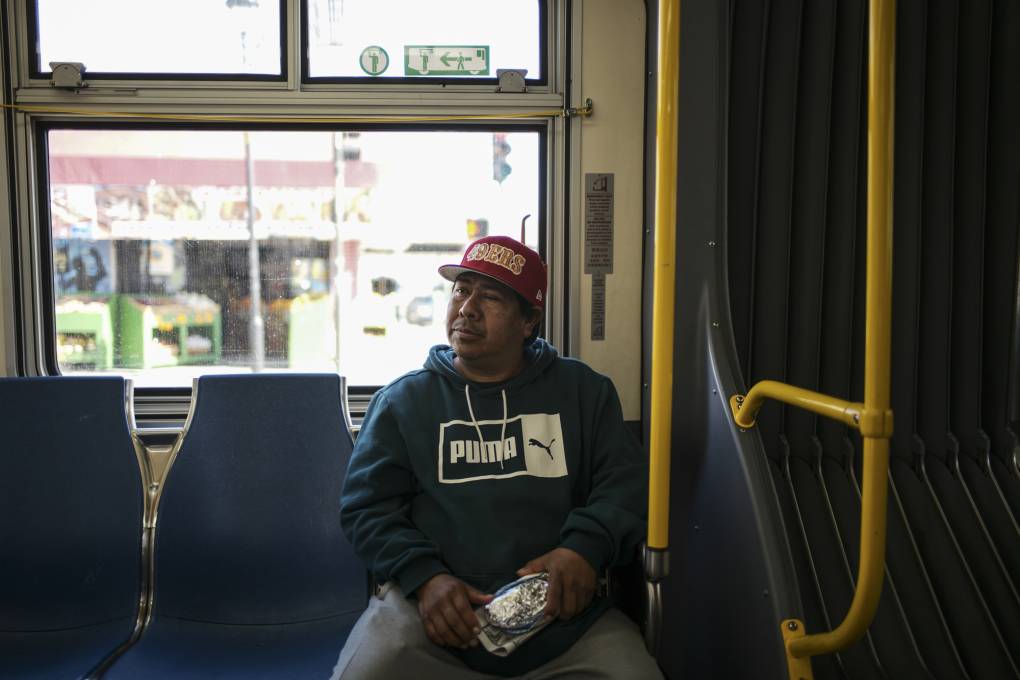
"caption": "Osbaldo Varilla-Aguilar, 46, rides the bus back home in San Francisco on Feb. 26, 2024. ",
"description": null,
"title": "FEBMAY2024-LONGCOVID-ET-PU-13-KQED",
"credit": "Pablo Unzueta for El Tecolote/CatchLight Local",
"status": "inherit",
"altTag": "A middle-aged Latino man with a hat sits on a bus.",
"isLoading": false,
"fetchFailed": false
},
"news_11986529": {
"type": "attachments",
"id": "news_11986529",
"meta": {
"index": "attachments_1716263798",
"site": "news",
"id": "11986529",
"found": true
},
"parent": 11986508,
"imgSizes": {
"twentyfourteen-full-width": {
"file": "https://cdn.kqed.org/wp-content/uploads/sites/10/2024/05/023_KQED_OBICBuprenorphineClinic_03292023_qut-1038x576.jpg",
"width": 1038,
"mimeType": "image/jpeg",
"height": 576
},
"thumbnail": {
"file": "https://cdn.kqed.org/wp-content/uploads/sites/10/2024/05/023_KQED_OBICBuprenorphineClinic_03292023_qut-160x107.jpg",
"width": 160,
"mimeType": "image/jpeg",
"height": 107
},
"post-thumbnail": {
"file": "https://cdn.kqed.org/wp-content/uploads/sites/10/2024/05/023_KQED_OBICBuprenorphineClinic_03292023_qut-672x372.jpg",
"width": 672,
"mimeType": "image/jpeg",
"height": 372
},
"kqedFullSize": {
"file": "https://cdn.kqed.org/wp-content/uploads/sites/10/2024/05/023_KQED_OBICBuprenorphineClinic_03292023_qut.jpg",
"width": 1920,
"height": 1280
},
"large": {
"file": "https://cdn.kqed.org/wp-content/uploads/sites/10/2024/05/023_KQED_OBICBuprenorphineClinic_03292023_qut-1020x680.jpg",
"width": 1020,
"mimeType": "image/jpeg",
"height": 680
},
"1536x1536": {
"file": "https://cdn.kqed.org/wp-content/uploads/sites/10/2024/05/023_KQED_OBICBuprenorphineClinic_03292023_qut-1536x1024.jpg",
"width": 1536,
"mimeType": "image/jpeg",
"height": 1024
},
"medium": {
"file": "https://cdn.kqed.org/wp-content/uploads/sites/10/2024/05/023_KQED_OBICBuprenorphineClinic_03292023_qut-800x533.jpg",
"width": 800,
"mimeType": "image/jpeg",
"height": 533
}
},
"publishDate": 1715882613,
"modified": 1715882636,
"caption": "Buprenorphine and Naloxone tablets at the Community Behavior Health Services pharmacy in San Francisco on March 29, 2023.",
"description": null,
"title": "023_KQED_OBICBuprenorphineClinic_03292023_qut",
"credit": "Beth LaBerge/KQED",
"status": "inherit",
"altTag": null,
"isLoading": false,
"fetchFailed": false
},
"news_11986150": {
"type": "attachments",
"id": "news_11986150",
"meta": {
"index": "attachments_1716263798",
"site": "news",
"id": "11986150",
"found": true
},
"parent": 0,
"imgSizes": {
"twentyfourteen-full-width": {
"file": "https://cdn.kqed.org/wp-content/uploads/sites/10/2024/05/240514-OVERDOSE-DEATH-RALLY-SJ-01-KQED-1038x576.jpg",
"width": 1038,
"mimeType": "image/jpeg",
"height": 576
},
"thumbnail": {
"file": "https://cdn.kqed.org/wp-content/uploads/sites/10/2024/05/240514-OVERDOSE-DEATH-RALLY-SJ-01-KQED-160x107.jpg",
"width": 160,
"mimeType": "image/jpeg",
"height": 107
},
"post-thumbnail": {
"file": "https://cdn.kqed.org/wp-content/uploads/sites/10/2024/05/240514-OVERDOSE-DEATH-RALLY-SJ-01-KQED-672x372.jpg",
"width": 672,
"mimeType": "image/jpeg",
"height": 372
},
"kqedFullSize": {
"file": "https://cdn.kqed.org/wp-content/uploads/sites/10/2024/05/240514-OVERDOSE-DEATH-RALLY-SJ-01-KQED.jpg",
"width": 2000,
"height": 1333
},
"large": {
"file": "https://cdn.kqed.org/wp-content/uploads/sites/10/2024/05/240514-OVERDOSE-DEATH-RALLY-SJ-01-KQED-1020x680.jpg",
"width": 1020,
"mimeType": "image/jpeg",
"height": 680
},
"1536x1536": {
"file": "https://cdn.kqed.org/wp-content/uploads/sites/10/2024/05/240514-OVERDOSE-DEATH-RALLY-SJ-01-KQED-1536x1024.jpg",
"width": 1536,
"mimeType": "image/jpeg",
"height": 1024
},
"full-width": {
"file": "https://cdn.kqed.org/wp-content/uploads/sites/10/2024/05/240514-OVERDOSE-DEATH-RALLY-SJ-01-KQED-1920x1280.jpg",
"width": 1920,
"mimeType": "image/jpeg",
"height": 1280
},
"medium": {
"file": "https://cdn.kqed.org/wp-content/uploads/sites/10/2024/05/240514-OVERDOSE-DEATH-RALLY-SJ-01-KQED-800x533.jpg",
"width": 800,
"mimeType": "image/jpeg",
"height": 533
}
},
"publishDate": 1715718523,
"modified": 1715722481,
"caption": "Juju Pikes-Prince, an organizer with the Young Women's Freedom Center (left), stands alongside other advocates calling for more public health-centered solutions to overdoses on May 14, 2024.",
"description": null,
"title": "240514-OVERDOSE DEATH RALLY-SJ-01-KQED",
"credit": "Sydney Johnson/KQED",
"status": "inherit",
"altTag": null,
"isLoading": false,
"fetchFailed": false
},
"news_11986068": {
"type": "attachments",
"id": "news_11986068",
"meta": {
"index": "attachments_1716263798",
"site": "news",
"id": "11986068",
"found": true
},
"title": "Raw Milk",
"publishDate": 1715705344,
"status": "inherit",
"parent": 11986062,
"modified": 1733350359,
"caption": "Bottles of raw milk are displayed for sale at a store in Temecula, on May 8, 2024. ",
"credit": "Jonel Aleccia/AP Photo",
"altTag": "Several jugs of milk.",
"description": null,
"imgSizes": {
"medium": {
"file": "https://cdn.kqed.org/wp-content/uploads/sites/10/2024/05/AP24134604431971-800x533.jpg",
"width": 800,
"height": 533,
"mimeType": "image/jpeg"
},
"large": {
"file": "https://cdn.kqed.org/wp-content/uploads/sites/10/2024/05/AP24134604431971-1020x680.jpg",
"width": 1020,
"height": 680,
"mimeType": "image/jpeg"
},
"thumbnail": {
"file": "https://cdn.kqed.org/wp-content/uploads/sites/10/2024/05/AP24134604431971-160x107.jpg",
"width": 160,
"height": 107,
"mimeType": "image/jpeg"
},
"1536x1536": {
"file": "https://cdn.kqed.org/wp-content/uploads/sites/10/2024/05/AP24134604431971-1536x1024.jpg",
"width": 1536,
"height": 1024,
"mimeType": "image/jpeg"
},
"post-thumbnail": {
"file": "https://cdn.kqed.org/wp-content/uploads/sites/10/2024/05/AP24134604431971-672x372.jpg",
"width": 672,
"height": 372,
"mimeType": "image/jpeg"
},
"twentyfourteen-full-width": {
"file": "https://cdn.kqed.org/wp-content/uploads/sites/10/2024/05/AP24134604431971-1038x576.jpg",
"width": 1038,
"height": 576,
"mimeType": "image/jpeg"
},
"kqedFullSize": {
"file": "https://cdn.kqed.org/wp-content/uploads/sites/10/2024/05/AP24134604431971.jpg",
"width": 1920,
"height": 1280
}
},
"isLoading": false,
"fetchFailed": false
},
"news_11979244": {
"type": "attachments",
"id": "news_11979244",
"meta": {
"index": "attachments_1716263798",
"site": "news",
"id": "11979244",
"found": true
},
"parent": 0,
"imgSizes": {
"twentyfourteen-full-width": {
"file": "https://cdn.kqed.org/wp-content/uploads/sites/10/2024/03/240313-BART-CRISIS-INTERVENTION-UNIT-MD-05-KQED-1038x576.jpg",
"width": 1038,
"mimeType": "image/jpeg",
"height": 576
},
"thumbnail": {
"file": "https://cdn.kqed.org/wp-content/uploads/sites/10/2024/03/240313-BART-CRISIS-INTERVENTION-UNIT-MD-05-KQED-160x107.jpg",
"width": 160,
"mimeType": "image/jpeg",
"height": 107
},
"post-thumbnail": {
"file": "https://cdn.kqed.org/wp-content/uploads/sites/10/2024/03/240313-BART-CRISIS-INTERVENTION-UNIT-MD-05-KQED-672x372.jpg",
"width": 672,
"mimeType": "image/jpeg",
"height": 372
},
"kqedFullSize": {
"file": "https://cdn.kqed.org/wp-content/uploads/sites/10/2024/03/240313-BART-CRISIS-INTERVENTION-UNIT-MD-05-KQED.jpg",
"width": 2000,
"height": 1333
},
"large": {
"file": "https://cdn.kqed.org/wp-content/uploads/sites/10/2024/03/240313-BART-CRISIS-INTERVENTION-UNIT-MD-05-KQED-1020x680.jpg",
"width": 1020,
"mimeType": "image/jpeg",
"height": 680
},
"1536x1536": {
"file": "https://cdn.kqed.org/wp-content/uploads/sites/10/2024/03/240313-BART-CRISIS-INTERVENTION-UNIT-MD-05-KQED-1536x1024.jpg",
"width": 1536,
"mimeType": "image/jpeg",
"height": 1024
},
"full-width": {
"file": "https://cdn.kqed.org/wp-content/uploads/sites/10/2024/03/240313-BART-CRISIS-INTERVENTION-UNIT-MD-05-KQED-1920x1280.jpg",
"width": 1920,
"mimeType": "image/jpeg",
"height": 1280
},
"medium": {
"file": "https://cdn.kqed.org/wp-content/uploads/sites/10/2024/03/240313-BART-CRISIS-INTERVENTION-UNIT-MD-05-KQED-800x533.jpg",
"width": 800,
"mimeType": "image/jpeg",
"height": 533
}
},
"publishDate": 1710354005,
"modified": 1715715709,
"caption": "BART Crisis Intervention Specialist Natalie Robinson walks through a Dublin/Pleasanton-bound BART train near Lake Merritt station on March 13, 2024, looking for people in distress.",
"description": null,
"title": "240313-BART CRISIS INTERVENTION UNIT-MD-05-KQED",
"credit": "Martin do Nascimento/KQED",
"status": "inherit",
"altTag": "A woman in a dark-blue jacket that says 'Crisis Intervention Specialist' on the back walks through a BART train.",
"isLoading": false,
"fetchFailed": false
},
"news_11985970": {
"type": "attachments",
"id": "news_11985970",
"meta": {
"index": "attachments_1716263798",
"site": "news",
"id": "11985970",
"found": true
},
"parent": 0,
"imgSizes": {
"twentyfourteen-full-width": {
"file": "https://cdn.kqed.org/wp-content/uploads/sites/10/2024/05/GETTYIMAGES-520857436-KQED-1038x576.jpg",
"width": 1038,
"mimeType": "image/jpeg",
"height": 576
},
"thumbnail": {
"file": "https://cdn.kqed.org/wp-content/uploads/sites/10/2024/05/GETTYIMAGES-520857436-KQED-160x120.jpg",
"width": 160,
"mimeType": "image/jpeg",
"height": 120
},
"post-thumbnail": {
"file": "https://cdn.kqed.org/wp-content/uploads/sites/10/2024/05/GETTYIMAGES-520857436-KQED-672x372.jpg",
"width": 672,
"mimeType": "image/jpeg",
"height": 372
},
"kqedFullSize": {
"file": "https://cdn.kqed.org/wp-content/uploads/sites/10/2024/05/GETTYIMAGES-520857436-KQED.jpg",
"width": 2000,
"height": 1500
},
"large": {
"file": "https://cdn.kqed.org/wp-content/uploads/sites/10/2024/05/GETTYIMAGES-520857436-KQED-1020x765.jpg",
"width": 1020,
"mimeType": "image/jpeg",
"height": 765
},
"1536x1536": {
"file": "https://cdn.kqed.org/wp-content/uploads/sites/10/2024/05/GETTYIMAGES-520857436-KQED-1536x1152.jpg",
"width": 1536,
"mimeType": "image/jpeg",
"height": 1152
},
"full-width": {
"file": "https://cdn.kqed.org/wp-content/uploads/sites/10/2024/05/GETTYIMAGES-520857436-KQED-1920x1440.jpg",
"width": 1920,
"mimeType": "image/jpeg",
"height": 1440
},
"medium": {
"file": "https://cdn.kqed.org/wp-content/uploads/sites/10/2024/05/GETTYIMAGES-520857436-KQED-800x600.jpg",
"width": 800,
"mimeType": "image/jpeg",
"height": 600
}
},
"publishDate": 1715644984,
"modified": 1715645124,
"caption": "San Francisco’s Managed Alcohol Program, or MAP, was started in 2020 as public health officials responded to the COVID-19 pandemic, and its goal isn’t to reduce patients’ alcohol use or lead to abstinence, but to increase their safety and overall quality of life.",
"description": null,
"title": null,
"credit": "Getty Images",
"status": "inherit",
"altTag": null,
"isLoading": false,
"fetchFailed": false
},
"news_11985409": {
"type": "attachments",
"id": "news_11985409",
"meta": {
"index": "attachments_1716263798",
"site": "news",
"id": "11985409",
"found": true
},
"parent": 11985408,
"imgSizes": {
"twentyfourteen-full-width": {
"file": "https://cdn.kqed.org/wp-content/uploads/sites/10/2024/05/240416-NontraditionalFamilies-02-BL_qut-1038x576.jpg",
"width": 1038,
"mimeType": "image/jpeg",
"height": 576
},
"thumbnail": {
"file": "https://cdn.kqed.org/wp-content/uploads/sites/10/2024/05/240416-NontraditionalFamilies-02-BL_qut-160x107.jpg",
"width": 160,
"mimeType": "image/jpeg",
"height": 107
},
"post-thumbnail": {
"file": "https://cdn.kqed.org/wp-content/uploads/sites/10/2024/05/240416-NontraditionalFamilies-02-BL_qut-672x372.jpg",
"width": 672,
"mimeType": "image/jpeg",
"height": 372
},
"kqedFullSize": {
"file": "https://cdn.kqed.org/wp-content/uploads/sites/10/2024/05/240416-NontraditionalFamilies-02-BL_qut.jpg",
"width": 1920,
"height": 1280
},
"large": {
"file": "https://cdn.kqed.org/wp-content/uploads/sites/10/2024/05/240416-NontraditionalFamilies-02-BL_qut-1020x680.jpg",
"width": 1020,
"mimeType": "image/jpeg",
"height": 680
},
"1536x1536": {
"file": "https://cdn.kqed.org/wp-content/uploads/sites/10/2024/05/240416-NontraditionalFamilies-02-BL_qut-1536x1024.jpg",
"width": 1536,
"mimeType": "image/jpeg",
"height": 1024
},
"medium": {
"file": "https://cdn.kqed.org/wp-content/uploads/sites/10/2024/05/240416-NontraditionalFamilies-02-BL_qut-800x533.jpg",
"width": 800,
"mimeType": "image/jpeg",
"height": 533
}
},
"publishDate": 1715201509,
"modified": 1715201523,
"caption": "John Owens speaks with his partners Emily Savage (left) and Alejandra Bravo Ducey at a celebration party at the East Bay Community Space in Oakland on April 16, 2024, after a bill prohibiting discrimination of non-monogamous families passed in the Oakland City Council.",
"description": null,
"title": "240416-NontraditionalFamilies-02-BL_qut",
"credit": "Beth LaBerge/KQED",
"status": "inherit",
"altTag": null,
"isLoading": false,
"fetchFailed": false
},
"news_11984826": {
"type": "attachments",
"id": "news_11984826",
"meta": {
"index": "attachments_1716263798",
"site": "news",
"id": "11984826",
"found": true
},
"parent": 11984819,
"imgSizes": {
"twentyfourteen-full-width": {
"file": "https://cdn.kqed.org/wp-content/uploads/sites/10/2024/05/CareWorkers_02-1038x576.jpg",
"width": 1038,
"mimeType": "image/jpeg",
"height": 576
},
"thumbnail": {
"file": "https://cdn.kqed.org/wp-content/uploads/sites/10/2024/05/CareWorkers_02-160x110.jpg",
"width": 160,
"mimeType": "image/jpeg",
"height": 110
},
"post-thumbnail": {
"file": "https://cdn.kqed.org/wp-content/uploads/sites/10/2024/05/CareWorkers_02-672x372.jpg",
"width": 672,
"mimeType": "image/jpeg",
"height": 372
},
"kqedFullSize": {
"file": "https://cdn.kqed.org/wp-content/uploads/sites/10/2024/05/CareWorkers_02-scaled.jpg",
"width": 2560,
"height": 1762
},
"2048x2048": {
"file": "https://cdn.kqed.org/wp-content/uploads/sites/10/2024/05/CareWorkers_02-2048x1409.jpg",
"width": 2048,
"mimeType": "image/jpeg",
"height": 1409
},
"large": {
"file": "https://cdn.kqed.org/wp-content/uploads/sites/10/2024/05/CareWorkers_02-1020x702.jpg",
"width": 1020,
"mimeType": "image/jpeg",
"height": 702
},
"1536x1536": {
"file": "https://cdn.kqed.org/wp-content/uploads/sites/10/2024/05/CareWorkers_02-1536x1057.jpg",
"width": 1536,
"mimeType": "image/jpeg",
"height": 1057
},
"full-width": {
"file": "https://cdn.kqed.org/wp-content/uploads/sites/10/2024/05/CareWorkers_02-1920x1321.jpg",
"width": 1920,
"mimeType": "image/jpeg",
"height": 1321
},
"medium": {
"file": "https://cdn.kqed.org/wp-content/uploads/sites/10/2024/05/CareWorkers_02-800x551.jpg",
"width": 800,
"mimeType": "image/jpeg",
"height": 551
}
},
"publishDate": 1714681633,
"modified": 1714681817,
"caption": "Disability care workers Ricardo Zegri and Niurka Sureda-Jackson sit outside the California state Capitol on April 10. Zegri says Taco Bell would pay him more than the $19 an hour he makes as a disability care worker in a supervisory position. ",
"description": null,
"title": "CareWorkers_02",
"credit": "Vanessa G. Sánchez/KFF Health News",
"status": "inherit",
"altTag": "A man and woman wearing yellow shirts with purple lanyards sit next to each other outside.",
"isLoading": false,
"fetchFailed": false
},
"news_11984586": {
"type": "attachments",
"id": "news_11984586",
"meta": {
"index": "attachments_1716263798",
"site": "news",
"id": "11984586",
"found": true
},
"parent": 11984580,
"imgSizes": {
"twentyfourteen-full-width": {
"file": "https://cdn.kqed.org/wp-content/uploads/sites/10/2024/04/GettyImages-1338634817-1038x576.jpg",
"width": 1038,
"mimeType": "image/jpeg",
"height": 576
},
"thumbnail": {
"file": "https://cdn.kqed.org/wp-content/uploads/sites/10/2024/04/GettyImages-1338634817-160x105.jpg",
"width": 160,
"mimeType": "image/jpeg",
"height": 105
},
"post-thumbnail": {
"file": "https://cdn.kqed.org/wp-content/uploads/sites/10/2024/04/GettyImages-1338634817-672x372.jpg",
"width": 672,
"mimeType": "image/jpeg",
"height": 372
},
"kqedFullSize": {
"file": "https://cdn.kqed.org/wp-content/uploads/sites/10/2024/04/GettyImages-1338634817-scaled-e1714523669270.jpg",
"width": 1920,
"height": 1265
},
"2048x2048": {
"file": "https://cdn.kqed.org/wp-content/uploads/sites/10/2024/04/GettyImages-1338634817-2048x1350.jpg",
"width": 2048,
"mimeType": "image/jpeg",
"height": 1350
},
"large": {
"file": "https://cdn.kqed.org/wp-content/uploads/sites/10/2024/04/GettyImages-1338634817-1020x672.jpg",
"width": 1020,
"mimeType": "image/jpeg",
"height": 672
},
"1536x1536": {
"file": "https://cdn.kqed.org/wp-content/uploads/sites/10/2024/04/GettyImages-1338634817-1536x1012.jpg",
"width": 1536,
"mimeType": "image/jpeg",
"height": 1012
},
"full-width": {
"file": "https://cdn.kqed.org/wp-content/uploads/sites/10/2024/04/GettyImages-1338634817-1920x1265.jpg",
"width": 1920,
"mimeType": "image/jpeg",
"height": 1265
},
"medium": {
"file": "https://cdn.kqed.org/wp-content/uploads/sites/10/2024/04/GettyImages-1338634817-800x527.jpg",
"width": 800,
"mimeType": "image/jpeg",
"height": 527
}
},
"publishDate": 1714523647,
"modified": 1714523909,
"caption": "Gibson Farms Inc. of Hollister, California, has recalled potentially affected walnuts with expiration dates between May 21, 2025 and June 7, 2025.",
"description": null,
"title": "Walnuts background. Texture. Selective focus.",
"credit": "Getty Images",
"status": "inherit",
"altTag": null,
"isLoading": false,
"fetchFailed": false
},
"news_11984543": {
"type": "attachments",
"id": "news_11984543",
"meta": {
"index": "attachments_1716263798",
"site": "news",
"id": "11984543",
"found": true
},
"parent": 11984541,
"imgSizes": {
"twentyfourteen-full-width": {
"file": "https://cdn.kqed.org/wp-content/uploads/sites/10/2024/04/240318-AVOIDABLE-BED-DAYS-MD-06-KQED-1038x576.jpg",
"width": 1038,
"mimeType": "image/jpeg",
"height": 576
},
"thumbnail": {
"file": "https://cdn.kqed.org/wp-content/uploads/sites/10/2024/04/240318-AVOIDABLE-BED-DAYS-MD-06-KQED-160x107.jpg",
"width": 160,
"mimeType": "image/jpeg",
"height": 107
},
"post-thumbnail": {
"file": "https://cdn.kqed.org/wp-content/uploads/sites/10/2024/04/240318-AVOIDABLE-BED-DAYS-MD-06-KQED-672x372.jpg",
"width": 672,
"mimeType": "image/jpeg",
"height": 372
},
"kqedFullSize": {
"file": "https://cdn.kqed.org/wp-content/uploads/sites/10/2024/04/240318-AVOIDABLE-BED-DAYS-MD-06-KQED.jpg",
"width": 2000,
"height": 1333
},
"large": {
"file": "https://cdn.kqed.org/wp-content/uploads/sites/10/2024/04/240318-AVOIDABLE-BED-DAYS-MD-06-KQED-1020x680.jpg",
"width": 1020,
"mimeType": "image/jpeg",
"height": 680
},
"1536x1536": {
"file": "https://cdn.kqed.org/wp-content/uploads/sites/10/2024/04/240318-AVOIDABLE-BED-DAYS-MD-06-KQED-1536x1024.jpg",
"width": 1536,
"mimeType": "image/jpeg",
"height": 1024
},
"full-width": {
"file": "https://cdn.kqed.org/wp-content/uploads/sites/10/2024/04/240318-AVOIDABLE-BED-DAYS-MD-06-KQED-1920x1280.jpg",
"width": 1920,
"mimeType": "image/jpeg",
"height": 1280
},
"medium": {
"file": "https://cdn.kqed.org/wp-content/uploads/sites/10/2024/04/240318-AVOIDABLE-BED-DAYS-MD-06-KQED-800x533.jpg",
"width": 800,
"mimeType": "image/jpeg",
"height": 533
}
},
"publishDate": 1714515043,
"modified": 1714515060,
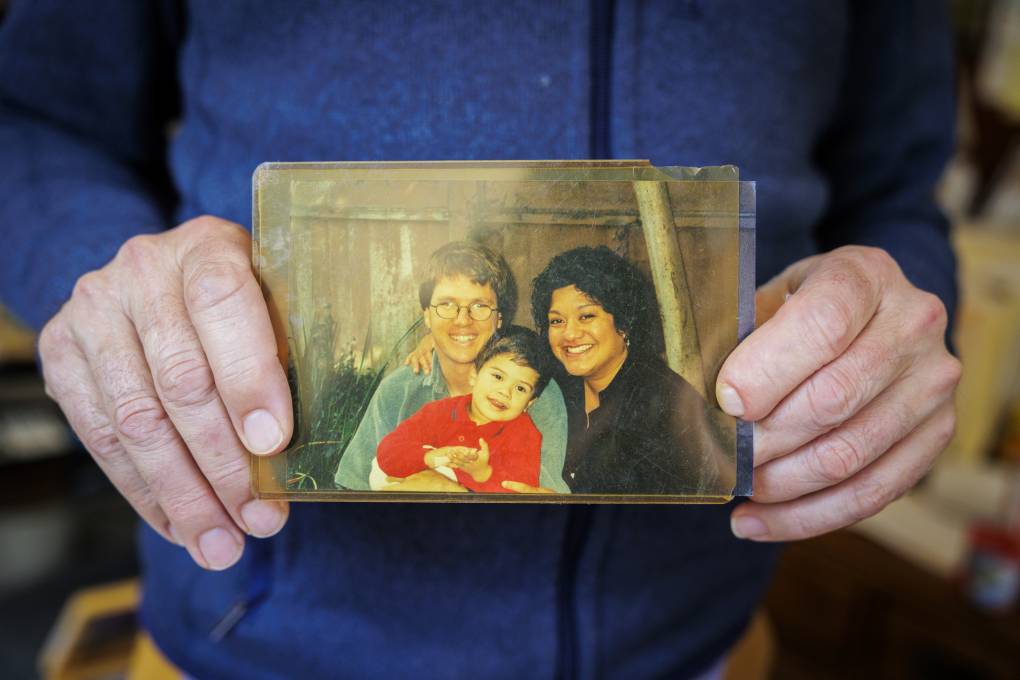
"caption": "David Alter holds a photo of himself, his wife Lisa and their son Zachary at his home in Berkeley on March 18, 2024.",
"description": null,
"title": "240318-AVOIDABLE-BED-DAYS-MD-06-KQED",
"credit": "Martin do Nascimento/KQED",
"status": "inherit",
"altTag": null,
"isLoading": false,
"fetchFailed": false
},
"news_11984357": {
"type": "attachments",
"id": "news_11984357",
"meta": {
"index": "attachments_1716263798",
"site": "news",
"id": "11984357",
"found": true
},
"parent": 11984339,
"imgSizes": {
"twentyfourteen-full-width": {
"file": "https://cdn.kqed.org/wp-content/uploads/sites/10/2024/04/Newsom01-1038x576.jpg",
"width": 1038,
"mimeType": "image/jpeg",
"height": 576
},
"thumbnail": {
"file": "https://cdn.kqed.org/wp-content/uploads/sites/10/2024/04/Newsom01-160x107.jpg",
"width": 160,
"mimeType": "image/jpeg",
"height": 107
},
"post-thumbnail": {
"file": "https://cdn.kqed.org/wp-content/uploads/sites/10/2024/04/Newsom01-672x372.jpg",
"width": 672,
"mimeType": "image/jpeg",
"height": 372
},
"kqedFullSize": {
"file": "https://cdn.kqed.org/wp-content/uploads/sites/10/2024/04/Newsom01.jpg",
"width": 1920,
"height": 1280
},
"large": {
"file": "https://cdn.kqed.org/wp-content/uploads/sites/10/2024/04/Newsom01-1020x680.jpg",
"width": 1020,
"mimeType": "image/jpeg",
"height": 680
},
"1536x1536": {
"file": "https://cdn.kqed.org/wp-content/uploads/sites/10/2024/04/Newsom01-1536x1024.jpg",
"width": 1536,
"mimeType": "image/jpeg",
"height": 1024
},
"medium": {
"file": "https://cdn.kqed.org/wp-content/uploads/sites/10/2024/04/Newsom01-800x533.jpg",
"width": 800,
"mimeType": "image/jpeg",
"height": 533
}
},
"publishDate": 1714413029,
"modified": 1715390630,
"caption": "California Gov. Gavin Newsom speaks during a press conference in Sacramento, on Feb. 1, 2023.",
"description": null,
"title": "California Governor Newsom Announces New Gun Safety Legislation After String Of Mass Shootings In The State",
"credit": "Justin Sullivan/Getty Images",
"status": "inherit",
"altTag": null,
"isLoading": false,
"fetchFailed": false
},
"news_11984165": {
"type": "attachments",
"id": "news_11984165",
"meta": {
"index": "attachments_1716263798",
"site": "news",
"id": "11984165",
"found": true
},
"parent": 11984163,
"imgSizes": {
"twentyfourteen-full-width": {
"file": "https://cdn.kqed.org/wp-content/uploads/sites/10/2024/04/033023-Hollister-Hospital-LV_CM_14-copy-1038x576.jpg",
"width": 1038,
"mimeType": "image/jpeg",
"height": 576
},
"thumbnail": {
"file": "https://cdn.kqed.org/wp-content/uploads/sites/10/2024/04/033023-Hollister-Hospital-LV_CM_14-copy-160x107.jpg",
"width": 160,
"mimeType": "image/jpeg",
"height": 107
},
"post-thumbnail": {
"file": "https://cdn.kqed.org/wp-content/uploads/sites/10/2024/04/033023-Hollister-Hospital-LV_CM_14-copy-672x372.jpg",
"width": 672,
"mimeType": "image/jpeg",
"height": 372
},
"kqedFullSize": {
"file": "https://cdn.kqed.org/wp-content/uploads/sites/10/2024/04/033023-Hollister-Hospital-LV_CM_14-copy.jpg",
"width": 2000,
"height": 1333
},
"large": {
"file": "https://cdn.kqed.org/wp-content/uploads/sites/10/2024/04/033023-Hollister-Hospital-LV_CM_14-copy-1020x680.jpg",
"width": 1020,
"mimeType": "image/jpeg",
"height": 680
},
"1536x1536": {
"file": "https://cdn.kqed.org/wp-content/uploads/sites/10/2024/04/033023-Hollister-Hospital-LV_CM_14-copy-1536x1024.jpg",
"width": 1536,
"mimeType": "image/jpeg",
"height": 1024
},
"full-width": {
"file": "https://cdn.kqed.org/wp-content/uploads/sites/10/2024/04/033023-Hollister-Hospital-LV_CM_14-copy-1920x1280.jpg",
"width": 1920,
"mimeType": "image/jpeg",
"height": 1280
},
"medium": {
"file": "https://cdn.kqed.org/wp-content/uploads/sites/10/2024/04/033023-Hollister-Hospital-LV_CM_14-copy-800x533.jpg",
"width": 800,
"mimeType": "image/jpeg",
"height": 533
}
},
"publishDate": 1714154910,
"modified": 1714162995,
"caption": "California's Office of Health Care Affordability handed down a regulation that aims to limit rising health care costs by capping industry spending increases. Here, a nurse checks on a patient in the emergency room unit of Hazel Hawkins Memorial Hospital in Hollister on March 30, 2023.",
"description": null,
"title": "033023-Hollister-Hospital-LV_CM_14 copy",
"credit": "Larry Valenzuela/CalMatters/CatchLight Local",
"status": "inherit",
"altTag": "A female nurse is seen from behind, attending to a patient in a hospital room with medical equipment.",
"isLoading": false,
"fetchFailed": false
}
},
"audioPlayerReducer": {
"postId": "stream_live",
"isPaused": true,
"isPlaying": false,
"pfsActive": false,
"pledgeModalIsOpen": true,
"playerDrawerIsOpen": false,
"liveAudioPlayStartedAt": 0,
"liveAudioPlayContext": ""
},
"authorsReducer": {
"byline_news_11986724": {
"type": "authors",
"id": "byline_news_11986724",
"meta": {
"override": true
},
"slug": "byline_news_11986724",
"name": "\u003ca href=\"https://eltecolote.org/content/en/author/pablo-unzueta/\">Pablo Unzueta\u003c/a>",
"isLoading": false
},
"byline_news_11986062": {
"type": "authors",
"id": "byline_news_11986062",
"meta": {
"override": true
},
"slug": "byline_news_11986062",
"name": "Jonel Aleccia, The Associated Press",
"isLoading": false
},
"byline_news_11984819": {
"type": "authors",
"id": "byline_news_11984819",
"meta": {
"override": true
},
"slug": "byline_news_11984819",
"name": "Vanessa G. Sánchez, KFF Health News",
"isLoading": false
},
"byline_news_11984580": {
"type": "authors",
"id": "byline_news_11984580",
"meta": {
"override": true
},
"slug": "byline_news_11984580",
"name": "Jonel Aleccia, The Associated Press",
"isLoading": false
},
"byline_news_11984339": {
"type": "authors",
"id": "byline_news_11984339",
"meta": {
"override": true
},
"slug": "byline_news_11984339",
"name": "Adam Beam, Associated Press",
"isLoading": false
},
"byline_news_11984163": {
"type": "authors",
"id": "byline_news_11984163",
"meta": {
"override": true
},
"slug": "byline_news_11984163",
"name": "\u003ca href=\"https://calmatters.org/author/kristen-hwang/\">Kristen Hwang\u003c/a>",
"isLoading": false
},
"matthewgreen": {
"type": "authors",
"id": "1263",
"meta": {
"index": "authors_1716337520",
"id": "1263",
"found": true
},
"name": "Matthew Green",
"firstName": "Matthew",
"lastName": "Green",
"slug": "matthewgreen",
"email": "mgreen@kqed.org",
"display_author_email": false,
"staff_mastheads": [],
"title": "KQED Editor/Reporter",
"bio": "Matthew Green is a digital media producer for KQED News. He previously produced \u003ca href=\"http://www.kqed.org/lowdown\">The Lowdown\u003c/a>, KQED’s multimedia news education blog. Matthew's written for numerous Bay Area publications, including the Oakland Tribune and San Francisco Chronicle. He also taught journalism classes at Fremont High School in East Oakland.\r\n\r\nEmail: mgreen@kqed.org; Twitter: @MGreenKQED",
"avatar": "https://secure.gravatar.com/avatar/3bf498d1267ca02c8494f33d8cfc575e?s=600&d=blank&r=g",
"twitter": "MGreenKQED",
"facebook": null,
"instagram": null,
"linkedin": null,
"sites": [
{
"site": "news",
"roles": []
},
{
"site": "lowdown",
"roles": []
},
{
"site": "science",
"roles": []
},
{
"site": "education",
"roles": []
},
{
"site": "quest",
"roles": []
},
{
"site": "liveblog",
"roles": []
}
],
"headData": {
"title": "Matthew Green | KQED",
"description": "KQED Editor/Reporter",
"ogImgSrc": "https://secure.gravatar.com/avatar/3bf498d1267ca02c8494f33d8cfc575e?s=600&d=blank&r=g",
"twImgSrc": "https://secure.gravatar.com/avatar/3bf498d1267ca02c8494f33d8cfc575e?s=600&d=blank&r=g"
},
"isLoading": false,
"link": "/author/matthewgreen"
},
"ecruzguevarra": {
"type": "authors",
"id": "8654",
"meta": {
"index": "authors_1716337520",
"id": "8654",
"found": true
},
"name": "Ericka Cruz Guevarra",
"firstName": "Ericka",
"lastName": "Cruz Guevarra",
"slug": "ecruzguevarra",
"email": "ecruzguevarra@kqed.org",
"display_author_email": true,
"staff_mastheads": [
"news"
],
"title": "Producer, The Bay Podcast",
"bio": "Ericka Cruz Guevarra is host of \u003ca href=\"https://www.kqed.org/podcasts/thebay\">\u003cem>The Bay\u003c/em>\u003c/a> podcast at KQED. Before host, she was the show’s producer. Her work in that capacity includes a three-part reported series on policing in Vallejo, which won a 2020 excellence in journalism award from the Society of Professional Journalists. Ericka has worked as a breaking news reporter at Oregon Public Broadcasting, helped produce the Code Switch podcast, and was KQED’s inaugural Raul Ramirez Diversity Fund intern. She’s also an alumna of NPR’s Next Generation Radio program. Send her an email if you have strong feelings about whether Fairfield and Suisun City are the Bay. Ericka is represented by SAG-AFTRA.",
"avatar": "https://secure.gravatar.com/avatar/accefc1de4bafc7e234b69bcb9b6f6536c130fd84709bc3069ef11a78787e1bb?s=600&d=blank&r=g",
"twitter": "NotoriousECG",
"bluesky": null,
"facebook": null,
"instagram": null,
"linkedin": null,
"sites": [
{
"site": "arts",
"roles": [
"subscriber"
]
},
{
"site": "news",
"roles": [
"editor",
"manage_categories"
]
},
{
"site": "futureofyou",
"roles": [
"subscriber"
]
},
{
"site": "stateofhealth",
"roles": [
"subscriber"
]
},
{
"site": "science",
"roles": [
"editor"
]
},
{
"site": "forum",
"roles": [
"subscriber"
]
}
],
"headData": {
"title": "Ericka Cruz Guevarra | KQED",
"description": "Producer, The Bay Podcast",
"ogImgSrc": "https://secure.gravatar.com/avatar/accefc1de4bafc7e234b69bcb9b6f6536c130fd84709bc3069ef11a78787e1bb?s=600&d=blank&r=g",
"twImgSrc": "https://secure.gravatar.com/avatar/accefc1de4bafc7e234b69bcb9b6f6536c130fd84709bc3069ef11a78787e1bb?s=600&d=blank&r=g"
},
"isLoading": false,
"link": "/author/ecruzguevarra"
},
"lesleymcclurg": {
"type": "authors",
"id": "11229",
"meta": {
"index": "authors_1716337520",
"id": "11229",
"found": true
},
"name": "Lesley McClurg",
"firstName": "Lesley",
"lastName": "McClurg",
"slug": "lesleymcclurg",
"email": "lmcclurg@KQED.org",
"display_author_email": false,
"staff_mastheads": [
"news",
"science"
],
"title": "KQED Health Correspondent",
"bio": "Lesley McClurg is a health correspondent and fill-in host whose work is regularly rebroadcast on NPR and PBS programs. She’s earned multiple regional Emmy awards, a national and a regional Edward R. Murrow award, and was named Best Beat Reporter by the Association of Health Care Journalists. The Society of Professional Journalists has recognized her work several times, and the Society of Environmental Journalists spotlighted her coverage of California’s historic drought.\r\n\r\nBefore joining KQED in 2016, Lesley covered food and sustainability for Capital Public Radio, environmental issues for Colorado Public Radio, and reported for KUOW and KCTS 9 in Seattle. Away from the newsroom, she loves skiing with her daughter, mountain biking with her partner, and playing with Ollie, the family’s goldendoodle. On deadline, she runs almost entirely on chocolate chips.\r\n\r\n ",
"avatar": "https://secure.gravatar.com/avatar/bab49e972ea10c774fe0f5e29dba1722b158f7c0d58a360923d1389d380b2978?s=600&d=blank&r=g",
"twitter": "lesleywmcclurg",
"bluesky": null,
"facebook": null,
"instagram": null,
"linkedin": null,
"sites": [
{
"site": "arts",
"roles": [
"author"
]
},
{
"site": "news",
"roles": [
"editor"
]
},
{
"site": "futureofyou",
"roles": [
"editor"
]
},
{
"site": "stateofhealth",
"roles": [
"author"
]
},
{
"site": "science",
"roles": [
"editor"
]
},
{
"site": "quest",
"roles": [
"subscriber"
]
},
{
"site": "forum",
"roles": [
"administrator"
]
},
{
"site": "liveblog",
"roles": [
"author"
]
}
],
"headData": {
"title": "Lesley McClurg | KQED",
"description": "KQED Health Correspondent",
"ogImgSrc": "https://secure.gravatar.com/avatar/bab49e972ea10c774fe0f5e29dba1722b158f7c0d58a360923d1389d380b2978?s=600&d=blank&r=g",
"twImgSrc": "https://secure.gravatar.com/avatar/bab49e972ea10c774fe0f5e29dba1722b158f7c0d58a360923d1389d380b2978?s=600&d=blank&r=g"
},
"isLoading": false,
"link": "/author/lesleymcclurg"
},
"amontecillo": {
"type": "authors",
"id": "11649",
"meta": {
"index": "authors_1716337520",
"id": "11649",
"found": true
},
"name": "Alan Montecillo",
"firstName": "Alan",
"lastName": "Montecillo",
"slug": "amontecillo",
"email": "amontecillo@kqed.org",
"display_author_email": false,
"staff_mastheads": [
"news"
],
"title": "KQED Contributor",
"bio": "Alan Montecillo is the senior editor of \u003cem>\u003ca href=\"http://kqed.org/thebay\">The Bay\u003c/a>, \u003c/em> KQED's local news podcast. Before moving to the Bay Area, he worked as a senior talk show producer for WILL in Champaign-Urbana, Illinois and at Oregon Public Broadcasting in Portland, Oregon. He has won journalism awards from the Society of Professional Journalists Northern California, the Public Media Journalists Association, The Signal Awards, and has also received a regional Edward R. Murrow award. Alan is a Filipino American from Hong Kong and a graduate of Reed College.",
"avatar": "https://secure.gravatar.com/avatar/268f53a2066899ea9efdd8a5900218b17c822d9862cbc9326cccec53ef41d349?s=600&d=blank&r=g",
"twitter": "alanmontecillo",
"bluesky": null,
"facebook": null,
"instagram": null,
"linkedin": null,
"sites": [
{
"site": "",
"roles": [
"editor"
]
},
{
"site": "news",
"roles": [
"editor",
"manage_categories"
]
}
],
"headData": {
"title": "Alan Montecillo | KQED",
"description": "KQED Contributor",
"ogImgSrc": "https://secure.gravatar.com/avatar/268f53a2066899ea9efdd8a5900218b17c822d9862cbc9326cccec53ef41d349?s=600&d=blank&r=g",
"twImgSrc": "https://secure.gravatar.com/avatar/268f53a2066899ea9efdd8a5900218b17c822d9862cbc9326cccec53ef41d349?s=600&d=blank&r=g"
},
"isLoading": false,
"link": "/author/amontecillo"
},
"mesquinca": {
"type": "authors",
"id": "11802",
"meta": {
"index": "authors_1716337520",
"id": "11802",
"found": true
},
"name": "Maria Esquinca",
"firstName": "Maria",
"lastName": "Esquinca",
"slug": "mesquinca",
"email": "mesquinca@kqed.org",
"display_author_email": false,
"staff_mastheads": [],
"title": "Producer, The Bay",
"bio": "María Esquinca is a producer of The Bay. Before that, she was a New York Women’s Foundation IGNITE Fellow at Latino USA. She worked at Radio Bilingue where she covered the San Joaquin Valley. Maria has interned at WLRN, News 21, The New York Times Student Journalism Institute and at Crain’s Detroit Business as a Dow Jones News Fund Business Reporting Intern. She is an MFA graduate from the University of Miami. In 2017, she graduated from the Walter Cronkite School of Journalism and Mass Communication with a Master of Mass Communication. A fronteriza, she was born in Ciudad Juárez, Chihuahua, Mexico and grew up in El Paso, Texas.",
"avatar": "https://secure.gravatar.com/avatar/77cedba18aae91da775038ba06dcd8d0?s=600&d=blank&r=g",
"twitter": "@m_esquinca",
"facebook": null,
"instagram": null,
"linkedin": null,
"sites": [
{
"site": "news",
"roles": []
}
],
"headData": {
"title": "Maria Esquinca | KQED",
"description": "Producer, The Bay",
"ogImgSrc": "https://secure.gravatar.com/avatar/77cedba18aae91da775038ba06dcd8d0?s=600&d=blank&r=g",
"twImgSrc": "https://secure.gravatar.com/avatar/77cedba18aae91da775038ba06dcd8d0?s=600&d=blank&r=g"
},
"isLoading": false,
"link": "/author/mesquinca"
},
"sjohnson": {
"type": "authors",
"id": "11840",
"meta": {
"index": "authors_1716337520",
"id": "11840",
"found": true
},
"name": "Sydney Johnson",
"firstName": "Sydney",
"lastName": "Johnson",
"slug": "sjohnson",
"email": "sjohnson@kqed.org",
"display_author_email": false,
"staff_mastheads": [
"news"
],
"title": "KQED Reporter",
"bio": "Sydney Johnson is a general assignment reporter at KQED. She previously reported on public health and city government at the San Francisco Examiner, and before that, she covered statewide education policy for EdSource. Her reporting has won multiple local, state and national awards. Sydney is a graduate of the University of California, Berkeley and lives in San Francisco.",
"avatar": "https://secure.gravatar.com/avatar/97855f2719b72ad6190b7c535fe642c8?s=600&d=blank&r=g",
"twitter": "sydneyfjohnson",
"facebook": null,
"instagram": null,
"linkedin": null,
"sites": [
{
"site": "news",
"roles": [
"editor"
]
}
],
"headData": {
"title": "Sydney Johnson | KQED",
"description": "KQED Reporter",
"ogImgSrc": "https://secure.gravatar.com/avatar/97855f2719b72ad6190b7c535fe642c8?s=600&d=blank&r=g",
"twImgSrc": "https://secure.gravatar.com/avatar/97855f2719b72ad6190b7c535fe642c8?s=600&d=blank&r=g"
},
"isLoading": false,
"link": "/author/sjohnson"
},
"eprickettmorgan": {
"type": "authors",
"id": "11898",
"meta": {
"index": "authors_1716337520",
"id": "11898",
"found": true
},
"name": "Ellie Prickett-Morgan",
"firstName": "Ellie",
"lastName": "Prickett-Morgan",
"slug": "eprickettmorgan",
"email": "eprickettmorgan@kqed.org",
"display_author_email": false,
"staff_mastheads": [],
"title": "KQED Contributor",
"bio": null,
"avatar": "https://secure.gravatar.com/avatar/fb236cba85704b1a64dc213889cd2886?s=600&d=blank&r=g",
"twitter": null,
"facebook": null,
"instagram": null,
"linkedin": null,
"sites": [
{
"site": "news",
"roles": []
}
],
"headData": {
"title": "Ellie Prickett-Morgan | KQED",
"description": "KQED Contributor",
"ogImgSrc": "https://secure.gravatar.com/avatar/fb236cba85704b1a64dc213889cd2886?s=600&d=blank&r=g",
"twImgSrc": "https://secure.gravatar.com/avatar/fb236cba85704b1a64dc213889cd2886?s=600&d=blank&r=g"
},
"isLoading": false,
"link": "/author/eprickettmorgan"
},
"kdebenedetti": {
"type": "authors",
"id": "11913",
"meta": {
"index": "authors_1716337520",
"id": "11913",
"found": true
},
"name": "Katie DeBenedetti",
"firstName": "Katie",
"lastName": "DeBenedetti",
"slug": "kdebenedetti",
"email": "kdebenedetti@kqed.org",
"display_author_email": false,
"staff_mastheads": [
"news",
"science"
],
"title": "KQED Contributor",
"bio": "Katie DeBenedetti is a digital reporter covering daily news for the Express Desk. Prior to joining KQED as a culture reporting intern in January 2024, she covered education and city government for the Napa Valley Register.",
"avatar": "https://secure.gravatar.com/avatar/6e31073cb8f7e4214ab03f42771d0f45?s=600&d=blank&r=g",
"twitter": null,
"facebook": null,
"instagram": null,
"linkedin": null,
"sites": [
{
"site": "news",
"roles": [
"author"
]
},
{
"site": "science",
"roles": [
"author"
]
},
{
"site": "liveblog",
"roles": [
"author"
]
}
],
"headData": {
"title": "Katie DeBenedetti | KQED",
"description": "KQED Contributor",
"ogImgSrc": "https://secure.gravatar.com/avatar/6e31073cb8f7e4214ab03f42771d0f45?s=600&d=blank&r=g",
"twImgSrc": "https://secure.gravatar.com/avatar/6e31073cb8f7e4214ab03f42771d0f45?s=600&d=blank&r=g"
},
"isLoading": false,
"link": "/author/kdebenedetti"
}
},
"pagesReducer": {
"news_tag_health": {
"type": "terms",
"id": "news_18543",
"meta": {
"index": "terms_1716263798",
"site": "news",
"id": "18543",
"score": 6.886679
},
"featImg": null,
"name": "Health",
"description": null,
"taxonomy": "tag",
"headData": {
"twImgId": null,
"twTitle": null,
"ogTitle": null,
"ogImgId": null,
"twDescription": null,
"description": null,
"title": "Health Archives | KQED News",
"ogDescription": null
},
"ttid": 466,
"slug": "health",
"isLoading": false,
"title": "Health",
"pageMeta": {
"site": "news",
"WpPageTemplate": "page-topic-editorial",
"currentPage": 36
},
"blocks": [
{
"blockName": "kqed/post-list",
"attrs": {
"layout": "cardArticle2",
"query": "posts/news?tag=health",
"seeMore": false,
"paginated": true,
"page": 36
}
},
{
"blockName": "kqed/ad"
}
]
}
},
"pfsSessionReducer": {},
"postsReducer": {
"stream_live": {
"type": "live",
"id": "stream_live",
"audioUrl": "https://streams.kqed.org/kqedradio",
"title": "Live Stream",
"excerpt": "Live Stream information currently unavailable.",
"link": "/radio",
"featImg": "",
"label": {
"name": "KQED Live",
"link": "/"
}
},
"stream_kqedNewscast": {
"type": "posts",
"id": "stream_kqedNewscast",
"audioUrl": "https://www.kqed.org/.stream/anon/radio/RDnews/newscast.mp3?_=1",
"title": "KQED Newscast",
"featImg": "",
"label": {
"name": "88.5 FM",
"link": "/"
}
},
"news_11986724": {
"type": "posts",
"id": "news_11986724",
"meta": {
"index": "posts_1716263798",
"site": "news",
"id": "11986724",
"score": null,
"sort": [
1716037239000
]
},
"parent": 0,
"labelTerm": {
"site": "news",
"term": 28184
},
"blocks": [],
"publishDate": 1716037239,
"format": "standard",
"title": "After Months-Long Coma, This Latino Immigrant Worker Is Still Fighting Mysterious Long COVID Symptoms",
"headTitle": "After Months-Long Coma, This Latino Immigrant Worker Is Still Fighting Mysterious Long COVID Symptoms | KQED",
"content": "\u003cp>\u003cem>This story was produced by \u003c/em>\u003ca href=\"https://eltecolote.org/content/en/\">\u003cem>El Tecolote\u003c/em>\u003c/a>\u003cem>, a bilingual publication that documents and amplifies the voices of San Francisco’s Latinx communities.\u003c/em>\u003c/p>\n\u003cp>Osbaldo Varilla-Aguilar rarely worried about his health. As a construction worker, he had enough gigs to earn more than $500 a week under the table, allowing him to rent a studio for $600 a month with two other Latinx construction workers in San Francisco’s Mission District. Despite working nearly full-time, he was barely able to make ends meet. So, when the pandemic hit, Varilla-Aguilar continued working. He got critically sick in December 2020. To this day, Varilla-Aguilar still wonders whether he got COVID-19 on the job or at the grocery store.\u003c/p>\n\u003cp>Either way, it landed him in a coma — for more than three months.\u003c/p>\n\u003cp>“It was such a difficult time,” said his sister, Araceli Aguilar-Perez. “To see him like that, it affected me a lot,” Aguilar-Perez said the doctors recommended disconnecting Varilla-Aguilar from the ventilator after two months. The family refused. Hoping for a miracle, Aguilar-Perez talked to her unconscious brother through a hospital monitor via Zoom calls every week. Then, in March 2021, Varilla-Aguilar woke up. “When I opened my eyes, it felt like a few days [had passed],” Varilla-Aguilar said. “But they told me it had been three months … It was a shock.”\u003c/p>\n\u003cfigure id=\"attachment_11986483\" class=\"wp-caption alignnone\" style=\"max-width: 2000px\">\u003cimg loading=\"lazy\" decoding=\"async\" class=\"size-full wp-image-11986483\" src=\"https://cdn.kqed.org/wp-content/uploads/sites/10/2024/05/FEBMAY2024-LONGCOVID-ET-PU-16-KQED.jpg\" alt=\"A middle-aged Latino man puts on an oxygen mask at home.\" width=\"2000\" height=\"1333\" srcset=\"https://cdn.kqed.org/wp-content/uploads/sites/10/2024/05/FEBMAY2024-LONGCOVID-ET-PU-16-KQED.jpg 2000w, https://cdn.kqed.org/wp-content/uploads/sites/10/2024/05/FEBMAY2024-LONGCOVID-ET-PU-16-KQED-800x533.jpg 800w, https://cdn.kqed.org/wp-content/uploads/sites/10/2024/05/FEBMAY2024-LONGCOVID-ET-PU-16-KQED-1020x680.jpg 1020w, https://cdn.kqed.org/wp-content/uploads/sites/10/2024/05/FEBMAY2024-LONGCOVID-ET-PU-16-KQED-160x107.jpg 160w, https://cdn.kqed.org/wp-content/uploads/sites/10/2024/05/FEBMAY2024-LONGCOVID-ET-PU-16-KQED-1536x1024.jpg 1536w, https://cdn.kqed.org/wp-content/uploads/sites/10/2024/05/FEBMAY2024-LONGCOVID-ET-PU-16-KQED-1920x1280.jpg 1920w\" sizes=\"(max-width: 2000px) 100vw, 2000px\">\u003cfigcaption class=\"wp-caption-text\">Osbaldo Varilla-Aguilar, 46, puts on the oxygen ventilator he uses every night in San Francisco on Feb. 26, 2024. \u003ccite>(Pablo Unzueta for El Tecolote/CatchLight Local)\u003c/cite>\u003c/figcaption>\u003c/figure>\n\u003cp>Today, more than three years after he was discharged from the hospital, Varilla-Aguilar still depends on the oxygen respirator next to his bed. He has since moved out from his shared Mission District studio and lives in Sunnydale in a shared home with other Latinx workers.\u003c/p>\n\u003cp>He and his housemates are among the community that COVID-19 hit the hardest in San Francisco: immigrants, especially those working unprotected essential jobs. As the devastating impact of \u003ca href=\"https://ldi.upenn.edu/our-work/research-updates/a-health-equity-voice-from-san-franciscos-latino-covid-pandemic/\">COVID-19 in Latinx communities\u003c/a> in the Mission District and Bayview is increasingly documented, the lingering, and sometimes extreme, symptoms of infection are much less understood.\u003c/p>\n\u003cp>Weeks after being discharged from the hospital, Varilla-Aguilar noticed his vision was going blurry while waiting at a bus stop. Within four hours, his left eye went permanently blind.\u003c/p>\n\u003cfigure id=\"attachment_11986484\" class=\"wp-caption alignnone\" style=\"max-width: 2000px\">\u003cimg loading=\"lazy\" decoding=\"async\" class=\"size-full wp-image-11986484\" src=\"https://cdn.kqed.org/wp-content/uploads/sites/10/2024/05/FEBMAY2024-LONGCOVID-ET-PU-33-KQED.jpg\" alt=\"A middle-aged Latinx couple, a woman seated and a man standing with his right arm around her as they both look at the camera in their home kitchen with a refrigerator behind them.\" width=\"2000\" height=\"1322\" srcset=\"https://cdn.kqed.org/wp-content/uploads/sites/10/2024/05/FEBMAY2024-LONGCOVID-ET-PU-33-KQED.jpg 2000w, https://cdn.kqed.org/wp-content/uploads/sites/10/2024/05/FEBMAY2024-LONGCOVID-ET-PU-33-KQED-800x529.jpg 800w, https://cdn.kqed.org/wp-content/uploads/sites/10/2024/05/FEBMAY2024-LONGCOVID-ET-PU-33-KQED-1020x674.jpg 1020w, https://cdn.kqed.org/wp-content/uploads/sites/10/2024/05/FEBMAY2024-LONGCOVID-ET-PU-33-KQED-160x106.jpg 160w, https://cdn.kqed.org/wp-content/uploads/sites/10/2024/05/FEBMAY2024-LONGCOVID-ET-PU-33-KQED-1536x1015.jpg 1536w, https://cdn.kqed.org/wp-content/uploads/sites/10/2024/05/FEBMAY2024-LONGCOVID-ET-PU-33-KQED-1920x1269.jpg 1920w\" sizes=\"(max-width: 2000px) 100vw, 2000px\">\u003cfigcaption class=\"wp-caption-text\">Siblings Araceli Aguilar-Perez (left) and Osbaldo Varilla-Aguilar inside Aguilar-Perez’s home in San Francisco on April 25, 2024. \u003ccite>(Pablo Unzueta for El Tecolote/CatchLight Local)\u003c/cite>\u003c/figcaption>\u003c/figure>\n\u003cp>“[COVID] can cause many things, one of them being thrombosis,” said Dr. Hector Bonilla, a clinical infectious disease expert and associate professor at Stanford University. According to\u003ca href=\"https://www.ncbi.nlm.nih.gov/pmc/articles/PMC10123679/\"> medical research\u003c/a>, critically ill COVID-19 patients like Varilla-Aguilar are especially at risk for severe health outcomes like thrombosis or blood clots. “It can happen any place [in the body],” Bonilla said. “Maybe this can explain what happened in the eye.”\u003c/p>\n\u003cp>Combined with his deteriorated eyesight, Varilla-Aguilar also endures fatigue, brain fog and depression, which are among the more common symptoms cited by people who experience long COVID. He said he also never fully recovered the strength he lost during his monthslong coma despite a year in physical therapy.\u003c/p>\n\u003cp>[ad fullwidth]\u003c/p>\n\u003cp>“I don’t have the strength that I used to, and I run out of breath when I try,” Varilla-Aguilar said. “So it’s hard finding steady work.” Despite his physical weaknesses, he continues to take on physically demanding jobs like landscaping and, on occasion, roofing gigs. “I have no choice. I need to pay the rent. If I don’t do it, who else is going to help me?”\u003c/p>\n\u003cp>According to the 46-year-old, doctors have not been able to determine why COVID-19 took an extreme toll on his health. Instead, doctors have prescribed him several prescription pills to help reduce some of his ongoing symptoms. Still, he believes this hasn’t been enough and that the cost of medication is expensive. His experience is one faced by millions of long COVID patients across the country as researchers continue to look for the underlying causes of the mysterious symptoms.\u003c/p>\n\u003cfigure id=\"attachment_11986481\" class=\"wp-caption alignnone\" style=\"max-width: 2000px\">\u003cimg loading=\"lazy\" decoding=\"async\" class=\"size-full wp-image-11986481\" src=\"https://cdn.kqed.org/wp-content/uploads/sites/10/2024/05/FEBMAY2024-LONGCOVID-ET-PU-8-KQED.jpg\" alt=\"A middle-aged Latino man gestures during a presentation as he talks into a microphone.\" width=\"2000\" height=\"1330\" srcset=\"https://cdn.kqed.org/wp-content/uploads/sites/10/2024/05/FEBMAY2024-LONGCOVID-ET-PU-8-KQED.jpg 2000w, https://cdn.kqed.org/wp-content/uploads/sites/10/2024/05/FEBMAY2024-LONGCOVID-ET-PU-8-KQED-800x532.jpg 800w, https://cdn.kqed.org/wp-content/uploads/sites/10/2024/05/FEBMAY2024-LONGCOVID-ET-PU-8-KQED-1020x678.jpg 1020w, https://cdn.kqed.org/wp-content/uploads/sites/10/2024/05/FEBMAY2024-LONGCOVID-ET-PU-8-KQED-160x106.jpg 160w, https://cdn.kqed.org/wp-content/uploads/sites/10/2024/05/FEBMAY2024-LONGCOVID-ET-PU-8-KQED-1536x1021.jpg 1536w, https://cdn.kqed.org/wp-content/uploads/sites/10/2024/05/FEBMAY2024-LONGCOVID-ET-PU-8-KQED-1920x1277.jpg 1920w\" sizes=\"(max-width: 2000px) 100vw, 2000px\">\u003cfigcaption class=\"wp-caption-text\">Osbaldo Varilla-Aguilar, 46, shares his experience with mysterious symptoms during a ‘Somos Remedios’ event inside the Latino Task Force building in the Mission District in San Francisco on Jan. 13, 2024. \u003ccite>(Pablo Unzueta for El Tecolote/CatchLight Local)\u003c/cite>\u003c/figcaption>\u003c/figure>\n\u003cfigure id=\"attachment_11986486\" class=\"wp-caption alignnone\" style=\"max-width: 2500px\">\u003cimg loading=\"lazy\" decoding=\"async\" class=\"size-full wp-image-11986486\" src=\"https://cdn.kqed.org/wp-content/uploads/sites/10/2024/05/FEBMAY2024-LONGCOVID-ET-PU-DYPTICH-KQED.jpg\" alt=\"\" width=\"2500\" height=\"821\" srcset=\"https://cdn.kqed.org/wp-content/uploads/sites/10/2024/05/FEBMAY2024-LONGCOVID-ET-PU-DYPTICH-KQED.jpg 2500w, https://cdn.kqed.org/wp-content/uploads/sites/10/2024/05/FEBMAY2024-LONGCOVID-ET-PU-DYPTICH-KQED-800x263.jpg 800w, https://cdn.kqed.org/wp-content/uploads/sites/10/2024/05/FEBMAY2024-LONGCOVID-ET-PU-DYPTICH-KQED-1020x335.jpg 1020w, https://cdn.kqed.org/wp-content/uploads/sites/10/2024/05/FEBMAY2024-LONGCOVID-ET-PU-DYPTICH-KQED-160x53.jpg 160w, https://cdn.kqed.org/wp-content/uploads/sites/10/2024/05/FEBMAY2024-LONGCOVID-ET-PU-DYPTICH-KQED-1536x504.jpg 1536w, https://cdn.kqed.org/wp-content/uploads/sites/10/2024/05/FEBMAY2024-LONGCOVID-ET-PU-DYPTICH-KQED-2048x673.jpg 2048w, https://cdn.kqed.org/wp-content/uploads/sites/10/2024/05/FEBMAY2024-LONGCOVID-ET-PU-DYPTICH-KQED-1920x631.jpg 1920w\" sizes=\"(max-width: 2500px) 100vw, 2500px\">\u003cfigcaption class=\"wp-caption-text\">Left: (From left) Rosario Ortegón, Martin Rodríguez, and Osbaldo Varilla-Aguilar bag fresh produce during a ‘Somos Remedios’ event at the Latino Task Force building in the Mission District in San Francisco on Jan. 13, 2024. Right: Herbs and remedies on display at a ‘Somos Remedios’ event. \u003ccite>(Pablo Unzueta for El Tecolote/CatchLight Local)\u003c/cite>\u003c/figcaption>\u003c/figure>\n\u003cp>Amid medical uncertainty, Varilla-Aguilar, like other sufferers of long COVID, has turned elsewhere for solutions. Previously skeptical of alternative medicine, Varilla-Aguilar agreed to his sister’s “baño de pies” after months of coping with numbness in his feet. The foot bath was infused with herbs like Santa Maria, rue, rose buds and eucalyptus, which his sister blended into a bucket of hot water. The effort was meant to reduce stress and inflammation. After a few treatments, he said he was shocked to have gained back sensations in his feet.\u003c/p>\n\u003cp>Since then, Varilla-Aguilar has used and advocated for natural remedies rooted in Indigenous practice, including the consumption of teas, herbs, and whole foods. He is also a member of “Somos Remedios,” a Mission-based grassroots research group that documents Latinx solutions to treating long COVID.\u003c/p>\n\u003cp>Though Varilla-Aguilar now prioritizes his health, he admits that he will never be the same again. “Every day, there is an effort to live, to work, and to have enough money to eat,” Varilla-Aguilar said. “I found [strength] within myself, [when] there was nowhere else to find it.”\u003c/p>\n\u003cfigure id=\"attachment_11986485\" class=\"wp-caption alignnone\" style=\"max-width: 2000px\">\u003cimg loading=\"lazy\" decoding=\"async\" class=\"size-full wp-image-11986485\" src=\"https://cdn.kqed.org/wp-content/uploads/sites/10/2024/05/FEBMAY2024-LONGCOVID-ET-PU-34-KQED.jpg\" alt=\"A middle-aged Latino man outside of his house, photographed from inside the house, with a car parked on the street outside his house.\" width=\"2000\" height=\"1322\" srcset=\"https://cdn.kqed.org/wp-content/uploads/sites/10/2024/05/FEBMAY2024-LONGCOVID-ET-PU-34-KQED.jpg 2000w, https://cdn.kqed.org/wp-content/uploads/sites/10/2024/05/FEBMAY2024-LONGCOVID-ET-PU-34-KQED-800x529.jpg 800w, https://cdn.kqed.org/wp-content/uploads/sites/10/2024/05/FEBMAY2024-LONGCOVID-ET-PU-34-KQED-1020x674.jpg 1020w, https://cdn.kqed.org/wp-content/uploads/sites/10/2024/05/FEBMAY2024-LONGCOVID-ET-PU-34-KQED-160x106.jpg 160w, https://cdn.kqed.org/wp-content/uploads/sites/10/2024/05/FEBMAY2024-LONGCOVID-ET-PU-34-KQED-1536x1015.jpg 1536w, https://cdn.kqed.org/wp-content/uploads/sites/10/2024/05/FEBMAY2024-LONGCOVID-ET-PU-34-KQED-1920x1269.jpg 1920w\" sizes=\"(max-width: 2000px) 100vw, 2000px\">\u003cfigcaption class=\"wp-caption-text\">Osbaldo Varilla-Aguilar, 46, steps outside of his sister’s home in San Francisco on April 25, 2024. \u003ccite>(Pablo Unzueta for El Tecolote/CatchLight Local)\u003c/cite>\u003c/figcaption>\u003c/figure>\n\u003cp>\u003ca href=\"https://eltecolote.org/content/en/long-covid-latino-immigrant-worker/\">\u003cem>El Tecolote’s original version of the story can be found here.\u003c/em>\u003c/a>\u003c/p>\n\u003cp>\u003c/p>\n",
"stats": {
"hasVideo": false,
"hasChartOrMap": false,
"hasAudio": false,
"hasPolis": false,
"wordCount": 1058,
"hasGoogleForm": false,
"hasGallery": false,
"hasHearkenModule": false,
"iframeSrcs": [],
"paragraphCount": 17
},
"modified": 1716012580,
"excerpt": "Construction worker Osbaldo Varilla-Aguilar is still fighting mysterious symptoms after emerging from a 3-month coma and going blind in his left eye. His experience is just one example of the devastating impact that COVID continues to have on Latinx communities in San Francisco.",
"headData": {
"twImgId": "",
"twTitle": "",
"ogTitle": "",
"ogImgId": "",
"twDescription": "",
"description": "Construction worker Osbaldo Varilla-Aguilar is still fighting mysterious symptoms after emerging from a 3-month coma and going blind in his left eye. His experience is just one example of the devastating impact that COVID continues to have on Latinx communities in San Francisco.",
"title": "After Months-Long Coma, This Latino Immigrant Worker Is Still Fighting Mysterious Long COVID Symptoms | KQED",
"ogDescription": "",
"schema": {
"@context": "https://schema.org",
"@type": "NewsArticle",
"headline": "After Months-Long Coma, This Latino Immigrant Worker Is Still Fighting Mysterious Long COVID Symptoms",
"datePublished": "2024-05-18T06:00:39-07:00",
"dateModified": "2024-05-17T23:09:40-07:00",
"image": "https://cdn.kqed.org/wp-content/uploads/2020/02/KQED-OG-Image@1x.png",
"isAccessibleForFree": "True",
"publisher": {
"@type": "NewsMediaOrganization",
"@id": "https://www.kqed.org/#organization",
"name": "KQED",
"logo": "https://cdn.kqed.org/wp-content/uploads/2020/02/KQED-OG-Image@1x.png",
"url": "https://www.kqed.org",
"sameAs": [
"https://www.facebook.com/KQED",
"https://twitter.com/KQED",
"https://www.instagram.com/kqed/",
"https://www.tiktok.com/@kqedofficial",
"https://www.linkedin.com/company/kqed",
"https://www.youtube.com/channel/UCeC0IOo7i1P_61zVUWbJ4nw"
]
}
}
},
"guestAuthors": [],
"slug": "after-months-long-coma-this-latino-immigrant-worker-is-still-fighting-mysterious-symptoms",
"status": "publish",
"nprByline": "\u003ca href=\"https://eltecolote.org/content/en/author/pablo-unzueta/\">Pablo Unzueta\u003c/a>",
"excludeFromSiteSearch": "Include",
"sticky": false,
"showOnAuthorArchivePages": "No",
"articleAge": "0",
"path": "/news/11986724/after-months-long-coma-this-latino-immigrant-worker-is-still-fighting-mysterious-symptoms",
"audioTrackLength": null,
"parsedContent": [
{
"type": "contentString",
"content": "\u003cdiv class=\"post-body\">\u003cp>\u003cp>\u003cem>This story was produced by \u003c/em>\u003ca href=\"https://eltecolote.org/content/en/\">\u003cem>El Tecolote\u003c/em>\u003c/a>\u003cem>, a bilingual publication that documents and amplifies the voices of San Francisco’s Latinx communities.\u003c/em>\u003c/p>\n\u003cp>Osbaldo Varilla-Aguilar rarely worried about his health. As a construction worker, he had enough gigs to earn more than $500 a week under the table, allowing him to rent a studio for $600 a month with two other Latinx construction workers in San Francisco’s Mission District. Despite working nearly full-time, he was barely able to make ends meet. So, when the pandemic hit, Varilla-Aguilar continued working. He got critically sick in December 2020. To this day, Varilla-Aguilar still wonders whether he got COVID-19 on the job or at the grocery store.\u003c/p>\n\u003cp>Either way, it landed him in a coma — for more than three months.\u003c/p>\n\u003cp>“It was such a difficult time,” said his sister, Araceli Aguilar-Perez. “To see him like that, it affected me a lot,” Aguilar-Perez said the doctors recommended disconnecting Varilla-Aguilar from the ventilator after two months. The family refused. Hoping for a miracle, Aguilar-Perez talked to her unconscious brother through a hospital monitor via Zoom calls every week. Then, in March 2021, Varilla-Aguilar woke up. “When I opened my eyes, it felt like a few days [had passed],” Varilla-Aguilar said. “But they told me it had been three months … It was a shock.”\u003c/p>\n\u003cfigure id=\"attachment_11986483\" class=\"wp-caption alignnone\" style=\"max-width: 2000px\">\u003cimg loading=\"lazy\" decoding=\"async\" class=\"size-full wp-image-11986483\" src=\"https://cdn.kqed.org/wp-content/uploads/sites/10/2024/05/FEBMAY2024-LONGCOVID-ET-PU-16-KQED.jpg\" alt=\"A middle-aged Latino man puts on an oxygen mask at home.\" width=\"2000\" height=\"1333\" srcset=\"https://cdn.kqed.org/wp-content/uploads/sites/10/2024/05/FEBMAY2024-LONGCOVID-ET-PU-16-KQED.jpg 2000w, https://cdn.kqed.org/wp-content/uploads/sites/10/2024/05/FEBMAY2024-LONGCOVID-ET-PU-16-KQED-800x533.jpg 800w, https://cdn.kqed.org/wp-content/uploads/sites/10/2024/05/FEBMAY2024-LONGCOVID-ET-PU-16-KQED-1020x680.jpg 1020w, https://cdn.kqed.org/wp-content/uploads/sites/10/2024/05/FEBMAY2024-LONGCOVID-ET-PU-16-KQED-160x107.jpg 160w, https://cdn.kqed.org/wp-content/uploads/sites/10/2024/05/FEBMAY2024-LONGCOVID-ET-PU-16-KQED-1536x1024.jpg 1536w, https://cdn.kqed.org/wp-content/uploads/sites/10/2024/05/FEBMAY2024-LONGCOVID-ET-PU-16-KQED-1920x1280.jpg 1920w\" sizes=\"(max-width: 2000px) 100vw, 2000px\">\u003cfigcaption class=\"wp-caption-text\">Osbaldo Varilla-Aguilar, 46, puts on the oxygen ventilator he uses every night in San Francisco on Feb. 26, 2024. \u003ccite>(Pablo Unzueta for El Tecolote/CatchLight Local)\u003c/cite>\u003c/figcaption>\u003c/figure>\n\u003cp>Today, more than three years after he was discharged from the hospital, Varilla-Aguilar still depends on the oxygen respirator next to his bed. He has since moved out from his shared Mission District studio and lives in Sunnydale in a shared home with other Latinx workers.\u003c/p>\n\u003cp>He and his housemates are among the community that COVID-19 hit the hardest in San Francisco: immigrants, especially those working unprotected essential jobs. As the devastating impact of \u003ca href=\"https://ldi.upenn.edu/our-work/research-updates/a-health-equity-voice-from-san-franciscos-latino-covid-pandemic/\">COVID-19 in Latinx communities\u003c/a> in the Mission District and Bayview is increasingly documented, the lingering, and sometimes extreme, symptoms of infection are much less understood.\u003c/p>\n\u003cp>Weeks after being discharged from the hospital, Varilla-Aguilar noticed his vision was going blurry while waiting at a bus stop. Within four hours, his left eye went permanently blind.\u003c/p>\n\u003cfigure id=\"attachment_11986484\" class=\"wp-caption alignnone\" style=\"max-width: 2000px\">\u003cimg loading=\"lazy\" decoding=\"async\" class=\"size-full wp-image-11986484\" src=\"https://cdn.kqed.org/wp-content/uploads/sites/10/2024/05/FEBMAY2024-LONGCOVID-ET-PU-33-KQED.jpg\" alt=\"A middle-aged Latinx couple, a woman seated and a man standing with his right arm around her as they both look at the camera in their home kitchen with a refrigerator behind them.\" width=\"2000\" height=\"1322\" srcset=\"https://cdn.kqed.org/wp-content/uploads/sites/10/2024/05/FEBMAY2024-LONGCOVID-ET-PU-33-KQED.jpg 2000w, https://cdn.kqed.org/wp-content/uploads/sites/10/2024/05/FEBMAY2024-LONGCOVID-ET-PU-33-KQED-800x529.jpg 800w, https://cdn.kqed.org/wp-content/uploads/sites/10/2024/05/FEBMAY2024-LONGCOVID-ET-PU-33-KQED-1020x674.jpg 1020w, https://cdn.kqed.org/wp-content/uploads/sites/10/2024/05/FEBMAY2024-LONGCOVID-ET-PU-33-KQED-160x106.jpg 160w, https://cdn.kqed.org/wp-content/uploads/sites/10/2024/05/FEBMAY2024-LONGCOVID-ET-PU-33-KQED-1536x1015.jpg 1536w, https://cdn.kqed.org/wp-content/uploads/sites/10/2024/05/FEBMAY2024-LONGCOVID-ET-PU-33-KQED-1920x1269.jpg 1920w\" sizes=\"(max-width: 2000px) 100vw, 2000px\">\u003cfigcaption class=\"wp-caption-text\">Siblings Araceli Aguilar-Perez (left) and Osbaldo Varilla-Aguilar inside Aguilar-Perez’s home in San Francisco on April 25, 2024. \u003ccite>(Pablo Unzueta for El Tecolote/CatchLight Local)\u003c/cite>\u003c/figcaption>\u003c/figure>\n\u003cp>“[COVID] can cause many things, one of them being thrombosis,” said Dr. Hector Bonilla, a clinical infectious disease expert and associate professor at Stanford University. According to\u003ca href=\"https://www.ncbi.nlm.nih.gov/pmc/articles/PMC10123679/\"> medical research\u003c/a>, critically ill COVID-19 patients like Varilla-Aguilar are especially at risk for severe health outcomes like thrombosis or blood clots. “It can happen any place [in the body],” Bonilla said. “Maybe this can explain what happened in the eye.”\u003c/p>\n\u003cp>Combined with his deteriorated eyesight, Varilla-Aguilar also endures fatigue, brain fog and depression, which are among the more common symptoms cited by people who experience long COVID. He said he also never fully recovered the strength he lost during his monthslong coma despite a year in physical therapy.\u003c/p>\n\u003cp>\u003c/p>\u003c/div>",
"attributes": {
"named": {},
"numeric": []
}
},
{
"type": "component",
"content": "",
"name": "ad",
"attributes": {
"named": {
"label": "fullwidth"
},
"numeric": [
"fullwidth"
]
}
},
{
"type": "contentString",
"content": "\u003cdiv class=\"post-body\">\u003cp>\u003c/p>\n\u003cp>“I don’t have the strength that I used to, and I run out of breath when I try,” Varilla-Aguilar said. “So it’s hard finding steady work.” Despite his physical weaknesses, he continues to take on physically demanding jobs like landscaping and, on occasion, roofing gigs. “I have no choice. I need to pay the rent. If I don’t do it, who else is going to help me?”\u003c/p>\n\u003cp>According to the 46-year-old, doctors have not been able to determine why COVID-19 took an extreme toll on his health. Instead, doctors have prescribed him several prescription pills to help reduce some of his ongoing symptoms. Still, he believes this hasn’t been enough and that the cost of medication is expensive. His experience is one faced by millions of long COVID patients across the country as researchers continue to look for the underlying causes of the mysterious symptoms.\u003c/p>\n\u003cfigure id=\"attachment_11986481\" class=\"wp-caption alignnone\" style=\"max-width: 2000px\">\u003cimg loading=\"lazy\" decoding=\"async\" class=\"size-full wp-image-11986481\" src=\"https://cdn.kqed.org/wp-content/uploads/sites/10/2024/05/FEBMAY2024-LONGCOVID-ET-PU-8-KQED.jpg\" alt=\"A middle-aged Latino man gestures during a presentation as he talks into a microphone.\" width=\"2000\" height=\"1330\" srcset=\"https://cdn.kqed.org/wp-content/uploads/sites/10/2024/05/FEBMAY2024-LONGCOVID-ET-PU-8-KQED.jpg 2000w, https://cdn.kqed.org/wp-content/uploads/sites/10/2024/05/FEBMAY2024-LONGCOVID-ET-PU-8-KQED-800x532.jpg 800w, https://cdn.kqed.org/wp-content/uploads/sites/10/2024/05/FEBMAY2024-LONGCOVID-ET-PU-8-KQED-1020x678.jpg 1020w, https://cdn.kqed.org/wp-content/uploads/sites/10/2024/05/FEBMAY2024-LONGCOVID-ET-PU-8-KQED-160x106.jpg 160w, https://cdn.kqed.org/wp-content/uploads/sites/10/2024/05/FEBMAY2024-LONGCOVID-ET-PU-8-KQED-1536x1021.jpg 1536w, https://cdn.kqed.org/wp-content/uploads/sites/10/2024/05/FEBMAY2024-LONGCOVID-ET-PU-8-KQED-1920x1277.jpg 1920w\" sizes=\"(max-width: 2000px) 100vw, 2000px\">\u003cfigcaption class=\"wp-caption-text\">Osbaldo Varilla-Aguilar, 46, shares his experience with mysterious symptoms during a ‘Somos Remedios’ event inside the Latino Task Force building in the Mission District in San Francisco on Jan. 13, 2024. \u003ccite>(Pablo Unzueta for El Tecolote/CatchLight Local)\u003c/cite>\u003c/figcaption>\u003c/figure>\n\u003cfigure id=\"attachment_11986486\" class=\"wp-caption alignnone\" style=\"max-width: 2500px\">\u003cimg loading=\"lazy\" decoding=\"async\" class=\"size-full wp-image-11986486\" src=\"https://cdn.kqed.org/wp-content/uploads/sites/10/2024/05/FEBMAY2024-LONGCOVID-ET-PU-DYPTICH-KQED.jpg\" alt=\"\" width=\"2500\" height=\"821\" srcset=\"https://cdn.kqed.org/wp-content/uploads/sites/10/2024/05/FEBMAY2024-LONGCOVID-ET-PU-DYPTICH-KQED.jpg 2500w, https://cdn.kqed.org/wp-content/uploads/sites/10/2024/05/FEBMAY2024-LONGCOVID-ET-PU-DYPTICH-KQED-800x263.jpg 800w, https://cdn.kqed.org/wp-content/uploads/sites/10/2024/05/FEBMAY2024-LONGCOVID-ET-PU-DYPTICH-KQED-1020x335.jpg 1020w, https://cdn.kqed.org/wp-content/uploads/sites/10/2024/05/FEBMAY2024-LONGCOVID-ET-PU-DYPTICH-KQED-160x53.jpg 160w, https://cdn.kqed.org/wp-content/uploads/sites/10/2024/05/FEBMAY2024-LONGCOVID-ET-PU-DYPTICH-KQED-1536x504.jpg 1536w, https://cdn.kqed.org/wp-content/uploads/sites/10/2024/05/FEBMAY2024-LONGCOVID-ET-PU-DYPTICH-KQED-2048x673.jpg 2048w, https://cdn.kqed.org/wp-content/uploads/sites/10/2024/05/FEBMAY2024-LONGCOVID-ET-PU-DYPTICH-KQED-1920x631.jpg 1920w\" sizes=\"(max-width: 2500px) 100vw, 2500px\">\u003cfigcaption class=\"wp-caption-text\">Left: (From left) Rosario Ortegón, Martin Rodríguez, and Osbaldo Varilla-Aguilar bag fresh produce during a ‘Somos Remedios’ event at the Latino Task Force building in the Mission District in San Francisco on Jan. 13, 2024. Right: Herbs and remedies on display at a ‘Somos Remedios’ event. \u003ccite>(Pablo Unzueta for El Tecolote/CatchLight Local)\u003c/cite>\u003c/figcaption>\u003c/figure>\n\u003cp>Amid medical uncertainty, Varilla-Aguilar, like other sufferers of long COVID, has turned elsewhere for solutions. Previously skeptical of alternative medicine, Varilla-Aguilar agreed to his sister’s “baño de pies” after months of coping with numbness in his feet. The foot bath was infused with herbs like Santa Maria, rue, rose buds and eucalyptus, which his sister blended into a bucket of hot water. The effort was meant to reduce stress and inflammation. After a few treatments, he said he was shocked to have gained back sensations in his feet.\u003c/p>\n\u003cp>Since then, Varilla-Aguilar has used and advocated for natural remedies rooted in Indigenous practice, including the consumption of teas, herbs, and whole foods. He is also a member of “Somos Remedios,” a Mission-based grassroots research group that documents Latinx solutions to treating long COVID.\u003c/p>\n\u003cp>Though Varilla-Aguilar now prioritizes his health, he admits that he will never be the same again. “Every day, there is an effort to live, to work, and to have enough money to eat,” Varilla-Aguilar said. “I found [strength] within myself, [when] there was nowhere else to find it.”\u003c/p>\n\u003cfigure id=\"attachment_11986485\" class=\"wp-caption alignnone\" style=\"max-width: 2000px\">\u003cimg loading=\"lazy\" decoding=\"async\" class=\"size-full wp-image-11986485\" src=\"https://cdn.kqed.org/wp-content/uploads/sites/10/2024/05/FEBMAY2024-LONGCOVID-ET-PU-34-KQED.jpg\" alt=\"A middle-aged Latino man outside of his house, photographed from inside the house, with a car parked on the street outside his house.\" width=\"2000\" height=\"1322\" srcset=\"https://cdn.kqed.org/wp-content/uploads/sites/10/2024/05/FEBMAY2024-LONGCOVID-ET-PU-34-KQED.jpg 2000w, https://cdn.kqed.org/wp-content/uploads/sites/10/2024/05/FEBMAY2024-LONGCOVID-ET-PU-34-KQED-800x529.jpg 800w, https://cdn.kqed.org/wp-content/uploads/sites/10/2024/05/FEBMAY2024-LONGCOVID-ET-PU-34-KQED-1020x674.jpg 1020w, https://cdn.kqed.org/wp-content/uploads/sites/10/2024/05/FEBMAY2024-LONGCOVID-ET-PU-34-KQED-160x106.jpg 160w, https://cdn.kqed.org/wp-content/uploads/sites/10/2024/05/FEBMAY2024-LONGCOVID-ET-PU-34-KQED-1536x1015.jpg 1536w, https://cdn.kqed.org/wp-content/uploads/sites/10/2024/05/FEBMAY2024-LONGCOVID-ET-PU-34-KQED-1920x1269.jpg 1920w\" sizes=\"(max-width: 2000px) 100vw, 2000px\">\u003cfigcaption class=\"wp-caption-text\">Osbaldo Varilla-Aguilar, 46, steps outside of his sister’s home in San Francisco on April 25, 2024. \u003ccite>(Pablo Unzueta for El Tecolote/CatchLight Local)\u003c/cite>\u003c/figcaption>\u003c/figure>\n\u003cp>\u003ca href=\"https://eltecolote.org/content/en/long-covid-latino-immigrant-worker/\">\u003cem>El Tecolote’s original version of the story can be found here.\u003c/em>\u003c/a>\u003c/p>\n\u003cp>\u003c/p>\n\u003c/div>\u003c/p>",
"attributes": {
"named": {},
"numeric": []
}
}
],
"link": "/news/11986724/after-months-long-coma-this-latino-immigrant-worker-is-still-fighting-mysterious-symptoms",
"authors": [
"byline_news_11986724"
],
"categories": [
"news_457",
"news_1169",
"news_6188",
"news_8",
"news_356"
],
"tags": [
"news_27989",
"news_18543",
"news_20202",
"news_30415",
"news_2672"
],
"affiliates": [
"news_28184"
],
"featImg": "news_11986482",
"label": "news_28184"
},
"news_11986508": {
"type": "posts",
"id": "news_11986508",
"meta": {
"index": "posts_1716263798",
"site": "news",
"id": "11986508",
"score": null,
"sort": [
1715888053000
]
},
"guestAuthors": [],
"slug": "few-pharmacies-carry-this-key-opioid-addiction-treatment-san-francisco-wants-to-change-that",
"title": "Few Pharmacies Carry This Key Opioid-Addiction Treatment. San Francisco Wants To Change That",
"publishDate": 1715888053,
"format": "standard",
"headTitle": "Few Pharmacies Carry This Key Opioid-Addiction Treatment. San Francisco Wants To Change That | KQED",
"labelTerm": {
"site": "news"
},
"content": "\u003cp>Less than half of all San Francisco pharmacies carry one of the most powerful medications used to treat opioid addiction, according to San Francisco’s Department of Public Health.\u003c/p>\n\u003cp>The lack of availability of buprenorphine, a medication that can curb cravings and withdrawal symptoms associated with opioid addiction, comes as San Francisco recently experienced its \u003ca href=\"https://www.kqed.org/news/11972898/2023-was-san-franciscos-deadliest-year-for-drug-overdoses-new-data-confirms#:~:text=2023%20Was%20San%20Francisco's%20Deadliest,KQED\">worst year for overdoses on record in 2023\u003c/a>.\u003c/p>\n\u003cp>And despite efforts to make medication-assisted treatments like buprenorphine more available, access is still so scarce that some people seeking these medications \u003ca href=\"https://www.kqed.org/news/11945418/san-francisco-has-doubled-participants-of-this-opioid-treatment-heres-why\">have had to turn to street-level dealers for it\u003c/a>.\u003c/p>\n\u003cp>“It is critical that people in recovery have easy access to effective and life-saving medications such as buprenorphine and methadone if they are going to be successful entering and staying in treatment,” says Dr. Grant Colfax, Director of the San Francisco Department of Public Health, in a press statement. “With treatment and support, recovery from opioid use disorder is possible for every individual.”\u003c/p>\n\u003cp>[ad fullwidth]\u003c/p>\n\u003cp>San Francisco is not an outlier when it comes to the availability of buprenorphine or other medications that help reduce opioid cravings, like methadone. Just 47% of retail pharmacies across California carried buprenorphine, according to a \u003ca href=\"https://www.ncbi.nlm.nih.gov/pmc/articles/PMC10220511/\">2023 study\u003c/a> published in JAMA Network Open.\u003c/p>\n\u003cp>In San Francisco, where more than 3,000 people have died of overdose since 2020, only 44% of pharmacies carried buprenorphine and were able to fill a two-week prescription within the same day, according to a DPH survey of 84 responding pharmacies.\u003c/p>\n\u003cp>The Food and Drug Administration has \u003ca href=\"https://www.fda.gov/drugs/information-drug-class/information-about-medication-assisted-treatment-mat\">approved\u003c/a> three medications to treat opioid use disorder: buprenorphine, methadone and naltrexone. All three have been found to reduce opioid cravings and withdrawal and are widely considered to be powerful tools for recovery when combined with counseling and other social support.\u003c/p>\n\u003cfigure id=\"attachment_11986534\" class=\"wp-caption aligncenter\" style=\"max-width: 1920px\">\u003cimg loading=\"lazy\" decoding=\"async\" class=\"size-full wp-image-11986534\" src=\"https://cdn.kqed.org/wp-content/uploads/sites/10/2024/05/021_KQED_OBICBuprenorphineClinic_03292023_qut.jpg\" alt=\"\" width=\"1920\" height=\"1280\" srcset=\"https://cdn.kqed.org/wp-content/uploads/sites/10/2024/05/021_KQED_OBICBuprenorphineClinic_03292023_qut.jpg 1920w, https://cdn.kqed.org/wp-content/uploads/sites/10/2024/05/021_KQED_OBICBuprenorphineClinic_03292023_qut-800x533.jpg 800w, https://cdn.kqed.org/wp-content/uploads/sites/10/2024/05/021_KQED_OBICBuprenorphineClinic_03292023_qut-1020x680.jpg 1020w, https://cdn.kqed.org/wp-content/uploads/sites/10/2024/05/021_KQED_OBICBuprenorphineClinic_03292023_qut-160x107.jpg 160w, https://cdn.kqed.org/wp-content/uploads/sites/10/2024/05/021_KQED_OBICBuprenorphineClinic_03292023_qut-1536x1024.jpg 1536w\" sizes=\"auto, (max-width: 1920px) 100vw, 1920px\">\u003cfigcaption class=\"wp-caption-text\">Buprenorphine and Naloxone tablets sit on a counter at the Community Behavior Health Services pharmacy in San Francisco on March 29, 2023, while signs in the background say, ‘You are Loved’ and ‘Recovery, Wellness, Family.’ \u003ccite>(Beth LaBerge/KQED)\u003c/cite>\u003c/figcaption>\u003c/figure>\n\u003cp>However, experts say that significant barriers to taking the medication exist. For example, people who take methadone, which has been used to treat opioid addiction since the 1970s, historically have had to meet strict prescriber regulations compared to most medications. This includes having to visit clinics daily in person to access their prescriptions under supervision and take frequent drug tests.\u003c/p>\n\u003cp>Those rules are slowly starting to shift.\u003c/p>\n\u003cp>This year, the federal government agreed to expand access to methadone by removing a requirement for practitioners to complete additional training and obtain a special waiver before prescribing the medication.\u003c/p>\n\u003cp>The regulations change also allows for take-home medications rather than showing up daily when appropriate, as well as the option to prescribe larger doses as the potency of opioids in the illicit drug market has changed. For instance, fentanyl, which was involved in the majority of overdose deaths in San Francisco in 2023, is 50 times stronger than heroin.\u003c/p>\n\u003cp>At the state level, \u003ca href=\"https://www.kqed.org/science/1992298/a-bay-area-lawmaker-pushes-to-expand-access-to-methadone\">Assemblymember Matt Haney\u003c/a>, who represents San Francisco, has proposed a bill that aims to align California law with federal regulations to reduce barriers to treatment for opioid use disorder.\u003c/p>\n\u003cp>Despite those efforts and having more people available to prescribe buprenorphine, utilization of the medication has not dramatically changed, according to one \u003ca href=\"https://www.nejm.org/doi/pdf/10.1056/NEJMc2312906\">2024 study\u003c/a>. That’s led lawmakers and health experts to seek other ways to expand access.\u003c/p>\n\u003cp>This week, a handful of city leaders announced they want to \u003ca href=\"https://www.documentcloud.org/documents/24663736-file_7040\">require pharmacies to stock the medication\u003c/a>.\u003c/p>\n\u003cp>“If San Francisco will be successful in incentivizing long-term recovery from addiction, we need to make sure that buprenorphine is available at pharmacies,” Supervisor Matt Dorsey told KQED. “I don’t know what the excuse is for not carrying it, but we need to end that excuse and make sure it’s a requirement to carry.”\u003c/p>\n\u003cp>Supervisors Rafael Mandelman, Hillary Ronen and Dean Preston are co-sponsoring the legislation, which SFDPH believes is the first of its kind in the country. The new law would update the city’s health code so that any pharmacy that carries controlled substances must stock buprenorphine for at least two new prescriptions.[aside postID=news_11986128 hero='https://cdn.kqed.org/wp-content/uploads/sites/10/2024/05/240514-OVERDOSE-DEATH-RALLY-SJ-01-KQED-1020x680.jpg']“When my office worked with DPH to create the city’s first \u003ca href=\"https://www.sf.gov/reports/october-2022/overdose-prevention-plan-2022\">Overdose Prevention Plan\u003c/a>, expanding access to buprenorphine and other medications was identified as a key area of need,” Supervisor Dean Preston told KQED, referring to the city’s 2022 blueprint to combat overdoses. “I am proud to co-sponsor this sensible and important legislation to ensure that buprenorphine is available in every neighborhood for anyone who needs it.”\u003c/p>\n\u003cp>Last year, Dorsey proposed legislation that would \u003ca href=\"https://sfstandard.com/2023/06/27/sf-pharmacies-carry-drug-overdose-reversal-meds/\">require all pharmacies to carry Naloxone\u003c/a>, a nasal spray that can reverse an opioid overdose. The \u003ca href=\"https://www.fda.gov/news-events/press-announcements/fda-approves-first-over-counter-naloxone-nasal-spray\">FDA approved over-the-counter Naloxone\u003c/a> in 2023.\u003c/p>\n\u003cp>Experts say making buprenorphine available as soon as someone decides they want to change their drug use patterns is essential to helping people move into and through recovery.\u003c/p>\n\u003cp>People who used medication-assisted treatments such as methadone or buprenorphine were 80% less likely to die of an opioid overdose compared to people in treatment without the medications, according to a \u003ca href=\"https://onlinelibrary.wiley.com/doi/10.1111/add.14991\">2020 study\u003c/a> in the medical journal \u003cem>Addiction\u003c/em>.\u003c/p>\n\u003cp>San Francisco is already building out new pathways to access buprenorphine, such as home delivery programs for people living in the city’s permanent supportive housing and expanding hours for the public behavioral health pharmacy. But leaders on both sides of the political aisle say there’s still plenty of work to do.\u003c/p>\n\u003cp>“In today’s fentanyl era, anyone who makes the brave choice to seek recovery from opioid use disorder is really in a race against the clock on overpowering cravings and debilitating withdrawal symptoms,” Dorsey told KQED. “If that medication is not readily available to offer relief, we know life-threatening drugs are available on the streets.”\u003c/p>\n\u003cp>\u003c/p>\n",
"blocks": [],
"excerpt": "San Francisco is not an outlier when it comes to the availability of buprenorphine or other medications that help reduce opioid cravings.",
"status": "publish",
"parent": 0,
"modified": 1738095884,
"stats": {
"hasAudio": false,
"hasVideo": false,
"hasChartOrMap": false,
"iframeSrcs": [],
"hasGoogleForm": false,
"hasGallery": false,
"hasHearkenModule": false,
"hasPolis": false,
"paragraphCount": 23,
"wordCount": 1018
},
"headData": {
"title": "Few Pharmacies Carry This Key Opioid-Addiction Treatment. San Francisco Wants To Change That | KQED",
"description": "San Francisco is not an outlier when it comes to the availability of buprenorphine or other medications that help reduce opioid cravings.",
"ogTitle": "",
"ogDescription": "",
"ogImgId": "",
"twTitle": "",
"twDescription": "",
"twImgId": "",
"schema": {
"@context": "https://schema.org",
"@type": "NewsArticle",
"headline": "Few Pharmacies Carry This Key Opioid-Addiction Treatment. San Francisco Wants To Change That",
"datePublished": "2024-05-16T12:34:13-07:00",
"dateModified": "2025-01-28T12:24:44-08:00",
"image": "https://cdn.kqed.org/wp-content/uploads/2020/02/KQED-OG-Image@1x.png",
"isAccessibleForFree": "True",
"publisher": {
"@type": "NewsMediaOrganization",
"@id": "https://www.kqed.org/#organization",
"name": "KQED",
"logo": "https://cdn.kqed.org/wp-content/uploads/2020/02/KQED-OG-Image@1x.png",
"url": "https://www.kqed.org",
"sameAs": [
"https://www.facebook.com/KQED",
"https://twitter.com/KQED",
"https://www.instagram.com/kqed/",
"https://www.tiktok.com/@kqedofficial",
"https://www.linkedin.com/company/kqed",
"https://www.youtube.com/channel/UCeC0IOo7i1P_61zVUWbJ4nw"
]
}
}
},
"sticky": false,
"nprStoryId": "kqed-11986508",
"excludeFromSiteSearch": "Include",
"articleAge": "0",
"path": "/news/11986508/few-pharmacies-carry-this-key-opioid-addiction-treatment-san-francisco-wants-to-change-that",
"audioTrackLength": null,
"parsedContent": [
{
"type": "contentString",
"content": "\u003cdiv class=\"post-body\">\u003cp>\u003cp>Less than half of all San Francisco pharmacies carry one of the most powerful medications used to treat opioid addiction, according to San Francisco’s Department of Public Health.\u003c/p>\n\u003cp>The lack of availability of buprenorphine, a medication that can curb cravings and withdrawal symptoms associated with opioid addiction, comes as San Francisco recently experienced its \u003ca href=\"https://www.kqed.org/news/11972898/2023-was-san-franciscos-deadliest-year-for-drug-overdoses-new-data-confirms#:~:text=2023%20Was%20San%20Francisco's%20Deadliest,KQED\">worst year for overdoses on record in 2023\u003c/a>.\u003c/p>\n\u003cp>And despite efforts to make medication-assisted treatments like buprenorphine more available, access is still so scarce that some people seeking these medications \u003ca href=\"https://www.kqed.org/news/11945418/san-francisco-has-doubled-participants-of-this-opioid-treatment-heres-why\">have had to turn to street-level dealers for it\u003c/a>.\u003c/p>\n\u003cp>“It is critical that people in recovery have easy access to effective and life-saving medications such as buprenorphine and methadone if they are going to be successful entering and staying in treatment,” says Dr. Grant Colfax, Director of the San Francisco Department of Public Health, in a press statement. “With treatment and support, recovery from opioid use disorder is possible for every individual.”\u003c/p>\n\u003cp>\u003c/p>\u003c/div>",
"attributes": {
"named": {},
"numeric": []
}
},
{
"type": "component",
"content": "",
"name": "ad",
"attributes": {
"named": {
"label": "fullwidth"
},
"numeric": [
"fullwidth"
]
}
},
{
"type": "contentString",
"content": "\u003cdiv class=\"post-body\">\u003cp>\u003c/p>\n\u003cp>San Francisco is not an outlier when it comes to the availability of buprenorphine or other medications that help reduce opioid cravings, like methadone. Just 47% of retail pharmacies across California carried buprenorphine, according to a \u003ca href=\"https://www.ncbi.nlm.nih.gov/pmc/articles/PMC10220511/\">2023 study\u003c/a> published in JAMA Network Open.\u003c/p>\n\u003cp>In San Francisco, where more than 3,000 people have died of overdose since 2020, only 44% of pharmacies carried buprenorphine and were able to fill a two-week prescription within the same day, according to a DPH survey of 84 responding pharmacies.\u003c/p>\n\u003cp>The Food and Drug Administration has \u003ca href=\"https://www.fda.gov/drugs/information-drug-class/information-about-medication-assisted-treatment-mat\">approved\u003c/a> three medications to treat opioid use disorder: buprenorphine, methadone and naltrexone. All three have been found to reduce opioid cravings and withdrawal and are widely considered to be powerful tools for recovery when combined with counseling and other social support.\u003c/p>\n\u003cfigure id=\"attachment_11986534\" class=\"wp-caption aligncenter\" style=\"max-width: 1920px\">\u003cimg loading=\"lazy\" decoding=\"async\" class=\"size-full wp-image-11986534\" src=\"https://cdn.kqed.org/wp-content/uploads/sites/10/2024/05/021_KQED_OBICBuprenorphineClinic_03292023_qut.jpg\" alt=\"\" width=\"1920\" height=\"1280\" srcset=\"https://cdn.kqed.org/wp-content/uploads/sites/10/2024/05/021_KQED_OBICBuprenorphineClinic_03292023_qut.jpg 1920w, https://cdn.kqed.org/wp-content/uploads/sites/10/2024/05/021_KQED_OBICBuprenorphineClinic_03292023_qut-800x533.jpg 800w, https://cdn.kqed.org/wp-content/uploads/sites/10/2024/05/021_KQED_OBICBuprenorphineClinic_03292023_qut-1020x680.jpg 1020w, https://cdn.kqed.org/wp-content/uploads/sites/10/2024/05/021_KQED_OBICBuprenorphineClinic_03292023_qut-160x107.jpg 160w, https://cdn.kqed.org/wp-content/uploads/sites/10/2024/05/021_KQED_OBICBuprenorphineClinic_03292023_qut-1536x1024.jpg 1536w\" sizes=\"auto, (max-width: 1920px) 100vw, 1920px\">\u003cfigcaption class=\"wp-caption-text\">Buprenorphine and Naloxone tablets sit on a counter at the Community Behavior Health Services pharmacy in San Francisco on March 29, 2023, while signs in the background say, ‘You are Loved’ and ‘Recovery, Wellness, Family.’ \u003ccite>(Beth LaBerge/KQED)\u003c/cite>\u003c/figcaption>\u003c/figure>\n\u003cp>However, experts say that significant barriers to taking the medication exist. For example, people who take methadone, which has been used to treat opioid addiction since the 1970s, historically have had to meet strict prescriber regulations compared to most medications. This includes having to visit clinics daily in person to access their prescriptions under supervision and take frequent drug tests.\u003c/p>\n\u003cp>Those rules are slowly starting to shift.\u003c/p>\n\u003cp>This year, the federal government agreed to expand access to methadone by removing a requirement for practitioners to complete additional training and obtain a special waiver before prescribing the medication.\u003c/p>\n\u003cp>The regulations change also allows for take-home medications rather than showing up daily when appropriate, as well as the option to prescribe larger doses as the potency of opioids in the illicit drug market has changed. For instance, fentanyl, which was involved in the majority of overdose deaths in San Francisco in 2023, is 50 times stronger than heroin.\u003c/p>\n\u003cp>At the state level, \u003ca href=\"https://www.kqed.org/science/1992298/a-bay-area-lawmaker-pushes-to-expand-access-to-methadone\">Assemblymember Matt Haney\u003c/a>, who represents San Francisco, has proposed a bill that aims to align California law with federal regulations to reduce barriers to treatment for opioid use disorder.\u003c/p>\n\u003cp>Despite those efforts and having more people available to prescribe buprenorphine, utilization of the medication has not dramatically changed, according to one \u003ca href=\"https://www.nejm.org/doi/pdf/10.1056/NEJMc2312906\">2024 study\u003c/a>. That’s led lawmakers and health experts to seek other ways to expand access.\u003c/p>\n\u003cp>This week, a handful of city leaders announced they want to \u003ca href=\"https://www.documentcloud.org/documents/24663736-file_7040\">require pharmacies to stock the medication\u003c/a>.\u003c/p>\n\u003cp>“If San Francisco will be successful in incentivizing long-term recovery from addiction, we need to make sure that buprenorphine is available at pharmacies,” Supervisor Matt Dorsey told KQED. “I don’t know what the excuse is for not carrying it, but we need to end that excuse and make sure it’s a requirement to carry.”\u003c/p>\n\u003cp>Supervisors Rafael Mandelman, Hillary Ronen and Dean Preston are co-sponsoring the legislation, which SFDPH believes is the first of its kind in the country. The new law would update the city’s health code so that any pharmacy that carries controlled substances must stock buprenorphine for at least two new prescriptions.\u003c/p>\u003c/div>",
"attributes": {
"named": {},
"numeric": []
}
},
{
"type": "component",
"content": "",
"name": "aside",
"attributes": {
"named": {
"postid": "news_11986128",
"hero": "https://cdn.kqed.org/wp-content/uploads/sites/10/2024/05/240514-OVERDOSE-DEATH-RALLY-SJ-01-KQED-1020x680.jpg",
"label": ""
},
"numeric": []
}
},
{
"type": "contentString",
"content": "\u003cdiv class=\"post-body\">\u003cp>“When my office worked with DPH to create the city’s first \u003ca href=\"https://www.sf.gov/reports/october-2022/overdose-prevention-plan-2022\">Overdose Prevention Plan\u003c/a>, expanding access to buprenorphine and other medications was identified as a key area of need,” Supervisor Dean Preston told KQED, referring to the city’s 2022 blueprint to combat overdoses. “I am proud to co-sponsor this sensible and important legislation to ensure that buprenorphine is available in every neighborhood for anyone who needs it.”\u003c/p>\n\u003cp>Last year, Dorsey proposed legislation that would \u003ca href=\"https://sfstandard.com/2023/06/27/sf-pharmacies-carry-drug-overdose-reversal-meds/\">require all pharmacies to carry Naloxone\u003c/a>, a nasal spray that can reverse an opioid overdose. The \u003ca href=\"https://www.fda.gov/news-events/press-announcements/fda-approves-first-over-counter-naloxone-nasal-spray\">FDA approved over-the-counter Naloxone\u003c/a> in 2023.\u003c/p>\n\u003cp>Experts say making buprenorphine available as soon as someone decides they want to change their drug use patterns is essential to helping people move into and through recovery.\u003c/p>\n\u003cp>People who used medication-assisted treatments such as methadone or buprenorphine were 80% less likely to die of an opioid overdose compared to people in treatment without the medications, according to a \u003ca href=\"https://onlinelibrary.wiley.com/doi/10.1111/add.14991\">2020 study\u003c/a> in the medical journal \u003cem>Addiction\u003c/em>.\u003c/p>\n\u003cp>San Francisco is already building out new pathways to access buprenorphine, such as home delivery programs for people living in the city’s permanent supportive housing and expanding hours for the public behavioral health pharmacy. But leaders on both sides of the political aisle say there’s still plenty of work to do.\u003c/p>\n\u003cp>“In today’s fentanyl era, anyone who makes the brave choice to seek recovery from opioid use disorder is really in a race against the clock on overpowering cravings and debilitating withdrawal symptoms,” Dorsey told KQED. “If that medication is not readily available to offer relief, we know life-threatening drugs are available on the streets.”\u003c/p>\n\u003cp>\u003c/p>\n\u003c/div>\u003c/p>",
"attributes": {
"named": {},
"numeric": []
}
}
],
"link": "/news/11986508/few-pharmacies-carry-this-key-opioid-addiction-treatment-san-francisco-wants-to-change-that",
"authors": [
"11840"
],
"categories": [
"news_457",
"news_8"
],
"tags": [
"news_27626",
"news_18543",
"news_22774",
"news_19960",
"news_38"
],
"featImg": "news_11986529",
"label": "news"
},
"news_11986128": {
"type": "posts",
"id": "news_11986128",
"meta": {
"index": "posts_1716263798",
"site": "news",
"id": "11986128",
"score": null,
"sort": [
1715722286000
]
},
"guestAuthors": [],
"slug": "san-francisco-doctors-call-for-urgent-public-health-response-to-overdose-epidemic",
"title": "San Francisco Doctors Call for Urgent Public Health Response to Overdose Epidemic",
"publishDate": 1715722286,
"format": "standard",
"headTitle": "San Francisco Doctors Call for Urgent Public Health Response to Overdose Epidemic | KQED",
"labelTerm": {
"site": "news"
},
"content": "\u003cp>About a dozen physicians and overdose prevention advocates rallied on the steps of San Francisco’s Chief Medical Examiner’s office on Tuesday, demanding that the government do more to address the city’s overdose epidemic.\u003c/p>\n\u003cp>Tuesday’s action comes as San Francisco continues to face a surge in overdose deaths, largely driven by fentanyl, an opioid about 50 times stronger than heroin. More than \u003ca href=\"https://www.kqed.org/news/11972898/2023-was-san-franciscos-deadliest-year-for-drug-overdoses-new-data-confirms\">3,000 people have died from accidental drug overdose\u003c/a> in San Francisco since January 2020, including more than 200 in 2024 alone, according to data from the \u003ca href=\"https://www.sf.gov/resource/2020/ocme-accidental-overdose-reports?_gl=1*63hju*_ga*MTk2Mzg5NzE0NS4xNzE0Njc0NTIx*_ga_BT9NDE0NFC*MTcxNTcwNTY1MS40LjAuMTcxNTcwNTY1MS4wLjAuMA..*_ga_63SCS846YP*MTcxNTcwNTY1MS40LjAuMTcxNTcwNTY1MS4wLjAuMA..\">Office of the Chief Medical Examiner\u003c/a>.\u003c/p>\n\u003cp>“Three thousand deaths is an inconvenient truth. This highlights 3,000 failures and highlights how we are not listening to policy experts and doctors,” said Dr. Dan Ciccarone, who specializes in addiction medicine at the University of California, San Francisco, outside the medical examiner’s office near the Hunters Point neighborhood.\u003c/p>\n\u003cp>City leaders have rolled out several different interventions targeting the crisis in recent years. Efforts included \u003ca href=\"https://www.kqed.org/news/11915870/inside-san-franciscos-tenderloin-center-that-serves-hundreds-every-day\">a short-lived safe consumption site\u003c/a> in 2022, along with increased distribution of drug test strips and \u003ca href=\"https://www.kqed.org/news/11944267/newsom-doubles-down-on-naloxone-distribution-in-new-master-plan-to-curb-overdose-deaths\">opioid overdose reversal medicine called Narcan\u003c/a>. The city has also \u003ca href=\"https://www.kqed.org/news/11976655/sf-close-to-goal-of-400-new-residential-treatment-beds-but-obstacles-to-care-remain\">opened additional behavioral health beds\u003c/a> and \u003ca href=\"https://www.kqed.org/news/11970663/san-franciscos-hope-for-expanding-supportive-housing-treasure-island\">supportive step-down housing\u003c/a>.\u003c/p>\n\u003cp>[ad fullwidth]\u003c/p>\n\u003cp>Experts on Tuesday pointed to how overdose rates in San Francisco rapidly increased shortly following the closure of the Tenderloin Center, the drop-in social services center and safe consumption site that operated in Civic Center for nearly 10 months. There, more than 300 overdoses were reversed, and no deaths occurred.\u003c/p>\n\u003cp>“The fact that the Tenderloin Center closed after nine months is a crying shame,” Ciccarone said.\u003c/p>\n\u003cp>He added that a similar site in Melbourne, Australia, faced similar pushback from conservatives and business leaders. However, it became an accepted and embraced approach after five years of working with the community, police and other stakeholders.\u003c/p>\n\u003cp>Parallel to those public health interventions have been efforts to ramp up policing and other punitive approaches to the illicit drug economy. In 2023, San Francisco Police arrested more than 900 people for drug dealing in the Tenderloin and South of Market neighborhoods — double the year prior — according to \u003ca href=\"https://www.sf.gov/news/san-francisco-issues-six-month-update-operation-dismantle-open-air-drug-markets#:~:text=In%202023%20overall%2C%20SFPD%20officers,year%20to%20date%20since%202018.\">city data\u003c/a>. SFPD also made nearly 800 arrests for public intoxication and drug use in 2023.\u003c/p>\n\u003cfigure id=\"attachment_11986151\" class=\"wp-caption aligncenter\" style=\"max-width: 2000px\">\u003cimg loading=\"lazy\" decoding=\"async\" class=\"size-full wp-image-11986151\" src=\"https://cdn.kqed.org/wp-content/uploads/sites/10/2024/05/240514-OVERDOSE-DEATH-RALLY-SJ-02-KQED.jpg\" alt=\"\" width=\"2000\" height=\"1333\" srcset=\"https://cdn.kqed.org/wp-content/uploads/sites/10/2024/05/240514-OVERDOSE-DEATH-RALLY-SJ-02-KQED.jpg 2000w, https://cdn.kqed.org/wp-content/uploads/sites/10/2024/05/240514-OVERDOSE-DEATH-RALLY-SJ-02-KQED-800x533.jpg 800w, https://cdn.kqed.org/wp-content/uploads/sites/10/2024/05/240514-OVERDOSE-DEATH-RALLY-SJ-02-KQED-1020x680.jpg 1020w, https://cdn.kqed.org/wp-content/uploads/sites/10/2024/05/240514-OVERDOSE-DEATH-RALLY-SJ-02-KQED-160x107.jpg 160w, https://cdn.kqed.org/wp-content/uploads/sites/10/2024/05/240514-OVERDOSE-DEATH-RALLY-SJ-02-KQED-1536x1024.jpg 1536w, https://cdn.kqed.org/wp-content/uploads/sites/10/2024/05/240514-OVERDOSE-DEATH-RALLY-SJ-02-KQED-1920x1280.jpg 1920w\" sizes=\"auto, (max-width: 2000px) 100vw, 2000px\">\u003cfigcaption class=\"wp-caption-text\">Dr. Ako Jacintho, director of addiction medicine at HealthRight360, speaks at an overdose prevention rally in front of the Office of the Chief Medical Examiner on May 14, 2024. \u003ccite>(Sydney Johnson/KQED)\u003c/cite>\u003c/figcaption>\u003c/figure>\n\u003cp>In addition, Mayor London Breed and Gov. Gavin Newsom \u003ca href=\"https://www.kqed.org/news/11948062/newsom-taps-chp-national-guard-to-fight-san-franciscos-fentanyl-crisis\">sent the National Guard to assist local police\u003c/a> and the District Attorney in \u003ca href=\"https://www.kqed.org/news/11965813/sf-wants-to-charge-drug-dealers-with-homicide-but-could-it-lead-to-more-overdose-deaths\">investigating opioid-related deaths as homicide\u003c/a> cases last year.\u003c/p>\n\u003cp>“We are bringing together local, state and federal law enforcement to coordinate and hold those breaking the law in our city accountable,” Breed said in a press statement about the 2023 blitz. “We want people who need support to get help, and we will continue to offer people second chances, but San Francisco can’t be a place where anything goes and allow harmful behaviors to become the norm.”\u003c/p>\n\u003cp>But advocates say what’s needed are more public health-based strategies, like low-barrier treatment, affordable and supportive housing, and \u003ca href=\"https://www.kqed.org/news/11959803/in-act-of-civil-disobedience-activists-set-up-safe-drug-consumption-site-in-san-francisco\">safe consumption services\u003c/a>, rather than police crackdowns. On Tuesday, several said that the city’s law enforcement push has had \u003ca href=\"https://www.kqed.org/news/11948421/newsoms-plan-to-crack-down-on-fentanyl-in-san-francisco-could-cause-more-harm-than-good-some-addiction-experts-say\">unintended consequences that can exacerbate overdose deaths\u003c/a>.\u003c/p>\n\u003cp>“We are putting people at risk, and this is a policy decision,” said Fabian Fernandez, a medical student at UCSF, at Tuesday’s rally.\u003c/p>\n\u003cfigure id=\"attachment_11986152\" class=\"wp-caption aligncenter\" style=\"max-width: 2000px\">\u003cimg loading=\"lazy\" decoding=\"async\" class=\"size-full wp-image-11986152\" src=\"https://cdn.kqed.org/wp-content/uploads/sites/10/2024/05/240514-OVERDOSE-DEATH-RALLY-SJ-03-KQED.jpg\" alt=\"\" width=\"2000\" height=\"1333\" srcset=\"https://cdn.kqed.org/wp-content/uploads/sites/10/2024/05/240514-OVERDOSE-DEATH-RALLY-SJ-03-KQED.jpg 2000w, https://cdn.kqed.org/wp-content/uploads/sites/10/2024/05/240514-OVERDOSE-DEATH-RALLY-SJ-03-KQED-800x533.jpg 800w, https://cdn.kqed.org/wp-content/uploads/sites/10/2024/05/240514-OVERDOSE-DEATH-RALLY-SJ-03-KQED-1020x680.jpg 1020w, https://cdn.kqed.org/wp-content/uploads/sites/10/2024/05/240514-OVERDOSE-DEATH-RALLY-SJ-03-KQED-160x107.jpg 160w, https://cdn.kqed.org/wp-content/uploads/sites/10/2024/05/240514-OVERDOSE-DEATH-RALLY-SJ-03-KQED-1536x1024.jpg 1536w, https://cdn.kqed.org/wp-content/uploads/sites/10/2024/05/240514-OVERDOSE-DEATH-RALLY-SJ-03-KQED-1920x1280.jpg 1920w\" sizes=\"auto, (max-width: 2000px) 100vw, 2000px\">\u003cfigcaption class=\"wp-caption-text\">Doctors, attorneys and community advocates rally outside the Office of the Chief Medical Examiner, calling for more public health approaches to rising overdose rates on May 14, 2024. \u003ccite>(Sydney Johnson/KQED)\u003c/cite>\u003c/figcaption>\u003c/figure>\n\u003cp>\u003ca href=\"https://www.ncbi.nlm.nih.gov/pmc/articles/PMC2955973/\">Studies\u003c/a> have shown that a person’s chances of overdose can \u003ca href=\"https://stacks.cdc.gov/view/cdc/145946/cdc_145946_DS1.pdf\">significantly increase\u003c/a> following an arrest and release from jail. Other critics of the city’s more aggressive law enforcement approaches say it can disrupt markets and cause some users to seek drugs elsewhere, \u003ca href=\"https://www.npr.org/2023/07/05/1183172045/fentanyl-drug-busts-overdose-police-dealers-trafficking-indianapolis\">creating opportunities for riskier use\u003c/a>.\u003c/p>\n\u003cp>Speakers on Tuesday said increasing supportive housing, treatment and services like safe consumption sites have cost-savings potential, too.\u003c/p>\n\u003cp>One study estimates \u003ca href=\"https://www.rti.org/impact/cost-benefit-analysis-opening-safe-consumption-site-san-francisco\">that San Francisco could save a minimum of $2.6 million\u003c/a> if it were to offer places where people could use drugs more safely and out of the public, as opposed to downstream interventions like jail and emergency services. A 2023 study looking at the wider community impacts of a safe consumption site in New York City also found that\u003ca href=\"https://jamanetwork.com/journals/jamanetworkopen/fullarticle/2811766\"> the facility did \u003cem>not \u003c/em>contribute\u003c/a> to increased drug use or crime in the surrounding area. Instead, it offered a place for people to use drugs out of the public way more safely. [aside postID=news_11972898 hero='https://cdn.kqed.org/wp-content/uploads/sites/10/2023/11/230831-SAFE-USE-POP-UP-MD-06-qut-1020x680.jpg']Organizations calling for more public health responses at the demonstration included the \u003ca href=\"https://url.us.m.mimecastprotect.com/s/vJomCo2OEkuvQVVXI1Iulr?domain=youngwomenfree.org\">Young Women’s Freedom Center\u003c/a>, \u003ca href=\"https://url.us.m.mimecastprotect.com/s/SI2yCpYzGliA700zsDx1YR?domain=drugpolicy.org\">Drug Policy Alliance\u003c/a>, \u003ca href=\"https://url.us.m.mimecastprotect.com/s/ZEFZCqx2JmsXVyyOfQhNrY?domain=sfpublicdefender.org\">SF Public Defender’s Office\u003c/a>, \u003ca href=\"https://url.us.m.mimecastprotect.com/s/4p29CrkYKnf2WRRACyI8TN?domain=harmreductiontherapy.org\">The Harm Reduction Therapy Center\u003c/a>, \u003ca href=\"https://url.us.m.mimecastprotect.com/s/2sV5Cv2jOruARnnWsot4PT?domain=healthright360.org\">HealthRIGHT 360\u003c/a> and the \u003ca href=\"https://url.us.m.mimecastprotect.com/s/TlpFCwpkPvsy2EELu8aQ0V?domain=donoharmcoalition.org\">Do No Harm Coalition\u003c/a>.\u003c/p>\n\u003cp>However, politics has thwarted efforts to open a safe consumption site and other approaches that public health experts call for.\u003c/p>\n\u003cp>In 2022, Newsom vetoed a bill that would have allowed San Francisco and two other major California cities to pilot such a facility. The initiative was part of the overdose response strategy in more than 200 places around the globe, including France, Denmark, Canada, Australia, Switzerland and others. In these facilities, people can use drugs and trained staff can reverse an overdose if it occurs while also connecting people with other health and social services.\u003c/p>\n\u003cp>Government and community leaders have tried to prop up a safe consumption site using private funding as well as funds from the city’s multimillion-dollar legal victory against opioid manufacturers, which states like Rhode Island have done. But those efforts have largely stalled in San Francisco, even as overdose rates have continued at epidemic levels.\u003c/p>\n\u003cp>“In San Francisco, we make it extremely difficult for people who are struggling with substance use disorder to find their way out and find their paths to recovery,” said Laura Thomas, senior director of HIV and Harm Reduction at the San Francisco Aids Foundation, during the rally. “We put so many barriers in people’s way, from needing to have an ID to needing to show up at a certain time of day, waitlists and restrictions … We can do better.”\u003c/p>\n\u003cp>[ad floatright]\u003c/p>\n",
"blocks": [],
"excerpt": "More than 3,000 people have died of a drug overdose in San Francisco since January 2020.",
"status": "publish",
"parent": 0,
"modified": 1738095887,
"stats": {
"hasAudio": false,
"hasVideo": false,
"hasChartOrMap": false,
"iframeSrcs": [],
"hasGoogleForm": false,
"hasGallery": false,
"hasHearkenModule": false,
"hasPolis": false,
"paragraphCount": 21,
"wordCount": 1099
},
"headData": {
"title": "San Francisco Doctors Call for Urgent Public Health Response to Overdose Epidemic | KQED",
"description": "More than 3,000 people have died of a drug overdose in San Francisco since January 2020.",
"ogTitle": "",
"ogDescription": "",
"ogImgId": "",
"twTitle": "",
"twDescription": "",
"twImgId": "",
"schema": {
"@context": "https://schema.org",
"@type": "NewsArticle",
"headline": "San Francisco Doctors Call for Urgent Public Health Response to Overdose Epidemic",
"datePublished": "2024-05-14T14:31:26-07:00",
"dateModified": "2025-01-28T12:24:47-08:00",
"image": "https://cdn.kqed.org/wp-content/uploads/2020/02/KQED-OG-Image@1x.png",
"isAccessibleForFree": "True",
"publisher": {
"@type": "NewsMediaOrganization",
"@id": "https://www.kqed.org/#organization",
"name": "KQED",
"logo": "https://cdn.kqed.org/wp-content/uploads/2020/02/KQED-OG-Image@1x.png",
"url": "https://www.kqed.org",
"sameAs": [
"https://www.facebook.com/KQED",
"https://twitter.com/KQED",
"https://www.instagram.com/kqed/",
"https://www.tiktok.com/@kqedofficial",
"https://www.linkedin.com/company/kqed",
"https://www.youtube.com/channel/UCeC0IOo7i1P_61zVUWbJ4nw"
]
}
}
},
"sticky": false,
"nprStoryId": "kqed-11986128",
"excludeFromSiteSearch": "Include",
"articleAge": "0",
"path": "/news/11986128/san-francisco-doctors-call-for-urgent-public-health-response-to-overdose-epidemic",
"audioTrackLength": null,
"parsedContent": [
{
"type": "contentString",
"content": "\u003cdiv class=\"post-body\">\u003cp>\u003cp>About a dozen physicians and overdose prevention advocates rallied on the steps of San Francisco’s Chief Medical Examiner’s office on Tuesday, demanding that the government do more to address the city’s overdose epidemic.\u003c/p>\n\u003cp>Tuesday’s action comes as San Francisco continues to face a surge in overdose deaths, largely driven by fentanyl, an opioid about 50 times stronger than heroin. More than \u003ca href=\"https://www.kqed.org/news/11972898/2023-was-san-franciscos-deadliest-year-for-drug-overdoses-new-data-confirms\">3,000 people have died from accidental drug overdose\u003c/a> in San Francisco since January 2020, including more than 200 in 2024 alone, according to data from the \u003ca href=\"https://www.sf.gov/resource/2020/ocme-accidental-overdose-reports?_gl=1*63hju*_ga*MTk2Mzg5NzE0NS4xNzE0Njc0NTIx*_ga_BT9NDE0NFC*MTcxNTcwNTY1MS40LjAuMTcxNTcwNTY1MS4wLjAuMA..*_ga_63SCS846YP*MTcxNTcwNTY1MS40LjAuMTcxNTcwNTY1MS4wLjAuMA..\">Office of the Chief Medical Examiner\u003c/a>.\u003c/p>\n\u003cp>“Three thousand deaths is an inconvenient truth. This highlights 3,000 failures and highlights how we are not listening to policy experts and doctors,” said Dr. Dan Ciccarone, who specializes in addiction medicine at the University of California, San Francisco, outside the medical examiner’s office near the Hunters Point neighborhood.\u003c/p>\n\u003cp>City leaders have rolled out several different interventions targeting the crisis in recent years. Efforts included \u003ca href=\"https://www.kqed.org/news/11915870/inside-san-franciscos-tenderloin-center-that-serves-hundreds-every-day\">a short-lived safe consumption site\u003c/a> in 2022, along with increased distribution of drug test strips and \u003ca href=\"https://www.kqed.org/news/11944267/newsom-doubles-down-on-naloxone-distribution-in-new-master-plan-to-curb-overdose-deaths\">opioid overdose reversal medicine called Narcan\u003c/a>. The city has also \u003ca href=\"https://www.kqed.org/news/11976655/sf-close-to-goal-of-400-new-residential-treatment-beds-but-obstacles-to-care-remain\">opened additional behavioral health beds\u003c/a> and \u003ca href=\"https://www.kqed.org/news/11970663/san-franciscos-hope-for-expanding-supportive-housing-treasure-island\">supportive step-down housing\u003c/a>.\u003c/p>\n\u003cp>\u003c/p>\u003c/div>",
"attributes": {
"named": {},
"numeric": []
}
},
{
"type": "component",
"content": "",
"name": "ad",
"attributes": {
"named": {
"label": "fullwidth"
},
"numeric": [
"fullwidth"
]
}
},
{
"type": "contentString",
"content": "\u003cdiv class=\"post-body\">\u003cp>\u003c/p>\n\u003cp>Experts on Tuesday pointed to how overdose rates in San Francisco rapidly increased shortly following the closure of the Tenderloin Center, the drop-in social services center and safe consumption site that operated in Civic Center for nearly 10 months. There, more than 300 overdoses were reversed, and no deaths occurred.\u003c/p>\n\u003cp>“The fact that the Tenderloin Center closed after nine months is a crying shame,” Ciccarone said.\u003c/p>\n\u003cp>He added that a similar site in Melbourne, Australia, faced similar pushback from conservatives and business leaders. However, it became an accepted and embraced approach after five years of working with the community, police and other stakeholders.\u003c/p>\n\u003cp>Parallel to those public health interventions have been efforts to ramp up policing and other punitive approaches to the illicit drug economy. In 2023, San Francisco Police arrested more than 900 people for drug dealing in the Tenderloin and South of Market neighborhoods — double the year prior — according to \u003ca href=\"https://www.sf.gov/news/san-francisco-issues-six-month-update-operation-dismantle-open-air-drug-markets#:~:text=In%202023%20overall%2C%20SFPD%20officers,year%20to%20date%20since%202018.\">city data\u003c/a>. SFPD also made nearly 800 arrests for public intoxication and drug use in 2023.\u003c/p>\n\u003cfigure id=\"attachment_11986151\" class=\"wp-caption aligncenter\" style=\"max-width: 2000px\">\u003cimg loading=\"lazy\" decoding=\"async\" class=\"size-full wp-image-11986151\" src=\"https://cdn.kqed.org/wp-content/uploads/sites/10/2024/05/240514-OVERDOSE-DEATH-RALLY-SJ-02-KQED.jpg\" alt=\"\" width=\"2000\" height=\"1333\" srcset=\"https://cdn.kqed.org/wp-content/uploads/sites/10/2024/05/240514-OVERDOSE-DEATH-RALLY-SJ-02-KQED.jpg 2000w, https://cdn.kqed.org/wp-content/uploads/sites/10/2024/05/240514-OVERDOSE-DEATH-RALLY-SJ-02-KQED-800x533.jpg 800w, https://cdn.kqed.org/wp-content/uploads/sites/10/2024/05/240514-OVERDOSE-DEATH-RALLY-SJ-02-KQED-1020x680.jpg 1020w, https://cdn.kqed.org/wp-content/uploads/sites/10/2024/05/240514-OVERDOSE-DEATH-RALLY-SJ-02-KQED-160x107.jpg 160w, https://cdn.kqed.org/wp-content/uploads/sites/10/2024/05/240514-OVERDOSE-DEATH-RALLY-SJ-02-KQED-1536x1024.jpg 1536w, https://cdn.kqed.org/wp-content/uploads/sites/10/2024/05/240514-OVERDOSE-DEATH-RALLY-SJ-02-KQED-1920x1280.jpg 1920w\" sizes=\"auto, (max-width: 2000px) 100vw, 2000px\">\u003cfigcaption class=\"wp-caption-text\">Dr. Ako Jacintho, director of addiction medicine at HealthRight360, speaks at an overdose prevention rally in front of the Office of the Chief Medical Examiner on May 14, 2024. \u003ccite>(Sydney Johnson/KQED)\u003c/cite>\u003c/figcaption>\u003c/figure>\n\u003cp>In addition, Mayor London Breed and Gov. Gavin Newsom \u003ca href=\"https://www.kqed.org/news/11948062/newsom-taps-chp-national-guard-to-fight-san-franciscos-fentanyl-crisis\">sent the National Guard to assist local police\u003c/a> and the District Attorney in \u003ca href=\"https://www.kqed.org/news/11965813/sf-wants-to-charge-drug-dealers-with-homicide-but-could-it-lead-to-more-overdose-deaths\">investigating opioid-related deaths as homicide\u003c/a> cases last year.\u003c/p>\n\u003cp>“We are bringing together local, state and federal law enforcement to coordinate and hold those breaking the law in our city accountable,” Breed said in a press statement about the 2023 blitz. “We want people who need support to get help, and we will continue to offer people second chances, but San Francisco can’t be a place where anything goes and allow harmful behaviors to become the norm.”\u003c/p>\n\u003cp>But advocates say what’s needed are more public health-based strategies, like low-barrier treatment, affordable and supportive housing, and \u003ca href=\"https://www.kqed.org/news/11959803/in-act-of-civil-disobedience-activists-set-up-safe-drug-consumption-site-in-san-francisco\">safe consumption services\u003c/a>, rather than police crackdowns. On Tuesday, several said that the city’s law enforcement push has had \u003ca href=\"https://www.kqed.org/news/11948421/newsoms-plan-to-crack-down-on-fentanyl-in-san-francisco-could-cause-more-harm-than-good-some-addiction-experts-say\">unintended consequences that can exacerbate overdose deaths\u003c/a>.\u003c/p>\n\u003cp>“We are putting people at risk, and this is a policy decision,” said Fabian Fernandez, a medical student at UCSF, at Tuesday’s rally.\u003c/p>\n\u003cfigure id=\"attachment_11986152\" class=\"wp-caption aligncenter\" style=\"max-width: 2000px\">\u003cimg loading=\"lazy\" decoding=\"async\" class=\"size-full wp-image-11986152\" src=\"https://cdn.kqed.org/wp-content/uploads/sites/10/2024/05/240514-OVERDOSE-DEATH-RALLY-SJ-03-KQED.jpg\" alt=\"\" width=\"2000\" height=\"1333\" srcset=\"https://cdn.kqed.org/wp-content/uploads/sites/10/2024/05/240514-OVERDOSE-DEATH-RALLY-SJ-03-KQED.jpg 2000w, https://cdn.kqed.org/wp-content/uploads/sites/10/2024/05/240514-OVERDOSE-DEATH-RALLY-SJ-03-KQED-800x533.jpg 800w, https://cdn.kqed.org/wp-content/uploads/sites/10/2024/05/240514-OVERDOSE-DEATH-RALLY-SJ-03-KQED-1020x680.jpg 1020w, https://cdn.kqed.org/wp-content/uploads/sites/10/2024/05/240514-OVERDOSE-DEATH-RALLY-SJ-03-KQED-160x107.jpg 160w, https://cdn.kqed.org/wp-content/uploads/sites/10/2024/05/240514-OVERDOSE-DEATH-RALLY-SJ-03-KQED-1536x1024.jpg 1536w, https://cdn.kqed.org/wp-content/uploads/sites/10/2024/05/240514-OVERDOSE-DEATH-RALLY-SJ-03-KQED-1920x1280.jpg 1920w\" sizes=\"auto, (max-width: 2000px) 100vw, 2000px\">\u003cfigcaption class=\"wp-caption-text\">Doctors, attorneys and community advocates rally outside the Office of the Chief Medical Examiner, calling for more public health approaches to rising overdose rates on May 14, 2024. \u003ccite>(Sydney Johnson/KQED)\u003c/cite>\u003c/figcaption>\u003c/figure>\n\u003cp>\u003ca href=\"https://www.ncbi.nlm.nih.gov/pmc/articles/PMC2955973/\">Studies\u003c/a> have shown that a person’s chances of overdose can \u003ca href=\"https://stacks.cdc.gov/view/cdc/145946/cdc_145946_DS1.pdf\">significantly increase\u003c/a> following an arrest and release from jail. Other critics of the city’s more aggressive law enforcement approaches say it can disrupt markets and cause some users to seek drugs elsewhere, \u003ca href=\"https://www.npr.org/2023/07/05/1183172045/fentanyl-drug-busts-overdose-police-dealers-trafficking-indianapolis\">creating opportunities for riskier use\u003c/a>.\u003c/p>\n\u003cp>Speakers on Tuesday said increasing supportive housing, treatment and services like safe consumption sites have cost-savings potential, too.\u003c/p>\n\u003cp>One study estimates \u003ca href=\"https://www.rti.org/impact/cost-benefit-analysis-opening-safe-consumption-site-san-francisco\">that San Francisco could save a minimum of $2.6 million\u003c/a> if it were to offer places where people could use drugs more safely and out of the public, as opposed to downstream interventions like jail and emergency services. A 2023 study looking at the wider community impacts of a safe consumption site in New York City also found that\u003ca href=\"https://jamanetwork.com/journals/jamanetworkopen/fullarticle/2811766\"> the facility did \u003cem>not \u003c/em>contribute\u003c/a> to increased drug use or crime in the surrounding area. Instead, it offered a place for people to use drugs out of the public way more safely. \u003c/p>\u003c/div>",
"attributes": {
"named": {},
"numeric": []
}
},
{
"type": "component",
"content": "",
"name": "aside",
"attributes": {
"named": {
"postid": "news_11972898",
"hero": "https://cdn.kqed.org/wp-content/uploads/sites/10/2023/11/230831-SAFE-USE-POP-UP-MD-06-qut-1020x680.jpg",
"label": ""
},
"numeric": []
}
},
{
"type": "contentString",
"content": "\u003cdiv class=\"post-body\">\u003cp>Organizations calling for more public health responses at the demonstration included the \u003ca href=\"https://url.us.m.mimecastprotect.com/s/vJomCo2OEkuvQVVXI1Iulr?domain=youngwomenfree.org\">Young Women’s Freedom Center\u003c/a>, \u003ca href=\"https://url.us.m.mimecastprotect.com/s/SI2yCpYzGliA700zsDx1YR?domain=drugpolicy.org\">Drug Policy Alliance\u003c/a>, \u003ca href=\"https://url.us.m.mimecastprotect.com/s/ZEFZCqx2JmsXVyyOfQhNrY?domain=sfpublicdefender.org\">SF Public Defender’s Office\u003c/a>, \u003ca href=\"https://url.us.m.mimecastprotect.com/s/4p29CrkYKnf2WRRACyI8TN?domain=harmreductiontherapy.org\">The Harm Reduction Therapy Center\u003c/a>, \u003ca href=\"https://url.us.m.mimecastprotect.com/s/2sV5Cv2jOruARnnWsot4PT?domain=healthright360.org\">HealthRIGHT 360\u003c/a> and the \u003ca href=\"https://url.us.m.mimecastprotect.com/s/TlpFCwpkPvsy2EELu8aQ0V?domain=donoharmcoalition.org\">Do No Harm Coalition\u003c/a>.\u003c/p>\n\u003cp>However, politics has thwarted efforts to open a safe consumption site and other approaches that public health experts call for.\u003c/p>\n\u003cp>In 2022, Newsom vetoed a bill that would have allowed San Francisco and two other major California cities to pilot such a facility. The initiative was part of the overdose response strategy in more than 200 places around the globe, including France, Denmark, Canada, Australia, Switzerland and others. In these facilities, people can use drugs and trained staff can reverse an overdose if it occurs while also connecting people with other health and social services.\u003c/p>\n\u003cp>Government and community leaders have tried to prop up a safe consumption site using private funding as well as funds from the city’s multimillion-dollar legal victory against opioid manufacturers, which states like Rhode Island have done. But those efforts have largely stalled in San Francisco, even as overdose rates have continued at epidemic levels.\u003c/p>\n\u003cp>“In San Francisco, we make it extremely difficult for people who are struggling with substance use disorder to find their way out and find their paths to recovery,” said Laura Thomas, senior director of HIV and Harm Reduction at the San Francisco Aids Foundation, during the rally. “We put so many barriers in people’s way, from needing to have an ID to needing to show up at a certain time of day, waitlists and restrictions … We can do better.”\u003c/p>\n\u003cp>\u003c/p>\u003c/div>",
"attributes": {
"named": {},
"numeric": []
}
},
{
"type": "component",
"content": "",
"name": "ad",
"attributes": {
"named": {
"label": "floatright"
},
"numeric": [
"floatright"
]
}
},
{
"type": "contentString",
"content": "\u003cdiv class=\"post-body\">\u003cp>\u003c/p>\n\u003c/div>\u003c/p>",
"attributes": {
"named": {},
"numeric": []
}
}
],
"link": "/news/11986128/san-francisco-doctors-call-for-urgent-public-health-response-to-overdose-epidemic",
"authors": [
"11840"
],
"categories": [
"news_457",
"news_8"
],
"tags": [
"news_27626",
"news_18543",
"news_22774",
"news_29747",
"news_19960",
"news_38"
],
"featImg": "news_11986150",
"label": "news"
},
"news_11986062": {
"type": "posts",
"id": "news_11986062",
"meta": {
"index": "posts_1716263798",
"site": "news",
"id": "11986062",
"score": null,
"sort": [
1715709604000
]
},
"guestAuthors": [],
"slug": "bird-flu-hits-us-dairy-cows-raw-milk-drinkers-arent-deterred",
"title": "Bird Flu Hits US Dairy Cows. Raw Milk Drinkers Aren't Deterred",
"publishDate": 1715709604,
"format": "standard",
"headTitle": "Bird Flu Hits US Dairy Cows. Raw Milk Drinkers Aren’t Deterred | KQED",
"labelTerm": {
"site": "news"
},
"content": "\u003cp>Sales of raw milk appear to be on the rise, despite years of warnings about the health risks of drinking the unpasteurized products — and an outbreak of bird flu in dairy cows.\u003c/p>\n\u003cp>Since March 25, when the bird flu virus was confirmed in U.S. cattle for the first time, weekly sales of raw cow’s milk have ticked up 21% to as much as 65% compared with the same periods a year ago, according to the market research firm NielsenIQ.\u003c/p>\n\u003cp>That runs counter to advice from the Food and Drug Administration and the Centers for Disease Control and Prevention, which calls raw milk one of the “riskiest” foods people can consume.\u003c/p>\n\u003cp>“Raw milk can be contaminated with harmful germs that can make you very sick,” the CDC said on its website.\u003c/p>\n\u003cp>[ad fullwidth]\u003c/p>\n\u003cp>As of Monday, at least 42 herds in nine states are known to have cows infected with the virus known as type A H5N1, federal officials said.\u003c/p>\n\u003cp>The virus has been found in high levels in the raw milk of infected cows. Viral remnants have been found in milk samples sold in grocery stores, but the FDA said those products are safe to consume because pasteurization has been confirmed to kill the virus.\u003c/p>\n\u003cp>Whether live virus can be transmitted to people who consume milk that hasn’t been heat-treated is unknown.\u003c/p>\n\u003cp>However, CDC officials warned last week that people who drink raw milk could theoretically become infected if the bird flu virus comes in contact with receptors in the nose, mouth and throat or by inhaling the virus into the lungs. There’s also concern that if more people are exposed to the virus, it could mutate to spread more easily in people.\u003c/p>\n\u003cfigure id=\"attachment_11986083\" class=\"wp-caption aligncenter\" style=\"max-width: 1920px\">\u003cimg loading=\"lazy\" decoding=\"async\" class=\"size-full wp-image-11986083\" src=\"https://cdn.kqed.org/wp-content/uploads/sites/10/2024/05/AP24134604438276.jpg\" alt=\"\" width=\"1920\" height=\"1280\" srcset=\"https://cdn.kqed.org/wp-content/uploads/sites/10/2024/05/AP24134604438276.jpg 1920w, https://cdn.kqed.org/wp-content/uploads/sites/10/2024/05/AP24134604438276-800x533.jpg 800w, https://cdn.kqed.org/wp-content/uploads/sites/10/2024/05/AP24134604438276-1020x680.jpg 1020w, https://cdn.kqed.org/wp-content/uploads/sites/10/2024/05/AP24134604438276-160x107.jpg 160w, https://cdn.kqed.org/wp-content/uploads/sites/10/2024/05/AP24134604438276-1536x1024.jpg 1536w\" sizes=\"(max-width: 1920px) 100vw, 1920px\">\u003cfigcaption class=\"wp-caption-text\">A bottle of raw milk is displayed for sale at a store in Temecula, Riverside County, on Wednesday, May 8, 2024. \u003ccite>(JoNel Aleccia/AP Photo)\u003c/cite>\u003c/figcaption>\u003c/figure>\n\u003cp>States have widely varying regulations regarding raw milk, with some allowing retail sales in stores and others allowing sales only at farms. Some states allow so-called cowshares, where people pay for milk from designated animals, and some allow consumption only by farm owners, employees, or “non-paying guests.”\u003c/p>\n\u003cp>The NielsenIQ figures include grocery stores and other retail outlets. They show that raw milk products account for a small fraction of overall dairy sales. About 4,100 units of raw cow’s milk and about 43,000 units of raw milk cheese were sold the week of May 5, for instance, according to NielsenIQ. That compares with about 66.5 million units of pasteurized cow’s milk and about 62 million units of pasteurized cheese.\u003c/p>\n\u003cp>Still, testimonies about raw milk are trending on social media sites. And Mark McAfee, owner of Raw Farm USA in Fresno, California, said he can’t keep his unpasteurized products in stock.\u003c/p>\n\u003cp>“People are seeking raw milk like crazy,” he said, noting that no bird flu has been detected in his herds or in California. “Anything that the FDA tells our customers to do, they do the opposite.”[aside postID=news_11970666 hero='https://cdn.kqed.org/wp-content/uploads/sites/10/2023/12/GettyImages-1408473939-1020x680.jpg']The surge surprises Donald Schaffner, a Rutgers University food science professor who called the trend “absolutely stunning.”\u003cbr>\n“Food safety experts like me are just simply left shaking their heads,” he said.\u003c/p>\n\u003cp>From 1998 to 2018, the CDC documented more than 200 illness outbreaks traced to raw milk, which sickened more than 2,600 people and hospitalized more than 225.\u003c/p>\n\u003cp>Raw milk is far more likely than pasteurized milk to cause illnesses and hospitalizations linked to dangerous bacteria such as campylobacter, listeria, salmonella and E. coli, research shows.\u003c/p>\n\u003cp>Before milk standards were adopted in 1924, about 25% of foodborne illnesses in the U.S. were related to dairy consumption, said Alex O’Brien, safety and quality coordinator for the Center for Dairy Research. Now, dairy products account for about 1% of such illnesses, he said.\u003c/p>\n\u003cp>“I liken drinking raw milk to playing Russian roulette,” O’Brien said. The more times people consume it, the greater the chance they’ll get sick, he added.\u003c/p>\n\u003cp>Despite the risks, about 4.4% of U.S. adults — nearly 11 million people — report that they drink raw milk at least once each year and about 1% said they consume it each week, according to a 2022 FDA study.\u003c/p>\n\u003cp>Bonni Gilley, 75, of Fresno, said she has raised generations of her family on raw milk and unpasteurized cream and butter because she believes “it’s so healthy” and lacks additives.\u003c/p>\n\u003cp>Reports of bird flu in dairy cattle have not made her think twice about drinking raw milk, Gilley said.\u003c/p>\n\u003cp>“If anything, it is accelerating my thoughts about raw milk,” she said, partly because she doesn’t trust government officials.\u003c/p>\n\u003cp>Such views are part of a larger problem of government mistrust and a rejection of expertise, said Matthew Motta, who studies health misinformation at Boston University.\u003c/p>\n\u003cp>“It’s not that people are stupid or ignorant or that they don’t know what the science is,” he said. “They’re motivated to reject it on the basis of partisanship, their political ideology, their religion, their cultural values.”\u003c/p>\n\u003cp>CDC and FDA officials didn’t respond to questions about the rising popularity of raw milk.\u003c/p>\n\u003cp>Motta suggested that the agencies should push back with social media posts extolling the health effects of pasteurized milk.\u003c/p>\n\u003cp>“Communicators need to make an effort to understand why people consume raw milk and try to meet them where they are,” he said.\u003c/p>\n\u003cp>\u003c/p>\n",
"blocks": [],
"excerpt": "Despite a bird flu outbreak in US dairy cows, raw milk sales have surged by 26% to 65% weekly compared to last year, leaving farmers unable to keep up with demand. Federal officials warn of the health risks of raw milk, particularly during the outbreak.",
"status": "publish",
"parent": 0,
"modified": 1721101943,
"stats": {
"hasAudio": false,
"hasVideo": false,
"hasChartOrMap": false,
"iframeSrcs": [],
"hasGoogleForm": false,
"hasGallery": false,
"hasHearkenModule": false,
"hasPolis": false,
"paragraphCount": 27,
"wordCount": 965
},
"headData": {
"title": "Bird Flu Hits US Dairy Cows. Raw Milk Drinkers Aren't Deterred | KQED",
"description": "Despite a bird flu outbreak in US dairy cows, raw milk sales have surged by 26% to 65% weekly compared to last year, leaving farmers unable to keep up with demand. Federal officials warn of the health risks of raw milk, particularly during the outbreak.",
"ogTitle": "",
"ogDescription": "",
"ogImgId": "",
"twTitle": "",
"twDescription": "",
"twImgId": "",
"schema": {
"@context": "https://schema.org",
"@type": "NewsArticle",
"headline": "Bird Flu Hits US Dairy Cows. Raw Milk Drinkers Aren't Deterred",
"datePublished": "2024-05-14T11:00:04-07:00",
"dateModified": "2024-07-15T20:52:23-07:00",
"image": "https://cdn.kqed.org/wp-content/uploads/2020/02/KQED-OG-Image@1x.png",
"isAccessibleForFree": "True",
"publisher": {
"@type": "NewsMediaOrganization",
"@id": "https://www.kqed.org/#organization",
"name": "KQED",
"logo": "https://cdn.kqed.org/wp-content/uploads/2020/02/KQED-OG-Image@1x.png",
"url": "https://www.kqed.org",
"sameAs": [
"https://www.facebook.com/KQED",
"https://twitter.com/KQED",
"https://www.instagram.com/kqed/",
"https://www.tiktok.com/@kqedofficial",
"https://www.linkedin.com/company/kqed",
"https://www.youtube.com/channel/UCeC0IOo7i1P_61zVUWbJ4nw"
]
}
}
},
"sticky": false,
"nprByline": "Jonel Aleccia, The Associated Press",
"nprStoryId": "kqed-11986062",
"excludeFromSiteSearch": "Include",
"showOnAuthorArchivePages": "No",
"articleAge": "0",
"path": "/news/11986062/bird-flu-hits-us-dairy-cows-raw-milk-drinkers-arent-deterred",
"audioTrackLength": null,
"parsedContent": [
{
"type": "contentString",
"content": "\u003cdiv class=\"post-body\">\u003cp>\u003cp>Sales of raw milk appear to be on the rise, despite years of warnings about the health risks of drinking the unpasteurized products — and an outbreak of bird flu in dairy cows.\u003c/p>\n\u003cp>Since March 25, when the bird flu virus was confirmed in U.S. cattle for the first time, weekly sales of raw cow’s milk have ticked up 21% to as much as 65% compared with the same periods a year ago, according to the market research firm NielsenIQ.\u003c/p>\n\u003cp>That runs counter to advice from the Food and Drug Administration and the Centers for Disease Control and Prevention, which calls raw milk one of the “riskiest” foods people can consume.\u003c/p>\n\u003cp>“Raw milk can be contaminated with harmful germs that can make you very sick,” the CDC said on its website.\u003c/p>\n\u003cp>\u003c/p>\u003c/div>",
"attributes": {
"named": {},
"numeric": []
}
},
{
"type": "component",
"content": "",
"name": "ad",
"attributes": {
"named": {
"label": "fullwidth"
},
"numeric": [
"fullwidth"
]
}
},
{
"type": "contentString",
"content": "\u003cdiv class=\"post-body\">\u003cp>\u003c/p>\n\u003cp>As of Monday, at least 42 herds in nine states are known to have cows infected with the virus known as type A H5N1, federal officials said.\u003c/p>\n\u003cp>The virus has been found in high levels in the raw milk of infected cows. Viral remnants have been found in milk samples sold in grocery stores, but the FDA said those products are safe to consume because pasteurization has been confirmed to kill the virus.\u003c/p>\n\u003cp>Whether live virus can be transmitted to people who consume milk that hasn’t been heat-treated is unknown.\u003c/p>\n\u003cp>However, CDC officials warned last week that people who drink raw milk could theoretically become infected if the bird flu virus comes in contact with receptors in the nose, mouth and throat or by inhaling the virus into the lungs. There’s also concern that if more people are exposed to the virus, it could mutate to spread more easily in people.\u003c/p>\n\u003cfigure id=\"attachment_11986083\" class=\"wp-caption aligncenter\" style=\"max-width: 1920px\">\u003cimg loading=\"lazy\" decoding=\"async\" class=\"size-full wp-image-11986083\" src=\"https://cdn.kqed.org/wp-content/uploads/sites/10/2024/05/AP24134604438276.jpg\" alt=\"\" width=\"1920\" height=\"1280\" srcset=\"https://cdn.kqed.org/wp-content/uploads/sites/10/2024/05/AP24134604438276.jpg 1920w, https://cdn.kqed.org/wp-content/uploads/sites/10/2024/05/AP24134604438276-800x533.jpg 800w, https://cdn.kqed.org/wp-content/uploads/sites/10/2024/05/AP24134604438276-1020x680.jpg 1020w, https://cdn.kqed.org/wp-content/uploads/sites/10/2024/05/AP24134604438276-160x107.jpg 160w, https://cdn.kqed.org/wp-content/uploads/sites/10/2024/05/AP24134604438276-1536x1024.jpg 1536w\" sizes=\"(max-width: 1920px) 100vw, 1920px\">\u003cfigcaption class=\"wp-caption-text\">A bottle of raw milk is displayed for sale at a store in Temecula, Riverside County, on Wednesday, May 8, 2024. \u003ccite>(JoNel Aleccia/AP Photo)\u003c/cite>\u003c/figcaption>\u003c/figure>\n\u003cp>States have widely varying regulations regarding raw milk, with some allowing retail sales in stores and others allowing sales only at farms. Some states allow so-called cowshares, where people pay for milk from designated animals, and some allow consumption only by farm owners, employees, or “non-paying guests.”\u003c/p>\n\u003cp>The NielsenIQ figures include grocery stores and other retail outlets. They show that raw milk products account for a small fraction of overall dairy sales. About 4,100 units of raw cow’s milk and about 43,000 units of raw milk cheese were sold the week of May 5, for instance, according to NielsenIQ. That compares with about 66.5 million units of pasteurized cow’s milk and about 62 million units of pasteurized cheese.\u003c/p>\n\u003cp>Still, testimonies about raw milk are trending on social media sites. And Mark McAfee, owner of Raw Farm USA in Fresno, California, said he can’t keep his unpasteurized products in stock.\u003c/p>\n\u003cp>“People are seeking raw milk like crazy,” he said, noting that no bird flu has been detected in his herds or in California. “Anything that the FDA tells our customers to do, they do the opposite.”\u003c/p>\u003c/div>",
"attributes": {
"named": {},
"numeric": []
}
},
{
"type": "component",
"content": "",
"name": "aside",
"attributes": {
"named": {
"postid": "news_11970666",
"hero": "https://cdn.kqed.org/wp-content/uploads/sites/10/2023/12/GettyImages-1408473939-1020x680.jpg",
"label": ""
},
"numeric": []
}
},
{
"type": "contentString",
"content": "\u003cdiv class=\"post-body\">\u003cp>The surge surprises Donald Schaffner, a Rutgers University food science professor who called the trend “absolutely stunning.”\u003cbr>\n“Food safety experts like me are just simply left shaking their heads,” he said.\u003c/p>\n\u003cp>From 1998 to 2018, the CDC documented more than 200 illness outbreaks traced to raw milk, which sickened more than 2,600 people and hospitalized more than 225.\u003c/p>\n\u003cp>Raw milk is far more likely than pasteurized milk to cause illnesses and hospitalizations linked to dangerous bacteria such as campylobacter, listeria, salmonella and E. coli, research shows.\u003c/p>\n\u003cp>Before milk standards were adopted in 1924, about 25% of foodborne illnesses in the U.S. were related to dairy consumption, said Alex O’Brien, safety and quality coordinator for the Center for Dairy Research. Now, dairy products account for about 1% of such illnesses, he said.\u003c/p>\n\u003cp>“I liken drinking raw milk to playing Russian roulette,” O’Brien said. The more times people consume it, the greater the chance they’ll get sick, he added.\u003c/p>\n\u003cp>Despite the risks, about 4.4% of U.S. adults — nearly 11 million people — report that they drink raw milk at least once each year and about 1% said they consume it each week, according to a 2022 FDA study.\u003c/p>\n\u003cp>Bonni Gilley, 75, of Fresno, said she has raised generations of her family on raw milk and unpasteurized cream and butter because she believes “it’s so healthy” and lacks additives.\u003c/p>\n\u003cp>Reports of bird flu in dairy cattle have not made her think twice about drinking raw milk, Gilley said.\u003c/p>\n\u003cp>“If anything, it is accelerating my thoughts about raw milk,” she said, partly because she doesn’t trust government officials.\u003c/p>\n\u003cp>Such views are part of a larger problem of government mistrust and a rejection of expertise, said Matthew Motta, who studies health misinformation at Boston University.\u003c/p>\n\u003cp>“It’s not that people are stupid or ignorant or that they don’t know what the science is,” he said. “They’re motivated to reject it on the basis of partisanship, their political ideology, their religion, their cultural values.”\u003c/p>\n\u003cp>CDC and FDA officials didn’t respond to questions about the rising popularity of raw milk.\u003c/p>\n\u003cp>Motta suggested that the agencies should push back with social media posts extolling the health effects of pasteurized milk.\u003c/p>\n\u003cp>“Communicators need to make an effort to understand why people consume raw milk and try to meet them where they are,” he said.\u003c/p>\n\u003cp>\u003c/p>\n\u003c/div>\u003c/p>",
"attributes": {
"named": {},
"numeric": []
}
}
],
"link": "/news/11986062/bird-flu-hits-us-dairy-cows-raw-milk-drinkers-arent-deterred",
"authors": [
"byline_news_11986062"
],
"categories": [
"news_457",
"news_8"
],
"tags": [
"news_33648",
"news_333",
"news_18543",
"news_19960"
],
"featImg": "news_11986068",
"label": "news"
},
"news_11985965": {
"type": "posts",
"id": "news_11985965",
"meta": {
"index": "posts_1716263798",
"site": "news",
"id": "11985965",
"score": null,
"sort": [
1715684417000
]
},
"guestAuthors": [],
"slug": "we-approach-in-peace-are-barts-outreach-efforts-to-help-people-in-crisis-working",
"title": "'We Approach in Peace': Are BART's Efforts to Help People in Crisis Working?",
"publishDate": 1715684417,
"format": "standard",
"headTitle": "‘We Approach in Peace’: Are BART’s Efforts to Help People in Crisis Working? | KQED",
"labelTerm": {
"site": "news"
},
"content": "\u003cp>On a recent rainy morning, Stephine Barnes paces slowly through a covered outdoor walkway off the main entrance of the San Leandro BART station.\u003c/p>\n\u003cp>“People like to camp out here because you have shelter. There’s no rain, it’s dry. So people just find little nooks and crannies,” Barnes says, surveying the area. “It’s usually where we find a lot of people in the wee hours of the morning, sleeping, camped out, wandering around.”\u003c/p>\n\u003cp>Barnes is a BART crisis intervention specialist, and her job entails seeking out and offering help to the many people in the sprawling transit system struggling with lack of shelter, mental health problems or addiction. She and her partner for the day, Natalie Robinson, are part of the agency’s ambitious new efforts to address a slew of human crises that show up on BART’s trains and platforms every day — without involving the police.\u003c/p>\n\u003cp>They spot a young woman with glasses and a purple bow in her hair who is hastily pulling belongings from a bike locker. Two roller bags, a dirty blanket and a ragged stuffed octopus are among the random array of possessions splayed on the ground around her.\u003c/p>\n\u003cp>Barnes and Robinson approach cautiously, mindful of a large Rottweiler sitting nearby.\u003c/p>\n\u003cp>“We like to connect people with resources,” Robinson says. “So if you have a need for shelter, housing, anything like that, you can let us know.”\u003c/p>\n\u003cp>The woman, who gives her name as Cat, seems tentative but receptive. She tells them that she and her boyfriend arrived recently from Southern California. They had been living in their car and storing their belongings in the bike locker. But BART police had just ordered them to clear out.\u003c/p>\n\u003cp>Cat nods to the dog, which sports a black-and-white smiley face bandana around its neck. “That’s Einstein,” she says. “He’s our son.”\u003c/p>\n\u003cp>“Oh, my goodness, you’re just a sweetheart,” Barnes exclaims, patting the dog’s head.\u003c/p>\n\u003cfigure id=\"attachment_11979248\" class=\"wp-caption alignnone\" style=\"max-width: 2000px\">\u003ca href=\"https://cdn.kqed.org/wp-content/uploads/sites/10/2024/03/240313-BART-CRISIS-INTERVENTION-UNIT-MD-12-KQED.jpg\">\u003cimg loading=\"lazy\" decoding=\"async\" class=\"wp-image-11979248 size-full\" src=\"https://cdn.kqed.org/wp-content/uploads/sites/10/2024/03/240313-BART-CRISIS-INTERVENTION-UNIT-MD-12-KQED.jpg\" alt=\"A middle-aged Black woman speaks to a younger woman wearing a purple hair decoration.\" width=\"2000\" height=\"1333\" srcset=\"https://cdn.kqed.org/wp-content/uploads/sites/10/2024/03/240313-BART-CRISIS-INTERVENTION-UNIT-MD-12-KQED.jpg 2000w, https://cdn.kqed.org/wp-content/uploads/sites/10/2024/03/240313-BART-CRISIS-INTERVENTION-UNIT-MD-12-KQED-800x533.jpg 800w, https://cdn.kqed.org/wp-content/uploads/sites/10/2024/03/240313-BART-CRISIS-INTERVENTION-UNIT-MD-12-KQED-1020x680.jpg 1020w, https://cdn.kqed.org/wp-content/uploads/sites/10/2024/03/240313-BART-CRISIS-INTERVENTION-UNIT-MD-12-KQED-160x107.jpg 160w, https://cdn.kqed.org/wp-content/uploads/sites/10/2024/03/240313-BART-CRISIS-INTERVENTION-UNIT-MD-12-KQED-1536x1024.jpg 1536w, https://cdn.kqed.org/wp-content/uploads/sites/10/2024/03/240313-BART-CRISIS-INTERVENTION-UNIT-MD-12-KQED-1920x1280.jpg 1920w\" sizes=\"(max-width: 2000px) 100vw, 2000px\">\u003c/a>\u003cfigcaption class=\"wp-caption-text\">Outside the San Leandro Bart station, BART Crisis Intervention Specialist Stephine Barnes tells an unhoused person named Cat about a nearby housing assistance program. \u003ccite>(Martin do Nascimento/KQED)\u003c/cite>\u003c/figcaption>\u003c/figure>\n\u003cp>She tells Cat to take her time retrieving her belongings, and emphasizes that she and Robinson are not police officers and aren’t there to pressure her to leave.\u003c/p>\n\u003cp>“If you guys are interested in getting on the list for permanent housing in Alameda County, there’s a place called Hedco in Hayward,” Barnes tells her. “You can get coffee in the morning and all that kind of stuff. And then they put you in line on how to get these resources for housing and all of those things Alameda County offers.”\u003c/p>\n\u003cp>Robinson explains how to get there and hands Cat her card, telling her to call if she needs anything.\u003c/p>\n\u003cp>“I’m really bad with resources, honestly. So this is great,” Cat says, stuffing the card in her jacket pocket and continuing her hurried packing.\u003c/p>\n\u003cp>“You don’t have to be out here forever,” Robinson says as she and Barnes wish Cat luck and head back toward the station.\u003c/p>\n\u003cp>They’ll probably never know if she follows through.\u003c/p>\n\u003cp>“It varies widely,” Robinson says. “We could bring someone to a resource, and they literally don’t walk in the door, or we connect somebody, and they follow all the way through.”\u003c/p>\n\u003ch2>\u003cb>‘Customer service on steroids’\u003c/b>\u003c/h2>\n\u003cp>In 2021, Barnes and Robinson, both seasoned BART employees, were among the first to join the crisis intervention team, now a 20-member crew dispatched throughout the 50-station transit system to offer help to people who appear to be overtly in need of it.\u003c/p>\n\u003cp>Finding that population has gotten a good deal easier in recent years, amid a discernible uptick in the number of people on BART’s trains and platforms experiencing homelessness or suffering from serious mental health issues — a trend that mirrors \u003ca href=\"https://www.sfchronicle.com/bayarea/article/homeless-populations-surge-11-in-san-jose-and-8-17176329.php\">the overall surge\u003c/a> in the Bay Area’s unhoused population since the start of the pandemic.\u003c/p>\n\u003cp>BART realized “a lot of the problems that were happening outside the station were coming inside the station,” says Barnes, 53, who was a station agent for 27 years, most recently at the Coliseum station in Oakland, before taking this job. “And, of course, as an agent, you see that firsthand.”\u003c/p>\n\u003cp>BART’s boots-on-the-ground outreach approach, launched in the depths of the pandemic, marks a notable foray into social services for an agency whose main objective has always been getting people from point A to point B.\u003c/p>\n\u003cp>The effort comes as BART struggles to recoup ridership, which \u003ca href=\"https://www.bart.gov/sites/default/files/2024-04/202403%20MRR.pdf\">still hovers at just over 40%\u003c/a> of pre-pandemic levels, and as riders \u003ca href=\"https://www.bayareacouncil.org/press-releases/new-poll-overwhelming-support-for-more-police-on-bart-greater-focus-on-cleanliness-and-stronger-enforcement-of-rules/\">consistently say in surveys that \u003c/a>they’re most dissatisfied with how the agency addresses homelessness.\u003c/p>\n\u003cfigure id=\"attachment_11986011\" class=\"wp-caption alignnone\" style=\"max-width: 1920px\">\u003ca href=\"https://cdn.kqed.org/wp-content/uploads/sites/10/2024/05/240313-BART-CRISIS-INTERVENTION-UNIT-MD-06_qut.jpg\">\u003cimg loading=\"lazy\" decoding=\"async\" class=\"wp-image-11986011 size-full\" src=\"https://cdn.kqed.org/wp-content/uploads/sites/10/2024/05/240313-BART-CRISIS-INTERVENTION-UNIT-MD-06_qut.jpg\" alt=\"Two middle-aged women in dark-blue uniforms speak to an unseen passenger on a BART train.\" width=\"1920\" height=\"1280\" srcset=\"https://cdn.kqed.org/wp-content/uploads/sites/10/2024/05/240313-BART-CRISIS-INTERVENTION-UNIT-MD-06_qut.jpg 1920w, https://cdn.kqed.org/wp-content/uploads/sites/10/2024/05/240313-BART-CRISIS-INTERVENTION-UNIT-MD-06_qut-800x533.jpg 800w, https://cdn.kqed.org/wp-content/uploads/sites/10/2024/05/240313-BART-CRISIS-INTERVENTION-UNIT-MD-06_qut-1020x680.jpg 1020w, https://cdn.kqed.org/wp-content/uploads/sites/10/2024/05/240313-BART-CRISIS-INTERVENTION-UNIT-MD-06_qut-160x107.jpg 160w, https://cdn.kqed.org/wp-content/uploads/sites/10/2024/05/240313-BART-CRISIS-INTERVENTION-UNIT-MD-06_qut-1536x1024.jpg 1536w\" sizes=\"(max-width: 1920px) 100vw, 1920px\">\u003c/a>\u003cfigcaption class=\"wp-caption-text\">BART Crisis Intervention Specialists Natalie Robinson (left) and Stephine Barnes check on the well-being of a BART passenger they think might need help. \u003ccite>(Martin do Nascimento/KQED)\u003c/cite>\u003c/figcaption>\u003c/figure>\n\u003cp>Those factors have prompted BART’s leaders to ratchet up funding for crisis intervention and related services — to the tune of $11 million last year, \u003ca href=\"https://www.bart.gov/sites/default/files/docs/Homeless%20Action%20Plan.pdf\">according to the agency’s 2023 homeless action plan\u003c/a>.\u003c/p>\n\u003cp>“People have seen a need for something different than what everyone was doing before, which was, ‘Call the police, call the police, call the police,’” says Barnes, who describes her job as “customer service on steroids.”\u003c/p>\n\u003cp>Most jobs at BART have existed since the agency started running trains more than 50 years ago, she notes.\u003c/p>\n\u003cp>“There was nothing, though, that really addressed the mental health component or the homelessness crisis that we’re experiencing in the Bay Area,” Barnes says. “So when I first read [about the job], I thought, ‘Wow, this is like the next-level customer service.’ Because some customers need more help than just buying a Clipper Card.”\u003c/p>\n\u003cp>The CISes, as they’re called, operate under the auspices of BART’s Police Department. But they wear distinctive, labeled uniforms and roam the stations and trains of their assigned zone in pairs, unaccompanied by sworn officers.\u003c/p>\n\u003cp>They also have no enforcement power and don’t carry any weapons.\u003c/p>\n\u003cp>They’re armed, instead, with latex gloves, Narcan — used to reverse opioid overdoses — and police radios in the event they need backup. And they use electronic notepads to document and tally their interactions, data the agency hopes will eventually demonstrate the still-undetermined effectiveness of the program.\u003c/p>\n\u003cp>Some CISes, like Robinson, 49, who worked as a BART police dispatcher for 16 years, also load their pockets with snacks to hand out. Others carry extra pairs of clean socks.\u003c/p>\n\u003cp>Much of the help CISes offer comes in the form of referrals to a collection of social service and mental health nonprofits sprinkled throughout BART’s five-county service area.\u003c/p>\n\u003cp>“We get to do God’s work out here,” Robinson says. “We’re helping people who are unhoused, who have substance-abuse issues, mental health issues. And being able to connect them to the proper service — those who are willing to make changes in their life — it’s just really rewarding.”\u003c/p>\n\u003ch2>\u003cb>Signs of distress\u003c/b>\u003c/h2>\n\u003cp>On this morning, Barnes and Robinson are about midway through an 8-hour shift, one that began at 5 a.m. and has taken them back and forth multiple times across their zone, from San Leandro to Lake Merritt stations. Much of that is spent patrolling train cars and platforms, searching for telltale signs of distress.\u003c/p>\n\u003cp>“We pay attention to maybe some drug paraphernalia, someone who might be passed out, and check on their welfare,” Robinson says. “And then we’re also patrolling stations and just interacting with the public and building relationships with individuals that we see on a repeat basis.”\u003c/p>\n\u003cp>BART station agents and train operators can reach out to the CISes for help dealing with difficult but non-threatening situations, Barnes says. Passengers can also now call BART police to request help from a non-sworn officer, and dispatchers are authorized to reroute certain 911 calls to them.\u003c/p>\n\u003cfigure id=\"attachment_11979245\" class=\"wp-caption alignnone\" style=\"max-width: 2000px\">\u003ca href=\"https://cdn.kqed.org/wp-content/uploads/sites/10/2024/03/240313-BART-CRISIS-INTERVENTION-UNIT-MD-07-KQED.jpg\">\u003cimg loading=\"lazy\" decoding=\"async\" class=\"wp-image-11979245 size-full\" src=\"https://cdn.kqed.org/wp-content/uploads/sites/10/2024/03/240313-BART-CRISIS-INTERVENTION-UNIT-MD-07-KQED.jpg\" alt=\"A person in a bathrobe and slippers walks on a train platform.\" width=\"2000\" height=\"1333\" srcset=\"https://cdn.kqed.org/wp-content/uploads/sites/10/2024/03/240313-BART-CRISIS-INTERVENTION-UNIT-MD-07-KQED.jpg 2000w, https://cdn.kqed.org/wp-content/uploads/sites/10/2024/03/240313-BART-CRISIS-INTERVENTION-UNIT-MD-07-KQED-800x533.jpg 800w, https://cdn.kqed.org/wp-content/uploads/sites/10/2024/03/240313-BART-CRISIS-INTERVENTION-UNIT-MD-07-KQED-1020x680.jpg 1020w, https://cdn.kqed.org/wp-content/uploads/sites/10/2024/03/240313-BART-CRISIS-INTERVENTION-UNIT-MD-07-KQED-160x107.jpg 160w, https://cdn.kqed.org/wp-content/uploads/sites/10/2024/03/240313-BART-CRISIS-INTERVENTION-UNIT-MD-07-KQED-1536x1024.jpg 1536w, https://cdn.kqed.org/wp-content/uploads/sites/10/2024/03/240313-BART-CRISIS-INTERVENTION-UNIT-MD-07-KQED-1920x1280.jpg 1920w\" sizes=\"(max-width: 2000px) 100vw, 2000px\">\u003c/a>\u003cfigcaption class=\"wp-caption-text\">A person in a bathrobe and slippers walks along the platform of the Fruitvale BART Station — someone that Crisis Intervention Specialist Stephine Barnes says she has interacted with multiple times. \u003ccite>(Martin do Nascimento/KQED)\u003c/cite>\u003c/figcaption>\u003c/figure>\n\u003cp>“We can be more accessible to the public than the officers can. They’re responding to emergencies, they’re responding to fights, they’re responding to someone with a weapon,” Barnes says. “But we can take the time out. If you need to talk to me for an hour, you have me for an hour. If I need to escort you on the train, and I need to take you to a resource that’s 30, 40 minutes away, I have the time to do that.”\u003c/p>\n\u003cp>Even when people are in their worst state, Barnes says, they’re still generally grateful to have someone checking in on them.\u003c/p>\n\u003cp>“I mean, of course, there are times when you’re going to be called names and told ‘Get away, you’re going to get your ass kicked,’ she says. “But I got that more as a station agent than I have in this position.”[aside label=\"more on homelessness\" tag=\"homelessness\"]BART says CISes “\u003ca href=\"https://www.bart.gov/news/articles/2023/news20230103-2\">have a background in social work\u003c/a>” or related experience and receive a month-long training that focuses on conflict resolution and de-escalation techniques for people suffering from mental health, homelessness and substance-abuse issues.\u003c/p>\n\u003cp>“We’re all trained in how to come in peace. So when we approach, we approach in peace,” Barnes says. “It’s about a greeting. It’s about, ‘Hey, how are you? How are you doing? How can I best support you?’”\u003c/p>\n\u003cp>“And a lot of times, they’re very receptive to it,” she says. “But it takes time. Relationships take time.”\u003c/p>\n\u003cp>Over roughly two hours that morning, Barnes and Robinson ask about 10 people if they need some help, including several semi-conscious riders slumped over on their seats and an older man near the entrance of the Coliseum station wrapped in a dirty blanket, muttering to himself. All, except Cat, the woman they encountered at San Leandro station, wave them off.\u003c/p>\n\u003cp>In the last quarter of 2023, CISes \u003ca href=\"https://www.bart.gov/sites/default/files/2024-02/Quarterly%20Service%20Performance%20Review%20-%20Second%20Quarter%20Fiscal%20Year%202024%20-%20Presentation%20%281%29.pdf\">reported having more than 4,500 contacts\u003c/a>, of which 210 — just under 5% — resulted in verifiable connections to service providers.\u003c/p>\n\u003cp>“It’s a game of patience. It may be the first contact somebody is ready to seek that help. Sometimes it might be the 20th contact,” says Ja’Son Scott, deputy chief of BART’s nascent Progressive Policing and Community Engagement Bureau, which encompasses the CIS program.\u003c/p>\n\u003cp>Scott’s bureau was launched \u003ca href=\"https://www.sfexaminer.com/archives/unarmed-bart-ambassadors-program-formalized-with-a-focus-on-community-service/article_f74c861e-326f-585d-9014-44665369b258.html\">in the fall of 2020\u003c/a>, just months after George Floyd’s murder by Minneapolis police sparked nationwide protests for racial justice and police accountability. BART says its new approach, aimed at helping to restore ridership, came in response to mounting requests from passengers for an increased safety presence in the system but with less reliance on armed officers.\u003c/p>\n\u003cfigure id=\"attachment_11979241\" class=\"wp-caption alignnone\" style=\"max-width: 2000px\">\u003ca href=\"https://cdn.kqed.org/wp-content/uploads/sites/10/2024/03/240313-BART-CRISIS-INTERVENTION-UNIT-MD-02-KQED.jpg\">\u003cimg loading=\"lazy\" decoding=\"async\" class=\"wp-image-11979241 size-full\" src=\"https://cdn.kqed.org/wp-content/uploads/sites/10/2024/03/240313-BART-CRISIS-INTERVENTION-UNIT-MD-02-KQED.jpg\" alt=\"Two women in uniform look through an open BART train door.\" width=\"2000\" height=\"1333\" srcset=\"https://cdn.kqed.org/wp-content/uploads/sites/10/2024/03/240313-BART-CRISIS-INTERVENTION-UNIT-MD-02-KQED.jpg 2000w, https://cdn.kqed.org/wp-content/uploads/sites/10/2024/03/240313-BART-CRISIS-INTERVENTION-UNIT-MD-02-KQED-800x533.jpg 800w, https://cdn.kqed.org/wp-content/uploads/sites/10/2024/03/240313-BART-CRISIS-INTERVENTION-UNIT-MD-02-KQED-1020x680.jpg 1020w, https://cdn.kqed.org/wp-content/uploads/sites/10/2024/03/240313-BART-CRISIS-INTERVENTION-UNIT-MD-02-KQED-160x107.jpg 160w, https://cdn.kqed.org/wp-content/uploads/sites/10/2024/03/240313-BART-CRISIS-INTERVENTION-UNIT-MD-02-KQED-1536x1024.jpg 1536w, https://cdn.kqed.org/wp-content/uploads/sites/10/2024/03/240313-BART-CRISIS-INTERVENTION-UNIT-MD-02-KQED-1920x1280.jpg 1920w\" sizes=\"(max-width: 2000px) 100vw, 2000px\">\u003c/a>\u003cfigcaption class=\"wp-caption-text\">BART Crisis Intervention Specialists Natalie Robinson (left) and Stephine Barnes speak to passengers on a BART train that’s been stalled on the platform after a man reportedly flung a bag of feces-caked laundry around the first car. \u003ccite>(Martin do Nascimento/KQED)\u003c/cite>\u003c/figcaption>\u003c/figure>\n\u003cp>The initiative has an annual budget of roughly $8 million, and in addition to the 20 CISes, it includes up to 10 “transit ambassadors” who also patrol the system, reporting safety concerns and “biohazards.”\u003c/p>\n\u003cp>\u003cb>“\u003c/b>I realize we didn’t have all the tools as police officers to deal with all the issues that you see in BART, and it’s not always necessary for a police officer to do that,” Scott says. “We can’t arrest our way through these problems.”\u003c/p>\n\u003ch2>\u003cb>Outreach vs. enforcement\u003c/b>\u003c/h2>\n\u003cp>BART’s social service efforts, however, haven’t always gone smoothly. The agency’s inspector general \u003ca href=\"https://www.bart.gov/sites/default/files/docs/REPORT_%24350K%20for%20Homeless%20Outreach%20Yielded%20Unclear%20Results_Final_020323.pdf\">reported\u003c/a> last year that a $350,000 multiyear contract with the Salvation Army to address homelessness resulted in just one unsheltered person entering treatment.\u003c/p>\n\u003cp>At the same time, BART’s Police Department has ramped up enforcement, \u003ca href=\"https://www.bart.gov/news/articles/2024/news20240328\">reporting a 62% increase in arrests\u003c/a> last year while aggressively recruiting to fill vacant positions on its force by offering higher salaries and signing bonuses.\u003c/p>\n\u003cp>Those developments come as riders say they want to see more sworn officers in the system.\u003c/p>\n\u003cp>A \u003ca href=\"https://drive.zooce.com/management/builtinapps/fileoperator.aspx?child=1&a=D3B60E43-50D3-46D5-A799-2C3CECF14238&ro=1&fid=13728646727690992504_9832503603610834240\">2023 Bay Area Council poll\u003c/a> found three-fourths of respondents would make that a high priority. Four out of five agreed that people who violate BART’s code of conduct — rules that prohibit smoking, eating, and playing loud music, among other things — should be ejected from the system. And more than two-thirds of respondents said they thought BART should focus exclusively on running a clean, safe and reliable transit operation — while letting other public agencies deal with people in crisis.\u003c/p>\n\u003cp>Debora Allen, a BART Board director, is among that majority. A staunch supporter of tougher law enforcement within the system, Allen was one of just two board members who voted against forming the Progressive Policing Bureau. And she remains dubious of its benefits.\u003c/p>\n\u003cp>“Look, no one wants to help people who are down and out and in crisis more than me. I think all of us on that board have the same interest,” she says. But “transit isn’t the place to start social service programs. We have counties and cities who receive hundreds of millions of dollars each year to do this social service work. We should remain focused on transit.”\u003c/p>\n\u003cfigure id=\"attachment_11979246\" class=\"wp-caption alignnone\" style=\"max-width: 2000px\">\u003ca href=\"https://cdn.kqed.org/wp-content/uploads/sites/10/2024/03/240313-BART-CRISIS-INTERVENTION-UNIT-MD-08-KQED.jpg\">\u003cimg loading=\"lazy\" decoding=\"async\" class=\"wp-image-11979246 size-full\" src=\"https://cdn.kqed.org/wp-content/uploads/sites/10/2024/03/240313-BART-CRISIS-INTERVENTION-UNIT-MD-08-KQED.jpg\" alt=\"A Narcan case on someone's belt.\" width=\"2000\" height=\"1333\" srcset=\"https://cdn.kqed.org/wp-content/uploads/sites/10/2024/03/240313-BART-CRISIS-INTERVENTION-UNIT-MD-08-KQED.jpg 2000w, https://cdn.kqed.org/wp-content/uploads/sites/10/2024/03/240313-BART-CRISIS-INTERVENTION-UNIT-MD-08-KQED-800x533.jpg 800w, https://cdn.kqed.org/wp-content/uploads/sites/10/2024/03/240313-BART-CRISIS-INTERVENTION-UNIT-MD-08-KQED-1020x680.jpg 1020w, https://cdn.kqed.org/wp-content/uploads/sites/10/2024/03/240313-BART-CRISIS-INTERVENTION-UNIT-MD-08-KQED-160x107.jpg 160w, https://cdn.kqed.org/wp-content/uploads/sites/10/2024/03/240313-BART-CRISIS-INTERVENTION-UNIT-MD-08-KQED-1536x1024.jpg 1536w, https://cdn.kqed.org/wp-content/uploads/sites/10/2024/03/240313-BART-CRISIS-INTERVENTION-UNIT-MD-08-KQED-1920x1280.jpg 1920w\" sizes=\"(max-width: 2000px) 100vw, 2000px\">\u003c/a>\u003cfigcaption class=\"wp-caption-text\">Stephine Barnes and other crisis intervention specialists always carry Narcan, a drug used to reverse opioid overdoses. \u003ccite>(Martin do Nascimento/KQED)\u003c/cite>\u003c/figcaption>\u003c/figure>\n\u003cp>Allen argues that BART is using scarce dollars to deliver services to people inside the system, all but incentivizing them to stay there, while offering little in the way of data to show if the program is actually helping people.\u003c/p>\n\u003cp>“What I have argued all along is our first line of defense should be to keep those people out of the system,” Allen says, decrying BART’s failure to clamp down on rampant fare evasion. \u003cb>“\u003c/b>Having them wandering and sometimes even living inside of a transit system with active moving trains all the time is the most dangerous place for them to decide to live.”\u003c/p>\n\u003ch2>‘We are definitely needed’\u003c/h2>\n\u003cp>At Lake Merritt station, Barnes and Robinson are dispatched to a Dublin-Pleasanton-bound train that’s been stalled on the platform after a man reportedly flung a bag of feces-caked laundry around the first car.\u003c/p>\n\u003cp>\u003cb>“\u003c/b>So it was all over the train car. They say he wiped it out, but it definitely needs disinfecting,” Robinson says after speaking with the train operator.\u003c/p>\n\u003cp>They calmly head up the stairs and out of the station in pursuit of the man and spend about five minutes looking for him.\u003c/p>\n\u003cp>\u003cb>“\u003c/b>We don’t see him anywhere. We always make an attempt to try to find somebody,” says Robinson, who had hoped to refer him to a shower and laundry truck that serves the area.\u003c/p>\n\u003cp>To do this job successfully, she says, it’s important to not get too emotionally involved.\u003c/p>\n\u003cp>“I mean, my personal outlook and training is that, you know, this is their life, their problems, their choices,” Robinson says. “So I can’t dwell necessarily on the feelings that are so associated with seeing so much human misery.”\u003c/p>\n\u003cfigure id=\"attachment_11979243\" class=\"wp-caption alignnone\" style=\"max-width: 2000px\">\u003ca href=\"https://cdn.kqed.org/wp-content/uploads/sites/10/2024/03/240313-BART-CRISIS-INTERVENTION-UNIT-MD-04-KQED.jpg\">\u003cimg loading=\"lazy\" decoding=\"async\" class=\"size-full wp-image-11979243\" src=\"https://cdn.kqed.org/wp-content/uploads/sites/10/2024/03/240313-BART-CRISIS-INTERVENTION-UNIT-MD-04-KQED.jpg\" alt=\"Two people in dark-blue uniforms talk to a BART train conductor.\" width=\"2000\" height=\"1333\" srcset=\"https://cdn.kqed.org/wp-content/uploads/sites/10/2024/03/240313-BART-CRISIS-INTERVENTION-UNIT-MD-04-KQED.jpg 2000w, https://cdn.kqed.org/wp-content/uploads/sites/10/2024/03/240313-BART-CRISIS-INTERVENTION-UNIT-MD-04-KQED-800x533.jpg 800w, https://cdn.kqed.org/wp-content/uploads/sites/10/2024/03/240313-BART-CRISIS-INTERVENTION-UNIT-MD-04-KQED-1020x680.jpg 1020w, https://cdn.kqed.org/wp-content/uploads/sites/10/2024/03/240313-BART-CRISIS-INTERVENTION-UNIT-MD-04-KQED-160x107.jpg 160w, https://cdn.kqed.org/wp-content/uploads/sites/10/2024/03/240313-BART-CRISIS-INTERVENTION-UNIT-MD-04-KQED-1536x1024.jpg 1536w, https://cdn.kqed.org/wp-content/uploads/sites/10/2024/03/240313-BART-CRISIS-INTERVENTION-UNIT-MD-04-KQED-1920x1280.jpg 1920w\" sizes=\"(max-width: 2000px) 100vw, 2000px\">\u003c/a>\u003cfigcaption class=\"wp-caption-text\">BART Crisis Intervention Specialists Natalie Robinson (center) and Stephine Barnes speak to a BART train conductor about a man who had been causing a disturbance on the train. \u003ccite>(Martin do Nascimento/KQED)\u003c/cite>\u003c/figcaption>\u003c/figure>\n\u003cp>But Robinson says the support she and her team offer can be a game changer — if and when people actually accept it. She recounts trying to build a relationship, over months, with a young man she often saw riding the trains in her zone, obviously intoxicated.\u003c/p>\n\u003cp>“And then one day, he came and asked for us and said he was ready for recovery,” she says. “He needed somebody to dial the phone for him. He needed somebody to talk to his dad for him. He was literally at his lowest point in his life. And you need a hand in those moments.”\u003c/p>\n\u003cp>She paused, waiting for the whine of a departing train to fade.\u003c/p>\n\u003cp>“So yeah, we are definitely needed,” she says. “There needs to be a 100 of us, not just 20.”\u003cbr>\n[ad fullwidth]\u003c/p>\n\u003cp>[ad floatright]\u003c/p>\n",
"blocks": [],
"excerpt": "BART's crisis intervention team is part of the transit agency's ambitious new strategy to reach out to the many people in the sprawling transit system who struggle with lack of shelter, mental health problems or addiction — without involving the police.",
"status": "publish",
"parent": 0,
"modified": 1726004381,
"stats": {
"hasAudio": false,
"hasVideo": false,
"hasChartOrMap": false,
"iframeSrcs": [],
"hasGoogleForm": false,
"hasGallery": false,
"hasHearkenModule": false,
"hasPolis": false,
"paragraphCount": 64,
"wordCount": 2891
},
"headData": {
"title": "'We Approach in Peace': Are BART's Efforts to Help People in Crisis Working? | KQED",
"description": "BART's crisis intervention team is part of the transit agency's ambitious new strategy to reach out to the many people in the sprawling transit system who struggle with lack of shelter, mental health problems or addiction — without involving the police.",
"ogTitle": "",
"ogDescription": "",
"ogImgId": "",
"twTitle": "",
"twDescription": "",
"twImgId": "",
"schema": {
"@context": "https://schema.org",
"@type": "NewsArticle",
"headline": "'We Approach in Peace': Are BART's Efforts to Help People in Crisis Working?",
"datePublished": "2024-05-14T04:00:17-07:00",
"dateModified": "2024-09-10T14:39:41-07:00",
"image": "https://cdn.kqed.org/wp-content/uploads/2020/02/KQED-OG-Image@1x.png",
"isAccessibleForFree": "True",
"publisher": {
"@type": "NewsMediaOrganization",
"@id": "https://www.kqed.org/#organization",
"name": "KQED",
"logo": "https://cdn.kqed.org/wp-content/uploads/2020/02/KQED-OG-Image@1x.png",
"url": "https://www.kqed.org",
"sameAs": [
"https://www.facebook.com/KQED",
"https://twitter.com/KQED",
"https://www.instagram.com/kqed/",
"https://www.tiktok.com/@kqedofficial",
"https://www.linkedin.com/company/kqed",
"https://www.youtube.com/channel/UCeC0IOo7i1P_61zVUWbJ4nw"
]
}
}
},
"audioUrl": "https://traffic.omny.fm/d/clips/0af137ef-751e-4b19-a055-aaef00d2d578/ffca7e9f-6831-41c5-bcaf-aaef00f5a073/53e5a2e5-5fdd-49e6-9b42-b1bc01115944/audio.mp3?download=true",
"sticky": false,
"nprStoryId": "kqed-11985965",
"excludeFromSiteSearch": "Include",
"articleAge": "0",
"path": "/news/11985965/we-approach-in-peace-are-barts-outreach-efforts-to-help-people-in-crisis-working",
"audioTrackLength": null,
"parsedContent": [
{
"type": "contentString",
"content": "\u003cdiv class=\"post-body\">\u003cp>\u003cp>On a recent rainy morning, Stephine Barnes paces slowly through a covered outdoor walkway off the main entrance of the San Leandro BART station.\u003c/p>\n\u003cp>“People like to camp out here because you have shelter. There’s no rain, it’s dry. So people just find little nooks and crannies,” Barnes says, surveying the area. “It’s usually where we find a lot of people in the wee hours of the morning, sleeping, camped out, wandering around.”\u003c/p>\n\u003cp>Barnes is a BART crisis intervention specialist, and her job entails seeking out and offering help to the many people in the sprawling transit system struggling with lack of shelter, mental health problems or addiction. She and her partner for the day, Natalie Robinson, are part of the agency’s ambitious new efforts to address a slew of human crises that show up on BART’s trains and platforms every day — without involving the police.\u003c/p>\n\u003cp>They spot a young woman with glasses and a purple bow in her hair who is hastily pulling belongings from a bike locker. Two roller bags, a dirty blanket and a ragged stuffed octopus are among the random array of possessions splayed on the ground around her.\u003c/p>\n\u003cp>Barnes and Robinson approach cautiously, mindful of a large Rottweiler sitting nearby.\u003c/p>\n\u003cp>“We like to connect people with resources,” Robinson says. “So if you have a need for shelter, housing, anything like that, you can let us know.”\u003c/p>\n\u003cp>The woman, who gives her name as Cat, seems tentative but receptive. She tells them that she and her boyfriend arrived recently from Southern California. They had been living in their car and storing their belongings in the bike locker. But BART police had just ordered them to clear out.\u003c/p>\n\u003cp>Cat nods to the dog, which sports a black-and-white smiley face bandana around its neck. “That’s Einstein,” she says. “He’s our son.”\u003c/p>\n\u003cp>“Oh, my goodness, you’re just a sweetheart,” Barnes exclaims, patting the dog’s head.\u003c/p>\n\u003cfigure id=\"attachment_11979248\" class=\"wp-caption alignnone\" style=\"max-width: 2000px\">\u003ca href=\"https://cdn.kqed.org/wp-content/uploads/sites/10/2024/03/240313-BART-CRISIS-INTERVENTION-UNIT-MD-12-KQED.jpg\">\u003cimg loading=\"lazy\" decoding=\"async\" class=\"wp-image-11979248 size-full\" src=\"https://cdn.kqed.org/wp-content/uploads/sites/10/2024/03/240313-BART-CRISIS-INTERVENTION-UNIT-MD-12-KQED.jpg\" alt=\"A middle-aged Black woman speaks to a younger woman wearing a purple hair decoration.\" width=\"2000\" height=\"1333\" srcset=\"https://cdn.kqed.org/wp-content/uploads/sites/10/2024/03/240313-BART-CRISIS-INTERVENTION-UNIT-MD-12-KQED.jpg 2000w, https://cdn.kqed.org/wp-content/uploads/sites/10/2024/03/240313-BART-CRISIS-INTERVENTION-UNIT-MD-12-KQED-800x533.jpg 800w, https://cdn.kqed.org/wp-content/uploads/sites/10/2024/03/240313-BART-CRISIS-INTERVENTION-UNIT-MD-12-KQED-1020x680.jpg 1020w, https://cdn.kqed.org/wp-content/uploads/sites/10/2024/03/240313-BART-CRISIS-INTERVENTION-UNIT-MD-12-KQED-160x107.jpg 160w, https://cdn.kqed.org/wp-content/uploads/sites/10/2024/03/240313-BART-CRISIS-INTERVENTION-UNIT-MD-12-KQED-1536x1024.jpg 1536w, https://cdn.kqed.org/wp-content/uploads/sites/10/2024/03/240313-BART-CRISIS-INTERVENTION-UNIT-MD-12-KQED-1920x1280.jpg 1920w\" sizes=\"(max-width: 2000px) 100vw, 2000px\">\u003c/a>\u003cfigcaption class=\"wp-caption-text\">Outside the San Leandro Bart station, BART Crisis Intervention Specialist Stephine Barnes tells an unhoused person named Cat about a nearby housing assistance program. \u003ccite>(Martin do Nascimento/KQED)\u003c/cite>\u003c/figcaption>\u003c/figure>\n\u003cp>She tells Cat to take her time retrieving her belongings, and emphasizes that she and Robinson are not police officers and aren’t there to pressure her to leave.\u003c/p>\n\u003cp>“If you guys are interested in getting on the list for permanent housing in Alameda County, there’s a place called Hedco in Hayward,” Barnes tells her. “You can get coffee in the morning and all that kind of stuff. And then they put you in line on how to get these resources for housing and all of those things Alameda County offers.”\u003c/p>\n\u003cp>Robinson explains how to get there and hands Cat her card, telling her to call if she needs anything.\u003c/p>\n\u003cp>“I’m really bad with resources, honestly. So this is great,” Cat says, stuffing the card in her jacket pocket and continuing her hurried packing.\u003c/p>\n\u003cp>“You don’t have to be out here forever,” Robinson says as she and Barnes wish Cat luck and head back toward the station.\u003c/p>\n\u003cp>They’ll probably never know if she follows through.\u003c/p>\n\u003cp>“It varies widely,” Robinson says. “We could bring someone to a resource, and they literally don’t walk in the door, or we connect somebody, and they follow all the way through.”\u003c/p>\n\u003ch2>\u003cb>‘Customer service on steroids’\u003c/b>\u003c/h2>\n\u003cp>In 2021, Barnes and Robinson, both seasoned BART employees, were among the first to join the crisis intervention team, now a 20-member crew dispatched throughout the 50-station transit system to offer help to people who appear to be overtly in need of it.\u003c/p>\n\u003cp>Finding that population has gotten a good deal easier in recent years, amid a discernible uptick in the number of people on BART’s trains and platforms experiencing homelessness or suffering from serious mental health issues — a trend that mirrors \u003ca href=\"https://www.sfchronicle.com/bayarea/article/homeless-populations-surge-11-in-san-jose-and-8-17176329.php\">the overall surge\u003c/a> in the Bay Area’s unhoused population since the start of the pandemic.\u003c/p>\n\u003cp>BART realized “a lot of the problems that were happening outside the station were coming inside the station,” says Barnes, 53, who was a station agent for 27 years, most recently at the Coliseum station in Oakland, before taking this job. “And, of course, as an agent, you see that firsthand.”\u003c/p>\n\u003cp>BART’s boots-on-the-ground outreach approach, launched in the depths of the pandemic, marks a notable foray into social services for an agency whose main objective has always been getting people from point A to point B.\u003c/p>\n\u003cp>The effort comes as BART struggles to recoup ridership, which \u003ca href=\"https://www.bart.gov/sites/default/files/2024-04/202403%20MRR.pdf\">still hovers at just over 40%\u003c/a> of pre-pandemic levels, and as riders \u003ca href=\"https://www.bayareacouncil.org/press-releases/new-poll-overwhelming-support-for-more-police-on-bart-greater-focus-on-cleanliness-and-stronger-enforcement-of-rules/\">consistently say in surveys that \u003c/a>they’re most dissatisfied with how the agency addresses homelessness.\u003c/p>\n\u003cfigure id=\"attachment_11986011\" class=\"wp-caption alignnone\" style=\"max-width: 1920px\">\u003ca href=\"https://cdn.kqed.org/wp-content/uploads/sites/10/2024/05/240313-BART-CRISIS-INTERVENTION-UNIT-MD-06_qut.jpg\">\u003cimg loading=\"lazy\" decoding=\"async\" class=\"wp-image-11986011 size-full\" src=\"https://cdn.kqed.org/wp-content/uploads/sites/10/2024/05/240313-BART-CRISIS-INTERVENTION-UNIT-MD-06_qut.jpg\" alt=\"Two middle-aged women in dark-blue uniforms speak to an unseen passenger on a BART train.\" width=\"1920\" height=\"1280\" srcset=\"https://cdn.kqed.org/wp-content/uploads/sites/10/2024/05/240313-BART-CRISIS-INTERVENTION-UNIT-MD-06_qut.jpg 1920w, https://cdn.kqed.org/wp-content/uploads/sites/10/2024/05/240313-BART-CRISIS-INTERVENTION-UNIT-MD-06_qut-800x533.jpg 800w, https://cdn.kqed.org/wp-content/uploads/sites/10/2024/05/240313-BART-CRISIS-INTERVENTION-UNIT-MD-06_qut-1020x680.jpg 1020w, https://cdn.kqed.org/wp-content/uploads/sites/10/2024/05/240313-BART-CRISIS-INTERVENTION-UNIT-MD-06_qut-160x107.jpg 160w, https://cdn.kqed.org/wp-content/uploads/sites/10/2024/05/240313-BART-CRISIS-INTERVENTION-UNIT-MD-06_qut-1536x1024.jpg 1536w\" sizes=\"(max-width: 1920px) 100vw, 1920px\">\u003c/a>\u003cfigcaption class=\"wp-caption-text\">BART Crisis Intervention Specialists Natalie Robinson (left) and Stephine Barnes check on the well-being of a BART passenger they think might need help. \u003ccite>(Martin do Nascimento/KQED)\u003c/cite>\u003c/figcaption>\u003c/figure>\n\u003cp>Those factors have prompted BART’s leaders to ratchet up funding for crisis intervention and related services — to the tune of $11 million last year, \u003ca href=\"https://www.bart.gov/sites/default/files/docs/Homeless%20Action%20Plan.pdf\">according to the agency’s 2023 homeless action plan\u003c/a>.\u003c/p>\n\u003cp>“People have seen a need for something different than what everyone was doing before, which was, ‘Call the police, call the police, call the police,’” says Barnes, who describes her job as “customer service on steroids.”\u003c/p>\n\u003cp>Most jobs at BART have existed since the agency started running trains more than 50 years ago, she notes.\u003c/p>\n\u003cp>“There was nothing, though, that really addressed the mental health component or the homelessness crisis that we’re experiencing in the Bay Area,” Barnes says. “So when I first read [about the job], I thought, ‘Wow, this is like the next-level customer service.’ Because some customers need more help than just buying a Clipper Card.”\u003c/p>\n\u003cp>The CISes, as they’re called, operate under the auspices of BART’s Police Department. But they wear distinctive, labeled uniforms and roam the stations and trains of their assigned zone in pairs, unaccompanied by sworn officers.\u003c/p>\n\u003cp>They also have no enforcement power and don’t carry any weapons.\u003c/p>\n\u003cp>They’re armed, instead, with latex gloves, Narcan — used to reverse opioid overdoses — and police radios in the event they need backup. And they use electronic notepads to document and tally their interactions, data the agency hopes will eventually demonstrate the still-undetermined effectiveness of the program.\u003c/p>\n\u003cp>Some CISes, like Robinson, 49, who worked as a BART police dispatcher for 16 years, also load their pockets with snacks to hand out. Others carry extra pairs of clean socks.\u003c/p>\n\u003cp>Much of the help CISes offer comes in the form of referrals to a collection of social service and mental health nonprofits sprinkled throughout BART’s five-county service area.\u003c/p>\n\u003cp>“We get to do God’s work out here,” Robinson says. “We’re helping people who are unhoused, who have substance-abuse issues, mental health issues. And being able to connect them to the proper service — those who are willing to make changes in their life — it’s just really rewarding.”\u003c/p>\n\u003ch2>\u003cb>Signs of distress\u003c/b>\u003c/h2>\n\u003cp>On this morning, Barnes and Robinson are about midway through an 8-hour shift, one that began at 5 a.m. and has taken them back and forth multiple times across their zone, from San Leandro to Lake Merritt stations. Much of that is spent patrolling train cars and platforms, searching for telltale signs of distress.\u003c/p>\n\u003cp>“We pay attention to maybe some drug paraphernalia, someone who might be passed out, and check on their welfare,” Robinson says. “And then we’re also patrolling stations and just interacting with the public and building relationships with individuals that we see on a repeat basis.”\u003c/p>\n\u003cp>BART station agents and train operators can reach out to the CISes for help dealing with difficult but non-threatening situations, Barnes says. Passengers can also now call BART police to request help from a non-sworn officer, and dispatchers are authorized to reroute certain 911 calls to them.\u003c/p>\n\u003cfigure id=\"attachment_11979245\" class=\"wp-caption alignnone\" style=\"max-width: 2000px\">\u003ca href=\"https://cdn.kqed.org/wp-content/uploads/sites/10/2024/03/240313-BART-CRISIS-INTERVENTION-UNIT-MD-07-KQED.jpg\">\u003cimg loading=\"lazy\" decoding=\"async\" class=\"wp-image-11979245 size-full\" src=\"https://cdn.kqed.org/wp-content/uploads/sites/10/2024/03/240313-BART-CRISIS-INTERVENTION-UNIT-MD-07-KQED.jpg\" alt=\"A person in a bathrobe and slippers walks on a train platform.\" width=\"2000\" height=\"1333\" srcset=\"https://cdn.kqed.org/wp-content/uploads/sites/10/2024/03/240313-BART-CRISIS-INTERVENTION-UNIT-MD-07-KQED.jpg 2000w, https://cdn.kqed.org/wp-content/uploads/sites/10/2024/03/240313-BART-CRISIS-INTERVENTION-UNIT-MD-07-KQED-800x533.jpg 800w, https://cdn.kqed.org/wp-content/uploads/sites/10/2024/03/240313-BART-CRISIS-INTERVENTION-UNIT-MD-07-KQED-1020x680.jpg 1020w, https://cdn.kqed.org/wp-content/uploads/sites/10/2024/03/240313-BART-CRISIS-INTERVENTION-UNIT-MD-07-KQED-160x107.jpg 160w, https://cdn.kqed.org/wp-content/uploads/sites/10/2024/03/240313-BART-CRISIS-INTERVENTION-UNIT-MD-07-KQED-1536x1024.jpg 1536w, https://cdn.kqed.org/wp-content/uploads/sites/10/2024/03/240313-BART-CRISIS-INTERVENTION-UNIT-MD-07-KQED-1920x1280.jpg 1920w\" sizes=\"(max-width: 2000px) 100vw, 2000px\">\u003c/a>\u003cfigcaption class=\"wp-caption-text\">A person in a bathrobe and slippers walks along the platform of the Fruitvale BART Station — someone that Crisis Intervention Specialist Stephine Barnes says she has interacted with multiple times. \u003ccite>(Martin do Nascimento/KQED)\u003c/cite>\u003c/figcaption>\u003c/figure>\n\u003cp>“We can be more accessible to the public than the officers can. They’re responding to emergencies, they’re responding to fights, they’re responding to someone with a weapon,” Barnes says. “But we can take the time out. If you need to talk to me for an hour, you have me for an hour. If I need to escort you on the train, and I need to take you to a resource that’s 30, 40 minutes away, I have the time to do that.”\u003c/p>\n\u003cp>Even when people are in their worst state, Barnes says, they’re still generally grateful to have someone checking in on them.\u003c/p>\n\u003cp>“I mean, of course, there are times when you’re going to be called names and told ‘Get away, you’re going to get your ass kicked,’ she says. “But I got that more as a station agent than I have in this position.”\u003c/p>\u003c/div>",
"attributes": {
"named": {},
"numeric": []
}
},
{
"type": "component",
"content": "",
"name": "aside",
"attributes": {
"named": {
"label": "more on homelessness ",
"tag": "homelessness"
},
"numeric": []
}
},
{
"type": "contentString",
"content": "\u003cdiv class=\"post-body\">\u003cp>BART says CISes “\u003ca href=\"https://www.bart.gov/news/articles/2023/news20230103-2\">have a background in social work\u003c/a>” or related experience and receive a month-long training that focuses on conflict resolution and de-escalation techniques for people suffering from mental health, homelessness and substance-abuse issues.\u003c/p>\n\u003cp>“We’re all trained in how to come in peace. So when we approach, we approach in peace,” Barnes says. “It’s about a greeting. It’s about, ‘Hey, how are you? How are you doing? How can I best support you?’”\u003c/p>\n\u003cp>“And a lot of times, they’re very receptive to it,” she says. “But it takes time. Relationships take time.”\u003c/p>\n\u003cp>Over roughly two hours that morning, Barnes and Robinson ask about 10 people if they need some help, including several semi-conscious riders slumped over on their seats and an older man near the entrance of the Coliseum station wrapped in a dirty blanket, muttering to himself. All, except Cat, the woman they encountered at San Leandro station, wave them off.\u003c/p>\n\u003cp>In the last quarter of 2023, CISes \u003ca href=\"https://www.bart.gov/sites/default/files/2024-02/Quarterly%20Service%20Performance%20Review%20-%20Second%20Quarter%20Fiscal%20Year%202024%20-%20Presentation%20%281%29.pdf\">reported having more than 4,500 contacts\u003c/a>, of which 210 — just under 5% — resulted in verifiable connections to service providers.\u003c/p>\n\u003cp>“It’s a game of patience. It may be the first contact somebody is ready to seek that help. Sometimes it might be the 20th contact,” says Ja’Son Scott, deputy chief of BART’s nascent Progressive Policing and Community Engagement Bureau, which encompasses the CIS program.\u003c/p>\n\u003cp>Scott’s bureau was launched \u003ca href=\"https://www.sfexaminer.com/archives/unarmed-bart-ambassadors-program-formalized-with-a-focus-on-community-service/article_f74c861e-326f-585d-9014-44665369b258.html\">in the fall of 2020\u003c/a>, just months after George Floyd’s murder by Minneapolis police sparked nationwide protests for racial justice and police accountability. BART says its new approach, aimed at helping to restore ridership, came in response to mounting requests from passengers for an increased safety presence in the system but with less reliance on armed officers.\u003c/p>\n\u003cfigure id=\"attachment_11979241\" class=\"wp-caption alignnone\" style=\"max-width: 2000px\">\u003ca href=\"https://cdn.kqed.org/wp-content/uploads/sites/10/2024/03/240313-BART-CRISIS-INTERVENTION-UNIT-MD-02-KQED.jpg\">\u003cimg loading=\"lazy\" decoding=\"async\" class=\"wp-image-11979241 size-full\" src=\"https://cdn.kqed.org/wp-content/uploads/sites/10/2024/03/240313-BART-CRISIS-INTERVENTION-UNIT-MD-02-KQED.jpg\" alt=\"Two women in uniform look through an open BART train door.\" width=\"2000\" height=\"1333\" srcset=\"https://cdn.kqed.org/wp-content/uploads/sites/10/2024/03/240313-BART-CRISIS-INTERVENTION-UNIT-MD-02-KQED.jpg 2000w, https://cdn.kqed.org/wp-content/uploads/sites/10/2024/03/240313-BART-CRISIS-INTERVENTION-UNIT-MD-02-KQED-800x533.jpg 800w, https://cdn.kqed.org/wp-content/uploads/sites/10/2024/03/240313-BART-CRISIS-INTERVENTION-UNIT-MD-02-KQED-1020x680.jpg 1020w, https://cdn.kqed.org/wp-content/uploads/sites/10/2024/03/240313-BART-CRISIS-INTERVENTION-UNIT-MD-02-KQED-160x107.jpg 160w, https://cdn.kqed.org/wp-content/uploads/sites/10/2024/03/240313-BART-CRISIS-INTERVENTION-UNIT-MD-02-KQED-1536x1024.jpg 1536w, https://cdn.kqed.org/wp-content/uploads/sites/10/2024/03/240313-BART-CRISIS-INTERVENTION-UNIT-MD-02-KQED-1920x1280.jpg 1920w\" sizes=\"(max-width: 2000px) 100vw, 2000px\">\u003c/a>\u003cfigcaption class=\"wp-caption-text\">BART Crisis Intervention Specialists Natalie Robinson (left) and Stephine Barnes speak to passengers on a BART train that’s been stalled on the platform after a man reportedly flung a bag of feces-caked laundry around the first car. \u003ccite>(Martin do Nascimento/KQED)\u003c/cite>\u003c/figcaption>\u003c/figure>\n\u003cp>The initiative has an annual budget of roughly $8 million, and in addition to the 20 CISes, it includes up to 10 “transit ambassadors” who also patrol the system, reporting safety concerns and “biohazards.”\u003c/p>\n\u003cp>\u003cb>“\u003c/b>I realize we didn’t have all the tools as police officers to deal with all the issues that you see in BART, and it’s not always necessary for a police officer to do that,” Scott says. “We can’t arrest our way through these problems.”\u003c/p>\n\u003ch2>\u003cb>Outreach vs. enforcement\u003c/b>\u003c/h2>\n\u003cp>BART’s social service efforts, however, haven’t always gone smoothly. The agency’s inspector general \u003ca href=\"https://www.bart.gov/sites/default/files/docs/REPORT_%24350K%20for%20Homeless%20Outreach%20Yielded%20Unclear%20Results_Final_020323.pdf\">reported\u003c/a> last year that a $350,000 multiyear contract with the Salvation Army to address homelessness resulted in just one unsheltered person entering treatment.\u003c/p>\n\u003cp>At the same time, BART’s Police Department has ramped up enforcement, \u003ca href=\"https://www.bart.gov/news/articles/2024/news20240328\">reporting a 62% increase in arrests\u003c/a> last year while aggressively recruiting to fill vacant positions on its force by offering higher salaries and signing bonuses.\u003c/p>\n\u003cp>Those developments come as riders say they want to see more sworn officers in the system.\u003c/p>\n\u003cp>A \u003ca href=\"https://drive.zooce.com/management/builtinapps/fileoperator.aspx?child=1&a=D3B60E43-50D3-46D5-A799-2C3CECF14238&ro=1&fid=13728646727690992504_9832503603610834240\">2023 Bay Area Council poll\u003c/a> found three-fourths of respondents would make that a high priority. Four out of five agreed that people who violate BART’s code of conduct — rules that prohibit smoking, eating, and playing loud music, among other things — should be ejected from the system. And more than two-thirds of respondents said they thought BART should focus exclusively on running a clean, safe and reliable transit operation — while letting other public agencies deal with people in crisis.\u003c/p>\n\u003cp>Debora Allen, a BART Board director, is among that majority. A staunch supporter of tougher law enforcement within the system, Allen was one of just two board members who voted against forming the Progressive Policing Bureau. And she remains dubious of its benefits.\u003c/p>\n\u003cp>“Look, no one wants to help people who are down and out and in crisis more than me. I think all of us on that board have the same interest,” she says. But “transit isn’t the place to start social service programs. We have counties and cities who receive hundreds of millions of dollars each year to do this social service work. We should remain focused on transit.”\u003c/p>\n\u003cfigure id=\"attachment_11979246\" class=\"wp-caption alignnone\" style=\"max-width: 2000px\">\u003ca href=\"https://cdn.kqed.org/wp-content/uploads/sites/10/2024/03/240313-BART-CRISIS-INTERVENTION-UNIT-MD-08-KQED.jpg\">\u003cimg loading=\"lazy\" decoding=\"async\" class=\"wp-image-11979246 size-full\" src=\"https://cdn.kqed.org/wp-content/uploads/sites/10/2024/03/240313-BART-CRISIS-INTERVENTION-UNIT-MD-08-KQED.jpg\" alt=\"A Narcan case on someone's belt.\" width=\"2000\" height=\"1333\" srcset=\"https://cdn.kqed.org/wp-content/uploads/sites/10/2024/03/240313-BART-CRISIS-INTERVENTION-UNIT-MD-08-KQED.jpg 2000w, https://cdn.kqed.org/wp-content/uploads/sites/10/2024/03/240313-BART-CRISIS-INTERVENTION-UNIT-MD-08-KQED-800x533.jpg 800w, https://cdn.kqed.org/wp-content/uploads/sites/10/2024/03/240313-BART-CRISIS-INTERVENTION-UNIT-MD-08-KQED-1020x680.jpg 1020w, https://cdn.kqed.org/wp-content/uploads/sites/10/2024/03/240313-BART-CRISIS-INTERVENTION-UNIT-MD-08-KQED-160x107.jpg 160w, https://cdn.kqed.org/wp-content/uploads/sites/10/2024/03/240313-BART-CRISIS-INTERVENTION-UNIT-MD-08-KQED-1536x1024.jpg 1536w, https://cdn.kqed.org/wp-content/uploads/sites/10/2024/03/240313-BART-CRISIS-INTERVENTION-UNIT-MD-08-KQED-1920x1280.jpg 1920w\" sizes=\"(max-width: 2000px) 100vw, 2000px\">\u003c/a>\u003cfigcaption class=\"wp-caption-text\">Stephine Barnes and other crisis intervention specialists always carry Narcan, a drug used to reverse opioid overdoses. \u003ccite>(Martin do Nascimento/KQED)\u003c/cite>\u003c/figcaption>\u003c/figure>\n\u003cp>Allen argues that BART is using scarce dollars to deliver services to people inside the system, all but incentivizing them to stay there, while offering little in the way of data to show if the program is actually helping people.\u003c/p>\n\u003cp>“What I have argued all along is our first line of defense should be to keep those people out of the system,” Allen says, decrying BART’s failure to clamp down on rampant fare evasion. \u003cb>“\u003c/b>Having them wandering and sometimes even living inside of a transit system with active moving trains all the time is the most dangerous place for them to decide to live.”\u003c/p>\n\u003ch2>‘We are definitely needed’\u003c/h2>\n\u003cp>At Lake Merritt station, Barnes and Robinson are dispatched to a Dublin-Pleasanton-bound train that’s been stalled on the platform after a man reportedly flung a bag of feces-caked laundry around the first car.\u003c/p>\n\u003cp>\u003cb>“\u003c/b>So it was all over the train car. They say he wiped it out, but it definitely needs disinfecting,” Robinson says after speaking with the train operator.\u003c/p>\n\u003cp>They calmly head up the stairs and out of the station in pursuit of the man and spend about five minutes looking for him.\u003c/p>\n\u003cp>\u003cb>“\u003c/b>We don’t see him anywhere. We always make an attempt to try to find somebody,” says Robinson, who had hoped to refer him to a shower and laundry truck that serves the area.\u003c/p>\n\u003cp>To do this job successfully, she says, it’s important to not get too emotionally involved.\u003c/p>\n\u003cp>“I mean, my personal outlook and training is that, you know, this is their life, their problems, their choices,” Robinson says. “So I can’t dwell necessarily on the feelings that are so associated with seeing so much human misery.”\u003c/p>\n\u003cfigure id=\"attachment_11979243\" class=\"wp-caption alignnone\" style=\"max-width: 2000px\">\u003ca href=\"https://cdn.kqed.org/wp-content/uploads/sites/10/2024/03/240313-BART-CRISIS-INTERVENTION-UNIT-MD-04-KQED.jpg\">\u003cimg loading=\"lazy\" decoding=\"async\" class=\"size-full wp-image-11979243\" src=\"https://cdn.kqed.org/wp-content/uploads/sites/10/2024/03/240313-BART-CRISIS-INTERVENTION-UNIT-MD-04-KQED.jpg\" alt=\"Two people in dark-blue uniforms talk to a BART train conductor.\" width=\"2000\" height=\"1333\" srcset=\"https://cdn.kqed.org/wp-content/uploads/sites/10/2024/03/240313-BART-CRISIS-INTERVENTION-UNIT-MD-04-KQED.jpg 2000w, https://cdn.kqed.org/wp-content/uploads/sites/10/2024/03/240313-BART-CRISIS-INTERVENTION-UNIT-MD-04-KQED-800x533.jpg 800w, https://cdn.kqed.org/wp-content/uploads/sites/10/2024/03/240313-BART-CRISIS-INTERVENTION-UNIT-MD-04-KQED-1020x680.jpg 1020w, https://cdn.kqed.org/wp-content/uploads/sites/10/2024/03/240313-BART-CRISIS-INTERVENTION-UNIT-MD-04-KQED-160x107.jpg 160w, https://cdn.kqed.org/wp-content/uploads/sites/10/2024/03/240313-BART-CRISIS-INTERVENTION-UNIT-MD-04-KQED-1536x1024.jpg 1536w, https://cdn.kqed.org/wp-content/uploads/sites/10/2024/03/240313-BART-CRISIS-INTERVENTION-UNIT-MD-04-KQED-1920x1280.jpg 1920w\" sizes=\"(max-width: 2000px) 100vw, 2000px\">\u003c/a>\u003cfigcaption class=\"wp-caption-text\">BART Crisis Intervention Specialists Natalie Robinson (center) and Stephine Barnes speak to a BART train conductor about a man who had been causing a disturbance on the train. \u003ccite>(Martin do Nascimento/KQED)\u003c/cite>\u003c/figcaption>\u003c/figure>\n\u003cp>But Robinson says the support she and her team offer can be a game changer — if and when people actually accept it. She recounts trying to build a relationship, over months, with a young man she often saw riding the trains in her zone, obviously intoxicated.\u003c/p>\n\u003cp>“And then one day, he came and asked for us and said he was ready for recovery,” she says. “He needed somebody to dial the phone for him. He needed somebody to talk to his dad for him. He was literally at his lowest point in his life. And you need a hand in those moments.”\u003c/p>\n\u003cp>She paused, waiting for the whine of a departing train to fade.\u003c/p>\n\u003cp>“So yeah, we are definitely needed,” she says. “There needs to be a 100 of us, not just 20.”\u003cbr>\n\u003c/p>\u003c/div>",
"attributes": {
"named": {},
"numeric": []
}
},
{
"type": "component",
"content": "",
"name": "ad",
"attributes": {
"named": {
"label": "fullwidth"
},
"numeric": [
"fullwidth"
]
}
},
{
"type": "contentString",
"content": "\u003cdiv class=\"post-body\">\u003cp>\u003c/p>\n\u003cp>\u003c/p>\u003c/div>",
"attributes": {
"named": {},
"numeric": []
}
},
{
"type": "component",
"content": "",
"name": "ad",
"attributes": {
"named": {
"label": "floatright"
},
"numeric": [
"floatright"
]
}
},
{
"type": "contentString",
"content": "\u003cdiv class=\"post-body\">\u003cp>\u003c/p>\n\u003c/div>\u003c/p>",
"attributes": {
"named": {},
"numeric": []
}
}
],
"link": "/news/11985965/we-approach-in-peace-are-barts-outreach-efforts-to-help-people-in-crisis-working",
"authors": [
"1263"
],
"categories": [
"news_457",
"news_6266",
"news_8",
"news_1397"
],
"tags": [
"news_269",
"news_17725",
"news_27626",
"news_18543",
"news_4020",
"news_19903",
"news_20517"
],
"featImg": "news_11979244",
"label": "news"
},
"news_11985941": {
"type": "posts",
"id": "news_11985941",
"meta": {
"index": "posts_1716263798",
"site": "news",
"id": "11985941",
"score": null,
"sort": [
1715647853000
]
},
"guestAuthors": [],
"slug": "sf-program-isnt-just-free-beer-for-unhoused-its-backed-up-by-research",
"title": "SF Program Isn't Just 'Free Beer' for Unhoused. It's Backed Up by Research",
"publishDate": 1715647853,
"format": "standard",
"headTitle": "SF Program Isn’t Just ‘Free Beer’ for Unhoused. It’s Backed Up by Research | KQED",
"labelTerm": {
"site": "news"
},
"content": "\u003cp>Over the last few days, social media commenters and conservative news outlets have piled on after AI entrepreneur Adam Nathan asked his followers on X, formerly Twitter, “Did you know San Francisco spends $2 million a year on a ‘Managed Alcohol Program?’’’\u003c/p>\n\u003cp>Nathan, the founder of AI marketing company Blaze and chair of the Salvation Army San Francisco Metro Advisory Board, \u003ca href=\"https://twitter.com/adampnathan/status/1788049236002488678\">posted last Tuesday\u003c/a> describing the program as “giving out free beer” to unhoused people with alcohol use disorder.\u003c/p>\n\u003cp>Tech executive Garry Tan, who has often criticized San Francisco’s harm reduction policies for drug use, replied to the thread, calling the program “harm acceleration.” A \u003ca href=\"https://www.foxnews.com/us/san-francisco-buys-vodka-shots-homeless-alcoholics-taxpayer-funded-program\">Fox News headline\u003c/a> declared it “buys vodka shots for homeless alcoholics.”\u003c/p>\n\u003cp>But while providing alcohol to people with alcohol use disorder can seem counterintuitive, research shows that such harm reduction strategies can be helpful, according to Keanan Joyner, a professor and researcher in the Clinical Research on Externalizing and Addiction Mechanisms Lab at UC Berkeley.\u003c/p>\n\u003cp>[ad fullwidth]\u003c/p>\n\u003cp>“The science is very clear at this point that harm reduction as a general strategy for treating alcohol and other drug use disorders is very effective. It’s a very positive thing,” Joyner said.\u003c/p>\n\u003cp>San Francisco’s Managed Alcohol Program, or MAP, provides housing, three meals a day, nurse-administered alcohol — usually in the form of beer or vodka — dosed to keep clients at a “safe level of intoxication,” and enrichment activities. It started in 2020 as public health officials responded to the COVID-19 pandemic, and its goal isn’t to reduce patients’ alcohol use or lead to abstinence but to increase their safety and overall quality of life.\u003c/p>\n\u003cp>Nathan, who did not immediately respond to KQED’s attempts to reach out for comment, said in his thread on X that while some studies and explanations support MAP, the concept “just doesn’t feel right.”\u003c/p>\n\u003cp>Joyner said that feeling isn’t uncommon, making harm reduction strategies for alcohol and substance use disorders the “most difficult topic for academics who study this.”\u003c/p>\n\u003cp>However, harm reduction strategies can result in fewer missed work days, trips to the emergency room, ambulance rides, and other disruptions to daily life for those with alcohol use disorder.\u003c/p>\n\u003cp>“This program seems good,” Joyner said. “I think it’s very good at doing what it’s intending to do, which is to reduce drinking levels to a manageable level without inducing severe withdrawal.”\u003c/p>\n\u003cp>According to San Francisco’s Department of Public Health, an internal analysis of MAP found a fourfold reduction in the usage of emergency department services by clients in the six months after their intake compared to the six months prior. It also reported that clients called emergency medical systems and visited the hospital half as often.\u003c/p>\n\u003cp>The program is run out of a 20-bed facility on the grounds of a former hotel and bar in the Tenderloin, where clients live in a “closed campus” environment under the supervision of staff.\u003c/p>\n\u003cp>The site’s bar, which has taps that previously dispensed beer and cannot be removed due to the leasing agreement, is one element that opponents of the program have taken issue with. So is its funding.\u003c/p>\n\u003cp>“Why isn’t every public health dollar not going to prevention and treatment?” Nathan wrote in one of the posts in his X thread.\u003c/p>\n\u003cp>Funding programs like MAP, however, can actually have monetary benefits to the public, especially since not all people with alcohol use disorder are willing to go through abstinence-based treatment programs, Joyner said.\u003c/p>\n\u003cp>He explained that when someone uninsured goes to the emergency room for withdrawal, an injury or other medical emergency related to alcohol use, “the city quote-unquote ‘pays.’”[aside label='Related Coverage' tag='public-health']“When you’re trying to consider the cost of implementing programs [like MAP], you’re not doing it against zero,” Joyner said. “How many people are going to show up in our emergency departments and ambulances? How much money does that cost? You’re comparing that amount of money to the amount of money that you’re spending on funding towards this type of program.”\u003c/p>\n\u003cp>A 2022 analysis by the Department of Public Health estimated that in the six months it tracked MAP’s impact, the program saved approximately $1.7 million. MAP costs over $5 million annually, and the department said it is in the process of finding this funding through Medi-Cal reimbursement.\u003c/p>\n\u003cp>The program is not without its shortcomings. MAP has served just 55 clients in its four years of operation, and a \u003ca href=\"https://www.youtube.com/watch?v=JspY2DXvIrU\">presentation\u003c/a> from last October showed that although clients used fewer emergency services while in the program, some who left the facility returned to relatively frequent utilization of these services.\u003c/p>\n\u003cp>Still, public health officials believe the program is effective.\u003c/p>\n\u003cp>“This is a program for a really small but highly vulnerable subsection of the population of people with alcohol use disorder — really severe and pretty end-stage alcohol use,” Dr. Joanna Eveland, the chief medical officer for SFDPH’s Whole Person Integrated Care Program, told KQED.\u003c/p>\n\u003cp>“Within the SF Department of Public Health, we like to be data-driven, and the data we have for this program really support a significant decrease in [emergency medical services] utilization,” Eveland said. “Having freed up the resources that were taking people to the emergency room three, four or five times a day, now those are resources that we can use to support more people getting on the road to recovery through other SFDPH services.”\u003c/p>\n\u003cp>\u003c/p>\n",
"blocks": [],
"excerpt": "San Francisco’s Managed Alcohol Program drew a social media backlash in recent days, but research shows such harm reduction strategies can be helpful.",
"status": "publish",
"parent": 0,
"modified": 1719343416,
"stats": {
"hasAudio": false,
"hasVideo": false,
"hasChartOrMap": false,
"iframeSrcs": [],
"hasGoogleForm": false,
"hasGallery": false,
"hasHearkenModule": false,
"hasPolis": false,
"paragraphCount": 23,
"wordCount": 976
},
"headData": {
"title": "SF Program Isn't Just 'Free Beer' for Unhoused. It's Backed Up by Research | KQED",
"description": "San Francisco’s Managed Alcohol Program drew a social media backlash in recent days, but research shows such harm reduction strategies can be helpful.",
"ogTitle": "",
"ogDescription": "",
"ogImgId": "",
"twTitle": "",
"twDescription": "",
"twImgId": "",
"schema": {
"@context": "https://schema.org",
"@type": "NewsArticle",
"headline": "SF Program Isn't Just 'Free Beer' for Unhoused. It's Backed Up by Research",
"datePublished": "2024-05-13T17:50:53-07:00",
"dateModified": "2024-06-25T12:23:36-07:00",
"image": "https://cdn.kqed.org/wp-content/uploads/2020/02/KQED-OG-Image@1x.png",
"isAccessibleForFree": "True",
"publisher": {
"@type": "NewsMediaOrganization",
"@id": "https://www.kqed.org/#organization",
"name": "KQED",
"logo": "https://cdn.kqed.org/wp-content/uploads/2020/02/KQED-OG-Image@1x.png",
"url": "https://www.kqed.org",
"sameAs": [
"https://www.facebook.com/KQED",
"https://twitter.com/KQED",
"https://www.instagram.com/kqed/",
"https://www.tiktok.com/@kqedofficial",
"https://www.linkedin.com/company/kqed",
"https://www.youtube.com/channel/UCeC0IOo7i1P_61zVUWbJ4nw"
]
}
}
},
"sticky": false,
"nprStoryId": "kqed-11985941",
"excludeFromSiteSearch": "Include",
"showOnAuthorArchivePages": "No",
"articleAge": "0",
"path": "/news/11985941/sf-program-isnt-just-free-beer-for-unhoused-its-backed-up-by-research",
"audioTrackLength": null,
"parsedContent": [
{
"type": "contentString",
"content": "\u003cdiv class=\"post-body\">\u003cp>\u003cp>Over the last few days, social media commenters and conservative news outlets have piled on after AI entrepreneur Adam Nathan asked his followers on X, formerly Twitter, “Did you know San Francisco spends $2 million a year on a ‘Managed Alcohol Program?’’’\u003c/p>\n\u003cp>Nathan, the founder of AI marketing company Blaze and chair of the Salvation Army San Francisco Metro Advisory Board, \u003ca href=\"https://twitter.com/adampnathan/status/1788049236002488678\">posted last Tuesday\u003c/a> describing the program as “giving out free beer” to unhoused people with alcohol use disorder.\u003c/p>\n\u003cp>Tech executive Garry Tan, who has often criticized San Francisco’s harm reduction policies for drug use, replied to the thread, calling the program “harm acceleration.” A \u003ca href=\"https://www.foxnews.com/us/san-francisco-buys-vodka-shots-homeless-alcoholics-taxpayer-funded-program\">Fox News headline\u003c/a> declared it “buys vodka shots for homeless alcoholics.”\u003c/p>\n\u003cp>But while providing alcohol to people with alcohol use disorder can seem counterintuitive, research shows that such harm reduction strategies can be helpful, according to Keanan Joyner, a professor and researcher in the Clinical Research on Externalizing and Addiction Mechanisms Lab at UC Berkeley.\u003c/p>\n\u003cp>\u003c/p>\u003c/div>",
"attributes": {
"named": {},
"numeric": []
}
},
{
"type": "component",
"content": "",
"name": "ad",
"attributes": {
"named": {
"label": "fullwidth"
},
"numeric": [
"fullwidth"
]
}
},
{
"type": "contentString",
"content": "\u003cdiv class=\"post-body\">\u003cp>\u003c/p>\n\u003cp>“The science is very clear at this point that harm reduction as a general strategy for treating alcohol and other drug use disorders is very effective. It’s a very positive thing,” Joyner said.\u003c/p>\n\u003cp>San Francisco’s Managed Alcohol Program, or MAP, provides housing, three meals a day, nurse-administered alcohol — usually in the form of beer or vodka — dosed to keep clients at a “safe level of intoxication,” and enrichment activities. It started in 2020 as public health officials responded to the COVID-19 pandemic, and its goal isn’t to reduce patients’ alcohol use or lead to abstinence but to increase their safety and overall quality of life.\u003c/p>\n\u003cp>Nathan, who did not immediately respond to KQED’s attempts to reach out for comment, said in his thread on X that while some studies and explanations support MAP, the concept “just doesn’t feel right.”\u003c/p>\n\u003cp>Joyner said that feeling isn’t uncommon, making harm reduction strategies for alcohol and substance use disorders the “most difficult topic for academics who study this.”\u003c/p>\n\u003cp>However, harm reduction strategies can result in fewer missed work days, trips to the emergency room, ambulance rides, and other disruptions to daily life for those with alcohol use disorder.\u003c/p>\n\u003cp>“This program seems good,” Joyner said. “I think it’s very good at doing what it’s intending to do, which is to reduce drinking levels to a manageable level without inducing severe withdrawal.”\u003c/p>\n\u003cp>According to San Francisco’s Department of Public Health, an internal analysis of MAP found a fourfold reduction in the usage of emergency department services by clients in the six months after their intake compared to the six months prior. It also reported that clients called emergency medical systems and visited the hospital half as often.\u003c/p>\n\u003cp>The program is run out of a 20-bed facility on the grounds of a former hotel and bar in the Tenderloin, where clients live in a “closed campus” environment under the supervision of staff.\u003c/p>\n\u003cp>The site’s bar, which has taps that previously dispensed beer and cannot be removed due to the leasing agreement, is one element that opponents of the program have taken issue with. So is its funding.\u003c/p>\n\u003cp>“Why isn’t every public health dollar not going to prevention and treatment?” Nathan wrote in one of the posts in his X thread.\u003c/p>\n\u003cp>Funding programs like MAP, however, can actually have monetary benefits to the public, especially since not all people with alcohol use disorder are willing to go through abstinence-based treatment programs, Joyner said.\u003c/p>\n\u003cp>He explained that when someone uninsured goes to the emergency room for withdrawal, an injury or other medical emergency related to alcohol use, “the city quote-unquote ‘pays.’”\u003c/p>\u003c/div>",
"attributes": {
"named": {},
"numeric": []
}
},
{
"type": "component",
"content": "",
"name": "aside",
"attributes": {
"named": {
"label": "Related Coverage ",
"tag": "public-health"
},
"numeric": []
}
},
{
"type": "contentString",
"content": "\u003cdiv class=\"post-body\">\u003cp>“When you’re trying to consider the cost of implementing programs [like MAP], you’re not doing it against zero,” Joyner said. “How many people are going to show up in our emergency departments and ambulances? How much money does that cost? You’re comparing that amount of money to the amount of money that you’re spending on funding towards this type of program.”\u003c/p>\n\u003cp>A 2022 analysis by the Department of Public Health estimated that in the six months it tracked MAP’s impact, the program saved approximately $1.7 million. MAP costs over $5 million annually, and the department said it is in the process of finding this funding through Medi-Cal reimbursement.\u003c/p>\n\u003cp>The program is not without its shortcomings. MAP has served just 55 clients in its four years of operation, and a \u003ca href=\"https://www.youtube.com/watch?v=JspY2DXvIrU\">presentation\u003c/a> from last October showed that although clients used fewer emergency services while in the program, some who left the facility returned to relatively frequent utilization of these services.\u003c/p>\n\u003cp>Still, public health officials believe the program is effective.\u003c/p>\n\u003cp>“This is a program for a really small but highly vulnerable subsection of the population of people with alcohol use disorder — really severe and pretty end-stage alcohol use,” Dr. Joanna Eveland, the chief medical officer for SFDPH’s Whole Person Integrated Care Program, told KQED.\u003c/p>\n\u003cp>“Within the SF Department of Public Health, we like to be data-driven, and the data we have for this program really support a significant decrease in [emergency medical services] utilization,” Eveland said. “Having freed up the resources that were taking people to the emergency room three, four or five times a day, now those are resources that we can use to support more people getting on the road to recovery through other SFDPH services.”\u003c/p>\n\u003cp>\u003c/p>\n\u003c/div>\u003c/p>",
"attributes": {
"named": {},
"numeric": []
}
}
],
"link": "/news/11985941/sf-program-isnt-just-free-beer-for-unhoused-its-backed-up-by-research",
"authors": [
"11913"
],
"categories": [
"news_457",
"news_8"
],
"tags": [
"news_21434",
"news_20353",
"news_18543",
"news_19960",
"news_38"
],
"featImg": "news_11985970",
"label": "news"
},
"news_11985408": {
"type": "posts",
"id": "news_11985408",
"meta": {
"index": "posts_1716263798",
"site": "news",
"id": "11985408",
"score": null,
"sort": [
1715209298000
]
},
"parent": 0,
"labelTerm": {
"site": "news"
},
"blocks": [],
"publishDate": 1715209298,
"format": "standard",
"title": "Berkeley Passes Legal Protections for Polyamory, Joining Oakland",
"headTitle": "Berkeley Passes Legal Protections for Polyamory, Joining Oakland | KQED",
"content": "\u003cp>Berkeley is on tap to approve legal protections for polyamorous families, moving to shield people in “diverse family structures” from discrimination in housing, businesses, and civil services.\u003c/p>\n\u003cp>On first reading Tuesday night the regulations passed the City Council. They cover multi-partner families, step-families, single parents, multi-generational households and \u003ca href=\"https://lgbt.ucsf.edu/glossary-terms#:~:text=Asexuality%3A%20Generally%20characterized%20by%20not,deliberate%20abstention%20from%20sexual%20activity.\">asexual relationships\u003c/a>. A final vote on the legislation is next Tuesday, May 21.\u003c/p>\n\u003cp>“Berkeley must stand united against discrimination of all kinds,” said Berkeley City Councilmember Terry Taplin, who introduced the bill. “As a gay Black Berkeleyan raised by a single mother, protecting our community’s diversity will always be a key goal in my public service, and families with nontraditional structures deserve our protection.”\u003c/p>\n\u003cp>Similar legislation \u003ca href=\"https://www.kqed.org/science/1992460/bay-area-cities-push-to-legally-validate-polyamorous-families\">passed in Oakland last month\u003c/a>, spearheaded by Janani Ramachandran, the city’s first LGBTQ councilwoman of color. The votes are believed to be the first of their kind on the West Coast. In recent years, the Massachusetts cities of Somerville and Cambridge passed \u003ca href=\"https://www.nytimes.com/2023/05/16/style/polyamory-somerville.html\">laws granting rights to nontraditional families\u003c/a>.\u003c/p>\n\u003cp>“This is a really exciting moment for the nonmonogamy movement because it helps validate and protect families and relationships that for a long time have existed in the shadows or at the margins of societies,” said Brett Chamberlin, founder and executive director of the Organization for Polyamory and Ethical Non-monogamy, a nonprofit advocacy group.\u003c/p>\n\u003cp>[ad fullwidth]\u003c/p>\n\u003cp>Research shows that \u003ca href=\"https://url.us.m.mimecastprotect.com/s/6E8_Cqx2JmsXW3ozsZT-YX?domain=journals.sagepub.com\">two-thirds of people engaged in consensual nonmonogamy report feeling stigmatized\u003c/a>, which leads many to hide that they are polyamorous because they fear \u003ca href=\"https://deepblue.lib.umich.edu/bitstream/handle/2027.42/102091/asap1286.pdf;jsessionid=85415879310B01D865F7EF9FB330883F?sequence=1\">negative perceptions\u003c/a>.\u003c/p>\n\u003cp>“Stigma and discrimination can show up in a range of domains: housing, employment, \u003ca href=\"https://pubmed.ncbi.nlm.nih.gov/30621924/\">health care\u003c/a> and immigration,” Chamberlin said. “Courts have \u003ca href=\"https://casetext.com/case/vb-v-jeb\">revoked custody from parents\u003c/a> who have multiple partners.”\u003c/p>\n\u003cp>Some religious groups are openly critical of nontraditional family structures. The California Family Council, a Christian faith-based organization, is vehemently opposed to any measure that affirms polyamorous relationships.\u003c/p>\n\u003cp>“The push by Oakland and Berkeley to formalize polyamorous families is cultural suicide,” Greg Burt, vice president of CFC, \u003ca href=\"https://www.californiafamily.org/2024/02/two-ca-cities-push-to-formally-recognize-polyamory/\">said in a statement\u003c/a>. “History and experience have shown children thrive best in nuclear father, mother and child families. A civilization that rejects this biblical model for family life is hell-bent on its own destruction.”\u003c/p>\n\u003cp>Yet the country may be trending away from the nuclear family.\u003c/p>\n\u003cp>\u003ca href=\"https://www.tandfonline.com/doi/abs/10.1080/0092623X.2016.1178675?journalCode=usmt20\">Research shows\u003c/a> that one in five single people in the U.S. have participated in some type of nonmonogamy. A \u003ca href=\"https://d3nkl3psvxxpe9.cloudfront.net/documents/Monogamy_NonMonogamy_Relationships_Toplines_crosstabs.pdf\">2023 poll conducted by YouGov\u003c/a>, an international analytics group, found that approximately a third of U.S. adults said that their ideal relationship is nonmonogamous to some degree.\u003c/p>\n\u003cp>\u003c/p>\n\u003cp>“These laws raise awareness about the many forms of modern family and declares discrimination against them unacceptable and unlawful,” said Diana Adams, the executive director of Chosen Family Law Center. “That reduces stigma for us everywhere.”\u003c/p>\n\n",
"stats": {
"hasVideo": false,
"hasChartOrMap": false,
"hasAudio": false,
"hasPolis": false,
"wordCount": 482,
"hasGoogleForm": false,
"hasGallery": false,
"hasHearkenModule": false,
"iframeSrcs": [],
"paragraphCount": 14
},
"modified": 1715634667,
"excerpt": "Advocates see the legal protections for people in \"diverse family structures\" as a significant step to reduce stigma.",
"headData": {
"twImgId": "",
"twTitle": "",
"ogTitle": "",
"ogImgId": "",
"twDescription": "",
"description": "Advocates see the legal protections for people in "diverse family structures" as a significant step to reduce stigma.",
"title": "Berkeley Passes Legal Protections for Polyamory, Joining Oakland | KQED",
"ogDescription": "",
"schema": {
"@context": "https://schema.org",
"@type": "NewsArticle",
"headline": "Berkeley Passes Legal Protections for Polyamory, Joining Oakland",
"datePublished": "2024-05-08T16:01:38-07:00",
"dateModified": "2024-05-13T14:11:07-07:00",
"image": "https://cdn.kqed.org/wp-content/uploads/2020/02/KQED-OG-Image@1x.png",
"isAccessibleForFree": "True",
"publisher": {
"@type": "NewsMediaOrganization",
"@id": "https://www.kqed.org/#organization",
"name": "KQED",
"logo": "https://cdn.kqed.org/wp-content/uploads/2020/02/KQED-OG-Image@1x.png",
"url": "https://www.kqed.org",
"sameAs": [
"https://www.facebook.com/KQED",
"https://twitter.com/KQED",
"https://www.instagram.com/kqed/",
"https://www.tiktok.com/@kqedofficial",
"https://www.linkedin.com/company/kqed",
"https://www.youtube.com/channel/UCeC0IOo7i1P_61zVUWbJ4nw"
]
}
}
},
"guestAuthors": [],
"slug": "berkeley-passes-legal-protections-for-polyamory-joining-oakland",
"status": "publish",
"excludeFromSiteSearch": "Include",
"sticky": false,
"articleAge": "0",
"nprStoryId": "kqed-11985408",
"path": "/news/11985408/berkeley-passes-legal-protections-for-polyamory-joining-oakland",
"audioTrackLength": null,
"parsedContent": [
{
"type": "contentString",
"content": "\u003cdiv class=\"post-body\">\u003cp>\u003cp>Berkeley is on tap to approve legal protections for polyamorous families, moving to shield people in “diverse family structures” from discrimination in housing, businesses, and civil services.\u003c/p>\n\u003cp>On first reading Tuesday night the regulations passed the City Council. They cover multi-partner families, step-families, single parents, multi-generational households and \u003ca href=\"https://lgbt.ucsf.edu/glossary-terms#:~:text=Asexuality%3A%20Generally%20characterized%20by%20not,deliberate%20abstention%20from%20sexual%20activity.\">asexual relationships\u003c/a>. A final vote on the legislation is next Tuesday, May 21.\u003c/p>\n\u003cp>“Berkeley must stand united against discrimination of all kinds,” said Berkeley City Councilmember Terry Taplin, who introduced the bill. “As a gay Black Berkeleyan raised by a single mother, protecting our community’s diversity will always be a key goal in my public service, and families with nontraditional structures deserve our protection.”\u003c/p>\n\u003cp>Similar legislation \u003ca href=\"https://www.kqed.org/science/1992460/bay-area-cities-push-to-legally-validate-polyamorous-families\">passed in Oakland last month\u003c/a>, spearheaded by Janani Ramachandran, the city’s first LGBTQ councilwoman of color. The votes are believed to be the first of their kind on the West Coast. In recent years, the Massachusetts cities of Somerville and Cambridge passed \u003ca href=\"https://www.nytimes.com/2023/05/16/style/polyamory-somerville.html\">laws granting rights to nontraditional families\u003c/a>.\u003c/p>\n\u003cp>“This is a really exciting moment for the nonmonogamy movement because it helps validate and protect families and relationships that for a long time have existed in the shadows or at the margins of societies,” said Brett Chamberlin, founder and executive director of the Organization for Polyamory and Ethical Non-monogamy, a nonprofit advocacy group.\u003c/p>\n\u003cp>\u003c/p>\u003c/div>",
"attributes": {
"named": {},
"numeric": []
}
},
{
"type": "component",
"content": "",
"name": "ad",
"attributes": {
"named": {
"label": "fullwidth"
},
"numeric": [
"fullwidth"
]
}
},
{
"type": "contentString",
"content": "\u003cdiv class=\"post-body\">\u003cp>\u003c/p>\n\u003cp>Research shows that \u003ca href=\"https://url.us.m.mimecastprotect.com/s/6E8_Cqx2JmsXW3ozsZT-YX?domain=journals.sagepub.com\">two-thirds of people engaged in consensual nonmonogamy report feeling stigmatized\u003c/a>, which leads many to hide that they are polyamorous because they fear \u003ca href=\"https://deepblue.lib.umich.edu/bitstream/handle/2027.42/102091/asap1286.pdf;jsessionid=85415879310B01D865F7EF9FB330883F?sequence=1\">negative perceptions\u003c/a>.\u003c/p>\n\u003cp>“Stigma and discrimination can show up in a range of domains: housing, employment, \u003ca href=\"https://pubmed.ncbi.nlm.nih.gov/30621924/\">health care\u003c/a> and immigration,” Chamberlin said. “Courts have \u003ca href=\"https://casetext.com/case/vb-v-jeb\">revoked custody from parents\u003c/a> who have multiple partners.”\u003c/p>\n\u003cp>Some religious groups are openly critical of nontraditional family structures. The California Family Council, a Christian faith-based organization, is vehemently opposed to any measure that affirms polyamorous relationships.\u003c/p>\n\u003cp>“The push by Oakland and Berkeley to formalize polyamorous families is cultural suicide,” Greg Burt, vice president of CFC, \u003ca href=\"https://www.californiafamily.org/2024/02/two-ca-cities-push-to-formally-recognize-polyamory/\">said in a statement\u003c/a>. “History and experience have shown children thrive best in nuclear father, mother and child families. A civilization that rejects this biblical model for family life is hell-bent on its own destruction.”\u003c/p>\n\u003cp>Yet the country may be trending away from the nuclear family.\u003c/p>\n\u003cp>\u003ca href=\"https://www.tandfonline.com/doi/abs/10.1080/0092623X.2016.1178675?journalCode=usmt20\">Research shows\u003c/a> that one in five single people in the U.S. have participated in some type of nonmonogamy. A \u003ca href=\"https://d3nkl3psvxxpe9.cloudfront.net/documents/Monogamy_NonMonogamy_Relationships_Toplines_crosstabs.pdf\">2023 poll conducted by YouGov\u003c/a>, an international analytics group, found that approximately a third of U.S. adults said that their ideal relationship is nonmonogamous to some degree.\u003c/p>\n\u003cp>\u003c/p>\n\u003cp>“These laws raise awareness about the many forms of modern family and declares discrimination against them unacceptable and unlawful,” said Diana Adams, the executive director of Chosen Family Law Center. “That reduces stigma for us everywhere.”\u003c/p>\n\n\u003c/div>\u003c/p>",
"attributes": {
"named": {},
"numeric": []
}
}
],
"link": "/news/11985408/berkeley-passes-legal-protections-for-polyamory-joining-oakland",
"authors": [
"11229"
],
"categories": [
"news_457",
"news_8",
"news_13"
],
"tags": [
"news_129",
"news_18543",
"news_1775"
],
"featImg": "news_11985409",
"label": "news"
},
"news_11984819": {
"type": "posts",
"id": "news_11984819",
"meta": {
"index": "posts_1716263798",
"site": "news",
"id": "11984819",
"score": null,
"sort": [
1714683635000
]
},
"guestAuthors": [],
"slug": "california-disability-workers-raises-at-risk-as-gov-newsom-faces-deficit",
"title": "California Disability Workers’ Raises at Risk as Gov. Newsom Faces Deficit",
"publishDate": 1714683635,
"format": "standard",
"headTitle": "California Disability Workers’ Raises at Risk as Gov. Newsom Faces Deficit | KQED",
"labelTerm": {},
"content": "\u003cp>Families of people with intellectual and developmental disabilities say Gov. Gavin Newsom is reneging on a scheduled raise for the workers who care for their loved ones, and advocates warn of potential lawsuits if disability services become harder to get.\u003c/p>\n\u003cp>Citing California’s budget deficit, the Democratic governor wants to save around \u003ca href=\"https://abgt.assembly.ca.gov/system/files/2024-02/asm-budget-sub-2-agenda-feb-28-2024-dds-and-dor.pdf#page=20\">$613 million\u003c/a> in state funds by delaying pay increases for a year for about 150,000 disability care workers. The state will forgo an additional $408 million in Medicaid reimbursements, reducing funding by over $1 billion.\u003c/p>\n\u003cp>Some lawmakers say this decision will increase staff turnover and vacancies, leaving thousands of children and adults with disabilities without critical services at home and in residential facilities. Disability advocates warn it could violate the \u003ca href=\"https://www.dds.ca.gov/transparency/laws-regulations/lanterman-act-and-related-laws/\">Lanterman Act\u003c/a>, California’s landmark law that says the state must provide services and resources to people with disabilities and their families.\u003c/p>\n\u003cp>Newsom is “breaking a promise,” says Felisa Strickland, 60, who has been searching for more than a year for a day program for her 23-year-old daughter, Lily, who has autism and cerebral palsy. “It’s creating a lot of physical and mental health problems for people, and it’s a lot of undue stress on aging parent caregivers like myself.”\u003c/p>\n\u003cp>Disability care workers, known as direct support professionals, provide daily, hands-on caregiving to help children and adults with intellectual and developmental disabilities, such as autism, cerebral palsy, and epilepsy, remain independent and integrated into their communities.\u003c/p>\n\u003cp>[ad fullwidth]\u003c/p>\n\u003cp>In California, \u003ca href=\"https://www.gov.ca.gov/2024/03/01/governor-newsom-proclaims-developmental-disabilities-awareness-month/\">more than 400,000 people\u003c/a> with disabilities need accommodation, and this population, along with seniors, is increasing. It’s unclear how big the worker shortage is because the state hasn’t released workforce data. As the demand for these workers grows generally, \u003ca href=\"https://www.chcf.org/wp-content/uploads/2022/12/CaliforniaDirectCareWorkforce.pdf\">experts predict\u003c/a> a shortage of between 600,000 and 3.2 million direct care workers by 2030.\u003c/p>\n\u003cp>Advocates say California pays most providers from \u003ca href=\"https://thearcca.org/direct-support-professionals-overlooked-for-wage-increases-by-governor-and-legislature/#:~:text=Meanwhile%2C%20California's%20100%2C000%20direct%20support,without%20any%20guarantee%20of%20increases\">$16 to $20 an hour\u003c/a>, which meets the state’s minimum wage but falls short of what some economists consider a \u003ca href=\"https://livingwage.mit.edu/states/06\">living wage\u003c/a>. In 2021, the state committed to raising wages after identifying a \u003ca href=\"https://www.burnshealthpolicy.com/wp-content/uploads/2019/03/DDS-Vendor-Rate-Study-Report.pdf#=page8\">$1.8 billion gap\u003c/a> between the rates received by nonprofits that contract with the state to provide care and the rates deemed adequate.\u003c/p>\n\u003cp>[aside postID=\"news_11980719,news_11984163\" label=\"Related Stories\"]Thus far, the state has provided around half that total, most of which has gone to raising wages and benefits. Workers had been expecting one more increase of $2–$4 an hour in July until Newsom proposed a delay.\u003c/p>\n\u003cp>Also, nonprofits say California has made it harder to compete for workers after raising wages in other service and health industries. Newsom approved a \u003ca href=\"https://www.dir.ca.gov/dlse/Fast-Food-Minimum-Wage-FAQ.htm\">$20 minimum wage for fast-food workers\u003c/a> that went into effect in April, and he struck a deal last year with unions and hospitals to begin raising health care workers’ wages to a minimum of \u003ca href=\"https://kffhealthnews.org/news/article/california-lawmakers-approve-nation-leading-25-minimum-wage-for-health-workers/\">$25 an hour\u003c/a>.\u003c/p>\n\u003cp>Ricardo Zegri says Taco Bell would pay him more than the $19 an hour he makes as a disability care worker in a supervisory position.\u003c/p>\n\u003cp>“Every paycheck, it’s a discussion at home about what bills we need to prioritize and whether it’s time to start looking for work that pays more,” says Zegri, who works a second job as a musician in the San Francisco Bay Area.\u003c/p>\n\u003cfigure id=\"attachment_11984827\" class=\"wp-caption aligncenter\" style=\"max-width: 2083px\">\u003ca href=\"https://cdn.kqed.org/wp-content/uploads/sites/10/2024/05/Sign_01-scaled.jpg\">\u003cimg loading=\"lazy\" decoding=\"async\" class=\"size-full wp-image-11984827\" src=\"https://cdn.kqed.org/wp-content/uploads/sites/10/2024/05/Sign_01-scaled.jpg\" alt='A woman wearing a hat, glasses and a pink shirt holds a sign in from of her that reads \"Reject the Guts\" with a stop sign at the bottom.' width=\"2083\" height=\"2560\" srcset=\"https://cdn.kqed.org/wp-content/uploads/sites/10/2024/05/Sign_01-scaled.jpg 2083w, https://cdn.kqed.org/wp-content/uploads/sites/10/2024/05/Sign_01-800x983.jpg 800w, https://cdn.kqed.org/wp-content/uploads/sites/10/2024/05/Sign_01-1020x1254.jpg 1020w, https://cdn.kqed.org/wp-content/uploads/sites/10/2024/05/Sign_01-160x197.jpg 160w, https://cdn.kqed.org/wp-content/uploads/sites/10/2024/05/Sign_01-1250x1536.jpg 1250w, https://cdn.kqed.org/wp-content/uploads/sites/10/2024/05/Sign_01-1666x2048.jpg 1666w, https://cdn.kqed.org/wp-content/uploads/sites/10/2024/05/Sign_01-1920x2360.jpg 1920w\" sizes=\"(max-width: 2083px) 100vw, 2083px\">\u003c/a>\u003cfigcaption class=\"wp-caption-text\">Gov. Gavin Newsom has proposed delaying pay increases for disability care workers, but advocates warn it would increase turnover and vacancies, leaving thousands of people with disabilities without critical services at home and in residential facilities. \u003ccite>(Vanessa G. Sánchez/KFF Health News)\u003c/cite>\u003c/figcaption>\u003c/figure>\n\u003cp>Newsom wants \u003ca href=\"https://ebudget.ca.gov/2024-25/pdf/BudgetSummary/HealthandHumanServices.pdf\">to preserve key health initiatives\u003c/a>, including the state expansion of Medi-Cal to low-income immigrants regardless of legal status, and CalAIM, an ambitious $12 billion experiment to transform Medi-Cal into both a health insurer and a social services provider. However, the rate delay for providing disability care is the largest savings in the Health and Human Services budget as Newsom and legislative leaders look to \u003ca href=\"https://www.latimes.com/california/story/2024-04-04/newsom-and-democratic-lawmakers-release-17b-plan-to-cut-budget\">cuts, delays, and shifts in funding\u003c/a> to close a deficit estimated between \u003ca href=\"https://www.latimes.com/california/story/2024-03-21/newsom-and-lawmakers-announce-plan-to-cut-at-least-12-billion-off-deficit-with-no-details\">$38 billion\u003c/a> and \u003ca href=\"https://lao.ca.gov/Publications/Report/4850?utm_source=substack&utm_medium=email\">$73 billion\u003c/a>.\u003c/p>\n\u003cp>Dozens of legislators from both parties are asking Newsom and legislative leaders to preserve the increase. Assemblymember Stephanie Nguyen, a Democrat from Elk Grove, signed a \u003ca href=\"https://californiahealthline.org/wp-content/uploads/sites/3/2024/04/Disability-Service-Provider-Rate-Budget-Request-Letter.pdf\">letter supporting the raise\u003c/a>. Although lawmakers are negotiating with the administration, she says reversing the decision to delay the pay boost is unlikely. Everybody “has to take a hit somewhere,” Nguyen says.\u003c/p>\n\u003cp>Krystyne McComb, a spokesperson for the Department of Developmental Services, says that even though the state would lose federal matching funds this year, it would resume drawing funds when it reinstates the plan in 2025.\u003c/p>\n\u003cp>The department did not respond to questions about how it plans to retain workers and fill vacancies.\u003c/p>\n\u003cp>Newsom’s proposal risks a collapse of the disability service system, which would violate the Lanterman Act and make the state vulnerable to lawsuits, says Jordan Lindsey, executive director of the Arc of California, a statewide disability rights advocacy organization.\u003c/p>\n\u003cp>Families say the state has already fallen short of the services they need. Strickland quit her job to care for Lily, the Santa Barbara mother, says. “It’s not reasonable to expect someone to care for somebody else 24 hours a day, seven days a week,” she says.\u003c/p>\n\u003cp>Lily graduated from high school and, in 2022, completed a program that prepares youth with disabilities to transition into adult life. She had been looking forward to joining a day program to make new friends but has yet to find a spot. And due to a shortage of workers, Lily receives only four hours a week at home with a provider, who is paid around $16 an hour.\u003c/p>\n\u003cp>When Lily hangs out with the provider, her demeanor changes to the happy person she used to be, Strickland says.\u003c/p>\n\u003cp>“The system is already in crisis,” she says. “There are tons and tons of people that are sitting at home because there’s nowhere for them to go.”\u003c/p>\n\u003cp>\u003c/p>\n\u003cp>\u003cem>\u003ca href=\"https://kffhealthnews.org/about-us\">KFF Health News\u003c/a> is a national newsroom that produces in-depth journalism about health issues and is one of the core operating programs at KFF—an independent source of health policy research, polling, and journalism. Learn more about\u003c/em> \u003ca href=\"https://www.kff.org/about-us\">KFF\u003c/a>.\u003c/p>\n\n",
"blocks": [],
"excerpt": "Families of people with disabilities say Gov. Gavin Newsom is reneging on a raise for the workers who care for their loved ones, and advocates warn of potential lawsuits if disability services become harder to get.",
"status": "publish",
"parent": 0,
"modified": 1726004388,
"stats": {
"hasAudio": false,
"hasVideo": false,
"hasChartOrMap": false,
"iframeSrcs": [],
"hasGoogleForm": false,
"hasGallery": false,
"hasHearkenModule": false,
"hasPolis": false,
"paragraphCount": 23,
"wordCount": 1060
},
"headData": {
"title": "California Disability Workers’ Raises at Risk as Gov. Newsom Faces Deficit | KQED",
"description": "Families of people with disabilities say Gov. Gavin Newsom is reneging on a raise for the workers who care for their loved ones, and advocates warn of potential lawsuits if disability services become harder to get.",
"ogTitle": "",
"ogDescription": "",
"ogImgId": "",
"twTitle": "",
"twDescription": "",
"twImgId": "",
"schema": {
"@context": "https://schema.org",
"@type": "NewsArticle",
"headline": "California Disability Workers’ Raises at Risk as Gov. Newsom Faces Deficit",
"datePublished": "2024-05-02T14:00:35-07:00",
"dateModified": "2024-09-10T14:39:48-07:00",
"image": "https://cdn.kqed.org/wp-content/uploads/2020/02/KQED-OG-Image@1x.png",
"isAccessibleForFree": "True",
"publisher": {
"@type": "NewsMediaOrganization",
"@id": "https://www.kqed.org/#organization",
"name": "KQED",
"logo": "https://cdn.kqed.org/wp-content/uploads/2020/02/KQED-OG-Image@1x.png",
"url": "https://www.kqed.org",
"sameAs": [
"https://www.facebook.com/KQED",
"https://twitter.com/KQED",
"https://www.instagram.com/kqed/",
"https://www.tiktok.com/@kqedofficial",
"https://www.linkedin.com/company/kqed",
"https://www.youtube.com/channel/UCeC0IOo7i1P_61zVUWbJ4nw"
]
}
}
},
"source": "KFF Health News",
"sourceUrl": "https://kffhealthnews.org",
"sticky": false,
"nprByline": "Vanessa G. Sánchez, KFF Health News",
"nprStoryId": "kqed-11984819",
"excludeFromSiteSearch": "Include",
"showOnAuthorArchivePages": "No",
"articleAge": "0",
"path": "/news/11984819/california-disability-workers-raises-at-risk-as-gov-newsom-faces-deficit",
"audioTrackLength": null,
"parsedContent": [
{
"type": "contentString",
"content": "\u003cdiv class=\"post-body\">\u003cp>\u003cp>Families of people with intellectual and developmental disabilities say Gov. Gavin Newsom is reneging on a scheduled raise for the workers who care for their loved ones, and advocates warn of potential lawsuits if disability services become harder to get.\u003c/p>\n\u003cp>Citing California’s budget deficit, the Democratic governor wants to save around \u003ca href=\"https://abgt.assembly.ca.gov/system/files/2024-02/asm-budget-sub-2-agenda-feb-28-2024-dds-and-dor.pdf#page=20\">$613 million\u003c/a> in state funds by delaying pay increases for a year for about 150,000 disability care workers. The state will forgo an additional $408 million in Medicaid reimbursements, reducing funding by over $1 billion.\u003c/p>\n\u003cp>Some lawmakers say this decision will increase staff turnover and vacancies, leaving thousands of children and adults with disabilities without critical services at home and in residential facilities. Disability advocates warn it could violate the \u003ca href=\"https://www.dds.ca.gov/transparency/laws-regulations/lanterman-act-and-related-laws/\">Lanterman Act\u003c/a>, California’s landmark law that says the state must provide services and resources to people with disabilities and their families.\u003c/p>\n\u003cp>Newsom is “breaking a promise,” says Felisa Strickland, 60, who has been searching for more than a year for a day program for her 23-year-old daughter, Lily, who has autism and cerebral palsy. “It’s creating a lot of physical and mental health problems for people, and it’s a lot of undue stress on aging parent caregivers like myself.”\u003c/p>\n\u003cp>Disability care workers, known as direct support professionals, provide daily, hands-on caregiving to help children and adults with intellectual and developmental disabilities, such as autism, cerebral palsy, and epilepsy, remain independent and integrated into their communities.\u003c/p>\n\u003cp>\u003c/p>\u003c/div>",
"attributes": {
"named": {},
"numeric": []
}
},
{
"type": "component",
"content": "",
"name": "ad",
"attributes": {
"named": {
"label": "fullwidth"
},
"numeric": [
"fullwidth"
]
}
},
{
"type": "contentString",
"content": "\u003cdiv class=\"post-body\">\u003cp>\u003c/p>\n\u003cp>In California, \u003ca href=\"https://www.gov.ca.gov/2024/03/01/governor-newsom-proclaims-developmental-disabilities-awareness-month/\">more than 400,000 people\u003c/a> with disabilities need accommodation, and this population, along with seniors, is increasing. It’s unclear how big the worker shortage is because the state hasn’t released workforce data. As the demand for these workers grows generally, \u003ca href=\"https://www.chcf.org/wp-content/uploads/2022/12/CaliforniaDirectCareWorkforce.pdf\">experts predict\u003c/a> a shortage of between 600,000 and 3.2 million direct care workers by 2030.\u003c/p>\n\u003cp>Advocates say California pays most providers from \u003ca href=\"https://thearcca.org/direct-support-professionals-overlooked-for-wage-increases-by-governor-and-legislature/#:~:text=Meanwhile%2C%20California's%20100%2C000%20direct%20support,without%20any%20guarantee%20of%20increases\">$16 to $20 an hour\u003c/a>, which meets the state’s minimum wage but falls short of what some economists consider a \u003ca href=\"https://livingwage.mit.edu/states/06\">living wage\u003c/a>. In 2021, the state committed to raising wages after identifying a \u003ca href=\"https://www.burnshealthpolicy.com/wp-content/uploads/2019/03/DDS-Vendor-Rate-Study-Report.pdf#=page8\">$1.8 billion gap\u003c/a> between the rates received by nonprofits that contract with the state to provide care and the rates deemed adequate.\u003c/p>\n\u003cp>\u003c/p>\u003c/div>",
"attributes": {
"named": {},
"numeric": []
}
},
{
"type": "component",
"content": "",
"name": "aside",
"attributes": {
"named": {
"postid": "news_11980719,news_11984163",
"label": "Related Stories "
},
"numeric": []
}
},
{
"type": "contentString",
"content": "\u003cdiv class=\"post-body\">\u003cp>Thus far, the state has provided around half that total, most of which has gone to raising wages and benefits. Workers had been expecting one more increase of $2–$4 an hour in July until Newsom proposed a delay.\u003c/p>\n\u003cp>Also, nonprofits say California has made it harder to compete for workers after raising wages in other service and health industries. Newsom approved a \u003ca href=\"https://www.dir.ca.gov/dlse/Fast-Food-Minimum-Wage-FAQ.htm\">$20 minimum wage for fast-food workers\u003c/a> that went into effect in April, and he struck a deal last year with unions and hospitals to begin raising health care workers’ wages to a minimum of \u003ca href=\"https://kffhealthnews.org/news/article/california-lawmakers-approve-nation-leading-25-minimum-wage-for-health-workers/\">$25 an hour\u003c/a>.\u003c/p>\n\u003cp>Ricardo Zegri says Taco Bell would pay him more than the $19 an hour he makes as a disability care worker in a supervisory position.\u003c/p>\n\u003cp>“Every paycheck, it’s a discussion at home about what bills we need to prioritize and whether it’s time to start looking for work that pays more,” says Zegri, who works a second job as a musician in the San Francisco Bay Area.\u003c/p>\n\u003cfigure id=\"attachment_11984827\" class=\"wp-caption aligncenter\" style=\"max-width: 2083px\">\u003ca href=\"https://cdn.kqed.org/wp-content/uploads/sites/10/2024/05/Sign_01-scaled.jpg\">\u003cimg loading=\"lazy\" decoding=\"async\" class=\"size-full wp-image-11984827\" src=\"https://cdn.kqed.org/wp-content/uploads/sites/10/2024/05/Sign_01-scaled.jpg\" alt='A woman wearing a hat, glasses and a pink shirt holds a sign in from of her that reads \"Reject the Guts\" with a stop sign at the bottom.' width=\"2083\" height=\"2560\" srcset=\"https://cdn.kqed.org/wp-content/uploads/sites/10/2024/05/Sign_01-scaled.jpg 2083w, https://cdn.kqed.org/wp-content/uploads/sites/10/2024/05/Sign_01-800x983.jpg 800w, https://cdn.kqed.org/wp-content/uploads/sites/10/2024/05/Sign_01-1020x1254.jpg 1020w, https://cdn.kqed.org/wp-content/uploads/sites/10/2024/05/Sign_01-160x197.jpg 160w, https://cdn.kqed.org/wp-content/uploads/sites/10/2024/05/Sign_01-1250x1536.jpg 1250w, https://cdn.kqed.org/wp-content/uploads/sites/10/2024/05/Sign_01-1666x2048.jpg 1666w, https://cdn.kqed.org/wp-content/uploads/sites/10/2024/05/Sign_01-1920x2360.jpg 1920w\" sizes=\"(max-width: 2083px) 100vw, 2083px\">\u003c/a>\u003cfigcaption class=\"wp-caption-text\">Gov. Gavin Newsom has proposed delaying pay increases for disability care workers, but advocates warn it would increase turnover and vacancies, leaving thousands of people with disabilities without critical services at home and in residential facilities. \u003ccite>(Vanessa G. Sánchez/KFF Health News)\u003c/cite>\u003c/figcaption>\u003c/figure>\n\u003cp>Newsom wants \u003ca href=\"https://ebudget.ca.gov/2024-25/pdf/BudgetSummary/HealthandHumanServices.pdf\">to preserve key health initiatives\u003c/a>, including the state expansion of Medi-Cal to low-income immigrants regardless of legal status, and CalAIM, an ambitious $12 billion experiment to transform Medi-Cal into both a health insurer and a social services provider. However, the rate delay for providing disability care is the largest savings in the Health and Human Services budget as Newsom and legislative leaders look to \u003ca href=\"https://www.latimes.com/california/story/2024-04-04/newsom-and-democratic-lawmakers-release-17b-plan-to-cut-budget\">cuts, delays, and shifts in funding\u003c/a> to close a deficit estimated between \u003ca href=\"https://www.latimes.com/california/story/2024-03-21/newsom-and-lawmakers-announce-plan-to-cut-at-least-12-billion-off-deficit-with-no-details\">$38 billion\u003c/a> and \u003ca href=\"https://lao.ca.gov/Publications/Report/4850?utm_source=substack&utm_medium=email\">$73 billion\u003c/a>.\u003c/p>\n\u003cp>Dozens of legislators from both parties are asking Newsom and legislative leaders to preserve the increase. Assemblymember Stephanie Nguyen, a Democrat from Elk Grove, signed a \u003ca href=\"https://californiahealthline.org/wp-content/uploads/sites/3/2024/04/Disability-Service-Provider-Rate-Budget-Request-Letter.pdf\">letter supporting the raise\u003c/a>. Although lawmakers are negotiating with the administration, she says reversing the decision to delay the pay boost is unlikely. Everybody “has to take a hit somewhere,” Nguyen says.\u003c/p>\n\u003cp>Krystyne McComb, a spokesperson for the Department of Developmental Services, says that even though the state would lose federal matching funds this year, it would resume drawing funds when it reinstates the plan in 2025.\u003c/p>\n\u003cp>The department did not respond to questions about how it plans to retain workers and fill vacancies.\u003c/p>\n\u003cp>Newsom’s proposal risks a collapse of the disability service system, which would violate the Lanterman Act and make the state vulnerable to lawsuits, says Jordan Lindsey, executive director of the Arc of California, a statewide disability rights advocacy organization.\u003c/p>\n\u003cp>Families say the state has already fallen short of the services they need. Strickland quit her job to care for Lily, the Santa Barbara mother, says. “It’s not reasonable to expect someone to care for somebody else 24 hours a day, seven days a week,” she says.\u003c/p>\n\u003cp>Lily graduated from high school and, in 2022, completed a program that prepares youth with disabilities to transition into adult life. She had been looking forward to joining a day program to make new friends but has yet to find a spot. And due to a shortage of workers, Lily receives only four hours a week at home with a provider, who is paid around $16 an hour.\u003c/p>\n\u003cp>When Lily hangs out with the provider, her demeanor changes to the happy person she used to be, Strickland says.\u003c/p>\n\u003cp>“The system is already in crisis,” she says. “There are tons and tons of people that are sitting at home because there’s nowhere for them to go.”\u003c/p>\n\u003cp>\u003c/p>\n\u003cp>\u003cem>\u003ca href=\"https://kffhealthnews.org/about-us\">KFF Health News\u003c/a> is a national newsroom that produces in-depth journalism about health issues and is one of the core operating programs at KFF—an independent source of health policy research, polling, and journalism. Learn more about\u003c/em> \u003ca href=\"https://www.kff.org/about-us\">KFF\u003c/a>.\u003c/p>\n\n\u003c/div>\u003c/p>",
"attributes": {
"named": {},
"numeric": []
}
}
],
"link": "/news/11984819/california-disability-workers-raises-at-risk-as-gov-newsom-faces-deficit",
"authors": [
"byline_news_11984819"
],
"categories": [
"news_457",
"news_8"
],
"tags": [
"news_21845",
"news_16",
"news_18543",
"news_3733"
],
"featImg": "news_11984826",
"label": "source_news_11984819"
},
"news_11984580": {
"type": "posts",
"id": "news_11984580",
"meta": {
"index": "posts_1716263798",
"site": "news",
"id": "11984580",
"score": null,
"sort": [
1714561225000
]
},
"guestAuthors": [],
"slug": "organic-bulk-walnuts-sold-at-some-bay-area-stores-tied-to-e-coli-outbreak",
"title": "E. Coli Outbreak Linked to Organic Bulk Walnuts Sold in Some Bay Area Stores",
"publishDate": 1714561225,
"format": "standard",
"headTitle": "E. Coli Outbreak Linked to Organic Bulk Walnuts Sold in Some Bay Area Stores | KQED",
"labelTerm": {},
"content": "\u003cp>At least a dozen people in California and Washington have been sickened with E. coli food poisoning linked to organic walnuts sold in bulk in 19 states, U.S. health officials said Tuesday.\u003c/p>\n\u003cp>Natural food and co-op stores like Whole Foods and Market of Choice sold the nuts.\u003c/p>\n\u003cp>Seven people have been hospitalized and two have developed a dangerous kidney disease known as hemolytic uremic syndrome, officials with the Centers for Disease Control and Prevention said.\u003c/p>\n\u003cp>Gibson Farms Inc. of Hollister, California, has recalled potentially affected walnuts with expiration dates between May 21, 2025, and June 7, 2025, the Food and Drug Administration said. Some stores may have repackaged bulk walnut pieces into clamshells or bags.\u003c/p>\n\u003cp>The \u003ca href=\"https://www.fda.gov/media/178182/download?attachment\">FDA has posted a list of stores\u003c/a> across the U.S. that sold the nuts, including numerous stores in the Bay Area.\u003c/p>\n\u003cp>[ad fullwidth]\u003c/p>\n\u003cp>The nuts are potentially contaminated with dangerous E. coli bacteria that can cause severe stomach cramps, diarrhea, including bloody diarrhea and vomiting. Symptoms start three to four days after consuming the food. Most people recover within five to seven days.\u003c/p>\n\u003cp>\u003c/p>\n\u003cp>Consumers who bought organic walnuts from bulk containers should check to see if they’re part of the recall. Recalled nuts should not be sold or served, the CDC said. Wash items and surfaces that may have come in contact with the nuts using hot, soapy water or a dishwasher. Contact a health care provider about any symptoms.\u003c/p>\n\n",
"blocks": [],
"excerpt": "At least a dozen people in California and Washington have been sickened with E. coli food poisoning linked to organic walnuts now recalled by Gibson Farms Inc. of Hollister.\r\n",
"status": "publish",
"parent": 0,
"modified": 1721115789,
"stats": {
"hasAudio": false,
"hasVideo": false,
"hasChartOrMap": false,
"iframeSrcs": [],
"hasGoogleForm": false,
"hasGallery": false,
"hasHearkenModule": false,
"hasPolis": false,
"paragraphCount": 9,
"wordCount": 241
},
"headData": {
"title": "E. Coli Outbreak Linked to Organic Bulk Walnuts Sold in Some Bay Area Stores | KQED",
"description": "At least a dozen people in California and Washington have been sickened with E. coli food poisoning linked to organic walnuts now recalled by Gibson Farms Inc. of Hollister.\r\n",
"ogTitle": "",
"ogDescription": "",
"ogImgId": "",
"twTitle": "",
"twDescription": "",
"twImgId": "",
"schema": {
"@context": "https://schema.org",
"@type": "NewsArticle",
"headline": "E. Coli Outbreak Linked to Organic Bulk Walnuts Sold in Some Bay Area Stores",
"datePublished": "2024-05-01T04:00:25-07:00",
"dateModified": "2024-07-16T00:43:09-07:00",
"image": "https://cdn.kqed.org/wp-content/uploads/2020/02/KQED-OG-Image@1x.png",
"isAccessibleForFree": "True",
"publisher": {
"@type": "NewsMediaOrganization",
"@id": "https://www.kqed.org/#organization",
"name": "KQED",
"logo": "https://cdn.kqed.org/wp-content/uploads/2020/02/KQED-OG-Image@1x.png",
"url": "https://www.kqed.org",
"sameAs": [
"https://www.facebook.com/KQED",
"https://twitter.com/KQED",
"https://www.instagram.com/kqed/",
"https://www.tiktok.com/@kqedofficial",
"https://www.linkedin.com/company/kqed",
"https://www.youtube.com/channel/UCeC0IOo7i1P_61zVUWbJ4nw"
]
}
}
},
"source": "Food",
"sourceUrl": "https://www.kqed.org/food",
"sticky": false,
"nprByline": "Jonel Aleccia, The Associated Press",
"excludeFromSiteSearch": "Include",
"showOnAuthorArchivePages": "No",
"articleAge": "0",
"path": "/news/11984580/organic-bulk-walnuts-sold-at-some-bay-area-stores-tied-to-e-coli-outbreak",
"audioTrackLength": null,
"parsedContent": [
{
"type": "contentString",
"content": "\u003cdiv class=\"post-body\">\u003cp>\u003cp>At least a dozen people in California and Washington have been sickened with E. coli food poisoning linked to organic walnuts sold in bulk in 19 states, U.S. health officials said Tuesday.\u003c/p>\n\u003cp>Natural food and co-op stores like Whole Foods and Market of Choice sold the nuts.\u003c/p>\n\u003cp>Seven people have been hospitalized and two have developed a dangerous kidney disease known as hemolytic uremic syndrome, officials with the Centers for Disease Control and Prevention said.\u003c/p>\n\u003cp>Gibson Farms Inc. of Hollister, California, has recalled potentially affected walnuts with expiration dates between May 21, 2025, and June 7, 2025, the Food and Drug Administration said. Some stores may have repackaged bulk walnut pieces into clamshells or bags.\u003c/p>\n\u003cp>The \u003ca href=\"https://www.fda.gov/media/178182/download?attachment\">FDA has posted a list of stores\u003c/a> across the U.S. that sold the nuts, including numerous stores in the Bay Area.\u003c/p>\n\u003cp>\u003c/p>\u003c/div>",
"attributes": {
"named": {},
"numeric": []
}
},
{
"type": "component",
"content": "",
"name": "ad",
"attributes": {
"named": {
"label": "fullwidth"
},
"numeric": [
"fullwidth"
]
}
},
{
"type": "contentString",
"content": "\u003cdiv class=\"post-body\">\u003cp>\u003c/p>\n\u003cp>The nuts are potentially contaminated with dangerous E. coli bacteria that can cause severe stomach cramps, diarrhea, including bloody diarrhea and vomiting. Symptoms start three to four days after consuming the food. Most people recover within five to seven days.\u003c/p>\n\u003cp>\u003c/p>\n\u003cp>Consumers who bought organic walnuts from bulk containers should check to see if they’re part of the recall. Recalled nuts should not be sold or served, the CDC said. Wash items and surfaces that may have come in contact with the nuts using hot, soapy water or a dishwasher. Contact a health care provider about any symptoms.\u003c/p>\n\n\u003c/div>\u003c/p>",
"attributes": {
"named": {},
"numeric": []
}
}
],
"link": "/news/11984580/organic-bulk-walnuts-sold-at-some-bay-area-stores-tied-to-e-coli-outbreak",
"authors": [
"byline_news_11984580"
],
"categories": [
"news_24114",
"news_457",
"news_8"
],
"tags": [
"news_333",
"news_18543",
"news_34004"
],
"featImg": "news_11984586",
"label": "source_news_11984580"
},
"news_11984541": {
"type": "posts",
"id": "news_11984541",
"meta": {
"index": "posts_1716263798",
"site": "news",
"id": "11984541",
"score": null,
"sort": [
1714557644000
]
},
"guestAuthors": [],
"slug": "nursing-home-staff-shortages-leave-patients-waiting-in-ers",
"title": "Nursing Home Staff Shortages Leave Patients Waiting in Hospitals",
"publishDate": 1714557644,
"format": "audio",
"headTitle": "Nursing Home Staff Shortages Leave Patients Waiting in Hospitals | KQED",
"labelTerm": {},
"content": "\u003cp class=\"p1\">\u003ca href=\"#episode-transcript\">\u003ci>View the full episode transcript.\u003c/i>\u003c/a>\u003c/p>\n\u003cp>\u003cspan style=\"font-weight: 400\">Some of the state’s sickest patients are stranded in hospitals rooms for weeks, months, and even years as they wait to be moved into nursing homes and psychiatric facilities. The backup is caused by nursing home staffing shortages, coupled with a rapidly aging population. \u003c/span>\u003c/p>\n\u003cp>\u003cspan style=\"font-weight: 400\">KQED’s Lesley McClurg tells us the story of one Berkeley resident’s struggle to find adequate care for his wife.\u003c/span>\u003c/p>\n\u003cp>\u003c!-- iframe plugin v.4.3 wordpress.org/plugins/iframe/ -->\u003cbr>\n\u003ciframe loading=\"lazy\" frameborder=\"0\" height=\"200\" scrolling=\"no\" src=\"https://playlist.megaphone.fm/?e=KQINC2746021185\" width=\"100%\" class=\"iframe-class\">\u003c/iframe>\u003c/p>\n\u003cp>\u003cb>Links:\u003c/b>\u003c/p>\n\u003cul>\n\u003cli>\u003ca href=\"https://www.kqed.org/science/1991871/systemic-neglect-how-staffing-shortages-in-nursing-homes-leave-patients-trapped-in-hospitals\">Systemic Neglect: How Staffing Shortages In Nursing Homes Leave Patients Trapped in Hospitals\u003c/a>\u003c/li>\n\u003c/ul>\n\u003ch2 id=\"episode-transcript\">Episode Transcript\u003c/h2>\n\u003cp class=\"p1\">\u003ci>This is a computer-generated transcript. While our team has reviewed it, there may be errors.\u003c/i>\u003c/p>\n\u003cp>[ad fullwidth]\u003c/p>\n\u003cp>\u003cstrong>Ericka Cruz Guevarra: \u003c/strong>I’m Ericka Cruz Guevarra and welcome to the Bay. Local news to keep you rooted. If you have a loved one who needs 24 over seven medical care, getting them into a nursing home in California can be really difficult. Nursing homes and psychiatric facilities are dealing with a huge staffing shortage, and it’s leaving some of the sickest, neediest patients with few options.\u003c/p>\n\u003cp>\u003cstrong>David Alter: \u003c/strong>As a society, we’re not set up in a way to care for people. At a certain point.\u003c/p>\n\u003cp>\u003cstrong>Ericka Cruz Guevarra: \u003c/strong>While patients wait for their chance to get into a nursing home, they’re increasingly getting trapped in hospitals for weeks, months, and even years. Today, we’ll hear about a man in Berkeley who tried for years to get his wife into a nursing home and why the hospital has become one of the only choices left.\u003c/p>\n\u003cp>\u003cstrong>Lesley McClurg: \u003c/strong>David and Lisa Alter are a couple who met, I think, in their early 20s.\u003c/p>\n\u003cp>\u003cstrong>Ericka Cruz Guevarra: \u003c/strong>Lesley McClurg is a health correspondent for KQED.\u003c/p>\n\u003cp>\u003cstrong>Lesley McClurg: \u003c/strong>They live in Berkeley. They were a lively, well-connected, community oriented couple. They did a lot of adventuring.\u003c/p>\n\u003cp>\u003cstrong>David Alter: \u003c/strong>Where you go skiing and mountain biking and camping and stuff like that.\u003c/p>\n\u003cp>\u003cstrong>Lesley McClurg: \u003c/strong>And they love to go to live concerts.\u003c/p>\n\u003cp>\u003cstrong>David Alter: \u003c/strong>Chris, Isaac and one. You know, it’s like a lot of Tina Turner. And at one point it was, you know, there’s a Joan Jett phase, you know.\u003c/p>\n\u003cp>\u003cstrong>Lesley McClurg: \u003c/strong>They ended up having two kids. And I looked back just last night actually at some family videos and, you know, really sweet, kind of very conventional sweet family videos. And then things started to go a little bit awry.\u003c/p>\n\u003cp>\u003cstrong>David Alter: \u003c/strong>Once the kids were born and stuff, she was starting to struggle.\u003c/p>\n\u003cp>\u003cstrong>Lesley McClurg: \u003c/strong>Lisa started to forget things. She started to struggle at work. She started to struggle to parent in a sense that she would just kind of disappear, literally, physically kind of erratic behavior that David really couldn’t figure out what was going on. And then in 2011, she was diagnosed with Huntington’s disease. When Lisa was diagnosed, she was 45 years old.\u003c/p>\n\u003cp>\u003cstrong>Ericka Cruz Guevarra: \u003c/strong>Tell me a little bit more about Huntington’s disease. I’m actually not super familiar.\u003c/p>\n\u003cp>\u003cstrong>Lesley McClurg: \u003c/strong>Yeah, so it’s a neurodegenerative disease. And over time, basically the brain and the body stop working. So very slowly over time, you know, you kind of lose function. It’s marked by kind of writhing and twitching. That’s sort of the characteristics that are kind of most known. But today, you know, Lisa can’t walk, she can’t eat, she can’t talk, she can’t communicate. It’s a slow and painful decline.\u003c/p>\n\u003cp>\u003cstrong>Ericka Cruz Guevarra: \u003c/strong>I know over time, David was sort of doing a lot of things to try and help Lisa when things I guess started to go awry. What were some of the things that he was doing to try and help her situation?\u003c/p>\n\u003cp>\u003cstrong>Lesley McClurg: \u003c/strong>They were really fortunate in the sense that they have a big family. They have a lot of friends. They were quite well connected to their community in Berkeley and she was quite active.\u003c/p>\n\u003cp>\u003cstrong>David Alter: \u003c/strong>I had an email list with over 40 people on it. Here’s the things that you know. Can you take her to the Y? Can you you know, she she wants to get her hair cut.\u003c/p>\n\u003cp>\u003cstrong>Lesley McClurg: \u003c/strong>And then over time she lost, you know, kind of the ability to walk. But he would still try to walk with her. So he had this sort of large belt that he would help kind of keep her upright with. And he would, you know, as much as possible, try to give her a good quality of life. You know, over time, that group of friends and family and support system kind of dwindled as the work became more challenging and for some, you know, kind of physically impossible.\u003c/p>\n\u003cp>\u003cstrong>Ericka Cruz Guevarra: \u003c/strong>In September of 2020, Lisa had a really terrible accident. What happened?\u003c/p>\n\u003cp>\u003cstrong>Lesley McClurg: \u003c/strong>It was that fall that we can all kind of remember when the state was on fire. There was the Orange Day. We were in the middle of the pandemic. David was kind of losing his mind before this.\u003c/p>\n\u003cp>\u003cstrong>David Alter: \u003c/strong>It’s kind of like when you have an infant, when you know those first few months and you’re kind of always exhausted and you frequently feel like you’re just not making great decisions. It’s like that, but it’s not getting easier. It’s getting harder.\u003c/p>\n\u003cp>\u003cstrong>Lesley McClurg: \u003c/strong>The way he remembers that is he was in the kitchen and he saw Lisa out of the corner of his eye, which worried him. She shouldn’t have been sort of moving around the house without assistance. And so he was going to dry his hands off at the kitchen sink. And then he turned to to look at her. And by the time he made that turn, he heard her head crack on the linoleum floor.\u003c/p>\n\u003cp>\u003cstrong>Lesley McClurg: \u003c/strong>And so he immediately went to try to find some bandages to wrap her up, and then race to the emergency room. This was not an unusual, though occurrence. You know, that was a particularly bad occurrence, and that she was diagnosed at the hospital with a brain bleed. But he said at that time, it wasn’t unusual for them to go to the E.R. twice a week because she was falling.\u003c/p>\n\u003cp>\u003cstrong>David Alter: \u003c/strong>We wouldn’t go to the E.R. for all of these because they were too frequent. So I get up and I patch her up. I would use suture strips or even sometimes Krazy Glue to take close cuts. You know, and we deal with it in the morning because it was just is too frequent. You know, I mean, these things happened a lot.\u003c/p>\n\u003cp>\u003cstrong>Ericka Cruz Guevarra: \u003c/strong>It seems like at this point, David sort of comes to realize that he needs more help, that Lisa needs more help. What kind of help did Lisa really need, exactly?\u003c/p>\n\u003cp>\u003cstrong>Lesley McClurg: \u003c/strong>I mean, I think at this point he was at the breaking point, I think a year or two earlier than that, he realized that he needed help. And David was in the process of attempting to do that in the sense that he had reached out to literally, he says, every nursing home in the state and written them letters.\u003c/p>\n\u003cp>\u003cstrong>David Alter: \u003c/strong>I want you to meet my my wife, Lisa. See picture above a vibrant woman, wife, teacher and mother of two beautiful children who is diagnosed with Huntington’s disease.\u003c/p>\n\u003cp>\u003cstrong>Lesley McClurg: \u003c/strong>And he showed me sort of, you know, personal letters with pictures that made, you know, Lisa and in his family look like a really beautiful, beautiful couple with two kids and living this sort of vibrant life. And now she needed help because she was in this, you know, stage of her disease. And he received letter after letter after letter denying their request for a bed for Lisa.\u003c/p>\n\u003cp>\u003cstrong>David Alter: \u003c/strong>It’s funny, you know, at first you’re thinking, oh, you know, I’m going to go shop for a facility. But I had heard all the stories about how this, you know, how hard this was and stuff, but it didn’t sink in. And then I’m calling and people are very nice and polite, but I’m going nowhere.\u003c/p>\n\u003cp>\u003cstrong>Lesley McClurg: \u003c/strong>So he knew that she needed, you know, 24 hour basically supervision. And then at this point she needed help. You know, bathing, going to the bathroom, eating anything, basically because he hurt her limbs at that point and her brain were not functioning. You know, at one point he hired a consultant to help him. That didn’t work.\u003c/p>\n\u003cp>\u003cstrong>Lesley McClurg: \u003c/strong>If any hired a lawyer to help him, that didn’t work. Then he reached out to his legislators. That didn’t help, all to try to get into a nursing home. Right? Because he has insurance, he does qualify. Lisa qualifies, to get that kind of care. And yet, the centers, the nursing homes were telling him that they didn’t have any long term beds for Lisa, and so he didn’t know what to do.\u003c/p>\n\u003cp>\u003cstrong>Lesley McClurg: \u003c/strong>So he started reaching out to advocates for the Huntington’s Disease Society. And at that point, they started to tell him that really, the only option that he might have is to leave Lisa at the hospital.\u003c/p>\n\u003cp>\u003cstrong>Ericka Cruz Guevarra: \u003c/strong>What does David say about what that was like for him to hear that that is his only real option?\u003c/p>\n\u003cp>\u003cstrong>Lesley McClurg: \u003c/strong>I think the fairest way is sort of flabbergasted. And I think at that point he was sobered, right. He had tried everything else. And so he when he heard that, he thought, Jesus, that’s awful. But maybe that’s what I have to do.\u003c/p>\n\u003cp>\u003cstrong>David Alter: \u003c/strong>I remember sitting in the car in the parking lot at Kaiser and calling one of the social workers I know, and like, just crying like, this isn’t right. Like I shouldn’t be doing this. Are you sure this is, you know, and just trying to get talked down? I mean, it’s just nothing about it feels right.\u003c/p>\n\u003cp>\u003cstrong>Ericka Cruz Guevarra: \u003c/strong>I mean, he chooses to leave his wife at the hospital even though she’s ready to be discharged. Right. And this is something that even advocates are telling people to do. Why is that? Why are advocates saying that this is the best option for people in this situation?\u003c/p>\n\u003cp>\u003cstrong>Lesley McClurg: \u003c/strong>It’s often their only option.\u003c/p>\n\u003cp>\u003cstrong>Maura Gibney: \u003c/strong>Pretty much the only way that you can get into a nursing home in California is if you’re being discharged from the hospital.\u003c/p>\n\u003cp>\u003cstrong>Lesley McClurg: \u003c/strong>Maura Gibney: is the executive director for California Advocates for Nursing Home Reform, and she told me that this is, unfortunately, advice that they give fairly often. Sometimes it’s the only way to take care of a patient like Lisa.\u003c/p>\n\u003cp>\u003cstrong>Maura Gibney: \u003c/strong>And people are really disappointed when they call us, because they’re calling to help, you know, for us to help them find a nursing home for their loved one. I mean, I’m just thinking about the last few years of me talking to consumers. I don’t know anybody that’s gotten into a nursing home any other way.\u003c/p>\n\u003cp>\u003cstrong>Lesley McClurg: \u003c/strong>A hospital is going to have more resources. They have a whole discharge team that can take care of this. They’re going to have more connections. They’re going to be able to work with the insurers easier potentially, and hopefully, you know, find a bed. Advocates know that that patient will be safe in the hospital, even though it’s a burden and not necessarily a fair burden. It’s a broken system to put that burden on the hospital. But that is sort of the the situation that we’re in.\u003c/p>\n\u003cp>\u003cstrong>Ericka Cruz Guevarra: \u003c/strong>Coming up, why patients like Lisa are being left behind. Stay with us.\u003c/p>\n\u003cp>\u003cstrong>Ericka Cruz Guevarra: \u003c/strong>Are there a lot of people in this situation, Leslie? Like how common, I guess, are stories like Lisa’s, where these patients are waiting for the care that they actually need?\u003c/p>\n\u003cp>\u003cstrong>Lesley McClurg: \u003c/strong>That’s definitely becoming more common in 2022. The average length of stay in a hospital across the country increased by about 20%. That’s according to the American Hospital Association. And every day in California, 4500 patients are stranded inside hospitals. That’s according to the California Hospital Association.\u003c/p>\n\u003cp>\u003cstrong>Lesley McClurg: \u003c/strong>So this problem, this problem of people getting stuck in hospitals is getting worse. The data shows that nearly 10% of hospital patients are facing discharge delays of at least three days. So you’re cleared to go home and you get stuck for about three days.\u003c/p>\n\u003cp>\u003cstrong>Lesley McClurg: \u003c/strong>I visited a hospital in San Diego, and that hospital has a psychiatric patient with some physical issues as well, who’s been there for more than two years. And the California Hospital Association estimates that this is costing about $3.25 billion per year in avoidable costs. Right. These people shouldn’t be in the hospital.\u003c/p>\n\u003cp>\u003cstrong>Ericka Cruz Guevarra: \u003c/strong>What we’re talking about here are lots of patients with high medical needs waiting in hospitals to get the care that they actually need, right. But why is it so hard to get patients that care that they need in these nursing homes, in these psychiatric facilities?\u003c/p>\n\u003cp>\u003cstrong>Lesley McClurg: \u003c/strong>I think it’s a two fold issue. The demographics of the country are changing. Boomers are getting older. You know, they’re aging. They’ve got more health issues. They need more care. Simultaneously, we haven’t trained enough people to take care of that population. And this was true pre-pandemic. Right. And then for the last four years, we’ve heard about the staffing shortages in health care.\u003c/p>\n\u003cp>\u003cstrong>Craig Cornett: \u003c/strong>But the problem got significantly worse during Covid and we have not yet recovered.\u003c/p>\n\u003cp>\u003cstrong>Lesley McClurg: \u003c/strong>Craig Cornett is the CEO of the California Association of Health Facilities, which is the industry group that represents nursing homes.\u003c/p>\n\u003cp>\u003cstrong>Craig Cornett: \u003c/strong>Before Covid, there were about 142,000 of workers in skilled nursing facilities in California. That number dropped to 125,000 during Covid.\u003c/p>\n\u003cp>\u003cstrong>Lesley McClurg: \u003c/strong>The work is challenging. The patient population is difficult. The pay is not as good. It’s not as glamorous as other sectors of the healthcare industry. And so it’s been challenging to staff these parts of the industry, and they are trying to improve the situation. But unfortunately it is a major, major issue that’s not going to go away anytime soon.\u003c/p>\n\u003cp>\u003cstrong>Ericka Cruz Guevarra: \u003c/strong>Lesley, what factors affect a patient’s ability to get into a nursing home faster? Like are there types of patients that nursing homes would prefer to have that maybe wouldn’t cost as much?\u003c/p>\n\u003cp>\u003cstrong>Lesley McClurg: \u003c/strong>The ideal patient for a nursing home is someone who is on Medicare. So a senior my aunt is a perfect example. Recently she fell. She broke her hip. She’s 89 years old. She went to the hospital. She was discharged in a couple of days. She went to a nursing home.\u003c/p>\n\u003cp>\u003cstrong>Lesley McClurg: \u003c/strong>She was in and out of the nursing home in two weeks. Her Medicare paid for that, which reimbursed at about $1,250 a day. And then that bed can be turned over for someone else two weeks later. Unfortunately, Lisa is the least attractive kind of patient because she could be there for a very long time.\u003c/p>\n\u003cp>\u003cstrong>Lesley McClurg: \u003c/strong>She’s not on Medicare because she’s not a senior. She’s on Medi-Cal, which is the state’s insurance. And when she goes in, Medicare will reimburse at about $350 a day. And she’s a very high needs patient.\u003c/p>\n\u003cp>\u003cstrong>Ericka Cruz Guevarra: \u003c/strong>And so she just costs more.\u003c/p>\n\u003cp>\u003cstrong>Lesley McClurg: \u003c/strong>Yes. Maura Gibney says this is not a bed issue. She said this is a money issue.\u003c/p>\n\u003cp>\u003cstrong>Maura Gibney: \u003c/strong>And so it really is just a profits issue. How much money are they going to make off of this person?\u003c/p>\n\u003cp>\u003cstrong>Lesley McClurg: \u003c/strong>And this is based on how much money a nursing home can make. And a short term Medicare patient is going to be much more attractive than a long term Medi-Cal or Medicaid patient.\u003c/p>\n\u003cp>\u003cstrong>Maura Gibney: \u003c/strong>Like they they’re going to make more money by keeping the bed open for a few days, avoiding a long term Medi-Cal patient, and then just getting, you know, a short term person instead.\u003c/p>\n\u003cp>\u003cstrong>Ericka Cruz Guevarra: \u003c/strong>And the industry denies that they’re doing this right?\u003c/p>\n\u003cp>\u003cstrong>Lesley McClurg: \u003c/strong>Absolutely. It’s illegal. They have been reprimanded by the state a few times in the last year for doing this. So the industry says they’re not doing it. The state says stop doing it. And the advocates say you’re absolutely doing it.\u003c/p>\n\u003cp>\u003cstrong>Ericka Cruz Guevarra: \u003c/strong>I mean, what’s being done then to solve this problem?\u003c/p>\n\u003cp>\u003cstrong>Lesley McClurg: \u003c/strong>Craig Cornett told me that there are a couple positive things happening. California is spending about $26 million to recruit more health care workers to help kind of fill this gap. This will hopefully attract about 5500 certified nursing assistants by 2027. That’s not nearly enough, but it’s, you know, 5500 people.\u003c/p>\n\u003cp>\u003cstrong>Lesley McClurg: \u003c/strong>State lawmakers are also considering a new bill that would allow select community college districts to offer nursing degrees. This kind of lowers the bar for entry, and that would make it easier for workers to enter the health care industry. Again, he said that neither one of these are, you know, completely going to solve the issue.\u003c/p>\n\u003cp>\u003cstrong>Ericka Cruz Guevarra: \u003c/strong>How then, I guess, do you get a patient into a nursing home given all of this? Leslie.\u003c/p>\n\u003cp>\u003cstrong>Lesley McClurg: \u003c/strong>In this particular case, David decided to, you know, leave his wife in the hospital. She ended up staying there for four months. Eventually they did find her a home, but it wasn’t in a nursing home. They found her care in what’s called a, boarding care or a assisted living facility, where she’s unfortunately not getting the care that she really needs.\u003c/p>\n\u003cp>\u003cstrong>Lesley McClurg: \u003c/strong>It’s more like an apartment building than what I would think of as a medical facility. And they don’t offer any medical care, so they do feed her there. She does have supervision. There are aides, but but not technical nurses.\u003c/p>\n\u003cp>\u003cstrong>Lesley McClurg: \u003c/strong>So they will monitor if you have to take pills or you have to take medicine throughout the day. But if you need any particular treatment, you need to call and arrange to have doctors or nurses come to you.\u003c/p>\n\u003cp>\u003cstrong>Ericka Cruz Guevarra: \u003c/strong>You actually went there to visit her with David, right? What was that like?\u003c/p>\n\u003cp>\u003cstrong>Lesley McClurg: \u003c/strong>You know, she’s 60 to 70 pounds. Her body was very contorted into a position that you couldn’t even imagine the body could be in. She was nearly asleep when we got there, so I didn’t really get to interact with her, but it was a very, very sad situation. You know, and in David’s opinion, he thinks, you know, that she’s probably not getting nearly the nutrition that she needs to sort of sustain.\u003c/p>\n\u003cp>\u003cstrong>Lesley McClurg: \u003c/strong>It’s very depressing for him to visit her, although he does try to go once a week because he doesn’t think that she’s getting enough social interaction. He tried to put a movie on for her. He tries to make that visit, you know, an enjoyable experience. But I think he would say, and from what I could see, she’s not really there.\u003c/p>\n\u003cp>\u003cstrong>David Alter: \u003c/strong>I don’t know, there’s, there’s I mean, there’s nothing good about this situation. There’s nothing is the disease. I mean, she could she could be in that bed for five more years. She has no quality of life. It’s not like she can. She can even watch TV or, you know, she can’t operate a remote. It’s like I come there and I turn on some music for her. I come there, I put on a movie, but, you know, it’s like the people in the facility. I asked them to do that, but I don’t know if that happens, so I kind of think it doesn’t.\u003c/p>\n\u003cp>\u003cstrong>Ericka Cruz Guevarra: \u003c/strong>Yeah. I mean, I was going to ask like, how is David’s spirit or her mood?\u003c/p>\n\u003cp>\u003cstrong>Lesley McClurg: \u003c/strong>To David’s credit, he has an incredible person and has a very strong constitution. And I really saw that during the interview and in ensuing weeks of getting to know him. But he’s crushed. I mean, he’s crushed by the system. He’s crushed by his efforts going nowhere. He’s really, really, really trying to get her good care. He’s really trying to do what’s best for her.\u003c/p>\n\u003cp>\u003cstrong>Lesley McClurg: \u003c/strong>And he feels really, really stuck. And defeated was the word he used. He’s got the financial resources, he’s got the familial resources, he’s got friends. And he was, you know, working a full time job as a software engineer, raising two kids. And he still couldn’t find her care.\u003c/p>\n\u003cp>\u003cstrong>David Alter: \u003c/strong>As a society, we’re not set up in a way to care for people at a certain point.\u003c/p>\n\u003cp>\u003cstrong>Ericka Cruz Guevarra: \u003c/strong>I mean, what do you make of this story? Leslie? As a as a health reporter. I mean, I just feel like we’re talking about some of the sickest, some of the neediest patients in our society. And you would hope that those folks could get the care that they need, but it just sounds so impossible. Like and concerning. Frankly, I.\u003c/p>\n\u003cp>\u003cstrong>Lesley McClurg: \u003c/strong>Left this story very deeply questioning whether we care about this population. If you can’t really fight for yourself, you’re definitely not going to get care. And even when you can really fight for yourself, this is a great example of that. You’re not going to get the right care. So I think as a society, we really have to ask ourselves, do all people deserve to have, you know, some kind of quality of life?\u003c/p>\n\u003cp>\u003cstrong>Lesley McClurg: \u003c/strong>The other main thing that I really got in talking to David about this story is, you know, he knows that Lee says quality of life is not good right now. You know, he really grappled with the question about whether or not she should still be alive. Should she be still getting care?\u003c/p>\n\u003cp>\u003cstrong>Lesley McClurg: \u003c/strong>Now, obviously, that’s a very sensitive and challenging conversation to have, but it’s way harder to have right now than it would have been if they would have had that conversation 20 years ago when she was first diagnosed, and when she was still lucid enough to have put it in her own request for what kind of quality of life she would want. So I really think this underlines for all of us that we should have those conversations with our family members when we’re in good health.\u003c/p>\n\u003cp>\u003cstrong>Ericka Cruz Guevarra: \u003c/strong>Leslie, thank you so much for sharing your reporting with us. I appreciate it.\u003c/p>\n\u003cp>\u003cstrong>Lesley McClurg: \u003c/strong>Yeah. Thank you.\u003c/p>\n\u003cp>[ad floatright]\u003c/p>\n\u003cp>\u003cstrong>Ericka Cruz Guevarra: \u003c/strong>That was Lesley McClurg, a health correspondent for KQED. This 30 minute conversation with Leslie was cut down and edited by senior editor Alan Montecillo. Ellie Prickett-Morgan is our intern. They added all the tape. Additional production support by Marie Esquinca and me. Music courtesy of the Audio Network. The Bay’s a production of listener supported KQED in San Francisco. I’m Ericka Cruz Guevarra. Thanks for listening. Talk to you next time.\u003c/p>\n\n",
"blocks": [],
"excerpt": null,
"status": "publish",
"parent": 0,
"modified": 1738185315,
"stats": {
"hasAudio": true,
"hasVideo": false,
"hasChartOrMap": false,
"iframeSrcs": [],
"hasGoogleForm": false,
"hasGallery": false,
"hasHearkenModule": false,
"hasPolis": false,
"paragraphCount": 91,
"wordCount": 4157
},
"headData": {
"title": "Nursing Home Staff Shortages Leave Patients Waiting in Hospitals | KQED",
"description": "View the full episode transcript. Some of the state’s sickest patients are stranded in hospitals rooms for weeks, months, and even years as they wait to be moved into nursing homes and psychiatric facilities. The backup is caused by nursing home staffing shortages, coupled with a rapidly aging population. KQED’s Lesley McClurg tells us the story of one Berkeley resident’s struggle to find adequate care for his wife. Links: Systemic Neglect: How Staffing Shortages In Nursing Homes Leave Patients Trapped in Hospitals Episode Transcript This is a computer-generated transcript. While our team has reviewed it, there may be errors. Ericka",
"ogTitle": "",
"ogDescription": "",
"ogImgId": "",
"twTitle": "",
"twDescription": "",
"twImgId": "",
"schema": {
"@context": "https://schema.org",
"@type": "NewsArticle",
"headline": "Nursing Home Staff Shortages Leave Patients Waiting in Hospitals",
"datePublished": "2024-05-01T03:00:44-07:00",
"dateModified": "2025-01-29T13:15:15-08:00",
"image": "https://cdn.kqed.org/wp-content/uploads/2020/02/KQED-OG-Image@1x.png",
"isAccessibleForFree": "True",
"publisher": {
"@type": "NewsMediaOrganization",
"@id": "https://www.kqed.org/#organization",
"name": "KQED",
"logo": "https://cdn.kqed.org/wp-content/uploads/2020/02/KQED-OG-Image@1x.png",
"url": "https://www.kqed.org",
"sameAs": [
"https://www.facebook.com/KQED",
"https://twitter.com/KQED",
"https://www.instagram.com/kqed/",
"https://www.tiktok.com/@kqedofficial",
"https://www.linkedin.com/company/kqed",
"https://www.youtube.com/channel/UCeC0IOo7i1P_61zVUWbJ4nw"
]
}
}
},
"source": "The Bay",
"sourceUrl": "https://www.kqed.org/podcasts/thebay",
"audioUrl": "https://www.podtrac.com/pts/redirect.mp3/chrt.fm/track/G6C7C3/traffic.megaphone.fm/KQINC2746021185.mp3?updated=1714515178",
"sticky": false,
"nprStoryId": "kqed-11984541",
"excludeFromSiteSearch": "Include",
"articleAge": "0",
"path": "/news/11984541/nursing-home-staff-shortages-leave-patients-waiting-in-ers",
"audioTrackLength": null,
"parsedContent": [
{
"type": "contentString",
"content": "\u003cdiv class=\"post-body\">\u003cp>\u003cp class=\"p1\">\u003ca href=\"#episode-transcript\">\u003ci>View the full episode transcript.\u003c/i>\u003c/a>\u003c/p>\n\u003cp>\u003cspan style=\"font-weight: 400\">Some of the state’s sickest patients are stranded in hospitals rooms for weeks, months, and even years as they wait to be moved into nursing homes and psychiatric facilities. The backup is caused by nursing home staffing shortages, coupled with a rapidly aging population. \u003c/span>\u003c/p>\n\u003cp>\u003cspan style=\"font-weight: 400\">KQED’s Lesley McClurg tells us the story of one Berkeley resident’s struggle to find adequate care for his wife.\u003c/span>\u003c/p>\n\u003cp>\u003c!-- iframe plugin v.4.3 wordpress.org/plugins/iframe/ -->\u003cbr>\n\u003ciframe loading=\"lazy\" frameborder=\"0\" height=\"200\" scrolling=\"no\" src=\"https://playlist.megaphone.fm/?e=KQINC2746021185\" width=\"100%\" class=\"iframe-class\">\u003c/iframe>\u003c/p>\n\u003cp>\u003cb>Links:\u003c/b>\u003c/p>\n\u003cul>\n\u003cli>\u003ca href=\"https://www.kqed.org/science/1991871/systemic-neglect-how-staffing-shortages-in-nursing-homes-leave-patients-trapped-in-hospitals\">Systemic Neglect: How Staffing Shortages In Nursing Homes Leave Patients Trapped in Hospitals\u003c/a>\u003c/li>\n\u003c/ul>\u003c/div>",
"attributes": {
"named": {},
"numeric": []
}
},
{
"type": "contentString",
"content": "\u003cdiv class=\"post-content post-body\">\u003ch2 id=\"episode-transcript\">Episode Transcript\u003c/h2>\n\u003cp class=\"p1\">\u003ci>This is a computer-generated transcript. While our team has reviewed it, there may be errors.\u003c/i>\u003c/p>\n\u003cp>\u003c/p>\n\u003cp>\u003cstrong>Ericka Cruz Guevarra: \u003c/strong>I’m Ericka Cruz Guevarra and welcome to the Bay. Local news to keep you rooted. If you have a loved one who needs 24 over seven medical care, getting them into a nursing home in California can be really difficult. Nursing homes and psychiatric facilities are dealing with a huge staffing shortage, and it’s leaving some of the sickest, neediest patients with few options.\u003c/p>\n\u003cp>\u003cstrong>David Alter: \u003c/strong>As a society, we’re not set up in a way to care for people. At a certain point.\u003c/p>\n\u003cp>\u003cstrong>Ericka Cruz Guevarra: \u003c/strong>While patients wait for their chance to get into a nursing home, they’re increasingly getting trapped in hospitals for weeks, months, and even years. Today, we’ll hear about a man in Berkeley who tried for years to get his wife into a nursing home and why the hospital has become one of the only choices left.\u003c/p>\n\u003cp>\u003cstrong>Lesley McClurg: \u003c/strong>David and Lisa Alter are a couple who met, I think, in their early 20s.\u003c/p>\n\u003cp>\u003cstrong>Ericka Cruz Guevarra: \u003c/strong>Lesley McClurg is a health correspondent for KQED.\u003c/p>\n\u003cp>\u003cstrong>Lesley McClurg: \u003c/strong>They live in Berkeley. They were a lively, well-connected, community oriented couple. They did a lot of adventuring.\u003c/p>\n\u003cp>\u003cstrong>David Alter: \u003c/strong>Where you go skiing and mountain biking and camping and stuff like that.\u003c/p>\n\u003cp>\u003cstrong>Lesley McClurg: \u003c/strong>And they love to go to live concerts.\u003c/p>\n\u003cp>\u003cstrong>David Alter: \u003c/strong>Chris, Isaac and one. You know, it’s like a lot of Tina Turner. And at one point it was, you know, there’s a Joan Jett phase, you know.\u003c/p>\n\u003cp>\u003cstrong>Lesley McClurg: \u003c/strong>They ended up having two kids. And I looked back just last night actually at some family videos and, you know, really sweet, kind of very conventional sweet family videos. And then things started to go a little bit awry.\u003c/p>\n\u003cp>\u003cstrong>David Alter: \u003c/strong>Once the kids were born and stuff, she was starting to struggle.\u003c/p>\n\u003cp>\u003cstrong>Lesley McClurg: \u003c/strong>Lisa started to forget things. She started to struggle at work. She started to struggle to parent in a sense that she would just kind of disappear, literally, physically kind of erratic behavior that David really couldn’t figure out what was going on. And then in 2011, she was diagnosed with Huntington’s disease. When Lisa was diagnosed, she was 45 years old.\u003c/p>\n\u003cp>\u003cstrong>Ericka Cruz Guevarra: \u003c/strong>Tell me a little bit more about Huntington’s disease. I’m actually not super familiar.\u003c/p>\n\u003cp>\u003cstrong>Lesley McClurg: \u003c/strong>Yeah, so it’s a neurodegenerative disease. And over time, basically the brain and the body stop working. So very slowly over time, you know, you kind of lose function. It’s marked by kind of writhing and twitching. That’s sort of the characteristics that are kind of most known. But today, you know, Lisa can’t walk, she can’t eat, she can’t talk, she can’t communicate. It’s a slow and painful decline.\u003c/p>\n\u003cp>\u003cstrong>Ericka Cruz Guevarra: \u003c/strong>I know over time, David was sort of doing a lot of things to try and help Lisa when things I guess started to go awry. What were some of the things that he was doing to try and help her situation?\u003c/p>\n\u003cp>\u003cstrong>Lesley McClurg: \u003c/strong>They were really fortunate in the sense that they have a big family. They have a lot of friends. They were quite well connected to their community in Berkeley and she was quite active.\u003c/p>\n\u003cp>\u003cstrong>David Alter: \u003c/strong>I had an email list with over 40 people on it. Here’s the things that you know. Can you take her to the Y? Can you you know, she she wants to get her hair cut.\u003c/p>\n\u003cp>\u003cstrong>Lesley McClurg: \u003c/strong>And then over time she lost, you know, kind of the ability to walk. But he would still try to walk with her. So he had this sort of large belt that he would help kind of keep her upright with. And he would, you know, as much as possible, try to give her a good quality of life. You know, over time, that group of friends and family and support system kind of dwindled as the work became more challenging and for some, you know, kind of physically impossible.\u003c/p>\n\u003cp>\u003cstrong>Ericka Cruz Guevarra: \u003c/strong>In September of 2020, Lisa had a really terrible accident. What happened?\u003c/p>\n\u003cp>\u003cstrong>Lesley McClurg: \u003c/strong>It was that fall that we can all kind of remember when the state was on fire. There was the Orange Day. We were in the middle of the pandemic. David was kind of losing his mind before this.\u003c/p>\n\u003cp>\u003cstrong>David Alter: \u003c/strong>It’s kind of like when you have an infant, when you know those first few months and you’re kind of always exhausted and you frequently feel like you’re just not making great decisions. It’s like that, but it’s not getting easier. It’s getting harder.\u003c/p>\n\u003cp>\u003cstrong>Lesley McClurg: \u003c/strong>The way he remembers that is he was in the kitchen and he saw Lisa out of the corner of his eye, which worried him. She shouldn’t have been sort of moving around the house without assistance. And so he was going to dry his hands off at the kitchen sink. And then he turned to to look at her. And by the time he made that turn, he heard her head crack on the linoleum floor.\u003c/p>\n\u003cp>\u003cstrong>Lesley McClurg: \u003c/strong>And so he immediately went to try to find some bandages to wrap her up, and then race to the emergency room. This was not an unusual, though occurrence. You know, that was a particularly bad occurrence, and that she was diagnosed at the hospital with a brain bleed. But he said at that time, it wasn’t unusual for them to go to the E.R. twice a week because she was falling.\u003c/p>\n\u003cp>\u003cstrong>David Alter: \u003c/strong>We wouldn’t go to the E.R. for all of these because they were too frequent. So I get up and I patch her up. I would use suture strips or even sometimes Krazy Glue to take close cuts. You know, and we deal with it in the morning because it was just is too frequent. You know, I mean, these things happened a lot.\u003c/p>\n\u003cp>\u003cstrong>Ericka Cruz Guevarra: \u003c/strong>It seems like at this point, David sort of comes to realize that he needs more help, that Lisa needs more help. What kind of help did Lisa really need, exactly?\u003c/p>\n\u003cp>\u003cstrong>Lesley McClurg: \u003c/strong>I mean, I think at this point he was at the breaking point, I think a year or two earlier than that, he realized that he needed help. And David was in the process of attempting to do that in the sense that he had reached out to literally, he says, every nursing home in the state and written them letters.\u003c/p>\n\u003cp>\u003cstrong>David Alter: \u003c/strong>I want you to meet my my wife, Lisa. See picture above a vibrant woman, wife, teacher and mother of two beautiful children who is diagnosed with Huntington’s disease.\u003c/p>\n\u003cp>\u003cstrong>Lesley McClurg: \u003c/strong>And he showed me sort of, you know, personal letters with pictures that made, you know, Lisa and in his family look like a really beautiful, beautiful couple with two kids and living this sort of vibrant life. And now she needed help because she was in this, you know, stage of her disease. And he received letter after letter after letter denying their request for a bed for Lisa.\u003c/p>\n\u003cp>\u003cstrong>David Alter: \u003c/strong>It’s funny, you know, at first you’re thinking, oh, you know, I’m going to go shop for a facility. But I had heard all the stories about how this, you know, how hard this was and stuff, but it didn’t sink in. And then I’m calling and people are very nice and polite, but I’m going nowhere.\u003c/p>\n\u003cp>\u003cstrong>Lesley McClurg: \u003c/strong>So he knew that she needed, you know, 24 hour basically supervision. And then at this point she needed help. You know, bathing, going to the bathroom, eating anything, basically because he hurt her limbs at that point and her brain were not functioning. You know, at one point he hired a consultant to help him. That didn’t work.\u003c/p>\n\u003cp>\u003cstrong>Lesley McClurg: \u003c/strong>If any hired a lawyer to help him, that didn’t work. Then he reached out to his legislators. That didn’t help, all to try to get into a nursing home. Right? Because he has insurance, he does qualify. Lisa qualifies, to get that kind of care. And yet, the centers, the nursing homes were telling him that they didn’t have any long term beds for Lisa, and so he didn’t know what to do.\u003c/p>\n\u003cp>\u003cstrong>Lesley McClurg: \u003c/strong>So he started reaching out to advocates for the Huntington’s Disease Society. And at that point, they started to tell him that really, the only option that he might have is to leave Lisa at the hospital.\u003c/p>\n\u003cp>\u003cstrong>Ericka Cruz Guevarra: \u003c/strong>What does David say about what that was like for him to hear that that is his only real option?\u003c/p>\n\u003cp>\u003cstrong>Lesley McClurg: \u003c/strong>I think the fairest way is sort of flabbergasted. And I think at that point he was sobered, right. He had tried everything else. And so he when he heard that, he thought, Jesus, that’s awful. But maybe that’s what I have to do.\u003c/p>\n\u003cp>\u003cstrong>David Alter: \u003c/strong>I remember sitting in the car in the parking lot at Kaiser and calling one of the social workers I know, and like, just crying like, this isn’t right. Like I shouldn’t be doing this. Are you sure this is, you know, and just trying to get talked down? I mean, it’s just nothing about it feels right.\u003c/p>\n\u003cp>\u003cstrong>Ericka Cruz Guevarra: \u003c/strong>I mean, he chooses to leave his wife at the hospital even though she’s ready to be discharged. Right. And this is something that even advocates are telling people to do. Why is that? Why are advocates saying that this is the best option for people in this situation?\u003c/p>\n\u003cp>\u003cstrong>Lesley McClurg: \u003c/strong>It’s often their only option.\u003c/p>\n\u003cp>\u003cstrong>Maura Gibney: \u003c/strong>Pretty much the only way that you can get into a nursing home in California is if you’re being discharged from the hospital.\u003c/p>\n\u003cp>\u003cstrong>Lesley McClurg: \u003c/strong>Maura Gibney: is the executive director for California Advocates for Nursing Home Reform, and she told me that this is, unfortunately, advice that they give fairly often. Sometimes it’s the only way to take care of a patient like Lisa.\u003c/p>\n\u003cp>\u003cstrong>Maura Gibney: \u003c/strong>And people are really disappointed when they call us, because they’re calling to help, you know, for us to help them find a nursing home for their loved one. I mean, I’m just thinking about the last few years of me talking to consumers. I don’t know anybody that’s gotten into a nursing home any other way.\u003c/p>\n\u003cp>\u003cstrong>Lesley McClurg: \u003c/strong>A hospital is going to have more resources. They have a whole discharge team that can take care of this. They’re going to have more connections. They’re going to be able to work with the insurers easier potentially, and hopefully, you know, find a bed. Advocates know that that patient will be safe in the hospital, even though it’s a burden and not necessarily a fair burden. It’s a broken system to put that burden on the hospital. But that is sort of the the situation that we’re in.\u003c/p>\n\u003cp>\u003cstrong>Ericka Cruz Guevarra: \u003c/strong>Coming up, why patients like Lisa are being left behind. Stay with us.\u003c/p>\n\u003cp>\u003cstrong>Ericka Cruz Guevarra: \u003c/strong>Are there a lot of people in this situation, Leslie? Like how common, I guess, are stories like Lisa’s, where these patients are waiting for the care that they actually need?\u003c/p>\n\u003cp>\u003cstrong>Lesley McClurg: \u003c/strong>That’s definitely becoming more common in 2022. The average length of stay in a hospital across the country increased by about 20%. That’s according to the American Hospital Association. And every day in California, 4500 patients are stranded inside hospitals. That’s according to the California Hospital Association.\u003c/p>\n\u003cp>\u003cstrong>Lesley McClurg: \u003c/strong>So this problem, this problem of people getting stuck in hospitals is getting worse. The data shows that nearly 10% of hospital patients are facing discharge delays of at least three days. So you’re cleared to go home and you get stuck for about three days.\u003c/p>\n\u003cp>\u003cstrong>Lesley McClurg: \u003c/strong>I visited a hospital in San Diego, and that hospital has a psychiatric patient with some physical issues as well, who’s been there for more than two years. And the California Hospital Association estimates that this is costing about $3.25 billion per year in avoidable costs. Right. These people shouldn’t be in the hospital.\u003c/p>\n\u003cp>\u003cstrong>Ericka Cruz Guevarra: \u003c/strong>What we’re talking about here are lots of patients with high medical needs waiting in hospitals to get the care that they actually need, right. But why is it so hard to get patients that care that they need in these nursing homes, in these psychiatric facilities?\u003c/p>\n\u003cp>\u003cstrong>Lesley McClurg: \u003c/strong>I think it’s a two fold issue. The demographics of the country are changing. Boomers are getting older. You know, they’re aging. They’ve got more health issues. They need more care. Simultaneously, we haven’t trained enough people to take care of that population. And this was true pre-pandemic. Right. And then for the last four years, we’ve heard about the staffing shortages in health care.\u003c/p>\n\u003cp>\u003cstrong>Craig Cornett: \u003c/strong>But the problem got significantly worse during Covid and we have not yet recovered.\u003c/p>\n\u003cp>\u003cstrong>Lesley McClurg: \u003c/strong>Craig Cornett is the CEO of the California Association of Health Facilities, which is the industry group that represents nursing homes.\u003c/p>\n\u003cp>\u003cstrong>Craig Cornett: \u003c/strong>Before Covid, there were about 142,000 of workers in skilled nursing facilities in California. That number dropped to 125,000 during Covid.\u003c/p>\n\u003cp>\u003cstrong>Lesley McClurg: \u003c/strong>The work is challenging. The patient population is difficult. The pay is not as good. It’s not as glamorous as other sectors of the healthcare industry. And so it’s been challenging to staff these parts of the industry, and they are trying to improve the situation. But unfortunately it is a major, major issue that’s not going to go away anytime soon.\u003c/p>\n\u003cp>\u003cstrong>Ericka Cruz Guevarra: \u003c/strong>Lesley, what factors affect a patient’s ability to get into a nursing home faster? Like are there types of patients that nursing homes would prefer to have that maybe wouldn’t cost as much?\u003c/p>\n\u003cp>\u003cstrong>Lesley McClurg: \u003c/strong>The ideal patient for a nursing home is someone who is on Medicare. So a senior my aunt is a perfect example. Recently she fell. She broke her hip. She’s 89 years old. She went to the hospital. She was discharged in a couple of days. She went to a nursing home.\u003c/p>\n\u003cp>\u003cstrong>Lesley McClurg: \u003c/strong>She was in and out of the nursing home in two weeks. Her Medicare paid for that, which reimbursed at about $1,250 a day. And then that bed can be turned over for someone else two weeks later. Unfortunately, Lisa is the least attractive kind of patient because she could be there for a very long time.\u003c/p>\n\u003cp>\u003cstrong>Lesley McClurg: \u003c/strong>She’s not on Medicare because she’s not a senior. She’s on Medi-Cal, which is the state’s insurance. And when she goes in, Medicare will reimburse at about $350 a day. And she’s a very high needs patient.\u003c/p>\n\u003cp>\u003cstrong>Ericka Cruz Guevarra: \u003c/strong>And so she just costs more.\u003c/p>\n\u003cp>\u003cstrong>Lesley McClurg: \u003c/strong>Yes. Maura Gibney says this is not a bed issue. She said this is a money issue.\u003c/p>\n\u003cp>\u003cstrong>Maura Gibney: \u003c/strong>And so it really is just a profits issue. How much money are they going to make off of this person?\u003c/p>\n\u003cp>\u003cstrong>Lesley McClurg: \u003c/strong>And this is based on how much money a nursing home can make. And a short term Medicare patient is going to be much more attractive than a long term Medi-Cal or Medicaid patient.\u003c/p>\n\u003cp>\u003cstrong>Maura Gibney: \u003c/strong>Like they they’re going to make more money by keeping the bed open for a few days, avoiding a long term Medi-Cal patient, and then just getting, you know, a short term person instead.\u003c/p>\n\u003cp>\u003cstrong>Ericka Cruz Guevarra: \u003c/strong>And the industry denies that they’re doing this right?\u003c/p>\n\u003cp>\u003cstrong>Lesley McClurg: \u003c/strong>Absolutely. It’s illegal. They have been reprimanded by the state a few times in the last year for doing this. So the industry says they’re not doing it. The state says stop doing it. And the advocates say you’re absolutely doing it.\u003c/p>\n\u003cp>\u003cstrong>Ericka Cruz Guevarra: \u003c/strong>I mean, what’s being done then to solve this problem?\u003c/p>\n\u003cp>\u003cstrong>Lesley McClurg: \u003c/strong>Craig Cornett told me that there are a couple positive things happening. California is spending about $26 million to recruit more health care workers to help kind of fill this gap. This will hopefully attract about 5500 certified nursing assistants by 2027. That’s not nearly enough, but it’s, you know, 5500 people.\u003c/p>\n\u003cp>\u003cstrong>Lesley McClurg: \u003c/strong>State lawmakers are also considering a new bill that would allow select community college districts to offer nursing degrees. This kind of lowers the bar for entry, and that would make it easier for workers to enter the health care industry. Again, he said that neither one of these are, you know, completely going to solve the issue.\u003c/p>\n\u003cp>\u003cstrong>Ericka Cruz Guevarra: \u003c/strong>How then, I guess, do you get a patient into a nursing home given all of this? Leslie.\u003c/p>\n\u003cp>\u003cstrong>Lesley McClurg: \u003c/strong>In this particular case, David decided to, you know, leave his wife in the hospital. She ended up staying there for four months. Eventually they did find her a home, but it wasn’t in a nursing home. They found her care in what’s called a, boarding care or a assisted living facility, where she’s unfortunately not getting the care that she really needs.\u003c/p>\n\u003cp>\u003cstrong>Lesley McClurg: \u003c/strong>It’s more like an apartment building than what I would think of as a medical facility. And they don’t offer any medical care, so they do feed her there. She does have supervision. There are aides, but but not technical nurses.\u003c/p>\n\u003cp>\u003cstrong>Lesley McClurg: \u003c/strong>So they will monitor if you have to take pills or you have to take medicine throughout the day. But if you need any particular treatment, you need to call and arrange to have doctors or nurses come to you.\u003c/p>\n\u003cp>\u003cstrong>Ericka Cruz Guevarra: \u003c/strong>You actually went there to visit her with David, right? What was that like?\u003c/p>\n\u003cp>\u003cstrong>Lesley McClurg: \u003c/strong>You know, she’s 60 to 70 pounds. Her body was very contorted into a position that you couldn’t even imagine the body could be in. She was nearly asleep when we got there, so I didn’t really get to interact with her, but it was a very, very sad situation. You know, and in David’s opinion, he thinks, you know, that she’s probably not getting nearly the nutrition that she needs to sort of sustain.\u003c/p>\n\u003cp>\u003cstrong>Lesley McClurg: \u003c/strong>It’s very depressing for him to visit her, although he does try to go once a week because he doesn’t think that she’s getting enough social interaction. He tried to put a movie on for her. He tries to make that visit, you know, an enjoyable experience. But I think he would say, and from what I could see, she’s not really there.\u003c/p>\n\u003cp>\u003cstrong>David Alter: \u003c/strong>I don’t know, there’s, there’s I mean, there’s nothing good about this situation. There’s nothing is the disease. I mean, she could she could be in that bed for five more years. She has no quality of life. It’s not like she can. She can even watch TV or, you know, she can’t operate a remote. It’s like I come there and I turn on some music for her. I come there, I put on a movie, but, you know, it’s like the people in the facility. I asked them to do that, but I don’t know if that happens, so I kind of think it doesn’t.\u003c/p>\n\u003cp>\u003cstrong>Ericka Cruz Guevarra: \u003c/strong>Yeah. I mean, I was going to ask like, how is David’s spirit or her mood?\u003c/p>\n\u003cp>\u003cstrong>Lesley McClurg: \u003c/strong>To David’s credit, he has an incredible person and has a very strong constitution. And I really saw that during the interview and in ensuing weeks of getting to know him. But he’s crushed. I mean, he’s crushed by the system. He’s crushed by his efforts going nowhere. He’s really, really, really trying to get her good care. He’s really trying to do what’s best for her.\u003c/p>\n\u003cp>\u003cstrong>Lesley McClurg: \u003c/strong>And he feels really, really stuck. And defeated was the word he used. He’s got the financial resources, he’s got the familial resources, he’s got friends. And he was, you know, working a full time job as a software engineer, raising two kids. And he still couldn’t find her care.\u003c/p>\n\u003cp>\u003cstrong>David Alter: \u003c/strong>As a society, we’re not set up in a way to care for people at a certain point.\u003c/p>\n\u003cp>\u003cstrong>Ericka Cruz Guevarra: \u003c/strong>I mean, what do you make of this story? Leslie? As a as a health reporter. I mean, I just feel like we’re talking about some of the sickest, some of the neediest patients in our society. And you would hope that those folks could get the care that they need, but it just sounds so impossible. Like and concerning. Frankly, I.\u003c/p>\n\u003cp>\u003cstrong>Lesley McClurg: \u003c/strong>Left this story very deeply questioning whether we care about this population. If you can’t really fight for yourself, you’re definitely not going to get care. And even when you can really fight for yourself, this is a great example of that. You’re not going to get the right care. So I think as a society, we really have to ask ourselves, do all people deserve to have, you know, some kind of quality of life?\u003c/p>\n\u003cp>\u003cstrong>Lesley McClurg: \u003c/strong>The other main thing that I really got in talking to David about this story is, you know, he knows that Lee says quality of life is not good right now. You know, he really grappled with the question about whether or not she should still be alive. Should she be still getting care?\u003c/p>\n\u003cp>\u003cstrong>Lesley McClurg: \u003c/strong>Now, obviously, that’s a very sensitive and challenging conversation to have, but it’s way harder to have right now than it would have been if they would have had that conversation 20 years ago when she was first diagnosed, and when she was still lucid enough to have put it in her own request for what kind of quality of life she would want. So I really think this underlines for all of us that we should have those conversations with our family members when we’re in good health.\u003c/p>\n\u003cp>\u003cstrong>Ericka Cruz Guevarra: \u003c/strong>Leslie, thank you so much for sharing your reporting with us. I appreciate it.\u003c/p>\n\u003cp>\u003cstrong>Lesley McClurg: \u003c/strong>Yeah. Thank you.\u003c/p>\n\u003cp>\u003c/p>\n\u003cp>\u003cstrong>Ericka Cruz Guevarra: \u003c/strong>That was Lesley McClurg, a health correspondent for KQED. This 30 minute conversation with Leslie was cut down and edited by senior editor Alan Montecillo. Ellie Prickett-Morgan is our intern. They added all the tape. Additional production support by Marie Esquinca and me. Music courtesy of the Audio Network. The Bay’s a production of listener supported KQED in San Francisco. I’m Ericka Cruz Guevarra. Thanks for listening. Talk to you next time.\u003c/p>\n\n\u003c/div>"
}
],
"link": "/news/11984541/nursing-home-staff-shortages-leave-patients-waiting-in-ers",
"authors": [
"8654",
"11229",
"11649",
"11898",
"11802"
],
"programs": [
"news_28779"
],
"categories": [
"news_8",
"news_33520"
],
"tags": [
"news_18543",
"news_33812",
"news_2605",
"news_26763",
"news_2813",
"news_22598"
],
"featImg": "news_11984543",
"label": "source_news_11984541"
},
"news_11984339": {
"type": "posts",
"id": "news_11984339",
"meta": {
"index": "posts_1716263798",
"site": "news",
"id": "11984339",
"score": null,
"sort": [
1714417258000
]
},
"guestAuthors": [],
"slug": "california-partners-with-new-jersey-firm-to-buy-generic-opioid-overdose-reversal-drug",
"title": "California Partners with New Jersey Firm to Buy Generic Opioid Overdose Reversal Drug",
"publishDate": 1714417258,
"format": "standard",
"headTitle": "California Partners with New Jersey Firm to Buy Generic Opioid Overdose Reversal Drug | KQED",
"labelTerm": {
"site": "news"
},
"content": "\u003cp>California is partnering with a New Jersey-based pharmaceutical company to purchase a generic version of Narcan, the drug that can save someone’s life during an opioid overdose, under a deal announced Monday by Democratic Gov. Gavin Newsom.\u003c/p>\n\u003cp>Amneal Pharmaceuticals will sell naloxone to California for $24 per pack, or about 40% cheaper than the market rate. California will give the packs away for free to first responders, universities and community organizations through the state’s Naloxone Distribution Project.\u003c/p>\n\u003cp>The deal is significant because it means California can buy a lot more naloxone — 3.2 million packs in one year instead of 2 million — for the same total cost.\u003c/p>\n\u003cp>The deal means naloxone will eventually be available under the CalRx label. Newsom first proposed CalRx back in 2019 as an attempt to force drug companies to lower their prices by \u003ca style=\"font-weight: var(--font-weight-reg)\" href=\"https://apnews.com/article/fbf567dda715d7b277b1d7e161340ea5\">offering much cheaper, competing versions\u003c/a> of life-saving medication.\u003c/p>\n\u003cp>[ad fullwidth]\u003c/p>\n\u003cp>He \u003ca style=\"font-weight: var(--font-weight-reg)\" href=\"https://apnews.com/general-news-0ce04b7e398408b760904d212af44104\">signed a law\u003c/a> in 2020 that gave authority to the state.\u003c/p>\n\u003cp>California governments and businesses will be able to purchase naloxone outside of the Naloxone Distribution Project, the Newsom administration said, adding the state is working on a plan to make it available for sale to individuals.\u003c/p>\n\u003cp>“California is disrupting the drug industry with CalRx — securing life-saving drugs at lower and transparent prices,” Newsom said in an statement provided by his office.\u003c/p>\n\u003cp>Naloxone has been available in the U.S. without a prescription since March of 2023 when the \u003ca style=\"font-weight: var(--font-weight-reg)\" href=\"https://apnews.com/article/narcan-naloxone-overdose-opioids-9ad693795ce31e3a867a4dd4b65dbde8\">U.S. Food and Drug Administration approved Narcan\u003c/a>, a nasal spray brand produced by the Maryland-based pharmaceutical company Emergent BioSolutions.\u003c/p>\n\u003cp>Amneal Pharmaceuticals makes a generic equivalent to Narcan, which won FDA approval last week.[aside postID=news_11958577 hero='https://ww2.kqed.org/app/uploads/sites/10/2023/08/230818-NARCAN-AP-MR-KQED-1020x680.jpg']The naloxone packs purchased by California initially will be available under the Amneal label. The naloxone will move to the CalRx label once the U.S. Food and Drug Administration approves it, a process the Newsom administration said could take several months.\u003c/p>\n\u003cp>Opioid overdose deaths, which are caused by heroin, fentanyl and oxycodone, have increased dramatically in California and across the country. Annual opioid overdose deaths in California have more than doubled since 2019, reaching 7,385 deaths at the end of 2022.\u003c/p>\n\u003cp>California began giving away naloxone kits for free in 2018. State officials said the Naloxone Distribution Project has given out 4.1 million kits, which have reversed a reported 260,000 opioid overdoses. The money has come from taxpayers and portions of a nationwide settlement agreement with some other pharmaceutical companies.\u003c/p>\n\u003cp>Last year, California lawmakers agreed to spend $30 million to partner with a drug company to make its own version of naloxone. However, they ended up not needing to spend that money on this deal since Amneal Pharmaceutical was already so far along in the FDA approval process that it did not require up-front funding from the state.\u003c/p>\n\u003cp>Instead, California will use a portion of the revenue it receives from a national opioid settlement to purchase the drugs.\u003c/p>\n\u003cp>Naloxone is just one drug the Newsom administration is targeting.\u003c/p>\n\u003cp>Last year, California \u003ca style=\"font-weight: var(--font-weight-reg)\" href=\"https://apnews.com/article/california-newsom-insulin-pharmaceutical-prices-5326fdbba52efe68e160ae6c72a53e71\">signed a 10-year agreement\u003c/a> with the nonprofit Civica to produce CalRx-branded insulin used to treat diabetes. California has set aside \u003ca style=\"font-weight: var(--font-weight-reg)\" href=\"https://apnews.com/article/health-california-diabetes-government-and-politics-f846c58d4cb327578d1c7b3a9495d496\">$100 million for that project\u003c/a>, with $50 million to develop the drugs and the rest set aside to invest in a manufacturing facility. Newsom said a 10-milliliter vial of state-branded insulin would sell for $30.\u003c/p>\n\u003cp>Civica has been meeting with the FDA and “has a clear path forward,” the Newsom administration said.\u003c/p>\n\u003cp>\u003c/p>\n",
"blocks": [],
"excerpt": "California is partnering with a New Jersey-based pharmaceutical company to purchase a generic version of Narcan, the most well-known version of naloxone that can save a person's life during an opioid overdose.",
"status": "publish",
"parent": 0,
"modified": 1738095659,
"stats": {
"hasAudio": false,
"hasVideo": false,
"hasChartOrMap": false,
"iframeSrcs": [],
"hasGoogleForm": false,
"hasGallery": false,
"hasHearkenModule": false,
"hasPolis": false,
"paragraphCount": 18,
"wordCount": 613
},
"headData": {
"title": "California Partners with New Jersey Firm to Buy Generic Opioid Overdose Reversal Drug | KQED",
"description": "California is partnering with a New Jersey-based pharmaceutical company to purchase a generic version of Narcan, the most well-known version of naloxone that can save a person's life during an opioid overdose.",
"ogTitle": "",
"ogDescription": "",
"ogImgId": "",
"twTitle": "",
"twDescription": "",
"twImgId": "",
"schema": {
"@context": "https://schema.org",
"@type": "NewsArticle",
"headline": "California Partners with New Jersey Firm to Buy Generic Opioid Overdose Reversal Drug",
"datePublished": "2024-04-29T12:00:58-07:00",
"dateModified": "2025-01-28T12:20:59-08:00",
"image": "https://cdn.kqed.org/wp-content/uploads/2020/02/KQED-OG-Image@1x.png",
"isAccessibleForFree": "True",
"publisher": {
"@type": "NewsMediaOrganization",
"@id": "https://www.kqed.org/#organization",
"name": "KQED",
"logo": "https://cdn.kqed.org/wp-content/uploads/2020/02/KQED-OG-Image@1x.png",
"url": "https://www.kqed.org",
"sameAs": [
"https://www.facebook.com/KQED",
"https://twitter.com/KQED",
"https://www.instagram.com/kqed/",
"https://www.tiktok.com/@kqedofficial",
"https://www.linkedin.com/company/kqed",
"https://www.youtube.com/channel/UCeC0IOo7i1P_61zVUWbJ4nw"
]
}
}
},
"sticky": false,
"nprByline": "Adam Beam, Associated Press",
"excludeFromSiteSearch": "Include",
"showOnAuthorArchivePages": "No",
"articleAge": "0",
"path": "/news/11984339/california-partners-with-new-jersey-firm-to-buy-generic-opioid-overdose-reversal-drug",
"audioTrackLength": null,
"parsedContent": [
{
"type": "contentString",
"content": "\u003cdiv class=\"post-body\">\u003cp>\u003cp>California is partnering with a New Jersey-based pharmaceutical company to purchase a generic version of Narcan, the drug that can save someone’s life during an opioid overdose, under a deal announced Monday by Democratic Gov. Gavin Newsom.\u003c/p>\n\u003cp>Amneal Pharmaceuticals will sell naloxone to California for $24 per pack, or about 40% cheaper than the market rate. California will give the packs away for free to first responders, universities and community organizations through the state’s Naloxone Distribution Project.\u003c/p>\n\u003cp>The deal is significant because it means California can buy a lot more naloxone — 3.2 million packs in one year instead of 2 million — for the same total cost.\u003c/p>\n\u003cp>The deal means naloxone will eventually be available under the CalRx label. Newsom first proposed CalRx back in 2019 as an attempt to force drug companies to lower their prices by \u003ca style=\"font-weight: var(--font-weight-reg)\" href=\"https://apnews.com/article/fbf567dda715d7b277b1d7e161340ea5\">offering much cheaper, competing versions\u003c/a> of life-saving medication.\u003c/p>\n\u003cp>\u003c/p>\u003c/div>",
"attributes": {
"named": {},
"numeric": []
}
},
{
"type": "component",
"content": "",
"name": "ad",
"attributes": {
"named": {
"label": "fullwidth"
},
"numeric": [
"fullwidth"
]
}
},
{
"type": "contentString",
"content": "\u003cdiv class=\"post-body\">\u003cp>\u003c/p>\n\u003cp>He \u003ca style=\"font-weight: var(--font-weight-reg)\" href=\"https://apnews.com/general-news-0ce04b7e398408b760904d212af44104\">signed a law\u003c/a> in 2020 that gave authority to the state.\u003c/p>\n\u003cp>California governments and businesses will be able to purchase naloxone outside of the Naloxone Distribution Project, the Newsom administration said, adding the state is working on a plan to make it available for sale to individuals.\u003c/p>\n\u003cp>“California is disrupting the drug industry with CalRx — securing life-saving drugs at lower and transparent prices,” Newsom said in an statement provided by his office.\u003c/p>\n\u003cp>Naloxone has been available in the U.S. without a prescription since March of 2023 when the \u003ca style=\"font-weight: var(--font-weight-reg)\" href=\"https://apnews.com/article/narcan-naloxone-overdose-opioids-9ad693795ce31e3a867a4dd4b65dbde8\">U.S. Food and Drug Administration approved Narcan\u003c/a>, a nasal spray brand produced by the Maryland-based pharmaceutical company Emergent BioSolutions.\u003c/p>\n\u003cp>Amneal Pharmaceuticals makes a generic equivalent to Narcan, which won FDA approval last week.\u003c/p>\u003c/div>",
"attributes": {
"named": {},
"numeric": []
}
},
{
"type": "component",
"content": "",
"name": "aside",
"attributes": {
"named": {
"postid": "news_11958577",
"hero": "https://ww2.kqed.org/app/uploads/sites/10/2023/08/230818-NARCAN-AP-MR-KQED-1020x680.jpg",
"label": ""
},
"numeric": []
}
},
{
"type": "contentString",
"content": "\u003cdiv class=\"post-body\">\u003cp>The naloxone packs purchased by California initially will be available under the Amneal label. The naloxone will move to the CalRx label once the U.S. Food and Drug Administration approves it, a process the Newsom administration said could take several months.\u003c/p>\n\u003cp>Opioid overdose deaths, which are caused by heroin, fentanyl and oxycodone, have increased dramatically in California and across the country. Annual opioid overdose deaths in California have more than doubled since 2019, reaching 7,385 deaths at the end of 2022.\u003c/p>\n\u003cp>California began giving away naloxone kits for free in 2018. State officials said the Naloxone Distribution Project has given out 4.1 million kits, which have reversed a reported 260,000 opioid overdoses. The money has come from taxpayers and portions of a nationwide settlement agreement with some other pharmaceutical companies.\u003c/p>\n\u003cp>Last year, California lawmakers agreed to spend $30 million to partner with a drug company to make its own version of naloxone. However, they ended up not needing to spend that money on this deal since Amneal Pharmaceutical was already so far along in the FDA approval process that it did not require up-front funding from the state.\u003c/p>\n\u003cp>Instead, California will use a portion of the revenue it receives from a national opioid settlement to purchase the drugs.\u003c/p>\n\u003cp>Naloxone is just one drug the Newsom administration is targeting.\u003c/p>\n\u003cp>Last year, California \u003ca style=\"font-weight: var(--font-weight-reg)\" href=\"https://apnews.com/article/california-newsom-insulin-pharmaceutical-prices-5326fdbba52efe68e160ae6c72a53e71\">signed a 10-year agreement\u003c/a> with the nonprofit Civica to produce CalRx-branded insulin used to treat diabetes. California has set aside \u003ca style=\"font-weight: var(--font-weight-reg)\" href=\"https://apnews.com/article/health-california-diabetes-government-and-politics-f846c58d4cb327578d1c7b3a9495d496\">$100 million for that project\u003c/a>, with $50 million to develop the drugs and the rest set aside to invest in a manufacturing facility. Newsom said a 10-milliliter vial of state-branded insulin would sell for $30.\u003c/p>\n\u003cp>Civica has been meeting with the FDA and “has a clear path forward,” the Newsom administration said.\u003c/p>\n\u003cp>\u003c/p>\n\u003c/div>\u003c/p>",
"attributes": {
"named": {},
"numeric": []
}
}
],
"link": "/news/11984339/california-partners-with-new-jersey-firm-to-buy-generic-opioid-overdose-reversal-drug",
"authors": [
"byline_news_11984339"
],
"categories": [
"news_457",
"news_8"
],
"tags": [
"news_18538",
"news_16",
"news_18543",
"news_22774"
],
"featImg": "news_11984357",
"label": "news"
},
"news_11984163": {
"type": "posts",
"id": "news_11984163",
"meta": {
"index": "posts_1716263798",
"site": "news",
"id": "11984163",
"score": null,
"sort": [
1714244427000
]
},
"guestAuthors": [],
"slug": "california-caps-rising-health-care-costs-heres-how-it-works",
"title": "California Regulators Just Approved New Rule to Cap Health Care Costs. Here's How It Works",
"publishDate": 1714244427,
"format": "standard",
"headTitle": "California Regulators Just Approved New Rule to Cap Health Care Costs. Here’s How It Works | KQED",
"labelTerm": {
"term": 18481,
"site": "news"
},
"content": "\u003cp>You won’t notice it right away, but a new California state agency took a major step this week toward \u003ca href=\"https://calmatters.org/health/2024/02/health-care-costs-cap/\">reining in the seemingly uncontrollable costs of health care\u003c/a>.\u003c/p>\n\u003cp>The \u003ca href=\"https://leginfo.legislature.ca.gov/faces/billNavClient.xhtml?bill_id=202120220SB184\">Office of Health Care Affordability\u003c/a> approved the state’s first cap on health industry spending increases, limiting growth to 3% by 2029. This means that hospitals, doctors and health insurers will need to find ways to cut costs to prevent annual per capita spending from exceeding the target. Between 2015 and 2020, per capita health spending in California grew more than 5% each year, according to federal data.\u003c/p>\n\u003cp>A board appointed by Gov. Gavin Newsom and the Legislature on Wednesday approved the new regulations in a 6–1 vote.\u003c/p>\n\u003cp>Health and Human Services Secretary Dr. Mark Ghaly, who chairs the board, said the regulations recognize that Californians are struggling every day to pay for\u003ca href=\"https://calmatters.org/category/health/\"> health care\u003c/a> and that the state has a role in helping them.\u003c/p>\n\u003cp>“We have a place in making sure it becomes more affordable,” Ghaly said.\u003c/p>\n\u003cp>Hospitals, doctors and insurers battled over the regulations for months, arguing that rising inflation and labor costs would make the target impossible to achieve. An earlier proposal would have moved more aggressively to cap costs. The final version gives the industry time to rein in spending.\u003c/p>\n\u003cp>Ghaly said he is confident that health care industry leaders will be able to find solutions to meet the new target. “When that happens, it’s going to be great for Californians.”\u003c/p>\n\u003ch2 id=\"h-how-does-it-work\" class=\"wp-block-heading\">How does it work?\u003c/h2>\n\u003cp>Increased health spending most often translates to higher out-of-pocket costs for consumers through premiums, deductibles and copays. The annual spending benchmark would require health care providers to limit spending growth to 3.5% next year, decreasing to 3% by 2029. Providers — including hospitals, doctors groups and health insurers — must submit spending data to the state to demonstrate that they comply with the cap.\u003c/p>\n\u003cp>The affordability office also has the authority to enforce penalties, including performance improvement plans and fines, for organizations that exceed the benchmark. It will not enforce penalties until 2029.\u003c/p>\n\u003cp>[ad fullwidth]\u003c/p>\n\u003cp>Assemblymember Jim Wood, a Democrat from Ukiah, at the meeting, urged the board to send a clear message to Californians that the state is taking affordability seriously. Wood spearheaded the legislation that created the office in 2022.\u003c/p>\n\u003cp>“It is not an exaggeration to say that people are deciding whether to get food on the table or get their medicines,” Wood said. “This is not an exercise. This is an effort to impact the real-life experiences of people in California.”\u003c/p>\n\u003ch2 id=\"h-how-will-providers-lower-health-care-costs\" class=\"wp-block-heading\">How will providers lower health care costs?\u003c/h2>\n\u003cp>Ultimately, it’s up to the health care organizations.\u003c/p>\n\u003cp>The board hopes health care organizations will crack down on inefficient and wasteful health spending, such as administrative inefficiency and redundant or poorly coordinated testing. But it doesn’t want to discourage spending on primary care and behavioral health. The affordability office will monitor spending in those areas to ensure organizations do not reduce services or access to preventative care.\u003c/p>\n\u003ch2 id=\"h-will-californians-see-cheaper-health-care\" class=\"wp-block-heading\">Will Californians see cheaper health care?\u003c/h2>\n\u003cp>Yes, but it may not feel like it.\u003c/p>\n\u003cp>The growth cap is not a mandate for providers to lower prices. Californians will not pay less for health insurance next year than they did this year. For those who already can’t afford health care — some estimates peg that number at \u003ca href=\"https://www.chcf.org/publication/2024-chcf-california-health-policy-survey/\" target=\"_blank\" rel=\"noreferrer noopener\">more than 50% of Californians \u003c/a>— the cap won’t bring any immediate relief.\u003c/p>\n\u003cp>The goal of the cap is to prevent future prices from increasing uncontrollably. This year, health insurance premiums on the state’s Affordable Care Act Exchange increased by 9.6% statewide, with double-digit increases in many regions. Personal health care spending shot up 60% between 2010 and 2020, reaching $405 billion, according to federal data. That’s $10,299 per person. \u003ca href=\"https://www.healthsystemtracker.org/brief/tracking-the-rise-in-premium-contributions-and-cost-sharing-for-families-with-large-employer-coverage/#Cumulative%20growth%20in%20out-of-pocket%20and%20total%20health%20spending%20for%20people%20with%20large%20employer%20coverage,%202007-2017\" target=\"_blank\" rel=\"noreferrer noopener\">Household health spending\u003c/a> has also grown twice as fast as wages, according to the Kaiser Family Foundation.\u003c/p>\n\u003cp>In an effort to recognize how many Californians can’t pay for health care, the affordability office tied the cap to the average annual median household income growth, which has historically been about 3% over the past two decades.\u003c/p>\n\u003ch2 id=\"h-will-california-succeed\" class=\"wp-block-heading\">Will California succeed?\u003c/h2>\n\u003cp>California is not the first state to try to lower health care costs. \u003ca href=\"https://www.chcf.org/publication/cost-commissions-eight-states-address-cost-growth/\" target=\"_blank\" rel=\"noreferrer noopener\">Eight other states\u003c/a> have similar cost benchmarks, although California’s is one of the more aggressive targets.\u003c/p>\n\u003cp>Massachusetts, the first state to set a health spending benchmark, has largely met its target growth rate of 3.6% over the past 10 years.\u003c/p>\n\u003cp>However, in recent years, with the impact of the COVID-19 pandemic, states have found it harder to contain costs. \u003ca href=\"https://www.healthaffairs.org/content/forefront/6-29-angeles-piece\" target=\"_blank\" rel=\"noreferrer noopener\">Connecticut, Delaware and Massachusetts\u003c/a> significantly surpassed their spending targets between 2020 and 2021 primarily because of increased health care use, according to a report by the policy journal Health Affairs.\u003c/p>\n\u003ch2 id=\"h-who-opposed-the-spending-cap\" class=\"wp-block-heading\">Who opposed the spending cap?\u003c/h2>\n\u003cp>Former state Sen. Dr. Richard Pan was the sole no-vote on the new regulations, arguing that the state needed to recognize how changing population needs, such as aging, would affect future health care spending.\u003c/p>\n\u003cp>Pan and groups representing hospitals and doctors have argued that the state should have set a more “realistic” target rather than one most organizations will fail to achieve.\u003c/p>\n\u003cp>In a letter to the board, the California Hospital Association proposed a 6.3% target for 2025 and urged state regulators to consider how inflation, aging and a new law that raises the state \u003ca href=\"https://calmatters.org/health/2023/11/california-health-care-minimum-wage-cost/#:~:text=While%20the%20original%20bill%20would,because%20of%20the%20new%20law.\" target=\"_blank\" rel=\"noreferrer noopener\">minimum wage for health care workers\u003c/a> would drive up costs. Association President Carmela Coyle said in a statement after the vote that the new regulations will worsen access to care as organizations are forced to make cuts.\u003c/p>\n\u003cp>“The office is charged by law to do more than limit spending,” Coyle said. “It’s imperative that the board analyze the impact of its decision on patients and create a process to reconsider future targets to protect access to equitable, quality care for every Californian.”\u003c/p>\n\u003cp>The California Association of Health Plans, representing most insurers, and the California Medical Association, representing doctors, voiced support for the phased-in 3% target this week but have previously pushed the affordability office to consider other options.\u003c/p>\n\u003cp>“Adopting a 3% health care spending growth target, which most physician practices and health care entities will be unable to meet, will negatively impact access to health care for Californians,” medical association President Dr. Tanya Spirtos wrote ahead of the vote.\u003c/p>\n\u003ch2 id=\"h-who-supported-the-health-spending-cap\" class=\"wp-block-heading\">Who supported the health spending cap?\u003c/h2>\n\u003cp>The new regulations are largely supported by unions, employers and consumer advocates. Supporters turned up in force at the vote to give examples of how housekeepers, bartenders, teachers, carpenters, nurses and other workers cannot afford health care even with insurance and frequently forgo raises to pay for ever-growing medical spending.\u003c/p>\n\u003cp>[aside label=\"Related Stories\" postID=\"news_11975284,science_1991871,news_11983752\"]“Consumers, particularly people of color, are burdened by record medical debt and are making daily choices between health care, housing, and food,” said Kiran Savage-Sangwan, executive director of the California Pan-Ethnic Health Network, at the meeting. “If we want a different outcome, we need to change the incentives in our system.”\u003c/p>\n\u003cp>Anthony Wright, executive director of Health Access California, said the new spending target was “long-awaited, but welcome news for Californians.”\u003c/p>\n\u003cp>“California consumers, patients and payers have been screaming for years about the cost,” Wright said. “This will provide some downward pressure on what has been ever-increasing hikes in our health care costs.”\u003c/p>\n\u003cp>\u003cem>Supported by the California Health Care Foundation (CHCF), which works to ensure that\u003c/em> \u003cem>people have access to the care they need, when they need it, at a price they can afford. Visit \u003c/em>\u003ca href=\"http://www.chcf.org/\">\u003cem>www.chcf.org\u003c/em>\u003c/a>\u003cem> to learn more.\u003c/em>\u003c/p>\n\u003cp>[ad floatright]\u003c/p>\n",
"blocks": [],
"excerpt": "California now is one of 9 states with regulations limiting health care cost increases. Consumers won’t necessarily notice the changes, but supporters say they will make a difference over time.",
"status": "publish",
"parent": 0,
"modified": 1738186235,
"stats": {
"hasAudio": false,
"hasVideo": false,
"hasChartOrMap": false,
"iframeSrcs": [],
"hasGoogleForm": false,
"hasGallery": false,
"hasHearkenModule": false,
"hasPolis": false,
"paragraphCount": 33,
"wordCount": 1327
},
"headData": {
"title": "California Regulators Just Approved New Rule to Cap Health Care Costs. Here's How It Works | KQED",
"description": "California now is one of 9 states with regulations limiting health care cost increases. Consumers won’t necessarily notice the changes, but supporters say they will make a difference over time.",
"ogTitle": "",
"ogDescription": "",
"ogImgId": "",
"twTitle": "",
"twDescription": "",
"twImgId": "",
"schema": {
"@context": "https://schema.org",
"@type": "NewsArticle",
"headline": "California Regulators Just Approved New Rule to Cap Health Care Costs. Here's How It Works",
"datePublished": "2024-04-27T12:00:27-07:00",
"dateModified": "2025-01-29T13:30:35-08:00",
"image": "https://cdn.kqed.org/wp-content/uploads/2020/02/KQED-OG-Image@1x.png",
"isAccessibleForFree": "True",
"publisher": {
"@type": "NewsMediaOrganization",
"@id": "https://www.kqed.org/#organization",
"name": "KQED",
"logo": "https://cdn.kqed.org/wp-content/uploads/2020/02/KQED-OG-Image@1x.png",
"url": "https://www.kqed.org",
"sameAs": [
"https://www.facebook.com/KQED",
"https://twitter.com/KQED",
"https://www.instagram.com/kqed/",
"https://www.tiktok.com/@kqedofficial",
"https://www.linkedin.com/company/kqed",
"https://www.youtube.com/channel/UCeC0IOo7i1P_61zVUWbJ4nw"
]
}
}
},
"sticky": false,
"nprByline": "\u003ca href=\"https://calmatters.org/author/kristen-hwang/\">Kristen Hwang\u003c/a>",
"excludeFromSiteSearch": "Include",
"showOnAuthorArchivePages": "No",
"articleAge": "0",
"path": "/news/11984163/california-caps-rising-health-care-costs-heres-how-it-works",
"audioTrackLength": null,
"parsedContent": [
{
"type": "contentString",
"content": "\u003cdiv class=\"post-body\">\u003cp>\u003cp>You won’t notice it right away, but a new California state agency took a major step this week toward \u003ca href=\"https://calmatters.org/health/2024/02/health-care-costs-cap/\">reining in the seemingly uncontrollable costs of health care\u003c/a>.\u003c/p>\n\u003cp>The \u003ca href=\"https://leginfo.legislature.ca.gov/faces/billNavClient.xhtml?bill_id=202120220SB184\">Office of Health Care Affordability\u003c/a> approved the state’s first cap on health industry spending increases, limiting growth to 3% by 2029. This means that hospitals, doctors and health insurers will need to find ways to cut costs to prevent annual per capita spending from exceeding the target. Between 2015 and 2020, per capita health spending in California grew more than 5% each year, according to federal data.\u003c/p>\n\u003cp>A board appointed by Gov. Gavin Newsom and the Legislature on Wednesday approved the new regulations in a 6–1 vote.\u003c/p>\n\u003cp>Health and Human Services Secretary Dr. Mark Ghaly, who chairs the board, said the regulations recognize that Californians are struggling every day to pay for\u003ca href=\"https://calmatters.org/category/health/\"> health care\u003c/a> and that the state has a role in helping them.\u003c/p>\n\u003cp>“We have a place in making sure it becomes more affordable,” Ghaly said.\u003c/p>\n\u003cp>Hospitals, doctors and insurers battled over the regulations for months, arguing that rising inflation and labor costs would make the target impossible to achieve. An earlier proposal would have moved more aggressively to cap costs. The final version gives the industry time to rein in spending.\u003c/p>\n\u003cp>Ghaly said he is confident that health care industry leaders will be able to find solutions to meet the new target. “When that happens, it’s going to be great for Californians.”\u003c/p>\n\u003ch2 id=\"h-how-does-it-work\" class=\"wp-block-heading\">How does it work?\u003c/h2>\n\u003cp>Increased health spending most often translates to higher out-of-pocket costs for consumers through premiums, deductibles and copays. The annual spending benchmark would require health care providers to limit spending growth to 3.5% next year, decreasing to 3% by 2029. Providers — including hospitals, doctors groups and health insurers — must submit spending data to the state to demonstrate that they comply with the cap.\u003c/p>\n\u003cp>The affordability office also has the authority to enforce penalties, including performance improvement plans and fines, for organizations that exceed the benchmark. It will not enforce penalties until 2029.\u003c/p>\n\u003cp>\u003c/p>\u003c/div>",
"attributes": {
"named": {},
"numeric": []
}
},
{
"type": "component",
"content": "",
"name": "ad",
"attributes": {
"named": {
"label": "fullwidth"
},
"numeric": [
"fullwidth"
]
}
},
{
"type": "contentString",
"content": "\u003cdiv class=\"post-body\">\u003cp>\u003c/p>\n\u003cp>Assemblymember Jim Wood, a Democrat from Ukiah, at the meeting, urged the board to send a clear message to Californians that the state is taking affordability seriously. Wood spearheaded the legislation that created the office in 2022.\u003c/p>\n\u003cp>“It is not an exaggeration to say that people are deciding whether to get food on the table or get their medicines,” Wood said. “This is not an exercise. This is an effort to impact the real-life experiences of people in California.”\u003c/p>\n\u003ch2 id=\"h-how-will-providers-lower-health-care-costs\" class=\"wp-block-heading\">How will providers lower health care costs?\u003c/h2>\n\u003cp>Ultimately, it’s up to the health care organizations.\u003c/p>\n\u003cp>The board hopes health care organizations will crack down on inefficient and wasteful health spending, such as administrative inefficiency and redundant or poorly coordinated testing. But it doesn’t want to discourage spending on primary care and behavioral health. The affordability office will monitor spending in those areas to ensure organizations do not reduce services or access to preventative care.\u003c/p>\n\u003ch2 id=\"h-will-californians-see-cheaper-health-care\" class=\"wp-block-heading\">Will Californians see cheaper health care?\u003c/h2>\n\u003cp>Yes, but it may not feel like it.\u003c/p>\n\u003cp>The growth cap is not a mandate for providers to lower prices. Californians will not pay less for health insurance next year than they did this year. For those who already can’t afford health care — some estimates peg that number at \u003ca href=\"https://www.chcf.org/publication/2024-chcf-california-health-policy-survey/\" target=\"_blank\" rel=\"noreferrer noopener\">more than 50% of Californians \u003c/a>— the cap won’t bring any immediate relief.\u003c/p>\n\u003cp>The goal of the cap is to prevent future prices from increasing uncontrollably. This year, health insurance premiums on the state’s Affordable Care Act Exchange increased by 9.6% statewide, with double-digit increases in many regions. Personal health care spending shot up 60% between 2010 and 2020, reaching $405 billion, according to federal data. That’s $10,299 per person. \u003ca href=\"https://www.healthsystemtracker.org/brief/tracking-the-rise-in-premium-contributions-and-cost-sharing-for-families-with-large-employer-coverage/#Cumulative%20growth%20in%20out-of-pocket%20and%20total%20health%20spending%20for%20people%20with%20large%20employer%20coverage,%202007-2017\" target=\"_blank\" rel=\"noreferrer noopener\">Household health spending\u003c/a> has also grown twice as fast as wages, according to the Kaiser Family Foundation.\u003c/p>\n\u003cp>In an effort to recognize how many Californians can’t pay for health care, the affordability office tied the cap to the average annual median household income growth, which has historically been about 3% over the past two decades.\u003c/p>\n\u003ch2 id=\"h-will-california-succeed\" class=\"wp-block-heading\">Will California succeed?\u003c/h2>\n\u003cp>California is not the first state to try to lower health care costs. \u003ca href=\"https://www.chcf.org/publication/cost-commissions-eight-states-address-cost-growth/\" target=\"_blank\" rel=\"noreferrer noopener\">Eight other states\u003c/a> have similar cost benchmarks, although California’s is one of the more aggressive targets.\u003c/p>\n\u003cp>Massachusetts, the first state to set a health spending benchmark, has largely met its target growth rate of 3.6% over the past 10 years.\u003c/p>\n\u003cp>However, in recent years, with the impact of the COVID-19 pandemic, states have found it harder to contain costs. \u003ca href=\"https://www.healthaffairs.org/content/forefront/6-29-angeles-piece\" target=\"_blank\" rel=\"noreferrer noopener\">Connecticut, Delaware and Massachusetts\u003c/a> significantly surpassed their spending targets between 2020 and 2021 primarily because of increased health care use, according to a report by the policy journal Health Affairs.\u003c/p>\n\u003ch2 id=\"h-who-opposed-the-spending-cap\" class=\"wp-block-heading\">Who opposed the spending cap?\u003c/h2>\n\u003cp>Former state Sen. Dr. Richard Pan was the sole no-vote on the new regulations, arguing that the state needed to recognize how changing population needs, such as aging, would affect future health care spending.\u003c/p>\n\u003cp>Pan and groups representing hospitals and doctors have argued that the state should have set a more “realistic” target rather than one most organizations will fail to achieve.\u003c/p>\n\u003cp>In a letter to the board, the California Hospital Association proposed a 6.3% target for 2025 and urged state regulators to consider how inflation, aging and a new law that raises the state \u003ca href=\"https://calmatters.org/health/2023/11/california-health-care-minimum-wage-cost/#:~:text=While%20the%20original%20bill%20would,because%20of%20the%20new%20law.\" target=\"_blank\" rel=\"noreferrer noopener\">minimum wage for health care workers\u003c/a> would drive up costs. Association President Carmela Coyle said in a statement after the vote that the new regulations will worsen access to care as organizations are forced to make cuts.\u003c/p>\n\u003cp>“The office is charged by law to do more than limit spending,” Coyle said. “It’s imperative that the board analyze the impact of its decision on patients and create a process to reconsider future targets to protect access to equitable, quality care for every Californian.”\u003c/p>\n\u003cp>The California Association of Health Plans, representing most insurers, and the California Medical Association, representing doctors, voiced support for the phased-in 3% target this week but have previously pushed the affordability office to consider other options.\u003c/p>\n\u003cp>“Adopting a 3% health care spending growth target, which most physician practices and health care entities will be unable to meet, will negatively impact access to health care for Californians,” medical association President Dr. Tanya Spirtos wrote ahead of the vote.\u003c/p>\n\u003ch2 id=\"h-who-supported-the-health-spending-cap\" class=\"wp-block-heading\">Who supported the health spending cap?\u003c/h2>\n\u003cp>The new regulations are largely supported by unions, employers and consumer advocates. Supporters turned up in force at the vote to give examples of how housekeepers, bartenders, teachers, carpenters, nurses and other workers cannot afford health care even with insurance and frequently forgo raises to pay for ever-growing medical spending.\u003c/p>\n\u003cp>\u003c/p>\u003c/div>",
"attributes": {
"named": {},
"numeric": []
}
},
{
"type": "component",
"content": "",
"name": "aside",
"attributes": {
"named": {
"label": "Related Stories ",
"postid": "news_11975284,science_1991871,news_11983752"
},
"numeric": []
}
},
{
"type": "contentString",
"content": "\u003cdiv class=\"post-body\">\u003cp>“Consumers, particularly people of color, are burdened by record medical debt and are making daily choices between health care, housing, and food,” said Kiran Savage-Sangwan, executive director of the California Pan-Ethnic Health Network, at the meeting. “If we want a different outcome, we need to change the incentives in our system.”\u003c/p>\n\u003cp>Anthony Wright, executive director of Health Access California, said the new spending target was “long-awaited, but welcome news for Californians.”\u003c/p>\n\u003cp>“California consumers, patients and payers have been screaming for years about the cost,” Wright said. “This will provide some downward pressure on what has been ever-increasing hikes in our health care costs.”\u003c/p>\n\u003cp>\u003cem>Supported by the California Health Care Foundation (CHCF), which works to ensure that\u003c/em> \u003cem>people have access to the care they need, when they need it, at a price they can afford. Visit \u003c/em>\u003ca href=\"http://www.chcf.org/\">\u003cem>www.chcf.org\u003c/em>\u003c/a>\u003cem> to learn more.\u003c/em>\u003c/p>\n\u003cp>\u003c/p>\u003c/div>",
"attributes": {
"named": {},
"numeric": []
}
},
{
"type": "component",
"content": "",
"name": "ad",
"attributes": {
"named": {
"label": "floatright"
},
"numeric": [
"floatright"
]
}
},
{
"type": "contentString",
"content": "\u003cdiv class=\"post-body\">\u003cp>\u003c/p>\n\u003c/div>\u003c/p>",
"attributes": {
"named": {},
"numeric": []
}
}
],
"link": "/news/11984163/california-caps-rising-health-care-costs-heres-how-it-works",
"authors": [
"byline_news_11984163"
],
"categories": [
"news_457",
"news_8"
],
"tags": [
"news_16",
"news_18543"
],
"affiliates": [
"news_18481"
],
"featImg": "news_11984165",
"label": "news_18481"
}
},
"podcastsReducer": {
"isFetching": false,
"fetchFailed": false,
"hasFetched": false,
"podcasts": {}
},
"radioProgramsReducer": {
"isFetching": false,
"fetchFailed": false,
"hasFetched": false,
"radioPrograms": {}
},
"radioSearchSegmentsReducer": {},
"programsReducer": {
"all-things-considered": {
"id": "all-things-considered",
"title": "All Things Considered",
"info": "Every weekday, \u003cem>All Things Considered\u003c/em> hosts Robert Siegel, Audie Cornish, Ari Shapiro, and Kelly McEvers present the program's trademark mix of news, interviews, commentaries, reviews, and offbeat features. Michel Martin hosts on the weekends.",
"airtime": "MON-FRI 1pm-2pm, 4:30pm-6:30pm\u003cbr />SAT-SUN 5pm-6pm",
"imageSrc": "https://cdn.kqed.org/wp-content/uploads/2024/04/All-Things-Considered-Podcast-Tile-360x360-1.jpg",
"officialWebsiteLink": "https://www.npr.org/programs/all-things-considered/",
"meta": {
"site": "news",
"source": "npr"
},
"link": "/radio/program/all-things-considered"
},
"american-suburb-podcast": {
"id": "american-suburb-podcast",
"title": "American Suburb: The Podcast",
"tagline": "The flip side of gentrification, told through one town",
"info": "Gentrification is changing cities across America, forcing people from neighborhoods they have long called home. Call them the displaced. Now those priced out of the Bay Area are looking for a better life in an unlikely place. American Suburb follows this migration to one California town along the Delta, 45 miles from San Francisco. But is this once sleepy suburb ready for them?",
"imageSrc": "https://cdn.kqed.org/wp-content/uploads/2024/04/American-Suburb-Podcast-Tile-703x703-1.jpg",
"officialWebsiteLink": "/news/series/american-suburb-podcast",
"meta": {
"site": "news",
"source": "kqed",
"order": 19
},
"link": "/news/series/american-suburb-podcast/",
"subscribe": {
"npr": "https://rpb3r.app.goo.gl/RBrW",
"apple": "https://itunes.apple.com/WebObjects/MZStore.woa/wa/viewPodcast?mt=2&id=1287748328",
"tuneIn": "https://tunein.com/radio/American-Suburb-p1086805/",
"rss": "https://ww2.kqed.org/news/series/american-suburb-podcast/feed/podcast",
"google": "https://podcasts.google.com/feed/aHR0cHM6Ly9mZWVkcy5tZWdhcGhvbmUuZm0vS1FJTkMzMDExODgxNjA5"
}
},
"baycurious": {
"id": "baycurious",
"title": "Bay Curious",
"tagline": "Exploring the Bay Area, one question at a time",
"info": "KQED’s new podcast, Bay Curious, gets to the bottom of the mysteries — both profound and peculiar — that give the Bay Area its unique identity. And we’ll do it with your help! You ask the questions. You decide what Bay Curious investigates. And you join us on the journey to find the answers.",
"imageSrc": "https://cdn.kqed.org/wp-content/uploads/2024/04/Bay-Curious-Podcast-Tile-703x703-1.jpg",
"imageAlt": "KQED Bay Curious",
"officialWebsiteLink": "/news/series/baycurious",
"meta": {
"site": "news",
"source": "kqed",
"order": 3
},
"link": "/podcasts/baycurious",
"subscribe": {
"apple": "https://podcasts.apple.com/us/podcast/bay-curious/id1172473406",
"npr": "https://www.npr.org/podcasts/500557090/bay-curious",
"rss": "https://ww2.kqed.org/news/category/bay-curious-podcast/feed/podcast",
"amazon": "https://music.amazon.com/podcasts/9a90d476-aa04-455d-9a4c-0871ed6216d4/bay-curious",
"stitcher": "https://www.stitcher.com/podcast/kqed/bay-curious",
"spotify": "https://open.spotify.com/show/6O76IdmhixfijmhTZLIJ8k"
}
},
"bbc-world-service": {
"id": "bbc-world-service",
"title": "BBC World Service",
"info": "The day's top stories from BBC News compiled twice daily in the week, once at weekends.",
"airtime": "MON-FRI 9pm-10pm, TUE-FRI 1am-2am",
"imageSrc": "https://cdn.kqed.org/wp-content/uploads/2024/04/BBC-World-Service-Podcast-Tile-360x360-1.jpg",
"officialWebsiteLink": "https://www.bbc.co.uk/sounds/play/live:bbc_world_service",
"meta": {
"site": "news",
"source": "BBC World Service"
},
"link": "/radio/program/bbc-world-service",
"subscribe": {
"apple": "https://itunes.apple.com/us/podcast/global-news-podcast/id135067274?mt=2",
"tuneIn": "https://tunein.com/radio/BBC-World-Service-p455581/",
"rss": "https://podcasts.files.bbci.co.uk/p02nq0gn.rss"
}
},
"californiareport": {
"id": "californiareport",
"title": "The California Report",
"tagline": "California, day by day",
"info": "KQED’s statewide radio news program providing daily coverage of issues, trends and public policy decisions.",
"imageSrc": "https://cdn.kqed.org/wp-content/uploads/2024/04/The-California-Report-Podcast-Tile-703x703-1.jpg",
"imageAlt": "KQED The California Report",
"officialWebsiteLink": "/californiareport",
"meta": {
"site": "news",
"source": "kqed",
"order": 8
},
"link": "/californiareport",
"subscribe": {
"apple": "https://podcasts.apple.com/us/podcast/kqeds-the-california-report/id79681292",
"amazon": "https://music.amazon.com/podcasts/26099305-72af-4542-9dde-ac1807fe36d5/kqed-s-the-california-report",
"npr": "https://www.npr.org/podcasts/432285393/the-california-report",
"stitcher": "https://www.stitcher.com/podcast/kqedfm-kqeds-the-california-report-podcast-8838",
"rss": "https://ww2.kqed.org/news/tag/tcram/feed/podcast"
}
},
"californiareportmagazine": {
"id": "californiareportmagazine",
"title": "The California Report Magazine",
"tagline": "Your state, your stories",
"info": "Every week, The California Report Magazine takes you on a road trip for the ears: to visit the places and meet the people who make California unique. The in-depth storytelling podcast from the California Report.",
"airtime": "FRI 4:30pm-5pm, 6:30pm-7pm, 11pm-11:30pm",
"imageSrc": "https://cdn.kqed.org/wp-content/uploads/2024/04/The-California-Report-Magazine-Podcast-Tile-703x703-1.jpg",
"imageAlt": "KQED The California Report Magazine",
"officialWebsiteLink": "/californiareportmagazine",
"meta": {
"site": "news",
"source": "kqed",
"order": 10
},
"link": "/californiareportmagazine",
"subscribe": {
"apple": "https://podcasts.apple.com/us/podcast/the-california-report-magazine/id1314750545",
"google": "https://podcasts.google.com/feed/aHR0cHM6Ly9mZWVkcy5tZWdhcGhvbmUuZm0vS1FJTkM3NjkwNjk1OTAz",
"npr": "https://www.npr.org/podcasts/564733126/the-california-report-magazine",
"stitcher": "https://www.stitcher.com/podcast/kqed/the-california-report-magazine",
"rss": "https://ww2.kqed.org/news/tag/tcrmag/feed/podcast"
}
},
"city-arts": {
"id": "city-arts",
"title": "City Arts & Lectures",
"info": "A one-hour radio program to hear celebrated writers, artists and thinkers address contemporary ideas and values, often discussing the creative process. Please note: tapes or transcripts are not available",
"imageSrc": "https://ww2.kqed.org/radio/wp-content/uploads/sites/50/2018/05/cityartsandlecture-300x300.jpg",
"officialWebsiteLink": "https://www.cityarts.net/",
"airtime": "SUN 1pm-2pm, TUE 10pm, WED 1am",
"meta": {
"site": "news",
"source": "City Arts & Lectures"
},
"link": "https://www.cityarts.net",
"subscribe": {
"tuneIn": "https://tunein.com/radio/City-Arts-and-Lectures-p692/",
"rss": "https://www.cityarts.net/feed/"
}
},
"closealltabs": {
"id": "closealltabs",
"title": "Close All Tabs",
"tagline": "Your irreverent guide to the trends redefining our world",
"info": "Close All Tabs breaks down how digital culture shapes our world through thoughtful insights and irreverent humor.",
"imageSrc": "https://cdn.kqed.org/wp-content/uploads/2025/02/CAT_2_Tile-scaled.jpg",
"imageAlt": "KQED Close All Tabs",
"officialWebsiteLink": "/podcasts/closealltabs",
"meta": {
"site": "news",
"source": "kqed",
"order": 1
},
"link": "/podcasts/closealltabs",
"subscribe": {
"apple": "https://podcasts.apple.com/us/podcast/close-all-tabs/id214663465",
"rss": "https://feeds.megaphone.fm/KQINC6993880386",
"amazon": "https://music.amazon.com/podcasts/92d9d4ac-67a3-4eed-b10a-fb45d45b1ef2/close-all-tabs",
"spotify": "https://open.spotify.com/show/6LAJFHnGK1pYXYzv6SIol6?si=deb0cae19813417c"
}
},
"code-switch-life-kit": {
"id": "code-switch-life-kit",
"title": "Code Switch / Life Kit",
"info": "\u003cem>Code Switch\u003c/em>, which listeners will hear in the first part of the hour, has fearless and much-needed conversations about race. Hosted by journalists of color, the show tackles the subject of race head-on, exploring how it impacts every part of society — from politics and pop culture to history, sports and more.\u003cbr />\u003cbr />\u003cem>Life Kit\u003c/em>, which will be in the second part of the hour, guides you through spaces and feelings no one prepares you for — from finances to mental health, from workplace microaggressions to imposter syndrome, from relationships to parenting. The show features experts with real world experience and shares their knowledge. Because everyone needs a little help being human.\u003cbr />\u003cbr />\u003ca href=\"https://www.npr.org/podcasts/510312/codeswitch\">\u003cem>Code Switch\u003c/em> offical site and podcast\u003c/a>\u003cbr />\u003ca href=\"https://www.npr.org/lifekit\">\u003cem>Life Kit\u003c/em> offical site and podcast\u003c/a>\u003cbr />",
"airtime": "SUN 9pm-10pm",
"imageSrc": "https://cdn.kqed.org/wp-content/uploads/2024/04/Code-Switch-Life-Kit-Podcast-Tile-360x360-1.jpg",
"meta": {
"site": "radio",
"source": "npr"
},
"link": "/radio/program/code-switch-life-kit",
"subscribe": {
"apple": "https://podcasts.apple.com/podcast/1112190608?mt=2&at=11l79Y&ct=nprdirectory",
"google": "https://podcasts.google.com/feed/aHR0cHM6Ly93d3cubnByLm9yZy9yc3MvcG9kY2FzdC5waHA_aWQ9NTEwMzEy",
"spotify": "https://open.spotify.com/show/3bExJ9JQpkwNhoHvaIIuyV",
"rss": "https://feeds.npr.org/510312/podcast.xml"
}
},
"commonwealth-club": {
"id": "commonwealth-club",
"title": "Commonwealth Club of California Podcast",
"info": "The Commonwealth Club of California is the nation's oldest and largest public affairs forum. As a non-partisan forum, The Club brings to the public airwaves diverse viewpoints on important topics. The Club's weekly radio broadcast - the oldest in the U.S., dating back to 1924 - is carried across the nation on public radio stations and is now podcasting. Our website archive features audio of our recent programs, as well as selected speeches from our long and distinguished history. This podcast feed is usually updated twice a week and is always un-edited.",
"airtime": "THU 10pm, FRI 1am",
"imageSrc": "https://cdn.kqed.org/wp-content/uploads/2024/04/Commonwealth-Club-Podcast-Tile-360x360-1.jpg",
"officialWebsiteLink": "https://www.commonwealthclub.org/podcasts",
"meta": {
"site": "news",
"source": "Commonwealth Club of California"
},
"link": "/radio/program/commonwealth-club",
"subscribe": {
"apple": "https://itunes.apple.com/us/podcast/commonwealth-club-of-california-podcast/id976334034?mt=2",
"google": "https://podcasts.google.com/feed/aHR0cDovL3d3dy5jb21tb253ZWFsdGhjbHViLm9yZy9hdWRpby9wb2RjYXN0L3dlZWtseS54bWw",
"tuneIn": "https://tunein.com/radio/Commonwealth-Club-of-California-p1060/"
}
},
"forum": {
"id": "forum",
"title": "Forum",
"tagline": "The conversation starts here",
"info": "KQED’s live call-in program discussing local, state, national and international issues, as well as in-depth interviews.",
"airtime": "MON-FRI 9am-11am, 10pm-11pm",
"imageSrc": "https://cdn.kqed.org/wp-content/uploads/2024/04/Forum-Podcast-Tile-703x703-1.jpg",
"imageAlt": "KQED Forum with Mina Kim and Alexis Madrigal",
"officialWebsiteLink": "/forum",
"meta": {
"site": "news",
"source": "kqed",
"order": 9
},
"link": "/forum",
"subscribe": {
"apple": "https://podcasts.apple.com/us/podcast/kqeds-forum/id73329719",
"google": "https://podcasts.google.com/feed/aHR0cHM6Ly9mZWVkcy5tZWdhcGhvbmUuZm0vS1FJTkM5NTU3MzgxNjMz",
"npr": "https://www.npr.org/podcasts/432307980/forum",
"stitcher": "https://www.stitcher.com/podcast/kqedfm-kqeds-forum-podcast",
"rss": "https://feeds.megaphone.fm/KQINC9557381633"
}
},
"freakonomics-radio": {
"id": "freakonomics-radio",
"title": "Freakonomics Radio",
"info": "Freakonomics Radio is a one-hour award-winning podcast and public-radio project hosted by Stephen Dubner, with co-author Steve Levitt as a regular guest. It is produced in partnership with WNYC.",
"imageSrc": "https://ww2.kqed.org/news/wp-content/uploads/sites/10/2018/05/freakonomicsRadio.png",
"officialWebsiteLink": "http://freakonomics.com/",
"airtime": "SUN 1am-2am, SAT 3pm-4pm",
"meta": {
"site": "radio",
"source": "WNYC"
},
"link": "/radio/program/freakonomics-radio",
"subscribe": {
"npr": "https://rpb3r.app.goo.gl/4s8b",
"apple": "https://itunes.apple.com/us/podcast/freakonomics-radio/id354668519",
"tuneIn": "https://tunein.com/podcasts/WNYC-Podcasts/Freakonomics-Radio-p272293/",
"rss": "https://feeds.feedburner.com/freakonomicsradio"
}
},
"fresh-air": {
"id": "fresh-air",
"title": "Fresh Air",
"info": "Hosted by Terry Gross, \u003cem>Fresh Air from WHYY\u003c/em> is the Peabody Award-winning weekday magazine of contemporary arts and issues. One of public radio's most popular programs, Fresh Air features intimate conversations with today's biggest luminaries.",
"airtime": "MON-FRI 7pm-8pm",
"imageSrc": "https://cdn.kqed.org/wp-content/uploads/2024/04/Fresh-Air-Podcast-Tile-360x360-1.jpg",
"officialWebsiteLink": "https://www.npr.org/programs/fresh-air/",
"meta": {
"site": "radio",
"source": "npr"
},
"link": "/radio/program/fresh-air",
"subscribe": {
"npr": "https://rpb3r.app.goo.gl/4s8b",
"apple": "https://itunes.apple.com/WebObjects/MZStore.woa/wa/viewPodcast?s=143441&mt=2&id=214089682&at=11l79Y&ct=nprdirectory",
"tuneIn": "https://tunein.com/radio/Fresh-Air-p17/",
"rss": "https://feeds.npr.org/381444908/podcast.xml"
}
},
"here-and-now": {
"id": "here-and-now",
"title": "Here & Now",
"info": "A live production of NPR and WBUR Boston, in collaboration with stations across the country, Here & Now reflects the fluid world of news as it's happening in the middle of the day, with timely, in-depth news, interviews and conversation. Hosted by Robin Young, Jeremy Hobson and Tonya Mosley.",
"airtime": "MON-THU 11am-12pm",
"imageSrc": "https://cdn.kqed.org/wp-content/uploads/2024/04/Here-And-Now-Podcast-Tile-360x360-1.jpg",
"officialWebsiteLink": "http://www.wbur.org/hereandnow",
"meta": {
"site": "news",
"source": "npr"
},
"link": "/radio/program/here-and-now",
"subsdcribe": {
"apple": "https://itunes.apple.com/WebObjects/MZStore.woa/wa/viewPodcast?mt=2&id=426698661",
"tuneIn": "https://tunein.com/radio/Here--Now-p211/",
"rss": "https://feeds.npr.org/510051/podcast.xml"
}
},
"hidden-brain": {
"id": "hidden-brain",
"title": "Hidden Brain",
"info": "Shankar Vedantam uses science and storytelling to reveal the unconscious patterns that drive human behavior, shape our choices and direct our relationships.",
"imageSrc": "https://ww2.kqed.org/radio/wp-content/uploads/sites/50/2018/05/hiddenbrain.jpg",
"officialWebsiteLink": "https://www.npr.org/series/423302056/hidden-brain",
"airtime": "SUN 7pm-8pm",
"meta": {
"site": "news",
"source": "NPR"
},
"link": "/radio/program/hidden-brain",
"subscribe": {
"apple": "https://itunes.apple.com/us/podcast/hidden-brain/id1028908750?mt=2",
"tuneIn": "https://tunein.com/podcasts/Science-Podcasts/Hidden-Brain-p787503/",
"rss": "https://feeds.npr.org/510308/podcast.xml"
}
},
"how-i-built-this": {
"id": "how-i-built-this",
"title": "How I Built This with Guy Raz",
"info": "Guy Raz dives into the stories behind some of the world's best known companies. How I Built This weaves a narrative journey about innovators, entrepreneurs and idealists—and the movements they built.",
"imageSrc": "https://ww2.kqed.org/news/wp-content/uploads/sites/10/2018/05/howIBuiltThis.png",
"officialWebsiteLink": "https://www.npr.org/podcasts/510313/how-i-built-this",
"airtime": "SUN 7:30pm-8pm",
"meta": {
"site": "news",
"source": "npr"
},
"link": "/radio/program/how-i-built-this",
"subscribe": {
"npr": "https://rpb3r.app.goo.gl/3zxy",
"apple": "https://itunes.apple.com/us/podcast/how-i-built-this-with-guy-raz/id1150510297?mt=2",
"tuneIn": "https://tunein.com/podcasts/Arts--Culture-Podcasts/How-I-Built-This-p910896/",
"rss": "https://feeds.npr.org/510313/podcast.xml"
}
},
"hyphenacion": {
"id": "hyphenacion",
"title": "Hyphenación",
"tagline": "Where conversation and cultura meet",
"info": "What kind of no sabo word is Hyphenación? For us, it’s about living within a hyphenation. Like being a third-gen Mexican-American from the Texas border now living that Bay Area Chicano life. Like Xorje! Each week we bring together a couple of hyphenated Latinos to talk all about personal life choices: family, careers, relationships, belonging … everything is on the table. ",
"imageSrc": "https://cdn.kqed.org/wp-content/uploads/2025/03/Hyphenacion_FinalAssets_PodcastTile.png",
"imageAlt": "KQED Hyphenación",
"officialWebsiteLink": "/podcasts/hyphenacion",
"meta": {
"site": "news",
"source": "kqed",
"order": 15
},
"link": "/podcasts/hyphenacion",
"subscribe": {
"apple": "https://podcasts.apple.com/us/podcast/hyphenaci%C3%B3n/id1191591838",
"spotify": "https://open.spotify.com/show/2p3Fifq96nw9BPcmFdIq0o?si=39209f7b25774f38",
"youtube": "https://www.youtube.com/c/kqedarts",
"amazon": "https://music.amazon.com/podcasts/6c3dd23c-93fb-4aab-97ba-1725fa6315f1/hyphenaci%C3%B3n",
"rss": "https://feeds.megaphone.fm/KQINC2275451163"
}
},
"jerrybrown": {
"id": "jerrybrown",
"title": "The Political Mind of Jerry Brown",
"tagline": "Lessons from a lifetime in politics",
"info": "The Political Mind of Jerry Brown brings listeners the wisdom of the former Governor, Mayor, and presidential candidate. Scott Shafer interviewed Brown for more than 40 hours, covering the former governor's life and half-century in the political game – and Brown has some lessons he'd like to share. ",
"imageSrc": "https://cdn.kqed.org/wp-content/uploads/2024/04/The-Political-Mind-of-Jerry-Brown-Podcast-Tile-703x703-1.jpg",
"imageAlt": "KQED The Political Mind of Jerry Brown",
"officialWebsiteLink": "/podcasts/jerrybrown",
"meta": {
"site": "news",
"source": "kqed",
"order": 18
},
"link": "/podcasts/jerrybrown",
"subscribe": {
"npr": "https://www.npr.org/podcasts/790253322/the-political-mind-of-jerry-brown",
"apple": "https://itunes.apple.com/us/podcast/id1492194549",
"rss": "https://ww2.kqed.org/news/series/jerrybrown/feed/podcast/",
"tuneIn": "http://tun.in/pjGcK",
"stitcher": "https://www.stitcher.com/podcast/kqed/the-political-mind-of-jerry-brown",
"spotify": "https://open.spotify.com/show/54C1dmuyFyKMFttY6X2j6r?si=K8SgRCoISNK6ZbjpXrX5-w",
"amazon": "https://music.amazon.com/podcasts/44420f75-3b0e-4301-ab3b-16da6b09e543/the-political-mind-of-jerry-brown"
}
},
"latino-usa": {
"id": "latino-usa",
"title": "Latino USA",
"airtime": "MON 1am-2am, SUN 6pm-7pm",
"info": "Latino USA, the radio journal of news and culture, is the only national, English-language radio program produced from a Latino perspective.",
"imageSrc": "https://ww2.kqed.org/radio/wp-content/uploads/sites/50/2018/04/latinoUsa.jpg",
"officialWebsiteLink": "http://latinousa.org/",
"meta": {
"site": "news",
"source": "npr"
},
"link": "/radio/program/latino-usa",
"subscribe": {
"npr": "https://rpb3r.app.goo.gl/xtTd",
"apple": "https://itunes.apple.com/WebObjects/MZStore.woa/wa/viewPodcast?s=143441&mt=2&id=79681317&at=11l79Y&ct=nprdirectory",
"tuneIn": "https://tunein.com/radio/Latino-USA-p621/",
"rss": "https://feeds.npr.org/510016/podcast.xml"
}
},
"marketplace": {
"id": "marketplace",
"title": "Marketplace",
"info": "Our flagship program, helmed by Kai Ryssdal, examines what the day in money delivered, through stories, conversations, newsworthy numbers and more. Updated Monday through Friday at about 3:30 p.m. PT.",
"airtime": "MON-FRI 4pm-4:30pm, MON-WED 6:30pm-7pm",
"imageSrc": "https://cdn.kqed.org/wp-content/uploads/2024/04/Marketplace-Podcast-Tile-360x360-1.jpg",
"officialWebsiteLink": "https://www.marketplace.org/",
"meta": {
"site": "news",
"source": "American Public Media"
},
"link": "/radio/program/marketplace",
"subscribe": {
"apple": "https://itunes.apple.com/WebObjects/MZStore.woa/wa/viewPodcast?s=143441&mt=2&id=201853034&at=11l79Y&ct=nprdirectory",
"tuneIn": "https://tunein.com/radio/APM-Marketplace-p88/",
"rss": "https://feeds.publicradio.org/public_feeds/marketplace-pm/rss/rss"
}
},
"masters-of-scale": {
"id": "masters-of-scale",
"title": "Masters of Scale",
"info": "Masters of Scale is an original podcast in which LinkedIn co-founder and Greylock Partner Reid Hoffman sets out to describe and prove theories that explain how great entrepreneurs take their companies from zero to a gazillion in ingenious fashion.",
"airtime": "Every other Wednesday June 12 through October 16 at 8pm (repeats Thursdays at 2am)",
"imageSrc": "https://cdn.kqed.org/wp-content/uploads/2024/04/Masters-of-Scale-Podcast-Tile-360x360-1.jpg",
"officialWebsiteLink": "https://mastersofscale.com/",
"meta": {
"site": "radio",
"source": "WaitWhat"
},
"link": "/radio/program/masters-of-scale",
"subscribe": {
"apple": "http://mastersofscale.app.link/",
"rss": "https://rss.art19.com/masters-of-scale"
}
},
"mindshift": {
"id": "mindshift",
"title": "MindShift",
"tagline": "A podcast about the future of learning and how we raise our kids",
"info": "The MindShift podcast explores the innovations in education that are shaping how kids learn. Hosts Ki Sung and Katrina Schwartz introduce listeners to educators, researchers, parents and students who are developing effective ways to improve how kids learn. We cover topics like how fed-up administrators are developing surprising tactics to deal with classroom disruptions; how listening to podcasts are helping kids develop reading skills; the consequences of overparenting; and why interdisciplinary learning can engage students on all ends of the traditional achievement spectrum. This podcast is part of the MindShift education site, a division of KQED News. KQED is an NPR/PBS member station based in San Francisco. You can also visit the MindShift website for episodes and supplemental blog posts or tweet us \u003ca href=\"https://twitter.com/MindShiftKQED\">@MindShiftKQED\u003c/a> or visit us at \u003ca href=\"/mindshift\">MindShift.KQED.org\u003c/a>",
"imageSrc": "https://cdn.kqed.org/wp-content/uploads/2024/04/Mindshift-Podcast-Tile-703x703-1.jpg",
"imageAlt": "KQED MindShift: How We Will Learn",
"officialWebsiteLink": "/mindshift/",
"meta": {
"site": "news",
"source": "kqed",
"order": 12
},
"link": "/podcasts/mindshift",
"subscribe": {
"apple": "https://podcasts.apple.com/us/podcast/mindshift-podcast/id1078765985",
"google": "https://podcasts.google.com/feed/aHR0cHM6Ly9mZWVkcy5tZWdhcGhvbmUuZm0vS1FJTkM1NzY0NjAwNDI5",
"npr": "https://www.npr.org/podcasts/464615685/mind-shift-podcast",
"stitcher": "https://www.stitcher.com/podcast/kqed/stories-teachers-share",
"spotify": "https://open.spotify.com/show/0MxSpNYZKNprFLCl7eEtyx"
}
},
"morning-edition": {
"id": "morning-edition",
"title": "Morning Edition",
"info": "\u003cem>Morning Edition\u003c/em> takes listeners around the country and the world with multi-faceted stories and commentaries every weekday. Hosts Steve Inskeep, David Greene and Rachel Martin bring you the latest breaking news and features to prepare you for the day.",
"airtime": "MON-FRI 3am-9am",
"imageSrc": "https://cdn.kqed.org/wp-content/uploads/2024/04/Morning-Edition-Podcast-Tile-360x360-1.jpg",
"officialWebsiteLink": "https://www.npr.org/programs/morning-edition/",
"meta": {
"site": "news",
"source": "npr"
},
"link": "/radio/program/morning-edition"
},
"onourwatch": {
"id": "onourwatch",
"title": "On Our Watch",
"tagline": "Deeply-reported investigative journalism",
"info": "For decades, the process for how police police themselves has been inconsistent – if not opaque. In some states, like California, these proceedings were completely hidden. After a new police transparency law unsealed scores of internal affairs files, our reporters set out to examine these cases and the shadow world of police discipline. On Our Watch brings listeners into the rooms where officers are questioned and witnesses are interrogated to find out who this system is really protecting. Is it the officers, or the public they've sworn to serve?",
"imageSrc": "https://cdn.kqed.org/wp-content/uploads/2024/04/On-Our-Watch-Podcast-Tile-703x703-1.jpg",
"imageAlt": "On Our Watch from NPR and KQED",
"officialWebsiteLink": "/podcasts/onourwatch",
"meta": {
"site": "news",
"source": "kqed",
"order": 11
},
"link": "/podcasts/onourwatch",
"subscribe": {
"apple": "https://podcasts.apple.com/podcast/id1567098962",
"google": "https://podcasts.google.com/feed/aHR0cHM6Ly9mZWVkcy5ucHIub3JnLzUxMDM2MC9wb2RjYXN0LnhtbD9zYz1nb29nbGVwb2RjYXN0cw",
"npr": "https://rpb3r.app.goo.gl/onourwatch",
"spotify": "https://open.spotify.com/show/0OLWoyizopu6tY1XiuX70x",
"tuneIn": "https://tunein.com/radio/On-Our-Watch-p1436229/",
"stitcher": "https://www.stitcher.com/show/on-our-watch",
"rss": "https://feeds.npr.org/510360/podcast.xml"
}
},
"on-the-media": {
"id": "on-the-media",
"title": "On The Media",
"info": "Our weekly podcast explores how the media 'sausage' is made, casts an incisive eye on fluctuations in the marketplace of ideas, and examines threats to the freedom of information and expression in America and abroad. For one hour a week, the show tries to lift the veil from the process of \"making media,\" especially news media, because it's through that lens that we see the world and the world sees us",
"airtime": "SUN 2pm-3pm, MON 12am-1am",
"imageSrc": "https://ww2.kqed.org/radio/wp-content/uploads/sites/50/2018/04/onTheMedia.png",
"officialWebsiteLink": "https://www.wnycstudios.org/shows/otm",
"meta": {
"site": "news",
"source": "wnyc"
},
"link": "/radio/program/on-the-media",
"subscribe": {
"apple": "https://itunes.apple.com/us/podcast/on-the-media/id73330715?mt=2",
"tuneIn": "https://tunein.com/radio/On-the-Media-p69/",
"rss": "http://feeds.wnyc.org/onthemedia"
}
},
"pbs-newshour": {
"id": "pbs-newshour",
"title": "PBS NewsHour",
"info": "Analysis, background reports and updates from the PBS NewsHour putting today's news in context.",
"airtime": "MON-FRI 3pm-4pm",
"imageSrc": "https://cdn.kqed.org/wp-content/uploads/2024/04/PBS-News-Hour-Podcast-Tile-360x360-1.jpg",
"officialWebsiteLink": "https://www.pbs.org/newshour/",
"meta": {
"site": "news",
"source": "pbs"
},
"link": "/radio/program/pbs-newshour",
"subscribe": {
"apple": "https://itunes.apple.com/us/podcast/pbs-newshour-full-show/id394432287?mt=2",
"tuneIn": "https://tunein.com/radio/PBS-NewsHour---Full-Show-p425698/",
"rss": "https://www.pbs.org/newshour/feeds/rss/podcasts/show"
}
},
"perspectives": {
"id": "perspectives",
"title": "Perspectives",
"tagline": "KQED's series of daily listener commentaries since 1991",
"info": "KQED's series of daily listener commentaries since 1991.",
"imageSrc": "https://cdn.kqed.org/wp-content/uploads/2025/01/Perspectives_Tile_Final.jpg",
"imageAlt": "KQED Perspectives",
"officialWebsiteLink": "/perspectives/",
"meta": {
"site": "radio",
"source": "kqed",
"order": 14
},
"link": "/perspectives",
"subscribe": {
"apple": "https://podcasts.apple.com/us/podcast/id73801135",
"npr": "https://www.npr.org/podcasts/432309616/perspectives",
"rss": "https://ww2.kqed.org/perspectives/category/perspectives/feed/",
"google": "https://podcasts.google.com/feed/aHR0cHM6Ly93dzIua3FlZC5vcmcvcGVyc3BlY3RpdmVzL2NhdGVnb3J5L3BlcnNwZWN0aXZlcy9mZWVkLw"
}
},
"planet-money": {
"id": "planet-money",
"title": "Planet Money",
"info": "The economy explained. Imagine you could call up a friend and say, Meet me at the bar and tell me what's going on with the economy. Now imagine that's actually a fun evening.",
"airtime": "SUN 3pm-4pm",
"imageSrc": "https://ww2.kqed.org/radio/wp-content/uploads/sites/50/2018/04/planetmoney.jpg",
"officialWebsiteLink": "https://www.npr.org/sections/money/",
"meta": {
"site": "news",
"source": "npr"
},
"link": "/radio/program/planet-money",
"subscribe": {
"npr": "https://rpb3r.app.goo.gl/M4f5",
"apple": "https://itunes.apple.com/us/podcast/planet-money/id290783428?mt=2",
"tuneIn": "https://tunein.com/podcasts/Business--Economics-Podcasts/Planet-Money-p164680/",
"rss": "https://feeds.npr.org/510289/podcast.xml"
}
},
"politicalbreakdown": {
"id": "politicalbreakdown",
"title": "Political Breakdown",
"tagline": "Politics from a personal perspective",
"info": "Political Breakdown is a new series that explores the political intersection of California and the nation. Each week hosts Scott Shafer and Marisa Lagos are joined with a new special guest to unpack politics -- with personality — and offer an insider’s glimpse at how politics happens.",
"airtime": "THU 6:30pm-7pm",
"imageSrc": "https://cdn.kqed.org/wp-content/uploads/2024/04/Political-Breakdown-2024-Podcast-Tile-703x703-1.jpg",
"imageAlt": "KQED Political Breakdown",
"officialWebsiteLink": "/podcasts/politicalbreakdown",
"meta": {
"site": "radio",
"source": "kqed",
"order": 5
},
"link": "/podcasts/politicalbreakdown",
"subscribe": {
"apple": "https://podcasts.apple.com/us/podcast/political-breakdown/id1327641087",
"amazon": "https://music.amazon.com/podcasts/e0c2d153-ad36-4c8d-901d-f1da6a724824/political-breakdown",
"npr": "https://www.npr.org/podcasts/572155894/political-breakdown",
"stitcher": "https://www.stitcher.com/podcast/kqed/political-breakdown",
"spotify": "https://open.spotify.com/show/07RVyIjIdk2WDuVehvBMoN",
"rss": "https://ww2.kqed.org/news/tag/political-breakdown/feed/podcast"
}
},
"possible": {
"id": "possible",
"title": "Possible",
"info": "Possible is hosted by entrepreneur Reid Hoffman and writer Aria Finger. Together in Possible, Hoffman and Finger lead enlightening discussions about building a brighter collective future. The show features interviews with visionary guests like Trevor Noah, Sam Altman and Janette Sadik-Khan. Possible paints an optimistic portrait of the world we can create through science, policy, business, art and our shared humanity. It asks: What if everything goes right for once? How can we get there? Each episode also includes a short fiction story generated by advanced AI GPT-4, serving as a thought-provoking springboard to speculate how humanity could leverage technology for good.",
"airtime": "SUN 2pm",
"imageSrc": "https://cdn.kqed.org/wp-content/uploads/2024/04/Possible-Podcast-Tile-360x360-1.jpg",
"officialWebsiteLink": "https://www.possible.fm/",
"meta": {
"site": "news",
"source": "Possible"
},
"link": "/radio/program/possible",
"subscribe": {
"apple": "https://podcasts.apple.com/us/podcast/possible/id1677184070",
"spotify": "https://open.spotify.com/show/730YpdUSNlMyPQwNnyjp4k"
}
},
"pri-the-world": {
"id": "pri-the-world",
"title": "PRI's The World: Latest Edition",
"info": "Each weekday, host Marco Werman and his team of producers bring you the world's most interesting stories in an hour of radio that reminds us just how small our planet really is.",
"airtime": "MON-FRI 2pm-3pm",
"imageSrc": "https://cdn.kqed.org/wp-content/uploads/2024/04/The-World-Podcast-Tile-360x360-1.jpg",
"officialWebsiteLink": "https://www.pri.org/programs/the-world",
"meta": {
"site": "news",
"source": "PRI"
},
"link": "/radio/program/pri-the-world",
"subscribe": {
"apple": "https://itunes.apple.com/us/podcast/pris-the-world-latest-edition/id278196007?mt=2",
"tuneIn": "https://tunein.com/podcasts/News--Politics-Podcasts/PRIs-The-World-p24/",
"rss": "http://feeds.feedburner.com/pri/theworld"
}
},
"radiolab": {
"id": "radiolab",
"title": "Radiolab",
"info": "A two-time Peabody Award-winner, Radiolab is an investigation told through sounds and stories, and centered around one big idea. In the Radiolab world, information sounds like music and science and culture collide. Hosted by Jad Abumrad and Robert Krulwich, the show is designed for listeners who demand skepticism, but appreciate wonder. WNYC Studios is the producer of other leading podcasts including Freakonomics Radio, Death, Sex & Money, On the Media and many more.",
"airtime": "SUN 12am-1am, SAT 2pm-3pm",
"imageSrc": "https://ww2.kqed.org/radio/wp-content/uploads/sites/50/2018/04/radiolab1400.png",
"officialWebsiteLink": "https://www.wnycstudios.org/shows/radiolab/",
"meta": {
"site": "science",
"source": "WNYC"
},
"link": "/radio/program/radiolab",
"subscribe": {
"apple": "https://itunes.apple.com/us/podcast/radiolab/id152249110?mt=2",
"tuneIn": "https://tunein.com/radio/RadioLab-p68032/",
"rss": "https://feeds.wnyc.org/radiolab"
}
},
"reveal": {
"id": "reveal",
"title": "Reveal",
"info": "Created by The Center for Investigative Reporting and PRX, Reveal is public radios first one-hour weekly radio show and podcast dedicated to investigative reporting. Credible, fact based and without a partisan agenda, Reveal combines the power and artistry of driveway moment storytelling with data-rich reporting on critically important issues. The result is stories that inform and inspire, arming our listeners with information to right injustices, hold the powerful accountable and improve lives.Reveal is hosted by Al Letson and showcases the award-winning work of CIR and newsrooms large and small across the nation. In a radio and podcast market crowded with choices, Reveal focuses on important and often surprising stories that illuminate the world for our listeners.",
"airtime": "SAT 4pm-5pm",
"imageSrc": "https://ww2.kqed.org/radio/wp-content/uploads/sites/50/2018/04/reveal300px.png",
"officialWebsiteLink": "https://www.revealnews.org/episodes/",
"meta": {
"site": "news",
"source": "npr"
},
"link": "/radio/program/reveal",
"subscribe": {
"apple": "https://itunes.apple.com/us/podcast/reveal/id886009669",
"tuneIn": "https://tunein.com/radio/Reveal-p679597/",
"rss": "http://feeds.revealradio.org/revealpodcast"
}
},
"rightnowish": {
"id": "rightnowish",
"title": "Rightnowish",
"tagline": "Art is where you find it",
"info": "Rightnowish digs into life in the Bay Area right now… ish. Journalist Pendarvis Harshaw takes us to galleries painted on the sides of liquor stores in West Oakland. We'll dance in warehouses in the Bayview, make smoothies with kids in South Berkeley, and listen to classical music in a 1984 Cutlass Supreme in Richmond. Every week, Pen talks to movers and shakers about how the Bay Area shapes what they create, and how they shape the place we call home.",
"imageSrc": "https://cdn.kqed.org/wp-content/uploads/2024/04/Rightnowish-Podcast-Tile-500x500-1.jpg",
"imageAlt": "KQED Rightnowish with Pendarvis Harshaw",
"officialWebsiteLink": "/podcasts/rightnowish",
"meta": {
"site": "arts",
"source": "kqed",
"order": 16
},
"link": "/podcasts/rightnowish",
"subscribe": {
"npr": "https://www.npr.org/podcasts/721590300/rightnowish",
"rss": "https://ww2.kqed.org/arts/programs/rightnowish/feed/podcast",
"apple": "https://podcasts.apple.com/us/podcast/rightnowish/id1482187648",
"stitcher": "https://www.stitcher.com/podcast/kqed/rightnowish",
"google": "https://podcasts.google.com/feed/aHR0cHM6Ly9mZWVkcy5tZWdhcGhvbmUuZm0vS1FJTkMxMjU5MTY3NDc4",
"spotify": "https://open.spotify.com/show/7kEJuafTzTVan7B78ttz1I"
}
},
"science-friday": {
"id": "science-friday",
"title": "Science Friday",
"info": "Science Friday is a weekly science talk show, broadcast live over public radio stations nationwide. Each week, the show focuses on science topics that are in the news and tries to bring an educated, balanced discussion to bear on the scientific issues at hand. Panels of expert guests join host Ira Flatow, a veteran science journalist, to discuss science and to take questions from listeners during the call-in portion of the program.",
"airtime": "FRI 11am-1pm",
"imageSrc": "https://cdn.kqed.org/wp-content/uploads/2024/04/Science-Friday-Podcast-Tile-360x360-1.jpg",
"officialWebsiteLink": "https://www.wnycstudios.org/shows/science-friday",
"meta": {
"site": "news",
"source": "npr"
},
"link": "/radio/program/science-friday",
"subscribe": {
"apple": "https://itunes.apple.com/WebObjects/MZStore.woa/wa/viewPodcast?s=143441&mt=2&id=73329284&at=11l79Y&ct=nprdirectory",
"tuneIn": "https://tunein.com/radio/Science-Friday-p394/",
"rss": "http://feeds.wnyc.org/science-friday"
}
},
"snap-judgment": {
"id": "snap-judgment",
"title": "Snap Judgment",
"tagline": "Real stories with killer beats",
"info": "The Snap Judgment radio show and podcast mixes real stories with killer beats to produce cinematic, dramatic radio. Snap's musical brand of storytelling dares listeners to see the world through the eyes of another. This is storytelling... with a BEAT!! Snap first aired on public radio stations nationwide in July 2010. Today, Snap Judgment airs on over 450 public radio stations and is brought to the airwaves by KQED & PRX.",
"airtime": "SAT 1pm-2pm, 9pm-10pm",
"imageSrc": "https://cdn.kqed.org/wp-content/uploads/2024/05/Snap-Judgment-Podcast-Tile-703x703-1.jpg",
"imageAlt": "KQED Snap Judgment",
"officialWebsiteLink": "https://snapjudgment.org",
"meta": {
"site": "arts",
"source": "kqed",
"order": 4
},
"link": "https://snapjudgment.org",
"subscribe": {
"apple": "https://podcasts.apple.com/us/podcast/snap-judgment/id283657561",
"npr": "https://www.npr.org/podcasts/449018144/snap-judgment",
"stitcher": "https://www.pandora.com/podcast/snap-judgment/PC:241?source=stitcher-sunset",
"spotify": "https://open.spotify.com/show/3Cct7ZWmxHNAtLgBTqjC5v",
"rss": "https://snap.feed.snapjudgment.org/"
}
},
"soldout": {
"id": "soldout",
"title": "SOLD OUT: Rethinking Housing in America",
"tagline": "A new future for housing",
"info": "Sold Out: Rethinking Housing in America",
"imageSrc": "https://cdn.kqed.org/wp-content/uploads/2024/04/Sold-Out-Podcast-Tile-703x703-1.jpg",
"imageAlt": "KQED Sold Out: Rethinking Housing in America",
"officialWebsiteLink": "/podcasts/soldout",
"meta": {
"site": "news",
"source": "kqed",
"order": 13
},
"link": "/podcasts/soldout",
"subscribe": {
"npr": "https://www.npr.org/podcasts/911586047/s-o-l-d-o-u-t-a-new-future-for-housing",
"apple": "https://podcasts.apple.com/us/podcast/introducing-sold-out-rethinking-housing-in-america/id1531354937",
"rss": "https://feeds.megaphone.fm/soldout",
"spotify": "https://open.spotify.com/show/38dTBSk2ISFoPiyYNoKn1X",
"stitcher": "https://www.stitcher.com/podcast/kqed/sold-out-rethinking-housing-in-america",
"tunein": "https://tunein.com/radio/SOLD-OUT-Rethinking-Housing-in-America-p1365871/"
}
},
"spooked": {
"id": "spooked",
"title": "Spooked",
"tagline": "True-life supernatural stories",
"info": "",
"imageSrc": "https://cdn.kqed.org/wp-content/uploads/2024/10/Spooked-Podcast-Tile-703x703-1.jpg",
"imageAlt": "KQED Spooked",
"officialWebsiteLink": "https://spookedpodcast.org/",
"meta": {
"site": "news",
"source": "kqed",
"order": 7
},
"link": "https://spookedpodcast.org/",
"subscribe": {
"apple": "https://podcasts.apple.com/us/podcast/spooked/id1279361017",
"npr": "https://www.npr.org/podcasts/549547848/snap-judgment-presents-spooked",
"spotify": "https://open.spotify.com/show/76571Rfl3m7PLJQZKQIGCT",
"rss": "https://feeds.simplecast.com/TBotaapn"
}
},
"tech-nation": {
"id": "tech-nation",
"title": "Tech Nation Radio Podcast",
"info": "Tech Nation is a weekly public radio program, hosted by Dr. Moira Gunn. Founded in 1993, it has grown from a simple interview show to a multi-faceted production, featuring conversations with noted technology and science leaders, and a weekly science and technology-related commentary.",
"airtime": "FRI 10pm",
"imageSrc": "https://cdn.kqed.org/wp-content/uploads/2024/04/Tech-Nation-Radio-Podcast-Tile-360x360-1.jpg",
"officialWebsiteLink": "http://technation.podomatic.com/",
"meta": {
"site": "science",
"source": "Tech Nation Media"
},
"link": "/radio/program/tech-nation",
"subscribe": {
"rss": "https://technation.podomatic.com/rss2.xml"
}
},
"ted-radio-hour": {
"id": "ted-radio-hour",
"title": "TED Radio Hour",
"info": "The TED Radio Hour is a journey through fascinating ideas, astonishing inventions, fresh approaches to old problems, and new ways to think and create.",
"airtime": "SUN 3pm-4pm, SAT 10pm-11pm",
"imageSrc": "https://ww2.kqed.org/radio/wp-content/uploads/sites/50/2018/04/tedRadioHour.jpg",
"officialWebsiteLink": "https://www.npr.org/programs/ted-radio-hour/?showDate=2018-06-22",
"meta": {
"site": "news",
"source": "npr"
},
"link": "/radio/program/ted-radio-hour",
"subscribe": {
"npr": "https://rpb3r.app.goo.gl/8vsS",
"apple": "https://itunes.apple.com/WebObjects/MZStore.woa/wa/viewPodcast?s=143441&mt=2&id=523121474&at=11l79Y&ct=nprdirectory",
"tuneIn": "https://tunein.com/radio/TED-Radio-Hour-p418021/",
"rss": "https://feeds.npr.org/510298/podcast.xml"
}
},
"thebay": {
"id": "thebay",
"title": "The Bay",
"tagline": "Local news to keep you rooted",
"info": "Host Devin Katayama walks you through the biggest story of the day with reporters and newsmakers.",
"imageSrc": "https://cdn.kqed.org/wp-content/uploads/2024/04/The-Bay-Podcast-Tile-703x703-1.jpg",
"imageAlt": "KQED The Bay",
"officialWebsiteLink": "/podcasts/thebay",
"meta": {
"site": "radio",
"source": "kqed",
"order": 2
},
"link": "/podcasts/thebay",
"subscribe": {
"apple": "https://podcasts.apple.com/us/podcast/the-bay/id1350043452",
"amazon": "https://music.amazon.com/podcasts/d800ea4c-7a2c-42f2-b861-edaf78a5db0b/the-bay",
"npr": "https://www.npr.org/podcasts/586725995/the-bay",
"stitcher": "https://www.stitcher.com/podcast/kqed/the-bay",
"spotify": "https://open.spotify.com/show/4BIKBKIujizLHlIlBNaAqQ",
"rss": "https://feeds.megaphone.fm/KQINC8259786327"
}
},
"thelatest": {
"id": "thelatest",
"title": "The Latest",
"tagline": "Trusted local news in real time",
"info": "",
"imageSrc": "https://cdn.kqed.org/wp-content/uploads/2025/05/The-Latest-2025-Podcast-Tile-703x703-1.jpg",
"imageAlt": "KQED The Latest",
"officialWebsiteLink": "/thelatest",
"meta": {
"site": "news",
"source": "kqed",
"order": 6
},
"link": "/thelatest",
"subscribe": {
"apple": "https://podcasts.apple.com/us/podcast/the-latest-from-kqed/id1197721799",
"npr": "https://www.npr.org/podcasts/1257949365/the-latest-from-k-q-e-d",
"spotify": "https://open.spotify.com/show/5KIIXMgM9GTi5AepwOYvIZ?si=bd3053fec7244dba",
"rss": "https://feeds.megaphone.fm/KQINC9137121918"
}
},
"theleap": {
"id": "theleap",
"title": "The Leap",
"tagline": "What if you closed your eyes, and jumped?",
"info": "Stories about people making dramatic, risky changes, told by award-winning public radio reporter Judy Campbell.",
"imageSrc": "https://cdn.kqed.org/wp-content/uploads/2024/04/The-Leap-Podcast-Tile-703x703-1.jpg",
"imageAlt": "KQED The Leap",
"officialWebsiteLink": "/podcasts/theleap",
"meta": {
"site": "news",
"source": "kqed",
"order": 17
},
"link": "/podcasts/theleap",
"subscribe": {
"apple": "https://podcasts.apple.com/us/podcast/the-leap/id1046668171",
"npr": "https://www.npr.org/podcasts/447248267/the-leap",
"stitcher": "https://www.stitcher.com/podcast/kqed/the-leap",
"spotify": "https://open.spotify.com/show/3sSlVHHzU0ytLwuGs1SD1U",
"rss": "https://ww2.kqed.org/news/programs/the-leap/feed/podcast"
}
},
"the-moth-radio-hour": {
"id": "the-moth-radio-hour",
"title": "The Moth Radio Hour",
"info": "Since its launch in 1997, The Moth has presented thousands of true stories, told live and without notes, to standing-room-only crowds worldwide. Moth storytellers stand alone, under a spotlight, with only a microphone and a roomful of strangers. The storyteller and the audience embark on a high-wire act of shared experience which is both terrifying and exhilarating. Since 2008, The Moth podcast has featured many of our favorite stories told live on Moth stages around the country. For information on all of our programs and live events, visit themoth.org.",
"airtime": "SAT 8pm-9pm and SUN 11am-12pm",
"imageSrc": "https://ww2.kqed.org/radio/wp-content/uploads/sites/50/2018/04/theMoth.jpg",
"officialWebsiteLink": "https://themoth.org/",
"meta": {
"site": "arts",
"source": "prx"
},
"link": "/radio/program/the-moth-radio-hour",
"subscribe": {
"apple": "https://itunes.apple.com/us/podcast/the-moth-podcast/id275699983?mt=2",
"tuneIn": "https://tunein.com/radio/The-Moth-p273888/",
"rss": "http://feeds.themoth.org/themothpodcast"
}
},
"the-new-yorker-radio-hour": {
"id": "the-new-yorker-radio-hour",
"title": "The New Yorker Radio Hour",
"info": "The New Yorker Radio Hour is a weekly program presented by the magazine's editor, David Remnick, and produced by WNYC Studios and The New Yorker. Each episode features a diverse mix of interviews, profiles, storytelling, and an occasional burst of humor inspired by the magazine, and shaped by its writers, artists, and editors. This isn't a radio version of a magazine, but something all its own, reflecting the rich possibilities of audio storytelling and conversation. Theme music for the show was composed and performed by Merrill Garbus of tUnE-YArDs.",
"airtime": "SAT 10am-11am",
"imageSrc": "https://cdn.kqed.org/wp-content/uploads/2024/04/The-New-Yorker-Podcast-Tile-360x360-1.jpg",
"officialWebsiteLink": "https://www.wnycstudios.org/shows/tnyradiohour",
"meta": {
"site": "arts",
"source": "WNYC"
},
"link": "/radio/program/the-new-yorker-radio-hour",
"subscribe": {
"apple": "https://itunes.apple.com/us/podcast/id1050430296",
"tuneIn": "https://tunein.com/podcasts/WNYC-Podcasts/New-Yorker-Radio-Hour-p803804/",
"rss": "https://feeds.feedburner.com/newyorkerradiohour"
}
},
"the-sam-sanders-show": {
"id": "the-sam-sanders-show",
"title": "The Sam Sanders Show",
"info": "One of public radio's most dynamic voices, Sam Sanders helped launch The NPR Politics Podcast and hosted NPR's hit show It's Been A Minute. Now, the award-winning host returns with something brand new, The Sam Sanders Show. Every week, Sam Sanders and friends dig into the culture that shapes our lives: what's driving the biggest trends, how artists really think, and even the memes you can't stop scrolling past. Sam is beloved for his way of unpacking the world and bringing you up close to fresh currents and engaging conversations. The Sam Sanders Show is smart, funny and always a good time.",
"airtime": "FRI 12-1pm AND SAT 11am-12pm",
"imageSrc": "https://cdn.kqed.org/wp-content/uploads/2025/11/The-Sam-Sanders-Show-Podcast-Tile-400x400-1.jpg",
"officialWebsiteLink": "https://www.kcrw.com/shows/the-sam-sanders-show/latest",
"meta": {
"site": "arts",
"source": "KCRW"
},
"link": "https://www.kcrw.com/shows/the-sam-sanders-show/latest",
"subscribe": {
"rss": "https://feed.cdnstream1.com/zjb/feed/download/ac/28/59/ac28594c-e1d0-4231-8728-61865cdc80e8.xml"
}
},
"the-splendid-table": {
"id": "the-splendid-table",
"title": "The Splendid Table",
"info": "\u003cem>The Splendid Table\u003c/em> hosts our nation's conversations about cooking, sustainability and food culture.",
"imageSrc": "https://cdn.kqed.org/wp-content/uploads/2024/04/The-Splendid-Table-Podcast-Tile-360x360-1.jpg",
"officialWebsiteLink": "https://www.splendidtable.org/",
"airtime": "SUN 10-11 pm",
"meta": {
"site": "radio",
"source": "npr"
},
"link": "/radio/program/the-splendid-table"
},
"this-american-life": {
"id": "this-american-life",
"title": "This American Life",
"info": "This American Life is a weekly public radio show, heard by 2.2 million people on more than 500 stations. Another 2.5 million people download the weekly podcast. It is hosted by Ira Glass, produced in collaboration with Chicago Public Media, delivered to stations by PRX The Public Radio Exchange, and has won all of the major broadcasting awards.",
"airtime": "SAT 12pm-1pm, 7pm-8pm",
"imageSrc": "https://ww2.kqed.org/radio/wp-content/uploads/sites/50/2018/04/thisAmericanLife.png",
"officialWebsiteLink": "https://www.thisamericanlife.org/",
"meta": {
"site": "news",
"source": "wbez"
},
"link": "/radio/program/this-american-life",
"subscribe": {
"apple": "https://itunes.apple.com/WebObjects/MZStore.woa/wa/viewPodcast?s=143441&mt=2&id=201671138&at=11l79Y&ct=nprdirectory",
"rss": "https://www.thisamericanlife.org/podcast/rss.xml"
}
},
"tinydeskradio": {
"id": "tinydeskradio",
"title": "Tiny Desk Radio",
"info": "We're bringing the best of Tiny Desk to the airwaves, only on public radio.",
"airtime": "SUN 8pm and SAT 9pm",
"imageSrc": "https://cdn.kqed.org/wp-content/uploads/2025/04/300x300-For-Member-Station-Logo-Tiny-Desk-Radio-@2x.png",
"officialWebsiteLink": "https://www.npr.org/series/g-s1-52030/tiny-desk-radio",
"meta": {
"site": "news",
"source": "npr"
},
"link": "/radio/program/tinydeskradio",
"subscribe": {
"rss": "https://feeds.npr.org/g-s1-52030/rss.xml"
}
},
"wait-wait-dont-tell-me": {
"id": "wait-wait-dont-tell-me",
"title": "Wait Wait... Don't Tell Me!",
"info": "Peter Sagal and Bill Kurtis host the weekly NPR News quiz show alongside some of the best and brightest news and entertainment personalities.",
"airtime": "SUN 10am-11am, SAT 11am-12pm, SAT 6pm-7pm",
"imageSrc": "https://cdn.kqed.org/wp-content/uploads/2024/04/Wait-Wait-Podcast-Tile-300x300-1.jpg",
"officialWebsiteLink": "https://www.npr.org/programs/wait-wait-dont-tell-me/",
"meta": {
"site": "news",
"source": "npr"
},
"link": "/radio/program/wait-wait-dont-tell-me",
"subscribe": {
"npr": "https://rpb3r.app.goo.gl/Xogv",
"apple": "https://itunes.apple.com/WebObjects/MZStore.woa/wa/viewPodcast?s=143441&mt=2&id=121493804&at=11l79Y&ct=nprdirectory",
"tuneIn": "https://tunein.com/radio/Wait-Wait-Dont-Tell-Me-p46/",
"rss": "https://feeds.npr.org/344098539/podcast.xml"
}
},
"weekend-edition-saturday": {
"id": "weekend-edition-saturday",
"title": "Weekend Edition Saturday",
"info": "Weekend Edition Saturday wraps up the week's news and offers a mix of analysis and features on a wide range of topics, including arts, sports, entertainment, and human interest stories. The two-hour program is hosted by NPR's Peabody Award-winning Scott Simon.",
"airtime": "SAT 5am-10am",
"imageSrc": "https://cdn.kqed.org/wp-content/uploads/2024/04/Weekend-Edition-Podcast-Tile-360x360-1.jpg",
"officialWebsiteLink": "https://www.npr.org/programs/weekend-edition-saturday/",
"meta": {
"site": "news",
"source": "npr"
},
"link": "/radio/program/weekend-edition-saturday"
},
"weekend-edition-sunday": {
"id": "weekend-edition-sunday",
"title": "Weekend Edition Sunday",
"info": "Weekend Edition Sunday features interviews with newsmakers, artists, scientists, politicians, musicians, writers, theologians and historians. The program has covered news events from Nelson Mandela's 1990 release from a South African prison to the capture of Saddam Hussein.",
"airtime": "SUN 5am-10am",
"imageSrc": "https://cdn.kqed.org/wp-content/uploads/2024/04/Weekend-Edition-Podcast-Tile-360x360-1.jpg",
"officialWebsiteLink": "https://www.npr.org/programs/weekend-edition-sunday/",
"meta": {
"site": "news",
"source": "npr"
},
"link": "/radio/program/weekend-edition-sunday"
}
},
"racesReducer": {},
"racesGenElectionReducer": {},
"racesGenElection2026Reducer": {},
"radioSchedulesReducer": {},
"listsReducer": {
"posts/news?tag=health": {
"isFetching": false,
"latestQuery": {
"from": 420,
"size": 12
},
"vitalsOnly": false,
"totalRequested": 12,
"isLoading": false,
"isLoadingMore": true,
"total": {
"value": 1634,
"relation": "eq"
},
"items": [
"news_11986724",
"news_11986508",
"news_11986128",
"news_11986062",
"news_11985965",
"news_11985941",
"news_11985408",
"news_11984819",
"news_11984580",
"news_11984541",
"news_11984339",
"news_11984163"
],
"complete": true
}
},
"recallGuideReducer": {
"intros": {},
"policy": {},
"candidates": {}
},
"savedArticleReducer": {
"articles": [],
"status": {}
},
"newslettersReducer": {
"isFetching": false,
"fetchFailed": false,
"hasFetched": false,
"newsletters": {},
"isSubscribing": false,
"isUnsubscribing": false,
"subscribedNewsletters": {}
},
"termsReducer": {
"about": {
"name": "About",
"type": "terms",
"id": "about",
"slug": "about",
"link": "/about",
"taxonomy": "site"
},
"arts": {
"name": "Arts & Culture",
"grouping": [
"arts",
"pop",
"trulyca"
],
"description": "KQED Arts provides daily in-depth coverage of the Bay Area's music, art, film, performing arts, literature and arts news, as well as cultural commentary and criticism.",
"type": "terms",
"id": "arts",
"slug": "arts",
"link": "/arts",
"taxonomy": "site"
},
"artschool": {
"name": "Art School",
"parent": "arts",
"type": "terms",
"id": "artschool",
"slug": "artschool",
"link": "/artschool",
"taxonomy": "site"
},
"bayareabites": {
"name": "KQED food",
"grouping": [
"food",
"bayareabites",
"checkplease"
],
"parent": "food",
"type": "terms",
"id": "bayareabites",
"slug": "bayareabites",
"link": "/food",
"taxonomy": "site"
},
"bayareahiphop": {
"name": "Bay Area Hiphop",
"type": "terms",
"id": "bayareahiphop",
"slug": "bayareahiphop",
"link": "/bayareahiphop",
"taxonomy": "site"
},
"campaign21": {
"name": "Campaign 21",
"type": "terms",
"id": "campaign21",
"slug": "campaign21",
"link": "/campaign21",
"taxonomy": "site"
},
"careers": {
"name": "Careers",
"type": "terms",
"id": "careers",
"slug": "careers",
"link": "/careers",
"taxonomy": "site"
},
"checkplease": {
"name": "KQED food",
"grouping": [
"food",
"bayareabites",
"checkplease"
],
"parent": "food",
"type": "terms",
"id": "checkplease",
"slug": "checkplease",
"link": "/food",
"taxonomy": "site"
},
"education": {
"name": "Education",
"grouping": [
"education"
],
"type": "terms",
"id": "education",
"slug": "education",
"link": "/education",
"taxonomy": "site"
},
"elections": {
"name": "Elections",
"type": "terms",
"id": "elections",
"slug": "elections",
"link": "/elections",
"taxonomy": "site"
},
"events": {
"name": "Events",
"type": "terms",
"id": "events",
"slug": "events",
"link": "/events",
"taxonomy": "site"
},
"event": {
"name": "Event",
"alias": "events",
"type": "terms",
"id": "event",
"slug": "event",
"link": "/event",
"taxonomy": "site"
},
"filmschoolshorts": {
"name": "Film School Shorts",
"type": "terms",
"id": "filmschoolshorts",
"slug": "filmschoolshorts",
"link": "/filmschoolshorts",
"taxonomy": "site"
},
"food": {
"name": "KQED food",
"grouping": [
"food",
"bayareabites",
"checkplease"
],
"type": "terms",
"id": "food",
"slug": "food",
"link": "/food",
"taxonomy": "site"
},
"forum": {
"name": "Forum",
"relatedContentQuery": "posts/forum?",
"parent": "news",
"type": "terms",
"id": "forum",
"slug": "forum",
"link": "/forum",
"taxonomy": "site"
},
"futureofyou": {
"name": "Future of You",
"grouping": [
"science",
"futureofyou"
],
"parent": "science",
"type": "terms",
"id": "futureofyou",
"slug": "futureofyou",
"link": "/futureofyou",
"taxonomy": "site"
},
"jpepinheart": {
"name": "KQED food",
"relatedContentQuery": "posts/food,bayareabites,checkplease",
"parent": "food",
"type": "terms",
"id": "jpepinheart",
"slug": "jpepinheart",
"link": "/food",
"taxonomy": "site"
},
"liveblog": {
"name": "Live Blog",
"type": "terms",
"id": "liveblog",
"slug": "liveblog",
"link": "/liveblog",
"taxonomy": "site"
},
"livetv": {
"name": "Live TV",
"parent": "tv",
"type": "terms",
"id": "livetv",
"slug": "livetv",
"link": "/livetv",
"taxonomy": "site"
},
"lowdown": {
"name": "The Lowdown",
"relatedContentQuery": "posts/lowdown?",
"parent": "news",
"type": "terms",
"id": "lowdown",
"slug": "lowdown",
"link": "/lowdown",
"taxonomy": "site"
},
"mindshift": {
"name": "Mindshift",
"parent": "news",
"description": "MindShift explores the future of education by highlighting the innovative – and sometimes counterintuitive – ways educators and parents are helping all children succeed.",
"type": "terms",
"id": "mindshift",
"slug": "mindshift",
"link": "/mindshift",
"taxonomy": "site"
},
"news": {
"name": "News",
"grouping": [
"news",
"forum"
],
"type": "terms",
"id": "news",
"slug": "news",
"link": "/news",
"taxonomy": "site"
},
"newsletters": {
"name": "newsletters",
"type": "terms",
"id": "newsletters",
"slug": "newsletters",
"link": "/newsletters",
"taxonomy": "site"
},
"perspectives": {
"name": "Perspectives",
"parent": "radio",
"type": "terms",
"id": "perspectives",
"slug": "perspectives",
"link": "/perspectives",
"taxonomy": "site"
},
"podcasts": {
"name": "Podcasts",
"type": "terms",
"id": "podcasts",
"slug": "podcasts",
"link": "/podcasts",
"taxonomy": "site"
},
"pop": {
"name": "Pop",
"parent": "arts",
"type": "terms",
"id": "pop",
"slug": "pop",
"link": "/pop",
"taxonomy": "site"
},
"pressroom": {
"name": "Pressroom",
"type": "terms",
"id": "pressroom",
"slug": "pressroom",
"link": "/pressroom",
"taxonomy": "site"
},
"quest": {
"name": "Quest",
"parent": "science",
"type": "terms",
"id": "quest",
"slug": "quest",
"link": "/quest",
"taxonomy": "site"
},
"radio": {
"name": "Radio",
"grouping": [
"forum",
"perspectives"
],
"description": "Listen to KQED Public Radio – home of Forum and The California Report – on 88.5 FM in San Francisco, 89.3 FM in Sacramento, 88.3 FM in Santa Rosa and 88.1 FM in Martinez.",
"type": "terms",
"id": "radio",
"slug": "radio",
"link": "/radio",
"taxonomy": "site"
},
"root": {
"name": "KQED",
"image": "https://ww2.kqed.org/app/uploads/2020/02/KQED-OG-Image@1x.png",
"imageWidth": 1200,
"imageHeight": 630,
"headData": {
"title": "KQED | News, Radio, Podcasts, TV | Public Media for Northern California",
"description": "KQED provides public radio, television, and independent reporting on issues that matter to the Bay Area. We’re the NPR and PBS member station for Northern California."
},
"type": "terms",
"id": "root",
"slug": "root",
"link": "/root",
"taxonomy": "site"
},
"science": {
"name": "Science",
"grouping": [
"science",
"futureofyou"
],
"description": "KQED Science brings you award-winning science and environment coverage from the Bay Area and beyond.",
"type": "terms",
"id": "science",
"slug": "science",
"link": "/science",
"taxonomy": "site"
},
"stateofhealth": {
"name": "State of Health",
"parent": "science",
"type": "terms",
"id": "stateofhealth",
"slug": "stateofhealth",
"link": "/stateofhealth",
"taxonomy": "site"
},
"support": {
"name": "Support",
"type": "terms",
"id": "support",
"slug": "support",
"link": "/support",
"taxonomy": "site"
},
"thedolist": {
"name": "The Do List",
"parent": "arts",
"type": "terms",
"id": "thedolist",
"slug": "thedolist",
"link": "/thedolist",
"taxonomy": "site"
},
"trulyca": {
"name": "Truly CA",
"grouping": [
"arts",
"pop",
"trulyca"
],
"parent": "arts",
"type": "terms",
"id": "trulyca",
"slug": "trulyca",
"link": "/trulyca",
"taxonomy": "site"
},
"tv": {
"name": "TV",
"type": "terms",
"id": "tv",
"slug": "tv",
"link": "/tv",
"taxonomy": "site"
},
"voterguide": {
"name": "Voter Guide",
"parent": "elections",
"alias": "elections",
"type": "terms",
"id": "voterguide",
"slug": "voterguide",
"link": "/voterguide",
"taxonomy": "site"
},
"guiaelectoral": {
"name": "Guia Electoral",
"parent": "elections",
"alias": "elections",
"type": "terms",
"id": "guiaelectoral",
"slug": "guiaelectoral",
"link": "/guiaelectoral",
"taxonomy": "site"
},
"news_tag_health": {
"isLoading": true
},
"news_18543": {
"type": "terms",
"id": "news_18543",
"meta": {
"index": "terms_1716263798",
"site": "news",
"id": "18543",
"found": true
},
"relationships": {},
"featImg": null,
"name": "Health",
"description": null,
"taxonomy": "tag",
"headData": {
"twImgId": null,
"twTitle": null,
"ogTitle": null,
"ogImgId": null,
"twDescription": null,
"description": null,
"title": "Health Archives | KQED News",
"ogDescription": null
},
"ttid": 466,
"slug": "health",
"isLoading": false,
"link": "/news/tag/health"
},
"source_news_11984819": {
"type": "terms",
"id": "source_news_11984819",
"meta": {
"override": true
},
"name": "KFF Health News",
"link": "https://kffhealthnews.org",
"isLoading": false
},
"source_news_11984580": {
"type": "terms",
"id": "source_news_11984580",
"meta": {
"override": true
},
"name": "Food",
"link": "https://www.kqed.org/food",
"isLoading": false
},
"source_news_11984541": {
"type": "terms",
"id": "source_news_11984541",
"meta": {
"override": true
},
"name": "The Bay",
"link": "https://www.kqed.org/podcasts/thebay",
"isLoading": false
},
"news_457": {
"type": "terms",
"id": "news_457",
"meta": {
"index": "terms_1716263798",
"site": "news",
"id": "457",
"found": true
},
"relationships": {},
"featImg": null,
"name": "Health",
"description": null,
"taxonomy": "category",
"headData": {
"twImgId": null,
"twTitle": null,
"ogTitle": null,
"ogImgId": null,
"twDescription": null,
"description": null,
"title": "Health Archives | KQED News",
"ogDescription": null
},
"ttid": 16998,
"slug": "health",
"isLoading": false,
"link": "/news/category/health"
},
"news_1169": {
"type": "terms",
"id": "news_1169",
"meta": {
"index": "terms_1716263798",
"site": "news",
"id": "1169",
"found": true
},
"relationships": {},
"featImg": null,
"name": "Immigration",
"description": null,
"taxonomy": "category",
"headData": {
"twImgId": null,
"twTitle": null,
"ogTitle": null,
"ogImgId": null,
"twDescription": null,
"description": null,
"title": "Immigration Archives | KQED News",
"ogDescription": null
},
"ttid": 1180,
"slug": "immigration",
"isLoading": false,
"link": "/news/category/immigration"
},
"news_6188": {
"type": "terms",
"id": "news_6188",
"meta": {
"index": "terms_1716263798",
"site": "news",
"id": "6188",
"found": true
},
"relationships": {},
"featImg": null,
"name": "Law and Justice",
"description": null,
"taxonomy": "category",
"headData": {
"twImgId": null,
"twTitle": null,
"ogTitle": null,
"ogImgId": null,
"twDescription": null,
"description": null,
"title": "Law and Justice Archives | KQED News",
"ogDescription": null
},
"ttid": 6212,
"slug": "law-and-justice",
"isLoading": false,
"link": "/news/category/law-and-justice"
},
"news_8": {
"type": "terms",
"id": "news_8",
"meta": {
"index": "terms_1716263798",
"site": "news",
"id": "8",
"found": true
},
"relationships": {},
"featImg": null,
"name": "News",
"description": null,
"taxonomy": "category",
"headData": {
"twImgId": null,
"twTitle": null,
"ogTitle": null,
"ogImgId": null,
"twDescription": null,
"description": null,
"title": "News Archives | KQED News",
"ogDescription": null
},
"ttid": 8,
"slug": "news",
"isLoading": false,
"link": "/news/category/news"
},
"news_356": {
"type": "terms",
"id": "news_356",
"meta": {
"index": "terms_1716263798",
"site": "news",
"id": "356",
"found": true
},
"relationships": {},
"featImg": null,
"name": "Science",
"description": null,
"taxonomy": "category",
"headData": {
"twImgId": null,
"twTitle": null,
"ogTitle": null,
"ogImgId": null,
"twDescription": null,
"description": null,
"title": "Science Archives | KQED News",
"ogDescription": null
},
"ttid": 364,
"slug": "science",
"isLoading": false,
"link": "/news/category/science"
},
"news_27989": {
"type": "terms",
"id": "news_27989",
"meta": {
"index": "terms_1716263798",
"site": "news",
"id": "27989",
"found": true
},
"relationships": {},
"featImg": null,
"name": "covid",
"description": null,
"taxonomy": "tag",
"headData": {
"twImgId": null,
"twTitle": null,
"ogTitle": null,
"ogImgId": null,
"twDescription": null,
"description": null,
"title": "covid Archives | KQED News",
"ogDescription": null
},
"ttid": 28006,
"slug": "covid",
"isLoading": false,
"link": "/news/tag/covid"
},
"news_20202": {
"type": "terms",
"id": "news_20202",
"meta": {
"index": "terms_1716263798",
"site": "news",
"id": "20202",
"found": true
},
"relationships": {},
"featImg": null,
"name": "immigration",
"description": null,
"taxonomy": "tag",
"headData": {
"twImgId": null,
"twTitle": null,
"ogTitle": null,
"ogImgId": null,
"twDescription": null,
"description": null,
"title": "immigration Archives | KQED News",
"ogDescription": null
},
"ttid": 20219,
"slug": "immigration",
"isLoading": false,
"link": "/news/tag/immigration"
},
"news_30415": {
"type": "terms",
"id": "news_30415",
"meta": {
"index": "terms_1716263798",
"site": "news",
"id": "30415",
"found": true
},
"relationships": {},
"featImg": null,
"name": "long covid",
"description": null,
"taxonomy": "tag",
"headData": {
"twImgId": null,
"twTitle": null,
"ogTitle": null,
"ogImgId": null,
"twDescription": null,
"description": null,
"title": "long covid Archives | KQED News",
"ogDescription": null
},
"ttid": 30432,
"slug": "long-covid",
"isLoading": false,
"link": "/news/tag/long-covid"
},
"news_2672": {
"type": "terms",
"id": "news_2672",
"meta": {
"index": "terms_1716263798",
"site": "news",
"id": "2672",
"found": true
},
"relationships": {},
"featImg": null,
"name": "Photography",
"description": "Witness the Bay Area through captivating images and compelling narratives. Explore the latest visually-driven storytelling by KQED and immerse yourself in the heart of our community.",
"taxonomy": "tag",
"headData": {
"twImgId": null,
"twTitle": null,
"ogTitle": null,
"ogImgId": null,
"twDescription": null,
"description": "Witness the Bay Area through captivating images and compelling narratives. Explore the latest visually-driven storytelling by KQED and immerse yourself in the heart of our community.",
"title": "Photography Archives | KQED News",
"ogDescription": null
},
"ttid": 2689,
"slug": "photography",
"isLoading": false,
"link": "/news/tag/photography"
},
"news_28184": {
"type": "terms",
"id": "news_28184",
"meta": {
"index": "terms_1716263798",
"site": "news",
"id": "28184",
"found": true
},
"relationships": {},
"featImg": null,
"name": "El Tecolote",
"description": null,
"taxonomy": "affiliate",
"headData": {
"twImgId": null,
"twTitle": null,
"ogTitle": null,
"ogImgId": null,
"twDescription": null,
"description": null,
"title": "El Tecolote Archives | KQED Arts",
"ogDescription": null
},
"ttid": 28201,
"slug": "el-tecolote",
"isLoading": false,
"link": "/news/affiliate/el-tecolote"
},
"news_33747": {
"type": "terms",
"id": "news_33747",
"meta": {
"index": "terms_1716263798",
"site": "news",
"id": "33747",
"found": true
},
"relationships": {},
"featImg": null,
"name": "Health",
"description": null,
"taxonomy": "interest",
"headData": {
"twImgId": null,
"twTitle": null,
"ogTitle": null,
"ogImgId": null,
"twDescription": null,
"description": null,
"title": "Health Archives | KQED News",
"ogDescription": null
},
"ttid": 33764,
"slug": "health",
"isLoading": false,
"link": "/news/interest/health"
},
"news_33748": {
"type": "terms",
"id": "news_33748",
"meta": {
"index": "terms_1716263798",
"site": "news",
"id": "33748",
"found": true
},
"relationships": {},
"featImg": null,
"name": "Immigration",
"description": null,
"taxonomy": "interest",
"headData": {
"twImgId": null,
"twTitle": null,
"ogTitle": null,
"ogImgId": null,
"twDescription": null,
"description": null,
"title": "Immigration Archives | KQED News",
"ogDescription": null
},
"ttid": 33765,
"slug": "immigration",
"isLoading": false,
"link": "/news/interest/immigration"
},
"news_33733": {
"type": "terms",
"id": "news_33733",
"meta": {
"index": "terms_1716263798",
"site": "news",
"id": "33733",
"found": true
},
"relationships": {},
"featImg": null,
"name": "News",
"description": null,
"taxonomy": "interest",
"headData": {
"twImgId": null,
"twTitle": null,
"ogTitle": null,
"ogImgId": null,
"twDescription": null,
"description": null,
"title": "News Archives | KQED News",
"ogDescription": null
},
"ttid": 33750,
"slug": "news",
"isLoading": false,
"link": "/news/interest/news"
},
"news_33737": {
"type": "terms",
"id": "news_33737",
"meta": {
"index": "terms_1716263798",
"site": "news",
"id": "33737",
"found": true
},
"relationships": {},
"featImg": null,
"name": "Science",
"description": null,
"taxonomy": "interest",
"headData": {
"twImgId": null,
"twTitle": null,
"ogTitle": null,
"ogImgId": null,
"twDescription": null,
"description": null,
"title": "Science Archives | KQED News",
"ogDescription": null
},
"ttid": 33754,
"slug": "science",
"isLoading": false,
"link": "/news/interest/science"
},
"news_27626": {
"type": "terms",
"id": "news_27626",
"meta": {
"index": "terms_1716263798",
"site": "news",
"id": "27626",
"found": true
},
"relationships": {},
"featImg": null,
"name": "featured-news",
"description": null,
"taxonomy": "tag",
"headData": {
"twImgId": null,
"twTitle": null,
"ogTitle": null,
"ogImgId": null,
"twDescription": null,
"description": null,
"title": "featured-news Archives | KQED News",
"ogDescription": null
},
"ttid": 27643,
"slug": "featured-news",
"isLoading": false,
"link": "/news/tag/featured-news"
},
"news_22774": {
"type": "terms",
"id": "news_22774",
"meta": {
"index": "terms_1716263798",
"site": "news",
"id": "22774",
"found": true
},
"relationships": {},
"featImg": null,
"name": "opioids",
"description": null,
"taxonomy": "tag",
"headData": {
"twImgId": null,
"twTitle": null,
"ogTitle": null,
"ogImgId": null,
"twDescription": null,
"description": null,
"title": "opioids Archives | KQED News",
"ogDescription": null
},
"ttid": 22791,
"slug": "opioids",
"isLoading": false,
"link": "/news/tag/opioids"
},
"news_19960": {
"type": "terms",
"id": "news_19960",
"meta": {
"index": "terms_1716263798",
"site": "news",
"id": "19960",
"found": true
},
"relationships": {},
"featImg": null,
"name": "public health",
"description": null,
"taxonomy": "tag",
"headData": {
"twImgId": null,
"twTitle": null,
"ogTitle": null,
"ogImgId": null,
"twDescription": null,
"description": null,
"title": "public health Archives | KQED News",
"ogDescription": null
},
"ttid": 19977,
"slug": "public-health",
"isLoading": false,
"link": "/news/tag/public-health"
},
"news_38": {
"type": "terms",
"id": "news_38",
"meta": {
"index": "terms_1716263798",
"site": "news",
"id": "38",
"found": true
},
"relationships": {},
"featImg": null,
"name": "San Francisco",
"description": null,
"taxonomy": "tag",
"headData": {
"twImgId": null,
"twTitle": null,
"ogTitle": null,
"ogImgId": null,
"twDescription": null,
"description": null,
"title": "San Francisco Archives | KQED News",
"ogDescription": null
},
"ttid": 58,
"slug": "san-francisco",
"isLoading": false,
"link": "/news/tag/san-francisco"
},
"news_33738": {
"type": "terms",
"id": "news_33738",
"meta": {
"index": "terms_1716263798",
"site": "news",
"id": "33738",
"found": true
},
"relationships": {},
"featImg": null,
"name": "California",
"description": null,
"taxonomy": "interest",
"headData": {
"twImgId": null,
"twTitle": null,
"ogTitle": null,
"ogImgId": null,
"twDescription": null,
"description": null,
"title": "California Archives | KQED News",
"ogDescription": null
},
"ttid": 33755,
"slug": "california",
"isLoading": false,
"link": "/news/interest/california"
},
"news_29747": {
"type": "terms",
"id": "news_29747",
"meta": {
"index": "terms_1716263798",
"site": "news",
"id": "29747",
"found": true
},
"relationships": {},
"featImg": null,
"name": "overdose deaths",
"description": null,
"taxonomy": "tag",
"headData": {
"twImgId": null,
"twTitle": null,
"ogTitle": null,
"ogImgId": null,
"twDescription": null,
"description": null,
"title": "overdose deaths Archives | KQED News",
"ogDescription": null
},
"ttid": 29764,
"slug": "overdose-deaths",
"isLoading": false,
"link": "/news/tag/overdose-deaths"
},
"news_33729": {
"type": "terms",
"id": "news_33729",
"meta": {
"index": "terms_1716263798",
"site": "news",
"id": "33729",
"found": true
},
"relationships": {},
"featImg": null,
"name": "San Francisco",
"description": null,
"taxonomy": "interest",
"headData": {
"twImgId": null,
"twTitle": null,
"ogTitle": null,
"ogImgId": null,
"twDescription": null,
"description": null,
"title": "San Francisco Archives | KQED News",
"ogDescription": null
},
"ttid": 33746,
"slug": "san-francisco",
"isLoading": false,
"link": "/news/interest/san-francisco"
},
"news_33648": {
"type": "terms",
"id": "news_33648",
"meta": {
"index": "terms_1716263798",
"site": "news",
"id": "33648",
"found": true
},
"relationships": {},
"featImg": null,
"name": "bird flu",
"description": null,
"taxonomy": "tag",
"headData": {
"twImgId": null,
"twTitle": null,
"ogTitle": null,
"ogImgId": null,
"twDescription": null,
"description": null,
"title": "bird flu Archives | KQED News",
"ogDescription": null
},
"ttid": 33665,
"slug": "bird-flu",
"isLoading": false,
"link": "/news/tag/bird-flu"
},
"news_333": {
"type": "terms",
"id": "news_333",
"meta": {
"index": "terms_1716263798",
"site": "news",
"id": "333",
"found": true
},
"relationships": {},
"featImg": null,
"name": "Food",
"description": null,
"taxonomy": "tag",
"headData": {
"twImgId": null,
"twTitle": null,
"ogTitle": null,
"ogImgId": null,
"twDescription": null,
"description": null,
"title": "Food Archives | KQED News",
"ogDescription": null
},
"ttid": 341,
"slug": "food",
"isLoading": false,
"link": "/news/tag/food"
},
"news_6266": {
"type": "terms",
"id": "news_6266",
"meta": {
"index": "terms_1716263798",
"site": "news",
"id": "6266",
"found": true
},
"relationships": {},
"featImg": null,
"name": "Housing",
"description": null,
"taxonomy": "category",
"headData": {
"twImgId": null,
"twTitle": null,
"ogTitle": null,
"ogImgId": null,
"twDescription": null,
"description": null,
"title": "Housing Archives | KQED News",
"ogDescription": null
},
"ttid": 6290,
"slug": "housing",
"isLoading": false,
"link": "/news/category/housing"
},
"news_1397": {
"type": "terms",
"id": "news_1397",
"meta": {
"index": "terms_1716263798",
"site": "news",
"id": "1397",
"found": true
},
"relationships": {},
"featImg": null,
"name": "Transportation",
"description": null,
"taxonomy": "category",
"headData": {
"twImgId": null,
"twTitle": null,
"ogTitle": null,
"ogImgId": null,
"twDescription": null,
"description": null,
"title": "Transportation Archives | KQED News",
"ogDescription": null
},
"ttid": 1409,
"slug": "transportation",
"isLoading": false,
"link": "/news/category/transportation"
},
"news_269": {
"type": "terms",
"id": "news_269",
"meta": {
"index": "terms_1716263798",
"site": "news",
"id": "269",
"found": true
},
"relationships": {},
"featImg": null,
"name": "BART",
"description": null,
"taxonomy": "tag",
"headData": {
"twImgId": null,
"twTitle": null,
"ogTitle": null,
"ogImgId": null,
"twDescription": null,
"description": null,
"title": "BART Archives | KQED News",
"ogDescription": null
},
"ttid": 277,
"slug": "bart",
"isLoading": false,
"link": "/news/tag/bart"
},
"news_17725": {
"type": "terms",
"id": "news_17725",
"meta": {
"index": "terms_1716263798",
"site": "news",
"id": "17725",
"found": true
},
"relationships": {},
"featImg": null,
"name": "criminal justice",
"description": null,
"taxonomy": "tag",
"headData": {
"twImgId": null,
"twTitle": null,
"ogTitle": null,
"ogImgId": null,
"twDescription": null,
"description": null,
"title": "criminal justice Archives | KQED News",
"ogDescription": null
},
"ttid": 17759,
"slug": "criminal-justice",
"isLoading": false,
"link": "/news/tag/criminal-justice"
},
"news_4020": {
"type": "terms",
"id": "news_4020",
"meta": {
"index": "terms_1716263798",
"site": "news",
"id": "4020",
"found": true
},
"relationships": {},
"name": "Homelessness",
"slug": "homelessness",
"taxonomy": "tag",
"description": null,
"featImg": null,
"headData": {
"title": "Homelessness | KQED News",
"description": null,
"ogTitle": null,
"ogDescription": null,
"ogImgId": null,
"twTitle": null,
"twDescription": null,
"twImgId": null,
"metaRobotsNoIndex": "index"
},
"ttid": 4039,
"isLoading": false,
"link": "/news/tag/homelessness"
},
"news_19903": {
"type": "terms",
"id": "news_19903",
"meta": {
"index": "terms_1716263798",
"site": "news",
"id": "19903",
"found": true
},
"relationships": {},
"featImg": null,
"name": "law enforcement",
"description": null,
"taxonomy": "tag",
"headData": {
"twImgId": null,
"twTitle": null,
"ogTitle": null,
"ogImgId": null,
"twDescription": null,
"description": null,
"title": "law enforcement Archives | KQED News",
"ogDescription": null
},
"ttid": 19920,
"slug": "law-enforcement",
"isLoading": false,
"link": "/news/tag/law-enforcement"
},
"news_20517": {
"type": "terms",
"id": "news_20517",
"meta": {
"index": "terms_1716263798",
"site": "news",
"id": "20517",
"found": true
},
"relationships": {},
"featImg": null,
"name": "transportation",
"description": null,
"taxonomy": "tag",
"headData": {
"twImgId": null,
"twTitle": null,
"ogTitle": null,
"ogImgId": null,
"twDescription": null,
"description": null,
"title": "transportation Archives | KQED News",
"ogDescription": null
},
"ttid": 20534,
"slug": "transportation",
"isLoading": false,
"link": "/news/tag/transportation"
},
"news_33745": {
"type": "terms",
"id": "news_33745",
"meta": {
"index": "terms_1716263798",
"site": "news",
"id": "33745",
"found": true
},
"relationships": {},
"featImg": null,
"name": "Criminal Justice",
"description": null,
"taxonomy": "interest",
"headData": {
"twImgId": null,
"twTitle": null,
"ogTitle": null,
"ogImgId": null,
"twDescription": null,
"description": null,
"title": "Criminal Justice Archives | KQED News",
"ogDescription": null
},
"ttid": 33762,
"slug": "criminal-justice",
"isLoading": false,
"link": "/news/interest/criminal-justice"
},
"news_21434": {
"type": "terms",
"id": "news_21434",
"meta": {
"index": "terms_1716263798",
"site": "news",
"id": "21434",
"found": true
},
"relationships": {},
"featImg": null,
"name": "addiction",
"description": null,
"taxonomy": "tag",
"headData": {
"twImgId": null,
"twTitle": null,
"ogTitle": null,
"ogImgId": null,
"twDescription": null,
"description": null,
"title": "addiction Archives | KQED News",
"ogDescription": null
},
"ttid": 21451,
"slug": "addiction",
"isLoading": false,
"link": "/news/tag/addiction"
},
"news_20353": {
"type": "terms",
"id": "news_20353",
"meta": {
"index": "terms_1716263798",
"site": "news",
"id": "20353",
"found": true
},
"relationships": {},
"name": "alcohol",
"slug": "alcohol",
"taxonomy": "tag",
"description": null,
"featImg": null,
"headData": {
"title": "alcohol | KQED News",
"description": null,
"ogTitle": null,
"ogDescription": null,
"ogImgId": null,
"twTitle": null,
"twDescription": null,
"twImgId": null,
"metaRobotsNoIndex": "noindex"
},
"ttid": 20370,
"isLoading": false,
"link": "/news/tag/alcohol"
},
"news_13": {
"type": "terms",
"id": "news_13",
"meta": {
"index": "terms_1716263798",
"site": "news",
"id": "13",
"found": true
},
"relationships": {},
"name": "Politics",
"slug": "politics",
"taxonomy": "category",
"description": null,
"featImg": null,
"headData": {
"title": "Politics | KQED News",
"description": null,
"ogTitle": null,
"ogDescription": null,
"ogImgId": null,
"twTitle": null,
"twDescription": null,
"twImgId": null
},
"ttid": 13,
"isLoading": false,
"link": "/news/category/politics"
},
"news_129": {
"type": "terms",
"id": "news_129",
"meta": {
"index": "terms_1716263798",
"site": "news",
"id": "129",
"found": true
},
"relationships": {},
"featImg": null,
"name": "Berkeley",
"description": null,
"taxonomy": "tag",
"headData": {
"twImgId": null,
"twTitle": null,
"ogTitle": null,
"ogImgId": null,
"twDescription": null,
"description": null,
"title": "Berkeley Archives | KQED News",
"ogDescription": null
},
"ttid": 133,
"slug": "berkeley",
"isLoading": false,
"link": "/news/tag/berkeley"
},
"news_1775": {
"type": "terms",
"id": "news_1775",
"meta": {
"index": "terms_1716263798",
"site": "news",
"id": "1775",
"found": true
},
"relationships": {},
"featImg": null,
"name": "housing",
"description": null,
"taxonomy": "tag",
"headData": {
"twImgId": null,
"twTitle": null,
"ogTitle": null,
"ogImgId": null,
"twDescription": null,
"description": null,
"title": "housing Archives | KQED News",
"ogDescription": null
},
"ttid": 1790,
"slug": "housing",
"isLoading": false,
"link": "/news/tag/housing"
},
"news_33742": {
"type": "terms",
"id": "news_33742",
"meta": {
"index": "terms_1716263798",
"site": "news",
"id": "33742",
"found": true
},
"relationships": {},
"featImg": null,
"name": "Berkeley",
"description": null,
"taxonomy": "interest",
"headData": {
"twImgId": null,
"twTitle": null,
"ogTitle": null,
"ogImgId": null,
"twDescription": null,
"description": null,
"title": "Berkeley Archives | KQED News",
"ogDescription": null
},
"ttid": 33759,
"slug": "berkeley",
"isLoading": false,
"link": "/news/interest/berkeley"
},
"news_33741": {
"type": "terms",
"id": "news_33741",
"meta": {
"index": "terms_1716263798",
"site": "news",
"id": "33741",
"found": true
},
"relationships": {},
"featImg": null,
"name": "East Bay",
"description": null,
"taxonomy": "interest",
"headData": {
"twImgId": null,
"twTitle": null,
"ogTitle": null,
"ogImgId": null,
"twDescription": null,
"description": null,
"title": "East Bay Archives | KQED News",
"ogDescription": null
},
"ttid": 33758,
"slug": "east-bay",
"isLoading": false,
"link": "/news/interest/east-bay"
},
"news_33739": {
"type": "terms",
"id": "news_33739",
"meta": {
"index": "terms_1716263798",
"site": "news",
"id": "33739",
"found": true
},
"relationships": {},
"featImg": null,
"name": "Housing",
"description": null,
"taxonomy": "interest",
"headData": {
"twImgId": null,
"twTitle": null,
"ogTitle": null,
"ogImgId": null,
"twDescription": null,
"description": null,
"title": "Housing Archives | KQED News",
"ogDescription": null
},
"ttid": 33756,
"slug": "housing",
"isLoading": false,
"link": "/news/interest/housing"
},
"news_33730": {
"type": "terms",
"id": "news_33730",
"meta": {
"index": "terms_1716263798",
"site": "news",
"id": "33730",
"found": true
},
"relationships": {},
"featImg": null,
"name": "Oakland",
"description": null,
"taxonomy": "interest",
"headData": {
"twImgId": null,
"twTitle": null,
"ogTitle": null,
"ogImgId": null,
"twDescription": null,
"description": null,
"title": "Oakland Archives | KQED News",
"ogDescription": null
},
"ttid": 33747,
"slug": "oakland",
"isLoading": false,
"link": "/news/interest/oakland"
},
"news_21845": {
"type": "terms",
"id": "news_21845",
"meta": {
"index": "terms_1716263798",
"site": "news",
"id": "21845",
"found": true
},
"relationships": {},
"featImg": null,
"name": "disability",
"description": null,
"taxonomy": "tag",
"headData": {
"twImgId": null,
"twTitle": null,
"ogTitle": null,
"ogImgId": null,
"twDescription": null,
"description": null,
"title": "disability Archives | KQED News",
"ogDescription": null
},
"ttid": 21862,
"slug": "disability",
"isLoading": false,
"link": "/news/tag/disability"
},
"news_16": {
"type": "terms",
"id": "news_16",
"meta": {
"index": "terms_1716263798",
"site": "news",
"id": "16",
"found": true
},
"relationships": {},
"featImg": null,
"name": "Gavin Newsom",
"description": null,
"taxonomy": "tag",
"headData": {
"twImgId": null,
"twTitle": null,
"ogTitle": null,
"ogImgId": null,
"twDescription": null,
"description": null,
"title": "Gavin Newsom Archives | KQED News",
"ogDescription": null
},
"ttid": 16,
"slug": "gavin-newsom",
"isLoading": false,
"link": "/news/tag/gavin-newsom"
},
"news_3733": {
"type": "terms",
"id": "news_3733",
"meta": {
"index": "terms_1716263798",
"site": "news",
"id": "3733",
"found": true
},
"relationships": {},
"featImg": null,
"name": "wages",
"description": null,
"taxonomy": "tag",
"headData": {
"twImgId": null,
"twTitle": null,
"ogTitle": null,
"ogImgId": null,
"twDescription": null,
"description": null,
"title": "wages Archives | KQED News",
"ogDescription": null
},
"ttid": 3751,
"slug": "wages",
"isLoading": false,
"link": "/news/tag/wages"
},
"news_24114": {
"type": "terms",
"id": "news_24114",
"meta": {
"index": "terms_1716263798",
"site": "news",
"id": "24114",
"found": true
},
"relationships": {},
"featImg": null,
"name": "Food",
"description": null,
"taxonomy": "category",
"headData": {
"twImgId": null,
"twTitle": null,
"ogTitle": null,
"ogImgId": null,
"twDescription": null,
"description": null,
"title": "Food Archives | KQED News",
"ogDescription": null
},
"ttid": 24131,
"slug": "food",
"isLoading": false,
"link": "/news/category/food"
},
"news_34004": {
"type": "terms",
"id": "news_34004",
"meta": {
"index": "terms_1716263798",
"site": "news",
"id": "34004",
"found": true
},
"relationships": {},
"name": "walnuts",
"slug": "walnuts",
"taxonomy": "tag",
"description": null,
"featImg": null,
"headData": {
"title": "walnuts | KQED News",
"description": null,
"ogTitle": null,
"ogDescription": null,
"ogImgId": null,
"twTitle": null,
"twDescription": null,
"twImgId": null,
"metaRobotsNoIndex": "noindex"
},
"ttid": 34021,
"isLoading": false,
"link": "/news/tag/walnuts"
},
"news_33735": {
"type": "terms",
"id": "news_33735",
"meta": {
"index": "terms_1716263798",
"site": "news",
"id": "33735",
"found": true
},
"relationships": {},
"featImg": null,
"name": "Food and Drink",
"description": null,
"taxonomy": "interest",
"headData": {
"twImgId": null,
"twTitle": null,
"ogTitle": null,
"ogImgId": null,
"twDescription": null,
"description": null,
"title": "Food and Drink Archives | KQED News",
"ogDescription": null
},
"ttid": 33752,
"slug": "food-and-drink",
"isLoading": false,
"link": "/news/interest/food-and-drink"
},
"news_28779": {
"type": "terms",
"id": "news_28779",
"meta": {
"index": "terms_1716263798",
"site": "news",
"id": "28779",
"found": true
},
"relationships": {},
"featImg": null,
"name": "The Bay",
"description": null,
"taxonomy": "program",
"headData": {
"twImgId": null,
"twTitle": null,
"ogTitle": null,
"ogImgId": null,
"twDescription": null,
"description": "The Bay is a daily news and culture program from KQED that covers the latest headlines, trends, and stories that matter to the Bay Area.",
"title": "The Bay Area Archives | KQED",
"ogDescription": null
},
"ttid": 28796,
"slug": "the-bay",
"isLoading": false,
"link": "/news/program/the-bay"
},
"news_33520": {
"type": "terms",
"id": "news_33520",
"meta": {
"index": "terms_1716263798",
"site": "news",
"id": "33520",
"found": true
},
"relationships": {},
"featImg": null,
"name": "Podcast",
"description": null,
"taxonomy": "category",
"headData": {
"twImgId": null,
"twTitle": null,
"ogTitle": null,
"ogImgId": null,
"twDescription": null,
"description": null,
"title": "Podcast Archives | KQED News",
"ogDescription": null
},
"ttid": 33537,
"slug": "podcast",
"isLoading": false,
"link": "/news/category/podcast"
},
"news_33812": {
"type": "terms",
"id": "news_33812",
"meta": {
"index": "terms_1716263798",
"site": "news",
"id": "33812",
"found": true
},
"relationships": {},
"featImg": null,
"name": "Interests",
"description": null,
"taxonomy": "tag",
"headData": {
"twImgId": null,
"twTitle": null,
"ogTitle": null,
"ogImgId": null,
"twDescription": null,
"description": null,
"title": "Interests Archives | KQED News",
"ogDescription": null
},
"ttid": 33829,
"slug": "interests",
"isLoading": false,
"link": "/news/tag/interests"
},
"news_2605": {
"type": "terms",
"id": "news_2605",
"meta": {
"index": "terms_1716263798",
"site": "news",
"id": "2605",
"found": true
},
"relationships": {},
"featImg": null,
"name": "Medi-Cal",
"description": null,
"taxonomy": "tag",
"headData": {
"twImgId": null,
"twTitle": null,
"ogTitle": null,
"ogImgId": null,
"twDescription": null,
"description": null,
"title": "Medi-Cal Archives | KQED News",
"ogDescription": null
},
"ttid": 2621,
"slug": "medi-cal",
"isLoading": false,
"link": "/news/tag/medi-cal"
},
"news_26763": {
"type": "terms",
"id": "news_26763",
"meta": {
"index": "terms_1716263798",
"site": "news",
"id": "26763",
"found": true
},
"relationships": {},
"featImg": null,
"name": "Medicare",
"description": null,
"taxonomy": "tag",
"headData": {
"twImgId": null,
"twTitle": null,
"ogTitle": null,
"ogImgId": null,
"twDescription": null,
"description": null,
"title": "Medicare Archives | KQED News",
"ogDescription": null
},
"ttid": 26780,
"slug": "medicare",
"isLoading": false,
"link": "/news/tag/medicare"
},
"news_2813": {
"type": "terms",
"id": "news_2813",
"meta": {
"index": "terms_1716263798",
"site": "news",
"id": "2813",
"found": true
},
"relationships": {},
"featImg": null,
"name": "nursing homes",
"description": null,
"taxonomy": "tag",
"headData": {
"twImgId": null,
"twTitle": null,
"ogTitle": null,
"ogImgId": null,
"twDescription": null,
"description": null,
"title": "nursing homes Archives | KQED News",
"ogDescription": null
},
"ttid": 2831,
"slug": "nursing-homes",
"isLoading": false,
"link": "/news/tag/nursing-homes"
},
"news_22598": {
"type": "terms",
"id": "news_22598",
"meta": {
"index": "terms_1716263798",
"site": "news",
"id": "22598",
"found": true
},
"relationships": {},
"featImg": null,
"name": "The Bay",
"description": "\u003cimg class=\"alignnone size-medium wp-image-11638190\" src=\"https://ww2.kqed.org/news/wp-content/uploads/sites/10/2018/02/TheBay_1200x6301.png\" alt=\"\" />\r\n\u003cbr/>\r\n\r\nEvery good story starts local. So that’s where we start. \u003ci>The Bay\u003c/i> is storytelling for daily news. KQED host Devin Katayama talks with reporters to help us make sense of what’s happening in the Bay Area. One story. One conversation. One idea.\r\n\r\n\u003cstrong>Subscribe to The Bay:\u003c/strong>\r\n\r\n\u003ca href=\"https://itunes.apple.com/us/podcast/the-bay/id1350043452?mt=2\">\u003cimg src=\"https://ww2.kqed.org/news/wp-content/uploads/sites/10/2018/01/Listen_on_Apple_Podcasts_sRGB_US-e1515635079510.png\" />\u003c/a>",
"taxonomy": "tag",
"headData": {
"twImgId": null,
"twTitle": null,
"ogTitle": null,
"ogImgId": null,
"twDescription": null,
"description": "Every good story starts local. So that’s where we start. The Bay is storytelling for daily news. KQED host Devin Katayama talks with reporters to help us make sense of what’s happening in the Bay Area. One story. One conversation. One idea. Subscribe to The Bay:",
"title": "The Bay Archives | KQED News",
"ogDescription": null
},
"ttid": 22615,
"slug": "the-bay",
"isLoading": false,
"link": "/news/tag/the-bay"
},
"news_18538": {
"type": "terms",
"id": "news_18538",
"meta": {
"index": "terms_1716263798",
"site": "news",
"id": "18538",
"found": true
},
"relationships": {},
"featImg": null,
"name": "California",
"description": null,
"taxonomy": "tag",
"headData": {
"twImgId": null,
"twTitle": null,
"ogTitle": null,
"ogImgId": null,
"twDescription": null,
"description": null,
"title": "California Archives | KQED News",
"ogDescription": null
},
"ttid": 31,
"slug": "california",
"isLoading": false,
"link": "/news/tag/california"
},
"news_18481": {
"type": "terms",
"id": "news_18481",
"meta": {
"index": "terms_1716263798",
"site": "news",
"id": "18481",
"found": true
},
"relationships": {},
"featImg": null,
"name": "CALmatters",
"description": null,
"taxonomy": "affiliate",
"headData": {
"twImgId": null,
"twTitle": null,
"ogTitle": null,
"ogImgId": null,
"twDescription": null,
"description": null,
"title": "CALmatters Archives | KQED Arts",
"ogDescription": null
},
"ttid": 18515,
"slug": "calmatters",
"isLoading": false,
"link": "/news/affiliate/calmatters"
}
},
"userPermissionsReducer": {
"wpLoggedIn": false
},
"eventsReducer": {},
"fssReducer": {},
"tvDailyScheduleReducer": {},
"tvWeeklyScheduleReducer": {},
"tvPrimetimeScheduleReducer": {},
"tvMonthlyScheduleReducer": {},
"userAccountReducer": {
"user": {
"email": null,
"emailStatus": "EMAIL_UNVALIDATED",
"loggedStatus": "LOGGED_OUT",
"loggingChecked": false,
"articles": [],
"firstName": null,
"lastName": null,
"phoneNumber": null,
"fetchingMembership": false,
"membershipError": false,
"memberships": [
{
"id": null,
"startDate": null,
"firstName": null,
"lastName": null,
"familyNumber": null,
"memberNumber": null,
"memberSince": null,
"expirationDate": null,
"pfsEligible": false,
"isSustaining": false,
"membershipLevel": "Prospect",
"membershipStatus": "Non Member",
"lastGiftDate": null,
"renewalDate": null,
"lastDonationAmount": null
}
]
},
"authModal": {
"isOpen": false,
"view": "LANDING_VIEW"
},
"error": null
},
"youthMediaReducer": {},
"checkPleaseReducer": {
"filterData": {
"region": {
"key": "Restaurant Region",
"filters": [
"Any Region"
]
},
"cuisine": {
"key": "Restaurant Cuisine",
"filters": [
"Any Cuisine"
]
}
},
"restaurantDataById": {},
"restaurantIdsSorted": [],
"error": null
},
"userAgentReducer": {
"userAgent": "Mozilla/5.0 AppleWebKit/537.36 (KHTML, like Gecko; compatible; ClaudeBot/1.0; +claudebot@anthropic.com)",
"isBot": true
},
"requestOutcomesReducer": {
"notFound": []
}
}