window.__IS_SSR__=true
window.__INITIAL_STATE__={
"attachmentsReducer": {
"audio_0": {
"type": "attachments",
"id": "audio_0",
"imgSizes": {
"kqedFullSize": {
"file": "https://ww2.kqed.org/news/wp-content/themes/KQED-unified/img/audio_bgs/background0.jpg"
}
}
},
"audio_1": {
"type": "attachments",
"id": "audio_1",
"imgSizes": {
"kqedFullSize": {
"file": "https://ww2.kqed.org/news/wp-content/themes/KQED-unified/img/audio_bgs/background1.jpg"
}
}
},
"audio_2": {
"type": "attachments",
"id": "audio_2",
"imgSizes": {
"kqedFullSize": {
"file": "https://ww2.kqed.org/news/wp-content/themes/KQED-unified/img/audio_bgs/background2.jpg"
}
}
},
"audio_3": {
"type": "attachments",
"id": "audio_3",
"imgSizes": {
"kqedFullSize": {
"file": "https://ww2.kqed.org/news/wp-content/themes/KQED-unified/img/audio_bgs/background3.jpg"
}
}
},
"audio_4": {
"type": "attachments",
"id": "audio_4",
"imgSizes": {
"kqedFullSize": {
"file": "https://ww2.kqed.org/news/wp-content/themes/KQED-unified/img/audio_bgs/background4.jpg"
}
}
},
"placeholder": {
"type": "attachments",
"id": "placeholder",
"imgSizes": {
"thumbnail": {
"file": "https://cdn.kqed.org/wp-content/uploads/2024/12/KQED-Default-Image-816638274-2000x1333-1-160x107.jpg",
"width": 160,
"height": 107,
"mimeType": "image/jpeg"
},
"medium": {
"file": "https://cdn.kqed.org/wp-content/uploads/2024/12/KQED-Default-Image-816638274-2000x1333-1-800x533.jpg",
"width": 800,
"height": 533,
"mimeType": "image/jpeg"
},
"medium_large": {
"file": "https://cdn.kqed.org/wp-content/uploads/2024/12/KQED-Default-Image-816638274-2000x1333-1-768x512.jpg",
"width": 768,
"height": 512,
"mimeType": "image/jpeg"
},
"large": {
"file": "https://cdn.kqed.org/wp-content/uploads/2024/12/KQED-Default-Image-816638274-2000x1333-1-1020x680.jpg",
"width": 1020,
"height": 680,
"mimeType": "image/jpeg"
},
"1536x1536": {
"file": "https://cdn.kqed.org/wp-content/uploads/2024/12/KQED-Default-Image-816638274-2000x1333-1-1536x1024.jpg",
"width": 1536,
"height": 1024,
"mimeType": "image/jpeg"
},
"fd-lrg": {
"file": "https://cdn.kqed.org/wp-content/uploads/2024/12/KQED-Default-Image-816638274-2000x1333-1-1536x1024.jpg",
"width": 1536,
"height": 1024,
"mimeType": "image/jpeg"
},
"fd-med": {
"file": "https://cdn.kqed.org/wp-content/uploads/2024/12/KQED-Default-Image-816638274-2000x1333-1-1020x680.jpg",
"width": 1020,
"height": 680,
"mimeType": "image/jpeg"
},
"fd-sm": {
"file": "https://cdn.kqed.org/wp-content/uploads/2024/12/KQED-Default-Image-816638274-2000x1333-1-800x533.jpg",
"width": 800,
"height": 533,
"mimeType": "image/jpeg"
},
"post-thumbnail": {
"file": "https://cdn.kqed.org/wp-content/uploads/2024/12/KQED-Default-Image-816638274-2000x1333-1-672x372.jpg",
"width": 672,
"height": 372,
"mimeType": "image/jpeg"
},
"twentyfourteen-full-width": {
"file": "https://cdn.kqed.org/wp-content/uploads/2024/12/KQED-Default-Image-816638274-2000x1333-1-1038x576.jpg",
"width": 1038,
"height": 576,
"mimeType": "image/jpeg"
},
"xxsmall": {
"file": "https://cdn.kqed.org/wp-content/uploads/2024/12/KQED-Default-Image-816638274-2000x1333-1-160x107.jpg",
"width": 160,
"height": 107,
"mimeType": "image/jpeg"
},
"xsmall": {
"file": "https://cdn.kqed.org/wp-content/uploads/2024/12/KQED-Default-Image-816638274-2000x1333-1-672x372.jpg",
"width": 672,
"height": 372,
"mimeType": "image/jpeg"
},
"small": {
"file": "https://cdn.kqed.org/wp-content/uploads/2024/12/KQED-Default-Image-816638274-2000x1333-1-672x372.jpg",
"width": 672,
"height": 372,
"mimeType": "image/jpeg"
},
"xlarge": {
"file": "https://cdn.kqed.org/wp-content/uploads/2024/12/KQED-Default-Image-816638274-2000x1333-1-1020x680.jpg",
"width": 1020,
"height": 680,
"mimeType": "image/jpeg"
},
"full-width": {
"file": "https://cdn.kqed.org/wp-content/uploads/2024/12/KQED-Default-Image-816638274-2000x1333-1-1920x1280.jpg",
"width": 1920,
"height": 1280,
"mimeType": "image/jpeg"
},
"guest-author-32": {
"file": "https://cdn.kqed.org/wp-content/uploads/2025/01/KQED-Default-Image-816638274-1333x1333-1-160x160.jpg",
"width": 32,
"height": 32,
"mimeType": "image/jpeg"
},
"guest-author-50": {
"file": "https://cdn.kqed.org/wp-content/uploads/2025/01/KQED-Default-Image-816638274-1333x1333-1-160x160.jpg",
"width": 50,
"height": 50,
"mimeType": "image/jpeg"
},
"guest-author-64": {
"file": "https://cdn.kqed.org/wp-content/uploads/2025/01/KQED-Default-Image-816638274-1333x1333-1-160x160.jpg",
"width": 64,
"height": 64,
"mimeType": "image/jpeg"
},
"guest-author-96": {
"file": "https://cdn.kqed.org/wp-content/uploads/2025/01/KQED-Default-Image-816638274-1333x1333-1-160x160.jpg",
"width": 96,
"height": 96,
"mimeType": "image/jpeg"
},
"guest-author-128": {
"file": "https://cdn.kqed.org/wp-content/uploads/2025/01/KQED-Default-Image-816638274-1333x1333-1-160x160.jpg",
"width": 128,
"height": 128,
"mimeType": "image/jpeg"
},
"detail": {
"file": "https://cdn.kqed.org/wp-content/uploads/2025/01/KQED-Default-Image-816638274-1333x1333-1-160x160.jpg",
"width": 160,
"height": 160,
"mimeType": "image/jpeg"
},
"kqedFullSize": {
"file": "https://cdn.kqed.org/wp-content/uploads/2024/12/KQED-Default-Image-816638274-2000x1333-1.jpg",
"width": 2000,
"height": 1333
}
}
},
"futureofyou_220075": {
"type": "attachments",
"id": "futureofyou_220075",
"meta": {
"index": "attachments_1716263798",
"site": "futureofyou",
"id": "220075",
"found": true
},
"parent": 219067,
"imgSizes": {
"twentyfourteen-full-width": {
"file": "https://ww2.kqed.org/app/uploads/sites/13/2016/08/DocsOffGrid1-1038x576.jpg",
"width": 1038,
"mimeType": "image/jpeg",
"height": 576
},
"thumbnail": {
"file": "https://ww2.kqed.org/app/uploads/sites/13/2016/08/DocsOffGrid1-400x249.jpg",
"width": 400,
"mimeType": "image/jpeg",
"height": 249
},
"fd-sm": {
"file": "https://ww2.kqed.org/app/uploads/sites/13/2016/08/DocsOffGrid1-960x598.jpg",
"width": 960,
"mimeType": "image/jpeg",
"height": 598
},
"post-thumbnail": {
"file": "https://ww2.kqed.org/app/uploads/sites/13/2016/08/DocsOffGrid1-672x372.jpg",
"width": 672,
"mimeType": "image/jpeg",
"height": 372
},
"kqedFullSize": {
"file": "https://ww2.kqed.org/app/uploads/sites/13/2016/08/DocsOffGrid1-e1470789601774.jpg",
"width": 1920,
"height": 1196
},
"large": {
"file": "https://ww2.kqed.org/app/uploads/sites/13/2016/08/DocsOffGrid1-1180x735.jpg",
"width": 1180,
"mimeType": "image/jpeg",
"height": 735
},
"guest-author-50": {
"file": "https://ww2.kqed.org/app/uploads/sites/13/2016/08/DocsOffGrid1-50x50.jpg",
"width": 50,
"mimeType": "image/jpeg",
"height": 50
},
"guest-author-96": {
"file": "https://ww2.kqed.org/app/uploads/sites/13/2016/08/DocsOffGrid1-96x96.jpg",
"width": 96,
"mimeType": "image/jpeg",
"height": 96
},
"medium": {
"file": "https://ww2.kqed.org/app/uploads/sites/13/2016/08/DocsOffGrid1-800x498.jpg",
"width": 800,
"mimeType": "image/jpeg",
"height": 498
},
"guest-author-64": {
"file": "https://ww2.kqed.org/app/uploads/sites/13/2016/08/DocsOffGrid1-64x64.jpg",
"width": 64,
"mimeType": "image/jpeg",
"height": 64
},
"guest-author-32": {
"file": "https://ww2.kqed.org/app/uploads/sites/13/2016/08/DocsOffGrid1-32x32.jpg",
"width": 32,
"mimeType": "image/jpeg",
"height": 32
},
"fd-lrg": {
"file": "https://ww2.kqed.org/app/uploads/sites/13/2016/08/DocsOffGrid1-1920x1196.jpg",
"width": 1920,
"mimeType": "image/jpeg",
"height": 1196
},
"fd-med": {
"file": "https://ww2.kqed.org/app/uploads/sites/13/2016/08/DocsOffGrid1-1180x735.jpg",
"width": 1180,
"mimeType": "image/jpeg",
"height": 735
},
"detail": {
"file": "https://ww2.kqed.org/app/uploads/sites/13/2016/08/DocsOffGrid1-150x150.jpg",
"width": 150,
"mimeType": "image/jpeg",
"height": 150
},
"medium_large": {
"file": "https://ww2.kqed.org/app/uploads/sites/13/2016/08/DocsOffGrid1-768x478.jpg",
"width": 768,
"mimeType": "image/jpeg",
"height": 478
},
"guest-author-128": {
"file": "https://ww2.kqed.org/app/uploads/sites/13/2016/08/DocsOffGrid1-128x128.jpg",
"width": 128,
"mimeType": "image/jpeg",
"height": 128
}
},
"publishDate": 1470789569,
"modified": 1470789675,
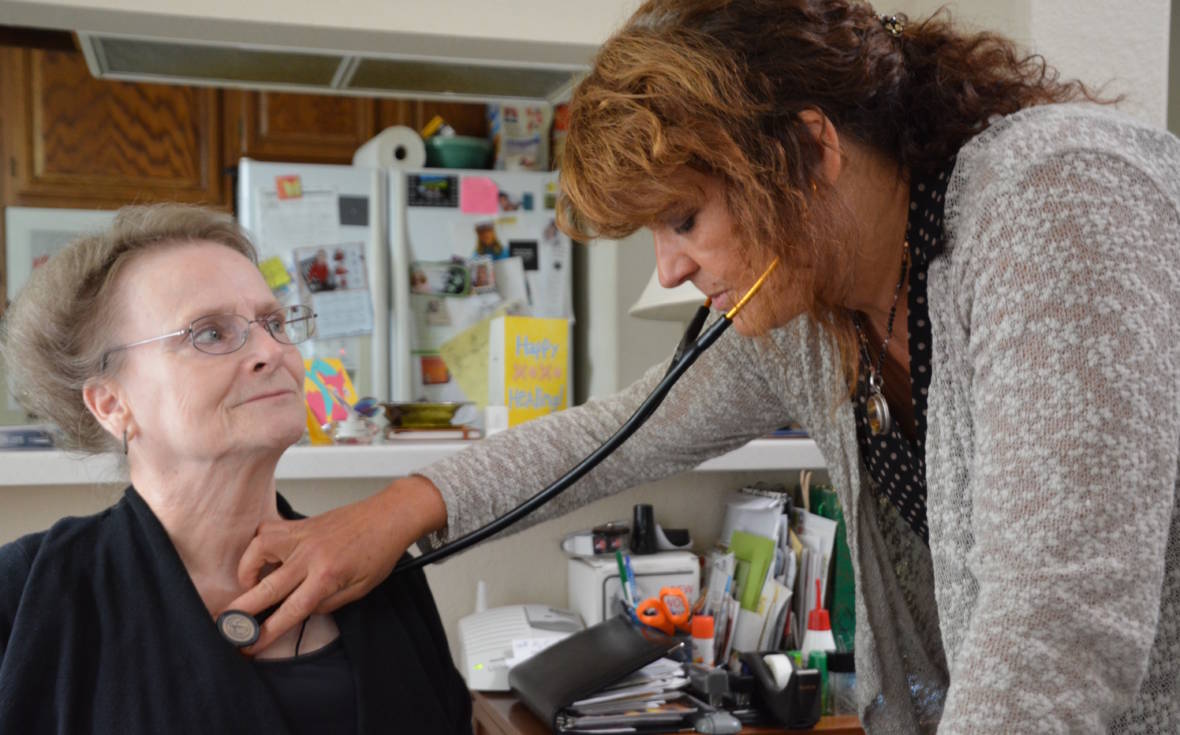
"caption": "Dr. Lorraine Page with one her patients, Ann Caponio, 59, in Half Moon Bay, Calif. ",
"description": null,
"title": "DocsOffGrid1",
"credit": "David Gorn/KQED",
"status": "inherit",
"isLoading": false,
"fetchFailed": false
},
"news_10724063": {
"type": "attachments",
"id": "news_10724063",
"meta": {
"index": "attachments_1716263798",
"site": "news",
"id": "10724063",
"found": true
},
"parent": 10723998,
"imgSizes": {
"twentyfourteen-full-width": {
"file": "https://ww2.kqed.org/app/uploads/sites/10/2015/10/IMG_2241-1038x576.jpg",
"width": 1038,
"mimeType": "image/jpeg",
"height": 576
},
"thumbnail": {
"file": "https://ww2.kqed.org/app/uploads/sites/10/2015/10/IMG_2241-400x267.jpg",
"width": 400,
"mimeType": "image/jpeg",
"height": 267
},
"fd-sm": {
"file": "https://ww2.kqed.org/app/uploads/sites/10/2015/10/IMG_2241-960x640.jpg",
"width": 960,
"mimeType": "image/jpeg",
"height": 640
},
"post-thumbnail": {
"file": "https://ww2.kqed.org/app/uploads/sites/10/2015/10/IMG_2241-672x372.jpg",
"width": 672,
"mimeType": "image/jpeg",
"height": 372
},
"kqedFullSize": {
"file": "https://ww2.kqed.org/app/uploads/sites/10/2015/10/IMG_2241-e1445359048539.jpg",
"width": 1920,
"height": 1280
},
"large": {
"file": "https://ww2.kqed.org/app/uploads/sites/10/2015/10/IMG_2241-1440x960.jpg",
"width": 1440,
"mimeType": "image/jpeg",
"height": 960
},
"guest-author-96": {
"file": "https://ww2.kqed.org/app/uploads/sites/10/2015/10/IMG_2241-96x96.jpg",
"width": 96,
"mimeType": "image/jpeg",
"height": 96
},
"medium": {
"file": "https://ww2.kqed.org/app/uploads/sites/10/2015/10/IMG_2241-800x533.jpg",
"width": 800,
"mimeType": "image/jpeg",
"height": 533
},
"guest-author-64": {
"file": "https://ww2.kqed.org/app/uploads/sites/10/2015/10/IMG_2241-64x64.jpg",
"width": 64,
"mimeType": "image/jpeg",
"height": 64
},
"guest-author-32": {
"file": "https://ww2.kqed.org/app/uploads/sites/10/2015/10/IMG_2241-32x32.jpg",
"width": 32,
"mimeType": "image/jpeg",
"height": 32
},
"jmtc-small-thumb": {
"file": "https://ww2.kqed.org/app/uploads/sites/10/2015/10/IMG_2241-280x150.jpg",
"width": 280,
"mimeType": "image/jpeg",
"height": 150
},
"fd-lrg": {
"file": "https://ww2.kqed.org/app/uploads/sites/10/2015/10/IMG_2241-1920x1280.jpg",
"width": 1920,
"mimeType": "image/jpeg",
"height": 1280
},
"fd-med": {
"file": "https://ww2.kqed.org/app/uploads/sites/10/2015/10/IMG_2241-1180x787.jpg",
"width": 1180,
"mimeType": "image/jpeg",
"height": 787
},
"detail": {
"file": "https://ww2.kqed.org/app/uploads/sites/10/2015/10/IMG_2241-75x75.jpg",
"width": 75,
"mimeType": "image/jpeg",
"height": 75
},
"guest-author-128": {
"file": "https://ww2.kqed.org/app/uploads/sites/10/2015/10/IMG_2241-128x128.jpg",
"width": 128,
"mimeType": "image/jpeg",
"height": 128
}
},
"publishDate": 1445275446,
"modified": 1445294168,
"caption": "More than 100,000 people attended the 45th Annual Art and Pumpkin Festival in Half Moon Bay this past weekend. ",
"description": null,
"title": "IMG_2241",
"credit": "Ericka Cruz Guevarra/KQED",
"status": "inherit",
"isLoading": false,
"fetchFailed": false
},
"news_147293": {
"type": "attachments",
"id": "news_147293",
"meta": {
"index": "attachments_1716263798",
"site": "news",
"id": "147293",
"found": true
},
"parent": 147256,
"imgSizes": {
"twentyfourteen-full-width": {
"file": "https://ww2.kqed.org/app/uploads/sites/10/2014/09/YaniraMex3-1038x576.jpeg",
"width": 1038,
"mimeType": "image/jpeg",
"height": 576
},
"thumbnail": {
"file": "https://ww2.kqed.org/app/uploads/sites/10/2014/09/YaniraMex3-400x565.jpeg",
"width": 400,
"mimeType": "image/jpeg",
"height": 565
},
"post-thumbnail": {
"file": "https://ww2.kqed.org/app/uploads/sites/10/2014/09/YaniraMex3-672x372.jpeg",
"width": 672,
"mimeType": "image/jpeg",
"height": 372
},
"kqedFullSize": {
"file": "https://ww2.kqed.org/app/uploads/sites/10/2014/09/YaniraMex3.jpeg",
"width": 1247,
"height": 1764
},
"medium": {
"file": "https://ww2.kqed.org/app/uploads/sites/10/2014/09/YaniraMex3-800x1131.jpeg",
"width": 800,
"mimeType": "image/jpeg",
"height": 1131
}
},
"publishDate": 1410312830,
"modified": 1410312830,
"caption": "Yanira Serrano-Garcia (Courtesy Arnoldo Casillas)",
"description": null,
"title": "Yanira Serrano-Garcia",
"credit": null,
"status": "inherit",
"isLoading": false,
"fetchFailed": false
},
"news_124431": {
"type": "attachments",
"id": "news_124431",
"meta": {
"index": "attachments_1716263798",
"site": "news",
"id": "124431",
"found": true
},
"parent": 124357,
"imgSizes": {
"kqedFullSize": {
"file": "https://ww2.kqed.org/app/uploads/sites/10/2014/01/464856265.jpg",
"width": 1537,
"height": 1024
}
},
"publishDate": 1390606752,
"modified": 1390606752,
"caption": "Carlos Burle takes a header during an early heat in today's Mavericks Invitational in Half Moon Bay, California. (Ezra Shaw/Getty Images)",
"description": "Carlos Burle takes a header during an early heat in today's Mavericks Invitational in Half Moon Bay, California. (Ezra Shaw/Getty Images)",
"title": "Mavericks Invitational 2014",
"credit": null,
"status": "inherit",
"isLoading": false,
"fetchFailed": false
},
"news_123104": {
"type": "attachments",
"id": "news_123104",
"meta": {
"index": "attachments_1716263798",
"site": "news",
"id": "123104",
"found": true
},
"parent": 123090,
"imgSizes": {
"kqedFullSize": {
"file": "https://ww2.kqed.org/app/uploads/sites/10/2014/01/RS6220_175721355-scr.jpg",
"width": 850,
"height": 566
}
},
"publishDate": 1389310502,
"modified": 1389310502,
"caption": "Japanese government officials and nuclear experts inspect work at the badly damaged Fukushima nuclear plant. (AFP-Getty Images)",
"description": "Japanese government officials and nuclear experts inspect work at the badly damaged Fukushima nuclear plant. (AFP-Getty Images)",
"title": "Fukushima",
"credit": null,
"status": "inherit",
"isLoading": false,
"fetchFailed": false
},
"news_116367": {
"type": "attachments",
"id": "news_116367",
"meta": {
"index": "attachments_1716263798",
"site": "news",
"id": "116367",
"found": true
},
"parent": 116349,
"imgSizes": {
"kqedFullSize": {
"file": "https://ww2.kqed.org/app/uploads/sites/10/2013/10/Mavericks_Surf_Contest_2010a-e1383089187432.jpg",
"width": 640,
"height": 458
}
},
"publishDate": 1383089176,
"modified": 1383089176,
"caption": "From the 2010 Mavericks surf contest (Jacobovs / Wikimedia Commons",
"description": "From the 2010 Mavericks surf contest (Jacobovs / Wikimedia Commons",
"title": "From the 2010 Mavericks surf contest (Jacobovs / Wikimedia Commons",
"credit": null,
"status": "inherit",
"isLoading": false,
"fetchFailed": false
}
},
"audioPlayerReducer": {
"postId": "stream_live",
"isPaused": true,
"isPlaying": false,
"pfsActive": false,
"pledgeModalIsOpen": true,
"playerDrawerIsOpen": false,
"liveAudioPlayStartedAt": 0,
"liveAudioPlayContext": ""
},
"authorsReducer": {
"byline_futureofyou_219067": {
"type": "authors",
"id": "byline_futureofyou_219067",
"meta": {
"override": true
},
"slug": "byline_futureofyou_219067",
"name": "David Gorn",
"isLoading": false
},
"danbrekke": {
"type": "authors",
"id": "222",
"meta": {
"index": "authors_1716337520",
"id": "222",
"found": true
},
"name": "Dan Brekke",
"firstName": "Dan",
"lastName": "Brekke",
"slug": "danbrekke",
"email": "dbrekke@kqed.org",
"display_author_email": true,
"staff_mastheads": [
"news",
"science"
],
"title": "KQED Editor and Reporter",
"bio": "Dan Brekke is a reporter and editor for KQED News, responsible for coverage of topics ranging from California water issues to the Bay Area's transportation challenges. In a newsroom career that began in Chicago in 1972, Dan has worked for \u003cem>The San Francisco Examiner,\u003c/em> Wired and TechTV and has been published in The New York Times, The New York Times Magazine, Business 2.0, Salon and elsewhere.\r\n\r\nSince joining KQED in 2007, Dan has reported, edited and produced both radio and online features and breaking news pieces. He has shared as both editor and reporter in four Society of Professional Journalists Norcal Excellence in Journalism awards and one Edward R. Murrow regional award. He was chosen for a spring 2017 residency at the Mesa Refuge to advance his research on California salmon.\r\n\r\nEmail Dan at: \u003ca href=\"mailto:dbrekke@kqed.org\">dbrekke@kqed.org\u003c/a>\r\n\r\n\u003cstrong>Twitter:\u003c/strong> \u003ca href=\"https://twitter.com/danbrekke\" rel=\"noopener noreferrer\">twitter.com/danbrekke\u003c/a>\r\n\u003cstrong>Facebook:\u003c/strong> \u003ca href=\"https://www.facebook.com/danbrekke\" rel=\"noopener noreferrer\">www.facebook.com/danbrekke\u003c/a>\r\n\u003cstrong>LinkedIn:\u003c/strong> \u003ca href=\"https://www.linkedin.com/in/danbrekke\" rel=\"noopener noreferrer\">www.linkedin.com/in/danbrekke\u003c/a>",
"avatar": "https://secure.gravatar.com/avatar/8f1f0d2a978fb3b23426c922c7e2af558fa36905b49c4ce76a97dc3c72d27226?s=600&d=mm&r=g",
"twitter": "danbrekke",
"bluesky": null,
"facebook": null,
"instagram": "https://www.instagram.com/dan.brekke/",
"linkedin": "https://www.linkedin.com/in/danbrekke/",
"sites": [
{
"site": "news",
"roles": [
"administrator",
"create_posts"
]
},
{
"site": "stateofhealth",
"roles": [
"editor"
]
},
{
"site": "science",
"roles": [
"editor"
]
},
{
"site": "quest",
"roles": [
"contributor"
]
},
{
"site": "food",
"roles": [
"contributor"
]
},
{
"site": "forum",
"roles": [
"contributor"
]
},
{
"site": "elections",
"roles": [
"editor"
]
},
{
"site": "liveblog",
"roles": [
"editor"
]
}
],
"headData": {
"title": "Dan Brekke | KQED",
"description": "KQED Editor and Reporter",
"ogImgSrc": "https://secure.gravatar.com/avatar/8f1f0d2a978fb3b23426c922c7e2af558fa36905b49c4ce76a97dc3c72d27226?s=600&d=mm&r=g",
"twImgSrc": "https://secure.gravatar.com/avatar/8f1f0d2a978fb3b23426c922c7e2af558fa36905b49c4ce76a97dc3c72d27226?s=600&d=mm&r=g"
},
"isLoading": false,
"link": "/author/danbrekke"
},
"joshuajohnson": {
"type": "authors",
"id": "233",
"meta": {
"index": "authors_1716337520",
"id": "233",
"found": true
},
"name": "Joshua Johnson",
"firstName": "Joshua",
"lastName": "Johnson",
"slug": "joshuajohnson",
"email": "jejohnson@kqed.org",
"display_author_email": false,
"staff_mastheads": [],
"title": null,
"bio": "Joshua Johnson is the creator and host of \u003cem>\u003ca href=\"http://www.truthbetoldshow.org\">Truth Be Told\u003c/a>,\u003c/em> a special series on race from KQED and PRI. Prior to creating the show, he served as the station's morning news anchor for five-and-half years.\r\n\r\nPrior to joining KQED, Joshua spent six years as an anchor/reporter for WLRN Miami Herald News. He's a native of South Florida, with degrees from the University of Miami. His reporting and newscasting have won awards from the Radio Television Digital News Association and from the National Association of Black Journalists. Joshua is also active in his union, SAG-AFTRA. He lives in San Francisco.",
"avatar": "https://secure.gravatar.com/avatar/2abea375594cdd54e4837846e3561fa4?s=600&d=blank&r=g",
"twitter": "@JEJohnson322",
"facebook": null,
"instagram": null,
"linkedin": null,
"sites": [
{
"site": "news",
"roles": [
"subscriber"
]
}
],
"headData": {
"title": "Joshua Johnson | KQED",
"description": null,
"ogImgSrc": "https://secure.gravatar.com/avatar/2abea375594cdd54e4837846e3561fa4?s=600&d=blank&r=g",
"twImgSrc": "https://secure.gravatar.com/avatar/2abea375594cdd54e4837846e3561fa4?s=600&d=blank&r=g"
},
"isLoading": false,
"link": "/author/joshuajohnson"
},
"kqed": {
"type": "authors",
"id": "236",
"meta": {
"index": "authors_1716337520",
"id": "236",
"found": true
},
"name": "KQED News Staff",
"firstName": "KQED News Staff",
"lastName": null,
"slug": "kqed",
"email": "faq@kqed.org",
"display_author_email": false,
"staff_mastheads": [],
"title": null,
"bio": null,
"avatar": "https://secure.gravatar.com/avatar/ef0e801a68c4c54afa9180db14084167?s=600&d=blank&r=g",
"twitter": null,
"facebook": null,
"instagram": null,
"linkedin": null,
"sites": [
{
"site": "arts",
"roles": [
"contributor"
]
},
{
"site": "news",
"roles": [
"editor"
]
},
{
"site": "futureofyou",
"roles": [
"author"
]
}
],
"headData": {
"title": "KQED News Staff | KQED",
"description": null,
"ogImgSrc": "https://secure.gravatar.com/avatar/ef0e801a68c4c54afa9180db14084167?s=600&d=blank&r=g",
"twImgSrc": "https://secure.gravatar.com/avatar/ef0e801a68c4c54afa9180db14084167?s=600&d=blank&r=g"
},
"isLoading": false,
"link": "/author/kqed"
},
"katharinefong": {
"type": "authors",
"id": "1479",
"meta": {
"index": "authors_1716337520",
"id": "1479",
"found": true
},
"name": "Katharine Fong",
"firstName": "Katharine",
"lastName": "Fong",
"slug": "katharinefong",
"email": "katharinefong@gmail.com",
"display_author_email": false,
"staff_mastheads": [],
"title": null,
"bio": null,
"avatar": "https://secure.gravatar.com/avatar/7ee290207889c71d9adcaf3591853a92?s=600&d=blank&r=g",
"twitter": null,
"facebook": null,
"instagram": null,
"linkedin": null,
"sites": [
{
"site": "news",
"roles": [
"subscriber"
]
},
{
"site": "lowdown",
"roles": [
"editor"
]
},
{
"site": "stateofhealth",
"roles": [
"subscriber"
]
}
],
"headData": {
"title": "Katharine Fong | KQED",
"description": null,
"ogImgSrc": "https://secure.gravatar.com/avatar/7ee290207889c71d9adcaf3591853a92?s=600&d=blank&r=g",
"twImgSrc": "https://secure.gravatar.com/avatar/7ee290207889c71d9adcaf3591853a92?s=600&d=blank&r=g"
},
"isLoading": false,
"link": "/author/katharinefong"
},
"aemslie": {
"type": "authors",
"id": "3206",
"meta": {
"index": "authors_1716337520",
"id": "3206",
"found": true
},
"name": "Alex Emslie",
"firstName": "Alex",
"lastName": "Emslie",
"slug": "aemslie",
"email": "aemslie@kqed.org",
"display_author_email": true,
"staff_mastheads": [
"news"
],
"title": "KQED Senior Editor",
"bio": "Alex Emslie is senior editor of talent and development at KQED, where he manages dozens of early career journalists and oversees news department internships.\r\n\r\nHe is a former carpenter and proud graduate of City College of San Francisco and San Francisco State University, where he studied journalism and criminal justice before joining KQED in 2013.\r\n\r\nAlex produced investigative journalism focused on \u003ca href=\"https://www.kqed.org/news/11667594/the-trials-of-marvin-mutch-video\">criminal justice\u003c/a> and policing for most of a decade. He has broken major stories about \u003ca href=\"https://www.kqed.org/news/135682/amid-a-series-of-vallejo-police-shootings-one-officers-name-stands-out\">police use of deadly force\u003c/a>, \u003ca href=\"https://www.kqed.org/news/10454955/racist-texts-prompt-sfpd-internal-investigation\">officer misconduct\u003c/a> and \u003ca href=\"https://www.kqed.org/news/11712239/terrorist-or-troll-judge-to-weigh-whether-oakland-man-really-intended-to-attack-bay-area\">other\u003c/a> \u003ca href=\"https://www.kqed.org/news/11221414/hayward-paid-159000-to-husband-of-retired-police-chief-documents-show\">high\u003c/a>-\u003ca href=\"https://www.kqed.org/news/10622762/the-forgotten-tracking-two-homicides-in-san-francisco-public-housing\">profile\u003c/a> \u003ca href=\"https://www.kqed.org/news/11624516/federal-agency-promoted-ranger-just-months-after-his-gun-was-stolen-and-used-in-steinle-killing\">cases\u003c/a>. He co-founded the \u003ca href=\"https://projects.scpr.org/california-reporting-project/\">California Reporting Project\u003c/a> in 2019 to obtain and report on previously confidential police internal investigations. The effort produced well over 100 original stories and changed the course of multiple criminal cases.\r\n\r\nHis work has been recognized with numerous journalism awards, including a national Edward R. Murrow award for several years of \u003ca href=\"https://www.kqed.org/news/11688481/sfpd-officers-in-mario-woods-case-recount-shooting-in-newly-filed-depositions\">reporting\u003c/a> on the San Francisco Police shooting of Mario Woods. His \u003ca href=\"https://www.kqed.org/news/147854/half-of-those-killed-by-san-francisco-police-are-mentally-ill\">reporting\u003c/a> on police killings of people in psychiatric crisis was cited in amicus briefs before the U.S. Supreme Court.\r\n\r\nAlex now enjoys mentoring the next generation of journalists at KQED.",
"avatar": "https://secure.gravatar.com/avatar/e691e65209f20e9da202bd730ead5663?s=600&d=blank&r=g",
"twitter": "SFNewsReporter",
"facebook": null,
"instagram": null,
"linkedin": null,
"sites": [
{
"site": "arts",
"roles": [
"editor"
]
},
{
"site": "news",
"roles": [
"editor"
]
},
{
"site": "mindshift",
"roles": [
"editor"
]
},
{
"site": "stateofhealth",
"roles": [
"editor"
]
},
{
"site": "science",
"roles": [
"administrator"
]
}
],
"headData": {
"title": "Alex Emslie | KQED",
"description": "KQED Senior Editor",
"ogImgSrc": "https://secure.gravatar.com/avatar/e691e65209f20e9da202bd730ead5663?s=600&d=blank&r=g",
"twImgSrc": "https://secure.gravatar.com/avatar/e691e65209f20e9da202bd730ead5663?s=600&d=blank&r=g"
},
"isLoading": false,
"link": "/author/aemslie"
},
"ecruzguevarra": {
"type": "authors",
"id": "8654",
"meta": {
"index": "authors_1716337520",
"id": "8654",
"found": true
},
"name": "Ericka Cruz Guevarra",
"firstName": "Ericka",
"lastName": "Cruz Guevarra",
"slug": "ecruzguevarra",
"email": "ecruzguevarra@kqed.org",
"display_author_email": true,
"staff_mastheads": [
"news"
],
"title": "Producer, The Bay Podcast",
"bio": "Ericka Cruz Guevarra is host of \u003ca href=\"https://www.kqed.org/podcasts/thebay\">\u003cem>The Bay\u003c/em>\u003c/a> podcast at KQED. Before host, she was the show’s producer. Her work in that capacity includes a three-part reported series on policing in Vallejo, which won a 2020 excellence in journalism award from the Society of Professional Journalists. Ericka has worked as a breaking news reporter at Oregon Public Broadcasting, helped produce the Code Switch podcast, and was KQED’s inaugural Raul Ramirez Diversity Fund intern. She’s also an alumna of NPR’s Next Generation Radio program. Send her an email if you have strong feelings about whether Fairfield and Suisun City are the Bay. Ericka is represented by SAG-AFTRA.",
"avatar": "https://secure.gravatar.com/avatar/accefc1de4bafc7e234b69bcb9b6f6536c130fd84709bc3069ef11a78787e1bb?s=600&d=blank&r=g",
"twitter": "NotoriousECG",
"bluesky": null,
"facebook": null,
"instagram": null,
"linkedin": null,
"sites": [
{
"site": "arts",
"roles": [
"subscriber"
]
},
{
"site": "news",
"roles": [
"editor",
"manage_categories"
]
},
{
"site": "futureofyou",
"roles": [
"subscriber"
]
},
{
"site": "stateofhealth",
"roles": [
"subscriber"
]
},
{
"site": "science",
"roles": [
"editor"
]
},
{
"site": "forum",
"roles": [
"subscriber"
]
}
],
"headData": {
"title": "Ericka Cruz Guevarra | KQED",
"description": "Producer, The Bay Podcast",
"ogImgSrc": "https://secure.gravatar.com/avatar/accefc1de4bafc7e234b69bcb9b6f6536c130fd84709bc3069ef11a78787e1bb?s=600&d=blank&r=g",
"twImgSrc": "https://secure.gravatar.com/avatar/accefc1de4bafc7e234b69bcb9b6f6536c130fd84709bc3069ef11a78787e1bb?s=600&d=blank&r=g"
},
"isLoading": false,
"link": "/author/ecruzguevarra"
}
},
"pagesReducer": {
"news_tag_half-moon-bay": {
"type": "terms",
"id": "news_1164",
"meta": {
"index": "terms_1716263798",
"site": "news",
"id": "1164",
"score": 8.941159
},
"featImg": null,
"name": "Half Moon Bay",
"description": null,
"taxonomy": "tag",
"headData": {
"twImgId": null,
"twTitle": null,
"ogTitle": null,
"ogImgId": null,
"twDescription": null,
"description": null,
"title": "Half Moon Bay Archives | KQED News",
"ogDescription": null
},
"ttid": 1175,
"slug": "half-moon-bay",
"isLoading": false,
"title": "Half Moon Bay",
"pageMeta": {
"site": "news",
"WpPageTemplate": "page-topic-editorial",
"currentPage": 5
},
"blocks": [
{
"blockName": "kqed/post-list",
"attrs": {
"layout": "cardArticle2",
"query": "posts/news?tag=half-moon-bay",
"seeMore": false,
"paginated": true,
"page": 5
}
},
{
"blockName": "kqed/ad"
}
]
}
},
"pfsSessionReducer": {},
"postsReducer": {
"stream_live": {
"type": "live",
"id": "stream_live",
"audioUrl": "https://hls.kqed.org/hls/kqed_app/playlist.m3u8",
"title": "Live Stream",
"excerpt": "Live Stream information currently unavailable.",
"link": "/radio",
"featImg": "",
"label": {
"name": "KQED Live",
"link": "/"
}
},
"stream_kqedNewscast": {
"type": "posts",
"id": "stream_kqedNewscast",
"audioUrl": "https://www.kqed.org/.stream/anon/radio/RDnews/newscast.mp3?_=1",
"title": "KQED Newscast",
"featImg": "",
"label": {
"name": "88.5 FM",
"link": "/"
}
},
"futureofyou_219067": {
"type": "posts",
"id": "futureofyou_219067",
"meta": {
"index": "posts_1716263798",
"site": "futureofyou",
"id": "219067",
"score": null,
"sort": [
1473616821000
]
},
"parent": 0,
"labelTerm": {},
"blocks": [],
"publishDate": 1473616821,
"format": "audio",
"disqusTitle": "When Doctors Dump Insurance for Subscription Model, Who Benefits?",
"title": "When Doctors Dump Insurance for Subscription Model, Who Benefits?",
"headTitle": "KQED Future of You | KQED Science",
"content": "\u003cp>Dr. Lorraine Page, believe it or not, makes house calls.\u003c/p>\n\u003cp>One place she visits is the home of Ann Caponio, a one-bedroom apartment in Half Moon Bay, California. You can tell a knitter lives there: baskets of wool and hanks of yarn adorn the room, and in the corner sits a wooden spinning wheel.\u003c/p>\n\u003caside class=\"pullquote alignright\">A new model gains in popularity: no insurance but unlimited doctor visits are provided for a monthly fee.\u003c/aside>\n\u003cp>But arthritis has put an end to that hobby. And for a while, Caponio, 69, wasn't even getting out.\u003c/p>\n\u003cp>\"I kind of stopped going downtown,\" she says, in her Midland, Texas twang, a holdover from childhood. \"Omigod those stairs.\"\u003c/p>\n\u003cp>She's talking about a steep, 17-step staircase leading to her front door. Three hip replacements left negotiating them a dangerous proposition.\u003c/p>\n\u003cp>[ad fullwidth]\u003c/p>\n\u003cp>\"I tend to fall. And I fell on those damned stairs once.\"\u003c/p>\n\u003cp>And that's where Lorraine Page enters the picture.\u003c/p>\n\u003cp>Besides the house calls, Page provides a little more than Caponio might expect from a primary care doc available through Medicare. Page, for instance, has aided her patient with a number of safety issues, including helping her find someone to rig up a chairlift on those stairs. Now, she can sit on a seat at the top and glide to the bottom.\u003c/p>\n\u003cp>\"It opens up a whole new world for me,\" Caponio says.\u003c/p>\n\u003cp>\u003cstrong>A Different Model\u003c/strong>\u003c/p>\n\u003cp>A whole new world is what Dr. Page herself has been experiencing, ever since she left the traditional clinic setting to try something different. She does have a small office, but prefers to visit most of her patients in their homes.\u003c/p>\n\u003caside class=\"pullquote alignright\">When they learn they can get off the production line, 'Doctors will be in mass exodus.'\u003ccite>Dr. Pamela Wible\u003c/cite>\u003c/aside>\n\u003cp>She's one of a growing number of doctors who have cut loose from what she calls the \"assembly-line, volume approach\" that most of her colleagues have experienced. These breakaway docs are now using a health care delivery model called direct primary care. Page has cut back on the number of patients she sees, and spends more time with the ones she does. She doesn't take insurance and deals mostly in cash. Page charges each time she sees a patient, but most direct primary care doctors bill a monthly fee for unlimited visits.\u003c/p>\n\u003cp>In her previous practice, Page says, the pressure to see more patients in less time wore her down, as did the need for an army of support staff to process the copious paperwork required by insurance companies.\u003c/p>\n\u003cp>\"At our office, we had six full-time doctors. And we had seven full-time insurance people. So [that's] more than one full-time person trying to get reimbursement for patients I was seeing.\"\u003c/p>\n\u003cp>The benefits of leaving that bureaucratic load behind includes more time with patients but shorter days as her total load has been reduced. And she's doing the kind of family-care medicine for which she was trained.\u003c/p>\n\u003cp>\"And I enjoy it a lot more,\" Page says. \"Let's not minimize that.\"\u003c/p>\n\u003cp>[contextly_sidebar id=\"vPRJXQNXVX11c9sC2BeSG7GGPJpZybhw\"]\u003c/p>\n\u003cp>\u003cstrong>What Doctors Want\u003c/strong>\u003c/p>\n\u003cp>A 2012 \u003ca href=\"http://www.medscape.com/features/slideshow/compensation/2012/public\" target=\"_blank\">Medscape study\u003c/a> found that 46 percent of primary care physicians showed such dissatisfaction with their careers, they wouldn't pursue medicine if they could choose again. Another\u003ca href=\"http://www.physiciansfoundation.org/healthcare-research/a-survey-of-americas-physicians-practice-patterns-and-perspectives\" target=\"_blank\"> study\u003c/a>, from the Physicians Foundation, found 60 percent of primary care doctors would not recommend a career in medicine. Just six percent described the morale of their colleagues as positive.\u003c/p>\n\u003cp>Overall, says Wanda Filer, president of the American Academy of Family Physicians, primary care doctors feel overworked and ineffective. \"Most patients are just rushed out the door,\" she says. \"That's not what doctors want to do. This new model of care gets the physician and the patient out of that hamster-wheel model.\"\u003c/p>\n\u003cp>Filer says about three percent of the organization's 69,000 primary care doctors have made the move to direct primary care in the past couple of years, and that number is increasing rapidly as other physicians see it succeed.\u003c/p>\n\u003cp>In fact, Filer says, her organization has taken the unusual step of convening informational seminars for the large number of family doctors who have expressed interest in getting off the grid and starting a kinder, gentler practice.\u003c/p>\n\u003cp>\u003cb>Cash and Care\u003c/b>\u003c/p>\n\u003cfigure id=\"attachment_220077\" class=\"wp-caption alignright\" style=\"max-width: 357px\">\u003cimg class=\"wp-image-220077\" src=\"http://ww2.kqed.org/futureofyou/wp-content/uploads/sites/13/2016/08/emiliescott1-885x1180.jpg\" alt=\"Dr. Emilie Scott of Irvine, Calif.\" width=\"357\" height=\"476\">\u003cfigcaption class=\"wp-caption-text\">Dr. Emilie Scott of Irvine, Calif., says the direct primary care model has put 'the heart back in medicine' for her. (David Gorn/KQED) \u003ccite>(David Gorn/KQED)\u003c/cite>\u003c/figcaption>\u003c/figure>\n\u003cp>While direct primary care has some similarities to \u003ca href=\"http://www.healthline.com/health-news/the-future-of-healthcare-could-be-in-concierge-medicine-063015\" target=\"_blank\">concierge medicine\u003c/a>, it differs in that direct primary care rejects insurance. And, because concierge medicine sprang from wealthy patients’ desire for greater access to their doctors, patients can \u003ca href=\"http://www.wsj.com/articles/SB10001424052702303471004579165470633112630\" target=\"_blank\">pay up to thousands of dollars a month\u003c/a> for same-day appointments, round-the-clock phone access, house calls and other services.\u003c/p>\n\u003cp>In contrast, direct primary care doctors charge a relatively small monthly fee. While that can be an extra cost for those who also need insurance to cover more serious medical problems, many patients have high-deductible plans, making the monthly expense of direct primary care a good deal, especially for those who go to the doctor a lot.\u003c/p>\n\u003cp>For doctors, the main idea behind direct primary care is to simplify -- scale down, deal mostly in cash and focus on taking better care of fewer patients. This includes a good deal of listening and analysis of how a patient's current environment or life situation may be affecting their health.\u003c/p>\n\u003cp>This type of service \u003ca href=\"http://www.kevinmd.com/blog/2011/07/direct-primary-care-reduces-primary-care-costs.html\" target=\"_blank\">took off as a movement\u003c/a> in 2011, and the model was first evaluated in a 2013 \u003ca href=\"http://www.chcf.org/publications/2013/04/retainer-direct-primary-care\" target=\"_blank\">study\u003c/a> by the California Health Care Foundation. It's gaining significant traction, says Laurence Baker, the chair of Stanford University's Department of Health Research and Policy.\u003c/p>\n\u003cp>\"Absolutely it's a growing segment of primary care,\" he says. \"The model we have is challenged in a lot of ways, the longer a patient waits to see a doctor, the shorter time spent with the doctor. So we have to think about what else we can do to change that.\u003c/p>\n\u003cp>\"I would be surprised if it took over the world,\" Baker added, \"But I certainly wouldn't be surprised if it grew substantially more in the next few years.\"\u003c/p>\n\u003cp>\u003cstrong>'Doctors Will Be in Mass Exodus'\u003c/strong>\u003c/p>\n\u003cp>The reason doctors need to see so many patients in rapid succession is because of huge overhead, says Pamela Wible, a physician in Eugene, Ore., who helps doctors set up their ideal practice using the direct primary care model. In fact, she says, most doctors see just a small fraction of gross earnings.\u003c/p>\n\u003cp>But the kind of streamlined operation found in direct primary care allows doctors to keep a greater share of the money coming in, she says, even if they make less overall than in a traditional practice.\u003c/p>\n\u003cp>\"My expenses are so low, they're now about 10 percent of my practice,\" Wible says. \"And it used to be 74 percent.\"\u003c/p>\n\u003cp>Wible says the direct primary care model has at its heart the relationship between doctor and patient. She says doctors \"will be in mass exodus\" once they learn they can run their practice differently and \"get off the production line.\"\u003c/p>\n\u003cp>Dr. Emilie Scott did just that, in March. She had worked in an academic medical setting for many years, then in a large group practice for another five before venturing out on her own.\u003c/p>\n\u003cp>There are no waiting room magazines in her tiny Irvine medical office, because there is no waiting room. And that's because there is no waiting.\u003c/p>\n\u003cp>She charges her patients $59 per month. Just five months in, she says, her practice is already breaking even.\u003c/p>\n\u003cp>\"For me, it puts the heart back in medicine,\" Scott says, grinning. In the past, \"I had to see patients in a rapid style, trying to get patients out the door. It wears on you.\"\u003c/p>\n\u003cp>She understands the fear some doctors have of taking the leap, in part because of the massive debt they've incurred from medical school. But, she says, \"The point here isn't to become a millionaire. You make a good living, and you can practice in line with your values.\"\u003c/p>\n\u003cp>Scott said some of her patients are surprised at how little her service costs.\u003c/p>\n\u003cp>\"I had one woman who said she couldn't afford it but said she'd listen, and then I explained it, and she was like, 'Are we on Candid Camera or something? What's the catch?'\"\u003c/p>\n\u003cp>\u003cstrong>Shrinking the Physician Pool?\u003c/strong>\u003c/p>\n\u003cp>Janet Coffman, a health policy professor at the University of California, San Francisco, says she doesn't expect direct primary care to explode on the medical scene. Rather, she believes it will make slow and steady inroads. She doesn't think insurance companies will fight the model, even though it cuts them out of the medical care delivery system.\u003c/p>\n\u003cp>But one major effect direct primary care could have, she said, is to further shrink the already inadequate pool of primary care physicians.\u003c/p>\n\u003cp>\"If I were an insurance company, I think I'd be more concerned about recruiting and keeping PCPs because of this,\" Coffman says.\u003c/p>\n\u003cp>Betsy Imholz, director of special projects for Consumers Union, agrees that could be a concern if direct primary care catches on.\u003c/p>\n\u003cp>“Primary care is one of the least lucrative areas for doctors to go into,” Imholz says, “and therefore sometimes difficult for insurers to get sufficient numbers of.”\u003c/p>\n\u003cp>Imholz sees some other potential problems with the model. While she understands why both doctors and patients are attracted to direct primary care — “the old \u003ca href=\"https://www.youtube.com/watch?v=Y10VEkyKd3w\" target=\"_blank\">Marcus Welby\u003c/a> model,” as she puts it — she thinks it’s a move in the opposite direction of the current push for an integrated health care system. Ideally, doctors would have access to patients’ electronic health records, and \u003ca href=\"http://www.rwjf.org/content/dam/farm/reports/issue_briefs/2014/rwjf409988\" target=\"_blank\">all-payer claims databases\u003c/a>, at least \u003ca href=\"http://www.commondreams.org/newswire/2016/08/03/all-six-states-keep-consumers-dark-cost-medical-procedures\" target=\"_blank\">theoretically\u003c/a>, would allow purchasers of insurance to compare costs.\u003c/p>\n\u003cp>“It goes against this coordinated care model that the Affordable Care Act and the U.S. is coming to,” she says, “having things not fragmented but coordinated [in a way that] enables us to check, make quality assessments.”\u003c/p>\n\u003cp>Imholz is also concerned this type of practice could attract healthier people, who might see direct primary care as a substitute for insurance rather than an extra. And that could deprive the ACA \u003ca href=\"https://www.washingtonpost.com/news/to-your-health/wp/2016/03/30/theyre-sicker-plus-aca-enrollees-cost-more-in-care-major-insurer-finds/\" target=\"_blank\">risk pool \u003c/a>of the very type of patients \u003ca href=\"http://www.newsweek.com/obamacare-premiums-rise-10-percent-2017-490268\" target=\"_blank\">needed to keep cost increases manageable\u003c/a>.\u003c/p>\n\u003cp>Consumers in California, Imholz said, should also keep in mind a little-known benefit of the plans offered on the state’s health care exchange, Covered California: those plans are required to offer three visits outside of the deductible, costing only a co-pay.\u003c/p>\n\u003cp>Ultimately, she says, if patients do want to go the route of direct primary care, they should create their own \u003ca href=\"https://www.healthit.gov/providers-professionals/faqs/what-personal-health-record\" target=\"_blank\">personal health record\u003c/a> for each visit, in case at some point they need to visit a specialist for a serious health problem.\u003c/p>\n\u003cp>As to whether direct primary care will positively impact patients' health, Laurence Baker says it's not clear whether or not the longer office and home visits end up providing better care.\u003c/p>\n\u003cp>\"I'm not sure we know if this makes you healthier at the end of the day,\" Baker says. \"It will make you happier, definitely, but the jury is still out about whether it improves outcomes.\"\u003c/p>\n\u003cp>\u003cstrong>'It's Lovely'\u003c/strong>\u003c/p>\n\u003cp>Back in Half Moon Bay, physician Lorraine Page says she doesn't need data. She tries to find the words for the improvement she has seen in her life and the lives of her patients.\u003c/p>\n\u003cp>\"It's … lovely,\" she says with a laugh. \"It's just lovely. The patients do better, I get to see the whole person, the whole family. It's true family practice. And it's very straightforward. I see the person, I get paid. It's simple.\"\u003c/p>\n\u003cp>This type of practice, she says, is what many young doctors-to-be have in mind when they first think about entering medicine.\u003c/p>\n\u003cp>It's an odd twist that Page's current work is considered the cutting- edge of primary care medicine, when it so closely resembles a kind of 1950s Norman Rockwell painting of what a general practitioner is.\u003c/p>\n\u003cp>Most doctors don't even think about what they want anymore, Page says. They get caught up in the system and don't realize there's another choice.\u003c/p>\n\u003cp>But leaving was surprisingly easy.\u003c/p>\n\u003cp>\"Look, your skills are in your mind,\" Page says. \"You can do that anywhere.\"\u003c/p>\n\u003cp>[ad floatright]\u003c/p>\n\u003cp>\u003cem>Jon Brooks contributed to this report.\u003c/em>\u003c/p>\n\n",
"disqusIdentifier": "219067 http://ww2.kqed.org/futureofyou/?p=219067",
"disqusUrl": "https://ww2.kqed.org/futureofyou/2016/09/11/dropout-docs-primary-care-physicians-exit-the-system-to-go-it-alone/",
"stats": {
"hasVideo": false,
"hasChartOrMap": false,
"hasAudio": false,
"hasPolis": false,
"wordCount": 2202,
"hasGoogleForm": false,
"hasGallery": false,
"hasHearkenModule": false,
"iframeSrcs": [],
"paragraphCount": 65
},
"modified": 1473625581,
"excerpt": "Many primary care physicians have had enough of the traditional health care system, so they've broken away to create their own practices, where they don't take insurance and charge a monthly fee. ",
"headData": {
"twImgId": "",
"twTitle": "",
"ogTitle": "",
"ogImgId": "",
"twDescription": "",
"description": "Many primary care physicians have had enough of the traditional health care system, so they've broken away to create their own practices, where they don't take insurance and charge a monthly fee. ",
"title": "When Doctors Dump Insurance for Subscription Model, Who Benefits? | KQED",
"ogDescription": "",
"schema": {
"@context": "https://schema.org",
"@type": "Article",
"headline": "When Doctors Dump Insurance for Subscription Model, Who Benefits?",
"datePublished": "2016-09-11T11:00:21-07:00",
"dateModified": "2016-09-11T13:26:21-07:00",
"image": "https://cdn.kqed.org/wp-content/uploads/2020/02/KQED-OG-Image@1x.png"
}
},
"guestAuthors": [],
"slug": "dropout-docs-primary-care-physicians-exit-the-system-to-go-it-alone",
"status": "publish",
"audioUrl": "http://www.kqed.org/.stream/anon/radio/science/2016/09/WEBDocsOffGrid160912.mp3",
"nprByline": "David Gorn",
"source": "Future of You",
"path": "/futureofyou/219067/dropout-docs-primary-care-physicians-exit-the-system-to-go-it-alone",
"audioTrackLength": null,
"parsedContent": [
{
"type": "contentString",
"content": "\u003cdiv class=\"post-body\">\u003cp>\u003cp>Dr. Lorraine Page, believe it or not, makes house calls.\u003c/p>\n\u003cp>One place she visits is the home of Ann Caponio, a one-bedroom apartment in Half Moon Bay, California. You can tell a knitter lives there: baskets of wool and hanks of yarn adorn the room, and in the corner sits a wooden spinning wheel.\u003c/p>\n\u003caside class=\"pullquote alignright\">A new model gains in popularity: no insurance but unlimited doctor visits are provided for a monthly fee.\u003c/aside>\n\u003cp>But arthritis has put an end to that hobby. And for a while, Caponio, 69, wasn't even getting out.\u003c/p>\n\u003cp>\"I kind of stopped going downtown,\" she says, in her Midland, Texas twang, a holdover from childhood. \"Omigod those stairs.\"\u003c/p>\n\u003cp>She's talking about a steep, 17-step staircase leading to her front door. Three hip replacements left negotiating them a dangerous proposition.\u003c/p>\n\u003cp>\u003c/p>\u003c/div>",
"attributes": {
"named": {},
"numeric": []
}
},
{
"type": "component",
"content": "",
"name": "ad",
"attributes": {
"named": {
"label": "fullwidth"
},
"numeric": [
"fullwidth"
]
}
},
{
"type": "contentString",
"content": "\u003cdiv class=\"post-body\">\u003cp>\u003c/p>\n\u003cp>\"I tend to fall. And I fell on those damned stairs once.\"\u003c/p>\n\u003cp>And that's where Lorraine Page enters the picture.\u003c/p>\n\u003cp>Besides the house calls, Page provides a little more than Caponio might expect from a primary care doc available through Medicare. Page, for instance, has aided her patient with a number of safety issues, including helping her find someone to rig up a chairlift on those stairs. Now, she can sit on a seat at the top and glide to the bottom.\u003c/p>\n\u003cp>\"It opens up a whole new world for me,\" Caponio says.\u003c/p>\n\u003cp>\u003cstrong>A Different Model\u003c/strong>\u003c/p>\n\u003cp>A whole new world is what Dr. Page herself has been experiencing, ever since she left the traditional clinic setting to try something different. She does have a small office, but prefers to visit most of her patients in their homes.\u003c/p>\n\u003caside class=\"pullquote alignright\">When they learn they can get off the production line, 'Doctors will be in mass exodus.'\u003ccite>Dr. Pamela Wible\u003c/cite>\u003c/aside>\n\u003cp>She's one of a growing number of doctors who have cut loose from what she calls the \"assembly-line, volume approach\" that most of her colleagues have experienced. These breakaway docs are now using a health care delivery model called direct primary care. Page has cut back on the number of patients she sees, and spends more time with the ones she does. She doesn't take insurance and deals mostly in cash. Page charges each time she sees a patient, but most direct primary care doctors bill a monthly fee for unlimited visits.\u003c/p>\n\u003cp>In her previous practice, Page says, the pressure to see more patients in less time wore her down, as did the need for an army of support staff to process the copious paperwork required by insurance companies.\u003c/p>\n\u003cp>\"At our office, we had six full-time doctors. And we had seven full-time insurance people. So [that's] more than one full-time person trying to get reimbursement for patients I was seeing.\"\u003c/p>\n\u003cp>The benefits of leaving that bureaucratic load behind includes more time with patients but shorter days as her total load has been reduced. And she's doing the kind of family-care medicine for which she was trained.\u003c/p>\n\u003cp>\"And I enjoy it a lot more,\" Page says. \"Let's not minimize that.\"\u003c/p>\n\u003cp>\u003c/p>\u003cp>\u003c/p>\u003cp>\u003c/p>\n\u003cp>\u003cstrong>What Doctors Want\u003c/strong>\u003c/p>\n\u003cp>A 2012 \u003ca href=\"http://www.medscape.com/features/slideshow/compensation/2012/public\" target=\"_blank\">Medscape study\u003c/a> found that 46 percent of primary care physicians showed such dissatisfaction with their careers, they wouldn't pursue medicine if they could choose again. Another\u003ca href=\"http://www.physiciansfoundation.org/healthcare-research/a-survey-of-americas-physicians-practice-patterns-and-perspectives\" target=\"_blank\"> study\u003c/a>, from the Physicians Foundation, found 60 percent of primary care doctors would not recommend a career in medicine. Just six percent described the morale of their colleagues as positive.\u003c/p>\n\u003cp>Overall, says Wanda Filer, president of the American Academy of Family Physicians, primary care doctors feel overworked and ineffective. \"Most patients are just rushed out the door,\" she says. \"That's not what doctors want to do. This new model of care gets the physician and the patient out of that hamster-wheel model.\"\u003c/p>\n\u003cp>Filer says about three percent of the organization's 69,000 primary care doctors have made the move to direct primary care in the past couple of years, and that number is increasing rapidly as other physicians see it succeed.\u003c/p>\n\u003cp>In fact, Filer says, her organization has taken the unusual step of convening informational seminars for the large number of family doctors who have expressed interest in getting off the grid and starting a kinder, gentler practice.\u003c/p>\n\u003cp>\u003cb>Cash and Care\u003c/b>\u003c/p>\n\u003cfigure id=\"attachment_220077\" class=\"wp-caption alignright\" style=\"max-width: 357px\">\u003cimg class=\"wp-image-220077\" src=\"http://ww2.kqed.org/futureofyou/wp-content/uploads/sites/13/2016/08/emiliescott1-885x1180.jpg\" alt=\"Dr. Emilie Scott of Irvine, Calif.\" width=\"357\" height=\"476\">\u003cfigcaption class=\"wp-caption-text\">Dr. Emilie Scott of Irvine, Calif., says the direct primary care model has put 'the heart back in medicine' for her. (David Gorn/KQED) \u003ccite>(David Gorn/KQED)\u003c/cite>\u003c/figcaption>\u003c/figure>\n\u003cp>While direct primary care has some similarities to \u003ca href=\"http://www.healthline.com/health-news/the-future-of-healthcare-could-be-in-concierge-medicine-063015\" target=\"_blank\">concierge medicine\u003c/a>, it differs in that direct primary care rejects insurance. And, because concierge medicine sprang from wealthy patients’ desire for greater access to their doctors, patients can \u003ca href=\"http://www.wsj.com/articles/SB10001424052702303471004579165470633112630\" target=\"_blank\">pay up to thousands of dollars a month\u003c/a> for same-day appointments, round-the-clock phone access, house calls and other services.\u003c/p>\n\u003cp>In contrast, direct primary care doctors charge a relatively small monthly fee. While that can be an extra cost for those who also need insurance to cover more serious medical problems, many patients have high-deductible plans, making the monthly expense of direct primary care a good deal, especially for those who go to the doctor a lot.\u003c/p>\n\u003cp>For doctors, the main idea behind direct primary care is to simplify -- scale down, deal mostly in cash and focus on taking better care of fewer patients. This includes a good deal of listening and analysis of how a patient's current environment or life situation may be affecting their health.\u003c/p>\n\u003cp>This type of service \u003ca href=\"http://www.kevinmd.com/blog/2011/07/direct-primary-care-reduces-primary-care-costs.html\" target=\"_blank\">took off as a movement\u003c/a> in 2011, and the model was first evaluated in a 2013 \u003ca href=\"http://www.chcf.org/publications/2013/04/retainer-direct-primary-care\" target=\"_blank\">study\u003c/a> by the California Health Care Foundation. It's gaining significant traction, says Laurence Baker, the chair of Stanford University's Department of Health Research and Policy.\u003c/p>\n\u003cp>\"Absolutely it's a growing segment of primary care,\" he says. \"The model we have is challenged in a lot of ways, the longer a patient waits to see a doctor, the shorter time spent with the doctor. So we have to think about what else we can do to change that.\u003c/p>\n\u003cp>\"I would be surprised if it took over the world,\" Baker added, \"But I certainly wouldn't be surprised if it grew substantially more in the next few years.\"\u003c/p>\n\u003cp>\u003cstrong>'Doctors Will Be in Mass Exodus'\u003c/strong>\u003c/p>\n\u003cp>The reason doctors need to see so many patients in rapid succession is because of huge overhead, says Pamela Wible, a physician in Eugene, Ore., who helps doctors set up their ideal practice using the direct primary care model. In fact, she says, most doctors see just a small fraction of gross earnings.\u003c/p>\n\u003cp>But the kind of streamlined operation found in direct primary care allows doctors to keep a greater share of the money coming in, she says, even if they make less overall than in a traditional practice.\u003c/p>\n\u003cp>\"My expenses are so low, they're now about 10 percent of my practice,\" Wible says. \"And it used to be 74 percent.\"\u003c/p>\n\u003cp>Wible says the direct primary care model has at its heart the relationship between doctor and patient. She says doctors \"will be in mass exodus\" once they learn they can run their practice differently and \"get off the production line.\"\u003c/p>\n\u003cp>Dr. Emilie Scott did just that, in March. She had worked in an academic medical setting for many years, then in a large group practice for another five before venturing out on her own.\u003c/p>\n\u003cp>There are no waiting room magazines in her tiny Irvine medical office, because there is no waiting room. And that's because there is no waiting.\u003c/p>\n\u003cp>She charges her patients $59 per month. Just five months in, she says, her practice is already breaking even.\u003c/p>\n\u003cp>\"For me, it puts the heart back in medicine,\" Scott says, grinning. In the past, \"I had to see patients in a rapid style, trying to get patients out the door. It wears on you.\"\u003c/p>\n\u003cp>She understands the fear some doctors have of taking the leap, in part because of the massive debt they've incurred from medical school. But, she says, \"The point here isn't to become a millionaire. You make a good living, and you can practice in line with your values.\"\u003c/p>\n\u003cp>Scott said some of her patients are surprised at how little her service costs.\u003c/p>\n\u003cp>\"I had one woman who said she couldn't afford it but said she'd listen, and then I explained it, and she was like, 'Are we on Candid Camera or something? What's the catch?'\"\u003c/p>\n\u003cp>\u003cstrong>Shrinking the Physician Pool?\u003c/strong>\u003c/p>\n\u003cp>Janet Coffman, a health policy professor at the University of California, San Francisco, says she doesn't expect direct primary care to explode on the medical scene. Rather, she believes it will make slow and steady inroads. She doesn't think insurance companies will fight the model, even though it cuts them out of the medical care delivery system.\u003c/p>\n\u003cp>But one major effect direct primary care could have, she said, is to further shrink the already inadequate pool of primary care physicians.\u003c/p>\n\u003cp>\"If I were an insurance company, I think I'd be more concerned about recruiting and keeping PCPs because of this,\" Coffman says.\u003c/p>\n\u003cp>Betsy Imholz, director of special projects for Consumers Union, agrees that could be a concern if direct primary care catches on.\u003c/p>\n\u003cp>“Primary care is one of the least lucrative areas for doctors to go into,” Imholz says, “and therefore sometimes difficult for insurers to get sufficient numbers of.”\u003c/p>\n\u003cp>Imholz sees some other potential problems with the model. While she understands why both doctors and patients are attracted to direct primary care — “the old \u003ca href=\"https://www.youtube.com/watch?v=Y10VEkyKd3w\" target=\"_blank\">Marcus Welby\u003c/a> model,” as she puts it — she thinks it’s a move in the opposite direction of the current push for an integrated health care system. Ideally, doctors would have access to patients’ electronic health records, and \u003ca href=\"http://www.rwjf.org/content/dam/farm/reports/issue_briefs/2014/rwjf409988\" target=\"_blank\">all-payer claims databases\u003c/a>, at least \u003ca href=\"http://www.commondreams.org/newswire/2016/08/03/all-six-states-keep-consumers-dark-cost-medical-procedures\" target=\"_blank\">theoretically\u003c/a>, would allow purchasers of insurance to compare costs.\u003c/p>\n\u003cp>“It goes against this coordinated care model that the Affordable Care Act and the U.S. is coming to,” she says, “having things not fragmented but coordinated [in a way that] enables us to check, make quality assessments.”\u003c/p>\n\u003cp>Imholz is also concerned this type of practice could attract healthier people, who might see direct primary care as a substitute for insurance rather than an extra. And that could deprive the ACA \u003ca href=\"https://www.washingtonpost.com/news/to-your-health/wp/2016/03/30/theyre-sicker-plus-aca-enrollees-cost-more-in-care-major-insurer-finds/\" target=\"_blank\">risk pool \u003c/a>of the very type of patients \u003ca href=\"http://www.newsweek.com/obamacare-premiums-rise-10-percent-2017-490268\" target=\"_blank\">needed to keep cost increases manageable\u003c/a>.\u003c/p>\n\u003cp>Consumers in California, Imholz said, should also keep in mind a little-known benefit of the plans offered on the state’s health care exchange, Covered California: those plans are required to offer three visits outside of the deductible, costing only a co-pay.\u003c/p>\n\u003cp>Ultimately, she says, if patients do want to go the route of direct primary care, they should create their own \u003ca href=\"https://www.healthit.gov/providers-professionals/faqs/what-personal-health-record\" target=\"_blank\">personal health record\u003c/a> for each visit, in case at some point they need to visit a specialist for a serious health problem.\u003c/p>\n\u003cp>As to whether direct primary care will positively impact patients' health, Laurence Baker says it's not clear whether or not the longer office and home visits end up providing better care.\u003c/p>\n\u003cp>\"I'm not sure we know if this makes you healthier at the end of the day,\" Baker says. \"It will make you happier, definitely, but the jury is still out about whether it improves outcomes.\"\u003c/p>\n\u003cp>\u003cstrong>'It's Lovely'\u003c/strong>\u003c/p>\n\u003cp>Back in Half Moon Bay, physician Lorraine Page says she doesn't need data. She tries to find the words for the improvement she has seen in her life and the lives of her patients.\u003c/p>\n\u003cp>\"It's … lovely,\" she says with a laugh. \"It's just lovely. The patients do better, I get to see the whole person, the whole family. It's true family practice. And it's very straightforward. I see the person, I get paid. It's simple.\"\u003c/p>\n\u003cp>This type of practice, she says, is what many young doctors-to-be have in mind when they first think about entering medicine.\u003c/p>\n\u003cp>It's an odd twist that Page's current work is considered the cutting- edge of primary care medicine, when it so closely resembles a kind of 1950s Norman Rockwell painting of what a general practitioner is.\u003c/p>\n\u003cp>Most doctors don't even think about what they want anymore, Page says. They get caught up in the system and don't realize there's another choice.\u003c/p>\n\u003cp>But leaving was surprisingly easy.\u003c/p>\n\u003cp>\"Look, your skills are in your mind,\" Page says. \"You can do that anywhere.\"\u003c/p>\n\u003cp>\u003c/p>\u003c/div>",
"attributes": {
"named": {},
"numeric": []
}
},
{
"type": "component",
"content": "",
"name": "ad",
"attributes": {
"named": {
"label": "floatright"
},
"numeric": [
"floatright"
]
}
},
{
"type": "contentString",
"content": "\u003cdiv class=\"post-body\">\u003cp>\u003c/p>\n\u003cp>\u003cem>Jon Brooks contributed to this report.\u003c/em>\u003c/p>\n\n\u003c/div>\u003c/p>",
"attributes": {
"named": {},
"numeric": []
}
}
],
"link": "/futureofyou/219067/dropout-docs-primary-care-physicians-exit-the-system-to-go-it-alone",
"authors": [
"byline_futureofyou_219067"
],
"categories": [
"futureofyou_452",
"futureofyou_1",
"futureofyou_73"
],
"tags": [
"futureofyou_1011",
"futureofyou_190",
"futureofyou_559"
],
"featImg": "futureofyou_220075",
"label": "source_futureofyou_219067"
},
"news_10723998": {
"type": "posts",
"id": "news_10723998",
"meta": {
"index": "posts_1716263798",
"site": "news",
"id": "10723998",
"score": null,
"sort": [
1445300226000
]
},
"parent": 0,
"labelTerm": {
"site": "news",
"term": 72
},
"blocks": [],
"publishDate": 1445300226,
"format": "standard",
"disqusTitle": "Oh My Gourd! Half Moon Bay Festival Delivers More Than Massive Pumpkins",
"title": "Oh My Gourd! Half Moon Bay Festival Delivers More Than Massive Pumpkins",
"headTitle": "The California Report | KQED News",
"content": "\u003cp>Rain failed to deter more than 100,000 locals and out-of-towners from showing up at the \u003ca href=\"http://pumpkinfest.miramarevents.com/\">45th Annual Art and Pumpkin Festival\u003c/a> in Half Moon Bay this past weekend.\u003c/p>\n\u003cp>Historic Main Street was lined with art, pumpkin doughnut vendors and, of course, the occasional kid in a \"Ghostbusters\" costume. A highlight was the Great Pumpkin Parade, with the local high school’s homecoming court leading the way.\u003c/p>\n\u003cp>The event, which raises thousands of dollars each year for community organizations and scholarships, now attracts thousands of outsiders and features live music, face painting, shopping and DIY art.\u003c/p>\n\u003cfigure id=\"attachment_10724065\" class=\"wp-caption alignnone\" style=\"max-width: 800px\">\u003ca href=\"http://ww2.kqed.org/news/wp-content/uploads/sites/10/2015/10/IMG_2045.jpg\">\u003cimg class=\"wp-image-10724065 size-medium\" src=\"http://ww2.kqed.org/news/wp-content/uploads/sites/10/2015/10/IMG_2045-800x533.jpg\" alt=\"Steve Daletas of Pleasant Hill, OR won the 42nd Annual Safeway World Championship Pumpkin Weigh-Off with his 1,969 pound pumpkin. This is Daletas’ third time winning the weigh off in Half Moon Bay. \" width=\"800\" height=\"533\" srcset=\"https://ww2.kqed.org/app/uploads/sites/10/2015/10/IMG_2045-800x533.jpg 800w, https://ww2.kqed.org/app/uploads/sites/10/2015/10/IMG_2045-400x267.jpg 400w, https://ww2.kqed.org/app/uploads/sites/10/2015/10/IMG_2045-1440x960.jpg 1440w, https://ww2.kqed.org/app/uploads/sites/10/2015/10/IMG_2045-1920x1280.jpg 1920w, https://ww2.kqed.org/app/uploads/sites/10/2015/10/IMG_2045-1180x787.jpg 1180w, https://ww2.kqed.org/app/uploads/sites/10/2015/10/IMG_2045-960x640.jpg 960w\" sizes=\"(max-width: 800px) 100vw, 800px\">\u003c/a>\u003cfigcaption class=\"wp-caption-text\">Steve Daletas of Pleasant Hill, Oregon, stands with his mother, Jeanette, as winner of the 42nd Annual Safeway World Championship Pumpkin Weigh-Off. The pumpkin weighed in at 1,969 pounds. \u003ccite>(Ericka Cruz Guevarra/KQED )\u003c/cite>\u003c/figcaption>\u003c/figure>\n\u003cp>But it remains, after all, a pumpkin festival. Spectators lined up along main street for the Great Pumpkin Parade, some with pumpkin pie in hand.\u003c/p>\n\u003cp>One of the parade’s highlights was the 1,969-pound winner of the \u003ca href=\"http://weighoff.miramarevents.com/index.php\">42nd Annual Safeway World Championship Pumpkin Weigh-Off\u003c/a>, the 12th heaviest in the world.\u003c/p>\n\u003caside class=\"pullquote alignright\">'Competition growers all over the world understand the stature and historical significance of Half Moon Bay'\u003c/aside>\n\u003cp>Steve Daletas, 55, won $11,814 ($6 per pound) for his pumpkin. The airline pilot from Pleasant Hill, Oregon, won the weigh-off twice before, once in 2001 and again in 2003.\u003c/p>\n\u003cp>[ad fullwidth]\u003c/p>\n\u003cp>“Competition growers all over the world understand the stature and historical significance of Half Moon Bay, and to win here is an incredible feeling,“ said Daletas in a post on the Half Moon Bay Pumpkin Festival \u003ca href=\"https://www.facebook.com/HalfMoonBayPumpkinFestival/\">Facebook page\u003c/a>. “It’s been a great year and I simply could not have accomplished this without the support of my family ... it’s definitely a team effort.\"\u003c/p>\n\u003cp>[gallery type=\"rectangular\" ids=\"10724077,10724152,10724071,10724150\"]\u003c/p>\n\u003cp>The festival was created by the \u003ca href=\"http://pumpkinfest.miramarevents.com/hmbbc-facts.html\">Main Street Committee for Beautification \u003c/a>in 1970 to raise funds to restore the historic downtown. In the first year, the city was able to paint buildings and plant trees.\u003c/p>\n\u003cp>Since then, millions have gone to grants and donations, with more than $100,000 going to local scholarships in the past 20 years. About $25,000 goes to maintenance on Main Street.\u003c/p>\n\u003cp>\"All the proceeds and profits [from the Pumpkin Festival] go right back into the community and organizations like the Boys & Girls Club and the Senior Center\" said Shari Mills, a festival volunteer at the information booth.\u003c/p>\n\u003cp>[gallery type=\"rectangular\" ids=\"10724083,10724155,10724229,10724154,10724228,10724227\"]\u003c/p>\n\u003cp>But the Pumpkin Festival isn't just about the pumpkins.\u003c/p>\n\u003cp>At Oddyssea's activity and adventure garden on Main Street, visitors could make everything from sand art to earth treasure necklaces -- paid for, of course, with pirate doubloons.\u003c/p>\n\u003cp>Young princesses hoping to win the annual costume contest could pass time in line for a walk through the Haunted Barn.\u003c/p>\n\u003cp>Festival-goers could also treat themselves to seasonal pumpkin harvest ales or beverages from Half Moon Bay Winery, all while watching the MLB playoffs in the \"Take 5 Lounge.\"\u003c/p>\n\u003cp>[gallery type=\"rectangular\" ids=\"10724304,10724306,10724157,10724307\"]\u003c/p>\n\u003cp>When rain began to sprinkle, visitors either put on their hoods or headed back from where they came.\u003c/p>\n\u003cp>Festival-goers from Hayward, Santa Cruz, San Jose and beyond contributed to the traffic along the two main highways leading to Main Street.\u003c/p>\n\u003cp>For those stuck in the backup, it was a scenic ride along the country side of the small pumpkin capital with a now 45-year-old festival that, in 1970, was just a modest hometown effort.\u003c/p>\n\u003cp>Others, like a group of friends from San Jose, Sunnyvale, Union City, Menlo Park and Santa Clara, were just getting started.\u003c/p>\n\u003cp>\u003c/p>\n\u003cp>\"Why would we leave now?\" they said as they ate their pumpkin pie in the rain. \"We drove over two hours to get here.\"\u003c/p>\n\n",
"disqusIdentifier": "10723998 http://ww2.kqed.org/news/?p=10723998",
"disqusUrl": "https://ww2.kqed.org/news/2015/10/19/oh-my-gourd-half-moon-bay-festival-delivers-more-than-massive-pumpkins/",
"stats": {
"hasVideo": false,
"hasChartOrMap": false,
"hasAudio": false,
"hasPolis": false,
"wordCount": 648,
"hasGoogleForm": false,
"hasGallery": true,
"hasHearkenModule": false,
"iframeSrcs": [],
"paragraphCount": 24
},
"modified": 1445891856,
"excerpt": "More than 100,000 people attended the 45th Annual Art and Pumpkin Festival in Half Moon Bay this past weekend. ",
"headData": {
"twImgId": "",
"twTitle": "",
"ogTitle": "",
"ogImgId": "",
"twDescription": "",
"description": "More than 100,000 people attended the 45th Annual Art and Pumpkin Festival in Half Moon Bay this past weekend. ",
"title": "Oh My Gourd! Half Moon Bay Festival Delivers More Than Massive Pumpkins | KQED",
"ogDescription": "",
"schema": {
"@context": "https://schema.org",
"@type": "NewsArticle",
"headline": "Oh My Gourd! Half Moon Bay Festival Delivers More Than Massive Pumpkins",
"datePublished": "2015-10-19T17:17:06-07:00",
"dateModified": "2015-10-26T13:37:36-07:00",
"image": "https://cdn.kqed.org/wp-content/uploads/2020/02/KQED-OG-Image@1x.png",
"isAccessibleForFree": "True",
"publisher": {
"@type": "NewsMediaOrganization",
"@id": "https://www.kqed.org/#organization",
"name": "KQED",
"logo": "https://cdn.kqed.org/wp-content/uploads/2020/02/KQED-OG-Image@1x.png",
"url": "https://www.kqed.org",
"sameAs": [
"https://www.facebook.com/KQED",
"https://twitter.com/KQED",
"https://www.instagram.com/kqed/",
"https://www.tiktok.com/@kqedofficial",
"https://www.linkedin.com/company/kqed",
"https://www.youtube.com/channel/UCeC0IOo7i1P_61zVUWbJ4nw"
]
}
}
},
"guestAuthors": [],
"slug": "oh-my-gourd-half-moon-bay-festival-delivers-more-than-massive-pumpkins",
"status": "publish",
"path": "/news/10723998/oh-my-gourd-half-moon-bay-festival-delivers-more-than-massive-pumpkins",
"audioTrackLength": null,
"parsedContent": [
{
"type": "contentString",
"content": "\u003cdiv class=\"post-body\">\u003cp>\u003cp>Rain failed to deter more than 100,000 locals and out-of-towners from showing up at the \u003ca href=\"http://pumpkinfest.miramarevents.com/\">45th Annual Art and Pumpkin Festival\u003c/a> in Half Moon Bay this past weekend.\u003c/p>\n\u003cp>Historic Main Street was lined with art, pumpkin doughnut vendors and, of course, the occasional kid in a \"Ghostbusters\" costume. A highlight was the Great Pumpkin Parade, with the local high school’s homecoming court leading the way.\u003c/p>\n\u003cp>The event, which raises thousands of dollars each year for community organizations and scholarships, now attracts thousands of outsiders and features live music, face painting, shopping and DIY art.\u003c/p>\n\u003cfigure id=\"attachment_10724065\" class=\"wp-caption alignnone\" style=\"max-width: 800px\">\u003ca href=\"http://ww2.kqed.org/news/wp-content/uploads/sites/10/2015/10/IMG_2045.jpg\">\u003cimg class=\"wp-image-10724065 size-medium\" src=\"http://ww2.kqed.org/news/wp-content/uploads/sites/10/2015/10/IMG_2045-800x533.jpg\" alt=\"Steve Daletas of Pleasant Hill, OR won the 42nd Annual Safeway World Championship Pumpkin Weigh-Off with his 1,969 pound pumpkin. This is Daletas’ third time winning the weigh off in Half Moon Bay. \" width=\"800\" height=\"533\" srcset=\"https://ww2.kqed.org/app/uploads/sites/10/2015/10/IMG_2045-800x533.jpg 800w, https://ww2.kqed.org/app/uploads/sites/10/2015/10/IMG_2045-400x267.jpg 400w, https://ww2.kqed.org/app/uploads/sites/10/2015/10/IMG_2045-1440x960.jpg 1440w, https://ww2.kqed.org/app/uploads/sites/10/2015/10/IMG_2045-1920x1280.jpg 1920w, https://ww2.kqed.org/app/uploads/sites/10/2015/10/IMG_2045-1180x787.jpg 1180w, https://ww2.kqed.org/app/uploads/sites/10/2015/10/IMG_2045-960x640.jpg 960w\" sizes=\"(max-width: 800px) 100vw, 800px\">\u003c/a>\u003cfigcaption class=\"wp-caption-text\">Steve Daletas of Pleasant Hill, Oregon, stands with his mother, Jeanette, as winner of the 42nd Annual Safeway World Championship Pumpkin Weigh-Off. The pumpkin weighed in at 1,969 pounds. \u003ccite>(Ericka Cruz Guevarra/KQED )\u003c/cite>\u003c/figcaption>\u003c/figure>\n\u003cp>But it remains, after all, a pumpkin festival. Spectators lined up along main street for the Great Pumpkin Parade, some with pumpkin pie in hand.\u003c/p>\n\u003cp>One of the parade’s highlights was the 1,969-pound winner of the \u003ca href=\"http://weighoff.miramarevents.com/index.php\">42nd Annual Safeway World Championship Pumpkin Weigh-Off\u003c/a>, the 12th heaviest in the world.\u003c/p>\n\u003caside class=\"pullquote alignright\">'Competition growers all over the world understand the stature and historical significance of Half Moon Bay'\u003c/aside>\n\u003cp>Steve Daletas, 55, won $11,814 ($6 per pound) for his pumpkin. The airline pilot from Pleasant Hill, Oregon, won the weigh-off twice before, once in 2001 and again in 2003.\u003c/p>\n\u003cp>\u003c/p>\u003c/div>",
"attributes": {
"named": {},
"numeric": []
}
},
{
"type": "component",
"content": "",
"name": "ad",
"attributes": {
"named": {
"label": "fullwidth"
},
"numeric": [
"fullwidth"
]
}
},
{
"type": "contentString",
"content": "\u003cdiv class=\"post-body\">\u003cp>\u003c/p>\n\u003cp>“Competition growers all over the world understand the stature and historical significance of Half Moon Bay, and to win here is an incredible feeling,“ said Daletas in a post on the Half Moon Bay Pumpkin Festival \u003ca href=\"https://www.facebook.com/HalfMoonBayPumpkinFestival/\">Facebook page\u003c/a>. “It’s been a great year and I simply could not have accomplished this without the support of my family ... it’s definitely a team effort.\"\u003c/p>\n\u003cp>\u003c/p>\u003c/div>",
"attributes": {
"named": {},
"numeric": []
}
},
{
"type": "component",
"content": "",
"name": "gallery",
"attributes": {
"named": {
"type": "rectangular",
"ids": "10724077,10724152,10724071,10724150",
"label": ""
},
"numeric": []
}
},
{
"type": "contentString",
"content": "\u003cdiv class=\"post-body\">\u003cp>\u003c/p>\n\u003cp>The festival was created by the \u003ca href=\"http://pumpkinfest.miramarevents.com/hmbbc-facts.html\">Main Street Committee for Beautification \u003c/a>in 1970 to raise funds to restore the historic downtown. In the first year, the city was able to paint buildings and plant trees.\u003c/p>\n\u003cp>Since then, millions have gone to grants and donations, with more than $100,000 going to local scholarships in the past 20 years. About $25,000 goes to maintenance on Main Street.\u003c/p>\n\u003cp>\"All the proceeds and profits [from the Pumpkin Festival] go right back into the community and organizations like the Boys & Girls Club and the Senior Center\" said Shari Mills, a festival volunteer at the information booth.\u003c/p>\n\u003cp>\u003c/p>\u003c/div>",
"attributes": {
"named": {},
"numeric": []
}
},
{
"type": "component",
"content": "",
"name": "gallery",
"attributes": {
"named": {
"type": "rectangular",
"ids": "10724083,10724155,10724229,10724154,10724228,10724227",
"label": ""
},
"numeric": []
}
},
{
"type": "contentString",
"content": "\u003cdiv class=\"post-body\">\u003cp>\u003c/p>\n\u003cp>But the Pumpkin Festival isn't just about the pumpkins.\u003c/p>\n\u003cp>At Oddyssea's activity and adventure garden on Main Street, visitors could make everything from sand art to earth treasure necklaces -- paid for, of course, with pirate doubloons.\u003c/p>\n\u003cp>Young princesses hoping to win the annual costume contest could pass time in line for a walk through the Haunted Barn.\u003c/p>\n\u003cp>Festival-goers could also treat themselves to seasonal pumpkin harvest ales or beverages from Half Moon Bay Winery, all while watching the MLB playoffs in the \"Take 5 Lounge.\"\u003c/p>\n\u003cp>\u003c/p>\u003c/div>",
"attributes": {
"named": {},
"numeric": []
}
},
{
"type": "component",
"content": "",
"name": "gallery",
"attributes": {
"named": {
"type": "rectangular",
"ids": "10724304,10724306,10724157,10724307",
"label": ""
},
"numeric": []
}
},
{
"type": "contentString",
"content": "\u003cdiv class=\"post-body\">\u003cp>\u003c/p>\n\u003cp>When rain began to sprinkle, visitors either put on their hoods or headed back from where they came.\u003c/p>\n\u003cp>Festival-goers from Hayward, Santa Cruz, San Jose and beyond contributed to the traffic along the two main highways leading to Main Street.\u003c/p>\n\u003cp>For those stuck in the backup, it was a scenic ride along the country side of the small pumpkin capital with a now 45-year-old festival that, in 1970, was just a modest hometown effort.\u003c/p>\n\u003cp>Others, like a group of friends from San Jose, Sunnyvale, Union City, Menlo Park and Santa Clara, were just getting started.\u003c/p>\n\u003cp>\u003c/p>\n\u003cp>\"Why would we leave now?\" they said as they ate their pumpkin pie in the rain. \"We drove over two hours to get here.\"\u003c/p>\n\n\u003c/div>\u003c/p>",
"attributes": {
"named": {},
"numeric": []
}
}
],
"link": "/news/10723998/oh-my-gourd-half-moon-bay-festival-delivers-more-than-massive-pumpkins",
"authors": [
"8654"
],
"programs": [
"news_6944",
"news_72"
],
"categories": [
"news_223",
"news_8"
],
"tags": [
"news_1164",
"news_18743",
"news_17286"
],
"featImg": "news_10724063",
"label": "news_72"
},
"news_147256": {
"type": "posts",
"id": "news_147256",
"meta": {
"index": "posts_1716263798",
"site": "news",
"id": "147256",
"score": null,
"sort": [
1410357618000
]
},
"parent": 0,
"labelTerm": {
"site": "news",
"term": 6944
},
"blocks": [],
"publishDate": 1410357618,
"format": "aside",
"disqusTitle": "Lawsuit Claims Excessive Force in Fatal Police Shooting Near Half Moon Bay",
"title": "Lawsuit Claims Excessive Force in Fatal Police Shooting Near Half Moon Bay",
"headTitle": "News Fix | KQED News",
"content": "\u003cfigure id=\"attachment_147291\" class=\"wp-caption aligncenter\" style=\"max-width: 640px\">\u003ca href=\"http://ww2.kqed.org/news/wp-content/uploads/sites/10/2014/09/RS11988_picture-yanira.jpg-alt_143.jpg\">\u003cimg class=\"size-medium wp-image-147291\" src=\"http://ww2.kqed.org/news/wp-content/uploads/sites/10/2014/09/RS11988_picture-yanira.jpg-alt_143-640x426.jpg\" alt=\"Attorney Jonathan Melrod (left) joins Yanira Serrano-Garcia's family to announce a civil rights lawsuit on Sept. 9 against San Mateo County alleging excessive force in a fatal officer-involved shooting on June 3. (Alex Emslie/KQED)\" width=\"640\" height=\"426\">\u003c/a>\u003cfigcaption class=\"wp-caption-text\">Attorney Jonathan Melrod (left) joins Yanira Serrano-Garcia's family to announce a civil rights lawsuit on Sept. 9 against San Mateo County alleging excessive force in a fatal officer-involved shooting on June 3. (Alex Emslie/KQED)\u003c/figcaption>\u003c/figure>\n\u003cp>Family members of an 18-year-old woman shot and killed by a San Mateo County sheriff's deputy in June filed a federal civil rights lawsuit on Tuesday over the shooting.\u003c/p>\n\u003cp>The lawsuit (\u003ca href=\"#lawsuit\">see below\u003c/a>) alleges excessive force and deliberate indifference in the county's training of law enforcement to safely respond to calls involving mental illness. It stems from the June 3 fatal shooting of Yanira Serrano-Garcia and names San Mateo County and sheriff's Deputy Menh Trieu as defendants.\u003c/p>\n\u003cp>\"They not only killed Yanira, they killed the entire family,\" Serrano-Garcia's mother, Carmen Garcia, told reporters in Spanish as tears fell down her face. \"The goal is to prevent any other family from suffering this kind of pain.\"\u003c/p>\n\u003caside class=\"pullquote alignleft\">\nBoth Serrano-Garcia's supporters and the DA agree her illness played a role in the fatal incident.\u003cbr>\n\u003c/aside>\n\u003cp>Serrano-Garcia was diagnosed with schizophrenia for the last three years of her life, according to her family and \u003ca href=\"#letter\">documents summarizing the San Mateo County district attorney's investigation of the shooting\u003c/a>. Both Serrano-Garcia's supporters and the DA agree her illness played a role in the fatal incident.\u003c/p>\n\u003cp>Serrano-Garcia's brother, Lorenzo \"Anthony\" Garcia, called 911 shortly after 9:20 p.m. on June 3, seeking paramedics to help get his sister to take medication she had refused that day.\u003c/p>\n\u003cp>[ad fullwidth]\u003c/p>\n\u003cp>\"This is not really an emergency,\" he said. \"I'm calling because my sister has schizophrenia ... she's not taking the medications, she's acting out and she's yelling at my parents.\"\u003c/p>\n\u003cp>A little more than 10 minutes later, Trieu fatally shot Serrano-Garcia in the torso after she chased him with a knife.\u003c/p>\n\u003cp>\u003cem>The whole incident plays out over the 13-minute recording of the 911 call below. The family's attorney said no internal edits to the audio had been made. KQED removed Lorenzo Garcia's phone number. The audio is graphic.\u003c/em>\u003c/p>\n\u003cp>Serrano-Garcia's family said Trieu escalated a situation that had started to calm down.\u003c/p>\n\u003cp>\"The sheriff and the sheriff's department does not care about the safety of mentally ill persons,\" said attorney Arnoldo Casillas, who is representing Serrano-Garcia's family in the lawsuit.\u003c/p>\n\u003cp>San Mateo County District Attorney Steve Wagstaffe found the shooting was legally justified in August.\u003c/p>\n\u003cp>From Wagstaffe's Aug. 18 letter to Sheriff Greg Munks:\u003c/p>\n\u003cblockquote>\u003cp>\"The investigation into this shooting revealed that Ms. Serrano-Garcia suffered from schizophrenia. Her four year history with mental illness is well documented. It is undeniable that Ms. Serrano-Garcia's knife attack on the deputy was a product of her mental illness. Although Deputy Trieu was aware from dispatch that Ms. Serrano-Garcia suffered from mental illness, his life was no less in danger. The swiftness of her potentially lethal attack on the deputy precluded any possibility of handling the threat in a less lethal manner.\"\u003c/p>\u003c/blockquote>\n\u003cp>But Casillas said Trieu created the danger by a cavalier response to the call. And he's doesn't believe that the approximately 6-inch blade Serrano-Garcia was chasing Trieu with was a lethal threat.\u003c/p>\n\u003cfigure id=\"attachment_147295\" class=\"wp-caption alignright\" style=\"max-width: 335px\">\u003ca href=\"http://ww2.kqed.org/news/wp-content/uploads/sites/10/2014/09/Knife.jpg\">\u003cimg class=\"wp-image-147295\" src=\"http://ww2.kqed.org/news/wp-content/uploads/sites/10/2014/09/Knife.jpg\" alt=\"The knife District Attorney Steve Wagstaffe says Yanira Garcia-Serrano held while she chased San Mateo sheriff's Deputy Menh Trieu on June 3, 2014. (Courtesy Steve Wagstaffe)\" width=\"335\" height=\"223\" srcset=\"https://ww2.kqed.org/app/uploads/sites/10/2014/09/Knife.jpg 3008w, https://ww2.kqed.org/app/uploads/sites/10/2014/09/Knife-400x265.jpg 400w, https://ww2.kqed.org/app/uploads/sites/10/2014/09/Knife-800x531.jpg 800w, https://ww2.kqed.org/app/uploads/sites/10/2014/09/Knife-1440x957.jpg 1440w\" sizes=\"(max-width: 335px) 100vw, 335px\">\u003c/a>\u003cfigcaption class=\"wp-caption-text\">The knife District Attorney Steve Wagstaffe says Yanira Garcia-Serrano held while she chased San Mateo sheriff's Deputy Menh Trieu on June 3, 2014. It's been described as a butter knife, a 5-inch paring knife and a 10.5-inch kitchen knife. The knife is just less than 11 inches in total length. Its blade is approximately 6 inches long. (Courtesy Steve Wagstaffe)\u003c/figcaption>\u003c/figure>\n\u003cp>\"Yanira Serrano was 5 feet tall,\" he said. \"She weighed 200 pounds. She had a congenital birth defect, essentially a club foot. There was no meaningful threat to the officer.\"\u003c/p>\n\u003cp>The district attorney's letter said Trieu backed up but was unable to get away from Serrano-Garcia. Trieu didn't have time to pull his Taser, the letter says, and he wasn't sure it would work anyway because the teen was wearing a thick sweater.\u003c/p>\n\u003cp>The San Mateo County Sheriff's Department directed inquiries about the lawsuit to the county counsel, John Beiers, who said in a written statement that the death was a tragedy. Beiers said it was too soon to comment on the lawsuit.\u003c/p>\n\u003cp>In the wake of the shooting, the sheriff's department announced a pilot program with the county's behavioral health department that will provide specially trained personnel to respond to mental health crises.\u003cbr>\n\u003ca name=\"lawsuit\">\u003c/a>\u003cbr>\nRead the lawsuit below, and read District Attorney Steve Wagstaffe's letter to Sheriff Greg Munks below that:\u003c/p>\n\u003cp style=\"margin: 12px auto 6px auto;font-family: Helvetica,Arial,Sans-serif;font-style: normal;font-variant: normal;font-weight: normal;font-size: 14px;line-height: normal\">\u003ca style=\"text-decoration: underline\" title=\"View Yanira Serrano-Garcia Federal Lawsuit 9.9.2014 on Scribd\" href=\"http://www.scribd.com/doc/239226674/Yanira-Serrano-Garcia-Federal-Lawsuit-9-9-2014\">Yanira Serrano-Garcia Federal Lawsuit 9.9.2014\u003c/a>\u003c/p>\n\u003cp>\u003ca name=\"letter\">\u003c/a>\u003c/p>\n\u003cp>\u003c!-- iframe plugin v.4.3 wordpress.org/plugins/iframe/ -->\u003cbr>\n\u003ciframe id=\"doc_85119\" class=\"scribd_iframe_embed\" src=\"//www.scribd.com/embeds/239226674/content?start_page=1&view_mode=scroll&show_recommendations=true\" width=\"100%\" height=\"600\" frameborder=\"0\" scrolling=\"yes\">\u003c/iframe>\u003c/p>\n\u003cp style=\"margin: 12px auto 6px auto;font-family: Helvetica,Arial,Sans-serif;font-style: normal;font-variant: normal;font-weight: normal;font-size: 14px;line-height: normal\">\u003ca style=\"text-decoration: underline\" title=\"View San Mateo District Attorney 2014-08-18 OIS Letter Sheriff Munks on Scribd\" href=\"http://www.scribd.com/doc/239226401/San-Mateo-District-Attorney-2014-08-18-OIS-Letter-Sheriff-Munks\">San Mateo District Attorney 2014-08-18 OIS Letter Sheriff Munks\u003c/a>\u003c/p>\n\u003cp>\u003c/p>\n\u003cp>\u003c!-- iframe plugin v.4.3 wordpress.org/plugins/iframe/ -->\u003cbr>\n\u003ciframe id=\"doc_970\" class=\"scribd_iframe_embed\" src=\"//www.scribd.com/embeds/239226401/content?start_page=1&view_mode=scroll&show_recommendations=true\" width=\"100%\" height=\"600\" frameborder=\"0\" scrolling=\"yes\">\u003c/iframe>\u003c/p>\n\n",
"disqusIdentifier": "147256 http://ww2.kqed.org/news/?p=147256",
"disqusUrl": "https://ww2.kqed.org/news/2014/09/10/lawsuit-claims-excessive-force-in-fatal-police-shooting-near-half-moon-bay/",
"stats": {
"hasVideo": false,
"hasChartOrMap": false,
"hasAudio": false,
"hasPolis": false,
"wordCount": 807,
"hasGoogleForm": false,
"hasGallery": false,
"hasHearkenModule": false,
"iframeSrcs": [],
"paragraphCount": 23
},
"modified": 1414481873,
"excerpt": "Family's attorney says sheriff's deputy escalated a mental health call for help with schizophrenic teen.",
"headData": {
"twImgId": "",
"twTitle": "",
"ogTitle": "",
"ogImgId": "",
"twDescription": "",
"description": "Family's attorney says sheriff's deputy escalated a mental health call for help with schizophrenic teen.",
"title": "Lawsuit Claims Excessive Force in Fatal Police Shooting Near Half Moon Bay | KQED",
"ogDescription": "",
"schema": {
"@context": "https://schema.org",
"@type": "NewsArticle",
"headline": "Lawsuit Claims Excessive Force in Fatal Police Shooting Near Half Moon Bay",
"datePublished": "2014-09-10T07:00:18-07:00",
"dateModified": "2014-10-28T00:37:53-07:00",
"image": "https://cdn.kqed.org/wp-content/uploads/2020/02/KQED-OG-Image@1x.png",
"isAccessibleForFree": "True",
"publisher": {
"@type": "NewsMediaOrganization",
"@id": "https://www.kqed.org/#organization",
"name": "KQED",
"logo": "https://cdn.kqed.org/wp-content/uploads/2020/02/KQED-OG-Image@1x.png",
"url": "https://www.kqed.org",
"sameAs": [
"https://www.facebook.com/KQED",
"https://twitter.com/KQED",
"https://www.instagram.com/kqed/",
"https://www.tiktok.com/@kqedofficial",
"https://www.linkedin.com/company/kqed",
"https://www.youtube.com/channel/UCeC0IOo7i1P_61zVUWbJ4nw"
]
}
}
},
"guestAuthors": [],
"slug": "lawsuit-claims-excessive-force-in-fatal-police-shooting-near-half-moon-bay",
"status": "publish",
"customPermalink": "2014/9/10/lawsuit-police-shooting-half-moon-bay/",
"path": "/news/147256/lawsuit-claims-excessive-force-in-fatal-police-shooting-near-half-moon-bay",
"audioTrackLength": null,
"parsedContent": [
{
"type": "contentString",
"content": "\u003cdiv class=\"post-body\">\u003cp>\u003cfigure id=\"attachment_147291\" class=\"wp-caption aligncenter\" style=\"max-width: 640px\">\u003ca href=\"http://ww2.kqed.org/news/wp-content/uploads/sites/10/2014/09/RS11988_picture-yanira.jpg-alt_143.jpg\">\u003cimg class=\"size-medium wp-image-147291\" src=\"http://ww2.kqed.org/news/wp-content/uploads/sites/10/2014/09/RS11988_picture-yanira.jpg-alt_143-640x426.jpg\" alt=\"Attorney Jonathan Melrod (left) joins Yanira Serrano-Garcia's family to announce a civil rights lawsuit on Sept. 9 against San Mateo County alleging excessive force in a fatal officer-involved shooting on June 3. (Alex Emslie/KQED)\" width=\"640\" height=\"426\">\u003c/a>\u003cfigcaption class=\"wp-caption-text\">Attorney Jonathan Melrod (left) joins Yanira Serrano-Garcia's family to announce a civil rights lawsuit on Sept. 9 against San Mateo County alleging excessive force in a fatal officer-involved shooting on June 3. (Alex Emslie/KQED)\u003c/figcaption>\u003c/figure>\n\u003cp>Family members of an 18-year-old woman shot and killed by a San Mateo County sheriff's deputy in June filed a federal civil rights lawsuit on Tuesday over the shooting.\u003c/p>\n\u003cp>The lawsuit (\u003ca href=\"#lawsuit\">see below\u003c/a>) alleges excessive force and deliberate indifference in the county's training of law enforcement to safely respond to calls involving mental illness. It stems from the June 3 fatal shooting of Yanira Serrano-Garcia and names San Mateo County and sheriff's Deputy Menh Trieu as defendants.\u003c/p>\n\u003cp>\"They not only killed Yanira, they killed the entire family,\" Serrano-Garcia's mother, Carmen Garcia, told reporters in Spanish as tears fell down her face. \"The goal is to prevent any other family from suffering this kind of pain.\"\u003c/p>\n\u003caside class=\"pullquote alignleft\">\nBoth Serrano-Garcia's supporters and the DA agree her illness played a role in the fatal incident.\u003cbr>\n\u003c/aside>\n\u003cp>Serrano-Garcia was diagnosed with schizophrenia for the last three years of her life, according to her family and \u003ca href=\"#letter\">documents summarizing the San Mateo County district attorney's investigation of the shooting\u003c/a>. Both Serrano-Garcia's supporters and the DA agree her illness played a role in the fatal incident.\u003c/p>\n\u003cp>Serrano-Garcia's brother, Lorenzo \"Anthony\" Garcia, called 911 shortly after 9:20 p.m. on June 3, seeking paramedics to help get his sister to take medication she had refused that day.\u003c/p>\n\u003cp>\u003c/p>\u003c/div>",
"attributes": {
"named": {},
"numeric": []
}
},
{
"type": "component",
"content": "",
"name": "ad",
"attributes": {
"named": {
"label": "fullwidth"
},
"numeric": [
"fullwidth"
]
}
},
{
"type": "contentString",
"content": "\u003cdiv class=\"post-body\">\u003cp>\u003c/p>\n\u003cp>\"This is not really an emergency,\" he said. \"I'm calling because my sister has schizophrenia ... she's not taking the medications, she's acting out and she's yelling at my parents.\"\u003c/p>\n\u003cp>A little more than 10 minutes later, Trieu fatally shot Serrano-Garcia in the torso after she chased him with a knife.\u003c/p>\n\u003cp>\u003cem>The whole incident plays out over the 13-minute recording of the 911 call below. The family's attorney said no internal edits to the audio had been made. KQED removed Lorenzo Garcia's phone number. The audio is graphic.\u003c/em>\u003c/p>\n\u003cp>Serrano-Garcia's family said Trieu escalated a situation that had started to calm down.\u003c/p>\n\u003cp>\"The sheriff and the sheriff's department does not care about the safety of mentally ill persons,\" said attorney Arnoldo Casillas, who is representing Serrano-Garcia's family in the lawsuit.\u003c/p>\n\u003cp>San Mateo County District Attorney Steve Wagstaffe found the shooting was legally justified in August.\u003c/p>\n\u003cp>From Wagstaffe's Aug. 18 letter to Sheriff Greg Munks:\u003c/p>\n\u003cblockquote>\u003cp>\"The investigation into this shooting revealed that Ms. Serrano-Garcia suffered from schizophrenia. Her four year history with mental illness is well documented. It is undeniable that Ms. Serrano-Garcia's knife attack on the deputy was a product of her mental illness. Although Deputy Trieu was aware from dispatch that Ms. Serrano-Garcia suffered from mental illness, his life was no less in danger. The swiftness of her potentially lethal attack on the deputy precluded any possibility of handling the threat in a less lethal manner.\"\u003c/p>\u003c/blockquote>\n\u003cp>But Casillas said Trieu created the danger by a cavalier response to the call. And he's doesn't believe that the approximately 6-inch blade Serrano-Garcia was chasing Trieu with was a lethal threat.\u003c/p>\n\u003cfigure id=\"attachment_147295\" class=\"wp-caption alignright\" style=\"max-width: 335px\">\u003ca href=\"http://ww2.kqed.org/news/wp-content/uploads/sites/10/2014/09/Knife.jpg\">\u003cimg class=\"wp-image-147295\" src=\"http://ww2.kqed.org/news/wp-content/uploads/sites/10/2014/09/Knife.jpg\" alt=\"The knife District Attorney Steve Wagstaffe says Yanira Garcia-Serrano held while she chased San Mateo sheriff's Deputy Menh Trieu on June 3, 2014. (Courtesy Steve Wagstaffe)\" width=\"335\" height=\"223\" srcset=\"https://ww2.kqed.org/app/uploads/sites/10/2014/09/Knife.jpg 3008w, https://ww2.kqed.org/app/uploads/sites/10/2014/09/Knife-400x265.jpg 400w, https://ww2.kqed.org/app/uploads/sites/10/2014/09/Knife-800x531.jpg 800w, https://ww2.kqed.org/app/uploads/sites/10/2014/09/Knife-1440x957.jpg 1440w\" sizes=\"(max-width: 335px) 100vw, 335px\">\u003c/a>\u003cfigcaption class=\"wp-caption-text\">The knife District Attorney Steve Wagstaffe says Yanira Garcia-Serrano held while she chased San Mateo sheriff's Deputy Menh Trieu on June 3, 2014. It's been described as a butter knife, a 5-inch paring knife and a 10.5-inch kitchen knife. The knife is just less than 11 inches in total length. Its blade is approximately 6 inches long. (Courtesy Steve Wagstaffe)\u003c/figcaption>\u003c/figure>\n\u003cp>\"Yanira Serrano was 5 feet tall,\" he said. \"She weighed 200 pounds. She had a congenital birth defect, essentially a club foot. There was no meaningful threat to the officer.\"\u003c/p>\n\u003cp>The district attorney's letter said Trieu backed up but was unable to get away from Serrano-Garcia. Trieu didn't have time to pull his Taser, the letter says, and he wasn't sure it would work anyway because the teen was wearing a thick sweater.\u003c/p>\n\u003cp>The San Mateo County Sheriff's Department directed inquiries about the lawsuit to the county counsel, John Beiers, who said in a written statement that the death was a tragedy. Beiers said it was too soon to comment on the lawsuit.\u003c/p>\n\u003cp>In the wake of the shooting, the sheriff's department announced a pilot program with the county's behavioral health department that will provide specially trained personnel to respond to mental health crises.\u003cbr>\n\u003ca name=\"lawsuit\">\u003c/a>\u003cbr>\nRead the lawsuit below, and read District Attorney Steve Wagstaffe's letter to Sheriff Greg Munks below that:\u003c/p>\n\u003cp style=\"margin: 12px auto 6px auto;font-family: Helvetica,Arial,Sans-serif;font-style: normal;font-variant: normal;font-weight: normal;font-size: 14px;line-height: normal\">\u003ca style=\"text-decoration: underline\" title=\"View Yanira Serrano-Garcia Federal Lawsuit 9.9.2014 on Scribd\" href=\"http://www.scribd.com/doc/239226674/Yanira-Serrano-Garcia-Federal-Lawsuit-9-9-2014\">Yanira Serrano-Garcia Federal Lawsuit 9.9.2014\u003c/a>\u003c/p>\n\u003cp>\u003ca name=\"letter\">\u003c/a>\u003c/p>\n\u003cp>\u003c!-- iframe plugin v.4.3 wordpress.org/plugins/iframe/ -->\u003cbr>\n\u003ciframe id=\"doc_85119\" class=\"scribd_iframe_embed\" src=\"//www.scribd.com/embeds/239226674/content?start_page=1&view_mode=scroll&show_recommendations=true\" width=\"100%\" height=\"600\" frameborder=\"0\" scrolling=\"yes\">\u003c/iframe>\u003c/p>\n\u003cp style=\"margin: 12px auto 6px auto;font-family: Helvetica,Arial,Sans-serif;font-style: normal;font-variant: normal;font-weight: normal;font-size: 14px;line-height: normal\">\u003ca style=\"text-decoration: underline\" title=\"View San Mateo District Attorney 2014-08-18 OIS Letter Sheriff Munks on Scribd\" href=\"http://www.scribd.com/doc/239226401/San-Mateo-District-Attorney-2014-08-18-OIS-Letter-Sheriff-Munks\">San Mateo District Attorney 2014-08-18 OIS Letter Sheriff Munks\u003c/a>\u003c/p>\n\u003cp>\u003c/p>\n\u003cp>\u003c!-- iframe plugin v.4.3 wordpress.org/plugins/iframe/ -->\u003cbr>\n\u003ciframe id=\"doc_970\" class=\"scribd_iframe_embed\" src=\"//www.scribd.com/embeds/239226401/content?start_page=1&view_mode=scroll&show_recommendations=true\" width=\"100%\" height=\"600\" frameborder=\"0\" scrolling=\"yes\">\u003c/iframe>\u003c/p>\n\n\u003c/div>\u003c/p>",
"attributes": {
"named": {},
"numeric": []
}
}
],
"link": "/news/147256/lawsuit-claims-excessive-force-in-fatal-police-shooting-near-half-moon-bay",
"authors": [
"3206"
],
"programs": [
"news_6944"
],
"categories": [
"news_6188",
"news_8"
],
"tags": [
"news_1164"
],
"featImg": "news_147293",
"label": "news_6944"
},
"news_124357": {
"type": "posts",
"id": "news_124357",
"meta": {
"index": "posts_1716263798",
"site": "news",
"id": "124357",
"score": null,
"sort": [
1390604409000
]
},
"parent": 0,
"labelTerm": {
"site": "news",
"term": 6944
},
"blocks": [],
"publishDate": 1390604409,
"format": "aside",
"disqusTitle": "Mavericks 2014 Is History: South African Grant Baker Wins It",
"title": "Mavericks 2014 Is History: South African Grant Baker Wins It",
"headTitle": "News Fix | KQED News",
"content": "\u003cfigure id=\"attachment_124431\" class=\"wp-caption aligncenter\" style=\"max-width: 640px\">\u003ca href=\"http://ww2.kqed.org/news/wp-content/uploads/sites/10/2014/01/464856265.jpg\">\u003cimg class=\"size-medium wp-image-124431\" src=\"http://ww2.kqed.org/news/wp-content/uploads/sites/10/2014/01/464856265-640x426.jpg\" alt=\"Carlos Burle takes a header during an early heat in today's Mavericks Invitational in Half Moon Bay. (Ezra Shaw/Getty Images)\" width=\"640\" height=\"426\">\u003c/a>\u003cfigcaption class=\"wp-caption-text\">Carlos Burle takes a header during an early heat in today's Mavericks Invitational near Half Moon Bay. (Ezra Shaw/Getty Images)\u003c/figcaption>\u003c/figure>\n\u003cp>\u003cstrong>3 p.m. Update: \u003c/strong>The 2014 Mavericks Invitational big-wave surfing competition is history. After a day featuring some brutal early-morning wipeouts and lots and lots of seemingly death-defying drops down the faces of the monster waves off Pillar Point, Grant \"Twiggy\" Baker, a 40-year-old from Durban, South Africa, (and part-time resident of San Francisco), took the $50,000 first prize. He won the contest with two rides early in the six-man final heat that judges rated nearly perfect. None of the other five surfers really came close to overcoming that early lead.\u003c/p>\n\u003cp>Twenty-four competitors started the competition, with the first heat beginning at 8 a.m. The field was winnowed down to the six finalists. Their order of finish:\u003c/p>\n\u003cp>1. \u003ca href=\"http://bigwaveworldtour.com/surfers/grant-baker/\" target=\"_blank\">Grant Baker, South Africa \u003c/a>\u003cbr>\n2. \u003ca href=\"http://www.surfline.com/surfing-a-to-z/shane-dorian-biography-and-photos_793/\" target=\"_blank\">Shane Dorian, Hawaii\u003c/a>\u003cbr>\n3. \u003ca href=\"http://bigwaveworldtour.com/surfers/ryan-augenstein/\" target=\"_blank\">Ryan Augenstein, Santa Cruz\u003c/a>\u003cbr>\n4. \u003ca href=\"http://www.norcalsurfers.com/features/tyler-fox-rider-profile/\" target=\"_blank\">Tyler Fox, Santa Cruz\u003c/a>\u003cbr>\n5. \u003ca href=\"http://adventure.nationalgeographic.com/adventure/adventurers-of-the-year/2014/greg-long/\" target=\"_blank\">Greg Long, San Clemente\u003c/a>\u003cbr>\n6. \u003ca href=\"http://bigwaveworldtour.com/surfers/anthony--tashnick/\" target=\"_blank\">Anthony Tashnick, Santa Cruz\u003c/a>\u003c/p>\n\u003cp>Last year's winner, \u003ca href=\"http://www.youtube.com/watch?v=1yLiIFYTB-c&feature=share&list=UU5GTeCWfBTiKCthw2vAdVQw&index=1\" target=\"_blank\">Peter Mel of Santa Cruz\u003c/a>, did not make the final.\u003c/p>\n\u003cp>\u003cstrong>Original post:\u003c/strong> If you care about big waves, you know that \u003ca href=\"http://www.mavericksinvitational.com/\" target=\"_blank\">the Mavericks Invitational is on\u003c/a>. Heats started at 8 a.m. — I don't know anything about surfing except that it looks amazing — and the finals (to be \u003ca href=\"http://universalsports.com/\" target=\"_blank\">televised live on NBC's Universal Sports channel\u003c/a>) start at 1:30 p.m.\u003c/p>\n\u003cp>[ad fullwidth]\u003c/p>\n\u003cp>Your best remote spectator option if you can't make it to the big-screen \"viewing festival\" at the Oceano Hotel in Half Moon Bay: Watch the narrated live video stream on the Mavericks site (below).\u003c/p>\n\u003cdiv style=\"font-size: 13px\">\n\u003cdiv class=\"embedly\">\n\u003cp>\u003cimg class=\"thumb embedly-thumbnail-small\" src=\"http://mavericksinvitational.com/wp-content/uploads/2012/11/mavs_gopro.png\" alt=\"\">\u003ca class=\"embedly-title\" href=\"http://www.mavericksinvitational.com/live/\" target=\"_blank\">Mavericks Invitational\u003c/a>The Mavericks Invitational, your official invite to the greatest surf contest on the planet.\u003c/p>\n\u003cdiv class=\"embedly-clear\">\u003c/div>\n\u003cp>\u003cspan class=\"embedly-powered\" style=\"float: right\">\u003ca title=\"Powered by Embedly\" href=\"http://embed.ly/code?url=http%3A%2F%2Fwww.mavericksinvitational.com%2Flive%2F\" target=\"_blank\">\u003cimg src=\"http://static.embed.ly/images/logos/embedly-powered-small-light.png\" alt=\"Embedly Powered\">\u003c/a>\u003c/span>\u003c/p>\n\u003cdiv class=\"media-attribution\">via \u003ca class=\"media-attribution-link\" href=\"http://www.mavericksinvitational.com\" target=\"_blank\">Mavericksinvitational\u003c/a>\u003c/div>\n\u003cdiv class=\"embedly-clear\">\u003c/div>\n\u003c/div>\n\u003c/div>\n\u003cp>\u003c/p>\n\u003cp> \u003c/p>\n\n",
"disqusIdentifier": "124357 http://ww2.kqed.org/news/?p=124357",
"disqusUrl": "https://ww2.kqed.org/news/2014/01/24/mavericks-is-on-watch-live/",
"stats": {
"hasVideo": false,
"hasChartOrMap": false,
"hasAudio": false,
"hasPolis": false,
"wordCount": 303,
"hasGoogleForm": false,
"hasGallery": false,
"hasHearkenModule": false,
"iframeSrcs": [],
"paragraphCount": 10
},
"modified": 1390611761,
"excerpt": "Two dozen of the world's best surfers proved their courage in the big water near Half Moon Bay.",
"headData": {
"twImgId": "",
"twTitle": "",
"ogTitle": "",
"ogImgId": "",
"twDescription": "",
"description": "Two dozen of the world's best surfers proved their courage in the big water near Half Moon Bay.",
"title": "Mavericks 2014 Is History: South African Grant Baker Wins It | KQED",
"ogDescription": "",
"schema": {
"@context": "https://schema.org",
"@type": "NewsArticle",
"headline": "Mavericks 2014 Is History: South African Grant Baker Wins It",
"datePublished": "2014-01-24T15:00:09-08:00",
"dateModified": "2014-01-24T17:02:41-08:00",
"image": "https://cdn.kqed.org/wp-content/uploads/2020/02/KQED-OG-Image@1x.png",
"isAccessibleForFree": "True",
"publisher": {
"@type": "NewsMediaOrganization",
"@id": "https://www.kqed.org/#organization",
"name": "KQED",
"logo": "https://cdn.kqed.org/wp-content/uploads/2020/02/KQED-OG-Image@1x.png",
"url": "https://www.kqed.org",
"sameAs": [
"https://www.facebook.com/KQED",
"https://twitter.com/KQED",
"https://www.instagram.com/kqed/",
"https://www.tiktok.com/@kqedofficial",
"https://www.linkedin.com/company/kqed",
"https://www.youtube.com/channel/UCeC0IOo7i1P_61zVUWbJ4nw"
]
}
}
},
"guestAuthors": [],
"slug": "mavericks-is-on-watch-live",
"status": "publish",
"customPermalink": "2014/01/24/watch-live-mavericks-invitational-surfing-half-moon-bay/",
"path": "/news/124357/mavericks-is-on-watch-live",
"audioTrackLength": null,
"parsedContent": [
{
"type": "contentString",
"content": "\u003cdiv class=\"post-body\">\u003cp>\u003cfigure id=\"attachment_124431\" class=\"wp-caption aligncenter\" style=\"max-width: 640px\">\u003ca href=\"http://ww2.kqed.org/news/wp-content/uploads/sites/10/2014/01/464856265.jpg\">\u003cimg class=\"size-medium wp-image-124431\" src=\"http://ww2.kqed.org/news/wp-content/uploads/sites/10/2014/01/464856265-640x426.jpg\" alt=\"Carlos Burle takes a header during an early heat in today's Mavericks Invitational in Half Moon Bay. (Ezra Shaw/Getty Images)\" width=\"640\" height=\"426\">\u003c/a>\u003cfigcaption class=\"wp-caption-text\">Carlos Burle takes a header during an early heat in today's Mavericks Invitational near Half Moon Bay. (Ezra Shaw/Getty Images)\u003c/figcaption>\u003c/figure>\n\u003cp>\u003cstrong>3 p.m. Update: \u003c/strong>The 2014 Mavericks Invitational big-wave surfing competition is history. After a day featuring some brutal early-morning wipeouts and lots and lots of seemingly death-defying drops down the faces of the monster waves off Pillar Point, Grant \"Twiggy\" Baker, a 40-year-old from Durban, South Africa, (and part-time resident of San Francisco), took the $50,000 first prize. He won the contest with two rides early in the six-man final heat that judges rated nearly perfect. None of the other five surfers really came close to overcoming that early lead.\u003c/p>\n\u003cp>Twenty-four competitors started the competition, with the first heat beginning at 8 a.m. The field was winnowed down to the six finalists. Their order of finish:\u003c/p>\n\u003cp>1. \u003ca href=\"http://bigwaveworldtour.com/surfers/grant-baker/\" target=\"_blank\">Grant Baker, South Africa \u003c/a>\u003cbr>\n2. \u003ca href=\"http://www.surfline.com/surfing-a-to-z/shane-dorian-biography-and-photos_793/\" target=\"_blank\">Shane Dorian, Hawaii\u003c/a>\u003cbr>\n3. \u003ca href=\"http://bigwaveworldtour.com/surfers/ryan-augenstein/\" target=\"_blank\">Ryan Augenstein, Santa Cruz\u003c/a>\u003cbr>\n4. \u003ca href=\"http://www.norcalsurfers.com/features/tyler-fox-rider-profile/\" target=\"_blank\">Tyler Fox, Santa Cruz\u003c/a>\u003cbr>\n5. \u003ca href=\"http://adventure.nationalgeographic.com/adventure/adventurers-of-the-year/2014/greg-long/\" target=\"_blank\">Greg Long, San Clemente\u003c/a>\u003cbr>\n6. \u003ca href=\"http://bigwaveworldtour.com/surfers/anthony--tashnick/\" target=\"_blank\">Anthony Tashnick, Santa Cruz\u003c/a>\u003c/p>\n\u003cp>Last year's winner, \u003ca href=\"http://www.youtube.com/watch?v=1yLiIFYTB-c&feature=share&list=UU5GTeCWfBTiKCthw2vAdVQw&index=1\" target=\"_blank\">Peter Mel of Santa Cruz\u003c/a>, did not make the final.\u003c/p>\n\u003cp>\u003cstrong>Original post:\u003c/strong> If you care about big waves, you know that \u003ca href=\"http://www.mavericksinvitational.com/\" target=\"_blank\">the Mavericks Invitational is on\u003c/a>. Heats started at 8 a.m. — I don't know anything about surfing except that it looks amazing — and the finals (to be \u003ca href=\"http://universalsports.com/\" target=\"_blank\">televised live on NBC's Universal Sports channel\u003c/a>) start at 1:30 p.m.\u003c/p>\n\u003cp>\u003c/p>\u003c/div>",
"attributes": {
"named": {},
"numeric": []
}
},
{
"type": "component",
"content": "",
"name": "ad",
"attributes": {
"named": {
"label": "fullwidth"
},
"numeric": [
"fullwidth"
]
}
},
{
"type": "contentString",
"content": "\u003cdiv class=\"post-body\">\u003cp>\u003c/p>\n\u003cp>Your best remote spectator option if you can't make it to the big-screen \"viewing festival\" at the Oceano Hotel in Half Moon Bay: Watch the narrated live video stream on the Mavericks site (below).\u003c/p>\n\u003cdiv style=\"font-size: 13px\">\n\u003cdiv class=\"embedly\">\n\u003cp>\u003cimg class=\"thumb embedly-thumbnail-small\" src=\"http://mavericksinvitational.com/wp-content/uploads/2012/11/mavs_gopro.png\" alt=\"\">\u003ca class=\"embedly-title\" href=\"http://www.mavericksinvitational.com/live/\" target=\"_blank\">Mavericks Invitational\u003c/a>The Mavericks Invitational, your official invite to the greatest surf contest on the planet.\u003c/p>\n\u003cdiv class=\"embedly-clear\">\u003c/div>\n\u003cp>\u003cspan class=\"embedly-powered\" style=\"float: right\">\u003ca title=\"Powered by Embedly\" href=\"http://embed.ly/code?url=http%3A%2F%2Fwww.mavericksinvitational.com%2Flive%2F\" target=\"_blank\">\u003cimg src=\"http://static.embed.ly/images/logos/embedly-powered-small-light.png\" alt=\"Embedly Powered\">\u003c/a>\u003c/span>\u003c/p>\n\u003cdiv class=\"media-attribution\">via \u003ca class=\"media-attribution-link\" href=\"http://www.mavericksinvitational.com\" target=\"_blank\">Mavericksinvitational\u003c/a>\u003c/div>\n\u003cdiv class=\"embedly-clear\">\u003c/div>\n\u003c/div>\n\u003c/div>\n\u003cp>\u003c/p>\n\u003cp> \u003c/p>\n\n\u003c/div>\u003c/p>",
"attributes": {
"named": {},
"numeric": []
}
}
],
"link": "/news/124357/mavericks-is-on-watch-live",
"authors": [
"222"
],
"programs": [
"news_6944"
],
"categories": [
"news_356",
"news_10"
],
"tags": [
"news_1164",
"news_136",
"news_1071"
],
"featImg": "news_124431",
"label": "news_6944"
},
"news_123090": {
"type": "posts",
"id": "news_123090",
"meta": {
"index": "posts_1716263798",
"site": "news",
"id": "123090",
"score": null,
"sort": [
1389374709000
]
},
"parent": 0,
"labelTerm": {
"site": "news",
"term": 6944
},
"blocks": [],
"publishDate": 1389374709,
"format": "aside",
"disqusTitle": "A Bay Area Beach Video Stirs Fukushima Radiation Fears -- But Shouldn't",
"title": "A Bay Area Beach Video Stirs Fukushima Radiation Fears -- But Shouldn't",
"headTitle": "News Fix | KQED News",
"content": "\u003cfigure id=\"attachment_123104\" class=\"wp-caption aligncenter\" style=\"max-width: 640px\">\u003ca href=\"http://ww2.kqed.org/news/2014/01/09/a-dose-of-straight-talk-on-fukushima-radiation-rumors/rs6220_175721355-scr/\" rel=\"attachment wp-att-123104\">\u003cimg class=\"size-medium wp-image-123104\" src=\"http://ww2.kqed.org/news/wp-content/uploads/sites/10/2014/01/RS6220_175721355-scr-640x426.jpg\" alt=\"Japanese government officials and nuclear experts inspect work at the badly damaged Fukushima nuclear plant. (AFP-Getty Images)\" width=\"640\" height=\"426\">\u003c/a>\u003cfigcaption class=\"wp-caption-text\">Japanese government officials and nuclear experts inspect work at the badly damaged Fukushima nuclear plant. (AFP-Getty Images)\u003c/figcaption>\u003c/figure>\n\u003cp>The other morning on KQED's \"\u003ca href=\"http://www.kqed.org/radio/programs/forum/\" target=\"_blank\">Forum\u003c/a>\" program, we invited listeners to call and write with ideas about \u003ca href=\"http://ww2.kqed.org/news/2014/01/07/listeners-weigh-in-what-stories-should-kqed-cover-in-2014/\" target=\"_blank\">what we ought to be covering\u003c/a> in the coming year. We got lots of ideas for coverage on health, technology, arts and culture, politics and the economics of living in this region. We also heard requests for coverage on science and environmental subjects, including this one from a caller named David:\u003c/p>\n\u003cblockquote>\u003cp>I would love to see some coverage of the radiation spread from Fukushima Daiichi. I feel woefully uninformed, and I've heard reports that the radiation releases could affect the whole West Coast, which seems extreme except I've been hearing things. Hearing what its impact is, both short term and long term, would be great.\u003c/p>\u003c/blockquote>\n\u003cp>In fact, KQED has been getting questions for months about the West Coast impact from the Fukushima nuclear plant disaster that followed \u003ca href=\"http://www.pbs.org/newshour/rundown/2011/03/japans-earthquake-and-tsunami-how-they-happened.html\" target=\"_blank\">Japan's 2011 earthquake and tsunami\u003c/a>. The questions often appear to be prompted by claims made in blog posts like this: \u003ca href=\"http://www.activistpost.com/2013/10/28-signs-that-west-coast-is-being.html\" target=\"_blank\">28 Signs That the West Coast Is Being Absolutely Fried by Radiation from Fukushima\u003c/a> -- posts that appear to be long on hyperbole, alarmism and cherry-picked facts and short on data and reasoning. In response, one of our science editors came up with a letter (see the end of this post) that points to what we believe to give well informed and well researched sources of information on the local impact of Fukushima radiation.\u003c/p>\n\u003caside class=\"pullquote alignleft\">It’s pretty clear there’s nothing to the almost daily claims that the West Coast is being blasted, flooded, roasted and fried by Fukushima radiation.\u003c/aside>\n\u003cp>The questions are still coming, stirred partly by concern over the impact of one of the world's most serious nuclear disasters and partly by the continuing stream of Internet \"evidence\" suggesting radiation from Fukushima is poisoning us and wreaking havoc on the environment. Just this week, for instance, there's this: Fishermen in Mexico discovered \u003ca href=\"http://www.bbc.co.uk/news/world-latin-america-25663557\" target=\"_blank\">conjoined gray whale calves\u003c/a> off the Baja coast. That much is true, and from what early stories say, it could be the first time conjoined gray whales have ever been seen. But you don't have to go far to find reports like this, on a site called The Voice of Russia: \u003ca href=\"http://voiceofrussia.com/news/2014_01_09/Two-headed-whale-found-in-Mexico-is-Fukushima-radiation-to-be-blamed-8583/\" target=\"_blank\">Two-headed whale found in Mexico. Is Fukushima radiation responsible?\u003c/a>\u003c/p>\n\u003cp>Huh? Who said anything about a two-headed whale? Or Fukushima? The question in the headline is sensational and leading, and the answer the piece gives is of the \"no one knows — but it \u003cem>could\u003c/em> be!\" variety. (For a more sober take, check Slate: \u003ca href=\"http://bcove.me/3rf9c6jt\" target=\"-blank\">No, That Conjoined Whale Calf Was Not Caused by Fukushima\u003c/a>.)\u003c/p>\n\u003cp>\u003cstrong>The Video From Surfer's Beach\u003c/strong>\u003c/p>\n\u003cp>[ad fullwidth]\u003c/p>\n\u003cp>The biggest recent Net-enabled Fukushima shocker originated in our own backyard. It came by way of a YouTube video shot near Half Moon Bay and posted just before Christmas. From there it has gone viral. (Here's one version, possibly the original judging from the traffic it's gotten, though it misidentifies the location as Pacifica State Beach: \u003ca href=\"http://www.youtube.com/watch?v=LcQLxT49ZP0\" target=\"_blank\">Fukushima Radiation Hits San Francisco\u003c/a>?)\u003c/p>\n\u003cp>What exactly does the 7½-minute video show?\u003c/p>\n\u003cp>It features a man visiting the beach with a Geiger counter, a device that detects the presence of radioactive material (here's \u003ca href=\"http://www-cs-faculty.stanford.edu/~nick/geiger/\" target=\"_blank\">one simple description\u003c/a> of a counter and what it measures). Typically, a Geiger counter emits a clicking sound when it counts a radioactive particle and gives a readout of \"counts per minute\" (CPM), the rate of radioactive particles it's detecting. The higher the CPM, the higher the radiation.\u003c/p>\n\u003cp>The Surfer's Beach video begins in a parking lot, and the Geiger counter shows what's considered to be \u003ca href=\"http://www.epa.gov/radiation/understand/perspective.html\" target=\"_blank\">a normal background level of radiation\u003c/a>, about 30 CPM. But when the man holding the counter walks down to the sand, the level jumps and tops out at 156. The man, identified \u003ca href=\"http://www.rense.com/general96/radiationoncabch.html\" target=\"_blank\">elsewhere\u003c/a> as \"Dave,\" says: \"And so the width of the sand pretty much the length of this particular beach it looks like is contaminated at least three times over (background radiation levels).\"\u003c/p>\n\u003cp>\u003cstrong>There's Radiation — But Not From Fukushima\u003c/strong>\u003c/p>\n\u003cp>The video has prompted public health officials to look at what's going on at Surfer's Beach. As several local media outlets have reported, both county and state health officials are saying the radiation probably has a natural, local origin. Here's David Perlman \u003ca href=\"http://www.sfgate.com/health/article/Coast-getting-little-radiation-from-Fukushima-5125645.php\" target=\"_blank\">in the San Francisco Chronicle\u003c/a>, who wrote that tests of sand from the beach \"show that the radiation has come from natural sources — most probably from ancient rocks eroded in the bluffs above.\" The story continues:\u003c/p>\n\u003cblockquote>\u003cp>\"There is no public health risk at California beaches due to radioactivity related to events at Fukushima,\" the California Department of Public Health said Tuesday.\u003c/p>\n\u003cp>\"Recent tests by the San Mateo County Public Health Department show that elevated levels of radiation at Half Moon Bay are due to naturally occurring materials and not radioactivity associated with the Fukushima incident,\" it said.\u003c/p>\u003c/blockquote>\n\u003cp>Mark Noack of the Half Moon Bay Review \u003ca href=\"http://www.hmbreview.com/news/experts-say-beach-radiation-unrelated-to-fukushima/article_d3bb5b14-77ea-11e3-a37b-001a4bcf887a.html\" target=\"_blank\">has also been reporting\u003c/a> on the video and on what's causing the radiation readings on Surfer's Beach. One of the people he's talked to is Steve Weiss, a Geiger counter designer who lives near the beach:\u003c/p>\n\u003cblockquote>\u003cp>On Monday, Weiss carried a Geiger counter in each hand for a second survey of Surfer's Beach. As he descended to the waterline, the readings on his gadgets climbed. He tested various spots: the side of the bluffs and the white sand closest to the waterline, both registering levels that were high but not suspiciously so as far as he was concerned. But when he placed the sensors down near a line of black silt along the back of the beach, the meters on both his gadgets spiked. The counters registered about 415 counts per minute. A cpm of 30 is considered the baseline for radioactivity typically found in the air.\u003c/p>\n\u003cp>“It's not normal. I've never seen 400 cpm when I just wave my Geiger around.” he said. “There has to be something radioactive for it to do that.”\u003c/p>\n\u003cp>Weiss is no amateur; for 40 years he has made a living designing Geiger counters, most recently for International Medcom Inc. After he verified the hots pot, he took a sample of the dark sediment and sent it to his company's main offices in Sebastopol for analysis.\u003c/p>\u003c/blockquote>\n\u003cp>The company's CEO, Dan Sythe, analyzed the samples. He reported on his own blog, \u003ca href=\"http://geigercounter.com/california-beach-radiation-fukushima/\" target=\"_blank\">Geiger Counter Bulletin,\u003c/a> that the radiation in the sand emanated from radium and thorium — \"naturally occurring radioactive materials\" — not from the cesium isotope that would show it to have come from Fukushima. Sythe characterized the radiation level as \"elevated, but roughly equivalent to some granite counter top material from Brazil.\" And he said the actual source of the Surfer's Beach material still merits investigation.\u003c/p>\n\u003caside class=\"pullquote alignleft\">For the 10,000th time: Always be skeptical and questioning of what you read on the Net.\u003c/aside>\n\u003cp>So, what's the takeaway?\u003c/p>\n\u003cp>Concern over the \u003cem>long-term\u003c/em> impact of Fukushima is understandable. The disaster is akin to an ongoing experiment that will be teaching us about radiation's impacts for many years to come. At the same time, it's pretty clear there's nothing to the almost daily claims that the West Coast is being blasted, flooded, roasted or fried by Fukushima radiation. For the 10,000th time: Always be skeptical and questioning of what you read on the Net, and look for context and confirmation for any and all claims. We don't exempt our own offerings from that advice either.\u003c/p>\n\u003cp>* * *\u003c/p>\n\u003cp>[ad floatright]\u003c/p>\n\u003cp>\u003cem>Here's the letter we've sent to listeners and readers who have asked for information about the impact of Fukushima radiation on the West Coast:\u003c/em>\u003c/p>\n\u003cblockquote>\u003cp>Thank you for being a KQED listener and for your email regarding Internet buzz about ocean contamination from the Fukushima nuclear disaster.\u003c/p>\n\u003cp>Information on the Internet that claims that the tsunami debris near the West Coast is radioactive, or that huge plumes of nuclear water are heading for the West Coast, or that fish here are carrying dangerously high levels of radiation, is false. These claims are unsubstantiated and not supported by scientists who have studied the issue.\u003c/p>\n\u003cp>We’d recommend reading this information — \u003ca href=\"http://www.whoi.edu/page.do?pid=83397&tid=3622&cid=94989\" target=\"_blank\">Fukushima Radiation \u003c/a>— from the Woods Hole Oceanographic Institute, one of the world’s leading marine science organizations. The writer, Ken Buesseler, organized the first comprehensive study of the spread of radionuclides from Fukushima into the Pacific Ocean. He gained expertise on the topic when he studied the spread of radionuclides from Chernobyl into the Black Sea.\u003c/p>\n\u003cp>Similarly, here is a post on a website run by marine scientists that addresses each of the concerns that have arisen on several sensationalistic and misleading websites and explains why they are inaccurate: \u003ca href=\"http://www.southernfriedscience.com/?p=15903\" target=\"_blank\">28 fallacies about the Fukushima nuclear disaster’s effect on the U.S. West Coast\u003c/a>.\u003c/p>\n\u003cp>Finally, here is the Natural Resources Defense Council on the topic: \u003ca href=\"http://switchboard.nrdc.org/blogs/mmckinzie/fukushima_radiation_risks_from.html\" target=\"_blank\">Fukushima Radiation Risks from Eating Fish\u003c/a>.\u003c/p>\n\u003cp>We hope this explains why the KQED Science team hasn’t covered this topic. We do cover a range of topics concerning the ocean ecosystems and marine life off the coasts of Northern California, and would not ignore credible information concerning radiation poisoning in these waters.\u003c/p>\u003c/blockquote>\n\n",
"disqusIdentifier": "123090 http://ww2.kqed.org/news/?p=123090",
"disqusUrl": "https://ww2.kqed.org/news/2014/01/10/radiation-from-fukushima-whats-really-happening-out-there/",
"stats": {
"hasVideo": false,
"hasChartOrMap": false,
"hasAudio": false,
"hasPolis": false,
"wordCount": 1581,
"hasGoogleForm": false,
"hasGallery": false,
"hasHearkenModule": false,
"iframeSrcs": [],
"paragraphCount": 31
},
"modified": 1389395976,
"excerpt": "Officials say there's no link between nuclear disaster and radiation on a Half Moon Bay beach.",
"headData": {
"twImgId": "",
"twTitle": "",
"ogTitle": "",
"ogImgId": "",
"twDescription": "",
"description": "Officials say there's no link between nuclear disaster and radiation on a Half Moon Bay beach.",
"title": "A Bay Area Beach Video Stirs Fukushima Radiation Fears -- But Shouldn't | KQED",
"ogDescription": "",
"schema": {
"@context": "https://schema.org",
"@type": "NewsArticle",
"headline": "A Bay Area Beach Video Stirs Fukushima Radiation Fears -- But Shouldn't",
"datePublished": "2014-01-10T09:25:09-08:00",
"dateModified": "2014-01-10T15:19:36-08:00",
"image": "https://cdn.kqed.org/wp-content/uploads/2020/02/KQED-OG-Image@1x.png",
"isAccessibleForFree": "True",
"publisher": {
"@type": "NewsMediaOrganization",
"@id": "https://www.kqed.org/#organization",
"name": "KQED",
"logo": "https://cdn.kqed.org/wp-content/uploads/2020/02/KQED-OG-Image@1x.png",
"url": "https://www.kqed.org",
"sameAs": [
"https://www.facebook.com/KQED",
"https://twitter.com/KQED",
"https://www.instagram.com/kqed/",
"https://www.tiktok.com/@kqedofficial",
"https://www.linkedin.com/company/kqed",
"https://www.youtube.com/channel/UCeC0IOo7i1P_61zVUWbJ4nw"
]
}
}
},
"guestAuthors": [],
"slug": "radiation-from-fukushima-whats-really-happening-out-there",
"status": "publish",
"customPermalink": "2014/01/09/a-dose-of-straight-talk-on-fukushima-radiation-rumors/",
"path": "/news/123090/radiation-from-fukushima-whats-really-happening-out-there",
"audioTrackLength": null,
"parsedContent": [
{
"type": "contentString",
"content": "\u003cdiv class=\"post-body\">\u003cp>\u003cfigure id=\"attachment_123104\" class=\"wp-caption aligncenter\" style=\"max-width: 640px\">\u003ca href=\"http://ww2.kqed.org/news/2014/01/09/a-dose-of-straight-talk-on-fukushima-radiation-rumors/rs6220_175721355-scr/\" rel=\"attachment wp-att-123104\">\u003cimg class=\"size-medium wp-image-123104\" src=\"http://ww2.kqed.org/news/wp-content/uploads/sites/10/2014/01/RS6220_175721355-scr-640x426.jpg\" alt=\"Japanese government officials and nuclear experts inspect work at the badly damaged Fukushima nuclear plant. (AFP-Getty Images)\" width=\"640\" height=\"426\">\u003c/a>\u003cfigcaption class=\"wp-caption-text\">Japanese government officials and nuclear experts inspect work at the badly damaged Fukushima nuclear plant. (AFP-Getty Images)\u003c/figcaption>\u003c/figure>\n\u003cp>The other morning on KQED's \"\u003ca href=\"http://www.kqed.org/radio/programs/forum/\" target=\"_blank\">Forum\u003c/a>\" program, we invited listeners to call and write with ideas about \u003ca href=\"http://ww2.kqed.org/news/2014/01/07/listeners-weigh-in-what-stories-should-kqed-cover-in-2014/\" target=\"_blank\">what we ought to be covering\u003c/a> in the coming year. We got lots of ideas for coverage on health, technology, arts and culture, politics and the economics of living in this region. We also heard requests for coverage on science and environmental subjects, including this one from a caller named David:\u003c/p>\n\u003cblockquote>\u003cp>I would love to see some coverage of the radiation spread from Fukushima Daiichi. I feel woefully uninformed, and I've heard reports that the radiation releases could affect the whole West Coast, which seems extreme except I've been hearing things. Hearing what its impact is, both short term and long term, would be great.\u003c/p>\u003c/blockquote>\n\u003cp>In fact, KQED has been getting questions for months about the West Coast impact from the Fukushima nuclear plant disaster that followed \u003ca href=\"http://www.pbs.org/newshour/rundown/2011/03/japans-earthquake-and-tsunami-how-they-happened.html\" target=\"_blank\">Japan's 2011 earthquake and tsunami\u003c/a>. The questions often appear to be prompted by claims made in blog posts like this: \u003ca href=\"http://www.activistpost.com/2013/10/28-signs-that-west-coast-is-being.html\" target=\"_blank\">28 Signs That the West Coast Is Being Absolutely Fried by Radiation from Fukushima\u003c/a> -- posts that appear to be long on hyperbole, alarmism and cherry-picked facts and short on data and reasoning. In response, one of our science editors came up with a letter (see the end of this post) that points to what we believe to give well informed and well researched sources of information on the local impact of Fukushima radiation.\u003c/p>\n\u003caside class=\"pullquote alignleft\">It’s pretty clear there’s nothing to the almost daily claims that the West Coast is being blasted, flooded, roasted and fried by Fukushima radiation.\u003c/aside>\n\u003cp>The questions are still coming, stirred partly by concern over the impact of one of the world's most serious nuclear disasters and partly by the continuing stream of Internet \"evidence\" suggesting radiation from Fukushima is poisoning us and wreaking havoc on the environment. Just this week, for instance, there's this: Fishermen in Mexico discovered \u003ca href=\"http://www.bbc.co.uk/news/world-latin-america-25663557\" target=\"_blank\">conjoined gray whale calves\u003c/a> off the Baja coast. That much is true, and from what early stories say, it could be the first time conjoined gray whales have ever been seen. But you don't have to go far to find reports like this, on a site called The Voice of Russia: \u003ca href=\"http://voiceofrussia.com/news/2014_01_09/Two-headed-whale-found-in-Mexico-is-Fukushima-radiation-to-be-blamed-8583/\" target=\"_blank\">Two-headed whale found in Mexico. Is Fukushima radiation responsible?\u003c/a>\u003c/p>\n\u003cp>Huh? Who said anything about a two-headed whale? Or Fukushima? The question in the headline is sensational and leading, and the answer the piece gives is of the \"no one knows — but it \u003cem>could\u003c/em> be!\" variety. (For a more sober take, check Slate: \u003ca href=\"http://bcove.me/3rf9c6jt\" target=\"-blank\">No, That Conjoined Whale Calf Was Not Caused by Fukushima\u003c/a>.)\u003c/p>\n\u003cp>\u003cstrong>The Video From Surfer's Beach\u003c/strong>\u003c/p>\n\u003cp>\u003c/p>\u003c/div>",
"attributes": {
"named": {},
"numeric": []
}
},
{
"type": "component",
"content": "",
"name": "ad",
"attributes": {
"named": {
"label": "fullwidth"
},
"numeric": [
"fullwidth"
]
}
},
{
"type": "contentString",
"content": "\u003cdiv class=\"post-body\">\u003cp>\u003c/p>\n\u003cp>The biggest recent Net-enabled Fukushima shocker originated in our own backyard. It came by way of a YouTube video shot near Half Moon Bay and posted just before Christmas. From there it has gone viral. (Here's one version, possibly the original judging from the traffic it's gotten, though it misidentifies the location as Pacifica State Beach: \u003ca href=\"http://www.youtube.com/watch?v=LcQLxT49ZP0\" target=\"_blank\">Fukushima Radiation Hits San Francisco\u003c/a>?)\u003c/p>\n\u003cp>What exactly does the 7½-minute video show?\u003c/p>\n\u003cp>It features a man visiting the beach with a Geiger counter, a device that detects the presence of radioactive material (here's \u003ca href=\"http://www-cs-faculty.stanford.edu/~nick/geiger/\" target=\"_blank\">one simple description\u003c/a> of a counter and what it measures). Typically, a Geiger counter emits a clicking sound when it counts a radioactive particle and gives a readout of \"counts per minute\" (CPM), the rate of radioactive particles it's detecting. The higher the CPM, the higher the radiation.\u003c/p>\n\u003cp>The Surfer's Beach video begins in a parking lot, and the Geiger counter shows what's considered to be \u003ca href=\"http://www.epa.gov/radiation/understand/perspective.html\" target=\"_blank\">a normal background level of radiation\u003c/a>, about 30 CPM. But when the man holding the counter walks down to the sand, the level jumps and tops out at 156. The man, identified \u003ca href=\"http://www.rense.com/general96/radiationoncabch.html\" target=\"_blank\">elsewhere\u003c/a> as \"Dave,\" says: \"And so the width of the sand pretty much the length of this particular beach it looks like is contaminated at least three times over (background radiation levels).\"\u003c/p>\n\u003cp>\u003cstrong>There's Radiation — But Not From Fukushima\u003c/strong>\u003c/p>\n\u003cp>The video has prompted public health officials to look at what's going on at Surfer's Beach. As several local media outlets have reported, both county and state health officials are saying the radiation probably has a natural, local origin. Here's David Perlman \u003ca href=\"http://www.sfgate.com/health/article/Coast-getting-little-radiation-from-Fukushima-5125645.php\" target=\"_blank\">in the San Francisco Chronicle\u003c/a>, who wrote that tests of sand from the beach \"show that the radiation has come from natural sources — most probably from ancient rocks eroded in the bluffs above.\" The story continues:\u003c/p>\n\u003cblockquote>\u003cp>\"There is no public health risk at California beaches due to radioactivity related to events at Fukushima,\" the California Department of Public Health said Tuesday.\u003c/p>\n\u003cp>\"Recent tests by the San Mateo County Public Health Department show that elevated levels of radiation at Half Moon Bay are due to naturally occurring materials and not radioactivity associated with the Fukushima incident,\" it said.\u003c/p>\u003c/blockquote>\n\u003cp>Mark Noack of the Half Moon Bay Review \u003ca href=\"http://www.hmbreview.com/news/experts-say-beach-radiation-unrelated-to-fukushima/article_d3bb5b14-77ea-11e3-a37b-001a4bcf887a.html\" target=\"_blank\">has also been reporting\u003c/a> on the video and on what's causing the radiation readings on Surfer's Beach. One of the people he's talked to is Steve Weiss, a Geiger counter designer who lives near the beach:\u003c/p>\n\u003cblockquote>\u003cp>On Monday, Weiss carried a Geiger counter in each hand for a second survey of Surfer's Beach. As he descended to the waterline, the readings on his gadgets climbed. He tested various spots: the side of the bluffs and the white sand closest to the waterline, both registering levels that were high but not suspiciously so as far as he was concerned. But when he placed the sensors down near a line of black silt along the back of the beach, the meters on both his gadgets spiked. The counters registered about 415 counts per minute. A cpm of 30 is considered the baseline for radioactivity typically found in the air.\u003c/p>\n\u003cp>“It's not normal. I've never seen 400 cpm when I just wave my Geiger around.” he said. “There has to be something radioactive for it to do that.”\u003c/p>\n\u003cp>Weiss is no amateur; for 40 years he has made a living designing Geiger counters, most recently for International Medcom Inc. After he verified the hots pot, he took a sample of the dark sediment and sent it to his company's main offices in Sebastopol for analysis.\u003c/p>\u003c/blockquote>\n\u003cp>The company's CEO, Dan Sythe, analyzed the samples. He reported on his own blog, \u003ca href=\"http://geigercounter.com/california-beach-radiation-fukushima/\" target=\"_blank\">Geiger Counter Bulletin,\u003c/a> that the radiation in the sand emanated from radium and thorium — \"naturally occurring radioactive materials\" — not from the cesium isotope that would show it to have come from Fukushima. Sythe characterized the radiation level as \"elevated, but roughly equivalent to some granite counter top material from Brazil.\" And he said the actual source of the Surfer's Beach material still merits investigation.\u003c/p>\n\u003caside class=\"pullquote alignleft\">For the 10,000th time: Always be skeptical and questioning of what you read on the Net.\u003c/aside>\n\u003cp>So, what's the takeaway?\u003c/p>\n\u003cp>Concern over the \u003cem>long-term\u003c/em> impact of Fukushima is understandable. The disaster is akin to an ongoing experiment that will be teaching us about radiation's impacts for many years to come. At the same time, it's pretty clear there's nothing to the almost daily claims that the West Coast is being blasted, flooded, roasted or fried by Fukushima radiation. For the 10,000th time: Always be skeptical and questioning of what you read on the Net, and look for context and confirmation for any and all claims. We don't exempt our own offerings from that advice either.\u003c/p>\n\u003cp>* * *\u003c/p>\n\u003cp>\u003c/p>\u003c/div>",
"attributes": {
"named": {},
"numeric": []
}
},
{
"type": "component",
"content": "",
"name": "ad",
"attributes": {
"named": {
"label": "floatright"
},
"numeric": [
"floatright"
]
}
},
{
"type": "contentString",
"content": "\u003cdiv class=\"post-body\">\u003cp>\u003c/p>\n\u003cp>\u003cem>Here's the letter we've sent to listeners and readers who have asked for information about the impact of Fukushima radiation on the West Coast:\u003c/em>\u003c/p>\n\u003cblockquote>\u003cp>Thank you for being a KQED listener and for your email regarding Internet buzz about ocean contamination from the Fukushima nuclear disaster.\u003c/p>\n\u003cp>Information on the Internet that claims that the tsunami debris near the West Coast is radioactive, or that huge plumes of nuclear water are heading for the West Coast, or that fish here are carrying dangerously high levels of radiation, is false. These claims are unsubstantiated and not supported by scientists who have studied the issue.\u003c/p>\n\u003cp>We’d recommend reading this information — \u003ca href=\"http://www.whoi.edu/page.do?pid=83397&tid=3622&cid=94989\" target=\"_blank\">Fukushima Radiation \u003c/a>— from the Woods Hole Oceanographic Institute, one of the world’s leading marine science organizations. The writer, Ken Buesseler, organized the first comprehensive study of the spread of radionuclides from Fukushima into the Pacific Ocean. He gained expertise on the topic when he studied the spread of radionuclides from Chernobyl into the Black Sea.\u003c/p>\n\u003cp>Similarly, here is a post on a website run by marine scientists that addresses each of the concerns that have arisen on several sensationalistic and misleading websites and explains why they are inaccurate: \u003ca href=\"http://www.southernfriedscience.com/?p=15903\" target=\"_blank\">28 fallacies about the Fukushima nuclear disaster’s effect on the U.S. West Coast\u003c/a>.\u003c/p>\n\u003cp>Finally, here is the Natural Resources Defense Council on the topic: \u003ca href=\"http://switchboard.nrdc.org/blogs/mmckinzie/fukushima_radiation_risks_from.html\" target=\"_blank\">Fukushima Radiation Risks from Eating Fish\u003c/a>.\u003c/p>\n\u003cp>We hope this explains why the KQED Science team hasn’t covered this topic. We do cover a range of topics concerning the ocean ecosystems and marine life off the coasts of Northern California, and would not ignore credible information concerning radiation poisoning in these waters.\u003c/p>\u003c/blockquote>\n\n\u003c/div>\u003c/p>",
"attributes": {
"named": {},
"numeric": []
}
}
],
"link": "/news/123090/radiation-from-fukushima-whats-really-happening-out-there",
"authors": [
"222"
],
"programs": [
"news_6944"
],
"categories": [
"news_19906",
"news_356"
],
"tags": [
"news_1028",
"news_5484",
"news_1164",
"news_5485"
],
"featImg": "news_123104",
"label": "news_6944"
},
"news_116349": {
"type": "posts",
"id": "news_116349",
"meta": {
"index": "posts_1716263798",
"site": "news",
"id": "116349",
"score": null,
"sort": [
1383089377000
]
},
"parent": 0,
"labelTerm": {
"site": "news",
"term": 6944
},
"blocks": [],
"publishDate": 1383089377,
"format": "aside",
"disqusTitle": "Half Moon Bay Makes Big Waves, In and Out of the Water",
"title": "Half Moon Bay Makes Big Waves, In and Out of the Water",
"headTitle": "News Fix | KQED News",
"content": "\u003cfigure id=\"attachment_116367\" class=\"wp-caption alignnone\" style=\"max-width: 640px\">\u003ca href=\"http://ww2.kqed.org/news/2013/10/29/116349/Half-Moon-Bay-Mavericks-Khosla-Martins-Beach/mavericks_surf_contest_2010a/\" rel=\"attachment wp-att-116367\">\u003cimg class=\"size-full wp-image-116367\" src=\"http://ww2.kqed.org/news/wp-content/uploads/sites/10/2013/10/Mavericks_Surf_Contest_2010a-e1383089187432.jpg\" alt=\"From the 2010 Mavericks surf contest (Jacobovs / Wikimedia Commons\" width=\"640\" height=\"458\">\u003c/a>\u003cfigcaption class=\"wp-caption-text\">From the 2010 Mavericks surf contest (Jacobovs / Wikimedia Commons)\u003c/figcaption>\u003c/figure>\n\u003cp>Half Moon Bay is always in the news around this time of year, what with all those giant gourds demanding attention.\u003c/p>\n\u003cp>But the past few days and going into this weekend, the area has been drawing scrutiny for some big waves, literally and figuratively: The world's top surfers could convene at HMB for the \u003ca href=\"http://mavericksinvitational.com/\">Mavericks' contest\u003c/a>, which might be as early as Friday. And last week Silicon Valley venture capitalist Vinod Khosla won a round in his controversial fight to block the public from walking or driving to \u003ca href=\"http://www.sfgate.com/default/article/Surfers-lose-fight-to-access-Half-Moon-Bay-beach-4926919.php\">Martins Beach\u003c/a>, just south of Half Moon Bay. Before Khosla purchased the property in 2008, the beach had been popular with surfers, fishermen and picnickers for decades.\u003c/p>\n\u003caside class=\"pullquote alignleft\">\u003cstrong>The judge's ruling skirts the fundamental conflict between the rights of private property owners and the rights of Californians to access the shoreline.\u003c/strong> \u003c/aside>\n\u003cp>The 2013-14 Body Glove Mavericks Invitational, held about a half-mile off Pillar Point, takes place when waves higher than 30 feet break at regular intervals, with good visibility and low winds. But all those conditions must be met, so even though the contest window opens Nov. 1, it could be months before the contest happens (the window closes March 31).\u003c/p>\n\u003cp>Among the two-dozen elite competitors expected to attend is Brazilian Carlos Burle, who on Monday was reported to have possibly \u003ca href=\"http://www.latimes.com/sports/sportsnow/la-sp-sn-watch-surfer-big-wave-portugal-guinness-record-20131029,0,4378709.htmlstory#axzz2j9bLKlRa\">surfed the world's biggest wave\u003c/a> off the coast of Portugal. Preliminary estimates put his wave at about 100 feet. (The current record is a 78-foot wave surfed in 2011, also off the coast of Portugal.) Other surfers at Mavericks this year include 2012-13 Mavericks winner Peter Mel, of Santa Cruz, and 2009-10 winner Chris Bertish, of South Africa.\u003c/p>\n\u003cp>Speaking of surfers, San Mateo County Superior Court Gerald Buchwald ruled against a group of surfers called Friends of Martin’s Beach, in Khosla's favor, saying that the history of the property as a mid-19th century land grant predates the creation of the state of California, and preempts the California Constitution.\u003c/p>\n\u003cp>[ad fullwidth]\u003c/p>\n\u003cp>\u003c!--more-->The \u003ca href=\"http://www.mercurynews.com/breaking-news/ci_24380282/vinod-khosla-wins-key-martins-beach-battle\">Mercury News\u003c/a> explained the ruling:\u003c/p>\n\u003cblockquote>\u003cp>The judge's ruling skirts the fundamental conflict between the rights of private property owners and the rights of Californians to access the shoreline. Instead, Buchwald rooted his decision in the land's history during the mid-19th century. Since there was no public easement attached to the property at the time the United States acquired California from Mexico, the judge reasoned, the question of whether the California Constitution now guarantees access to the beach is immaterial.\u003c/p>\n\u003cp>The original owner of the property was Jose Maria Alviso, who received a provisional land grant from the Mexican government in the late 1830s. He later transferred the property to his brother, Jose Antonio Alviso, whose rights to the property were upheld under the 1848 Treaty of Guadalupe Hidalgo, which settled the Mexican-American War. The U.S. government challenged Alviso's land patent, but the Supreme Court confirmed Alviso's ownership in 1859.\u003c/p>\n\u003cp>All that complicated history led Buchwald to a basic conclusion: The nation's high court exempted this property from the full reach of California law.\u003c/p>\u003c/blockquote>\n\u003cp>The Friends plan to appeal. Another lawsuit against Khosla is headed for trial next spring: The Malibu-based nonprofit \u003ca href=\"http://www.surfrider.org/jims-blog/entry/vinod-khosla-beaches-belong-to-the-public-they-are-not-for-sale2\">Surfrider Foundation\u003c/a> contends that locking the gate to the road off Highway 1 constituted development under California coastal law, for which Khosla needed a California Coastal Commission permit. The foundation, together with surf publication \u003ca href=\"http://www.theinertia.com/\">The Inertia\u003c/a>, made a short film about Martins Beach, below:\u003c/p>\n\u003cp>\u003c/p>\n\u003cp>[vimeo 75373721 w=500 h=281]\u003c/p>\n\n",
"disqusIdentifier": "116349 http://ww2.kqed.org/news/?p=116349",
"disqusUrl": "https://ww2.kqed.org/news/2013/10/29/half-moon-bay-makes-big-waves-in-and-out-of-the-water/",
"stats": {
"hasVideo": true,
"hasChartOrMap": false,
"hasAudio": false,
"hasPolis": false,
"wordCount": 606,
"hasGoogleForm": false,
"hasGallery": false,
"hasHearkenModule": false,
"iframeSrcs": [],
"paragraphCount": 13
},
"modified": 1398733188,
"excerpt": "Judge rules that a local VC can block public access to his erstwhile public beach; Mavericks is coming!",
"headData": {
"twImgId": "",
"twTitle": "",
"ogTitle": "",
"ogImgId": "",
"twDescription": "",
"description": "Judge rules that a local VC can block public access to his erstwhile public beach; Mavericks is coming!",
"title": "Half Moon Bay Makes Big Waves, In and Out of the Water | KQED",
"ogDescription": "",
"schema": {
"@context": "https://schema.org",
"@type": "NewsArticle",
"headline": "Half Moon Bay Makes Big Waves, In and Out of the Water",
"datePublished": "2013-10-29T16:29:37-07:00",
"dateModified": "2014-04-28T17:59:48-07:00",
"image": "https://cdn.kqed.org/wp-content/uploads/2020/02/KQED-OG-Image@1x.png",
"isAccessibleForFree": "True",
"publisher": {
"@type": "NewsMediaOrganization",
"@id": "https://www.kqed.org/#organization",
"name": "KQED",
"logo": "https://cdn.kqed.org/wp-content/uploads/2020/02/KQED-OG-Image@1x.png",
"url": "https://www.kqed.org",
"sameAs": [
"https://www.facebook.com/KQED",
"https://twitter.com/KQED",
"https://www.instagram.com/kqed/",
"https://www.tiktok.com/@kqedofficial",
"https://www.linkedin.com/company/kqed",
"https://www.youtube.com/channel/UCeC0IOo7i1P_61zVUWbJ4nw"
]
}
}
},
"guestAuthors": [],
"slug": "half-moon-bay-makes-big-waves-in-and-out-of-the-water",
"status": "publish",
"customPermalink": "2013/10/29/116349/Half-Moon-Bay-Mavericks-Khosla-Martins-Beach/",
"path": "/news/116349/half-moon-bay-makes-big-waves-in-and-out-of-the-water",
"audioTrackLength": null,
"parsedContent": [
{
"type": "contentString",
"content": "\u003cdiv class=\"post-body\">\u003cp>\u003cfigure id=\"attachment_116367\" class=\"wp-caption alignnone\" style=\"max-width: 640px\">\u003ca href=\"http://ww2.kqed.org/news/2013/10/29/116349/Half-Moon-Bay-Mavericks-Khosla-Martins-Beach/mavericks_surf_contest_2010a/\" rel=\"attachment wp-att-116367\">\u003cimg class=\"size-full wp-image-116367\" src=\"http://ww2.kqed.org/news/wp-content/uploads/sites/10/2013/10/Mavericks_Surf_Contest_2010a-e1383089187432.jpg\" alt=\"From the 2010 Mavericks surf contest (Jacobovs / Wikimedia Commons\" width=\"640\" height=\"458\">\u003c/a>\u003cfigcaption class=\"wp-caption-text\">From the 2010 Mavericks surf contest (Jacobovs / Wikimedia Commons)\u003c/figcaption>\u003c/figure>\n\u003cp>Half Moon Bay is always in the news around this time of year, what with all those giant gourds demanding attention.\u003c/p>\n\u003cp>But the past few days and going into this weekend, the area has been drawing scrutiny for some big waves, literally and figuratively: The world's top surfers could convene at HMB for the \u003ca href=\"http://mavericksinvitational.com/\">Mavericks' contest\u003c/a>, which might be as early as Friday. And last week Silicon Valley venture capitalist Vinod Khosla won a round in his controversial fight to block the public from walking or driving to \u003ca href=\"http://www.sfgate.com/default/article/Surfers-lose-fight-to-access-Half-Moon-Bay-beach-4926919.php\">Martins Beach\u003c/a>, just south of Half Moon Bay. Before Khosla purchased the property in 2008, the beach had been popular with surfers, fishermen and picnickers for decades.\u003c/p>\n\u003caside class=\"pullquote alignleft\">\u003cstrong>The judge's ruling skirts the fundamental conflict between the rights of private property owners and the rights of Californians to access the shoreline.\u003c/strong> \u003c/aside>\n\u003cp>The 2013-14 Body Glove Mavericks Invitational, held about a half-mile off Pillar Point, takes place when waves higher than 30 feet break at regular intervals, with good visibility and low winds. But all those conditions must be met, so even though the contest window opens Nov. 1, it could be months before the contest happens (the window closes March 31).\u003c/p>\n\u003cp>Among the two-dozen elite competitors expected to attend is Brazilian Carlos Burle, who on Monday was reported to have possibly \u003ca href=\"http://www.latimes.com/sports/sportsnow/la-sp-sn-watch-surfer-big-wave-portugal-guinness-record-20131029,0,4378709.htmlstory#axzz2j9bLKlRa\">surfed the world's biggest wave\u003c/a> off the coast of Portugal. Preliminary estimates put his wave at about 100 feet. (The current record is a 78-foot wave surfed in 2011, also off the coast of Portugal.) Other surfers at Mavericks this year include 2012-13 Mavericks winner Peter Mel, of Santa Cruz, and 2009-10 winner Chris Bertish, of South Africa.\u003c/p>\n\u003cp>Speaking of surfers, San Mateo County Superior Court Gerald Buchwald ruled against a group of surfers called Friends of Martin’s Beach, in Khosla's favor, saying that the history of the property as a mid-19th century land grant predates the creation of the state of California, and preempts the California Constitution.\u003c/p>\n\u003cp>\u003c/p>\u003c/div>",
"attributes": {
"named": {},
"numeric": []
}
},
{
"type": "component",
"content": "",
"name": "ad",
"attributes": {
"named": {
"label": "fullwidth"
},
"numeric": [
"fullwidth"
]
}
},
{
"type": "contentString",
"content": "\u003cdiv class=\"post-body\">\u003cp>\u003c/p>\n\u003cp>\u003c!--more-->The \u003ca href=\"http://www.mercurynews.com/breaking-news/ci_24380282/vinod-khosla-wins-key-martins-beach-battle\">Mercury News\u003c/a> explained the ruling:\u003c/p>\n\u003cblockquote>\u003cp>The judge's ruling skirts the fundamental conflict between the rights of private property owners and the rights of Californians to access the shoreline. Instead, Buchwald rooted his decision in the land's history during the mid-19th century. Since there was no public easement attached to the property at the time the United States acquired California from Mexico, the judge reasoned, the question of whether the California Constitution now guarantees access to the beach is immaterial.\u003c/p>\n\u003cp>The original owner of the property was Jose Maria Alviso, who received a provisional land grant from the Mexican government in the late 1830s. He later transferred the property to his brother, Jose Antonio Alviso, whose rights to the property were upheld under the 1848 Treaty of Guadalupe Hidalgo, which settled the Mexican-American War. The U.S. government challenged Alviso's land patent, but the Supreme Court confirmed Alviso's ownership in 1859.\u003c/p>\n\u003cp>All that complicated history led Buchwald to a basic conclusion: The nation's high court exempted this property from the full reach of California law.\u003c/p>\u003c/blockquote>\n\u003cp>The Friends plan to appeal. Another lawsuit against Khosla is headed for trial next spring: The Malibu-based nonprofit \u003ca href=\"http://www.surfrider.org/jims-blog/entry/vinod-khosla-beaches-belong-to-the-public-they-are-not-for-sale2\">Surfrider Foundation\u003c/a> contends that locking the gate to the road off Highway 1 constituted development under California coastal law, for which Khosla needed a California Coastal Commission permit. The foundation, together with surf publication \u003ca href=\"http://www.theinertia.com/\">The Inertia\u003c/a>, made a short film about Martins Beach, below:\u003c/p>\n\u003cp>\u003c/p>\n\u003cp>\u003c/p>\u003c/div>",
"attributes": {
"named": {},
"numeric": []
}
},
{
"type": "component",
"content": "",
"name": "vimeo",
"attributes": {
"named": {
"w": "500",
"h": "281",
"label": "75373721"
},
"numeric": [
"75373721"
]
}
},
{
"type": "contentString",
"content": "\u003cdiv class=\"post-body\">\u003cp>\u003c/p>\n\n\u003c/div>\u003c/p>",
"attributes": {
"named": {},
"numeric": []
}
}
],
"link": "/news/116349/half-moon-bay-makes-big-waves-in-and-out-of-the-water",
"authors": [
"1479"
],
"programs": [
"news_6944"
],
"categories": [
"news_19906",
"news_6188",
"news_8",
"news_10"
],
"tags": [
"news_1164",
"news_5003",
"news_136"
],
"featImg": "news_116367",
"label": "news_6944"
},
"news_89636": {
"type": "posts",
"id": "news_89636",
"meta": {
"index": "posts_1716263798",
"site": "news",
"id": "89636",
"score": null,
"sort": [
1361232644000
]
},
"guestAuthors": [],
"slug": "photos-video-half-moon-bay-piano-on-fire",
"title": "Photos, Video: Half Moon Bay Pianist Plays Piano on Fire",
"publishDate": 1361232644,
"format": "aside",
"headTitle": "Photos, Video: Half Moon Bay Pianist Plays Piano on Fire | KQED",
"labelTerm": {
"term": 6944,
"site": "news"
},
"content": "\u003cp>A vintage baby grand piano that became a beachside attraction in Half Moon Bay has sounded its last note.\u003c/p>\n\u003cp>Local artist Mauro Ffortissimo’s project ended yesterday in a blaze of glory, as you can see below. His original concept was to let the elements have their way with the sound of the already rusty and untunable piano. But city code enforcement officials told him he couldn’t continue without a permit. So he decided he would play while the piano burned.\u003c/p>\n\u003cp>“There’s a way, I don’t know if you heard at Burning Man, when they do the effigy, you use the kind of fire accelerator that you could brush over and basically you have the whole silhouette catch on fire before it burns, so you’ll see the whole piano on fire,” he said before the performance. “And by then I think I will walk away.”\u003c/p>\n\u003cp>Ffortissimo said he plans to use the charred remains of the piano in his sculptures.\u003c/p>\n\u003cp>\u003ca href=\"http://ww2.kqed.org/news/wp-content/uploads/sites/10/2013/02/pianofire.jpg\">\u003cimg loading=\"lazy\" decoding=\"async\" class=\"size-full wp-image-89637\" src=\"http://ww2.kqed.org/news/wp-content/uploads/sites/10/2013/02/pianofire.jpg\" alt=\"Lars Howlett Photography\" width=\"580\" height=\"434\">\u003c/a>\u003c/p>\n\u003cp>[ad fullwidth]\u003c/p>\n\u003cp>\u003c!--more-->\u003c/p>\n\u003cp>The aftermath …\u003c/p>\n\u003cp>\u003ca href=\"http://ww2.kqed.org/news/wp-content/uploads/sites/10/2013/02/PianoCremation-20.jpg\">\u003cimg loading=\"lazy\" decoding=\"async\" class=\"aligncenter size-full wp-image-89647\" src=\"http://ww2.kqed.org/news/wp-content/uploads/sites/10/2013/02/PianoCremation-20.jpg\" alt=\"PianoCremation-20\" width=\"491\" height=\"662\">\u003c/a>\u003c/p>\n\u003cp>More \u003ca href=\"http://www.facebook.com/media/set/?set=a.10151190280366324.439295.53598871323\" target=\"_blank\" rel=\"noopener\">photos from Lars Howlett Photography here\u003c/a>.\u003c/p>\n\u003cp>\u003c/p>\n\u003cp>And here’s a Feb 9 performance at sunset you’ll probably wish you’d been at …\u003c/p>\n\u003cdiv style=\"text-align: center\">\u003ciframe loading=\"lazy\" src=\"http://www.youtube.com/embed/16EfwKbDQQ0\" frameborder=\"0\" width=\"500\" height=\"281\">\u003c/iframe>\u003c/div>\n\n",
"blocks": [],
"excerpt": null,
"status": "publish",
"parent": 0,
"modified": 1721148596,
"stats": {
"hasAudio": false,
"hasVideo": true,
"hasChartOrMap": false,
"iframeSrcs": [],
"hasGoogleForm": false,
"hasGallery": false,
"hasHearkenModule": false,
"hasPolis": false,
"paragraphCount": 12,
"wordCount": 206
},
"headData": {
"title": "Photos, Video: Half Moon Bay Pianist Plays Piano on Fire | KQED",
"description": "A vintage baby grand piano that became a beachside attraction in Half Moon Bay has sounded its last note. Local artist Mauro Ffortissimo’s project ended yesterday in a blaze of glory, as you can see below. His original concept was to let the elements have their way with the sound of the already rusty and",
"ogTitle": "",
"ogDescription": "",
"ogImgId": "",
"twTitle": "",
"twDescription": "",
"twImgId": "",
"schema": {
"@context": "https://schema.org",
"@type": "NewsArticle",
"headline": "Photos, Video: Half Moon Bay Pianist Plays Piano on Fire",
"datePublished": "2013-02-18T16:10:44-08:00",
"dateModified": "2024-07-16T09:49:56-07:00",
"image": "https://cdn.kqed.org/wp-content/uploads/2020/02/KQED-OG-Image@1x.png",
"isAccessibleForFree": "True",
"publisher": {
"@type": "NewsMediaOrganization",
"@id": "https://www.kqed.org/#organization",
"name": "KQED",
"logo": "https://cdn.kqed.org/wp-content/uploads/2020/02/KQED-OG-Image@1x.png",
"url": "https://www.kqed.org",
"sameAs": [
"https://www.facebook.com/KQED",
"https://twitter.com/KQED",
"https://www.instagram.com/kqed/",
"https://www.tiktok.com/@kqedofficial",
"https://www.linkedin.com/company/kqed",
"https://www.youtube.com/channel/UCeC0IOo7i1P_61zVUWbJ4nw"
]
}
}
},
"sticky": false,
"templateType": "standard",
"featuredImageType": "standard",
"excludeFromSiteSearch": "Include",
"articleAge": "0",
"path": "/news/89636/photos-video-half-moon-bay-piano-on-fire",
"audioTrackLength": null,
"parsedContent": [
{
"type": "contentString",
"content": "\u003cdiv class=\"post-body\">\u003cp>\u003cp>A vintage baby grand piano that became a beachside attraction in Half Moon Bay has sounded its last note.\u003c/p>\n\u003cp>Local artist Mauro Ffortissimo’s project ended yesterday in a blaze of glory, as you can see below. His original concept was to let the elements have their way with the sound of the already rusty and untunable piano. But city code enforcement officials told him he couldn’t continue without a permit. So he decided he would play while the piano burned.\u003c/p>\n\u003cp>“There’s a way, I don’t know if you heard at Burning Man, when they do the effigy, you use the kind of fire accelerator that you could brush over and basically you have the whole silhouette catch on fire before it burns, so you’ll see the whole piano on fire,” he said before the performance. “And by then I think I will walk away.”\u003c/p>\n\u003cp>Ffortissimo said he plans to use the charred remains of the piano in his sculptures.\u003c/p>\n\u003cp>\u003ca href=\"http://ww2.kqed.org/news/wp-content/uploads/sites/10/2013/02/pianofire.jpg\">\u003cimg loading=\"lazy\" decoding=\"async\" class=\"size-full wp-image-89637\" src=\"http://ww2.kqed.org/news/wp-content/uploads/sites/10/2013/02/pianofire.jpg\" alt=\"Lars Howlett Photography\" width=\"580\" height=\"434\">\u003c/a>\u003c/p>\n\u003cp>\u003c/p>\u003c/div>",
"attributes": {
"named": {},
"numeric": []
}
},
{
"type": "component",
"content": "",
"name": "ad",
"attributes": {
"named": {
"label": "fullwidth"
},
"numeric": [
"fullwidth"
]
}
},
{
"type": "contentString",
"content": "\u003cdiv class=\"post-body\">\u003cp>\u003c/p>\n\u003cp>\u003c!--more-->\u003c/p>\n\u003cp>The aftermath …\u003c/p>\n\u003cp>\u003ca href=\"http://ww2.kqed.org/news/wp-content/uploads/sites/10/2013/02/PianoCremation-20.jpg\">\u003cimg loading=\"lazy\" decoding=\"async\" class=\"aligncenter size-full wp-image-89647\" src=\"http://ww2.kqed.org/news/wp-content/uploads/sites/10/2013/02/PianoCremation-20.jpg\" alt=\"PianoCremation-20\" width=\"491\" height=\"662\">\u003c/a>\u003c/p>\n\u003cp>More \u003ca href=\"http://www.facebook.com/media/set/?set=a.10151190280366324.439295.53598871323\" target=\"_blank\" rel=\"noopener\">photos from Lars Howlett Photography here\u003c/a>.\u003c/p>\n\u003cp>\u003c/p>\n\u003cp>And here’s a Feb 9 performance at sunset you’ll probably wish you’d been at …\u003c/p>\n\u003cdiv style=\"text-align: center\">\u003ciframe loading=\"lazy\" src=\"http://www.youtube.com/embed/16EfwKbDQQ0\" frameborder=\"0\" width=\"500\" height=\"281\">\u003c/iframe>\u003c/div>\n\n\u003c/div>\u003c/p>",
"attributes": {
"named": {},
"numeric": []
}
}
],
"link": "/news/89636/photos-video-half-moon-bay-piano-on-fire",
"authors": [
"236"
],
"programs": [
"news_6944"
],
"categories": [
"news_223"
],
"tags": [
"news_1164"
],
"label": "news_6944"
},
"news_22443": {
"type": "posts",
"id": "news_22443",
"meta": {
"index": "posts_1716263798",
"site": "news",
"id": "22443",
"score": null,
"sort": [
1301945631000
]
},
"parent": 0,
"labelTerm": {
"site": "news",
"term": 6944
},
"blocks": [],
"publishDate": 1301945631,
"format": "aside",
"disqusTitle": "Half Moon Bay Prepares to Dissolve Police Department",
"title": "Half Moon Bay Prepares to Dissolve Police Department",
"headTitle": "News Fix | KQED News",
"content": "\u003cp>Since it incorporated in 1959, the City of Half Moon Bay has had a police force. Now, after 52 years in service and an ongoing fiscal crisis, the department is going away to save just over a half million dollars a year.\u003c/p>\n\u003cp>On Saturday the Half Moon Bay City Council voted to begin merger talks with the San Mateo County Sheriff's Office. The County's bid prevailed over a competing offer from the Pacifica Police Department. Half Moon Bay has fewer than 16 full-time jobs in its police force, and those will become Sheriff's Office jobs provided the deal goes through as planned.\u003c/p>\n\u003cp>In a sad, sometimes tearful meeting, police staff made peace with the end of their department. No one really pushed back against the closure, says Interim Police Chief Lee Violett.\u003c/p>\n\u003cp>\"I think everybody in the room agreed that, whether they said it or not... that the time has come to do this,\" Violett said. \"And maybe a sense that it should've been done a couple of years ago.\"\u003c/p>\n\u003cp>Half Moon Bay has been cutting spending since the 2007-08 fiscal year. Expenses are down 20% since then, according to a \u003ca href=\"http://hmbcity.com/index.php?option=com_docman&task=doc_download&gid=817&Itemid=68\">city budget analysis\u003c/a>, and the city's workforce is 45% smaller. The cuts sped up after Half Moon Bay lost a land use lawsuit in March 2009, forcing budget cuts including 19 lost jobs. Five of those jobs were in the police department.\u003c/p>\n\u003cp>[ad fullwidth]\u003c/p>\n\u003cp>Currently the city spends about 40 cents of every dollar on police services. But even with the savings from outsourcing law enforcement, the city analysis projects that Half Moon Bay's reserves could run out by FY 2013-14.\u003c/p>\n\u003cp>This deal is designed to save money by switching the existing officers to SMCSO and getting rid of duplicate infrastructure. Half Moon Bay might no longer need a 911 call center, for example, because the County has one. Currently the city has eight full-time police officers. Under this deal, it would have six full-time deputies and share two deputies who already work the coast. It's unclear, however, what exactly would become of the existing police buildings.\u003c/p>\n\u003cp>SMCSO also covers Portola Valley, San Carlos and Woodside, as well as Caltrain and SamTrans. San Carlos contracted out its police force in October 2010. A letter from San Carlos Interim City Manager Jeff Maltbie shows that felony arrests are up 70% since the takeover.\u003c/p>\n\u003cp>The Sheriff's Office's offer includes a police dog, school resource/Police Athletic League officers and a detective for major crimes: none of which Half Moon Bay currently has. SMCSO also plans to provide community policing and to waive fees for booking and crime lab services.\u003c/p>\n\u003cp>Chief Violett says there's no hard deadline for closing the deal, though he'd like to get underway as soon as possible. His first move: meeting with Undersheriff Carlos Bolanos to begin working out details. In the meantime he no longer has to keep his officers on pins and needles, waiting for the budget ax to drop.\u003c/p>\n\u003cp>\"I gave one employee, the poor guy, two or three extensions on a layoff notice,\" Violett recalls. \"This young officer has a family and a house, needs to make house payments.... That's been hanging over the department for probably a couple of years.\"\u003c/p>\n\u003cp>\u003cem>Read \u003ca href=\"http://halfmoonbay.patch.com/articles/half-moon-bay-police-officers-statement-to-city-council-on-police-services\">the statement \u003c/a>of a 12-year veteran of the Half Moon Bay Police Department.\u003c/em>\u003c/p>\n\u003cp>\u003cem>Listen to KQED Morning Anchor Joshua Johnson talk with Interim Police Chief Lee Violett about Saturday's meeting:\u003c/em>\u003c/p>\n\u003cp>\u003c/p>\n\u003cp>[audio:http://ww2.kqed.org/news/wp-content/uploads/sites/10/2011/04/JoshViolettHMBPolice.mp3|titles=JoshViolettHMBPolice]\u003c/p>\n\n",
"disqusIdentifier": "22443 http://ww2.kqed.org/news/?p=22443",
"disqusUrl": "https://ww2.kqed.org/news/2011/04/04/half-moon-bay-prepares-to-dissolve-police-department/",
"stats": {
"hasVideo": false,
"hasChartOrMap": false,
"hasAudio": true,
"hasPolis": false,
"wordCount": 623,
"hasGoogleForm": false,
"hasGallery": false,
"hasHearkenModule": false,
"iframeSrcs": [],
"paragraphCount": 15
},
"modified": 1301953953,
"excerpt": null,
"headData": {
"twImgId": "",
"twTitle": "",
"ogTitle": "",
"ogImgId": "",
"twDescription": "",
"description": "Since it incorporated in 1959, the City of Half Moon Bay has had a police force. Now, after 52 years in service and an ongoing fiscal crisis, the department is going away to save just over a half million dollars a year. On Saturday the Half Moon Bay City Council voted to begin merger talks",
"title": "Half Moon Bay Prepares to Dissolve Police Department | KQED",
"ogDescription": "",
"schema": {
"@context": "https://schema.org",
"@type": "NewsArticle",
"headline": "Half Moon Bay Prepares to Dissolve Police Department",
"datePublished": "2011-04-04T12:33:51-07:00",
"dateModified": "2011-04-04T14:52:33-07:00",
"image": "https://cdn.kqed.org/wp-content/uploads/2020/02/KQED-OG-Image@1x.png",
"isAccessibleForFree": "True",
"publisher": {
"@type": "NewsMediaOrganization",
"@id": "https://www.kqed.org/#organization",
"name": "KQED",
"logo": "https://cdn.kqed.org/wp-content/uploads/2020/02/KQED-OG-Image@1x.png",
"url": "https://www.kqed.org",
"sameAs": [
"https://www.facebook.com/KQED",
"https://twitter.com/KQED",
"https://www.instagram.com/kqed/",
"https://www.tiktok.com/@kqedofficial",
"https://www.linkedin.com/company/kqed",
"https://www.youtube.com/channel/UCeC0IOo7i1P_61zVUWbJ4nw"
]
}
}
},
"guestAuthors": [],
"slug": "half-moon-bay-prepares-to-dissolve-police-department",
"status": "publish",
"path": "/news/22443/half-moon-bay-prepares-to-dissolve-police-department",
"audioUrl": "http://ww2.kqed.org/news/files/2011/04/JoshViolettHMBPolice.mp3",
"audioDuration": null,
"audioTrackLength": null,
"parsedContent": [
{
"type": "contentString",
"content": "\u003cdiv class=\"post-body\">\u003cp>\u003cp>Since it incorporated in 1959, the City of Half Moon Bay has had a police force. Now, after 52 years in service and an ongoing fiscal crisis, the department is going away to save just over a half million dollars a year.\u003c/p>\n\u003cp>On Saturday the Half Moon Bay City Council voted to begin merger talks with the San Mateo County Sheriff's Office. The County's bid prevailed over a competing offer from the Pacifica Police Department. Half Moon Bay has fewer than 16 full-time jobs in its police force, and those will become Sheriff's Office jobs provided the deal goes through as planned.\u003c/p>\n\u003cp>In a sad, sometimes tearful meeting, police staff made peace with the end of their department. No one really pushed back against the closure, says Interim Police Chief Lee Violett.\u003c/p>\n\u003cp>\"I think everybody in the room agreed that, whether they said it or not... that the time has come to do this,\" Violett said. \"And maybe a sense that it should've been done a couple of years ago.\"\u003c/p>\n\u003cp>Half Moon Bay has been cutting spending since the 2007-08 fiscal year. Expenses are down 20% since then, according to a \u003ca href=\"http://hmbcity.com/index.php?option=com_docman&task=doc_download&gid=817&Itemid=68\">city budget analysis\u003c/a>, and the city's workforce is 45% smaller. The cuts sped up after Half Moon Bay lost a land use lawsuit in March 2009, forcing budget cuts including 19 lost jobs. Five of those jobs were in the police department.\u003c/p>\n\u003cp>\u003c/p>\u003c/div>",
"attributes": {
"named": {},
"numeric": []
}
},
{
"type": "component",
"content": "",
"name": "ad",
"attributes": {
"named": {
"label": "fullwidth"
},
"numeric": [
"fullwidth"
]
}
},
{
"type": "contentString",
"content": "\u003cdiv class=\"post-body\">\u003cp>\u003c/p>\n\u003cp>Currently the city spends about 40 cents of every dollar on police services. But even with the savings from outsourcing law enforcement, the city analysis projects that Half Moon Bay's reserves could run out by FY 2013-14.\u003c/p>\n\u003cp>This deal is designed to save money by switching the existing officers to SMCSO and getting rid of duplicate infrastructure. Half Moon Bay might no longer need a 911 call center, for example, because the County has one. Currently the city has eight full-time police officers. Under this deal, it would have six full-time deputies and share two deputies who already work the coast. It's unclear, however, what exactly would become of the existing police buildings.\u003c/p>\n\u003cp>SMCSO also covers Portola Valley, San Carlos and Woodside, as well as Caltrain and SamTrans. San Carlos contracted out its police force in October 2010. A letter from San Carlos Interim City Manager Jeff Maltbie shows that felony arrests are up 70% since the takeover.\u003c/p>\n\u003cp>The Sheriff's Office's offer includes a police dog, school resource/Police Athletic League officers and a detective for major crimes: none of which Half Moon Bay currently has. SMCSO also plans to provide community policing and to waive fees for booking and crime lab services.\u003c/p>\n\u003cp>Chief Violett says there's no hard deadline for closing the deal, though he'd like to get underway as soon as possible. His first move: meeting with Undersheriff Carlos Bolanos to begin working out details. In the meantime he no longer has to keep his officers on pins and needles, waiting for the budget ax to drop.\u003c/p>\n\u003cp>\"I gave one employee, the poor guy, two or three extensions on a layoff notice,\" Violett recalls. \"This young officer has a family and a house, needs to make house payments.... That's been hanging over the department for probably a couple of years.\"\u003c/p>\n\u003cp>\u003cem>Read \u003ca href=\"http://halfmoonbay.patch.com/articles/half-moon-bay-police-officers-statement-to-city-council-on-police-services\">the statement \u003c/a>of a 12-year veteran of the Half Moon Bay Police Department.\u003c/em>\u003c/p>\n\u003cp>\u003cem>Listen to KQED Morning Anchor Joshua Johnson talk with Interim Police Chief Lee Violett about Saturday's meeting:\u003c/em>\u003c/p>\n\u003cp>\u003c/p>\n\u003cp>\u003c/p>\u003c/div>",
"attributes": {
"named": {},
"numeric": []
}
},
{
"type": "component",
"content": "",
"name": "audio",
"attributes": {
"named": {
"label": ":http://ww2.kqed.org/news/wp-content/uploads/sites/10/2011/04/JoshViolettHMBPolice.mp3|titles=JoshViolettHMBPolice"
},
"numeric": [
":http://ww2.kqed.org/news/wp-content/uploads/sites/10/2011/04/JoshViolettHMBPolice.mp3|titles=JoshViolettHMBPolice"
]
}
},
{
"type": "contentString",
"content": "\u003cdiv class=\"post-body\">\u003cp>\u003c/p>\n\n\u003c/div>\u003c/p>",
"attributes": {
"named": {},
"numeric": []
}
}
],
"link": "/news/22443/half-moon-bay-prepares-to-dissolve-police-department",
"authors": [
"233"
],
"programs": [
"news_6944"
],
"categories": [
"news_6188"
],
"tags": [
"news_1164",
"news_116"
],
"label": "news_6944"
}
},
"podcastsReducer": {
"isFetching": false,
"fetchFailed": false,
"hasFetched": false,
"podcasts": {}
},
"radioProgramsReducer": {
"isFetching": false,
"fetchFailed": false,
"hasFetched": false,
"radioPrograms": {}
},
"radioSearchSegmentsReducer": {},
"programsReducer": {
"all-things-considered": {
"id": "all-things-considered",
"title": "All Things Considered",
"info": "Every weekday, \u003cem>All Things Considered\u003c/em> hosts Robert Siegel, Audie Cornish, Ari Shapiro, and Kelly McEvers present the program's trademark mix of news, interviews, commentaries, reviews, and offbeat features. Michel Martin hosts on the weekends.",
"airtime": "MON-FRI 1pm-2pm, 4:30pm-6:30pm\u003cbr />SAT-SUN 5pm-6pm",
"imageSrc": "https://cdn.kqed.org/wp-content/uploads/2024/04/All-Things-Considered-Podcast-Tile-360x360-1.jpg",
"officialWebsiteLink": "https://www.npr.org/programs/all-things-considered/",
"meta": {
"site": "news",
"source": "npr"
},
"link": "/radio/program/all-things-considered"
},
"american-suburb-podcast": {
"id": "american-suburb-podcast",
"title": "American Suburb: The Podcast",
"tagline": "The flip side of gentrification, told through one town",
"info": "Gentrification is changing cities across America, forcing people from neighborhoods they have long called home. Call them the displaced. Now those priced out of the Bay Area are looking for a better life in an unlikely place. American Suburb follows this migration to one California town along the Delta, 45 miles from San Francisco. But is this once sleepy suburb ready for them?",
"imageSrc": "https://cdn.kqed.org/wp-content/uploads/2024/04/American-Suburb-Podcast-Tile-703x703-1.jpg",
"officialWebsiteLink": "/news/series/american-suburb-podcast",
"meta": {
"site": "news",
"source": "kqed",
"order": 19
},
"link": "/news/series/american-suburb-podcast/",
"subscribe": {
"npr": "https://rpb3r.app.goo.gl/RBrW",
"apple": "https://itunes.apple.com/WebObjects/MZStore.woa/wa/viewPodcast?mt=2&id=1287748328",
"tuneIn": "https://tunein.com/radio/American-Suburb-p1086805/",
"rss": "https://ww2.kqed.org/news/series/american-suburb-podcast/feed/podcast",
"google": "https://podcasts.google.com/feed/aHR0cHM6Ly9mZWVkcy5tZWdhcGhvbmUuZm0vS1FJTkMzMDExODgxNjA5"
}
},
"baycurious": {
"id": "baycurious",
"title": "Bay Curious",
"tagline": "Exploring the Bay Area, one question at a time",
"info": "KQED’s new podcast, Bay Curious, gets to the bottom of the mysteries — both profound and peculiar — that give the Bay Area its unique identity. And we’ll do it with your help! You ask the questions. You decide what Bay Curious investigates. And you join us on the journey to find the answers.",
"imageSrc": "https://cdn.kqed.org/wp-content/uploads/2024/04/Bay-Curious-Podcast-Tile-703x703-1.jpg",
"imageAlt": "KQED Bay Curious",
"officialWebsiteLink": "/news/series/baycurious",
"meta": {
"site": "news",
"source": "kqed",
"order": 3
},
"link": "/podcasts/baycurious",
"subscribe": {
"apple": "https://podcasts.apple.com/us/podcast/bay-curious/id1172473406",
"npr": "https://www.npr.org/podcasts/500557090/bay-curious",
"rss": "https://ww2.kqed.org/news/category/bay-curious-podcast/feed/podcast",
"amazon": "https://music.amazon.com/podcasts/9a90d476-aa04-455d-9a4c-0871ed6216d4/bay-curious",
"stitcher": "https://www.stitcher.com/podcast/kqed/bay-curious",
"spotify": "https://open.spotify.com/show/6O76IdmhixfijmhTZLIJ8k"
}
},
"bbc-world-service": {
"id": "bbc-world-service",
"title": "BBC World Service",
"info": "The day's top stories from BBC News compiled twice daily in the week, once at weekends.",
"airtime": "MON-FRI 9pm-10pm, TUE-FRI 1am-2am",
"imageSrc": "https://cdn.kqed.org/wp-content/uploads/2024/04/BBC-World-Service-Podcast-Tile-360x360-1.jpg",
"officialWebsiteLink": "https://www.bbc.co.uk/sounds/play/live:bbc_world_service",
"meta": {
"site": "news",
"source": "BBC World Service"
},
"link": "/radio/program/bbc-world-service",
"subscribe": {
"apple": "https://itunes.apple.com/us/podcast/global-news-podcast/id135067274?mt=2",
"tuneIn": "https://tunein.com/radio/BBC-World-Service-p455581/",
"rss": "https://podcasts.files.bbci.co.uk/p02nq0gn.rss"
}
},
"californiareport": {
"id": "californiareport",
"title": "The California Report",
"tagline": "California, day by day",
"info": "KQED’s statewide radio news program providing daily coverage of issues, trends and public policy decisions.",
"imageSrc": "https://cdn.kqed.org/wp-content/uploads/2024/04/The-California-Report-Podcast-Tile-703x703-1.jpg",
"imageAlt": "KQED The California Report",
"officialWebsiteLink": "/californiareport",
"meta": {
"site": "news",
"source": "kqed",
"order": 8
},
"link": "/californiareport",
"subscribe": {
"apple": "https://podcasts.apple.com/us/podcast/kqeds-the-california-report/id79681292",
"amazon": "https://music.amazon.com/podcasts/26099305-72af-4542-9dde-ac1807fe36d5/kqed-s-the-california-report",
"npr": "https://www.npr.org/podcasts/432285393/the-california-report",
"stitcher": "https://www.stitcher.com/podcast/kqedfm-kqeds-the-california-report-podcast-8838",
"rss": "https://ww2.kqed.org/news/tag/tcram/feed/podcast"
}
},
"californiareportmagazine": {
"id": "californiareportmagazine",
"title": "The California Report Magazine",
"tagline": "Your state, your stories",
"info": "Every week, The California Report Magazine takes you on a road trip for the ears: to visit the places and meet the people who make California unique. The in-depth storytelling podcast from the California Report.",
"airtime": "FRI 4:30pm-5pm, 6:30pm-7pm, 11pm-11:30pm",
"imageSrc": "https://cdn.kqed.org/wp-content/uploads/2024/04/The-California-Report-Magazine-Podcast-Tile-703x703-1.jpg",
"imageAlt": "KQED The California Report Magazine",
"officialWebsiteLink": "/californiareportmagazine",
"meta": {
"site": "news",
"source": "kqed",
"order": 10
},
"link": "/californiareportmagazine",
"subscribe": {
"apple": "https://podcasts.apple.com/us/podcast/the-california-report-magazine/id1314750545",
"google": "https://podcasts.google.com/feed/aHR0cHM6Ly9mZWVkcy5tZWdhcGhvbmUuZm0vS1FJTkM3NjkwNjk1OTAz",
"npr": "https://www.npr.org/podcasts/564733126/the-california-report-magazine",
"stitcher": "https://www.stitcher.com/podcast/kqed/the-california-report-magazine",
"rss": "https://ww2.kqed.org/news/tag/tcrmag/feed/podcast"
}
},
"city-arts": {
"id": "city-arts",
"title": "City Arts & Lectures",
"info": "A one-hour radio program to hear celebrated writers, artists and thinkers address contemporary ideas and values, often discussing the creative process. Please note: tapes or transcripts are not available",
"imageSrc": "https://ww2.kqed.org/radio/wp-content/uploads/sites/50/2018/05/cityartsandlecture-300x300.jpg",
"officialWebsiteLink": "https://www.cityarts.net/",
"airtime": "SUN 1pm-2pm, TUE 10pm, WED 1am",
"meta": {
"site": "news",
"source": "City Arts & Lectures"
},
"link": "https://www.cityarts.net",
"subscribe": {
"tuneIn": "https://tunein.com/radio/City-Arts-and-Lectures-p692/",
"rss": "https://www.cityarts.net/feed/"
}
},
"closealltabs": {
"id": "closealltabs",
"title": "Close All Tabs",
"tagline": "Your irreverent guide to the trends redefining our world",
"info": "Close All Tabs breaks down how digital culture shapes our world through thoughtful insights and irreverent humor.",
"imageSrc": "https://cdn.kqed.org/wp-content/uploads/2025/02/CAT_2_Tile-scaled.jpg",
"imageAlt": "KQED Close All Tabs",
"officialWebsiteLink": "/podcasts/closealltabs",
"meta": {
"site": "news",
"source": "kqed",
"order": 1
},
"link": "/podcasts/closealltabs",
"subscribe": {
"apple": "https://podcasts.apple.com/us/podcast/close-all-tabs/id214663465",
"rss": "https://feeds.megaphone.fm/KQINC6993880386",
"amazon": "https://music.amazon.com/podcasts/92d9d4ac-67a3-4eed-b10a-fb45d45b1ef2/close-all-tabs",
"spotify": "https://open.spotify.com/show/6LAJFHnGK1pYXYzv6SIol6?si=deb0cae19813417c"
}
},
"code-switch-life-kit": {
"id": "code-switch-life-kit",
"title": "Code Switch / Life Kit",
"info": "\u003cem>Code Switch\u003c/em>, which listeners will hear in the first part of the hour, has fearless and much-needed conversations about race. Hosted by journalists of color, the show tackles the subject of race head-on, exploring how it impacts every part of society — from politics and pop culture to history, sports and more.\u003cbr />\u003cbr />\u003cem>Life Kit\u003c/em>, which will be in the second part of the hour, guides you through spaces and feelings no one prepares you for — from finances to mental health, from workplace microaggressions to imposter syndrome, from relationships to parenting. The show features experts with real world experience and shares their knowledge. Because everyone needs a little help being human.\u003cbr />\u003cbr />\u003ca href=\"https://www.npr.org/podcasts/510312/codeswitch\">\u003cem>Code Switch\u003c/em> offical site and podcast\u003c/a>\u003cbr />\u003ca href=\"https://www.npr.org/lifekit\">\u003cem>Life Kit\u003c/em> offical site and podcast\u003c/a>\u003cbr />",
"airtime": "SUN 9pm-10pm",
"imageSrc": "https://cdn.kqed.org/wp-content/uploads/2024/04/Code-Switch-Life-Kit-Podcast-Tile-360x360-1.jpg",
"meta": {
"site": "radio",
"source": "npr"
},
"link": "/radio/program/code-switch-life-kit",
"subscribe": {
"apple": "https://podcasts.apple.com/podcast/1112190608?mt=2&at=11l79Y&ct=nprdirectory",
"google": "https://podcasts.google.com/feed/aHR0cHM6Ly93d3cubnByLm9yZy9yc3MvcG9kY2FzdC5waHA_aWQ9NTEwMzEy",
"spotify": "https://open.spotify.com/show/3bExJ9JQpkwNhoHvaIIuyV",
"rss": "https://feeds.npr.org/510312/podcast.xml"
}
},
"commonwealth-club": {
"id": "commonwealth-club",
"title": "Commonwealth Club of California Podcast",
"info": "The Commonwealth Club of California is the nation's oldest and largest public affairs forum. As a non-partisan forum, The Club brings to the public airwaves diverse viewpoints on important topics. The Club's weekly radio broadcast - the oldest in the U.S., dating back to 1924 - is carried across the nation on public radio stations and is now podcasting. Our website archive features audio of our recent programs, as well as selected speeches from our long and distinguished history. This podcast feed is usually updated twice a week and is always un-edited.",
"airtime": "THU 10pm, FRI 1am",
"imageSrc": "https://cdn.kqed.org/wp-content/uploads/2024/04/Commonwealth-Club-Podcast-Tile-360x360-1.jpg",
"officialWebsiteLink": "https://www.commonwealthclub.org/podcasts",
"meta": {
"site": "news",
"source": "Commonwealth Club of California"
},
"link": "/radio/program/commonwealth-club",
"subscribe": {
"apple": "https://itunes.apple.com/us/podcast/commonwealth-club-of-california-podcast/id976334034?mt=2",
"google": "https://podcasts.google.com/feed/aHR0cDovL3d3dy5jb21tb253ZWFsdGhjbHViLm9yZy9hdWRpby9wb2RjYXN0L3dlZWtseS54bWw",
"tuneIn": "https://tunein.com/radio/Commonwealth-Club-of-California-p1060/"
}
},
"forum": {
"id": "forum",
"title": "Forum",
"tagline": "The conversation starts here",
"info": "KQED’s live call-in program discussing local, state, national and international issues, as well as in-depth interviews.",
"airtime": "MON-FRI 9am-11am, 10pm-11pm",
"imageSrc": "https://cdn.kqed.org/wp-content/uploads/2024/04/Forum-Podcast-Tile-703x703-1.jpg",
"imageAlt": "KQED Forum with Mina Kim and Alexis Madrigal",
"officialWebsiteLink": "/forum",
"meta": {
"site": "news",
"source": "kqed",
"order": 9
},
"link": "/forum",
"subscribe": {
"apple": "https://podcasts.apple.com/us/podcast/kqeds-forum/id73329719",
"google": "https://podcasts.google.com/feed/aHR0cHM6Ly9mZWVkcy5tZWdhcGhvbmUuZm0vS1FJTkM5NTU3MzgxNjMz",
"npr": "https://www.npr.org/podcasts/432307980/forum",
"stitcher": "https://www.stitcher.com/podcast/kqedfm-kqeds-forum-podcast",
"rss": "https://feeds.megaphone.fm/KQINC9557381633"
}
},
"freakonomics-radio": {
"id": "freakonomics-radio",
"title": "Freakonomics Radio",
"info": "Freakonomics Radio is a one-hour award-winning podcast and public-radio project hosted by Stephen Dubner, with co-author Steve Levitt as a regular guest. It is produced in partnership with WNYC.",
"imageSrc": "https://ww2.kqed.org/news/wp-content/uploads/sites/10/2018/05/freakonomicsRadio.png",
"officialWebsiteLink": "http://freakonomics.com/",
"airtime": "SUN 1am-2am, SAT 3pm-4pm",
"meta": {
"site": "radio",
"source": "WNYC"
},
"link": "/radio/program/freakonomics-radio",
"subscribe": {
"npr": "https://rpb3r.app.goo.gl/4s8b",
"apple": "https://itunes.apple.com/us/podcast/freakonomics-radio/id354668519",
"tuneIn": "https://tunein.com/podcasts/WNYC-Podcasts/Freakonomics-Radio-p272293/",
"rss": "https://feeds.feedburner.com/freakonomicsradio"
}
},
"fresh-air": {
"id": "fresh-air",
"title": "Fresh Air",
"info": "Hosted by Terry Gross, \u003cem>Fresh Air from WHYY\u003c/em> is the Peabody Award-winning weekday magazine of contemporary arts and issues. One of public radio's most popular programs, Fresh Air features intimate conversations with today's biggest luminaries.",
"airtime": "MON-FRI 7pm-8pm",
"imageSrc": "https://cdn.kqed.org/wp-content/uploads/2024/04/Fresh-Air-Podcast-Tile-360x360-1.jpg",
"officialWebsiteLink": "https://www.npr.org/programs/fresh-air/",
"meta": {
"site": "radio",
"source": "npr"
},
"link": "/radio/program/fresh-air",
"subscribe": {
"npr": "https://rpb3r.app.goo.gl/4s8b",
"apple": "https://itunes.apple.com/WebObjects/MZStore.woa/wa/viewPodcast?s=143441&mt=2&id=214089682&at=11l79Y&ct=nprdirectory",
"tuneIn": "https://tunein.com/radio/Fresh-Air-p17/",
"rss": "https://feeds.npr.org/381444908/podcast.xml"
}
},
"here-and-now": {
"id": "here-and-now",
"title": "Here & Now",
"info": "A live production of NPR and WBUR Boston, in collaboration with stations across the country, Here & Now reflects the fluid world of news as it's happening in the middle of the day, with timely, in-depth news, interviews and conversation. Hosted by Robin Young, Jeremy Hobson and Tonya Mosley.",
"airtime": "MON-THU 11am-12pm",
"imageSrc": "https://cdn.kqed.org/wp-content/uploads/2024/04/Here-And-Now-Podcast-Tile-360x360-1.jpg",
"officialWebsiteLink": "http://www.wbur.org/hereandnow",
"meta": {
"site": "news",
"source": "npr"
},
"link": "/radio/program/here-and-now",
"subsdcribe": {
"apple": "https://itunes.apple.com/WebObjects/MZStore.woa/wa/viewPodcast?mt=2&id=426698661",
"tuneIn": "https://tunein.com/radio/Here--Now-p211/",
"rss": "https://feeds.npr.org/510051/podcast.xml"
}
},
"hidden-brain": {
"id": "hidden-brain",
"title": "Hidden Brain",
"info": "Shankar Vedantam uses science and storytelling to reveal the unconscious patterns that drive human behavior, shape our choices and direct our relationships.",
"imageSrc": "https://ww2.kqed.org/radio/wp-content/uploads/sites/50/2018/05/hiddenbrain.jpg",
"officialWebsiteLink": "https://www.npr.org/series/423302056/hidden-brain",
"airtime": "SUN 7pm-8pm",
"meta": {
"site": "news",
"source": "NPR"
},
"link": "/radio/program/hidden-brain",
"subscribe": {
"apple": "https://itunes.apple.com/us/podcast/hidden-brain/id1028908750?mt=2",
"tuneIn": "https://tunein.com/podcasts/Science-Podcasts/Hidden-Brain-p787503/",
"rss": "https://feeds.npr.org/510308/podcast.xml"
}
},
"how-i-built-this": {
"id": "how-i-built-this",
"title": "How I Built This with Guy Raz",
"info": "Guy Raz dives into the stories behind some of the world's best known companies. How I Built This weaves a narrative journey about innovators, entrepreneurs and idealists—and the movements they built.",
"imageSrc": "https://ww2.kqed.org/news/wp-content/uploads/sites/10/2018/05/howIBuiltThis.png",
"officialWebsiteLink": "https://www.npr.org/podcasts/510313/how-i-built-this",
"airtime": "SUN 7:30pm-8pm",
"meta": {
"site": "news",
"source": "npr"
},
"link": "/radio/program/how-i-built-this",
"subscribe": {
"npr": "https://rpb3r.app.goo.gl/3zxy",
"apple": "https://itunes.apple.com/us/podcast/how-i-built-this-with-guy-raz/id1150510297?mt=2",
"tuneIn": "https://tunein.com/podcasts/Arts--Culture-Podcasts/How-I-Built-This-p910896/",
"rss": "https://feeds.npr.org/510313/podcast.xml"
}
},
"hyphenacion": {
"id": "hyphenacion",
"title": "Hyphenación",
"tagline": "Where conversation and cultura meet",
"info": "What kind of no sabo word is Hyphenación? For us, it’s about living within a hyphenation. Like being a third-gen Mexican-American from the Texas border now living that Bay Area Chicano life. Like Xorje! Each week we bring together a couple of hyphenated Latinos to talk all about personal life choices: family, careers, relationships, belonging … everything is on the table. ",
"imageSrc": "https://cdn.kqed.org/wp-content/uploads/2025/03/Hyphenacion_FinalAssets_PodcastTile.png",
"imageAlt": "KQED Hyphenación",
"officialWebsiteLink": "/podcasts/hyphenacion",
"meta": {
"site": "news",
"source": "kqed",
"order": 15
},
"link": "/podcasts/hyphenacion",
"subscribe": {
"apple": "https://podcasts.apple.com/us/podcast/hyphenaci%C3%B3n/id1191591838",
"spotify": "https://open.spotify.com/show/2p3Fifq96nw9BPcmFdIq0o?si=39209f7b25774f38",
"youtube": "https://www.youtube.com/c/kqedarts",
"amazon": "https://music.amazon.com/podcasts/6c3dd23c-93fb-4aab-97ba-1725fa6315f1/hyphenaci%C3%B3n",
"rss": "https://feeds.megaphone.fm/KQINC2275451163"
}
},
"jerrybrown": {
"id": "jerrybrown",
"title": "The Political Mind of Jerry Brown",
"tagline": "Lessons from a lifetime in politics",
"info": "The Political Mind of Jerry Brown brings listeners the wisdom of the former Governor, Mayor, and presidential candidate. Scott Shafer interviewed Brown for more than 40 hours, covering the former governor's life and half-century in the political game – and Brown has some lessons he'd like to share. ",
"imageSrc": "https://cdn.kqed.org/wp-content/uploads/2024/04/The-Political-Mind-of-Jerry-Brown-Podcast-Tile-703x703-1.jpg",
"imageAlt": "KQED The Political Mind of Jerry Brown",
"officialWebsiteLink": "/podcasts/jerrybrown",
"meta": {
"site": "news",
"source": "kqed",
"order": 18
},
"link": "/podcasts/jerrybrown",
"subscribe": {
"npr": "https://www.npr.org/podcasts/790253322/the-political-mind-of-jerry-brown",
"apple": "https://itunes.apple.com/us/podcast/id1492194549",
"rss": "https://ww2.kqed.org/news/series/jerrybrown/feed/podcast/",
"tuneIn": "http://tun.in/pjGcK",
"stitcher": "https://www.stitcher.com/podcast/kqed/the-political-mind-of-jerry-brown",
"spotify": "https://open.spotify.com/show/54C1dmuyFyKMFttY6X2j6r?si=K8SgRCoISNK6ZbjpXrX5-w",
"amazon": "https://music.amazon.com/podcasts/44420f75-3b0e-4301-ab3b-16da6b09e543/the-political-mind-of-jerry-brown"
}
},
"latino-usa": {
"id": "latino-usa",
"title": "Latino USA",
"airtime": "MON 1am-2am, SUN 6pm-7pm",
"info": "Latino USA, the radio journal of news and culture, is the only national, English-language radio program produced from a Latino perspective.",
"imageSrc": "https://ww2.kqed.org/radio/wp-content/uploads/sites/50/2018/04/latinoUsa.jpg",
"officialWebsiteLink": "http://latinousa.org/",
"meta": {
"site": "news",
"source": "npr"
},
"link": "/radio/program/latino-usa",
"subscribe": {
"npr": "https://rpb3r.app.goo.gl/xtTd",
"apple": "https://itunes.apple.com/WebObjects/MZStore.woa/wa/viewPodcast?s=143441&mt=2&id=79681317&at=11l79Y&ct=nprdirectory",
"tuneIn": "https://tunein.com/radio/Latino-USA-p621/",
"rss": "https://feeds.npr.org/510016/podcast.xml"
}
},
"marketplace": {
"id": "marketplace",
"title": "Marketplace",
"info": "Our flagship program, helmed by Kai Ryssdal, examines what the day in money delivered, through stories, conversations, newsworthy numbers and more. Updated Monday through Friday at about 3:30 p.m. PT.",
"airtime": "MON-FRI 4pm-4:30pm, MON-WED 6:30pm-7pm",
"imageSrc": "https://cdn.kqed.org/wp-content/uploads/2024/04/Marketplace-Podcast-Tile-360x360-1.jpg",
"officialWebsiteLink": "https://www.marketplace.org/",
"meta": {
"site": "news",
"source": "American Public Media"
},
"link": "/radio/program/marketplace",
"subscribe": {
"apple": "https://itunes.apple.com/WebObjects/MZStore.woa/wa/viewPodcast?s=143441&mt=2&id=201853034&at=11l79Y&ct=nprdirectory",
"tuneIn": "https://tunein.com/radio/APM-Marketplace-p88/",
"rss": "https://feeds.publicradio.org/public_feeds/marketplace-pm/rss/rss"
}
},
"masters-of-scale": {
"id": "masters-of-scale",
"title": "Masters of Scale",
"info": "Masters of Scale is an original podcast in which LinkedIn co-founder and Greylock Partner Reid Hoffman sets out to describe and prove theories that explain how great entrepreneurs take their companies from zero to a gazillion in ingenious fashion.",
"airtime": "Every other Wednesday June 12 through October 16 at 8pm (repeats Thursdays at 2am)",
"imageSrc": "https://cdn.kqed.org/wp-content/uploads/2024/04/Masters-of-Scale-Podcast-Tile-360x360-1.jpg",
"officialWebsiteLink": "https://mastersofscale.com/",
"meta": {
"site": "radio",
"source": "WaitWhat"
},
"link": "/radio/program/masters-of-scale",
"subscribe": {
"apple": "http://mastersofscale.app.link/",
"rss": "https://rss.art19.com/masters-of-scale"
}
},
"mindshift": {
"id": "mindshift",
"title": "MindShift",
"tagline": "A podcast about the future of learning and how we raise our kids",
"info": "The MindShift podcast explores the innovations in education that are shaping how kids learn. Hosts Ki Sung and Katrina Schwartz introduce listeners to educators, researchers, parents and students who are developing effective ways to improve how kids learn. We cover topics like how fed-up administrators are developing surprising tactics to deal with classroom disruptions; how listening to podcasts are helping kids develop reading skills; the consequences of overparenting; and why interdisciplinary learning can engage students on all ends of the traditional achievement spectrum. This podcast is part of the MindShift education site, a division of KQED News. KQED is an NPR/PBS member station based in San Francisco. You can also visit the MindShift website for episodes and supplemental blog posts or tweet us \u003ca href=\"https://twitter.com/MindShiftKQED\">@MindShiftKQED\u003c/a> or visit us at \u003ca href=\"/mindshift\">MindShift.KQED.org\u003c/a>",
"imageSrc": "https://cdn.kqed.org/wp-content/uploads/2024/04/Mindshift-Podcast-Tile-703x703-1.jpg",
"imageAlt": "KQED MindShift: How We Will Learn",
"officialWebsiteLink": "/mindshift/",
"meta": {
"site": "news",
"source": "kqed",
"order": 12
},
"link": "/podcasts/mindshift",
"subscribe": {
"apple": "https://podcasts.apple.com/us/podcast/mindshift-podcast/id1078765985",
"google": "https://podcasts.google.com/feed/aHR0cHM6Ly9mZWVkcy5tZWdhcGhvbmUuZm0vS1FJTkM1NzY0NjAwNDI5",
"npr": "https://www.npr.org/podcasts/464615685/mind-shift-podcast",
"stitcher": "https://www.stitcher.com/podcast/kqed/stories-teachers-share",
"spotify": "https://open.spotify.com/show/0MxSpNYZKNprFLCl7eEtyx"
}
},
"morning-edition": {
"id": "morning-edition",
"title": "Morning Edition",
"info": "\u003cem>Morning Edition\u003c/em> takes listeners around the country and the world with multi-faceted stories and commentaries every weekday. Hosts Steve Inskeep, David Greene and Rachel Martin bring you the latest breaking news and features to prepare you for the day.",
"airtime": "MON-FRI 3am-9am",
"imageSrc": "https://cdn.kqed.org/wp-content/uploads/2024/04/Morning-Edition-Podcast-Tile-360x360-1.jpg",
"officialWebsiteLink": "https://www.npr.org/programs/morning-edition/",
"meta": {
"site": "news",
"source": "npr"
},
"link": "/radio/program/morning-edition"
},
"onourwatch": {
"id": "onourwatch",
"title": "On Our Watch",
"tagline": "Deeply-reported investigative journalism",
"info": "For decades, the process for how police police themselves has been inconsistent – if not opaque. In some states, like California, these proceedings were completely hidden. After a new police transparency law unsealed scores of internal affairs files, our reporters set out to examine these cases and the shadow world of police discipline. On Our Watch brings listeners into the rooms where officers are questioned and witnesses are interrogated to find out who this system is really protecting. Is it the officers, or the public they've sworn to serve?",
"imageSrc": "https://cdn.kqed.org/wp-content/uploads/2024/04/On-Our-Watch-Podcast-Tile-703x703-1.jpg",
"imageAlt": "On Our Watch from NPR and KQED",
"officialWebsiteLink": "/podcasts/onourwatch",
"meta": {
"site": "news",
"source": "kqed",
"order": 11
},
"link": "/podcasts/onourwatch",
"subscribe": {
"apple": "https://podcasts.apple.com/podcast/id1567098962",
"google": "https://podcasts.google.com/feed/aHR0cHM6Ly9mZWVkcy5ucHIub3JnLzUxMDM2MC9wb2RjYXN0LnhtbD9zYz1nb29nbGVwb2RjYXN0cw",
"npr": "https://rpb3r.app.goo.gl/onourwatch",
"spotify": "https://open.spotify.com/show/0OLWoyizopu6tY1XiuX70x",
"tuneIn": "https://tunein.com/radio/On-Our-Watch-p1436229/",
"stitcher": "https://www.stitcher.com/show/on-our-watch",
"rss": "https://feeds.npr.org/510360/podcast.xml"
}
},
"on-the-media": {
"id": "on-the-media",
"title": "On The Media",
"info": "Our weekly podcast explores how the media 'sausage' is made, casts an incisive eye on fluctuations in the marketplace of ideas, and examines threats to the freedom of information and expression in America and abroad. For one hour a week, the show tries to lift the veil from the process of \"making media,\" especially news media, because it's through that lens that we see the world and the world sees us",
"airtime": "SUN 2pm-3pm, MON 12am-1am",
"imageSrc": "https://ww2.kqed.org/radio/wp-content/uploads/sites/50/2018/04/onTheMedia.png",
"officialWebsiteLink": "https://www.wnycstudios.org/shows/otm",
"meta": {
"site": "news",
"source": "wnyc"
},
"link": "/radio/program/on-the-media",
"subscribe": {
"apple": "https://itunes.apple.com/us/podcast/on-the-media/id73330715?mt=2",
"tuneIn": "https://tunein.com/radio/On-the-Media-p69/",
"rss": "http://feeds.wnyc.org/onthemedia"
}
},
"pbs-newshour": {
"id": "pbs-newshour",
"title": "PBS NewsHour",
"info": "Analysis, background reports and updates from the PBS NewsHour putting today's news in context.",
"airtime": "MON-FRI 3pm-4pm",
"imageSrc": "https://cdn.kqed.org/wp-content/uploads/2024/04/PBS-News-Hour-Podcast-Tile-360x360-1.jpg",
"officialWebsiteLink": "https://www.pbs.org/newshour/",
"meta": {
"site": "news",
"source": "pbs"
},
"link": "/radio/program/pbs-newshour",
"subscribe": {
"apple": "https://itunes.apple.com/us/podcast/pbs-newshour-full-show/id394432287?mt=2",
"tuneIn": "https://tunein.com/radio/PBS-NewsHour---Full-Show-p425698/",
"rss": "https://www.pbs.org/newshour/feeds/rss/podcasts/show"
}
},
"perspectives": {
"id": "perspectives",
"title": "Perspectives",
"tagline": "KQED's series of daily listener commentaries since 1991",
"info": "KQED's series of daily listener commentaries since 1991.",
"imageSrc": "https://cdn.kqed.org/wp-content/uploads/2025/01/Perspectives_Tile_Final.jpg",
"imageAlt": "KQED Perspectives",
"officialWebsiteLink": "/perspectives/",
"meta": {
"site": "radio",
"source": "kqed",
"order": 14
},
"link": "/perspectives",
"subscribe": {
"apple": "https://podcasts.apple.com/us/podcast/id73801135",
"npr": "https://www.npr.org/podcasts/432309616/perspectives",
"rss": "https://ww2.kqed.org/perspectives/category/perspectives/feed/",
"google": "https://podcasts.google.com/feed/aHR0cHM6Ly93dzIua3FlZC5vcmcvcGVyc3BlY3RpdmVzL2NhdGVnb3J5L3BlcnNwZWN0aXZlcy9mZWVkLw"
}
},
"planet-money": {
"id": "planet-money",
"title": "Planet Money",
"info": "The economy explained. Imagine you could call up a friend and say, Meet me at the bar and tell me what's going on with the economy. Now imagine that's actually a fun evening.",
"airtime": "SUN 3pm-4pm",
"imageSrc": "https://ww2.kqed.org/radio/wp-content/uploads/sites/50/2018/04/planetmoney.jpg",
"officialWebsiteLink": "https://www.npr.org/sections/money/",
"meta": {
"site": "news",
"source": "npr"
},
"link": "/radio/program/planet-money",
"subscribe": {
"npr": "https://rpb3r.app.goo.gl/M4f5",
"apple": "https://itunes.apple.com/us/podcast/planet-money/id290783428?mt=2",
"tuneIn": "https://tunein.com/podcasts/Business--Economics-Podcasts/Planet-Money-p164680/",
"rss": "https://feeds.npr.org/510289/podcast.xml"
}
},
"politicalbreakdown": {
"id": "politicalbreakdown",
"title": "Political Breakdown",
"tagline": "Politics from a personal perspective",
"info": "Political Breakdown is a new series that explores the political intersection of California and the nation. Each week hosts Scott Shafer and Marisa Lagos are joined with a new special guest to unpack politics -- with personality — and offer an insider’s glimpse at how politics happens.",
"airtime": "THU 6:30pm-7pm",
"imageSrc": "https://cdn.kqed.org/wp-content/uploads/2024/04/Political-Breakdown-2024-Podcast-Tile-703x703-1.jpg",
"imageAlt": "KQED Political Breakdown",
"officialWebsiteLink": "/podcasts/politicalbreakdown",
"meta": {
"site": "radio",
"source": "kqed",
"order": 5
},
"link": "/podcasts/politicalbreakdown",
"subscribe": {
"apple": "https://podcasts.apple.com/us/podcast/political-breakdown/id1327641087",
"amazon": "https://music.amazon.com/podcasts/e0c2d153-ad36-4c8d-901d-f1da6a724824/political-breakdown",
"npr": "https://www.npr.org/podcasts/572155894/political-breakdown",
"stitcher": "https://www.stitcher.com/podcast/kqed/political-breakdown",
"spotify": "https://open.spotify.com/show/07RVyIjIdk2WDuVehvBMoN",
"rss": "https://ww2.kqed.org/news/tag/political-breakdown/feed/podcast"
}
},
"possible": {
"id": "possible",
"title": "Possible",
"info": "Possible is hosted by entrepreneur Reid Hoffman and writer Aria Finger. Together in Possible, Hoffman and Finger lead enlightening discussions about building a brighter collective future. The show features interviews with visionary guests like Trevor Noah, Sam Altman and Janette Sadik-Khan. Possible paints an optimistic portrait of the world we can create through science, policy, business, art and our shared humanity. It asks: What if everything goes right for once? How can we get there? Each episode also includes a short fiction story generated by advanced AI GPT-4, serving as a thought-provoking springboard to speculate how humanity could leverage technology for good.",
"airtime": "SUN 2pm",
"imageSrc": "https://cdn.kqed.org/wp-content/uploads/2024/04/Possible-Podcast-Tile-360x360-1.jpg",
"officialWebsiteLink": "https://www.possible.fm/",
"meta": {
"site": "news",
"source": "Possible"
},
"link": "/radio/program/possible",
"subscribe": {
"apple": "https://podcasts.apple.com/us/podcast/possible/id1677184070",
"spotify": "https://open.spotify.com/show/730YpdUSNlMyPQwNnyjp4k"
}
},
"pri-the-world": {
"id": "pri-the-world",
"title": "PRI's The World: Latest Edition",
"info": "Each weekday, host Marco Werman and his team of producers bring you the world's most interesting stories in an hour of radio that reminds us just how small our planet really is.",
"airtime": "MON-FRI 2pm-3pm",
"imageSrc": "https://cdn.kqed.org/wp-content/uploads/2024/04/The-World-Podcast-Tile-360x360-1.jpg",
"officialWebsiteLink": "https://www.pri.org/programs/the-world",
"meta": {
"site": "news",
"source": "PRI"
},
"link": "/radio/program/pri-the-world",
"subscribe": {
"apple": "https://itunes.apple.com/us/podcast/pris-the-world-latest-edition/id278196007?mt=2",
"tuneIn": "https://tunein.com/podcasts/News--Politics-Podcasts/PRIs-The-World-p24/",
"rss": "http://feeds.feedburner.com/pri/theworld"
}
},
"radiolab": {
"id": "radiolab",
"title": "Radiolab",
"info": "A two-time Peabody Award-winner, Radiolab is an investigation told through sounds and stories, and centered around one big idea. In the Radiolab world, information sounds like music and science and culture collide. Hosted by Jad Abumrad and Robert Krulwich, the show is designed for listeners who demand skepticism, but appreciate wonder. WNYC Studios is the producer of other leading podcasts including Freakonomics Radio, Death, Sex & Money, On the Media and many more.",
"airtime": "SUN 12am-1am, SAT 2pm-3pm",
"imageSrc": "https://ww2.kqed.org/radio/wp-content/uploads/sites/50/2018/04/radiolab1400.png",
"officialWebsiteLink": "https://www.wnycstudios.org/shows/radiolab/",
"meta": {
"site": "science",
"source": "WNYC"
},
"link": "/radio/program/radiolab",
"subscribe": {
"apple": "https://itunes.apple.com/us/podcast/radiolab/id152249110?mt=2",
"tuneIn": "https://tunein.com/radio/RadioLab-p68032/",
"rss": "https://feeds.wnyc.org/radiolab"
}
},
"reveal": {
"id": "reveal",
"title": "Reveal",
"info": "Created by The Center for Investigative Reporting and PRX, Reveal is public radios first one-hour weekly radio show and podcast dedicated to investigative reporting. Credible, fact based and without a partisan agenda, Reveal combines the power and artistry of driveway moment storytelling with data-rich reporting on critically important issues. The result is stories that inform and inspire, arming our listeners with information to right injustices, hold the powerful accountable and improve lives.Reveal is hosted by Al Letson and showcases the award-winning work of CIR and newsrooms large and small across the nation. In a radio and podcast market crowded with choices, Reveal focuses on important and often surprising stories that illuminate the world for our listeners.",
"airtime": "SAT 4pm-5pm",
"imageSrc": "https://ww2.kqed.org/radio/wp-content/uploads/sites/50/2018/04/reveal300px.png",
"officialWebsiteLink": "https://www.revealnews.org/episodes/",
"meta": {
"site": "news",
"source": "npr"
},
"link": "/radio/program/reveal",
"subscribe": {
"apple": "https://itunes.apple.com/us/podcast/reveal/id886009669",
"tuneIn": "https://tunein.com/radio/Reveal-p679597/",
"rss": "http://feeds.revealradio.org/revealpodcast"
}
},
"rightnowish": {
"id": "rightnowish",
"title": "Rightnowish",
"tagline": "Art is where you find it",
"info": "Rightnowish digs into life in the Bay Area right now… ish. Journalist Pendarvis Harshaw takes us to galleries painted on the sides of liquor stores in West Oakland. We'll dance in warehouses in the Bayview, make smoothies with kids in South Berkeley, and listen to classical music in a 1984 Cutlass Supreme in Richmond. Every week, Pen talks to movers and shakers about how the Bay Area shapes what they create, and how they shape the place we call home.",
"imageSrc": "https://cdn.kqed.org/wp-content/uploads/2024/04/Rightnowish-Podcast-Tile-500x500-1.jpg",
"imageAlt": "KQED Rightnowish with Pendarvis Harshaw",
"officialWebsiteLink": "/podcasts/rightnowish",
"meta": {
"site": "arts",
"source": "kqed",
"order": 16
},
"link": "/podcasts/rightnowish",
"subscribe": {
"npr": "https://www.npr.org/podcasts/721590300/rightnowish",
"rss": "https://ww2.kqed.org/arts/programs/rightnowish/feed/podcast",
"apple": "https://podcasts.apple.com/us/podcast/rightnowish/id1482187648",
"stitcher": "https://www.stitcher.com/podcast/kqed/rightnowish",
"google": "https://podcasts.google.com/feed/aHR0cHM6Ly9mZWVkcy5tZWdhcGhvbmUuZm0vS1FJTkMxMjU5MTY3NDc4",
"spotify": "https://open.spotify.com/show/7kEJuafTzTVan7B78ttz1I"
}
},
"science-friday": {
"id": "science-friday",
"title": "Science Friday",
"info": "Science Friday is a weekly science talk show, broadcast live over public radio stations nationwide. Each week, the show focuses on science topics that are in the news and tries to bring an educated, balanced discussion to bear on the scientific issues at hand. Panels of expert guests join host Ira Flatow, a veteran science journalist, to discuss science and to take questions from listeners during the call-in portion of the program.",
"airtime": "FRI 11am-1pm",
"imageSrc": "https://cdn.kqed.org/wp-content/uploads/2024/04/Science-Friday-Podcast-Tile-360x360-1.jpg",
"officialWebsiteLink": "https://www.wnycstudios.org/shows/science-friday",
"meta": {
"site": "news",
"source": "npr"
},
"link": "/radio/program/science-friday",
"subscribe": {
"apple": "https://itunes.apple.com/WebObjects/MZStore.woa/wa/viewPodcast?s=143441&mt=2&id=73329284&at=11l79Y&ct=nprdirectory",
"tuneIn": "https://tunein.com/radio/Science-Friday-p394/",
"rss": "http://feeds.wnyc.org/science-friday"
}
},
"snap-judgment": {
"id": "snap-judgment",
"title": "Snap Judgment",
"tagline": "Real stories with killer beats",
"info": "The Snap Judgment radio show and podcast mixes real stories with killer beats to produce cinematic, dramatic radio. Snap's musical brand of storytelling dares listeners to see the world through the eyes of another. This is storytelling... with a BEAT!! Snap first aired on public radio stations nationwide in July 2010. Today, Snap Judgment airs on over 450 public radio stations and is brought to the airwaves by KQED & PRX.",
"airtime": "SAT 1pm-2pm, 9pm-10pm",
"imageSrc": "https://cdn.kqed.org/wp-content/uploads/2024/05/Snap-Judgment-Podcast-Tile-703x703-1.jpg",
"imageAlt": "KQED Snap Judgment",
"officialWebsiteLink": "https://snapjudgment.org",
"meta": {
"site": "arts",
"source": "kqed",
"order": 4
},
"link": "https://snapjudgment.org",
"subscribe": {
"apple": "https://podcasts.apple.com/us/podcast/snap-judgment/id283657561",
"npr": "https://www.npr.org/podcasts/449018144/snap-judgment",
"stitcher": "https://www.pandora.com/podcast/snap-judgment/PC:241?source=stitcher-sunset",
"spotify": "https://open.spotify.com/show/3Cct7ZWmxHNAtLgBTqjC5v",
"rss": "https://snap.feed.snapjudgment.org/"
}
},
"soldout": {
"id": "soldout",
"title": "SOLD OUT: Rethinking Housing in America",
"tagline": "A new future for housing",
"info": "Sold Out: Rethinking Housing in America",
"imageSrc": "https://cdn.kqed.org/wp-content/uploads/2024/04/Sold-Out-Podcast-Tile-703x703-1.jpg",
"imageAlt": "KQED Sold Out: Rethinking Housing in America",
"officialWebsiteLink": "/podcasts/soldout",
"meta": {
"site": "news",
"source": "kqed",
"order": 13
},
"link": "/podcasts/soldout",
"subscribe": {
"npr": "https://www.npr.org/podcasts/911586047/s-o-l-d-o-u-t-a-new-future-for-housing",
"apple": "https://podcasts.apple.com/us/podcast/introducing-sold-out-rethinking-housing-in-america/id1531354937",
"rss": "https://feeds.megaphone.fm/soldout",
"spotify": "https://open.spotify.com/show/38dTBSk2ISFoPiyYNoKn1X",
"stitcher": "https://www.stitcher.com/podcast/kqed/sold-out-rethinking-housing-in-america",
"tunein": "https://tunein.com/radio/SOLD-OUT-Rethinking-Housing-in-America-p1365871/"
}
},
"spooked": {
"id": "spooked",
"title": "Spooked",
"tagline": "True-life supernatural stories",
"info": "",
"imageSrc": "https://cdn.kqed.org/wp-content/uploads/2024/10/Spooked-Podcast-Tile-703x703-1.jpg",
"imageAlt": "KQED Spooked",
"officialWebsiteLink": "https://spookedpodcast.org/",
"meta": {
"site": "news",
"source": "kqed",
"order": 7
},
"link": "https://spookedpodcast.org/",
"subscribe": {
"apple": "https://podcasts.apple.com/us/podcast/spooked/id1279361017",
"npr": "https://www.npr.org/podcasts/549547848/snap-judgment-presents-spooked",
"spotify": "https://open.spotify.com/show/76571Rfl3m7PLJQZKQIGCT",
"rss": "https://feeds.simplecast.com/TBotaapn"
}
},
"tech-nation": {
"id": "tech-nation",
"title": "Tech Nation Radio Podcast",
"info": "Tech Nation is a weekly public radio program, hosted by Dr. Moira Gunn. Founded in 1993, it has grown from a simple interview show to a multi-faceted production, featuring conversations with noted technology and science leaders, and a weekly science and technology-related commentary.",
"airtime": "FRI 10pm",
"imageSrc": "https://cdn.kqed.org/wp-content/uploads/2024/04/Tech-Nation-Radio-Podcast-Tile-360x360-1.jpg",
"officialWebsiteLink": "http://technation.podomatic.com/",
"meta": {
"site": "science",
"source": "Tech Nation Media"
},
"link": "/radio/program/tech-nation",
"subscribe": {
"rss": "https://technation.podomatic.com/rss2.xml"
}
},
"ted-radio-hour": {
"id": "ted-radio-hour",
"title": "TED Radio Hour",
"info": "The TED Radio Hour is a journey through fascinating ideas, astonishing inventions, fresh approaches to old problems, and new ways to think and create.",
"airtime": "SUN 3pm-4pm, SAT 10pm-11pm",
"imageSrc": "https://ww2.kqed.org/radio/wp-content/uploads/sites/50/2018/04/tedRadioHour.jpg",
"officialWebsiteLink": "https://www.npr.org/programs/ted-radio-hour/?showDate=2018-06-22",
"meta": {
"site": "news",
"source": "npr"
},
"link": "/radio/program/ted-radio-hour",
"subscribe": {
"npr": "https://rpb3r.app.goo.gl/8vsS",
"apple": "https://itunes.apple.com/WebObjects/MZStore.woa/wa/viewPodcast?s=143441&mt=2&id=523121474&at=11l79Y&ct=nprdirectory",
"tuneIn": "https://tunein.com/radio/TED-Radio-Hour-p418021/",
"rss": "https://feeds.npr.org/510298/podcast.xml"
}
},
"thebay": {
"id": "thebay",
"title": "The Bay",
"tagline": "Local news to keep you rooted",
"info": "Host Devin Katayama walks you through the biggest story of the day with reporters and newsmakers.",
"imageSrc": "https://cdn.kqed.org/wp-content/uploads/2024/04/The-Bay-Podcast-Tile-703x703-1.jpg",
"imageAlt": "KQED The Bay",
"officialWebsiteLink": "/podcasts/thebay",
"meta": {
"site": "radio",
"source": "kqed",
"order": 2
},
"link": "/podcasts/thebay",
"subscribe": {
"apple": "https://podcasts.apple.com/us/podcast/the-bay/id1350043452",
"amazon": "https://music.amazon.com/podcasts/d800ea4c-7a2c-42f2-b861-edaf78a5db0b/the-bay",
"npr": "https://www.npr.org/podcasts/586725995/the-bay",
"stitcher": "https://www.stitcher.com/podcast/kqed/the-bay",
"spotify": "https://open.spotify.com/show/4BIKBKIujizLHlIlBNaAqQ",
"rss": "https://feeds.megaphone.fm/KQINC8259786327"
}
},
"thelatest": {
"id": "thelatest",
"title": "The Latest",
"tagline": "Trusted local news in real time",
"info": "",
"imageSrc": "https://cdn.kqed.org/wp-content/uploads/2025/05/The-Latest-2025-Podcast-Tile-703x703-1.jpg",
"imageAlt": "KQED The Latest",
"officialWebsiteLink": "/thelatest",
"meta": {
"site": "news",
"source": "kqed",
"order": 6
},
"link": "/thelatest",
"subscribe": {
"apple": "https://podcasts.apple.com/us/podcast/the-latest-from-kqed/id1197721799",
"npr": "https://www.npr.org/podcasts/1257949365/the-latest-from-k-q-e-d",
"spotify": "https://open.spotify.com/show/5KIIXMgM9GTi5AepwOYvIZ?si=bd3053fec7244dba",
"rss": "https://feeds.megaphone.fm/KQINC9137121918"
}
},
"theleap": {
"id": "theleap",
"title": "The Leap",
"tagline": "What if you closed your eyes, and jumped?",
"info": "Stories about people making dramatic, risky changes, told by award-winning public radio reporter Judy Campbell.",
"imageSrc": "https://cdn.kqed.org/wp-content/uploads/2024/04/The-Leap-Podcast-Tile-703x703-1.jpg",
"imageAlt": "KQED The Leap",
"officialWebsiteLink": "/podcasts/theleap",
"meta": {
"site": "news",
"source": "kqed",
"order": 17
},
"link": "/podcasts/theleap",
"subscribe": {
"apple": "https://podcasts.apple.com/us/podcast/the-leap/id1046668171",
"npr": "https://www.npr.org/podcasts/447248267/the-leap",
"stitcher": "https://www.stitcher.com/podcast/kqed/the-leap",
"spotify": "https://open.spotify.com/show/3sSlVHHzU0ytLwuGs1SD1U",
"rss": "https://ww2.kqed.org/news/programs/the-leap/feed/podcast"
}
},
"the-moth-radio-hour": {
"id": "the-moth-radio-hour",
"title": "The Moth Radio Hour",
"info": "Since its launch in 1997, The Moth has presented thousands of true stories, told live and without notes, to standing-room-only crowds worldwide. Moth storytellers stand alone, under a spotlight, with only a microphone and a roomful of strangers. The storyteller and the audience embark on a high-wire act of shared experience which is both terrifying and exhilarating. Since 2008, The Moth podcast has featured many of our favorite stories told live on Moth stages around the country. For information on all of our programs and live events, visit themoth.org.",
"airtime": "SAT 8pm-9pm and SUN 11am-12pm",
"imageSrc": "https://ww2.kqed.org/radio/wp-content/uploads/sites/50/2018/04/theMoth.jpg",
"officialWebsiteLink": "https://themoth.org/",
"meta": {
"site": "arts",
"source": "prx"
},
"link": "/radio/program/the-moth-radio-hour",
"subscribe": {
"apple": "https://itunes.apple.com/us/podcast/the-moth-podcast/id275699983?mt=2",
"tuneIn": "https://tunein.com/radio/The-Moth-p273888/",
"rss": "http://feeds.themoth.org/themothpodcast"
}
},
"the-new-yorker-radio-hour": {
"id": "the-new-yorker-radio-hour",
"title": "The New Yorker Radio Hour",
"info": "The New Yorker Radio Hour is a weekly program presented by the magazine's editor, David Remnick, and produced by WNYC Studios and The New Yorker. Each episode features a diverse mix of interviews, profiles, storytelling, and an occasional burst of humor inspired by the magazine, and shaped by its writers, artists, and editors. This isn't a radio version of a magazine, but something all its own, reflecting the rich possibilities of audio storytelling and conversation. Theme music for the show was composed and performed by Merrill Garbus of tUnE-YArDs.",
"airtime": "SAT 10am-11am",
"imageSrc": "https://cdn.kqed.org/wp-content/uploads/2024/04/The-New-Yorker-Podcast-Tile-360x360-1.jpg",
"officialWebsiteLink": "https://www.wnycstudios.org/shows/tnyradiohour",
"meta": {
"site": "arts",
"source": "WNYC"
},
"link": "/radio/program/the-new-yorker-radio-hour",
"subscribe": {
"apple": "https://itunes.apple.com/us/podcast/id1050430296",
"tuneIn": "https://tunein.com/podcasts/WNYC-Podcasts/New-Yorker-Radio-Hour-p803804/",
"rss": "https://feeds.feedburner.com/newyorkerradiohour"
}
},
"the-sam-sanders-show": {
"id": "the-sam-sanders-show",
"title": "The Sam Sanders Show",
"info": "One of public radio's most dynamic voices, Sam Sanders helped launch The NPR Politics Podcast and hosted NPR's hit show It's Been A Minute. Now, the award-winning host returns with something brand new, The Sam Sanders Show. Every week, Sam Sanders and friends dig into the culture that shapes our lives: what's driving the biggest trends, how artists really think, and even the memes you can't stop scrolling past. Sam is beloved for his way of unpacking the world and bringing you up close to fresh currents and engaging conversations. The Sam Sanders Show is smart, funny and always a good time.",
"airtime": "FRI 12-1pm AND SAT 11am-12pm",
"imageSrc": "https://cdn.kqed.org/wp-content/uploads/2025/11/The-Sam-Sanders-Show-Podcast-Tile-400x400-1.jpg",
"officialWebsiteLink": "https://www.kcrw.com/shows/the-sam-sanders-show/latest",
"meta": {
"site": "arts",
"source": "KCRW"
},
"link": "https://www.kcrw.com/shows/the-sam-sanders-show/latest",
"subscribe": {
"rss": "https://feed.cdnstream1.com/zjb/feed/download/ac/28/59/ac28594c-e1d0-4231-8728-61865cdc80e8.xml"
}
},
"the-splendid-table": {
"id": "the-splendid-table",
"title": "The Splendid Table",
"info": "\u003cem>The Splendid Table\u003c/em> hosts our nation's conversations about cooking, sustainability and food culture.",
"imageSrc": "https://cdn.kqed.org/wp-content/uploads/2024/04/The-Splendid-Table-Podcast-Tile-360x360-1.jpg",
"officialWebsiteLink": "https://www.splendidtable.org/",
"airtime": "SUN 10-11 pm",
"meta": {
"site": "radio",
"source": "npr"
},
"link": "/radio/program/the-splendid-table"
},
"this-american-life": {
"id": "this-american-life",
"title": "This American Life",
"info": "This American Life is a weekly public radio show, heard by 2.2 million people on more than 500 stations. Another 2.5 million people download the weekly podcast. It is hosted by Ira Glass, produced in collaboration with Chicago Public Media, delivered to stations by PRX The Public Radio Exchange, and has won all of the major broadcasting awards.",
"airtime": "SAT 12pm-1pm, 7pm-8pm",
"imageSrc": "https://ww2.kqed.org/radio/wp-content/uploads/sites/50/2018/04/thisAmericanLife.png",
"officialWebsiteLink": "https://www.thisamericanlife.org/",
"meta": {
"site": "news",
"source": "wbez"
},
"link": "/radio/program/this-american-life",
"subscribe": {
"apple": "https://itunes.apple.com/WebObjects/MZStore.woa/wa/viewPodcast?s=143441&mt=2&id=201671138&at=11l79Y&ct=nprdirectory",
"rss": "https://www.thisamericanlife.org/podcast/rss.xml"
}
},
"tinydeskradio": {
"id": "tinydeskradio",
"title": "Tiny Desk Radio",
"info": "We're bringing the best of Tiny Desk to the airwaves, only on public radio.",
"airtime": "SUN 8pm and SAT 9pm",
"imageSrc": "https://cdn.kqed.org/wp-content/uploads/2025/04/300x300-For-Member-Station-Logo-Tiny-Desk-Radio-@2x.png",
"officialWebsiteLink": "https://www.npr.org/series/g-s1-52030/tiny-desk-radio",
"meta": {
"site": "news",
"source": "npr"
},
"link": "/radio/program/tinydeskradio",
"subscribe": {
"rss": "https://feeds.npr.org/g-s1-52030/rss.xml"
}
},
"wait-wait-dont-tell-me": {
"id": "wait-wait-dont-tell-me",
"title": "Wait Wait... Don't Tell Me!",
"info": "Peter Sagal and Bill Kurtis host the weekly NPR News quiz show alongside some of the best and brightest news and entertainment personalities.",
"airtime": "SUN 10am-11am, SAT 11am-12pm, SAT 6pm-7pm",
"imageSrc": "https://cdn.kqed.org/wp-content/uploads/2024/04/Wait-Wait-Podcast-Tile-300x300-1.jpg",
"officialWebsiteLink": "https://www.npr.org/programs/wait-wait-dont-tell-me/",
"meta": {
"site": "news",
"source": "npr"
},
"link": "/radio/program/wait-wait-dont-tell-me",
"subscribe": {
"npr": "https://rpb3r.app.goo.gl/Xogv",
"apple": "https://itunes.apple.com/WebObjects/MZStore.woa/wa/viewPodcast?s=143441&mt=2&id=121493804&at=11l79Y&ct=nprdirectory",
"tuneIn": "https://tunein.com/radio/Wait-Wait-Dont-Tell-Me-p46/",
"rss": "https://feeds.npr.org/344098539/podcast.xml"
}
},
"weekend-edition-saturday": {
"id": "weekend-edition-saturday",
"title": "Weekend Edition Saturday",
"info": "Weekend Edition Saturday wraps up the week's news and offers a mix of analysis and features on a wide range of topics, including arts, sports, entertainment, and human interest stories. The two-hour program is hosted by NPR's Peabody Award-winning Scott Simon.",
"airtime": "SAT 5am-10am",
"imageSrc": "https://cdn.kqed.org/wp-content/uploads/2024/04/Weekend-Edition-Podcast-Tile-360x360-1.jpg",
"officialWebsiteLink": "https://www.npr.org/programs/weekend-edition-saturday/",
"meta": {
"site": "news",
"source": "npr"
},
"link": "/radio/program/weekend-edition-saturday"
},
"weekend-edition-sunday": {
"id": "weekend-edition-sunday",
"title": "Weekend Edition Sunday",
"info": "Weekend Edition Sunday features interviews with newsmakers, artists, scientists, politicians, musicians, writers, theologians and historians. The program has covered news events from Nelson Mandela's 1990 release from a South African prison to the capture of Saddam Hussein.",
"airtime": "SUN 5am-10am",
"imageSrc": "https://cdn.kqed.org/wp-content/uploads/2024/04/Weekend-Edition-Podcast-Tile-360x360-1.jpg",
"officialWebsiteLink": "https://www.npr.org/programs/weekend-edition-sunday/",
"meta": {
"site": "news",
"source": "npr"
},
"link": "/radio/program/weekend-edition-sunday"
}
},
"racesReducer": {},
"racesGenElectionReducer": {},
"racesGenElection2026Reducer": {},
"racesGeneralEl2026Reducer": {},
"radioSchedulesReducer": {},
"listsReducer": {
"posts/news?tag=half-moon-bay": {
"isFetching": false,
"latestQuery": {
"from": 48,
"size": 12
},
"vitalsOnly": false,
"totalRequested": 8,
"isLoading": false,
"isLoadingMore": true,
"total": {
"value": 56,
"relation": "eq"
},
"items": [
"futureofyou_219067",
"news_10723998",
"news_147256",
"news_124357",
"news_123090",
"news_116349",
"news_89636",
"news_22443"
],
"complete": true
}
},
"recallGuideReducer": {
"intros": {},
"policy": {},
"candidates": {}
},
"savedArticleReducer": {
"articles": [],
"status": {}
},
"newslettersReducer": {
"isFetching": false,
"fetchFailed": false,
"hasFetched": false,
"newsletters": {},
"isSubscribing": false,
"isUnsubscribing": false,
"subscribedNewsletters": {}
},
"termsReducer": {
"about": {
"name": "About",
"type": "terms",
"id": "about",
"slug": "about",
"link": "/about",
"taxonomy": "site"
},
"arts": {
"name": "Arts & Culture",
"grouping": [
"arts",
"pop",
"trulyca"
],
"description": "KQED Arts provides daily in-depth coverage of the Bay Area's music, art, film, performing arts, literature and arts news, as well as cultural commentary and criticism.",
"type": "terms",
"id": "arts",
"slug": "arts",
"link": "/arts",
"taxonomy": "site"
},
"artschool": {
"name": "Art School",
"parent": "arts",
"type": "terms",
"id": "artschool",
"slug": "artschool",
"link": "/artschool",
"taxonomy": "site"
},
"bayareabites": {
"name": "KQED food",
"grouping": [
"food",
"bayareabites",
"checkplease"
],
"parent": "food",
"type": "terms",
"id": "bayareabites",
"slug": "bayareabites",
"link": "/food",
"taxonomy": "site"
},
"bayareahiphop": {
"name": "Bay Area Hiphop",
"type": "terms",
"id": "bayareahiphop",
"slug": "bayareahiphop",
"link": "/bayareahiphop",
"taxonomy": "site"
},
"campaign21": {
"name": "Campaign 21",
"type": "terms",
"id": "campaign21",
"slug": "campaign21",
"link": "/campaign21",
"taxonomy": "site"
},
"careers": {
"name": "Careers",
"type": "terms",
"id": "careers",
"slug": "careers",
"link": "/careers",
"taxonomy": "site"
},
"checkplease": {
"name": "KQED food",
"grouping": [
"food",
"bayareabites",
"checkplease"
],
"parent": "food",
"type": "terms",
"id": "checkplease",
"slug": "checkplease",
"link": "/food",
"taxonomy": "site"
},
"education": {
"name": "Education",
"grouping": [
"education"
],
"type": "terms",
"id": "education",
"slug": "education",
"link": "/education",
"taxonomy": "site"
},
"elections": {
"name": "Elections",
"type": "terms",
"id": "elections",
"slug": "elections",
"link": "/elections",
"taxonomy": "site"
},
"events": {
"name": "Events",
"type": "terms",
"id": "events",
"slug": "events",
"link": "/events",
"taxonomy": "site"
},
"event": {
"name": "Event",
"alias": "events",
"type": "terms",
"id": "event",
"slug": "event",
"link": "/event",
"taxonomy": "site"
},
"filmschoolshorts": {
"name": "Film School Shorts",
"type": "terms",
"id": "filmschoolshorts",
"slug": "filmschoolshorts",
"link": "/filmschoolshorts",
"taxonomy": "site"
},
"food": {
"name": "KQED food",
"grouping": [
"food",
"bayareabites",
"checkplease"
],
"type": "terms",
"id": "food",
"slug": "food",
"link": "/food",
"taxonomy": "site"
},
"forum": {
"name": "Forum",
"relatedContentQuery": "posts/forum?",
"parent": "news",
"type": "terms",
"id": "forum",
"slug": "forum",
"link": "/forum",
"taxonomy": "site"
},
"futureofyou": {
"name": "Future of You",
"grouping": [
"science",
"futureofyou"
],
"parent": "science",
"type": "terms",
"id": "futureofyou",
"slug": "futureofyou",
"link": "/futureofyou",
"taxonomy": "site"
},
"jpepinheart": {
"name": "KQED food",
"relatedContentQuery": "posts/food,bayareabites,checkplease",
"parent": "food",
"type": "terms",
"id": "jpepinheart",
"slug": "jpepinheart",
"link": "/food",
"taxonomy": "site"
},
"liveblog": {
"name": "Live Blog",
"type": "terms",
"id": "liveblog",
"slug": "liveblog",
"link": "/liveblog",
"taxonomy": "site"
},
"livetv": {
"name": "Live TV",
"parent": "tv",
"type": "terms",
"id": "livetv",
"slug": "livetv",
"link": "/livetv",
"taxonomy": "site"
},
"lowdown": {
"name": "The Lowdown",
"relatedContentQuery": "posts/lowdown?",
"parent": "news",
"type": "terms",
"id": "lowdown",
"slug": "lowdown",
"link": "/lowdown",
"taxonomy": "site"
},
"mindshift": {
"name": "Mindshift",
"parent": "news",
"description": "MindShift explores the future of education by highlighting the innovative – and sometimes counterintuitive – ways educators and parents are helping all children succeed.",
"type": "terms",
"id": "mindshift",
"slug": "mindshift",
"link": "/mindshift",
"taxonomy": "site"
},
"news": {
"name": "News",
"grouping": [
"news",
"forum"
],
"type": "terms",
"id": "news",
"slug": "news",
"link": "/news",
"taxonomy": "site"
},
"newsletters": {
"name": "newsletters",
"type": "terms",
"id": "newsletters",
"slug": "newsletters",
"link": "/newsletters",
"taxonomy": "site"
},
"perspectives": {
"name": "Perspectives",
"parent": "radio",
"type": "terms",
"id": "perspectives",
"slug": "perspectives",
"link": "/perspectives",
"taxonomy": "site"
},
"podcasts": {
"name": "Podcasts",
"type": "terms",
"id": "podcasts",
"slug": "podcasts",
"link": "/podcasts",
"taxonomy": "site"
},
"pop": {
"name": "Pop",
"parent": "arts",
"type": "terms",
"id": "pop",
"slug": "pop",
"link": "/pop",
"taxonomy": "site"
},
"pressroom": {
"name": "Pressroom",
"type": "terms",
"id": "pressroom",
"slug": "pressroom",
"link": "/pressroom",
"taxonomy": "site"
},
"quest": {
"name": "Quest",
"parent": "science",
"type": "terms",
"id": "quest",
"slug": "quest",
"link": "/quest",
"taxonomy": "site"
},
"radio": {
"name": "Radio",
"grouping": [
"forum",
"perspectives"
],
"description": "Listen to KQED Public Radio – home of Forum and The California Report – on 88.5 FM in San Francisco, 89.3 FM in Sacramento, 88.3 FM in Santa Rosa and 88.1 FM in Martinez.",
"type": "terms",
"id": "radio",
"slug": "radio",
"link": "/radio",
"taxonomy": "site"
},
"root": {
"name": "KQED",
"image": "https://ww2.kqed.org/app/uploads/2020/02/KQED-OG-Image@1x.png",
"imageWidth": 1200,
"imageHeight": 630,
"headData": {
"title": "KQED | News, Radio, Podcasts, TV | Public Media for Northern California",
"description": "KQED provides public radio, television, and independent reporting on issues that matter to the Bay Area. We’re the NPR and PBS member station for Northern California."
},
"type": "terms",
"id": "root",
"slug": "root",
"link": "/root",
"taxonomy": "site"
},
"science": {
"name": "Science",
"grouping": [
"science",
"futureofyou"
],
"description": "KQED Science brings you award-winning science and environment coverage from the Bay Area and beyond.",
"type": "terms",
"id": "science",
"slug": "science",
"link": "/science",
"taxonomy": "site"
},
"stateofhealth": {
"name": "State of Health",
"parent": "science",
"type": "terms",
"id": "stateofhealth",
"slug": "stateofhealth",
"link": "/stateofhealth",
"taxonomy": "site"
},
"support": {
"name": "Support",
"type": "terms",
"id": "support",
"slug": "support",
"link": "/support",
"taxonomy": "site"
},
"thedolist": {
"name": "The Do List",
"parent": "arts",
"type": "terms",
"id": "thedolist",
"slug": "thedolist",
"link": "/thedolist",
"taxonomy": "site"
},
"trulyca": {
"name": "Truly CA",
"grouping": [
"arts",
"pop",
"trulyca"
],
"parent": "arts",
"type": "terms",
"id": "trulyca",
"slug": "trulyca",
"link": "/trulyca",
"taxonomy": "site"
},
"tv": {
"name": "TV",
"type": "terms",
"id": "tv",
"slug": "tv",
"link": "/tv",
"taxonomy": "site"
},
"voterguide": {
"name": "Voter Guide",
"parent": "elections",
"alias": "elections",
"type": "terms",
"id": "voterguide",
"slug": "voterguide",
"link": "/voterguide",
"taxonomy": "site"
},
"guiaelectoral": {
"name": "Guia Electoral",
"parent": "elections",
"alias": "elections",
"type": "terms",
"id": "guiaelectoral",
"slug": "guiaelectoral",
"link": "/guiaelectoral",
"taxonomy": "site"
},
"news_tag_half-moon-bay": {
"isLoading": true
},
"news_1164": {
"type": "terms",
"id": "news_1164",
"meta": {
"index": "terms_1716263798",
"site": "news",
"id": "1164",
"found": true
},
"relationships": {},
"featImg": null,
"name": "Half Moon Bay",
"description": null,
"taxonomy": "tag",
"headData": {
"twImgId": null,
"twTitle": null,
"ogTitle": null,
"ogImgId": null,
"twDescription": null,
"description": null,
"title": "Half Moon Bay Archives | KQED News",
"ogDescription": null
},
"ttid": 1175,
"slug": "half-moon-bay",
"isLoading": false,
"link": "/news/tag/half-moon-bay"
},
"source_futureofyou_219067": {
"type": "terms",
"id": "source_futureofyou_219067",
"meta": {
"override": true
},
"name": "Future of You",
"isLoading": false
},
"futureofyou_452": {
"type": "terms",
"id": "futureofyou_452",
"meta": {
"index": "terms_1716263798",
"site": "futureofyou",
"id": "452",
"found": true
},
"relationships": {},
"featImg": null,
"name": "Health Policy",
"description": null,
"taxonomy": "category",
"headData": {
"twImgId": null,
"twTitle": null,
"ogTitle": null,
"ogImgId": null,
"twDescription": null,
"description": null,
"title": "Health Policy Archives | KQED Arts",
"ogDescription": null
},
"ttid": 452,
"slug": "health-policy",
"isLoading": false,
"link": "/futureofyou/category/health-policy"
},
"futureofyou_1": {
"type": "terms",
"id": "futureofyou_1",
"meta": {
"index": "terms_1716263798",
"site": "futureofyou",
"id": "1",
"found": true
},
"relationships": {},
"featImg": null,
"name": "KQED Future Of You",
"description": null,
"taxonomy": "category",
"headData": {
"twImgId": null,
"twTitle": null,
"ogTitle": null,
"ogImgId": null,
"twDescription": null,
"description": null,
"title": "KQED Future Of You Archives | KQED Arts",
"ogDescription": null
},
"ttid": 1,
"slug": "future-of-you",
"isLoading": false,
"link": "/futureofyou/category/future-of-you"
},
"futureofyou_73": {
"type": "terms",
"id": "futureofyou_73",
"meta": {
"index": "terms_1716263798",
"site": "futureofyou",
"id": "73",
"found": true
},
"relationships": {},
"featImg": null,
"name": "KQED News",
"description": null,
"taxonomy": "category",
"headData": {
"twImgId": null,
"twTitle": null,
"ogTitle": null,
"ogImgId": null,
"twDescription": null,
"description": null,
"title": "KQED News Archives | KQED Arts",
"ogDescription": null
},
"ttid": 73,
"slug": "kqed-news",
"isLoading": false,
"link": "/futureofyou/category/kqed-news"
},
"futureofyou_1011": {
"type": "terms",
"id": "futureofyou_1011",
"meta": {
"index": "terms_1716263798",
"site": "futureofyou",
"id": "1011",
"found": true
},
"relationships": {},
"featImg": null,
"name": "direct primary care",
"description": null,
"taxonomy": "tag",
"headData": {
"twImgId": null,
"twTitle": null,
"ogTitle": null,
"ogImgId": null,
"twDescription": null,
"description": null,
"title": "direct primary care Archives | KQED Arts",
"ogDescription": null
},
"ttid": 1011,
"slug": "direct-primary-care",
"isLoading": false,
"link": "/futureofyou/tag/direct-primary-care"
},
"futureofyou_190": {
"type": "terms",
"id": "futureofyou_190",
"meta": {
"index": "terms_1716263798",
"site": "futureofyou",
"id": "190",
"found": true
},
"relationships": {},
"featImg": null,
"name": "doctors",
"description": null,
"taxonomy": "tag",
"headData": {
"twImgId": null,
"twTitle": null,
"ogTitle": null,
"ogImgId": null,
"twDescription": null,
"description": null,
"title": "doctors Archives | KQED Arts",
"ogDescription": null
},
"ttid": 190,
"slug": "doctors",
"isLoading": false,
"link": "/futureofyou/tag/doctors"
},
"futureofyou_559": {
"type": "terms",
"id": "futureofyou_559",
"meta": {
"index": "terms_1716263798",
"site": "futureofyou",
"id": "559",
"found": true
},
"relationships": {},
"featImg": null,
"name": "primary care",
"description": null,
"taxonomy": "tag",
"headData": {
"twImgId": null,
"twTitle": null,
"ogTitle": null,
"ogImgId": null,
"twDescription": null,
"description": null,
"title": "primary care Archives | KQED Arts",
"ogDescription": null
},
"ttid": 559,
"slug": "primary-care",
"isLoading": false,
"link": "/futureofyou/tag/primary-care"
},
"news_6944": {
"type": "terms",
"id": "news_6944",
"meta": {
"index": "terms_1716263798",
"site": "news",
"id": "6944",
"found": true
},
"relationships": {},
"featImg": "https://ww2.kqed.org/app/uploads/sites/10/2014/10/News-Fix-Logo-Web-Banners-04.png",
"name": "News Fix",
"description": null,
"taxonomy": "program",
"headData": {
"twImgId": null,
"twTitle": null,
"ogTitle": null,
"ogImgId": null,
"twDescription": null,
"description": "The News Fix is a daily news podcast from KQED that breaks down the latest headlines and provides in-depth analysis of the stories that matter to the Bay Area.",
"title": "News Fix - Daily Dose of Bay Area News | KQED",
"ogDescription": null
},
"ttid": 6968,
"slug": "news-fix",
"isLoading": false,
"link": "/news/program/news-fix"
},
"news_72": {
"type": "terms",
"id": "news_72",
"meta": {
"index": "terms_1716263798",
"site": "news",
"id": "72",
"found": true
},
"relationships": {},
"featImg": "https://ww2.kqed.org/app/uploads/sites/10/2014/10/TCR-2-Logo-Web-Banners-03.png",
"name": "The California Report",
"description": null,
"taxonomy": "program",
"headData": {
"twImgId": null,
"twTitle": null,
"ogTitle": null,
"ogImgId": null,
"twDescription": null,
"description": null,
"title": "The California Report Archives | KQED News",
"ogDescription": null
},
"ttid": 6969,
"slug": "the-california-report",
"isLoading": false,
"link": "/news/program/the-california-report"
},
"news_223": {
"type": "terms",
"id": "news_223",
"meta": {
"index": "terms_1716263798",
"site": "news",
"id": "223",
"found": true
},
"relationships": {},
"featImg": null,
"name": "Arts and Culture",
"description": null,
"taxonomy": "category",
"headData": {
"twImgId": null,
"twTitle": null,
"ogTitle": null,
"ogImgId": null,
"twDescription": null,
"description": null,
"title": "Arts and Culture Archives | KQED News",
"ogDescription": null
},
"ttid": 231,
"slug": "arts-and-culture",
"isLoading": false,
"link": "/news/category/arts-and-culture"
},
"news_8": {
"type": "terms",
"id": "news_8",
"meta": {
"index": "terms_1716263798",
"site": "news",
"id": "8",
"found": true
},
"relationships": {},
"featImg": null,
"name": "News",
"description": null,
"taxonomy": "category",
"headData": {
"twImgId": null,
"twTitle": null,
"ogTitle": null,
"ogImgId": null,
"twDescription": null,
"description": null,
"title": "News Archives | KQED News",
"ogDescription": null
},
"ttid": 8,
"slug": "news",
"isLoading": false,
"link": "/news/category/news"
},
"news_18743": {
"type": "terms",
"id": "news_18743",
"meta": {
"index": "terms_1716263798",
"site": "news",
"id": "18743",
"found": true
},
"relationships": {},
"featImg": null,
"name": "Stories Shared on Instagram",
"description": null,
"taxonomy": "tag",
"headData": {
"twImgId": null,
"twTitle": null,
"ogTitle": null,
"ogImgId": null,
"twDescription": null,
"description": null,
"title": "Stories Shared on Instagram Archives | KQED News",
"ogDescription": null
},
"ttid": 18760,
"slug": "insta",
"isLoading": false,
"link": "/news/tag/insta"
},
"news_17286": {
"type": "terms",
"id": "news_17286",
"meta": {
"index": "terms_1716263798",
"site": "news",
"id": "17286",
"found": true
},
"relationships": {},
"featImg": null,
"name": "tcr",
"description": null,
"taxonomy": "tag",
"headData": {
"twImgId": null,
"twTitle": null,
"ogTitle": null,
"ogImgId": null,
"twDescription": null,
"description": null,
"title": "tcr Archives | KQED News",
"ogDescription": null
},
"ttid": 17318,
"slug": "tcr",
"isLoading": false,
"link": "/news/tag/tcr"
},
"news_6188": {
"type": "terms",
"id": "news_6188",
"meta": {
"index": "terms_1716263798",
"site": "news",
"id": "6188",
"found": true
},
"relationships": {},
"featImg": null,
"name": "Law and Justice",
"description": null,
"taxonomy": "category",
"headData": {
"twImgId": null,
"twTitle": null,
"ogTitle": null,
"ogImgId": null,
"twDescription": null,
"description": null,
"title": "Law and Justice Archives | KQED News",
"ogDescription": null
},
"ttid": 6212,
"slug": "law-and-justice",
"isLoading": false,
"link": "/news/category/law-and-justice"
},
"news_356": {
"type": "terms",
"id": "news_356",
"meta": {
"index": "terms_1716263798",
"site": "news",
"id": "356",
"found": true
},
"relationships": {},
"featImg": null,
"name": "Science",
"description": null,
"taxonomy": "category",
"headData": {
"twImgId": null,
"twTitle": null,
"ogTitle": null,
"ogImgId": null,
"twDescription": null,
"description": null,
"title": "Science Archives | KQED News",
"ogDescription": null
},
"ttid": 364,
"slug": "science",
"isLoading": false,
"link": "/news/category/science"
},
"news_10": {
"type": "terms",
"id": "news_10",
"meta": {
"index": "terms_1716263798",
"site": "news",
"id": "10",
"found": true
},
"relationships": {},
"featImg": null,
"name": "Sports",
"description": null,
"taxonomy": "category",
"headData": {
"twImgId": null,
"twTitle": null,
"ogTitle": null,
"ogImgId": null,
"twDescription": null,
"description": null,
"title": "Sports Archives | KQED News",
"ogDescription": null
},
"ttid": 10,
"slug": "sports",
"isLoading": false,
"link": "/news/category/sports"
},
"news_136": {
"type": "terms",
"id": "news_136",
"meta": {
"index": "terms_1716263798",
"site": "news",
"id": "136",
"found": true
},
"relationships": {},
"featImg": null,
"name": "Mavericks",
"description": null,
"taxonomy": "tag",
"headData": {
"twImgId": null,
"twTitle": null,
"ogTitle": null,
"ogImgId": null,
"twDescription": null,
"description": null,
"title": "Mavericks Archives | KQED News",
"ogDescription": null
},
"ttid": 140,
"slug": "mavericks",
"isLoading": false,
"link": "/news/tag/mavericks"
},
"news_1071": {
"type": "terms",
"id": "news_1071",
"meta": {
"index": "terms_1716263798",
"site": "news",
"id": "1071",
"found": true
},
"relationships": {},
"featImg": null,
"name": "surfing",
"description": null,
"taxonomy": "tag",
"headData": {
"twImgId": null,
"twTitle": null,
"ogTitle": null,
"ogImgId": null,
"twDescription": null,
"description": null,
"title": "surfing Archives | KQED News",
"ogDescription": null
},
"ttid": 1082,
"slug": "surfing",
"isLoading": false,
"link": "/news/tag/surfing"
},
"news_19906": {
"type": "terms",
"id": "news_19906",
"meta": {
"index": "terms_1716263798",
"site": "news",
"id": "19906",
"found": true
},
"relationships": {},
"featImg": null,
"name": "Environment",
"description": null,
"taxonomy": "category",
"headData": {
"twImgId": null,
"twTitle": null,
"ogTitle": null,
"ogImgId": null,
"twDescription": null,
"description": null,
"title": "Environment Archives | KQED News",
"ogDescription": null
},
"ttid": 19923,
"slug": "environment",
"isLoading": false,
"link": "/news/category/environment"
},
"news_1028": {
"type": "terms",
"id": "news_1028",
"meta": {
"index": "terms_1716263798",
"site": "news",
"id": "1028",
"found": true
},
"relationships": {},
"featImg": null,
"name": "fukushima",
"description": null,
"taxonomy": "tag",
"headData": {
"twImgId": null,
"twTitle": null,
"ogTitle": null,
"ogImgId": null,
"twDescription": null,
"description": null,
"title": "fukushima Archives | KQED News",
"ogDescription": null
},
"ttid": 1038,
"slug": "fukushima",
"isLoading": false,
"link": "/news/tag/fukushima"
},
"news_5484": {
"type": "terms",
"id": "news_5484",
"meta": {
"index": "terms_1716263798",
"site": "news",
"id": "5484",
"found": true
},
"relationships": {},
"featImg": null,
"name": "Fukushima video",
"description": null,
"taxonomy": "tag",
"headData": {
"twImgId": null,
"twTitle": null,
"ogTitle": null,
"ogImgId": null,
"twDescription": null,
"description": null,
"title": "Fukushima video Archives | KQED News",
"ogDescription": null
},
"ttid": 5507,
"slug": "fukushima-video",
"isLoading": false,
"link": "/news/tag/fukushima-video"
},
"news_5485": {
"type": "terms",
"id": "news_5485",
"meta": {
"index": "terms_1716263798",
"site": "news",
"id": "5485",
"found": true
},
"relationships": {},
"featImg": null,
"name": "Surfers Beach",
"description": null,
"taxonomy": "tag",
"headData": {
"twImgId": null,
"twTitle": null,
"ogTitle": null,
"ogImgId": null,
"twDescription": null,
"description": null,
"title": "Surfers Beach Archives | KQED News",
"ogDescription": null
},
"ttid": 5508,
"slug": "surfers-beach",
"isLoading": false,
"link": "/news/tag/surfers-beach"
},
"news_5003": {
"type": "terms",
"id": "news_5003",
"meta": {
"index": "terms_1716263798",
"site": "news",
"id": "5003",
"found": true
},
"relationships": {},
"featImg": null,
"name": "Martins Beach",
"description": null,
"taxonomy": "tag",
"headData": {
"twImgId": null,
"twTitle": null,
"ogTitle": null,
"ogImgId": null,
"twDescription": null,
"description": null,
"title": "Martins Beach Archives | KQED News",
"ogDescription": null
},
"ttid": 5022,
"slug": "martins-beach",
"isLoading": false,
"link": "/news/tag/martins-beach"
},
"news_116": {
"type": "terms",
"id": "news_116",
"meta": {
"index": "terms_1716263798",
"site": "news",
"id": "116",
"found": true
},
"relationships": {},
"featImg": null,
"name": "police",
"description": null,
"taxonomy": "tag",
"headData": {
"twImgId": null,
"twTitle": null,
"ogTitle": null,
"ogImgId": null,
"twDescription": null,
"description": null,
"title": "police Archives | KQED News",
"ogDescription": null
},
"ttid": 120,
"slug": "police",
"isLoading": false,
"link": "/news/tag/police"
}
},
"userPermissionsReducer": {
"wpLoggedIn": false
},
"eventsReducer": {},
"fssReducer": {},
"tvDailyScheduleReducer": {},
"tvWeeklyScheduleReducer": {},
"tvPrimetimeScheduleReducer": {},
"tvMonthlyScheduleReducer": {},
"userAccountReducer": {
"user": {
"email": null,
"emailStatus": "EMAIL_UNVALIDATED",
"loggedStatus": "LOGGED_OUT",
"loggingChecked": false,
"articles": [],
"firstName": null,
"lastName": null,
"phoneNumber": null,
"fetchingMembership": false,
"membershipError": false,
"memberships": [
{
"id": null,
"startDate": null,
"firstName": null,
"lastName": null,
"familyNumber": null,
"memberNumber": null,
"memberSince": null,
"expirationDate": null,
"pfsEligible": false,
"isSustaining": false,
"membershipLevel": "Prospect",
"membershipStatus": "Non Member",
"lastGiftDate": null,
"renewalDate": null,
"lastDonationAmount": null
}
]
},
"authModal": {
"isOpen": false,
"view": "LANDING_VIEW"
},
"error": null
},
"youthMediaReducer": {},
"checkPleaseReducer": {
"filterData": {
"region": {
"key": "Restaurant Region",
"filters": [
"Any Region"
]
},
"cuisine": {
"key": "Restaurant Cuisine",
"filters": [
"Any Cuisine"
]
}
},
"restaurantDataById": {},
"restaurantIdsSorted": [],
"error": null
},
"userAgentReducer": {
"userAgent": "Mozilla/5.0 AppleWebKit/537.36 (KHTML, like Gecko; compatible; ClaudeBot/1.0; +claudebot@anthropic.com)",
"isBot": true
},
"requestOutcomesReducer": {
"notFound": []
},
"navPromosReducer": {
"isFetching": false,
"fetchFailed": false,
"hasFetched": true,
"promos": {
"news": {
"name": "2026 Voter Guide",
"link": "/voterguide",
"imageURL": "https://cdn.kqed.org/wp-content/uploads/2026/10/Nav-News-Nov2026ElectionCoverage@2x-7bd4aad4.png",
"description": "Get informed in minutes with our Voter Guide for California’s November 3 election."
},
"podcasts-radio": {},
"video-tv": {},
"events": {},
"support": {}
}
}
}