window.__IS_SSR__=true
window.__INITIAL_STATE__={
"attachmentsReducer": {
"audio_0": {
"type": "attachments",
"id": "audio_0",
"imgSizes": {
"kqedFullSize": {
"file": "https://ww2.kqed.org/news/wp-content/themes/KQED-unified/img/audio_bgs/background0.jpg"
}
}
},
"audio_1": {
"type": "attachments",
"id": "audio_1",
"imgSizes": {
"kqedFullSize": {
"file": "https://ww2.kqed.org/news/wp-content/themes/KQED-unified/img/audio_bgs/background1.jpg"
}
}
},
"audio_2": {
"type": "attachments",
"id": "audio_2",
"imgSizes": {
"kqedFullSize": {
"file": "https://ww2.kqed.org/news/wp-content/themes/KQED-unified/img/audio_bgs/background2.jpg"
}
}
},
"audio_3": {
"type": "attachments",
"id": "audio_3",
"imgSizes": {
"kqedFullSize": {
"file": "https://ww2.kqed.org/news/wp-content/themes/KQED-unified/img/audio_bgs/background3.jpg"
}
}
},
"audio_4": {
"type": "attachments",
"id": "audio_4",
"imgSizes": {
"kqedFullSize": {
"file": "https://ww2.kqed.org/news/wp-content/themes/KQED-unified/img/audio_bgs/background4.jpg"
}
}
},
"placeholder": {
"type": "attachments",
"id": "placeholder",
"imgSizes": {
"thumbnail": {
"file": "https://cdn.kqed.org/wp-content/uploads/2024/12/KQED-Default-Image-816638274-2000x1333-1-160x107.jpg",
"width": 160,
"height": 107,
"mimeType": "image/jpeg"
},
"medium": {
"file": "https://cdn.kqed.org/wp-content/uploads/2024/12/KQED-Default-Image-816638274-2000x1333-1-800x533.jpg",
"width": 800,
"height": 533,
"mimeType": "image/jpeg"
},
"medium_large": {
"file": "https://cdn.kqed.org/wp-content/uploads/2024/12/KQED-Default-Image-816638274-2000x1333-1-768x512.jpg",
"width": 768,
"height": 512,
"mimeType": "image/jpeg"
},
"large": {
"file": "https://cdn.kqed.org/wp-content/uploads/2024/12/KQED-Default-Image-816638274-2000x1333-1-1020x680.jpg",
"width": 1020,
"height": 680,
"mimeType": "image/jpeg"
},
"1536x1536": {
"file": "https://cdn.kqed.org/wp-content/uploads/2024/12/KQED-Default-Image-816638274-2000x1333-1-1536x1024.jpg",
"width": 1536,
"height": 1024,
"mimeType": "image/jpeg"
},
"fd-lrg": {
"file": "https://cdn.kqed.org/wp-content/uploads/2024/12/KQED-Default-Image-816638274-2000x1333-1-1536x1024.jpg",
"width": 1536,
"height": 1024,
"mimeType": "image/jpeg"
},
"fd-med": {
"file": "https://cdn.kqed.org/wp-content/uploads/2024/12/KQED-Default-Image-816638274-2000x1333-1-1020x680.jpg",
"width": 1020,
"height": 680,
"mimeType": "image/jpeg"
},
"fd-sm": {
"file": "https://cdn.kqed.org/wp-content/uploads/2024/12/KQED-Default-Image-816638274-2000x1333-1-800x533.jpg",
"width": 800,
"height": 533,
"mimeType": "image/jpeg"
},
"post-thumbnail": {
"file": "https://cdn.kqed.org/wp-content/uploads/2024/12/KQED-Default-Image-816638274-2000x1333-1-672x372.jpg",
"width": 672,
"height": 372,
"mimeType": "image/jpeg"
},
"twentyfourteen-full-width": {
"file": "https://cdn.kqed.org/wp-content/uploads/2024/12/KQED-Default-Image-816638274-2000x1333-1-1038x576.jpg",
"width": 1038,
"height": 576,
"mimeType": "image/jpeg"
},
"xxsmall": {
"file": "https://cdn.kqed.org/wp-content/uploads/2024/12/KQED-Default-Image-816638274-2000x1333-1-160x107.jpg",
"width": 160,
"height": 107,
"mimeType": "image/jpeg"
},
"xsmall": {
"file": "https://cdn.kqed.org/wp-content/uploads/2024/12/KQED-Default-Image-816638274-2000x1333-1-672x372.jpg",
"width": 672,
"height": 372,
"mimeType": "image/jpeg"
},
"small": {
"file": "https://cdn.kqed.org/wp-content/uploads/2024/12/KQED-Default-Image-816638274-2000x1333-1-672x372.jpg",
"width": 672,
"height": 372,
"mimeType": "image/jpeg"
},
"xlarge": {
"file": "https://cdn.kqed.org/wp-content/uploads/2024/12/KQED-Default-Image-816638274-2000x1333-1-1020x680.jpg",
"width": 1020,
"height": 680,
"mimeType": "image/jpeg"
},
"full-width": {
"file": "https://cdn.kqed.org/wp-content/uploads/2024/12/KQED-Default-Image-816638274-2000x1333-1-1920x1280.jpg",
"width": 1920,
"height": 1280,
"mimeType": "image/jpeg"
},
"guest-author-32": {
"file": "https://cdn.kqed.org/wp-content/uploads/2025/01/KQED-Default-Image-816638274-1333x1333-1-160x160.jpg",
"width": 32,
"height": 32,
"mimeType": "image/jpeg"
},
"guest-author-50": {
"file": "https://cdn.kqed.org/wp-content/uploads/2025/01/KQED-Default-Image-816638274-1333x1333-1-160x160.jpg",
"width": 50,
"height": 50,
"mimeType": "image/jpeg"
},
"guest-author-64": {
"file": "https://cdn.kqed.org/wp-content/uploads/2025/01/KQED-Default-Image-816638274-1333x1333-1-160x160.jpg",
"width": 64,
"height": 64,
"mimeType": "image/jpeg"
},
"guest-author-96": {
"file": "https://cdn.kqed.org/wp-content/uploads/2025/01/KQED-Default-Image-816638274-1333x1333-1-160x160.jpg",
"width": 96,
"height": 96,
"mimeType": "image/jpeg"
},
"guest-author-128": {
"file": "https://cdn.kqed.org/wp-content/uploads/2025/01/KQED-Default-Image-816638274-1333x1333-1-160x160.jpg",
"width": 128,
"height": 128,
"mimeType": "image/jpeg"
},
"detail": {
"file": "https://cdn.kqed.org/wp-content/uploads/2025/01/KQED-Default-Image-816638274-1333x1333-1-160x160.jpg",
"width": 160,
"height": 160,
"mimeType": "image/jpeg"
},
"kqedFullSize": {
"file": "https://cdn.kqed.org/wp-content/uploads/2024/12/KQED-Default-Image-816638274-2000x1333-1.jpg",
"width": 2000,
"height": 1333
}
}
},
"news_10347449": {
"type": "attachments",
"id": "news_10347449",
"meta": {
"index": "attachments_1716263798",
"site": "news",
"id": "10347449",
"found": true
},
"parent": 10347424,
"imgSizes": {
"twentyfourteen-full-width": {
"file": "https://ww2.kqed.org/app/uploads/sites/10/2014/11/UC-2-1038x576.jpg",
"width": 1038,
"mimeType": "image/jpeg",
"height": 576
},
"thumbnail": {
"file": "https://ww2.kqed.org/app/uploads/sites/10/2014/11/UC-2-400x281.jpg",
"width": 400,
"mimeType": "image/jpeg",
"height": 281
},
"post-thumbnail": {
"file": "https://ww2.kqed.org/app/uploads/sites/10/2014/11/UC-2-672x372.jpg",
"width": 672,
"mimeType": "image/jpeg",
"height": 372
},
"kqedFullSize": {
"file": "https://ww2.kqed.org/app/uploads/sites/10/2014/11/UC-2.jpg",
"width": 1440,
"height": 1012
},
"guest-author-96": {
"file": "https://ww2.kqed.org/app/uploads/sites/10/2014/11/UC-2-96x96.jpg",
"width": 96,
"mimeType": "image/jpeg",
"height": 96
},
"medium": {
"file": "https://ww2.kqed.org/app/uploads/sites/10/2014/11/UC-2-800x562.jpg",
"width": 800,
"mimeType": "image/jpeg",
"height": 562
},
"guest-author-64": {
"file": "https://ww2.kqed.org/app/uploads/sites/10/2014/11/UC-2-64x64.jpg",
"width": 64,
"mimeType": "image/jpeg",
"height": 64
},
"detail": {
"file": "https://ww2.kqed.org/app/uploads/sites/10/2014/11/UC-2-75x75.jpg",
"width": 75,
"mimeType": "image/jpeg",
"height": 75
},
"guest-author-32": {
"file": "https://ww2.kqed.org/app/uploads/sites/10/2014/11/UC-2-32x32.jpg",
"width": 32,
"mimeType": "image/jpeg",
"height": 32
},
"guest-author-128": {
"file": "https://ww2.kqed.org/app/uploads/sites/10/2014/11/UC-2-128x128.jpg",
"width": 128,
"mimeType": "image/jpeg",
"height": 128
}
},
"publishDate": 1415313981,
"modified": 1425488438,
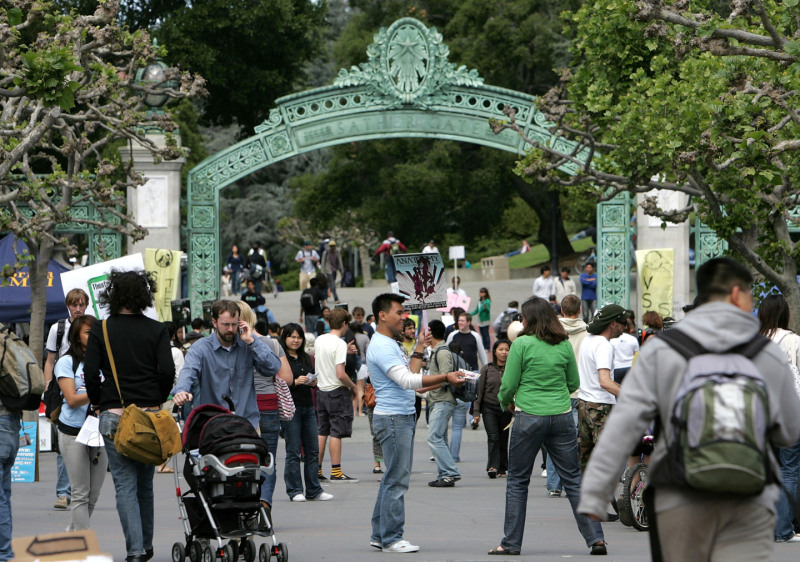
"caption": "UC Berkeley students walk through Sproul Plaza. ",
"description": "BERKELEY, CA - APRIL 17: UC Berkeley students walk through Sproul Plaza on the UC Berkeley campus.",
"title": "UC Berkeley-Sproul Plaza",
"credit": "Justin Sullivan/Getty Images",
"status": "inherit",
"isLoading": false,
"fetchFailed": false
},
"news_10342640": {
"type": "attachments",
"id": "news_10342640",
"meta": {
"index": "attachments_1716263798",
"site": "news",
"id": "10342640",
"found": true
},
"parent": 10342602,
"imgSizes": {
"twentyfourteen-full-width": {
"file": "https://ww2.kqed.org/app/uploads/sites/10/2014/10/RS8537_IMG_9782-1038x576.jpg",
"width": 1038,
"mimeType": "image/jpeg",
"height": 576
},
"thumbnail": {
"file": "https://ww2.kqed.org/app/uploads/sites/10/2014/10/RS8537_IMG_9782-400x266.jpg",
"width": 400,
"mimeType": "image/jpeg",
"height": 266
},
"post-thumbnail": {
"file": "https://ww2.kqed.org/app/uploads/sites/10/2014/10/RS8537_IMG_9782-672x372.jpg",
"width": 672,
"mimeType": "image/jpeg",
"height": 372
},
"kqedFullSize": {
"file": "https://ww2.kqed.org/app/uploads/sites/10/2014/10/RS8537_IMG_9782-e1412626078795.jpg",
"width": 1440,
"height": 960
},
"large": {
"file": "https://ww2.kqed.org/app/uploads/sites/10/2014/10/RS8537_IMG_9782-1440x959.jpg",
"width": 1440,
"mimeType": "image/jpeg",
"height": 959
},
"guest-author-96": {
"file": "https://ww2.kqed.org/app/uploads/sites/10/2014/10/RS8537_IMG_9782-96x96.jpg",
"width": 96,
"mimeType": "image/jpeg",
"height": 96
},
"medium": {
"file": "https://ww2.kqed.org/app/uploads/sites/10/2014/10/RS8537_IMG_9782-800x533.jpg",
"width": 800,
"mimeType": "image/jpeg",
"height": 533
},
"guest-author-64": {
"file": "https://ww2.kqed.org/app/uploads/sites/10/2014/10/RS8537_IMG_9782-64x64.jpg",
"width": 64,
"mimeType": "image/jpeg",
"height": 64
},
"detail": {
"file": "https://ww2.kqed.org/app/uploads/sites/10/2014/10/RS8537_IMG_9782-75x75.jpg",
"width": 75,
"mimeType": "image/jpeg",
"height": 75
},
"guest-author-32": {
"file": "https://ww2.kqed.org/app/uploads/sites/10/2014/10/RS8537_IMG_9782-32x32.jpg",
"width": 32,
"mimeType": "image/jpeg",
"height": 32
},
"guest-author-128": {
"file": "https://ww2.kqed.org/app/uploads/sites/10/2014/10/RS8537_IMG_9782-128x128.jpg",
"width": 128,
"mimeType": "image/jpeg",
"height": 128
}
},
"publishDate": 1412625991,
"modified": 1455237848,
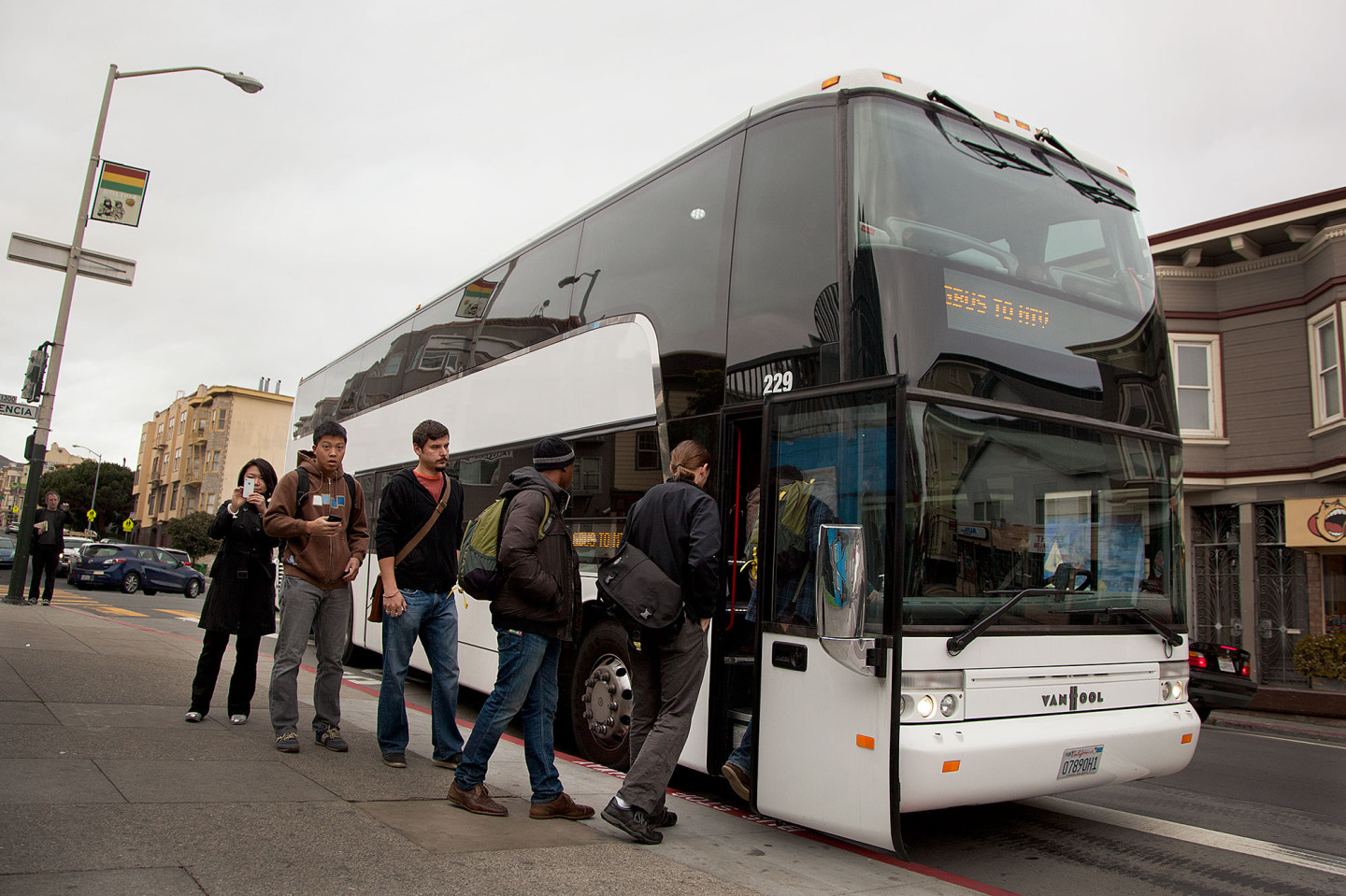
"caption": "A Google bus picks up workers at 24th and Valencia streets in the Mission District. ",
"description": "A Google bus picks up workers in San Francisco. (Mark Andrew Boyer)",
"title": "Google Bus-San Francisco",
"credit": "Mark Andrew Boyer/KQED",
"status": "inherit",
"isLoading": false,
"fetchFailed": false
},
"news_147797": {
"type": "attachments",
"id": "news_147797",
"meta": {
"index": "attachments_1716263798",
"site": "news",
"id": "147797",
"found": true
},
"parent": 147716,
"imgSizes": {
"wide-featured-image": {
"file": "https://ww2.kqed.org/app/uploads/sites/10/2014/09/Facebook-600x300.jpg",
"width": 600,
"mimeType": "image/jpeg",
"height": 300
},
"featured-page": {
"file": "https://ww2.kqed.org/app/uploads/sites/10/2014/09/Facebook-315x145.jpg",
"width": 315,
"mimeType": "image/jpeg",
"height": 145
},
"thumbnail": {
"file": "https://ww2.kqed.org/app/uploads/sites/10/2014/09/Facebook-300x300.jpg",
"width": 300,
"mimeType": "image/jpeg",
"height": 300
},
"kqedFullSize": {
"file": "https://ww2.kqed.org/app/uploads/sites/10/2014/09/Facebook.jpg",
"width": 850,
"height": 566
},
"wide-featured-image-full": {
"file": "https://ww2.kqed.org/app/uploads/sites/10/2014/09/Facebook-850x300.jpg",
"width": 850,
"mimeType": "image/jpeg",
"height": 300
},
"guest-author-96": {
"file": "https://ww2.kqed.org/app/uploads/sites/10/2014/09/Facebook-96x96.jpg",
"width": 96,
"mimeType": "image/jpeg",
"height": 96
},
"medium": {
"file": "https://ww2.kqed.org/app/uploads/sites/10/2014/09/Facebook-640x426.jpg",
"width": 640,
"mimeType": "image/jpeg",
"height": 426
},
"guest-author-64": {
"file": "https://ww2.kqed.org/app/uploads/sites/10/2014/09/Facebook-64x64.jpg",
"width": 64,
"mimeType": "image/jpeg",
"height": 64
},
"guest-author-32": {
"file": "https://ww2.kqed.org/app/uploads/sites/10/2014/09/Facebook-32x32.jpg",
"width": 32,
"mimeType": "image/jpeg",
"height": 32
},
"narrow-featured-image": {
"file": "https://ww2.kqed.org/app/uploads/sites/10/2014/09/Facebook-400x300.jpg",
"width": 400,
"mimeType": "image/jpeg",
"height": 300
},
"narrow-featured-image-full": {
"file": "https://ww2.kqed.org/app/uploads/sites/10/2014/09/Facebook-640x360.jpg",
"width": 640,
"mimeType": "image/jpeg",
"height": 360
},
"detail": {
"file": "https://ww2.kqed.org/app/uploads/sites/10/2014/09/Facebook-75x75.jpg",
"width": 75,
"mimeType": "image/jpeg",
"height": 75
},
"guest-author-128": {
"file": "https://ww2.kqed.org/app/uploads/sites/10/2014/09/Facebook-128x128.jpg",
"width": 128,
"mimeType": "image/jpeg",
"height": 128
}
},
"publishDate": 1410907898,
"modified": 1410907898,
"caption": null,
"description": null,
"title": "Facebook",
"credit": null,
"status": "inherit",
"isLoading": false,
"fetchFailed": false
},
"news_147953": {
"type": "attachments",
"id": "news_147953",
"meta": {
"index": "attachments_1716263798",
"site": "news",
"id": "147953",
"found": true
},
"parent": 147716,
"imgSizes": {
"wide-featured-image": {
"file": "https://ww2.kqed.org/app/uploads/sites/10/2014/09/RS12064_photo.JPG-alt_147-600x300.jpg",
"width": 600,
"mimeType": "image/jpeg",
"height": 300
},
"featured-page": {
"file": "https://ww2.kqed.org/app/uploads/sites/10/2014/09/RS12064_photo.JPG-alt_147-315x145.jpg",
"width": 315,
"mimeType": "image/jpeg",
"height": 145
},
"thumbnail": {
"file": "https://ww2.kqed.org/app/uploads/sites/10/2014/09/RS12064_photo.JPG-alt_147-300x300.jpg",
"width": 300,
"mimeType": "image/jpeg",
"height": 300
},
"kqedFullSize": {
"file": "https://ww2.kqed.org/app/uploads/sites/10/2014/09/RS12064_photo.JPG-alt_147.jpg",
"width": 3264,
"height": 2448
},
"large": {
"file": "https://ww2.kqed.org/app/uploads/sites/10/2014/09/RS12064_photo.JPG-alt_147-1028x771.jpg",
"width": 1028,
"mimeType": "image/jpeg",
"height": 771
},
"wide-featured-image-full": {
"file": "https://ww2.kqed.org/app/uploads/sites/10/2014/09/RS12064_photo.JPG-alt_147-960x300.jpg",
"width": 960,
"mimeType": "image/jpeg",
"height": 300
},
"guest-author-96": {
"file": "https://ww2.kqed.org/app/uploads/sites/10/2014/09/RS12064_photo.JPG-alt_147-96x96.jpg",
"width": 96,
"mimeType": "image/jpeg",
"height": 96
},
"medium": {
"file": "https://ww2.kqed.org/app/uploads/sites/10/2014/09/RS12064_photo.JPG-alt_147-640x480.jpg",
"width": 640,
"mimeType": "image/jpeg",
"height": 480
},
"guest-author-64": {
"file": "https://ww2.kqed.org/app/uploads/sites/10/2014/09/RS12064_photo.JPG-alt_147-64x64.jpg",
"width": 64,
"mimeType": "image/jpeg",
"height": 64
},
"guest-author-32": {
"file": "https://ww2.kqed.org/app/uploads/sites/10/2014/09/RS12064_photo.JPG-alt_147-32x32.jpg",
"width": 32,
"mimeType": "image/jpeg",
"height": 32
},
"narrow-featured-image": {
"file": "https://ww2.kqed.org/app/uploads/sites/10/2014/09/RS12064_photo.JPG-alt_147-400x300.jpg",
"width": 400,
"mimeType": "image/jpeg",
"height": 300
},
"narrow-featured-image-full": {
"file": "https://ww2.kqed.org/app/uploads/sites/10/2014/09/RS12064_photo.JPG-alt_147-640x360.jpg",
"width": 640,
"mimeType": "image/jpeg",
"height": 360
},
"detail": {
"file": "https://ww2.kqed.org/app/uploads/sites/10/2014/09/RS12064_photo.JPG-alt_147-75x75.jpg",
"width": 75,
"mimeType": "image/jpeg",
"height": 75
},
"guest-author-128": {
"file": "https://ww2.kqed.org/app/uploads/sites/10/2014/09/RS12064_photo.JPG-alt_147-128x128.jpg",
"width": 128,
"mimeType": "image/jpeg",
"height": 128
}
},
"publishDate": 1411001106,
"modified": 1411001106,
"caption": "San Francisco drag queen Sister Roma was one of those who led the challenge against Facebook's 'real names' policy. (Isabel Angell/KQED)",
"description": "San Francisco drag queen Sister Roma was one of those who led the challenge against Facebook's 'real names' policy. (Isabel Angell/KQED)",
"title": "Facebook-Real Names",
"credit": null,
"status": "inherit",
"isLoading": false,
"fetchFailed": false
},
"news_145141": {
"type": "attachments",
"id": "news_145141",
"meta": {
"index": "attachments_1716263798",
"site": "news",
"id": "145141",
"found": true
},
"parent": 145136,
"imgSizes": {
"kqedFullSize": {
"file": "https://ww2.kqed.org/app/uploads/sites/10/2014/08/krasnyvr.jpg",
"width": 636,
"height": 350
}
},
"publishDate": 1408471834,
"modified": 1408471834,
"caption": null,
"description": "Screen grab from video of Michael Krasny experiencing the Oculus headset. ",
"title": "Krasny-Forum-Virtual Reality",
"credit": null,
"status": "inherit",
"isLoading": false,
"fetchFailed": false
},
"news_10340913": {
"type": "attachments",
"id": "news_10340913",
"meta": {
"index": "attachments_1716263798",
"site": "news",
"id": "10340913",
"found": true
},
"parent": 10140912,
"imgSizes": {
"thumbnail": {
"file": "https://ww2.kqed.org/app/uploads/sites/10/2014/09/GoogleAfricaOffice-400x225.jpg",
"width": 400,
"mimeType": "image/jpeg",
"height": 225
},
"kqedFullSize": {
"file": "https://ww2.kqed.org/app/uploads/sites/10/2014/09/GoogleAfricaOffice.jpg",
"width": 640,
"height": 360
},
"guest-author-96": {
"file": "https://ww2.kqed.org/app/uploads/sites/10/2014/09/GoogleAfricaOffice-96x96.jpg",
"width": 96,
"mimeType": "image/jpeg",
"height": 96
},
"guest-author-64": {
"file": "https://ww2.kqed.org/app/uploads/sites/10/2014/09/GoogleAfricaOffice-64x64.jpg",
"width": 64,
"mimeType": "image/jpeg",
"height": 64
},
"detail": {
"file": "https://ww2.kqed.org/app/uploads/sites/10/2014/09/GoogleAfricaOffice-75x75.jpg",
"width": 75,
"mimeType": "image/jpeg",
"height": 75
},
"guest-author-32": {
"file": "https://ww2.kqed.org/app/uploads/sites/10/2014/09/GoogleAfricaOffice-32x32.jpg",
"width": 32,
"mimeType": "image/jpeg",
"height": 32
},
"guest-author-128": {
"file": "https://ww2.kqed.org/app/uploads/sites/10/2014/09/GoogleAfricaOffice-128x128.jpg",
"width": 128,
"mimeType": "image/jpeg",
"height": 128
}
},
"publishDate": 1410392956,
"modified": 1410392956,
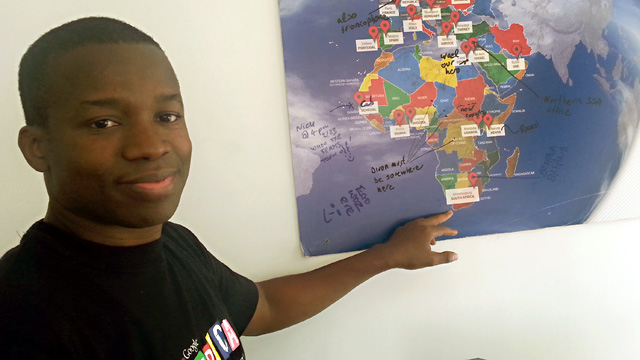
"caption": "Tidjane Deme, 40, is the founder of Google's office in Dakar. While Google Maps doesn't work in the city, Deme says all of Africa will soon be connected. (Aarti Shahani/KQED)",
"description": null,
"title": "GoogleAfricaOffice",
"credit": null,
"status": "inherit",
"isLoading": false,
"fetchFailed": false
},
"news_130845": {
"type": "attachments",
"id": "news_130845",
"meta": {
"index": "attachments_1716263798",
"site": "news",
"id": "130845",
"found": true
},
"parent": 130839,
"imgSizes": {
"kqedFullSize": {
"file": "https://ww2.kqed.org/app/uploads/sites/10/2014/03/FB-Drone21.png",
"width": 1574,
"height": 737
}
},
"publishDate": 1396038620,
"modified": 1396038620,
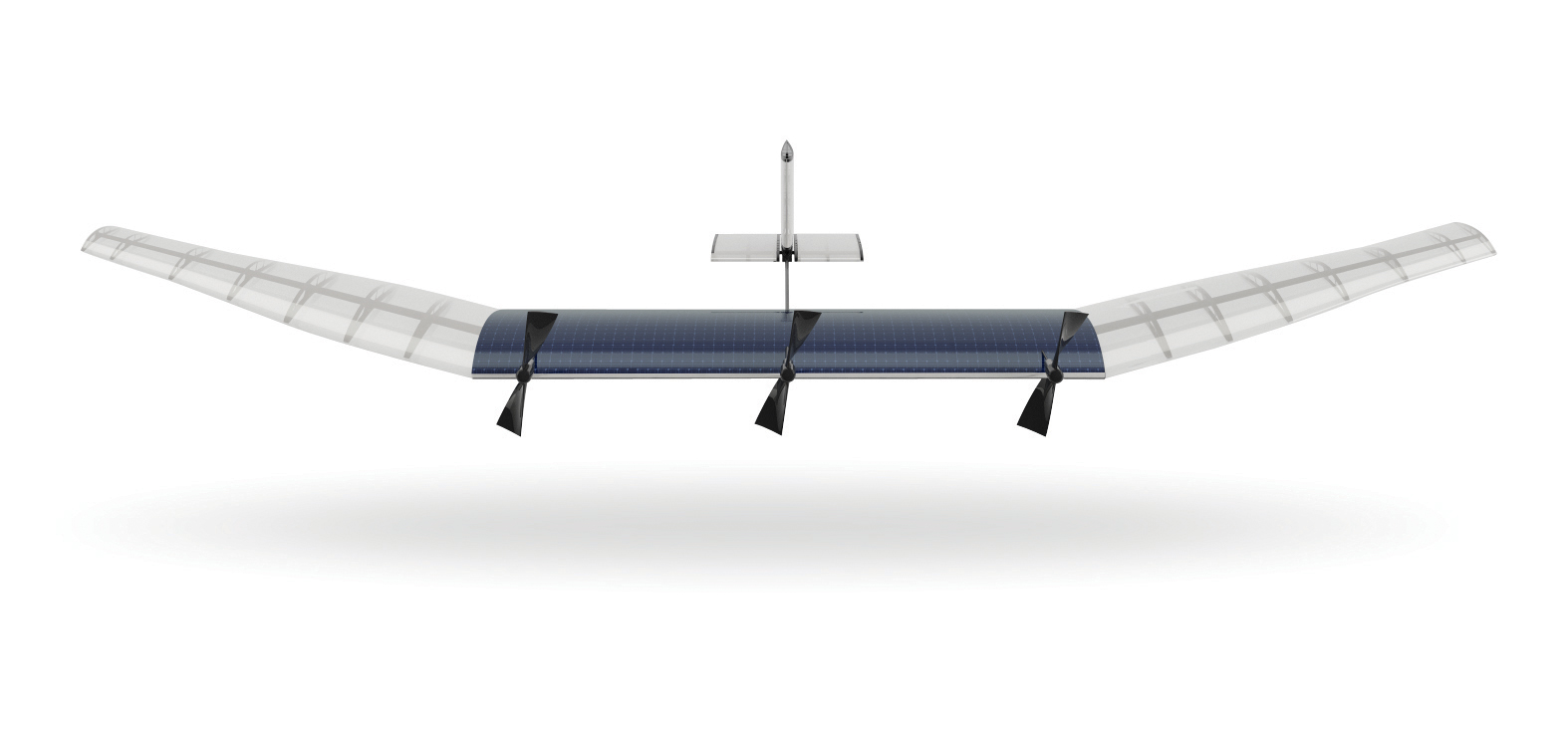
"caption": "Facebook Concept Drone. (Facebook)",
"description": null,
"title": "FB Drone2",
"credit": null,
"status": "inherit",
"isLoading": false,
"fetchFailed": false
},
"news_130232": {
"type": "attachments",
"id": "news_130232",
"meta": {
"index": "attachments_1716263798",
"site": "news",
"id": "130232",
"found": true
},
"parent": 130126,
"imgSizes": {
"kqedFullSize": {
"file": "https://ww2.kqed.org/app/uploads/sites/10/2014/03/bird_photo-e1395693576460.jpg",
"width": 640,
"height": 480
}
},
"publishDate": 1395693428,
"modified": 1395693428,
"caption": "Bird statue at Google headquarters in Mountainview. (Samantha Clark/KQED)",
"description": null,
"title": "bird_photo",
"credit": null,
"status": "inherit",
"isLoading": false,
"fetchFailed": false
},
"news_127039": {
"type": "attachments",
"id": "news_127039",
"meta": {
"index": "attachments_1716263798",
"site": "news",
"id": "127039",
"found": true
},
"parent": 127028,
"imgSizes": {
"kqedFullSize": {
"file": "https://ww2.kqed.org/app/uploads/sites/10/2014/02/facebook-whatsapp-2000.jpg",
"width": 1544,
"height": 1019
}
},
"publishDate": 1392934454,
"modified": 1392934454,
"caption": "The Facebook and WhatsApp applications' icons are displayed on a smartphone on February 20, 2014. (Gabriel Bouys/AFP/Getty Images)",
"description": "The Facebook and WhatsApp applications' icons are displayed on a smartphone on February 20, 2014. (Gabriel Bouys/AFP/Getty Images)",
"title": "facebook-whatsapp-2000",
"credit": null,
"status": "inherit",
"isLoading": false,
"fetchFailed": false
},
"news_99672": {
"type": "attachments",
"id": "news_99672",
"meta": {
"index": "attachments_1716263798",
"site": "news",
"id": "99672",
"found": true
},
"parent": 99603,
"imgSizes": {
"kqedFullSize": {
"file": "https://ww2.kqed.org/app/uploads/sites/10/2013/06/NSA.jpg-e1376089449125.jpg",
"width": 640,
"height": 512
}
},
"publishDate": 1371080426,
"modified": 1371080426,
"caption": "NSA headquarters in Fort Meade, Maryland. (NSA vis Getty Images)",
"description": null,
"title": "NSA.jpg",
"credit": null,
"status": "inherit",
"isLoading": false,
"fetchFailed": false
}
},
"audioPlayerReducer": {
"postId": "stream_live",
"isPaused": true,
"isPlaying": false,
"pfsActive": false,
"pledgeModalIsOpen": true,
"playerDrawerIsOpen": false,
"liveAudioPlayStartedAt": 0,
"liveAudioPlayContext": ""
},
"authorsReducer": {
"98603": {
"type": "authors",
"id": "98603",
"meta": {
"override": true
},
"slug": "98603",
"name": "Aarti Shahani",
"firstName": "Aarti",
"lastName": "Shahani",
"bio": "",
"email": "ashahani@kqed.org",
"isLoading": false
},
"danbrekke": {
"type": "authors",
"id": "222",
"meta": {
"index": "authors_1716337520",
"id": "222",
"found": true
},
"name": "Dan Brekke",
"firstName": "Dan",
"lastName": "Brekke",
"slug": "danbrekke",
"email": "dbrekke@kqed.org",
"display_author_email": true,
"staff_mastheads": [
"news",
"science"
],
"title": "KQED Editor and Reporter",
"bio": "Dan Brekke is a reporter and editor for KQED News, responsible for coverage of topics ranging from California water issues to the Bay Area's transportation challenges. In a newsroom career that began in Chicago in 1972, Dan has worked for \u003cem>The San Francisco Examiner,\u003c/em> Wired and TechTV and has been published in The New York Times, The New York Times Magazine, Business 2.0, Salon and elsewhere.\r\n\r\nSince joining KQED in 2007, Dan has reported, edited and produced both radio and online features and breaking news pieces. He has shared as both editor and reporter in four Society of Professional Journalists Norcal Excellence in Journalism awards and one Edward R. Murrow regional award. He was chosen for a spring 2017 residency at the Mesa Refuge to advance his research on California salmon.\r\n\r\nEmail Dan at: \u003ca href=\"mailto:dbrekke@kqed.org\">dbrekke@kqed.org\u003c/a>\r\n\r\n\u003cstrong>Twitter:\u003c/strong> \u003ca href=\"https://twitter.com/danbrekke\" rel=\"noopener noreferrer\">twitter.com/danbrekke\u003c/a>\r\n\u003cstrong>Facebook:\u003c/strong> \u003ca href=\"https://www.facebook.com/danbrekke\" rel=\"noopener noreferrer\">www.facebook.com/danbrekke\u003c/a>\r\n\u003cstrong>LinkedIn:\u003c/strong> \u003ca href=\"https://www.linkedin.com/in/danbrekke\" rel=\"noopener noreferrer\">www.linkedin.com/in/danbrekke\u003c/a>",
"avatar": "https://secure.gravatar.com/avatar/c8126230345efca3f7aa89b1a402be45?s=600&d=mm&r=g",
"twitter": "danbrekke",
"facebook": null,
"instagram": "https://www.instagram.com/dan.brekke/",
"linkedin": "https://www.linkedin.com/in/danbrekke/",
"sites": [
{
"site": "news",
"roles": [
"administrator",
"create_posts"
]
},
{
"site": "stateofhealth",
"roles": [
"editor"
]
},
{
"site": "science",
"roles": [
"editor"
]
},
{
"site": "quest",
"roles": [
"contributor"
]
},
{
"site": "food",
"roles": [
"contributor"
]
},
{
"site": "forum",
"roles": [
"contributor"
]
},
{
"site": "liveblog",
"roles": [
"editor"
]
}
],
"headData": {
"title": "Dan Brekke | KQED",
"description": "KQED Editor and Reporter",
"ogImgSrc": "https://secure.gravatar.com/avatar/c8126230345efca3f7aa89b1a402be45?s=600&d=mm&r=g",
"twImgSrc": "https://secure.gravatar.com/avatar/c8126230345efca3f7aa89b1a402be45?s=600&d=mm&r=g"
},
"isLoading": false,
"link": "/author/danbrekke"
},
"davidweir": {
"type": "authors",
"id": "223",
"meta": {
"index": "authors_1716337520",
"id": "223",
"found": true
},
"name": "David Weir",
"firstName": "David",
"lastName": "Weir",
"slug": "davidweir",
"email": "dweir@kqed.org",
"display_author_email": false,
"staff_mastheads": [],
"title": "KQED Contributor",
"bio": "David Weir is KQED's senior editor for digital news. He previously worked at \u003cem>Rolling Stone,\u003c/em> Salon, Wired Digital, Excite@Home,\u003cem> Mother Jones,\u003c/em> and as a co-founder and executive director of the Center for Investigative Reporting.\r\n\r\nOver the past 40 years, he and his teams have won dozens of awards, including a National Magazine Award, an IRE Award and a Webby. He has authored or co-authored four books, including (with Mark Schapiro) \u003cem>Circle of Poison.\u003c/em>\r\n\r\nHe has a ba\u003cspan class=\"example\">chelor's degree\u003c/span> in journalism from the University of Michigan, and has taught journalism at the University of California at Berkeley, Stanford and San Francisco State.",
"avatar": "https://secure.gravatar.com/avatar/c6642c16c4d2d2de5e6f067edf92b9c8?s=600&d=blank&r=g",
"twitter": null,
"facebook": null,
"instagram": null,
"linkedin": null,
"sites": [
{
"site": "arts",
"roles": [
"editor"
]
},
{
"site": "news",
"roles": [
"subscriber"
]
},
{
"site": "lowdown",
"roles": [
"editor"
]
},
{
"site": "stateofhealth",
"roles": [
"administrator"
]
},
{
"site": "science",
"roles": [
"editor"
]
}
],
"headData": {
"title": "David Weir | KQED",
"description": "KQED Contributor",
"ogImgSrc": "https://secure.gravatar.com/avatar/c6642c16c4d2d2de5e6f067edf92b9c8?s=600&d=blank&r=g",
"twImgSrc": "https://secure.gravatar.com/avatar/c6642c16c4d2d2de5e6f067edf92b9c8?s=600&d=blank&r=g"
},
"isLoading": false,
"link": "/author/davidweir"
},
"kqed": {
"type": "authors",
"id": "236",
"meta": {
"index": "authors_1716337520",
"id": "236",
"found": true
},
"name": "KQED News Staff",
"firstName": "KQED News Staff",
"lastName": null,
"slug": "kqed",
"email": "faq@kqed.org",
"display_author_email": false,
"staff_mastheads": [],
"title": null,
"bio": null,
"avatar": "https://secure.gravatar.com/avatar/ef0e801a68c4c54afa9180db14084167?s=600&d=blank&r=g",
"twitter": null,
"facebook": null,
"instagram": null,
"linkedin": null,
"sites": [
{
"site": "arts",
"roles": [
"contributor"
]
},
{
"site": "news",
"roles": [
"editor"
]
},
{
"site": "futureofyou",
"roles": [
"author"
]
}
],
"headData": {
"title": "KQED News Staff | KQED",
"description": null,
"ogImgSrc": "https://secure.gravatar.com/avatar/ef0e801a68c4c54afa9180db14084167?s=600&d=blank&r=g",
"twImgSrc": "https://secure.gravatar.com/avatar/ef0e801a68c4c54afa9180db14084167?s=600&d=blank&r=g"
},
"isLoading": false,
"link": "/author/kqed"
},
"kqednewsstaffandwires": {
"type": "authors",
"id": "237",
"meta": {
"index": "authors_1716337520",
"id": "237",
"found": true
},
"name": "KQED News Staff and Wires",
"firstName": "KQED News Staff and Wires",
"lastName": null,
"slug": "kqednewsstaffandwires",
"email": "onlinenewsstaff@kqed.org",
"display_author_email": false,
"staff_mastheads": [],
"title": null,
"bio": null,
"avatar": "https://secure.gravatar.com/avatar/72295af8ebbfbd19a4948f5271285664?s=600&d=blank&r=g",
"twitter": null,
"facebook": null,
"instagram": null,
"linkedin": null,
"sites": [
{
"site": "arts",
"roles": [
"contributor"
]
},
{
"site": "news",
"roles": [
"contributor"
]
},
{
"site": "lowdown",
"roles": [
"author"
]
},
{
"site": "stateofhealth",
"roles": [
"contributor"
]
},
{
"site": "food",
"roles": [
"author"
]
}
],
"headData": {
"title": "KQED News Staff and Wires | KQED",
"description": null,
"ogImgSrc": "https://secure.gravatar.com/avatar/72295af8ebbfbd19a4948f5271285664?s=600&d=blank&r=g",
"twImgSrc": "https://secure.gravatar.com/avatar/72295af8ebbfbd19a4948f5271285664?s=600&d=blank&r=g"
},
"isLoading": false,
"link": "/author/kqednewsstaffandwires"
},
"patyollin": {
"type": "authors",
"id": "247",
"meta": {
"index": "authors_1716337520",
"id": "247",
"found": true
},
"name": "Patricia Yollin",
"firstName": "Patricia",
"lastName": "Yollin",
"slug": "patyollin",
"email": "pyollin@kqed.org",
"display_author_email": false,
"staff_mastheads": [],
"title": "KQED Contributor",
"bio": "Pat Yollin has written about lots of stuff, including organ transplants, wayward penguins at the San Francisco Zoo, the comeback of the cream puff, New York on the fifth anniversary of 9/11, a Slow Food gathering in Italy, and the microcredit movement in Northern California. Among her favorite stories: an interview with George Lucas at Skywalker Ranch that broke the story about his plan to build a cultural museum, and a pirate Trader Joe's operation in Vancouver that prompted the grocery chain to sue -- and lose. She joined KQED in 2013 and was previously a reporter and editor at the San Francisco Chronicle, the Hearst-owned San Francisco Examiner and the Hayward Daily Review.",
"avatar": "https://secure.gravatar.com/avatar/0a18ac41a263665c04b25b2c7d6b817c?s=600&d=blank&r=g",
"twitter": null,
"facebook": null,
"instagram": null,
"linkedin": null,
"sites": [
{
"site": "arts",
"roles": [
"subscriber"
]
},
{
"site": "news",
"roles": [
"subscriber"
]
},
{
"site": "futureofyou",
"roles": [
"editor"
]
},
{
"site": "lowdown",
"roles": [
"editor"
]
},
{
"site": "stateofhealth",
"roles": [
"editor"
]
}
],
"headData": {
"title": "Patricia Yollin | KQED",
"description": "KQED Contributor",
"ogImgSrc": "https://secure.gravatar.com/avatar/0a18ac41a263665c04b25b2c7d6b817c?s=600&d=blank&r=g",
"twImgSrc": "https://secure.gravatar.com/avatar/0a18ac41a263665c04b25b2c7d6b817c?s=600&d=blank&r=g"
},
"isLoading": false,
"link": "/author/patyollin"
}
},
"pagesReducer": {
"news_tag_facebook": {
"type": "terms",
"id": "news_249",
"meta": {
"index": "terms_1716263798",
"site": "news",
"id": "249",
"score": 8.457276
},
"featImg": null,
"name": "Facebook",
"description": null,
"taxonomy": "tag",
"headData": {
"twImgId": null,
"twTitle": null,
"ogTitle": null,
"ogImgId": null,
"twDescription": null,
"description": null,
"title": "Facebook Archives | KQED News",
"ogDescription": null
},
"ttid": 257,
"slug": "facebook",
"isLoading": false,
"title": "Facebook",
"pageMeta": {
"site": "news",
"WpPageTemplate": "page-topic-editorial",
"currentPage": 23
},
"blocks": [
{
"blockName": "kqed/post-list",
"attrs": {
"layout": "cardArticle2",
"query": "posts/news?tag=facebook",
"seeMore": false,
"paginated": true,
"page": 23
}
},
{
"blockName": "kqed/ad"
}
]
}
},
"pfsSessionReducer": {},
"postsReducer": {
"stream_live": {
"type": "live",
"id": "stream_live",
"audioUrl": "https://streams.kqed.org/kqedradio",
"title": "Live Stream",
"excerpt": "Live Stream information currently unavailable.",
"link": "/radio",
"featImg": "",
"label": {
"name": "KQED Live",
"link": "/"
}
},
"stream_kqedNewscast": {
"type": "posts",
"id": "stream_kqedNewscast",
"audioUrl": "https://www.kqed.org/.stream/anon/radio/RDnews/newscast.mp3?_=1",
"title": "KQED Newscast",
"featImg": "",
"label": {
"name": "88.5 FM",
"link": "/"
}
},
"news_10349348": {
"type": "posts",
"id": "news_10349348",
"meta": {
"index": "posts_1716263798",
"site": "news",
"id": "10349348",
"score": null,
"sort": [
1416418073000
]
},
"parent": 0,
"labelTerm": {
"site": "news",
"term": 6944
},
"blocks": [],
"publishDate": 1416418073,
"format": "standard",
"disqusTitle": "Morning Digest: 8 Stories You Should Know About Today",
"title": "Morning Digest: 8 Stories You Should Know About Today",
"headTitle": "News Fix | KQED News",
"content": "\u003cul>\n\u003cli>\u003ca href=\"http://www.mercurynews.com/education/ci_26964703/uc-tuition-hike-debate-reveals-struggle-over-university\" target=\"_blank\">UC tuition-hike debate reveals struggle over university autonomy (Bay Area News Group):\u003c/a>\u003cbr>\n\u003cblockquote>\u003cp>A growing rift between the University of California and Gov. Jerry Brown over tuition increases has exposed a broader struggle over who controls the powerhouse university system and who should pay for it. Beneath the tuition-hike debate set to play out at Wednesday's UC Regents meeting in San Francisco is a palpable tension between state government and a public university that historically has operated with relative autonomy and which has grown increasingly reliant on tuition and other private funding, rather than state subsidies, to pay its bills. \u003ca href=\"http://www.mercurynews.com/education/ci_26964703/uc-tuition-hike-debate-reveals-struggle-over-university\" target=\"_blank\">Full story\u003c/a>\u003c/p>\u003c/blockquote>\n\u003c/li>\n\u003cli>\u003ca href=\"http://www.sfgate.com/news/article/If-UC-managed-its-endowment-better-it-could-skip-5902321.php\" target=\"_blank\">If UC managed its endowment better, it could skip tuition increases\u003c/a> (San Francisco Chronicle):\u003cbr>\n\u003cblockquote>\u003cp>In the hopes of picking up another $100 million per year, the UC Regents are meeting this week to discuss UC President Janet Napolitano’s recommendation that tuition be increased by 5 percent a year over the next five years. ... What the regents don’t want us to focus on is that there might never have been a need to increase tuition three-fold since 2002. Had they simply taken a page from Yale Endowment guru David Swensen’s book, UC might not have had to raise tuition at all. \u003ca href=\"http://www.sfgate.com/news/article/If-UC-managed-its-endowment-better-it-could-skip-5902321.php\" target=\"_blank\">Full story\u003c/a>\u003c/p>\u003c/blockquote>\n\u003c/li>\n\u003cli>\u003ca href=\"http://www.mercurynews.com/business/ci_26964136/facebook-shuttle-drivers-vote-union\" target=\"_blank\">Facebook shuttle drivers voting on union\u003c/a> (San Jose Mercury News):\u003cbr>\n\u003cblockquote>\u003cp>In what could be a precedent-setting victory for the modestly paid service-industry workers who help keep the Silicon Valley economy humming, shuttle bus drivers who take Facebook employees to and from work will vote Wednesday on whether to unionize, hoping success at the poll will lead to others joining what they say is a campaign for better pay and working conditions. \u003ca href=\"http://www.mercurynews.com/business/ci_26964136/facebook-shuttle-drivers-vote-union\" target=\"_blank\">Full story\u003c/a>\u003c/p>\u003c/blockquote>\n\u003c/li>\n\u003cli>\u003ca href=\"http://insidescoopsf.sfgate.com/blog/2014/11/19/yank-sing-workers-get-4-million-settlement/\" target=\"_blank\">Workers at San Francisco's Yank Sing restaurant get $4 million wage settlement\u003c/a> (SFGate's Inside Scoop blog):\u003cbr>\n\u003cblockquote>\u003cp>At a time where restaurant labor practices are the subject of continued discussion and debate, one of San Francisco’s most popular restaurants has paid a massive labor settlement to its workers. Today, Yank Sing announced that it has reached a $4 million dollar backpay and benefits settlement for 280 affected current and former employees. Between its two locations, Yank Sing currently employs 90 full-time staffers (30 hours or more per week) and 60 part-time staffers. On an average weekend, Yank Sing will do more than 1,000 covers a day at its Rincon Center location, and another 300 at its Stevenson location. \u003ca href=\"http://insidescoopsf.sfgate.com/blog/2014/11/19/yank-sing-workers-get-4-million-settlement/\" target=\"_blank\">Full story\u003c/a>\u003c/p>\u003c/blockquote>\n\u003c/li>\n\u003cli>\u003ca href=\"http://www.latimes.com/business/la-fi-restaurant-wage-theft-20141119-story.html#page=1\" target=\"_blank\">Restaurants are feeling the heat in crackdown on wage theft\u003c/a> (Los Angeles Times):\u003cbr>\n\u003cblockquote>\u003cp>For 56 years, the Chan family has been serving up tasty dim sum dumplings stuffed with pork and shrimp to throngs of business executives, tourists and San Francisco Bay Area families. ... But Henry and Judy Chans' Yank Sing restaurant didn't fare so well last year with state and city labor inspectors. Investigations and audits, spurred by complaints from dozens of employees — mainly Chinese immigrants who spoke little English — revealed numerous violations of state wage-and-hour laws at their restaurant in the heart of San Francisco's financial district and a smaller location six blocks away. \u003ca href=\"http://www.latimes.com/business/la-fi-restaurant-wage-theft-20141119-story.html#page=1\" target=\"_blank\">Full story\u003c/a>\u003c/p>\u003c/blockquote>\n\u003c/li>\n\u003cli>\u003ca href=\"http://sfist.com/2014/11/18/mirkarimi_will_face_challenge_by_on.php\" target=\"_blank\">Mirkarimi Will\u003cbr>\nFace Challenge By One-Time Acting Sheriff Vicki Hennessy in 2015\u003c/a> (SFist):\n\u003cblockquote>\u003cp>It looks like Sheriff Ross Mirkarimi will once again have to defend himself against some three-year-old allegations of domestic violence as he attempts a re-election bid next year. And reportedly challenging him in the race will be the woman who was instated as his temporary replacement during his 2012 suspension, Ethics Commission hearing, and subsequent near-dismissal, former sheriff's deputy Vicki Hennessy. \u003ca href=\"http://sfist.com/2014/11/18/mirkarimi_will_face_challenge_by_on.php\" target=\"_blank\">Full story\u003c/a>\u003c/p>\u003c/blockquote>\n\u003c/li>\n\u003cli>\u003ca href=\"http://www.sanjoseinside.com/2014/11/19/san-jose-bike-party-incorporates-to-pursue-nonprofit-status/\" target=\"_blank\">Controversy surrounds attempt to incorporate San Jose 'Bike Party'\u003c/a> (Inside San Jose):\u003cbr>\n\u003cblockquote>\u003cp>The first time that Joe Tate encountered San Jose Bike Party was outside his home in downtown a few years ago. Hearing shouts and music, he stepped out to see a whir of lights and a crush of riders—thousands of them. ... It wasn’t long before he volunteered for “The Hub,” the party’s core organizers who map out routes and drum up ideas for themes. ... But there’s been recent murmurs that Tate’s moving to suck the soul out of Bike Party, to quell the chaos that drew him to the event in the first place. \u003ca href=\"http://www.sanjoseinside.com/2014/11/19/san-jose-bike-party-incorporates-to-pursue-nonprofit-status/\" target=\"_blank\">Full story\u003c/a>\u003c/p>\u003c/blockquote>\n\u003c/li>\n\u003cli>\u003ca href=\"http://www.si.com/nba/2014/11/19/jason-collins-retirement-nba\" target=\"_blank\">Former Stanford star Jason Collins announces retirement from NBA:\u003c/a>\u003cbr>\n\u003cblockquote>\u003cp>It has been 18 exhilarating months since I came out in Sports Illustrated as the first openly gay man in one of the four major professional team sports. And it has been nine months since I signed with the Nets and became the first openly gay male athlete to appear in a game in one of those leagues. It feels wonderful to have been part of these milestones for sports and for gay rights, and to have been embraced by the public, the coaches, the players, the league and history. \u003ca href=\"http://www.si.com/nba/2014/11/19/jason-collins-retirement-nba\" target=\"_blank\">Full story\u003c/a>\u003c/p>\u003c/blockquote>\n\u003c/li>\n\u003c/ul>\n\u003cp>[ad fullwidth]\u003c/p>\u003cp>\u003c/p>\n",
"disqusIdentifier": "10349348 http://ww2.kqed.org/news/?p=10349348",
"disqusUrl": "https://ww2.kqed.org/news/2014/11/19/morning-digest-8-stories-you-should-know-about-today-2/",
"stats": {
"hasVideo": false,
"hasChartOrMap": false,
"hasAudio": false,
"hasPolis": false,
"wordCount": 833,
"hasGoogleForm": false,
"hasGallery": false,
"hasHearkenModule": false,
"iframeSrcs": [],
"paragraphCount": 10
},
"modified": 1416438492,
"excerpt": "UC Regents consider tuition hike. Facebook drivers vote on union. S.F. restaurant workers get back pay. ",
"headData": {
"twImgId": "",
"twTitle": "",
"ogTitle": "",
"ogImgId": "",
"twDescription": "",
"description": "UC Regents consider tuition hike. Facebook drivers vote on union. S.F. restaurant workers get back pay. ",
"title": "Morning Digest: 8 Stories You Should Know About Today | KQED",
"ogDescription": "",
"schema": {
"@context": "https://schema.org",
"@type": "NewsArticle",
"headline": "Morning Digest: 8 Stories You Should Know About Today",
"datePublished": "2014-11-19T09:27:53-08:00",
"dateModified": "2014-11-19T15:08:12-08:00",
"image": "https://cdn.kqed.org/wp-content/uploads/2020/02/KQED-OG-Image@1x.png",
"isAccessibleForFree": "True",
"publisher": {
"@type": "NewsMediaOrganization",
"@id": "https://www.kqed.org/#organization",
"name": "KQED",
"logo": "https://cdn.kqed.org/wp-content/uploads/2020/02/KQED-OG-Image@1x.png",
"url": "https://www.kqed.org",
"sameAs": [
"https://www.facebook.com/KQED",
"https://twitter.com/KQED",
"https://www.instagram.com/kqed/",
"https://www.tiktok.com/@kqedofficial",
"https://www.linkedin.com/company/kqed",
"https://www.youtube.com/channel/UCeC0IOo7i1P_61zVUWbJ4nw"
]
}
}
},
"guestAuthors": [],
"slug": "morning-digest-8-stories-you-should-know-about-today-2",
"status": "publish",
"path": "/news/10349348/morning-digest-8-stories-you-should-know-about-today-2",
"audioTrackLength": null,
"parsedContent": [
{
"type": "contentString",
"content": "\u003cdiv class=\"post-body\">\u003cp>\u003cul>\n\u003cli>\u003ca href=\"http://www.mercurynews.com/education/ci_26964703/uc-tuition-hike-debate-reveals-struggle-over-university\" target=\"_blank\">UC tuition-hike debate reveals struggle over university autonomy (Bay Area News Group):\u003c/a>\u003cbr>\n\u003cblockquote>\u003cp>A growing rift between the University of California and Gov. Jerry Brown over tuition increases has exposed a broader struggle over who controls the powerhouse university system and who should pay for it. Beneath the tuition-hike debate set to play out at Wednesday's UC Regents meeting in San Francisco is a palpable tension between state government and a public university that historically has operated with relative autonomy and which has grown increasingly reliant on tuition and other private funding, rather than state subsidies, to pay its bills. \u003ca href=\"http://www.mercurynews.com/education/ci_26964703/uc-tuition-hike-debate-reveals-struggle-over-university\" target=\"_blank\">Full story\u003c/a>\u003c/p>\u003c/blockquote>\n\u003c/li>\n\u003cli>\u003ca href=\"http://www.sfgate.com/news/article/If-UC-managed-its-endowment-better-it-could-skip-5902321.php\" target=\"_blank\">If UC managed its endowment better, it could skip tuition increases\u003c/a> (San Francisco Chronicle):\u003cbr>\n\u003cblockquote>\u003cp>In the hopes of picking up another $100 million per year, the UC Regents are meeting this week to discuss UC President Janet Napolitano’s recommendation that tuition be increased by 5 percent a year over the next five years. ... What the regents don’t want us to focus on is that there might never have been a need to increase tuition three-fold since 2002. Had they simply taken a page from Yale Endowment guru David Swensen’s book, UC might not have had to raise tuition at all. \u003ca href=\"http://www.sfgate.com/news/article/If-UC-managed-its-endowment-better-it-could-skip-5902321.php\" target=\"_blank\">Full story\u003c/a>\u003c/p>\u003c/blockquote>\n\u003c/li>\n\u003cli>\u003ca href=\"http://www.mercurynews.com/business/ci_26964136/facebook-shuttle-drivers-vote-union\" target=\"_blank\">Facebook shuttle drivers voting on union\u003c/a> (San Jose Mercury News):\u003cbr>\n\u003cblockquote>\u003cp>In what could be a precedent-setting victory for the modestly paid service-industry workers who help keep the Silicon Valley economy humming, shuttle bus drivers who take Facebook employees to and from work will vote Wednesday on whether to unionize, hoping success at the poll will lead to others joining what they say is a campaign for better pay and working conditions. \u003ca href=\"http://www.mercurynews.com/business/ci_26964136/facebook-shuttle-drivers-vote-union\" target=\"_blank\">Full story\u003c/a>\u003c/p>\u003c/blockquote>\n\u003c/li>\n\u003cli>\u003ca href=\"http://insidescoopsf.sfgate.com/blog/2014/11/19/yank-sing-workers-get-4-million-settlement/\" target=\"_blank\">Workers at San Francisco's Yank Sing restaurant get $4 million wage settlement\u003c/a> (SFGate's Inside Scoop blog):\u003cbr>\n\u003cblockquote>\u003cp>At a time where restaurant labor practices are the subject of continued discussion and debate, one of San Francisco’s most popular restaurants has paid a massive labor settlement to its workers. Today, Yank Sing announced that it has reached a $4 million dollar backpay and benefits settlement for 280 affected current and former employees. Between its two locations, Yank Sing currently employs 90 full-time staffers (30 hours or more per week) and 60 part-time staffers. On an average weekend, Yank Sing will do more than 1,000 covers a day at its Rincon Center location, and another 300 at its Stevenson location. \u003ca href=\"http://insidescoopsf.sfgate.com/blog/2014/11/19/yank-sing-workers-get-4-million-settlement/\" target=\"_blank\">Full story\u003c/a>\u003c/p>\u003c/blockquote>\n\u003c/li>\n\u003cli>\u003ca href=\"http://www.latimes.com/business/la-fi-restaurant-wage-theft-20141119-story.html#page=1\" target=\"_blank\">Restaurants are feeling the heat in crackdown on wage theft\u003c/a> (Los Angeles Times):\u003cbr>\n\u003cblockquote>\u003cp>For 56 years, the Chan family has been serving up tasty dim sum dumplings stuffed with pork and shrimp to throngs of business executives, tourists and San Francisco Bay Area families. ... But Henry and Judy Chans' Yank Sing restaurant didn't fare so well last year with state and city labor inspectors. Investigations and audits, spurred by complaints from dozens of employees — mainly Chinese immigrants who spoke little English — revealed numerous violations of state wage-and-hour laws at their restaurant in the heart of San Francisco's financial district and a smaller location six blocks away. \u003ca href=\"http://www.latimes.com/business/la-fi-restaurant-wage-theft-20141119-story.html#page=1\" target=\"_blank\">Full story\u003c/a>\u003c/p>\u003c/blockquote>\n\u003c/li>\n\u003cli>\u003ca href=\"http://sfist.com/2014/11/18/mirkarimi_will_face_challenge_by_on.php\" target=\"_blank\">Mirkarimi Will\u003cbr>\nFace Challenge By One-Time Acting Sheriff Vicki Hennessy in 2015\u003c/a> (SFist):\n\u003cblockquote>\u003cp>It looks like Sheriff Ross Mirkarimi will once again have to defend himself against some three-year-old allegations of domestic violence as he attempts a re-election bid next year. And reportedly challenging him in the race will be the woman who was instated as his temporary replacement during his 2012 suspension, Ethics Commission hearing, and subsequent near-dismissal, former sheriff's deputy Vicki Hennessy. \u003ca href=\"http://sfist.com/2014/11/18/mirkarimi_will_face_challenge_by_on.php\" target=\"_blank\">Full story\u003c/a>\u003c/p>\u003c/blockquote>\n\u003c/li>\n\u003cli>\u003ca href=\"http://www.sanjoseinside.com/2014/11/19/san-jose-bike-party-incorporates-to-pursue-nonprofit-status/\" target=\"_blank\">Controversy surrounds attempt to incorporate San Jose 'Bike Party'\u003c/a> (Inside San Jose):\u003cbr>\n\u003cblockquote>\u003cp>The first time that Joe Tate encountered San Jose Bike Party was outside his home in downtown a few years ago. Hearing shouts and music, he stepped out to see a whir of lights and a crush of riders—thousands of them. ... It wasn’t long before he volunteered for “The Hub,” the party’s core organizers who map out routes and drum up ideas for themes. ... But there’s been recent murmurs that Tate’s moving to suck the soul out of Bike Party, to quell the chaos that drew him to the event in the first place. \u003ca href=\"http://www.sanjoseinside.com/2014/11/19/san-jose-bike-party-incorporates-to-pursue-nonprofit-status/\" target=\"_blank\">Full story\u003c/a>\u003c/p>\u003c/blockquote>\n\u003c/li>\n\u003cli>\u003ca href=\"http://www.si.com/nba/2014/11/19/jason-collins-retirement-nba\" target=\"_blank\">Former Stanford star Jason Collins announces retirement from NBA:\u003c/a>\u003cbr>\n\u003cblockquote>\u003cp>It has been 18 exhilarating months since I came out in Sports Illustrated as the first openly gay man in one of the four major professional team sports. And it has been nine months since I signed with the Nets and became the first openly gay male athlete to appear in a game in one of those leagues. It feels wonderful to have been part of these milestones for sports and for gay rights, and to have been embraced by the public, the coaches, the players, the league and history. \u003ca href=\"http://www.si.com/nba/2014/11/19/jason-collins-retirement-nba\" target=\"_blank\">Full story\u003c/a>\u003c/p>\u003c/blockquote>\n\u003c/li>\n\u003c/ul>\n\u003cp>\u003c/p>\u003c/div>",
"attributes": {
"named": {},
"numeric": []
}
},
{
"type": "component",
"content": "",
"name": "ad",
"attributes": {
"named": {
"label": "fullwidth"
},
"numeric": [
"fullwidth"
]
}
},
{
"type": "contentString",
"content": "\u003cdiv class=\"post-body\">\u003cp>\u003c/p>\u003cp>\u003c/p>\n\u003c/div>\u003c/p>",
"attributes": {
"named": {},
"numeric": []
}
}
],
"link": "/news/10349348/morning-digest-8-stories-you-should-know-about-today-2",
"authors": [
"222"
],
"programs": [
"news_6944"
],
"categories": [
"news_8"
],
"tags": [
"news_249",
"news_5269",
"news_1790",
"news_379"
],
"featImg": "news_10347449",
"label": "news_6944"
},
"news_10342602": {
"type": "posts",
"id": "news_10342602",
"meta": {
"index": "posts_1716263798",
"site": "news",
"id": "10342602",
"score": null,
"sort": [
1412622014000
]
},
"guestAuthors": [],
"slug": "teamsters-launch-drive-to-organize-facebook-bus-drivers",
"title": "Teamsters Launch Drive to Organize Facebook Bus Drivers",
"publishDate": 1412622014,
"format": "standard",
"headTitle": "Teamsters Launch Drive to Organize Facebook Bus Drivers | KQED",
"labelTerm": {
"term": 6944,
"site": "news"
},
"content": "\u003cp>The Teamsters Union is asking Facebook founder and CEO Mark Zuckerberg to endorse its effort to organize the drivers who shuttle the companies back and forth from San Francisco to Silicon Valley. In a post on Facebook — yes, ironic — the union says: “Teamsters are asking Facebook CEO Mark Zuckerberg to support Facebook shuttle drivers’ desire to join \u003ca href=\"http://www.teamsters853.org/index.php\" target=\"_blank\" rel=\"noopener\">Teamsters Local 853\u003c/a>.”\u003c/p>\n\u003cfigure id=\"attachment_10342627\" class=\"wp-caption alignright\" style=\"max-width: 400px\">\u003ca href=\"http://ww2.kqed.org/news/wp-content/uploads/sites/10/2014/10/teamsters-facebook.jpg\">\u003cimg loading=\"lazy\" decoding=\"async\" class=\"wp-image-10342627 size-thumbnail\" src=\"http://ww2.kqed.org/news/wp-content/uploads/sites/10/2014/10/teamsters-facebook-400x310.jpg\" alt=\"A Teamsters post on Facebook urging the company to support an organizing drive for shuttle drivers.\" width=\"400\" height=\"310\" srcset=\"https://cdn.kqed.org/wp-content/uploads/sites/10/2014/10/teamsters-facebook-400x310.jpg 400w, https://cdn.kqed.org/wp-content/uploads/sites/10/2014/10/teamsters-facebook.jpg 569w\" sizes=\"(max-width: 400px) 100vw, 400px\">\u003c/a>\u003cfigcaption class=\"wp-caption-text\">A Teamsters’ post on Facebook urging the company to support an organizing drive for shuttle drivers.\u003c/figcaption>\u003c/figure>\n\u003cp>The main issue for those who drive for Facebook and other tech firms is not pay — though at $20 an hour or so they’re hardly richly compensated — but the fact they have to work split shifts. That is, they drive workers to Silicon Valley from San Francisco, Berkeley and other locales, sit around for five or six hours during the day, then drive workers back home in the evening. The drivers are not paid for that downtime. Credit the San Francisco Chronicle with publicizing the shuttle drivers’ working conditions. In a\u003ca href=\"http://www.sfgate.com/news/article/For-Google-shuttle-drivers-it-s-a-grueling-ride-5785556.php\" target=\"_blank\" rel=\"noopener\"> Sunday feature \u003c/a>published Sept. 28, the paper gave a glimpse into the lives of workers who are required to work marathon hours for Google. It led off with the experience of a former Google driver:\u003c/p>\n\u003cblockquote>\u003cp>For Brandon Barlow, life as a Google bus driver was one endless cycle of traffic and exhaust.\u003cbr>\nHe left home before dawn and arrived home late, after long hours spent shuttling Google employees back and forth on Highway 101. \u003c/p>\n\u003cp>And Barlow wasn’t paid for the hours he had to wait around near Google headquarters in Mountain View before making the return run to San Francisco. That was the worst part of the job.\u003c/p>\n\u003cp> “They make everything convenient for Googlers, but they don’t make anything convenient for drivers,” Barlow said recently, exasperated. “There are so many fatigued tech shuttle drivers out there.”\u003c/p>\u003c/blockquote>\n\u003cp>The New York Times followed up on the Chronicle’s report and apparently \u003ca href=\"http://www.nytimes.com/2014/10/06/business/facebooks-bus-drivers-seek-union.html?_r=0\" target=\"_blank\" rel=\"noopener\">broke the news\u003c/a> Monday of the Teamsters’ new organizing drive:\u003c/p>\n\u003cblockquote>\u003cp>In a letter sent on Thursday, the top Teamsters official for Northern California urged Mr. Zuckerberg to press Facebook’s shuttle bus contractor to agree to bargain with the union on behalf of the 40 drivers who ferry Facebook employees to work. \u003c/p>\n\u003cp>“While your employees earn extraordinary wages and are able to live and enjoy life in some of the most exclusive neighborhoods in the Bay Area, these drivers can’t afford to support a family, send their children to school, or, least of all, afford to even dream of buying a house anywhere near where they work,” the Teamsters official, Rome Aloise, said in the letter. \u003c/p>\n\u003cp>Mr. Aloise added: “It is reminiscent of a time when noblemen were driven around in their coaches by their servants. Frankly, little has changed; except the noblemen are your employees, and the servants are the bus drivers who carry them back and forth each day.” \u003c/p>\n\u003cp>Mr. Aloise said the Teamsters were first seeking to unionize Facebook drivers, and then hoped to organize drivers for Google, Apple and other Silicon Valley companies.\u003c/p>\n\u003cp> “You have to start someplace,” Mr. Aloise said by telephone. “We hope there will be a domino effect. If we get Facebook and a decent contract, others will follow.”\u003c/p>\u003c/blockquote>\n\u003cp>An anonymous Facebook official told the Times the shuttle bus contractor set pay and schedules.\u003c/p>\n\u003cp>Jeff Leonoudakis, president of the contractor, Loop Transportation, told the Times, “We believe that we take really good care of our drivers. They’re the heart of our company. Without them, we can’t provide service to our customers.” \u003c/p>\n\u003cp>[ad fullwidth]\u003c/p>\n\u003cp>\u003c/p>\n\u003cp>He added that since the company pays $18 to $20 an hour and overtime, and provides medical and dental coverage, “I don’t think the union is necessary in this case.” He also told the Times that although he recognized split shifts are tough on drivers, they’re “a necessity.”\u003c/p>\n\n",
"blocks": [],
"excerpt": "Main issue for shuttle drivers: shifts that require long hours of downtime between a.m. and p.m. commutes.",
"status": "publish",
"parent": 0,
"modified": 1729029835,
"stats": {
"hasAudio": false,
"hasVideo": false,
"hasChartOrMap": false,
"iframeSrcs": [],
"hasGoogleForm": false,
"hasGallery": false,
"hasHearkenModule": false,
"hasPolis": false,
"paragraphCount": 16,
"wordCount": 684
},
"headData": {
"title": "Teamsters Launch Drive to Organize Facebook Bus Drivers | KQED",
"description": "Main issue for shuttle drivers: shifts that require long hours of downtime between a.m. and p.m. commutes.",
"ogTitle": "",
"ogDescription": "",
"ogImgId": "",
"twTitle": "",
"twDescription": "",
"twImgId": "",
"schema": {
"@context": "https://schema.org",
"@type": "NewsArticle",
"headline": "Teamsters Launch Drive to Organize Facebook Bus Drivers",
"datePublished": "2014-10-06T12:00:14-07:00",
"dateModified": "2024-10-15T15:03:55-07:00",
"image": "https://cdn.kqed.org/wp-content/uploads/2020/02/KQED-OG-Image@1x.png",
"isAccessibleForFree": "True",
"publisher": {
"@type": "NewsMediaOrganization",
"@id": "https://www.kqed.org/#organization",
"name": "KQED",
"logo": "https://cdn.kqed.org/wp-content/uploads/2020/02/KQED-OG-Image@1x.png",
"url": "https://www.kqed.org",
"sameAs": [
"https://www.facebook.com/KQED",
"https://twitter.com/KQED",
"https://www.instagram.com/kqed/",
"https://www.tiktok.com/@kqedofficial",
"https://www.linkedin.com/company/kqed",
"https://www.youtube.com/channel/UCeC0IOo7i1P_61zVUWbJ4nw"
]
}
}
},
"sticky": false,
"path": "/news/10342602/teamsters-launch-drive-to-organize-facebook-bus-drivers",
"audioTrackLength": null,
"parsedContent": [
{
"type": "contentString",
"content": "\u003cdiv class=\"post-body\">\u003cp>\u003cp>The Teamsters Union is asking Facebook founder and CEO Mark Zuckerberg to endorse its effort to organize the drivers who shuttle the companies back and forth from San Francisco to Silicon Valley. In a post on Facebook — yes, ironic — the union says: “Teamsters are asking Facebook CEO Mark Zuckerberg to support Facebook shuttle drivers’ desire to join \u003ca href=\"http://www.teamsters853.org/index.php\" target=\"_blank\" rel=\"noopener\">Teamsters Local 853\u003c/a>.”\u003c/p>\n\u003cfigure id=\"attachment_10342627\" class=\"wp-caption alignright\" style=\"max-width: 400px\">\u003ca href=\"http://ww2.kqed.org/news/wp-content/uploads/sites/10/2014/10/teamsters-facebook.jpg\">\u003cimg loading=\"lazy\" decoding=\"async\" class=\"wp-image-10342627 size-thumbnail\" src=\"http://ww2.kqed.org/news/wp-content/uploads/sites/10/2014/10/teamsters-facebook-400x310.jpg\" alt=\"A Teamsters post on Facebook urging the company to support an organizing drive for shuttle drivers.\" width=\"400\" height=\"310\" srcset=\"https://cdn.kqed.org/wp-content/uploads/sites/10/2014/10/teamsters-facebook-400x310.jpg 400w, https://cdn.kqed.org/wp-content/uploads/sites/10/2014/10/teamsters-facebook.jpg 569w\" sizes=\"(max-width: 400px) 100vw, 400px\">\u003c/a>\u003cfigcaption class=\"wp-caption-text\">A Teamsters’ post on Facebook urging the company to support an organizing drive for shuttle drivers.\u003c/figcaption>\u003c/figure>\n\u003cp>The main issue for those who drive for Facebook and other tech firms is not pay — though at $20 an hour or so they’re hardly richly compensated — but the fact they have to work split shifts. That is, they drive workers to Silicon Valley from San Francisco, Berkeley and other locales, sit around for five or six hours during the day, then drive workers back home in the evening. The drivers are not paid for that downtime. Credit the San Francisco Chronicle with publicizing the shuttle drivers’ working conditions. In a\u003ca href=\"http://www.sfgate.com/news/article/For-Google-shuttle-drivers-it-s-a-grueling-ride-5785556.php\" target=\"_blank\" rel=\"noopener\"> Sunday feature \u003c/a>published Sept. 28, the paper gave a glimpse into the lives of workers who are required to work marathon hours for Google. It led off with the experience of a former Google driver:\u003c/p>\n\u003cblockquote>\u003cp>For Brandon Barlow, life as a Google bus driver was one endless cycle of traffic and exhaust.\u003cbr>\nHe left home before dawn and arrived home late, after long hours spent shuttling Google employees back and forth on Highway 101. \u003c/p>\n\u003cp>And Barlow wasn’t paid for the hours he had to wait around near Google headquarters in Mountain View before making the return run to San Francisco. That was the worst part of the job.\u003c/p>\n\u003cp> “They make everything convenient for Googlers, but they don’t make anything convenient for drivers,” Barlow said recently, exasperated. “There are so many fatigued tech shuttle drivers out there.”\u003c/p>\u003c/blockquote>\n\u003cp>The New York Times followed up on the Chronicle’s report and apparently \u003ca href=\"http://www.nytimes.com/2014/10/06/business/facebooks-bus-drivers-seek-union.html?_r=0\" target=\"_blank\" rel=\"noopener\">broke the news\u003c/a> Monday of the Teamsters’ new organizing drive:\u003c/p>\n\u003cblockquote>\u003cp>In a letter sent on Thursday, the top Teamsters official for Northern California urged Mr. Zuckerberg to press Facebook’s shuttle bus contractor to agree to bargain with the union on behalf of the 40 drivers who ferry Facebook employees to work. \u003c/p>\n\u003cp>“While your employees earn extraordinary wages and are able to live and enjoy life in some of the most exclusive neighborhoods in the Bay Area, these drivers can’t afford to support a family, send their children to school, or, least of all, afford to even dream of buying a house anywhere near where they work,” the Teamsters official, Rome Aloise, said in the letter. \u003c/p>\n\u003cp>Mr. Aloise added: “It is reminiscent of a time when noblemen were driven around in their coaches by their servants. Frankly, little has changed; except the noblemen are your employees, and the servants are the bus drivers who carry them back and forth each day.” \u003c/p>\n\u003cp>Mr. Aloise said the Teamsters were first seeking to unionize Facebook drivers, and then hoped to organize drivers for Google, Apple and other Silicon Valley companies.\u003c/p>\n\u003cp> “You have to start someplace,” Mr. Aloise said by telephone. “We hope there will be a domino effect. If we get Facebook and a decent contract, others will follow.”\u003c/p>\u003c/blockquote>\n\u003cp>An anonymous Facebook official told the Times the shuttle bus contractor set pay and schedules.\u003c/p>\n\u003cp>Jeff Leonoudakis, president of the contractor, Loop Transportation, told the Times, “We believe that we take really good care of our drivers. They’re the heart of our company. Without them, we can’t provide service to our customers.” \u003c/p>\n\u003cp>\u003c/p>\u003c/div>",
"attributes": {
"named": {},
"numeric": []
}
},
{
"type": "component",
"content": "",
"name": "ad",
"attributes": {
"named": {
"label": "fullwidth"
},
"numeric": [
"fullwidth"
]
}
},
{
"type": "contentString",
"content": "\u003cdiv class=\"post-body\">\u003cp>\u003c/p>\n\u003cp>\u003c/p>\n\u003cp>He added that since the company pays $18 to $20 an hour and overtime, and provides medical and dental coverage, “I don’t think the union is necessary in this case.” He also told the Times that although he recognized split shifts are tough on drivers, they’re “a necessity.”\u003c/p>\n\n\u003c/div>\u003c/p>",
"attributes": {
"named": {},
"numeric": []
}
}
],
"link": "/news/10342602/teamsters-launch-drive-to-organize-facebook-bus-drivers",
"authors": [
"222"
],
"programs": [
"news_6944"
],
"categories": [
"news_248",
"news_1397"
],
"tags": [
"news_249",
"news_1631"
],
"featImg": "news_10342640",
"label": "news_6944"
},
"news_149154": {
"type": "posts",
"id": "news_149154",
"meta": {
"index": "posts_1716263798",
"site": "news",
"id": "149154",
"score": null,
"sort": [
1412198630000
]
},
"parent": 0,
"labelTerm": {
"site": "news",
"term": 6944
},
"blocks": [],
"publishDate": 1412198630,
"format": "aside",
"disqusTitle": "Facebook to Drag Queens: 'Sorry We Deleted Your Accounts' ",
"title": "Facebook to Drag Queens: 'Sorry We Deleted Your Accounts' ",
"headTitle": "News Fix | KQED News",
"content": "\u003cp>\u003cstrong>By \u003ca href=\"https://twitter.com/BarbaraOrtutay\" target=\"_blank\">Barbara Ortutay\u003c/a>\u003cbr>\nAssociated Press Technology Writer\u003c/strong>\u003c/p>\n\u003cfigure id=\"attachment_147953\" class=\"wp-caption aligncenter\" style=\"max-width: 640px\">\u003ca href=\"http://ww2.kqed.org/news/wp-content/uploads/sites/10/2014/09/RS12064_photo.JPG-alt_147.jpg\">\u003cimg class=\"size-medium wp-image-147953\" src=\"http://ww2.kqed.org/news/wp-content/uploads/sites/10/2014/09/RS12064_photo.JPG-alt_147-640x480.jpg\" alt=\"San Francisco drag queen Sister Roma was one of those who led the challenge against Facebook's 'real names' policy. (Isabel Angell/KQED)\" width=\"640\" height=\"480\" srcset=\"https://ww2.kqed.org/app/uploads/sites/10/2014/09/RS12064_photo.JPG-alt_147-640x480.jpg 640w, https://ww2.kqed.org/app/uploads/sites/10/2014/09/RS12064_photo.JPG-alt_147-1028x771.jpg 1028w, https://ww2.kqed.org/app/uploads/sites/10/2014/09/RS12064_photo.JPG-alt_147-400x300.jpg 400w\" sizes=\"(max-width: 640px) 100vw, 640px\">\u003c/a>\u003cfigcaption class=\"wp-caption-text\">San Francisco drag queen Sister Roma was one of those who led the challenge against Facebook's real-names policy. (Isabel Angell/KQED)\u003c/figcaption>\u003c/figure>\n\u003cp>Facebook is apologizing to drag queens and the transgender community for deleting accounts that used drag names like Lil Miss Hot Mess rather than legal names such as Bob Smith.\u003c/p>\n\u003cp>The world's biggest online social network caught heat recently when it deleted several hundred accounts belonging to self-described drag queens, other performers and members of the lesbian, gay, bisexual and transgender community. Facebook has long required its users to go by their \"real names\" on the site for security purposes, to stand out from other social networks and so it can better target advertising to people.\u003c/p>\n\u003cp>[contextly_sidebar id=\"RLVCKo4ZuZuy7vJL9xppfBiKTDqTh2Sf\"]\u003c/p>\n\u003cp>Now the company says the spirit of its policy doesn't mean a person's legal name but \"the authentic name they use in real life. For Sister Roma, that's Sister Roma. For Lil Miss Hot Mess, that's Lil Miss Hot Mess,\" Chris Cox, Facebook's vice president of product \u003ca href=\"https://www.facebook.com/chris.cox/posts/10101301777354543\" target=\"_blank\">wrote in a blog post Wednesday\u003c/a>.\u003c/p>\n\u003cp>[ad fullwidth]\u003c/p>\n\u003cp>(\u003ca href=\"https://www.facebook.com/roma.roma\" target=\"_blank\">Sister Roma\u003c/a> is a member of San Francisco's \u003ca href=\"https://www.facebook.com/SFSisters\" target=\"_blank\">Sisters of Perpetual Indulgence\u003c/a>, a combination gender-issues action group and guerrilla performance troupe. The Sisters were among those who argued that being forced to use \"real names\" could lead to harassment of a wide variety of vulnerable people, including transgender, gay and lesbian Facebook users as well as survivors of domestic violence and unauthorized immigrants.)\u003c/p>\n\u003cp>Though the real-names policy isn't changing, Cox said, the way Facebook enforces it might.\u003c/p>\n\u003cp>Last month, the company suggested that performers such as drag queens have other ways of maintaining their stage identities on the site, such as creating pages that are meant for businesses and public figures. But a fan page is not the same as a regular Facebook account and users were not happy with the suggestion.\u003c/p>\n\u003cp>While standing by the real-names policy on Wednesday, Cox said \"we see through this event that there's lots of room for improvement in the reporting and enforcement mechanisms, tools for understanding who's real and who's not, and the customer service for anyone who's affected.\"\u003c/p>\n\u003cp>Cox also gave some background on why so many accounts with drag names and other stage names suddenly started getting deleted.\u003c/p>\n\u003cp>\u003c/p>\n\u003cp>\"An individual on Facebook decided to report several hundred of these accounts as fake,\" he wrote. \"These reports were among the several hundred thousand fake name reports we process every single week, 99 percent of which are bad actors doing bad things: impersonation, bullying, trolling, domestic violence, scams, hate speech, and more — so we didn't notice the pattern.\"\u003c/p>\n\n",
"disqusIdentifier": "149154 http://ww2.kqed.org/news/?p=149154",
"disqusUrl": "https://ww2.kqed.org/news/2014/10/01/facebook-apologizes-for-deleting-accounts-of-drag-queens-others/",
"stats": {
"hasVideo": false,
"hasChartOrMap": false,
"hasAudio": false,
"hasPolis": false,
"wordCount": 457,
"hasGoogleForm": false,
"hasGallery": false,
"hasHearkenModule": false,
"iframeSrcs": [],
"paragraphCount": 13
},
"modified": 1412288676,
"excerpt": "Company doesn't drop real-names policy, but says the way it's applied must be improved. ",
"headData": {
"twImgId": "",
"twTitle": "",
"ogTitle": "",
"ogImgId": "",
"twDescription": "",
"description": "Company doesn't drop real-names policy, but says the way it's applied must be improved. ",
"title": "Facebook to Drag Queens: 'Sorry We Deleted Your Accounts' | KQED",
"ogDescription": "",
"schema": {
"@context": "https://schema.org",
"@type": "NewsArticle",
"headline": "Facebook to Drag Queens: 'Sorry We Deleted Your Accounts' ",
"datePublished": "2014-10-01T14:23:50-07:00",
"dateModified": "2014-10-02T15:24:36-07:00",
"image": "https://cdn.kqed.org/wp-content/uploads/2020/02/KQED-OG-Image@1x.png",
"isAccessibleForFree": "True",
"publisher": {
"@type": "NewsMediaOrganization",
"@id": "https://www.kqed.org/#organization",
"name": "KQED",
"logo": "https://cdn.kqed.org/wp-content/uploads/2020/02/KQED-OG-Image@1x.png",
"url": "https://www.kqed.org",
"sameAs": [
"https://www.facebook.com/KQED",
"https://twitter.com/KQED",
"https://www.instagram.com/kqed/",
"https://www.tiktok.com/@kqedofficial",
"https://www.linkedin.com/company/kqed",
"https://www.youtube.com/channel/UCeC0IOo7i1P_61zVUWbJ4nw"
]
}
}
},
"guestAuthors": [],
"slug": "facebook-apologizes-for-deleting-accounts-of-drag-queens-others",
"status": "publish",
"path": "/news/149154/facebook-apologizes-for-deleting-accounts-of-drag-queens-others",
"audioTrackLength": null,
"parsedContent": [
{
"type": "contentString",
"content": "\u003cdiv class=\"post-body\">\u003cp>\u003cp>\u003cstrong>By \u003ca href=\"https://twitter.com/BarbaraOrtutay\" target=\"_blank\">Barbara Ortutay\u003c/a>\u003cbr>\nAssociated Press Technology Writer\u003c/strong>\u003c/p>\n\u003cfigure id=\"attachment_147953\" class=\"wp-caption aligncenter\" style=\"max-width: 640px\">\u003ca href=\"http://ww2.kqed.org/news/wp-content/uploads/sites/10/2014/09/RS12064_photo.JPG-alt_147.jpg\">\u003cimg class=\"size-medium wp-image-147953\" src=\"http://ww2.kqed.org/news/wp-content/uploads/sites/10/2014/09/RS12064_photo.JPG-alt_147-640x480.jpg\" alt=\"San Francisco drag queen Sister Roma was one of those who led the challenge against Facebook's 'real names' policy. (Isabel Angell/KQED)\" width=\"640\" height=\"480\" srcset=\"https://ww2.kqed.org/app/uploads/sites/10/2014/09/RS12064_photo.JPG-alt_147-640x480.jpg 640w, https://ww2.kqed.org/app/uploads/sites/10/2014/09/RS12064_photo.JPG-alt_147-1028x771.jpg 1028w, https://ww2.kqed.org/app/uploads/sites/10/2014/09/RS12064_photo.JPG-alt_147-400x300.jpg 400w\" sizes=\"(max-width: 640px) 100vw, 640px\">\u003c/a>\u003cfigcaption class=\"wp-caption-text\">San Francisco drag queen Sister Roma was one of those who led the challenge against Facebook's real-names policy. (Isabel Angell/KQED)\u003c/figcaption>\u003c/figure>\n\u003cp>Facebook is apologizing to drag queens and the transgender community for deleting accounts that used drag names like Lil Miss Hot Mess rather than legal names such as Bob Smith.\u003c/p>\n\u003cp>The world's biggest online social network caught heat recently when it deleted several hundred accounts belonging to self-described drag queens, other performers and members of the lesbian, gay, bisexual and transgender community. Facebook has long required its users to go by their \"real names\" on the site for security purposes, to stand out from other social networks and so it can better target advertising to people.\u003c/p>\n\u003cp>\u003c/p>\u003cp>\u003c/p>\u003cp>\u003c/p>\n\u003cp>Now the company says the spirit of its policy doesn't mean a person's legal name but \"the authentic name they use in real life. For Sister Roma, that's Sister Roma. For Lil Miss Hot Mess, that's Lil Miss Hot Mess,\" Chris Cox, Facebook's vice president of product \u003ca href=\"https://www.facebook.com/chris.cox/posts/10101301777354543\" target=\"_blank\">wrote in a blog post Wednesday\u003c/a>.\u003c/p>\n\u003cp>\u003c/p>\u003c/div>",
"attributes": {
"named": {},
"numeric": []
}
},
{
"type": "component",
"content": "",
"name": "ad",
"attributes": {
"named": {
"label": "fullwidth"
},
"numeric": [
"fullwidth"
]
}
},
{
"type": "contentString",
"content": "\u003cdiv class=\"post-body\">\u003cp>\u003c/p>\n\u003cp>(\u003ca href=\"https://www.facebook.com/roma.roma\" target=\"_blank\">Sister Roma\u003c/a> is a member of San Francisco's \u003ca href=\"https://www.facebook.com/SFSisters\" target=\"_blank\">Sisters of Perpetual Indulgence\u003c/a>, a combination gender-issues action group and guerrilla performance troupe. The Sisters were among those who argued that being forced to use \"real names\" could lead to harassment of a wide variety of vulnerable people, including transgender, gay and lesbian Facebook users as well as survivors of domestic violence and unauthorized immigrants.)\u003c/p>\n\u003cp>Though the real-names policy isn't changing, Cox said, the way Facebook enforces it might.\u003c/p>\n\u003cp>Last month, the company suggested that performers such as drag queens have other ways of maintaining their stage identities on the site, such as creating pages that are meant for businesses and public figures. But a fan page is not the same as a regular Facebook account and users were not happy with the suggestion.\u003c/p>\n\u003cp>While standing by the real-names policy on Wednesday, Cox said \"we see through this event that there's lots of room for improvement in the reporting and enforcement mechanisms, tools for understanding who's real and who's not, and the customer service for anyone who's affected.\"\u003c/p>\n\u003cp>Cox also gave some background on why so many accounts with drag names and other stage names suddenly started getting deleted.\u003c/p>\n\u003cp>\u003c/p>\n\u003cp>\"An individual on Facebook decided to report several hundred of these accounts as fake,\" he wrote. \"These reports were among the several hundred thousand fake name reports we process every single week, 99 percent of which are bad actors doing bad things: impersonation, bullying, trolling, domestic violence, scams, hate speech, and more — so we didn't notice the pattern.\"\u003c/p>\n\n\u003c/div>\u003c/p>",
"attributes": {
"named": {},
"numeric": []
}
}
],
"link": "/news/149154/facebook-apologizes-for-deleting-accounts-of-drag-queens-others",
"authors": [
"237"
],
"programs": [
"news_6944"
],
"categories": [
"news_248"
],
"tags": [
"news_249"
],
"featImg": "news_147797",
"label": "news_6944"
},
"news_147716": {
"type": "posts",
"id": "news_147716",
"meta": {
"index": "posts_1716263798",
"site": "news",
"id": "147716",
"score": null,
"sort": [
1411000248000
]
},
"parent": 0,
"labelTerm": {
"site": "news",
"term": 6944
},
"blocks": [],
"publishDate": 1411000248,
"format": "aside",
"disqusTitle": "Facebook Provides a 'Grace Period' for Drag Queens to Use Fake Names",
"title": "Facebook Provides a 'Grace Period' for Drag Queens to Use Fake Names",
"headTitle": "News Fix | KQED News",
"content": "\u003cp>\u003cstrong>By Jon Brooks, Isabel Angell and Bay City News\u003c/strong>\u003c/p>\n\u003cfigure id=\"attachment_147953\" class=\"wp-caption aligncenter\" style=\"max-width: 640px\">\u003ca href=\"http://ww2.kqed.org/news/wp-content/uploads/sites/10/2014/09/RS12064_photo.JPG-alt_147.jpg\">\u003cimg class=\"size-medium wp-image-147953\" src=\"http://ww2.kqed.org/news/wp-content/uploads/sites/10/2014/09/RS12064_photo.JPG-alt_147-640x480.jpg\" alt=\"Drag queen Sister Roma says Facebook should change its policy that bans profiles with fake names. (Isabel Angell/KQED)\" width=\"640\" height=\"480\" srcset=\"https://ww2.kqed.org/app/uploads/sites/10/2014/09/RS12064_photo.JPG-alt_147-640x480.jpg 640w, https://ww2.kqed.org/app/uploads/sites/10/2014/09/RS12064_photo.JPG-alt_147-1028x771.jpg 1028w, https://ww2.kqed.org/app/uploads/sites/10/2014/09/RS12064_photo.JPG-alt_147-400x300.jpg 400w\" sizes=\"(max-width: 640px) 100vw, 640px\">\u003c/a>\u003cfigcaption class=\"wp-caption-text\">Drag queen Sister Roma says Facebook should change its policy that bans profiles with fake names. (Isabel Angell/KQED)\u003c/figcaption>\u003c/figure>\n\u003cp>\u003cstrong>Update Wednesday 5 p.m\u003c/strong>.\u003c/p>\n\u003cp>A Facebook official says the company will temporarily reactivate hundreds of LGBT user profiles that had been deactivated for using fake names for a grace period of two weeks. The announcement comes after several popular drag queens and transgender activists met with Facebook officials Tuesday afternoon.\u003c/p>\n\u003cp>Last week, hundreds of people were locked out of their profiles for using fake names-- like a drag queen stage name.\u003c/p>\n\u003cp>A Facebook spokesman said the company requires people to use their real name to promote accountability, but drag queen Sister Roma says that \u003cem>is\u003c/em> her real name.\u003c/p>\n\u003cp>[ad fullwidth]\u003c/p>\n\u003cp>\"If you ask anybody who I am in and out of drag, my name is Roma. So currently my profile says Michael Williams next to this gorgeous picture of me, and it doesn't make sense,\" she said. \"People don't look for Michael Williams, and it's not who I am.\"\u003c/p>\n\u003cp>San Francisco Supervisor David Campos --who also went to the meeting-- said fake names can protect people who are transgender, bullied, or escaping domestic abuse.\u003c/p>\n\u003cp>(Original Post)\u003c/p>\n\u003cp>The Facebook spokesman said company employees does not actively search for fake names-- they rely on other users to flag profiles. He said at the end of two weeks, people with reactivated profiles must go by their real name, or create a fan \"page\" with their fake name.\u003c/p>\n\u003cp>Facebook officials have agreed to meet with local drag queens at San Francisco City Hall to discuss its policy of requiring legal names on accounts.\u003c/p>\n\u003cp>On Friday, San Francisco Supervisor David Campos called on the company to meet with those drag queens who reported in recent weeks they were locked out of their accounts under their stage names. The drag queens said they could regain access to their accounts only if they listed their legal names, such as one on a driver's license or credit card.\u003c/p>\n\u003cp>Facebook accepted the invitation from Campos on Monday after a group of drag queens and supporters threatened to hold a protest at the company's Menlo Park headquarters.\u003c/p>\n\u003cp>\"I am glad that Facebook has accepted our invitation to engage in a meaningful public dialogue with the drag queens and members of the transgender community who have been affected by the profile name policy,\" Campos said in a statement.\u003c/p>\n\u003cp>In a post on her\u003ca href=\"https://www.facebook.com/roma.roma\" target=\"_blank\"> Facebook account\u003c/a>, Sister Roma of the Sisters of Perpetual Indulgence said the meeting is scheduled for Wednesday, when she will join other drag queens to discuss the issue with Facebook representatives. Sister Roma, who was one of many drag queens locked out of her account, now uses her legal name, \"Michael Williams,\" in accordance with the website's policy.\u003c/p>\n\u003cp>Drag queen Heklina spoke about the policy with \u003ca href=\"http://techcrunch.com/2014/09/15/why-facebook-is-deleting-drag-queen-profile-pages/\" target=\"_blank\">Tech Crunch\u003c/a>:\u003c/p>\n\u003cblockquote>\u003cp>“I’ve had this name for 20 years now,” she says. “I walk down the street and people say ‘Hi Heklina.’ People know me by my drag name.” She says asking her to revert to her birth name is akin to not acknowledging her as a person.\u003c/p>\n\u003cp>When asked just how many drag queens this may have affected, Heklina says every single drag queen she knows has been asked to revert to a name Facebook believes is more suitable. Well-known drag queens such as Sister Roma from the Sisters of Perpetual Indulgence, Peaches Christ and Pollo Del Mar are only able to be found on their fan pages at the moment.\u003c/p>\u003c/blockquote>\n\u003cp>Heklina, Roma and other local drag queens, including BeBe Sweetbriar and Lil Miss Hot Mess, have used \"\u003ca href=\"https://twitter.com/hashtag/MyNameIs?src=hash\" target=\"_blank\">#MyNameIs\u003c/a>\" to raise awareness of Facebook's crackdown.\u003c/p>\n\u003cp>\"We gave Facebook a chance to meet with us and I'm glad they took it,\" Heklina said. \"Having my profile suspended and my name questioned has been a very frustrating experience.\"\u003c/p>\n\u003cp>The drag queens have said that listing their legal names on their profiles puts them at risk of being found by family members, co-workers and others with whom they might not want to share the content of their pages.\u003c/p>\n\u003cp>As of Tuesday afternoon, more than 17,000 people have signed a \u003ca href=\"//www.change.org/p/facebook-allow-performers-to-use-their-stage-names-on-their-facebook-accounts\" target=\"_blank\">Change.org petition\u003c/a> by Seattle drag queen Olivia LaGarce asking Facebook to allow performers to keep their stage names on their profiles.\u003c/p>\n\u003cp>Facebook specifies on one of its \u003ca href=\"https://www.facebook.com/help/112146705538576\" target=\"_blank\">help pages\u003c/a> that people must use their real names:\u003c/p>\n\u003cblockquote>\u003cp>Facebook is a community where people use their real identities. We require everyone to provide their real names, so you always know who you're connecting with. This helps keep our community safe. ...\u003c/p>\n\u003cp>Other things to keep in mind:\u003c/p>\n\u003cul class=\"uiList _341 _3p7 _4of _4kg\">\n\u003cli>\n\u003cdiv class=\"fcb\">The name you use should be your real name as it would be listed on your credit card, driver's license or student ID\u003c/div>\n\u003c/li>\n\u003cli>\n\u003cdiv class=\"fcb\">Nicknames can be used as a first or middle name if they're a variation of your real first or last name (like Bob instead of Robert)\u003c/div>\n\u003c/li>\n\u003cli>\n\u003cdiv class=\"fcb\">You can also list another name on your account (ex: maiden name, nickname or professional name) by adding an \u003ca href=\"https://www.facebook.com/help/131728300237162\">alternate name\u003c/a> to your profile\u003c/div>\n\u003c/li>\n\u003cli>\n\u003cdiv class=\"fcb\">Profiles are for individual use only\u003c/div>\n\u003c/li>\n\u003cli>\n\u003cdiv class=\"fcb\">Pretending to be anything or anyone isn't allowed\u003c/div>\n\u003c/li>\n\u003c/ul>\n\u003cp class=\"_3p8\">If your real name isn’t listed on your account, please \u003ca href=\"https://www.facebook.com/help/173909489329079\">change it now\u003c/a>. If you're unable to change it, \u003ca href=\"https://www.facebook.com/help/448505685205813\">learn more\u003c/a>.\u003c/p>\n\u003c/blockquote>\n\u003cp>Today on\u003ca href=\"http://www.kqed.org/a/forum/R201409160900\" target=\"_blank\"> KQED's \u003cem>Forum\u003c/em>\u003c/a>\u003cem>,\u003c/em> host Michael Krasny discussed the issue with Sister Roma and Michelle Quinn, a tech columnist for the San Jose Mercury News. Quinn wrote in her \u003ca href=\"http://www.mercurynews.com/michelle-quinn/ci_26539679/quinn-drag-queens-challenge-facebooks-real-name-policy\" target=\"_blank\">column\u003c/a> yesterday:\u003c/p>\n\u003cblockquote>\u003cp>(Facebook) should tread carefully before changing its long-standing policy and allowing people to use fake names.\u003c/p>\n\u003cp>I worry about the perils in suddenly giving everyone on Facebook a choice about their identity.\u003c/p>\n\u003cp>With a billion users, Facebook has to contend with a huge trust issue. Its challenge is to reassure users that they can operate in a safe online world, where their posts are seen by those they want to see them and people are who they say they are.\u003c/p>\n\u003cp>This policy creates accountability for what someone posts, especially critical when it comes to issues like cyberbullying. And ideally, it makes conversations more civil. Could that civility and that sense of safety be at risk if the company offers users a way to use a fake name?\u003c/p>\u003c/blockquote>\n\u003cp>Quinn said on \u003cem>Forum\u003c/em> that Facebook's prohibition on fake names has been in place since its inception. However, the rule has been enforced haphazardly, with accounts under the names of even fictional characters making it through the system. \"Anybody can sign up for Facebook using a fake name,\" she said. \"They don't really require a whole lot of information.\"\u003c/p>\n\u003cp>One way that Facebook gets tipped off to accounts with fake names is through community reporting, Quinn said, raising the question of \"why are other drag queens like Sister Roma being reported in recent weeks?\"\u003c/p>\n\u003cp>Quinn called Facebook's communication with users like Sister Roma, insisting that they using their real names, \"ham-handed\" and \"insensitive.\"\u003c/p>\n\u003cp>For the media, Facebook's statement has been the following:\u003c/p>\n\u003cp>“If people want to use an alternative name on Facebook, they have several different options available to them, including providing an alias under their name on their profile, or creating a Page specifically for that alternative persona. As part of our overall standards, we ask that people who use Facebook provide their real name on their profile.\"\u003c/p>\n\u003cp>Sister Roma was not impressed. \"Wow, that feels like a genuine, heartfelt response, doesn't it? How's the rhetoric over there?\"\u003c/p>\n\u003cp>Sister Roma said she loves Facebook and that \"the reason we're fighting for this is it's become such an important part of our lives. Nobody wants to see all of our online personalities disappear, and how boring would Facebook be without drag queens?\"\u003c/p>\n\u003cp>She said she's been known by that name in or out of drag for 25 years. When she started the campaign against the policy, she said, she received emails from all over the world from people who use fake names for various reasons, including some whose lives would be in danger in certain countries if their real names were used.\u003c/p>\n\u003cp>Michelle Quinn posed the question: If anonymity is required online, why use Facebook?\u003c/p>\n\u003cp>\"It has become the right place to go,\" said Sister Roma. \"There's a billion users. If you're not on Facebook you may as well be invisible, almost.\"\u003c/p>\n\u003cp>But Quinn said that with over a billion users, accountability is an everyday concern for the company. Other companies require credit cards, she said. \"Facebook, the one thing they have (for verification) is our identity.\u003c/p>\n\u003cp>\"I think the issue is stickiness or trust. Do I come to Facebook once a week and go -- ugh, what’s going on there and leave? Or do I go multiple times a day and live on Facebook and never log off? ... In their view, people are who they say they are, they represent themselves.\"\u003c/p>\n\u003cp>One caller to the show who has adopted children said birth parents or other relatives have made up fake names on Facebook in order to get in touch with them. \"You can see why Facebook might have a legitimate reason to have it be a real person, so people can't make up aliases and in some cases do some pretty bad things.\"\u003c/p>\n\u003cp>[ad floatright]\u003c/p>\n\u003cp>Another caller said she is in a witness protection program and lives out of state because someone was stalking her family and she needed to use a fake name.\u003c/p>\n\n",
"disqusIdentifier": "147716 http://ww2.kqed.org/news/?p=147716",
"disqusUrl": "https://ww2.kqed.org/news/2014/09/17/should-facebook-allow-fake-names-locked-out-drag-queens-say-yes/",
"stats": {
"hasVideo": false,
"hasChartOrMap": false,
"hasAudio": false,
"hasPolis": false,
"wordCount": 1607,
"hasGoogleForm": false,
"hasGallery": false,
"hasHearkenModule": false,
"iframeSrcs": [],
"paragraphCount": 45
},
"modified": 1411001428,
"excerpt": "After meeting with drag queens and transgender activists, Facebook modifies closure of accounts.",
"headData": {
"twImgId": "",
"twTitle": "",
"ogTitle": "",
"ogImgId": "",
"twDescription": "",
"description": "After meeting with drag queens and transgender activists, Facebook modifies closure of accounts.",
"title": "Facebook Provides a 'Grace Period' for Drag Queens to Use Fake Names | KQED",
"ogDescription": "",
"schema": {
"@context": "https://schema.org",
"@type": "NewsArticle",
"headline": "Facebook Provides a 'Grace Period' for Drag Queens to Use Fake Names",
"datePublished": "2014-09-17T17:30:48-07:00",
"dateModified": "2014-09-17T17:50:28-07:00",
"image": "https://cdn.kqed.org/wp-content/uploads/2020/02/KQED-OG-Image@1x.png",
"isAccessibleForFree": "True",
"publisher": {
"@type": "NewsMediaOrganization",
"@id": "https://www.kqed.org/#organization",
"name": "KQED",
"logo": "https://cdn.kqed.org/wp-content/uploads/2020/02/KQED-OG-Image@1x.png",
"url": "https://www.kqed.org",
"sameAs": [
"https://www.facebook.com/KQED",
"https://twitter.com/KQED",
"https://www.instagram.com/kqed/",
"https://www.tiktok.com/@kqedofficial",
"https://www.linkedin.com/company/kqed",
"https://www.youtube.com/channel/UCeC0IOo7i1P_61zVUWbJ4nw"
]
}
}
},
"guestAuthors": [],
"slug": "should-facebook-allow-fake-names-locked-out-drag-queens-say-yes",
"status": "publish",
"customPermalink": "09/16/FacebookDragQueens/",
"path": "/news/147716/should-facebook-allow-fake-names-locked-out-drag-queens-say-yes",
"audioTrackLength": null,
"parsedContent": [
{
"type": "contentString",
"content": "\u003cdiv class=\"post-body\">\u003cp>\u003cp>\u003cstrong>By Jon Brooks, Isabel Angell and Bay City News\u003c/strong>\u003c/p>\n\u003cfigure id=\"attachment_147953\" class=\"wp-caption aligncenter\" style=\"max-width: 640px\">\u003ca href=\"http://ww2.kqed.org/news/wp-content/uploads/sites/10/2014/09/RS12064_photo.JPG-alt_147.jpg\">\u003cimg class=\"size-medium wp-image-147953\" src=\"http://ww2.kqed.org/news/wp-content/uploads/sites/10/2014/09/RS12064_photo.JPG-alt_147-640x480.jpg\" alt=\"Drag queen Sister Roma says Facebook should change its policy that bans profiles with fake names. (Isabel Angell/KQED)\" width=\"640\" height=\"480\" srcset=\"https://ww2.kqed.org/app/uploads/sites/10/2014/09/RS12064_photo.JPG-alt_147-640x480.jpg 640w, https://ww2.kqed.org/app/uploads/sites/10/2014/09/RS12064_photo.JPG-alt_147-1028x771.jpg 1028w, https://ww2.kqed.org/app/uploads/sites/10/2014/09/RS12064_photo.JPG-alt_147-400x300.jpg 400w\" sizes=\"(max-width: 640px) 100vw, 640px\">\u003c/a>\u003cfigcaption class=\"wp-caption-text\">Drag queen Sister Roma says Facebook should change its policy that bans profiles with fake names. (Isabel Angell/KQED)\u003c/figcaption>\u003c/figure>\n\u003cp>\u003cstrong>Update Wednesday 5 p.m\u003c/strong>.\u003c/p>\n\u003cp>A Facebook official says the company will temporarily reactivate hundreds of LGBT user profiles that had been deactivated for using fake names for a grace period of two weeks. The announcement comes after several popular drag queens and transgender activists met with Facebook officials Tuesday afternoon.\u003c/p>\n\u003cp>Last week, hundreds of people were locked out of their profiles for using fake names-- like a drag queen stage name.\u003c/p>\n\u003cp>A Facebook spokesman said the company requires people to use their real name to promote accountability, but drag queen Sister Roma says that \u003cem>is\u003c/em> her real name.\u003c/p>\n\u003cp>\u003c/p>\u003c/div>",
"attributes": {
"named": {},
"numeric": []
}
},
{
"type": "component",
"content": "",
"name": "ad",
"attributes": {
"named": {
"label": "fullwidth"
},
"numeric": [
"fullwidth"
]
}
},
{
"type": "contentString",
"content": "\u003cdiv class=\"post-body\">\u003cp>\u003c/p>\n\u003cp>\"If you ask anybody who I am in and out of drag, my name is Roma. So currently my profile says Michael Williams next to this gorgeous picture of me, and it doesn't make sense,\" she said. \"People don't look for Michael Williams, and it's not who I am.\"\u003c/p>\n\u003cp>San Francisco Supervisor David Campos --who also went to the meeting-- said fake names can protect people who are transgender, bullied, or escaping domestic abuse.\u003c/p>\n\u003cp>(Original Post)\u003c/p>\n\u003cp>The Facebook spokesman said company employees does not actively search for fake names-- they rely on other users to flag profiles. He said at the end of two weeks, people with reactivated profiles must go by their real name, or create a fan \"page\" with their fake name.\u003c/p>\n\u003cp>Facebook officials have agreed to meet with local drag queens at San Francisco City Hall to discuss its policy of requiring legal names on accounts.\u003c/p>\n\u003cp>On Friday, San Francisco Supervisor David Campos called on the company to meet with those drag queens who reported in recent weeks they were locked out of their accounts under their stage names. The drag queens said they could regain access to their accounts only if they listed their legal names, such as one on a driver's license or credit card.\u003c/p>\n\u003cp>Facebook accepted the invitation from Campos on Monday after a group of drag queens and supporters threatened to hold a protest at the company's Menlo Park headquarters.\u003c/p>\n\u003cp>\"I am glad that Facebook has accepted our invitation to engage in a meaningful public dialogue with the drag queens and members of the transgender community who have been affected by the profile name policy,\" Campos said in a statement.\u003c/p>\n\u003cp>In a post on her\u003ca href=\"https://www.facebook.com/roma.roma\" target=\"_blank\"> Facebook account\u003c/a>, Sister Roma of the Sisters of Perpetual Indulgence said the meeting is scheduled for Wednesday, when she will join other drag queens to discuss the issue with Facebook representatives. Sister Roma, who was one of many drag queens locked out of her account, now uses her legal name, \"Michael Williams,\" in accordance with the website's policy.\u003c/p>\n\u003cp>Drag queen Heklina spoke about the policy with \u003ca href=\"http://techcrunch.com/2014/09/15/why-facebook-is-deleting-drag-queen-profile-pages/\" target=\"_blank\">Tech Crunch\u003c/a>:\u003c/p>\n\u003cblockquote>\u003cp>“I’ve had this name for 20 years now,” she says. “I walk down the street and people say ‘Hi Heklina.’ People know me by my drag name.” She says asking her to revert to her birth name is akin to not acknowledging her as a person.\u003c/p>\n\u003cp>When asked just how many drag queens this may have affected, Heklina says every single drag queen she knows has been asked to revert to a name Facebook believes is more suitable. Well-known drag queens such as Sister Roma from the Sisters of Perpetual Indulgence, Peaches Christ and Pollo Del Mar are only able to be found on their fan pages at the moment.\u003c/p>\u003c/blockquote>\n\u003cp>Heklina, Roma and other local drag queens, including BeBe Sweetbriar and Lil Miss Hot Mess, have used \"\u003ca href=\"https://twitter.com/hashtag/MyNameIs?src=hash\" target=\"_blank\">#MyNameIs\u003c/a>\" to raise awareness of Facebook's crackdown.\u003c/p>\n\u003cp>\"We gave Facebook a chance to meet with us and I'm glad they took it,\" Heklina said. \"Having my profile suspended and my name questioned has been a very frustrating experience.\"\u003c/p>\n\u003cp>The drag queens have said that listing their legal names on their profiles puts them at risk of being found by family members, co-workers and others with whom they might not want to share the content of their pages.\u003c/p>\n\u003cp>As of Tuesday afternoon, more than 17,000 people have signed a \u003ca href=\"//www.change.org/p/facebook-allow-performers-to-use-their-stage-names-on-their-facebook-accounts\" target=\"_blank\">Change.org petition\u003c/a> by Seattle drag queen Olivia LaGarce asking Facebook to allow performers to keep their stage names on their profiles.\u003c/p>\n\u003cp>Facebook specifies on one of its \u003ca href=\"https://www.facebook.com/help/112146705538576\" target=\"_blank\">help pages\u003c/a> that people must use their real names:\u003c/p>\n\u003cblockquote>\u003cp>Facebook is a community where people use their real identities. We require everyone to provide their real names, so you always know who you're connecting with. This helps keep our community safe. ...\u003c/p>\n\u003cp>Other things to keep in mind:\u003c/p>\n\u003cul class=\"uiList _341 _3p7 _4of _4kg\">\n\u003cli>\n\u003cdiv class=\"fcb\">The name you use should be your real name as it would be listed on your credit card, driver's license or student ID\u003c/div>\n\u003c/li>\n\u003cli>\n\u003cdiv class=\"fcb\">Nicknames can be used as a first or middle name if they're a variation of your real first or last name (like Bob instead of Robert)\u003c/div>\n\u003c/li>\n\u003cli>\n\u003cdiv class=\"fcb\">You can also list another name on your account (ex: maiden name, nickname or professional name) by adding an \u003ca href=\"https://www.facebook.com/help/131728300237162\">alternate name\u003c/a> to your profile\u003c/div>\n\u003c/li>\n\u003cli>\n\u003cdiv class=\"fcb\">Profiles are for individual use only\u003c/div>\n\u003c/li>\n\u003cli>\n\u003cdiv class=\"fcb\">Pretending to be anything or anyone isn't allowed\u003c/div>\n\u003c/li>\n\u003c/ul>\n\u003cp class=\"_3p8\">If your real name isn’t listed on your account, please \u003ca href=\"https://www.facebook.com/help/173909489329079\">change it now\u003c/a>. If you're unable to change it, \u003ca href=\"https://www.facebook.com/help/448505685205813\">learn more\u003c/a>.\u003c/p>\n\u003c/blockquote>\n\u003cp>Today on\u003ca href=\"http://www.kqed.org/a/forum/R201409160900\" target=\"_blank\"> KQED's \u003cem>Forum\u003c/em>\u003c/a>\u003cem>,\u003c/em> host Michael Krasny discussed the issue with Sister Roma and Michelle Quinn, a tech columnist for the San Jose Mercury News. Quinn wrote in her \u003ca href=\"http://www.mercurynews.com/michelle-quinn/ci_26539679/quinn-drag-queens-challenge-facebooks-real-name-policy\" target=\"_blank\">column\u003c/a> yesterday:\u003c/p>\n\u003cblockquote>\u003cp>(Facebook) should tread carefully before changing its long-standing policy and allowing people to use fake names.\u003c/p>\n\u003cp>I worry about the perils in suddenly giving everyone on Facebook a choice about their identity.\u003c/p>\n\u003cp>With a billion users, Facebook has to contend with a huge trust issue. Its challenge is to reassure users that they can operate in a safe online world, where their posts are seen by those they want to see them and people are who they say they are.\u003c/p>\n\u003cp>This policy creates accountability for what someone posts, especially critical when it comes to issues like cyberbullying. And ideally, it makes conversations more civil. Could that civility and that sense of safety be at risk if the company offers users a way to use a fake name?\u003c/p>\u003c/blockquote>\n\u003cp>Quinn said on \u003cem>Forum\u003c/em> that Facebook's prohibition on fake names has been in place since its inception. However, the rule has been enforced haphazardly, with accounts under the names of even fictional characters making it through the system. \"Anybody can sign up for Facebook using a fake name,\" she said. \"They don't really require a whole lot of information.\"\u003c/p>\n\u003cp>One way that Facebook gets tipped off to accounts with fake names is through community reporting, Quinn said, raising the question of \"why are other drag queens like Sister Roma being reported in recent weeks?\"\u003c/p>\n\u003cp>Quinn called Facebook's communication with users like Sister Roma, insisting that they using their real names, \"ham-handed\" and \"insensitive.\"\u003c/p>\n\u003cp>For the media, Facebook's statement has been the following:\u003c/p>\n\u003cp>“If people want to use an alternative name on Facebook, they have several different options available to them, including providing an alias under their name on their profile, or creating a Page specifically for that alternative persona. As part of our overall standards, we ask that people who use Facebook provide their real name on their profile.\"\u003c/p>\n\u003cp>Sister Roma was not impressed. \"Wow, that feels like a genuine, heartfelt response, doesn't it? How's the rhetoric over there?\"\u003c/p>\n\u003cp>Sister Roma said she loves Facebook and that \"the reason we're fighting for this is it's become such an important part of our lives. Nobody wants to see all of our online personalities disappear, and how boring would Facebook be without drag queens?\"\u003c/p>\n\u003cp>She said she's been known by that name in or out of drag for 25 years. When she started the campaign against the policy, she said, she received emails from all over the world from people who use fake names for various reasons, including some whose lives would be in danger in certain countries if their real names were used.\u003c/p>\n\u003cp>Michelle Quinn posed the question: If anonymity is required online, why use Facebook?\u003c/p>\n\u003cp>\"It has become the right place to go,\" said Sister Roma. \"There's a billion users. If you're not on Facebook you may as well be invisible, almost.\"\u003c/p>\n\u003cp>But Quinn said that with over a billion users, accountability is an everyday concern for the company. Other companies require credit cards, she said. \"Facebook, the one thing they have (for verification) is our identity.\u003c/p>\n\u003cp>\"I think the issue is stickiness or trust. Do I come to Facebook once a week and go -- ugh, what’s going on there and leave? Or do I go multiple times a day and live on Facebook and never log off? ... In their view, people are who they say they are, they represent themselves.\"\u003c/p>\n\u003cp>One caller to the show who has adopted children said birth parents or other relatives have made up fake names on Facebook in order to get in touch with them. \"You can see why Facebook might have a legitimate reason to have it be a real person, so people can't make up aliases and in some cases do some pretty bad things.\"\u003c/p>\n\u003cp>\u003c/p>\u003c/div>",
"attributes": {
"named": {},
"numeric": []
}
},
{
"type": "component",
"content": "",
"name": "ad",
"attributes": {
"named": {
"label": "floatright"
},
"numeric": [
"floatright"
]
}
},
{
"type": "contentString",
"content": "\u003cdiv class=\"post-body\">\u003cp>\u003c/p>\n\u003cp>Another caller said she is in a witness protection program and lives out of state because someone was stalking her family and she needed to use a fake name.\u003c/p>\n\n\u003c/div>\u003c/p>",
"attributes": {
"named": {},
"numeric": []
}
}
],
"link": "/news/147716/should-facebook-allow-fake-names-locked-out-drag-queens-say-yes",
"authors": [
"236"
],
"programs": [
"news_6944"
],
"categories": [
"news_8",
"news_248"
],
"tags": [
"news_4367",
"news_249"
],
"featImg": "news_147953",
"label": "news_6944"
},
"news_145136": {
"type": "posts",
"id": "news_145136",
"meta": {
"index": "posts_1716263798",
"site": "news",
"id": "145136",
"score": null,
"sort": [
1408471977000
]
},
"guestAuthors": [],
"slug": "kqed-forum-michael-krasny-ventures-into-virtual-reality",
"title": "KQED 'Forum': Michael Krasny Ventures Into Virtual Reality",
"publishDate": 1408471977,
"format": "aside",
"headTitle": "KQED ‘Forum’: Michael Krasny Ventures Into Virtual Reality | KQED",
"labelTerm": {
"term": 6944,
"site": "news"
},
"content": "\u003cp>[youtube http://www.youtube.com/watch?v=fZLebD23Hl0?list=UU0FISFbEaHFc5ccrIgkZ3mg&w=640&h=360]\u003c/p>\n\u003cp>Tuesday’s \u003ca href=\"http://www.kqed.org/a/forum/R201408191000\" target=\"_blank\" rel=\"noopener\">10 a.m. \u003cem>Forum\u003c/em> hour\u003c/a> focused on the future of virtual reality in the wake of Facebook’s $2 billion purchase earlier this year of \u003ca href=\"http://www.oculusvr.com/\" target=\"_blank\" rel=\"noopener\">Oculus VR\u003c/a>.\u003c/p>\n\u003cp>To prepare for the segment, host Michael Krasny donned an Oculus headset for virtual immersion into several scenes, including a BMX park and the Golden Gate Bridge.\u003c/p>\n\u003cp>So, the experience wasn’t exactly reminiscent of Michael Douglas’ trip through a virtual filing system in “Disclosure” (and that’s probably a good thing — no Demi Moore avatars stalked Krasny). But our intrepid virtual traveler appeared, from the outside, to be fully engaged in his projected surroundings.\u003c/p>\n\u003cp>Check out Krasny’s reaction in the video above. The VR scene from “Disclosure” is below.\u003c/p>\n\u003cp>[ad fullwidth]\u003c/p>\n\u003cp>\u003c/p>\n\u003cp>\u003ciframe loading=\"lazy\" src=\"http://www.criticalcommons.org/Members/ironman28/clips/disclosureVRclip.mp4/embed_view\" width=\"630\" height=\"460\" frameborder=\"0\">\u003c/iframe>\u003c/p>\n\n",
"blocks": [],
"excerpt": "Our man immerses himself in a digitally rendered world. Demi Moore does not make an appearance.",
"status": "publish",
"parent": 0,
"modified": 1721150200,
"stats": {
"hasAudio": false,
"hasVideo": true,
"hasChartOrMap": true,
"iframeSrcs": [
"http://www.criticalcommons.org/Members/ironman28/clips/disclosureVRclip.mp4/embed_view"
],
"hasGoogleForm": false,
"hasGallery": false,
"hasHearkenModule": false,
"hasPolis": false,
"paragraphCount": 8,
"wordCount": 149
},
"headData": {
"title": "KQED 'Forum': Michael Krasny Ventures Into Virtual Reality | KQED",
"description": "Our man immerses himself in a digitally rendered world. Demi Moore does not make an appearance.",
"ogTitle": "",
"ogDescription": "",
"ogImgId": "",
"twTitle": "",
"twDescription": "",
"twImgId": "",
"schema": {
"@context": "https://schema.org",
"@type": "NewsArticle",
"headline": "KQED 'Forum': Michael Krasny Ventures Into Virtual Reality",
"datePublished": "2014-08-19T11:12:57-07:00",
"dateModified": "2024-07-16T10:16:40-07:00",
"image": "https://cdn.kqed.org/wp-content/uploads/2020/02/KQED-OG-Image@1x.png",
"isAccessibleForFree": "True",
"publisher": {
"@type": "NewsMediaOrganization",
"@id": "https://www.kqed.org/#organization",
"name": "KQED",
"logo": "https://cdn.kqed.org/wp-content/uploads/2020/02/KQED-OG-Image@1x.png",
"url": "https://www.kqed.org",
"sameAs": [
"https://www.facebook.com/KQED",
"https://twitter.com/KQED",
"https://www.instagram.com/kqed/",
"https://www.tiktok.com/@kqedofficial",
"https://www.linkedin.com/company/kqed",
"https://www.youtube.com/channel/UCeC0IOo7i1P_61zVUWbJ4nw"
]
}
}
},
"sticky": false,
"path": "/news/145136/kqed-forum-michael-krasny-ventures-into-virtual-reality",
"audioTrackLength": null,
"parsedContent": [
{
"type": "contentString",
"content": "\u003cdiv class=\"post-body\">\u003cp>\u003cp>\u003c/p>\u003cp>\u003cspan class='utils-parseShortcode-shortcodes-__youtubeShortcode__embedYoutube'>\n \u003cspan class='utils-parseShortcode-shortcodes-__youtubeShortcode__embedYoutubeInside'>\n \u003ciframe\n loading='lazy'\n class='utils-parseShortcode-shortcodes-__youtubeShortcode__youtubePlayer'\n type='text/html'\n src='//www.youtube.com/embed/fZLebD23Hl0?list=UU0FISFbEaHFc5ccrIgkZ3mg'\n title='//www.youtube.com/embed/fZLebD23Hl0?list=UU0FISFbEaHFc5ccrIgkZ3mg'\n allowfullscreen='true'\n style='border:0;'>\u003c/iframe>\n \u003c/span>\n \u003c/span>\u003c/p>\u003cp>\u003c/p>\n\u003cp>Tuesday’s \u003ca href=\"http://www.kqed.org/a/forum/R201408191000\" target=\"_blank\" rel=\"noopener\">10 a.m. \u003cem>Forum\u003c/em> hour\u003c/a> focused on the future of virtual reality in the wake of Facebook’s $2 billion purchase earlier this year of \u003ca href=\"http://www.oculusvr.com/\" target=\"_blank\" rel=\"noopener\">Oculus VR\u003c/a>.\u003c/p>\n\u003cp>To prepare for the segment, host Michael Krasny donned an Oculus headset for virtual immersion into several scenes, including a BMX park and the Golden Gate Bridge.\u003c/p>\n\u003cp>So, the experience wasn’t exactly reminiscent of Michael Douglas’ trip through a virtual filing system in “Disclosure” (and that’s probably a good thing — no Demi Moore avatars stalked Krasny). But our intrepid virtual traveler appeared, from the outside, to be fully engaged in his projected surroundings.\u003c/p>\n\u003cp>Check out Krasny’s reaction in the video above. The VR scene from “Disclosure” is below.\u003c/p>\n\u003cp>\u003c/p>\u003c/div>",
"attributes": {
"named": {},
"numeric": []
}
},
{
"type": "component",
"content": "",
"name": "ad",
"attributes": {
"named": {
"label": "fullwidth"
},
"numeric": [
"fullwidth"
]
}
},
{
"type": "contentString",
"content": "\u003cdiv class=\"post-body\">\u003cp>\u003c/p>\n\u003cp>\u003c/p>\n\u003cp>\u003ciframe loading=\"lazy\" src=\"http://www.criticalcommons.org/Members/ironman28/clips/disclosureVRclip.mp4/embed_view\" width=\"630\" height=\"460\" frameborder=\"0\">\u003c/iframe>\u003c/p>\n\n\u003c/div>\u003c/p>",
"attributes": {
"named": {},
"numeric": []
}
}
],
"link": "/news/145136/kqed-forum-michael-krasny-ventures-into-virtual-reality",
"authors": [
"222"
],
"programs": [
"news_6944"
],
"categories": [
"news_248"
],
"tags": [
"news_6816",
"news_249",
"news_5946",
"news_6814",
"news_3627",
"news_6812",
"news_6813"
],
"featImg": "news_145141",
"label": "news_6944"
},
"news_10340912": {
"type": "posts",
"id": "news_10340912",
"meta": {
"index": "posts_1716263798",
"site": "news",
"id": "10340912",
"score": null,
"sort": [
1399622434000
]
},
"guestAuthors": [
{
"ID": "98603",
"displayName": "Aarti Shahani",
"firstName": "Aarti",
"lastName": "Shahani",
"userLogin": "aarti-shahani",
"userEmail": "ashahani@kqed.org",
"linkedAccount": "aartishahani",
"website": "",
"description": "",
"userNicename": "aarti-shahani",
"type": "guest-author",
"nickname": ""
}
],
"slug": "silicon-valley-looks-to-cash-in-on-africas-mobile-growth",
"title": "Silicon Valley Looks to Cash In on Africa's Mobile Growth",
"publishDate": 1399622434,
"format": "standard",
"headTitle": "Silicon Valley Looks to Cash In on Africa’s Mobile Growth | KQED",
"labelTerm": {
"term": 72,
"site": "news"
},
"content": "\u003cp>http://www.kqed.org/.stream/anon/radio/tcrmag/2014/05/2014-05-09d-tcrmag.mp3\u003c/p>\n\u003cp>We here in California love our smartphones. And it turns out that Africa does, too.\u003c/p>\n\u003cp>That continent has witnessed a mobile explosion in the last few years — in fact, \u003ca href=\"http://www.itu.int/en/ITU-D/Statistics/Documents/facts/ICTFactsFigures2014-e.pdf\" target=\"_blank\" rel=\"noopener\">the fastest mobile growth\u003c/a> in the entire world. As more and more Africans get connected, Silicon Valley is taking notice. The high-tech titans are edging in, trying to figure out how to get in on the game over there. Senegal, a country that well represents Africa’s growing middle class, is a key test site for high tech.\u003c/p>\n\u003cp>\u003cstrong>Digital Appetite\u003c/strong>\u003c/p>\n\u003cp>It’s a bright, sunny morning in downtown Dakar. And I flag down three friendly-looking teenage girls.\u003c/p>\n\u003cp>[ad fullwidth]\u003c/p>\n\u003cp>They’re hovering around a smartphone — not a flip phone. And I ask Rezina Gerba what kinds of things she likes to do with it. She gives me the universal look for “duh” and explains, “Like everybody else, I send text messages with it. I make calls. I listen to music.”\u003c/p>\n\u003cp>I ask the girls to play me a song. They take out “\u003ca href=\"https://www.youtube.com/watch?v=p1JPKLa-Ofc&feature=kp\" target=\"_blank\" rel=\"noopener\">Drunk in Love\u003c/a>” by Beyonce. It’s the exact same song I’ve been playing — on repeat — since I left San Francisco.\u003c/p>\n\u003cp>In that moment it hits me: While the cabs of Dakar are more beat-up than the ones back home, the cabbies are texting-while-driving. While the wireless signal is way more shoddy, the kids are downloading songs whenever they’re connected. Our appetite for digital life is basically the same.\u003c/p>\n\u003cp>\u003cstrong>Cell Phone Alley\u003c/strong>\u003c/p>\n\u003cp>I turn the corner into a dingy, cluttered alley. It’s the gray market for mobile phones.\u003c/p>\n\u003cp>At the entrance peddlers are selling diamond-studded iPhone cases, right by a classy statue of a busty woman on a bike.\u003c/p>\n\u003cfigure id=\"attachment_10140914\" class=\"wp-caption alignright\" style=\"max-width: 400px\">\u003ca href=\"http://ww2.kqed.org/news/wp-content/uploads/sites/10/2014/09/DemeCellPhoneAlley.jpg\">\u003cimg loading=\"lazy\" decoding=\"async\" src=\"http://ww2.kqed.org/news/wp-content/uploads/sites/10/2014/09/DemeCellPhoneAlley-400x514.jpg\" alt=\"Tidjane Deme, the head of Google's office in Dakar, buys the latest Samsung Galaxy in this gray market because it's not yet being imported through official channels. (Aarti Shahani/KQED)\" width=\"400\" height=\"514\" class=\"size-thumbnail wp-image-10140914\">\u003c/a>\u003cfigcaption class=\"wp-caption-text\">Tidjane Deme, the head of Google’s office in Dakar, buys the latest Samsung Galaxy in this gray market because it’s not yet being imported through official channels. (Aarti Shahani/KQED)\u003c/figcaption>\u003c/figure>\n\u003cp>This looks nothing like the Apple Store. But the narrow stalls, squished side by side, are stocked with the latest phones. They’re not all coming in through official channels. Vendors here fly to Europe, pack suitcases and bring them back. There’s also a lot of Chinese knockoffs that go for 70 bucks US — about what a teacher here makes every week.\u003c/p>\n\u003cp>Vendor Aziz Abdou Salam Sy has had his stall for years. He tries to hustle me. We all know technology loses value as soon as you buy it. But smartphones are so hot, he says, they make a great investment — just like gold!\u003c/p>\n\u003cp>“If you have extra cash and you don’t want to burn through it, you can buy a phone and store your money that way,” Sy says. “Then if you need cash, you can always sell it again.”\u003c/p>\n\u003cp>\u003cstrong>Silicon Valley on a Humanitarian Mission?\u003c/strong>\u003c/p>\n\u003cp>The mobile explosion in sub-Saharan Africa came as a surprise. In the 1990s, Western aid groups talked about communal computing — village cyber cafes where businessmen could work by day and village children could Web-surf by night.\u003c/p>\n\u003cp>Now nearly \u003ca href=\"http://www.gsmamobileeconomyafrica.com/Sub-Saharan%20Africa_ME_Report_English_2013.pdf\" target=\"_blank\" rel=\"noopener\">one in three\u003c/a> people has a mobile phone, and smartphones are a lot cheaper than desktops.\u003c/p>\n\u003cp>Ethan Zuckerman, director of the \u003ca href=\"https://civic.mit.edu/\" target=\"_blank\" rel=\"noopener\">MIT Center for Civic Media\u003c/a>, says, “If you’re an aspirant to the middle class, one of the first things you’re going to do is move from a dumb phone to smartphone.”\u003c/p>\n\u003cp>Silicon Valley has noticed.\u003c/p>\n\u003cp>Mark Zuckerberg isn’t just the CEO of \u003ca href=\"https://www.facebook.com/\" target=\"_blank\" rel=\"noopener\">Facebook.com\u003c/a>. He’s also the founder of \u003ca href=\"http://internet.org/\" target=\"_blank\" rel=\"noopener\">Internet.org\u003c/a> — a nonprofit he started last year to spread the Internet around the world. He describes the mission as a humanitarian one.\u003c/p>\n\u003cp>“I mean here we use things like Facebook to share news and catch up with our friends,” he recently \u003ca href=\"https://www.youtube.com/watch?v=F8N3wGjiPYg\" target=\"_blank\" rel=\"noopener\">told CNN\u003c/a>. “But there, they’re going to use it to decide what kind of government they want, get access to health care for the first time ever.”\u003c/p>\n\u003cp>Not every tech titan buys his philanthropic intent. Bill Gates, the Microsoft founder who funds African health and education initiatives, has said of the Internet campaign: “\u003ca href=\"http://www.ft.com/cms/s/2/dacd1f84-41bf-11e3-b064-00144feabdc0.html#axzz2jXaraByW\" target=\"_blank\" rel=\"noopener\">As a priority? It’s a joke\u003c/a>.”\u003c/p>\n\u003cp>\u003ca href=\"http://profiles.ucsf.edu/eric.goosby\" target=\"_blank\" rel=\"noopener\">Dr. Eric Goosby\u003c/a>, a public health expert at UCSF, is less critical.\u003c/p>\n\u003cp>“I’m happy that they’re rising up and saying how are they relevant to this burden of disease on the planet,” he says. “”But I’m prepared to say they’re not going to get anywhere without aligning it with knowledgeable people.”\u003c/p>\n\u003cp>Goosby has been on hundreds of missions to Africa. He welcomes all hands on deck. And even if the motivation is commercial too, that’s OK. But, he says, the digital superhighway doesn’t bypass the need for real roads, real schools and real experts on the ground. “The connectivity doesn’t replace the interaction with a person at a moment of crisis.”\u003c/p>\n\u003cp>\u003cstrong>Google Guy: Let’s Leapfrog\u003c/strong>\u003c/p>\n\u003cp>The question now is not if Africans will use mobile more, but how.\u003c/p>\n\u003cp>Google has a tiny outpost in Senegal. Tidjane Deme is the head of it. After studying abroad and running a failed startup, he returned to his native Dakar.\u003c/p>\n\u003cp>In the early days of this office, he’d call his colleagues in Mountain View and they’d kind of hang up on him. ‘”Hmmm you say you’re from Dakar. We have an office there? Let me check,” Deme recalls.\u003c/p>\n\u003cfigure id=\"attachment_10140916\" class=\"wp-caption alignright\" style=\"max-width: 400px\">\u003ca href=\"http://ww2.kqed.org/news/wp-content/uploads/sites/10/2014/05/SyCellAlley.jpg\">\u003cimg loading=\"lazy\" decoding=\"async\" src=\"http://ww2.kqed.org/news/wp-content/uploads/sites/10/2014/05/SyCellAlley-400x538.jpg\" alt=\"Longtime vendor Aziz Abdou Salam Sy says Africa's growing middle class loves their phones; and he has creative sales pitches. (Aarti Shahani/KQED)\" width=\"400\" height=\"538\" class=\"size-thumbnail wp-image-10140916\">\u003c/a>\u003cfigcaption class=\"wp-caption-text\">Longtime vendor Aziz Abdou Salam Sy says Africa’s growing middle class loves their phones; and he has creative sales pitches. (Aarti Shahani/KQED)\u003c/figcaption>\u003c/figure>\n\u003cp>In Silicon Valley, tech companies have gated campuses. Here, IBM and HP are in the same downtown office building. The scene is so small, they’re literally next-door neighbors.\u003c/p>\n\u003cp>Deme shuts the door, sits on a giant beanbag chair, and lays out his theory about mobile growth. In sub-Saharan Africa, \u003ca href=\"http://www.unicef.org/french/adolescence/files/ADAP_Learning_Series-5_Africas_Young_Urbanites.pdf\" target=\"_blank\" rel=\"noopener\">most young people live in cities\u003c/a> now.\u003c/p>\n\u003cp>“They are really cosmopolitan. They’re watching premiere league soccer games or the last Beyonce clip,” he says, “but they’re also watching comedy, film TV series made by a local creator. So they really consume an interesting mix of local and international content. And Internet should not just be about half of their life. It should be about all of their life.”\u003c/p>\n\u003cp>That means they need way more local content — especially video content. When Deme compares the written word — typed or SMS texted — versus the video form, “I know without doubt that video form will win.”\u003c/p>\n\u003cp>Given illiteracy in Africa, visual makes more sense. And also, much like the rest of the world, Africans like to see themselves online.\u003c/p>\n\u003cp>This will require much better \u003ca href=\"https://www.itu.int/en/ITU-D/Regulatory-Market/Documents/IIC_Africa_Final-en.pdf\" target=\"_blank\" rel=\"noopener\">broadband connection\u003c/a>, not just 2G and 3G signals. So the mobile operators have to step up.\u003c/p>\n\u003cp>“We are more likely to leapfrog in the digital age if we go straight for high-quality Internet bandwidth rather than if we go and build crappy Internet as we have crappy roads,” he says.\u003c/p>\n\u003cp>Google data show there’s pent-up demand. So Deme says, each company investing in mobile stands to cash in big time.\u003c/p>\n\u003cp>His theory has a provocative edge. I ask him if it’s unethical to push an Internet connectivity strategy in which people who do not have clean drinking water are paying for digital life.\u003c/p>\n\u003cp>He says without pause, “We should definitely not be telling people you’re too poor to get the benefits of Internet. I think that would be ethically wrong.”\u003c/p>\n\u003cp>\u003cstrong>Local YouTube Celebrities\u003c/strong>\u003c/p>\n\u003cp>A growing number of local artists agree with him.\u003c/p>\n\u003cp>Take the stars of \u003ca href=\"https://www.youtube.com/watch?v=UuLaem52jXY\" target=\"_blank\" rel=\"noopener\">Journal Rapp\u003c/a> — an edgy news show that’s kind of like the “Daily Show,” except they rap the news. They’re capitalizing on the mobile economy.\u003c/p>\n\u003cp>For years and years, host Xuman Mactarfal says, he’d see corrupt politicians squandering tax money. “They’re buying luxury cars. And without even hiding. All of that was on TV. It was put on TV”\u003c/p>\n\u003cp>When he and his partner tried to get on TV, producers shut the door. The show’s rhyming format was kind of weird. And the government wouldn’t appreciate the content. So the rappers aired their pilot on YouTube. And on that very same day, “by 7p.m. TV called and said, ‘Yeah guys, we got your contract.’”\u003c/p>\n\u003cp>[ad floatright]\u003c/p>\n\u003cp>So now they’re on TV and online. And when Google makes money from ads, they get their cut — much like Beyonce.\u003c/p>\n\n",
"blocks": [],
"excerpt": "Africa has witnessed a mobile explosion in the last few years, the fastest mobile growth in the entire world.",
"status": "publish",
"parent": 0,
"modified": 1729029875,
"stats": {
"hasAudio": true,
"hasVideo": false,
"hasChartOrMap": false,
"iframeSrcs": [],
"hasGoogleForm": false,
"hasGallery": false,
"hasHearkenModule": false,
"hasPolis": false,
"paragraphCount": 46,
"wordCount": 1513
},
"headData": {
"title": "Silicon Valley Looks to Cash In on Africa's Mobile Growth | KQED",
"description": "Africa has witnessed a mobile explosion in the last few years, the fastest mobile growth in the entire world.",
"ogTitle": "",
"ogDescription": "",
"ogImgId": "",
"twTitle": "",
"twDescription": "",
"twImgId": "",
"schema": {
"@context": "https://schema.org",
"@type": "NewsArticle",
"headline": "Silicon Valley Looks to Cash In on Africa's Mobile Growth",
"datePublished": "2014-05-09T01:00:34-07:00",
"dateModified": "2024-10-15T15:04:35-07:00",
"image": "https://cdn.kqed.org/wp-content/uploads/2020/02/KQED-OG-Image@1x.png",
"isAccessibleForFree": "True",
"publisher": {
"@type": "NewsMediaOrganization",
"@id": "https://www.kqed.org/#organization",
"name": "KQED",
"logo": "https://cdn.kqed.org/wp-content/uploads/2020/02/KQED-OG-Image@1x.png",
"url": "https://www.kqed.org",
"sameAs": [
"https://www.facebook.com/KQED",
"https://twitter.com/KQED",
"https://www.instagram.com/kqed/",
"https://www.tiktok.com/@kqedofficial",
"https://www.linkedin.com/company/kqed",
"https://www.youtube.com/channel/UCeC0IOo7i1P_61zVUWbJ4nw"
]
}
}
},
"sticky": false,
"path": "/news/10340912/silicon-valley-looks-to-cash-in-on-africas-mobile-growth",
"audioUrl": "http://www.kqed.org/.stream/anon/radio/tcrmag/2014/05/2014-05-09d-tcrmag.mp3",
"audioDuration": null,
"audioTrackLength": null,
"parsedContent": [
{
"type": "contentString",
"content": "\u003cdiv class=\"post-body\">\u003cp>\u003cp>http://www.kqed.org/.stream/anon/radio/tcrmag/2014/05/2014-05-09d-tcrmag.mp3\u003c/p>\n\u003cp>We here in California love our smartphones. And it turns out that Africa does, too.\u003c/p>\n\u003cp>That continent has witnessed a mobile explosion in the last few years — in fact, \u003ca href=\"http://www.itu.int/en/ITU-D/Statistics/Documents/facts/ICTFactsFigures2014-e.pdf\" target=\"_blank\" rel=\"noopener\">the fastest mobile growth\u003c/a> in the entire world. As more and more Africans get connected, Silicon Valley is taking notice. The high-tech titans are edging in, trying to figure out how to get in on the game over there. Senegal, a country that well represents Africa’s growing middle class, is a key test site for high tech.\u003c/p>\n\u003cp>\u003cstrong>Digital Appetite\u003c/strong>\u003c/p>\n\u003cp>It’s a bright, sunny morning in downtown Dakar. And I flag down three friendly-looking teenage girls.\u003c/p>\n\u003cp>\u003c/p>\u003c/div>",
"attributes": {
"named": {},
"numeric": []
}
},
{
"type": "component",
"content": "",
"name": "ad",
"attributes": {
"named": {
"label": "fullwidth"
},
"numeric": [
"fullwidth"
]
}
},
{
"type": "contentString",
"content": "\u003cdiv class=\"post-body\">\u003cp>\u003c/p>\n\u003cp>They’re hovering around a smartphone — not a flip phone. And I ask Rezina Gerba what kinds of things she likes to do with it. She gives me the universal look for “duh” and explains, “Like everybody else, I send text messages with it. I make calls. I listen to music.”\u003c/p>\n\u003cp>I ask the girls to play me a song. They take out “\u003ca href=\"https://www.youtube.com/watch?v=p1JPKLa-Ofc&feature=kp\" target=\"_blank\" rel=\"noopener\">Drunk in Love\u003c/a>” by Beyonce. It’s the exact same song I’ve been playing — on repeat — since I left San Francisco.\u003c/p>\n\u003cp>In that moment it hits me: While the cabs of Dakar are more beat-up than the ones back home, the cabbies are texting-while-driving. While the wireless signal is way more shoddy, the kids are downloading songs whenever they’re connected. Our appetite for digital life is basically the same.\u003c/p>\n\u003cp>\u003cstrong>Cell Phone Alley\u003c/strong>\u003c/p>\n\u003cp>I turn the corner into a dingy, cluttered alley. It’s the gray market for mobile phones.\u003c/p>\n\u003cp>At the entrance peddlers are selling diamond-studded iPhone cases, right by a classy statue of a busty woman on a bike.\u003c/p>\n\u003cfigure id=\"attachment_10140914\" class=\"wp-caption alignright\" style=\"max-width: 400px\">\u003ca href=\"http://ww2.kqed.org/news/wp-content/uploads/sites/10/2014/09/DemeCellPhoneAlley.jpg\">\u003cimg loading=\"lazy\" decoding=\"async\" src=\"http://ww2.kqed.org/news/wp-content/uploads/sites/10/2014/09/DemeCellPhoneAlley-400x514.jpg\" alt=\"Tidjane Deme, the head of Google's office in Dakar, buys the latest Samsung Galaxy in this gray market because it's not yet being imported through official channels. (Aarti Shahani/KQED)\" width=\"400\" height=\"514\" class=\"size-thumbnail wp-image-10140914\">\u003c/a>\u003cfigcaption class=\"wp-caption-text\">Tidjane Deme, the head of Google’s office in Dakar, buys the latest Samsung Galaxy in this gray market because it’s not yet being imported through official channels. (Aarti Shahani/KQED)\u003c/figcaption>\u003c/figure>\n\u003cp>This looks nothing like the Apple Store. But the narrow stalls, squished side by side, are stocked with the latest phones. They’re not all coming in through official channels. Vendors here fly to Europe, pack suitcases and bring them back. There’s also a lot of Chinese knockoffs that go for 70 bucks US — about what a teacher here makes every week.\u003c/p>\n\u003cp>Vendor Aziz Abdou Salam Sy has had his stall for years. He tries to hustle me. We all know technology loses value as soon as you buy it. But smartphones are so hot, he says, they make a great investment — just like gold!\u003c/p>\n\u003cp>“If you have extra cash and you don’t want to burn through it, you can buy a phone and store your money that way,” Sy says. “Then if you need cash, you can always sell it again.”\u003c/p>\n\u003cp>\u003cstrong>Silicon Valley on a Humanitarian Mission?\u003c/strong>\u003c/p>\n\u003cp>The mobile explosion in sub-Saharan Africa came as a surprise. In the 1990s, Western aid groups talked about communal computing — village cyber cafes where businessmen could work by day and village children could Web-surf by night.\u003c/p>\n\u003cp>Now nearly \u003ca href=\"http://www.gsmamobileeconomyafrica.com/Sub-Saharan%20Africa_ME_Report_English_2013.pdf\" target=\"_blank\" rel=\"noopener\">one in three\u003c/a> people has a mobile phone, and smartphones are a lot cheaper than desktops.\u003c/p>\n\u003cp>Ethan Zuckerman, director of the \u003ca href=\"https://civic.mit.edu/\" target=\"_blank\" rel=\"noopener\">MIT Center for Civic Media\u003c/a>, says, “If you’re an aspirant to the middle class, one of the first things you’re going to do is move from a dumb phone to smartphone.”\u003c/p>\n\u003cp>Silicon Valley has noticed.\u003c/p>\n\u003cp>Mark Zuckerberg isn’t just the CEO of \u003ca href=\"https://www.facebook.com/\" target=\"_blank\" rel=\"noopener\">Facebook.com\u003c/a>. He’s also the founder of \u003ca href=\"http://internet.org/\" target=\"_blank\" rel=\"noopener\">Internet.org\u003c/a> — a nonprofit he started last year to spread the Internet around the world. He describes the mission as a humanitarian one.\u003c/p>\n\u003cp>“I mean here we use things like Facebook to share news and catch up with our friends,” he recently \u003ca href=\"https://www.youtube.com/watch?v=F8N3wGjiPYg\" target=\"_blank\" rel=\"noopener\">told CNN\u003c/a>. “But there, they’re going to use it to decide what kind of government they want, get access to health care for the first time ever.”\u003c/p>\n\u003cp>Not every tech titan buys his philanthropic intent. Bill Gates, the Microsoft founder who funds African health and education initiatives, has said of the Internet campaign: “\u003ca href=\"http://www.ft.com/cms/s/2/dacd1f84-41bf-11e3-b064-00144feabdc0.html#axzz2jXaraByW\" target=\"_blank\" rel=\"noopener\">As a priority? It’s a joke\u003c/a>.”\u003c/p>\n\u003cp>\u003ca href=\"http://profiles.ucsf.edu/eric.goosby\" target=\"_blank\" rel=\"noopener\">Dr. Eric Goosby\u003c/a>, a public health expert at UCSF, is less critical.\u003c/p>\n\u003cp>“I’m happy that they’re rising up and saying how are they relevant to this burden of disease on the planet,” he says. “”But I’m prepared to say they’re not going to get anywhere without aligning it with knowledgeable people.”\u003c/p>\n\u003cp>Goosby has been on hundreds of missions to Africa. He welcomes all hands on deck. And even if the motivation is commercial too, that’s OK. But, he says, the digital superhighway doesn’t bypass the need for real roads, real schools and real experts on the ground. “The connectivity doesn’t replace the interaction with a person at a moment of crisis.”\u003c/p>\n\u003cp>\u003cstrong>Google Guy: Let’s Leapfrog\u003c/strong>\u003c/p>\n\u003cp>The question now is not if Africans will use mobile more, but how.\u003c/p>\n\u003cp>Google has a tiny outpost in Senegal. Tidjane Deme is the head of it. After studying abroad and running a failed startup, he returned to his native Dakar.\u003c/p>\n\u003cp>In the early days of this office, he’d call his colleagues in Mountain View and they’d kind of hang up on him. ‘”Hmmm you say you’re from Dakar. We have an office there? Let me check,” Deme recalls.\u003c/p>\n\u003cfigure id=\"attachment_10140916\" class=\"wp-caption alignright\" style=\"max-width: 400px\">\u003ca href=\"http://ww2.kqed.org/news/wp-content/uploads/sites/10/2014/05/SyCellAlley.jpg\">\u003cimg loading=\"lazy\" decoding=\"async\" src=\"http://ww2.kqed.org/news/wp-content/uploads/sites/10/2014/05/SyCellAlley-400x538.jpg\" alt=\"Longtime vendor Aziz Abdou Salam Sy says Africa's growing middle class loves their phones; and he has creative sales pitches. (Aarti Shahani/KQED)\" width=\"400\" height=\"538\" class=\"size-thumbnail wp-image-10140916\">\u003c/a>\u003cfigcaption class=\"wp-caption-text\">Longtime vendor Aziz Abdou Salam Sy says Africa’s growing middle class loves their phones; and he has creative sales pitches. (Aarti Shahani/KQED)\u003c/figcaption>\u003c/figure>\n\u003cp>In Silicon Valley, tech companies have gated campuses. Here, IBM and HP are in the same downtown office building. The scene is so small, they’re literally next-door neighbors.\u003c/p>\n\u003cp>Deme shuts the door, sits on a giant beanbag chair, and lays out his theory about mobile growth. In sub-Saharan Africa, \u003ca href=\"http://www.unicef.org/french/adolescence/files/ADAP_Learning_Series-5_Africas_Young_Urbanites.pdf\" target=\"_blank\" rel=\"noopener\">most young people live in cities\u003c/a> now.\u003c/p>\n\u003cp>“They are really cosmopolitan. They’re watching premiere league soccer games or the last Beyonce clip,” he says, “but they’re also watching comedy, film TV series made by a local creator. So they really consume an interesting mix of local and international content. And Internet should not just be about half of their life. It should be about all of their life.”\u003c/p>\n\u003cp>That means they need way more local content — especially video content. When Deme compares the written word — typed or SMS texted — versus the video form, “I know without doubt that video form will win.”\u003c/p>\n\u003cp>Given illiteracy in Africa, visual makes more sense. And also, much like the rest of the world, Africans like to see themselves online.\u003c/p>\n\u003cp>This will require much better \u003ca href=\"https://www.itu.int/en/ITU-D/Regulatory-Market/Documents/IIC_Africa_Final-en.pdf\" target=\"_blank\" rel=\"noopener\">broadband connection\u003c/a>, not just 2G and 3G signals. So the mobile operators have to step up.\u003c/p>\n\u003cp>“We are more likely to leapfrog in the digital age if we go straight for high-quality Internet bandwidth rather than if we go and build crappy Internet as we have crappy roads,” he says.\u003c/p>\n\u003cp>Google data show there’s pent-up demand. So Deme says, each company investing in mobile stands to cash in big time.\u003c/p>\n\u003cp>His theory has a provocative edge. I ask him if it’s unethical to push an Internet connectivity strategy in which people who do not have clean drinking water are paying for digital life.\u003c/p>\n\u003cp>He says without pause, “We should definitely not be telling people you’re too poor to get the benefits of Internet. I think that would be ethically wrong.”\u003c/p>\n\u003cp>\u003cstrong>Local YouTube Celebrities\u003c/strong>\u003c/p>\n\u003cp>A growing number of local artists agree with him.\u003c/p>\n\u003cp>Take the stars of \u003ca href=\"https://www.youtube.com/watch?v=UuLaem52jXY\" target=\"_blank\" rel=\"noopener\">Journal Rapp\u003c/a> — an edgy news show that’s kind of like the “Daily Show,” except they rap the news. They’re capitalizing on the mobile economy.\u003c/p>\n\u003cp>For years and years, host Xuman Mactarfal says, he’d see corrupt politicians squandering tax money. “They’re buying luxury cars. And without even hiding. All of that was on TV. It was put on TV”\u003c/p>\n\u003cp>When he and his partner tried to get on TV, producers shut the door. The show’s rhyming format was kind of weird. And the government wouldn’t appreciate the content. So the rappers aired their pilot on YouTube. And on that very same day, “by 7p.m. TV called and said, ‘Yeah guys, we got your contract.’”\u003c/p>\n\u003cp>\u003c/p>\u003c/div>",
"attributes": {
"named": {},
"numeric": []
}
},
{
"type": "component",
"content": "",
"name": "ad",
"attributes": {
"named": {
"label": "floatright"
},
"numeric": [
"floatright"
]
}
},
{
"type": "contentString",
"content": "\u003cdiv class=\"post-body\">\u003cp>\u003c/p>\n\u003cp>So now they’re on TV and online. And when Google makes money from ads, they get their cut — much like Beyonce.\u003c/p>\n\n\u003c/div>\u003c/p>",
"attributes": {
"named": {},
"numeric": []
}
}
],
"link": "/news/10340912/silicon-valley-looks-to-cash-in-on-africas-mobile-growth",
"authors": [
"98603"
],
"programs": [
"news_72"
],
"categories": [
"news_1758",
"news_33520",
"news_248"
],
"tags": [
"news_249",
"news_93",
"news_4950",
"news_1631"
],
"featImg": "news_10340913",
"label": "news_72"
},
"news_130839": {
"type": "posts",
"id": "news_130839",
"meta": {
"index": "posts_1716263798",
"site": "news",
"id": "130839",
"score": null,
"sort": [
1396039248000
]
},
"parent": 0,
"labelTerm": {
"site": "news",
"term": 6944
},
"blocks": [],
"publishDate": 1396039248,
"format": "aside",
"disqusTitle": "Facebook's Drone Strategy: To Build an 'Internet in the Sky' ",
"title": "Facebook's Drone Strategy: To Build an 'Internet in the Sky' ",
"headTitle": "News Fix | KQED News",
"content": "\u003cfigure id=\"attachment_130845\" class=\"wp-caption alignnone\" style=\"max-width: 640px\">\u003ca href=\"http://ww2.kqed.org/news/2014/03/28/130839/facebook-drones-internet-in-sky/fb-drone2/\" rel=\"attachment wp-att-130845\">\u003cimg class=\"size-medium wp-image-130845\" src=\"http://ww2.kqed.org/news/wp-content/uploads/sites/10/2014/03/FB-Drone21-640x299.png\" alt=\"Facebook Concept Drone. (Facebook)\" width=\"640\" height=\"299\">\u003c/a>\u003cfigcaption class=\"wp-caption-text\">Facebook Concept Drone. (Facebook)\u003c/figcaption>\u003c/figure>\n\u003cp>Here in the heart of hyperconnected Silicon Valley it is hard for many of us to fathom that two out of three people around the globe still do not have access to the Internet.\u003c/p>\n\u003cp>But that's the case, a fact not lost on leaders at companies like Facebook and Google. The latest evidence is Facebook's \u003ca href=\"http://www.nytimes.com/2014/03/28/technology/a-new-facebook-lab-is-intent-on-delivering-internet-access-by-drone.html?emc=edit_th_20140328&nl=todaysheadlines&nlid=57875746&_r=0\">announcement\u003c/a> yesterday that it is setting up a new lab geared to exploring how the company can build what one of its engineers calls \"an Internet in the sky.\"\u003c/p>\n\u003cp>That also underscores the reason Facebook yesterday acquired a British company called Ascenta. Its founders helped to create the Zephyr, a solar-powered drone. The idea is to create a network of new types of satellites, drones and other unmanned aircraft that can beam Internet access down to the two-thirds of the world's population that currently remain unconnected.\u003c/p>\n\u003cp>Facebook CEO Mark Zuckerberg has been talking about the social network giant's global strategy a lot over recent months:\u003c/p>\n\u003cp>“Now the focus for us is actually kind of retooling — you’re going to see us retooling the company in a lot of ways — to go take on a lot of harder problems that fulfill this mission,” \u003ca href=\"http://ww2.kqed.org/news/2014/02/20/127028/facebook-buys-whatsapp-global-audience\">Zuckerberg said\u003c/a> at a tech conference. “So, for example, connecting the next 5 billion people. It’s going to be really hard because a lot of them don’t have Internet access.”\u003c/p>\n\u003cp>[ad fullwidth]\u003c/p>\n\u003cp>Zuckerberg has also been putting a lot of money where his mouth is.\u003c/p>\n\u003cp>The acquisition of \u003ca href=\"http://ww2.kqed.org/news/2014/02/20/127028/facebook-buys-whatsapp-global-audience\">WhatsApp\u003c/a> last month in a deal that could end up costing as much as $19 billion gives Facebook control over a fast-growing texting service that is widely used overseas, as well as by people in the U.S. with family and friends overseas.\u003c/p>\n\u003cp>\u003c/p>\n\u003cp>The Ascenta acquisition is the latest move in Zuckerberg's ongoing strategy.\u003c/p>\n\n",
"disqusIdentifier": "130839 http://ww2.kqed.org/news/?p=130839",
"disqusUrl": "https://ww2.kqed.org/news/2014/03/28/facebooks-drone-strategy-to-build-an-internet-in-the-sky/",
"stats": {
"hasVideo": false,
"hasChartOrMap": false,
"hasAudio": false,
"hasPolis": false,
"wordCount": 323,
"hasGoogleForm": false,
"hasGallery": false,
"hasHearkenModule": false,
"iframeSrcs": [],
"paragraphCount": 10
},
"modified": 1396042660,
"excerpt": "Mark Zuckerberg's company has acquired a British drone firm to help expand global connectivity.",
"headData": {
"twImgId": "",
"twTitle": "",
"ogTitle": "",
"ogImgId": "",
"twDescription": "",
"description": "Mark Zuckerberg's company has acquired a British drone firm to help expand global connectivity.",
"title": "Facebook's Drone Strategy: To Build an 'Internet in the Sky' | KQED",
"ogDescription": "",
"schema": {
"@context": "https://schema.org",
"@type": "NewsArticle",
"headline": "Facebook's Drone Strategy: To Build an 'Internet in the Sky' ",
"datePublished": "2014-03-28T13:40:48-07:00",
"dateModified": "2014-03-28T14:37:40-07:00",
"image": "https://cdn.kqed.org/wp-content/uploads/2020/02/KQED-OG-Image@1x.png",
"isAccessibleForFree": "True",
"publisher": {
"@type": "NewsMediaOrganization",
"@id": "https://www.kqed.org/#organization",
"name": "KQED",
"logo": "https://cdn.kqed.org/wp-content/uploads/2020/02/KQED-OG-Image@1x.png",
"url": "https://www.kqed.org",
"sameAs": [
"https://www.facebook.com/KQED",
"https://twitter.com/KQED",
"https://www.instagram.com/kqed/",
"https://www.tiktok.com/@kqedofficial",
"https://www.linkedin.com/company/kqed",
"https://www.youtube.com/channel/UCeC0IOo7i1P_61zVUWbJ4nw"
]
}
}
},
"guestAuthors": [],
"slug": "facebooks-drone-strategy-to-build-an-internet-in-the-sky",
"status": "publish",
"customPermalink": "2014/03/28/130839/facebook-drones-internet-in-sky/",
"path": "/news/130839/facebooks-drone-strategy-to-build-an-internet-in-the-sky",
"audioTrackLength": null,
"parsedContent": [
{
"type": "contentString",
"content": "\u003cdiv class=\"post-body\">\u003cp>\u003cfigure id=\"attachment_130845\" class=\"wp-caption alignnone\" style=\"max-width: 640px\">\u003ca href=\"http://ww2.kqed.org/news/2014/03/28/130839/facebook-drones-internet-in-sky/fb-drone2/\" rel=\"attachment wp-att-130845\">\u003cimg class=\"size-medium wp-image-130845\" src=\"http://ww2.kqed.org/news/wp-content/uploads/sites/10/2014/03/FB-Drone21-640x299.png\" alt=\"Facebook Concept Drone. (Facebook)\" width=\"640\" height=\"299\">\u003c/a>\u003cfigcaption class=\"wp-caption-text\">Facebook Concept Drone. (Facebook)\u003c/figcaption>\u003c/figure>\n\u003cp>Here in the heart of hyperconnected Silicon Valley it is hard for many of us to fathom that two out of three people around the globe still do not have access to the Internet.\u003c/p>\n\u003cp>But that's the case, a fact not lost on leaders at companies like Facebook and Google. The latest evidence is Facebook's \u003ca href=\"http://www.nytimes.com/2014/03/28/technology/a-new-facebook-lab-is-intent-on-delivering-internet-access-by-drone.html?emc=edit_th_20140328&nl=todaysheadlines&nlid=57875746&_r=0\">announcement\u003c/a> yesterday that it is setting up a new lab geared to exploring how the company can build what one of its engineers calls \"an Internet in the sky.\"\u003c/p>\n\u003cp>That also underscores the reason Facebook yesterday acquired a British company called Ascenta. Its founders helped to create the Zephyr, a solar-powered drone. The idea is to create a network of new types of satellites, drones and other unmanned aircraft that can beam Internet access down to the two-thirds of the world's population that currently remain unconnected.\u003c/p>\n\u003cp>Facebook CEO Mark Zuckerberg has been talking about the social network giant's global strategy a lot over recent months:\u003c/p>\n\u003cp>“Now the focus for us is actually kind of retooling — you’re going to see us retooling the company in a lot of ways — to go take on a lot of harder problems that fulfill this mission,” \u003ca href=\"http://ww2.kqed.org/news/2014/02/20/127028/facebook-buys-whatsapp-global-audience\">Zuckerberg said\u003c/a> at a tech conference. “So, for example, connecting the next 5 billion people. It’s going to be really hard because a lot of them don’t have Internet access.”\u003c/p>\n\u003cp>\u003c/p>\u003c/div>",
"attributes": {
"named": {},
"numeric": []
}
},
{
"type": "component",
"content": "",
"name": "ad",
"attributes": {
"named": {
"label": "fullwidth"
},
"numeric": [
"fullwidth"
]
}
},
{
"type": "contentString",
"content": "\u003cdiv class=\"post-body\">\u003cp>\u003c/p>\n\u003cp>Zuckerberg has also been putting a lot of money where his mouth is.\u003c/p>\n\u003cp>The acquisition of \u003ca href=\"http://ww2.kqed.org/news/2014/02/20/127028/facebook-buys-whatsapp-global-audience\">WhatsApp\u003c/a> last month in a deal that could end up costing as much as $19 billion gives Facebook control over a fast-growing texting service that is widely used overseas, as well as by people in the U.S. with family and friends overseas.\u003c/p>\n\u003cp>\u003c/p>\n\u003cp>The Ascenta acquisition is the latest move in Zuckerberg's ongoing strategy.\u003c/p>\n\n\u003c/div>\u003c/p>",
"attributes": {
"named": {},
"numeric": []
}
}
],
"link": "/news/130839/facebooks-drone-strategy-to-build-an-internet-in-the-sky",
"authors": [
"223"
],
"programs": [
"news_6944"
],
"categories": [
"news_248"
],
"tags": [
"news_6051",
"news_249",
"news_250",
"news_6050"
],
"featImg": "news_130845",
"label": "news_6944"
},
"news_130126": {
"type": "posts",
"id": "news_130126",
"meta": {
"index": "posts_1716263798",
"site": "news",
"id": "130126",
"score": null,
"sort": [
1395759609000
]
},
"guestAuthors": [],
"slug": "silicon-valley-companies-embrace-bird-friendly-building-designs",
"title": "Silicon Valley Companies Embrace Bird-Friendly Building Designs",
"publishDate": 1395759609,
"format": "aside",
"headTitle": "Silicon Valley Companies Embrace Bird-Friendly Building Designs | KQED",
"labelTerm": {
"term": 6944,
"site": "news"
},
"content": "\u003cp>\u003cstrong>By Samantha Clark\u003c/strong>\u003c/p>\n\u003cfigure id=\"attachment_130232\" class=\"wp-caption alignnone\" style=\"max-width: 640px\">\u003ca href=\"http://ww2.kqed.org/news/2014/03/21/tech-giants-adding-bird-friendly-design-to-campuses/bird_photo/\" rel=\"attachment wp-att-130232\">\u003cimg loading=\"lazy\" decoding=\"async\" class=\"size-medium wp-image-130232\" src=\"http://ww2.kqed.org/news/wp-content/uploads/sites/10/2014/03/bird_photo-640x480.jpg\" alt=\"Bird statue at Google headquarters in Mountainview. (Samantha Clark/KQED)\" width=\"640\" height=\"480\">\u003c/a>\u003cfigcaption class=\"wp-caption-text\">Bird statue at Google headquarters in Mountain View. (Samantha Clark/KQED)\u003c/figcaption>\u003c/figure>\n\u003cp>\u003cem>\u003cstrong>\u003c/strong>\u003c/em>The glossy high-rises in the Bay Area, including parts of Silicon Valley, may look sleek and modern to us, but to birds they look like the open air. Unable to perceive glass and enticed by plants and food inside buildings, birds often fly headfirst into windows and die.\u003c/p>\n\u003cp>This issue is being addressed by some of the largest tech companies, many of which line the bay’s sloughs and marshes. Companies such as Intuit, Facebook, Apple and Google have been working and talking with local Audubon societies and other environmental organizations to come up with building and landscape plans that are not only aimed at preventing bird deaths but also providing habitat with landscaping and green roofs.\u003c/p>\n\u003cp>According to the American Bird Conservancy, \u003ca href=\"http://www.abcbirds.org/abcprograms/policy/collisions/\">hundreds of millions\u003c/a> of birds die in North America in collisions with man-made structures, mostly plate-glass-covered office buildings. Recent studies have shown that these deaths from window crashes may account for 1 to 5 percent of all bird deaths.\u003c/p>\n\u003cp>Those numbers don’t include other urban threats to birds, including air pollution, habitat loss, artificial lights (which confuse birds), traffic and noise.\u003c/p>\n\u003cp>[ad fullwidth]\u003c/p>\n\u003cp>“There’s no doubt that birds colliding with buildings is a concern,” said Alicia King, a spokeswoman for U.S. Fish and Wildlife. “In urban areas, it’s an issue, especially ones considered flyways.”\u003c/p>\n\u003cp>\u003cstrong>Bay Area Going to the Birds\u003c/strong>\u003c/p>\n\u003cp>More than 400 bird species can be found at times in the Bay Area, which falls along the \u003ca href=\"http://en.wikipedia.org/wiki/Pacific_Flyway\">Pacific Flyway\u003c/a>, a migratory path for birds stretching from Alaska to Argentina.\u003c/p>\n\u003cp>To address this problem, a few Bay Area cities have implemented bird-friendly building policies. San Francisco started strict regulations in 2011, followed by Oakland last year and Sunnyvale this year.\u003c/p>\n\u003cp>\u003cstrong>\u003c/strong>The focus on birds is part of a shift within the sustainability movement, which emphasizes revamping consumption and energy to include nature – something Shani Kleinhaus, an environmental advocate with the \u003ca href=\"http://www.scvas.org/index.php\">Santa Clara Valley Audubon Society\u003c/a>, hopes will catch on.\u003c/p>\n\u003cp>“An emphasis on birds would really bring back a lot of other elements of natural ecosystems, like the plants that the birds like,” she said. “If you have birds, you have a really healthy ecosystem.”\u003c/p>\n\u003caside class=\"pullquote alignleft\"> Many of the newer and planned campuses for tech companies have park-like settings, with pathways through greenery. \u003c/aside>\n\u003cp>Birds eat insects, help pollinate plants and disperse seeds in a mutualistic relationship. Like the proverbial canary in the coal mine, birds are a bellwether of environmental health — for better or worse.\u003c/p>\n\u003cp>Many of the newer and planned campuses for tech companies have park-like settings, with pathways through greenery. There is bird nest monitoring for egrets at Google in Mountain View, for example, and one for bluebirds at Intuit, as well as full-grown trees and a living roof at Facebook.\u003c/p>\n\u003cp>The social network giant, which implemented many of San Francisco’s standards for bird-safe buildings, plans to minimize light pollution and turn off unnecessary lighting at night during spring and fall migrations.\u003c/p>\n\u003cp>“Facebook has a commitment to protecting the environment, which is particularly important since the campus is situated adjacent to protected marshland,” said John Tenanes, Facebook’s director of real estate. “Our employees also enjoy spending time outdoors. When we were planning our new building and grounds, we wanted the new facility to fit these values.”\u003c/p>\n\u003cp>Facebook, which has headquarters in Menlo Park, wants its new campuses to have an innovative workspace design that inspires creativity in its products, Tenanes said. The idea is that hard-working employees won’t have to go away to get away.\u003c/p>\n\u003cp>Apple is proud of its new headquarters design, a futuristic doughnut surrounded by a man-made forest, and reached out to environmental groups with concerns on its heavy glass usage. The serene environment in Cupertino is meant to reflect Apple’s principles of “innovation, ease of use and beauty,” Apple said in a project description filed for approval by the city.\u003c/p>\n\u003cp>\u003cstrong>Birds and Corporate Values\u003c/strong>\u003c/p>\n\u003cp>By integrating nature within their Silicon Valley campuses, the companies are also creating brick-and-mortar monuments that represent what they say are their company values.\u003c/p>\n\u003cp>“I wouldn’t call it restoration because it really is a different creation,” Kleinhaus said. “It’s ‘how do we bring nature into our campuses to create a more harmonious campus?’ ”\u003c/p>\n\u003cp>Bird-friendly design is one way these companies also hope to encourage innovation and improve workers’ cognitive abilities.\u003c/p>\n\u003cp>“Intuit has this core value of owning your responsibilities,” said Michael Gulasch, real estate director of Intuit, based in Mountain View. “We are part of this community, we need to be good citizens, it’s our responsibility to own the habitat concerns and wildlife concerns because we (abut) right adjacent to the parks.”\u003c/p>\n\u003caside class=\"pullquote alignleft\"> Bird-friendly design is one way these companies also hope to encourage innovation and improve workers’ cognitive abilities. \u003c/aside>\n\u003cp>The bird element is a natural extension of Intuit’s ideas about sustainability and community, he said.\u003c/p>\n\u003cp>Finally, you might ask, what about that well-known local tech company that has a bird as its icon? Well, Twitter’s headquarters in an older building the mid-Market area of San Francisco is an exception to the rule of modern, glass high-rises.\u003c/p>\n\u003cp>But the company does give a nod to its affection for birds in a number of symbolic ways.\u003c/p>\n\u003cp>For example, its corporate cafeteria is called @birdfeeder, and in the company’s informal meeting areas, \u003ca href=\"http://www.nytimes.com/2014/03/02/technology/the-monuments-of-tech.html?_r=0\">sticks and twigs\u003c/a> on the walls and ceilings convey the idea that nests are under construction overhead.\u003c/p>\n\u003cp>\u003c/p>\n\u003cp>\u003ciframe loading=\"lazy\" src=\"https://w.soundcloud.com/player/?url=https%3A//api.soundcloud.com/tracks/141249865%3Fsecret_token%3Ds-vte1A&color=ff5500&auto_play=false&hide_related=false&show_artwork=true\" frameborder=\"no\" scrolling=\"no\" width=\"100%\" height=\"166\">\u003c/iframe>\u003c/p>\n\n",
"blocks": [],
"excerpt": "Facebook, Apple, Intuit and Google plant trees, pathways and habitats for birds at their headquarters.",
"status": "publish",
"parent": 0,
"modified": 1729029891,
"stats": {
"hasAudio": true,
"hasVideo": false,
"hasChartOrMap": false,
"iframeSrcs": [],
"hasGoogleForm": false,
"hasGallery": false,
"hasHearkenModule": false,
"hasPolis": false,
"paragraphCount": 29,
"wordCount": 975
},
"headData": {
"title": "Silicon Valley Companies Embrace Bird-Friendly Building Designs | KQED",
"description": "Facebook, Apple, Intuit and Google plant trees, pathways and habitats for birds at their headquarters.",
"ogTitle": "",
"ogDescription": "",
"ogImgId": "",
"twTitle": "",
"twDescription": "",
"twImgId": "",
"schema": {
"@context": "https://schema.org",
"@type": "NewsArticle",
"headline": "Silicon Valley Companies Embrace Bird-Friendly Building Designs",
"datePublished": "2014-03-25T08:00:09-07:00",
"dateModified": "2024-10-15T15:04:51-07:00",
"image": "https://cdn.kqed.org/wp-content/uploads/2020/02/KQED-OG-Image@1x.png",
"isAccessibleForFree": "True",
"publisher": {
"@type": "NewsMediaOrganization",
"@id": "https://www.kqed.org/#organization",
"name": "KQED",
"logo": "https://cdn.kqed.org/wp-content/uploads/2020/02/KQED-OG-Image@1x.png",
"url": "https://www.kqed.org",
"sameAs": [
"https://www.facebook.com/KQED",
"https://twitter.com/KQED",
"https://www.instagram.com/kqed/",
"https://www.tiktok.com/@kqedofficial",
"https://www.linkedin.com/company/kqed",
"https://www.youtube.com/channel/UCeC0IOo7i1P_61zVUWbJ4nw"
]
}
}
},
"sticky": false,
"customPermalink": "2014/03/21/tech-giants-adding-bird-friendly-design-to-campuses/",
"path": "/news/130126/silicon-valley-companies-embrace-bird-friendly-building-designs",
"audioTrackLength": null,
"parsedContent": [
{
"type": "contentString",
"content": "\u003cdiv class=\"post-body\">\u003cp>\u003cp>\u003cstrong>By Samantha Clark\u003c/strong>\u003c/p>\n\u003cfigure id=\"attachment_130232\" class=\"wp-caption alignnone\" style=\"max-width: 640px\">\u003ca href=\"http://ww2.kqed.org/news/2014/03/21/tech-giants-adding-bird-friendly-design-to-campuses/bird_photo/\" rel=\"attachment wp-att-130232\">\u003cimg loading=\"lazy\" decoding=\"async\" class=\"size-medium wp-image-130232\" src=\"http://ww2.kqed.org/news/wp-content/uploads/sites/10/2014/03/bird_photo-640x480.jpg\" alt=\"Bird statue at Google headquarters in Mountainview. (Samantha Clark/KQED)\" width=\"640\" height=\"480\">\u003c/a>\u003cfigcaption class=\"wp-caption-text\">Bird statue at Google headquarters in Mountain View. (Samantha Clark/KQED)\u003c/figcaption>\u003c/figure>\n\u003cp>\u003cem>\u003cstrong>\u003c/strong>\u003c/em>The glossy high-rises in the Bay Area, including parts of Silicon Valley, may look sleek and modern to us, but to birds they look like the open air. Unable to perceive glass and enticed by plants and food inside buildings, birds often fly headfirst into windows and die.\u003c/p>\n\u003cp>This issue is being addressed by some of the largest tech companies, many of which line the bay’s sloughs and marshes. Companies such as Intuit, Facebook, Apple and Google have been working and talking with local Audubon societies and other environmental organizations to come up with building and landscape plans that are not only aimed at preventing bird deaths but also providing habitat with landscaping and green roofs.\u003c/p>\n\u003cp>According to the American Bird Conservancy, \u003ca href=\"http://www.abcbirds.org/abcprograms/policy/collisions/\">hundreds of millions\u003c/a> of birds die in North America in collisions with man-made structures, mostly plate-glass-covered office buildings. Recent studies have shown that these deaths from window crashes may account for 1 to 5 percent of all bird deaths.\u003c/p>\n\u003cp>Those numbers don’t include other urban threats to birds, including air pollution, habitat loss, artificial lights (which confuse birds), traffic and noise.\u003c/p>\n\u003cp>\u003c/p>\u003c/div>",
"attributes": {
"named": {},
"numeric": []
}
},
{
"type": "component",
"content": "",
"name": "ad",
"attributes": {
"named": {
"label": "fullwidth"
},
"numeric": [
"fullwidth"
]
}
},
{
"type": "contentString",
"content": "\u003cdiv class=\"post-body\">\u003cp>\u003c/p>\n\u003cp>“There’s no doubt that birds colliding with buildings is a concern,” said Alicia King, a spokeswoman for U.S. Fish and Wildlife. “In urban areas, it’s an issue, especially ones considered flyways.”\u003c/p>\n\u003cp>\u003cstrong>Bay Area Going to the Birds\u003c/strong>\u003c/p>\n\u003cp>More than 400 bird species can be found at times in the Bay Area, which falls along the \u003ca href=\"http://en.wikipedia.org/wiki/Pacific_Flyway\">Pacific Flyway\u003c/a>, a migratory path for birds stretching from Alaska to Argentina.\u003c/p>\n\u003cp>To address this problem, a few Bay Area cities have implemented bird-friendly building policies. San Francisco started strict regulations in 2011, followed by Oakland last year and Sunnyvale this year.\u003c/p>\n\u003cp>\u003cstrong>\u003c/strong>The focus on birds is part of a shift within the sustainability movement, which emphasizes revamping consumption and energy to include nature – something Shani Kleinhaus, an environmental advocate with the \u003ca href=\"http://www.scvas.org/index.php\">Santa Clara Valley Audubon Society\u003c/a>, hopes will catch on.\u003c/p>\n\u003cp>“An emphasis on birds would really bring back a lot of other elements of natural ecosystems, like the plants that the birds like,” she said. “If you have birds, you have a really healthy ecosystem.”\u003c/p>\n\u003caside class=\"pullquote alignleft\"> Many of the newer and planned campuses for tech companies have park-like settings, with pathways through greenery. \u003c/aside>\n\u003cp>Birds eat insects, help pollinate plants and disperse seeds in a mutualistic relationship. Like the proverbial canary in the coal mine, birds are a bellwether of environmental health — for better or worse.\u003c/p>\n\u003cp>Many of the newer and planned campuses for tech companies have park-like settings, with pathways through greenery. There is bird nest monitoring for egrets at Google in Mountain View, for example, and one for bluebirds at Intuit, as well as full-grown trees and a living roof at Facebook.\u003c/p>\n\u003cp>The social network giant, which implemented many of San Francisco’s standards for bird-safe buildings, plans to minimize light pollution and turn off unnecessary lighting at night during spring and fall migrations.\u003c/p>\n\u003cp>“Facebook has a commitment to protecting the environment, which is particularly important since the campus is situated adjacent to protected marshland,” said John Tenanes, Facebook’s director of real estate. “Our employees also enjoy spending time outdoors. When we were planning our new building and grounds, we wanted the new facility to fit these values.”\u003c/p>\n\u003cp>Facebook, which has headquarters in Menlo Park, wants its new campuses to have an innovative workspace design that inspires creativity in its products, Tenanes said. The idea is that hard-working employees won’t have to go away to get away.\u003c/p>\n\u003cp>Apple is proud of its new headquarters design, a futuristic doughnut surrounded by a man-made forest, and reached out to environmental groups with concerns on its heavy glass usage. The serene environment in Cupertino is meant to reflect Apple’s principles of “innovation, ease of use and beauty,” Apple said in a project description filed for approval by the city.\u003c/p>\n\u003cp>\u003cstrong>Birds and Corporate Values\u003c/strong>\u003c/p>\n\u003cp>By integrating nature within their Silicon Valley campuses, the companies are also creating brick-and-mortar monuments that represent what they say are their company values.\u003c/p>\n\u003cp>“I wouldn’t call it restoration because it really is a different creation,” Kleinhaus said. “It’s ‘how do we bring nature into our campuses to create a more harmonious campus?’ ”\u003c/p>\n\u003cp>Bird-friendly design is one way these companies also hope to encourage innovation and improve workers’ cognitive abilities.\u003c/p>\n\u003cp>“Intuit has this core value of owning your responsibilities,” said Michael Gulasch, real estate director of Intuit, based in Mountain View. “We are part of this community, we need to be good citizens, it’s our responsibility to own the habitat concerns and wildlife concerns because we (abut) right adjacent to the parks.”\u003c/p>\n\u003caside class=\"pullquote alignleft\"> Bird-friendly design is one way these companies also hope to encourage innovation and improve workers’ cognitive abilities. \u003c/aside>\n\u003cp>The bird element is a natural extension of Intuit’s ideas about sustainability and community, he said.\u003c/p>\n\u003cp>Finally, you might ask, what about that well-known local tech company that has a bird as its icon? Well, Twitter’s headquarters in an older building the mid-Market area of San Francisco is an exception to the rule of modern, glass high-rises.\u003c/p>\n\u003cp>But the company does give a nod to its affection for birds in a number of symbolic ways.\u003c/p>\n\u003cp>For example, its corporate cafeteria is called @birdfeeder, and in the company’s informal meeting areas, \u003ca href=\"http://www.nytimes.com/2014/03/02/technology/the-monuments-of-tech.html?_r=0\">sticks and twigs\u003c/a> on the walls and ceilings convey the idea that nests are under construction overhead.\u003c/p>\n\u003cp>\u003c/p>\n\u003cp>\u003ciframe loading=\"lazy\" src=\"https://w.soundcloud.com/player/?url=https%3A//api.soundcloud.com/tracks/141249865%3Fsecret_token%3Ds-vte1A&color=ff5500&auto_play=false&hide_related=false&show_artwork=true\" frameborder=\"no\" scrolling=\"no\" width=\"100%\" height=\"166\">\u003c/iframe>\u003c/p>\n\n\u003c/div>\u003c/p>",
"attributes": {
"named": {},
"numeric": []
}
}
],
"link": "/news/130126/silicon-valley-companies-embrace-bird-friendly-building-designs",
"authors": [
"236"
],
"programs": [
"news_6944"
],
"categories": [
"news_19906",
"news_6266",
"news_248"
],
"tags": [
"news_2426",
"news_249",
"news_93",
"news_1631"
],
"featImg": "news_130232",
"label": "news_6944"
},
"news_128660": {
"type": "posts",
"id": "news_128660",
"meta": {
"index": "posts_1716263798",
"site": "news",
"id": "128660",
"score": null,
"sort": [
1394157634000
]
},
"parent": 0,
"labelTerm": {
"site": "news",
"term": 6944
},
"blocks": [],
"publishDate": 1394157634,
"format": "aside",
"disqusTitle": "Privacy Groups Seek FTC Probe of WhatsApp Acquisition by Facebook",
"title": "Privacy Groups Seek FTC Probe of WhatsApp Acquisition by Facebook",
"headTitle": "News Fix | KQED News",
"content": "\u003cfigure id=\"attachment_127039\" class=\"wp-caption aligncenter\" style=\"max-width: 640px\">\u003ca href=\"http://ww2.kqed.org/news/wp-content/uploads/sites/10/2014/02/facebook-whatsapp-2000.jpg\">\u003cimg class=\"size-medium wp-image-127039\" src=\"http://ww2.kqed.org/news/wp-content/uploads/sites/10/2014/02/facebook-whatsapp-2000-640x422.jpg\" alt=\"The Facebook and WhatsApp applications' icons are displayed on a smartphone on February 20, 2014. (Gabriel Bouys/AFP/Getty Images)\" width=\"640\" height=\"422\">\u003c/a>\u003cfigcaption class=\"wp-caption-text\">The Facebook and WhatsApp applications' icons are displayed on a smartphone on Feb. 20, 2014. (Gabriel Bouys/AFP/Getty Images)\u003c/figcaption>\u003c/figure>\n\u003cp>Two privacy groups have filed a formal complaint with the Federal Trade Commission over Facebook's proposed $19 billion acquisition of WhatsApp, a popular mobile messaging service.\u003c/p>\n\u003cp>The Electronic Privacy Information Center and the Center for Digital Democracy, both based in Washington, D.C., want regulators to block the purchase of the Mountain View company until privacy concerns are worked out.\u003c/p>\n\u003cp>According to a story by Jessica Guynn in the \u003ca href=\"http://www.latimes.com/business/technology/la-fi-tn-privacy-groups-urge-ftc-to-probe-facebooks-whatsapp-deal-20140306,0,5616080.story#axzz2vESiebI0\">Los Angeles Times\u003c/a>, at issue is whether \"Facebook will exploit reams of personal information of WhatsApp’s more than 450 million users to target advertising.\" The piece notes that WhatsApp, which currently employs 55 people, had vowed to never run advertising on its site.\u003c/p>\n\u003cp>The \u003ca href=\"http://epic.org/ftc/WhatsApp-Complaint.pdf\">complaint,\u003c/a> filed Thursday, spells it out: \"WhatsApp built a user base based on its commitment not to collect user data for advertising revenue. Acting in reliance on WhatsApp representations, Internet users provided detailed personal information to the company including private text to close friends. Facebook routinely makes use of user information for advertising purposes and has made clear that it intends to incorporate the data of Whats App users into the user profiling business model. The proposed acquisition will therefore violate WhatsApp users’ understanding of their exposure to online advertising and constitutes an unfair and deceptive trade practice, subject to investigation by the Federal Trade Commission.\"\u003c/p>\n\u003cp>When WhatsApp announced its partnership with Facebook on Feb. 19, the almost 5-year-old company tried to reassure its fans in a \u003ca href=\"http://blog.whatsapp.com/index.php/2014/02/facebook/\">blog post\u003c/a>, saying: \"Here’s what will change for you, our users: nothing.\"\u003c/p>\n\u003cp>[ad fullwidth]\u003c/p>\n\u003cp>But it didn't take long before people started worrying. On Feb. 25, the European Union's top privacy regulator said the acquisition could unleash privacy probes all over the EU, driven by the determination to find out how massive amounts of client data could and would be used.\u003c/p>\n\u003cp>According to a recent \u003ca href=\"<a%20href=\">Bloomberg story\u003c/a>: \"The biggest Internet acquisition in more than a decade may spur interest from authorities who so far ignored the emergence of WhatsApp, said Jacob Kohnstamm, who leads a group of EU privacy officials known as the Article 29 Data Protection Working Party as well as the Dutch agency already investigating the 450-million client company.\"\u003c/p>\n\u003cp>Also, according to Bloomberg: Kohnstamm said in an interview that colleagues in other EU countries “could, having heard about the merger, decide to do research into the product as well” and as such “28 data protection regulators could open an investigation.”\u003c/p>\n\u003cp>CNET''s \u003ca href=\"http://news.cnet.com/8301-1009_3-57620026-83/privacy-groups-ask-ftc-to-block-facebook-whatsapp-deal/\">article\u003c/a> about the FTC complaint included a response from Facebook and a bit of context on the commission:\u003c/p>\n\u003cblockquote>\u003cp>Facebook responded with an e-mailed statement to CNET that said, \"As we have said repeatedly, Whatsapp will operate as a separate company and will honor its commitments to privacy and security.\"\u003c/p>\n\u003cp>The FTC did not respond to a request for comment. ... It's worth noting that until the FTC decides to respond, the complaint carries little legal weight. There has been no indication of how the FTC intends to respond at this point.\u003c/p>\n\u003cp>Historically, EPIC complaints to the FTC have not gone unheard, although there is much debate about the FTC's effectiveness in regulating privacy. In addition to the aforementioned consent decree that Facebook must operate under, the FTC has taken action against Google Buzz, Facebook's privacy settings changes, and Microsoft Passport. The FTC approved Google's purchase of DoubleClick despite an EPIC complaint, however.\u003c/p>\u003c/blockquote>\n\u003cp>\u003ca href=\"http://www.slate.com/blogs/future_tense/2014/03/06/epic_ftc_privacy_complaint_calls_for_investigation_of_facebook_s_whatsapp.html\">Slate\u003c/a> reported that EPIC had noted favorable FTC responses to several of its past complaints. \"And generally speaking, mergers and acquisitions are reviewed for their effects on competition, not consumer privacy,\" the Slate article said. \"It would therefore be unusual for deal like this to be a blocked on privacy grounds.\"\u003c/p>\n\u003cp>\u003c/p>\n\u003cp>\u003ca href=\"http://www.pcworld.com/article/2105620/groups-ask-us-ftc-to-investigate-facebooks-purchase-of-whatsapp.html\">PCWorld's story\u003c/a> included comments from an EPIC lawyer: \"WhatsApp users rely on WhatsApp to maintain the privacy of their communications,” Julia Horwitz, EPIC’s consumer protection counsel, said by email. “Our complaint urges the FTC to investigate whether there are sufficient privacy protections in place to continue to shield the data of WhatsApp users from access by Facebook—which (for many users) was the very feature that made WhatsApp so appealing in the first place.”\u003c/p>\n\n",
"disqusIdentifier": "128660 http://ww2.kqed.org/news/?p=128660",
"disqusUrl": "https://ww2.kqed.org/news/2014/03/06/privacy-groups-seek-ftc-probe-of-whatsapp-acquisition-by-facebook/",
"stats": {
"hasVideo": false,
"hasChartOrMap": false,
"hasAudio": false,
"hasPolis": false,
"wordCount": 733,
"hasGoogleForm": false,
"hasGallery": false,
"hasHearkenModule": false,
"iframeSrcs": [],
"paragraphCount": 16
},
"modified": 1394159413,
"excerpt": "Proposed $19 billion purchase stirs fears that social media giant will collect users' data.",
"headData": {
"twImgId": "",
"twTitle": "",
"ogTitle": "",
"ogImgId": "",
"twDescription": "",
"description": "Proposed $19 billion purchase stirs fears that social media giant will collect users' data.",
"title": "Privacy Groups Seek FTC Probe of WhatsApp Acquisition by Facebook | KQED",
"ogDescription": "",
"schema": {
"@context": "https://schema.org",
"@type": "NewsArticle",
"headline": "Privacy Groups Seek FTC Probe of WhatsApp Acquisition by Facebook",
"datePublished": "2014-03-06T18:00:34-08:00",
"dateModified": "2014-03-06T18:30:13-08:00",
"image": "https://cdn.kqed.org/wp-content/uploads/2020/02/KQED-OG-Image@1x.png",
"isAccessibleForFree": "True",
"publisher": {
"@type": "NewsMediaOrganization",
"@id": "https://www.kqed.org/#organization",
"name": "KQED",
"logo": "https://cdn.kqed.org/wp-content/uploads/2020/02/KQED-OG-Image@1x.png",
"url": "https://www.kqed.org",
"sameAs": [
"https://www.facebook.com/KQED",
"https://twitter.com/KQED",
"https://www.instagram.com/kqed/",
"https://www.tiktok.com/@kqedofficial",
"https://www.linkedin.com/company/kqed",
"https://www.youtube.com/channel/UCeC0IOo7i1P_61zVUWbJ4nw"
]
}
}
},
"guestAuthors": [],
"slug": "privacy-groups-seek-ftc-probe-of-whatsapp-acquisition-by-facebook",
"status": "publish",
"customPermalink": "2014/03/06/whatsapp/",
"path": "/news/128660/privacy-groups-seek-ftc-probe-of-whatsapp-acquisition-by-facebook",
"audioTrackLength": null,
"parsedContent": [
{
"type": "contentString",
"content": "\u003cdiv class=\"post-body\">\u003cp>\u003cfigure id=\"attachment_127039\" class=\"wp-caption aligncenter\" style=\"max-width: 640px\">\u003ca href=\"http://ww2.kqed.org/news/wp-content/uploads/sites/10/2014/02/facebook-whatsapp-2000.jpg\">\u003cimg class=\"size-medium wp-image-127039\" src=\"http://ww2.kqed.org/news/wp-content/uploads/sites/10/2014/02/facebook-whatsapp-2000-640x422.jpg\" alt=\"The Facebook and WhatsApp applications' icons are displayed on a smartphone on February 20, 2014. (Gabriel Bouys/AFP/Getty Images)\" width=\"640\" height=\"422\">\u003c/a>\u003cfigcaption class=\"wp-caption-text\">The Facebook and WhatsApp applications' icons are displayed on a smartphone on Feb. 20, 2014. (Gabriel Bouys/AFP/Getty Images)\u003c/figcaption>\u003c/figure>\n\u003cp>Two privacy groups have filed a formal complaint with the Federal Trade Commission over Facebook's proposed $19 billion acquisition of WhatsApp, a popular mobile messaging service.\u003c/p>\n\u003cp>The Electronic Privacy Information Center and the Center for Digital Democracy, both based in Washington, D.C., want regulators to block the purchase of the Mountain View company until privacy concerns are worked out.\u003c/p>\n\u003cp>According to a story by Jessica Guynn in the \u003ca href=\"http://www.latimes.com/business/technology/la-fi-tn-privacy-groups-urge-ftc-to-probe-facebooks-whatsapp-deal-20140306,0,5616080.story#axzz2vESiebI0\">Los Angeles Times\u003c/a>, at issue is whether \"Facebook will exploit reams of personal information of WhatsApp’s more than 450 million users to target advertising.\" The piece notes that WhatsApp, which currently employs 55 people, had vowed to never run advertising on its site.\u003c/p>\n\u003cp>The \u003ca href=\"http://epic.org/ftc/WhatsApp-Complaint.pdf\">complaint,\u003c/a> filed Thursday, spells it out: \"WhatsApp built a user base based on its commitment not to collect user data for advertising revenue. Acting in reliance on WhatsApp representations, Internet users provided detailed personal information to the company including private text to close friends. Facebook routinely makes use of user information for advertising purposes and has made clear that it intends to incorporate the data of Whats App users into the user profiling business model. The proposed acquisition will therefore violate WhatsApp users’ understanding of their exposure to online advertising and constitutes an unfair and deceptive trade practice, subject to investigation by the Federal Trade Commission.\"\u003c/p>\n\u003cp>When WhatsApp announced its partnership with Facebook on Feb. 19, the almost 5-year-old company tried to reassure its fans in a \u003ca href=\"http://blog.whatsapp.com/index.php/2014/02/facebook/\">blog post\u003c/a>, saying: \"Here’s what will change for you, our users: nothing.\"\u003c/p>\n\u003cp>\u003c/p>\u003c/div>",
"attributes": {
"named": {},
"numeric": []
}
},
{
"type": "component",
"content": "",
"name": "ad",
"attributes": {
"named": {
"label": "fullwidth"
},
"numeric": [
"fullwidth"
]
}
},
{
"type": "contentString",
"content": "\u003cdiv class=\"post-body\">\u003cp>\u003c/p>\n\u003cp>But it didn't take long before people started worrying. On Feb. 25, the European Union's top privacy regulator said the acquisition could unleash privacy probes all over the EU, driven by the determination to find out how massive amounts of client data could and would be used.\u003c/p>\n\u003cp>According to a recent \u003ca href=\"<a%20href=\">Bloomberg story\u003c/a>: \"The biggest Internet acquisition in more than a decade may spur interest from authorities who so far ignored the emergence of WhatsApp, said Jacob Kohnstamm, who leads a group of EU privacy officials known as the Article 29 Data Protection Working Party as well as the Dutch agency already investigating the 450-million client company.\"\u003c/p>\n\u003cp>Also, according to Bloomberg: Kohnstamm said in an interview that colleagues in other EU countries “could, having heard about the merger, decide to do research into the product as well” and as such “28 data protection regulators could open an investigation.”\u003c/p>\n\u003cp>CNET''s \u003ca href=\"http://news.cnet.com/8301-1009_3-57620026-83/privacy-groups-ask-ftc-to-block-facebook-whatsapp-deal/\">article\u003c/a> about the FTC complaint included a response from Facebook and a bit of context on the commission:\u003c/p>\n\u003cblockquote>\u003cp>Facebook responded with an e-mailed statement to CNET that said, \"As we have said repeatedly, Whatsapp will operate as a separate company and will honor its commitments to privacy and security.\"\u003c/p>\n\u003cp>The FTC did not respond to a request for comment. ... It's worth noting that until the FTC decides to respond, the complaint carries little legal weight. There has been no indication of how the FTC intends to respond at this point.\u003c/p>\n\u003cp>Historically, EPIC complaints to the FTC have not gone unheard, although there is much debate about the FTC's effectiveness in regulating privacy. In addition to the aforementioned consent decree that Facebook must operate under, the FTC has taken action against Google Buzz, Facebook's privacy settings changes, and Microsoft Passport. The FTC approved Google's purchase of DoubleClick despite an EPIC complaint, however.\u003c/p>\u003c/blockquote>\n\u003cp>\u003ca href=\"http://www.slate.com/blogs/future_tense/2014/03/06/epic_ftc_privacy_complaint_calls_for_investigation_of_facebook_s_whatsapp.html\">Slate\u003c/a> reported that EPIC had noted favorable FTC responses to several of its past complaints. \"And generally speaking, mergers and acquisitions are reviewed for their effects on competition, not consumer privacy,\" the Slate article said. \"It would therefore be unusual for deal like this to be a blocked on privacy grounds.\"\u003c/p>\n\u003cp>\u003c/p>\n\u003cp>\u003ca href=\"http://www.pcworld.com/article/2105620/groups-ask-us-ftc-to-investigate-facebooks-purchase-of-whatsapp.html\">PCWorld's story\u003c/a> included comments from an EPIC lawyer: \"WhatsApp users rely on WhatsApp to maintain the privacy of their communications,” Julia Horwitz, EPIC’s consumer protection counsel, said by email. “Our complaint urges the FTC to investigate whether there are sufficient privacy protections in place to continue to shield the data of WhatsApp users from access by Facebook—which (for many users) was the very feature that made WhatsApp so appealing in the first place.”\u003c/p>\n\n\u003c/div>\u003c/p>",
"attributes": {
"named": {},
"numeric": []
}
}
],
"link": "/news/128660/privacy-groups-seek-ftc-probe-of-whatsapp-acquisition-by-facebook",
"authors": [
"247"
],
"programs": [
"news_6944"
],
"categories": [
"news_248"
],
"tags": [
"news_249",
"news_1859",
"news_5800"
],
"featImg": "news_127039",
"label": "news_6944"
},
"news_127028": {
"type": "posts",
"id": "news_127028",
"meta": {
"index": "posts_1716263798",
"site": "news",
"id": "127028",
"score": null,
"sort": [
1392936135000
]
},
"parent": 0,
"labelTerm": {
"site": "news",
"term": 6944
},
"blocks": [],
"publishDate": 1392936135,
"format": "aside",
"disqusTitle": "Facebook's WhatsApp Purchase: Reaching the Next 5 Billion Users",
"title": "Facebook's WhatsApp Purchase: Reaching the Next 5 Billion Users",
"headTitle": "News Fix | KQED News",
"content": "\u003cfigure id=\"attachment_127039\" class=\"wp-caption aligncenter\" style=\"max-width: 640px\">\u003ca href=\"http://ww2.kqed.org/news/wp-content/uploads/sites/10/2014/02/facebook-whatsapp-2000.jpg\">\u003cimg class=\"size-medium wp-image-127039\" src=\"http://ww2.kqed.org/news/wp-content/uploads/sites/10/2014/02/facebook-whatsapp-2000-640x422.jpg\" alt=\"The Facebook and WhatsApp applications' icons are displayed on a smartphone on February 20, 2014. (Gabriel Bouys/AFP/Getty Images)\" width=\"640\" height=\"422\">\u003c/a>\u003cfigcaption class=\"wp-caption-text\">The Facebook and WhatsApp applications' icons are displayed on a smartphone on February 20, 2014. (Gabriel Bouys/AFP/Getty Images)\u003c/figcaption>\u003c/figure>\n\u003cp>On Wednesday, when Facebook bought a little startup called \u003ca href=\"http://www.whatsapp.com/\">WhatsApp\u003c/a> for \u003ca href=\"http://money.cnn.com/2014/02/19/technology/social/facebook-whatsapp/\">$19 billion\u003c/a>, it was hard to understand a price tag that is larger than the market value of half the companies in the S&P 500. But a closer look at who uses WhatsApp\u003cstrong> \u003c/strong>helps to explain it.\u003c/p>\n\u003cp>A few months back, Facebook CEO Mark Zuckerberg gave a talk at a tech conference that foreshadowed yesterday's news. He said that while Facebook did hit its goal of connecting 1 billion users around the world, there's a lot more work to do to connect everyone else.\u003c/p>\n\u003caside class=\"pullquote alignleft\">WhatsApp 'turns out to be a social glue for all of us.'\u003ccite>Om Malik,\u003cbr>\nTechnology journalist\u003c/cite>\u003cbr>\n\u003c/aside>\n\u003cp>\"Now the focus for us is actually kind of retooling — you're going to see us retooling the company in a lot of ways — to go take on a lot of harder problems that fulfill this mission,\" Zuckerberg said. \"So, for example, connecting the next 5 billion people. It's going to be really hard because a lot of them don't have Internet access.\"\u003c/p>\n\u003cp>WhatsApp gets around that problem by using less Internet. The app rides on the coattails of traditional phone carriers, bypasses their expensive texting services and lets people send instant messages for free. Some 450 million users are on it, including \u003ca href=\"http://gigaom.com/2014/02/20/now-that-gigaom-is-all-grown-up-its-time-for-the-next-chapter/\" target=\"_blank\">technology journalist (and newly minted venture capitalist) Om Malik\u003c/a>. He chats with his elderly mom in India — and he says she converted him to the service.\u003c/p>\n\u003cp>\"It is one of those things that starts out as a way to save money,\" Malik says. \"But in the end it turns out to be a social glue for all of us.\"\u003c/p>\n\u003cp>[ad fullwidth]\u003c/p>\n\u003cp>So does that make it worth $19 billion? Analyst Nathan Eagle, with Jana Mobile, explains why he thinks it does.\u003c/p>\n\u003cp>\"Facebook is an emerging market company ultimately,” he said.\u003c/p>\n\u003cp>The co-founder of WhatsApp, \u003ca href=\"http://www.forbes.com/fdc/welcome_mjx.shtml\">Jan Koum\u003c/a>, is a first-generation immigrant who grew up in an emerging market — Ukraine. That country is being rocked by political violence and bloodshed this week. Other emerging market countries, while more stable, struggle with problems like corruption and no electricity at times. But while most people focus on the current instability, some Silicon Valley giants see a future of economic promise.\u003c/p>\n\u003cp>\"Within the next three years or so, the majority of Facebook's revenue is going to be coming from emerging markets,” said Eagle. “I mean it's certainly not coming in from North America, or Western Europe for that matter.\"\u003c/p>\n\u003cp>\u003ciframe src=\"https://w.soundcloud.com/player/?url=https%3A//api.soundcloud.com/tracks/135912216&color=ff5500&auto_play=false&hide_related=false&show_artwork=true\" frameborder=\"no\" scrolling=\"no\" width=\"100%\" height=\"166\">\u003c/iframe>\u003c/p>\n\u003cp>Jana Mobile conducted a small survey in emerging market countries and found that in India, Brazil and Mexico, people use WhatsApp way more than Facebook to send messages. So whether you call Facebook's move defense or offense, Eagle says, \"They're really doubling down, and it's frankly the right call.\"\u003c/p>\n\u003cp>Analyst Rob Enderle of the Enderle Group has a different take. He agrees that there's lots of money to be made in emerging markets, but he said that WhatsApp faces major hurdles to doing so. Telecom carriers in other countries, which have to spend lots of money to build radio towers and networks, are unlikely to just give in to these low-priced products coming out of the United States.\u003c/p>\n\u003cp>\"The carriers can always step in and say we'll just do the same thing. And you're done because they're much closer to the customer,” said Enderle. “Why would we need WhatsApp if you didn't have to pay extra for instant messaging?\"\u003c/p>\n\u003cp>\u003c/p>\n\u003cp>In fact, Enderle said, all the buzz from yesterday's acquisition might finally get those carriers to make a move to stave off the startup competition.\u003c/p>\n\n",
"disqusIdentifier": "127028 http://ww2.kqed.org/news/?p=127028",
"disqusUrl": "https://ww2.kqed.org/news/2014/02/20/facebooks-purchase-of-whatsapp-is-about-reaching-its-next-5-billion-users/",
"stats": {
"hasVideo": false,
"hasChartOrMap": false,
"hasAudio": true,
"hasPolis": false,
"wordCount": 641,
"hasGoogleForm": false,
"hasGallery": false,
"hasHearkenModule": false,
"iframeSrcs": [],
"paragraphCount": 16
},
"modified": 1392945520,
"excerpt": "In India, Brazil and Mexico, many more people use WhatsApp than Facebook to send messages.",
"headData": {
"twImgId": "",
"twTitle": "",
"ogTitle": "",
"ogImgId": "",
"twDescription": "",
"description": "In India, Brazil and Mexico, many more people use WhatsApp than Facebook to send messages.",
"title": "Facebook's WhatsApp Purchase: Reaching the Next 5 Billion Users | KQED",
"ogDescription": "",
"schema": {
"@context": "https://schema.org",
"@type": "NewsArticle",
"headline": "Facebook's WhatsApp Purchase: Reaching the Next 5 Billion Users",
"datePublished": "2014-02-20T14:42:15-08:00",
"dateModified": "2014-02-20T17:18:40-08:00",
"image": "https://cdn.kqed.org/wp-content/uploads/2020/02/KQED-OG-Image@1x.png",
"isAccessibleForFree": "True",
"publisher": {
"@type": "NewsMediaOrganization",
"@id": "https://www.kqed.org/#organization",
"name": "KQED",
"logo": "https://cdn.kqed.org/wp-content/uploads/2020/02/KQED-OG-Image@1x.png",
"url": "https://www.kqed.org",
"sameAs": [
"https://www.facebook.com/KQED",
"https://twitter.com/KQED",
"https://www.instagram.com/kqed/",
"https://www.tiktok.com/@kqedofficial",
"https://www.linkedin.com/company/kqed",
"https://www.youtube.com/channel/UCeC0IOo7i1P_61zVUWbJ4nw"
]
}
}
},
"guestAuthors": [
{
"lastName": "Shahani",
"yahooim": "",
"website": "",
"jabber": "",
"aim": "",
"displayName": "Aarti Shahani",
"linkedAccount": "aartishahani",
"description": "",
"type": "guest-author",
"userNicename": "aarti-shahani",
"userLogin": "aarti-shahani",
"firstName": "Aarti",
"userEmail": "ashahani@kqed.org",
"ID": "98603"
}
],
"slug": "facebooks-purchase-of-whatsapp-is-about-reaching-its-next-5-billion-users",
"status": "publish",
"customPermalink": "2014/02/20/127028/facebook-buys-whatsapp-global-audience/",
"path": "/news/127028/facebooks-purchase-of-whatsapp-is-about-reaching-its-next-5-billion-users",
"audioTrackLength": null,
"parsedContent": [
{
"type": "contentString",
"content": "\u003cdiv class=\"post-body\">\u003cp>\u003cfigure id=\"attachment_127039\" class=\"wp-caption aligncenter\" style=\"max-width: 640px\">\u003ca href=\"http://ww2.kqed.org/news/wp-content/uploads/sites/10/2014/02/facebook-whatsapp-2000.jpg\">\u003cimg class=\"size-medium wp-image-127039\" src=\"http://ww2.kqed.org/news/wp-content/uploads/sites/10/2014/02/facebook-whatsapp-2000-640x422.jpg\" alt=\"The Facebook and WhatsApp applications' icons are displayed on a smartphone on February 20, 2014. (Gabriel Bouys/AFP/Getty Images)\" width=\"640\" height=\"422\">\u003c/a>\u003cfigcaption class=\"wp-caption-text\">The Facebook and WhatsApp applications' icons are displayed on a smartphone on February 20, 2014. (Gabriel Bouys/AFP/Getty Images)\u003c/figcaption>\u003c/figure>\n\u003cp>On Wednesday, when Facebook bought a little startup called \u003ca href=\"http://www.whatsapp.com/\">WhatsApp\u003c/a> for \u003ca href=\"http://money.cnn.com/2014/02/19/technology/social/facebook-whatsapp/\">$19 billion\u003c/a>, it was hard to understand a price tag that is larger than the market value of half the companies in the S&P 500. But a closer look at who uses WhatsApp\u003cstrong> \u003c/strong>helps to explain it.\u003c/p>\n\u003cp>A few months back, Facebook CEO Mark Zuckerberg gave a talk at a tech conference that foreshadowed yesterday's news. He said that while Facebook did hit its goal of connecting 1 billion users around the world, there's a lot more work to do to connect everyone else.\u003c/p>\n\u003caside class=\"pullquote alignleft\">WhatsApp 'turns out to be a social glue for all of us.'\u003ccite>Om Malik,\u003cbr>\nTechnology journalist\u003c/cite>\u003cbr>\n\u003c/aside>\n\u003cp>\"Now the focus for us is actually kind of retooling — you're going to see us retooling the company in a lot of ways — to go take on a lot of harder problems that fulfill this mission,\" Zuckerberg said. \"So, for example, connecting the next 5 billion people. It's going to be really hard because a lot of them don't have Internet access.\"\u003c/p>\n\u003cp>WhatsApp gets around that problem by using less Internet. The app rides on the coattails of traditional phone carriers, bypasses their expensive texting services and lets people send instant messages for free. Some 450 million users are on it, including \u003ca href=\"http://gigaom.com/2014/02/20/now-that-gigaom-is-all-grown-up-its-time-for-the-next-chapter/\" target=\"_blank\">technology journalist (and newly minted venture capitalist) Om Malik\u003c/a>. He chats with his elderly mom in India — and he says she converted him to the service.\u003c/p>\n\u003cp>\"It is one of those things that starts out as a way to save money,\" Malik says. \"But in the end it turns out to be a social glue for all of us.\"\u003c/p>\n\u003cp>\u003c/p>\u003c/div>",
"attributes": {
"named": {},
"numeric": []
}
},
{
"type": "component",
"content": "",
"name": "ad",
"attributes": {
"named": {
"label": "fullwidth"
},
"numeric": [
"fullwidth"
]
}
},
{
"type": "contentString",
"content": "\u003cdiv class=\"post-body\">\u003cp>\u003c/p>\n\u003cp>So does that make it worth $19 billion? Analyst Nathan Eagle, with Jana Mobile, explains why he thinks it does.\u003c/p>\n\u003cp>\"Facebook is an emerging market company ultimately,” he said.\u003c/p>\n\u003cp>The co-founder of WhatsApp, \u003ca href=\"http://www.forbes.com/fdc/welcome_mjx.shtml\">Jan Koum\u003c/a>, is a first-generation immigrant who grew up in an emerging market — Ukraine. That country is being rocked by political violence and bloodshed this week. Other emerging market countries, while more stable, struggle with problems like corruption and no electricity at times. But while most people focus on the current instability, some Silicon Valley giants see a future of economic promise.\u003c/p>\n\u003cp>\"Within the next three years or so, the majority of Facebook's revenue is going to be coming from emerging markets,” said Eagle. “I mean it's certainly not coming in from North America, or Western Europe for that matter.\"\u003c/p>\n\u003cp>\u003ciframe src=\"https://w.soundcloud.com/player/?url=https%3A//api.soundcloud.com/tracks/135912216&color=ff5500&auto_play=false&hide_related=false&show_artwork=true\" frameborder=\"no\" scrolling=\"no\" width=\"100%\" height=\"166\">\u003c/iframe>\u003c/p>\n\u003cp>Jana Mobile conducted a small survey in emerging market countries and found that in India, Brazil and Mexico, people use WhatsApp way more than Facebook to send messages. So whether you call Facebook's move defense or offense, Eagle says, \"They're really doubling down, and it's frankly the right call.\"\u003c/p>\n\u003cp>Analyst Rob Enderle of the Enderle Group has a different take. He agrees that there's lots of money to be made in emerging markets, but he said that WhatsApp faces major hurdles to doing so. Telecom carriers in other countries, which have to spend lots of money to build radio towers and networks, are unlikely to just give in to these low-priced products coming out of the United States.\u003c/p>\n\u003cp>\"The carriers can always step in and say we'll just do the same thing. And you're done because they're much closer to the customer,” said Enderle. “Why would we need WhatsApp if you didn't have to pay extra for instant messaging?\"\u003c/p>\n\u003cp>\u003c/p>\n\u003cp>In fact, Enderle said, all the buzz from yesterday's acquisition might finally get those carriers to make a move to stave off the startup competition.\u003c/p>\n\n\u003c/div>\u003c/p>",
"attributes": {
"named": {},
"numeric": []
}
}
],
"link": "/news/127028/facebooks-purchase-of-whatsapp-is-about-reaching-its-next-5-billion-users",
"authors": [
"98603"
],
"programs": [
"news_6944"
],
"categories": [
"news_248"
],
"tags": [
"news_249",
"news_740",
"news_5800"
],
"featImg": "news_127039",
"label": "news_6944"
},
"news_124528": {
"type": "posts",
"id": "news_124528",
"meta": {
"index": "posts_1716263798",
"site": "news",
"id": "124528",
"score": null,
"sort": [
1390862801000
]
},
"guestAuthors": [],
"slug": "feds-make-deal-with-net-firms-over-disclosure-of-user-info",
"title": "Feds Make Deal With Net Firms Over Disclosure of User Info",
"publishDate": 1390862801,
"format": "aside",
"headTitle": "Feds Make Deal With Net Firms Over Disclosure of User Info | KQED",
"labelTerm": {
"term": 6944,
"site": "news"
},
"content": "\u003cfigure id=\"attachment_99672\" class=\"wp-caption aligncenter\" style=\"max-width: 640px\">\u003ca href=\"http://ww2.kqed.org/news/wp-content/uploads/sites/10/2013/06/NSA.jpg-e1376089449125.jpg\">\u003cimg loading=\"lazy\" decoding=\"async\" class=\"size-full wp-image-99672\" src=\"http://ww2.kqed.org/news/wp-content/uploads/sites/10/2013/06/NSA.jpg-e1376089449125.jpg\" alt=\"NSA headquarters in Fort Meade, Maryland. (NSA vis Getty Images)\" width=\"640\" height=\"512\">\u003c/a>\u003cfigcaption class=\"wp-caption-text\">NSA headquarters in Fort Meade, Md. (NSA vis Getty Images)\u003c/figcaption>\u003c/figure>\n\u003cp>\u003cstrong>\u003ca href=\"https://twitter.com/jessejholland\" target=\"_blank\" rel=\"noopener\">Jesse J. Holland\u003c/a>\u003cbr>\nAssociated Press\u003c/strong>\u003c/p>\n\u003cp>WASHINGTON — The government and leading Internet companies on Monday announced a compromise that will allow those companies to reveal how often they are ordered to turn over customer information in national security investigations.\u003c/p>\n\u003cp>The \u003ca href=\"http://www.justice.gov/opa/pr/2014/January/14-ag-081.html\" target=\"_blank\" rel=\"noopener\">Justice Department said\u003c/a> it had reached agreements with Google, Microsoft, Yahoo, Facebook and LinkedIn that would put an end to those companies’ legal challenges before the Foreign Intelligence Surveillance Court. The companies had asked judges to allow them to disclose data on national security orders the companies have received under the Foreign Intelligence Surveillance Act.\u003c/p>\n\u003cp>The delivery of customer information to the government from Internet companies has been under examination following leaks about \u003ca href=\"http://www.nsa.gov/\" target=\"_blankl\" rel=\"noopener\">National Security Agency\u003c/a> surveillance by \u003ca href=\"http://www.npr.org/templates/archives/archive.php?thingId=190293264\" target=\"_blank\" rel=\"noopener\">former NSA systems analyst Edward Snowden\u003c/a>.\u003c/p>\n\u003cp>Some of those companies were among several U.S. Internet businesses identified as giving the NSA access to customer data under \u003ca href=\"http://www.theverge.com/2013/7/17/4517480/nsa-spying-prism-surveillance-cheat-sheet\" target=\"_blank\" rel=\"noopener\">the program known as PRISM\u003c/a>. But the companies had said they wanted to make the disclosures in order to correct inaccuracies in news reports and to calm public speculation about the scope of the companies’ cooperation with the government. The providers wanted to show that only a tiny fraction of their customers’ accounts have been subject to legal orders.\u003c/p>\n\u003cp>[ad fullwidth]\u003c/p>\n\u003cp>The government had opposed those requests, but reached a deal with the companies late last week.\u003c/p>\n\u003cp>“Permitting disclosure of this aggregate data addresses an important area of concern to communications providers and the public,” Attorney General Eric Holder and Director of National Intelligence James Clapper said in a joint statement.\u003c/p>\n\u003cp>Following the Snowden leaks, the FBI allowed communications providers to report in a limited way the number of orders for data they received from the government and the number of accounts affected by such orders. However, the FBI agreed to disclosure only of a single, aggregate number of criminal and national security-related orders to the companies from all U.S. governmental entities, plus local and state entities.\u003c/p>\n\u003cp>Under the compromise announced Monday, Internet companies will be able to report the number of criminal-related orders from the government. They also will be able to release, rounded to the nearest thousand, the number of secret national security-related orders from government investigators; the number of national security-related orders from the FISA court and the number of customers those orders affected, and whether those orders were for just email addresses or covered additional information.\u003c/p>\n\u003cp>The companies can also choose a simplified reporting process that allows them to report the number of criminal-related orders, and then national security or intelligence orders in increments of 250 and the total number of customers targeted, also in groups of 250.\u003c/p>\n\u003cp>“These new reporting methods enable communications providers to make public more information than ever before about the orders that they have received to provide data to the government,” Deputy Attorney General James M. Cole said in a letter to the five Internet companies.\u003c/p>\n\u003cp>\u003c/p>\n\u003cp>The companies will have to delay releasing the number of national security orders by six months. They also had to promise that if they come up with new technology or new forms of communication, they are not able to reveal that the government can tap into that new technology for two years.\u003c/p>\n\n",
"blocks": [],
"excerpt": "Companies can now report roughly how many demands for user data the NSA and other agencies are making. ",
"status": "publish",
"parent": 0,
"modified": 1721106185,
"stats": {
"hasAudio": false,
"hasVideo": false,
"hasChartOrMap": false,
"iframeSrcs": [],
"hasGoogleForm": false,
"hasGallery": false,
"hasHearkenModule": false,
"hasPolis": false,
"paragraphCount": 14,
"wordCount": 555
},
"headData": {
"title": "Feds Make Deal With Net Firms Over Disclosure of User Info | KQED",
"description": "Companies can now report roughly how many demands for user data the NSA and other agencies are making. ",
"ogTitle": "",
"ogDescription": "",
"ogImgId": "",
"twTitle": "",
"twDescription": "",
"twImgId": "",
"schema": {
"@context": "https://schema.org",
"@type": "NewsArticle",
"headline": "Feds Make Deal With Net Firms Over Disclosure of User Info",
"datePublished": "2014-01-27T14:46:41-08:00",
"dateModified": "2024-07-15T22:03:05-07:00",
"image": "https://cdn.kqed.org/wp-content/uploads/2020/02/KQED-OG-Image@1x.png",
"isAccessibleForFree": "True",
"publisher": {
"@type": "NewsMediaOrganization",
"@id": "https://www.kqed.org/#organization",
"name": "KQED",
"logo": "https://cdn.kqed.org/wp-content/uploads/2020/02/KQED-OG-Image@1x.png",
"url": "https://www.kqed.org",
"sameAs": [
"https://www.facebook.com/KQED",
"https://twitter.com/KQED",
"https://www.instagram.com/kqed/",
"https://www.tiktok.com/@kqedofficial",
"https://www.linkedin.com/company/kqed",
"https://www.youtube.com/channel/UCeC0IOo7i1P_61zVUWbJ4nw"
]
}
}
},
"sticky": false,
"customPermalink": "2014/01/27/124528/",
"path": "/news/124528/feds-make-deal-with-net-firms-over-disclosure-of-user-info",
"audioTrackLength": null,
"parsedContent": [
{
"type": "contentString",
"content": "\u003cdiv class=\"post-body\">\u003cp>\u003cfigure id=\"attachment_99672\" class=\"wp-caption aligncenter\" style=\"max-width: 640px\">\u003ca href=\"http://ww2.kqed.org/news/wp-content/uploads/sites/10/2013/06/NSA.jpg-e1376089449125.jpg\">\u003cimg loading=\"lazy\" decoding=\"async\" class=\"size-full wp-image-99672\" src=\"http://ww2.kqed.org/news/wp-content/uploads/sites/10/2013/06/NSA.jpg-e1376089449125.jpg\" alt=\"NSA headquarters in Fort Meade, Maryland. (NSA vis Getty Images)\" width=\"640\" height=\"512\">\u003c/a>\u003cfigcaption class=\"wp-caption-text\">NSA headquarters in Fort Meade, Md. (NSA vis Getty Images)\u003c/figcaption>\u003c/figure>\n\u003cp>\u003cstrong>\u003ca href=\"https://twitter.com/jessejholland\" target=\"_blank\" rel=\"noopener\">Jesse J. Holland\u003c/a>\u003cbr>\nAssociated Press\u003c/strong>\u003c/p>\n\u003cp>WASHINGTON — The government and leading Internet companies on Monday announced a compromise that will allow those companies to reveal how often they are ordered to turn over customer information in national security investigations.\u003c/p>\n\u003cp>The \u003ca href=\"http://www.justice.gov/opa/pr/2014/January/14-ag-081.html\" target=\"_blank\" rel=\"noopener\">Justice Department said\u003c/a> it had reached agreements with Google, Microsoft, Yahoo, Facebook and LinkedIn that would put an end to those companies’ legal challenges before the Foreign Intelligence Surveillance Court. The companies had asked judges to allow them to disclose data on national security orders the companies have received under the Foreign Intelligence Surveillance Act.\u003c/p>\n\u003cp>The delivery of customer information to the government from Internet companies has been under examination following leaks about \u003ca href=\"http://www.nsa.gov/\" target=\"_blankl\" rel=\"noopener\">National Security Agency\u003c/a> surveillance by \u003ca href=\"http://www.npr.org/templates/archives/archive.php?thingId=190293264\" target=\"_blank\" rel=\"noopener\">former NSA systems analyst Edward Snowden\u003c/a>.\u003c/p>\n\u003cp>Some of those companies were among several U.S. Internet businesses identified as giving the NSA access to customer data under \u003ca href=\"http://www.theverge.com/2013/7/17/4517480/nsa-spying-prism-surveillance-cheat-sheet\" target=\"_blank\" rel=\"noopener\">the program known as PRISM\u003c/a>. But the companies had said they wanted to make the disclosures in order to correct inaccuracies in news reports and to calm public speculation about the scope of the companies’ cooperation with the government. The providers wanted to show that only a tiny fraction of their customers’ accounts have been subject to legal orders.\u003c/p>\n\u003cp>\u003c/p>\u003c/div>",
"attributes": {
"named": {},
"numeric": []
}
},
{
"type": "component",
"content": "",
"name": "ad",
"attributes": {
"named": {
"label": "fullwidth"
},
"numeric": [
"fullwidth"
]
}
},
{
"type": "contentString",
"content": "\u003cdiv class=\"post-body\">\u003cp>\u003c/p>\n\u003cp>The government had opposed those requests, but reached a deal with the companies late last week.\u003c/p>\n\u003cp>“Permitting disclosure of this aggregate data addresses an important area of concern to communications providers and the public,” Attorney General Eric Holder and Director of National Intelligence James Clapper said in a joint statement.\u003c/p>\n\u003cp>Following the Snowden leaks, the FBI allowed communications providers to report in a limited way the number of orders for data they received from the government and the number of accounts affected by such orders. However, the FBI agreed to disclosure only of a single, aggregate number of criminal and national security-related orders to the companies from all U.S. governmental entities, plus local and state entities.\u003c/p>\n\u003cp>Under the compromise announced Monday, Internet companies will be able to report the number of criminal-related orders from the government. They also will be able to release, rounded to the nearest thousand, the number of secret national security-related orders from government investigators; the number of national security-related orders from the FISA court and the number of customers those orders affected, and whether those orders were for just email addresses or covered additional information.\u003c/p>\n\u003cp>The companies can also choose a simplified reporting process that allows them to report the number of criminal-related orders, and then national security or intelligence orders in increments of 250 and the total number of customers targeted, also in groups of 250.\u003c/p>\n\u003cp>“These new reporting methods enable communications providers to make public more information than ever before about the orders that they have received to provide data to the government,” Deputy Attorney General James M. Cole said in a letter to the five Internet companies.\u003c/p>\n\u003cp>\u003c/p>\n\u003cp>The companies will have to delay releasing the number of national security orders by six months. They also had to promise that if they come up with new technology or new forms of communication, they are not able to reveal that the government can tap into that new technology for two years.\u003c/p>\n\n\u003c/div>\u003c/p>",
"attributes": {
"named": {},
"numeric": []
}
}
],
"link": "/news/124528/feds-make-deal-with-net-firms-over-disclosure-of-user-info",
"authors": [
"237"
],
"programs": [
"news_6944"
],
"categories": [
"news_8",
"news_248"
],
"tags": [
"news_4492",
"news_249",
"news_93",
"news_1445",
"news_3952",
"news_4481",
"news_17968",
"news_351"
],
"featImg": "news_99672",
"label": "news_6944"
},
"news_120259": {
"type": "posts",
"id": "news_120259",
"meta": {
"index": "posts_1716263798",
"site": "news",
"id": "120259",
"score": null,
"sort": [
1386612749000
]
},
"parent": 0,
"labelTerm": {
"site": "news",
"term": 6944
},
"blocks": [],
"publishDate": 1386612749,
"format": "aside",
"disqusTitle": "Tech Heavyweights Launch Surveillance Reform Campaign ",
"title": "Tech Heavyweights Launch Surveillance Reform Campaign ",
"headTitle": "News Fix | KQED News",
"content": "\u003cfigure id=\"attachment_113415\" class=\"wp-caption aligncenter\" style=\"max-width: 640px\">\u003ca href=\"http://ww2.kqed.org/news/2013/09/30/hot-on-your-trail-privacy-your-data-and-who-has-access-to-it/rs6114_56667803-scr-2/\" rel=\"attachment wp-att-113415\">\u003cimg class=\"size-full wp-image-113415\" src=\"http://ww2.kqed.org/news/wp-content/uploads/sites/10/2013/09/RS6114_56667803-scr1-e1380579014386.jpg\" alt=\"A computer workstation at the NSA Threat Operations Center at Fort Meade, Md. (Paul. J. Richards/AFP-Getty Images)\" width=\"640\" height=\"441\">\u003c/a>\u003cfigcaption class=\"wp-caption-text\">A computer workstation at the NSA Threat Operations Center at Fort Meade, Md. (Paul. J. Richards/AFP-Getty Images)\u003c/figcaption>\u003c/figure>\n\u003cp>Eight firms that handle massive amounts of Americans' personal data and communications have launched a campaign to pressure the U.S. government to rein in its surveillance efforts after more than \u003ca href=\"http://america.aljazeera.com/articles/multimedia/timeline-edward-snowden-revelations.html\" target=\"_blank\">six months of disclosures\u003c/a> about far-reaching National Security Agency spying programs.\u003c/p>\n\u003cp>The campaign, called \u003ca href=\"http://reformgovernmentsurveillance.com/\" target=\"_blank\">Reform Government Surveillance\u003c/a>, calls on governments around the world to adopt five principles to narrow spying on citizens. The effort involves AOL, Apple, Facebook, Google, LinkedIn, Microsoft, Twitter and Yahoo. The companies are responding to revelations about NSA spying touched off in June by former agency contractor \u003ca href=\"http://www.theguardian.com/world/2013/dec/09/edward-snowden-voted-guardian-person-of-year-2013\" target=\"_blank\">Edward Snowden\u003c/a>.\u003c/p>\n\u003cp>The five principles the companies are campaigning for:\u003c/p>\n\u003cul>\n\u003cli>\u003cstrong>Limiting governments' authority to collect users' information: \u003c/strong>Governments should codify sensible limitations on their ability to compel service providers to disclose user data that balance their need for the data in limited circumstances, users’ reasonable privacy interests, and the impact on trust in the Internet. In addition, governments should limit surveillance to specific, known users for lawful purposes, and should not undertake bulk data collection of Internet communications.\u003c/li>\n\u003cli>\u003cstrong>Oversight and accountability:\u003c/strong> Intelligence agencies seeking to collect or compel the production of information should do so under a clear legal framework in which executive powers are subject to strong checks and balances. Reviewing courts should be independent and include an adversarial process, and governments should allow important rulings of law to be made public in a timely manner so that the courts are accountable to an informed citizenry.\u003c/li>\n\u003cli>\u003cstrong>Transparency about government demands:\u003c/strong> Transparency is essential to a debate over governments’ surveillance powers and the scope of programs that are administered under those powers. Governments should allow companies to publish the number and nature of government demands for user information. In addition, governments should also promptly disclose this data publicly.\u003c/li>\n\u003cli>\u003cstrong>Respecting the free flow of information:\u003c/strong> The ability of data to flow or be accessed across borders is essential to a robust 21st century global economy. Governments should permit the transfer of data and should not inhibit access by companies or individuals to lawfully available information that is stored outside of the country. Governments should not require service providers to locate infrastructure within a country’s borders or operate locally.\u003c/li>\n\u003cli>\u003cstrong>Avoiding conflicts among governments: \u003c/strong>In order to avoid conflicting laws, there should be a robust, principled, and transparent framework to govern lawful requests for data across jurisdictions, such as improved mutual legal assistance treaty — or “MLAT” — processes. Where the laws of one jurisdiction conflict with the laws of another, it is incumbent upon governments to work together to resolve the conflict.\u003c/li>\n\u003c/ul>\n\u003cp>Although the companies' appeal is addressed to \"the world's governments,\" they also include an \"open letter to Washington that says in part: \"The balance in many countries has tipped too far in favor of the state and away from the rights of the individual — rights that are enshrined in our Constitution. This undermines the freedoms we all cherish. It’s time for a change.\"\u003c/p>\n\u003cp>[ad fullwidth]\u003c/p>\u003cp>\u003c/p>\n",
"disqusIdentifier": "120259 http://ww2.kqed.org/news/?p=120259",
"disqusUrl": "https://ww2.kqed.org/news/2013/12/09/tech-heavyweights-launch-surveillance-reform-campaign/",
"stats": {
"hasVideo": false,
"hasChartOrMap": false,
"hasAudio": false,
"hasPolis": false,
"wordCount": 518,
"hasGoogleForm": false,
"hasGallery": false,
"hasHearkenModule": false,
"iframeSrcs": [],
"paragraphCount": 6
},
"modified": 1386632022,
"excerpt": "As Snowden revelations continue, eight major tech firms urge lawmakers to rein in spy agencies.",
"headData": {
"twImgId": "",
"twTitle": "",
"ogTitle": "",
"ogImgId": "",
"twDescription": "",
"description": "As Snowden revelations continue, eight major tech firms urge lawmakers to rein in spy agencies.",
"title": "Tech Heavyweights Launch Surveillance Reform Campaign | KQED",
"ogDescription": "",
"schema": {
"@context": "https://schema.org",
"@type": "NewsArticle",
"headline": "Tech Heavyweights Launch Surveillance Reform Campaign ",
"datePublished": "2013-12-09T10:12:29-08:00",
"dateModified": "2013-12-09T15:33:42-08:00",
"image": "https://cdn.kqed.org/wp-content/uploads/2020/02/KQED-OG-Image@1x.png",
"isAccessibleForFree": "True",
"publisher": {
"@type": "NewsMediaOrganization",
"@id": "https://www.kqed.org/#organization",
"name": "KQED",
"logo": "https://cdn.kqed.org/wp-content/uploads/2020/02/KQED-OG-Image@1x.png",
"url": "https://www.kqed.org",
"sameAs": [
"https://www.facebook.com/KQED",
"https://twitter.com/KQED",
"https://www.instagram.com/kqed/",
"https://www.tiktok.com/@kqedofficial",
"https://www.linkedin.com/company/kqed",
"https://www.youtube.com/channel/UCeC0IOo7i1P_61zVUWbJ4nw"
]
}
}
},
"guestAuthors": [],
"slug": "tech-heavyweights-launch-surveillance-reform-campaign",
"status": "publish",
"customPermalink": "2013/12/09/tech-heavyweights-weigh-in-on-surveillance/",
"path": "/news/120259/tech-heavyweights-launch-surveillance-reform-campaign",
"audioTrackLength": null,
"parsedContent": [
{
"type": "contentString",
"content": "\u003cdiv class=\"post-body\">\u003cp>\u003cfigure id=\"attachment_113415\" class=\"wp-caption aligncenter\" style=\"max-width: 640px\">\u003ca href=\"http://ww2.kqed.org/news/2013/09/30/hot-on-your-trail-privacy-your-data-and-who-has-access-to-it/rs6114_56667803-scr-2/\" rel=\"attachment wp-att-113415\">\u003cimg class=\"size-full wp-image-113415\" src=\"http://ww2.kqed.org/news/wp-content/uploads/sites/10/2013/09/RS6114_56667803-scr1-e1380579014386.jpg\" alt=\"A computer workstation at the NSA Threat Operations Center at Fort Meade, Md. (Paul. J. Richards/AFP-Getty Images)\" width=\"640\" height=\"441\">\u003c/a>\u003cfigcaption class=\"wp-caption-text\">A computer workstation at the NSA Threat Operations Center at Fort Meade, Md. (Paul. J. Richards/AFP-Getty Images)\u003c/figcaption>\u003c/figure>\n\u003cp>Eight firms that handle massive amounts of Americans' personal data and communications have launched a campaign to pressure the U.S. government to rein in its surveillance efforts after more than \u003ca href=\"http://america.aljazeera.com/articles/multimedia/timeline-edward-snowden-revelations.html\" target=\"_blank\">six months of disclosures\u003c/a> about far-reaching National Security Agency spying programs.\u003c/p>\n\u003cp>The campaign, called \u003ca href=\"http://reformgovernmentsurveillance.com/\" target=\"_blank\">Reform Government Surveillance\u003c/a>, calls on governments around the world to adopt five principles to narrow spying on citizens. The effort involves AOL, Apple, Facebook, Google, LinkedIn, Microsoft, Twitter and Yahoo. The companies are responding to revelations about NSA spying touched off in June by former agency contractor \u003ca href=\"http://www.theguardian.com/world/2013/dec/09/edward-snowden-voted-guardian-person-of-year-2013\" target=\"_blank\">Edward Snowden\u003c/a>.\u003c/p>\n\u003cp>The five principles the companies are campaigning for:\u003c/p>\n\u003cul>\n\u003cli>\u003cstrong>Limiting governments' authority to collect users' information: \u003c/strong>Governments should codify sensible limitations on their ability to compel service providers to disclose user data that balance their need for the data in limited circumstances, users’ reasonable privacy interests, and the impact on trust in the Internet. In addition, governments should limit surveillance to specific, known users for lawful purposes, and should not undertake bulk data collection of Internet communications.\u003c/li>\n\u003cli>\u003cstrong>Oversight and accountability:\u003c/strong> Intelligence agencies seeking to collect or compel the production of information should do so under a clear legal framework in which executive powers are subject to strong checks and balances. Reviewing courts should be independent and include an adversarial process, and governments should allow important rulings of law to be made public in a timely manner so that the courts are accountable to an informed citizenry.\u003c/li>\n\u003cli>\u003cstrong>Transparency about government demands:\u003c/strong> Transparency is essential to a debate over governments’ surveillance powers and the scope of programs that are administered under those powers. Governments should allow companies to publish the number and nature of government demands for user information. In addition, governments should also promptly disclose this data publicly.\u003c/li>\n\u003cli>\u003cstrong>Respecting the free flow of information:\u003c/strong> The ability of data to flow or be accessed across borders is essential to a robust 21st century global economy. Governments should permit the transfer of data and should not inhibit access by companies or individuals to lawfully available information that is stored outside of the country. Governments should not require service providers to locate infrastructure within a country’s borders or operate locally.\u003c/li>\n\u003cli>\u003cstrong>Avoiding conflicts among governments: \u003c/strong>In order to avoid conflicting laws, there should be a robust, principled, and transparent framework to govern lawful requests for data across jurisdictions, such as improved mutual legal assistance treaty — or “MLAT” — processes. Where the laws of one jurisdiction conflict with the laws of another, it is incumbent upon governments to work together to resolve the conflict.\u003c/li>\n\u003c/ul>\n\u003cp>Although the companies' appeal is addressed to \"the world's governments,\" they also include an \"open letter to Washington that says in part: \"The balance in many countries has tipped too far in favor of the state and away from the rights of the individual — rights that are enshrined in our Constitution. This undermines the freedoms we all cherish. It’s time for a change.\"\u003c/p>\n\u003cp>\u003c/p>\u003c/div>",
"attributes": {
"named": {},
"numeric": []
}
},
{
"type": "component",
"content": "",
"name": "ad",
"attributes": {
"named": {
"label": "fullwidth"
},
"numeric": [
"fullwidth"
]
}
},
{
"type": "contentString",
"content": "\u003cdiv class=\"post-body\">\u003cp>\u003c/p>\u003cp>\u003c/p>\n\u003c/div>\u003c/p>",
"attributes": {
"named": {},
"numeric": []
}
}
],
"link": "/news/120259/tech-heavyweights-launch-surveillance-reform-campaign",
"authors": [
"222"
],
"programs": [
"news_6944"
],
"tags": [
"news_249",
"news_93",
"news_152",
"news_1445",
"news_1859",
"news_5264",
"news_4289",
"news_346",
"news_351"
],
"label": "news_6944"
}
},
"podcastsReducer": {
"isFetching": false,
"fetchFailed": false,
"hasFetched": false,
"podcasts": {}
},
"radioProgramsReducer": {
"isFetching": false,
"fetchFailed": false,
"hasFetched": false,
"radioPrograms": {}
},
"radioSearchSegmentsReducer": {},
"programsReducer": {
"all-things-considered": {
"id": "all-things-considered",
"title": "All Things Considered",
"info": "Every weekday, \u003cem>All Things Considered\u003c/em> hosts Robert Siegel, Audie Cornish, Ari Shapiro, and Kelly McEvers present the program's trademark mix of news, interviews, commentaries, reviews, and offbeat features. Michel Martin hosts on the weekends.",
"airtime": "MON-FRI 1pm-2pm, 4:30pm-6:30pm\u003cbr />SAT-SUN 5pm-6pm",
"imageSrc": "https://cdn.kqed.org/wp-content/uploads/2024/04/All-Things-Considered-Podcast-Tile-360x360-1.jpg",
"officialWebsiteLink": "https://www.npr.org/programs/all-things-considered/",
"meta": {
"site": "news",
"source": "npr"
},
"link": "/radio/program/all-things-considered"
},
"american-suburb-podcast": {
"id": "american-suburb-podcast",
"title": "American Suburb: The Podcast",
"tagline": "The flip side of gentrification, told through one town",
"info": "Gentrification is changing cities across America, forcing people from neighborhoods they have long called home. Call them the displaced. Now those priced out of the Bay Area are looking for a better life in an unlikely place. American Suburb follows this migration to one California town along the Delta, 45 miles from San Francisco. But is this once sleepy suburb ready for them?",
"imageSrc": "https://cdn.kqed.org/wp-content/uploads/2024/04/American-Suburb-Podcast-Tile-703x703-1.jpg",
"officialWebsiteLink": "/news/series/american-suburb-podcast",
"meta": {
"site": "news",
"source": "kqed",
"order": 19
},
"link": "/news/series/american-suburb-podcast/",
"subscribe": {
"npr": "https://rpb3r.app.goo.gl/RBrW",
"apple": "https://itunes.apple.com/WebObjects/MZStore.woa/wa/viewPodcast?mt=2&id=1287748328",
"tuneIn": "https://tunein.com/radio/American-Suburb-p1086805/",
"rss": "https://ww2.kqed.org/news/series/american-suburb-podcast/feed/podcast",
"google": "https://podcasts.google.com/feed/aHR0cHM6Ly9mZWVkcy5tZWdhcGhvbmUuZm0vS1FJTkMzMDExODgxNjA5"
}
},
"baycurious": {
"id": "baycurious",
"title": "Bay Curious",
"tagline": "Exploring the Bay Area, one question at a time",
"info": "KQED’s new podcast, Bay Curious, gets to the bottom of the mysteries — both profound and peculiar — that give the Bay Area its unique identity. And we’ll do it with your help! You ask the questions. You decide what Bay Curious investigates. And you join us on the journey to find the answers.",
"imageSrc": "https://cdn.kqed.org/wp-content/uploads/2024/04/Bay-Curious-Podcast-Tile-703x703-1.jpg",
"imageAlt": "KQED Bay Curious",
"officialWebsiteLink": "/news/series/baycurious",
"meta": {
"site": "news",
"source": "kqed",
"order": 3
},
"link": "/podcasts/baycurious",
"subscribe": {
"apple": "https://podcasts.apple.com/us/podcast/bay-curious/id1172473406",
"npr": "https://www.npr.org/podcasts/500557090/bay-curious",
"rss": "https://ww2.kqed.org/news/category/bay-curious-podcast/feed/podcast",
"amazon": "https://music.amazon.com/podcasts/9a90d476-aa04-455d-9a4c-0871ed6216d4/bay-curious",
"stitcher": "https://www.stitcher.com/podcast/kqed/bay-curious",
"spotify": "https://open.spotify.com/show/6O76IdmhixfijmhTZLIJ8k"
}
},
"bbc-world-service": {
"id": "bbc-world-service",
"title": "BBC World Service",
"info": "The day's top stories from BBC News compiled twice daily in the week, once at weekends.",
"airtime": "MON-FRI 9pm-10pm, TUE-FRI 1am-2am",
"imageSrc": "https://cdn.kqed.org/wp-content/uploads/2024/04/BBC-World-Service-Podcast-Tile-360x360-1.jpg",
"officialWebsiteLink": "https://www.bbc.co.uk/sounds/play/live:bbc_world_service",
"meta": {
"site": "news",
"source": "BBC World Service"
},
"link": "/radio/program/bbc-world-service",
"subscribe": {
"apple": "https://itunes.apple.com/us/podcast/global-news-podcast/id135067274?mt=2",
"tuneIn": "https://tunein.com/radio/BBC-World-Service-p455581/",
"rss": "https://podcasts.files.bbci.co.uk/p02nq0gn.rss"
}
},
"californiareport": {
"id": "californiareport",
"title": "The California Report",
"tagline": "California, day by day",
"info": "KQED’s statewide radio news program providing daily coverage of issues, trends and public policy decisions.",
"imageSrc": "https://cdn.kqed.org/wp-content/uploads/2024/04/The-California-Report-Podcast-Tile-703x703-1.jpg",
"imageAlt": "KQED The California Report",
"officialWebsiteLink": "/californiareport",
"meta": {
"site": "news",
"source": "kqed",
"order": 8
},
"link": "/californiareport",
"subscribe": {
"apple": "https://podcasts.apple.com/us/podcast/kqeds-the-california-report/id79681292",
"amazon": "https://music.amazon.com/podcasts/26099305-72af-4542-9dde-ac1807fe36d5/kqed-s-the-california-report",
"npr": "https://www.npr.org/podcasts/432285393/the-california-report",
"stitcher": "https://www.stitcher.com/podcast/kqedfm-kqeds-the-california-report-podcast-8838",
"rss": "https://ww2.kqed.org/news/tag/tcram/feed/podcast"
}
},
"californiareportmagazine": {
"id": "californiareportmagazine",
"title": "The California Report Magazine",
"tagline": "Your state, your stories",
"info": "Every week, The California Report Magazine takes you on a road trip for the ears: to visit the places and meet the people who make California unique. The in-depth storytelling podcast from the California Report.",
"airtime": "FRI 4:30pm-5pm, 6:30pm-7pm, 11pm-11:30pm",
"imageSrc": "https://cdn.kqed.org/wp-content/uploads/2024/04/The-California-Report-Magazine-Podcast-Tile-703x703-1.jpg",
"imageAlt": "KQED The California Report Magazine",
"officialWebsiteLink": "/californiareportmagazine",
"meta": {
"site": "news",
"source": "kqed",
"order": 10
},
"link": "/californiareportmagazine",
"subscribe": {
"apple": "https://podcasts.apple.com/us/podcast/the-california-report-magazine/id1314750545",
"google": "https://podcasts.google.com/feed/aHR0cHM6Ly9mZWVkcy5tZWdhcGhvbmUuZm0vS1FJTkM3NjkwNjk1OTAz",
"npr": "https://www.npr.org/podcasts/564733126/the-california-report-magazine",
"stitcher": "https://www.stitcher.com/podcast/kqed/the-california-report-magazine",
"rss": "https://ww2.kqed.org/news/tag/tcrmag/feed/podcast"
}
},
"city-arts": {
"id": "city-arts",
"title": "City Arts & Lectures",
"info": "A one-hour radio program to hear celebrated writers, artists and thinkers address contemporary ideas and values, often discussing the creative process. Please note: tapes or transcripts are not available",
"imageSrc": "https://ww2.kqed.org/radio/wp-content/uploads/sites/50/2018/05/cityartsandlecture-300x300.jpg",
"officialWebsiteLink": "https://www.cityarts.net/",
"airtime": "SUN 1pm-2pm, TUE 10pm, WED 1am",
"meta": {
"site": "news",
"source": "City Arts & Lectures"
},
"link": "https://www.cityarts.net",
"subscribe": {
"tuneIn": "https://tunein.com/radio/City-Arts-and-Lectures-p692/",
"rss": "https://www.cityarts.net/feed/"
}
},
"closealltabs": {
"id": "closealltabs",
"title": "Close All Tabs",
"tagline": "Your irreverent guide to the trends redefining our world",
"info": "Close All Tabs breaks down how digital culture shapes our world through thoughtful insights and irreverent humor.",
"imageSrc": "https://cdn.kqed.org/wp-content/uploads/2025/02/CAT_2_Tile-scaled.jpg",
"imageAlt": "KQED Close All Tabs",
"officialWebsiteLink": "/podcasts/closealltabs",
"meta": {
"site": "news",
"source": "kqed",
"order": 1
},
"link": "/podcasts/closealltabs",
"subscribe": {
"apple": "https://podcasts.apple.com/us/podcast/close-all-tabs/id214663465",
"rss": "https://feeds.megaphone.fm/KQINC6993880386",
"amazon": "https://music.amazon.com/podcasts/92d9d4ac-67a3-4eed-b10a-fb45d45b1ef2/close-all-tabs",
"spotify": "https://open.spotify.com/show/6LAJFHnGK1pYXYzv6SIol6?si=deb0cae19813417c"
}
},
"code-switch-life-kit": {
"id": "code-switch-life-kit",
"title": "Code Switch / Life Kit",
"info": "\u003cem>Code Switch\u003c/em>, which listeners will hear in the first part of the hour, has fearless and much-needed conversations about race. Hosted by journalists of color, the show tackles the subject of race head-on, exploring how it impacts every part of society — from politics and pop culture to history, sports and more.\u003cbr />\u003cbr />\u003cem>Life Kit\u003c/em>, which will be in the second part of the hour, guides you through spaces and feelings no one prepares you for — from finances to mental health, from workplace microaggressions to imposter syndrome, from relationships to parenting. The show features experts with real world experience and shares their knowledge. Because everyone needs a little help being human.\u003cbr />\u003cbr />\u003ca href=\"https://www.npr.org/podcasts/510312/codeswitch\">\u003cem>Code Switch\u003c/em> offical site and podcast\u003c/a>\u003cbr />\u003ca href=\"https://www.npr.org/lifekit\">\u003cem>Life Kit\u003c/em> offical site and podcast\u003c/a>\u003cbr />",
"airtime": "SUN 9pm-10pm",
"imageSrc": "https://cdn.kqed.org/wp-content/uploads/2024/04/Code-Switch-Life-Kit-Podcast-Tile-360x360-1.jpg",
"meta": {
"site": "radio",
"source": "npr"
},
"link": "/radio/program/code-switch-life-kit",
"subscribe": {
"apple": "https://podcasts.apple.com/podcast/1112190608?mt=2&at=11l79Y&ct=nprdirectory",
"google": "https://podcasts.google.com/feed/aHR0cHM6Ly93d3cubnByLm9yZy9yc3MvcG9kY2FzdC5waHA_aWQ9NTEwMzEy",
"spotify": "https://open.spotify.com/show/3bExJ9JQpkwNhoHvaIIuyV",
"rss": "https://feeds.npr.org/510312/podcast.xml"
}
},
"commonwealth-club": {
"id": "commonwealth-club",
"title": "Commonwealth Club of California Podcast",
"info": "The Commonwealth Club of California is the nation's oldest and largest public affairs forum. As a non-partisan forum, The Club brings to the public airwaves diverse viewpoints on important topics. The Club's weekly radio broadcast - the oldest in the U.S., dating back to 1924 - is carried across the nation on public radio stations and is now podcasting. Our website archive features audio of our recent programs, as well as selected speeches from our long and distinguished history. This podcast feed is usually updated twice a week and is always un-edited.",
"airtime": "THU 10pm, FRI 1am",
"imageSrc": "https://cdn.kqed.org/wp-content/uploads/2024/04/Commonwealth-Club-Podcast-Tile-360x360-1.jpg",
"officialWebsiteLink": "https://www.commonwealthclub.org/podcasts",
"meta": {
"site": "news",
"source": "Commonwealth Club of California"
},
"link": "/radio/program/commonwealth-club",
"subscribe": {
"apple": "https://itunes.apple.com/us/podcast/commonwealth-club-of-california-podcast/id976334034?mt=2",
"google": "https://podcasts.google.com/feed/aHR0cDovL3d3dy5jb21tb253ZWFsdGhjbHViLm9yZy9hdWRpby9wb2RjYXN0L3dlZWtseS54bWw",
"tuneIn": "https://tunein.com/radio/Commonwealth-Club-of-California-p1060/"
}
},
"forum": {
"id": "forum",
"title": "Forum",
"tagline": "The conversation starts here",
"info": "KQED’s live call-in program discussing local, state, national and international issues, as well as in-depth interviews.",
"airtime": "MON-FRI 9am-11am, 10pm-11pm",
"imageSrc": "https://cdn.kqed.org/wp-content/uploads/2024/04/Forum-Podcast-Tile-703x703-1.jpg",
"imageAlt": "KQED Forum with Mina Kim and Alexis Madrigal",
"officialWebsiteLink": "/forum",
"meta": {
"site": "news",
"source": "kqed",
"order": 9
},
"link": "/forum",
"subscribe": {
"apple": "https://podcasts.apple.com/us/podcast/kqeds-forum/id73329719",
"google": "https://podcasts.google.com/feed/aHR0cHM6Ly9mZWVkcy5tZWdhcGhvbmUuZm0vS1FJTkM5NTU3MzgxNjMz",
"npr": "https://www.npr.org/podcasts/432307980/forum",
"stitcher": "https://www.stitcher.com/podcast/kqedfm-kqeds-forum-podcast",
"rss": "https://feeds.megaphone.fm/KQINC9557381633"
}
},
"freakonomics-radio": {
"id": "freakonomics-radio",
"title": "Freakonomics Radio",
"info": "Freakonomics Radio is a one-hour award-winning podcast and public-radio project hosted by Stephen Dubner, with co-author Steve Levitt as a regular guest. It is produced in partnership with WNYC.",
"imageSrc": "https://ww2.kqed.org/news/wp-content/uploads/sites/10/2018/05/freakonomicsRadio.png",
"officialWebsiteLink": "http://freakonomics.com/",
"airtime": "SUN 1am-2am, SAT 3pm-4pm",
"meta": {
"site": "radio",
"source": "WNYC"
},
"link": "/radio/program/freakonomics-radio",
"subscribe": {
"npr": "https://rpb3r.app.goo.gl/4s8b",
"apple": "https://itunes.apple.com/us/podcast/freakonomics-radio/id354668519",
"tuneIn": "https://tunein.com/podcasts/WNYC-Podcasts/Freakonomics-Radio-p272293/",
"rss": "https://feeds.feedburner.com/freakonomicsradio"
}
},
"fresh-air": {
"id": "fresh-air",
"title": "Fresh Air",
"info": "Hosted by Terry Gross, \u003cem>Fresh Air from WHYY\u003c/em> is the Peabody Award-winning weekday magazine of contemporary arts and issues. One of public radio's most popular programs, Fresh Air features intimate conversations with today's biggest luminaries.",
"airtime": "MON-FRI 7pm-8pm",
"imageSrc": "https://cdn.kqed.org/wp-content/uploads/2024/04/Fresh-Air-Podcast-Tile-360x360-1.jpg",
"officialWebsiteLink": "https://www.npr.org/programs/fresh-air/",
"meta": {
"site": "radio",
"source": "npr"
},
"link": "/radio/program/fresh-air",
"subscribe": {
"npr": "https://rpb3r.app.goo.gl/4s8b",
"apple": "https://itunes.apple.com/WebObjects/MZStore.woa/wa/viewPodcast?s=143441&mt=2&id=214089682&at=11l79Y&ct=nprdirectory",
"tuneIn": "https://tunein.com/radio/Fresh-Air-p17/",
"rss": "https://feeds.npr.org/381444908/podcast.xml"
}
},
"here-and-now": {
"id": "here-and-now",
"title": "Here & Now",
"info": "A live production of NPR and WBUR Boston, in collaboration with stations across the country, Here & Now reflects the fluid world of news as it's happening in the middle of the day, with timely, in-depth news, interviews and conversation. Hosted by Robin Young, Jeremy Hobson and Tonya Mosley.",
"airtime": "MON-THU 11am-12pm",
"imageSrc": "https://cdn.kqed.org/wp-content/uploads/2024/04/Here-And-Now-Podcast-Tile-360x360-1.jpg",
"officialWebsiteLink": "http://www.wbur.org/hereandnow",
"meta": {
"site": "news",
"source": "npr"
},
"link": "/radio/program/here-and-now",
"subsdcribe": {
"apple": "https://itunes.apple.com/WebObjects/MZStore.woa/wa/viewPodcast?mt=2&id=426698661",
"tuneIn": "https://tunein.com/radio/Here--Now-p211/",
"rss": "https://feeds.npr.org/510051/podcast.xml"
}
},
"hidden-brain": {
"id": "hidden-brain",
"title": "Hidden Brain",
"info": "Shankar Vedantam uses science and storytelling to reveal the unconscious patterns that drive human behavior, shape our choices and direct our relationships.",
"imageSrc": "https://ww2.kqed.org/radio/wp-content/uploads/sites/50/2018/05/hiddenbrain.jpg",
"officialWebsiteLink": "https://www.npr.org/series/423302056/hidden-brain",
"airtime": "SUN 7pm-8pm",
"meta": {
"site": "news",
"source": "NPR"
},
"link": "/radio/program/hidden-brain",
"subscribe": {
"apple": "https://itunes.apple.com/us/podcast/hidden-brain/id1028908750?mt=2",
"tuneIn": "https://tunein.com/podcasts/Science-Podcasts/Hidden-Brain-p787503/",
"rss": "https://feeds.npr.org/510308/podcast.xml"
}
},
"how-i-built-this": {
"id": "how-i-built-this",
"title": "How I Built This with Guy Raz",
"info": "Guy Raz dives into the stories behind some of the world's best known companies. How I Built This weaves a narrative journey about innovators, entrepreneurs and idealists—and the movements they built.",
"imageSrc": "https://ww2.kqed.org/news/wp-content/uploads/sites/10/2018/05/howIBuiltThis.png",
"officialWebsiteLink": "https://www.npr.org/podcasts/510313/how-i-built-this",
"airtime": "SUN 7:30pm-8pm",
"meta": {
"site": "news",
"source": "npr"
},
"link": "/radio/program/how-i-built-this",
"subscribe": {
"npr": "https://rpb3r.app.goo.gl/3zxy",
"apple": "https://itunes.apple.com/us/podcast/how-i-built-this-with-guy-raz/id1150510297?mt=2",
"tuneIn": "https://tunein.com/podcasts/Arts--Culture-Podcasts/How-I-Built-This-p910896/",
"rss": "https://feeds.npr.org/510313/podcast.xml"
}
},
"hyphenacion": {
"id": "hyphenacion",
"title": "Hyphenación",
"tagline": "Where conversation and cultura meet",
"info": "What kind of no sabo word is Hyphenación? For us, it’s about living within a hyphenation. Like being a third-gen Mexican-American from the Texas border now living that Bay Area Chicano life. Like Xorje! Each week we bring together a couple of hyphenated Latinos to talk all about personal life choices: family, careers, relationships, belonging … everything is on the table. ",
"imageSrc": "https://cdn.kqed.org/wp-content/uploads/2025/03/Hyphenacion_FinalAssets_PodcastTile.png",
"imageAlt": "KQED Hyphenación",
"officialWebsiteLink": "/podcasts/hyphenacion",
"meta": {
"site": "news",
"source": "kqed",
"order": 15
},
"link": "/podcasts/hyphenacion",
"subscribe": {
"apple": "https://podcasts.apple.com/us/podcast/hyphenaci%C3%B3n/id1191591838",
"spotify": "https://open.spotify.com/show/2p3Fifq96nw9BPcmFdIq0o?si=39209f7b25774f38",
"youtube": "https://www.youtube.com/c/kqedarts",
"amazon": "https://music.amazon.com/podcasts/6c3dd23c-93fb-4aab-97ba-1725fa6315f1/hyphenaci%C3%B3n",
"rss": "https://feeds.megaphone.fm/KQINC2275451163"
}
},
"jerrybrown": {
"id": "jerrybrown",
"title": "The Political Mind of Jerry Brown",
"tagline": "Lessons from a lifetime in politics",
"info": "The Political Mind of Jerry Brown brings listeners the wisdom of the former Governor, Mayor, and presidential candidate. Scott Shafer interviewed Brown for more than 40 hours, covering the former governor's life and half-century in the political game – and Brown has some lessons he'd like to share. ",
"imageSrc": "https://cdn.kqed.org/wp-content/uploads/2024/04/The-Political-Mind-of-Jerry-Brown-Podcast-Tile-703x703-1.jpg",
"imageAlt": "KQED The Political Mind of Jerry Brown",
"officialWebsiteLink": "/podcasts/jerrybrown",
"meta": {
"site": "news",
"source": "kqed",
"order": 18
},
"link": "/podcasts/jerrybrown",
"subscribe": {
"npr": "https://www.npr.org/podcasts/790253322/the-political-mind-of-jerry-brown",
"apple": "https://itunes.apple.com/us/podcast/id1492194549",
"rss": "https://ww2.kqed.org/news/series/jerrybrown/feed/podcast/",
"tuneIn": "http://tun.in/pjGcK",
"stitcher": "https://www.stitcher.com/podcast/kqed/the-political-mind-of-jerry-brown",
"spotify": "https://open.spotify.com/show/54C1dmuyFyKMFttY6X2j6r?si=K8SgRCoISNK6ZbjpXrX5-w",
"amazon": "https://music.amazon.com/podcasts/44420f75-3b0e-4301-ab3b-16da6b09e543/the-political-mind-of-jerry-brown"
}
},
"latino-usa": {
"id": "latino-usa",
"title": "Latino USA",
"airtime": "MON 1am-2am, SUN 6pm-7pm",
"info": "Latino USA, the radio journal of news and culture, is the only national, English-language radio program produced from a Latino perspective.",
"imageSrc": "https://ww2.kqed.org/radio/wp-content/uploads/sites/50/2018/04/latinoUsa.jpg",
"officialWebsiteLink": "http://latinousa.org/",
"meta": {
"site": "news",
"source": "npr"
},
"link": "/radio/program/latino-usa",
"subscribe": {
"npr": "https://rpb3r.app.goo.gl/xtTd",
"apple": "https://itunes.apple.com/WebObjects/MZStore.woa/wa/viewPodcast?s=143441&mt=2&id=79681317&at=11l79Y&ct=nprdirectory",
"tuneIn": "https://tunein.com/radio/Latino-USA-p621/",
"rss": "https://feeds.npr.org/510016/podcast.xml"
}
},
"marketplace": {
"id": "marketplace",
"title": "Marketplace",
"info": "Our flagship program, helmed by Kai Ryssdal, examines what the day in money delivered, through stories, conversations, newsworthy numbers and more. Updated Monday through Friday at about 3:30 p.m. PT.",
"airtime": "MON-FRI 4pm-4:30pm, MON-WED 6:30pm-7pm",
"imageSrc": "https://cdn.kqed.org/wp-content/uploads/2024/04/Marketplace-Podcast-Tile-360x360-1.jpg",
"officialWebsiteLink": "https://www.marketplace.org/",
"meta": {
"site": "news",
"source": "American Public Media"
},
"link": "/radio/program/marketplace",
"subscribe": {
"apple": "https://itunes.apple.com/WebObjects/MZStore.woa/wa/viewPodcast?s=143441&mt=2&id=201853034&at=11l79Y&ct=nprdirectory",
"tuneIn": "https://tunein.com/radio/APM-Marketplace-p88/",
"rss": "https://feeds.publicradio.org/public_feeds/marketplace-pm/rss/rss"
}
},
"masters-of-scale": {
"id": "masters-of-scale",
"title": "Masters of Scale",
"info": "Masters of Scale is an original podcast in which LinkedIn co-founder and Greylock Partner Reid Hoffman sets out to describe and prove theories that explain how great entrepreneurs take their companies from zero to a gazillion in ingenious fashion.",
"airtime": "Every other Wednesday June 12 through October 16 at 8pm (repeats Thursdays at 2am)",
"imageSrc": "https://cdn.kqed.org/wp-content/uploads/2024/04/Masters-of-Scale-Podcast-Tile-360x360-1.jpg",
"officialWebsiteLink": "https://mastersofscale.com/",
"meta": {
"site": "radio",
"source": "WaitWhat"
},
"link": "/radio/program/masters-of-scale",
"subscribe": {
"apple": "http://mastersofscale.app.link/",
"rss": "https://rss.art19.com/masters-of-scale"
}
},
"mindshift": {
"id": "mindshift",
"title": "MindShift",
"tagline": "A podcast about the future of learning and how we raise our kids",
"info": "The MindShift podcast explores the innovations in education that are shaping how kids learn. Hosts Ki Sung and Katrina Schwartz introduce listeners to educators, researchers, parents and students who are developing effective ways to improve how kids learn. We cover topics like how fed-up administrators are developing surprising tactics to deal with classroom disruptions; how listening to podcasts are helping kids develop reading skills; the consequences of overparenting; and why interdisciplinary learning can engage students on all ends of the traditional achievement spectrum. This podcast is part of the MindShift education site, a division of KQED News. KQED is an NPR/PBS member station based in San Francisco. You can also visit the MindShift website for episodes and supplemental blog posts or tweet us \u003ca href=\"https://twitter.com/MindShiftKQED\">@MindShiftKQED\u003c/a> or visit us at \u003ca href=\"/mindshift\">MindShift.KQED.org\u003c/a>",
"imageSrc": "https://cdn.kqed.org/wp-content/uploads/2024/04/Mindshift-Podcast-Tile-703x703-1.jpg",
"imageAlt": "KQED MindShift: How We Will Learn",
"officialWebsiteLink": "/mindshift/",
"meta": {
"site": "news",
"source": "kqed",
"order": 12
},
"link": "/podcasts/mindshift",
"subscribe": {
"apple": "https://podcasts.apple.com/us/podcast/mindshift-podcast/id1078765985",
"google": "https://podcasts.google.com/feed/aHR0cHM6Ly9mZWVkcy5tZWdhcGhvbmUuZm0vS1FJTkM1NzY0NjAwNDI5",
"npr": "https://www.npr.org/podcasts/464615685/mind-shift-podcast",
"stitcher": "https://www.stitcher.com/podcast/kqed/stories-teachers-share",
"spotify": "https://open.spotify.com/show/0MxSpNYZKNprFLCl7eEtyx"
}
},
"morning-edition": {
"id": "morning-edition",
"title": "Morning Edition",
"info": "\u003cem>Morning Edition\u003c/em> takes listeners around the country and the world with multi-faceted stories and commentaries every weekday. Hosts Steve Inskeep, David Greene and Rachel Martin bring you the latest breaking news and features to prepare you for the day.",
"airtime": "MON-FRI 3am-9am",
"imageSrc": "https://cdn.kqed.org/wp-content/uploads/2024/04/Morning-Edition-Podcast-Tile-360x360-1.jpg",
"officialWebsiteLink": "https://www.npr.org/programs/morning-edition/",
"meta": {
"site": "news",
"source": "npr"
},
"link": "/radio/program/morning-edition"
},
"onourwatch": {
"id": "onourwatch",
"title": "On Our Watch",
"tagline": "Deeply-reported investigative journalism",
"info": "For decades, the process for how police police themselves has been inconsistent – if not opaque. In some states, like California, these proceedings were completely hidden. After a new police transparency law unsealed scores of internal affairs files, our reporters set out to examine these cases and the shadow world of police discipline. On Our Watch brings listeners into the rooms where officers are questioned and witnesses are interrogated to find out who this system is really protecting. Is it the officers, or the public they've sworn to serve?",
"imageSrc": "https://cdn.kqed.org/wp-content/uploads/2024/04/On-Our-Watch-Podcast-Tile-703x703-1.jpg",
"imageAlt": "On Our Watch from NPR and KQED",
"officialWebsiteLink": "/podcasts/onourwatch",
"meta": {
"site": "news",
"source": "kqed",
"order": 11
},
"link": "/podcasts/onourwatch",
"subscribe": {
"apple": "https://podcasts.apple.com/podcast/id1567098962",
"google": "https://podcasts.google.com/feed/aHR0cHM6Ly9mZWVkcy5ucHIub3JnLzUxMDM2MC9wb2RjYXN0LnhtbD9zYz1nb29nbGVwb2RjYXN0cw",
"npr": "https://rpb3r.app.goo.gl/onourwatch",
"spotify": "https://open.spotify.com/show/0OLWoyizopu6tY1XiuX70x",
"tuneIn": "https://tunein.com/radio/On-Our-Watch-p1436229/",
"stitcher": "https://www.stitcher.com/show/on-our-watch",
"rss": "https://feeds.npr.org/510360/podcast.xml"
}
},
"on-the-media": {
"id": "on-the-media",
"title": "On The Media",
"info": "Our weekly podcast explores how the media 'sausage' is made, casts an incisive eye on fluctuations in the marketplace of ideas, and examines threats to the freedom of information and expression in America and abroad. For one hour a week, the show tries to lift the veil from the process of \"making media,\" especially news media, because it's through that lens that we see the world and the world sees us",
"airtime": "SUN 2pm-3pm, MON 12am-1am",
"imageSrc": "https://ww2.kqed.org/radio/wp-content/uploads/sites/50/2018/04/onTheMedia.png",
"officialWebsiteLink": "https://www.wnycstudios.org/shows/otm",
"meta": {
"site": "news",
"source": "wnyc"
},
"link": "/radio/program/on-the-media",
"subscribe": {
"apple": "https://itunes.apple.com/us/podcast/on-the-media/id73330715?mt=2",
"tuneIn": "https://tunein.com/radio/On-the-Media-p69/",
"rss": "http://feeds.wnyc.org/onthemedia"
}
},
"pbs-newshour": {
"id": "pbs-newshour",
"title": "PBS NewsHour",
"info": "Analysis, background reports and updates from the PBS NewsHour putting today's news in context.",
"airtime": "MON-FRI 3pm-4pm",
"imageSrc": "https://cdn.kqed.org/wp-content/uploads/2024/04/PBS-News-Hour-Podcast-Tile-360x360-1.jpg",
"officialWebsiteLink": "https://www.pbs.org/newshour/",
"meta": {
"site": "news",
"source": "pbs"
},
"link": "/radio/program/pbs-newshour",
"subscribe": {
"apple": "https://itunes.apple.com/us/podcast/pbs-newshour-full-show/id394432287?mt=2",
"tuneIn": "https://tunein.com/radio/PBS-NewsHour---Full-Show-p425698/",
"rss": "https://www.pbs.org/newshour/feeds/rss/podcasts/show"
}
},
"perspectives": {
"id": "perspectives",
"title": "Perspectives",
"tagline": "KQED's series of daily listener commentaries since 1991",
"info": "KQED's series of daily listener commentaries since 1991.",
"imageSrc": "https://cdn.kqed.org/wp-content/uploads/2025/01/Perspectives_Tile_Final.jpg",
"imageAlt": "KQED Perspectives",
"officialWebsiteLink": "/perspectives/",
"meta": {
"site": "radio",
"source": "kqed",
"order": 14
},
"link": "/perspectives",
"subscribe": {
"apple": "https://podcasts.apple.com/us/podcast/id73801135",
"npr": "https://www.npr.org/podcasts/432309616/perspectives",
"rss": "https://ww2.kqed.org/perspectives/category/perspectives/feed/",
"google": "https://podcasts.google.com/feed/aHR0cHM6Ly93dzIua3FlZC5vcmcvcGVyc3BlY3RpdmVzL2NhdGVnb3J5L3BlcnNwZWN0aXZlcy9mZWVkLw"
}
},
"planet-money": {
"id": "planet-money",
"title": "Planet Money",
"info": "The economy explained. Imagine you could call up a friend and say, Meet me at the bar and tell me what's going on with the economy. Now imagine that's actually a fun evening.",
"airtime": "SUN 3pm-4pm",
"imageSrc": "https://ww2.kqed.org/radio/wp-content/uploads/sites/50/2018/04/planetmoney.jpg",
"officialWebsiteLink": "https://www.npr.org/sections/money/",
"meta": {
"site": "news",
"source": "npr"
},
"link": "/radio/program/planet-money",
"subscribe": {
"npr": "https://rpb3r.app.goo.gl/M4f5",
"apple": "https://itunes.apple.com/us/podcast/planet-money/id290783428?mt=2",
"tuneIn": "https://tunein.com/podcasts/Business--Economics-Podcasts/Planet-Money-p164680/",
"rss": "https://feeds.npr.org/510289/podcast.xml"
}
},
"politicalbreakdown": {
"id": "politicalbreakdown",
"title": "Political Breakdown",
"tagline": "Politics from a personal perspective",
"info": "Political Breakdown is a new series that explores the political intersection of California and the nation. Each week hosts Scott Shafer and Marisa Lagos are joined with a new special guest to unpack politics -- with personality — and offer an insider’s glimpse at how politics happens.",
"airtime": "THU 6:30pm-7pm",
"imageSrc": "https://cdn.kqed.org/wp-content/uploads/2024/04/Political-Breakdown-2024-Podcast-Tile-703x703-1.jpg",
"imageAlt": "KQED Political Breakdown",
"officialWebsiteLink": "/podcasts/politicalbreakdown",
"meta": {
"site": "radio",
"source": "kqed",
"order": 5
},
"link": "/podcasts/politicalbreakdown",
"subscribe": {
"apple": "https://podcasts.apple.com/us/podcast/political-breakdown/id1327641087",
"amazon": "https://music.amazon.com/podcasts/e0c2d153-ad36-4c8d-901d-f1da6a724824/political-breakdown",
"npr": "https://www.npr.org/podcasts/572155894/political-breakdown",
"stitcher": "https://www.stitcher.com/podcast/kqed/political-breakdown",
"spotify": "https://open.spotify.com/show/07RVyIjIdk2WDuVehvBMoN",
"rss": "https://ww2.kqed.org/news/tag/political-breakdown/feed/podcast"
}
},
"possible": {
"id": "possible",
"title": "Possible",
"info": "Possible is hosted by entrepreneur Reid Hoffman and writer Aria Finger. Together in Possible, Hoffman and Finger lead enlightening discussions about building a brighter collective future. The show features interviews with visionary guests like Trevor Noah, Sam Altman and Janette Sadik-Khan. Possible paints an optimistic portrait of the world we can create through science, policy, business, art and our shared humanity. It asks: What if everything goes right for once? How can we get there? Each episode also includes a short fiction story generated by advanced AI GPT-4, serving as a thought-provoking springboard to speculate how humanity could leverage technology for good.",
"airtime": "SUN 2pm",
"imageSrc": "https://cdn.kqed.org/wp-content/uploads/2024/04/Possible-Podcast-Tile-360x360-1.jpg",
"officialWebsiteLink": "https://www.possible.fm/",
"meta": {
"site": "news",
"source": "Possible"
},
"link": "/radio/program/possible",
"subscribe": {
"apple": "https://podcasts.apple.com/us/podcast/possible/id1677184070",
"spotify": "https://open.spotify.com/show/730YpdUSNlMyPQwNnyjp4k"
}
},
"pri-the-world": {
"id": "pri-the-world",
"title": "PRI's The World: Latest Edition",
"info": "Each weekday, host Marco Werman and his team of producers bring you the world's most interesting stories in an hour of radio that reminds us just how small our planet really is.",
"airtime": "MON-FRI 2pm-3pm",
"imageSrc": "https://cdn.kqed.org/wp-content/uploads/2024/04/The-World-Podcast-Tile-360x360-1.jpg",
"officialWebsiteLink": "https://www.pri.org/programs/the-world",
"meta": {
"site": "news",
"source": "PRI"
},
"link": "/radio/program/pri-the-world",
"subscribe": {
"apple": "https://itunes.apple.com/us/podcast/pris-the-world-latest-edition/id278196007?mt=2",
"tuneIn": "https://tunein.com/podcasts/News--Politics-Podcasts/PRIs-The-World-p24/",
"rss": "http://feeds.feedburner.com/pri/theworld"
}
},
"radiolab": {
"id": "radiolab",
"title": "Radiolab",
"info": "A two-time Peabody Award-winner, Radiolab is an investigation told through sounds and stories, and centered around one big idea. In the Radiolab world, information sounds like music and science and culture collide. Hosted by Jad Abumrad and Robert Krulwich, the show is designed for listeners who demand skepticism, but appreciate wonder. WNYC Studios is the producer of other leading podcasts including Freakonomics Radio, Death, Sex & Money, On the Media and many more.",
"airtime": "SUN 12am-1am, SAT 2pm-3pm",
"imageSrc": "https://ww2.kqed.org/radio/wp-content/uploads/sites/50/2018/04/radiolab1400.png",
"officialWebsiteLink": "https://www.wnycstudios.org/shows/radiolab/",
"meta": {
"site": "science",
"source": "WNYC"
},
"link": "/radio/program/radiolab",
"subscribe": {
"apple": "https://itunes.apple.com/us/podcast/radiolab/id152249110?mt=2",
"tuneIn": "https://tunein.com/radio/RadioLab-p68032/",
"rss": "https://feeds.wnyc.org/radiolab"
}
},
"reveal": {
"id": "reveal",
"title": "Reveal",
"info": "Created by The Center for Investigative Reporting and PRX, Reveal is public radios first one-hour weekly radio show and podcast dedicated to investigative reporting. Credible, fact based and without a partisan agenda, Reveal combines the power and artistry of driveway moment storytelling with data-rich reporting on critically important issues. The result is stories that inform and inspire, arming our listeners with information to right injustices, hold the powerful accountable and improve lives.Reveal is hosted by Al Letson and showcases the award-winning work of CIR and newsrooms large and small across the nation. In a radio and podcast market crowded with choices, Reveal focuses on important and often surprising stories that illuminate the world for our listeners.",
"airtime": "SAT 4pm-5pm",
"imageSrc": "https://ww2.kqed.org/radio/wp-content/uploads/sites/50/2018/04/reveal300px.png",
"officialWebsiteLink": "https://www.revealnews.org/episodes/",
"meta": {
"site": "news",
"source": "npr"
},
"link": "/radio/program/reveal",
"subscribe": {
"apple": "https://itunes.apple.com/us/podcast/reveal/id886009669",
"tuneIn": "https://tunein.com/radio/Reveal-p679597/",
"rss": "http://feeds.revealradio.org/revealpodcast"
}
},
"rightnowish": {
"id": "rightnowish",
"title": "Rightnowish",
"tagline": "Art is where you find it",
"info": "Rightnowish digs into life in the Bay Area right now… ish. Journalist Pendarvis Harshaw takes us to galleries painted on the sides of liquor stores in West Oakland. We'll dance in warehouses in the Bayview, make smoothies with kids in South Berkeley, and listen to classical music in a 1984 Cutlass Supreme in Richmond. Every week, Pen talks to movers and shakers about how the Bay Area shapes what they create, and how they shape the place we call home.",
"imageSrc": "https://cdn.kqed.org/wp-content/uploads/2024/04/Rightnowish-Podcast-Tile-500x500-1.jpg",
"imageAlt": "KQED Rightnowish with Pendarvis Harshaw",
"officialWebsiteLink": "/podcasts/rightnowish",
"meta": {
"site": "arts",
"source": "kqed",
"order": 16
},
"link": "/podcasts/rightnowish",
"subscribe": {
"npr": "https://www.npr.org/podcasts/721590300/rightnowish",
"rss": "https://ww2.kqed.org/arts/programs/rightnowish/feed/podcast",
"apple": "https://podcasts.apple.com/us/podcast/rightnowish/id1482187648",
"stitcher": "https://www.stitcher.com/podcast/kqed/rightnowish",
"google": "https://podcasts.google.com/feed/aHR0cHM6Ly9mZWVkcy5tZWdhcGhvbmUuZm0vS1FJTkMxMjU5MTY3NDc4",
"spotify": "https://open.spotify.com/show/7kEJuafTzTVan7B78ttz1I"
}
},
"science-friday": {
"id": "science-friday",
"title": "Science Friday",
"info": "Science Friday is a weekly science talk show, broadcast live over public radio stations nationwide. Each week, the show focuses on science topics that are in the news and tries to bring an educated, balanced discussion to bear on the scientific issues at hand. Panels of expert guests join host Ira Flatow, a veteran science journalist, to discuss science and to take questions from listeners during the call-in portion of the program.",
"airtime": "FRI 11am-1pm",
"imageSrc": "https://cdn.kqed.org/wp-content/uploads/2024/04/Science-Friday-Podcast-Tile-360x360-1.jpg",
"officialWebsiteLink": "https://www.wnycstudios.org/shows/science-friday",
"meta": {
"site": "news",
"source": "npr"
},
"link": "/radio/program/science-friday",
"subscribe": {
"apple": "https://itunes.apple.com/WebObjects/MZStore.woa/wa/viewPodcast?s=143441&mt=2&id=73329284&at=11l79Y&ct=nprdirectory",
"tuneIn": "https://tunein.com/radio/Science-Friday-p394/",
"rss": "http://feeds.wnyc.org/science-friday"
}
},
"snap-judgment": {
"id": "snap-judgment",
"title": "Snap Judgment",
"tagline": "Real stories with killer beats",
"info": "The Snap Judgment radio show and podcast mixes real stories with killer beats to produce cinematic, dramatic radio. Snap's musical brand of storytelling dares listeners to see the world through the eyes of another. This is storytelling... with a BEAT!! Snap first aired on public radio stations nationwide in July 2010. Today, Snap Judgment airs on over 450 public radio stations and is brought to the airwaves by KQED & PRX.",
"airtime": "SAT 1pm-2pm, 9pm-10pm",
"imageSrc": "https://cdn.kqed.org/wp-content/uploads/2024/05/Snap-Judgment-Podcast-Tile-703x703-1.jpg",
"imageAlt": "KQED Snap Judgment",
"officialWebsiteLink": "https://snapjudgment.org",
"meta": {
"site": "arts",
"source": "kqed",
"order": 4
},
"link": "https://snapjudgment.org",
"subscribe": {
"apple": "https://podcasts.apple.com/us/podcast/snap-judgment/id283657561",
"npr": "https://www.npr.org/podcasts/449018144/snap-judgment",
"stitcher": "https://www.pandora.com/podcast/snap-judgment/PC:241?source=stitcher-sunset",
"spotify": "https://open.spotify.com/show/3Cct7ZWmxHNAtLgBTqjC5v",
"rss": "https://snap.feed.snapjudgment.org/"
}
},
"soldout": {
"id": "soldout",
"title": "SOLD OUT: Rethinking Housing in America",
"tagline": "A new future for housing",
"info": "Sold Out: Rethinking Housing in America",
"imageSrc": "https://cdn.kqed.org/wp-content/uploads/2024/04/Sold-Out-Podcast-Tile-703x703-1.jpg",
"imageAlt": "KQED Sold Out: Rethinking Housing in America",
"officialWebsiteLink": "/podcasts/soldout",
"meta": {
"site": "news",
"source": "kqed",
"order": 13
},
"link": "/podcasts/soldout",
"subscribe": {
"npr": "https://www.npr.org/podcasts/911586047/s-o-l-d-o-u-t-a-new-future-for-housing",
"apple": "https://podcasts.apple.com/us/podcast/introducing-sold-out-rethinking-housing-in-america/id1531354937",
"rss": "https://feeds.megaphone.fm/soldout",
"spotify": "https://open.spotify.com/show/38dTBSk2ISFoPiyYNoKn1X",
"stitcher": "https://www.stitcher.com/podcast/kqed/sold-out-rethinking-housing-in-america",
"tunein": "https://tunein.com/radio/SOLD-OUT-Rethinking-Housing-in-America-p1365871/"
}
},
"spooked": {
"id": "spooked",
"title": "Spooked",
"tagline": "True-life supernatural stories",
"info": "",
"imageSrc": "https://cdn.kqed.org/wp-content/uploads/2024/10/Spooked-Podcast-Tile-703x703-1.jpg",
"imageAlt": "KQED Spooked",
"officialWebsiteLink": "https://spookedpodcast.org/",
"meta": {
"site": "news",
"source": "kqed",
"order": 7
},
"link": "https://spookedpodcast.org/",
"subscribe": {
"apple": "https://podcasts.apple.com/us/podcast/spooked/id1279361017",
"npr": "https://www.npr.org/podcasts/549547848/snap-judgment-presents-spooked",
"spotify": "https://open.spotify.com/show/76571Rfl3m7PLJQZKQIGCT",
"rss": "https://feeds.simplecast.com/TBotaapn"
}
},
"tech-nation": {
"id": "tech-nation",
"title": "Tech Nation Radio Podcast",
"info": "Tech Nation is a weekly public radio program, hosted by Dr. Moira Gunn. Founded in 1993, it has grown from a simple interview show to a multi-faceted production, featuring conversations with noted technology and science leaders, and a weekly science and technology-related commentary.",
"airtime": "FRI 10pm",
"imageSrc": "https://cdn.kqed.org/wp-content/uploads/2024/04/Tech-Nation-Radio-Podcast-Tile-360x360-1.jpg",
"officialWebsiteLink": "http://technation.podomatic.com/",
"meta": {
"site": "science",
"source": "Tech Nation Media"
},
"link": "/radio/program/tech-nation",
"subscribe": {
"rss": "https://technation.podomatic.com/rss2.xml"
}
},
"ted-radio-hour": {
"id": "ted-radio-hour",
"title": "TED Radio Hour",
"info": "The TED Radio Hour is a journey through fascinating ideas, astonishing inventions, fresh approaches to old problems, and new ways to think and create.",
"airtime": "SUN 3pm-4pm, SAT 10pm-11pm",
"imageSrc": "https://ww2.kqed.org/radio/wp-content/uploads/sites/50/2018/04/tedRadioHour.jpg",
"officialWebsiteLink": "https://www.npr.org/programs/ted-radio-hour/?showDate=2018-06-22",
"meta": {
"site": "news",
"source": "npr"
},
"link": "/radio/program/ted-radio-hour",
"subscribe": {
"npr": "https://rpb3r.app.goo.gl/8vsS",
"apple": "https://itunes.apple.com/WebObjects/MZStore.woa/wa/viewPodcast?s=143441&mt=2&id=523121474&at=11l79Y&ct=nprdirectory",
"tuneIn": "https://tunein.com/radio/TED-Radio-Hour-p418021/",
"rss": "https://feeds.npr.org/510298/podcast.xml"
}
},
"thebay": {
"id": "thebay",
"title": "The Bay",
"tagline": "Local news to keep you rooted",
"info": "Host Devin Katayama walks you through the biggest story of the day with reporters and newsmakers.",
"imageSrc": "https://cdn.kqed.org/wp-content/uploads/2024/04/The-Bay-Podcast-Tile-703x703-1.jpg",
"imageAlt": "KQED The Bay",
"officialWebsiteLink": "/podcasts/thebay",
"meta": {
"site": "radio",
"source": "kqed",
"order": 2
},
"link": "/podcasts/thebay",
"subscribe": {
"apple": "https://podcasts.apple.com/us/podcast/the-bay/id1350043452",
"amazon": "https://music.amazon.com/podcasts/d800ea4c-7a2c-42f2-b861-edaf78a5db0b/the-bay",
"npr": "https://www.npr.org/podcasts/586725995/the-bay",
"stitcher": "https://www.stitcher.com/podcast/kqed/the-bay",
"spotify": "https://open.spotify.com/show/4BIKBKIujizLHlIlBNaAqQ",
"rss": "https://feeds.megaphone.fm/KQINC8259786327"
}
},
"thelatest": {
"id": "thelatest",
"title": "The Latest",
"tagline": "Trusted local news in real time",
"info": "",
"imageSrc": "https://cdn.kqed.org/wp-content/uploads/2025/05/The-Latest-2025-Podcast-Tile-703x703-1.jpg",
"imageAlt": "KQED The Latest",
"officialWebsiteLink": "/thelatest",
"meta": {
"site": "news",
"source": "kqed",
"order": 6
},
"link": "/thelatest",
"subscribe": {
"apple": "https://podcasts.apple.com/us/podcast/the-latest-from-kqed/id1197721799",
"npr": "https://www.npr.org/podcasts/1257949365/the-latest-from-k-q-e-d",
"spotify": "https://open.spotify.com/show/5KIIXMgM9GTi5AepwOYvIZ?si=bd3053fec7244dba",
"rss": "https://feeds.megaphone.fm/KQINC9137121918"
}
},
"theleap": {
"id": "theleap",
"title": "The Leap",
"tagline": "What if you closed your eyes, and jumped?",
"info": "Stories about people making dramatic, risky changes, told by award-winning public radio reporter Judy Campbell.",
"imageSrc": "https://cdn.kqed.org/wp-content/uploads/2024/04/The-Leap-Podcast-Tile-703x703-1.jpg",
"imageAlt": "KQED The Leap",
"officialWebsiteLink": "/podcasts/theleap",
"meta": {
"site": "news",
"source": "kqed",
"order": 17
},
"link": "/podcasts/theleap",
"subscribe": {
"apple": "https://podcasts.apple.com/us/podcast/the-leap/id1046668171",
"npr": "https://www.npr.org/podcasts/447248267/the-leap",
"stitcher": "https://www.stitcher.com/podcast/kqed/the-leap",
"spotify": "https://open.spotify.com/show/3sSlVHHzU0ytLwuGs1SD1U",
"rss": "https://ww2.kqed.org/news/programs/the-leap/feed/podcast"
}
},
"the-moth-radio-hour": {
"id": "the-moth-radio-hour",
"title": "The Moth Radio Hour",
"info": "Since its launch in 1997, The Moth has presented thousands of true stories, told live and without notes, to standing-room-only crowds worldwide. Moth storytellers stand alone, under a spotlight, with only a microphone and a roomful of strangers. The storyteller and the audience embark on a high-wire act of shared experience which is both terrifying and exhilarating. Since 2008, The Moth podcast has featured many of our favorite stories told live on Moth stages around the country. For information on all of our programs and live events, visit themoth.org.",
"airtime": "SAT 8pm-9pm and SUN 11am-12pm",
"imageSrc": "https://ww2.kqed.org/radio/wp-content/uploads/sites/50/2018/04/theMoth.jpg",
"officialWebsiteLink": "https://themoth.org/",
"meta": {
"site": "arts",
"source": "prx"
},
"link": "/radio/program/the-moth-radio-hour",
"subscribe": {
"apple": "https://itunes.apple.com/us/podcast/the-moth-podcast/id275699983?mt=2",
"tuneIn": "https://tunein.com/radio/The-Moth-p273888/",
"rss": "http://feeds.themoth.org/themothpodcast"
}
},
"the-new-yorker-radio-hour": {
"id": "the-new-yorker-radio-hour",
"title": "The New Yorker Radio Hour",
"info": "The New Yorker Radio Hour is a weekly program presented by the magazine's editor, David Remnick, and produced by WNYC Studios and The New Yorker. Each episode features a diverse mix of interviews, profiles, storytelling, and an occasional burst of humor inspired by the magazine, and shaped by its writers, artists, and editors. This isn't a radio version of a magazine, but something all its own, reflecting the rich possibilities of audio storytelling and conversation. Theme music for the show was composed and performed by Merrill Garbus of tUnE-YArDs.",
"airtime": "SAT 10am-11am",
"imageSrc": "https://cdn.kqed.org/wp-content/uploads/2024/04/The-New-Yorker-Podcast-Tile-360x360-1.jpg",
"officialWebsiteLink": "https://www.wnycstudios.org/shows/tnyradiohour",
"meta": {
"site": "arts",
"source": "WNYC"
},
"link": "/radio/program/the-new-yorker-radio-hour",
"subscribe": {
"apple": "https://itunes.apple.com/us/podcast/id1050430296",
"tuneIn": "https://tunein.com/podcasts/WNYC-Podcasts/New-Yorker-Radio-Hour-p803804/",
"rss": "https://feeds.feedburner.com/newyorkerradiohour"
}
},
"the-sam-sanders-show": {
"id": "the-sam-sanders-show",
"title": "The Sam Sanders Show",
"info": "One of public radio's most dynamic voices, Sam Sanders helped launch The NPR Politics Podcast and hosted NPR's hit show It's Been A Minute. Now, the award-winning host returns with something brand new, The Sam Sanders Show. Every week, Sam Sanders and friends dig into the culture that shapes our lives: what's driving the biggest trends, how artists really think, and even the memes you can't stop scrolling past. Sam is beloved for his way of unpacking the world and bringing you up close to fresh currents and engaging conversations. The Sam Sanders Show is smart, funny and always a good time.",
"airtime": "FRI 12-1pm AND SAT 11am-12pm",
"imageSrc": "https://cdn.kqed.org/wp-content/uploads/2025/11/The-Sam-Sanders-Show-Podcast-Tile-400x400-1.jpg",
"officialWebsiteLink": "https://www.kcrw.com/shows/the-sam-sanders-show/latest",
"meta": {
"site": "arts",
"source": "KCRW"
},
"link": "https://www.kcrw.com/shows/the-sam-sanders-show/latest",
"subscribe": {
"rss": "https://feed.cdnstream1.com/zjb/feed/download/ac/28/59/ac28594c-e1d0-4231-8728-61865cdc80e8.xml"
}
},
"the-splendid-table": {
"id": "the-splendid-table",
"title": "The Splendid Table",
"info": "\u003cem>The Splendid Table\u003c/em> hosts our nation's conversations about cooking, sustainability and food culture.",
"imageSrc": "https://cdn.kqed.org/wp-content/uploads/2024/04/The-Splendid-Table-Podcast-Tile-360x360-1.jpg",
"officialWebsiteLink": "https://www.splendidtable.org/",
"airtime": "SUN 10-11 pm",
"meta": {
"site": "radio",
"source": "npr"
},
"link": "/radio/program/the-splendid-table"
},
"this-american-life": {
"id": "this-american-life",
"title": "This American Life",
"info": "This American Life is a weekly public radio show, heard by 2.2 million people on more than 500 stations. Another 2.5 million people download the weekly podcast. It is hosted by Ira Glass, produced in collaboration with Chicago Public Media, delivered to stations by PRX The Public Radio Exchange, and has won all of the major broadcasting awards.",
"airtime": "SAT 12pm-1pm, 7pm-8pm",
"imageSrc": "https://ww2.kqed.org/radio/wp-content/uploads/sites/50/2018/04/thisAmericanLife.png",
"officialWebsiteLink": "https://www.thisamericanlife.org/",
"meta": {
"site": "news",
"source": "wbez"
},
"link": "/radio/program/this-american-life",
"subscribe": {
"apple": "https://itunes.apple.com/WebObjects/MZStore.woa/wa/viewPodcast?s=143441&mt=2&id=201671138&at=11l79Y&ct=nprdirectory",
"rss": "https://www.thisamericanlife.org/podcast/rss.xml"
}
},
"tinydeskradio": {
"id": "tinydeskradio",
"title": "Tiny Desk Radio",
"info": "We're bringing the best of Tiny Desk to the airwaves, only on public radio.",
"airtime": "SUN 8pm and SAT 9pm",
"imageSrc": "https://cdn.kqed.org/wp-content/uploads/2025/04/300x300-For-Member-Station-Logo-Tiny-Desk-Radio-@2x.png",
"officialWebsiteLink": "https://www.npr.org/series/g-s1-52030/tiny-desk-radio",
"meta": {
"site": "news",
"source": "npr"
},
"link": "/radio/program/tinydeskradio",
"subscribe": {
"rss": "https://feeds.npr.org/g-s1-52030/rss.xml"
}
},
"wait-wait-dont-tell-me": {
"id": "wait-wait-dont-tell-me",
"title": "Wait Wait... Don't Tell Me!",
"info": "Peter Sagal and Bill Kurtis host the weekly NPR News quiz show alongside some of the best and brightest news and entertainment personalities.",
"airtime": "SUN 10am-11am, SAT 11am-12pm, SAT 6pm-7pm",
"imageSrc": "https://cdn.kqed.org/wp-content/uploads/2024/04/Wait-Wait-Podcast-Tile-300x300-1.jpg",
"officialWebsiteLink": "https://www.npr.org/programs/wait-wait-dont-tell-me/",
"meta": {
"site": "news",
"source": "npr"
},
"link": "/radio/program/wait-wait-dont-tell-me",
"subscribe": {
"npr": "https://rpb3r.app.goo.gl/Xogv",
"apple": "https://itunes.apple.com/WebObjects/MZStore.woa/wa/viewPodcast?s=143441&mt=2&id=121493804&at=11l79Y&ct=nprdirectory",
"tuneIn": "https://tunein.com/radio/Wait-Wait-Dont-Tell-Me-p46/",
"rss": "https://feeds.npr.org/344098539/podcast.xml"
}
},
"weekend-edition-saturday": {
"id": "weekend-edition-saturday",
"title": "Weekend Edition Saturday",
"info": "Weekend Edition Saturday wraps up the week's news and offers a mix of analysis and features on a wide range of topics, including arts, sports, entertainment, and human interest stories. The two-hour program is hosted by NPR's Peabody Award-winning Scott Simon.",
"airtime": "SAT 5am-10am",
"imageSrc": "https://cdn.kqed.org/wp-content/uploads/2024/04/Weekend-Edition-Podcast-Tile-360x360-1.jpg",
"officialWebsiteLink": "https://www.npr.org/programs/weekend-edition-saturday/",
"meta": {
"site": "news",
"source": "npr"
},
"link": "/radio/program/weekend-edition-saturday"
},
"weekend-edition-sunday": {
"id": "weekend-edition-sunday",
"title": "Weekend Edition Sunday",
"info": "Weekend Edition Sunday features interviews with newsmakers, artists, scientists, politicians, musicians, writers, theologians and historians. The program has covered news events from Nelson Mandela's 1990 release from a South African prison to the capture of Saddam Hussein.",
"airtime": "SUN 5am-10am",
"imageSrc": "https://cdn.kqed.org/wp-content/uploads/2024/04/Weekend-Edition-Podcast-Tile-360x360-1.jpg",
"officialWebsiteLink": "https://www.npr.org/programs/weekend-edition-sunday/",
"meta": {
"site": "news",
"source": "npr"
},
"link": "/radio/program/weekend-edition-sunday"
}
},
"racesReducer": {},
"racesGenElectionReducer": {},
"racesGenElection2026Reducer": {},
"radioSchedulesReducer": {},
"listsReducer": {
"posts/news?tag=facebook": {
"isFetching": false,
"latestQuery": {
"from": 264,
"size": 12
},
"vitalsOnly": false,
"totalRequested": 12,
"isLoading": false,
"isLoadingMore": true,
"total": {
"value": 358,
"relation": "eq"
},
"items": [
"news_10349348",
"news_10342602",
"news_149154",
"news_147716",
"news_145136",
"news_10340912",
"news_130839",
"news_130126",
"news_128660",
"news_127028",
"news_124528",
"news_120259"
],
"complete": true
}
},
"recallGuideReducer": {
"intros": {},
"policy": {},
"candidates": {}
},
"savedArticleReducer": {
"articles": [],
"status": {}
},
"newslettersReducer": {
"isFetching": false,
"fetchFailed": false,
"hasFetched": false,
"newsletters": {},
"isSubscribing": false,
"isUnsubscribing": false,
"subscribedNewsletters": {}
},
"termsReducer": {
"about": {
"name": "About",
"type": "terms",
"id": "about",
"slug": "about",
"link": "/about",
"taxonomy": "site"
},
"arts": {
"name": "Arts & Culture",
"grouping": [
"arts",
"pop",
"trulyca"
],
"description": "KQED Arts provides daily in-depth coverage of the Bay Area's music, art, film, performing arts, literature and arts news, as well as cultural commentary and criticism.",
"type": "terms",
"id": "arts",
"slug": "arts",
"link": "/arts",
"taxonomy": "site"
},
"artschool": {
"name": "Art School",
"parent": "arts",
"type": "terms",
"id": "artschool",
"slug": "artschool",
"link": "/artschool",
"taxonomy": "site"
},
"bayareabites": {
"name": "KQED food",
"grouping": [
"food",
"bayareabites",
"checkplease"
],
"parent": "food",
"type": "terms",
"id": "bayareabites",
"slug": "bayareabites",
"link": "/food",
"taxonomy": "site"
},
"bayareahiphop": {
"name": "Bay Area Hiphop",
"type": "terms",
"id": "bayareahiphop",
"slug": "bayareahiphop",
"link": "/bayareahiphop",
"taxonomy": "site"
},
"campaign21": {
"name": "Campaign 21",
"type": "terms",
"id": "campaign21",
"slug": "campaign21",
"link": "/campaign21",
"taxonomy": "site"
},
"careers": {
"name": "Careers",
"type": "terms",
"id": "careers",
"slug": "careers",
"link": "/careers",
"taxonomy": "site"
},
"checkplease": {
"name": "KQED food",
"grouping": [
"food",
"bayareabites",
"checkplease"
],
"parent": "food",
"type": "terms",
"id": "checkplease",
"slug": "checkplease",
"link": "/food",
"taxonomy": "site"
},
"education": {
"name": "Education",
"grouping": [
"education"
],
"type": "terms",
"id": "education",
"slug": "education",
"link": "/education",
"taxonomy": "site"
},
"elections": {
"name": "Elections",
"type": "terms",
"id": "elections",
"slug": "elections",
"link": "/elections",
"taxonomy": "site"
},
"events": {
"name": "Events",
"type": "terms",
"id": "events",
"slug": "events",
"link": "/events",
"taxonomy": "site"
},
"event": {
"name": "Event",
"alias": "events",
"type": "terms",
"id": "event",
"slug": "event",
"link": "/event",
"taxonomy": "site"
},
"filmschoolshorts": {
"name": "Film School Shorts",
"type": "terms",
"id": "filmschoolshorts",
"slug": "filmschoolshorts",
"link": "/filmschoolshorts",
"taxonomy": "site"
},
"food": {
"name": "KQED food",
"grouping": [
"food",
"bayareabites",
"checkplease"
],
"type": "terms",
"id": "food",
"slug": "food",
"link": "/food",
"taxonomy": "site"
},
"forum": {
"name": "Forum",
"relatedContentQuery": "posts/forum?",
"parent": "news",
"type": "terms",
"id": "forum",
"slug": "forum",
"link": "/forum",
"taxonomy": "site"
},
"futureofyou": {
"name": "Future of You",
"grouping": [
"science",
"futureofyou"
],
"parent": "science",
"type": "terms",
"id": "futureofyou",
"slug": "futureofyou",
"link": "/futureofyou",
"taxonomy": "site"
},
"jpepinheart": {
"name": "KQED food",
"relatedContentQuery": "posts/food,bayareabites,checkplease",
"parent": "food",
"type": "terms",
"id": "jpepinheart",
"slug": "jpepinheart",
"link": "/food",
"taxonomy": "site"
},
"liveblog": {
"name": "Live Blog",
"type": "terms",
"id": "liveblog",
"slug": "liveblog",
"link": "/liveblog",
"taxonomy": "site"
},
"livetv": {
"name": "Live TV",
"parent": "tv",
"type": "terms",
"id": "livetv",
"slug": "livetv",
"link": "/livetv",
"taxonomy": "site"
},
"lowdown": {
"name": "The Lowdown",
"relatedContentQuery": "posts/lowdown?",
"parent": "news",
"type": "terms",
"id": "lowdown",
"slug": "lowdown",
"link": "/lowdown",
"taxonomy": "site"
},
"mindshift": {
"name": "Mindshift",
"parent": "news",
"description": "MindShift explores the future of education by highlighting the innovative – and sometimes counterintuitive – ways educators and parents are helping all children succeed.",
"type": "terms",
"id": "mindshift",
"slug": "mindshift",
"link": "/mindshift",
"taxonomy": "site"
},
"news": {
"name": "News",
"grouping": [
"news",
"forum"
],
"type": "terms",
"id": "news",
"slug": "news",
"link": "/news",
"taxonomy": "site"
},
"newsletters": {
"name": "newsletters",
"type": "terms",
"id": "newsletters",
"slug": "newsletters",
"link": "/newsletters",
"taxonomy": "site"
},
"perspectives": {
"name": "Perspectives",
"parent": "radio",
"type": "terms",
"id": "perspectives",
"slug": "perspectives",
"link": "/perspectives",
"taxonomy": "site"
},
"podcasts": {
"name": "Podcasts",
"type": "terms",
"id": "podcasts",
"slug": "podcasts",
"link": "/podcasts",
"taxonomy": "site"
},
"pop": {
"name": "Pop",
"parent": "arts",
"type": "terms",
"id": "pop",
"slug": "pop",
"link": "/pop",
"taxonomy": "site"
},
"pressroom": {
"name": "Pressroom",
"type": "terms",
"id": "pressroom",
"slug": "pressroom",
"link": "/pressroom",
"taxonomy": "site"
},
"quest": {
"name": "Quest",
"parent": "science",
"type": "terms",
"id": "quest",
"slug": "quest",
"link": "/quest",
"taxonomy": "site"
},
"radio": {
"name": "Radio",
"grouping": [
"forum",
"perspectives"
],
"description": "Listen to KQED Public Radio – home of Forum and The California Report – on 88.5 FM in San Francisco, 89.3 FM in Sacramento, 88.3 FM in Santa Rosa and 88.1 FM in Martinez.",
"type": "terms",
"id": "radio",
"slug": "radio",
"link": "/radio",
"taxonomy": "site"
},
"root": {
"name": "KQED",
"image": "https://ww2.kqed.org/app/uploads/2020/02/KQED-OG-Image@1x.png",
"imageWidth": 1200,
"imageHeight": 630,
"headData": {
"title": "KQED | News, Radio, Podcasts, TV | Public Media for Northern California",
"description": "KQED provides public radio, television, and independent reporting on issues that matter to the Bay Area. We’re the NPR and PBS member station for Northern California."
},
"type": "terms",
"id": "root",
"slug": "root",
"link": "/root",
"taxonomy": "site"
},
"science": {
"name": "Science",
"grouping": [
"science",
"futureofyou"
],
"description": "KQED Science brings you award-winning science and environment coverage from the Bay Area and beyond.",
"type": "terms",
"id": "science",
"slug": "science",
"link": "/science",
"taxonomy": "site"
},
"stateofhealth": {
"name": "State of Health",
"parent": "science",
"type": "terms",
"id": "stateofhealth",
"slug": "stateofhealth",
"link": "/stateofhealth",
"taxonomy": "site"
},
"support": {
"name": "Support",
"type": "terms",
"id": "support",
"slug": "support",
"link": "/support",
"taxonomy": "site"
},
"thedolist": {
"name": "The Do List",
"parent": "arts",
"type": "terms",
"id": "thedolist",
"slug": "thedolist",
"link": "/thedolist",
"taxonomy": "site"
},
"trulyca": {
"name": "Truly CA",
"grouping": [
"arts",
"pop",
"trulyca"
],
"parent": "arts",
"type": "terms",
"id": "trulyca",
"slug": "trulyca",
"link": "/trulyca",
"taxonomy": "site"
},
"tv": {
"name": "TV",
"type": "terms",
"id": "tv",
"slug": "tv",
"link": "/tv",
"taxonomy": "site"
},
"voterguide": {
"name": "Voter Guide",
"parent": "elections",
"alias": "elections",
"type": "terms",
"id": "voterguide",
"slug": "voterguide",
"link": "/voterguide",
"taxonomy": "site"
},
"guiaelectoral": {
"name": "Guia Electoral",
"parent": "elections",
"alias": "elections",
"type": "terms",
"id": "guiaelectoral",
"slug": "guiaelectoral",
"link": "/guiaelectoral",
"taxonomy": "site"
},
"news_tag_facebook": {
"isLoading": true
},
"news_249": {
"type": "terms",
"id": "news_249",
"meta": {
"index": "terms_1716263798",
"site": "news",
"id": "249",
"found": true
},
"relationships": {},
"featImg": null,
"name": "Facebook",
"description": null,
"taxonomy": "tag",
"headData": {
"twImgId": null,
"twTitle": null,
"ogTitle": null,
"ogImgId": null,
"twDescription": null,
"description": null,
"title": "Facebook Archives | KQED News",
"ogDescription": null
},
"ttid": 257,
"slug": "facebook",
"isLoading": false,
"link": "/news/tag/facebook"
},
"news_6944": {
"type": "terms",
"id": "news_6944",
"meta": {
"index": "terms_1716263798",
"site": "news",
"id": "6944",
"found": true
},
"relationships": {},
"featImg": "https://ww2.kqed.org/app/uploads/sites/10/2014/10/News-Fix-Logo-Web-Banners-04.png",
"name": "News Fix",
"description": null,
"taxonomy": "program",
"headData": {
"twImgId": null,
"twTitle": null,
"ogTitle": null,
"ogImgId": null,
"twDescription": null,
"description": "The News Fix is a daily news podcast from KQED that breaks down the latest headlines and provides in-depth analysis of the stories that matter to the Bay Area.",
"title": "News Fix - Daily Dose of Bay Area News | KQED",
"ogDescription": null
},
"ttid": 6968,
"slug": "news-fix",
"isLoading": false,
"link": "/news/program/news-fix"
},
"news_8": {
"type": "terms",
"id": "news_8",
"meta": {
"index": "terms_1716263798",
"site": "news",
"id": "8",
"found": true
},
"relationships": {},
"featImg": null,
"name": "News",
"description": null,
"taxonomy": "category",
"headData": {
"twImgId": null,
"twTitle": null,
"ogTitle": null,
"ogImgId": null,
"twDescription": null,
"description": null,
"title": "News Archives | KQED News",
"ogDescription": null
},
"ttid": 8,
"slug": "news",
"isLoading": false,
"link": "/news/category/news"
},
"news_5269": {
"type": "terms",
"id": "news_5269",
"meta": {
"index": "terms_1716263798",
"site": "news",
"id": "5269",
"found": true
},
"relationships": {},
"featImg": null,
"name": "Google buses",
"description": null,
"taxonomy": "tag",
"headData": {
"twImgId": null,
"twTitle": null,
"ogTitle": null,
"ogImgId": null,
"twDescription": null,
"description": null,
"title": "Google buses Archives | KQED News",
"ogDescription": null
},
"ttid": 5291,
"slug": "google-buses",
"isLoading": false,
"link": "/news/tag/google-buses"
},
"news_1790": {
"type": "terms",
"id": "news_1790",
"meta": {
"index": "terms_1716263798",
"site": "news",
"id": "1790",
"found": true
},
"relationships": {},
"featImg": null,
"name": "Janet Napolitano",
"description": null,
"taxonomy": "tag",
"headData": {
"twImgId": null,
"twTitle": null,
"ogTitle": null,
"ogImgId": null,
"twDescription": null,
"description": null,
"title": "Janet Napolitano Archives | KQED News",
"ogDescription": null
},
"ttid": 1805,
"slug": "janet-napolitano",
"isLoading": false,
"link": "/news/tag/janet-napolitano"
},
"news_379": {
"type": "terms",
"id": "news_379",
"meta": {
"index": "terms_1716263798",
"site": "news",
"id": "379",
"found": true
},
"relationships": {},
"featImg": null,
"name": "UC",
"description": null,
"taxonomy": "tag",
"headData": {
"twImgId": null,
"twTitle": null,
"ogTitle": null,
"ogImgId": null,
"twDescription": null,
"description": null,
"title": "UC Archives | KQED News",
"ogDescription": null
},
"ttid": 387,
"slug": "uc",
"isLoading": false,
"link": "/news/tag/uc"
},
"news_248": {
"type": "terms",
"id": "news_248",
"meta": {
"index": "terms_1716263798",
"site": "news",
"id": "248",
"found": true
},
"relationships": {},
"featImg": null,
"name": "Technology",
"description": null,
"taxonomy": "category",
"headData": {
"twImgId": null,
"twTitle": null,
"ogTitle": null,
"ogImgId": null,
"twDescription": null,
"description": null,
"title": "Technology Archives | KQED News",
"ogDescription": null
},
"ttid": 256,
"slug": "technology",
"isLoading": false,
"link": "/news/category/technology"
},
"news_1397": {
"type": "terms",
"id": "news_1397",
"meta": {
"index": "terms_1716263798",
"site": "news",
"id": "1397",
"found": true
},
"relationships": {},
"featImg": null,
"name": "Transportation",
"description": null,
"taxonomy": "category",
"headData": {
"twImgId": null,
"twTitle": null,
"ogTitle": null,
"ogImgId": null,
"twDescription": null,
"description": null,
"title": "Transportation Archives | KQED News",
"ogDescription": null
},
"ttid": 1409,
"slug": "transportation",
"isLoading": false,
"link": "/news/category/transportation"
},
"news_1631": {
"type": "terms",
"id": "news_1631",
"meta": {
"index": "terms_1716263798",
"site": "news",
"id": "1631",
"found": true
},
"relationships": {},
"name": "Technology",
"slug": "technology",
"taxonomy": "tag",
"description": null,
"featImg": null,
"headData": {
"title": "Technology | KQED News",
"description": null,
"ogTitle": null,
"ogDescription": null,
"ogImgId": null,
"twTitle": null,
"twDescription": null,
"twImgId": null
},
"ttid": 1643,
"isLoading": false,
"link": "/news/tag/technology"
},
"news_4367": {
"type": "terms",
"id": "news_4367",
"meta": {
"index": "terms_1716263798",
"site": "news",
"id": "4367",
"found": true
},
"relationships": {},
"featImg": null,
"name": "David Campos",
"description": null,
"taxonomy": "tag",
"headData": {
"twImgId": null,
"twTitle": null,
"ogTitle": null,
"ogImgId": null,
"twDescription": null,
"description": null,
"title": "David Campos Archives | KQED News",
"ogDescription": null
},
"ttid": 4386,
"slug": "david-campos",
"isLoading": false,
"link": "/news/tag/david-campos"
},
"news_6816": {
"type": "terms",
"id": "news_6816",
"meta": {
"index": "terms_1716263798",
"site": "news",
"id": "6816",
"found": true
},
"relationships": {},
"name": "Demi Moore",
"slug": "demi-moore",
"taxonomy": "tag",
"description": null,
"featImg": null,
"headData": {
"title": "Demi Moore | KQED News",
"description": null,
"ogTitle": null,
"ogDescription": null,
"ogImgId": null,
"twTitle": null,
"twDescription": null,
"twImgId": null,
"metaRobotsNoIndex": "noindex"
},
"ttid": 6840,
"isLoading": false,
"link": "/news/tag/demi-moore"
},
"news_5946": {
"type": "terms",
"id": "news_5946",
"meta": {
"index": "terms_1716263798",
"site": "news",
"id": "5946",
"found": true
},
"relationships": {},
"featImg": null,
"name": "KQED Forum",
"description": null,
"taxonomy": "tag",
"headData": {
"twImgId": null,
"twTitle": null,
"ogTitle": null,
"ogImgId": null,
"twDescription": null,
"description": null,
"title": "KQED Forum Archives | KQED News",
"ogDescription": null
},
"ttid": 5970,
"slug": "kqed-forum",
"isLoading": false,
"link": "/news/tag/kqed-forum"
},
"news_6814": {
"type": "terms",
"id": "news_6814",
"meta": {
"index": "terms_1716263798",
"site": "news",
"id": "6814",
"found": true
},
"relationships": {},
"name": "Michael Douglas",
"slug": "michael-douglas",
"taxonomy": "tag",
"description": null,
"featImg": null,
"headData": {
"title": "Michael Douglas | KQED News",
"description": null,
"ogTitle": null,
"ogDescription": null,
"ogImgId": null,
"twTitle": null,
"twDescription": null,
"twImgId": null,
"metaRobotsNoIndex": "noindex"
},
"ttid": 6838,
"isLoading": false,
"link": "/news/tag/michael-douglas"
},
"news_3627": {
"type": "terms",
"id": "news_3627",
"meta": {
"index": "terms_1716263798",
"site": "news",
"id": "3627",
"found": true
},
"relationships": {},
"featImg": null,
"name": "Michael Krasny",
"description": null,
"taxonomy": "tag",
"headData": {
"twImgId": null,
"twTitle": null,
"ogTitle": null,
"ogImgId": null,
"twDescription": null,
"description": null,
"title": "Michael Krasny Archives | KQED News",
"ogDescription": null
},
"ttid": 3645,
"slug": "michael-krasny",
"isLoading": false,
"link": "/news/tag/michael-krasny"
},
"news_6812": {
"type": "terms",
"id": "news_6812",
"meta": {
"index": "terms_1716263798",
"site": "news",
"id": "6812",
"found": true
},
"relationships": {},
"name": "Oculus",
"slug": "oculus",
"taxonomy": "tag",
"description": null,
"featImg": null,
"headData": {
"title": "Oculus | KQED News",
"description": null,
"ogTitle": null,
"ogDescription": null,
"ogImgId": null,
"twTitle": null,
"twDescription": null,
"twImgId": null,
"metaRobotsNoIndex": "noindex"
},
"ttid": 6836,
"isLoading": false,
"link": "/news/tag/oculus"
},
"news_6813": {
"type": "terms",
"id": "news_6813",
"meta": {
"index": "terms_1716263798",
"site": "news",
"id": "6813",
"found": true
},
"relationships": {},
"featImg": null,
"name": "virtual reality",
"description": null,
"taxonomy": "tag",
"headData": {
"twImgId": null,
"twTitle": null,
"ogTitle": null,
"ogImgId": null,
"twDescription": null,
"description": null,
"title": "virtual reality Archives | KQED News",
"ogDescription": null
},
"ttid": 6837,
"slug": "virtual-reality",
"isLoading": false,
"link": "/news/tag/virtual-reality"
},
"news_72": {
"type": "terms",
"id": "news_72",
"meta": {
"index": "terms_1716263798",
"site": "news",
"id": "72",
"found": true
},
"relationships": {},
"featImg": "https://ww2.kqed.org/app/uploads/sites/10/2014/10/TCR-2-Logo-Web-Banners-03.png",
"name": "The California Report",
"description": null,
"taxonomy": "program",
"headData": {
"twImgId": null,
"twTitle": null,
"ogTitle": null,
"ogImgId": null,
"twDescription": null,
"description": null,
"title": "The California Report Archives | KQED News",
"ogDescription": null
},
"ttid": 6969,
"slug": "the-california-report",
"isLoading": false,
"link": "/news/program/the-california-report"
},
"news_1758": {
"type": "terms",
"id": "news_1758",
"meta": {
"index": "terms_1716263798",
"site": "news",
"id": "1758",
"found": true
},
"relationships": {},
"featImg": null,
"name": "Economy",
"description": null,
"taxonomy": "category",
"headData": {
"twImgId": null,
"twTitle": null,
"ogTitle": null,
"ogImgId": null,
"twDescription": null,
"description": "Full coverage of the economy",
"title": "Economy Archives | KQED News",
"ogDescription": null
},
"ttid": 2648,
"slug": "economy",
"isLoading": false,
"link": "/news/category/economy"
},
"news_33520": {
"type": "terms",
"id": "news_33520",
"meta": {
"index": "terms_1716263798",
"site": "news",
"id": "33520",
"found": true
},
"relationships": {},
"featImg": null,
"name": "Podcast",
"description": null,
"taxonomy": "category",
"headData": {
"twImgId": null,
"twTitle": null,
"ogTitle": null,
"ogImgId": null,
"twDescription": null,
"description": null,
"title": "Podcast Archives | KQED News",
"ogDescription": null
},
"ttid": 33537,
"slug": "podcast",
"isLoading": false,
"link": "/news/category/podcast"
},
"news_93": {
"type": "terms",
"id": "news_93",
"meta": {
"index": "terms_1716263798",
"site": "news",
"id": "93",
"found": true
},
"relationships": {},
"featImg": null,
"name": "Google",
"description": null,
"taxonomy": "tag",
"headData": {
"twImgId": null,
"twTitle": null,
"ogTitle": null,
"ogImgId": null,
"twDescription": null,
"description": null,
"title": "Google Archives | KQED News",
"ogDescription": null
},
"ttid": 96,
"slug": "google",
"isLoading": false,
"link": "/news/tag/google"
},
"news_4950": {
"type": "terms",
"id": "news_4950",
"meta": {
"index": "terms_1716263798",
"site": "news",
"id": "4950",
"found": true
},
"relationships": {},
"featImg": null,
"name": "smartphones",
"description": null,
"taxonomy": "tag",
"headData": {
"twImgId": null,
"twTitle": null,
"ogTitle": null,
"ogImgId": null,
"twDescription": null,
"description": null,
"title": "smartphones Archives | KQED News",
"ogDescription": null
},
"ttid": 4969,
"slug": "smartphones",
"isLoading": false,
"link": "/news/tag/smartphones"
},
"news_6051": {
"type": "terms",
"id": "news_6051",
"meta": {
"index": "terms_1716263798",
"site": "news",
"id": "6051",
"found": true
},
"relationships": {},
"name": "Ascenta",
"slug": "ascenta",
"taxonomy": "tag",
"description": null,
"featImg": null,
"headData": {
"title": "Ascenta | KQED News",
"description": null,
"ogTitle": null,
"ogDescription": null,
"ogImgId": null,
"twTitle": null,
"twDescription": null,
"twImgId": null,
"metaRobotsNoIndex": "noindex"
},
"ttid": 6075,
"isLoading": false,
"link": "/news/tag/ascenta"
},
"news_250": {
"type": "terms",
"id": "news_250",
"meta": {
"index": "terms_1716263798",
"site": "news",
"id": "250",
"found": true
},
"relationships": {},
"featImg": null,
"name": "Mark Zuckerberg",
"description": null,
"taxonomy": "tag",
"headData": {
"twImgId": null,
"twTitle": null,
"ogTitle": null,
"ogImgId": null,
"twDescription": null,
"description": null,
"title": "Mark Zuckerberg Archives | KQED News",
"ogDescription": null
},
"ttid": 258,
"slug": "mark-zuckerberg",
"isLoading": false,
"link": "/news/tag/mark-zuckerberg"
},
"news_6050": {
"type": "terms",
"id": "news_6050",
"meta": {
"index": "terms_1716263798",
"site": "news",
"id": "6050",
"found": true
},
"relationships": {},
"featImg": null,
"name": "Zephyr",
"description": null,
"taxonomy": "tag",
"headData": {
"twImgId": null,
"twTitle": null,
"ogTitle": null,
"ogImgId": null,
"twDescription": null,
"description": null,
"title": "Zephyr Archives | KQED News",
"ogDescription": null
},
"ttid": 6074,
"slug": "zephyr",
"isLoading": false,
"link": "/news/tag/zephyr"
},
"news_19906": {
"type": "terms",
"id": "news_19906",
"meta": {
"index": "terms_1716263798",
"site": "news",
"id": "19906",
"found": true
},
"relationships": {},
"featImg": null,
"name": "Environment",
"description": null,
"taxonomy": "category",
"headData": {
"twImgId": null,
"twTitle": null,
"ogTitle": null,
"ogImgId": null,
"twDescription": null,
"description": null,
"title": "Environment Archives | KQED News",
"ogDescription": null
},
"ttid": 19923,
"slug": "environment",
"isLoading": false,
"link": "/news/category/environment"
},
"news_6266": {
"type": "terms",
"id": "news_6266",
"meta": {
"index": "terms_1716263798",
"site": "news",
"id": "6266",
"found": true
},
"relationships": {},
"featImg": null,
"name": "Housing",
"description": null,
"taxonomy": "category",
"headData": {
"twImgId": null,
"twTitle": null,
"ogTitle": null,
"ogImgId": null,
"twDescription": null,
"description": null,
"title": "Housing Archives | KQED News",
"ogDescription": null
},
"ttid": 6290,
"slug": "housing",
"isLoading": false,
"link": "/news/category/housing"
},
"news_2426": {
"type": "terms",
"id": "news_2426",
"meta": {
"index": "terms_1716263798",
"site": "news",
"id": "2426",
"found": true
},
"relationships": {},
"featImg": null,
"name": "birds",
"description": null,
"taxonomy": "tag",
"headData": {
"twImgId": null,
"twTitle": null,
"ogTitle": null,
"ogImgId": null,
"twDescription": null,
"description": null,
"title": "birds Archives | KQED News",
"ogDescription": null
},
"ttid": 2441,
"slug": "birds",
"isLoading": false,
"link": "/news/tag/birds"
},
"news_1859": {
"type": "terms",
"id": "news_1859",
"meta": {
"index": "terms_1716263798",
"site": "news",
"id": "1859",
"found": true
},
"relationships": {},
"featImg": null,
"name": "privacy",
"description": null,
"taxonomy": "tag",
"headData": {
"twImgId": null,
"twTitle": null,
"ogTitle": null,
"ogImgId": null,
"twDescription": null,
"description": null,
"title": "privacy Archives | KQED News",
"ogDescription": null
},
"ttid": 1874,
"slug": "privacy",
"isLoading": false,
"link": "/news/tag/privacy"
},
"news_5800": {
"type": "terms",
"id": "news_5800",
"meta": {
"index": "terms_1716263798",
"site": "news",
"id": "5800",
"found": true
},
"relationships": {},
"featImg": null,
"name": "Whatsapp",
"description": null,
"taxonomy": "tag",
"headData": {
"twImgId": null,
"twTitle": null,
"ogTitle": null,
"ogImgId": null,
"twDescription": null,
"description": null,
"title": "Whatsapp Archives | KQED News",
"ogDescription": null
},
"ttid": 5824,
"slug": "whatsapp",
"isLoading": false,
"link": "/news/tag/whatsapp"
},
"news_740": {
"type": "terms",
"id": "news_740",
"meta": {
"index": "terms_1716263798",
"site": "news",
"id": "740",
"found": true
},
"relationships": {},
"featImg": null,
"name": "International",
"description": null,
"taxonomy": "tag",
"headData": {
"twImgId": null,
"twTitle": null,
"ogTitle": null,
"ogImgId": null,
"twDescription": null,
"description": null,
"title": "International Archives | KQED News",
"ogDescription": null
},
"ttid": 749,
"slug": "international",
"isLoading": false,
"link": "/news/tag/international"
},
"news_4492": {
"type": "terms",
"id": "news_4492",
"meta": {
"index": "terms_1716263798",
"site": "news",
"id": "4492",
"found": true
},
"relationships": {},
"featImg": null,
"name": "Edward Snowden",
"description": null,
"taxonomy": "tag",
"headData": {
"twImgId": null,
"twTitle": null,
"ogTitle": null,
"ogImgId": null,
"twDescription": null,
"description": null,
"title": "Edward Snowden Archives | KQED News",
"ogDescription": null
},
"ttid": 4511,
"slug": "edward-snowden",
"isLoading": false,
"link": "/news/tag/edward-snowden"
},
"news_1445": {
"type": "terms",
"id": "news_1445",
"meta": {
"index": "terms_1716263798",
"site": "news",
"id": "1445",
"found": true
},
"relationships": {},
"featImg": null,
"name": "LinkedIn",
"description": null,
"taxonomy": "tag",
"headData": {
"twImgId": null,
"twTitle": null,
"ogTitle": null,
"ogImgId": null,
"twDescription": null,
"description": null,
"title": "LinkedIn Archives | KQED News",
"ogDescription": null
},
"ttid": 1457,
"slug": "linkedin",
"isLoading": false,
"link": "/news/tag/linkedin"
},
"news_3952": {
"type": "terms",
"id": "news_3952",
"meta": {
"index": "terms_1716263798",
"site": "news",
"id": "3952",
"found": true
},
"relationships": {},
"featImg": null,
"name": "Microsoft",
"description": null,
"taxonomy": "tag",
"headData": {
"twImgId": null,
"twTitle": null,
"ogTitle": null,
"ogImgId": null,
"twDescription": null,
"description": null,
"title": "Microsoft Archives | KQED News",
"ogDescription": null
},
"ttid": 3971,
"slug": "microsoft",
"isLoading": false,
"link": "/news/tag/microsoft"
},
"news_4481": {
"type": "terms",
"id": "news_4481",
"meta": {
"index": "terms_1716263798",
"site": "news",
"id": "4481",
"found": true
},
"relationships": {},
"featImg": null,
"name": "NSA",
"description": null,
"taxonomy": "tag",
"headData": {
"twImgId": null,
"twTitle": null,
"ogTitle": null,
"ogImgId": null,
"twDescription": null,
"description": null,
"title": "NSA Archives | KQED News",
"ogDescription": null
},
"ttid": 4500,
"slug": "nsa",
"isLoading": false,
"link": "/news/tag/nsa"
},
"news_17968": {
"type": "terms",
"id": "news_17968",
"meta": {
"index": "terms_1716263798",
"site": "news",
"id": "17968",
"found": true
},
"relationships": {},
"name": "Politics",
"slug": "politics",
"taxonomy": "tag",
"description": null,
"featImg": null,
"headData": {
"title": "Politics | KQED News",
"description": null,
"ogTitle": null,
"ogDescription": null,
"ogImgId": null,
"twTitle": null,
"twDescription": null,
"twImgId": null
},
"ttid": 18002,
"isLoading": false,
"link": "/news/tag/politics"
},
"news_351": {
"type": "terms",
"id": "news_351",
"meta": {
"index": "terms_1716263798",
"site": "news",
"id": "351",
"found": true
},
"relationships": {},
"featImg": null,
"name": "Yahoo!",
"description": null,
"taxonomy": "tag",
"headData": {
"twImgId": null,
"twTitle": null,
"ogTitle": null,
"ogImgId": null,
"twDescription": null,
"description": null,
"title": "Yahoo! Archives | KQED News",
"ogDescription": null
},
"ttid": 359,
"slug": "yahoo",
"isLoading": false,
"link": "/news/tag/yahoo"
},
"news_152": {
"type": "terms",
"id": "news_152",
"meta": {
"index": "terms_1716263798",
"site": "news",
"id": "152",
"found": true
},
"relationships": {},
"featImg": null,
"name": "Government",
"description": null,
"taxonomy": "tag",
"headData": {
"twImgId": null,
"twTitle": null,
"ogTitle": null,
"ogImgId": null,
"twDescription": null,
"description": null,
"title": "Government Archives | KQED News",
"ogDescription": null
},
"ttid": 159,
"slug": "government",
"isLoading": false,
"link": "/news/tag/government"
},
"news_5264": {
"type": "terms",
"id": "news_5264",
"meta": {
"index": "terms_1716263798",
"site": "news",
"id": "5264",
"found": true
},
"relationships": {},
"featImg": null,
"name": "reform government surveillance",
"description": null,
"taxonomy": "tag",
"headData": {
"twImgId": null,
"twTitle": null,
"ogTitle": null,
"ogImgId": null,
"twDescription": null,
"description": null,
"title": "reform government surveillance Archives | KQED News",
"ogDescription": null
},
"ttid": 5286,
"slug": "reform-government-surveillance",
"isLoading": false,
"link": "/news/tag/reform-government-surveillance"
},
"news_4289": {
"type": "terms",
"id": "news_4289",
"meta": {
"index": "terms_1716263798",
"site": "news",
"id": "4289",
"found": true
},
"relationships": {},
"featImg": null,
"name": "surveillance",
"description": null,
"taxonomy": "tag",
"headData": {
"twImgId": null,
"twTitle": null,
"ogTitle": null,
"ogImgId": null,
"twDescription": null,
"description": null,
"title": "surveillance Archives | KQED News",
"ogDescription": null
},
"ttid": 4308,
"slug": "surveillance",
"isLoading": false,
"link": "/news/tag/surveillance"
},
"news_346": {
"type": "terms",
"id": "news_346",
"meta": {
"index": "terms_1716263798",
"site": "news",
"id": "346",
"found": true
},
"relationships": {},
"featImg": null,
"name": "Twitter",
"description": null,
"taxonomy": "tag",
"headData": {
"twImgId": null,
"twTitle": null,
"ogTitle": null,
"ogImgId": null,
"twDescription": null,
"description": null,
"title": "Twitter Archives | KQED News",
"ogDescription": null
},
"ttid": 354,
"slug": "twitter",
"isLoading": false,
"link": "/news/tag/twitter"
}
},
"userPermissionsReducer": {
"wpLoggedIn": false
},
"eventsReducer": {},
"fssReducer": {},
"tvDailyScheduleReducer": {},
"tvWeeklyScheduleReducer": {},
"tvPrimetimeScheduleReducer": {},
"tvMonthlyScheduleReducer": {},
"userAccountReducer": {
"user": {
"email": null,
"emailStatus": "EMAIL_UNVALIDATED",
"loggedStatus": "LOGGED_OUT",
"loggingChecked": false,
"articles": [],
"firstName": null,
"lastName": null,
"phoneNumber": null,
"fetchingMembership": false,
"membershipError": false,
"memberships": [
{
"id": null,
"startDate": null,
"firstName": null,
"lastName": null,
"familyNumber": null,
"memberNumber": null,
"memberSince": null,
"expirationDate": null,
"pfsEligible": false,
"isSustaining": false,
"membershipLevel": "Prospect",
"membershipStatus": "Non Member",
"lastGiftDate": null,
"renewalDate": null,
"lastDonationAmount": null
}
]
},
"authModal": {
"isOpen": false,
"view": "LANDING_VIEW"
},
"error": null
},
"youthMediaReducer": {},
"checkPleaseReducer": {
"filterData": {
"region": {
"key": "Restaurant Region",
"filters": [
"Any Region"
]
},
"cuisine": {
"key": "Restaurant Cuisine",
"filters": [
"Any Cuisine"
]
}
},
"restaurantDataById": {},
"restaurantIdsSorted": [],
"error": null
},
"userAgentReducer": {
"userAgent": "Mozilla/5.0 AppleWebKit/537.36 (KHTML, like Gecko; compatible; ClaudeBot/1.0; +claudebot@anthropic.com)",
"isBot": true
},
"requestOutcomesReducer": {
"notFound": []
}
}