window.__IS_SSR__=true
window.__INITIAL_STATE__={
"attachmentsReducer": {
"audio_0": {
"type": "attachments",
"id": "audio_0",
"imgSizes": {
"kqedFullSize": {
"file": "https://ww2.kqed.org/news/wp-content/themes/KQED-unified/img/audio_bgs/background0.jpg"
}
}
},
"audio_1": {
"type": "attachments",
"id": "audio_1",
"imgSizes": {
"kqedFullSize": {
"file": "https://ww2.kqed.org/news/wp-content/themes/KQED-unified/img/audio_bgs/background1.jpg"
}
}
},
"audio_2": {
"type": "attachments",
"id": "audio_2",
"imgSizes": {
"kqedFullSize": {
"file": "https://ww2.kqed.org/news/wp-content/themes/KQED-unified/img/audio_bgs/background2.jpg"
}
}
},
"audio_3": {
"type": "attachments",
"id": "audio_3",
"imgSizes": {
"kqedFullSize": {
"file": "https://ww2.kqed.org/news/wp-content/themes/KQED-unified/img/audio_bgs/background3.jpg"
}
}
},
"audio_4": {
"type": "attachments",
"id": "audio_4",
"imgSizes": {
"kqedFullSize": {
"file": "https://ww2.kqed.org/news/wp-content/themes/KQED-unified/img/audio_bgs/background4.jpg"
}
}
},
"placeholder": {
"type": "attachments",
"id": "placeholder",
"imgSizes": {
"thumbnail": {
"file": "https://cdn.kqed.org/wp-content/uploads/2024/12/KQED-Default-Image-816638274-2000x1333-1-160x107.jpg",
"width": 160,
"height": 107,
"mimeType": "image/jpeg"
},
"medium": {
"file": "https://cdn.kqed.org/wp-content/uploads/2024/12/KQED-Default-Image-816638274-2000x1333-1-800x533.jpg",
"width": 800,
"height": 533,
"mimeType": "image/jpeg"
},
"medium_large": {
"file": "https://cdn.kqed.org/wp-content/uploads/2024/12/KQED-Default-Image-816638274-2000x1333-1-768x512.jpg",
"width": 768,
"height": 512,
"mimeType": "image/jpeg"
},
"large": {
"file": "https://cdn.kqed.org/wp-content/uploads/2024/12/KQED-Default-Image-816638274-2000x1333-1-1020x680.jpg",
"width": 1020,
"height": 680,
"mimeType": "image/jpeg"
},
"1536x1536": {
"file": "https://cdn.kqed.org/wp-content/uploads/2024/12/KQED-Default-Image-816638274-2000x1333-1-1536x1024.jpg",
"width": 1536,
"height": 1024,
"mimeType": "image/jpeg"
},
"fd-lrg": {
"file": "https://cdn.kqed.org/wp-content/uploads/2024/12/KQED-Default-Image-816638274-2000x1333-1-1536x1024.jpg",
"width": 1536,
"height": 1024,
"mimeType": "image/jpeg"
},
"fd-med": {
"file": "https://cdn.kqed.org/wp-content/uploads/2024/12/KQED-Default-Image-816638274-2000x1333-1-1020x680.jpg",
"width": 1020,
"height": 680,
"mimeType": "image/jpeg"
},
"fd-sm": {
"file": "https://cdn.kqed.org/wp-content/uploads/2024/12/KQED-Default-Image-816638274-2000x1333-1-800x533.jpg",
"width": 800,
"height": 533,
"mimeType": "image/jpeg"
},
"post-thumbnail": {
"file": "https://cdn.kqed.org/wp-content/uploads/2024/12/KQED-Default-Image-816638274-2000x1333-1-672x372.jpg",
"width": 672,
"height": 372,
"mimeType": "image/jpeg"
},
"twentyfourteen-full-width": {
"file": "https://cdn.kqed.org/wp-content/uploads/2024/12/KQED-Default-Image-816638274-2000x1333-1-1038x576.jpg",
"width": 1038,
"height": 576,
"mimeType": "image/jpeg"
},
"xxsmall": {
"file": "https://cdn.kqed.org/wp-content/uploads/2024/12/KQED-Default-Image-816638274-2000x1333-1-160x107.jpg",
"width": 160,
"height": 107,
"mimeType": "image/jpeg"
},
"xsmall": {
"file": "https://cdn.kqed.org/wp-content/uploads/2024/12/KQED-Default-Image-816638274-2000x1333-1-672x372.jpg",
"width": 672,
"height": 372,
"mimeType": "image/jpeg"
},
"small": {
"file": "https://cdn.kqed.org/wp-content/uploads/2024/12/KQED-Default-Image-816638274-2000x1333-1-672x372.jpg",
"width": 672,
"height": 372,
"mimeType": "image/jpeg"
},
"xlarge": {
"file": "https://cdn.kqed.org/wp-content/uploads/2024/12/KQED-Default-Image-816638274-2000x1333-1-1020x680.jpg",
"width": 1020,
"height": 680,
"mimeType": "image/jpeg"
},
"full-width": {
"file": "https://cdn.kqed.org/wp-content/uploads/2024/12/KQED-Default-Image-816638274-2000x1333-1-1920x1280.jpg",
"width": 1920,
"height": 1280,
"mimeType": "image/jpeg"
},
"guest-author-32": {
"file": "https://cdn.kqed.org/wp-content/uploads/2025/01/KQED-Default-Image-816638274-1333x1333-1-160x160.jpg",
"width": 32,
"height": 32,
"mimeType": "image/jpeg"
},
"guest-author-50": {
"file": "https://cdn.kqed.org/wp-content/uploads/2025/01/KQED-Default-Image-816638274-1333x1333-1-160x160.jpg",
"width": 50,
"height": 50,
"mimeType": "image/jpeg"
},
"guest-author-64": {
"file": "https://cdn.kqed.org/wp-content/uploads/2025/01/KQED-Default-Image-816638274-1333x1333-1-160x160.jpg",
"width": 64,
"height": 64,
"mimeType": "image/jpeg"
},
"guest-author-96": {
"file": "https://cdn.kqed.org/wp-content/uploads/2025/01/KQED-Default-Image-816638274-1333x1333-1-160x160.jpg",
"width": 96,
"height": 96,
"mimeType": "image/jpeg"
},
"guest-author-128": {
"file": "https://cdn.kqed.org/wp-content/uploads/2025/01/KQED-Default-Image-816638274-1333x1333-1-160x160.jpg",
"width": 128,
"height": 128,
"mimeType": "image/jpeg"
},
"detail": {
"file": "https://cdn.kqed.org/wp-content/uploads/2025/01/KQED-Default-Image-816638274-1333x1333-1-160x160.jpg",
"width": 160,
"height": 160,
"mimeType": "image/jpeg"
},
"kqedFullSize": {
"file": "https://cdn.kqed.org/wp-content/uploads/2024/12/KQED-Default-Image-816638274-2000x1333-1.jpg",
"width": 2000,
"height": 1333
}
}
},
"news_11742699": {
"type": "attachments",
"id": "news_11742699",
"meta": {
"index": "attachments_1716263798",
"site": "news",
"id": "11742699",
"found": true
},
"title": "MacArthur Maze",
"publishDate": 1556166098,
"status": "inherit",
"parent": 11742515,
"modified": 1760634477,
"caption": "Aerial view of the MacArthur Maze freeway interchange during the evening commute. The interchange handles 250,000 vehicles a day on Interstates 80, 580 and 880.\n",
"credit": "\u003ca href=\"https://flic.kr/p/23ZHjxs\" target=\"_blank\">Michael Layefsky via Flickr\u003c/a>",
"altTag": "NOTE; THIS IMAGE IS RESTRICTED USE AND CAN BE USED FOR THIS STORY ONLY PER AGREEMENT WITH PHOTOGRAPHER.",
"description": "NOTE; THIS IMAGE IS RESTRICTED USE AND CAN BE USED FOR THIS STORY ONLY PER AGREEMENT WITH PHOTOGRAPHER. ",
"imgSizes": {
"thumbnail": {
"file": "https://cdn.kqed.org/wp-content/uploads/sites/10/2019/04/40034508320_1a2c3f06e4_o-160x106.jpg",
"width": 160,
"height": 106,
"mimeType": "image/jpeg"
},
"medium": {
"file": "https://cdn.kqed.org/wp-content/uploads/sites/10/2019/04/40034508320_1a2c3f06e4_o-800x530.jpg",
"width": 800,
"height": 530,
"mimeType": "image/jpeg"
},
"large": {
"file": "https://cdn.kqed.org/wp-content/uploads/sites/10/2019/04/40034508320_1a2c3f06e4_o-1020x676.jpg",
"width": 1020,
"height": 676,
"mimeType": "image/jpeg"
},
"complete_open_graph": {
"file": "https://cdn.kqed.org/wp-content/uploads/sites/10/2019/04/40034508320_1a2c3f06e4_o-1200x795.jpg",
"width": 1200,
"height": 795,
"mimeType": "image/jpeg"
},
"post-thumbnail": {
"file": "https://cdn.kqed.org/wp-content/uploads/sites/10/2019/04/40034508320_1a2c3f06e4_o-672x372.jpg",
"width": 672,
"height": 372,
"mimeType": "image/jpeg"
},
"twentyfourteen-full-width": {
"file": "https://cdn.kqed.org/wp-content/uploads/sites/10/2019/04/40034508320_1a2c3f06e4_o-1038x576.jpg",
"width": 1038,
"height": 576,
"mimeType": "image/jpeg"
},
"full-width": {
"file": "https://cdn.kqed.org/wp-content/uploads/sites/10/2019/04/40034508320_1a2c3f06e4_o-1920x1272.jpg",
"width": 1920,
"height": 1272,
"mimeType": "image/jpeg"
},
"kqedFullSize": {
"file": "https://cdn.kqed.org/wp-content/uploads/sites/10/2019/04/40034508320_1a2c3f06e4_o-e1556166318436.jpg",
"width": 1920,
"height": 1272
}
},
"isLoading": false,
"fetchFailed": false
},
"news_11740719": {
"type": "attachments",
"id": "news_11740719",
"meta": {
"index": "attachments_1716263798",
"site": "news",
"id": "11740719",
"found": true
},
"parent": 0,
"imgSizes": {
"apple_news_ca_landscape_5_5": {
"file": "https://ww2.kqed.org/app/uploads/sites/10/2019/04/RS36215__M6A0284-4-qut-1044x783.jpg",
"width": 1044,
"mimeType": "image/jpeg",
"height": 783
},
"apple_news_ca_square_4_0": {
"file": "https://ww2.kqed.org/app/uploads/sites/10/2019/04/RS36215__M6A0284-4-qut-470x470.jpg",
"width": 470,
"mimeType": "image/jpeg",
"height": 470
},
"twentyfourteen-full-width": {
"file": "https://ww2.kqed.org/app/uploads/sites/10/2019/04/RS36215__M6A0284-4-qut-1038x576.jpg",
"width": 1038,
"mimeType": "image/jpeg",
"height": 576
},
"thumbnail": {
"file": "https://ww2.kqed.org/app/uploads/sites/10/2019/04/RS36215__M6A0284-4-qut-160x107.jpg",
"width": 160,
"mimeType": "image/jpeg",
"height": 107
},
"post-thumbnail": {
"file": "https://ww2.kqed.org/app/uploads/sites/10/2019/04/RS36215__M6A0284-4-qut-672x372.jpg",
"width": 672,
"mimeType": "image/jpeg",
"height": 372
},
"kqedFullSize": {
"file": "https://ww2.kqed.org/app/uploads/sites/10/2019/04/RS36215__M6A0284-4-qut.jpg",
"width": 1920,
"height": 1280
},
"apple_news_ca_landscape_4_7": {
"file": "https://ww2.kqed.org/app/uploads/sites/10/2019/04/RS36215__M6A0284-4-qut-632x474.jpg",
"width": 632,
"mimeType": "image/jpeg",
"height": 474
},
"large": {
"file": "https://ww2.kqed.org/app/uploads/sites/10/2019/04/RS36215__M6A0284-4-qut-1020x680.jpg",
"width": 1020,
"mimeType": "image/jpeg",
"height": 680
},
"complete_open_graph": {
"file": "https://ww2.kqed.org/app/uploads/sites/10/2019/04/RS36215__M6A0284-4-qut-1200x800.jpg",
"width": 1200,
"mimeType": "image/jpeg",
"height": 800
},
"apple_news_ca_landscape_4_0": {
"file": "https://ww2.kqed.org/app/uploads/sites/10/2019/04/RS36215__M6A0284-4-qut-536x402.jpg",
"width": 536,
"mimeType": "image/jpeg",
"height": 402
},
"apple_news_ca_portrait_12_9": {
"file": "https://ww2.kqed.org/app/uploads/sites/10/2019/04/RS36215__M6A0284-4-qut-1122x1280.jpg",
"width": 1122,
"mimeType": "image/jpeg",
"height": 1280
},
"medium": {
"file": "https://ww2.kqed.org/app/uploads/sites/10/2019/04/RS36215__M6A0284-4-qut-800x533.jpg",
"width": 800,
"mimeType": "image/jpeg",
"height": 533
},
"apple_news_ca_portrait_4_0": {
"file": "https://ww2.kqed.org/app/uploads/sites/10/2019/04/RS36215__M6A0284-4-qut-354x472.jpg",
"width": 354,
"mimeType": "image/jpeg",
"height": 472
},
"apple_news_ca_portrait_9_7": {
"file": "https://ww2.kqed.org/app/uploads/sites/10/2019/04/RS36215__M6A0284-4-qut-840x1120.jpg",
"width": 840,
"mimeType": "image/jpeg",
"height": 1120
},
"apple_news_ca_landscape_12_9": {
"file": "https://ww2.kqed.org/app/uploads/sites/10/2019/04/RS36215__M6A0284-4-qut-1832x1280.jpg",
"width": 1832,
"mimeType": "image/jpeg",
"height": 1280
},
"apple_news_ca_square_9_7": {
"file": "https://ww2.kqed.org/app/uploads/sites/10/2019/04/RS36215__M6A0284-4-qut-1104x1104.jpg",
"width": 1104,
"mimeType": "image/jpeg",
"height": 1104
},
"apple_news_ca_portrait_4_7": {
"file": "https://ww2.kqed.org/app/uploads/sites/10/2019/04/RS36215__M6A0284-4-qut-414x552.jpg",
"width": 414,
"mimeType": "image/jpeg",
"height": 552
},
"apple_news_ca_square_12_9": {
"file": "https://ww2.kqed.org/app/uploads/sites/10/2019/04/RS36215__M6A0284-4-qut-1472x1280.jpg",
"width": 1472,
"mimeType": "image/jpeg",
"height": 1280
},
"apple_news_ca_portrait_5_5": {
"file": "https://ww2.kqed.org/app/uploads/sites/10/2019/04/RS36215__M6A0284-4-qut-687x916.jpg",
"width": 687,
"mimeType": "image/jpeg",
"height": 916
},
"full-width": {
"file": "https://ww2.kqed.org/app/uploads/sites/10/2019/04/RS36215__M6A0284-4-qut-1920x1280.jpg",
"width": 1920,
"mimeType": "image/jpeg",
"height": 1280
},
"apple_news_ca_square_4_7": {
"file": "https://ww2.kqed.org/app/uploads/sites/10/2019/04/RS36215__M6A0284-4-qut-550x550.jpg",
"width": 550,
"mimeType": "image/jpeg",
"height": 550
},
"apple_news_ca_landscape_9_7": {
"file": "https://ww2.kqed.org/app/uploads/sites/10/2019/04/RS36215__M6A0284-4-qut-1376x1032.jpg",
"width": 1376,
"mimeType": "image/jpeg",
"height": 1032
},
"apple_news_ca_square_5_5": {
"file": "https://ww2.kqed.org/app/uploads/sites/10/2019/04/RS36215__M6A0284-4-qut-912x912.jpg",
"width": 912,
"mimeType": "image/jpeg",
"height": 912
}
},
"publishDate": 1555515529,
"modified": 1555708551,
"caption": "Olive Howden, 16, is the only deaf student at her high school. Howden wears bilateral cochlear implants to help her hear.",
"description": "16-year-old Olive Howden is the only deaf student at her high school. Howden wears bilateral cochlear implants to help her hear.",
"title": "RS36215__M6A0284-4-qut",
"credit": "Sruti Mamidanna/KQED",
"status": "inherit",
"isLoading": false,
"fetchFailed": false
},
"news_11725930": {
"type": "attachments",
"id": "news_11725930",
"meta": {
"index": "attachments_1716263798",
"site": "news",
"id": "11725930",
"found": true
},
"parent": 11725887,
"imgSizes": {
"twentyfourteen-full-width": {
"file": "https://ww2.kqed.org/app/uploads/sites/10/2019/02/RS35261_Dixie-Schoolhouse-qut-1038x576.jpg",
"width": 1038,
"mimeType": "image/jpeg",
"height": 576
},
"thumbnail": {
"file": "https://ww2.kqed.org/app/uploads/sites/10/2019/02/RS35261_Dixie-Schoolhouse-qut-160x87.jpg",
"width": 160,
"mimeType": "image/jpeg",
"height": 87
},
"post-thumbnail": {
"file": "https://ww2.kqed.org/app/uploads/sites/10/2019/02/RS35261_Dixie-Schoolhouse-qut-672x372.jpg",
"width": 672,
"mimeType": "image/jpeg",
"height": 372
},
"kqedFullSize": {
"file": "https://ww2.kqed.org/app/uploads/sites/10/2019/02/RS35261_Dixie-Schoolhouse-qut.jpg",
"width": 1600,
"height": 865
},
"large": {
"file": "https://ww2.kqed.org/app/uploads/sites/10/2019/02/RS35261_Dixie-Schoolhouse-qut-1020x551.jpg",
"width": 1020,
"mimeType": "image/jpeg",
"height": 551
},
"complete_open_graph": {
"file": "https://ww2.kqed.org/app/uploads/sites/10/2019/02/RS35261_Dixie-Schoolhouse-qut-1200x649.jpg",
"width": 1200,
"mimeType": "image/jpeg",
"height": 649
},
"guest-author-50": {
"file": "https://ww2.kqed.org/app/uploads/sites/10/2019/02/RS35261_Dixie-Schoolhouse-qut-50x50.jpg",
"width": 50,
"mimeType": "image/jpeg",
"height": 50
},
"guest-author-96": {
"file": "https://ww2.kqed.org/app/uploads/sites/10/2019/02/RS35261_Dixie-Schoolhouse-qut-96x96.jpg",
"width": 96,
"mimeType": "image/jpeg",
"height": 96
},
"medium": {
"file": "https://ww2.kqed.org/app/uploads/sites/10/2019/02/RS35261_Dixie-Schoolhouse-qut-800x433.jpg",
"width": 800,
"mimeType": "image/jpeg",
"height": 433
},
"guest-author-64": {
"file": "https://ww2.kqed.org/app/uploads/sites/10/2019/02/RS35261_Dixie-Schoolhouse-qut-64x64.jpg",
"width": 64,
"mimeType": "image/jpeg",
"height": 64
},
"guest-author-32": {
"file": "https://ww2.kqed.org/app/uploads/sites/10/2019/02/RS35261_Dixie-Schoolhouse-qut-32x32.jpg",
"width": 32,
"mimeType": "image/jpeg",
"height": 32
},
"detail": {
"file": "https://ww2.kqed.org/app/uploads/sites/10/2019/02/RS35261_Dixie-Schoolhouse-qut-150x150.jpg",
"width": 150,
"mimeType": "image/jpeg",
"height": 150
},
"guest-author-128": {
"file": "https://ww2.kqed.org/app/uploads/sites/10/2019/02/RS35261_Dixie-Schoolhouse-qut-128x128.jpg",
"width": 128,
"mimeType": "image/jpeg",
"height": 128
}
},
"publishDate": 1550091120,
"modified": 1555509638,
"caption": "The Dixie Schoolhouse in San Rafael. The district has been embroiled in controversy over the name in recent months due to its connection to the Confederacy.",
"description": "The Dixie Schoolhouse in San Rafael. The district has been embroiled in controversy over the name in recent months due to its connection to the Confederacy.",
"title": "Dixie Schoolhouse, 2255 Las Gallinas Ave., San Rafael, CA",
"credit": "Sanfranman59/\u003ca href=\"https://commons.wikimedia.org/wiki/File:Dixie_Schoolhouse_2255_Las_Gallinas_Ave_San_Rafael_CA_3-21-2010_5-15-53_PM.JPG\">Wikimedia Commons\u003c/a>",
"status": "inherit",
"isLoading": false,
"fetchFailed": false
},
"news_11739137": {
"type": "attachments",
"id": "news_11739137",
"meta": {
"index": "attachments_1716263798",
"site": "news",
"id": "11739137",
"found": true
},
"parent": 11738215,
"imgSizes": {
"apple_news_ca_landscape_5_5": {
"file": "https://ww2.kqed.org/app/uploads/sites/10/2019/04/RS36473_Blake-Family-1044x783.jpeg",
"width": 1044,
"mimeType": "image/jpeg",
"height": 783
},
"apple_news_ca_square_4_0": {
"file": "https://ww2.kqed.org/app/uploads/sites/10/2019/04/RS36473_Blake-Family-470x470.jpeg",
"width": 470,
"mimeType": "image/jpeg",
"height": 470
},
"twentyfourteen-full-width": {
"file": "https://ww2.kqed.org/app/uploads/sites/10/2019/04/RS36473_Blake-Family-1038x576.jpeg",
"width": 1038,
"mimeType": "image/jpeg",
"height": 576
},
"thumbnail": {
"file": "https://ww2.kqed.org/app/uploads/sites/10/2019/04/RS36473_Blake-Family-160x127.jpeg",
"width": 160,
"mimeType": "image/jpeg",
"height": 127
},
"post-thumbnail": {
"file": "https://ww2.kqed.org/app/uploads/sites/10/2019/04/RS36473_Blake-Family-672x372.jpeg",
"width": 672,
"mimeType": "image/jpeg",
"height": 372
},
"kqedFullSize": {
"file": "https://ww2.kqed.org/app/uploads/sites/10/2019/04/RS36473_Blake-Family.jpeg",
"width": 1242,
"height": 989
},
"apple_news_ca_landscape_4_7": {
"file": "https://ww2.kqed.org/app/uploads/sites/10/2019/04/RS36473_Blake-Family-632x474.jpeg",
"width": 632,
"mimeType": "image/jpeg",
"height": 474
},
"large": {
"file": "https://ww2.kqed.org/app/uploads/sites/10/2019/04/RS36473_Blake-Family-1020x812.jpeg",
"width": 1020,
"mimeType": "image/jpeg",
"height": 812
},
"complete_open_graph": {
"file": "https://ww2.kqed.org/app/uploads/sites/10/2019/04/RS36473_Blake-Family-1200x956.jpeg",
"width": 1200,
"mimeType": "image/jpeg",
"height": 956
},
"guest-author-50": {
"file": "https://ww2.kqed.org/app/uploads/sites/10/2019/04/RS36473_Blake-Family-50x50.jpeg",
"width": 50,
"mimeType": "image/jpeg",
"height": 50
},
"guest-author-96": {
"file": "https://ww2.kqed.org/app/uploads/sites/10/2019/04/RS36473_Blake-Family-96x96.jpeg",
"width": 96,
"mimeType": "image/jpeg",
"height": 96
},
"apple_news_ca_landscape_4_0": {
"file": "https://ww2.kqed.org/app/uploads/sites/10/2019/04/RS36473_Blake-Family-536x402.jpeg",
"width": 536,
"mimeType": "image/jpeg",
"height": 402
},
"apple_news_ca_portrait_12_9": {
"file": "https://ww2.kqed.org/app/uploads/sites/10/2019/04/RS36473_Blake-Family-1122x989.jpeg",
"width": 1122,
"mimeType": "image/jpeg",
"height": 989
},
"medium": {
"file": "https://ww2.kqed.org/app/uploads/sites/10/2019/04/RS36473_Blake-Family-800x637.jpeg",
"width": 800,
"mimeType": "image/jpeg",
"height": 637
},
"guest-author-64": {
"file": "https://ww2.kqed.org/app/uploads/sites/10/2019/04/RS36473_Blake-Family-64x64.jpeg",
"width": 64,
"mimeType": "image/jpeg",
"height": 64
},
"guest-author-32": {
"file": "https://ww2.kqed.org/app/uploads/sites/10/2019/04/RS36473_Blake-Family-32x32.jpeg",
"width": 32,
"mimeType": "image/jpeg",
"height": 32
},
"apple_news_ca_portrait_4_0": {
"file": "https://ww2.kqed.org/app/uploads/sites/10/2019/04/RS36473_Blake-Family-354x472.jpeg",
"width": 354,
"mimeType": "image/jpeg",
"height": 472
},
"apple_news_ca_portrait_9_7": {
"file": "https://ww2.kqed.org/app/uploads/sites/10/2019/04/RS36473_Blake-Family-840x989.jpeg",
"width": 840,
"mimeType": "image/jpeg",
"height": 989
},
"apple_news_ca_square_9_7": {
"file": "https://ww2.kqed.org/app/uploads/sites/10/2019/04/RS36473_Blake-Family-1104x989.jpeg",
"width": 1104,
"mimeType": "image/jpeg",
"height": 989
},
"apple_news_ca_portrait_4_7": {
"file": "https://ww2.kqed.org/app/uploads/sites/10/2019/04/RS36473_Blake-Family-414x552.jpeg",
"width": 414,
"mimeType": "image/jpeg",
"height": 552
},
"apple_news_ca_portrait_5_5": {
"file": "https://ww2.kqed.org/app/uploads/sites/10/2019/04/RS36473_Blake-Family-687x916.jpeg",
"width": 687,
"mimeType": "image/jpeg",
"height": 916
},
"apple_news_ca_square_4_7": {
"file": "https://ww2.kqed.org/app/uploads/sites/10/2019/04/RS36473_Blake-Family-550x550.jpeg",
"width": 550,
"mimeType": "image/jpeg",
"height": 550
},
"guest-author-128": {
"file": "https://ww2.kqed.org/app/uploads/sites/10/2019/04/RS36473_Blake-Family-128x128.jpeg",
"width": 128,
"mimeType": "image/jpeg",
"height": 128
},
"apple_news_ca_square_5_5": {
"file": "https://ww2.kqed.org/app/uploads/sites/10/2019/04/RS36473_Blake-Family-912x912.jpeg",
"width": 912,
"mimeType": "image/jpeg",
"height": 912
}
},
"publishDate": 1554923732,
"modified": 1554923774,
"caption": "Blake Richardson with his sons Elias Andrew Richardson, Aiden Pax Richardson and his wife Desiree D’Ambrosio. Richardson took paid family leave after the births of his sons. But he couldn't afford to take the full six weeks he was entitled to.",
"description": "Blake Richardson with his sons Elias Andrew Richardson, Aiden Pax Richardson and his wife Desiree D’Ambrosio. Richardson took paid family leave after the births of his sons. But he couldn't afford to take the full six weeks he was entitled to.",
"title": "RS36473_Blake Family",
"credit": "Courtesy Blake Richardson",
"status": "inherit",
"isLoading": false,
"fetchFailed": false
},
"news_11739069": {
"type": "attachments",
"id": "news_11739069",
"meta": {
"index": "attachments_1716263798",
"site": "news",
"id": "11739069",
"found": true
},
"parent": 11739068,
"imgSizes": {
"apple_news_ca_square_4_0": {
"file": "https://ww2.kqed.org/app/uploads/sites/10/2019/04/RB-Bus-Stop_4-1-1000x667-470x470.jpg",
"width": 470,
"mimeType": "image/jpeg",
"height": 470
},
"twentyfourteen-full-width": {
"file": "https://ww2.kqed.org/app/uploads/sites/10/2019/04/RB-Bus-Stop_4-1-1000x667-1000x576.jpg",
"width": 1000,
"mimeType": "image/jpeg",
"height": 576
},
"thumbnail": {
"file": "https://ww2.kqed.org/app/uploads/sites/10/2019/04/RB-Bus-Stop_4-1-1000x667-160x107.jpg",
"width": 160,
"mimeType": "image/jpeg",
"height": 107
},
"post-thumbnail": {
"file": "https://ww2.kqed.org/app/uploads/sites/10/2019/04/RB-Bus-Stop_4-1-1000x667-672x372.jpg",
"width": 672,
"mimeType": "image/jpeg",
"height": 372
},
"kqedFullSize": {
"file": "https://ww2.kqed.org/app/uploads/sites/10/2019/04/RB-Bus-Stop_4-1-1000x667.jpg",
"width": 1000,
"height": 667
},
"apple_news_ca_landscape_4_7": {
"file": "https://ww2.kqed.org/app/uploads/sites/10/2019/04/RB-Bus-Stop_4-1-1000x667-632x474.jpg",
"width": 632,
"mimeType": "image/jpeg",
"height": 474
},
"guest-author-50": {
"file": "https://ww2.kqed.org/app/uploads/sites/10/2019/04/RB-Bus-Stop_4-1-1000x667-50x50.jpg",
"width": 50,
"mimeType": "image/jpeg",
"height": 50
},
"guest-author-96": {
"file": "https://ww2.kqed.org/app/uploads/sites/10/2019/04/RB-Bus-Stop_4-1-1000x667-96x96.jpg",
"width": 96,
"mimeType": "image/jpeg",
"height": 96
},
"apple_news_ca_landscape_4_0": {
"file": "https://ww2.kqed.org/app/uploads/sites/10/2019/04/RB-Bus-Stop_4-1-1000x667-536x402.jpg",
"width": 536,
"mimeType": "image/jpeg",
"height": 402
},
"medium": {
"file": "https://ww2.kqed.org/app/uploads/sites/10/2019/04/RB-Bus-Stop_4-1-1000x667-800x534.jpg",
"width": 800,
"mimeType": "image/jpeg",
"height": 534
},
"guest-author-64": {
"file": "https://ww2.kqed.org/app/uploads/sites/10/2019/04/RB-Bus-Stop_4-1-1000x667-64x64.jpg",
"width": 64,
"mimeType": "image/jpeg",
"height": 64
},
"guest-author-32": {
"file": "https://ww2.kqed.org/app/uploads/sites/10/2019/04/RB-Bus-Stop_4-1-1000x667-32x32.jpg",
"width": 32,
"mimeType": "image/jpeg",
"height": 32
},
"apple_news_ca_portrait_4_0": {
"file": "https://ww2.kqed.org/app/uploads/sites/10/2019/04/RB-Bus-Stop_4-1-1000x667-354x472.jpg",
"width": 354,
"mimeType": "image/jpeg",
"height": 472
},
"apple_news_ca_portrait_9_7": {
"file": "https://ww2.kqed.org/app/uploads/sites/10/2019/04/RB-Bus-Stop_4-1-1000x667-840x667.jpg",
"width": 840,
"mimeType": "image/jpeg",
"height": 667
},
"apple_news_ca_portrait_4_7": {
"file": "https://ww2.kqed.org/app/uploads/sites/10/2019/04/RB-Bus-Stop_4-1-1000x667-414x552.jpg",
"width": 414,
"mimeType": "image/jpeg",
"height": 552
},
"apple_news_ca_portrait_5_5": {
"file": "https://ww2.kqed.org/app/uploads/sites/10/2019/04/RB-Bus-Stop_4-1-1000x667-687x667.jpg",
"width": 687,
"mimeType": "image/jpeg",
"height": 667
},
"apple_news_ca_square_4_7": {
"file": "https://ww2.kqed.org/app/uploads/sites/10/2019/04/RB-Bus-Stop_4-1-1000x667-550x550.jpg",
"width": 550,
"mimeType": "image/jpeg",
"height": 550
},
"guest-author-128": {
"file": "https://ww2.kqed.org/app/uploads/sites/10/2019/04/RB-Bus-Stop_4-1-1000x667-128x128.jpg",
"width": 128,
"mimeType": "image/jpeg",
"height": 128
},
"apple_news_ca_square_5_5": {
"file": "https://ww2.kqed.org/app/uploads/sites/10/2019/04/RB-Bus-Stop_4-1-1000x667-912x667.jpg",
"width": 912,
"mimeType": "image/jpeg",
"height": 667
}
},
"publishDate": 1554905014,
"modified": 1554905103,
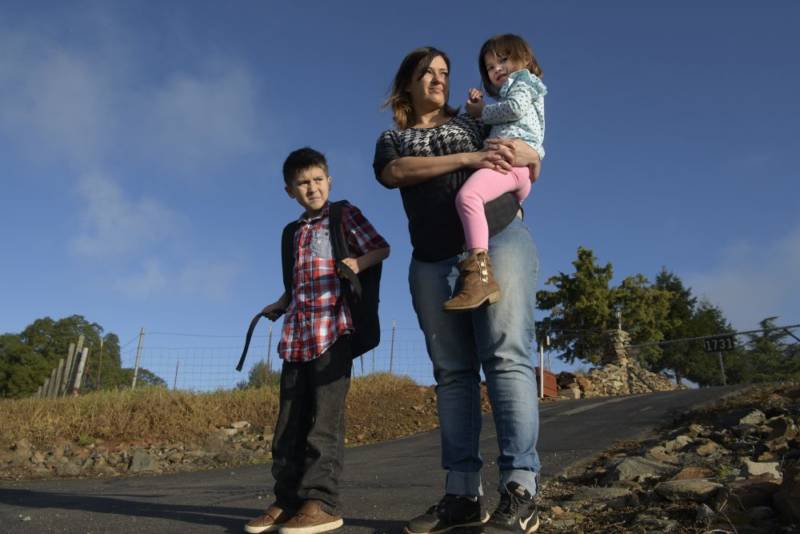
"caption": "“I made more money without my cosmetology license than I do with it,” says Jeanny Morris, an El Dorado Hills mother of two whose for-profit college investment left her unemployed and $22,000 in debt. Here she waits at the school bus stop with son Ethan, 9, and daughter Mia, 4.",
"description": "“I made more money without my cosmetology license than I do with it,” says Jeanny Morris, an El Dorado Hills mother of two whose for-profit college investment left her unemployed and $22,000 in debt. Here she waits at the school bus stop with son Ethan, 9, and daughter Mia, 4.",
"title": "RB-Bus-Stop_4-1-1000x667",
"credit": "Randall Benton/CALmatters",
"status": "inherit",
"isLoading": false,
"fetchFailed": false
},
"news_11738664": {
"type": "attachments",
"id": "news_11738664",
"meta": {
"index": "attachments_1716263798",
"site": "news",
"id": "11738664",
"found": true
},
"parent": 11738660,
"imgSizes": {
"apple_news_ca_square_4_0": {
"file": "https://ww2.kqed.org/app/uploads/sites/10/2019/04/Assembly2019_007-1000x667-470x470.jpg",
"width": 470,
"mimeType": "image/jpeg",
"height": 470
},
"twentyfourteen-full-width": {
"file": "https://ww2.kqed.org/app/uploads/sites/10/2019/04/Assembly2019_007-1000x667-1000x576.jpg",
"width": 1000,
"mimeType": "image/jpeg",
"height": 576
},
"thumbnail": {
"file": "https://ww2.kqed.org/app/uploads/sites/10/2019/04/Assembly2019_007-1000x667-160x107.jpg",
"width": 160,
"mimeType": "image/jpeg",
"height": 107
},
"post-thumbnail": {
"file": "https://ww2.kqed.org/app/uploads/sites/10/2019/04/Assembly2019_007-1000x667-672x372.jpg",
"width": 672,
"mimeType": "image/jpeg",
"height": 372
},
"kqedFullSize": {
"file": "https://ww2.kqed.org/app/uploads/sites/10/2019/04/Assembly2019_007-1000x667.jpg",
"width": 1000,
"height": 667
},
"apple_news_ca_landscape_4_7": {
"file": "https://ww2.kqed.org/app/uploads/sites/10/2019/04/Assembly2019_007-1000x667-632x474.jpg",
"width": 632,
"mimeType": "image/jpeg",
"height": 474
},
"guest-author-50": {
"file": "https://ww2.kqed.org/app/uploads/sites/10/2019/04/Assembly2019_007-1000x667-50x50.jpg",
"width": 50,
"mimeType": "image/jpeg",
"height": 50
},
"guest-author-96": {
"file": "https://ww2.kqed.org/app/uploads/sites/10/2019/04/Assembly2019_007-1000x667-96x96.jpg",
"width": 96,
"mimeType": "image/jpeg",
"height": 96
},
"apple_news_ca_landscape_4_0": {
"file": "https://ww2.kqed.org/app/uploads/sites/10/2019/04/Assembly2019_007-1000x667-536x402.jpg",
"width": 536,
"mimeType": "image/jpeg",
"height": 402
},
"medium": {
"file": "https://ww2.kqed.org/app/uploads/sites/10/2019/04/Assembly2019_007-1000x667-800x534.jpg",
"width": 800,
"mimeType": "image/jpeg",
"height": 534
},
"guest-author-64": {
"file": "https://ww2.kqed.org/app/uploads/sites/10/2019/04/Assembly2019_007-1000x667-64x64.jpg",
"width": 64,
"mimeType": "image/jpeg",
"height": 64
},
"guest-author-32": {
"file": "https://ww2.kqed.org/app/uploads/sites/10/2019/04/Assembly2019_007-1000x667-32x32.jpg",
"width": 32,
"mimeType": "image/jpeg",
"height": 32
},
"apple_news_ca_portrait_4_0": {
"file": "https://ww2.kqed.org/app/uploads/sites/10/2019/04/Assembly2019_007-1000x667-354x472.jpg",
"width": 354,
"mimeType": "image/jpeg",
"height": 472
},
"apple_news_ca_portrait_9_7": {
"file": "https://ww2.kqed.org/app/uploads/sites/10/2019/04/Assembly2019_007-1000x667-840x667.jpg",
"width": 840,
"mimeType": "image/jpeg",
"height": 667
},
"apple_news_ca_portrait_4_7": {
"file": "https://ww2.kqed.org/app/uploads/sites/10/2019/04/Assembly2019_007-1000x667-414x552.jpg",
"width": 414,
"mimeType": "image/jpeg",
"height": 552
},
"apple_news_ca_portrait_5_5": {
"file": "https://ww2.kqed.org/app/uploads/sites/10/2019/04/Assembly2019_007-1000x667-687x667.jpg",
"width": 687,
"mimeType": "image/jpeg",
"height": 667
},
"apple_news_ca_square_4_7": {
"file": "https://ww2.kqed.org/app/uploads/sites/10/2019/04/Assembly2019_007-1000x667-550x550.jpg",
"width": 550,
"mimeType": "image/jpeg",
"height": 550
},
"guest-author-128": {
"file": "https://ww2.kqed.org/app/uploads/sites/10/2019/04/Assembly2019_007-1000x667-128x128.jpg",
"width": 128,
"mimeType": "image/jpeg",
"height": 128
},
"apple_news_ca_square_5_5": {
"file": "https://ww2.kqed.org/app/uploads/sites/10/2019/04/Assembly2019_007-1000x667-912x667.jpg",
"width": 912,
"mimeType": "image/jpeg",
"height": 667
}
},
"publishDate": 1554761647,
"modified": 1554854949,
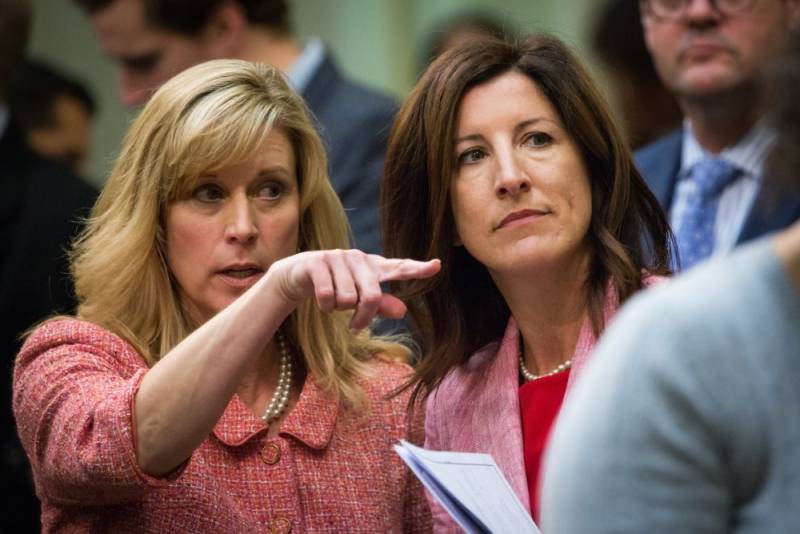
"caption": "A bill restricting charter schools, authored by Assemblywoman Christy Smith, left, D-Santa Clarita, stems from her experience as a school board member in Santa Clarita. With Smith is Assemblywoman Cottie Petrie-Norris, D-Laguna Beach.",
"description": null,
"title": "Assembly2019_007-1000x667",
"credit": "Max Whittaker/CALmatters",
"status": "inherit",
"isLoading": false,
"fetchFailed": false
},
"news_11738006": {
"type": "attachments",
"id": "news_11738006",
"meta": {
"index": "attachments_1716263798",
"site": "news",
"id": "11738006",
"found": true
},
"parent": 11737431,
"imgSizes": {
"post-thumbnail": {
"file": "https://ww2.kqed.org/app/uploads/sites/10/2019/04/RS36410_Starting-Blocks-2-qut-672x372.jpg",
"width": 672,
"mimeType": "image/jpeg",
"height": 372
},
"kqedFullSize": {
"file": "https://ww2.kqed.org/app/uploads/sites/10/2019/04/RS36410_Starting-Blocks-2-qut.jpg",
"width": 1920,
"height": 1440
},
"guest-author-50": {
"file": "https://ww2.kqed.org/app/uploads/sites/10/2019/04/RS36410_Starting-Blocks-2-qut-50x50.jpg",
"width": 50,
"mimeType": "image/jpeg",
"height": 50
},
"guest-author-96": {
"file": "https://ww2.kqed.org/app/uploads/sites/10/2019/04/RS36410_Starting-Blocks-2-qut-96x96.jpg",
"width": 96,
"mimeType": "image/jpeg",
"height": 96
},
"apple_news_ca_portrait_12_9": {
"file": "https://ww2.kqed.org/app/uploads/sites/10/2019/04/RS36410_Starting-Blocks-2-qut-1122x1440.jpg",
"width": 1122,
"mimeType": "image/jpeg",
"height": 1440
},
"medium": {
"file": "https://ww2.kqed.org/app/uploads/sites/10/2019/04/RS36410_Starting-Blocks-2-qut-800x600.jpg",
"width": 800,
"mimeType": "image/jpeg",
"height": 600
},
"guest-author-32": {
"file": "https://ww2.kqed.org/app/uploads/sites/10/2019/04/RS36410_Starting-Blocks-2-qut-32x32.jpg",
"width": 32,
"mimeType": "image/jpeg",
"height": 32
},
"apple_news_ca_portrait_9_7": {
"file": "https://ww2.kqed.org/app/uploads/sites/10/2019/04/RS36410_Starting-Blocks-2-qut-840x1120.jpg",
"width": 840,
"mimeType": "image/jpeg",
"height": 1120
},
"apple_news_ca_square_9_7": {
"file": "https://ww2.kqed.org/app/uploads/sites/10/2019/04/RS36410_Starting-Blocks-2-qut-1104x1104.jpg",
"width": 1104,
"mimeType": "image/jpeg",
"height": 1104
},
"apple_news_ca_portrait_4_7": {
"file": "https://ww2.kqed.org/app/uploads/sites/10/2019/04/RS36410_Starting-Blocks-2-qut-414x552.jpg",
"width": 414,
"mimeType": "image/jpeg",
"height": 552
},
"apple_news_ca_square_12_9": {
"file": "https://ww2.kqed.org/app/uploads/sites/10/2019/04/RS36410_Starting-Blocks-2-qut-1472x1440.jpg",
"width": 1472,
"mimeType": "image/jpeg",
"height": 1440
},
"apple_news_ca_portrait_5_5": {
"file": "https://ww2.kqed.org/app/uploads/sites/10/2019/04/RS36410_Starting-Blocks-2-qut-687x916.jpg",
"width": 687,
"mimeType": "image/jpeg",
"height": 916
},
"apple_news_ca_square_4_7": {
"file": "https://ww2.kqed.org/app/uploads/sites/10/2019/04/RS36410_Starting-Blocks-2-qut-550x550.jpg",
"width": 550,
"mimeType": "image/jpeg",
"height": 550
},
"apple_news_ca_square_5_5": {
"file": "https://ww2.kqed.org/app/uploads/sites/10/2019/04/RS36410_Starting-Blocks-2-qut-912x912.jpg",
"width": 912,
"mimeType": "image/jpeg",
"height": 912
},
"apple_news_ca_landscape_5_5": {
"file": "https://ww2.kqed.org/app/uploads/sites/10/2019/04/RS36410_Starting-Blocks-2-qut-1044x783.jpg",
"width": 1044,
"mimeType": "image/jpeg",
"height": 783
},
"apple_news_ca_square_4_0": {
"file": "https://ww2.kqed.org/app/uploads/sites/10/2019/04/RS36410_Starting-Blocks-2-qut-470x470.jpg",
"width": 470,
"mimeType": "image/jpeg",
"height": 470
},
"twentyfourteen-full-width": {
"file": "https://ww2.kqed.org/app/uploads/sites/10/2019/04/RS36410_Starting-Blocks-2-qut-1038x576.jpg",
"width": 1038,
"mimeType": "image/jpeg",
"height": 576
},
"thumbnail": {
"file": "https://ww2.kqed.org/app/uploads/sites/10/2019/04/RS36410_Starting-Blocks-2-qut-160x120.jpg",
"width": 160,
"mimeType": "image/jpeg",
"height": 120
},
"apple_news_ca_landscape_4_7": {
"file": "https://ww2.kqed.org/app/uploads/sites/10/2019/04/RS36410_Starting-Blocks-2-qut-632x474.jpg",
"width": 632,
"mimeType": "image/jpeg",
"height": 474
},
"large": {
"file": "https://ww2.kqed.org/app/uploads/sites/10/2019/04/RS36410_Starting-Blocks-2-qut-1020x765.jpg",
"width": 1020,
"mimeType": "image/jpeg",
"height": 765
},
"complete_open_graph": {
"file": "https://ww2.kqed.org/app/uploads/sites/10/2019/04/RS36410_Starting-Blocks-2-qut-1200x900.jpg",
"width": 1200,
"mimeType": "image/jpeg",
"height": 900
},
"apple_news_ca_landscape_4_0": {
"file": "https://ww2.kqed.org/app/uploads/sites/10/2019/04/RS36410_Starting-Blocks-2-qut-536x402.jpg",
"width": 536,
"mimeType": "image/jpeg",
"height": 402
},
"guest-author-64": {
"file": "https://ww2.kqed.org/app/uploads/sites/10/2019/04/RS36410_Starting-Blocks-2-qut-64x64.jpg",
"width": 64,
"mimeType": "image/jpeg",
"height": 64
},
"apple_news_ca_portrait_4_0": {
"file": "https://ww2.kqed.org/app/uploads/sites/10/2019/04/RS36410_Starting-Blocks-2-qut-354x472.jpg",
"width": 354,
"mimeType": "image/jpeg",
"height": 472
},
"apple_news_ca_landscape_12_9": {
"file": "https://ww2.kqed.org/app/uploads/sites/10/2019/04/RS36410_Starting-Blocks-2-qut-1832x1374.jpg",
"width": 1832,
"mimeType": "image/jpeg",
"height": 1374
},
"full-width": {
"file": "https://ww2.kqed.org/app/uploads/sites/10/2019/04/RS36410_Starting-Blocks-2-qut-1920x1440.jpg",
"width": 1920,
"mimeType": "image/jpeg",
"height": 1440
},
"guest-author-128": {
"file": "https://ww2.kqed.org/app/uploads/sites/10/2019/04/RS36410_Starting-Blocks-2-qut-128x128.jpg",
"width": 128,
"mimeType": "image/jpeg",
"height": 128
},
"apple_news_ca_landscape_9_7": {
"file": "https://ww2.kqed.org/app/uploads/sites/10/2019/04/RS36410_Starting-Blocks-2-qut-1376x1032.jpg",
"width": 1376,
"mimeType": "image/jpeg",
"height": 1032
}
},
"publishDate": 1554419390,
"modified": 1555098108,
"caption": "The Central Valley City of Merced is a place where prosperity sits alongside entrenched poverty. Merced has experienced the top personal income growth of any metro area in the country for the past five years, mostly fueled by an expanding UC campus.",
"description": "The Central Valley City of Merced is a place where prosperity sits alongside entrenched poverty. Merced has experienced the top personal income growth of any metro area — in the country — for the past five years, mostly fuelled by a new UC campus.",
"title": "UC Merced child care education",
"credit": "Matt Rogers for KQED",
"status": "inherit",
"isLoading": false,
"fetchFailed": false
},
"news_11737226": {
"type": "attachments",
"id": "news_11737226",
"meta": {
"index": "attachments_1716263798",
"site": "news",
"id": "11737226",
"found": true
},
"parent": 11737207,
"imgSizes": {
"post-thumbnail": {
"file": "https://ww2.kqed.org/app/uploads/sites/10/2019/04/Bobbie-2-672x372.jpg",
"width": 672,
"mimeType": "image/jpeg",
"height": 372
},
"kqedFullSize": {
"file": "https://ww2.kqed.org/app/uploads/sites/10/2019/04/Bobbie-2.jpg",
"width": 1920,
"height": 1552
},
"guest-author-50": {
"file": "https://ww2.kqed.org/app/uploads/sites/10/2019/04/Bobbie-2-50x50.jpg",
"width": 50,
"mimeType": "image/jpeg",
"height": 50
},
"guest-author-96": {
"file": "https://ww2.kqed.org/app/uploads/sites/10/2019/04/Bobbie-2-96x96.jpg",
"width": 96,
"mimeType": "image/jpeg",
"height": 96
},
"apple_news_ca_portrait_12_9": {
"file": "https://ww2.kqed.org/app/uploads/sites/10/2019/04/Bobbie-2-1122x1496.jpg",
"width": 1122,
"mimeType": "image/jpeg",
"height": 1496
},
"medium": {
"file": "https://ww2.kqed.org/app/uploads/sites/10/2019/04/Bobbie-2-800x647.jpg",
"width": 800,
"mimeType": "image/jpeg",
"height": 647
},
"guest-author-32": {
"file": "https://ww2.kqed.org/app/uploads/sites/10/2019/04/Bobbie-2-32x32.jpg",
"width": 32,
"mimeType": "image/jpeg",
"height": 32
},
"apple_news_ca_portrait_9_7": {
"file": "https://ww2.kqed.org/app/uploads/sites/10/2019/04/Bobbie-2-840x1120.jpg",
"width": 840,
"mimeType": "image/jpeg",
"height": 1120
},
"apple_news_ca_square_9_7": {
"file": "https://ww2.kqed.org/app/uploads/sites/10/2019/04/Bobbie-2-1104x1104.jpg",
"width": 1104,
"mimeType": "image/jpeg",
"height": 1104
},
"apple_news_ca_portrait_4_7": {
"file": "https://ww2.kqed.org/app/uploads/sites/10/2019/04/Bobbie-2-414x552.jpg",
"width": 414,
"mimeType": "image/jpeg",
"height": 552
},
"apple_news_ca_square_12_9": {
"file": "https://ww2.kqed.org/app/uploads/sites/10/2019/04/Bobbie-2-1472x1472.jpg",
"width": 1472,
"mimeType": "image/jpeg",
"height": 1472
},
"apple_news_ca_portrait_5_5": {
"file": "https://ww2.kqed.org/app/uploads/sites/10/2019/04/Bobbie-2-687x916.jpg",
"width": 687,
"mimeType": "image/jpeg",
"height": 916
},
"apple_news_ca_square_4_7": {
"file": "https://ww2.kqed.org/app/uploads/sites/10/2019/04/Bobbie-2-550x550.jpg",
"width": 550,
"mimeType": "image/jpeg",
"height": 550
},
"apple_news_ca_square_5_5": {
"file": "https://ww2.kqed.org/app/uploads/sites/10/2019/04/Bobbie-2-912x912.jpg",
"width": 912,
"mimeType": "image/jpeg",
"height": 912
},
"apple_news_ca_landscape_5_5": {
"file": "https://ww2.kqed.org/app/uploads/sites/10/2019/04/Bobbie-2-1044x783.jpg",
"width": 1044,
"mimeType": "image/jpeg",
"height": 783
},
"apple_news_ca_square_4_0": {
"file": "https://ww2.kqed.org/app/uploads/sites/10/2019/04/Bobbie-2-470x470.jpg",
"width": 470,
"mimeType": "image/jpeg",
"height": 470
},
"twentyfourteen-full-width": {
"file": "https://ww2.kqed.org/app/uploads/sites/10/2019/04/Bobbie-2-1038x576.jpg",
"width": 1038,
"mimeType": "image/jpeg",
"height": 576
},
"thumbnail": {
"file": "https://ww2.kqed.org/app/uploads/sites/10/2019/04/Bobbie-2-160x129.jpg",
"width": 160,
"mimeType": "image/jpeg",
"height": 129
},
"apple_news_ca_landscape_4_7": {
"file": "https://ww2.kqed.org/app/uploads/sites/10/2019/04/Bobbie-2-632x474.jpg",
"width": 632,
"mimeType": "image/jpeg",
"height": 474
},
"large": {
"file": "https://ww2.kqed.org/app/uploads/sites/10/2019/04/Bobbie-2-1020x825.jpg",
"width": 1020,
"mimeType": "image/jpeg",
"height": 825
},
"complete_open_graph": {
"file": "https://ww2.kqed.org/app/uploads/sites/10/2019/04/Bobbie-2-1200x970.jpg",
"width": 1200,
"mimeType": "image/jpeg",
"height": 970
},
"apple_news_ca_landscape_4_0": {
"file": "https://ww2.kqed.org/app/uploads/sites/10/2019/04/Bobbie-2-536x402.jpg",
"width": 536,
"mimeType": "image/jpeg",
"height": 402
},
"guest-author-64": {
"file": "https://ww2.kqed.org/app/uploads/sites/10/2019/04/Bobbie-2-64x64.jpg",
"width": 64,
"mimeType": "image/jpeg",
"height": 64
},
"apple_news_ca_portrait_4_0": {
"file": "https://ww2.kqed.org/app/uploads/sites/10/2019/04/Bobbie-2-354x472.jpg",
"width": 354,
"mimeType": "image/jpeg",
"height": 472
},
"apple_news_ca_landscape_12_9": {
"file": "https://ww2.kqed.org/app/uploads/sites/10/2019/04/Bobbie-2-1832x1374.jpg",
"width": 1832,
"mimeType": "image/jpeg",
"height": 1374
},
"full-width": {
"file": "https://ww2.kqed.org/app/uploads/sites/10/2019/04/Bobbie-2-1920x1552.jpg",
"width": 1920,
"mimeType": "image/jpeg",
"height": 1552
},
"guest-author-128": {
"file": "https://ww2.kqed.org/app/uploads/sites/10/2019/04/Bobbie-2-128x128.jpg",
"width": 128,
"mimeType": "image/jpeg",
"height": 128
},
"apple_news_ca_landscape_9_7": {
"file": "https://ww2.kqed.org/app/uploads/sites/10/2019/04/Bobbie-2-1376x1032.jpg",
"width": 1376,
"mimeType": "image/jpeg",
"height": 1032
}
},
"publishDate": 1554231338,
"modified": 1554412896,
"caption": "Balancing work, child care and affordable housing is a daily reality for Bobbie Allison, shown here with her 3-year-old daughter, Alorra, at their home in Atwater. ",
"description": "Balancing work, child care and affordable housing are a daily reality for Bobbie Allison, shown here with her three-year-old daughter, Alorra. ",
"title": "Starting Blocks",
"credit": "Matt Rogers/KQED",
"status": "inherit",
"isLoading": false,
"fetchFailed": false
},
"news_11737448": {
"type": "attachments",
"id": "news_11737448",
"meta": {
"index": "attachments_1716263798",
"site": "news",
"id": "11737448",
"found": true
},
"parent": 11736901,
"imgSizes": {
"post-thumbnail": {
"file": "https://ww2.kqed.org/app/uploads/sites/10/2019/04/Norma-and-Alex-Merced-Baby-672x372.jpg",
"width": 672,
"mimeType": "image/jpeg",
"height": 372
},
"kqedFullSize": {
"file": "https://ww2.kqed.org/app/uploads/sites/10/2019/04/Norma-and-Alex-Merced-Baby.jpg",
"width": 1920,
"height": 1681
},
"guest-author-50": {
"file": "https://ww2.kqed.org/app/uploads/sites/10/2019/04/Norma-and-Alex-Merced-Baby-50x50.jpg",
"width": 50,
"mimeType": "image/jpeg",
"height": 50
},
"guest-author-96": {
"file": "https://ww2.kqed.org/app/uploads/sites/10/2019/04/Norma-and-Alex-Merced-Baby-96x96.jpg",
"width": 96,
"mimeType": "image/jpeg",
"height": 96
},
"apple_news_ca_portrait_12_9": {
"file": "https://ww2.kqed.org/app/uploads/sites/10/2019/04/Norma-and-Alex-Merced-Baby-1122x1496.jpg",
"width": 1122,
"mimeType": "image/jpeg",
"height": 1496
},
"medium": {
"file": "https://ww2.kqed.org/app/uploads/sites/10/2019/04/Norma-and-Alex-Merced-Baby-800x700.jpg",
"width": 800,
"mimeType": "image/jpeg",
"height": 700
},
"guest-author-32": {
"file": "https://ww2.kqed.org/app/uploads/sites/10/2019/04/Norma-and-Alex-Merced-Baby-32x32.jpg",
"width": 32,
"mimeType": "image/jpeg",
"height": 32
},
"apple_news_ca_portrait_9_7": {
"file": "https://ww2.kqed.org/app/uploads/sites/10/2019/04/Norma-and-Alex-Merced-Baby-840x1120.jpg",
"width": 840,
"mimeType": "image/jpeg",
"height": 1120
},
"apple_news_ca_square_9_7": {
"file": "https://ww2.kqed.org/app/uploads/sites/10/2019/04/Norma-and-Alex-Merced-Baby-1104x1104.jpg",
"width": 1104,
"mimeType": "image/jpeg",
"height": 1104
},
"apple_news_ca_portrait_4_7": {
"file": "https://ww2.kqed.org/app/uploads/sites/10/2019/04/Norma-and-Alex-Merced-Baby-414x552.jpg",
"width": 414,
"mimeType": "image/jpeg",
"height": 552
},
"apple_news_ca_square_12_9": {
"file": "https://ww2.kqed.org/app/uploads/sites/10/2019/04/Norma-and-Alex-Merced-Baby-1472x1472.jpg",
"width": 1472,
"mimeType": "image/jpeg",
"height": 1472
},
"apple_news_ca_portrait_5_5": {
"file": "https://ww2.kqed.org/app/uploads/sites/10/2019/04/Norma-and-Alex-Merced-Baby-687x916.jpg",
"width": 687,
"mimeType": "image/jpeg",
"height": 916
},
"apple_news_ca_square_4_7": {
"file": "https://ww2.kqed.org/app/uploads/sites/10/2019/04/Norma-and-Alex-Merced-Baby-550x550.jpg",
"width": 550,
"mimeType": "image/jpeg",
"height": 550
},
"apple_news_ca_square_5_5": {
"file": "https://ww2.kqed.org/app/uploads/sites/10/2019/04/Norma-and-Alex-Merced-Baby-912x912.jpg",
"width": 912,
"mimeType": "image/jpeg",
"height": 912
},
"apple_news_ca_landscape_5_5": {
"file": "https://ww2.kqed.org/app/uploads/sites/10/2019/04/Norma-and-Alex-Merced-Baby-1044x783.jpg",
"width": 1044,
"mimeType": "image/jpeg",
"height": 783
},
"apple_news_ca_square_4_0": {
"file": "https://ww2.kqed.org/app/uploads/sites/10/2019/04/Norma-and-Alex-Merced-Baby-470x470.jpg",
"width": 470,
"mimeType": "image/jpeg",
"height": 470
},
"twentyfourteen-full-width": {
"file": "https://ww2.kqed.org/app/uploads/sites/10/2019/04/Norma-and-Alex-Merced-Baby-1038x576.jpg",
"width": 1038,
"mimeType": "image/jpeg",
"height": 576
},
"thumbnail": {
"file": "https://ww2.kqed.org/app/uploads/sites/10/2019/04/Norma-and-Alex-Merced-Baby-160x140.jpg",
"width": 160,
"mimeType": "image/jpeg",
"height": 140
},
"apple_news_ca_landscape_4_7": {
"file": "https://ww2.kqed.org/app/uploads/sites/10/2019/04/Norma-and-Alex-Merced-Baby-632x474.jpg",
"width": 632,
"mimeType": "image/jpeg",
"height": 474
},
"large": {
"file": "https://ww2.kqed.org/app/uploads/sites/10/2019/04/Norma-and-Alex-Merced-Baby-1020x893.jpg",
"width": 1020,
"mimeType": "image/jpeg",
"height": 893
},
"complete_open_graph": {
"file": "https://ww2.kqed.org/app/uploads/sites/10/2019/04/Norma-and-Alex-Merced-Baby-1200x1051.jpg",
"width": 1200,
"mimeType": "image/jpeg",
"height": 1051
},
"apple_news_ca_landscape_4_0": {
"file": "https://ww2.kqed.org/app/uploads/sites/10/2019/04/Norma-and-Alex-Merced-Baby-536x402.jpg",
"width": 536,
"mimeType": "image/jpeg",
"height": 402
},
"guest-author-64": {
"file": "https://ww2.kqed.org/app/uploads/sites/10/2019/04/Norma-and-Alex-Merced-Baby-64x64.jpg",
"width": 64,
"mimeType": "image/jpeg",
"height": 64
},
"apple_news_ca_portrait_4_0": {
"file": "https://ww2.kqed.org/app/uploads/sites/10/2019/04/Norma-and-Alex-Merced-Baby-354x472.jpg",
"width": 354,
"mimeType": "image/jpeg",
"height": 472
},
"apple_news_ca_landscape_12_9": {
"file": "https://ww2.kqed.org/app/uploads/sites/10/2019/04/Norma-and-Alex-Merced-Baby-1832x1374.jpg",
"width": 1832,
"mimeType": "image/jpeg",
"height": 1374
},
"full-width": {
"file": "https://ww2.kqed.org/app/uploads/sites/10/2019/04/Norma-and-Alex-Merced-Baby-1920x1681.jpg",
"width": 1920,
"mimeType": "image/jpeg",
"height": 1681
},
"guest-author-128": {
"file": "https://ww2.kqed.org/app/uploads/sites/10/2019/04/Norma-and-Alex-Merced-Baby-128x128.jpg",
"width": 128,
"mimeType": "image/jpeg",
"height": 128
},
"apple_news_ca_landscape_9_7": {
"file": "https://ww2.kqed.org/app/uploads/sites/10/2019/04/Norma-and-Alex-Merced-Baby-1376x1032.jpg",
"width": 1376,
"mimeType": "image/jpeg",
"height": 1032
}
},
"publishDate": 1554251637,
"modified": 1554251668,
"caption": "Merced County resident Norma Sandoval and her four-month-old son Alex barely get by, even with the state's generous social safety net.",
"description": "Merced County resident Norma Sandoval and her four-month-old son Alex barely get by, even with the state's generous social safety net.",
"title": "Norma-and-Alex-Merced-Baby",
"credit": "Matt Rogers/KQED",
"status": "inherit",
"isLoading": false,
"fetchFailed": false
},
"news_11671745": {
"type": "attachments",
"id": "news_11671745",
"meta": {
"index": "attachments_1716263798",
"site": "news",
"id": "11671745",
"found": true
},
"parent": 11671736,
"imgSizes": {
"small": {
"file": "https://ww2.kqed.org/app/uploads/sites/10/2018/05/TenderloinKidsMain-520x351.jpg",
"width": 520,
"mimeType": "image/jpeg",
"height": 351
},
"twentyfourteen-full-width": {
"file": "https://ww2.kqed.org/app/uploads/sites/10/2018/05/TenderloinKidsMain-1038x576.jpg",
"width": 1038,
"mimeType": "image/jpeg",
"height": 576
},
"thumbnail": {
"file": "https://ww2.kqed.org/app/uploads/sites/10/2018/05/TenderloinKidsMain-160x108.jpg",
"width": 160,
"mimeType": "image/jpeg",
"height": 108
},
"fd-sm": {
"file": "https://ww2.kqed.org/app/uploads/sites/10/2018/05/TenderloinKidsMain-960x648.jpg",
"width": 960,
"mimeType": "image/jpeg",
"height": 648
},
"post-thumbnail": {
"file": "https://ww2.kqed.org/app/uploads/sites/10/2018/05/TenderloinKidsMain-672x372.jpg",
"width": 672,
"mimeType": "image/jpeg",
"height": 372
},
"xsmall": {
"file": "https://ww2.kqed.org/app/uploads/sites/10/2018/05/TenderloinKidsMain-375x253.jpg",
"width": 375,
"mimeType": "image/jpeg",
"height": 253
},
"kqedFullSize": {
"file": "https://ww2.kqed.org/app/uploads/sites/10/2018/05/TenderloinKidsMain.jpg",
"width": 1920,
"height": 1296
},
"large": {
"file": "https://ww2.kqed.org/app/uploads/sites/10/2018/05/TenderloinKidsMain-1020x689.jpg",
"width": 1020,
"mimeType": "image/jpeg",
"height": 689
},
"xlarge": {
"file": "https://ww2.kqed.org/app/uploads/sites/10/2018/05/TenderloinKidsMain-1180x797.jpg",
"width": 1180,
"mimeType": "image/jpeg",
"height": 797
},
"complete_open_graph": {
"file": "https://ww2.kqed.org/app/uploads/sites/10/2018/05/TenderloinKidsMain-1200x810.jpg",
"width": 1200,
"mimeType": "image/jpeg",
"height": 810
},
"guest-author-50": {
"file": "https://ww2.kqed.org/app/uploads/sites/10/2018/05/TenderloinKidsMain-50x50.jpg",
"width": 50,
"mimeType": "image/jpeg",
"height": 50
},
"guest-author-96": {
"file": "https://ww2.kqed.org/app/uploads/sites/10/2018/05/TenderloinKidsMain-96x96.jpg",
"width": 96,
"mimeType": "image/jpeg",
"height": 96
},
"medium": {
"file": "https://ww2.kqed.org/app/uploads/sites/10/2018/05/TenderloinKidsMain-800x540.jpg",
"width": 800,
"mimeType": "image/jpeg",
"height": 540
},
"guest-author-64": {
"file": "https://ww2.kqed.org/app/uploads/sites/10/2018/05/TenderloinKidsMain-64x64.jpg",
"width": 64,
"mimeType": "image/jpeg",
"height": 64
},
"guest-author-32": {
"file": "https://ww2.kqed.org/app/uploads/sites/10/2018/05/TenderloinKidsMain-32x32.jpg",
"width": 32,
"mimeType": "image/jpeg",
"height": 32
},
"fd-lrg": {
"file": "https://ww2.kqed.org/app/uploads/sites/10/2018/05/TenderloinKidsMain-1920x1296.jpg",
"width": 1920,
"mimeType": "image/jpeg",
"height": 1296
},
"fd-med": {
"file": "https://ww2.kqed.org/app/uploads/sites/10/2018/05/TenderloinKidsMain-1180x797.jpg",
"width": 1180,
"mimeType": "image/jpeg",
"height": 797
},
"full-width": {
"file": "https://ww2.kqed.org/app/uploads/sites/10/2018/05/TenderloinKidsMain-1920x1296.jpg",
"width": 1920,
"mimeType": "image/jpeg",
"height": 1296
},
"detail": {
"file": "https://ww2.kqed.org/app/uploads/sites/10/2018/05/TenderloinKidsMain-150x150.jpg",
"width": 150,
"mimeType": "image/jpeg",
"height": 150
},
"guest-author-128": {
"file": "https://ww2.kqed.org/app/uploads/sites/10/2018/05/TenderloinKidsMain-128x128.jpg",
"width": 128,
"mimeType": "image/jpeg",
"height": 128
},
"xxsmall": {
"file": "https://ww2.kqed.org/app/uploads/sites/10/2018/05/TenderloinKidsMain-240x162.jpg",
"width": 240,
"mimeType": "image/jpeg",
"height": 162
}
},
"publishDate": 1527800343,
"modified": 1554155976,
"caption": "Elementary school students cross Turk Street in San Francisco as Safe Passage volunteer Tatiana Alabsi observes them on April 24, 2018. ",
"description": "Elementary school students cross Turk Street in San Francisco as Safe Passage volunteer Tatiana Alabsi observes them on April 24, 2018. ",
"title": "TenderloinKidsMain",
"credit": "Farida Jhabvala Romero/KQED",
"status": "inherit",
"isLoading": false,
"fetchFailed": false
},
"news_11736797": {
"type": "attachments",
"id": "news_11736797",
"meta": {
"index": "attachments_1716263798",
"site": "news",
"id": "11736797",
"found": true
},
"parent": 11736727,
"imgSizes": {
"post-thumbnail": {
"file": "https://ww2.kqed.org/app/uploads/sites/10/2019/03/RS36286_IMG_0433-qut-672x372.jpg",
"width": 672,
"mimeType": "image/jpeg",
"height": 372
},
"kqedFullSize": {
"file": "https://ww2.kqed.org/app/uploads/sites/10/2019/03/RS36286_IMG_0433-qut.jpg",
"width": 1920,
"height": 1440
},
"guest-author-50": {
"file": "https://ww2.kqed.org/app/uploads/sites/10/2019/03/RS36286_IMG_0433-qut-50x50.jpg",
"width": 50,
"mimeType": "image/jpeg",
"height": 50
},
"guest-author-96": {
"file": "https://ww2.kqed.org/app/uploads/sites/10/2019/03/RS36286_IMG_0433-qut-96x96.jpg",
"width": 96,
"mimeType": "image/jpeg",
"height": 96
},
"apple_news_ca_portrait_12_9": {
"file": "https://ww2.kqed.org/app/uploads/sites/10/2019/03/RS36286_IMG_0433-qut-1122x1440.jpg",
"width": 1122,
"mimeType": "image/jpeg",
"height": 1440
},
"medium": {
"file": "https://ww2.kqed.org/app/uploads/sites/10/2019/03/RS36286_IMG_0433-qut-800x600.jpg",
"width": 800,
"mimeType": "image/jpeg",
"height": 600
},
"guest-author-32": {
"file": "https://ww2.kqed.org/app/uploads/sites/10/2019/03/RS36286_IMG_0433-qut-32x32.jpg",
"width": 32,
"mimeType": "image/jpeg",
"height": 32
},
"apple_news_ca_portrait_9_7": {
"file": "https://ww2.kqed.org/app/uploads/sites/10/2019/03/RS36286_IMG_0433-qut-840x1120.jpg",
"width": 840,
"mimeType": "image/jpeg",
"height": 1120
},
"apple_news_ca_square_9_7": {
"file": "https://ww2.kqed.org/app/uploads/sites/10/2019/03/RS36286_IMG_0433-qut-1104x1104.jpg",
"width": 1104,
"mimeType": "image/jpeg",
"height": 1104
},
"apple_news_ca_portrait_4_7": {
"file": "https://ww2.kqed.org/app/uploads/sites/10/2019/03/RS36286_IMG_0433-qut-414x552.jpg",
"width": 414,
"mimeType": "image/jpeg",
"height": 552
},
"apple_news_ca_square_12_9": {
"file": "https://ww2.kqed.org/app/uploads/sites/10/2019/03/RS36286_IMG_0433-qut-1472x1440.jpg",
"width": 1472,
"mimeType": "image/jpeg",
"height": 1440
},
"apple_news_ca_portrait_5_5": {
"file": "https://ww2.kqed.org/app/uploads/sites/10/2019/03/RS36286_IMG_0433-qut-687x916.jpg",
"width": 687,
"mimeType": "image/jpeg",
"height": 916
},
"apple_news_ca_square_4_7": {
"file": "https://ww2.kqed.org/app/uploads/sites/10/2019/03/RS36286_IMG_0433-qut-550x550.jpg",
"width": 550,
"mimeType": "image/jpeg",
"height": 550
},
"apple_news_ca_square_5_5": {
"file": "https://ww2.kqed.org/app/uploads/sites/10/2019/03/RS36286_IMG_0433-qut-912x912.jpg",
"width": 912,
"mimeType": "image/jpeg",
"height": 912
},
"apple_news_ca_landscape_5_5": {
"file": "https://ww2.kqed.org/app/uploads/sites/10/2019/03/RS36286_IMG_0433-qut-1044x783.jpg",
"width": 1044,
"mimeType": "image/jpeg",
"height": 783
},
"apple_news_ca_square_4_0": {
"file": "https://ww2.kqed.org/app/uploads/sites/10/2019/03/RS36286_IMG_0433-qut-470x470.jpg",
"width": 470,
"mimeType": "image/jpeg",
"height": 470
},
"twentyfourteen-full-width": {
"file": "https://ww2.kqed.org/app/uploads/sites/10/2019/03/RS36286_IMG_0433-qut-1038x576.jpg",
"width": 1038,
"mimeType": "image/jpeg",
"height": 576
},
"thumbnail": {
"file": "https://ww2.kqed.org/app/uploads/sites/10/2019/03/RS36286_IMG_0433-qut-160x120.jpg",
"width": 160,
"mimeType": "image/jpeg",
"height": 120
},
"apple_news_ca_landscape_4_7": {
"file": "https://ww2.kqed.org/app/uploads/sites/10/2019/03/RS36286_IMG_0433-qut-632x474.jpg",
"width": 632,
"mimeType": "image/jpeg",
"height": 474
},
"large": {
"file": "https://ww2.kqed.org/app/uploads/sites/10/2019/03/RS36286_IMG_0433-qut-1020x765.jpg",
"width": 1020,
"mimeType": "image/jpeg",
"height": 765
},
"complete_open_graph": {
"file": "https://ww2.kqed.org/app/uploads/sites/10/2019/03/RS36286_IMG_0433-qut-1200x900.jpg",
"width": 1200,
"mimeType": "image/jpeg",
"height": 900
},
"apple_news_ca_landscape_4_0": {
"file": "https://ww2.kqed.org/app/uploads/sites/10/2019/03/RS36286_IMG_0433-qut-536x402.jpg",
"width": 536,
"mimeType": "image/jpeg",
"height": 402
},
"guest-author-64": {
"file": "https://ww2.kqed.org/app/uploads/sites/10/2019/03/RS36286_IMG_0433-qut-64x64.jpg",
"width": 64,
"mimeType": "image/jpeg",
"height": 64
},
"apple_news_ca_portrait_4_0": {
"file": "https://ww2.kqed.org/app/uploads/sites/10/2019/03/RS36286_IMG_0433-qut-354x472.jpg",
"width": 354,
"mimeType": "image/jpeg",
"height": 472
},
"apple_news_ca_landscape_12_9": {
"file": "https://ww2.kqed.org/app/uploads/sites/10/2019/03/RS36286_IMG_0433-qut-1832x1374.jpg",
"width": 1832,
"mimeType": "image/jpeg",
"height": 1374
},
"full-width": {
"file": "https://ww2.kqed.org/app/uploads/sites/10/2019/03/RS36286_IMG_0433-qut-1920x1440.jpg",
"width": 1920,
"mimeType": "image/jpeg",
"height": 1440
},
"guest-author-128": {
"file": "https://ww2.kqed.org/app/uploads/sites/10/2019/03/RS36286_IMG_0433-qut-128x128.jpg",
"width": 128,
"mimeType": "image/jpeg",
"height": 128
},
"apple_news_ca_landscape_9_7": {
"file": "https://ww2.kqed.org/app/uploads/sites/10/2019/03/RS36286_IMG_0433-qut-1376x1032.jpg",
"width": 1376,
"mimeType": "image/jpeg",
"height": 1032
}
},
"publishDate": 1553987184,
"modified": 1553987240,
"caption": "Starting April 1, operating hours will be extended at all Oakland Public Library branches.",
"description": "Starting April 1, operating hours will be extended at all Oakland Public Library branches.",
"title": "RS36286_IMG_0433-qut",
"credit": "Ryan Levi/KQED",
"status": "inherit",
"isLoading": false,
"fetchFailed": false
},
"news_11736647": {
"type": "attachments",
"id": "news_11736647",
"meta": {
"index": "attachments_1716263798",
"site": "news",
"id": "11736647",
"found": true
},
"parent": 11736464,
"imgSizes": {
"apple_news_ca_landscape_5_5": {
"file": "https://ww2.kqed.org/app/uploads/sites/10/2019/03/NR622_MARQUEE-1044x720.jpg",
"width": 1044,
"mimeType": "image/jpeg",
"height": 720
},
"apple_news_ca_square_4_0": {
"file": "https://ww2.kqed.org/app/uploads/sites/10/2019/03/NR622_MARQUEE-470x470.jpg",
"width": 470,
"mimeType": "image/jpeg",
"height": 470
},
"twentyfourteen-full-width": {
"file": "https://ww2.kqed.org/app/uploads/sites/10/2019/03/NR622_MARQUEE-1038x576.jpg",
"width": 1038,
"mimeType": "image/jpeg",
"height": 576
},
"thumbnail": {
"file": "https://ww2.kqed.org/app/uploads/sites/10/2019/03/NR622_MARQUEE-160x90.jpg",
"width": 160,
"mimeType": "image/jpeg",
"height": 90
},
"post-thumbnail": {
"file": "https://ww2.kqed.org/app/uploads/sites/10/2019/03/NR622_MARQUEE-672x372.jpg",
"width": 672,
"mimeType": "image/jpeg",
"height": 372
},
"kqedFullSize": {
"file": "https://ww2.kqed.org/app/uploads/sites/10/2019/03/NR622_MARQUEE.jpg",
"width": 1280,
"height": 720
},
"apple_news_ca_landscape_4_7": {
"file": "https://ww2.kqed.org/app/uploads/sites/10/2019/03/NR622_MARQUEE-632x474.jpg",
"width": 632,
"mimeType": "image/jpeg",
"height": 474
},
"large": {
"file": "https://ww2.kqed.org/app/uploads/sites/10/2019/03/NR622_MARQUEE-1020x574.jpg",
"width": 1020,
"mimeType": "image/jpeg",
"height": 574
},
"complete_open_graph": {
"file": "https://ww2.kqed.org/app/uploads/sites/10/2019/03/NR622_MARQUEE-1200x675.jpg",
"width": 1200,
"mimeType": "image/jpeg",
"height": 675
},
"guest-author-50": {
"file": "https://ww2.kqed.org/app/uploads/sites/10/2019/03/NR622_MARQUEE-50x50.jpg",
"width": 50,
"mimeType": "image/jpeg",
"height": 50
},
"guest-author-96": {
"file": "https://ww2.kqed.org/app/uploads/sites/10/2019/03/NR622_MARQUEE-96x96.jpg",
"width": 96,
"mimeType": "image/jpeg",
"height": 96
},
"apple_news_ca_landscape_4_0": {
"file": "https://ww2.kqed.org/app/uploads/sites/10/2019/03/NR622_MARQUEE-536x402.jpg",
"width": 536,
"mimeType": "image/jpeg",
"height": 402
},
"apple_news_ca_portrait_12_9": {
"file": "https://ww2.kqed.org/app/uploads/sites/10/2019/03/NR622_MARQUEE-1122x720.jpg",
"width": 1122,
"mimeType": "image/jpeg",
"height": 720
},
"medium": {
"file": "https://ww2.kqed.org/app/uploads/sites/10/2019/03/NR622_MARQUEE-800x450.jpg",
"width": 800,
"mimeType": "image/jpeg",
"height": 450
},
"guest-author-64": {
"file": "https://ww2.kqed.org/app/uploads/sites/10/2019/03/NR622_MARQUEE-64x64.jpg",
"width": 64,
"mimeType": "image/jpeg",
"height": 64
},
"guest-author-32": {
"file": "https://ww2.kqed.org/app/uploads/sites/10/2019/03/NR622_MARQUEE-32x32.jpg",
"width": 32,
"mimeType": "image/jpeg",
"height": 32
},
"apple_news_ca_portrait_4_0": {
"file": "https://ww2.kqed.org/app/uploads/sites/10/2019/03/NR622_MARQUEE-354x472.jpg",
"width": 354,
"mimeType": "image/jpeg",
"height": 472
},
"apple_news_ca_portrait_9_7": {
"file": "https://ww2.kqed.org/app/uploads/sites/10/2019/03/NR622_MARQUEE-840x720.jpg",
"width": 840,
"mimeType": "image/jpeg",
"height": 720
},
"apple_news_ca_square_9_7": {
"file": "https://ww2.kqed.org/app/uploads/sites/10/2019/03/NR622_MARQUEE-1104x720.jpg",
"width": 1104,
"mimeType": "image/jpeg",
"height": 720
},
"apple_news_ca_portrait_4_7": {
"file": "https://ww2.kqed.org/app/uploads/sites/10/2019/03/NR622_MARQUEE-414x552.jpg",
"width": 414,
"mimeType": "image/jpeg",
"height": 552
},
"apple_news_ca_portrait_5_5": {
"file": "https://ww2.kqed.org/app/uploads/sites/10/2019/03/NR622_MARQUEE-687x720.jpg",
"width": 687,
"mimeType": "image/jpeg",
"height": 720
},
"apple_news_ca_square_4_7": {
"file": "https://ww2.kqed.org/app/uploads/sites/10/2019/03/NR622_MARQUEE-550x550.jpg",
"width": 550,
"mimeType": "image/jpeg",
"height": 550
},
"guest-author-128": {
"file": "https://ww2.kqed.org/app/uploads/sites/10/2019/03/NR622_MARQUEE-128x128.jpg",
"width": 128,
"mimeType": "image/jpeg",
"height": 128
},
"apple_news_ca_square_5_5": {
"file": "https://ww2.kqed.org/app/uploads/sites/10/2019/03/NR622_MARQUEE-912x720.jpg",
"width": 912,
"mimeType": "image/jpeg",
"height": 720
}
},
"publishDate": 1553905146,
"modified": 1553905146,
"caption": null,
"description": null,
"title": "NR622_MARQUEE",
"credit": null,
"status": "inherit",
"isLoading": false,
"fetchFailed": false
}
},
"audioPlayerReducer": {
"postId": "stream_live",
"isPaused": true,
"isPlaying": false,
"pfsActive": false,
"pledgeModalIsOpen": true,
"playerDrawerIsOpen": false,
"liveAudioPlayStartedAt": 0,
"liveAudioPlayContext": ""
},
"authorsReducer": {
"byline_news_11740707": {
"type": "authors",
"id": "byline_news_11740707",
"meta": {
"override": true
},
"slug": "byline_news_11740707",
"name": "Olive Howden",
"isLoading": false
},
"byline_news_11740684": {
"type": "authors",
"id": "byline_news_11740684",
"meta": {
"override": true
},
"slug": "byline_news_11740684",
"name": "\u003cstrong>Associated Press\u003c/strong>",
"isLoading": false
},
"byline_news_11739068": {
"type": "authors",
"id": "byline_news_11739068",
"meta": {
"override": true
},
"slug": "byline_news_11739068",
"name": "\u003cstrong>\u003ca href=\"https://calmatters.org/articles/author/feliciacalmatters-org/\">Felicia Mello\u003cbr />\u003ca href=\"https://calmatters.org/\">CALmatters\u003c/a>\u003c/strong>",
"isLoading": false
},
"byline_news_11738660": {
"type": "authors",
"id": "byline_news_11738660",
"meta": {
"override": true
},
"slug": "byline_news_11738660",
"name": "Ricardo Cano",
"isLoading": false
},
"byline_news_11737431": {
"type": "authors",
"id": "byline_news_11737431",
"meta": {
"override": true
},
"slug": "byline_news_11737431",
"name": "\u003cstrong>\u003ca href=\"https://twitter.com/deepafern\">Deepa Fernandes\u003c/a>\u003c/strong>",
"isLoading": false
},
"byline_news_11737207": {
"type": "authors",
"id": "byline_news_11737207",
"meta": {
"override": true
},
"slug": "byline_news_11737207",
"name": "\u003cstrong>\u003ca href=\"https://twitter.com/deepafern\">Deepa Fernandes\u003c/a>\u003c/strong>",
"isLoading": false
},
"byline_news_11736901": {
"type": "authors",
"id": "byline_news_11736901",
"meta": {
"override": true
},
"slug": "byline_news_11736901",
"name": "\u003cstrong>\u003ca href=\"https://twitter.com/deepafern\">Deepa Fernandes\u003c/a>\u003c/strong>",
"isLoading": false
},
"danbrekke": {
"type": "authors",
"id": "222",
"meta": {
"index": "authors_1716337520",
"id": "222",
"found": true
},
"name": "Dan Brekke",
"firstName": "Dan",
"lastName": "Brekke",
"slug": "danbrekke",
"email": "dbrekke@kqed.org",
"display_author_email": true,
"staff_mastheads": [
"news",
"science"
],
"title": "KQED Editor and Reporter",
"bio": "Dan Brekke is a reporter and editor for KQED News, responsible for coverage of topics ranging from California water issues to the Bay Area's transportation challenges. In a newsroom career that began in Chicago in 1972, Dan has worked for \u003cem>The San Francisco Examiner,\u003c/em> Wired and TechTV and has been published in The New York Times, The New York Times Magazine, Business 2.0, Salon and elsewhere.\r\n\r\nSince joining KQED in 2007, Dan has reported, edited and produced both radio and online features and breaking news pieces. He has shared as both editor and reporter in four Society of Professional Journalists Norcal Excellence in Journalism awards and one Edward R. Murrow regional award. He was chosen for a spring 2017 residency at the Mesa Refuge to advance his research on California salmon.\r\n\r\nEmail Dan at: \u003ca href=\"mailto:dbrekke@kqed.org\">dbrekke@kqed.org\u003c/a>\r\n\r\n\u003cstrong>Twitter:\u003c/strong> \u003ca href=\"https://twitter.com/danbrekke\" rel=\"noopener noreferrer\">twitter.com/danbrekke\u003c/a>\r\n\u003cstrong>Facebook:\u003c/strong> \u003ca href=\"https://www.facebook.com/danbrekke\" rel=\"noopener noreferrer\">www.facebook.com/danbrekke\u003c/a>\r\n\u003cstrong>LinkedIn:\u003c/strong> \u003ca href=\"https://www.linkedin.com/in/danbrekke\" rel=\"noopener noreferrer\">www.linkedin.com/in/danbrekke\u003c/a>",
"avatar": "https://secure.gravatar.com/avatar/8f1f0d2a978fb3b23426c922c7e2af558fa36905b49c4ce76a97dc3c72d27226?s=600&d=mm&r=g",
"twitter": "danbrekke",
"bluesky": null,
"facebook": null,
"instagram": "https://www.instagram.com/dan.brekke/",
"linkedin": "https://www.linkedin.com/in/danbrekke/",
"sites": [
{
"site": "news",
"roles": [
"administrator",
"create_posts"
]
},
{
"site": "stateofhealth",
"roles": [
"editor"
]
},
{
"site": "science",
"roles": [
"editor"
]
},
{
"site": "quest",
"roles": [
"contributor"
]
},
{
"site": "food",
"roles": [
"contributor"
]
},
{
"site": "forum",
"roles": [
"contributor"
]
},
{
"site": "elections",
"roles": [
"editor"
]
},
{
"site": "liveblog",
"roles": [
"editor"
]
}
],
"headData": {
"title": "Dan Brekke | KQED",
"description": "KQED Editor and Reporter",
"ogImgSrc": "https://secure.gravatar.com/avatar/8f1f0d2a978fb3b23426c922c7e2af558fa36905b49c4ce76a97dc3c72d27226?s=600&d=mm&r=g",
"twImgSrc": "https://secure.gravatar.com/avatar/8f1f0d2a978fb3b23426c922c7e2af558fa36905b49c4ce76a97dc3c72d27226?s=600&d=mm&r=g"
},
"isLoading": false,
"link": "/author/danbrekke"
},
"kqed": {
"type": "authors",
"id": "236",
"meta": {
"index": "authors_1716337520",
"id": "236",
"found": true
},
"name": "KQED News Staff",
"firstName": "KQED News Staff",
"lastName": null,
"slug": "kqed",
"email": "faq@kqed.org",
"display_author_email": false,
"staff_mastheads": [],
"title": null,
"bio": null,
"avatar": "https://secure.gravatar.com/avatar/ef0e801a68c4c54afa9180db14084167?s=600&d=blank&r=g",
"twitter": null,
"facebook": null,
"instagram": null,
"linkedin": null,
"sites": [
{
"site": "arts",
"roles": [
"contributor"
]
},
{
"site": "news",
"roles": [
"editor"
]
},
{
"site": "futureofyou",
"roles": [
"author"
]
}
],
"headData": {
"title": "KQED News Staff | KQED",
"description": null,
"ogImgSrc": "https://secure.gravatar.com/avatar/ef0e801a68c4c54afa9180db14084167?s=600&d=blank&r=g",
"twImgSrc": "https://secure.gravatar.com/avatar/ef0e801a68c4c54afa9180db14084167?s=600&d=blank&r=g"
},
"isLoading": false,
"link": "/author/kqed"
},
"korr": {
"type": "authors",
"id": "11200",
"meta": {
"index": "authors_1716337520",
"id": "11200",
"found": true
},
"name": "Katie Orr",
"firstName": "Katie",
"lastName": "Orr",
"slug": "korr",
"email": "korr@kqed.org",
"display_author_email": false,
"staff_mastheads": [],
"title": "KQED Contributor",
"bio": "Katie Orr was a Sacramento-based reporter for KQED's Politics and Government Desk, covering the state Capitol and a variety of issues including women in politics, voting and elections and legislation. Prior to joining KQED in 2016, Katie was state government reporter for Capital Public Radio in Sacramento. She's also worked for KPBS in San Diego, where she covered City Hall.\r\n\r\nKatie received her masters degree in political science from San Diego State University and holds a Bachelors degree in broadcast journalism from Arizona State University.\r\n\r\nIn 2015 Katie won a national Clarion Award for a series of stories she did on women in California politics. She's been honored by the Society for Professional Journalists and, in 2013, was named by \u003cem>The Washington Post\u003c/em> as one of the country's top state Capitol reporters. She's also reported for the award-winning documentary series \u003cem>The View from Here \u003c/em>and was part of the team that won national PRNDI and Gabriel Awards in 2015. She lives in Sacramento with her husband. Twitter: @1KatieOrr",
"avatar": "https://secure.gravatar.com/avatar/41a40b25845adc78f50808670860449e?s=600&d=blank&r=g",
"twitter": "1katieorr",
"facebook": null,
"instagram": null,
"linkedin": null,
"sites": [
{
"site": "news",
"roles": [
"subscriber"
]
},
{
"site": "stateofhealth",
"roles": [
"author"
]
},
{
"site": "forum",
"roles": [
"author"
]
}
],
"headData": {
"title": "Katie Orr | KQED",
"description": "KQED Contributor",
"ogImgSrc": "https://secure.gravatar.com/avatar/41a40b25845adc78f50808670860449e?s=600&d=blank&r=g",
"twImgSrc": "https://secure.gravatar.com/avatar/41a40b25845adc78f50808670860449e?s=600&d=blank&r=g"
},
"isLoading": false,
"link": "/author/korr"
},
"rlevi": {
"type": "authors",
"id": "11260",
"meta": {
"index": "authors_1716337520",
"id": "11260",
"found": true
},
"name": "Ryan Levi",
"firstName": "Ryan",
"lastName": "Levi",
"slug": "rlevi",
"email": "rlevi@KQED.org",
"display_author_email": false,
"staff_mastheads": [],
"title": "KQED Contributor",
"bio": "Ryan Levi was a reporter and podcast producer at KQED News from 2016-2019. He worked on \u003ca href=\"https://www.kqed.org/news/series/baycurious\">Bay Curious\u003c/a>, \u003ca href=\"https://www.kqed.org/news/tag/the-bay/\">The Bay, \u003c/a>and \u003ca href=\"https://podcasts.apple.com/us/podcast/the-california-report-magazine/id1314750545\">The California Report Magazine\u003c/a>, as well as hosting and producing the weekly \u003ca href=\"https://www.kqed.org/news/program/qedup/\">Q'ed Up podcast. \u003c/a>He also helped inaugurate KQED's weekend news coverage in 2017 as one of two original digital producers. Ryan holds degrees in multimedia journalism and Spanish from the University of Missouri.",
"avatar": "https://secure.gravatar.com/avatar/4cb2ddd028ac8807d1adf09609c5555d?s=600&d=blank&r=g",
"twitter": "ryan_levi",
"facebook": null,
"instagram": null,
"linkedin": null,
"sites": [
{
"site": "arts",
"roles": [
"editor"
]
},
{
"site": "news",
"roles": [
"subscriber"
]
},
{
"site": "stateofhealth",
"roles": [
"editor"
]
},
{
"site": "science",
"roles": [
"editor"
]
},
{
"site": "forum",
"roles": [
"administrator"
]
},
{
"site": "perspectives",
"roles": [
"administrator"
]
}
],
"headData": {
"title": "Ryan Levi | KQED",
"description": "KQED Contributor",
"ogImgSrc": "https://secure.gravatar.com/avatar/4cb2ddd028ac8807d1adf09609c5555d?s=600&d=blank&r=g",
"twImgSrc": "https://secure.gravatar.com/avatar/4cb2ddd028ac8807d1adf09609c5555d?s=600&d=blank&r=g"
},
"isLoading": false,
"link": "/author/rlevi"
}
},
"pagesReducer": {
"news_tag_education": {
"type": "terms",
"id": "news_20013",
"meta": {
"index": "terms_1716263798",
"site": "news",
"id": "20013",
"score": 6.970073
},
"featImg": null,
"name": "education",
"description": null,
"taxonomy": "tag",
"headData": {
"twImgId": null,
"twTitle": null,
"ogTitle": null,
"ogImgId": null,
"twDescription": null,
"description": null,
"title": "education Archives | KQED News",
"ogDescription": null
},
"ttid": 20030,
"slug": "education",
"isLoading": false,
"title": "education",
"pageMeta": {
"site": "news",
"WpPageTemplate": "page-topic-editorial",
"currentPage": 102
},
"blocks": [
{
"blockName": "kqed/post-list",
"attrs": {
"layout": "cardArticle2",
"query": "posts/news?tag=education",
"seeMore": false,
"paginated": true,
"page": 102
}
},
{
"blockName": "kqed/ad"
}
]
}
},
"pfsSessionReducer": {},
"postsReducer": {
"stream_live": {
"type": "live",
"id": "stream_live",
"audioUrl": "https://streams.kqed.org/kqedradio",
"title": "Live Stream",
"excerpt": "Live Stream information currently unavailable.",
"link": "/radio",
"featImg": "",
"label": {
"name": "KQED Live",
"link": "/"
}
},
"stream_kqedNewscast": {
"type": "posts",
"id": "stream_kqedNewscast",
"audioUrl": "https://www.kqed.org/.stream/anon/radio/RDnews/newscast.mp3?_=1",
"title": "KQED Newscast",
"featImg": "",
"label": {
"name": "88.5 FM",
"link": "/"
}
},
"news_11742515": {
"type": "posts",
"id": "news_11742515",
"meta": {
"index": "posts_1716263798",
"site": "news",
"id": "11742515",
"score": null,
"sort": [
1556154251000
]
},
"guestAuthors": [],
"slug": "caltrans-pauses-big-macarthur-maze-project-after-blasts-from-mayors-residents",
"title": "Caltrans 'Pauses' Big MacArthur Maze Project After Blasts From Cities, Residents",
"publishDate": 1556154251,
"format": "audio",
"headTitle": "Caltrans ‘Pauses’ Big MacArthur Maze Project After Blasts From Cities, Residents | KQED",
"labelTerm": {
"term": 72,
"site": "news"
},
"content": "\u003cp>\u003cem>This story includes a correction.\u003c/em> \u003c/p>\n\u003cp>A Caltrans plan to rebuild portions of the MacArthur Maze to accommodate larger trucks has hit a roadblock, for now, in the form of angry local officials and community groups who say the agency failed to tell them the project was coming and performed only a cursory study of its potentially far-reaching environmental effects.\u003c/p>\n\u003cp>Caltrans announced earlier this week that it is “pausing” its planning for the project, a decision that came after hearing from Oakland and Emeryville officials and others who are questioning whether the project is even necessary.\u003c/p>\n\u003cp>\u003ca href=\"https://johnbauters.wordpress.com/2019/04/22/major-transportation-updates/\" rel=\"noopener\" target=\"_blank\">John Bauters\u003c/a>, an Emeryville city councilman who serves on the Alameda County Transportation Commission, said he first learned of the proposed Maze work in early March through a Caltrans mailing for a public meeting to explain the project — an announcement that arrived a week after the meeting.\u003c/p>\n\u003cp>Bauters said he called Oakland Mayor Libby Schaaf and officials with several other agencies — none of whom, he said, knew about the project.\u003c/p>\n\u003cp>“I couldn’t find a single person at a single public agency affected by this in Alameda County or representing the region who was aware of Caltrans doing work on this project,” Bauters said in an interview Tuesday.\u003c/p>\n\u003cp>Schaaf, a member of the Metropolitan Transportation Commission, said Wednesday she was “furious” when she learned what Caltrans was planning.\u003c/p>\n\u003cp>“No one had reached out to me, either as the mayor or as an MTC commissioner,” she said.\u003c/p>\n\u003cp>In January, Caltrans issued \u003ca href=\"http://www.dot.ca.gov/d4/macarthurmazeproject/docs/maze-signed-ded-final-updates.pdf\" target=\"_blank\" rel=\"noopener\">an initial study and environmental assessment\u003c/a> of the project, which the agency says could cost as much as $191 million and take up to three years to complete after a projected start date in 2022.\u003c/p>\n\u003cp>The agency says the project aims to increase vertical clearance at several points of the web of overpasses, which handle about 250,000 vehicles a day at the point where Interstates 80, 580 and 880 meet.\u003c/p>\n\u003cp>The initial study includes a proposed “negative declaration,” meaning the assessment concluded that there was no substantial evidence the project would have a significant effect on the environment.\u003c/p>\n\u003cp>But Bauters, Schaaf and others say that Caltrans’ preliminary study of the project, which could lead to partial closure of parts of the Maze and shunt traffic onto streets in Oakland and Emeryville, fails to analyze a wide range of predictable impacts on traffic, air quality, pedestrian and cyclist safety, and local businesses.\u003c/p>\n\u003cp>[ad fullwidth]\u003c/p>\n\u003cp>Schaaf and Bauters both note that West Oakland, where Caltrans suggests many of the potentially detoured vehicles would be routed, already suffers disproportionate pollution impacts from highway, railroad and cargo ship traffic.\u003c/p>\n\u003cp>“This project would have had horrific impacts on the community,” Schaaf said. “That amount of traffic and particularly truck traffic on our local roads would have been extremely disrupting, dangerous and polluting to our residents.”\u003c/p>\n\u003cp>Bauters and Schaaf both said that in its presentations to date — including two “encore” community meetings it held in Emeryville and Oakland earlier this month — Caltrans has failed to lay out a case for why it needs to do the Maze project at all.\u003c/p>\n\u003cp>Bauters said the agency, which has suggested that high-load trucks are being diverted around the Maze to avoid the lower-than-standard overpasses there, presented no data on how many trucks might be involved or evidence that trucks have been striking the overpasses. The agency also conceded there are no structural concerns with the Maze that would require the proposed work.\u003c/p>\n\u003cp>“You don’t have a structural deficiency issue,” Bauters said. “You don’t have a height clearance issue. So the only issue you could have is one of two things, in my opinion. Either you do have (traffic) that’s being diverted — but if you did, you’d have that data to justify your project. … So what remains? There’s a private agenda.”\u003c/p>\n\u003cp>Schaaf said the need for the project remains “a mystery.”\u003c/p>\n\u003cp>“We met with the Port of Oakland — they were not aware of the project and certainly had not requested it to support their operations,” she said. “I asked the California Trucking Association — they were not aware, it was not something they had asked for. It truly was a mystery where the request for this project came from. So certainly the pain-versus-gain analysis did not make any sense to me.”\u003c/p>\n\u003cp>Margaret Gordon, co-founder and co-director of the West Oakland Environmental Indicators Project, said the Caltrans proposal runs counter to a new state law, AB 617, that has created a new plan for cleaning up an area of the city long burdened by excessive pollution.\u003c/p>\n\u003cp>“You are putting a community, West Oakland, at harm when we are in the process under AB 617 to come up with an emission reduction plan,” Gordon said. “So Caltrans — what are you doing?”\u003c/p>\n\u003cp>Dave Campbell, advocacy director for Bike East Bay, said the Caltrans assessment of the projects has also failed to take account of how detouring Maze traffic onto local streets — including San Pablo and West Grand avenues and 27th and 40th streets, among others — will affect pedestrian and cyclist safety.\u003c/p>\n\u003cp>“My concern is that if you’re putting more traffic onto these streets, you need to make them safer and better,” Campbell said.\u003c/p>\n\u003cp>He also said the agency doesn’t appear to have considered how people using Waze and other route-finding apps will behave when they’re confronted with future detours.\u003c/p>\n\u003cp>“Keep in mind not everyone is going to honor those detours,” Campbell said. “They’re going to find the shortest route to where they’re going, and their phone or their car tells them exactly how to do it. So Caltrans needs to study what are people actually going to do.”\u003c/p>\n\u003cp>Caltrans did not respond specifically Wednesday to questions about gaps in communication with local officials and communities, about the lack of specific data to justify the project, or about whether it will undertake a new environmental assessment of the Maze project. \u003c/p>\n\u003cp>Tuesday, agency spokeswoman Lindsey Hart said the agency’s pause on the Maze planning was to allow time for more local input.\u003c/p>\n\u003cp>“We heard from the community and the stakeholders that, ‘Hey, we’d like some more time to really weigh in on this,’ ” Hart said. “And so we said, ‘No problem, we’ll go ahead and put a pause on the project for the time being.’ ”\u003c/p>\n\u003cp>Schaaf and others said that Caltrans officials, including the agency’s District 4 director, Tony Tavares, have been responsive to the issues they’re raised.\u003c/p>\n\u003cp>“Oh, yeah — I’ve got lots of conversations now,” said Gordon of the West Oakland environmental group. “I get lots of returned calls.”\u003c/p>\n\u003cp>Schaaf said that as far as she’s concerned, Caltrans’ pause of the project means it’s on indefinite hold.\u003c/p>\n\u003cp>“What I assume it means is that this project is off the active table,” she said. “And if it ever comes back again, that Caltrans will do their due diligence, speak to the impacted communities and listen to us.”\u003c/p>\n\u003cp>\u003cem>\u003cstrong>Correction:\u003c/strong> This story originally referred to John Bauters as Emeryville’s mayor. He is the town’s former mayor and now serves on the City Council. \u003c/em>\u003c/p>\n\u003cp>[ad floatright]\u003c/p>\n",
"blocks": [],
"excerpt": "Oakland and Emeryville mayors say Caltrans failed to alert them or other key stakeholders about interchange work that would cause widespread disruption in their communities. ",
"status": "publish",
"parent": 0,
"modified": 1721154637,
"stats": {
"hasAudio": false,
"hasVideo": false,
"hasChartOrMap": false,
"iframeSrcs": [],
"hasGoogleForm": false,
"hasGallery": false,
"hasHearkenModule": false,
"hasPolis": false,
"paragraphCount": 35,
"wordCount": 1280
},
"headData": {
"title": "Caltrans 'Pauses' Big MacArthur Maze Project After Blasts From Cities, Residents | KQED",
"description": "Oakland and Emeryville mayors say Caltrans failed to alert them or other key stakeholders about interchange work that would cause widespread disruption in their communities. ",
"ogTitle": "",
"ogDescription": "",
"ogImgId": "",
"twTitle": "",
"twDescription": "",
"twImgId": "",
"schema": {
"@context": "https://schema.org",
"@type": "NewsArticle",
"headline": "Caltrans 'Pauses' Big MacArthur Maze Project After Blasts From Cities, Residents",
"datePublished": "2019-04-24T18:04:11-07:00",
"dateModified": "2024-07-16T11:30:37-07:00",
"image": "https://cdn.kqed.org/wp-content/uploads/2020/02/KQED-OG-Image@1x.png",
"isAccessibleForFree": "True",
"publisher": {
"@type": "NewsMediaOrganization",
"@id": "https://www.kqed.org/#organization",
"name": "KQED",
"logo": "https://cdn.kqed.org/wp-content/uploads/2020/02/KQED-OG-Image@1x.png",
"url": "https://www.kqed.org",
"sameAs": [
"https://www.facebook.com/KQED",
"https://twitter.com/KQED",
"https://www.instagram.com/kqed/",
"https://www.tiktok.com/@kqedofficial",
"https://www.linkedin.com/company/kqed",
"https://www.youtube.com/channel/UCeC0IOo7i1P_61zVUWbJ4nw"
]
}
}
},
"audioUrl": "https://www.kqed.org/.stream/anon/radio/RDnews/2019/04/2wayBrekkeSchaafMacMaze.mp3",
"sticky": false,
"audioTrackLength": 233,
"path": "/news/11742515/caltrans-pauses-big-macarthur-maze-project-after-blasts-from-mayors-residents",
"parsedContent": [
{
"type": "contentString",
"content": "\u003cdiv class=\"post-body\">\u003cp>\u003cp>\u003cem>This story includes a correction.\u003c/em> \u003c/p>\n\u003cp>A Caltrans plan to rebuild portions of the MacArthur Maze to accommodate larger trucks has hit a roadblock, for now, in the form of angry local officials and community groups who say the agency failed to tell them the project was coming and performed only a cursory study of its potentially far-reaching environmental effects.\u003c/p>\n\u003cp>Caltrans announced earlier this week that it is “pausing” its planning for the project, a decision that came after hearing from Oakland and Emeryville officials and others who are questioning whether the project is even necessary.\u003c/p>\n\u003cp>\u003ca href=\"https://johnbauters.wordpress.com/2019/04/22/major-transportation-updates/\" rel=\"noopener\" target=\"_blank\">John Bauters\u003c/a>, an Emeryville city councilman who serves on the Alameda County Transportation Commission, said he first learned of the proposed Maze work in early March through a Caltrans mailing for a public meeting to explain the project — an announcement that arrived a week after the meeting.\u003c/p>\n\u003cp>Bauters said he called Oakland Mayor Libby Schaaf and officials with several other agencies — none of whom, he said, knew about the project.\u003c/p>\n\u003cp>“I couldn’t find a single person at a single public agency affected by this in Alameda County or representing the region who was aware of Caltrans doing work on this project,” Bauters said in an interview Tuesday.\u003c/p>\n\u003cp>Schaaf, a member of the Metropolitan Transportation Commission, said Wednesday she was “furious” when she learned what Caltrans was planning.\u003c/p>\n\u003cp>“No one had reached out to me, either as the mayor or as an MTC commissioner,” she said.\u003c/p>\n\u003cp>In January, Caltrans issued \u003ca href=\"http://www.dot.ca.gov/d4/macarthurmazeproject/docs/maze-signed-ded-final-updates.pdf\" target=\"_blank\" rel=\"noopener\">an initial study and environmental assessment\u003c/a> of the project, which the agency says could cost as much as $191 million and take up to three years to complete after a projected start date in 2022.\u003c/p>\n\u003cp>The agency says the project aims to increase vertical clearance at several points of the web of overpasses, which handle about 250,000 vehicles a day at the point where Interstates 80, 580 and 880 meet.\u003c/p>\n\u003cp>The initial study includes a proposed “negative declaration,” meaning the assessment concluded that there was no substantial evidence the project would have a significant effect on the environment.\u003c/p>\n\u003cp>But Bauters, Schaaf and others say that Caltrans’ preliminary study of the project, which could lead to partial closure of parts of the Maze and shunt traffic onto streets in Oakland and Emeryville, fails to analyze a wide range of predictable impacts on traffic, air quality, pedestrian and cyclist safety, and local businesses.\u003c/p>\n\u003cp>\u003c/p>\u003c/div>",
"attributes": {
"named": {},
"numeric": []
}
},
{
"type": "component",
"content": "",
"name": "ad",
"attributes": {
"named": {
"label": "fullwidth"
},
"numeric": [
"fullwidth"
]
}
},
{
"type": "contentString",
"content": "\u003cdiv class=\"post-body\">\u003cp>\u003c/p>\n\u003cp>Schaaf and Bauters both note that West Oakland, where Caltrans suggests many of the potentially detoured vehicles would be routed, already suffers disproportionate pollution impacts from highway, railroad and cargo ship traffic.\u003c/p>\n\u003cp>“This project would have had horrific impacts on the community,” Schaaf said. “That amount of traffic and particularly truck traffic on our local roads would have been extremely disrupting, dangerous and polluting to our residents.”\u003c/p>\n\u003cp>Bauters and Schaaf both said that in its presentations to date — including two “encore” community meetings it held in Emeryville and Oakland earlier this month — Caltrans has failed to lay out a case for why it needs to do the Maze project at all.\u003c/p>\n\u003cp>Bauters said the agency, which has suggested that high-load trucks are being diverted around the Maze to avoid the lower-than-standard overpasses there, presented no data on how many trucks might be involved or evidence that trucks have been striking the overpasses. The agency also conceded there are no structural concerns with the Maze that would require the proposed work.\u003c/p>\n\u003cp>“You don’t have a structural deficiency issue,” Bauters said. “You don’t have a height clearance issue. So the only issue you could have is one of two things, in my opinion. Either you do have (traffic) that’s being diverted — but if you did, you’d have that data to justify your project. … So what remains? There’s a private agenda.”\u003c/p>\n\u003cp>Schaaf said the need for the project remains “a mystery.”\u003c/p>\n\u003cp>“We met with the Port of Oakland — they were not aware of the project and certainly had not requested it to support their operations,” she said. “I asked the California Trucking Association — they were not aware, it was not something they had asked for. It truly was a mystery where the request for this project came from. So certainly the pain-versus-gain analysis did not make any sense to me.”\u003c/p>\n\u003cp>Margaret Gordon, co-founder and co-director of the West Oakland Environmental Indicators Project, said the Caltrans proposal runs counter to a new state law, AB 617, that has created a new plan for cleaning up an area of the city long burdened by excessive pollution.\u003c/p>\n\u003cp>“You are putting a community, West Oakland, at harm when we are in the process under AB 617 to come up with an emission reduction plan,” Gordon said. “So Caltrans — what are you doing?”\u003c/p>\n\u003cp>Dave Campbell, advocacy director for Bike East Bay, said the Caltrans assessment of the projects has also failed to take account of how detouring Maze traffic onto local streets — including San Pablo and West Grand avenues and 27th and 40th streets, among others — will affect pedestrian and cyclist safety.\u003c/p>\n\u003cp>“My concern is that if you’re putting more traffic onto these streets, you need to make them safer and better,” Campbell said.\u003c/p>\n\u003cp>He also said the agency doesn’t appear to have considered how people using Waze and other route-finding apps will behave when they’re confronted with future detours.\u003c/p>\n\u003cp>“Keep in mind not everyone is going to honor those detours,” Campbell said. “They’re going to find the shortest route to where they’re going, and their phone or their car tells them exactly how to do it. So Caltrans needs to study what are people actually going to do.”\u003c/p>\n\u003cp>Caltrans did not respond specifically Wednesday to questions about gaps in communication with local officials and communities, about the lack of specific data to justify the project, or about whether it will undertake a new environmental assessment of the Maze project. \u003c/p>\n\u003cp>Tuesday, agency spokeswoman Lindsey Hart said the agency’s pause on the Maze planning was to allow time for more local input.\u003c/p>\n\u003cp>“We heard from the community and the stakeholders that, ‘Hey, we’d like some more time to really weigh in on this,’ ” Hart said. “And so we said, ‘No problem, we’ll go ahead and put a pause on the project for the time being.’ ”\u003c/p>\n\u003cp>Schaaf and others said that Caltrans officials, including the agency’s District 4 director, Tony Tavares, have been responsive to the issues they’re raised.\u003c/p>\n\u003cp>“Oh, yeah — I’ve got lots of conversations now,” said Gordon of the West Oakland environmental group. “I get lots of returned calls.”\u003c/p>\n\u003cp>Schaaf said that as far as she’s concerned, Caltrans’ pause of the project means it’s on indefinite hold.\u003c/p>\n\u003cp>“What I assume it means is that this project is off the active table,” she said. “And if it ever comes back again, that Caltrans will do their due diligence, speak to the impacted communities and listen to us.”\u003c/p>\n\u003cp>\u003cem>\u003cstrong>Correction:\u003c/strong> This story originally referred to John Bauters as Emeryville’s mayor. He is the town’s former mayor and now serves on the City Council. \u003c/em>\u003c/p>\n\u003cp>\u003c/p>\u003c/div>",
"attributes": {
"named": {},
"numeric": []
}
},
{
"type": "component",
"content": "",
"name": "ad",
"attributes": {
"named": {
"label": "floatright"
},
"numeric": [
"floatright"
]
}
},
{
"type": "contentString",
"content": "\u003cdiv class=\"post-body\">\u003cp>\u003c/p>\n\u003c/div>\u003c/p>",
"attributes": {
"named": {},
"numeric": []
}
}
],
"link": "/news/11742515/caltrans-pauses-big-macarthur-maze-project-after-blasts-from-mayors-residents",
"authors": [
"222"
],
"programs": [
"news_72"
],
"categories": [
"news_8",
"news_13",
"news_1397"
],
"tags": [
"news_943",
"news_20013",
"news_460",
"news_19542",
"news_6905"
],
"featImg": "news_11742699",
"label": "news_72"
},
"news_11740707": {
"type": "posts",
"id": "news_11740707",
"meta": {
"index": "posts_1716263798",
"site": "news",
"id": "11740707",
"score": null,
"sort": [
1555709137000
]
},
"guestAuthors": [],
"slug": "part-of-the-conversation-how-one-deaf-16-year-old-navigates-high-school",
"title": "Part of the Conversation: How One Deaf 16-Year-Old Navigates High School",
"publishDate": 1555709137,
"format": "image",
"headTitle": "Part of the Conversation: How One Deaf 16-Year-Old Navigates High School | KQED",
"labelTerm": {
"term": 72,
"site": "news"
},
"content": "\u003cp>\u003cem>\u003ca href=\"https://itunes.apple.com/us/podcast/the-california-report-magazine/id1314750545?mt=2\" target=\"_blank\" rel=\"noopener\">Listen to this and more in-depth storytelling by subscribing to The California Report Magazine podcast.\u003c/a>\u003c/em>\u003c/p>\n\u003cp>\u003cem>When the morning announcements pipe through the walls of Santa Clara High School, students pause, look up for a minute, and listen to what the day has in store for them. But to 16-year-old sophomore Olive Howden, the morning announcements are a daily nuisance. That’s because she’s deaf and uses cochlear implants to help her hear. Olive tells us what it’s like to navigate a full day of high school while struggling to be part of the conversation.\u003c/em>\u003c/p>\n\u003cp>I’m heading to my first class of the day, journalism. There’s so much happening as I’m walking through the hallways.\u003c/p>\n\u003cp>Simply talking to more than one person at a time is a struggle for me. If you asked me what word I use most often, I would say, “What?” As in, “Can you repeat that?” Because I am constantly missing half of every conversation.\u003c/p>\n\u003cfigure id=\"attachment_11740714\" class=\"wp-caption alignnone\" style=\"max-width: 800px\">\u003cimg loading=\"lazy\" decoding=\"async\" class=\"wp-image-11740714 size-medium\" src=\"https://ww2.kqed.org/news/wp-content/uploads/sites/10/2019/04/RS36209__M6A0351-qut-800x533.jpg\" alt=\"\" width=\"800\" height=\"533\" srcset=\"https://cdn.kqed.org/wp-content/uploads/sites/10/2019/04/RS36209__M6A0351-qut-800x533.jpg 800w, https://cdn.kqed.org/wp-content/uploads/sites/10/2019/04/RS36209__M6A0351-qut-160x107.jpg 160w, https://cdn.kqed.org/wp-content/uploads/sites/10/2019/04/RS36209__M6A0351-qut-1020x680.jpg 1020w, https://cdn.kqed.org/wp-content/uploads/sites/10/2019/04/RS36209__M6A0351-qut-1200x800.jpg 1200w, https://cdn.kqed.org/wp-content/uploads/sites/10/2019/04/RS36209__M6A0351-qut.jpg 1920w\" sizes=\"(max-width: 800px) 100vw, 800px\">\u003cfigcaption class=\"wp-caption-text\">It’s difficult for Howden to hear in crowded, noisy spaces. She prefers to spend time in the quiet, where she can hear the people around her more clearly. \u003ccite>(Sruti Mamidanna/KQED)\u003c/cite>\u003c/figcaption>\u003c/figure>\n\u003cp>I was born deaf, but I can still hear. Just not the same way as the other 2,000 kids at my high school.\u003c/p>\n\u003cp>[ad fullwidth]\u003c/p>\n\u003cp>When I was 18 months old, surgeons implanted tiny computers in my cochlea, my inner ears. The cochlear implants work with processors to do my hearing for me. Basically, I have bionic ears. But apparently the things I hear sound “tinny,” like listening to something on the other end of a metal tunnel.\u003c/p>\n\u003cp>At lunch, it’s hard to find a quiet place to eat. My friends and I usually sit outside, in the quad. It’s still noisy out there, but it’s better than the cafeteria. My peers speak at what seems like the speed of light. Somehow, they pick up on things I didn’t even realize the person next to me was saying. But my friends are amazing people. They seem to know exactly when to repeat what I didn’t hear.\u003c/p>\n\u003cfigure id=\"attachment_11740722\" class=\"wp-caption alignnone\" style=\"max-width: 800px\">\u003cimg loading=\"lazy\" decoding=\"async\" class=\"size-medium wp-image-11740722\" src=\"https://ww2.kqed.org/news/wp-content/uploads/sites/10/2019/04/RS36218__M6A0557-3-qut-800x533.jpg\" alt=\"\" width=\"800\" height=\"533\" srcset=\"https://cdn.kqed.org/wp-content/uploads/sites/10/2019/04/RS36218__M6A0557-3-qut-800x533.jpg 800w, https://cdn.kqed.org/wp-content/uploads/sites/10/2019/04/RS36218__M6A0557-3-qut-160x107.jpg 160w, https://cdn.kqed.org/wp-content/uploads/sites/10/2019/04/RS36218__M6A0557-3-qut-1020x680.jpg 1020w, https://cdn.kqed.org/wp-content/uploads/sites/10/2019/04/RS36218__M6A0557-3-qut-1200x800.jpg 1200w, https://cdn.kqed.org/wp-content/uploads/sites/10/2019/04/RS36218__M6A0557-3-qut.jpg 1920w\" sizes=\"(max-width: 800px) 100vw, 800px\">\u003cfigcaption class=\"wp-caption-text\">Howden, a sophomore, takes AP European History at Santa Clara High School. \u003ccite>(Sruti Mamidanna/KQED)\u003c/cite>\u003c/figcaption>\u003c/figure>\n\u003cp>After lunch, I have AP European History. Some of my teachers—especially the quiet, mumbly ones—wear a microphone I carry around with me. No matter which way they’re facing I can still hear them, because the microphone streams directly to my processors. I couldn’t ignore them if I tried.\u003c/p>\n\u003cp>But I can’t have everyone around me use a microphone. Last year I went to see the school play, and about five minutes in, I realized that I wasn’t going to understand a thing. The actors didn’t have microphones. So this year I looked up the script online and read the entire thing beforehand.\u003c/p>\n\u003cp>Freshman year I decided to try something I’ve always wanted to do. I joined my school’s swim team.\u003c/p>\n\u003cp>The issue was that my processors aren’t waterproof. So I made sure to tell the coach, “Hey, I’m deaf,” and she said, “No problem.” But there was one small hiccup: I missed one of my very first races. The pool deck was loud and it was cold and rainy, and I didn’t have my processors on.\u003c/p>\n\u003cp>This wasn’t a super tragic moment for me, since I wasn’t that invested in the race. But it did remind me that I need to make one thing clear: Cochlear implants are not the same as real hearing.\u003c/p>\n\u003cfigure id=\"attachment_11740718\" class=\"wp-caption alignnone\" style=\"max-width: 800px\">\u003cimg loading=\"lazy\" decoding=\"async\" class=\"wp-image-11740718 size-medium\" src=\"https://ww2.kqed.org/news/wp-content/uploads/sites/10/2019/04/RS36214__M6A0689-qut-800x533.jpg\" alt=\"\" width=\"800\" height=\"533\" srcset=\"https://cdn.kqed.org/wp-content/uploads/sites/10/2019/04/RS36214__M6A0689-qut-800x533.jpg 800w, https://cdn.kqed.org/wp-content/uploads/sites/10/2019/04/RS36214__M6A0689-qut-160x107.jpg 160w, https://cdn.kqed.org/wp-content/uploads/sites/10/2019/04/RS36214__M6A0689-qut-1020x680.jpg 1020w, https://cdn.kqed.org/wp-content/uploads/sites/10/2019/04/RS36214__M6A0689-qut-1200x800.jpg 1200w, https://cdn.kqed.org/wp-content/uploads/sites/10/2019/04/RS36214__M6A0689-qut.jpg 1920w\" sizes=\"(max-width: 800px) 100vw, 800px\">\u003cfigcaption class=\"wp-caption-text\">Howden no longer swims on Santa Clara High School’s swim team. Now, she’s an avid runner on her school’s track team. \u003ccite>(Sruti Mamidanna/KQED)\u003c/cite>\u003c/figcaption>\u003c/figure>\n\u003cp>After a busy day at school, and what feels like an endless amount of “Whats?” and “I can’t hear yous,” I come home and I turn my processors off.\u003c/p>\n\u003cp>In the silence, sound seems imaginary — it’s not real. The absence of sound leaves a void. It’s so quiet, I can hear it screaming. Without my processors, I can’t hear myself breathing or the keyboard clicking as I type. When I speak, I can feel the vibrations in my throat, but I can’t hear my voice. It’s gone.\u003c/p>\n\u003cp>Deafness is part of what defines me. I am compensating for my lack of hearing in every interaction of every day. When I’m too tired to focus and feel like I’m missing everything, I want to cry. But, as lonely as it seems, most of the time I forget I’m deaf.\u003c/p>\n\u003cp>During the day I’m surrounded by noise. At home, I can let the silence drown out the sound. Because silence is a comfort. It’s the other half of my world.\u003c/p>\n\u003cp>\u003c/p>\n\u003cp>\u003cem>Asal Ehsanipour produced this story. For more stories about high school student journalists, tune into our Youth Takeover show on May 3. \u003c/em>\u003c/p>\n\n",
"blocks": [],
"excerpt": "'During the day I’m surrounded by noise. At home, I can let the silence drown out the sound. Because silence is a comfort. It’s the other half of my world.'",
"status": "publish",
"parent": 0,
"modified": 1721120837,
"stats": {
"hasAudio": false,
"hasVideo": false,
"hasChartOrMap": false,
"iframeSrcs": [],
"hasGoogleForm": false,
"hasGallery": false,
"hasHearkenModule": false,
"hasPolis": false,
"paragraphCount": 19,
"wordCount": 886
},
"headData": {
"title": "Part of the Conversation: How One Deaf 16-Year-Old Navigates High School | KQED",
"description": "'During the day I’m surrounded by noise. At home, I can let the silence drown out the sound. Because silence is a comfort. It’s the other half of my world.'",
"ogTitle": "",
"ogDescription": "",
"ogImgId": "",
"twTitle": "",
"twDescription": "",
"twImgId": "",
"schema": {
"@context": "https://schema.org",
"@type": "NewsArticle",
"headline": "Part of the Conversation: How One Deaf 16-Year-Old Navigates High School",
"datePublished": "2019-04-19T14:25:37-07:00",
"dateModified": "2024-07-16T02:07:17-07:00",
"image": "https://cdn.kqed.org/wp-content/uploads/2020/02/KQED-OG-Image@1x.png",
"isAccessibleForFree": "True",
"publisher": {
"@type": "NewsMediaOrganization",
"@id": "https://www.kqed.org/#organization",
"name": "KQED",
"logo": "https://cdn.kqed.org/wp-content/uploads/2020/02/KQED-OG-Image@1x.png",
"url": "https://www.kqed.org",
"sameAs": [
"https://www.facebook.com/KQED",
"https://twitter.com/KQED",
"https://www.instagram.com/kqed/",
"https://www.tiktok.com/@kqedofficial",
"https://www.linkedin.com/company/kqed",
"https://www.youtube.com/channel/UCeC0IOo7i1P_61zVUWbJ4nw"
]
}
}
},
"audioUrl": "https://www.kqed.org/.stream/anon/radio/tcrmag/2019/04/TCRMAG20190419A.mp3",
"sticky": false,
"nprByline": "Olive Howden",
"audioTrackLength": 320,
"path": "/news/11740707/part-of-the-conversation-how-one-deaf-16-year-old-navigates-high-school",
"audioDuration": 320000,
"parsedContent": [
{
"type": "contentString",
"content": "\u003cdiv class=\"post-body\">\u003cp>\u003cp>\u003cem>\u003ca href=\"https://itunes.apple.com/us/podcast/the-california-report-magazine/id1314750545?mt=2\" target=\"_blank\" rel=\"noopener\">Listen to this and more in-depth storytelling by subscribing to The California Report Magazine podcast.\u003c/a>\u003c/em>\u003c/p>\n\u003cp>\u003cem>When the morning announcements pipe through the walls of Santa Clara High School, students pause, look up for a minute, and listen to what the day has in store for them. But to 16-year-old sophomore Olive Howden, the morning announcements are a daily nuisance. That’s because she’s deaf and uses cochlear implants to help her hear. Olive tells us what it’s like to navigate a full day of high school while struggling to be part of the conversation.\u003c/em>\u003c/p>\n\u003cp>I’m heading to my first class of the day, journalism. There’s so much happening as I’m walking through the hallways.\u003c/p>\n\u003cp>Simply talking to more than one person at a time is a struggle for me. If you asked me what word I use most often, I would say, “What?” As in, “Can you repeat that?” Because I am constantly missing half of every conversation.\u003c/p>\n\u003cfigure id=\"attachment_11740714\" class=\"wp-caption alignnone\" style=\"max-width: 800px\">\u003cimg loading=\"lazy\" decoding=\"async\" class=\"wp-image-11740714 size-medium\" src=\"https://ww2.kqed.org/news/wp-content/uploads/sites/10/2019/04/RS36209__M6A0351-qut-800x533.jpg\" alt=\"\" width=\"800\" height=\"533\" srcset=\"https://cdn.kqed.org/wp-content/uploads/sites/10/2019/04/RS36209__M6A0351-qut-800x533.jpg 800w, https://cdn.kqed.org/wp-content/uploads/sites/10/2019/04/RS36209__M6A0351-qut-160x107.jpg 160w, https://cdn.kqed.org/wp-content/uploads/sites/10/2019/04/RS36209__M6A0351-qut-1020x680.jpg 1020w, https://cdn.kqed.org/wp-content/uploads/sites/10/2019/04/RS36209__M6A0351-qut-1200x800.jpg 1200w, https://cdn.kqed.org/wp-content/uploads/sites/10/2019/04/RS36209__M6A0351-qut.jpg 1920w\" sizes=\"(max-width: 800px) 100vw, 800px\">\u003cfigcaption class=\"wp-caption-text\">It’s difficult for Howden to hear in crowded, noisy spaces. She prefers to spend time in the quiet, where she can hear the people around her more clearly. \u003ccite>(Sruti Mamidanna/KQED)\u003c/cite>\u003c/figcaption>\u003c/figure>\n\u003cp>I was born deaf, but I can still hear. Just not the same way as the other 2,000 kids at my high school.\u003c/p>\n\u003cp>\u003c/p>\u003c/div>",
"attributes": {
"named": {},
"numeric": []
}
},
{
"type": "component",
"content": "",
"name": "ad",
"attributes": {
"named": {
"label": "fullwidth"
},
"numeric": [
"fullwidth"
]
}
},
{
"type": "contentString",
"content": "\u003cdiv class=\"post-body\">\u003cp>\u003c/p>\n\u003cp>When I was 18 months old, surgeons implanted tiny computers in my cochlea, my inner ears. The cochlear implants work with processors to do my hearing for me. Basically, I have bionic ears. But apparently the things I hear sound “tinny,” like listening to something on the other end of a metal tunnel.\u003c/p>\n\u003cp>At lunch, it’s hard to find a quiet place to eat. My friends and I usually sit outside, in the quad. It’s still noisy out there, but it’s better than the cafeteria. My peers speak at what seems like the speed of light. Somehow, they pick up on things I didn’t even realize the person next to me was saying. But my friends are amazing people. They seem to know exactly when to repeat what I didn’t hear.\u003c/p>\n\u003cfigure id=\"attachment_11740722\" class=\"wp-caption alignnone\" style=\"max-width: 800px\">\u003cimg loading=\"lazy\" decoding=\"async\" class=\"size-medium wp-image-11740722\" src=\"https://ww2.kqed.org/news/wp-content/uploads/sites/10/2019/04/RS36218__M6A0557-3-qut-800x533.jpg\" alt=\"\" width=\"800\" height=\"533\" srcset=\"https://cdn.kqed.org/wp-content/uploads/sites/10/2019/04/RS36218__M6A0557-3-qut-800x533.jpg 800w, https://cdn.kqed.org/wp-content/uploads/sites/10/2019/04/RS36218__M6A0557-3-qut-160x107.jpg 160w, https://cdn.kqed.org/wp-content/uploads/sites/10/2019/04/RS36218__M6A0557-3-qut-1020x680.jpg 1020w, https://cdn.kqed.org/wp-content/uploads/sites/10/2019/04/RS36218__M6A0557-3-qut-1200x800.jpg 1200w, https://cdn.kqed.org/wp-content/uploads/sites/10/2019/04/RS36218__M6A0557-3-qut.jpg 1920w\" sizes=\"(max-width: 800px) 100vw, 800px\">\u003cfigcaption class=\"wp-caption-text\">Howden, a sophomore, takes AP European History at Santa Clara High School. \u003ccite>(Sruti Mamidanna/KQED)\u003c/cite>\u003c/figcaption>\u003c/figure>\n\u003cp>After lunch, I have AP European History. Some of my teachers—especially the quiet, mumbly ones—wear a microphone I carry around with me. No matter which way they’re facing I can still hear them, because the microphone streams directly to my processors. I couldn’t ignore them if I tried.\u003c/p>\n\u003cp>But I can’t have everyone around me use a microphone. Last year I went to see the school play, and about five minutes in, I realized that I wasn’t going to understand a thing. The actors didn’t have microphones. So this year I looked up the script online and read the entire thing beforehand.\u003c/p>\n\u003cp>Freshman year I decided to try something I’ve always wanted to do. I joined my school’s swim team.\u003c/p>\n\u003cp>The issue was that my processors aren’t waterproof. So I made sure to tell the coach, “Hey, I’m deaf,” and she said, “No problem.” But there was one small hiccup: I missed one of my very first races. The pool deck was loud and it was cold and rainy, and I didn’t have my processors on.\u003c/p>\n\u003cp>This wasn’t a super tragic moment for me, since I wasn’t that invested in the race. But it did remind me that I need to make one thing clear: Cochlear implants are not the same as real hearing.\u003c/p>\n\u003cfigure id=\"attachment_11740718\" class=\"wp-caption alignnone\" style=\"max-width: 800px\">\u003cimg loading=\"lazy\" decoding=\"async\" class=\"wp-image-11740718 size-medium\" src=\"https://ww2.kqed.org/news/wp-content/uploads/sites/10/2019/04/RS36214__M6A0689-qut-800x533.jpg\" alt=\"\" width=\"800\" height=\"533\" srcset=\"https://cdn.kqed.org/wp-content/uploads/sites/10/2019/04/RS36214__M6A0689-qut-800x533.jpg 800w, https://cdn.kqed.org/wp-content/uploads/sites/10/2019/04/RS36214__M6A0689-qut-160x107.jpg 160w, https://cdn.kqed.org/wp-content/uploads/sites/10/2019/04/RS36214__M6A0689-qut-1020x680.jpg 1020w, https://cdn.kqed.org/wp-content/uploads/sites/10/2019/04/RS36214__M6A0689-qut-1200x800.jpg 1200w, https://cdn.kqed.org/wp-content/uploads/sites/10/2019/04/RS36214__M6A0689-qut.jpg 1920w\" sizes=\"(max-width: 800px) 100vw, 800px\">\u003cfigcaption class=\"wp-caption-text\">Howden no longer swims on Santa Clara High School’s swim team. Now, she’s an avid runner on her school’s track team. \u003ccite>(Sruti Mamidanna/KQED)\u003c/cite>\u003c/figcaption>\u003c/figure>\n\u003cp>After a busy day at school, and what feels like an endless amount of “Whats?” and “I can’t hear yous,” I come home and I turn my processors off.\u003c/p>\n\u003cp>In the silence, sound seems imaginary — it’s not real. The absence of sound leaves a void. It’s so quiet, I can hear it screaming. Without my processors, I can’t hear myself breathing or the keyboard clicking as I type. When I speak, I can feel the vibrations in my throat, but I can’t hear my voice. It’s gone.\u003c/p>\n\u003cp>Deafness is part of what defines me. I am compensating for my lack of hearing in every interaction of every day. When I’m too tired to focus and feel like I’m missing everything, I want to cry. But, as lonely as it seems, most of the time I forget I’m deaf.\u003c/p>\n\u003cp>During the day I’m surrounded by noise. At home, I can let the silence drown out the sound. Because silence is a comfort. It’s the other half of my world.\u003c/p>\n\u003cp>\u003c/p>\n\u003cp>\u003cem>Asal Ehsanipour produced this story. For more stories about high school student journalists, tune into our Youth Takeover show on May 3. \u003c/em>\u003c/p>\n\n\u003c/div>\u003c/p>",
"attributes": {
"named": {},
"numeric": []
}
}
],
"link": "/news/11740707/part-of-the-conversation-how-one-deaf-16-year-old-navigates-high-school",
"authors": [
"byline_news_11740707"
],
"programs": [
"news_72"
],
"categories": [
"news_18540",
"news_457",
"news_8"
],
"tags": [
"news_21845",
"news_20013"
],
"featImg": "news_11740719",
"label": "news_72"
},
"news_11740684": {
"type": "posts",
"id": "news_11740684",
"meta": {
"index": "posts_1716263798",
"site": "news",
"id": "11740684",
"score": null,
"sort": [
1555509855000
]
},
"guestAuthors": [],
"slug": "san-rafaels-dixie-school-district-votes-to-change-name-tied-to-confederacy",
"title": "San Rafael's Dixie School District Votes to Change Name Tied to Confederacy",
"publishDate": 1555509855,
"format": "standard",
"headTitle": "San Rafael’s Dixie School District Votes to Change Name Tied to Confederacy | KQED",
"labelTerm": {},
"content": "\u003cp>The Dixie School District board voted Tuesday night to change the name of the 150-year-old district after critics linked it to the Confederacy and slavery.\u003c/p>\n\u003cp>[aside postID='news_11725887' label='More Coverage From KQED']\u003c/p>\n\u003cp>Trustees voted 3-1, with one abstention, to change both the name of the Marin County district and the name of its elementary school by Aug. 22, when classes resume.\u003c/p>\n\u003cp>However, the board didn’t choose a new name. A committee made up of parents, other community members and district staff will be set up to solicit and evaluate suggestions from the public.\u003c/p>\n\u003cp>“It’s a bigger issue than this little district,” said Kerry Peirson of Mill Valley, who first proposed the name should be changed 22 years ago. “Now perhaps they can move forward and it will be better for the kids and the whole environment. I wish it was done with more enthusiasm but I’m glad it’s done.”\u003c/p>\n\u003cp>The board rejected some 15 names \u003ca href=\"https://www.kqed.org/news/11725887/san-rafaels-dixie-school-district-rejects-changing-name-tied-to-confederacy\" target=\"_blank\" rel=\"noopener\">in February\u003c/a> when it voted against a name change on grounds that more community input was needed.\u003c/p>\n\u003cp>The cost of the name change, such as replacing signs, was estimated at nearly $40,000, but the Marin Community Foundation pledged to cover it.\u003c/p>\n\u003cp>Board trustee Marnie Glickman, who fought for the change, said it’s an opportunity to come together for students.\u003c/p>\n\u003cp>“We can teach them about being compassionate and making amends and there’s a tremendous amount of excitement about what’s the best new name for our district,” Glickman said.\u003c/p>\n\u003cp>Home and school clubs, similar to PTA’s, will hold brainstorming events and there will be on online outreach effort for new name submissions.\u003c/p>\n\u003cp>The advisory committee of four parents, four non-parents, two staff and one alumnus will select the best three to five names from those proposed and submit them for board vote before school starts this fall, according to Glickman.\u003c/p>\n\u003cp>Dixie is a nickname for the southern U.S. states that formed the pro-slavery Confederacy in 1860, sparking the Civil War. The legacy of the Confederacy prompts political, legal and cultural conflicts to this day.\u003c/p>\n\u003cp>[ad fullwidth]\u003c/p>\n\u003cp>Those who support changing the name say the district was named Dixie by James Miller, the school founder, on a dare by Confederate sympathizers. Those who oppose the change say the school system was named for Mary Dixie, a Miwok Indian woman that Miller knew in the 1840s.\u003c/p>\n\u003cp>The name-change issue has generated heated debate in San Rafael, an overwhelmingly white city of 59,000 people, with some insisting the Dixie name is racially insensitive while others complain the proposed change is political correctness run amok.\u003c/p>\n\u003cp>Both sides spoke out during Tuesday night’s meeting, held at district headquarters where there was standing room only.\u003c/p>\n\u003cp>“You know Dixie is a racist name, so change it,” said Bali Simon, a fifth-grader at Dixie Elementary School. “I’m hoping I can go back to school next fall proud of our new district name.”\u003c/p>\n\u003cp>An opponent of the name change, Mette Nygard, said the “ugly insinuations” tarnished Miller’s reputation.\u003c/p>\n\u003cp>“The community is so far removed from the confederacy that it’s a ridiculous assertion,” Nygard said.\u003c/p>\n\u003cp>However, she was interrupted by demonstrators chanting “Dixie must go!” Critics of the current name also brought signs into the room that said “say no to racism.”\u003c/p>\n\u003cp>Some of the proposed names that were previously rejected by the board included “Marie Dixie Elementary School District” and “Skywalker Elementary School District.”\u003c/p>\n\u003cp>\u003cem>KQED’s Julia McEvoy contributed to this report.\u003c/em>\u003c/p>\n\u003cp>\u003c/p>\n",
"blocks": [],
"excerpt": "Those who supported changing the name said the San Rafael district was named on a dare by Confederate sympathizers. Those opposed said the school system was named for Mary Dixie, a Miwok Indian woman.",
"status": "publish",
"parent": 0,
"modified": 1721119768,
"stats": {
"hasAudio": false,
"hasVideo": false,
"hasChartOrMap": false,
"iframeSrcs": [],
"hasGoogleForm": false,
"hasGallery": false,
"hasHearkenModule": false,
"hasPolis": false,
"paragraphCount": 23,
"wordCount": 624
},
"headData": {
"title": "San Rafael's Dixie School District Votes to Change Name Tied to Confederacy | KQED",
"description": "Those who supported changing the name said the San Rafael district was named on a dare by Confederate sympathizers. Those opposed said the school system was named for Mary Dixie, a Miwok Indian woman.",
"ogTitle": "",
"ogDescription": "",
"ogImgId": "",
"twTitle": "",
"twDescription": "",
"twImgId": "",
"schema": {
"@context": "https://schema.org",
"@type": "NewsArticle",
"headline": "San Rafael's Dixie School District Votes to Change Name Tied to Confederacy",
"datePublished": "2019-04-17T07:04:15-07:00",
"dateModified": "2024-07-16T01:49:28-07:00",
"image": "https://cdn.kqed.org/wp-content/uploads/2020/02/KQED-OG-Image@1x.png",
"isAccessibleForFree": "True",
"publisher": {
"@type": "NewsMediaOrganization",
"@id": "https://www.kqed.org/#organization",
"name": "KQED",
"logo": "https://cdn.kqed.org/wp-content/uploads/2020/02/KQED-OG-Image@1x.png",
"url": "https://www.kqed.org",
"sameAs": [
"https://www.facebook.com/KQED",
"https://twitter.com/KQED",
"https://www.instagram.com/kqed/",
"https://www.tiktok.com/@kqedofficial",
"https://www.linkedin.com/company/kqed",
"https://www.youtube.com/channel/UCeC0IOo7i1P_61zVUWbJ4nw"
]
}
}
},
"source": "Associated Press",
"sticky": false,
"nprByline": "\u003cstrong>Associated Press\u003c/strong>",
"path": "/news/11740684/san-rafaels-dixie-school-district-votes-to-change-name-tied-to-confederacy",
"audioTrackLength": null,
"parsedContent": [
{
"type": "contentString",
"content": "\u003cdiv class=\"post-body\">\u003cp>\u003cp>The Dixie School District board voted Tuesday night to change the name of the 150-year-old district after critics linked it to the Confederacy and slavery.\u003c/p>\n\u003cp>\u003c/p>\u003c/div>",
"attributes": {
"named": {},
"numeric": []
}
},
{
"type": "component",
"content": "",
"name": "aside",
"attributes": {
"named": {
"postid": "news_11725887",
"label": "More Coverage From KQED "
},
"numeric": []
}
},
{
"type": "contentString",
"content": "\u003cdiv class=\"post-body\">\u003cp>\u003c/p>\n\u003cp>Trustees voted 3-1, with one abstention, to change both the name of the Marin County district and the name of its elementary school by Aug. 22, when classes resume.\u003c/p>\n\u003cp>However, the board didn’t choose a new name. A committee made up of parents, other community members and district staff will be set up to solicit and evaluate suggestions from the public.\u003c/p>\n\u003cp>“It’s a bigger issue than this little district,” said Kerry Peirson of Mill Valley, who first proposed the name should be changed 22 years ago. “Now perhaps they can move forward and it will be better for the kids and the whole environment. I wish it was done with more enthusiasm but I’m glad it’s done.”\u003c/p>\n\u003cp>The board rejected some 15 names \u003ca href=\"https://www.kqed.org/news/11725887/san-rafaels-dixie-school-district-rejects-changing-name-tied-to-confederacy\" target=\"_blank\" rel=\"noopener\">in February\u003c/a> when it voted against a name change on grounds that more community input was needed.\u003c/p>\n\u003cp>The cost of the name change, such as replacing signs, was estimated at nearly $40,000, but the Marin Community Foundation pledged to cover it.\u003c/p>\n\u003cp>Board trustee Marnie Glickman, who fought for the change, said it’s an opportunity to come together for students.\u003c/p>\n\u003cp>“We can teach them about being compassionate and making amends and there’s a tremendous amount of excitement about what’s the best new name for our district,” Glickman said.\u003c/p>\n\u003cp>Home and school clubs, similar to PTA’s, will hold brainstorming events and there will be on online outreach effort for new name submissions.\u003c/p>\n\u003cp>The advisory committee of four parents, four non-parents, two staff and one alumnus will select the best three to five names from those proposed and submit them for board vote before school starts this fall, according to Glickman.\u003c/p>\n\u003cp>Dixie is a nickname for the southern U.S. states that formed the pro-slavery Confederacy in 1860, sparking the Civil War. The legacy of the Confederacy prompts political, legal and cultural conflicts to this day.\u003c/p>\n\u003cp>\u003c/p>\u003c/div>",
"attributes": {
"named": {},
"numeric": []
}
},
{
"type": "component",
"content": "",
"name": "ad",
"attributes": {
"named": {
"label": "fullwidth"
},
"numeric": [
"fullwidth"
]
}
},
{
"type": "contentString",
"content": "\u003cdiv class=\"post-body\">\u003cp>\u003c/p>\n\u003cp>Those who support changing the name say the district was named Dixie by James Miller, the school founder, on a dare by Confederate sympathizers. Those who oppose the change say the school system was named for Mary Dixie, a Miwok Indian woman that Miller knew in the 1840s.\u003c/p>\n\u003cp>The name-change issue has generated heated debate in San Rafael, an overwhelmingly white city of 59,000 people, with some insisting the Dixie name is racially insensitive while others complain the proposed change is political correctness run amok.\u003c/p>\n\u003cp>Both sides spoke out during Tuesday night’s meeting, held at district headquarters where there was standing room only.\u003c/p>\n\u003cp>“You know Dixie is a racist name, so change it,” said Bali Simon, a fifth-grader at Dixie Elementary School. “I’m hoping I can go back to school next fall proud of our new district name.”\u003c/p>\n\u003cp>An opponent of the name change, Mette Nygard, said the “ugly insinuations” tarnished Miller’s reputation.\u003c/p>\n\u003cp>“The community is so far removed from the confederacy that it’s a ridiculous assertion,” Nygard said.\u003c/p>\n\u003cp>However, she was interrupted by demonstrators chanting “Dixie must go!” Critics of the current name also brought signs into the room that said “say no to racism.”\u003c/p>\n\u003cp>Some of the proposed names that were previously rejected by the board included “Marie Dixie Elementary School District” and “Skywalker Elementary School District.”\u003c/p>\n\u003cp>\u003cem>KQED’s Julia McEvoy contributed to this report.\u003c/em>\u003c/p>\n\u003cp>\u003c/p>\n\u003c/div>\u003c/p>",
"attributes": {
"named": {},
"numeric": []
}
}
],
"link": "/news/11740684/san-rafaels-dixie-school-district-votes-to-change-name-tied-to-confederacy",
"authors": [
"byline_news_11740684"
],
"categories": [
"news_18540",
"news_8"
],
"tags": [
"news_20013"
],
"featImg": "news_11725930",
"label": "source_news_11740684"
},
"news_11738215": {
"type": "posts",
"id": "news_11738215",
"meta": {
"index": "posts_1716263798",
"site": "news",
"id": "11738215",
"score": null,
"sort": [
1554969613000
]
},
"guestAuthors": [],
"slug": "participation-in-californias-paid-family-leave-program-is-grown-but-whos-benefiting",
"title": "Participation in California's Paid Family Leave Program is Growing, But Who's Benefiting?",
"publishDate": 1554969613,
"format": "standard",
"headTitle": "Participation in California’s Paid Family Leave Program is Growing, But Who’s Benefiting? | KQED",
"labelTerm": {},
"content": "\u003cp>Unlike workers in a lot of other states, many Californians have access to a state-run paid family leave program. Participation in the program is growing. But some lawmakers and others are concerned about who’s benefiting the most from paid leave — and who can’t afford to.\u003c/p>\n\u003cp>Santa Rosa union pipe-fitter apprentice Blake Richardson was able to take a bit of paid leave after both of his sons were born. But it didn’t work out quite the way he planned.\u003c/p>\n\u003cp>“With the first one, I remember applying for it, and I think we didn’t really see a payment from it until about two and a half, three weeks in,” he said.\u003c/p>\n\u003cp>When the payment arrived, Richardson soon realized it was too small to support his family and he quickly returned to work. His problem was common. In California paid leave is funded through a one percent tax on wages. It covers between 60 and 70 percent of salary. UC Berkeley Education and Public Policy Professor Bruce Fuller said that means people who make more, benefit more.\u003c/p>\n\u003cp>“It’s primarily upper middle class dads that are showing the steepest gain and interest in the program,” he said.\u003c/p>\n\u003cp>[ad fullwidth]\u003c/p>\n\u003cp>Fuller recently co-wrote \u003ca href=\"https://gse.berkeley.edu/sites/default/files/paid_family_leave_in_california_-_march_2019_-_land_fuller.pdf\">a report on the state’s paid leave program\u003c/a>. The way the tax is structured, wages are only taxed up to about $118,000 a year. That means high wage earners end up effectively paying a lower tax rate while getting a bigger payout.\u003c/p>\n\u003cp>Governor Gavin Newsom’s Chief of Staff Ann O’Leary has researched paid leave programs and says they need to be more fair to people who don’t make as much.\u003c/p>\n\u003cp>“We literally have made no progress for low wage workers in terms of paid family leave and paid parental leave,” she said. “Too many women have been left out and low wage men as well.”\u003c/p>\n\u003cp>Newsom’s administration has proposed \u003ca href=\"http://www.ebudget.ca.gov/2019-20/pdf/BudgetSummary/EarlyChildhood.pdf\">eventually expanding paid leave\u003c/a> to six months per new baby. It will also evaluate whether recent increases in how much workers receive on leave have helped low-income families use the program.\u003c/p>\n\u003cp>In that same vein, Assemblywoman Lorena Gonzalez (D-San Diego) is authoring a bill, \u003ca href=\"http://leginfo.legislature.ca.gov/faces/billNavClient.xhtml?bill_id=201920200AB196\">AB 196\u003c/a>, that would provide full wage replacement for eligible workers.\u003c/p>\n\u003cp>“We pass all these laws on accommodations for breastfeeding and child care,” she said. “But we know the best thing for a child and that mother is to stay home with the baby.”\u003c/p>\n\u003cp>The cost of Gonzalez’s bill is not yet know. Increases in the wage replacement could be paid for in a variety of ways, including lowering the reserve requirement for the \u003ca href=\"https://www.edd.ca.gov/about_edd/Quick_Statistics.htm\">Disability Insurance Fund\u003c/a> which currently contains \u003ca href=\"https://www.edd.ca.gov/about_edd/pdf/qsdi-Fund_Balance.pdf\">more than $3 billion\u003c/a>.\u003c/p>\n\u003cp>\u003c/p>\n\u003cp>Another measure from Sen. Hannah-Beth Jackson (D-Santa Barbara), \u003ca href=\"http://leginfo.legislature.ca.gov/faces/billNavClient.xhtml?bill_id=201920200SB135\">SB 135\u003c/a>, would expand the number of companies required to allow unpaid, job-protected leave.\u003c/p>\n\n",
"blocks": [],
"excerpt": "New research finds the program isn't working for many of those who need it the most.",
"status": "publish",
"parent": 0,
"modified": 1723498487,
"stats": {
"hasAudio": false,
"hasVideo": false,
"hasChartOrMap": false,
"iframeSrcs": [],
"hasGoogleForm": false,
"hasGallery": false,
"hasHearkenModule": false,
"hasPolis": false,
"paragraphCount": 15,
"wordCount": 504
},
"headData": {
"title": "Participation in California's Paid Family Leave Program is Growing, But Who's Benefiting? | KQED",
"description": "New research finds the program isn't working for many of those who need it the most.",
"ogTitle": "",
"ogDescription": "",
"ogImgId": "",
"twTitle": "",
"twDescription": "",
"twImgId": "",
"schema": {
"@context": "https://schema.org",
"@type": "NewsArticle",
"headline": "Participation in California's Paid Family Leave Program is Growing, But Who's Benefiting?",
"datePublished": "2019-04-11T01:00:13-07:00",
"dateModified": "2024-08-12T14:34:47-07:00",
"image": "https://cdn.kqed.org/wp-content/uploads/2020/02/KQED-OG-Image@1x.png",
"isAccessibleForFree": "True",
"publisher": {
"@type": "NewsMediaOrganization",
"@id": "https://www.kqed.org/#organization",
"name": "KQED",
"logo": "https://cdn.kqed.org/wp-content/uploads/2020/02/KQED-OG-Image@1x.png",
"url": "https://www.kqed.org",
"sameAs": [
"https://www.facebook.com/KQED",
"https://twitter.com/KQED",
"https://www.instagram.com/kqed/",
"https://www.tiktok.com/@kqedofficial",
"https://www.linkedin.com/company/kqed",
"https://www.youtube.com/channel/UCeC0IOo7i1P_61zVUWbJ4nw"
]
}
}
},
"source": "Food",
"sourceUrl": "https://www.kqed.org/food",
"sticky": false,
"path": "/news/11738215/participation-in-californias-paid-family-leave-program-is-grown-but-whos-benefiting",
"audioTrackLength": null,
"parsedContent": [
{
"type": "contentString",
"content": "\u003cdiv class=\"post-body\">\u003cp>\u003cp>Unlike workers in a lot of other states, many Californians have access to a state-run paid family leave program. Participation in the program is growing. But some lawmakers and others are concerned about who’s benefiting the most from paid leave — and who can’t afford to.\u003c/p>\n\u003cp>Santa Rosa union pipe-fitter apprentice Blake Richardson was able to take a bit of paid leave after both of his sons were born. But it didn’t work out quite the way he planned.\u003c/p>\n\u003cp>“With the first one, I remember applying for it, and I think we didn’t really see a payment from it until about two and a half, three weeks in,” he said.\u003c/p>\n\u003cp>When the payment arrived, Richardson soon realized it was too small to support his family and he quickly returned to work. His problem was common. In California paid leave is funded through a one percent tax on wages. It covers between 60 and 70 percent of salary. UC Berkeley Education and Public Policy Professor Bruce Fuller said that means people who make more, benefit more.\u003c/p>\n\u003cp>“It’s primarily upper middle class dads that are showing the steepest gain and interest in the program,” he said.\u003c/p>\n\u003cp>\u003c/p>\u003c/div>",
"attributes": {
"named": {},
"numeric": []
}
},
{
"type": "component",
"content": "",
"name": "ad",
"attributes": {
"named": {
"label": "fullwidth"
},
"numeric": [
"fullwidth"
]
}
},
{
"type": "contentString",
"content": "\u003cdiv class=\"post-body\">\u003cp>\u003c/p>\n\u003cp>Fuller recently co-wrote \u003ca href=\"https://gse.berkeley.edu/sites/default/files/paid_family_leave_in_california_-_march_2019_-_land_fuller.pdf\">a report on the state’s paid leave program\u003c/a>. The way the tax is structured, wages are only taxed up to about $118,000 a year. That means high wage earners end up effectively paying a lower tax rate while getting a bigger payout.\u003c/p>\n\u003cp>Governor Gavin Newsom’s Chief of Staff Ann O’Leary has researched paid leave programs and says they need to be more fair to people who don’t make as much.\u003c/p>\n\u003cp>“We literally have made no progress for low wage workers in terms of paid family leave and paid parental leave,” she said. “Too many women have been left out and low wage men as well.”\u003c/p>\n\u003cp>Newsom’s administration has proposed \u003ca href=\"http://www.ebudget.ca.gov/2019-20/pdf/BudgetSummary/EarlyChildhood.pdf\">eventually expanding paid leave\u003c/a> to six months per new baby. It will also evaluate whether recent increases in how much workers receive on leave have helped low-income families use the program.\u003c/p>\n\u003cp>In that same vein, Assemblywoman Lorena Gonzalez (D-San Diego) is authoring a bill, \u003ca href=\"http://leginfo.legislature.ca.gov/faces/billNavClient.xhtml?bill_id=201920200AB196\">AB 196\u003c/a>, that would provide full wage replacement for eligible workers.\u003c/p>\n\u003cp>“We pass all these laws on accommodations for breastfeeding and child care,” she said. “But we know the best thing for a child and that mother is to stay home with the baby.”\u003c/p>\n\u003cp>The cost of Gonzalez’s bill is not yet know. Increases in the wage replacement could be paid for in a variety of ways, including lowering the reserve requirement for the \u003ca href=\"https://www.edd.ca.gov/about_edd/Quick_Statistics.htm\">Disability Insurance Fund\u003c/a> which currently contains \u003ca href=\"https://www.edd.ca.gov/about_edd/pdf/qsdi-Fund_Balance.pdf\">more than $3 billion\u003c/a>.\u003c/p>\n\u003cp>\u003c/p>\n\u003cp>Another measure from Sen. Hannah-Beth Jackson (D-Santa Barbara), \u003ca href=\"http://leginfo.legislature.ca.gov/faces/billNavClient.xhtml?bill_id=201920200SB135\">SB 135\u003c/a>, would expand the number of companies required to allow unpaid, job-protected leave.\u003c/p>\n\n\u003c/div>\u003c/p>",
"attributes": {
"named": {},
"numeric": []
}
}
],
"link": "/news/11738215/participation-in-californias-paid-family-leave-program-is-grown-but-whos-benefiting",
"authors": [
"11200"
],
"programs": [
"news_72"
],
"series": [
"news_25328"
],
"categories": [
"news_8",
"news_13"
],
"tags": [
"news_2043",
"news_20013",
"news_16",
"news_25405",
"news_25327"
],
"featImg": "news_11739137",
"label": "source_news_11738215"
},
"news_11739068": {
"type": "posts",
"id": "news_11739068",
"meta": {
"index": "posts_1716263798",
"site": "news",
"id": "11739068",
"score": null,
"sort": [
1554910536000
]
},
"guestAuthors": [],
"slug": "fewer-schools-more-accountability-how-for-profit-college-bills-could-affect-california",
"title": "Fewer Schools, More Accountability: How For-Profit College Bills Could Affect California",
"publishDate": 1554910536,
"format": "standard",
"headTitle": "Fewer Schools, More Accountability: How For-Profit College Bills Could Affect California | KQED",
"labelTerm": {},
"content": "\u003cp>Jeanny Morris had a 1-year-old baby and a resume of dead-end retail jobs when she enrolled in the Marinello Schools of Beauty cosmetology program in 2012. She used her welfare benefits to pay for transportation to and from school where, she says, staff pressured her to take out student loans to pay for supplies they had previously promised to provide, such as books, drapes and combs.\u003c/p>\n\u003cp>[aside postID='news_11729667' label='More Coverage of For-Profit Colleges']\u003c/p>\n\u003cp>Classes intended to prepare students to pass the state’s licensing exam were chaotic, Morris said, neglecting basic skills such as giving perms. Teachers often left students alone to watch YouTube videos. Fights broke out in the parking lot.\u003c/p>\n\u003cp>“It was like [the movie] ‘Dangerous Minds,’ minus the good teacher,” the El Dorado Hills resident said.\u003c/p>\n\u003cp>Morris graduated from the 10-month program with more than $22,000 in student debt, but today is unemployed, saying she’s been unable to find work that pays more than minimum wage.\u003c/p>\n\u003cp>[ad fullwidth]\u003c/p>\n\u003cp>“I made more money without my cosmetology license than I do with it,” she said.\u003c/p>\n\u003cp>A federal regulation called the gainful employment rule aims to protect students like Morris from incurring large debts for career education that doesn’t pay off. But with the Trump administration vowing to repeal the Obama-era rule, California could soon put in place its own law requiring vocational programs to demonstrate that they can place students in jobs that pay well enough to cover their loans.\u003c/p>\n\u003cp>[pullquote size='medium' align='right' citation='Assemblyman David Chiu, D-San Francisco']‘The Trump administration has fueled the growth of predatory schools and abandoned safeguards. We have to protect our students by whatever means we can.’[/pullquote]\u003c/p>\n\u003cp>Representatives of for-profit colleges, which would likely be most impacted by the first-of-its-kind legislation, decry it as impractical and say it would punish schools for results that are beyond their control. They’re fighting it and a related proposal to bar private colleges from deriving more than 85 percent of their tuition revenue from government financial aid programs. Both bills passed in the Assembly’s higher education committee Tuesday.\u003c/p>\n\u003cp>“Gainful employment has been a failure,” said Robert Johnson, executive director of the California Association of Private Postsecondary Schools. “It assumes everyone goes to work 40 hours a week, they don’t get into a car crash, they don’t go to jail. That’s crazy to put that [responsibility] back on the school.”\u003c/p>\n\u003cp>Consumer advocates, however, see the proposals as necessary restraints on a for-profit career training industry that relies heavily on public money but has been plagued by poor outcomes and, in some cases, outright fraud. Students at for-profit colleges, which often focus on vocational training, are nearly four times as likely to default on a student loan as their counterparts at community colleges, a \u003ca href=\"https://www.brookings.edu/bpea-articles/a-crisis-in-student-loans-how-changes-in-the-characteristics-of-borrowers-and-in-the-institutions-they-attended-contributed-to-rising-loan-defaults/\" rel=\"noopener\" target=\"_blank\">Brookings Institution analysis\u003c/a> of Department of Education data found.\u003c/p>\n\u003cp>Under the \u003ca href=\"https://calmatters.org/articles/california-gainful-employment-for-profit-colleges-veterans/\" rel=\"noopener\" target=\"_blank\">gainful employment rule\u003c/a> proposed by Assemblyman David Chiu, D-San Francisco, career education programs in which graduates spend more than 8 percent of their total earnings on student loans would not be able to increase the number of new California residents they enroll from year to year. If average student loan payments exceed 12 percent of graduates’ incomes, the program would be banned from enrolling Californians at all.\u003c/p>\n\u003cp>The standards mirror those set by the Obama administration in 2014, when it threatened to withhold federal financial aid dollars from poor-performing programs. Education Secretary Betsy DeVos \u003ca href=\"https://www.nytimes.com/2018/08/10/us/politics/betsy-devos-for-profit-colleges.html\" rel=\"noopener\" target=\"_blank\">has said\u003c/a> she plans to scrap the rule and has stopped publishing schools’ debt-to-earnings data.\u003c/p>\n\u003cp>“The Trump administration has fueled the growth of predatory schools and abandoned safeguards,” Chiu said. “We have to protect our students by whatever means we can.”\u003c/p>\n\u003ch2>Scandal-Plagued Schools\u003c/h2>\n\u003cp>While it’s unclear how many schools would be affected by Chiu’s bill, at least 266 California programs failed to pass the federal debt-to-earnings test in 2015, the last year for which data were released. All but four of the programs were at for-profit schools.\u003c/p>\n\u003cfigure id=\"attachment_11739070\" class=\"wp-caption alignleft\" style=\"max-width: 600px\">\u003cimg loading=\"lazy\" decoding=\"async\" src=\"https://ww2.kqed.org/news/wp-content/uploads/sites/10/2019/04/2018.08.06_Legislature_Robbie-Short_041-600x400.jpg\" alt=\"\" width=\"600\" height=\"400\" class=\"size-full wp-image-11739070\" srcset=\"https://cdn.kqed.org/wp-content/uploads/sites/10/2019/04/2018.08.06_Legislature_Robbie-Short_041-600x400.jpg 600w, https://cdn.kqed.org/wp-content/uploads/sites/10/2019/04/2018.08.06_Legislature_Robbie-Short_041-600x400-160x107.jpg 160w\" sizes=\"(max-width: 600px) 100vw, 600px\">\u003cfigcaption class=\"wp-caption-text\">Bills by Assemblyman David Chiu, seated, and Assemblywoman Susan Eggman, center, would tighten state regulations on for-profit colleges as the Trump administration rolls back Obama-era rules. \u003ccite>(Robbie Short/CALmatters)\u003c/cite>\u003c/figcaption>\u003c/figure>\n\u003cp>At Marinello’s Moreno Valley campus, cosmetology graduates were earning an average of just under $11,000 per year and paying more than $1,300 of that in student loans. The school’s 56 campuses shut down in 2016 after federal regulators cut them off from receiving financial aid, finding the school had mismanaged the funds.\u003c/p>\n\u003cp>The list of failing and near-failing programs also included criminal justice and medical assistant programs at Brightwood College, which abruptly closed its doors last year, displacing thousands of students nationwide. Argosy University, which shuttered last month amid revelations that it had withheld millions in students’ financial aid refunds to pay its expenses, had 24 programs on the list.\u003c/p>\n\u003cp>The presence of scandal-plagued schools on the list shows that gainful employment data is an early indicator for programs that may be at risk of imploding, said Debbie Cochrane, vice president of The Institute for College Access and Success, a bill sponsor.\u003c/p>\n\u003cp>“If we don’t have rules in place that would shut the bad actors down or force them to improve, there will be nothing to stop them from proliferating,” she said.\u003c/p>\n\u003cp>Reputable schools had already begun using the federal gainful employment data to make improvements that would bring them into compliance, Cochrane said. “They were investing in career services, lowering tuition.”\u003c/p>\n\u003cp>[pullquote size='left' align='right' citation='Scott Govenar, lobbyist for the for-profit University of Phoenix, in a letter to state lawmakers']‘California’s gainful employment proposal “sets a dangerous precedent that could lead to a patchwork of state-based bills.”’[/pullquote]\u003c/p>\n\u003cp>If the bill passes, California could prove a test case for other states that want to develop their own gainful employment rules — a ripple effect that a lobbyist for the national, for-profit University of Phoenix described as a bureaucratic nightmare.\u003c/p>\n\u003cp>The bill “sets a dangerous precedent that could lead to a patchwork of state-based bills with different debt to earnings as well as different state data sources that will likely … create inconsistent results,” the lobbyist, Scott Govenar, wrote in a letter to lawmakers.\u003c/p>\n\u003cp>California already collects information on the percentage of students in vocational programs who take out federal student loans. Under the proposed gainful employment rule, California’s Bureau for Private Postsecondary Education would need to find out how much debt those students take on, then compare it with wage data from the state’s Employment Development Department.\u003c/p>\n\u003cp>Yet the bureau itself has struggled to enforce existing state laws, a recent \u003ca href=\"https://calmatters.org/articles/california-for-profit-colleges-investigation/\" rel=\"noopener\" target=\"_blank\">investigation by CALmatters and the Sacramento Bee found\u003c/a>, and is not inspecting schools as often as it is legally required to do.\u003c/p>\n\u003ch2>Veterans Call for Reform\u003c/h2>\n\u003cp>The gainful employment bill is one of seven introduced by Democratic lawmakers last month in a bid to tighten oversight of for-profit colleges. Veterans groups are lining up in support of another proposal that would limit the schools’ ability to rely on public funding, including students’ GI Bill benefits.\u003c/p>\n\u003cp>Federal law currently bars for-profit colleges from receiving more than 90 percent of their revenue in public financial aid. But that doesn’t include the generous benefits veteran students receive under the GI bill, which can include tuition, a housing allowance and money for books. Veteran and consumer advocates say the loophole gives for-profit colleges an incentive to target veterans with aggressive and sometimes misleading recruiting.\u003c/p>\n\u003cp>“It’s a cash cow,” said Ramond Curtis, state policy manager for Veterans Education Success, which is supporting similar bills in Oregon and Maine. “They’ve got a business model around recruiting and defrauding veterans. It has nothing to do with education.”\u003c/p>\n\u003cp>[pullquote size='medium' align='right' citation='Ramond Curtis, state policy manager for Veterans Education Success']‘It’s a cash cow. They’ve got a business model around recruiting and defrauding veterans. It has nothing to do with education.’[/pullquote]\u003c/p>\n\u003cp>\u003ca href=\"https://www.va.gov/oig/pubs/VAOIG-16-00862-179.pdf\" rel=\"noopener\" target=\"_blank\">A 2018 audit\u003c/a> by the Department of Veterans Affairs’ Office of the Inspector General found that nearly $474 million was improperly awarded in a single year to for-profit colleges that either didn’t pass program reviews or had used deceptive advertising.\u003c/p>\n\u003cp>By reducing the amount of financial aid colleges can receive to 85 percent of revenue and including state and GI Bill funds, the \u003ca href=\"http://leginfo.legislature.ca.gov/faces/billTextClient.xhtml?bill_id=201920200AB1343\" rel=\"noopener\" target=\"_blank\">legislation by Assemblywoman Susan Eggman\u003c/a>, D-Stockton, could force some schools to close. How many is in dispute: Johnson said about two-thirds of his organization’s membership could shut down if the legislation passes. A spokesperson for the University of Phoenix said it would likely close its brick-and-mortar California campuses, which enroll about 12,000 students.\u003c/p>\n\u003cp>The Century Foundation, a progressive think tank that supports the bill, estimates 90 percent of for-profit colleges either already comply with the requirements or come close.\u003c/p>\n\u003cp>The backlash shows how heavily some for-profit colleges depend on public funds. Lobbyists for the colleges argue that the low-income students they serve simply have no other way to pay tuition.\u003c/p>\n\u003cp>“Apparently, our grave sin is that we enroll people who aren’t rich,” Johnson said.\u003c/p>\n\u003cp>But proponents of the crackdown say schools that offer effective training would attract at least some investment from individuals and employers. They point to the University of California Extension, which offers flexible courses for adult learners and is self-supporting — though most of its students already have bachelor’s degrees.\u003c/p>\n\u003cp>“Programs should rely on at least a modest investment of private dollars to ensure that they have value in a market not fully subsidized by taxpayers and veterans,” said Eggman, who is herself a veteran.\u003c/p>\n\u003cp>She also noted another provision in the bill that exempts colleges if they spend at least half of their revenue on instruction, as public community colleges must legally do.\u003c/p>\n\u003cp>\u003cem>This story and other higher education coverage are supported by the College Futures Foundation.\u003c/em>\u003c/p>\n\u003cp>[ad floatright]\u003c/p>\n\u003cp>\u003ca href=\"https://calmatters.org/\" rel=\"noopener\" target=\"_blank\">CALmatters.org\u003c/a> is a nonprofit, nonpartisan media venture explaining California policies and politics.\u003c/p>\n\n",
"blocks": [],
"excerpt": "California could soon put in place its own law requiring vocational programs to demonstrate that they can place students in jobs that pay well enough to cover their loans.",
"status": "publish",
"parent": 0,
"modified": 1721120700,
"stats": {
"hasAudio": false,
"hasVideo": false,
"hasChartOrMap": false,
"iframeSrcs": [],
"hasGoogleForm": false,
"hasGallery": false,
"hasHearkenModule": false,
"hasPolis": false,
"paragraphCount": 41,
"wordCount": 1766
},
"headData": {
"title": "Fewer Schools, More Accountability: How For-Profit College Bills Could Affect California | KQED",
"description": "California could soon put in place its own law requiring vocational programs to demonstrate that they can place students in jobs that pay well enough to cover their loans.",
"ogTitle": "",
"ogDescription": "",
"ogImgId": "",
"twTitle": "",
"twDescription": "",
"twImgId": "",
"schema": {
"@context": "https://schema.org",
"@type": "NewsArticle",
"headline": "Fewer Schools, More Accountability: How For-Profit College Bills Could Affect California",
"datePublished": "2019-04-10T08:35:36-07:00",
"dateModified": "2024-07-16T02:05:00-07:00",
"image": "https://cdn.kqed.org/wp-content/uploads/2020/02/KQED-OG-Image@1x.png",
"isAccessibleForFree": "True",
"publisher": {
"@type": "NewsMediaOrganization",
"@id": "https://www.kqed.org/#organization",
"name": "KQED",
"logo": "https://cdn.kqed.org/wp-content/uploads/2020/02/KQED-OG-Image@1x.png",
"url": "https://www.kqed.org",
"sameAs": [
"https://www.facebook.com/KQED",
"https://twitter.com/KQED",
"https://www.instagram.com/kqed/",
"https://www.tiktok.com/@kqedofficial",
"https://www.linkedin.com/company/kqed",
"https://www.youtube.com/channel/UCeC0IOo7i1P_61zVUWbJ4nw"
]
}
}
},
"source": "CALmatters",
"sourceUrl": "https://calmatters.org/",
"sticky": false,
"nprByline": "\u003cstrong>\u003ca href=\"https://calmatters.org/articles/author/feliciacalmatters-org/\">Felicia Mello\u003cbr />\u003ca href=\"https://calmatters.org/\">CALmatters\u003c/a>\u003c/strong>",
"path": "/news/11739068/fewer-schools-more-accountability-how-for-profit-college-bills-could-affect-california",
"audioTrackLength": null,
"parsedContent": [
{
"type": "contentString",
"content": "\u003cdiv class=\"post-body\">\u003cp>\u003cp>Jeanny Morris had a 1-year-old baby and a resume of dead-end retail jobs when she enrolled in the Marinello Schools of Beauty cosmetology program in 2012. She used her welfare benefits to pay for transportation to and from school where, she says, staff pressured her to take out student loans to pay for supplies they had previously promised to provide, such as books, drapes and combs.\u003c/p>\n\u003cp>\u003c/p>\u003c/div>",
"attributes": {
"named": {},
"numeric": []
}
},
{
"type": "component",
"content": "",
"name": "aside",
"attributes": {
"named": {
"postid": "news_11729667",
"label": "More Coverage of For-Profit Colleges "
},
"numeric": []
}
},
{
"type": "contentString",
"content": "\u003cdiv class=\"post-body\">\u003cp>\u003c/p>\n\u003cp>Classes intended to prepare students to pass the state’s licensing exam were chaotic, Morris said, neglecting basic skills such as giving perms. Teachers often left students alone to watch YouTube videos. Fights broke out in the parking lot.\u003c/p>\n\u003cp>“It was like [the movie] ‘Dangerous Minds,’ minus the good teacher,” the El Dorado Hills resident said.\u003c/p>\n\u003cp>Morris graduated from the 10-month program with more than $22,000 in student debt, but today is unemployed, saying she’s been unable to find work that pays more than minimum wage.\u003c/p>\n\u003cp>\u003c/p>\u003c/div>",
"attributes": {
"named": {},
"numeric": []
}
},
{
"type": "component",
"content": "",
"name": "ad",
"attributes": {
"named": {
"label": "fullwidth"
},
"numeric": [
"fullwidth"
]
}
},
{
"type": "contentString",
"content": "\u003cdiv class=\"post-body\">\u003cp>\u003c/p>\n\u003cp>“I made more money without my cosmetology license than I do with it,” she said.\u003c/p>\n\u003cp>A federal regulation called the gainful employment rule aims to protect students like Morris from incurring large debts for career education that doesn’t pay off. But with the Trump administration vowing to repeal the Obama-era rule, California could soon put in place its own law requiring vocational programs to demonstrate that they can place students in jobs that pay well enough to cover their loans.\u003c/p>\n\u003cp>\u003c/p>\u003c/div>",
"attributes": {
"named": {},
"numeric": []
}
},
{
"type": "component",
"content": "‘The Trump administration has fueled the growth of predatory schools and abandoned safeguards. We have to protect our students by whatever means we can.’",
"name": "pullquote",
"attributes": {
"named": {
"size": "medium",
"align": "right",
"citation": "Assemblyman David Chiu, D-San Francisco",
"label": ""
},
"numeric": []
}
},
{
"type": "contentString",
"content": "\u003cdiv class=\"post-body\">\u003cp>\u003c/p>\n\u003cp>Representatives of for-profit colleges, which would likely be most impacted by the first-of-its-kind legislation, decry it as impractical and say it would punish schools for results that are beyond their control. They’re fighting it and a related proposal to bar private colleges from deriving more than 85 percent of their tuition revenue from government financial aid programs. Both bills passed in the Assembly’s higher education committee Tuesday.\u003c/p>\n\u003cp>“Gainful employment has been a failure,” said Robert Johnson, executive director of the California Association of Private Postsecondary Schools. “It assumes everyone goes to work 40 hours a week, they don’t get into a car crash, they don’t go to jail. That’s crazy to put that [responsibility] back on the school.”\u003c/p>\n\u003cp>Consumer advocates, however, see the proposals as necessary restraints on a for-profit career training industry that relies heavily on public money but has been plagued by poor outcomes and, in some cases, outright fraud. Students at for-profit colleges, which often focus on vocational training, are nearly four times as likely to default on a student loan as their counterparts at community colleges, a \u003ca href=\"https://www.brookings.edu/bpea-articles/a-crisis-in-student-loans-how-changes-in-the-characteristics-of-borrowers-and-in-the-institutions-they-attended-contributed-to-rising-loan-defaults/\" rel=\"noopener\" target=\"_blank\">Brookings Institution analysis\u003c/a> of Department of Education data found.\u003c/p>\n\u003cp>Under the \u003ca href=\"https://calmatters.org/articles/california-gainful-employment-for-profit-colleges-veterans/\" rel=\"noopener\" target=\"_blank\">gainful employment rule\u003c/a> proposed by Assemblyman David Chiu, D-San Francisco, career education programs in which graduates spend more than 8 percent of their total earnings on student loans would not be able to increase the number of new California residents they enroll from year to year. If average student loan payments exceed 12 percent of graduates’ incomes, the program would be banned from enrolling Californians at all.\u003c/p>\n\u003cp>The standards mirror those set by the Obama administration in 2014, when it threatened to withhold federal financial aid dollars from poor-performing programs. Education Secretary Betsy DeVos \u003ca href=\"https://www.nytimes.com/2018/08/10/us/politics/betsy-devos-for-profit-colleges.html\" rel=\"noopener\" target=\"_blank\">has said\u003c/a> she plans to scrap the rule and has stopped publishing schools’ debt-to-earnings data.\u003c/p>\n\u003cp>“The Trump administration has fueled the growth of predatory schools and abandoned safeguards,” Chiu said. “We have to protect our students by whatever means we can.”\u003c/p>\n\u003ch2>Scandal-Plagued Schools\u003c/h2>\n\u003cp>While it’s unclear how many schools would be affected by Chiu’s bill, at least 266 California programs failed to pass the federal debt-to-earnings test in 2015, the last year for which data were released. All but four of the programs were at for-profit schools.\u003c/p>\n\u003cfigure id=\"attachment_11739070\" class=\"wp-caption alignleft\" style=\"max-width: 600px\">\u003cimg loading=\"lazy\" decoding=\"async\" src=\"https://ww2.kqed.org/news/wp-content/uploads/sites/10/2019/04/2018.08.06_Legislature_Robbie-Short_041-600x400.jpg\" alt=\"\" width=\"600\" height=\"400\" class=\"size-full wp-image-11739070\" srcset=\"https://cdn.kqed.org/wp-content/uploads/sites/10/2019/04/2018.08.06_Legislature_Robbie-Short_041-600x400.jpg 600w, https://cdn.kqed.org/wp-content/uploads/sites/10/2019/04/2018.08.06_Legislature_Robbie-Short_041-600x400-160x107.jpg 160w\" sizes=\"(max-width: 600px) 100vw, 600px\">\u003cfigcaption class=\"wp-caption-text\">Bills by Assemblyman David Chiu, seated, and Assemblywoman Susan Eggman, center, would tighten state regulations on for-profit colleges as the Trump administration rolls back Obama-era rules. \u003ccite>(Robbie Short/CALmatters)\u003c/cite>\u003c/figcaption>\u003c/figure>\n\u003cp>At Marinello’s Moreno Valley campus, cosmetology graduates were earning an average of just under $11,000 per year and paying more than $1,300 of that in student loans. The school’s 56 campuses shut down in 2016 after federal regulators cut them off from receiving financial aid, finding the school had mismanaged the funds.\u003c/p>\n\u003cp>The list of failing and near-failing programs also included criminal justice and medical assistant programs at Brightwood College, which abruptly closed its doors last year, displacing thousands of students nationwide. Argosy University, which shuttered last month amid revelations that it had withheld millions in students’ financial aid refunds to pay its expenses, had 24 programs on the list.\u003c/p>\n\u003cp>The presence of scandal-plagued schools on the list shows that gainful employment data is an early indicator for programs that may be at risk of imploding, said Debbie Cochrane, vice president of The Institute for College Access and Success, a bill sponsor.\u003c/p>\n\u003cp>“If we don’t have rules in place that would shut the bad actors down or force them to improve, there will be nothing to stop them from proliferating,” she said.\u003c/p>\n\u003cp>Reputable schools had already begun using the federal gainful employment data to make improvements that would bring them into compliance, Cochrane said. “They were investing in career services, lowering tuition.”\u003c/p>\n\u003cp>\u003c/p>\u003c/div>",
"attributes": {
"named": {},
"numeric": []
}
},
{
"type": "component",
"content": "‘California’s gainful employment proposal “sets a dangerous precedent that could lead to a patchwork of state-based bills.”’",
"name": "pullquote",
"attributes": {
"named": {
"size": "left",
"align": "right",
"citation": "Scott Govenar, lobbyist for the for-profit University of Phoenix, in a letter to state lawmakers",
"label": ""
},
"numeric": []
}
},
{
"type": "contentString",
"content": "\u003cdiv class=\"post-body\">\u003cp>\u003c/p>\n\u003cp>If the bill passes, California could prove a test case for other states that want to develop their own gainful employment rules — a ripple effect that a lobbyist for the national, for-profit University of Phoenix described as a bureaucratic nightmare.\u003c/p>\n\u003cp>The bill “sets a dangerous precedent that could lead to a patchwork of state-based bills with different debt to earnings as well as different state data sources that will likely … create inconsistent results,” the lobbyist, Scott Govenar, wrote in a letter to lawmakers.\u003c/p>\n\u003cp>California already collects information on the percentage of students in vocational programs who take out federal student loans. Under the proposed gainful employment rule, California’s Bureau for Private Postsecondary Education would need to find out how much debt those students take on, then compare it with wage data from the state’s Employment Development Department.\u003c/p>\n\u003cp>Yet the bureau itself has struggled to enforce existing state laws, a recent \u003ca href=\"https://calmatters.org/articles/california-for-profit-colleges-investigation/\" rel=\"noopener\" target=\"_blank\">investigation by CALmatters and the Sacramento Bee found\u003c/a>, and is not inspecting schools as often as it is legally required to do.\u003c/p>\n\u003ch2>Veterans Call for Reform\u003c/h2>\n\u003cp>The gainful employment bill is one of seven introduced by Democratic lawmakers last month in a bid to tighten oversight of for-profit colleges. Veterans groups are lining up in support of another proposal that would limit the schools’ ability to rely on public funding, including students’ GI Bill benefits.\u003c/p>\n\u003cp>Federal law currently bars for-profit colleges from receiving more than 90 percent of their revenue in public financial aid. But that doesn’t include the generous benefits veteran students receive under the GI bill, which can include tuition, a housing allowance and money for books. Veteran and consumer advocates say the loophole gives for-profit colleges an incentive to target veterans with aggressive and sometimes misleading recruiting.\u003c/p>\n\u003cp>“It’s a cash cow,” said Ramond Curtis, state policy manager for Veterans Education Success, which is supporting similar bills in Oregon and Maine. “They’ve got a business model around recruiting and defrauding veterans. It has nothing to do with education.”\u003c/p>\n\u003cp>\u003c/p>\u003c/div>",
"attributes": {
"named": {},
"numeric": []
}
},
{
"type": "component",
"content": "‘It’s a cash cow. They’ve got a business model around recruiting and defrauding veterans. It has nothing to do with education.’",
"name": "pullquote",
"attributes": {
"named": {
"size": "medium",
"align": "right",
"citation": "Ramond Curtis, state policy manager for Veterans Education Success",
"label": ""
},
"numeric": []
}
},
{
"type": "contentString",
"content": "\u003cdiv class=\"post-body\">\u003cp>\u003c/p>\n\u003cp>\u003ca href=\"https://www.va.gov/oig/pubs/VAOIG-16-00862-179.pdf\" rel=\"noopener\" target=\"_blank\">A 2018 audit\u003c/a> by the Department of Veterans Affairs’ Office of the Inspector General found that nearly $474 million was improperly awarded in a single year to for-profit colleges that either didn’t pass program reviews or had used deceptive advertising.\u003c/p>\n\u003cp>By reducing the amount of financial aid colleges can receive to 85 percent of revenue and including state and GI Bill funds, the \u003ca href=\"http://leginfo.legislature.ca.gov/faces/billTextClient.xhtml?bill_id=201920200AB1343\" rel=\"noopener\" target=\"_blank\">legislation by Assemblywoman Susan Eggman\u003c/a>, D-Stockton, could force some schools to close. How many is in dispute: Johnson said about two-thirds of his organization’s membership could shut down if the legislation passes. A spokesperson for the University of Phoenix said it would likely close its brick-and-mortar California campuses, which enroll about 12,000 students.\u003c/p>\n\u003cp>The Century Foundation, a progressive think tank that supports the bill, estimates 90 percent of for-profit colleges either already comply with the requirements or come close.\u003c/p>\n\u003cp>The backlash shows how heavily some for-profit colleges depend on public funds. Lobbyists for the colleges argue that the low-income students they serve simply have no other way to pay tuition.\u003c/p>\n\u003cp>“Apparently, our grave sin is that we enroll people who aren’t rich,” Johnson said.\u003c/p>\n\u003cp>But proponents of the crackdown say schools that offer effective training would attract at least some investment from individuals and employers. They point to the University of California Extension, which offers flexible courses for adult learners and is self-supporting — though most of its students already have bachelor’s degrees.\u003c/p>\n\u003cp>“Programs should rely on at least a modest investment of private dollars to ensure that they have value in a market not fully subsidized by taxpayers and veterans,” said Eggman, who is herself a veteran.\u003c/p>\n\u003cp>She also noted another provision in the bill that exempts colleges if they spend at least half of their revenue on instruction, as public community colleges must legally do.\u003c/p>\n\u003cp>\u003cem>This story and other higher education coverage are supported by the College Futures Foundation.\u003c/em>\u003c/p>\n\u003cp>\u003c/p>\u003c/div>",
"attributes": {
"named": {},
"numeric": []
}
},
{
"type": "component",
"content": "",
"name": "ad",
"attributes": {
"named": {
"label": "floatright"
},
"numeric": [
"floatright"
]
}
},
{
"type": "contentString",
"content": "\u003cdiv class=\"post-body\">\u003cp>\u003c/p>\n\u003cp>\u003ca href=\"https://calmatters.org/\" rel=\"noopener\" target=\"_blank\">CALmatters.org\u003c/a> is a nonprofit, nonpartisan media venture explaining California policies and politics.\u003c/p>\n\n\u003c/div>\u003c/p>",
"attributes": {
"named": {},
"numeric": []
}
}
],
"link": "/news/11739068/fewer-schools-more-accountability-how-for-profit-college-bills-could-affect-california",
"authors": [
"byline_news_11739068"
],
"categories": [
"news_18540",
"news_6188",
"news_8"
],
"tags": [
"news_167",
"news_20013"
],
"affiliates": [
"news_18481"
],
"featImg": "news_11739069",
"label": "source_news_11739068"
},
"news_11738660": {
"type": "posts",
"id": "news_11738660",
"meta": {
"index": "posts_1716263798",
"site": "news",
"id": "11738660",
"score": null,
"sort": [
1554901230000
]
},
"guestAuthors": [],
"slug": "how-the-actions-of-a-tiny-california-school-district-sparked-calls-for-a-statewide-charter-crackdown",
"title": "How the Actions of a Tiny California School District Sparked Calls for a Statewide Charter Crackdown",
"publishDate": 1554901230,
"format": "standard",
"headTitle": "How the Actions of a Tiny California School District Sparked Calls for a Statewide Charter Crackdown | KQED",
"labelTerm": {},
"content": "\u003cp>One was a charter school operator desperate for authorization after years of rejection by multiple school districts. The other was a tiny district in Southern California’s rural high desert, hemorrhaging students, facing insolvency and in dire need of revenue.\u003c/p>\n\u003cp>[aside label=\"Charter Schools\" tag=\"charter-schools\"]\u003c/p>\n\u003cp>The Albert Einstein Academy of Letters, Arts and Sciences charter school, part of a larger charter network of the same name, and the Acton-Agua Dulce Unified School District at the northern edge of Los Angeles County answered each other’s prayers in 2013 when they partnered. In a novel use of California’s charter school rules, the district approved the elementary school’s charter and agreed to oversee it, even though the school was located about 20 miles west of Acton-Agua Dulce’s geographical boundary, within another district that had previously rejected the charter.\u003c/p>\n\u003cp>In return, Acton-Agua Dulce collected oversight fees of 3.5 percent of the school’s revenue, a formula that officials quickly replicated with more charter authorizations. By the 2015-16 school year, the district had approved and was collecting fees from a growing stable of charters, netting an additional $1.9 million in revenue.\u003c/p>\n\u003cp>The Albert Einstein elementary school program was ultimately shut down in 2018 because of concerns with its financial model and sustainability, \u003ca href=\"https://signalscv.com/2019/03/former-newhall-superintendent-seeks-charter-school-reform-2/\" target=\"_blank\" rel=\"noopener\">the Santa Clarita Valley Signal reported\u003c/a>.\u003c/p>\n\u003cp>But this creative arrangement between district and charter became the kindling for a prolonged legislative and legal battle over reforms to California’s system for authorizing charter schools.\u003c/p>\n\u003cp>Citing claims that the district and the charter network improperly gamed the system, Democratic lawmakers are now redoubling efforts to tighten the rules and better prevent small, financially-strapped districts like Acton-Agua Dulce \u003ca href=\"https://calmatters.org/articles/audit-school-districts-reap-millions-oking-far-flung-charters/\" target=\"_blank\" rel=\"noopener\">from boosting their budgets\u003c/a> by offering authorization and oversight to charter schools dozens, or even hundreds of miles from their supposed minders.\u003c/p>\n\u003cp>The issue strikes close to home for the legislator behind this year’s proposal to clamp down on so-called “far-flung charters.” Democratic Assemblywoman Christy Smith of Santa Clarita sat on the board of the Newhall School District, where the Einstein charter school her district had rejected was located. Adding insult to injury, the school sat directly across from the district’s administration building.\u003c/p>\n\u003cp>Smith is the sponsor of \u003ca href=\"https://leginfo.legislature.ca.gov/faces/billNavClient.xhtml?bill_id=201920200AB1507\" target=\"_blank\" rel=\"noopener\">Assembly Bill 1507,\u003c/a> which would prevent charters from being located outside the jurisdiction of the district granting the charter. It’s one of several regulation proposals being \u003ca href=\"https://aedn.assembly.ca.gov/hearings\" target=\"_blank\" rel=\"noopener\">considered on Wednesday\u003c/a> by the state Assembly Education Committee that form the battle lines of \u003ca href=\"https://calmatters.org/articles/charter-schools-california-legislation-politics-newsom-teachers-california/\" target=\"_blank\" rel=\"noopener\">this year’s faceoff\u003c/a> between charter advocates and teachers’ unions. Other measures would cap the total number of charter schools allowed to operate statewide and limit the ability of charters to appeal district petition denials to county and state authorizers.\u003c/p>\n\u003cp>In past sessions, the longstanding rivalry between those two politically powerful forces has typically ended more or less in a draw.\u003c/p>\n\u003cp>But this year, the political calculus has shifted. Both the governor and the state’s top school administrator were elected with strong backing from teachers’ unions, which blame declining enrollment and funding, in part, on competition from the publicly funded, independently operated charters that are mostly staffed by non-union teachers. Already, Gov. Gavin Newsom has signed a fast-tracked law that requires charters to follow the same open meeting and conflict of interest laws as traditional schools in the public school system.\u003c/p>\n\u003ch2>‘Nothing added up’\u003c/h2>\n\u003cp>Between 2010 and 2014, six school districts — Newhall, Saugus Union, Ventura Unified, Los Angeles Unified, Moorpark Unified and Conejo Valley Unified — and the Los Angeles and Ventura County education offices each denied Einstein’s charter petition appeals, according to a Los Angeles county report, legislative testimony and local media reports. One district, Saugus Union, denied four separate petitions from the school.\u003c/p>\n\u003cp>In their rejections, the districts and counties raised similar concerns over the school’s financial viability and lack of specifics on how it planned to educate specific student groups, such as special needs students and English language learners.\u003c/p>\n\u003cp>“We took a look at the finances — again, four different times — and nothing added up,” said Joan Lucid, a retired superintendent of the Saugus Union School District.\u003c/p>\n\u003cp>“We kept being told, ‘Well, we’re going to have a grant from someone. Someone’s going to give us some money. We’re thinking we’ll have this or we’ll have that.’ And when we actually did an analysis of the figures that were there, nothing added up.”\u003c/p>\n\u003cp>Rabbi Mark Blazer, the founder of the Einstein charter network, downplayed the financial concerns raised by school districts in their charter application denials, and said he felt school districts in the Santa Clarita Valley were innately hostile toward charters.\u003c/p>\n\u003cp>This tension, he said, is why he believes charter authorizations should be handled primarily at the state level, not through local school districts.\u003c/p>\n\u003cp>“If we had one authorization, if there was a statewide authorization, we would’ve been fine,” Blazer said.\u003c/p>\n\u003cp>Then in 2013, the Albert Einstein charter school network discovered Acton-Agua Dulce, a district where enrollment had been declining so inexorably for so long that, in one five-year stretch after the 2008 recession, one elementary school had lost more than half its student body. In a decade, overall enrollment had fallen by more than 40 percent, from 1,849 to 1,080 students.\u003c/p>\n\u003cp>Blazer said he saw “a cooperative district” that “was willing to work with us.”\u003c/p>\n\u003cp>Then-superintendent Brent Woodard had proposed a plan that called for Acton to “approve approximately 24 high quality, diverse charter schools” by summer 2016 as a way to bring in more students, according to a presentation to the school board. The district expected to earn more than $1.2 million in revenue as part of its multiyear plan.\u003c/p>\n\u003cp>Under the Charter Schools Act of 1992, a governing school board can approve a location in another district if no suitable site is available in the chartering district.\u003c/p>\n\u003cp>Shortly after the new Einstein school opened, the Newhall school district \u003ca href=\"https://www.documentcloud.org/documents/1353279-first-amended-petition-for-writ-of-mandate-and.html\">sued\u003c/a> the Acton-Agua Dulce district and the charter school they oversaw.\u003c/p>\n\u003cp>At that point, the role of charter school authorizer was fairly new territory for Acton-Agua Dulce. Up until 2012, the district had never authorized a charter school. But within three years, it had about twice as many students in charter schools than it did in non-charters.\u003c/p>\n\u003cp>\u003c!-- iframe plugin v.4.3 wordpress.org/plugins/iframe/ -->\u003cbr>\n\u003ciframe loading=\"lazy\" title=\"Explosive Charter Growth in Acton-Agua Dulce\" aria-label=\"Interactive line chart\" id=\"datawrapper-chart-MWIMp\" src=\"//datawrapper.dwcdn.net/MWIMp/2/\" scrolling=\"no\" frameborder=\"0\" style=\"width: 0; min-width: 100% !important;\" height=\"386\" width=\"100%\" class=\"iframe-class\">\u003c/iframe>\u003c/p>\n\u003ch2>‘They’re doing it for the money!’\u003c/h2>\n\u003cp>School boards and district officials pushing for tighter restrictions on charter locations contend that they have the responsibility for — and thus should have the ultimate authority over — the learning programs offered by public schools within their boundaries. Newhall alleged that Acton’s authorization had usurped its local control.\u003c/p>\n\u003cp>“You have locally elected school board members who were supposedly making the determination for educational programs inside their district, and then some other district decides what’s best for that district,” said Marc Winger, a former Newhall superintendent who served when Smith sat on the school board.\u003c/p>\n\u003cp>“They’re 20 miles away, they know nothing about it, and on top of that, we have proof that they’re doing it for money.”\u003c/p>\n\u003cp>Outrage mounted as more and more Acton charters popped up in communities outside its boundaries. Santa Clarita Valley school officials went to Sacramento and began lobbying. Meanwhile, other school districts also went to court over other far-flung charters: Suits were filed by Pasadena Unified and Los Angeles Unified, where Acton approved another charter school in the San Fernando Valley. And San Diego Unified sued the tiny, rural Alpine Union School District for authorizing another Albert Einstein charter within its boundaries.\u003c/p>\n\u003cp>Commenting in a \u003ca href=\"https://scvnews.com/2014/05/19/albert-einstein-academy-refuses-saugus-districts-space-offer/\">May 2014 Santa Clarita Valley Signal article\u003c/a> about Albert Einstein Academy, Assemblywoman Smith, then a Newhall trustee, accused Acton of “engaging in pay-to-play practices,” called the Einstein authorization a “rubber stamp” and called on the state “to put an end to these abusive practices and waste.”\u003c/p>\n\u003cp>“Am I opposed to this type of bad actor in the charter business? Absolutely!” Smith wrote.\u003c/p>\n\u003cp>Newhall eventually won its suit, and\u003ca href=\"https://leginfo.legislature.ca.gov/faces/billStatusClient.xhtml?bill_id=201320140SB1263\"> Senate Bill 1263,\u003c/a> which would have required permission from the host districts for a remote authorization, passed both the state Senate and Assembly, but was vetoed by then-Gov. Jerry Brown.\u003c/p>\n\u003cp>Brown, who had been a strong proponent of charter schools while he was mayor of Oakland, and helped start two in the city, expressed concerns that the bill’s language might uproot existing charters. Yet in his \u003ca href=\"https://leginfo.legislature.ca.gov/faces/billStatusClient.xhtml?bill_id=201320140SB1263\">veto message\u003c/a>, he acknowledged that “some districts and charter schools have gone against the spirit of the law and the exemption has instead become the rule.”\u003c/p>\n\u003cp>By early 2017, Brent Woodard, the superintendent who oversaw Acton’s rapid charter growth, had left the district, citing “\u003ca href=\"https://signalscv.com/2016/12/acton-agua-dulce-unified-superintendent-announces-resignation/\">multifarious reasons\u003c/a>,” the Santa Clarita Valley Signal reported.\u003c/p>\n\u003cp>Then, in November 2017, the California State Auditor released a \u003ca href=\"https://www.bsa.ca.gov/pdfs/reports/2016-141.pdf\">yearlong report,\u003c/a> at the request of the Legislature, that detailed school districts’ financial incentive to approve charter schools outside of their boundaries.\u003c/p>\n\u003cp>Specifically, the audit noted that the district approved charter applications — including one for the Einstein school in Agua Dulce — that did not have the required number of signatures from prospective parents and teachers meant to gauge community support and demand.\u003c/p>\n\u003cp>The state’s audit also found that the Einstein school “consistently failed to meet the district’s minimum (financial) reserve requirement,” putting it at risk for closure.\u003c/p>\n\u003cp>By then, Action had authorized some 15 charter schools, including three other Albert Einstein Academy schools — one based in Agua Dulce, and two others in Valencia and Beverly Hills, 50 miles southwest of the district.\u003c/p>\n\u003cp>Currently, more than 14,000 charter school students are enrolled in the district, many of them in non-classroom based programs. Less than one-tenth of Acton’s total enrollment is in its traditional public school classrooms, and its charter enrollment total trails only San Diego and Los Angeles, the state’s two largest school districts.\u003c/p>\n\u003cp>California’s directory of public schools shows that Acton has approved 27 separate charter schools since 2012, including some that appeared never to have actually operated before they closed.\u003c/p>\n\u003ch2>State or local control?\u003c/h2>\n\u003cp>By June 2018, all charter schools in California affiliated with Einstein charter school network \u003ca href=\"https://signalscv.com/2018/04/einstein-academy-announces-its-relinquishing-charter/\">had closed\u003c/a> as the district “began to question publicly in discussions with the board their financial status,” said Lawrence King, Acton’s new superintendent.\u003c/p>\n\u003cp>Or, as Winger, the former Newhall superintendent put it, “The financial problems that we predicted (in 2010) came true.”\u003c/p>\n\u003cp>Today, King describes the district’s approach to charters as “the farthest thing from a rubber stamp or a financial motivation.” Though he acknowledges that the district oversees a large number of charter schools, he points out that the district has not authorized a new charter since October 2017.\u003c/p>\n\u003ch2>‘Districts abused this loophole’\u003c/h2>\n\u003cp>It is unknown exactly how many of the state’s 1,300-plus charter schools are based outside of their authorizing district’s boundaries. State auditors in a 2017 report that investigated the Acton-Agua Dulce district noted it was next to impossible to tally a count of far-flung charter schools, in part because the state does not require charter schools to list all of the locations of their classrooms.\u003c/p>\n\u003cp>Nonetheless, state auditors identified at least 165 charter schools across California that appeared to be operating outside their authorizing district in 2016-17. Many are in small school districts. A recent \u003ca href=\"https://calmatters.org/articles/california-charter-school-data-enrollment-cost-teachers-unions/\">CALmatters analysis\u003c/a> of charter school growth in California found that nearly one-fifth of the state’s 630,000 charter students came from schools authorized by districts that had fewer than 1,500 kids in their traditional public schools.\u003c/p>\n\u003cp>Smith’s office declined to grant an interview to discuss her proposed legislation, but in a statement, she said her bill “continues to address charter transparency goals that have been set forth by Governor Newsom and the Legislature.”\u003c/p>\n\u003cp>The bill, she added, “restores the right of individual districts to have oversight of schools located within their boundaries. In my tenure as a school board member, neighboring districts abused this loophole and authorization privilege and families were impacted because of this.”\u003c/p>\n\u003cp>The original version of this article \u003ca href=\"https://calmatters.org/articles/charter-schools-california-far-flung-loophole-acton-newhall/\" target=\"_blank\" rel=\"noopener\">appears on the CALmatters site\u003c/a>.\u003c/p>\n\u003cp>\u003ca href=\"http://CALMATTERS.ORG\">\u003cem>CALmatters.org\u003c/em>\u003c/a>\u003cem> is a nonprofit, nonpartisan media venture explaining California policies and politics. \u003c/em>\u003c/p>\n\u003cp>[ad fullwidth]\u003c/p>\n\u003cp>[ad floatright]\u003c/p>\n",
"blocks": [],
"excerpt": "The win-win partnership between a struggling charter school network and a rural school district in Los Angeles County touched off a call for statewide legislative reform.",
"status": "publish",
"parent": 0,
"modified": 1721118978,
"stats": {
"hasAudio": false,
"hasVideo": false,
"hasChartOrMap": true,
"iframeSrcs": [
"//datawrapper.dwcdn.net/MWIMp/2/"
],
"hasGoogleForm": false,
"hasGallery": false,
"hasHearkenModule": false,
"hasPolis": false,
"paragraphCount": 51,
"wordCount": 2155
},
"headData": {
"title": "How the Actions of a Tiny California School District Sparked Calls for a Statewide Charter Crackdown | KQED",
"description": "The win-win partnership between a struggling charter school network and a rural school district in Los Angeles County touched off a call for statewide legislative reform.",
"ogTitle": "",
"ogDescription": "",
"ogImgId": "",
"twTitle": "",
"twDescription": "",
"twImgId": "",
"schema": {
"@context": "https://schema.org",
"@type": "NewsArticle",
"headline": "How the Actions of a Tiny California School District Sparked Calls for a Statewide Charter Crackdown",
"datePublished": "2019-04-10T06:00:30-07:00",
"dateModified": "2024-07-16T01:36:18-07:00",
"image": "https://cdn.kqed.org/wp-content/uploads/2020/02/KQED-OG-Image@1x.png",
"isAccessibleForFree": "True",
"publisher": {
"@type": "NewsMediaOrganization",
"@id": "https://www.kqed.org/#organization",
"name": "KQED",
"logo": "https://cdn.kqed.org/wp-content/uploads/2020/02/KQED-OG-Image@1x.png",
"url": "https://www.kqed.org",
"sameAs": [
"https://www.facebook.com/KQED",
"https://twitter.com/KQED",
"https://www.instagram.com/kqed/",
"https://www.tiktok.com/@kqedofficial",
"https://www.linkedin.com/company/kqed",
"https://www.youtube.com/channel/UCeC0IOo7i1P_61zVUWbJ4nw"
]
}
}
},
"source": "CALmatters",
"sourceUrl": "https://www.calmatters.org",
"sticky": false,
"nprByline": "Ricardo Cano",
"path": "/news/11738660/how-the-actions-of-a-tiny-california-school-district-sparked-calls-for-a-statewide-charter-crackdown",
"audioTrackLength": null,
"parsedContent": [
{
"type": "contentString",
"content": "\u003cdiv class=\"post-body\">\u003cp>\u003cp>One was a charter school operator desperate for authorization after years of rejection by multiple school districts. The other was a tiny district in Southern California’s rural high desert, hemorrhaging students, facing insolvency and in dire need of revenue.\u003c/p>\n\u003cp>\u003c/p>\u003c/div>",
"attributes": {
"named": {},
"numeric": []
}
},
{
"type": "component",
"content": "",
"name": "aside",
"attributes": {
"named": {
"label": "Charter Schools ",
"tag": "charter-schools"
},
"numeric": []
}
},
{
"type": "contentString",
"content": "\u003cdiv class=\"post-body\">\u003cp>\u003c/p>\n\u003cp>The Albert Einstein Academy of Letters, Arts and Sciences charter school, part of a larger charter network of the same name, and the Acton-Agua Dulce Unified School District at the northern edge of Los Angeles County answered each other’s prayers in 2013 when they partnered. In a novel use of California’s charter school rules, the district approved the elementary school’s charter and agreed to oversee it, even though the school was located about 20 miles west of Acton-Agua Dulce’s geographical boundary, within another district that had previously rejected the charter.\u003c/p>\n\u003cp>In return, Acton-Agua Dulce collected oversight fees of 3.5 percent of the school’s revenue, a formula that officials quickly replicated with more charter authorizations. By the 2015-16 school year, the district had approved and was collecting fees from a growing stable of charters, netting an additional $1.9 million in revenue.\u003c/p>\n\u003cp>The Albert Einstein elementary school program was ultimately shut down in 2018 because of concerns with its financial model and sustainability, \u003ca href=\"https://signalscv.com/2019/03/former-newhall-superintendent-seeks-charter-school-reform-2/\" target=\"_blank\" rel=\"noopener\">the Santa Clarita Valley Signal reported\u003c/a>.\u003c/p>\n\u003cp>But this creative arrangement between district and charter became the kindling for a prolonged legislative and legal battle over reforms to California’s system for authorizing charter schools.\u003c/p>\n\u003cp>Citing claims that the district and the charter network improperly gamed the system, Democratic lawmakers are now redoubling efforts to tighten the rules and better prevent small, financially-strapped districts like Acton-Agua Dulce \u003ca href=\"https://calmatters.org/articles/audit-school-districts-reap-millions-oking-far-flung-charters/\" target=\"_blank\" rel=\"noopener\">from boosting their budgets\u003c/a> by offering authorization and oversight to charter schools dozens, or even hundreds of miles from their supposed minders.\u003c/p>\n\u003cp>The issue strikes close to home for the legislator behind this year’s proposal to clamp down on so-called “far-flung charters.” Democratic Assemblywoman Christy Smith of Santa Clarita sat on the board of the Newhall School District, where the Einstein charter school her district had rejected was located. Adding insult to injury, the school sat directly across from the district’s administration building.\u003c/p>\n\u003cp>Smith is the sponsor of \u003ca href=\"https://leginfo.legislature.ca.gov/faces/billNavClient.xhtml?bill_id=201920200AB1507\" target=\"_blank\" rel=\"noopener\">Assembly Bill 1507,\u003c/a> which would prevent charters from being located outside the jurisdiction of the district granting the charter. It’s one of several regulation proposals being \u003ca href=\"https://aedn.assembly.ca.gov/hearings\" target=\"_blank\" rel=\"noopener\">considered on Wednesday\u003c/a> by the state Assembly Education Committee that form the battle lines of \u003ca href=\"https://calmatters.org/articles/charter-schools-california-legislation-politics-newsom-teachers-california/\" target=\"_blank\" rel=\"noopener\">this year’s faceoff\u003c/a> between charter advocates and teachers’ unions. Other measures would cap the total number of charter schools allowed to operate statewide and limit the ability of charters to appeal district petition denials to county and state authorizers.\u003c/p>\n\u003cp>In past sessions, the longstanding rivalry between those two politically powerful forces has typically ended more or less in a draw.\u003c/p>\n\u003cp>But this year, the political calculus has shifted. Both the governor and the state’s top school administrator were elected with strong backing from teachers’ unions, which blame declining enrollment and funding, in part, on competition from the publicly funded, independently operated charters that are mostly staffed by non-union teachers. Already, Gov. Gavin Newsom has signed a fast-tracked law that requires charters to follow the same open meeting and conflict of interest laws as traditional schools in the public school system.\u003c/p>\n\u003ch2>‘Nothing added up’\u003c/h2>\n\u003cp>Between 2010 and 2014, six school districts — Newhall, Saugus Union, Ventura Unified, Los Angeles Unified, Moorpark Unified and Conejo Valley Unified — and the Los Angeles and Ventura County education offices each denied Einstein’s charter petition appeals, according to a Los Angeles county report, legislative testimony and local media reports. One district, Saugus Union, denied four separate petitions from the school.\u003c/p>\n\u003cp>In their rejections, the districts and counties raised similar concerns over the school’s financial viability and lack of specifics on how it planned to educate specific student groups, such as special needs students and English language learners.\u003c/p>\n\u003cp>“We took a look at the finances — again, four different times — and nothing added up,” said Joan Lucid, a retired superintendent of the Saugus Union School District.\u003c/p>\n\u003cp>“We kept being told, ‘Well, we’re going to have a grant from someone. Someone’s going to give us some money. We’re thinking we’ll have this or we’ll have that.’ And when we actually did an analysis of the figures that were there, nothing added up.”\u003c/p>\n\u003cp>Rabbi Mark Blazer, the founder of the Einstein charter network, downplayed the financial concerns raised by school districts in their charter application denials, and said he felt school districts in the Santa Clarita Valley were innately hostile toward charters.\u003c/p>\n\u003cp>This tension, he said, is why he believes charter authorizations should be handled primarily at the state level, not through local school districts.\u003c/p>\n\u003cp>“If we had one authorization, if there was a statewide authorization, we would’ve been fine,” Blazer said.\u003c/p>\n\u003cp>Then in 2013, the Albert Einstein charter school network discovered Acton-Agua Dulce, a district where enrollment had been declining so inexorably for so long that, in one five-year stretch after the 2008 recession, one elementary school had lost more than half its student body. In a decade, overall enrollment had fallen by more than 40 percent, from 1,849 to 1,080 students.\u003c/p>\n\u003cp>Blazer said he saw “a cooperative district” that “was willing to work with us.”\u003c/p>\n\u003cp>Then-superintendent Brent Woodard had proposed a plan that called for Acton to “approve approximately 24 high quality, diverse charter schools” by summer 2016 as a way to bring in more students, according to a presentation to the school board. The district expected to earn more than $1.2 million in revenue as part of its multiyear plan.\u003c/p>\n\u003cp>Under the Charter Schools Act of 1992, a governing school board can approve a location in another district if no suitable site is available in the chartering district.\u003c/p>\n\u003cp>Shortly after the new Einstein school opened, the Newhall school district \u003ca href=\"https://www.documentcloud.org/documents/1353279-first-amended-petition-for-writ-of-mandate-and.html\">sued\u003c/a> the Acton-Agua Dulce district and the charter school they oversaw.\u003c/p>\n\u003cp>At that point, the role of charter school authorizer was fairly new territory for Acton-Agua Dulce. Up until 2012, the district had never authorized a charter school. But within three years, it had about twice as many students in charter schools than it did in non-charters.\u003c/p>\n\u003cp>\u003c!-- iframe plugin v.4.3 wordpress.org/plugins/iframe/ -->\u003cbr>\n\u003ciframe loading=\"lazy\" title=\"Explosive Charter Growth in Acton-Agua Dulce\" aria-label=\"Interactive line chart\" id=\"datawrapper-chart-MWIMp\" src=\"//datawrapper.dwcdn.net/MWIMp/2/\" scrolling=\"no\" frameborder=\"0\" style=\"width: 0; min-width: 100% !important;\" height=\"386\" width=\"100%\" class=\"iframe-class\">\u003c/iframe>\u003c/p>\n\u003ch2>‘They’re doing it for the money!’\u003c/h2>\n\u003cp>School boards and district officials pushing for tighter restrictions on charter locations contend that they have the responsibility for — and thus should have the ultimate authority over — the learning programs offered by public schools within their boundaries. Newhall alleged that Acton’s authorization had usurped its local control.\u003c/p>\n\u003cp>“You have locally elected school board members who were supposedly making the determination for educational programs inside their district, and then some other district decides what’s best for that district,” said Marc Winger, a former Newhall superintendent who served when Smith sat on the school board.\u003c/p>\n\u003cp>“They’re 20 miles away, they know nothing about it, and on top of that, we have proof that they’re doing it for money.”\u003c/p>\n\u003cp>Outrage mounted as more and more Acton charters popped up in communities outside its boundaries. Santa Clarita Valley school officials went to Sacramento and began lobbying. Meanwhile, other school districts also went to court over other far-flung charters: Suits were filed by Pasadena Unified and Los Angeles Unified, where Acton approved another charter school in the San Fernando Valley. And San Diego Unified sued the tiny, rural Alpine Union School District for authorizing another Albert Einstein charter within its boundaries.\u003c/p>\n\u003cp>Commenting in a \u003ca href=\"https://scvnews.com/2014/05/19/albert-einstein-academy-refuses-saugus-districts-space-offer/\">May 2014 Santa Clarita Valley Signal article\u003c/a> about Albert Einstein Academy, Assemblywoman Smith, then a Newhall trustee, accused Acton of “engaging in pay-to-play practices,” called the Einstein authorization a “rubber stamp” and called on the state “to put an end to these abusive practices and waste.”\u003c/p>\n\u003cp>“Am I opposed to this type of bad actor in the charter business? Absolutely!” Smith wrote.\u003c/p>\n\u003cp>Newhall eventually won its suit, and\u003ca href=\"https://leginfo.legislature.ca.gov/faces/billStatusClient.xhtml?bill_id=201320140SB1263\"> Senate Bill 1263,\u003c/a> which would have required permission from the host districts for a remote authorization, passed both the state Senate and Assembly, but was vetoed by then-Gov. Jerry Brown.\u003c/p>\n\u003cp>Brown, who had been a strong proponent of charter schools while he was mayor of Oakland, and helped start two in the city, expressed concerns that the bill’s language might uproot existing charters. Yet in his \u003ca href=\"https://leginfo.legislature.ca.gov/faces/billStatusClient.xhtml?bill_id=201320140SB1263\">veto message\u003c/a>, he acknowledged that “some districts and charter schools have gone against the spirit of the law and the exemption has instead become the rule.”\u003c/p>\n\u003cp>By early 2017, Brent Woodard, the superintendent who oversaw Acton’s rapid charter growth, had left the district, citing “\u003ca href=\"https://signalscv.com/2016/12/acton-agua-dulce-unified-superintendent-announces-resignation/\">multifarious reasons\u003c/a>,” the Santa Clarita Valley Signal reported.\u003c/p>\n\u003cp>Then, in November 2017, the California State Auditor released a \u003ca href=\"https://www.bsa.ca.gov/pdfs/reports/2016-141.pdf\">yearlong report,\u003c/a> at the request of the Legislature, that detailed school districts’ financial incentive to approve charter schools outside of their boundaries.\u003c/p>\n\u003cp>Specifically, the audit noted that the district approved charter applications — including one for the Einstein school in Agua Dulce — that did not have the required number of signatures from prospective parents and teachers meant to gauge community support and demand.\u003c/p>\n\u003cp>The state’s audit also found that the Einstein school “consistently failed to meet the district’s minimum (financial) reserve requirement,” putting it at risk for closure.\u003c/p>\n\u003cp>By then, Action had authorized some 15 charter schools, including three other Albert Einstein Academy schools — one based in Agua Dulce, and two others in Valencia and Beverly Hills, 50 miles southwest of the district.\u003c/p>\n\u003cp>Currently, more than 14,000 charter school students are enrolled in the district, many of them in non-classroom based programs. Less than one-tenth of Acton’s total enrollment is in its traditional public school classrooms, and its charter enrollment total trails only San Diego and Los Angeles, the state’s two largest school districts.\u003c/p>\n\u003cp>California’s directory of public schools shows that Acton has approved 27 separate charter schools since 2012, including some that appeared never to have actually operated before they closed.\u003c/p>\n\u003ch2>State or local control?\u003c/h2>\n\u003cp>By June 2018, all charter schools in California affiliated with Einstein charter school network \u003ca href=\"https://signalscv.com/2018/04/einstein-academy-announces-its-relinquishing-charter/\">had closed\u003c/a> as the district “began to question publicly in discussions with the board their financial status,” said Lawrence King, Acton’s new superintendent.\u003c/p>\n\u003cp>Or, as Winger, the former Newhall superintendent put it, “The financial problems that we predicted (in 2010) came true.”\u003c/p>\n\u003cp>Today, King describes the district’s approach to charters as “the farthest thing from a rubber stamp or a financial motivation.” Though he acknowledges that the district oversees a large number of charter schools, he points out that the district has not authorized a new charter since October 2017.\u003c/p>\n\u003ch2>‘Districts abused this loophole’\u003c/h2>\n\u003cp>It is unknown exactly how many of the state’s 1,300-plus charter schools are based outside of their authorizing district’s boundaries. State auditors in a 2017 report that investigated the Acton-Agua Dulce district noted it was next to impossible to tally a count of far-flung charter schools, in part because the state does not require charter schools to list all of the locations of their classrooms.\u003c/p>\n\u003cp>Nonetheless, state auditors identified at least 165 charter schools across California that appeared to be operating outside their authorizing district in 2016-17. Many are in small school districts. A recent \u003ca href=\"https://calmatters.org/articles/california-charter-school-data-enrollment-cost-teachers-unions/\">CALmatters analysis\u003c/a> of charter school growth in California found that nearly one-fifth of the state’s 630,000 charter students came from schools authorized by districts that had fewer than 1,500 kids in their traditional public schools.\u003c/p>\n\u003cp>Smith’s office declined to grant an interview to discuss her proposed legislation, but in a statement, she said her bill “continues to address charter transparency goals that have been set forth by Governor Newsom and the Legislature.”\u003c/p>\n\u003cp>The bill, she added, “restores the right of individual districts to have oversight of schools located within their boundaries. In my tenure as a school board member, neighboring districts abused this loophole and authorization privilege and families were impacted because of this.”\u003c/p>\n\u003cp>The original version of this article \u003ca href=\"https://calmatters.org/articles/charter-schools-california-far-flung-loophole-acton-newhall/\" target=\"_blank\" rel=\"noopener\">appears on the CALmatters site\u003c/a>.\u003c/p>\n\u003cp>\u003ca href=\"http://CALMATTERS.ORG\">\u003cem>CALmatters.org\u003c/em>\u003c/a>\u003cem> is a nonprofit, nonpartisan media venture explaining California policies and politics. \u003c/em>\u003c/p>\n\u003cp>\u003c/p>\u003c/div>",
"attributes": {
"named": {},
"numeric": []
}
},
{
"type": "component",
"content": "",
"name": "ad",
"attributes": {
"named": {
"label": "fullwidth"
},
"numeric": [
"fullwidth"
]
}
},
{
"type": "contentString",
"content": "\u003cdiv class=\"post-body\">\u003cp>\u003c/p>\n\u003cp>\u003c/p>\u003c/div>",
"attributes": {
"named": {},
"numeric": []
}
},
{
"type": "component",
"content": "",
"name": "ad",
"attributes": {
"named": {
"label": "floatright"
},
"numeric": [
"floatright"
]
}
},
{
"type": "contentString",
"content": "\u003cdiv class=\"post-body\">\u003cp>\u003c/p>\n\u003c/div>\u003c/p>",
"attributes": {
"named": {},
"numeric": []
}
}
],
"link": "/news/11738660/how-the-actions-of-a-tiny-california-school-district-sparked-calls-for-a-statewide-charter-crackdown",
"authors": [
"byline_news_11738660"
],
"categories": [
"news_18540",
"news_8"
],
"tags": [
"news_19655",
"news_20013",
"news_17041"
],
"featImg": "news_11738664",
"label": "source_news_11738660"
},
"news_11737431": {
"type": "posts",
"id": "news_11737431",
"meta": {
"index": "posts_1716263798",
"site": "news",
"id": "11737431",
"score": null,
"sort": [
1554447701000
]
},
"guestAuthors": [],
"slug": "with-a-new-uc-campus-and-more-jobs-merced-is-booming-but-that-growth-isnt-for-everyone",
"title": "With an Expanding UC Campus and More Jobs, Merced Is Booming. But That Growth Isn’t for Everyone",
"publishDate": 1554447701,
"format": "standard",
"headTitle": "With an Expanding UC Campus and More Jobs, Merced Is Booming. But That Growth Isn’t for Everyone | KQED",
"labelTerm": {
"term": 72,
"site": "news"
},
"content": "\u003cp>To walk down Main Street in Merced is to see a revitalization boom: Historic theaters are getting facelifts, and new bars and restaurants are opening. Merced has experienced the top personal income growth of any metro area in the country for the past five years, mostly fueled by an expanding UC campus. This Central Valley city looks like a place of prosperity.\u003c/p>\n\u003cp>Yet, just a few blocks away are neighborhoods where families live doubled up, where stores with fresh produce are hard to find. For many Merced families it is tough to make ends meet. Forty-three percent of all babies and toddlers in this county live in poverty. Merced is booming, but it hasn’t reached everyone.\u003c/p>\n\u003cp>Take the Allison family: Bobbie Allison is raising her four young kids on her own. It’s a struggle, especially with her occasional job as a cashier at a 7-Eleven in Merced, where she makes about $11 an hour. They used to live in Merced but had to move to Atwater, a 30-minute drive north, to find an affordable rental.\u003c/p>\n\u003cp>“Minimum wage just doesn’t cut it,” Allison said. “I just need something that pays more than minimum wage.”\u003c/p>\n\u003cfigure id=\"attachment_11738004\" class=\"wp-caption aligncenter\" style=\"max-width: 800px\">\u003cimg loading=\"lazy\" decoding=\"async\" class=\"wp-image-11738004 size-medium\" src=\"https://ww2.kqed.org/news/wp-content/uploads/sites/10/2019/04/RS36408_Starting-Blocks-qut-800x480.jpg\" alt=\"\" width=\"800\" height=\"480\" srcset=\"https://cdn.kqed.org/wp-content/uploads/sites/10/2019/04/RS36408_Starting-Blocks-qut-800x480.jpg 800w, https://cdn.kqed.org/wp-content/uploads/sites/10/2019/04/RS36408_Starting-Blocks-qut-160x96.jpg 160w, https://cdn.kqed.org/wp-content/uploads/sites/10/2019/04/RS36408_Starting-Blocks-qut-1020x612.jpg 1020w, https://cdn.kqed.org/wp-content/uploads/sites/10/2019/04/RS36408_Starting-Blocks-qut-1200x720.jpg 1200w, https://cdn.kqed.org/wp-content/uploads/sites/10/2019/04/RS36408_Starting-Blocks-qut.jpg 1920w\" sizes=\"(max-width: 800px) 100vw, 800px\">\u003cfigcaption class=\"wp-caption-text\">For Bobbie Allison, balancing work and caring for her four children is a struggle, despite California’s safety net. \u003ccite>(Matt Rogers/KQED)\u003c/cite>\u003c/figcaption>\u003c/figure>\n\u003cp>Despite Allison’s efforts to find work to support her children, they are part of the more than one-thirds of all Merced youth who experience early childhood poverty. In the county, 43 percent of all children under the age of 3 — or nearly 4,800 youth — are impoverished, according to Kidsdata. Statewide, 285,000 families with children under 5 live in poverty, according to data from the Population Reference Bureau and Kidsdata that’s based on U.S. Census statistics for 2017.\u003c/p>\n\u003cp>[ad fullwidth]\u003c/p>\n\u003cp>Allison hates that her family is part of such statistics. She has been through the county’s welfare-to-work program twice. Now she’s tapped out. Allison said she has put in countless job applications and has heard back only from one employer, a large poultry plant.\u003c/p>\n\u003cp>“My biggest hope is Foster Farms, but that’s a very large commute,” Allison said. The pay would be $12 an hour, slightly more than 7-Eleven, and she would get more hours. Yet the commute to get to the plant and drop off her kids with a baby sitter would be about two hours each way.\u003c/p>\n\u003cp>“I think the problem is that it is very difficult to get out of the poverty situation,” said Monika Grasley, director of a Merced nonprofit called Lifeline CDC.\u003c/p>\n\u003cp>All Grasley’s staff are welfare recipients, so she sees their daily life struggles up-close. She said many people are working hard in Merced to make sure the poorest kids and their families don’t fall into complete disaster.\u003c/p>\n\u003cfigure id=\"attachment_11738016\" class=\"wp-caption aligncenter\" style=\"max-width: 800px\">\u003cimg loading=\"lazy\" decoding=\"async\" class=\"size-medium wp-image-11738016\" src=\"https://ww2.kqed.org/news/wp-content/uploads/sites/10/2019/04/RS36313_Bobblie-Kids-Starting-Blocks-Housing-qut-2-800x492.jpg\" alt=\"\" width=\"800\" height=\"492\" srcset=\"https://cdn.kqed.org/wp-content/uploads/sites/10/2019/04/RS36313_Bobblie-Kids-Starting-Blocks-Housing-qut-2-800x492.jpg 800w, https://cdn.kqed.org/wp-content/uploads/sites/10/2019/04/RS36313_Bobblie-Kids-Starting-Blocks-Housing-qut-2-160x98.jpg 160w, https://cdn.kqed.org/wp-content/uploads/sites/10/2019/04/RS36313_Bobblie-Kids-Starting-Blocks-Housing-qut-2-1020x627.jpg 1020w, https://cdn.kqed.org/wp-content/uploads/sites/10/2019/04/RS36313_Bobblie-Kids-Starting-Blocks-Housing-qut-2-1200x738.jpg 1200w, https://cdn.kqed.org/wp-content/uploads/sites/10/2019/04/RS36313_Bobblie-Kids-Starting-Blocks-Housing-qut-2.jpg 1920w\" sizes=\"(max-width: 800px) 100vw, 800px\">\u003cfigcaption class=\"wp-caption-text\">To find affordable Section 8 housing, Bobbie Allison moved 30 minutes outside Merced with her children. \u003ccite>(Matt Rogers/KQED)\u003c/cite>\u003c/figcaption>\u003c/figure>\n\u003cp>“Merced County has an amazing safety net for people that live in poverty,” Grasley said. Yet, she sometimes feels like those who care are so busy putting Band-Aids on the deep poverty problems that no one is thinking about helping families be self-sufficient.\u003c/p>\n\u003cp>“Being on the system and making a certain amount of resources — then to get beyond that, the jump is too big,” Grasley said.\u003c/p>\n\u003cp>The cost of living is too high, she said. With rent, child care and transportation costs consistently rising, Bobbie Allison needs a higher-paying job.\u003c/p>\n\u003cp>Another major challenge with moving people out of poverty in Merced is that one-third of all the county’s adults do not have a high school diploma, which severely limits job options.\u003c/p>\n\u003cp>Grasley said the system needs to focus on giving people practical skills training — not keeping them one step ahead of disaster.\u003c/p>\n\u003cp>“We need to create a transitional stepping system where folks can actually move forward and get the training that they need and have jobs available for folks,” she said.\u003c/p>\n\u003cp>To get out of poverty, a family would need to be self-sustaining with an income that adequately covers housing, food, clothing and child care. Researchers at the California Budget and Policy Center estimate that would be between $45,000 and $50,000 a year for a family of four in Merced.\u003c/p>\n\u003cp>Bobbie Allison doesn’t think it’s possible for her, but the mayor of Merced, Mike Murphy, hopes it will be for her and others.\u003c/p>\n\u003cp>“The factors that lead to childhood poverty are issues that a number of folks in Merced and in our state are working on,” Murphy said.\u003c/p>\n\u003cp>He knows many of Merced’s residents don’t have the education or professional qualifications to get higher-paying jobs.\u003c/p>\n\u003cp>“Our economy is diversifying. Agriculture is a big part of our way of life and our economy but that’s changing, and the largest factor in that is the presence and the growth of the University of California, Merced,” he said.\u003c/p>\n\u003cp>[aside tag='starting-blocks' label='The Starting Blocks Series']\u003c/p>\n\u003cp>The campus in Merced, which opened in 2005, is the newest expansion for the UC system, and many hope it will revitalize the local economy.\u003c/p>\n\u003cp>In the short term, as the campus expands, there will be construction jobs available, but Murphy’s vision is much bigger: The hope is that more kids will be inspired by the UC campus to go to college, and that would make them more employable, he said.\u003c/p>\n\u003cp>Construction is going on everywhere in the city as UC Merced’s footprint expands. Opposite Murphy’s office in downtown Merced is a brand-new building. “This was a vacant lot for the longest time, and then the university bought this and constructed this building,” Murphy said.\u003c/p>\n\u003cp>He hopes the revitalization of downtown Merced — facelifts to historic buildings and theaters, new restaurants and bars — will bring in more students and tourists. The increased economic activity, he said, should trickle down to everyone.\u003c/p>\n\u003cp>One historic building in downtown Merced being renovated, The Tioga, was once a famous hotel that was later converted into apartments. Most recently, The Tioga offered 90 units of affordable housing, and the mayor confirmed the building was home to low-income residents — until the renovation.\u003c/p>\n\u003cp>“It was housing but it was not well-kept,” Murphy said.\u003c/p>\n\u003cfigure id=\"attachment_11738012\" class=\"wp-caption aligncenter\" style=\"max-width: 800px\">\u003cimg loading=\"lazy\" decoding=\"async\" class=\"size-medium wp-image-11738012\" src=\"https://ww2.kqed.org/news/wp-content/uploads/sites/10/2019/04/RS36312_UC-Merced-S-qut-800x508.jpg\" alt=\"\" width=\"800\" height=\"508\" srcset=\"https://cdn.kqed.org/wp-content/uploads/sites/10/2019/04/RS36312_UC-Merced-S-qut-800x508.jpg 800w, https://cdn.kqed.org/wp-content/uploads/sites/10/2019/04/RS36312_UC-Merced-S-qut-160x102.jpg 160w, https://cdn.kqed.org/wp-content/uploads/sites/10/2019/04/RS36312_UC-Merced-S-qut-1020x647.jpg 1020w, https://cdn.kqed.org/wp-content/uploads/sites/10/2019/04/RS36312_UC-Merced-S-qut-1200x761.jpg 1200w, https://cdn.kqed.org/wp-content/uploads/sites/10/2019/04/RS36312_UC-Merced-S-qut.jpg 1920w\" sizes=\"(max-width: 800px) 100vw, 800px\">\u003cfigcaption class=\"wp-caption-text\">Economic development like this site in Merced will eventually bring new, higher-paying jobs to the community. \u003ccite>(Matt Rogers/KQED)\u003c/cite>\u003c/figcaption>\u003c/figure>\n\u003cp>The downside of UC Merced’s expansion has been displacement of the city’s poor, pushing them farther out of town. As students and university staff move in, housing is snapped up by those with higher incomes.\u003c/p>\n\u003cp>Bobbie Allison had to move from Merced to Atwater to find affordable housing and a landlord willing to accept her Section 8 housing voucher. With her job and child care still in Merced, life is more complicated.\u003c/p>\n\u003cp>Murphy is confident that his city will help lift up its poorest residents. He counts on the help of the state, too, which provides welfare benefits to Merced’s poorest families.\u003c/p>\n\u003cp>Gov. Gavin Newsom and his administration have made ending poverty in California one of their priorities. “Child poverty is the overarching problem we’re trying to solve,” said Kris Perry, deputy assistant secretary in the state’s Health and Human Services Agency.\u003c/p>\n\u003cp>Perry comes from the early childhood field and has seen the crisis up-close.\u003c/p>\n\u003cp>“Research has shown time and time again that it’s one thing to give parents services, it’s another thing to put cash in their pockets — that is one of the most important things you can do when you’re trying to figure out how to ameliorate poverty,” she said.\u003c/p>\n\u003cp>Newsom has proposed an increase to the cash aid that poor families get through the CalWORKS grant. But Perry said bringing down such high levels of poverty takes more: “This will take a really big push, not only from the state but also from the county of Merced.”\u003c/p>\n\u003cp>Nationally, the National Academies of Sciences, Engineering, and Medicine recently released a blueprint for cutting child poverty in half in 10 years that involves new expenditures of close to $90 billion a year.\u003c/p>\n\u003cp>The group noted that the real cost of child poverty is around $1 trillion per year in lost revenues due to lower productivity in the workforce, poor health and higher crime. The plan lays out two possible plans that both involve increasing cash aid and bringing more people into the workforce.\u003c/p>\n\u003cp>It is unlikely that the Trump administration will move on these proposals, having already signaled cuts to domestic spending and anti-poverty programs in its next budget — which leaves the lot of California’s impoverished children squarely in the hands of state and local elected representatives.\u003c/p>\n\u003cfigure id=\"attachment_11737745\" class=\"wp-caption alignnone\" style=\"max-width: 800px\">\u003cimg loading=\"lazy\" decoding=\"async\" class=\"size-medium wp-image-11737745\" src=\"https://ww2.kqed.org/news/wp-content/uploads/sites/10/2019/04/04042019_Without-Affordable-Child-Care-Escaping-Poverty-is-Tough_Atwater-qut-800x546.jpg\" alt=\"A scene from Atwater in the Central Valley in early 2019.\" width=\"800\" height=\"546\" srcset=\"https://cdn.kqed.org/wp-content/uploads/sites/10/2019/04/04042019_Without-Affordable-Child-Care-Escaping-Poverty-is-Tough_Atwater-qut-800x546.jpg 800w, https://cdn.kqed.org/wp-content/uploads/sites/10/2019/04/04042019_Without-Affordable-Child-Care-Escaping-Poverty-is-Tough_Atwater-qut-160x109.jpg 160w, https://cdn.kqed.org/wp-content/uploads/sites/10/2019/04/04042019_Without-Affordable-Child-Care-Escaping-Poverty-is-Tough_Atwater-qut-1020x696.jpg 1020w, https://cdn.kqed.org/wp-content/uploads/sites/10/2019/04/04042019_Without-Affordable-Child-Care-Escaping-Poverty-is-Tough_Atwater-qut-1200x819.jpg 1200w, https://cdn.kqed.org/wp-content/uploads/sites/10/2019/04/04042019_Without-Affordable-Child-Care-Escaping-Poverty-is-Tough_Atwater-qut.jpg 1920w\" sizes=\"(max-width: 800px) 100vw, 800px\">\u003cfigcaption class=\"wp-caption-text\">A scene from Atwater in the Central Valley in mid-March 2019. \u003ccite>(Matt Rogers for KQED)\u003c/cite>\u003c/figcaption>\u003c/figure>\n\u003cp>As for Bobbie Allison, she isn’t waiting for politicians to solve her problems. She heard back from Foster Farms and has gone through job orientation. Now she has to figure out how to manage her four young children, two of whom are still waitlisted for a preschool seat, so she can work the 9-5 shifts she has been offered.\u003c/p>\n\u003cp>“I will figure something out one way or the other. I always do,” she said.\u003c/p>\n\u003cp>[ad floatright]\u003c/p>\n\u003cp>\u003cem>Deepa Fernandes is an Early Childhood reporting fellow at Pacific Oaks College. The fellowship is funded in part by First 5 LA.\u003c/em>\u003c/p>\n\n",
"blocks": [],
"excerpt": "Merced is experiencing a revitalization and boom, mostly fueled by a growing UC campus, but the new prosperity isn't for everyone. Officials are hoping that poor families will benefit, but right now they're struggling.",
"status": "publish",
"parent": 0,
"modified": 1721120521,
"stats": {
"hasAudio": false,
"hasVideo": false,
"hasChartOrMap": false,
"iframeSrcs": [],
"hasGoogleForm": false,
"hasGallery": false,
"hasHearkenModule": false,
"hasPolis": false,
"paragraphCount": 42,
"wordCount": 1652
},
"headData": {
"title": "With an Expanding UC Campus and More Jobs, Merced Is Booming. But That Growth Isn’t for Everyone | KQED",
"description": "Merced is experiencing a revitalization and boom, mostly fueled by a growing UC campus, but the new prosperity isn't for everyone. Officials are hoping that poor families will benefit, but right now they're struggling.",
"ogTitle": "",
"ogDescription": "",
"ogImgId": "",
"twTitle": "",
"twDescription": "",
"twImgId": "",
"schema": {
"@context": "https://schema.org",
"@type": "NewsArticle",
"headline": "With an Expanding UC Campus and More Jobs, Merced Is Booming. But That Growth Isn’t for Everyone",
"datePublished": "2019-04-05T00:01:41-07:00",
"dateModified": "2024-07-16T02:02:01-07:00",
"image": "https://cdn.kqed.org/wp-content/uploads/2020/02/KQED-OG-Image@1x.png",
"isAccessibleForFree": "True",
"publisher": {
"@type": "NewsMediaOrganization",
"@id": "https://www.kqed.org/#organization",
"name": "KQED",
"logo": "https://cdn.kqed.org/wp-content/uploads/2020/02/KQED-OG-Image@1x.png",
"url": "https://www.kqed.org",
"sameAs": [
"https://www.facebook.com/KQED",
"https://twitter.com/KQED",
"https://www.instagram.com/kqed/",
"https://www.tiktok.com/@kqedofficial",
"https://www.linkedin.com/company/kqed",
"https://www.youtube.com/channel/UCeC0IOo7i1P_61zVUWbJ4nw"
]
}
}
},
"audioUrl": "https://www.kqed.org/.stream/anon/radio/RDnews/2019/04/FernandesBabyPovertyPart3.mp3",
"sticky": false,
"nprByline": "\u003cstrong>\u003ca href=\"https://twitter.com/deepafern\">Deepa Fernandes\u003c/a>\u003c/strong>",
"audioTrackLength": 334,
"path": "/news/11737431/with-a-new-uc-campus-and-more-jobs-merced-is-booming-but-that-growth-isnt-for-everyone",
"audioDuration": 334000,
"parsedContent": [
{
"type": "contentString",
"content": "\u003cdiv class=\"post-body\">\u003cp>\u003cp>To walk down Main Street in Merced is to see a revitalization boom: Historic theaters are getting facelifts, and new bars and restaurants are opening. Merced has experienced the top personal income growth of any metro area in the country for the past five years, mostly fueled by an expanding UC campus. This Central Valley city looks like a place of prosperity.\u003c/p>\n\u003cp>Yet, just a few blocks away are neighborhoods where families live doubled up, where stores with fresh produce are hard to find. For many Merced families it is tough to make ends meet. Forty-three percent of all babies and toddlers in this county live in poverty. Merced is booming, but it hasn’t reached everyone.\u003c/p>\n\u003cp>Take the Allison family: Bobbie Allison is raising her four young kids on her own. It’s a struggle, especially with her occasional job as a cashier at a 7-Eleven in Merced, where she makes about $11 an hour. They used to live in Merced but had to move to Atwater, a 30-minute drive north, to find an affordable rental.\u003c/p>\n\u003cp>“Minimum wage just doesn’t cut it,” Allison said. “I just need something that pays more than minimum wage.”\u003c/p>\n\u003cfigure id=\"attachment_11738004\" class=\"wp-caption aligncenter\" style=\"max-width: 800px\">\u003cimg loading=\"lazy\" decoding=\"async\" class=\"wp-image-11738004 size-medium\" src=\"https://ww2.kqed.org/news/wp-content/uploads/sites/10/2019/04/RS36408_Starting-Blocks-qut-800x480.jpg\" alt=\"\" width=\"800\" height=\"480\" srcset=\"https://cdn.kqed.org/wp-content/uploads/sites/10/2019/04/RS36408_Starting-Blocks-qut-800x480.jpg 800w, https://cdn.kqed.org/wp-content/uploads/sites/10/2019/04/RS36408_Starting-Blocks-qut-160x96.jpg 160w, https://cdn.kqed.org/wp-content/uploads/sites/10/2019/04/RS36408_Starting-Blocks-qut-1020x612.jpg 1020w, https://cdn.kqed.org/wp-content/uploads/sites/10/2019/04/RS36408_Starting-Blocks-qut-1200x720.jpg 1200w, https://cdn.kqed.org/wp-content/uploads/sites/10/2019/04/RS36408_Starting-Blocks-qut.jpg 1920w\" sizes=\"(max-width: 800px) 100vw, 800px\">\u003cfigcaption class=\"wp-caption-text\">For Bobbie Allison, balancing work and caring for her four children is a struggle, despite California’s safety net. \u003ccite>(Matt Rogers/KQED)\u003c/cite>\u003c/figcaption>\u003c/figure>\n\u003cp>Despite Allison’s efforts to find work to support her children, they are part of the more than one-thirds of all Merced youth who experience early childhood poverty. In the county, 43 percent of all children under the age of 3 — or nearly 4,800 youth — are impoverished, according to Kidsdata. Statewide, 285,000 families with children under 5 live in poverty, according to data from the Population Reference Bureau and Kidsdata that’s based on U.S. Census statistics for 2017.\u003c/p>\n\u003cp>\u003c/p>\u003c/div>",
"attributes": {
"named": {},
"numeric": []
}
},
{
"type": "component",
"content": "",
"name": "ad",
"attributes": {
"named": {
"label": "fullwidth"
},
"numeric": [
"fullwidth"
]
}
},
{
"type": "contentString",
"content": "\u003cdiv class=\"post-body\">\u003cp>\u003c/p>\n\u003cp>Allison hates that her family is part of such statistics. She has been through the county’s welfare-to-work program twice. Now she’s tapped out. Allison said she has put in countless job applications and has heard back only from one employer, a large poultry plant.\u003c/p>\n\u003cp>“My biggest hope is Foster Farms, but that’s a very large commute,” Allison said. The pay would be $12 an hour, slightly more than 7-Eleven, and she would get more hours. Yet the commute to get to the plant and drop off her kids with a baby sitter would be about two hours each way.\u003c/p>\n\u003cp>“I think the problem is that it is very difficult to get out of the poverty situation,” said Monika Grasley, director of a Merced nonprofit called Lifeline CDC.\u003c/p>\n\u003cp>All Grasley’s staff are welfare recipients, so she sees their daily life struggles up-close. She said many people are working hard in Merced to make sure the poorest kids and their families don’t fall into complete disaster.\u003c/p>\n\u003cfigure id=\"attachment_11738016\" class=\"wp-caption aligncenter\" style=\"max-width: 800px\">\u003cimg loading=\"lazy\" decoding=\"async\" class=\"size-medium wp-image-11738016\" src=\"https://ww2.kqed.org/news/wp-content/uploads/sites/10/2019/04/RS36313_Bobblie-Kids-Starting-Blocks-Housing-qut-2-800x492.jpg\" alt=\"\" width=\"800\" height=\"492\" srcset=\"https://cdn.kqed.org/wp-content/uploads/sites/10/2019/04/RS36313_Bobblie-Kids-Starting-Blocks-Housing-qut-2-800x492.jpg 800w, https://cdn.kqed.org/wp-content/uploads/sites/10/2019/04/RS36313_Bobblie-Kids-Starting-Blocks-Housing-qut-2-160x98.jpg 160w, https://cdn.kqed.org/wp-content/uploads/sites/10/2019/04/RS36313_Bobblie-Kids-Starting-Blocks-Housing-qut-2-1020x627.jpg 1020w, https://cdn.kqed.org/wp-content/uploads/sites/10/2019/04/RS36313_Bobblie-Kids-Starting-Blocks-Housing-qut-2-1200x738.jpg 1200w, https://cdn.kqed.org/wp-content/uploads/sites/10/2019/04/RS36313_Bobblie-Kids-Starting-Blocks-Housing-qut-2.jpg 1920w\" sizes=\"(max-width: 800px) 100vw, 800px\">\u003cfigcaption class=\"wp-caption-text\">To find affordable Section 8 housing, Bobbie Allison moved 30 minutes outside Merced with her children. \u003ccite>(Matt Rogers/KQED)\u003c/cite>\u003c/figcaption>\u003c/figure>\n\u003cp>“Merced County has an amazing safety net for people that live in poverty,” Grasley said. Yet, she sometimes feels like those who care are so busy putting Band-Aids on the deep poverty problems that no one is thinking about helping families be self-sufficient.\u003c/p>\n\u003cp>“Being on the system and making a certain amount of resources — then to get beyond that, the jump is too big,” Grasley said.\u003c/p>\n\u003cp>The cost of living is too high, she said. With rent, child care and transportation costs consistently rising, Bobbie Allison needs a higher-paying job.\u003c/p>\n\u003cp>Another major challenge with moving people out of poverty in Merced is that one-third of all the county’s adults do not have a high school diploma, which severely limits job options.\u003c/p>\n\u003cp>Grasley said the system needs to focus on giving people practical skills training — not keeping them one step ahead of disaster.\u003c/p>\n\u003cp>“We need to create a transitional stepping system where folks can actually move forward and get the training that they need and have jobs available for folks,” she said.\u003c/p>\n\u003cp>To get out of poverty, a family would need to be self-sustaining with an income that adequately covers housing, food, clothing and child care. Researchers at the California Budget and Policy Center estimate that would be between $45,000 and $50,000 a year for a family of four in Merced.\u003c/p>\n\u003cp>Bobbie Allison doesn’t think it’s possible for her, but the mayor of Merced, Mike Murphy, hopes it will be for her and others.\u003c/p>\n\u003cp>“The factors that lead to childhood poverty are issues that a number of folks in Merced and in our state are working on,” Murphy said.\u003c/p>\n\u003cp>He knows many of Merced’s residents don’t have the education or professional qualifications to get higher-paying jobs.\u003c/p>\n\u003cp>“Our economy is diversifying. Agriculture is a big part of our way of life and our economy but that’s changing, and the largest factor in that is the presence and the growth of the University of California, Merced,” he said.\u003c/p>\n\u003cp>\u003c/p>\u003c/div>",
"attributes": {
"named": {},
"numeric": []
}
},
{
"type": "component",
"content": "",
"name": "aside",
"attributes": {
"named": {
"tag": "starting-blocks",
"label": "The Starting Blocks Series "
},
"numeric": []
}
},
{
"type": "contentString",
"content": "\u003cdiv class=\"post-body\">\u003cp>\u003c/p>\n\u003cp>The campus in Merced, which opened in 2005, is the newest expansion for the UC system, and many hope it will revitalize the local economy.\u003c/p>\n\u003cp>In the short term, as the campus expands, there will be construction jobs available, but Murphy’s vision is much bigger: The hope is that more kids will be inspired by the UC campus to go to college, and that would make them more employable, he said.\u003c/p>\n\u003cp>Construction is going on everywhere in the city as UC Merced’s footprint expands. Opposite Murphy’s office in downtown Merced is a brand-new building. “This was a vacant lot for the longest time, and then the university bought this and constructed this building,” Murphy said.\u003c/p>\n\u003cp>He hopes the revitalization of downtown Merced — facelifts to historic buildings and theaters, new restaurants and bars — will bring in more students and tourists. The increased economic activity, he said, should trickle down to everyone.\u003c/p>\n\u003cp>One historic building in downtown Merced being renovated, The Tioga, was once a famous hotel that was later converted into apartments. Most recently, The Tioga offered 90 units of affordable housing, and the mayor confirmed the building was home to low-income residents — until the renovation.\u003c/p>\n\u003cp>“It was housing but it was not well-kept,” Murphy said.\u003c/p>\n\u003cfigure id=\"attachment_11738012\" class=\"wp-caption aligncenter\" style=\"max-width: 800px\">\u003cimg loading=\"lazy\" decoding=\"async\" class=\"size-medium wp-image-11738012\" src=\"https://ww2.kqed.org/news/wp-content/uploads/sites/10/2019/04/RS36312_UC-Merced-S-qut-800x508.jpg\" alt=\"\" width=\"800\" height=\"508\" srcset=\"https://cdn.kqed.org/wp-content/uploads/sites/10/2019/04/RS36312_UC-Merced-S-qut-800x508.jpg 800w, https://cdn.kqed.org/wp-content/uploads/sites/10/2019/04/RS36312_UC-Merced-S-qut-160x102.jpg 160w, https://cdn.kqed.org/wp-content/uploads/sites/10/2019/04/RS36312_UC-Merced-S-qut-1020x647.jpg 1020w, https://cdn.kqed.org/wp-content/uploads/sites/10/2019/04/RS36312_UC-Merced-S-qut-1200x761.jpg 1200w, https://cdn.kqed.org/wp-content/uploads/sites/10/2019/04/RS36312_UC-Merced-S-qut.jpg 1920w\" sizes=\"(max-width: 800px) 100vw, 800px\">\u003cfigcaption class=\"wp-caption-text\">Economic development like this site in Merced will eventually bring new, higher-paying jobs to the community. \u003ccite>(Matt Rogers/KQED)\u003c/cite>\u003c/figcaption>\u003c/figure>\n\u003cp>The downside of UC Merced’s expansion has been displacement of the city’s poor, pushing them farther out of town. As students and university staff move in, housing is snapped up by those with higher incomes.\u003c/p>\n\u003cp>Bobbie Allison had to move from Merced to Atwater to find affordable housing and a landlord willing to accept her Section 8 housing voucher. With her job and child care still in Merced, life is more complicated.\u003c/p>\n\u003cp>Murphy is confident that his city will help lift up its poorest residents. He counts on the help of the state, too, which provides welfare benefits to Merced’s poorest families.\u003c/p>\n\u003cp>Gov. Gavin Newsom and his administration have made ending poverty in California one of their priorities. “Child poverty is the overarching problem we’re trying to solve,” said Kris Perry, deputy assistant secretary in the state’s Health and Human Services Agency.\u003c/p>\n\u003cp>Perry comes from the early childhood field and has seen the crisis up-close.\u003c/p>\n\u003cp>“Research has shown time and time again that it’s one thing to give parents services, it’s another thing to put cash in their pockets — that is one of the most important things you can do when you’re trying to figure out how to ameliorate poverty,” she said.\u003c/p>\n\u003cp>Newsom has proposed an increase to the cash aid that poor families get through the CalWORKS grant. But Perry said bringing down such high levels of poverty takes more: “This will take a really big push, not only from the state but also from the county of Merced.”\u003c/p>\n\u003cp>Nationally, the National Academies of Sciences, Engineering, and Medicine recently released a blueprint for cutting child poverty in half in 10 years that involves new expenditures of close to $90 billion a year.\u003c/p>\n\u003cp>The group noted that the real cost of child poverty is around $1 trillion per year in lost revenues due to lower productivity in the workforce, poor health and higher crime. The plan lays out two possible plans that both involve increasing cash aid and bringing more people into the workforce.\u003c/p>\n\u003cp>It is unlikely that the Trump administration will move on these proposals, having already signaled cuts to domestic spending and anti-poverty programs in its next budget — which leaves the lot of California’s impoverished children squarely in the hands of state and local elected representatives.\u003c/p>\n\u003cfigure id=\"attachment_11737745\" class=\"wp-caption alignnone\" style=\"max-width: 800px\">\u003cimg loading=\"lazy\" decoding=\"async\" class=\"size-medium wp-image-11737745\" src=\"https://ww2.kqed.org/news/wp-content/uploads/sites/10/2019/04/04042019_Without-Affordable-Child-Care-Escaping-Poverty-is-Tough_Atwater-qut-800x546.jpg\" alt=\"A scene from Atwater in the Central Valley in early 2019.\" width=\"800\" height=\"546\" srcset=\"https://cdn.kqed.org/wp-content/uploads/sites/10/2019/04/04042019_Without-Affordable-Child-Care-Escaping-Poverty-is-Tough_Atwater-qut-800x546.jpg 800w, https://cdn.kqed.org/wp-content/uploads/sites/10/2019/04/04042019_Without-Affordable-Child-Care-Escaping-Poverty-is-Tough_Atwater-qut-160x109.jpg 160w, https://cdn.kqed.org/wp-content/uploads/sites/10/2019/04/04042019_Without-Affordable-Child-Care-Escaping-Poverty-is-Tough_Atwater-qut-1020x696.jpg 1020w, https://cdn.kqed.org/wp-content/uploads/sites/10/2019/04/04042019_Without-Affordable-Child-Care-Escaping-Poverty-is-Tough_Atwater-qut-1200x819.jpg 1200w, https://cdn.kqed.org/wp-content/uploads/sites/10/2019/04/04042019_Without-Affordable-Child-Care-Escaping-Poverty-is-Tough_Atwater-qut.jpg 1920w\" sizes=\"(max-width: 800px) 100vw, 800px\">\u003cfigcaption class=\"wp-caption-text\">A scene from Atwater in the Central Valley in mid-March 2019. \u003ccite>(Matt Rogers for KQED)\u003c/cite>\u003c/figcaption>\u003c/figure>\n\u003cp>As for Bobbie Allison, she isn’t waiting for politicians to solve her problems. She heard back from Foster Farms and has gone through job orientation. Now she has to figure out how to manage her four young children, two of whom are still waitlisted for a preschool seat, so she can work the 9-5 shifts she has been offered.\u003c/p>\n\u003cp>“I will figure something out one way or the other. I always do,” she said.\u003c/p>\n\u003cp>\u003c/p>\u003c/div>",
"attributes": {
"named": {},
"numeric": []
}
},
{
"type": "component",
"content": "",
"name": "ad",
"attributes": {
"named": {
"label": "floatright"
},
"numeric": [
"floatright"
]
}
},
{
"type": "contentString",
"content": "\u003cdiv class=\"post-body\">\u003cp>\u003c/p>\n\u003cp>\u003cem>Deepa Fernandes is an Early Childhood reporting fellow at Pacific Oaks College. The fellowship is funded in part by First 5 LA.\u003c/em>\u003c/p>\n\n\u003c/div>\u003c/p>",
"attributes": {
"named": {},
"numeric": []
}
}
],
"link": "/news/11737431/with-a-new-uc-campus-and-more-jobs-merced-is-booming-but-that-growth-isnt-for-everyone",
"authors": [
"byline_news_11737431"
],
"programs": [
"news_72"
],
"series": [
"news_25328"
],
"categories": [
"news_1758",
"news_8",
"news_13"
],
"tags": [
"news_20754",
"news_20013",
"news_19542",
"news_25327",
"news_17041",
"news_20612"
],
"featImg": "news_11738006",
"label": "news_72"
},
"news_11737207": {
"type": "posts",
"id": "news_11737207",
"meta": {
"index": "posts_1716263798",
"site": "news",
"id": "11737207",
"score": null,
"sort": [
1554361358000
]
},
"guestAuthors": [],
"slug": "without-affordable-child-care-escaping-poverty-is-tough",
"title": "Without Affordable Child Care, Escaping Poverty Is Tough",
"publishDate": 1554361358,
"format": "audio",
"headTitle": "Without Affordable Child Care, Escaping Poverty Is Tough | KQED",
"labelTerm": {
"term": 72,
"site": "news"
},
"content": "\u003cp>In a community center in a low-income area of Merced, Monica Adrian of the county education office and a few teachers played games and held story time for parents and children.\u003c/p>\n\u003cp>[aside tag='starting-blocks' label='The Starting Blocks Series']\u003c/p>\n\u003cp>As they sang “The Wheels on the Bus,” they showed parents how to engage children beyond singing. “What color is the bus?” asked one teacher. “Yellow,” called out the chorus of kids. “And show me your hands, what do the tires do?” “They go round and round,” the children replied.\u003c/p>\n\u003cp>Instantly, the kids made giant circles with their arms. Their faces shone with excitement as they looked around at peers and their parents.\u003c/p>\n\u003cp>The teachers were trying to model brain-building games and activities for parents since many of them are stuck at home with young children due to the drastic shortage of child care options for low-income families in the region. The playgroup is a gap filler of sorts, a once-a-week outing for children who cannot get a seat in preschool. Merced County in the Central Valley uses federal and state dollars to provide infant, toddler and preschool care, but the majority of children still miss out.\u003c/p>\n\u003cp>[ad fullwidth]\u003c/p>\n\u003cp>Lack of access to quality child care is felt hard in Merced County, where early childhood poverty is particularly acute. In the county, \u003ca href=\"https://www.kidsdata.org/blog/?p=8727\" target=\"_blank\" rel=\"noopener\">43 percent\u003c/a> of all children under the age of 3 — or nearly 4,800 youth — are impoverished, according to Kidsdata. Statewide, \u003ca href=\"https://www.kidsdata.org/blog/?p=8727\" target=\"_blank\" rel=\"noopener\">285,000 families\u003c/a> with children under 5 live in poverty, according to data from the Population Reference Bureau and Kidsdata that’s based on U.S. Census statistics for 2017.\u003c/p>\n\u003cfigure id=\"attachment_11737744\" class=\"wp-caption alignnone\" style=\"max-width: 800px\">\u003cimg loading=\"lazy\" decoding=\"async\" class=\"wp-image-11737744 size-medium\" src=\"https://ww2.kqed.org/news/wp-content/uploads/sites/10/2019/04/04042019_Without-Affordable-Child-Care-Escaping-Poverty-is-Tough_trampoline-qut-800x508.jpg\" alt=\"Ayla, 9, Alorra, 3, Aden, 6, Alilith, 5, enjoy the trampoline their mother, Bobbie Allison, recently bought and assembled for them. Allison said she had to leave Merced to find a landlord willing to accept her Section 8 housing voucher. It's far from child care and work in Merced, but in Atwater her children have a backyard where the trampoline and several rescued factory chickens provide the main entertainment.\" width=\"800\" height=\"508\" srcset=\"https://cdn.kqed.org/wp-content/uploads/sites/10/2019/04/04042019_Without-Affordable-Child-Care-Escaping-Poverty-is-Tough_trampoline-qut-800x508.jpg 800w, https://cdn.kqed.org/wp-content/uploads/sites/10/2019/04/04042019_Without-Affordable-Child-Care-Escaping-Poverty-is-Tough_trampoline-qut-160x102.jpg 160w, https://cdn.kqed.org/wp-content/uploads/sites/10/2019/04/04042019_Without-Affordable-Child-Care-Escaping-Poverty-is-Tough_trampoline-qut-1020x648.jpg 1020w, https://cdn.kqed.org/wp-content/uploads/sites/10/2019/04/04042019_Without-Affordable-Child-Care-Escaping-Poverty-is-Tough_trampoline-qut-1200x762.jpg 1200w, https://cdn.kqed.org/wp-content/uploads/sites/10/2019/04/04042019_Without-Affordable-Child-Care-Escaping-Poverty-is-Tough_trampoline-qut.jpg 1920w\" sizes=\"(max-width: 800px) 100vw, 800px\">\u003cfigcaption class=\"wp-caption-text\">Ayla, 9, Alorra, 3, Aden, 6, and Alilith, 5, enjoy the trampoline their mother, Bobbie Allison, recently bought and assembled for them. Allison said she had to leave Merced for Atwater to find a landlord willing to accept her Section 8 housing voucher. Merced is where child care is, but in Atwater her children have a backyard where the trampoline and several rescued factory chickens provide the main entertainment. \u003ccite>(Matt Rogers for KQED)\u003c/cite>\u003c/figcaption>\u003c/figure>\n\u003cp>Merced County, however, is booming: It is home to the newest UC school, it has experienced the top personal income growth of any region in the country over the last five years, and manufacturing is making a comeback, resulting in new jobs. What these economic indicators leave out is children like the ones attending the county-run playgroup. Merced is a place where prosperity sits alongside entrenched poverty.\u003c/p>\n\u003cp>So officials like Adrian, of the Merced County Office of Education, are doing their best with limited resources. Adrian wants parents to know how easy it is to stimulate and engage their little ones and give them critical brain development skills.\u003c/p>\n\u003cp>“We want to make sure that parents are getting support and education, so that they can be providing the same kinds of support and early experiences [as a preschool],” she said.\u003c/p>\n\u003cfigure id=\"attachment_11737746\" class=\"wp-caption alignnone\" style=\"max-width: 800px\">\u003cimg loading=\"lazy\" decoding=\"async\" class=\"size-medium wp-image-11737746\" src=\"https://ww2.kqed.org/news/wp-content/uploads/sites/10/2019/04/04042019_Without-Affordable-Child-Care-Escaping-Poverty-is-Tough_bobbie-qut-800x573.jpg\" alt=\"Bobbie Allison, a single mom, prepares dinner for her four children. Making her meager budget stretch to buy fresh food is a challenge. She relies on the milk and cheese the WIC program gives her for her youngest, Alorra.\" width=\"800\" height=\"573\" srcset=\"https://cdn.kqed.org/wp-content/uploads/sites/10/2019/04/04042019_Without-Affordable-Child-Care-Escaping-Poverty-is-Tough_bobbie-qut-800x573.jpg 800w, https://cdn.kqed.org/wp-content/uploads/sites/10/2019/04/04042019_Without-Affordable-Child-Care-Escaping-Poverty-is-Tough_bobbie-qut-160x115.jpg 160w, https://cdn.kqed.org/wp-content/uploads/sites/10/2019/04/04042019_Without-Affordable-Child-Care-Escaping-Poverty-is-Tough_bobbie-qut-1020x730.jpg 1020w, https://cdn.kqed.org/wp-content/uploads/sites/10/2019/04/04042019_Without-Affordable-Child-Care-Escaping-Poverty-is-Tough_bobbie-qut-1200x859.jpg 1200w, https://cdn.kqed.org/wp-content/uploads/sites/10/2019/04/04042019_Without-Affordable-Child-Care-Escaping-Poverty-is-Tough_bobbie-qut.jpg 1920w\" sizes=\"(max-width: 800px) 100vw, 800px\">\u003cfigcaption class=\"wp-caption-text\">Bobbie Allison prepares dinner for her four children. Making her meager budget stretch to buy fresh food is a challenge. She relies on the milk and cheese the WIC program gives her for her youngest, Alorra. \u003ccite>(Matt Rogers for KQED)\u003c/cite>\u003c/figcaption>\u003c/figure>\n\u003cp>\u003cstrong>Limited Spots in Government-Subsidized Child Care\u003c/strong>\u003c/p>\n\u003cp>There are limited spots in government-subsidized child care programs in the county. In 2017, government-licensed child care slots were available for only 19 percent of children with working parents in the area.\u003c/p>\n\u003cp>Alorra Allison, 3, and her sister, Alilith, 4, are on waiting lists for the highly coveted spots. “I’m hoping she’ll [Alorra] be able to get into a Head Start [program] next year,” said her mother, Bobbie Allison.\u003c/p>\n\u003cp>For Allison, a single mother raising four kids, solving the child care piece of her puzzle could dramatically alter her chances of finding better-paying work. Right now, the family lives in Atwater, a 30-minute drive from Merced in the Central Valley, because that’s where they can find an affordable rental — and a landlord who will accept their Section 8 housing voucher — amid the state’s housing crisis. But the child care is in Merced, as is Allison’s occasional work at 7-Eleven.\u003c/p>\n\u003cp>“It’s so stressful as a parent, any parent, regardless of your economic situation, to balance child care and work,” said Adrian.\u003c/p>\n\u003cfigure id=\"attachment_11737747\" class=\"wp-caption alignnone\" style=\"max-width: 800px\">\u003cimg loading=\"lazy\" decoding=\"async\" class=\"size-medium wp-image-11737747\" src=\"https://ww2.kqed.org/news/wp-content/uploads/sites/10/2019/04/04042019_Without-Affordable-Child-Care-Escaping-Poverty-is-Tough_chicken-qut-800x690.jpg\" alt=\"Aden, 6, with one of the family's several rescued factory chickens in Atwater.\" width=\"800\" height=\"690\" srcset=\"https://cdn.kqed.org/wp-content/uploads/sites/10/2019/04/04042019_Without-Affordable-Child-Care-Escaping-Poverty-is-Tough_chicken-qut-800x690.jpg 800w, https://cdn.kqed.org/wp-content/uploads/sites/10/2019/04/04042019_Without-Affordable-Child-Care-Escaping-Poverty-is-Tough_chicken-qut-160x138.jpg 160w, https://cdn.kqed.org/wp-content/uploads/sites/10/2019/04/04042019_Without-Affordable-Child-Care-Escaping-Poverty-is-Tough_chicken-qut-1020x880.jpg 1020w, https://cdn.kqed.org/wp-content/uploads/sites/10/2019/04/04042019_Without-Affordable-Child-Care-Escaping-Poverty-is-Tough_chicken-qut-1200x1035.jpg 1200w, https://cdn.kqed.org/wp-content/uploads/sites/10/2019/04/04042019_Without-Affordable-Child-Care-Escaping-Poverty-is-Tough_chicken-qut.jpg 1920w\" sizes=\"(max-width: 800px) 100vw, 800px\">\u003cfigcaption class=\"wp-caption-text\">Aden, 6, with one of the family’s several rescued factory chickens in Atwater. \u003ccite>(Matt Rogers for KQED)\u003c/cite>\u003c/figcaption>\u003c/figure>\n\u003cp>Bobbie Allison feels lucky to have found a house with a yard in Atwater. And while they don’t have much else, her children have a trampoline and some chickens in the yard to provide some entertainment.\u003c/p>\n\u003cp>But what they don’t always have is water and electricity. Those utility bills add up and no welfare program helps to cover them.\u003c/p>\n\u003cp>“I’ve had to borrow money from family and friends about three times since we moved here to pay for [utilities] or to turn it back on,” Allison said.\u003c/p>\n\u003cp>Allison can’t afford to buy any of her kids’ school photos, nor a new pair of shoes for 6-year-old Aden, who runs everywhere and wears out shoes constantly. Her children don’t do extracurricular activities since there is no money for dance classes or gymnastics. Allison doesn’t own a computer and can’t afford internet service, so when she applies for jobs she relies on the data plan that comes with her cellphone.\u003c/p>\n\u003cp>But a computer, dance classes and new shoes are just nice frills. What Allison wants most is a stable job and quality child care for her two youngest children, both of whom are “ready for it,” she said. “They count, they (say) their colors, they know their ABCs.”\u003c/p>\n\u003cfigure id=\"attachment_11737745\" class=\"wp-caption alignnone\" style=\"max-width: 800px\">\u003cimg loading=\"lazy\" decoding=\"async\" class=\"size-medium wp-image-11737745\" src=\"https://ww2.kqed.org/news/wp-content/uploads/sites/10/2019/04/04042019_Without-Affordable-Child-Care-Escaping-Poverty-is-Tough_Atwater-qut-800x546.jpg\" alt=\"A scene from Atwater in the Central Valley in early 2019.\" width=\"800\" height=\"546\" srcset=\"https://cdn.kqed.org/wp-content/uploads/sites/10/2019/04/04042019_Without-Affordable-Child-Care-Escaping-Poverty-is-Tough_Atwater-qut-800x546.jpg 800w, https://cdn.kqed.org/wp-content/uploads/sites/10/2019/04/04042019_Without-Affordable-Child-Care-Escaping-Poverty-is-Tough_Atwater-qut-160x109.jpg 160w, https://cdn.kqed.org/wp-content/uploads/sites/10/2019/04/04042019_Without-Affordable-Child-Care-Escaping-Poverty-is-Tough_Atwater-qut-1020x696.jpg 1020w, https://cdn.kqed.org/wp-content/uploads/sites/10/2019/04/04042019_Without-Affordable-Child-Care-Escaping-Poverty-is-Tough_Atwater-qut-1200x819.jpg 1200w, https://cdn.kqed.org/wp-content/uploads/sites/10/2019/04/04042019_Without-Affordable-Child-Care-Escaping-Poverty-is-Tough_Atwater-qut.jpg 1920w\" sizes=\"(max-width: 800px) 100vw, 800px\">\u003cfigcaption class=\"wp-caption-text\">A scene from Atwater in the Central Valley in early 2019. \u003ccite>(Matt Rogers for KQED)\u003c/cite>\u003c/figcaption>\u003c/figure>\n\u003cp>\u003cstrong>‘Mom Could Use a Break Every Now and Again’\u003c/strong>\u003c/p>\n\u003cp>The reality of being a single mom, holding down a job and looking after four kids with limited child care can be overwhelming.\u003c/p>\n\u003cp>“Mom could use a break every now and again,” Allison told her kids with a chuckle.\u003c/p>\n\u003cp>Parents do need a break: Stress builds up and even a baby will absorb it, said David Lockridge, an expert in childhood trauma.\u003c/p>\n\u003cp>“The nervous system is either set up to be soothed and to be calm or it is set up to be constantly on fight, flight or freeze,” said Lockridge, whose work is based on a \u003ca href=\"https://www.cdc.gov/violenceprevention/childabuseandneglect/acestudy/about.html\" target=\"_blank\" rel=\"noopener\">major study\u003c/a> done in the mid-1990s by the Centers for Disease Control and Prevention and Kaiser Permanente.\u003c/p>\n\u003cfigure id=\"attachment_11737748\" class=\"wp-caption alignnone\" style=\"max-width: 800px\">\u003cimg loading=\"lazy\" decoding=\"async\" class=\"size-medium wp-image-11737748\" src=\"https://ww2.kqed.org/news/wp-content/uploads/sites/10/2019/04/04042019_Without-Affordable-Child-Care-Escaping-Poverty-is-Tough_hug-qut-800x632.jpg\" alt=\"Allison family in a group hug on a recent afternoon in the backyard of their rental home in Atwater.\" width=\"800\" height=\"632\" srcset=\"https://cdn.kqed.org/wp-content/uploads/sites/10/2019/04/04042019_Without-Affordable-Child-Care-Escaping-Poverty-is-Tough_hug-qut-800x632.jpg 800w, https://cdn.kqed.org/wp-content/uploads/sites/10/2019/04/04042019_Without-Affordable-Child-Care-Escaping-Poverty-is-Tough_hug-qut-160x126.jpg 160w, https://cdn.kqed.org/wp-content/uploads/sites/10/2019/04/04042019_Without-Affordable-Child-Care-Escaping-Poverty-is-Tough_hug-qut-1020x806.jpg 1020w, https://cdn.kqed.org/wp-content/uploads/sites/10/2019/04/04042019_Without-Affordable-Child-Care-Escaping-Poverty-is-Tough_hug-qut-1200x948.jpg 1200w, https://cdn.kqed.org/wp-content/uploads/sites/10/2019/04/04042019_Without-Affordable-Child-Care-Escaping-Poverty-is-Tough_hug-qut.jpg 1920w\" sizes=\"(max-width: 800px) 100vw, 800px\">\u003cfigcaption class=\"wp-caption-text\">Allison family in a group hug on a recent afternoon in the backyard of their rental home in Atwater. \u003ccite>(Matt Rogers for KQED)\u003c/cite>\u003c/figcaption>\u003c/figure>\n\u003cp>The findings showed that childhood traumas lead to long-term and lingering bad health outcomes later in life. Lockridge’s organization in Merced, ACE Overcomers, works to educate people about childhood trauma.\u003c/p>\n\u003cp>“If that poverty affects the stress level of the parents, that’s going to be felt by the children,” he said. “People are actually wearing out years earlier because their homeostasis, their thermometer, was ramped up too high because of early childhood adversity.”\u003c/p>\n\u003cp>It might seem that babies and toddlers are too young and won’t remember their early impoverished years, but the impacts get stored in the body, Lockridge said. “Whether or not a child is cognitively aware of what is going on, their body keeps score.”\u003c/p>\n\u003cp>Bobbie Allison said she doesn’t feel good about the life that she is providing for her children, but she doesn’t know what more she can do. She hopes to figure out a job with Foster Farms in the area, get her children into Head Start, and begin to get ahead.\u003c/p>\n\u003cp>[ad floatright]\u003c/p>\n\u003cp>\u003cem>Deepa Fernandes is an Early Childhood reporting fellow at Pacific Oaks College. The fellowship is funded in part by First 5 LA.\u003c/em>\u003c/p>\n\n",
"blocks": [],
"excerpt": "In Merced County, 43 percent of children under age 3 — or nearly 4,800 youth — are impoverished. The county uses federal and state dollars to provide infant, toddler and preschool care, but most children still miss out.\r\n\r\nLack of access to quality child care is felt hard in Merced County, where early childhood poverty is particularly acute. In the county, \u003ca href=\"https://www.kidsdata.org/blog/?p=8727\" target=\"_blank\" rel=\"noopener\">43 percent\u003c/a> of all children under the age of three — or nearly 4,800 youth — are impoverished",
"status": "publish",
"parent": 0,
"modified": 1726008663,
"stats": {
"hasAudio": false,
"hasVideo": false,
"hasChartOrMap": false,
"iframeSrcs": [],
"hasGoogleForm": false,
"hasGallery": false,
"hasHearkenModule": false,
"hasPolis": false,
"paragraphCount": 31,
"wordCount": 1369
},
"headData": {
"title": "Without Affordable Child Care, Escaping Poverty Is Tough | KQED",
"description": "In Merced County, 43 percent of children under age 3 — or nearly 4,800 youth — are impoverished. The county uses federal and state dollars to provide infant, toddler and preschool care, but most children still miss out.\r\n\r\nLack of access to quality child care is felt hard in Merced County, where early childhood poverty is particularly acute. In the county, 43 percent of all children under the age of three — or nearly 4,800 youth — are impoverished",
"ogTitle": "",
"ogDescription": "",
"ogImgId": "",
"twTitle": "",
"twDescription": "",
"twImgId": "",
"schema": {
"@context": "https://schema.org",
"@type": "NewsArticle",
"headline": "Without Affordable Child Care, Escaping Poverty Is Tough",
"datePublished": "2019-04-04T00:02:38-07:00",
"dateModified": "2024-09-10T15:51:03-07:00",
"image": "https://cdn.kqed.org/wp-content/uploads/2020/02/KQED-OG-Image@1x.png",
"isAccessibleForFree": "True",
"publisher": {
"@type": "NewsMediaOrganization",
"@id": "https://www.kqed.org/#organization",
"name": "KQED",
"logo": "https://cdn.kqed.org/wp-content/uploads/2020/02/KQED-OG-Image@1x.png",
"url": "https://www.kqed.org",
"sameAs": [
"https://www.facebook.com/KQED",
"https://twitter.com/KQED",
"https://www.instagram.com/kqed/",
"https://www.tiktok.com/@kqedofficial",
"https://www.linkedin.com/company/kqed",
"https://www.youtube.com/channel/UCeC0IOo7i1P_61zVUWbJ4nw"
]
}
}
},
"audioUrl": "https://www.kqed.org/.stream/anon/radio/RDnews/2019/04/FernandesBabyPovertyPt2.mp3",
"sticky": false,
"nprByline": "\u003cstrong>\u003ca href=\"https://twitter.com/deepafern\">Deepa Fernandes\u003c/a>\u003c/strong>",
"audioTrackLength": 430,
"path": "/news/11737207/without-affordable-child-care-escaping-poverty-is-tough",
"parsedContent": [
{
"type": "contentString",
"content": "\u003cdiv class=\"post-body\">\u003cp>\u003cp>In a community center in a low-income area of Merced, Monica Adrian of the county education office and a few teachers played games and held story time for parents and children.\u003c/p>\n\u003cp>\u003c/p>\u003c/div>",
"attributes": {
"named": {},
"numeric": []
}
},
{
"type": "component",
"content": "",
"name": "aside",
"attributes": {
"named": {
"tag": "starting-blocks",
"label": "The Starting Blocks Series "
},
"numeric": []
}
},
{
"type": "contentString",
"content": "\u003cdiv class=\"post-body\">\u003cp>\u003c/p>\n\u003cp>As they sang “The Wheels on the Bus,” they showed parents how to engage children beyond singing. “What color is the bus?” asked one teacher. “Yellow,” called out the chorus of kids. “And show me your hands, what do the tires do?” “They go round and round,” the children replied.\u003c/p>\n\u003cp>Instantly, the kids made giant circles with their arms. Their faces shone with excitement as they looked around at peers and their parents.\u003c/p>\n\u003cp>The teachers were trying to model brain-building games and activities for parents since many of them are stuck at home with young children due to the drastic shortage of child care options for low-income families in the region. The playgroup is a gap filler of sorts, a once-a-week outing for children who cannot get a seat in preschool. Merced County in the Central Valley uses federal and state dollars to provide infant, toddler and preschool care, but the majority of children still miss out.\u003c/p>\n\u003cp>\u003c/p>\u003c/div>",
"attributes": {
"named": {},
"numeric": []
}
},
{
"type": "component",
"content": "",
"name": "ad",
"attributes": {
"named": {
"label": "fullwidth"
},
"numeric": [
"fullwidth"
]
}
},
{
"type": "contentString",
"content": "\u003cdiv class=\"post-body\">\u003cp>\u003c/p>\n\u003cp>Lack of access to quality child care is felt hard in Merced County, where early childhood poverty is particularly acute. In the county, \u003ca href=\"https://www.kidsdata.org/blog/?p=8727\" target=\"_blank\" rel=\"noopener\">43 percent\u003c/a> of all children under the age of 3 — or nearly 4,800 youth — are impoverished, according to Kidsdata. Statewide, \u003ca href=\"https://www.kidsdata.org/blog/?p=8727\" target=\"_blank\" rel=\"noopener\">285,000 families\u003c/a> with children under 5 live in poverty, according to data from the Population Reference Bureau and Kidsdata that’s based on U.S. Census statistics for 2017.\u003c/p>\n\u003cfigure id=\"attachment_11737744\" class=\"wp-caption alignnone\" style=\"max-width: 800px\">\u003cimg loading=\"lazy\" decoding=\"async\" class=\"wp-image-11737744 size-medium\" src=\"https://ww2.kqed.org/news/wp-content/uploads/sites/10/2019/04/04042019_Without-Affordable-Child-Care-Escaping-Poverty-is-Tough_trampoline-qut-800x508.jpg\" alt=\"Ayla, 9, Alorra, 3, Aden, 6, Alilith, 5, enjoy the trampoline their mother, Bobbie Allison, recently bought and assembled for them. Allison said she had to leave Merced to find a landlord willing to accept her Section 8 housing voucher. It's far from child care and work in Merced, but in Atwater her children have a backyard where the trampoline and several rescued factory chickens provide the main entertainment.\" width=\"800\" height=\"508\" srcset=\"https://cdn.kqed.org/wp-content/uploads/sites/10/2019/04/04042019_Without-Affordable-Child-Care-Escaping-Poverty-is-Tough_trampoline-qut-800x508.jpg 800w, https://cdn.kqed.org/wp-content/uploads/sites/10/2019/04/04042019_Without-Affordable-Child-Care-Escaping-Poverty-is-Tough_trampoline-qut-160x102.jpg 160w, https://cdn.kqed.org/wp-content/uploads/sites/10/2019/04/04042019_Without-Affordable-Child-Care-Escaping-Poverty-is-Tough_trampoline-qut-1020x648.jpg 1020w, https://cdn.kqed.org/wp-content/uploads/sites/10/2019/04/04042019_Without-Affordable-Child-Care-Escaping-Poverty-is-Tough_trampoline-qut-1200x762.jpg 1200w, https://cdn.kqed.org/wp-content/uploads/sites/10/2019/04/04042019_Without-Affordable-Child-Care-Escaping-Poverty-is-Tough_trampoline-qut.jpg 1920w\" sizes=\"(max-width: 800px) 100vw, 800px\">\u003cfigcaption class=\"wp-caption-text\">Ayla, 9, Alorra, 3, Aden, 6, and Alilith, 5, enjoy the trampoline their mother, Bobbie Allison, recently bought and assembled for them. Allison said she had to leave Merced for Atwater to find a landlord willing to accept her Section 8 housing voucher. Merced is where child care is, but in Atwater her children have a backyard where the trampoline and several rescued factory chickens provide the main entertainment. \u003ccite>(Matt Rogers for KQED)\u003c/cite>\u003c/figcaption>\u003c/figure>\n\u003cp>Merced County, however, is booming: It is home to the newest UC school, it has experienced the top personal income growth of any region in the country over the last five years, and manufacturing is making a comeback, resulting in new jobs. What these economic indicators leave out is children like the ones attending the county-run playgroup. Merced is a place where prosperity sits alongside entrenched poverty.\u003c/p>\n\u003cp>So officials like Adrian, of the Merced County Office of Education, are doing their best with limited resources. Adrian wants parents to know how easy it is to stimulate and engage their little ones and give them critical brain development skills.\u003c/p>\n\u003cp>“We want to make sure that parents are getting support and education, so that they can be providing the same kinds of support and early experiences [as a preschool],” she said.\u003c/p>\n\u003cfigure id=\"attachment_11737746\" class=\"wp-caption alignnone\" style=\"max-width: 800px\">\u003cimg loading=\"lazy\" decoding=\"async\" class=\"size-medium wp-image-11737746\" src=\"https://ww2.kqed.org/news/wp-content/uploads/sites/10/2019/04/04042019_Without-Affordable-Child-Care-Escaping-Poverty-is-Tough_bobbie-qut-800x573.jpg\" alt=\"Bobbie Allison, a single mom, prepares dinner for her four children. Making her meager budget stretch to buy fresh food is a challenge. She relies on the milk and cheese the WIC program gives her for her youngest, Alorra.\" width=\"800\" height=\"573\" srcset=\"https://cdn.kqed.org/wp-content/uploads/sites/10/2019/04/04042019_Without-Affordable-Child-Care-Escaping-Poverty-is-Tough_bobbie-qut-800x573.jpg 800w, https://cdn.kqed.org/wp-content/uploads/sites/10/2019/04/04042019_Without-Affordable-Child-Care-Escaping-Poverty-is-Tough_bobbie-qut-160x115.jpg 160w, https://cdn.kqed.org/wp-content/uploads/sites/10/2019/04/04042019_Without-Affordable-Child-Care-Escaping-Poverty-is-Tough_bobbie-qut-1020x730.jpg 1020w, https://cdn.kqed.org/wp-content/uploads/sites/10/2019/04/04042019_Without-Affordable-Child-Care-Escaping-Poverty-is-Tough_bobbie-qut-1200x859.jpg 1200w, https://cdn.kqed.org/wp-content/uploads/sites/10/2019/04/04042019_Without-Affordable-Child-Care-Escaping-Poverty-is-Tough_bobbie-qut.jpg 1920w\" sizes=\"(max-width: 800px) 100vw, 800px\">\u003cfigcaption class=\"wp-caption-text\">Bobbie Allison prepares dinner for her four children. Making her meager budget stretch to buy fresh food is a challenge. She relies on the milk and cheese the WIC program gives her for her youngest, Alorra. \u003ccite>(Matt Rogers for KQED)\u003c/cite>\u003c/figcaption>\u003c/figure>\n\u003cp>\u003cstrong>Limited Spots in Government-Subsidized Child Care\u003c/strong>\u003c/p>\n\u003cp>There are limited spots in government-subsidized child care programs in the county. In 2017, government-licensed child care slots were available for only 19 percent of children with working parents in the area.\u003c/p>\n\u003cp>Alorra Allison, 3, and her sister, Alilith, 4, are on waiting lists for the highly coveted spots. “I’m hoping she’ll [Alorra] be able to get into a Head Start [program] next year,” said her mother, Bobbie Allison.\u003c/p>\n\u003cp>For Allison, a single mother raising four kids, solving the child care piece of her puzzle could dramatically alter her chances of finding better-paying work. Right now, the family lives in Atwater, a 30-minute drive from Merced in the Central Valley, because that’s where they can find an affordable rental — and a landlord who will accept their Section 8 housing voucher — amid the state’s housing crisis. But the child care is in Merced, as is Allison’s occasional work at 7-Eleven.\u003c/p>\n\u003cp>“It’s so stressful as a parent, any parent, regardless of your economic situation, to balance child care and work,” said Adrian.\u003c/p>\n\u003cfigure id=\"attachment_11737747\" class=\"wp-caption alignnone\" style=\"max-width: 800px\">\u003cimg loading=\"lazy\" decoding=\"async\" class=\"size-medium wp-image-11737747\" src=\"https://ww2.kqed.org/news/wp-content/uploads/sites/10/2019/04/04042019_Without-Affordable-Child-Care-Escaping-Poverty-is-Tough_chicken-qut-800x690.jpg\" alt=\"Aden, 6, with one of the family's several rescued factory chickens in Atwater.\" width=\"800\" height=\"690\" srcset=\"https://cdn.kqed.org/wp-content/uploads/sites/10/2019/04/04042019_Without-Affordable-Child-Care-Escaping-Poverty-is-Tough_chicken-qut-800x690.jpg 800w, https://cdn.kqed.org/wp-content/uploads/sites/10/2019/04/04042019_Without-Affordable-Child-Care-Escaping-Poverty-is-Tough_chicken-qut-160x138.jpg 160w, https://cdn.kqed.org/wp-content/uploads/sites/10/2019/04/04042019_Without-Affordable-Child-Care-Escaping-Poverty-is-Tough_chicken-qut-1020x880.jpg 1020w, https://cdn.kqed.org/wp-content/uploads/sites/10/2019/04/04042019_Without-Affordable-Child-Care-Escaping-Poverty-is-Tough_chicken-qut-1200x1035.jpg 1200w, https://cdn.kqed.org/wp-content/uploads/sites/10/2019/04/04042019_Without-Affordable-Child-Care-Escaping-Poverty-is-Tough_chicken-qut.jpg 1920w\" sizes=\"(max-width: 800px) 100vw, 800px\">\u003cfigcaption class=\"wp-caption-text\">Aden, 6, with one of the family’s several rescued factory chickens in Atwater. \u003ccite>(Matt Rogers for KQED)\u003c/cite>\u003c/figcaption>\u003c/figure>\n\u003cp>Bobbie Allison feels lucky to have found a house with a yard in Atwater. And while they don’t have much else, her children have a trampoline and some chickens in the yard to provide some entertainment.\u003c/p>\n\u003cp>But what they don’t always have is water and electricity. Those utility bills add up and no welfare program helps to cover them.\u003c/p>\n\u003cp>“I’ve had to borrow money from family and friends about three times since we moved here to pay for [utilities] or to turn it back on,” Allison said.\u003c/p>\n\u003cp>Allison can’t afford to buy any of her kids’ school photos, nor a new pair of shoes for 6-year-old Aden, who runs everywhere and wears out shoes constantly. Her children don’t do extracurricular activities since there is no money for dance classes or gymnastics. Allison doesn’t own a computer and can’t afford internet service, so when she applies for jobs she relies on the data plan that comes with her cellphone.\u003c/p>\n\u003cp>But a computer, dance classes and new shoes are just nice frills. What Allison wants most is a stable job and quality child care for her two youngest children, both of whom are “ready for it,” she said. “They count, they (say) their colors, they know their ABCs.”\u003c/p>\n\u003cfigure id=\"attachment_11737745\" class=\"wp-caption alignnone\" style=\"max-width: 800px\">\u003cimg loading=\"lazy\" decoding=\"async\" class=\"size-medium wp-image-11737745\" src=\"https://ww2.kqed.org/news/wp-content/uploads/sites/10/2019/04/04042019_Without-Affordable-Child-Care-Escaping-Poverty-is-Tough_Atwater-qut-800x546.jpg\" alt=\"A scene from Atwater in the Central Valley in early 2019.\" width=\"800\" height=\"546\" srcset=\"https://cdn.kqed.org/wp-content/uploads/sites/10/2019/04/04042019_Without-Affordable-Child-Care-Escaping-Poverty-is-Tough_Atwater-qut-800x546.jpg 800w, https://cdn.kqed.org/wp-content/uploads/sites/10/2019/04/04042019_Without-Affordable-Child-Care-Escaping-Poverty-is-Tough_Atwater-qut-160x109.jpg 160w, https://cdn.kqed.org/wp-content/uploads/sites/10/2019/04/04042019_Without-Affordable-Child-Care-Escaping-Poverty-is-Tough_Atwater-qut-1020x696.jpg 1020w, https://cdn.kqed.org/wp-content/uploads/sites/10/2019/04/04042019_Without-Affordable-Child-Care-Escaping-Poverty-is-Tough_Atwater-qut-1200x819.jpg 1200w, https://cdn.kqed.org/wp-content/uploads/sites/10/2019/04/04042019_Without-Affordable-Child-Care-Escaping-Poverty-is-Tough_Atwater-qut.jpg 1920w\" sizes=\"(max-width: 800px) 100vw, 800px\">\u003cfigcaption class=\"wp-caption-text\">A scene from Atwater in the Central Valley in early 2019. \u003ccite>(Matt Rogers for KQED)\u003c/cite>\u003c/figcaption>\u003c/figure>\n\u003cp>\u003cstrong>‘Mom Could Use a Break Every Now and Again’\u003c/strong>\u003c/p>\n\u003cp>The reality of being a single mom, holding down a job and looking after four kids with limited child care can be overwhelming.\u003c/p>\n\u003cp>“Mom could use a break every now and again,” Allison told her kids with a chuckle.\u003c/p>\n\u003cp>Parents do need a break: Stress builds up and even a baby will absorb it, said David Lockridge, an expert in childhood trauma.\u003c/p>\n\u003cp>“The nervous system is either set up to be soothed and to be calm or it is set up to be constantly on fight, flight or freeze,” said Lockridge, whose work is based on a \u003ca href=\"https://www.cdc.gov/violenceprevention/childabuseandneglect/acestudy/about.html\" target=\"_blank\" rel=\"noopener\">major study\u003c/a> done in the mid-1990s by the Centers for Disease Control and Prevention and Kaiser Permanente.\u003c/p>\n\u003cfigure id=\"attachment_11737748\" class=\"wp-caption alignnone\" style=\"max-width: 800px\">\u003cimg loading=\"lazy\" decoding=\"async\" class=\"size-medium wp-image-11737748\" src=\"https://ww2.kqed.org/news/wp-content/uploads/sites/10/2019/04/04042019_Without-Affordable-Child-Care-Escaping-Poverty-is-Tough_hug-qut-800x632.jpg\" alt=\"Allison family in a group hug on a recent afternoon in the backyard of their rental home in Atwater.\" width=\"800\" height=\"632\" srcset=\"https://cdn.kqed.org/wp-content/uploads/sites/10/2019/04/04042019_Without-Affordable-Child-Care-Escaping-Poverty-is-Tough_hug-qut-800x632.jpg 800w, https://cdn.kqed.org/wp-content/uploads/sites/10/2019/04/04042019_Without-Affordable-Child-Care-Escaping-Poverty-is-Tough_hug-qut-160x126.jpg 160w, https://cdn.kqed.org/wp-content/uploads/sites/10/2019/04/04042019_Without-Affordable-Child-Care-Escaping-Poverty-is-Tough_hug-qut-1020x806.jpg 1020w, https://cdn.kqed.org/wp-content/uploads/sites/10/2019/04/04042019_Without-Affordable-Child-Care-Escaping-Poverty-is-Tough_hug-qut-1200x948.jpg 1200w, https://cdn.kqed.org/wp-content/uploads/sites/10/2019/04/04042019_Without-Affordable-Child-Care-Escaping-Poverty-is-Tough_hug-qut.jpg 1920w\" sizes=\"(max-width: 800px) 100vw, 800px\">\u003cfigcaption class=\"wp-caption-text\">Allison family in a group hug on a recent afternoon in the backyard of their rental home in Atwater. \u003ccite>(Matt Rogers for KQED)\u003c/cite>\u003c/figcaption>\u003c/figure>\n\u003cp>The findings showed that childhood traumas lead to long-term and lingering bad health outcomes later in life. Lockridge’s organization in Merced, ACE Overcomers, works to educate people about childhood trauma.\u003c/p>\n\u003cp>“If that poverty affects the stress level of the parents, that’s going to be felt by the children,” he said. “People are actually wearing out years earlier because their homeostasis, their thermometer, was ramped up too high because of early childhood adversity.”\u003c/p>\n\u003cp>It might seem that babies and toddlers are too young and won’t remember their early impoverished years, but the impacts get stored in the body, Lockridge said. “Whether or not a child is cognitively aware of what is going on, their body keeps score.”\u003c/p>\n\u003cp>Bobbie Allison said she doesn’t feel good about the life that she is providing for her children, but she doesn’t know what more she can do. She hopes to figure out a job with Foster Farms in the area, get her children into Head Start, and begin to get ahead.\u003c/p>\n\u003cp>\u003c/p>\u003c/div>",
"attributes": {
"named": {},
"numeric": []
}
},
{
"type": "component",
"content": "",
"name": "ad",
"attributes": {
"named": {
"label": "floatright"
},
"numeric": [
"floatright"
]
}
},
{
"type": "contentString",
"content": "\u003cdiv class=\"post-body\">\u003cp>\u003c/p>\n\u003cp>\u003cem>Deepa Fernandes is an Early Childhood reporting fellow at Pacific Oaks College. The fellowship is funded in part by First 5 LA.\u003c/em>\u003c/p>\n\n\u003c/div>\u003c/p>",
"attributes": {
"named": {},
"numeric": []
}
}
],
"link": "/news/11737207/without-affordable-child-care-escaping-poverty-is-tough",
"authors": [
"byline_news_11737207"
],
"programs": [
"news_72"
],
"series": [
"news_25328"
],
"categories": [
"news_18540",
"news_457",
"news_6266",
"news_8",
"news_13"
],
"tags": [
"news_20754",
"news_22569",
"news_2043",
"news_20013",
"news_19542",
"news_18543",
"news_1585",
"news_25327",
"news_17041"
],
"featImg": "news_11737226",
"label": "news_72"
},
"news_11736901": {
"type": "posts",
"id": "news_11736901",
"meta": {
"index": "posts_1716263798",
"site": "news",
"id": "11736901",
"score": null,
"sort": [
1554274896000
]
},
"guestAuthors": [],
"slug": "childhood-poverty-californias-moral-outrage",
"title": "Childhood Poverty: California's 'Moral Outrage'",
"publishDate": 1554274896,
"format": "audio",
"headTitle": "Childhood Poverty: California’s ‘Moral Outrage’ | KQED",
"labelTerm": {
"term": 72,
"site": "news"
},
"content": "\u003cp>[dropcap]W[/dropcap]hen Norma Sandoval of Merced looks at her baby son Alex, and really stares into his eyes, she sees a wise, old man. His eyebrows have this way of zigging and then zagging, he sucks his lips into his mouth as if he is pondering the universe. He makes Sandoval laugh, because really, what could a four-month old be contemplating? For Sandoval, Alex is the best thing in her life, which is otherwise full of challenges.\u003c/p>\n\u003cp>Like many first-time moms, Sandoval has been on a steep learning curve caring for Alex. She gets a lot of help from her own mother, who has eight other children, and from the child care workers who care for Alex while she finishes high school.\u003c/p>\n\u003cp>Sandoval’s mother was a teen when she had her, and despite swearing she wouldn’t do the same, here she is at 17 with a four-month old.\u003c/p>\n\u003cp>“I would see all these mothers so young and I would be like, oh my god they’re so stupid, how did they get pregnant so early,” Sandoval said. She laughed and added, “and then I got pregnant and now I’m like them.”\u003c/p>\n\u003cp>Sandoval knows what everyone thinks of her being a teen mom, but she is resolute — she wants the best for her baby.\u003c/p>\n\u003cp>[ad fullwidth]\u003c/p>\n\u003cp>His mom’s determination might mean Alex will have a very bright future ahead of him, but right now he is part of a statistic that doesn’t bode well for his life chances: \u003ca href=\"https://www.kidsdata.org/blog/?p=8727\" target=\"_blank\" rel=\"noopener\">43 percent of all children under three years-old in Merced county live in poverty\u003c/a>. Sandoval doesn’t know a single person her age who isn’t struggling to make ends meet. It’s just how life is, she said.\u003c/p>\n\u003cp>Poverty has long been a political football, and the current polarized climate lays bare the tussle. At one end, child poverty has been called a “moral outrage” by California’s progressive governor, Gavin Newsom, who has vowed to end it. At the other end of the political spectrum, Housing and Urban Development Secretary Ben Carson has said poverty is a “state of mind,” echoing the Trump administration position that government aid is not the answer.\u003c/p>\n\u003cp>Almost two decades ago, Norma Sandoval was herself born into an impoverished family. Her father, an immigrant from Mexico, went off daily to work the fields and her mother ran an ad-hoc childcare service out of their tiny apartment, mostly to help other families so parents could go work in the fields while she looked after the children.\u003c/p>\n\u003cp>[aside label=\"The Starting Blocks Series\" tag=\"starting-blocks\"]\u003c/p>\n\u003cp>Despite both her parents working full-time much of her life, in her 17 years, Sandoval nor her parents have been able to climb above their challenging economic circumstances. So, like her mother before her, and \u003ca href=\"https://www.kidsdata.org/PovertyDeeperLook\" target=\"_blank\" rel=\"noopener\">285,162 parents statewide\u003c/a>, she too now raises her baby while living below the federal poverty line.\u003c/p>\n\u003cp>Sandoval has all the usual concerns and anxieties of a 17-year-old, but on a recent Wednesday morning she was particularly worried about how many times Alex had pooped. Her brow was deeply creased as she discussed what to do with Emily Maltva, the lead teacher at the child development center that sits on the campus of Yosemite High School where Sandoval is a junior.\u003c/p>\n\u003cp>“He pooped like twice,” Sandoval told Maltva. “I changed him and then like 10 minutes later he pooped again.” Maltva reassured her that this was completely normal for a baby. Then Sandoval confessed that it wasn’t really the pooping that worried her. Diapers are expensive. Sandoval’s brow furrowed further.\u003c/p>\n\u003cp>“We don’t have like that money or nothing,” she confessed. “But I don’t think money makes you a good mother or not,” she said, declaring that she was a very good mother for Alex. Not having money just makes things harder, Sandoval said as she prepared Alex for the half-hour trudge to her boyfriend’s parents’ apartment where they are currently living.\u003c/p>\n\u003cp>“Child poverty in California is definitely a serious problem,” said Sara Kimberlin, senior policy analyst with the California Budget and Policy Center (CBPC).\u003c/p>\n\u003cp>It’s a problem that has gotten steadily worse over the years as the numbers of babies and children living in poverty has increased. The numbers are stark. One in five babies and toddlers in California were born into poverty in the last few years. That’s down from five years ago when one quarter of all babies statewide lived below the federal poverty line. In some places it is much higher, like Alex’s home, in Merced County, and the counties of Glenn, Colusa, Trinity and Tehama, where almost half of all babies born start life in impoverished families.\u003c/p>\n\u003ch3>Is California’s Housing Crisis to Blame?\u003c/h3>\n\u003cp>The earliest data on early childhood poverty came soon after standards for measuring poverty were first developed in the 1960s. By 1970 — one of the first years this data for young children was collected — about 14 percent of kids under five were poor in California. That number climbed steadily over the years. In 2012 it was 26 percent of all children statewide, according to Census and American Community Survey data.\u003c/p>\n\u003cp>More recent studies, like one from the San Francisco-based Center for the Next Generation, highlight the long-term economic threat posed by California’s high rates of childhood poverty.\u003c/p>\n\u003cp>So how did the baby poverty numbers get so high? The answer has little to do with babies themselves. While the cost of diapers and infant formula has risen, Kimberlin points to macro-economic factors that have seen more families fall below the poverty line.\u003c/p>\n\u003cp>The CBPC’s Kimberlin said California’s rising housing costs have perhaps been the biggest factor in pushing more families out from self sufficiency.\u003c/p>\n\u003cp>“From 2006 to 2016, rents in California rose by about three times as much median annual earnings for a full-time worker,” said Kimberlin. “That just creates a long-term problem where more and more families find themselves squeezed trying to cover their basic costs.”\u003c/p>\n\u003cp>When the 2008 subprime mortgage crisis hit, the number of California children under two-years-old in poverty climbed steeply, Kimberlin said. “The great recession definitely made things worse.”\u003c/p>\n\u003cfigure id=\"attachment_11737459\" class=\"wp-caption aligncenter\" style=\"max-width: 800px\">\u003cimg loading=\"lazy\" decoding=\"async\" class=\"size-medium wp-image-11737459\" src=\"https://ww2.kqed.org/news/wp-content/uploads/sites/10/2019/04/Alex-And-Mom-Mobile-800x544.jpg\" alt=\"Alex Sandoval, age four months, begins his day at a child care center with his mom, Norma, playing with one of his favorite toys. Norma attends Yosemite High School while Alex attends the child care center attached to the school.\" width=\"800\" height=\"544\" srcset=\"https://cdn.kqed.org/wp-content/uploads/sites/10/2019/04/Alex-And-Mom-Mobile-800x544.jpg 800w, https://cdn.kqed.org/wp-content/uploads/sites/10/2019/04/Alex-And-Mom-Mobile-160x109.jpg 160w, https://cdn.kqed.org/wp-content/uploads/sites/10/2019/04/Alex-And-Mom-Mobile-1020x694.jpg 1020w, https://cdn.kqed.org/wp-content/uploads/sites/10/2019/04/Alex-And-Mom-Mobile-1200x816.jpg 1200w, https://cdn.kqed.org/wp-content/uploads/sites/10/2019/04/Alex-And-Mom-Mobile.jpg 1920w\" sizes=\"(max-width: 800px) 100vw, 800px\">\u003cfigcaption class=\"wp-caption-text\">Alex Sandoval, age four months, begins his day at a child care center with his mom, Norma, playing with one of his favorite toys. Norma attends Yosemite High School while Alex attends the child care center attached to the school. \u003ccite>(Matt Rogers/KQED)\u003c/cite>\u003c/figcaption>\u003c/figure>\n\u003cp>Kimberlin said the recession’s impact can be traced to the spike in impoverished babies and toddlers. One of the most decisive budget cuts in the years of the recession was to subsidized child care that the state of California provided for low-income families. So add to the stagnating wages and high housing costs the “shrinking availability of affordable childcare,” and Kimberlin said and you have “a perfect storm that really made it difficult for families with children to make ends meet.”\u003c/p>\n\u003cp>Yet during the years of the recession, many Californians suffered, and the worsening situation for the state’s youngest residents didn’t sound alarm bells. Many children who are now in elementary school were babies and toddlers during the recession. They missed out on quality early education as preschool seats disappeared after 2008, and parents had to figure out babysitting or drop out of the workforce. With less family income the nutrition they received in their critical early development years was likely poorer, too.\u003c/p>\n\u003cp>Lori Turk of the Lucile Packard Foundation for Children’s Health (LPFCH) wonders why the moral outrage at the increasing child poverty numbers isn’t more widespread.\u003c/p>\n\u003cp>“One in five babies being born into poverty in California is just absolutely unforgivable,” Turk said. During the recession years, one quarter of all babies were born into poverty.\u003c/p>\n\u003cp>Perhaps the demographics of the impoverished babies and toddlers has something to do with the lack of attention and action. In California it’s disproportionately babies of color that are born into poverty, something Turk said has nothing to do with the babies themselves. “Really this is about historical discriminatory practices.”\u003c/p>\n\u003cp>Each year Kidsdata, a project of LPFCH, releases a report documenting the number of children in poverty. Turk said the high numbers of children of color in poverty comes from the discrimination their parents have suffered over the years. “For housing, for employment, the parents may be treated differently,” she said.\u003c/p>\n\u003cp>It has been well documented that African-Americans, Latinos and other immigrant groups \u003ca href=\"https://www.washingtonpost.com/news/wonk/wp/2018/03/28/redlining-was-banned-50-years-ago-its-still-hurting-minorities-today/?noredirect=on&utm_term=.f359268f5cfc\" target=\"_blank\" rel=\"noopener\">have encountered redlining in housing\u003c/a>, \u003ca href=\"https://www.revealnews.org/article/for-people-of-color-banks-are-shutting-the-door-to-homeownership/\" target=\"_blank\" rel=\"noopener\">banks not lending to them\u003c/a>, and \u003ca href=\"https://www.forbes.com/sites/eriksherman/2017/09/16/job-discrimination-against-blacks-and-latinos-has-changed-little-or-none-in-25-years/#8f4a5fc51e3e\" target=\"_blank\" rel=\"noopener\">outright discrimination in the job market\u003c/a>.\u003c/p>\n\u003cp>Turk said if a parent deals with discrimination when they try to rent a home, or in the job market, “there’s a trickle down effect [to] their babies and their children.” Unstable employment and housing “means then their babies are directly impacted by this,” Turk said.\u003c/p>\n\u003ch3>Social Safety Net Helps\u003c/h3>\n\u003cp>In California, poor families are not completely on their own. Experts estimate that the child poverty numbers would be almost 15 percent higher — around one in three kids — if it wasn’t for the social safety net, a tapestry of local, state and federal programs that give help to impoverished families. From Section 8 housing vouchers, to food stamps, cash aid and subsidized preschool, the welfare benefits in California are robust.\u003c/p>\n\u003cp>“There is funding for providing healthful food, milk or other dairy products. There’s subsidies for parent to make sure they’re in housing for their children. There are child care subsidies,” Turk said.\u003c/p>\n\u003cp>She said these programs are clearly helping families from falling into complete disaster. Norma Sandoval agrees.\u003c/p>\n\u003cp>“My mom she works, my dad works, my boyfriend’s parents they work, so no one would be able to watch the baby,” Sandoval said.\u003c/p>\n\u003cp>She gets MediCal for her baby and food stamps, both state and federally funded programs. Her child care is also free, paid to her high school child care center by the state of California. But she’s one of the lucky ones. \u003ca href=\"https://calbudgetcenter.org/resources/1-2-million-california-children-eligible-subsidized-child-care-not-receive-services-state-programs-2015/\" target=\"_blank\" rel=\"noopener\">According to a 2016 report\u003c/a> from the California Budget and Policy Center, six out of seven parents eligible for child care subsidies did not get them, and the waiting list can be more than 1 million people.\u003c/p>\n\u003cp>“I think if I didn’t have child care I wouldn’t make it,” Sandoval said.\u003c/p>\n\u003cfigure id=\"attachment_11737401\" class=\"wp-caption aligncenter\" style=\"max-width: 800px\">\u003cimg loading=\"lazy\" decoding=\"async\" class=\"size-medium wp-image-11737401\" src=\"https://ww2.kqed.org/news/wp-content/uploads/sites/10/2019/04/Baby-in-Mirror-800x668.jpg\" alt=\"Merced County resident Norma Sandoval holds her four-month-old son, Alex.\" width=\"800\" height=\"668\" srcset=\"https://cdn.kqed.org/wp-content/uploads/sites/10/2019/04/Baby-in-Mirror-800x668.jpg 800w, https://cdn.kqed.org/wp-content/uploads/sites/10/2019/04/Baby-in-Mirror-160x134.jpg 160w, https://cdn.kqed.org/wp-content/uploads/sites/10/2019/04/Baby-in-Mirror-1020x852.jpg 1020w, https://cdn.kqed.org/wp-content/uploads/sites/10/2019/04/Baby-in-Mirror-1200x1003.jpg 1200w, https://cdn.kqed.org/wp-content/uploads/sites/10/2019/04/Baby-in-Mirror.jpg 1920w\" sizes=\"(max-width: 800px) 100vw, 800px\">\u003cfigcaption class=\"wp-caption-text\">Merced County resident Norma Sandoval holds her four-month-old son, Alex. \u003ccite>(Matt Rogers/KQED)\u003c/cite>\u003c/figcaption>\u003c/figure>\n\u003cp>Despite the subsidies she gets, Sandoval still can’t buy all the basics for her baby. So she leans on her family, her unofficial safety net. She doesn’t pay rent to her boyfriend’s parents, and her own parents buy her extra food and the baby’s diapers, which add up to a lot.\u003c/p>\n\u003cp>And while the safety net that holds parents like Sandoval is working, it’s also a byzantine system to navigate. It’s something that Monika Grasley, president of a nonprofit community organization in Merced called Lifeline CDC, sees parents struggle with every day.\u003c/p>\n\u003cp>“I don’t understand why we have food stamps that allow us to buy junk food but do not provide diapers, it makes no sense to me,” Grasley said. “So what it encourages parents to do is sell their food stamps so they can purchase diapers for their babies.” And with less resources, parents tend to choose the cheapest food option for their children, which oftentimes have little nutritional value, she said.\u003c/p>\n\u003cp>Grasley said there are also many issues that impoverished families deal with for which government help is limited or nonexistent. Many that she works with don’t have transportation. They struggle to find child care, and some don’t even have a cell phone.\u003c/p>\n\u003cp>“It’s all about how do I survive, not how do I thrive,” Grasley said.\u003c/p>\n\u003cp>Norma Sandoval herself grew up with very little. But she wants better for her baby.\u003c/p>\n\u003cp>“Slowly slowly we’re going to learn, slowly we’re going to get that help that we need to get a better life for us and our kids,” Sandoval said.\u003c/p>\n\u003cp>And so, on top of everything else she is juggling, Sandoval shows up to Yosemite High School which has a special program for teen moms like her. She’s got big dreams.\u003c/p>\n\u003cp>“My plan is to finish high school, go to college and be a nurse,” Sandoval said. She admits before getting pregnant she hated school and used to ditch classes often. Now she wouldn’t do that, “because I have a baby and I want a better life for him and me.”\u003c/p>\n\u003cp>\u003cem>Note: This story is part of KQED’s series \u003ca href=\"https://www.kqed.org/news/series/starting-blocks\" target=\"_blank\" rel=\"noopener\">Starting Blocks\u003c/a>, which is examining the hurdles faced by California’s kids, especially those in low income families.\u003c/em>\u003c/p>\n\u003cp>[ad floatright]\u003c/p>\n\u003cp>\u003cem>Deepa Fernandes is an Early Childhood reporting fellow at Pacific Oaks College, which is funded in part by First 5 LA.\u003c/em>\u003c/p>\n\n",
"blocks": [],
"excerpt": "A lack of affordable housing and scarce subsidized child care are two reasons why California has the nation's highest rate of child poverty.",
"status": "publish",
"parent": 0,
"modified": 1721120526,
"stats": {
"hasAudio": false,
"hasVideo": false,
"hasChartOrMap": false,
"iframeSrcs": [],
"hasGoogleForm": false,
"hasGallery": false,
"hasHearkenModule": false,
"hasPolis": false,
"paragraphCount": 48,
"wordCount": 2275
},
"headData": {
"title": "Childhood Poverty: California's 'Moral Outrage' | KQED",
"description": "A lack of affordable housing and scarce subsidized child care are two reasons why California has the nation's highest rate of child poverty.",
"ogTitle": "",
"ogDescription": "",
"ogImgId": "",
"twTitle": "",
"twDescription": "",
"twImgId": "",
"schema": {
"@context": "https://schema.org",
"@type": "NewsArticle",
"headline": "Childhood Poverty: California's 'Moral Outrage'",
"datePublished": "2019-04-03T00:01:36-07:00",
"dateModified": "2024-07-16T02:02:06-07:00",
"image": "https://cdn.kqed.org/wp-content/uploads/2020/02/KQED-OG-Image@1x.png",
"isAccessibleForFree": "True",
"publisher": {
"@type": "NewsMediaOrganization",
"@id": "https://www.kqed.org/#organization",
"name": "KQED",
"logo": "https://cdn.kqed.org/wp-content/uploads/2020/02/KQED-OG-Image@1x.png",
"url": "https://www.kqed.org",
"sameAs": [
"https://www.facebook.com/KQED",
"https://twitter.com/KQED",
"https://www.instagram.com/kqed/",
"https://www.tiktok.com/@kqedofficial",
"https://www.linkedin.com/company/kqed",
"https://www.youtube.com/channel/UCeC0IOo7i1P_61zVUWbJ4nw"
]
}
}
},
"audioUrl": "https://www.kqed.org/.stream/anon/radio/RDnews/2019/04/FernandesBabyPovertypart1.mp3",
"sticky": false,
"nprByline": "\u003cstrong>\u003ca href=\"https://twitter.com/deepafern\">Deepa Fernandes\u003c/a>\u003c/strong>",
"audioTrackLength": 312,
"path": "/news/11736901/childhood-poverty-californias-moral-outrage",
"audioDuration": 312000,
"parsedContent": [
{
"type": "contentString",
"content": "\u003cdiv class=\"post-body\">\u003cp>\u003cp>\u003c/p>\u003cp>\u003cspan class=\"utils-parseShortcode-shortcodes-__dropcapShortcode__dropcap\">W\u003c/span>\u003c/p>\u003cp>hen Norma Sandoval of Merced looks at her baby son Alex, and really stares into his eyes, she sees a wise, old man. His eyebrows have this way of zigging and then zagging, he sucks his lips into his mouth as if he is pondering the universe. He makes Sandoval laugh, because really, what could a four-month old be contemplating? For Sandoval, Alex is the best thing in her life, which is otherwise full of challenges.\u003c/p>\n\u003cp>Like many first-time moms, Sandoval has been on a steep learning curve caring for Alex. She gets a lot of help from her own mother, who has eight other children, and from the child care workers who care for Alex while she finishes high school.\u003c/p>\n\u003cp>Sandoval’s mother was a teen when she had her, and despite swearing she wouldn’t do the same, here she is at 17 with a four-month old.\u003c/p>\n\u003cp>“I would see all these mothers so young and I would be like, oh my god they’re so stupid, how did they get pregnant so early,” Sandoval said. She laughed and added, “and then I got pregnant and now I’m like them.”\u003c/p>\n\u003cp>Sandoval knows what everyone thinks of her being a teen mom, but she is resolute — she wants the best for her baby.\u003c/p>\n\u003cp>\u003c/p>\u003c/div>",
"attributes": {
"named": {},
"numeric": []
}
},
{
"type": "component",
"content": "",
"name": "ad",
"attributes": {
"named": {
"label": "fullwidth"
},
"numeric": [
"fullwidth"
]
}
},
{
"type": "contentString",
"content": "\u003cdiv class=\"post-body\">\u003cp>\u003c/p>\n\u003cp>His mom’s determination might mean Alex will have a very bright future ahead of him, but right now he is part of a statistic that doesn’t bode well for his life chances: \u003ca href=\"https://www.kidsdata.org/blog/?p=8727\" target=\"_blank\" rel=\"noopener\">43 percent of all children under three years-old in Merced county live in poverty\u003c/a>. Sandoval doesn’t know a single person her age who isn’t struggling to make ends meet. It’s just how life is, she said.\u003c/p>\n\u003cp>Poverty has long been a political football, and the current polarized climate lays bare the tussle. At one end, child poverty has been called a “moral outrage” by California’s progressive governor, Gavin Newsom, who has vowed to end it. At the other end of the political spectrum, Housing and Urban Development Secretary Ben Carson has said poverty is a “state of mind,” echoing the Trump administration position that government aid is not the answer.\u003c/p>\n\u003cp>Almost two decades ago, Norma Sandoval was herself born into an impoverished family. Her father, an immigrant from Mexico, went off daily to work the fields and her mother ran an ad-hoc childcare service out of their tiny apartment, mostly to help other families so parents could go work in the fields while she looked after the children.\u003c/p>\n\u003cp>\u003c/p>\u003c/div>",
"attributes": {
"named": {},
"numeric": []
}
},
{
"type": "component",
"content": "",
"name": "aside",
"attributes": {
"named": {
"label": "The Starting Blocks Series ",
"tag": "starting-blocks"
},
"numeric": []
}
},
{
"type": "contentString",
"content": "\u003cdiv class=\"post-body\">\u003cp>\u003c/p>\n\u003cp>Despite both her parents working full-time much of her life, in her 17 years, Sandoval nor her parents have been able to climb above their challenging economic circumstances. So, like her mother before her, and \u003ca href=\"https://www.kidsdata.org/PovertyDeeperLook\" target=\"_blank\" rel=\"noopener\">285,162 parents statewide\u003c/a>, she too now raises her baby while living below the federal poverty line.\u003c/p>\n\u003cp>Sandoval has all the usual concerns and anxieties of a 17-year-old, but on a recent Wednesday morning she was particularly worried about how many times Alex had pooped. Her brow was deeply creased as she discussed what to do with Emily Maltva, the lead teacher at the child development center that sits on the campus of Yosemite High School where Sandoval is a junior.\u003c/p>\n\u003cp>“He pooped like twice,” Sandoval told Maltva. “I changed him and then like 10 minutes later he pooped again.” Maltva reassured her that this was completely normal for a baby. Then Sandoval confessed that it wasn’t really the pooping that worried her. Diapers are expensive. Sandoval’s brow furrowed further.\u003c/p>\n\u003cp>“We don’t have like that money or nothing,” she confessed. “But I don’t think money makes you a good mother or not,” she said, declaring that she was a very good mother for Alex. Not having money just makes things harder, Sandoval said as she prepared Alex for the half-hour trudge to her boyfriend’s parents’ apartment where they are currently living.\u003c/p>\n\u003cp>“Child poverty in California is definitely a serious problem,” said Sara Kimberlin, senior policy analyst with the California Budget and Policy Center (CBPC).\u003c/p>\n\u003cp>It’s a problem that has gotten steadily worse over the years as the numbers of babies and children living in poverty has increased. The numbers are stark. One in five babies and toddlers in California were born into poverty in the last few years. That’s down from five years ago when one quarter of all babies statewide lived below the federal poverty line. In some places it is much higher, like Alex’s home, in Merced County, and the counties of Glenn, Colusa, Trinity and Tehama, where almost half of all babies born start life in impoverished families.\u003c/p>\n\u003ch3>Is California’s Housing Crisis to Blame?\u003c/h3>\n\u003cp>The earliest data on early childhood poverty came soon after standards for measuring poverty were first developed in the 1960s. By 1970 — one of the first years this data for young children was collected — about 14 percent of kids under five were poor in California. That number climbed steadily over the years. In 2012 it was 26 percent of all children statewide, according to Census and American Community Survey data.\u003c/p>\n\u003cp>More recent studies, like one from the San Francisco-based Center for the Next Generation, highlight the long-term economic threat posed by California’s high rates of childhood poverty.\u003c/p>\n\u003cp>So how did the baby poverty numbers get so high? The answer has little to do with babies themselves. While the cost of diapers and infant formula has risen, Kimberlin points to macro-economic factors that have seen more families fall below the poverty line.\u003c/p>\n\u003cp>The CBPC’s Kimberlin said California’s rising housing costs have perhaps been the biggest factor in pushing more families out from self sufficiency.\u003c/p>\n\u003cp>“From 2006 to 2016, rents in California rose by about three times as much median annual earnings for a full-time worker,” said Kimberlin. “That just creates a long-term problem where more and more families find themselves squeezed trying to cover their basic costs.”\u003c/p>\n\u003cp>When the 2008 subprime mortgage crisis hit, the number of California children under two-years-old in poverty climbed steeply, Kimberlin said. “The great recession definitely made things worse.”\u003c/p>\n\u003cfigure id=\"attachment_11737459\" class=\"wp-caption aligncenter\" style=\"max-width: 800px\">\u003cimg loading=\"lazy\" decoding=\"async\" class=\"size-medium wp-image-11737459\" src=\"https://ww2.kqed.org/news/wp-content/uploads/sites/10/2019/04/Alex-And-Mom-Mobile-800x544.jpg\" alt=\"Alex Sandoval, age four months, begins his day at a child care center with his mom, Norma, playing with one of his favorite toys. Norma attends Yosemite High School while Alex attends the child care center attached to the school.\" width=\"800\" height=\"544\" srcset=\"https://cdn.kqed.org/wp-content/uploads/sites/10/2019/04/Alex-And-Mom-Mobile-800x544.jpg 800w, https://cdn.kqed.org/wp-content/uploads/sites/10/2019/04/Alex-And-Mom-Mobile-160x109.jpg 160w, https://cdn.kqed.org/wp-content/uploads/sites/10/2019/04/Alex-And-Mom-Mobile-1020x694.jpg 1020w, https://cdn.kqed.org/wp-content/uploads/sites/10/2019/04/Alex-And-Mom-Mobile-1200x816.jpg 1200w, https://cdn.kqed.org/wp-content/uploads/sites/10/2019/04/Alex-And-Mom-Mobile.jpg 1920w\" sizes=\"(max-width: 800px) 100vw, 800px\">\u003cfigcaption class=\"wp-caption-text\">Alex Sandoval, age four months, begins his day at a child care center with his mom, Norma, playing with one of his favorite toys. Norma attends Yosemite High School while Alex attends the child care center attached to the school. \u003ccite>(Matt Rogers/KQED)\u003c/cite>\u003c/figcaption>\u003c/figure>\n\u003cp>Kimberlin said the recession’s impact can be traced to the spike in impoverished babies and toddlers. One of the most decisive budget cuts in the years of the recession was to subsidized child care that the state of California provided for low-income families. So add to the stagnating wages and high housing costs the “shrinking availability of affordable childcare,” and Kimberlin said and you have “a perfect storm that really made it difficult for families with children to make ends meet.”\u003c/p>\n\u003cp>Yet during the years of the recession, many Californians suffered, and the worsening situation for the state’s youngest residents didn’t sound alarm bells. Many children who are now in elementary school were babies and toddlers during the recession. They missed out on quality early education as preschool seats disappeared after 2008, and parents had to figure out babysitting or drop out of the workforce. With less family income the nutrition they received in their critical early development years was likely poorer, too.\u003c/p>\n\u003cp>Lori Turk of the Lucile Packard Foundation for Children’s Health (LPFCH) wonders why the moral outrage at the increasing child poverty numbers isn’t more widespread.\u003c/p>\n\u003cp>“One in five babies being born into poverty in California is just absolutely unforgivable,” Turk said. During the recession years, one quarter of all babies were born into poverty.\u003c/p>\n\u003cp>Perhaps the demographics of the impoverished babies and toddlers has something to do with the lack of attention and action. In California it’s disproportionately babies of color that are born into poverty, something Turk said has nothing to do with the babies themselves. “Really this is about historical discriminatory practices.”\u003c/p>\n\u003cp>Each year Kidsdata, a project of LPFCH, releases a report documenting the number of children in poverty. Turk said the high numbers of children of color in poverty comes from the discrimination their parents have suffered over the years. “For housing, for employment, the parents may be treated differently,” she said.\u003c/p>\n\u003cp>It has been well documented that African-Americans, Latinos and other immigrant groups \u003ca href=\"https://www.washingtonpost.com/news/wonk/wp/2018/03/28/redlining-was-banned-50-years-ago-its-still-hurting-minorities-today/?noredirect=on&utm_term=.f359268f5cfc\" target=\"_blank\" rel=\"noopener\">have encountered redlining in housing\u003c/a>, \u003ca href=\"https://www.revealnews.org/article/for-people-of-color-banks-are-shutting-the-door-to-homeownership/\" target=\"_blank\" rel=\"noopener\">banks not lending to them\u003c/a>, and \u003ca href=\"https://www.forbes.com/sites/eriksherman/2017/09/16/job-discrimination-against-blacks-and-latinos-has-changed-little-or-none-in-25-years/#8f4a5fc51e3e\" target=\"_blank\" rel=\"noopener\">outright discrimination in the job market\u003c/a>.\u003c/p>\n\u003cp>Turk said if a parent deals with discrimination when they try to rent a home, or in the job market, “there’s a trickle down effect [to] their babies and their children.” Unstable employment and housing “means then their babies are directly impacted by this,” Turk said.\u003c/p>\n\u003ch3>Social Safety Net Helps\u003c/h3>\n\u003cp>In California, poor families are not completely on their own. Experts estimate that the child poverty numbers would be almost 15 percent higher — around one in three kids — if it wasn’t for the social safety net, a tapestry of local, state and federal programs that give help to impoverished families. From Section 8 housing vouchers, to food stamps, cash aid and subsidized preschool, the welfare benefits in California are robust.\u003c/p>\n\u003cp>“There is funding for providing healthful food, milk or other dairy products. There’s subsidies for parent to make sure they’re in housing for their children. There are child care subsidies,” Turk said.\u003c/p>\n\u003cp>She said these programs are clearly helping families from falling into complete disaster. Norma Sandoval agrees.\u003c/p>\n\u003cp>“My mom she works, my dad works, my boyfriend’s parents they work, so no one would be able to watch the baby,” Sandoval said.\u003c/p>\n\u003cp>She gets MediCal for her baby and food stamps, both state and federally funded programs. Her child care is also free, paid to her high school child care center by the state of California. But she’s one of the lucky ones. \u003ca href=\"https://calbudgetcenter.org/resources/1-2-million-california-children-eligible-subsidized-child-care-not-receive-services-state-programs-2015/\" target=\"_blank\" rel=\"noopener\">According to a 2016 report\u003c/a> from the California Budget and Policy Center, six out of seven parents eligible for child care subsidies did not get them, and the waiting list can be more than 1 million people.\u003c/p>\n\u003cp>“I think if I didn’t have child care I wouldn’t make it,” Sandoval said.\u003c/p>\n\u003cfigure id=\"attachment_11737401\" class=\"wp-caption aligncenter\" style=\"max-width: 800px\">\u003cimg loading=\"lazy\" decoding=\"async\" class=\"size-medium wp-image-11737401\" src=\"https://ww2.kqed.org/news/wp-content/uploads/sites/10/2019/04/Baby-in-Mirror-800x668.jpg\" alt=\"Merced County resident Norma Sandoval holds her four-month-old son, Alex.\" width=\"800\" height=\"668\" srcset=\"https://cdn.kqed.org/wp-content/uploads/sites/10/2019/04/Baby-in-Mirror-800x668.jpg 800w, https://cdn.kqed.org/wp-content/uploads/sites/10/2019/04/Baby-in-Mirror-160x134.jpg 160w, https://cdn.kqed.org/wp-content/uploads/sites/10/2019/04/Baby-in-Mirror-1020x852.jpg 1020w, https://cdn.kqed.org/wp-content/uploads/sites/10/2019/04/Baby-in-Mirror-1200x1003.jpg 1200w, https://cdn.kqed.org/wp-content/uploads/sites/10/2019/04/Baby-in-Mirror.jpg 1920w\" sizes=\"(max-width: 800px) 100vw, 800px\">\u003cfigcaption class=\"wp-caption-text\">Merced County resident Norma Sandoval holds her four-month-old son, Alex. \u003ccite>(Matt Rogers/KQED)\u003c/cite>\u003c/figcaption>\u003c/figure>\n\u003cp>Despite the subsidies she gets, Sandoval still can’t buy all the basics for her baby. So she leans on her family, her unofficial safety net. She doesn’t pay rent to her boyfriend’s parents, and her own parents buy her extra food and the baby’s diapers, which add up to a lot.\u003c/p>\n\u003cp>And while the safety net that holds parents like Sandoval is working, it’s also a byzantine system to navigate. It’s something that Monika Grasley, president of a nonprofit community organization in Merced called Lifeline CDC, sees parents struggle with every day.\u003c/p>\n\u003cp>“I don’t understand why we have food stamps that allow us to buy junk food but do not provide diapers, it makes no sense to me,” Grasley said. “So what it encourages parents to do is sell their food stamps so they can purchase diapers for their babies.” And with less resources, parents tend to choose the cheapest food option for their children, which oftentimes have little nutritional value, she said.\u003c/p>\n\u003cp>Grasley said there are also many issues that impoverished families deal with for which government help is limited or nonexistent. Many that she works with don’t have transportation. They struggle to find child care, and some don’t even have a cell phone.\u003c/p>\n\u003cp>“It’s all about how do I survive, not how do I thrive,” Grasley said.\u003c/p>\n\u003cp>Norma Sandoval herself grew up with very little. But she wants better for her baby.\u003c/p>\n\u003cp>“Slowly slowly we’re going to learn, slowly we’re going to get that help that we need to get a better life for us and our kids,” Sandoval said.\u003c/p>\n\u003cp>And so, on top of everything else she is juggling, Sandoval shows up to Yosemite High School which has a special program for teen moms like her. She’s got big dreams.\u003c/p>\n\u003cp>“My plan is to finish high school, go to college and be a nurse,” Sandoval said. She admits before getting pregnant she hated school and used to ditch classes often. Now she wouldn’t do that, “because I have a baby and I want a better life for him and me.”\u003c/p>\n\u003cp>\u003cem>Note: This story is part of KQED’s series \u003ca href=\"https://www.kqed.org/news/series/starting-blocks\" target=\"_blank\" rel=\"noopener\">Starting Blocks\u003c/a>, which is examining the hurdles faced by California’s kids, especially those in low income families.\u003c/em>\u003c/p>\n\u003cp>\u003c/p>\u003c/div>",
"attributes": {
"named": {},
"numeric": []
}
},
{
"type": "component",
"content": "",
"name": "ad",
"attributes": {
"named": {
"label": "floatright"
},
"numeric": [
"floatright"
]
}
},
{
"type": "contentString",
"content": "\u003cdiv class=\"post-body\">\u003cp>\u003c/p>\n\u003cp>\u003cem>Deepa Fernandes is an Early Childhood reporting fellow at Pacific Oaks College, which is funded in part by First 5 LA.\u003c/em>\u003c/p>\n\n\u003c/div>\u003c/p>",
"attributes": {
"named": {},
"numeric": []
}
}
],
"link": "/news/11736901/childhood-poverty-californias-moral-outrage",
"authors": [
"byline_news_11736901"
],
"programs": [
"news_72"
],
"series": [
"news_25328"
],
"categories": [
"news_1758",
"news_457",
"news_6266",
"news_8",
"news_13"
],
"tags": [
"news_3921",
"news_20754",
"news_22569",
"news_2043",
"news_20013",
"news_18143",
"news_19542",
"news_21358",
"news_1585",
"news_25327",
"news_17041"
],
"featImg": "news_11737448",
"label": "news_72"
},
"news_11737005": {
"type": "posts",
"id": "news_11737005",
"meta": {
"index": "posts_1716263798",
"site": "news",
"id": "11737005",
"score": null,
"sort": [
1554188566000
]
},
"guestAuthors": [],
"slug": "california-kids-are-falling-behind-in-education-what-is-the-state-doing-to-help",
"title": "California Kids Are Falling Behind in Education and More. What Is the State Doing to Help?",
"publishDate": 1554188566,
"format": "audio",
"headTitle": "California Kids Are Falling Behind in Education and More. What Is the State Doing to Help? | KQED",
"labelTerm": {
"term": 72,
"site": "news"
},
"content": "\u003cp>\u003cem>In KQED’s new series, \u003ca href=\"https://www.kqed.org/news/series/starting-blocks\">Starting Blocks\u003c/a>, we’ll look more closely at why California has failed to gain traction on addressing the needs of kids and what it will take to change that.\u003c/em>\u003c/p>\n\u003cp>From his first minutes as governor, Gavin Newsom made it clear helping children was going to be a big part of his administration when his two-year-old son, Dutch, walked onto the stage during his inaugural address. Newsom scooped him up and kept talking.\u003c/p>\n\u003cp>“My wife Jennifer and I have four children,” he said. “There’s nothing more important, I hope you can tell, than giving them a good and happy life.”\u003c/p>\n\u003cp>But in that same speech, Newsom made clear he realizes not all kids are as lucky as his own. He listed some of the issues California has to deal with to improve the lives of kids.\u003c/p>\n\u003cp>“An achievement gap in our schools and a readiness gap that holds back millions of our kids. And too many of our children know the ache of chronic hunger,” he said.\u003c/p>\n\u003cp>[ad fullwidth]\u003c/p>\n\u003cp>About \u003ca href=\"https://www.kidsdata.org/region/2/california/summary#37/family-economics\">20 percent of California children live in poverty — that number is higher for black and Latino kids. \u003c/a>And, depending on their grade, nearly 60 percent of school children aren’t proficient in \u003ca href=\"https://www.kidsdata.org/topic/127/readingproficiency/Bar#fmt=133&loc=2&tf=88&pdist=33&ch=1249,1250,623,1251,624,1252,1253,1255&sort=loc\">reading\u003c/a> or \u003ca href=\"https://scorecard.childrennow.org/?ind=mathStandards8&yr=1\">math\u003c/a>.\u003c/p>\n\u003cp>“Kids in California are not faring well and there’s really no excuse for that,” said Ted Lempert, president of Children Now, a California advocacy group.\u003c/p>\n\u003cp>“We’re obviously a strong economy. We’re relatively high in taxes. We’re a progressive state,” Lempert said. “There’s really no excuse for the fact that far too many of our kids aren’t getting the basic support to reach their potential.”\u003c/p>\n\u003cp>\u003c!-- iframe plugin v.4.3 wordpress.org/plugins/iframe/ -->\u003cbr>\n\u003ciframe loading=\"lazy\" src=\"https://scorecard.childrennow.org/\" width=\"100%\" height=\"500\" scrolling=\"yes\" class=\"iframe-class\" frameborder=\"0\">\u003c/iframe>\u003c/p>\n\u003cp>Lempert gives Newsom credit for focusing on early childhood in his budget. The governor has proposed investing in \u003ca href=\"http://www.ebudget.ca.gov/2019-20/pdf/BudgetSummary/EarlyChildhood.pdf\">universal full-day kindergarten, universal preschool and improving access to state subsidized child care\u003c/a>. Lempert said those issues are critical to making sure kids from poor families get equal opportunities.\u003c/p>\n\u003cp>[aside tag='starting-blocks' label='Starting Blocks']\u003c/p>\n\u003cp>“Wealthy families are spending an enormous amount of money to make sure their kids have those services early on. Too many kids have absolutely nothing,” he said.\u003c/p>\n\u003cp>The legislature is trying to address the unequal playing field, too. At a \u003ca href=\"https://speaker.asmdc.org/blue-ribbon-commission-early-childhood-education\">recent hearing on early childhood education\u003c/a>, Assembly Speaker Anthony Rendon said investing in young children is one of the most important things the state can do.\u003c/p>\n\u003cp>“It’s early childhood education that turns around communities,” he said. “It’s early childhood education that breaks the cycle of poverty in families.”\u003c/p>\n\u003cp>Republicans are quick to point out that California’s problems persist despite Democrats controlling the state for nearly a decade.\u003c/p>\n\u003cp>“We have people that don’t feel safe in their own communities. We’ve become 45th when it comes to education. We are the poverty capital of the country,” said Jessica Patterson, chair of the California GOP.\u003c/p>\n\u003cp>[pullquote size='small' align='right' citation='Ted Lempert, president of Children Now']‘There’s really no excuse for the fact that far too many of our kids aren’t getting the basic support to reach their potential.’[/pullquote]\u003c/p>\n\u003cp>While specific rankings vary, California is consistently ranked high when it comes to poverty rates, especially when accounting for cost of living, and it falls toward the bottom of the list for education.\u003c/p>\n\u003cp>Education is just one of the challenges children face, and for too long, there hasn’t been the political will to help them, Lempert said.\u003c/p>\n\u003cp>\u003c/p>\n\u003cp>“We have kids facing huge immigration challenges, kids facing racism, kids facing trauma,” he said. “But the majority of the public is saying we need to make sure every kid has the support they need. And yet that’s not getting translated into political action.”\u003c/p>\n\n",
"blocks": [],
"excerpt": "California's more than nine million kids are dealing with high levels of poverty, the effects of income inequality and uneven educational opportunities.",
"status": "publish",
"parent": 0,
"modified": 1721120532,
"stats": {
"hasAudio": false,
"hasVideo": false,
"hasChartOrMap": true,
"iframeSrcs": [
"https://scorecard.childrennow.org/"
],
"hasGoogleForm": false,
"hasGallery": false,
"hasHearkenModule": false,
"hasPolis": false,
"paragraphCount": 22,
"wordCount": 675
},
"headData": {
"title": "California Kids Are Falling Behind in Education and More. What Is the State Doing to Help? | KQED",
"description": "California's more than nine million kids are dealing with high levels of poverty, the effects of income inequality and uneven educational opportunities.",
"ogTitle": "",
"ogDescription": "",
"ogImgId": "",
"twTitle": "",
"twDescription": "",
"twImgId": "",
"schema": {
"@context": "https://schema.org",
"@type": "NewsArticle",
"headline": "California Kids Are Falling Behind in Education and More. What Is the State Doing to Help?",
"datePublished": "2019-04-02T00:02:46-07:00",
"dateModified": "2024-07-16T02:02:12-07:00",
"image": "https://cdn.kqed.org/wp-content/uploads/2020/02/KQED-OG-Image@1x.png",
"isAccessibleForFree": "True",
"publisher": {
"@type": "NewsMediaOrganization",
"@id": "https://www.kqed.org/#organization",
"name": "KQED",
"logo": "https://cdn.kqed.org/wp-content/uploads/2020/02/KQED-OG-Image@1x.png",
"url": "https://www.kqed.org",
"sameAs": [
"https://www.facebook.com/KQED",
"https://twitter.com/KQED",
"https://www.instagram.com/kqed/",
"https://www.tiktok.com/@kqedofficial",
"https://www.linkedin.com/company/kqed",
"https://www.youtube.com/channel/UCeC0IOo7i1P_61zVUWbJ4nw"
]
}
}
},
"audioUrl": "https://www.kqed.org/.stream/anon/radio/RDnews/2019/04/OrrStartingBlocksPart1.mp3",
"sticky": false,
"audioTrackLength": 232,
"path": "/news/11737005/california-kids-are-falling-behind-in-education-what-is-the-state-doing-to-help",
"audioDuration": 232000,
"parsedContent": [
{
"type": "contentString",
"content": "\u003cdiv class=\"post-body\">\u003cp>\u003cp>\u003cem>In KQED’s new series, \u003ca href=\"https://www.kqed.org/news/series/starting-blocks\">Starting Blocks\u003c/a>, we’ll look more closely at why California has failed to gain traction on addressing the needs of kids and what it will take to change that.\u003c/em>\u003c/p>\n\u003cp>From his first minutes as governor, Gavin Newsom made it clear helping children was going to be a big part of his administration when his two-year-old son, Dutch, walked onto the stage during his inaugural address. Newsom scooped him up and kept talking.\u003c/p>\n\u003cp>“My wife Jennifer and I have four children,” he said. “There’s nothing more important, I hope you can tell, than giving them a good and happy life.”\u003c/p>\n\u003cp>But in that same speech, Newsom made clear he realizes not all kids are as lucky as his own. He listed some of the issues California has to deal with to improve the lives of kids.\u003c/p>\n\u003cp>“An achievement gap in our schools and a readiness gap that holds back millions of our kids. And too many of our children know the ache of chronic hunger,” he said.\u003c/p>\n\u003cp>\u003c/p>\u003c/div>",
"attributes": {
"named": {},
"numeric": []
}
},
{
"type": "component",
"content": "",
"name": "ad",
"attributes": {
"named": {
"label": "fullwidth"
},
"numeric": [
"fullwidth"
]
}
},
{
"type": "contentString",
"content": "\u003cdiv class=\"post-body\">\u003cp>\u003c/p>\n\u003cp>About \u003ca href=\"https://www.kidsdata.org/region/2/california/summary#37/family-economics\">20 percent of California children live in poverty — that number is higher for black and Latino kids. \u003c/a>And, depending on their grade, nearly 60 percent of school children aren’t proficient in \u003ca href=\"https://www.kidsdata.org/topic/127/readingproficiency/Bar#fmt=133&loc=2&tf=88&pdist=33&ch=1249,1250,623,1251,624,1252,1253,1255&sort=loc\">reading\u003c/a> or \u003ca href=\"https://scorecard.childrennow.org/?ind=mathStandards8&yr=1\">math\u003c/a>.\u003c/p>\n\u003cp>“Kids in California are not faring well and there’s really no excuse for that,” said Ted Lempert, president of Children Now, a California advocacy group.\u003c/p>\n\u003cp>“We’re obviously a strong economy. We’re relatively high in taxes. We’re a progressive state,” Lempert said. “There’s really no excuse for the fact that far too many of our kids aren’t getting the basic support to reach their potential.”\u003c/p>\n\u003cp>\u003c!-- iframe plugin v.4.3 wordpress.org/plugins/iframe/ -->\u003cbr>\n\u003ciframe loading=\"lazy\" src=\"https://scorecard.childrennow.org/\" width=\"100%\" height=\"500\" scrolling=\"yes\" class=\"iframe-class\" frameborder=\"0\">\u003c/iframe>\u003c/p>\n\u003cp>Lempert gives Newsom credit for focusing on early childhood in his budget. The governor has proposed investing in \u003ca href=\"http://www.ebudget.ca.gov/2019-20/pdf/BudgetSummary/EarlyChildhood.pdf\">universal full-day kindergarten, universal preschool and improving access to state subsidized child care\u003c/a>. Lempert said those issues are critical to making sure kids from poor families get equal opportunities.\u003c/p>\n\u003cp>\u003c/p>\u003c/div>",
"attributes": {
"named": {},
"numeric": []
}
},
{
"type": "component",
"content": "",
"name": "aside",
"attributes": {
"named": {
"tag": "starting-blocks",
"label": "Starting Blocks "
},
"numeric": []
}
},
{
"type": "contentString",
"content": "\u003cdiv class=\"post-body\">\u003cp>\u003c/p>\n\u003cp>“Wealthy families are spending an enormous amount of money to make sure their kids have those services early on. Too many kids have absolutely nothing,” he said.\u003c/p>\n\u003cp>The legislature is trying to address the unequal playing field, too. At a \u003ca href=\"https://speaker.asmdc.org/blue-ribbon-commission-early-childhood-education\">recent hearing on early childhood education\u003c/a>, Assembly Speaker Anthony Rendon said investing in young children is one of the most important things the state can do.\u003c/p>\n\u003cp>“It’s early childhood education that turns around communities,” he said. “It’s early childhood education that breaks the cycle of poverty in families.”\u003c/p>\n\u003cp>Republicans are quick to point out that California’s problems persist despite Democrats controlling the state for nearly a decade.\u003c/p>\n\u003cp>“We have people that don’t feel safe in their own communities. We’ve become 45th when it comes to education. We are the poverty capital of the country,” said Jessica Patterson, chair of the California GOP.\u003c/p>\n\u003cp>\u003c/p>\u003c/div>",
"attributes": {
"named": {},
"numeric": []
}
},
{
"type": "component",
"content": "‘There’s really no excuse for the fact that far too many of our kids aren’t getting the basic support to reach their potential.’",
"name": "pullquote",
"attributes": {
"named": {
"size": "small",
"align": "right",
"citation": "Ted Lempert, president of Children Now",
"label": ""
},
"numeric": []
}
},
{
"type": "contentString",
"content": "\u003cdiv class=\"post-body\">\u003cp>\u003c/p>\n\u003cp>While specific rankings vary, California is consistently ranked high when it comes to poverty rates, especially when accounting for cost of living, and it falls toward the bottom of the list for education.\u003c/p>\n\u003cp>Education is just one of the challenges children face, and for too long, there hasn’t been the political will to help them, Lempert said.\u003c/p>\n\u003cp>\u003c/p>\n\u003cp>“We have kids facing huge immigration challenges, kids facing racism, kids facing trauma,” he said. “But the majority of the public is saying we need to make sure every kid has the support they need. And yet that’s not getting translated into political action.”\u003c/p>\n\n\u003c/div>\u003c/p>",
"attributes": {
"named": {},
"numeric": []
}
}
],
"link": "/news/11737005/california-kids-are-falling-behind-in-education-what-is-the-state-doing-to-help",
"authors": [
"11200"
],
"programs": [
"news_72"
],
"series": [
"news_25328"
],
"categories": [
"news_18540",
"news_8",
"news_13"
],
"tags": [
"news_2043",
"news_3306",
"news_20013",
"news_19542",
"news_16",
"news_25327",
"news_17041"
],
"featImg": "news_11671745",
"label": "news_72"
},
"news_11736727": {
"type": "posts",
"id": "news_11736727",
"meta": {
"index": "posts_1716263798",
"site": "news",
"id": "11736727",
"score": null,
"sort": [
1553988785000
]
},
"guestAuthors": [],
"slug": "no-joke-oakland-libraries-to-extend-hours-starting-april-1",
"title": "No Joke: Oakland Libraries To Extend Hours Starting April 1",
"publishDate": 1553988785,
"format": "image",
"headTitle": "No Joke: Oakland Libraries To Extend Hours Starting April 1 | KQED",
"labelTerm": {
"site": "news"
},
"content": "\u003cp>They say \u003ca href=\"https://www.youtube.com/watch?v=p2WdtpNZjnU\" rel=\"noopener\" target=\"_blank\">having fun isn’t hard when you’ve got a library card\u003c/a>, and soon people with an Oakland Public Library card will be able to have even more fun as the system \u003ca href=\"http://oaklandlibrary.org/oakland-public-library-announces-expanded-hours-starting-april-1-2019\" rel=\"noopener\" target=\"_blank\">expands its hours\u003c/a> at all of its branches.\u003c/p>\n\u003cp>Starting April 1, the Main Library on 14th Street and the 81st Avenue branch will be open every day. The other 15 neighborhood branches (except for the Eastmont branch) will be open six days a week including two evenings until 8 p.m., and all branches will be open on Mondays. This adds an additional day to almost all branches and will also increase the number of days branches are open past 5:30 p.m.\u003c/p>\n\u003cp>The library is also extending the hours of its Tool Lending Library at the Telegraph branch and the African American Museum and Library at Oakland.\u003c/p>\n\u003cp>“We’ve heard pretty regularly that the hours aren’t as flexible as people would like,” said Library Director Jamie Turbak.\u003c/p>\n\u003cp>Library hours were cut in 2009 during the Great Recession, leaving most branches only open five days a week and on one evening. All 28 San Francisco Public Library branches are open seven days a week, and all 25 San Jose Public Library locations are open six days a week, with the Dr. Martin Luther King, Jr. branch open every day.\u003c/p>\n\u003cp>[ad fullwidth]\u003c/p>\n\u003cp>The expanded Oakland hours are being funded by \u003ca href=\"https://votersedge.org/ca/en/ballot/election/area/69/measures/measure/3110?election_authority_id=1\" rel=\"noopener\" target=\"_blank\">Measure D\u003c/a>, a $75 increase to the city’s library parcel tax, which voters approved by a 3-to-1 margin in June 2018. The tax is expected to bring in $10 million a year, much of which will go toward expanding the library system’s hours for the first time since 2004.\u003c/p>\n\u003cp>Turbak said the library has added nearly 100 new, mostly permanent staff positions to work the expanded hours, which will also allow for additional programming — like storytimes — as well as extending the library’s summer lunch program for kids to Mondays, a day that most branches have not been open.\u003c/p>\n\u003cp>The funds will also go toward increasing the library’s online content, such as e-books and databases, and some “light remodels” of the branches, according to Turbak. \u003c/p>\n\u003cp>If people make use of the extended hours over the next year, Turbak said the library will look into adding Sunday hours to more branches.\u003c/p>\n\u003cp>With the help of the Measure D funds, Turbak said the library is also asking the City Council to follow the lead of several other Bay Area libraries and get rid of fines for overdue library materials in the coming year.\u003c/p>\n\u003cp>\u003cstrong>Oakland Public Library Hours Starting April 1:\u003c/strong>\u003c/p>\n\u003cp>\u003cem>Main Library\u003c/em>\u003cbr>\nMonday: 10 a.m. – 8 p.m.\u003cbr>\nTuesday: 10 a.m. – 8 p.m.\u003cbr>\nWednesday: 10 a.m. – 8 p.m.\u003cbr>\nThursday: 10 a.m. – 8 p.m.\u003cbr>\nFriday: 12 p.m. – 5:30 p.m.\u003cbr>\nSaturday: 10 a.m. – 5:30 p.m.\u003cbr>\nSunday: 10 a.m. – 5:30 p.m.\u003c/p>\n\u003cp>\u003cem>81st Avenue Branch\u003c/em>\u003cbr>\nMonday: 10 a.m. – 5:30 p.m.\u003cbr>\nTuesday: 10 a.m. – 8 p.m.\u003cbr>\nWednesday: 10 a.m. – 8 p.m.\u003cbr>\nThursday: 10 a.m. – 5:30 p.m.\u003cbr>\nFriday: 12 p.m. – 5:30 p.m.\u003cbr>\nSaturday: 10 a.m. – 5:30 p.m.\u003cbr>\nSunday: 10 a.m. – 5:30 p.m.\u003c/p>\n\u003cp>\u003cem>All other branches (except Eastmont)\u003c/em>\u003cbr>\nMonday: 10 a.m. – 5:30 p.m.\u003cbr>\nTuesday: 10 a.m. – 8 p.m.\u003cbr>\nWednesday: 10 a.m. – 8 p.m.\u003cbr>\nThursday: 10 a.m. – 5:30 p.m.\u003cbr>\nFriday: 12 p.m. – 5:30 p.m.\u003cbr>\nSaturday: 10 a.m. – 5:30 p.m.\u003cbr>\nSunday: Closed\u003c/p>\n\u003cp>\u003cem>Eastmont Branch\u003c/em>\u003cbr>\nMonday: 9 a.m. – 7 p.m.\u003cbr>\nTuesday: 9 a.m. – 5:30 p.m.\u003cbr>\nWednesday: 9 a.m. – 5:30 p.m.\u003cbr>\nThursday: 9 a.m. – 5:30 p.m.\u003cbr>\nFriday: 12 p.m. – 5:30 p.m.\u003cbr>\nSaturday: Closed\u003cbr>\nSunday: Closed\u003c/p>\n\u003cp>\u003cem>Tool Lending Library (at Telegraph Branch)\u003c/em>\u003cbr>\nMonday: 10 a.m. – 5:30 p.m.\u003cbr>\nTuesday: 10 a.m. – 8 p.m.\u003cbr>\nWednesday: 10 a.m. – 8 p.m.\u003cbr>\nThursday: 10 a.m. – 5:30 p.m.\u003cbr>\nFriday: 12 p.m. – 5:30 p.m.\u003cbr>\nSaturday: 10 a.m. – 5:30 p.m.\u003cbr>\nSunday: Closed\u003c/p>\n\u003cp>\u003c/p>\n\u003cp>\u003cem>African American Museum and Library at Oakland (AAMLO)\u003c/em>\u003cbr>\nMonday: 10 a.m. – 5:30 p.m.\u003cbr>\nTuesday: 10 a.m. – 5:30 p.m.\u003cbr>\nWednesday: 10 a.m. – 5:30 p.m.\u003cbr>\nThursday: 10 a.m. – 5:30 p.m.\u003cbr>\nFriday: 12 p.m. – 5:30 p.m.\u003cbr>\nSaturday: 10 a.m. – 5:30 p.m.\u003cbr>\nSunday: Closed\u003c/p>\n\n",
"blocks": [],
"excerpt": "All but one of the library's 17 branches will now be open at least six days a week, including at least two evenings.",
"status": "publish",
"parent": 0,
"modified": 1721102289,
"stats": {
"hasAudio": false,
"hasVideo": false,
"hasChartOrMap": false,
"iframeSrcs": [],
"hasGoogleForm": false,
"hasGallery": false,
"hasHearkenModule": false,
"hasPolis": false,
"paragraphCount": 19,
"wordCount": 811
},
"headData": {
"title": "No Joke: Oakland Libraries To Extend Hours Starting April 1 | KQED",
"description": "All but one of the library's 17 branches will now be open at least six days a week, including at least two evenings.",
"ogTitle": "",
"ogDescription": "",
"ogImgId": "",
"twTitle": "",
"twDescription": "",
"twImgId": "",
"schema": {
"@context": "https://schema.org",
"@type": "NewsArticle",
"headline": "No Joke: Oakland Libraries To Extend Hours Starting April 1",
"datePublished": "2019-03-30T16:33:05-07:00",
"dateModified": "2024-07-15T20:58:09-07:00",
"image": "https://cdn.kqed.org/wp-content/uploads/2020/02/KQED-OG-Image@1x.png",
"isAccessibleForFree": "True",
"publisher": {
"@type": "NewsMediaOrganization",
"@id": "https://www.kqed.org/#organization",
"name": "KQED",
"logo": "https://cdn.kqed.org/wp-content/uploads/2020/02/KQED-OG-Image@1x.png",
"url": "https://www.kqed.org",
"sameAs": [
"https://www.facebook.com/KQED",
"https://twitter.com/KQED",
"https://www.instagram.com/kqed/",
"https://www.tiktok.com/@kqedofficial",
"https://www.linkedin.com/company/kqed",
"https://www.youtube.com/channel/UCeC0IOo7i1P_61zVUWbJ4nw"
]
}
}
},
"sticky": false,
"path": "/news/11736727/no-joke-oakland-libraries-to-extend-hours-starting-april-1",
"audioTrackLength": null,
"parsedContent": [
{
"type": "contentString",
"content": "\u003cdiv class=\"post-body\">\u003cp>\u003cp>They say \u003ca href=\"https://www.youtube.com/watch?v=p2WdtpNZjnU\" rel=\"noopener\" target=\"_blank\">having fun isn’t hard when you’ve got a library card\u003c/a>, and soon people with an Oakland Public Library card will be able to have even more fun as the system \u003ca href=\"http://oaklandlibrary.org/oakland-public-library-announces-expanded-hours-starting-april-1-2019\" rel=\"noopener\" target=\"_blank\">expands its hours\u003c/a> at all of its branches.\u003c/p>\n\u003cp>Starting April 1, the Main Library on 14th Street and the 81st Avenue branch will be open every day. The other 15 neighborhood branches (except for the Eastmont branch) will be open six days a week including two evenings until 8 p.m., and all branches will be open on Mondays. This adds an additional day to almost all branches and will also increase the number of days branches are open past 5:30 p.m.\u003c/p>\n\u003cp>The library is also extending the hours of its Tool Lending Library at the Telegraph branch and the African American Museum and Library at Oakland.\u003c/p>\n\u003cp>“We’ve heard pretty regularly that the hours aren’t as flexible as people would like,” said Library Director Jamie Turbak.\u003c/p>\n\u003cp>Library hours were cut in 2009 during the Great Recession, leaving most branches only open five days a week and on one evening. All 28 San Francisco Public Library branches are open seven days a week, and all 25 San Jose Public Library locations are open six days a week, with the Dr. Martin Luther King, Jr. branch open every day.\u003c/p>\n\u003cp>\u003c/p>\u003c/div>",
"attributes": {
"named": {},
"numeric": []
}
},
{
"type": "component",
"content": "",
"name": "ad",
"attributes": {
"named": {
"label": "fullwidth"
},
"numeric": [
"fullwidth"
]
}
},
{
"type": "contentString",
"content": "\u003cdiv class=\"post-body\">\u003cp>\u003c/p>\n\u003cp>The expanded Oakland hours are being funded by \u003ca href=\"https://votersedge.org/ca/en/ballot/election/area/69/measures/measure/3110?election_authority_id=1\" rel=\"noopener\" target=\"_blank\">Measure D\u003c/a>, a $75 increase to the city’s library parcel tax, which voters approved by a 3-to-1 margin in June 2018. The tax is expected to bring in $10 million a year, much of which will go toward expanding the library system’s hours for the first time since 2004.\u003c/p>\n\u003cp>Turbak said the library has added nearly 100 new, mostly permanent staff positions to work the expanded hours, which will also allow for additional programming — like storytimes — as well as extending the library’s summer lunch program for kids to Mondays, a day that most branches have not been open.\u003c/p>\n\u003cp>The funds will also go toward increasing the library’s online content, such as e-books and databases, and some “light remodels” of the branches, according to Turbak. \u003c/p>\n\u003cp>If people make use of the extended hours over the next year, Turbak said the library will look into adding Sunday hours to more branches.\u003c/p>\n\u003cp>With the help of the Measure D funds, Turbak said the library is also asking the City Council to follow the lead of several other Bay Area libraries and get rid of fines for overdue library materials in the coming year.\u003c/p>\n\u003cp>\u003cstrong>Oakland Public Library Hours Starting April 1:\u003c/strong>\u003c/p>\n\u003cp>\u003cem>Main Library\u003c/em>\u003cbr>\nMonday: 10 a.m. – 8 p.m.\u003cbr>\nTuesday: 10 a.m. – 8 p.m.\u003cbr>\nWednesday: 10 a.m. – 8 p.m.\u003cbr>\nThursday: 10 a.m. – 8 p.m.\u003cbr>\nFriday: 12 p.m. – 5:30 p.m.\u003cbr>\nSaturday: 10 a.m. – 5:30 p.m.\u003cbr>\nSunday: 10 a.m. – 5:30 p.m.\u003c/p>\n\u003cp>\u003cem>81st Avenue Branch\u003c/em>\u003cbr>\nMonday: 10 a.m. – 5:30 p.m.\u003cbr>\nTuesday: 10 a.m. – 8 p.m.\u003cbr>\nWednesday: 10 a.m. – 8 p.m.\u003cbr>\nThursday: 10 a.m. – 5:30 p.m.\u003cbr>\nFriday: 12 p.m. – 5:30 p.m.\u003cbr>\nSaturday: 10 a.m. – 5:30 p.m.\u003cbr>\nSunday: 10 a.m. – 5:30 p.m.\u003c/p>\n\u003cp>\u003cem>All other branches (except Eastmont)\u003c/em>\u003cbr>\nMonday: 10 a.m. – 5:30 p.m.\u003cbr>\nTuesday: 10 a.m. – 8 p.m.\u003cbr>\nWednesday: 10 a.m. – 8 p.m.\u003cbr>\nThursday: 10 a.m. – 5:30 p.m.\u003cbr>\nFriday: 12 p.m. – 5:30 p.m.\u003cbr>\nSaturday: 10 a.m. – 5:30 p.m.\u003cbr>\nSunday: Closed\u003c/p>\n\u003cp>\u003cem>Eastmont Branch\u003c/em>\u003cbr>\nMonday: 9 a.m. – 7 p.m.\u003cbr>\nTuesday: 9 a.m. – 5:30 p.m.\u003cbr>\nWednesday: 9 a.m. – 5:30 p.m.\u003cbr>\nThursday: 9 a.m. – 5:30 p.m.\u003cbr>\nFriday: 12 p.m. – 5:30 p.m.\u003cbr>\nSaturday: Closed\u003cbr>\nSunday: Closed\u003c/p>\n\u003cp>\u003cem>Tool Lending Library (at Telegraph Branch)\u003c/em>\u003cbr>\nMonday: 10 a.m. – 5:30 p.m.\u003cbr>\nTuesday: 10 a.m. – 8 p.m.\u003cbr>\nWednesday: 10 a.m. – 8 p.m.\u003cbr>\nThursday: 10 a.m. – 5:30 p.m.\u003cbr>\nFriday: 12 p.m. – 5:30 p.m.\u003cbr>\nSaturday: 10 a.m. – 5:30 p.m.\u003cbr>\nSunday: Closed\u003c/p>\n\u003cp>\u003c/p>\n\u003cp>\u003cem>African American Museum and Library at Oakland (AAMLO)\u003c/em>\u003cbr>\nMonday: 10 a.m. – 5:30 p.m.\u003cbr>\nTuesday: 10 a.m. – 5:30 p.m.\u003cbr>\nWednesday: 10 a.m. – 5:30 p.m.\u003cbr>\nThursday: 10 a.m. – 5:30 p.m.\u003cbr>\nFriday: 12 p.m. – 5:30 p.m.\u003cbr>\nSaturday: 10 a.m. – 5:30 p.m.\u003cbr>\nSunday: Closed\u003c/p>\n\n\u003c/div>\u003c/p>",
"attributes": {
"named": {},
"numeric": []
}
}
],
"link": "/news/11736727/no-joke-oakland-libraries-to-extend-hours-starting-april-1",
"authors": [
"11260"
],
"categories": [
"news_223",
"news_8"
],
"tags": [
"news_20013",
"news_19542",
"news_18179"
],
"featImg": "news_11736797",
"label": "news"
},
"news_11736464": {
"type": "posts",
"id": "news_11736464",
"meta": {
"index": "posts_1716263798",
"site": "news",
"id": "11736464",
"score": null,
"sort": [
1553906919000
]
},
"guestAuthors": [],
"slug": "health-care-and-college-scam-fixes-housing-and-traffic-woes-mamas-last-hug",
"title": "Health Care and College Scam Fixes, Housing and Traffic Woes, “Mama’s Last Hug”",
"publishDate": 1553906919,
"format": "video",
"headTitle": "Health Care and College Scam Fixes, Housing and Traffic Woes, “Mama’s Last Hug” | KQED",
"labelTerm": {
"term": 7052,
"site": "news"
},
"content": "\u003cp>\u003cb>Health Care and College Admissions Scam Fixes\u003cbr>\n\u003c/b>\u003cspan style=\"font-weight: 400\">Lawmakers in Sacramento introduced a set of bills in response to the college admissions scandal involving Stanford, USC and other elite universities. One of the proposals would require three academic administrators to sign off on special admissions. Also this week, the Trump administration revealed it now wants the entire Affordable Care Act struck down, including the provision that protects people with pre-existing conditions from being denied coverage. Meanwhile, measles outbreaks in California, New York and other states are intensifying the debate over vaccinations. Pediatrician and California state Sen. Richard Pan introduced a bill this week that would require the state health department to approve all medical exemptions, which have tripled in the state in the past few years. \u003c/span>\u003c/p>\n\u003cp>\u003cb>Guests\u003c/b>\u003cspan style=\"font-weight: 400\">: \u003c/span>\u003c/p>\n\u003cul>\n\u003cli style=\"font-weight: 400\">\u003cspan style=\"font-weight: 400\">Scott Shafer, KQED politics and government senior editor \u003c/span>\u003c/li>\n\u003cli style=\"font-weight: 400\">\u003cspan style=\"font-weight: 400\">Lanhee Chen, fellow, Hoover Institution \u003c/span>\u003c/li>\n\u003cli style=\"font-weight: 400\">\u003cspan style=\"font-weight: 400\">Alexei Koseff, state Capitol reporter, San Francisco Chronicle \u003c/span>\u003c/li>\n\u003c/ul>\n\u003cp>\u003cb>Bay Area Traffic and Housing Woes\u003cbr>\n\u003c/b>\u003cspan style=\"font-weight: 400\">Two polls released this week found 65 percent of Bay Area residents surveyed feel the quality of life in the region has gotten worse in the last five years. Forty-four percent are considering leaving the area in the near future. Among their top sources of frustration: homelessness, the high cost of living and traffic congestion. The second poll found that a large majority of respondents, however, were willing to help pay for transportation improvements. \u003c/span>\u003c/p>\n\u003cp>\u003cb>Guests:\u003c/b>\u003c/p>\n\u003cul>\n\u003cli style=\"font-weight: 400\">\u003cspan style=\"font-weight: 400\">Guy Marzorati, KQED politics and government reporter\u003c/span>\u003c/li>\n\u003cli style=\"font-weight: 400\">\u003cspan style=\"font-weight: 400\">Carl Guardino, president and CEO, Silicon Valley Leadership Group \u003c/span>\u003c/li>\n\u003c/ul>\n\u003cp>\u003cb>“Mama’s Last Hug”\u003cbr>\n\u003c/b>\u003cspan style=\"font-weight: 400\">For more than 40 years, Dutch scientist Frans de Waal has been studying such primates as chimps, our closest biological relative. He has tracked and documented their social behavior, from acts of cooperation to fierce power struggles between rivals. But it was a poignant embrace shared between his mentor and an elderly chimp named Mama that inspired de Waal to write about emotions in the animal world. In his new book, he says it’s not just humans who are capable of joy, guilt and other complex emotions that have evolved across species and helped them to survive. KQED politics correspondent Marisa Lagos spoke with de Waal, a professor of psychology at Emory University and the author of “Mama’s Last Hug.” \u003c/span>\u003c/p>\n\u003cp>[ad fullwidth]\u003c/p>\u003cp>\u003c/p>\n",
"blocks": [],
"excerpt": "Lawmakers in Sacramento introduced a set of bills in response to the college admissions scandal involving Stanford, USC and other elite universities.",
"status": "publish",
"parent": 0,
"modified": 1727475754,
"stats": {
"hasAudio": false,
"hasVideo": false,
"hasChartOrMap": false,
"iframeSrcs": [],
"hasGoogleForm": false,
"hasGallery": false,
"hasHearkenModule": false,
"hasPolis": false,
"paragraphCount": 7,
"wordCount": 383
},
"headData": {
"title": "Health Care and College Scam Fixes, Housing and Traffic Woes, “Mama’s Last Hug” | KQED",
"description": "Lawmakers in Sacramento introduced a set of bills in response to the college admissions scandal involving Stanford, USC and other elite universities.",
"ogTitle": "",
"ogDescription": "",
"ogImgId": "",
"twTitle": "",
"twDescription": "",
"twImgId": "",
"schema": {
"@context": "https://schema.org",
"@type": "NewsArticle",
"headline": "Health Care and College Scam Fixes, Housing and Traffic Woes, “Mama’s Last Hug”",
"datePublished": "2019-03-29T17:48:39-07:00",
"dateModified": "2024-09-27T15:22:34-07:00",
"image": "https://cdn.kqed.org/wp-content/uploads/2020/02/KQED-OG-Image@1x.png",
"isAccessibleForFree": "True",
"publisher": {
"@type": "NewsMediaOrganization",
"@id": "https://www.kqed.org/#organization",
"name": "KQED",
"logo": "https://cdn.kqed.org/wp-content/uploads/2020/02/KQED-OG-Image@1x.png",
"url": "https://www.kqed.org",
"sameAs": [
"https://www.facebook.com/KQED",
"https://twitter.com/KQED",
"https://www.instagram.com/kqed/",
"https://www.tiktok.com/@kqedofficial",
"https://www.linkedin.com/company/kqed",
"https://www.youtube.com/channel/UCeC0IOo7i1P_61zVUWbJ4nw"
]
}
}
},
"videoEmbed": "https://youtu.be/i5BlfY9GZSI",
"sticky": false,
"path": "/news/11736464/health-care-and-college-scam-fixes-housing-and-traffic-woes-mamas-last-hug",
"audioTrackLength": null,
"parsedContent": [
{
"type": "contentString",
"content": "\u003cdiv class=\"post-body\">\u003cp>\u003cp>\u003cb>Health Care and College Admissions Scam Fixes\u003cbr>\n\u003c/b>\u003cspan style=\"font-weight: 400\">Lawmakers in Sacramento introduced a set of bills in response to the college admissions scandal involving Stanford, USC and other elite universities. One of the proposals would require three academic administrators to sign off on special admissions. Also this week, the Trump administration revealed it now wants the entire Affordable Care Act struck down, including the provision that protects people with pre-existing conditions from being denied coverage. Meanwhile, measles outbreaks in California, New York and other states are intensifying the debate over vaccinations. Pediatrician and California state Sen. Richard Pan introduced a bill this week that would require the state health department to approve all medical exemptions, which have tripled in the state in the past few years. \u003c/span>\u003c/p>\n\u003cp>\u003cb>Guests\u003c/b>\u003cspan style=\"font-weight: 400\">: \u003c/span>\u003c/p>\n\u003cul>\n\u003cli style=\"font-weight: 400\">\u003cspan style=\"font-weight: 400\">Scott Shafer, KQED politics and government senior editor \u003c/span>\u003c/li>\n\u003cli style=\"font-weight: 400\">\u003cspan style=\"font-weight: 400\">Lanhee Chen, fellow, Hoover Institution \u003c/span>\u003c/li>\n\u003cli style=\"font-weight: 400\">\u003cspan style=\"font-weight: 400\">Alexei Koseff, state Capitol reporter, San Francisco Chronicle \u003c/span>\u003c/li>\n\u003c/ul>\n\u003cp>\u003cb>Bay Area Traffic and Housing Woes\u003cbr>\n\u003c/b>\u003cspan style=\"font-weight: 400\">Two polls released this week found 65 percent of Bay Area residents surveyed feel the quality of life in the region has gotten worse in the last five years. Forty-four percent are considering leaving the area in the near future. Among their top sources of frustration: homelessness, the high cost of living and traffic congestion. The second poll found that a large majority of respondents, however, were willing to help pay for transportation improvements. \u003c/span>\u003c/p>\n\u003cp>\u003cb>Guests:\u003c/b>\u003c/p>\n\u003cul>\n\u003cli style=\"font-weight: 400\">\u003cspan style=\"font-weight: 400\">Guy Marzorati, KQED politics and government reporter\u003c/span>\u003c/li>\n\u003cli style=\"font-weight: 400\">\u003cspan style=\"font-weight: 400\">Carl Guardino, president and CEO, Silicon Valley Leadership Group \u003c/span>\u003c/li>\n\u003c/ul>\n\u003cp>\u003cb>“Mama’s Last Hug”\u003cbr>\n\u003c/b>\u003cspan style=\"font-weight: 400\">For more than 40 years, Dutch scientist Frans de Waal has been studying such primates as chimps, our closest biological relative. He has tracked and documented their social behavior, from acts of cooperation to fierce power struggles between rivals. But it was a poignant embrace shared between his mentor and an elderly chimp named Mama that inspired de Waal to write about emotions in the animal world. In his new book, he says it’s not just humans who are capable of joy, guilt and other complex emotions that have evolved across species and helped them to survive. KQED politics correspondent Marisa Lagos spoke with de Waal, a professor of psychology at Emory University and the author of “Mama’s Last Hug.” \u003c/span>\u003c/p>\n\u003cp>\u003c/p>\u003c/div>",
"attributes": {
"named": {},
"numeric": []
}
},
{
"type": "component",
"content": "",
"name": "ad",
"attributes": {
"named": {
"label": "fullwidth"
},
"numeric": [
"fullwidth"
]
}
},
{
"type": "contentString",
"content": "\u003cdiv class=\"post-body\">\u003cp>\u003c/p>\u003cp>\u003c/p>\n\u003c/div>\u003c/p>",
"attributes": {
"named": {},
"numeric": []
}
}
],
"link": "/news/11736464/health-care-and-college-scam-fixes-housing-and-traffic-woes-mamas-last-hug",
"authors": [
"236"
],
"programs": [
"news_7052"
],
"categories": [
"news_18540",
"news_457",
"news_6266",
"news_6188",
"news_8",
"news_13",
"news_356",
"news_1397"
],
"tags": [
"news_2409",
"news_1386",
"news_1323",
"news_20013",
"news_23289",
"news_1775",
"news_20297",
"news_19177",
"news_21899",
"news_17604",
"news_163"
],
"featImg": "news_11736647",
"label": "news_7052"
}
},
"podcastsReducer": {
"isFetching": false,
"fetchFailed": false,
"hasFetched": false,
"podcasts": {}
},
"radioProgramsReducer": {
"isFetching": false,
"fetchFailed": false,
"hasFetched": false,
"radioPrograms": {}
},
"radioSearchSegmentsReducer": {},
"programsReducer": {
"all-things-considered": {
"id": "all-things-considered",
"title": "All Things Considered",
"info": "Every weekday, \u003cem>All Things Considered\u003c/em> hosts Robert Siegel, Audie Cornish, Ari Shapiro, and Kelly McEvers present the program's trademark mix of news, interviews, commentaries, reviews, and offbeat features. Michel Martin hosts on the weekends.",
"airtime": "MON-FRI 1pm-2pm, 4:30pm-6:30pm\u003cbr />SAT-SUN 5pm-6pm",
"imageSrc": "https://cdn.kqed.org/wp-content/uploads/2024/04/All-Things-Considered-Podcast-Tile-360x360-1.jpg",
"officialWebsiteLink": "https://www.npr.org/programs/all-things-considered/",
"meta": {
"site": "news",
"source": "npr"
},
"link": "/radio/program/all-things-considered"
},
"american-suburb-podcast": {
"id": "american-suburb-podcast",
"title": "American Suburb: The Podcast",
"tagline": "The flip side of gentrification, told through one town",
"info": "Gentrification is changing cities across America, forcing people from neighborhoods they have long called home. Call them the displaced. Now those priced out of the Bay Area are looking for a better life in an unlikely place. American Suburb follows this migration to one California town along the Delta, 45 miles from San Francisco. But is this once sleepy suburb ready for them?",
"imageSrc": "https://cdn.kqed.org/wp-content/uploads/2024/04/American-Suburb-Podcast-Tile-703x703-1.jpg",
"officialWebsiteLink": "/news/series/american-suburb-podcast",
"meta": {
"site": "news",
"source": "kqed",
"order": 19
},
"link": "/news/series/american-suburb-podcast/",
"subscribe": {
"npr": "https://rpb3r.app.goo.gl/RBrW",
"apple": "https://itunes.apple.com/WebObjects/MZStore.woa/wa/viewPodcast?mt=2&id=1287748328",
"tuneIn": "https://tunein.com/radio/American-Suburb-p1086805/",
"rss": "https://ww2.kqed.org/news/series/american-suburb-podcast/feed/podcast",
"google": "https://podcasts.google.com/feed/aHR0cHM6Ly9mZWVkcy5tZWdhcGhvbmUuZm0vS1FJTkMzMDExODgxNjA5"
}
},
"baycurious": {
"id": "baycurious",
"title": "Bay Curious",
"tagline": "Exploring the Bay Area, one question at a time",
"info": "KQED’s new podcast, Bay Curious, gets to the bottom of the mysteries — both profound and peculiar — that give the Bay Area its unique identity. And we’ll do it with your help! You ask the questions. You decide what Bay Curious investigates. And you join us on the journey to find the answers.",
"imageSrc": "https://cdn.kqed.org/wp-content/uploads/2024/04/Bay-Curious-Podcast-Tile-703x703-1.jpg",
"imageAlt": "KQED Bay Curious",
"officialWebsiteLink": "/news/series/baycurious",
"meta": {
"site": "news",
"source": "kqed",
"order": 3
},
"link": "/podcasts/baycurious",
"subscribe": {
"apple": "https://podcasts.apple.com/us/podcast/bay-curious/id1172473406",
"npr": "https://www.npr.org/podcasts/500557090/bay-curious",
"rss": "https://ww2.kqed.org/news/category/bay-curious-podcast/feed/podcast",
"amazon": "https://music.amazon.com/podcasts/9a90d476-aa04-455d-9a4c-0871ed6216d4/bay-curious",
"stitcher": "https://www.stitcher.com/podcast/kqed/bay-curious",
"spotify": "https://open.spotify.com/show/6O76IdmhixfijmhTZLIJ8k"
}
},
"bbc-world-service": {
"id": "bbc-world-service",
"title": "BBC World Service",
"info": "The day's top stories from BBC News compiled twice daily in the week, once at weekends.",
"airtime": "MON-FRI 9pm-10pm, TUE-FRI 1am-2am",
"imageSrc": "https://cdn.kqed.org/wp-content/uploads/2024/04/BBC-World-Service-Podcast-Tile-360x360-1.jpg",
"officialWebsiteLink": "https://www.bbc.co.uk/sounds/play/live:bbc_world_service",
"meta": {
"site": "news",
"source": "BBC World Service"
},
"link": "/radio/program/bbc-world-service",
"subscribe": {
"apple": "https://itunes.apple.com/us/podcast/global-news-podcast/id135067274?mt=2",
"tuneIn": "https://tunein.com/radio/BBC-World-Service-p455581/",
"rss": "https://podcasts.files.bbci.co.uk/p02nq0gn.rss"
}
},
"californiareport": {
"id": "californiareport",
"title": "The California Report",
"tagline": "California, day by day",
"info": "KQED’s statewide radio news program providing daily coverage of issues, trends and public policy decisions.",
"imageSrc": "https://cdn.kqed.org/wp-content/uploads/2024/04/The-California-Report-Podcast-Tile-703x703-1.jpg",
"imageAlt": "KQED The California Report",
"officialWebsiteLink": "/californiareport",
"meta": {
"site": "news",
"source": "kqed",
"order": 8
},
"link": "/californiareport",
"subscribe": {
"apple": "https://podcasts.apple.com/us/podcast/kqeds-the-california-report/id79681292",
"amazon": "https://music.amazon.com/podcasts/26099305-72af-4542-9dde-ac1807fe36d5/kqed-s-the-california-report",
"npr": "https://www.npr.org/podcasts/432285393/the-california-report",
"stitcher": "https://www.stitcher.com/podcast/kqedfm-kqeds-the-california-report-podcast-8838",
"rss": "https://ww2.kqed.org/news/tag/tcram/feed/podcast"
}
},
"californiareportmagazine": {
"id": "californiareportmagazine",
"title": "The California Report Magazine",
"tagline": "Your state, your stories",
"info": "Every week, The California Report Magazine takes you on a road trip for the ears: to visit the places and meet the people who make California unique. The in-depth storytelling podcast from the California Report.",
"airtime": "FRI 4:30pm-5pm, 6:30pm-7pm, 11pm-11:30pm",
"imageSrc": "https://cdn.kqed.org/wp-content/uploads/2024/04/The-California-Report-Magazine-Podcast-Tile-703x703-1.jpg",
"imageAlt": "KQED The California Report Magazine",
"officialWebsiteLink": "/californiareportmagazine",
"meta": {
"site": "news",
"source": "kqed",
"order": 10
},
"link": "/californiareportmagazine",
"subscribe": {
"apple": "https://podcasts.apple.com/us/podcast/the-california-report-magazine/id1314750545",
"google": "https://podcasts.google.com/feed/aHR0cHM6Ly9mZWVkcy5tZWdhcGhvbmUuZm0vS1FJTkM3NjkwNjk1OTAz",
"npr": "https://www.npr.org/podcasts/564733126/the-california-report-magazine",
"stitcher": "https://www.stitcher.com/podcast/kqed/the-california-report-magazine",
"rss": "https://ww2.kqed.org/news/tag/tcrmag/feed/podcast"
}
},
"city-arts": {
"id": "city-arts",
"title": "City Arts & Lectures",
"info": "A one-hour radio program to hear celebrated writers, artists and thinkers address contemporary ideas and values, often discussing the creative process. Please note: tapes or transcripts are not available",
"imageSrc": "https://ww2.kqed.org/radio/wp-content/uploads/sites/50/2018/05/cityartsandlecture-300x300.jpg",
"officialWebsiteLink": "https://www.cityarts.net/",
"airtime": "SUN 1pm-2pm, TUE 10pm, WED 1am",
"meta": {
"site": "news",
"source": "City Arts & Lectures"
},
"link": "https://www.cityarts.net",
"subscribe": {
"tuneIn": "https://tunein.com/radio/City-Arts-and-Lectures-p692/",
"rss": "https://www.cityarts.net/feed/"
}
},
"closealltabs": {
"id": "closealltabs",
"title": "Close All Tabs",
"tagline": "Your irreverent guide to the trends redefining our world",
"info": "Close All Tabs breaks down how digital culture shapes our world through thoughtful insights and irreverent humor.",
"imageSrc": "https://cdn.kqed.org/wp-content/uploads/2025/02/CAT_2_Tile-scaled.jpg",
"imageAlt": "KQED Close All Tabs",
"officialWebsiteLink": "/podcasts/closealltabs",
"meta": {
"site": "news",
"source": "kqed",
"order": 1
},
"link": "/podcasts/closealltabs",
"subscribe": {
"apple": "https://podcasts.apple.com/us/podcast/close-all-tabs/id214663465",
"rss": "https://feeds.megaphone.fm/KQINC6993880386",
"amazon": "https://music.amazon.com/podcasts/92d9d4ac-67a3-4eed-b10a-fb45d45b1ef2/close-all-tabs",
"spotify": "https://open.spotify.com/show/6LAJFHnGK1pYXYzv6SIol6?si=deb0cae19813417c"
}
},
"code-switch-life-kit": {
"id": "code-switch-life-kit",
"title": "Code Switch / Life Kit",
"info": "\u003cem>Code Switch\u003c/em>, which listeners will hear in the first part of the hour, has fearless and much-needed conversations about race. Hosted by journalists of color, the show tackles the subject of race head-on, exploring how it impacts every part of society — from politics and pop culture to history, sports and more.\u003cbr />\u003cbr />\u003cem>Life Kit\u003c/em>, which will be in the second part of the hour, guides you through spaces and feelings no one prepares you for — from finances to mental health, from workplace microaggressions to imposter syndrome, from relationships to parenting. The show features experts with real world experience and shares their knowledge. Because everyone needs a little help being human.\u003cbr />\u003cbr />\u003ca href=\"https://www.npr.org/podcasts/510312/codeswitch\">\u003cem>Code Switch\u003c/em> offical site and podcast\u003c/a>\u003cbr />\u003ca href=\"https://www.npr.org/lifekit\">\u003cem>Life Kit\u003c/em> offical site and podcast\u003c/a>\u003cbr />",
"airtime": "SUN 9pm-10pm",
"imageSrc": "https://cdn.kqed.org/wp-content/uploads/2024/04/Code-Switch-Life-Kit-Podcast-Tile-360x360-1.jpg",
"meta": {
"site": "radio",
"source": "npr"
},
"link": "/radio/program/code-switch-life-kit",
"subscribe": {
"apple": "https://podcasts.apple.com/podcast/1112190608?mt=2&at=11l79Y&ct=nprdirectory",
"google": "https://podcasts.google.com/feed/aHR0cHM6Ly93d3cubnByLm9yZy9yc3MvcG9kY2FzdC5waHA_aWQ9NTEwMzEy",
"spotify": "https://open.spotify.com/show/3bExJ9JQpkwNhoHvaIIuyV",
"rss": "https://feeds.npr.org/510312/podcast.xml"
}
},
"commonwealth-club": {
"id": "commonwealth-club",
"title": "Commonwealth Club of California Podcast",
"info": "The Commonwealth Club of California is the nation's oldest and largest public affairs forum. As a non-partisan forum, The Club brings to the public airwaves diverse viewpoints on important topics. The Club's weekly radio broadcast - the oldest in the U.S., dating back to 1924 - is carried across the nation on public radio stations and is now podcasting. Our website archive features audio of our recent programs, as well as selected speeches from our long and distinguished history. This podcast feed is usually updated twice a week and is always un-edited.",
"airtime": "THU 10pm, FRI 1am",
"imageSrc": "https://cdn.kqed.org/wp-content/uploads/2024/04/Commonwealth-Club-Podcast-Tile-360x360-1.jpg",
"officialWebsiteLink": "https://www.commonwealthclub.org/podcasts",
"meta": {
"site": "news",
"source": "Commonwealth Club of California"
},
"link": "/radio/program/commonwealth-club",
"subscribe": {
"apple": "https://itunes.apple.com/us/podcast/commonwealth-club-of-california-podcast/id976334034?mt=2",
"google": "https://podcasts.google.com/feed/aHR0cDovL3d3dy5jb21tb253ZWFsdGhjbHViLm9yZy9hdWRpby9wb2RjYXN0L3dlZWtseS54bWw",
"tuneIn": "https://tunein.com/radio/Commonwealth-Club-of-California-p1060/"
}
},
"forum": {
"id": "forum",
"title": "Forum",
"tagline": "The conversation starts here",
"info": "KQED’s live call-in program discussing local, state, national and international issues, as well as in-depth interviews.",
"airtime": "MON-FRI 9am-11am, 10pm-11pm",
"imageSrc": "https://cdn.kqed.org/wp-content/uploads/2024/04/Forum-Podcast-Tile-703x703-1.jpg",
"imageAlt": "KQED Forum with Mina Kim and Alexis Madrigal",
"officialWebsiteLink": "/forum",
"meta": {
"site": "news",
"source": "kqed",
"order": 9
},
"link": "/forum",
"subscribe": {
"apple": "https://podcasts.apple.com/us/podcast/kqeds-forum/id73329719",
"google": "https://podcasts.google.com/feed/aHR0cHM6Ly9mZWVkcy5tZWdhcGhvbmUuZm0vS1FJTkM5NTU3MzgxNjMz",
"npr": "https://www.npr.org/podcasts/432307980/forum",
"stitcher": "https://www.stitcher.com/podcast/kqedfm-kqeds-forum-podcast",
"rss": "https://feeds.megaphone.fm/KQINC9557381633"
}
},
"freakonomics-radio": {
"id": "freakonomics-radio",
"title": "Freakonomics Radio",
"info": "Freakonomics Radio is a one-hour award-winning podcast and public-radio project hosted by Stephen Dubner, with co-author Steve Levitt as a regular guest. It is produced in partnership with WNYC.",
"imageSrc": "https://ww2.kqed.org/news/wp-content/uploads/sites/10/2018/05/freakonomicsRadio.png",
"officialWebsiteLink": "http://freakonomics.com/",
"airtime": "SUN 1am-2am, SAT 3pm-4pm",
"meta": {
"site": "radio",
"source": "WNYC"
},
"link": "/radio/program/freakonomics-radio",
"subscribe": {
"npr": "https://rpb3r.app.goo.gl/4s8b",
"apple": "https://itunes.apple.com/us/podcast/freakonomics-radio/id354668519",
"tuneIn": "https://tunein.com/podcasts/WNYC-Podcasts/Freakonomics-Radio-p272293/",
"rss": "https://feeds.feedburner.com/freakonomicsradio"
}
},
"fresh-air": {
"id": "fresh-air",
"title": "Fresh Air",
"info": "Hosted by Terry Gross, \u003cem>Fresh Air from WHYY\u003c/em> is the Peabody Award-winning weekday magazine of contemporary arts and issues. One of public radio's most popular programs, Fresh Air features intimate conversations with today's biggest luminaries.",
"airtime": "MON-FRI 7pm-8pm",
"imageSrc": "https://cdn.kqed.org/wp-content/uploads/2024/04/Fresh-Air-Podcast-Tile-360x360-1.jpg",
"officialWebsiteLink": "https://www.npr.org/programs/fresh-air/",
"meta": {
"site": "radio",
"source": "npr"
},
"link": "/radio/program/fresh-air",
"subscribe": {
"npr": "https://rpb3r.app.goo.gl/4s8b",
"apple": "https://itunes.apple.com/WebObjects/MZStore.woa/wa/viewPodcast?s=143441&mt=2&id=214089682&at=11l79Y&ct=nprdirectory",
"tuneIn": "https://tunein.com/radio/Fresh-Air-p17/",
"rss": "https://feeds.npr.org/381444908/podcast.xml"
}
},
"here-and-now": {
"id": "here-and-now",
"title": "Here & Now",
"info": "A live production of NPR and WBUR Boston, in collaboration with stations across the country, Here & Now reflects the fluid world of news as it's happening in the middle of the day, with timely, in-depth news, interviews and conversation. Hosted by Robin Young, Jeremy Hobson and Tonya Mosley.",
"airtime": "MON-THU 11am-12pm",
"imageSrc": "https://cdn.kqed.org/wp-content/uploads/2024/04/Here-And-Now-Podcast-Tile-360x360-1.jpg",
"officialWebsiteLink": "http://www.wbur.org/hereandnow",
"meta": {
"site": "news",
"source": "npr"
},
"link": "/radio/program/here-and-now",
"subsdcribe": {
"apple": "https://itunes.apple.com/WebObjects/MZStore.woa/wa/viewPodcast?mt=2&id=426698661",
"tuneIn": "https://tunein.com/radio/Here--Now-p211/",
"rss": "https://feeds.npr.org/510051/podcast.xml"
}
},
"hidden-brain": {
"id": "hidden-brain",
"title": "Hidden Brain",
"info": "Shankar Vedantam uses science and storytelling to reveal the unconscious patterns that drive human behavior, shape our choices and direct our relationships.",
"imageSrc": "https://ww2.kqed.org/radio/wp-content/uploads/sites/50/2018/05/hiddenbrain.jpg",
"officialWebsiteLink": "https://www.npr.org/series/423302056/hidden-brain",
"airtime": "SUN 7pm-8pm",
"meta": {
"site": "news",
"source": "NPR"
},
"link": "/radio/program/hidden-brain",
"subscribe": {
"apple": "https://itunes.apple.com/us/podcast/hidden-brain/id1028908750?mt=2",
"tuneIn": "https://tunein.com/podcasts/Science-Podcasts/Hidden-Brain-p787503/",
"rss": "https://feeds.npr.org/510308/podcast.xml"
}
},
"how-i-built-this": {
"id": "how-i-built-this",
"title": "How I Built This with Guy Raz",
"info": "Guy Raz dives into the stories behind some of the world's best known companies. How I Built This weaves a narrative journey about innovators, entrepreneurs and idealists—and the movements they built.",
"imageSrc": "https://ww2.kqed.org/news/wp-content/uploads/sites/10/2018/05/howIBuiltThis.png",
"officialWebsiteLink": "https://www.npr.org/podcasts/510313/how-i-built-this",
"airtime": "SUN 7:30pm-8pm",
"meta": {
"site": "news",
"source": "npr"
},
"link": "/radio/program/how-i-built-this",
"subscribe": {
"npr": "https://rpb3r.app.goo.gl/3zxy",
"apple": "https://itunes.apple.com/us/podcast/how-i-built-this-with-guy-raz/id1150510297?mt=2",
"tuneIn": "https://tunein.com/podcasts/Arts--Culture-Podcasts/How-I-Built-This-p910896/",
"rss": "https://feeds.npr.org/510313/podcast.xml"
}
},
"hyphenacion": {
"id": "hyphenacion",
"title": "Hyphenación",
"tagline": "Where conversation and cultura meet",
"info": "What kind of no sabo word is Hyphenación? For us, it’s about living within a hyphenation. Like being a third-gen Mexican-American from the Texas border now living that Bay Area Chicano life. Like Xorje! Each week we bring together a couple of hyphenated Latinos to talk all about personal life choices: family, careers, relationships, belonging … everything is on the table. ",
"imageSrc": "https://cdn.kqed.org/wp-content/uploads/2025/03/Hyphenacion_FinalAssets_PodcastTile.png",
"imageAlt": "KQED Hyphenación",
"officialWebsiteLink": "/podcasts/hyphenacion",
"meta": {
"site": "news",
"source": "kqed",
"order": 15
},
"link": "/podcasts/hyphenacion",
"subscribe": {
"apple": "https://podcasts.apple.com/us/podcast/hyphenaci%C3%B3n/id1191591838",
"spotify": "https://open.spotify.com/show/2p3Fifq96nw9BPcmFdIq0o?si=39209f7b25774f38",
"youtube": "https://www.youtube.com/c/kqedarts",
"amazon": "https://music.amazon.com/podcasts/6c3dd23c-93fb-4aab-97ba-1725fa6315f1/hyphenaci%C3%B3n",
"rss": "https://feeds.megaphone.fm/KQINC2275451163"
}
},
"jerrybrown": {
"id": "jerrybrown",
"title": "The Political Mind of Jerry Brown",
"tagline": "Lessons from a lifetime in politics",
"info": "The Political Mind of Jerry Brown brings listeners the wisdom of the former Governor, Mayor, and presidential candidate. Scott Shafer interviewed Brown for more than 40 hours, covering the former governor's life and half-century in the political game – and Brown has some lessons he'd like to share. ",
"imageSrc": "https://cdn.kqed.org/wp-content/uploads/2024/04/The-Political-Mind-of-Jerry-Brown-Podcast-Tile-703x703-1.jpg",
"imageAlt": "KQED The Political Mind of Jerry Brown",
"officialWebsiteLink": "/podcasts/jerrybrown",
"meta": {
"site": "news",
"source": "kqed",
"order": 18
},
"link": "/podcasts/jerrybrown",
"subscribe": {
"npr": "https://www.npr.org/podcasts/790253322/the-political-mind-of-jerry-brown",
"apple": "https://itunes.apple.com/us/podcast/id1492194549",
"rss": "https://ww2.kqed.org/news/series/jerrybrown/feed/podcast/",
"tuneIn": "http://tun.in/pjGcK",
"stitcher": "https://www.stitcher.com/podcast/kqed/the-political-mind-of-jerry-brown",
"spotify": "https://open.spotify.com/show/54C1dmuyFyKMFttY6X2j6r?si=K8SgRCoISNK6ZbjpXrX5-w",
"amazon": "https://music.amazon.com/podcasts/44420f75-3b0e-4301-ab3b-16da6b09e543/the-political-mind-of-jerry-brown"
}
},
"latino-usa": {
"id": "latino-usa",
"title": "Latino USA",
"airtime": "MON 1am-2am, SUN 6pm-7pm",
"info": "Latino USA, the radio journal of news and culture, is the only national, English-language radio program produced from a Latino perspective.",
"imageSrc": "https://ww2.kqed.org/radio/wp-content/uploads/sites/50/2018/04/latinoUsa.jpg",
"officialWebsiteLink": "http://latinousa.org/",
"meta": {
"site": "news",
"source": "npr"
},
"link": "/radio/program/latino-usa",
"subscribe": {
"npr": "https://rpb3r.app.goo.gl/xtTd",
"apple": "https://itunes.apple.com/WebObjects/MZStore.woa/wa/viewPodcast?s=143441&mt=2&id=79681317&at=11l79Y&ct=nprdirectory",
"tuneIn": "https://tunein.com/radio/Latino-USA-p621/",
"rss": "https://feeds.npr.org/510016/podcast.xml"
}
},
"marketplace": {
"id": "marketplace",
"title": "Marketplace",
"info": "Our flagship program, helmed by Kai Ryssdal, examines what the day in money delivered, through stories, conversations, newsworthy numbers and more. Updated Monday through Friday at about 3:30 p.m. PT.",
"airtime": "MON-FRI 4pm-4:30pm, MON-WED 6:30pm-7pm",
"imageSrc": "https://cdn.kqed.org/wp-content/uploads/2024/04/Marketplace-Podcast-Tile-360x360-1.jpg",
"officialWebsiteLink": "https://www.marketplace.org/",
"meta": {
"site": "news",
"source": "American Public Media"
},
"link": "/radio/program/marketplace",
"subscribe": {
"apple": "https://itunes.apple.com/WebObjects/MZStore.woa/wa/viewPodcast?s=143441&mt=2&id=201853034&at=11l79Y&ct=nprdirectory",
"tuneIn": "https://tunein.com/radio/APM-Marketplace-p88/",
"rss": "https://feeds.publicradio.org/public_feeds/marketplace-pm/rss/rss"
}
},
"masters-of-scale": {
"id": "masters-of-scale",
"title": "Masters of Scale",
"info": "Masters of Scale is an original podcast in which LinkedIn co-founder and Greylock Partner Reid Hoffman sets out to describe and prove theories that explain how great entrepreneurs take their companies from zero to a gazillion in ingenious fashion.",
"airtime": "Every other Wednesday June 12 through October 16 at 8pm (repeats Thursdays at 2am)",
"imageSrc": "https://cdn.kqed.org/wp-content/uploads/2024/04/Masters-of-Scale-Podcast-Tile-360x360-1.jpg",
"officialWebsiteLink": "https://mastersofscale.com/",
"meta": {
"site": "radio",
"source": "WaitWhat"
},
"link": "/radio/program/masters-of-scale",
"subscribe": {
"apple": "http://mastersofscale.app.link/",
"rss": "https://rss.art19.com/masters-of-scale"
}
},
"mindshift": {
"id": "mindshift",
"title": "MindShift",
"tagline": "A podcast about the future of learning and how we raise our kids",
"info": "The MindShift podcast explores the innovations in education that are shaping how kids learn. Hosts Ki Sung and Katrina Schwartz introduce listeners to educators, researchers, parents and students who are developing effective ways to improve how kids learn. We cover topics like how fed-up administrators are developing surprising tactics to deal with classroom disruptions; how listening to podcasts are helping kids develop reading skills; the consequences of overparenting; and why interdisciplinary learning can engage students on all ends of the traditional achievement spectrum. This podcast is part of the MindShift education site, a division of KQED News. KQED is an NPR/PBS member station based in San Francisco. You can also visit the MindShift website for episodes and supplemental blog posts or tweet us \u003ca href=\"https://twitter.com/MindShiftKQED\">@MindShiftKQED\u003c/a> or visit us at \u003ca href=\"/mindshift\">MindShift.KQED.org\u003c/a>",
"imageSrc": "https://cdn.kqed.org/wp-content/uploads/2024/04/Mindshift-Podcast-Tile-703x703-1.jpg",
"imageAlt": "KQED MindShift: How We Will Learn",
"officialWebsiteLink": "/mindshift/",
"meta": {
"site": "news",
"source": "kqed",
"order": 12
},
"link": "/podcasts/mindshift",
"subscribe": {
"apple": "https://podcasts.apple.com/us/podcast/mindshift-podcast/id1078765985",
"google": "https://podcasts.google.com/feed/aHR0cHM6Ly9mZWVkcy5tZWdhcGhvbmUuZm0vS1FJTkM1NzY0NjAwNDI5",
"npr": "https://www.npr.org/podcasts/464615685/mind-shift-podcast",
"stitcher": "https://www.stitcher.com/podcast/kqed/stories-teachers-share",
"spotify": "https://open.spotify.com/show/0MxSpNYZKNprFLCl7eEtyx"
}
},
"morning-edition": {
"id": "morning-edition",
"title": "Morning Edition",
"info": "\u003cem>Morning Edition\u003c/em> takes listeners around the country and the world with multi-faceted stories and commentaries every weekday. Hosts Steve Inskeep, David Greene and Rachel Martin bring you the latest breaking news and features to prepare you for the day.",
"airtime": "MON-FRI 3am-9am",
"imageSrc": "https://cdn.kqed.org/wp-content/uploads/2024/04/Morning-Edition-Podcast-Tile-360x360-1.jpg",
"officialWebsiteLink": "https://www.npr.org/programs/morning-edition/",
"meta": {
"site": "news",
"source": "npr"
},
"link": "/radio/program/morning-edition"
},
"onourwatch": {
"id": "onourwatch",
"title": "On Our Watch",
"tagline": "Deeply-reported investigative journalism",
"info": "For decades, the process for how police police themselves has been inconsistent – if not opaque. In some states, like California, these proceedings were completely hidden. After a new police transparency law unsealed scores of internal affairs files, our reporters set out to examine these cases and the shadow world of police discipline. On Our Watch brings listeners into the rooms where officers are questioned and witnesses are interrogated to find out who this system is really protecting. Is it the officers, or the public they've sworn to serve?",
"imageSrc": "https://cdn.kqed.org/wp-content/uploads/2024/04/On-Our-Watch-Podcast-Tile-703x703-1.jpg",
"imageAlt": "On Our Watch from NPR and KQED",
"officialWebsiteLink": "/podcasts/onourwatch",
"meta": {
"site": "news",
"source": "kqed",
"order": 11
},
"link": "/podcasts/onourwatch",
"subscribe": {
"apple": "https://podcasts.apple.com/podcast/id1567098962",
"google": "https://podcasts.google.com/feed/aHR0cHM6Ly9mZWVkcy5ucHIub3JnLzUxMDM2MC9wb2RjYXN0LnhtbD9zYz1nb29nbGVwb2RjYXN0cw",
"npr": "https://rpb3r.app.goo.gl/onourwatch",
"spotify": "https://open.spotify.com/show/0OLWoyizopu6tY1XiuX70x",
"tuneIn": "https://tunein.com/radio/On-Our-Watch-p1436229/",
"stitcher": "https://www.stitcher.com/show/on-our-watch",
"rss": "https://feeds.npr.org/510360/podcast.xml"
}
},
"on-the-media": {
"id": "on-the-media",
"title": "On The Media",
"info": "Our weekly podcast explores how the media 'sausage' is made, casts an incisive eye on fluctuations in the marketplace of ideas, and examines threats to the freedom of information and expression in America and abroad. For one hour a week, the show tries to lift the veil from the process of \"making media,\" especially news media, because it's through that lens that we see the world and the world sees us",
"airtime": "SUN 2pm-3pm, MON 12am-1am",
"imageSrc": "https://ww2.kqed.org/radio/wp-content/uploads/sites/50/2018/04/onTheMedia.png",
"officialWebsiteLink": "https://www.wnycstudios.org/shows/otm",
"meta": {
"site": "news",
"source": "wnyc"
},
"link": "/radio/program/on-the-media",
"subscribe": {
"apple": "https://itunes.apple.com/us/podcast/on-the-media/id73330715?mt=2",
"tuneIn": "https://tunein.com/radio/On-the-Media-p69/",
"rss": "http://feeds.wnyc.org/onthemedia"
}
},
"pbs-newshour": {
"id": "pbs-newshour",
"title": "PBS NewsHour",
"info": "Analysis, background reports and updates from the PBS NewsHour putting today's news in context.",
"airtime": "MON-FRI 3pm-4pm",
"imageSrc": "https://cdn.kqed.org/wp-content/uploads/2024/04/PBS-News-Hour-Podcast-Tile-360x360-1.jpg",
"officialWebsiteLink": "https://www.pbs.org/newshour/",
"meta": {
"site": "news",
"source": "pbs"
},
"link": "/radio/program/pbs-newshour",
"subscribe": {
"apple": "https://itunes.apple.com/us/podcast/pbs-newshour-full-show/id394432287?mt=2",
"tuneIn": "https://tunein.com/radio/PBS-NewsHour---Full-Show-p425698/",
"rss": "https://www.pbs.org/newshour/feeds/rss/podcasts/show"
}
},
"perspectives": {
"id": "perspectives",
"title": "Perspectives",
"tagline": "KQED's series of daily listener commentaries since 1991",
"info": "KQED's series of daily listener commentaries since 1991.",
"imageSrc": "https://cdn.kqed.org/wp-content/uploads/2025/01/Perspectives_Tile_Final.jpg",
"imageAlt": "KQED Perspectives",
"officialWebsiteLink": "/perspectives/",
"meta": {
"site": "radio",
"source": "kqed",
"order": 14
},
"link": "/perspectives",
"subscribe": {
"apple": "https://podcasts.apple.com/us/podcast/id73801135",
"npr": "https://www.npr.org/podcasts/432309616/perspectives",
"rss": "https://ww2.kqed.org/perspectives/category/perspectives/feed/",
"google": "https://podcasts.google.com/feed/aHR0cHM6Ly93dzIua3FlZC5vcmcvcGVyc3BlY3RpdmVzL2NhdGVnb3J5L3BlcnNwZWN0aXZlcy9mZWVkLw"
}
},
"planet-money": {
"id": "planet-money",
"title": "Planet Money",
"info": "The economy explained. Imagine you could call up a friend and say, Meet me at the bar and tell me what's going on with the economy. Now imagine that's actually a fun evening.",
"airtime": "SUN 3pm-4pm",
"imageSrc": "https://ww2.kqed.org/radio/wp-content/uploads/sites/50/2018/04/planetmoney.jpg",
"officialWebsiteLink": "https://www.npr.org/sections/money/",
"meta": {
"site": "news",
"source": "npr"
},
"link": "/radio/program/planet-money",
"subscribe": {
"npr": "https://rpb3r.app.goo.gl/M4f5",
"apple": "https://itunes.apple.com/us/podcast/planet-money/id290783428?mt=2",
"tuneIn": "https://tunein.com/podcasts/Business--Economics-Podcasts/Planet-Money-p164680/",
"rss": "https://feeds.npr.org/510289/podcast.xml"
}
},
"politicalbreakdown": {
"id": "politicalbreakdown",
"title": "Political Breakdown",
"tagline": "Politics from a personal perspective",
"info": "Political Breakdown is a new series that explores the political intersection of California and the nation. Each week hosts Scott Shafer and Marisa Lagos are joined with a new special guest to unpack politics -- with personality — and offer an insider’s glimpse at how politics happens.",
"airtime": "THU 6:30pm-7pm",
"imageSrc": "https://cdn.kqed.org/wp-content/uploads/2024/04/Political-Breakdown-2024-Podcast-Tile-703x703-1.jpg",
"imageAlt": "KQED Political Breakdown",
"officialWebsiteLink": "/podcasts/politicalbreakdown",
"meta": {
"site": "radio",
"source": "kqed",
"order": 5
},
"link": "/podcasts/politicalbreakdown",
"subscribe": {
"apple": "https://podcasts.apple.com/us/podcast/political-breakdown/id1327641087",
"amazon": "https://music.amazon.com/podcasts/e0c2d153-ad36-4c8d-901d-f1da6a724824/political-breakdown",
"npr": "https://www.npr.org/podcasts/572155894/political-breakdown",
"stitcher": "https://www.stitcher.com/podcast/kqed/political-breakdown",
"spotify": "https://open.spotify.com/show/07RVyIjIdk2WDuVehvBMoN",
"rss": "https://ww2.kqed.org/news/tag/political-breakdown/feed/podcast"
}
},
"possible": {
"id": "possible",
"title": "Possible",
"info": "Possible is hosted by entrepreneur Reid Hoffman and writer Aria Finger. Together in Possible, Hoffman and Finger lead enlightening discussions about building a brighter collective future. The show features interviews with visionary guests like Trevor Noah, Sam Altman and Janette Sadik-Khan. Possible paints an optimistic portrait of the world we can create through science, policy, business, art and our shared humanity. It asks: What if everything goes right for once? How can we get there? Each episode also includes a short fiction story generated by advanced AI GPT-4, serving as a thought-provoking springboard to speculate how humanity could leverage technology for good.",
"airtime": "SUN 2pm",
"imageSrc": "https://cdn.kqed.org/wp-content/uploads/2024/04/Possible-Podcast-Tile-360x360-1.jpg",
"officialWebsiteLink": "https://www.possible.fm/",
"meta": {
"site": "news",
"source": "Possible"
},
"link": "/radio/program/possible",
"subscribe": {
"apple": "https://podcasts.apple.com/us/podcast/possible/id1677184070",
"spotify": "https://open.spotify.com/show/730YpdUSNlMyPQwNnyjp4k"
}
},
"pri-the-world": {
"id": "pri-the-world",
"title": "PRI's The World: Latest Edition",
"info": "Each weekday, host Marco Werman and his team of producers bring you the world's most interesting stories in an hour of radio that reminds us just how small our planet really is.",
"airtime": "MON-FRI 2pm-3pm",
"imageSrc": "https://cdn.kqed.org/wp-content/uploads/2024/04/The-World-Podcast-Tile-360x360-1.jpg",
"officialWebsiteLink": "https://www.pri.org/programs/the-world",
"meta": {
"site": "news",
"source": "PRI"
},
"link": "/radio/program/pri-the-world",
"subscribe": {
"apple": "https://itunes.apple.com/us/podcast/pris-the-world-latest-edition/id278196007?mt=2",
"tuneIn": "https://tunein.com/podcasts/News--Politics-Podcasts/PRIs-The-World-p24/",
"rss": "http://feeds.feedburner.com/pri/theworld"
}
},
"radiolab": {
"id": "radiolab",
"title": "Radiolab",
"info": "A two-time Peabody Award-winner, Radiolab is an investigation told through sounds and stories, and centered around one big idea. In the Radiolab world, information sounds like music and science and culture collide. Hosted by Jad Abumrad and Robert Krulwich, the show is designed for listeners who demand skepticism, but appreciate wonder. WNYC Studios is the producer of other leading podcasts including Freakonomics Radio, Death, Sex & Money, On the Media and many more.",
"airtime": "SUN 12am-1am, SAT 2pm-3pm",
"imageSrc": "https://ww2.kqed.org/radio/wp-content/uploads/sites/50/2018/04/radiolab1400.png",
"officialWebsiteLink": "https://www.wnycstudios.org/shows/radiolab/",
"meta": {
"site": "science",
"source": "WNYC"
},
"link": "/radio/program/radiolab",
"subscribe": {
"apple": "https://itunes.apple.com/us/podcast/radiolab/id152249110?mt=2",
"tuneIn": "https://tunein.com/radio/RadioLab-p68032/",
"rss": "https://feeds.wnyc.org/radiolab"
}
},
"reveal": {
"id": "reveal",
"title": "Reveal",
"info": "Created by The Center for Investigative Reporting and PRX, Reveal is public radios first one-hour weekly radio show and podcast dedicated to investigative reporting. Credible, fact based and without a partisan agenda, Reveal combines the power and artistry of driveway moment storytelling with data-rich reporting on critically important issues. The result is stories that inform and inspire, arming our listeners with information to right injustices, hold the powerful accountable and improve lives.Reveal is hosted by Al Letson and showcases the award-winning work of CIR and newsrooms large and small across the nation. In a radio and podcast market crowded with choices, Reveal focuses on important and often surprising stories that illuminate the world for our listeners.",
"airtime": "SAT 4pm-5pm",
"imageSrc": "https://ww2.kqed.org/radio/wp-content/uploads/sites/50/2018/04/reveal300px.png",
"officialWebsiteLink": "https://www.revealnews.org/episodes/",
"meta": {
"site": "news",
"source": "npr"
},
"link": "/radio/program/reveal",
"subscribe": {
"apple": "https://itunes.apple.com/us/podcast/reveal/id886009669",
"tuneIn": "https://tunein.com/radio/Reveal-p679597/",
"rss": "http://feeds.revealradio.org/revealpodcast"
}
},
"rightnowish": {
"id": "rightnowish",
"title": "Rightnowish",
"tagline": "Art is where you find it",
"info": "Rightnowish digs into life in the Bay Area right now… ish. Journalist Pendarvis Harshaw takes us to galleries painted on the sides of liquor stores in West Oakland. We'll dance in warehouses in the Bayview, make smoothies with kids in South Berkeley, and listen to classical music in a 1984 Cutlass Supreme in Richmond. Every week, Pen talks to movers and shakers about how the Bay Area shapes what they create, and how they shape the place we call home.",
"imageSrc": "https://cdn.kqed.org/wp-content/uploads/2024/04/Rightnowish-Podcast-Tile-500x500-1.jpg",
"imageAlt": "KQED Rightnowish with Pendarvis Harshaw",
"officialWebsiteLink": "/podcasts/rightnowish",
"meta": {
"site": "arts",
"source": "kqed",
"order": 16
},
"link": "/podcasts/rightnowish",
"subscribe": {
"npr": "https://www.npr.org/podcasts/721590300/rightnowish",
"rss": "https://ww2.kqed.org/arts/programs/rightnowish/feed/podcast",
"apple": "https://podcasts.apple.com/us/podcast/rightnowish/id1482187648",
"stitcher": "https://www.stitcher.com/podcast/kqed/rightnowish",
"google": "https://podcasts.google.com/feed/aHR0cHM6Ly9mZWVkcy5tZWdhcGhvbmUuZm0vS1FJTkMxMjU5MTY3NDc4",
"spotify": "https://open.spotify.com/show/7kEJuafTzTVan7B78ttz1I"
}
},
"science-friday": {
"id": "science-friday",
"title": "Science Friday",
"info": "Science Friday is a weekly science talk show, broadcast live over public radio stations nationwide. Each week, the show focuses on science topics that are in the news and tries to bring an educated, balanced discussion to bear on the scientific issues at hand. Panels of expert guests join host Ira Flatow, a veteran science journalist, to discuss science and to take questions from listeners during the call-in portion of the program.",
"airtime": "FRI 11am-1pm",
"imageSrc": "https://cdn.kqed.org/wp-content/uploads/2024/04/Science-Friday-Podcast-Tile-360x360-1.jpg",
"officialWebsiteLink": "https://www.wnycstudios.org/shows/science-friday",
"meta": {
"site": "news",
"source": "npr"
},
"link": "/radio/program/science-friday",
"subscribe": {
"apple": "https://itunes.apple.com/WebObjects/MZStore.woa/wa/viewPodcast?s=143441&mt=2&id=73329284&at=11l79Y&ct=nprdirectory",
"tuneIn": "https://tunein.com/radio/Science-Friday-p394/",
"rss": "http://feeds.wnyc.org/science-friday"
}
},
"snap-judgment": {
"id": "snap-judgment",
"title": "Snap Judgment",
"tagline": "Real stories with killer beats",
"info": "The Snap Judgment radio show and podcast mixes real stories with killer beats to produce cinematic, dramatic radio. Snap's musical brand of storytelling dares listeners to see the world through the eyes of another. This is storytelling... with a BEAT!! Snap first aired on public radio stations nationwide in July 2010. Today, Snap Judgment airs on over 450 public radio stations and is brought to the airwaves by KQED & PRX.",
"airtime": "SAT 1pm-2pm, 9pm-10pm",
"imageSrc": "https://cdn.kqed.org/wp-content/uploads/2024/05/Snap-Judgment-Podcast-Tile-703x703-1.jpg",
"imageAlt": "KQED Snap Judgment",
"officialWebsiteLink": "https://snapjudgment.org",
"meta": {
"site": "arts",
"source": "kqed",
"order": 4
},
"link": "https://snapjudgment.org",
"subscribe": {
"apple": "https://podcasts.apple.com/us/podcast/snap-judgment/id283657561",
"npr": "https://www.npr.org/podcasts/449018144/snap-judgment",
"stitcher": "https://www.pandora.com/podcast/snap-judgment/PC:241?source=stitcher-sunset",
"spotify": "https://open.spotify.com/show/3Cct7ZWmxHNAtLgBTqjC5v",
"rss": "https://snap.feed.snapjudgment.org/"
}
},
"soldout": {
"id": "soldout",
"title": "SOLD OUT: Rethinking Housing in America",
"tagline": "A new future for housing",
"info": "Sold Out: Rethinking Housing in America",
"imageSrc": "https://cdn.kqed.org/wp-content/uploads/2024/04/Sold-Out-Podcast-Tile-703x703-1.jpg",
"imageAlt": "KQED Sold Out: Rethinking Housing in America",
"officialWebsiteLink": "/podcasts/soldout",
"meta": {
"site": "news",
"source": "kqed",
"order": 13
},
"link": "/podcasts/soldout",
"subscribe": {
"npr": "https://www.npr.org/podcasts/911586047/s-o-l-d-o-u-t-a-new-future-for-housing",
"apple": "https://podcasts.apple.com/us/podcast/introducing-sold-out-rethinking-housing-in-america/id1531354937",
"rss": "https://feeds.megaphone.fm/soldout",
"spotify": "https://open.spotify.com/show/38dTBSk2ISFoPiyYNoKn1X",
"stitcher": "https://www.stitcher.com/podcast/kqed/sold-out-rethinking-housing-in-america",
"tunein": "https://tunein.com/radio/SOLD-OUT-Rethinking-Housing-in-America-p1365871/"
}
},
"spooked": {
"id": "spooked",
"title": "Spooked",
"tagline": "True-life supernatural stories",
"info": "",
"imageSrc": "https://cdn.kqed.org/wp-content/uploads/2024/10/Spooked-Podcast-Tile-703x703-1.jpg",
"imageAlt": "KQED Spooked",
"officialWebsiteLink": "https://spookedpodcast.org/",
"meta": {
"site": "news",
"source": "kqed",
"order": 7
},
"link": "https://spookedpodcast.org/",
"subscribe": {
"apple": "https://podcasts.apple.com/us/podcast/spooked/id1279361017",
"npr": "https://www.npr.org/podcasts/549547848/snap-judgment-presents-spooked",
"spotify": "https://open.spotify.com/show/76571Rfl3m7PLJQZKQIGCT",
"rss": "https://feeds.simplecast.com/TBotaapn"
}
},
"tech-nation": {
"id": "tech-nation",
"title": "Tech Nation Radio Podcast",
"info": "Tech Nation is a weekly public radio program, hosted by Dr. Moira Gunn. Founded in 1993, it has grown from a simple interview show to a multi-faceted production, featuring conversations with noted technology and science leaders, and a weekly science and technology-related commentary.",
"airtime": "FRI 10pm",
"imageSrc": "https://cdn.kqed.org/wp-content/uploads/2024/04/Tech-Nation-Radio-Podcast-Tile-360x360-1.jpg",
"officialWebsiteLink": "http://technation.podomatic.com/",
"meta": {
"site": "science",
"source": "Tech Nation Media"
},
"link": "/radio/program/tech-nation",
"subscribe": {
"rss": "https://technation.podomatic.com/rss2.xml"
}
},
"ted-radio-hour": {
"id": "ted-radio-hour",
"title": "TED Radio Hour",
"info": "The TED Radio Hour is a journey through fascinating ideas, astonishing inventions, fresh approaches to old problems, and new ways to think and create.",
"airtime": "SUN 3pm-4pm, SAT 10pm-11pm",
"imageSrc": "https://ww2.kqed.org/radio/wp-content/uploads/sites/50/2018/04/tedRadioHour.jpg",
"officialWebsiteLink": "https://www.npr.org/programs/ted-radio-hour/?showDate=2018-06-22",
"meta": {
"site": "news",
"source": "npr"
},
"link": "/radio/program/ted-radio-hour",
"subscribe": {
"npr": "https://rpb3r.app.goo.gl/8vsS",
"apple": "https://itunes.apple.com/WebObjects/MZStore.woa/wa/viewPodcast?s=143441&mt=2&id=523121474&at=11l79Y&ct=nprdirectory",
"tuneIn": "https://tunein.com/radio/TED-Radio-Hour-p418021/",
"rss": "https://feeds.npr.org/510298/podcast.xml"
}
},
"thebay": {
"id": "thebay",
"title": "The Bay",
"tagline": "Local news to keep you rooted",
"info": "Host Devin Katayama walks you through the biggest story of the day with reporters and newsmakers.",
"imageSrc": "https://cdn.kqed.org/wp-content/uploads/2024/04/The-Bay-Podcast-Tile-703x703-1.jpg",
"imageAlt": "KQED The Bay",
"officialWebsiteLink": "/podcasts/thebay",
"meta": {
"site": "radio",
"source": "kqed",
"order": 2
},
"link": "/podcasts/thebay",
"subscribe": {
"apple": "https://podcasts.apple.com/us/podcast/the-bay/id1350043452",
"amazon": "https://music.amazon.com/podcasts/d800ea4c-7a2c-42f2-b861-edaf78a5db0b/the-bay",
"npr": "https://www.npr.org/podcasts/586725995/the-bay",
"stitcher": "https://www.stitcher.com/podcast/kqed/the-bay",
"spotify": "https://open.spotify.com/show/4BIKBKIujizLHlIlBNaAqQ",
"rss": "https://feeds.megaphone.fm/KQINC8259786327"
}
},
"thelatest": {
"id": "thelatest",
"title": "The Latest",
"tagline": "Trusted local news in real time",
"info": "",
"imageSrc": "https://cdn.kqed.org/wp-content/uploads/2025/05/The-Latest-2025-Podcast-Tile-703x703-1.jpg",
"imageAlt": "KQED The Latest",
"officialWebsiteLink": "/thelatest",
"meta": {
"site": "news",
"source": "kqed",
"order": 6
},
"link": "/thelatest",
"subscribe": {
"apple": "https://podcasts.apple.com/us/podcast/the-latest-from-kqed/id1197721799",
"npr": "https://www.npr.org/podcasts/1257949365/the-latest-from-k-q-e-d",
"spotify": "https://open.spotify.com/show/5KIIXMgM9GTi5AepwOYvIZ?si=bd3053fec7244dba",
"rss": "https://feeds.megaphone.fm/KQINC9137121918"
}
},
"theleap": {
"id": "theleap",
"title": "The Leap",
"tagline": "What if you closed your eyes, and jumped?",
"info": "Stories about people making dramatic, risky changes, told by award-winning public radio reporter Judy Campbell.",
"imageSrc": "https://cdn.kqed.org/wp-content/uploads/2024/04/The-Leap-Podcast-Tile-703x703-1.jpg",
"imageAlt": "KQED The Leap",
"officialWebsiteLink": "/podcasts/theleap",
"meta": {
"site": "news",
"source": "kqed",
"order": 17
},
"link": "/podcasts/theleap",
"subscribe": {
"apple": "https://podcasts.apple.com/us/podcast/the-leap/id1046668171",
"npr": "https://www.npr.org/podcasts/447248267/the-leap",
"stitcher": "https://www.stitcher.com/podcast/kqed/the-leap",
"spotify": "https://open.spotify.com/show/3sSlVHHzU0ytLwuGs1SD1U",
"rss": "https://ww2.kqed.org/news/programs/the-leap/feed/podcast"
}
},
"the-moth-radio-hour": {
"id": "the-moth-radio-hour",
"title": "The Moth Radio Hour",
"info": "Since its launch in 1997, The Moth has presented thousands of true stories, told live and without notes, to standing-room-only crowds worldwide. Moth storytellers stand alone, under a spotlight, with only a microphone and a roomful of strangers. The storyteller and the audience embark on a high-wire act of shared experience which is both terrifying and exhilarating. Since 2008, The Moth podcast has featured many of our favorite stories told live on Moth stages around the country. For information on all of our programs and live events, visit themoth.org.",
"airtime": "SAT 8pm-9pm and SUN 11am-12pm",
"imageSrc": "https://ww2.kqed.org/radio/wp-content/uploads/sites/50/2018/04/theMoth.jpg",
"officialWebsiteLink": "https://themoth.org/",
"meta": {
"site": "arts",
"source": "prx"
},
"link": "/radio/program/the-moth-radio-hour",
"subscribe": {
"apple": "https://itunes.apple.com/us/podcast/the-moth-podcast/id275699983?mt=2",
"tuneIn": "https://tunein.com/radio/The-Moth-p273888/",
"rss": "http://feeds.themoth.org/themothpodcast"
}
},
"the-new-yorker-radio-hour": {
"id": "the-new-yorker-radio-hour",
"title": "The New Yorker Radio Hour",
"info": "The New Yorker Radio Hour is a weekly program presented by the magazine's editor, David Remnick, and produced by WNYC Studios and The New Yorker. Each episode features a diverse mix of interviews, profiles, storytelling, and an occasional burst of humor inspired by the magazine, and shaped by its writers, artists, and editors. This isn't a radio version of a magazine, but something all its own, reflecting the rich possibilities of audio storytelling and conversation. Theme music for the show was composed and performed by Merrill Garbus of tUnE-YArDs.",
"airtime": "SAT 10am-11am",
"imageSrc": "https://cdn.kqed.org/wp-content/uploads/2024/04/The-New-Yorker-Podcast-Tile-360x360-1.jpg",
"officialWebsiteLink": "https://www.wnycstudios.org/shows/tnyradiohour",
"meta": {
"site": "arts",
"source": "WNYC"
},
"link": "/radio/program/the-new-yorker-radio-hour",
"subscribe": {
"apple": "https://itunes.apple.com/us/podcast/id1050430296",
"tuneIn": "https://tunein.com/podcasts/WNYC-Podcasts/New-Yorker-Radio-Hour-p803804/",
"rss": "https://feeds.feedburner.com/newyorkerradiohour"
}
},
"the-sam-sanders-show": {
"id": "the-sam-sanders-show",
"title": "The Sam Sanders Show",
"info": "One of public radio's most dynamic voices, Sam Sanders helped launch The NPR Politics Podcast and hosted NPR's hit show It's Been A Minute. Now, the award-winning host returns with something brand new, The Sam Sanders Show. Every week, Sam Sanders and friends dig into the culture that shapes our lives: what's driving the biggest trends, how artists really think, and even the memes you can't stop scrolling past. Sam is beloved for his way of unpacking the world and bringing you up close to fresh currents and engaging conversations. The Sam Sanders Show is smart, funny and always a good time.",
"airtime": "FRI 12-1pm AND SAT 11am-12pm",
"imageSrc": "https://cdn.kqed.org/wp-content/uploads/2025/11/The-Sam-Sanders-Show-Podcast-Tile-400x400-1.jpg",
"officialWebsiteLink": "https://www.kcrw.com/shows/the-sam-sanders-show/latest",
"meta": {
"site": "arts",
"source": "KCRW"
},
"link": "https://www.kcrw.com/shows/the-sam-sanders-show/latest",
"subscribe": {
"rss": "https://feed.cdnstream1.com/zjb/feed/download/ac/28/59/ac28594c-e1d0-4231-8728-61865cdc80e8.xml"
}
},
"the-splendid-table": {
"id": "the-splendid-table",
"title": "The Splendid Table",
"info": "\u003cem>The Splendid Table\u003c/em> hosts our nation's conversations about cooking, sustainability and food culture.",
"imageSrc": "https://cdn.kqed.org/wp-content/uploads/2024/04/The-Splendid-Table-Podcast-Tile-360x360-1.jpg",
"officialWebsiteLink": "https://www.splendidtable.org/",
"airtime": "SUN 10-11 pm",
"meta": {
"site": "radio",
"source": "npr"
},
"link": "/radio/program/the-splendid-table"
},
"this-american-life": {
"id": "this-american-life",
"title": "This American Life",
"info": "This American Life is a weekly public radio show, heard by 2.2 million people on more than 500 stations. Another 2.5 million people download the weekly podcast. It is hosted by Ira Glass, produced in collaboration with Chicago Public Media, delivered to stations by PRX The Public Radio Exchange, and has won all of the major broadcasting awards.",
"airtime": "SAT 12pm-1pm, 7pm-8pm",
"imageSrc": "https://ww2.kqed.org/radio/wp-content/uploads/sites/50/2018/04/thisAmericanLife.png",
"officialWebsiteLink": "https://www.thisamericanlife.org/",
"meta": {
"site": "news",
"source": "wbez"
},
"link": "/radio/program/this-american-life",
"subscribe": {
"apple": "https://itunes.apple.com/WebObjects/MZStore.woa/wa/viewPodcast?s=143441&mt=2&id=201671138&at=11l79Y&ct=nprdirectory",
"rss": "https://www.thisamericanlife.org/podcast/rss.xml"
}
},
"tinydeskradio": {
"id": "tinydeskradio",
"title": "Tiny Desk Radio",
"info": "We're bringing the best of Tiny Desk to the airwaves, only on public radio.",
"airtime": "SUN 8pm and SAT 9pm",
"imageSrc": "https://cdn.kqed.org/wp-content/uploads/2025/04/300x300-For-Member-Station-Logo-Tiny-Desk-Radio-@2x.png",
"officialWebsiteLink": "https://www.npr.org/series/g-s1-52030/tiny-desk-radio",
"meta": {
"site": "news",
"source": "npr"
},
"link": "/radio/program/tinydeskradio",
"subscribe": {
"rss": "https://feeds.npr.org/g-s1-52030/rss.xml"
}
},
"wait-wait-dont-tell-me": {
"id": "wait-wait-dont-tell-me",
"title": "Wait Wait... Don't Tell Me!",
"info": "Peter Sagal and Bill Kurtis host the weekly NPR News quiz show alongside some of the best and brightest news and entertainment personalities.",
"airtime": "SUN 10am-11am, SAT 11am-12pm, SAT 6pm-7pm",
"imageSrc": "https://cdn.kqed.org/wp-content/uploads/2024/04/Wait-Wait-Podcast-Tile-300x300-1.jpg",
"officialWebsiteLink": "https://www.npr.org/programs/wait-wait-dont-tell-me/",
"meta": {
"site": "news",
"source": "npr"
},
"link": "/radio/program/wait-wait-dont-tell-me",
"subscribe": {
"npr": "https://rpb3r.app.goo.gl/Xogv",
"apple": "https://itunes.apple.com/WebObjects/MZStore.woa/wa/viewPodcast?s=143441&mt=2&id=121493804&at=11l79Y&ct=nprdirectory",
"tuneIn": "https://tunein.com/radio/Wait-Wait-Dont-Tell-Me-p46/",
"rss": "https://feeds.npr.org/344098539/podcast.xml"
}
},
"weekend-edition-saturday": {
"id": "weekend-edition-saturday",
"title": "Weekend Edition Saturday",
"info": "Weekend Edition Saturday wraps up the week's news and offers a mix of analysis and features on a wide range of topics, including arts, sports, entertainment, and human interest stories. The two-hour program is hosted by NPR's Peabody Award-winning Scott Simon.",
"airtime": "SAT 5am-10am",
"imageSrc": "https://cdn.kqed.org/wp-content/uploads/2024/04/Weekend-Edition-Podcast-Tile-360x360-1.jpg",
"officialWebsiteLink": "https://www.npr.org/programs/weekend-edition-saturday/",
"meta": {
"site": "news",
"source": "npr"
},
"link": "/radio/program/weekend-edition-saturday"
},
"weekend-edition-sunday": {
"id": "weekend-edition-sunday",
"title": "Weekend Edition Sunday",
"info": "Weekend Edition Sunday features interviews with newsmakers, artists, scientists, politicians, musicians, writers, theologians and historians. The program has covered news events from Nelson Mandela's 1990 release from a South African prison to the capture of Saddam Hussein.",
"airtime": "SUN 5am-10am",
"imageSrc": "https://cdn.kqed.org/wp-content/uploads/2024/04/Weekend-Edition-Podcast-Tile-360x360-1.jpg",
"officialWebsiteLink": "https://www.npr.org/programs/weekend-edition-sunday/",
"meta": {
"site": "news",
"source": "npr"
},
"link": "/radio/program/weekend-edition-sunday"
}
},
"racesReducer": {},
"racesGenElectionReducer": {},
"racesGenElection2026Reducer": {},
"radioSchedulesReducer": {},
"listsReducer": {
"posts/news?tag=education": {
"isFetching": false,
"latestQuery": {
"from": 1212,
"size": 12
},
"vitalsOnly": false,
"totalRequested": 12,
"isLoading": false,
"isLoadingMore": true,
"total": {
"value": 1523,
"relation": "eq"
},
"items": [
"news_11742515",
"news_11740707",
"news_11740684",
"news_11738215",
"news_11739068",
"news_11738660",
"news_11737431",
"news_11737207",
"news_11736901",
"news_11737005",
"news_11736727",
"news_11736464"
],
"complete": true
}
},
"recallGuideReducer": {
"intros": {},
"policy": {},
"candidates": {}
},
"savedArticleReducer": {
"articles": [],
"status": {}
},
"newslettersReducer": {
"isFetching": false,
"fetchFailed": false,
"hasFetched": false,
"newsletters": {},
"isSubscribing": false,
"isUnsubscribing": false,
"subscribedNewsletters": {}
},
"termsReducer": {
"about": {
"name": "About",
"type": "terms",
"id": "about",
"slug": "about",
"link": "/about",
"taxonomy": "site"
},
"arts": {
"name": "Arts & Culture",
"grouping": [
"arts",
"pop",
"trulyca"
],
"description": "KQED Arts provides daily in-depth coverage of the Bay Area's music, art, film, performing arts, literature and arts news, as well as cultural commentary and criticism.",
"type": "terms",
"id": "arts",
"slug": "arts",
"link": "/arts",
"taxonomy": "site"
},
"artschool": {
"name": "Art School",
"parent": "arts",
"type": "terms",
"id": "artschool",
"slug": "artschool",
"link": "/artschool",
"taxonomy": "site"
},
"bayareabites": {
"name": "KQED food",
"grouping": [
"food",
"bayareabites",
"checkplease"
],
"parent": "food",
"type": "terms",
"id": "bayareabites",
"slug": "bayareabites",
"link": "/food",
"taxonomy": "site"
},
"bayareahiphop": {
"name": "Bay Area Hiphop",
"type": "terms",
"id": "bayareahiphop",
"slug": "bayareahiphop",
"link": "/bayareahiphop",
"taxonomy": "site"
},
"campaign21": {
"name": "Campaign 21",
"type": "terms",
"id": "campaign21",
"slug": "campaign21",
"link": "/campaign21",
"taxonomy": "site"
},
"careers": {
"name": "Careers",
"type": "terms",
"id": "careers",
"slug": "careers",
"link": "/careers",
"taxonomy": "site"
},
"checkplease": {
"name": "KQED food",
"grouping": [
"food",
"bayareabites",
"checkplease"
],
"parent": "food",
"type": "terms",
"id": "checkplease",
"slug": "checkplease",
"link": "/food",
"taxonomy": "site"
},
"education": {
"name": "Education",
"grouping": [
"education"
],
"type": "terms",
"id": "education",
"slug": "education",
"link": "/education",
"taxonomy": "site"
},
"elections": {
"name": "Elections",
"type": "terms",
"id": "elections",
"slug": "elections",
"link": "/elections",
"taxonomy": "site"
},
"events": {
"name": "Events",
"type": "terms",
"id": "events",
"slug": "events",
"link": "/events",
"taxonomy": "site"
},
"event": {
"name": "Event",
"alias": "events",
"type": "terms",
"id": "event",
"slug": "event",
"link": "/event",
"taxonomy": "site"
},
"filmschoolshorts": {
"name": "Film School Shorts",
"type": "terms",
"id": "filmschoolshorts",
"slug": "filmschoolshorts",
"link": "/filmschoolshorts",
"taxonomy": "site"
},
"food": {
"name": "KQED food",
"grouping": [
"food",
"bayareabites",
"checkplease"
],
"type": "terms",
"id": "food",
"slug": "food",
"link": "/food",
"taxonomy": "site"
},
"forum": {
"name": "Forum",
"relatedContentQuery": "posts/forum?",
"parent": "news",
"type": "terms",
"id": "forum",
"slug": "forum",
"link": "/forum",
"taxonomy": "site"
},
"futureofyou": {
"name": "Future of You",
"grouping": [
"science",
"futureofyou"
],
"parent": "science",
"type": "terms",
"id": "futureofyou",
"slug": "futureofyou",
"link": "/futureofyou",
"taxonomy": "site"
},
"jpepinheart": {
"name": "KQED food",
"relatedContentQuery": "posts/food,bayareabites,checkplease",
"parent": "food",
"type": "terms",
"id": "jpepinheart",
"slug": "jpepinheart",
"link": "/food",
"taxonomy": "site"
},
"liveblog": {
"name": "Live Blog",
"type": "terms",
"id": "liveblog",
"slug": "liveblog",
"link": "/liveblog",
"taxonomy": "site"
},
"livetv": {
"name": "Live TV",
"parent": "tv",
"type": "terms",
"id": "livetv",
"slug": "livetv",
"link": "/livetv",
"taxonomy": "site"
},
"lowdown": {
"name": "The Lowdown",
"relatedContentQuery": "posts/lowdown?",
"parent": "news",
"type": "terms",
"id": "lowdown",
"slug": "lowdown",
"link": "/lowdown",
"taxonomy": "site"
},
"mindshift": {
"name": "Mindshift",
"parent": "news",
"description": "MindShift explores the future of education by highlighting the innovative – and sometimes counterintuitive – ways educators and parents are helping all children succeed.",
"type": "terms",
"id": "mindshift",
"slug": "mindshift",
"link": "/mindshift",
"taxonomy": "site"
},
"news": {
"name": "News",
"grouping": [
"news",
"forum"
],
"type": "terms",
"id": "news",
"slug": "news",
"link": "/news",
"taxonomy": "site"
},
"newsletters": {
"name": "newsletters",
"type": "terms",
"id": "newsletters",
"slug": "newsletters",
"link": "/newsletters",
"taxonomy": "site"
},
"perspectives": {
"name": "Perspectives",
"parent": "radio",
"type": "terms",
"id": "perspectives",
"slug": "perspectives",
"link": "/perspectives",
"taxonomy": "site"
},
"podcasts": {
"name": "Podcasts",
"type": "terms",
"id": "podcasts",
"slug": "podcasts",
"link": "/podcasts",
"taxonomy": "site"
},
"pop": {
"name": "Pop",
"parent": "arts",
"type": "terms",
"id": "pop",
"slug": "pop",
"link": "/pop",
"taxonomy": "site"
},
"pressroom": {
"name": "Pressroom",
"type": "terms",
"id": "pressroom",
"slug": "pressroom",
"link": "/pressroom",
"taxonomy": "site"
},
"quest": {
"name": "Quest",
"parent": "science",
"type": "terms",
"id": "quest",
"slug": "quest",
"link": "/quest",
"taxonomy": "site"
},
"radio": {
"name": "Radio",
"grouping": [
"forum",
"perspectives"
],
"description": "Listen to KQED Public Radio – home of Forum and The California Report – on 88.5 FM in San Francisco, 89.3 FM in Sacramento, 88.3 FM in Santa Rosa and 88.1 FM in Martinez.",
"type": "terms",
"id": "radio",
"slug": "radio",
"link": "/radio",
"taxonomy": "site"
},
"root": {
"name": "KQED",
"image": "https://ww2.kqed.org/app/uploads/2020/02/KQED-OG-Image@1x.png",
"imageWidth": 1200,
"imageHeight": 630,
"headData": {
"title": "KQED | News, Radio, Podcasts, TV | Public Media for Northern California",
"description": "KQED provides public radio, television, and independent reporting on issues that matter to the Bay Area. We’re the NPR and PBS member station for Northern California."
},
"type": "terms",
"id": "root",
"slug": "root",
"link": "/root",
"taxonomy": "site"
},
"science": {
"name": "Science",
"grouping": [
"science",
"futureofyou"
],
"description": "KQED Science brings you award-winning science and environment coverage from the Bay Area and beyond.",
"type": "terms",
"id": "science",
"slug": "science",
"link": "/science",
"taxonomy": "site"
},
"stateofhealth": {
"name": "State of Health",
"parent": "science",
"type": "terms",
"id": "stateofhealth",
"slug": "stateofhealth",
"link": "/stateofhealth",
"taxonomy": "site"
},
"support": {
"name": "Support",
"type": "terms",
"id": "support",
"slug": "support",
"link": "/support",
"taxonomy": "site"
},
"thedolist": {
"name": "The Do List",
"parent": "arts",
"type": "terms",
"id": "thedolist",
"slug": "thedolist",
"link": "/thedolist",
"taxonomy": "site"
},
"trulyca": {
"name": "Truly CA",
"grouping": [
"arts",
"pop",
"trulyca"
],
"parent": "arts",
"type": "terms",
"id": "trulyca",
"slug": "trulyca",
"link": "/trulyca",
"taxonomy": "site"
},
"tv": {
"name": "TV",
"type": "terms",
"id": "tv",
"slug": "tv",
"link": "/tv",
"taxonomy": "site"
},
"voterguide": {
"name": "Voter Guide",
"parent": "elections",
"alias": "elections",
"type": "terms",
"id": "voterguide",
"slug": "voterguide",
"link": "/voterguide",
"taxonomy": "site"
},
"guiaelectoral": {
"name": "Guia Electoral",
"parent": "elections",
"alias": "elections",
"type": "terms",
"id": "guiaelectoral",
"slug": "guiaelectoral",
"link": "/guiaelectoral",
"taxonomy": "site"
},
"news_tag_education": {
"isLoading": true
},
"news_20013": {
"type": "terms",
"id": "news_20013",
"meta": {
"index": "terms_1716263798",
"site": "news",
"id": "20013",
"found": true
},
"relationships": {},
"featImg": null,
"name": "education",
"description": null,
"taxonomy": "tag",
"headData": {
"twImgId": null,
"twTitle": null,
"ogTitle": null,
"ogImgId": null,
"twDescription": null,
"description": null,
"title": "education Archives | KQED News",
"ogDescription": null
},
"ttid": 20030,
"slug": "education",
"isLoading": false,
"link": "/news/tag/education"
},
"source_news_11740684": {
"type": "terms",
"id": "source_news_11740684",
"meta": {
"override": true
},
"name": "Associated Press",
"isLoading": false
},
"source_news_11738215": {
"type": "terms",
"id": "source_news_11738215",
"meta": {
"override": true
},
"name": "Food",
"link": "https://www.kqed.org/food",
"isLoading": false
},
"source_news_11739068": {
"type": "terms",
"id": "source_news_11739068",
"meta": {
"override": true
},
"name": "CALmatters",
"link": "https://calmatters.org/",
"isLoading": false
},
"source_news_11738660": {
"type": "terms",
"id": "source_news_11738660",
"meta": {
"override": true
},
"name": "CALmatters",
"link": "https://www.calmatters.org",
"isLoading": false
},
"news_72": {
"type": "terms",
"id": "news_72",
"meta": {
"index": "terms_1716263798",
"site": "news",
"id": "72",
"found": true
},
"relationships": {},
"featImg": "https://ww2.kqed.org/app/uploads/sites/10/2014/10/TCR-2-Logo-Web-Banners-03.png",
"name": "The California Report",
"description": null,
"taxonomy": "program",
"headData": {
"twImgId": null,
"twTitle": null,
"ogTitle": null,
"ogImgId": null,
"twDescription": null,
"description": null,
"title": "The California Report Archives | KQED News",
"ogDescription": null
},
"ttid": 6969,
"slug": "the-california-report",
"isLoading": false,
"link": "/news/program/the-california-report"
},
"news_8": {
"type": "terms",
"id": "news_8",
"meta": {
"index": "terms_1716263798",
"site": "news",
"id": "8",
"found": true
},
"relationships": {},
"featImg": null,
"name": "News",
"description": null,
"taxonomy": "category",
"headData": {
"twImgId": null,
"twTitle": null,
"ogTitle": null,
"ogImgId": null,
"twDescription": null,
"description": null,
"title": "News Archives | KQED News",
"ogDescription": null
},
"ttid": 8,
"slug": "news",
"isLoading": false,
"link": "/news/category/news"
},
"news_13": {
"type": "terms",
"id": "news_13",
"meta": {
"index": "terms_1716263798",
"site": "news",
"id": "13",
"found": true
},
"relationships": {},
"name": "Politics",
"slug": "politics",
"taxonomy": "category",
"description": null,
"featImg": null,
"headData": {
"title": "Politics | KQED News",
"description": null,
"ogTitle": null,
"ogDescription": null,
"ogImgId": null,
"twTitle": null,
"twDescription": null,
"twImgId": null
},
"ttid": 13,
"isLoading": false,
"link": "/news/category/politics"
},
"news_1397": {
"type": "terms",
"id": "news_1397",
"meta": {
"index": "terms_1716263798",
"site": "news",
"id": "1397",
"found": true
},
"relationships": {},
"featImg": null,
"name": "Transportation",
"description": null,
"taxonomy": "category",
"headData": {
"twImgId": null,
"twTitle": null,
"ogTitle": null,
"ogImgId": null,
"twDescription": null,
"description": null,
"title": "Transportation Archives | KQED News",
"ogDescription": null
},
"ttid": 1409,
"slug": "transportation",
"isLoading": false,
"link": "/news/category/transportation"
},
"news_943": {
"type": "terms",
"id": "news_943",
"meta": {
"index": "terms_1716263798",
"site": "news",
"id": "943",
"found": true
},
"relationships": {},
"featImg": null,
"name": "Caltrans",
"description": null,
"taxonomy": "tag",
"headData": {
"twImgId": null,
"twTitle": null,
"ogTitle": null,
"ogImgId": null,
"twDescription": null,
"description": null,
"title": "Caltrans Archives | KQED News",
"ogDescription": null
},
"ttid": 953,
"slug": "caltrans",
"isLoading": false,
"link": "/news/tag/caltrans"
},
"news_460": {
"type": "terms",
"id": "news_460",
"meta": {
"index": "terms_1716263798",
"site": "news",
"id": "460",
"found": true
},
"relationships": {},
"featImg": null,
"name": "Emeryville",
"description": null,
"taxonomy": "tag",
"headData": {
"twImgId": null,
"twTitle": null,
"ogTitle": null,
"ogImgId": null,
"twDescription": null,
"description": null,
"title": "Emeryville Archives | KQED News",
"ogDescription": null
},
"ttid": 469,
"slug": "emeryville",
"isLoading": false,
"link": "/news/tag/emeryville"
},
"news_19542": {
"type": "terms",
"id": "news_19542",
"meta": {
"index": "terms_1716263798",
"site": "news",
"id": "19542",
"found": true
},
"relationships": {},
"featImg": null,
"name": "featured",
"description": null,
"taxonomy": "tag",
"headData": {
"twImgId": null,
"twTitle": null,
"ogTitle": null,
"ogImgId": null,
"twDescription": null,
"description": null,
"title": "featured Archives | KQED News",
"ogDescription": null
},
"ttid": 19559,
"slug": "featured",
"isLoading": false,
"link": "/news/tag/featured"
},
"news_6905": {
"type": "terms",
"id": "news_6905",
"meta": {
"index": "terms_1716263798",
"site": "news",
"id": "6905",
"found": true
},
"relationships": {},
"featImg": null,
"name": "Libby Schaaf",
"description": null,
"taxonomy": "tag",
"headData": {
"twImgId": null,
"twTitle": null,
"ogTitle": null,
"ogImgId": null,
"twDescription": null,
"description": null,
"title": "Libby Schaaf Archives | KQED News",
"ogDescription": null
},
"ttid": 6929,
"slug": "libby-schaaf",
"isLoading": false,
"link": "/news/tag/libby-schaaf"
},
"news_18540": {
"type": "terms",
"id": "news_18540",
"meta": {
"index": "terms_1716263798",
"site": "news",
"id": "18540",
"found": true
},
"relationships": {},
"featImg": null,
"name": "Education",
"description": null,
"taxonomy": "category",
"headData": {
"twImgId": null,
"twTitle": null,
"ogTitle": null,
"ogImgId": null,
"twDescription": null,
"description": null,
"title": "Education Archives | KQED News",
"ogDescription": null
},
"ttid": 2595,
"slug": "education",
"isLoading": false,
"link": "/news/category/education"
},
"news_457": {
"type": "terms",
"id": "news_457",
"meta": {
"index": "terms_1716263798",
"site": "news",
"id": "457",
"found": true
},
"relationships": {},
"featImg": null,
"name": "Health",
"description": null,
"taxonomy": "category",
"headData": {
"twImgId": null,
"twTitle": null,
"ogTitle": null,
"ogImgId": null,
"twDescription": null,
"description": null,
"title": "Health Archives | KQED News",
"ogDescription": null
},
"ttid": 16998,
"slug": "health",
"isLoading": false,
"link": "/news/category/health"
},
"news_21845": {
"type": "terms",
"id": "news_21845",
"meta": {
"index": "terms_1716263798",
"site": "news",
"id": "21845",
"found": true
},
"relationships": {},
"featImg": null,
"name": "disability",
"description": null,
"taxonomy": "tag",
"headData": {
"twImgId": null,
"twTitle": null,
"ogTitle": null,
"ogImgId": null,
"twDescription": null,
"description": null,
"title": "disability Archives | KQED News",
"ogDescription": null
},
"ttid": 21862,
"slug": "disability",
"isLoading": false,
"link": "/news/tag/disability"
},
"news_25328": {
"type": "terms",
"id": "news_25328",
"meta": {
"index": "terms_1716263798",
"site": "news",
"id": "25328",
"found": true
},
"relationships": {},
"featImg": null,
"name": "Starting Blocks",
"description": "<img src=\"https://ww2.kqed.org/news/wp-content/uploads/sites/10/2019/03/startingblocks_v1-800x450.jpg\" alt=\"\" width=\"800\" height=\"450\" class=\"alignnone size-medium wp-image-11736117\" />",
"taxonomy": "series",
"headData": {
"twImgId": null,
"twTitle": null,
"ogTitle": null,
"ogImgId": null,
"twDescription": null,
"description": "<img src=\"https://ww2.kqed.org/news/wp-content/uploads/sites/10/2019/03/startingblocks_v1-800x450.jpg\" alt=\"\" width=\"800\" height=\"450\" class=\"alignnone size-medium wp-image-11736117\" />",
"title": "Starting Blocks Archives | KQED News",
"ogDescription": null
},
"ttid": 25345,
"slug": "starting-blocks",
"isLoading": false,
"link": "/news/series/starting-blocks"
},
"news_2043": {
"type": "terms",
"id": "news_2043",
"meta": {
"index": "terms_1716263798",
"site": "news",
"id": "2043",
"found": true
},
"relationships": {},
"featImg": null,
"name": "children",
"description": null,
"taxonomy": "tag",
"headData": {
"twImgId": null,
"twTitle": null,
"ogTitle": null,
"ogImgId": null,
"twDescription": null,
"description": null,
"title": "children Archives | KQED News",
"ogDescription": null
},
"ttid": 2058,
"slug": "children",
"isLoading": false,
"link": "/news/tag/children"
},
"news_16": {
"type": "terms",
"id": "news_16",
"meta": {
"index": "terms_1716263798",
"site": "news",
"id": "16",
"found": true
},
"relationships": {},
"featImg": null,
"name": "Gavin Newsom",
"description": null,
"taxonomy": "tag",
"headData": {
"twImgId": null,
"twTitle": null,
"ogTitle": null,
"ogImgId": null,
"twDescription": null,
"description": null,
"title": "Gavin Newsom Archives | KQED News",
"ogDescription": null
},
"ttid": 16,
"slug": "gavin-newsom",
"isLoading": false,
"link": "/news/tag/gavin-newsom"
},
"news_25405": {
"type": "terms",
"id": "news_25405",
"meta": {
"index": "terms_1716263798",
"site": "news",
"id": "25405",
"found": true
},
"relationships": {},
"featImg": null,
"name": "Paid Family Leave",
"description": null,
"taxonomy": "tag",
"headData": {
"twImgId": null,
"twTitle": null,
"ogTitle": null,
"ogImgId": null,
"twDescription": null,
"description": null,
"title": "Paid Family Leave Archives | KQED News",
"ogDescription": null
},
"ttid": 25422,
"slug": "paid-family-leave",
"isLoading": false,
"link": "/news/tag/paid-family-leave"
},
"news_25327": {
"type": "terms",
"id": "news_25327",
"meta": {
"index": "terms_1716263798",
"site": "news",
"id": "25327",
"found": true
},
"relationships": {},
"featImg": null,
"name": "Starting Blocks",
"description": "\u003cimg class=\"alignnone size-medium wp-image-11736117\" src=\"https://ww2.kqed.org/news/wp-content/uploads/sites/10/2019/03/startingblocks_v1-800x450.jpg\" alt=\"\" width=\"800\" height=\"450\" />\r\n\r\nCalifornia likes to think of itself as “the nation’s coming attractions” or “the place where tomorrow is invented.” No question California does generate ideas, policies and technology that quickly spread across the country. But at the same time, for all California’s wealth, intellectual capital, energy and overall promise the state often fails at providing for the basic needs of its children.",
"taxonomy": "tag",
"headData": {
"twImgId": null,
"twTitle": null,
"ogTitle": null,
"ogImgId": null,
"twDescription": null,
"description": "California likes to think of itself as “the nation’s coming attractions” or “the place where tomorrow is invented.” No question California does generate ideas, policies and technology that quickly spread across the country. But at the same time, for all California’s wealth, intellectual capital, energy and overall promise the state often fails at providing for the basic needs of its children.",
"title": "Starting Blocks Archives | KQED News",
"ogDescription": null
},
"ttid": 25344,
"slug": "starting-blocks",
"isLoading": false,
"link": "/news/tag/starting-blocks"
},
"news_6188": {
"type": "terms",
"id": "news_6188",
"meta": {
"index": "terms_1716263798",
"site": "news",
"id": "6188",
"found": true
},
"relationships": {},
"featImg": null,
"name": "Law and Justice",
"description": null,
"taxonomy": "category",
"headData": {
"twImgId": null,
"twTitle": null,
"ogTitle": null,
"ogImgId": null,
"twDescription": null,
"description": null,
"title": "Law and Justice Archives | KQED News",
"ogDescription": null
},
"ttid": 6212,
"slug": "law-and-justice",
"isLoading": false,
"link": "/news/category/law-and-justice"
},
"news_167": {
"type": "terms",
"id": "news_167",
"meta": {
"index": "terms_1716263798",
"site": "news",
"id": "167",
"found": true
},
"relationships": {},
"featImg": null,
"name": "David Chiu",
"description": null,
"taxonomy": "tag",
"headData": {
"twImgId": null,
"twTitle": null,
"ogTitle": null,
"ogImgId": null,
"twDescription": null,
"description": null,
"title": "David Chiu Archives | KQED News",
"ogDescription": null
},
"ttid": 174,
"slug": "david-chiu",
"isLoading": false,
"link": "/news/tag/david-chiu"
},
"news_18481": {
"type": "terms",
"id": "news_18481",
"meta": {
"index": "terms_1716263798",
"site": "news",
"id": "18481",
"found": true
},
"relationships": {},
"featImg": null,
"name": "CALmatters",
"description": null,
"taxonomy": "affiliate",
"headData": {
"twImgId": null,
"twTitle": null,
"ogTitle": null,
"ogImgId": null,
"twDescription": null,
"description": null,
"title": "CALmatters Archives | KQED Arts",
"ogDescription": null
},
"ttid": 18515,
"slug": "calmatters",
"isLoading": false,
"link": "/news/affiliate/calmatters"
},
"news_19655": {
"type": "terms",
"id": "news_19655",
"meta": {
"index": "terms_1716263798",
"site": "news",
"id": "19655",
"found": true
},
"relationships": {},
"featImg": null,
"name": "charter schools",
"description": null,
"taxonomy": "tag",
"headData": {
"twImgId": null,
"twTitle": null,
"ogTitle": null,
"ogImgId": null,
"twDescription": null,
"description": null,
"title": "charter schools Archives | KQED News",
"ogDescription": null
},
"ttid": 19672,
"slug": "charter-schools",
"isLoading": false,
"link": "/news/tag/charter-schools"
},
"news_17041": {
"type": "terms",
"id": "news_17041",
"meta": {
"index": "terms_1716263798",
"site": "news",
"id": "17041",
"found": true
},
"relationships": {},
"featImg": null,
"name": "the-california-report-featured",
"description": null,
"taxonomy": "tag",
"headData": {
"twImgId": null,
"twTitle": null,
"ogTitle": null,
"ogImgId": null,
"twDescription": null,
"description": null,
"title": "the-california-report-featured Archives | KQED News",
"ogDescription": null
},
"ttid": 17067,
"slug": "the-california-report-featured",
"isLoading": false,
"link": "/news/tag/the-california-report-featured"
},
"news_1758": {
"type": "terms",
"id": "news_1758",
"meta": {
"index": "terms_1716263798",
"site": "news",
"id": "1758",
"found": true
},
"relationships": {},
"featImg": null,
"name": "Economy",
"description": null,
"taxonomy": "category",
"headData": {
"twImgId": null,
"twTitle": null,
"ogTitle": null,
"ogImgId": null,
"twDescription": null,
"description": "Full coverage of the economy",
"title": "Economy Archives | KQED News",
"ogDescription": null
},
"ttid": 2648,
"slug": "economy",
"isLoading": false,
"link": "/news/category/economy"
},
"news_20754": {
"type": "terms",
"id": "news_20754",
"meta": {
"index": "terms_1716263798",
"site": "news",
"id": "20754",
"found": true
},
"relationships": {},
"featImg": null,
"name": "child care",
"description": null,
"taxonomy": "tag",
"headData": {
"twImgId": null,
"twTitle": null,
"ogTitle": null,
"ogImgId": null,
"twDescription": null,
"description": null,
"title": "child care Archives | KQED News",
"ogDescription": null
},
"ttid": 20771,
"slug": "child-care",
"isLoading": false,
"link": "/news/tag/child-care"
},
"news_20612": {
"type": "terms",
"id": "news_20612",
"meta": {
"index": "terms_1716263798",
"site": "news",
"id": "20612",
"found": true
},
"relationships": {},
"name": "UC Merced",
"slug": "uc-merced",
"taxonomy": "tag",
"description": null,
"featImg": null,
"headData": {
"title": "UC Merced | KQED News",
"description": null,
"ogTitle": null,
"ogDescription": null,
"ogImgId": null,
"twTitle": null,
"twDescription": null,
"twImgId": null,
"metaRobotsNoIndex": "noindex"
},
"ttid": 20629,
"isLoading": false,
"link": "/news/tag/uc-merced"
},
"news_6266": {
"type": "terms",
"id": "news_6266",
"meta": {
"index": "terms_1716263798",
"site": "news",
"id": "6266",
"found": true
},
"relationships": {},
"featImg": null,
"name": "Housing",
"description": null,
"taxonomy": "category",
"headData": {
"twImgId": null,
"twTitle": null,
"ogTitle": null,
"ogImgId": null,
"twDescription": null,
"description": null,
"title": "Housing Archives | KQED News",
"ogDescription": null
},
"ttid": 6290,
"slug": "housing",
"isLoading": false,
"link": "/news/category/housing"
},
"news_22569": {
"type": "terms",
"id": "news_22569",
"meta": {
"index": "terms_1716263798",
"site": "news",
"id": "22569",
"found": true
},
"relationships": {},
"featImg": null,
"name": "childhood poverty",
"description": null,
"taxonomy": "tag",
"headData": {
"twImgId": null,
"twTitle": null,
"ogTitle": null,
"ogImgId": null,
"twDescription": null,
"description": null,
"title": "childhood poverty Archives | KQED News",
"ogDescription": null
},
"ttid": 22586,
"slug": "childhood-poverty",
"isLoading": false,
"link": "/news/tag/childhood-poverty"
},
"news_18543": {
"type": "terms",
"id": "news_18543",
"meta": {
"index": "terms_1716263798",
"site": "news",
"id": "18543",
"found": true
},
"relationships": {},
"featImg": null,
"name": "Health",
"description": null,
"taxonomy": "tag",
"headData": {
"twImgId": null,
"twTitle": null,
"ogTitle": null,
"ogImgId": null,
"twDescription": null,
"description": null,
"title": "Health Archives | KQED News",
"ogDescription": null
},
"ttid": 466,
"slug": "health",
"isLoading": false,
"link": "/news/tag/health"
},
"news_1585": {
"type": "terms",
"id": "news_1585",
"meta": {
"index": "terms_1716263798",
"site": "news",
"id": "1585",
"found": true
},
"relationships": {},
"featImg": null,
"name": "poverty",
"description": null,
"taxonomy": "tag",
"headData": {
"twImgId": null,
"twTitle": null,
"ogTitle": null,
"ogImgId": null,
"twDescription": null,
"description": null,
"title": "poverty Archives | KQED News",
"ogDescription": null
},
"ttid": 1597,
"slug": "poverty",
"isLoading": false,
"link": "/news/tag/poverty"
},
"news_3921": {
"type": "terms",
"id": "news_3921",
"meta": {
"index": "terms_1716263798",
"site": "news",
"id": "3921",
"found": true
},
"relationships": {},
"featImg": null,
"name": "affordable housing",
"description": null,
"taxonomy": "tag",
"headData": {
"twImgId": null,
"twTitle": null,
"ogTitle": null,
"ogImgId": null,
"twDescription": null,
"description": null,
"title": "affordable housing Archives | KQED News",
"ogDescription": null
},
"ttid": 3940,
"slug": "affordable-housing",
"isLoading": false,
"link": "/news/tag/affordable-housing"
},
"news_18143": {
"type": "terms",
"id": "news_18143",
"meta": {
"index": "terms_1716263798",
"site": "news",
"id": "18143",
"found": true
},
"relationships": {},
"featImg": null,
"name": "family",
"description": null,
"taxonomy": "tag",
"headData": {
"twImgId": null,
"twTitle": null,
"ogTitle": null,
"ogImgId": null,
"twDescription": null,
"description": null,
"title": "family Archives | KQED News",
"ogDescription": null
},
"ttid": 18177,
"slug": "family",
"isLoading": false,
"link": "/news/tag/family"
},
"news_21358": {
"type": "terms",
"id": "news_21358",
"meta": {
"index": "terms_1716263798",
"site": "news",
"id": "21358",
"found": true
},
"relationships": {},
"featImg": null,
"name": "housing crisis",
"description": null,
"taxonomy": "tag",
"headData": {
"twImgId": null,
"twTitle": null,
"ogTitle": null,
"ogImgId": null,
"twDescription": null,
"description": null,
"title": "housing crisis Archives | KQED News",
"ogDescription": null
},
"ttid": 21375,
"slug": "housing-crisis",
"isLoading": false,
"link": "/news/tag/housing-crisis"
},
"news_3306": {
"type": "terms",
"id": "news_3306",
"meta": {
"index": "terms_1716263798",
"site": "news",
"id": "3306",
"found": true
},
"relationships": {},
"featImg": null,
"name": "Children Now",
"description": null,
"taxonomy": "tag",
"headData": {
"twImgId": null,
"twTitle": null,
"ogTitle": null,
"ogImgId": null,
"twDescription": null,
"description": null,
"title": "Children Now Archives | KQED News",
"ogDescription": null
},
"ttid": 3324,
"slug": "children-now",
"isLoading": false,
"link": "/news/tag/children-now"
},
"news_223": {
"type": "terms",
"id": "news_223",
"meta": {
"index": "terms_1716263798",
"site": "news",
"id": "223",
"found": true
},
"relationships": {},
"featImg": null,
"name": "Arts and Culture",
"description": null,
"taxonomy": "category",
"headData": {
"twImgId": null,
"twTitle": null,
"ogTitle": null,
"ogImgId": null,
"twDescription": null,
"description": null,
"title": "Arts and Culture Archives | KQED News",
"ogDescription": null
},
"ttid": 231,
"slug": "arts-and-culture",
"isLoading": false,
"link": "/news/category/arts-and-culture"
},
"news_18179": {
"type": "terms",
"id": "news_18179",
"meta": {
"index": "terms_1716263798",
"site": "news",
"id": "18179",
"found": true
},
"relationships": {},
"featImg": null,
"name": "libraries",
"description": null,
"taxonomy": "tag",
"headData": {
"twImgId": null,
"twTitle": null,
"ogTitle": null,
"ogImgId": null,
"twDescription": null,
"description": null,
"title": "libraries Archives | KQED News",
"ogDescription": null
},
"ttid": 18213,
"slug": "libraries",
"isLoading": false,
"link": "/news/tag/libraries"
},
"news_7052": {
"type": "terms",
"id": "news_7052",
"meta": {
"index": "terms_1716263798",
"site": "news",
"id": "7052",
"found": true
},
"relationships": {
"ogImgId": {
"data": {
"type": "attachments",
"id": "news_117396"
}
}
},
"featImg": "https://ww2.kqed.org/app/uploads/sites/10/2014/10/KQED-Newsroom-Logo-Web-Banners-051.png",
"name": "KQED Newsroom",
"description": null,
"taxonomy": "program",
"headData": {
"twImgId": null,
"twTitle": null,
"ogTitle": "KQED Newsroom",
"ogImgId": "news_117396",
"twDescription": null,
"description": "KQED Newsroom airs every Friday on KQED-9",
"title": "KQED Newsroom | KQED Arts",
"ogDescription": "KQED Newsroom is our weekly show highlighting the issues that matter most to the people of Northern California."
},
"ttid": 7078,
"slug": "kqed-newsroom",
"isLoading": false,
"link": "/news/program/kqed-newsroom"
},
"news_356": {
"type": "terms",
"id": "news_356",
"meta": {
"index": "terms_1716263798",
"site": "news",
"id": "356",
"found": true
},
"relationships": {},
"featImg": null,
"name": "Science",
"description": null,
"taxonomy": "category",
"headData": {
"twImgId": null,
"twTitle": null,
"ogTitle": null,
"ogImgId": null,
"twDescription": null,
"description": null,
"title": "Science Archives | KQED News",
"ogDescription": null
},
"ttid": 364,
"slug": "science",
"isLoading": false,
"link": "/news/category/science"
},
"news_2409": {
"type": "terms",
"id": "news_2409",
"meta": {
"index": "terms_1716263798",
"site": "news",
"id": "2409",
"found": true
},
"relationships": {},
"featImg": null,
"name": "Affordable Care Act",
"description": null,
"taxonomy": "tag",
"headData": {
"twImgId": null,
"twTitle": null,
"ogTitle": null,
"ogImgId": null,
"twDescription": null,
"description": null,
"title": "Affordable Care Act Archives | KQED News",
"ogDescription": null
},
"ttid": 2424,
"slug": "affordable-care-act",
"isLoading": false,
"link": "/news/tag/affordable-care-act"
},
"news_1386": {
"type": "terms",
"id": "news_1386",
"meta": {
"index": "terms_1716263798",
"site": "news",
"id": "1386",
"found": true
},
"relationships": {},
"featImg": null,
"name": "Bay Area",
"description": null,
"taxonomy": "tag",
"headData": {
"twImgId": null,
"twTitle": null,
"ogTitle": null,
"ogImgId": null,
"twDescription": null,
"description": null,
"title": "Bay Area Archives | KQED News",
"ogDescription": null
},
"ttid": 1398,
"slug": "bay-area",
"isLoading": false,
"link": "/news/tag/bay-area"
},
"news_1323": {
"type": "terms",
"id": "news_1323",
"meta": {
"index": "terms_1716263798",
"site": "news",
"id": "1323",
"found": true
},
"relationships": {},
"featImg": null,
"name": "Donald Trump",
"description": null,
"taxonomy": "tag",
"headData": {
"twImgId": null,
"twTitle": null,
"ogTitle": null,
"ogImgId": null,
"twDescription": null,
"description": null,
"title": "Donald Trump Archives | KQED News",
"ogDescription": null
},
"ttid": 1335,
"slug": "donald-trump",
"isLoading": false,
"link": "/news/tag/donald-trump"
},
"news_23289": {
"type": "terms",
"id": "news_23289",
"meta": {
"index": "terms_1716263798",
"site": "news",
"id": "23289",
"found": true
},
"relationships": {},
"featImg": null,
"name": "Guy Marzorati",
"description": null,
"taxonomy": "tag",
"headData": {
"twImgId": null,
"twTitle": null,
"ogTitle": null,
"ogImgId": null,
"twDescription": null,
"description": null,
"title": "Guy Marzorati Archives | KQED News",
"ogDescription": null
},
"ttid": 23306,
"slug": "guy-marzorati",
"isLoading": false,
"link": "/news/tag/guy-marzorati"
},
"news_1775": {
"type": "terms",
"id": "news_1775",
"meta": {
"index": "terms_1716263798",
"site": "news",
"id": "1775",
"found": true
},
"relationships": {},
"featImg": null,
"name": "housing",
"description": null,
"taxonomy": "tag",
"headData": {
"twImgId": null,
"twTitle": null,
"ogTitle": null,
"ogImgId": null,
"twDescription": null,
"description": null,
"title": "housing Archives | KQED News",
"ogDescription": null
},
"ttid": 1790,
"slug": "housing",
"isLoading": false,
"link": "/news/tag/housing"
},
"news_20297": {
"type": "terms",
"id": "news_20297",
"meta": {
"index": "terms_1716263798",
"site": "news",
"id": "20297",
"found": true
},
"relationships": {},
"featImg": "https://ww2.kqed.org/app/uploads/sites/10/2014/10/KQED-Newsroom-Logo-Web-Banners-051.png",
"name": "KQED Newsroom Full Episodes",
"description": null,
"taxonomy": "tag",
"headData": {
"twImgId": null,
"twTitle": null,
"ogTitle": null,
"ogImgId": null,
"twDescription": null,
"description": null,
"title": "KQED Newsroom Full Episodes Archives | KQED News",
"ogDescription": null
},
"ttid": 20314,
"slug": "kqed-newsroom-episode",
"isLoading": false,
"link": "/news/tag/kqed-newsroom-episode"
},
"news_19177": {
"type": "terms",
"id": "news_19177",
"meta": {
"index": "terms_1716263798",
"site": "news",
"id": "19177",
"found": true
},
"relationships": {},
"featImg": null,
"name": "kqed-newsroom-featured",
"description": null,
"taxonomy": "tag",
"headData": {
"twImgId": null,
"twTitle": null,
"ogTitle": null,
"ogImgId": null,
"twDescription": null,
"description": null,
"title": "kqed-newsroom-featured Archives | KQED News",
"ogDescription": null
},
"ttid": 19194,
"slug": "kqed-newsroom-featured",
"isLoading": false,
"link": "/news/tag/kqed-newsroom-featured"
},
"news_21899": {
"type": "terms",
"id": "news_21899",
"meta": {
"index": "terms_1716263798",
"site": "news",
"id": "21899",
"found": true
},
"relationships": {},
"featImg": null,
"name": "Lanhee Chen",
"description": null,
"taxonomy": "tag",
"headData": {
"twImgId": null,
"twTitle": null,
"ogTitle": null,
"ogImgId": null,
"twDescription": null,
"description": null,
"title": "Lanhee Chen Archives | KQED News",
"ogDescription": null
},
"ttid": 21916,
"slug": "lanhee-chen",
"isLoading": false,
"link": "/news/tag/lanhee-chen"
},
"news_17604": {
"type": "terms",
"id": "news_17604",
"meta": {
"index": "terms_1716263798",
"site": "news",
"id": "17604",
"found": true
},
"relationships": {},
"featImg": null,
"name": "measles",
"description": null,
"taxonomy": "tag",
"headData": {
"twImgId": null,
"twTitle": null,
"ogTitle": null,
"ogImgId": null,
"twDescription": null,
"description": null,
"title": "measles Archives | KQED News",
"ogDescription": null
},
"ttid": 17638,
"slug": "measles",
"isLoading": false,
"link": "/news/tag/measles"
},
"news_163": {
"type": "terms",
"id": "news_163",
"meta": {
"index": "terms_1716263798",
"site": "news",
"id": "163",
"found": true
},
"relationships": {},
"featImg": null,
"name": "Scott Shafer",
"description": null,
"taxonomy": "tag",
"headData": {
"twImgId": null,
"twTitle": null,
"ogTitle": null,
"ogImgId": null,
"twDescription": null,
"description": null,
"title": "Scott Shafer Archives | KQED News",
"ogDescription": null
},
"ttid": 170,
"slug": "scott-shafer",
"isLoading": false,
"link": "/news/tag/scott-shafer"
}
},
"userPermissionsReducer": {
"wpLoggedIn": false
},
"eventsReducer": {},
"fssReducer": {},
"tvDailyScheduleReducer": {},
"tvWeeklyScheduleReducer": {},
"tvPrimetimeScheduleReducer": {},
"tvMonthlyScheduleReducer": {},
"userAccountReducer": {
"user": {
"email": null,
"emailStatus": "EMAIL_UNVALIDATED",
"loggedStatus": "LOGGED_OUT",
"loggingChecked": false,
"articles": [],
"firstName": null,
"lastName": null,
"phoneNumber": null,
"fetchingMembership": false,
"membershipError": false,
"memberships": [
{
"id": null,
"startDate": null,
"firstName": null,
"lastName": null,
"familyNumber": null,
"memberNumber": null,
"memberSince": null,
"expirationDate": null,
"pfsEligible": false,
"isSustaining": false,
"membershipLevel": "Prospect",
"membershipStatus": "Non Member",
"lastGiftDate": null,
"renewalDate": null,
"lastDonationAmount": null
}
]
},
"authModal": {
"isOpen": false,
"view": "LANDING_VIEW"
},
"error": null
},
"youthMediaReducer": {},
"checkPleaseReducer": {
"filterData": {
"region": {
"key": "Restaurant Region",
"filters": [
"Any Region"
]
},
"cuisine": {
"key": "Restaurant Cuisine",
"filters": [
"Any Cuisine"
]
}
},
"restaurantDataById": {},
"restaurantIdsSorted": [],
"error": null
},
"userAgentReducer": {
"userAgent": "Mozilla/5.0 AppleWebKit/537.36 (KHTML, like Gecko; compatible; ClaudeBot/1.0; +claudebot@anthropic.com)",
"isBot": true
},
"requestOutcomesReducer": {
"notFound": []
}
}