window.__IS_SSR__=true
window.__INITIAL_STATE__={
"attachmentsReducer": {
"audio_0": {
"type": "attachments",
"id": "audio_0",
"imgSizes": {
"kqedFullSize": {
"file": "https://ww2.kqed.org/news/wp-content/themes/KQED-unified/img/audio_bgs/background0.jpg"
}
}
},
"audio_1": {
"type": "attachments",
"id": "audio_1",
"imgSizes": {
"kqedFullSize": {
"file": "https://ww2.kqed.org/news/wp-content/themes/KQED-unified/img/audio_bgs/background1.jpg"
}
}
},
"audio_2": {
"type": "attachments",
"id": "audio_2",
"imgSizes": {
"kqedFullSize": {
"file": "https://ww2.kqed.org/news/wp-content/themes/KQED-unified/img/audio_bgs/background2.jpg"
}
}
},
"audio_3": {
"type": "attachments",
"id": "audio_3",
"imgSizes": {
"kqedFullSize": {
"file": "https://ww2.kqed.org/news/wp-content/themes/KQED-unified/img/audio_bgs/background3.jpg"
}
}
},
"audio_4": {
"type": "attachments",
"id": "audio_4",
"imgSizes": {
"kqedFullSize": {
"file": "https://ww2.kqed.org/news/wp-content/themes/KQED-unified/img/audio_bgs/background4.jpg"
}
}
},
"placeholder": {
"type": "attachments",
"id": "placeholder",
"imgSizes": {
"thumbnail": {
"file": "https://cdn.kqed.org/wp-content/uploads/2024/12/KQED-Default-Image-816638274-2000x1333-1-160x107.jpg",
"width": 160,
"height": 107,
"mimeType": "image/jpeg"
},
"medium": {
"file": "https://cdn.kqed.org/wp-content/uploads/2024/12/KQED-Default-Image-816638274-2000x1333-1-800x533.jpg",
"width": 800,
"height": 533,
"mimeType": "image/jpeg"
},
"medium_large": {
"file": "https://cdn.kqed.org/wp-content/uploads/2024/12/KQED-Default-Image-816638274-2000x1333-1-768x512.jpg",
"width": 768,
"height": 512,
"mimeType": "image/jpeg"
},
"large": {
"file": "https://cdn.kqed.org/wp-content/uploads/2024/12/KQED-Default-Image-816638274-2000x1333-1-1020x680.jpg",
"width": 1020,
"height": 680,
"mimeType": "image/jpeg"
},
"1536x1536": {
"file": "https://cdn.kqed.org/wp-content/uploads/2024/12/KQED-Default-Image-816638274-2000x1333-1-1536x1024.jpg",
"width": 1536,
"height": 1024,
"mimeType": "image/jpeg"
},
"fd-lrg": {
"file": "https://cdn.kqed.org/wp-content/uploads/2024/12/KQED-Default-Image-816638274-2000x1333-1-1536x1024.jpg",
"width": 1536,
"height": 1024,
"mimeType": "image/jpeg"
},
"fd-med": {
"file": "https://cdn.kqed.org/wp-content/uploads/2024/12/KQED-Default-Image-816638274-2000x1333-1-1020x680.jpg",
"width": 1020,
"height": 680,
"mimeType": "image/jpeg"
},
"fd-sm": {
"file": "https://cdn.kqed.org/wp-content/uploads/2024/12/KQED-Default-Image-816638274-2000x1333-1-800x533.jpg",
"width": 800,
"height": 533,
"mimeType": "image/jpeg"
},
"post-thumbnail": {
"file": "https://cdn.kqed.org/wp-content/uploads/2024/12/KQED-Default-Image-816638274-2000x1333-1-672x372.jpg",
"width": 672,
"height": 372,
"mimeType": "image/jpeg"
},
"twentyfourteen-full-width": {
"file": "https://cdn.kqed.org/wp-content/uploads/2024/12/KQED-Default-Image-816638274-2000x1333-1-1038x576.jpg",
"width": 1038,
"height": 576,
"mimeType": "image/jpeg"
},
"xxsmall": {
"file": "https://cdn.kqed.org/wp-content/uploads/2024/12/KQED-Default-Image-816638274-2000x1333-1-160x107.jpg",
"width": 160,
"height": 107,
"mimeType": "image/jpeg"
},
"xsmall": {
"file": "https://cdn.kqed.org/wp-content/uploads/2024/12/KQED-Default-Image-816638274-2000x1333-1-672x372.jpg",
"width": 672,
"height": 372,
"mimeType": "image/jpeg"
},
"small": {
"file": "https://cdn.kqed.org/wp-content/uploads/2024/12/KQED-Default-Image-816638274-2000x1333-1-672x372.jpg",
"width": 672,
"height": 372,
"mimeType": "image/jpeg"
},
"xlarge": {
"file": "https://cdn.kqed.org/wp-content/uploads/2024/12/KQED-Default-Image-816638274-2000x1333-1-1020x680.jpg",
"width": 1020,
"height": 680,
"mimeType": "image/jpeg"
},
"full-width": {
"file": "https://cdn.kqed.org/wp-content/uploads/2024/12/KQED-Default-Image-816638274-2000x1333-1-1920x1280.jpg",
"width": 1920,
"height": 1280,
"mimeType": "image/jpeg"
},
"guest-author-32": {
"file": "https://cdn.kqed.org/wp-content/uploads/2025/01/KQED-Default-Image-816638274-1333x1333-1-160x160.jpg",
"width": 32,
"height": 32,
"mimeType": "image/jpeg"
},
"guest-author-50": {
"file": "https://cdn.kqed.org/wp-content/uploads/2025/01/KQED-Default-Image-816638274-1333x1333-1-160x160.jpg",
"width": 50,
"height": 50,
"mimeType": "image/jpeg"
},
"guest-author-64": {
"file": "https://cdn.kqed.org/wp-content/uploads/2025/01/KQED-Default-Image-816638274-1333x1333-1-160x160.jpg",
"width": 64,
"height": 64,
"mimeType": "image/jpeg"
},
"guest-author-96": {
"file": "https://cdn.kqed.org/wp-content/uploads/2025/01/KQED-Default-Image-816638274-1333x1333-1-160x160.jpg",
"width": 96,
"height": 96,
"mimeType": "image/jpeg"
},
"guest-author-128": {
"file": "https://cdn.kqed.org/wp-content/uploads/2025/01/KQED-Default-Image-816638274-1333x1333-1-160x160.jpg",
"width": 128,
"height": 128,
"mimeType": "image/jpeg"
},
"detail": {
"file": "https://cdn.kqed.org/wp-content/uploads/2025/01/KQED-Default-Image-816638274-1333x1333-1-160x160.jpg",
"width": 160,
"height": 160,
"mimeType": "image/jpeg"
},
"kqedFullSize": {
"file": "https://cdn.kqed.org/wp-content/uploads/2024/12/KQED-Default-Image-816638274-2000x1333-1.jpg",
"width": 2000,
"height": 1333
}
}
},
"news_12042581": {
"type": "attachments",
"id": "news_12042581",
"meta": {
"index": "attachments_1716263798",
"site": "news",
"id": "12042581",
"found": true
},
"title": "CLAIRE SCHWARTZ (L) AND NINA RAJ WITH A CHILD_S DRAWING RECOVERED BY RAJ AFTER THE EATON FIRE-KQED",
"publishDate": 1748987345,
"status": "inherit",
"parent": 0,
"modified": 1748987606,
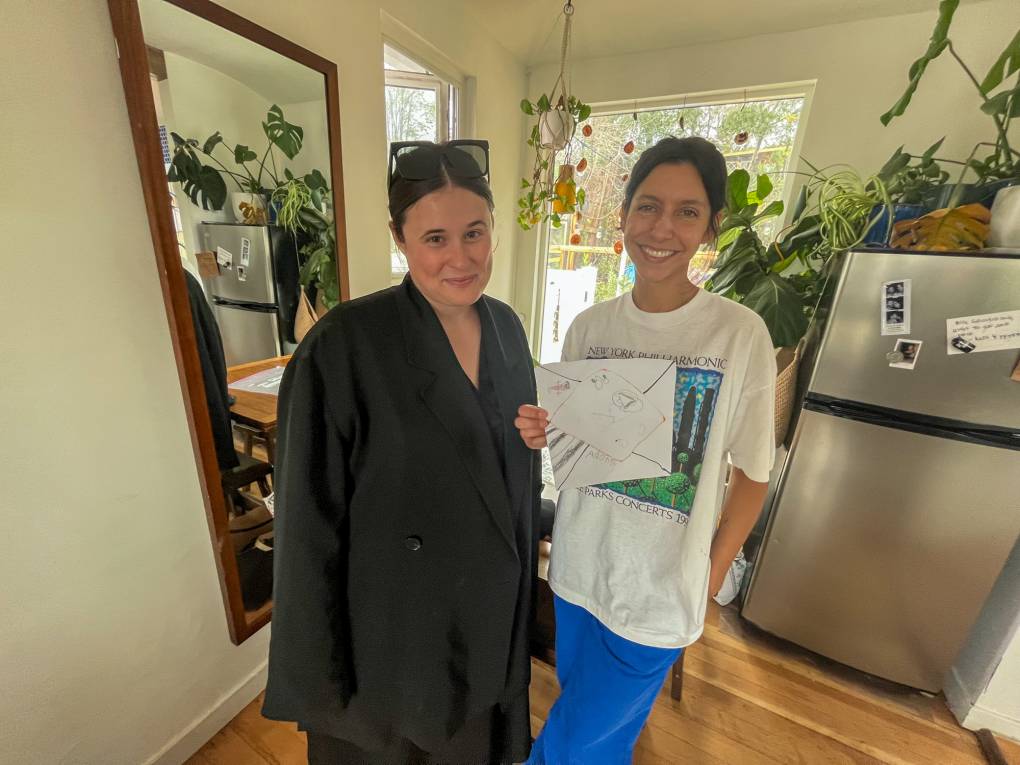
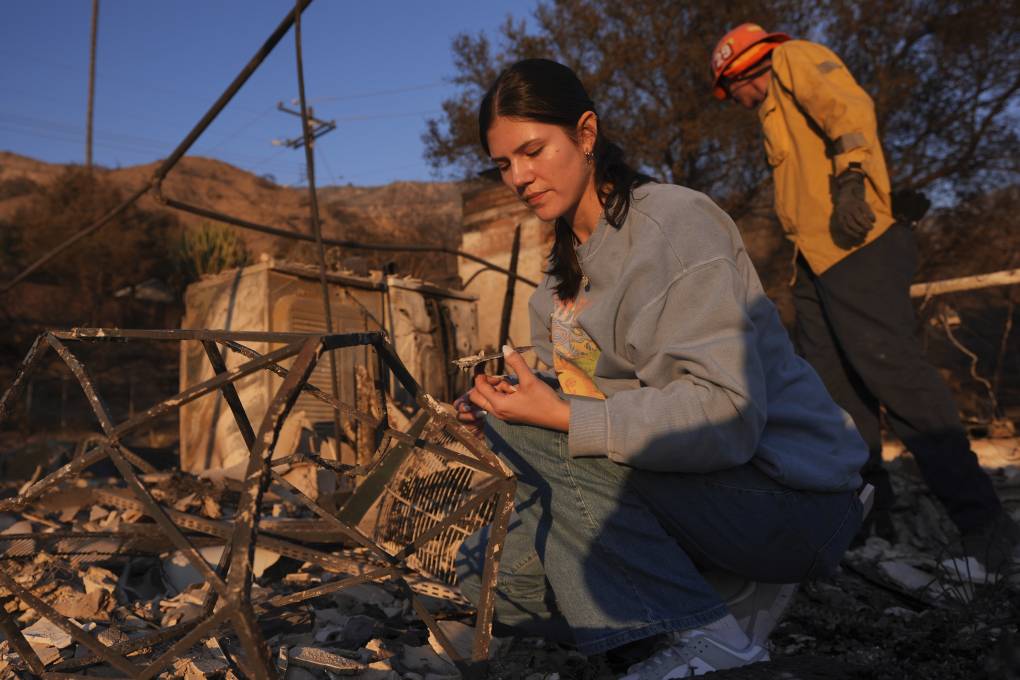
"caption": "Claire Schwartz (left) and Nina Raj with a child's drawing recovered by Raj after the Eaton Fire.",
"credit": "Steven Cuevas for KQED",
"altTag": null,
"description": null,
"imgSizes": {
"medium": {
"file": "https://cdn.kqed.org/wp-content/uploads/sites/10/2025/06/CLAIRE-SCHWARTZ-L-AND-NINA-RAJ-WITH-A-CHILD_S-DRAWING-RECOVERED-BY-RAJ-AFTER-THE-EATON-FIRE-KQED-800x600.jpg",
"width": 800,
"height": 600,
"mimeType": "image/jpeg"
},
"large": {
"file": "https://cdn.kqed.org/wp-content/uploads/sites/10/2025/06/CLAIRE-SCHWARTZ-L-AND-NINA-RAJ-WITH-A-CHILD_S-DRAWING-RECOVERED-BY-RAJ-AFTER-THE-EATON-FIRE-KQED-1020x765.jpg",
"width": 1020,
"height": 765,
"mimeType": "image/jpeg"
},
"thumbnail": {
"file": "https://cdn.kqed.org/wp-content/uploads/sites/10/2025/06/CLAIRE-SCHWARTZ-L-AND-NINA-RAJ-WITH-A-CHILD_S-DRAWING-RECOVERED-BY-RAJ-AFTER-THE-EATON-FIRE-KQED-160x120.jpg",
"width": 160,
"height": 120,
"mimeType": "image/jpeg"
},
"1536x1536": {
"file": "https://cdn.kqed.org/wp-content/uploads/sites/10/2025/06/CLAIRE-SCHWARTZ-L-AND-NINA-RAJ-WITH-A-CHILD_S-DRAWING-RECOVERED-BY-RAJ-AFTER-THE-EATON-FIRE-KQED-1536x1152.jpg",
"width": 1536,
"height": 1152,
"mimeType": "image/jpeg"
},
"post-thumbnail": {
"file": "https://cdn.kqed.org/wp-content/uploads/sites/10/2025/06/CLAIRE-SCHWARTZ-L-AND-NINA-RAJ-WITH-A-CHILD_S-DRAWING-RECOVERED-BY-RAJ-AFTER-THE-EATON-FIRE-KQED-672x372.jpg",
"width": 672,
"height": 372,
"mimeType": "image/jpeg"
},
"twentyfourteen-full-width": {
"file": "https://cdn.kqed.org/wp-content/uploads/sites/10/2025/06/CLAIRE-SCHWARTZ-L-AND-NINA-RAJ-WITH-A-CHILD_S-DRAWING-RECOVERED-BY-RAJ-AFTER-THE-EATON-FIRE-KQED-1038x576.jpg",
"width": 1038,
"height": 576,
"mimeType": "image/jpeg"
},
"full-width": {
"file": "https://cdn.kqed.org/wp-content/uploads/sites/10/2025/06/CLAIRE-SCHWARTZ-L-AND-NINA-RAJ-WITH-A-CHILD_S-DRAWING-RECOVERED-BY-RAJ-AFTER-THE-EATON-FIRE-KQED-1920x1440.jpg",
"width": 1920,
"height": 1440,
"mimeType": "image/jpeg"
},
"kqedFullSize": {
"file": "https://cdn.kqed.org/wp-content/uploads/sites/10/2025/06/CLAIRE-SCHWARTZ-L-AND-NINA-RAJ-WITH-A-CHILD_S-DRAWING-RECOVERED-BY-RAJ-AFTER-THE-EATON-FIRE-KQED.jpg",
"width": 2000,
"height": 1500
}
},
"isLoading": false,
"fetchFailed": false
},
"news_12042431": {
"type": "attachments",
"id": "news_12042431",
"meta": {
"index": "attachments_1716263798",
"site": "news",
"id": "12042431",
"found": true
},
"title": "Housing in San Francisco’s Sunset District on May 19, 2025.",
"publishDate": 1748902894,
"status": "inherit",
"parent": 12042376,
"modified": 1761779984,
"caption": "Housing in San Francisco’s Sunset District on May 19, 2025.",
"credit": "Beth LaBerge/KQED",
"altTag": null,
"description": null,
"imgSizes": {
"medium": {
"file": "https://cdn.kqed.org/wp-content/uploads/sites/10/2025/06/250519-AffordableHousingFile-10-BL_qed-800x533.jpg",
"width": 800,
"height": 533,
"mimeType": "image/jpeg"
},
"large": {
"file": "https://cdn.kqed.org/wp-content/uploads/sites/10/2025/06/250519-AffordableHousingFile-10-BL_qed-1020x680.jpg",
"width": 1020,
"height": 680,
"mimeType": "image/jpeg"
},
"thumbnail": {
"file": "https://cdn.kqed.org/wp-content/uploads/sites/10/2025/06/250519-AffordableHousingFile-10-BL_qed-160x107.jpg",
"width": 160,
"height": 107,
"mimeType": "image/jpeg"
},
"1536x1536": {
"file": "https://cdn.kqed.org/wp-content/uploads/sites/10/2025/06/250519-AffordableHousingFile-10-BL_qed-1536x1024.jpg",
"width": 1536,
"height": 1024,
"mimeType": "image/jpeg"
},
"post-thumbnail": {
"file": "https://cdn.kqed.org/wp-content/uploads/sites/10/2025/06/250519-AffordableHousingFile-10-BL_qed-672x372.jpg",
"width": 672,
"height": 372,
"mimeType": "image/jpeg"
},
"twentyfourteen-full-width": {
"file": "https://cdn.kqed.org/wp-content/uploads/sites/10/2025/06/250519-AffordableHousingFile-10-BL_qed-1038x576.jpg",
"width": 1038,
"height": 576,
"mimeType": "image/jpeg"
},
"full-width": {
"file": "https://cdn.kqed.org/wp-content/uploads/sites/10/2025/06/250519-AffordableHousingFile-10-BL_qed-1920x1280.jpg",
"width": 1920,
"height": 1280,
"mimeType": "image/jpeg"
},
"kqedFullSize": {
"file": "https://cdn.kqed.org/wp-content/uploads/sites/10/2025/06/250519-AffordableHousingFile-10-BL_qed.jpg",
"width": 2000,
"height": 1333
}
},
"isLoading": false,
"fetchFailed": false
},
"news_12039978": {
"type": "attachments",
"id": "news_12039978",
"meta": {
"index": "attachments_1716263798",
"site": "news",
"id": "12039978",
"found": true
},
"title": "250429-GREATMALLMILPITAS-06-BL-KQED",
"publishDate": 1747179070,
"status": "inherit",
"parent": 0,
"modified": 1747179533,
"caption": "An entryway to the Great Mall in Milpitas on April 29, 2025. The mall now occupies the site of the former Ford Motor Company’s San Jose Assembly Plant, which closed in 1983.",
"credit": "Beth LaBerge/KQED",
"altTag": null,
"description": null,
"imgSizes": {
"medium": {
"file": "https://cdn.kqed.org/wp-content/uploads/sites/10/2025/05/250429-GREATMALLMILPITAS-06-BL-KQED-800x533.jpg",
"width": 800,
"height": 533,
"mimeType": "image/jpeg"
},
"large": {
"file": "https://cdn.kqed.org/wp-content/uploads/sites/10/2025/05/250429-GREATMALLMILPITAS-06-BL-KQED-1020x680.jpg",
"width": 1020,
"height": 680,
"mimeType": "image/jpeg"
},
"thumbnail": {
"file": "https://cdn.kqed.org/wp-content/uploads/sites/10/2025/05/250429-GREATMALLMILPITAS-06-BL-KQED-160x107.jpg",
"width": 160,
"height": 107,
"mimeType": "image/jpeg"
},
"1536x1536": {
"file": "https://cdn.kqed.org/wp-content/uploads/sites/10/2025/05/250429-GREATMALLMILPITAS-06-BL-KQED-1536x1024.jpg",
"width": 1536,
"height": 1024,
"mimeType": "image/jpeg"
},
"post-thumbnail": {
"file": "https://cdn.kqed.org/wp-content/uploads/sites/10/2025/05/250429-GREATMALLMILPITAS-06-BL-KQED-672x372.jpg",
"width": 672,
"height": 372,
"mimeType": "image/jpeg"
},
"twentyfourteen-full-width": {
"file": "https://cdn.kqed.org/wp-content/uploads/sites/10/2025/05/250429-GREATMALLMILPITAS-06-BL-KQED-1038x576.jpg",
"width": 1038,
"height": 576,
"mimeType": "image/jpeg"
},
"full-width": {
"file": "https://cdn.kqed.org/wp-content/uploads/sites/10/2025/05/250429-GREATMALLMILPITAS-06-BL-KQED-1920x1280.jpg",
"width": 1920,
"height": 1280,
"mimeType": "image/jpeg"
},
"kqedFullSize": {
"file": "https://cdn.kqed.org/wp-content/uploads/sites/10/2025/05/250429-GREATMALLMILPITAS-06-BL-KQED.jpg",
"width": 2000,
"height": 1333
}
},
"isLoading": false,
"fetchFailed": false
},
"news_12039911": {
"type": "attachments",
"id": "news_12039911",
"meta": {
"index": "attachments_1716263798",
"site": "news",
"id": "12039911",
"found": true
},
"title": "250513-REENA ESMAIL-4-KQED",
"publishDate": 1747156319,
"status": "inherit",
"parent": 12040449,
"modified": 1747867383,
"caption": "Reena Esmail speaking to the orchestra at a rehearsal of Albany Symphony, with conductor David Alan Miller in May 2018. ",
"credit": "Courtesy of Reena Esmail",
"altTag": null,
"description": null,
"imgSizes": {
"medium": {
"file": "https://cdn.kqed.org/wp-content/uploads/sites/10/2025/05/250513-REENA-ESMAIL-4-KQED-800x534.jpg",
"width": 800,
"height": 534,
"mimeType": "image/jpeg"
},
"large": {
"file": "https://cdn.kqed.org/wp-content/uploads/sites/10/2025/05/250513-REENA-ESMAIL-4-KQED-1020x681.jpg",
"width": 1020,
"height": 681,
"mimeType": "image/jpeg"
},
"thumbnail": {
"file": "https://cdn.kqed.org/wp-content/uploads/sites/10/2025/05/250513-REENA-ESMAIL-4-KQED-160x107.jpg",
"width": 160,
"height": 107,
"mimeType": "image/jpeg"
},
"1536x1536": {
"file": "https://cdn.kqed.org/wp-content/uploads/sites/10/2025/05/250513-REENA-ESMAIL-4-KQED-1536x1026.jpg",
"width": 1536,
"height": 1026,
"mimeType": "image/jpeg"
},
"post-thumbnail": {
"file": "https://cdn.kqed.org/wp-content/uploads/sites/10/2025/05/250513-REENA-ESMAIL-4-KQED-672x372.jpg",
"width": 672,
"height": 372,
"mimeType": "image/jpeg"
},
"twentyfourteen-full-width": {
"file": "https://cdn.kqed.org/wp-content/uploads/sites/10/2025/05/250513-REENA-ESMAIL-4-KQED-1038x576.jpg",
"width": 1038,
"height": 576,
"mimeType": "image/jpeg"
},
"kqedFullSize": {
"file": "https://cdn.kqed.org/wp-content/uploads/sites/10/2025/05/250513-REENA-ESMAIL-4-KQED.jpg",
"width": 1682,
"height": 1123
}
},
"isLoading": false,
"fetchFailed": false
},
"news_12012814": {
"type": "attachments",
"id": "news_12012814",
"meta": {
"index": "attachments_1716263798",
"site": "news",
"id": "12012814",
"found": true
},
"title": "20241029_CAREGIVINGPOETS_GC-22-KQED",
"publishDate": 1730858852,
"status": "inherit",
"parent": 0,
"modified": 1730858916,
"caption": "Ross Powers reads “Becalmed” from his “Caregiver Confidential: A Memoir of Poems,” in Sacramento on October 29, 2024.",
"credit": "Gina Castro/KQED",
"altTag": null,
"description": null,
"imgSizes": {
"medium": {
"file": "https://cdn.kqed.org/wp-content/uploads/sites/10/2024/11/20241029_CAREGIVINGPOETS_GC-22-KQED-800x533.jpg",
"width": 800,
"height": 533,
"mimeType": "image/jpeg"
},
"large": {
"file": "https://cdn.kqed.org/wp-content/uploads/sites/10/2024/11/20241029_CAREGIVINGPOETS_GC-22-KQED-1020x680.jpg",
"width": 1020,
"height": 680,
"mimeType": "image/jpeg"
},
"thumbnail": {
"file": "https://cdn.kqed.org/wp-content/uploads/sites/10/2024/11/20241029_CAREGIVINGPOETS_GC-22-KQED-160x107.jpg",
"width": 160,
"height": 107,
"mimeType": "image/jpeg"
},
"1536x1536": {
"file": "https://cdn.kqed.org/wp-content/uploads/sites/10/2024/11/20241029_CAREGIVINGPOETS_GC-22-KQED-1536x1024.jpg",
"width": 1536,
"height": 1024,
"mimeType": "image/jpeg"
},
"post-thumbnail": {
"file": "https://cdn.kqed.org/wp-content/uploads/sites/10/2024/11/20241029_CAREGIVINGPOETS_GC-22-KQED-672x372.jpg",
"width": 672,
"height": 372,
"mimeType": "image/jpeg"
},
"twentyfourteen-full-width": {
"file": "https://cdn.kqed.org/wp-content/uploads/sites/10/2024/11/20241029_CAREGIVINGPOETS_GC-22-KQED-1038x576.jpg",
"width": 1038,
"height": 576,
"mimeType": "image/jpeg"
},
"full-width": {
"file": "https://cdn.kqed.org/wp-content/uploads/sites/10/2024/11/20241029_CAREGIVINGPOETS_GC-22-KQED-1920x1280.jpg",
"width": 1920,
"height": 1280,
"mimeType": "image/jpeg"
},
"kqedFullSize": {
"file": "https://cdn.kqed.org/wp-content/uploads/sites/10/2024/11/20241029_CAREGIVINGPOETS_GC-22-KQED.jpg",
"width": 2000,
"height": 1333
}
},
"isLoading": false,
"fetchFailed": false
},
"news_12037119": {
"type": "attachments",
"id": "news_12037119",
"meta": {
"index": "attachments_1716263798",
"site": "news",
"id": "12037119",
"found": true
},
"title": "METTE.LAMPCOV.CHURCH.BELL-6-KQED",
"publishDate": 1745350785,
"status": "inherit",
"parent": 12038756,
"modified": 1746792127,
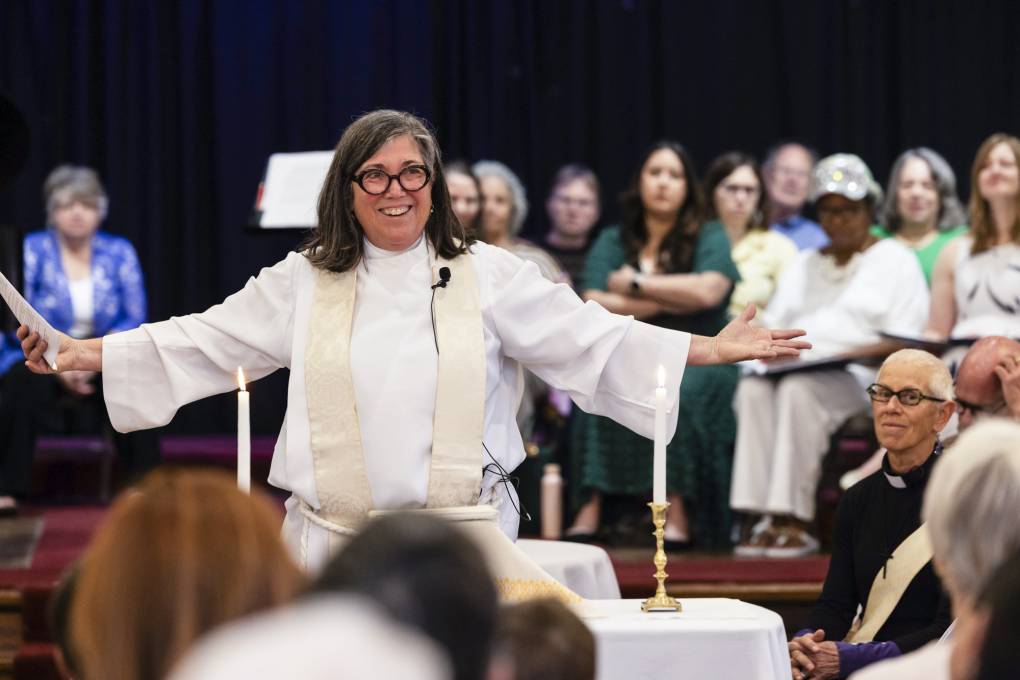
"caption": "Pastor Grindon holds Easter services for the congregation of St. Marks Episcopal Church of Altadena in their temporary home at St. Barnabas Episcopal Church in Los Angeles on April 20, 2025.",
"credit": "Mette Lampcov for KQED",
"altTag": null,
"description": null,
"imgSizes": {
"medium": {
"file": "https://cdn.kqed.org/wp-content/uploads/sites/10/2025/04/METTE.LAMPCOV.CHURCH.BELL-6-KQED-800x534.jpg",
"width": 800,
"height": 534,
"mimeType": "image/jpeg"
},
"large": {
"file": "https://cdn.kqed.org/wp-content/uploads/sites/10/2025/04/METTE.LAMPCOV.CHURCH.BELL-6-KQED-1020x680.jpg",
"width": 1020,
"height": 680,
"mimeType": "image/jpeg"
},
"thumbnail": {
"file": "https://cdn.kqed.org/wp-content/uploads/sites/10/2025/04/METTE.LAMPCOV.CHURCH.BELL-6-KQED-160x107.jpg",
"width": 160,
"height": 107,
"mimeType": "image/jpeg"
},
"1536x1536": {
"file": "https://cdn.kqed.org/wp-content/uploads/sites/10/2025/04/METTE.LAMPCOV.CHURCH.BELL-6-KQED-1536x1025.jpg",
"width": 1536,
"height": 1025,
"mimeType": "image/jpeg"
},
"post-thumbnail": {
"file": "https://cdn.kqed.org/wp-content/uploads/sites/10/2025/04/METTE.LAMPCOV.CHURCH.BELL-6-KQED-672x372.jpg",
"width": 672,
"height": 372,
"mimeType": "image/jpeg"
},
"twentyfourteen-full-width": {
"file": "https://cdn.kqed.org/wp-content/uploads/sites/10/2025/04/METTE.LAMPCOV.CHURCH.BELL-6-KQED-1038x576.jpg",
"width": 1038,
"height": 576,
"mimeType": "image/jpeg"
},
"full-width": {
"file": "https://cdn.kqed.org/wp-content/uploads/sites/10/2025/04/METTE.LAMPCOV.CHURCH.BELL-6-KQED-1920x1281.jpg",
"width": 1920,
"height": 1281,
"mimeType": "image/jpeg"
},
"kqedFullSize": {
"file": "https://cdn.kqed.org/wp-content/uploads/sites/10/2025/04/METTE.LAMPCOV.CHURCH.BELL-6-KQED.jpg",
"width": 2000,
"height": 1334
}
},
"isLoading": false,
"fetchFailed": false
},
"news_12037126": {
"type": "attachments",
"id": "news_12037126",
"meta": {
"index": "attachments_1716263798",
"site": "news",
"id": "12037126",
"found": true
},
"title": "The burnt remains of St. Marks Church.Altadena.CA",
"publishDate": 1745350823,
"status": "inherit",
"parent": 0,
"modified": 1745351316,
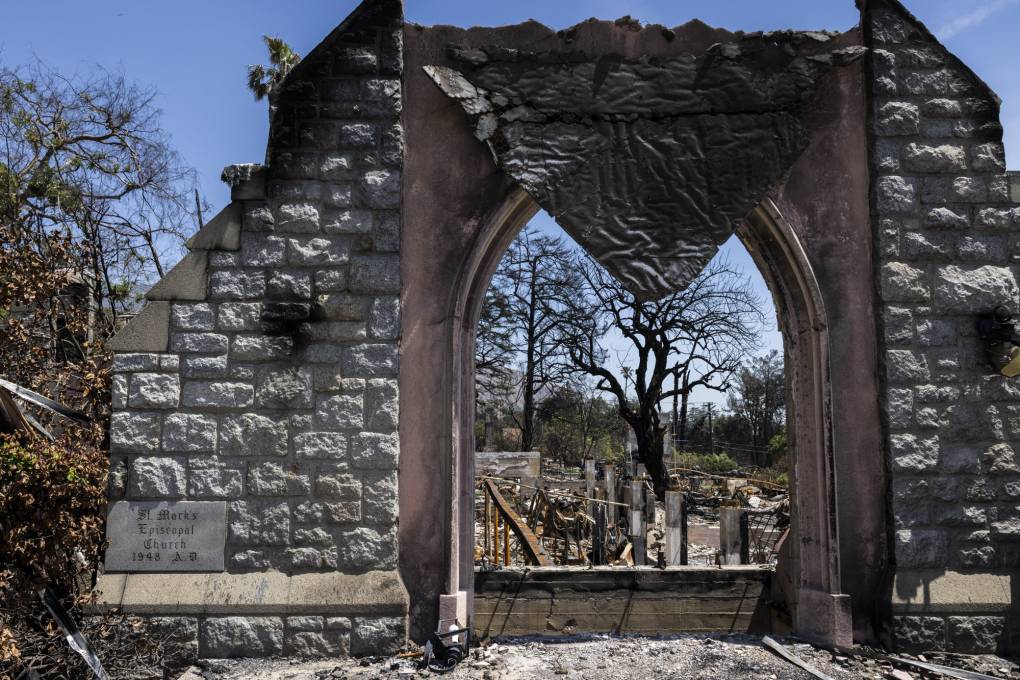
"caption": "The burnt remains of St. Marks Church.\nAltadena on April 20, 2025.",
"credit": "Mette Lampcov for KQED",
"altTag": null,
"description": null,
"imgSizes": {
"medium": {
"file": "https://cdn.kqed.org/wp-content/uploads/sites/10/2025/04/METTE.LAMPCOV.CHURCH.BELL-22-KQED-800x534.jpg",
"width": 800,
"height": 534,
"mimeType": "image/jpeg"
},
"large": {
"file": "https://cdn.kqed.org/wp-content/uploads/sites/10/2025/04/METTE.LAMPCOV.CHURCH.BELL-22-KQED-1020x680.jpg",
"width": 1020,
"height": 680,
"mimeType": "image/jpeg"
},
"thumbnail": {
"file": "https://cdn.kqed.org/wp-content/uploads/sites/10/2025/04/METTE.LAMPCOV.CHURCH.BELL-22-KQED-160x107.jpg",
"width": 160,
"height": 107,
"mimeType": "image/jpeg"
},
"1536x1536": {
"file": "https://cdn.kqed.org/wp-content/uploads/sites/10/2025/04/METTE.LAMPCOV.CHURCH.BELL-22-KQED-1536x1025.jpg",
"width": 1536,
"height": 1025,
"mimeType": "image/jpeg"
},
"post-thumbnail": {
"file": "https://cdn.kqed.org/wp-content/uploads/sites/10/2025/04/METTE.LAMPCOV.CHURCH.BELL-22-KQED-672x372.jpg",
"width": 672,
"height": 372,
"mimeType": "image/jpeg"
},
"twentyfourteen-full-width": {
"file": "https://cdn.kqed.org/wp-content/uploads/sites/10/2025/04/METTE.LAMPCOV.CHURCH.BELL-22-KQED-1038x576.jpg",
"width": 1038,
"height": 576,
"mimeType": "image/jpeg"
},
"full-width": {
"file": "https://cdn.kqed.org/wp-content/uploads/sites/10/2025/04/METTE.LAMPCOV.CHURCH.BELL-22-KQED-1920x1281.jpg",
"width": 1920,
"height": 1281,
"mimeType": "image/jpeg"
},
"kqedFullSize": {
"file": "https://cdn.kqed.org/wp-content/uploads/sites/10/2025/04/METTE.LAMPCOV.CHURCH.BELL-22-KQED.jpg",
"width": 2000,
"height": 1334
}
},
"isLoading": false,
"fetchFailed": false
},
"news_12034871": {
"type": "attachments",
"id": "news_12034871",
"meta": {
"index": "attachments_1716263798",
"site": "news",
"id": "12034871",
"found": true
},
"title": "250408-CAL TECH TESTING-113-ZS-KQED",
"publishDate": 1744131826,
"status": "inherit",
"parent": 0,
"modified": 1744306420,
"caption": "Professor François Tissot has collected dozens of samples from the Eaton Fire in Altadena for his research on understanding the potential harms of living amid environmental contamination.",
"credit": "Zaydee Sanchez for KQED",
"altTag": null,
"description": null,
"imgSizes": {
"medium": {
"file": "https://cdn.kqed.org/wp-content/uploads/sites/10/2025/04/250408-CAL-TECH-TESTING-113-ZS-KQED-800x533.jpg",
"width": 800,
"height": 533,
"mimeType": "image/jpeg"
},
"large": {
"file": "https://cdn.kqed.org/wp-content/uploads/sites/10/2025/04/250408-CAL-TECH-TESTING-113-ZS-KQED-1020x680.jpg",
"width": 1020,
"height": 680,
"mimeType": "image/jpeg"
},
"thumbnail": {
"file": "https://cdn.kqed.org/wp-content/uploads/sites/10/2025/04/250408-CAL-TECH-TESTING-113-ZS-KQED-160x107.jpg",
"width": 160,
"height": 107,
"mimeType": "image/jpeg"
},
"1536x1536": {
"file": "https://cdn.kqed.org/wp-content/uploads/sites/10/2025/04/250408-CAL-TECH-TESTING-113-ZS-KQED-1536x1024.jpg",
"width": 1536,
"height": 1024,
"mimeType": "image/jpeg"
},
"post-thumbnail": {
"file": "https://cdn.kqed.org/wp-content/uploads/sites/10/2025/04/250408-CAL-TECH-TESTING-113-ZS-KQED-672x372.jpg",
"width": 672,
"height": 372,
"mimeType": "image/jpeg"
},
"twentyfourteen-full-width": {
"file": "https://cdn.kqed.org/wp-content/uploads/sites/10/2025/04/250408-CAL-TECH-TESTING-113-ZS-KQED-1038x576.jpg",
"width": 1038,
"height": 576,
"mimeType": "image/jpeg"
},
"full-width": {
"file": "https://cdn.kqed.org/wp-content/uploads/sites/10/2025/04/250408-CAL-TECH-TESTING-113-ZS-KQED-1920x1280.jpg",
"width": 1920,
"height": 1280,
"mimeType": "image/jpeg"
},
"kqedFullSize": {
"file": "https://cdn.kqed.org/wp-content/uploads/sites/10/2025/04/250408-CAL-TECH-TESTING-113-ZS-KQED.jpg",
"width": 2000,
"height": 1333
}
},
"isLoading": false,
"fetchFailed": false
},
"news_12034237": {
"type": "attachments",
"id": "news_12034237",
"meta": {
"index": "attachments_1716263798",
"site": "news",
"id": "12034237",
"found": true
},
"title": "20250328_Zorthian-Ranch_SK_17",
"publishDate": 1743617233,
"status": "inherit",
"parent": 0,
"modified": 1744306755,
"caption": "Residents and volunteers at Zorthian Ranch on March 28, 2025 in Altadena, California. From left to right: Sam Anderson, Robert “Blobbie” Kirkhuff, Tara Zorthian, Caroline Zorthian, Ian Rosenzweig, Aslan Scardina, Billie Grey Heck (back), Moses Hamborg (front), and Solange Stefanelli.",
"credit": "Stella Kalinina for KQED",
"altTag": null,
"description": null,
"imgSizes": {
"medium": {
"file": "https://cdn.kqed.org/wp-content/uploads/sites/10/2025/04/20250328_Zorthian-Ranch_SK_17-800x534.jpg",
"width": 800,
"height": 534,
"mimeType": "image/jpeg"
},
"large": {
"file": "https://cdn.kqed.org/wp-content/uploads/sites/10/2025/04/20250328_Zorthian-Ranch_SK_17-1020x680.jpg",
"width": 1020,
"height": 680,
"mimeType": "image/jpeg"
},
"thumbnail": {
"file": "https://cdn.kqed.org/wp-content/uploads/sites/10/2025/04/20250328_Zorthian-Ranch_SK_17-160x107.jpg",
"width": 160,
"height": 107,
"mimeType": "image/jpeg"
},
"1536x1536": {
"file": "https://cdn.kqed.org/wp-content/uploads/sites/10/2025/04/20250328_Zorthian-Ranch_SK_17-1536x1025.jpg",
"width": 1536,
"height": 1025,
"mimeType": "image/jpeg"
},
"post-thumbnail": {
"file": "https://cdn.kqed.org/wp-content/uploads/sites/10/2025/04/20250328_Zorthian-Ranch_SK_17-672x372.jpg",
"width": 672,
"height": 372,
"mimeType": "image/jpeg"
},
"twentyfourteen-full-width": {
"file": "https://cdn.kqed.org/wp-content/uploads/sites/10/2025/04/20250328_Zorthian-Ranch_SK_17-1038x576.jpg",
"width": 1038,
"height": 576,
"mimeType": "image/jpeg"
},
"full-width": {
"file": "https://cdn.kqed.org/wp-content/uploads/sites/10/2025/04/20250328_Zorthian-Ranch_SK_17-1920x1281.jpg",
"width": 1920,
"height": 1281,
"mimeType": "image/jpeg"
},
"kqedFullSize": {
"file": "https://cdn.kqed.org/wp-content/uploads/sites/10/2025/04/20250328_Zorthian-Ranch_SK_17.jpg",
"width": 2000,
"height": 1334
}
},
"isLoading": false,
"fetchFailed": false
},
"news_12031963": {
"type": "attachments",
"id": "news_12031963",
"meta": {
"index": "attachments_1716263798",
"site": "news",
"id": "12031963",
"found": true
},
"title": "20250312_Stay-Behinds_JB_00010",
"publishDate": 1742341476,
"status": "inherit",
"parent": 0,
"modified": 1743102835,
"caption": "Jane Murphy and her son, Justin, photographed at their home in Altadena, CA, on March 12, 2025. ",
"credit": "James Bernal for KQED",
"altTag": null,
"description": null,
"imgSizes": {
"medium": {
"file": "https://cdn.kqed.org/wp-content/uploads/sites/10/2025/03/20250312_Stay-Behinds_JB_00010-800x533.jpg",
"width": 800,
"height": 533,
"mimeType": "image/jpeg"
},
"large": {
"file": "https://cdn.kqed.org/wp-content/uploads/sites/10/2025/03/20250312_Stay-Behinds_JB_00010-1020x680.jpg",
"width": 1020,
"height": 680,
"mimeType": "image/jpeg"
},
"thumbnail": {
"file": "https://cdn.kqed.org/wp-content/uploads/sites/10/2025/03/20250312_Stay-Behinds_JB_00010-160x107.jpg",
"width": 160,
"height": 107,
"mimeType": "image/jpeg"
},
"1536x1536": {
"file": "https://cdn.kqed.org/wp-content/uploads/sites/10/2025/03/20250312_Stay-Behinds_JB_00010-1536x1024.jpg",
"width": 1536,
"height": 1024,
"mimeType": "image/jpeg"
},
"post-thumbnail": {
"file": "https://cdn.kqed.org/wp-content/uploads/sites/10/2025/03/20250312_Stay-Behinds_JB_00010-672x372.jpg",
"width": 672,
"height": 372,
"mimeType": "image/jpeg"
},
"twentyfourteen-full-width": {
"file": "https://cdn.kqed.org/wp-content/uploads/sites/10/2025/03/20250312_Stay-Behinds_JB_00010-1038x576.jpg",
"width": 1038,
"height": 576,
"mimeType": "image/jpeg"
},
"full-width": {
"file": "https://cdn.kqed.org/wp-content/uploads/sites/10/2025/03/20250312_Stay-Behinds_JB_00010-1920x1280.jpg",
"width": 1920,
"height": 1280,
"mimeType": "image/jpeg"
},
"kqedFullSize": {
"file": "https://cdn.kqed.org/wp-content/uploads/sites/10/2025/03/20250312_Stay-Behinds_JB_00010.jpg",
"width": 2000,
"height": 1333
}
},
"isLoading": false,
"fetchFailed": false
},
"news_12033280": {
"type": "attachments",
"id": "news_12033280",
"meta": {
"index": "attachments_1716263798",
"site": "news",
"id": "12033280",
"found": true
},
"title": "ramadan-67e54fb5d49f7",
"publishDate": 1743081447,
"status": "inherit",
"parent": 12033279,
"modified": 1743081486,
"caption": "Maahum Chaudhry guides her son Abbas’ hand as he decorates his gift bag for Eid al-Fitr. This is an annual tradition at Masjid al-Taqwa.",
"credit": "Megan Jamerson/KCRW",
"altTag": null,
"description": null,
"imgSizes": {
"medium": {
"file": "https://cdn.kqed.org/wp-content/uploads/sites/10/2025/03/ramadan-67e54fb5d49f7-800x600.jpg",
"width": 800,
"height": 600,
"mimeType": "image/jpeg"
},
"large": {
"file": "https://cdn.kqed.org/wp-content/uploads/sites/10/2025/03/ramadan-67e54fb5d49f7-1020x764.jpg",
"width": 1020,
"height": 764,
"mimeType": "image/jpeg"
},
"thumbnail": {
"file": "https://cdn.kqed.org/wp-content/uploads/sites/10/2025/03/ramadan-67e54fb5d49f7-160x120.jpg",
"width": 160,
"height": 120,
"mimeType": "image/jpeg"
},
"1536x1536": {
"file": "https://cdn.kqed.org/wp-content/uploads/sites/10/2025/03/ramadan-67e54fb5d49f7-1536x1151.jpg",
"width": 1536,
"height": 1151,
"mimeType": "image/jpeg"
},
"post-thumbnail": {
"file": "https://cdn.kqed.org/wp-content/uploads/sites/10/2025/03/ramadan-67e54fb5d49f7-672x372.jpg",
"width": 672,
"height": 372,
"mimeType": "image/jpeg"
},
"twentyfourteen-full-width": {
"file": "https://cdn.kqed.org/wp-content/uploads/sites/10/2025/03/ramadan-67e54fb5d49f7-1038x576.jpg",
"width": 1038,
"height": 576,
"mimeType": "image/jpeg"
},
"kqedFullSize": {
"file": "https://cdn.kqed.org/wp-content/uploads/sites/10/2025/03/ramadan-67e54fb5d49f7.jpg",
"width": 1824,
"height": 1367
}
},
"isLoading": false,
"fetchFailed": false
},
"news_12022579": {
"type": "attachments",
"id": "news_12022579",
"meta": {
"index": "attachments_1716263798",
"site": "news",
"id": "12022579",
"found": true
},
"title": "California Wildfires",
"publishDate": 1737054277,
"status": "inherit",
"parent": 12022532,
"modified": 1739492763,
"caption": "Ella Venne (left) searches through the remnants of her family's home destroyed by the Eaton Fire in Altadena, Los Angeles County, on Saturday, Jan. 11, 2025. ",
"credit": "Mark J. Terrill/AP Photo",
"altTag": null,
"description": null,
"imgSizes": {
"medium": {
"file": "https://cdn.kqed.org/wp-content/uploads/sites/10/2025/01/AP25016123557665-800x533.jpg",
"width": 800,
"height": 533,
"mimeType": "image/jpeg"
},
"large": {
"file": "https://cdn.kqed.org/wp-content/uploads/sites/10/2025/01/AP25016123557665-1020x680.jpg",
"width": 1020,
"height": 680,
"mimeType": "image/jpeg"
},
"thumbnail": {
"file": "https://cdn.kqed.org/wp-content/uploads/sites/10/2025/01/AP25016123557665-160x107.jpg",
"width": 160,
"height": 107,
"mimeType": "image/jpeg"
},
"1536x1536": {
"file": "https://cdn.kqed.org/wp-content/uploads/sites/10/2025/01/AP25016123557665-1536x1024.jpg",
"width": 1536,
"height": 1024,
"mimeType": "image/jpeg"
},
"2048x2048": {
"file": "https://cdn.kqed.org/wp-content/uploads/sites/10/2025/01/AP25016123557665-2048x1365.jpg",
"width": 2048,
"height": 1365,
"mimeType": "image/jpeg"
},
"post-thumbnail": {
"file": "https://cdn.kqed.org/wp-content/uploads/sites/10/2025/01/AP25016123557665-672x372.jpg",
"width": 672,
"height": 372,
"mimeType": "image/jpeg"
},
"twentyfourteen-full-width": {
"file": "https://cdn.kqed.org/wp-content/uploads/sites/10/2025/01/AP25016123557665-1038x576.jpg",
"width": 1038,
"height": 576,
"mimeType": "image/jpeg"
},
"full-width": {
"file": "https://cdn.kqed.org/wp-content/uploads/sites/10/2025/01/AP25016123557665-1920x1280.jpg",
"width": 1920,
"height": 1280,
"mimeType": "image/jpeg"
},
"kqedFullSize": {
"file": "https://cdn.kqed.org/wp-content/uploads/sites/10/2025/01/AP25016123557665-scaled.jpg",
"width": 2560,
"height": 1707
}
},
"isLoading": false,
"fetchFailed": false
}
},
"audioPlayerReducer": {
"postId": "stream_live",
"isPaused": true,
"isPlaying": false,
"pfsActive": false,
"pledgeModalIsOpen": true,
"playerDrawerIsOpen": false,
"liveAudioPlayStartedAt": 0,
"liveAudioPlayContext": ""
},
"authorsReducer": {
"byline_news_12038756": {
"type": "authors",
"id": "byline_news_12038756",
"meta": {
"override": true
},
"slug": "byline_news_12038756",
"name": "Steven Cuevas, Sonya Geiss",
"isLoading": false
},
"kqed": {
"type": "authors",
"id": "236",
"meta": {
"index": "authors_1716337520",
"id": "236",
"found": true
},
"name": "KQED News Staff",
"firstName": "KQED News Staff",
"lastName": null,
"slug": "kqed",
"email": "faq@kqed.org",
"display_author_email": false,
"staff_mastheads": [],
"title": null,
"bio": null,
"avatar": "https://secure.gravatar.com/avatar/ef0e801a68c4c54afa9180db14084167?s=600&d=blank&r=g",
"twitter": null,
"facebook": null,
"instagram": null,
"linkedin": null,
"sites": [
{
"site": "arts",
"roles": [
"contributor"
]
},
{
"site": "news",
"roles": [
"editor"
]
},
{
"site": "futureofyou",
"roles": [
"author"
]
}
],
"headData": {
"title": "KQED News Staff | KQED",
"description": null,
"ogImgSrc": "https://secure.gravatar.com/avatar/ef0e801a68c4c54afa9180db14084167?s=600&d=blank&r=g",
"twImgSrc": "https://secure.gravatar.com/avatar/ef0e801a68c4c54afa9180db14084167?s=600&d=blank&r=g"
},
"isLoading": false,
"link": "/author/kqed"
},
"scuevas": {
"type": "authors",
"id": "2600",
"meta": {
"index": "authors_1716337520",
"id": "2600",
"found": true
},
"name": "Steven Cuevas",
"firstName": "Steven",
"lastName": "Cuevas",
"slug": "scuevas",
"email": "scuevas@kqed.org",
"display_author_email": false,
"staff_mastheads": [],
"title": "KQED Contributor",
"bio": "Steven is a former Los Angeles bureau chief for The California Report.\r\n\r\nHe reports on an array of issues across the Southland, from immigration and regional politics to religion, the performing arts and pop culture.\r\n\r\nPrior to joining KQED in 2012, Steven covered Inland southern California for KPCC in Pasadena. He also helped establish the first newsroom at \u003ca href=\"http://kut.org/\">KUT\u003c/a> in Austin, Texas where he was a general assignment reporter.\r\n\r\nSteven has received numerous awards for his reporting including an RTNDA Edward R. Murrow Award for investigative reporting in addition to awards from the LA Press Club, the Associated Press and the Society for Professional Journalists.\r\n\r\nSteven grew up in and around San Francisco and now lives in Pasadena just a short jog from the foot of the San Gabriel Mountains.",
"avatar": "https://secure.gravatar.com/avatar/2d253580794f8e026100fae05cfabbbd4889b4fe15146146cacb82a01974c538?s=600&d=blank&r=g",
"twitter": null,
"bluesky": null,
"facebook": null,
"instagram": null,
"linkedin": null,
"sites": [
{
"site": "news",
"roles": [
"subscriber"
]
}
],
"headData": {
"title": "Steven Cuevas | KQED",
"description": "KQED Contributor",
"ogImgSrc": "https://secure.gravatar.com/avatar/2d253580794f8e026100fae05cfabbbd4889b4fe15146146cacb82a01974c538?s=600&d=blank&r=g",
"twImgSrc": "https://secure.gravatar.com/avatar/2d253580794f8e026100fae05cfabbbd4889b4fe15146146cacb82a01974c538?s=600&d=blank&r=g"
},
"isLoading": false,
"link": "/author/scuevas"
},
"dventon": {
"type": "authors",
"id": "11088",
"meta": {
"index": "authors_1716337520",
"id": "11088",
"found": true
},
"name": "Danielle Venton",
"firstName": "Danielle",
"lastName": "Venton",
"slug": "dventon",
"email": "dventon@kqed.org",
"display_author_email": true,
"staff_mastheads": [
"science"
],
"title": "Science reporter",
"bio": "Danielle Venton is a reporter for KQED Science. She covers wildfires, space and oceans (though she is prone to sea sickness).\r\n\r\nBefore joining KQED in 2015, Danielle was a staff reporter at KRCB in Sonoma County and a freelancer. She studied science communication at UC Santa Cruz and formerly worked at CERN in Geneva, Switzerland where she wrote about computing. She lives in Sonoma County and enjoys backpacking.",
"avatar": "https://secure.gravatar.com/avatar/37b292b5c40c8d93959c4f48d73b5286f41b7abd8588277e941905a3ed4c801c?s=600&d=blank&r=g",
"twitter": "DanielleVenton",
"bluesky": null,
"facebook": null,
"instagram": null,
"linkedin": null,
"sites": [
{
"site": "arts",
"roles": [
"contributor"
]
},
{
"site": "news",
"roles": [
"editor"
]
},
{
"site": "futureofyou",
"roles": [
"editor"
]
},
{
"site": "science",
"roles": [
"editor"
]
},
{
"site": "liveblog",
"roles": [
"contributor"
]
}
],
"headData": {
"title": "Danielle Venton | KQED",
"description": "Science reporter",
"ogImgSrc": "https://secure.gravatar.com/avatar/37b292b5c40c8d93959c4f48d73b5286f41b7abd8588277e941905a3ed4c801c?s=600&d=blank&r=g",
"twImgSrc": "https://secure.gravatar.com/avatar/37b292b5c40c8d93959c4f48d73b5286f41b7abd8588277e941905a3ed4c801c?s=600&d=blank&r=g"
},
"isLoading": false,
"link": "/author/dventon"
},
"cchamplin": {
"type": "authors",
"id": "11408",
"meta": {
"index": "authors_1716337520",
"id": "11408",
"found": true
},
"name": "Caroline Champlin",
"firstName": null,
"lastName": null,
"slug": "cchamplin",
"email": "cchamplin@kqed.org",
"display_author_email": false,
"staff_mastheads": [],
"title": null,
"bio": null,
"avatar": "https://secure.gravatar.com/avatar/78d8654d3fedda8393a51d63c1042215?s=600&d=blank&r=g",
"twitter": null,
"facebook": null,
"instagram": null,
"linkedin": null,
"sites": [
{
"site": "news",
"roles": [
"author",
"edit_others_posts"
]
}
],
"headData": {
"title": "Caroline Champlin | KQED",
"description": null,
"ogImgSrc": "https://secure.gravatar.com/avatar/78d8654d3fedda8393a51d63c1042215?s=600&d=blank&r=g",
"twImgSrc": "https://secure.gravatar.com/avatar/78d8654d3fedda8393a51d63c1042215?s=600&d=blank&r=g"
},
"isLoading": false,
"link": "/author/cchamplin"
},
"kmizuguchi": {
"type": "authors",
"id": "11739",
"meta": {
"index": "authors_1716337520",
"id": "11739",
"found": true
},
"name": "Keith Mizuguchi",
"firstName": "Keith",
"lastName": "Mizuguchi",
"slug": "kmizuguchi",
"email": "kmizuguchi@kqed.org",
"display_author_email": false,
"staff_mastheads": [],
"title": "KQED Contributor",
"bio": null,
"avatar": "https://secure.gravatar.com/avatar/64d8a7de0723d4099b9fe4e915136103febcc20809abce228ee4415bcb237023?s=600&d=blank&r=g",
"twitter": null,
"bluesky": null,
"facebook": null,
"instagram": null,
"linkedin": null,
"sites": [
{
"site": "news",
"roles": [
"editor"
]
},
{
"site": "science",
"roles": [
"editor"
]
}
],
"headData": {
"title": "Keith Mizuguchi | KQED",
"description": "KQED Contributor",
"ogImgSrc": "https://secure.gravatar.com/avatar/64d8a7de0723d4099b9fe4e915136103febcc20809abce228ee4415bcb237023?s=600&d=blank&r=g",
"twImgSrc": "https://secure.gravatar.com/avatar/64d8a7de0723d4099b9fe4e915136103febcc20809abce228ee4415bcb237023?s=600&d=blank&r=g"
},
"isLoading": false,
"link": "/author/kmizuguchi"
},
"sanderson": {
"type": "authors",
"id": "11950",
"meta": {
"index": "authors_1716337520",
"id": "11950",
"found": true
},
"name": "Sam Anderson",
"firstName": "Sam",
"lastName": "Anderson",
"slug": "sanderson",
"email": "slamgranderson@gmail.com",
"display_author_email": false,
"staff_mastheads": [
"news"
],
"title": "KQED Contributor",
"bio": null,
"avatar": "https://secure.gravatar.com/avatar/58292cf434866ec105080154a9a64cd1?s=600&d=blank&r=g",
"twitter": null,
"facebook": null,
"instagram": null,
"linkedin": null,
"sites": [
{
"site": "news",
"roles": [
"author"
]
}
],
"headData": {
"title": "Sam Anderson | KQED",
"description": "KQED Contributor",
"ogImgSrc": "https://secure.gravatar.com/avatar/58292cf434866ec105080154a9a64cd1?s=600&d=blank&r=g",
"twImgSrc": "https://secure.gravatar.com/avatar/58292cf434866ec105080154a9a64cd1?s=600&d=blank&r=g"
},
"isLoading": false,
"link": "/author/sanderson"
}
},
"pagesReducer": {
"news_tag_eaton-fire": {
"type": "terms",
"id": "news_34878",
"meta": {
"index": "terms_1716263798",
"site": "news",
"id": "34878",
"score": 10.40406
},
"name": "Eaton Fire",
"slug": "eaton-fire",
"taxonomy": "tag",
"description": null,
"featImg": null,
"headData": {
"title": "Eaton Fire | KQED News",
"description": null,
"ogTitle": null,
"ogDescription": null,
"ogImgId": null,
"twTitle": null,
"twDescription": null,
"twImgId": null
},
"ttid": 34895,
"isLoading": false,
"title": "Eaton Fire",
"pageMeta": {
"site": "news",
"WpPageTemplate": "page-topic-editorial",
"currentPage": 3
},
"blocks": [
{
"blockName": "kqed/post-list",
"attrs": {
"layout": "cardArticle2",
"query": "posts/news?tag=eaton-fire",
"seeMore": false,
"paginated": true,
"page": 3
}
},
{
"blockName": "kqed/ad"
}
]
}
},
"pfsSessionReducer": {},
"postsReducer": {
"stream_live": {
"type": "live",
"id": "stream_live",
"audioUrl": "https://streams.kqed.org/kqedradio",
"title": "Live Stream",
"excerpt": "Live Stream information currently unavailable.",
"link": "/radio",
"featImg": "",
"label": {
"name": "KQED Live",
"link": "/"
}
},
"stream_kqedNewscast": {
"type": "posts",
"id": "stream_kqedNewscast",
"audioUrl": "https://www.kqed.org/.stream/anon/radio/RDnews/newscast.mp3?_=1",
"title": "KQED Newscast",
"featImg": "",
"label": {
"name": "88.5 FM",
"link": "/"
}
},
"news_12043312": {
"type": "posts",
"id": "news_12043312",
"meta": {
"index": "posts_1716263798",
"site": "news",
"id": "12043312",
"score": null,
"sort": [
1749830426000
]
},
"guestAuthors": [],
"slug": "in-la-a-photo-detective-reunites-wildfire-survivors-with-lost-images",
"title": "In LA, A Photo Detective Reunites Wildfire Survivors with Lost Images",
"publishDate": 1749830426,
"format": "standard",
"headTitle": "In LA, A Photo Detective Reunites Wildfire Survivors with Lost Images | KQED",
"labelTerm": {
"term": 26731,
"site": "news"
},
"content": "\u003cp>Surprisingly, the fierce Santa Ana winds that whipped the \u003ca href=\"https://www.kqed.org/wildfires\">Palisades and Eaton fires\u003c/a> into deadly infernos in January \u003ca href=\"https://www.kqed.org/news/12038756/an-historic-altadena-church-lost-to-the-eaton-fire-begins-the-long-journey-to-resurrection\">spared many precious things\u003c/a> you’d think would have been the first to burn: old family photos, kids’ art, postcards, yearbook pages and even old sheet music.\u003c/p>\n\u003cp>Claire Schwartz, an Altadena resident, has made it her mission to help reunite those keepsakes with their owners.\u003c/p>\n\u003cp>On a recent morning, Schwartz stopped by a home in North Pasadena, where Nina Raj gingerly handed her a folded piece of paper. Schwartz carefully slipped it inside a plastic bag.\u003c/p>\n\u003cp>[ad fullwidth]\u003c/p>\n\u003cp>The treasure? A two-sided drawing that Raj found in her backyard after the fire. A crayon sketch of thick intersecting lines, a red and brown stick figure and a couple of abstract little squiggles in black. On one side, the word “Adonis” appeared. On the other: “Joseph.”\u003c/p>\n\u003cp>Raj is one of many\u003ca href=\"https://www.kqed.org/news/12033286/in-fire-scarred-altadena-these-residents-refused-to-leave\"> Altadena and Pasadena residents\u003c/a> who’ve contacted Schwartz about keepsakes they’ve found, after seeing Instagram posts on her \u003ca href=\"https://www.instagram.com/eatonfirefoundphotos/?hl=en\">Eaton Fire Found Photos page\u003c/a>, launched just days after the fire.\u003c/p>\n\u003cfigure id=\"attachment_12042580\" class=\"wp-caption alignright\" style=\"max-width: 1170px\">\u003ca href=\"https://cdn.kqed.org/wp-content/uploads/sites/10/2025/06/A-SOCIAL-MEDIA-POST-FROM-CLAIRE-SCHWARTZ_S-EATON-FIRE-FOUND-PHOTOS-PROJECT-KQED.jpg\">\u003cimg loading=\"lazy\" decoding=\"async\" class=\"size-full wp-image-12042580\" src=\"https://cdn.kqed.org/wp-content/uploads/sites/10/2025/06/A-SOCIAL-MEDIA-POST-FROM-CLAIRE-SCHWARTZ_S-EATON-FIRE-FOUND-PHOTOS-PROJECT-KQED.jpg\" alt=\"\" width=\"1170\" height=\"1525\" srcset=\"https://cdn.kqed.org/wp-content/uploads/sites/10/2025/06/A-SOCIAL-MEDIA-POST-FROM-CLAIRE-SCHWARTZ_S-EATON-FIRE-FOUND-PHOTOS-PROJECT-KQED.jpg 1170w, https://cdn.kqed.org/wp-content/uploads/sites/10/2025/06/A-SOCIAL-MEDIA-POST-FROM-CLAIRE-SCHWARTZ_S-EATON-FIRE-FOUND-PHOTOS-PROJECT-KQED-800x1043.jpg 800w, https://cdn.kqed.org/wp-content/uploads/sites/10/2025/06/A-SOCIAL-MEDIA-POST-FROM-CLAIRE-SCHWARTZ_S-EATON-FIRE-FOUND-PHOTOS-PROJECT-KQED-1020x1329.jpg 1020w, https://cdn.kqed.org/wp-content/uploads/sites/10/2025/06/A-SOCIAL-MEDIA-POST-FROM-CLAIRE-SCHWARTZ_S-EATON-FIRE-FOUND-PHOTOS-PROJECT-KQED-160x209.jpg 160w\" sizes=\"auto, (max-width: 1170px) 100vw, 1170px\">\u003c/a>\u003cfigcaption class=\"wp-caption-text\">A social media post from Claire Schwartz’s Eaton Fire Found Photos project. \u003ccite>(Via Facebook)\u003c/cite>\u003c/figcaption>\u003c/figure>\n\u003cp>“People … just message me and say ‘Hey, I found this,’ and we schedule a time for me to come by and pick it up,” Schwartz said.\u003c/p>\n\u003cp>Most of what Schwartz has rescued are precious family photos.\u003c/p>\n\u003cp>“I clean [them], put [them] in a nice safe glassine envelope, acid free, so nothing affects the integrity of the photograph, then I post it.”\u003c/p>\n\u003cp>After several days, Schwartz was able to locate Adonis, the artist, who turned out to be a kindergartener. The owner of Side Pie, a Grateful Dead-themed pizzeria destroyed in the fire, saw Schwartz’s social media post and remembered that his daughter went to school with a kid named Adonis. It was a match.\u003c/p>\n\u003cp>Schwartz was able to track down both Adonis and Joseph, the recipient of Adonis’s drawing. Great news, offset with some bad.\u003c/p>\n\u003cp>“Adonis, the artist, his family home burned (down). Joseph’s [family’s] home is still there. But they’re in the process of remediation, so everyone’s displaced,” Schwartz said.\u003c/p>\n\u003cp>The communication underscored the precarious living situations many Altadena residents now find themselves in.\u003c/p>\n\u003cp>“I’m in touch with both moms. They want to get together, they want the artwork back, but they’re so far away it’s just really hard to find a time to meet,” Schwartz said.\u003c/p>\n\u003cp>Schwartz and her partner live in South Altadena, not far from the Pasadena border. Their home survived, but many others on their block did not.\u003c/p>\n\u003cp>Walk north for a few minutes, and you’ll find entire square blocks with only chimneys, piles of rubble and crews clearing burned-out lots.[aside postID=news_12038756 hero='https://cdn.kqed.org/wp-content/uploads/sites/10/2025/04/METTE.LAMPCOV.CHURCH.BELL-22-KQED-1020x680.jpg']But somehow, through all this, scores of old snapshots and other fragile keepsakes, like the drawing found by Raj, did not burn.\u003c/p>\n\u003cp>Schwartz’s social media posts, which seek the owners of lost photos, sometimes amplify other, more old-school ways of searching.\u003c/p>\n\u003cp>Like a flyer Matthew Weiss stapled to a telephone pole in the middle of the fire zone. It showed a series of five family photos found in a parking lot of \u003ca href=\"https://www.kqed.org/news/12038756/an-historic-altadena-church-lost-to-the-eaton-fire-begins-the-long-journey-to-resurrection\">Saint Mark’s Episcopal Church, which was also destroyed in the fires. The flier also included \u003c/a>a brief message with a local phone number: “Found after Eaton Fire, looking for owner, please call.”\u003c/p>\n\u003cp>Weiss is a photojournalist from San Diego who grew up in Altadena. His parents were out of town when the Eaton Fire broke out, so he raced up north to check on their place.\u003c/p>\n\u003cp>Once he secured the house, Weiss hiked up into the burn zone on foot with his cameras and photographed the smoldering ruins of his former grade school, Saint Mark’s Elementary. He helped some strangers douse spot fires on the campus and later returned to the site with his fiancée.\u003c/p>\n\u003cp>“We just started walking around the perimeter of the school, and she saw a photo [on the ground],” Weiss said.\u003c/p>\n\u003cfigure id=\"attachment_12042585\" class=\"wp-caption aligncenter\" style=\"max-width: 2000px\">\u003ca href=\"https://cdn.kqed.org/wp-content/uploads/sites/10/2025/06/SOME-OF-THE-LOST-PHOTOS-MAY-OF-THEM-DAMAGED-THAT-STRANGERS-WERE-ABLE-TO-RETURN-TO-HOURI-MARGANIAN-VIA-THE-EATON-FIRE-FOUND-PHOTOS-PROJECT-KQED.jpg\">\u003cimg loading=\"lazy\" decoding=\"async\" class=\"size-full wp-image-12042585\" src=\"https://cdn.kqed.org/wp-content/uploads/sites/10/2025/06/SOME-OF-THE-LOST-PHOTOS-MAY-OF-THEM-DAMAGED-THAT-STRANGERS-WERE-ABLE-TO-RETURN-TO-HOURI-MARGANIAN-VIA-THE-EATON-FIRE-FOUND-PHOTOS-PROJECT-KQED.jpg\" alt=\"\" width=\"2000\" height=\"1500\" srcset=\"https://cdn.kqed.org/wp-content/uploads/sites/10/2025/06/SOME-OF-THE-LOST-PHOTOS-MAY-OF-THEM-DAMAGED-THAT-STRANGERS-WERE-ABLE-TO-RETURN-TO-HOURI-MARGANIAN-VIA-THE-EATON-FIRE-FOUND-PHOTOS-PROJECT-KQED.jpg 2000w, https://cdn.kqed.org/wp-content/uploads/sites/10/2025/06/SOME-OF-THE-LOST-PHOTOS-MAY-OF-THEM-DAMAGED-THAT-STRANGERS-WERE-ABLE-TO-RETURN-TO-HOURI-MARGANIAN-VIA-THE-EATON-FIRE-FOUND-PHOTOS-PROJECT-KQED-800x600.jpg 800w, https://cdn.kqed.org/wp-content/uploads/sites/10/2025/06/SOME-OF-THE-LOST-PHOTOS-MAY-OF-THEM-DAMAGED-THAT-STRANGERS-WERE-ABLE-TO-RETURN-TO-HOURI-MARGANIAN-VIA-THE-EATON-FIRE-FOUND-PHOTOS-PROJECT-KQED-1020x765.jpg 1020w, https://cdn.kqed.org/wp-content/uploads/sites/10/2025/06/SOME-OF-THE-LOST-PHOTOS-MAY-OF-THEM-DAMAGED-THAT-STRANGERS-WERE-ABLE-TO-RETURN-TO-HOURI-MARGANIAN-VIA-THE-EATON-FIRE-FOUND-PHOTOS-PROJECT-KQED-160x120.jpg 160w, https://cdn.kqed.org/wp-content/uploads/sites/10/2025/06/SOME-OF-THE-LOST-PHOTOS-MAY-OF-THEM-DAMAGED-THAT-STRANGERS-WERE-ABLE-TO-RETURN-TO-HOURI-MARGANIAN-VIA-THE-EATON-FIRE-FOUND-PHOTOS-PROJECT-KQED-1536x1152.jpg 1536w, https://cdn.kqed.org/wp-content/uploads/sites/10/2025/06/SOME-OF-THE-LOST-PHOTOS-MAY-OF-THEM-DAMAGED-THAT-STRANGERS-WERE-ABLE-TO-RETURN-TO-HOURI-MARGANIAN-VIA-THE-EATON-FIRE-FOUND-PHOTOS-PROJECT-KQED-1920x1440.jpg 1920w\" sizes=\"auto, (max-width: 2000px) 100vw, 2000px\">\u003c/a>\u003cfigcaption class=\"wp-caption-text\">Some of the lost photos, may of them damaged, that strangers were able to return to Houri Marganian via the Eaton Fire Found Photos project. \u003ccite>(Steven Cuevas for KQED)\u003c/cite>\u003c/figcaption>\u003c/figure>\n\u003cp>“That’s brilliant,” he remembered telling her. “We should look for more stuff! Let’s see what we can find, maybe we can get them back to the owners.”\u003c/p>\n\u003cp>The couple found even more personal photos along with a collage of Saint Mark’s students, the church’s gas bill and scorched pages from \u003cem>Aesop’s Fables\u003c/em>.\u003c/p>\n\u003cp>With Schwartz’s help, they figured out that the photos belonged to a family who lost them in the mad scramble to evacuate. Schwartz then returned the old photographs to the family.\u003c/p>\n\u003cp>“With each photo I find, I just keep thinking about the person who it belongs to, and what they must be experiencing, what they must be feeling right now,” Schwartz said.\u003c/p>\n\u003cp>Houri Marganian and her family were among the first to witness the explosive ferocity of the Eaton Fire. They live in a secluded foothill neighborhood, only about a mile east of where the fire ignited.\u003c/p>\n\u003cp>With the sun setting and the winds howling on Jan. 7, they raced out of their neighborhood believing they’d never see their home again. They hastily stuffed Marganian’s collection of thousands of family photos, neatly organized in about a dozen boxes, into the trunk of her husband’s car.\u003c/p>\n\u003cfigure id=\"attachment_12042584\" class=\"wp-caption aligncenter\" style=\"max-width: 2000px\">\u003ca href=\"https://cdn.kqed.org/wp-content/uploads/sites/10/2025/06/HOURI-MARGANIAN_S-HOLDS-A-PHOTOGRAPH-OF-HERSELF-AS-A-CHILD-IN-LEBANON-WHERE-SHE-GREW-UP-KQED.jpg\">\u003cimg loading=\"lazy\" decoding=\"async\" class=\"size-full wp-image-12042584\" src=\"https://cdn.kqed.org/wp-content/uploads/sites/10/2025/06/HOURI-MARGANIAN_S-HOLDS-A-PHOTOGRAPH-OF-HERSELF-AS-A-CHILD-IN-LEBANON-WHERE-SHE-GREW-UP-KQED.jpg\" alt=\"\" width=\"2000\" height=\"1500\" srcset=\"https://cdn.kqed.org/wp-content/uploads/sites/10/2025/06/HOURI-MARGANIAN_S-HOLDS-A-PHOTOGRAPH-OF-HERSELF-AS-A-CHILD-IN-LEBANON-WHERE-SHE-GREW-UP-KQED.jpg 2000w, https://cdn.kqed.org/wp-content/uploads/sites/10/2025/06/HOURI-MARGANIAN_S-HOLDS-A-PHOTOGRAPH-OF-HERSELF-AS-A-CHILD-IN-LEBANON-WHERE-SHE-GREW-UP-KQED-800x600.jpg 800w, https://cdn.kqed.org/wp-content/uploads/sites/10/2025/06/HOURI-MARGANIAN_S-HOLDS-A-PHOTOGRAPH-OF-HERSELF-AS-A-CHILD-IN-LEBANON-WHERE-SHE-GREW-UP-KQED-1020x765.jpg 1020w, https://cdn.kqed.org/wp-content/uploads/sites/10/2025/06/HOURI-MARGANIAN_S-HOLDS-A-PHOTOGRAPH-OF-HERSELF-AS-A-CHILD-IN-LEBANON-WHERE-SHE-GREW-UP-KQED-160x120.jpg 160w, https://cdn.kqed.org/wp-content/uploads/sites/10/2025/06/HOURI-MARGANIAN_S-HOLDS-A-PHOTOGRAPH-OF-HERSELF-AS-A-CHILD-IN-LEBANON-WHERE-SHE-GREW-UP-KQED-1536x1152.jpg 1536w, https://cdn.kqed.org/wp-content/uploads/sites/10/2025/06/HOURI-MARGANIAN_S-HOLDS-A-PHOTOGRAPH-OF-HERSELF-AS-A-CHILD-IN-LEBANON-WHERE-SHE-GREW-UP-KQED-1920x1440.jpg 1920w\" sizes=\"auto, (max-width: 2000px) 100vw, 2000px\">\u003c/a>\u003cfigcaption class=\"wp-caption-text\">Houri Marganian holds a photograph of herself as a child in Lebanon, where she grew up. \u003ccite>(Steven Cuevas for KQED)\u003c/cite>\u003c/figcaption>\u003c/figure>\n\u003cp>“He left the neighborhood, [then] the trunk popped open,” Marganian said.\u003c/p>\n\u003cp>The boxes tumbled out, and the ferocious winds did the rest, scattering decades of non-digitized photos in all directions.\u003c/p>\n\u003cp>“I was trying to collect them with my 12-year-old as the wind was blowing, suffocating us with the smoke, and we could see the embers coming down,” Marganian said. “Everything was happening so fast because of the wind.”\u003c/p>\n\u003cp>They gathered just a fraction of the photos before they had to keep moving.\u003c/p>\n\u003cp>At first, Marganian considered posting something online about the lost pictures. But after seeing the full extent of the devastation in Altadena and receiving confirmation that her own home survived, the photos seemed less important.\u003c/p>\n\u003cp>Then, she began getting some very surprising text messages.[aside postID=news_12033286 hero='https://cdn.kqed.org/wp-content/uploads/sites/10/2025/03/20250312_Stay-Behinds_JB_00010-1020x680.jpg']“Someone has your pictures up on their social media,“ Marganian said. “Random pictures like honeymoon pictures, pregnancy pictures, dating pictures.”\u003c/p>\n\u003cp>Through Schwartz, about a half dozen people have returned photos to the Marganian family so far. Some of the prints she got back, including images of her childhood in Lebanon, were damaged by smoke, soot and car tires.\u003c/p>\n\u003cp>Even though she’s only gotten back about 200 of the thousands of photos she lost that night, Marganian is grateful.\u003c/p>\n\u003cp>“I met some great people through this whole experience, and I’m just glad our house is here,” Marganian said. “My heart goes out to the ones that weren’t as fortunate.”\u003c/p>\n\u003cp>Schwartz’s project isn’t the first to create art or photography out of the devastation of wildfire.\u003c/p>\n\u003cfigure id=\"attachment_12042582\" class=\"wp-caption aligncenter\" style=\"max-width: 2000px\">\u003ca href=\"https://cdn.kqed.org/wp-content/uploads/sites/10/2025/06/HOURI-MARGANIAN-HOLDS-A-PHOTOGRAPH-DAMAGED-IN-THE-EATON-FIRE-OF-HERSELF-AND-A-FRIEND-KQED.jpg\">\u003cimg loading=\"lazy\" decoding=\"async\" class=\"size-full wp-image-12042582\" src=\"https://cdn.kqed.org/wp-content/uploads/sites/10/2025/06/HOURI-MARGANIAN-HOLDS-A-PHOTOGRAPH-DAMAGED-IN-THE-EATON-FIRE-OF-HERSELF-AND-A-FRIEND-KQED.jpg\" alt=\"\" width=\"2000\" height=\"1500\" srcset=\"https://cdn.kqed.org/wp-content/uploads/sites/10/2025/06/HOURI-MARGANIAN-HOLDS-A-PHOTOGRAPH-DAMAGED-IN-THE-EATON-FIRE-OF-HERSELF-AND-A-FRIEND-KQED.jpg 2000w, https://cdn.kqed.org/wp-content/uploads/sites/10/2025/06/HOURI-MARGANIAN-HOLDS-A-PHOTOGRAPH-DAMAGED-IN-THE-EATON-FIRE-OF-HERSELF-AND-A-FRIEND-KQED-800x600.jpg 800w, https://cdn.kqed.org/wp-content/uploads/sites/10/2025/06/HOURI-MARGANIAN-HOLDS-A-PHOTOGRAPH-DAMAGED-IN-THE-EATON-FIRE-OF-HERSELF-AND-A-FRIEND-KQED-1020x765.jpg 1020w, https://cdn.kqed.org/wp-content/uploads/sites/10/2025/06/HOURI-MARGANIAN-HOLDS-A-PHOTOGRAPH-DAMAGED-IN-THE-EATON-FIRE-OF-HERSELF-AND-A-FRIEND-KQED-160x120.jpg 160w, https://cdn.kqed.org/wp-content/uploads/sites/10/2025/06/HOURI-MARGANIAN-HOLDS-A-PHOTOGRAPH-DAMAGED-IN-THE-EATON-FIRE-OF-HERSELF-AND-A-FRIEND-KQED-1536x1152.jpg 1536w, https://cdn.kqed.org/wp-content/uploads/sites/10/2025/06/HOURI-MARGANIAN-HOLDS-A-PHOTOGRAPH-DAMAGED-IN-THE-EATON-FIRE-OF-HERSELF-AND-A-FRIEND-KQED-1920x1440.jpg 1920w\" sizes=\"auto, (max-width: 2000px) 100vw, 2000px\">\u003c/a>\u003cfigcaption class=\"wp-caption-text\">Houri Marganian holds a photograph, damaged in the Eaton Fire, of herself and a friend. \u003ccite>(Steven Cuevas for KQED)\u003c/cite>\u003c/figcaption>\u003c/figure>\n\u003cp>Norma Quintana, a photographer based in Napa, said the wind helped save treasured objects during the\u003ca href=\"https://www.kqed.org/news/11741498/a-third-of-homes-lost-in-2017-tubbs-fire-now-under-construction\"> 2017 Tubbs Fire\u003c/a>, which destroyed her family’s house.\u003c/p>\n\u003cp>“The wind was a gift,” Quintana said.\u003c/p>\n\u003cp>To cope with the grief and trauma, Quintana spent weeks sifting through the ashes of her property and painstakingly photographing things that survived, or barely survived. The work evolved into an exhibit of photographs and blackened keepsakes called\u003ca href=\"https://www.kqed.org/arts/13813058/a-photographer-turns-the-lens-on-her-own-homes-charred-remains\"> Forage from Fire\u003c/a>, shown in museums across the U.S. and Mexico.\u003c/p>\n\u003cp>She sees a kind of magic in the Eaton Fire Found Photos project.\u003c/p>\n\u003cp>[aside postID=news_12034277 hero='https://cdn.kqed.org/wp-content/uploads/sites/10/2025/04/20250328_Zorthian-Ranch_SK_17-1020x680.jpg']\u003c/p>\n\u003cp>“It doesn’t matter what shape [a photo or letter is] in,” Quintana said. “What’s important is that it holds an emotional connection. The fire may affect the physical part of that object, but it doesn’t take away the memory.”\u003c/p>\n\u003cp>Those fleeting moments, captured on film in a split second, can remind us of a childhood experience, a lost love or a beloved relative.\u003c/p>\n\u003cp>“The photo really is the most tangible connection,” Schwartz said. “It’s the closest we can get to kind of going back in time and revisiting a precious moment in our life.”\u003c/p>\n\u003cp>Schwartz feels like she’s doing something productive for her neighbors, who may be feeling powerless or overwhelmed in the fire’s aftermath.\u003c/p>\n\u003cp>“It’s not putting a roof over anybody’s head, but it maybe is bringing back a little bit of normalcy or comfort to somebody who might really need it,” she said. “That’s been helpful, feeling like I can help somebody else right now.”\u003c/p>\n\u003cp>[ad floatright]\u003c/p>\n",
"blocks": [],
"excerpt": "After the Eaton Fire, Altadena residents turned to social media to locate and return precious family photos and kids’ art.",
"status": "publish",
"parent": 0,
"modified": 1749589241,
"stats": {
"hasAudio": false,
"hasVideo": false,
"hasChartOrMap": false,
"iframeSrcs": [],
"hasGoogleForm": false,
"hasGallery": false,
"hasHearkenModule": false,
"hasPolis": false,
"paragraphCount": 48,
"wordCount": 1626
},
"headData": {
"title": "In LA, A Photo Detective Reunites Wildfire Survivors with Lost Images | KQED",
"description": "After the Eaton Fire, Altadena residents turned to social media to locate and return precious family photos and kids’ art.",
"ogTitle": "",
"ogDescription": "",
"ogImgId": "",
"twTitle": "",
"twDescription": "",
"twImgId": "",
"schema": {
"@context": "https://schema.org",
"@type": "NewsArticle",
"headline": "In LA, A Photo Detective Reunites Wildfire Survivors with Lost Images",
"datePublished": "2025-06-13T09:00:26-07:00",
"dateModified": "2025-06-10T14:00:41-07:00",
"image": "https://cdn.kqed.org/wp-content/uploads/2020/02/KQED-OG-Image@1x.png",
"isAccessibleForFree": "True",
"publisher": {
"@type": "NewsMediaOrganization",
"@id": "https://www.kqed.org/#organization",
"name": "KQED",
"logo": "https://cdn.kqed.org/wp-content/uploads/2020/02/KQED-OG-Image@1x.png",
"url": "https://www.kqed.org",
"sameAs": [
"https://www.facebook.com/KQED",
"https://twitter.com/KQED",
"https://www.instagram.com/kqed/",
"https://www.tiktok.com/@kqedofficial",
"https://www.linkedin.com/company/kqed",
"https://www.youtube.com/channel/UCeC0IOo7i1P_61zVUWbJ4nw"
]
}
}
},
"audioUrl": "https://traffic.omny.fm/d/clips/0af137ef-751e-4b19-a055-aaef00d2d578/ffca7e9f-6831-41c5-bcaf-aaef00f5a073/74cee27c-3373-40ff-b32c-b2f4013f09d2/audio.mp3",
"sticky": false,
"templateType": "standard",
"featuredImageType": "standard",
"excludeFromSiteSearch": "Include",
"articleAge": "0",
"path": "/news/12043312/in-la-a-photo-detective-reunites-wildfire-survivors-with-lost-images",
"audioTrackLength": null,
"parsedContent": [
{
"type": "contentString",
"content": "\u003cdiv class=\"post-body\">\u003cp>\u003cp>Surprisingly, the fierce Santa Ana winds that whipped the \u003ca href=\"https://www.kqed.org/wildfires\">Palisades and Eaton fires\u003c/a> into deadly infernos in January \u003ca href=\"https://www.kqed.org/news/12038756/an-historic-altadena-church-lost-to-the-eaton-fire-begins-the-long-journey-to-resurrection\">spared many precious things\u003c/a> you’d think would have been the first to burn: old family photos, kids’ art, postcards, yearbook pages and even old sheet music.\u003c/p>\n\u003cp>Claire Schwartz, an Altadena resident, has made it her mission to help reunite those keepsakes with their owners.\u003c/p>\n\u003cp>On a recent morning, Schwartz stopped by a home in North Pasadena, where Nina Raj gingerly handed her a folded piece of paper. Schwartz carefully slipped it inside a plastic bag.\u003c/p>\n\u003cp>\u003c/p>\u003c/div>",
"attributes": {
"named": {},
"numeric": []
}
},
{
"type": "component",
"content": "",
"name": "ad",
"attributes": {
"named": {
"label": "fullwidth"
},
"numeric": [
"fullwidth"
]
}
},
{
"type": "contentString",
"content": "\u003cdiv class=\"post-body\">\u003cp>\u003c/p>\n\u003cp>The treasure? A two-sided drawing that Raj found in her backyard after the fire. A crayon sketch of thick intersecting lines, a red and brown stick figure and a couple of abstract little squiggles in black. On one side, the word “Adonis” appeared. On the other: “Joseph.”\u003c/p>\n\u003cp>Raj is one of many\u003ca href=\"https://www.kqed.org/news/12033286/in-fire-scarred-altadena-these-residents-refused-to-leave\"> Altadena and Pasadena residents\u003c/a> who’ve contacted Schwartz about keepsakes they’ve found, after seeing Instagram posts on her \u003ca href=\"https://www.instagram.com/eatonfirefoundphotos/?hl=en\">Eaton Fire Found Photos page\u003c/a>, launched just days after the fire.\u003c/p>\n\u003cfigure id=\"attachment_12042580\" class=\"wp-caption alignright\" style=\"max-width: 1170px\">\u003ca href=\"https://cdn.kqed.org/wp-content/uploads/sites/10/2025/06/A-SOCIAL-MEDIA-POST-FROM-CLAIRE-SCHWARTZ_S-EATON-FIRE-FOUND-PHOTOS-PROJECT-KQED.jpg\">\u003cimg loading=\"lazy\" decoding=\"async\" class=\"size-full wp-image-12042580\" src=\"https://cdn.kqed.org/wp-content/uploads/sites/10/2025/06/A-SOCIAL-MEDIA-POST-FROM-CLAIRE-SCHWARTZ_S-EATON-FIRE-FOUND-PHOTOS-PROJECT-KQED.jpg\" alt=\"\" width=\"1170\" height=\"1525\" srcset=\"https://cdn.kqed.org/wp-content/uploads/sites/10/2025/06/A-SOCIAL-MEDIA-POST-FROM-CLAIRE-SCHWARTZ_S-EATON-FIRE-FOUND-PHOTOS-PROJECT-KQED.jpg 1170w, https://cdn.kqed.org/wp-content/uploads/sites/10/2025/06/A-SOCIAL-MEDIA-POST-FROM-CLAIRE-SCHWARTZ_S-EATON-FIRE-FOUND-PHOTOS-PROJECT-KQED-800x1043.jpg 800w, https://cdn.kqed.org/wp-content/uploads/sites/10/2025/06/A-SOCIAL-MEDIA-POST-FROM-CLAIRE-SCHWARTZ_S-EATON-FIRE-FOUND-PHOTOS-PROJECT-KQED-1020x1329.jpg 1020w, https://cdn.kqed.org/wp-content/uploads/sites/10/2025/06/A-SOCIAL-MEDIA-POST-FROM-CLAIRE-SCHWARTZ_S-EATON-FIRE-FOUND-PHOTOS-PROJECT-KQED-160x209.jpg 160w\" sizes=\"auto, (max-width: 1170px) 100vw, 1170px\">\u003c/a>\u003cfigcaption class=\"wp-caption-text\">A social media post from Claire Schwartz’s Eaton Fire Found Photos project. \u003ccite>(Via Facebook)\u003c/cite>\u003c/figcaption>\u003c/figure>\n\u003cp>“People … just message me and say ‘Hey, I found this,’ and we schedule a time for me to come by and pick it up,” Schwartz said.\u003c/p>\n\u003cp>Most of what Schwartz has rescued are precious family photos.\u003c/p>\n\u003cp>“I clean [them], put [them] in a nice safe glassine envelope, acid free, so nothing affects the integrity of the photograph, then I post it.”\u003c/p>\n\u003cp>After several days, Schwartz was able to locate Adonis, the artist, who turned out to be a kindergartener. The owner of Side Pie, a Grateful Dead-themed pizzeria destroyed in the fire, saw Schwartz’s social media post and remembered that his daughter went to school with a kid named Adonis. It was a match.\u003c/p>\n\u003cp>Schwartz was able to track down both Adonis and Joseph, the recipient of Adonis’s drawing. Great news, offset with some bad.\u003c/p>\n\u003cp>“Adonis, the artist, his family home burned (down). Joseph’s [family’s] home is still there. But they’re in the process of remediation, so everyone’s displaced,” Schwartz said.\u003c/p>\n\u003cp>The communication underscored the precarious living situations many Altadena residents now find themselves in.\u003c/p>\n\u003cp>“I’m in touch with both moms. They want to get together, they want the artwork back, but they’re so far away it’s just really hard to find a time to meet,” Schwartz said.\u003c/p>\n\u003cp>Schwartz and her partner live in South Altadena, not far from the Pasadena border. Their home survived, but many others on their block did not.\u003c/p>\n\u003cp>Walk north for a few minutes, and you’ll find entire square blocks with only chimneys, piles of rubble and crews clearing burned-out lots.\u003c/p>\u003c/div>",
"attributes": {
"named": {},
"numeric": []
}
},
{
"type": "component",
"content": "",
"name": "aside",
"attributes": {
"named": {
"postid": "news_12038756",
"hero": "https://cdn.kqed.org/wp-content/uploads/sites/10/2025/04/METTE.LAMPCOV.CHURCH.BELL-22-KQED-1020x680.jpg",
"label": ""
},
"numeric": []
}
},
{
"type": "contentString",
"content": "\u003cdiv class=\"post-body\">\u003cp>But somehow, through all this, scores of old snapshots and other fragile keepsakes, like the drawing found by Raj, did not burn.\u003c/p>\n\u003cp>Schwartz’s social media posts, which seek the owners of lost photos, sometimes amplify other, more old-school ways of searching.\u003c/p>\n\u003cp>Like a flyer Matthew Weiss stapled to a telephone pole in the middle of the fire zone. It showed a series of five family photos found in a parking lot of \u003ca href=\"https://www.kqed.org/news/12038756/an-historic-altadena-church-lost-to-the-eaton-fire-begins-the-long-journey-to-resurrection\">Saint Mark’s Episcopal Church, which was also destroyed in the fires. The flier also included \u003c/a>a brief message with a local phone number: “Found after Eaton Fire, looking for owner, please call.”\u003c/p>\n\u003cp>Weiss is a photojournalist from San Diego who grew up in Altadena. His parents were out of town when the Eaton Fire broke out, so he raced up north to check on their place.\u003c/p>\n\u003cp>Once he secured the house, Weiss hiked up into the burn zone on foot with his cameras and photographed the smoldering ruins of his former grade school, Saint Mark’s Elementary. He helped some strangers douse spot fires on the campus and later returned to the site with his fiancée.\u003c/p>\n\u003cp>“We just started walking around the perimeter of the school, and she saw a photo [on the ground],” Weiss said.\u003c/p>\n\u003cfigure id=\"attachment_12042585\" class=\"wp-caption aligncenter\" style=\"max-width: 2000px\">\u003ca href=\"https://cdn.kqed.org/wp-content/uploads/sites/10/2025/06/SOME-OF-THE-LOST-PHOTOS-MAY-OF-THEM-DAMAGED-THAT-STRANGERS-WERE-ABLE-TO-RETURN-TO-HOURI-MARGANIAN-VIA-THE-EATON-FIRE-FOUND-PHOTOS-PROJECT-KQED.jpg\">\u003cimg loading=\"lazy\" decoding=\"async\" class=\"size-full wp-image-12042585\" src=\"https://cdn.kqed.org/wp-content/uploads/sites/10/2025/06/SOME-OF-THE-LOST-PHOTOS-MAY-OF-THEM-DAMAGED-THAT-STRANGERS-WERE-ABLE-TO-RETURN-TO-HOURI-MARGANIAN-VIA-THE-EATON-FIRE-FOUND-PHOTOS-PROJECT-KQED.jpg\" alt=\"\" width=\"2000\" height=\"1500\" srcset=\"https://cdn.kqed.org/wp-content/uploads/sites/10/2025/06/SOME-OF-THE-LOST-PHOTOS-MAY-OF-THEM-DAMAGED-THAT-STRANGERS-WERE-ABLE-TO-RETURN-TO-HOURI-MARGANIAN-VIA-THE-EATON-FIRE-FOUND-PHOTOS-PROJECT-KQED.jpg 2000w, https://cdn.kqed.org/wp-content/uploads/sites/10/2025/06/SOME-OF-THE-LOST-PHOTOS-MAY-OF-THEM-DAMAGED-THAT-STRANGERS-WERE-ABLE-TO-RETURN-TO-HOURI-MARGANIAN-VIA-THE-EATON-FIRE-FOUND-PHOTOS-PROJECT-KQED-800x600.jpg 800w, https://cdn.kqed.org/wp-content/uploads/sites/10/2025/06/SOME-OF-THE-LOST-PHOTOS-MAY-OF-THEM-DAMAGED-THAT-STRANGERS-WERE-ABLE-TO-RETURN-TO-HOURI-MARGANIAN-VIA-THE-EATON-FIRE-FOUND-PHOTOS-PROJECT-KQED-1020x765.jpg 1020w, https://cdn.kqed.org/wp-content/uploads/sites/10/2025/06/SOME-OF-THE-LOST-PHOTOS-MAY-OF-THEM-DAMAGED-THAT-STRANGERS-WERE-ABLE-TO-RETURN-TO-HOURI-MARGANIAN-VIA-THE-EATON-FIRE-FOUND-PHOTOS-PROJECT-KQED-160x120.jpg 160w, https://cdn.kqed.org/wp-content/uploads/sites/10/2025/06/SOME-OF-THE-LOST-PHOTOS-MAY-OF-THEM-DAMAGED-THAT-STRANGERS-WERE-ABLE-TO-RETURN-TO-HOURI-MARGANIAN-VIA-THE-EATON-FIRE-FOUND-PHOTOS-PROJECT-KQED-1536x1152.jpg 1536w, https://cdn.kqed.org/wp-content/uploads/sites/10/2025/06/SOME-OF-THE-LOST-PHOTOS-MAY-OF-THEM-DAMAGED-THAT-STRANGERS-WERE-ABLE-TO-RETURN-TO-HOURI-MARGANIAN-VIA-THE-EATON-FIRE-FOUND-PHOTOS-PROJECT-KQED-1920x1440.jpg 1920w\" sizes=\"auto, (max-width: 2000px) 100vw, 2000px\">\u003c/a>\u003cfigcaption class=\"wp-caption-text\">Some of the lost photos, may of them damaged, that strangers were able to return to Houri Marganian via the Eaton Fire Found Photos project. \u003ccite>(Steven Cuevas for KQED)\u003c/cite>\u003c/figcaption>\u003c/figure>\n\u003cp>“That’s brilliant,” he remembered telling her. “We should look for more stuff! Let’s see what we can find, maybe we can get them back to the owners.”\u003c/p>\n\u003cp>The couple found even more personal photos along with a collage of Saint Mark’s students, the church’s gas bill and scorched pages from \u003cem>Aesop’s Fables\u003c/em>.\u003c/p>\n\u003cp>With Schwartz’s help, they figured out that the photos belonged to a family who lost them in the mad scramble to evacuate. Schwartz then returned the old photographs to the family.\u003c/p>\n\u003cp>“With each photo I find, I just keep thinking about the person who it belongs to, and what they must be experiencing, what they must be feeling right now,” Schwartz said.\u003c/p>\n\u003cp>Houri Marganian and her family were among the first to witness the explosive ferocity of the Eaton Fire. They live in a secluded foothill neighborhood, only about a mile east of where the fire ignited.\u003c/p>\n\u003cp>With the sun setting and the winds howling on Jan. 7, they raced out of their neighborhood believing they’d never see their home again. They hastily stuffed Marganian’s collection of thousands of family photos, neatly organized in about a dozen boxes, into the trunk of her husband’s car.\u003c/p>\n\u003cfigure id=\"attachment_12042584\" class=\"wp-caption aligncenter\" style=\"max-width: 2000px\">\u003ca href=\"https://cdn.kqed.org/wp-content/uploads/sites/10/2025/06/HOURI-MARGANIAN_S-HOLDS-A-PHOTOGRAPH-OF-HERSELF-AS-A-CHILD-IN-LEBANON-WHERE-SHE-GREW-UP-KQED.jpg\">\u003cimg loading=\"lazy\" decoding=\"async\" class=\"size-full wp-image-12042584\" src=\"https://cdn.kqed.org/wp-content/uploads/sites/10/2025/06/HOURI-MARGANIAN_S-HOLDS-A-PHOTOGRAPH-OF-HERSELF-AS-A-CHILD-IN-LEBANON-WHERE-SHE-GREW-UP-KQED.jpg\" alt=\"\" width=\"2000\" height=\"1500\" srcset=\"https://cdn.kqed.org/wp-content/uploads/sites/10/2025/06/HOURI-MARGANIAN_S-HOLDS-A-PHOTOGRAPH-OF-HERSELF-AS-A-CHILD-IN-LEBANON-WHERE-SHE-GREW-UP-KQED.jpg 2000w, https://cdn.kqed.org/wp-content/uploads/sites/10/2025/06/HOURI-MARGANIAN_S-HOLDS-A-PHOTOGRAPH-OF-HERSELF-AS-A-CHILD-IN-LEBANON-WHERE-SHE-GREW-UP-KQED-800x600.jpg 800w, https://cdn.kqed.org/wp-content/uploads/sites/10/2025/06/HOURI-MARGANIAN_S-HOLDS-A-PHOTOGRAPH-OF-HERSELF-AS-A-CHILD-IN-LEBANON-WHERE-SHE-GREW-UP-KQED-1020x765.jpg 1020w, https://cdn.kqed.org/wp-content/uploads/sites/10/2025/06/HOURI-MARGANIAN_S-HOLDS-A-PHOTOGRAPH-OF-HERSELF-AS-A-CHILD-IN-LEBANON-WHERE-SHE-GREW-UP-KQED-160x120.jpg 160w, https://cdn.kqed.org/wp-content/uploads/sites/10/2025/06/HOURI-MARGANIAN_S-HOLDS-A-PHOTOGRAPH-OF-HERSELF-AS-A-CHILD-IN-LEBANON-WHERE-SHE-GREW-UP-KQED-1536x1152.jpg 1536w, https://cdn.kqed.org/wp-content/uploads/sites/10/2025/06/HOURI-MARGANIAN_S-HOLDS-A-PHOTOGRAPH-OF-HERSELF-AS-A-CHILD-IN-LEBANON-WHERE-SHE-GREW-UP-KQED-1920x1440.jpg 1920w\" sizes=\"auto, (max-width: 2000px) 100vw, 2000px\">\u003c/a>\u003cfigcaption class=\"wp-caption-text\">Houri Marganian holds a photograph of herself as a child in Lebanon, where she grew up. \u003ccite>(Steven Cuevas for KQED)\u003c/cite>\u003c/figcaption>\u003c/figure>\n\u003cp>“He left the neighborhood, [then] the trunk popped open,” Marganian said.\u003c/p>\n\u003cp>The boxes tumbled out, and the ferocious winds did the rest, scattering decades of non-digitized photos in all directions.\u003c/p>\n\u003cp>“I was trying to collect them with my 12-year-old as the wind was blowing, suffocating us with the smoke, and we could see the embers coming down,” Marganian said. “Everything was happening so fast because of the wind.”\u003c/p>\n\u003cp>They gathered just a fraction of the photos before they had to keep moving.\u003c/p>\n\u003cp>At first, Marganian considered posting something online about the lost pictures. But after seeing the full extent of the devastation in Altadena and receiving confirmation that her own home survived, the photos seemed less important.\u003c/p>\n\u003cp>Then, she began getting some very surprising text messages.\u003c/p>\u003c/div>",
"attributes": {
"named": {},
"numeric": []
}
},
{
"type": "component",
"content": "",
"name": "aside",
"attributes": {
"named": {
"postid": "news_12033286",
"hero": "https://cdn.kqed.org/wp-content/uploads/sites/10/2025/03/20250312_Stay-Behinds_JB_00010-1020x680.jpg",
"label": ""
},
"numeric": []
}
},
{
"type": "contentString",
"content": "\u003cdiv class=\"post-body\">\u003cp>“Someone has your pictures up on their social media,“ Marganian said. “Random pictures like honeymoon pictures, pregnancy pictures, dating pictures.”\u003c/p>\n\u003cp>Through Schwartz, about a half dozen people have returned photos to the Marganian family so far. Some of the prints she got back, including images of her childhood in Lebanon, were damaged by smoke, soot and car tires.\u003c/p>\n\u003cp>Even though she’s only gotten back about 200 of the thousands of photos she lost that night, Marganian is grateful.\u003c/p>\n\u003cp>“I met some great people through this whole experience, and I’m just glad our house is here,” Marganian said. “My heart goes out to the ones that weren’t as fortunate.”\u003c/p>\n\u003cp>Schwartz’s project isn’t the first to create art or photography out of the devastation of wildfire.\u003c/p>\n\u003cfigure id=\"attachment_12042582\" class=\"wp-caption aligncenter\" style=\"max-width: 2000px\">\u003ca href=\"https://cdn.kqed.org/wp-content/uploads/sites/10/2025/06/HOURI-MARGANIAN-HOLDS-A-PHOTOGRAPH-DAMAGED-IN-THE-EATON-FIRE-OF-HERSELF-AND-A-FRIEND-KQED.jpg\">\u003cimg loading=\"lazy\" decoding=\"async\" class=\"size-full wp-image-12042582\" src=\"https://cdn.kqed.org/wp-content/uploads/sites/10/2025/06/HOURI-MARGANIAN-HOLDS-A-PHOTOGRAPH-DAMAGED-IN-THE-EATON-FIRE-OF-HERSELF-AND-A-FRIEND-KQED.jpg\" alt=\"\" width=\"2000\" height=\"1500\" srcset=\"https://cdn.kqed.org/wp-content/uploads/sites/10/2025/06/HOURI-MARGANIAN-HOLDS-A-PHOTOGRAPH-DAMAGED-IN-THE-EATON-FIRE-OF-HERSELF-AND-A-FRIEND-KQED.jpg 2000w, https://cdn.kqed.org/wp-content/uploads/sites/10/2025/06/HOURI-MARGANIAN-HOLDS-A-PHOTOGRAPH-DAMAGED-IN-THE-EATON-FIRE-OF-HERSELF-AND-A-FRIEND-KQED-800x600.jpg 800w, https://cdn.kqed.org/wp-content/uploads/sites/10/2025/06/HOURI-MARGANIAN-HOLDS-A-PHOTOGRAPH-DAMAGED-IN-THE-EATON-FIRE-OF-HERSELF-AND-A-FRIEND-KQED-1020x765.jpg 1020w, https://cdn.kqed.org/wp-content/uploads/sites/10/2025/06/HOURI-MARGANIAN-HOLDS-A-PHOTOGRAPH-DAMAGED-IN-THE-EATON-FIRE-OF-HERSELF-AND-A-FRIEND-KQED-160x120.jpg 160w, https://cdn.kqed.org/wp-content/uploads/sites/10/2025/06/HOURI-MARGANIAN-HOLDS-A-PHOTOGRAPH-DAMAGED-IN-THE-EATON-FIRE-OF-HERSELF-AND-A-FRIEND-KQED-1536x1152.jpg 1536w, https://cdn.kqed.org/wp-content/uploads/sites/10/2025/06/HOURI-MARGANIAN-HOLDS-A-PHOTOGRAPH-DAMAGED-IN-THE-EATON-FIRE-OF-HERSELF-AND-A-FRIEND-KQED-1920x1440.jpg 1920w\" sizes=\"auto, (max-width: 2000px) 100vw, 2000px\">\u003c/a>\u003cfigcaption class=\"wp-caption-text\">Houri Marganian holds a photograph, damaged in the Eaton Fire, of herself and a friend. \u003ccite>(Steven Cuevas for KQED)\u003c/cite>\u003c/figcaption>\u003c/figure>\n\u003cp>Norma Quintana, a photographer based in Napa, said the wind helped save treasured objects during the\u003ca href=\"https://www.kqed.org/news/11741498/a-third-of-homes-lost-in-2017-tubbs-fire-now-under-construction\"> 2017 Tubbs Fire\u003c/a>, which destroyed her family’s house.\u003c/p>\n\u003cp>“The wind was a gift,” Quintana said.\u003c/p>\n\u003cp>To cope with the grief and trauma, Quintana spent weeks sifting through the ashes of her property and painstakingly photographing things that survived, or barely survived. The work evolved into an exhibit of photographs and blackened keepsakes called\u003ca href=\"https://www.kqed.org/arts/13813058/a-photographer-turns-the-lens-on-her-own-homes-charred-remains\"> Forage from Fire\u003c/a>, shown in museums across the U.S. and Mexico.\u003c/p>\n\u003cp>She sees a kind of magic in the Eaton Fire Found Photos project.\u003c/p>\n\u003cp>\u003c/p>\u003c/div>",
"attributes": {
"named": {},
"numeric": []
}
},
{
"type": "component",
"content": "",
"name": "aside",
"attributes": {
"named": {
"postid": "news_12034277",
"hero": "https://cdn.kqed.org/wp-content/uploads/sites/10/2025/04/20250328_Zorthian-Ranch_SK_17-1020x680.jpg",
"label": ""
},
"numeric": []
}
},
{
"type": "contentString",
"content": "\u003cdiv class=\"post-body\">\u003cp>\u003c/p>\n\u003cp>“It doesn’t matter what shape [a photo or letter is] in,” Quintana said. “What’s important is that it holds an emotional connection. The fire may affect the physical part of that object, but it doesn’t take away the memory.”\u003c/p>\n\u003cp>Those fleeting moments, captured on film in a split second, can remind us of a childhood experience, a lost love or a beloved relative.\u003c/p>\n\u003cp>“The photo really is the most tangible connection,” Schwartz said. “It’s the closest we can get to kind of going back in time and revisiting a precious moment in our life.”\u003c/p>\n\u003cp>Schwartz feels like she’s doing something productive for her neighbors, who may be feeling powerless or overwhelmed in the fire’s aftermath.\u003c/p>\n\u003cp>“It’s not putting a roof over anybody’s head, but it maybe is bringing back a little bit of normalcy or comfort to somebody who might really need it,” she said. “That’s been helpful, feeling like I can help somebody else right now.”\u003c/p>\n\u003cp>\u003c/p>\u003c/div>",
"attributes": {
"named": {},
"numeric": []
}
},
{
"type": "component",
"content": "",
"name": "ad",
"attributes": {
"named": {
"label": "floatright"
},
"numeric": [
"floatright"
]
}
},
{
"type": "contentString",
"content": "\u003cdiv class=\"post-body\">\u003cp>\u003c/p>\n\u003c/div>\u003c/p>",
"attributes": {
"named": {},
"numeric": []
}
}
],
"link": "/news/12043312/in-la-a-photo-detective-reunites-wildfire-survivors-with-lost-images",
"authors": [
"2600"
],
"programs": [
"news_72",
"news_26731"
],
"categories": [
"news_31795",
"news_8",
"news_34018"
],
"tags": [
"news_255",
"news_34878",
"news_20023",
"news_4",
"news_21238",
"news_34879",
"news_28426",
"news_30233",
"news_34684"
],
"featImg": "news_12042581",
"label": "news_26731"
},
"news_12042376": {
"type": "posts",
"id": "news_12042376",
"meta": {
"index": "posts_1716263798",
"site": "news",
"id": "12042376",
"score": null,
"sort": [
1749232801000
]
},
"guestAuthors": [],
"slug": "nearly-50-years-later-proposition-13s-impact-is-still-being-felt",
"title": "How the Impact of Proposition 13 Lives On Nearly 50 Years After It Passed",
"publishDate": 1749232801,
"format": "standard",
"headTitle": "How the Impact of Proposition 13 Lives On Nearly 50 Years After It Passed | KQED",
"labelTerm": {},
"content": "\u003cp>\u003cem>\u003ca href=\"http://itunes.apple.com/us/podcast/the-california-report-magazine/id1314750545?mt=2\" target=\"_blank\" rel=\"noopener noreferrer\">Listen to this and more in-depth storytelling by subscribing to The California Report Magazine podcast.\u003c/a>\u003c/em>\u003c/p>\n\u003cp>\u003cb>\u003c/b>\u003cspan style=\"font-weight: 400\">In the 1960s and early 1970s, California was at the forefront of movements for racial justice, LGBTQ and women’s rights, and protests against the Vietnam War. But at the same time an anti-tax revolution began to take shape, led by an unlikely political figure: Howard Jarvis. This week, as we mark the 47th anniversary of the passage of Proposition 13, we’re featuring a special episode from our friends at the \u003c/span>\u003ca href=\"https://www.levernews.com/tax-revolt-part-one-the-man-who-started-the-war-on-taxes/\">\u003cspan style=\"font-weight: 400\">Lever Time\u003c/span>\u003c/a>\u003cspan style=\"font-weight: 400\"> podcast. Reporter Ariella Markowitz spent some time digging into the rise of the anti-tax movement, and how Howard Jarvis went on to influence decades of political thought here in California and across the country. \u003c/span>\u003cb>\u003cbr>\n\u003c/b>\u003cb>\u003cbr>\n\u003c/b>\u003cb>\u003cbr>\n\u003c/b>\u003cbr>\n\u003cb>\u003c/b>\u003c/p>\n\u003ch2>\u003c/h2>\n\u003cp>[ad fullwidth]\u003c/p>\u003cp>\u003c/p>\n",
"blocks": [],
"excerpt": null,
"status": "publish",
"parent": 0,
"modified": 1748995377,
"stats": {
"hasAudio": false,
"hasVideo": false,
"hasChartOrMap": false,
"iframeSrcs": [],
"hasGoogleForm": false,
"hasGallery": false,
"hasHearkenModule": false,
"hasPolis": false,
"paragraphCount": 4,
"wordCount": 130
},
"headData": {
"title": "How the Impact of Proposition 13 Lives On Nearly 50 Years After It Passed | KQED",
"description": "Listen to this and more in-depth storytelling by subscribing to The California Report Magazine podcast. In the 1960s and early 1970s, California was at the forefront of movements for racial justice, LGBTQ and women’s rights, and protests against the Vietnam War. But at the same time an anti-tax revolution began to take shape, led by",
"ogTitle": "",
"ogDescription": "",
"ogImgId": "",
"twTitle": "",
"twDescription": "",
"twImgId": "",
"schema": {
"@context": "https://schema.org",
"@type": "NewsArticle",
"headline": "How the Impact of Proposition 13 Lives On Nearly 50 Years After It Passed",
"datePublished": "2025-06-06T11:00:01-07:00",
"dateModified": "2025-06-03T17:02:57-07:00",
"image": "https://cdn.kqed.org/wp-content/uploads/2020/02/KQED-OG-Image@1x.png",
"isAccessibleForFree": "True",
"publisher": {
"@type": "NewsMediaOrganization",
"@id": "https://www.kqed.org/#organization",
"name": "KQED",
"logo": "https://cdn.kqed.org/wp-content/uploads/2020/02/KQED-OG-Image@1x.png",
"url": "https://www.kqed.org",
"sameAs": [
"https://www.facebook.com/KQED",
"https://twitter.com/KQED",
"https://www.instagram.com/kqed/",
"https://www.tiktok.com/@kqedofficial",
"https://www.linkedin.com/company/kqed",
"https://www.youtube.com/channel/UCeC0IOo7i1P_61zVUWbJ4nw"
]
}
}
},
"source": "The California Report Magazine",
"sourceUrl": "https://www.kqed.org/news/tag/tcrmag/ ",
"audioUrl": "https://www.podtrac.com/pts/redirect.mp3/chrt.fm/track/G6C7C3/traffic.megaphone.fm/KQINC5490856373.mp3?updated=1748627226",
"sticky": false,
"templateType": "standard",
"featuredImageType": "standard",
"excludeFromSiteSearch": "Include",
"articleAge": "0",
"path": "/news/12042376/nearly-50-years-later-proposition-13s-impact-is-still-being-felt",
"audioTrackLength": null,
"parsedContent": [
{
"type": "contentString",
"content": "\u003cdiv class=\"post-body\">\u003cp>\u003cp>\u003cem>\u003ca href=\"http://itunes.apple.com/us/podcast/the-california-report-magazine/id1314750545?mt=2\" target=\"_blank\" rel=\"noopener noreferrer\">Listen to this and more in-depth storytelling by subscribing to The California Report Magazine podcast.\u003c/a>\u003c/em>\u003c/p>\n\u003cp>\u003cb>\u003c/b>\u003cspan style=\"font-weight: 400\">In the 1960s and early 1970s, California was at the forefront of movements for racial justice, LGBTQ and women’s rights, and protests against the Vietnam War. But at the same time an anti-tax revolution began to take shape, led by an unlikely political figure: Howard Jarvis. This week, as we mark the 47th anniversary of the passage of Proposition 13, we’re featuring a special episode from our friends at the \u003c/span>\u003ca href=\"https://www.levernews.com/tax-revolt-part-one-the-man-who-started-the-war-on-taxes/\">\u003cspan style=\"font-weight: 400\">Lever Time\u003c/span>\u003c/a>\u003cspan style=\"font-weight: 400\"> podcast. Reporter Ariella Markowitz spent some time digging into the rise of the anti-tax movement, and how Howard Jarvis went on to influence decades of political thought here in California and across the country. \u003c/span>\u003cb>\u003cbr>\n\u003c/b>\u003cb>\u003cbr>\n\u003c/b>\u003cb>\u003cbr>\n\u003c/b>\u003cbr>\n\u003cb>\u003c/b>\u003c/p>\n\u003ch2>\u003c/h2>\n\u003cp>\u003c/p>\u003c/div>",
"attributes": {
"named": {},
"numeric": []
}
},
{
"type": "component",
"content": "",
"name": "ad",
"attributes": {
"named": {
"label": "fullwidth"
},
"numeric": [
"fullwidth"
]
}
},
{
"type": "contentString",
"content": "\u003cdiv class=\"post-body\">\u003cp>\u003c/p>\u003cp>\u003c/p>\n\u003c/div>\u003c/p>",
"attributes": {
"named": {},
"numeric": []
}
}
],
"link": "/news/12042376/nearly-50-years-later-proposition-13s-impact-is-still-being-felt",
"authors": [
"236"
],
"programs": [
"news_72",
"news_26731"
],
"categories": [
"news_31795",
"news_33520"
],
"tags": [
"news_18538",
"news_27563",
"news_22060",
"news_34878"
],
"featImg": "news_12042431",
"label": "source_news_12042376"
},
"news_12041777": {
"type": "posts",
"id": "news_12041777",
"meta": {
"index": "posts_1716263798",
"site": "news",
"id": "12041777",
"score": null,
"sort": [
1748628035000
]
},
"guestAuthors": [],
"slug": "how-a-ford-plant-changed-milpitas-astralogiks-music-for-healing",
"title": "How a Ford Plant Changed Milpitas; AstraLogik's Music For Healing",
"publishDate": 1748628035,
"format": "standard",
"headTitle": "How a Ford Plant Changed Milpitas; AstraLogik’s Music For Healing | KQED",
"labelTerm": {},
"content": "\u003cp>\u003cem>\u003ca href=\"http://itunes.apple.com/us/podcast/the-california-report-magazine/id1314750545?mt=2\" target=\"_blank\" rel=\"noopener noreferrer\">Listen to this and more in-depth storytelling by subscribing to The California Report Magazine podcast.\u003c/a>\u003c/em>\u003c/p>\n\u003ch2>\u003ca href=\"https://www.kqed.org/news/12040058/how-a-ford-factory-in-milpitas-changed-the-face-of-a-town\">\u003cb>A Ford Factory Changed Milpitas, Then It Bacame a Mall \u003c/b>\u003c/a>\u003c/h2>\n\u003cp>\u003cspan style=\"font-weight: 400\">The Great Mall of Milpitas, in Santa Clara County, wasn’t always a mall; it used to be a massive Ford auto factory. The San Jose Assembly Plant opened in 1955, after relocating from Ford’s outdated Richmond location. The new factory put Milpitas on the map, transforming a sleepy agricultural town into a thriving city. The factory’s opening also sparked historic social change: the construction of one of the first planned racially integrated neighborhoods in the U.S.. \u003c/span>\u003cspan style=\"font-weight: 400\">Gabriela Glueck brings us this story from KQED’s Bay Curious podcast. \u003c/span>\u003c/p>\n\u003ch2>\u003ca href=\"https://www.kqed.org/news/12041727/in-song-and-self-how-queer-pinay-duo-astralogik-finds-belonging-through-music\">\u003cb>In Song and Self: How Queer Pinay Duo AstraLogik Finds Belonging Through Music\u003c/b>\u003c/a>\u003c/h2>\n\u003cp>\u003cspan style=\"font-weight: 400\">Charito Soriano and Chen Conlu were solo artists before they came together as AstraLogik. The queer Filipina duo creates music about healing and acceptance, something they found as they created a relationship that went beyond performing together. Reporter I-Yun Chan tells us how they found community and belonging through music, and each other.\u003c/span>\u003c/p>\n\u003cp> \u003c/p>\n\u003cp>[ad fullwidth]\u003c/p>\u003cp>\u003c/p>\n",
"blocks": [],
"excerpt": null,
"status": "publish",
"parent": 0,
"modified": 1748882110,
"stats": {
"hasAudio": false,
"hasVideo": false,
"hasChartOrMap": false,
"iframeSrcs": [],
"hasGoogleForm": false,
"hasGallery": false,
"hasHearkenModule": false,
"hasPolis": false,
"paragraphCount": 5,
"wordCount": 195
},
"headData": {
"title": "How a Ford Plant Changed Milpitas; AstraLogik's Music For Healing | KQED",
"description": "Listen to this and more in-depth storytelling by subscribing to The California Report Magazine podcast. A Ford Factory Changed Milpitas, Then It Bacame a Mall The Great Mall of Milpitas, in Santa Clara County, wasn't always a mall; it used to be a massive Ford auto factory. The San Jose Assembly Plant opened in 1955, after relocating from Ford's outdated Richmond location. The new factory put Milpitas on the map, transforming a sleepy agricultural town into a thriving city. The factory’s opening also sparked historic social change: the construction of one of the first planned racially integrated neighborhoods in the",
"ogTitle": "",
"ogDescription": "",
"ogImgId": "",
"twTitle": "",
"twDescription": "",
"twImgId": "",
"schema": {
"@context": "https://schema.org",
"@type": "NewsArticle",
"headline": "How a Ford Plant Changed Milpitas; AstraLogik's Music For Healing",
"datePublished": "2025-05-30T11:00:35-07:00",
"dateModified": "2025-06-02T09:35:10-07:00",
"image": "https://cdn.kqed.org/wp-content/uploads/2020/02/KQED-OG-Image@1x.png",
"isAccessibleForFree": "True",
"publisher": {
"@type": "NewsMediaOrganization",
"@id": "https://www.kqed.org/#organization",
"name": "KQED",
"logo": "https://cdn.kqed.org/wp-content/uploads/2020/02/KQED-OG-Image@1x.png",
"url": "https://www.kqed.org",
"sameAs": [
"https://www.facebook.com/KQED",
"https://twitter.com/KQED",
"https://www.instagram.com/kqed/",
"https://www.tiktok.com/@kqedofficial",
"https://www.linkedin.com/company/kqed",
"https://www.youtube.com/channel/UCeC0IOo7i1P_61zVUWbJ4nw"
]
}
}
},
"source": "The California Report Magazine",
"sourceUrl": "https://www.kqed.org/news/tag/tcrmag/ ",
"audioUrl": "https://www.podtrac.com/pts/redirect.mp3/chrt.fm/track/G6C7C3/traffic.megaphone.fm/KQINC2971900820.mp3?updated=1747870927",
"sticky": false,
"templateType": "standard",
"featuredImageType": "standard",
"excludeFromSiteSearch": "Include",
"articleAge": "0",
"path": "/news/12041777/how-a-ford-plant-changed-milpitas-astralogiks-music-for-healing",
"audioTrackLength": null,
"parsedContent": [
{
"type": "contentString",
"content": "\u003cdiv class=\"post-body\">\u003cp>\u003cp>\u003cem>\u003ca href=\"http://itunes.apple.com/us/podcast/the-california-report-magazine/id1314750545?mt=2\" target=\"_blank\" rel=\"noopener noreferrer\">Listen to this and more in-depth storytelling by subscribing to The California Report Magazine podcast.\u003c/a>\u003c/em>\u003c/p>\n\u003ch2>\u003ca href=\"https://www.kqed.org/news/12040058/how-a-ford-factory-in-milpitas-changed-the-face-of-a-town\">\u003cb>A Ford Factory Changed Milpitas, Then It Bacame a Mall \u003c/b>\u003c/a>\u003c/h2>\n\u003cp>\u003cspan style=\"font-weight: 400\">The Great Mall of Milpitas, in Santa Clara County, wasn’t always a mall; it used to be a massive Ford auto factory. The San Jose Assembly Plant opened in 1955, after relocating from Ford’s outdated Richmond location. The new factory put Milpitas on the map, transforming a sleepy agricultural town into a thriving city. The factory’s opening also sparked historic social change: the construction of one of the first planned racially integrated neighborhoods in the U.S.. \u003c/span>\u003cspan style=\"font-weight: 400\">Gabriela Glueck brings us this story from KQED’s Bay Curious podcast. \u003c/span>\u003c/p>\n\u003ch2>\u003ca href=\"https://www.kqed.org/news/12041727/in-song-and-self-how-queer-pinay-duo-astralogik-finds-belonging-through-music\">\u003cb>In Song and Self: How Queer Pinay Duo AstraLogik Finds Belonging Through Music\u003c/b>\u003c/a>\u003c/h2>\n\u003cp>\u003cspan style=\"font-weight: 400\">Charito Soriano and Chen Conlu were solo artists before they came together as AstraLogik. The queer Filipina duo creates music about healing and acceptance, something they found as they created a relationship that went beyond performing together. Reporter I-Yun Chan tells us how they found community and belonging through music, and each other.\u003c/span>\u003c/p>\n\u003cp> \u003c/p>\n\u003cp>\u003c/p>\u003c/div>",
"attributes": {
"named": {},
"numeric": []
}
},
{
"type": "component",
"content": "",
"name": "ad",
"attributes": {
"named": {
"label": "fullwidth"
},
"numeric": [
"fullwidth"
]
}
},
{
"type": "contentString",
"content": "\u003cdiv class=\"post-body\">\u003cp>\u003c/p>\u003cp>\u003c/p>\n\u003c/div>\u003c/p>",
"attributes": {
"named": {},
"numeric": []
}
}
],
"link": "/news/12041777/how-a-ford-plant-changed-milpitas-astralogiks-music-for-healing",
"authors": [
"236"
],
"programs": [
"news_72",
"news_26731"
],
"categories": [
"news_31795",
"news_33520"
],
"tags": [
"news_18538",
"news_27563",
"news_22060",
"news_34878"
],
"featImg": "news_12039978",
"label": "source_news_12041777"
},
"news_12041148": {
"type": "posts",
"id": "news_12041148",
"meta": {
"index": "posts_1716263798",
"site": "news",
"id": "12041148",
"score": null,
"sort": [
1748026839000
]
},
"guestAuthors": [],
"slug": "an-l-a-composers-multicultural-music-the-professor-confronting-division-with-bridging-and-belonging",
"title": "An L.A. Composer's Multicultural Music; The Professor Confronting Division With Bridging and Belonging",
"publishDate": 1748026839,
"format": "standard",
"headTitle": "An L.A. Composer’s Multicultural Music; The Professor Confronting Division With Bridging and Belonging | KQED",
"labelTerm": {},
"content": "\u003cp>\u003cem>\u003ca href=\"http://itunes.apple.com/us/podcast/the-california-report-magazine/id1314750545?mt=2\" target=\"_blank\" rel=\"noopener noreferrer\">Listen to this and more in-depth storytelling by subscribing to The California Report Magazine podcast.\u003c/a>\u003c/em>\u003c/p>\n\u003ch2 class=\"routes-Site-routes-Post-Title-__Title__title\">\u003ca href=\"https://www.kqed.org/news/12040449/can-a-raga-bring-rain-to-la-reena-esmail-makes-music-for-drought-wildfire\">Sitars and Symphonies: LA Composer Reena Esmail Fuses Indian Ragas with Western Rhythms\u003c/a>\u003cb>\u003c/b>\u003c/h2>\n\u003cp>We continue our series on California composers with Reena Esmail. Her childhood in Los Angeles had two soundtracks: the Western classical music her parents loved, and the old, scratchy Bollywood tapes her paternal grandparents would play over and over. Those multicultural influences shaped what would become the driving question of her work: how do you invite people from different cultures onto the same stage to build a relationship and create music together? Composing is how Esmail has made her mark — by putting Western classical musicians in conversation with Indian artists, building bridges between violinists and sitar players, tabla drummers and western singers. She’s an artist in residence with the Los Angeles Master Chorale, has composed with unhoused singers from Skid Row, and her music has been performed by major orchestras and choirs all over the world.\u003cspan style=\"font-weight: 400\">\u003cbr>\n\u003c/span>\u003c/p>\n\u003ch2>\u003ca href=\"https://www.kqed.org/news/12040453/how-a-uc-berkeley-professor-confronts-division-with-a-vision-for-belonging\">How a UC Berkeley Professor Confronts Division With a Vision for Belonging\u003c/a>\u003c/h2>\n\u003cp>Professor john a. powell spent much of his early life feeling like he didn’t belong. At just 11 years old, he became estranged from his deeply religious family. After questioning church doctrine and not getting the answers he was looking for, powell — who spells his name in lowercase — left the church, and his father did not speak to him for five years. But that pivotal moment was the beginning of the path that led him to his life’s work. powell is the director of the Othering and Belonging Institute at UC Berkeley, where he’s also a professor of law, African American studies and ethnic studies. He’s the author of two recent books, “Belonging Without Othering,” and “The Power of Bridging.” powell spoke with host Sasha Khokha as part of our series on Californians and resilience.\u003c/p>\n\u003cp>[ad fullwidth]\u003c/p>\u003cp>\u003c/p>\n",
"blocks": [],
"excerpt": null,
"status": "publish",
"parent": 0,
"modified": 1748027933,
"stats": {
"hasAudio": false,
"hasVideo": false,
"hasChartOrMap": false,
"iframeSrcs": [],
"hasGoogleForm": false,
"hasGallery": false,
"hasHearkenModule": false,
"hasPolis": false,
"paragraphCount": 5,
"wordCount": 331
},
"headData": {
"title": "An L.A. Composer's Multicultural Music; The Professor Confronting Division With Bridging and Belonging | KQED",
"description": "Listen to this and more in-depth storytelling by subscribing to The California Report Magazine podcast. Sitars and Symphonies: LA Composer Reena Esmail Fuses Indian Ragas with Western Rhythms We continue our series on California composers with Reena Esmail. Her childhood in Los Angeles had two soundtracks: the Western classical music her parents loved, and the old, scratchy Bollywood tapes her paternal grandparents would play over and over. Those multicultural influences shaped what would become the driving question of her work: how do you invite people from different cultures onto the same stage to build a relationship and create music together?",
"ogTitle": "",
"ogDescription": "",
"ogImgId": "",
"twTitle": "",
"twDescription": "",
"twImgId": "",
"schema": {
"@context": "https://schema.org",
"@type": "NewsArticle",
"headline": "An L.A. Composer's Multicultural Music; The Professor Confronting Division With Bridging and Belonging",
"datePublished": "2025-05-23T12:00:39-07:00",
"dateModified": "2025-05-23T12:18:53-07:00",
"image": "https://cdn.kqed.org/wp-content/uploads/2020/02/KQED-OG-Image@1x.png",
"isAccessibleForFree": "True",
"publisher": {
"@type": "NewsMediaOrganization",
"@id": "https://www.kqed.org/#organization",
"name": "KQED",
"logo": "https://cdn.kqed.org/wp-content/uploads/2020/02/KQED-OG-Image@1x.png",
"url": "https://www.kqed.org",
"sameAs": [
"https://www.facebook.com/KQED",
"https://twitter.com/KQED",
"https://www.instagram.com/kqed/",
"https://www.tiktok.com/@kqedofficial",
"https://www.linkedin.com/company/kqed",
"https://www.youtube.com/channel/UCeC0IOo7i1P_61zVUWbJ4nw"
]
}
}
},
"source": "The California Report Magazine",
"sourceUrl": "https://www.kqed.org/news/tag/tcrmag/ ",
"audioUrl": "https://www.podtrac.com/pts/redirect.mp3/chrt.fm/track/G6C7C3/traffic.megaphone.fm/KQINC2971900820.mp3?updated=1747870927",
"sticky": false,
"templateType": "standard",
"featuredImageType": "standard",
"excludeFromSiteSearch": "Include",
"articleAge": "0",
"path": "/news/12041148/an-l-a-composers-multicultural-music-the-professor-confronting-division-with-bridging-and-belonging",
"audioTrackLength": null,
"parsedContent": [
{
"type": "contentString",
"content": "\u003cdiv class=\"post-body\">\u003cp>\u003cp>\u003cem>\u003ca href=\"http://itunes.apple.com/us/podcast/the-california-report-magazine/id1314750545?mt=2\" target=\"_blank\" rel=\"noopener noreferrer\">Listen to this and more in-depth storytelling by subscribing to The California Report Magazine podcast.\u003c/a>\u003c/em>\u003c/p>\n\u003ch2 class=\"routes-Site-routes-Post-Title-__Title__title\">\u003ca href=\"https://www.kqed.org/news/12040449/can-a-raga-bring-rain-to-la-reena-esmail-makes-music-for-drought-wildfire\">Sitars and Symphonies: LA Composer Reena Esmail Fuses Indian Ragas with Western Rhythms\u003c/a>\u003cb>\u003c/b>\u003c/h2>\n\u003cp>We continue our series on California composers with Reena Esmail. Her childhood in Los Angeles had two soundtracks: the Western classical music her parents loved, and the old, scratchy Bollywood tapes her paternal grandparents would play over and over. Those multicultural influences shaped what would become the driving question of her work: how do you invite people from different cultures onto the same stage to build a relationship and create music together? Composing is how Esmail has made her mark — by putting Western classical musicians in conversation with Indian artists, building bridges between violinists and sitar players, tabla drummers and western singers. She’s an artist in residence with the Los Angeles Master Chorale, has composed with unhoused singers from Skid Row, and her music has been performed by major orchestras and choirs all over the world.\u003cspan style=\"font-weight: 400\">\u003cbr>\n\u003c/span>\u003c/p>\n\u003ch2>\u003ca href=\"https://www.kqed.org/news/12040453/how-a-uc-berkeley-professor-confronts-division-with-a-vision-for-belonging\">How a UC Berkeley Professor Confronts Division With a Vision for Belonging\u003c/a>\u003c/h2>\n\u003cp>Professor john a. powell spent much of his early life feeling like he didn’t belong. At just 11 years old, he became estranged from his deeply religious family. After questioning church doctrine and not getting the answers he was looking for, powell — who spells his name in lowercase — left the church, and his father did not speak to him for five years. But that pivotal moment was the beginning of the path that led him to his life’s work. powell is the director of the Othering and Belonging Institute at UC Berkeley, where he’s also a professor of law, African American studies and ethnic studies. He’s the author of two recent books, “Belonging Without Othering,” and “The Power of Bridging.” powell spoke with host Sasha Khokha as part of our series on Californians and resilience.\u003c/p>\n\u003cp>\u003c/p>\u003c/div>",
"attributes": {
"named": {},
"numeric": []
}
},
{
"type": "component",
"content": "",
"name": "ad",
"attributes": {
"named": {
"label": "fullwidth"
},
"numeric": [
"fullwidth"
]
}
},
{
"type": "contentString",
"content": "\u003cdiv class=\"post-body\">\u003cp>\u003c/p>\u003cp>\u003c/p>\n\u003c/div>\u003c/p>",
"attributes": {
"named": {},
"numeric": []
}
}
],
"link": "/news/12041148/an-l-a-composers-multicultural-music-the-professor-confronting-division-with-bridging-and-belonging",
"authors": [
"236"
],
"programs": [
"news_72",
"news_26731"
],
"categories": [
"news_31795",
"news_33520"
],
"tags": [
"news_18538",
"news_27563",
"news_22060",
"news_34878"
],
"featImg": "news_12039911",
"label": "source_news_12041148"
},
"news_12040361": {
"type": "posts",
"id": "news_12040361",
"meta": {
"index": "posts_1716263798",
"site": "news",
"id": "12040361",
"score": null,
"sort": [
1747418457000
]
},
"guestAuthors": [],
"slug": "the-poetry-of-resilience",
"title": "The Poetry of Resilience",
"publishDate": 1747418457,
"format": "standard",
"headTitle": "The Poetry of Resilience | KQED",
"labelTerm": {},
"content": "\u003cp>\u003cem>\u003ca href=\"http://itunes.apple.com/us/podcast/the-california-report-magazine/id1314750545?mt=2\" target=\"_blank\" rel=\"noopener noreferrer\">Listen to this and more in-depth storytelling by subscribing to The California Report Magazine podcast.\u003c/a>\u003c/em>\u003c/p>\n\u003ch2>\u003ca href=\"https://www.kqed.org/news/12039743/in-rising-voices-of-el-cerritos-young-poets-a-message-about-resilience\">\u003cb>In Rising Voices of El Cerrito’s Young Poets, a Message About Resilience\u003c/b>\u003c/a>\u003cb>\u003c/b>\u003cb>\u003cbr>\n\u003c/b>\u003c/h2>\n\u003cp>\u003cspan style=\"font-weight: 400\">As our series about Californians and resilience continues, we hear from El Cerrito’s poet laureate, Tess Taylor, and students at Harding Elementary School. They wrote about what resilience means to them for a recently published anthology called “Gardening in the Public Flowerfest.”\u003c/span>\u003cspan style=\"font-weight: 400\">\u003cbr>\n\u003c/span>\u003cb>\u003c/b>\u003c/p>\n\u003ch2 class=\"routes-Site-routes-Post-Title-__Title__title\">\u003ca href=\"https://www.kqed.org/news/12037893/for-one-vietnamese-refugee-family-april-30-signifies-day-of-loss-rebirth\">For One Vietnamese Family, This Soup Offers Comfort on the Fall of Saigon Anniversary\u003c/a>\u003c/h2>\n\u003cp>\u003cspan style=\"font-weight: 400\">Last month marked the 50th anniversary of the end of the Vietnam War. Hong Pham was only 6 years old when his family was separated as they fled Vietnam. When they were reunited in a refugee camp in Thailand, they celebrated with a special dish. For our series on resilience, KQED’s Daisy Nguyen visited Pham at his home in South Pasadena where he shared memories of his family’s journey, and the recipe for the dish that gave them hope.\u003c/span>\u003cspan style=\"font-weight: 400\">\u003cbr>\n\u003c/span>\u003cb>\u003c/b>\u003c/p>\n\u003ch2>\u003ca href=\"https://www.kqed.org/news/12039754/how-poetry-helps-dementia-caregivers-find-shelter-from-the-storm\">\u003cb>How Poetry Helps Dementia Caregivers Find Shelter from the Storm\u003c/b>\u003c/a>\u003c/h2>\n\u003cp>\u003cspan style=\"font-weight: 400\">Frances Kakugawa is a firm believer that the act of caring for another human being can inspire poetry. She knows this from experience, having cared for her mother, who was diagnosed with Alzheimer’s in the 1990s. She says poetry was a way to take control of her mom’s disease and transform the challenging and sometimes lonely experience of caregiving into something positive. For some 20 years, she’s been helping other caregivers in Sacramento to find resilience through poetry. Reporter Holly J. McDede brings us this story. \u003c/span>\u003c/p>\n\u003ch2>\u003cspan style=\"font-size: 16px;font-weight: 400\">[ad fullwidth]\u003c/span>\u003c/h2>\n\u003cp>\u003c/p>\n",
"blocks": [],
"excerpt": "El Cerrito students write poems about resilience, food is a fond memory for a family who fled Vietnam in the 1970s, and a class for caregivers helps them channel their experiences through poetry. ",
"status": "publish",
"parent": 0,
"modified": 1747419747,
"stats": {
"hasAudio": false,
"hasVideo": false,
"hasChartOrMap": false,
"iframeSrcs": [],
"hasGoogleForm": false,
"hasGallery": false,
"hasHearkenModule": false,
"hasPolis": false,
"paragraphCount": 5,
"wordCount": 279
},
"headData": {
"title": "The Poetry of Resilience | KQED",
"description": "El Cerrito students write poems about resilience, food is a fond memory for a family who fled Vietnam in the 1970s, and a class for caregivers helps them channel their experiences through poetry. ",
"ogTitle": "",
"ogDescription": "",
"ogImgId": "",
"twTitle": "",
"twDescription": "",
"twImgId": "",
"schema": {
"@context": "https://schema.org",
"@type": "NewsArticle",
"headline": "The Poetry of Resilience",
"datePublished": "2025-05-16T11:00:57-07:00",
"dateModified": "2025-05-16T11:22:27-07:00",
"image": "https://cdn.kqed.org/wp-content/uploads/2020/02/KQED-OG-Image@1x.png",
"isAccessibleForFree": "True",
"publisher": {
"@type": "NewsMediaOrganization",
"@id": "https://www.kqed.org/#organization",
"name": "KQED",
"logo": "https://cdn.kqed.org/wp-content/uploads/2020/02/KQED-OG-Image@1x.png",
"url": "https://www.kqed.org",
"sameAs": [
"https://www.facebook.com/KQED",
"https://twitter.com/KQED",
"https://www.instagram.com/kqed/",
"https://www.tiktok.com/@kqedofficial",
"https://www.linkedin.com/company/kqed",
"https://www.youtube.com/channel/UCeC0IOo7i1P_61zVUWbJ4nw"
]
}
}
},
"source": "The California Report Magazine",
"sourceUrl": "https://www.kqed.org/news/tag/tcrmag/ ",
"audioUrl": "https://www.podtrac.com/pts/redirect.mp3/chrt.fm/track/G6C7C3/traffic.megaphone.fm/KQINC3706254525.mp3?updated=1747342883",
"sticky": false,
"templateType": "standard",
"featuredImageType": "standard",
"excludeFromSiteSearch": "Include",
"articleAge": "0",
"path": "/news/12040361/the-poetry-of-resilience",
"audioTrackLength": null,
"parsedContent": [
{
"type": "contentString",
"content": "\u003cdiv class=\"post-body\">\u003cp>\u003cp>\u003cem>\u003ca href=\"http://itunes.apple.com/us/podcast/the-california-report-magazine/id1314750545?mt=2\" target=\"_blank\" rel=\"noopener noreferrer\">Listen to this and more in-depth storytelling by subscribing to The California Report Magazine podcast.\u003c/a>\u003c/em>\u003c/p>\n\u003ch2>\u003ca href=\"https://www.kqed.org/news/12039743/in-rising-voices-of-el-cerritos-young-poets-a-message-about-resilience\">\u003cb>In Rising Voices of El Cerrito’s Young Poets, a Message About Resilience\u003c/b>\u003c/a>\u003cb>\u003c/b>\u003cb>\u003cbr>\n\u003c/b>\u003c/h2>\n\u003cp>\u003cspan style=\"font-weight: 400\">As our series about Californians and resilience continues, we hear from El Cerrito’s poet laureate, Tess Taylor, and students at Harding Elementary School. They wrote about what resilience means to them for a recently published anthology called “Gardening in the Public Flowerfest.”\u003c/span>\u003cspan style=\"font-weight: 400\">\u003cbr>\n\u003c/span>\u003cb>\u003c/b>\u003c/p>\n\u003ch2 class=\"routes-Site-routes-Post-Title-__Title__title\">\u003ca href=\"https://www.kqed.org/news/12037893/for-one-vietnamese-refugee-family-april-30-signifies-day-of-loss-rebirth\">For One Vietnamese Family, This Soup Offers Comfort on the Fall of Saigon Anniversary\u003c/a>\u003c/h2>\n\u003cp>\u003cspan style=\"font-weight: 400\">Last month marked the 50th anniversary of the end of the Vietnam War. Hong Pham was only 6 years old when his family was separated as they fled Vietnam. When they were reunited in a refugee camp in Thailand, they celebrated with a special dish. For our series on resilience, KQED’s Daisy Nguyen visited Pham at his home in South Pasadena where he shared memories of his family’s journey, and the recipe for the dish that gave them hope.\u003c/span>\u003cspan style=\"font-weight: 400\">\u003cbr>\n\u003c/span>\u003cb>\u003c/b>\u003c/p>\n\u003ch2>\u003ca href=\"https://www.kqed.org/news/12039754/how-poetry-helps-dementia-caregivers-find-shelter-from-the-storm\">\u003cb>How Poetry Helps Dementia Caregivers Find Shelter from the Storm\u003c/b>\u003c/a>\u003c/h2>\n\u003cp>\u003cspan style=\"font-weight: 400\">Frances Kakugawa is a firm believer that the act of caring for another human being can inspire poetry. She knows this from experience, having cared for her mother, who was diagnosed with Alzheimer’s in the 1990s. She says poetry was a way to take control of her mom’s disease and transform the challenging and sometimes lonely experience of caregiving into something positive. For some 20 years, she’s been helping other caregivers in Sacramento to find resilience through poetry. Reporter Holly J. McDede brings us this story. \u003c/span>\u003c/p>\n\u003ch2>\u003cspan style=\"font-size: 16px;font-weight: 400\">\u003c/p>\u003c/div>",
"attributes": {
"named": {},
"numeric": []
}
},
{
"type": "component",
"content": "",
"name": "ad",
"attributes": {
"named": {
"label": "fullwidth"
},
"numeric": [
"fullwidth"
]
}
},
{
"type": "contentString",
"content": "\u003cdiv class=\"post-body\">\u003cp>\u003c/span>\u003c/h2>\n\u003cp>\u003c/p>\n\u003c/div>\u003c/p>",
"attributes": {
"named": {},
"numeric": []
}
}
],
"link": "/news/12040361/the-poetry-of-resilience",
"authors": [
"236"
],
"programs": [
"news_72",
"news_26731"
],
"categories": [
"news_31795",
"news_33520"
],
"tags": [
"news_18538",
"news_27563",
"news_22060",
"news_34878"
],
"featImg": "news_12012814",
"label": "source_news_12040361"
},
"news_12038886": {
"type": "posts",
"id": "news_12038886",
"meta": {
"index": "posts_1716263798",
"site": "news",
"id": "12038886",
"score": null,
"sort": [
1746813654000
]
},
"guestAuthors": [],
"slug": "an-altadena-church-fights-to-rebuild-stories-from-catalina-island",
"title": "An Altadena Church Fights to Rebuild; Stories From Catalina Island",
"publishDate": 1746813654,
"format": "standard",
"headTitle": "An Altadena Church Fights to Rebuild; Stories From Catalina Island | KQED",
"labelTerm": {},
"content": "\u003cp>\u003cem>\u003ca href=\"http://itunes.apple.com/us/podcast/the-california-report-magazine/id1314750545?mt=2\" target=\"_blank\" rel=\"noopener noreferrer\">Listen to this and more in-depth storytelling by subscribing to The California Report Magazine podcast.\u003c/a>\u003c/em>\u003c/p>\n\u003ch2>\u003ca href=\"https://www.kqed.org/news/12038756/an-historic-altadena-church-lost-to-the-eaton-fire-begins-the-long-journey-to-resurrection\">\u003cb>An Historic Altadena Church, Lost to the Eaton Fire, Begins the Long Journey to Resurrection \u003c/b>\u003c/a>\u003c/h2>\n\u003cp>\u003cspan style=\"font-weight: 400\">The Eaton Fire reached deep into the sanctuaries of Altadena’s faith community. It lost over a dozen places of worship: Baptist, Episcopalian, Jewish, Methodist, Muslim, and Evangelical Christian. There’s a lot of talk now about how and when people can rebuild their homes in Altadena. But how to rebuild a church, mosque or synagogue? And how do faith leaders keep their congregations together in the meantime? Reporter Steven Cuevas takes us to one of the largest churches in this community. \u003c/span>\u003c/p>\n\u003ch2>\u003cb>\u003c/b>\u003ca href=\"https://www.kqed.org/news/12038795/on-catalina-island-a-resilient-swimmer-finds-freedom-in-open-water\">\u003cb>On Catalina Island, A Resilient Swimmer Finds Freedom in Open Water\u003c/b>\u003c/a>\u003c/h2>\n\u003cp>\u003cspan style=\"font-weight: 400\">Our series on resilience continues with ultra-ironman athlete Suzy Degazon. Watching her compete, it’s hard to believe she was once so weak her heart had trouble beating. But Degazon battled an eating disorder for many years. It was so severe, doctors told her family she would likely die from it. But she battled back, and these days, she’s a scuba instructor on Catalina Island, a dream job in a dream location. Reporter Lusen Mendel caught up with Degazon as she took a sunrise swim in the ocean.\u003c/span>\u003c/p>\n\u003ch2>\u003ca href=\"https://www.kqed.org/news/12039365/a-scientists-fight-to-save-catalina-islands-plant-biodiversity\">\u003cb>A Scientist’s Fight to Save Catalina Island’s Plant Biodiversity\u003c/b>\u003c/a>\u003c/h2>\n\u003cp>\u003cspan style=\"font-weight: 400\">Catalina Island is known for its scenic hiking trails, campsites, beaches and for being a popular tourist destination for cruise ships. But it’s also known for its biodiversity — the island is home to more than 60 different native plants and animals. As plant manager for the Catalina Island Conservancy, Kevin Alison’s job is to care for all the island’s plants, though he has an affinity for the rare ones that are battling invasive species. He spends much of his time in a lab deep inside Catalina’s interior, where he clones plant tissue and propagates them. Reporter Steven Rascón spent some time with Allison and followed his quest to save as many native plants as possible.\u003c/span>\u003c/p>\n\u003cp>[ad fullwidth]\u003c/p>\n\u003cp>\u003c/p>\n",
"blocks": [],
"excerpt": null,
"status": "publish",
"parent": 0,
"modified": 1746816295,
"stats": {
"hasAudio": false,
"hasVideo": false,
"hasChartOrMap": false,
"iframeSrcs": [],
"hasGoogleForm": false,
"hasGallery": false,
"hasHearkenModule": false,
"hasPolis": false,
"paragraphCount": 6,
"wordCount": 364
},
"headData": {
"title": "An Altadena Church Fights to Rebuild; Stories From Catalina Island | KQED",
"description": "Listen to this and more in-depth storytelling by subscribing to The California Report Magazine podcast. An Historic Altadena Church, Lost to the Eaton Fire, Begins the Long Journey to Resurrection The Eaton Fire reached deep into the sanctuaries of Altadena’s faith community. It lost over a dozen places of worship: Baptist, Episcopalian, Jewish, Methodist, Muslim, and Evangelical Christian. There’s a lot of talk now about how and when people can rebuild their homes in Altadena. But how to rebuild a church, mosque or synagogue? And how do faith leaders keep their congregations together in the meantime? Reporter Steven Cuevas takes",
"ogTitle": "",
"ogDescription": "",
"ogImgId": "",
"twTitle": "",
"twDescription": "",
"twImgId": "",
"schema": {
"@context": "https://schema.org",
"@type": "NewsArticle",
"headline": "An Altadena Church Fights to Rebuild; Stories From Catalina Island",
"datePublished": "2025-05-09T11:00:54-07:00",
"dateModified": "2025-05-09T11:44:55-07:00",
"image": "https://cdn.kqed.org/wp-content/uploads/2020/02/KQED-OG-Image@1x.png",
"isAccessibleForFree": "True",
"publisher": {
"@type": "NewsMediaOrganization",
"@id": "https://www.kqed.org/#organization",
"name": "KQED",
"logo": "https://cdn.kqed.org/wp-content/uploads/2020/02/KQED-OG-Image@1x.png",
"url": "https://www.kqed.org",
"sameAs": [
"https://www.facebook.com/KQED",
"https://twitter.com/KQED",
"https://www.instagram.com/kqed/",
"https://www.tiktok.com/@kqedofficial",
"https://www.linkedin.com/company/kqed",
"https://www.youtube.com/channel/UCeC0IOo7i1P_61zVUWbJ4nw"
]
}
}
},
"source": "The California Report Magazine",
"sourceUrl": "https://www.kqed.org/news/tag/tcrmag/ ",
"audioUrl": "https://www.podtrac.com/pts/redirect.mp3/chrt.fm/track/G6C7C3/traffic.megaphone.fm/KQINC3890662528.mp3?updated=1746809964",
"sticky": false,
"templateType": "standard",
"featuredImageType": "standard",
"excludeFromSiteSearch": "Include",
"articleAge": "0",
"path": "/news/12038886/an-altadena-church-fights-to-rebuild-stories-from-catalina-island",
"audioTrackLength": null,
"parsedContent": [
{
"type": "contentString",
"content": "\u003cdiv class=\"post-body\">\u003cp>\u003cp>\u003cem>\u003ca href=\"http://itunes.apple.com/us/podcast/the-california-report-magazine/id1314750545?mt=2\" target=\"_blank\" rel=\"noopener noreferrer\">Listen to this and more in-depth storytelling by subscribing to The California Report Magazine podcast.\u003c/a>\u003c/em>\u003c/p>\n\u003ch2>\u003ca href=\"https://www.kqed.org/news/12038756/an-historic-altadena-church-lost-to-the-eaton-fire-begins-the-long-journey-to-resurrection\">\u003cb>An Historic Altadena Church, Lost to the Eaton Fire, Begins the Long Journey to Resurrection \u003c/b>\u003c/a>\u003c/h2>\n\u003cp>\u003cspan style=\"font-weight: 400\">The Eaton Fire reached deep into the sanctuaries of Altadena’s faith community. It lost over a dozen places of worship: Baptist, Episcopalian, Jewish, Methodist, Muslim, and Evangelical Christian. There’s a lot of talk now about how and when people can rebuild their homes in Altadena. But how to rebuild a church, mosque or synagogue? And how do faith leaders keep their congregations together in the meantime? Reporter Steven Cuevas takes us to one of the largest churches in this community. \u003c/span>\u003c/p>\n\u003ch2>\u003cb>\u003c/b>\u003ca href=\"https://www.kqed.org/news/12038795/on-catalina-island-a-resilient-swimmer-finds-freedom-in-open-water\">\u003cb>On Catalina Island, A Resilient Swimmer Finds Freedom in Open Water\u003c/b>\u003c/a>\u003c/h2>\n\u003cp>\u003cspan style=\"font-weight: 400\">Our series on resilience continues with ultra-ironman athlete Suzy Degazon. Watching her compete, it’s hard to believe she was once so weak her heart had trouble beating. But Degazon battled an eating disorder for many years. It was so severe, doctors told her family she would likely die from it. But she battled back, and these days, she’s a scuba instructor on Catalina Island, a dream job in a dream location. Reporter Lusen Mendel caught up with Degazon as she took a sunrise swim in the ocean.\u003c/span>\u003c/p>\n\u003ch2>\u003ca href=\"https://www.kqed.org/news/12039365/a-scientists-fight-to-save-catalina-islands-plant-biodiversity\">\u003cb>A Scientist’s Fight to Save Catalina Island’s Plant Biodiversity\u003c/b>\u003c/a>\u003c/h2>\n\u003cp>\u003cspan style=\"font-weight: 400\">Catalina Island is known for its scenic hiking trails, campsites, beaches and for being a popular tourist destination for cruise ships. But it’s also known for its biodiversity — the island is home to more than 60 different native plants and animals. As plant manager for the Catalina Island Conservancy, Kevin Alison’s job is to care for all the island’s plants, though he has an affinity for the rare ones that are battling invasive species. He spends much of his time in a lab deep inside Catalina’s interior, where he clones plant tissue and propagates them. Reporter Steven Rascón spent some time with Allison and followed his quest to save as many native plants as possible.\u003c/span>\u003c/p>\n\u003cp>\u003c/p>\u003c/div>",
"attributes": {
"named": {},
"numeric": []
}
},
{
"type": "component",
"content": "",
"name": "ad",
"attributes": {
"named": {
"label": "fullwidth"
},
"numeric": [
"fullwidth"
]
}
},
{
"type": "contentString",
"content": "\u003cdiv class=\"post-body\">\u003cp>\u003c/p>\n\u003cp>\u003c/p>\n\u003c/div>\u003c/p>",
"attributes": {
"named": {},
"numeric": []
}
}
],
"link": "/news/12038886/an-altadena-church-fights-to-rebuild-stories-from-catalina-island",
"authors": [
"236"
],
"programs": [
"news_72",
"news_26731"
],
"categories": [
"news_31795",
"news_33520"
],
"tags": [
"news_18538",
"news_27563",
"news_22060",
"news_34878"
],
"featImg": "news_12037119",
"label": "source_news_12038886"
},
"news_12038756": {
"type": "posts",
"id": "news_12038756",
"meta": {
"index": "posts_1716263798",
"site": "news",
"id": "12038756",
"score": null,
"sort": [
1746720050000
]
},
"guestAuthors": [],
"slug": "an-historic-altadena-church-lost-to-the-eaton-fire-begins-the-long-journey-to-resurrection",
"title": "An Historic Altadena Church, Lost to the Eaton Fire, Begins the Long Journey to Resurrection",
"publishDate": 1746720050,
"format": "standard",
"headTitle": "An Historic Altadena Church, Lost to the Eaton Fire, Begins the Long Journey to Resurrection | KQED",
"labelTerm": {
"term": 26731,
"site": "news"
},
"content": "\u003cp>Parishioner Bob Schaper knew what he was looking for had to be there somewhere in Saint Mark’s Episcopal Church in \u003ca href=\"https://www.kqed.org/news/12033286/in-fire-scarred-altadena-these-residents-refused-to-leave\">Altadena \u003c/a>— although there wasn’t much that remained.\u003c/p>\n\u003cp>“That is what’s left,” Schaper said, as he pointed to a blackened entryway that, since the devastating \u003ca href=\"https://www.kqed.org/news/tag/eaton-fire\">Eaton Fire\u003c/a>, now opened to a charred field of destruction. “The church burned down through the floors to the subsequent [kindergarten] school rooms below. Organ, pews, the beams, roof — everything is just gone, simply gone.”\u003c/p>\n\u003cp>An elementary school serving some 300 students, renovated just a few years ago, was also immolated, along with a two-story suite of parish offices and a day care center. But none of the destruction deterred Schaper from his mission. Without telling a soul, he zipped up a hazmat suit, slipped on a mask, laced up some heavy boots and got to work.\u003c/p>\n\u003cp>[ad fullwidth]\u003c/p>\n\u003cp>“I was in there with full gear, a sledgehammer and saws, cutting away pipe and chicken wire and finally through a hole about as big as a dinner plate. I look [through it] and there’s the words: ‘To the Glory of God,’” he said.\u003c/p>\n\u003cp>“And it’s just like, oh! There’s the bell!”\u003c/p>\n\u003cp>The church’s brass bell was a gift from the family of Dean Howe, a young parishioner who died from cancer at age 15. For nearly 60 years, it rang out at the start of Sunday services.\u003c/p>\n\u003cfigure id=\"attachment_12037127\" class=\"wp-caption aligncenter\" style=\"max-width: 2000px\">\u003ca href=\"https://cdn.kqed.org/wp-content/uploads/sites/10/2025/04/METTE.LAMPCOV.CHURCH.BELL-24-KQED.jpg\">\u003cimg loading=\"lazy\" decoding=\"async\" class=\"size-full wp-image-12037127\" src=\"https://cdn.kqed.org/wp-content/uploads/sites/10/2025/04/METTE.LAMPCOV.CHURCH.BELL-24-KQED.jpg\" alt=\"\" width=\"2000\" height=\"1334\" srcset=\"https://cdn.kqed.org/wp-content/uploads/sites/10/2025/04/METTE.LAMPCOV.CHURCH.BELL-24-KQED.jpg 2000w, https://cdn.kqed.org/wp-content/uploads/sites/10/2025/04/METTE.LAMPCOV.CHURCH.BELL-24-KQED-800x534.jpg 800w, https://cdn.kqed.org/wp-content/uploads/sites/10/2025/04/METTE.LAMPCOV.CHURCH.BELL-24-KQED-1020x680.jpg 1020w, https://cdn.kqed.org/wp-content/uploads/sites/10/2025/04/METTE.LAMPCOV.CHURCH.BELL-24-KQED-160x107.jpg 160w, https://cdn.kqed.org/wp-content/uploads/sites/10/2025/04/METTE.LAMPCOV.CHURCH.BELL-24-KQED-1536x1025.jpg 1536w, https://cdn.kqed.org/wp-content/uploads/sites/10/2025/04/METTE.LAMPCOV.CHURCH.BELL-24-KQED-1920x1281.jpg 1920w\" sizes=\"auto, (max-width: 2000px) 100vw, 2000px\">\u003c/a>\u003cfigcaption class=\"wp-caption-text\">The burnt remains of Saint Mark’s Church, in Altadena, on April 20, 2025. \u003ccite>(Mette Lampcov for KQED)\u003c/cite>\u003c/figcaption>\u003c/figure>\n\u003cp>For Matt Wright, another parishioner who helped lift the bell from the ashes, its discovery signaled hope for the church’s uncertain future.\u003c/p>\n\u003cp>“The bell will make its return when Saint Mark’s makes its return to Altadena Drive,” Wright said. “The bell will be a centerpiece of the new church sanctuary.”\u003c/p>\n\u003cp>By the second Sunday after the fire, Pastor Carri Grindon was leading the Saint Mark’s congregation at its new temporary home at Saint Barnabas Episcopal Church in the Eagle Rock neighborhood of Los Angeles — a roughly 20-minute drive from the Altadena campus.\u003c/p>\n\u003cp>She’s still processing the loss while making sure that everyone in the church community, many if not most of whom either lost homes or were temporarily displaced, is OK.\u003c/p>\n\u003cp>[aside postID=news_12033286 hero='https://cdn.kqed.org/wp-content/uploads/sites/10/2025/03/20250312_Stay-Behinds_JB_00010-1020x680.jpg']\u003c/p>\n\u003cp>“I’ve just been in this mode of, do the next thing, just take care of the next person, just plan the next gathering,” she said, speaking on the porch of the Saint Barnabas parish house.\u003c/p>\n\u003cp>A parishioner shared a video of the church engulfed in flames, while the Eaton Fire continued its furious march across the expanse of this tight-knit foothill community. Altadena is known for its hardiness and a wild, feral spirit. But this was too much. Grindon refused to believe her eyes until she arrived on site.\u003c/p>\n\u003cp>“There was something about standing on the site,” she said. “A church is a particular kind of loss because it [represents] all of these big moments in people’s lives. It’s unimaginable to not be able to be there again.”\u003c/p>\n\u003cp>Altadena lost more than a dozen places of worship in the Eaton Fire, including large campuses like Saint Mark’s and Altadena United Methodist, and storefront churches like Abounding Faith Ministries. Most have publicly expressed determination to rebuild.\u003c/p>\n\u003cp>But if rebuilding a home is challenging, rebuilding a faith community and its sanctuary is even harder, involving shared commitment, fundraising and a re-evaluation of priorities — all while maintaining a community that’s been scattered like embers blown by Santa Ana winds.\u003c/p>\n\u003cfigure id=\"attachment_12037122\" class=\"wp-caption aligncenter\" style=\"max-width: 2000px\">\u003ca href=\"https://cdn.kqed.org/wp-content/uploads/sites/10/2025/04/METTE.LAMPCOV.CHURCH.BELL-14-KQED.jpg\">\u003cimg loading=\"lazy\" decoding=\"async\" class=\"size-full wp-image-12037122\" src=\"https://cdn.kqed.org/wp-content/uploads/sites/10/2025/04/METTE.LAMPCOV.CHURCH.BELL-14-KQED.jpg\" alt=\"\" width=\"2000\" height=\"1334\" srcset=\"https://cdn.kqed.org/wp-content/uploads/sites/10/2025/04/METTE.LAMPCOV.CHURCH.BELL-14-KQED.jpg 2000w, https://cdn.kqed.org/wp-content/uploads/sites/10/2025/04/METTE.LAMPCOV.CHURCH.BELL-14-KQED-800x534.jpg 800w, https://cdn.kqed.org/wp-content/uploads/sites/10/2025/04/METTE.LAMPCOV.CHURCH.BELL-14-KQED-1020x680.jpg 1020w, https://cdn.kqed.org/wp-content/uploads/sites/10/2025/04/METTE.LAMPCOV.CHURCH.BELL-14-KQED-160x107.jpg 160w, https://cdn.kqed.org/wp-content/uploads/sites/10/2025/04/METTE.LAMPCOV.CHURCH.BELL-14-KQED-1536x1025.jpg 1536w, https://cdn.kqed.org/wp-content/uploads/sites/10/2025/04/METTE.LAMPCOV.CHURCH.BELL-14-KQED-1920x1281.jpg 1920w\" sizes=\"auto, (max-width: 2000px) 100vw, 2000px\">\u003c/a>\u003cfigcaption class=\"wp-caption-text\">The Saint Mark’s Episcopal Church of Altadena prepares to hold Easter services in their temporary home at Saint Barnabas Episcopal Church in Los Angeles on April 20, 2025. \u003ccite>(Mette Lampcov for KQED)\u003c/cite>\u003c/figcaption>\u003c/figure>\n\u003cp>Charlie Cutler has seen it before, as president of ChurchWest, which provides property and other insurance to ministries across California, Nevada and Arizona, including two other churches destroyed in the Eaton Fire. One of those churches — the Altadena Community Church, another historic sanctuary and school — was directly across the street from Saint Mark’s.\u003c/p>\n\u003cp>“We work with over 4,000 ministries in California, and we have at least one church that is a total loss every year,” he said. “And every single time the church says we want to rebuild.”\u003c/p>\n\u003cp>One of the Altadena churches that ChurchWest covered\u003c/p>\n\u003cp>But wanting to rebuild and actually doing it are very different things, he cautioned. Cutler said that before any blueprints are drawn up or any concrete is poured, each church community should ask itself some difficult questions. Is rebuilding really the best idea? Or even possible?\u003c/p>\n\u003cp>[aside postID=news_12035344 hero='https://cdn.kqed.org/wp-content/uploads/sites/10/2025/04/250408-CAL-TECH-TESTING-113-ZS-KQED-1020x680.jpg']\u003c/p>\n\u003cp>He pointed to a ChurchWest client that lost its sanctuary in the 2018 Camp Fire, which largely destroyed the Northern California town of Paradise. For that church, survival meant not rebuilding at all.\u003c/p>\n\u003cp>“Because there’s no people, because all the people have been displaced, and the members of the congregation had gone to Chico or moved out of the area completely, they saw a decline in attendance,” Cutler said.\u003c/p>\n\u003cp>“Meanwhile, there was a church down the street with similar beliefs and (the churches) consolidated,” he continued. “I think they created a very healthy church — they are now one congregation that’s come together.”\u003c/p>\n\u003cp>The congregation of Saint Mark’s Episcopal is a vibrant mix of ages, income levels and ethnicities. That’s helped by having an elementary school and kindergarten, which attracts young families and new parents.\u003c/p>\n\u003cp>On April 4, some 300 Saint Mark’s Elementary school kids sang the R&B classic “Stand by Me” for hundreds of parents, school officials and elected leaders at a ribbon-cutting ceremony for its new, temporary teaching space at EF Academy private school in Pasadena.\u003c/p>\n\u003cfigure id=\"attachment_12037119\" class=\"wp-caption aligncenter\" style=\"max-width: 2000px\">\u003cimg loading=\"lazy\" decoding=\"async\" class=\"size-full wp-image-12037119\" src=\"https://cdn.kqed.org/wp-content/uploads/sites/10/2025/04/METTE.LAMPCOV.CHURCH.BELL-6-KQED.jpg\" alt=\"\" width=\"2000\" height=\"1334\" srcset=\"https://cdn.kqed.org/wp-content/uploads/sites/10/2025/04/METTE.LAMPCOV.CHURCH.BELL-6-KQED.jpg 2000w, https://cdn.kqed.org/wp-content/uploads/sites/10/2025/04/METTE.LAMPCOV.CHURCH.BELL-6-KQED-800x534.jpg 800w, https://cdn.kqed.org/wp-content/uploads/sites/10/2025/04/METTE.LAMPCOV.CHURCH.BELL-6-KQED-1020x680.jpg 1020w, https://cdn.kqed.org/wp-content/uploads/sites/10/2025/04/METTE.LAMPCOV.CHURCH.BELL-6-KQED-160x107.jpg 160w, https://cdn.kqed.org/wp-content/uploads/sites/10/2025/04/METTE.LAMPCOV.CHURCH.BELL-6-KQED-1536x1025.jpg 1536w, https://cdn.kqed.org/wp-content/uploads/sites/10/2025/04/METTE.LAMPCOV.CHURCH.BELL-6-KQED-1920x1281.jpg 1920w\" sizes=\"auto, (max-width: 2000px) 100vw, 2000px\">\u003cfigcaption class=\"wp-caption-text\">Pastor Grindon holds Easter services for the congregation of St. Marks Episcopal Church of Altadena in their temporary home at St. Barnabas Episcopal Church in Los Angeles on April 20, 2025. \u003ccite>(Mette Lampcov for KQED)\u003c/cite>\u003c/figcaption>\u003c/figure>\n\u003cp>The new, “Saint Mark’s Village” offers over 2-dozen classrooms, administrative offices, and plenty of outdoor space on the Academy’s 16 acres — all at no cost to Saint Mark’s.\u003c/p>\n\u003cp>Even with such generosity, Pastor Grindon recognizes the immense challenges that lie ahead. Yes, the insurance money is in the bank. But even with that, she estimates a roughly $20 million shortfall and a rebuilding master plan that could span over two decades.\u003c/p>\n\u003cp>“We didn’t have the perfect campus,” Grindon said. “It’s beloved, but now that it’s gone, what would we do differently? We know that it’ll cost a lot to rebuild the church and school, and those costs are only going to go up. But we want to get back there.”\u003c/p>\n\u003cp>Grindon envisions a 20-year reconstruction and a roughly $20 million shortfall. She imagines fundraising over time, in phases. “There’s no way that we, just in a straight capital campaign within the community, are we going to get there,” she said, “unless some major angels show up.”\u003c/p>\n\u003cp>[aside postID=news_12034277 hero='https://cdn.kqed.org/wp-content/uploads/sites/10/2025/04/20250328_Zorthian-Ranch_SK_17-1020x680.jpg']\u003c/p>\n\u003cp>Schaper, who located Saint Mark’s church bell, said that the arduous process of rebuilding should not consume the spirit of the people who still fill the pews every Sunday at its temporary location in Los Angeles.\u003c/p>\n\u003cp>“We’re at church now, we’re doing church now,” Schaper said. “Saint Mark’s is going to continue to be a church.”\u003c/p>\n\u003cp>Now, in his retirement years, Schaper doesn’t know if he’ll be around when the new Saint Mark’s rises again. But it’s not something he’s given much thought to, choosing instead to focus on the hard work of keeping his church family’s head up, day by day.\u003c/p>\n\u003cp>“We must protect and keep our arms around the people themselves. We must maintain that as number one and then put a building around that,” he said. “We have to keep going because this is going to take longer than anyone thinks.”\u003c/p>\n\u003cfigure id=\"attachment_12039470\" class=\"wp-caption aligncenter\" style=\"max-width: 2000px\">\u003cimg loading=\"lazy\" decoding=\"async\" class=\"wp-image-12039470 size-full\" src=\"https://cdn.kqed.org/wp-content/uploads/sites/10/2025/05/METTE.LAMPCOV.CHURCH.BELL-DIPTYCH-KQED.jpg\" alt=\"\" width=\"2000\" height=\"672\" srcset=\"https://cdn.kqed.org/wp-content/uploads/sites/10/2025/05/METTE.LAMPCOV.CHURCH.BELL-DIPTYCH-KQED.jpg 2000w, https://cdn.kqed.org/wp-content/uploads/sites/10/2025/05/METTE.LAMPCOV.CHURCH.BELL-DIPTYCH-KQED-800x269.jpg 800w, https://cdn.kqed.org/wp-content/uploads/sites/10/2025/05/METTE.LAMPCOV.CHURCH.BELL-DIPTYCH-KQED-1020x343.jpg 1020w, https://cdn.kqed.org/wp-content/uploads/sites/10/2025/05/METTE.LAMPCOV.CHURCH.BELL-DIPTYCH-KQED-160x54.jpg 160w, https://cdn.kqed.org/wp-content/uploads/sites/10/2025/05/METTE.LAMPCOV.CHURCH.BELL-DIPTYCH-KQED-1536x516.jpg 1536w, https://cdn.kqed.org/wp-content/uploads/sites/10/2025/05/METTE.LAMPCOV.CHURCH.BELL-DIPTYCH-KQED-1920x645.jpg 1920w\" sizes=\"auto, (max-width: 2000px) 100vw, 2000px\">\u003cfigcaption class=\"wp-caption-text\">Children from the St. Marks Episcopal Church of Altadena congregation hunt for Easter eggs at their temporary home at St. Barnabas Episcopal Church in Los Angeles on April 20, 2025.\u003c/figcaption>\u003c/figure>\n\u003cp>When Schaper uncovered the church’s bronze bell, three other parishioners helped him dislodge it. Once free, they attached it to a pair of iron bars to carefully carry it from the ruins, “like Cleopatra” in her chair, parishioner Tom Horner said.\u003c/p>\n\u003cp>After the bell was carefully washed, the crew lifted it once more. Then, they rang it, for the first time since January 5, the Sunday before the Eaton Fire took almost everything.\u003c/p>\n\u003cp>[ad floatright]\u003c/p>\n",
"blocks": [],
"excerpt": "A church community in Los Angeles County discovers what it means to rebuild after this year’s wildfires. ",
"status": "publish",
"parent": 0,
"modified": 1746792820,
"stats": {
"hasAudio": false,
"hasVideo": false,
"hasChartOrMap": false,
"iframeSrcs": [],
"hasGoogleForm": false,
"hasGallery": false,
"hasHearkenModule": false,
"hasPolis": false,
"paragraphCount": 39,
"wordCount": 1595
},
"headData": {
"title": "An Historic Altadena Church, Lost to the Eaton Fire, Begins the Long Journey to Resurrection | KQED",
"description": "A church community in Los Angeles County discovers what it means to rebuild after this year’s wildfires. ",
"ogTitle": "",
"ogDescription": "",
"ogImgId": "",
"twTitle": "",
"twDescription": "",
"twImgId": "",
"schema": {
"@context": "https://schema.org",
"@type": "NewsArticle",
"headline": "An Historic Altadena Church, Lost to the Eaton Fire, Begins the Long Journey to Resurrection",
"datePublished": "2025-05-08T09:00:50-07:00",
"dateModified": "2025-05-09T05:13:40-07:00",
"image": "https://cdn.kqed.org/wp-content/uploads/2020/02/KQED-OG-Image@1x.png",
"isAccessibleForFree": "True",
"publisher": {
"@type": "NewsMediaOrganization",
"@id": "https://www.kqed.org/#organization",
"name": "KQED",
"logo": "https://cdn.kqed.org/wp-content/uploads/2020/02/KQED-OG-Image@1x.png",
"url": "https://www.kqed.org",
"sameAs": [
"https://www.facebook.com/KQED",
"https://twitter.com/KQED",
"https://www.instagram.com/kqed/",
"https://www.tiktok.com/@kqedofficial",
"https://www.linkedin.com/company/kqed",
"https://www.youtube.com/channel/UCeC0IOo7i1P_61zVUWbJ4nw"
]
}
}
},
"audioUrl": "https://traffic.omny.fm/d/clips/0af137ef-751e-4b19-a055-aaef00d2d578/ffca7e9f-6831-41c5-bcaf-aaef00f5a073/292f79ab-a434-4b90-b625-b2d501653f04/audio.mp3",
"sticky": false,
"nprByline": "Steven Cuevas, Sonya Geiss",
"nprStoryId": "kqed-12038756",
"templateType": "standard",
"featuredImageType": "standard",
"excludeFromSiteSearch": "Include",
"showOnAuthorArchivePages": "No",
"articleAge": "0",
"path": "/news/12038756/an-historic-altadena-church-lost-to-the-eaton-fire-begins-the-long-journey-to-resurrection",
"audioTrackLength": null,
"parsedContent": [
{
"type": "contentString",
"content": "\u003cdiv class=\"post-body\">\u003cp>\u003cp>Parishioner Bob Schaper knew what he was looking for had to be there somewhere in Saint Mark’s Episcopal Church in \u003ca href=\"https://www.kqed.org/news/12033286/in-fire-scarred-altadena-these-residents-refused-to-leave\">Altadena \u003c/a>— although there wasn’t much that remained.\u003c/p>\n\u003cp>“That is what’s left,” Schaper said, as he pointed to a blackened entryway that, since the devastating \u003ca href=\"https://www.kqed.org/news/tag/eaton-fire\">Eaton Fire\u003c/a>, now opened to a charred field of destruction. “The church burned down through the floors to the subsequent [kindergarten] school rooms below. Organ, pews, the beams, roof — everything is just gone, simply gone.”\u003c/p>\n\u003cp>An elementary school serving some 300 students, renovated just a few years ago, was also immolated, along with a two-story suite of parish offices and a day care center. But none of the destruction deterred Schaper from his mission. Without telling a soul, he zipped up a hazmat suit, slipped on a mask, laced up some heavy boots and got to work.\u003c/p>\n\u003cp>\u003c/p>\u003c/div>",
"attributes": {
"named": {},
"numeric": []
}
},
{
"type": "component",
"content": "",
"name": "ad",
"attributes": {
"named": {
"label": "fullwidth"
},
"numeric": [
"fullwidth"
]
}
},
{
"type": "contentString",
"content": "\u003cdiv class=\"post-body\">\u003cp>\u003c/p>\n\u003cp>“I was in there with full gear, a sledgehammer and saws, cutting away pipe and chicken wire and finally through a hole about as big as a dinner plate. I look [through it] and there’s the words: ‘To the Glory of God,’” he said.\u003c/p>\n\u003cp>“And it’s just like, oh! There’s the bell!”\u003c/p>\n\u003cp>The church’s brass bell was a gift from the family of Dean Howe, a young parishioner who died from cancer at age 15. For nearly 60 years, it rang out at the start of Sunday services.\u003c/p>\n\u003cfigure id=\"attachment_12037127\" class=\"wp-caption aligncenter\" style=\"max-width: 2000px\">\u003ca href=\"https://cdn.kqed.org/wp-content/uploads/sites/10/2025/04/METTE.LAMPCOV.CHURCH.BELL-24-KQED.jpg\">\u003cimg loading=\"lazy\" decoding=\"async\" class=\"size-full wp-image-12037127\" src=\"https://cdn.kqed.org/wp-content/uploads/sites/10/2025/04/METTE.LAMPCOV.CHURCH.BELL-24-KQED.jpg\" alt=\"\" width=\"2000\" height=\"1334\" srcset=\"https://cdn.kqed.org/wp-content/uploads/sites/10/2025/04/METTE.LAMPCOV.CHURCH.BELL-24-KQED.jpg 2000w, https://cdn.kqed.org/wp-content/uploads/sites/10/2025/04/METTE.LAMPCOV.CHURCH.BELL-24-KQED-800x534.jpg 800w, https://cdn.kqed.org/wp-content/uploads/sites/10/2025/04/METTE.LAMPCOV.CHURCH.BELL-24-KQED-1020x680.jpg 1020w, https://cdn.kqed.org/wp-content/uploads/sites/10/2025/04/METTE.LAMPCOV.CHURCH.BELL-24-KQED-160x107.jpg 160w, https://cdn.kqed.org/wp-content/uploads/sites/10/2025/04/METTE.LAMPCOV.CHURCH.BELL-24-KQED-1536x1025.jpg 1536w, https://cdn.kqed.org/wp-content/uploads/sites/10/2025/04/METTE.LAMPCOV.CHURCH.BELL-24-KQED-1920x1281.jpg 1920w\" sizes=\"auto, (max-width: 2000px) 100vw, 2000px\">\u003c/a>\u003cfigcaption class=\"wp-caption-text\">The burnt remains of Saint Mark’s Church, in Altadena, on April 20, 2025. \u003ccite>(Mette Lampcov for KQED)\u003c/cite>\u003c/figcaption>\u003c/figure>\n\u003cp>For Matt Wright, another parishioner who helped lift the bell from the ashes, its discovery signaled hope for the church’s uncertain future.\u003c/p>\n\u003cp>“The bell will make its return when Saint Mark’s makes its return to Altadena Drive,” Wright said. “The bell will be a centerpiece of the new church sanctuary.”\u003c/p>\n\u003cp>By the second Sunday after the fire, Pastor Carri Grindon was leading the Saint Mark’s congregation at its new temporary home at Saint Barnabas Episcopal Church in the Eagle Rock neighborhood of Los Angeles — a roughly 20-minute drive from the Altadena campus.\u003c/p>\n\u003cp>She’s still processing the loss while making sure that everyone in the church community, many if not most of whom either lost homes or were temporarily displaced, is OK.\u003c/p>\n\u003cp>\u003c/p>\u003c/div>",
"attributes": {
"named": {},
"numeric": []
}
},
{
"type": "component",
"content": "",
"name": "aside",
"attributes": {
"named": {
"postid": "news_12033286",
"hero": "https://cdn.kqed.org/wp-content/uploads/sites/10/2025/03/20250312_Stay-Behinds_JB_00010-1020x680.jpg",
"label": ""
},
"numeric": []
}
},
{
"type": "contentString",
"content": "\u003cdiv class=\"post-body\">\u003cp>\u003c/p>\n\u003cp>“I’ve just been in this mode of, do the next thing, just take care of the next person, just plan the next gathering,” she said, speaking on the porch of the Saint Barnabas parish house.\u003c/p>\n\u003cp>A parishioner shared a video of the church engulfed in flames, while the Eaton Fire continued its furious march across the expanse of this tight-knit foothill community. Altadena is known for its hardiness and a wild, feral spirit. But this was too much. Grindon refused to believe her eyes until she arrived on site.\u003c/p>\n\u003cp>“There was something about standing on the site,” she said. “A church is a particular kind of loss because it [represents] all of these big moments in people’s lives. It’s unimaginable to not be able to be there again.”\u003c/p>\n\u003cp>Altadena lost more than a dozen places of worship in the Eaton Fire, including large campuses like Saint Mark’s and Altadena United Methodist, and storefront churches like Abounding Faith Ministries. Most have publicly expressed determination to rebuild.\u003c/p>\n\u003cp>But if rebuilding a home is challenging, rebuilding a faith community and its sanctuary is even harder, involving shared commitment, fundraising and a re-evaluation of priorities — all while maintaining a community that’s been scattered like embers blown by Santa Ana winds.\u003c/p>\n\u003cfigure id=\"attachment_12037122\" class=\"wp-caption aligncenter\" style=\"max-width: 2000px\">\u003ca href=\"https://cdn.kqed.org/wp-content/uploads/sites/10/2025/04/METTE.LAMPCOV.CHURCH.BELL-14-KQED.jpg\">\u003cimg loading=\"lazy\" decoding=\"async\" class=\"size-full wp-image-12037122\" src=\"https://cdn.kqed.org/wp-content/uploads/sites/10/2025/04/METTE.LAMPCOV.CHURCH.BELL-14-KQED.jpg\" alt=\"\" width=\"2000\" height=\"1334\" srcset=\"https://cdn.kqed.org/wp-content/uploads/sites/10/2025/04/METTE.LAMPCOV.CHURCH.BELL-14-KQED.jpg 2000w, https://cdn.kqed.org/wp-content/uploads/sites/10/2025/04/METTE.LAMPCOV.CHURCH.BELL-14-KQED-800x534.jpg 800w, https://cdn.kqed.org/wp-content/uploads/sites/10/2025/04/METTE.LAMPCOV.CHURCH.BELL-14-KQED-1020x680.jpg 1020w, https://cdn.kqed.org/wp-content/uploads/sites/10/2025/04/METTE.LAMPCOV.CHURCH.BELL-14-KQED-160x107.jpg 160w, https://cdn.kqed.org/wp-content/uploads/sites/10/2025/04/METTE.LAMPCOV.CHURCH.BELL-14-KQED-1536x1025.jpg 1536w, https://cdn.kqed.org/wp-content/uploads/sites/10/2025/04/METTE.LAMPCOV.CHURCH.BELL-14-KQED-1920x1281.jpg 1920w\" sizes=\"auto, (max-width: 2000px) 100vw, 2000px\">\u003c/a>\u003cfigcaption class=\"wp-caption-text\">The Saint Mark’s Episcopal Church of Altadena prepares to hold Easter services in their temporary home at Saint Barnabas Episcopal Church in Los Angeles on April 20, 2025. \u003ccite>(Mette Lampcov for KQED)\u003c/cite>\u003c/figcaption>\u003c/figure>\n\u003cp>Charlie Cutler has seen it before, as president of ChurchWest, which provides property and other insurance to ministries across California, Nevada and Arizona, including two other churches destroyed in the Eaton Fire. One of those churches — the Altadena Community Church, another historic sanctuary and school — was directly across the street from Saint Mark’s.\u003c/p>\n\u003cp>“We work with over 4,000 ministries in California, and we have at least one church that is a total loss every year,” he said. “And every single time the church says we want to rebuild.”\u003c/p>\n\u003cp>One of the Altadena churches that ChurchWest covered\u003c/p>\n\u003cp>But wanting to rebuild and actually doing it are very different things, he cautioned. Cutler said that before any blueprints are drawn up or any concrete is poured, each church community should ask itself some difficult questions. Is rebuilding really the best idea? Or even possible?\u003c/p>\n\u003cp>\u003c/p>\u003c/div>",
"attributes": {
"named": {},
"numeric": []
}
},
{
"type": "component",
"content": "",
"name": "aside",
"attributes": {
"named": {
"postid": "news_12035344",
"hero": "https://cdn.kqed.org/wp-content/uploads/sites/10/2025/04/250408-CAL-TECH-TESTING-113-ZS-KQED-1020x680.jpg",
"label": ""
},
"numeric": []
}
},
{
"type": "contentString",
"content": "\u003cdiv class=\"post-body\">\u003cp>\u003c/p>\n\u003cp>He pointed to a ChurchWest client that lost its sanctuary in the 2018 Camp Fire, which largely destroyed the Northern California town of Paradise. For that church, survival meant not rebuilding at all.\u003c/p>\n\u003cp>“Because there’s no people, because all the people have been displaced, and the members of the congregation had gone to Chico or moved out of the area completely, they saw a decline in attendance,” Cutler said.\u003c/p>\n\u003cp>“Meanwhile, there was a church down the street with similar beliefs and (the churches) consolidated,” he continued. “I think they created a very healthy church — they are now one congregation that’s come together.”\u003c/p>\n\u003cp>The congregation of Saint Mark’s Episcopal is a vibrant mix of ages, income levels and ethnicities. That’s helped by having an elementary school and kindergarten, which attracts young families and new parents.\u003c/p>\n\u003cp>On April 4, some 300 Saint Mark’s Elementary school kids sang the R&B classic “Stand by Me” for hundreds of parents, school officials and elected leaders at a ribbon-cutting ceremony for its new, temporary teaching space at EF Academy private school in Pasadena.\u003c/p>\n\u003cfigure id=\"attachment_12037119\" class=\"wp-caption aligncenter\" style=\"max-width: 2000px\">\u003cimg loading=\"lazy\" decoding=\"async\" class=\"size-full wp-image-12037119\" src=\"https://cdn.kqed.org/wp-content/uploads/sites/10/2025/04/METTE.LAMPCOV.CHURCH.BELL-6-KQED.jpg\" alt=\"\" width=\"2000\" height=\"1334\" srcset=\"https://cdn.kqed.org/wp-content/uploads/sites/10/2025/04/METTE.LAMPCOV.CHURCH.BELL-6-KQED.jpg 2000w, https://cdn.kqed.org/wp-content/uploads/sites/10/2025/04/METTE.LAMPCOV.CHURCH.BELL-6-KQED-800x534.jpg 800w, https://cdn.kqed.org/wp-content/uploads/sites/10/2025/04/METTE.LAMPCOV.CHURCH.BELL-6-KQED-1020x680.jpg 1020w, https://cdn.kqed.org/wp-content/uploads/sites/10/2025/04/METTE.LAMPCOV.CHURCH.BELL-6-KQED-160x107.jpg 160w, https://cdn.kqed.org/wp-content/uploads/sites/10/2025/04/METTE.LAMPCOV.CHURCH.BELL-6-KQED-1536x1025.jpg 1536w, https://cdn.kqed.org/wp-content/uploads/sites/10/2025/04/METTE.LAMPCOV.CHURCH.BELL-6-KQED-1920x1281.jpg 1920w\" sizes=\"auto, (max-width: 2000px) 100vw, 2000px\">\u003cfigcaption class=\"wp-caption-text\">Pastor Grindon holds Easter services for the congregation of St. Marks Episcopal Church of Altadena in their temporary home at St. Barnabas Episcopal Church in Los Angeles on April 20, 2025. \u003ccite>(Mette Lampcov for KQED)\u003c/cite>\u003c/figcaption>\u003c/figure>\n\u003cp>The new, “Saint Mark’s Village” offers over 2-dozen classrooms, administrative offices, and plenty of outdoor space on the Academy’s 16 acres — all at no cost to Saint Mark’s.\u003c/p>\n\u003cp>Even with such generosity, Pastor Grindon recognizes the immense challenges that lie ahead. Yes, the insurance money is in the bank. But even with that, she estimates a roughly $20 million shortfall and a rebuilding master plan that could span over two decades.\u003c/p>\n\u003cp>“We didn’t have the perfect campus,” Grindon said. “It’s beloved, but now that it’s gone, what would we do differently? We know that it’ll cost a lot to rebuild the church and school, and those costs are only going to go up. But we want to get back there.”\u003c/p>\n\u003cp>Grindon envisions a 20-year reconstruction and a roughly $20 million shortfall. She imagines fundraising over time, in phases. “There’s no way that we, just in a straight capital campaign within the community, are we going to get there,” she said, “unless some major angels show up.”\u003c/p>\n\u003cp>\u003c/p>\u003c/div>",
"attributes": {
"named": {},
"numeric": []
}
},
{
"type": "component",
"content": "",
"name": "aside",
"attributes": {
"named": {
"postid": "news_12034277",
"hero": "https://cdn.kqed.org/wp-content/uploads/sites/10/2025/04/20250328_Zorthian-Ranch_SK_17-1020x680.jpg",
"label": ""
},
"numeric": []
}
},
{
"type": "contentString",
"content": "\u003cdiv class=\"post-body\">\u003cp>\u003c/p>\n\u003cp>Schaper, who located Saint Mark’s church bell, said that the arduous process of rebuilding should not consume the spirit of the people who still fill the pews every Sunday at its temporary location in Los Angeles.\u003c/p>\n\u003cp>“We’re at church now, we’re doing church now,” Schaper said. “Saint Mark’s is going to continue to be a church.”\u003c/p>\n\u003cp>Now, in his retirement years, Schaper doesn’t know if he’ll be around when the new Saint Mark’s rises again. But it’s not something he’s given much thought to, choosing instead to focus on the hard work of keeping his church family’s head up, day by day.\u003c/p>\n\u003cp>“We must protect and keep our arms around the people themselves. We must maintain that as number one and then put a building around that,” he said. “We have to keep going because this is going to take longer than anyone thinks.”\u003c/p>\n\u003cfigure id=\"attachment_12039470\" class=\"wp-caption aligncenter\" style=\"max-width: 2000px\">\u003cimg loading=\"lazy\" decoding=\"async\" class=\"wp-image-12039470 size-full\" src=\"https://cdn.kqed.org/wp-content/uploads/sites/10/2025/05/METTE.LAMPCOV.CHURCH.BELL-DIPTYCH-KQED.jpg\" alt=\"\" width=\"2000\" height=\"672\" srcset=\"https://cdn.kqed.org/wp-content/uploads/sites/10/2025/05/METTE.LAMPCOV.CHURCH.BELL-DIPTYCH-KQED.jpg 2000w, https://cdn.kqed.org/wp-content/uploads/sites/10/2025/05/METTE.LAMPCOV.CHURCH.BELL-DIPTYCH-KQED-800x269.jpg 800w, https://cdn.kqed.org/wp-content/uploads/sites/10/2025/05/METTE.LAMPCOV.CHURCH.BELL-DIPTYCH-KQED-1020x343.jpg 1020w, https://cdn.kqed.org/wp-content/uploads/sites/10/2025/05/METTE.LAMPCOV.CHURCH.BELL-DIPTYCH-KQED-160x54.jpg 160w, https://cdn.kqed.org/wp-content/uploads/sites/10/2025/05/METTE.LAMPCOV.CHURCH.BELL-DIPTYCH-KQED-1536x516.jpg 1536w, https://cdn.kqed.org/wp-content/uploads/sites/10/2025/05/METTE.LAMPCOV.CHURCH.BELL-DIPTYCH-KQED-1920x645.jpg 1920w\" sizes=\"auto, (max-width: 2000px) 100vw, 2000px\">\u003cfigcaption class=\"wp-caption-text\">Children from the St. Marks Episcopal Church of Altadena congregation hunt for Easter eggs at their temporary home at St. Barnabas Episcopal Church in Los Angeles on April 20, 2025.\u003c/figcaption>\u003c/figure>\n\u003cp>When Schaper uncovered the church’s bronze bell, three other parishioners helped him dislodge it. Once free, they attached it to a pair of iron bars to carefully carry it from the ruins, “like Cleopatra” in her chair, parishioner Tom Horner said.\u003c/p>\n\u003cp>After the bell was carefully washed, the crew lifted it once more. Then, they rang it, for the first time since January 5, the Sunday before the Eaton Fire took almost everything.\u003c/p>\n\u003cp>\u003c/p>\u003c/div>",
"attributes": {
"named": {},
"numeric": []
}
},
{
"type": "component",
"content": "",
"name": "ad",
"attributes": {
"named": {
"label": "floatright"
},
"numeric": [
"floatright"
]
}
},
{
"type": "contentString",
"content": "\u003cdiv class=\"post-body\">\u003cp>\u003c/p>\n\u003c/div>\u003c/p>",
"attributes": {
"named": {},
"numeric": []
}
}
],
"link": "/news/12038756/an-historic-altadena-church-lost-to-the-eaton-fire-begins-the-long-journey-to-resurrection",
"authors": [
"byline_news_12038756"
],
"programs": [
"news_72",
"news_26731"
],
"categories": [
"news_31795",
"news_19906",
"news_8"
],
"tags": [
"news_18538",
"news_21641",
"news_19204",
"news_255",
"news_34878",
"news_20023",
"news_27626",
"news_4",
"news_21238",
"news_17996",
"news_2672",
"news_856",
"news_4463"
],
"featImg": "news_12037126",
"label": "news_26731"
},
"news_12035344": {
"type": "posts",
"id": "news_12035344",
"meta": {
"index": "posts_1716263798",
"site": "news",
"id": "12035344",
"score": null,
"sort": [
1744369230000
]
},
"guestAuthors": [],
"slug": "the-eaton-fire-hit-caltech-scientists-close-to-home-now-theyre-studying-the-toxic-aftermath",
"title": "The Eaton Fire Hit Caltech Scientists Close to Home. Now, They’re Studying the Toxic Aftermath",
"publishDate": 1744369230,
"format": "standard",
"headTitle": "The Eaton Fire Hit Caltech Scientists Close to Home. Now, They’re Studying the Toxic Aftermath | KQED",
"labelTerm": {
"term": 26731,
"site": "news"
},
"content": "\u003cp>As a geochemistry professor at Caltech in \u003ca href=\"https://www.kqed.org/news/12021777/reporters-notebook\">Pasadena\u003c/a>, Francois Tissot normally spends his time studying rocks formed at the beginning of the universe. But ever since \u003ca href=\"https://www.kqed.org/wildfires\">wildfires \u003c/a>tore through \u003ca href=\"https://www.kqed.org/news/tag/los-angeles-county\">Los Angeles\u003c/a> in January, burning thousands of homes, the Big Bang has taken a back seat in the professor’s life.\u003c/p>\n\u003cp>Tissot, an \u003ca href=\"https://www.kqed.org/news/12033286/in-fire-scarred-altadena-these-residents-refused-to-leave\">Altadena \u003c/a>resident, has dedicated much of his lab’s resources to studying the toxic aftermath of the Eaton fire. He’s spent the last few months testing the ash that blanketed surviving homes for harmful contaminants like lead, cadmium, and arsenic.\u003c/p>\n\u003cp>“We have all the equipment. We have all the expertise. We’re right there,” Tissot said. “If we didn’t do it, it would be criminal.”\u003c/p>\n\u003cp>[ad fullwidth]\u003c/p>\n\u003cp>A team of graduate students, led by Tissot, has visited the homes of over 50 people who volunteered to have their properties tested. The scientists swab surfaces with wet wipes and bring samples back to the lab for analysis. All the work is done in an ultra-clean room to ensure accuracy. It even requires a uniform: lab coat, hairnet and Crocs.\u003c/p>\n\u003cp>Dust from each sample gets dissolved in a vial and sucked up through a machine called a mass spectrometer, which spits out data on a spreadsheet. \u003ca href=\"https://scienceexchange.caltech.edu/topics/sustainability/ask-expert-sustainability/ask-expert-fires/francois-tissot-lead-water-soil-ash-eaton-fire/lead-dust-ash-water-eaton-fire-francois-tissot\">The results are a wake-up call.\u003c/a>\u003c/p>\n\u003cfigure id=\"attachment_12034870\" class=\"wp-caption aligncenter\" style=\"max-width: 2000px\">\u003ca href=\"https://cdn.kqed.org/wp-content/uploads/sites/10/2025/04/250408-CAL-TECH-TESTING-104-ZS-KQED.jpg\">\u003cimg loading=\"lazy\" decoding=\"async\" class=\"size-full wp-image-12034870\" src=\"https://cdn.kqed.org/wp-content/uploads/sites/10/2025/04/250408-CAL-TECH-TESTING-104-ZS-KQED.jpg\" alt=\"\" width=\"2000\" height=\"1333\" srcset=\"https://cdn.kqed.org/wp-content/uploads/sites/10/2025/04/250408-CAL-TECH-TESTING-104-ZS-KQED.jpg 2000w, https://cdn.kqed.org/wp-content/uploads/sites/10/2025/04/250408-CAL-TECH-TESTING-104-ZS-KQED-800x533.jpg 800w, https://cdn.kqed.org/wp-content/uploads/sites/10/2025/04/250408-CAL-TECH-TESTING-104-ZS-KQED-1020x680.jpg 1020w, https://cdn.kqed.org/wp-content/uploads/sites/10/2025/04/250408-CAL-TECH-TESTING-104-ZS-KQED-160x107.jpg 160w, https://cdn.kqed.org/wp-content/uploads/sites/10/2025/04/250408-CAL-TECH-TESTING-104-ZS-KQED-1536x1024.jpg 1536w, https://cdn.kqed.org/wp-content/uploads/sites/10/2025/04/250408-CAL-TECH-TESTING-104-ZS-KQED-1920x1280.jpg 1920w\" sizes=\"auto, (max-width: 2000px) 100vw, 2000px\">\u003c/a>\u003cfigcaption class=\"wp-caption-text\">Professor Francois Tissot holds samples taken from debris left by the Eaton Fire in Altadena, Calif., which are now being studied for the potential risks of living amid environmental contamination. Zaydee Sanchez for KQED \u003ccite>(Zaydee Sanchez for KQED)\u003c/cite>\u003c/figcaption>\u003c/figure>\n\u003cp>“The answer is there’s a lot of lead everywhere,” Tissot said.\u003c/p>\n\u003cp>Inside more than half of the homes tested, lead was detected at levels over the limits set by the Environmental Protection Agency. One home even had 30 times the limit. According to the Centers for Disease Control, there’s no safe level of lead exposure for children, and even small amounts can directly hinder children’s brain development.\u003c/p>\n\u003cp>The results from Caltech’s study are personally disturbing for Tissot—his own home was one of the first tested by the lab. It survived the fire, while the rest of his block was leveled. Since January, Francois has thrown himself into this project and is treating his house like any other testing site.\u003c/p>\n\u003cp>“Being in the house without having to do anything is so depressing,” Tissot said. “This project gives a sense of purpose.”\u003c/p>\n\u003ch2>Contamination close to home\u003c/h2>\n\u003cp>Tissot and his family have lived in faculty housing near campus since they evacuated during the Eaton fire in January. Outside his house in Altadena, Christmas lights are still up, and there’s a rotting box of subscription produce on the doorstep. It was eerily quiet as we drove down his empty street in March.\u003c/p>\n\u003cp>[aside postID=news_12034277 hero='https://cdn.kqed.org/wp-content/uploads/sites/10/2025/04/20250328_Zorthian-Ranch_SK_17-1020x680.jpg']\u003c/p>\n\u003cp>“It’s like two parallel worlds,” Tissots said, taking in the sight of his mid-century home. “I can remember exactly how it used to look and everything. Every time I visit, it’s like overprinting a nice memory with an image of devastation.”\u003c/p>\n\u003cp>At first glance, the house seemed okay, but closer inspection revealed the extent of the damage. What used to be astroturf is now a bubbly black puddle of plastic. The walls of the house cracked, plastic window frames melted, and the roof got so hot it dripped molten tar into the attic.\u003c/p>\n\u003cp>“So clearly the house has sustained a very intense thermal event. It went through hell,” Tissot said.\u003c/p>\n\u003cp>To add insult to injury, the place has been looted. But that’s actually the least of Tissot’s problems because, based on the tests conducted in his lab, the house is chemically compromised. Every room contains lead that is over the EPA limit. His youngest daughter’s room is especially bad.\u003c/p>\n\u003cp>“There is no cleaning her stuffed animals. There is no getting her clothes back,” Tissot said. “That room is completely contaminated.”\u003c/p>\n\u003cp>On top of the lead testing project and his usual geochemistry research, Francois is spending almost every day on the phone with his home insurance, struggling to get professional remediation services and follow-up lead testing covered. He’s been told that once cleaning is complete, it means the house is clean—no follow-up testing necessary.\u003c/p>\n\u003cfigure id=\"attachment_12034874\" class=\"wp-caption aligncenter\" style=\"max-width: 2000px\">\u003ca href=\"https://cdn.kqed.org/wp-content/uploads/sites/10/2025/04/250408-CAL-TECH-TESTING-144-ZS-KQED.jpg\">\u003cimg loading=\"lazy\" decoding=\"async\" class=\"size-full wp-image-12034874\" src=\"https://cdn.kqed.org/wp-content/uploads/sites/10/2025/04/250408-CAL-TECH-TESTING-144-ZS-KQED.jpg\" alt=\"\" width=\"2000\" height=\"1333\" srcset=\"https://cdn.kqed.org/wp-content/uploads/sites/10/2025/04/250408-CAL-TECH-TESTING-144-ZS-KQED.jpg 2000w, https://cdn.kqed.org/wp-content/uploads/sites/10/2025/04/250408-CAL-TECH-TESTING-144-ZS-KQED-800x533.jpg 800w, https://cdn.kqed.org/wp-content/uploads/sites/10/2025/04/250408-CAL-TECH-TESTING-144-ZS-KQED-1020x680.jpg 1020w, https://cdn.kqed.org/wp-content/uploads/sites/10/2025/04/250408-CAL-TECH-TESTING-144-ZS-KQED-160x107.jpg 160w, https://cdn.kqed.org/wp-content/uploads/sites/10/2025/04/250408-CAL-TECH-TESTING-144-ZS-KQED-1536x1024.jpg 1536w, https://cdn.kqed.org/wp-content/uploads/sites/10/2025/04/250408-CAL-TECH-TESTING-144-ZS-KQED-1920x1280.jpg 1920w\" sizes=\"auto, (max-width: 2000px) 100vw, 2000px\">\u003c/a>\u003cfigcaption class=\"wp-caption-text\">A board outlining the research project led by Professor Francois Tissot, in collaboration with graduate student Merrit McDowell, is displayed inside Tissot’s office at the California Institute of Technology in Pasadena, California, on April 4, 2025. Zaydee Sanchez for KQED \u003ccite>(Zaydee Sanchez for KQED)\u003c/cite>\u003c/figcaption>\u003c/figure>\n\u003cp>“As a scientist, that’s not sufficient,” Tissot said. “I’m not going to put my kids back in a house that they haven’t demonstrated is fully clean.”\u003c/p>\n\u003cp>Despite the ongoing frustration with his insurance, Tissot is committed to staying in Altadena, the place he’s called home for the last six years. He was drawn to the area because it reminded him of the French countryside where he grew up.\u003c/p>\n\u003cp>“You get bobcats and coyotes. There’s something very primal to being connected to nature that way, which I greatly enjoy,” he said.\u003c/p>\n\u003cp>If his home isn’t proven to be lead-free, Tissot said he is willing to demolish and rebuild.\u003c/p>\n\u003ch2>The results are in\u003c/h2>\n\u003cp>The map of homes tested by Caltech is a collection of red, orange, and yellow squares, representing homes with elevated levels of lead, and green squares, with minimal levels of the element.\u003c/p>\n\u003cp>Stephanie Chan’s house in Glendale — a 20-minute drive from the burn scar in Altadena — is an orange square. She has a four-year-old daughter and isn’t thrilled by the results, which indicated high levels of lead are present all over the house.\u003c/p>\n\u003cfigure id=\"attachment_12035420\" class=\"wp-caption aligncenter\" style=\"max-width: 2000px\">\u003ca href=\"https://cdn.kqed.org/wp-content/uploads/sites/10/2025/04/Lead-concentration-1-scaled-e1744312755484.jpg\">\u003cimg loading=\"lazy\" decoding=\"async\" class=\"size-full wp-image-12035420\" src=\"https://cdn.kqed.org/wp-content/uploads/sites/10/2025/04/Lead-concentration-1-scaled-e1744312755484.jpg\" alt=\"\" width=\"2000\" height=\"1430\">\u003c/a>\u003cfigcaption class=\"wp-caption-text\">In Altadena and Pasadena, Caltech scientists found a dangerous blanket of lead on most indoor surfaces that had been left undisturbed since the Eaton Fire in January. \u003ccite>(Courtesy of Caltech)\u003c/cite>\u003c/figcaption>\u003c/figure>\n\u003cp>“I’m more worried because I thought everything was okay,” Chan said. “But there hasn’t been any kind of guidance.”\u003c/p>\n\u003cp>Tissot met up with Chan to talk through the best course of action. According to the professor, because the extent of lead detected inside is less than in some other houses — and, under the EPA limit — Chan may be able to clean surfaces with a wet wipe rather than pay for professional remediation. \u003c/p>\n\u003cfigure id=\"attachment_12035423\" class=\"wp-caption aligncenter\" style=\"max-width: 2000px\">\u003ca href=\"https://cdn.kqed.org/wp-content/uploads/sites/10/2025/04/Lead-concentration-2-e1744312836350.png\">\u003cimg loading=\"lazy\" decoding=\"async\" class=\"size-full wp-image-12035423\" src=\"https://cdn.kqed.org/wp-content/uploads/sites/10/2025/04/Lead-concentration-2-e1744312836350.png\" alt=\"\" width=\"2000\" height=\"1389\">\u003c/a>\u003cfigcaption class=\"wp-caption-text\">Caltech scientists swabbed patio furniture, kid’s toys and tool sheds to determine the amount of lead coating outdoor surfaces in the Los Angeles area after the Eaton Fire. \u003ccite>(Courtesy of Caltech)\u003c/cite>\u003c/figcaption>\u003c/figure>\n\u003cp>But, Tissot admits, administering this kind of advice is outside of his expertise. So, he’s sharing his testing with Pasadena and L.A. County Departments of Public Health so they can issue official recommendations for addressing this invisible chemical danger.\u003c/p>\n\u003cp>In response to Caltech’s results, a spokesperson for the City of Pasadena shared a statement:\u003c/p>\n\u003cp>“These independent data collection efforts offer important pieces of the puzzle, valuable to the overall assessment of environmental conditions in Pasadena and throughout the region. We are tracking these studies closely and issuing relevant public health guidance when needed.”\u003c/p>\n\u003cp>They linked to a guide on “\u003ca href=\"https://www.cityofpasadena.net/eaton-fire/#returning-home-faqs\">Returning Home After a Fire\u003c/a>” and recommend that homeowners consult a remediation professional to determine individualized guidance. The L.A. County Department of Public Health directs residents to \u003ca href=\"http://publichealth.lacounty.gov/media/Wildfire/\">their own post-wildfire safety guide.\u003c/a>\u003c/p>\n\u003ch2>Altadena residents are mapping a “Toxic Soup”\u003c/h2>\n\u003cp>Scientists aren’t the only ones keeping tabs on lead in the community. A coalition of Altadena residents called Eaton Fire Residents United (EFRU) has published their own map visualizing the results of commercially conducted contaminant tests, some paid for by people’s insurance.\u003c/p>\n\u003cp>Altadena resident and data scientist Nicole Maccalla developed the map. She’s collaborating with Tissot to incorporate Caltech’s data and highlight the common theme between their findings.\u003c/p>\n\u003cp>“The story is there is widespread contamination, and it goes well beyond the burn zone, way further than just Pasadena,” Maccalla said. “I don’t think the public knows that.”\u003c/p>\n\u003cp>\u003c!-- iframe plugin v.4.3 wordpress.org/plugins/iframe/ -->\u003cbr>\n\u003ciframe loading=\"lazy\" src=\"https://www.google.com/maps/d/embed?mid=16rCPm17KBRKnxRTX37hf5DBeY7yy9Vw&ehbc=2E312F\" width=\"640\" height=\"480\" scrolling=\"yes\" class=\"iframe-class\" frameborder=\"0\">\u003c/iframe>\u003c/p>\n\u003cp>Every day, new residents are emailing EFRU to share their own testing results for the map. That’s keeping Maccalla busy, on top of dealing with her own house in Altadena, which is currently unliveable, a situation shared by many members of the group.\u003c/p>\n\u003cp>“I’m behind on everything in life right now,” Maccalla said. “We’re all juggling multiple things, plus trying to take care of our displaced families.”\u003c/p>\n\u003cp>[aside postID=news_12033286 hero='https://cdn.kqed.org/wp-content/uploads/sites/10/2025/03/20250312_Stay-Behinds_JB_00010-1020x680.jpg']\u003c/p>\n\u003cp>She’s proud of the community engagement represented by the project but is disappointed in what she feels is a lack of government response.\u003c/p>\n\u003cp>“This is not our day job,” Maccalla said. “I think it’s ridiculous that it’s not the public health department or the county or the state or insurance companies sharing information.”\u003c/p>\n\u003cp>Maccalla would like to see public health officials going door-to-door to ensure everyone is safe from toxic chemicals, including lead as well as other hazards, like asbestos. According to Maccalla, elders and non-English speakers are particularly vulnerable.\u003c/p>\n\u003cp>“Not everybody even knows you need to clean or what cleaning entails. We won’t know if cleaning works unless we test,” Maccalla said. “Why is this on individual residents? Why are we going to let our community sit under a toxic soup?”\u003c/p>\n\u003cp>The EFRU map is set to be updated on a weekly basis as more results come in.\u003c/p>\n\u003cfigure id=\"attachment_12034875\" class=\"wp-caption aligncenter\" style=\"max-width: 2000px\">\u003ca href=\"https://cdn.kqed.org/wp-content/uploads/sites/10/2025/04/250408-CAL-TECH-TESTING-149-ZS-KQED.jpg\">\u003cimg loading=\"lazy\" decoding=\"async\" class=\"size-full wp-image-12034875\" src=\"https://cdn.kqed.org/wp-content/uploads/sites/10/2025/04/250408-CAL-TECH-TESTING-149-ZS-KQED.jpg\" alt=\"\" width=\"2000\" height=\"1333\" srcset=\"https://cdn.kqed.org/wp-content/uploads/sites/10/2025/04/250408-CAL-TECH-TESTING-149-ZS-KQED.jpg 2000w, https://cdn.kqed.org/wp-content/uploads/sites/10/2025/04/250408-CAL-TECH-TESTING-149-ZS-KQED-800x533.jpg 800w, https://cdn.kqed.org/wp-content/uploads/sites/10/2025/04/250408-CAL-TECH-TESTING-149-ZS-KQED-1020x680.jpg 1020w, https://cdn.kqed.org/wp-content/uploads/sites/10/2025/04/250408-CAL-TECH-TESTING-149-ZS-KQED-160x107.jpg 160w, https://cdn.kqed.org/wp-content/uploads/sites/10/2025/04/250408-CAL-TECH-TESTING-149-ZS-KQED-1536x1024.jpg 1536w, https://cdn.kqed.org/wp-content/uploads/sites/10/2025/04/250408-CAL-TECH-TESTING-149-ZS-KQED-1920x1280.jpg 1920w\" sizes=\"auto, (max-width: 2000px) 100vw, 2000px\">\u003c/a>\u003cfigcaption class=\"wp-caption-text\">Postdoctoral researcher Theo Tacali works inside the Mass Spec Room, analyzing data from the project he leads at the California Institute of Technology in Pasadena, California, on April 4, 2025. Zaydee Sanchez for KQED \u003ccite>(Zaydee Sanchez for KQED)\u003c/cite>\u003c/figcaption>\u003c/figure>\n\u003cp>Caltech received over 400 requests from volunteers hoping to have their properties tested by the school. Tissot is still fielding regular emails from people asking for his help. While the Caltech study is at capacity, other universities, \u003ca href=\"https://publicexchange.usc.edu/la-wildfire-soil-testing/\">including USC\u003c/a>, are also collecting contamination samples. The L.A. County Department of Public Health is publishing the \u003ca href=\"http://publichealth.lacounty.gov/media/wildfire/post_fire_assessment_plan.htm\">results from these institutions’ efforts\u003c/a>.\u003c/p>\n\u003cp>At some point, Tissot’s team plans to retest the same 50 homes included in his study – once debris removal is complete – to track the extent of contamination over time. He’s prepared to spend the next several years studying and publicizing the results, no matter how uncomfortable they may be.\u003c/p>\n\u003cp>“Science is forcing yourself to always reevaluate what you think you know,” Tissot said. “I hope the data that we produce will be looked at very closely by the city, the state, and the appropriate response will be built from that.”\u003c/p>\n\u003cp>[ad floatright]\u003c/p>\n",
"blocks": [],
"excerpt": "In the aftermath of the Eaton Fire that raged across Los Angeles County in January, Caltech scientists came together as a community to support their colleagues and ask critical environmental research questions.",
"status": "publish",
"parent": 0,
"modified": 1744398341,
"stats": {
"hasAudio": false,
"hasVideo": false,
"hasChartOrMap": true,
"iframeSrcs": [
"https://www.google.com/maps/d/embed"
],
"hasGoogleForm": false,
"hasGallery": false,
"hasHearkenModule": false,
"hasPolis": false,
"paragraphCount": 46,
"wordCount": 1888
},
"headData": {
"title": "The Eaton Fire Hit Caltech Scientists Close to Home. Now, They’re Studying the Toxic Aftermath | KQED",
"description": "In the aftermath of the Eaton Fire that raged across Los Angeles County in January, Caltech scientists came together as a community to support their colleagues and ask critical environmental research questions.",
"ogTitle": "",
"ogDescription": "",
"ogImgId": "",
"twTitle": "",
"twDescription": "",
"twImgId": "",
"schema": {
"@context": "https://schema.org",
"@type": "NewsArticle",
"headline": "The Eaton Fire Hit Caltech Scientists Close to Home. Now, They’re Studying the Toxic Aftermath",
"datePublished": "2025-04-11T04:00:30-07:00",
"dateModified": "2025-04-11T12:05:41-07:00",
"image": "https://cdn.kqed.org/wp-content/uploads/2020/02/KQED-OG-Image@1x.png",
"isAccessibleForFree": "True",
"publisher": {
"@type": "NewsMediaOrganization",
"@id": "https://www.kqed.org/#organization",
"name": "KQED",
"logo": "https://cdn.kqed.org/wp-content/uploads/2020/02/KQED-OG-Image@1x.png",
"url": "https://www.kqed.org",
"sameAs": [
"https://www.facebook.com/KQED",
"https://twitter.com/KQED",
"https://www.instagram.com/kqed/",
"https://www.tiktok.com/@kqedofficial",
"https://www.linkedin.com/company/kqed",
"https://www.youtube.com/channel/UCeC0IOo7i1P_61zVUWbJ4nw"
]
}
}
},
"audioUrl": "https://traffic.omny.fm/d/clips/0af137ef-751e-4b19-a055-aaef00d2d578/ffca7e9f-6831-41c5-bcaf-aaef00f5a073/86283e23-5b80-4198-9bb1-b2b901735c4a/audio.mp3",
"sticky": false,
"nprStoryId": "kqed-12035344",
"templateType": "standard",
"featuredImageType": "standard",
"excludeFromSiteSearch": "Include",
"showOnAuthorArchivePages": "No",
"articleAge": "0",
"path": "/news/12035344/the-eaton-fire-hit-caltech-scientists-close-to-home-now-theyre-studying-the-toxic-aftermath",
"audioTrackLength": null,
"parsedContent": [
{
"type": "contentString",
"content": "\u003cdiv class=\"post-body\">\u003cp>\u003cp>As a geochemistry professor at Caltech in \u003ca href=\"https://www.kqed.org/news/12021777/reporters-notebook\">Pasadena\u003c/a>, Francois Tissot normally spends his time studying rocks formed at the beginning of the universe. But ever since \u003ca href=\"https://www.kqed.org/wildfires\">wildfires \u003c/a>tore through \u003ca href=\"https://www.kqed.org/news/tag/los-angeles-county\">Los Angeles\u003c/a> in January, burning thousands of homes, the Big Bang has taken a back seat in the professor’s life.\u003c/p>\n\u003cp>Tissot, an \u003ca href=\"https://www.kqed.org/news/12033286/in-fire-scarred-altadena-these-residents-refused-to-leave\">Altadena \u003c/a>resident, has dedicated much of his lab’s resources to studying the toxic aftermath of the Eaton fire. He’s spent the last few months testing the ash that blanketed surviving homes for harmful contaminants like lead, cadmium, and arsenic.\u003c/p>\n\u003cp>“We have all the equipment. We have all the expertise. We’re right there,” Tissot said. “If we didn’t do it, it would be criminal.”\u003c/p>\n\u003cp>\u003c/p>\u003c/div>",
"attributes": {
"named": {},
"numeric": []
}
},
{
"type": "component",
"content": "",
"name": "ad",
"attributes": {
"named": {
"label": "fullwidth"
},
"numeric": [
"fullwidth"
]
}
},
{
"type": "contentString",
"content": "\u003cdiv class=\"post-body\">\u003cp>\u003c/p>\n\u003cp>A team of graduate students, led by Tissot, has visited the homes of over 50 people who volunteered to have their properties tested. The scientists swab surfaces with wet wipes and bring samples back to the lab for analysis. All the work is done in an ultra-clean room to ensure accuracy. It even requires a uniform: lab coat, hairnet and Crocs.\u003c/p>\n\u003cp>Dust from each sample gets dissolved in a vial and sucked up through a machine called a mass spectrometer, which spits out data on a spreadsheet. \u003ca href=\"https://scienceexchange.caltech.edu/topics/sustainability/ask-expert-sustainability/ask-expert-fires/francois-tissot-lead-water-soil-ash-eaton-fire/lead-dust-ash-water-eaton-fire-francois-tissot\">The results are a wake-up call.\u003c/a>\u003c/p>\n\u003cfigure id=\"attachment_12034870\" class=\"wp-caption aligncenter\" style=\"max-width: 2000px\">\u003ca href=\"https://cdn.kqed.org/wp-content/uploads/sites/10/2025/04/250408-CAL-TECH-TESTING-104-ZS-KQED.jpg\">\u003cimg loading=\"lazy\" decoding=\"async\" class=\"size-full wp-image-12034870\" src=\"https://cdn.kqed.org/wp-content/uploads/sites/10/2025/04/250408-CAL-TECH-TESTING-104-ZS-KQED.jpg\" alt=\"\" width=\"2000\" height=\"1333\" srcset=\"https://cdn.kqed.org/wp-content/uploads/sites/10/2025/04/250408-CAL-TECH-TESTING-104-ZS-KQED.jpg 2000w, https://cdn.kqed.org/wp-content/uploads/sites/10/2025/04/250408-CAL-TECH-TESTING-104-ZS-KQED-800x533.jpg 800w, https://cdn.kqed.org/wp-content/uploads/sites/10/2025/04/250408-CAL-TECH-TESTING-104-ZS-KQED-1020x680.jpg 1020w, https://cdn.kqed.org/wp-content/uploads/sites/10/2025/04/250408-CAL-TECH-TESTING-104-ZS-KQED-160x107.jpg 160w, https://cdn.kqed.org/wp-content/uploads/sites/10/2025/04/250408-CAL-TECH-TESTING-104-ZS-KQED-1536x1024.jpg 1536w, https://cdn.kqed.org/wp-content/uploads/sites/10/2025/04/250408-CAL-TECH-TESTING-104-ZS-KQED-1920x1280.jpg 1920w\" sizes=\"auto, (max-width: 2000px) 100vw, 2000px\">\u003c/a>\u003cfigcaption class=\"wp-caption-text\">Professor Francois Tissot holds samples taken from debris left by the Eaton Fire in Altadena, Calif., which are now being studied for the potential risks of living amid environmental contamination. Zaydee Sanchez for KQED \u003ccite>(Zaydee Sanchez for KQED)\u003c/cite>\u003c/figcaption>\u003c/figure>\n\u003cp>“The answer is there’s a lot of lead everywhere,” Tissot said.\u003c/p>\n\u003cp>Inside more than half of the homes tested, lead was detected at levels over the limits set by the Environmental Protection Agency. One home even had 30 times the limit. According to the Centers for Disease Control, there’s no safe level of lead exposure for children, and even small amounts can directly hinder children’s brain development.\u003c/p>\n\u003cp>The results from Caltech’s study are personally disturbing for Tissot—his own home was one of the first tested by the lab. It survived the fire, while the rest of his block was leveled. Since January, Francois has thrown himself into this project and is treating his house like any other testing site.\u003c/p>\n\u003cp>“Being in the house without having to do anything is so depressing,” Tissot said. “This project gives a sense of purpose.”\u003c/p>\n\u003ch2>Contamination close to home\u003c/h2>\n\u003cp>Tissot and his family have lived in faculty housing near campus since they evacuated during the Eaton fire in January. Outside his house in Altadena, Christmas lights are still up, and there’s a rotting box of subscription produce on the doorstep. It was eerily quiet as we drove down his empty street in March.\u003c/p>\n\u003cp>\u003c/p>\u003c/div>",
"attributes": {
"named": {},
"numeric": []
}
},
{
"type": "component",
"content": "",
"name": "aside",
"attributes": {
"named": {
"postid": "news_12034277",
"hero": "https://cdn.kqed.org/wp-content/uploads/sites/10/2025/04/20250328_Zorthian-Ranch_SK_17-1020x680.jpg",
"label": ""
},
"numeric": []
}
},
{
"type": "contentString",
"content": "\u003cdiv class=\"post-body\">\u003cp>\u003c/p>\n\u003cp>“It’s like two parallel worlds,” Tissots said, taking in the sight of his mid-century home. “I can remember exactly how it used to look and everything. Every time I visit, it’s like overprinting a nice memory with an image of devastation.”\u003c/p>\n\u003cp>At first glance, the house seemed okay, but closer inspection revealed the extent of the damage. What used to be astroturf is now a bubbly black puddle of plastic. The walls of the house cracked, plastic window frames melted, and the roof got so hot it dripped molten tar into the attic.\u003c/p>\n\u003cp>“So clearly the house has sustained a very intense thermal event. It went through hell,” Tissot said.\u003c/p>\n\u003cp>To add insult to injury, the place has been looted. But that’s actually the least of Tissot’s problems because, based on the tests conducted in his lab, the house is chemically compromised. Every room contains lead that is over the EPA limit. His youngest daughter’s room is especially bad.\u003c/p>\n\u003cp>“There is no cleaning her stuffed animals. There is no getting her clothes back,” Tissot said. “That room is completely contaminated.”\u003c/p>\n\u003cp>On top of the lead testing project and his usual geochemistry research, Francois is spending almost every day on the phone with his home insurance, struggling to get professional remediation services and follow-up lead testing covered. He’s been told that once cleaning is complete, it means the house is clean—no follow-up testing necessary.\u003c/p>\n\u003cfigure id=\"attachment_12034874\" class=\"wp-caption aligncenter\" style=\"max-width: 2000px\">\u003ca href=\"https://cdn.kqed.org/wp-content/uploads/sites/10/2025/04/250408-CAL-TECH-TESTING-144-ZS-KQED.jpg\">\u003cimg loading=\"lazy\" decoding=\"async\" class=\"size-full wp-image-12034874\" src=\"https://cdn.kqed.org/wp-content/uploads/sites/10/2025/04/250408-CAL-TECH-TESTING-144-ZS-KQED.jpg\" alt=\"\" width=\"2000\" height=\"1333\" srcset=\"https://cdn.kqed.org/wp-content/uploads/sites/10/2025/04/250408-CAL-TECH-TESTING-144-ZS-KQED.jpg 2000w, https://cdn.kqed.org/wp-content/uploads/sites/10/2025/04/250408-CAL-TECH-TESTING-144-ZS-KQED-800x533.jpg 800w, https://cdn.kqed.org/wp-content/uploads/sites/10/2025/04/250408-CAL-TECH-TESTING-144-ZS-KQED-1020x680.jpg 1020w, https://cdn.kqed.org/wp-content/uploads/sites/10/2025/04/250408-CAL-TECH-TESTING-144-ZS-KQED-160x107.jpg 160w, https://cdn.kqed.org/wp-content/uploads/sites/10/2025/04/250408-CAL-TECH-TESTING-144-ZS-KQED-1536x1024.jpg 1536w, https://cdn.kqed.org/wp-content/uploads/sites/10/2025/04/250408-CAL-TECH-TESTING-144-ZS-KQED-1920x1280.jpg 1920w\" sizes=\"auto, (max-width: 2000px) 100vw, 2000px\">\u003c/a>\u003cfigcaption class=\"wp-caption-text\">A board outlining the research project led by Professor Francois Tissot, in collaboration with graduate student Merrit McDowell, is displayed inside Tissot’s office at the California Institute of Technology in Pasadena, California, on April 4, 2025. Zaydee Sanchez for KQED \u003ccite>(Zaydee Sanchez for KQED)\u003c/cite>\u003c/figcaption>\u003c/figure>\n\u003cp>“As a scientist, that’s not sufficient,” Tissot said. “I’m not going to put my kids back in a house that they haven’t demonstrated is fully clean.”\u003c/p>\n\u003cp>Despite the ongoing frustration with his insurance, Tissot is committed to staying in Altadena, the place he’s called home for the last six years. He was drawn to the area because it reminded him of the French countryside where he grew up.\u003c/p>\n\u003cp>“You get bobcats and coyotes. There’s something very primal to being connected to nature that way, which I greatly enjoy,” he said.\u003c/p>\n\u003cp>If his home isn’t proven to be lead-free, Tissot said he is willing to demolish and rebuild.\u003c/p>\n\u003ch2>The results are in\u003c/h2>\n\u003cp>The map of homes tested by Caltech is a collection of red, orange, and yellow squares, representing homes with elevated levels of lead, and green squares, with minimal levels of the element.\u003c/p>\n\u003cp>Stephanie Chan’s house in Glendale — a 20-minute drive from the burn scar in Altadena — is an orange square. She has a four-year-old daughter and isn’t thrilled by the results, which indicated high levels of lead are present all over the house.\u003c/p>\n\u003cfigure id=\"attachment_12035420\" class=\"wp-caption aligncenter\" style=\"max-width: 2000px\">\u003ca href=\"https://cdn.kqed.org/wp-content/uploads/sites/10/2025/04/Lead-concentration-1-scaled-e1744312755484.jpg\">\u003cimg loading=\"lazy\" decoding=\"async\" class=\"size-full wp-image-12035420\" src=\"https://cdn.kqed.org/wp-content/uploads/sites/10/2025/04/Lead-concentration-1-scaled-e1744312755484.jpg\" alt=\"\" width=\"2000\" height=\"1430\">\u003c/a>\u003cfigcaption class=\"wp-caption-text\">In Altadena and Pasadena, Caltech scientists found a dangerous blanket of lead on most indoor surfaces that had been left undisturbed since the Eaton Fire in January. \u003ccite>(Courtesy of Caltech)\u003c/cite>\u003c/figcaption>\u003c/figure>\n\u003cp>“I’m more worried because I thought everything was okay,” Chan said. “But there hasn’t been any kind of guidance.”\u003c/p>\n\u003cp>Tissot met up with Chan to talk through the best course of action. According to the professor, because the extent of lead detected inside is less than in some other houses — and, under the EPA limit — Chan may be able to clean surfaces with a wet wipe rather than pay for professional remediation. \u003c/p>\n\u003cfigure id=\"attachment_12035423\" class=\"wp-caption aligncenter\" style=\"max-width: 2000px\">\u003ca href=\"https://cdn.kqed.org/wp-content/uploads/sites/10/2025/04/Lead-concentration-2-e1744312836350.png\">\u003cimg loading=\"lazy\" decoding=\"async\" class=\"size-full wp-image-12035423\" src=\"https://cdn.kqed.org/wp-content/uploads/sites/10/2025/04/Lead-concentration-2-e1744312836350.png\" alt=\"\" width=\"2000\" height=\"1389\">\u003c/a>\u003cfigcaption class=\"wp-caption-text\">Caltech scientists swabbed patio furniture, kid’s toys and tool sheds to determine the amount of lead coating outdoor surfaces in the Los Angeles area after the Eaton Fire. \u003ccite>(Courtesy of Caltech)\u003c/cite>\u003c/figcaption>\u003c/figure>\n\u003cp>But, Tissot admits, administering this kind of advice is outside of his expertise. So, he’s sharing his testing with Pasadena and L.A. County Departments of Public Health so they can issue official recommendations for addressing this invisible chemical danger.\u003c/p>\n\u003cp>In response to Caltech’s results, a spokesperson for the City of Pasadena shared a statement:\u003c/p>\n\u003cp>“These independent data collection efforts offer important pieces of the puzzle, valuable to the overall assessment of environmental conditions in Pasadena and throughout the region. We are tracking these studies closely and issuing relevant public health guidance when needed.”\u003c/p>\n\u003cp>They linked to a guide on “\u003ca href=\"https://www.cityofpasadena.net/eaton-fire/#returning-home-faqs\">Returning Home After a Fire\u003c/a>” and recommend that homeowners consult a remediation professional to determine individualized guidance. The L.A. County Department of Public Health directs residents to \u003ca href=\"http://publichealth.lacounty.gov/media/Wildfire/\">their own post-wildfire safety guide.\u003c/a>\u003c/p>\n\u003ch2>Altadena residents are mapping a “Toxic Soup”\u003c/h2>\n\u003cp>Scientists aren’t the only ones keeping tabs on lead in the community. A coalition of Altadena residents called Eaton Fire Residents United (EFRU) has published their own map visualizing the results of commercially conducted contaminant tests, some paid for by people’s insurance.\u003c/p>\n\u003cp>Altadena resident and data scientist Nicole Maccalla developed the map. She’s collaborating with Tissot to incorporate Caltech’s data and highlight the common theme between their findings.\u003c/p>\n\u003cp>“The story is there is widespread contamination, and it goes well beyond the burn zone, way further than just Pasadena,” Maccalla said. “I don’t think the public knows that.”\u003c/p>\n\u003cp>\u003c!-- iframe plugin v.4.3 wordpress.org/plugins/iframe/ -->\u003cbr>\n\u003ciframe loading=\"lazy\" src=\"https://www.google.com/maps/d/embed?mid=16rCPm17KBRKnxRTX37hf5DBeY7yy9Vw&ehbc=2E312F\" width=\"640\" height=\"480\" scrolling=\"yes\" class=\"iframe-class\" frameborder=\"0\">\u003c/iframe>\u003c/p>\n\u003cp>Every day, new residents are emailing EFRU to share their own testing results for the map. That’s keeping Maccalla busy, on top of dealing with her own house in Altadena, which is currently unliveable, a situation shared by many members of the group.\u003c/p>\n\u003cp>“I’m behind on everything in life right now,” Maccalla said. “We’re all juggling multiple things, plus trying to take care of our displaced families.”\u003c/p>\n\u003cp>\u003c/p>\u003c/div>",
"attributes": {
"named": {},
"numeric": []
}
},
{
"type": "component",
"content": "",
"name": "aside",
"attributes": {
"named": {
"postid": "news_12033286",
"hero": "https://cdn.kqed.org/wp-content/uploads/sites/10/2025/03/20250312_Stay-Behinds_JB_00010-1020x680.jpg",
"label": ""
},
"numeric": []
}
},
{
"type": "contentString",
"content": "\u003cdiv class=\"post-body\">\u003cp>\u003c/p>\n\u003cp>She’s proud of the community engagement represented by the project but is disappointed in what she feels is a lack of government response.\u003c/p>\n\u003cp>“This is not our day job,” Maccalla said. “I think it’s ridiculous that it’s not the public health department or the county or the state or insurance companies sharing information.”\u003c/p>\n\u003cp>Maccalla would like to see public health officials going door-to-door to ensure everyone is safe from toxic chemicals, including lead as well as other hazards, like asbestos. According to Maccalla, elders and non-English speakers are particularly vulnerable.\u003c/p>\n\u003cp>“Not everybody even knows you need to clean or what cleaning entails. We won’t know if cleaning works unless we test,” Maccalla said. “Why is this on individual residents? Why are we going to let our community sit under a toxic soup?”\u003c/p>\n\u003cp>The EFRU map is set to be updated on a weekly basis as more results come in.\u003c/p>\n\u003cfigure id=\"attachment_12034875\" class=\"wp-caption aligncenter\" style=\"max-width: 2000px\">\u003ca href=\"https://cdn.kqed.org/wp-content/uploads/sites/10/2025/04/250408-CAL-TECH-TESTING-149-ZS-KQED.jpg\">\u003cimg loading=\"lazy\" decoding=\"async\" class=\"size-full wp-image-12034875\" src=\"https://cdn.kqed.org/wp-content/uploads/sites/10/2025/04/250408-CAL-TECH-TESTING-149-ZS-KQED.jpg\" alt=\"\" width=\"2000\" height=\"1333\" srcset=\"https://cdn.kqed.org/wp-content/uploads/sites/10/2025/04/250408-CAL-TECH-TESTING-149-ZS-KQED.jpg 2000w, https://cdn.kqed.org/wp-content/uploads/sites/10/2025/04/250408-CAL-TECH-TESTING-149-ZS-KQED-800x533.jpg 800w, https://cdn.kqed.org/wp-content/uploads/sites/10/2025/04/250408-CAL-TECH-TESTING-149-ZS-KQED-1020x680.jpg 1020w, https://cdn.kqed.org/wp-content/uploads/sites/10/2025/04/250408-CAL-TECH-TESTING-149-ZS-KQED-160x107.jpg 160w, https://cdn.kqed.org/wp-content/uploads/sites/10/2025/04/250408-CAL-TECH-TESTING-149-ZS-KQED-1536x1024.jpg 1536w, https://cdn.kqed.org/wp-content/uploads/sites/10/2025/04/250408-CAL-TECH-TESTING-149-ZS-KQED-1920x1280.jpg 1920w\" sizes=\"auto, (max-width: 2000px) 100vw, 2000px\">\u003c/a>\u003cfigcaption class=\"wp-caption-text\">Postdoctoral researcher Theo Tacali works inside the Mass Spec Room, analyzing data from the project he leads at the California Institute of Technology in Pasadena, California, on April 4, 2025. Zaydee Sanchez for KQED \u003ccite>(Zaydee Sanchez for KQED)\u003c/cite>\u003c/figcaption>\u003c/figure>\n\u003cp>Caltech received over 400 requests from volunteers hoping to have their properties tested by the school. Tissot is still fielding regular emails from people asking for his help. While the Caltech study is at capacity, other universities, \u003ca href=\"https://publicexchange.usc.edu/la-wildfire-soil-testing/\">including USC\u003c/a>, are also collecting contamination samples. The L.A. County Department of Public Health is publishing the \u003ca href=\"http://publichealth.lacounty.gov/media/wildfire/post_fire_assessment_plan.htm\">results from these institutions’ efforts\u003c/a>.\u003c/p>\n\u003cp>At some point, Tissot’s team plans to retest the same 50 homes included in his study – once debris removal is complete – to track the extent of contamination over time. He’s prepared to spend the next several years studying and publicizing the results, no matter how uncomfortable they may be.\u003c/p>\n\u003cp>“Science is forcing yourself to always reevaluate what you think you know,” Tissot said. “I hope the data that we produce will be looked at very closely by the city, the state, and the appropriate response will be built from that.”\u003c/p>\n\u003cp>\u003c/p>\u003c/div>",
"attributes": {
"named": {},
"numeric": []
}
},
{
"type": "component",
"content": "",
"name": "ad",
"attributes": {
"named": {
"label": "floatright"
},
"numeric": [
"floatright"
]
}
},
{
"type": "contentString",
"content": "\u003cdiv class=\"post-body\">\u003cp>\u003c/p>\n\u003c/div>\u003c/p>",
"attributes": {
"named": {},
"numeric": []
}
}
],
"link": "/news/12035344/the-eaton-fire-hit-caltech-scientists-close-to-home-now-theyre-studying-the-toxic-aftermath",
"authors": [
"11408"
],
"programs": [
"news_72",
"news_26731"
],
"categories": [
"news_8",
"news_356",
"news_34018"
],
"tags": [
"news_18538",
"news_19204",
"news_255",
"news_34878",
"news_27626",
"news_4",
"news_17996",
"news_2672",
"news_3187",
"news_20851",
"news_30162",
"news_4463"
],
"featImg": "news_12034871",
"label": "news_26731"
},
"news_12034277": {
"type": "posts",
"id": "news_12034277",
"meta": {
"index": "posts_1716263798",
"site": "news",
"id": "12034277",
"score": null,
"sort": [
1743782442000
]
},
"guestAuthors": [],
"slug": "stories-of-las-zorthian-ranch-a-portal-to-a-different-way-of-life-damaged-in-eaton-fire",
"title": "Stories of LA’s Zorthian Ranch, ‘A Portal to a Different Way of Life,’ Damaged in the Eaton Fire",
"publishDate": 1743782442,
"format": "standard",
"headTitle": "Stories of LA’s Zorthian Ranch, ‘A Portal to a Different Way of Life,’ Damaged in the Eaton Fire | KQED",
"labelTerm": {
"term": 26731,
"site": "news"
},
"content": "\u003cp>“It woke you up in a way where you felt your humanity and you felt the humanity of the people around you. You understood what it felt like to really love people.”\u003c/p>\n\u003cp>I can’t stop thinking about this line from my friend Tara Zorthian. I was interviewing her about her former home, the Zorthian Ranch, which burned down in\u003ca href=\"https://www.kqed.org/news/12033286/in-fire-scarred-altadena-these-residents-refused-to-leave\"> the Eaton Canyon fire\u003c/a>.\u003c/p>\n\u003cp>I was searching to capture the meaning of a place that is impossible to define.\u003c/p>\n\u003cp>[ad fullwidth]\u003c/p>\n\u003cp>It’s a ranch. An artist community. A homestead. A portal to a different way of life. But there’s something else going on there. A sense of magic, hidden in the mountains, that reveals itself to those who leave behind the trappings of modern urban life and surrender to the silliest, most whimsical, most open version of themselves.\u003c/p>\n\u003cp>I have witnessed this place transform people. It even happened to me, a journalist from New Jersey with a rather serious disposition. I only lived at the Ranch for a matter of months, but have been a visitor for much longer. And during that time, I unlocked a new version of myself that I didn’t know existed.\u003c/p>\n\u003cfigure id=\"attachment_12034244\" class=\"wp-caption aligncenter\" style=\"max-width: 2560px\">\u003ca href=\"https://cdn.kqed.org/wp-content/uploads/sites/10/2025/04/20250328_Zorthian-Ranch_SK_06_duo-scaled.jpg\">\u003cimg loading=\"lazy\" decoding=\"async\" class=\"size-full wp-image-12034244\" src=\"https://cdn.kqed.org/wp-content/uploads/sites/10/2025/04/20250328_Zorthian-Ranch_SK_06_duo-scaled.jpg\" alt=\"\" width=\"2560\" height=\"1585\" srcset=\"https://cdn.kqed.org/wp-content/uploads/sites/10/2025/04/20250328_Zorthian-Ranch_SK_06_duo-scaled.jpg 2560w, https://cdn.kqed.org/wp-content/uploads/sites/10/2025/04/20250328_Zorthian-Ranch_SK_06_duo-800x495.jpg 800w, https://cdn.kqed.org/wp-content/uploads/sites/10/2025/04/20250328_Zorthian-Ranch_SK_06_duo-1020x632.jpg 1020w, https://cdn.kqed.org/wp-content/uploads/sites/10/2025/04/20250328_Zorthian-Ranch_SK_06_duo-160x99.jpg 160w, https://cdn.kqed.org/wp-content/uploads/sites/10/2025/04/20250328_Zorthian-Ranch_SK_06_duo-1536x951.jpg 1536w, https://cdn.kqed.org/wp-content/uploads/sites/10/2025/04/20250328_Zorthian-Ranch_SK_06_duo-2048x1268.jpg 2048w, https://cdn.kqed.org/wp-content/uploads/sites/10/2025/04/20250328_Zorthian-Ranch_SK_06_duo-1920x1189.jpg 1920w\" sizes=\"auto, (max-width: 2560px) 100vw, 2560px\">\u003c/a>\u003cfigcaption class=\"wp-caption-text\">(Left) Writer Sam Anderson outside a burned out bus at Zorthian Ranch on March 28 in Altadena, California. (Right) One of the burned vehicles on the ranch. \u003ccite>(Stella Kalinina for KQED)\u003c/cite>\u003c/figcaption>\u003c/figure>\n\u003cp>The first time I came to the Ranch was in 2019 for a volunteer workday. As my tiny Volkswagen rattled across the precarious bridge and up the windy dirt road, I felt nervous with anticipation. What is this place? How does it possibly exist among the dense urban sprawl of \u003ca href=\"https://www.kqed.org/news/tag/los-angeles-county\">Los Angeles\u003c/a>?\u003c/p>\n\u003cp>I arrived at the top of the road to find a rambling property filled with strange buildings and objects. Art was everywhere. It was like nothing I had ever seen before.\u003c/p>\n\u003cp>I joined a group of twenty or so people engaged in some form of toiling. I can’t remember what we did that day – probably pulled weeds or tossed some rocks into a pile or something similar. It was a sweltering summer day and by the afternoon everyone was covered in dirt and sweat.\u003c/p>\n\u003cp>What’s emblazoned in my memory forever is what happened after the work was done. Everyone stripped completely naked and jumped in the pool. Music turned on. Drinks appeared. A raucous party began.\u003c/p>\n\u003cp>The pool was perched on top of a mountain with a panoramic view of Los Angeles. As the sun began to set over the hills, brilliant shades of orange and pink blazed across the sky and I had an indescribable feeling that I tapped into something special. What was this community I had encountered, filled with such creative, brilliant people?\u003c/p>\n\u003cp>[aside postID=news_12033286 hero='https://cdn.kqed.org/wp-content/uploads/sites/10/2025/03/20250312_Stay-Behinds_JB_00010-1020x680.jpg']\u003c/p>\n\u003cp>I came back as frequently as I could, driven by some deep impulse that what I experienced there was magic. I couldn’t quite define the feeling, but I knew I wanted more of it.\u003c/p>\n\u003cp>Over the next five years, I got to know the place and its people in a more intimate way. Words are a poor substitute for what I experienced there, but it involved strange art performances, puppet shows,\u003ca href=\"https://slamgranderson.substack.com/p/zorthian-ranch-pizza-party\"> pizza parties\u003c/a> and surrealist dinners, costumes and music of all types, deep conversations, sleepovers with friends, staying up all night until the sunrise and a profound sense of love and belonging.\u003c/p>\n\u003cp>Like Tara said, it woke you up. You felt your humanity. You understood what it meant to really love people.\u003c/p>\n\u003cp>My experience is but a small fraction of what the Zorthian Ranch really was — and is.\u003c/p>\n\u003cp>The Ranch has been around for nearly a century. It was founded by Jirayr Zorthian, a refugee from the Armenian genocide, who over the years developed a unique space that was both homestead and social scene. It became a magnet for bohemian artists in the ’50s and ’60s. It hosted countless parties, shows and performances, and over the years what happened to me — the discovery of magic within myself — happened to hundreds, if not thousands of people.\u003c/p>\n\u003cfigure id=\"attachment_12034239\" class=\"wp-caption aligncenter\" style=\"max-width: 2000px\">\u003ca href=\"https://cdn.kqed.org/wp-content/uploads/sites/10/2025/04/20250328_Zorthian-Ranch_SK_23.jpg\">\u003cimg loading=\"lazy\" decoding=\"async\" class=\"size-full wp-image-12034239\" src=\"https://cdn.kqed.org/wp-content/uploads/sites/10/2025/04/20250328_Zorthian-Ranch_SK_23.jpg\" alt=\"\" width=\"2000\" height=\"1334\" srcset=\"https://cdn.kqed.org/wp-content/uploads/sites/10/2025/04/20250328_Zorthian-Ranch_SK_23.jpg 2000w, https://cdn.kqed.org/wp-content/uploads/sites/10/2025/04/20250328_Zorthian-Ranch_SK_23-800x534.jpg 800w, https://cdn.kqed.org/wp-content/uploads/sites/10/2025/04/20250328_Zorthian-Ranch_SK_23-1020x680.jpg 1020w, https://cdn.kqed.org/wp-content/uploads/sites/10/2025/04/20250328_Zorthian-Ranch_SK_23-160x107.jpg 160w, https://cdn.kqed.org/wp-content/uploads/sites/10/2025/04/20250328_Zorthian-Ranch_SK_23-1536x1025.jpg 1536w, https://cdn.kqed.org/wp-content/uploads/sites/10/2025/04/20250328_Zorthian-Ranch_SK_23-1920x1281.jpg 1920w\" sizes=\"auto, (max-width: 2000px) 100vw, 2000px\">\u003c/a>\u003cfigcaption class=\"wp-caption-text\">Tara Zorthian, a granddaughter of founder Jirayr Zorthian, at Zorthian Ranch on March 28 in Altadena, California. She lived on the ranch for eight years before moving away two years ago. The Eaton fire destroyed several structures as well as vegetation on the Ranch. \u003ccite>(Stella Kalinina for KQED)\u003c/cite>\u003c/figcaption>\u003c/figure>\n\u003cp>The cliche is that you don’t know what you got till it’s gone. But I think we did know. All of us who lived, visited and participated in the Ranch came away with a sense of how special it was.\u003c/p>\n\u003cp>In the course of producing this non-narrated radio piece, I set out to capture that sense of specialness. And I knew that would be a challenge from the outset.\u003c/p>\n\u003cp>For starters, the 20 people who used to live here are now displaced. The community has scattered. Where previously I could simply show up and find several people to talk to, now I had to go about tracking them down to the various friend’s houses (and couches) where they were staying.\u003c/p>\n\u003cp>Another challenge was trying to wrap my arms around such a sprawling subject. I understood that ultimately, any attempt to tell the entire story of the Zorthian Ranch in a single piece would be doomed to failure. I myself had actually tried — and failed — before. Along with a colleague of mine, I set out to uncover the fate of The Phantasmagoria of Military Intelligence Training, which is the most enduring mystery of the Zorthian Ranch.\u003c/p>\n\u003cp>The story goes that Jirayr Zorthian created his greatest artwork of all time — a true masterpiece — in the form of a 157-foot mural that was first installed at the Pentagon, then possibly shuffled around other military locations, before it was lost forever.[aside postID=news_12029129 hero='https://cdn.kqed.org/wp-content/uploads/sites/10/2025/02/0A4A3428-1020x680.jpg']The piece depicted the training and recruitment process of the military in not uncritical terms (could that be a motivation behind its disappearance?) and while the original has never been found, there is at least\u003ca href=\"https://www.youtube.com/watch?v=LOFV1Mp1Nc4\"> a video\u003c/a> documenting what it looked like.\u003c/p>\n\u003cp>Suffice it to say my documentary about this missing art piece didn’t pan out. But the particular rabbit hole it sent me down — playfully referred to as “the Zortex” by those who live here — only reinforced my enduring fascination with the place.\u003c/p>\n\u003cp>Several talented individuals have contributed to telling the story of the Zorthian Ranch, and while no one’s produced a truly definitive documentary about the place, there are several great attempts currently available to view (\u003ca href=\"https://www.youtube.com/watch?v=kQ-GOuEZBUk\">such as this one, directed by Elisabeth de LeDoulx)\u003c/a>.\u003c/p>\n\u003cp>In typical Zorthian fashion, it becomes not about the efforts of one individual, but rather a collective effort spanning decades to document our own community, and articulate why it matters.\u003c/p>\n\u003cp>In my own small way, I hope to contribute to those efforts. But where most efforts to tell this story have been celebratory, this one is a tragedy.\u003c/p>\n\u003cfigure id=\"attachment_12034252\" class=\"wp-caption aligncenter\" style=\"max-width: 2000px\">\u003ca href=\"https://cdn.kqed.org/wp-content/uploads/sites/10/2025/04/20250328_Zorthian-Ranch_SK_05.jpg\">\u003cimg loading=\"lazy\" decoding=\"async\" class=\"size-full wp-image-12034252\" src=\"https://cdn.kqed.org/wp-content/uploads/sites/10/2025/04/20250328_Zorthian-Ranch_SK_05.jpg\" alt=\"\" width=\"2000\" height=\"1334\" srcset=\"https://cdn.kqed.org/wp-content/uploads/sites/10/2025/04/20250328_Zorthian-Ranch_SK_05.jpg 2000w, https://cdn.kqed.org/wp-content/uploads/sites/10/2025/04/20250328_Zorthian-Ranch_SK_05-800x534.jpg 800w, https://cdn.kqed.org/wp-content/uploads/sites/10/2025/04/20250328_Zorthian-Ranch_SK_05-1020x680.jpg 1020w, https://cdn.kqed.org/wp-content/uploads/sites/10/2025/04/20250328_Zorthian-Ranch_SK_05-160x107.jpg 160w, https://cdn.kqed.org/wp-content/uploads/sites/10/2025/04/20250328_Zorthian-Ranch_SK_05-1536x1025.jpg 1536w, https://cdn.kqed.org/wp-content/uploads/sites/10/2025/04/20250328_Zorthian-Ranch_SK_05-1920x1281.jpg 1920w\" sizes=\"auto, (max-width: 2000px) 100vw, 2000px\">\u003c/a>\u003cfigcaption class=\"wp-caption-text\">Zorthian community members volunteer to clean up the rubble that remains after Eaton Fire destroyed The Barn, photographed on March 28, 2025 in Altadena, California. The Barn is where art shows and classes used to be held on the Ranch. \u003ccite>(Stella Kalinina for KQED)\u003c/cite>\u003c/figcaption>\u003c/figure>\n\u003cp>Interviewing members of the community in the aftermath of this fire was a difficult and emotional experience for everyone involved. But in spite of the grim circumstances, I am surprised at how much cohesion emerged from what appeared to be a rather difficult and chaotic subject.\u003c/p>\n\u003cp>Themes like community, friendship, and love rose to the surface.\u003c/p>\n\u003cp>Now, after spending the last few weeks trying to document that ethereal feeling I experienced in my first visit to the Ranch in 2019, I’ve arrived at a simpler explanation for why it all matters.\u003c/p>\n\u003cp>The Ranch was a space where community could gather. Where artists, musicians and performers could live for very low rent. Where humans could coexist and care for the land and the plants and animals that call it home, like our ancestors did.\u003c/p>\n\u003cp>In a way, life at the Ranch couldn’t be more simple. But in a city that often feels trapped in the vice of late stage capitalism, the Ranch became a radical idea.\u003c/p>\n\u003cfigure id=\"attachment_12034235\" class=\"wp-caption aligncenter\" style=\"max-width: 2000px\">\u003ca href=\"https://cdn.kqed.org/wp-content/uploads/sites/10/2025/04/20250328_Zorthian-Ranch_SK_11.jpg\">\u003cimg loading=\"lazy\" decoding=\"async\" class=\"size-full wp-image-12034235\" src=\"https://cdn.kqed.org/wp-content/uploads/sites/10/2025/04/20250328_Zorthian-Ranch_SK_11.jpg\" alt=\"\" width=\"2000\" height=\"1334\" srcset=\"https://cdn.kqed.org/wp-content/uploads/sites/10/2025/04/20250328_Zorthian-Ranch_SK_11.jpg 2000w, https://cdn.kqed.org/wp-content/uploads/sites/10/2025/04/20250328_Zorthian-Ranch_SK_11-800x534.jpg 800w, https://cdn.kqed.org/wp-content/uploads/sites/10/2025/04/20250328_Zorthian-Ranch_SK_11-1020x680.jpg 1020w, https://cdn.kqed.org/wp-content/uploads/sites/10/2025/04/20250328_Zorthian-Ranch_SK_11-160x107.jpg 160w, https://cdn.kqed.org/wp-content/uploads/sites/10/2025/04/20250328_Zorthian-Ranch_SK_11-1536x1025.jpg 1536w, https://cdn.kqed.org/wp-content/uploads/sites/10/2025/04/20250328_Zorthian-Ranch_SK_11-1920x1281.jpg 1920w\" sizes=\"auto, (max-width: 2000px) 100vw, 2000px\">\u003c/a>\u003cfigcaption class=\"wp-caption-text\">What remains of the kitchen in Julia Zorthian and Gunner Sixx’s home, photographed on March 28, 2025 in Altadena, California. \u003ccite>(Stella Kalinina for KQED)\u003c/cite>\u003c/figcaption>\u003c/figure>\n\u003cfigure id=\"attachment_12034245\" class=\"wp-caption aligncenter\" style=\"max-width: 2560px\">\u003ca href=\"https://ww2.kqed.org/app/uploads/sites/10/2025/04/20250328_Zorthian-Ranch_SK_30_duo-scaled.jpg\">\u003cimg loading=\"lazy\" decoding=\"async\" class=\"size-full wp-image-12034245\" src=\"https://ww2.kqed.org/app/uploads/sites/10/2025/04/20250328_Zorthian-Ranch_SK_30_duo-scaled.jpg\" alt=\"\" width=\"2560\" height=\"1585\">\u003c/a>\u003cfigcaption class=\"wp-caption-text\">(Left) The former site of The Barn at Zorthian Ranch on March 28 in Altadena, California. The Barn is where art shows and classes were held before the fire. (Right) Robert “Blobbie” Kirkhuff among the ruins of the Watchtower at Zorthian Ranch. The Watchtower was his home before the Eaton fire destroyed it. The skyline of downtown Los Angeles is visible in the background. \u003ccite>(Stella Kalinina for KQED)\u003c/cite>\u003c/figcaption>\u003c/figure>\n\u003cp>What happens when you create a space for community to live and gather together, to be in harmony with nature and to create and cultivate our own resources, both materially and spiritually?\u003c/p>\n\u003cp>The answer is magic. And unfortunately, that kind of magic is not available to very many people these days.\u003c/p>\n\u003cp>The devastating fire that destroyed Altadena — and most of the Zorthian Ranch — exposed the fragility of so many broken systems in the Western way of life: the lack of affordable housing or any real social safety net, the way we’ve ravaged our ecosystem and ignored Indigenous knowledge around fire, the lack of access to green open spaces for city dwellers and the difficulty of sourcing local and sustainable food products.\u003c/p>\n\u003cp>[aside postID=news_12020872 hero='https://cdn.kqed.org/wp-content/uploads/sites/10/2025/01/GettyImages-2193000280-1020x653.jpg']\u003c/p>\n\u003cp>But among the most important gaps in our current way of life is cultivating places to gather together, with the people you love, and experience what it is to be a human in communion with other humans.\u003c/p>\n\u003cp>In that way, the Zorthian Ranch is more than a place in \u003ca href=\"https://www.kqed.org/news/12026093/they-want-to-rebuild-after-the-eaton-fire-but-first-comes-the-struggle-to-survive\">Altadena\u003c/a>. It’s an idea. And ideas cannot be destroyed by fire.\u003c/p>\n\u003cp>My hope is that by sharing stories about places like the Ranch, we keep alive the idea that cultivating spaces for community to gather together in love and creativity is among the most important things we will ever do in our lifetimes.\u003c/p>\n\u003cp>I’m excited to watch how the Zorthians choose to rebuild. If you want to help contribute to those efforts, you can\u003ca href=\"https://www.gofundme.com/f/Support-zorthian-ranch\"> support their fundraiser\u003c/a>.\u003c/p>\n\u003cp>Now, this place that transformed the lives of so many people is undergoing a great transformation of its own. Jirayr’s son Alan is steadfast in his commitment to rebuilding. Cleanup efforts are ongoing, and some residents have already begun to move back to the Ranch.\u003c/p>\n\u003cp>And if the past is any indication, the future of the Zorthian Ranch will be something special to behold.\u003c/p>\n\u003cp>[ad floatright]\u003c/p>\n",
"blocks": [],
"excerpt": "After the Eaton Fire blazed through Altadena, past and present residents of Zorthian Ranch, a bohemian art colony in the Los Angeles foothills, shared stories of the Ranch’s transformative “magic,” and witnessed the wildfire’s destruction.",
"status": "publish",
"parent": 0,
"modified": 1761267217,
"stats": {
"hasAudio": false,
"hasVideo": false,
"hasChartOrMap": false,
"iframeSrcs": [],
"hasGoogleForm": false,
"hasGallery": false,
"hasHearkenModule": false,
"hasPolis": false,
"paragraphCount": 42,
"wordCount": 1868
},
"headData": {
"title": "Stories of LA’s Zorthian Ranch, ‘A Portal to a Different Way of Life,’ Damaged in the Eaton Fire | KQED",
"description": "After the Eaton Fire blazed through Altadena, past and present residents of Zorthian Ranch, a bohemian art colony in the Los Angeles foothills, shared stories of the Ranch’s transformative “magic,” and witnessed the wildfire’s destruction.",
"ogTitle": "",
"ogDescription": "",
"ogImgId": "",
"twTitle": "",
"twDescription": "",
"twImgId": "",
"schema": {
"@context": "https://schema.org",
"@type": "NewsArticle",
"headline": "Stories of LA’s Zorthian Ranch, ‘A Portal to a Different Way of Life,’ Damaged in the Eaton Fire",
"datePublished": "2025-04-04T09:00:42-07:00",
"dateModified": "2025-10-23T17:53:37-07:00",
"image": "https://cdn.kqed.org/wp-content/uploads/2020/02/KQED-OG-Image@1x.png",
"isAccessibleForFree": "True",
"publisher": {
"@type": "NewsMediaOrganization",
"@id": "https://www.kqed.org/#organization",
"name": "KQED",
"logo": "https://cdn.kqed.org/wp-content/uploads/2020/02/KQED-OG-Image@1x.png",
"url": "https://www.kqed.org",
"sameAs": [
"https://www.facebook.com/KQED",
"https://twitter.com/KQED",
"https://www.instagram.com/kqed/",
"https://www.tiktok.com/@kqedofficial",
"https://www.linkedin.com/company/kqed",
"https://www.youtube.com/channel/UCeC0IOo7i1P_61zVUWbJ4nw"
]
}
}
},
"primaryCategory": {
"termId": 8,
"slug": "news",
"name": "News"
},
"audioUrl": "https://traffic.omny.fm/d/clips/0af137ef-751e-4b19-a055-aaef00d2d578/ffca7e9f-6831-41c5-bcaf-aaef00f5a073/3c6ce6c2-d6f8-4a14-ba65-b2b30182f08d/audio.mp3",
"sticky": false,
"nprStoryId": "kqed-12034277",
"templateType": "standard",
"featuredImageType": "standard",
"excludeFromSiteSearch": "Include",
"showOnAuthorArchivePages": "No",
"articleAge": "0",
"path": "/news/12034277/stories-of-las-zorthian-ranch-a-portal-to-a-different-way-of-life-damaged-in-eaton-fire",
"audioTrackLength": null,
"parsedContent": [
{
"type": "contentString",
"content": "\u003cdiv class=\"post-body\">\u003cp>\u003cp>“It woke you up in a way where you felt your humanity and you felt the humanity of the people around you. You understood what it felt like to really love people.”\u003c/p>\n\u003cp>I can’t stop thinking about this line from my friend Tara Zorthian. I was interviewing her about her former home, the Zorthian Ranch, which burned down in\u003ca href=\"https://www.kqed.org/news/12033286/in-fire-scarred-altadena-these-residents-refused-to-leave\"> the Eaton Canyon fire\u003c/a>.\u003c/p>\n\u003cp>I was searching to capture the meaning of a place that is impossible to define.\u003c/p>\n\u003cp>\u003c/p>\u003c/div>",
"attributes": {
"named": {},
"numeric": []
}
},
{
"type": "component",
"content": "",
"name": "ad",
"attributes": {
"named": {
"label": "fullwidth"
},
"numeric": [
"fullwidth"
]
}
},
{
"type": "contentString",
"content": "\u003cdiv class=\"post-body\">\u003cp>\u003c/p>\n\u003cp>It’s a ranch. An artist community. A homestead. A portal to a different way of life. But there’s something else going on there. A sense of magic, hidden in the mountains, that reveals itself to those who leave behind the trappings of modern urban life and surrender to the silliest, most whimsical, most open version of themselves.\u003c/p>\n\u003cp>I have witnessed this place transform people. It even happened to me, a journalist from New Jersey with a rather serious disposition. I only lived at the Ranch for a matter of months, but have been a visitor for much longer. And during that time, I unlocked a new version of myself that I didn’t know existed.\u003c/p>\n\u003cfigure id=\"attachment_12034244\" class=\"wp-caption aligncenter\" style=\"max-width: 2560px\">\u003ca href=\"https://cdn.kqed.org/wp-content/uploads/sites/10/2025/04/20250328_Zorthian-Ranch_SK_06_duo-scaled.jpg\">\u003cimg loading=\"lazy\" decoding=\"async\" class=\"size-full wp-image-12034244\" src=\"https://cdn.kqed.org/wp-content/uploads/sites/10/2025/04/20250328_Zorthian-Ranch_SK_06_duo-scaled.jpg\" alt=\"\" width=\"2560\" height=\"1585\" srcset=\"https://cdn.kqed.org/wp-content/uploads/sites/10/2025/04/20250328_Zorthian-Ranch_SK_06_duo-scaled.jpg 2560w, https://cdn.kqed.org/wp-content/uploads/sites/10/2025/04/20250328_Zorthian-Ranch_SK_06_duo-800x495.jpg 800w, https://cdn.kqed.org/wp-content/uploads/sites/10/2025/04/20250328_Zorthian-Ranch_SK_06_duo-1020x632.jpg 1020w, https://cdn.kqed.org/wp-content/uploads/sites/10/2025/04/20250328_Zorthian-Ranch_SK_06_duo-160x99.jpg 160w, https://cdn.kqed.org/wp-content/uploads/sites/10/2025/04/20250328_Zorthian-Ranch_SK_06_duo-1536x951.jpg 1536w, https://cdn.kqed.org/wp-content/uploads/sites/10/2025/04/20250328_Zorthian-Ranch_SK_06_duo-2048x1268.jpg 2048w, https://cdn.kqed.org/wp-content/uploads/sites/10/2025/04/20250328_Zorthian-Ranch_SK_06_duo-1920x1189.jpg 1920w\" sizes=\"auto, (max-width: 2560px) 100vw, 2560px\">\u003c/a>\u003cfigcaption class=\"wp-caption-text\">(Left) Writer Sam Anderson outside a burned out bus at Zorthian Ranch on March 28 in Altadena, California. (Right) One of the burned vehicles on the ranch. \u003ccite>(Stella Kalinina for KQED)\u003c/cite>\u003c/figcaption>\u003c/figure>\n\u003cp>The first time I came to the Ranch was in 2019 for a volunteer workday. As my tiny Volkswagen rattled across the precarious bridge and up the windy dirt road, I felt nervous with anticipation. What is this place? How does it possibly exist among the dense urban sprawl of \u003ca href=\"https://www.kqed.org/news/tag/los-angeles-county\">Los Angeles\u003c/a>?\u003c/p>\n\u003cp>I arrived at the top of the road to find a rambling property filled with strange buildings and objects. Art was everywhere. It was like nothing I had ever seen before.\u003c/p>\n\u003cp>I joined a group of twenty or so people engaged in some form of toiling. I can’t remember what we did that day – probably pulled weeds or tossed some rocks into a pile or something similar. It was a sweltering summer day and by the afternoon everyone was covered in dirt and sweat.\u003c/p>\n\u003cp>What’s emblazoned in my memory forever is what happened after the work was done. Everyone stripped completely naked and jumped in the pool. Music turned on. Drinks appeared. A raucous party began.\u003c/p>\n\u003cp>The pool was perched on top of a mountain with a panoramic view of Los Angeles. As the sun began to set over the hills, brilliant shades of orange and pink blazed across the sky and I had an indescribable feeling that I tapped into something special. What was this community I had encountered, filled with such creative, brilliant people?\u003c/p>\n\u003cp>\u003c/p>\u003c/div>",
"attributes": {
"named": {},
"numeric": []
}
},
{
"type": "component",
"content": "",
"name": "aside",
"attributes": {
"named": {
"postid": "news_12033286",
"hero": "https://cdn.kqed.org/wp-content/uploads/sites/10/2025/03/20250312_Stay-Behinds_JB_00010-1020x680.jpg",
"label": ""
},
"numeric": []
}
},
{
"type": "contentString",
"content": "\u003cdiv class=\"post-body\">\u003cp>\u003c/p>\n\u003cp>I came back as frequently as I could, driven by some deep impulse that what I experienced there was magic. I couldn’t quite define the feeling, but I knew I wanted more of it.\u003c/p>\n\u003cp>Over the next five years, I got to know the place and its people in a more intimate way. Words are a poor substitute for what I experienced there, but it involved strange art performances, puppet shows,\u003ca href=\"https://slamgranderson.substack.com/p/zorthian-ranch-pizza-party\"> pizza parties\u003c/a> and surrealist dinners, costumes and music of all types, deep conversations, sleepovers with friends, staying up all night until the sunrise and a profound sense of love and belonging.\u003c/p>\n\u003cp>Like Tara said, it woke you up. You felt your humanity. You understood what it meant to really love people.\u003c/p>\n\u003cp>My experience is but a small fraction of what the Zorthian Ranch really was — and is.\u003c/p>\n\u003cp>The Ranch has been around for nearly a century. It was founded by Jirayr Zorthian, a refugee from the Armenian genocide, who over the years developed a unique space that was both homestead and social scene. It became a magnet for bohemian artists in the ’50s and ’60s. It hosted countless parties, shows and performances, and over the years what happened to me — the discovery of magic within myself — happened to hundreds, if not thousands of people.\u003c/p>\n\u003cfigure id=\"attachment_12034239\" class=\"wp-caption aligncenter\" style=\"max-width: 2000px\">\u003ca href=\"https://cdn.kqed.org/wp-content/uploads/sites/10/2025/04/20250328_Zorthian-Ranch_SK_23.jpg\">\u003cimg loading=\"lazy\" decoding=\"async\" class=\"size-full wp-image-12034239\" src=\"https://cdn.kqed.org/wp-content/uploads/sites/10/2025/04/20250328_Zorthian-Ranch_SK_23.jpg\" alt=\"\" width=\"2000\" height=\"1334\" srcset=\"https://cdn.kqed.org/wp-content/uploads/sites/10/2025/04/20250328_Zorthian-Ranch_SK_23.jpg 2000w, https://cdn.kqed.org/wp-content/uploads/sites/10/2025/04/20250328_Zorthian-Ranch_SK_23-800x534.jpg 800w, https://cdn.kqed.org/wp-content/uploads/sites/10/2025/04/20250328_Zorthian-Ranch_SK_23-1020x680.jpg 1020w, https://cdn.kqed.org/wp-content/uploads/sites/10/2025/04/20250328_Zorthian-Ranch_SK_23-160x107.jpg 160w, https://cdn.kqed.org/wp-content/uploads/sites/10/2025/04/20250328_Zorthian-Ranch_SK_23-1536x1025.jpg 1536w, https://cdn.kqed.org/wp-content/uploads/sites/10/2025/04/20250328_Zorthian-Ranch_SK_23-1920x1281.jpg 1920w\" sizes=\"auto, (max-width: 2000px) 100vw, 2000px\">\u003c/a>\u003cfigcaption class=\"wp-caption-text\">Tara Zorthian, a granddaughter of founder Jirayr Zorthian, at Zorthian Ranch on March 28 in Altadena, California. She lived on the ranch for eight years before moving away two years ago. The Eaton fire destroyed several structures as well as vegetation on the Ranch. \u003ccite>(Stella Kalinina for KQED)\u003c/cite>\u003c/figcaption>\u003c/figure>\n\u003cp>The cliche is that you don’t know what you got till it’s gone. But I think we did know. All of us who lived, visited and participated in the Ranch came away with a sense of how special it was.\u003c/p>\n\u003cp>In the course of producing this non-narrated radio piece, I set out to capture that sense of specialness. And I knew that would be a challenge from the outset.\u003c/p>\n\u003cp>For starters, the 20 people who used to live here are now displaced. The community has scattered. Where previously I could simply show up and find several people to talk to, now I had to go about tracking them down to the various friend’s houses (and couches) where they were staying.\u003c/p>\n\u003cp>Another challenge was trying to wrap my arms around such a sprawling subject. I understood that ultimately, any attempt to tell the entire story of the Zorthian Ranch in a single piece would be doomed to failure. I myself had actually tried — and failed — before. Along with a colleague of mine, I set out to uncover the fate of The Phantasmagoria of Military Intelligence Training, which is the most enduring mystery of the Zorthian Ranch.\u003c/p>\n\u003cp>The story goes that Jirayr Zorthian created his greatest artwork of all time — a true masterpiece — in the form of a 157-foot mural that was first installed at the Pentagon, then possibly shuffled around other military locations, before it was lost forever.\u003c/p>\u003c/div>",
"attributes": {
"named": {},
"numeric": []
}
},
{
"type": "component",
"content": "",
"name": "aside",
"attributes": {
"named": {
"postid": "news_12029129",
"hero": "https://cdn.kqed.org/wp-content/uploads/sites/10/2025/02/0A4A3428-1020x680.jpg",
"label": ""
},
"numeric": []
}
},
{
"type": "contentString",
"content": "\u003cdiv class=\"post-body\">\u003cp>The piece depicted the training and recruitment process of the military in not uncritical terms (could that be a motivation behind its disappearance?) and while the original has never been found, there is at least\u003ca href=\"https://www.youtube.com/watch?v=LOFV1Mp1Nc4\"> a video\u003c/a> documenting what it looked like.\u003c/p>\n\u003cp>Suffice it to say my documentary about this missing art piece didn’t pan out. But the particular rabbit hole it sent me down — playfully referred to as “the Zortex” by those who live here — only reinforced my enduring fascination with the place.\u003c/p>\n\u003cp>Several talented individuals have contributed to telling the story of the Zorthian Ranch, and while no one’s produced a truly definitive documentary about the place, there are several great attempts currently available to view (\u003ca href=\"https://www.youtube.com/watch?v=kQ-GOuEZBUk\">such as this one, directed by Elisabeth de LeDoulx)\u003c/a>.\u003c/p>\n\u003cp>In typical Zorthian fashion, it becomes not about the efforts of one individual, but rather a collective effort spanning decades to document our own community, and articulate why it matters.\u003c/p>\n\u003cp>In my own small way, I hope to contribute to those efforts. But where most efforts to tell this story have been celebratory, this one is a tragedy.\u003c/p>\n\u003cfigure id=\"attachment_12034252\" class=\"wp-caption aligncenter\" style=\"max-width: 2000px\">\u003ca href=\"https://cdn.kqed.org/wp-content/uploads/sites/10/2025/04/20250328_Zorthian-Ranch_SK_05.jpg\">\u003cimg loading=\"lazy\" decoding=\"async\" class=\"size-full wp-image-12034252\" src=\"https://cdn.kqed.org/wp-content/uploads/sites/10/2025/04/20250328_Zorthian-Ranch_SK_05.jpg\" alt=\"\" width=\"2000\" height=\"1334\" srcset=\"https://cdn.kqed.org/wp-content/uploads/sites/10/2025/04/20250328_Zorthian-Ranch_SK_05.jpg 2000w, https://cdn.kqed.org/wp-content/uploads/sites/10/2025/04/20250328_Zorthian-Ranch_SK_05-800x534.jpg 800w, https://cdn.kqed.org/wp-content/uploads/sites/10/2025/04/20250328_Zorthian-Ranch_SK_05-1020x680.jpg 1020w, https://cdn.kqed.org/wp-content/uploads/sites/10/2025/04/20250328_Zorthian-Ranch_SK_05-160x107.jpg 160w, https://cdn.kqed.org/wp-content/uploads/sites/10/2025/04/20250328_Zorthian-Ranch_SK_05-1536x1025.jpg 1536w, https://cdn.kqed.org/wp-content/uploads/sites/10/2025/04/20250328_Zorthian-Ranch_SK_05-1920x1281.jpg 1920w\" sizes=\"auto, (max-width: 2000px) 100vw, 2000px\">\u003c/a>\u003cfigcaption class=\"wp-caption-text\">Zorthian community members volunteer to clean up the rubble that remains after Eaton Fire destroyed The Barn, photographed on March 28, 2025 in Altadena, California. The Barn is where art shows and classes used to be held on the Ranch. \u003ccite>(Stella Kalinina for KQED)\u003c/cite>\u003c/figcaption>\u003c/figure>\n\u003cp>Interviewing members of the community in the aftermath of this fire was a difficult and emotional experience for everyone involved. But in spite of the grim circumstances, I am surprised at how much cohesion emerged from what appeared to be a rather difficult and chaotic subject.\u003c/p>\n\u003cp>Themes like community, friendship, and love rose to the surface.\u003c/p>\n\u003cp>Now, after spending the last few weeks trying to document that ethereal feeling I experienced in my first visit to the Ranch in 2019, I’ve arrived at a simpler explanation for why it all matters.\u003c/p>\n\u003cp>The Ranch was a space where community could gather. Where artists, musicians and performers could live for very low rent. Where humans could coexist and care for the land and the plants and animals that call it home, like our ancestors did.\u003c/p>\n\u003cp>In a way, life at the Ranch couldn’t be more simple. But in a city that often feels trapped in the vice of late stage capitalism, the Ranch became a radical idea.\u003c/p>\n\u003cfigure id=\"attachment_12034235\" class=\"wp-caption aligncenter\" style=\"max-width: 2000px\">\u003ca href=\"https://cdn.kqed.org/wp-content/uploads/sites/10/2025/04/20250328_Zorthian-Ranch_SK_11.jpg\">\u003cimg loading=\"lazy\" decoding=\"async\" class=\"size-full wp-image-12034235\" src=\"https://cdn.kqed.org/wp-content/uploads/sites/10/2025/04/20250328_Zorthian-Ranch_SK_11.jpg\" alt=\"\" width=\"2000\" height=\"1334\" srcset=\"https://cdn.kqed.org/wp-content/uploads/sites/10/2025/04/20250328_Zorthian-Ranch_SK_11.jpg 2000w, https://cdn.kqed.org/wp-content/uploads/sites/10/2025/04/20250328_Zorthian-Ranch_SK_11-800x534.jpg 800w, https://cdn.kqed.org/wp-content/uploads/sites/10/2025/04/20250328_Zorthian-Ranch_SK_11-1020x680.jpg 1020w, https://cdn.kqed.org/wp-content/uploads/sites/10/2025/04/20250328_Zorthian-Ranch_SK_11-160x107.jpg 160w, https://cdn.kqed.org/wp-content/uploads/sites/10/2025/04/20250328_Zorthian-Ranch_SK_11-1536x1025.jpg 1536w, https://cdn.kqed.org/wp-content/uploads/sites/10/2025/04/20250328_Zorthian-Ranch_SK_11-1920x1281.jpg 1920w\" sizes=\"auto, (max-width: 2000px) 100vw, 2000px\">\u003c/a>\u003cfigcaption class=\"wp-caption-text\">What remains of the kitchen in Julia Zorthian and Gunner Sixx’s home, photographed on March 28, 2025 in Altadena, California. \u003ccite>(Stella Kalinina for KQED)\u003c/cite>\u003c/figcaption>\u003c/figure>\n\u003cfigure id=\"attachment_12034245\" class=\"wp-caption aligncenter\" style=\"max-width: 2560px\">\u003ca href=\"https://ww2.kqed.org/app/uploads/sites/10/2025/04/20250328_Zorthian-Ranch_SK_30_duo-scaled.jpg\">\u003cimg loading=\"lazy\" decoding=\"async\" class=\"size-full wp-image-12034245\" src=\"https://ww2.kqed.org/app/uploads/sites/10/2025/04/20250328_Zorthian-Ranch_SK_30_duo-scaled.jpg\" alt=\"\" width=\"2560\" height=\"1585\">\u003c/a>\u003cfigcaption class=\"wp-caption-text\">(Left) The former site of The Barn at Zorthian Ranch on March 28 in Altadena, California. The Barn is where art shows and classes were held before the fire. (Right) Robert “Blobbie” Kirkhuff among the ruins of the Watchtower at Zorthian Ranch. The Watchtower was his home before the Eaton fire destroyed it. The skyline of downtown Los Angeles is visible in the background. \u003ccite>(Stella Kalinina for KQED)\u003c/cite>\u003c/figcaption>\u003c/figure>\n\u003cp>What happens when you create a space for community to live and gather together, to be in harmony with nature and to create and cultivate our own resources, both materially and spiritually?\u003c/p>\n\u003cp>The answer is magic. And unfortunately, that kind of magic is not available to very many people these days.\u003c/p>\n\u003cp>The devastating fire that destroyed Altadena — and most of the Zorthian Ranch — exposed the fragility of so many broken systems in the Western way of life: the lack of affordable housing or any real social safety net, the way we’ve ravaged our ecosystem and ignored Indigenous knowledge around fire, the lack of access to green open spaces for city dwellers and the difficulty of sourcing local and sustainable food products.\u003c/p>\n\u003cp>\u003c/p>\u003c/div>",
"attributes": {
"named": {},
"numeric": []
}
},
{
"type": "component",
"content": "",
"name": "aside",
"attributes": {
"named": {
"postid": "news_12020872",
"hero": "https://cdn.kqed.org/wp-content/uploads/sites/10/2025/01/GettyImages-2193000280-1020x653.jpg",
"label": ""
},
"numeric": []
}
},
{
"type": "contentString",
"content": "\u003cdiv class=\"post-body\">\u003cp>\u003c/p>\n\u003cp>But among the most important gaps in our current way of life is cultivating places to gather together, with the people you love, and experience what it is to be a human in communion with other humans.\u003c/p>\n\u003cp>In that way, the Zorthian Ranch is more than a place in \u003ca href=\"https://www.kqed.org/news/12026093/they-want-to-rebuild-after-the-eaton-fire-but-first-comes-the-struggle-to-survive\">Altadena\u003c/a>. It’s an idea. And ideas cannot be destroyed by fire.\u003c/p>\n\u003cp>My hope is that by sharing stories about places like the Ranch, we keep alive the idea that cultivating spaces for community to gather together in love and creativity is among the most important things we will ever do in our lifetimes.\u003c/p>\n\u003cp>I’m excited to watch how the Zorthians choose to rebuild. If you want to help contribute to those efforts, you can\u003ca href=\"https://www.gofundme.com/f/Support-zorthian-ranch\"> support their fundraiser\u003c/a>.\u003c/p>\n\u003cp>Now, this place that transformed the lives of so many people is undergoing a great transformation of its own. Jirayr’s son Alan is steadfast in his commitment to rebuilding. Cleanup efforts are ongoing, and some residents have already begun to move back to the Ranch.\u003c/p>\n\u003cp>And if the past is any indication, the future of the Zorthian Ranch will be something special to behold.\u003c/p>\n\u003cp>\u003c/p>\u003c/div>",
"attributes": {
"named": {},
"numeric": []
}
},
{
"type": "component",
"content": "",
"name": "ad",
"attributes": {
"named": {
"label": "floatright"
},
"numeric": [
"floatright"
]
}
},
{
"type": "contentString",
"content": "\u003cdiv class=\"post-body\">\u003cp>\u003c/p>\n\u003c/div>\u003c/p>",
"attributes": {
"named": {},
"numeric": []
}
}
],
"link": "/news/12034277/stories-of-las-zorthian-ranch-a-portal-to-a-different-way-of-life-damaged-in-eaton-fire",
"authors": [
"11950"
],
"programs": [
"news_72",
"news_26731"
],
"categories": [
"news_8"
],
"tags": [
"news_17909",
"news_20257",
"news_32662",
"news_18538",
"news_19204",
"news_255",
"news_34878",
"news_27626",
"news_4",
"news_17996",
"news_2672",
"news_4463"
],
"featImg": "news_12034237",
"label": "news_26731"
},
"news_12033286": {
"type": "posts",
"id": "news_12033286",
"meta": {
"index": "posts_1716263798",
"site": "news",
"id": "12033286",
"score": null,
"sort": [
1743202801000
]
},
"guestAuthors": [],
"slug": "in-fire-scarred-altadena-these-residents-refused-to-leave",
"title": "In Fire-Scarred Altadena, These Residents Refused to Leave",
"publishDate": 1743202801,
"format": "standard",
"headTitle": "In Fire-Scarred Altadena, These Residents Refused to Leave | KQED",
"labelTerm": {
"term": 26731,
"site": "news"
},
"content": "\u003cp>A few weeks after the fire, Justin Murphy counted off the \u003ca href=\"https://www.kqed.org/wildfires\">houses that burned\u003c/a> on this cul-de-sac in northeast \u003ca href=\"https://www.kqed.org/news/12026093/they-want-to-rebuild-after-the-eaton-fire-but-first-comes-the-struggle-to-survive\">Altadena\u003c/a>.\u003c/p>\n\u003cp>“That one down there was the first,” he said, pointing to the end of the street.\u003c/p>\n\u003cp>For over a century, eight homes stood on this quiet, secluded street with panoramic views of the San Gabriel Mountains. Now, there are just two: A neighbor’s place across the street and the one belonging to Murphy’s 93-year-old mother, Jane Murphy.\u003c/p>\n\u003cp>[ad fullwidth]\u003c/p>\n\u003cp>In the wee hours of Jan. 8, and as flames bore down on the neighborhood, Murphy whisked his mom to safety and then raced back up the house. He and his brother had stayed up all night battling\u003ca href=\"https://www.kqed.org/news/12025125/advice-to-those-recovering-from-wildfire-from-northern-californians-whove-been-there\"> the disastrous Eaton fire\u003c/a> with hoses, buckets and sprinklers — ultimately saving the home their parents bought 65 years ago but losing a detached garage and study.\u003c/p>\n\u003cp>Jane Murphy said her sons’ action that night not only saved her home, but others as well. Had her house and another across the street caught fire, they likely would have ignited others downwind of the cul-de-sac.\u003c/p>\n\u003cfigure id=\"attachment_12031965\" class=\"wp-caption aligncenter\" style=\"max-width: 2000px\">\u003ca href=\"https://cdn.kqed.org/wp-content/uploads/sites/10/2025/03/20250312_Stay-Behinds_JB_00018.jpg\">\u003cimg loading=\"lazy\" decoding=\"async\" class=\"size-full wp-image-12031965\" src=\"https://cdn.kqed.org/wp-content/uploads/sites/10/2025/03/20250312_Stay-Behinds_JB_00018.jpg\" alt=\"\" width=\"2000\" height=\"1333\" srcset=\"https://cdn.kqed.org/wp-content/uploads/sites/10/2025/03/20250312_Stay-Behinds_JB_00018.jpg 2000w, https://cdn.kqed.org/wp-content/uploads/sites/10/2025/03/20250312_Stay-Behinds_JB_00018-800x533.jpg 800w, https://cdn.kqed.org/wp-content/uploads/sites/10/2025/03/20250312_Stay-Behinds_JB_00018-1020x680.jpg 1020w, https://cdn.kqed.org/wp-content/uploads/sites/10/2025/03/20250312_Stay-Behinds_JB_00018-160x107.jpg 160w, https://cdn.kqed.org/wp-content/uploads/sites/10/2025/03/20250312_Stay-Behinds_JB_00018-1536x1024.jpg 1536w, https://cdn.kqed.org/wp-content/uploads/sites/10/2025/03/20250312_Stay-Behinds_JB_00018-1920x1280.jpg 1920w\" sizes=\"auto, (max-width: 2000px) 100vw, 2000px\">\u003c/a>\u003cfigcaption class=\"wp-caption-text\">Old street signs scorched by the fires, photographed at the Murphy home in Altadena, California, on March 12, 2025. \u003ccite>(James Bernal for KQED)\u003c/cite>\u003c/figcaption>\u003c/figure>\n\u003cp>“He saved their ass,” she said, explaining that Justin also created a text chain to deliver updates to over a dozen evacuated neighbors.\u003c/p>\n\u003cp>Reflecting upon that night while sitting in the family home’s spacious living room, Murphy said he was still processing the experience.\u003c/p>\n\u003cp>“I really do believe that by what we did, we didn’t give the fire a foothold in this house,” he said. “And maybe on some level, I wasn’t afraid of the fire. I was willing to take the risk, to protect what’s ours and protect this neighborhood.”\u003c/p>\n\u003cp>Some combination of courage, adrenaline and profound attachment to their community kept Murphy and a handful of other holdouts on the ground— even as the fire immolated scores of homes around them.\u003c/p>\n\u003cp>Nearly three miles away, in southwest \u003ca href=\"https://www.kqed.org/news/12022718/altadena-rallies-to-rebuild-burned-spiritual-centers\">Altadena\u003c/a>, retired U.S. Army Special Forces medic Tom Salinas made the same risk calculation the night of the fire as flames bore down on his neighborhood. His partner, Anna, insisted he evacuate. She said the house wasn’t worth the risk.\u003c/p>\n\u003cp>[aside postID=news_12029129 hero='https://cdn.kqed.org/wp-content/uploads/sites/10/2025/02/0A4A3428-1020x680.jpg']\u003c/p>\n\u003cp>“That’s not it,” he said, as he tinkered with his vintage Volkswagen bug. “I said, ‘In the military, if you have a combatant injured in front of you as a medic, I can’t watch you die. I don’t have a choice,’” he told her.\u003c/p>\n\u003cp>“‘There’s two types of people: the ones that run to the fire, and the ones that run from the fire,” Salinas said. “I’m forever going to be the idiot that runs to the fire.”\u003c/p>\n\u003cp>In Salinas’ neighborhood, the homes tend to be smaller, and income levels a bit lower. It’s where Black and Latino homeowners were able to build up generational wealth at a time when they were denied mortgages in other parts of greater Los Angeles. But none of that mattered to the fire.\u003c/p>\n\u003cp>The only protective measure Salinas took while battling the fire was to pull his T-shirt collar up over his mouth and nose. No mask, no goggles, no protective clothing. An avid motorcyclist and thrill seeker, he admits being an adrenaline junkie.\u003c/p>\n\u003cp>“I love being scared,” he said. “I can go to Magic Mountain [Six Flags] on any ride, any theme park. I enjoy being flipped upside down and turned around. It’s just the greatest feeling,” he said.\u003c/p>\n\u003cfigure id=\"attachment_12031962\" class=\"wp-caption aligncenter\" style=\"max-width: 2000px\">\u003ca href=\"https://cdn.kqed.org/wp-content/uploads/sites/10/2025/03/20250312_Stay-Behinds_JB_00005.jpg\">\u003cimg loading=\"lazy\" decoding=\"async\" class=\"size-full wp-image-12031962\" src=\"https://cdn.kqed.org/wp-content/uploads/sites/10/2025/03/20250312_Stay-Behinds_JB_00005.jpg\" alt=\"\" width=\"2000\" height=\"1333\" srcset=\"https://cdn.kqed.org/wp-content/uploads/sites/10/2025/03/20250312_Stay-Behinds_JB_00005.jpg 2000w, https://cdn.kqed.org/wp-content/uploads/sites/10/2025/03/20250312_Stay-Behinds_JB_00005-800x533.jpg 800w, https://cdn.kqed.org/wp-content/uploads/sites/10/2025/03/20250312_Stay-Behinds_JB_00005-1020x680.jpg 1020w, https://cdn.kqed.org/wp-content/uploads/sites/10/2025/03/20250312_Stay-Behinds_JB_00005-160x107.jpg 160w, https://cdn.kqed.org/wp-content/uploads/sites/10/2025/03/20250312_Stay-Behinds_JB_00005-1536x1024.jpg 1536w, https://cdn.kqed.org/wp-content/uploads/sites/10/2025/03/20250312_Stay-Behinds_JB_00005-1920x1280.jpg 1920w\" sizes=\"auto, (max-width: 2000px) 100vw, 2000px\">\u003c/a>\u003cfigcaption class=\"wp-caption-text\">Tom Salinas, photographed at his home in Altadena, California, on March 12, 2025. \u003ccite>(James Bernal for KQED)\u003c/cite>\u003c/figcaption>\u003c/figure>\n\u003cp>For two weeks, strict military-enforced security checkpoints blocked anybody trying to get into Altadena. Police also arrested suspected looters.\u003c/p>\n\u003cp>Murphy was detained a few times himself while out on the street. He could have left anytime he wanted, but crossing the checkpoint meant not being able to return. At some checkpoints, though, police would allow supplies to be handed off to non-evacuees. That’s how he was able to get hold of a few essential items.\u003c/p>\n\u003cp>“I lived through the fire, and I lived after the fire, and I lived kind of as an outcast, really,” he said.\u003c/p>\n\u003cp>“People were going to their jobs, going to the market, doing their thing, and it was difficult not to be able to do that,” Murphy said. “But in a weird way, it made me look at myself and do some self-review.”\u003c/p>\n\u003cp>Once the fire was out, Salinas stayed busy and kept a routine. He cleaned up ash and soot as best he could, collected all the busted tree limbs and shingles that blew into people’s yards.\u003c/p>\n\u003cp>[aside postID=news_12026093 hero='https://cdn.kqed.org/wp-content/uploads/sites/10/2025/02/IMG_6303-1020x765.jpg']\u003c/p>\n\u003cp>He made friends with a few other neighbors who also refused to leave. That included Carlos, a guy Tom had never spoken to but was sure was a neighborhood troublemaker.\u003c/p>\n\u003cp>“The (guy) that I thought was a cold-hearted, mean thug turned out to be this wonderful guy,” Salinas said.\u003c/p>\n\u003cp>To his surprise, the fire brought neighbors who barely knew each other together.\u003c/p>\n\u003cp>“Him and I were inseparable because we’d been through the same thing. We ended up putting hoses together and putting out fires on the roofs and in bushes, all these houses up and down the street. We did as much as we could.”\u003c/p>\n\u003cp>Salinas, Carlos and other neighbors also battled looters. With properties still on fire, thieves smashed into evacuated houses — including one right across the street.\u003c/p>\n\u003cp>“I got a chance to get to know all the neighbors,” Salinas said. “Carlos, Leandro, Martha— they’re like my family. Because I realized that I’m not in the fight alone, I didn’t have no fear,” he said.\u003c/p>\n\u003cfigure id=\"attachment_12031961\" class=\"wp-caption aligncenter\" style=\"max-width: 1600px\">\u003ca href=\"https://cdn.kqed.org/wp-content/uploads/sites/10/2025/03/20250312_Stay-Behinds_JB_00002.jpg\">\u003cimg loading=\"lazy\" decoding=\"async\" class=\"size-full wp-image-12031961\" src=\"https://cdn.kqed.org/wp-content/uploads/sites/10/2025/03/20250312_Stay-Behinds_JB_00002.jpg\" alt=\"\" width=\"1600\" height=\"2000\" srcset=\"https://cdn.kqed.org/wp-content/uploads/sites/10/2025/03/20250312_Stay-Behinds_JB_00002.jpg 1600w, https://cdn.kqed.org/wp-content/uploads/sites/10/2025/03/20250312_Stay-Behinds_JB_00002-800x1000.jpg 800w, https://cdn.kqed.org/wp-content/uploads/sites/10/2025/03/20250312_Stay-Behinds_JB_00002-1020x1275.jpg 1020w, https://cdn.kqed.org/wp-content/uploads/sites/10/2025/03/20250312_Stay-Behinds_JB_00002-160x200.jpg 160w, https://cdn.kqed.org/wp-content/uploads/sites/10/2025/03/20250312_Stay-Behinds_JB_00002-1229x1536.jpg 1229w\" sizes=\"auto, (max-width: 1600px) 100vw, 1600px\">\u003c/a>\u003cfigcaption class=\"wp-caption-text\">Tom Salinas, photographed at his home in Altadena, California along with his dog on March 12, 2025. \u003ccite>(James Bernal for KQED)\u003c/cite>\u003c/figcaption>\u003c/figure>\n\u003cp>Salinas wasn’t thrown by the fire, nor does he fret over the scores of properties all around him heaped with rubble laden with asbestos, lead and other toxins that can pose health risks. While the EPA has mostly completed\u003ca href=\"https://www.epa.gov/newsreleases/epa-completes-household-hazardous-materials-cleanup-response-los-angeles-wildfires\"> phase one\u003c/a> of debris removal in Altadena, the agency said dozens of properties are still considered too dangerous to enter and clear of toxic materials. Meanwhile, the removal of hard structural debris, phase two, is underway.\u003c/p>\n\u003cp>The exposure worries Murphy a bit, but he shares Salinas’ sentiment.\u003c/p>\n\u003cp>“There are some people that are throwing out their mattresses because some smoke damage came into their house, and I guess I don’t live in that camp. I cleaned everything out. I washed all the curtains. I washed all the floors. I’m not letting that fear rule my mind,” he said.\u003c/p>\n\u003cp>Even Murphy’s mother went right back home as soon as security checkpoints were lifted. She’s also resumed her daily two-mile walks.\u003c/p>\n\u003cp>“I am well known in the neighborhood,” she said.\u003c/p>\n\u003cp>A licensed therapist for about 50 years, Murphy continues to be someone her neighbors can lean on for some sense of normalcy.\u003c/p>\n\u003cp>[aside postID=news_12020872 hero='https://cdn.kqed.org/wp-content/uploads/sites/10/2025/01/GettyImages-2193000280-1020x653.jpg']\u003c/p>\n\u003cp>“I know a lot of these people by their first names, many of whom have either lost their houses or can’t live in their houses because of the smoke,” she said.\u003c/p>\n\u003cp>“I have a little prayer, and I will say that to myself as I go by people’s burned houses,” Murphy said. “I also greet people, they come up and hug me because they’re so happy to see me because I represent some stability.”\u003c/p>\n\u003cp>But just because these holdouts have confronted the danger head-on doesn’t mean they’re unaffected by the trauma of losing so much of their community.\u003c/p>\n\u003cp>The Murphys can’t look outside or walk down the street without seeing widespread destruction. The same goes for Salinas and his neighbors.\u003c/p>\n\u003cp>“Man, I know what it’s like, and I don’t want to see it,” he said.\u003c/p>\n\u003cp>Unflappable in front of the fire, Salinas stays away from the ruins.\u003c/p>\n\u003cp>“I can’t even go to a funeral. I don’t do well with grief in this world.”\u003c/p>\n\u003cp>[ad floatright]\u003c/p>\n",
"blocks": [],
"excerpt": "After the Eaton Fire scorched their Altadena neighborhoods, a handful of Los Angeles County residents chose to stay behind after the wildfires. ",
"status": "publish",
"parent": 0,
"modified": 1745965829,
"stats": {
"hasAudio": false,
"hasVideo": false,
"hasChartOrMap": false,
"iframeSrcs": [],
"hasGoogleForm": false,
"hasGallery": false,
"hasHearkenModule": false,
"hasPolis": false,
"paragraphCount": 44,
"wordCount": 1506
},
"headData": {
"title": "In Fire-Scarred Altadena, These Residents Refused to Leave | KQED",
"description": "After the Eaton Fire scorched their Altadena neighborhoods, a handful of Los Angeles County residents chose to stay behind after the wildfires. ",
"ogTitle": "",
"ogDescription": "",
"ogImgId": "",
"twTitle": "",
"twDescription": "",
"twImgId": "",
"schema": {
"@context": "https://schema.org",
"@type": "NewsArticle",
"headline": "In Fire-Scarred Altadena, These Residents Refused to Leave",
"datePublished": "2025-03-28T16:00:01-07:00",
"dateModified": "2025-04-29T15:30:29-07:00",
"image": "https://cdn.kqed.org/wp-content/uploads/2020/02/KQED-OG-Image@1x.png",
"isAccessibleForFree": "True",
"publisher": {
"@type": "NewsMediaOrganization",
"@id": "https://www.kqed.org/#organization",
"name": "KQED",
"logo": "https://cdn.kqed.org/wp-content/uploads/2020/02/KQED-OG-Image@1x.png",
"url": "https://www.kqed.org",
"sameAs": [
"https://www.facebook.com/KQED",
"https://twitter.com/KQED",
"https://www.instagram.com/kqed/",
"https://www.tiktok.com/@kqedofficial",
"https://www.linkedin.com/company/kqed",
"https://www.youtube.com/channel/UCeC0IOo7i1P_61zVUWbJ4nw"
]
}
}
},
"audioUrl": "https://traffic.omny.fm/d/clips/0af137ef-751e-4b19-a055-aaef00d2d578/ffca7e9f-6831-41c5-bcaf-aaef00f5a073/1578ce74-a761-458a-beda-b2ad01388d20/audio.mp3",
"sticky": false,
"nprStoryId": "kqed-12033286",
"templateType": "standard",
"featuredImageType": "standard",
"excludeFromSiteSearch": "Include",
"showOnAuthorArchivePages": "No",
"articleAge": "0",
"path": "/news/12033286/in-fire-scarred-altadena-these-residents-refused-to-leave",
"audioTrackLength": null,
"parsedContent": [
{
"type": "contentString",
"content": "\u003cdiv class=\"post-body\">\u003cp>\u003cp>A few weeks after the fire, Justin Murphy counted off the \u003ca href=\"https://www.kqed.org/wildfires\">houses that burned\u003c/a> on this cul-de-sac in northeast \u003ca href=\"https://www.kqed.org/news/12026093/they-want-to-rebuild-after-the-eaton-fire-but-first-comes-the-struggle-to-survive\">Altadena\u003c/a>.\u003c/p>\n\u003cp>“That one down there was the first,” he said, pointing to the end of the street.\u003c/p>\n\u003cp>For over a century, eight homes stood on this quiet, secluded street with panoramic views of the San Gabriel Mountains. Now, there are just two: A neighbor’s place across the street and the one belonging to Murphy’s 93-year-old mother, Jane Murphy.\u003c/p>\n\u003cp>\u003c/p>\u003c/div>",
"attributes": {
"named": {},
"numeric": []
}
},
{
"type": "component",
"content": "",
"name": "ad",
"attributes": {
"named": {
"label": "fullwidth"
},
"numeric": [
"fullwidth"
]
}
},
{
"type": "contentString",
"content": "\u003cdiv class=\"post-body\">\u003cp>\u003c/p>\n\u003cp>In the wee hours of Jan. 8, and as flames bore down on the neighborhood, Murphy whisked his mom to safety and then raced back up the house. He and his brother had stayed up all night battling\u003ca href=\"https://www.kqed.org/news/12025125/advice-to-those-recovering-from-wildfire-from-northern-californians-whove-been-there\"> the disastrous Eaton fire\u003c/a> with hoses, buckets and sprinklers — ultimately saving the home their parents bought 65 years ago but losing a detached garage and study.\u003c/p>\n\u003cp>Jane Murphy said her sons’ action that night not only saved her home, but others as well. Had her house and another across the street caught fire, they likely would have ignited others downwind of the cul-de-sac.\u003c/p>\n\u003cfigure id=\"attachment_12031965\" class=\"wp-caption aligncenter\" style=\"max-width: 2000px\">\u003ca href=\"https://cdn.kqed.org/wp-content/uploads/sites/10/2025/03/20250312_Stay-Behinds_JB_00018.jpg\">\u003cimg loading=\"lazy\" decoding=\"async\" class=\"size-full wp-image-12031965\" src=\"https://cdn.kqed.org/wp-content/uploads/sites/10/2025/03/20250312_Stay-Behinds_JB_00018.jpg\" alt=\"\" width=\"2000\" height=\"1333\" srcset=\"https://cdn.kqed.org/wp-content/uploads/sites/10/2025/03/20250312_Stay-Behinds_JB_00018.jpg 2000w, https://cdn.kqed.org/wp-content/uploads/sites/10/2025/03/20250312_Stay-Behinds_JB_00018-800x533.jpg 800w, https://cdn.kqed.org/wp-content/uploads/sites/10/2025/03/20250312_Stay-Behinds_JB_00018-1020x680.jpg 1020w, https://cdn.kqed.org/wp-content/uploads/sites/10/2025/03/20250312_Stay-Behinds_JB_00018-160x107.jpg 160w, https://cdn.kqed.org/wp-content/uploads/sites/10/2025/03/20250312_Stay-Behinds_JB_00018-1536x1024.jpg 1536w, https://cdn.kqed.org/wp-content/uploads/sites/10/2025/03/20250312_Stay-Behinds_JB_00018-1920x1280.jpg 1920w\" sizes=\"auto, (max-width: 2000px) 100vw, 2000px\">\u003c/a>\u003cfigcaption class=\"wp-caption-text\">Old street signs scorched by the fires, photographed at the Murphy home in Altadena, California, on March 12, 2025. \u003ccite>(James Bernal for KQED)\u003c/cite>\u003c/figcaption>\u003c/figure>\n\u003cp>“He saved their ass,” she said, explaining that Justin also created a text chain to deliver updates to over a dozen evacuated neighbors.\u003c/p>\n\u003cp>Reflecting upon that night while sitting in the family home’s spacious living room, Murphy said he was still processing the experience.\u003c/p>\n\u003cp>“I really do believe that by what we did, we didn’t give the fire a foothold in this house,” he said. “And maybe on some level, I wasn’t afraid of the fire. I was willing to take the risk, to protect what’s ours and protect this neighborhood.”\u003c/p>\n\u003cp>Some combination of courage, adrenaline and profound attachment to their community kept Murphy and a handful of other holdouts on the ground— even as the fire immolated scores of homes around them.\u003c/p>\n\u003cp>Nearly three miles away, in southwest \u003ca href=\"https://www.kqed.org/news/12022718/altadena-rallies-to-rebuild-burned-spiritual-centers\">Altadena\u003c/a>, retired U.S. Army Special Forces medic Tom Salinas made the same risk calculation the night of the fire as flames bore down on his neighborhood. His partner, Anna, insisted he evacuate. She said the house wasn’t worth the risk.\u003c/p>\n\u003cp>\u003c/p>\u003c/div>",
"attributes": {
"named": {},
"numeric": []
}
},
{
"type": "component",
"content": "",
"name": "aside",
"attributes": {
"named": {
"postid": "news_12029129",
"hero": "https://cdn.kqed.org/wp-content/uploads/sites/10/2025/02/0A4A3428-1020x680.jpg",
"label": ""
},
"numeric": []
}
},
{
"type": "contentString",
"content": "\u003cdiv class=\"post-body\">\u003cp>\u003c/p>\n\u003cp>“That’s not it,” he said, as he tinkered with his vintage Volkswagen bug. “I said, ‘In the military, if you have a combatant injured in front of you as a medic, I can’t watch you die. I don’t have a choice,’” he told her.\u003c/p>\n\u003cp>“‘There’s two types of people: the ones that run to the fire, and the ones that run from the fire,” Salinas said. “I’m forever going to be the idiot that runs to the fire.”\u003c/p>\n\u003cp>In Salinas’ neighborhood, the homes tend to be smaller, and income levels a bit lower. It’s where Black and Latino homeowners were able to build up generational wealth at a time when they were denied mortgages in other parts of greater Los Angeles. But none of that mattered to the fire.\u003c/p>\n\u003cp>The only protective measure Salinas took while battling the fire was to pull his T-shirt collar up over his mouth and nose. No mask, no goggles, no protective clothing. An avid motorcyclist and thrill seeker, he admits being an adrenaline junkie.\u003c/p>\n\u003cp>“I love being scared,” he said. “I can go to Magic Mountain [Six Flags] on any ride, any theme park. I enjoy being flipped upside down and turned around. It’s just the greatest feeling,” he said.\u003c/p>\n\u003cfigure id=\"attachment_12031962\" class=\"wp-caption aligncenter\" style=\"max-width: 2000px\">\u003ca href=\"https://cdn.kqed.org/wp-content/uploads/sites/10/2025/03/20250312_Stay-Behinds_JB_00005.jpg\">\u003cimg loading=\"lazy\" decoding=\"async\" class=\"size-full wp-image-12031962\" src=\"https://cdn.kqed.org/wp-content/uploads/sites/10/2025/03/20250312_Stay-Behinds_JB_00005.jpg\" alt=\"\" width=\"2000\" height=\"1333\" srcset=\"https://cdn.kqed.org/wp-content/uploads/sites/10/2025/03/20250312_Stay-Behinds_JB_00005.jpg 2000w, https://cdn.kqed.org/wp-content/uploads/sites/10/2025/03/20250312_Stay-Behinds_JB_00005-800x533.jpg 800w, https://cdn.kqed.org/wp-content/uploads/sites/10/2025/03/20250312_Stay-Behinds_JB_00005-1020x680.jpg 1020w, https://cdn.kqed.org/wp-content/uploads/sites/10/2025/03/20250312_Stay-Behinds_JB_00005-160x107.jpg 160w, https://cdn.kqed.org/wp-content/uploads/sites/10/2025/03/20250312_Stay-Behinds_JB_00005-1536x1024.jpg 1536w, https://cdn.kqed.org/wp-content/uploads/sites/10/2025/03/20250312_Stay-Behinds_JB_00005-1920x1280.jpg 1920w\" sizes=\"auto, (max-width: 2000px) 100vw, 2000px\">\u003c/a>\u003cfigcaption class=\"wp-caption-text\">Tom Salinas, photographed at his home in Altadena, California, on March 12, 2025. \u003ccite>(James Bernal for KQED)\u003c/cite>\u003c/figcaption>\u003c/figure>\n\u003cp>For two weeks, strict military-enforced security checkpoints blocked anybody trying to get into Altadena. Police also arrested suspected looters.\u003c/p>\n\u003cp>Murphy was detained a few times himself while out on the street. He could have left anytime he wanted, but crossing the checkpoint meant not being able to return. At some checkpoints, though, police would allow supplies to be handed off to non-evacuees. That’s how he was able to get hold of a few essential items.\u003c/p>\n\u003cp>“I lived through the fire, and I lived after the fire, and I lived kind of as an outcast, really,” he said.\u003c/p>\n\u003cp>“People were going to their jobs, going to the market, doing their thing, and it was difficult not to be able to do that,” Murphy said. “But in a weird way, it made me look at myself and do some self-review.”\u003c/p>\n\u003cp>Once the fire was out, Salinas stayed busy and kept a routine. He cleaned up ash and soot as best he could, collected all the busted tree limbs and shingles that blew into people’s yards.\u003c/p>\n\u003cp>\u003c/p>\u003c/div>",
"attributes": {
"named": {},
"numeric": []
}
},
{
"type": "component",
"content": "",
"name": "aside",
"attributes": {
"named": {
"postid": "news_12026093",
"hero": "https://cdn.kqed.org/wp-content/uploads/sites/10/2025/02/IMG_6303-1020x765.jpg",
"label": ""
},
"numeric": []
}
},
{
"type": "contentString",
"content": "\u003cdiv class=\"post-body\">\u003cp>\u003c/p>\n\u003cp>He made friends with a few other neighbors who also refused to leave. That included Carlos, a guy Tom had never spoken to but was sure was a neighborhood troublemaker.\u003c/p>\n\u003cp>“The (guy) that I thought was a cold-hearted, mean thug turned out to be this wonderful guy,” Salinas said.\u003c/p>\n\u003cp>To his surprise, the fire brought neighbors who barely knew each other together.\u003c/p>\n\u003cp>“Him and I were inseparable because we’d been through the same thing. We ended up putting hoses together and putting out fires on the roofs and in bushes, all these houses up and down the street. We did as much as we could.”\u003c/p>\n\u003cp>Salinas, Carlos and other neighbors also battled looters. With properties still on fire, thieves smashed into evacuated houses — including one right across the street.\u003c/p>\n\u003cp>“I got a chance to get to know all the neighbors,” Salinas said. “Carlos, Leandro, Martha— they’re like my family. Because I realized that I’m not in the fight alone, I didn’t have no fear,” he said.\u003c/p>\n\u003cfigure id=\"attachment_12031961\" class=\"wp-caption aligncenter\" style=\"max-width: 1600px\">\u003ca href=\"https://cdn.kqed.org/wp-content/uploads/sites/10/2025/03/20250312_Stay-Behinds_JB_00002.jpg\">\u003cimg loading=\"lazy\" decoding=\"async\" class=\"size-full wp-image-12031961\" src=\"https://cdn.kqed.org/wp-content/uploads/sites/10/2025/03/20250312_Stay-Behinds_JB_00002.jpg\" alt=\"\" width=\"1600\" height=\"2000\" srcset=\"https://cdn.kqed.org/wp-content/uploads/sites/10/2025/03/20250312_Stay-Behinds_JB_00002.jpg 1600w, https://cdn.kqed.org/wp-content/uploads/sites/10/2025/03/20250312_Stay-Behinds_JB_00002-800x1000.jpg 800w, https://cdn.kqed.org/wp-content/uploads/sites/10/2025/03/20250312_Stay-Behinds_JB_00002-1020x1275.jpg 1020w, https://cdn.kqed.org/wp-content/uploads/sites/10/2025/03/20250312_Stay-Behinds_JB_00002-160x200.jpg 160w, https://cdn.kqed.org/wp-content/uploads/sites/10/2025/03/20250312_Stay-Behinds_JB_00002-1229x1536.jpg 1229w\" sizes=\"auto, (max-width: 1600px) 100vw, 1600px\">\u003c/a>\u003cfigcaption class=\"wp-caption-text\">Tom Salinas, photographed at his home in Altadena, California along with his dog on March 12, 2025. \u003ccite>(James Bernal for KQED)\u003c/cite>\u003c/figcaption>\u003c/figure>\n\u003cp>Salinas wasn’t thrown by the fire, nor does he fret over the scores of properties all around him heaped with rubble laden with asbestos, lead and other toxins that can pose health risks. While the EPA has mostly completed\u003ca href=\"https://www.epa.gov/newsreleases/epa-completes-household-hazardous-materials-cleanup-response-los-angeles-wildfires\"> phase one\u003c/a> of debris removal in Altadena, the agency said dozens of properties are still considered too dangerous to enter and clear of toxic materials. Meanwhile, the removal of hard structural debris, phase two, is underway.\u003c/p>\n\u003cp>The exposure worries Murphy a bit, but he shares Salinas’ sentiment.\u003c/p>\n\u003cp>“There are some people that are throwing out their mattresses because some smoke damage came into their house, and I guess I don’t live in that camp. I cleaned everything out. I washed all the curtains. I washed all the floors. I’m not letting that fear rule my mind,” he said.\u003c/p>\n\u003cp>Even Murphy’s mother went right back home as soon as security checkpoints were lifted. She’s also resumed her daily two-mile walks.\u003c/p>\n\u003cp>“I am well known in the neighborhood,” she said.\u003c/p>\n\u003cp>A licensed therapist for about 50 years, Murphy continues to be someone her neighbors can lean on for some sense of normalcy.\u003c/p>\n\u003cp>\u003c/p>\u003c/div>",
"attributes": {
"named": {},
"numeric": []
}
},
{
"type": "component",
"content": "",
"name": "aside",
"attributes": {
"named": {
"postid": "news_12020872",
"hero": "https://cdn.kqed.org/wp-content/uploads/sites/10/2025/01/GettyImages-2193000280-1020x653.jpg",
"label": ""
},
"numeric": []
}
},
{
"type": "contentString",
"content": "\u003cdiv class=\"post-body\">\u003cp>\u003c/p>\n\u003cp>“I know a lot of these people by their first names, many of whom have either lost their houses or can’t live in their houses because of the smoke,” she said.\u003c/p>\n\u003cp>“I have a little prayer, and I will say that to myself as I go by people’s burned houses,” Murphy said. “I also greet people, they come up and hug me because they’re so happy to see me because I represent some stability.”\u003c/p>\n\u003cp>But just because these holdouts have confronted the danger head-on doesn’t mean they’re unaffected by the trauma of losing so much of their community.\u003c/p>\n\u003cp>The Murphys can’t look outside or walk down the street without seeing widespread destruction. The same goes for Salinas and his neighbors.\u003c/p>\n\u003cp>“Man, I know what it’s like, and I don’t want to see it,” he said.\u003c/p>\n\u003cp>Unflappable in front of the fire, Salinas stays away from the ruins.\u003c/p>\n\u003cp>“I can’t even go to a funeral. I don’t do well with grief in this world.”\u003c/p>\n\u003cp>\u003c/p>\u003c/div>",
"attributes": {
"named": {},
"numeric": []
}
},
{
"type": "component",
"content": "",
"name": "ad",
"attributes": {
"named": {
"label": "floatright"
},
"numeric": [
"floatright"
]
}
},
{
"type": "contentString",
"content": "\u003cdiv class=\"post-body\">\u003cp>\u003c/p>\n\u003c/div>\u003c/p>",
"attributes": {
"named": {},
"numeric": []
}
}
],
"link": "/news/12033286/in-fire-scarred-altadena-these-residents-refused-to-leave",
"authors": [
"2600"
],
"programs": [
"news_72",
"news_26731"
],
"categories": [
"news_8"
],
"tags": [
"news_18538",
"news_19204",
"news_255",
"news_34878",
"news_4",
"news_17996",
"news_4463"
],
"featImg": "news_12031963",
"label": "news_26731"
},
"news_12033279": {
"type": "posts",
"id": "news_12033279",
"meta": {
"index": "posts_1716263798",
"site": "news",
"id": "12033279",
"score": null,
"sort": [
1743093875000
]
},
"guestAuthors": [],
"slug": "ramadan-traditions-continue-despite-devastation-from-eaton-fire",
"title": "Ramadan Traditions Continue Despite Devastation From Eaton Fire",
"publishDate": 1743093875,
"format": "audio",
"headTitle": "Ramadan Traditions Continue Despite Devastation From Eaton Fire | KQED",
"labelTerm": {},
"content": "\u003cp>\u003cb>Here are the morning’s top stories on Thursday, March 27, 2025…\u003c/b>\u003c/p>\n\u003cul>\n\u003cli style=\"font-weight: 400\">\u003cspan style=\"font-weight: 400\">The holy month of Ramadan is a special time when Muslim families often gather together. But when the Eaton Fire destroyed the only mosque in the Altadena area, \u003c/span>\u003ca href=\"https://www.kcrw.com/news/shows/kcrw-features/altadena-ramadan\">\u003cspan style=\"font-weight: 400\">it nearly upended\u003c/span>\u003c/a>\u003cspan style=\"font-weight: 400\"> the community’s ability to uphold tradition.\u003c/span>\u003c/li>\n\u003cli style=\"font-weight: 400\">\u003cspan style=\"font-weight: 400\">A \u003c/span>\u003ca href=\"https://calmatters.org/housing/homelessness/2025/03/homeless-shelter-oversight-bill/\">\u003cspan style=\"font-weight: 400\">bill in the state Legislature\u003c/span>\u003c/a>\u003cspan style=\"font-weight: 400\"> asking for more accountability from California’s homeless shelters has passed out of its first committee hearing. The proposed legislation comes after a CalMatters investigation found evidence of violence and mismanagement at shelters across the state.\u003c/span>\u003c/li>\n\u003cli>The U.S. Department of Labor \u003ca href=\"https://www.kvpr.org/business-economy/2025-03-21/secretary-of-labor-sues-valley-farm-company-a-year-after-fatal-farmworker-crash\">is suing\u003c/a> a Central Valley based agricultural company over a head on collision that killed seven farmworkers from Mexico in February of last year.\u003c/li>\n\u003c/ul>\n\u003ch2 class=\"title\">\u003ca href=\"https://www.kcrw.com/news/shows/kcrw-features/altadena-ramadan\">\u003cstrong>Altadena Mosque Was Destroyed But Ramadan Traditions Go On\u003c/strong>\u003c/a>\u003c/h2>\n\u003cp>The Eaton Fire destroyed Delores Abdus-Shakoor’s family home, real estate business, and \u003ca href=\"https://masjid-sites.com/matq/\">Masjid Al-Taqwa\u003c/a>, the mosque her family helped to found in the 1970s. Now, two months after the devastating blaze, Abdus-Shakoor is focused on celebrating the Muslim holy month of Ramadan (Feb. 28 to Mar. 29, 2025) with no permanent gathering spot and many families displaced.\u003c/p>\n\u003cp>Masjid Al-Taqwa was the first mosque in the Altadena-Pasadena area when it was founded by Black Muslims. Over the decades, it’s become known for a multicultural congregation that varies between 50 to 200 people. This Ramadan, the community is using the facilities at New Horizon School in Pasadena for their daily iftar, the meal eaten at dusk to break fast. After their Eid al-Fitr celebration at the end of the month of Ramadan, they’ll be looking for their next temporary home to hold Jummah, a weekly Friday prayer. Then they’ll be focused on rebuilding a permanent home for their mosque.\u003c/p>\n\u003cp>Abdus-Shakoor is one of the adults helping prepare the mosque’s children for Eid, which she calls a much-needed positive distraction. Abdus-Shakoor takes donations from the congregation to buy every child a gift. Despite the heavy losses experienced by this community, people gave enough money to continue the tradition. “This has been a blessing,” says Abdus-Shakoor.\u003c/p>\n\u003cp>At a recent iftar, the mosque planned another positive diversion. Children aged 2 to 14 gathered around tables full of art supplies in the outdoor cafeteria at New Horizon School. Every year, the kids paint a mural for the Eid party, and decorate paper bags for Eid gifts. The kids look forward to these iftar activities, but this year it feels even more important, says Raniyah Copeland, mom of three. She says it helps families cope with the traumatic experience of the fires. “My kids are very scarred by the experience. Whenever there’s high winds or there’s something about a fire, they’re very scared,” Copeland said.\u003c/p>\n\u003ch2 class=\"entry-title \">\u003ca href=\"https://calmatters.org/housing/homelessness/2025/03/homeless-shelter-oversight-bill/\">\u003cstrong>California Considers More Homeless Shelter Oversight After CalMatters Investigation\u003c/strong>\u003c/a>\u003c/h2>\n\u003cp>A new state bill would add more oversight to California homeless shelters after a \u003ca href=\"https://calmatters.org/housing/2025/02/california-homeless-shelters-purgatory/\">CalMatters investigation exposed\u003c/a> that many taxpayer-funded facilities are plagued by violence, mismanagement and low success rates.\u003c/p>\n\u003cp>[ad fullwidth]\u003c/p>\n\u003cp>AB 750 from Assemblymember Sharon Quirk-Silva, a Democrat who represents parts of Orange and L.A. counties, passed its first committee hearing on Wednesday. It would build on an existing state law that was supposed to add basic checks on homeless shelter safety and sanitation.\u003c/p>\n\u003cp>Under the new proposal, local governments would be required to perform annual inspections of taxpayer-funded shelters, and cities and counties could lose state funding if they fail to correct code violations or keep neglecting to file mandatory reports. Shelter operators would also have to do more to inform residents of their rights to file complaints.\u003c/p>\n\u003cp>The existing state shelter law is supposed to require cities and counties to perform inspections and report to the state if they receive complaints about shelter conditions. But public records \u003ca href=\"https://calmatters.org/housing/homelessness/2024/07/california-homeless-shelters/\">requested by CalMatters\u003c/a> from the California Department of Housing and Community Development showed that, as of last summer, just nine of California’s more than 500 total cities and counties had filed the required reports.\u003c/p>\n\u003ch2 class=\"ArtP-headline\">\u003ca href=\"https://www.kvpr.org/business-economy/2025-03-21/secretary-of-labor-sues-valley-farm-company-a-year-after-fatal-farmworker-crash\">\u003cstrong>Secretary Of Labor Sues Valley Company A Year After Fatal Farmworker Crash\u003c/strong>\u003c/a>\u003c/h2>\n\u003cp>United States Department of Labor Secretary Lori Chavez-DeRemer is suing a San Joaquin Valley farming company \u003ca class=\"Link\" href=\"https://www.kvpr.org/local-news/2024-02-23/8-killed-in-crash-involving-farmworker-van-outside-madera\" target=\"_blank\" rel=\"noopener\" data-cms-ai=\"0\">one year after a deadly crash\u003c/a> involving farmworkers.\u003c/p>\n\u003cp>The lawsuit filed in the U.S. Eastern District court in Fresno accuses owners of Lion Farms, a company out of Selma, of violating rules under the \u003ca class=\"Link\" href=\"https://www.dol.gov/agencies/whd/agriculture/mspa\" target=\"_blank\" rel=\"noopener\" data-cms-ai=\"0\">Migrant and Seasonal Agricultural Worker Protection Act\u003c/a> (MSPA). It alleges that a Lion Farms supervisor was aware the driver of the van carrying eight farmworkers – seven of whom died in the crash – was unlicensed and still instructed the driver to transport himself and the others from Kerman to a farm site the day of the crash, on Feb. 23, 2024.\u003c/p>\n\u003cp>The crash happened shortly after 6 a.m., as the eight farm workers were heading west on Avenue 7 near Road 22 in Madera County. A Chevy pickup truck crashed directly into the GMC van. The driver of that truck also died.\u003c/p>\n\u003cp>\u003c/p>\n\u003cp> \u003c/p>\n\n",
"blocks": [],
"excerpt": "The fire destroyed the only mosque in the Altadena area, but the community has come together during Ramadan.",
"status": "publish",
"parent": 0,
"modified": 1743093875,
"stats": {
"hasAudio": false,
"hasVideo": false,
"hasChartOrMap": false,
"iframeSrcs": [],
"hasGoogleForm": false,
"hasGallery": false,
"hasHearkenModule": false,
"hasPolis": false,
"paragraphCount": 14,
"wordCount": 873
},
"headData": {
"title": "Ramadan Traditions Continue Despite Devastation From Eaton Fire | KQED",
"description": "The fire destroyed the only mosque in the Altadena area, but the community has come together during Ramadan.",
"ogTitle": "",
"ogDescription": "",
"ogImgId": "",
"twTitle": "",
"twDescription": "",
"twImgId": "",
"schema": {
"@context": "https://schema.org",
"@type": "NewsArticle",
"headline": "Ramadan Traditions Continue Despite Devastation From Eaton Fire",
"datePublished": "2025-03-27T09:44:35-07:00",
"dateModified": "2025-03-27T09:44:35-07:00",
"image": "https://cdn.kqed.org/wp-content/uploads/2020/02/KQED-OG-Image@1x.png",
"isAccessibleForFree": "True",
"publisher": {
"@type": "NewsMediaOrganization",
"@id": "https://www.kqed.org/#organization",
"name": "KQED",
"logo": "https://cdn.kqed.org/wp-content/uploads/2020/02/KQED-OG-Image@1x.png",
"url": "https://www.kqed.org",
"sameAs": [
"https://www.facebook.com/KQED",
"https://twitter.com/KQED",
"https://www.instagram.com/kqed/",
"https://www.tiktok.com/@kqedofficial",
"https://www.linkedin.com/company/kqed",
"https://www.youtube.com/channel/UCeC0IOo7i1P_61zVUWbJ4nw"
]
}
}
},
"source": "The California Report",
"sourceUrl": "https://www.kqed.org/news/tag/tcrarchive/",
"audioUrl": "https://www.podtrac.com/pts/redirect.mp3/chrt.fm/track/G6C7C3/traffic.megaphone.fm/KQINC5505389238.mp3?updated=1743083470",
"sticky": false,
"nprStoryId": "kqed-12033279",
"templateType": "standard",
"featuredImageType": "standard",
"excludeFromSiteSearch": "Include",
"articleAge": "0",
"path": "/news/12033279/ramadan-traditions-continue-despite-devastation-from-eaton-fire",
"audioTrackLength": null,
"parsedContent": [
{
"type": "contentString",
"content": "\u003cdiv class=\"post-body\">\u003cp>\u003cp>\u003cb>Here are the morning’s top stories on Thursday, March 27, 2025…\u003c/b>\u003c/p>\n\u003cul>\n\u003cli style=\"font-weight: 400\">\u003cspan style=\"font-weight: 400\">The holy month of Ramadan is a special time when Muslim families often gather together. But when the Eaton Fire destroyed the only mosque in the Altadena area, \u003c/span>\u003ca href=\"https://www.kcrw.com/news/shows/kcrw-features/altadena-ramadan\">\u003cspan style=\"font-weight: 400\">it nearly upended\u003c/span>\u003c/a>\u003cspan style=\"font-weight: 400\"> the community’s ability to uphold tradition.\u003c/span>\u003c/li>\n\u003cli style=\"font-weight: 400\">\u003cspan style=\"font-weight: 400\">A \u003c/span>\u003ca href=\"https://calmatters.org/housing/homelessness/2025/03/homeless-shelter-oversight-bill/\">\u003cspan style=\"font-weight: 400\">bill in the state Legislature\u003c/span>\u003c/a>\u003cspan style=\"font-weight: 400\"> asking for more accountability from California’s homeless shelters has passed out of its first committee hearing. The proposed legislation comes after a CalMatters investigation found evidence of violence and mismanagement at shelters across the state.\u003c/span>\u003c/li>\n\u003cli>The U.S. Department of Labor \u003ca href=\"https://www.kvpr.org/business-economy/2025-03-21/secretary-of-labor-sues-valley-farm-company-a-year-after-fatal-farmworker-crash\">is suing\u003c/a> a Central Valley based agricultural company over a head on collision that killed seven farmworkers from Mexico in February of last year.\u003c/li>\n\u003c/ul>\n\u003ch2 class=\"title\">\u003ca href=\"https://www.kcrw.com/news/shows/kcrw-features/altadena-ramadan\">\u003cstrong>Altadena Mosque Was Destroyed But Ramadan Traditions Go On\u003c/strong>\u003c/a>\u003c/h2>\n\u003cp>The Eaton Fire destroyed Delores Abdus-Shakoor’s family home, real estate business, and \u003ca href=\"https://masjid-sites.com/matq/\">Masjid Al-Taqwa\u003c/a>, the mosque her family helped to found in the 1970s. Now, two months after the devastating blaze, Abdus-Shakoor is focused on celebrating the Muslim holy month of Ramadan (Feb. 28 to Mar. 29, 2025) with no permanent gathering spot and many families displaced.\u003c/p>\n\u003cp>Masjid Al-Taqwa was the first mosque in the Altadena-Pasadena area when it was founded by Black Muslims. Over the decades, it’s become known for a multicultural congregation that varies between 50 to 200 people. This Ramadan, the community is using the facilities at New Horizon School in Pasadena for their daily iftar, the meal eaten at dusk to break fast. After their Eid al-Fitr celebration at the end of the month of Ramadan, they’ll be looking for their next temporary home to hold Jummah, a weekly Friday prayer. Then they’ll be focused on rebuilding a permanent home for their mosque.\u003c/p>\n\u003cp>Abdus-Shakoor is one of the adults helping prepare the mosque’s children for Eid, which she calls a much-needed positive distraction. Abdus-Shakoor takes donations from the congregation to buy every child a gift. Despite the heavy losses experienced by this community, people gave enough money to continue the tradition. “This has been a blessing,” says Abdus-Shakoor.\u003c/p>\n\u003cp>At a recent iftar, the mosque planned another positive diversion. Children aged 2 to 14 gathered around tables full of art supplies in the outdoor cafeteria at New Horizon School. Every year, the kids paint a mural for the Eid party, and decorate paper bags for Eid gifts. The kids look forward to these iftar activities, but this year it feels even more important, says Raniyah Copeland, mom of three. She says it helps families cope with the traumatic experience of the fires. “My kids are very scarred by the experience. Whenever there’s high winds or there’s something about a fire, they’re very scared,” Copeland said.\u003c/p>\n\u003ch2 class=\"entry-title \">\u003ca href=\"https://calmatters.org/housing/homelessness/2025/03/homeless-shelter-oversight-bill/\">\u003cstrong>California Considers More Homeless Shelter Oversight After CalMatters Investigation\u003c/strong>\u003c/a>\u003c/h2>\n\u003cp>A new state bill would add more oversight to California homeless shelters after a \u003ca href=\"https://calmatters.org/housing/2025/02/california-homeless-shelters-purgatory/\">CalMatters investigation exposed\u003c/a> that many taxpayer-funded facilities are plagued by violence, mismanagement and low success rates.\u003c/p>\n\u003cp>\u003c/p>\u003c/div>",
"attributes": {
"named": {},
"numeric": []
}
},
{
"type": "component",
"content": "",
"name": "ad",
"attributes": {
"named": {
"label": "fullwidth"
},
"numeric": [
"fullwidth"
]
}
},
{
"type": "contentString",
"content": "\u003cdiv class=\"post-body\">\u003cp>\u003c/p>\n\u003cp>AB 750 from Assemblymember Sharon Quirk-Silva, a Democrat who represents parts of Orange and L.A. counties, passed its first committee hearing on Wednesday. It would build on an existing state law that was supposed to add basic checks on homeless shelter safety and sanitation.\u003c/p>\n\u003cp>Under the new proposal, local governments would be required to perform annual inspections of taxpayer-funded shelters, and cities and counties could lose state funding if they fail to correct code violations or keep neglecting to file mandatory reports. Shelter operators would also have to do more to inform residents of their rights to file complaints.\u003c/p>\n\u003cp>The existing state shelter law is supposed to require cities and counties to perform inspections and report to the state if they receive complaints about shelter conditions. But public records \u003ca href=\"https://calmatters.org/housing/homelessness/2024/07/california-homeless-shelters/\">requested by CalMatters\u003c/a> from the California Department of Housing and Community Development showed that, as of last summer, just nine of California’s more than 500 total cities and counties had filed the required reports.\u003c/p>\n\u003ch2 class=\"ArtP-headline\">\u003ca href=\"https://www.kvpr.org/business-economy/2025-03-21/secretary-of-labor-sues-valley-farm-company-a-year-after-fatal-farmworker-crash\">\u003cstrong>Secretary Of Labor Sues Valley Company A Year After Fatal Farmworker Crash\u003c/strong>\u003c/a>\u003c/h2>\n\u003cp>United States Department of Labor Secretary Lori Chavez-DeRemer is suing a San Joaquin Valley farming company \u003ca class=\"Link\" href=\"https://www.kvpr.org/local-news/2024-02-23/8-killed-in-crash-involving-farmworker-van-outside-madera\" target=\"_blank\" rel=\"noopener\" data-cms-ai=\"0\">one year after a deadly crash\u003c/a> involving farmworkers.\u003c/p>\n\u003cp>The lawsuit filed in the U.S. Eastern District court in Fresno accuses owners of Lion Farms, a company out of Selma, of violating rules under the \u003ca class=\"Link\" href=\"https://www.dol.gov/agencies/whd/agriculture/mspa\" target=\"_blank\" rel=\"noopener\" data-cms-ai=\"0\">Migrant and Seasonal Agricultural Worker Protection Act\u003c/a> (MSPA). It alleges that a Lion Farms supervisor was aware the driver of the van carrying eight farmworkers – seven of whom died in the crash – was unlicensed and still instructed the driver to transport himself and the others from Kerman to a farm site the day of the crash, on Feb. 23, 2024.\u003c/p>\n\u003cp>The crash happened shortly after 6 a.m., as the eight farm workers were heading west on Avenue 7 near Road 22 in Madera County. A Chevy pickup truck crashed directly into the GMC van. The driver of that truck also died.\u003c/p>\n\u003cp>\u003c/p>\n\u003cp> \u003c/p>\n\n\u003c/div>\u003c/p>",
"attributes": {
"named": {},
"numeric": []
}
}
],
"link": "/news/12033279/ramadan-traditions-continue-despite-devastation-from-eaton-fire",
"authors": [
"11739"
],
"programs": [
"news_72"
],
"categories": [
"news_33520",
"news_34018"
],
"tags": [
"news_35214",
"news_20546",
"news_34878",
"news_18269",
"news_35213",
"news_1767",
"news_21998",
"news_21268"
],
"featImg": "news_12033280",
"label": "source_news_12033279"
},
"news_12026808": {
"type": "posts",
"id": "news_12026808",
"meta": {
"index": "posts_1716263798",
"site": "news",
"id": "12026808",
"score": null,
"sort": [
1739491129000
]
},
"guestAuthors": [],
"slug": "fair-plan-bailout-from-insurance-companies-policyholders-following-la-fires",
"title": "Insurers, Homeowners on the Hook for $1 Billion California FAIR Plan Bailout",
"publishDate": 1739491129,
"format": "standard",
"headTitle": "Insurers, Homeowners on the Hook for $1 Billion California FAIR Plan Bailout | KQED",
"labelTerm": {
"site": "news"
},
"content": "\u003cp>\u003ca href=\"https://www.kqed.org/news/tag/california\">California\u003c/a> insurance regulators have approved a request from the \u003ca href=\"https://www.kqed.org/science/1985175/insurance-in-california-is-changing-heres-how-it-may-affect-you\">California FAIR Plan\u003c/a>, the state’s insurer of last resort, to get money from regular insurers to help pay customer claims from \u003ca href=\"https://www.kqed.org/news/tag/wildfire\">the Los Angeles Fires\u003c/a>.\u003c/p>\n\u003cp>The $1 billion will be collected from private insurance companies in California to keep the FAIR Plan solvent. Insurance companies will be able to pass on $500 million to their policyholders.\u003c/p>\n\u003cp>The FAIR plan is a not-for-profit insurer offering coverage to homeowners who can’t get it through normal insurance companies. That means it takes the riskiest homes. The plan’s liabilities more than doubled between 2020 and 2024 as traditional insurers pulled back from California. Industry observers expected that a large fire could wipe out the FAIR Plan’s reserves despite the high premiums charged for coverage.\u003c/p>\n\u003cp>“This has been warned for many years. Nobody should be surprised that this happened. It’s unfortunate,” said Mark Friedlander of the Insurance Information Institute.\u003c/p>\n\u003cp>[ad fullwidth]\u003c/p>\n\u003cp>It’s a sign of a stressed and sickly insurance market, he added, placing the blame on outdated 1980s-era insurance regulations that the state \u003ca href=\"https://www.kqed.org/news/12014632/california-insurance-regulators-aim-ease-coverage-crisis-new-rules\">finally updated in late 2024\u003c/a>.\u003c/p>\n\u003cp>“[California had an] antiquated regulatory environment, which is now, of course, being addressed by the insurance commissioner’s Sustainable Insurance Strategy,” Friedlander said. “It will take several years for that strategy to have full impacts in the market, where the market could begin to stabilize.”\u003c/p>\n\u003cfigure id=\"attachment_12022444\" class=\"wp-caption alignnone\" style=\"max-width: 1568px\">\u003ca href=\"https://cdn.kqed.org/wp-content/uploads/sites/10/2025/01/011425-Tubbs-Fire-JH-AP-01-copy.jpg\">\u003cimg loading=\"lazy\" decoding=\"async\" class=\"size-full wp-image-12022444\" src=\"https://cdn.kqed.org/wp-content/uploads/sites/10/2025/01/011425-Tubbs-Fire-JH-AP-01-copy.jpg\" alt=\"\" width=\"1568\" height=\"1046\" srcset=\"https://cdn.kqed.org/wp-content/uploads/sites/10/2025/01/011425-Tubbs-Fire-JH-AP-01-copy.jpg 1568w, https://cdn.kqed.org/wp-content/uploads/sites/10/2025/01/011425-Tubbs-Fire-JH-AP-01-copy-800x534.jpg 800w, https://cdn.kqed.org/wp-content/uploads/sites/10/2025/01/011425-Tubbs-Fire-JH-AP-01-copy-1020x680.jpg 1020w, https://cdn.kqed.org/wp-content/uploads/sites/10/2025/01/011425-Tubbs-Fire-JH-AP-01-copy-160x107.jpg 160w, https://cdn.kqed.org/wp-content/uploads/sites/10/2025/01/011425-Tubbs-Fire-JH-AP-01-copy-1536x1025.jpg 1536w\" sizes=\"auto, (max-width: 1568px) 100vw, 1568px\">\u003c/a>\u003cfigcaption class=\"wp-caption-text\">In this Oct. 13, 2017, file photo, a row of chimneys stand in a neighborhood devastated by the Tubbs Fire near Santa Rosa, California. In an order dated July 12, 2021, Los Angeles County Superior Court Judge Mary Strobel ruled that California Insurance Commissioner Richard Lara has the power to order the state’s “Insurer of last resort” to offer more options for homeowners who can’t buy traditional coverage because they live in areas threatened by wildfires. \u003ccite>(Jae C. Hong/AP Photo)\u003c/cite>\u003c/figcaption>\u003c/figure>\n\u003cp>Emily Rogan, a senior program officer with United Policyholders, a nonprofit that helps consumers navigate after disasters, referred to the situation as sad.\u003c/p>\n\u003cp>“The most important thing is making sure that the policyholders in the L.A. fires have their claims paid out,” she said.\u003c/p>\n\u003cp>The FAIR Plan is a necessity, Rogan explained, because for-profit insurance companies can’t be counted on to offer coverage.\u003c/p>\n\u003cp>If split evenly among California’s eight million home-owning households, the $500 million would be about $60 per household. However, in \u003ca href=\"https://www.insurance.ca.gov/0250-insurers/0300-insurers/0200-bulletins/bulletin-notices-commiss-opinion/upload/Bulletin-2025-4-Updated-Guidance-regarding-Insurer-Recoupment-Procedures-in-Response-to-Assessment-by-the-FAIR-Plan.pdf\">guidance issued this week\u003c/a> (PDF) to companies by the Department of Insurance, Commissioner Ricardo Lara specified that the fee should be a percentage of each policyholder’s premium. People with more expensive insurance will pay a larger share.\u003c/p>\n\u003cp>[aside postID=news_12021019 hero='https://cdn.kqed.org/wp-content/uploads/sites/10/2025/01/CAWildfireSoCal4AP.jpg']\u003c/p>\n\u003cp>When the fees will show up on bills is undetermined and will be hammered out in the coming months. The fee will be temporary and cannot be folded into insurance rates. The total amount should be collected within two years.\u003c/p>\n\u003cp>There is a precedent for supplemental insurance fees. Following several seasons of bad hurricanes in the 2000s, Florida’s insurer of last resort was bailed out, with property insurance policyholders shouldering the entire cost. In California, the FAIR plan last needed rescuing three decades ago.\u003c/p>\n\u003cp>In 1993, fires consumed parts of Altadena, Malibu and Topanga, some overlapping with the footprint of the January fires in Los Angeles. The 1994 Northridge Earthquake, one of the \u003ca href=\"https://www.conservation.ca.gov/cgs/earthquakes/northridge\">costliest natural disasters\u003c/a> in the nation’s history, hit the same region. Thousands of homes were destroyed and freeways collapsed. Thousands were injured and 72 people died.\u003c/p>\n\u003cp>Following the disaster, insurance companies decided they no longer wanted to cover earthquake damage. California was too risky, so they stopped writing policies in the state. The state Legislature created the \u003ca href=\"https://www.earthquakeauthority.com/press-room/press-releases/2019/northridge-earthquake-remembered-one-costliest-natural-disasters-in\">California Earthquake Authority\u003c/a>, which provides pricey earthquake insurance and permits standard insurers to exclude earthquake coverage from their property insurance policies. The result is that, according to CEA, only about 13% of Californians who have residential insurance also have earthquake insurance.\u003c/p>\n\u003cp>Insurers came back to the state, but more residents are now \u003ca href=\"https://www.kqed.org/science/1993316/california-shows-where-insurers-would-need-to-boost-coverage-in-fire-prone-areas\">at risk of being uncovered\u003c/a> when the next Big One hits.\u003c/p>\n\u003cp>The instability after Northridge could have been a wake-up call about the danger of an unhealthy insurance market. Instead, following disastrous fires starting in 2017, the market again destabilized to the point of approaching collapse because too many Californians rely on the FAIR Plan.\u003c/p>\n\u003cp>“Commissioner Lara has looked at what happened [after those disasters] and decided we didn’t learn the right lesson,” said Michael Soller, a Department of Insurance spokesperson. “We need to stay on and strengthen the mitigation path.”\u003c/p>\n\u003cp>Making homes safer is the path forward, he said.\u003c/p>\n\u003cp>California can’t get to the point where insurance companies don’t want to cover fire damage.\u003c/p>\n\u003cp>\u003c/p>\n",
"blocks": [],
"excerpt": "The California FAIR plan’s liabilities more than doubled between 2020 and 2024 as traditional insurers pulled back from the state.",
"status": "publish",
"parent": 0,
"modified": 1739499345,
"stats": {
"hasAudio": false,
"hasVideo": false,
"hasChartOrMap": false,
"iframeSrcs": [],
"hasGoogleForm": false,
"hasGallery": false,
"hasHearkenModule": false,
"hasPolis": false,
"paragraphCount": 22,
"wordCount": 837
},
"headData": {
"title": "Insurers, Homeowners on the Hook for $1 Billion California FAIR Plan Bailout | KQED",
"description": "The California FAIR plan’s liabilities more than doubled between 2020 and 2024 as traditional insurers pulled back from the state.",
"ogTitle": "",
"ogDescription": "",
"ogImgId": "",
"twTitle": "",
"twDescription": "",
"twImgId": "",
"schema": {
"@context": "https://schema.org",
"@type": "NewsArticle",
"headline": "Insurers, Homeowners on the Hook for $1 Billion California FAIR Plan Bailout",
"datePublished": "2025-02-13T15:58:49-08:00",
"dateModified": "2025-02-13T18:15:45-08:00",
"image": "https://cdn.kqed.org/wp-content/uploads/2020/02/KQED-OG-Image@1x.png",
"isAccessibleForFree": "True",
"publisher": {
"@type": "NewsMediaOrganization",
"@id": "https://www.kqed.org/#organization",
"name": "KQED",
"logo": "https://cdn.kqed.org/wp-content/uploads/2020/02/KQED-OG-Image@1x.png",
"url": "https://www.kqed.org",
"sameAs": [
"https://www.facebook.com/KQED",
"https://twitter.com/KQED",
"https://www.instagram.com/kqed/",
"https://www.tiktok.com/@kqedofficial",
"https://www.linkedin.com/company/kqed",
"https://www.youtube.com/channel/UCeC0IOo7i1P_61zVUWbJ4nw"
]
}
}
},
"audioUrl": "https://traffic.omny.fm/d/clips/0af137ef-751e-4b19-a055-aaef00d2d578/ffca7e9f-6831-41c5-bcaf-aaef00f5a073/a29f9d3c-3364-4085-a538-b28201115222/audio.mp3",
"sticky": false,
"nprStoryId": "kqed-12026808",
"excludeFromSiteSearch": "Include",
"articleAge": "0",
"path": "/news/12026808/fair-plan-bailout-from-insurance-companies-policyholders-following-la-fires",
"audioTrackLength": null,
"parsedContent": [
{
"type": "contentString",
"content": "\u003cdiv class=\"post-body\">\u003cp>\u003cp>\u003ca href=\"https://www.kqed.org/news/tag/california\">California\u003c/a> insurance regulators have approved a request from the \u003ca href=\"https://www.kqed.org/science/1985175/insurance-in-california-is-changing-heres-how-it-may-affect-you\">California FAIR Plan\u003c/a>, the state’s insurer of last resort, to get money from regular insurers to help pay customer claims from \u003ca href=\"https://www.kqed.org/news/tag/wildfire\">the Los Angeles Fires\u003c/a>.\u003c/p>\n\u003cp>The $1 billion will be collected from private insurance companies in California to keep the FAIR Plan solvent. Insurance companies will be able to pass on $500 million to their policyholders.\u003c/p>\n\u003cp>The FAIR plan is a not-for-profit insurer offering coverage to homeowners who can’t get it through normal insurance companies. That means it takes the riskiest homes. The plan’s liabilities more than doubled between 2020 and 2024 as traditional insurers pulled back from California. Industry observers expected that a large fire could wipe out the FAIR Plan’s reserves despite the high premiums charged for coverage.\u003c/p>\n\u003cp>“This has been warned for many years. Nobody should be surprised that this happened. It’s unfortunate,” said Mark Friedlander of the Insurance Information Institute.\u003c/p>\n\u003cp>\u003c/p>\u003c/div>",
"attributes": {
"named": {},
"numeric": []
}
},
{
"type": "component",
"content": "",
"name": "ad",
"attributes": {
"named": {
"label": "fullwidth"
},
"numeric": [
"fullwidth"
]
}
},
{
"type": "contentString",
"content": "\u003cdiv class=\"post-body\">\u003cp>\u003c/p>\n\u003cp>It’s a sign of a stressed and sickly insurance market, he added, placing the blame on outdated 1980s-era insurance regulations that the state \u003ca href=\"https://www.kqed.org/news/12014632/california-insurance-regulators-aim-ease-coverage-crisis-new-rules\">finally updated in late 2024\u003c/a>.\u003c/p>\n\u003cp>“[California had an] antiquated regulatory environment, which is now, of course, being addressed by the insurance commissioner’s Sustainable Insurance Strategy,” Friedlander said. “It will take several years for that strategy to have full impacts in the market, where the market could begin to stabilize.”\u003c/p>\n\u003cfigure id=\"attachment_12022444\" class=\"wp-caption alignnone\" style=\"max-width: 1568px\">\u003ca href=\"https://cdn.kqed.org/wp-content/uploads/sites/10/2025/01/011425-Tubbs-Fire-JH-AP-01-copy.jpg\">\u003cimg loading=\"lazy\" decoding=\"async\" class=\"size-full wp-image-12022444\" src=\"https://cdn.kqed.org/wp-content/uploads/sites/10/2025/01/011425-Tubbs-Fire-JH-AP-01-copy.jpg\" alt=\"\" width=\"1568\" height=\"1046\" srcset=\"https://cdn.kqed.org/wp-content/uploads/sites/10/2025/01/011425-Tubbs-Fire-JH-AP-01-copy.jpg 1568w, https://cdn.kqed.org/wp-content/uploads/sites/10/2025/01/011425-Tubbs-Fire-JH-AP-01-copy-800x534.jpg 800w, https://cdn.kqed.org/wp-content/uploads/sites/10/2025/01/011425-Tubbs-Fire-JH-AP-01-copy-1020x680.jpg 1020w, https://cdn.kqed.org/wp-content/uploads/sites/10/2025/01/011425-Tubbs-Fire-JH-AP-01-copy-160x107.jpg 160w, https://cdn.kqed.org/wp-content/uploads/sites/10/2025/01/011425-Tubbs-Fire-JH-AP-01-copy-1536x1025.jpg 1536w\" sizes=\"auto, (max-width: 1568px) 100vw, 1568px\">\u003c/a>\u003cfigcaption class=\"wp-caption-text\">In this Oct. 13, 2017, file photo, a row of chimneys stand in a neighborhood devastated by the Tubbs Fire near Santa Rosa, California. In an order dated July 12, 2021, Los Angeles County Superior Court Judge Mary Strobel ruled that California Insurance Commissioner Richard Lara has the power to order the state’s “Insurer of last resort” to offer more options for homeowners who can’t buy traditional coverage because they live in areas threatened by wildfires. \u003ccite>(Jae C. Hong/AP Photo)\u003c/cite>\u003c/figcaption>\u003c/figure>\n\u003cp>Emily Rogan, a senior program officer with United Policyholders, a nonprofit that helps consumers navigate after disasters, referred to the situation as sad.\u003c/p>\n\u003cp>“The most important thing is making sure that the policyholders in the L.A. fires have their claims paid out,” she said.\u003c/p>\n\u003cp>The FAIR Plan is a necessity, Rogan explained, because for-profit insurance companies can’t be counted on to offer coverage.\u003c/p>\n\u003cp>If split evenly among California’s eight million home-owning households, the $500 million would be about $60 per household. However, in \u003ca href=\"https://www.insurance.ca.gov/0250-insurers/0300-insurers/0200-bulletins/bulletin-notices-commiss-opinion/upload/Bulletin-2025-4-Updated-Guidance-regarding-Insurer-Recoupment-Procedures-in-Response-to-Assessment-by-the-FAIR-Plan.pdf\">guidance issued this week\u003c/a> (PDF) to companies by the Department of Insurance, Commissioner Ricardo Lara specified that the fee should be a percentage of each policyholder’s premium. People with more expensive insurance will pay a larger share.\u003c/p>\n\u003cp>\u003c/p>\u003c/div>",
"attributes": {
"named": {},
"numeric": []
}
},
{
"type": "component",
"content": "",
"name": "aside",
"attributes": {
"named": {
"postid": "news_12021019",
"hero": "https://cdn.kqed.org/wp-content/uploads/sites/10/2025/01/CAWildfireSoCal4AP.jpg",
"label": ""
},
"numeric": []
}
},
{
"type": "contentString",
"content": "\u003cdiv class=\"post-body\">\u003cp>\u003c/p>\n\u003cp>When the fees will show up on bills is undetermined and will be hammered out in the coming months. The fee will be temporary and cannot be folded into insurance rates. The total amount should be collected within two years.\u003c/p>\n\u003cp>There is a precedent for supplemental insurance fees. Following several seasons of bad hurricanes in the 2000s, Florida’s insurer of last resort was bailed out, with property insurance policyholders shouldering the entire cost. In California, the FAIR plan last needed rescuing three decades ago.\u003c/p>\n\u003cp>In 1993, fires consumed parts of Altadena, Malibu and Topanga, some overlapping with the footprint of the January fires in Los Angeles. The 1994 Northridge Earthquake, one of the \u003ca href=\"https://www.conservation.ca.gov/cgs/earthquakes/northridge\">costliest natural disasters\u003c/a> in the nation’s history, hit the same region. Thousands of homes were destroyed and freeways collapsed. Thousands were injured and 72 people died.\u003c/p>\n\u003cp>Following the disaster, insurance companies decided they no longer wanted to cover earthquake damage. California was too risky, so they stopped writing policies in the state. The state Legislature created the \u003ca href=\"https://www.earthquakeauthority.com/press-room/press-releases/2019/northridge-earthquake-remembered-one-costliest-natural-disasters-in\">California Earthquake Authority\u003c/a>, which provides pricey earthquake insurance and permits standard insurers to exclude earthquake coverage from their property insurance policies. The result is that, according to CEA, only about 13% of Californians who have residential insurance also have earthquake insurance.\u003c/p>\n\u003cp>Insurers came back to the state, but more residents are now \u003ca href=\"https://www.kqed.org/science/1993316/california-shows-where-insurers-would-need-to-boost-coverage-in-fire-prone-areas\">at risk of being uncovered\u003c/a> when the next Big One hits.\u003c/p>\n\u003cp>The instability after Northridge could have been a wake-up call about the danger of an unhealthy insurance market. Instead, following disastrous fires starting in 2017, the market again destabilized to the point of approaching collapse because too many Californians rely on the FAIR Plan.\u003c/p>\n\u003cp>“Commissioner Lara has looked at what happened [after those disasters] and decided we didn’t learn the right lesson,” said Michael Soller, a Department of Insurance spokesperson. “We need to stay on and strengthen the mitigation path.”\u003c/p>\n\u003cp>Making homes safer is the path forward, he said.\u003c/p>\n\u003cp>California can’t get to the point where insurance companies don’t want to cover fire damage.\u003c/p>\n\u003cp>\u003c/p>\n\u003c/div>\u003c/p>",
"attributes": {
"named": {},
"numeric": []
}
}
],
"link": "/news/12026808/fair-plan-bailout-from-insurance-companies-policyholders-following-la-fires",
"authors": [
"11088"
],
"categories": [
"news_31795",
"news_34165",
"news_8"
],
"tags": [
"news_3921",
"news_18538",
"news_34878",
"news_34178",
"news_1775",
"news_18159",
"news_35021",
"news_4",
"news_881",
"news_35020",
"news_4463"
],
"featImg": "news_12022579",
"label": "news"
}
},
"podcastsReducer": {
"isFetching": false,
"fetchFailed": false,
"hasFetched": false,
"podcasts": {}
},
"radioProgramsReducer": {
"isFetching": false,
"fetchFailed": false,
"hasFetched": false,
"radioPrograms": {}
},
"radioSearchSegmentsReducer": {},
"programsReducer": {
"all-things-considered": {
"id": "all-things-considered",
"title": "All Things Considered",
"info": "Every weekday, \u003cem>All Things Considered\u003c/em> hosts Robert Siegel, Audie Cornish, Ari Shapiro, and Kelly McEvers present the program's trademark mix of news, interviews, commentaries, reviews, and offbeat features. Michel Martin hosts on the weekends.",
"airtime": "MON-FRI 1pm-2pm, 4:30pm-6:30pm\u003cbr />SAT-SUN 5pm-6pm",
"imageSrc": "https://cdn.kqed.org/wp-content/uploads/2024/04/All-Things-Considered-Podcast-Tile-360x360-1.jpg",
"officialWebsiteLink": "https://www.npr.org/programs/all-things-considered/",
"meta": {
"site": "news",
"source": "npr"
},
"link": "/radio/program/all-things-considered"
},
"american-suburb-podcast": {
"id": "american-suburb-podcast",
"title": "American Suburb: The Podcast",
"tagline": "The flip side of gentrification, told through one town",
"info": "Gentrification is changing cities across America, forcing people from neighborhoods they have long called home. Call them the displaced. Now those priced out of the Bay Area are looking for a better life in an unlikely place. American Suburb follows this migration to one California town along the Delta, 45 miles from San Francisco. But is this once sleepy suburb ready for them?",
"imageSrc": "https://cdn.kqed.org/wp-content/uploads/2024/04/American-Suburb-Podcast-Tile-703x703-1.jpg",
"officialWebsiteLink": "/news/series/american-suburb-podcast",
"meta": {
"site": "news",
"source": "kqed",
"order": 19
},
"link": "/news/series/american-suburb-podcast/",
"subscribe": {
"npr": "https://rpb3r.app.goo.gl/RBrW",
"apple": "https://itunes.apple.com/WebObjects/MZStore.woa/wa/viewPodcast?mt=2&id=1287748328",
"tuneIn": "https://tunein.com/radio/American-Suburb-p1086805/",
"rss": "https://ww2.kqed.org/news/series/american-suburb-podcast/feed/podcast",
"google": "https://podcasts.google.com/feed/aHR0cHM6Ly9mZWVkcy5tZWdhcGhvbmUuZm0vS1FJTkMzMDExODgxNjA5"
}
},
"baycurious": {
"id": "baycurious",
"title": "Bay Curious",
"tagline": "Exploring the Bay Area, one question at a time",
"info": "KQED’s new podcast, Bay Curious, gets to the bottom of the mysteries — both profound and peculiar — that give the Bay Area its unique identity. And we’ll do it with your help! You ask the questions. You decide what Bay Curious investigates. And you join us on the journey to find the answers.",
"imageSrc": "https://cdn.kqed.org/wp-content/uploads/2024/04/Bay-Curious-Podcast-Tile-703x703-1.jpg",
"imageAlt": "KQED Bay Curious",
"officialWebsiteLink": "/news/series/baycurious",
"meta": {
"site": "news",
"source": "kqed",
"order": 3
},
"link": "/podcasts/baycurious",
"subscribe": {
"apple": "https://podcasts.apple.com/us/podcast/bay-curious/id1172473406",
"npr": "https://www.npr.org/podcasts/500557090/bay-curious",
"rss": "https://ww2.kqed.org/news/category/bay-curious-podcast/feed/podcast",
"amazon": "https://music.amazon.com/podcasts/9a90d476-aa04-455d-9a4c-0871ed6216d4/bay-curious",
"stitcher": "https://www.stitcher.com/podcast/kqed/bay-curious",
"spotify": "https://open.spotify.com/show/6O76IdmhixfijmhTZLIJ8k"
}
},
"bbc-world-service": {
"id": "bbc-world-service",
"title": "BBC World Service",
"info": "The day's top stories from BBC News compiled twice daily in the week, once at weekends.",
"airtime": "MON-FRI 9pm-10pm, TUE-FRI 1am-2am",
"imageSrc": "https://cdn.kqed.org/wp-content/uploads/2024/04/BBC-World-Service-Podcast-Tile-360x360-1.jpg",
"officialWebsiteLink": "https://www.bbc.co.uk/sounds/play/live:bbc_world_service",
"meta": {
"site": "news",
"source": "BBC World Service"
},
"link": "/radio/program/bbc-world-service",
"subscribe": {
"apple": "https://itunes.apple.com/us/podcast/global-news-podcast/id135067274?mt=2",
"tuneIn": "https://tunein.com/radio/BBC-World-Service-p455581/",
"rss": "https://podcasts.files.bbci.co.uk/p02nq0gn.rss"
}
},
"californiareport": {
"id": "californiareport",
"title": "The California Report",
"tagline": "California, day by day",
"info": "KQED’s statewide radio news program providing daily coverage of issues, trends and public policy decisions.",
"imageSrc": "https://cdn.kqed.org/wp-content/uploads/2024/04/The-California-Report-Podcast-Tile-703x703-1.jpg",
"imageAlt": "KQED The California Report",
"officialWebsiteLink": "/californiareport",
"meta": {
"site": "news",
"source": "kqed",
"order": 8
},
"link": "/californiareport",
"subscribe": {
"apple": "https://podcasts.apple.com/us/podcast/kqeds-the-california-report/id79681292",
"amazon": "https://music.amazon.com/podcasts/26099305-72af-4542-9dde-ac1807fe36d5/kqed-s-the-california-report",
"npr": "https://www.npr.org/podcasts/432285393/the-california-report",
"stitcher": "https://www.stitcher.com/podcast/kqedfm-kqeds-the-california-report-podcast-8838",
"rss": "https://ww2.kqed.org/news/tag/tcram/feed/podcast"
}
},
"californiareportmagazine": {
"id": "californiareportmagazine",
"title": "The California Report Magazine",
"tagline": "Your state, your stories",
"info": "Every week, The California Report Magazine takes you on a road trip for the ears: to visit the places and meet the people who make California unique. The in-depth storytelling podcast from the California Report.",
"airtime": "FRI 4:30pm-5pm, 6:30pm-7pm, 11pm-11:30pm",
"imageSrc": "https://cdn.kqed.org/wp-content/uploads/2024/04/The-California-Report-Magazine-Podcast-Tile-703x703-1.jpg",
"imageAlt": "KQED The California Report Magazine",
"officialWebsiteLink": "/californiareportmagazine",
"meta": {
"site": "news",
"source": "kqed",
"order": 10
},
"link": "/californiareportmagazine",
"subscribe": {
"apple": "https://podcasts.apple.com/us/podcast/the-california-report-magazine/id1314750545",
"google": "https://podcasts.google.com/feed/aHR0cHM6Ly9mZWVkcy5tZWdhcGhvbmUuZm0vS1FJTkM3NjkwNjk1OTAz",
"npr": "https://www.npr.org/podcasts/564733126/the-california-report-magazine",
"stitcher": "https://www.stitcher.com/podcast/kqed/the-california-report-magazine",
"rss": "https://ww2.kqed.org/news/tag/tcrmag/feed/podcast"
}
},
"city-arts": {
"id": "city-arts",
"title": "City Arts & Lectures",
"info": "A one-hour radio program to hear celebrated writers, artists and thinkers address contemporary ideas and values, often discussing the creative process. Please note: tapes or transcripts are not available",
"imageSrc": "https://ww2.kqed.org/radio/wp-content/uploads/sites/50/2018/05/cityartsandlecture-300x300.jpg",
"officialWebsiteLink": "https://www.cityarts.net/",
"airtime": "SUN 1pm-2pm, TUE 10pm, WED 1am",
"meta": {
"site": "news",
"source": "City Arts & Lectures"
},
"link": "https://www.cityarts.net",
"subscribe": {
"tuneIn": "https://tunein.com/radio/City-Arts-and-Lectures-p692/",
"rss": "https://www.cityarts.net/feed/"
}
},
"closealltabs": {
"id": "closealltabs",
"title": "Close All Tabs",
"tagline": "Your irreverent guide to the trends redefining our world",
"info": "Close All Tabs breaks down how digital culture shapes our world through thoughtful insights and irreverent humor.",
"imageSrc": "https://cdn.kqed.org/wp-content/uploads/2025/02/CAT_2_Tile-scaled.jpg",
"imageAlt": "KQED Close All Tabs",
"officialWebsiteLink": "/podcasts/closealltabs",
"meta": {
"site": "news",
"source": "kqed",
"order": 1
},
"link": "/podcasts/closealltabs",
"subscribe": {
"apple": "https://podcasts.apple.com/us/podcast/close-all-tabs/id214663465",
"rss": "https://feeds.megaphone.fm/KQINC6993880386",
"amazon": "https://music.amazon.com/podcasts/92d9d4ac-67a3-4eed-b10a-fb45d45b1ef2/close-all-tabs",
"spotify": "https://open.spotify.com/show/6LAJFHnGK1pYXYzv6SIol6?si=deb0cae19813417c"
}
},
"code-switch-life-kit": {
"id": "code-switch-life-kit",
"title": "Code Switch / Life Kit",
"info": "\u003cem>Code Switch\u003c/em>, which listeners will hear in the first part of the hour, has fearless and much-needed conversations about race. Hosted by journalists of color, the show tackles the subject of race head-on, exploring how it impacts every part of society — from politics and pop culture to history, sports and more.\u003cbr />\u003cbr />\u003cem>Life Kit\u003c/em>, which will be in the second part of the hour, guides you through spaces and feelings no one prepares you for — from finances to mental health, from workplace microaggressions to imposter syndrome, from relationships to parenting. The show features experts with real world experience and shares their knowledge. Because everyone needs a little help being human.\u003cbr />\u003cbr />\u003ca href=\"https://www.npr.org/podcasts/510312/codeswitch\">\u003cem>Code Switch\u003c/em> offical site and podcast\u003c/a>\u003cbr />\u003ca href=\"https://www.npr.org/lifekit\">\u003cem>Life Kit\u003c/em> offical site and podcast\u003c/a>\u003cbr />",
"airtime": "SUN 9pm-10pm",
"imageSrc": "https://cdn.kqed.org/wp-content/uploads/2024/04/Code-Switch-Life-Kit-Podcast-Tile-360x360-1.jpg",
"meta": {
"site": "radio",
"source": "npr"
},
"link": "/radio/program/code-switch-life-kit",
"subscribe": {
"apple": "https://podcasts.apple.com/podcast/1112190608?mt=2&at=11l79Y&ct=nprdirectory",
"google": "https://podcasts.google.com/feed/aHR0cHM6Ly93d3cubnByLm9yZy9yc3MvcG9kY2FzdC5waHA_aWQ9NTEwMzEy",
"spotify": "https://open.spotify.com/show/3bExJ9JQpkwNhoHvaIIuyV",
"rss": "https://feeds.npr.org/510312/podcast.xml"
}
},
"commonwealth-club": {
"id": "commonwealth-club",
"title": "Commonwealth Club of California Podcast",
"info": "The Commonwealth Club of California is the nation's oldest and largest public affairs forum. As a non-partisan forum, The Club brings to the public airwaves diverse viewpoints on important topics. The Club's weekly radio broadcast - the oldest in the U.S., dating back to 1924 - is carried across the nation on public radio stations and is now podcasting. Our website archive features audio of our recent programs, as well as selected speeches from our long and distinguished history. This podcast feed is usually updated twice a week and is always un-edited.",
"airtime": "THU 10pm, FRI 1am",
"imageSrc": "https://cdn.kqed.org/wp-content/uploads/2024/04/Commonwealth-Club-Podcast-Tile-360x360-1.jpg",
"officialWebsiteLink": "https://www.commonwealthclub.org/podcasts",
"meta": {
"site": "news",
"source": "Commonwealth Club of California"
},
"link": "/radio/program/commonwealth-club",
"subscribe": {
"apple": "https://itunes.apple.com/us/podcast/commonwealth-club-of-california-podcast/id976334034?mt=2",
"google": "https://podcasts.google.com/feed/aHR0cDovL3d3dy5jb21tb253ZWFsdGhjbHViLm9yZy9hdWRpby9wb2RjYXN0L3dlZWtseS54bWw",
"tuneIn": "https://tunein.com/radio/Commonwealth-Club-of-California-p1060/"
}
},
"forum": {
"id": "forum",
"title": "Forum",
"tagline": "The conversation starts here",
"info": "KQED’s live call-in program discussing local, state, national and international issues, as well as in-depth interviews.",
"airtime": "MON-FRI 9am-11am, 10pm-11pm",
"imageSrc": "https://cdn.kqed.org/wp-content/uploads/2024/04/Forum-Podcast-Tile-703x703-1.jpg",
"imageAlt": "KQED Forum with Mina Kim and Alexis Madrigal",
"officialWebsiteLink": "/forum",
"meta": {
"site": "news",
"source": "kqed",
"order": 9
},
"link": "/forum",
"subscribe": {
"apple": "https://podcasts.apple.com/us/podcast/kqeds-forum/id73329719",
"google": "https://podcasts.google.com/feed/aHR0cHM6Ly9mZWVkcy5tZWdhcGhvbmUuZm0vS1FJTkM5NTU3MzgxNjMz",
"npr": "https://www.npr.org/podcasts/432307980/forum",
"stitcher": "https://www.stitcher.com/podcast/kqedfm-kqeds-forum-podcast",
"rss": "https://feeds.megaphone.fm/KQINC9557381633"
}
},
"freakonomics-radio": {
"id": "freakonomics-radio",
"title": "Freakonomics Radio",
"info": "Freakonomics Radio is a one-hour award-winning podcast and public-radio project hosted by Stephen Dubner, with co-author Steve Levitt as a regular guest. It is produced in partnership with WNYC.",
"imageSrc": "https://ww2.kqed.org/news/wp-content/uploads/sites/10/2018/05/freakonomicsRadio.png",
"officialWebsiteLink": "http://freakonomics.com/",
"airtime": "SUN 1am-2am, SAT 3pm-4pm",
"meta": {
"site": "radio",
"source": "WNYC"
},
"link": "/radio/program/freakonomics-radio",
"subscribe": {
"npr": "https://rpb3r.app.goo.gl/4s8b",
"apple": "https://itunes.apple.com/us/podcast/freakonomics-radio/id354668519",
"tuneIn": "https://tunein.com/podcasts/WNYC-Podcasts/Freakonomics-Radio-p272293/",
"rss": "https://feeds.feedburner.com/freakonomicsradio"
}
},
"fresh-air": {
"id": "fresh-air",
"title": "Fresh Air",
"info": "Hosted by Terry Gross, \u003cem>Fresh Air from WHYY\u003c/em> is the Peabody Award-winning weekday magazine of contemporary arts and issues. One of public radio's most popular programs, Fresh Air features intimate conversations with today's biggest luminaries.",
"airtime": "MON-FRI 7pm-8pm",
"imageSrc": "https://cdn.kqed.org/wp-content/uploads/2024/04/Fresh-Air-Podcast-Tile-360x360-1.jpg",
"officialWebsiteLink": "https://www.npr.org/programs/fresh-air/",
"meta": {
"site": "radio",
"source": "npr"
},
"link": "/radio/program/fresh-air",
"subscribe": {
"npr": "https://rpb3r.app.goo.gl/4s8b",
"apple": "https://itunes.apple.com/WebObjects/MZStore.woa/wa/viewPodcast?s=143441&mt=2&id=214089682&at=11l79Y&ct=nprdirectory",
"tuneIn": "https://tunein.com/radio/Fresh-Air-p17/",
"rss": "https://feeds.npr.org/381444908/podcast.xml"
}
},
"here-and-now": {
"id": "here-and-now",
"title": "Here & Now",
"info": "A live production of NPR and WBUR Boston, in collaboration with stations across the country, Here & Now reflects the fluid world of news as it's happening in the middle of the day, with timely, in-depth news, interviews and conversation. Hosted by Robin Young, Jeremy Hobson and Tonya Mosley.",
"airtime": "MON-THU 11am-12pm",
"imageSrc": "https://cdn.kqed.org/wp-content/uploads/2024/04/Here-And-Now-Podcast-Tile-360x360-1.jpg",
"officialWebsiteLink": "http://www.wbur.org/hereandnow",
"meta": {
"site": "news",
"source": "npr"
},
"link": "/radio/program/here-and-now",
"subsdcribe": {
"apple": "https://itunes.apple.com/WebObjects/MZStore.woa/wa/viewPodcast?mt=2&id=426698661",
"tuneIn": "https://tunein.com/radio/Here--Now-p211/",
"rss": "https://feeds.npr.org/510051/podcast.xml"
}
},
"hidden-brain": {
"id": "hidden-brain",
"title": "Hidden Brain",
"info": "Shankar Vedantam uses science and storytelling to reveal the unconscious patterns that drive human behavior, shape our choices and direct our relationships.",
"imageSrc": "https://ww2.kqed.org/radio/wp-content/uploads/sites/50/2018/05/hiddenbrain.jpg",
"officialWebsiteLink": "https://www.npr.org/series/423302056/hidden-brain",
"airtime": "SUN 7pm-8pm",
"meta": {
"site": "news",
"source": "NPR"
},
"link": "/radio/program/hidden-brain",
"subscribe": {
"apple": "https://itunes.apple.com/us/podcast/hidden-brain/id1028908750?mt=2",
"tuneIn": "https://tunein.com/podcasts/Science-Podcasts/Hidden-Brain-p787503/",
"rss": "https://feeds.npr.org/510308/podcast.xml"
}
},
"how-i-built-this": {
"id": "how-i-built-this",
"title": "How I Built This with Guy Raz",
"info": "Guy Raz dives into the stories behind some of the world's best known companies. How I Built This weaves a narrative journey about innovators, entrepreneurs and idealists—and the movements they built.",
"imageSrc": "https://ww2.kqed.org/news/wp-content/uploads/sites/10/2018/05/howIBuiltThis.png",
"officialWebsiteLink": "https://www.npr.org/podcasts/510313/how-i-built-this",
"airtime": "SUN 7:30pm-8pm",
"meta": {
"site": "news",
"source": "npr"
},
"link": "/radio/program/how-i-built-this",
"subscribe": {
"npr": "https://rpb3r.app.goo.gl/3zxy",
"apple": "https://itunes.apple.com/us/podcast/how-i-built-this-with-guy-raz/id1150510297?mt=2",
"tuneIn": "https://tunein.com/podcasts/Arts--Culture-Podcasts/How-I-Built-This-p910896/",
"rss": "https://feeds.npr.org/510313/podcast.xml"
}
},
"hyphenacion": {
"id": "hyphenacion",
"title": "Hyphenación",
"tagline": "Where conversation and cultura meet",
"info": "What kind of no sabo word is Hyphenación? For us, it’s about living within a hyphenation. Like being a third-gen Mexican-American from the Texas border now living that Bay Area Chicano life. Like Xorje! Each week we bring together a couple of hyphenated Latinos to talk all about personal life choices: family, careers, relationships, belonging … everything is on the table. ",
"imageSrc": "https://cdn.kqed.org/wp-content/uploads/2025/03/Hyphenacion_FinalAssets_PodcastTile.png",
"imageAlt": "KQED Hyphenación",
"officialWebsiteLink": "/podcasts/hyphenacion",
"meta": {
"site": "news",
"source": "kqed",
"order": 15
},
"link": "/podcasts/hyphenacion",
"subscribe": {
"apple": "https://podcasts.apple.com/us/podcast/hyphenaci%C3%B3n/id1191591838",
"spotify": "https://open.spotify.com/show/2p3Fifq96nw9BPcmFdIq0o?si=39209f7b25774f38",
"youtube": "https://www.youtube.com/c/kqedarts",
"amazon": "https://music.amazon.com/podcasts/6c3dd23c-93fb-4aab-97ba-1725fa6315f1/hyphenaci%C3%B3n",
"rss": "https://feeds.megaphone.fm/KQINC2275451163"
}
},
"jerrybrown": {
"id": "jerrybrown",
"title": "The Political Mind of Jerry Brown",
"tagline": "Lessons from a lifetime in politics",
"info": "The Political Mind of Jerry Brown brings listeners the wisdom of the former Governor, Mayor, and presidential candidate. Scott Shafer interviewed Brown for more than 40 hours, covering the former governor's life and half-century in the political game – and Brown has some lessons he'd like to share. ",
"imageSrc": "https://cdn.kqed.org/wp-content/uploads/2024/04/The-Political-Mind-of-Jerry-Brown-Podcast-Tile-703x703-1.jpg",
"imageAlt": "KQED The Political Mind of Jerry Brown",
"officialWebsiteLink": "/podcasts/jerrybrown",
"meta": {
"site": "news",
"source": "kqed",
"order": 18
},
"link": "/podcasts/jerrybrown",
"subscribe": {
"npr": "https://www.npr.org/podcasts/790253322/the-political-mind-of-jerry-brown",
"apple": "https://itunes.apple.com/us/podcast/id1492194549",
"rss": "https://ww2.kqed.org/news/series/jerrybrown/feed/podcast/",
"tuneIn": "http://tun.in/pjGcK",
"stitcher": "https://www.stitcher.com/podcast/kqed/the-political-mind-of-jerry-brown",
"spotify": "https://open.spotify.com/show/54C1dmuyFyKMFttY6X2j6r?si=K8SgRCoISNK6ZbjpXrX5-w",
"amazon": "https://music.amazon.com/podcasts/44420f75-3b0e-4301-ab3b-16da6b09e543/the-political-mind-of-jerry-brown"
}
},
"latino-usa": {
"id": "latino-usa",
"title": "Latino USA",
"airtime": "MON 1am-2am, SUN 6pm-7pm",
"info": "Latino USA, the radio journal of news and culture, is the only national, English-language radio program produced from a Latino perspective.",
"imageSrc": "https://ww2.kqed.org/radio/wp-content/uploads/sites/50/2018/04/latinoUsa.jpg",
"officialWebsiteLink": "http://latinousa.org/",
"meta": {
"site": "news",
"source": "npr"
},
"link": "/radio/program/latino-usa",
"subscribe": {
"npr": "https://rpb3r.app.goo.gl/xtTd",
"apple": "https://itunes.apple.com/WebObjects/MZStore.woa/wa/viewPodcast?s=143441&mt=2&id=79681317&at=11l79Y&ct=nprdirectory",
"tuneIn": "https://tunein.com/radio/Latino-USA-p621/",
"rss": "https://feeds.npr.org/510016/podcast.xml"
}
},
"marketplace": {
"id": "marketplace",
"title": "Marketplace",
"info": "Our flagship program, helmed by Kai Ryssdal, examines what the day in money delivered, through stories, conversations, newsworthy numbers and more. Updated Monday through Friday at about 3:30 p.m. PT.",
"airtime": "MON-FRI 4pm-4:30pm, MON-WED 6:30pm-7pm",
"imageSrc": "https://cdn.kqed.org/wp-content/uploads/2024/04/Marketplace-Podcast-Tile-360x360-1.jpg",
"officialWebsiteLink": "https://www.marketplace.org/",
"meta": {
"site": "news",
"source": "American Public Media"
},
"link": "/radio/program/marketplace",
"subscribe": {
"apple": "https://itunes.apple.com/WebObjects/MZStore.woa/wa/viewPodcast?s=143441&mt=2&id=201853034&at=11l79Y&ct=nprdirectory",
"tuneIn": "https://tunein.com/radio/APM-Marketplace-p88/",
"rss": "https://feeds.publicradio.org/public_feeds/marketplace-pm/rss/rss"
}
},
"masters-of-scale": {
"id": "masters-of-scale",
"title": "Masters of Scale",
"info": "Masters of Scale is an original podcast in which LinkedIn co-founder and Greylock Partner Reid Hoffman sets out to describe and prove theories that explain how great entrepreneurs take their companies from zero to a gazillion in ingenious fashion.",
"airtime": "Every other Wednesday June 12 through October 16 at 8pm (repeats Thursdays at 2am)",
"imageSrc": "https://cdn.kqed.org/wp-content/uploads/2024/04/Masters-of-Scale-Podcast-Tile-360x360-1.jpg",
"officialWebsiteLink": "https://mastersofscale.com/",
"meta": {
"site": "radio",
"source": "WaitWhat"
},
"link": "/radio/program/masters-of-scale",
"subscribe": {
"apple": "http://mastersofscale.app.link/",
"rss": "https://rss.art19.com/masters-of-scale"
}
},
"mindshift": {
"id": "mindshift",
"title": "MindShift",
"tagline": "A podcast about the future of learning and how we raise our kids",
"info": "The MindShift podcast explores the innovations in education that are shaping how kids learn. Hosts Ki Sung and Katrina Schwartz introduce listeners to educators, researchers, parents and students who are developing effective ways to improve how kids learn. We cover topics like how fed-up administrators are developing surprising tactics to deal with classroom disruptions; how listening to podcasts are helping kids develop reading skills; the consequences of overparenting; and why interdisciplinary learning can engage students on all ends of the traditional achievement spectrum. This podcast is part of the MindShift education site, a division of KQED News. KQED is an NPR/PBS member station based in San Francisco. You can also visit the MindShift website for episodes and supplemental blog posts or tweet us \u003ca href=\"https://twitter.com/MindShiftKQED\">@MindShiftKQED\u003c/a> or visit us at \u003ca href=\"/mindshift\">MindShift.KQED.org\u003c/a>",
"imageSrc": "https://cdn.kqed.org/wp-content/uploads/2024/04/Mindshift-Podcast-Tile-703x703-1.jpg",
"imageAlt": "KQED MindShift: How We Will Learn",
"officialWebsiteLink": "/mindshift/",
"meta": {
"site": "news",
"source": "kqed",
"order": 12
},
"link": "/podcasts/mindshift",
"subscribe": {
"apple": "https://podcasts.apple.com/us/podcast/mindshift-podcast/id1078765985",
"google": "https://podcasts.google.com/feed/aHR0cHM6Ly9mZWVkcy5tZWdhcGhvbmUuZm0vS1FJTkM1NzY0NjAwNDI5",
"npr": "https://www.npr.org/podcasts/464615685/mind-shift-podcast",
"stitcher": "https://www.stitcher.com/podcast/kqed/stories-teachers-share",
"spotify": "https://open.spotify.com/show/0MxSpNYZKNprFLCl7eEtyx"
}
},
"morning-edition": {
"id": "morning-edition",
"title": "Morning Edition",
"info": "\u003cem>Morning Edition\u003c/em> takes listeners around the country and the world with multi-faceted stories and commentaries every weekday. Hosts Steve Inskeep, David Greene and Rachel Martin bring you the latest breaking news and features to prepare you for the day.",
"airtime": "MON-FRI 3am-9am",
"imageSrc": "https://cdn.kqed.org/wp-content/uploads/2024/04/Morning-Edition-Podcast-Tile-360x360-1.jpg",
"officialWebsiteLink": "https://www.npr.org/programs/morning-edition/",
"meta": {
"site": "news",
"source": "npr"
},
"link": "/radio/program/morning-edition"
},
"onourwatch": {
"id": "onourwatch",
"title": "On Our Watch",
"tagline": "Deeply-reported investigative journalism",
"info": "For decades, the process for how police police themselves has been inconsistent – if not opaque. In some states, like California, these proceedings were completely hidden. After a new police transparency law unsealed scores of internal affairs files, our reporters set out to examine these cases and the shadow world of police discipline. On Our Watch brings listeners into the rooms where officers are questioned and witnesses are interrogated to find out who this system is really protecting. Is it the officers, or the public they've sworn to serve?",
"imageSrc": "https://cdn.kqed.org/wp-content/uploads/2024/04/On-Our-Watch-Podcast-Tile-703x703-1.jpg",
"imageAlt": "On Our Watch from NPR and KQED",
"officialWebsiteLink": "/podcasts/onourwatch",
"meta": {
"site": "news",
"source": "kqed",
"order": 11
},
"link": "/podcasts/onourwatch",
"subscribe": {
"apple": "https://podcasts.apple.com/podcast/id1567098962",
"google": "https://podcasts.google.com/feed/aHR0cHM6Ly9mZWVkcy5ucHIub3JnLzUxMDM2MC9wb2RjYXN0LnhtbD9zYz1nb29nbGVwb2RjYXN0cw",
"npr": "https://rpb3r.app.goo.gl/onourwatch",
"spotify": "https://open.spotify.com/show/0OLWoyizopu6tY1XiuX70x",
"tuneIn": "https://tunein.com/radio/On-Our-Watch-p1436229/",
"stitcher": "https://www.stitcher.com/show/on-our-watch",
"rss": "https://feeds.npr.org/510360/podcast.xml"
}
},
"on-the-media": {
"id": "on-the-media",
"title": "On The Media",
"info": "Our weekly podcast explores how the media 'sausage' is made, casts an incisive eye on fluctuations in the marketplace of ideas, and examines threats to the freedom of information and expression in America and abroad. For one hour a week, the show tries to lift the veil from the process of \"making media,\" especially news media, because it's through that lens that we see the world and the world sees us",
"airtime": "SUN 2pm-3pm, MON 12am-1am",
"imageSrc": "https://ww2.kqed.org/radio/wp-content/uploads/sites/50/2018/04/onTheMedia.png",
"officialWebsiteLink": "https://www.wnycstudios.org/shows/otm",
"meta": {
"site": "news",
"source": "wnyc"
},
"link": "/radio/program/on-the-media",
"subscribe": {
"apple": "https://itunes.apple.com/us/podcast/on-the-media/id73330715?mt=2",
"tuneIn": "https://tunein.com/radio/On-the-Media-p69/",
"rss": "http://feeds.wnyc.org/onthemedia"
}
},
"pbs-newshour": {
"id": "pbs-newshour",
"title": "PBS NewsHour",
"info": "Analysis, background reports and updates from the PBS NewsHour putting today's news in context.",
"airtime": "MON-FRI 3pm-4pm",
"imageSrc": "https://cdn.kqed.org/wp-content/uploads/2024/04/PBS-News-Hour-Podcast-Tile-360x360-1.jpg",
"officialWebsiteLink": "https://www.pbs.org/newshour/",
"meta": {
"site": "news",
"source": "pbs"
},
"link": "/radio/program/pbs-newshour",
"subscribe": {
"apple": "https://itunes.apple.com/us/podcast/pbs-newshour-full-show/id394432287?mt=2",
"tuneIn": "https://tunein.com/radio/PBS-NewsHour---Full-Show-p425698/",
"rss": "https://www.pbs.org/newshour/feeds/rss/podcasts/show"
}
},
"perspectives": {
"id": "perspectives",
"title": "Perspectives",
"tagline": "KQED's series of daily listener commentaries since 1991",
"info": "KQED's series of daily listener commentaries since 1991.",
"imageSrc": "https://cdn.kqed.org/wp-content/uploads/2025/01/Perspectives_Tile_Final.jpg",
"imageAlt": "KQED Perspectives",
"officialWebsiteLink": "/perspectives/",
"meta": {
"site": "radio",
"source": "kqed",
"order": 14
},
"link": "/perspectives",
"subscribe": {
"apple": "https://podcasts.apple.com/us/podcast/id73801135",
"npr": "https://www.npr.org/podcasts/432309616/perspectives",
"rss": "https://ww2.kqed.org/perspectives/category/perspectives/feed/",
"google": "https://podcasts.google.com/feed/aHR0cHM6Ly93dzIua3FlZC5vcmcvcGVyc3BlY3RpdmVzL2NhdGVnb3J5L3BlcnNwZWN0aXZlcy9mZWVkLw"
}
},
"planet-money": {
"id": "planet-money",
"title": "Planet Money",
"info": "The economy explained. Imagine you could call up a friend and say, Meet me at the bar and tell me what's going on with the economy. Now imagine that's actually a fun evening.",
"airtime": "SUN 3pm-4pm",
"imageSrc": "https://ww2.kqed.org/radio/wp-content/uploads/sites/50/2018/04/planetmoney.jpg",
"officialWebsiteLink": "https://www.npr.org/sections/money/",
"meta": {
"site": "news",
"source": "npr"
},
"link": "/radio/program/planet-money",
"subscribe": {
"npr": "https://rpb3r.app.goo.gl/M4f5",
"apple": "https://itunes.apple.com/us/podcast/planet-money/id290783428?mt=2",
"tuneIn": "https://tunein.com/podcasts/Business--Economics-Podcasts/Planet-Money-p164680/",
"rss": "https://feeds.npr.org/510289/podcast.xml"
}
},
"politicalbreakdown": {
"id": "politicalbreakdown",
"title": "Political Breakdown",
"tagline": "Politics from a personal perspective",
"info": "Political Breakdown is a new series that explores the political intersection of California and the nation. Each week hosts Scott Shafer and Marisa Lagos are joined with a new special guest to unpack politics -- with personality — and offer an insider’s glimpse at how politics happens.",
"airtime": "THU 6:30pm-7pm",
"imageSrc": "https://cdn.kqed.org/wp-content/uploads/2024/04/Political-Breakdown-2024-Podcast-Tile-703x703-1.jpg",
"imageAlt": "KQED Political Breakdown",
"officialWebsiteLink": "/podcasts/politicalbreakdown",
"meta": {
"site": "radio",
"source": "kqed",
"order": 5
},
"link": "/podcasts/politicalbreakdown",
"subscribe": {
"apple": "https://podcasts.apple.com/us/podcast/political-breakdown/id1327641087",
"amazon": "https://music.amazon.com/podcasts/e0c2d153-ad36-4c8d-901d-f1da6a724824/political-breakdown",
"npr": "https://www.npr.org/podcasts/572155894/political-breakdown",
"stitcher": "https://www.stitcher.com/podcast/kqed/political-breakdown",
"spotify": "https://open.spotify.com/show/07RVyIjIdk2WDuVehvBMoN",
"rss": "https://ww2.kqed.org/news/tag/political-breakdown/feed/podcast"
}
},
"possible": {
"id": "possible",
"title": "Possible",
"info": "Possible is hosted by entrepreneur Reid Hoffman and writer Aria Finger. Together in Possible, Hoffman and Finger lead enlightening discussions about building a brighter collective future. The show features interviews with visionary guests like Trevor Noah, Sam Altman and Janette Sadik-Khan. Possible paints an optimistic portrait of the world we can create through science, policy, business, art and our shared humanity. It asks: What if everything goes right for once? How can we get there? Each episode also includes a short fiction story generated by advanced AI GPT-4, serving as a thought-provoking springboard to speculate how humanity could leverage technology for good.",
"airtime": "SUN 2pm",
"imageSrc": "https://cdn.kqed.org/wp-content/uploads/2024/04/Possible-Podcast-Tile-360x360-1.jpg",
"officialWebsiteLink": "https://www.possible.fm/",
"meta": {
"site": "news",
"source": "Possible"
},
"link": "/radio/program/possible",
"subscribe": {
"apple": "https://podcasts.apple.com/us/podcast/possible/id1677184070",
"spotify": "https://open.spotify.com/show/730YpdUSNlMyPQwNnyjp4k"
}
},
"pri-the-world": {
"id": "pri-the-world",
"title": "PRI's The World: Latest Edition",
"info": "Each weekday, host Marco Werman and his team of producers bring you the world's most interesting stories in an hour of radio that reminds us just how small our planet really is.",
"airtime": "MON-FRI 2pm-3pm",
"imageSrc": "https://cdn.kqed.org/wp-content/uploads/2024/04/The-World-Podcast-Tile-360x360-1.jpg",
"officialWebsiteLink": "https://www.pri.org/programs/the-world",
"meta": {
"site": "news",
"source": "PRI"
},
"link": "/radio/program/pri-the-world",
"subscribe": {
"apple": "https://itunes.apple.com/us/podcast/pris-the-world-latest-edition/id278196007?mt=2",
"tuneIn": "https://tunein.com/podcasts/News--Politics-Podcasts/PRIs-The-World-p24/",
"rss": "http://feeds.feedburner.com/pri/theworld"
}
},
"radiolab": {
"id": "radiolab",
"title": "Radiolab",
"info": "A two-time Peabody Award-winner, Radiolab is an investigation told through sounds and stories, and centered around one big idea. In the Radiolab world, information sounds like music and science and culture collide. Hosted by Jad Abumrad and Robert Krulwich, the show is designed for listeners who demand skepticism, but appreciate wonder. WNYC Studios is the producer of other leading podcasts including Freakonomics Radio, Death, Sex & Money, On the Media and many more.",
"airtime": "SUN 12am-1am, SAT 2pm-3pm",
"imageSrc": "https://ww2.kqed.org/radio/wp-content/uploads/sites/50/2018/04/radiolab1400.png",
"officialWebsiteLink": "https://www.wnycstudios.org/shows/radiolab/",
"meta": {
"site": "science",
"source": "WNYC"
},
"link": "/radio/program/radiolab",
"subscribe": {
"apple": "https://itunes.apple.com/us/podcast/radiolab/id152249110?mt=2",
"tuneIn": "https://tunein.com/radio/RadioLab-p68032/",
"rss": "https://feeds.wnyc.org/radiolab"
}
},
"reveal": {
"id": "reveal",
"title": "Reveal",
"info": "Created by The Center for Investigative Reporting and PRX, Reveal is public radios first one-hour weekly radio show and podcast dedicated to investigative reporting. Credible, fact based and without a partisan agenda, Reveal combines the power and artistry of driveway moment storytelling with data-rich reporting on critically important issues. The result is stories that inform and inspire, arming our listeners with information to right injustices, hold the powerful accountable and improve lives.Reveal is hosted by Al Letson and showcases the award-winning work of CIR and newsrooms large and small across the nation. In a radio and podcast market crowded with choices, Reveal focuses on important and often surprising stories that illuminate the world for our listeners.",
"airtime": "SAT 4pm-5pm",
"imageSrc": "https://ww2.kqed.org/radio/wp-content/uploads/sites/50/2018/04/reveal300px.png",
"officialWebsiteLink": "https://www.revealnews.org/episodes/",
"meta": {
"site": "news",
"source": "npr"
},
"link": "/radio/program/reveal",
"subscribe": {
"apple": "https://itunes.apple.com/us/podcast/reveal/id886009669",
"tuneIn": "https://tunein.com/radio/Reveal-p679597/",
"rss": "http://feeds.revealradio.org/revealpodcast"
}
},
"rightnowish": {
"id": "rightnowish",
"title": "Rightnowish",
"tagline": "Art is where you find it",
"info": "Rightnowish digs into life in the Bay Area right now… ish. Journalist Pendarvis Harshaw takes us to galleries painted on the sides of liquor stores in West Oakland. We'll dance in warehouses in the Bayview, make smoothies with kids in South Berkeley, and listen to classical music in a 1984 Cutlass Supreme in Richmond. Every week, Pen talks to movers and shakers about how the Bay Area shapes what they create, and how they shape the place we call home.",
"imageSrc": "https://cdn.kqed.org/wp-content/uploads/2024/04/Rightnowish-Podcast-Tile-500x500-1.jpg",
"imageAlt": "KQED Rightnowish with Pendarvis Harshaw",
"officialWebsiteLink": "/podcasts/rightnowish",
"meta": {
"site": "arts",
"source": "kqed",
"order": 16
},
"link": "/podcasts/rightnowish",
"subscribe": {
"npr": "https://www.npr.org/podcasts/721590300/rightnowish",
"rss": "https://ww2.kqed.org/arts/programs/rightnowish/feed/podcast",
"apple": "https://podcasts.apple.com/us/podcast/rightnowish/id1482187648",
"stitcher": "https://www.stitcher.com/podcast/kqed/rightnowish",
"google": "https://podcasts.google.com/feed/aHR0cHM6Ly9mZWVkcy5tZWdhcGhvbmUuZm0vS1FJTkMxMjU5MTY3NDc4",
"spotify": "https://open.spotify.com/show/7kEJuafTzTVan7B78ttz1I"
}
},
"science-friday": {
"id": "science-friday",
"title": "Science Friday",
"info": "Science Friday is a weekly science talk show, broadcast live over public radio stations nationwide. Each week, the show focuses on science topics that are in the news and tries to bring an educated, balanced discussion to bear on the scientific issues at hand. Panels of expert guests join host Ira Flatow, a veteran science journalist, to discuss science and to take questions from listeners during the call-in portion of the program.",
"airtime": "FRI 11am-1pm",
"imageSrc": "https://cdn.kqed.org/wp-content/uploads/2024/04/Science-Friday-Podcast-Tile-360x360-1.jpg",
"officialWebsiteLink": "https://www.wnycstudios.org/shows/science-friday",
"meta": {
"site": "news",
"source": "npr"
},
"link": "/radio/program/science-friday",
"subscribe": {
"apple": "https://itunes.apple.com/WebObjects/MZStore.woa/wa/viewPodcast?s=143441&mt=2&id=73329284&at=11l79Y&ct=nprdirectory",
"tuneIn": "https://tunein.com/radio/Science-Friday-p394/",
"rss": "http://feeds.wnyc.org/science-friday"
}
},
"snap-judgment": {
"id": "snap-judgment",
"title": "Snap Judgment",
"tagline": "Real stories with killer beats",
"info": "The Snap Judgment radio show and podcast mixes real stories with killer beats to produce cinematic, dramatic radio. Snap's musical brand of storytelling dares listeners to see the world through the eyes of another. This is storytelling... with a BEAT!! Snap first aired on public radio stations nationwide in July 2010. Today, Snap Judgment airs on over 450 public radio stations and is brought to the airwaves by KQED & PRX.",
"airtime": "SAT 1pm-2pm, 9pm-10pm",
"imageSrc": "https://cdn.kqed.org/wp-content/uploads/2024/05/Snap-Judgment-Podcast-Tile-703x703-1.jpg",
"imageAlt": "KQED Snap Judgment",
"officialWebsiteLink": "https://snapjudgment.org",
"meta": {
"site": "arts",
"source": "kqed",
"order": 4
},
"link": "https://snapjudgment.org",
"subscribe": {
"apple": "https://podcasts.apple.com/us/podcast/snap-judgment/id283657561",
"npr": "https://www.npr.org/podcasts/449018144/snap-judgment",
"stitcher": "https://www.pandora.com/podcast/snap-judgment/PC:241?source=stitcher-sunset",
"spotify": "https://open.spotify.com/show/3Cct7ZWmxHNAtLgBTqjC5v",
"rss": "https://snap.feed.snapjudgment.org/"
}
},
"soldout": {
"id": "soldout",
"title": "SOLD OUT: Rethinking Housing in America",
"tagline": "A new future for housing",
"info": "Sold Out: Rethinking Housing in America",
"imageSrc": "https://cdn.kqed.org/wp-content/uploads/2024/04/Sold-Out-Podcast-Tile-703x703-1.jpg",
"imageAlt": "KQED Sold Out: Rethinking Housing in America",
"officialWebsiteLink": "/podcasts/soldout",
"meta": {
"site": "news",
"source": "kqed",
"order": 13
},
"link": "/podcasts/soldout",
"subscribe": {
"npr": "https://www.npr.org/podcasts/911586047/s-o-l-d-o-u-t-a-new-future-for-housing",
"apple": "https://podcasts.apple.com/us/podcast/introducing-sold-out-rethinking-housing-in-america/id1531354937",
"rss": "https://feeds.megaphone.fm/soldout",
"spotify": "https://open.spotify.com/show/38dTBSk2ISFoPiyYNoKn1X",
"stitcher": "https://www.stitcher.com/podcast/kqed/sold-out-rethinking-housing-in-america",
"tunein": "https://tunein.com/radio/SOLD-OUT-Rethinking-Housing-in-America-p1365871/"
}
},
"spooked": {
"id": "spooked",
"title": "Spooked",
"tagline": "True-life supernatural stories",
"info": "",
"imageSrc": "https://cdn.kqed.org/wp-content/uploads/2024/10/Spooked-Podcast-Tile-703x703-1.jpg",
"imageAlt": "KQED Spooked",
"officialWebsiteLink": "https://spookedpodcast.org/",
"meta": {
"site": "news",
"source": "kqed",
"order": 7
},
"link": "https://spookedpodcast.org/",
"subscribe": {
"apple": "https://podcasts.apple.com/us/podcast/spooked/id1279361017",
"npr": "https://www.npr.org/podcasts/549547848/snap-judgment-presents-spooked",
"spotify": "https://open.spotify.com/show/76571Rfl3m7PLJQZKQIGCT",
"rss": "https://feeds.simplecast.com/TBotaapn"
}
},
"tech-nation": {
"id": "tech-nation",
"title": "Tech Nation Radio Podcast",
"info": "Tech Nation is a weekly public radio program, hosted by Dr. Moira Gunn. Founded in 1993, it has grown from a simple interview show to a multi-faceted production, featuring conversations with noted technology and science leaders, and a weekly science and technology-related commentary.",
"airtime": "FRI 10pm",
"imageSrc": "https://cdn.kqed.org/wp-content/uploads/2024/04/Tech-Nation-Radio-Podcast-Tile-360x360-1.jpg",
"officialWebsiteLink": "http://technation.podomatic.com/",
"meta": {
"site": "science",
"source": "Tech Nation Media"
},
"link": "/radio/program/tech-nation",
"subscribe": {
"rss": "https://technation.podomatic.com/rss2.xml"
}
},
"ted-radio-hour": {
"id": "ted-radio-hour",
"title": "TED Radio Hour",
"info": "The TED Radio Hour is a journey through fascinating ideas, astonishing inventions, fresh approaches to old problems, and new ways to think and create.",
"airtime": "SUN 3pm-4pm, SAT 10pm-11pm",
"imageSrc": "https://ww2.kqed.org/radio/wp-content/uploads/sites/50/2018/04/tedRadioHour.jpg",
"officialWebsiteLink": "https://www.npr.org/programs/ted-radio-hour/?showDate=2018-06-22",
"meta": {
"site": "news",
"source": "npr"
},
"link": "/radio/program/ted-radio-hour",
"subscribe": {
"npr": "https://rpb3r.app.goo.gl/8vsS",
"apple": "https://itunes.apple.com/WebObjects/MZStore.woa/wa/viewPodcast?s=143441&mt=2&id=523121474&at=11l79Y&ct=nprdirectory",
"tuneIn": "https://tunein.com/radio/TED-Radio-Hour-p418021/",
"rss": "https://feeds.npr.org/510298/podcast.xml"
}
},
"thebay": {
"id": "thebay",
"title": "The Bay",
"tagline": "Local news to keep you rooted",
"info": "Host Devin Katayama walks you through the biggest story of the day with reporters and newsmakers.",
"imageSrc": "https://cdn.kqed.org/wp-content/uploads/2024/04/The-Bay-Podcast-Tile-703x703-1.jpg",
"imageAlt": "KQED The Bay",
"officialWebsiteLink": "/podcasts/thebay",
"meta": {
"site": "radio",
"source": "kqed",
"order": 2
},
"link": "/podcasts/thebay",
"subscribe": {
"apple": "https://podcasts.apple.com/us/podcast/the-bay/id1350043452",
"amazon": "https://music.amazon.com/podcasts/d800ea4c-7a2c-42f2-b861-edaf78a5db0b/the-bay",
"npr": "https://www.npr.org/podcasts/586725995/the-bay",
"stitcher": "https://www.stitcher.com/podcast/kqed/the-bay",
"spotify": "https://open.spotify.com/show/4BIKBKIujizLHlIlBNaAqQ",
"rss": "https://feeds.megaphone.fm/KQINC8259786327"
}
},
"thelatest": {
"id": "thelatest",
"title": "The Latest",
"tagline": "Trusted local news in real time",
"info": "",
"imageSrc": "https://cdn.kqed.org/wp-content/uploads/2025/05/The-Latest-2025-Podcast-Tile-703x703-1.jpg",
"imageAlt": "KQED The Latest",
"officialWebsiteLink": "/thelatest",
"meta": {
"site": "news",
"source": "kqed",
"order": 6
},
"link": "/thelatest",
"subscribe": {
"apple": "https://podcasts.apple.com/us/podcast/the-latest-from-kqed/id1197721799",
"npr": "https://www.npr.org/podcasts/1257949365/the-latest-from-k-q-e-d",
"spotify": "https://open.spotify.com/show/5KIIXMgM9GTi5AepwOYvIZ?si=bd3053fec7244dba",
"rss": "https://feeds.megaphone.fm/KQINC9137121918"
}
},
"theleap": {
"id": "theleap",
"title": "The Leap",
"tagline": "What if you closed your eyes, and jumped?",
"info": "Stories about people making dramatic, risky changes, told by award-winning public radio reporter Judy Campbell.",
"imageSrc": "https://cdn.kqed.org/wp-content/uploads/2024/04/The-Leap-Podcast-Tile-703x703-1.jpg",
"imageAlt": "KQED The Leap",
"officialWebsiteLink": "/podcasts/theleap",
"meta": {
"site": "news",
"source": "kqed",
"order": 17
},
"link": "/podcasts/theleap",
"subscribe": {
"apple": "https://podcasts.apple.com/us/podcast/the-leap/id1046668171",
"npr": "https://www.npr.org/podcasts/447248267/the-leap",
"stitcher": "https://www.stitcher.com/podcast/kqed/the-leap",
"spotify": "https://open.spotify.com/show/3sSlVHHzU0ytLwuGs1SD1U",
"rss": "https://ww2.kqed.org/news/programs/the-leap/feed/podcast"
}
},
"the-moth-radio-hour": {
"id": "the-moth-radio-hour",
"title": "The Moth Radio Hour",
"info": "Since its launch in 1997, The Moth has presented thousands of true stories, told live and without notes, to standing-room-only crowds worldwide. Moth storytellers stand alone, under a spotlight, with only a microphone and a roomful of strangers. The storyteller and the audience embark on a high-wire act of shared experience which is both terrifying and exhilarating. Since 2008, The Moth podcast has featured many of our favorite stories told live on Moth stages around the country. For information on all of our programs and live events, visit themoth.org.",
"airtime": "SAT 8pm-9pm and SUN 11am-12pm",
"imageSrc": "https://ww2.kqed.org/radio/wp-content/uploads/sites/50/2018/04/theMoth.jpg",
"officialWebsiteLink": "https://themoth.org/",
"meta": {
"site": "arts",
"source": "prx"
},
"link": "/radio/program/the-moth-radio-hour",
"subscribe": {
"apple": "https://itunes.apple.com/us/podcast/the-moth-podcast/id275699983?mt=2",
"tuneIn": "https://tunein.com/radio/The-Moth-p273888/",
"rss": "http://feeds.themoth.org/themothpodcast"
}
},
"the-new-yorker-radio-hour": {
"id": "the-new-yorker-radio-hour",
"title": "The New Yorker Radio Hour",
"info": "The New Yorker Radio Hour is a weekly program presented by the magazine's editor, David Remnick, and produced by WNYC Studios and The New Yorker. Each episode features a diverse mix of interviews, profiles, storytelling, and an occasional burst of humor inspired by the magazine, and shaped by its writers, artists, and editors. This isn't a radio version of a magazine, but something all its own, reflecting the rich possibilities of audio storytelling and conversation. Theme music for the show was composed and performed by Merrill Garbus of tUnE-YArDs.",
"airtime": "SAT 10am-11am",
"imageSrc": "https://cdn.kqed.org/wp-content/uploads/2024/04/The-New-Yorker-Podcast-Tile-360x360-1.jpg",
"officialWebsiteLink": "https://www.wnycstudios.org/shows/tnyradiohour",
"meta": {
"site": "arts",
"source": "WNYC"
},
"link": "/radio/program/the-new-yorker-radio-hour",
"subscribe": {
"apple": "https://itunes.apple.com/us/podcast/id1050430296",
"tuneIn": "https://tunein.com/podcasts/WNYC-Podcasts/New-Yorker-Radio-Hour-p803804/",
"rss": "https://feeds.feedburner.com/newyorkerradiohour"
}
},
"the-sam-sanders-show": {
"id": "the-sam-sanders-show",
"title": "The Sam Sanders Show",
"info": "One of public radio's most dynamic voices, Sam Sanders helped launch The NPR Politics Podcast and hosted NPR's hit show It's Been A Minute. Now, the award-winning host returns with something brand new, The Sam Sanders Show. Every week, Sam Sanders and friends dig into the culture that shapes our lives: what's driving the biggest trends, how artists really think, and even the memes you can't stop scrolling past. Sam is beloved for his way of unpacking the world and bringing you up close to fresh currents and engaging conversations. The Sam Sanders Show is smart, funny and always a good time.",
"airtime": "FRI 12-1pm AND SAT 11am-12pm",
"imageSrc": "https://cdn.kqed.org/wp-content/uploads/2025/11/The-Sam-Sanders-Show-Podcast-Tile-400x400-1.jpg",
"officialWebsiteLink": "https://www.kcrw.com/shows/the-sam-sanders-show/latest",
"meta": {
"site": "arts",
"source": "KCRW"
},
"link": "https://www.kcrw.com/shows/the-sam-sanders-show/latest",
"subscribe": {
"rss": "https://feed.cdnstream1.com/zjb/feed/download/ac/28/59/ac28594c-e1d0-4231-8728-61865cdc80e8.xml"
}
},
"the-splendid-table": {
"id": "the-splendid-table",
"title": "The Splendid Table",
"info": "\u003cem>The Splendid Table\u003c/em> hosts our nation's conversations about cooking, sustainability and food culture.",
"imageSrc": "https://cdn.kqed.org/wp-content/uploads/2024/04/The-Splendid-Table-Podcast-Tile-360x360-1.jpg",
"officialWebsiteLink": "https://www.splendidtable.org/",
"airtime": "SUN 10-11 pm",
"meta": {
"site": "radio",
"source": "npr"
},
"link": "/radio/program/the-splendid-table"
},
"this-american-life": {
"id": "this-american-life",
"title": "This American Life",
"info": "This American Life is a weekly public radio show, heard by 2.2 million people on more than 500 stations. Another 2.5 million people download the weekly podcast. It is hosted by Ira Glass, produced in collaboration with Chicago Public Media, delivered to stations by PRX The Public Radio Exchange, and has won all of the major broadcasting awards.",
"airtime": "SAT 12pm-1pm, 7pm-8pm",
"imageSrc": "https://ww2.kqed.org/radio/wp-content/uploads/sites/50/2018/04/thisAmericanLife.png",
"officialWebsiteLink": "https://www.thisamericanlife.org/",
"meta": {
"site": "news",
"source": "wbez"
},
"link": "/radio/program/this-american-life",
"subscribe": {
"apple": "https://itunes.apple.com/WebObjects/MZStore.woa/wa/viewPodcast?s=143441&mt=2&id=201671138&at=11l79Y&ct=nprdirectory",
"rss": "https://www.thisamericanlife.org/podcast/rss.xml"
}
},
"tinydeskradio": {
"id": "tinydeskradio",
"title": "Tiny Desk Radio",
"info": "We're bringing the best of Tiny Desk to the airwaves, only on public radio.",
"airtime": "SUN 8pm and SAT 9pm",
"imageSrc": "https://cdn.kqed.org/wp-content/uploads/2025/04/300x300-For-Member-Station-Logo-Tiny-Desk-Radio-@2x.png",
"officialWebsiteLink": "https://www.npr.org/series/g-s1-52030/tiny-desk-radio",
"meta": {
"site": "news",
"source": "npr"
},
"link": "/radio/program/tinydeskradio",
"subscribe": {
"rss": "https://feeds.npr.org/g-s1-52030/rss.xml"
}
},
"wait-wait-dont-tell-me": {
"id": "wait-wait-dont-tell-me",
"title": "Wait Wait... Don't Tell Me!",
"info": "Peter Sagal and Bill Kurtis host the weekly NPR News quiz show alongside some of the best and brightest news and entertainment personalities.",
"airtime": "SUN 10am-11am, SAT 11am-12pm, SAT 6pm-7pm",
"imageSrc": "https://cdn.kqed.org/wp-content/uploads/2024/04/Wait-Wait-Podcast-Tile-300x300-1.jpg",
"officialWebsiteLink": "https://www.npr.org/programs/wait-wait-dont-tell-me/",
"meta": {
"site": "news",
"source": "npr"
},
"link": "/radio/program/wait-wait-dont-tell-me",
"subscribe": {
"npr": "https://rpb3r.app.goo.gl/Xogv",
"apple": "https://itunes.apple.com/WebObjects/MZStore.woa/wa/viewPodcast?s=143441&mt=2&id=121493804&at=11l79Y&ct=nprdirectory",
"tuneIn": "https://tunein.com/radio/Wait-Wait-Dont-Tell-Me-p46/",
"rss": "https://feeds.npr.org/344098539/podcast.xml"
}
},
"weekend-edition-saturday": {
"id": "weekend-edition-saturday",
"title": "Weekend Edition Saturday",
"info": "Weekend Edition Saturday wraps up the week's news and offers a mix of analysis and features on a wide range of topics, including arts, sports, entertainment, and human interest stories. The two-hour program is hosted by NPR's Peabody Award-winning Scott Simon.",
"airtime": "SAT 5am-10am",
"imageSrc": "https://cdn.kqed.org/wp-content/uploads/2024/04/Weekend-Edition-Podcast-Tile-360x360-1.jpg",
"officialWebsiteLink": "https://www.npr.org/programs/weekend-edition-saturday/",
"meta": {
"site": "news",
"source": "npr"
},
"link": "/radio/program/weekend-edition-saturday"
},
"weekend-edition-sunday": {
"id": "weekend-edition-sunday",
"title": "Weekend Edition Sunday",
"info": "Weekend Edition Sunday features interviews with newsmakers, artists, scientists, politicians, musicians, writers, theologians and historians. The program has covered news events from Nelson Mandela's 1990 release from a South African prison to the capture of Saddam Hussein.",
"airtime": "SUN 5am-10am",
"imageSrc": "https://cdn.kqed.org/wp-content/uploads/2024/04/Weekend-Edition-Podcast-Tile-360x360-1.jpg",
"officialWebsiteLink": "https://www.npr.org/programs/weekend-edition-sunday/",
"meta": {
"site": "news",
"source": "npr"
},
"link": "/radio/program/weekend-edition-sunday"
}
},
"racesReducer": {},
"racesGenElectionReducer": {},
"racesGenElection2026Reducer": {},
"radioSchedulesReducer": {},
"listsReducer": {
"posts/news?tag=eaton-fire": {
"isFetching": false,
"latestQuery": {
"from": 24,
"size": 12
},
"vitalsOnly": false,
"totalRequested": 12,
"isLoading": false,
"isLoadingMore": true,
"total": {
"value": 39,
"relation": "eq"
},
"items": [
"news_12043312",
"news_12042376",
"news_12041777",
"news_12041148",
"news_12040361",
"news_12038886",
"news_12038756",
"news_12035344",
"news_12034277",
"news_12033286",
"news_12033279",
"news_12026808"
],
"complete": true
}
},
"recallGuideReducer": {
"intros": {},
"policy": {},
"candidates": {}
},
"savedArticleReducer": {
"articles": [],
"status": {}
},
"newslettersReducer": {
"isFetching": false,
"fetchFailed": false,
"hasFetched": false,
"newsletters": {},
"isSubscribing": false,
"isUnsubscribing": false,
"subscribedNewsletters": {}
},
"termsReducer": {
"about": {
"name": "About",
"type": "terms",
"id": "about",
"slug": "about",
"link": "/about",
"taxonomy": "site"
},
"arts": {
"name": "Arts & Culture",
"grouping": [
"arts",
"pop",
"trulyca"
],
"description": "KQED Arts provides daily in-depth coverage of the Bay Area's music, art, film, performing arts, literature and arts news, as well as cultural commentary and criticism.",
"type": "terms",
"id": "arts",
"slug": "arts",
"link": "/arts",
"taxonomy": "site"
},
"artschool": {
"name": "Art School",
"parent": "arts",
"type": "terms",
"id": "artschool",
"slug": "artschool",
"link": "/artschool",
"taxonomy": "site"
},
"bayareabites": {
"name": "KQED food",
"grouping": [
"food",
"bayareabites",
"checkplease"
],
"parent": "food",
"type": "terms",
"id": "bayareabites",
"slug": "bayareabites",
"link": "/food",
"taxonomy": "site"
},
"bayareahiphop": {
"name": "Bay Area Hiphop",
"type": "terms",
"id": "bayareahiphop",
"slug": "bayareahiphop",
"link": "/bayareahiphop",
"taxonomy": "site"
},
"campaign21": {
"name": "Campaign 21",
"type": "terms",
"id": "campaign21",
"slug": "campaign21",
"link": "/campaign21",
"taxonomy": "site"
},
"careers": {
"name": "Careers",
"type": "terms",
"id": "careers",
"slug": "careers",
"link": "/careers",
"taxonomy": "site"
},
"checkplease": {
"name": "KQED food",
"grouping": [
"food",
"bayareabites",
"checkplease"
],
"parent": "food",
"type": "terms",
"id": "checkplease",
"slug": "checkplease",
"link": "/food",
"taxonomy": "site"
},
"education": {
"name": "Education",
"grouping": [
"education"
],
"type": "terms",
"id": "education",
"slug": "education",
"link": "/education",
"taxonomy": "site"
},
"elections": {
"name": "Elections",
"type": "terms",
"id": "elections",
"slug": "elections",
"link": "/elections",
"taxonomy": "site"
},
"events": {
"name": "Events",
"type": "terms",
"id": "events",
"slug": "events",
"link": "/events",
"taxonomy": "site"
},
"event": {
"name": "Event",
"alias": "events",
"type": "terms",
"id": "event",
"slug": "event",
"link": "/event",
"taxonomy": "site"
},
"filmschoolshorts": {
"name": "Film School Shorts",
"type": "terms",
"id": "filmschoolshorts",
"slug": "filmschoolshorts",
"link": "/filmschoolshorts",
"taxonomy": "site"
},
"food": {
"name": "KQED food",
"grouping": [
"food",
"bayareabites",
"checkplease"
],
"type": "terms",
"id": "food",
"slug": "food",
"link": "/food",
"taxonomy": "site"
},
"forum": {
"name": "Forum",
"relatedContentQuery": "posts/forum?",
"parent": "news",
"type": "terms",
"id": "forum",
"slug": "forum",
"link": "/forum",
"taxonomy": "site"
},
"futureofyou": {
"name": "Future of You",
"grouping": [
"science",
"futureofyou"
],
"parent": "science",
"type": "terms",
"id": "futureofyou",
"slug": "futureofyou",
"link": "/futureofyou",
"taxonomy": "site"
},
"jpepinheart": {
"name": "KQED food",
"relatedContentQuery": "posts/food,bayareabites,checkplease",
"parent": "food",
"type": "terms",
"id": "jpepinheart",
"slug": "jpepinheart",
"link": "/food",
"taxonomy": "site"
},
"liveblog": {
"name": "Live Blog",
"type": "terms",
"id": "liveblog",
"slug": "liveblog",
"link": "/liveblog",
"taxonomy": "site"
},
"livetv": {
"name": "Live TV",
"parent": "tv",
"type": "terms",
"id": "livetv",
"slug": "livetv",
"link": "/livetv",
"taxonomy": "site"
},
"lowdown": {
"name": "The Lowdown",
"relatedContentQuery": "posts/lowdown?",
"parent": "news",
"type": "terms",
"id": "lowdown",
"slug": "lowdown",
"link": "/lowdown",
"taxonomy": "site"
},
"mindshift": {
"name": "Mindshift",
"parent": "news",
"description": "MindShift explores the future of education by highlighting the innovative – and sometimes counterintuitive – ways educators and parents are helping all children succeed.",
"type": "terms",
"id": "mindshift",
"slug": "mindshift",
"link": "/mindshift",
"taxonomy": "site"
},
"news": {
"name": "News",
"grouping": [
"news",
"forum"
],
"type": "terms",
"id": "news",
"slug": "news",
"link": "/news",
"taxonomy": "site"
},
"newsletters": {
"name": "newsletters",
"type": "terms",
"id": "newsletters",
"slug": "newsletters",
"link": "/newsletters",
"taxonomy": "site"
},
"perspectives": {
"name": "Perspectives",
"parent": "radio",
"type": "terms",
"id": "perspectives",
"slug": "perspectives",
"link": "/perspectives",
"taxonomy": "site"
},
"podcasts": {
"name": "Podcasts",
"type": "terms",
"id": "podcasts",
"slug": "podcasts",
"link": "/podcasts",
"taxonomy": "site"
},
"pop": {
"name": "Pop",
"parent": "arts",
"type": "terms",
"id": "pop",
"slug": "pop",
"link": "/pop",
"taxonomy": "site"
},
"pressroom": {
"name": "Pressroom",
"type": "terms",
"id": "pressroom",
"slug": "pressroom",
"link": "/pressroom",
"taxonomy": "site"
},
"quest": {
"name": "Quest",
"parent": "science",
"type": "terms",
"id": "quest",
"slug": "quest",
"link": "/quest",
"taxonomy": "site"
},
"radio": {
"name": "Radio",
"grouping": [
"forum",
"perspectives"
],
"description": "Listen to KQED Public Radio – home of Forum and The California Report – on 88.5 FM in San Francisco, 89.3 FM in Sacramento, 88.3 FM in Santa Rosa and 88.1 FM in Martinez.",
"type": "terms",
"id": "radio",
"slug": "radio",
"link": "/radio",
"taxonomy": "site"
},
"root": {
"name": "KQED",
"image": "https://ww2.kqed.org/app/uploads/2020/02/KQED-OG-Image@1x.png",
"imageWidth": 1200,
"imageHeight": 630,
"headData": {
"title": "KQED | News, Radio, Podcasts, TV | Public Media for Northern California",
"description": "KQED provides public radio, television, and independent reporting on issues that matter to the Bay Area. We’re the NPR and PBS member station for Northern California."
},
"type": "terms",
"id": "root",
"slug": "root",
"link": "/root",
"taxonomy": "site"
},
"science": {
"name": "Science",
"grouping": [
"science",
"futureofyou"
],
"description": "KQED Science brings you award-winning science and environment coverage from the Bay Area and beyond.",
"type": "terms",
"id": "science",
"slug": "science",
"link": "/science",
"taxonomy": "site"
},
"stateofhealth": {
"name": "State of Health",
"parent": "science",
"type": "terms",
"id": "stateofhealth",
"slug": "stateofhealth",
"link": "/stateofhealth",
"taxonomy": "site"
},
"support": {
"name": "Support",
"type": "terms",
"id": "support",
"slug": "support",
"link": "/support",
"taxonomy": "site"
},
"thedolist": {
"name": "The Do List",
"parent": "arts",
"type": "terms",
"id": "thedolist",
"slug": "thedolist",
"link": "/thedolist",
"taxonomy": "site"
},
"trulyca": {
"name": "Truly CA",
"grouping": [
"arts",
"pop",
"trulyca"
],
"parent": "arts",
"type": "terms",
"id": "trulyca",
"slug": "trulyca",
"link": "/trulyca",
"taxonomy": "site"
},
"tv": {
"name": "TV",
"type": "terms",
"id": "tv",
"slug": "tv",
"link": "/tv",
"taxonomy": "site"
},
"voterguide": {
"name": "Voter Guide",
"parent": "elections",
"alias": "elections",
"type": "terms",
"id": "voterguide",
"slug": "voterguide",
"link": "/voterguide",
"taxonomy": "site"
},
"guiaelectoral": {
"name": "Guia Electoral",
"parent": "elections",
"alias": "elections",
"type": "terms",
"id": "guiaelectoral",
"slug": "guiaelectoral",
"link": "/guiaelectoral",
"taxonomy": "site"
},
"news_tag_eaton-fire": {
"isLoading": true
},
"news_34878": {
"type": "terms",
"id": "news_34878",
"meta": {
"index": "terms_1716263798",
"site": "news",
"id": "34878",
"found": true
},
"relationships": {},
"name": "Eaton Fire",
"slug": "eaton-fire",
"taxonomy": "tag",
"description": null,
"featImg": null,
"headData": {
"title": "Eaton Fire | KQED News",
"description": null,
"ogTitle": null,
"ogDescription": null,
"ogImgId": null,
"twTitle": null,
"twDescription": null,
"twImgId": null
},
"ttid": 34895,
"isLoading": false,
"link": "/news/tag/eaton-fire"
},
"source_news_12042376": {
"type": "terms",
"id": "source_news_12042376",
"meta": {
"override": true
},
"name": "The California Report Magazine",
"link": "https://www.kqed.org/news/tag/tcrmag/ ",
"isLoading": false
},
"source_news_12041777": {
"type": "terms",
"id": "source_news_12041777",
"meta": {
"override": true
},
"name": "The California Report Magazine",
"link": "https://www.kqed.org/news/tag/tcrmag/ ",
"isLoading": false
},
"source_news_12041148": {
"type": "terms",
"id": "source_news_12041148",
"meta": {
"override": true
},
"name": "The California Report Magazine",
"link": "https://www.kqed.org/news/tag/tcrmag/ ",
"isLoading": false
},
"source_news_12040361": {
"type": "terms",
"id": "source_news_12040361",
"meta": {
"override": true
},
"name": "The California Report Magazine",
"link": "https://www.kqed.org/news/tag/tcrmag/ ",
"isLoading": false
},
"source_news_12038886": {
"type": "terms",
"id": "source_news_12038886",
"meta": {
"override": true
},
"name": "The California Report Magazine",
"link": "https://www.kqed.org/news/tag/tcrmag/ ",
"isLoading": false
},
"source_news_12033279": {
"type": "terms",
"id": "source_news_12033279",
"meta": {
"override": true
},
"name": "The California Report",
"link": "https://www.kqed.org/news/tag/tcrarchive/",
"isLoading": false
},
"news_72": {
"type": "terms",
"id": "news_72",
"meta": {
"index": "terms_1716263798",
"site": "news",
"id": "72",
"found": true
},
"relationships": {},
"featImg": "https://ww2.kqed.org/app/uploads/sites/10/2014/10/TCR-2-Logo-Web-Banners-03.png",
"name": "The California Report",
"description": null,
"taxonomy": "program",
"headData": {
"twImgId": null,
"twTitle": null,
"ogTitle": null,
"ogImgId": null,
"twDescription": null,
"description": null,
"title": "The California Report Archives | KQED News",
"ogDescription": null
},
"ttid": 6969,
"slug": "the-california-report",
"isLoading": false,
"link": "/news/program/the-california-report"
},
"news_26731": {
"type": "terms",
"id": "news_26731",
"meta": {
"index": "terms_1716263798",
"site": "news",
"id": "26731",
"found": true
},
"relationships": {},
"featImg": null,
"name": "The California Report Magazine",
"description": null,
"taxonomy": "program",
"headData": {
"twImgId": null,
"twTitle": null,
"ogTitle": null,
"ogImgId": null,
"twDescription": null,
"description": null,
"title": "The California Report Magazine Archives | KQED News",
"ogDescription": null
},
"ttid": 26748,
"slug": "the-california-report-magazine",
"isLoading": false,
"link": "/news/program/the-california-report-magazine"
},
"news_31795": {
"type": "terms",
"id": "news_31795",
"meta": {
"index": "terms_1716263798",
"site": "news",
"id": "31795",
"found": true
},
"relationships": {},
"featImg": null,
"name": "California",
"description": null,
"taxonomy": "category",
"headData": {
"twImgId": null,
"twTitle": null,
"ogTitle": null,
"ogImgId": null,
"twDescription": null,
"description": null,
"title": "California Archives | KQED News",
"ogDescription": null
},
"ttid": 31812,
"slug": "california",
"isLoading": false,
"link": "/news/category/california"
},
"news_8": {
"type": "terms",
"id": "news_8",
"meta": {
"index": "terms_1716263798",
"site": "news",
"id": "8",
"found": true
},
"relationships": {},
"featImg": null,
"name": "News",
"description": null,
"taxonomy": "category",
"headData": {
"twImgId": null,
"twTitle": null,
"ogTitle": null,
"ogImgId": null,
"twDescription": null,
"description": null,
"title": "News Archives | KQED News",
"ogDescription": null
},
"ttid": 8,
"slug": "news",
"isLoading": false,
"link": "/news/category/news"
},
"news_34018": {
"type": "terms",
"id": "news_34018",
"meta": {
"index": "terms_1716263798",
"site": "news",
"id": "34018",
"found": true
},
"relationships": {},
"featImg": null,
"name": "tcr",
"description": null,
"taxonomy": "category",
"headData": {
"twImgId": null,
"twTitle": null,
"ogTitle": null,
"ogImgId": null,
"twDescription": null,
"description": null,
"title": "tcr Archives | KQED News",
"ogDescription": null
},
"ttid": 34035,
"slug": "tcr",
"isLoading": false,
"link": "/news/category/tcr"
},
"news_255": {
"type": "terms",
"id": "news_255",
"meta": {
"index": "terms_1716263798",
"site": "news",
"id": "255",
"found": true
},
"relationships": {},
"featImg": null,
"name": "climate change",
"description": null,
"taxonomy": "tag",
"headData": {
"twImgId": null,
"twTitle": null,
"ogTitle": null,
"ogImgId": null,
"twDescription": null,
"description": null,
"title": "climate change Archives | KQED News",
"ogDescription": null
},
"ttid": 263,
"slug": "climate-change",
"isLoading": false,
"link": "/news/tag/climate-change"
},
"news_20023": {
"type": "terms",
"id": "news_20023",
"meta": {
"index": "terms_1716263798",
"site": "news",
"id": "20023",
"found": true
},
"relationships": {},
"featImg": null,
"name": "environment",
"description": null,
"taxonomy": "tag",
"headData": {
"twImgId": null,
"twTitle": null,
"ogTitle": null,
"ogImgId": null,
"twDescription": null,
"description": null,
"title": "environment Archives | KQED News",
"ogDescription": null
},
"ttid": 20040,
"slug": "environment",
"isLoading": false,
"link": "/news/tag/environment"
},
"news_4": {
"type": "terms",
"id": "news_4",
"meta": {
"index": "terms_1716263798",
"site": "news",
"id": "4",
"found": true
},
"relationships": {},
"featImg": null,
"name": "los angeles",
"description": null,
"taxonomy": "tag",
"headData": {
"twImgId": null,
"twTitle": null,
"ogTitle": null,
"ogImgId": null,
"twDescription": null,
"description": null,
"title": "los angeles Archives | KQED News",
"ogDescription": null
},
"ttid": 4,
"slug": "los-angeles",
"isLoading": false,
"link": "/news/tag/los-angeles"
},
"news_21238": {
"type": "terms",
"id": "news_21238",
"meta": {
"index": "terms_1716263798",
"site": "news",
"id": "21238",
"found": true
},
"relationships": {},
"featImg": null,
"name": "Los Angeles County",
"description": null,
"taxonomy": "tag",
"headData": {
"twImgId": null,
"twTitle": null,
"ogTitle": null,
"ogImgId": null,
"twDescription": null,
"description": null,
"title": "Los Angeles County Archives | KQED News",
"ogDescription": null
},
"ttid": 21255,
"slug": "los-angeles-county",
"isLoading": false,
"link": "/news/tag/los-angeles-county"
},
"news_34879": {
"type": "terms",
"id": "news_34879",
"meta": {
"index": "terms_1716263798",
"site": "news",
"id": "34879",
"found": true
},
"relationships": {},
"name": "Palisades Fire",
"slug": "palisades-fire",
"taxonomy": "tag",
"description": null,
"featImg": null,
"headData": {
"title": "Palisades Fire | KQED News",
"description": null,
"ogTitle": null,
"ogDescription": null,
"ogImgId": null,
"twTitle": null,
"twDescription": null,
"twImgId": null
},
"ttid": 34896,
"isLoading": false,
"link": "/news/tag/palisades-fire"
},
"news_28426": {
"type": "terms",
"id": "news_28426",
"meta": {
"index": "terms_1716263798",
"site": "news",
"id": "28426",
"found": true
},
"relationships": {},
"featImg": null,
"name": "podcast",
"description": null,
"taxonomy": "tag",
"headData": {
"twImgId": null,
"twTitle": null,
"ogTitle": null,
"ogImgId": null,
"twDescription": null,
"description": null,
"title": "podcast Archives | KQED News",
"ogDescription": null
},
"ttid": 28443,
"slug": "podcast",
"isLoading": false,
"link": "/news/tag/podcast"
},
"news_30233": {
"type": "terms",
"id": "news_30233",
"meta": {
"index": "terms_1716263798",
"site": "news",
"id": "30233",
"found": true
},
"relationships": {},
"featImg": null,
"name": "TCR Mag",
"description": null,
"taxonomy": "tag",
"headData": {
"twImgId": null,
"twTitle": null,
"ogTitle": null,
"ogImgId": null,
"twDescription": null,
"description": null,
"title": "TCR Mag Archives | KQED News",
"ogDescription": null
},
"ttid": 30250,
"slug": "tcr-mag",
"isLoading": false,
"link": "/news/tag/tcr-mag"
},
"news_34684": {
"type": "terms",
"id": "news_34684",
"meta": {
"index": "terms_1716263798",
"site": "news",
"id": "34684",
"found": true
},
"relationships": {},
"name": "wildfire",
"slug": "wildfire",
"taxonomy": "tag",
"description": null,
"featImg": null,
"headData": {
"title": "wildfire | KQED News",
"description": null,
"ogTitle": null,
"ogDescription": null,
"ogImgId": null,
"twTitle": null,
"twDescription": null,
"twImgId": null
},
"ttid": 34701,
"isLoading": false,
"link": "/news/tag/wildfire"
},
"news_33736": {
"type": "terms",
"id": "news_33736",
"meta": {
"index": "terms_1716263798",
"site": "news",
"id": "33736",
"found": true
},
"relationships": {},
"featImg": null,
"name": "Arts and Culture",
"description": null,
"taxonomy": "interest",
"headData": {
"twImgId": null,
"twTitle": null,
"ogTitle": null,
"ogImgId": null,
"twDescription": null,
"description": null,
"title": "Arts and Culture Archives | KQED News",
"ogDescription": null
},
"ttid": 33753,
"slug": "arts-and-culture",
"isLoading": false,
"link": "/news/interest/arts-and-culture"
},
"news_33738": {
"type": "terms",
"id": "news_33738",
"meta": {
"index": "terms_1716263798",
"site": "news",
"id": "33738",
"found": true
},
"relationships": {},
"featImg": null,
"name": "California",
"description": null,
"taxonomy": "interest",
"headData": {
"twImgId": null,
"twTitle": null,
"ogTitle": null,
"ogImgId": null,
"twDescription": null,
"description": null,
"title": "California Archives | KQED News",
"ogDescription": null
},
"ttid": 33755,
"slug": "california",
"isLoading": false,
"link": "/news/interest/california"
},
"news_33750": {
"type": "terms",
"id": "news_33750",
"meta": {
"index": "terms_1716263798",
"site": "news",
"id": "33750",
"found": true
},
"relationships": {},
"featImg": null,
"name": "Climate",
"description": null,
"taxonomy": "interest",
"headData": {
"twImgId": null,
"twTitle": null,
"ogTitle": null,
"ogImgId": null,
"twDescription": null,
"description": null,
"title": "Climate Archives | KQED News",
"ogDescription": null
},
"ttid": 33767,
"slug": "climate",
"isLoading": false,
"link": "/news/interest/climate"
},
"news_33733": {
"type": "terms",
"id": "news_33733",
"meta": {
"index": "terms_1716263798",
"site": "news",
"id": "33733",
"found": true
},
"relationships": {},
"featImg": null,
"name": "News",
"description": null,
"taxonomy": "interest",
"headData": {
"twImgId": null,
"twTitle": null,
"ogTitle": null,
"ogImgId": null,
"twDescription": null,
"description": null,
"title": "News Archives | KQED News",
"ogDescription": null
},
"ttid": 33750,
"slug": "news",
"isLoading": false,
"link": "/news/interest/news"
},
"news_33520": {
"type": "terms",
"id": "news_33520",
"meta": {
"index": "terms_1716263798",
"site": "news",
"id": "33520",
"found": true
},
"relationships": {},
"featImg": null,
"name": "Podcast",
"description": null,
"taxonomy": "category",
"headData": {
"twImgId": null,
"twTitle": null,
"ogTitle": null,
"ogImgId": null,
"twDescription": null,
"description": null,
"title": "Podcast Archives | KQED News",
"ogDescription": null
},
"ttid": 33537,
"slug": "podcast",
"isLoading": false,
"link": "/news/category/podcast"
},
"news_18538": {
"type": "terms",
"id": "news_18538",
"meta": {
"index": "terms_1716263798",
"site": "news",
"id": "18538",
"found": true
},
"relationships": {},
"featImg": null,
"name": "California",
"description": null,
"taxonomy": "tag",
"headData": {
"twImgId": null,
"twTitle": null,
"ogTitle": null,
"ogImgId": null,
"twDescription": null,
"description": null,
"title": "California Archives | KQED News",
"ogDescription": null
},
"ttid": 31,
"slug": "california",
"isLoading": false,
"link": "/news/tag/california"
},
"news_27563": {
"type": "terms",
"id": "news_27563",
"meta": {
"index": "terms_1716263798",
"site": "news",
"id": "27563",
"found": true
},
"relationships": {},
"featImg": null,
"name": "Catalina Island",
"description": null,
"taxonomy": "tag",
"headData": {
"twImgId": null,
"twTitle": null,
"ogTitle": null,
"ogImgId": null,
"twDescription": null,
"description": null,
"title": "Catalina Island Archives | KQED News",
"ogDescription": null
},
"ttid": 27580,
"slug": "catalina-island",
"isLoading": false,
"link": "/news/tag/catalina-island"
},
"news_22060": {
"type": "terms",
"id": "news_22060",
"meta": {
"index": "terms_1716263798",
"site": "news",
"id": "22060",
"found": true
},
"relationships": {},
"featImg": null,
"name": "church",
"description": null,
"taxonomy": "tag",
"headData": {
"twImgId": null,
"twTitle": null,
"ogTitle": null,
"ogImgId": null,
"twDescription": null,
"description": null,
"title": "church Archives | KQED News",
"ogDescription": null
},
"ttid": 22077,
"slug": "church",
"isLoading": false,
"link": "/news/tag/church"
},
"news_19906": {
"type": "terms",
"id": "news_19906",
"meta": {
"index": "terms_1716263798",
"site": "news",
"id": "19906",
"found": true
},
"relationships": {},
"featImg": null,
"name": "Environment",
"description": null,
"taxonomy": "category",
"headData": {
"twImgId": null,
"twTitle": null,
"ogTitle": null,
"ogImgId": null,
"twDescription": null,
"description": null,
"title": "Environment Archives | KQED News",
"ogDescription": null
},
"ttid": 19923,
"slug": "environment",
"isLoading": false,
"link": "/news/category/environment"
},
"news_21641": {
"type": "terms",
"id": "news_21641",
"meta": {
"index": "terms_1716263798",
"site": "news",
"id": "21641",
"found": true
},
"relationships": {},
"featImg": null,
"name": "churches",
"description": null,
"taxonomy": "tag",
"headData": {
"twImgId": null,
"twTitle": null,
"ogTitle": null,
"ogImgId": null,
"twDescription": null,
"description": null,
"title": "churches Archives | KQED News",
"ogDescription": null
},
"ttid": 21658,
"slug": "churches",
"isLoading": false,
"link": "/news/tag/churches"
},
"news_19204": {
"type": "terms",
"id": "news_19204",
"meta": {
"index": "terms_1716263798",
"site": "news",
"id": "19204",
"found": true
},
"relationships": {},
"featImg": null,
"name": "climate",
"description": null,
"taxonomy": "tag",
"headData": {
"twImgId": null,
"twTitle": null,
"ogTitle": null,
"ogImgId": null,
"twDescription": null,
"description": null,
"title": "climate Archives | KQED News",
"ogDescription": null
},
"ttid": 19221,
"slug": "climate",
"isLoading": false,
"link": "/news/tag/climate"
},
"news_27626": {
"type": "terms",
"id": "news_27626",
"meta": {
"index": "terms_1716263798",
"site": "news",
"id": "27626",
"found": true
},
"relationships": {},
"featImg": null,
"name": "featured-news",
"description": null,
"taxonomy": "tag",
"headData": {
"twImgId": null,
"twTitle": null,
"ogTitle": null,
"ogImgId": null,
"twDescription": null,
"description": null,
"title": "featured-news Archives | KQED News",
"ogDescription": null
},
"ttid": 27643,
"slug": "featured-news",
"isLoading": false,
"link": "/news/tag/featured-news"
},
"news_17996": {
"type": "terms",
"id": "news_17996",
"meta": {
"index": "terms_1716263798",
"site": "news",
"id": "17996",
"found": true
},
"relationships": {},
"featImg": null,
"name": "News",
"description": null,
"taxonomy": "tag",
"headData": {
"twImgId": null,
"twTitle": null,
"ogTitle": null,
"ogImgId": null,
"twDescription": null,
"description": null,
"title": "News Archives | KQED News",
"ogDescription": null
},
"ttid": 18030,
"slug": "news",
"isLoading": false,
"link": "/news/tag/news"
},
"news_2672": {
"type": "terms",
"id": "news_2672",
"meta": {
"index": "terms_1716263798",
"site": "news",
"id": "2672",
"found": true
},
"relationships": {},
"featImg": null,
"name": "Photography",
"description": "Witness the Bay Area through captivating images and compelling narratives. Explore the latest visually-driven storytelling by KQED and immerse yourself in the heart of our community.",
"taxonomy": "tag",
"headData": {
"twImgId": null,
"twTitle": null,
"ogTitle": null,
"ogImgId": null,
"twDescription": null,
"description": "Witness the Bay Area through captivating images and compelling narratives. Explore the latest visually-driven storytelling by KQED and immerse yourself in the heart of our community.",
"title": "Photography Archives | KQED News",
"ogDescription": null
},
"ttid": 2689,
"slug": "photography",
"isLoading": false,
"link": "/news/tag/photography"
},
"news_856": {
"type": "terms",
"id": "news_856",
"meta": {
"index": "terms_1716263798",
"site": "news",
"id": "856",
"found": true
},
"relationships": {},
"featImg": null,
"name": "Religion",
"description": null,
"taxonomy": "tag",
"headData": {
"twImgId": null,
"twTitle": null,
"ogTitle": null,
"ogImgId": null,
"twDescription": null,
"description": null,
"title": "Religion Archives | KQED News",
"ogDescription": null
},
"ttid": 866,
"slug": "religion",
"isLoading": false,
"link": "/news/tag/religion"
},
"news_4463": {
"type": "terms",
"id": "news_4463",
"meta": {
"index": "terms_1716263798",
"site": "news",
"id": "4463",
"found": true
},
"relationships": {},
"featImg": null,
"name": "wildfires",
"description": null,
"taxonomy": "tag",
"headData": {
"twImgId": null,
"twTitle": null,
"ogTitle": null,
"ogImgId": null,
"twDescription": null,
"description": null,
"title": "wildfires Archives | KQED News",
"ogDescription": null
},
"ttid": 4482,
"slug": "wildfires",
"isLoading": false,
"link": "/news/tag/wildfires"
},
"news_356": {
"type": "terms",
"id": "news_356",
"meta": {
"index": "terms_1716263798",
"site": "news",
"id": "356",
"found": true
},
"relationships": {},
"featImg": null,
"name": "Science",
"description": null,
"taxonomy": "category",
"headData": {
"twImgId": null,
"twTitle": null,
"ogTitle": null,
"ogImgId": null,
"twDescription": null,
"description": null,
"title": "Science Archives | KQED News",
"ogDescription": null
},
"ttid": 364,
"slug": "science",
"isLoading": false,
"link": "/news/category/science"
},
"news_3187": {
"type": "terms",
"id": "news_3187",
"meta": {
"index": "terms_1716263798",
"site": "news",
"id": "3187",
"found": true
},
"relationships": {},
"featImg": null,
"name": "science",
"description": null,
"taxonomy": "tag",
"headData": {
"twImgId": null,
"twTitle": null,
"ogTitle": null,
"ogImgId": null,
"twDescription": null,
"description": null,
"title": "science Archives | KQED News",
"ogDescription": null
},
"ttid": 3205,
"slug": "science-2",
"isLoading": false,
"link": "/news/tag/science-2"
},
"news_20851": {
"type": "terms",
"id": "news_20851",
"meta": {
"index": "terms_1716263798",
"site": "news",
"id": "20851",
"found": true
},
"relationships": {},
"featImg": null,
"name": "The California Report",
"description": null,
"taxonomy": "tag",
"headData": {
"twImgId": null,
"twTitle": null,
"ogTitle": null,
"ogImgId": null,
"twDescription": null,
"description": null,
"title": "The California Report Archives | KQED News",
"ogDescription": null
},
"ttid": 20868,
"slug": "the-california-report",
"isLoading": false,
"link": "/news/tag/the-california-report"
},
"news_30162": {
"type": "terms",
"id": "news_30162",
"meta": {
"index": "terms_1716263798",
"site": "news",
"id": "30162",
"found": true
},
"relationships": {},
"featImg": null,
"name": "The California Report Magazine",
"description": null,
"taxonomy": "tag",
"headData": {
"twImgId": null,
"twTitle": null,
"ogTitle": null,
"ogImgId": null,
"twDescription": null,
"description": null,
"title": "The California Report Magazine Archives | KQED News",
"ogDescription": null
},
"ttid": 30179,
"slug": "the-california-report-magazine",
"isLoading": false,
"link": "/news/tag/the-california-report-magazine"
},
"news_33737": {
"type": "terms",
"id": "news_33737",
"meta": {
"index": "terms_1716263798",
"site": "news",
"id": "33737",
"found": true
},
"relationships": {},
"featImg": null,
"name": "Science",
"description": null,
"taxonomy": "interest",
"headData": {
"twImgId": null,
"twTitle": null,
"ogTitle": null,
"ogImgId": null,
"twDescription": null,
"description": null,
"title": "Science Archives | KQED News",
"ogDescription": null
},
"ttid": 33754,
"slug": "science",
"isLoading": false,
"link": "/news/interest/science"
},
"news_17909": {
"type": "terms",
"id": "news_17909",
"meta": {
"index": "terms_1716263798",
"site": "news",
"id": "17909",
"found": true
},
"relationships": {},
"featImg": null,
"name": "Armenian genocide",
"description": null,
"taxonomy": "tag",
"headData": {
"twImgId": null,
"twTitle": null,
"ogTitle": null,
"ogImgId": null,
"twDescription": null,
"description": null,
"title": "Armenian genocide Archives | KQED News",
"ogDescription": null
},
"ttid": 17943,
"slug": "armenian-genocide",
"isLoading": false,
"link": "/news/tag/armenian-genocide"
},
"news_20257": {
"type": "terms",
"id": "news_20257",
"meta": {
"index": "terms_1716263798",
"site": "news",
"id": "20257",
"found": true
},
"relationships": {},
"featImg": null,
"name": "art",
"description": null,
"taxonomy": "tag",
"headData": {
"twImgId": null,
"twTitle": null,
"ogTitle": null,
"ogImgId": null,
"twDescription": null,
"description": null,
"title": "art Archives | KQED News",
"ogDescription": null
},
"ttid": 20274,
"slug": "art",
"isLoading": false,
"link": "/news/tag/art"
},
"news_32662": {
"type": "terms",
"id": "news_32662",
"meta": {
"index": "terms_1716263798",
"site": "news",
"id": "32662",
"found": true
},
"relationships": {},
"featImg": null,
"name": "arts and culture",
"description": null,
"taxonomy": "tag",
"headData": {
"twImgId": null,
"twTitle": null,
"ogTitle": null,
"ogImgId": null,
"twDescription": null,
"description": null,
"title": "arts and culture Archives | KQED News",
"ogDescription": null
},
"ttid": 32679,
"slug": "arts-and-culture",
"isLoading": false,
"link": "/news/tag/arts-and-culture"
},
"news_35214": {
"type": "terms",
"id": "news_35214",
"meta": {
"index": "terms_1716263798",
"site": "news",
"id": "35214",
"found": true
},
"relationships": {},
"name": "crash",
"slug": "crash",
"taxonomy": "tag",
"description": null,
"featImg": null,
"headData": {
"title": "crash | KQED News",
"description": null,
"ogTitle": null,
"ogDescription": null,
"ogImgId": null,
"twTitle": null,
"twDescription": null,
"twImgId": null
},
"ttid": 35231,
"isLoading": false,
"link": "/news/tag/crash"
},
"news_20546": {
"type": "terms",
"id": "news_20546",
"meta": {
"index": "terms_1716263798",
"site": "news",
"id": "20546",
"found": true
},
"relationships": {},
"featImg": null,
"name": "Department of Labor",
"description": null,
"taxonomy": "tag",
"headData": {
"twImgId": null,
"twTitle": null,
"ogTitle": null,
"ogImgId": null,
"twDescription": null,
"description": null,
"title": "Department of Labor Archives | KQED News",
"ogDescription": null
},
"ttid": 20563,
"slug": "department-of-labor",
"isLoading": false,
"link": "/news/tag/department-of-labor"
},
"news_18269": {
"type": "terms",
"id": "news_18269",
"meta": {
"index": "terms_1716263798",
"site": "news",
"id": "18269",
"found": true
},
"relationships": {},
"featImg": null,
"name": "farmworkers",
"description": null,
"taxonomy": "tag",
"headData": {
"twImgId": null,
"twTitle": null,
"ogTitle": null,
"ogImgId": null,
"twDescription": null,
"description": null,
"title": "farmworkers Archives | KQED News",
"ogDescription": null
},
"ttid": 18303,
"slug": "farmworkers",
"isLoading": false,
"link": "/news/tag/farmworkers"
},
"news_35213": {
"type": "terms",
"id": "news_35213",
"meta": {
"index": "terms_1716263798",
"site": "news",
"id": "35213",
"found": true
},
"relationships": {},
"name": "homeless shelters",
"slug": "homeless-shelters",
"taxonomy": "tag",
"description": null,
"featImg": null,
"headData": {
"title": "homeless shelters | KQED News",
"description": null,
"ogTitle": null,
"ogDescription": null,
"ogImgId": null,
"twTitle": null,
"twDescription": null,
"twImgId": null
},
"ttid": 35230,
"isLoading": false,
"link": "/news/tag/homeless-shelters"
},
"news_1767": {
"type": "terms",
"id": "news_1767",
"meta": {
"index": "terms_1716263798",
"site": "news",
"id": "1767",
"found": true
},
"relationships": {},
"featImg": null,
"name": "Ramadan",
"description": null,
"taxonomy": "tag",
"headData": {
"twImgId": null,
"twTitle": null,
"ogTitle": null,
"ogImgId": null,
"twDescription": null,
"description": null,
"title": "Ramadan Archives | KQED News",
"ogDescription": null
},
"ttid": 1781,
"slug": "ramadan",
"isLoading": false,
"link": "/news/tag/ramadan"
},
"news_21998": {
"type": "terms",
"id": "news_21998",
"meta": {
"index": "terms_1716263798",
"site": "news",
"id": "21998",
"found": true
},
"relationships": {},
"featImg": null,
"name": "TCRAM",
"description": null,
"taxonomy": "tag",
"headData": {
"twImgId": null,
"twTitle": null,
"ogTitle": null,
"ogImgId": null,
"twDescription": null,
"description": null,
"title": "TCRAM Archives | KQED News",
"ogDescription": null
},
"ttid": 22015,
"slug": "tcram",
"isLoading": false,
"link": "/news/tag/tcram"
},
"news_21268": {
"type": "terms",
"id": "news_21268",
"meta": {
"index": "terms_1716263798",
"site": "news",
"id": "21268",
"found": true
},
"relationships": {},
"featImg": null,
"name": "tcrarchive",
"description": null,
"taxonomy": "tag",
"headData": {
"twImgId": null,
"twTitle": null,
"ogTitle": null,
"ogImgId": null,
"twDescription": null,
"description": null,
"title": "tcrarchive Archives | KQED News",
"ogDescription": null
},
"ttid": 21285,
"slug": "tcrarchive",
"isLoading": false,
"link": "/news/tag/tcrarchive"
},
"news_34165": {
"type": "terms",
"id": "news_34165",
"meta": {
"index": "terms_1716263798",
"site": "news",
"id": "34165",
"found": true
},
"relationships": {},
"name": "Climate",
"slug": "climate",
"taxonomy": "category",
"description": null,
"featImg": null,
"headData": {
"title": "Climate Archives | KQED News",
"description": null,
"ogTitle": null,
"ogDescription": null,
"ogImgId": null,
"twTitle": null,
"twDescription": null,
"twImgId": null
},
"ttid": 34182,
"isLoading": false,
"link": "/news/category/climate"
},
"news_3921": {
"type": "terms",
"id": "news_3921",
"meta": {
"index": "terms_1716263798",
"site": "news",
"id": "3921",
"found": true
},
"relationships": {},
"featImg": null,
"name": "affordable housing",
"description": null,
"taxonomy": "tag",
"headData": {
"twImgId": null,
"twTitle": null,
"ogTitle": null,
"ogImgId": null,
"twDescription": null,
"description": null,
"title": "affordable housing Archives | KQED News",
"ogDescription": null
},
"ttid": 3940,
"slug": "affordable-housing",
"isLoading": false,
"link": "/news/tag/affordable-housing"
},
"news_34178": {
"type": "terms",
"id": "news_34178",
"meta": {
"index": "terms_1716263798",
"site": "news",
"id": "34178",
"found": true
},
"relationships": {},
"name": "home insurance",
"slug": "home-insurance",
"taxonomy": "tag",
"description": null,
"featImg": null,
"headData": {
"title": "home insurance Archives | KQED News",
"description": null,
"ogTitle": null,
"ogDescription": null,
"ogImgId": null,
"twTitle": null,
"twDescription": null,
"twImgId": null
},
"ttid": 34195,
"isLoading": false,
"link": "/news/tag/home-insurance"
},
"news_1775": {
"type": "terms",
"id": "news_1775",
"meta": {
"index": "terms_1716263798",
"site": "news",
"id": "1775",
"found": true
},
"relationships": {},
"featImg": null,
"name": "housing",
"description": null,
"taxonomy": "tag",
"headData": {
"twImgId": null,
"twTitle": null,
"ogTitle": null,
"ogImgId": null,
"twDescription": null,
"description": null,
"title": "housing Archives | KQED News",
"ogDescription": null
},
"ttid": 1790,
"slug": "housing",
"isLoading": false,
"link": "/news/tag/housing"
},
"news_18159": {
"type": "terms",
"id": "news_18159",
"meta": {
"index": "terms_1716263798",
"site": "news",
"id": "18159",
"found": true
},
"relationships": {},
"featImg": null,
"name": "insurance",
"description": null,
"taxonomy": "tag",
"headData": {
"twImgId": null,
"twTitle": null,
"ogTitle": null,
"ogImgId": null,
"twDescription": null,
"description": null,
"title": "insurance Archives | KQED News",
"ogDescription": null
},
"ttid": 18193,
"slug": "insurance",
"isLoading": false,
"link": "/news/tag/insurance"
},
"news_35021": {
"type": "terms",
"id": "news_35021",
"meta": {
"index": "terms_1716263798",
"site": "news",
"id": "35021",
"found": true
},
"relationships": {},
"name": "insurer",
"slug": "insurer",
"taxonomy": "tag",
"description": null,
"featImg": null,
"headData": {
"title": "insurer | KQED News",
"description": null,
"ogTitle": null,
"ogDescription": null,
"ogImgId": null,
"twTitle": null,
"twDescription": null,
"twImgId": null
},
"ttid": 35038,
"isLoading": false,
"link": "/news/tag/insurer"
},
"news_881": {
"type": "terms",
"id": "news_881",
"meta": {
"index": "terms_1716263798",
"site": "news",
"id": "881",
"found": true
},
"relationships": {},
"featImg": null,
"name": "Natural Disasters",
"description": null,
"taxonomy": "tag",
"headData": {
"twImgId": null,
"twTitle": null,
"ogTitle": null,
"ogImgId": null,
"twDescription": null,
"description": null,
"title": "Natural Disasters Archives | KQED News",
"ogDescription": null
},
"ttid": 891,
"slug": "natural-disasters",
"isLoading": false,
"link": "/news/tag/natural-disasters"
},
"news_35020": {
"type": "terms",
"id": "news_35020",
"meta": {
"index": "terms_1716263798",
"site": "news",
"id": "35020",
"found": true
},
"relationships": {},
"name": "Palisades",
"slug": "palisades",
"taxonomy": "tag",
"description": null,
"featImg": null,
"headData": {
"title": "Palisades | KQED News",
"description": null,
"ogTitle": null,
"ogDescription": null,
"ogImgId": null,
"twTitle": null,
"twDescription": null,
"twImgId": null
},
"ttid": 35037,
"isLoading": false,
"link": "/news/tag/palisades"
}
},
"userPermissionsReducer": {
"wpLoggedIn": false
},
"eventsReducer": {},
"fssReducer": {},
"tvDailyScheduleReducer": {},
"tvWeeklyScheduleReducer": {},
"tvPrimetimeScheduleReducer": {},
"tvMonthlyScheduleReducer": {},
"userAccountReducer": {
"user": {
"email": null,
"emailStatus": "EMAIL_UNVALIDATED",
"loggedStatus": "LOGGED_OUT",
"loggingChecked": false,
"articles": [],
"firstName": null,
"lastName": null,
"phoneNumber": null,
"fetchingMembership": false,
"membershipError": false,
"memberships": [
{
"id": null,
"startDate": null,
"firstName": null,
"lastName": null,
"familyNumber": null,
"memberNumber": null,
"memberSince": null,
"expirationDate": null,
"pfsEligible": false,
"isSustaining": false,
"membershipLevel": "Prospect",
"membershipStatus": "Non Member",
"lastGiftDate": null,
"renewalDate": null,
"lastDonationAmount": null
}
]
},
"authModal": {
"isOpen": false,
"view": "LANDING_VIEW"
},
"error": null
},
"youthMediaReducer": {},
"checkPleaseReducer": {
"filterData": {
"region": {
"key": "Restaurant Region",
"filters": [
"Any Region"
]
},
"cuisine": {
"key": "Restaurant Cuisine",
"filters": [
"Any Cuisine"
]
}
},
"restaurantDataById": {},
"restaurantIdsSorted": [],
"error": null
},
"userAgentReducer": {
"userAgent": "Mozilla/5.0 AppleWebKit/537.36 (KHTML, like Gecko; compatible; ClaudeBot/1.0; +claudebot@anthropic.com)",
"isBot": true
},
"requestOutcomesReducer": {
"notFound": []
}
}