window.__IS_SSR__=true
window.__INITIAL_STATE__={
"attachmentsReducer": {
"audio_0": {
"type": "attachments",
"id": "audio_0",
"imgSizes": {
"kqedFullSize": {
"file": "https://ww2.kqed.org/news/wp-content/themes/KQED-unified/img/audio_bgs/background0.jpg"
}
}
},
"audio_1": {
"type": "attachments",
"id": "audio_1",
"imgSizes": {
"kqedFullSize": {
"file": "https://ww2.kqed.org/news/wp-content/themes/KQED-unified/img/audio_bgs/background1.jpg"
}
}
},
"audio_2": {
"type": "attachments",
"id": "audio_2",
"imgSizes": {
"kqedFullSize": {
"file": "https://ww2.kqed.org/news/wp-content/themes/KQED-unified/img/audio_bgs/background2.jpg"
}
}
},
"audio_3": {
"type": "attachments",
"id": "audio_3",
"imgSizes": {
"kqedFullSize": {
"file": "https://ww2.kqed.org/news/wp-content/themes/KQED-unified/img/audio_bgs/background3.jpg"
}
}
},
"audio_4": {
"type": "attachments",
"id": "audio_4",
"imgSizes": {
"kqedFullSize": {
"file": "https://ww2.kqed.org/news/wp-content/themes/KQED-unified/img/audio_bgs/background4.jpg"
}
}
},
"placeholder": {
"type": "attachments",
"id": "placeholder",
"imgSizes": {
"thumbnail": {
"file": "https://cdn.kqed.org/wp-content/uploads/2024/12/KQED-Default-Image-816638274-2000x1333-1-160x107.jpg",
"width": 160,
"height": 107,
"mimeType": "image/jpeg"
},
"medium": {
"file": "https://cdn.kqed.org/wp-content/uploads/2024/12/KQED-Default-Image-816638274-2000x1333-1-800x533.jpg",
"width": 800,
"height": 533,
"mimeType": "image/jpeg"
},
"medium_large": {
"file": "https://cdn.kqed.org/wp-content/uploads/2024/12/KQED-Default-Image-816638274-2000x1333-1-768x512.jpg",
"width": 768,
"height": 512,
"mimeType": "image/jpeg"
},
"large": {
"file": "https://cdn.kqed.org/wp-content/uploads/2024/12/KQED-Default-Image-816638274-2000x1333-1-1020x680.jpg",
"width": 1020,
"height": 680,
"mimeType": "image/jpeg"
},
"1536x1536": {
"file": "https://cdn.kqed.org/wp-content/uploads/2024/12/KQED-Default-Image-816638274-2000x1333-1-1536x1024.jpg",
"width": 1536,
"height": 1024,
"mimeType": "image/jpeg"
},
"fd-lrg": {
"file": "https://cdn.kqed.org/wp-content/uploads/2024/12/KQED-Default-Image-816638274-2000x1333-1-1536x1024.jpg",
"width": 1536,
"height": 1024,
"mimeType": "image/jpeg"
},
"fd-med": {
"file": "https://cdn.kqed.org/wp-content/uploads/2024/12/KQED-Default-Image-816638274-2000x1333-1-1020x680.jpg",
"width": 1020,
"height": 680,
"mimeType": "image/jpeg"
},
"fd-sm": {
"file": "https://cdn.kqed.org/wp-content/uploads/2024/12/KQED-Default-Image-816638274-2000x1333-1-800x533.jpg",
"width": 800,
"height": 533,
"mimeType": "image/jpeg"
},
"post-thumbnail": {
"file": "https://cdn.kqed.org/wp-content/uploads/2024/12/KQED-Default-Image-816638274-2000x1333-1-672x372.jpg",
"width": 672,
"height": 372,
"mimeType": "image/jpeg"
},
"twentyfourteen-full-width": {
"file": "https://cdn.kqed.org/wp-content/uploads/2024/12/KQED-Default-Image-816638274-2000x1333-1-1038x576.jpg",
"width": 1038,
"height": 576,
"mimeType": "image/jpeg"
},
"xxsmall": {
"file": "https://cdn.kqed.org/wp-content/uploads/2024/12/KQED-Default-Image-816638274-2000x1333-1-160x107.jpg",
"width": 160,
"height": 107,
"mimeType": "image/jpeg"
},
"xsmall": {
"file": "https://cdn.kqed.org/wp-content/uploads/2024/12/KQED-Default-Image-816638274-2000x1333-1-672x372.jpg",
"width": 672,
"height": 372,
"mimeType": "image/jpeg"
},
"small": {
"file": "https://cdn.kqed.org/wp-content/uploads/2024/12/KQED-Default-Image-816638274-2000x1333-1-672x372.jpg",
"width": 672,
"height": 372,
"mimeType": "image/jpeg"
},
"xlarge": {
"file": "https://cdn.kqed.org/wp-content/uploads/2024/12/KQED-Default-Image-816638274-2000x1333-1-1020x680.jpg",
"width": 1020,
"height": 680,
"mimeType": "image/jpeg"
},
"full-width": {
"file": "https://cdn.kqed.org/wp-content/uploads/2024/12/KQED-Default-Image-816638274-2000x1333-1-1920x1280.jpg",
"width": 1920,
"height": 1280,
"mimeType": "image/jpeg"
},
"guest-author-32": {
"file": "https://cdn.kqed.org/wp-content/uploads/2025/01/KQED-Default-Image-816638274-1333x1333-1-160x160.jpg",
"width": 32,
"height": 32,
"mimeType": "image/jpeg"
},
"guest-author-50": {
"file": "https://cdn.kqed.org/wp-content/uploads/2025/01/KQED-Default-Image-816638274-1333x1333-1-160x160.jpg",
"width": 50,
"height": 50,
"mimeType": "image/jpeg"
},
"guest-author-64": {
"file": "https://cdn.kqed.org/wp-content/uploads/2025/01/KQED-Default-Image-816638274-1333x1333-1-160x160.jpg",
"width": 64,
"height": 64,
"mimeType": "image/jpeg"
},
"guest-author-96": {
"file": "https://cdn.kqed.org/wp-content/uploads/2025/01/KQED-Default-Image-816638274-1333x1333-1-160x160.jpg",
"width": 96,
"height": 96,
"mimeType": "image/jpeg"
},
"guest-author-128": {
"file": "https://cdn.kqed.org/wp-content/uploads/2025/01/KQED-Default-Image-816638274-1333x1333-1-160x160.jpg",
"width": 128,
"height": 128,
"mimeType": "image/jpeg"
},
"detail": {
"file": "https://cdn.kqed.org/wp-content/uploads/2025/01/KQED-Default-Image-816638274-1333x1333-1-160x160.jpg",
"width": 160,
"height": 160,
"mimeType": "image/jpeg"
},
"kqedFullSize": {
"file": "https://cdn.kqed.org/wp-content/uploads/2024/12/KQED-Default-Image-816638274-2000x1333-1.jpg",
"width": 2000,
"height": 1333
}
}
},
"news_12043503": {
"type": "attachments",
"id": "news_12043503",
"meta": {
"index": "attachments_1716263798",
"site": "news",
"id": "12043503",
"found": true
},
"title": "250609-SF IMMIGRATION PROTESTS-MD-08-KQED-3",
"publishDate": 1749532677,
"status": "inherit",
"parent": 12043445,
"modified": 1752704359,
"caption": "San Francisco City Supervisor Jackie Fielder addresses protestors at a rally in the Mission District in San Francisco in opposition to the Trump Administration's immigration policy and enforcement on June 9, 2025. Fielder is pressing city leaders to do more to back sanctuary policies. ",
"credit": "Martin do Nascimento/KQED",
"altTag": null,
"description": null,
"imgSizes": {
"thumbnail": {
"file": "https://cdn.kqed.org/wp-content/uploads/sites/10/2025/06/250609-SF-IMMIGRATION-PROTESTS-MD-08-KQED-3-160x107.jpg",
"width": 160,
"height": 107,
"mimeType": "image/jpeg"
},
"1536x1536": {
"file": "https://cdn.kqed.org/wp-content/uploads/sites/10/2025/06/250609-SF-IMMIGRATION-PROTESTS-MD-08-KQED-3-1536x1025.jpg",
"width": 1536,
"height": 1025,
"mimeType": "image/jpeg"
},
"post-thumbnail": {
"file": "https://cdn.kqed.org/wp-content/uploads/sites/10/2025/06/250609-SF-IMMIGRATION-PROTESTS-MD-08-KQED-3-672x372.jpg",
"width": 672,
"height": 372,
"mimeType": "image/jpeg"
},
"twentyfourteen-full-width": {
"file": "https://cdn.kqed.org/wp-content/uploads/sites/10/2025/06/250609-SF-IMMIGRATION-PROTESTS-MD-08-KQED-3-1038x576.jpg",
"width": 1038,
"height": 576,
"mimeType": "image/jpeg"
},
"kqedFullSize": {
"file": "https://cdn.kqed.org/wp-content/uploads/sites/10/2025/06/250609-SF-IMMIGRATION-PROTESTS-MD-08-KQED-3.jpg",
"width": 2000,
"height": 1334
}
},
"isLoading": false,
"fetchFailed": false
},
"news_12048392": {
"type": "attachments",
"id": "news_12048392",
"meta": {
"index": "attachments_1716263798",
"site": "news",
"id": "12048392",
"found": true
},
"title": "Wheels Up: Avelo Airlines Takes Flight",
"publishDate": 1752703394,
"status": "inherit",
"parent": 12048388,
"modified": 1752704632,
"caption": "Avelo Airlines takes off with its first flight between Burbank and Santa Rosa at Hollywood Burbank Airport on April 28, 2021, in Burbank, California. ",
"credit": "Joe Scarnici/Getty Images for Avelo Air",
"altTag": null,
"description": null,
"imgSizes": {
"thumbnail": {
"file": "https://cdn.kqed.org/wp-content/uploads/sites/10/2025/07/AveloAirlinesGetty-160x107.jpg",
"width": 160,
"height": 107,
"mimeType": "image/jpeg"
},
"1536x1536": {
"file": "https://cdn.kqed.org/wp-content/uploads/sites/10/2025/07/AveloAirlinesGetty-1536x1025.jpg",
"width": 1536,
"height": 1025,
"mimeType": "image/jpeg"
},
"post-thumbnail": {
"file": "https://cdn.kqed.org/wp-content/uploads/sites/10/2025/07/AveloAirlinesGetty-672x372.jpg",
"width": 672,
"height": 372,
"mimeType": "image/jpeg"
},
"twentyfourteen-full-width": {
"file": "https://cdn.kqed.org/wp-content/uploads/sites/10/2025/07/AveloAirlinesGetty-1038x576.jpg",
"width": 1038,
"height": 576,
"mimeType": "image/jpeg"
},
"kqedFullSize": {
"file": "https://cdn.kqed.org/wp-content/uploads/sites/10/2025/07/AveloAirlinesGetty.jpg",
"width": 2000,
"height": 1334
}
},
"isLoading": false,
"fetchFailed": false
},
"news_12046548": {
"type": "attachments",
"id": "news_12046548",
"meta": {
"index": "attachments_1716263798",
"site": "news",
"id": "12046548",
"found": true
},
"title": "25_06_25_TRIBE_FOOD_CUTS_MM_26.DSC_7866-KQED",
"publishDate": 1751302202,
"status": "inherit",
"parent": 0,
"modified": 1752611221,
"caption": "The Trinity River flows through the Hoopa Valley in Northern California.",
"credit": "Mark McKenna for KQED",
"altTag": null,
"description": null,
"imgSizes": {
"thumbnail": {
"file": "https://cdn.kqed.org/wp-content/uploads/sites/10/2025/06/25_06_25_TRIBE_FOOD_CUTS_MM_26.DSC_7866-KQED-160x107.jpg",
"width": 160,
"height": 107,
"mimeType": "image/jpeg"
},
"1536x1536": {
"file": "https://cdn.kqed.org/wp-content/uploads/sites/10/2025/06/25_06_25_TRIBE_FOOD_CUTS_MM_26.DSC_7866-KQED-1536x1024.jpg",
"width": 1536,
"height": 1024,
"mimeType": "image/jpeg"
},
"post-thumbnail": {
"file": "https://cdn.kqed.org/wp-content/uploads/sites/10/2025/06/25_06_25_TRIBE_FOOD_CUTS_MM_26.DSC_7866-KQED-672x372.jpg",
"width": 672,
"height": 372,
"mimeType": "image/jpeg"
},
"twentyfourteen-full-width": {
"file": "https://cdn.kqed.org/wp-content/uploads/sites/10/2025/06/25_06_25_TRIBE_FOOD_CUTS_MM_26.DSC_7866-KQED-1038x576.jpg",
"width": 1038,
"height": 576,
"mimeType": "image/jpeg"
},
"kqedFullSize": {
"file": "https://cdn.kqed.org/wp-content/uploads/sites/10/2025/06/25_06_25_TRIBE_FOOD_CUTS_MM_26.DSC_7866-KQED.jpg",
"width": 2000,
"height": 1333
}
},
"isLoading": false,
"fetchFailed": false
},
"news_12046875": {
"type": "attachments",
"id": "news_12046875",
"meta": {
"index": "attachments_1716263798",
"site": "news",
"id": "12046875",
"found": true
},
"title": "Rolla Alaydi sits on the beach in Pacific Grove on June 30, 2025.",
"publishDate": 1751484821,
"status": "inherit",
"parent": 0,
"modified": 1751484831,
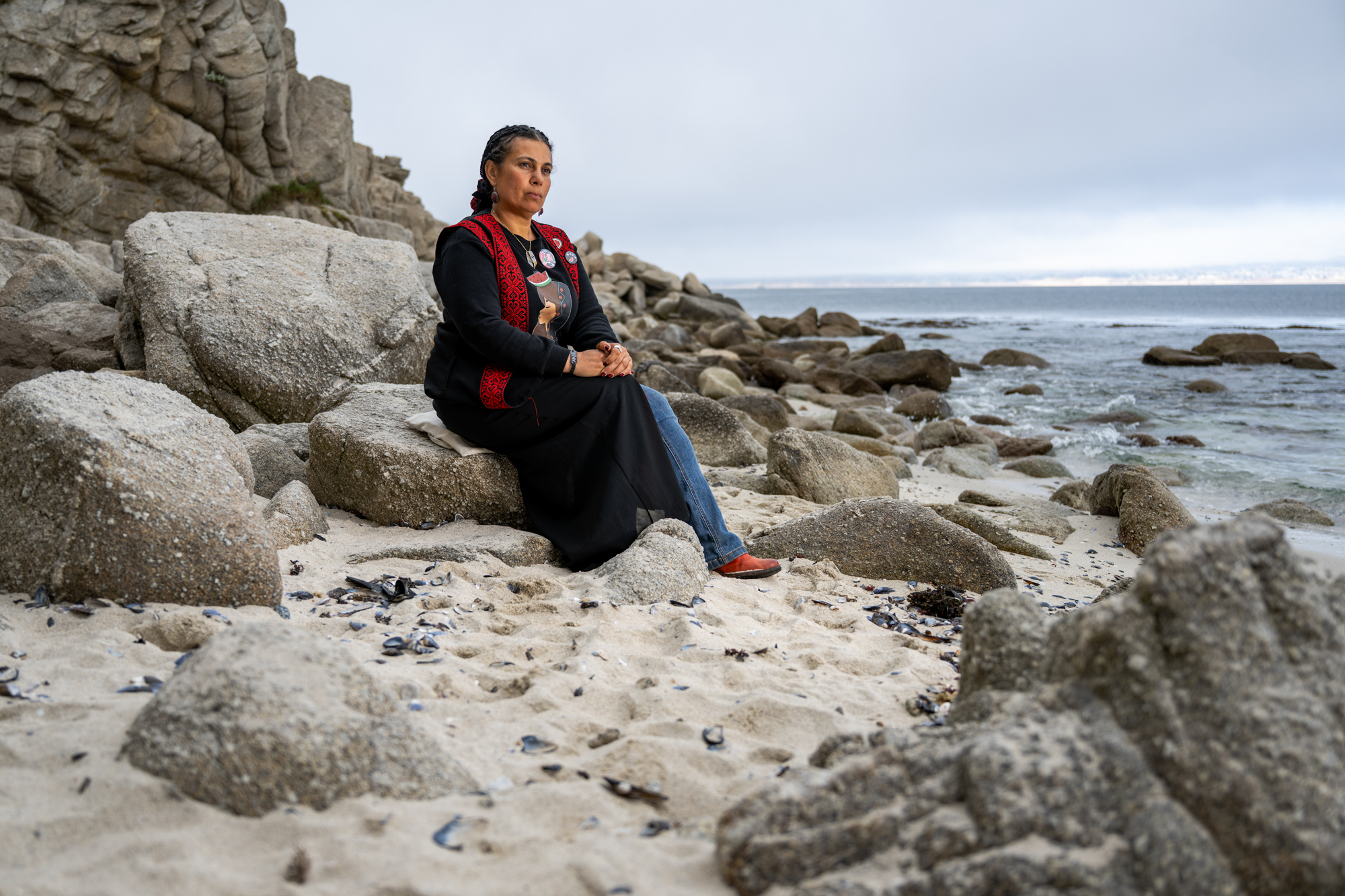
"caption": "Rolla Alaydi sits on the beach in Pacific Grove on June 30, 2025.",
"credit": "Beth LaBerge/KQED",
"altTag": null,
"description": null,
"imgSizes": {
"thumbnail": {
"file": "https://cdn.kqed.org/wp-content/uploads/sites/10/2025/07/250630-HUMANITARIANPAROLEDEEPDIVE-13-BL-KQED-160x107.jpg",
"width": 160,
"height": 107,
"mimeType": "image/jpeg"
},
"1536x1536": {
"file": "https://cdn.kqed.org/wp-content/uploads/sites/10/2025/07/250630-HUMANITARIANPAROLEDEEPDIVE-13-BL-KQED-1536x1024.jpg",
"width": 1536,
"height": 1024,
"mimeType": "image/jpeg"
},
"post-thumbnail": {
"file": "https://cdn.kqed.org/wp-content/uploads/sites/10/2025/07/250630-HUMANITARIANPAROLEDEEPDIVE-13-BL-KQED-672x372.jpg",
"width": 672,
"height": 372,
"mimeType": "image/jpeg"
},
"twentyfourteen-full-width": {
"file": "https://cdn.kqed.org/wp-content/uploads/sites/10/2025/07/250630-HUMANITARIANPAROLEDEEPDIVE-13-BL-KQED-1038x576.jpg",
"width": 1038,
"height": 576,
"mimeType": "image/jpeg"
},
"kqedFullSize": {
"file": "https://cdn.kqed.org/wp-content/uploads/sites/10/2025/07/250630-HUMANITARIANPAROLEDEEPDIVE-13-BL-KQED.jpg",
"width": 2000,
"height": 1333
}
},
"isLoading": false,
"fetchFailed": false
},
"news_12048133": {
"type": "attachments",
"id": "news_12048133",
"meta": {
"index": "attachments_1716263798",
"site": "news",
"id": "12048133",
"found": true
},
"title": "240522-KQEDheadquarters-12-BL_qed",
"publishDate": 1752605240,
"status": "inherit",
"parent": 12048122,
"modified": 1752605252,
"caption": "A KQED sign in the entrance way to the organization's headquarters in San Francisco on May 22, 2024.",
"credit": "Beth LaBerge/KQED",
"altTag": null,
"description": null,
"imgSizes": {
"thumbnail": {
"file": "https://cdn.kqed.org/wp-content/uploads/sites/10/2025/07/240522-KQEDheadquarters-12-BL_qed-160x107.jpg",
"width": 160,
"height": 107,
"mimeType": "image/jpeg"
},
"1536x1536": {
"file": "https://cdn.kqed.org/wp-content/uploads/sites/10/2025/07/240522-KQEDheadquarters-12-BL_qed-1536x1024.jpg",
"width": 1536,
"height": 1024,
"mimeType": "image/jpeg"
},
"post-thumbnail": {
"file": "https://cdn.kqed.org/wp-content/uploads/sites/10/2025/07/240522-KQEDheadquarters-12-BL_qed-672x372.jpg",
"width": 672,
"height": 372,
"mimeType": "image/jpeg"
},
"twentyfourteen-full-width": {
"file": "https://cdn.kqed.org/wp-content/uploads/sites/10/2025/07/240522-KQEDheadquarters-12-BL_qed-1038x576.jpg",
"width": 1038,
"height": 576,
"mimeType": "image/jpeg"
},
"kqedFullSize": {
"file": "https://cdn.kqed.org/wp-content/uploads/sites/10/2025/07/240522-KQEDheadquarters-12-BL_qed.jpg",
"width": 1999,
"height": 1333
}
},
"isLoading": false,
"fetchFailed": false
},
"news_12048214": {
"type": "attachments",
"id": "news_12048214",
"meta": {
"index": "attachments_1716263798",
"site": "news",
"id": "12048214",
"found": true
},
"title": "ImmigrationCalMatters",
"publishDate": 1752616689,
"status": "inherit",
"parent": 12048205,
"modified": 1752616749,
"caption": "Federal agents descend on MacArthur Park in Los Angeles on July 7, 2025.",
"credit": "J.W. Hendricks for CalMatters",
"altTag": null,
"description": null,
"imgSizes": {
"thumbnail": {
"file": "https://cdn.kqed.org/wp-content/uploads/sites/10/2025/07/ImmigrationCalMatters-160x107.jpg",
"width": 160,
"height": 107,
"mimeType": "image/jpeg"
},
"1536x1536": {
"file": "https://cdn.kqed.org/wp-content/uploads/sites/10/2025/07/ImmigrationCalMatters-1536x1024.jpg",
"width": 1536,
"height": 1024,
"mimeType": "image/jpeg"
},
"post-thumbnail": {
"file": "https://cdn.kqed.org/wp-content/uploads/sites/10/2025/07/ImmigrationCalMatters-672x372.jpg",
"width": 672,
"height": 372,
"mimeType": "image/jpeg"
},
"twentyfourteen-full-width": {
"file": "https://cdn.kqed.org/wp-content/uploads/sites/10/2025/07/ImmigrationCalMatters-1038x576.jpg",
"width": 1038,
"height": 576,
"mimeType": "image/jpeg"
},
"kqedFullSize": {
"file": "https://cdn.kqed.org/wp-content/uploads/sites/10/2025/07/ImmigrationCalMatters.jpg",
"width": 2000,
"height": 1333
}
},
"isLoading": false,
"fetchFailed": false
},
"news_12048109": {
"type": "attachments",
"id": "news_12048109",
"meta": {
"index": "attachments_1716263798",
"site": "news",
"id": "12048109",
"found": true
},
"title": "npr.brightspotcdn copy",
"publishDate": 1752601677,
"status": "inherit",
"parent": 12048108,
"modified": 1752601711,
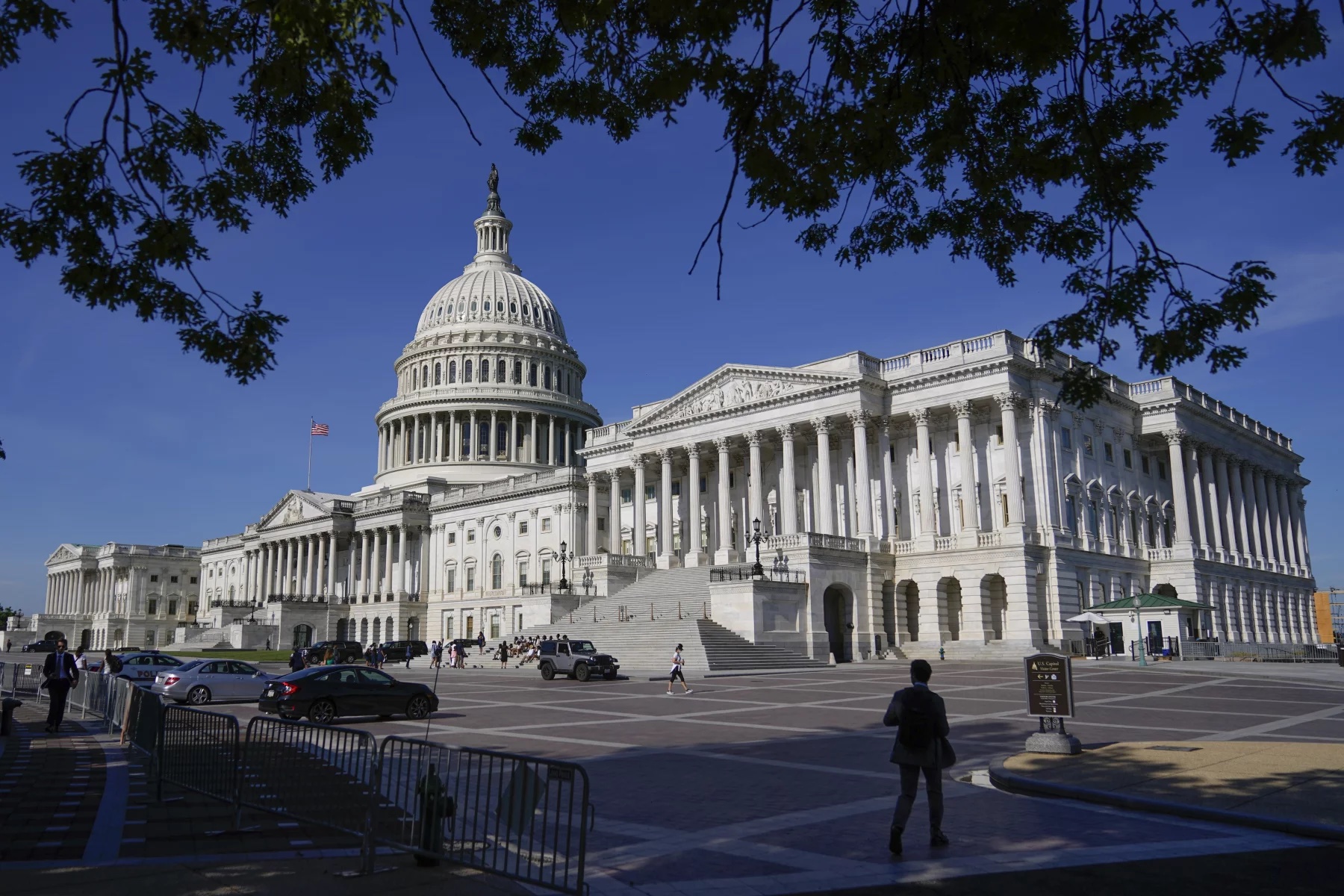
"caption": "Sun shines on the U.S. Capitol dome on Capitol Hill in Washington, D.C., in 2022.",
"credit": "Patrick Semansky/AP",
"altTag": null,
"description": null,
"imgSizes": {
"thumbnail": {
"file": "https://cdn.kqed.org/wp-content/uploads/sites/10/2025/07/npr.brightspotcdn-copy-8-160x107.jpg",
"width": 160,
"height": 107,
"mimeType": "image/jpeg"
},
"1536x1536": {
"file": "https://cdn.kqed.org/wp-content/uploads/sites/10/2025/07/npr.brightspotcdn-copy-8-1536x1024.jpg",
"width": 1536,
"height": 1024,
"mimeType": "image/jpeg"
},
"post-thumbnail": {
"file": "https://cdn.kqed.org/wp-content/uploads/sites/10/2025/07/npr.brightspotcdn-copy-8-672x372.jpg",
"width": 672,
"height": 372,
"mimeType": "image/jpeg"
},
"twentyfourteen-full-width": {
"file": "https://cdn.kqed.org/wp-content/uploads/sites/10/2025/07/npr.brightspotcdn-copy-8-1038x576.jpg",
"width": 1038,
"height": 576,
"mimeType": "image/jpeg"
},
"kqedFullSize": {
"file": "https://cdn.kqed.org/wp-content/uploads/sites/10/2025/07/npr.brightspotcdn-copy-8.jpg",
"width": 1800,
"height": 1200
}
},
"isLoading": false,
"fetchFailed": false
},
"news_12000971": {
"type": "attachments",
"id": "news_12000971",
"meta": {
"index": "attachments_1716263798",
"site": "news",
"id": "12000971",
"found": true
},
"title": "UC Berkeley Chancellor Rich Lyons in his office on campus on Aug. 20, 2024.",
"publishDate": 1724185101,
"status": "inherit",
"parent": 0,
"modified": 1724192309,
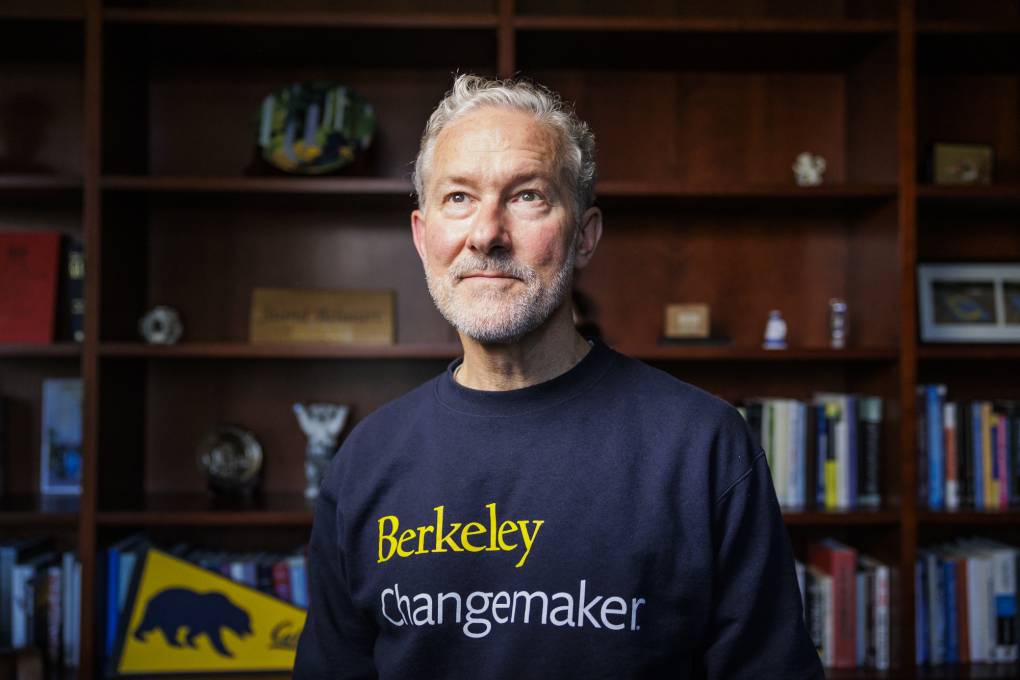
"caption": "UC Berkeley Chancellor Rich Lyons in his office on campus in Berkeley on Aug. 20, 2024.",
"credit": "Martin do Nascimento/KQED",
"altTag": null,
"description": null,
"imgSizes": {
"medium": {
"file": "https://cdn.kqed.org/wp-content/uploads/sites/10/2024/08/240820-UCB-CHANCELLOR-LYONS-MD-03-KQED-800x533.jpg",
"width": 800,
"height": 533,
"mimeType": "image/jpeg"
},
"large": {
"file": "https://cdn.kqed.org/wp-content/uploads/sites/10/2024/08/240820-UCB-CHANCELLOR-LYONS-MD-03-KQED-1020x680.jpg",
"width": 1020,
"height": 680,
"mimeType": "image/jpeg"
},
"thumbnail": {
"file": "https://cdn.kqed.org/wp-content/uploads/sites/10/2024/08/240820-UCB-CHANCELLOR-LYONS-MD-03-KQED-160x107.jpg",
"width": 160,
"height": 107,
"mimeType": "image/jpeg"
},
"1536x1536": {
"file": "https://cdn.kqed.org/wp-content/uploads/sites/10/2024/08/240820-UCB-CHANCELLOR-LYONS-MD-03-KQED-1536x1024.jpg",
"width": 1536,
"height": 1024,
"mimeType": "image/jpeg"
},
"post-thumbnail": {
"file": "https://cdn.kqed.org/wp-content/uploads/sites/10/2024/08/240820-UCB-CHANCELLOR-LYONS-MD-03-KQED-672x372.jpg",
"width": 672,
"height": 372,
"mimeType": "image/jpeg"
},
"twentyfourteen-full-width": {
"file": "https://cdn.kqed.org/wp-content/uploads/sites/10/2024/08/240820-UCB-CHANCELLOR-LYONS-MD-03-KQED-1038x576.jpg",
"width": 1038,
"height": 576,
"mimeType": "image/jpeg"
},
"full-width": {
"file": "https://cdn.kqed.org/wp-content/uploads/sites/10/2024/08/240820-UCB-CHANCELLOR-LYONS-MD-03-KQED-1920x1280.jpg",
"width": 1920,
"height": 1280,
"mimeType": "image/jpeg"
},
"kqedFullSize": {
"file": "https://cdn.kqed.org/wp-content/uploads/sites/10/2024/08/240820-UCB-CHANCELLOR-LYONS-MD-03-KQED.jpg",
"width": 2000,
"height": 1333
}
},
"isLoading": false,
"fetchFailed": false
},
"news_12017252": {
"type": "attachments",
"id": "news_12017252",
"meta": {
"index": "attachments_1716263798",
"site": "news",
"id": "12017252",
"found": true
},
"title": "Election 2024 Blue State Reaction Explainer",
"publishDate": 1733768564,
"status": "inherit",
"parent": 12017249,
"modified": 1733768592,
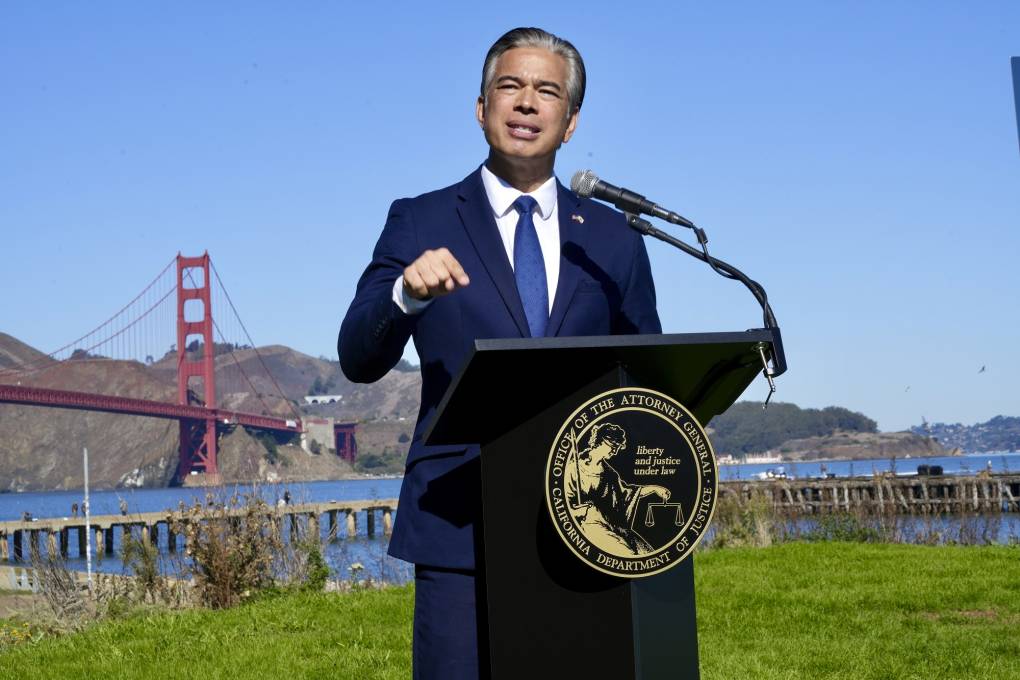
"caption": "California Attorney General Rob Bonta speaks at a news conference in front of the Golden Gate Bridge in San Francisco on Thursday, Nov. 7, 2024.",
"credit": "Terry Chea/AP Photo",
"altTag": null,
"description": null,
"imgSizes": {
"medium": {
"file": "https://cdn.kqed.org/wp-content/uploads/sites/10/2024/12/RobBontaSFAP-800x533.jpg",
"width": 800,
"height": 533,
"mimeType": "image/jpeg"
},
"large": {
"file": "https://cdn.kqed.org/wp-content/uploads/sites/10/2024/12/RobBontaSFAP-1020x680.jpg",
"width": 1020,
"height": 680,
"mimeType": "image/jpeg"
},
"thumbnail": {
"file": "https://cdn.kqed.org/wp-content/uploads/sites/10/2024/12/RobBontaSFAP-160x107.jpg",
"width": 160,
"height": 107,
"mimeType": "image/jpeg"
},
"1536x1536": {
"file": "https://cdn.kqed.org/wp-content/uploads/sites/10/2024/12/RobBontaSFAP-1536x1024.jpg",
"width": 1536,
"height": 1024,
"mimeType": "image/jpeg"
},
"post-thumbnail": {
"file": "https://cdn.kqed.org/wp-content/uploads/sites/10/2024/12/RobBontaSFAP-672x372.jpg",
"width": 672,
"height": 372,
"mimeType": "image/jpeg"
},
"twentyfourteen-full-width": {
"file": "https://cdn.kqed.org/wp-content/uploads/sites/10/2024/12/RobBontaSFAP-1038x576.jpg",
"width": 1038,
"height": 576,
"mimeType": "image/jpeg"
},
"full-width": {
"file": "https://cdn.kqed.org/wp-content/uploads/sites/10/2024/12/RobBontaSFAP-1920x1280.jpg",
"width": 1920,
"height": 1280,
"mimeType": "image/jpeg"
},
"kqedFullSize": {
"file": "https://cdn.kqed.org/wp-content/uploads/sites/10/2024/12/RobBontaSFAP.jpg",
"width": 2000,
"height": 1333
}
},
"isLoading": false,
"fetchFailed": false
},
"news_12040222": {
"type": "attachments",
"id": "news_12040222",
"meta": {
"index": "attachments_1716263798",
"site": "news",
"id": "12040222",
"found": true
},
"title": "20250514_AFGHANREFUGEESTPS_GC-1-KQED",
"publishDate": 1747265525,
"status": "inherit",
"parent": 0,
"modified": 1747265525,
"caption": "Fouzia Palyal Azizi, Director of Refugee Services at JFCS East Bay, poses for a portrait outside of her home, in Pleasant Hill, on May 14, 2025.",
"credit": null,
"altTag": null,
"description": null,
"imgSizes": {
"medium": {
"file": "https://cdn.kqed.org/wp-content/uploads/sites/10/2025/05/20250514_AFGHANREFUGEESTPS_GC-1-KQED-800x533.jpg",
"width": 800,
"height": 533,
"mimeType": "image/jpeg"
},
"large": {
"file": "https://cdn.kqed.org/wp-content/uploads/sites/10/2025/05/20250514_AFGHANREFUGEESTPS_GC-1-KQED-1020x680.jpg",
"width": 1020,
"height": 680,
"mimeType": "image/jpeg"
},
"thumbnail": {
"file": "https://cdn.kqed.org/wp-content/uploads/sites/10/2025/05/20250514_AFGHANREFUGEESTPS_GC-1-KQED-160x107.jpg",
"width": 160,
"height": 107,
"mimeType": "image/jpeg"
},
"1536x1536": {
"file": "https://cdn.kqed.org/wp-content/uploads/sites/10/2025/05/20250514_AFGHANREFUGEESTPS_GC-1-KQED-1536x1024.jpg",
"width": 1536,
"height": 1024,
"mimeType": "image/jpeg"
},
"post-thumbnail": {
"file": "https://cdn.kqed.org/wp-content/uploads/sites/10/2025/05/20250514_AFGHANREFUGEESTPS_GC-1-KQED-672x372.jpg",
"width": 672,
"height": 372,
"mimeType": "image/jpeg"
},
"twentyfourteen-full-width": {
"file": "https://cdn.kqed.org/wp-content/uploads/sites/10/2025/05/20250514_AFGHANREFUGEESTPS_GC-1-KQED-1038x576.jpg",
"width": 1038,
"height": 576,
"mimeType": "image/jpeg"
},
"full-width": {
"file": "https://cdn.kqed.org/wp-content/uploads/sites/10/2025/05/20250514_AFGHANREFUGEESTPS_GC-1-KQED-1920x1280.jpg",
"width": 1920,
"height": 1280,
"mimeType": "image/jpeg"
},
"kqedFullSize": {
"file": "https://cdn.kqed.org/wp-content/uploads/sites/10/2025/05/20250514_AFGHANREFUGEESTPS_GC-1-KQED.jpg",
"width": 2000,
"height": 1333
}
},
"isLoading": false,
"fetchFailed": false
},
"news_12047827": {
"type": "attachments",
"id": "news_12047827",
"meta": {
"index": "attachments_1716263798",
"site": "news",
"id": "12047827",
"found": true
},
"title": "npr.brightspotcdn copy",
"publishDate": 1752281927,
"status": "inherit",
"parent": 12047824,
"modified": 1752281967,
"caption": "President Trump bangs a gavel after signing the One Big Beautiful Bill Act at the White House on July 4.",
"credit": "Brendan Smialowski/Pool/AFP via Getty Images",
"altTag": null,
"description": null,
"imgSizes": {
"thumbnail": {
"file": "https://cdn.kqed.org/wp-content/uploads/sites/10/2025/07/npr.brightspotcdn-copy-7-160x107.jpg",
"width": 160,
"height": 107,
"mimeType": "image/jpeg"
},
"1536x1536": {
"file": "https://cdn.kqed.org/wp-content/uploads/sites/10/2025/07/npr.brightspotcdn-copy-7-1536x1024.jpg",
"width": 1536,
"height": 1024,
"mimeType": "image/jpeg"
},
"post-thumbnail": {
"file": "https://cdn.kqed.org/wp-content/uploads/sites/10/2025/07/npr.brightspotcdn-copy-7-672x372.jpg",
"width": 672,
"height": 372,
"mimeType": "image/jpeg"
},
"twentyfourteen-full-width": {
"file": "https://cdn.kqed.org/wp-content/uploads/sites/10/2025/07/npr.brightspotcdn-copy-7-1038x576.jpg",
"width": 1038,
"height": 576,
"mimeType": "image/jpeg"
},
"kqedFullSize": {
"file": "https://cdn.kqed.org/wp-content/uploads/sites/10/2025/07/npr.brightspotcdn-copy-7.jpg",
"width": 1800,
"height": 1200
}
},
"isLoading": false,
"fetchFailed": false
},
"news_11343203": {
"type": "attachments",
"id": "news_11343203",
"meta": {
"index": "attachments_1716263798",
"site": "news",
"id": "11343203",
"found": true
},
"parent": 11343175,
"imgSizes": {
"small": {
"file": "https://ww2.kqed.org/app/uploads/sites/10/2017/03/hospital-520x347.jpg",
"width": 520,
"mimeType": "image/jpeg",
"height": 347
},
"twentyfourteen-full-width": {
"file": "https://ww2.kqed.org/app/uploads/sites/10/2017/03/hospital-1038x576.jpg",
"width": 1038,
"mimeType": "image/jpeg",
"height": 576
},
"thumbnail": {
"file": "https://ww2.kqed.org/app/uploads/sites/10/2017/03/hospital-160x107.jpg",
"width": 160,
"mimeType": "image/jpeg",
"height": 107
},
"fd-sm": {
"file": "https://ww2.kqed.org/app/uploads/sites/10/2017/03/hospital-960x640.jpg",
"width": 960,
"mimeType": "image/jpeg",
"height": 640
},
"post-thumbnail": {
"file": "https://ww2.kqed.org/app/uploads/sites/10/2017/03/hospital-672x372.jpg",
"width": 672,
"mimeType": "image/jpeg",
"height": 372
},
"xsmall": {
"file": "https://ww2.kqed.org/app/uploads/sites/10/2017/03/hospital-375x250.jpg",
"width": 375,
"mimeType": "image/jpeg",
"height": 250
},
"kqedFullSize": {
"file": "https://ww2.kqed.org/app/uploads/sites/10/2017/03/hospital.jpg",
"width": 1440,
"height": 960
},
"large": {
"file": "https://ww2.kqed.org/app/uploads/sites/10/2017/03/hospital-1020x680.jpg",
"width": 1020,
"mimeType": "image/jpeg",
"height": 680
},
"xlarge": {
"file": "https://ww2.kqed.org/app/uploads/sites/10/2017/03/hospital-1180x787.jpg",
"width": 1180,
"mimeType": "image/jpeg",
"height": 787
},
"guest-author-50": {
"file": "https://ww2.kqed.org/app/uploads/sites/10/2017/03/hospital-50x50.jpg",
"width": 50,
"mimeType": "image/jpeg",
"height": 50
},
"guest-author-96": {
"file": "https://ww2.kqed.org/app/uploads/sites/10/2017/03/hospital-96x96.jpg",
"width": 96,
"mimeType": "image/jpeg",
"height": 96
},
"medium": {
"file": "https://ww2.kqed.org/app/uploads/sites/10/2017/03/hospital-800x533.jpg",
"width": 800,
"mimeType": "image/jpeg",
"height": 533
},
"guest-author-64": {
"file": "https://ww2.kqed.org/app/uploads/sites/10/2017/03/hospital-64x64.jpg",
"width": 64,
"mimeType": "image/jpeg",
"height": 64
},
"guest-author-32": {
"file": "https://ww2.kqed.org/app/uploads/sites/10/2017/03/hospital-32x32.jpg",
"width": 32,
"mimeType": "image/jpeg",
"height": 32
},
"fd-med": {
"file": "https://ww2.kqed.org/app/uploads/sites/10/2017/03/hospital-1180x787.jpg",
"width": 1180,
"mimeType": "image/jpeg",
"height": 787
},
"detail": {
"file": "https://ww2.kqed.org/app/uploads/sites/10/2017/03/hospital-150x150.jpg",
"width": 150,
"mimeType": "image/jpeg",
"height": 150
},
"guest-author-128": {
"file": "https://ww2.kqed.org/app/uploads/sites/10/2017/03/hospital-128x128.jpg",
"width": 128,
"mimeType": "image/jpeg",
"height": 128
},
"xxsmall": {
"file": "https://ww2.kqed.org/app/uploads/sites/10/2017/03/hospital-240x160.jpg",
"width": 240,
"mimeType": "image/jpeg",
"height": 160
}
},
"publishDate": 1488590043,
"modified": 1488834303,
"caption": "Roughly 40 of the 113 records UC released detailing investigations and findings related to allegations of sex-based discrimination or misconduct involved UC medical centers and hospitals. ",
"description": null,
"title": "hospital",
"credit": "Getty Images",
"status": "inherit",
"isLoading": false,
"fetchFailed": false
}
},
"audioPlayerReducer": {
"postId": "stream_live",
"isPaused": true,
"isPlaying": false,
"pfsActive": false,
"pledgeModalIsOpen": true,
"playerDrawerIsOpen": false,
"liveAudioPlayStartedAt": 0,
"liveAudioPlayContext": ""
},
"authorsReducer": {
"byline_news_12048205": {
"type": "authors",
"id": "byline_news_12048205",
"meta": {
"override": true
},
"slug": "byline_news_12048205",
"name": "Wendy Fry and Sergio Olmos, CalMatters",
"isLoading": false
},
"byline_news_12048108": {
"type": "authors",
"id": "byline_news_12048108",
"meta": {
"override": true
},
"slug": "byline_news_12048108",
"name": "Deirdre Walsh, NPR",
"isLoading": false
},
"byline_news_12047824": {
"type": "authors",
"id": "byline_news_12047824",
"meta": {
"override": true
},
"slug": "byline_news_12047824",
"name": "Tamara Keith, NPR",
"isLoading": false
},
"rachael-myrow": {
"type": "authors",
"id": "251",
"meta": {
"index": "authors_1716337520",
"id": "251",
"found": true
},
"name": "Rachael Myrow",
"firstName": "Rachael",
"lastName": "Myrow",
"slug": "rachael-myrow",
"email": "rmyrow@kqed.org",
"display_author_email": true,
"staff_mastheads": [
"news"
],
"title": "Senior Editor of KQED's Silicon Valley News Desk",
"bio": "• I write and edit stories about how Silicon Valley power and policies shape everyday life in California. I’m also passionate about making Bay Area history and culture more accessible to a broad public. • I’ve been a journalist for most of my life, starting in high school with The Franklin Press in Los Angeles, where I grew up. While earning my first degree in English at UC Berkeley, I got my start in public radio at KALX-FM. After completing a second degree in journalism at Cal, I landed my first professional job at Marketplace, then moved on to KPCC (now LAist), and then KQED, where I hosted The California Report for more than seven years. • My reporting has appeared on NPR, The World, WBUR’s \u003ci>Here & Now\u003c/i>, and the BBC. I also guest host for KQED’s \u003ci>Forum\u003c/i>, as well as the Commonwealth Club in San Francisco. • I speak periodically on media, democracy and technology issues, and do voiceover work for documentaries and educational video projects. • Outside of the studio, you'll find me hiking Bay Area trails and whipping up Insta-ready meals in my kitchen. • I do not accept gifts, money, or favors from anyone connected to my reporting, I don't pay people for information, and I do not support or donate to political causes. • I strive to treat the people I report on with fairness, honesty, and respect. I also recognize there are often multiple sides to a story and work to verify information through multiple sources and documentation. If I get something wrong, I correct it.",
"avatar": "https://secure.gravatar.com/avatar/87bf8cb5874e045cdff430523a6d48b1?s=600&d=blank&r=g",
"twitter": "rachaelmyrow",
"facebook": null,
"instagram": null,
"linkedin": "https://www.linkedin.com/in/rachaelmyrow/",
"sites": [
{
"site": "arts",
"roles": [
"administrator"
]
},
{
"site": "news",
"roles": [
"edit_others_posts",
"editor"
]
},
{
"site": "futureofyou",
"roles": [
"editor"
]
},
{
"site": "bayareabites",
"roles": [
"editor"
]
},
{
"site": "stateofhealth",
"roles": [
"editor"
]
},
{
"site": "science",
"roles": [
"editor"
]
},
{
"site": "food",
"roles": [
"editor"
]
},
{
"site": "forum",
"roles": [
"editor"
]
},
{
"site": "liveblog",
"roles": [
"author"
]
}
],
"headData": {
"title": "Rachael Myrow | KQED",
"description": "Senior Editor of KQED's Silicon Valley News Desk",
"ogImgSrc": "https://secure.gravatar.com/avatar/87bf8cb5874e045cdff430523a6d48b1?s=600&d=blank&r=g",
"twImgSrc": "https://secure.gravatar.com/avatar/87bf8cb5874e045cdff430523a6d48b1?s=600&d=blank&r=g"
},
"isLoading": false,
"link": "/author/rachael-myrow"
},
"scottshafer": {
"type": "authors",
"id": "255",
"meta": {
"index": "authors_1716337520",
"id": "255",
"found": true
},
"name": "Scott Shafer",
"firstName": "Scott",
"lastName": "Shafer",
"slug": "scottshafer",
"email": "sshafer@kqed.org",
"display_author_email": false,
"staff_mastheads": [
"news"
],
"title": "KQED Contributor",
"bio": "Scott Shafer is a senior editor with the KQED Politics and Government desk. He is co-host of Political Breakdown, the award-winning radio show and podcast with a personal take on the world of politics. Scott came to KQED in 1998 to host the statewide\u003cem> California Report\u003c/em>. Prior to that he had extended stints in politics and government\u003cem>.\u003c/em> He uses that inside experience at KQED in his, reporting, hosting and analysis for the politics desk. Scott collaborated \u003cem>Political Breakdown a\u003c/em>nd on \u003cem>The Political Mind of Jerry Brown, \u003c/em>an eight-part series about the life and extraordinary political career of the former governor. For fun, he plays water polo with the San Francisco Tsunami.",
"avatar": "https://secure.gravatar.com/avatar/a62ebae45b79d7aed1a39a0e3bf68104?s=600&d=blank&r=g",
"twitter": "scottshafer",
"bluesky": null,
"facebook": null,
"instagram": null,
"linkedin": null,
"sites": [
{
"site": "news",
"roles": [
"editor"
]
},
{
"site": "stateofhealth",
"roles": [
"author"
]
},
{
"site": "science",
"roles": [
"author"
]
},
{
"site": "forum",
"roles": [
"subscriber"
]
},
{
"site": "liveblog",
"roles": [
"author"
]
}
],
"headData": {
"title": "Scott Shafer | KQED",
"description": "KQED Contributor",
"ogImgSrc": "https://secure.gravatar.com/avatar/a62ebae45b79d7aed1a39a0e3bf68104?s=600&d=blank&r=g",
"twImgSrc": "https://secure.gravatar.com/avatar/a62ebae45b79d7aed1a39a0e3bf68104?s=600&d=blank&r=g"
},
"isLoading": false,
"link": "/author/scottshafer"
},
"vrancano": {
"type": "authors",
"id": "11276",
"meta": {
"index": "authors_1716337520",
"id": "11276",
"found": true
},
"name": "Vanessa Rancaño",
"firstName": "Vanessa",
"lastName": "Rancaño",
"slug": "vrancano",
"email": "vrancano@kqed.org",
"display_author_email": false,
"staff_mastheads": [
"news"
],
"title": "Reporter",
"bio": "Vanessa Rancaño is a features reporter for KQED. She’s also covered homelessness and education for the station and reported from the Central Valley. Her work has aired across public radio, from flagship national news shows to longform narrative podcasts. Before taking up a mic, she worked as a freelance print journalist. She’s been recognized with a number of national and regional awards. Vanessa grew up in California's Central Valley. She's a former NPR Kroc Fellow, and a graduate of the UC Berkeley Graduate School of Journalism.",
"avatar": "https://secure.gravatar.com/avatar/b3a383dfb0e7ee1c17568f2cf067904ab654d6e3de9743fc661f3c788ade1bed?s=600&d=blank&r=g",
"twitter": "vanessarancano",
"bluesky": null,
"facebook": null,
"instagram": null,
"linkedin": null,
"sites": [
{
"site": "arts",
"roles": [
"editor"
]
},
{
"site": "news",
"roles": [
"editor"
]
},
{
"site": "liveblog",
"roles": [
"contributor"
]
}
],
"headData": {
"title": "Vanessa Rancaño | KQED",
"description": "Reporter",
"ogImgSrc": "https://secure.gravatar.com/avatar/b3a383dfb0e7ee1c17568f2cf067904ab654d6e3de9743fc661f3c788ade1bed?s=600&d=blank&r=g",
"twImgSrc": "https://secure.gravatar.com/avatar/b3a383dfb0e7ee1c17568f2cf067904ab654d6e3de9743fc661f3c788ade1bed?s=600&d=blank&r=g"
},
"isLoading": false,
"link": "/author/vrancano"
},
"ccabreralomeli": {
"type": "authors",
"id": "11708",
"meta": {
"index": "authors_1716337520",
"id": "11708",
"found": true
},
"name": "Carlos Cabrera-Lomelí",
"firstName": "Carlos",
"lastName": "Cabrera-Lomelí",
"slug": "ccabreralomeli",
"email": "ccabreralomeli@KQED.org",
"display_author_email": true,
"staff_mastheads": [
"news"
],
"title": "Community Reporter",
"bio": "Carlos Cabrera-Lomelí is a community reporter with KQED's digital engagement team. He also reports and co-produces for KQED's bilingual news hub KQED en Español. He grew up in San Francisco's Mission District and has previously worked with Univision, 48 Hills and REFORMA in Mexico City.",
"avatar": "https://secure.gravatar.com/avatar/e95ff80bb2eaf18a8f2af4dcf7ffb54b?s=600&d=mm&r=g",
"twitter": "@LomeliCabrera",
"facebook": null,
"instagram": null,
"linkedin": null,
"sites": [
{
"site": "arts",
"roles": [
"editor"
]
},
{
"site": "news",
"roles": [
"editor"
]
},
{
"site": "about",
"roles": [
"editor"
]
},
{
"site": "science",
"roles": [
"editor"
]
},
{
"site": "perspectives",
"roles": [
"editor"
]
},
{
"site": "elections",
"roles": [
"editor"
]
},
{
"site": "liveblog",
"roles": [
"contributor"
]
}
],
"headData": {
"title": "Carlos Cabrera-Lomelí | KQED",
"description": "Community Reporter",
"ogImgSrc": "https://secure.gravatar.com/avatar/e95ff80bb2eaf18a8f2af4dcf7ffb54b?s=600&d=mm&r=g",
"twImgSrc": "https://secure.gravatar.com/avatar/e95ff80bb2eaf18a8f2af4dcf7ffb54b?s=600&d=mm&r=g"
},
"isLoading": false,
"link": "/author/ccabreralomeli"
},
"adahlstromeckman": {
"type": "authors",
"id": "11785",
"meta": {
"index": "authors_1716337520",
"id": "11785",
"found": true
},
"name": "Azul Dahlstrom-Eckman",
"firstName": "Azul",
"lastName": "Dahlstrom-Eckman",
"slug": "adahlstromeckman",
"email": "adahlstrom-eckman@kqed.org",
"display_author_email": true,
"staff_mastheads": [],
"title": "Reporter",
"bio": "Azul is a reporter for KQED focusing on transportation and features. He joined KQED in 2021 as an alumna of KALW's Audio Academy radio journalism training program.",
"avatar": "https://secure.gravatar.com/avatar/9cb750298435add7815a777f55bf1f46845c1386bb8452555c60a7b820b5aba3?s=600&d=blank&r=g",
"twitter": "@zuliemann",
"bluesky": "@azul415.bsky.social",
"facebook": null,
"instagram": null,
"linkedin": null,
"sites": [
{
"site": "arts",
"roles": [
"editor"
]
},
{
"site": "news",
"roles": [
"editor"
]
},
{
"site": "science",
"roles": [
"editor"
]
},
{
"site": "liveblog",
"roles": [
"author"
]
}
],
"headData": {
"title": "Azul Dahlstrom-Eckman | KQED",
"description": "Reporter",
"ogImgSrc": "https://secure.gravatar.com/avatar/9cb750298435add7815a777f55bf1f46845c1386bb8452555c60a7b820b5aba3?s=600&d=blank&r=g",
"twImgSrc": "https://secure.gravatar.com/avatar/9cb750298435add7815a777f55bf1f46845c1386bb8452555c60a7b820b5aba3?s=600&d=blank&r=g"
},
"isLoading": false,
"link": "/author/adahlstromeckman"
},
"ibloom": {
"type": "authors",
"id": "11805",
"meta": {
"index": "authors_1716337520",
"id": "11805",
"found": true
},
"name": "Izzy Bloom",
"firstName": "Izzy",
"lastName": "Bloom",
"slug": "ibloom",
"email": "ibloom@kqed.org",
"display_author_email": false,
"staff_mastheads": [],
"title": "KQED Reporter & Producer",
"bio": "Izzy is a reporter and producer on KQED's California Politics & Government Desk. She joined the desk in 2024 to produce Political Breakdown, covering local and national elections and attending the RNC and DNC in Milwaukee and Chicago. \r\n\r\nBefore that, Izzy was a producer on The California Report and reported long-form stories for The California Report Magazine. She was a finalist for the Third Coast/Richard H. Driehaus Foundation Competition and was awarded for her reporting on indigenous land back by the Society of Professional Journalists. Izzy received her master's in journalism from the University of California, Berkeley.",
"avatar": "https://secure.gravatar.com/avatar/cc4d272ca430783ee1a8efac470a6b1e0fdd082c3beb61da019801d0ff751c8c?s=600&d=blank&r=g",
"twitter": null,
"bluesky": null,
"facebook": null,
"instagram": null,
"linkedin": null,
"sites": [
{
"site": "news",
"roles": [
"editor"
]
},
{
"site": "perspectives",
"roles": [
"editor"
]
}
],
"headData": {
"title": "Izzy Bloom | KQED",
"description": "KQED Reporter & Producer",
"ogImgSrc": "https://secure.gravatar.com/avatar/cc4d272ca430783ee1a8efac470a6b1e0fdd082c3beb61da019801d0ff751c8c?s=600&d=blank&r=g",
"twImgSrc": "https://secure.gravatar.com/avatar/cc4d272ca430783ee1a8efac470a6b1e0fdd082c3beb61da019801d0ff751c8c?s=600&d=blank&r=g"
},
"isLoading": false,
"link": "/author/ibloom"
},
"nkhan": {
"type": "authors",
"id": "11867",
"meta": {
"index": "authors_1716337520",
"id": "11867",
"found": true
},
"name": "Nisa Khan",
"firstName": "Nisa",
"lastName": "Khan",
"slug": "nkhan",
"email": "nkhan@kqed.org",
"display_author_email": false,
"staff_mastheads": [],
"title": "KQED Contributor",
"bio": "Nisa Khan is a reporter for KQED's Audience News Desk. She was formerly a data reporter at Michigan Radio. She earned a Bachelor of Science in Information from the University of Michigan and a Master of Arts in Communication from Stanford University.",
"avatar": "https://secure.gravatar.com/avatar/a3bf1efcfbe7658d13a434cc54d0b2e3?s=600&d=blank&r=g",
"twitter": "mnisakhan",
"bluesky": null,
"facebook": null,
"instagram": null,
"linkedin": null,
"sites": [
{
"site": "arts",
"roles": [
"editor"
]
},
{
"site": "news",
"roles": [
"editor"
]
},
{
"site": "science",
"roles": [
"editor",
"author"
]
},
{
"site": "forum",
"roles": [
"editor"
]
},
{
"site": "liveblog",
"roles": [
"contributor"
]
}
],
"headData": {
"title": "Nisa Khan | KQED",
"description": "KQED Contributor",
"ogImgSrc": "https://secure.gravatar.com/avatar/a3bf1efcfbe7658d13a434cc54d0b2e3?s=600&d=blank&r=g",
"twImgSrc": "https://secure.gravatar.com/avatar/a3bf1efcfbe7658d13a434cc54d0b2e3?s=600&d=blank&r=g"
},
"isLoading": false,
"link": "/author/nkhan"
},
"slim": {
"type": "authors",
"id": "11920",
"meta": {
"index": "authors_1716337520",
"id": "11920",
"found": true
},
"name": "Samantha Lim",
"firstName": "Samantha",
"lastName": "Lim",
"slug": "slim",
"email": "slim@KQED.org",
"display_author_email": false,
"staff_mastheads": [],
"title": "KQED Contributor",
"bio": null,
"avatar": "https://secure.gravatar.com/avatar/82e592e6c15fe1a04d385e8ad0fb0b4e?s=600&d=blank&r=g",
"twitter": null,
"facebook": null,
"instagram": null,
"linkedin": null,
"sites": [
{
"site": "news",
"roles": []
}
],
"headData": {
"title": "Samantha Lim | KQED",
"description": "KQED Contributor",
"ogImgSrc": "https://secure.gravatar.com/avatar/82e592e6c15fe1a04d385e8ad0fb0b4e?s=600&d=blank&r=g",
"twImgSrc": "https://secure.gravatar.com/avatar/82e592e6c15fe1a04d385e8ad0fb0b4e?s=600&d=blank&r=g"
},
"isLoading": false,
"link": "/author/slim"
}
},
"pagesReducer": {
"news_tag_donald-trump": {
"type": "terms",
"id": "news_1323",
"meta": {
"index": "terms_1716263798",
"site": "news",
"id": "1323",
"score": 8.555192
},
"featImg": null,
"name": "Donald Trump",
"description": null,
"taxonomy": "tag",
"headData": {
"twImgId": null,
"twTitle": null,
"ogTitle": null,
"ogImgId": null,
"twDescription": null,
"description": null,
"title": "Donald Trump Archives | KQED News",
"ogDescription": null
},
"ttid": 1335,
"slug": "donald-trump",
"isLoading": false,
"title": "Donald Trump",
"pageMeta": {
"site": "news",
"WpPageTemplate": "page-topic-editorial",
"currentPage": 29
},
"blocks": [
{
"blockName": "kqed/post-list",
"attrs": {
"layout": "cardArticle2",
"query": "posts/news?tag=donald-trump",
"seeMore": false,
"paginated": true,
"page": 29
}
},
{
"blockName": "kqed/ad"
}
]
}
},
"pfsSessionReducer": {},
"postsReducer": {
"stream_live": {
"type": "live",
"id": "stream_live",
"audioUrl": "https://streams.kqed.org/kqedradio",
"title": "Live Stream",
"excerpt": "Live Stream information currently unavailable.",
"link": "/radio",
"featImg": "",
"label": {
"name": "KQED Live",
"link": "/"
}
},
"stream_kqedNewscast": {
"type": "posts",
"id": "stream_kqedNewscast",
"audioUrl": "https://www.kqed.org/.stream/anon/radio/RDnews/newscast.mp3?_=1",
"title": "KQED Newscast",
"featImg": "",
"label": {
"name": "88.5 FM",
"link": "/"
}
},
"news_12048357": {
"type": "posts",
"id": "news_12048357",
"meta": {
"index": "posts_1716263798",
"site": "news",
"id": "12048357",
"score": null,
"sort": [
1752760853000
]
},
"guestAuthors": [],
"slug": "supervisor-questions-sfpds-response-to-ice-protests-in-sf",
"title": "Supervisor Questions SFPD’s Response to ICE Protests in SF",
"publishDate": 1752760853,
"format": "standard",
"headTitle": "Supervisor Questions SFPD’s Response to ICE Protests in SF | KQED",
"labelTerm": {},
"content": "\u003cp>San Francisco’s \u003ca href=\"https://www.kqed.org/news/12027607/sfs-long-history-as-sanctuary-city-faces-renewed-challenges-under-trump\">status as a sanctuary city\u003c/a> goes back to 1989. The city prides itself as a haven for immigrants, regardless of legal status, and a place where local law enforcement is sharply restricted from cooperating with or assisting federal immigration agents.\u003c/p>\n\u003cp>But under \u003ca href=\"https://www.kqed.org/news/tag/daniel-lurie\">Mayor Daniel Lurie\u003c/a>, the implementation of the policy is facing pressure from Supervisor Jackie Fielder, whose district represents parts of the Mission, Bernal Heights and Portola. Fielder is concerned by two things:\u003c/p>\n\u003cul>\n\u003cli>A \u003ca href=\"https://sfstandard.com/2025/07/14/oakland-san-francisco-ice-license-plate-readers/\">report\u003c/a> that SFPD accessed information from Oakland’s license plate reader database to share with federal law enforcement agencies.\u003c/li>\n\u003cli>Statements made by Deputy Chief Derrick Lew at a town hall in the Castro last week regarding what he described as SFPD’s obligation to \u003ca href=\"https://missionlocal.org/2025/07/sfpd-ice-protesters/\">protect ICE agents\u003c/a> from protesters, to keep them out of harm’s way.\u003c/li>\n\u003c/ul>\n\u003cp>[ad fullwidth]\u003c/p>\n\u003cp>Fielder, who called ICE “a fascist agency doing Trump’s bidding,” \u003ca href=\"https://static1.squarespace.com/static/65023928e628bd272e752a09/t/687554cccdab921972c25b38/1752519885394/LOI+to+SFPD+Protocols+for+ICE+and+protests.pdf\">sent a letter \u003c/a>to interim SFPD Chief Paul Yep, Sheriff Paul Miyamoto, Lurie and the city controller demanding answers about policies that may conflict with the city’s sanctuary law.\u003c/p>\n\u003cp>Although she is a member of the Democratic Socialists of America and one of the Board of Supervisors’ most liberal members, Fielder pledged to keep an open mind to Lurie’s programmatic priorities. But as the Trump administration’s actions toward California and sanctuary cities intensify, there are signs that Fielder is growing impatient with the mayor’s approach.\u003c/p>\n\u003cp>I spoke with Fielder about her concerns.\u003c/p>\n\u003cp>\u003cem>The interview has been edited for length and clarity\u003c/em>.\u003c/p>\n\u003cp>\u003cstrong>Scott Shafer: \u003c/strong>First of all, let’s talk about your letter of inquiry. What prompted you to send it?\u003c/p>\n\u003cp>\u003cstrong>Jackie Fielder: \u003c/strong>Last week, we saw a number of protesters clashing with ICE agents outside of a federal government building where immigration court proceedings take place. And according to \u003ca href=\"https://missionlocal.org/2025/07/video-ice-agents-brandish-rifles-drive-through-protesters-at-s-f-immigration-court/\">reporting by \u003cem>Mission Local\u003c/em>\u003c/a>, protesters were being put in danger as they were trying to basically block ICE agents from coming into or out of the building — to the point where ICE agents used pepper spray, shoved people to the ground and in one instance brandished a rifle on protesters as well as a reporter with \u003cem>Mission Local\u003c/em>.\u003c/p>\n\u003cp>It came to light through a \u003ca href=\"https://sfstandard.com/2025/07/14/oakland-san-francisco-ice-license-plate-readers/\">\u003cem>Standard\u003c/em> article\u003c/a> that SFPD has been requesting data from automatic license plate readers in Oakland on behalf of federal law enforcement agencies, which is a violation of state law. And so I have a lot of questions related to all of these different issues that I’d like answers to very quickly.\u003c/p>\n\u003cfigure id=\"attachment_12024436\" class=\"wp-caption alignnone\" style=\"max-width: 2000px\">\u003cimg loading=\"lazy\" decoding=\"async\" class=\"wp-image-12024436 size-full\" src=\"https://cdn.kqed.org/wp-content/uploads/sites/10/2025/01/250128-SFImmigration-33-BL.jpg\" alt=\"\" width=\"2000\" height=\"1333\" srcset=\"https://cdn.kqed.org/wp-content/uploads/sites/10/2025/01/250128-SFImmigration-33-BL.jpg 2000w, https://cdn.kqed.org/wp-content/uploads/sites/10/2025/01/250128-SFImmigration-33-BL-800x533.jpg 800w, https://cdn.kqed.org/wp-content/uploads/sites/10/2025/01/250128-SFImmigration-33-BL-1020x680.jpg 1020w, https://cdn.kqed.org/wp-content/uploads/sites/10/2025/01/250128-SFImmigration-33-BL-160x107.jpg 160w, https://cdn.kqed.org/wp-content/uploads/sites/10/2025/01/250128-SFImmigration-33-BL-1536x1024.jpg 1536w, https://cdn.kqed.org/wp-content/uploads/sites/10/2025/01/250128-SFImmigration-33-BL-1920x1280.jpg 1920w\" sizes=\"auto, (max-width: 2000px) 100vw, 2000px\">\u003cfigcaption class=\"wp-caption-text\">San Francisco Mayor Daniel Lurie speaks during a press conference with elected and public safety officials and labor leaders in front of City Hall in San Francisco on Tuesday, Jan. 28, 2025. Mayor Lurie has vowed the city will protect immigrants. \u003ccite>(Beth LaBerge/KQED)\u003c/cite>\u003c/figcaption>\u003c/figure>\n\u003cp>\u003cstrong>Shafer\u003c/strong>: You mentioned the meeting in the Castro with Deputy Chief Derrick Lew, where he responded to questions about the role or the responsibility that SFPD has when it comes to protesters and ICE. What was it about his answer that concerns you?\u003c/p>\n\u003cp>\u003cstrong>Fielder: \u003c/strong>What’s concerning is that there’s an equivalency being made between ICE, which is armed, and protesters, who are not. And ICE agents can protect themselves with pepper spray, their guns, their vehicles, their armor as they did July 8.\u003c/p>\n\u003cp>We have sanctuary city laws. [Lew] was basically also comparing ICE with CHP, where ICE is treated differently by our sanctuary laws. We have prohibited our employees from cooperating with ICE. We cannot prevent them from coming into San Francisco, we cannot prevent them from detaining and deporting people, but what we can do is ensure that they are identifying themselves. We can ensure that they’re following due process and, of course, abiding by our basic local public safety and traffic laws.[aside postID=news_12047506 hero='https://cdn.kqed.org/wp-content/uploads/sites/10/2025/07/250609-SEIUProtests-07-BL_qed.jpg']\u003c/p>\n\u003cp>\u003cstrong>Shafer:\u003c/strong> One of the things that Lew said was, essentially, “We can’t just sit by and watch our fellow law enforcement agent or officer get hurt.” Are you saying that, actually, “Yes, you can, and you should step aside and let them defend themselves?”\u003c/p>\n\u003cp>\u003cstrong>Fielder:\u003c/strong> According to the department’s own directives, they’re allowed to intervene in any federal immigration actions when it appears reasonably necessary to prevent serious injury to persons, whether or not a crime is actively happening. That also has to be reconciled with our sanctuary city law, where we’re not allowed to assist ICE or agents for routine operations, investigations or raids. And so I want SFPD to be transparent with their protocols and decision-making for whether they’re going to intervene in a situation or not.\u003c/p>\n\u003cp>\u003cstrong>Shafer:\u003c/strong> Can you see a role for SFPD in “keeping the peace” and putting themselves between the protesters and the ICE agents?\u003c/p>\n\u003cp>\u003cstrong>Fielder: \u003c/strong>Again, SFPD has to intervene wherever there is a threat to people’s safety. And that has to be applied everywhere. What I’m not seeing is questions around how they’re going to protect unarmed and largely defenseless protesters.\u003c/p>\n\u003cp>\u003cstrong>Shafer:\u003c/strong> The city is undergoing a search to hire a new police chief, and I would guess that one of the candidates internally could be Lew. Would you say that his comments are disqualifying for him to be the next chief?\u003c/p>\n\u003cfigure id=\"attachment_12043437\" class=\"wp-caption alignnone\" style=\"max-width: 2000px\">\u003cimg loading=\"lazy\" decoding=\"async\" class=\"size-full wp-image-12043437\" src=\"https://cdn.kqed.org/wp-content/uploads/sites/10/2025/06/250609-SEIUPROTESTS-22-BL-KQED.jpg\" alt=\"\" width=\"2000\" height=\"1333\" srcset=\"https://cdn.kqed.org/wp-content/uploads/sites/10/2025/06/250609-SEIUPROTESTS-22-BL-KQED.jpg 2000w, https://cdn.kqed.org/wp-content/uploads/sites/10/2025/06/250609-SEIUPROTESTS-22-BL-KQED-160x107.jpg 160w, https://cdn.kqed.org/wp-content/uploads/sites/10/2025/06/250609-SEIUPROTESTS-22-BL-KQED-1536x1024.jpg 1536w\" sizes=\"auto, (max-width: 2000px) 100vw, 2000px\">\u003cfigcaption class=\"wp-caption-text\">Demonstrators rally outside the California State Building in San Francisco on June 9, 2025, calling for the release of SEIU California President David Huerta. Huerta was arrested by federal agents on June 6 in Los Angeles while serving as a community observer during a workplace Immigration and Customs Enforcement (ICE) raid. \u003ccite>(Beth LaBerge/KQED)\u003c/cite>\u003c/figcaption>\u003c/figure>\n\u003cp>\u003cstrong>Fielder: \u003c/strong>I would hope that the next chief takes seriously what they say and communicate around our sanctuary city policies. It’s baffling to me that anyone in leadership would equate our protesters with Trump’s armed ICE agents. They should be seen as an extension of Trump himself. They are carrying out his agenda. And their agenda is to instill fear, is to run roughshod over due process and basic constitutional protections.\u003c/p>\n\u003cp>\u003cstrong>Shafer:\u003c/strong> It seems like Lurie has been very \u003ca href=\"https://www.kqed.org/news/12023569/lurie-tiptoes-around-trump-as-sf-leaders-challenge-executive-orders\">cautious about even mentioning Trump’s name\u003c/a>. He has said that the city will protect immigrants. What would you like to see him do or say that so far he has not?[aside postID=news_12047397 hero='https://ww2.kqed.org/app/uploads/sites/10/2021/07/immigration-protest-1020x680.jpeg']\u003cstrong>Fielder:\u003c/strong> I think he could be doing more. He could be saying more. Every single elected leader in our city has made a public stand to honor our sanctuary city laws. He will not say the word sanctuary. He will not mention Trump. And I don’t think it’s a practice that is actually saving us from any repercussions.\u003c/p>\n\u003cp>There are other examples across the country of mayors standing up. For example, Mayor [Michelle] Wu in Boston is filing FOIA requests to try to seek some answers on who exactly ICE is detaining in Boston. The point here is compliance. And by not saying a ton about our sanctuary laws, by not mentioning Trump, I think it just gives them exactly what they want.\u003c/p>\n\u003cp>Here in San Francisco, where we have a large immigrant population, that means that ICE is picking up family, neighbors, friends. These are not people with criminal histories. They are mothers, they’re fathers, they’re sisters and, even at some points, children. And so, SFPD leadership, whoever the next police chief is, has to take this responsibility seriously and take our sanctuary city laws seriously as well.\u003c/p>\n\u003cp>\u003cstrong>Shafer:\u003c/strong> When you came into office, you went out of your way to extend an olive branch to Lurie. Is there still a reservoir of goodwill with the mayor?\u003c/p>\n\u003cp>\u003cstrong>Fielder:\u003c/strong> I’m never gonna close my door to people who change their minds. I’m always open to the possibility of people coming around again. I think we’re headed for a new level of prevalence of ICE agents and terror that we haven’t seen before.\u003c/p>\n\u003cp>[ad floatright]\u003c/p>\n",
"blocks": [],
"excerpt": "San Francisco Supervisor Jackie Fielder is demanding answers about SFPD’s response to ICE protests and whether the department’s actions violate the city’s sanctuary city law.\r\n",
"status": "publish",
"parent": 0,
"modified": 1752704751,
"stats": {
"hasAudio": false,
"hasVideo": false,
"hasChartOrMap": false,
"iframeSrcs": [],
"hasGoogleForm": false,
"hasGallery": false,
"hasHearkenModule": false,
"hasPolis": false,
"paragraphCount": 25,
"wordCount": 1388
},
"headData": {
"title": "Supervisor Questions SFPD’s Response to ICE Protests in SF | KQED",
"description": "San Francisco Supervisor Jackie Fielder is demanding answers about SFPD’s response to ICE protests and whether the department’s actions violate the city’s sanctuary city law.\r\n",
"ogTitle": "",
"ogDescription": "",
"ogImgId": "",
"twTitle": "",
"twDescription": "",
"twImgId": "",
"schema": {
"@context": "https://schema.org",
"@type": "NewsArticle",
"headline": "Supervisor Questions SFPD’s Response to ICE Protests in SF",
"datePublished": "2025-07-17T07:00:53-07:00",
"dateModified": "2025-07-16T15:25:51-07:00",
"image": "https://cdn.kqed.org/wp-content/uploads/2020/02/KQED-OG-Image@1x.png",
"isAccessibleForFree": "True",
"publisher": {
"@type": "NewsMediaOrganization",
"@id": "https://www.kqed.org/#organization",
"name": "KQED",
"logo": "https://cdn.kqed.org/wp-content/uploads/2020/02/KQED-OG-Image@1x.png",
"url": "https://www.kqed.org",
"sameAs": [
"https://www.facebook.com/KQED",
"https://twitter.com/KQED",
"https://www.instagram.com/kqed/",
"https://www.tiktok.com/@kqedofficial",
"https://www.linkedin.com/company/kqed",
"https://www.youtube.com/channel/UCeC0IOo7i1P_61zVUWbJ4nw"
]
}
}
},
"primaryCategory": {
"termId": 8,
"slug": "news",
"name": "News"
},
"source": "Commentary",
"sticky": false,
"templateType": "standard",
"featuredImageType": "standard",
"excludeFromSiteSearch": "Include",
"articleAge": "0",
"path": "/news/12048357/supervisor-questions-sfpds-response-to-ice-protests-in-sf",
"audioTrackLength": null,
"parsedContent": [
{
"type": "contentString",
"content": "\u003cdiv class=\"post-body\">\u003cp>\u003cp>San Francisco’s \u003ca href=\"https://www.kqed.org/news/12027607/sfs-long-history-as-sanctuary-city-faces-renewed-challenges-under-trump\">status as a sanctuary city\u003c/a> goes back to 1989. The city prides itself as a haven for immigrants, regardless of legal status, and a place where local law enforcement is sharply restricted from cooperating with or assisting federal immigration agents.\u003c/p>\n\u003cp>But under \u003ca href=\"https://www.kqed.org/news/tag/daniel-lurie\">Mayor Daniel Lurie\u003c/a>, the implementation of the policy is facing pressure from Supervisor Jackie Fielder, whose district represents parts of the Mission, Bernal Heights and Portola. Fielder is concerned by two things:\u003c/p>\n\u003cul>\n\u003cli>A \u003ca href=\"https://sfstandard.com/2025/07/14/oakland-san-francisco-ice-license-plate-readers/\">report\u003c/a> that SFPD accessed information from Oakland’s license plate reader database to share with federal law enforcement agencies.\u003c/li>\n\u003cli>Statements made by Deputy Chief Derrick Lew at a town hall in the Castro last week regarding what he described as SFPD’s obligation to \u003ca href=\"https://missionlocal.org/2025/07/sfpd-ice-protesters/\">protect ICE agents\u003c/a> from protesters, to keep them out of harm’s way.\u003c/li>\n\u003c/ul>\n\u003cp>\u003c/p>\u003c/div>",
"attributes": {
"named": {},
"numeric": []
}
},
{
"type": "component",
"content": "",
"name": "ad",
"attributes": {
"named": {
"label": "fullwidth"
},
"numeric": [
"fullwidth"
]
}
},
{
"type": "contentString",
"content": "\u003cdiv class=\"post-body\">\u003cp>\u003c/p>\n\u003cp>Fielder, who called ICE “a fascist agency doing Trump’s bidding,” \u003ca href=\"https://static1.squarespace.com/static/65023928e628bd272e752a09/t/687554cccdab921972c25b38/1752519885394/LOI+to+SFPD+Protocols+for+ICE+and+protests.pdf\">sent a letter \u003c/a>to interim SFPD Chief Paul Yep, Sheriff Paul Miyamoto, Lurie and the city controller demanding answers about policies that may conflict with the city’s sanctuary law.\u003c/p>\n\u003cp>Although she is a member of the Democratic Socialists of America and one of the Board of Supervisors’ most liberal members, Fielder pledged to keep an open mind to Lurie’s programmatic priorities. But as the Trump administration’s actions toward California and sanctuary cities intensify, there are signs that Fielder is growing impatient with the mayor’s approach.\u003c/p>\n\u003cp>I spoke with Fielder about her concerns.\u003c/p>\n\u003cp>\u003cem>The interview has been edited for length and clarity\u003c/em>.\u003c/p>\n\u003cp>\u003cstrong>Scott Shafer: \u003c/strong>First of all, let’s talk about your letter of inquiry. What prompted you to send it?\u003c/p>\n\u003cp>\u003cstrong>Jackie Fielder: \u003c/strong>Last week, we saw a number of protesters clashing with ICE agents outside of a federal government building where immigration court proceedings take place. And according to \u003ca href=\"https://missionlocal.org/2025/07/video-ice-agents-brandish-rifles-drive-through-protesters-at-s-f-immigration-court/\">reporting by \u003cem>Mission Local\u003c/em>\u003c/a>, protesters were being put in danger as they were trying to basically block ICE agents from coming into or out of the building — to the point where ICE agents used pepper spray, shoved people to the ground and in one instance brandished a rifle on protesters as well as a reporter with \u003cem>Mission Local\u003c/em>.\u003c/p>\n\u003cp>It came to light through a \u003ca href=\"https://sfstandard.com/2025/07/14/oakland-san-francisco-ice-license-plate-readers/\">\u003cem>Standard\u003c/em> article\u003c/a> that SFPD has been requesting data from automatic license plate readers in Oakland on behalf of federal law enforcement agencies, which is a violation of state law. And so I have a lot of questions related to all of these different issues that I’d like answers to very quickly.\u003c/p>\n\u003cfigure id=\"attachment_12024436\" class=\"wp-caption alignnone\" style=\"max-width: 2000px\">\u003cimg loading=\"lazy\" decoding=\"async\" class=\"wp-image-12024436 size-full\" src=\"https://cdn.kqed.org/wp-content/uploads/sites/10/2025/01/250128-SFImmigration-33-BL.jpg\" alt=\"\" width=\"2000\" height=\"1333\" srcset=\"https://cdn.kqed.org/wp-content/uploads/sites/10/2025/01/250128-SFImmigration-33-BL.jpg 2000w, https://cdn.kqed.org/wp-content/uploads/sites/10/2025/01/250128-SFImmigration-33-BL-800x533.jpg 800w, https://cdn.kqed.org/wp-content/uploads/sites/10/2025/01/250128-SFImmigration-33-BL-1020x680.jpg 1020w, https://cdn.kqed.org/wp-content/uploads/sites/10/2025/01/250128-SFImmigration-33-BL-160x107.jpg 160w, https://cdn.kqed.org/wp-content/uploads/sites/10/2025/01/250128-SFImmigration-33-BL-1536x1024.jpg 1536w, https://cdn.kqed.org/wp-content/uploads/sites/10/2025/01/250128-SFImmigration-33-BL-1920x1280.jpg 1920w\" sizes=\"auto, (max-width: 2000px) 100vw, 2000px\">\u003cfigcaption class=\"wp-caption-text\">San Francisco Mayor Daniel Lurie speaks during a press conference with elected and public safety officials and labor leaders in front of City Hall in San Francisco on Tuesday, Jan. 28, 2025. Mayor Lurie has vowed the city will protect immigrants. \u003ccite>(Beth LaBerge/KQED)\u003c/cite>\u003c/figcaption>\u003c/figure>\n\u003cp>\u003cstrong>Shafer\u003c/strong>: You mentioned the meeting in the Castro with Deputy Chief Derrick Lew, where he responded to questions about the role or the responsibility that SFPD has when it comes to protesters and ICE. What was it about his answer that concerns you?\u003c/p>\n\u003cp>\u003cstrong>Fielder: \u003c/strong>What’s concerning is that there’s an equivalency being made between ICE, which is armed, and protesters, who are not. And ICE agents can protect themselves with pepper spray, their guns, their vehicles, their armor as they did July 8.\u003c/p>\n\u003cp>We have sanctuary city laws. [Lew] was basically also comparing ICE with CHP, where ICE is treated differently by our sanctuary laws. We have prohibited our employees from cooperating with ICE. We cannot prevent them from coming into San Francisco, we cannot prevent them from detaining and deporting people, but what we can do is ensure that they are identifying themselves. We can ensure that they’re following due process and, of course, abiding by our basic local public safety and traffic laws.\u003c/p>\u003c/div>",
"attributes": {
"named": {},
"numeric": []
}
},
{
"type": "component",
"content": "",
"name": "aside",
"attributes": {
"named": {
"postid": "news_12047506",
"hero": "https://cdn.kqed.org/wp-content/uploads/sites/10/2025/07/250609-SEIUProtests-07-BL_qed.jpg",
"label": ""
},
"numeric": []
}
},
{
"type": "contentString",
"content": "\u003cdiv class=\"post-body\">\u003cp>\u003c/p>\n\u003cp>\u003cstrong>Shafer:\u003c/strong> One of the things that Lew said was, essentially, “We can’t just sit by and watch our fellow law enforcement agent or officer get hurt.” Are you saying that, actually, “Yes, you can, and you should step aside and let them defend themselves?”\u003c/p>\n\u003cp>\u003cstrong>Fielder:\u003c/strong> According to the department’s own directives, they’re allowed to intervene in any federal immigration actions when it appears reasonably necessary to prevent serious injury to persons, whether or not a crime is actively happening. That also has to be reconciled with our sanctuary city law, where we’re not allowed to assist ICE or agents for routine operations, investigations or raids. And so I want SFPD to be transparent with their protocols and decision-making for whether they’re going to intervene in a situation or not.\u003c/p>\n\u003cp>\u003cstrong>Shafer:\u003c/strong> Can you see a role for SFPD in “keeping the peace” and putting themselves between the protesters and the ICE agents?\u003c/p>\n\u003cp>\u003cstrong>Fielder: \u003c/strong>Again, SFPD has to intervene wherever there is a threat to people’s safety. And that has to be applied everywhere. What I’m not seeing is questions around how they’re going to protect unarmed and largely defenseless protesters.\u003c/p>\n\u003cp>\u003cstrong>Shafer:\u003c/strong> The city is undergoing a search to hire a new police chief, and I would guess that one of the candidates internally could be Lew. Would you say that his comments are disqualifying for him to be the next chief?\u003c/p>\n\u003cfigure id=\"attachment_12043437\" class=\"wp-caption alignnone\" style=\"max-width: 2000px\">\u003cimg loading=\"lazy\" decoding=\"async\" class=\"size-full wp-image-12043437\" src=\"https://cdn.kqed.org/wp-content/uploads/sites/10/2025/06/250609-SEIUPROTESTS-22-BL-KQED.jpg\" alt=\"\" width=\"2000\" height=\"1333\" srcset=\"https://cdn.kqed.org/wp-content/uploads/sites/10/2025/06/250609-SEIUPROTESTS-22-BL-KQED.jpg 2000w, https://cdn.kqed.org/wp-content/uploads/sites/10/2025/06/250609-SEIUPROTESTS-22-BL-KQED-160x107.jpg 160w, https://cdn.kqed.org/wp-content/uploads/sites/10/2025/06/250609-SEIUPROTESTS-22-BL-KQED-1536x1024.jpg 1536w\" sizes=\"auto, (max-width: 2000px) 100vw, 2000px\">\u003cfigcaption class=\"wp-caption-text\">Demonstrators rally outside the California State Building in San Francisco on June 9, 2025, calling for the release of SEIU California President David Huerta. Huerta was arrested by federal agents on June 6 in Los Angeles while serving as a community observer during a workplace Immigration and Customs Enforcement (ICE) raid. \u003ccite>(Beth LaBerge/KQED)\u003c/cite>\u003c/figcaption>\u003c/figure>\n\u003cp>\u003cstrong>Fielder: \u003c/strong>I would hope that the next chief takes seriously what they say and communicate around our sanctuary city policies. It’s baffling to me that anyone in leadership would equate our protesters with Trump’s armed ICE agents. They should be seen as an extension of Trump himself. They are carrying out his agenda. And their agenda is to instill fear, is to run roughshod over due process and basic constitutional protections.\u003c/p>\n\u003cp>\u003cstrong>Shafer:\u003c/strong> It seems like Lurie has been very \u003ca href=\"https://www.kqed.org/news/12023569/lurie-tiptoes-around-trump-as-sf-leaders-challenge-executive-orders\">cautious about even mentioning Trump’s name\u003c/a>. He has said that the city will protect immigrants. What would you like to see him do or say that so far he has not?\u003c/p>\u003c/div>",
"attributes": {
"named": {},
"numeric": []
}
},
{
"type": "component",
"content": "",
"name": "aside",
"attributes": {
"named": {
"postid": "news_12047397",
"hero": "https://ww2.kqed.org/app/uploads/sites/10/2021/07/immigration-protest-1020x680.jpeg",
"label": ""
},
"numeric": []
}
},
{
"type": "contentString",
"content": "\u003cdiv class=\"post-body\">\u003cp>\u003cstrong>Fielder:\u003c/strong> I think he could be doing more. He could be saying more. Every single elected leader in our city has made a public stand to honor our sanctuary city laws. He will not say the word sanctuary. He will not mention Trump. And I don’t think it’s a practice that is actually saving us from any repercussions.\u003c/p>\n\u003cp>There are other examples across the country of mayors standing up. For example, Mayor [Michelle] Wu in Boston is filing FOIA requests to try to seek some answers on who exactly ICE is detaining in Boston. The point here is compliance. And by not saying a ton about our sanctuary laws, by not mentioning Trump, I think it just gives them exactly what they want.\u003c/p>\n\u003cp>Here in San Francisco, where we have a large immigrant population, that means that ICE is picking up family, neighbors, friends. These are not people with criminal histories. They are mothers, they’re fathers, they’re sisters and, even at some points, children. And so, SFPD leadership, whoever the next police chief is, has to take this responsibility seriously and take our sanctuary city laws seriously as well.\u003c/p>\n\u003cp>\u003cstrong>Shafer:\u003c/strong> When you came into office, you went out of your way to extend an olive branch to Lurie. Is there still a reservoir of goodwill with the mayor?\u003c/p>\n\u003cp>\u003cstrong>Fielder:\u003c/strong> I’m never gonna close my door to people who change their minds. I’m always open to the possibility of people coming around again. I think we’re headed for a new level of prevalence of ICE agents and terror that we haven’t seen before.\u003c/p>\n\u003cp>\u003c/p>\u003c/div>",
"attributes": {
"named": {},
"numeric": []
}
},
{
"type": "component",
"content": "",
"name": "ad",
"attributes": {
"named": {
"label": "floatright"
},
"numeric": [
"floatright"
]
}
},
{
"type": "contentString",
"content": "\u003cdiv class=\"post-body\">\u003cp>\u003c/p>\n\u003c/div>\u003c/p>",
"attributes": {
"named": {},
"numeric": []
}
}
],
"link": "/news/12048357/supervisor-questions-sfpds-response-to-ice-protests-in-sf",
"authors": [
"255"
],
"programs": [
"news_33544"
],
"categories": [
"news_31795",
"news_1169",
"news_28250",
"news_8",
"news_13",
"news_17793"
],
"tags": [
"news_1386",
"news_34055",
"news_1323",
"news_34377",
"news_20202",
"news_35086",
"news_17968",
"news_38",
"news_545",
"news_20445",
"news_18775",
"news_20529"
],
"featImg": "news_12043503",
"label": "source_news_12048357"
},
"news_12048388": {
"type": "posts",
"id": "news_12048388",
"meta": {
"index": "posts_1716263798",
"site": "news",
"id": "12048388",
"score": null,
"sort": [
1752703628000
]
},
"guestAuthors": [],
"slug": "heres-why-avelo-airlines-is-ending-california-and-west-coast-flights-amid-controversy",
"title": "Here’s Why Avelo Airlines Is Ending California and West Coast Flights Amid Controversy",
"publishDate": 1752703628,
"format": "standard",
"headTitle": "Here’s Why Avelo Airlines Is Ending California and West Coast Flights Amid Controversy | KQED",
"labelTerm": {
"site": "news"
},
"content": "\u003cp>A low-budget airline that made headlines earlier this year for conducting \u003ca href=\"https://www.kqed.org/news/12035318/border-patrol-arrest-claims-from-bakersfield-raid-dont-match-records\">deportation flights\u003c/a> in partnership with the Trump administration has announced it will end flights to and from California starting next month.\u003c/p>\n\u003cp>\u003ca href=\"https://www.npr.org/2025/04/30/g-s1-63572/avelo-airlines-deportation-flights-backlash\">Avelo Airlines\u003c/a> will begin reducing operations at its West Coast base at Hollywood Burbank Airport next month. The company previously shuttered its Bay Area hub at Sonoma County’s Charles M. Schulz Airport in May, citing issues with profitability.\u003c/p>\n\u003cp>“We believe the continuation service from [Hollywood Burbank Airport] in the current operating environment will not deliver adequate financial returns in a highly competitive backdrop,” said Courtney Goff, an Avelo Airlines spokesperson, in a statement. “Despite the investment of significant time, resources and efforts, our West Coast operations have not produced the results necessary to continue our presence there.”\u003c/p>\n\u003cp>[ad fullwidth]\u003c/p>\n\u003cp>\u003cstrong>Catch up fast: \u003c/strong>In April, Avelo Airlines announced that it had signed a long-term contract with the U.S. Immigration and Customs Enforcement to conduct deportation flights nationwide. The first of those flights was carried out of Mesa Gateway Airport in Arizona, sparking mass protests and calls for a boycott.\u003c/p>\n\u003cp>Grassroots organizations such as the \u003ca href=\"https://www.stopavelo.org/\">Coalition to Stop Avelo\u003c/a> arranged demonstrations at airports across the United States. Avelo Airlines is one of several air travel companies selected by the Trump administration to carry out its deportation strategy. Others include CSI Aviation and Global Crossing Airlines.\u003c/p>\n\u003cp>\u003cstrong>By the numbers: \u003c/strong>The airline plans to reduce its Burbank operations to a single aircraft starting Aug. 1. The base will fully close Dec. 2, and all aircraft will be transferred to its East Coast locations. The closures will mark the end of Avelo Airlines’ West Coast operations, with the last of its Santa Rosa flights landing in Las Vegas and Burbank.[aside postID=news_12037889 hero='https://cdn.kqed.org/wp-content/uploads/sites/10/2025/04/TravisAirForceBaseGetty-1020x602.jpg']“The aircraft in BUR are expected to support growth in our East coast bases, where we have significantly more opportunity to continue our path to sustainable cash flow generation,” Goff said.\u003c/p>\n\u003cp>Avelo Airlines has previously denied that the decision to reduce operations is connected to its Department of Homeland Security contract.\u003c/p>\n\u003cp>\u003cstrong>The context: \u003c/strong>Since January, President Donald Trump has followed through on his campaign pledge to crack down on immigrant communities and expand immigration enforcement. ICE raids have been carried out across California, and \u003ca href=\"https://www.kqed.org/news/12047018/how-legal-experts-advocates-are-responding-to-the-detention-of-asylum-seekers\">immigration agents\u003c/a> have been spotted detaining people at their immigration court hearings. Trump’s tax and spending package — the so-called “One Big Beautiful Bill” — allocates $170 billion for immigration detention and border security.\u003c/p>\n\u003cp>Immigrant advocacy groups, as well as California Attorney General Rob Bonta, have filed \u003ca href=\"https://www.kqed.org/news/12039912/california-sues-trump-over-efforts-link-federal-grants-immigration-enforcement\">lawsuits\u003c/a> against the Trump administration for its aggressive immigration raids and attempts to withhold federal dollars from states that refuse to cooperate with ICE.\u003c/p>\n\u003cp>\u003cstrong>The bottom line: \u003c/strong>Avelo Airlines is ending its operations in California and across the West Coast due to what it described as inadequate financial returns. Meanwhile, the airline continues to conduct domestic and international deportation flights as part of its contract with the Department of Homeland Security.\u003c/p>\n\u003cp>\u003c/p>\n",
"blocks": [],
"excerpt": "Avelo Airlines is ending its California and West Coast flights following backlash over its deportation flight contracts with the Department of Homeland Security, citing financial challenges and operational changes.",
"status": "publish",
"parent": 0,
"modified": 1752705538,
"stats": {
"hasAudio": false,
"hasVideo": false,
"hasChartOrMap": false,
"iframeSrcs": [],
"hasGoogleForm": false,
"hasGallery": false,
"hasHearkenModule": false,
"hasPolis": false,
"paragraphCount": 12,
"wordCount": 524
},
"headData": {
"title": "Here’s Why Avelo Airlines Is Ending California and West Coast Flights Amid Controversy | KQED",
"description": "Avelo Airlines is ending its California and West Coast flights following backlash over its deportation flight contracts with the Department of Homeland Security, citing financial challenges and operational changes.",
"ogTitle": "",
"ogDescription": "",
"ogImgId": "",
"twTitle": "",
"twDescription": "",
"twImgId": "",
"schema": {
"@context": "https://schema.org",
"@type": "NewsArticle",
"headline": "Here’s Why Avelo Airlines Is Ending California and West Coast Flights Amid Controversy",
"datePublished": "2025-07-16T15:07:08-07:00",
"dateModified": "2025-07-16T15:38:58-07:00",
"image": "https://cdn.kqed.org/wp-content/uploads/2020/02/KQED-OG-Image@1x.png",
"isAccessibleForFree": "True",
"publisher": {
"@type": "NewsMediaOrganization",
"@id": "https://www.kqed.org/#organization",
"name": "KQED",
"logo": "https://cdn.kqed.org/wp-content/uploads/2020/02/KQED-OG-Image@1x.png",
"url": "https://www.kqed.org",
"sameAs": [
"https://www.facebook.com/KQED",
"https://twitter.com/KQED",
"https://www.instagram.com/kqed/",
"https://www.tiktok.com/@kqedofficial",
"https://www.linkedin.com/company/kqed",
"https://www.youtube.com/channel/UCeC0IOo7i1P_61zVUWbJ4nw"
]
}
}
},
"primaryCategory": {
"termId": 8,
"slug": "news",
"name": "News"
},
"sticky": false,
"nprStoryId": "kqed-12048388",
"templateType": "standard",
"featuredImageType": "standard",
"excludeFromSiteSearch": "Include",
"articleAge": "0",
"path": "/news/12048388/heres-why-avelo-airlines-is-ending-california-and-west-coast-flights-amid-controversy",
"audioTrackLength": null,
"parsedContent": [
{
"type": "contentString",
"content": "\u003cdiv class=\"post-body\">\u003cp>\u003cp>A low-budget airline that made headlines earlier this year for conducting \u003ca href=\"https://www.kqed.org/news/12035318/border-patrol-arrest-claims-from-bakersfield-raid-dont-match-records\">deportation flights\u003c/a> in partnership with the Trump administration has announced it will end flights to and from California starting next month.\u003c/p>\n\u003cp>\u003ca href=\"https://www.npr.org/2025/04/30/g-s1-63572/avelo-airlines-deportation-flights-backlash\">Avelo Airlines\u003c/a> will begin reducing operations at its West Coast base at Hollywood Burbank Airport next month. The company previously shuttered its Bay Area hub at Sonoma County’s Charles M. Schulz Airport in May, citing issues with profitability.\u003c/p>\n\u003cp>“We believe the continuation service from [Hollywood Burbank Airport] in the current operating environment will not deliver adequate financial returns in a highly competitive backdrop,” said Courtney Goff, an Avelo Airlines spokesperson, in a statement. “Despite the investment of significant time, resources and efforts, our West Coast operations have not produced the results necessary to continue our presence there.”\u003c/p>\n\u003cp>\u003c/p>\u003c/div>",
"attributes": {
"named": {},
"numeric": []
}
},
{
"type": "component",
"content": "",
"name": "ad",
"attributes": {
"named": {
"label": "fullwidth"
},
"numeric": [
"fullwidth"
]
}
},
{
"type": "contentString",
"content": "\u003cdiv class=\"post-body\">\u003cp>\u003c/p>\n\u003cp>\u003cstrong>Catch up fast: \u003c/strong>In April, Avelo Airlines announced that it had signed a long-term contract with the U.S. Immigration and Customs Enforcement to conduct deportation flights nationwide. The first of those flights was carried out of Mesa Gateway Airport in Arizona, sparking mass protests and calls for a boycott.\u003c/p>\n\u003cp>Grassroots organizations such as the \u003ca href=\"https://www.stopavelo.org/\">Coalition to Stop Avelo\u003c/a> arranged demonstrations at airports across the United States. Avelo Airlines is one of several air travel companies selected by the Trump administration to carry out its deportation strategy. Others include CSI Aviation and Global Crossing Airlines.\u003c/p>\n\u003cp>\u003cstrong>By the numbers: \u003c/strong>The airline plans to reduce its Burbank operations to a single aircraft starting Aug. 1. The base will fully close Dec. 2, and all aircraft will be transferred to its East Coast locations. The closures will mark the end of Avelo Airlines’ West Coast operations, with the last of its Santa Rosa flights landing in Las Vegas and Burbank.\u003c/p>\u003c/div>",
"attributes": {
"named": {},
"numeric": []
}
},
{
"type": "component",
"content": "",
"name": "aside",
"attributes": {
"named": {
"postid": "news_12037889",
"hero": "https://cdn.kqed.org/wp-content/uploads/sites/10/2025/04/TravisAirForceBaseGetty-1020x602.jpg",
"label": ""
},
"numeric": []
}
},
{
"type": "contentString",
"content": "\u003cdiv class=\"post-body\">\u003cp>“The aircraft in BUR are expected to support growth in our East coast bases, where we have significantly more opportunity to continue our path to sustainable cash flow generation,” Goff said.\u003c/p>\n\u003cp>Avelo Airlines has previously denied that the decision to reduce operations is connected to its Department of Homeland Security contract.\u003c/p>\n\u003cp>\u003cstrong>The context: \u003c/strong>Since January, President Donald Trump has followed through on his campaign pledge to crack down on immigrant communities and expand immigration enforcement. ICE raids have been carried out across California, and \u003ca href=\"https://www.kqed.org/news/12047018/how-legal-experts-advocates-are-responding-to-the-detention-of-asylum-seekers\">immigration agents\u003c/a> have been spotted detaining people at their immigration court hearings. Trump’s tax and spending package — the so-called “One Big Beautiful Bill” — allocates $170 billion for immigration detention and border security.\u003c/p>\n\u003cp>Immigrant advocacy groups, as well as California Attorney General Rob Bonta, have filed \u003ca href=\"https://www.kqed.org/news/12039912/california-sues-trump-over-efforts-link-federal-grants-immigration-enforcement\">lawsuits\u003c/a> against the Trump administration for its aggressive immigration raids and attempts to withhold federal dollars from states that refuse to cooperate with ICE.\u003c/p>\n\u003cp>\u003cstrong>The bottom line: \u003c/strong>Avelo Airlines is ending its operations in California and across the West Coast due to what it described as inadequate financial returns. Meanwhile, the airline continues to conduct domestic and international deportation flights as part of its contract with the Department of Homeland Security.\u003c/p>\n\u003cp>\u003c/p>\n\u003c/div>\u003c/p>",
"attributes": {
"named": {},
"numeric": []
}
}
],
"link": "/news/12048388/heres-why-avelo-airlines-is-ending-california-and-west-coast-flights-amid-controversy",
"authors": [
"11920"
],
"categories": [
"news_31795",
"news_1169",
"news_8",
"news_13",
"news_1397"
],
"tags": [
"news_3716",
"news_1323",
"news_34377",
"news_17708",
"news_20202",
"news_17968",
"news_20517",
"news_22226",
"news_20529",
"news_244"
],
"featImg": "news_12048392",
"label": "news"
},
"news_12048098": {
"type": "posts",
"id": "news_12048098",
"meta": {
"index": "posts_1716263798",
"site": "news",
"id": "12048098",
"score": null,
"sort": [
1752676221000
]
},
"guestAuthors": [],
"slug": "california-tribes-face-uncertain-future-as-usda-food-assistance-program-ends",
"title": "California Tribes Face Uncertain Future as USDA Food Assistance Program Ends",
"publishDate": 1752676221,
"format": "standard",
"headTitle": "California Tribes Face Uncertain Future as USDA Food Assistance Program Ends | KQED",
"labelTerm": {
"site": "news"
},
"content": "\u003cp>Every Monday, Norma McAdams comes to the K’ima:w Medical Center on the Hoopa Valley Reservation in northeastern \u003ca href=\"https://www.kqed.org/news/tag/humboldt-county\">Humboldt County\u003c/a> and leaves with a box of fresh produce. Lately, she’s been experimenting with new recipes.\u003c/p>\n\u003cp>“I love yellow squash and zucchini with a little onion and make pasta out of the zucchini to cut back on the carbs,” said McAdams, a Hoopa Valley tribal member.\u003c/p>\n\u003cp>McAdams, 74, used to grow her own fruit and vegetables in a small backyard garden, but an osteoporosis diagnosis and a back injury have made gardening difficult in recent years. As she gets older, she said, eating healthy, locally grown food is more important than ever.\u003c/p>\n\u003cp>[ad fullwidth]\u003c/p>\n\u003cp>“Your immune system is susceptible to whatever you’re eating — is what you’re becoming — so it’s really important,” she said.\u003c/p>\n\u003cp>McAdams is one of 180 Hoopa Valley seniors who receives local produce, eggs and beef purchased through the U.S. Department of Agriculture’s Local Food Purchase Assistance program, known as LFPA.\u003c/p>\n\u003cfigure id=\"attachment_12046534\" class=\"wp-caption aligncenter\" style=\"max-width: 2000px\">\u003cimg loading=\"lazy\" decoding=\"async\" class=\"size-full wp-image-12046534\" src=\"https://cdn.kqed.org/wp-content/uploads/sites/10/2025/06/25_06_25_TRIBE_FOOD_CUTS_MM_00.DSC_7504-KQED.jpg\" alt=\"\" width=\"2000\" height=\"1333\" srcset=\"https://cdn.kqed.org/wp-content/uploads/sites/10/2025/06/25_06_25_TRIBE_FOOD_CUTS_MM_00.DSC_7504-KQED.jpg 2000w, https://cdn.kqed.org/wp-content/uploads/sites/10/2025/06/25_06_25_TRIBE_FOOD_CUTS_MM_00.DSC_7504-KQED-160x107.jpg 160w, https://cdn.kqed.org/wp-content/uploads/sites/10/2025/06/25_06_25_TRIBE_FOOD_CUTS_MM_00.DSC_7504-KQED-1536x1024.jpg 1536w\" sizes=\"auto, (max-width: 2000px) 100vw, 2000px\">\u003cfigcaption class=\"wp-caption-text\">Ken and Norma McAdams eat free lunch at the Senior Nutrition Center in Hoopa, California. Norma is on the board of the Klamath Trinity Resource Conservation District and benefits from the LFDA Program. \u003ccite>(Mark McKenna for KQED)\u003c/cite>\u003c/figcaption>\u003c/figure>\n\u003cp>The program launched in late 2021 under former President Joe Biden. It has since provided $88.5 million to California food banks and tribal governments — more than any other state — to purchase food from “local and socially disadvantaged” farmers. The program aims to strengthen local food systems weakened by the pandemic, especially in rural areas like the Hoopa Valley, where \u003ca href=\"https://data.census.gov/profile/Hoopa_Valley_Reservation,_CA?g=2500000US1490#income-and-poverty\">nearly 30% of residents\u003c/a> live in poverty, according to U.S. Census data.\u003c/p>\n\u003cp>In 2015, the Hoopa Valley was classified as a food desert after its only grocery store closed.\u003c/p>\n\u003cp>“It just helps augment our costs for food,” McAdams said. “So it’s very nutritious and helpful.”\u003c/p>\n\u003cp>In March, the Trump administration abruptly terminated the program, leaving tribes and food banks in California scrambling. Even money that had already been promised for reimbursements through 2025 was included in the cuts.[aside postID=news_11956856 hero='https://ww2.kqed.org/app/uploads/sites/10/2023/07/RS67156_230721-CoastMiwokLandMarin-04-BL-KQED-1020x680.jpg']“There were more than 500 farms that we had to notify: ‘Hey, we’re really sorry, we think this program could be frozen or ending,’” said Stacia Levenfeld, the chief executive officer of the California Association of Food Banks. “That’s a hard thing to talk to a farmer about who has food in the ground.”\u003c/p>\n\u003cp>A week later, the USDA backtracked, restoring already allocated funds but still canceling future program funding. Agriculture Secretary Brooke Rollins \u003ca href=\"https://www.foxnews.com/video/6371438880112\">justified the cuts\u003c/a> as “COVID-era funds” that had not been spent yet. The agency did not immediately respond to a request for comment.\u003c/p>\n\u003cp>Allie Hostler, a tribal member and the Klamath Trinity Resource Conservation District coordinator, runs LFPA for the tribe. She said the tribe has so far spent $105,000 of the $727,000 they were approved for reimbursement. Any funds not claimed by the end of the year will expire.\u003c/p>\n\u003cp>Hostler said the tribe sends food purchased through LFPA to the senior center first, reflecting a cultural priority of caring for their elders. The remaining food is then made available to the broader community, both tribal and nontribal.\u003c/p>\n\u003cp>“I think seniors are prone to living thrifty and pinching pennies. Many are on fixed incomes,” Hostler said. “Having access to food through this program sort of guarantees they’ll have locally produced healthy foods in their refrigerators and on their kitchen tables. Without that, I’m not sure how many will continue to buy healthy.”\u003c/p>\n\u003cfigure id=\"attachment_12046535\" class=\"wp-caption aligncenter\" style=\"max-width: 2000px\">\u003cimg loading=\"lazy\" decoding=\"async\" class=\"size-full wp-image-12046535\" src=\"https://cdn.kqed.org/wp-content/uploads/sites/10/2025/06/25_06_25_TRIBE_FOOD_CUTS_MM_03.DSC_7563-KQED.jpg\" alt=\"\" width=\"2000\" height=\"1333\" srcset=\"https://cdn.kqed.org/wp-content/uploads/sites/10/2025/06/25_06_25_TRIBE_FOOD_CUTS_MM_03.DSC_7563-KQED.jpg 2000w, https://cdn.kqed.org/wp-content/uploads/sites/10/2025/06/25_06_25_TRIBE_FOOD_CUTS_MM_03.DSC_7563-KQED-160x107.jpg 160w, https://cdn.kqed.org/wp-content/uploads/sites/10/2025/06/25_06_25_TRIBE_FOOD_CUTS_MM_03.DSC_7563-KQED-1536x1024.jpg 1536w\" sizes=\"auto, (max-width: 2000px) 100vw, 2000px\">\u003cfigcaption class=\"wp-caption-text\">Klamath Trinity Resource Conservation District Coordinator Allie Hostler, left, explains to Patty Clary that the can of salmon Clary is holding is packed in Tacoma, Washington, in partnership with a local Hoopa business. The canned salmon was purchased with money from the LFPA program. \u003ccite>(Mark McKenna for KQED)\u003c/cite>\u003c/figcaption>\u003c/figure>\n\u003cp>The cancellation doesn’t just hurt Hoopa Valley’s seniors. Hostler said the grant also meant reliable markets for local farmers and ranchers, as well as an opportunity to expand their operations.\u003c/p>\n\u003cp>“For our local farmers, it meant market stability,” she said. “It meant being able to sell every tomato that you grow.”\u003c/p>\n\u003cp>Even before the pandemic, the Hoopa Valley tribe was acutely aware of the dangers of being too reliant on outside food sources. The reservation spans nearly 90,000 acres of dense forests and mountains, bisected by the Trinity River in Northern California’s Humboldt County.\u003c/p>\n\u003cp>“We’re geographically isolated from larger highway systems where food comes and goes,” Hostler said, adding that the only place to buy food on the reservation for three years after the grocery store closed was the tribe’s gas station.[aside postID=news_11966087 hero='https://cdn.kqed.org/wp-content/uploads/sites/10/2023/10/231002-TULUWAT-ISLAND-01-KQED-1020x680.jpg']“One of the more healthier items you could get there is like a Lunchable, for example, or an orange juice,” she said. “But as far as food you can use to prepare a scratch-cooked meal was largely unavailable.”\u003c/p>\n\u003cp>Alternatively, McAdams said many people would drive to the Costco in Eureka, an hour and a half away on winding roads.\u003c/p>\n\u003cp>“It’s over a really rough road where you have to stop like five or six times,” McAdams said. “It’s not easy, especially if you’re disabled.”\u003c/p>\n\u003cp>The limited access to high-quality foods contributes to poor health conditions among Native Americans. Data from the Indian Health Service shows that American Indians and Alaska Natives \u003ca href=\"https://www.ihs.gov/newsroom/factsheets/disparities/\">face higher rates of chronic diseases\u003c/a> like diabetes and die much younger than other populations.\u003c/p>\n\u003cp>Today, the reservation has one tribally owned grocery store, but much of the food is still trucked in from Central Valley farms. Hostler said about half of the Trinity River’s water is diverted to those farms, mostly for agricultural purposes.\u003c/p>\n\u003cp>“When our water leaves this water system and fish die and the ecosystem suffers, it ships south to make cheap food, and then the food comes back up here in a truck,” Hostler said. “We’re paying for that food twice. We’re paying with our water, with our salmon and with our resources. And then we turn around and we pay money for it.”\u003c/p>\n\u003cfigure id=\"attachment_12046546\" class=\"wp-caption aligncenter\" style=\"max-width: 2000px\">\u003cimg loading=\"lazy\" decoding=\"async\" class=\"wp-image-12046546 size-full\" src=\"https://cdn.kqed.org/wp-content/uploads/sites/10/2025/06/25_06_25_TRIBE_FOOD_CUTS_MM_22.DSC_7827-KQED.jpg\" alt=\"\" width=\"2000\" height=\"1333\" srcset=\"https://cdn.kqed.org/wp-content/uploads/sites/10/2025/06/25_06_25_TRIBE_FOOD_CUTS_MM_22.DSC_7827-KQED.jpg 2000w, https://cdn.kqed.org/wp-content/uploads/sites/10/2025/06/25_06_25_TRIBE_FOOD_CUTS_MM_22.DSC_7827-KQED-160x107.jpg 160w, https://cdn.kqed.org/wp-content/uploads/sites/10/2025/06/25_06_25_TRIBE_FOOD_CUTS_MM_22.DSC_7827-KQED-1536x1024.jpg 1536w\" sizes=\"auto, (max-width: 2000px) 100vw, 2000px\">\u003cfigcaption class=\"wp-caption-text\">Tomatoes grown on land in Hoopa, California, owned by Marcellene Norton and leased to Danny Gaytan, will be purchased for the LFDA program. \u003ccite>(Mark McKenna for KQED)\u003c/cite>\u003c/figcaption>\u003c/figure>\n\u003cp>The food assistance program encouraged local farmers and ranchers to scale up, knowing they’d have a guaranteed buyer. Hostler said she had hoped the program would bolster the local supply chain enough to eventually supply the grocery store itself.\u003c/p>\n\u003cp>“I loved this program because it strengthens our local food system here, where we can grow our food with our resources, with our own people, on our own land and feed our community,” Hostler said. “To me, that is a functioning food system.”\u003c/p>\n\u003cp>Stephanie McKindley is one of those local farmers. Her four-acre farm is lined with rows of peach trees. For more than a decade, she has sold the peaches with her father and daughter at a stand in front of the town’s burger joint.\u003c/p>\n\u003cp>“People don’t have a lot of money here, so we just kind of work with what people have, and we basically just give them away,” she said.\u003c/p>\n\u003cfigure id=\"attachment_12046539\" class=\"wp-caption aligncenter\" style=\"max-width: 2000px\">\u003cimg loading=\"lazy\" decoding=\"async\" class=\"wp-image-12046539 size-full\" src=\"https://cdn.kqed.org/wp-content/uploads/sites/10/2025/06/25_06_25_TRIBE_FOOD_CUTS_MM_11.DSC_7648-KQED.jpg\" alt=\"\" width=\"2000\" height=\"1334\" srcset=\"https://cdn.kqed.org/wp-content/uploads/sites/10/2025/06/25_06_25_TRIBE_FOOD_CUTS_MM_11.DSC_7648-KQED.jpg 2000w, https://cdn.kqed.org/wp-content/uploads/sites/10/2025/06/25_06_25_TRIBE_FOOD_CUTS_MM_11.DSC_7648-KQED-160x107.jpg 160w, https://cdn.kqed.org/wp-content/uploads/sites/10/2025/06/25_06_25_TRIBE_FOOD_CUTS_MM_11.DSC_7648-KQED-1536x1025.jpg 1536w\" sizes=\"auto, (max-width: 2000px) 100vw, 2000px\">\u003cfigcaption class=\"wp-caption-text\">Stephanie McKindley checks on an Asian pear tree in her small orchard in Hoopa, California. \u003ccite>(Mark McKenna for KQED)\u003c/cite>\u003c/figcaption>\u003c/figure>\n\u003cp>But starting last year, she was able to sell the peaches to the senior center through the LFPA program instead.\u003c/p>\n\u003cp>“This was the first year that we actually got market value,” McKindley said.\u003c/p>\n\u003cp>As a result, McKindley and her sister decided to scale up their garden, growing corn, squash, tomatoes, pumpkins, herbs and cherries. She even hopes to dry seaweed for the senior program. Without the LFPA program next year, McKindley worries about the investments they’ve already put into their farm.\u003c/p>\n\u003cp>“There is a cost. There’s a lot of labor, seeds,” she said.\u003c/p>\n\u003cp>When the program ends in November, Hostler hopes to secure alternative markets, like the local school district, for farmers like McKindley. But seniors like McAdams might lose access to high-quality, healthy foods.\u003c/p>\n\u003cp>In a letter to Rollins in March, a dozen tribal associations \u003ca href=\"https://coalitionfortribalsovereignty.org/wp-content/uploads/2025/04/Tribal-Coalition-Letter-to-USDA_032425-FINAL.pdf\">urged the USDA\u003c/a> to reconsider the cuts, reminding Rollins about the United States’ federal treaty obligations to tribes in exchange for taking their land.\u003c/p>\n\u003cfigure id=\"attachment_12046536\" class=\"wp-caption aligncenter\" style=\"max-width: 2000px\">\u003cimg loading=\"lazy\" decoding=\"async\" class=\"wp-image-12046536 size-full\" src=\"https://cdn.kqed.org/wp-content/uploads/sites/10/2025/06/25_06_25_TRIBE_FOOD_CUTS_MM_04.DSC_7579-KQED.jpg\" alt=\"\" width=\"2000\" height=\"1333\" srcset=\"https://cdn.kqed.org/wp-content/uploads/sites/10/2025/06/25_06_25_TRIBE_FOOD_CUTS_MM_04.DSC_7579-KQED.jpg 2000w, https://cdn.kqed.org/wp-content/uploads/sites/10/2025/06/25_06_25_TRIBE_FOOD_CUTS_MM_04.DSC_7579-KQED-160x107.jpg 160w, https://cdn.kqed.org/wp-content/uploads/sites/10/2025/06/25_06_25_TRIBE_FOOD_CUTS_MM_04.DSC_7579-KQED-1536x1024.jpg 1536w\" sizes=\"auto, (max-width: 2000px) 100vw, 2000px\">\u003cfigcaption class=\"wp-caption-text\">The Senior Nutrition Center in Hoopa, California, serves free lunches and distributes food to seniors in the area. \u003ccite>(Mark McKenna for KQED)\u003c/cite>\u003c/figcaption>\u003c/figure>\n\u003cp>“Tribal programs and funding are provided on the basis of our unique political status and are legally required by trust and treaty obligations and the many statutes that implement those obligations,” the letter said.\u003c/p>\n\u003cp>Hostler doesn’t see the termination of LFPA specifically as a violation of the federal government’s legal obligation. But she worries the U.S. won’t honor its promise to provide certain basic services in return for taking their land. Today, the Hoopa Valley tribe occupies an area that is a third of their aboriginal territory.\u003c/p>\n\u003cp>“We don’t wanna stand at the federal government’s door with our hand out,” Hostler said. “I want to rely on ourselves. I want to rely on our land. I want to see restoration of our lands, of our river, of our fishery. That’s what federal obligations to the Hoopa people looks like to me.”\u003c/p>\n\u003cp>Seniors like McAdams could feel the cuts as early as next year. Without the program, McAdams said she and other elders will have to lean more on the younger generation. She hopes the tribe will be able to encourage their youth to care about food sustainability and teach them to garden, make jams and can fish like their ancestors have done for generations.\u003c/p>\n\u003cp>“It’s a little bit scary, but we’re hopeful,” McAdams said. “We’re really a community that helps take care of each other.”\u003c/p>\n\u003cp>[ad floatright]\u003c/p>\n",
"blocks": [],
"excerpt": "California tribes warn of rising food insecurity after the USDA cut a program supplying fresh, local food. In Humboldt County, the Hoopa Valley Tribe is scrambling to support its seniors and farmers.",
"status": "publish",
"parent": 0,
"modified": 1752767432,
"stats": {
"hasAudio": false,
"hasVideo": false,
"hasChartOrMap": false,
"iframeSrcs": [],
"hasGoogleForm": false,
"hasGallery": false,
"hasHearkenModule": false,
"hasPolis": false,
"paragraphCount": 39,
"wordCount": 1780
},
"headData": {
"title": "California Tribes Face Uncertain Future as USDA Food Assistance Program Ends | KQED",
"description": "California tribes warn of rising food insecurity after the USDA cut a program supplying fresh, local food. In Humboldt County, the Hoopa Valley Tribe is scrambling to support its seniors and farmers.",
"ogTitle": "",
"ogDescription": "",
"ogImgId": "",
"twTitle": "",
"twDescription": "",
"twImgId": "",
"schema": {
"@context": "https://schema.org",
"@type": "NewsArticle",
"headline": "California Tribes Face Uncertain Future as USDA Food Assistance Program Ends",
"datePublished": "2025-07-16T07:30:21-07:00",
"dateModified": "2025-07-17T08:50:32-07:00",
"image": "https://cdn.kqed.org/wp-content/uploads/2020/02/KQED-OG-Image@1x.png",
"isAccessibleForFree": "True",
"publisher": {
"@type": "NewsMediaOrganization",
"@id": "https://www.kqed.org/#organization",
"name": "KQED",
"logo": "https://cdn.kqed.org/wp-content/uploads/2020/02/KQED-OG-Image@1x.png",
"url": "https://www.kqed.org",
"sameAs": [
"https://www.facebook.com/KQED",
"https://twitter.com/KQED",
"https://www.instagram.com/kqed/",
"https://www.tiktok.com/@kqedofficial",
"https://www.linkedin.com/company/kqed",
"https://www.youtube.com/channel/UCeC0IOo7i1P_61zVUWbJ4nw"
]
}
}
},
"primaryCategory": {
"termId": 8,
"slug": "news",
"name": "News"
},
"audioUrl": "https://traffic.omny.fm/d/clips/0af137ef-751e-4b19-a055-aaef00d2d578/ffca7e9f-6831-41c5-bcaf-aaef00f5a073/a4c16ab0-2e58-470a-805f-b31a0114167b/audio.mp3",
"sticky": false,
"nprStoryId": "kqed-12048098",
"templateType": "standard",
"featuredImageType": "standard",
"excludeFromSiteSearch": "Include",
"articleAge": "0",
"path": "/news/12048098/california-tribes-face-uncertain-future-as-usda-food-assistance-program-ends",
"audioTrackLength": null,
"parsedContent": [
{
"type": "contentString",
"content": "\u003cdiv class=\"post-body\">\u003cp>\u003cp>Every Monday, Norma McAdams comes to the K’ima:w Medical Center on the Hoopa Valley Reservation in northeastern \u003ca href=\"https://www.kqed.org/news/tag/humboldt-county\">Humboldt County\u003c/a> and leaves with a box of fresh produce. Lately, she’s been experimenting with new recipes.\u003c/p>\n\u003cp>“I love yellow squash and zucchini with a little onion and make pasta out of the zucchini to cut back on the carbs,” said McAdams, a Hoopa Valley tribal member.\u003c/p>\n\u003cp>McAdams, 74, used to grow her own fruit and vegetables in a small backyard garden, but an osteoporosis diagnosis and a back injury have made gardening difficult in recent years. As she gets older, she said, eating healthy, locally grown food is more important than ever.\u003c/p>\n\u003cp>\u003c/p>\u003c/div>",
"attributes": {
"named": {},
"numeric": []
}
},
{
"type": "component",
"content": "",
"name": "ad",
"attributes": {
"named": {
"label": "fullwidth"
},
"numeric": [
"fullwidth"
]
}
},
{
"type": "contentString",
"content": "\u003cdiv class=\"post-body\">\u003cp>\u003c/p>\n\u003cp>“Your immune system is susceptible to whatever you’re eating — is what you’re becoming — so it’s really important,” she said.\u003c/p>\n\u003cp>McAdams is one of 180 Hoopa Valley seniors who receives local produce, eggs and beef purchased through the U.S. Department of Agriculture’s Local Food Purchase Assistance program, known as LFPA.\u003c/p>\n\u003cfigure id=\"attachment_12046534\" class=\"wp-caption aligncenter\" style=\"max-width: 2000px\">\u003cimg loading=\"lazy\" decoding=\"async\" class=\"size-full wp-image-12046534\" src=\"https://cdn.kqed.org/wp-content/uploads/sites/10/2025/06/25_06_25_TRIBE_FOOD_CUTS_MM_00.DSC_7504-KQED.jpg\" alt=\"\" width=\"2000\" height=\"1333\" srcset=\"https://cdn.kqed.org/wp-content/uploads/sites/10/2025/06/25_06_25_TRIBE_FOOD_CUTS_MM_00.DSC_7504-KQED.jpg 2000w, https://cdn.kqed.org/wp-content/uploads/sites/10/2025/06/25_06_25_TRIBE_FOOD_CUTS_MM_00.DSC_7504-KQED-160x107.jpg 160w, https://cdn.kqed.org/wp-content/uploads/sites/10/2025/06/25_06_25_TRIBE_FOOD_CUTS_MM_00.DSC_7504-KQED-1536x1024.jpg 1536w\" sizes=\"auto, (max-width: 2000px) 100vw, 2000px\">\u003cfigcaption class=\"wp-caption-text\">Ken and Norma McAdams eat free lunch at the Senior Nutrition Center in Hoopa, California. Norma is on the board of the Klamath Trinity Resource Conservation District and benefits from the LFDA Program. \u003ccite>(Mark McKenna for KQED)\u003c/cite>\u003c/figcaption>\u003c/figure>\n\u003cp>The program launched in late 2021 under former President Joe Biden. It has since provided $88.5 million to California food banks and tribal governments — more than any other state — to purchase food from “local and socially disadvantaged” farmers. The program aims to strengthen local food systems weakened by the pandemic, especially in rural areas like the Hoopa Valley, where \u003ca href=\"https://data.census.gov/profile/Hoopa_Valley_Reservation,_CA?g=2500000US1490#income-and-poverty\">nearly 30% of residents\u003c/a> live in poverty, according to U.S. Census data.\u003c/p>\n\u003cp>In 2015, the Hoopa Valley was classified as a food desert after its only grocery store closed.\u003c/p>\n\u003cp>“It just helps augment our costs for food,” McAdams said. “So it’s very nutritious and helpful.”\u003c/p>\n\u003cp>In March, the Trump administration abruptly terminated the program, leaving tribes and food banks in California scrambling. Even money that had already been promised for reimbursements through 2025 was included in the cuts.\u003c/p>\u003c/div>",
"attributes": {
"named": {},
"numeric": []
}
},
{
"type": "component",
"content": "",
"name": "aside",
"attributes": {
"named": {
"postid": "news_11956856",
"hero": "https://ww2.kqed.org/app/uploads/sites/10/2023/07/RS67156_230721-CoastMiwokLandMarin-04-BL-KQED-1020x680.jpg",
"label": ""
},
"numeric": []
}
},
{
"type": "contentString",
"content": "\u003cdiv class=\"post-body\">\u003cp>“There were more than 500 farms that we had to notify: ‘Hey, we’re really sorry, we think this program could be frozen or ending,’” said Stacia Levenfeld, the chief executive officer of the California Association of Food Banks. “That’s a hard thing to talk to a farmer about who has food in the ground.”\u003c/p>\n\u003cp>A week later, the USDA backtracked, restoring already allocated funds but still canceling future program funding. Agriculture Secretary Brooke Rollins \u003ca href=\"https://www.foxnews.com/video/6371438880112\">justified the cuts\u003c/a> as “COVID-era funds” that had not been spent yet. The agency did not immediately respond to a request for comment.\u003c/p>\n\u003cp>Allie Hostler, a tribal member and the Klamath Trinity Resource Conservation District coordinator, runs LFPA for the tribe. She said the tribe has so far spent $105,000 of the $727,000 they were approved for reimbursement. Any funds not claimed by the end of the year will expire.\u003c/p>\n\u003cp>Hostler said the tribe sends food purchased through LFPA to the senior center first, reflecting a cultural priority of caring for their elders. The remaining food is then made available to the broader community, both tribal and nontribal.\u003c/p>\n\u003cp>“I think seniors are prone to living thrifty and pinching pennies. Many are on fixed incomes,” Hostler said. “Having access to food through this program sort of guarantees they’ll have locally produced healthy foods in their refrigerators and on their kitchen tables. Without that, I’m not sure how many will continue to buy healthy.”\u003c/p>\n\u003cfigure id=\"attachment_12046535\" class=\"wp-caption aligncenter\" style=\"max-width: 2000px\">\u003cimg loading=\"lazy\" decoding=\"async\" class=\"size-full wp-image-12046535\" src=\"https://cdn.kqed.org/wp-content/uploads/sites/10/2025/06/25_06_25_TRIBE_FOOD_CUTS_MM_03.DSC_7563-KQED.jpg\" alt=\"\" width=\"2000\" height=\"1333\" srcset=\"https://cdn.kqed.org/wp-content/uploads/sites/10/2025/06/25_06_25_TRIBE_FOOD_CUTS_MM_03.DSC_7563-KQED.jpg 2000w, https://cdn.kqed.org/wp-content/uploads/sites/10/2025/06/25_06_25_TRIBE_FOOD_CUTS_MM_03.DSC_7563-KQED-160x107.jpg 160w, https://cdn.kqed.org/wp-content/uploads/sites/10/2025/06/25_06_25_TRIBE_FOOD_CUTS_MM_03.DSC_7563-KQED-1536x1024.jpg 1536w\" sizes=\"auto, (max-width: 2000px) 100vw, 2000px\">\u003cfigcaption class=\"wp-caption-text\">Klamath Trinity Resource Conservation District Coordinator Allie Hostler, left, explains to Patty Clary that the can of salmon Clary is holding is packed in Tacoma, Washington, in partnership with a local Hoopa business. The canned salmon was purchased with money from the LFPA program. \u003ccite>(Mark McKenna for KQED)\u003c/cite>\u003c/figcaption>\u003c/figure>\n\u003cp>The cancellation doesn’t just hurt Hoopa Valley’s seniors. Hostler said the grant also meant reliable markets for local farmers and ranchers, as well as an opportunity to expand their operations.\u003c/p>\n\u003cp>“For our local farmers, it meant market stability,” she said. “It meant being able to sell every tomato that you grow.”\u003c/p>\n\u003cp>Even before the pandemic, the Hoopa Valley tribe was acutely aware of the dangers of being too reliant on outside food sources. The reservation spans nearly 90,000 acres of dense forests and mountains, bisected by the Trinity River in Northern California’s Humboldt County.\u003c/p>\n\u003cp>“We’re geographically isolated from larger highway systems where food comes and goes,” Hostler said, adding that the only place to buy food on the reservation for three years after the grocery store closed was the tribe’s gas station.\u003c/p>\u003c/div>",
"attributes": {
"named": {},
"numeric": []
}
},
{
"type": "component",
"content": "",
"name": "aside",
"attributes": {
"named": {
"postid": "news_11966087",
"hero": "https://cdn.kqed.org/wp-content/uploads/sites/10/2023/10/231002-TULUWAT-ISLAND-01-KQED-1020x680.jpg",
"label": ""
},
"numeric": []
}
},
{
"type": "contentString",
"content": "\u003cdiv class=\"post-body\">\u003cp>“One of the more healthier items you could get there is like a Lunchable, for example, or an orange juice,” she said. “But as far as food you can use to prepare a scratch-cooked meal was largely unavailable.”\u003c/p>\n\u003cp>Alternatively, McAdams said many people would drive to the Costco in Eureka, an hour and a half away on winding roads.\u003c/p>\n\u003cp>“It’s over a really rough road where you have to stop like five or six times,” McAdams said. “It’s not easy, especially if you’re disabled.”\u003c/p>\n\u003cp>The limited access to high-quality foods contributes to poor health conditions among Native Americans. Data from the Indian Health Service shows that American Indians and Alaska Natives \u003ca href=\"https://www.ihs.gov/newsroom/factsheets/disparities/\">face higher rates of chronic diseases\u003c/a> like diabetes and die much younger than other populations.\u003c/p>\n\u003cp>Today, the reservation has one tribally owned grocery store, but much of the food is still trucked in from Central Valley farms. Hostler said about half of the Trinity River’s water is diverted to those farms, mostly for agricultural purposes.\u003c/p>\n\u003cp>“When our water leaves this water system and fish die and the ecosystem suffers, it ships south to make cheap food, and then the food comes back up here in a truck,” Hostler said. “We’re paying for that food twice. We’re paying with our water, with our salmon and with our resources. And then we turn around and we pay money for it.”\u003c/p>\n\u003cfigure id=\"attachment_12046546\" class=\"wp-caption aligncenter\" style=\"max-width: 2000px\">\u003cimg loading=\"lazy\" decoding=\"async\" class=\"wp-image-12046546 size-full\" src=\"https://cdn.kqed.org/wp-content/uploads/sites/10/2025/06/25_06_25_TRIBE_FOOD_CUTS_MM_22.DSC_7827-KQED.jpg\" alt=\"\" width=\"2000\" height=\"1333\" srcset=\"https://cdn.kqed.org/wp-content/uploads/sites/10/2025/06/25_06_25_TRIBE_FOOD_CUTS_MM_22.DSC_7827-KQED.jpg 2000w, https://cdn.kqed.org/wp-content/uploads/sites/10/2025/06/25_06_25_TRIBE_FOOD_CUTS_MM_22.DSC_7827-KQED-160x107.jpg 160w, https://cdn.kqed.org/wp-content/uploads/sites/10/2025/06/25_06_25_TRIBE_FOOD_CUTS_MM_22.DSC_7827-KQED-1536x1024.jpg 1536w\" sizes=\"auto, (max-width: 2000px) 100vw, 2000px\">\u003cfigcaption class=\"wp-caption-text\">Tomatoes grown on land in Hoopa, California, owned by Marcellene Norton and leased to Danny Gaytan, will be purchased for the LFDA program. \u003ccite>(Mark McKenna for KQED)\u003c/cite>\u003c/figcaption>\u003c/figure>\n\u003cp>The food assistance program encouraged local farmers and ranchers to scale up, knowing they’d have a guaranteed buyer. Hostler said she had hoped the program would bolster the local supply chain enough to eventually supply the grocery store itself.\u003c/p>\n\u003cp>“I loved this program because it strengthens our local food system here, where we can grow our food with our resources, with our own people, on our own land and feed our community,” Hostler said. “To me, that is a functioning food system.”\u003c/p>\n\u003cp>Stephanie McKindley is one of those local farmers. Her four-acre farm is lined with rows of peach trees. For more than a decade, she has sold the peaches with her father and daughter at a stand in front of the town’s burger joint.\u003c/p>\n\u003cp>“People don’t have a lot of money here, so we just kind of work with what people have, and we basically just give them away,” she said.\u003c/p>\n\u003cfigure id=\"attachment_12046539\" class=\"wp-caption aligncenter\" style=\"max-width: 2000px\">\u003cimg loading=\"lazy\" decoding=\"async\" class=\"wp-image-12046539 size-full\" src=\"https://cdn.kqed.org/wp-content/uploads/sites/10/2025/06/25_06_25_TRIBE_FOOD_CUTS_MM_11.DSC_7648-KQED.jpg\" alt=\"\" width=\"2000\" height=\"1334\" srcset=\"https://cdn.kqed.org/wp-content/uploads/sites/10/2025/06/25_06_25_TRIBE_FOOD_CUTS_MM_11.DSC_7648-KQED.jpg 2000w, https://cdn.kqed.org/wp-content/uploads/sites/10/2025/06/25_06_25_TRIBE_FOOD_CUTS_MM_11.DSC_7648-KQED-160x107.jpg 160w, https://cdn.kqed.org/wp-content/uploads/sites/10/2025/06/25_06_25_TRIBE_FOOD_CUTS_MM_11.DSC_7648-KQED-1536x1025.jpg 1536w\" sizes=\"auto, (max-width: 2000px) 100vw, 2000px\">\u003cfigcaption class=\"wp-caption-text\">Stephanie McKindley checks on an Asian pear tree in her small orchard in Hoopa, California. \u003ccite>(Mark McKenna for KQED)\u003c/cite>\u003c/figcaption>\u003c/figure>\n\u003cp>But starting last year, she was able to sell the peaches to the senior center through the LFPA program instead.\u003c/p>\n\u003cp>“This was the first year that we actually got market value,” McKindley said.\u003c/p>\n\u003cp>As a result, McKindley and her sister decided to scale up their garden, growing corn, squash, tomatoes, pumpkins, herbs and cherries. She even hopes to dry seaweed for the senior program. Without the LFPA program next year, McKindley worries about the investments they’ve already put into their farm.\u003c/p>\n\u003cp>“There is a cost. There’s a lot of labor, seeds,” she said.\u003c/p>\n\u003cp>When the program ends in November, Hostler hopes to secure alternative markets, like the local school district, for farmers like McKindley. But seniors like McAdams might lose access to high-quality, healthy foods.\u003c/p>\n\u003cp>In a letter to Rollins in March, a dozen tribal associations \u003ca href=\"https://coalitionfortribalsovereignty.org/wp-content/uploads/2025/04/Tribal-Coalition-Letter-to-USDA_032425-FINAL.pdf\">urged the USDA\u003c/a> to reconsider the cuts, reminding Rollins about the United States’ federal treaty obligations to tribes in exchange for taking their land.\u003c/p>\n\u003cfigure id=\"attachment_12046536\" class=\"wp-caption aligncenter\" style=\"max-width: 2000px\">\u003cimg loading=\"lazy\" decoding=\"async\" class=\"wp-image-12046536 size-full\" src=\"https://cdn.kqed.org/wp-content/uploads/sites/10/2025/06/25_06_25_TRIBE_FOOD_CUTS_MM_04.DSC_7579-KQED.jpg\" alt=\"\" width=\"2000\" height=\"1333\" srcset=\"https://cdn.kqed.org/wp-content/uploads/sites/10/2025/06/25_06_25_TRIBE_FOOD_CUTS_MM_04.DSC_7579-KQED.jpg 2000w, https://cdn.kqed.org/wp-content/uploads/sites/10/2025/06/25_06_25_TRIBE_FOOD_CUTS_MM_04.DSC_7579-KQED-160x107.jpg 160w, https://cdn.kqed.org/wp-content/uploads/sites/10/2025/06/25_06_25_TRIBE_FOOD_CUTS_MM_04.DSC_7579-KQED-1536x1024.jpg 1536w\" sizes=\"auto, (max-width: 2000px) 100vw, 2000px\">\u003cfigcaption class=\"wp-caption-text\">The Senior Nutrition Center in Hoopa, California, serves free lunches and distributes food to seniors in the area. \u003ccite>(Mark McKenna for KQED)\u003c/cite>\u003c/figcaption>\u003c/figure>\n\u003cp>“Tribal programs and funding are provided on the basis of our unique political status and are legally required by trust and treaty obligations and the many statutes that implement those obligations,” the letter said.\u003c/p>\n\u003cp>Hostler doesn’t see the termination of LFPA specifically as a violation of the federal government’s legal obligation. But she worries the U.S. won’t honor its promise to provide certain basic services in return for taking their land. Today, the Hoopa Valley tribe occupies an area that is a third of their aboriginal territory.\u003c/p>\n\u003cp>“We don’t wanna stand at the federal government’s door with our hand out,” Hostler said. “I want to rely on ourselves. I want to rely on our land. I want to see restoration of our lands, of our river, of our fishery. That’s what federal obligations to the Hoopa people looks like to me.”\u003c/p>\n\u003cp>Seniors like McAdams could feel the cuts as early as next year. Without the program, McAdams said she and other elders will have to lean more on the younger generation. She hopes the tribe will be able to encourage their youth to care about food sustainability and teach them to garden, make jams and can fish like their ancestors have done for generations.\u003c/p>\n\u003cp>“It’s a little bit scary, but we’re hopeful,” McAdams said. “We’re really a community that helps take care of each other.”\u003c/p>\n\u003cp>\u003c/p>\u003c/div>",
"attributes": {
"named": {},
"numeric": []
}
},
{
"type": "component",
"content": "",
"name": "ad",
"attributes": {
"named": {
"label": "floatright"
},
"numeric": [
"floatright"
]
}
},
{
"type": "contentString",
"content": "\u003cdiv class=\"post-body\">\u003cp>\u003c/p>\n\u003c/div>\u003c/p>",
"attributes": {
"named": {},
"numeric": []
}
}
],
"link": "/news/12048098/california-tribes-face-uncertain-future-as-usda-food-assistance-program-ends",
"authors": [
"11805"
],
"categories": [
"news_31795",
"news_8",
"news_13"
],
"tags": [
"news_18538",
"news_31791",
"news_1323",
"news_18163",
"news_27626",
"news_34377",
"news_23122",
"news_35634",
"news_5923",
"news_21512",
"news_1261",
"news_1262",
"news_17968",
"news_31753"
],
"featImg": "news_12046548",
"label": "news"
},
"news_12047968": {
"type": "posts",
"id": "news_12047968",
"meta": {
"index": "posts_1716263798",
"site": "news",
"id": "12047968",
"score": null,
"sort": [
1752667244000
]
},
"guestAuthors": [],
"slug": "a-death-sentence-us-denies-parole-for-gaza-family-of-california-resident",
"title": "‘A Death Sentence’: US Denies Parole for Gaza Family of California Resident",
"publishDate": 1752667244,
"format": "standard",
"headTitle": "‘A Death Sentence’: US Denies Parole for Gaza Family of California Resident | KQED",
"labelTerm": {
"site": "news"
},
"content": "\u003cp>With shaking hands, Rolla Alaydi flipped through the stack of papers she received in the mail in early June.\u003c/p>\n\u003cp>The names of her nieces — Haya, 6; Alma, 6; and Ola, 4 — topped each letter. What followed were nearly identical denials of humanitarian parole from the U.S. \u003ca href=\"https://www.kqed.org/news/tag/government\">government\u003c/a>.\u003c/p>\n\u003cp>“We carefully reviewed your application in accordance with the law, regulation, and USCIS policy and determined that parole is not warranted for the following reasons.”\u003c/p>\n\u003cp>[ad fullwidth]\u003c/p>\n\u003cp>“You have failed to establish, by a preponderance of the evidence, that there are urgent humanitarian reasons or significant public benefit reasons that would justify a favorable exercise of discretion to parole the beneficiary into the United States.”\u003c/p>\n\u003cp>“Based on the reason or reasons indicated above, your request for parole is denied.”\u003c/p>\n\u003cp>It has been more than a year of praying, waiting and watching her family starve through a phone screen. The sliver of hope Alaydi held — a chance of bringing her relatives to safety as war devastates Gaza — was erased by boilerplate rejection letters from U.S. immigration officials.\u003c/p>\n\u003cfigure id=\"attachment_12046870\" class=\"wp-caption aligncenter\" style=\"max-width: 2000px\">\u003cimg loading=\"lazy\" decoding=\"async\" class=\"size-full wp-image-12046870\" src=\"https://cdn.kqed.org/wp-content/uploads/sites/10/2025/07/250630-HUMANITARIANPAROLEDEEPDIVE-06-BL-KQED.jpg\" alt=\"\" width=\"2000\" height=\"1334\" srcset=\"https://cdn.kqed.org/wp-content/uploads/sites/10/2025/07/250630-HUMANITARIANPAROLEDEEPDIVE-06-BL-KQED.jpg 2000w, https://cdn.kqed.org/wp-content/uploads/sites/10/2025/07/250630-HUMANITARIANPAROLEDEEPDIVE-06-BL-KQED-160x107.jpg 160w, https://cdn.kqed.org/wp-content/uploads/sites/10/2025/07/250630-HUMANITARIANPAROLEDEEPDIVE-06-BL-KQED-1536x1025.jpg 1536w\" sizes=\"auto, (max-width: 2000px) 100vw, 2000px\">\u003cfigcaption class=\"wp-caption-text\">Rolla Alaydi looks over humanitarian parole paperwork for her family at a cafe in Pacific Grove on June 30, 2025. She is seeking a pathway for her relatives to join her in the United States amid ongoing conflict in Gaza. \u003ccite>(Beth LaBerge/KQED)\u003c/cite>\u003c/figcaption>\u003c/figure>\n\u003cp>“Failed to establish, by a preponderance of the evidence” was the response to applications that cost thousands of dollars in processing fees and included photos and medical records meant to document the Alaydi family’s life under what outlets such as \u003cem>New York Magazine \u003c/em>have described as “\u003ca href=\"https://nymag.com/intelligencer/article/israel-palestine-gaza-war-crimes-genocide.html\">Israel’s undeniable war crimes\u003c/a>.”\u003c/p>\n\u003cp>Now Alyadi, a Pacific Grove resident, said she is just waiting for her family’s death sentence.\u003c/p>\n\u003cp>“My family has become just names [on] paper,” she said. “They are denying their right to live.”\u003c/p>\n\u003ch2>The heart of a humanitarian crisis\u003c/h2>\n\u003cp>Alaydi, an American citizen who was born in a refugee camp in central Gaza and has lived in Northern California for nearly seven years, has been spent the past two years fighting for the survival of her 21 family members amid a siege that the United Nations, in late 2024, described as \u003ca href=\"https://www.ohchr.org/en/press-releases/2024/11/un-special-committee-finds-israels-warfare-methods-gaza-consistent-genocide\">“consistent with the characteristics of genocide.”\u003c/a>\u003c/p>\n\u003cp>The current 21-month-long military assault began after the Oct. 7, 2023, attack in southern Israel by Hamas-led militants, who killed \u003ca href=\"https://www.npr.org/2025/06/22/nx-s1-5441735/as-israel-recovers-the-bodies-of-three-more-hostages-how-many-are-still-in-gaza\">roughly 1,200 people and took about 251 hostages\u003c/a>, according to Israeli authorities. More than 100 hostages have since been released or rescued.\u003c/p>\n\u003cfigure id=\"attachment_12046871\" class=\"wp-caption aligncenter\" style=\"max-width: 2000px\">\u003cimg loading=\"lazy\" decoding=\"async\" class=\"size-full wp-image-12046871\" src=\"https://cdn.kqed.org/wp-content/uploads/sites/10/2025/07/250630-HUMANITARIANPAROLEDEEPDIVE-09-BL-KQED.jpg\" alt=\"\" width=\"2000\" height=\"1333\" srcset=\"https://cdn.kqed.org/wp-content/uploads/sites/10/2025/07/250630-HUMANITARIANPAROLEDEEPDIVE-09-BL-KQED.jpg 2000w, https://cdn.kqed.org/wp-content/uploads/sites/10/2025/07/250630-HUMANITARIANPAROLEDEEPDIVE-09-BL-KQED-160x107.jpg 160w, https://cdn.kqed.org/wp-content/uploads/sites/10/2025/07/250630-HUMANITARIANPAROLEDEEPDIVE-09-BL-KQED-1536x1024.jpg 1536w\" sizes=\"auto, (max-width: 2000px) 100vw, 2000px\">\u003cfigcaption class=\"wp-caption-text\">Rolla Alaydi looks at a photo of her family in Gaza sent to her through WhatsApp at a cafe in Pacific Grove on June 30, 2025. \u003ccite>(Beth LaBerge/KQED)\u003c/cite>\u003c/figcaption>\u003c/figure>\n\u003cp>The Israel Defense Forces have subsequently killed over \u003ca href=\"https://www.npr.org/2025/07/10/g-s1-76915/u-s-sanctions-united-nations-investigator-abuses-gaza\">57,000 Palestinians\u003c/a>, according to Gaza’s Health Ministry. A vast majority of Gaza’s 2.3 million residents have been displaced. The \u003ca href=\"https://www.kqed.org/news/11999445/south-bay-doctor-returns-to-gaza\">hospital system has collapsed\u003c/a>, offering little care for the wounded and sick, intensifying a humanitarian crisis. Food is \u003ca href=\"https://www.npr.org/2025/07/02/1255100730/a-dangerous-quest-for-food-in-gaza\">scarce\u003c/a>, and according to \u003ca href=\"https://www.youtube.com/watch?v=QheOoKFNpL8\">eyewitnesses\u003c/a> and the \u003ca href=\"https://www.haaretz.com/israel-news/2025-06-27/ty-article-magazine/.premium/idf-soldiers-ordered-to-shoot-deliberately-at-unarmed-gazans-waiting-for-humanitarian-aid/00000197-ad8e-de01-a39f-ffbe33780000\">Israeli newspaper \u003cem>Haaretz\u003c/em>\u003c/a>\u003cem>, \u003c/em>soldiers have fired on Palestinians gathering at aid distribution sites.\u003c/p>\n\u003cp>Around the world, members of the Palestinian diaspora have scrambled to help their loved ones in Gaza. For Palestinian Americans like Alaydi, humanitarian parole was a major route to temporarily bring family members out of crisis.\u003c/p>\n\u003ch2>The way out\u003c/h2>\n\u003cp>Humanitarian parole, registered through Form I-131, allows someone outside the U.S. to \u003ca href=\"https://www.kqed.org/news/11976509/california-palestinian-americans-seek-safety-for-loved-ones-in-gaza\">seek entry on urgent humanitarian grounds\u003c/a>, such as a medical emergency.\u003c/p>\n\u003cp>Filing a humanitarian parole application costs around \u003ca href=\"https://www.uscis.gov/feecalculator?topic_id=99067\">$630\u003c/a>. But it is not an immigration visa, said Alaydi’s lawyer, Maria Kari. People on humanitarian parole may stay in the United States for varying periods, but the U.S. Citizenship and Immigration Services said it is typically granted for \u003ca href=\"https://www.uscis.gov/humanitarian/humanitarian_parole#:~:text=The%20Immigration%20and%20Nationality%20Act,immigration%20status%2C%20whichever%20occurs%20first.\">no more than one year\u003c/a>.\u003c/p>\n\u003cfigure id=\"attachment_12046869\" class=\"wp-caption aligncenter\" style=\"max-width: 2000px\">\u003cimg loading=\"lazy\" decoding=\"async\" class=\"wp-image-12046869 size-full\" src=\"https://cdn.kqed.org/wp-content/uploads/sites/10/2025/07/250630-HUMANITARIANPAROLEDEEPDIVE-03-BL-KQED.jpg\" alt=\"\" width=\"2000\" height=\"1333\" srcset=\"https://cdn.kqed.org/wp-content/uploads/sites/10/2025/07/250630-HUMANITARIANPAROLEDEEPDIVE-03-BL-KQED.jpg 2000w, https://cdn.kqed.org/wp-content/uploads/sites/10/2025/07/250630-HUMANITARIANPAROLEDEEPDIVE-03-BL-KQED-160x107.jpg 160w, https://cdn.kqed.org/wp-content/uploads/sites/10/2025/07/250630-HUMANITARIANPAROLEDEEPDIVE-03-BL-KQED-1536x1024.jpg 1536w\" sizes=\"auto, (max-width: 2000px) 100vw, 2000px\">\u003cfigcaption class=\"wp-caption-text\">Rolla Alaydi looks over humanitarian parole paperwork for her family at a cafe in Pacific Grove on June 30, 2025. \u003ccite>(Beth LaBerge/KQED)\u003c/cite>\u003c/figcaption>\u003c/figure>\n\u003cp>It “allows you to escape a humanitarian emergency … and safely come to be in the U.S. for a brief period of time,” she said. “It exists to address the type of emergencies that we’re seeing in Gaza right now.”\u003c/p>\n\u003cp>For example, in 1975, \u003ca href=\"https://www.law.georgetown.edu/immigration-law-journal/wp-content/uploads/sites/19/2024/03/GT-GILJ230015.pdf\">around 130,000 people\u003c/a> were given humanitarian parole after the United States withdrew from Vietnam.\u003c/p>\n\u003cp>Processing times are lengthy. According to the \u003ca href=\"https://www.uscis.gov/humanitarian/humanitarian_parole#:~:text=The%20Immigration%20and%20Nationality%20Act,immigration%20status%2C%20whichever%20occurs%20first.\">USCIS website\u003c/a>, “petitioners should expect processing delays. It will take time for us to work through the unprecedented number of parole requests we have received since Fall 2021 and return to normal processing times.” In the fall of 2021, the U.S. \u003ca href=\"https://www.kqed.org/news/12040425/bay-area-afghans-allies-decry-trumps-end-of-tps-theyre-terrified\">withdrew from Afghanistan\u003c/a> and the Taliban took over its capital, Kabul.\u003c/p>\n\u003cp>USCIS data shows that 80% of I-131 applications in California’s service center take \u003ca href=\"https://egov.uscis.gov/processing-times/\">12 months to process\u003c/a>.[aside postID=news_12028230 hero='https://cdn.kqed.org/wp-content/uploads/sites/10/2025/02/Panetta1-1020x765.jpeg']That’s time that many Gazans don’t have. “These are emergency applications. You’re taking well over a year to even get us a decision on them,” Kari said.\u003c/p>\n\u003cp>Filing \u003ca href=\"https://www.kqed.org/news/11976509/california-palestinian-americans-seek-safety-for-loved-ones-in-gaza\">humanitarian parole applications has been the primary tactic\u003c/a> for lawyers supporting Palestinians in America — citizens and green card or visa holders — trying to assist families in Gaza, said Ban Al-Wardi. She is one of the lead attorneys on Project Immigration Justice for Palestinians, which is supported by the Bay Area’s Arab Resource and Organizing Center.\u003c/p>\n\u003cp>Al-Wardi said Project Immigration Justice for Palestinians is a coalition of over 400 legal volunteers that have filed around 2,000 cases over nearly two years. Volunteer attorneys have reported three approvals and about 17 denials, but the organization hopes to learn more about how USCIS has been processing the applications through a Freedom of Information Act request.\u003c/p>\n\u003cp>“We have only seen a very, very small amount of cases result in decisions,” she said. “And the majority of the decisions that we’re receiving are denials, but on a very blanket level basis.”\u003c/p>\n\u003cp>Al-Wardi’s clients got the same kind of letters Alaydi received: “This kind of language is really kind of indicative of how hollow the review of these cases has been … did not include USCIS even asking for additional evidence, or even citing specific reasons for the denial.”\u003c/p>\n\u003cp>Kari, who is part of the \u003ca href=\"https://acrlmich.org/gaza-family-project/\">Gaza Family Project\u003c/a> run by the Arab American Civil Rights League in Michigan, said she has seen almost 10 clients receive denials and anticipates “we will see blanket denials for all of these people.”\u003c/p>\n\u003cfigure id=\"attachment_12046872\" class=\"wp-caption aligncenter\" style=\"max-width: 2000px\">\u003cimg loading=\"lazy\" decoding=\"async\" class=\"size-full wp-image-12046872\" src=\"https://cdn.kqed.org/wp-content/uploads/sites/10/2025/07/250630-HUMANITARIANPAROLEDEEPDIVE-10-BL-KQED.jpg\" alt=\"\" width=\"2000\" height=\"1333\" srcset=\"https://cdn.kqed.org/wp-content/uploads/sites/10/2025/07/250630-HUMANITARIANPAROLEDEEPDIVE-10-BL-KQED.jpg 2000w, https://cdn.kqed.org/wp-content/uploads/sites/10/2025/07/250630-HUMANITARIANPAROLEDEEPDIVE-10-BL-KQED-160x107.jpg 160w, https://cdn.kqed.org/wp-content/uploads/sites/10/2025/07/250630-HUMANITARIANPAROLEDEEPDIVE-10-BL-KQED-1536x1024.jpg 1536w\" sizes=\"auto, (max-width: 2000px) 100vw, 2000px\">\u003cfigcaption class=\"wp-caption-text\">Rolla Alaydi wears a bracelet that says, “Free Alaydi” in Pacific Grove on June 30, 2025. \u003ccite>(Beth LaBerge/KQED)\u003c/cite>\u003c/figcaption>\u003c/figure>\n\u003cp>“There’s just no due process, no consideration of the dozens and dozens of pages that we have submitted to show why humanitarian parole in this institution was warranted,” Kari said. “I very rarely nowadays get to give good news to any of my clients.\u003c/p>\n\u003cp>“It’s an insult. It’s going to be a deadly consequence for Rolla’s family.”\u003c/p>\n\u003cp>The denials have left people like Alaydi devastated. She recalled talking with her niece, 6-year-old Alma, weeks earlier, promising her she would soon be safe — that she would be in school, have new friends and eat three meals a day.\u003c/p>\n\u003cp>“She said, ‘Oh, I already started learning some English — I love you and good morning in English,’” Alaydi said. “I’m just now afraid even to hear her voice. Before, I was comforting her that she will be in a good place. I don’t know what to tell them now.”\u003c/p>\n\u003cfigure id=\"attachment_12048222\" class=\"wp-caption aligncenter\" style=\"max-width: 2087px\">\u003cimg loading=\"lazy\" decoding=\"async\" class=\"size-full wp-image-12048222\" src=\"https://cdn.kqed.org/wp-content/uploads/sites/10/2025/07/HumanitarianParole.jpg\" alt=\"\" width=\"2087\" height=\"863\" srcset=\"https://cdn.kqed.org/wp-content/uploads/sites/10/2025/07/HumanitarianParole.jpg 2087w, https://cdn.kqed.org/wp-content/uploads/sites/10/2025/07/HumanitarianParole-2000x827.jpg 2000w, https://cdn.kqed.org/wp-content/uploads/sites/10/2025/07/HumanitarianParole-160x66.jpg 160w, https://cdn.kqed.org/wp-content/uploads/sites/10/2025/07/HumanitarianParole-1536x635.jpg 1536w, https://cdn.kqed.org/wp-content/uploads/sites/10/2025/07/HumanitarianParole-2048x847.jpg 2048w\" sizes=\"auto, (max-width: 2087px) 100vw, 2087px\">\u003cfigcaption class=\"wp-caption-text\">Rolla Alaydi’s 6-year-old niece, Alma, in May 2025. Alma has been in the midst of the siege on Gaza. \u003ccite>(Courtesy of Rolla Alaydi)\u003c/cite>\u003c/figcaption>\u003c/figure>\n\u003cp>Both Kari and Al-Wardi say the system has been historically difficult for Palestinians and Palestinian Americans to navigate — often due to a lack of “political will,” Al-Wardi said. Even before October 2023, Palestinians faced numerous barriers to leaving the region.\u003c/p>\n\u003cp>Lawyers working with clients at the start of the Gaza siege said assisting them was difficult, as it required coordination with multiple governments, including Israel and Egypt.\u003c/p>\n\u003cp>Some politicians have called for \u003ca href=\"https://www.booker.senate.gov/news/press/booker-colleagues-call-for-swift-action-to-assist-family-members-of-american-citizens-trapped-in-gaza\">the expansion of humanitarian parole\u003c/a> for Gazan relatives of U.S. citizens. However, when the siege of Gaza began during the Biden administration, many lawyers pointed out that a \u003ca href=\"https://www.kqed.org/news/11976509/california-palestinian-americans-seek-safety-for-loved-ones-in-gaza\">program was created for Ukrainians\u003c/a> amid Russia’s invasion, but no comparable support was offered for Palestinians. Under the Trump administration, Ukrainian refugees now face an \u003ca href=\"https://www.kqed.org/news/12030273/if-trump-revokes-ukrainian-refugees-legal-status-many-in-california-fear-deportation\">uncertain future in America\u003c/a>.\u003c/p>\n\u003cp>“It’s not a paperwork issue,” Al-Wardi said. “It’s not because we’re missing evidence, or we’re missing paperwork, or not all of the T’s were crossed and the I’s were dotted. It’s a very systemic, multi-president, multi-administration form of exclusion that we’ve seen historically against Palestinians and just immigrants from communities that are not white or European.”\u003c/p>\n\u003cfigure id=\"attachment_12048035\" class=\"wp-caption aligncenter\" style=\"max-width: 2000px\">\u003cimg loading=\"lazy\" decoding=\"async\" class=\"size-full wp-image-12048035\" src=\"https://cdn.kqed.org/wp-content/uploads/sites/10/2025/07/20231017-Gaza-Vigil-030-JY_qed.jpg\" alt=\"\" width=\"2000\" height=\"1333\" srcset=\"https://cdn.kqed.org/wp-content/uploads/sites/10/2025/07/20231017-Gaza-Vigil-030-JY_qed.jpg 2000w, https://cdn.kqed.org/wp-content/uploads/sites/10/2025/07/20231017-Gaza-Vigil-030-JY_qed-160x107.jpg 160w, https://cdn.kqed.org/wp-content/uploads/sites/10/2025/07/20231017-Gaza-Vigil-030-JY_qed-1536x1024.jpg 1536w\" sizes=\"auto, (max-width: 2000px) 100vw, 2000px\">\u003cfigcaption class=\"wp-caption-text\">An altar covered by a kufiyah, a Palestinian scarf, is seen at a candlelight vigil to honor lives lost in Gaza in the past week at Dolores Park in San Francisco on Oct. 17, 2023. Hundreds of members of the Palestinian community and pro-Palestine supporters gathered quickly to mourn after a hospital in Gaza was destroyed in an air strike, killing hundreds more Palestinians. \u003ccite>(Juliana Yamada/KQED)\u003c/cite>\u003c/figcaption>\u003c/figure>\n\u003cp>Another route was stopped in its tracks: the U.S. Refugee Admissions Program. Around the end of 2023, Kari said she and her colleagues found that some of their clients were getting referred to the refugee program, which gave “us a lot of hope.”\u003c/p>\n\u003cp>“When [President Donald] Trump won, we were hearing from the U.S. refugee offices in Egypt, ‘Hey, let’s get your clients’ interviews done before December.’ We were quickly prepping everybody,” she said.\u003c/p>\n\u003cp>In January, the Trump administration moved quickly to \u003ca href=\"https://www.whitehouse.gov/presidential-actions/2025/01/realigning-the-united-states-refugee-admissions-program/\">suspend USRAP\u003c/a>, which has existed since \u003ca href=\"https://www.rescue.org/article/trump-administration-suspends-refugee-resettlement\">the 1980 Refugee Act\u003c/a>.\u003c/p>\n\u003cp>“The program’s dead, everything has stopped,” Kari said. “The immigration system has been completely dismantled from the pipeline that begins overseas.\u003c/p>\n\u003cp>“We’re aware of the way ICE is operating in our cities … this administration’s taken a hammer and destroyed refugee admissions processing.”\u003c/p>\n\u003ch2>What’s next?\u003c/h2>\n\u003cp>Telling someone who received a denial that they’ve reached the end of the road — and shouldn’t spend hundreds more dollars to appeal — has been “just heartbreaking,” Kari said.\u003c/p>\n\u003cp>“Some of these families are starting to look at other countries and other ways to get their families to safety,” Kari said.\u003c/p>\n\u003cp>Al-Wardi said that she has told some families, “If we’re not gonna get an approval, we’re filing all of these and documenting these abuses and violations for accountability.”\u003c/p>\n\u003cfigure id=\"attachment_12048039\" class=\"wp-caption aligncenter\" style=\"max-width: 1999px\">\u003cimg loading=\"lazy\" decoding=\"async\" class=\"size-full wp-image-12048039\" src=\"https://cdn.kqed.org/wp-content/uploads/sites/10/2025/07/250630-HumanitarianParoleDeepDive-16-BL_qed.jpg\" alt=\"\" width=\"1999\" height=\"1333\" srcset=\"https://cdn.kqed.org/wp-content/uploads/sites/10/2025/07/250630-HumanitarianParoleDeepDive-16-BL_qed.jpg 1999w, https://cdn.kqed.org/wp-content/uploads/sites/10/2025/07/250630-HumanitarianParoleDeepDive-16-BL_qed-160x107.jpg 160w, https://cdn.kqed.org/wp-content/uploads/sites/10/2025/07/250630-HumanitarianParoleDeepDive-16-BL_qed-1536x1024.jpg 1536w\" sizes=\"auto, (max-width: 1999px) 100vw, 1999px\">\u003cfigcaption class=\"wp-caption-text\">Rolla Alaydi stands on the beach in Pacific Grove on June 30, 2025. \u003ccite>(Beth LaBerge/KQED)\u003c/cite>\u003c/figcaption>\u003c/figure>\n\u003cp>It’s “a huge project that’s going to just document and hold institutions accountable for their failures,” she said. “That’s valuable … I know that our clients [are] willing to be a part of that, but at the same time, devastated, because it doesn’t protect anybody that they love.”\u003c/p>\n\u003cp>During these times, communities have stepped up for their Palestinian neighbors and put pressure on their representatives. A \u003ca href=\"https://www.change.org/p/urge-jimmy-panetta-to-save-palestinian-constituents-families\">petition with over 1,000 signatures\u003c/a> urges \u003ca href=\"https://www.kqed.org/news/12028230/this-santa-cruz-congressman-received-more-than-250000-from-a-powerful-pro-israel-lobby\">Rep. Jimmy Panetta, \u003c/a>D-Santa Cruz, “to act with utmost swiftness and leverage his influence to advocate for a humanitarian evacuation from Gaza of the family of one of his constituents.” Al-Wardi explained that “congressional advocacy actually can really, really help” speed up case reviews or improve tracking.\u003c/p>\n\u003cp>Since October 2023, pro-Palestinian activism has swept \u003ca href=\"https://www.kqed.org/news/12007970/1-year-later-the-impact-of-oct-7-siege-of-gaza-on-life-in-the-bay-area\">the Bay Area and Northern California\u003c/a>. From college campuses to bridges to highways, residents and advocates have expressed their outrage at the United States’ financial and military support of Israel. Much of the heat has targeted congressional representatives who voted to fund Israel and accepted \u003ca href=\"https://www.kqed.org/news/12016915/aipac-spent-big-in-the-2024-election-how-did-the-money-show-up-in-californias-congressional-races\">donations from pro-Israel lobbyists\u003c/a>.[aside postID=news_11997602 hero='https://cdn.kqed.org/wp-content/uploads/sites/10/2024/07/20240623_GazaEvacuation_GC-39_qed-1020x680.jpg']Christine Hong of Santa Cruz organized the petition in support of Alaydi, a resident of Panetta’s district. Hong said she and fellow activist Sean Molloy will be accompanying Alaydi in a meeting with Panetta’s staff later this month.\u003c/p>\n\u003cp>“There’s such a desperation about everything that Rolla is going through,” Hong said. “She’s constantly having to appeal to figures, entities and the government of a perpetrator country,” that allies itself with Israel.\u003c/p>\n\u003cp>“Nobody should have to petition the government to prove that they’re human and deserving of life,” Molloy added.\u003c/p>\n\u003cp>In a statement to KQED, Panetta said he remains committed to advocating for constituents on federal issues and will continue pressing agencies for answers. “My heart continues to go out to Dr. Alyadi, and it is my hope that she appeals the Administration’s decision so that we can continue to fight on her behalf,” he said.\u003c/p>\n\u003cp>Panetta called humanitarian parole requests “some of the most complicated and restrictive immigration petitions under current U.S. policy,” especially in conflict zones like Gaza. He noted that USCIS is administratively backlogged and under-resourced — challenges worsened by the pandemic, the 2021 influx of Afghan allies seeking refuge, recent executive orders and USCIS workforce reductions. In May, Panetta joined more than 100 lawmakers to secure $700 million in funding to help USCIS address its case backlog.\u003c/p>\n\u003cp>In emails shared with KQED, Alaydi has been in contact with a caseworker from Panetta’s office. In a message sent on June 16, the caseworker wrote, “Per your request, below you will find USCIS’s response to our inquiry dated June 13, 2025. As we discussed, I encourage you to seek legal counsel to review the recent denial of I-131’s … filed in March 2024.”\u003c/p>\n\u003cp>Alaydi said she wants the chance to meet face-to-face with elected officials like Panetta and California’s senators to talk about her family. After a denial, an applicant has 33 days to consider an appeal.\u003c/p>\n\u003cp>“I’m not ready to give up,” she said. “I’m gonna try all the possible solutions.\u003c/p>\n\u003cp>“I’m overwhelmed. I am drained physically, emotionally, in all levels, and even financially. But I’m not ready to give up. I’m not gonna just sit and just watch them get bombed and starve.”\u003c/p>\n\u003cp>[ad floatright]\u003c/p>\n",
"blocks": [],
"excerpt": "A Palestinian American says U.S. immigration denials of humanitarian parole for her family trapped in Gaza could seal their fate, as Israel’s siege fuels a worsening humanitarian crisis.",
"status": "publish",
"parent": 0,
"modified": 1752667653,
"stats": {
"hasAudio": false,
"hasVideo": false,
"hasChartOrMap": false,
"iframeSrcs": [],
"hasGoogleForm": false,
"hasGallery": false,
"hasHearkenModule": false,
"hasPolis": false,
"paragraphCount": 53,
"wordCount": 2546
},
"headData": {
"title": "‘A Death Sentence’: US Denies Parole for Gaza Family of California Resident | KQED",
"description": "A Palestinian American says U.S. immigration denials of humanitarian parole for her family trapped in Gaza could seal their fate, as Israel’s siege fuels a worsening humanitarian crisis.",
"ogTitle": "",
"ogDescription": "",
"ogImgId": "",
"twTitle": "",
"twDescription": "",
"twImgId": "",
"schema": {
"@context": "https://schema.org",
"@type": "NewsArticle",
"headline": "‘A Death Sentence’: US Denies Parole for Gaza Family of California Resident",
"datePublished": "2025-07-16T05:00:44-07:00",
"dateModified": "2025-07-16T05:07:33-07:00",
"image": "https://cdn.kqed.org/wp-content/uploads/2020/02/KQED-OG-Image@1x.png",
"isAccessibleForFree": "True",
"publisher": {
"@type": "NewsMediaOrganization",
"@id": "https://www.kqed.org/#organization",
"name": "KQED",
"logo": "https://cdn.kqed.org/wp-content/uploads/2020/02/KQED-OG-Image@1x.png",
"url": "https://www.kqed.org",
"sameAs": [
"https://www.facebook.com/KQED",
"https://twitter.com/KQED",
"https://www.instagram.com/kqed/",
"https://www.tiktok.com/@kqedofficial",
"https://www.linkedin.com/company/kqed",
"https://www.youtube.com/channel/UCeC0IOo7i1P_61zVUWbJ4nw"
]
}
}
},
"primaryCategory": {
"termId": 8,
"slug": "news",
"name": "News"
},
"sticky": false,
"nprStoryId": "kqed-12047968",
"templateType": "standard",
"featuredImageType": "standard",
"excludeFromSiteSearch": "Include",
"articleAge": "0",
"path": "/news/12047968/a-death-sentence-us-denies-parole-for-gaza-family-of-california-resident",
"audioTrackLength": null,
"parsedContent": [
{
"type": "contentString",
"content": "\u003cdiv class=\"post-body\">\u003cp>\u003cp>With shaking hands, Rolla Alaydi flipped through the stack of papers she received in the mail in early June.\u003c/p>\n\u003cp>The names of her nieces — Haya, 6; Alma, 6; and Ola, 4 — topped each letter. What followed were nearly identical denials of humanitarian parole from the U.S. \u003ca href=\"https://www.kqed.org/news/tag/government\">government\u003c/a>.\u003c/p>\n\u003cp>“We carefully reviewed your application in accordance with the law, regulation, and USCIS policy and determined that parole is not warranted for the following reasons.”\u003c/p>\n\u003cp>\u003c/p>\u003c/div>",
"attributes": {
"named": {},
"numeric": []
}
},
{
"type": "component",
"content": "",
"name": "ad",
"attributes": {
"named": {
"label": "fullwidth"
},
"numeric": [
"fullwidth"
]
}
},
{
"type": "contentString",
"content": "\u003cdiv class=\"post-body\">\u003cp>\u003c/p>\n\u003cp>“You have failed to establish, by a preponderance of the evidence, that there are urgent humanitarian reasons or significant public benefit reasons that would justify a favorable exercise of discretion to parole the beneficiary into the United States.”\u003c/p>\n\u003cp>“Based on the reason or reasons indicated above, your request for parole is denied.”\u003c/p>\n\u003cp>It has been more than a year of praying, waiting and watching her family starve through a phone screen. The sliver of hope Alaydi held — a chance of bringing her relatives to safety as war devastates Gaza — was erased by boilerplate rejection letters from U.S. immigration officials.\u003c/p>\n\u003cfigure id=\"attachment_12046870\" class=\"wp-caption aligncenter\" style=\"max-width: 2000px\">\u003cimg loading=\"lazy\" decoding=\"async\" class=\"size-full wp-image-12046870\" src=\"https://cdn.kqed.org/wp-content/uploads/sites/10/2025/07/250630-HUMANITARIANPAROLEDEEPDIVE-06-BL-KQED.jpg\" alt=\"\" width=\"2000\" height=\"1334\" srcset=\"https://cdn.kqed.org/wp-content/uploads/sites/10/2025/07/250630-HUMANITARIANPAROLEDEEPDIVE-06-BL-KQED.jpg 2000w, https://cdn.kqed.org/wp-content/uploads/sites/10/2025/07/250630-HUMANITARIANPAROLEDEEPDIVE-06-BL-KQED-160x107.jpg 160w, https://cdn.kqed.org/wp-content/uploads/sites/10/2025/07/250630-HUMANITARIANPAROLEDEEPDIVE-06-BL-KQED-1536x1025.jpg 1536w\" sizes=\"auto, (max-width: 2000px) 100vw, 2000px\">\u003cfigcaption class=\"wp-caption-text\">Rolla Alaydi looks over humanitarian parole paperwork for her family at a cafe in Pacific Grove on June 30, 2025. She is seeking a pathway for her relatives to join her in the United States amid ongoing conflict in Gaza. \u003ccite>(Beth LaBerge/KQED)\u003c/cite>\u003c/figcaption>\u003c/figure>\n\u003cp>“Failed to establish, by a preponderance of the evidence” was the response to applications that cost thousands of dollars in processing fees and included photos and medical records meant to document the Alaydi family’s life under what outlets such as \u003cem>New York Magazine \u003c/em>have described as “\u003ca href=\"https://nymag.com/intelligencer/article/israel-palestine-gaza-war-crimes-genocide.html\">Israel’s undeniable war crimes\u003c/a>.”\u003c/p>\n\u003cp>Now Alyadi, a Pacific Grove resident, said she is just waiting for her family’s death sentence.\u003c/p>\n\u003cp>“My family has become just names [on] paper,” she said. “They are denying their right to live.”\u003c/p>\n\u003ch2>The heart of a humanitarian crisis\u003c/h2>\n\u003cp>Alaydi, an American citizen who was born in a refugee camp in central Gaza and has lived in Northern California for nearly seven years, has been spent the past two years fighting for the survival of her 21 family members amid a siege that the United Nations, in late 2024, described as \u003ca href=\"https://www.ohchr.org/en/press-releases/2024/11/un-special-committee-finds-israels-warfare-methods-gaza-consistent-genocide\">“consistent with the characteristics of genocide.”\u003c/a>\u003c/p>\n\u003cp>The current 21-month-long military assault began after the Oct. 7, 2023, attack in southern Israel by Hamas-led militants, who killed \u003ca href=\"https://www.npr.org/2025/06/22/nx-s1-5441735/as-israel-recovers-the-bodies-of-three-more-hostages-how-many-are-still-in-gaza\">roughly 1,200 people and took about 251 hostages\u003c/a>, according to Israeli authorities. More than 100 hostages have since been released or rescued.\u003c/p>\n\u003cfigure id=\"attachment_12046871\" class=\"wp-caption aligncenter\" style=\"max-width: 2000px\">\u003cimg loading=\"lazy\" decoding=\"async\" class=\"size-full wp-image-12046871\" src=\"https://cdn.kqed.org/wp-content/uploads/sites/10/2025/07/250630-HUMANITARIANPAROLEDEEPDIVE-09-BL-KQED.jpg\" alt=\"\" width=\"2000\" height=\"1333\" srcset=\"https://cdn.kqed.org/wp-content/uploads/sites/10/2025/07/250630-HUMANITARIANPAROLEDEEPDIVE-09-BL-KQED.jpg 2000w, https://cdn.kqed.org/wp-content/uploads/sites/10/2025/07/250630-HUMANITARIANPAROLEDEEPDIVE-09-BL-KQED-160x107.jpg 160w, https://cdn.kqed.org/wp-content/uploads/sites/10/2025/07/250630-HUMANITARIANPAROLEDEEPDIVE-09-BL-KQED-1536x1024.jpg 1536w\" sizes=\"auto, (max-width: 2000px) 100vw, 2000px\">\u003cfigcaption class=\"wp-caption-text\">Rolla Alaydi looks at a photo of her family in Gaza sent to her through WhatsApp at a cafe in Pacific Grove on June 30, 2025. \u003ccite>(Beth LaBerge/KQED)\u003c/cite>\u003c/figcaption>\u003c/figure>\n\u003cp>The Israel Defense Forces have subsequently killed over \u003ca href=\"https://www.npr.org/2025/07/10/g-s1-76915/u-s-sanctions-united-nations-investigator-abuses-gaza\">57,000 Palestinians\u003c/a>, according to Gaza’s Health Ministry. A vast majority of Gaza’s 2.3 million residents have been displaced. The \u003ca href=\"https://www.kqed.org/news/11999445/south-bay-doctor-returns-to-gaza\">hospital system has collapsed\u003c/a>, offering little care for the wounded and sick, intensifying a humanitarian crisis. Food is \u003ca href=\"https://www.npr.org/2025/07/02/1255100730/a-dangerous-quest-for-food-in-gaza\">scarce\u003c/a>, and according to \u003ca href=\"https://www.youtube.com/watch?v=QheOoKFNpL8\">eyewitnesses\u003c/a> and the \u003ca href=\"https://www.haaretz.com/israel-news/2025-06-27/ty-article-magazine/.premium/idf-soldiers-ordered-to-shoot-deliberately-at-unarmed-gazans-waiting-for-humanitarian-aid/00000197-ad8e-de01-a39f-ffbe33780000\">Israeli newspaper \u003cem>Haaretz\u003c/em>\u003c/a>\u003cem>, \u003c/em>soldiers have fired on Palestinians gathering at aid distribution sites.\u003c/p>\n\u003cp>Around the world, members of the Palestinian diaspora have scrambled to help their loved ones in Gaza. For Palestinian Americans like Alaydi, humanitarian parole was a major route to temporarily bring family members out of crisis.\u003c/p>\n\u003ch2>The way out\u003c/h2>\n\u003cp>Humanitarian parole, registered through Form I-131, allows someone outside the U.S. to \u003ca href=\"https://www.kqed.org/news/11976509/california-palestinian-americans-seek-safety-for-loved-ones-in-gaza\">seek entry on urgent humanitarian grounds\u003c/a>, such as a medical emergency.\u003c/p>\n\u003cp>Filing a humanitarian parole application costs around \u003ca href=\"https://www.uscis.gov/feecalculator?topic_id=99067\">$630\u003c/a>. But it is not an immigration visa, said Alaydi’s lawyer, Maria Kari. People on humanitarian parole may stay in the United States for varying periods, but the U.S. Citizenship and Immigration Services said it is typically granted for \u003ca href=\"https://www.uscis.gov/humanitarian/humanitarian_parole#:~:text=The%20Immigration%20and%20Nationality%20Act,immigration%20status%2C%20whichever%20occurs%20first.\">no more than one year\u003c/a>.\u003c/p>\n\u003cfigure id=\"attachment_12046869\" class=\"wp-caption aligncenter\" style=\"max-width: 2000px\">\u003cimg loading=\"lazy\" decoding=\"async\" class=\"wp-image-12046869 size-full\" src=\"https://cdn.kqed.org/wp-content/uploads/sites/10/2025/07/250630-HUMANITARIANPAROLEDEEPDIVE-03-BL-KQED.jpg\" alt=\"\" width=\"2000\" height=\"1333\" srcset=\"https://cdn.kqed.org/wp-content/uploads/sites/10/2025/07/250630-HUMANITARIANPAROLEDEEPDIVE-03-BL-KQED.jpg 2000w, https://cdn.kqed.org/wp-content/uploads/sites/10/2025/07/250630-HUMANITARIANPAROLEDEEPDIVE-03-BL-KQED-160x107.jpg 160w, https://cdn.kqed.org/wp-content/uploads/sites/10/2025/07/250630-HUMANITARIANPAROLEDEEPDIVE-03-BL-KQED-1536x1024.jpg 1536w\" sizes=\"auto, (max-width: 2000px) 100vw, 2000px\">\u003cfigcaption class=\"wp-caption-text\">Rolla Alaydi looks over humanitarian parole paperwork for her family at a cafe in Pacific Grove on June 30, 2025. \u003ccite>(Beth LaBerge/KQED)\u003c/cite>\u003c/figcaption>\u003c/figure>\n\u003cp>It “allows you to escape a humanitarian emergency … and safely come to be in the U.S. for a brief period of time,” she said. “It exists to address the type of emergencies that we’re seeing in Gaza right now.”\u003c/p>\n\u003cp>For example, in 1975, \u003ca href=\"https://www.law.georgetown.edu/immigration-law-journal/wp-content/uploads/sites/19/2024/03/GT-GILJ230015.pdf\">around 130,000 people\u003c/a> were given humanitarian parole after the United States withdrew from Vietnam.\u003c/p>\n\u003cp>Processing times are lengthy. According to the \u003ca href=\"https://www.uscis.gov/humanitarian/humanitarian_parole#:~:text=The%20Immigration%20and%20Nationality%20Act,immigration%20status%2C%20whichever%20occurs%20first.\">USCIS website\u003c/a>, “petitioners should expect processing delays. It will take time for us to work through the unprecedented number of parole requests we have received since Fall 2021 and return to normal processing times.” In the fall of 2021, the U.S. \u003ca href=\"https://www.kqed.org/news/12040425/bay-area-afghans-allies-decry-trumps-end-of-tps-theyre-terrified\">withdrew from Afghanistan\u003c/a> and the Taliban took over its capital, Kabul.\u003c/p>\n\u003cp>USCIS data shows that 80% of I-131 applications in California’s service center take \u003ca href=\"https://egov.uscis.gov/processing-times/\">12 months to process\u003c/a>.\u003c/p>\u003c/div>",
"attributes": {
"named": {},
"numeric": []
}
},
{
"type": "component",
"content": "",
"name": "aside",
"attributes": {
"named": {
"postid": "news_12028230",
"hero": "https://cdn.kqed.org/wp-content/uploads/sites/10/2025/02/Panetta1-1020x765.jpeg",
"label": ""
},
"numeric": []
}
},
{
"type": "contentString",
"content": "\u003cdiv class=\"post-body\">\u003cp>That’s time that many Gazans don’t have. “These are emergency applications. You’re taking well over a year to even get us a decision on them,” Kari said.\u003c/p>\n\u003cp>Filing \u003ca href=\"https://www.kqed.org/news/11976509/california-palestinian-americans-seek-safety-for-loved-ones-in-gaza\">humanitarian parole applications has been the primary tactic\u003c/a> for lawyers supporting Palestinians in America — citizens and green card or visa holders — trying to assist families in Gaza, said Ban Al-Wardi. She is one of the lead attorneys on Project Immigration Justice for Palestinians, which is supported by the Bay Area’s Arab Resource and Organizing Center.\u003c/p>\n\u003cp>Al-Wardi said Project Immigration Justice for Palestinians is a coalition of over 400 legal volunteers that have filed around 2,000 cases over nearly two years. Volunteer attorneys have reported three approvals and about 17 denials, but the organization hopes to learn more about how USCIS has been processing the applications through a Freedom of Information Act request.\u003c/p>\n\u003cp>“We have only seen a very, very small amount of cases result in decisions,” she said. “And the majority of the decisions that we’re receiving are denials, but on a very blanket level basis.”\u003c/p>\n\u003cp>Al-Wardi’s clients got the same kind of letters Alaydi received: “This kind of language is really kind of indicative of how hollow the review of these cases has been … did not include USCIS even asking for additional evidence, or even citing specific reasons for the denial.”\u003c/p>\n\u003cp>Kari, who is part of the \u003ca href=\"https://acrlmich.org/gaza-family-project/\">Gaza Family Project\u003c/a> run by the Arab American Civil Rights League in Michigan, said she has seen almost 10 clients receive denials and anticipates “we will see blanket denials for all of these people.”\u003c/p>\n\u003cfigure id=\"attachment_12046872\" class=\"wp-caption aligncenter\" style=\"max-width: 2000px\">\u003cimg loading=\"lazy\" decoding=\"async\" class=\"size-full wp-image-12046872\" src=\"https://cdn.kqed.org/wp-content/uploads/sites/10/2025/07/250630-HUMANITARIANPAROLEDEEPDIVE-10-BL-KQED.jpg\" alt=\"\" width=\"2000\" height=\"1333\" srcset=\"https://cdn.kqed.org/wp-content/uploads/sites/10/2025/07/250630-HUMANITARIANPAROLEDEEPDIVE-10-BL-KQED.jpg 2000w, https://cdn.kqed.org/wp-content/uploads/sites/10/2025/07/250630-HUMANITARIANPAROLEDEEPDIVE-10-BL-KQED-160x107.jpg 160w, https://cdn.kqed.org/wp-content/uploads/sites/10/2025/07/250630-HUMANITARIANPAROLEDEEPDIVE-10-BL-KQED-1536x1024.jpg 1536w\" sizes=\"auto, (max-width: 2000px) 100vw, 2000px\">\u003cfigcaption class=\"wp-caption-text\">Rolla Alaydi wears a bracelet that says, “Free Alaydi” in Pacific Grove on June 30, 2025. \u003ccite>(Beth LaBerge/KQED)\u003c/cite>\u003c/figcaption>\u003c/figure>\n\u003cp>“There’s just no due process, no consideration of the dozens and dozens of pages that we have submitted to show why humanitarian parole in this institution was warranted,” Kari said. “I very rarely nowadays get to give good news to any of my clients.\u003c/p>\n\u003cp>“It’s an insult. It’s going to be a deadly consequence for Rolla’s family.”\u003c/p>\n\u003cp>The denials have left people like Alaydi devastated. She recalled talking with her niece, 6-year-old Alma, weeks earlier, promising her she would soon be safe — that she would be in school, have new friends and eat three meals a day.\u003c/p>\n\u003cp>“She said, ‘Oh, I already started learning some English — I love you and good morning in English,’” Alaydi said. “I’m just now afraid even to hear her voice. Before, I was comforting her that she will be in a good place. I don’t know what to tell them now.”\u003c/p>\n\u003cfigure id=\"attachment_12048222\" class=\"wp-caption aligncenter\" style=\"max-width: 2087px\">\u003cimg loading=\"lazy\" decoding=\"async\" class=\"size-full wp-image-12048222\" src=\"https://cdn.kqed.org/wp-content/uploads/sites/10/2025/07/HumanitarianParole.jpg\" alt=\"\" width=\"2087\" height=\"863\" srcset=\"https://cdn.kqed.org/wp-content/uploads/sites/10/2025/07/HumanitarianParole.jpg 2087w, https://cdn.kqed.org/wp-content/uploads/sites/10/2025/07/HumanitarianParole-2000x827.jpg 2000w, https://cdn.kqed.org/wp-content/uploads/sites/10/2025/07/HumanitarianParole-160x66.jpg 160w, https://cdn.kqed.org/wp-content/uploads/sites/10/2025/07/HumanitarianParole-1536x635.jpg 1536w, https://cdn.kqed.org/wp-content/uploads/sites/10/2025/07/HumanitarianParole-2048x847.jpg 2048w\" sizes=\"auto, (max-width: 2087px) 100vw, 2087px\">\u003cfigcaption class=\"wp-caption-text\">Rolla Alaydi’s 6-year-old niece, Alma, in May 2025. Alma has been in the midst of the siege on Gaza. \u003ccite>(Courtesy of Rolla Alaydi)\u003c/cite>\u003c/figcaption>\u003c/figure>\n\u003cp>Both Kari and Al-Wardi say the system has been historically difficult for Palestinians and Palestinian Americans to navigate — often due to a lack of “political will,” Al-Wardi said. Even before October 2023, Palestinians faced numerous barriers to leaving the region.\u003c/p>\n\u003cp>Lawyers working with clients at the start of the Gaza siege said assisting them was difficult, as it required coordination with multiple governments, including Israel and Egypt.\u003c/p>\n\u003cp>Some politicians have called for \u003ca href=\"https://www.booker.senate.gov/news/press/booker-colleagues-call-for-swift-action-to-assist-family-members-of-american-citizens-trapped-in-gaza\">the expansion of humanitarian parole\u003c/a> for Gazan relatives of U.S. citizens. However, when the siege of Gaza began during the Biden administration, many lawyers pointed out that a \u003ca href=\"https://www.kqed.org/news/11976509/california-palestinian-americans-seek-safety-for-loved-ones-in-gaza\">program was created for Ukrainians\u003c/a> amid Russia’s invasion, but no comparable support was offered for Palestinians. Under the Trump administration, Ukrainian refugees now face an \u003ca href=\"https://www.kqed.org/news/12030273/if-trump-revokes-ukrainian-refugees-legal-status-many-in-california-fear-deportation\">uncertain future in America\u003c/a>.\u003c/p>\n\u003cp>“It’s not a paperwork issue,” Al-Wardi said. “It’s not because we’re missing evidence, or we’re missing paperwork, or not all of the T’s were crossed and the I’s were dotted. It’s a very systemic, multi-president, multi-administration form of exclusion that we’ve seen historically against Palestinians and just immigrants from communities that are not white or European.”\u003c/p>\n\u003cfigure id=\"attachment_12048035\" class=\"wp-caption aligncenter\" style=\"max-width: 2000px\">\u003cimg loading=\"lazy\" decoding=\"async\" class=\"size-full wp-image-12048035\" src=\"https://cdn.kqed.org/wp-content/uploads/sites/10/2025/07/20231017-Gaza-Vigil-030-JY_qed.jpg\" alt=\"\" width=\"2000\" height=\"1333\" srcset=\"https://cdn.kqed.org/wp-content/uploads/sites/10/2025/07/20231017-Gaza-Vigil-030-JY_qed.jpg 2000w, https://cdn.kqed.org/wp-content/uploads/sites/10/2025/07/20231017-Gaza-Vigil-030-JY_qed-160x107.jpg 160w, https://cdn.kqed.org/wp-content/uploads/sites/10/2025/07/20231017-Gaza-Vigil-030-JY_qed-1536x1024.jpg 1536w\" sizes=\"auto, (max-width: 2000px) 100vw, 2000px\">\u003cfigcaption class=\"wp-caption-text\">An altar covered by a kufiyah, a Palestinian scarf, is seen at a candlelight vigil to honor lives lost in Gaza in the past week at Dolores Park in San Francisco on Oct. 17, 2023. Hundreds of members of the Palestinian community and pro-Palestine supporters gathered quickly to mourn after a hospital in Gaza was destroyed in an air strike, killing hundreds more Palestinians. \u003ccite>(Juliana Yamada/KQED)\u003c/cite>\u003c/figcaption>\u003c/figure>\n\u003cp>Another route was stopped in its tracks: the U.S. Refugee Admissions Program. Around the end of 2023, Kari said she and her colleagues found that some of their clients were getting referred to the refugee program, which gave “us a lot of hope.”\u003c/p>\n\u003cp>“When [President Donald] Trump won, we were hearing from the U.S. refugee offices in Egypt, ‘Hey, let’s get your clients’ interviews done before December.’ We were quickly prepping everybody,” she said.\u003c/p>\n\u003cp>In January, the Trump administration moved quickly to \u003ca href=\"https://www.whitehouse.gov/presidential-actions/2025/01/realigning-the-united-states-refugee-admissions-program/\">suspend USRAP\u003c/a>, which has existed since \u003ca href=\"https://www.rescue.org/article/trump-administration-suspends-refugee-resettlement\">the 1980 Refugee Act\u003c/a>.\u003c/p>\n\u003cp>“The program’s dead, everything has stopped,” Kari said. “The immigration system has been completely dismantled from the pipeline that begins overseas.\u003c/p>\n\u003cp>“We’re aware of the way ICE is operating in our cities … this administration’s taken a hammer and destroyed refugee admissions processing.”\u003c/p>\n\u003ch2>What’s next?\u003c/h2>\n\u003cp>Telling someone who received a denial that they’ve reached the end of the road — and shouldn’t spend hundreds more dollars to appeal — has been “just heartbreaking,” Kari said.\u003c/p>\n\u003cp>“Some of these families are starting to look at other countries and other ways to get their families to safety,” Kari said.\u003c/p>\n\u003cp>Al-Wardi said that she has told some families, “If we’re not gonna get an approval, we’re filing all of these and documenting these abuses and violations for accountability.”\u003c/p>\n\u003cfigure id=\"attachment_12048039\" class=\"wp-caption aligncenter\" style=\"max-width: 1999px\">\u003cimg loading=\"lazy\" decoding=\"async\" class=\"size-full wp-image-12048039\" src=\"https://cdn.kqed.org/wp-content/uploads/sites/10/2025/07/250630-HumanitarianParoleDeepDive-16-BL_qed.jpg\" alt=\"\" width=\"1999\" height=\"1333\" srcset=\"https://cdn.kqed.org/wp-content/uploads/sites/10/2025/07/250630-HumanitarianParoleDeepDive-16-BL_qed.jpg 1999w, https://cdn.kqed.org/wp-content/uploads/sites/10/2025/07/250630-HumanitarianParoleDeepDive-16-BL_qed-160x107.jpg 160w, https://cdn.kqed.org/wp-content/uploads/sites/10/2025/07/250630-HumanitarianParoleDeepDive-16-BL_qed-1536x1024.jpg 1536w\" sizes=\"auto, (max-width: 1999px) 100vw, 1999px\">\u003cfigcaption class=\"wp-caption-text\">Rolla Alaydi stands on the beach in Pacific Grove on June 30, 2025. \u003ccite>(Beth LaBerge/KQED)\u003c/cite>\u003c/figcaption>\u003c/figure>\n\u003cp>It’s “a huge project that’s going to just document and hold institutions accountable for their failures,” she said. “That’s valuable … I know that our clients [are] willing to be a part of that, but at the same time, devastated, because it doesn’t protect anybody that they love.”\u003c/p>\n\u003cp>During these times, communities have stepped up for their Palestinian neighbors and put pressure on their representatives. A \u003ca href=\"https://www.change.org/p/urge-jimmy-panetta-to-save-palestinian-constituents-families\">petition with over 1,000 signatures\u003c/a> urges \u003ca href=\"https://www.kqed.org/news/12028230/this-santa-cruz-congressman-received-more-than-250000-from-a-powerful-pro-israel-lobby\">Rep. Jimmy Panetta, \u003c/a>D-Santa Cruz, “to act with utmost swiftness and leverage his influence to advocate for a humanitarian evacuation from Gaza of the family of one of his constituents.” Al-Wardi explained that “congressional advocacy actually can really, really help” speed up case reviews or improve tracking.\u003c/p>\n\u003cp>Since October 2023, pro-Palestinian activism has swept \u003ca href=\"https://www.kqed.org/news/12007970/1-year-later-the-impact-of-oct-7-siege-of-gaza-on-life-in-the-bay-area\">the Bay Area and Northern California\u003c/a>. From college campuses to bridges to highways, residents and advocates have expressed their outrage at the United States’ financial and military support of Israel. Much of the heat has targeted congressional representatives who voted to fund Israel and accepted \u003ca href=\"https://www.kqed.org/news/12016915/aipac-spent-big-in-the-2024-election-how-did-the-money-show-up-in-californias-congressional-races\">donations from pro-Israel lobbyists\u003c/a>.\u003c/p>\u003c/div>",
"attributes": {
"named": {},
"numeric": []
}
},
{
"type": "component",
"content": "",
"name": "aside",
"attributes": {
"named": {
"postid": "news_11997602",
"hero": "https://cdn.kqed.org/wp-content/uploads/sites/10/2024/07/20240623_GazaEvacuation_GC-39_qed-1020x680.jpg",
"label": ""
},
"numeric": []
}
},
{
"type": "contentString",
"content": "\u003cdiv class=\"post-body\">\u003cp>Christine Hong of Santa Cruz organized the petition in support of Alaydi, a resident of Panetta’s district. Hong said she and fellow activist Sean Molloy will be accompanying Alaydi in a meeting with Panetta’s staff later this month.\u003c/p>\n\u003cp>“There’s such a desperation about everything that Rolla is going through,” Hong said. “She’s constantly having to appeal to figures, entities and the government of a perpetrator country,” that allies itself with Israel.\u003c/p>\n\u003cp>“Nobody should have to petition the government to prove that they’re human and deserving of life,” Molloy added.\u003c/p>\n\u003cp>In a statement to KQED, Panetta said he remains committed to advocating for constituents on federal issues and will continue pressing agencies for answers. “My heart continues to go out to Dr. Alyadi, and it is my hope that she appeals the Administration’s decision so that we can continue to fight on her behalf,” he said.\u003c/p>\n\u003cp>Panetta called humanitarian parole requests “some of the most complicated and restrictive immigration petitions under current U.S. policy,” especially in conflict zones like Gaza. He noted that USCIS is administratively backlogged and under-resourced — challenges worsened by the pandemic, the 2021 influx of Afghan allies seeking refuge, recent executive orders and USCIS workforce reductions. In May, Panetta joined more than 100 lawmakers to secure $700 million in funding to help USCIS address its case backlog.\u003c/p>\n\u003cp>In emails shared with KQED, Alaydi has been in contact with a caseworker from Panetta’s office. In a message sent on June 16, the caseworker wrote, “Per your request, below you will find USCIS’s response to our inquiry dated June 13, 2025. As we discussed, I encourage you to seek legal counsel to review the recent denial of I-131’s … filed in March 2024.”\u003c/p>\n\u003cp>Alaydi said she wants the chance to meet face-to-face with elected officials like Panetta and California’s senators to talk about her family. After a denial, an applicant has 33 days to consider an appeal.\u003c/p>\n\u003cp>“I’m not ready to give up,” she said. “I’m gonna try all the possible solutions.\u003c/p>\n\u003cp>“I’m overwhelmed. I am drained physically, emotionally, in all levels, and even financially. But I’m not ready to give up. I’m not gonna just sit and just watch them get bombed and starve.”\u003c/p>\n\u003cp>\u003c/p>\u003c/div>",
"attributes": {
"named": {},
"numeric": []
}
},
{
"type": "component",
"content": "",
"name": "ad",
"attributes": {
"named": {
"label": "floatright"
},
"numeric": [
"floatright"
]
}
},
{
"type": "contentString",
"content": "\u003cdiv class=\"post-body\">\u003cp>\u003c/p>\n\u003c/div>\u003c/p>",
"attributes": {
"named": {},
"numeric": []
}
}
],
"link": "/news/12047968/a-death-sentence-us-denies-parole-for-gaza-family-of-california-resident",
"authors": [
"11867"
],
"categories": [
"news_31795",
"news_8",
"news_13"
],
"tags": [
"news_18538",
"news_1323",
"news_27626",
"news_34377",
"news_6631",
"news_32406",
"news_1741",
"news_33333",
"news_4084",
"news_33338",
"news_33439",
"news_33440",
"news_17968",
"news_19006"
],
"featImg": "news_12046875",
"label": "news"
},
"news_12048122": {
"type": "posts",
"id": "news_12048122",
"meta": {
"index": "posts_1716263798",
"site": "news",
"id": "12048122",
"score": null,
"sort": [
1752621279000
]
},
"guestAuthors": [],
"slug": "kqed-to-slash-workforce-by-15-cutting-dozens-of-jobs-in-latest-round-of-layoffs",
"title": "KQED to Slash Workforce by 15%, Cutting Dozens of Jobs in Latest Round of Layoffs",
"publishDate": 1752621279,
"format": "standard",
"headTitle": "KQED to Slash Workforce by 15%, Cutting Dozens of Jobs in Latest Round of Layoffs | KQED",
"labelTerm": {
"site": "news"
},
"content": "\u003cp>\u003cem>Updated at 6:15 p.m.\u003c/em>\u003c/p>\n\u003cp>KQED announced Tuesday it’s laying off 45 people and losing 12 more who took voluntary departure offers, marking a 15% reduction in staff as the organization faces a significant budget shortfall and \u003ca href=\"https://www.kqed.org/news/12048108/will-congress-cut-funds-to-npr-pbs-and-foreign-aid-this-week\">mounting financial uncertainty\u003c/a>.\u003c/p>\n\u003cp>It’s the third round of layoffs in five years for one of the most-listened-to public radio stations in the country and comes as federal funding for public media is under threat.\u003c/p>\n\u003cp>The cuts impact every level of the organization, from top executives to custodial staff, but content-producing departments account for nearly three-quarters of them. KQED is disbanding its digital video team and slashing its education department, which produces media literacy curriculum, as part of a plan to sharpen its focus on local news and community events.\u003c/p>\n\u003cp>“In these uncertain times, the prudent, responsible thing to do is address what we have control over and to stabilize the organization so we can better navigate whatever challenges and uncertainty comes our way,” President and CEO Michael Isip said.\u003c/p>\n\u003cp>[ad fullwidth]\u003c/p>\n\u003cp>KQED is operating at a $12 million deficit in the current fiscal year. The reductions are expected to bring down the shortfall by about 90% going into next year, Isip said.\u003c/p>\n\u003cp>In addition to paring back its staff, the nonprofit said it will stop contributing to employees’ retirement accounts and freeze salary increases beginning this fall. The current plan is to restart both next year.\u003c/p>\n\u003cp>Leaders with the unions representing many of KQED’s workers said the company will have to negotiate before freezing pay for union members.\u003c/p>\n\u003cp>A spokesperson for the Screen Actors Guild-American Federation of Television and Radio Artists (SAG-AFTRA), which represents radio, digital news and podcast employees, said in a statement that the union is “committed to protecting the rights of our members in accordance with our collective bargaining agreements and ensuring that those impacted are treated fairly and equitably.”\u003c/p>\n\u003cfigure id=\"attachment_11987511\" class=\"wp-caption aligncenter\" style=\"max-width: 1920px\">\u003cimg loading=\"lazy\" decoding=\"async\" class=\"size-full wp-image-11987511\" src=\"https://cdn.kqed.org/wp-content/uploads/sites/10/2024/05/240522-KQEDheadquarters-10-BL_qut.jpg\" alt=\"\" width=\"1920\" height=\"1280\" srcset=\"https://cdn.kqed.org/wp-content/uploads/sites/10/2024/05/240522-KQEDheadquarters-10-BL_qut.jpg 1920w, https://cdn.kqed.org/wp-content/uploads/sites/10/2024/05/240522-KQEDheadquarters-10-BL_qut-800x533.jpg 800w, https://cdn.kqed.org/wp-content/uploads/sites/10/2024/05/240522-KQEDheadquarters-10-BL_qut-1020x680.jpg 1020w, https://cdn.kqed.org/wp-content/uploads/sites/10/2024/05/240522-KQEDheadquarters-10-BL_qut-160x107.jpg 160w, https://cdn.kqed.org/wp-content/uploads/sites/10/2024/05/240522-KQEDheadquarters-10-BL_qut-1536x1024.jpg 1536w\" sizes=\"auto, (max-width: 1920px) 100vw, 1920px\">\u003cfigcaption class=\"wp-caption-text\">A KQED sign in the lobby of the organization’s headquarters in San Francisco. \u003ccite>(Beth LaBerge/KQED)\u003c/cite>\u003c/figcaption>\u003c/figure>\n\u003cp>The cuts whittle KQED’s workforce to 312, down from 369 full-time employees. An additional 10 vacant positions will go unfilled.\u003c/p>\n\u003cp>Four senior leaders are among those leaving the company, including Chief Operations and Administrative Officer Maria Miller and Chief Diversity, Equity & Inclusion Officer Eric Abrams. Isip said they were “mutual agreements that this was a good time for them to transition,” and he added that Abrams’ departure was not a response to pressure from the Trump administration to roll back DEI initiatives.\u003c/p>\n\u003cp>Petrice Gaskin, KQED’s director of mid-level giving who worked with Abrams as co-chair of the organization’s DEI council, lamented the optics of losing him in this climate. “At the same time, we acknowledge that this is a tough time period for everyone,” she said, “we’re really fighting for survival here.”\u003c/p>\n\u003cp>She credited Abrams with building a healthier culture at KQED, in part by making space to navigate difficult conversations. “KQED as a whole, people want to be nice and kind, but sometimes being nice gets in the way of addressing difficult topics that have to be unpacked that aren’t nice,” she said.\u003c/p>\n\u003ch2>‘Devastating’ cuts to some teams\u003c/h2>\n\u003cp>KQED’s education department is among those hardest hit; it’s losing eight of its 13 regular members. “It’s pretty devastating. The folks who we are losing … every single one of them has contributed to the success of our work in pretty significant ways,” said Michelle Parker, executive director of education.\u003c/p>\n\u003cp>The cuts mean listeners won’t hear as many young voices on the airwaves, and staff won’t see clusters of teens around the studio each year during \u003ca href=\"https://www.kqed.org/youthtakeover\">Youth Takeover\u003c/a> week, as the station is ending the eight-year-old tradition of giving swaths of airtime over to local youth once a year. The department will still help young people produce and publish media through the Youth Media Challenge showcase.\u003c/p>\n\u003cp>“We are still committed to youth voice, and we will still continue to do it in the best ways we can with the resources we have for as long as we are allowed to do that,” Parker said.[aside postID=news_11987176 hero='https://cdn.kqed.org/wp-content/uploads/sites/10/2024/05/KQED_Expansion_web_3_1000x600.jpg.png']The small remaining team will provide fewer educator workshops and less curriculum development than in the past, but it will keep professional development courses for K–12 teachers available through the \u003ca href=\"https://teach.kqed.org/\">KQED Teach platform\u003c/a>.\u003c/p>\n\u003cp>In dissolving its digital video team, the organization is focusing its online video offerings on expanding the audiences of existing shows and podcasts.\u003c/p>\n\u003cp>“We are really rethinking digital video,” Editor in Chief Ethan Toven-Lindsey said. “In terms of our local and news growth, it made sense for [the team] to be disbanded and to not have this separate, standalone unit, but to be integrated into different units.”\u003c/p>\n\u003cp>The station’s call-in radio show, Forum, already \u003ca href=\"https://video.kqed.org/show/kqedforum/\">produces videos\u003c/a> that stream on KQED’s website and YouTube, while its Political Breakdown podcast team is considering making its own video content. “That’s the map,” Toven-Lindsey said.\u003c/p>\n\u003cp>The digital video team’s work had centered on the often \u003ca href=\"https://www.kqed.org/pressroom/11550/kqed-receives-seven-northern-california-emmy-awards\">Emmy-lauded\u003c/a> Deep Look and other resource-intensive programs. Now, just two members of the 13-person team will remain at KQED, with one of them reporting to newsroom leadership. A scaled-back version of Deep Look will live on.\u003c/p>\n\u003cp>Separate from the reductions, Chief Content Officer \u003ca href=\"https://wpln.org/post/nashville-public-radio-names-holly-kernan-of-kqed-as-president-and-ceo/\">Holly Kernan left last month to become CEO of Nashville Public Radio\u003c/a>. Rather than replace her, Isip named Toven-Lindsey editor in chief, a new position.\u003c/p>\n\u003cp>“It’s an indication that KQED’s future sustainability, our future strategy, our future growth — the backbone is local news,” Toven-Lindsey said.\u003c/p>\n\u003cp>Six of the staff cuts will come from the newsroom, including four layoffs and two people who took voluntary departure offers.\u003c/p>\n\u003cp>Sarah Augusta, who took the buyout offer after six years with KQED’s fundraising team, said she “decided to make a total right angle career switch” and open an independent bookstore in Martinez this fall.\u003c/p>\n\u003cp>While she said her team, which works with some of the organization’s largest donors, at times felt under-resourced, she added that “this place also attracts some of the most fascinating, interesting, creative people I’ve ever worked with.”\u003c/p>\n\u003ch2>A volatile financial picture\u003c/h2>\n\u003cp>The station has been running a board-approved deficit since 2022. Based on revenue projections at the time, leadership expected to get back in the black by fiscal year 2027, according to a KQED spokesperson. The timeline banked on revenue growth of 2.4% a year, but it’s only grown 1.3%.\u003c/p>\n\u003cp>Board chair Jennifer Cabalquinto said the broader economic situation has thrown those projections out the window. “The volatility is very real, and that’s really impacted the revenue sources,” she said, noting that the threat of losing federal funding compounds the picture. “It’s a double whammy.”\u003c/p>\n\u003cp>The Trump administration is working on multiple fronts to gut federal support for public media. \u003ca href=\"https://www.npr.org/2025/07/15/g-s1-77572/npr-pbs-funding-rescission-congress\">The Senate faces a Friday deadline\u003c/a> to decide whether to claw back $1.1 billion appropriated for the Corporation for Public Broadcasting, a move already approved by the House of Representatives.\u003c/p>\n\u003cp>Last year, \u003ca href=\"https://www.kqed.org/community-report#financials\">KQED received $7.6 million from CPB\u003c/a>. If that’s pulled, Cabalquinto said the organization would likely rely on cash reserves in the short term.\u003c/p>\n\u003cp>Meanwhile, NPR and PBS are suing Trump to block \u003ca href=\"https://www.whitehouse.gov/presidential-actions/2025/05/ending-taxpayer-subsidization-of-biased-media/\">an executive order\u003c/a> that aims to cut off their federal funding, and the Federal Communications Commission is investigating the underwriting practices of local member stations — a move that Isip said has had “a chilling effect” among some corporate sponsors.\u003c/p>\n\u003cp>KQED’s financial troubles stem from the organization’s growth in recent years, driven by multimillion-dollar investments, and sluggish revenue growth can no longer support its size. But they are also indicative of the existential challenges bearing down on the nation’s public media system and news industry writ large.\u003c/p>\n\u003cp>New economic headwinds are contributing to a longstanding struggle to find financial footing in a digital environment.\u003c/p>\n\u003cp>“It wasn’t just one thing that’s causing this deficit, it’s multiple investments in growing our service,” Isip said.\u003c/p>\n\u003cp>Between 2013 and 2018, the nonprofit added 60 employees, mostly focused on digital services, according to Isip. During that period, the education department nearly tripled in size, he said, and the station added journalists, building among the largest nonprofit newsrooms in the country.\u003c/p>\n\u003cp>“We had to do that,” Isip said. “Broadcast audiences are declining. If we didn’t expand into new areas, that would threaten our future and our relevancy to our audiences moving forward.”\u003c/p>\n\u003cp>The growth was made possible in part by $45 million in one-time money from \u003ca href=\"https://www.kqed.org/campaign21\">a fundraising campaign\u003c/a> that also bankrolled a \u003ca href=\"https://www.kqed.org/pressroom/11576/kqed-plan-for-opening\">$94 million building renovation\u003c/a>, and station leaders were betting that expanding services would boost the station’s audience, bringing an uptick in ongoing revenue to follow.\u003c/p>\n\u003cp>“That has been the case,” Isip said. “But our financial support has not grown at the same rate as our expense growth.”\u003c/p>\n\u003cp>Carrie Biggs-Adams, president of NABET Local 51, which represents the company’s radio and television engineers, among many other employees, voiced concerns about leaders’ management of KQED’s assets.\u003c/p>\n\u003cp>“It’s just stunning to have this happen in a place that had so much money a few years ago,” she said. Four NABET members are being laid off, according to Biggs-Adams.\u003c/p>\n\u003cp>Over the past eight years, KQED’s revenue has grown by 3.2%, while expenses have risen 4.7%, Isip said.\u003c/p>\n\u003cp>He blamed a number of factors, including the effects of the COVID-19 pandemic. While individual donations from community members are strong — the May pledge drive brought in an annualized total of about $1.9 million, and the February drive brought in $2.3 million, the biggest since 2018 — corporate sponsorship and underwriting have “softened,” Isip said. Funding from foundations and grants is about flat, he added.\u003c/p>\n\u003cp>Last year, \u003ca href=\"https://www.kqed.org/news/11987509/kqed-cuts-34-positions-amid-budget-shortfall\">the company eliminated 34 positions\u003c/a> amid other cuts, with leadership again citing rising costs and flagging expenses. In 2020, it \u003ca href=\"https://www.kqed.org/news/11832855/kqed-announces-layoffs-blames-coronavirus-pandemic-for-budget-shortfall\">laid off 20 employees\u003c/a>.\u003c/p>\n\u003cp>\u003cem>This story was reported and written by KQED reporter Vanessa Rancaño and edited by KQED’s Jared Servantez. Under KQED’s standard practices for reporting on itself, no member of KQED management or its news executives reviewed this story before it was posted publicly.\u003c/em>\u003c/p>\n\u003cp>[ad floatright]\u003c/p>\n",
"blocks": [],
"excerpt": "The Bay Area media nonprofit is laying off staff for the third time in five years. It comes as the Trump administration aims to cut off federal funding for public media. ",
"status": "publish",
"parent": 0,
"modified": 1752628852,
"stats": {
"hasAudio": false,
"hasVideo": false,
"hasChartOrMap": false,
"iframeSrcs": [],
"hasGoogleForm": false,
"hasGallery": false,
"hasHearkenModule": false,
"hasPolis": false,
"paragraphCount": 45,
"wordCount": 1841
},
"headData": {
"title": "KQED to Slash Workforce by 15%, Cutting Dozens of Jobs in Latest Round of Layoffs | KQED",
"description": "The Bay Area media nonprofit is laying off staff for the third time in five years. It comes as the Trump administration aims to cut off federal funding for public media. ",
"ogTitle": "",
"ogDescription": "",
"ogImgId": "",
"twTitle": "",
"twDescription": "",
"twImgId": "",
"schema": {
"@context": "https://schema.org",
"@type": "NewsArticle",
"headline": "KQED to Slash Workforce by 15%, Cutting Dozens of Jobs in Latest Round of Layoffs",
"datePublished": "2025-07-15T16:14:39-07:00",
"dateModified": "2025-07-15T18:20:52-07:00",
"image": "https://cdn.kqed.org/wp-content/uploads/2020/02/KQED-OG-Image@1x.png",
"isAccessibleForFree": "True",
"publisher": {
"@type": "NewsMediaOrganization",
"@id": "https://www.kqed.org/#organization",
"name": "KQED",
"logo": "https://cdn.kqed.org/wp-content/uploads/2020/02/KQED-OG-Image@1x.png",
"url": "https://www.kqed.org",
"sameAs": [
"https://www.facebook.com/KQED",
"https://twitter.com/KQED",
"https://www.instagram.com/kqed/",
"https://www.tiktok.com/@kqedofficial",
"https://www.linkedin.com/company/kqed",
"https://www.youtube.com/channel/UCeC0IOo7i1P_61zVUWbJ4nw"
]
}
}
},
"primaryCategory": {
"termId": 8,
"slug": "news",
"name": "News"
},
"sticky": false,
"nprStoryId": "kqed-12048122",
"templateType": "standard",
"featuredImageType": "standard",
"excludeFromSiteSearch": "Include",
"articleAge": "0",
"path": "/news/12048122/kqed-to-slash-workforce-by-15-cutting-dozens-of-jobs-in-latest-round-of-layoffs",
"audioTrackLength": null,
"parsedContent": [
{
"type": "contentString",
"content": "\u003cdiv class=\"post-body\">\u003cp>\u003cp>\u003cem>Updated at 6:15 p.m.\u003c/em>\u003c/p>\n\u003cp>KQED announced Tuesday it’s laying off 45 people and losing 12 more who took voluntary departure offers, marking a 15% reduction in staff as the organization faces a significant budget shortfall and \u003ca href=\"https://www.kqed.org/news/12048108/will-congress-cut-funds-to-npr-pbs-and-foreign-aid-this-week\">mounting financial uncertainty\u003c/a>.\u003c/p>\n\u003cp>It’s the third round of layoffs in five years for one of the most-listened-to public radio stations in the country and comes as federal funding for public media is under threat.\u003c/p>\n\u003cp>The cuts impact every level of the organization, from top executives to custodial staff, but content-producing departments account for nearly three-quarters of them. KQED is disbanding its digital video team and slashing its education department, which produces media literacy curriculum, as part of a plan to sharpen its focus on local news and community events.\u003c/p>\n\u003cp>“In these uncertain times, the prudent, responsible thing to do is address what we have control over and to stabilize the organization so we can better navigate whatever challenges and uncertainty comes our way,” President and CEO Michael Isip said.\u003c/p>\n\u003cp>\u003c/p>\u003c/div>",
"attributes": {
"named": {},
"numeric": []
}
},
{
"type": "component",
"content": "",
"name": "ad",
"attributes": {
"named": {
"label": "fullwidth"
},
"numeric": [
"fullwidth"
]
}
},
{
"type": "contentString",
"content": "\u003cdiv class=\"post-body\">\u003cp>\u003c/p>\n\u003cp>KQED is operating at a $12 million deficit in the current fiscal year. The reductions are expected to bring down the shortfall by about 90% going into next year, Isip said.\u003c/p>\n\u003cp>In addition to paring back its staff, the nonprofit said it will stop contributing to employees’ retirement accounts and freeze salary increases beginning this fall. The current plan is to restart both next year.\u003c/p>\n\u003cp>Leaders with the unions representing many of KQED’s workers said the company will have to negotiate before freezing pay for union members.\u003c/p>\n\u003cp>A spokesperson for the Screen Actors Guild-American Federation of Television and Radio Artists (SAG-AFTRA), which represents radio, digital news and podcast employees, said in a statement that the union is “committed to protecting the rights of our members in accordance with our collective bargaining agreements and ensuring that those impacted are treated fairly and equitably.”\u003c/p>\n\u003cfigure id=\"attachment_11987511\" class=\"wp-caption aligncenter\" style=\"max-width: 1920px\">\u003cimg loading=\"lazy\" decoding=\"async\" class=\"size-full wp-image-11987511\" src=\"https://cdn.kqed.org/wp-content/uploads/sites/10/2024/05/240522-KQEDheadquarters-10-BL_qut.jpg\" alt=\"\" width=\"1920\" height=\"1280\" srcset=\"https://cdn.kqed.org/wp-content/uploads/sites/10/2024/05/240522-KQEDheadquarters-10-BL_qut.jpg 1920w, https://cdn.kqed.org/wp-content/uploads/sites/10/2024/05/240522-KQEDheadquarters-10-BL_qut-800x533.jpg 800w, https://cdn.kqed.org/wp-content/uploads/sites/10/2024/05/240522-KQEDheadquarters-10-BL_qut-1020x680.jpg 1020w, https://cdn.kqed.org/wp-content/uploads/sites/10/2024/05/240522-KQEDheadquarters-10-BL_qut-160x107.jpg 160w, https://cdn.kqed.org/wp-content/uploads/sites/10/2024/05/240522-KQEDheadquarters-10-BL_qut-1536x1024.jpg 1536w\" sizes=\"auto, (max-width: 1920px) 100vw, 1920px\">\u003cfigcaption class=\"wp-caption-text\">A KQED sign in the lobby of the organization’s headquarters in San Francisco. \u003ccite>(Beth LaBerge/KQED)\u003c/cite>\u003c/figcaption>\u003c/figure>\n\u003cp>The cuts whittle KQED’s workforce to 312, down from 369 full-time employees. An additional 10 vacant positions will go unfilled.\u003c/p>\n\u003cp>Four senior leaders are among those leaving the company, including Chief Operations and Administrative Officer Maria Miller and Chief Diversity, Equity & Inclusion Officer Eric Abrams. Isip said they were “mutual agreements that this was a good time for them to transition,” and he added that Abrams’ departure was not a response to pressure from the Trump administration to roll back DEI initiatives.\u003c/p>\n\u003cp>Petrice Gaskin, KQED’s director of mid-level giving who worked with Abrams as co-chair of the organization’s DEI council, lamented the optics of losing him in this climate. “At the same time, we acknowledge that this is a tough time period for everyone,” she said, “we’re really fighting for survival here.”\u003c/p>\n\u003cp>She credited Abrams with building a healthier culture at KQED, in part by making space to navigate difficult conversations. “KQED as a whole, people want to be nice and kind, but sometimes being nice gets in the way of addressing difficult topics that have to be unpacked that aren’t nice,” she said.\u003c/p>\n\u003ch2>‘Devastating’ cuts to some teams\u003c/h2>\n\u003cp>KQED’s education department is among those hardest hit; it’s losing eight of its 13 regular members. “It’s pretty devastating. The folks who we are losing … every single one of them has contributed to the success of our work in pretty significant ways,” said Michelle Parker, executive director of education.\u003c/p>\n\u003cp>The cuts mean listeners won’t hear as many young voices on the airwaves, and staff won’t see clusters of teens around the studio each year during \u003ca href=\"https://www.kqed.org/youthtakeover\">Youth Takeover\u003c/a> week, as the station is ending the eight-year-old tradition of giving swaths of airtime over to local youth once a year. The department will still help young people produce and publish media through the Youth Media Challenge showcase.\u003c/p>\n\u003cp>“We are still committed to youth voice, and we will still continue to do it in the best ways we can with the resources we have for as long as we are allowed to do that,” Parker said.\u003c/p>\u003c/div>",
"attributes": {
"named": {},
"numeric": []
}
},
{
"type": "component",
"content": "",
"name": "aside",
"attributes": {
"named": {
"postid": "news_11987176",
"hero": "https://cdn.kqed.org/wp-content/uploads/sites/10/2024/05/KQED_Expansion_web_3_1000x600.jpg.png",
"label": ""
},
"numeric": []
}
},
{
"type": "contentString",
"content": "\u003cdiv class=\"post-body\">\u003cp>The small remaining team will provide fewer educator workshops and less curriculum development than in the past, but it will keep professional development courses for K–12 teachers available through the \u003ca href=\"https://teach.kqed.org/\">KQED Teach platform\u003c/a>.\u003c/p>\n\u003cp>In dissolving its digital video team, the organization is focusing its online video offerings on expanding the audiences of existing shows and podcasts.\u003c/p>\n\u003cp>“We are really rethinking digital video,” Editor in Chief Ethan Toven-Lindsey said. “In terms of our local and news growth, it made sense for [the team] to be disbanded and to not have this separate, standalone unit, but to be integrated into different units.”\u003c/p>\n\u003cp>The station’s call-in radio show, Forum, already \u003ca href=\"https://video.kqed.org/show/kqedforum/\">produces videos\u003c/a> that stream on KQED’s website and YouTube, while its Political Breakdown podcast team is considering making its own video content. “That’s the map,” Toven-Lindsey said.\u003c/p>\n\u003cp>The digital video team’s work had centered on the often \u003ca href=\"https://www.kqed.org/pressroom/11550/kqed-receives-seven-northern-california-emmy-awards\">Emmy-lauded\u003c/a> Deep Look and other resource-intensive programs. Now, just two members of the 13-person team will remain at KQED, with one of them reporting to newsroom leadership. A scaled-back version of Deep Look will live on.\u003c/p>\n\u003cp>Separate from the reductions, Chief Content Officer \u003ca href=\"https://wpln.org/post/nashville-public-radio-names-holly-kernan-of-kqed-as-president-and-ceo/\">Holly Kernan left last month to become CEO of Nashville Public Radio\u003c/a>. Rather than replace her, Isip named Toven-Lindsey editor in chief, a new position.\u003c/p>\n\u003cp>“It’s an indication that KQED’s future sustainability, our future strategy, our future growth — the backbone is local news,” Toven-Lindsey said.\u003c/p>\n\u003cp>Six of the staff cuts will come from the newsroom, including four layoffs and two people who took voluntary departure offers.\u003c/p>\n\u003cp>Sarah Augusta, who took the buyout offer after six years with KQED’s fundraising team, said she “decided to make a total right angle career switch” and open an independent bookstore in Martinez this fall.\u003c/p>\n\u003cp>While she said her team, which works with some of the organization’s largest donors, at times felt under-resourced, she added that “this place also attracts some of the most fascinating, interesting, creative people I’ve ever worked with.”\u003c/p>\n\u003ch2>A volatile financial picture\u003c/h2>\n\u003cp>The station has been running a board-approved deficit since 2022. Based on revenue projections at the time, leadership expected to get back in the black by fiscal year 2027, according to a KQED spokesperson. The timeline banked on revenue growth of 2.4% a year, but it’s only grown 1.3%.\u003c/p>\n\u003cp>Board chair Jennifer Cabalquinto said the broader economic situation has thrown those projections out the window. “The volatility is very real, and that’s really impacted the revenue sources,” she said, noting that the threat of losing federal funding compounds the picture. “It’s a double whammy.”\u003c/p>\n\u003cp>The Trump administration is working on multiple fronts to gut federal support for public media. \u003ca href=\"https://www.npr.org/2025/07/15/g-s1-77572/npr-pbs-funding-rescission-congress\">The Senate faces a Friday deadline\u003c/a> to decide whether to claw back $1.1 billion appropriated for the Corporation for Public Broadcasting, a move already approved by the House of Representatives.\u003c/p>\n\u003cp>Last year, \u003ca href=\"https://www.kqed.org/community-report#financials\">KQED received $7.6 million from CPB\u003c/a>. If that’s pulled, Cabalquinto said the organization would likely rely on cash reserves in the short term.\u003c/p>\n\u003cp>Meanwhile, NPR and PBS are suing Trump to block \u003ca href=\"https://www.whitehouse.gov/presidential-actions/2025/05/ending-taxpayer-subsidization-of-biased-media/\">an executive order\u003c/a> that aims to cut off their federal funding, and the Federal Communications Commission is investigating the underwriting practices of local member stations — a move that Isip said has had “a chilling effect” among some corporate sponsors.\u003c/p>\n\u003cp>KQED’s financial troubles stem from the organization’s growth in recent years, driven by multimillion-dollar investments, and sluggish revenue growth can no longer support its size. But they are also indicative of the existential challenges bearing down on the nation’s public media system and news industry writ large.\u003c/p>\n\u003cp>New economic headwinds are contributing to a longstanding struggle to find financial footing in a digital environment.\u003c/p>\n\u003cp>“It wasn’t just one thing that’s causing this deficit, it’s multiple investments in growing our service,” Isip said.\u003c/p>\n\u003cp>Between 2013 and 2018, the nonprofit added 60 employees, mostly focused on digital services, according to Isip. During that period, the education department nearly tripled in size, he said, and the station added journalists, building among the largest nonprofit newsrooms in the country.\u003c/p>\n\u003cp>“We had to do that,” Isip said. “Broadcast audiences are declining. If we didn’t expand into new areas, that would threaten our future and our relevancy to our audiences moving forward.”\u003c/p>\n\u003cp>The growth was made possible in part by $45 million in one-time money from \u003ca href=\"https://www.kqed.org/campaign21\">a fundraising campaign\u003c/a> that also bankrolled a \u003ca href=\"https://www.kqed.org/pressroom/11576/kqed-plan-for-opening\">$94 million building renovation\u003c/a>, and station leaders were betting that expanding services would boost the station’s audience, bringing an uptick in ongoing revenue to follow.\u003c/p>\n\u003cp>“That has been the case,” Isip said. “But our financial support has not grown at the same rate as our expense growth.”\u003c/p>\n\u003cp>Carrie Biggs-Adams, president of NABET Local 51, which represents the company’s radio and television engineers, among many other employees, voiced concerns about leaders’ management of KQED’s assets.\u003c/p>\n\u003cp>“It’s just stunning to have this happen in a place that had so much money a few years ago,” she said. Four NABET members are being laid off, according to Biggs-Adams.\u003c/p>\n\u003cp>Over the past eight years, KQED’s revenue has grown by 3.2%, while expenses have risen 4.7%, Isip said.\u003c/p>\n\u003cp>He blamed a number of factors, including the effects of the COVID-19 pandemic. While individual donations from community members are strong — the May pledge drive brought in an annualized total of about $1.9 million, and the February drive brought in $2.3 million, the biggest since 2018 — corporate sponsorship and underwriting have “softened,” Isip said. Funding from foundations and grants is about flat, he added.\u003c/p>\n\u003cp>Last year, \u003ca href=\"https://www.kqed.org/news/11987509/kqed-cuts-34-positions-amid-budget-shortfall\">the company eliminated 34 positions\u003c/a> amid other cuts, with leadership again citing rising costs and flagging expenses. In 2020, it \u003ca href=\"https://www.kqed.org/news/11832855/kqed-announces-layoffs-blames-coronavirus-pandemic-for-budget-shortfall\">laid off 20 employees\u003c/a>.\u003c/p>\n\u003cp>\u003cem>This story was reported and written by KQED reporter Vanessa Rancaño and edited by KQED’s Jared Servantez. Under KQED’s standard practices for reporting on itself, no member of KQED management or its news executives reviewed this story before it was posted publicly.\u003c/em>\u003c/p>\n\u003cp>\u003c/p>\u003c/div>",
"attributes": {
"named": {},
"numeric": []
}
},
{
"type": "component",
"content": "",
"name": "ad",
"attributes": {
"named": {
"label": "floatright"
},
"numeric": [
"floatright"
]
}
},
{
"type": "contentString",
"content": "\u003cdiv class=\"post-body\">\u003cp>\u003c/p>\n\u003c/div>\u003c/p>",
"attributes": {
"named": {},
"numeric": []
}
}
],
"link": "/news/12048122/kqed-to-slash-workforce-by-15-cutting-dozens-of-jobs-in-latest-round-of-layoffs",
"authors": [
"11276"
],
"categories": [
"news_31795",
"news_34551",
"news_28250",
"news_8"
],
"tags": [
"news_1386",
"news_3854",
"news_34186",
"news_18538",
"news_1323",
"news_27626",
"news_2670",
"news_9",
"news_19904",
"news_352",
"news_205",
"news_3424",
"news_18542",
"news_1400",
"news_1401",
"news_38"
],
"featImg": "news_12048133",
"label": "news"
},
"news_12048205": {
"type": "posts",
"id": "news_12048205",
"meta": {
"index": "posts_1716263798",
"site": "news",
"id": "12048205",
"score": null,
"sort": [
1752618638000
]
},
"guestAuthors": [],
"slug": "judge-says-immigration-agents-must-stop-roving-patrols-that-have-upended-southern-california",
"title": "Judge Says Immigration Agents Must Stop ‘Roving Patrols’ That Have Upended Southern California",
"publishDate": 1752618638,
"format": "standard",
"headTitle": "Judge Says Immigration Agents Must Stop ‘Roving Patrols’ That Have Upended Southern California | KQED",
"labelTerm": {},
"content": "\u003cp>\u003cem>This story was originally published by \u003ca href=\"https://calmatters.org\">CalMatters.\u003c/a> \u003ca href=\"https://calmatters.org/subscribe-to-calmatters\">Sign up\u003c/a> for their newsletters.\u003c/em>\u003c/p>\n\u003cp>A federal judge in \u003ca href=\"https://www.kqed.org/news/tag/los-angeles\">Los Angeles\u003c/a> on Friday granted a temporary restraining order against the federal government’s aggressive, month-long immigration sweep across Southern California.\u003c/p>\n\u003cp>A coalition of civil rights, immigrant rights and local government agencies \u003ca href=\"https://calmatters.org/justice/2025/07/la-immigration-raids-lawsuit/\">sought the order\u003c/a>, arguing the raids have violated constitutional protections against unreasonable searches and seizures by conducting warrantless stops on people who simply appear to be Latino, and due process rights to access to counsel in immigration detention, where they say detainees are facing “dungeon-like conditions.”\u003c/p>\n\u003cp>In a 52-page order issued late Friday evening, U.S. District Judge Maame Ewusi-Mensah Frimpong wrote that the two questions before the court were if the plaintiffs were likely to succeed in proving that the government “is conducting roving patrols without reasonable suspicion and denying access to lawyers?” and “what should be done about that?”\u003c/p>\n\u003cp>[ad fullwidth]\u003c/p>\n\u003cp>The ruling could have far-reaching implications for the Trump administration’s mass deportation plans. Over the last month, \u003ca href=\"https://calmatters.org/investigation/2025/07/patterns-in-california-immigration-raids/\">heavily armed immigration agents\u003c/a>, often in masks and battle fatigues, have been \u003ca href=\"https://calmatters.org/investigation/2025/06/taken-la-immigration-raids/\">aggressively detaining immigrants\u003c/a> and U.S. citizens at Home Depots, car washes, and Latino markets across Los Angeles. Trump and other leaders have promised to bring similar raids to other major U.S. cities.\u003c/p>\n\u003cp>Frimpong wrote, “the individuals and organizations who have brought this lawsuit have made a fairly modest request: that this court order the federal government to stop.” Frimpong wrote: “The court grants their request.”\u003c/p>\n\u003cp>The order bars federal agents from conducting detention stops in the district unless the agent has “reasonable suspicion” the person stopped is in “violation of U.S. immigration law.” The order prohibits agents from relying solely on four factors, either alone or in combination, that include “apparent race or ethnicity, speaking Spanish or English with an accent, presence at a particular location (e.g. bus stop, car wash, tow yard, day laborer pick up site, agricultural site, ect), the type of work one does.”\u003c/p>\n\u003cfigure id=\"attachment_12044278\" class=\"wp-caption alignnone\" style=\"max-width: 2000px\">\u003cimg loading=\"lazy\" decoding=\"async\" class=\"size-full wp-image-12044278\" src=\"https://cdn.kqed.org/wp-content/uploads/sites/10/2025/06/031523-ICE-Arrest-AP-CM-01-copy.jpg\" alt=\"\" width=\"2000\" height=\"1333\" srcset=\"https://cdn.kqed.org/wp-content/uploads/sites/10/2025/06/031523-ICE-Arrest-AP-CM-01-copy.jpg 2000w, https://cdn.kqed.org/wp-content/uploads/sites/10/2025/06/031523-ICE-Arrest-AP-CM-01-copy-160x107.jpg 160w, https://cdn.kqed.org/wp-content/uploads/sites/10/2025/06/031523-ICE-Arrest-AP-CM-01-copy-1536x1024.jpg 1536w\" sizes=\"auto, (max-width: 2000px) 100vw, 2000px\">\u003cfigcaption class=\"wp-caption-text\">Immigration and Customs Enforcement officers escort a man detained at an immigration and customs processing facility in San Diego on March 15, 2023. \u003ccite>(Gregory Bull/AP Photo)\u003c/cite>\u003c/figcaption>\u003c/figure>\n\u003cp>“No matter the color of their skin, what language they speak, or where they work, everyone is guaranteed constitutional rights to protect them from unlawful stops,” Mohammad Tajsar, senior staff attorney with the ACLU Foundation of Southern California said in a statement. “While it does not take a federal judge to recognize that marauding bands of masked, rifle-toting goons have been violating ordinary people’s rights throughout Southern California, we are hopeful that today’s ruling will be a step toward accountability for the federal government’s flagrant lawlessness that we have all been witnessing.”\u003c/p>\n\u003cp>A second ruling orders the federal government to allow immigrants who have been detained to have access to counsel, and repeats concerns about the conditions in which they’ve been detained.\u003c/p>\n\u003cp>“Individuals … are being kept in small, windowless rooms with dozens or more other detainees in cramped quarters. Detainees are also routinely deprived of food, and some have not even been given water other than what comes out of the combined sink and toilet in the group detention room,” the order states.\u003c/p>\n\u003cp>“Is it unlawful to prevent people from having access to lawyers who can help them in immigration court? Yes it is,” the judge wrote, describing an incident in which federal officers deployed chemical agents against family members, attorneys and representatives seeking access to people being detained.\u003c/p>\n\u003cp>In a basement holding area meant to only temporarily process immigrants, people have been held for extended periods of time and denied access to necessary medical care and medications. “The facility cannot provide detainees with basic hygiene; individuals who are menstruating have had to wait long periods before receiving menstrual pads, if they receive them at all,” Frimpong wrote.[aside postID=news_12047875 hero='https://cdn.kqed.org/wp-content/uploads/sites/10/2025/07/250715-ImmigrationCourtProtests-13-BL_qed.jpg']\u003c/p>\n\u003cp>In a Thursday court hearing on the order, attorneys for the Department of Homeland Security argued that the plaintiffs should provide a $30 million bond to pay for training for agents to comply with the court’s order. Frimpong denied that request, writing that her restraining order “does not require any deviation from the training and the policies that appear to be in place, but rather compliance with the existing law.”\u003c/p>\n\u003cp>The complaint, brought by the ACLU and a host of other rights groups, labeled the raids an unconstitutional “immigration dragnet,” driven by arrest quotas rather than probable cause or credible evidence.\u003c/p>\n\u003cp>The Border Patrol carried out a similar, though smaller scale, operation in Kern County in January. Patrol agents arrested farmworkers and daylaborers after slashing tires, breaking windows, pulling people out of their cars, and throwing a grandmother to the ground. That too was \u003ca href=\"https://calmatters.org/justice/2025/04/border-patrol-injunction/\">halted by a federal judge\u003c/a> along similar grounds.\u003c/p>\n\u003cp>In response to that lawsuit, the Department of Homeland Security said it would be retraining some 900 Border Patrol agents on the constitution and following the Fourth Amendment.\u003c/p>\n\u003cp>The Los Angeles area sweeps began more than a month ago with Homeland Security Investigations agents serving warrants at the Ambiance Apparel factory and storefront on June 6; dozens of people were detained. Since then, DHS says it has arrested 2,792 unauthorized immigrants in the Los Angeles area.\u003c/p>\n\u003cp>Those raids turned deadly on Friday when a farmworker fell several stories off a greenhouse during Thursday’s large-scale operation at a marijuana farm in Camarillo, according to the United Farm Workers.\u003c/p>\n\u003cp>“Farm workers rise before dawn to feed this country — there is no labor more dignified,” said Teresa Romero, president of United Farm Workers. “No one should be targeted, profiled, or terrorized for being brown and working hard. We are pleased the court recognized what’s at stake: the basic right to live and work without fear. We will keep fighting until that right is fully protected for all farm workers.”\u003c/p>\n\u003cp>The ACLU and Public Counsel filed the lawsuit on behalf of several immigrants arrested at Los Angeles area bus stops and two U.S. citizens who were also caught up in what the plaintiffs argue were “indiscriminate sweeps.”\u003c/p>\n\u003cfigure id=\"attachment_12044791\" class=\"wp-caption alignnone\" style=\"max-width: 2000px\">\u003cimg loading=\"lazy\" decoding=\"async\" class=\"size-full wp-image-12044791\" src=\"https://cdn.kqed.org/wp-content/uploads/sites/10/2025/06/CaliforniaFarmworkersGetty.jpg\" alt=\"\" width=\"2000\" height=\"1333\" srcset=\"https://cdn.kqed.org/wp-content/uploads/sites/10/2025/06/CaliforniaFarmworkersGetty.jpg 2000w, https://cdn.kqed.org/wp-content/uploads/sites/10/2025/06/CaliforniaFarmworkersGetty-160x107.jpg 160w, https://cdn.kqed.org/wp-content/uploads/sites/10/2025/06/CaliforniaFarmworkersGetty-1536x1024.jpg 1536w\" sizes=\"auto, (max-width: 2000px) 100vw, 2000px\">\u003cfigcaption class=\"wp-caption-text\">A farmworker works in a strawberry field on June 12, 2025 in Oxnard, California. Anti-immigration crackdowns ordered by President Donald Trump has seen federal authorities target factories and work sites since June 6, sparking days of angry protests in Los Angeles. \u003ccite>(Apu Gomes/AFP via Getty Images)\u003c/cite>\u003c/figcaption>\u003c/figure>\n\u003cp>The federal government argues agents are conducting highly targeted operations, indicating they are arresting specific people. The leader of the LA operation, Border Patrol Sector Chief Gregory Bovino, \u003ca href=\"https://calmatters.org/investigation/2025/06/los-angeles-border-patrol-chief/\">made the same claim\u003c/a> about the Kern County operation, which he led. But Border Patrol \u003ca href=\"https://calmatters.org/economy/2025/04/border-patrol-records-kern-county/\">documents later showed\u003c/a> it had no previous record of 77 of the 78 people it arrested.\u003c/p>\n\u003cp>DHS spokesperson Tricia McLaughlin continued to make the same argument in response to the judge’s decision.\u003c/p>\n\u003cp>“A district judge is undermining the will of the American people,” she said. “America’s brave men and women are removing murderers, MS-13 gang members, pedophiles, rapists—truly the worst of the worst from Golden State communities.”\u003c/p>\n\u003cp>The ruling does not stop the federal government from obtaining search warrants and continuing workplace raids. A hearing on whether the temporary restraining order should be extended into a preliminary injunction is expected in the coming weeks.\u003c/p>\n\u003cp>\u003cem>This article was \u003ca href=\"https://calmatters.org/justice/2025/07/la-immigration-restraining-order/\">originally published on CalMatters\u003c/a> and was republished under the \u003ca href=\"https://creativecommons.org/licenses/by-nc-nd/4.0/\">Creative Commons Attribution-NonCommercial-NoDerivatives\u003c/a> license.\u003c/em>\u003c/p>\n\u003cp>[ad floatright]\u003c/p>\n",
"blocks": [],
"excerpt": "A court ruling Friday orders a halt to a chaotic and relentless 36-day immigration crackdown that’s upended life across Southern California.",
"status": "publish",
"parent": 0,
"modified": 1752618810,
"stats": {
"hasAudio": false,
"hasVideo": false,
"hasChartOrMap": false,
"iframeSrcs": [],
"hasGoogleForm": false,
"hasGallery": false,
"hasHearkenModule": false,
"hasPolis": false,
"paragraphCount": 27,
"wordCount": 1311
},
"headData": {
"title": "Judge Says Immigration Agents Must Stop ‘Roving Patrols’ That Have Upended Southern California | KQED",
"description": "A court ruling Friday orders a halt to a chaotic and relentless 36-day immigration crackdown that’s upended life across Southern California.",
"ogTitle": "",
"ogDescription": "",
"ogImgId": "",
"twTitle": "",
"twDescription": "",
"twImgId": "",
"schema": {
"@context": "https://schema.org",
"@type": "NewsArticle",
"headline": "Judge Says Immigration Agents Must Stop ‘Roving Patrols’ That Have Upended Southern California",
"datePublished": "2025-07-15T15:30:38-07:00",
"dateModified": "2025-07-15T15:33:30-07:00",
"image": "https://cdn.kqed.org/wp-content/uploads/2020/02/KQED-OG-Image@1x.png",
"isAccessibleForFree": "True",
"publisher": {
"@type": "NewsMediaOrganization",
"@id": "https://www.kqed.org/#organization",
"name": "KQED",
"logo": "https://cdn.kqed.org/wp-content/uploads/2020/02/KQED-OG-Image@1x.png",
"url": "https://www.kqed.org",
"sameAs": [
"https://www.facebook.com/KQED",
"https://twitter.com/KQED",
"https://www.instagram.com/kqed/",
"https://www.tiktok.com/@kqedofficial",
"https://www.linkedin.com/company/kqed",
"https://www.youtube.com/channel/UCeC0IOo7i1P_61zVUWbJ4nw"
]
}
}
},
"primaryCategory": {
"termId": 8,
"slug": "news",
"name": "News"
},
"source": "CalMatters",
"sourceUrl": "https://calmatters.org/",
"sticky": false,
"nprByline": "Wendy Fry and Sergio Olmos, CalMatters",
"nprStoryId": "kqed-12048205",
"templateType": "standard",
"featuredImageType": "standard",
"excludeFromSiteSearch": "Include",
"showOnAuthorArchivePages": "No",
"articleAge": "0",
"path": "/news/12048205/judge-says-immigration-agents-must-stop-roving-patrols-that-have-upended-southern-california",
"audioTrackLength": null,
"parsedContent": [
{
"type": "contentString",
"content": "\u003cdiv class=\"post-body\">\u003cp>\u003cp>\u003cem>This story was originally published by \u003ca href=\"https://calmatters.org\">CalMatters.\u003c/a> \u003ca href=\"https://calmatters.org/subscribe-to-calmatters\">Sign up\u003c/a> for their newsletters.\u003c/em>\u003c/p>\n\u003cp>A federal judge in \u003ca href=\"https://www.kqed.org/news/tag/los-angeles\">Los Angeles\u003c/a> on Friday granted a temporary restraining order against the federal government’s aggressive, month-long immigration sweep across Southern California.\u003c/p>\n\u003cp>A coalition of civil rights, immigrant rights and local government agencies \u003ca href=\"https://calmatters.org/justice/2025/07/la-immigration-raids-lawsuit/\">sought the order\u003c/a>, arguing the raids have violated constitutional protections against unreasonable searches and seizures by conducting warrantless stops on people who simply appear to be Latino, and due process rights to access to counsel in immigration detention, where they say detainees are facing “dungeon-like conditions.”\u003c/p>\n\u003cp>In a 52-page order issued late Friday evening, U.S. District Judge Maame Ewusi-Mensah Frimpong wrote that the two questions before the court were if the plaintiffs were likely to succeed in proving that the government “is conducting roving patrols without reasonable suspicion and denying access to lawyers?” and “what should be done about that?”\u003c/p>\n\u003cp>\u003c/p>\u003c/div>",
"attributes": {
"named": {},
"numeric": []
}
},
{
"type": "component",
"content": "",
"name": "ad",
"attributes": {
"named": {
"label": "fullwidth"
},
"numeric": [
"fullwidth"
]
}
},
{
"type": "contentString",
"content": "\u003cdiv class=\"post-body\">\u003cp>\u003c/p>\n\u003cp>The ruling could have far-reaching implications for the Trump administration’s mass deportation plans. Over the last month, \u003ca href=\"https://calmatters.org/investigation/2025/07/patterns-in-california-immigration-raids/\">heavily armed immigration agents\u003c/a>, often in masks and battle fatigues, have been \u003ca href=\"https://calmatters.org/investigation/2025/06/taken-la-immigration-raids/\">aggressively detaining immigrants\u003c/a> and U.S. citizens at Home Depots, car washes, and Latino markets across Los Angeles. Trump and other leaders have promised to bring similar raids to other major U.S. cities.\u003c/p>\n\u003cp>Frimpong wrote, “the individuals and organizations who have brought this lawsuit have made a fairly modest request: that this court order the federal government to stop.” Frimpong wrote: “The court grants their request.”\u003c/p>\n\u003cp>The order bars federal agents from conducting detention stops in the district unless the agent has “reasonable suspicion” the person stopped is in “violation of U.S. immigration law.” The order prohibits agents from relying solely on four factors, either alone or in combination, that include “apparent race or ethnicity, speaking Spanish or English with an accent, presence at a particular location (e.g. bus stop, car wash, tow yard, day laborer pick up site, agricultural site, ect), the type of work one does.”\u003c/p>\n\u003cfigure id=\"attachment_12044278\" class=\"wp-caption alignnone\" style=\"max-width: 2000px\">\u003cimg loading=\"lazy\" decoding=\"async\" class=\"size-full wp-image-12044278\" src=\"https://cdn.kqed.org/wp-content/uploads/sites/10/2025/06/031523-ICE-Arrest-AP-CM-01-copy.jpg\" alt=\"\" width=\"2000\" height=\"1333\" srcset=\"https://cdn.kqed.org/wp-content/uploads/sites/10/2025/06/031523-ICE-Arrest-AP-CM-01-copy.jpg 2000w, https://cdn.kqed.org/wp-content/uploads/sites/10/2025/06/031523-ICE-Arrest-AP-CM-01-copy-160x107.jpg 160w, https://cdn.kqed.org/wp-content/uploads/sites/10/2025/06/031523-ICE-Arrest-AP-CM-01-copy-1536x1024.jpg 1536w\" sizes=\"auto, (max-width: 2000px) 100vw, 2000px\">\u003cfigcaption class=\"wp-caption-text\">Immigration and Customs Enforcement officers escort a man detained at an immigration and customs processing facility in San Diego on March 15, 2023. \u003ccite>(Gregory Bull/AP Photo)\u003c/cite>\u003c/figcaption>\u003c/figure>\n\u003cp>“No matter the color of their skin, what language they speak, or where they work, everyone is guaranteed constitutional rights to protect them from unlawful stops,” Mohammad Tajsar, senior staff attorney with the ACLU Foundation of Southern California said in a statement. “While it does not take a federal judge to recognize that marauding bands of masked, rifle-toting goons have been violating ordinary people’s rights throughout Southern California, we are hopeful that today’s ruling will be a step toward accountability for the federal government’s flagrant lawlessness that we have all been witnessing.”\u003c/p>\n\u003cp>A second ruling orders the federal government to allow immigrants who have been detained to have access to counsel, and repeats concerns about the conditions in which they’ve been detained.\u003c/p>\n\u003cp>“Individuals … are being kept in small, windowless rooms with dozens or more other detainees in cramped quarters. Detainees are also routinely deprived of food, and some have not even been given water other than what comes out of the combined sink and toilet in the group detention room,” the order states.\u003c/p>\n\u003cp>“Is it unlawful to prevent people from having access to lawyers who can help them in immigration court? Yes it is,” the judge wrote, describing an incident in which federal officers deployed chemical agents against family members, attorneys and representatives seeking access to people being detained.\u003c/p>\n\u003cp>In a basement holding area meant to only temporarily process immigrants, people have been held for extended periods of time and denied access to necessary medical care and medications. “The facility cannot provide detainees with basic hygiene; individuals who are menstruating have had to wait long periods before receiving menstrual pads, if they receive them at all,” Frimpong wrote.\u003c/p>\u003c/div>",
"attributes": {
"named": {},
"numeric": []
}
},
{
"type": "component",
"content": "",
"name": "aside",
"attributes": {
"named": {
"postid": "news_12047875",
"hero": "https://cdn.kqed.org/wp-content/uploads/sites/10/2025/07/250715-ImmigrationCourtProtests-13-BL_qed.jpg",
"label": ""
},
"numeric": []
}
},
{
"type": "contentString",
"content": "\u003cdiv class=\"post-body\">\u003cp>\u003c/p>\n\u003cp>In a Thursday court hearing on the order, attorneys for the Department of Homeland Security argued that the plaintiffs should provide a $30 million bond to pay for training for agents to comply with the court’s order. Frimpong denied that request, writing that her restraining order “does not require any deviation from the training and the policies that appear to be in place, but rather compliance with the existing law.”\u003c/p>\n\u003cp>The complaint, brought by the ACLU and a host of other rights groups, labeled the raids an unconstitutional “immigration dragnet,” driven by arrest quotas rather than probable cause or credible evidence.\u003c/p>\n\u003cp>The Border Patrol carried out a similar, though smaller scale, operation in Kern County in January. Patrol agents arrested farmworkers and daylaborers after slashing tires, breaking windows, pulling people out of their cars, and throwing a grandmother to the ground. That too was \u003ca href=\"https://calmatters.org/justice/2025/04/border-patrol-injunction/\">halted by a federal judge\u003c/a> along similar grounds.\u003c/p>\n\u003cp>In response to that lawsuit, the Department of Homeland Security said it would be retraining some 900 Border Patrol agents on the constitution and following the Fourth Amendment.\u003c/p>\n\u003cp>The Los Angeles area sweeps began more than a month ago with Homeland Security Investigations agents serving warrants at the Ambiance Apparel factory and storefront on June 6; dozens of people were detained. Since then, DHS says it has arrested 2,792 unauthorized immigrants in the Los Angeles area.\u003c/p>\n\u003cp>Those raids turned deadly on Friday when a farmworker fell several stories off a greenhouse during Thursday’s large-scale operation at a marijuana farm in Camarillo, according to the United Farm Workers.\u003c/p>\n\u003cp>“Farm workers rise before dawn to feed this country — there is no labor more dignified,” said Teresa Romero, president of United Farm Workers. “No one should be targeted, profiled, or terrorized for being brown and working hard. We are pleased the court recognized what’s at stake: the basic right to live and work without fear. We will keep fighting until that right is fully protected for all farm workers.”\u003c/p>\n\u003cp>The ACLU and Public Counsel filed the lawsuit on behalf of several immigrants arrested at Los Angeles area bus stops and two U.S. citizens who were also caught up in what the plaintiffs argue were “indiscriminate sweeps.”\u003c/p>\n\u003cfigure id=\"attachment_12044791\" class=\"wp-caption alignnone\" style=\"max-width: 2000px\">\u003cimg loading=\"lazy\" decoding=\"async\" class=\"size-full wp-image-12044791\" src=\"https://cdn.kqed.org/wp-content/uploads/sites/10/2025/06/CaliforniaFarmworkersGetty.jpg\" alt=\"\" width=\"2000\" height=\"1333\" srcset=\"https://cdn.kqed.org/wp-content/uploads/sites/10/2025/06/CaliforniaFarmworkersGetty.jpg 2000w, https://cdn.kqed.org/wp-content/uploads/sites/10/2025/06/CaliforniaFarmworkersGetty-160x107.jpg 160w, https://cdn.kqed.org/wp-content/uploads/sites/10/2025/06/CaliforniaFarmworkersGetty-1536x1024.jpg 1536w\" sizes=\"auto, (max-width: 2000px) 100vw, 2000px\">\u003cfigcaption class=\"wp-caption-text\">A farmworker works in a strawberry field on June 12, 2025 in Oxnard, California. Anti-immigration crackdowns ordered by President Donald Trump has seen federal authorities target factories and work sites since June 6, sparking days of angry protests in Los Angeles. \u003ccite>(Apu Gomes/AFP via Getty Images)\u003c/cite>\u003c/figcaption>\u003c/figure>\n\u003cp>The federal government argues agents are conducting highly targeted operations, indicating they are arresting specific people. The leader of the LA operation, Border Patrol Sector Chief Gregory Bovino, \u003ca href=\"https://calmatters.org/investigation/2025/06/los-angeles-border-patrol-chief/\">made the same claim\u003c/a> about the Kern County operation, which he led. But Border Patrol \u003ca href=\"https://calmatters.org/economy/2025/04/border-patrol-records-kern-county/\">documents later showed\u003c/a> it had no previous record of 77 of the 78 people it arrested.\u003c/p>\n\u003cp>DHS spokesperson Tricia McLaughlin continued to make the same argument in response to the judge’s decision.\u003c/p>\n\u003cp>“A district judge is undermining the will of the American people,” she said. “America’s brave men and women are removing murderers, MS-13 gang members, pedophiles, rapists—truly the worst of the worst from Golden State communities.”\u003c/p>\n\u003cp>The ruling does not stop the federal government from obtaining search warrants and continuing workplace raids. A hearing on whether the temporary restraining order should be extended into a preliminary injunction is expected in the coming weeks.\u003c/p>\n\u003cp>\u003cem>This article was \u003ca href=\"https://calmatters.org/justice/2025/07/la-immigration-restraining-order/\">originally published on CalMatters\u003c/a> and was republished under the \u003ca href=\"https://creativecommons.org/licenses/by-nc-nd/4.0/\">Creative Commons Attribution-NonCommercial-NoDerivatives\u003c/a> license.\u003c/em>\u003c/p>\n\u003cp>\u003c/p>\u003c/div>",
"attributes": {
"named": {},
"numeric": []
}
},
{
"type": "component",
"content": "",
"name": "ad",
"attributes": {
"named": {
"label": "floatright"
},
"numeric": [
"floatright"
]
}
},
{
"type": "contentString",
"content": "\u003cdiv class=\"post-body\">\u003cp>\u003c/p>\n\u003c/div>\u003c/p>",
"attributes": {
"named": {},
"numeric": []
}
}
],
"link": "/news/12048205/judge-says-immigration-agents-must-stop-roving-patrols-that-have-upended-southern-california",
"authors": [
"byline_news_12048205"
],
"categories": [
"news_31795",
"news_1169",
"news_8"
],
"tags": [
"news_18538",
"news_1323",
"news_20202"
],
"affiliates": [
"news_18481"
],
"featImg": "news_12048214",
"label": "source_news_12048205"
},
"news_12048108": {
"type": "posts",
"id": "news_12048108",
"meta": {
"index": "posts_1716263798",
"site": "news",
"id": "12048108",
"score": null,
"sort": [
1752602431000
]
},
"guestAuthors": [],
"slug": "will-congress-cut-funds-to-npr-pbs-and-foreign-aid-this-week",
"title": "Will Congress Cut Funds to NPR/PBS and Foreign Aid This Week?",
"publishDate": 1752602431,
"format": "standard",
"headTitle": "Will Congress Cut Funds to NPR/PBS and Foreign Aid This Week? | KQED",
"labelTerm": {
"term": 253,
"site": "news"
},
"content": "\u003cp>The Senate is moving to vote this week on the Trump administration’s request to claw back federal funding for public media and foreign assistance programs.\u003c/p>\n\u003cp>The House \u003ca href=\"https://www.npr.org/2025/06/12/g-s1-72223/public-media-funding-up-in-the-air-as-house-prepares-to-vote-on-claw-backs\">approved\u003c/a> the package last month in a largely party-line vote, but several GOP senators are pressing for changes in the $9.4 billion in spending cuts the Office of Management and Budget asked Congress to eliminate. Some proposed cuts could be scaled back or new parameters could be added by Congress for the way funds are distributed.\u003c/p>\n\u003cp>Senate Majority Leader John Thune told reporters last week he expected the Senate would clear a procedural vote, which leaders are planning for Tuesday, to begin debating the measure. GOP leaders can only afford to lose three votes to pass the measure using a process that allows the Senate to get around a filibuster.\u003c/p>\n\u003cp>[ad fullwidth]\u003c/p>\n\u003cp>In a \u003ca href=\"https://www.npr.org/2025/06/25/nx-s1-5445236/senate-hearing-rescissions-international-aid-npr-pbs\">recent Senate Appropriations hearing\u003c/a> about the rescissions package, several GOP senators raised concerns about the impact of the cuts on public radio and television stations in their states, and warned that zeroing out federal support would turn many communities into news deserts. The \u003ca href=\"https://www.npr.org/2025/06/03/nx-s1-5418080/pbs-npr-trump-rescission-public-broadcasting\">administration proposal\u003c/a> eliminates $1.1 billion for the Corporation for Public Broadcasting, which is the full amount Congress already approved for the private, nonprofit agency for the next two fiscal years. Some Senate Republicans, like Appropriations Chair Susan Collins, R-Maine, have criticized NPR, arguing that its news coverage is ideologically biased, but suggested the Senate should tweak the bill to continue supporting local public media stations.\u003c/p>\n\u003cp>Sen. Mike Rounds, R-S.D., told reporters he’s working to ensure that stations that serve Native Americans in his state continue to receive federal resources. “This has got to be resolved because this is where — in these rural areas — they get their emergency services, they get their announcements. They’re not political in nature,” he said.\u003c/p>\n\u003cp>Rounds, said on X today that the Trump administration has agreed to find money outside the rescissions package to fund tribal radio stations. Rounds said that move would allow him to vote in favor of the funding cuts.\u003c/p>\n\u003cp>https://twitter.com/SenatorRounds/status/1945145431916233064?ref_src=twsrc%5Etfw%7Ctwcamp%5Etweetembed%7Ctwterm%5E1945145431916233064%7Ctwgr%5E05d1bb3af368987f536dc35a4410251e6ee61137%7Ctwcon%5Es1_&ref_url=https%3A%2F%2Fwww.npr.org%2F2025%2F07%2F15%2Fg-s1-77572%2Fnpr-pbs-funding-rescission-congress\u003c/p>\n\u003cp>Collins and other Republicans like Sen. Mitch McConnell, R-Ky., have also raised concerns with the cuts to foreign assistance programs like PEPFAR, a global health initiative set up by former President George W. Bush to combat the HIV/AIDS epidemic, noting the program has saved millions of lives.\u003c/p>\n\u003cp>Last week, President Trump threatened to withhold his endorsement for any Republican who opposed the rescissions package. In a \u003ca href=\"https://truthsocial.com/@realDonaldTrump/posts/114831435031070955\">message on his social media platform\u003c/a>, he said, “It is very important that all Republicans adhere to my Recissions Bill and, in particular, DEFUND THE CORPORATION FOR PUBLIC BROADCASTING (PBS and NPR), which is worse than CNN & MSDNC put together.”\u003c/p>\n\u003cp>[aside postID=news_12038576 hero='https://cdn.kqed.org/wp-content/uploads/sites/10/2025/05/GettyImages-2206434879-1020x680.jpg']\u003c/p>\n\u003cp>Oklahoma GOP Sen. Markwayne Mullin told reporters the president doesn’t want changes to the package, but he didn’t know if it could pass in its current form. Referring to some of his GOP colleagues, he said, “We have some unique personalities we’ve got to deal with, like the House does.” But Mullin said he believed the Senate would pass something this week.\u003c/p>\n\u003cp>The package is the first attempt by the Trump administration to formally adopt some of the cuts that the Department of Government Efficiency, or “DOGE,” the effort to slash federal spending, announced on its own. OMB Director Russ Vought also said the administration was considering additional rescissions packages to submit in the coming months.\u003c/p>\n\u003cp>Vought is expected to attend the weekly closed-door Senate GOP lunch on Tuesday to discuss the requests and concerns from individual senators. “I think it will be very helpful,” Sen. Eric Schmitt, R-Mo., who sponsored the bill, told reporters. He said the original mission of the CPB “may have been laudable at the time. There’s such a greater diffusion of media now and personally I don’t feel the need and I don’t think the broad swath of our conference does either.”\u003c/p>\n\u003cp>Senate Minority Leader Chuck Schumer said Monday the package “suffocates public broadcasting” and warned it “sets the stage for even more party line cuts in the future.” He has also warned that if Senate Republicans move ahead with rescissions packages that undo funding levels set in bipartisan spending bills, Democrats could walk away from future talks on upcoming spending bills, increasing the odds of a government shutdown this fall.\u003c/p>\n\u003cp>Any proposed changes to the package would need to be vetted first by the Senate parliamentarian because of the process Republicans are using to pass the bill with a simple majority. If leaders secure the votes to begin debating the measure, senators can offer an unlimited number of amendments in a vote-a-rama, which could last hours. The amendments would also need to be approved by the parliamentarian, who decides whether they are germane to the legislation. But it’s unlikely many, if any, of those amendments other than the one negotiated by GOP leaders will have the votes to pass.\u003c/p>\n\u003cp>If the Senate modifies the package the House passed, it would need to go back to the House for a vote on the new package, but it will be a tight window. Congress needs to complete action on this measure by July 18 to meet the 45-day deadline specified in the law. If it fails to act in time, the funds for the targeted programs must be released.\u003c/p>\n\u003cp>\u003cem>Disclosure: This story was written and reported by NPR Congressional Correspondent Deirdre Walsh and edited by Managing Editors Vickie Walton-James and Gerry Holmes. Under NPR’s protocol for reporting on itself, no corporate official or news executive reviewed this story before it was posted publicly.\u003c/em>\u003c/p>\n\u003cp>\u003c/p>\n",
"blocks": [],
"excerpt": "The Senate will vote this week on the Trump administration's request to claw back federal funding for public media and foreign assistance programs. Some GOP senators have raised concerns about the impact of the cuts on public radio and television stations in their states.",
"status": "publish",
"parent": 0,
"modified": 1752602499,
"stats": {
"hasAudio": false,
"hasVideo": false,
"hasChartOrMap": false,
"iframeSrcs": [],
"hasGoogleForm": false,
"hasGallery": false,
"hasHearkenModule": false,
"hasPolis": false,
"paragraphCount": 18,
"wordCount": 1042
},
"headData": {
"title": "Will Congress Cut Funds to NPR/PBS and Foreign Aid This Week? | KQED",
"description": "The Senate will vote this week on the Trump administration's request to claw back federal funding for public media and foreign assistance programs. Some GOP senators have raised concerns about the impact of the cuts on public radio and television stations in their states.",
"ogTitle": "",
"ogDescription": "",
"ogImgId": "",
"twTitle": "",
"twDescription": "",
"twImgId": "",
"schema": {
"@context": "https://schema.org",
"@type": "NewsArticle",
"headline": "Will Congress Cut Funds to NPR/PBS and Foreign Aid This Week?",
"datePublished": "2025-07-15T11:00:31-07:00",
"dateModified": "2025-07-15T11:01:39-07:00",
"image": "https://cdn.kqed.org/wp-content/uploads/2020/02/KQED-OG-Image@1x.png",
"isAccessibleForFree": "True",
"publisher": {
"@type": "NewsMediaOrganization",
"@id": "https://www.kqed.org/#organization",
"name": "KQED",
"logo": "https://cdn.kqed.org/wp-content/uploads/2020/02/KQED-OG-Image@1x.png",
"url": "https://www.kqed.org",
"sameAs": [
"https://www.facebook.com/KQED",
"https://twitter.com/KQED",
"https://www.instagram.com/kqed/",
"https://www.tiktok.com/@kqedofficial",
"https://www.linkedin.com/company/kqed",
"https://www.youtube.com/channel/UCeC0IOo7i1P_61zVUWbJ4nw"
]
}
}
},
"primaryCategory": {
"termId": 8,
"slug": "news",
"name": "News"
},
"sticky": false,
"nprByline": "Deirdre Walsh, NPR",
"nprStoryId": "kqed-12048108",
"templateType": "standard",
"featuredImageType": "standard",
"excludeFromSiteSearch": "Include",
"showOnAuthorArchivePages": "No",
"articleAge": "0",
"path": "/news/12048108/will-congress-cut-funds-to-npr-pbs-and-foreign-aid-this-week",
"audioTrackLength": null,
"parsedContent": [
{
"type": "contentString",
"content": "\u003cdiv class=\"post-body\">\u003cp>\u003cp>The Senate is moving to vote this week on the Trump administration’s request to claw back federal funding for public media and foreign assistance programs.\u003c/p>\n\u003cp>The House \u003ca href=\"https://www.npr.org/2025/06/12/g-s1-72223/public-media-funding-up-in-the-air-as-house-prepares-to-vote-on-claw-backs\">approved\u003c/a> the package last month in a largely party-line vote, but several GOP senators are pressing for changes in the $9.4 billion in spending cuts the Office of Management and Budget asked Congress to eliminate. Some proposed cuts could be scaled back or new parameters could be added by Congress for the way funds are distributed.\u003c/p>\n\u003cp>Senate Majority Leader John Thune told reporters last week he expected the Senate would clear a procedural vote, which leaders are planning for Tuesday, to begin debating the measure. GOP leaders can only afford to lose three votes to pass the measure using a process that allows the Senate to get around a filibuster.\u003c/p>\n\u003cp>\u003c/p>\u003c/div>",
"attributes": {
"named": {},
"numeric": []
}
},
{
"type": "component",
"content": "",
"name": "ad",
"attributes": {
"named": {
"label": "fullwidth"
},
"numeric": [
"fullwidth"
]
}
},
{
"type": "contentString",
"content": "\u003cdiv class=\"post-body\">\u003cp>\u003c/p>\n\u003cp>In a \u003ca href=\"https://www.npr.org/2025/06/25/nx-s1-5445236/senate-hearing-rescissions-international-aid-npr-pbs\">recent Senate Appropriations hearing\u003c/a> about the rescissions package, several GOP senators raised concerns about the impact of the cuts on public radio and television stations in their states, and warned that zeroing out federal support would turn many communities into news deserts. The \u003ca href=\"https://www.npr.org/2025/06/03/nx-s1-5418080/pbs-npr-trump-rescission-public-broadcasting\">administration proposal\u003c/a> eliminates $1.1 billion for the Corporation for Public Broadcasting, which is the full amount Congress already approved for the private, nonprofit agency for the next two fiscal years. Some Senate Republicans, like Appropriations Chair Susan Collins, R-Maine, have criticized NPR, arguing that its news coverage is ideologically biased, but suggested the Senate should tweak the bill to continue supporting local public media stations.\u003c/p>\n\u003cp>Sen. Mike Rounds, R-S.D., told reporters he’s working to ensure that stations that serve Native Americans in his state continue to receive federal resources. “This has got to be resolved because this is where — in these rural areas — they get their emergency services, they get their announcements. They’re not political in nature,” he said.\u003c/p>\n\u003cp>Rounds, said on X today that the Trump administration has agreed to find money outside the rescissions package to fund tribal radio stations. Rounds said that move would allow him to vote in favor of the funding cuts.\u003c/p>\u003c/p>\u003c/div>",
"attributes": {
"named": {},
"numeric": []
}
},
{
"type": "component",
"content": "",
"name": "singleTwitterStatus",
"attributes": {
"named": {
"id": "1945145431916233064"
},
"numeric": []
}
},
{
"type": "contentString",
"content": "\u003cdiv class=\"post-body\">\u003cp>\n\u003cp>Collins and other Republicans like Sen. Mitch McConnell, R-Ky., have also raised concerns with the cuts to foreign assistance programs like PEPFAR, a global health initiative set up by former President George W. Bush to combat the HIV/AIDS epidemic, noting the program has saved millions of lives.\u003c/p>\n\u003cp>Last week, President Trump threatened to withhold his endorsement for any Republican who opposed the rescissions package. In a \u003ca href=\"https://truthsocial.com/@realDonaldTrump/posts/114831435031070955\">message on his social media platform\u003c/a>, he said, “It is very important that all Republicans adhere to my Recissions Bill and, in particular, DEFUND THE CORPORATION FOR PUBLIC BROADCASTING (PBS and NPR), which is worse than CNN & MSDNC put together.”\u003c/p>\n\u003cp>\u003c/p>\u003c/div>",
"attributes": {
"named": {},
"numeric": []
}
},
{
"type": "component",
"content": "",
"name": "aside",
"attributes": {
"named": {
"postid": "news_12038576",
"hero": "https://cdn.kqed.org/wp-content/uploads/sites/10/2025/05/GettyImages-2206434879-1020x680.jpg",
"label": ""
},
"numeric": []
}
},
{
"type": "contentString",
"content": "\u003cdiv class=\"post-body\">\u003cp>\u003c/p>\n\u003cp>Oklahoma GOP Sen. Markwayne Mullin told reporters the president doesn’t want changes to the package, but he didn’t know if it could pass in its current form. Referring to some of his GOP colleagues, he said, “We have some unique personalities we’ve got to deal with, like the House does.” But Mullin said he believed the Senate would pass something this week.\u003c/p>\n\u003cp>The package is the first attempt by the Trump administration to formally adopt some of the cuts that the Department of Government Efficiency, or “DOGE,” the effort to slash federal spending, announced on its own. OMB Director Russ Vought also said the administration was considering additional rescissions packages to submit in the coming months.\u003c/p>\n\u003cp>Vought is expected to attend the weekly closed-door Senate GOP lunch on Tuesday to discuss the requests and concerns from individual senators. “I think it will be very helpful,” Sen. Eric Schmitt, R-Mo., who sponsored the bill, told reporters. He said the original mission of the CPB “may have been laudable at the time. There’s such a greater diffusion of media now and personally I don’t feel the need and I don’t think the broad swath of our conference does either.”\u003c/p>\n\u003cp>Senate Minority Leader Chuck Schumer said Monday the package “suffocates public broadcasting” and warned it “sets the stage for even more party line cuts in the future.” He has also warned that if Senate Republicans move ahead with rescissions packages that undo funding levels set in bipartisan spending bills, Democrats could walk away from future talks on upcoming spending bills, increasing the odds of a government shutdown this fall.\u003c/p>\n\u003cp>Any proposed changes to the package would need to be vetted first by the Senate parliamentarian because of the process Republicans are using to pass the bill with a simple majority. If leaders secure the votes to begin debating the measure, senators can offer an unlimited number of amendments in a vote-a-rama, which could last hours. The amendments would also need to be approved by the parliamentarian, who decides whether they are germane to the legislation. But it’s unlikely many, if any, of those amendments other than the one negotiated by GOP leaders will have the votes to pass.\u003c/p>\n\u003cp>If the Senate modifies the package the House passed, it would need to go back to the House for a vote on the new package, but it will be a tight window. Congress needs to complete action on this measure by July 18 to meet the 45-day deadline specified in the law. If it fails to act in time, the funds for the targeted programs must be released.\u003c/p>\n\u003cp>\u003cem>Disclosure: This story was written and reported by NPR Congressional Correspondent Deirdre Walsh and edited by Managing Editors Vickie Walton-James and Gerry Holmes. Under NPR’s protocol for reporting on itself, no corporate official or news executive reviewed this story before it was posted publicly.\u003c/em>\u003c/p>\n\u003cp>\u003c/p>\n\u003c/div>\u003c/p>",
"attributes": {
"named": {},
"numeric": []
}
}
],
"link": "/news/12048108/will-congress-cut-funds-to-npr-pbs-and-foreign-aid-this-week",
"authors": [
"byline_news_12048108"
],
"categories": [
"news_8",
"news_13"
],
"tags": [
"news_1323",
"news_35063",
"news_18542",
"news_1400",
"news_1401",
"news_35256"
],
"affiliates": [
"news_253"
],
"featImg": "news_12048109",
"label": "news_253"
},
"news_12047251": {
"type": "posts",
"id": "news_12047251",
"meta": {
"index": "posts_1716263798",
"site": "news",
"id": "12047251",
"score": null,
"sort": [
1752592817000
]
},
"guestAuthors": [],
"slug": "chancellor-lyons-to-testify-in-house-hearing-on-uc-berkeley-antisemitism-policies",
"title": "Chancellor Lyons Testified in House Hearing on UC Berkeley Antisemitism Policies",
"publishDate": 1752592817,
"format": "standard",
"headTitle": "Chancellor Lyons Testified in House Hearing on UC Berkeley Antisemitism Policies | KQED",
"labelTerm": {
"site": "news"
},
"content": "\u003cp>\u003cem>Updated 12:30 p.m. Tuesday\u003c/em>\u003c/p>\n\u003cp>It was \u003ca href=\"https://www.kqed.org/news/tag/uc-berkeley\">UC Berkeley\u003c/a> Chancellor Rich Lyons’ turn in the hot seat on Capitol Hill Tuesday, as he testified on the school’s efforts to prevent \u003ca href=\"https://www.kqed.org/news/12034707/federal-antisemitism-investigations-california-higher-education-explained\">antisemitic discrimination and harassment\u003c/a> on campus.\u003c/p>\n\u003cp>Lyons appeared before the Committee on Education and Workforce, in a hearing titled: “Antisemitism in Higher Education: Examining the Role of Faculty, Funding, and Ideology.” The committee has held a number of hearings with university leaders since the Oct. 7, 2023, Hamas attack on Israel and the war in Gaza that followed. The interim president of Georgetown University and the Chancellor of the City University of New York also testified.\u003c/p>\n\u003cp>“This hearing will focus on the underlying factors instigating antisemitic upheaval and hatred on campus,” committee chair Rep. Tim Walberg, R-Michigan, said in a press release, “Until these factors — such as foreign funding and antisemitic student and faculty groups — are addressed, antisemitism will persist on college campuses.”\u003c/p>\n\u003cp>[ad fullwidth]\u003c/p>\n\u003cp>At the start of the meeting, Walberg identified a number of groups that he said “incite antisemitism on college campuses,” including faculty and student groups such as Students for Justice in Palestine, Faculty and Staff for Justice in Palestine, faculty unions and Middle East Studies centers, as well as DEI policies and funding sources from outside the United States.\u003c/p>\n\u003cp>Walberg said the hearing marked the “next phase” of the committee’s work.\u003c/p>\n\u003cp>Lyons was questioned by the committee on several issues, including collective bargaining with pro-Palestinian labor groups, foreign investments in the university, progressive leanings in higher education, doxxing and student safety. He was also repeatedly asked about Ussama Makdisi, a UC Berkeley history professor who was made the \u003ca href=\"https://www.kqed.org/news/12003861/uc-berkeley-launches-new-palestinian-studies-program-this-fall\">inaugural chair of Palestinian and Arab Studies\u003c/a>.\u003c/p>\n\u003cfigure id=\"attachment_12004344\" class=\"wp-caption aligncenter\" style=\"max-width: 2000px\">\u003cimg loading=\"lazy\" decoding=\"async\" class=\"size-full wp-image-12004344\" src=\"https://cdn.kqed.org/wp-content/uploads/sites/10/2024/09/UCBerkeleyMakdisi.jpg\" alt=\"\" width=\"2000\" height=\"1368\" srcset=\"https://cdn.kqed.org/wp-content/uploads/sites/10/2024/09/UCBerkeleyMakdisi.jpg 2000w, https://cdn.kqed.org/wp-content/uploads/sites/10/2024/09/UCBerkeleyMakdisi-800x547.jpg 800w, https://cdn.kqed.org/wp-content/uploads/sites/10/2024/09/UCBerkeleyMakdisi-1020x698.jpg 1020w, https://cdn.kqed.org/wp-content/uploads/sites/10/2024/09/UCBerkeleyMakdisi-160x109.jpg 160w, https://cdn.kqed.org/wp-content/uploads/sites/10/2024/09/UCBerkeleyMakdisi-1536x1051.jpg 1536w, https://cdn.kqed.org/wp-content/uploads/sites/10/2024/09/UCBerkeleyMakdisi-1920x1313.jpg 1920w\" sizes=\"auto, (max-width: 2000px) 100vw, 2000px\">\u003cfigcaption class=\"wp-caption-text\">UC Berkeley history professor Ussama Makdisi. \u003ccite>(Courtesy of Sofia Liashcheva via UC Berkeley)\u003c/cite>\u003c/figcaption>\u003c/figure>\n\u003cp>The hearing is part of a crusade by the Trump administration to root out what it describes as pervasive antisemitism at some of the top universities in the country. UC Berkeley now joins a list of schools that have appeared before the committee, which includes Columbia University and the University of Pennsylvania, both of whose presidents resigned after their hearings in December 2023.\u003c/p>\n\u003cp>During these and other hearings, the Republican House majority has also threatened to revoke federal funding if some schools don’t comply with requested reforms.\u003c/p>\n\u003cp>But it also comes at a time when institutions of higher education are under a flurry of investigations by the administration — not just for antisemitism, but also for race and sex based hiring practices, and other programs related to diversity, equity and inclusion. Critics of the administration see it as a thinly veiled attempt to exert influence on higher education and an attack on academic freedoms.[aside postID=news_12034707 hero='https://cdn.kqed.org/wp-content/uploads/sites/10/2024/10/241008-UCB-CAMPUS-WALKOUT-MD-04-KQED-1020x680.jpg']During the hearing, Rep. Andy Harris (R-Maryland) characterized diversity, equity and inclusion practices as fundamentally divisive. He questioned the chancellors about whether a practice that categorizes people on the basis of “oppressor or oppressed” makes college campuses safer for Jewish students. Similar language appeared in President Donald Trump’s executive order on so-called “radical indoctrination” in K-12 schools.\u003c/p>\n\u003cp>“ This whole crusade against antisemitism is a Trojan horse,” said Amanda Goldstein, a Jewish associate professor of English at UC Berkeley and a member of the group \u003ca href=\"https://speaklearnteach.org/2025/04/16/about-bff2l/\">Berkeley Faculty for the Freedom to Learn\u003c/a>. “ They feel threatened by our form of free inquiry and free thought, and they’re using antisemitism as a pretext to crack down on very many aspects of our legitimate and rigorous research and teaching.”\u003c/p>\n\u003cp>Goldstein said BFF2L formed in the spring in response to what she calls an escalation of the Trump administration’s attacks on higher education, including revoking student visas based on their perceived political views and making federal funding contingent on things like the “severe curtailment of faculty input and governance.”\u003c/p>\n\u003cp>A group of Jewish faculty members from UC Berkeley has penned an \u003ca href=\"https://docs.google.com/forms/d/e/1FAIpQLSfVjAp1A88aXlahHxCtKEqHvy2UQFH_zW7CUlP96dLvvkpTpQ/viewform\">open letter\u003c/a> to Lyons ahead of his testimony.\u003c/p>\n\u003cfigure id=\"attachment_12034299\" class=\"wp-caption aligncenter\" style=\"max-width: 2000px\">\u003cimg loading=\"lazy\" decoding=\"async\" class=\"size-full wp-image-12034299\" src=\"https://cdn.kqed.org/wp-content/uploads/sites/10/2025/04/DSC8380_qed.jpg\" alt=\"\" width=\"2000\" height=\"1333\" srcset=\"https://cdn.kqed.org/wp-content/uploads/sites/10/2025/04/DSC8380_qed.jpg 2000w, https://cdn.kqed.org/wp-content/uploads/sites/10/2025/04/DSC8380_qed-800x533.jpg 800w, https://cdn.kqed.org/wp-content/uploads/sites/10/2025/04/DSC8380_qed-1020x680.jpg 1020w, https://cdn.kqed.org/wp-content/uploads/sites/10/2025/04/DSC8380_qed-160x107.jpg 160w, https://cdn.kqed.org/wp-content/uploads/sites/10/2025/04/DSC8380_qed-1536x1024.jpg 1536w, https://cdn.kqed.org/wp-content/uploads/sites/10/2025/04/DSC8380_qed-1920x1280.jpg 1920w\" sizes=\"auto, (max-width: 2000px) 100vw, 2000px\">\u003cfigcaption class=\"wp-caption-text\">Students hold up homemade signs and shirts to protest against UC Berkeley during the 2024 commencement ceremony at the California Memorial Stadium in Berkeley, California, on May 11, 2024. \u003ccite>(Aryk Copley/KQED)\u003c/cite>\u003c/figcaption>\u003c/figure>\n\u003cp>“This letter does not dismiss the real challenges Jewish students, staff, and faculty have faced, including moments of unease and, at times, physical threats. Isolated incidents of hostile speech and even acts of violence have occurred,” the letter said. “However, as Jewish faculty who frequently engage with campus leadership and remain vigilant about the well-being of the Jewish campus community, we reject the claim that Berkeley is an antisemitic campus or that widespread antisemitism exists here.”\u003c/p>\n\u003cp>Goldstein called the previous hearings by the Committee on Education and Workforce a “bad-faith show trial.”\u003c/p>\n\u003cp>“We feel that that capitulation has not worked to protect the important work of education and research that we do in our universities, and we hope that our chancellor will continue to clearly and forcefully defend the research, teaching and scholarship that we do at UC Berkeley.”[aside postID=news_11985335 hero='https://cdn.kqed.org/wp-content/uploads/sites/10/2024/05/GettyImages-2152066925-1020x680.jpg']In a reflection of the tensions that have existed on college campuses since Oct. 7, 2023, the hearing was punctuated by multiple interruptions from pro-Palestinian protestors.\u003c/p>\n\u003cp>“Chancellor Lyon, you are complicit in the genocide of Palestinians. Free Palestine, free Palestine,” shouted one protester, who was quickly removed from the room. Another shouted, “You’re burning children alive.”\u003c/p>\n\u003cp>Some former Justice Department employees are alarmed at how the Trump administration is using its authority to extract concessions out of universities.\u003c/p>\n\u003cp>“Everything that the Trump administration is doing right now is subverting institutional norms,” said Jen Swedish, a former lawyer with the employment litigation section of the Civil Rights Division at the DOJ. “It’s weaponizing the department and in this situation, it’s using civil rights laws as a way to bully employers and other entities into doing what it wants them to do.”\u003c/p>\n\u003cp>Swedish pointed to a recent example: the Trump administration successfully \u003ca href=\"https://www.nytimes.com/2025/06/27/us/politics/uva-president-resigns-jim-ryan-trump.html\">demanded the resignation\u003c/a> of the president of the University of Virginia as a condition to settle a civil rights investigation into the school’s diversity practices.\u003c/p>\n\u003cp>“The idea of threatening a university president to resign as a way to settle a Title VII case is completely out of the norm,” Swedish said.\u003c/p>\n\u003cfigure id=\"attachment_12008656\" class=\"wp-caption aligncenter\" style=\"max-width: 2000px\">\u003cimg loading=\"lazy\" decoding=\"async\" class=\"size-full wp-image-12008656\" src=\"https://cdn.kqed.org/wp-content/uploads/sites/10/2024/10/241008-UCB-CAMPUS-WALKOUT-MD-02-KQED.jpg\" alt=\"\" width=\"2000\" height=\"1333\" srcset=\"https://cdn.kqed.org/wp-content/uploads/sites/10/2024/10/241008-UCB-CAMPUS-WALKOUT-MD-02-KQED.jpg 2000w, https://cdn.kqed.org/wp-content/uploads/sites/10/2024/10/241008-UCB-CAMPUS-WALKOUT-MD-02-KQED-800x533.jpg 800w, https://cdn.kqed.org/wp-content/uploads/sites/10/2024/10/241008-UCB-CAMPUS-WALKOUT-MD-02-KQED-1020x680.jpg 1020w, https://cdn.kqed.org/wp-content/uploads/sites/10/2024/10/241008-UCB-CAMPUS-WALKOUT-MD-02-KQED-160x107.jpg 160w, https://cdn.kqed.org/wp-content/uploads/sites/10/2024/10/241008-UCB-CAMPUS-WALKOUT-MD-02-KQED-1536x1024.jpg 1536w, https://cdn.kqed.org/wp-content/uploads/sites/10/2024/10/241008-UCB-CAMPUS-WALKOUT-MD-02-KQED-1920x1280.jpg 1920w\" sizes=\"auto, (max-width: 2000px) 100vw, 2000px\">\u003cfigcaption class=\"wp-caption-text\">Harry Singh (center), a pro-Israel student at Berkeley, counter-protests a walkout and rally for Gaza and Lebanon at the University of California, Berkeley on Oct. 8, 2024. \u003ccite>(Martin do Nascimento/KQED)\u003c/cite>\u003c/figcaption>\u003c/figure>\n\u003cp>The DOJ is currently investigating whether the UC system allowed an “\u003ca href=\"https://www.kqed.org/news/12029887/trump-doj-investigate-university-california-over-antisemitism-allegations\">antisemitic hostile work environment\u003c/a>” to exist for professors, staff and other employees, while UC Berkeley itself is one of 60 schools being \u003ca href=\"https://www.ed.gov/about/news/press-release/us-department-of-educations-office-civil-rights-sends-letters-60-universities-under-investigation-antisemitic-discrimination-and-harassment\">investigated\u003c/a> by the U.S. Department of Education for allegedly failing to “fulfill their obligations under Title VI of the Civil Rights Act to protect Jewish students on campus, including uninterrupted access to campus facilities and educational opportunities.”\u003c/p>\n\u003cp>Lyons is the second Berkeley education official to be called before the committee to testify about antisemitism in schools. In May 2024, Enikia Ford Morthel, the superintendent of the Berkeley Unified School District, \u003ca href=\"https://www.kqed.org/news/11985335/berkeley-schools-chief-rejects-allegations-of-pervasive-antisemitism-in-capitol-hill-testimony\">firmly denied accusations\u003c/a> that antisemitism had become “pervasive” in the district.\u003c/p>\n\u003cp>Lyons took the helm as chancellor of Berkeley just over a year ago in July 2024. He inherited a UC system that has beefed up rules \u003ca href=\"https://www.kqed.org/news/12000770/uc-president-orders-new-rules-on-encampments-masks-as-students-return-to-school\">preventing student encampments\u003c/a> and restricted how students can \u003ca href=\"https://www.kqed.org/news/12000859/uc-system-implements-new-rules-on-protests-encampments\">protest on campuses\u003c/a>.[aside postID=news_12047925 hero='https://cdn.kqed.org/wp-content/uploads/sites/10/2024/12/RobBontaSFAP-1020x680.jpg']“In universities, there is a freedom to express one’s views — even if there’s some learning that needs to happen through that process,” Lyons said during his testimony. “If somebody is expressing pro-Palestine views, that’s not necessarily antisemitism.”\u003c/p>\n\u003cp>Rep. Lisa McClain (R-Michigan) and several other representatives questioned Lyons on statements Makdisi had made regarding the Hamas attack on Israel. McClain said the professor previously described the attack as an act of “resistance” and said he could have been one of the people “who broke through on the siege.”\u003c/p>\n\u003cp>“It was a celebration of the terrorist attack on Oct. 7,” Lyons said after being questioned by McClain on the subject for several minutes. He also referred to Makdisi several times throughout the hearing as a “fine scholar,” and acknowledged the professor’s academic contributions to the university.\u003c/p>\n\u003cp>Since Oct. 7, 2023, university campuses across the Bay Area have become hotbeds for \u003ca href=\"https://www.kqed.org/news/11984203/pro-palestinian-protests-sweep-california-college-campuses-amid-israel-hamas-war\">student-led demonstrations\u003c/a> decrying Israel’s ongoing offensive in Gaza. During the 2023–24 school year, students led monthslong encampments calling for divestment from companies that supported Israel’s military, among other demands.\u003c/p>\n\u003cp>Jewish students and allies on those same campuses responded with \u003ca href=\"https://www.kqed.org/news/11978998/uc-berkeley-jewish-community-members-march-on-campus-amid-rising-tensions\">marches and demonstrations\u003c/a> of their own, claiming they felt unsafe at school due to outspoken activism against Israel and Israeli soldiers.\u003c/p>\n\u003cp>In his first month in office, Trump signed an executive order aimed at fighting antisemitism, particularly on college campuses. The administration’s DOJ formed a multi-agency task force to combat antisemitism shortly after.\u003c/p>\n\u003cfigure id=\"attachment_12008657\" class=\"wp-caption aligncenter\" style=\"max-width: 2000px\">\u003cimg loading=\"lazy\" decoding=\"async\" class=\"size-full wp-image-12008657\" src=\"https://cdn.kqed.org/wp-content/uploads/sites/10/2024/10/241008-UCB-CAMPUS-WALKOUT-MD-03-KQED.jpg\" alt=\"\" width=\"2000\" height=\"1333\" srcset=\"https://cdn.kqed.org/wp-content/uploads/sites/10/2024/10/241008-UCB-CAMPUS-WALKOUT-MD-03-KQED.jpg 2000w, https://cdn.kqed.org/wp-content/uploads/sites/10/2024/10/241008-UCB-CAMPUS-WALKOUT-MD-03-KQED-800x533.jpg 800w, https://cdn.kqed.org/wp-content/uploads/sites/10/2024/10/241008-UCB-CAMPUS-WALKOUT-MD-03-KQED-1020x680.jpg 1020w, https://cdn.kqed.org/wp-content/uploads/sites/10/2024/10/241008-UCB-CAMPUS-WALKOUT-MD-03-KQED-160x107.jpg 160w, https://cdn.kqed.org/wp-content/uploads/sites/10/2024/10/241008-UCB-CAMPUS-WALKOUT-MD-03-KQED-1536x1024.jpg 1536w, https://cdn.kqed.org/wp-content/uploads/sites/10/2024/10/241008-UCB-CAMPUS-WALKOUT-MD-03-KQED-1920x1280.jpg 1920w\" sizes=\"auto, (max-width: 2000px) 100vw, 2000px\">\u003cfigcaption class=\"wp-caption-text\">Students hold signs that read “No Votes for Genocide” at a walkout and rally for Gaza and Lebanon at the University of California, Berkeley on Oct. 8, 2024. \u003ccite>(Martin do Nascimento/KQED)\u003c/cite>\u003c/figcaption>\u003c/figure>\n\u003cp>While Lyon’s testimony isn’t explicitly linked to the multitude of investigations into the UC System and UC Berkeley itself, it certainly is related, according to Swedish.\u003c/p>\n\u003cp>Swedish said if the UC system is found to have engaged in a pattern or practice of workplace discrimination against Jewish employees, the DOJ would enter into a settlement agreement with the UC System “ to take certain measurable steps that we believe would prevent it from happening again.”\u003c/p>\n\u003cp>The crackdown on Harvard University may foreshadow other potential impacts upon the UC system or UC Berkeley itself.\u003c/p>\n\u003cp>On June 30, the DOJ’s joint antisemitism task force notified Harvard that its investigation found that the university was in “violent violation” of the Civil Rights Act for failing to adequately protect Jewish students from antisemitism on campus.” The task force said in a press release that “failure to institute adequate changes immediately will result in the loss of all federal financial resources.”\u003c/p>\n\u003cp>The Department of Justice does not currently have an open investigation into whether the UC system or UC Berkeley has violated Title VI of the Civil Rights Act by failing to prevent antisemitism on campus. But if it were to open one, “revocation of federal funds is a potential remedy,” according to Swedish.\u003c/p>\n\u003cp>UC Berkeley received $419 million in research funding from the federal government for the fiscal year that ended June 30, 2024, according to Assistant Vice Chancellor Dan Mogulof, a university spokesperson.\u003c/p>\n\u003cp>[ad floatright]\u003c/p>\n",
"blocks": [],
"excerpt": "UC Berkeley Chancellor Rich Lyons testified before Congress today as the university faces federal scrutiny over its handling of campus antisemitism and statements by a professor regarding the Hamas attack on Israel.",
"status": "publish",
"parent": 0,
"modified": 1754091559,
"stats": {
"hasAudio": false,
"hasVideo": false,
"hasChartOrMap": false,
"iframeSrcs": [],
"hasGoogleForm": false,
"hasGallery": false,
"hasHearkenModule": false,
"hasPolis": false,
"paragraphCount": 37,
"wordCount": 1901
},
"headData": {
"title": "Chancellor Lyons Testified in House Hearing on UC Berkeley Antisemitism Policies | KQED",
"description": "UC Berkeley Chancellor Rich Lyons testified before Congress today as the university faces federal scrutiny over its handling of campus antisemitism and statements by a professor regarding the Hamas attack on Israel.",
"ogTitle": "",
"ogDescription": "",
"ogImgId": "",
"twTitle": "",
"twDescription": "",
"twImgId": "",
"schema": {
"@context": "https://schema.org",
"@type": "NewsArticle",
"headline": "Chancellor Lyons Testified in House Hearing on UC Berkeley Antisemitism Policies",
"datePublished": "2025-07-15T08:20:17-07:00",
"dateModified": "2025-08-01T16:39:19-07:00",
"image": "https://cdn.kqed.org/wp-content/uploads/2020/02/KQED-OG-Image@1x.png",
"isAccessibleForFree": "True",
"publisher": {
"@type": "NewsMediaOrganization",
"@id": "https://www.kqed.org/#organization",
"name": "KQED",
"logo": "https://cdn.kqed.org/wp-content/uploads/2020/02/KQED-OG-Image@1x.png",
"url": "https://www.kqed.org",
"sameAs": [
"https://www.facebook.com/KQED",
"https://twitter.com/KQED",
"https://www.instagram.com/kqed/",
"https://www.tiktok.com/@kqedofficial",
"https://www.linkedin.com/company/kqed",
"https://www.youtube.com/channel/UCeC0IOo7i1P_61zVUWbJ4nw"
]
}
}
},
"primaryCategory": {
"termId": 8,
"slug": "news",
"name": "News"
},
"sticky": false,
"nprStoryId": "kqed-12047251",
"templateType": "standard",
"featuredImageType": "standard",
"excludeFromSiteSearch": "Include",
"articleAge": "0",
"path": "/news/12047251/chancellor-lyons-to-testify-in-house-hearing-on-uc-berkeley-antisemitism-policies",
"audioTrackLength": null,
"parsedContent": [
{
"type": "contentString",
"content": "\u003cdiv class=\"post-body\">\u003cp>\u003cp>\u003cem>Updated 12:30 p.m. Tuesday\u003c/em>\u003c/p>\n\u003cp>It was \u003ca href=\"https://www.kqed.org/news/tag/uc-berkeley\">UC Berkeley\u003c/a> Chancellor Rich Lyons’ turn in the hot seat on Capitol Hill Tuesday, as he testified on the school’s efforts to prevent \u003ca href=\"https://www.kqed.org/news/12034707/federal-antisemitism-investigations-california-higher-education-explained\">antisemitic discrimination and harassment\u003c/a> on campus.\u003c/p>\n\u003cp>Lyons appeared before the Committee on Education and Workforce, in a hearing titled: “Antisemitism in Higher Education: Examining the Role of Faculty, Funding, and Ideology.” The committee has held a number of hearings with university leaders since the Oct. 7, 2023, Hamas attack on Israel and the war in Gaza that followed. The interim president of Georgetown University and the Chancellor of the City University of New York also testified.\u003c/p>\n\u003cp>“This hearing will focus on the underlying factors instigating antisemitic upheaval and hatred on campus,” committee chair Rep. Tim Walberg, R-Michigan, said in a press release, “Until these factors — such as foreign funding and antisemitic student and faculty groups — are addressed, antisemitism will persist on college campuses.”\u003c/p>\n\u003cp>\u003c/p>\u003c/div>",
"attributes": {
"named": {},
"numeric": []
}
},
{
"type": "component",
"content": "",
"name": "ad",
"attributes": {
"named": {
"label": "fullwidth"
},
"numeric": [
"fullwidth"
]
}
},
{
"type": "contentString",
"content": "\u003cdiv class=\"post-body\">\u003cp>\u003c/p>\n\u003cp>At the start of the meeting, Walberg identified a number of groups that he said “incite antisemitism on college campuses,” including faculty and student groups such as Students for Justice in Palestine, Faculty and Staff for Justice in Palestine, faculty unions and Middle East Studies centers, as well as DEI policies and funding sources from outside the United States.\u003c/p>\n\u003cp>Walberg said the hearing marked the “next phase” of the committee’s work.\u003c/p>\n\u003cp>Lyons was questioned by the committee on several issues, including collective bargaining with pro-Palestinian labor groups, foreign investments in the university, progressive leanings in higher education, doxxing and student safety. He was also repeatedly asked about Ussama Makdisi, a UC Berkeley history professor who was made the \u003ca href=\"https://www.kqed.org/news/12003861/uc-berkeley-launches-new-palestinian-studies-program-this-fall\">inaugural chair of Palestinian and Arab Studies\u003c/a>.\u003c/p>\n\u003cfigure id=\"attachment_12004344\" class=\"wp-caption aligncenter\" style=\"max-width: 2000px\">\u003cimg loading=\"lazy\" decoding=\"async\" class=\"size-full wp-image-12004344\" src=\"https://cdn.kqed.org/wp-content/uploads/sites/10/2024/09/UCBerkeleyMakdisi.jpg\" alt=\"\" width=\"2000\" height=\"1368\" srcset=\"https://cdn.kqed.org/wp-content/uploads/sites/10/2024/09/UCBerkeleyMakdisi.jpg 2000w, https://cdn.kqed.org/wp-content/uploads/sites/10/2024/09/UCBerkeleyMakdisi-800x547.jpg 800w, https://cdn.kqed.org/wp-content/uploads/sites/10/2024/09/UCBerkeleyMakdisi-1020x698.jpg 1020w, https://cdn.kqed.org/wp-content/uploads/sites/10/2024/09/UCBerkeleyMakdisi-160x109.jpg 160w, https://cdn.kqed.org/wp-content/uploads/sites/10/2024/09/UCBerkeleyMakdisi-1536x1051.jpg 1536w, https://cdn.kqed.org/wp-content/uploads/sites/10/2024/09/UCBerkeleyMakdisi-1920x1313.jpg 1920w\" sizes=\"auto, (max-width: 2000px) 100vw, 2000px\">\u003cfigcaption class=\"wp-caption-text\">UC Berkeley history professor Ussama Makdisi. \u003ccite>(Courtesy of Sofia Liashcheva via UC Berkeley)\u003c/cite>\u003c/figcaption>\u003c/figure>\n\u003cp>The hearing is part of a crusade by the Trump administration to root out what it describes as pervasive antisemitism at some of the top universities in the country. UC Berkeley now joins a list of schools that have appeared before the committee, which includes Columbia University and the University of Pennsylvania, both of whose presidents resigned after their hearings in December 2023.\u003c/p>\n\u003cp>During these and other hearings, the Republican House majority has also threatened to revoke federal funding if some schools don’t comply with requested reforms.\u003c/p>\n\u003cp>But it also comes at a time when institutions of higher education are under a flurry of investigations by the administration — not just for antisemitism, but also for race and sex based hiring practices, and other programs related to diversity, equity and inclusion. Critics of the administration see it as a thinly veiled attempt to exert influence on higher education and an attack on academic freedoms.\u003c/p>\u003c/div>",
"attributes": {
"named": {},
"numeric": []
}
},
{
"type": "component",
"content": "",
"name": "aside",
"attributes": {
"named": {
"postid": "news_12034707",
"hero": "https://cdn.kqed.org/wp-content/uploads/sites/10/2024/10/241008-UCB-CAMPUS-WALKOUT-MD-04-KQED-1020x680.jpg",
"label": ""
},
"numeric": []
}
},
{
"type": "contentString",
"content": "\u003cdiv class=\"post-body\">\u003cp>During the hearing, Rep. Andy Harris (R-Maryland) characterized diversity, equity and inclusion practices as fundamentally divisive. He questioned the chancellors about whether a practice that categorizes people on the basis of “oppressor or oppressed” makes college campuses safer for Jewish students. Similar language appeared in President Donald Trump’s executive order on so-called “radical indoctrination” in K-12 schools.\u003c/p>\n\u003cp>“ This whole crusade against antisemitism is a Trojan horse,” said Amanda Goldstein, a Jewish associate professor of English at UC Berkeley and a member of the group \u003ca href=\"https://speaklearnteach.org/2025/04/16/about-bff2l/\">Berkeley Faculty for the Freedom to Learn\u003c/a>. “ They feel threatened by our form of free inquiry and free thought, and they’re using antisemitism as a pretext to crack down on very many aspects of our legitimate and rigorous research and teaching.”\u003c/p>\n\u003cp>Goldstein said BFF2L formed in the spring in response to what she calls an escalation of the Trump administration’s attacks on higher education, including revoking student visas based on their perceived political views and making federal funding contingent on things like the “severe curtailment of faculty input and governance.”\u003c/p>\n\u003cp>A group of Jewish faculty members from UC Berkeley has penned an \u003ca href=\"https://docs.google.com/forms/d/e/1FAIpQLSfVjAp1A88aXlahHxCtKEqHvy2UQFH_zW7CUlP96dLvvkpTpQ/viewform\">open letter\u003c/a> to Lyons ahead of his testimony.\u003c/p>\n\u003cfigure id=\"attachment_12034299\" class=\"wp-caption aligncenter\" style=\"max-width: 2000px\">\u003cimg loading=\"lazy\" decoding=\"async\" class=\"size-full wp-image-12034299\" src=\"https://cdn.kqed.org/wp-content/uploads/sites/10/2025/04/DSC8380_qed.jpg\" alt=\"\" width=\"2000\" height=\"1333\" srcset=\"https://cdn.kqed.org/wp-content/uploads/sites/10/2025/04/DSC8380_qed.jpg 2000w, https://cdn.kqed.org/wp-content/uploads/sites/10/2025/04/DSC8380_qed-800x533.jpg 800w, https://cdn.kqed.org/wp-content/uploads/sites/10/2025/04/DSC8380_qed-1020x680.jpg 1020w, https://cdn.kqed.org/wp-content/uploads/sites/10/2025/04/DSC8380_qed-160x107.jpg 160w, https://cdn.kqed.org/wp-content/uploads/sites/10/2025/04/DSC8380_qed-1536x1024.jpg 1536w, https://cdn.kqed.org/wp-content/uploads/sites/10/2025/04/DSC8380_qed-1920x1280.jpg 1920w\" sizes=\"auto, (max-width: 2000px) 100vw, 2000px\">\u003cfigcaption class=\"wp-caption-text\">Students hold up homemade signs and shirts to protest against UC Berkeley during the 2024 commencement ceremony at the California Memorial Stadium in Berkeley, California, on May 11, 2024. \u003ccite>(Aryk Copley/KQED)\u003c/cite>\u003c/figcaption>\u003c/figure>\n\u003cp>“This letter does not dismiss the real challenges Jewish students, staff, and faculty have faced, including moments of unease and, at times, physical threats. Isolated incidents of hostile speech and even acts of violence have occurred,” the letter said. “However, as Jewish faculty who frequently engage with campus leadership and remain vigilant about the well-being of the Jewish campus community, we reject the claim that Berkeley is an antisemitic campus or that widespread antisemitism exists here.”\u003c/p>\n\u003cp>Goldstein called the previous hearings by the Committee on Education and Workforce a “bad-faith show trial.”\u003c/p>\n\u003cp>“We feel that that capitulation has not worked to protect the important work of education and research that we do in our universities, and we hope that our chancellor will continue to clearly and forcefully defend the research, teaching and scholarship that we do at UC Berkeley.”\u003c/p>\u003c/div>",
"attributes": {
"named": {},
"numeric": []
}
},
{
"type": "component",
"content": "",
"name": "aside",
"attributes": {
"named": {
"postid": "news_11985335",
"hero": "https://cdn.kqed.org/wp-content/uploads/sites/10/2024/05/GettyImages-2152066925-1020x680.jpg",
"label": ""
},
"numeric": []
}
},
{
"type": "contentString",
"content": "\u003cdiv class=\"post-body\">\u003cp>In a reflection of the tensions that have existed on college campuses since Oct. 7, 2023, the hearing was punctuated by multiple interruptions from pro-Palestinian protestors.\u003c/p>\n\u003cp>“Chancellor Lyon, you are complicit in the genocide of Palestinians. Free Palestine, free Palestine,” shouted one protester, who was quickly removed from the room. Another shouted, “You’re burning children alive.”\u003c/p>\n\u003cp>Some former Justice Department employees are alarmed at how the Trump administration is using its authority to extract concessions out of universities.\u003c/p>\n\u003cp>“Everything that the Trump administration is doing right now is subverting institutional norms,” said Jen Swedish, a former lawyer with the employment litigation section of the Civil Rights Division at the DOJ. “It’s weaponizing the department and in this situation, it’s using civil rights laws as a way to bully employers and other entities into doing what it wants them to do.”\u003c/p>\n\u003cp>Swedish pointed to a recent example: the Trump administration successfully \u003ca href=\"https://www.nytimes.com/2025/06/27/us/politics/uva-president-resigns-jim-ryan-trump.html\">demanded the resignation\u003c/a> of the president of the University of Virginia as a condition to settle a civil rights investigation into the school’s diversity practices.\u003c/p>\n\u003cp>“The idea of threatening a university president to resign as a way to settle a Title VII case is completely out of the norm,” Swedish said.\u003c/p>\n\u003cfigure id=\"attachment_12008656\" class=\"wp-caption aligncenter\" style=\"max-width: 2000px\">\u003cimg loading=\"lazy\" decoding=\"async\" class=\"size-full wp-image-12008656\" src=\"https://cdn.kqed.org/wp-content/uploads/sites/10/2024/10/241008-UCB-CAMPUS-WALKOUT-MD-02-KQED.jpg\" alt=\"\" width=\"2000\" height=\"1333\" srcset=\"https://cdn.kqed.org/wp-content/uploads/sites/10/2024/10/241008-UCB-CAMPUS-WALKOUT-MD-02-KQED.jpg 2000w, https://cdn.kqed.org/wp-content/uploads/sites/10/2024/10/241008-UCB-CAMPUS-WALKOUT-MD-02-KQED-800x533.jpg 800w, https://cdn.kqed.org/wp-content/uploads/sites/10/2024/10/241008-UCB-CAMPUS-WALKOUT-MD-02-KQED-1020x680.jpg 1020w, https://cdn.kqed.org/wp-content/uploads/sites/10/2024/10/241008-UCB-CAMPUS-WALKOUT-MD-02-KQED-160x107.jpg 160w, https://cdn.kqed.org/wp-content/uploads/sites/10/2024/10/241008-UCB-CAMPUS-WALKOUT-MD-02-KQED-1536x1024.jpg 1536w, https://cdn.kqed.org/wp-content/uploads/sites/10/2024/10/241008-UCB-CAMPUS-WALKOUT-MD-02-KQED-1920x1280.jpg 1920w\" sizes=\"auto, (max-width: 2000px) 100vw, 2000px\">\u003cfigcaption class=\"wp-caption-text\">Harry Singh (center), a pro-Israel student at Berkeley, counter-protests a walkout and rally for Gaza and Lebanon at the University of California, Berkeley on Oct. 8, 2024. \u003ccite>(Martin do Nascimento/KQED)\u003c/cite>\u003c/figcaption>\u003c/figure>\n\u003cp>The DOJ is currently investigating whether the UC system allowed an “\u003ca href=\"https://www.kqed.org/news/12029887/trump-doj-investigate-university-california-over-antisemitism-allegations\">antisemitic hostile work environment\u003c/a>” to exist for professors, staff and other employees, while UC Berkeley itself is one of 60 schools being \u003ca href=\"https://www.ed.gov/about/news/press-release/us-department-of-educations-office-civil-rights-sends-letters-60-universities-under-investigation-antisemitic-discrimination-and-harassment\">investigated\u003c/a> by the U.S. Department of Education for allegedly failing to “fulfill their obligations under Title VI of the Civil Rights Act to protect Jewish students on campus, including uninterrupted access to campus facilities and educational opportunities.”\u003c/p>\n\u003cp>Lyons is the second Berkeley education official to be called before the committee to testify about antisemitism in schools. In May 2024, Enikia Ford Morthel, the superintendent of the Berkeley Unified School District, \u003ca href=\"https://www.kqed.org/news/11985335/berkeley-schools-chief-rejects-allegations-of-pervasive-antisemitism-in-capitol-hill-testimony\">firmly denied accusations\u003c/a> that antisemitism had become “pervasive” in the district.\u003c/p>\n\u003cp>Lyons took the helm as chancellor of Berkeley just over a year ago in July 2024. He inherited a UC system that has beefed up rules \u003ca href=\"https://www.kqed.org/news/12000770/uc-president-orders-new-rules-on-encampments-masks-as-students-return-to-school\">preventing student encampments\u003c/a> and restricted how students can \u003ca href=\"https://www.kqed.org/news/12000859/uc-system-implements-new-rules-on-protests-encampments\">protest on campuses\u003c/a>.\u003c/p>\u003c/div>",
"attributes": {
"named": {},
"numeric": []
}
},
{
"type": "component",
"content": "",
"name": "aside",
"attributes": {
"named": {
"postid": "news_12047925",
"hero": "https://cdn.kqed.org/wp-content/uploads/sites/10/2024/12/RobBontaSFAP-1020x680.jpg",
"label": ""
},
"numeric": []
}
},
{
"type": "contentString",
"content": "\u003cdiv class=\"post-body\">\u003cp>“In universities, there is a freedom to express one’s views — even if there’s some learning that needs to happen through that process,” Lyons said during his testimony. “If somebody is expressing pro-Palestine views, that’s not necessarily antisemitism.”\u003c/p>\n\u003cp>Rep. Lisa McClain (R-Michigan) and several other representatives questioned Lyons on statements Makdisi had made regarding the Hamas attack on Israel. McClain said the professor previously described the attack as an act of “resistance” and said he could have been one of the people “who broke through on the siege.”\u003c/p>\n\u003cp>“It was a celebration of the terrorist attack on Oct. 7,” Lyons said after being questioned by McClain on the subject for several minutes. He also referred to Makdisi several times throughout the hearing as a “fine scholar,” and acknowledged the professor’s academic contributions to the university.\u003c/p>\n\u003cp>Since Oct. 7, 2023, university campuses across the Bay Area have become hotbeds for \u003ca href=\"https://www.kqed.org/news/11984203/pro-palestinian-protests-sweep-california-college-campuses-amid-israel-hamas-war\">student-led demonstrations\u003c/a> decrying Israel’s ongoing offensive in Gaza. During the 2023–24 school year, students led monthslong encampments calling for divestment from companies that supported Israel’s military, among other demands.\u003c/p>\n\u003cp>Jewish students and allies on those same campuses responded with \u003ca href=\"https://www.kqed.org/news/11978998/uc-berkeley-jewish-community-members-march-on-campus-amid-rising-tensions\">marches and demonstrations\u003c/a> of their own, claiming they felt unsafe at school due to outspoken activism against Israel and Israeli soldiers.\u003c/p>\n\u003cp>In his first month in office, Trump signed an executive order aimed at fighting antisemitism, particularly on college campuses. The administration’s DOJ formed a multi-agency task force to combat antisemitism shortly after.\u003c/p>\n\u003cfigure id=\"attachment_12008657\" class=\"wp-caption aligncenter\" style=\"max-width: 2000px\">\u003cimg loading=\"lazy\" decoding=\"async\" class=\"size-full wp-image-12008657\" src=\"https://cdn.kqed.org/wp-content/uploads/sites/10/2024/10/241008-UCB-CAMPUS-WALKOUT-MD-03-KQED.jpg\" alt=\"\" width=\"2000\" height=\"1333\" srcset=\"https://cdn.kqed.org/wp-content/uploads/sites/10/2024/10/241008-UCB-CAMPUS-WALKOUT-MD-03-KQED.jpg 2000w, https://cdn.kqed.org/wp-content/uploads/sites/10/2024/10/241008-UCB-CAMPUS-WALKOUT-MD-03-KQED-800x533.jpg 800w, https://cdn.kqed.org/wp-content/uploads/sites/10/2024/10/241008-UCB-CAMPUS-WALKOUT-MD-03-KQED-1020x680.jpg 1020w, https://cdn.kqed.org/wp-content/uploads/sites/10/2024/10/241008-UCB-CAMPUS-WALKOUT-MD-03-KQED-160x107.jpg 160w, https://cdn.kqed.org/wp-content/uploads/sites/10/2024/10/241008-UCB-CAMPUS-WALKOUT-MD-03-KQED-1536x1024.jpg 1536w, https://cdn.kqed.org/wp-content/uploads/sites/10/2024/10/241008-UCB-CAMPUS-WALKOUT-MD-03-KQED-1920x1280.jpg 1920w\" sizes=\"auto, (max-width: 2000px) 100vw, 2000px\">\u003cfigcaption class=\"wp-caption-text\">Students hold signs that read “No Votes for Genocide” at a walkout and rally for Gaza and Lebanon at the University of California, Berkeley on Oct. 8, 2024. \u003ccite>(Martin do Nascimento/KQED)\u003c/cite>\u003c/figcaption>\u003c/figure>\n\u003cp>While Lyon’s testimony isn’t explicitly linked to the multitude of investigations into the UC System and UC Berkeley itself, it certainly is related, according to Swedish.\u003c/p>\n\u003cp>Swedish said if the UC system is found to have engaged in a pattern or practice of workplace discrimination against Jewish employees, the DOJ would enter into a settlement agreement with the UC System “ to take certain measurable steps that we believe would prevent it from happening again.”\u003c/p>\n\u003cp>The crackdown on Harvard University may foreshadow other potential impacts upon the UC system or UC Berkeley itself.\u003c/p>\n\u003cp>On June 30, the DOJ’s joint antisemitism task force notified Harvard that its investigation found that the university was in “violent violation” of the Civil Rights Act for failing to adequately protect Jewish students from antisemitism on campus.” The task force said in a press release that “failure to institute adequate changes immediately will result in the loss of all federal financial resources.”\u003c/p>\n\u003cp>The Department of Justice does not currently have an open investigation into whether the UC system or UC Berkeley has violated Title VI of the Civil Rights Act by failing to prevent antisemitism on campus. But if it were to open one, “revocation of federal funds is a potential remedy,” according to Swedish.\u003c/p>\n\u003cp>UC Berkeley received $419 million in research funding from the federal government for the fiscal year that ended June 30, 2024, according to Assistant Vice Chancellor Dan Mogulof, a university spokesperson.\u003c/p>\n\u003cp>\u003c/p>\u003c/div>",
"attributes": {
"named": {},
"numeric": []
}
},
{
"type": "component",
"content": "",
"name": "ad",
"attributes": {
"named": {
"label": "floatright"
},
"numeric": [
"floatright"
]
}
},
{
"type": "contentString",
"content": "\u003cdiv class=\"post-body\">\u003cp>\u003c/p>\n\u003c/div>\u003c/p>",
"attributes": {
"named": {},
"numeric": []
}
}
],
"link": "/news/12047251/chancellor-lyons-to-testify-in-house-hearing-on-uc-berkeley-antisemitism-policies",
"authors": [
"11785",
"11920"
],
"categories": [
"news_31795",
"news_18540",
"news_28250",
"news_8",
"news_13"
],
"tags": [
"news_24276",
"news_18538",
"news_4750",
"news_1323",
"news_20013",
"news_27626",
"news_34377",
"news_23960",
"news_18797",
"news_6631",
"news_1741",
"news_33333",
"news_17968",
"news_17597"
],
"featImg": "news_12000971",
"label": "news"
},
"news_12047925": {
"type": "posts",
"id": "news_12047925",
"meta": {
"index": "posts_1716263798",
"site": "news",
"id": "12047925",
"score": null,
"sort": [
1752577230000
]
},
"guestAuthors": [],
"slug": "california-sues-trump-administration-again-this-time-over-withheld-school-funds",
"title": "California Sues Trump Administration Again, This Time Over Withheld School Funds",
"publishDate": 1752577230,
"format": "standard",
"headTitle": "California Sues Trump Administration Again, This Time Over Withheld School Funds | KQED",
"labelTerm": {
"site": "news"
},
"content": "\u003cp>California Attorney General Rob Bonta and 23 other attorneys general from across the country sued the \u003ca href=\"https://www.kqed.org/news/tag/donald-trump\">Trump administration\u003c/a> on Monday over its withholding of nearly $6 billion of federal education funding.\u003c/p>\n\u003cp>The lawsuit, filed by Bonta in the U.S. District Court for the District of Rhode Island, is one of nearly three dozen legal challenges the state has mounted against President Donald Trump. California was supposed to receive $939 million in federal funding for K–12 programs, including after-school tutoring and summer learning, Bonta said.\u003c/p>\n\u003cp>\u003cstrong>Catch up fast: \u003c/strong>The state has filed 31 lawsuits against the federal government since Trump took office earlier this year, Bonta said. The first lawsuit was filed in early January after the president signed an executive order \u003ca href=\"https://www.kqed.org/news/12023126/california-leaders-to-sue-trump-over-birthright-citizenship-border-policies\">ending birthright citizenship\u003c/a>. Since then, Bonta’s office has challenged the Trump administration over several issues, including \u003ca href=\"https://www.kqed.org/news/12026447/judge-blocks-trump-plan-cut-research-funding-after-california-other-states-sue\">funding cuts\u003c/a>, alleged overreach by the Department of Government Efficiency and the mass firings of federal workers.\u003c/p>\n\u003cp>[ad fullwidth]\u003c/p>\n\u003cp>\u003cstrong>By the numbers: \u003c/strong>California sued Trump and his administration \u003ca href=\"https://www.kqed.org/news/12023094/california-has-sued-trump-123-times-heres-where-it-won-and-lost\">123 times during his first term\u003c/a>, costing the state around $41 million. Trump lost more than two-thirds of the lawsuits filed against him, according to Bonta’s office.\u003c/p>\n\u003cp>“It’s something that’s become more prevalent over the last couple of administrations, going back to the last years of the Obama administration and the first Trump term,” said Paul Nolette, director of the Les Aspin Center for Government at Marquette University.[aside postID=news_12047432 hero='https://cdn.kqed.org/wp-content/uploads/sites/10/2021/08/RS50353_007_LosGatos_HighSchool_07212021-qut-1020x680.jpg']California and New York have been the most active in suing the Trump administration. Earlier this year, state lawmakers \u003ca href=\"https://www.kqed.org/news/12024851/california-legislature-approves-50m-to-fight-trump-administration-in-court\">approved $50 million for future lawsuits\u003c/a> against Trump and for legal aid for immigrant communities.\u003c/p>\n\u003cp>\u003cstrong>What we are watching: \u003c/strong>The latest lawsuit alleges Trump and Education Secretary Linda McMahon violated the Constitution by unlawfully withholding money previously approved by Congress.\u003c/p>\n\u003cp>According to the lawsuit, the administration attempted to justify the funding freeze by telling grantees that officials were still reviewing applications to make sure programs are in alignment with the “President’s priorities.”\u003c/p>\n\u003cp>Bonta said the money, which was supposed to be released July 1, would have funded programs for disadvantaged youth, migrant families and English language learners.\u003c/p>\n\u003cp>“Let’s be clear, Trump and McMahon have no right to hold these funds back,” he said during a press conference on Monday. “In doing so, they’re jeopardizing critical programs our students, families and schools rely on.”\u003c/p>\n\u003cp>\u003cstrong>The bottom line:\u003c/strong> Bonta and democratic attorneys general are going head-to-head with the Trump administration over policies that they say are unconstitutional. With Congress’ conservative majority, it’s up to the judiciary to decide which of Trump’s policies will stand.\u003c/p>\n\u003cp>\u003c/p>\n",
"blocks": [],
"excerpt": "California Attorney General Rob Bonta is suing the Trump administration over nearly $6 billion in withheld federal education funding, marking the state’s latest legal challenge to President Donald Trump’s policies. ",
"status": "publish",
"parent": 0,
"modified": 1752625723,
"stats": {
"hasAudio": false,
"hasVideo": false,
"hasChartOrMap": false,
"iframeSrcs": [],
"hasGoogleForm": false,
"hasGallery": false,
"hasHearkenModule": false,
"hasPolis": false,
"paragraphCount": 12,
"wordCount": 477
},
"headData": {
"title": "California Sues Trump Administration Again, This Time Over Withheld School Funds | KQED",
"description": "California Attorney General Rob Bonta is suing the Trump administration over nearly $6 billion in withheld federal education funding, marking the state’s latest legal challenge to President Donald Trump’s policies. ",
"ogTitle": "",
"ogDescription": "",
"ogImgId": "",
"twTitle": "",
"twDescription": "",
"twImgId": "",
"schema": {
"@context": "https://schema.org",
"@type": "NewsArticle",
"headline": "California Sues Trump Administration Again, This Time Over Withheld School Funds",
"datePublished": "2025-07-15T04:00:30-07:00",
"dateModified": "2025-07-15T17:28:43-07:00",
"image": "https://cdn.kqed.org/wp-content/uploads/2020/02/KQED-OG-Image@1x.png",
"isAccessibleForFree": "True",
"publisher": {
"@type": "NewsMediaOrganization",
"@id": "https://www.kqed.org/#organization",
"name": "KQED",
"logo": "https://cdn.kqed.org/wp-content/uploads/2020/02/KQED-OG-Image@1x.png",
"url": "https://www.kqed.org",
"sameAs": [
"https://www.facebook.com/KQED",
"https://twitter.com/KQED",
"https://www.instagram.com/kqed/",
"https://www.tiktok.com/@kqedofficial",
"https://www.linkedin.com/company/kqed",
"https://www.youtube.com/channel/UCeC0IOo7i1P_61zVUWbJ4nw"
]
}
}
},
"primaryCategory": {
"termId": 8,
"slug": "news",
"name": "News"
},
"sticky": false,
"nprStoryId": "kqed-12047925",
"templateType": "standard",
"featuredImageType": "standard",
"excludeFromSiteSearch": "Include",
"articleAge": "0",
"path": "/news/12047925/california-sues-trump-administration-again-this-time-over-withheld-school-funds",
"audioTrackLength": null,
"parsedContent": [
{
"type": "contentString",
"content": "\u003cdiv class=\"post-body\">\u003cp>\u003cp>California Attorney General Rob Bonta and 23 other attorneys general from across the country sued the \u003ca href=\"https://www.kqed.org/news/tag/donald-trump\">Trump administration\u003c/a> on Monday over its withholding of nearly $6 billion of federal education funding.\u003c/p>\n\u003cp>The lawsuit, filed by Bonta in the U.S. District Court for the District of Rhode Island, is one of nearly three dozen legal challenges the state has mounted against President Donald Trump. California was supposed to receive $939 million in federal funding for K–12 programs, including after-school tutoring and summer learning, Bonta said.\u003c/p>\n\u003cp>\u003cstrong>Catch up fast: \u003c/strong>The state has filed 31 lawsuits against the federal government since Trump took office earlier this year, Bonta said. The first lawsuit was filed in early January after the president signed an executive order \u003ca href=\"https://www.kqed.org/news/12023126/california-leaders-to-sue-trump-over-birthright-citizenship-border-policies\">ending birthright citizenship\u003c/a>. Since then, Bonta’s office has challenged the Trump administration over several issues, including \u003ca href=\"https://www.kqed.org/news/12026447/judge-blocks-trump-plan-cut-research-funding-after-california-other-states-sue\">funding cuts\u003c/a>, alleged overreach by the Department of Government Efficiency and the mass firings of federal workers.\u003c/p>\n\u003cp>\u003c/p>\u003c/div>",
"attributes": {
"named": {},
"numeric": []
}
},
{
"type": "component",
"content": "",
"name": "ad",
"attributes": {
"named": {
"label": "fullwidth"
},
"numeric": [
"fullwidth"
]
}
},
{
"type": "contentString",
"content": "\u003cdiv class=\"post-body\">\u003cp>\u003c/p>\n\u003cp>\u003cstrong>By the numbers: \u003c/strong>California sued Trump and his administration \u003ca href=\"https://www.kqed.org/news/12023094/california-has-sued-trump-123-times-heres-where-it-won-and-lost\">123 times during his first term\u003c/a>, costing the state around $41 million. Trump lost more than two-thirds of the lawsuits filed against him, according to Bonta’s office.\u003c/p>\n\u003cp>“It’s something that’s become more prevalent over the last couple of administrations, going back to the last years of the Obama administration and the first Trump term,” said Paul Nolette, director of the Les Aspin Center for Government at Marquette University.\u003c/p>\u003c/div>",
"attributes": {
"named": {},
"numeric": []
}
},
{
"type": "component",
"content": "",
"name": "aside",
"attributes": {
"named": {
"postid": "news_12047432",
"hero": "https://cdn.kqed.org/wp-content/uploads/sites/10/2021/08/RS50353_007_LosGatos_HighSchool_07212021-qut-1020x680.jpg",
"label": ""
},
"numeric": []
}
},
{
"type": "contentString",
"content": "\u003cdiv class=\"post-body\">\u003cp>California and New York have been the most active in suing the Trump administration. Earlier this year, state lawmakers \u003ca href=\"https://www.kqed.org/news/12024851/california-legislature-approves-50m-to-fight-trump-administration-in-court\">approved $50 million for future lawsuits\u003c/a> against Trump and for legal aid for immigrant communities.\u003c/p>\n\u003cp>\u003cstrong>What we are watching: \u003c/strong>The latest lawsuit alleges Trump and Education Secretary Linda McMahon violated the Constitution by unlawfully withholding money previously approved by Congress.\u003c/p>\n\u003cp>According to the lawsuit, the administration attempted to justify the funding freeze by telling grantees that officials were still reviewing applications to make sure programs are in alignment with the “President’s priorities.”\u003c/p>\n\u003cp>Bonta said the money, which was supposed to be released July 1, would have funded programs for disadvantaged youth, migrant families and English language learners.\u003c/p>\n\u003cp>“Let’s be clear, Trump and McMahon have no right to hold these funds back,” he said during a press conference on Monday. “In doing so, they’re jeopardizing critical programs our students, families and schools rely on.”\u003c/p>\n\u003cp>\u003cstrong>The bottom line:\u003c/strong> Bonta and democratic attorneys general are going head-to-head with the Trump administration over policies that they say are unconstitutional. With Congress’ conservative majority, it’s up to the judiciary to decide which of Trump’s policies will stand.\u003c/p>\n\u003cp>\u003c/p>\n\u003c/div>\u003c/p>",
"attributes": {
"named": {},
"numeric": []
}
}
],
"link": "/news/12047925/california-sues-trump-administration-again-this-time-over-withheld-school-funds",
"authors": [
"11920"
],
"categories": [
"news_31795",
"news_8",
"news_13"
],
"tags": [
"news_18538",
"news_1323",
"news_27626",
"news_34377",
"news_16",
"news_20202",
"news_35278",
"news_21891",
"news_17968",
"news_3674",
"news_20529",
"news_244"
],
"featImg": "news_12017252",
"label": "news"
},
"news_12040425": {
"type": "posts",
"id": "news_12040425",
"meta": {
"index": "posts_1716263798",
"site": "news",
"id": "12040425",
"score": null,
"sort": [
1752521455000
]
},
"guestAuthors": [],
"slug": "bay-area-afghans-allies-decry-trumps-end-of-tps-theyre-terrified",
"title": "Nowhere to Go: Bay Area Afghans, Allies Condemn Trump’s End of Protections",
"publishDate": 1752521455,
"format": "audio",
"headTitle": "Nowhere to Go: Bay Area Afghans, Allies Condemn Trump’s End of Protections | KQED",
"labelTerm": {
"site": "news"
},
"content": "\u003cp>\u003cem>Updated 12:30 p.m. Monday\u003c/em>\u003c/p>\n\u003cp>More than four years after the Taliban took control of Kabul, \u003ca href=\"https://www.kqed.org/news/11898843/theres-a-lot-thats-not-working-within-the-system-afghan-evacuees-struggle-with-housing-and-immigration-bureaucracy\">thousands of fragmented Afghan families\u003c/a> are still waiting for the U.S. to fulfill promises it made to take them in for helping the American war effort. But now, the Trump administration appears set to kick thousands of recently arrived refugees out of the country.\u003c/p>\n\u003cp>Ever since the Soviet Union’s 1979 invasion of Afghanistan turned the South Asian country into a war zone, waves of Afghan refugees have landed in California looking to build new lives and reunite with family members.\u003c/p>\n\u003cp>“Every Afghan has their own journey,” said Fouzia Azizi, who left Afghanistan in 1994. She now directs refugee services at Jewish Family and Community Services East Bay, a local office of one of the nation’s largest resettlement agencies. “But one thing they all have in common is, in one way or another, they have all faced some level of persecution. There is no hope to go back.”\u003c/p>\n\u003cp>[ad fullwidth]\u003c/p>\n\u003cp>That’s especially true, she added, for \u003ca href=\"https://www.kqed.org/news/11894472/walking-from-san-francisco-to-mountain-view-as-an-ode-to-lgbtq-afghans-and-refugees\">children, women, religious and ethnic minorities, LGBTQ+ people\u003c/a> and any Afghan who helped the U.S. military in the 20 years after Americans invaded in 2001 in response to the Sept. 11 attacks.\u003c/p>\n\u003cp>“You’re living in a limbo,” Azizi said. “There is a sense of trauma. There is a sense of anxiety. Mental health is to the next level.”\u003c/p>\n\u003cfigure id=\"attachment_11888019\" class=\"wp-caption aligncenter\" style=\"max-width: 1920px\">\u003ca href=\"https://cdn.kqed.org/wp-content/uploads/sites/10/2021/09/RS51392_006_Fremont_MaiwandMarket_08272021-qut.jpg\">\u003cimg loading=\"lazy\" decoding=\"async\" class=\"size-full wp-image-11888019\" src=\"https://cdn.kqed.org/wp-content/uploads/sites/10/2021/09/RS51392_006_Fremont_MaiwandMarket_08272021-qut.jpg\" alt=\"\" width=\"1920\" height=\"1280\" srcset=\"https://cdn.kqed.org/wp-content/uploads/sites/10/2021/09/RS51392_006_Fremont_MaiwandMarket_08272021-qut.jpg 1920w, https://cdn.kqed.org/wp-content/uploads/sites/10/2021/09/RS51392_006_Fremont_MaiwandMarket_08272021-qut-800x533.jpg 800w, https://cdn.kqed.org/wp-content/uploads/sites/10/2021/09/RS51392_006_Fremont_MaiwandMarket_08272021-qut-1020x680.jpg 1020w, https://cdn.kqed.org/wp-content/uploads/sites/10/2021/09/RS51392_006_Fremont_MaiwandMarket_08272021-qut-160x107.jpg 160w, https://cdn.kqed.org/wp-content/uploads/sites/10/2021/09/RS51392_006_Fremont_MaiwandMarket_08272021-qut-1536x1024.jpg 1536w\" sizes=\"auto, (max-width: 1920px) 100vw, 1920px\">\u003c/a>\u003cfigcaption class=\"wp-caption-text\">Esmatullah Asadullah’s father buys Afghan bread made at Maiwand Market in Fremont on Aug. 27, 2021. The business became a staple for the Afghan community in the East Bay, who have come together over the past three and a half years to create networks of support for incoming Afghan families, who fled their country after the Taliban takeover in 2021. \u003ccite>(Beth LaBerge/KQED)\u003c/cite>\u003c/figcaption>\u003c/figure>\n\u003cp>Since the \u003ca href=\"https://www.kqed.org/news/11886733/san-francisco-turns-out-in-solidarity-with-worldwide-protest-for-afghan-lives\">chaotic withdrawal of American troops\u003c/a> in 2021, roughly 198,000 Afghans have come to the U.S., according to internal government documents reviewed by KQED.\u003c/p>\n\u003cp>More than half of them came with official refugee status or were granted special visas for working for the U.S. mission as lawyers, interpreters and drivers. They have a path to permanent residence and eventual citizenship. But tens of thousands more are in limbo, with only temporary humanitarian protection.\u003c/p>\n\u003cp>Now, Homeland Security Secretary Kristi Noem \u003ca href=\"https://www.federalregister.gov/documents/2025/05/13/2025-08201/termination-of-the-designation-of-afghanistan-for-temporary-protected-status#citation-26-p20311\">has terminated\u003c/a> one of those protections, known as Temporary Protected Status, for an estimated 11,700 Afghans. While some of them have obtained green cards, as the program ends on July 14, roughly 8,000 Afghans with TPS are now vulnerable to deportation. Some refugees have also sought temporary protection through humanitarian parole and are applying for asylum, but the Trump administration has deported people with pending asylum applications and could also revoke parole.\u003c/p>\n\u003cp>TPS has\u003ca href=\"https://www.kqed.org/news/12020620/thebay-tps-trump\"> historically allowed people already in the U.S.\u003c/a> to stay and work legally if their countries are deemed unsafe. This includes countries experiencing armed conflict, natural disasters or other extraordinary conditions. The U.S. State Department still lists Afghanistan as “\u003ca href=\"https://2021-2025.state.gov/afghanistan-inquiries/\">Level 4: Do Not Travel\u003c/a>” because of the risk of terrorism, unlawful detention, civil unrest and kidnapping.\u003c/p>\n\u003cp>The filing of the notice in the \u003ca href=\"https://public-inspection.federalregister.gov/2025-08201.pdf\">Federal Register\u003c/a> rescinding TPS for Afghan refugees asserted conditions in Afghanistan are improving, noting that Chinese tourism there has increased, as the rates of kidnappings have dropped. In that same notice, Noem noted the number of those in need of humanitarian assistance in Afghanistan has dropped to 23.7 million this year, compared to 29 million last year.\u003c/p>\n\u003cp>[aside postID=news_11890467 hero='https://ww2.kqed.org/app/uploads/sites/10/2021/09/019_EastBay_JFCSAfghanResettlement_09102021-1020x680.jpg']\u003c/p>\n\u003cp>As former governor of South Dakota, Noem\u003ca href=\"https://www.youtube.com/watch?v=l1JG492yg8s\"> criticized\u003c/a> the Biden administration programs taking in Afghan refugees during and after the fall of Kabul, doubting the adequacy of the vetting process. In recent days, Matthew Tragesser, chief of public affairs at U.S. Citizenship and Immigration Services, echoed that partisan language in a \u003ca href=\"https://x.com/USCIS/status/1921928708216045702\">post\u003c/a> on social media platform X announcing the end of TPS: “Bad actors are taking advantage of this humanitarian program.”\u003c/p>\n\u003cp>Many who fled Afghanistan under the auspices of \u003ca href=\"https://www.uscis.gov/humanitarian/information-for-afghan-nationals\">Operation Allies Welcome\u003c/a> and \u003ca href=\"https://www.militaryonesource.mil/benefits/enduring-welcome-program/\">Operation Enduring Welcome\u003c/a> waited for years in third countries like Pakistan, Turkey and Qatar, often at U.S. military bases, as U.S. immigration authorities adjudicated their claims. Hundreds of thousands of people who have qualified to be in the pipeline for some kind of U.S. visa, including roughly 211,000 still in Afghanistan, now presumably have no hope of reuniting with family members in the U.S.\u003c/p>\n\u003cp>On Jan. 20, 2025, the Trump administration’s attack on immigration to the U.S. began with a \u003ca href=\"https://refugees.org/u-s-department-of-state-abandons-u-s-responsibility-for-safely-resettling-refugees/\">“no work”\u003c/a> order for resettlement services like JFCS East Bay. Since then, an unknown number of Afghans in the U.S. \u003ca href=\"https://abc11.com/post/department-homeland-security-deportation-afghan-refugees-triangle-receive-dhs-email-urging-deport/16188536/\">received emails\u003c/a> telling them to self-deport.\u003c/p>\n\u003cp>Afghan refugees in the U.S. have been trying to lay low since President Donald Trump’s inauguration. “They’re so afraid. They’re terrified,” said Harris Mojadedi, a child of refugees born and raised in the Bay Area.\u003c/p>\n\u003cfigure id=\"attachment_12040223\" class=\"wp-caption aligncenter\" style=\"max-width: 2000px\">\u003ca href=\"https://cdn.kqed.org/wp-content/uploads/sites/10/2025/05/20250514_AFGHANREFUGEESTPS_GC-11-KQED.jpg\">\u003cimg loading=\"lazy\" decoding=\"async\" class=\"size-full wp-image-12040223\" src=\"https://cdn.kqed.org/wp-content/uploads/sites/10/2025/05/20250514_AFGHANREFUGEESTPS_GC-11-KQED.jpg\" alt=\"\" width=\"2000\" height=\"1333\" srcset=\"https://cdn.kqed.org/wp-content/uploads/sites/10/2025/05/20250514_AFGHANREFUGEESTPS_GC-11-KQED.jpg 2000w, https://cdn.kqed.org/wp-content/uploads/sites/10/2025/05/20250514_AFGHANREFUGEESTPS_GC-11-KQED-800x533.jpg 800w, https://cdn.kqed.org/wp-content/uploads/sites/10/2025/05/20250514_AFGHANREFUGEESTPS_GC-11-KQED-1020x680.jpg 1020w, https://cdn.kqed.org/wp-content/uploads/sites/10/2025/05/20250514_AFGHANREFUGEESTPS_GC-11-KQED-160x107.jpg 160w, https://cdn.kqed.org/wp-content/uploads/sites/10/2025/05/20250514_AFGHANREFUGEESTPS_GC-11-KQED-1536x1024.jpg 1536w, https://cdn.kqed.org/wp-content/uploads/sites/10/2025/05/20250514_AFGHANREFUGEESTPS_GC-11-KQED-1920x1280.jpg 1920w\" sizes=\"auto, (max-width: 2000px) 100vw, 2000px\">\u003c/a>\u003cfigcaption class=\"wp-caption-text\">Harris Mojadedi, Assistant Dean of Strategic Initiatives, poses for a portrait at UC Berkeley on May 14, 2025.\u003c/figcaption>\u003c/figure>\n\u003cp>“These are people who are really ‘enemy number one’ for the Taliban, and so to send them back, to deport them, would really be a death sentence,” Mojadedi said.\u003c/p>\n\u003cp>“Our federal representatives, I know, are advocating and supporting us, but the actions this government is taking are just so out of the realm of how, you know, the government typically operates,” Mojadedi said.\u003c/p>\n\u003cp>Congressman Eric Swalwell represents most of eastern Alameda County and its Afghan community. In a statement, he condemned the decision to end TPS and called upon the administration to reverse course. He also called attention to the administration’s recent choice to extend refugee status to white South Africans.\u003c/p>\n\u003cp>“I know many of my Republican colleagues feel the same, but it is time for them to grow a spine and stand up to Trump,” he wrote. “Trump is apparently more concerned with \u003ca href=\"https://www.usatoday.com/story/news/politics/2025/05/10/afrikaner-refugees-trump-welcoming-white-south-africans/83557827007/\">protecting white South Africans\u003c/a> who have done nothing to protect American troops than he is with our Afghan Allies. It is unconscionable.”\u003c/p>\n\u003cp>Mojadedi said he understands there’s a limit to what California’s predominantly Democratic representatives can do in a G.O.P.-dominated Washington D.C., but the cause of the Afghans is not politically partisan, any more than it was for Vietnamese refugees following the Vietnam War. Vietnamese refugees were offered permanent status under three congressional acts, but Congress has yet to offer something similar for Afghans.\u003c/p>\n\u003cp>“We thought that President Trump was going to be a champion for the Afghans,” said Shawn VanDiver, a Navy veteran and president of the San Diego-based non-profit #\u003ca href=\"https://afghanevac.org/about\">AfghanEvac\u003c/a>.[aside postID=news_11887630 hero='https://ww2.kqed.org/app/uploads/sites/10/2021/09/RS51406_021_Fremont_MaiwandMarket_08272021-qut-1020x680.jpg']“If we hearken back, he is the one who negotiated the \u003ca href=\"https://apnews.com/article/joe-biden-middle-east-taliban-doha-e6f48507848aef2ee849154604aa11be\">Doha agreement\u003c/a>. He brought the Taliban to \u003ca href=\"https://www.pbs.org/newshour/politics/watch-harris-slams-trump-for-taliban-negotiations\">Camp David\u003c/a>. He brought Afghans to the White House in the first administration and lauded them during Medal of Honor ceremonies. We thought that, for sure, they would be supportive. And then on day one, they shut down the ongoing relocation program,” VanDiver said.\u003c/p>\n\u003cp>VanDiver said he’s been unable to meet with anybody in the second Trump Administration. It’s possible that other groups that are more politically conservative and not specifically nonpartisan, like #AfghanEvac, might have a better chance of getting an audience with the president. VanDiver said he hopes someone can convince President Trump he has an opportunity to “be a hero” and reverse the policies targeting Afghan immigrants.\u003c/p>\n\u003cp>“I think veterans and frontline civilians and everybody who’s involved in this are shocked at how it seems like these folks are just being thrown away,” VanDiver said.\u003c/p>\n\u003cp>If appeals to the president’s ego — or moral decency — don’t work, a lawsuit might force the current administration to at least hit the pause button on the decision to end TPS for Afghans.\u003c/p>\n\u003cp>After \u003ca href=\"https://www.npr.org/2025/04/11/g-s1-59939/trump-afghanistan-tps-kristi-noem-dhs\">Noem signaled\u003c/a> last month that she would terminate the TPS designation for Afghans, a Maryland-based immigrant rights organization filed a \u003ca href=\"https://www.law.georgetown.edu/icap/wp-content/uploads/sites/32/2025/05/TPS-Complaint.pdf\">federal lawsuit\u003c/a>. The suit argues for a stay and alleges the Trump administration’s decision was influenced by racial animus, violating the equal protection guarantees of the Fifth Amendment.\u003c/p>\n\u003cp>The presiding judge denied CASA’s request to keep the protections in place during the litigation.\u003c/p>\n\u003cp>\u003cem>This story was originally published on May 15, 2025.\u003c/em>\u003c/p>\n\u003cp>[ad floatright]\u003c/p>\n",
"blocks": [],
"excerpt": "Today’s cutoff of temporary protected status thrusts thousands of Afghans into legal limbo and revives accusations that the U.S. is abandoning its wartime allies. ",
"status": "publish",
"parent": 0,
"modified": 1752521489,
"stats": {
"hasAudio": false,
"hasVideo": false,
"hasChartOrMap": false,
"iframeSrcs": [],
"hasGoogleForm": false,
"hasGallery": false,
"hasHearkenModule": false,
"hasPolis": false,
"paragraphCount": 30,
"wordCount": 1464
},
"headData": {
"title": "Nowhere to Go: Bay Area Afghans, Allies Condemn Trump’s End of Protections | KQED",
"description": "Today’s cutoff of temporary protected status thrusts thousands of Afghans into legal limbo and revives accusations that the U.S. is abandoning its wartime allies. ",
"ogTitle": "",
"ogDescription": "",
"ogImgId": "",
"twTitle": "",
"twDescription": "",
"twImgId": "",
"schema": {
"@context": "https://schema.org",
"@type": "NewsArticle",
"headline": "Nowhere to Go: Bay Area Afghans, Allies Condemn Trump’s End of Protections",
"datePublished": "2025-07-14T12:30:55-07:00",
"dateModified": "2025-07-14T12:31:29-07:00",
"image": "https://cdn.kqed.org/wp-content/uploads/2020/02/KQED-OG-Image@1x.png",
"isAccessibleForFree": "True",
"publisher": {
"@type": "NewsMediaOrganization",
"@id": "https://www.kqed.org/#organization",
"name": "KQED",
"logo": "https://cdn.kqed.org/wp-content/uploads/2020/02/KQED-OG-Image@1x.png",
"url": "https://www.kqed.org",
"sameAs": [
"https://www.facebook.com/KQED",
"https://twitter.com/KQED",
"https://www.instagram.com/kqed/",
"https://www.tiktok.com/@kqedofficial",
"https://www.linkedin.com/company/kqed",
"https://www.youtube.com/channel/UCeC0IOo7i1P_61zVUWbJ4nw"
]
}
}
},
"primaryCategory": {
"termId": 8,
"slug": "news",
"name": "News"
},
"audioUrl": "https://traffic.omny.fm/d/clips/0af137ef-751e-4b19-a055-aaef00d2d578/ffca7e9f-6831-4[…]f-aaef00f5a073/a30c63bf-5ff7-4324-8209-b2e40104a3d6/audio.mp3",
"sticky": false,
"nprStoryId": "kqed-12040425",
"templateType": "standard",
"featuredImageType": "standard",
"excludeFromSiteSearch": "Include",
"articleAge": "0",
"path": "/news/12040425/bay-area-afghans-allies-decry-trumps-end-of-tps-theyre-terrified",
"audioTrackLength": null,
"parsedContent": [
{
"type": "contentString",
"content": "\u003cdiv class=\"post-body\">\u003cp>\u003cp>\u003cem>Updated 12:30 p.m. Monday\u003c/em>\u003c/p>\n\u003cp>More than four years after the Taliban took control of Kabul, \u003ca href=\"https://www.kqed.org/news/11898843/theres-a-lot-thats-not-working-within-the-system-afghan-evacuees-struggle-with-housing-and-immigration-bureaucracy\">thousands of fragmented Afghan families\u003c/a> are still waiting for the U.S. to fulfill promises it made to take them in for helping the American war effort. But now, the Trump administration appears set to kick thousands of recently arrived refugees out of the country.\u003c/p>\n\u003cp>Ever since the Soviet Union’s 1979 invasion of Afghanistan turned the South Asian country into a war zone, waves of Afghan refugees have landed in California looking to build new lives and reunite with family members.\u003c/p>\n\u003cp>“Every Afghan has their own journey,” said Fouzia Azizi, who left Afghanistan in 1994. She now directs refugee services at Jewish Family and Community Services East Bay, a local office of one of the nation’s largest resettlement agencies. “But one thing they all have in common is, in one way or another, they have all faced some level of persecution. There is no hope to go back.”\u003c/p>\n\u003cp>\u003c/p>\u003c/div>",
"attributes": {
"named": {},
"numeric": []
}
},
{
"type": "component",
"content": "",
"name": "ad",
"attributes": {
"named": {
"label": "fullwidth"
},
"numeric": [
"fullwidth"
]
}
},
{
"type": "contentString",
"content": "\u003cdiv class=\"post-body\">\u003cp>\u003c/p>\n\u003cp>That’s especially true, she added, for \u003ca href=\"https://www.kqed.org/news/11894472/walking-from-san-francisco-to-mountain-view-as-an-ode-to-lgbtq-afghans-and-refugees\">children, women, religious and ethnic minorities, LGBTQ+ people\u003c/a> and any Afghan who helped the U.S. military in the 20 years after Americans invaded in 2001 in response to the Sept. 11 attacks.\u003c/p>\n\u003cp>“You’re living in a limbo,” Azizi said. “There is a sense of trauma. There is a sense of anxiety. Mental health is to the next level.”\u003c/p>\n\u003cfigure id=\"attachment_11888019\" class=\"wp-caption aligncenter\" style=\"max-width: 1920px\">\u003ca href=\"https://cdn.kqed.org/wp-content/uploads/sites/10/2021/09/RS51392_006_Fremont_MaiwandMarket_08272021-qut.jpg\">\u003cimg loading=\"lazy\" decoding=\"async\" class=\"size-full wp-image-11888019\" src=\"https://cdn.kqed.org/wp-content/uploads/sites/10/2021/09/RS51392_006_Fremont_MaiwandMarket_08272021-qut.jpg\" alt=\"\" width=\"1920\" height=\"1280\" srcset=\"https://cdn.kqed.org/wp-content/uploads/sites/10/2021/09/RS51392_006_Fremont_MaiwandMarket_08272021-qut.jpg 1920w, https://cdn.kqed.org/wp-content/uploads/sites/10/2021/09/RS51392_006_Fremont_MaiwandMarket_08272021-qut-800x533.jpg 800w, https://cdn.kqed.org/wp-content/uploads/sites/10/2021/09/RS51392_006_Fremont_MaiwandMarket_08272021-qut-1020x680.jpg 1020w, https://cdn.kqed.org/wp-content/uploads/sites/10/2021/09/RS51392_006_Fremont_MaiwandMarket_08272021-qut-160x107.jpg 160w, https://cdn.kqed.org/wp-content/uploads/sites/10/2021/09/RS51392_006_Fremont_MaiwandMarket_08272021-qut-1536x1024.jpg 1536w\" sizes=\"auto, (max-width: 1920px) 100vw, 1920px\">\u003c/a>\u003cfigcaption class=\"wp-caption-text\">Esmatullah Asadullah’s father buys Afghan bread made at Maiwand Market in Fremont on Aug. 27, 2021. The business became a staple for the Afghan community in the East Bay, who have come together over the past three and a half years to create networks of support for incoming Afghan families, who fled their country after the Taliban takeover in 2021. \u003ccite>(Beth LaBerge/KQED)\u003c/cite>\u003c/figcaption>\u003c/figure>\n\u003cp>Since the \u003ca href=\"https://www.kqed.org/news/11886733/san-francisco-turns-out-in-solidarity-with-worldwide-protest-for-afghan-lives\">chaotic withdrawal of American troops\u003c/a> in 2021, roughly 198,000 Afghans have come to the U.S., according to internal government documents reviewed by KQED.\u003c/p>\n\u003cp>More than half of them came with official refugee status or were granted special visas for working for the U.S. mission as lawyers, interpreters and drivers. They have a path to permanent residence and eventual citizenship. But tens of thousands more are in limbo, with only temporary humanitarian protection.\u003c/p>\n\u003cp>Now, Homeland Security Secretary Kristi Noem \u003ca href=\"https://www.federalregister.gov/documents/2025/05/13/2025-08201/termination-of-the-designation-of-afghanistan-for-temporary-protected-status#citation-26-p20311\">has terminated\u003c/a> one of those protections, known as Temporary Protected Status, for an estimated 11,700 Afghans. While some of them have obtained green cards, as the program ends on July 14, roughly 8,000 Afghans with TPS are now vulnerable to deportation. Some refugees have also sought temporary protection through humanitarian parole and are applying for asylum, but the Trump administration has deported people with pending asylum applications and could also revoke parole.\u003c/p>\n\u003cp>TPS has\u003ca href=\"https://www.kqed.org/news/12020620/thebay-tps-trump\"> historically allowed people already in the U.S.\u003c/a> to stay and work legally if their countries are deemed unsafe. This includes countries experiencing armed conflict, natural disasters or other extraordinary conditions. The U.S. State Department still lists Afghanistan as “\u003ca href=\"https://2021-2025.state.gov/afghanistan-inquiries/\">Level 4: Do Not Travel\u003c/a>” because of the risk of terrorism, unlawful detention, civil unrest and kidnapping.\u003c/p>\n\u003cp>The filing of the notice in the \u003ca href=\"https://public-inspection.federalregister.gov/2025-08201.pdf\">Federal Register\u003c/a> rescinding TPS for Afghan refugees asserted conditions in Afghanistan are improving, noting that Chinese tourism there has increased, as the rates of kidnappings have dropped. In that same notice, Noem noted the number of those in need of humanitarian assistance in Afghanistan has dropped to 23.7 million this year, compared to 29 million last year.\u003c/p>\n\u003cp>\u003c/p>\u003c/div>",
"attributes": {
"named": {},
"numeric": []
}
},
{
"type": "component",
"content": "",
"name": "aside",
"attributes": {
"named": {
"postid": "news_11890467",
"hero": "https://ww2.kqed.org/app/uploads/sites/10/2021/09/019_EastBay_JFCSAfghanResettlement_09102021-1020x680.jpg",
"label": ""
},
"numeric": []
}
},
{
"type": "contentString",
"content": "\u003cdiv class=\"post-body\">\u003cp>\u003c/p>\n\u003cp>As former governor of South Dakota, Noem\u003ca href=\"https://www.youtube.com/watch?v=l1JG492yg8s\"> criticized\u003c/a> the Biden administration programs taking in Afghan refugees during and after the fall of Kabul, doubting the adequacy of the vetting process. In recent days, Matthew Tragesser, chief of public affairs at U.S. Citizenship and Immigration Services, echoed that partisan language in a \u003ca href=\"https://x.com/USCIS/status/1921928708216045702\">post\u003c/a> on social media platform X announcing the end of TPS: “Bad actors are taking advantage of this humanitarian program.”\u003c/p>\n\u003cp>Many who fled Afghanistan under the auspices of \u003ca href=\"https://www.uscis.gov/humanitarian/information-for-afghan-nationals\">Operation Allies Welcome\u003c/a> and \u003ca href=\"https://www.militaryonesource.mil/benefits/enduring-welcome-program/\">Operation Enduring Welcome\u003c/a> waited for years in third countries like Pakistan, Turkey and Qatar, often at U.S. military bases, as U.S. immigration authorities adjudicated their claims. Hundreds of thousands of people who have qualified to be in the pipeline for some kind of U.S. visa, including roughly 211,000 still in Afghanistan, now presumably have no hope of reuniting with family members in the U.S.\u003c/p>\n\u003cp>On Jan. 20, 2025, the Trump administration’s attack on immigration to the U.S. began with a \u003ca href=\"https://refugees.org/u-s-department-of-state-abandons-u-s-responsibility-for-safely-resettling-refugees/\">“no work”\u003c/a> order for resettlement services like JFCS East Bay. Since then, an unknown number of Afghans in the U.S. \u003ca href=\"https://abc11.com/post/department-homeland-security-deportation-afghan-refugees-triangle-receive-dhs-email-urging-deport/16188536/\">received emails\u003c/a> telling them to self-deport.\u003c/p>\n\u003cp>Afghan refugees in the U.S. have been trying to lay low since President Donald Trump’s inauguration. “They’re so afraid. They’re terrified,” said Harris Mojadedi, a child of refugees born and raised in the Bay Area.\u003c/p>\n\u003cfigure id=\"attachment_12040223\" class=\"wp-caption aligncenter\" style=\"max-width: 2000px\">\u003ca href=\"https://cdn.kqed.org/wp-content/uploads/sites/10/2025/05/20250514_AFGHANREFUGEESTPS_GC-11-KQED.jpg\">\u003cimg loading=\"lazy\" decoding=\"async\" class=\"size-full wp-image-12040223\" src=\"https://cdn.kqed.org/wp-content/uploads/sites/10/2025/05/20250514_AFGHANREFUGEESTPS_GC-11-KQED.jpg\" alt=\"\" width=\"2000\" height=\"1333\" srcset=\"https://cdn.kqed.org/wp-content/uploads/sites/10/2025/05/20250514_AFGHANREFUGEESTPS_GC-11-KQED.jpg 2000w, https://cdn.kqed.org/wp-content/uploads/sites/10/2025/05/20250514_AFGHANREFUGEESTPS_GC-11-KQED-800x533.jpg 800w, https://cdn.kqed.org/wp-content/uploads/sites/10/2025/05/20250514_AFGHANREFUGEESTPS_GC-11-KQED-1020x680.jpg 1020w, https://cdn.kqed.org/wp-content/uploads/sites/10/2025/05/20250514_AFGHANREFUGEESTPS_GC-11-KQED-160x107.jpg 160w, https://cdn.kqed.org/wp-content/uploads/sites/10/2025/05/20250514_AFGHANREFUGEESTPS_GC-11-KQED-1536x1024.jpg 1536w, https://cdn.kqed.org/wp-content/uploads/sites/10/2025/05/20250514_AFGHANREFUGEESTPS_GC-11-KQED-1920x1280.jpg 1920w\" sizes=\"auto, (max-width: 2000px) 100vw, 2000px\">\u003c/a>\u003cfigcaption class=\"wp-caption-text\">Harris Mojadedi, Assistant Dean of Strategic Initiatives, poses for a portrait at UC Berkeley on May 14, 2025.\u003c/figcaption>\u003c/figure>\n\u003cp>“These are people who are really ‘enemy number one’ for the Taliban, and so to send them back, to deport them, would really be a death sentence,” Mojadedi said.\u003c/p>\n\u003cp>“Our federal representatives, I know, are advocating and supporting us, but the actions this government is taking are just so out of the realm of how, you know, the government typically operates,” Mojadedi said.\u003c/p>\n\u003cp>Congressman Eric Swalwell represents most of eastern Alameda County and its Afghan community. In a statement, he condemned the decision to end TPS and called upon the administration to reverse course. He also called attention to the administration’s recent choice to extend refugee status to white South Africans.\u003c/p>\n\u003cp>“I know many of my Republican colleagues feel the same, but it is time for them to grow a spine and stand up to Trump,” he wrote. “Trump is apparently more concerned with \u003ca href=\"https://www.usatoday.com/story/news/politics/2025/05/10/afrikaner-refugees-trump-welcoming-white-south-africans/83557827007/\">protecting white South Africans\u003c/a> who have done nothing to protect American troops than he is with our Afghan Allies. It is unconscionable.”\u003c/p>\n\u003cp>Mojadedi said he understands there’s a limit to what California’s predominantly Democratic representatives can do in a G.O.P.-dominated Washington D.C., but the cause of the Afghans is not politically partisan, any more than it was for Vietnamese refugees following the Vietnam War. Vietnamese refugees were offered permanent status under three congressional acts, but Congress has yet to offer something similar for Afghans.\u003c/p>\n\u003cp>“We thought that President Trump was going to be a champion for the Afghans,” said Shawn VanDiver, a Navy veteran and president of the San Diego-based non-profit #\u003ca href=\"https://afghanevac.org/about\">AfghanEvac\u003c/a>.\u003c/p>\u003c/div>",
"attributes": {
"named": {},
"numeric": []
}
},
{
"type": "component",
"content": "",
"name": "aside",
"attributes": {
"named": {
"postid": "news_11887630",
"hero": "https://ww2.kqed.org/app/uploads/sites/10/2021/09/RS51406_021_Fremont_MaiwandMarket_08272021-qut-1020x680.jpg",
"label": ""
},
"numeric": []
}
},
{
"type": "contentString",
"content": "\u003cdiv class=\"post-body\">\u003cp>“If we hearken back, he is the one who negotiated the \u003ca href=\"https://apnews.com/article/joe-biden-middle-east-taliban-doha-e6f48507848aef2ee849154604aa11be\">Doha agreement\u003c/a>. He brought the Taliban to \u003ca href=\"https://www.pbs.org/newshour/politics/watch-harris-slams-trump-for-taliban-negotiations\">Camp David\u003c/a>. He brought Afghans to the White House in the first administration and lauded them during Medal of Honor ceremonies. We thought that, for sure, they would be supportive. And then on day one, they shut down the ongoing relocation program,” VanDiver said.\u003c/p>\n\u003cp>VanDiver said he’s been unable to meet with anybody in the second Trump Administration. It’s possible that other groups that are more politically conservative and not specifically nonpartisan, like #AfghanEvac, might have a better chance of getting an audience with the president. VanDiver said he hopes someone can convince President Trump he has an opportunity to “be a hero” and reverse the policies targeting Afghan immigrants.\u003c/p>\n\u003cp>“I think veterans and frontline civilians and everybody who’s involved in this are shocked at how it seems like these folks are just being thrown away,” VanDiver said.\u003c/p>\n\u003cp>If appeals to the president’s ego — or moral decency — don’t work, a lawsuit might force the current administration to at least hit the pause button on the decision to end TPS for Afghans.\u003c/p>\n\u003cp>After \u003ca href=\"https://www.npr.org/2025/04/11/g-s1-59939/trump-afghanistan-tps-kristi-noem-dhs\">Noem signaled\u003c/a> last month that she would terminate the TPS designation for Afghans, a Maryland-based immigrant rights organization filed a \u003ca href=\"https://www.law.georgetown.edu/icap/wp-content/uploads/sites/32/2025/05/TPS-Complaint.pdf\">federal lawsuit\u003c/a>. The suit argues for a stay and alleges the Trump administration’s decision was influenced by racial animus, violating the equal protection guarantees of the Fifth Amendment.\u003c/p>\n\u003cp>The presiding judge denied CASA’s request to keep the protections in place during the litigation.\u003c/p>\n\u003cp>\u003cem>This story was originally published on May 15, 2025.\u003c/em>\u003c/p>\n\u003cp>\u003c/p>\u003c/div>",
"attributes": {
"named": {},
"numeric": []
}
},
{
"type": "component",
"content": "",
"name": "ad",
"attributes": {
"named": {
"label": "floatright"
},
"numeric": [
"floatright"
]
}
},
{
"type": "contentString",
"content": "\u003cdiv class=\"post-body\">\u003cp>\u003c/p>\n\u003c/div>\u003c/p>",
"attributes": {
"named": {},
"numeric": []
}
}
],
"link": "/news/12040425/bay-area-afghans-allies-decry-trumps-end-of-tps-theyre-terrified",
"authors": [
"251"
],
"categories": [
"news_31795",
"news_1169",
"news_8"
],
"tags": [
"news_29800",
"news_29803",
"news_19537",
"news_1386",
"news_18538",
"news_3716",
"news_1323",
"news_18352",
"news_66",
"news_32406",
"news_20202",
"news_717",
"news_19006",
"news_24242",
"news_237"
],
"featImg": "news_12040222",
"label": "news"
},
"news_12047824": {
"type": "posts",
"id": "news_12047824",
"meta": {
"index": "posts_1716263798",
"site": "news",
"id": "12047824",
"score": null,
"sort": [
1752350440000
]
},
"guestAuthors": [],
"slug": "trump-got-his-tax-bill-over-the-finish-line-now-he-has-to-sell-it-to-voters",
"title": "Trump Got His Tax Bill Over the Finish Line. Now He Has to Sell It to Voters",
"publishDate": 1752350440,
"format": "standard",
"headTitle": "Trump Got His Tax Bill Over the Finish Line. Now He Has to Sell It to Voters | KQED",
"labelTerm": {
"site": "news"
},
"content": "\u003cp>President Trump muscled a 900-page package through a closely divided Congress — and that might have been the easy part.\u003c/p>\n\u003cp>The tax and policy bill, which Trump dubbed the “One Big Beautiful Bill,” encompasses much of his second-term agenda. Trump \u003ca href=\"https://www.npr.org/2025/07/03/nx-s1-5454841/house-republicans-trump-tax-bill-medicaid\">managed to sign it\u003c/a> by his own deadline of the Fourth of July.\u003c/p>\n\u003cp>“We had so much in there that no matter who you are, there was something in that bill that would make your congressman or your senator — or your congresswoman, much more importantly — raise their hand in support,” he said at the White House signing ceremony, referring in part to Alaska Republican Sen. Lisa Murkowski’s crucial swing vote.\u003c/p>\n\u003cp>[ad fullwidth]\u003c/p>\n\u003cp>But while passing the law was a key legislative victory, the president and congressional Republicans could face challenges when selling the package to voters.\u003c/p>\n\u003cp>“It is absolutely upside-down. More people dislike it than like it,” said Frank Luntz, a pollster who has helped Republicans with messaging. “The Republicans focused on process — ‘Get it done. Get it to my desk by July 4 so I can sign it’ — rather than explaining why this is good for hardworking taxpayers.”\u003c/p>\n\u003cp>The package fulfills several of Trump’s campaign promises: making many of his 2017 tax cuts permanent, adding provisions for no tax on tips and overtime, and increasing spending on immigration enforcement and the military. But its cost-saving provisions are expected to boot millions of people from health coverage and food assistance, and the Congressional Budget Office forecasts that it will add $3.4 trillion to the deficit over the next decade.\u003c/p>\n\u003cp>White House officials argue that individual components of the law would be popular if people understood them. Luntz agrees. But if Republicans can’t make that pitch stick, he said, they are going to have a problem in the midterms next year. Trump did highlight elements of the law during a Cabinet meeting this week that was carried live on cable. But he also spent 15 minutes discussing the decor in the room.\u003c/p>\n\u003cp>[aside postID=science_1997707 hero='https://cdn.kqed.org/wp-content/uploads/sites/35/2025/07/MediCalGetty.jpg']\u003c/p>\n\u003cp>Ron Bonjean, a Republican communications consultant, said Trump has his job cut out for him.\u003c/p>\n\u003cp>“He’s going to have to repeat the benefits of the bill over and over and over and over again, which is primarily, ‘I made sure your taxes didn’t go up,'” Bonjean said, adding that such repetition is generally one of Trump’s strong suits.\u003c/p>\n\u003cp>That emphasis is needed because the bulk of the tax cuts in this bill are actually an extension of lower rates that have been in place since 2018. About 80% of American families saw their tax bill reduced when the initial cuts were passed in Trump’s Tax Cuts and Jobs Act. But for the majority of taxpayers, the savings weren’t big enough to be obvious, said Vanessa Williamson, a senior fellow in governance studies at the Brookings Institution.\u003c/p>\n\u003cp>“At the end of the year, people are looking at their refunds. They’re not thinking about whether over the course of the year, 10 bucks here or there was different,” Williamson said.\u003c/p>\n\u003cp>This isn’t a new phenomenon: During the George W. Bush administration, the government sent $300 rebate checks to people’s homes, but it didn’t take long for voters to forget about them, said Williamson. When tax cuts passed early in the Obama administration, many voters actually thought their taxes had gone up. But Williamson said this package may be even harder to sell.\u003c/p>\n\u003cp>“One of the things that’s really unusual about the bill this year, unlike the Tax Cuts and Jobs Act and unlike the Bush tax cuts before, this time they tied tax cuts to spending cuts, and those are cuts that will affect everyday people,” Williamson said.[aside postID=forum_2010101910533 hero='https://cdn.kqed.org/wp-content/uploads/sites/43/2025/07/bigbeautifulbill.png']Democrats have been driving that message for weeks: that this is a law that will benefit the wealthy at the expense of the working class.\u003c/p>\n\u003cp>A Congressional Budget Office analysis found that the United States’ highest-paid workers are expected to be the biggest winners under the package, while middle-income families would see smaller gains and those at the bottom of the income ladder would be worse off.\u003c/p>\n\u003cp>This law is like “trying to give people a bill for their own robbery,” said Jesse Ferguson, a Democratic strategist. “There is no way to convince people that it is a good idea to raise costs for health care, energy and food to give tax breaks to people who are already wealthy.”\u003c/p>\n\u003cp>Democratic groups are already running ads about the One Big Beautiful Bill and plan to make highlighting its downsides the centerpiece of their effort to win back Congress next year.\u003c/p>\n\u003cp>Trump is already trying to counter the criticism. Moments before signing the bill into law, Trump said, “And I just want you to know, if you see anything negative put out by Democrats, it’s all a con job.”\u003c/p>\n\u003cp>In an \u003ca href=\"https://www.nbcnews.com/politics/donald-trump/trump-tariffs-inflation-hasbro-ukraine-patriot-missiles-nato-russia-rcna218125\">interview with NBC’s Kristen Welker\u003c/a> Thursday, Trump said he would be hitting the road “a little bit” to promote his bill, but he added, “Honestly, it’s been received so well I don’t think I have to.”\u003c/p>\n\u003cp>\u003c/p>\n",
"blocks": [],
"excerpt": "Passing the 'One Big Beautiful Bill' was a key legislative victory for the GOP. But the president and congressional Republicans could face challenges when selling the package to voters.",
"status": "publish",
"parent": 0,
"modified": 1752351551,
"stats": {
"hasAudio": false,
"hasVideo": false,
"hasChartOrMap": false,
"iframeSrcs": [],
"hasGoogleForm": false,
"hasGallery": false,
"hasHearkenModule": false,
"hasPolis": false,
"paragraphCount": 21,
"wordCount": 942
},
"headData": {
"title": "Trump Got His Tax Bill Over the Finish Line. Now He Has to Sell It to Voters | KQED",
"description": "Passing the 'One Big Beautiful Bill' was a key legislative victory for the GOP. But the president and congressional Republicans could face challenges when selling the package to voters.",
"ogTitle": "",
"ogDescription": "",
"ogImgId": "",
"twTitle": "",
"twDescription": "",
"twImgId": "",
"schema": {
"@context": "https://schema.org",
"@type": "NewsArticle",
"headline": "Trump Got His Tax Bill Over the Finish Line. Now He Has to Sell It to Voters",
"datePublished": "2025-07-12T13:00:40-07:00",
"dateModified": "2025-07-12T13:19:11-07:00",
"image": "https://cdn.kqed.org/wp-content/uploads/2020/02/KQED-OG-Image@1x.png",
"isAccessibleForFree": "True",
"publisher": {
"@type": "NewsMediaOrganization",
"@id": "https://www.kqed.org/#organization",
"name": "KQED",
"logo": "https://cdn.kqed.org/wp-content/uploads/2020/02/KQED-OG-Image@1x.png",
"url": "https://www.kqed.org",
"sameAs": [
"https://www.facebook.com/KQED",
"https://twitter.com/KQED",
"https://www.instagram.com/kqed/",
"https://www.tiktok.com/@kqedofficial",
"https://www.linkedin.com/company/kqed",
"https://www.youtube.com/channel/UCeC0IOo7i1P_61zVUWbJ4nw"
]
}
}
},
"primaryCategory": {
"termId": 13,
"slug": "politics",
"name": "Politics"
},
"sticky": false,
"nprByline": "Tamara Keith, NPR",
"nprStoryId": "kqed-12047824",
"templateType": "standard",
"featuredImageType": "standard",
"excludeFromSiteSearch": "Include",
"showOnAuthorArchivePages": "No",
"articleAge": "0",
"path": "/news/12047824/trump-got-his-tax-bill-over-the-finish-line-now-he-has-to-sell-it-to-voters",
"audioTrackLength": null,
"parsedContent": [
{
"type": "contentString",
"content": "\u003cdiv class=\"post-body\">\u003cp>\u003cp>President Trump muscled a 900-page package through a closely divided Congress — and that might have been the easy part.\u003c/p>\n\u003cp>The tax and policy bill, which Trump dubbed the “One Big Beautiful Bill,” encompasses much of his second-term agenda. Trump \u003ca href=\"https://www.npr.org/2025/07/03/nx-s1-5454841/house-republicans-trump-tax-bill-medicaid\">managed to sign it\u003c/a> by his own deadline of the Fourth of July.\u003c/p>\n\u003cp>“We had so much in there that no matter who you are, there was something in that bill that would make your congressman or your senator — or your congresswoman, much more importantly — raise their hand in support,” he said at the White House signing ceremony, referring in part to Alaska Republican Sen. Lisa Murkowski’s crucial swing vote.\u003c/p>\n\u003cp>\u003c/p>\u003c/div>",
"attributes": {
"named": {},
"numeric": []
}
},
{
"type": "component",
"content": "",
"name": "ad",
"attributes": {
"named": {
"label": "fullwidth"
},
"numeric": [
"fullwidth"
]
}
},
{
"type": "contentString",
"content": "\u003cdiv class=\"post-body\">\u003cp>\u003c/p>\n\u003cp>But while passing the law was a key legislative victory, the president and congressional Republicans could face challenges when selling the package to voters.\u003c/p>\n\u003cp>“It is absolutely upside-down. More people dislike it than like it,” said Frank Luntz, a pollster who has helped Republicans with messaging. “The Republicans focused on process — ‘Get it done. Get it to my desk by July 4 so I can sign it’ — rather than explaining why this is good for hardworking taxpayers.”\u003c/p>\n\u003cp>The package fulfills several of Trump’s campaign promises: making many of his 2017 tax cuts permanent, adding provisions for no tax on tips and overtime, and increasing spending on immigration enforcement and the military. But its cost-saving provisions are expected to boot millions of people from health coverage and food assistance, and the Congressional Budget Office forecasts that it will add $3.4 trillion to the deficit over the next decade.\u003c/p>\n\u003cp>White House officials argue that individual components of the law would be popular if people understood them. Luntz agrees. But if Republicans can’t make that pitch stick, he said, they are going to have a problem in the midterms next year. Trump did highlight elements of the law during a Cabinet meeting this week that was carried live on cable. But he also spent 15 minutes discussing the decor in the room.\u003c/p>\n\u003cp>\u003c/p>\u003c/div>",
"attributes": {
"named": {},
"numeric": []
}
},
{
"type": "component",
"content": "",
"name": "aside",
"attributes": {
"named": {
"postid": "science_1997707",
"hero": "https://cdn.kqed.org/wp-content/uploads/sites/35/2025/07/MediCalGetty.jpg",
"label": ""
},
"numeric": []
}
},
{
"type": "contentString",
"content": "\u003cdiv class=\"post-body\">\u003cp>\u003c/p>\n\u003cp>Ron Bonjean, a Republican communications consultant, said Trump has his job cut out for him.\u003c/p>\n\u003cp>“He’s going to have to repeat the benefits of the bill over and over and over and over again, which is primarily, ‘I made sure your taxes didn’t go up,'” Bonjean said, adding that such repetition is generally one of Trump’s strong suits.\u003c/p>\n\u003cp>That emphasis is needed because the bulk of the tax cuts in this bill are actually an extension of lower rates that have been in place since 2018. About 80% of American families saw their tax bill reduced when the initial cuts were passed in Trump’s Tax Cuts and Jobs Act. But for the majority of taxpayers, the savings weren’t big enough to be obvious, said Vanessa Williamson, a senior fellow in governance studies at the Brookings Institution.\u003c/p>\n\u003cp>“At the end of the year, people are looking at their refunds. They’re not thinking about whether over the course of the year, 10 bucks here or there was different,” Williamson said.\u003c/p>\n\u003cp>This isn’t a new phenomenon: During the George W. Bush administration, the government sent $300 rebate checks to people’s homes, but it didn’t take long for voters to forget about them, said Williamson. When tax cuts passed early in the Obama administration, many voters actually thought their taxes had gone up. But Williamson said this package may be even harder to sell.\u003c/p>\n\u003cp>“One of the things that’s really unusual about the bill this year, unlike the Tax Cuts and Jobs Act and unlike the Bush tax cuts before, this time they tied tax cuts to spending cuts, and those are cuts that will affect everyday people,” Williamson said.\u003c/p>\u003c/div>",
"attributes": {
"named": {},
"numeric": []
}
},
{
"type": "component",
"content": "",
"name": "aside",
"attributes": {
"named": {
"postid": "forum_2010101910533",
"hero": "https://cdn.kqed.org/wp-content/uploads/sites/43/2025/07/bigbeautifulbill.png",
"label": ""
},
"numeric": []
}
},
{
"type": "contentString",
"content": "\u003cdiv class=\"post-body\">\u003cp>Democrats have been driving that message for weeks: that this is a law that will benefit the wealthy at the expense of the working class.\u003c/p>\n\u003cp>A Congressional Budget Office analysis found that the United States’ highest-paid workers are expected to be the biggest winners under the package, while middle-income families would see smaller gains and those at the bottom of the income ladder would be worse off.\u003c/p>\n\u003cp>This law is like “trying to give people a bill for their own robbery,” said Jesse Ferguson, a Democratic strategist. “There is no way to convince people that it is a good idea to raise costs for health care, energy and food to give tax breaks to people who are already wealthy.”\u003c/p>\n\u003cp>Democratic groups are already running ads about the One Big Beautiful Bill and plan to make highlighting its downsides the centerpiece of their effort to win back Congress next year.\u003c/p>\n\u003cp>Trump is already trying to counter the criticism. Moments before signing the bill into law, Trump said, “And I just want you to know, if you see anything negative put out by Democrats, it’s all a con job.”\u003c/p>\n\u003cp>In an \u003ca href=\"https://www.nbcnews.com/politics/donald-trump/trump-tariffs-inflation-hasbro-ukraine-patriot-missiles-nato-russia-rcna218125\">interview with NBC’s Kristen Welker\u003c/a> Thursday, Trump said he would be hitting the road “a little bit” to promote his bill, but he added, “Honestly, it’s been received so well I don’t think I have to.”\u003c/p>\n\u003cp>\u003c/p>\n\u003c/div>\u003c/p>",
"attributes": {
"named": {},
"numeric": []
}
}
],
"link": "/news/12047824/trump-got-his-tax-bill-over-the-finish-line-now-he-has-to-sell-it-to-voters",
"authors": [
"byline_news_12047824"
],
"categories": [
"news_8",
"news_13"
],
"tags": [
"news_1323",
"news_3037",
"news_17968",
"news_21447",
"news_2679",
"news_35256"
],
"featImg": "news_12047827",
"label": "news"
},
"news_12047647": {
"type": "posts",
"id": "news_12047647",
"meta": {
"index": "posts_1716263798",
"site": "news",
"id": "12047647",
"score": null,
"sort": [
1752332404000
]
},
"guestAuthors": [],
"slug": "trumps-health-law-spurs-big-medi-cal-changes-what-californians-need-to-know",
"title": "On Medi-Cal? When to Expect New Rules, Higher Costs and Enrollment Freezes",
"publishDate": 1752332404,
"format": "standard",
"headTitle": "On Medi-Cal? When to Expect New Rules, Higher Costs and Enrollment Freezes | KQED",
"labelTerm": {
"site": "news"
},
"content": "\u003cp>Weeks before President Donald Trump signed into law the \u003ca href=\"https://www.kqed.org/news/12047037/a-betrayal-bay-area-leaders-react-to-us-house-passing-trumps-tax-and-welfare-cuts\">massive spending and tax plan\u003c/a> known as the One Big Beautiful Bill, California officials warned about its potential impacts on \u003ca href=\"https://www.coveredca.com/health/medi-cal/\">Medi-Cal\u003c/a>, the state’s Medicaid program that covers over 15 million lower-income Californians.\u003c/p>\n\u003cp>Gov. Gavin Newsom \u003ca href=\"https://www.youtube.com/watch?v=5qqbn1FK1Ac\">called Trump’s budget plan\u003c/a> “reckless, cruel and damaging,” citing \u003ca href=\"https://www.gov.ca.gov/wp-content/uploads/2025/05/newsom-medicaid-impacts-memo.pdf\">state estimates\u003c/a> that up to 3.4 million Medi-Cal recipients could lose their coverage if the legislation moved forward. While the White House insists that the OBBB \u003ca href=\"https://www.whitehouse.gov/articles/2025/06/myth-vs-fact-the-one-big-beautiful-bill/\">will not kick people off their health care plan\u003c/a>, the back-and-forth has sown confusion among many Californians about their Medi-Cal coverage.\u003c/p>\n\u003cp>“What we’re hearing from members is: One, is my information protected? And two, have there been any changes to my benefits and when can I expect a change?” said Michael Hunn, CEO of CalOptima Health, which serves Medi-Cal patients in Orange County.\u003c/p>\n\u003cp>[ad fullwidth]\u003c/p>\n\u003cp>Hunn said that his team has been assuring members that their personal health information is protected and that “there have been no changes to either benefits or eligibility right now in California.”\u003c/p>\n\u003cp>“We don’t want any of our members to think that somehow their coverage or their health insurance has gone away because it has not,” he said. “Please continue to get the care you need.”\u003c/p>\n\u003cfigure id=\"attachment_12029302\" class=\"wp-caption aligncenter\" style=\"max-width: 2000px\">\u003cimg loading=\"lazy\" decoding=\"async\" class=\"size-full wp-image-12029302\" src=\"https://cdn.kqed.org/wp-content/uploads/sites/10/2025/03/072820-Doctor-Pediatrician-Kid-GETTY-CM-01-copy.jpg\" alt=\"\" width=\"2000\" height=\"1333\" srcset=\"https://cdn.kqed.org/wp-content/uploads/sites/10/2025/03/072820-Doctor-Pediatrician-Kid-GETTY-CM-01-copy.jpg 2000w, https://cdn.kqed.org/wp-content/uploads/sites/10/2025/03/072820-Doctor-Pediatrician-Kid-GETTY-CM-01-copy-800x533.jpg 800w, https://cdn.kqed.org/wp-content/uploads/sites/10/2025/03/072820-Doctor-Pediatrician-Kid-GETTY-CM-01-copy-1020x680.jpg 1020w, https://cdn.kqed.org/wp-content/uploads/sites/10/2025/03/072820-Doctor-Pediatrician-Kid-GETTY-CM-01-copy-160x107.jpg 160w, https://cdn.kqed.org/wp-content/uploads/sites/10/2025/03/072820-Doctor-Pediatrician-Kid-GETTY-CM-01-copy-1536x1024.jpg 1536w, https://cdn.kqed.org/wp-content/uploads/sites/10/2025/03/072820-Doctor-Pediatrician-Kid-GETTY-CM-01-copy-1920x1280.jpg 1920w\" sizes=\"auto, (max-width: 2000px) 100vw, 2000px\">\u003cfigcaption class=\"wp-caption-text\">A doctor examines a child at Southern Orange County Pediatric Associates in Ladera Ranch on July 28, 2020. \u003ccite>(Paul Bersebach/Orange County Register via Getty Images)\u003c/cite>\u003c/figcaption>\u003c/figure>\n\u003cp>While Medi-Cal remains the same for the time being, the OBBB — along with other state and federal legislation — is expected to bring \u003ca href=\"https://www.congress.gov/119/bills/hr1/BILLS-119hr1eas.pdf\">big changes to the program\u003c/a> in the coming years, impacting different groups of recipients.\u003c/p>\n\u003cp>Keep reading for a timeline of when these changes will kick in and how to prepare. We will be updating this guide as more information becomes available.\u003c/p>\n\u003ch2>\u003cstrong>Dec. 31, 2025: \u003c/strong>\u003c/h2>\n\u003cp>\u003cstrong>End of subsidies for those who bought health coverage through Covered California\u003c/strong>\u003c/p>\n\u003cp>In 2021, Congress approved additional tax credits for people who bought health insurance through an Affordable Care Act marketplace, with Covered California being one.[aside postID=news_12033802 hero='https://cdn.kqed.org/wp-content/uploads/sites/10/2025/03/250323-DEM-TOWN-HALLS-MD-14-KQED-1-1020x680.jpg']The subsidies include both Medicare and market-rate plans, making it easier for \u003ca href=\"https://www.kff.org/affordable-care-act/issue-brief/inflation-reduction-act-health-insurance-subsidies-what-is-their-impact-and-what-would-happen-if-they-expire/\">millions of Americans to buy health insurance\u003c/a>. But when the credits expire, it will be more expensive for folks to keep their current coverage.\u003c/p>\n\u003cp>According to the \u003ca href=\"https://www.kff.org/affordable-care-act/issue-brief/inflation-reduction-act-health-insurance-subsidies-what-is-their-impact-and-what-would-happen-if-they-expire/#:~:text=The%20enhanced%20subsidies%20in%20the%20Inflation%20Reduction%20Act%20reduce%20net%20premium%20costs%20by%2044%25%2C%20on%20average%2C%20for%20enrollees%20receiving%20premium%20tax%20credits%2C%20though%20the%20amount%20of%20savings%20varies%20by%20person.\">Kaiser Family Foundation\u003c/a>, a San Francisco-based public health research nonprofit, the average annual premium payment for Medicaid in 2024 decreased from $1,593 to $888 — a difference of $705.\u003c/p>\n\u003cp>Two income groups could see the biggest changes in their premiums, said Dylan Roby, professor of health, society and behavior at UC Irvine. “When people start getting their renewals this year for coverage, they will probably see their premiums skyrocket if they make under 150% of the federal poverty level or above 400% of the federal poverty level,” he said.\u003c/p>\n\u003cul>\n\u003cli>\u003cstrong>\u003ca href=\"https://www.coveredca.com/pdfs/FPL-chart.pdf\">CHART: See where your income falls according to the federal poverty level\u003c/a>\u003c/strong>\u003c/li>\n\u003c/ul>\n\u003cp>Without enhanced subsidies, people above 400% of the federal poverty level may have to pay the full monthly premium for their insurance. On the other hand, those under 150% of the federal poverty level who previously received enough subsidies to cover all their premiums would have to start paying for part of their coverage.\u003c/p>\n\u003cp>While Congress failed to renew the subsidies in the OBBB, it still has time to extend them this year before they end.\u003c/p>\n\u003ch2>\u003cstrong>Jan. 1, 2026: \u003c/strong>\u003c/h2>\n\u003cp>\u003cstrong>Medi-Cal begins to freeze new enrollment for undocumented Californians \u003c/strong>\u003c/p>\n\u003cp>California has gradually expanded Medi-Cal enrollment to lower-income undocumented immigrants, adding new age groups every few years. About 1.6 million undocumented Californians are now covered by Medi-Cal, but the expansion cost the state \u003ca href=\"https://www.kqed.org/news/12031544/providing-health-care-for-immigrants-is-costing-california-more-than-expected-is-coverage-at-risk\">$2.7 billion more than it originally projected\u003c/a>, CalMatters reported.[aside postID=forum_2010101908967 hero='https://cdn.kqed.org/wp-content/uploads/sites/43/2025/02/iStock-1156622320-1-1020x574.jpg']As the state faces a growing deficit, \u003ca href=\"https://calmatters.org/politics/2025/06/california-budget-newsom-democrats/\">Newsom and the state Legislature agreed\u003c/a> to freeze Medi-Cal enrollment for undocumented immigrants who are 19 and older at the start of 2026. Then, on July 1, Medi-Cal will stop covering dental services for both undocumented individuals and those with an immigration status the \u003ca href=\"https://www.dhcs.ca.gov/Budget/Documents/DHCS-TBL-Policy-Changes-to-Individuals-with-UIS-Fact-Sheet.pdf\">state considers\u003c/a> “unsatisfactory.”\u003c/p>\n\u003cp>These cuts put at risk the yearslong work to improve health care access among the state’s undocumented community, said Adriana Ramos-Yamamoto, senior policy analyst at the California Budget and Policy Center.\u003c/p>\n\u003cp>“All of this progress is now under threat because of our own state budget deficit,” she said, adding that lawmakers in Sacramento are now under greater pressure as the federal government cuts down on funding for state programs. “We currently do not have the funding to help backfill any loss in federal funds.\u003c/p>\n\u003cp>“We really need state leaders to take bold action to equitably raise revenues to help mitigate the impact of these federal funding cuts to our state and Medi-Cal specifically.\u003c/p>\n\u003ch2>\u003cstrong>Dec. 31, 2026: \u003c/strong>\u003c/h2>\n\u003cp>\u003cstrong>States begin to roll out new Medicaid eligibility rules\u003c/strong>\u003c/p>\n\u003cp>When then-President Barack Obama \u003ca href=\"https://www.kqed.org/news/tag/affordable-care-act\">signed the Affordable Care Act\u003c/a> in 2010, it allowed adults ages 19–64 with incomes below 138% of the federal poverty level to qualify for Medicaid. Since then, \u003ca href=\"https://www.kff.org/medicaid/issue-brief/medicaid-expansion-is-a-red-and-blue-state-issue/\">over 21 million adults\u003c/a> have enrolled nationwide, including 5 million in Medi-Cal.\u003c/p>\n\u003cp>Under the OBBB, states must implement new eligibility requirements for this “expansion population”:\u003c/p>\n\u003cul>\n\u003cli>Individuals will now have to go through the Medicaid renewal process \u003ca href=\"https://www.kqed.org/news/11944543/on-medi\">with their county’s health and human services agency\u003c/a> every six months, instead of once a year.\u003c/li>\n\u003cli>Able-bodied adults without dependents must work, attend school classes or do community service for at least 80 hours each month. There are several exceptions, including if your state’s unemployment rate rises above 8%.\u003c/li>\n\u003c/ul>\n\u003cp>This will mean a lot more paperwork for both Medi-Cal recipients and the county offices managing these requirements, UC Irvine’s Roby said. “You could have somebody working two different jobs, but they don’t see the email coming from their eligibility office or maybe they changed addresses,” he said. “Because they don’t turn in proof that they’re working, they could lose their coverage.”\u003c/p>\n\u003cp>Individual states and counties will have two years to fully implement these changes, said Hunn from CalOptima Health, who added that his team will be working with Orange County officials to make sure that their members are aware of all the new forms they need to complete. “So they know when to look for certain envelopes,” he said, “and that they understand they have X number of days to complete that application redetermination package and turn it in.”\u003c/p>\n\u003cdiv class=\"mceTemp\">\u003c/div>\n\u003cfigure id=\"attachment_12047349\" class=\"wp-caption aligncenter\" style=\"max-width: 2000px\">\u003cimg loading=\"lazy\" decoding=\"async\" class=\"size-medium wp-image-12047349\" src=\"https://cdn.kqed.org/wp-content/uploads/sites/10/2025/07/GettyImages-2216476723-2000x1363.jpg\" alt=\"\" width=\"2000\" height=\"1363\" srcset=\"https://cdn.kqed.org/wp-content/uploads/sites/10/2025/07/GettyImages-2216476723-2000x1363.jpg 2000w, https://cdn.kqed.org/wp-content/uploads/sites/10/2025/07/GettyImages-2216476723-160x109.jpg 160w, https://cdn.kqed.org/wp-content/uploads/sites/10/2025/07/GettyImages-2216476723-1536x1047.jpg 1536w, https://cdn.kqed.org/wp-content/uploads/sites/10/2025/07/GettyImages-2216476723-2048x1396.jpg 2048w\" sizes=\"auto, (max-width: 2000px) 100vw, 2000px\">\u003cfigcaption class=\"wp-caption-text\">US Speaker of the House Mike Johnson (R-La.) speaks to the media after the House narrowly passed a bill forwarding President Donald Trump’s agenda at the US Capitol on May 22, 2025, in Washington, DC. \u003ccite>(Kevin Dietsch/Getty Images)\u003c/cite>\u003c/figcaption>\u003c/figure>\n\u003ch2>\u003cstrong>Jan. 1, 2027: \u003c/strong>\u003c/h2>\n\u003cp>\u003cstrong>Higher premiums for undocumented immigrants on Medi-Cal\u003c/strong>\u003c/p>\n\u003cp>As part of this year’s state budget deal, Medi-Cal recipients ages 19–59 with an immigration status \u003ca href=\"https://www.dhcs.ca.gov/Budget/Documents/DHCS-TBL-Policy-Changes-to-Individuals-with-UIS-Fact-Sheet.pdf\">the state considers “unsatisfactory”\u003c/a> — which includes both undocumented immigrants and those with a temporary status — will have to pay a $30 monthly premium starting in 2027.\u003c/p>\n\u003cp>Pregnant people will be exempt.\u003c/p>\n\u003cp>If someone misses three consecutive premium payments, they will be dropped from their coverage — and because of the 2026 enrollment freeze, they would be unable to reenroll.\u003c/p>\n\u003cp>\u003cstrong>Oct. 1, 2028: Minimum copays begin at the national level\u003c/strong>\u003c/p>\n\u003cp>The OBBB will also require Medicaid recipients in the “expansion population” to begin paying copays for medical care or services. States will set their own copays, but the OBBB requires the amount to be between $1 and $35 per service. There is an exception to this rule: copays are not required for primary care and services for mental health or substance use disorders.\u003c/p>\n\u003cp>Another caveat: The total amount that someone pays in copays in one year cannot exceed 5% of their income. This could make things confusing for individual states, Roby said.\u003c/p>\n\u003cp>“The state would have to track how much people are spending out of pocket on their cost sharing in order to make sure they don’t hit the 5% level,” he said.\u003c/p>\n\u003cp>[ad floatright]\u003c/p>\n",
"blocks": [],
"excerpt": "Medi-Cal faces major changes under Trump’s new health care law, including enrollment freezes, premium hikes for undocumented immigrants and stricter eligibility rules that could impact millions of lower-income Californians.",
"status": "publish",
"parent": 0,
"modified": 1752270935,
"stats": {
"hasAudio": false,
"hasVideo": false,
"hasChartOrMap": false,
"iframeSrcs": [],
"hasGoogleForm": false,
"hasGallery": false,
"hasHearkenModule": false,
"hasPolis": false,
"paragraphCount": 33,
"wordCount": 1447
},
"headData": {
"title": "On Medi-Cal? When to Expect New Rules, Higher Costs and Enrollment Freezes | KQED",
"description": "Medi-Cal faces major changes under Trump’s new health care law, including enrollment freezes, premium hikes for undocumented immigrants and stricter eligibility rules that could impact millions of lower-income Californians.",
"ogTitle": "",
"ogDescription": "",
"ogImgId": "",
"twTitle": "",
"twDescription": "",
"twImgId": "",
"schema": {
"@context": "https://schema.org",
"@type": "NewsArticle",
"headline": "On Medi-Cal? When to Expect New Rules, Higher Costs and Enrollment Freezes",
"datePublished": "2025-07-12T08:00:04-07:00",
"dateModified": "2025-07-11T14:55:35-07:00",
"image": "https://cdn.kqed.org/wp-content/uploads/2020/02/KQED-OG-Image@1x.png",
"isAccessibleForFree": "True",
"publisher": {
"@type": "NewsMediaOrganization",
"@id": "https://www.kqed.org/#organization",
"name": "KQED",
"logo": "https://cdn.kqed.org/wp-content/uploads/2020/02/KQED-OG-Image@1x.png",
"url": "https://www.kqed.org",
"sameAs": [
"https://www.facebook.com/KQED",
"https://twitter.com/KQED",
"https://www.instagram.com/kqed/",
"https://www.tiktok.com/@kqedofficial",
"https://www.linkedin.com/company/kqed",
"https://www.youtube.com/channel/UCeC0IOo7i1P_61zVUWbJ4nw"
]
}
}
},
"primaryCategory": {
"termId": 31795,
"slug": "california",
"name": "California"
},
"audioUrl": "https://cdn.kqed.org/wp-content/uploads/sites/10/2025/07/What-Medi-Cal-Recipients-Need-to-Know-About-the-Federal-Budget-Bill.mp3",
"sticky": false,
"templateType": "standard",
"featuredImageType": "standard",
"excludeFromSiteSearch": "Include",
"articleAge": "0",
"path": "/news/12047647/trumps-health-law-spurs-big-medi-cal-changes-what-californians-need-to-know",
"audioTrackLength": null,
"parsedContent": [
{
"type": "contentString",
"content": "\u003cdiv class=\"post-body\">\u003cp>\u003cp>Weeks before President Donald Trump signed into law the \u003ca href=\"https://www.kqed.org/news/12047037/a-betrayal-bay-area-leaders-react-to-us-house-passing-trumps-tax-and-welfare-cuts\">massive spending and tax plan\u003c/a> known as the One Big Beautiful Bill, California officials warned about its potential impacts on \u003ca href=\"https://www.coveredca.com/health/medi-cal/\">Medi-Cal\u003c/a>, the state’s Medicaid program that covers over 15 million lower-income Californians.\u003c/p>\n\u003cp>Gov. Gavin Newsom \u003ca href=\"https://www.youtube.com/watch?v=5qqbn1FK1Ac\">called Trump’s budget plan\u003c/a> “reckless, cruel and damaging,” citing \u003ca href=\"https://www.gov.ca.gov/wp-content/uploads/2025/05/newsom-medicaid-impacts-memo.pdf\">state estimates\u003c/a> that up to 3.4 million Medi-Cal recipients could lose their coverage if the legislation moved forward. While the White House insists that the OBBB \u003ca href=\"https://www.whitehouse.gov/articles/2025/06/myth-vs-fact-the-one-big-beautiful-bill/\">will not kick people off their health care plan\u003c/a>, the back-and-forth has sown confusion among many Californians about their Medi-Cal coverage.\u003c/p>\n\u003cp>“What we’re hearing from members is: One, is my information protected? And two, have there been any changes to my benefits and when can I expect a change?” said Michael Hunn, CEO of CalOptima Health, which serves Medi-Cal patients in Orange County.\u003c/p>\n\u003cp>\u003c/p>\u003c/div>",
"attributes": {
"named": {},
"numeric": []
}
},
{
"type": "component",
"content": "",
"name": "ad",
"attributes": {
"named": {
"label": "fullwidth"
},
"numeric": [
"fullwidth"
]
}
},
{
"type": "contentString",
"content": "\u003cdiv class=\"post-body\">\u003cp>\u003c/p>\n\u003cp>Hunn said that his team has been assuring members that their personal health information is protected and that “there have been no changes to either benefits or eligibility right now in California.”\u003c/p>\n\u003cp>“We don’t want any of our members to think that somehow their coverage or their health insurance has gone away because it has not,” he said. “Please continue to get the care you need.”\u003c/p>\n\u003cfigure id=\"attachment_12029302\" class=\"wp-caption aligncenter\" style=\"max-width: 2000px\">\u003cimg loading=\"lazy\" decoding=\"async\" class=\"size-full wp-image-12029302\" src=\"https://cdn.kqed.org/wp-content/uploads/sites/10/2025/03/072820-Doctor-Pediatrician-Kid-GETTY-CM-01-copy.jpg\" alt=\"\" width=\"2000\" height=\"1333\" srcset=\"https://cdn.kqed.org/wp-content/uploads/sites/10/2025/03/072820-Doctor-Pediatrician-Kid-GETTY-CM-01-copy.jpg 2000w, https://cdn.kqed.org/wp-content/uploads/sites/10/2025/03/072820-Doctor-Pediatrician-Kid-GETTY-CM-01-copy-800x533.jpg 800w, https://cdn.kqed.org/wp-content/uploads/sites/10/2025/03/072820-Doctor-Pediatrician-Kid-GETTY-CM-01-copy-1020x680.jpg 1020w, https://cdn.kqed.org/wp-content/uploads/sites/10/2025/03/072820-Doctor-Pediatrician-Kid-GETTY-CM-01-copy-160x107.jpg 160w, https://cdn.kqed.org/wp-content/uploads/sites/10/2025/03/072820-Doctor-Pediatrician-Kid-GETTY-CM-01-copy-1536x1024.jpg 1536w, https://cdn.kqed.org/wp-content/uploads/sites/10/2025/03/072820-Doctor-Pediatrician-Kid-GETTY-CM-01-copy-1920x1280.jpg 1920w\" sizes=\"auto, (max-width: 2000px) 100vw, 2000px\">\u003cfigcaption class=\"wp-caption-text\">A doctor examines a child at Southern Orange County Pediatric Associates in Ladera Ranch on July 28, 2020. \u003ccite>(Paul Bersebach/Orange County Register via Getty Images)\u003c/cite>\u003c/figcaption>\u003c/figure>\n\u003cp>While Medi-Cal remains the same for the time being, the OBBB — along with other state and federal legislation — is expected to bring \u003ca href=\"https://www.congress.gov/119/bills/hr1/BILLS-119hr1eas.pdf\">big changes to the program\u003c/a> in the coming years, impacting different groups of recipients.\u003c/p>\n\u003cp>Keep reading for a timeline of when these changes will kick in and how to prepare. We will be updating this guide as more information becomes available.\u003c/p>\n\u003ch2>\u003cstrong>Dec. 31, 2025: \u003c/strong>\u003c/h2>\n\u003cp>\u003cstrong>End of subsidies for those who bought health coverage through Covered California\u003c/strong>\u003c/p>\n\u003cp>In 2021, Congress approved additional tax credits for people who bought health insurance through an Affordable Care Act marketplace, with Covered California being one.\u003c/p>\u003c/div>",
"attributes": {
"named": {},
"numeric": []
}
},
{
"type": "component",
"content": "",
"name": "aside",
"attributes": {
"named": {
"postid": "news_12033802",
"hero": "https://cdn.kqed.org/wp-content/uploads/sites/10/2025/03/250323-DEM-TOWN-HALLS-MD-14-KQED-1-1020x680.jpg",
"label": ""
},
"numeric": []
}
},
{
"type": "contentString",
"content": "\u003cdiv class=\"post-body\">\u003cp>The subsidies include both Medicare and market-rate plans, making it easier for \u003ca href=\"https://www.kff.org/affordable-care-act/issue-brief/inflation-reduction-act-health-insurance-subsidies-what-is-their-impact-and-what-would-happen-if-they-expire/\">millions of Americans to buy health insurance\u003c/a>. But when the credits expire, it will be more expensive for folks to keep their current coverage.\u003c/p>\n\u003cp>According to the \u003ca href=\"https://www.kff.org/affordable-care-act/issue-brief/inflation-reduction-act-health-insurance-subsidies-what-is-their-impact-and-what-would-happen-if-they-expire/#:~:text=The%20enhanced%20subsidies%20in%20the%20Inflation%20Reduction%20Act%20reduce%20net%20premium%20costs%20by%2044%25%2C%20on%20average%2C%20for%20enrollees%20receiving%20premium%20tax%20credits%2C%20though%20the%20amount%20of%20savings%20varies%20by%20person.\">Kaiser Family Foundation\u003c/a>, a San Francisco-based public health research nonprofit, the average annual premium payment for Medicaid in 2024 decreased from $1,593 to $888 — a difference of $705.\u003c/p>\n\u003cp>Two income groups could see the biggest changes in their premiums, said Dylan Roby, professor of health, society and behavior at UC Irvine. “When people start getting their renewals this year for coverage, they will probably see their premiums skyrocket if they make under 150% of the federal poverty level or above 400% of the federal poverty level,” he said.\u003c/p>\n\u003cul>\n\u003cli>\u003cstrong>\u003ca href=\"https://www.coveredca.com/pdfs/FPL-chart.pdf\">CHART: See where your income falls according to the federal poverty level\u003c/a>\u003c/strong>\u003c/li>\n\u003c/ul>\n\u003cp>Without enhanced subsidies, people above 400% of the federal poverty level may have to pay the full monthly premium for their insurance. On the other hand, those under 150% of the federal poverty level who previously received enough subsidies to cover all their premiums would have to start paying for part of their coverage.\u003c/p>\n\u003cp>While Congress failed to renew the subsidies in the OBBB, it still has time to extend them this year before they end.\u003c/p>\n\u003ch2>\u003cstrong>Jan. 1, 2026: \u003c/strong>\u003c/h2>\n\u003cp>\u003cstrong>Medi-Cal begins to freeze new enrollment for undocumented Californians \u003c/strong>\u003c/p>\n\u003cp>California has gradually expanded Medi-Cal enrollment to lower-income undocumented immigrants, adding new age groups every few years. About 1.6 million undocumented Californians are now covered by Medi-Cal, but the expansion cost the state \u003ca href=\"https://www.kqed.org/news/12031544/providing-health-care-for-immigrants-is-costing-california-more-than-expected-is-coverage-at-risk\">$2.7 billion more than it originally projected\u003c/a>, CalMatters reported.\u003c/p>\u003c/div>",
"attributes": {
"named": {},
"numeric": []
}
},
{
"type": "component",
"content": "",
"name": "aside",
"attributes": {
"named": {
"postid": "forum_2010101908967",
"hero": "https://cdn.kqed.org/wp-content/uploads/sites/43/2025/02/iStock-1156622320-1-1020x574.jpg",
"label": ""
},
"numeric": []
}
},
{
"type": "contentString",
"content": "\u003cdiv class=\"post-body\">\u003cp>As the state faces a growing deficit, \u003ca href=\"https://calmatters.org/politics/2025/06/california-budget-newsom-democrats/\">Newsom and the state Legislature agreed\u003c/a> to freeze Medi-Cal enrollment for undocumented immigrants who are 19 and older at the start of 2026. Then, on July 1, Medi-Cal will stop covering dental services for both undocumented individuals and those with an immigration status the \u003ca href=\"https://www.dhcs.ca.gov/Budget/Documents/DHCS-TBL-Policy-Changes-to-Individuals-with-UIS-Fact-Sheet.pdf\">state considers\u003c/a> “unsatisfactory.”\u003c/p>\n\u003cp>These cuts put at risk the yearslong work to improve health care access among the state’s undocumented community, said Adriana Ramos-Yamamoto, senior policy analyst at the California Budget and Policy Center.\u003c/p>\n\u003cp>“All of this progress is now under threat because of our own state budget deficit,” she said, adding that lawmakers in Sacramento are now under greater pressure as the federal government cuts down on funding for state programs. “We currently do not have the funding to help backfill any loss in federal funds.\u003c/p>\n\u003cp>“We really need state leaders to take bold action to equitably raise revenues to help mitigate the impact of these federal funding cuts to our state and Medi-Cal specifically.\u003c/p>\n\u003ch2>\u003cstrong>Dec. 31, 2026: \u003c/strong>\u003c/h2>\n\u003cp>\u003cstrong>States begin to roll out new Medicaid eligibility rules\u003c/strong>\u003c/p>\n\u003cp>When then-President Barack Obama \u003ca href=\"https://www.kqed.org/news/tag/affordable-care-act\">signed the Affordable Care Act\u003c/a> in 2010, it allowed adults ages 19–64 with incomes below 138% of the federal poverty level to qualify for Medicaid. Since then, \u003ca href=\"https://www.kff.org/medicaid/issue-brief/medicaid-expansion-is-a-red-and-blue-state-issue/\">over 21 million adults\u003c/a> have enrolled nationwide, including 5 million in Medi-Cal.\u003c/p>\n\u003cp>Under the OBBB, states must implement new eligibility requirements for this “expansion population”:\u003c/p>\n\u003cul>\n\u003cli>Individuals will now have to go through the Medicaid renewal process \u003ca href=\"https://www.kqed.org/news/11944543/on-medi\">with their county’s health and human services agency\u003c/a> every six months, instead of once a year.\u003c/li>\n\u003cli>Able-bodied adults without dependents must work, attend school classes or do community service for at least 80 hours each month. There are several exceptions, including if your state’s unemployment rate rises above 8%.\u003c/li>\n\u003c/ul>\n\u003cp>This will mean a lot more paperwork for both Medi-Cal recipients and the county offices managing these requirements, UC Irvine’s Roby said. “You could have somebody working two different jobs, but they don’t see the email coming from their eligibility office or maybe they changed addresses,” he said. “Because they don’t turn in proof that they’re working, they could lose their coverage.”\u003c/p>\n\u003cp>Individual states and counties will have two years to fully implement these changes, said Hunn from CalOptima Health, who added that his team will be working with Orange County officials to make sure that their members are aware of all the new forms they need to complete. “So they know when to look for certain envelopes,” he said, “and that they understand they have X number of days to complete that application redetermination package and turn it in.”\u003c/p>\n\u003cdiv class=\"mceTemp\">\u003c/div>\n\u003cfigure id=\"attachment_12047349\" class=\"wp-caption aligncenter\" style=\"max-width: 2000px\">\u003cimg loading=\"lazy\" decoding=\"async\" class=\"size-medium wp-image-12047349\" src=\"https://cdn.kqed.org/wp-content/uploads/sites/10/2025/07/GettyImages-2216476723-2000x1363.jpg\" alt=\"\" width=\"2000\" height=\"1363\" srcset=\"https://cdn.kqed.org/wp-content/uploads/sites/10/2025/07/GettyImages-2216476723-2000x1363.jpg 2000w, https://cdn.kqed.org/wp-content/uploads/sites/10/2025/07/GettyImages-2216476723-160x109.jpg 160w, https://cdn.kqed.org/wp-content/uploads/sites/10/2025/07/GettyImages-2216476723-1536x1047.jpg 1536w, https://cdn.kqed.org/wp-content/uploads/sites/10/2025/07/GettyImages-2216476723-2048x1396.jpg 2048w\" sizes=\"auto, (max-width: 2000px) 100vw, 2000px\">\u003cfigcaption class=\"wp-caption-text\">US Speaker of the House Mike Johnson (R-La.) speaks to the media after the House narrowly passed a bill forwarding President Donald Trump’s agenda at the US Capitol on May 22, 2025, in Washington, DC. \u003ccite>(Kevin Dietsch/Getty Images)\u003c/cite>\u003c/figcaption>\u003c/figure>\n\u003ch2>\u003cstrong>Jan. 1, 2027: \u003c/strong>\u003c/h2>\n\u003cp>\u003cstrong>Higher premiums for undocumented immigrants on Medi-Cal\u003c/strong>\u003c/p>\n\u003cp>As part of this year’s state budget deal, Medi-Cal recipients ages 19–59 with an immigration status \u003ca href=\"https://www.dhcs.ca.gov/Budget/Documents/DHCS-TBL-Policy-Changes-to-Individuals-with-UIS-Fact-Sheet.pdf\">the state considers “unsatisfactory”\u003c/a> — which includes both undocumented immigrants and those with a temporary status — will have to pay a $30 monthly premium starting in 2027.\u003c/p>\n\u003cp>Pregnant people will be exempt.\u003c/p>\n\u003cp>If someone misses three consecutive premium payments, they will be dropped from their coverage — and because of the 2026 enrollment freeze, they would be unable to reenroll.\u003c/p>\n\u003cp>\u003cstrong>Oct. 1, 2028: Minimum copays begin at the national level\u003c/strong>\u003c/p>\n\u003cp>The OBBB will also require Medicaid recipients in the “expansion population” to begin paying copays for medical care or services. States will set their own copays, but the OBBB requires the amount to be between $1 and $35 per service. There is an exception to this rule: copays are not required for primary care and services for mental health or substance use disorders.\u003c/p>\n\u003cp>Another caveat: The total amount that someone pays in copays in one year cannot exceed 5% of their income. This could make things confusing for individual states, Roby said.\u003c/p>\n\u003cp>“The state would have to track how much people are spending out of pocket on their cost sharing in order to make sure they don’t hit the 5% level,” he said.\u003c/p>\n\u003cp>\u003c/p>\u003c/div>",
"attributes": {
"named": {},
"numeric": []
}
},
{
"type": "component",
"content": "",
"name": "ad",
"attributes": {
"named": {
"label": "floatright"
},
"numeric": [
"floatright"
]
}
},
{
"type": "contentString",
"content": "\u003cdiv class=\"post-body\">\u003cp>\u003c/p>\n\u003c/div>\u003c/p>",
"attributes": {
"named": {},
"numeric": []
}
}
],
"link": "/news/12047647/trumps-health-law-spurs-big-medi-cal-changes-what-californians-need-to-know",
"authors": [
"11708"
],
"categories": [
"news_31795",
"news_34168",
"news_457",
"news_8",
"news_13"
],
"tags": [
"news_32707",
"news_1323",
"news_35118",
"news_1054",
"news_26702",
"news_2605",
"news_20666",
"news_17968",
"news_35256"
],
"featImg": "news_11343203",
"label": "news"
}
},
"podcastsReducer": {
"isFetching": false,
"fetchFailed": false,
"hasFetched": false,
"podcasts": {}
},
"radioProgramsReducer": {
"isFetching": false,
"fetchFailed": false,
"hasFetched": false,
"radioPrograms": {}
},
"programsReducer": {
"all-things-considered": {
"id": "all-things-considered",
"title": "All Things Considered",
"info": "Every weekday, \u003cem>All Things Considered\u003c/em> hosts Robert Siegel, Audie Cornish, Ari Shapiro, and Kelly McEvers present the program's trademark mix of news, interviews, commentaries, reviews, and offbeat features. Michel Martin hosts on the weekends.",
"airtime": "MON-FRI 1pm-2pm, 4:30pm-6:30pm\u003cbr />SAT-SUN 5pm-6pm",
"imageSrc": "https://cdn.kqed.org/wp-content/uploads/2024/04/All-Things-Considered-Podcast-Tile-360x360-1.jpg",
"officialWebsiteLink": "https://www.npr.org/programs/all-things-considered/",
"meta": {
"site": "news",
"source": "npr"
},
"link": "/radio/program/all-things-considered"
},
"american-suburb-podcast": {
"id": "american-suburb-podcast",
"title": "American Suburb: The Podcast",
"tagline": "The flip side of gentrification, told through one town",
"info": "Gentrification is changing cities across America, forcing people from neighborhoods they have long called home. Call them the displaced. Now those priced out of the Bay Area are looking for a better life in an unlikely place. American Suburb follows this migration to one California town along the Delta, 45 miles from San Francisco. But is this once sleepy suburb ready for them?",
"imageSrc": "https://cdn.kqed.org/wp-content/uploads/2024/04/American-Suburb-Podcast-Tile-703x703-1.jpg",
"officialWebsiteLink": "/news/series/american-suburb-podcast",
"meta": {
"site": "news",
"source": "kqed",
"order": 19
},
"link": "/news/series/american-suburb-podcast/",
"subscribe": {
"npr": "https://rpb3r.app.goo.gl/RBrW",
"apple": "https://itunes.apple.com/WebObjects/MZStore.woa/wa/viewPodcast?mt=2&id=1287748328",
"tuneIn": "https://tunein.com/radio/American-Suburb-p1086805/",
"rss": "https://ww2.kqed.org/news/series/american-suburb-podcast/feed/podcast",
"google": "https://podcasts.google.com/feed/aHR0cHM6Ly9mZWVkcy5tZWdhcGhvbmUuZm0vS1FJTkMzMDExODgxNjA5"
}
},
"baycurious": {
"id": "baycurious",
"title": "Bay Curious",
"tagline": "Exploring the Bay Area, one question at a time",
"info": "KQED’s new podcast, Bay Curious, gets to the bottom of the mysteries — both profound and peculiar — that give the Bay Area its unique identity. And we’ll do it with your help! You ask the questions. You decide what Bay Curious investigates. And you join us on the journey to find the answers.",
"imageSrc": "https://cdn.kqed.org/wp-content/uploads/2024/04/Bay-Curious-Podcast-Tile-703x703-1.jpg",
"imageAlt": "KQED Bay Curious",
"officialWebsiteLink": "/news/series/baycurious",
"meta": {
"site": "news",
"source": "kqed",
"order": 3
},
"link": "/podcasts/baycurious",
"subscribe": {
"apple": "https://podcasts.apple.com/us/podcast/bay-curious/id1172473406",
"npr": "https://www.npr.org/podcasts/500557090/bay-curious",
"rss": "https://ww2.kqed.org/news/category/bay-curious-podcast/feed/podcast",
"amazon": "https://music.amazon.com/podcasts/9a90d476-aa04-455d-9a4c-0871ed6216d4/bay-curious",
"stitcher": "https://www.stitcher.com/podcast/kqed/bay-curious",
"spotify": "https://open.spotify.com/show/6O76IdmhixfijmhTZLIJ8k"
}
},
"bbc-world-service": {
"id": "bbc-world-service",
"title": "BBC World Service",
"info": "The day's top stories from BBC News compiled twice daily in the week, once at weekends.",
"airtime": "MON-FRI 9pm-10pm, TUE-FRI 1am-2am",
"imageSrc": "https://cdn.kqed.org/wp-content/uploads/2024/04/BBC-World-Service-Podcast-Tile-360x360-1.jpg",
"officialWebsiteLink": "https://www.bbc.co.uk/sounds/play/live:bbc_world_service",
"meta": {
"site": "news",
"source": "BBC World Service"
},
"link": "/radio/program/bbc-world-service",
"subscribe": {
"apple": "https://itunes.apple.com/us/podcast/global-news-podcast/id135067274?mt=2",
"tuneIn": "https://tunein.com/radio/BBC-World-Service-p455581/",
"rss": "https://podcasts.files.bbci.co.uk/p02nq0gn.rss"
}
},
"californiareport": {
"id": "californiareport",
"title": "The California Report",
"tagline": "California, day by day",
"info": "KQED’s statewide radio news program providing daily coverage of issues, trends and public policy decisions.",
"imageSrc": "https://cdn.kqed.org/wp-content/uploads/2024/04/The-California-Report-Podcast-Tile-703x703-1.jpg",
"imageAlt": "KQED The California Report",
"officialWebsiteLink": "/californiareport",
"meta": {
"site": "news",
"source": "kqed",
"order": 8
},
"link": "/californiareport",
"subscribe": {
"apple": "https://podcasts.apple.com/us/podcast/kqeds-the-california-report/id79681292",
"amazon": "https://music.amazon.com/podcasts/26099305-72af-4542-9dde-ac1807fe36d5/kqed-s-the-california-report",
"npr": "https://www.npr.org/podcasts/432285393/the-california-report",
"stitcher": "https://www.stitcher.com/podcast/kqedfm-kqeds-the-california-report-podcast-8838",
"rss": "https://ww2.kqed.org/news/tag/tcram/feed/podcast"
}
},
"californiareportmagazine": {
"id": "californiareportmagazine",
"title": "The California Report Magazine",
"tagline": "Your state, your stories",
"info": "Every week, The California Report Magazine takes you on a road trip for the ears: to visit the places and meet the people who make California unique. The in-depth storytelling podcast from the California Report.",
"airtime": "FRI 4:30pm-5pm, 6:30pm-7pm, 11pm-11:30pm",
"imageSrc": "https://cdn.kqed.org/wp-content/uploads/2024/04/The-California-Report-Magazine-Podcast-Tile-703x703-1.jpg",
"imageAlt": "KQED The California Report Magazine",
"officialWebsiteLink": "/californiareportmagazine",
"meta": {
"site": "news",
"source": "kqed",
"order": 10
},
"link": "/californiareportmagazine",
"subscribe": {
"apple": "https://podcasts.apple.com/us/podcast/the-california-report-magazine/id1314750545",
"google": "https://podcasts.google.com/feed/aHR0cHM6Ly9mZWVkcy5tZWdhcGhvbmUuZm0vS1FJTkM3NjkwNjk1OTAz",
"npr": "https://www.npr.org/podcasts/564733126/the-california-report-magazine",
"stitcher": "https://www.stitcher.com/podcast/kqed/the-california-report-magazine",
"rss": "https://ww2.kqed.org/news/tag/tcrmag/feed/podcast"
}
},
"city-arts": {
"id": "city-arts",
"title": "City Arts & Lectures",
"info": "A one-hour radio program to hear celebrated writers, artists and thinkers address contemporary ideas and values, often discussing the creative process. Please note: tapes or transcripts are not available",
"imageSrc": "https://ww2.kqed.org/radio/wp-content/uploads/sites/50/2018/05/cityartsandlecture-300x300.jpg",
"officialWebsiteLink": "https://www.cityarts.net/",
"airtime": "SUN 1pm-2pm, TUE 10pm, WED 1am",
"meta": {
"site": "news",
"source": "City Arts & Lectures"
},
"link": "https://www.cityarts.net",
"subscribe": {
"tuneIn": "https://tunein.com/radio/City-Arts-and-Lectures-p692/",
"rss": "https://www.cityarts.net/feed/"
}
},
"closealltabs": {
"id": "closealltabs",
"title": "Close All Tabs",
"tagline": "Your irreverent guide to the trends redefining our world",
"info": "Close All Tabs breaks down how digital culture shapes our world through thoughtful insights and irreverent humor.",
"imageSrc": "https://cdn.kqed.org/wp-content/uploads/2025/02/CAT_2_Tile-scaled.jpg",
"imageAlt": "KQED Close All Tabs",
"officialWebsiteLink": "/podcasts/closealltabs",
"meta": {
"site": "news",
"source": "kqed",
"order": 1
},
"link": "/podcasts/closealltabs",
"subscribe": {
"apple": "https://podcasts.apple.com/us/podcast/close-all-tabs/id214663465",
"rss": "https://feeds.megaphone.fm/KQINC6993880386",
"amazon": "https://music.amazon.com/podcasts/92d9d4ac-67a3-4eed-b10a-fb45d45b1ef2/close-all-tabs",
"spotify": "https://open.spotify.com/show/6LAJFHnGK1pYXYzv6SIol6?si=deb0cae19813417c"
}
},
"code-switch-life-kit": {
"id": "code-switch-life-kit",
"title": "Code Switch / Life Kit",
"info": "\u003cem>Code Switch\u003c/em>, which listeners will hear in the first part of the hour, has fearless and much-needed conversations about race. Hosted by journalists of color, the show tackles the subject of race head-on, exploring how it impacts every part of society — from politics and pop culture to history, sports and more.\u003cbr />\u003cbr />\u003cem>Life Kit\u003c/em>, which will be in the second part of the hour, guides you through spaces and feelings no one prepares you for — from finances to mental health, from workplace microaggressions to imposter syndrome, from relationships to parenting. The show features experts with real world experience and shares their knowledge. Because everyone needs a little help being human.\u003cbr />\u003cbr />\u003ca href=\"https://www.npr.org/podcasts/510312/codeswitch\">\u003cem>Code Switch\u003c/em> offical site and podcast\u003c/a>\u003cbr />\u003ca href=\"https://www.npr.org/lifekit\">\u003cem>Life Kit\u003c/em> offical site and podcast\u003c/a>\u003cbr />",
"airtime": "SUN 9pm-10pm",
"imageSrc": "https://cdn.kqed.org/wp-content/uploads/2024/04/Code-Switch-Life-Kit-Podcast-Tile-360x360-1.jpg",
"meta": {
"site": "radio",
"source": "npr"
},
"link": "/radio/program/code-switch-life-kit",
"subscribe": {
"apple": "https://podcasts.apple.com/podcast/1112190608?mt=2&at=11l79Y&ct=nprdirectory",
"google": "https://podcasts.google.com/feed/aHR0cHM6Ly93d3cubnByLm9yZy9yc3MvcG9kY2FzdC5waHA_aWQ9NTEwMzEy",
"spotify": "https://open.spotify.com/show/3bExJ9JQpkwNhoHvaIIuyV",
"rss": "https://feeds.npr.org/510312/podcast.xml"
}
},
"commonwealth-club": {
"id": "commonwealth-club",
"title": "Commonwealth Club of California Podcast",
"info": "The Commonwealth Club of California is the nation's oldest and largest public affairs forum. As a non-partisan forum, The Club brings to the public airwaves diverse viewpoints on important topics. The Club's weekly radio broadcast - the oldest in the U.S., dating back to 1924 - is carried across the nation on public radio stations and is now podcasting. Our website archive features audio of our recent programs, as well as selected speeches from our long and distinguished history. This podcast feed is usually updated twice a week and is always un-edited.",
"airtime": "THU 10pm, FRI 1am",
"imageSrc": "https://cdn.kqed.org/wp-content/uploads/2024/04/Commonwealth-Club-Podcast-Tile-360x360-1.jpg",
"officialWebsiteLink": "https://www.commonwealthclub.org/podcasts",
"meta": {
"site": "news",
"source": "Commonwealth Club of California"
},
"link": "/radio/program/commonwealth-club",
"subscribe": {
"apple": "https://itunes.apple.com/us/podcast/commonwealth-club-of-california-podcast/id976334034?mt=2",
"google": "https://podcasts.google.com/feed/aHR0cDovL3d3dy5jb21tb253ZWFsdGhjbHViLm9yZy9hdWRpby9wb2RjYXN0L3dlZWtseS54bWw",
"tuneIn": "https://tunein.com/radio/Commonwealth-Club-of-California-p1060/"
}
},
"forum": {
"id": "forum",
"title": "Forum",
"tagline": "The conversation starts here",
"info": "KQED’s live call-in program discussing local, state, national and international issues, as well as in-depth interviews.",
"airtime": "MON-FRI 9am-11am, 10pm-11pm",
"imageSrc": "https://cdn.kqed.org/wp-content/uploads/2024/04/Forum-Podcast-Tile-703x703-1.jpg",
"imageAlt": "KQED Forum with Mina Kim and Alexis Madrigal",
"officialWebsiteLink": "/forum",
"meta": {
"site": "news",
"source": "kqed",
"order": 9
},
"link": "/forum",
"subscribe": {
"apple": "https://podcasts.apple.com/us/podcast/kqeds-forum/id73329719",
"google": "https://podcasts.google.com/feed/aHR0cHM6Ly9mZWVkcy5tZWdhcGhvbmUuZm0vS1FJTkM5NTU3MzgxNjMz",
"npr": "https://www.npr.org/podcasts/432307980/forum",
"stitcher": "https://www.stitcher.com/podcast/kqedfm-kqeds-forum-podcast",
"rss": "https://feeds.megaphone.fm/KQINC9557381633"
}
},
"freakonomics-radio": {
"id": "freakonomics-radio",
"title": "Freakonomics Radio",
"info": "Freakonomics Radio is a one-hour award-winning podcast and public-radio project hosted by Stephen Dubner, with co-author Steve Levitt as a regular guest. It is produced in partnership with WNYC.",
"imageSrc": "https://ww2.kqed.org/news/wp-content/uploads/sites/10/2018/05/freakonomicsRadio.png",
"officialWebsiteLink": "http://freakonomics.com/",
"airtime": "SUN 1am-2am, SAT 3pm-4pm",
"meta": {
"site": "radio",
"source": "WNYC"
},
"link": "/radio/program/freakonomics-radio",
"subscribe": {
"npr": "https://rpb3r.app.goo.gl/4s8b",
"apple": "https://itunes.apple.com/us/podcast/freakonomics-radio/id354668519",
"tuneIn": "https://tunein.com/podcasts/WNYC-Podcasts/Freakonomics-Radio-p272293/",
"rss": "https://feeds.feedburner.com/freakonomicsradio"
}
},
"fresh-air": {
"id": "fresh-air",
"title": "Fresh Air",
"info": "Hosted by Terry Gross, \u003cem>Fresh Air from WHYY\u003c/em> is the Peabody Award-winning weekday magazine of contemporary arts and issues. One of public radio's most popular programs, Fresh Air features intimate conversations with today's biggest luminaries.",
"airtime": "MON-FRI 7pm-8pm",
"imageSrc": "https://cdn.kqed.org/wp-content/uploads/2024/04/Fresh-Air-Podcast-Tile-360x360-1.jpg",
"officialWebsiteLink": "https://www.npr.org/programs/fresh-air/",
"meta": {
"site": "radio",
"source": "npr"
},
"link": "/radio/program/fresh-air",
"subscribe": {
"npr": "https://rpb3r.app.goo.gl/4s8b",
"apple": "https://itunes.apple.com/WebObjects/MZStore.woa/wa/viewPodcast?s=143441&mt=2&id=214089682&at=11l79Y&ct=nprdirectory",
"tuneIn": "https://tunein.com/radio/Fresh-Air-p17/",
"rss": "https://feeds.npr.org/381444908/podcast.xml"
}
},
"here-and-now": {
"id": "here-and-now",
"title": "Here & Now",
"info": "A live production of NPR and WBUR Boston, in collaboration with stations across the country, Here & Now reflects the fluid world of news as it's happening in the middle of the day, with timely, in-depth news, interviews and conversation. Hosted by Robin Young, Jeremy Hobson and Tonya Mosley.",
"airtime": "MON-THU 11am-12pm",
"imageSrc": "https://cdn.kqed.org/wp-content/uploads/2024/04/Here-And-Now-Podcast-Tile-360x360-1.jpg",
"officialWebsiteLink": "http://www.wbur.org/hereandnow",
"meta": {
"site": "news",
"source": "npr"
},
"link": "/radio/program/here-and-now",
"subsdcribe": {
"apple": "https://itunes.apple.com/WebObjects/MZStore.woa/wa/viewPodcast?mt=2&id=426698661",
"tuneIn": "https://tunein.com/radio/Here--Now-p211/",
"rss": "https://feeds.npr.org/510051/podcast.xml"
}
},
"hidden-brain": {
"id": "hidden-brain",
"title": "Hidden Brain",
"info": "Shankar Vedantam uses science and storytelling to reveal the unconscious patterns that drive human behavior, shape our choices and direct our relationships.",
"imageSrc": "https://ww2.kqed.org/radio/wp-content/uploads/sites/50/2018/05/hiddenbrain.jpg",
"officialWebsiteLink": "https://www.npr.org/series/423302056/hidden-brain",
"airtime": "SUN 7pm-8pm",
"meta": {
"site": "news",
"source": "NPR"
},
"link": "/radio/program/hidden-brain",
"subscribe": {
"apple": "https://itunes.apple.com/us/podcast/hidden-brain/id1028908750?mt=2",
"tuneIn": "https://tunein.com/podcasts/Science-Podcasts/Hidden-Brain-p787503/",
"rss": "https://feeds.npr.org/510308/podcast.xml"
}
},
"how-i-built-this": {
"id": "how-i-built-this",
"title": "How I Built This with Guy Raz",
"info": "Guy Raz dives into the stories behind some of the world's best known companies. How I Built This weaves a narrative journey about innovators, entrepreneurs and idealists—and the movements they built.",
"imageSrc": "https://ww2.kqed.org/news/wp-content/uploads/sites/10/2018/05/howIBuiltThis.png",
"officialWebsiteLink": "https://www.npr.org/podcasts/510313/how-i-built-this",
"airtime": "SUN 7:30pm-8pm",
"meta": {
"site": "news",
"source": "npr"
},
"link": "/radio/program/how-i-built-this",
"subscribe": {
"npr": "https://rpb3r.app.goo.gl/3zxy",
"apple": "https://itunes.apple.com/us/podcast/how-i-built-this-with-guy-raz/id1150510297?mt=2",
"tuneIn": "https://tunein.com/podcasts/Arts--Culture-Podcasts/How-I-Built-This-p910896/",
"rss": "https://feeds.npr.org/510313/podcast.xml"
}
},
"hyphenacion": {
"id": "hyphenacion",
"title": "Hyphenación",
"tagline": "Where conversation and cultura meet",
"info": "What kind of no sabo word is Hyphenación? For us, it’s about living within a hyphenation. Like being a third-gen Mexican-American from the Texas border now living that Bay Area Chicano life. Like Xorje! Each week we bring together a couple of hyphenated Latinos to talk all about personal life choices: family, careers, relationships, belonging … everything is on the table. ",
"imageSrc": "https://cdn.kqed.org/wp-content/uploads/2025/03/Hyphenacion_FinalAssets_PodcastTile.png",
"imageAlt": "KQED Hyphenación",
"officialWebsiteLink": "/podcasts/hyphenacion",
"meta": {
"site": "news",
"source": "kqed",
"order": 15
},
"link": "/podcasts/hyphenacion",
"subscribe": {
"apple": "https://podcasts.apple.com/us/podcast/hyphenaci%C3%B3n/id1191591838",
"spotify": "https://open.spotify.com/show/2p3Fifq96nw9BPcmFdIq0o?si=39209f7b25774f38",
"youtube": "https://www.youtube.com/c/kqedarts",
"amazon": "https://music.amazon.com/podcasts/6c3dd23c-93fb-4aab-97ba-1725fa6315f1/hyphenaci%C3%B3n",
"rss": "https://feeds.megaphone.fm/KQINC2275451163"
}
},
"jerrybrown": {
"id": "jerrybrown",
"title": "The Political Mind of Jerry Brown",
"tagline": "Lessons from a lifetime in politics",
"info": "The Political Mind of Jerry Brown brings listeners the wisdom of the former Governor, Mayor, and presidential candidate. Scott Shafer interviewed Brown for more than 40 hours, covering the former governor's life and half-century in the political game – and Brown has some lessons he'd like to share. ",
"imageSrc": "https://cdn.kqed.org/wp-content/uploads/2024/04/The-Political-Mind-of-Jerry-Brown-Podcast-Tile-703x703-1.jpg",
"imageAlt": "KQED The Political Mind of Jerry Brown",
"officialWebsiteLink": "/podcasts/jerrybrown",
"meta": {
"site": "news",
"source": "kqed",
"order": 18
},
"link": "/podcasts/jerrybrown",
"subscribe": {
"npr": "https://www.npr.org/podcasts/790253322/the-political-mind-of-jerry-brown",
"apple": "https://itunes.apple.com/us/podcast/id1492194549",
"rss": "https://ww2.kqed.org/news/series/jerrybrown/feed/podcast/",
"tuneIn": "http://tun.in/pjGcK",
"stitcher": "https://www.stitcher.com/podcast/kqed/the-political-mind-of-jerry-brown",
"spotify": "https://open.spotify.com/show/54C1dmuyFyKMFttY6X2j6r?si=K8SgRCoISNK6ZbjpXrX5-w",
"amazon": "https://music.amazon.com/podcasts/44420f75-3b0e-4301-ab3b-16da6b09e543/the-political-mind-of-jerry-brown"
}
},
"latino-usa": {
"id": "latino-usa",
"title": "Latino USA",
"airtime": "MON 1am-2am, SUN 6pm-7pm",
"info": "Latino USA, the radio journal of news and culture, is the only national, English-language radio program produced from a Latino perspective.",
"imageSrc": "https://ww2.kqed.org/radio/wp-content/uploads/sites/50/2018/04/latinoUsa.jpg",
"officialWebsiteLink": "http://latinousa.org/",
"meta": {
"site": "news",
"source": "npr"
},
"link": "/radio/program/latino-usa",
"subscribe": {
"npr": "https://rpb3r.app.goo.gl/xtTd",
"apple": "https://itunes.apple.com/WebObjects/MZStore.woa/wa/viewPodcast?s=143441&mt=2&id=79681317&at=11l79Y&ct=nprdirectory",
"tuneIn": "https://tunein.com/radio/Latino-USA-p621/",
"rss": "https://feeds.npr.org/510016/podcast.xml"
}
},
"marketplace": {
"id": "marketplace",
"title": "Marketplace",
"info": "Our flagship program, helmed by Kai Ryssdal, examines what the day in money delivered, through stories, conversations, newsworthy numbers and more. Updated Monday through Friday at about 3:30 p.m. PT.",
"airtime": "MON-FRI 4pm-4:30pm, MON-WED 6:30pm-7pm",
"imageSrc": "https://cdn.kqed.org/wp-content/uploads/2024/04/Marketplace-Podcast-Tile-360x360-1.jpg",
"officialWebsiteLink": "https://www.marketplace.org/",
"meta": {
"site": "news",
"source": "American Public Media"
},
"link": "/radio/program/marketplace",
"subscribe": {
"apple": "https://itunes.apple.com/WebObjects/MZStore.woa/wa/viewPodcast?s=143441&mt=2&id=201853034&at=11l79Y&ct=nprdirectory",
"tuneIn": "https://tunein.com/radio/APM-Marketplace-p88/",
"rss": "https://feeds.publicradio.org/public_feeds/marketplace-pm/rss/rss"
}
},
"masters-of-scale": {
"id": "masters-of-scale",
"title": "Masters of Scale",
"info": "Masters of Scale is an original podcast in which LinkedIn co-founder and Greylock Partner Reid Hoffman sets out to describe and prove theories that explain how great entrepreneurs take their companies from zero to a gazillion in ingenious fashion.",
"airtime": "Every other Wednesday June 12 through October 16 at 8pm (repeats Thursdays at 2am)",
"imageSrc": "https://cdn.kqed.org/wp-content/uploads/2024/04/Masters-of-Scale-Podcast-Tile-360x360-1.jpg",
"officialWebsiteLink": "https://mastersofscale.com/",
"meta": {
"site": "radio",
"source": "WaitWhat"
},
"link": "/radio/program/masters-of-scale",
"subscribe": {
"apple": "http://mastersofscale.app.link/",
"rss": "https://rss.art19.com/masters-of-scale"
}
},
"mindshift": {
"id": "mindshift",
"title": "MindShift",
"tagline": "A podcast about the future of learning and how we raise our kids",
"info": "The MindShift podcast explores the innovations in education that are shaping how kids learn. Hosts Ki Sung and Katrina Schwartz introduce listeners to educators, researchers, parents and students who are developing effective ways to improve how kids learn. We cover topics like how fed-up administrators are developing surprising tactics to deal with classroom disruptions; how listening to podcasts are helping kids develop reading skills; the consequences of overparenting; and why interdisciplinary learning can engage students on all ends of the traditional achievement spectrum. This podcast is part of the MindShift education site, a division of KQED News. KQED is an NPR/PBS member station based in San Francisco. You can also visit the MindShift website for episodes and supplemental blog posts or tweet us \u003ca href=\"https://twitter.com/MindShiftKQED\">@MindShiftKQED\u003c/a> or visit us at \u003ca href=\"/mindshift\">MindShift.KQED.org\u003c/a>",
"imageSrc": "https://cdn.kqed.org/wp-content/uploads/2024/04/Mindshift-Podcast-Tile-703x703-1.jpg",
"imageAlt": "KQED MindShift: How We Will Learn",
"officialWebsiteLink": "/mindshift/",
"meta": {
"site": "news",
"source": "kqed",
"order": 12
},
"link": "/podcasts/mindshift",
"subscribe": {
"apple": "https://podcasts.apple.com/us/podcast/mindshift-podcast/id1078765985",
"google": "https://podcasts.google.com/feed/aHR0cHM6Ly9mZWVkcy5tZWdhcGhvbmUuZm0vS1FJTkM1NzY0NjAwNDI5",
"npr": "https://www.npr.org/podcasts/464615685/mind-shift-podcast",
"stitcher": "https://www.stitcher.com/podcast/kqed/stories-teachers-share",
"spotify": "https://open.spotify.com/show/0MxSpNYZKNprFLCl7eEtyx"
}
},
"morning-edition": {
"id": "morning-edition",
"title": "Morning Edition",
"info": "\u003cem>Morning Edition\u003c/em> takes listeners around the country and the world with multi-faceted stories and commentaries every weekday. Hosts Steve Inskeep, David Greene and Rachel Martin bring you the latest breaking news and features to prepare you for the day.",
"airtime": "MON-FRI 3am-9am",
"imageSrc": "https://cdn.kqed.org/wp-content/uploads/2024/04/Morning-Edition-Podcast-Tile-360x360-1.jpg",
"officialWebsiteLink": "https://www.npr.org/programs/morning-edition/",
"meta": {
"site": "news",
"source": "npr"
},
"link": "/radio/program/morning-edition"
},
"onourwatch": {
"id": "onourwatch",
"title": "On Our Watch",
"tagline": "Deeply-reported investigative journalism",
"info": "For decades, the process for how police police themselves has been inconsistent – if not opaque. In some states, like California, these proceedings were completely hidden. After a new police transparency law unsealed scores of internal affairs files, our reporters set out to examine these cases and the shadow world of police discipline. On Our Watch brings listeners into the rooms where officers are questioned and witnesses are interrogated to find out who this system is really protecting. Is it the officers, or the public they've sworn to serve?",
"imageSrc": "https://cdn.kqed.org/wp-content/uploads/2024/04/On-Our-Watch-Podcast-Tile-703x703-1.jpg",
"imageAlt": "On Our Watch from NPR and KQED",
"officialWebsiteLink": "/podcasts/onourwatch",
"meta": {
"site": "news",
"source": "kqed",
"order": 11
},
"link": "/podcasts/onourwatch",
"subscribe": {
"apple": "https://podcasts.apple.com/podcast/id1567098962",
"google": "https://podcasts.google.com/feed/aHR0cHM6Ly9mZWVkcy5ucHIub3JnLzUxMDM2MC9wb2RjYXN0LnhtbD9zYz1nb29nbGVwb2RjYXN0cw",
"npr": "https://rpb3r.app.goo.gl/onourwatch",
"spotify": "https://open.spotify.com/show/0OLWoyizopu6tY1XiuX70x",
"tuneIn": "https://tunein.com/radio/On-Our-Watch-p1436229/",
"stitcher": "https://www.stitcher.com/show/on-our-watch",
"rss": "https://feeds.npr.org/510360/podcast.xml"
}
},
"on-the-media": {
"id": "on-the-media",
"title": "On The Media",
"info": "Our weekly podcast explores how the media 'sausage' is made, casts an incisive eye on fluctuations in the marketplace of ideas, and examines threats to the freedom of information and expression in America and abroad. For one hour a week, the show tries to lift the veil from the process of \"making media,\" especially news media, because it's through that lens that we see the world and the world sees us",
"airtime": "SUN 2pm-3pm, MON 12am-1am",
"imageSrc": "https://ww2.kqed.org/radio/wp-content/uploads/sites/50/2018/04/onTheMedia.png",
"officialWebsiteLink": "https://www.wnycstudios.org/shows/otm",
"meta": {
"site": "news",
"source": "wnyc"
},
"link": "/radio/program/on-the-media",
"subscribe": {
"apple": "https://itunes.apple.com/us/podcast/on-the-media/id73330715?mt=2",
"tuneIn": "https://tunein.com/radio/On-the-Media-p69/",
"rss": "http://feeds.wnyc.org/onthemedia"
}
},
"pbs-newshour": {
"id": "pbs-newshour",
"title": "PBS NewsHour",
"info": "Analysis, background reports and updates from the PBS NewsHour putting today's news in context.",
"airtime": "MON-FRI 3pm-4pm",
"imageSrc": "https://cdn.kqed.org/wp-content/uploads/2024/04/PBS-News-Hour-Podcast-Tile-360x360-1.jpg",
"officialWebsiteLink": "https://www.pbs.org/newshour/",
"meta": {
"site": "news",
"source": "pbs"
},
"link": "/radio/program/pbs-newshour",
"subscribe": {
"apple": "https://itunes.apple.com/us/podcast/pbs-newshour-full-show/id394432287?mt=2",
"tuneIn": "https://tunein.com/radio/PBS-NewsHour---Full-Show-p425698/",
"rss": "https://www.pbs.org/newshour/feeds/rss/podcasts/show"
}
},
"perspectives": {
"id": "perspectives",
"title": "Perspectives",
"tagline": "KQED's series of daily listener commentaries since 1991",
"info": "KQED's series of daily listener commentaries since 1991.",
"imageSrc": "https://cdn.kqed.org/wp-content/uploads/2025/01/Perspectives_Tile_Final.jpg",
"imageAlt": "KQED Perspectives",
"officialWebsiteLink": "/perspectives/",
"meta": {
"site": "radio",
"source": "kqed",
"order": 14
},
"link": "/perspectives",
"subscribe": {
"apple": "https://podcasts.apple.com/us/podcast/id73801135",
"npr": "https://www.npr.org/podcasts/432309616/perspectives",
"rss": "https://ww2.kqed.org/perspectives/category/perspectives/feed/",
"google": "https://podcasts.google.com/feed/aHR0cHM6Ly93dzIua3FlZC5vcmcvcGVyc3BlY3RpdmVzL2NhdGVnb3J5L3BlcnNwZWN0aXZlcy9mZWVkLw"
}
},
"planet-money": {
"id": "planet-money",
"title": "Planet Money",
"info": "The economy explained. Imagine you could call up a friend and say, Meet me at the bar and tell me what's going on with the economy. Now imagine that's actually a fun evening.",
"airtime": "SUN 3pm-4pm",
"imageSrc": "https://ww2.kqed.org/radio/wp-content/uploads/sites/50/2018/04/planetmoney.jpg",
"officialWebsiteLink": "https://www.npr.org/sections/money/",
"meta": {
"site": "news",
"source": "npr"
},
"link": "/radio/program/planet-money",
"subscribe": {
"npr": "https://rpb3r.app.goo.gl/M4f5",
"apple": "https://itunes.apple.com/us/podcast/planet-money/id290783428?mt=2",
"tuneIn": "https://tunein.com/podcasts/Business--Economics-Podcasts/Planet-Money-p164680/",
"rss": "https://feeds.npr.org/510289/podcast.xml"
}
},
"politicalbreakdown": {
"id": "politicalbreakdown",
"title": "Political Breakdown",
"tagline": "Politics from a personal perspective",
"info": "Political Breakdown is a new series that explores the political intersection of California and the nation. Each week hosts Scott Shafer and Marisa Lagos are joined with a new special guest to unpack politics -- with personality — and offer an insider’s glimpse at how politics happens.",
"airtime": "THU 6:30pm-7pm",
"imageSrc": "https://cdn.kqed.org/wp-content/uploads/2024/04/Political-Breakdown-2024-Podcast-Tile-703x703-1.jpg",
"imageAlt": "KQED Political Breakdown",
"officialWebsiteLink": "/podcasts/politicalbreakdown",
"meta": {
"site": "radio",
"source": "kqed",
"order": 5
},
"link": "/podcasts/politicalbreakdown",
"subscribe": {
"apple": "https://podcasts.apple.com/us/podcast/political-breakdown/id1327641087",
"amazon": "https://music.amazon.com/podcasts/e0c2d153-ad36-4c8d-901d-f1da6a724824/political-breakdown",
"npr": "https://www.npr.org/podcasts/572155894/political-breakdown",
"stitcher": "https://www.stitcher.com/podcast/kqed/political-breakdown",
"spotify": "https://open.spotify.com/show/07RVyIjIdk2WDuVehvBMoN",
"rss": "https://ww2.kqed.org/news/tag/political-breakdown/feed/podcast"
}
},
"possible": {
"id": "possible",
"title": "Possible",
"info": "Possible is hosted by entrepreneur Reid Hoffman and writer Aria Finger. Together in Possible, Hoffman and Finger lead enlightening discussions about building a brighter collective future. The show features interviews with visionary guests like Trevor Noah, Sam Altman and Janette Sadik-Khan. Possible paints an optimistic portrait of the world we can create through science, policy, business, art and our shared humanity. It asks: What if everything goes right for once? How can we get there? Each episode also includes a short fiction story generated by advanced AI GPT-4, serving as a thought-provoking springboard to speculate how humanity could leverage technology for good.",
"airtime": "SUN 2pm",
"imageSrc": "https://cdn.kqed.org/wp-content/uploads/2024/04/Possible-Podcast-Tile-360x360-1.jpg",
"officialWebsiteLink": "https://www.possible.fm/",
"meta": {
"site": "news",
"source": "Possible"
},
"link": "/radio/program/possible",
"subscribe": {
"apple": "https://podcasts.apple.com/us/podcast/possible/id1677184070",
"spotify": "https://open.spotify.com/show/730YpdUSNlMyPQwNnyjp4k"
}
},
"pri-the-world": {
"id": "pri-the-world",
"title": "PRI's The World: Latest Edition",
"info": "Each weekday, host Marco Werman and his team of producers bring you the world's most interesting stories in an hour of radio that reminds us just how small our planet really is.",
"airtime": "MON-FRI 2pm-3pm",
"imageSrc": "https://cdn.kqed.org/wp-content/uploads/2024/04/The-World-Podcast-Tile-360x360-1.jpg",
"officialWebsiteLink": "https://www.pri.org/programs/the-world",
"meta": {
"site": "news",
"source": "PRI"
},
"link": "/radio/program/pri-the-world",
"subscribe": {
"apple": "https://itunes.apple.com/us/podcast/pris-the-world-latest-edition/id278196007?mt=2",
"tuneIn": "https://tunein.com/podcasts/News--Politics-Podcasts/PRIs-The-World-p24/",
"rss": "http://feeds.feedburner.com/pri/theworld"
}
},
"radiolab": {
"id": "radiolab",
"title": "Radiolab",
"info": "A two-time Peabody Award-winner, Radiolab is an investigation told through sounds and stories, and centered around one big idea. In the Radiolab world, information sounds like music and science and culture collide. Hosted by Jad Abumrad and Robert Krulwich, the show is designed for listeners who demand skepticism, but appreciate wonder. WNYC Studios is the producer of other leading podcasts including Freakonomics Radio, Death, Sex & Money, On the Media and many more.",
"airtime": "SUN 12am-1am, SAT 2pm-3pm",
"imageSrc": "https://ww2.kqed.org/radio/wp-content/uploads/sites/50/2018/04/radiolab1400.png",
"officialWebsiteLink": "https://www.wnycstudios.org/shows/radiolab/",
"meta": {
"site": "science",
"source": "WNYC"
},
"link": "/radio/program/radiolab",
"subscribe": {
"apple": "https://itunes.apple.com/us/podcast/radiolab/id152249110?mt=2",
"tuneIn": "https://tunein.com/radio/RadioLab-p68032/",
"rss": "https://feeds.wnyc.org/radiolab"
}
},
"reveal": {
"id": "reveal",
"title": "Reveal",
"info": "Created by The Center for Investigative Reporting and PRX, Reveal is public radios first one-hour weekly radio show and podcast dedicated to investigative reporting. Credible, fact based and without a partisan agenda, Reveal combines the power and artistry of driveway moment storytelling with data-rich reporting on critically important issues. The result is stories that inform and inspire, arming our listeners with information to right injustices, hold the powerful accountable and improve lives.Reveal is hosted by Al Letson and showcases the award-winning work of CIR and newsrooms large and small across the nation. In a radio and podcast market crowded with choices, Reveal focuses on important and often surprising stories that illuminate the world for our listeners.",
"airtime": "SAT 4pm-5pm",
"imageSrc": "https://ww2.kqed.org/radio/wp-content/uploads/sites/50/2018/04/reveal300px.png",
"officialWebsiteLink": "https://www.revealnews.org/episodes/",
"meta": {
"site": "news",
"source": "npr"
},
"link": "/radio/program/reveal",
"subscribe": {
"apple": "https://itunes.apple.com/us/podcast/reveal/id886009669",
"tuneIn": "https://tunein.com/radio/Reveal-p679597/",
"rss": "http://feeds.revealradio.org/revealpodcast"
}
},
"rightnowish": {
"id": "rightnowish",
"title": "Rightnowish",
"tagline": "Art is where you find it",
"info": "Rightnowish digs into life in the Bay Area right now… ish. Journalist Pendarvis Harshaw takes us to galleries painted on the sides of liquor stores in West Oakland. We'll dance in warehouses in the Bayview, make smoothies with kids in South Berkeley, and listen to classical music in a 1984 Cutlass Supreme in Richmond. Every week, Pen talks to movers and shakers about how the Bay Area shapes what they create, and how they shape the place we call home.",
"imageSrc": "https://cdn.kqed.org/wp-content/uploads/2024/04/Rightnowish-Podcast-Tile-500x500-1.jpg",
"imageAlt": "KQED Rightnowish with Pendarvis Harshaw",
"officialWebsiteLink": "/podcasts/rightnowish",
"meta": {
"site": "arts",
"source": "kqed",
"order": 16
},
"link": "/podcasts/rightnowish",
"subscribe": {
"npr": "https://www.npr.org/podcasts/721590300/rightnowish",
"rss": "https://ww2.kqed.org/arts/programs/rightnowish/feed/podcast",
"apple": "https://podcasts.apple.com/us/podcast/rightnowish/id1482187648",
"stitcher": "https://www.stitcher.com/podcast/kqed/rightnowish",
"google": "https://podcasts.google.com/feed/aHR0cHM6Ly9mZWVkcy5tZWdhcGhvbmUuZm0vS1FJTkMxMjU5MTY3NDc4",
"spotify": "https://open.spotify.com/show/7kEJuafTzTVan7B78ttz1I"
}
},
"science-friday": {
"id": "science-friday",
"title": "Science Friday",
"info": "Science Friday is a weekly science talk show, broadcast live over public radio stations nationwide. Each week, the show focuses on science topics that are in the news and tries to bring an educated, balanced discussion to bear on the scientific issues at hand. Panels of expert guests join host Ira Flatow, a veteran science journalist, to discuss science and to take questions from listeners during the call-in portion of the program.",
"airtime": "FRI 11am-1pm",
"imageSrc": "https://cdn.kqed.org/wp-content/uploads/2024/04/Science-Friday-Podcast-Tile-360x360-1.jpg",
"officialWebsiteLink": "https://www.wnycstudios.org/shows/science-friday",
"meta": {
"site": "news",
"source": "npr"
},
"link": "/radio/program/science-friday",
"subscribe": {
"apple": "https://itunes.apple.com/WebObjects/MZStore.woa/wa/viewPodcast?s=143441&mt=2&id=73329284&at=11l79Y&ct=nprdirectory",
"tuneIn": "https://tunein.com/radio/Science-Friday-p394/",
"rss": "http://feeds.wnyc.org/science-friday"
}
},
"snap-judgment": {
"id": "snap-judgment",
"title": "Snap Judgment",
"tagline": "Real stories with killer beats",
"info": "The Snap Judgment radio show and podcast mixes real stories with killer beats to produce cinematic, dramatic radio. Snap's musical brand of storytelling dares listeners to see the world through the eyes of another. This is storytelling... with a BEAT!! Snap first aired on public radio stations nationwide in July 2010. Today, Snap Judgment airs on over 450 public radio stations and is brought to the airwaves by KQED & PRX.",
"airtime": "SAT 1pm-2pm, 9pm-10pm",
"imageSrc": "https://cdn.kqed.org/wp-content/uploads/2024/05/Snap-Judgment-Podcast-Tile-703x703-1.jpg",
"imageAlt": "KQED Snap Judgment",
"officialWebsiteLink": "https://snapjudgment.org",
"meta": {
"site": "arts",
"source": "kqed",
"order": 4
},
"link": "https://snapjudgment.org",
"subscribe": {
"apple": "https://podcasts.apple.com/us/podcast/snap-judgment/id283657561",
"npr": "https://www.npr.org/podcasts/449018144/snap-judgment",
"stitcher": "https://www.pandora.com/podcast/snap-judgment/PC:241?source=stitcher-sunset",
"spotify": "https://open.spotify.com/show/3Cct7ZWmxHNAtLgBTqjC5v",
"rss": "https://snap.feed.snapjudgment.org/"
}
},
"soldout": {
"id": "soldout",
"title": "SOLD OUT: Rethinking Housing in America",
"tagline": "A new future for housing",
"info": "Sold Out: Rethinking Housing in America",
"imageSrc": "https://cdn.kqed.org/wp-content/uploads/2024/04/Sold-Out-Podcast-Tile-703x703-1.jpg",
"imageAlt": "KQED Sold Out: Rethinking Housing in America",
"officialWebsiteLink": "/podcasts/soldout",
"meta": {
"site": "news",
"source": "kqed",
"order": 13
},
"link": "/podcasts/soldout",
"subscribe": {
"npr": "https://www.npr.org/podcasts/911586047/s-o-l-d-o-u-t-a-new-future-for-housing",
"apple": "https://podcasts.apple.com/us/podcast/introducing-sold-out-rethinking-housing-in-america/id1531354937",
"rss": "https://feeds.megaphone.fm/soldout",
"spotify": "https://open.spotify.com/show/38dTBSk2ISFoPiyYNoKn1X",
"stitcher": "https://www.stitcher.com/podcast/kqed/sold-out-rethinking-housing-in-america",
"tunein": "https://tunein.com/radio/SOLD-OUT-Rethinking-Housing-in-America-p1365871/"
}
},
"spooked": {
"id": "spooked",
"title": "Spooked",
"tagline": "True-life supernatural stories",
"info": "",
"imageSrc": "https://cdn.kqed.org/wp-content/uploads/2024/10/Spooked-Podcast-Tile-703x703-1.jpg",
"imageAlt": "KQED Spooked",
"officialWebsiteLink": "https://spookedpodcast.org/",
"meta": {
"site": "news",
"source": "kqed",
"order": 7
},
"link": "https://spookedpodcast.org/",
"subscribe": {
"apple": "https://podcasts.apple.com/us/podcast/spooked/id1279361017",
"npr": "https://www.npr.org/podcasts/549547848/snap-judgment-presents-spooked",
"spotify": "https://open.spotify.com/show/76571Rfl3m7PLJQZKQIGCT",
"rss": "https://feeds.simplecast.com/TBotaapn"
}
},
"tech-nation": {
"id": "tech-nation",
"title": "Tech Nation Radio Podcast",
"info": "Tech Nation is a weekly public radio program, hosted by Dr. Moira Gunn. Founded in 1993, it has grown from a simple interview show to a multi-faceted production, featuring conversations with noted technology and science leaders, and a weekly science and technology-related commentary.",
"airtime": "FRI 10pm",
"imageSrc": "https://cdn.kqed.org/wp-content/uploads/2024/04/Tech-Nation-Radio-Podcast-Tile-360x360-1.jpg",
"officialWebsiteLink": "http://technation.podomatic.com/",
"meta": {
"site": "science",
"source": "Tech Nation Media"
},
"link": "/radio/program/tech-nation",
"subscribe": {
"rss": "https://technation.podomatic.com/rss2.xml"
}
},
"ted-radio-hour": {
"id": "ted-radio-hour",
"title": "TED Radio Hour",
"info": "The TED Radio Hour is a journey through fascinating ideas, astonishing inventions, fresh approaches to old problems, and new ways to think and create.",
"airtime": "SUN 3pm-4pm, SAT 10pm-11pm",
"imageSrc": "https://ww2.kqed.org/radio/wp-content/uploads/sites/50/2018/04/tedRadioHour.jpg",
"officialWebsiteLink": "https://www.npr.org/programs/ted-radio-hour/?showDate=2018-06-22",
"meta": {
"site": "news",
"source": "npr"
},
"link": "/radio/program/ted-radio-hour",
"subscribe": {
"npr": "https://rpb3r.app.goo.gl/8vsS",
"apple": "https://itunes.apple.com/WebObjects/MZStore.woa/wa/viewPodcast?s=143441&mt=2&id=523121474&at=11l79Y&ct=nprdirectory",
"tuneIn": "https://tunein.com/radio/TED-Radio-Hour-p418021/",
"rss": "https://feeds.npr.org/510298/podcast.xml"
}
},
"thebay": {
"id": "thebay",
"title": "The Bay",
"tagline": "Local news to keep you rooted",
"info": "Host Devin Katayama walks you through the biggest story of the day with reporters and newsmakers.",
"imageSrc": "https://cdn.kqed.org/wp-content/uploads/2024/04/The-Bay-Podcast-Tile-703x703-1.jpg",
"imageAlt": "KQED The Bay",
"officialWebsiteLink": "/podcasts/thebay",
"meta": {
"site": "radio",
"source": "kqed",
"order": 2
},
"link": "/podcasts/thebay",
"subscribe": {
"apple": "https://podcasts.apple.com/us/podcast/the-bay/id1350043452",
"amazon": "https://music.amazon.com/podcasts/d800ea4c-7a2c-42f2-b861-edaf78a5db0b/the-bay",
"npr": "https://www.npr.org/podcasts/586725995/the-bay",
"stitcher": "https://www.stitcher.com/podcast/kqed/the-bay",
"spotify": "https://open.spotify.com/show/4BIKBKIujizLHlIlBNaAqQ",
"rss": "https://feeds.megaphone.fm/KQINC8259786327"
}
},
"thelatest": {
"id": "thelatest",
"title": "The Latest",
"tagline": "Trusted local news in real time",
"info": "",
"imageSrc": "https://cdn.kqed.org/wp-content/uploads/2025/05/The-Latest-2025-Podcast-Tile-703x703-1.jpg",
"imageAlt": "KQED The Latest",
"officialWebsiteLink": "/thelatest",
"meta": {
"site": "news",
"source": "kqed",
"order": 6
},
"link": "/thelatest",
"subscribe": {
"apple": "https://podcasts.apple.com/us/podcast/the-latest-from-kqed/id1197721799",
"npr": "https://www.npr.org/podcasts/1257949365/the-latest-from-k-q-e-d",
"spotify": "https://open.spotify.com/show/5KIIXMgM9GTi5AepwOYvIZ?si=bd3053fec7244dba",
"rss": "https://feeds.megaphone.fm/KQINC9137121918"
}
},
"theleap": {
"id": "theleap",
"title": "The Leap",
"tagline": "What if you closed your eyes, and jumped?",
"info": "Stories about people making dramatic, risky changes, told by award-winning public radio reporter Judy Campbell.",
"imageSrc": "https://cdn.kqed.org/wp-content/uploads/2024/04/The-Leap-Podcast-Tile-703x703-1.jpg",
"imageAlt": "KQED The Leap",
"officialWebsiteLink": "/podcasts/theleap",
"meta": {
"site": "news",
"source": "kqed",
"order": 17
},
"link": "/podcasts/theleap",
"subscribe": {
"apple": "https://podcasts.apple.com/us/podcast/the-leap/id1046668171",
"npr": "https://www.npr.org/podcasts/447248267/the-leap",
"stitcher": "https://www.stitcher.com/podcast/kqed/the-leap",
"spotify": "https://open.spotify.com/show/3sSlVHHzU0ytLwuGs1SD1U",
"rss": "https://ww2.kqed.org/news/programs/the-leap/feed/podcast"
}
},
"the-moth-radio-hour": {
"id": "the-moth-radio-hour",
"title": "The Moth Radio Hour",
"info": "Since its launch in 1997, The Moth has presented thousands of true stories, told live and without notes, to standing-room-only crowds worldwide. Moth storytellers stand alone, under a spotlight, with only a microphone and a roomful of strangers. The storyteller and the audience embark on a high-wire act of shared experience which is both terrifying and exhilarating. Since 2008, The Moth podcast has featured many of our favorite stories told live on Moth stages around the country. For information on all of our programs and live events, visit themoth.org.",
"airtime": "SAT 8pm-9pm and SUN 11am-12pm",
"imageSrc": "https://ww2.kqed.org/radio/wp-content/uploads/sites/50/2018/04/theMoth.jpg",
"officialWebsiteLink": "https://themoth.org/",
"meta": {
"site": "arts",
"source": "prx"
},
"link": "/radio/program/the-moth-radio-hour",
"subscribe": {
"apple": "https://itunes.apple.com/us/podcast/the-moth-podcast/id275699983?mt=2",
"tuneIn": "https://tunein.com/radio/The-Moth-p273888/",
"rss": "http://feeds.themoth.org/themothpodcast"
}
},
"the-new-yorker-radio-hour": {
"id": "the-new-yorker-radio-hour",
"title": "The New Yorker Radio Hour",
"info": "The New Yorker Radio Hour is a weekly program presented by the magazine's editor, David Remnick, and produced by WNYC Studios and The New Yorker. Each episode features a diverse mix of interviews, profiles, storytelling, and an occasional burst of humor inspired by the magazine, and shaped by its writers, artists, and editors. This isn't a radio version of a magazine, but something all its own, reflecting the rich possibilities of audio storytelling and conversation. Theme music for the show was composed and performed by Merrill Garbus of tUnE-YArDs.",
"airtime": "SAT 10am-11am",
"imageSrc": "https://cdn.kqed.org/wp-content/uploads/2024/04/The-New-Yorker-Podcast-Tile-360x360-1.jpg",
"officialWebsiteLink": "https://www.wnycstudios.org/shows/tnyradiohour",
"meta": {
"site": "arts",
"source": "WNYC"
},
"link": "/radio/program/the-new-yorker-radio-hour",
"subscribe": {
"apple": "https://itunes.apple.com/us/podcast/id1050430296",
"tuneIn": "https://tunein.com/podcasts/WNYC-Podcasts/New-Yorker-Radio-Hour-p803804/",
"rss": "https://feeds.feedburner.com/newyorkerradiohour"
}
},
"the-sam-sanders-show": {
"id": "the-sam-sanders-show",
"title": "The Sam Sanders Show",
"info": "One of public radio's most dynamic voices, Sam Sanders helped launch The NPR Politics Podcast and hosted NPR's hit show It's Been A Minute. Now, the award-winning host returns with something brand new, The Sam Sanders Show. Every week, Sam Sanders and friends dig into the culture that shapes our lives: what's driving the biggest trends, how artists really think, and even the memes you can't stop scrolling past. Sam is beloved for his way of unpacking the world and bringing you up close to fresh currents and engaging conversations. The Sam Sanders Show is smart, funny and always a good time.",
"airtime": "FRI 12-1pm AND SAT 11am-12pm",
"imageSrc": "https://cdn.kqed.org/wp-content/uploads/2025/11/The-Sam-Sanders-Show-Podcast-Tile-400x400-1.jpg",
"officialWebsiteLink": "https://www.kcrw.com/shows/the-sam-sanders-show/latest",
"meta": {
"site": "arts",
"source": "KCRW"
},
"link": "https://www.kcrw.com/shows/the-sam-sanders-show/latest",
"subscribe": {
"rss": "https://feed.cdnstream1.com/zjb/feed/download/ac/28/59/ac28594c-e1d0-4231-8728-61865cdc80e8.xml"
}
},
"the-splendid-table": {
"id": "the-splendid-table",
"title": "The Splendid Table",
"info": "\u003cem>The Splendid Table\u003c/em> hosts our nation's conversations about cooking, sustainability and food culture.",
"imageSrc": "https://cdn.kqed.org/wp-content/uploads/2024/04/The-Splendid-Table-Podcast-Tile-360x360-1.jpg",
"officialWebsiteLink": "https://www.splendidtable.org/",
"airtime": "SUN 10-11 pm",
"meta": {
"site": "radio",
"source": "npr"
},
"link": "/radio/program/the-splendid-table"
},
"this-american-life": {
"id": "this-american-life",
"title": "This American Life",
"info": "This American Life is a weekly public radio show, heard by 2.2 million people on more than 500 stations. Another 2.5 million people download the weekly podcast. It is hosted by Ira Glass, produced in collaboration with Chicago Public Media, delivered to stations by PRX The Public Radio Exchange, and has won all of the major broadcasting awards.",
"airtime": "SAT 12pm-1pm, 7pm-8pm",
"imageSrc": "https://ww2.kqed.org/radio/wp-content/uploads/sites/50/2018/04/thisAmericanLife.png",
"officialWebsiteLink": "https://www.thisamericanlife.org/",
"meta": {
"site": "news",
"source": "wbez"
},
"link": "/radio/program/this-american-life",
"subscribe": {
"apple": "https://itunes.apple.com/WebObjects/MZStore.woa/wa/viewPodcast?s=143441&mt=2&id=201671138&at=11l79Y&ct=nprdirectory",
"rss": "https://www.thisamericanlife.org/podcast/rss.xml"
}
},
"tinydeskradio": {
"id": "tinydeskradio",
"title": "Tiny Desk Radio",
"info": "We're bringing the best of Tiny Desk to the airwaves, only on public radio.",
"airtime": "SUN 8pm and SAT 9pm",
"imageSrc": "https://cdn.kqed.org/wp-content/uploads/2025/04/300x300-For-Member-Station-Logo-Tiny-Desk-Radio-@2x.png",
"officialWebsiteLink": "https://www.npr.org/series/g-s1-52030/tiny-desk-radio",
"meta": {
"site": "news",
"source": "npr"
},
"link": "/radio/program/tinydeskradio",
"subscribe": {
"rss": "https://feeds.npr.org/g-s1-52030/rss.xml"
}
},
"wait-wait-dont-tell-me": {
"id": "wait-wait-dont-tell-me",
"title": "Wait Wait... Don't Tell Me!",
"info": "Peter Sagal and Bill Kurtis host the weekly NPR News quiz show alongside some of the best and brightest news and entertainment personalities.",
"airtime": "SUN 10am-11am, SAT 11am-12pm, SAT 6pm-7pm",
"imageSrc": "https://cdn.kqed.org/wp-content/uploads/2024/04/Wait-Wait-Podcast-Tile-300x300-1.jpg",
"officialWebsiteLink": "https://www.npr.org/programs/wait-wait-dont-tell-me/",
"meta": {
"site": "news",
"source": "npr"
},
"link": "/radio/program/wait-wait-dont-tell-me",
"subscribe": {
"npr": "https://rpb3r.app.goo.gl/Xogv",
"apple": "https://itunes.apple.com/WebObjects/MZStore.woa/wa/viewPodcast?s=143441&mt=2&id=121493804&at=11l79Y&ct=nprdirectory",
"tuneIn": "https://tunein.com/radio/Wait-Wait-Dont-Tell-Me-p46/",
"rss": "https://feeds.npr.org/344098539/podcast.xml"
}
},
"weekend-edition-saturday": {
"id": "weekend-edition-saturday",
"title": "Weekend Edition Saturday",
"info": "Weekend Edition Saturday wraps up the week's news and offers a mix of analysis and features on a wide range of topics, including arts, sports, entertainment, and human interest stories. The two-hour program is hosted by NPR's Peabody Award-winning Scott Simon.",
"airtime": "SAT 5am-10am",
"imageSrc": "https://cdn.kqed.org/wp-content/uploads/2024/04/Weekend-Edition-Podcast-Tile-360x360-1.jpg",
"officialWebsiteLink": "https://www.npr.org/programs/weekend-edition-saturday/",
"meta": {
"site": "news",
"source": "npr"
},
"link": "/radio/program/weekend-edition-saturday"
},
"weekend-edition-sunday": {
"id": "weekend-edition-sunday",
"title": "Weekend Edition Sunday",
"info": "Weekend Edition Sunday features interviews with newsmakers, artists, scientists, politicians, musicians, writers, theologians and historians. The program has covered news events from Nelson Mandela's 1990 release from a South African prison to the capture of Saddam Hussein.",
"airtime": "SUN 5am-10am",
"imageSrc": "https://cdn.kqed.org/wp-content/uploads/2024/04/Weekend-Edition-Podcast-Tile-360x360-1.jpg",
"officialWebsiteLink": "https://www.npr.org/programs/weekend-edition-sunday/",
"meta": {
"site": "news",
"source": "npr"
},
"link": "/radio/program/weekend-edition-sunday"
}
},
"racesReducer": {},
"racesGenElectionReducer": {},
"racesGenElection2026Reducer": {},
"radioSchedulesReducer": {},
"listsReducer": {
"posts/news?tag=donald-trump": {
"isFetching": false,
"latestQuery": {
"from": 336,
"size": 12
},
"vitalsOnly": false,
"totalRequested": 12,
"isLoading": false,
"isLoadingMore": true,
"total": {
"value": 2272,
"relation": "eq"
},
"items": [
"news_12048357",
"news_12048388",
"news_12048098",
"news_12047968",
"news_12048122",
"news_12048205",
"news_12048108",
"news_12047251",
"news_12047925",
"news_12040425",
"news_12047824",
"news_12047647"
],
"complete": true
}
},
"recallGuideReducer": {
"intros": {},
"policy": {},
"candidates": {}
},
"savedArticleReducer": {
"articles": [],
"status": {}
},
"newslettersReducer": {
"isFetching": false,
"fetchFailed": false,
"hasFetched": false,
"newsletters": {},
"isSubscribing": false,
"isUnsubscribing": false,
"subscribedNewsletters": {}
},
"termsReducer": {
"about": {
"name": "About",
"type": "terms",
"id": "about",
"slug": "about",
"link": "/about",
"taxonomy": "site"
},
"arts": {
"name": "Arts & Culture",
"grouping": [
"arts",
"pop",
"trulyca"
],
"description": "KQED Arts provides daily in-depth coverage of the Bay Area's music, art, film, performing arts, literature and arts news, as well as cultural commentary and criticism.",
"type": "terms",
"id": "arts",
"slug": "arts",
"link": "/arts",
"taxonomy": "site"
},
"artschool": {
"name": "Art School",
"parent": "arts",
"type": "terms",
"id": "artschool",
"slug": "artschool",
"link": "/artschool",
"taxonomy": "site"
},
"bayareabites": {
"name": "KQED food",
"grouping": [
"food",
"bayareabites",
"checkplease"
],
"parent": "food",
"type": "terms",
"id": "bayareabites",
"slug": "bayareabites",
"link": "/food",
"taxonomy": "site"
},
"bayareahiphop": {
"name": "Bay Area Hiphop",
"type": "terms",
"id": "bayareahiphop",
"slug": "bayareahiphop",
"link": "/bayareahiphop",
"taxonomy": "site"
},
"campaign21": {
"name": "Campaign 21",
"type": "terms",
"id": "campaign21",
"slug": "campaign21",
"link": "/campaign21",
"taxonomy": "site"
},
"careers": {
"name": "Careers",
"type": "terms",
"id": "careers",
"slug": "careers",
"link": "/careers",
"taxonomy": "site"
},
"checkplease": {
"name": "KQED food",
"grouping": [
"food",
"bayareabites",
"checkplease"
],
"parent": "food",
"type": "terms",
"id": "checkplease",
"slug": "checkplease",
"link": "/food",
"taxonomy": "site"
},
"education": {
"name": "Education",
"grouping": [
"education"
],
"type": "terms",
"id": "education",
"slug": "education",
"link": "/education",
"taxonomy": "site"
},
"elections": {
"name": "Elections",
"type": "terms",
"id": "elections",
"slug": "elections",
"link": "/elections",
"taxonomy": "site"
},
"events": {
"name": "Events",
"type": "terms",
"id": "events",
"slug": "events",
"link": "/events",
"taxonomy": "site"
},
"event": {
"name": "Event",
"alias": "events",
"type": "terms",
"id": "event",
"slug": "event",
"link": "/event",
"taxonomy": "site"
},
"filmschoolshorts": {
"name": "Film School Shorts",
"type": "terms",
"id": "filmschoolshorts",
"slug": "filmschoolshorts",
"link": "/filmschoolshorts",
"taxonomy": "site"
},
"food": {
"name": "KQED food",
"grouping": [
"food",
"bayareabites",
"checkplease"
],
"type": "terms",
"id": "food",
"slug": "food",
"link": "/food",
"taxonomy": "site"
},
"forum": {
"name": "Forum",
"relatedContentQuery": "posts/forum?",
"parent": "news",
"type": "terms",
"id": "forum",
"slug": "forum",
"link": "/forum",
"taxonomy": "site"
},
"futureofyou": {
"name": "Future of You",
"grouping": [
"science",
"futureofyou"
],
"parent": "science",
"type": "terms",
"id": "futureofyou",
"slug": "futureofyou",
"link": "/futureofyou",
"taxonomy": "site"
},
"jpepinheart": {
"name": "KQED food",
"relatedContentQuery": "posts/food,bayareabites,checkplease",
"parent": "food",
"type": "terms",
"id": "jpepinheart",
"slug": "jpepinheart",
"link": "/food",
"taxonomy": "site"
},
"liveblog": {
"name": "Live Blog",
"type": "terms",
"id": "liveblog",
"slug": "liveblog",
"link": "/liveblog",
"taxonomy": "site"
},
"livetv": {
"name": "Live TV",
"parent": "tv",
"type": "terms",
"id": "livetv",
"slug": "livetv",
"link": "/livetv",
"taxonomy": "site"
},
"lowdown": {
"name": "The Lowdown",
"relatedContentQuery": "posts/lowdown?",
"parent": "news",
"type": "terms",
"id": "lowdown",
"slug": "lowdown",
"link": "/lowdown",
"taxonomy": "site"
},
"mindshift": {
"name": "Mindshift",
"parent": "news",
"description": "MindShift explores the future of education by highlighting the innovative – and sometimes counterintuitive – ways educators and parents are helping all children succeed.",
"type": "terms",
"id": "mindshift",
"slug": "mindshift",
"link": "/mindshift",
"taxonomy": "site"
},
"news": {
"name": "News",
"grouping": [
"news",
"forum"
],
"type": "terms",
"id": "news",
"slug": "news",
"link": "/news",
"taxonomy": "site"
},
"newsletters": {
"name": "newsletters",
"type": "terms",
"id": "newsletters",
"slug": "newsletters",
"link": "/newsletters",
"taxonomy": "site"
},
"perspectives": {
"name": "Perspectives",
"parent": "radio",
"type": "terms",
"id": "perspectives",
"slug": "perspectives",
"link": "/perspectives",
"taxonomy": "site"
},
"podcasts": {
"name": "Podcasts",
"type": "terms",
"id": "podcasts",
"slug": "podcasts",
"link": "/podcasts",
"taxonomy": "site"
},
"pop": {
"name": "Pop",
"parent": "arts",
"type": "terms",
"id": "pop",
"slug": "pop",
"link": "/pop",
"taxonomy": "site"
},
"pressroom": {
"name": "Pressroom",
"type": "terms",
"id": "pressroom",
"slug": "pressroom",
"link": "/pressroom",
"taxonomy": "site"
},
"quest": {
"name": "Quest",
"parent": "science",
"type": "terms",
"id": "quest",
"slug": "quest",
"link": "/quest",
"taxonomy": "site"
},
"radio": {
"name": "Radio",
"grouping": [
"forum",
"perspectives"
],
"description": "Listen to KQED Public Radio – home of Forum and The California Report – on 88.5 FM in San Francisco, 89.3 FM in Sacramento, 88.3 FM in Santa Rosa and 88.1 FM in Martinez.",
"type": "terms",
"id": "radio",
"slug": "radio",
"link": "/radio",
"taxonomy": "site"
},
"root": {
"name": "KQED",
"image": "https://ww2.kqed.org/app/uploads/2020/02/KQED-OG-Image@1x.png",
"imageWidth": 1200,
"imageHeight": 630,
"headData": {
"title": "KQED | News, Radio, Podcasts, TV | Public Media for Northern California",
"description": "KQED provides public radio, television, and independent reporting on issues that matter to the Bay Area. We’re the NPR and PBS member station for Northern California."
},
"type": "terms",
"id": "root",
"slug": "root",
"link": "/root",
"taxonomy": "site"
},
"science": {
"name": "Science",
"grouping": [
"science",
"futureofyou"
],
"description": "KQED Science brings you award-winning science and environment coverage from the Bay Area and beyond.",
"type": "terms",
"id": "science",
"slug": "science",
"link": "/science",
"taxonomy": "site"
},
"stateofhealth": {
"name": "State of Health",
"parent": "science",
"type": "terms",
"id": "stateofhealth",
"slug": "stateofhealth",
"link": "/stateofhealth",
"taxonomy": "site"
},
"support": {
"name": "Support",
"type": "terms",
"id": "support",
"slug": "support",
"link": "/support",
"taxonomy": "site"
},
"thedolist": {
"name": "The Do List",
"parent": "arts",
"type": "terms",
"id": "thedolist",
"slug": "thedolist",
"link": "/thedolist",
"taxonomy": "site"
},
"trulyca": {
"name": "Truly CA",
"grouping": [
"arts",
"pop",
"trulyca"
],
"parent": "arts",
"type": "terms",
"id": "trulyca",
"slug": "trulyca",
"link": "/trulyca",
"taxonomy": "site"
},
"tv": {
"name": "TV",
"type": "terms",
"id": "tv",
"slug": "tv",
"link": "/tv",
"taxonomy": "site"
},
"voterguide": {
"name": "Voter Guide",
"parent": "elections",
"alias": "elections",
"type": "terms",
"id": "voterguide",
"slug": "voterguide",
"link": "/voterguide",
"taxonomy": "site"
},
"guiaelectoral": {
"name": "Guia Electoral",
"parent": "elections",
"alias": "elections",
"type": "terms",
"id": "guiaelectoral",
"slug": "guiaelectoral",
"link": "/guiaelectoral",
"taxonomy": "site"
},
"news_tag_donald-trump": {
"isLoading": true
},
"news_1323": {
"type": "terms",
"id": "news_1323",
"meta": {
"index": "terms_1716263798",
"site": "news",
"id": "1323",
"found": true
},
"relationships": {},
"featImg": null,
"name": "Donald Trump",
"description": null,
"taxonomy": "tag",
"headData": {
"twImgId": null,
"twTitle": null,
"ogTitle": null,
"ogImgId": null,
"twDescription": null,
"description": null,
"title": "Donald Trump Archives | KQED News",
"ogDescription": null
},
"ttid": 1335,
"slug": "donald-trump",
"isLoading": false,
"link": "/news/tag/donald-trump"
},
"source_news_12048357": {
"type": "terms",
"id": "source_news_12048357",
"meta": {
"override": true
},
"name": "Commentary",
"isLoading": false
},
"source_news_12048205": {
"type": "terms",
"id": "source_news_12048205",
"meta": {
"override": true
},
"name": "CalMatters",
"link": "https://calmatters.org/",
"isLoading": false
},
"news_33544": {
"type": "terms",
"id": "news_33544",
"meta": {
"index": "terms_1716263798",
"site": "news",
"id": "33544",
"found": true
},
"relationships": {},
"featImg": null,
"name": "Political Breakdown",
"description": null,
"taxonomy": "program",
"headData": {
"twImgId": null,
"twTitle": null,
"ogTitle": null,
"ogImgId": null,
"twDescription": null,
"description": null,
"title": "Political Breakdown Archives | KQED News",
"ogDescription": null
},
"ttid": 33561,
"slug": "political-breakdown",
"isLoading": false,
"link": "/news/program/political-breakdown"
},
"news_31795": {
"type": "terms",
"id": "news_31795",
"meta": {
"index": "terms_1716263798",
"site": "news",
"id": "31795",
"found": true
},
"relationships": {},
"featImg": null,
"name": "California",
"description": null,
"taxonomy": "category",
"headData": {
"twImgId": null,
"twTitle": null,
"ogTitle": null,
"ogImgId": null,
"twDescription": null,
"description": null,
"title": "California Archives | KQED News",
"ogDescription": null
},
"ttid": 31812,
"slug": "california",
"isLoading": false,
"link": "/news/category/california"
},
"news_1169": {
"type": "terms",
"id": "news_1169",
"meta": {
"index": "terms_1716263798",
"site": "news",
"id": "1169",
"found": true
},
"relationships": {},
"featImg": null,
"name": "Immigration",
"description": null,
"taxonomy": "category",
"headData": {
"twImgId": null,
"twTitle": null,
"ogTitle": null,
"ogImgId": null,
"twDescription": null,
"description": null,
"title": "Immigration Archives | KQED News",
"ogDescription": null
},
"ttid": 1180,
"slug": "immigration",
"isLoading": false,
"link": "/news/category/immigration"
},
"news_28250": {
"type": "terms",
"id": "news_28250",
"meta": {
"index": "terms_1716263798",
"site": "news",
"id": "28250",
"found": true
},
"relationships": {},
"featImg": null,
"name": "Local",
"description": null,
"taxonomy": "category",
"headData": {
"twImgId": null,
"twTitle": null,
"ogTitle": null,
"ogImgId": null,
"twDescription": null,
"description": null,
"title": "Local Archives | KQED News",
"ogDescription": null
},
"ttid": 28267,
"slug": "local",
"isLoading": false,
"link": "/news/category/local"
},
"news_8": {
"type": "terms",
"id": "news_8",
"meta": {
"index": "terms_1716263798",
"site": "news",
"id": "8",
"found": true
},
"relationships": {},
"featImg": null,
"name": "News",
"description": null,
"taxonomy": "category",
"headData": {
"twImgId": null,
"twTitle": null,
"ogTitle": null,
"ogImgId": null,
"twDescription": null,
"description": null,
"title": "News Archives | KQED News",
"ogDescription": null
},
"ttid": 8,
"slug": "news",
"isLoading": false,
"link": "/news/category/news"
},
"news_13": {
"type": "terms",
"id": "news_13",
"meta": {
"index": "terms_1716263798",
"site": "news",
"id": "13",
"found": true
},
"relationships": {},
"name": "Politics",
"slug": "politics",
"taxonomy": "category",
"description": null,
"featImg": null,
"headData": {
"title": "Politics | KQED News",
"description": null,
"ogTitle": null,
"ogDescription": null,
"ogImgId": null,
"twTitle": null,
"twDescription": null,
"twImgId": null
},
"ttid": 13,
"isLoading": false,
"link": "/news/category/politics"
},
"news_17793": {
"type": "terms",
"id": "news_17793",
"meta": {
"index": "terms_1716263798",
"site": "news",
"id": "17793",
"found": true
},
"relationships": {},
"featImg": null,
"name": "Politics Podcast",
"description": null,
"taxonomy": "category",
"headData": {
"twImgId": null,
"twTitle": null,
"ogTitle": null,
"ogImgId": null,
"twDescription": null,
"description": null,
"title": "Politics Podcast Archives | KQED News",
"ogDescription": null
},
"ttid": 17827,
"slug": "politics-podcast",
"isLoading": false,
"link": "/news/category/politics-podcast"
},
"news_1386": {
"type": "terms",
"id": "news_1386",
"meta": {
"index": "terms_1716263798",
"site": "news",
"id": "1386",
"found": true
},
"relationships": {},
"featImg": null,
"name": "Bay Area",
"description": null,
"taxonomy": "tag",
"headData": {
"twImgId": null,
"twTitle": null,
"ogTitle": null,
"ogImgId": null,
"twDescription": null,
"description": null,
"title": "Bay Area Archives | KQED News",
"ogDescription": null
},
"ttid": 1398,
"slug": "bay-area",
"isLoading": false,
"link": "/news/tag/bay-area"
},
"news_34055": {
"type": "terms",
"id": "news_34055",
"meta": {
"index": "terms_1716263798",
"site": "news",
"id": "34055",
"found": true
},
"relationships": {},
"name": "Daniel Lurie",
"slug": "daniel-lurie",
"taxonomy": "tag",
"description": null,
"featImg": null,
"headData": {
"title": "Daniel Lurie | KQED News",
"description": null,
"ogTitle": null,
"ogDescription": null,
"ogImgId": null,
"twTitle": null,
"twDescription": null,
"twImgId": null
},
"ttid": 34072,
"isLoading": false,
"link": "/news/tag/daniel-lurie"
},
"news_34377": {
"type": "terms",
"id": "news_34377",
"meta": {
"index": "terms_1716263798",
"site": "news",
"id": "34377",
"found": true
},
"relationships": {},
"name": "featured-politics",
"slug": "featured-politics",
"taxonomy": "tag",
"description": null,
"featImg": null,
"headData": {
"title": "featured-politics Archives | KQED News",
"description": null,
"ogTitle": null,
"ogDescription": null,
"ogImgId": null,
"twTitle": null,
"twDescription": null,
"twImgId": null
},
"ttid": 34394,
"isLoading": false,
"link": "/news/tag/featured-politics"
},
"news_20202": {
"type": "terms",
"id": "news_20202",
"meta": {
"index": "terms_1716263798",
"site": "news",
"id": "20202",
"found": true
},
"relationships": {},
"featImg": null,
"name": "immigration",
"description": null,
"taxonomy": "tag",
"headData": {
"twImgId": null,
"twTitle": null,
"ogTitle": null,
"ogImgId": null,
"twDescription": null,
"description": null,
"title": "immigration Archives | KQED News",
"ogDescription": null
},
"ttid": 20219,
"slug": "immigration",
"isLoading": false,
"link": "/news/tag/immigration"
},
"news_35086": {
"type": "terms",
"id": "news_35086",
"meta": {
"index": "terms_1716263798",
"site": "news",
"id": "35086",
"found": true
},
"relationships": {},
"name": "immigration crackdown",
"slug": "immigration-crackdown",
"taxonomy": "tag",
"description": null,
"featImg": null,
"headData": {
"title": "immigration crackdown | KQED News",
"description": null,
"ogTitle": null,
"ogDescription": null,
"ogImgId": null,
"twTitle": null,
"twDescription": null,
"twImgId": null,
"metaRobotsNoIndex": "noindex"
},
"ttid": 35103,
"isLoading": false,
"link": "/news/tag/immigration-crackdown"
},
"news_17968": {
"type": "terms",
"id": "news_17968",
"meta": {
"index": "terms_1716263798",
"site": "news",
"id": "17968",
"found": true
},
"relationships": {},
"name": "Politics",
"slug": "politics",
"taxonomy": "tag",
"description": null,
"featImg": null,
"headData": {
"title": "Politics | KQED News",
"description": null,
"ogTitle": null,
"ogDescription": null,
"ogImgId": null,
"twTitle": null,
"twDescription": null,
"twImgId": null
},
"ttid": 18002,
"isLoading": false,
"link": "/news/tag/politics"
},
"news_38": {
"type": "terms",
"id": "news_38",
"meta": {
"index": "terms_1716263798",
"site": "news",
"id": "38",
"found": true
},
"relationships": {},
"featImg": null,
"name": "San Francisco",
"description": null,
"taxonomy": "tag",
"headData": {
"twImgId": null,
"twTitle": null,
"ogTitle": null,
"ogImgId": null,
"twDescription": null,
"description": null,
"title": "San Francisco Archives | KQED News",
"ogDescription": null
},
"ttid": 58,
"slug": "san-francisco",
"isLoading": false,
"link": "/news/tag/san-francisco"
},
"news_545": {
"type": "terms",
"id": "news_545",
"meta": {
"index": "terms_1716263798",
"site": "news",
"id": "545",
"found": true
},
"relationships": {},
"featImg": null,
"name": "San Francisco Police Department",
"description": null,
"taxonomy": "tag",
"headData": {
"twImgId": null,
"twTitle": null,
"ogTitle": null,
"ogImgId": null,
"twDescription": null,
"description": null,
"title": "San Francisco Police Department Archives | KQED News",
"ogDescription": null
},
"ttid": 554,
"slug": "san-francisco-police-department",
"isLoading": false,
"link": "/news/tag/san-francisco-police-department"
},
"news_20445": {
"type": "terms",
"id": "news_20445",
"meta": {
"index": "terms_1716263798",
"site": "news",
"id": "20445",
"found": true
},
"relationships": {},
"featImg": null,
"name": "Sanctuary Cities",
"description": null,
"taxonomy": "tag",
"headData": {
"twImgId": null,
"twTitle": null,
"ogTitle": null,
"ogImgId": null,
"twDescription": null,
"description": null,
"title": "Sanctuary Cities Archives | KQED News",
"ogDescription": null
},
"ttid": 20462,
"slug": "sanctuary-cities",
"isLoading": false,
"link": "/news/tag/sanctuary-cities"
},
"news_18775": {
"type": "terms",
"id": "news_18775",
"meta": {
"index": "terms_1716263798",
"site": "news",
"id": "18775",
"found": true
},
"relationships": {},
"featImg": null,
"name": "sanctuary city",
"description": null,
"taxonomy": "tag",
"headData": {
"twImgId": null,
"twTitle": null,
"ogTitle": null,
"ogImgId": null,
"twDescription": null,
"description": null,
"title": "sanctuary city Archives | KQED News",
"ogDescription": null
},
"ttid": 18792,
"slug": "sanctuary-city",
"isLoading": false,
"link": "/news/tag/sanctuary-city"
},
"news_20529": {
"type": "terms",
"id": "news_20529",
"meta": {
"index": "terms_1716263798",
"site": "news",
"id": "20529",
"found": true
},
"relationships": {},
"featImg": null,
"name": "U.S. Immigration and Customs Enforcement",
"description": null,
"taxonomy": "tag",
"headData": {
"twImgId": null,
"twTitle": null,
"ogTitle": null,
"ogImgId": null,
"twDescription": null,
"description": null,
"title": "U.S. Immigration and Customs Enforcement Archives | KQED News",
"ogDescription": null
},
"ttid": 20546,
"slug": "u-s-immigration-and-customs-enforcement",
"isLoading": false,
"link": "/news/tag/u-s-immigration-and-customs-enforcement"
},
"news_33734": {
"type": "terms",
"id": "news_33734",
"meta": {
"index": "terms_1716263798",
"site": "news",
"id": "33734",
"found": true
},
"relationships": {},
"featImg": null,
"name": "Local Politics",
"description": null,
"taxonomy": "interest",
"headData": {
"twImgId": null,
"twTitle": null,
"ogTitle": null,
"ogImgId": null,
"twDescription": null,
"description": null,
"title": "Local Politics Archives | KQED News",
"ogDescription": null
},
"ttid": 33751,
"slug": "local-politics",
"isLoading": false,
"link": "/news/interest/local-politics"
},
"news_33733": {
"type": "terms",
"id": "news_33733",
"meta": {
"index": "terms_1716263798",
"site": "news",
"id": "33733",
"found": true
},
"relationships": {},
"featImg": null,
"name": "News",
"description": null,
"taxonomy": "interest",
"headData": {
"twImgId": null,
"twTitle": null,
"ogTitle": null,
"ogImgId": null,
"twDescription": null,
"description": null,
"title": "News Archives | KQED News",
"ogDescription": null
},
"ttid": 33750,
"slug": "news",
"isLoading": false,
"link": "/news/interest/news"
},
"news_33729": {
"type": "terms",
"id": "news_33729",
"meta": {
"index": "terms_1716263798",
"site": "news",
"id": "33729",
"found": true
},
"relationships": {},
"featImg": null,
"name": "San Francisco",
"description": null,
"taxonomy": "interest",
"headData": {
"twImgId": null,
"twTitle": null,
"ogTitle": null,
"ogImgId": null,
"twDescription": null,
"description": null,
"title": "San Francisco Archives | KQED News",
"ogDescription": null
},
"ttid": 33746,
"slug": "san-francisco",
"isLoading": false,
"link": "/news/interest/san-francisco"
},
"news_1397": {
"type": "terms",
"id": "news_1397",
"meta": {
"index": "terms_1716263798",
"site": "news",
"id": "1397",
"found": true
},
"relationships": {},
"featImg": null,
"name": "Transportation",
"description": null,
"taxonomy": "category",
"headData": {
"twImgId": null,
"twTitle": null,
"ogTitle": null,
"ogImgId": null,
"twDescription": null,
"description": null,
"title": "Transportation Archives | KQED News",
"ogDescription": null
},
"ttid": 1409,
"slug": "transportation",
"isLoading": false,
"link": "/news/category/transportation"
},
"news_3716": {
"type": "terms",
"id": "news_3716",
"meta": {
"index": "terms_1716263798",
"site": "news",
"id": "3716",
"found": true
},
"relationships": {},
"featImg": null,
"name": "Department of Homeland Security",
"description": null,
"taxonomy": "tag",
"headData": {
"twImgId": null,
"twTitle": null,
"ogTitle": null,
"ogImgId": null,
"twDescription": null,
"description": null,
"title": "Department of Homeland Security Archives | KQED News",
"ogDescription": null
},
"ttid": 3734,
"slug": "department-of-homeland-security",
"isLoading": false,
"link": "/news/tag/department-of-homeland-security"
},
"news_17708": {
"type": "terms",
"id": "news_17708",
"meta": {
"index": "terms_1716263798",
"site": "news",
"id": "17708",
"found": true
},
"relationships": {},
"featImg": null,
"name": "immigrants",
"description": null,
"taxonomy": "tag",
"headData": {
"twImgId": null,
"twTitle": null,
"ogTitle": null,
"ogImgId": null,
"twDescription": null,
"description": null,
"title": "immigrants Archives | KQED News",
"ogDescription": null
},
"ttid": 17742,
"slug": "immigrants",
"isLoading": false,
"link": "/news/tag/immigrants"
},
"news_20517": {
"type": "terms",
"id": "news_20517",
"meta": {
"index": "terms_1716263798",
"site": "news",
"id": "20517",
"found": true
},
"relationships": {},
"featImg": null,
"name": "transportation",
"description": null,
"taxonomy": "tag",
"headData": {
"twImgId": null,
"twTitle": null,
"ogTitle": null,
"ogImgId": null,
"twDescription": null,
"description": null,
"title": "transportation Archives | KQED News",
"ogDescription": null
},
"ttid": 20534,
"slug": "transportation",
"isLoading": false,
"link": "/news/tag/transportation"
},
"news_22226": {
"type": "terms",
"id": "news_22226",
"meta": {
"index": "terms_1716263798",
"site": "news",
"id": "22226",
"found": true
},
"relationships": {},
"featImg": null,
"name": "U.S. Department of Homeland Security",
"description": null,
"taxonomy": "tag",
"headData": {
"twImgId": null,
"twTitle": null,
"ogTitle": null,
"ogImgId": null,
"twDescription": null,
"description": null,
"title": "U.S. Department of Homeland Security Archives | KQED News",
"ogDescription": null
},
"ttid": 22243,
"slug": "u-s-department-of-homeland-security",
"isLoading": false,
"link": "/news/tag/u-s-department-of-homeland-security"
},
"news_244": {
"type": "terms",
"id": "news_244",
"meta": {
"index": "terms_1716263798",
"site": "news",
"id": "244",
"found": true
},
"relationships": {},
"featImg": null,
"name": "undocumented immigrants",
"description": null,
"taxonomy": "tag",
"headData": {
"twImgId": null,
"twTitle": null,
"ogTitle": null,
"ogImgId": null,
"twDescription": null,
"description": null,
"title": "undocumented immigrants Archives | KQED News",
"ogDescription": null
},
"ttid": 252,
"slug": "undocumented-immigrants",
"isLoading": false,
"link": "/news/tag/undocumented-immigrants"
},
"news_33748": {
"type": "terms",
"id": "news_33748",
"meta": {
"index": "terms_1716263798",
"site": "news",
"id": "33748",
"found": true
},
"relationships": {},
"featImg": null,
"name": "Immigration",
"description": null,
"taxonomy": "interest",
"headData": {
"twImgId": null,
"twTitle": null,
"ogTitle": null,
"ogImgId": null,
"twDescription": null,
"description": null,
"title": "Immigration Archives | KQED News",
"ogDescription": null
},
"ttid": 33765,
"slug": "immigration",
"isLoading": false,
"link": "/news/interest/immigration"
},
"news_18538": {
"type": "terms",
"id": "news_18538",
"meta": {
"index": "terms_1716263798",
"site": "news",
"id": "18538",
"found": true
},
"relationships": {},
"featImg": null,
"name": "California",
"description": null,
"taxonomy": "tag",
"headData": {
"twImgId": null,
"twTitle": null,
"ogTitle": null,
"ogImgId": null,
"twDescription": null,
"description": null,
"title": "California Archives | KQED News",
"ogDescription": null
},
"ttid": 31,
"slug": "california",
"isLoading": false,
"link": "/news/tag/california"
},
"news_31791": {
"type": "terms",
"id": "news_31791",
"meta": {
"index": "terms_1716263798",
"site": "news",
"id": "31791",
"found": true
},
"relationships": {},
"featImg": null,
"name": "California tribes",
"description": null,
"taxonomy": "tag",
"headData": {
"twImgId": null,
"twTitle": null,
"ogTitle": null,
"ogImgId": null,
"twDescription": null,
"description": null,
"title": "California tribes Archives | KQED News",
"ogDescription": null
},
"ttid": 31808,
"slug": "california-tribes",
"isLoading": false,
"link": "/news/tag/california-tribes"
},
"news_18163": {
"type": "terms",
"id": "news_18163",
"meta": {
"index": "terms_1716263798",
"site": "news",
"id": "18163",
"found": true
},
"relationships": {},
"featImg": null,
"name": "Farmers",
"description": null,
"taxonomy": "tag",
"headData": {
"twImgId": null,
"twTitle": null,
"ogTitle": null,
"ogImgId": null,
"twDescription": null,
"description": null,
"title": "Farmers Archives | KQED News",
"ogDescription": null
},
"ttid": 18197,
"slug": "farmers",
"isLoading": false,
"link": "/news/tag/farmers"
},
"news_27626": {
"type": "terms",
"id": "news_27626",
"meta": {
"index": "terms_1716263798",
"site": "news",
"id": "27626",
"found": true
},
"relationships": {},
"featImg": null,
"name": "featured-news",
"description": null,
"taxonomy": "tag",
"headData": {
"twImgId": null,
"twTitle": null,
"ogTitle": null,
"ogImgId": null,
"twDescription": null,
"description": null,
"title": "featured-news Archives | KQED News",
"ogDescription": null
},
"ttid": 27643,
"slug": "featured-news",
"isLoading": false,
"link": "/news/tag/featured-news"
},
"news_23122": {
"type": "terms",
"id": "news_23122",
"meta": {
"index": "terms_1716263798",
"site": "news",
"id": "23122",
"found": true
},
"relationships": {},
"featImg": null,
"name": "food assistance",
"description": null,
"taxonomy": "tag",
"headData": {
"twImgId": null,
"twTitle": null,
"ogTitle": null,
"ogImgId": null,
"twDescription": null,
"description": null,
"title": "food assistance Archives | KQED News",
"ogDescription": null
},
"ttid": 23139,
"slug": "food-assistance",
"isLoading": false,
"link": "/news/tag/food-assistance"
},
"news_35634": {
"type": "terms",
"id": "news_35634",
"meta": {
"index": "terms_1716263798",
"site": "news",
"id": "35634",
"found": true
},
"relationships": {},
"name": "Hoopa Valley tribe",
"slug": "hoopa-valley-tribe",
"taxonomy": "tag",
"description": null,
"featImg": null,
"headData": {
"title": "Hoopa Valley tribe | KQED News",
"description": null,
"ogTitle": null,
"ogDescription": null,
"ogImgId": null,
"twTitle": null,
"twDescription": null,
"twImgId": null
},
"ttid": 35651,
"isLoading": false,
"link": "/news/tag/hoopa-valley-tribe"
},
"news_5923": {
"type": "terms",
"id": "news_5923",
"meta": {
"index": "terms_1716263798",
"site": "news",
"id": "5923",
"found": true
},
"relationships": {},
"featImg": null,
"name": "Humboldt County",
"description": null,
"taxonomy": "tag",
"headData": {
"twImgId": null,
"twTitle": null,
"ogTitle": null,
"ogImgId": null,
"twDescription": null,
"description": null,
"title": "Humboldt County Archives | KQED News",
"ogDescription": null
},
"ttid": 5947,
"slug": "humboldt-county",
"isLoading": false,
"link": "/news/tag/humboldt-county"
},
"news_21512": {
"type": "terms",
"id": "news_21512",
"meta": {
"index": "terms_1716263798",
"site": "news",
"id": "21512",
"found": true
},
"relationships": {},
"featImg": null,
"name": "Native American",
"description": null,
"taxonomy": "tag",
"headData": {
"twImgId": null,
"twTitle": null,
"ogTitle": null,
"ogImgId": null,
"twDescription": null,
"description": null,
"title": "Native American Archives | KQED News",
"ogDescription": null
},
"ttid": 21529,
"slug": "native-american",
"isLoading": false,
"link": "/news/tag/native-american"
},
"news_1261": {
"type": "terms",
"id": "news_1261",
"meta": {
"index": "terms_1716263798",
"site": "news",
"id": "1261",
"found": true
},
"relationships": {},
"featImg": null,
"name": "Native American Issues",
"description": null,
"taxonomy": "tag",
"headData": {
"twImgId": null,
"twTitle": null,
"ogTitle": null,
"ogImgId": null,
"twDescription": null,
"description": null,
"title": "Native American Issues Archives | KQED News",
"ogDescription": null
},
"ttid": 1273,
"slug": "native-american-issues",
"isLoading": false,
"link": "/news/tag/native-american-issues"
},
"news_1262": {
"type": "terms",
"id": "news_1262",
"meta": {
"index": "terms_1716263798",
"site": "news",
"id": "1262",
"found": true
},
"relationships": {},
"featImg": null,
"name": "native americans",
"description": null,
"taxonomy": "tag",
"headData": {
"twImgId": null,
"twTitle": null,
"ogTitle": null,
"ogImgId": null,
"twDescription": null,
"description": null,
"title": "native americans Archives | KQED News",
"ogDescription": null
},
"ttid": 1274,
"slug": "native-americans",
"isLoading": false,
"link": "/news/tag/native-americans"
},
"news_31753": {
"type": "terms",
"id": "news_31753",
"meta": {
"index": "terms_1716263798",
"site": "news",
"id": "31753",
"found": true
},
"relationships": {},
"featImg": null,
"name": "tribes",
"description": null,
"taxonomy": "tag",
"headData": {
"twImgId": null,
"twTitle": null,
"ogTitle": null,
"ogImgId": null,
"twDescription": null,
"description": null,
"title": "tribes Archives | KQED News",
"ogDescription": null
},
"ttid": 31770,
"slug": "tribes",
"isLoading": false,
"link": "/news/tag/tribes"
},
"news_33738": {
"type": "terms",
"id": "news_33738",
"meta": {
"index": "terms_1716263798",
"site": "news",
"id": "33738",
"found": true
},
"relationships": {},
"featImg": null,
"name": "California",
"description": null,
"taxonomy": "interest",
"headData": {
"twImgId": null,
"twTitle": null,
"ogTitle": null,
"ogImgId": null,
"twDescription": null,
"description": null,
"title": "California Archives | KQED News",
"ogDescription": null
},
"ttid": 33755,
"slug": "california",
"isLoading": false,
"link": "/news/interest/california"
},
"news_6631": {
"type": "terms",
"id": "news_6631",
"meta": {
"index": "terms_1716263798",
"site": "news",
"id": "6631",
"found": true
},
"relationships": {},
"featImg": null,
"name": "Gaza",
"description": null,
"taxonomy": "tag",
"headData": {
"twImgId": null,
"twTitle": null,
"ogTitle": null,
"ogImgId": null,
"twDescription": null,
"description": null,
"title": "Gaza Archives | KQED News",
"ogDescription": null
},
"ttid": 6655,
"slug": "gaza",
"isLoading": false,
"link": "/news/tag/gaza"
},
"news_32406": {
"type": "terms",
"id": "news_32406",
"meta": {
"index": "terms_1716263798",
"site": "news",
"id": "32406",
"found": true
},
"relationships": {},
"featImg": null,
"name": "humanitarian aid",
"description": null,
"taxonomy": "tag",
"headData": {
"twImgId": null,
"twTitle": null,
"ogTitle": null,
"ogImgId": null,
"twDescription": null,
"description": null,
"title": "humanitarian aid Archives | KQED News",
"ogDescription": null
},
"ttid": 32423,
"slug": "humanitarian-aid",
"isLoading": false,
"link": "/news/tag/humanitarian-aid"
},
"news_1741": {
"type": "terms",
"id": "news_1741",
"meta": {
"index": "terms_1716263798",
"site": "news",
"id": "1741",
"found": true
},
"relationships": {},
"featImg": null,
"name": "Israel",
"description": null,
"taxonomy": "tag",
"headData": {
"twImgId": null,
"twTitle": null,
"ogTitle": null,
"ogImgId": null,
"twDescription": null,
"description": null,
"title": "Israel Archives | KQED News",
"ogDescription": null
},
"ttid": 1753,
"slug": "israel",
"isLoading": false,
"link": "/news/tag/israel"
},
"news_33333": {
"type": "terms",
"id": "news_33333",
"meta": {
"index": "terms_1716263798",
"site": "news",
"id": "33333",
"found": true
},
"relationships": {},
"featImg": null,
"name": "Israel-Hamas War",
"description": null,
"taxonomy": "tag",
"headData": {
"twImgId": null,
"twTitle": null,
"ogTitle": null,
"ogImgId": null,
"twDescription": null,
"description": null,
"title": "Israel-Hamas War Archives | KQED News",
"ogDescription": null
},
"ttid": 33350,
"slug": "israel-hamas-war",
"isLoading": false,
"link": "/news/tag/israel-hamas-war"
},
"news_4084": {
"type": "terms",
"id": "news_4084",
"meta": {
"index": "terms_1716263798",
"site": "news",
"id": "4084",
"found": true
},
"relationships": {},
"featImg": null,
"name": "Monterey County",
"description": null,
"taxonomy": "tag",
"headData": {
"twImgId": null,
"twTitle": null,
"ogTitle": null,
"ogImgId": null,
"twDescription": null,
"description": null,
"title": "Monterey County Archives | KQED News",
"ogDescription": null
},
"ttid": 4103,
"slug": "monterey-county",
"isLoading": false,
"link": "/news/tag/monterey-county"
},
"news_33338": {
"type": "terms",
"id": "news_33338",
"meta": {
"index": "terms_1716263798",
"site": "news",
"id": "33338",
"found": true
},
"relationships": {},
"featImg": null,
"name": "Palestinian",
"description": null,
"taxonomy": "tag",
"headData": {
"twImgId": null,
"twTitle": null,
"ogTitle": null,
"ogImgId": null,
"twDescription": null,
"description": null,
"title": "Palestinian Archives | KQED News",
"ogDescription": null
},
"ttid": 33355,
"slug": "palestinian",
"isLoading": false,
"link": "/news/tag/palestinian"
},
"news_33439": {
"type": "terms",
"id": "news_33439",
"meta": {
"index": "terms_1716263798",
"site": "news",
"id": "33439",
"found": true
},
"relationships": {},
"featImg": null,
"name": "Palestinian-Americans",
"description": null,
"taxonomy": "tag",
"headData": {
"twImgId": null,
"twTitle": null,
"ogTitle": null,
"ogImgId": null,
"twDescription": null,
"description": null,
"title": "Palestinian-Americans Archives | KQED News",
"ogDescription": null
},
"ttid": 33456,
"slug": "palestinian-americans",
"isLoading": false,
"link": "/news/tag/palestinian-americans"
},
"news_33440": {
"type": "terms",
"id": "news_33440",
"meta": {
"index": "terms_1716263798",
"site": "news",
"id": "33440",
"found": true
},
"relationships": {},
"featImg": null,
"name": "Palestinians",
"description": null,
"taxonomy": "tag",
"headData": {
"twImgId": null,
"twTitle": null,
"ogTitle": null,
"ogImgId": null,
"twDescription": null,
"description": null,
"title": "Palestinians Archives | KQED News",
"ogDescription": null
},
"ttid": 33457,
"slug": "palestinians",
"isLoading": false,
"link": "/news/tag/palestinians"
},
"news_19006": {
"type": "terms",
"id": "news_19006",
"meta": {
"index": "terms_1716263798",
"site": "news",
"id": "19006",
"found": true
},
"relationships": {},
"featImg": null,
"name": "refugees",
"description": null,
"taxonomy": "tag",
"headData": {
"twImgId": null,
"twTitle": null,
"ogTitle": null,
"ogImgId": null,
"twDescription": null,
"description": null,
"title": "refugees Archives | KQED News",
"ogDescription": null
},
"ttid": 19023,
"slug": "refugees",
"isLoading": false,
"link": "/news/tag/refugees"
},
"news_34551": {
"type": "terms",
"id": "news_34551",
"meta": {
"index": "terms_1716263798",
"site": "news",
"id": "34551",
"found": true
},
"relationships": {},
"name": "Labor",
"slug": "labor",
"taxonomy": "category",
"description": "We examine worker safety, workplace regulation, employment trends and union organizing.",
"featImg": null,
"headData": {
"title": "Labor | KQED News",
"description": "We examine worker safety, workplace regulation, employment trends and union organizing.",
"ogTitle": null,
"ogDescription": null,
"ogImgId": null,
"twTitle": null,
"twDescription": null,
"twImgId": null
},
"ttid": 34568,
"isLoading": false,
"link": "/news/category/labor"
},
"news_3854": {
"type": "terms",
"id": "news_3854",
"meta": {
"index": "terms_1716263798",
"site": "news",
"id": "3854",
"found": true
},
"relationships": {},
"featImg": null,
"name": "budget cuts",
"description": null,
"taxonomy": "tag",
"headData": {
"twImgId": null,
"twTitle": null,
"ogTitle": null,
"ogImgId": null,
"twDescription": null,
"description": null,
"title": "budget cuts Archives | KQED News",
"ogDescription": null
},
"ttid": 3873,
"slug": "budget-cuts",
"isLoading": false,
"link": "/news/tag/budget-cuts"
},
"news_34186": {
"type": "terms",
"id": "news_34186",
"meta": {
"index": "terms_1716263798",
"site": "news",
"id": "34186",
"found": true
},
"relationships": {},
"name": "budget deficit",
"slug": "budget-deficit",
"taxonomy": "tag",
"description": null,
"featImg": null,
"headData": {
"title": "budget deficit Archives | KQED News",
"description": null,
"ogTitle": null,
"ogDescription": null,
"ogImgId": null,
"twTitle": null,
"twDescription": null,
"twImgId": null
},
"ttid": 34203,
"isLoading": false,
"link": "/news/tag/budget-deficit"
},
"news_2670": {
"type": "terms",
"id": "news_2670",
"meta": {
"index": "terms_1716263798",
"site": "news",
"id": "2670",
"found": true
},
"relationships": {},
"featImg": null,
"name": "journalism",
"description": null,
"taxonomy": "tag",
"headData": {
"twImgId": null,
"twTitle": null,
"ogTitle": null,
"ogImgId": null,
"twDescription": null,
"description": null,
"title": "journalism Archives | KQED News",
"ogDescription": null
},
"ttid": 2687,
"slug": "journalism",
"isLoading": false,
"link": "/news/tag/journalism"
},
"news_9": {
"type": "terms",
"id": "news_9",
"meta": {
"index": "terms_1716263798",
"site": "news",
"id": "9",
"found": true
},
"relationships": {},
"featImg": null,
"name": "KQED",
"description": null,
"taxonomy": "tag",
"headData": {
"twImgId": null,
"twTitle": null,
"ogTitle": null,
"ogImgId": null,
"twDescription": null,
"description": null,
"title": "KQED Archives | KQED News",
"ogDescription": null
},
"ttid": 150,
"slug": "kqed",
"isLoading": false,
"link": "/news/tag/kqed"
},
"news_19904": {
"type": "terms",
"id": "news_19904",
"meta": {
"index": "terms_1716263798",
"site": "news",
"id": "19904",
"found": true
},
"relationships": {},
"name": "Labor",
"slug": "labor",
"taxonomy": "tag",
"description": null,
"featImg": null,
"headData": {
"title": "Labor | KQED News",
"description": null,
"ogTitle": null,
"ogDescription": null,
"ogImgId": null,
"twTitle": null,
"twDescription": null,
"twImgId": null
},
"ttid": 19921,
"isLoading": false,
"link": "/news/tag/labor"
},
"news_352": {
"type": "terms",
"id": "news_352",
"meta": {
"index": "terms_1716263798",
"site": "news",
"id": "352",
"found": true
},
"relationships": {},
"featImg": null,
"name": "layoffs",
"description": null,
"taxonomy": "tag",
"headData": {
"twImgId": null,
"twTitle": null,
"ogTitle": null,
"ogImgId": null,
"twDescription": null,
"description": null,
"title": "layoffs Archives | KQED News",
"ogDescription": null
},
"ttid": 360,
"slug": "layoffs",
"isLoading": false,
"link": "/news/tag/layoffs"
},
"news_205": {
"type": "terms",
"id": "news_205",
"meta": {
"index": "terms_1716263798",
"site": "news",
"id": "205",
"found": true
},
"relationships": {},
"featImg": null,
"name": "Media",
"description": null,
"taxonomy": "tag",
"headData": {
"twImgId": null,
"twTitle": null,
"ogTitle": null,
"ogImgId": null,
"twDescription": null,
"description": null,
"title": "Media Archives | KQED News",
"ogDescription": null
},
"ttid": 213,
"slug": "media",
"isLoading": false,
"link": "/news/tag/media"
},
"news_3424": {
"type": "terms",
"id": "news_3424",
"meta": {
"index": "terms_1716263798",
"site": "news",
"id": "3424",
"found": true
},
"relationships": {},
"featImg": null,
"name": "nonprofits",
"description": null,
"taxonomy": "tag",
"headData": {
"twImgId": null,
"twTitle": null,
"ogTitle": null,
"ogImgId": null,
"twDescription": null,
"description": null,
"title": "nonprofits Archives | KQED News",
"ogDescription": null
},
"ttid": 3442,
"slug": "nonprofits",
"isLoading": false,
"link": "/news/tag/nonprofits"
},
"news_18542": {
"type": "terms",
"id": "news_18542",
"meta": {
"index": "terms_1716263798",
"site": "news",
"id": "18542",
"found": true
},
"relationships": {},
"featImg": null,
"name": "NPR",
"description": null,
"taxonomy": "tag",
"headData": {
"twImgId": null,
"twTitle": null,
"ogTitle": null,
"ogImgId": null,
"twDescription": null,
"description": null,
"title": "NPR Archives | KQED News",
"ogDescription": null
},
"ttid": 261,
"slug": "npr",
"isLoading": false,
"link": "/news/tag/npr"
},
"news_1400": {
"type": "terms",
"id": "news_1400",
"meta": {
"index": "terms_1716263798",
"site": "news",
"id": "1400",
"found": true
},
"relationships": {},
"featImg": null,
"name": "pbs",
"description": null,
"taxonomy": "tag",
"headData": {
"twImgId": null,
"twTitle": null,
"ogTitle": null,
"ogImgId": null,
"twDescription": null,
"description": null,
"title": "pbs Archives | KQED News",
"ogDescription": null
},
"ttid": 1412,
"slug": "pbs",
"isLoading": false,
"link": "/news/tag/pbs"
},
"news_1401": {
"type": "terms",
"id": "news_1401",
"meta": {
"index": "terms_1716263798",
"site": "news",
"id": "1401",
"found": true
},
"relationships": {},
"featImg": null,
"name": "public media",
"description": null,
"taxonomy": "tag",
"headData": {
"twImgId": null,
"twTitle": null,
"ogTitle": null,
"ogImgId": null,
"twDescription": null,
"description": null,
"title": "public media Archives | KQED News",
"ogDescription": null
},
"ttid": 1413,
"slug": "public-media",
"isLoading": false,
"link": "/news/tag/public-media"
},
"news_18481": {
"type": "terms",
"id": "news_18481",
"meta": {
"index": "terms_1716263798",
"site": "news",
"id": "18481",
"found": true
},
"relationships": {},
"featImg": null,
"name": "CALmatters",
"description": null,
"taxonomy": "affiliate",
"headData": {
"twImgId": null,
"twTitle": null,
"ogTitle": null,
"ogImgId": null,
"twDescription": null,
"description": null,
"title": "CALmatters Archives | KQED Arts",
"ogDescription": null
},
"ttid": 18515,
"slug": "calmatters",
"isLoading": false,
"link": "/news/affiliate/calmatters"
},
"news_35063": {
"type": "terms",
"id": "news_35063",
"meta": {
"index": "terms_1716263798",
"site": "news",
"id": "35063",
"found": true
},
"relationships": {},
"name": "federal funding",
"slug": "federal-funding",
"taxonomy": "tag",
"description": null,
"featImg": null,
"headData": {
"title": "federal funding | KQED News",
"description": null,
"ogTitle": null,
"ogDescription": null,
"ogImgId": null,
"twTitle": null,
"twDescription": null,
"twImgId": null
},
"ttid": 35080,
"isLoading": false,
"link": "/news/tag/federal-funding"
},
"news_35256": {
"type": "terms",
"id": "news_35256",
"meta": {
"index": "terms_1716263798",
"site": "news",
"id": "35256",
"found": true
},
"relationships": {},
"name": "Trump Administration",
"slug": "trump-administration",
"taxonomy": "tag",
"description": null,
"featImg": null,
"headData": {
"title": "Trump Administration | KQED News",
"description": null,
"ogTitle": null,
"ogDescription": null,
"ogImgId": null,
"twTitle": null,
"twDescription": null,
"twImgId": null
},
"ttid": 35273,
"isLoading": false,
"link": "/news/tag/trump-administration"
},
"news_253": {
"type": "terms",
"id": "news_253",
"meta": {
"index": "terms_1716263798",
"site": "news",
"id": "253",
"found": true
},
"relationships": {},
"featImg": null,
"name": "NPR",
"description": null,
"taxonomy": "affiliate",
"headData": {
"twImgId": null,
"twTitle": null,
"ogTitle": null,
"ogImgId": null,
"twDescription": null,
"description": "KQED is the NPR station for the Bay Area, providing award-winning news, programming, and community engagement.",
"title": "NPR Archives - Get the Latest News and Reports from California | KQED",
"ogDescription": null
},
"ttid": 7083,
"slug": "npr",
"isLoading": false,
"link": "/news/affiliate/npr"
},
"news_18540": {
"type": "terms",
"id": "news_18540",
"meta": {
"index": "terms_1716263798",
"site": "news",
"id": "18540",
"found": true
},
"relationships": {},
"featImg": null,
"name": "Education",
"description": null,
"taxonomy": "category",
"headData": {
"twImgId": null,
"twTitle": null,
"ogTitle": null,
"ogImgId": null,
"twDescription": null,
"description": null,
"title": "Education Archives | KQED News",
"ogDescription": null
},
"ttid": 2595,
"slug": "education",
"isLoading": false,
"link": "/news/category/education"
},
"news_24276": {
"type": "terms",
"id": "news_24276",
"meta": {
"index": "terms_1716263798",
"site": "news",
"id": "24276",
"found": true
},
"relationships": {},
"featImg": null,
"name": "Anti-Semitism",
"description": null,
"taxonomy": "tag",
"headData": {
"twImgId": null,
"twTitle": null,
"ogTitle": null,
"ogImgId": null,
"twDescription": null,
"description": null,
"title": "Anti-Semitism Archives | KQED News",
"ogDescription": null
},
"ttid": 24293,
"slug": "anti-semitism",
"isLoading": false,
"link": "/news/tag/anti-semitism"
},
"news_4750": {
"type": "terms",
"id": "news_4750",
"meta": {
"index": "terms_1716263798",
"site": "news",
"id": "4750",
"found": true
},
"relationships": {},
"featImg": null,
"name": "civil rights",
"description": null,
"taxonomy": "tag",
"headData": {
"twImgId": null,
"twTitle": null,
"ogTitle": null,
"ogImgId": null,
"twDescription": null,
"description": null,
"title": "civil rights Archives | KQED News",
"ogDescription": null
},
"ttid": 4769,
"slug": "civil-rights",
"isLoading": false,
"link": "/news/tag/civil-rights"
},
"news_20013": {
"type": "terms",
"id": "news_20013",
"meta": {
"index": "terms_1716263798",
"site": "news",
"id": "20013",
"found": true
},
"relationships": {},
"featImg": null,
"name": "education",
"description": null,
"taxonomy": "tag",
"headData": {
"twImgId": null,
"twTitle": null,
"ogTitle": null,
"ogImgId": null,
"twDescription": null,
"description": null,
"title": "education Archives | KQED News",
"ogDescription": null
},
"ttid": 20030,
"slug": "education",
"isLoading": false,
"link": "/news/tag/education"
},
"news_23960": {
"type": "terms",
"id": "news_23960",
"meta": {
"index": "terms_1716263798",
"site": "news",
"id": "23960",
"found": true
},
"relationships": {},
"featImg": null,
"name": "First Amendment",
"description": null,
"taxonomy": "tag",
"headData": {
"twImgId": null,
"twTitle": null,
"ogTitle": null,
"ogImgId": null,
"twDescription": null,
"description": null,
"title": "First Amendment Archives | KQED News",
"ogDescription": null
},
"ttid": 23977,
"slug": "first-amendment",
"isLoading": false,
"link": "/news/tag/first-amendment"
},
"news_18797": {
"type": "terms",
"id": "news_18797",
"meta": {
"index": "terms_1716263798",
"site": "news",
"id": "18797",
"found": true
},
"relationships": {},
"featImg": null,
"name": "free speech",
"description": null,
"taxonomy": "tag",
"headData": {
"twImgId": null,
"twTitle": null,
"ogTitle": null,
"ogImgId": null,
"twDescription": null,
"description": null,
"title": "free speech Archives | KQED News",
"ogDescription": null
},
"ttid": 18814,
"slug": "free-speech",
"isLoading": false,
"link": "/news/tag/free-speech"
},
"news_17597": {
"type": "terms",
"id": "news_17597",
"meta": {
"index": "terms_1716263798",
"site": "news",
"id": "17597",
"found": true
},
"relationships": {},
"featImg": null,
"name": "UC Berkeley",
"description": null,
"taxonomy": "tag",
"headData": {
"twImgId": null,
"twTitle": null,
"ogTitle": null,
"ogImgId": null,
"twDescription": null,
"description": null,
"title": "UC Berkeley Archives | KQED News",
"ogDescription": null
},
"ttid": 17631,
"slug": "uc-berkeley",
"isLoading": false,
"link": "/news/tag/uc-berkeley"
},
"news_33746": {
"type": "terms",
"id": "news_33746",
"meta": {
"index": "terms_1716263798",
"site": "news",
"id": "33746",
"found": true
},
"relationships": {},
"featImg": null,
"name": "Education",
"description": null,
"taxonomy": "interest",
"headData": {
"twImgId": null,
"twTitle": null,
"ogTitle": null,
"ogImgId": null,
"twDescription": null,
"description": null,
"title": "Education Archives | KQED News",
"ogDescription": null
},
"ttid": 33763,
"slug": "education",
"isLoading": false,
"link": "/news/interest/education"
},
"news_16": {
"type": "terms",
"id": "news_16",
"meta": {
"index": "terms_1716263798",
"site": "news",
"id": "16",
"found": true
},
"relationships": {},
"featImg": null,
"name": "Gavin Newsom",
"description": null,
"taxonomy": "tag",
"headData": {
"twImgId": null,
"twTitle": null,
"ogTitle": null,
"ogImgId": null,
"twDescription": null,
"description": null,
"title": "Gavin Newsom Archives | KQED News",
"ogDescription": null
},
"ttid": 16,
"slug": "gavin-newsom",
"isLoading": false,
"link": "/news/tag/gavin-newsom"
},
"news_35278": {
"type": "terms",
"id": "news_35278",
"meta": {
"index": "terms_1716263798",
"site": "news",
"id": "35278",
"found": true
},
"relationships": {},
"name": "Immigration Raids",
"slug": "immigration-raids",
"taxonomy": "tag",
"description": null,
"featImg": null,
"headData": {
"title": "Immigration Raids | KQED News",
"description": null,
"ogTitle": null,
"ogDescription": null,
"ogImgId": null,
"twTitle": null,
"twDescription": null,
"twImgId": null
},
"ttid": 35295,
"isLoading": false,
"link": "/news/tag/immigration-raids"
},
"news_21891": {
"type": "terms",
"id": "news_21891",
"meta": {
"index": "terms_1716263798",
"site": "news",
"id": "21891",
"found": true
},
"relationships": {},
"featImg": null,
"name": "lawsuits",
"description": null,
"taxonomy": "tag",
"headData": {
"twImgId": null,
"twTitle": null,
"ogTitle": null,
"ogImgId": null,
"twDescription": null,
"description": null,
"title": "lawsuits Archives | KQED News",
"ogDescription": null
},
"ttid": 21908,
"slug": "lawsuits",
"isLoading": false,
"link": "/news/tag/lawsuits"
},
"news_3674": {
"type": "terms",
"id": "news_3674",
"meta": {
"index": "terms_1716263798",
"site": "news",
"id": "3674",
"found": true
},
"relationships": {},
"featImg": null,
"name": "Rob Bonta",
"description": null,
"taxonomy": "tag",
"headData": {
"twImgId": null,
"twTitle": null,
"ogTitle": null,
"ogImgId": null,
"twDescription": null,
"description": null,
"title": "Rob Bonta Archives | KQED News",
"ogDescription": null
},
"ttid": 3692,
"slug": "rob-bonta",
"isLoading": false,
"link": "/news/tag/rob-bonta"
},
"news_29800": {
"type": "terms",
"id": "news_29800",
"meta": {
"index": "terms_1716263798",
"site": "news",
"id": "29800",
"found": true
},
"relationships": {},
"name": "afghan american",
"slug": "afghan-american",
"taxonomy": "tag",
"description": null,
"featImg": null,
"headData": {
"title": "afghan american | KQED News",
"description": null,
"ogTitle": null,
"ogDescription": null,
"ogImgId": null,
"twTitle": null,
"twDescription": null,
"twImgId": null,
"metaRobotsNoIndex": "noindex"
},
"ttid": 29817,
"isLoading": false,
"link": "/news/tag/afghan-american"
},
"news_29803": {
"type": "terms",
"id": "news_29803",
"meta": {
"index": "terms_1716263798",
"site": "news",
"id": "29803",
"found": true
},
"relationships": {},
"featImg": null,
"name": "Afghan refugees",
"description": null,
"taxonomy": "tag",
"headData": {
"twImgId": null,
"twTitle": null,
"ogTitle": null,
"ogImgId": null,
"twDescription": null,
"description": null,
"title": "Afghan refugees Archives | KQED News",
"ogDescription": null
},
"ttid": 29820,
"slug": "afghan-refugees",
"isLoading": false,
"link": "/news/tag/afghan-refugees"
},
"news_19537": {
"type": "terms",
"id": "news_19537",
"meta": {
"index": "terms_1716263798",
"site": "news",
"id": "19537",
"found": true
},
"relationships": {},
"featImg": null,
"name": "Afghanistan",
"description": null,
"taxonomy": "tag",
"headData": {
"twImgId": null,
"twTitle": null,
"ogTitle": null,
"ogImgId": null,
"twDescription": null,
"description": null,
"title": "Afghanistan Archives | KQED News",
"ogDescription": null
},
"ttid": 19554,
"slug": "afghanistan",
"isLoading": false,
"link": "/news/tag/afghanistan"
},
"news_18352": {
"type": "terms",
"id": "news_18352",
"meta": {
"index": "terms_1716263798",
"site": "news",
"id": "18352",
"found": true
},
"relationships": {},
"featImg": null,
"name": "East Bay",
"description": null,
"taxonomy": "tag",
"headData": {
"twImgId": null,
"twTitle": null,
"ogTitle": null,
"ogImgId": null,
"twDescription": null,
"description": null,
"title": "East Bay Archives | KQED News",
"ogDescription": null
},
"ttid": 18386,
"slug": "east-bay",
"isLoading": false,
"link": "/news/tag/east-bay"
},
"news_66": {
"type": "terms",
"id": "news_66",
"meta": {
"index": "terms_1716263798",
"site": "news",
"id": "66",
"found": true
},
"relationships": {},
"featImg": null,
"name": "Fremont",
"description": null,
"taxonomy": "tag",
"headData": {
"twImgId": null,
"twTitle": null,
"ogTitle": null,
"ogImgId": null,
"twDescription": null,
"description": null,
"title": "Fremont Archives | KQED News",
"ogDescription": null
},
"ttid": 67,
"slug": "fremont",
"isLoading": false,
"link": "/news/tag/fremont"
},
"news_717": {
"type": "terms",
"id": "news_717",
"meta": {
"index": "terms_1716263798",
"site": "news",
"id": "717",
"found": true
},
"relationships": {},
"featImg": null,
"name": "Joe Biden",
"description": null,
"taxonomy": "tag",
"headData": {
"twImgId": null,
"twTitle": null,
"ogTitle": null,
"ogImgId": null,
"twDescription": null,
"description": null,
"title": "Joe Biden Archives | KQED News",
"ogDescription": null
},
"ttid": 726,
"slug": "joe-biden",
"isLoading": false,
"link": "/news/tag/joe-biden"
},
"news_24242": {
"type": "terms",
"id": "news_24242",
"meta": {
"index": "terms_1716263798",
"site": "news",
"id": "24242",
"found": true
},
"relationships": {},
"featImg": null,
"name": "tps",
"description": null,
"taxonomy": "tag",
"headData": {
"twImgId": null,
"twTitle": null,
"ogTitle": null,
"ogImgId": null,
"twDescription": null,
"description": null,
"title": "tps Archives | KQED News",
"ogDescription": null
},
"ttid": 24259,
"slug": "tps",
"isLoading": false,
"link": "/news/tag/tps"
},
"news_237": {
"type": "terms",
"id": "news_237",
"meta": {
"index": "terms_1716263798",
"site": "news",
"id": "237",
"found": true
},
"relationships": {},
"featImg": null,
"name": "veterans",
"description": null,
"taxonomy": "tag",
"headData": {
"twImgId": null,
"twTitle": null,
"ogTitle": null,
"ogImgId": null,
"twDescription": null,
"description": null,
"title": "veterans Archives | KQED News",
"ogDescription": null
},
"ttid": 245,
"slug": "veterans",
"isLoading": false,
"link": "/news/tag/veterans"
},
"news_33741": {
"type": "terms",
"id": "news_33741",
"meta": {
"index": "terms_1716263798",
"site": "news",
"id": "33741",
"found": true
},
"relationships": {},
"featImg": null,
"name": "East Bay",
"description": null,
"taxonomy": "interest",
"headData": {
"twImgId": null,
"twTitle": null,
"ogTitle": null,
"ogImgId": null,
"twDescription": null,
"description": null,
"title": "East Bay Archives | KQED News",
"ogDescription": null
},
"ttid": 33758,
"slug": "east-bay",
"isLoading": false,
"link": "/news/interest/east-bay"
},
"news_3037": {
"type": "terms",
"id": "news_3037",
"meta": {
"index": "terms_1716263798",
"site": "news",
"id": "3037",
"found": true
},
"relationships": {},
"featImg": null,
"name": "GOP",
"description": null,
"taxonomy": "tag",
"headData": {
"twImgId": null,
"twTitle": null,
"ogTitle": null,
"ogImgId": null,
"twDescription": null,
"description": null,
"title": "GOP Archives | KQED News",
"ogDescription": null
},
"ttid": 3055,
"slug": "gop",
"isLoading": false,
"link": "/news/tag/gop"
},
"news_21447": {
"type": "terms",
"id": "news_21447",
"meta": {
"index": "terms_1716263798",
"site": "news",
"id": "21447",
"found": true
},
"relationships": {},
"featImg": null,
"name": "Republican Party",
"description": null,
"taxonomy": "tag",
"headData": {
"twImgId": null,
"twTitle": null,
"ogTitle": null,
"ogImgId": null,
"twDescription": null,
"description": null,
"title": "Republican Party Archives | KQED News",
"ogDescription": null
},
"ttid": 21464,
"slug": "republican-party",
"isLoading": false,
"link": "/news/tag/republican-party"
},
"news_2679": {
"type": "terms",
"id": "news_2679",
"meta": {
"index": "terms_1716263798",
"site": "news",
"id": "2679",
"found": true
},
"relationships": {},
"featImg": null,
"name": "tax",
"description": null,
"taxonomy": "tag",
"headData": {
"twImgId": null,
"twTitle": null,
"ogTitle": null,
"ogImgId": null,
"twDescription": null,
"description": null,
"title": "tax Archives | KQED News",
"ogDescription": null
},
"ttid": 2696,
"slug": "tax",
"isLoading": false,
"link": "/news/tag/tax"
},
"news_34168": {
"type": "terms",
"id": "news_34168",
"meta": {
"index": "terms_1716263798",
"site": "news",
"id": "34168",
"found": true
},
"relationships": {},
"name": "Guides and Explainers",
"slug": "guides-and-explainers",
"taxonomy": "category",
"description": null,
"featImg": null,
"headData": {
"title": "Guides and Explainers Archives | KQED News",
"description": null,
"ogTitle": null,
"ogDescription": null,
"ogImgId": null,
"twTitle": null,
"twDescription": null,
"twImgId": null
},
"ttid": 34185,
"isLoading": false,
"link": "/news/category/guides-and-explainers"
},
"news_457": {
"type": "terms",
"id": "news_457",
"meta": {
"index": "terms_1716263798",
"site": "news",
"id": "457",
"found": true
},
"relationships": {},
"featImg": null,
"name": "Health",
"description": null,
"taxonomy": "category",
"headData": {
"twImgId": null,
"twTitle": null,
"ogTitle": null,
"ogImgId": null,
"twDescription": null,
"description": null,
"title": "Health Archives | KQED News",
"ogDescription": null
},
"ttid": 16998,
"slug": "health",
"isLoading": false,
"link": "/news/category/health"
},
"news_32707": {
"type": "terms",
"id": "news_32707",
"meta": {
"index": "terms_1716263798",
"site": "news",
"id": "32707",
"found": true
},
"relationships": {},
"featImg": null,
"name": "audience-news",
"description": null,
"taxonomy": "tag",
"headData": {
"twImgId": null,
"twTitle": null,
"ogTitle": null,
"ogImgId": null,
"twDescription": null,
"description": null,
"title": "audience-news Archives | KQED News",
"ogDescription": null
},
"ttid": 32724,
"slug": "audience-news",
"isLoading": false,
"link": "/news/tag/audience-news"
},
"news_35118": {
"type": "terms",
"id": "news_35118",
"meta": {
"index": "terms_1716263798",
"site": "news",
"id": "35118",
"found": true
},
"relationships": {},
"name": "health care",
"slug": "health-care",
"taxonomy": "tag",
"description": null,
"featImg": null,
"headData": {
"title": "health care | KQED News",
"description": null,
"ogTitle": null,
"ogDescription": null,
"ogImgId": null,
"twTitle": null,
"twDescription": null,
"twImgId": null
},
"ttid": 35135,
"isLoading": false,
"link": "/news/tag/health-care"
},
"news_1054": {
"type": "terms",
"id": "news_1054",
"meta": {
"index": "terms_1716263798",
"site": "news",
"id": "1054",
"found": true
},
"relationships": {},
"featImg": null,
"name": "health insurance",
"description": null,
"taxonomy": "tag",
"headData": {
"twImgId": null,
"twTitle": null,
"ogTitle": null,
"ogImgId": null,
"twDescription": null,
"description": null,
"title": "health insurance Archives | KQED News",
"ogDescription": null
},
"ttid": 1065,
"slug": "health-insurance",
"isLoading": false,
"link": "/news/tag/health-insurance"
},
"news_26702": {
"type": "terms",
"id": "news_26702",
"meta": {
"index": "terms_1716263798",
"site": "news",
"id": "26702",
"found": true
},
"relationships": {},
"featImg": null,
"name": "KQED guides",
"description": null,
"taxonomy": "tag",
"headData": {
"twImgId": null,
"twTitle": null,
"ogTitle": null,
"ogImgId": null,
"twDescription": null,
"description": null,
"title": "KQED guides Archives | KQED News",
"ogDescription": null
},
"ttid": 26719,
"slug": "kqed-guides",
"isLoading": false,
"link": "/news/tag/kqed-guides"
},
"news_2605": {
"type": "terms",
"id": "news_2605",
"meta": {
"index": "terms_1716263798",
"site": "news",
"id": "2605",
"found": true
},
"relationships": {},
"featImg": null,
"name": "Medi-Cal",
"description": null,
"taxonomy": "tag",
"headData": {
"twImgId": null,
"twTitle": null,
"ogTitle": null,
"ogImgId": null,
"twDescription": null,
"description": null,
"title": "Medi-Cal Archives | KQED News",
"ogDescription": null
},
"ttid": 2621,
"slug": "medi-cal",
"isLoading": false,
"link": "/news/tag/medi-cal"
},
"news_20666": {
"type": "terms",
"id": "news_20666",
"meta": {
"index": "terms_1716263798",
"site": "news",
"id": "20666",
"found": true
},
"relationships": {},
"featImg": null,
"name": "Medicaid",
"description": null,
"taxonomy": "tag",
"headData": {
"twImgId": null,
"twTitle": null,
"ogTitle": null,
"ogImgId": null,
"twDescription": null,
"description": null,
"title": "Medicaid Archives | KQED News",
"ogDescription": null
},
"ttid": 20683,
"slug": "medicaid",
"isLoading": false,
"link": "/news/tag/medicaid"
},
"news_33747": {
"type": "terms",
"id": "news_33747",
"meta": {
"index": "terms_1716263798",
"site": "news",
"id": "33747",
"found": true
},
"relationships": {},
"featImg": null,
"name": "Health",
"description": null,
"taxonomy": "interest",
"headData": {
"twImgId": null,
"twTitle": null,
"ogTitle": null,
"ogImgId": null,
"twDescription": null,
"description": null,
"title": "Health Archives | KQED News",
"ogDescription": null
},
"ttid": 33764,
"slug": "health",
"isLoading": false,
"link": "/news/interest/health"
}
},
"userPermissionsReducer": {
"wpLoggedIn": false
},
"eventsReducer": {},
"fssReducer": {},
"tvDailyScheduleReducer": {},
"tvWeeklyScheduleReducer": {},
"tvPrimetimeScheduleReducer": {},
"tvMonthlyScheduleReducer": {},
"userAccountReducer": {
"user": {
"email": null,
"emailStatus": "EMAIL_UNVALIDATED",
"loggedStatus": "LOGGED_OUT",
"loggingChecked": false,
"articles": [],
"firstName": null,
"lastName": null,
"phoneNumber": null,
"fetchingMembership": false,
"membershipError": false,
"memberships": [
{
"id": null,
"startDate": null,
"firstName": null,
"lastName": null,
"familyNumber": null,
"memberNumber": null,
"memberSince": null,
"expirationDate": null,
"pfsEligible": false,
"isSustaining": false,
"membershipLevel": "Prospect",
"membershipStatus": "Non Member",
"lastGiftDate": null,
"renewalDate": null,
"lastDonationAmount": null
}
]
},
"authModal": {
"isOpen": false,
"view": "LANDING_VIEW"
},
"error": null
},
"youthMediaReducer": {},
"checkPleaseReducer": {
"filterData": {
"region": {
"key": "Restaurant Region",
"filters": [
"Any Region"
]
},
"cuisine": {
"key": "Restaurant Cuisine",
"filters": [
"Any Cuisine"
]
}
},
"restaurantDataById": {},
"restaurantIdsSorted": [],
"error": null
},
"userAgentReducer": {
"userAgent": "Mozilla/5.0 AppleWebKit/537.36 (KHTML, like Gecko; compatible; ClaudeBot/1.0; +claudebot@anthropic.com)",
"isBot": true
}
}