window.__IS_SSR__=true
window.__INITIAL_STATE__={
"attachmentsReducer": {
"audio_0": {
"type": "attachments",
"id": "audio_0",
"imgSizes": {
"kqedFullSize": {
"file": "https://ww2.kqed.org/news/wp-content/themes/KQED-unified/img/audio_bgs/background0.jpg"
}
}
},
"audio_1": {
"type": "attachments",
"id": "audio_1",
"imgSizes": {
"kqedFullSize": {
"file": "https://ww2.kqed.org/news/wp-content/themes/KQED-unified/img/audio_bgs/background1.jpg"
}
}
},
"audio_2": {
"type": "attachments",
"id": "audio_2",
"imgSizes": {
"kqedFullSize": {
"file": "https://ww2.kqed.org/news/wp-content/themes/KQED-unified/img/audio_bgs/background2.jpg"
}
}
},
"audio_3": {
"type": "attachments",
"id": "audio_3",
"imgSizes": {
"kqedFullSize": {
"file": "https://ww2.kqed.org/news/wp-content/themes/KQED-unified/img/audio_bgs/background3.jpg"
}
}
},
"audio_4": {
"type": "attachments",
"id": "audio_4",
"imgSizes": {
"kqedFullSize": {
"file": "https://ww2.kqed.org/news/wp-content/themes/KQED-unified/img/audio_bgs/background4.jpg"
}
}
},
"placeholder": {
"type": "attachments",
"id": "placeholder",
"imgSizes": {
"thumbnail": {
"file": "https://cdn.kqed.org/wp-content/uploads/2024/12/KQED-Default-Image-816638274-2000x1333-1-160x107.jpg",
"width": 160,
"height": 107,
"mimeType": "image/jpeg"
},
"medium": {
"file": "https://cdn.kqed.org/wp-content/uploads/2024/12/KQED-Default-Image-816638274-2000x1333-1-800x533.jpg",
"width": 800,
"height": 533,
"mimeType": "image/jpeg"
},
"medium_large": {
"file": "https://cdn.kqed.org/wp-content/uploads/2024/12/KQED-Default-Image-816638274-2000x1333-1-768x512.jpg",
"width": 768,
"height": 512,
"mimeType": "image/jpeg"
},
"large": {
"file": "https://cdn.kqed.org/wp-content/uploads/2024/12/KQED-Default-Image-816638274-2000x1333-1-1020x680.jpg",
"width": 1020,
"height": 680,
"mimeType": "image/jpeg"
},
"1536x1536": {
"file": "https://cdn.kqed.org/wp-content/uploads/2024/12/KQED-Default-Image-816638274-2000x1333-1-1536x1024.jpg",
"width": 1536,
"height": 1024,
"mimeType": "image/jpeg"
},
"fd-lrg": {
"file": "https://cdn.kqed.org/wp-content/uploads/2024/12/KQED-Default-Image-816638274-2000x1333-1-1536x1024.jpg",
"width": 1536,
"height": 1024,
"mimeType": "image/jpeg"
},
"fd-med": {
"file": "https://cdn.kqed.org/wp-content/uploads/2024/12/KQED-Default-Image-816638274-2000x1333-1-1020x680.jpg",
"width": 1020,
"height": 680,
"mimeType": "image/jpeg"
},
"fd-sm": {
"file": "https://cdn.kqed.org/wp-content/uploads/2024/12/KQED-Default-Image-816638274-2000x1333-1-800x533.jpg",
"width": 800,
"height": 533,
"mimeType": "image/jpeg"
},
"post-thumbnail": {
"file": "https://cdn.kqed.org/wp-content/uploads/2024/12/KQED-Default-Image-816638274-2000x1333-1-672x372.jpg",
"width": 672,
"height": 372,
"mimeType": "image/jpeg"
},
"twentyfourteen-full-width": {
"file": "https://cdn.kqed.org/wp-content/uploads/2024/12/KQED-Default-Image-816638274-2000x1333-1-1038x576.jpg",
"width": 1038,
"height": 576,
"mimeType": "image/jpeg"
},
"xxsmall": {
"file": "https://cdn.kqed.org/wp-content/uploads/2024/12/KQED-Default-Image-816638274-2000x1333-1-160x107.jpg",
"width": 160,
"height": 107,
"mimeType": "image/jpeg"
},
"xsmall": {
"file": "https://cdn.kqed.org/wp-content/uploads/2024/12/KQED-Default-Image-816638274-2000x1333-1-672x372.jpg",
"width": 672,
"height": 372,
"mimeType": "image/jpeg"
},
"small": {
"file": "https://cdn.kqed.org/wp-content/uploads/2024/12/KQED-Default-Image-816638274-2000x1333-1-672x372.jpg",
"width": 672,
"height": 372,
"mimeType": "image/jpeg"
},
"xlarge": {
"file": "https://cdn.kqed.org/wp-content/uploads/2024/12/KQED-Default-Image-816638274-2000x1333-1-1020x680.jpg",
"width": 1020,
"height": 680,
"mimeType": "image/jpeg"
},
"full-width": {
"file": "https://cdn.kqed.org/wp-content/uploads/2024/12/KQED-Default-Image-816638274-2000x1333-1-1920x1280.jpg",
"width": 1920,
"height": 1280,
"mimeType": "image/jpeg"
},
"guest-author-32": {
"file": "https://cdn.kqed.org/wp-content/uploads/2025/01/KQED-Default-Image-816638274-1333x1333-1-160x160.jpg",
"width": 32,
"height": 32,
"mimeType": "image/jpeg"
},
"guest-author-50": {
"file": "https://cdn.kqed.org/wp-content/uploads/2025/01/KQED-Default-Image-816638274-1333x1333-1-160x160.jpg",
"width": 50,
"height": 50,
"mimeType": "image/jpeg"
},
"guest-author-64": {
"file": "https://cdn.kqed.org/wp-content/uploads/2025/01/KQED-Default-Image-816638274-1333x1333-1-160x160.jpg",
"width": 64,
"height": 64,
"mimeType": "image/jpeg"
},
"guest-author-96": {
"file": "https://cdn.kqed.org/wp-content/uploads/2025/01/KQED-Default-Image-816638274-1333x1333-1-160x160.jpg",
"width": 96,
"height": 96,
"mimeType": "image/jpeg"
},
"guest-author-128": {
"file": "https://cdn.kqed.org/wp-content/uploads/2025/01/KQED-Default-Image-816638274-1333x1333-1-160x160.jpg",
"width": 128,
"height": 128,
"mimeType": "image/jpeg"
},
"detail": {
"file": "https://cdn.kqed.org/wp-content/uploads/2025/01/KQED-Default-Image-816638274-1333x1333-1-160x160.jpg",
"width": 160,
"height": 160,
"mimeType": "image/jpeg"
},
"kqedFullSize": {
"file": "https://cdn.kqed.org/wp-content/uploads/2024/12/KQED-Default-Image-816638274-2000x1333-1.jpg",
"width": 2000,
"height": 1333
}
}
},
"news_11294920": {
"type": "attachments",
"id": "news_11294920",
"meta": {
"index": "attachments_1716263798",
"site": "news",
"id": "11294920",
"found": true
},
"parent": 11294776,
"imgSizes": {
"small": {
"file": "https://ww2.kqed.org/app/uploads/sites/10/2017/01/SUNDAR-520x372.jpg",
"width": 520,
"mimeType": "image/jpeg",
"height": 372
},
"twentyfourteen-full-width": {
"file": "https://ww2.kqed.org/app/uploads/sites/10/2017/01/SUNDAR-1038x576.jpg",
"width": 1038,
"mimeType": "image/jpeg",
"height": 576
},
"thumbnail": {
"file": "https://ww2.kqed.org/app/uploads/sites/10/2017/01/SUNDAR-160x114.jpg",
"width": 160,
"mimeType": "image/jpeg",
"height": 114
},
"fd-sm": {
"file": "https://ww2.kqed.org/app/uploads/sites/10/2017/01/SUNDAR-960x687.jpg",
"width": 960,
"mimeType": "image/jpeg",
"height": 687
},
"post-thumbnail": {
"file": "https://ww2.kqed.org/app/uploads/sites/10/2017/01/SUNDAR-672x372.jpg",
"width": 672,
"mimeType": "image/jpeg",
"height": 372
},
"xsmall": {
"file": "https://ww2.kqed.org/app/uploads/sites/10/2017/01/SUNDAR-375x268.jpg",
"width": 375,
"mimeType": "image/jpeg",
"height": 268
},
"kqedFullSize": {
"file": "https://ww2.kqed.org/app/uploads/sites/10/2017/01/SUNDAR-e1486681778665.jpg",
"width": 1920,
"height": 1374
},
"large": {
"file": "https://ww2.kqed.org/app/uploads/sites/10/2017/01/SUNDAR-1020x730.jpg",
"width": 1020,
"mimeType": "image/jpeg",
"height": 730
},
"xlarge": {
"file": "https://ww2.kqed.org/app/uploads/sites/10/2017/01/SUNDAR-1180x844.jpg",
"width": 1180,
"mimeType": "image/jpeg",
"height": 844
},
"guest-author-50": {
"file": "https://ww2.kqed.org/app/uploads/sites/10/2017/01/SUNDAR-50x50.jpg",
"width": 50,
"mimeType": "image/jpeg",
"height": 50
},
"guest-author-96": {
"file": "https://ww2.kqed.org/app/uploads/sites/10/2017/01/SUNDAR-96x96.jpg",
"width": 96,
"mimeType": "image/jpeg",
"height": 96
},
"medium": {
"file": "https://ww2.kqed.org/app/uploads/sites/10/2017/01/SUNDAR-800x572.jpg",
"width": 800,
"mimeType": "image/jpeg",
"height": 572
},
"guest-author-64": {
"file": "https://ww2.kqed.org/app/uploads/sites/10/2017/01/SUNDAR-64x64.jpg",
"width": 64,
"mimeType": "image/jpeg",
"height": 64
},
"guest-author-32": {
"file": "https://ww2.kqed.org/app/uploads/sites/10/2017/01/SUNDAR-32x32.jpg",
"width": 32,
"mimeType": "image/jpeg",
"height": 32
},
"jmtc-small-thumb": {
"file": "https://ww2.kqed.org/app/uploads/sites/10/2017/01/SUNDAR-280x150.jpg",
"width": 280,
"mimeType": "image/jpeg",
"height": 150
},
"fd-lrg": {
"file": "https://ww2.kqed.org/app/uploads/sites/10/2017/01/SUNDAR-1920x1374.jpg",
"width": 1920,
"mimeType": "image/jpeg",
"height": 1374
},
"fd-med": {
"file": "https://ww2.kqed.org/app/uploads/sites/10/2017/01/SUNDAR-1180x844.jpg",
"width": 1180,
"mimeType": "image/jpeg",
"height": 844
},
"full-width": {
"file": "https://ww2.kqed.org/app/uploads/sites/10/2017/01/SUNDAR-1920x1374.jpg",
"width": 1920,
"mimeType": "image/jpeg",
"height": 1374
},
"detail": {
"file": "https://ww2.kqed.org/app/uploads/sites/10/2017/01/SUNDAR-150x150.jpg",
"width": 150,
"mimeType": "image/jpeg",
"height": 150
},
"guest-author-128": {
"file": "https://ww2.kqed.org/app/uploads/sites/10/2017/01/SUNDAR-128x128.jpg",
"width": 128,
"mimeType": "image/jpeg",
"height": 128
},
"xxsmall": {
"file": "https://ww2.kqed.org/app/uploads/sites/10/2017/01/SUNDAR-240x172.jpg",
"width": 240,
"mimeType": "image/jpeg",
"height": 172
}
},
"publishDate": 1485889931,
"modified": 1486686217,
"caption": "Google CEO Sundar Pichai speaks at a protest on the Google campus in Mountain View. Google employees were protesting President Trump's executive order banning people from seven majority-Muslim countries from entering the U.S.",
"description": null,
"title": "SUNDAR",
"credit": "Queena Sook Kim/KQED",
"status": "inherit",
"isLoading": false,
"fetchFailed": false
},
"news_11309249": {
"type": "attachments",
"id": "news_11309249",
"meta": {
"index": "attachments_1716263798",
"site": "news",
"id": "11309249",
"found": true
},
"parent": 0,
"imgSizes": {
"small": {
"file": "https://ww2.kqed.org/app/uploads/sites/10/2017/02/9thCircuitProtesters-520x285.jpg",
"width": 520,
"mimeType": "image/jpeg",
"height": 285
},
"twentyfourteen-full-width": {
"file": "https://ww2.kqed.org/app/uploads/sites/10/2017/02/9thCircuitProtesters-1038x576.jpg",
"width": 1038,
"mimeType": "image/jpeg",
"height": 576
},
"thumbnail": {
"file": "https://ww2.kqed.org/app/uploads/sites/10/2017/02/9thCircuitProtesters-160x88.jpg",
"width": 160,
"mimeType": "image/jpeg",
"height": 88
},
"fd-sm": {
"file": "https://ww2.kqed.org/app/uploads/sites/10/2017/02/9thCircuitProtesters-960x527.jpg",
"width": 960,
"mimeType": "image/jpeg",
"height": 527
},
"post-thumbnail": {
"file": "https://ww2.kqed.org/app/uploads/sites/10/2017/02/9thCircuitProtesters-672x372.jpg",
"width": 672,
"mimeType": "image/jpeg",
"height": 372
},
"xsmall": {
"file": "https://ww2.kqed.org/app/uploads/sites/10/2017/02/9thCircuitProtesters-375x206.jpg",
"width": 375,
"mimeType": "image/jpeg",
"height": 206
},
"kqedFullSize": {
"file": "https://ww2.kqed.org/app/uploads/sites/10/2017/02/9thCircuitProtesters.jpg",
"width": 1920,
"height": 1053
},
"large": {
"file": "https://ww2.kqed.org/app/uploads/sites/10/2017/02/9thCircuitProtesters-1020x559.jpg",
"width": 1020,
"mimeType": "image/jpeg",
"height": 559
},
"xlarge": {
"file": "https://ww2.kqed.org/app/uploads/sites/10/2017/02/9thCircuitProtesters-1180x647.jpg",
"width": 1180,
"mimeType": "image/jpeg",
"height": 647
},
"guest-author-50": {
"file": "https://ww2.kqed.org/app/uploads/sites/10/2017/02/9thCircuitProtesters-50x50.jpg",
"width": 50,
"mimeType": "image/jpeg",
"height": 50
},
"guest-author-96": {
"file": "https://ww2.kqed.org/app/uploads/sites/10/2017/02/9thCircuitProtesters-96x96.jpg",
"width": 96,
"mimeType": "image/jpeg",
"height": 96
},
"medium": {
"file": "https://ww2.kqed.org/app/uploads/sites/10/2017/02/9thCircuitProtesters-800x439.jpg",
"width": 800,
"mimeType": "image/jpeg",
"height": 439
},
"guest-author-64": {
"file": "https://ww2.kqed.org/app/uploads/sites/10/2017/02/9thCircuitProtesters-64x64.jpg",
"width": 64,
"mimeType": "image/jpeg",
"height": 64
},
"guest-author-32": {
"file": "https://ww2.kqed.org/app/uploads/sites/10/2017/02/9thCircuitProtesters-32x32.jpg",
"width": 32,
"mimeType": "image/jpeg",
"height": 32
},
"fd-lrg": {
"file": "https://ww2.kqed.org/app/uploads/sites/10/2017/02/9thCircuitProtesters-1920x1053.jpg",
"width": 1920,
"mimeType": "image/jpeg",
"height": 1053
},
"fd-med": {
"file": "https://ww2.kqed.org/app/uploads/sites/10/2017/02/9thCircuitProtesters-1180x647.jpg",
"width": 1180,
"mimeType": "image/jpeg",
"height": 647
},
"full-width": {
"file": "https://ww2.kqed.org/app/uploads/sites/10/2017/02/9thCircuitProtesters-1920x1053.jpg",
"width": 1920,
"mimeType": "image/jpeg",
"height": 1053
},
"detail": {
"file": "https://ww2.kqed.org/app/uploads/sites/10/2017/02/9thCircuitProtesters-150x150.jpg",
"width": 150,
"mimeType": "image/jpeg",
"height": 150
},
"guest-author-128": {
"file": "https://ww2.kqed.org/app/uploads/sites/10/2017/02/9thCircuitProtesters-128x128.jpg",
"width": 128,
"mimeType": "image/jpeg",
"height": 128
},
"xxsmall": {
"file": "https://ww2.kqed.org/app/uploads/sites/10/2017/02/9thCircuitProtesters-240x132.jpg",
"width": 240,
"mimeType": "image/jpeg",
"height": 132
}
},
"publishDate": 1486684132,
"modified": 1486688371,
"caption": "Protesters demonstrate in front of the U.S. 9th Circuit Court of Appeals in San Francisco on Feb. 7, 2017.",
"description": "Protesters demonstrate in front of the United States Ninth Circuit Court of Appeals in San Francisco on February 7, 2017.",
"title": "9thCircuitProtesters",
"credit": "Josh Edelson/AFP/Getty Images",
"status": "inherit",
"isLoading": false,
"fetchFailed": false
},
"news_11307208": {
"type": "attachments",
"id": "news_11307208",
"meta": {
"index": "attachments_1716263798",
"site": "news",
"id": "11307208",
"found": true
},
"parent": 11307205,
"imgSizes": {
"small": {
"file": "https://ww2.kqed.org/app/uploads/sites/10/2017/02/TrumpSpeaking-520x311.jpg",
"width": 520,
"mimeType": "image/jpeg",
"height": 311
},
"twentyfourteen-full-width": {
"file": "https://ww2.kqed.org/app/uploads/sites/10/2017/02/TrumpSpeaking-1038x576.jpg",
"width": 1038,
"mimeType": "image/jpeg",
"height": 576
},
"thumbnail": {
"file": "https://ww2.kqed.org/app/uploads/sites/10/2017/02/TrumpSpeaking-160x96.jpg",
"width": 160,
"mimeType": "image/jpeg",
"height": 96
},
"fd-sm": {
"file": "https://ww2.kqed.org/app/uploads/sites/10/2017/02/TrumpSpeaking-960x575.jpg",
"width": 960,
"mimeType": "image/jpeg",
"height": 575
},
"post-thumbnail": {
"file": "https://ww2.kqed.org/app/uploads/sites/10/2017/02/TrumpSpeaking-672x372.jpg",
"width": 672,
"mimeType": "image/jpeg",
"height": 372
},
"xsmall": {
"file": "https://ww2.kqed.org/app/uploads/sites/10/2017/02/TrumpSpeaking-375x225.jpg",
"width": 375,
"mimeType": "image/jpeg",
"height": 225
},
"kqedFullSize": {
"file": "https://ww2.kqed.org/app/uploads/sites/10/2017/02/TrumpSpeaking.jpg",
"width": 1920,
"height": 1150
},
"large": {
"file": "https://ww2.kqed.org/app/uploads/sites/10/2017/02/TrumpSpeaking-1020x611.jpg",
"width": 1020,
"mimeType": "image/jpeg",
"height": 611
},
"xlarge": {
"file": "https://ww2.kqed.org/app/uploads/sites/10/2017/02/TrumpSpeaking-1180x707.jpg",
"width": 1180,
"mimeType": "image/jpeg",
"height": 707
},
"guest-author-50": {
"file": "https://ww2.kqed.org/app/uploads/sites/10/2017/02/TrumpSpeaking-50x50.jpg",
"width": 50,
"mimeType": "image/jpeg",
"height": 50
},
"guest-author-96": {
"file": "https://ww2.kqed.org/app/uploads/sites/10/2017/02/TrumpSpeaking-96x96.jpg",
"width": 96,
"mimeType": "image/jpeg",
"height": 96
},
"medium": {
"file": "https://ww2.kqed.org/app/uploads/sites/10/2017/02/TrumpSpeaking-800x479.jpg",
"width": 800,
"mimeType": "image/jpeg",
"height": 479
},
"guest-author-64": {
"file": "https://ww2.kqed.org/app/uploads/sites/10/2017/02/TrumpSpeaking-64x64.jpg",
"width": 64,
"mimeType": "image/jpeg",
"height": 64
},
"guest-author-32": {
"file": "https://ww2.kqed.org/app/uploads/sites/10/2017/02/TrumpSpeaking-32x32.jpg",
"width": 32,
"mimeType": "image/jpeg",
"height": 32
},
"fd-lrg": {
"file": "https://ww2.kqed.org/app/uploads/sites/10/2017/02/TrumpSpeaking-1920x1150.jpg",
"width": 1920,
"mimeType": "image/jpeg",
"height": 1150
},
"fd-med": {
"file": "https://ww2.kqed.org/app/uploads/sites/10/2017/02/TrumpSpeaking-1180x707.jpg",
"width": 1180,
"mimeType": "image/jpeg",
"height": 707
},
"full-width": {
"file": "https://ww2.kqed.org/app/uploads/sites/10/2017/02/TrumpSpeaking-1920x1150.jpg",
"width": 1920,
"mimeType": "image/jpeg",
"height": 1150
},
"detail": {
"file": "https://ww2.kqed.org/app/uploads/sites/10/2017/02/TrumpSpeaking-150x150.jpg",
"width": 150,
"mimeType": "image/jpeg",
"height": 150
},
"guest-author-128": {
"file": "https://ww2.kqed.org/app/uploads/sites/10/2017/02/TrumpSpeaking-128x128.jpg",
"width": 128,
"mimeType": "image/jpeg",
"height": 128
},
"xxsmall": {
"file": "https://ww2.kqed.org/app/uploads/sites/10/2017/02/TrumpSpeaking-240x144.jpg",
"width": 240,
"mimeType": "image/jpeg",
"height": 144
}
},
"publishDate": 1486579150,
"modified": 1486579185,
"caption": "President Trump says it would be great for the justice system if courts would \"do what's right.\"",
"description": "President Trump says it would be great for the justice system if courts would \"do what's right.\"",
"title": "TrumpSpeaking",
"credit": "Chris Kleponis-Pool/Getty Images",
"status": "inherit",
"isLoading": false,
"fetchFailed": false
},
"news_11305762": {
"type": "attachments",
"id": "news_11305762",
"meta": {
"index": "attachments_1716263798",
"site": "news",
"id": "11305762",
"found": true
},
"parent": 11305586,
"imgSizes": {
"small": {
"file": "https://ww2.kqed.org/app/uploads/sites/10/2017/02/RS24073_GettyImages-634071602-qut-520x360.jpg",
"width": 520,
"mimeType": "image/jpeg",
"height": 360
},
"twentyfourteen-full-width": {
"file": "https://ww2.kqed.org/app/uploads/sites/10/2017/02/RS24073_GettyImages-634071602-qut-1038x576.jpg",
"width": 1038,
"mimeType": "image/jpeg",
"height": 576
},
"thumbnail": {
"file": "https://ww2.kqed.org/app/uploads/sites/10/2017/02/RS24073_GettyImages-634071602-qut-160x111.jpg",
"width": 160,
"mimeType": "image/jpeg",
"height": 111
},
"fd-sm": {
"file": "https://ww2.kqed.org/app/uploads/sites/10/2017/02/RS24073_GettyImages-634071602-qut-960x666.jpg",
"width": 960,
"mimeType": "image/jpeg",
"height": 666
},
"post-thumbnail": {
"file": "https://ww2.kqed.org/app/uploads/sites/10/2017/02/RS24073_GettyImages-634071602-qut-672x372.jpg",
"width": 672,
"mimeType": "image/jpeg",
"height": 372
},
"xsmall": {
"file": "https://ww2.kqed.org/app/uploads/sites/10/2017/02/RS24073_GettyImages-634071602-qut-375x260.jpg",
"width": 375,
"mimeType": "image/jpeg",
"height": 260
},
"kqedFullSize": {
"file": "https://ww2.kqed.org/app/uploads/sites/10/2017/02/RS24073_GettyImages-634071602-qut.jpg",
"width": 1920,
"height": 1331
},
"large": {
"file": "https://ww2.kqed.org/app/uploads/sites/10/2017/02/RS24073_GettyImages-634071602-qut-1020x707.jpg",
"width": 1020,
"mimeType": "image/jpeg",
"height": 707
},
"xlarge": {
"file": "https://ww2.kqed.org/app/uploads/sites/10/2017/02/RS24073_GettyImages-634071602-qut-1180x818.jpg",
"width": 1180,
"mimeType": "image/jpeg",
"height": 818
},
"guest-author-50": {
"file": "https://ww2.kqed.org/app/uploads/sites/10/2017/02/RS24073_GettyImages-634071602-qut-50x50.jpg",
"width": 50,
"mimeType": "image/jpeg",
"height": 50
},
"guest-author-96": {
"file": "https://ww2.kqed.org/app/uploads/sites/10/2017/02/RS24073_GettyImages-634071602-qut-96x96.jpg",
"width": 96,
"mimeType": "image/jpeg",
"height": 96
},
"medium": {
"file": "https://ww2.kqed.org/app/uploads/sites/10/2017/02/RS24073_GettyImages-634071602-qut-800x555.jpg",
"width": 800,
"mimeType": "image/jpeg",
"height": 555
},
"guest-author-64": {
"file": "https://ww2.kqed.org/app/uploads/sites/10/2017/02/RS24073_GettyImages-634071602-qut-64x64.jpg",
"width": 64,
"mimeType": "image/jpeg",
"height": 64
},
"guest-author-32": {
"file": "https://ww2.kqed.org/app/uploads/sites/10/2017/02/RS24073_GettyImages-634071602-qut-32x32.jpg",
"width": 32,
"mimeType": "image/jpeg",
"height": 32
},
"fd-lrg": {
"file": "https://ww2.kqed.org/app/uploads/sites/10/2017/02/RS24073_GettyImages-634071602-qut-1920x1331.jpg",
"width": 1920,
"mimeType": "image/jpeg",
"height": 1331
},
"fd-med": {
"file": "https://ww2.kqed.org/app/uploads/sites/10/2017/02/RS24073_GettyImages-634071602-qut-1180x818.jpg",
"width": 1180,
"mimeType": "image/jpeg",
"height": 818
},
"full-width": {
"file": "https://ww2.kqed.org/app/uploads/sites/10/2017/02/RS24073_GettyImages-634071602-qut-1920x1331.jpg",
"width": 1920,
"mimeType": "image/jpeg",
"height": 1331
},
"detail": {
"file": "https://ww2.kqed.org/app/uploads/sites/10/2017/02/RS24073_GettyImages-634071602-qut-150x150.jpg",
"width": 150,
"mimeType": "image/jpeg",
"height": 150
},
"guest-author-128": {
"file": "https://ww2.kqed.org/app/uploads/sites/10/2017/02/RS24073_GettyImages-634071602-qut-128x128.jpg",
"width": 128,
"mimeType": "image/jpeg",
"height": 128
},
"xxsmall": {
"file": "https://ww2.kqed.org/app/uploads/sites/10/2017/02/RS24073_GettyImages-634071602-qut-240x166.jpg",
"width": 240,
"mimeType": "image/jpeg",
"height": 166
}
},
"publishDate": 1486500245,
"modified": 1486507360,
"caption": "The United States Court of Appeals for the 9th Circuit building is seen Feb. 6, 2017, in San Francisco, California, where on Feb. 7, 2017, three federal judges will hear oral arguments in the challenge to U.S. President Donald Trump's travel ban.",
"description": null,
"title": "RS24073_GettyImages-634071602-qut",
"credit": "Josh Edelson/AFP/Getty Images",
"status": "inherit",
"isLoading": false,
"fetchFailed": false
},
"news_11305653": {
"type": "attachments",
"id": "news_11305653",
"meta": {
"index": "attachments_1716263798",
"site": "news",
"id": "11305653",
"found": true
},
"parent": 11305647,
"imgSizes": {
"small": {
"file": "https://ww2.kqed.org/app/uploads/sites/10/2017/02/betsy-devos-1920-520x347.jpg",
"width": 520,
"mimeType": "image/jpeg",
"height": 347
},
"twentyfourteen-full-width": {
"file": "https://ww2.kqed.org/app/uploads/sites/10/2017/02/betsy-devos-1920-1038x576.jpg",
"width": 1038,
"mimeType": "image/jpeg",
"height": 576
},
"thumbnail": {
"file": "https://ww2.kqed.org/app/uploads/sites/10/2017/02/betsy-devos-1920-160x107.jpg",
"width": 160,
"mimeType": "image/jpeg",
"height": 107
},
"fd-sm": {
"file": "https://ww2.kqed.org/app/uploads/sites/10/2017/02/betsy-devos-1920-960x640.jpg",
"width": 960,
"mimeType": "image/jpeg",
"height": 640
},
"post-thumbnail": {
"file": "https://ww2.kqed.org/app/uploads/sites/10/2017/02/betsy-devos-1920-672x372.jpg",
"width": 672,
"mimeType": "image/jpeg",
"height": 372
},
"xsmall": {
"file": "https://ww2.kqed.org/app/uploads/sites/10/2017/02/betsy-devos-1920-375x250.jpg",
"width": 375,
"mimeType": "image/jpeg",
"height": 250
},
"kqedFullSize": {
"file": "https://ww2.kqed.org/app/uploads/sites/10/2017/02/betsy-devos-1920.jpg",
"width": 1920,
"height": 1280
},
"large": {
"file": "https://ww2.kqed.org/app/uploads/sites/10/2017/02/betsy-devos-1920-1020x680.jpg",
"width": 1020,
"mimeType": "image/jpeg",
"height": 680
},
"xlarge": {
"file": "https://ww2.kqed.org/app/uploads/sites/10/2017/02/betsy-devos-1920-1180x787.jpg",
"width": 1180,
"mimeType": "image/jpeg",
"height": 787
},
"guest-author-50": {
"file": "https://ww2.kqed.org/app/uploads/sites/10/2017/02/betsy-devos-1920-50x50.jpg",
"width": 50,
"mimeType": "image/jpeg",
"height": 50
},
"guest-author-96": {
"file": "https://ww2.kqed.org/app/uploads/sites/10/2017/02/betsy-devos-1920-96x96.jpg",
"width": 96,
"mimeType": "image/jpeg",
"height": 96
},
"medium": {
"file": "https://ww2.kqed.org/app/uploads/sites/10/2017/02/betsy-devos-1920-800x533.jpg",
"width": 800,
"mimeType": "image/jpeg",
"height": 533
},
"guest-author-64": {
"file": "https://ww2.kqed.org/app/uploads/sites/10/2017/02/betsy-devos-1920-64x64.jpg",
"width": 64,
"mimeType": "image/jpeg",
"height": 64
},
"guest-author-32": {
"file": "https://ww2.kqed.org/app/uploads/sites/10/2017/02/betsy-devos-1920-32x32.jpg",
"width": 32,
"mimeType": "image/jpeg",
"height": 32
},
"fd-lrg": {
"file": "https://ww2.kqed.org/app/uploads/sites/10/2017/02/betsy-devos-1920-1920x1280.jpg",
"width": 1920,
"mimeType": "image/jpeg",
"height": 1280
},
"fd-med": {
"file": "https://ww2.kqed.org/app/uploads/sites/10/2017/02/betsy-devos-1920-1180x787.jpg",
"width": 1180,
"mimeType": "image/jpeg",
"height": 787
},
"full-width": {
"file": "https://ww2.kqed.org/app/uploads/sites/10/2017/02/betsy-devos-1920-1920x1280.jpg",
"width": 1920,
"mimeType": "image/jpeg",
"height": 1280
},
"detail": {
"file": "https://ww2.kqed.org/app/uploads/sites/10/2017/02/betsy-devos-1920-150x150.jpg",
"width": 150,
"mimeType": "image/jpeg",
"height": 150
},
"guest-author-128": {
"file": "https://ww2.kqed.org/app/uploads/sites/10/2017/02/betsy-devos-1920-128x128.jpg",
"width": 128,
"mimeType": "image/jpeg",
"height": 128
},
"xxsmall": {
"file": "https://ww2.kqed.org/app/uploads/sites/10/2017/02/betsy-devos-1920-240x160.jpg",
"width": 240,
"mimeType": "image/jpeg",
"height": 160
}
},
"publishDate": 1486494159,
"modified": 1486515661,
"caption": "Betsy DeVos, nominee as secretary of education, testifies during her confirmation hearing before the Senate Health, Education, Labor and Pensions Committee in the Dirksen Senate Office Building on Capitol Hill Jan. 17, 2017 in Washington, D.C.",
"description": null,
"title": "betsy-devos-1920",
"credit": "Chip Somodevilla/Getty Images",
"status": "inherit",
"isLoading": false,
"fetchFailed": false
},
"news_11296918": {
"type": "attachments",
"id": "news_11296918",
"meta": {
"index": "attachments_1716263798",
"site": "news",
"id": "11296918",
"found": true
},
"parent": 11296906,
"imgSizes": {
"small": {
"file": "https://ww2.kqed.org/app/uploads/sites/10/2017/02/RS23860_20170121_Unions_BelindaMalone_Credit_BertJohnson-3-qut-520x416.jpg",
"width": 520,
"mimeType": "image/jpeg",
"height": 416
},
"twentyfourteen-full-width": {
"file": "https://ww2.kqed.org/app/uploads/sites/10/2017/02/RS23860_20170121_Unions_BelindaMalone_Credit_BertJohnson-3-qut-1038x576.jpg",
"width": 1038,
"mimeType": "image/jpeg",
"height": 576
},
"thumbnail": {
"file": "https://ww2.kqed.org/app/uploads/sites/10/2017/02/RS23860_20170121_Unions_BelindaMalone_Credit_BertJohnson-3-qut-160x128.jpg",
"width": 160,
"mimeType": "image/jpeg",
"height": 128
},
"fd-sm": {
"file": "https://ww2.kqed.org/app/uploads/sites/10/2017/02/RS23860_20170121_Unions_BelindaMalone_Credit_BertJohnson-3-qut-960x768.jpg",
"width": 960,
"mimeType": "image/jpeg",
"height": 768
},
"post-thumbnail": {
"file": "https://ww2.kqed.org/app/uploads/sites/10/2017/02/RS23860_20170121_Unions_BelindaMalone_Credit_BertJohnson-3-qut-672x372.jpg",
"width": 672,
"mimeType": "image/jpeg",
"height": 372
},
"xsmall": {
"file": "https://ww2.kqed.org/app/uploads/sites/10/2017/02/RS23860_20170121_Unions_BelindaMalone_Credit_BertJohnson-3-qut-375x300.jpg",
"width": 375,
"mimeType": "image/jpeg",
"height": 300
},
"kqedFullSize": {
"file": "https://ww2.kqed.org/app/uploads/sites/10/2017/02/RS23860_20170121_Unions_BelindaMalone_Credit_BertJohnson-3-qut.jpg",
"width": 1920,
"height": 1536
},
"large": {
"file": "https://ww2.kqed.org/app/uploads/sites/10/2017/02/RS23860_20170121_Unions_BelindaMalone_Credit_BertJohnson-3-qut-1020x816.jpg",
"width": 1020,
"mimeType": "image/jpeg",
"height": 816
},
"xlarge": {
"file": "https://ww2.kqed.org/app/uploads/sites/10/2017/02/RS23860_20170121_Unions_BelindaMalone_Credit_BertJohnson-3-qut-1180x944.jpg",
"width": 1180,
"mimeType": "image/jpeg",
"height": 944
},
"guest-author-50": {
"file": "https://ww2.kqed.org/app/uploads/sites/10/2017/02/RS23860_20170121_Unions_BelindaMalone_Credit_BertJohnson-3-qut-50x50.jpg",
"width": 50,
"mimeType": "image/jpeg",
"height": 50
},
"guest-author-96": {
"file": "https://ww2.kqed.org/app/uploads/sites/10/2017/02/RS23860_20170121_Unions_BelindaMalone_Credit_BertJohnson-3-qut-96x96.jpg",
"width": 96,
"mimeType": "image/jpeg",
"height": 96
},
"medium": {
"file": "https://ww2.kqed.org/app/uploads/sites/10/2017/02/RS23860_20170121_Unions_BelindaMalone_Credit_BertJohnson-3-qut-800x640.jpg",
"width": 800,
"mimeType": "image/jpeg",
"height": 640
},
"guest-author-64": {
"file": "https://ww2.kqed.org/app/uploads/sites/10/2017/02/RS23860_20170121_Unions_BelindaMalone_Credit_BertJohnson-3-qut-64x64.jpg",
"width": 64,
"mimeType": "image/jpeg",
"height": 64
},
"guest-author-32": {
"file": "https://ww2.kqed.org/app/uploads/sites/10/2017/02/RS23860_20170121_Unions_BelindaMalone_Credit_BertJohnson-3-qut-32x32.jpg",
"width": 32,
"mimeType": "image/jpeg",
"height": 32
},
"jmtc-small-thumb": {
"file": "https://ww2.kqed.org/app/uploads/sites/10/2017/02/RS23860_20170121_Unions_BelindaMalone_Credit_BertJohnson-3-qut-280x150.jpg",
"width": 280,
"mimeType": "image/jpeg",
"height": 150
},
"fd-lrg": {
"file": "https://ww2.kqed.org/app/uploads/sites/10/2017/02/RS23860_20170121_Unions_BelindaMalone_Credit_BertJohnson-3-qut-1920x1536.jpg",
"width": 1920,
"mimeType": "image/jpeg",
"height": 1536
},
"fd-med": {
"file": "https://ww2.kqed.org/app/uploads/sites/10/2017/02/RS23860_20170121_Unions_BelindaMalone_Credit_BertJohnson-3-qut-1180x944.jpg",
"width": 1180,
"mimeType": "image/jpeg",
"height": 944
},
"full-width": {
"file": "https://ww2.kqed.org/app/uploads/sites/10/2017/02/RS23860_20170121_Unions_BelindaMalone_Credit_BertJohnson-3-qut-1920x1536.jpg",
"width": 1920,
"mimeType": "image/jpeg",
"height": 1536
},
"detail": {
"file": "https://ww2.kqed.org/app/uploads/sites/10/2017/02/RS23860_20170121_Unions_BelindaMalone_Credit_BertJohnson-3-qut-150x150.jpg",
"width": 150,
"mimeType": "image/jpeg",
"height": 150
},
"guest-author-128": {
"file": "https://ww2.kqed.org/app/uploads/sites/10/2017/02/RS23860_20170121_Unions_BelindaMalone_Credit_BertJohnson-3-qut-128x128.jpg",
"width": 128,
"mimeType": "image/jpeg",
"height": 128
},
"xxsmall": {
"file": "https://ww2.kqed.org/app/uploads/sites/10/2017/02/RS23860_20170121_Unions_BelindaMalone_Credit_BertJohnson-3-qut-240x192.jpg",
"width": 240,
"mimeType": "image/jpeg",
"height": 192
}
},
"publishDate": 1485994056,
"modified": 1486516372,
"caption": "Belinda Beeks-Malone, president of AFSCME 146.",
"description": "Belinda Beeks-Malone, President of AFSCME 146.",
"title": "RS23860_20170121_Unions_BelindaMalone_Credit_BertJohnson-3-qut",
"credit": "Bert Johnson/KQED",
"status": "inherit",
"isLoading": false,
"fetchFailed": false
},
"news_11304547": {
"type": "attachments",
"id": "news_11304547",
"meta": {
"index": "attachments_1716263798",
"site": "news",
"id": "11304547",
"found": true
},
"parent": 11304485,
"imgSizes": {
"small": {
"file": "https://ww2.kqed.org/app/uploads/sites/10/2017/02/Becerra-520x332.jpg",
"width": 520,
"mimeType": "image/jpeg",
"height": 332
},
"twentyfourteen-full-width": {
"file": "https://ww2.kqed.org/app/uploads/sites/10/2017/02/Becerra-1038x576.jpg",
"width": 1038,
"mimeType": "image/jpeg",
"height": 576
},
"thumbnail": {
"file": "https://ww2.kqed.org/app/uploads/sites/10/2017/02/Becerra-160x102.jpg",
"width": 160,
"mimeType": "image/jpeg",
"height": 102
},
"fd-sm": {
"file": "https://ww2.kqed.org/app/uploads/sites/10/2017/02/Becerra-960x613.jpg",
"width": 960,
"mimeType": "image/jpeg",
"height": 613
},
"post-thumbnail": {
"file": "https://ww2.kqed.org/app/uploads/sites/10/2017/02/Becerra-672x372.jpg",
"width": 672,
"mimeType": "image/jpeg",
"height": 372
},
"xsmall": {
"file": "https://ww2.kqed.org/app/uploads/sites/10/2017/02/Becerra-375x239.jpg",
"width": 375,
"mimeType": "image/jpeg",
"height": 239
},
"kqedFullSize": {
"file": "https://ww2.kqed.org/app/uploads/sites/10/2017/02/Becerra.jpg",
"width": 1920,
"height": 1225
},
"large": {
"file": "https://ww2.kqed.org/app/uploads/sites/10/2017/02/Becerra-1020x651.jpg",
"width": 1020,
"mimeType": "image/jpeg",
"height": 651
},
"xlarge": {
"file": "https://ww2.kqed.org/app/uploads/sites/10/2017/02/Becerra-1180x753.jpg",
"width": 1180,
"mimeType": "image/jpeg",
"height": 753
},
"guest-author-50": {
"file": "https://ww2.kqed.org/app/uploads/sites/10/2017/02/Becerra-50x50.jpg",
"width": 50,
"mimeType": "image/jpeg",
"height": 50
},
"guest-author-96": {
"file": "https://ww2.kqed.org/app/uploads/sites/10/2017/02/Becerra-96x96.jpg",
"width": 96,
"mimeType": "image/jpeg",
"height": 96
},
"medium": {
"file": "https://ww2.kqed.org/app/uploads/sites/10/2017/02/Becerra-800x510.jpg",
"width": 800,
"mimeType": "image/jpeg",
"height": 510
},
"guest-author-64": {
"file": "https://ww2.kqed.org/app/uploads/sites/10/2017/02/Becerra-64x64.jpg",
"width": 64,
"mimeType": "image/jpeg",
"height": 64
},
"guest-author-32": {
"file": "https://ww2.kqed.org/app/uploads/sites/10/2017/02/Becerra-32x32.jpg",
"width": 32,
"mimeType": "image/jpeg",
"height": 32
},
"fd-lrg": {
"file": "https://ww2.kqed.org/app/uploads/sites/10/2017/02/Becerra-1920x1225.jpg",
"width": 1920,
"mimeType": "image/jpeg",
"height": 1225
},
"fd-med": {
"file": "https://ww2.kqed.org/app/uploads/sites/10/2017/02/Becerra-1180x753.jpg",
"width": 1180,
"mimeType": "image/jpeg",
"height": 753
},
"full-width": {
"file": "https://ww2.kqed.org/app/uploads/sites/10/2017/02/Becerra-1920x1225.jpg",
"width": 1920,
"mimeType": "image/jpeg",
"height": 1225
},
"detail": {
"file": "https://ww2.kqed.org/app/uploads/sites/10/2017/02/Becerra-150x150.jpg",
"width": 150,
"mimeType": "image/jpeg",
"height": 150
},
"guest-author-128": {
"file": "https://ww2.kqed.org/app/uploads/sites/10/2017/02/Becerra-128x128.jpg",
"width": 128,
"mimeType": "image/jpeg",
"height": 128
},
"xxsmall": {
"file": "https://ww2.kqed.org/app/uploads/sites/10/2017/02/Becerra-240x153.jpg",
"width": 240,
"mimeType": "image/jpeg",
"height": 153
}
},
"publishDate": 1486429021,
"modified": 1486429090,
"caption": "California Attorney General Xavier Becerra vowed Monday to challenge any move by the Trump administration to take away federal funding for the state.",
"description": "California Attorney General Xavier Becerra vowed Monday to challenge any move by the Trump administration to take away federal funding for the state.",
"title": "Becerra",
"credit": "Drew Angerer/Getty Images",
"status": "inherit",
"isLoading": false,
"fetchFailed": false
},
"news_11303982": {
"type": "attachments",
"id": "news_11303982",
"meta": {
"index": "attachments_1716263798",
"site": "news",
"id": "11303982",
"found": true
},
"parent": 11303920,
"imgSizes": {
"small": {
"file": "https://ww2.kqed.org/app/uploads/sites/10/2017/02/GettyImages-633702748-520x408.jpg",
"width": 520,
"mimeType": "image/jpeg",
"height": 408
},
"twentyfourteen-full-width": {
"file": "https://ww2.kqed.org/app/uploads/sites/10/2017/02/GettyImages-633702748-1038x576.jpg",
"width": 1038,
"mimeType": "image/jpeg",
"height": 576
},
"thumbnail": {
"file": "https://ww2.kqed.org/app/uploads/sites/10/2017/02/GettyImages-633702748-160x125.jpg",
"width": 160,
"mimeType": "image/jpeg",
"height": 125
},
"fd-sm": {
"file": "https://ww2.kqed.org/app/uploads/sites/10/2017/02/GettyImages-633702748-960x753.jpg",
"width": 960,
"mimeType": "image/jpeg",
"height": 753
},
"post-thumbnail": {
"file": "https://ww2.kqed.org/app/uploads/sites/10/2017/02/GettyImages-633702748-672x372.jpg",
"width": 672,
"mimeType": "image/jpeg",
"height": 372
},
"xsmall": {
"file": "https://ww2.kqed.org/app/uploads/sites/10/2017/02/GettyImages-633702748-375x294.jpg",
"width": 375,
"mimeType": "image/jpeg",
"height": 294
},
"kqedFullSize": {
"file": "https://ww2.kqed.org/app/uploads/sites/10/2017/02/GettyImages-633702748-e1486406352398.jpg",
"width": 1920,
"height": 1506
},
"large": {
"file": "https://ww2.kqed.org/app/uploads/sites/10/2017/02/GettyImages-633702748-1020x800.jpg",
"width": 1020,
"mimeType": "image/jpeg",
"height": 800
},
"xlarge": {
"file": "https://ww2.kqed.org/app/uploads/sites/10/2017/02/GettyImages-633702748-1180x925.jpg",
"width": 1180,
"mimeType": "image/jpeg",
"height": 925
},
"guest-author-50": {
"file": "https://ww2.kqed.org/app/uploads/sites/10/2017/02/GettyImages-633702748-50x50.jpg",
"width": 50,
"mimeType": "image/jpeg",
"height": 50
},
"guest-author-96": {
"file": "https://ww2.kqed.org/app/uploads/sites/10/2017/02/GettyImages-633702748-96x96.jpg",
"width": 96,
"mimeType": "image/jpeg",
"height": 96
},
"medium": {
"file": "https://ww2.kqed.org/app/uploads/sites/10/2017/02/GettyImages-633702748-800x627.jpg",
"width": 800,
"mimeType": "image/jpeg",
"height": 627
},
"guest-author-64": {
"file": "https://ww2.kqed.org/app/uploads/sites/10/2017/02/GettyImages-633702748-64x64.jpg",
"width": 64,
"mimeType": "image/jpeg",
"height": 64
},
"guest-author-32": {
"file": "https://ww2.kqed.org/app/uploads/sites/10/2017/02/GettyImages-633702748-32x32.jpg",
"width": 32,
"mimeType": "image/jpeg",
"height": 32
},
"jmtc-small-thumb": {
"file": "https://ww2.kqed.org/app/uploads/sites/10/2017/02/GettyImages-633702748-280x150.jpg",
"width": 280,
"mimeType": "image/jpeg",
"height": 150
},
"fd-lrg": {
"file": "https://ww2.kqed.org/app/uploads/sites/10/2017/02/GettyImages-633702748-1920x1506.jpg",
"width": 1920,
"mimeType": "image/jpeg",
"height": 1506
},
"fd-med": {
"file": "https://ww2.kqed.org/app/uploads/sites/10/2017/02/GettyImages-633702748-1180x925.jpg",
"width": 1180,
"mimeType": "image/jpeg",
"height": 925
},
"full-width": {
"file": "https://ww2.kqed.org/app/uploads/sites/10/2017/02/GettyImages-633702748-1920x1506.jpg",
"width": 1920,
"mimeType": "image/jpeg",
"height": 1506
},
"detail": {
"file": "https://ww2.kqed.org/app/uploads/sites/10/2017/02/GettyImages-633702748-150x150.jpg",
"width": 150,
"mimeType": "image/jpeg",
"height": 150
},
"guest-author-128": {
"file": "https://ww2.kqed.org/app/uploads/sites/10/2017/02/GettyImages-633702748-128x128.jpg",
"width": 128,
"mimeType": "image/jpeg",
"height": 128
},
"xxsmall": {
"file": "https://ww2.kqed.org/app/uploads/sites/10/2017/02/GettyImages-633702748-240x188.jpg",
"width": 240,
"mimeType": "image/jpeg",
"height": 188
}
},
"publishDate": 1486406308,
"modified": 1486406469,
"caption": " President Trump at a White House ceremony where he signed an executive order on rolling back regulation of the nation's financial industry.",
"description": null,
"title": "Donald Trump",
"credit": "Aude Guerrucci/Getty Images-Pool",
"status": "inherit",
"isLoading": false,
"fetchFailed": false
},
"news_11303915": {
"type": "attachments",
"id": "news_11303915",
"meta": {
"index": "attachments_1716263798",
"site": "news",
"id": "11303915",
"found": true
},
"parent": 11303797,
"imgSizes": {
"small": {
"file": "https://ww2.kqed.org/app/uploads/sites/10/2017/02/Screenshot-2017-02-06-09.02.24-520x325.png",
"width": 520,
"mimeType": "image/png",
"height": 325
},
"twentyfourteen-full-width": {
"file": "https://ww2.kqed.org/app/uploads/sites/10/2017/02/Screenshot-2017-02-06-09.02.24-1038x576.png",
"width": 1038,
"mimeType": "image/png",
"height": 576
},
"thumbnail": {
"file": "https://ww2.kqed.org/app/uploads/sites/10/2017/02/Screenshot-2017-02-06-09.02.24-160x100.png",
"width": 160,
"mimeType": "image/png",
"height": 100
},
"fd-sm": {
"file": "https://ww2.kqed.org/app/uploads/sites/10/2017/02/Screenshot-2017-02-06-09.02.24-960x600.png",
"width": 960,
"mimeType": "image/png",
"height": 600
},
"post-thumbnail": {
"file": "https://ww2.kqed.org/app/uploads/sites/10/2017/02/Screenshot-2017-02-06-09.02.24-672x372.png",
"width": 672,
"mimeType": "image/png",
"height": 372
},
"xsmall": {
"file": "https://ww2.kqed.org/app/uploads/sites/10/2017/02/Screenshot-2017-02-06-09.02.24-375x234.png",
"width": 375,
"mimeType": "image/png",
"height": 234
},
"kqedFullSize": {
"file": "https://ww2.kqed.org/app/uploads/sites/10/2017/02/Screenshot-2017-02-06-09.02.24.png",
"width": 1280,
"height": 800
},
"large": {
"file": "https://ww2.kqed.org/app/uploads/sites/10/2017/02/Screenshot-2017-02-06-09.02.24-1020x638.png",
"width": 1020,
"mimeType": "image/png",
"height": 638
},
"xlarge": {
"file": "https://ww2.kqed.org/app/uploads/sites/10/2017/02/Screenshot-2017-02-06-09.02.24-1180x738.png",
"width": 1180,
"mimeType": "image/png",
"height": 738
},
"guest-author-50": {
"file": "https://ww2.kqed.org/app/uploads/sites/10/2017/02/Screenshot-2017-02-06-09.02.24-50x50.png",
"width": 50,
"mimeType": "image/png",
"height": 50
},
"guest-author-96": {
"file": "https://ww2.kqed.org/app/uploads/sites/10/2017/02/Screenshot-2017-02-06-09.02.24-96x96.png",
"width": 96,
"mimeType": "image/png",
"height": 96
},
"medium": {
"file": "https://ww2.kqed.org/app/uploads/sites/10/2017/02/Screenshot-2017-02-06-09.02.24-800x500.png",
"width": 800,
"mimeType": "image/png",
"height": 500
},
"guest-author-64": {
"file": "https://ww2.kqed.org/app/uploads/sites/10/2017/02/Screenshot-2017-02-06-09.02.24-64x64.png",
"width": 64,
"mimeType": "image/png",
"height": 64
},
"guest-author-32": {
"file": "https://ww2.kqed.org/app/uploads/sites/10/2017/02/Screenshot-2017-02-06-09.02.24-32x32.png",
"width": 32,
"mimeType": "image/png",
"height": 32
},
"jmtc-small-thumb": {
"file": "https://ww2.kqed.org/app/uploads/sites/10/2017/02/Screenshot-2017-02-06-09.02.24-280x150.png",
"width": 280,
"mimeType": "image/png",
"height": 150
},
"fd-med": {
"file": "https://ww2.kqed.org/app/uploads/sites/10/2017/02/Screenshot-2017-02-06-09.02.24-1180x738.png",
"width": 1180,
"mimeType": "image/png",
"height": 738
},
"detail": {
"file": "https://ww2.kqed.org/app/uploads/sites/10/2017/02/Screenshot-2017-02-06-09.02.24-150x150.png",
"width": 150,
"mimeType": "image/png",
"height": 150
},
"guest-author-128": {
"file": "https://ww2.kqed.org/app/uploads/sites/10/2017/02/Screenshot-2017-02-06-09.02.24-128x128.png",
"width": 128,
"mimeType": "image/png",
"height": 128
},
"xxsmall": {
"file": "https://ww2.kqed.org/app/uploads/sites/10/2017/02/Screenshot-2017-02-06-09.02.24-240x150.png",
"width": 240,
"mimeType": "image/png",
"height": 150
}
},
"publishDate": 1486400582,
"modified": 1486400717,
"caption": "Screen capture of President Trump's pre-Super Bowl interview with Bill O'Reilly of Fox News. ",
"description": null,
"title": "Donald Trump-Bill O'Reilly",
"credit": "Fox News ",
"status": "inherit",
"isLoading": false,
"fetchFailed": false
},
"news_11303002": {
"type": "attachments",
"id": "news_11303002",
"meta": {
"index": "attachments_1716263798",
"site": "news",
"id": "11303002",
"found": true
},
"parent": 11301672,
"imgSizes": {
"small": {
"file": "https://ww2.kqed.org/app/uploads/sites/10/2017/02/RS24030_EA_F_siter-qut-520x390.jpg",
"width": 520,
"mimeType": "image/jpeg",
"height": 390
},
"twentyfourteen-full-width": {
"file": "https://ww2.kqed.org/app/uploads/sites/10/2017/02/RS24030_EA_F_siter-qut-1024x576.jpg",
"width": 1024,
"mimeType": "image/jpeg",
"height": 576
},
"thumbnail": {
"file": "https://ww2.kqed.org/app/uploads/sites/10/2017/02/RS24030_EA_F_siter-qut-160x120.jpg",
"width": 160,
"mimeType": "image/jpeg",
"height": 120
},
"fd-sm": {
"file": "https://ww2.kqed.org/app/uploads/sites/10/2017/02/RS24030_EA_F_siter-qut-960x720.jpg",
"width": 960,
"mimeType": "image/jpeg",
"height": 720
},
"post-thumbnail": {
"file": "https://ww2.kqed.org/app/uploads/sites/10/2017/02/RS24030_EA_F_siter-qut-672x372.jpg",
"width": 672,
"mimeType": "image/jpeg",
"height": 372
},
"xsmall": {
"file": "https://ww2.kqed.org/app/uploads/sites/10/2017/02/RS24030_EA_F_siter-qut-375x281.jpg",
"width": 375,
"mimeType": "image/jpeg",
"height": 281
},
"kqedFullSize": {
"file": "https://ww2.kqed.org/app/uploads/sites/10/2017/02/RS24030_EA_F_siter-qut.jpg",
"width": 1024,
"height": 768
},
"large": {
"file": "https://ww2.kqed.org/app/uploads/sites/10/2017/02/RS24030_EA_F_siter-qut-1020x765.jpg",
"width": 1020,
"mimeType": "image/jpeg",
"height": 765
},
"guest-author-50": {
"file": "https://ww2.kqed.org/app/uploads/sites/10/2017/02/RS24030_EA_F_siter-qut-50x50.jpg",
"width": 50,
"mimeType": "image/jpeg",
"height": 50
},
"guest-author-96": {
"file": "https://ww2.kqed.org/app/uploads/sites/10/2017/02/RS24030_EA_F_siter-qut-96x96.jpg",
"width": 96,
"mimeType": "image/jpeg",
"height": 96
},
"medium": {
"file": "https://ww2.kqed.org/app/uploads/sites/10/2017/02/RS24030_EA_F_siter-qut-800x600.jpg",
"width": 800,
"mimeType": "image/jpeg",
"height": 600
},
"guest-author-64": {
"file": "https://ww2.kqed.org/app/uploads/sites/10/2017/02/RS24030_EA_F_siter-qut-64x64.jpg",
"width": 64,
"mimeType": "image/jpeg",
"height": 64
},
"guest-author-32": {
"file": "https://ww2.kqed.org/app/uploads/sites/10/2017/02/RS24030_EA_F_siter-qut-32x32.jpg",
"width": 32,
"mimeType": "image/jpeg",
"height": 32
},
"jmtc-small-thumb": {
"file": "https://ww2.kqed.org/app/uploads/sites/10/2017/02/RS24030_EA_F_siter-qut-280x150.jpg",
"width": 280,
"mimeType": "image/jpeg",
"height": 150
},
"detail": {
"file": "https://ww2.kqed.org/app/uploads/sites/10/2017/02/RS24030_EA_F_siter-qut-150x150.jpg",
"width": 150,
"mimeType": "image/jpeg",
"height": 150
},
"guest-author-128": {
"file": "https://ww2.kqed.org/app/uploads/sites/10/2017/02/RS24030_EA_F_siter-qut-128x128.jpg",
"width": 128,
"mimeType": "image/jpeg",
"height": 128
},
"xxsmall": {
"file": "https://ww2.kqed.org/app/uploads/sites/10/2017/02/RS24030_EA_F_siter-qut-240x180.jpg",
"width": 240,
"mimeType": "image/jpeg",
"height": 180
}
},
"publishDate": 1486345147,
"modified": 1486345180,
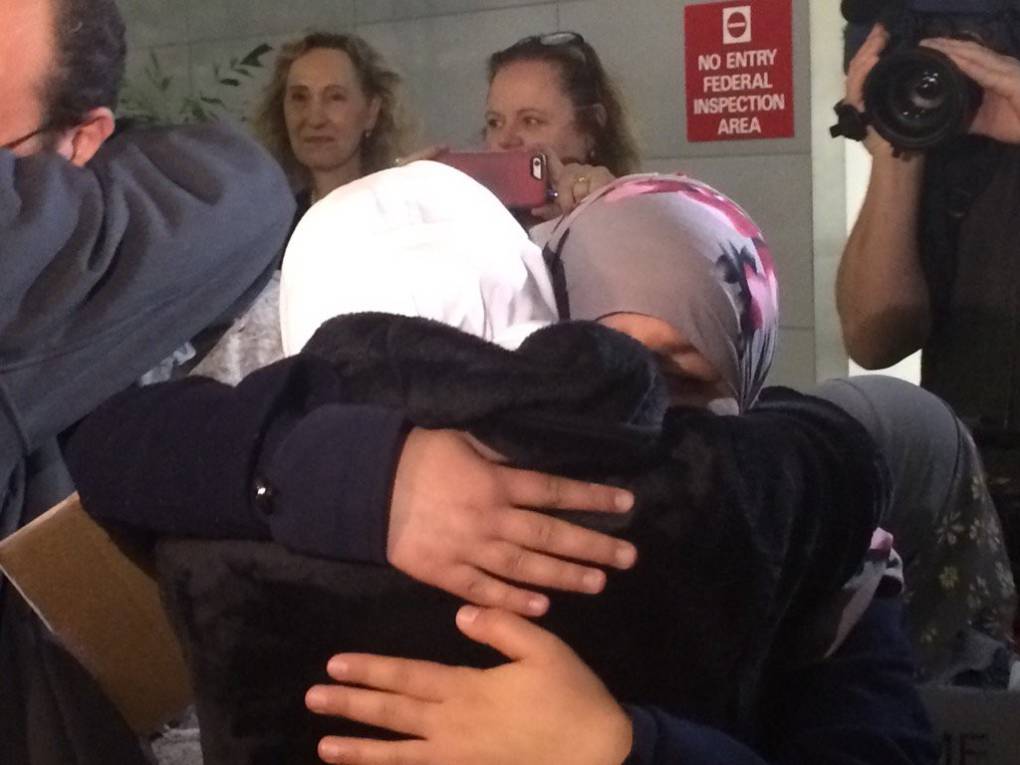
"caption": "Eman Ali, 12, and her sister embrace at SFO. She'd been stranded by Trump's travel ban, and hadn't seen her sister in four years.",
"description": null,
"title": "RS24030_EA_F_siter-qut",
"credit": "Farida Jhabvala Romero/KQED",
"status": "inherit",
"isLoading": false,
"fetchFailed": false
},
"news_11301490": {
"type": "attachments",
"id": "news_11301490",
"meta": {
"index": "attachments_1716263798",
"site": "news",
"id": "11301490",
"found": true
},
"parent": 11301433,
"imgSizes": {
"small": {
"file": "https://ww2.kqed.org/app/uploads/sites/10/2017/02/resist-520x293.jpg",
"width": 520,
"mimeType": "image/jpeg",
"height": 293
},
"twentyfourteen-full-width": {
"file": "https://ww2.kqed.org/app/uploads/sites/10/2017/02/resist-1038x576.jpg",
"width": 1038,
"mimeType": "image/jpeg",
"height": 576
},
"thumbnail": {
"file": "https://ww2.kqed.org/app/uploads/sites/10/2017/02/resist-160x90.jpg",
"width": 160,
"mimeType": "image/jpeg",
"height": 90
},
"fd-sm": {
"file": "https://ww2.kqed.org/app/uploads/sites/10/2017/02/resist-960x540.jpg",
"width": 960,
"mimeType": "image/jpeg",
"height": 540
},
"post-thumbnail": {
"file": "https://ww2.kqed.org/app/uploads/sites/10/2017/02/resist-672x372.jpg",
"width": 672,
"mimeType": "image/jpeg",
"height": 372
},
"xsmall": {
"file": "https://ww2.kqed.org/app/uploads/sites/10/2017/02/resist-375x211.jpg",
"width": 375,
"mimeType": "image/jpeg",
"height": 211
},
"kqedFullSize": {
"file": "https://ww2.kqed.org/app/uploads/sites/10/2017/02/resist.jpg",
"width": 1920,
"height": 1080
},
"large": {
"file": "https://ww2.kqed.org/app/uploads/sites/10/2017/02/resist-1020x574.jpg",
"width": 1020,
"mimeType": "image/jpeg",
"height": 574
},
"xlarge": {
"file": "https://ww2.kqed.org/app/uploads/sites/10/2017/02/resist-1180x664.jpg",
"width": 1180,
"mimeType": "image/jpeg",
"height": 664
},
"guest-author-50": {
"file": "https://ww2.kqed.org/app/uploads/sites/10/2017/02/resist-50x50.jpg",
"width": 50,
"mimeType": "image/jpeg",
"height": 50
},
"guest-author-96": {
"file": "https://ww2.kqed.org/app/uploads/sites/10/2017/02/resist-96x96.jpg",
"width": 96,
"mimeType": "image/jpeg",
"height": 96
},
"medium": {
"file": "https://ww2.kqed.org/app/uploads/sites/10/2017/02/resist-800x450.jpg",
"width": 800,
"mimeType": "image/jpeg",
"height": 450
},
"guest-author-64": {
"file": "https://ww2.kqed.org/app/uploads/sites/10/2017/02/resist-64x64.jpg",
"width": 64,
"mimeType": "image/jpeg",
"height": 64
},
"guest-author-32": {
"file": "https://ww2.kqed.org/app/uploads/sites/10/2017/02/resist-32x32.jpg",
"width": 32,
"mimeType": "image/jpeg",
"height": 32
},
"jmtc-small-thumb": {
"file": "https://ww2.kqed.org/app/uploads/sites/10/2017/02/resist-280x150.jpg",
"width": 280,
"mimeType": "image/jpeg",
"height": 150
},
"fd-lrg": {
"file": "https://ww2.kqed.org/app/uploads/sites/10/2017/02/resist-1920x1080.jpg",
"width": 1920,
"mimeType": "image/jpeg",
"height": 1080
},
"fd-med": {
"file": "https://ww2.kqed.org/app/uploads/sites/10/2017/02/resist-1180x664.jpg",
"width": 1180,
"mimeType": "image/jpeg",
"height": 664
},
"full-width": {
"file": "https://ww2.kqed.org/app/uploads/sites/10/2017/02/resist-1920x1080.jpg",
"width": 1920,
"mimeType": "image/jpeg",
"height": 1080
},
"detail": {
"file": "https://ww2.kqed.org/app/uploads/sites/10/2017/02/resist-150x150.jpg",
"width": 150,
"mimeType": "image/jpeg",
"height": 150
},
"guest-author-128": {
"file": "https://ww2.kqed.org/app/uploads/sites/10/2017/02/resist-128x128.jpg",
"width": 128,
"mimeType": "image/jpeg",
"height": 128
},
"xxsmall": {
"file": "https://ww2.kqed.org/app/uploads/sites/10/2017/02/resist-240x135.jpg",
"width": 240,
"mimeType": "image/jpeg",
"height": 135
}
},
"publishDate": 1486250390,
"modified": 1497395698,
"caption": "Protesters wait to get into a town hall meeting held by Rep. Tom McClintock (R-Calif.) in Roseville, CA on Saturday February 4, 2017.",
"description": "Protesters wait to get into a town hall meeting held by Rep. Tom McClintock (R-Calif.) in Roseville, CA on Saturday February 4, 2016.",
"title": "Protesters",
"credit": "Katie Orr/KQED",
"status": "inherit",
"isLoading": false,
"fetchFailed": false
},
"news_11301427": {
"type": "attachments",
"id": "news_11301427",
"meta": {
"index": "attachments_1716263798",
"site": "news",
"id": "11301427",
"found": true
},
"parent": 11301369,
"imgSizes": {
"small": {
"file": "https://ww2.kqed.org/app/uploads/sites/10/2017/02/JBrown_TSmith-520x390.jpg",
"width": 520,
"mimeType": "image/jpeg",
"height": 390
},
"twentyfourteen-full-width": {
"file": "https://ww2.kqed.org/app/uploads/sites/10/2017/02/JBrown_TSmith-1038x576.jpg",
"width": 1038,
"mimeType": "image/jpeg",
"height": 576
},
"thumbnail": {
"file": "https://ww2.kqed.org/app/uploads/sites/10/2017/02/JBrown_TSmith-160x120.jpg",
"width": 160,
"mimeType": "image/jpeg",
"height": 120
},
"fd-sm": {
"file": "https://ww2.kqed.org/app/uploads/sites/10/2017/02/JBrown_TSmith-960x720.jpg",
"width": 960,
"mimeType": "image/jpeg",
"height": 720
},
"post-thumbnail": {
"file": "https://ww2.kqed.org/app/uploads/sites/10/2017/02/JBrown_TSmith-672x372.jpg",
"width": 672,
"mimeType": "image/jpeg",
"height": 372
},
"xsmall": {
"file": "https://ww2.kqed.org/app/uploads/sites/10/2017/02/JBrown_TSmith-375x281.jpg",
"width": 375,
"mimeType": "image/jpeg",
"height": 281
},
"kqedFullSize": {
"file": "https://ww2.kqed.org/app/uploads/sites/10/2017/02/JBrown_TSmith.jpg",
"width": 4032,
"height": 3024
},
"large": {
"file": "https://ww2.kqed.org/app/uploads/sites/10/2017/02/JBrown_TSmith-1020x765.jpg",
"width": 1020,
"mimeType": "image/jpeg",
"height": 765
},
"xlarge": {
"file": "https://ww2.kqed.org/app/uploads/sites/10/2017/02/JBrown_TSmith-1180x885.jpg",
"width": 1180,
"mimeType": "image/jpeg",
"height": 885
},
"guest-author-50": {
"file": "https://ww2.kqed.org/app/uploads/sites/10/2017/02/JBrown_TSmith-50x50.jpg",
"width": 50,
"mimeType": "image/jpeg",
"height": 50
},
"guest-author-96": {
"file": "https://ww2.kqed.org/app/uploads/sites/10/2017/02/JBrown_TSmith-96x96.jpg",
"width": 96,
"mimeType": "image/jpeg",
"height": 96
},
"medium": {
"file": "https://ww2.kqed.org/app/uploads/sites/10/2017/02/JBrown_TSmith-800x600.jpg",
"width": 800,
"mimeType": "image/jpeg",
"height": 600
},
"guest-author-64": {
"file": "https://ww2.kqed.org/app/uploads/sites/10/2017/02/JBrown_TSmith-64x64.jpg",
"width": 64,
"mimeType": "image/jpeg",
"height": 64
},
"guest-author-32": {
"file": "https://ww2.kqed.org/app/uploads/sites/10/2017/02/JBrown_TSmith-32x32.jpg",
"width": 32,
"mimeType": "image/jpeg",
"height": 32
},
"jmtc-small-thumb": {
"file": "https://ww2.kqed.org/app/uploads/sites/10/2017/02/JBrown_TSmith-280x150.jpg",
"width": 280,
"mimeType": "image/jpeg",
"height": 150
},
"fd-lrg": {
"file": "https://ww2.kqed.org/app/uploads/sites/10/2017/02/JBrown_TSmith-1920x1440.jpg",
"width": 1920,
"mimeType": "image/jpeg",
"height": 1440
},
"fd-med": {
"file": "https://ww2.kqed.org/app/uploads/sites/10/2017/02/JBrown_TSmith-1180x885.jpg",
"width": 1180,
"mimeType": "image/jpeg",
"height": 885
},
"full-width": {
"file": "https://ww2.kqed.org/app/uploads/sites/10/2017/02/JBrown_TSmith-1920x1440.jpg",
"width": 1920,
"mimeType": "image/jpeg",
"height": 1440
},
"detail": {
"file": "https://ww2.kqed.org/app/uploads/sites/10/2017/02/JBrown_TSmith-150x150.jpg",
"width": 150,
"mimeType": "image/jpeg",
"height": 150
},
"guest-author-128": {
"file": "https://ww2.kqed.org/app/uploads/sites/10/2017/02/JBrown_TSmith-128x128.jpg",
"width": 128,
"mimeType": "image/jpeg",
"height": 128
},
"xxsmall": {
"file": "https://ww2.kqed.org/app/uploads/sites/10/2017/02/JBrown_TSmith-240x180.jpg",
"width": 240,
"mimeType": "image/jpeg",
"height": 180
}
},
"publishDate": 1486245730,
"modified": 1486245786,
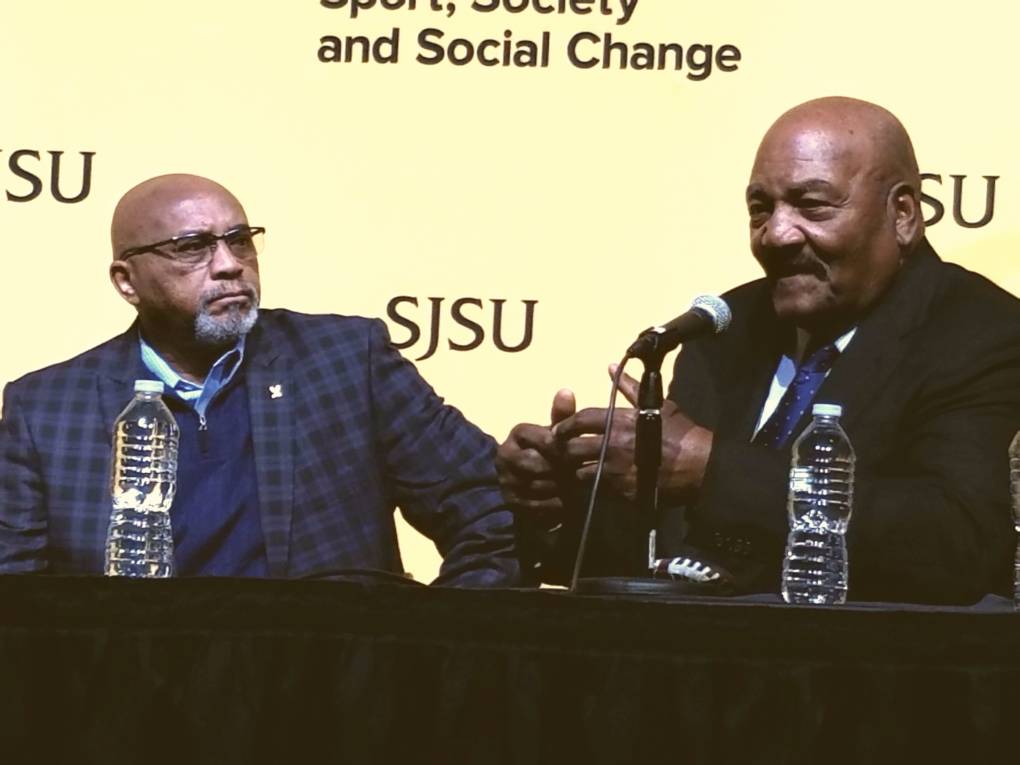
"caption": "Tommie Smith and Jim Brown discuss their political activism",
"description": null,
"title": "TSmith_JBrown",
"credit": "Monica Lam",
"status": "inherit",
"isLoading": false,
"fetchFailed": false
}
},
"audioPlayerReducer": {
"postId": "stream_live",
"isPaused": true,
"isPlaying": false,
"pfsActive": false,
"pledgeModalIsOpen": true,
"playerDrawerIsOpen": false,
"liveAudioPlayStartedAt": 0,
"liveAudioPlayContext": ""
},
"authorsReducer": {
"byline_news_11307696": {
"type": "authors",
"id": "byline_news_11307696",
"meta": {
"override": true
},
"slug": "byline_news_11307696",
"name": "\u003cstrong>\u003ca href=\"https://ww2.kqed.org/news/author/qkim/\">Queena Sook Kim\u003c/a>\u003c/strong> and \u003ca href=\"https://twitter.com/lizgannes\">Liz Gannes\u003ca/>",
"isLoading": false
},
"byline_news_11307205": {
"type": "authors",
"id": "byline_news_11307205",
"meta": {
"override": true
},
"slug": "byline_news_11307205",
"name": "Brian Naylor",
"isLoading": false
},
"byline_news_11305647": {
"type": "authors",
"id": "byline_news_11305647",
"meta": {
"override": true
},
"slug": "byline_news_11305647",
"name": "\u003cstrong>\u003ca href=\"http://www.npr.org/people/302894536/anya-kamenetz\">Anya Kamenetz\u003c/a>\u003cbr />\u003ca href=\"http://www.npr.org/\">NPR\u003c/a>\u003c/strong>",
"isLoading": false
},
"byline_news_11304485": {
"type": "authors",
"id": "byline_news_11304485",
"meta": {
"override": true
},
"slug": "byline_news_11304485",
"name": "Associated Press",
"isLoading": false
},
"danbrekke": {
"type": "authors",
"id": "222",
"meta": {
"index": "authors_1716337520",
"id": "222",
"found": true
},
"name": "Dan Brekke",
"firstName": "Dan",
"lastName": "Brekke",
"slug": "danbrekke",
"email": "dbrekke@kqed.org",
"display_author_email": true,
"staff_mastheads": [
"news",
"science"
],
"title": "KQED Editor and Reporter",
"bio": "Dan Brekke is a reporter and editor for KQED News, responsible for coverage of topics ranging from California water issues to the Bay Area's transportation challenges. In a newsroom career that began in Chicago in 1972, Dan has worked for \u003cem>The San Francisco Examiner,\u003c/em> Wired and TechTV and has been published in The New York Times, The New York Times Magazine, Business 2.0, Salon and elsewhere.\r\n\r\nSince joining KQED in 2007, Dan has reported, edited and produced both radio and online features and breaking news pieces. He has shared as both editor and reporter in four Society of Professional Journalists Norcal Excellence in Journalism awards and one Edward R. Murrow regional award. He was chosen for a spring 2017 residency at the Mesa Refuge to advance his research on California salmon.\r\n\r\nEmail Dan at: \u003ca href=\"mailto:dbrekke@kqed.org\">dbrekke@kqed.org\u003c/a>\r\n\r\n\u003cstrong>Twitter:\u003c/strong> \u003ca href=\"https://twitter.com/danbrekke\" rel=\"noopener noreferrer\">twitter.com/danbrekke\u003c/a>\r\n\u003cstrong>Facebook:\u003c/strong> \u003ca href=\"https://www.facebook.com/danbrekke\" rel=\"noopener noreferrer\">www.facebook.com/danbrekke\u003c/a>\r\n\u003cstrong>LinkedIn:\u003c/strong> \u003ca href=\"https://www.linkedin.com/in/danbrekke\" rel=\"noopener noreferrer\">www.linkedin.com/in/danbrekke\u003c/a>",
"avatar": "https://secure.gravatar.com/avatar/c8126230345efca3f7aa89b1a402be45?s=600&d=mm&r=g",
"twitter": "danbrekke",
"facebook": null,
"instagram": "https://www.instagram.com/dan.brekke/",
"linkedin": "https://www.linkedin.com/in/danbrekke/",
"sites": [
{
"site": "news",
"roles": [
"administrator",
"create_posts"
]
},
{
"site": "stateofhealth",
"roles": [
"editor"
]
},
{
"site": "science",
"roles": [
"editor"
]
},
{
"site": "quest",
"roles": [
"contributor"
]
},
{
"site": "food",
"roles": [
"contributor"
]
},
{
"site": "forum",
"roles": [
"contributor"
]
},
{
"site": "liveblog",
"roles": [
"editor"
]
}
],
"headData": {
"title": "Dan Brekke | KQED",
"description": "KQED Editor and Reporter",
"ogImgSrc": "https://secure.gravatar.com/avatar/c8126230345efca3f7aa89b1a402be45?s=600&d=mm&r=g",
"twImgSrc": "https://secure.gravatar.com/avatar/c8126230345efca3f7aa89b1a402be45?s=600&d=mm&r=g"
},
"isLoading": false,
"link": "/author/danbrekke"
},
"mlam": {
"type": "authors",
"id": "244",
"meta": {
"index": "authors_1716337520",
"id": "244",
"found": true
},
"name": "Monica Lam",
"firstName": "Monica Z.",
"lastName": "Lam",
"slug": "mlam",
"email": "mlam@kqed.org",
"display_author_email": true,
"staff_mastheads": [
"news"
],
"title": "KQED Senior Producer",
"bio": "Monica is senior producer of the weekly current affairs program, \"KQED Newsroom.\" She's also served as senior editor of digital content at KQED. She likes to report and edit as well as produce video and take photos.\r\n\r\nBefore joining KQED, Monica worked at the Center for Investigative Reporting, where she examined conditions inside \u003cspan style=\"font-weight: 400;\">maximum security \u003c/span>prisons and abuse in state-run institutions for the developmentally disabled. Prior to that, she produced and directed \u003cem>Journey of the Bonesetter's Daughter,\u003c/em> a documentary that follows novelist Amy Tan as she creates an opera based on her family history.\r\n\r\nMonica's work has been honored with a duPont Award, five Emmys, regional and national Murrow Awards, and has been recognized by Investigative Reporters and Editors, the Society of Professional Journalists, Religion Newswriters Association and the San Francisco Peninsula Press Club. Monica studied urban studies at Stanford University and earned a master's in journalism at University of California at Berkeley. Follow her on twitter: @monicazlam",
"avatar": "https://secure.gravatar.com/avatar/018c474b2b71f43e0e6ca9b15a0ad36f?s=600&d=blank&r=g",
"twitter": "@monicazlam",
"facebook": null,
"instagram": null,
"linkedin": null,
"sites": [
{
"site": "arts",
"roles": [
"administrator"
]
},
{
"site": "news",
"roles": [
"editor"
]
},
{
"site": "trulyca",
"roles": [
"editor"
]
},
{
"site": "science",
"roles": [
"editor"
]
},
{
"site": "breakingnews",
"roles": [
"editor"
]
}
],
"headData": {
"title": "Monica Lam | KQED",
"description": "KQED Senior Producer",
"ogImgSrc": "https://secure.gravatar.com/avatar/018c474b2b71f43e0e6ca9b15a0ad36f?s=600&d=blank&r=g",
"twImgSrc": "https://secure.gravatar.com/avatar/018c474b2b71f43e0e6ca9b15a0ad36f?s=600&d=blank&r=g"
},
"isLoading": false,
"link": "/author/mlam"
},
"scottshafer": {
"type": "authors",
"id": "255",
"meta": {
"index": "authors_1716337520",
"id": "255",
"found": true
},
"name": "Scott Shafer",
"firstName": "Scott",
"lastName": "Shafer",
"slug": "scottshafer",
"email": "sshafer@kqed.org",
"display_author_email": false,
"staff_mastheads": [
"news"
],
"title": "KQED Contributor",
"bio": "Scott Shafer is a senior editor with the KQED Politics and Government desk. He is co-host of Political Breakdown, the award-winning radio show and podcast with a personal take on the world of politics. Scott came to KQED in 1998 to host the statewide\u003cem> California Report\u003c/em>. Prior to that he had extended stints in politics and government\u003cem>.\u003c/em> He uses that inside experience at KQED in his, reporting, hosting and analysis for the politics desk. Scott collaborated \u003cem>Political Breakdown a\u003c/em>nd on \u003cem>The Political Mind of Jerry Brown, \u003c/em>an eight-part series about the life and extraordinary political career of the former governor. For fun, he plays water polo with the San Francisco Tsunami.",
"avatar": "https://secure.gravatar.com/avatar/a62ebae45b79d7aed1a39a0e3bf68104?s=600&d=blank&r=g",
"twitter": "scottshafer",
"bluesky": null,
"facebook": null,
"instagram": null,
"linkedin": null,
"sites": [
{
"site": "news",
"roles": [
"editor"
]
},
{
"site": "stateofhealth",
"roles": [
"author"
]
},
{
"site": "science",
"roles": [
"author"
]
},
{
"site": "forum",
"roles": [
"subscriber"
]
},
{
"site": "liveblog",
"roles": [
"author"
]
}
],
"headData": {
"title": "Scott Shafer | KQED",
"description": "KQED Contributor",
"ogImgSrc": "https://secure.gravatar.com/avatar/a62ebae45b79d7aed1a39a0e3bf68104?s=600&d=blank&r=g",
"twImgSrc": "https://secure.gravatar.com/avatar/a62ebae45b79d7aed1a39a0e3bf68104?s=600&d=blank&r=g"
},
"isLoading": false,
"link": "/author/scottshafer"
},
"mlagos": {
"type": "authors",
"id": "3239",
"meta": {
"index": "authors_1716337520",
"id": "3239",
"found": true
},
"name": "Marisa Lagos",
"firstName": "Marisa",
"lastName": "Lagos",
"slug": "mlagos",
"email": "mlagos@kqed.org",
"display_author_email": false,
"staff_mastheads": [
"news"
],
"title": "KQED Contributor",
"bio": "Marisa Lagos is a correspondent for KQED’s California Politics and Government Desk and co-hosts the award-winning show and podcast, Political Breakdown. At KQED, Lagos also conducts reporting, analysis and investigations into state, local and national politics for radio, TV, online and onstage. In 2022, she and co-host, Scott Shafer, moderated the only gubernatorial debate in California. In 2020, the \u003ci>Washington Post\u003c/i> named her one of the top political journalists in California; she was nominated for a Peabody and won several other awards for her work investigating the 2017 California wildfires. She has worked at the \u003ci>San Francisco Chronicle\u003c/i>, \u003ci>San Francisco Examiner\u003c/i> and \u003ci>Los Angeles Times\u003c/i>. A UC Santa Barbara graduate, she lives in San Francisco with her two sons and husband.",
"avatar": "https://secure.gravatar.com/avatar/a261a0d3696fc066871ef96b85b5e7d2?s=600&d=blank&r=g",
"twitter": "@mlagos",
"facebook": null,
"instagram": null,
"linkedin": null,
"sites": [
{
"site": "arts",
"roles": [
"author"
]
},
{
"site": "news",
"roles": [
"editor"
]
},
{
"site": "science",
"roles": [
"editor"
]
},
{
"site": "forum",
"roles": [
"author"
]
},
{
"site": "liveblog",
"roles": [
"author"
]
}
],
"headData": {
"title": "Marisa Lagos | KQED",
"description": "KQED Contributor",
"ogImgSrc": "https://secure.gravatar.com/avatar/a261a0d3696fc066871ef96b85b5e7d2?s=600&d=blank&r=g",
"twImgSrc": "https://secure.gravatar.com/avatar/a261a0d3696fc066871ef96b85b5e7d2?s=600&d=blank&r=g"
},
"isLoading": false,
"link": "/author/mlagos"
},
"fjhabvala": {
"type": "authors",
"id": "8659",
"meta": {
"index": "authors_1716337520",
"id": "8659",
"found": true
},
"name": "Farida Jhabvala Romero",
"firstName": "Farida",
"lastName": "Jhabvala Romero",
"slug": "fjhabvala",
"email": "fjhabvala@kqed.org",
"display_author_email": true,
"staff_mastheads": [
"news"
],
"title": "KQED Contributor",
"bio": "Farida Jhabvala Romero is a Labor Correspondent for KQED. She previously covered immigration. Farida was \u003ca href=\"https://www.ccnma.org/2022-most-influential-latina-journalists\">named\u003c/a> one of the 10 Most Influential Latina Journalists in California in 2022 by the California Chicano News Media Association. Her work has won awards from the Society of Professional Journalists (Northern California), as well as a national and regional Edward M. Murrow Award for the collaborative reporting projects “Dangerous Air” and “Graying California.” Before joining KQED, Farida worked as a producer at Radio Bilingüe, a national public radio network. Farida earned her master’s degree in journalism from Stanford University.",
"avatar": "https://secure.gravatar.com/avatar/f9f022d4e2609741874222a1e9d41f48fea74011aa7c615eef91d9a50c944ebe?s=600&d=blank&r=g",
"twitter": "FaridaJhabvala",
"bluesky": null,
"facebook": null,
"instagram": null,
"linkedin": "https://www.linkedin.com/in/faridajhabvala/",
"sites": [
{
"site": "news",
"roles": [
"editor"
]
},
{
"site": "stateofhealth",
"roles": [
"author"
]
},
{
"site": "liveblog",
"roles": [
"author"
]
}
],
"headData": {
"title": "Farida Jhabvala Romero | KQED",
"description": "KQED Contributor",
"ogImgSrc": "https://secure.gravatar.com/avatar/f9f022d4e2609741874222a1e9d41f48fea74011aa7c615eef91d9a50c944ebe?s=600&d=blank&r=g",
"twImgSrc": "https://secure.gravatar.com/avatar/f9f022d4e2609741874222a1e9d41f48fea74011aa7c615eef91d9a50c944ebe?s=600&d=blank&r=g"
},
"isLoading": false,
"link": "/author/fjhabvala"
},
"korr": {
"type": "authors",
"id": "11200",
"meta": {
"index": "authors_1716337520",
"id": "11200",
"found": true
},
"name": "Katie Orr",
"firstName": "Katie",
"lastName": "Orr",
"slug": "korr",
"email": "korr@kqed.org",
"display_author_email": false,
"staff_mastheads": [],
"title": "KQED Contributor",
"bio": "Katie Orr was a Sacramento-based reporter for KQED's Politics and Government Desk, covering the state Capitol and a variety of issues including women in politics, voting and elections and legislation. Prior to joining KQED in 2016, Katie was state government reporter for Capital Public Radio in Sacramento. She's also worked for KPBS in San Diego, where she covered City Hall.\r\n\r\nKatie received her masters degree in political science from San Diego State University and holds a Bachelors degree in broadcast journalism from Arizona State University.\r\n\r\nIn 2015 Katie won a national Clarion Award for a series of stories she did on women in California politics. She's been honored by the Society for Professional Journalists and, in 2013, was named by \u003cem>The Washington Post\u003c/em> as one of the country's top state Capitol reporters. She's also reported for the award-winning documentary series \u003cem>The View from Here \u003c/em>and was part of the team that won national PRNDI and Gabriel Awards in 2015. She lives in Sacramento with her husband. Twitter: @1KatieOrr",
"avatar": "https://secure.gravatar.com/avatar/41a40b25845adc78f50808670860449e?s=600&d=blank&r=g",
"twitter": "1katieorr",
"facebook": null,
"instagram": null,
"linkedin": null,
"sites": [
{
"site": "news",
"roles": [
"subscriber"
]
},
{
"site": "stateofhealth",
"roles": [
"author"
]
},
{
"site": "forum",
"roles": [
"author"
]
}
],
"headData": {
"title": "Katie Orr | KQED",
"description": "KQED Contributor",
"ogImgSrc": "https://secure.gravatar.com/avatar/41a40b25845adc78f50808670860449e?s=600&d=blank&r=g",
"twImgSrc": "https://secure.gravatar.com/avatar/41a40b25845adc78f50808670860449e?s=600&d=blank&r=g"
},
"isLoading": false,
"link": "/author/korr"
}
},
"pagesReducer": {
"news_tag_donald-trump": {
"type": "terms",
"id": "news_1323",
"meta": {
"index": "terms_1716263798",
"site": "news",
"id": "1323",
"score": 8.557362
},
"featImg": null,
"name": "Donald Trump",
"description": null,
"taxonomy": "tag",
"headData": {
"twImgId": null,
"twTitle": null,
"ogTitle": null,
"ogImgId": null,
"twDescription": null,
"description": null,
"title": "Donald Trump Archives | KQED News",
"ogDescription": null
},
"ttid": 1335,
"slug": "donald-trump",
"isLoading": false,
"title": "Donald Trump",
"pageMeta": {
"site": "news",
"WpPageTemplate": "page-topic-editorial",
"currentPage": 171
},
"blocks": [
{
"blockName": "kqed/post-list",
"attrs": {
"layout": "cardArticle2",
"query": "posts/news?tag=donald-trump",
"seeMore": false,
"paginated": true,
"page": 171
}
},
{
"blockName": "kqed/ad"
}
]
}
},
"pfsSessionReducer": {},
"postsReducer": {
"stream_live": {
"type": "live",
"id": "stream_live",
"audioUrl": "https://streams.kqed.org/kqedradio",
"title": "Live Stream",
"excerpt": "Live Stream information currently unavailable.",
"link": "/radio",
"featImg": "",
"label": {
"name": "KQED Live",
"link": "/"
}
},
"stream_kqedNewscast": {
"type": "posts",
"id": "stream_kqedNewscast",
"audioUrl": "https://www.kqed.org/.stream/anon/radio/RDnews/newscast.mp3?_=1",
"title": "KQED Newscast",
"featImg": "",
"label": {
"name": "88.5 FM",
"link": "/"
}
},
"news_11307696": {
"type": "posts",
"id": "news_11307696",
"meta": {
"index": "posts_1716263798",
"site": "news",
"id": "11307696",
"score": null,
"sort": [
1486701642000
]
},
"parent": 0,
"labelTerm": {
"site": "news",
"term": 72
},
"blocks": [],
"publishDate": 1486701642,
"format": "standard",
"disqusTitle": "Understanding Silicon Valley's Newfound Activism",
"title": "Understanding Silicon Valley's Newfound Activism",
"headTitle": "The California Report | KQED News",
"content": "\u003cp>Silicon Valley may want to change the world, but traditionally it has stayed out of the realm of politics to do it. So how to explain the sudden explosion of political protest against President Trump’s Jan. 27 executive order on immigration?\u003c/p>\n\u003cp>\u003ca href=\"https://www.crunchbase.com/person/tony-xu\" target=\"_blank\" rel=\"noopener noreferrer\">Tony Xu\u003c/a>’s metamorphosis provides one answer. Xu is the co-founder of the food delivery startup DoorDash, which is one of the tech companies that signed onto the \u003ca href=\"http://www.usatoday.com/story/tech/talkingtech/2017/02/06/97-companies-immigration-amicus-brief-trump-tech-google-apple-facebook/97561452/\" target=\"_blank\" rel=\"noopener noreferrer\">immigration amicus brief\u003c/a>.\u003c/p>\n\u003cp>“I am usually not politically involved,” Xu said.\u003c/p>\n\u003cp>[soundcloud url=\"https://api.soundcloud.com/tracks/306934888\" params=\"color=ff5500&auto_play=false&hide_related=false&show_comments=true&show_user=true&show_reposts=false\" width=\"100%\" height=\"166\" iframe=\"true\" /]\u003c/p>\n\u003cp>But the executive order touched a nerve. Xu immigrated from China to the U.S. when he was 5, and his family lived on food stamps when they first arrived. Today, DoorDash is valued at about $700 million, and employs hundreds of employees and tens of thousands of contractors across the country.\u003c/p>\n\u003cp>[ad fullwidth]\u003c/p>\n\u003cp>“You know, the typical immigrant story,” he said.\u003c/p>\n\u003cp>It’s also a typical Silicon Valley story. From the Hungarian-born Andy Grove, who went on to be a founder of Intel, to Soviet-born Sergey Brin at Google and \u003ca href=\"http://www.seattletimes.com/business/technology/expedia-ceo-says-trump-visa-order-shows-the-worst-of-his-proclivity-toward-rash-action/\" target=\"_blank\" rel=\"noopener noreferrer\">Dara Khosrowshahi\u003c/a>, the Iranian-born American citizen who is the CEO of Expedia, immigrants have been integral to the tech industry.\u003c/p>\n\u003cp>“The special sauce in Silicon Valley has always been this amalgamation of people from different backgrounds and different skill sets,” Xu said. “It’s best that we can congregate as much of that in Silicon Valley to solve the next set of problems. If we stop the flood of talent, that’s not going to happen.”\u003c/p>\n\u003cp>Trump’s executive order isn’t \u003cem>really\u003c/em> stopping that flood of talent. The number of tech workers from the seven countries named in the immigration ban represent a very small portion of the tech workforce. In a leaked email, Google CEO Sundar Pichai said \u003ca href=\"https://techcrunch.com/2017/01/28/google-ceo-sundar-pichai-fears-impact-of-trump-immigration-order-recalls-staff/\" target=\"_blank\" rel=\"noopener noreferrer\">a minimum of 187 Google employees\u003c/a> were affected. Google employs about 60,000 people around the world.\u003c/p>\n\u003cp>Given the relatively small numbers affected by the executive order, the protests and general outrage on Twitter among tech workers seems disproportionate. So what gives?\u003c/p>\n\u003cp>While exact numbers are difficult to come by, \u003ca href=\"http://www.jointventure.org/\" target=\"_blank\" rel=\"noopener noreferrer\">Joint Venture Silicon Valley\u003c/a> estimates that roughly 30 percent of tech workers are foreign-born noncitizens, in the U.S. on green cards and various visas. And the executive order, coupled with Trump’s divisive rhetoric against immigrants during the campaign, are being interpreted by this workforce as an attack on immigration writ large.\u003c/p>\n\u003cp>“You have this era of uncertainty where people are unsure and all they can think about, appropriately, is their immigration process,” said Romish Badani, co-founder and CEO of \u003ca href=\"https://www.bridge.us/\" target=\"_blank\" rel=\"noopener noreferrer\">Bridge US\u003c/a>, a San Francisco-based company that helps other firms with the immigration process.\u003c/p>\n\u003cp>“There’s very little productive work that probably got done last week for a foreign national, whether you’re an entrepreneur or you’re an employee of a company,” Badani said.\u003c/p>\n\u003cp>That decline in productivity was on view at Google’s Mountain View campus last week. Hundreds of employees stopped work to hold a \u003ca href=\"https://ww2.kqed.org/news/2017/01/31/google-employees-protest-trumps-immigration-ban/\" target=\"_blank\" rel=\"noopener noreferrer\">protest \u003c/a>against the executive order.\u003c/p>\n\u003cp>At the protest, it was clear that the messy rollout of the executive order created panic. Tech workers with green cards weren’t sure if they could enter the country. At one point it appeared the Trump administration reserved the right to revoke visas that were already granted.\u003c/p>\n\u003cp>Soufi Esmaeilzadeh, a product manager at Google, got caught up in this chaos. She’s a Canadian citizen who was born in Iran and is in the U.S. on a green card. The Friday the executive order was issued, Esmaeilzadeh was in Switzerland on a business trip. She called Google to ask if she should come home.\u003c/p>\n\u003cp>Esmaeilzadeh read from the company's emailed response to her, as she stood before the gathering of protesters.\u003c/p>\n\u003cp>“I highly recommend that you do not return to the states right now,” she read. \"And that we figure out a short-, medium- and long-term plan about where we can place you.”\u003c/p>\n\u003cp>Esmaeilzadeh asked the company what would happen if she tried to return to the U.S.\u003c/p>\n\u003cp>Google answered that “the likelihood was very high that I would either be deported or turned away or put on the next flight to Canada or back to Europe,” Esmaeilzadeh said. “Either of those situations could be put into my record and cause problems for me in the future.”\u003c/p>\n\u003cp>After a judge in Seattle put a hold on the ban, Esmaeilzadeh said Google told her to rush back home. But the scenario raises many questions. If you’re Google, do you stop sending some noncitizens on business trips for fear another order might come down? How do you recruit and plan in the face of such uncertainty?\u003c/p>\n\u003cp>Michael Tippett’s answer: move to Canada. Tippett is with \u003ca href=\"https://true-north-ventures.myshopify.com/pages/about-true-north\" target=\"_blank\" rel=\"noopener noreferrer\">True North\u003c/a>, a company that is helping American tech companies with foreign workers set up subsidiaries in Vancouver. He says Canada has friendlier immigration policies when it comes to tech workers.\u003c/p>\n\u003cp>“I think the eventual outcome of this could be that you get an exodus of incredibly talented world-class experts who have been brought to Silicon Valley,” Tippett said. But they may “find themselves wanting to find a second home and Vancouver might be that place.”\u003c/p>\n\u003cp>So does this mean Vancouver is the new Silicon Valley?\u003c/p>\n\u003cp>Not by a long shot, say venture capitalists. While Silicon Valley is feeling uncertain about what lies ahead, the fact remains that the venture money and big companies are established in the San Francisco Bay Area. And a few defections aren't going to change that.\u003c/p>\n\u003cp>\u003cem>\u003ca href=\"https://60db.co/\" target=\"_blank\" rel=\"noopener noreferrer\">60dB\u003c/a> is a personalized radio app where you can hear Liz Gannes' work and more.\u003c/em>\u003c/p>\n\u003cp>\u003c/p>\n\u003cp>\u003cem>This story is part of our ongoing series on Techquity: Diversity, Inclusion and Equity in Silicon Valley. \u003c/em>\u003c/p>\n\n",
"disqusIdentifier": "11307696 https://ww2.kqed.org/news/?p=11307696",
"disqusUrl": "https://ww2.kqed.org/news/2017/02/09/understanding-silicon-valleys-newfound-activism/",
"stats": {
"hasVideo": false,
"hasChartOrMap": false,
"hasAudio": false,
"hasPolis": false,
"wordCount": 1031,
"hasGoogleForm": false,
"hasGallery": false,
"hasHearkenModule": false,
"iframeSrcs": [],
"paragraphCount": 29
},
"modified": 1497557442,
"excerpt": "Immigrants have been integral to the tech industry, and President Trump's executive order banning immigration has touched a nerve.",
"headData": {
"twImgId": "",
"twTitle": "",
"ogTitle": "",
"ogImgId": "",
"twDescription": "",
"description": "Immigrants have been integral to the tech industry, and President Trump's executive order banning immigration has touched a nerve.",
"title": "Understanding Silicon Valley's Newfound Activism | KQED",
"ogDescription": "",
"schema": {
"@context": "https://schema.org",
"@type": "NewsArticle",
"headline": "Understanding Silicon Valley's Newfound Activism",
"datePublished": "2017-02-09T20:40:42-08:00",
"dateModified": "2017-06-15T13:10:42-07:00",
"image": "https://cdn.kqed.org/wp-content/uploads/2020/02/KQED-OG-Image@1x.png",
"isAccessibleForFree": "True",
"publisher": {
"@type": "NewsMediaOrganization",
"@id": "https://www.kqed.org/#organization",
"name": "KQED",
"logo": "https://cdn.kqed.org/wp-content/uploads/2020/02/KQED-OG-Image@1x.png",
"url": "https://www.kqed.org",
"sameAs": [
"https://www.facebook.com/KQED",
"https://twitter.com/KQED",
"https://www.instagram.com/kqed/",
"https://www.tiktok.com/@kqedofficial",
"https://www.linkedin.com/company/kqed",
"https://www.youtube.com/channel/UCeC0IOo7i1P_61zVUWbJ4nw"
]
}
}
},
"guestAuthors": [],
"slug": "understanding-silicon-valleys-newfound-activism",
"status": "publish",
"nprByline": "\u003cstrong>\u003ca href=\"https://ww2.kqed.org/news/author/qkim/\">Queena Sook Kim\u003c/a>\u003c/strong> and \u003ca href=\"https://twitter.com/lizgannes\">Liz Gannes\u003ca/>",
"path": "/news/11307696/understanding-silicon-valleys-newfound-activism",
"audioTrackLength": null,
"parsedContent": [
{
"type": "contentString",
"content": "\u003cdiv class=\"post-body\">\u003cp>\u003cp>Silicon Valley may want to change the world, but traditionally it has stayed out of the realm of politics to do it. So how to explain the sudden explosion of political protest against President Trump’s Jan. 27 executive order on immigration?\u003c/p>\n\u003cp>\u003ca href=\"https://www.crunchbase.com/person/tony-xu\" target=\"_blank\" rel=\"noopener noreferrer\">Tony Xu\u003c/a>’s metamorphosis provides one answer. Xu is the co-founder of the food delivery startup DoorDash, which is one of the tech companies that signed onto the \u003ca href=\"http://www.usatoday.com/story/tech/talkingtech/2017/02/06/97-companies-immigration-amicus-brief-trump-tech-google-apple-facebook/97561452/\" target=\"_blank\" rel=\"noopener noreferrer\">immigration amicus brief\u003c/a>.\u003c/p>\n\u003cp>“I am usually not politically involved,” Xu said.\u003c/p>\n\u003cp>\u003c/p>\u003cp>\u003cdiv class='utils-parseShortcode-shortcodes-__shortcodes__shortcodeWrapper'>\n \u003ciframe width='100%' height='166'\n scrolling='no' frameborder='no'\n src='https://w.soundcloud.com/player/?url=https://api.soundcloud.com/tracks/306934888&visual=true&color=ff5500&auto_play=false&hide_related=false&show_comments=true&show_user=true&show_reposts=false'\n title='https://api.soundcloud.com/tracks/306934888'>\n \u003c/iframe>\n \u003c/div>\u003c/p>\u003cp>\u003c/p>\n\u003cp>But the executive order touched a nerve. Xu immigrated from China to the U.S. when he was 5, and his family lived on food stamps when they first arrived. Today, DoorDash is valued at about $700 million, and employs hundreds of employees and tens of thousands of contractors across the country.\u003c/p>\n\u003cp>\u003c/p>\u003c/div>",
"attributes": {
"named": {},
"numeric": []
}
},
{
"type": "component",
"content": "",
"name": "ad",
"attributes": {
"named": {
"label": "fullwidth"
},
"numeric": [
"fullwidth"
]
}
},
{
"type": "contentString",
"content": "\u003cdiv class=\"post-body\">\u003cp>\u003c/p>\n\u003cp>“You know, the typical immigrant story,” he said.\u003c/p>\n\u003cp>It’s also a typical Silicon Valley story. From the Hungarian-born Andy Grove, who went on to be a founder of Intel, to Soviet-born Sergey Brin at Google and \u003ca href=\"http://www.seattletimes.com/business/technology/expedia-ceo-says-trump-visa-order-shows-the-worst-of-his-proclivity-toward-rash-action/\" target=\"_blank\" rel=\"noopener noreferrer\">Dara Khosrowshahi\u003c/a>, the Iranian-born American citizen who is the CEO of Expedia, immigrants have been integral to the tech industry.\u003c/p>\n\u003cp>“The special sauce in Silicon Valley has always been this amalgamation of people from different backgrounds and different skill sets,” Xu said. “It’s best that we can congregate as much of that in Silicon Valley to solve the next set of problems. If we stop the flood of talent, that’s not going to happen.”\u003c/p>\n\u003cp>Trump’s executive order isn’t \u003cem>really\u003c/em> stopping that flood of talent. The number of tech workers from the seven countries named in the immigration ban represent a very small portion of the tech workforce. In a leaked email, Google CEO Sundar Pichai said \u003ca href=\"https://techcrunch.com/2017/01/28/google-ceo-sundar-pichai-fears-impact-of-trump-immigration-order-recalls-staff/\" target=\"_blank\" rel=\"noopener noreferrer\">a minimum of 187 Google employees\u003c/a> were affected. Google employs about 60,000 people around the world.\u003c/p>\n\u003cp>Given the relatively small numbers affected by the executive order, the protests and general outrage on Twitter among tech workers seems disproportionate. So what gives?\u003c/p>\n\u003cp>While exact numbers are difficult to come by, \u003ca href=\"http://www.jointventure.org/\" target=\"_blank\" rel=\"noopener noreferrer\">Joint Venture Silicon Valley\u003c/a> estimates that roughly 30 percent of tech workers are foreign-born noncitizens, in the U.S. on green cards and various visas. And the executive order, coupled with Trump’s divisive rhetoric against immigrants during the campaign, are being interpreted by this workforce as an attack on immigration writ large.\u003c/p>\n\u003cp>“You have this era of uncertainty where people are unsure and all they can think about, appropriately, is their immigration process,” said Romish Badani, co-founder and CEO of \u003ca href=\"https://www.bridge.us/\" target=\"_blank\" rel=\"noopener noreferrer\">Bridge US\u003c/a>, a San Francisco-based company that helps other firms with the immigration process.\u003c/p>\n\u003cp>“There’s very little productive work that probably got done last week for a foreign national, whether you’re an entrepreneur or you’re an employee of a company,” Badani said.\u003c/p>\n\u003cp>That decline in productivity was on view at Google’s Mountain View campus last week. Hundreds of employees stopped work to hold a \u003ca href=\"https://ww2.kqed.org/news/2017/01/31/google-employees-protest-trumps-immigration-ban/\" target=\"_blank\" rel=\"noopener noreferrer\">protest \u003c/a>against the executive order.\u003c/p>\n\u003cp>At the protest, it was clear that the messy rollout of the executive order created panic. Tech workers with green cards weren’t sure if they could enter the country. At one point it appeared the Trump administration reserved the right to revoke visas that were already granted.\u003c/p>\n\u003cp>Soufi Esmaeilzadeh, a product manager at Google, got caught up in this chaos. She’s a Canadian citizen who was born in Iran and is in the U.S. on a green card. The Friday the executive order was issued, Esmaeilzadeh was in Switzerland on a business trip. She called Google to ask if she should come home.\u003c/p>\n\u003cp>Esmaeilzadeh read from the company's emailed response to her, as she stood before the gathering of protesters.\u003c/p>\n\u003cp>“I highly recommend that you do not return to the states right now,” she read. \"And that we figure out a short-, medium- and long-term plan about where we can place you.”\u003c/p>\n\u003cp>Esmaeilzadeh asked the company what would happen if she tried to return to the U.S.\u003c/p>\n\u003cp>Google answered that “the likelihood was very high that I would either be deported or turned away or put on the next flight to Canada or back to Europe,” Esmaeilzadeh said. “Either of those situations could be put into my record and cause problems for me in the future.”\u003c/p>\n\u003cp>After a judge in Seattle put a hold on the ban, Esmaeilzadeh said Google told her to rush back home. But the scenario raises many questions. If you’re Google, do you stop sending some noncitizens on business trips for fear another order might come down? How do you recruit and plan in the face of such uncertainty?\u003c/p>\n\u003cp>Michael Tippett’s answer: move to Canada. Tippett is with \u003ca href=\"https://true-north-ventures.myshopify.com/pages/about-true-north\" target=\"_blank\" rel=\"noopener noreferrer\">True North\u003c/a>, a company that is helping American tech companies with foreign workers set up subsidiaries in Vancouver. He says Canada has friendlier immigration policies when it comes to tech workers.\u003c/p>\n\u003cp>“I think the eventual outcome of this could be that you get an exodus of incredibly talented world-class experts who have been brought to Silicon Valley,” Tippett said. But they may “find themselves wanting to find a second home and Vancouver might be that place.”\u003c/p>\n\u003cp>So does this mean Vancouver is the new Silicon Valley?\u003c/p>\n\u003cp>Not by a long shot, say venture capitalists. While Silicon Valley is feeling uncertain about what lies ahead, the fact remains that the venture money and big companies are established in the San Francisco Bay Area. And a few defections aren't going to change that.\u003c/p>\n\u003cp>\u003cem>\u003ca href=\"https://60db.co/\" target=\"_blank\" rel=\"noopener noreferrer\">60dB\u003c/a> is a personalized radio app where you can hear Liz Gannes' work and more.\u003c/em>\u003c/p>\n\u003cp>\u003c/p>\n\u003cp>\u003cem>This story is part of our ongoing series on Techquity: Diversity, Inclusion and Equity in Silicon Valley. \u003c/em>\u003c/p>\n\n\u003c/div>\u003c/p>",
"attributes": {
"named": {},
"numeric": []
}
}
],
"link": "/news/11307696/understanding-silicon-valleys-newfound-activism",
"authors": [
"byline_news_11307696"
],
"programs": [
"news_6944",
"news_72"
],
"categories": [
"news_8",
"news_248"
],
"tags": [
"news_21114",
"news_1323",
"news_20202"
],
"featImg": "news_11294920",
"label": "news_72"
},
"news_11309220": {
"type": "posts",
"id": "news_11309220",
"meta": {
"index": "posts_1716263798",
"site": "news",
"id": "11309220",
"score": null,
"sort": [
1486682542000
]
},
"parent": 0,
"labelTerm": {
"site": "news",
"term": 72
},
"blocks": [],
"publishDate": 1486682542,
"format": "image",
"disqusTitle": "9th Circuit Denies Reinstatement of Trump Travel Ban",
"title": "9th Circuit Denies Reinstatement of Trump Travel Ban",
"headTitle": "The California Report | KQED News",
"content": "\u003cp>A three-judge panel of the 9th U.S. Circuit Court of Appeals unanimously refused on Thursday to reinstate President Donald Trump's \u003ca class=\"link-complex\" href=\"https://twitter.com/search?q=%23travelban\" target=\"_blank\" rel=\"hashtag\">\u003cspan class=\"link-complex-target\">travel ban\u003c/span>\u003c/a> on travelers from seven Muslim-majority nations.\u003c/p>\n\u003cp>In a 29-page ruling, the panel -- made up of one Republican and two Democratic appointees -- wrote that they're keeping the ban on hold because they do not believe the Trump administration is likely to succeed upon appeal, or that the administration demonstrated that the ban needs to be instated.\u003c/p>\n\u003cp>The executive order sought to ban people from seven majority-Muslim nations from entering the U.S. for 90 days, and to halt the nation's refugee program for at least 120 days.\u003c/p>\n\u003cp>The ban was \u003ca href=\"https://ww2.kqed.org/news/2017/02/03/federal-judge-temporarily-blocks-trumps-travel-ban-nationwide/\">put on hold last Friday\u003c/a> by a Seattle-based judge, who issued a temporary restraining order after the states of Washington and Minnesota sued. California and more than a dozen other states joined the suit.\u003c/p>\n\u003cfigure id=\"attachment_11306239\" class=\"wp-caption aligncenter\" style=\"max-width: 800px\">\u003cimg class=\"wp-image-11306239 size-medium\" src=\"https://ww2.kqed.org/news/wp-content/uploads/sites/10/2017/02/JudgesTryptych-800x450.jpg\" alt=\"The 9th U.S. Circuit Court of Appeals panel which reviewed President Trump's travel ban: Judge William C. Canby, Jr., Judge Richard R. Clifton and Judge Michelle T. Friedland (L-R).\" width=\"800\" height=\"450\" srcset=\"https://ww2.kqed.org/app/uploads/sites/10/2017/02/JudgesTryptych-800x450.jpg 800w, https://ww2.kqed.org/app/uploads/sites/10/2017/02/JudgesTryptych-160x90.jpg 160w, https://ww2.kqed.org/app/uploads/sites/10/2017/02/JudgesTryptych-1020x574.jpg 1020w, https://ww2.kqed.org/app/uploads/sites/10/2017/02/JudgesTryptych.jpg 1920w, https://ww2.kqed.org/app/uploads/sites/10/2017/02/JudgesTryptych-1180x664.jpg 1180w, https://ww2.kqed.org/app/uploads/sites/10/2017/02/JudgesTryptych-960x540.jpg 960w, https://ww2.kqed.org/app/uploads/sites/10/2017/02/JudgesTryptych-240x135.jpg 240w, https://ww2.kqed.org/app/uploads/sites/10/2017/02/JudgesTryptych-375x211.jpg 375w, https://ww2.kqed.org/app/uploads/sites/10/2017/02/JudgesTryptych-520x293.jpg 520w\" sizes=\"(max-width: 800px) 100vw, 800px\">\u003cfigcaption class=\"wp-caption-text\">The 9th U.S. Circuit Court of Appeals panel that reviewed President Trump's travel ban: Judge William C. Canby Jr., Judge Richard R. Clifton and Judge Michelle T. Friedland (L-R).\u003c/figcaption>\u003c/figure>\n\u003cp>\"We hold that the government has not shown a likelihood of success on the merits of its appeal, nor has it shown that failure to enter a stay would cause irreparable injury, and we therefore deny its emergency motion for a stay,\" the panel wrote in their Thursday order.\u003c/p>\n\u003cp>[ad fullwidth]\u003c/p>\n\u003cp>The president responded on Twitter about 20 minutes later:\u003c/p>\n\u003cp>https://twitter.com/realDonaldTrump/status/829836231802515457\u003c/p>\n\u003cp>Much of the government's argument against the temporary restraining order was that the states did not have legal standing to challenge the president's executive order. But the appeals court wrote that the states do have standing because they demonstrated \"alleged harms\" that can be traced to the executive order.\u003c/p>\n\u003cp>The court also took issue with the government's argument that the courts did not have the authority to review the legality of Trump's executive order, writing that while the courts have historically given deference to the executive branch around immigration policy, they've rejected any claims that such policies are not subject to judicial review.\u003c/p>\n\u003cp>[contextly_sidebar id=\"G8MlfVTxIsxuQQtJ7P3drPyCW2K0d73l\"]\u003c/p>\n\u003cp>\"The Government has taken the position that the President’s decisions about immigration policy, particularly when motivated by national security concerns, are unreviewable, even if those actions potentially contravene constitutional rights and protections,\" the panel wrote. \"There is no precedent to support this claimed unreviewability, which runs contrary to the fundamental structure of our constitutional democracy.\"\u003c/p>\n\u003cp>In fact, the court wrote, \"federal courts routinely review the constitutionality of -- and even invalidate -- actions taken by the executive to promote national security, and have done so even in times of conflict.\"\u003c/p>\n\u003cp>You can read the judge's order and all the previous court filings below:\u003c/p>\n\u003cp>\u003c/p>\n\u003cp>[ninthCircutiStay0209]\u003c/p>\n\n",
"disqusIdentifier": "11309220 https://ww2.kqed.org/news/?p=11309220",
"disqusUrl": "https://ww2.kqed.org/news/2017/02/09/9th-circuit-denies-reinstatement-of-trump-travel-ban/",
"stats": {
"hasVideo": false,
"hasChartOrMap": false,
"hasAudio": false,
"hasPolis": false,
"wordCount": 470,
"hasGoogleForm": false,
"hasGallery": false,
"hasHearkenModule": false,
"iframeSrcs": [],
"paragraphCount": 15
},
"modified": 1486688725,
"excerpt": "The 9th U.S. Circuit Court of Appeals unanimously refuses to reinstate the president's ban on travelers from seven Muslim-majority nations and on the nation's refugee program.",
"headData": {
"twImgId": "",
"twTitle": "",
"ogTitle": "",
"ogImgId": "",
"twDescription": "",
"description": "The 9th U.S. Circuit Court of Appeals unanimously refuses to reinstate the president's ban on travelers from seven Muslim-majority nations and on the nation's refugee program.",
"title": "9th Circuit Denies Reinstatement of Trump Travel Ban | KQED",
"ogDescription": "",
"schema": {
"@context": "https://schema.org",
"@type": "NewsArticle",
"headline": "9th Circuit Denies Reinstatement of Trump Travel Ban",
"datePublished": "2017-02-09T15:22:22-08:00",
"dateModified": "2017-02-09T17:05:25-08:00",
"image": "https://cdn.kqed.org/wp-content/uploads/2020/02/KQED-OG-Image@1x.png",
"isAccessibleForFree": "True",
"publisher": {
"@type": "NewsMediaOrganization",
"@id": "https://www.kqed.org/#organization",
"name": "KQED",
"logo": "https://cdn.kqed.org/wp-content/uploads/2020/02/KQED-OG-Image@1x.png",
"url": "https://www.kqed.org",
"sameAs": [
"https://www.facebook.com/KQED",
"https://twitter.com/KQED",
"https://www.instagram.com/kqed/",
"https://www.tiktok.com/@kqedofficial",
"https://www.linkedin.com/company/kqed",
"https://www.youtube.com/channel/UCeC0IOo7i1P_61zVUWbJ4nw"
]
}
}
},
"guestAuthors": [],
"slug": "9th-circuit-denies-reinstatement-of-trump-travel-ban",
"status": "publish",
"path": "/news/11309220/9th-circuit-denies-reinstatement-of-trump-travel-ban",
"audioTrackLength": null,
"parsedContent": [
{
"type": "contentString",
"content": "\u003cdiv class=\"post-body\">\u003cp>\u003cp>A three-judge panel of the 9th U.S. Circuit Court of Appeals unanimously refused on Thursday to reinstate President Donald Trump's \u003ca class=\"link-complex\" href=\"https://twitter.com/search?q=%23travelban\" target=\"_blank\" rel=\"hashtag\">\u003cspan class=\"link-complex-target\">travel ban\u003c/span>\u003c/a> on travelers from seven Muslim-majority nations.\u003c/p>\n\u003cp>In a 29-page ruling, the panel -- made up of one Republican and two Democratic appointees -- wrote that they're keeping the ban on hold because they do not believe the Trump administration is likely to succeed upon appeal, or that the administration demonstrated that the ban needs to be instated.\u003c/p>\n\u003cp>The executive order sought to ban people from seven majority-Muslim nations from entering the U.S. for 90 days, and to halt the nation's refugee program for at least 120 days.\u003c/p>\n\u003cp>The ban was \u003ca href=\"https://ww2.kqed.org/news/2017/02/03/federal-judge-temporarily-blocks-trumps-travel-ban-nationwide/\">put on hold last Friday\u003c/a> by a Seattle-based judge, who issued a temporary restraining order after the states of Washington and Minnesota sued. California and more than a dozen other states joined the suit.\u003c/p>\n\u003cfigure id=\"attachment_11306239\" class=\"wp-caption aligncenter\" style=\"max-width: 800px\">\u003cimg class=\"wp-image-11306239 size-medium\" src=\"https://ww2.kqed.org/news/wp-content/uploads/sites/10/2017/02/JudgesTryptych-800x450.jpg\" alt=\"The 9th U.S. Circuit Court of Appeals panel which reviewed President Trump's travel ban: Judge William C. Canby, Jr., Judge Richard R. Clifton and Judge Michelle T. Friedland (L-R).\" width=\"800\" height=\"450\" srcset=\"https://ww2.kqed.org/app/uploads/sites/10/2017/02/JudgesTryptych-800x450.jpg 800w, https://ww2.kqed.org/app/uploads/sites/10/2017/02/JudgesTryptych-160x90.jpg 160w, https://ww2.kqed.org/app/uploads/sites/10/2017/02/JudgesTryptych-1020x574.jpg 1020w, https://ww2.kqed.org/app/uploads/sites/10/2017/02/JudgesTryptych.jpg 1920w, https://ww2.kqed.org/app/uploads/sites/10/2017/02/JudgesTryptych-1180x664.jpg 1180w, https://ww2.kqed.org/app/uploads/sites/10/2017/02/JudgesTryptych-960x540.jpg 960w, https://ww2.kqed.org/app/uploads/sites/10/2017/02/JudgesTryptych-240x135.jpg 240w, https://ww2.kqed.org/app/uploads/sites/10/2017/02/JudgesTryptych-375x211.jpg 375w, https://ww2.kqed.org/app/uploads/sites/10/2017/02/JudgesTryptych-520x293.jpg 520w\" sizes=\"(max-width: 800px) 100vw, 800px\">\u003cfigcaption class=\"wp-caption-text\">The 9th U.S. Circuit Court of Appeals panel that reviewed President Trump's travel ban: Judge William C. Canby Jr., Judge Richard R. Clifton and Judge Michelle T. Friedland (L-R).\u003c/figcaption>\u003c/figure>\n\u003cp>\"We hold that the government has not shown a likelihood of success on the merits of its appeal, nor has it shown that failure to enter a stay would cause irreparable injury, and we therefore deny its emergency motion for a stay,\" the panel wrote in their Thursday order.\u003c/p>\n\u003cp>\u003c/p>\u003c/div>",
"attributes": {
"named": {},
"numeric": []
}
},
{
"type": "component",
"content": "",
"name": "ad",
"attributes": {
"named": {
"label": "fullwidth"
},
"numeric": [
"fullwidth"
]
}
},
{
"type": "contentString",
"content": "\u003cdiv class=\"post-body\">\u003cp>\u003c/p>\n\u003cp>The president responded on Twitter about 20 minutes later:\u003c/p>\u003c/p>\u003c/div>",
"attributes": {
"named": {},
"numeric": []
}
},
{
"type": "component",
"content": "",
"name": "singleTwitterStatus",
"attributes": {
"named": {
"id": "829836231802515457"
},
"numeric": []
}
},
{
"type": "contentString",
"content": "\u003cdiv class=\"post-body\">\u003cp>\n\u003cp>Much of the government's argument against the temporary restraining order was that the states did not have legal standing to challenge the president's executive order. But the appeals court wrote that the states do have standing because they demonstrated \"alleged harms\" that can be traced to the executive order.\u003c/p>\n\u003cp>The court also took issue with the government's argument that the courts did not have the authority to review the legality of Trump's executive order, writing that while the courts have historically given deference to the executive branch around immigration policy, they've rejected any claims that such policies are not subject to judicial review.\u003c/p>\n\u003cp>\u003c/p>\u003cp>\u003c/p>\u003cp>\u003c/p>\n\u003cp>\"The Government has taken the position that the President’s decisions about immigration policy, particularly when motivated by national security concerns, are unreviewable, even if those actions potentially contravene constitutional rights and protections,\" the panel wrote. \"There is no precedent to support this claimed unreviewability, which runs contrary to the fundamental structure of our constitutional democracy.\"\u003c/p>\n\u003cp>In fact, the court wrote, \"federal courts routinely review the constitutionality of -- and even invalidate -- actions taken by the executive to promote national security, and have done so even in times of conflict.\"\u003c/p>\n\u003cp>You can read the judge's order and all the previous court filings below:\u003c/p>\n\u003cp>\u003c/p>\n\u003cp>[ninthCircutiStay0209]\u003c/p>\n\n\u003c/div>\u003c/p>",
"attributes": {
"named": {},
"numeric": []
}
}
],
"link": "/news/11309220/9th-circuit-denies-reinstatement-of-trump-travel-ban",
"authors": [
"3239"
],
"programs": [
"news_6944",
"news_72"
],
"categories": [
"news_1169",
"news_6188",
"news_8",
"news_13"
],
"tags": [
"news_1323",
"news_19542",
"news_17286",
"news_17041",
"news_17907"
],
"featImg": "news_11309249",
"label": "news_72"
},
"news_11307205": {
"type": "posts",
"id": "news_11307205",
"meta": {
"index": "posts_1716263798",
"site": "news",
"id": "11307205",
"score": null,
"sort": [
1486579540000
]
},
"parent": 0,
"labelTerm": {},
"blocks": [],
"publishDate": 1486579540,
"format": "standard",
"disqusTitle": "Trump Calls on Court to 'Do What's Right' and Uphold His Travel Ban",
"title": "Trump Calls on Court to 'Do What's Right' and Uphold His Travel Ban",
"headTitle": "The California Report | KQED News",
"content": "\u003cp>President Trump addressed the legal battle over his \u003ca href=\"http://www.npr.org/2017/01/31/512439121/trumps-executive-order-on-immigration-annotated\">immigration ban\u003c/a> on Wednesday morning, saying the courts \"seem so political.\"\u003c/p>\n\u003cp>Speaking to a gathering of sheriffs and police chiefs in Washington, D.C., Trump said he had watched television coverage of the \u003ca href=\"https://ww2.kqed.org/news/2017/02/07/federal-court-in-sf-to-decide-fate-of-trump-travel-ban/\" target=\"_blank\">oral arguments before the 9th U.S. Circuit Court of Appeals\u003c/a> on Tuesday night \"in amazement\" and that he \"heard things that I couldn't believe.\"\u003c/p>\n\u003cp>[contextly_sidebar id=\"kuHO5pYzCS4eUK9QrRGguv3osZClnvEW\"]\u003c/p>\n\u003cp>A three-judge panel of the appeals court is weighing a ruling by a lower court judge that blocked Trump's ban while the case proceeds; it is expected to issue its ruling later this week.\u003c/p>\n\u003cp>\"I don't ever want to call a court biased,\" Trump said. \"But courts seem to be so political, and it would be so great for our justice system if they would be able to read a statement and do what's right.\"\u003c/p>\n\u003cp>[ad fullwidth]\u003c/p>\n\u003cp>Trump said he would not comment on the statement made \"by certainly one judge.\"\u003c/p>\n\u003cp>But, Trump said, \"right now we are at risk because of what happened.\" He said that if the judges wanted to \"help the court in terms of respect for the court, they'd do what they should be doing.\"\u003c/p>\n\u003cp>[contextly_sidebar id=\"IzIYIxuAnFG0s9PAAkb5ZuUTzySUoDvB\"]\u003c/p>\n\u003cp>Trump read parts of the statute that he says gives him authority to issue the ban on travel from seven predominantly Muslim nations, as well as a temporary halt in refugee admissions. \"A bad high school student would understand this; anybody would understand this,\" he said. The executive order has been the target of dozens of lawsuits, including the one that prompted the stay.\u003c/p>\n\u003cp>Addressing criticism that the ban was rushed with no notice to either the affected travelers or the federal agents who had to enforce it, Trump said he had suggested there be a one-month notice but that \"the law enforcement people said to me, 'Oh you can't give a notice,' \" because then people are \"going to pour in before the toughness takes effect.\"\u003c/p>\n\u003cp>\u003c/p>\n\u003cp>Copyright 2017 NPR. To see more, visit \u003ca href=\"http://www.npr.org/\" target=\"_blank\">NPR.org\u003c/a>.\u003c/p>\n\n",
"disqusIdentifier": "11307205 https://ww2.kqed.org/news/?p=11307205",
"disqusUrl": "https://ww2.kqed.org/news/2017/02/08/trump-calls-on-court-to-do-whats-right-and-uphold-his-travel-ban/",
"stats": {
"hasVideo": false,
"hasChartOrMap": false,
"hasAudio": false,
"hasPolis": false,
"wordCount": 344,
"hasGoogleForm": false,
"hasGallery": false,
"hasHearkenModule": false,
"iframeSrcs": [],
"paragraphCount": 13
},
"modified": 1486599152,
"excerpt": "Speaking to a gathering of sheriffs and police chiefs, President Trump said \"a bad high school student\" would understand the legality of his executive order, which is the subject of multiple lawsuits.",
"headData": {
"twImgId": "",
"twTitle": "",
"ogTitle": "",
"ogImgId": "",
"twDescription": "",
"description": "Speaking to a gathering of sheriffs and police chiefs, President Trump said "a bad high school student" would understand the legality of his executive order, which is the subject of multiple lawsuits.",
"title": "Trump Calls on Court to 'Do What's Right' and Uphold His Travel Ban | KQED",
"ogDescription": "",
"schema": {
"@context": "https://schema.org",
"@type": "NewsArticle",
"headline": "Trump Calls on Court to 'Do What's Right' and Uphold His Travel Ban",
"datePublished": "2017-02-08T10:45:40-08:00",
"dateModified": "2017-02-08T16:12:32-08:00",
"image": "https://cdn.kqed.org/wp-content/uploads/2020/02/KQED-OG-Image@1x.png",
"isAccessibleForFree": "True",
"publisher": {
"@type": "NewsMediaOrganization",
"@id": "https://www.kqed.org/#organization",
"name": "KQED",
"logo": "https://cdn.kqed.org/wp-content/uploads/2020/02/KQED-OG-Image@1x.png",
"url": "https://www.kqed.org",
"sameAs": [
"https://www.facebook.com/KQED",
"https://twitter.com/KQED",
"https://www.instagram.com/kqed/",
"https://www.tiktok.com/@kqedofficial",
"https://www.linkedin.com/company/kqed",
"https://www.youtube.com/channel/UCeC0IOo7i1P_61zVUWbJ4nw"
]
}
}
},
"guestAuthors": [],
"slug": "trump-calls-on-court-to-do-whats-right-and-uphold-his-travel-ban",
"status": "publish",
"sourceUrl": "http://www.npr.org/",
"nprApiLink": "http://api.npr.org/query?id=514085299&apiKey=MDAxOTAwOTE4MDEyMTkxMDAzNjczZDljZA004",
"nprByline": "Brian Naylor",
"nprStoryDate": "Wed, 08 Feb 2017 11:42:00 -0500",
"nprLastModifiedDate": "Wed, 08 Feb 2017 13:09:30 -0500",
"nprHtmlLink": "http://www.npr.org/2017/02/08/514085299/trump-calls-on-court-to-do-whats-right-and-uphold-his-travel-ban?ft=nprml&f=514085299",
"nprImageAgency": "AP",
"nprImageCredit": "Evan Vucci",
"source": "NPR",
"nprStoryId": "514085299",
"nprRetrievedStory": "1",
"nprPubDate": "Wed, 08 Feb 2017 13:09:00 -0500",
"path": "/news/11307205/trump-calls-on-court-to-do-whats-right-and-uphold-his-travel-ban",
"audioTrackLength": null,
"parsedContent": [
{
"type": "contentString",
"content": "\u003cdiv class=\"post-body\">\u003cp>\u003cp>President Trump addressed the legal battle over his \u003ca href=\"http://www.npr.org/2017/01/31/512439121/trumps-executive-order-on-immigration-annotated\">immigration ban\u003c/a> on Wednesday morning, saying the courts \"seem so political.\"\u003c/p>\n\u003cp>Speaking to a gathering of sheriffs and police chiefs in Washington, D.C., Trump said he had watched television coverage of the \u003ca href=\"https://ww2.kqed.org/news/2017/02/07/federal-court-in-sf-to-decide-fate-of-trump-travel-ban/\" target=\"_blank\">oral arguments before the 9th U.S. Circuit Court of Appeals\u003c/a> on Tuesday night \"in amazement\" and that he \"heard things that I couldn't believe.\"\u003c/p>\n\u003cp>\u003c/p>\u003cp>\u003c/p>\u003cp>\u003c/p>\n\u003cp>A three-judge panel of the appeals court is weighing a ruling by a lower court judge that blocked Trump's ban while the case proceeds; it is expected to issue its ruling later this week.\u003c/p>\n\u003cp>\"I don't ever want to call a court biased,\" Trump said. \"But courts seem to be so political, and it would be so great for our justice system if they would be able to read a statement and do what's right.\"\u003c/p>\n\u003cp>\u003c/p>\u003c/div>",
"attributes": {
"named": {},
"numeric": []
}
},
{
"type": "component",
"content": "",
"name": "ad",
"attributes": {
"named": {
"label": "fullwidth"
},
"numeric": [
"fullwidth"
]
}
},
{
"type": "contentString",
"content": "\u003cdiv class=\"post-body\">\u003cp>\u003c/p>\n\u003cp>Trump said he would not comment on the statement made \"by certainly one judge.\"\u003c/p>\n\u003cp>But, Trump said, \"right now we are at risk because of what happened.\" He said that if the judges wanted to \"help the court in terms of respect for the court, they'd do what they should be doing.\"\u003c/p>\n\u003cp>\u003c/p>\u003cp>\u003c/p>\u003cp>\u003c/p>\n\u003cp>Trump read parts of the statute that he says gives him authority to issue the ban on travel from seven predominantly Muslim nations, as well as a temporary halt in refugee admissions. \"A bad high school student would understand this; anybody would understand this,\" he said. The executive order has been the target of dozens of lawsuits, including the one that prompted the stay.\u003c/p>\n\u003cp>Addressing criticism that the ban was rushed with no notice to either the affected travelers or the federal agents who had to enforce it, Trump said he had suggested there be a one-month notice but that \"the law enforcement people said to me, 'Oh you can't give a notice,' \" because then people are \"going to pour in before the toughness takes effect.\"\u003c/p>\n\u003cp>\u003c/p>\n\u003cp>Copyright 2017 NPR. To see more, visit \u003ca href=\"http://www.npr.org/\" target=\"_blank\">NPR.org\u003c/a>.\u003c/p>\n\n\u003c/div>\u003c/p>",
"attributes": {
"named": {},
"numeric": []
}
}
],
"link": "/news/11307205/trump-calls-on-court-to-do-whats-right-and-uphold-his-travel-ban",
"authors": [
"byline_news_11307205"
],
"programs": [
"news_6944",
"news_72"
],
"categories": [
"news_1169",
"news_6188",
"news_8",
"news_13"
],
"tags": [
"news_4863",
"news_1323",
"news_17286",
"news_17041"
],
"affiliates": [
"news_253"
],
"featImg": "news_11307208",
"label": "source_news_11307205"
},
"news_11305586": {
"type": "posts",
"id": "news_11305586",
"meta": {
"index": "posts_1716263798",
"site": "news",
"id": "11305586",
"score": null,
"sort": [
1486500403000
]
},
"parent": 0,
"labelTerm": {
"site": "news",
"term": 72
},
"blocks": [],
"publishDate": 1486500403,
"format": "audio",
"disqusTitle": "Federal Court in S.F. to Decide Fate of Trump Travel Ban",
"title": "Federal Court in S.F. to Decide Fate of Trump Travel Ban",
"headTitle": "The California Report | KQED News",
"content": "\u003cp>The fate of President Donald Trump's troubled executive order temporarily banning people from seven majority-Muslim nations from entering the U.S. is in the hands of three judges from the 9th U.S. Circuit Court of Appeals.\u003c/p>\n\u003cp>At a hearing Tuesday afternoon, the San Francisco-based court -- known as one of the more liberal circuit courts -- posed tough questions to both sides about wide-ranging issues including whether states have standing to sue over the ban; whether the ban is based on some new risk; and if it actually amounts to religious discrimination.\u003c/p>\n\u003cp>San-Jose based Judge \u003ca href=\"https://www.mto.com/news/headlines/2014/Michelle-Friedland-Sworn-In-as-Ninth-Circuit-Judge\">Michelle T. Friedland \u003c/a>presided over the hearing, which was conducted by phone. Judge \u003ca href=\"http://www.fjc.gov/servlet/nGetInfo?jid=370&cid=999\" target=\"_blank\">William C. Canby, Jr\u003c/a>. was in Phoenix and \u003ca href=\"http://cdn.ca9.uscourts.gov/datastore/ce9/2016/01/04/Clifton_Senior_Status.pdf\" target=\"_blank\">Richard R. Clifton\u003c/a> in Honolulu joined Friedland for the hour of oral arguments.\u003c/p>\n\u003cfigure id=\"attachment_11306239\" class=\"wp-caption aligncenter\" style=\"max-width: 800px\">\u003cimg src=\"https://ww2.kqed.org/news/wp-content/uploads/sites/10/2017/02/JudgesTryptych-800x450.jpg\" alt=\"Judge William C. Canby, Jr., Judge Richard R. Clifton and Judge Michelle T. Friedland (L-R).\" width=\"800\" height=\"450\" class=\"size-medium wp-image-11306239\" srcset=\"https://ww2.kqed.org/app/uploads/sites/10/2017/02/JudgesTryptych-800x450.jpg 800w, https://ww2.kqed.org/app/uploads/sites/10/2017/02/JudgesTryptych-160x90.jpg 160w, https://ww2.kqed.org/app/uploads/sites/10/2017/02/JudgesTryptych-1020x574.jpg 1020w, https://ww2.kqed.org/app/uploads/sites/10/2017/02/JudgesTryptych.jpg 1920w, https://ww2.kqed.org/app/uploads/sites/10/2017/02/JudgesTryptych-1180x664.jpg 1180w, https://ww2.kqed.org/app/uploads/sites/10/2017/02/JudgesTryptych-960x540.jpg 960w, https://ww2.kqed.org/app/uploads/sites/10/2017/02/JudgesTryptych-240x135.jpg 240w, https://ww2.kqed.org/app/uploads/sites/10/2017/02/JudgesTryptych-375x211.jpg 375w, https://ww2.kqed.org/app/uploads/sites/10/2017/02/JudgesTryptych-520x293.jpg 520w\" sizes=\"(max-width: 800px) 100vw, 800px\">\u003cfigcaption class=\"wp-caption-text\">Judge William C. Canby, Jr., Judge Richard R. Clifton and Judge Michelle T. Friedland (L-R).\u003c/figcaption>\u003c/figure>\n\u003cp>The majority of questions were posed by Judge Clifton, who was appointed by Republican President George W. Bush. He pressed the government’s lawyer on why the ban was suddenly needed. Clifton noted that the seven countries named in the order were identified as being terrorist hotbeds by Congress and former President Obama in 2015 and 2016.\u003c/p>\n\u003cp>\"Is there any reason for us to think that there’s a real risk or that circumstances have changed such that there would be a real risk if existing procedures weren’t allowed to stay in place while the administration, the new administration, conducts its review?\" Clifton asked.\u003c/p>\n\u003cp>[ad fullwidth]\u003c/p>\n\u003cp>\"Well, the president determined that there was a real risk,\" said Special Counsel August Flentje, who was representing the U.S. government.\u003c/p>\n\u003cp>But he offered no evidence, and Judge William Canby noted that no one who has come into the U.S. from those seven countries has been accused of breaking the law.\u003c/p>\n\u003cp>At issue is whether U.S. District \u003ca href=\"http://www.wawd.uscourts.gov/judges/robart-bio\" target=\"_blank\">Judge James L. Robart's \u003c/a>temporary restraining order, blocking key parts of Trump's Jan. 27 order, should be lifted.\u003c/p>\n\u003cp>[contextly_sidebar id=\"UWdv1GLVdZqw794SqhLysbcXeGnwMyIJ\"]\u003c/p>\n\u003cp>Among the provisions that Robart blocked: enforcement of Trump's order blocking people from seven nations, as well as refugees from Syria and other war-torn countries, from entering the U.S.\u003c/p>\n\u003cp>Fundamental questions over the legality of Trump's order will be considered later.\u003c/p>\n\u003cp>On Tuesday, Clifton also questioned Washington State Solicitor General Noah Purcell about the state's allegation that the executive order amounted to religious discrimination. Clifton noted that the majority of Muslims live in other countries not impacted by the ban, but Purcell said he believes precedent is on the state's side.\u003c/p>\n\u003cp>\"You honor, the case law from this court and the Supreme Court is clear -- we do not have to prove that this order harms only Muslims, or that it harms every Muslim,\" he said. \"We just have to prove that it was motivated in part by a desire to harm Muslims.\"\u003c/p>\n\u003cp>\u003cimg src=\"https://ww2.kqed.org/news/wp-content/uploads/sites/10/2017/02/Court-800x420.png\" alt=\"Court\" width=\"800\" height=\"420\" class=\"aligncenter size-medium wp-image-11306253\" srcset=\"https://ww2.kqed.org/app/uploads/sites/10/2017/02/Court-800x420.png 800w, https://ww2.kqed.org/app/uploads/sites/10/2017/02/Court-160x84.png 160w, https://ww2.kqed.org/app/uploads/sites/10/2017/02/Court-1020x536.png 1020w, https://ww2.kqed.org/app/uploads/sites/10/2017/02/Court-1180x620.png 1180w, https://ww2.kqed.org/app/uploads/sites/10/2017/02/Court-960x504.png 960w, https://ww2.kqed.org/app/uploads/sites/10/2017/02/Court-240x126.png 240w, https://ww2.kqed.org/app/uploads/sites/10/2017/02/Court-375x197.png 375w, https://ww2.kqed.org/app/uploads/sites/10/2017/02/Court-520x273.png 520w, https://ww2.kqed.org/app/uploads/sites/10/2017/02/Court.png 1200w\" sizes=\"(max-width: 800px) 100vw, 800px\">\u003c/p>\n\u003cp>The legal case began when the state of Washington, later joined by Minnesota, asked the lower court to block implementation of the order, saying it was \"unleashing chaos\" in airports, harming the state's economy and impeding companies like Amazon and Microsoft that depend on immigrants in their workforce.\u003c/p>\n\u003cp>In response, the Justice Department argued that the lower court judge had no authority to issue the injunction against the president's order.\u003c/p>\n\u003cp>\"The Constitution vests the federal government with exclusive power over immigration for the nation as a whole,\" attorneys for the federal government told the 9th Circuit in its appeal.\u003c/p>\n\u003cp>Congress also didn't create any “procedural right for states to sue the federal government to challenge its decisions to deny the entry of (or revoke visas held by) third-party aliens,\" they added.\u003c/p>\n\u003cp>The judges seemed skeptical of that argument.\u003c/p>\n\u003cp>[contextly_sidebar id=\"o4cP0RTgcc4X6838PNj6NXdyIulIpTLM\"]\u003c/p>\n\u003cp>In its arguments, the Justice Department did leave the door open to a possible middle ground for the court to take, suggesting that the injunction could be limited to, for example, people previously vetted for entry to the U.S. who are temporarily abroad now or who would want to travel to the U.S. in the future.\u003c/p>\n\u003cp>That would allow parts of the president's order to go forward, such as the indefinite ban on entry by Syrian refugees who are not yet fully screened.\u003c/p>\n\u003cp>Loyola Law School Professor Jessica Levinson said the court may do just that -- side with Washington state, but end up narrowing the lower court’s ruling which applied to both immigrants and refugees.\u003c/p>\n\u003cp>\"The federal government had a much more difficult time making its case, at the end they seemed to say 'OK, well just give us a different type of relief, just narrow the stay that’s in place on the ban,'\" she said.\u003c/p>\n\u003cp>Circuit Judge Michelle Friedland, who presided over the hearing, says the court will issue a ruling as soon as possible. If the court rules against the administration, it will surely appeal.\u003c/p>\n\u003cp>\u003c/p>\n\u003cp>[TrumpBanCourtDocs]\u003c/p>\n\n",
"disqusIdentifier": "11305586 https://ww2.kqed.org/news/?p=11305586",
"disqusUrl": "https://ww2.kqed.org/news/2017/02/07/federal-court-in-sf-to-decide-fate-of-trump-travel-ban/",
"stats": {
"hasVideo": false,
"hasChartOrMap": false,
"hasAudio": false,
"hasPolis": false,
"wordCount": 847,
"hasGoogleForm": false,
"hasGallery": false,
"hasHearkenModule": false,
"iframeSrcs": [],
"paragraphCount": 28
},
"modified": 1486578201,
"excerpt": "A three-judge panel of the 9th U.S. Circuit Court of Appeals will soon weigh in on the president's troubled immigration ban.",
"headData": {
"twImgId": "",
"twTitle": "",
"ogTitle": "",
"ogImgId": "",
"twDescription": "",
"description": "A three-judge panel of the 9th U.S. Circuit Court of Appeals will soon weigh in on the president's troubled immigration ban.",
"title": "Federal Court in S.F. to Decide Fate of Trump Travel Ban | KQED",
"ogDescription": "",
"schema": {
"@context": "https://schema.org",
"@type": "NewsArticle",
"headline": "Federal Court in S.F. to Decide Fate of Trump Travel Ban",
"datePublished": "2017-02-07T12:46:43-08:00",
"dateModified": "2017-02-08T10:23:21-08:00",
"image": "https://cdn.kqed.org/wp-content/uploads/2020/02/KQED-OG-Image@1x.png",
"isAccessibleForFree": "True",
"publisher": {
"@type": "NewsMediaOrganization",
"@id": "https://www.kqed.org/#organization",
"name": "KQED",
"logo": "https://cdn.kqed.org/wp-content/uploads/2020/02/KQED-OG-Image@1x.png",
"url": "https://www.kqed.org",
"sameAs": [
"https://www.facebook.com/KQED",
"https://twitter.com/KQED",
"https://www.instagram.com/kqed/",
"https://www.tiktok.com/@kqedofficial",
"https://www.linkedin.com/company/kqed",
"https://www.youtube.com/channel/UCeC0IOo7i1P_61zVUWbJ4nw"
]
}
}
},
"guestAuthors": [],
"slug": "federal-court-in-sf-to-decide-fate-of-trump-travel-ban",
"status": "publish",
"audioUrl": "http://www.kqed.org/.stream/anon/radio/tcr/2017/02/2017-02-08a-tcr.mp3",
"guestFields": "0",
"path": "/news/11305586/federal-court-in-sf-to-decide-fate-of-trump-travel-ban",
"audioTrackLength": null,
"parsedContent": [
{
"type": "contentString",
"content": "\u003cdiv class=\"post-body\">\u003cp>\u003cp>The fate of President Donald Trump's troubled executive order temporarily banning people from seven majority-Muslim nations from entering the U.S. is in the hands of three judges from the 9th U.S. Circuit Court of Appeals.\u003c/p>\n\u003cp>At a hearing Tuesday afternoon, the San Francisco-based court -- known as one of the more liberal circuit courts -- posed tough questions to both sides about wide-ranging issues including whether states have standing to sue over the ban; whether the ban is based on some new risk; and if it actually amounts to religious discrimination.\u003c/p>\n\u003cp>San-Jose based Judge \u003ca href=\"https://www.mto.com/news/headlines/2014/Michelle-Friedland-Sworn-In-as-Ninth-Circuit-Judge\">Michelle T. Friedland \u003c/a>presided over the hearing, which was conducted by phone. Judge \u003ca href=\"http://www.fjc.gov/servlet/nGetInfo?jid=370&cid=999\" target=\"_blank\">William C. Canby, Jr\u003c/a>. was in Phoenix and \u003ca href=\"http://cdn.ca9.uscourts.gov/datastore/ce9/2016/01/04/Clifton_Senior_Status.pdf\" target=\"_blank\">Richard R. Clifton\u003c/a> in Honolulu joined Friedland for the hour of oral arguments.\u003c/p>\n\u003cfigure id=\"attachment_11306239\" class=\"wp-caption aligncenter\" style=\"max-width: 800px\">\u003cimg src=\"https://ww2.kqed.org/news/wp-content/uploads/sites/10/2017/02/JudgesTryptych-800x450.jpg\" alt=\"Judge William C. Canby, Jr., Judge Richard R. Clifton and Judge Michelle T. Friedland (L-R).\" width=\"800\" height=\"450\" class=\"size-medium wp-image-11306239\" srcset=\"https://ww2.kqed.org/app/uploads/sites/10/2017/02/JudgesTryptych-800x450.jpg 800w, https://ww2.kqed.org/app/uploads/sites/10/2017/02/JudgesTryptych-160x90.jpg 160w, https://ww2.kqed.org/app/uploads/sites/10/2017/02/JudgesTryptych-1020x574.jpg 1020w, https://ww2.kqed.org/app/uploads/sites/10/2017/02/JudgesTryptych.jpg 1920w, https://ww2.kqed.org/app/uploads/sites/10/2017/02/JudgesTryptych-1180x664.jpg 1180w, https://ww2.kqed.org/app/uploads/sites/10/2017/02/JudgesTryptych-960x540.jpg 960w, https://ww2.kqed.org/app/uploads/sites/10/2017/02/JudgesTryptych-240x135.jpg 240w, https://ww2.kqed.org/app/uploads/sites/10/2017/02/JudgesTryptych-375x211.jpg 375w, https://ww2.kqed.org/app/uploads/sites/10/2017/02/JudgesTryptych-520x293.jpg 520w\" sizes=\"(max-width: 800px) 100vw, 800px\">\u003cfigcaption class=\"wp-caption-text\">Judge William C. Canby, Jr., Judge Richard R. Clifton and Judge Michelle T. Friedland (L-R).\u003c/figcaption>\u003c/figure>\n\u003cp>The majority of questions were posed by Judge Clifton, who was appointed by Republican President George W. Bush. He pressed the government’s lawyer on why the ban was suddenly needed. Clifton noted that the seven countries named in the order were identified as being terrorist hotbeds by Congress and former President Obama in 2015 and 2016.\u003c/p>\n\u003cp>\"Is there any reason for us to think that there’s a real risk or that circumstances have changed such that there would be a real risk if existing procedures weren’t allowed to stay in place while the administration, the new administration, conducts its review?\" Clifton asked.\u003c/p>\n\u003cp>\u003c/p>\u003c/div>",
"attributes": {
"named": {},
"numeric": []
}
},
{
"type": "component",
"content": "",
"name": "ad",
"attributes": {
"named": {
"label": "fullwidth"
},
"numeric": [
"fullwidth"
]
}
},
{
"type": "contentString",
"content": "\u003cdiv class=\"post-body\">\u003cp>\u003c/p>\n\u003cp>\"Well, the president determined that there was a real risk,\" said Special Counsel August Flentje, who was representing the U.S. government.\u003c/p>\n\u003cp>But he offered no evidence, and Judge William Canby noted that no one who has come into the U.S. from those seven countries has been accused of breaking the law.\u003c/p>\n\u003cp>At issue is whether U.S. District \u003ca href=\"http://www.wawd.uscourts.gov/judges/robart-bio\" target=\"_blank\">Judge James L. Robart's \u003c/a>temporary restraining order, blocking key parts of Trump's Jan. 27 order, should be lifted.\u003c/p>\n\u003cp>\u003c/p>\u003cp>\u003c/p>\u003cp>\u003c/p>\n\u003cp>Among the provisions that Robart blocked: enforcement of Trump's order blocking people from seven nations, as well as refugees from Syria and other war-torn countries, from entering the U.S.\u003c/p>\n\u003cp>Fundamental questions over the legality of Trump's order will be considered later.\u003c/p>\n\u003cp>On Tuesday, Clifton also questioned Washington State Solicitor General Noah Purcell about the state's allegation that the executive order amounted to religious discrimination. Clifton noted that the majority of Muslims live in other countries not impacted by the ban, but Purcell said he believes precedent is on the state's side.\u003c/p>\n\u003cp>\"You honor, the case law from this court and the Supreme Court is clear -- we do not have to prove that this order harms only Muslims, or that it harms every Muslim,\" he said. \"We just have to prove that it was motivated in part by a desire to harm Muslims.\"\u003c/p>\n\u003cp>\u003cimg src=\"https://ww2.kqed.org/news/wp-content/uploads/sites/10/2017/02/Court-800x420.png\" alt=\"Court\" width=\"800\" height=\"420\" class=\"aligncenter size-medium wp-image-11306253\" srcset=\"https://ww2.kqed.org/app/uploads/sites/10/2017/02/Court-800x420.png 800w, https://ww2.kqed.org/app/uploads/sites/10/2017/02/Court-160x84.png 160w, https://ww2.kqed.org/app/uploads/sites/10/2017/02/Court-1020x536.png 1020w, https://ww2.kqed.org/app/uploads/sites/10/2017/02/Court-1180x620.png 1180w, https://ww2.kqed.org/app/uploads/sites/10/2017/02/Court-960x504.png 960w, https://ww2.kqed.org/app/uploads/sites/10/2017/02/Court-240x126.png 240w, https://ww2.kqed.org/app/uploads/sites/10/2017/02/Court-375x197.png 375w, https://ww2.kqed.org/app/uploads/sites/10/2017/02/Court-520x273.png 520w, https://ww2.kqed.org/app/uploads/sites/10/2017/02/Court.png 1200w\" sizes=\"(max-width: 800px) 100vw, 800px\">\u003c/p>\n\u003cp>The legal case began when the state of Washington, later joined by Minnesota, asked the lower court to block implementation of the order, saying it was \"unleashing chaos\" in airports, harming the state's economy and impeding companies like Amazon and Microsoft that depend on immigrants in their workforce.\u003c/p>\n\u003cp>In response, the Justice Department argued that the lower court judge had no authority to issue the injunction against the president's order.\u003c/p>\n\u003cp>\"The Constitution vests the federal government with exclusive power over immigration for the nation as a whole,\" attorneys for the federal government told the 9th Circuit in its appeal.\u003c/p>\n\u003cp>Congress also didn't create any “procedural right for states to sue the federal government to challenge its decisions to deny the entry of (or revoke visas held by) third-party aliens,\" they added.\u003c/p>\n\u003cp>The judges seemed skeptical of that argument.\u003c/p>\n\u003cp>\u003c/p>\u003cp>\u003c/p>\u003cp>\u003c/p>\n\u003cp>In its arguments, the Justice Department did leave the door open to a possible middle ground for the court to take, suggesting that the injunction could be limited to, for example, people previously vetted for entry to the U.S. who are temporarily abroad now or who would want to travel to the U.S. in the future.\u003c/p>\n\u003cp>That would allow parts of the president's order to go forward, such as the indefinite ban on entry by Syrian refugees who are not yet fully screened.\u003c/p>\n\u003cp>Loyola Law School Professor Jessica Levinson said the court may do just that -- side with Washington state, but end up narrowing the lower court’s ruling which applied to both immigrants and refugees.\u003c/p>\n\u003cp>\"The federal government had a much more difficult time making its case, at the end they seemed to say 'OK, well just give us a different type of relief, just narrow the stay that’s in place on the ban,'\" she said.\u003c/p>\n\u003cp>Circuit Judge Michelle Friedland, who presided over the hearing, says the court will issue a ruling as soon as possible. If the court rules against the administration, it will surely appeal.\u003c/p>\n\u003cp>\u003c/p>\n\u003cp>[TrumpBanCourtDocs]\u003c/p>\n\n\u003c/div>\u003c/p>",
"attributes": {
"named": {},
"numeric": []
}
}
],
"link": "/news/11305586/federal-court-in-sf-to-decide-fate-of-trump-travel-ban",
"authors": [
"255",
"3239"
],
"programs": [
"news_6944",
"news_72"
],
"categories": [
"news_1169",
"news_6188",
"news_8",
"news_13"
],
"tags": [
"news_1323",
"news_19006",
"news_17286",
"news_17041",
"news_17907"
],
"featImg": "news_11305762",
"label": "news_72"
},
"news_11305647": {
"type": "posts",
"id": "news_11305647",
"meta": {
"index": "posts_1716263798",
"site": "news",
"id": "11305647",
"score": null,
"sort": [
1486494495000
]
},
"parent": 0,
"labelTerm": {
"site": "news",
"term": 72
},
"blocks": [],
"publishDate": 1486494495,
"format": "standard",
"disqusTitle": "Betsy DeVos Confirmed as Education Secretary",
"title": "Betsy DeVos Confirmed as Education Secretary",
"headTitle": "The California Report | KQED News",
"content": "\u003cp>Today the Senate confirmed Betsy DeVos as President Trump's education secretary, 51-50. Vice President Pence had to cast an unprecedented tie-breaking vote, after hearings that became fodder for \u003ca href=\"https://www.youtube.com/watch?v=UWuc18xISwI\">\"Saturday Night Live\"\u003c/a>; after angry constituents swamped Senate offices with \u003ca href=\"https://www.yahoo.com/news/senators-flooded-with-calls-letters-ahead-of-betsy-devos-vote-111440514.html\" target=\"_blank\">1.5 million calls a day\u003c/a>; after two \u003ca href=\"http://www.npr.org/2017/02/02/513105005/2-gop-senators-break-with-party-on-betsy-devos-confirmation\" target=\"_blank\">Republican senators defected\u003c/a>; and Democrats \u003ca href=\"http://www.npr.org/2017/02/06/513752308/senate-democrats-plan-all-night-push-to-rally-against-trumps-education-pick\" target=\"_blank\">held the floor overnight in protest.\u003c/a>\u003c/p>\n\u003cp>The 59-year-old philanthropist and activist from Michigan takes over the leadership and management of a federal bureaucracy with \u003ca href=\"https://www2.ed.gov/about/landing.jhtml?src=ln\" target=\"_blank\">4,400 employees and a $68 billion annual budget\u003c/a>.\u003c/p>\n\u003cp>Now, the question is: How much will actually change for the nation's 50 million public school students and 20 million college students?\u003c/p>\n\u003cp>Perhaps her opponents should take a deep breath. The federal role in education policy is limited. \u003ca href=\"https://www2.ed.gov/about/overview/fed/10facts/index.html?exp\">Less than 10 percent of funding for K-12 schools comes from the feds\u003c/a>, for example.\u003c/p>\n\u003cp>That said, here's what we'll be watching in the coming weeks and months.\u003c/p>\n\u003cp>[ad fullwidth]\u003c/p>\n\u003cp>\u003cstrong>On the higher ed side\u003c/strong>\u003c/p>\n\u003cp>The Higher Education Act is up for reauthorization. Three issues that may come up early in a DeVos Education Department: the role of for-profits, college costs and enforcement of Title IX (which governs sex discrimination, including sexual assault cases).\u003c/p>\n\u003cul>\n\u003cli>\u003cstrong>On Title IX:\u003c/strong> DeVos said in her hearing that it would \u003ca href=\"http://www.teenvogue.com/story/betsy-devos-confirmation-hearing-title-ix-concerns\" target=\"_blank\">be \"premature\" to say \u003c/a>she would uphold a 2011 rule that requires colleges to take an active role to prevent sexual assault.\u003c/li>\n\u003cli>\u003cstrong>On college costs:\u003c/strong> \"Free tuition\" proposals drew a lot of Democratic fans during the presidential campaign. DeVos was dismissive of the idea in her hearing: \"There's nothing in life that's truly free.\"\u003c/li>\n\u003cli>\u003cstrong>On for-profit colleges:\u003c/strong> During the Obama administration, the department, along with the newly formed Consumer Financial Protection Bureau, went after many for-profit colleges, with allegations of fraud and predatory lending. Two were forced to shut down: Corinthian Colleges and ITT Technical Institute. Meanwhile, the \u003ca href=\"http://www.npr.org/sections/ed/2015/06/08/412024783/the-forces-behind-the-decline-of-for-profit-colleges\" target=\"_blank\">gainful employment rule\u003c/a> required colleges to demonstrate that they were preparing a significant percentage of their students for the job market. When questioned by Sen. Elizabeth Warren, D-Mass., DeVos said she would \u003ca href=\"http://www.huffingtonpost.com/davidhalperin/devos-declines-to-support_b_14235348.html\" target=\"_blank\">\"review\" rather than uphold that rule\u003c/a>.\u003c/li>\n\u003c/ul>\n\u003cp>\u003cstrong>On the K-12 side\u003c/strong>\u003c/p>\n\u003cp>The headline here is: More state decision-making power.\u003c/p>\n\u003cp>Regular readers of our NPR Ed blog know that the main K-12 education law was reauthorized last year as the \u003ca href=\"http://www.npr.org/sections/ed/2017/01/13/500421608/obamas-impact-on-americas-schools\" target=\"_blank\">Every Student Succeeds Act, ESSA, which covers annual testing, among other things\u003c/a>. The new law gave more authority to the states, at the expense of the federal government, to identify and remedy failing schools.\u003c/p>\n\u003cp>The Trump administration has already paused the process of ESSA implementation. Republicans in Congress have moved to use a little-known law called the \u003ca href=\"http://www.npr.org/2017/01/26/511745408/how-a-law-is-implemented-depends-on-a-presidents-rules\" target=\"_blank\">Congressional Review Act\u003c/a> to throw out the new accountability rules altogether. That leaves states in a situation that some Democrats and advocates have dubbed \"chaos and delay.\" Other groups, including the \u003ca href=\"https://www.nga.org/cms/home/col2-content/content-list/news-list/content-reference-1@/governors-congress-education.html\" target=\"_blank\">National Governors Association\u003c/a>, have said they welcome having still more authority at the state level.\u003c/p>\n\u003cp>Some civil rights advocates have raised concerns that, in the absence of a strong federal hand, some states will be less vigilant than others in identifying and correcting historic educational inequities of race and class.\u003c/p>\n\u003cp>DeVos' responses to Sen. Patty Murray, D-Wash., in \u003ca href=\"https://www.washingtonpost.com/news/answer-sheet/wp/2017/01/30/here-are-betsys-devoss-answers-to-139-questions-from-democratic-sen-murray/?tid=a_inl&utm_term=.423f8e6aec8b\" target=\"_blank\">her controversial written questionnaire\u003c/a>, indicate that she comes down on the side of states' rights: \"It is necessary and critical for states to have flexibility to determine how to identify and improve schools.\"\u003c/p>\n\u003cp>DeVos' department may take a leaf from \u003ca href=\"http://www.npr.org/sections/thetwo-way/2010/07/28/128822057/-race-to-the-top-incentivizes-reforms-secretary-of-education-tells-npr\" target=\"_blank\">Arne Duncan\u003c/a>'s book and set up a competitive grant program that encourages states to expand school choice. If so, we'll likely be hearing more about the benefits of private, virtual, religious and for-profit schools.\u003c/p>\n\u003cp>The school reforms DeVos backed in Michigan have \u003ca href=\"http://www.npr.org/sections/ed/2016/12/07/504696506/trumps-pick-for-education-a-free-market-approach-to-school-choice\" target=\"_blank\">favored for-profit charter school\u003c/a> operators. And her husband previously held financial stakes in the for-profit and online K12 Inc., \u003ca href=\"http://www.npr.org/sections/ed/2017/02/04/513220220/betsy-devos-graduation-rate-mistake\" target=\"_blank\">whose numbers she (erroneously) cited \u003c/a> in defending virtual schools in her written answers to the Senate.\u003c/p>\n\u003cp>The organization she chaired, the American Federation for Children, favors both vouchers and a device called \"\u003ca href=\"http://www.npr.org/sections/ed/2017/01/31/512507538/under-devos-heres-how-school-choice-might-work\">tax credit scholarships\u003c/a>,\" which allows companies to offset tax liability by funding students to attend private schools. In Florida, which the AFC has called out as a model program, 70 percent of these scholarships go to religiously affiliated schools.\u003c/p>\n\u003cp>\u003c/p>\n\u003cp>Copyright 2017 NPR. To see more, visit http://www.npr.org/.\u003c/p>\n\n",
"disqusIdentifier": "11305647 https://ww2.kqed.org/news/?p=11305647",
"disqusUrl": "https://ww2.kqed.org/news/2017/02/07/betsy-devos-confirmed-as-education-secretary/",
"stats": {
"hasVideo": false,
"hasChartOrMap": false,
"hasAudio": false,
"hasPolis": false,
"wordCount": 729,
"hasGoogleForm": false,
"hasGallery": false,
"hasHearkenModule": false,
"iframeSrcs": [],
"paragraphCount": 19
},
"modified": 1486515666,
"excerpt": "The most controversial Cabinet pick in recent memory squeaks through with some help from Vice President Pence. Here are some implications for higher education, school choice and more.",
"headData": {
"twImgId": "",
"twTitle": "",
"ogTitle": "",
"ogImgId": "",
"twDescription": "",
"description": "The most controversial Cabinet pick in recent memory squeaks through with some help from Vice President Pence. Here are some implications for higher education, school choice and more.",
"title": "Betsy DeVos Confirmed as Education Secretary | KQED",
"ogDescription": "",
"schema": {
"@context": "https://schema.org",
"@type": "NewsArticle",
"headline": "Betsy DeVos Confirmed as Education Secretary",
"datePublished": "2017-02-07T11:08:15-08:00",
"dateModified": "2017-02-07T17:01:06-08:00",
"image": "https://cdn.kqed.org/wp-content/uploads/2020/02/KQED-OG-Image@1x.png",
"isAccessibleForFree": "True",
"publisher": {
"@type": "NewsMediaOrganization",
"@id": "https://www.kqed.org/#organization",
"name": "KQED",
"logo": "https://cdn.kqed.org/wp-content/uploads/2020/02/KQED-OG-Image@1x.png",
"url": "https://www.kqed.org",
"sameAs": [
"https://www.facebook.com/KQED",
"https://twitter.com/KQED",
"https://www.instagram.com/kqed/",
"https://www.tiktok.com/@kqedofficial",
"https://www.linkedin.com/company/kqed",
"https://www.youtube.com/channel/UCeC0IOo7i1P_61zVUWbJ4nw"
]
}
}
},
"guestAuthors": [],
"slug": "betsy-devos-confirmed-as-education-secretary",
"status": "publish",
"nprApiLink": "http://api.npr.org/query?id=513739920&apiKey=MDAxOTAwOTE4MDEyMTkxMDAzNjczZDljZA004",
"nprByline": "\u003cstrong>\u003ca href=\"http://www.npr.org/people/302894536/anya-kamenetz\">Anya Kamenetz\u003c/a>\u003cbr />\u003ca href=\"http://www.npr.org/\">NPR\u003c/a>\u003c/strong>",
"nprStoryDate": "Tue, 07 Feb 2017 12:31:00 -0500",
"nprLastModifiedDate": "Tue, 07 Feb 2017 12:57:23 -0500",
"nprHtmlLink": "http://www.npr.org/sections/ed/2017/02/07/513739920/betsy-devos-confirmed-as-education-secretary?ft=nprml&f=513739920",
"nprImageAgency": "AP",
"nprImageCredit": "Carolyn Kaster",
"nprStoryId": "513739920",
"nprRetrievedStory": "1",
"nprPubDate": "Tue, 07 Feb 2017 12:57:00 -0500",
"path": "/news/11305647/betsy-devos-confirmed-as-education-secretary",
"audioTrackLength": null,
"parsedContent": [
{
"type": "contentString",
"content": "\u003cdiv class=\"post-body\">\u003cp>\u003cp>Today the Senate confirmed Betsy DeVos as President Trump's education secretary, 51-50. Vice President Pence had to cast an unprecedented tie-breaking vote, after hearings that became fodder for \u003ca href=\"https://www.youtube.com/watch?v=UWuc18xISwI\">\"Saturday Night Live\"\u003c/a>; after angry constituents swamped Senate offices with \u003ca href=\"https://www.yahoo.com/news/senators-flooded-with-calls-letters-ahead-of-betsy-devos-vote-111440514.html\" target=\"_blank\">1.5 million calls a day\u003c/a>; after two \u003ca href=\"http://www.npr.org/2017/02/02/513105005/2-gop-senators-break-with-party-on-betsy-devos-confirmation\" target=\"_blank\">Republican senators defected\u003c/a>; and Democrats \u003ca href=\"http://www.npr.org/2017/02/06/513752308/senate-democrats-plan-all-night-push-to-rally-against-trumps-education-pick\" target=\"_blank\">held the floor overnight in protest.\u003c/a>\u003c/p>\n\u003cp>The 59-year-old philanthropist and activist from Michigan takes over the leadership and management of a federal bureaucracy with \u003ca href=\"https://www2.ed.gov/about/landing.jhtml?src=ln\" target=\"_blank\">4,400 employees and a $68 billion annual budget\u003c/a>.\u003c/p>\n\u003cp>Now, the question is: How much will actually change for the nation's 50 million public school students and 20 million college students?\u003c/p>\n\u003cp>Perhaps her opponents should take a deep breath. The federal role in education policy is limited. \u003ca href=\"https://www2.ed.gov/about/overview/fed/10facts/index.html?exp\">Less than 10 percent of funding for K-12 schools comes from the feds\u003c/a>, for example.\u003c/p>\n\u003cp>That said, here's what we'll be watching in the coming weeks and months.\u003c/p>\n\u003cp>\u003c/p>\u003c/div>",
"attributes": {
"named": {},
"numeric": []
}
},
{
"type": "component",
"content": "",
"name": "ad",
"attributes": {
"named": {
"label": "fullwidth"
},
"numeric": [
"fullwidth"
]
}
},
{
"type": "contentString",
"content": "\u003cdiv class=\"post-body\">\u003cp>\u003c/p>\n\u003cp>\u003cstrong>On the higher ed side\u003c/strong>\u003c/p>\n\u003cp>The Higher Education Act is up for reauthorization. Three issues that may come up early in a DeVos Education Department: the role of for-profits, college costs and enforcement of Title IX (which governs sex discrimination, including sexual assault cases).\u003c/p>\n\u003cul>\n\u003cli>\u003cstrong>On Title IX:\u003c/strong> DeVos said in her hearing that it would \u003ca href=\"http://www.teenvogue.com/story/betsy-devos-confirmation-hearing-title-ix-concerns\" target=\"_blank\">be \"premature\" to say \u003c/a>she would uphold a 2011 rule that requires colleges to take an active role to prevent sexual assault.\u003c/li>\n\u003cli>\u003cstrong>On college costs:\u003c/strong> \"Free tuition\" proposals drew a lot of Democratic fans during the presidential campaign. DeVos was dismissive of the idea in her hearing: \"There's nothing in life that's truly free.\"\u003c/li>\n\u003cli>\u003cstrong>On for-profit colleges:\u003c/strong> During the Obama administration, the department, along with the newly formed Consumer Financial Protection Bureau, went after many for-profit colleges, with allegations of fraud and predatory lending. Two were forced to shut down: Corinthian Colleges and ITT Technical Institute. Meanwhile, the \u003ca href=\"http://www.npr.org/sections/ed/2015/06/08/412024783/the-forces-behind-the-decline-of-for-profit-colleges\" target=\"_blank\">gainful employment rule\u003c/a> required colleges to demonstrate that they were preparing a significant percentage of their students for the job market. When questioned by Sen. Elizabeth Warren, D-Mass., DeVos said she would \u003ca href=\"http://www.huffingtonpost.com/davidhalperin/devos-declines-to-support_b_14235348.html\" target=\"_blank\">\"review\" rather than uphold that rule\u003c/a>.\u003c/li>\n\u003c/ul>\n\u003cp>\u003cstrong>On the K-12 side\u003c/strong>\u003c/p>\n\u003cp>The headline here is: More state decision-making power.\u003c/p>\n\u003cp>Regular readers of our NPR Ed blog know that the main K-12 education law was reauthorized last year as the \u003ca href=\"http://www.npr.org/sections/ed/2017/01/13/500421608/obamas-impact-on-americas-schools\" target=\"_blank\">Every Student Succeeds Act, ESSA, which covers annual testing, among other things\u003c/a>. The new law gave more authority to the states, at the expense of the federal government, to identify and remedy failing schools.\u003c/p>\n\u003cp>The Trump administration has already paused the process of ESSA implementation. Republicans in Congress have moved to use a little-known law called the \u003ca href=\"http://www.npr.org/2017/01/26/511745408/how-a-law-is-implemented-depends-on-a-presidents-rules\" target=\"_blank\">Congressional Review Act\u003c/a> to throw out the new accountability rules altogether. That leaves states in a situation that some Democrats and advocates have dubbed \"chaos and delay.\" Other groups, including the \u003ca href=\"https://www.nga.org/cms/home/col2-content/content-list/news-list/content-reference-1@/governors-congress-education.html\" target=\"_blank\">National Governors Association\u003c/a>, have said they welcome having still more authority at the state level.\u003c/p>\n\u003cp>Some civil rights advocates have raised concerns that, in the absence of a strong federal hand, some states will be less vigilant than others in identifying and correcting historic educational inequities of race and class.\u003c/p>\n\u003cp>DeVos' responses to Sen. Patty Murray, D-Wash., in \u003ca href=\"https://www.washingtonpost.com/news/answer-sheet/wp/2017/01/30/here-are-betsys-devoss-answers-to-139-questions-from-democratic-sen-murray/?tid=a_inl&utm_term=.423f8e6aec8b\" target=\"_blank\">her controversial written questionnaire\u003c/a>, indicate that she comes down on the side of states' rights: \"It is necessary and critical for states to have flexibility to determine how to identify and improve schools.\"\u003c/p>\n\u003cp>DeVos' department may take a leaf from \u003ca href=\"http://www.npr.org/sections/thetwo-way/2010/07/28/128822057/-race-to-the-top-incentivizes-reforms-secretary-of-education-tells-npr\" target=\"_blank\">Arne Duncan\u003c/a>'s book and set up a competitive grant program that encourages states to expand school choice. If so, we'll likely be hearing more about the benefits of private, virtual, religious and for-profit schools.\u003c/p>\n\u003cp>The school reforms DeVos backed in Michigan have \u003ca href=\"http://www.npr.org/sections/ed/2016/12/07/504696506/trumps-pick-for-education-a-free-market-approach-to-school-choice\" target=\"_blank\">favored for-profit charter school\u003c/a> operators. And her husband previously held financial stakes in the for-profit and online K12 Inc., \u003ca href=\"http://www.npr.org/sections/ed/2017/02/04/513220220/betsy-devos-graduation-rate-mistake\" target=\"_blank\">whose numbers she (erroneously) cited \u003c/a> in defending virtual schools in her written answers to the Senate.\u003c/p>\n\u003cp>The organization she chaired, the American Federation for Children, favors both vouchers and a device called \"\u003ca href=\"http://www.npr.org/sections/ed/2017/01/31/512507538/under-devos-heres-how-school-choice-might-work\">tax credit scholarships\u003c/a>,\" which allows companies to offset tax liability by funding students to attend private schools. In Florida, which the AFC has called out as a model program, 70 percent of these scholarships go to religiously affiliated schools.\u003c/p>\n\u003cp>\u003c/p>\n\u003cp>Copyright 2017 NPR. To see more, visit http://www.npr.org/.\u003c/p>\n\n\u003c/div>\u003c/p>",
"attributes": {
"named": {},
"numeric": []
}
}
],
"link": "/news/11305647/betsy-devos-confirmed-as-education-secretary",
"authors": [
"byline_news_11305647"
],
"programs": [
"news_6944",
"news_72"
],
"categories": [
"news_18540",
"news_8",
"news_13"
],
"tags": [
"news_20504",
"news_1323"
],
"affiliates": [
"news_253"
],
"featImg": "news_11305653",
"label": "news_72"
},
"news_11296906": {
"type": "posts",
"id": "news_11296906",
"meta": {
"index": "posts_1716263798",
"site": "news",
"id": "11296906",
"score": null,
"sort": [
1486456246000
]
},
"parent": 0,
"labelTerm": {
"site": "news",
"term": 72
},
"blocks": [],
"publishDate": 1486456246,
"format": "standard",
"disqusTitle": "California Unions Playing Defense as Trump Presidency Begins",
"title": "California Unions Playing Defense as Trump Presidency Begins",
"headTitle": "The California Report | KQED News",
"content": "\u003cp>Labor unions in California helped push successful efforts for increasing the minimum wage, mandatory paid sick leave and expanding overtime rules for farmworkers in the state. But the Trump administration has unions playing defense, even in labor-friendly California.\u003c/p>\n\u003cp>The new administration worries Belinda Beeks-Malone. She's a member of the American Federation of State, County and Municipal Employees (AFSCME). She says her biggest concern is actually very basic.\u003c/p>\n\u003cp>“One is if we’re even going to have a union,\" she says. \"Is it going to be a right-to-work-state here in California? So that’s one of the things I’m concerned about is our collective bargaining rights.”\u003c/p>\n\u003cp>[audio src=\"http://www.kqed.org/.stream/anon/radio/tcr/2017/02/2017-02-07c-tcr.mp3\" Image=\"https://ww2.kqed.org/news/wp-content/uploads/sites/10/2017/02/RS23860_20170121_Unions_BelindaMalone_Credit_BertJohnson-3-qut-800x640.jpg\" Title=\"California Unions Playing Defense as Trump Presidency Begins\" program=\"The California Report\"]\u003c/p>\n\u003cp>In California, union representation \u003ca href=\"https://www.bls.gov/news.release/pdf/union2.pdf\" target=\"_blank\">continues to grow\u003c/a>. But nationally it’s on the decline. Over half the states in the country are right-to-work states. That means employees cannot be compelled to join unions. Sylvia Allegretto is a labor economist with the \u003ca href=\"http://irle.berkeley.edu/cwed/\" target=\"_blank\">Center on Wage and Employment Dynamics\u003c/a> at UC Berkeley. She says it will be telling to see how the federal Department of Labor will act on workplace policies under Trump.\u003c/p>\n\u003cp>[ad fullwidth]\u003c/p>\n\u003cp>\"Do they believe in expanding paid leave? Instituting better scheduling practices, especially for part-time workers?\" she asks. \"What will they do with the overtime the Obama administration wanted to expand and pass?\"\u003c/p>\n\u003cp>Allegretto says early signs indicate the administration won’t be very helpful to union workers. She points to Trump’s pick of Andy Puzder to be labor secretary. Puzder is chief executive of a company that franchises fast food restaurants. He has criticized minimum wage increases and paid sick leave. And Allegretto says the U.S. Supreme Court will likely revisit a case that could expand those right-to-work laws, which many regard as anti-union.\u003c/p>\n\u003cp>[contextly_sidebar id=\"epzGguBAYYJaV5oDcKi3KKXRxbT3Skg0\"]\u003c/p>\n\u003cp>Still, California labor groups are trying to stay positive. Laphonza Butler, president of California’s Service Employees International Union (SEIU) State Council, says many of Trump’s campaign promises actually align with union goals.\u003c/p>\n\u003cp>\"Trump has said to the American people that he was going to be a jobs creator,\" she says. \"He was going to bring manufacturing back. And he was going to keep auto plants thriving in our nation. And those are union jobs.\"\u003c/p>\n\u003cp>Butler says SEIU wants to focus on protecting the Affordable Care Act and protecting immigrants. But she doesn’t believe California’s strong labor laws can shield unions from changing federal policies.\u003c/p>\n\u003cp>Steve Smith is with the California Labor Federation. He acknowledges unions are under siege.\u003c/p>\n\u003cp>“But we also look at this as an unprecedented opportunity to organize, to talk to workers about the value of having a union, to talk to workers about being able to stand together to demand fair treatment from their employers,\" he says. \"We don’t want to just play defense for four years, we want to go on offense.\"\u003c/p>\n\u003cp>In other words, make lemonade out of lemons. To that end, Smith says there’s a large focus on mobilizing members.\u003c/p>\n\u003cp>“We’re going to have people out in the streets for the foreseeable future,\" he says. \"Because that’s how we believe we win over the long term.”\u003c/p>\n\u003cp>\u003c/p>\n\u003cp>Whether Congress or the White House will be listening remains to be seen.\u003c/p>\n\n",
"disqusIdentifier": "11296906 https://ww2.kqed.org/news/?p=11296906",
"disqusUrl": "https://ww2.kqed.org/news/2017/02/07/california-unions-playing-defense-as-trump-presidency-begins/",
"stats": {
"hasVideo": false,
"hasChartOrMap": false,
"hasAudio": true,
"hasPolis": false,
"wordCount": 614,
"hasGoogleForm": false,
"hasGallery": false,
"hasHearkenModule": false,
"iframeSrcs": [],
"paragraphCount": 17
},
"modified": 1486516606,
"excerpt": "California has strong labor protections, but some worry they won't be enough to protect against anti-union policies expected from the Trump administration. ",
"headData": {
"twImgId": "",
"twTitle": "",
"ogTitle": "",
"ogImgId": "",
"twDescription": "",
"description": "California has strong labor protections, but some worry they won't be enough to protect against anti-union policies expected from the Trump administration. ",
"title": "California Unions Playing Defense as Trump Presidency Begins | KQED",
"ogDescription": "",
"schema": {
"@context": "https://schema.org",
"@type": "NewsArticle",
"headline": "California Unions Playing Defense as Trump Presidency Begins",
"datePublished": "2017-02-07T00:30:46-08:00",
"dateModified": "2017-02-07T17:16:46-08:00",
"image": "https://cdn.kqed.org/wp-content/uploads/2020/02/KQED-OG-Image@1x.png",
"isAccessibleForFree": "True",
"publisher": {
"@type": "NewsMediaOrganization",
"@id": "https://www.kqed.org/#organization",
"name": "KQED",
"logo": "https://cdn.kqed.org/wp-content/uploads/2020/02/KQED-OG-Image@1x.png",
"url": "https://www.kqed.org",
"sameAs": [
"https://www.facebook.com/KQED",
"https://twitter.com/KQED",
"https://www.instagram.com/kqed/",
"https://www.tiktok.com/@kqedofficial",
"https://www.linkedin.com/company/kqed",
"https://www.youtube.com/channel/UCeC0IOo7i1P_61zVUWbJ4nw"
]
}
}
},
"guestAuthors": [],
"slug": "california-unions-playing-defense-as-trump-presidency-begins",
"status": "publish",
"path": "/news/11296906/california-unions-playing-defense-as-trump-presidency-begins",
"audioTrackLength": null,
"parsedContent": [
{
"type": "contentString",
"content": "\u003cdiv class=\"post-body\">\u003cp>\u003cp>Labor unions in California helped push successful efforts for increasing the minimum wage, mandatory paid sick leave and expanding overtime rules for farmworkers in the state. But the Trump administration has unions playing defense, even in labor-friendly California.\u003c/p>\n\u003cp>The new administration worries Belinda Beeks-Malone. She's a member of the American Federation of State, County and Municipal Employees (AFSCME). She says her biggest concern is actually very basic.\u003c/p>\n\u003cp>“One is if we’re even going to have a union,\" she says. \"Is it going to be a right-to-work-state here in California? So that’s one of the things I’m concerned about is our collective bargaining rights.”\u003c/p>\n\u003cp>\u003c/p>\u003c/div>",
"attributes": {
"named": {},
"numeric": []
}
},
{
"type": "component",
"content": "",
"name": "audio",
"attributes": {
"named": {
"src": "http://www.kqed.org/.stream/anon/radio/tcr/2017/02/2017-02-07c-tcr.mp3",
"image": "https://ww2.kqed.org/news/wp-content/uploads/sites/10/2017/02/RS23860_20170121_Unions_BelindaMalone_Credit_BertJohnson-3-qut-800x640.jpg",
"title": "California Unions Playing Defense as Trump Presidency Begins",
"program": "The California Report",
"label": ""
},
"numeric": []
}
},
{
"type": "contentString",
"content": "\u003cdiv class=\"post-body\">\u003cp>\u003c/p>\n\u003cp>In California, union representation \u003ca href=\"https://www.bls.gov/news.release/pdf/union2.pdf\" target=\"_blank\">continues to grow\u003c/a>. But nationally it’s on the decline. Over half the states in the country are right-to-work states. That means employees cannot be compelled to join unions. Sylvia Allegretto is a labor economist with the \u003ca href=\"http://irle.berkeley.edu/cwed/\" target=\"_blank\">Center on Wage and Employment Dynamics\u003c/a> at UC Berkeley. She says it will be telling to see how the federal Department of Labor will act on workplace policies under Trump.\u003c/p>\n\u003cp>\u003c/p>\u003c/div>",
"attributes": {
"named": {},
"numeric": []
}
},
{
"type": "component",
"content": "",
"name": "ad",
"attributes": {
"named": {
"label": "fullwidth"
},
"numeric": [
"fullwidth"
]
}
},
{
"type": "contentString",
"content": "\u003cdiv class=\"post-body\">\u003cp>\u003c/p>\n\u003cp>\"Do they believe in expanding paid leave? Instituting better scheduling practices, especially for part-time workers?\" she asks. \"What will they do with the overtime the Obama administration wanted to expand and pass?\"\u003c/p>\n\u003cp>Allegretto says early signs indicate the administration won’t be very helpful to union workers. She points to Trump’s pick of Andy Puzder to be labor secretary. Puzder is chief executive of a company that franchises fast food restaurants. He has criticized minimum wage increases and paid sick leave. And Allegretto says the U.S. Supreme Court will likely revisit a case that could expand those right-to-work laws, which many regard as anti-union.\u003c/p>\n\u003cp>\u003c/p>\u003cp>\u003c/p>\u003cp>\u003c/p>\n\u003cp>Still, California labor groups are trying to stay positive. Laphonza Butler, president of California’s Service Employees International Union (SEIU) State Council, says many of Trump’s campaign promises actually align with union goals.\u003c/p>\n\u003cp>\"Trump has said to the American people that he was going to be a jobs creator,\" she says. \"He was going to bring manufacturing back. And he was going to keep auto plants thriving in our nation. And those are union jobs.\"\u003c/p>\n\u003cp>Butler says SEIU wants to focus on protecting the Affordable Care Act and protecting immigrants. But she doesn’t believe California’s strong labor laws can shield unions from changing federal policies.\u003c/p>\n\u003cp>Steve Smith is with the California Labor Federation. He acknowledges unions are under siege.\u003c/p>\n\u003cp>“But we also look at this as an unprecedented opportunity to organize, to talk to workers about the value of having a union, to talk to workers about being able to stand together to demand fair treatment from their employers,\" he says. \"We don’t want to just play defense for four years, we want to go on offense.\"\u003c/p>\n\u003cp>In other words, make lemonade out of lemons. To that end, Smith says there’s a large focus on mobilizing members.\u003c/p>\n\u003cp>“We’re going to have people out in the streets for the foreseeable future,\" he says. \"Because that’s how we believe we win over the long term.”\u003c/p>\n\u003cp>\u003c/p>\n\u003cp>Whether Congress or the White House will be listening remains to be seen.\u003c/p>\n\n\u003c/div>\u003c/p>",
"attributes": {
"named": {},
"numeric": []
}
}
],
"link": "/news/11296906/california-unions-playing-defense-as-trump-presidency-begins",
"authors": [
"11200"
],
"programs": [
"news_6944",
"news_72"
],
"categories": [
"news_1758",
"news_8",
"news_13"
],
"tags": [
"news_1323",
"news_19904",
"news_17286",
"news_794"
],
"featImg": "news_11296918",
"label": "news_72"
},
"news_11304485": {
"type": "posts",
"id": "news_11304485",
"meta": {
"index": "posts_1716263798",
"site": "news",
"id": "11304485",
"score": null,
"sort": [
1486429546000
]
},
"parent": 0,
"labelTerm": {
"site": "news",
"term": 72
},
"blocks": [],
"publishDate": 1486429546,
"format": "standard",
"disqusTitle": "California Democrats Counter Trump's Threat to Defund the State",
"title": "California Democrats Counter Trump's Threat to Defund the State",
"headTitle": "The California Report | KQED News",
"content": "\u003cp>SACRAMENTO — The war of words escalated Monday between California's Democratic leaders and Donald Trump after the Republican president \u003ca href=\"https://ww2.kqed.org/news/2017/02/06/trump-california-out-of-control-and-defunding-could-be-in-store/\" target=\"_blank\">said California is \"out of control\"\u003c/a> and suggested withholding federal funding.\u003c/p>\n\u003cp>In separate statements Monday, the leaders of the state Legislature pointed to California's massive economy and strong job growth, saying the state provides critical contributions to the nation.\u003c/p>\n\u003cp>\"If this is what Donald Trump thinks is 'out of control,' I'd suggest other states should be more like us,\" said Assembly Speaker Anthony Rendon, D-Paramount.\u003c/p>\n\u003cp>Trump criticized California during a Fox News interview broadcast on Sunday.\u003c/p>\n\u003caside class=\"pullquote alignright\">'President Trump's threat to weaponize federal funding is not only unconstitutional but emblematic of the cruelty he seeks to impose on our most vulnerable communities'\u003ccite>State Senate President Pro Tem Kevin de Leon\u003c/cite>\u003c/aside>\n\u003cp>\"California in many ways is out of control as you know,\" he told Fox anchor Bill O'Reilly. \"Obviously the voters agree or otherwise they wouldn't have voted for me.\"\u003c/p>\n\u003cp>[ad fullwidth]\u003c/p>\n\u003cp>Responding to questions from O'Reilly, Trump said California's consideration of legislation to create a statewide sanctuary for people living in the country illegally is \"ridiculous.\"\u003c/p>\n\u003cp>Trump, who opposes sanctuary cities that refuse to cooperate with federal immigration authorities, said the federal government \"gives tremendous amounts of money to California.\"\u003c/p>\n\u003cp>O'Reilly asked if defunding is Trump's \"weapon of choice,\" and the president responded: \"I don't want to defund anybody. I want to give them the money they need to properly operate as a city or a state. If they're going to have sanctuary cities, we may have to do that. Certainly that would be a weapon.\"\u003c/p>\n\u003cp>California Senate President Pro Tem Kevin de Leon said state residents contribute more to federal coffers than their state gets in return, and any sanctions against California would ripple nationwide.\u003c/p>\n\u003cp>[contextly_sidebar id=\"P26G1EV7kYRUhuIWPAJg3AOFrgXHRPJu\"]\u003c/p>\n\u003cp>\"President Trump's threat to weaponize federal funding is not only unconstitutional but emblematic of the cruelty he seeks to impose on our most vulnerable communities,\" de Leon said.\u003c/p>\n\u003cp>Rendon, de Leon and other Democratic leaders in California have fiercely criticized Trump and vowed to fight his policies through the Legislature and in court. The Legislature has hired Eric Holder, the U.S. attorney general under President Barack Obama, to advise members on a legal strategy.\u003c/p>\n\u003cp>California's nonpartisan legislative analyst reported last month that federal expenditures in the state amount to $368 billion a year, most of it to provide health care for people with low incomes. \u003c/p>\n\u003cp>Trump's defunding suggestion wasn't his first threat to use the power of the federal purse as leverage.\u003c/p>\n\u003cp>He also signed an executive order threatening to cut off some federal grants for sanctuary cities. Last week, \u003ca href=\"https://ww2.kqed.org/news/2017/02/02/after-violence-at-uc-berkeley-trump-suggests-ending-federal-funding/\" target=\"_blank\">in response to a violent protest on the UC Berkeley campus\u003c/a>, he tweeted: \"If U.C. Berkeley does not allow free speech and practices violence on innocent people with a different point of view — NO FEDERAL FUNDS?\"\u003c/p>\n\u003cp>https://twitter.com/realDonaldTrump/status/827112633224544256\u003c/p>\n\u003cp>California Attorney General Xavier Becerra also vowed Monday to challenge any move by the Trump administration to take away federal funding.\u003c/p>\n\u003cp>\"We will ... fight every way we can to make sure we get our fair share of money back,\" Becerra said told reporters at the California Department of Justice crime lab in Fresno.\u003c/p>\n\u003cp>The attorney general's office also joined several other states that filed briefs in support of the state of Washington, which is challenging Trump's travel restrictions for refugees and people from seven Muslim-majority countries.\u003c/p>\n\u003cp>Becerra said the ban could hurt a large number of people who come to California for everything from attending medical school to driving technological developments in Silicon Valley.\u003c/p>\n\u003cp>On the California Assembly floor, several Democrats contrasted Trump's approach to immigration and foreign policy and that of former President Ronald Reagan, a revered former California governor and a hero to many conservatives.\u003c/p>\n\u003cp>While discussing a resolution to recognize Reagan's birthday, Assembly Democrats noted that he granted amnesty to some undocumented immigrants and urged the Soviet Union to tear down the Berlin Wall.\u003c/p>\n\u003cp>\u003c/p>\n\u003cp>\u003cem>AP writers Sophia Bollag in Sacramento and Scott Smith in Fresno contributed to this report.\u003c/em>\u003c/p>\n\n",
"disqusIdentifier": "11304485 https://ww2.kqed.org/news/?p=11304485",
"disqusUrl": "https://ww2.kqed.org/news/2017/02/06/california-democrats-counter-trumps-threat-to-defund-the-state/",
"stats": {
"hasVideo": false,
"hasChartOrMap": false,
"hasAudio": false,
"hasPolis": false,
"wordCount": 696,
"hasGoogleForm": false,
"hasGallery": false,
"hasHearkenModule": false,
"iframeSrcs": [],
"paragraphCount": 24
},
"modified": 1486432730,
"excerpt": "In separate statements, the leaders of the state Legislature pointed to California’s massive economy and strong job growth, saying the state provides critical contributions to the nation.",
"headData": {
"twImgId": "",
"twTitle": "",
"ogTitle": "",
"ogImgId": "",
"twDescription": "",
"description": "In separate statements, the leaders of the state Legislature pointed to California’s massive economy and strong job growth, saying the state provides critical contributions to the nation.",
"title": "California Democrats Counter Trump's Threat to Defund the State | KQED",
"ogDescription": "",
"schema": {
"@context": "https://schema.org",
"@type": "NewsArticle",
"headline": "California Democrats Counter Trump's Threat to Defund the State",
"datePublished": "2017-02-06T17:05:46-08:00",
"dateModified": "2017-02-06T17:58:50-08:00",
"image": "https://cdn.kqed.org/wp-content/uploads/2020/02/KQED-OG-Image@1x.png",
"isAccessibleForFree": "True",
"publisher": {
"@type": "NewsMediaOrganization",
"@id": "https://www.kqed.org/#organization",
"name": "KQED",
"logo": "https://cdn.kqed.org/wp-content/uploads/2020/02/KQED-OG-Image@1x.png",
"url": "https://www.kqed.org",
"sameAs": [
"https://www.facebook.com/KQED",
"https://twitter.com/KQED",
"https://www.instagram.com/kqed/",
"https://www.tiktok.com/@kqedofficial",
"https://www.linkedin.com/company/kqed",
"https://www.youtube.com/channel/UCeC0IOo7i1P_61zVUWbJ4nw"
]
}
}
},
"guestAuthors": [],
"slug": "california-democrats-counter-trumps-threat-to-defund-the-state",
"status": "publish",
"nprByline": "Associated Press",
"path": "/news/11304485/california-democrats-counter-trumps-threat-to-defund-the-state",
"audioTrackLength": null,
"parsedContent": [
{
"type": "contentString",
"content": "\u003cdiv class=\"post-body\">\u003cp>\u003cp>SACRAMENTO — The war of words escalated Monday between California's Democratic leaders and Donald Trump after the Republican president \u003ca href=\"https://ww2.kqed.org/news/2017/02/06/trump-california-out-of-control-and-defunding-could-be-in-store/\" target=\"_blank\">said California is \"out of control\"\u003c/a> and suggested withholding federal funding.\u003c/p>\n\u003cp>In separate statements Monday, the leaders of the state Legislature pointed to California's massive economy and strong job growth, saying the state provides critical contributions to the nation.\u003c/p>\n\u003cp>\"If this is what Donald Trump thinks is 'out of control,' I'd suggest other states should be more like us,\" said Assembly Speaker Anthony Rendon, D-Paramount.\u003c/p>\n\u003cp>Trump criticized California during a Fox News interview broadcast on Sunday.\u003c/p>\n\u003caside class=\"pullquote alignright\">'President Trump's threat to weaponize federal funding is not only unconstitutional but emblematic of the cruelty he seeks to impose on our most vulnerable communities'\u003ccite>State Senate President Pro Tem Kevin de Leon\u003c/cite>\u003c/aside>\n\u003cp>\"California in many ways is out of control as you know,\" he told Fox anchor Bill O'Reilly. \"Obviously the voters agree or otherwise they wouldn't have voted for me.\"\u003c/p>\n\u003cp>\u003c/p>\u003c/div>",
"attributes": {
"named": {},
"numeric": []
}
},
{
"type": "component",
"content": "",
"name": "ad",
"attributes": {
"named": {
"label": "fullwidth"
},
"numeric": [
"fullwidth"
]
}
},
{
"type": "contentString",
"content": "\u003cdiv class=\"post-body\">\u003cp>\u003c/p>\n\u003cp>Responding to questions from O'Reilly, Trump said California's consideration of legislation to create a statewide sanctuary for people living in the country illegally is \"ridiculous.\"\u003c/p>\n\u003cp>Trump, who opposes sanctuary cities that refuse to cooperate with federal immigration authorities, said the federal government \"gives tremendous amounts of money to California.\"\u003c/p>\n\u003cp>O'Reilly asked if defunding is Trump's \"weapon of choice,\" and the president responded: \"I don't want to defund anybody. I want to give them the money they need to properly operate as a city or a state. If they're going to have sanctuary cities, we may have to do that. Certainly that would be a weapon.\"\u003c/p>\n\u003cp>California Senate President Pro Tem Kevin de Leon said state residents contribute more to federal coffers than their state gets in return, and any sanctions against California would ripple nationwide.\u003c/p>\n\u003cp>\u003c/p>\u003cp>\u003c/p>\u003cp>\u003c/p>\n\u003cp>\"President Trump's threat to weaponize federal funding is not only unconstitutional but emblematic of the cruelty he seeks to impose on our most vulnerable communities,\" de Leon said.\u003c/p>\n\u003cp>Rendon, de Leon and other Democratic leaders in California have fiercely criticized Trump and vowed to fight his policies through the Legislature and in court. The Legislature has hired Eric Holder, the U.S. attorney general under President Barack Obama, to advise members on a legal strategy.\u003c/p>\n\u003cp>California's nonpartisan legislative analyst reported last month that federal expenditures in the state amount to $368 billion a year, most of it to provide health care for people with low incomes. \u003c/p>\n\u003cp>Trump's defunding suggestion wasn't his first threat to use the power of the federal purse as leverage.\u003c/p>\n\u003cp>He also signed an executive order threatening to cut off some federal grants for sanctuary cities. Last week, \u003ca href=\"https://ww2.kqed.org/news/2017/02/02/after-violence-at-uc-berkeley-trump-suggests-ending-federal-funding/\" target=\"_blank\">in response to a violent protest on the UC Berkeley campus\u003c/a>, he tweeted: \"If U.C. Berkeley does not allow free speech and practices violence on innocent people with a different point of view — NO FEDERAL FUNDS?\"\u003c/p>\u003c/p>\u003c/div>",
"attributes": {
"named": {},
"numeric": []
}
},
{
"type": "component",
"content": "",
"name": "singleTwitterStatus",
"attributes": {
"named": {
"id": "827112633224544256"
},
"numeric": []
}
},
{
"type": "contentString",
"content": "\u003cdiv class=\"post-body\">\u003cp>\n\u003cp>California Attorney General Xavier Becerra also vowed Monday to challenge any move by the Trump administration to take away federal funding.\u003c/p>\n\u003cp>\"We will ... fight every way we can to make sure we get our fair share of money back,\" Becerra said told reporters at the California Department of Justice crime lab in Fresno.\u003c/p>\n\u003cp>The attorney general's office also joined several other states that filed briefs in support of the state of Washington, which is challenging Trump's travel restrictions for refugees and people from seven Muslim-majority countries.\u003c/p>\n\u003cp>Becerra said the ban could hurt a large number of people who come to California for everything from attending medical school to driving technological developments in Silicon Valley.\u003c/p>\n\u003cp>On the California Assembly floor, several Democrats contrasted Trump's approach to immigration and foreign policy and that of former President Ronald Reagan, a revered former California governor and a hero to many conservatives.\u003c/p>\n\u003cp>While discussing a resolution to recognize Reagan's birthday, Assembly Democrats noted that he granted amnesty to some undocumented immigrants and urged the Soviet Union to tear down the Berlin Wall.\u003c/p>\n\u003cp>\u003c/p>\n\u003cp>\u003cem>AP writers Sophia Bollag in Sacramento and Scott Smith in Fresno contributed to this report.\u003c/em>\u003c/p>\n\n\u003c/div>\u003c/p>",
"attributes": {
"named": {},
"numeric": []
}
}
],
"link": "/news/11304485/california-democrats-counter-trumps-threat-to-defund-the-state",
"authors": [
"byline_news_11304485"
],
"programs": [
"news_6944",
"news_72"
],
"categories": [
"news_1758",
"news_1169",
"news_8",
"news_13"
],
"tags": [
"news_1323",
"news_19542",
"news_17286",
"news_17041",
"news_244",
"news_20378"
],
"featImg": "news_11304547",
"label": "news_72"
},
"news_11303920": {
"type": "posts",
"id": "news_11303920",
"meta": {
"index": "posts_1716263798",
"site": "news",
"id": "11303920",
"score": null,
"sort": [
1486406495000
]
},
"guestAuthors": [],
"slug": "forget-voting-data-trump-says-real-problem-is-registration-system",
"title": "'Forget' Voting Data, Trump Says — Real Problem Is Registration System",
"publishDate": 1486406495,
"format": "standard",
"headTitle": "‘Forget’ Voting Data, Trump Says — Real Problem Is Registration System | KQED",
"labelTerm": {
"term": 72,
"site": "news"
},
"content": "\u003cp>In his \u003ca href=\"http://video.foxnews.com/v/5311416183001/?#sp=show-clips\" target=\"_blank\" rel=\"noopener\">pre-Super Bowl interview\u003c/a> with President Trump, Fox News’ Bill O’Reilly gently raised the question about the credibility of the president’s claims about illegal voting in the November election.\u003c/p>\n\u003cp>When O’Reilly remarked that the president needed data to back up his statements — which both Republican and Democratic voting officials around the country \u003ca href=\"https://www.washingtonpost.com/news/post-nation/wp/2017/01/24/state-election-officials-we-dont-know-of-any-evidence-backing-trumps-voter-fraud-claims/?utm_term=.c19fc825d224\" target=\"_blank\" rel=\"noopener\">have challenged\u003c/a> — Trump responded “forget all that” and announced he was appointing Vice President Mike Pence to lead an inquiry into voter registration.\u003c/p>\n\u003cp>O’Reilly wasn’t exactly holding Trump’s feet to the fire when he broached the topic. He asked the president, “Is there any validity to the criticism of you that you say things that you can’t back up factually?”\u003c/p>\n\u003cp>Then the Fox News host mentioned Trump’s baseless statements about illegal voting and hazarded an old-fashioned suggestion: that Trump needed evidence to support his claims that 3 million or more noncitizens cast ballots in the November election, thus denying him a triumph in the nation’s popular vote. The \u003ca href=\"http://cookpolitical.com/story/10174\" target=\"_blank\" rel=\"noopener\">final nationwide tally \u003c/a>showed Trump trailing Democrat Hillary Clinton by 2,864,974 votes, a 2.1% deficit that is by far the largest in modern presidential election history.\u003c/p>\n\u003cp>Trump told O’Reilly that “many people” have supported his claim. The only one \u003ca href=\"https://twitter.com/realDonaldTrump/status/824968416486387713\" target=\"_blank\" rel=\"noopener\">he’s named publicly\u003c/a> is Gregg Phillips. He’s the \u003ca href=\"https://www.theatlantic.com/politics/archive/2017/01/gregg-phillips-trump-voter-fraud/515046/\" target=\"_blank\" rel=\"noopener\">self-described voter-fraud activist\u003c/a> who has claimed, without producing any evidence, that millions voted illegally.\u003c/p>\n\u003cp>[ad fullwidth]\u003c/p>\n\u003cp>Garance Burke of the Associated Press \u003ca href=\"https://ww2.kqed.org/news/2017/01/31/trumps-voter-fraud-expert-registered-in-3-states/\" target=\"_blank\" rel=\"noopener\">reported last week\u003c/a> that Phillips himself is registered to vote in three states.\u003c/p>\n\u003cp>Phillips said that was evidence of a broken system, not fraud, and he claims that volunteers have turned up “thousands” of examples nationwide of duplicated registrations and of dead people still on voter rolls.\u003c/p>\n\u003cp>That’s hardly evidence of millions of illegal votes, and in an interview with \u003cem>The Atlantic\u003c/em> last week, Phillips appeared to soften his claim:\u003c/p>\n\u003cp>“Over a hundred million people voted. Impacting a presidential election is probably less likely than impacting anything down-ballot,” Phillips said. “I’m not gonna be goaded into going faster than I want to. I’m not a government official, I don’t have protections, and if I accuse somebody of voter fraud, we have to be sure that what we’re saying is right. While I believe I’m right, it’s in my best interest and everybody else’s best interest to make sure this is right.”\u003c/p>\n\u003cp>Maybe Trump had Phillips’ retreat in mind when he told O’Reilly that the real problem is voter registration.\u003c/p>\n\u003cp>“When you look at the registration and you see dead people that have voted, when you see people that are registered in two states and voted in two states, when you see other things, people that are illegals, that are not citizens, and they’re on the registration rolls,” the president said. “Look, Bill, we can be babies, you look at the registration, we have illegals, we have dead people, you have this, it’s really a bad situation, it’s really bad.”\u003c/p>\n\u003cp>O’Reilly again brought up the need for data to back up Trump’s previous claims about the extent of illegal voting. Trump responded, “Forget that. Forget all of that. Just take a look at the registration, and we’re going to do it.”\u003c/p>\n\u003cp>He then announced Pence will lead a commission to study voter registration.\u003c/p>\n\u003cp>“It’ll be my honor to lead that commission on behalf of the president and to look into that and give the American people the facts,” Pence told Fox News on Monday.\u003c/p>\n\u003cp>Here’s the transcript of Trump’s exchange with O’Reilly on the subject of the president’s unsubstantiated claims of widespread voter fraud in the 2016 election:\u003c/p>\n\u003cp>\u003cstrong>O’Reilly:\u003c/strong> Is there any validity to the criticism of you that you say things that you can’t back up factually, and as the president — if you say for example that there are 3 million illegal aliens who voted and then you don’t have the data to back it up, some people are going to say that it’s irresponsible for a president to say that. Is there any validity to that?\u003c/p>\n\u003cp>\u003cstrong>Trump:\u003c/strong> Well, many people have come out and said I’m right, you know that …\u003c/p>\n\u003cp>\u003cstrong>O’Reilly:\u003c/strong> Yeah, but you have to have data to back that up.\u003c/p>\n\u003cp>\u003cstrong>Trump:\u003c/strong> … Let me just tell you. And it doesn’t have to do with the vote, though that’s the end result, it has to do with the registration. When you look at the registration and you see dead people that have voted, when you see people that are registered in two states and voted in two states, when you see other things, people that are illegals, that are not citizens, and they’re on the registration rolls. Look, Bill, we can be babies, you look at the registration, we have illegals , we have dead people, you have this, it’s really a bad situation, it’s really bad. And …\u003c/p>\n\u003cp>\u003cstrong>O’Reilly:\u003c/strong> So you think you’re going to be proven correct on that statement.\u003c/p>\n\u003cp>\u003cstrong>Trump:\u003c/strong> Well, I think I already have. People have come out and said that I am correct.\u003c/p>\n\u003cp>\u003cstrong>O’Reilly:\u003c/strong> Yeah, but the data have to show that 3 million illegals voted.\u003c/p>\n\u003cp>\u003cstrong>Trump:\u003c/strong> Forget that. Forget all of that. Just take a look at the registration, and we’re going to do it. I’m going to set up a commission to be headed by Vice President Mike Pence, and we’re going to look at it very, very carefully.\u003c/p>\n\u003cp>\u003c/p>\n\u003cp>\u003cstrong>O’Reilly:\u003c/strong> Well, that’s good. Let’s get to the bottom of this.\u003c/p>\n\n",
"blocks": [],
"excerpt": "President says he's appointing Vice President Mike Pence to lead inquiry into claims of voting irregularities. ",
"status": "publish",
"parent": 0,
"modified": 1743281912,
"stats": {
"hasAudio": false,
"hasVideo": false,
"hasChartOrMap": false,
"iframeSrcs": [],
"hasGoogleForm": false,
"hasGallery": false,
"hasHearkenModule": false,
"hasPolis": false,
"paragraphCount": 26,
"wordCount": 1027
},
"headData": {
"title": "'Forget' Voting Data, Trump Says — Real Problem Is Registration System | KQED",
"description": "President says he's appointing Vice President Mike Pence to lead inquiry into claims of voting irregularities. ",
"ogTitle": "",
"ogDescription": "",
"ogImgId": "",
"twTitle": "",
"twDescription": "",
"twImgId": "",
"schema": {
"@context": "https://schema.org",
"@type": "NewsArticle",
"headline": "'Forget' Voting Data, Trump Says — Real Problem Is Registration System",
"datePublished": "2017-02-06T10:41:35-08:00",
"dateModified": "2025-03-29T13:58:32-07:00",
"image": "https://cdn.kqed.org/wp-content/uploads/2020/02/KQED-OG-Image@1x.png",
"isAccessibleForFree": "True",
"publisher": {
"@type": "NewsMediaOrganization",
"@id": "https://www.kqed.org/#organization",
"name": "KQED",
"logo": "https://cdn.kqed.org/wp-content/uploads/2020/02/KQED-OG-Image@1x.png",
"url": "https://www.kqed.org",
"sameAs": [
"https://www.facebook.com/KQED",
"https://twitter.com/KQED",
"https://www.instagram.com/kqed/",
"https://www.tiktok.com/@kqedofficial",
"https://www.linkedin.com/company/kqed",
"https://www.youtube.com/channel/UCeC0IOo7i1P_61zVUWbJ4nw"
]
}
}
},
"sticky": false,
"templateType": "standard",
"featuredImageType": "standard",
"excludeFromSiteSearch": "Include",
"articleAge": "0",
"path": "/news/11303920/forget-voting-data-trump-says-real-problem-is-registration-system",
"audioTrackLength": null,
"parsedContent": [
{
"type": "contentString",
"content": "\u003cdiv class=\"post-body\">\u003cp>\u003cp>In his \u003ca href=\"http://video.foxnews.com/v/5311416183001/?#sp=show-clips\" target=\"_blank\" rel=\"noopener\">pre-Super Bowl interview\u003c/a> with President Trump, Fox News’ Bill O’Reilly gently raised the question about the credibility of the president’s claims about illegal voting in the November election.\u003c/p>\n\u003cp>When O’Reilly remarked that the president needed data to back up his statements — which both Republican and Democratic voting officials around the country \u003ca href=\"https://www.washingtonpost.com/news/post-nation/wp/2017/01/24/state-election-officials-we-dont-know-of-any-evidence-backing-trumps-voter-fraud-claims/?utm_term=.c19fc825d224\" target=\"_blank\" rel=\"noopener\">have challenged\u003c/a> — Trump responded “forget all that” and announced he was appointing Vice President Mike Pence to lead an inquiry into voter registration.\u003c/p>\n\u003cp>O’Reilly wasn’t exactly holding Trump’s feet to the fire when he broached the topic. He asked the president, “Is there any validity to the criticism of you that you say things that you can’t back up factually?”\u003c/p>\n\u003cp>Then the Fox News host mentioned Trump’s baseless statements about illegal voting and hazarded an old-fashioned suggestion: that Trump needed evidence to support his claims that 3 million or more noncitizens cast ballots in the November election, thus denying him a triumph in the nation’s popular vote. The \u003ca href=\"http://cookpolitical.com/story/10174\" target=\"_blank\" rel=\"noopener\">final nationwide tally \u003c/a>showed Trump trailing Democrat Hillary Clinton by 2,864,974 votes, a 2.1% deficit that is by far the largest in modern presidential election history.\u003c/p>\n\u003cp>Trump told O’Reilly that “many people” have supported his claim. The only one \u003ca href=\"https://twitter.com/realDonaldTrump/status/824968416486387713\" target=\"_blank\" rel=\"noopener\">he’s named publicly\u003c/a> is Gregg Phillips. He’s the \u003ca href=\"https://www.theatlantic.com/politics/archive/2017/01/gregg-phillips-trump-voter-fraud/515046/\" target=\"_blank\" rel=\"noopener\">self-described voter-fraud activist\u003c/a> who has claimed, without producing any evidence, that millions voted illegally.\u003c/p>\n\u003cp>\u003c/p>\u003c/div>",
"attributes": {
"named": {},
"numeric": []
}
},
{
"type": "component",
"content": "",
"name": "ad",
"attributes": {
"named": {
"label": "fullwidth"
},
"numeric": [
"fullwidth"
]
}
},
{
"type": "contentString",
"content": "\u003cdiv class=\"post-body\">\u003cp>\u003c/p>\n\u003cp>Garance Burke of the Associated Press \u003ca href=\"https://ww2.kqed.org/news/2017/01/31/trumps-voter-fraud-expert-registered-in-3-states/\" target=\"_blank\" rel=\"noopener\">reported last week\u003c/a> that Phillips himself is registered to vote in three states.\u003c/p>\n\u003cp>Phillips said that was evidence of a broken system, not fraud, and he claims that volunteers have turned up “thousands” of examples nationwide of duplicated registrations and of dead people still on voter rolls.\u003c/p>\n\u003cp>That’s hardly evidence of millions of illegal votes, and in an interview with \u003cem>The Atlantic\u003c/em> last week, Phillips appeared to soften his claim:\u003c/p>\n\u003cp>“Over a hundred million people voted. Impacting a presidential election is probably less likely than impacting anything down-ballot,” Phillips said. “I’m not gonna be goaded into going faster than I want to. I’m not a government official, I don’t have protections, and if I accuse somebody of voter fraud, we have to be sure that what we’re saying is right. While I believe I’m right, it’s in my best interest and everybody else’s best interest to make sure this is right.”\u003c/p>\n\u003cp>Maybe Trump had Phillips’ retreat in mind when he told O’Reilly that the real problem is voter registration.\u003c/p>\n\u003cp>“When you look at the registration and you see dead people that have voted, when you see people that are registered in two states and voted in two states, when you see other things, people that are illegals, that are not citizens, and they’re on the registration rolls,” the president said. “Look, Bill, we can be babies, you look at the registration, we have illegals, we have dead people, you have this, it’s really a bad situation, it’s really bad.”\u003c/p>\n\u003cp>O’Reilly again brought up the need for data to back up Trump’s previous claims about the extent of illegal voting. Trump responded, “Forget that. Forget all of that. Just take a look at the registration, and we’re going to do it.”\u003c/p>\n\u003cp>He then announced Pence will lead a commission to study voter registration.\u003c/p>\n\u003cp>“It’ll be my honor to lead that commission on behalf of the president and to look into that and give the American people the facts,” Pence told Fox News on Monday.\u003c/p>\n\u003cp>Here’s the transcript of Trump’s exchange with O’Reilly on the subject of the president’s unsubstantiated claims of widespread voter fraud in the 2016 election:\u003c/p>\n\u003cp>\u003cstrong>O’Reilly:\u003c/strong> Is there any validity to the criticism of you that you say things that you can’t back up factually, and as the president — if you say for example that there are 3 million illegal aliens who voted and then you don’t have the data to back it up, some people are going to say that it’s irresponsible for a president to say that. Is there any validity to that?\u003c/p>\n\u003cp>\u003cstrong>Trump:\u003c/strong> Well, many people have come out and said I’m right, you know that …\u003c/p>\n\u003cp>\u003cstrong>O’Reilly:\u003c/strong> Yeah, but you have to have data to back that up.\u003c/p>\n\u003cp>\u003cstrong>Trump:\u003c/strong> … Let me just tell you. And it doesn’t have to do with the vote, though that’s the end result, it has to do with the registration. When you look at the registration and you see dead people that have voted, when you see people that are registered in two states and voted in two states, when you see other things, people that are illegals, that are not citizens, and they’re on the registration rolls. Look, Bill, we can be babies, you look at the registration, we have illegals , we have dead people, you have this, it’s really a bad situation, it’s really bad. And …\u003c/p>\n\u003cp>\u003cstrong>O’Reilly:\u003c/strong> So you think you’re going to be proven correct on that statement.\u003c/p>\n\u003cp>\u003cstrong>Trump:\u003c/strong> Well, I think I already have. People have come out and said that I am correct.\u003c/p>\n\u003cp>\u003cstrong>O’Reilly:\u003c/strong> Yeah, but the data have to show that 3 million illegals voted.\u003c/p>\n\u003cp>\u003cstrong>Trump:\u003c/strong> Forget that. Forget all of that. Just take a look at the registration, and we’re going to do it. I’m going to set up a commission to be headed by Vice President Mike Pence, and we’re going to look at it very, very carefully.\u003c/p>\n\u003cp>\u003c/p>\n\u003cp>\u003cstrong>O’Reilly:\u003c/strong> Well, that’s good. Let’s get to the bottom of this.\u003c/p>\n\n\u003c/div>\u003c/p>",
"attributes": {
"named": {},
"numeric": []
}
}
],
"link": "/news/11303920/forget-voting-data-trump-says-real-problem-is-registration-system",
"authors": [
"222"
],
"programs": [
"news_6944",
"news_72"
],
"categories": [
"news_33520",
"news_13"
],
"tags": [
"news_1323",
"news_17286",
"news_2027"
],
"featImg": "news_11303982",
"label": "news_72"
},
"news_11303797": {
"type": "posts",
"id": "news_11303797",
"meta": {
"index": "posts_1716263798",
"site": "news",
"id": "11303797",
"score": null,
"sort": [
1486400899000
]
},
"parent": 0,
"labelTerm": {
"site": "news",
"term": 72
},
"blocks": [],
"publishDate": 1486400899,
"format": "standard",
"disqusTitle": "Trump: California 'Out of Control' and Defunding Could Be in Store",
"title": "Trump: California 'Out of Control' and Defunding Could Be in Store",
"headTitle": "The California Report | KQED News",
"content": "\u003cp>\u003cem>Updated Monday, 11:50 a.m. \u003c/em>\u003c/p>\n\u003cp>President Trump says California is \"out of control in many ways\" and that he'd consider \"defunding\" the state in response to efforts to provide sanctuary to undocumented immigrants.\u003c/p>\n\u003cp>Trump's declaration came in \u003ca href=\"http://video.foxnews.com/v/5311416183001/?#sp=show-clips\" target=\"_blank\">an interview\u003c/a> with Fox News' Bill O'Reilly, who asked Trump about \u003ca href=\"http://www.mercurynews.com/2017/01/30/a-defiant-california-legislature-fast-tracks-sanctuary-state-bills/\" target=\"_blank\">legislative proposals\u003c/a> that would extend some sanctuary policies statewide.\u003c/p>\n\u003cp>The president didn't respond specifically to O'Reilly's prompting about California becoming a \"sanctuary state,\" but reiterated his opposition to sanctuary cities and repeated \u003ca href=\"https://www.washingtonpost.com/news/wonk/wp/2017/01/27/trump-says-sanctuary-cities-are-hotbeds-of-crime-data-say-the-opposite/?utm_term=.6453fbed7172\" target=\"_blank\">unsupported claims\u003c/a> that such cities \"breed crime.\"\u003c/p>\n\u003cp>San Francisco, in the forefront of the sanctuary movement, has \u003ca href=\"https://ww2.kqed.org/news/2017/01/31/s-f-files-suit-against-trump-saying-punishing-sanctuary-cities-is-illegal/\" target=\"_blank\">sued to overturn\u003c/a> a Trump executive order that would strip federal funding from communities that refuse to cooperate with federal immigration authorities.\u003c/p>\n\u003cp>[ad fullwidth]\u003c/p>\n\u003cp>In passing, Trump remarked that \"we give tremendous amounts of money to California.\" Indeed, \u003ca href=\"http://www.latimes.com/politics/la-pol-sac-california-federal-government-money-20170205-story.html\" target=\"_blank\">the Los Angeles Times reported\u003c/a> on \u003ca href=\"http://www.lao.ca.gov/Publications/Report/3531/1\" target=\"_blank\">a study from the state's Legislative Analyst's Office\u003c/a> that found California got about $368 billion in annual federal spending in recent years.\u003c/p>\n\u003cp>The bulk of that cash comes in the form of Social Security and Medicare payments to individual Californians, the LAO noted. The Times also noted that the most current analysis suggests California actually sends more to the federal government than it gets back -- with 99 cents in payments for every dollar the state and its residents sent to Washington, D.C.\u003c/p>\n\u003cp>State Sen. President pro Tem Kevin de León, D-Los Angeles, was among California officials denouncing Trump's threat, issuing a statement promising to fight any attempt to take away federal funds from the state.\u003c/p>\n\u003cp>\"Far from being ‘out of control,’ California is creating jobs faster than other states and immigrants are key to our economic prosperity,\" de León said. \"We are an engine for the country’s innovation and job growth, and our state annually pays more in federal taxes than it gets back. Our economy is the sixth largest in the world and 13 percent of the country’s GDP. So any pain the President wants to cause in California will ripple nationwide.\u003c/p>\n\u003cp>“President Trump’s threat to weaponize federal funding is not only unconstitutional but emblematic of the cruelty he seeks to impose on our most vulnerable communities. Taking such irresponsible action would hurt our senior citizens, children, farmers, and veterans -- these are not political games, these are real lives the President is targeting.\u003c/p>\n\u003cp>Here's the transcript of the O'Reilly-Trump exchange on California:\u003c/p>\n\u003cp>\u003cstrong>O'Reilly:\u003c/strong> I just spent the week in California. As you know, they are now voting on whether they should become a sanctuary state. So California and the USA are on a collision course. How do you see it?\u003c/p>\n\u003cp>\u003cstrong>Trump:\u003c/strong> Well, I think it's ridiculous -- sanctuary cities. As you know, I'm very much opposed to sanctuary cities. They breed crime, there's a lot of problems. If we have to, we'll defund. We give tremendous amounts of money to California. California ...\u003c/p>\n\u003cp>\u003cstrong>O'Reilly:\u003c/strong> So you are going to defund. ...\u003c/p>\n\u003cp>\u003cstrong>Trump:\u003c/strong> California is in many ways out of control, as you know. Obviously, the voters agree, otherwise they wouldn't have voted for me.\u003c/p>\n\u003cp>\u003cstrong>O'Reilly:\u003c/strong> So defunding is your weapon of choice. ...\u003c/p>\n\u003cp>\u003cstrong>Trump:\u003c/strong> Well, it's a weapon. I don't want to defund a state or a city. ...\u003c/p>\n\u003cp>\u003cstrong>O'Reilly:\u003c/strong> But you're willing to do it.\u003c/p>\n\u003cp>\u003c/p>\n\u003cp>\u003cstrong>Trump:\u003c/strong> ... I don't want to defund anybody. I want to give them the money they need to properly operate as a city or a state. If they're going to have sanctuary cities, we may have to do that. Certainly that would be a weapon.\u003c/p>\n\n",
"disqusIdentifier": "11303797 https://ww2.kqed.org/news/?p=11303797",
"disqusUrl": "https://ww2.kqed.org/news/2017/02/06/trump-california-out-of-control-and-defunding-could-be-in-store/",
"stats": {
"hasVideo": false,
"hasChartOrMap": false,
"hasAudio": false,
"hasPolis": false,
"wordCount": 620,
"hasGoogleForm": false,
"hasGallery": false,
"hasHearkenModule": false,
"iframeSrcs": [],
"paragraphCount": 21
},
"modified": 1486422080,
"excerpt": "In Fox News interview, Trump repeats threat to punish state for offering sanctuary to undocumented immigrants. ",
"headData": {
"twImgId": "",
"twTitle": "",
"ogTitle": "",
"ogImgId": "",
"twDescription": "",
"description": "In Fox News interview, Trump repeats threat to punish state for offering sanctuary to undocumented immigrants. ",
"title": "Trump: California 'Out of Control' and Defunding Could Be in Store | KQED",
"ogDescription": "",
"schema": {
"@context": "https://schema.org",
"@type": "NewsArticle",
"headline": "Trump: California 'Out of Control' and Defunding Could Be in Store",
"datePublished": "2017-02-06T09:08:19-08:00",
"dateModified": "2017-02-06T15:01:20-08:00",
"image": "https://cdn.kqed.org/wp-content/uploads/2020/02/KQED-OG-Image@1x.png",
"isAccessibleForFree": "True",
"publisher": {
"@type": "NewsMediaOrganization",
"@id": "https://www.kqed.org/#organization",
"name": "KQED",
"logo": "https://cdn.kqed.org/wp-content/uploads/2020/02/KQED-OG-Image@1x.png",
"url": "https://www.kqed.org",
"sameAs": [
"https://www.facebook.com/KQED",
"https://twitter.com/KQED",
"https://www.instagram.com/kqed/",
"https://www.tiktok.com/@kqedofficial",
"https://www.linkedin.com/company/kqed",
"https://www.youtube.com/channel/UCeC0IOo7i1P_61zVUWbJ4nw"
]
}
}
},
"guestAuthors": [],
"slug": "trump-california-out-of-control-and-defunding-could-be-in-store",
"status": "publish",
"path": "/news/11303797/trump-california-out-of-control-and-defunding-could-be-in-store",
"audioTrackLength": null,
"parsedContent": [
{
"type": "contentString",
"content": "\u003cdiv class=\"post-body\">\u003cp>\u003cp>\u003cem>Updated Monday, 11:50 a.m. \u003c/em>\u003c/p>\n\u003cp>President Trump says California is \"out of control in many ways\" and that he'd consider \"defunding\" the state in response to efforts to provide sanctuary to undocumented immigrants.\u003c/p>\n\u003cp>Trump's declaration came in \u003ca href=\"http://video.foxnews.com/v/5311416183001/?#sp=show-clips\" target=\"_blank\">an interview\u003c/a> with Fox News' Bill O'Reilly, who asked Trump about \u003ca href=\"http://www.mercurynews.com/2017/01/30/a-defiant-california-legislature-fast-tracks-sanctuary-state-bills/\" target=\"_blank\">legislative proposals\u003c/a> that would extend some sanctuary policies statewide.\u003c/p>\n\u003cp>The president didn't respond specifically to O'Reilly's prompting about California becoming a \"sanctuary state,\" but reiterated his opposition to sanctuary cities and repeated \u003ca href=\"https://www.washingtonpost.com/news/wonk/wp/2017/01/27/trump-says-sanctuary-cities-are-hotbeds-of-crime-data-say-the-opposite/?utm_term=.6453fbed7172\" target=\"_blank\">unsupported claims\u003c/a> that such cities \"breed crime.\"\u003c/p>\n\u003cp>San Francisco, in the forefront of the sanctuary movement, has \u003ca href=\"https://ww2.kqed.org/news/2017/01/31/s-f-files-suit-against-trump-saying-punishing-sanctuary-cities-is-illegal/\" target=\"_blank\">sued to overturn\u003c/a> a Trump executive order that would strip federal funding from communities that refuse to cooperate with federal immigration authorities.\u003c/p>\n\u003cp>\u003c/p>\u003c/div>",
"attributes": {
"named": {},
"numeric": []
}
},
{
"type": "component",
"content": "",
"name": "ad",
"attributes": {
"named": {
"label": "fullwidth"
},
"numeric": [
"fullwidth"
]
}
},
{
"type": "contentString",
"content": "\u003cdiv class=\"post-body\">\u003cp>\u003c/p>\n\u003cp>In passing, Trump remarked that \"we give tremendous amounts of money to California.\" Indeed, \u003ca href=\"http://www.latimes.com/politics/la-pol-sac-california-federal-government-money-20170205-story.html\" target=\"_blank\">the Los Angeles Times reported\u003c/a> on \u003ca href=\"http://www.lao.ca.gov/Publications/Report/3531/1\" target=\"_blank\">a study from the state's Legislative Analyst's Office\u003c/a> that found California got about $368 billion in annual federal spending in recent years.\u003c/p>\n\u003cp>The bulk of that cash comes in the form of Social Security and Medicare payments to individual Californians, the LAO noted. The Times also noted that the most current analysis suggests California actually sends more to the federal government than it gets back -- with 99 cents in payments for every dollar the state and its residents sent to Washington, D.C.\u003c/p>\n\u003cp>State Sen. President pro Tem Kevin de León, D-Los Angeles, was among California officials denouncing Trump's threat, issuing a statement promising to fight any attempt to take away federal funds from the state.\u003c/p>\n\u003cp>\"Far from being ‘out of control,’ California is creating jobs faster than other states and immigrants are key to our economic prosperity,\" de León said. \"We are an engine for the country’s innovation and job growth, and our state annually pays more in federal taxes than it gets back. Our economy is the sixth largest in the world and 13 percent of the country’s GDP. So any pain the President wants to cause in California will ripple nationwide.\u003c/p>\n\u003cp>“President Trump’s threat to weaponize federal funding is not only unconstitutional but emblematic of the cruelty he seeks to impose on our most vulnerable communities. Taking such irresponsible action would hurt our senior citizens, children, farmers, and veterans -- these are not political games, these are real lives the President is targeting.\u003c/p>\n\u003cp>Here's the transcript of the O'Reilly-Trump exchange on California:\u003c/p>\n\u003cp>\u003cstrong>O'Reilly:\u003c/strong> I just spent the week in California. As you know, they are now voting on whether they should become a sanctuary state. So California and the USA are on a collision course. How do you see it?\u003c/p>\n\u003cp>\u003cstrong>Trump:\u003c/strong> Well, I think it's ridiculous -- sanctuary cities. As you know, I'm very much opposed to sanctuary cities. They breed crime, there's a lot of problems. If we have to, we'll defund. We give tremendous amounts of money to California. California ...\u003c/p>\n\u003cp>\u003cstrong>O'Reilly:\u003c/strong> So you are going to defund. ...\u003c/p>\n\u003cp>\u003cstrong>Trump:\u003c/strong> California is in many ways out of control, as you know. Obviously, the voters agree, otherwise they wouldn't have voted for me.\u003c/p>\n\u003cp>\u003cstrong>O'Reilly:\u003c/strong> So defunding is your weapon of choice. ...\u003c/p>\n\u003cp>\u003cstrong>Trump:\u003c/strong> Well, it's a weapon. I don't want to defund a state or a city. ...\u003c/p>\n\u003cp>\u003cstrong>O'Reilly:\u003c/strong> But you're willing to do it.\u003c/p>\n\u003cp>\u003c/p>\n\u003cp>\u003cstrong>Trump:\u003c/strong> ... I don't want to defund anybody. I want to give them the money they need to properly operate as a city or a state. If they're going to have sanctuary cities, we may have to do that. Certainly that would be a weapon.\u003c/p>\n\n\u003c/div>\u003c/p>",
"attributes": {
"named": {},
"numeric": []
}
}
],
"link": "/news/11303797/trump-california-out-of-control-and-defunding-could-be-in-store",
"authors": [
"222"
],
"programs": [
"news_6944",
"news_72"
],
"categories": [
"news_1169",
"news_6188",
"news_8",
"news_13"
],
"tags": [
"news_1323",
"news_19542",
"news_20445",
"news_17286",
"news_17041"
],
"featImg": "news_11303915",
"label": "news_72"
},
"news_11301672": {
"type": "posts",
"id": "news_11301672",
"meta": {
"index": "posts_1716263798",
"site": "news",
"id": "11301672",
"score": null,
"sort": [
1486277450000
]
},
"guestAuthors": [],
"slug": "girl-12-caught-in-trump-ban-to-reunite-with-california-family",
"title": "Girl, 12, Caught In Trump Ban Reunites With California Family",
"publishDate": 1486277450,
"format": "standard",
"headTitle": "Girl, 12, Caught In Trump Ban Reunites With California Family | KQED",
"labelTerm": {
"term": 72,
"site": "news"
},
"content": "\u003cp>One girl, caught up in President Donald Trump’s immigration ban, was finally able to reunite with her family in California on Sunday after being stranded en route by the new policy.\u003c/p>\n\u003cp>Eman Ali, a 12-year-old national of Yemen, and her father, Ahmed Ali, a U.S. citizen, arrived in San Francisco Sunday afternoon, and were cleared by immigration agents upon arrival. A group of relatives, holding signs reading, “Welcome Home Eman,” greeted her.\u003c/p>\n\u003cp>“I’m really happy to be here,” she said, with her dad at her side, after she shared hugs with relatives, including her older sister, who she hadn’t seen in four years. Eman Ali has been granted U.S. citizenship through her parents, her attorneys said.\u003c/p>\n\u003cfigure id=\"attachment_11302999\" class=\"wp-caption alignnone\" style=\"max-width: 800px\">\u003cimg loading=\"lazy\" decoding=\"async\" class=\"size-medium wp-image-11302999\" src=\"https://ww2.kqed.org/news/wp-content/uploads/sites/10/2017/02/RS24029_EA_F-qut-800x600.jpg\" alt=\"Family of Eman Ali, 12, wait for her at SFO. She'd been stranded by Trump's travel ban.\" width=\"800\" height=\"600\" srcset=\"https://cdn.kqed.org/wp-content/uploads/sites/10/2017/02/RS24029_EA_F-qut-800x600.jpg 800w, https://cdn.kqed.org/wp-content/uploads/sites/10/2017/02/RS24029_EA_F-qut-160x120.jpg 160w, https://cdn.kqed.org/wp-content/uploads/sites/10/2017/02/RS24029_EA_F-qut-1020x765.jpg 1020w, https://cdn.kqed.org/wp-content/uploads/sites/10/2017/02/RS24029_EA_F-qut-960x720.jpg 960w, https://cdn.kqed.org/wp-content/uploads/sites/10/2017/02/RS24029_EA_F-qut-240x180.jpg 240w, https://cdn.kqed.org/wp-content/uploads/sites/10/2017/02/RS24029_EA_F-qut-375x281.jpg 375w, https://cdn.kqed.org/wp-content/uploads/sites/10/2017/02/RS24029_EA_F-qut-520x390.jpg 520w, https://cdn.kqed.org/wp-content/uploads/sites/10/2017/02/RS24029_EA_F-qut.jpg 1024w\" sizes=\"(max-width: 800px) 100vw, 800px\">\u003cfigcaption class=\"wp-caption-text\">Family of Eman Ali, 12, wait for her at SFO. She’d been stranded by Trump’s travel ban. \u003ccite>(Farida Jhabvala Romero/KQED)\u003c/cite>\u003c/figcaption>\u003c/figure>\n\u003cp>The latest chapter in Eman’s odyssey began on Jan. 27, when Trump signed an executive order barring people from seven Muslim-majority nations — including Yemen — from entering the U.S. for 90 days. Eman, who was on her way to Los Banos in Central California, was granted a visa on Jan. 26 but got stuck with her dad in the East African nation of Djibouti as Trump’s order took effect.\u003c/p>\n\u003cp>\u003cspan style=\"font-weight: 400\">“It’s been an emotional roller coaster,” said immigration lawyer Stacey \u003c/span>Gartland\u003cspan style=\"font-weight: 400\">. “A nightmare. Every time we think something great happens, like when we got Eman her visa, something else happens.”\u003cbr>\n\u003c/span>\u003c/p>\n\u003cp>[ad fullwidth]\u003c/p>\n\u003cp>Gartland worked with the Alis for six years to get Eman an immigrant visa that would allow her to reunite with her parents and two siblings, all of whom are U.S. citizens. Eman, who was born in Yemen, had been living with her grandparents there as her parents worked through the bureaucratic challenges of getting her a visa.\u003c/p>\n\u003cp>[soundcloud url=”https://api.soundcloud.com/tracks/306452339″ params=”color=ff5500&auto_play=false&hide_related=false&show_comments=true&show_user=true&show_reposts=false” width=”100%” height=”166″ iframe=”true” /]\u003c/p>\n\u003cp>Eman was among many ensnared in Trump’s immigration order, which prompted the State Department to cancel visas for \u003ca href=\"http://www.pbs.org/newshour/rundown/trump-lashes-travel-ban-ruling-called-judge/\">60,000 or more people\u003c/a> from the affected countries and triggered large protests at airports throughout the country.\u003c/p>\n\u003cp>At least five courts have blocked parts of Trump’s order. On Friday, U.S. District Judge James Robart in Seattle granted a temporary restraining order, effectively halting the ban nationwide.\u003c/p>\n\u003cp>To comply, the Department of Homeland Security said it told all personnel to return to “standard policy and procedure.”\u003c/p>\n\u003cp>A government appeal of that decision to the 9th U.S. Circuit Court of Appeals in San Francisco seeking an immediate stay was \u003ca href=\"http://www.pbs.org/newshour/rundown/court-denies-trump-request-immediately-restore-travel-ban/\">rejected by the justices early Sunday\u003c/a>, meaning the legal battles over the ban will continue for days at least.\u003c/p>\n\u003cp>KQED spoke with Ahmed Ali, a grocery store manager, while he and Eman waited at a hotel in Djibouti earlier this week, unsure how long they’d have to wait — or whether they’d even be successful.\u003c/p>\n\u003cp>\u003c/p>\n\u003cp>“It’s not fair. She should be (in the U.S.) with us,” said Ali, adding the experience has been stressful, with his daughter crying a lot and refusing to leave their hotel room for days. “She kept asking me, ‘Dada,\u003cspan style=\"font-weight: 400\"> what did I do for them to ban me from the U.S.A?’ ”\u003c/span>\u003c/p>\n\n",
"blocks": [],
"excerpt": "Eman Ali, who was born in Yemen, had been living with her grandparents there as her parents worked through the bureaucratic challenges of getting her a visa.",
"status": "publish",
"parent": 0,
"modified": 1727476750,
"stats": {
"hasAudio": false,
"hasVideo": false,
"hasChartOrMap": false,
"iframeSrcs": [],
"hasGoogleForm": false,
"hasGallery": false,
"hasHearkenModule": false,
"hasPolis": false,
"paragraphCount": 15,
"wordCount": 621
},
"headData": {
"title": "Girl, 12, Caught In Trump Ban Reunites With California Family | KQED",
"description": "Eman Ali, who was born in Yemen, had been living with her grandparents there as her parents worked through the bureaucratic challenges of getting her a visa.",
"ogTitle": "",
"ogDescription": "",
"ogImgId": "",
"twTitle": "",
"twDescription": "",
"twImgId": "",
"schema": {
"@context": "https://schema.org",
"@type": "NewsArticle",
"headline": "Girl, 12, Caught In Trump Ban Reunites With California Family",
"datePublished": "2017-02-04T22:50:50-08:00",
"dateModified": "2024-09-27T15:39:10-07:00",
"image": "https://cdn.kqed.org/wp-content/uploads/2020/02/KQED-OG-Image@1x.png",
"isAccessibleForFree": "True",
"publisher": {
"@type": "NewsMediaOrganization",
"@id": "https://www.kqed.org/#organization",
"name": "KQED",
"logo": "https://cdn.kqed.org/wp-content/uploads/2020/02/KQED-OG-Image@1x.png",
"url": "https://www.kqed.org",
"sameAs": [
"https://www.facebook.com/KQED",
"https://twitter.com/KQED",
"https://www.instagram.com/kqed/",
"https://www.tiktok.com/@kqedofficial",
"https://www.linkedin.com/company/kqed",
"https://www.youtube.com/channel/UCeC0IOo7i1P_61zVUWbJ4nw"
]
}
}
},
"sticky": false,
"path": "/news/11301672/girl-12-caught-in-trump-ban-to-reunite-with-california-family",
"audioTrackLength": null,
"parsedContent": [
{
"type": "contentString",
"content": "\u003cdiv class=\"post-body\">\u003cp>\u003cp>One girl, caught up in President Donald Trump’s immigration ban, was finally able to reunite with her family in California on Sunday after being stranded en route by the new policy.\u003c/p>\n\u003cp>Eman Ali, a 12-year-old national of Yemen, and her father, Ahmed Ali, a U.S. citizen, arrived in San Francisco Sunday afternoon, and were cleared by immigration agents upon arrival. A group of relatives, holding signs reading, “Welcome Home Eman,” greeted her.\u003c/p>\n\u003cp>“I’m really happy to be here,” she said, with her dad at her side, after she shared hugs with relatives, including her older sister, who she hadn’t seen in four years. Eman Ali has been granted U.S. citizenship through her parents, her attorneys said.\u003c/p>\n\u003cfigure id=\"attachment_11302999\" class=\"wp-caption alignnone\" style=\"max-width: 800px\">\u003cimg loading=\"lazy\" decoding=\"async\" class=\"size-medium wp-image-11302999\" src=\"https://ww2.kqed.org/news/wp-content/uploads/sites/10/2017/02/RS24029_EA_F-qut-800x600.jpg\" alt=\"Family of Eman Ali, 12, wait for her at SFO. She'd been stranded by Trump's travel ban.\" width=\"800\" height=\"600\" srcset=\"https://cdn.kqed.org/wp-content/uploads/sites/10/2017/02/RS24029_EA_F-qut-800x600.jpg 800w, https://cdn.kqed.org/wp-content/uploads/sites/10/2017/02/RS24029_EA_F-qut-160x120.jpg 160w, https://cdn.kqed.org/wp-content/uploads/sites/10/2017/02/RS24029_EA_F-qut-1020x765.jpg 1020w, https://cdn.kqed.org/wp-content/uploads/sites/10/2017/02/RS24029_EA_F-qut-960x720.jpg 960w, https://cdn.kqed.org/wp-content/uploads/sites/10/2017/02/RS24029_EA_F-qut-240x180.jpg 240w, https://cdn.kqed.org/wp-content/uploads/sites/10/2017/02/RS24029_EA_F-qut-375x281.jpg 375w, https://cdn.kqed.org/wp-content/uploads/sites/10/2017/02/RS24029_EA_F-qut-520x390.jpg 520w, https://cdn.kqed.org/wp-content/uploads/sites/10/2017/02/RS24029_EA_F-qut.jpg 1024w\" sizes=\"(max-width: 800px) 100vw, 800px\">\u003cfigcaption class=\"wp-caption-text\">Family of Eman Ali, 12, wait for her at SFO. She’d been stranded by Trump’s travel ban. \u003ccite>(Farida Jhabvala Romero/KQED)\u003c/cite>\u003c/figcaption>\u003c/figure>\n\u003cp>The latest chapter in Eman’s odyssey began on Jan. 27, when Trump signed an executive order barring people from seven Muslim-majority nations — including Yemen — from entering the U.S. for 90 days. Eman, who was on her way to Los Banos in Central California, was granted a visa on Jan. 26 but got stuck with her dad in the East African nation of Djibouti as Trump’s order took effect.\u003c/p>\n\u003cp>\u003cspan style=\"font-weight: 400\">“It’s been an emotional roller coaster,” said immigration lawyer Stacey \u003c/span>Gartland\u003cspan style=\"font-weight: 400\">. “A nightmare. Every time we think something great happens, like when we got Eman her visa, something else happens.”\u003cbr>\n\u003c/span>\u003c/p>\n\u003cp>\u003c/p>\u003c/div>",
"attributes": {
"named": {},
"numeric": []
}
},
{
"type": "component",
"content": "",
"name": "ad",
"attributes": {
"named": {
"label": "fullwidth"
},
"numeric": [
"fullwidth"
]
}
},
{
"type": "contentString",
"content": "\u003cdiv class=\"post-body\">\u003cp>\u003c/p>\n\u003cp>Gartland worked with the Alis for six years to get Eman an immigrant visa that would allow her to reunite with her parents and two siblings, all of whom are U.S. citizens. Eman, who was born in Yemen, had been living with her grandparents there as her parents worked through the bureaucratic challenges of getting her a visa.\u003c/p>\n\u003cp>\u003c/p>\u003cp>\u003cdiv class='utils-parseShortcode-shortcodes-__shortcodes__shortcodeWrapper'>\n \u003ciframe width='”100%”' height='”166″'\n scrolling='no' frameborder='no'\n src='https://w.soundcloud.com/player/?url=”https://api.soundcloud.com/tracks/306452339″&visual=true&”color=ff5500&auto_play=false&hide_related=false&show_comments=true&show_user=true&show_reposts=false”'\n title='”https://api.soundcloud.com/tracks/306452339″'>\n \u003c/iframe>\n \u003c/div>\u003c/p>\u003cp>\u003c/p>\n\u003cp>Eman was among many ensnared in Trump’s immigration order, which prompted the State Department to cancel visas for \u003ca href=\"http://www.pbs.org/newshour/rundown/trump-lashes-travel-ban-ruling-called-judge/\">60,000 or more people\u003c/a> from the affected countries and triggered large protests at airports throughout the country.\u003c/p>\n\u003cp>At least five courts have blocked parts of Trump’s order. On Friday, U.S. District Judge James Robart in Seattle granted a temporary restraining order, effectively halting the ban nationwide.\u003c/p>\n\u003cp>To comply, the Department of Homeland Security said it told all personnel to return to “standard policy and procedure.”\u003c/p>\n\u003cp>A government appeal of that decision to the 9th U.S. Circuit Court of Appeals in San Francisco seeking an immediate stay was \u003ca href=\"http://www.pbs.org/newshour/rundown/court-denies-trump-request-immediately-restore-travel-ban/\">rejected by the justices early Sunday\u003c/a>, meaning the legal battles over the ban will continue for days at least.\u003c/p>\n\u003cp>KQED spoke with Ahmed Ali, a grocery store manager, while he and Eman waited at a hotel in Djibouti earlier this week, unsure how long they’d have to wait — or whether they’d even be successful.\u003c/p>\n\u003cp>\u003c/p>\n\u003cp>“It’s not fair. She should be (in the U.S.) with us,” said Ali, adding the experience has been stressful, with his daughter crying a lot and refusing to leave their hotel room for days. “She kept asking me, ‘Dada,\u003cspan style=\"font-weight: 400\"> what did I do for them to ban me from the U.S.A?’ ”\u003c/span>\u003c/p>\n\n\u003c/div>\u003c/p>",
"attributes": {
"named": {},
"numeric": []
}
}
],
"link": "/news/11301672/girl-12-caught-in-trump-ban-to-reunite-with-california-family",
"authors": [
"8659"
],
"programs": [
"news_6944",
"news_72"
],
"categories": [
"news_1169",
"news_6188",
"news_8",
"news_33520"
],
"tags": [
"news_4863",
"news_1323",
"news_20202",
"news_4272",
"news_17286",
"news_20467",
"news_20483"
],
"featImg": "news_11303002",
"label": "news_72"
},
"news_11301611": {
"type": "posts",
"id": "news_11301611",
"meta": {
"index": "posts_1716263798",
"site": "news",
"id": "11301611",
"score": null,
"sort": [
1486263175000
]
},
"parent": 0,
"labelTerm": {
"site": "news",
"term": 72
},
"blocks": [],
"publishDate": 1486263175,
"format": "image",
"disqusTitle": "'Resist': Protesters Descend on California Republican's Town Hall",
"title": "'Resist': Protesters Descend on California Republican's Town Hall",
"headTitle": "The California Report | KQED News",
"content": "\u003cp>Hundreds of protesters descended on a town hall meeting hosted by Republican Congressman Tom McClintock on Saturday, peppering him with questions and putting him on notice that they didn't want him falling in line with the Trump administration.\u003c/p>\n\u003cp>Holding signs reading, \"Resist,\" “No Muslim Ban, No War in Iran,” “Protect Social Security,” and \"Do Your Job! Represent Us All!\", the demonstrators turned up early at the event in Roseville, a conservative suburb north of Sacramento. A line snaked around the building where the town hall was held as people waited to get in — and hundreds did not once the venue filled up.\u003c/p>\n\u003cfigure id=\"attachment_11301678\" class=\"wp-caption aligncenter\" style=\"max-width: 800px\">\u003cimg class=\"size-medium wp-image-11301678\" src=\"https://ww2.kqed.org/news/wp-content/uploads/sites/10/2017/02/RS24025_line-qut-800x450.jpg\" alt=\"Crowds gather outside the location of Rep. Tom McClintock's (R-Calif.) town hall meeting in Roseville, CA on Saturday February 4, 2016.\" width=\"800\" height=\"450\" srcset=\"https://ww2.kqed.org/app/uploads/sites/10/2017/02/RS24025_line-qut-800x450.jpg 800w, https://ww2.kqed.org/app/uploads/sites/10/2017/02/RS24025_line-qut-160x90.jpg 160w, https://ww2.kqed.org/app/uploads/sites/10/2017/02/RS24025_line-qut-1020x574.jpg 1020w, https://ww2.kqed.org/app/uploads/sites/10/2017/02/RS24025_line-qut.jpg 1920w, https://ww2.kqed.org/app/uploads/sites/10/2017/02/RS24025_line-qut-1180x664.jpg 1180w, https://ww2.kqed.org/app/uploads/sites/10/2017/02/RS24025_line-qut-960x540.jpg 960w, https://ww2.kqed.org/app/uploads/sites/10/2017/02/RS24025_line-qut-240x135.jpg 240w, https://ww2.kqed.org/app/uploads/sites/10/2017/02/RS24025_line-qut-375x211.jpg 375w, https://ww2.kqed.org/app/uploads/sites/10/2017/02/RS24025_line-qut-520x293.jpg 520w\" sizes=\"(max-width: 800px) 100vw, 800px\">\u003cfigcaption class=\"wp-caption-text\">Crowds gather outside the location of Rep. Tom McClintock's (R-Calif.) town hall meeting in Roseville, CA on Saturday February 4, 2016. \u003ccite>(Katie Orr/KQED)\u003c/cite>\u003c/figcaption>\u003c/figure>\n\u003cp>\"I think we're on the wrong side of history right now,\" said Janine Allwright, who lives in McClintock's district. She came to the meeting with her 9-year-old daughter and said she's passionate about protecting refugees. \"We're making decisions that will affect us for decades to come and I think it's wrong.\"\u003c/p>\n\u003cp>People upset over the election of Trump have repeatedly taken to the streets over issues like his immigration ban and flooded the U.S. Capitol with phone calls. With this protest at a Congressional town hall meeting, voters appear to be saying they won't limit their demonstrations to targeting leaders at the highest level of government.\u003c/p>\n\u003cfigure id=\"attachment_11301492\" class=\"wp-caption aligncenter\" style=\"max-width: 800px\">\u003cimg class=\"size-medium wp-image-11301492\" src=\"https://ww2.kqed.org/news/wp-content/uploads/sites/10/2017/02/McClintock-800x450.jpg\" alt=\"Rep. Tom McClintock (R-Calif.) speaks at a town hall meeting in Roseville, CA on Saturday February 4, 2016.\" width=\"800\" height=\"450\" srcset=\"https://ww2.kqed.org/app/uploads/sites/10/2017/02/McClintock-800x450.jpg 800w, https://ww2.kqed.org/app/uploads/sites/10/2017/02/McClintock-160x90.jpg 160w, https://ww2.kqed.org/app/uploads/sites/10/2017/02/McClintock-1020x574.jpg 1020w, https://ww2.kqed.org/app/uploads/sites/10/2017/02/McClintock.jpg 1920w, https://ww2.kqed.org/app/uploads/sites/10/2017/02/McClintock-1180x664.jpg 1180w, https://ww2.kqed.org/app/uploads/sites/10/2017/02/McClintock-960x540.jpg 960w, https://ww2.kqed.org/app/uploads/sites/10/2017/02/McClintock-240x135.jpg 240w, https://ww2.kqed.org/app/uploads/sites/10/2017/02/McClintock-375x211.jpg 375w, https://ww2.kqed.org/app/uploads/sites/10/2017/02/McClintock-520x293.jpg 520w\" sizes=\"(max-width: 800px) 100vw, 800px\">\u003cfigcaption class=\"wp-caption-text\">Rep. Tom McClintock (R-Calif.) speaks at a town hall meeting in Roseville, CA on Saturday February 4, 2016. \u003ccite>(Katie Orr/KQED)\u003c/cite>\u003c/figcaption>\u003c/figure>\n\u003cp>The mood in the town hall was tense throughout the hour-long session. McClintock, who won re-election with \u003ca href=\"https://ballotpedia.org/California%27s_4th_Congressional_District_election,_2016\" target=\"_blank\" rel=\"noopener noreferrer\">63 percent of the vote\u003c/a>, was inundated with questions ranging his from support for a border wall to whether he would help impeach the new president (54 percent of the district voted for Trump).\u003c/p>\n\u003cp>[ad fullwidth]\u003c/p>\n\u003cp>“I understand you do not like Donald Trump,\" McClintock said. \"I sympathize with you. There have been elections where our side has lost.\"\u003c/p>\n\u003cp>His comment was met with jeers from the crowd, which wanted to talk about issues like Obamacare.\u003c/p>\n\u003cp>[soundcloud url=\"https://api.soundcloud.com/tracks/306425605\" params=\"color=ff5500&auto_play=false&hide_related=false&show_comments=true&show_user=true&show_reposts=false\" width=\"100%\" height=\"166\" iframe=\"true\" /]\u003c/p>\n\u003cp>One of the town hall attendees, David Emerson, said his wife has a heart condition and they couldn’t afford her medication without the Affordable Care Act.\u003c/p>\n\u003cp>“If you vote to cancel the ACA and you see her name in an obituary, shame on you,\" he told McClintock. The lawmaker responded that ACA must be replaced with something better for the majority of users.\u003c/p>\n\u003cfigure id=\"attachment_11301491\" class=\"wp-caption aligncenter\" style=\"max-width: 800px\">\u003cimg class=\"size-medium wp-image-11301491\" src=\"https://ww2.kqed.org/news/wp-content/uploads/sites/10/2017/02/inside-800x450.jpg\" alt=\"Protesters inside a town hall meeting held by Rep. Tom McClintock (R-Calif.) in Roseville, CA on Saturday February 4, 2016.\" width=\"800\" height=\"450\" srcset=\"https://ww2.kqed.org/app/uploads/sites/10/2017/02/inside-800x450.jpg 800w, https://ww2.kqed.org/app/uploads/sites/10/2017/02/inside-160x90.jpg 160w, https://ww2.kqed.org/app/uploads/sites/10/2017/02/inside-1020x574.jpg 1020w, https://ww2.kqed.org/app/uploads/sites/10/2017/02/inside.jpg 1920w, https://ww2.kqed.org/app/uploads/sites/10/2017/02/inside-1180x664.jpg 1180w, https://ww2.kqed.org/app/uploads/sites/10/2017/02/inside-960x540.jpg 960w, https://ww2.kqed.org/app/uploads/sites/10/2017/02/inside-240x135.jpg 240w, https://ww2.kqed.org/app/uploads/sites/10/2017/02/inside-375x211.jpg 375w, https://ww2.kqed.org/app/uploads/sites/10/2017/02/inside-520x293.jpg 520w\" sizes=\"(max-width: 800px) 100vw, 800px\">\u003cfigcaption class=\"wp-caption-text\">Protesters inside a town hall meeting held by Rep. Tom McClintock (R-Calif.) in Roseville, CA on Saturday February 4, 2016. \u003ccite>(Katie Orr/KQED)\u003c/cite>\u003c/figcaption>\u003c/figure>\n\u003cp>Protests like this one might become increasingly common around the country. A group called the \u003ca href=\"https://www.facebook.com/TownHallProject/\" target=\"_blank\" rel=\"noopener noreferrer\">Town Hall Project\u003c/a> — a progressive, volunteer-based initiative working to identify and promote upcoming Congressional forums nationwide — regularly updates \u003ca href=\"https://docs.google.com/spreadsheets/d/1yq1NT9DZ2z3B8ixhid894e77u9rN5XIgOwWtTW72IYA/htmlview?sle=true#gid=1473996386\">its list\u003c/a> of such meetings and encourages people to show up.\u003c/p>\n\u003cp>When the Roseville meeting was over, police surrounded McClintock and escorted him to a waiting car, while protesters chanted \"shame.\"\u003c/p>\n\u003cp>https://twitter.com/1KatieOrr/status/827958678372306945\u003c/p>\n\u003cp>\u003c/p>\n\u003cp> \u003c/p>\n\n",
"disqusIdentifier": "11301611 https://ww2.kqed.org/news/?p=11301611",
"disqusUrl": "https://ww2.kqed.org/news/2017/02/04/resist-protesters-descend-on-california-republicans-town-hall/",
"stats": {
"hasVideo": false,
"hasChartOrMap": false,
"hasAudio": false,
"hasPolis": false,
"wordCount": 582,
"hasGoogleForm": false,
"hasGallery": false,
"hasHearkenModule": false,
"iframeSrcs": [],
"paragraphCount": 14
},
"modified": 1497395700,
"excerpt": "Protesters descended on a Congressman's town hall in Roseville with a message: Don't fall in line with the Trump administration.",
"headData": {
"twImgId": "",
"twTitle": "",
"ogTitle": "",
"ogImgId": "",
"twDescription": "",
"description": "Protesters descended on a Congressman's town hall in Roseville with a message: Don't fall in line with the Trump administration.",
"title": "'Resist': Protesters Descend on California Republican's Town Hall | KQED",
"ogDescription": "",
"schema": {
"@context": "https://schema.org",
"@type": "NewsArticle",
"headline": "'Resist': Protesters Descend on California Republican's Town Hall",
"datePublished": "2017-02-04T18:52:55-08:00",
"dateModified": "2017-06-13T16:15:00-07:00",
"image": "https://cdn.kqed.org/wp-content/uploads/2020/02/KQED-OG-Image@1x.png",
"isAccessibleForFree": "True",
"publisher": {
"@type": "NewsMediaOrganization",
"@id": "https://www.kqed.org/#organization",
"name": "KQED",
"logo": "https://cdn.kqed.org/wp-content/uploads/2020/02/KQED-OG-Image@1x.png",
"url": "https://www.kqed.org",
"sameAs": [
"https://www.facebook.com/KQED",
"https://twitter.com/KQED",
"https://www.instagram.com/kqed/",
"https://www.tiktok.com/@kqedofficial",
"https://www.linkedin.com/company/kqed",
"https://www.youtube.com/channel/UCeC0IOo7i1P_61zVUWbJ4nw"
]
}
}
},
"guestAuthors": [],
"slug": "resist-protesters-descend-on-california-republicans-town-hall",
"status": "publish",
"path": "/news/11301611/resist-protesters-descend-on-california-republicans-town-hall",
"audioTrackLength": null,
"parsedContent": [
{
"type": "contentString",
"content": "\u003cdiv class=\"post-body\">\u003cp>\u003cp>Hundreds of protesters descended on a town hall meeting hosted by Republican Congressman Tom McClintock on Saturday, peppering him with questions and putting him on notice that they didn't want him falling in line with the Trump administration.\u003c/p>\n\u003cp>Holding signs reading, \"Resist,\" “No Muslim Ban, No War in Iran,” “Protect Social Security,” and \"Do Your Job! Represent Us All!\", the demonstrators turned up early at the event in Roseville, a conservative suburb north of Sacramento. A line snaked around the building where the town hall was held as people waited to get in — and hundreds did not once the venue filled up.\u003c/p>\n\u003cfigure id=\"attachment_11301678\" class=\"wp-caption aligncenter\" style=\"max-width: 800px\">\u003cimg class=\"size-medium wp-image-11301678\" src=\"https://ww2.kqed.org/news/wp-content/uploads/sites/10/2017/02/RS24025_line-qut-800x450.jpg\" alt=\"Crowds gather outside the location of Rep. Tom McClintock's (R-Calif.) town hall meeting in Roseville, CA on Saturday February 4, 2016.\" width=\"800\" height=\"450\" srcset=\"https://ww2.kqed.org/app/uploads/sites/10/2017/02/RS24025_line-qut-800x450.jpg 800w, https://ww2.kqed.org/app/uploads/sites/10/2017/02/RS24025_line-qut-160x90.jpg 160w, https://ww2.kqed.org/app/uploads/sites/10/2017/02/RS24025_line-qut-1020x574.jpg 1020w, https://ww2.kqed.org/app/uploads/sites/10/2017/02/RS24025_line-qut.jpg 1920w, https://ww2.kqed.org/app/uploads/sites/10/2017/02/RS24025_line-qut-1180x664.jpg 1180w, https://ww2.kqed.org/app/uploads/sites/10/2017/02/RS24025_line-qut-960x540.jpg 960w, https://ww2.kqed.org/app/uploads/sites/10/2017/02/RS24025_line-qut-240x135.jpg 240w, https://ww2.kqed.org/app/uploads/sites/10/2017/02/RS24025_line-qut-375x211.jpg 375w, https://ww2.kqed.org/app/uploads/sites/10/2017/02/RS24025_line-qut-520x293.jpg 520w\" sizes=\"(max-width: 800px) 100vw, 800px\">\u003cfigcaption class=\"wp-caption-text\">Crowds gather outside the location of Rep. Tom McClintock's (R-Calif.) town hall meeting in Roseville, CA on Saturday February 4, 2016. \u003ccite>(Katie Orr/KQED)\u003c/cite>\u003c/figcaption>\u003c/figure>\n\u003cp>\"I think we're on the wrong side of history right now,\" said Janine Allwright, who lives in McClintock's district. She came to the meeting with her 9-year-old daughter and said she's passionate about protecting refugees. \"We're making decisions that will affect us for decades to come and I think it's wrong.\"\u003c/p>\n\u003cp>People upset over the election of Trump have repeatedly taken to the streets over issues like his immigration ban and flooded the U.S. Capitol with phone calls. With this protest at a Congressional town hall meeting, voters appear to be saying they won't limit their demonstrations to targeting leaders at the highest level of government.\u003c/p>\n\u003cfigure id=\"attachment_11301492\" class=\"wp-caption aligncenter\" style=\"max-width: 800px\">\u003cimg class=\"size-medium wp-image-11301492\" src=\"https://ww2.kqed.org/news/wp-content/uploads/sites/10/2017/02/McClintock-800x450.jpg\" alt=\"Rep. Tom McClintock (R-Calif.) speaks at a town hall meeting in Roseville, CA on Saturday February 4, 2016.\" width=\"800\" height=\"450\" srcset=\"https://ww2.kqed.org/app/uploads/sites/10/2017/02/McClintock-800x450.jpg 800w, https://ww2.kqed.org/app/uploads/sites/10/2017/02/McClintock-160x90.jpg 160w, https://ww2.kqed.org/app/uploads/sites/10/2017/02/McClintock-1020x574.jpg 1020w, https://ww2.kqed.org/app/uploads/sites/10/2017/02/McClintock.jpg 1920w, https://ww2.kqed.org/app/uploads/sites/10/2017/02/McClintock-1180x664.jpg 1180w, https://ww2.kqed.org/app/uploads/sites/10/2017/02/McClintock-960x540.jpg 960w, https://ww2.kqed.org/app/uploads/sites/10/2017/02/McClintock-240x135.jpg 240w, https://ww2.kqed.org/app/uploads/sites/10/2017/02/McClintock-375x211.jpg 375w, https://ww2.kqed.org/app/uploads/sites/10/2017/02/McClintock-520x293.jpg 520w\" sizes=\"(max-width: 800px) 100vw, 800px\">\u003cfigcaption class=\"wp-caption-text\">Rep. Tom McClintock (R-Calif.) speaks at a town hall meeting in Roseville, CA on Saturday February 4, 2016. \u003ccite>(Katie Orr/KQED)\u003c/cite>\u003c/figcaption>\u003c/figure>\n\u003cp>The mood in the town hall was tense throughout the hour-long session. McClintock, who won re-election with \u003ca href=\"https://ballotpedia.org/California%27s_4th_Congressional_District_election,_2016\" target=\"_blank\" rel=\"noopener noreferrer\">63 percent of the vote\u003c/a>, was inundated with questions ranging his from support for a border wall to whether he would help impeach the new president (54 percent of the district voted for Trump).\u003c/p>\n\u003cp>\u003c/p>\u003c/div>",
"attributes": {
"named": {},
"numeric": []
}
},
{
"type": "component",
"content": "",
"name": "ad",
"attributes": {
"named": {
"label": "fullwidth"
},
"numeric": [
"fullwidth"
]
}
},
{
"type": "contentString",
"content": "\u003cdiv class=\"post-body\">\u003cp>\u003c/p>\n\u003cp>“I understand you do not like Donald Trump,\" McClintock said. \"I sympathize with you. There have been elections where our side has lost.\"\u003c/p>\n\u003cp>His comment was met with jeers from the crowd, which wanted to talk about issues like Obamacare.\u003c/p>\n\u003cp>\u003c/p>\u003cp>\u003cdiv class='utils-parseShortcode-shortcodes-__shortcodes__shortcodeWrapper'>\n \u003ciframe width='100%' height='166'\n scrolling='no' frameborder='no'\n src='https://w.soundcloud.com/player/?url=https://api.soundcloud.com/tracks/306425605&visual=true&color=ff5500&auto_play=false&hide_related=false&show_comments=true&show_user=true&show_reposts=false'\n title='https://api.soundcloud.com/tracks/306425605'>\n \u003c/iframe>\n \u003c/div>\u003c/p>\u003cp>\u003c/p>\n\u003cp>One of the town hall attendees, David Emerson, said his wife has a heart condition and they couldn’t afford her medication without the Affordable Care Act.\u003c/p>\n\u003cp>“If you vote to cancel the ACA and you see her name in an obituary, shame on you,\" he told McClintock. The lawmaker responded that ACA must be replaced with something better for the majority of users.\u003c/p>\n\u003cfigure id=\"attachment_11301491\" class=\"wp-caption aligncenter\" style=\"max-width: 800px\">\u003cimg class=\"size-medium wp-image-11301491\" src=\"https://ww2.kqed.org/news/wp-content/uploads/sites/10/2017/02/inside-800x450.jpg\" alt=\"Protesters inside a town hall meeting held by Rep. Tom McClintock (R-Calif.) in Roseville, CA on Saturday February 4, 2016.\" width=\"800\" height=\"450\" srcset=\"https://ww2.kqed.org/app/uploads/sites/10/2017/02/inside-800x450.jpg 800w, https://ww2.kqed.org/app/uploads/sites/10/2017/02/inside-160x90.jpg 160w, https://ww2.kqed.org/app/uploads/sites/10/2017/02/inside-1020x574.jpg 1020w, https://ww2.kqed.org/app/uploads/sites/10/2017/02/inside.jpg 1920w, https://ww2.kqed.org/app/uploads/sites/10/2017/02/inside-1180x664.jpg 1180w, https://ww2.kqed.org/app/uploads/sites/10/2017/02/inside-960x540.jpg 960w, https://ww2.kqed.org/app/uploads/sites/10/2017/02/inside-240x135.jpg 240w, https://ww2.kqed.org/app/uploads/sites/10/2017/02/inside-375x211.jpg 375w, https://ww2.kqed.org/app/uploads/sites/10/2017/02/inside-520x293.jpg 520w\" sizes=\"(max-width: 800px) 100vw, 800px\">\u003cfigcaption class=\"wp-caption-text\">Protesters inside a town hall meeting held by Rep. Tom McClintock (R-Calif.) in Roseville, CA on Saturday February 4, 2016. \u003ccite>(Katie Orr/KQED)\u003c/cite>\u003c/figcaption>\u003c/figure>\n\u003cp>Protests like this one might become increasingly common around the country. A group called the \u003ca href=\"https://www.facebook.com/TownHallProject/\" target=\"_blank\" rel=\"noopener noreferrer\">Town Hall Project\u003c/a> — a progressive, volunteer-based initiative working to identify and promote upcoming Congressional forums nationwide — regularly updates \u003ca href=\"https://docs.google.com/spreadsheets/d/1yq1NT9DZ2z3B8ixhid894e77u9rN5XIgOwWtTW72IYA/htmlview?sle=true#gid=1473996386\">its list\u003c/a> of such meetings and encourages people to show up.\u003c/p>\n\u003cp>When the Roseville meeting was over, police surrounded McClintock and escorted him to a waiting car, while protesters chanted \"shame.\"\u003c/p>\u003c/p>\u003c/div>",
"attributes": {
"named": {},
"numeric": []
}
},
{
"type": "component",
"content": "",
"name": "singleTwitterStatus",
"attributes": {
"named": {
"id": "827958678372306945"
},
"numeric": []
}
},
{
"type": "contentString",
"content": "\u003cdiv class=\"post-body\">\u003cp>\n\u003cp>\u003c/p>\n\u003cp> \u003c/p>\n\n\u003c/div>\u003c/p>",
"attributes": {
"named": {},
"numeric": []
}
}
],
"link": "/news/11301611/resist-protesters-descend-on-california-republicans-town-hall",
"authors": [
"11200"
],
"programs": [
"news_6944",
"news_72"
],
"categories": [
"news_8",
"news_13"
],
"tags": [
"news_3976",
"news_1323",
"news_19542",
"news_17041"
],
"featImg": "news_11301490",
"label": "news_72"
},
"news_11301369": {
"type": "posts",
"id": "news_11301369",
"meta": {
"index": "posts_1716263798",
"site": "news",
"id": "11301369",
"score": null,
"sort": [
1486255828000
]
},
"guestAuthors": [],
"slug": "athletes-and-coaches-weigh-in-on-politics",
"title": "Athletes and Coaches Weigh in on Politics and the Value of Dialogue",
"publishDate": 1486255828,
"format": "video",
"headTitle": "Athletes and Coaches Weigh in on Politics and the Value of Dialogue | KQED",
"labelTerm": {
"term": 7052,
"site": "news"
},
"content": "\u003cp>\u003cstrong>Sports and Politics\u003c/strong>\u003c/p>\n\u003cp>This Sunday, an iconic American beer brewer will debut a Super Bowl ad weighing in on immigration policy. But political commentary is not always welcome in athletics. Monica Lam talks with prominent athletes and activists, including Jim Brown, Tommie Smith, Danielle Slaton and Harry Edwards, about the intersection of sports and politics.\u003c/p>\n\u003cp>[ad fullwidth]\u003c/p>\u003cp>\u003c/p>\n",
"blocks": [],
"excerpt": "Some athletes speak out, raise fists or take a knee, but political activism isn't always welcomed by fans",
"status": "publish",
"parent": 0,
"modified": 1738179163,
"stats": {
"hasAudio": false,
"hasVideo": false,
"hasChartOrMap": false,
"iframeSrcs": [],
"hasGoogleForm": false,
"hasGallery": false,
"hasHearkenModule": false,
"hasPolis": false,
"paragraphCount": 4,
"wordCount": 57
},
"headData": {
"title": "Athletes and Coaches Weigh in on Politics and the Value of Dialogue | KQED",
"description": "Some athletes speak out, raise fists or take a knee, but political activism isn't always welcomed by fans",
"ogTitle": "",
"ogDescription": "",
"ogImgId": "",
"twTitle": "",
"twDescription": "",
"twImgId": "",
"schema": {
"@context": "https://schema.org",
"@type": "NewsArticle",
"headline": "Athletes and Coaches Weigh in on Politics and the Value of Dialogue",
"datePublished": "2017-02-04T16:50:28-08:00",
"dateModified": "2025-01-29T11:32:43-08:00",
"image": "https://cdn.kqed.org/wp-content/uploads/2020/02/KQED-OG-Image@1x.png",
"isAccessibleForFree": "True",
"publisher": {
"@type": "NewsMediaOrganization",
"@id": "https://www.kqed.org/#organization",
"name": "KQED",
"logo": "https://cdn.kqed.org/wp-content/uploads/2020/02/KQED-OG-Image@1x.png",
"url": "https://www.kqed.org",
"sameAs": [
"https://www.facebook.com/KQED",
"https://twitter.com/KQED",
"https://www.instagram.com/kqed/",
"https://www.tiktok.com/@kqedofficial",
"https://www.linkedin.com/company/kqed",
"https://www.youtube.com/channel/UCeC0IOo7i1P_61zVUWbJ4nw"
]
}
}
},
"videoEmbed": "https://youtu.be/wBVHmLzbpPQ",
"sticky": false,
"path": "/news/11301369/athletes-and-coaches-weigh-in-on-politics",
"audioTrackLength": null,
"parsedContent": [
{
"type": "contentString",
"content": "\u003cdiv class=\"post-body\">\u003cp>\u003cp>\u003cstrong>Sports and Politics\u003c/strong>\u003c/p>\n\u003cp>This Sunday, an iconic American beer brewer will debut a Super Bowl ad weighing in on immigration policy. But political commentary is not always welcome in athletics. Monica Lam talks with prominent athletes and activists, including Jim Brown, Tommie Smith, Danielle Slaton and Harry Edwards, about the intersection of sports and politics.\u003c/p>\n\u003cp>\u003c/p>\u003c/div>",
"attributes": {
"named": {},
"numeric": []
}
},
{
"type": "component",
"content": "",
"name": "ad",
"attributes": {
"named": {
"label": "fullwidth"
},
"numeric": [
"fullwidth"
]
}
},
{
"type": "contentString",
"content": "\u003cdiv class=\"post-body\">\u003cp>\u003c/p>\u003cp>\u003c/p>\n\u003c/div>\u003c/p>",
"attributes": {
"named": {},
"numeric": []
}
}
],
"link": "/news/11301369/athletes-and-coaches-weigh-in-on-politics",
"authors": [
"244"
],
"programs": [
"news_7052"
],
"categories": [
"news_8"
],
"tags": [
"news_1323",
"news_935",
"news_20465",
"news_19177",
"news_2808",
"news_17968",
"news_34078",
"news_6315",
"news_783"
],
"featImg": "news_11301427",
"label": "news_7052"
}
},
"podcastsReducer": {
"isFetching": false,
"fetchFailed": false,
"hasFetched": false,
"podcasts": {}
},
"radioProgramsReducer": {
"isFetching": false,
"fetchFailed": false,
"hasFetched": false,
"radioPrograms": {}
},
"radioSearchSegmentsReducer": {},
"programsReducer": {
"all-things-considered": {
"id": "all-things-considered",
"title": "All Things Considered",
"info": "Every weekday, \u003cem>All Things Considered\u003c/em> hosts Robert Siegel, Audie Cornish, Ari Shapiro, and Kelly McEvers present the program's trademark mix of news, interviews, commentaries, reviews, and offbeat features. Michel Martin hosts on the weekends.",
"airtime": "MON-FRI 1pm-2pm, 4:30pm-6:30pm\u003cbr />SAT-SUN 5pm-6pm",
"imageSrc": "https://cdn.kqed.org/wp-content/uploads/2024/04/All-Things-Considered-Podcast-Tile-360x360-1.jpg",
"officialWebsiteLink": "https://www.npr.org/programs/all-things-considered/",
"meta": {
"site": "news",
"source": "npr"
},
"link": "/radio/program/all-things-considered"
},
"american-suburb-podcast": {
"id": "american-suburb-podcast",
"title": "American Suburb: The Podcast",
"tagline": "The flip side of gentrification, told through one town",
"info": "Gentrification is changing cities across America, forcing people from neighborhoods they have long called home. Call them the displaced. Now those priced out of the Bay Area are looking for a better life in an unlikely place. American Suburb follows this migration to one California town along the Delta, 45 miles from San Francisco. But is this once sleepy suburb ready for them?",
"imageSrc": "https://cdn.kqed.org/wp-content/uploads/2024/04/American-Suburb-Podcast-Tile-703x703-1.jpg",
"officialWebsiteLink": "/news/series/american-suburb-podcast",
"meta": {
"site": "news",
"source": "kqed",
"order": 19
},
"link": "/news/series/american-suburb-podcast/",
"subscribe": {
"npr": "https://rpb3r.app.goo.gl/RBrW",
"apple": "https://itunes.apple.com/WebObjects/MZStore.woa/wa/viewPodcast?mt=2&id=1287748328",
"tuneIn": "https://tunein.com/radio/American-Suburb-p1086805/",
"rss": "https://ww2.kqed.org/news/series/american-suburb-podcast/feed/podcast",
"google": "https://podcasts.google.com/feed/aHR0cHM6Ly9mZWVkcy5tZWdhcGhvbmUuZm0vS1FJTkMzMDExODgxNjA5"
}
},
"baycurious": {
"id": "baycurious",
"title": "Bay Curious",
"tagline": "Exploring the Bay Area, one question at a time",
"info": "KQED’s new podcast, Bay Curious, gets to the bottom of the mysteries — both profound and peculiar — that give the Bay Area its unique identity. And we’ll do it with your help! You ask the questions. You decide what Bay Curious investigates. And you join us on the journey to find the answers.",
"imageSrc": "https://cdn.kqed.org/wp-content/uploads/2024/04/Bay-Curious-Podcast-Tile-703x703-1.jpg",
"imageAlt": "KQED Bay Curious",
"officialWebsiteLink": "/news/series/baycurious",
"meta": {
"site": "news",
"source": "kqed",
"order": 3
},
"link": "/podcasts/baycurious",
"subscribe": {
"apple": "https://podcasts.apple.com/us/podcast/bay-curious/id1172473406",
"npr": "https://www.npr.org/podcasts/500557090/bay-curious",
"rss": "https://ww2.kqed.org/news/category/bay-curious-podcast/feed/podcast",
"amazon": "https://music.amazon.com/podcasts/9a90d476-aa04-455d-9a4c-0871ed6216d4/bay-curious",
"stitcher": "https://www.stitcher.com/podcast/kqed/bay-curious",
"spotify": "https://open.spotify.com/show/6O76IdmhixfijmhTZLIJ8k"
}
},
"bbc-world-service": {
"id": "bbc-world-service",
"title": "BBC World Service",
"info": "The day's top stories from BBC News compiled twice daily in the week, once at weekends.",
"airtime": "MON-FRI 9pm-10pm, TUE-FRI 1am-2am",
"imageSrc": "https://cdn.kqed.org/wp-content/uploads/2024/04/BBC-World-Service-Podcast-Tile-360x360-1.jpg",
"officialWebsiteLink": "https://www.bbc.co.uk/sounds/play/live:bbc_world_service",
"meta": {
"site": "news",
"source": "BBC World Service"
},
"link": "/radio/program/bbc-world-service",
"subscribe": {
"apple": "https://itunes.apple.com/us/podcast/global-news-podcast/id135067274?mt=2",
"tuneIn": "https://tunein.com/radio/BBC-World-Service-p455581/",
"rss": "https://podcasts.files.bbci.co.uk/p02nq0gn.rss"
}
},
"californiareport": {
"id": "californiareport",
"title": "The California Report",
"tagline": "California, day by day",
"info": "KQED’s statewide radio news program providing daily coverage of issues, trends and public policy decisions.",
"imageSrc": "https://cdn.kqed.org/wp-content/uploads/2024/04/The-California-Report-Podcast-Tile-703x703-1.jpg",
"imageAlt": "KQED The California Report",
"officialWebsiteLink": "/californiareport",
"meta": {
"site": "news",
"source": "kqed",
"order": 8
},
"link": "/californiareport",
"subscribe": {
"apple": "https://podcasts.apple.com/us/podcast/kqeds-the-california-report/id79681292",
"amazon": "https://music.amazon.com/podcasts/26099305-72af-4542-9dde-ac1807fe36d5/kqed-s-the-california-report",
"npr": "https://www.npr.org/podcasts/432285393/the-california-report",
"stitcher": "https://www.stitcher.com/podcast/kqedfm-kqeds-the-california-report-podcast-8838",
"rss": "https://ww2.kqed.org/news/tag/tcram/feed/podcast"
}
},
"californiareportmagazine": {
"id": "californiareportmagazine",
"title": "The California Report Magazine",
"tagline": "Your state, your stories",
"info": "Every week, The California Report Magazine takes you on a road trip for the ears: to visit the places and meet the people who make California unique. The in-depth storytelling podcast from the California Report.",
"airtime": "FRI 4:30pm-5pm, 6:30pm-7pm, 11pm-11:30pm",
"imageSrc": "https://cdn.kqed.org/wp-content/uploads/2024/04/The-California-Report-Magazine-Podcast-Tile-703x703-1.jpg",
"imageAlt": "KQED The California Report Magazine",
"officialWebsiteLink": "/californiareportmagazine",
"meta": {
"site": "news",
"source": "kqed",
"order": 10
},
"link": "/californiareportmagazine",
"subscribe": {
"apple": "https://podcasts.apple.com/us/podcast/the-california-report-magazine/id1314750545",
"google": "https://podcasts.google.com/feed/aHR0cHM6Ly9mZWVkcy5tZWdhcGhvbmUuZm0vS1FJTkM3NjkwNjk1OTAz",
"npr": "https://www.npr.org/podcasts/564733126/the-california-report-magazine",
"stitcher": "https://www.stitcher.com/podcast/kqed/the-california-report-magazine",
"rss": "https://ww2.kqed.org/news/tag/tcrmag/feed/podcast"
}
},
"city-arts": {
"id": "city-arts",
"title": "City Arts & Lectures",
"info": "A one-hour radio program to hear celebrated writers, artists and thinkers address contemporary ideas and values, often discussing the creative process. Please note: tapes or transcripts are not available",
"imageSrc": "https://ww2.kqed.org/radio/wp-content/uploads/sites/50/2018/05/cityartsandlecture-300x300.jpg",
"officialWebsiteLink": "https://www.cityarts.net/",
"airtime": "SUN 1pm-2pm, TUE 10pm, WED 1am",
"meta": {
"site": "news",
"source": "City Arts & Lectures"
},
"link": "https://www.cityarts.net",
"subscribe": {
"tuneIn": "https://tunein.com/radio/City-Arts-and-Lectures-p692/",
"rss": "https://www.cityarts.net/feed/"
}
},
"closealltabs": {
"id": "closealltabs",
"title": "Close All Tabs",
"tagline": "Your irreverent guide to the trends redefining our world",
"info": "Close All Tabs breaks down how digital culture shapes our world through thoughtful insights and irreverent humor.",
"imageSrc": "https://cdn.kqed.org/wp-content/uploads/2025/02/CAT_2_Tile-scaled.jpg",
"imageAlt": "KQED Close All Tabs",
"officialWebsiteLink": "/podcasts/closealltabs",
"meta": {
"site": "news",
"source": "kqed",
"order": 1
},
"link": "/podcasts/closealltabs",
"subscribe": {
"apple": "https://podcasts.apple.com/us/podcast/close-all-tabs/id214663465",
"rss": "https://feeds.megaphone.fm/KQINC6993880386",
"amazon": "https://music.amazon.com/podcasts/92d9d4ac-67a3-4eed-b10a-fb45d45b1ef2/close-all-tabs",
"spotify": "https://open.spotify.com/show/6LAJFHnGK1pYXYzv6SIol6?si=deb0cae19813417c"
}
},
"code-switch-life-kit": {
"id": "code-switch-life-kit",
"title": "Code Switch / Life Kit",
"info": "\u003cem>Code Switch\u003c/em>, which listeners will hear in the first part of the hour, has fearless and much-needed conversations about race. Hosted by journalists of color, the show tackles the subject of race head-on, exploring how it impacts every part of society — from politics and pop culture to history, sports and more.\u003cbr />\u003cbr />\u003cem>Life Kit\u003c/em>, which will be in the second part of the hour, guides you through spaces and feelings no one prepares you for — from finances to mental health, from workplace microaggressions to imposter syndrome, from relationships to parenting. The show features experts with real world experience and shares their knowledge. Because everyone needs a little help being human.\u003cbr />\u003cbr />\u003ca href=\"https://www.npr.org/podcasts/510312/codeswitch\">\u003cem>Code Switch\u003c/em> offical site and podcast\u003c/a>\u003cbr />\u003ca href=\"https://www.npr.org/lifekit\">\u003cem>Life Kit\u003c/em> offical site and podcast\u003c/a>\u003cbr />",
"airtime": "SUN 9pm-10pm",
"imageSrc": "https://cdn.kqed.org/wp-content/uploads/2024/04/Code-Switch-Life-Kit-Podcast-Tile-360x360-1.jpg",
"meta": {
"site": "radio",
"source": "npr"
},
"link": "/radio/program/code-switch-life-kit",
"subscribe": {
"apple": "https://podcasts.apple.com/podcast/1112190608?mt=2&at=11l79Y&ct=nprdirectory",
"google": "https://podcasts.google.com/feed/aHR0cHM6Ly93d3cubnByLm9yZy9yc3MvcG9kY2FzdC5waHA_aWQ9NTEwMzEy",
"spotify": "https://open.spotify.com/show/3bExJ9JQpkwNhoHvaIIuyV",
"rss": "https://feeds.npr.org/510312/podcast.xml"
}
},
"commonwealth-club": {
"id": "commonwealth-club",
"title": "Commonwealth Club of California Podcast",
"info": "The Commonwealth Club of California is the nation's oldest and largest public affairs forum. As a non-partisan forum, The Club brings to the public airwaves diverse viewpoints on important topics. The Club's weekly radio broadcast - the oldest in the U.S., dating back to 1924 - is carried across the nation on public radio stations and is now podcasting. Our website archive features audio of our recent programs, as well as selected speeches from our long and distinguished history. This podcast feed is usually updated twice a week and is always un-edited.",
"airtime": "THU 10pm, FRI 1am",
"imageSrc": "https://cdn.kqed.org/wp-content/uploads/2024/04/Commonwealth-Club-Podcast-Tile-360x360-1.jpg",
"officialWebsiteLink": "https://www.commonwealthclub.org/podcasts",
"meta": {
"site": "news",
"source": "Commonwealth Club of California"
},
"link": "/radio/program/commonwealth-club",
"subscribe": {
"apple": "https://itunes.apple.com/us/podcast/commonwealth-club-of-california-podcast/id976334034?mt=2",
"google": "https://podcasts.google.com/feed/aHR0cDovL3d3dy5jb21tb253ZWFsdGhjbHViLm9yZy9hdWRpby9wb2RjYXN0L3dlZWtseS54bWw",
"tuneIn": "https://tunein.com/radio/Commonwealth-Club-of-California-p1060/"
}
},
"forum": {
"id": "forum",
"title": "Forum",
"tagline": "The conversation starts here",
"info": "KQED’s live call-in program discussing local, state, national and international issues, as well as in-depth interviews.",
"airtime": "MON-FRI 9am-11am, 10pm-11pm",
"imageSrc": "https://cdn.kqed.org/wp-content/uploads/2024/04/Forum-Podcast-Tile-703x703-1.jpg",
"imageAlt": "KQED Forum with Mina Kim and Alexis Madrigal",
"officialWebsiteLink": "/forum",
"meta": {
"site": "news",
"source": "kqed",
"order": 9
},
"link": "/forum",
"subscribe": {
"apple": "https://podcasts.apple.com/us/podcast/kqeds-forum/id73329719",
"google": "https://podcasts.google.com/feed/aHR0cHM6Ly9mZWVkcy5tZWdhcGhvbmUuZm0vS1FJTkM5NTU3MzgxNjMz",
"npr": "https://www.npr.org/podcasts/432307980/forum",
"stitcher": "https://www.stitcher.com/podcast/kqedfm-kqeds-forum-podcast",
"rss": "https://feeds.megaphone.fm/KQINC9557381633"
}
},
"freakonomics-radio": {
"id": "freakonomics-radio",
"title": "Freakonomics Radio",
"info": "Freakonomics Radio is a one-hour award-winning podcast and public-radio project hosted by Stephen Dubner, with co-author Steve Levitt as a regular guest. It is produced in partnership with WNYC.",
"imageSrc": "https://ww2.kqed.org/news/wp-content/uploads/sites/10/2018/05/freakonomicsRadio.png",
"officialWebsiteLink": "http://freakonomics.com/",
"airtime": "SUN 1am-2am, SAT 3pm-4pm",
"meta": {
"site": "radio",
"source": "WNYC"
},
"link": "/radio/program/freakonomics-radio",
"subscribe": {
"npr": "https://rpb3r.app.goo.gl/4s8b",
"apple": "https://itunes.apple.com/us/podcast/freakonomics-radio/id354668519",
"tuneIn": "https://tunein.com/podcasts/WNYC-Podcasts/Freakonomics-Radio-p272293/",
"rss": "https://feeds.feedburner.com/freakonomicsradio"
}
},
"fresh-air": {
"id": "fresh-air",
"title": "Fresh Air",
"info": "Hosted by Terry Gross, \u003cem>Fresh Air from WHYY\u003c/em> is the Peabody Award-winning weekday magazine of contemporary arts and issues. One of public radio's most popular programs, Fresh Air features intimate conversations with today's biggest luminaries.",
"airtime": "MON-FRI 7pm-8pm",
"imageSrc": "https://cdn.kqed.org/wp-content/uploads/2024/04/Fresh-Air-Podcast-Tile-360x360-1.jpg",
"officialWebsiteLink": "https://www.npr.org/programs/fresh-air/",
"meta": {
"site": "radio",
"source": "npr"
},
"link": "/radio/program/fresh-air",
"subscribe": {
"npr": "https://rpb3r.app.goo.gl/4s8b",
"apple": "https://itunes.apple.com/WebObjects/MZStore.woa/wa/viewPodcast?s=143441&mt=2&id=214089682&at=11l79Y&ct=nprdirectory",
"tuneIn": "https://tunein.com/radio/Fresh-Air-p17/",
"rss": "https://feeds.npr.org/381444908/podcast.xml"
}
},
"here-and-now": {
"id": "here-and-now",
"title": "Here & Now",
"info": "A live production of NPR and WBUR Boston, in collaboration with stations across the country, Here & Now reflects the fluid world of news as it's happening in the middle of the day, with timely, in-depth news, interviews and conversation. Hosted by Robin Young, Jeremy Hobson and Tonya Mosley.",
"airtime": "MON-THU 11am-12pm",
"imageSrc": "https://cdn.kqed.org/wp-content/uploads/2024/04/Here-And-Now-Podcast-Tile-360x360-1.jpg",
"officialWebsiteLink": "http://www.wbur.org/hereandnow",
"meta": {
"site": "news",
"source": "npr"
},
"link": "/radio/program/here-and-now",
"subsdcribe": {
"apple": "https://itunes.apple.com/WebObjects/MZStore.woa/wa/viewPodcast?mt=2&id=426698661",
"tuneIn": "https://tunein.com/radio/Here--Now-p211/",
"rss": "https://feeds.npr.org/510051/podcast.xml"
}
},
"hidden-brain": {
"id": "hidden-brain",
"title": "Hidden Brain",
"info": "Shankar Vedantam uses science and storytelling to reveal the unconscious patterns that drive human behavior, shape our choices and direct our relationships.",
"imageSrc": "https://ww2.kqed.org/radio/wp-content/uploads/sites/50/2018/05/hiddenbrain.jpg",
"officialWebsiteLink": "https://www.npr.org/series/423302056/hidden-brain",
"airtime": "SUN 7pm-8pm",
"meta": {
"site": "news",
"source": "NPR"
},
"link": "/radio/program/hidden-brain",
"subscribe": {
"apple": "https://itunes.apple.com/us/podcast/hidden-brain/id1028908750?mt=2",
"tuneIn": "https://tunein.com/podcasts/Science-Podcasts/Hidden-Brain-p787503/",
"rss": "https://feeds.npr.org/510308/podcast.xml"
}
},
"how-i-built-this": {
"id": "how-i-built-this",
"title": "How I Built This with Guy Raz",
"info": "Guy Raz dives into the stories behind some of the world's best known companies. How I Built This weaves a narrative journey about innovators, entrepreneurs and idealists—and the movements they built.",
"imageSrc": "https://ww2.kqed.org/news/wp-content/uploads/sites/10/2018/05/howIBuiltThis.png",
"officialWebsiteLink": "https://www.npr.org/podcasts/510313/how-i-built-this",
"airtime": "SUN 7:30pm-8pm",
"meta": {
"site": "news",
"source": "npr"
},
"link": "/radio/program/how-i-built-this",
"subscribe": {
"npr": "https://rpb3r.app.goo.gl/3zxy",
"apple": "https://itunes.apple.com/us/podcast/how-i-built-this-with-guy-raz/id1150510297?mt=2",
"tuneIn": "https://tunein.com/podcasts/Arts--Culture-Podcasts/How-I-Built-This-p910896/",
"rss": "https://feeds.npr.org/510313/podcast.xml"
}
},
"hyphenacion": {
"id": "hyphenacion",
"title": "Hyphenación",
"tagline": "Where conversation and cultura meet",
"info": "What kind of no sabo word is Hyphenación? For us, it’s about living within a hyphenation. Like being a third-gen Mexican-American from the Texas border now living that Bay Area Chicano life. Like Xorje! Each week we bring together a couple of hyphenated Latinos to talk all about personal life choices: family, careers, relationships, belonging … everything is on the table. ",
"imageSrc": "https://cdn.kqed.org/wp-content/uploads/2025/03/Hyphenacion_FinalAssets_PodcastTile.png",
"imageAlt": "KQED Hyphenación",
"officialWebsiteLink": "/podcasts/hyphenacion",
"meta": {
"site": "news",
"source": "kqed",
"order": 15
},
"link": "/podcasts/hyphenacion",
"subscribe": {
"apple": "https://podcasts.apple.com/us/podcast/hyphenaci%C3%B3n/id1191591838",
"spotify": "https://open.spotify.com/show/2p3Fifq96nw9BPcmFdIq0o?si=39209f7b25774f38",
"youtube": "https://www.youtube.com/c/kqedarts",
"amazon": "https://music.amazon.com/podcasts/6c3dd23c-93fb-4aab-97ba-1725fa6315f1/hyphenaci%C3%B3n",
"rss": "https://feeds.megaphone.fm/KQINC2275451163"
}
},
"jerrybrown": {
"id": "jerrybrown",
"title": "The Political Mind of Jerry Brown",
"tagline": "Lessons from a lifetime in politics",
"info": "The Political Mind of Jerry Brown brings listeners the wisdom of the former Governor, Mayor, and presidential candidate. Scott Shafer interviewed Brown for more than 40 hours, covering the former governor's life and half-century in the political game – and Brown has some lessons he'd like to share. ",
"imageSrc": "https://cdn.kqed.org/wp-content/uploads/2024/04/The-Political-Mind-of-Jerry-Brown-Podcast-Tile-703x703-1.jpg",
"imageAlt": "KQED The Political Mind of Jerry Brown",
"officialWebsiteLink": "/podcasts/jerrybrown",
"meta": {
"site": "news",
"source": "kqed",
"order": 18
},
"link": "/podcasts/jerrybrown",
"subscribe": {
"npr": "https://www.npr.org/podcasts/790253322/the-political-mind-of-jerry-brown",
"apple": "https://itunes.apple.com/us/podcast/id1492194549",
"rss": "https://ww2.kqed.org/news/series/jerrybrown/feed/podcast/",
"tuneIn": "http://tun.in/pjGcK",
"stitcher": "https://www.stitcher.com/podcast/kqed/the-political-mind-of-jerry-brown",
"spotify": "https://open.spotify.com/show/54C1dmuyFyKMFttY6X2j6r?si=K8SgRCoISNK6ZbjpXrX5-w",
"amazon": "https://music.amazon.com/podcasts/44420f75-3b0e-4301-ab3b-16da6b09e543/the-political-mind-of-jerry-brown"
}
},
"latino-usa": {
"id": "latino-usa",
"title": "Latino USA",
"airtime": "MON 1am-2am, SUN 6pm-7pm",
"info": "Latino USA, the radio journal of news and culture, is the only national, English-language radio program produced from a Latino perspective.",
"imageSrc": "https://ww2.kqed.org/radio/wp-content/uploads/sites/50/2018/04/latinoUsa.jpg",
"officialWebsiteLink": "http://latinousa.org/",
"meta": {
"site": "news",
"source": "npr"
},
"link": "/radio/program/latino-usa",
"subscribe": {
"npr": "https://rpb3r.app.goo.gl/xtTd",
"apple": "https://itunes.apple.com/WebObjects/MZStore.woa/wa/viewPodcast?s=143441&mt=2&id=79681317&at=11l79Y&ct=nprdirectory",
"tuneIn": "https://tunein.com/radio/Latino-USA-p621/",
"rss": "https://feeds.npr.org/510016/podcast.xml"
}
},
"marketplace": {
"id": "marketplace",
"title": "Marketplace",
"info": "Our flagship program, helmed by Kai Ryssdal, examines what the day in money delivered, through stories, conversations, newsworthy numbers and more. Updated Monday through Friday at about 3:30 p.m. PT.",
"airtime": "MON-FRI 4pm-4:30pm, MON-WED 6:30pm-7pm",
"imageSrc": "https://cdn.kqed.org/wp-content/uploads/2024/04/Marketplace-Podcast-Tile-360x360-1.jpg",
"officialWebsiteLink": "https://www.marketplace.org/",
"meta": {
"site": "news",
"source": "American Public Media"
},
"link": "/radio/program/marketplace",
"subscribe": {
"apple": "https://itunes.apple.com/WebObjects/MZStore.woa/wa/viewPodcast?s=143441&mt=2&id=201853034&at=11l79Y&ct=nprdirectory",
"tuneIn": "https://tunein.com/radio/APM-Marketplace-p88/",
"rss": "https://feeds.publicradio.org/public_feeds/marketplace-pm/rss/rss"
}
},
"masters-of-scale": {
"id": "masters-of-scale",
"title": "Masters of Scale",
"info": "Masters of Scale is an original podcast in which LinkedIn co-founder and Greylock Partner Reid Hoffman sets out to describe and prove theories that explain how great entrepreneurs take their companies from zero to a gazillion in ingenious fashion.",
"airtime": "Every other Wednesday June 12 through October 16 at 8pm (repeats Thursdays at 2am)",
"imageSrc": "https://cdn.kqed.org/wp-content/uploads/2024/04/Masters-of-Scale-Podcast-Tile-360x360-1.jpg",
"officialWebsiteLink": "https://mastersofscale.com/",
"meta": {
"site": "radio",
"source": "WaitWhat"
},
"link": "/radio/program/masters-of-scale",
"subscribe": {
"apple": "http://mastersofscale.app.link/",
"rss": "https://rss.art19.com/masters-of-scale"
}
},
"mindshift": {
"id": "mindshift",
"title": "MindShift",
"tagline": "A podcast about the future of learning and how we raise our kids",
"info": "The MindShift podcast explores the innovations in education that are shaping how kids learn. Hosts Ki Sung and Katrina Schwartz introduce listeners to educators, researchers, parents and students who are developing effective ways to improve how kids learn. We cover topics like how fed-up administrators are developing surprising tactics to deal with classroom disruptions; how listening to podcasts are helping kids develop reading skills; the consequences of overparenting; and why interdisciplinary learning can engage students on all ends of the traditional achievement spectrum. This podcast is part of the MindShift education site, a division of KQED News. KQED is an NPR/PBS member station based in San Francisco. You can also visit the MindShift website for episodes and supplemental blog posts or tweet us \u003ca href=\"https://twitter.com/MindShiftKQED\">@MindShiftKQED\u003c/a> or visit us at \u003ca href=\"/mindshift\">MindShift.KQED.org\u003c/a>",
"imageSrc": "https://cdn.kqed.org/wp-content/uploads/2024/04/Mindshift-Podcast-Tile-703x703-1.jpg",
"imageAlt": "KQED MindShift: How We Will Learn",
"officialWebsiteLink": "/mindshift/",
"meta": {
"site": "news",
"source": "kqed",
"order": 12
},
"link": "/podcasts/mindshift",
"subscribe": {
"apple": "https://podcasts.apple.com/us/podcast/mindshift-podcast/id1078765985",
"google": "https://podcasts.google.com/feed/aHR0cHM6Ly9mZWVkcy5tZWdhcGhvbmUuZm0vS1FJTkM1NzY0NjAwNDI5",
"npr": "https://www.npr.org/podcasts/464615685/mind-shift-podcast",
"stitcher": "https://www.stitcher.com/podcast/kqed/stories-teachers-share",
"spotify": "https://open.spotify.com/show/0MxSpNYZKNprFLCl7eEtyx"
}
},
"morning-edition": {
"id": "morning-edition",
"title": "Morning Edition",
"info": "\u003cem>Morning Edition\u003c/em> takes listeners around the country and the world with multi-faceted stories and commentaries every weekday. Hosts Steve Inskeep, David Greene and Rachel Martin bring you the latest breaking news and features to prepare you for the day.",
"airtime": "MON-FRI 3am-9am",
"imageSrc": "https://cdn.kqed.org/wp-content/uploads/2024/04/Morning-Edition-Podcast-Tile-360x360-1.jpg",
"officialWebsiteLink": "https://www.npr.org/programs/morning-edition/",
"meta": {
"site": "news",
"source": "npr"
},
"link": "/radio/program/morning-edition"
},
"onourwatch": {
"id": "onourwatch",
"title": "On Our Watch",
"tagline": "Deeply-reported investigative journalism",
"info": "For decades, the process for how police police themselves has been inconsistent – if not opaque. In some states, like California, these proceedings were completely hidden. After a new police transparency law unsealed scores of internal affairs files, our reporters set out to examine these cases and the shadow world of police discipline. On Our Watch brings listeners into the rooms where officers are questioned and witnesses are interrogated to find out who this system is really protecting. Is it the officers, or the public they've sworn to serve?",
"imageSrc": "https://cdn.kqed.org/wp-content/uploads/2024/04/On-Our-Watch-Podcast-Tile-703x703-1.jpg",
"imageAlt": "On Our Watch from NPR and KQED",
"officialWebsiteLink": "/podcasts/onourwatch",
"meta": {
"site": "news",
"source": "kqed",
"order": 11
},
"link": "/podcasts/onourwatch",
"subscribe": {
"apple": "https://podcasts.apple.com/podcast/id1567098962",
"google": "https://podcasts.google.com/feed/aHR0cHM6Ly9mZWVkcy5ucHIub3JnLzUxMDM2MC9wb2RjYXN0LnhtbD9zYz1nb29nbGVwb2RjYXN0cw",
"npr": "https://rpb3r.app.goo.gl/onourwatch",
"spotify": "https://open.spotify.com/show/0OLWoyizopu6tY1XiuX70x",
"tuneIn": "https://tunein.com/radio/On-Our-Watch-p1436229/",
"stitcher": "https://www.stitcher.com/show/on-our-watch",
"rss": "https://feeds.npr.org/510360/podcast.xml"
}
},
"on-the-media": {
"id": "on-the-media",
"title": "On The Media",
"info": "Our weekly podcast explores how the media 'sausage' is made, casts an incisive eye on fluctuations in the marketplace of ideas, and examines threats to the freedom of information and expression in America and abroad. For one hour a week, the show tries to lift the veil from the process of \"making media,\" especially news media, because it's through that lens that we see the world and the world sees us",
"airtime": "SUN 2pm-3pm, MON 12am-1am",
"imageSrc": "https://ww2.kqed.org/radio/wp-content/uploads/sites/50/2018/04/onTheMedia.png",
"officialWebsiteLink": "https://www.wnycstudios.org/shows/otm",
"meta": {
"site": "news",
"source": "wnyc"
},
"link": "/radio/program/on-the-media",
"subscribe": {
"apple": "https://itunes.apple.com/us/podcast/on-the-media/id73330715?mt=2",
"tuneIn": "https://tunein.com/radio/On-the-Media-p69/",
"rss": "http://feeds.wnyc.org/onthemedia"
}
},
"pbs-newshour": {
"id": "pbs-newshour",
"title": "PBS NewsHour",
"info": "Analysis, background reports and updates from the PBS NewsHour putting today's news in context.",
"airtime": "MON-FRI 3pm-4pm",
"imageSrc": "https://cdn.kqed.org/wp-content/uploads/2024/04/PBS-News-Hour-Podcast-Tile-360x360-1.jpg",
"officialWebsiteLink": "https://www.pbs.org/newshour/",
"meta": {
"site": "news",
"source": "pbs"
},
"link": "/radio/program/pbs-newshour",
"subscribe": {
"apple": "https://itunes.apple.com/us/podcast/pbs-newshour-full-show/id394432287?mt=2",
"tuneIn": "https://tunein.com/radio/PBS-NewsHour---Full-Show-p425698/",
"rss": "https://www.pbs.org/newshour/feeds/rss/podcasts/show"
}
},
"perspectives": {
"id": "perspectives",
"title": "Perspectives",
"tagline": "KQED's series of daily listener commentaries since 1991",
"info": "KQED's series of daily listener commentaries since 1991.",
"imageSrc": "https://cdn.kqed.org/wp-content/uploads/2025/01/Perspectives_Tile_Final.jpg",
"imageAlt": "KQED Perspectives",
"officialWebsiteLink": "/perspectives/",
"meta": {
"site": "radio",
"source": "kqed",
"order": 14
},
"link": "/perspectives",
"subscribe": {
"apple": "https://podcasts.apple.com/us/podcast/id73801135",
"npr": "https://www.npr.org/podcasts/432309616/perspectives",
"rss": "https://ww2.kqed.org/perspectives/category/perspectives/feed/",
"google": "https://podcasts.google.com/feed/aHR0cHM6Ly93dzIua3FlZC5vcmcvcGVyc3BlY3RpdmVzL2NhdGVnb3J5L3BlcnNwZWN0aXZlcy9mZWVkLw"
}
},
"planet-money": {
"id": "planet-money",
"title": "Planet Money",
"info": "The economy explained. Imagine you could call up a friend and say, Meet me at the bar and tell me what's going on with the economy. Now imagine that's actually a fun evening.",
"airtime": "SUN 3pm-4pm",
"imageSrc": "https://ww2.kqed.org/radio/wp-content/uploads/sites/50/2018/04/planetmoney.jpg",
"officialWebsiteLink": "https://www.npr.org/sections/money/",
"meta": {
"site": "news",
"source": "npr"
},
"link": "/radio/program/planet-money",
"subscribe": {
"npr": "https://rpb3r.app.goo.gl/M4f5",
"apple": "https://itunes.apple.com/us/podcast/planet-money/id290783428?mt=2",
"tuneIn": "https://tunein.com/podcasts/Business--Economics-Podcasts/Planet-Money-p164680/",
"rss": "https://feeds.npr.org/510289/podcast.xml"
}
},
"politicalbreakdown": {
"id": "politicalbreakdown",
"title": "Political Breakdown",
"tagline": "Politics from a personal perspective",
"info": "Political Breakdown is a new series that explores the political intersection of California and the nation. Each week hosts Scott Shafer and Marisa Lagos are joined with a new special guest to unpack politics -- with personality — and offer an insider’s glimpse at how politics happens.",
"airtime": "THU 6:30pm-7pm",
"imageSrc": "https://cdn.kqed.org/wp-content/uploads/2024/04/Political-Breakdown-2024-Podcast-Tile-703x703-1.jpg",
"imageAlt": "KQED Political Breakdown",
"officialWebsiteLink": "/podcasts/politicalbreakdown",
"meta": {
"site": "radio",
"source": "kqed",
"order": 5
},
"link": "/podcasts/politicalbreakdown",
"subscribe": {
"apple": "https://podcasts.apple.com/us/podcast/political-breakdown/id1327641087",
"amazon": "https://music.amazon.com/podcasts/e0c2d153-ad36-4c8d-901d-f1da6a724824/political-breakdown",
"npr": "https://www.npr.org/podcasts/572155894/political-breakdown",
"stitcher": "https://www.stitcher.com/podcast/kqed/political-breakdown",
"spotify": "https://open.spotify.com/show/07RVyIjIdk2WDuVehvBMoN",
"rss": "https://ww2.kqed.org/news/tag/political-breakdown/feed/podcast"
}
},
"possible": {
"id": "possible",
"title": "Possible",
"info": "Possible is hosted by entrepreneur Reid Hoffman and writer Aria Finger. Together in Possible, Hoffman and Finger lead enlightening discussions about building a brighter collective future. The show features interviews with visionary guests like Trevor Noah, Sam Altman and Janette Sadik-Khan. Possible paints an optimistic portrait of the world we can create through science, policy, business, art and our shared humanity. It asks: What if everything goes right for once? How can we get there? Each episode also includes a short fiction story generated by advanced AI GPT-4, serving as a thought-provoking springboard to speculate how humanity could leverage technology for good.",
"airtime": "SUN 2pm",
"imageSrc": "https://cdn.kqed.org/wp-content/uploads/2024/04/Possible-Podcast-Tile-360x360-1.jpg",
"officialWebsiteLink": "https://www.possible.fm/",
"meta": {
"site": "news",
"source": "Possible"
},
"link": "/radio/program/possible",
"subscribe": {
"apple": "https://podcasts.apple.com/us/podcast/possible/id1677184070",
"spotify": "https://open.spotify.com/show/730YpdUSNlMyPQwNnyjp4k"
}
},
"pri-the-world": {
"id": "pri-the-world",
"title": "PRI's The World: Latest Edition",
"info": "Each weekday, host Marco Werman and his team of producers bring you the world's most interesting stories in an hour of radio that reminds us just how small our planet really is.",
"airtime": "MON-FRI 2pm-3pm",
"imageSrc": "https://cdn.kqed.org/wp-content/uploads/2024/04/The-World-Podcast-Tile-360x360-1.jpg",
"officialWebsiteLink": "https://www.pri.org/programs/the-world",
"meta": {
"site": "news",
"source": "PRI"
},
"link": "/radio/program/pri-the-world",
"subscribe": {
"apple": "https://itunes.apple.com/us/podcast/pris-the-world-latest-edition/id278196007?mt=2",
"tuneIn": "https://tunein.com/podcasts/News--Politics-Podcasts/PRIs-The-World-p24/",
"rss": "http://feeds.feedburner.com/pri/theworld"
}
},
"radiolab": {
"id": "radiolab",
"title": "Radiolab",
"info": "A two-time Peabody Award-winner, Radiolab is an investigation told through sounds and stories, and centered around one big idea. In the Radiolab world, information sounds like music and science and culture collide. Hosted by Jad Abumrad and Robert Krulwich, the show is designed for listeners who demand skepticism, but appreciate wonder. WNYC Studios is the producer of other leading podcasts including Freakonomics Radio, Death, Sex & Money, On the Media and many more.",
"airtime": "SUN 12am-1am, SAT 2pm-3pm",
"imageSrc": "https://ww2.kqed.org/radio/wp-content/uploads/sites/50/2018/04/radiolab1400.png",
"officialWebsiteLink": "https://www.wnycstudios.org/shows/radiolab/",
"meta": {
"site": "science",
"source": "WNYC"
},
"link": "/radio/program/radiolab",
"subscribe": {
"apple": "https://itunes.apple.com/us/podcast/radiolab/id152249110?mt=2",
"tuneIn": "https://tunein.com/radio/RadioLab-p68032/",
"rss": "https://feeds.wnyc.org/radiolab"
}
},
"reveal": {
"id": "reveal",
"title": "Reveal",
"info": "Created by The Center for Investigative Reporting and PRX, Reveal is public radios first one-hour weekly radio show and podcast dedicated to investigative reporting. Credible, fact based and without a partisan agenda, Reveal combines the power and artistry of driveway moment storytelling with data-rich reporting on critically important issues. The result is stories that inform and inspire, arming our listeners with information to right injustices, hold the powerful accountable and improve lives.Reveal is hosted by Al Letson and showcases the award-winning work of CIR and newsrooms large and small across the nation. In a radio and podcast market crowded with choices, Reveal focuses on important and often surprising stories that illuminate the world for our listeners.",
"airtime": "SAT 4pm-5pm",
"imageSrc": "https://ww2.kqed.org/radio/wp-content/uploads/sites/50/2018/04/reveal300px.png",
"officialWebsiteLink": "https://www.revealnews.org/episodes/",
"meta": {
"site": "news",
"source": "npr"
},
"link": "/radio/program/reveal",
"subscribe": {
"apple": "https://itunes.apple.com/us/podcast/reveal/id886009669",
"tuneIn": "https://tunein.com/radio/Reveal-p679597/",
"rss": "http://feeds.revealradio.org/revealpodcast"
}
},
"rightnowish": {
"id": "rightnowish",
"title": "Rightnowish",
"tagline": "Art is where you find it",
"info": "Rightnowish digs into life in the Bay Area right now… ish. Journalist Pendarvis Harshaw takes us to galleries painted on the sides of liquor stores in West Oakland. We'll dance in warehouses in the Bayview, make smoothies with kids in South Berkeley, and listen to classical music in a 1984 Cutlass Supreme in Richmond. Every week, Pen talks to movers and shakers about how the Bay Area shapes what they create, and how they shape the place we call home.",
"imageSrc": "https://cdn.kqed.org/wp-content/uploads/2024/04/Rightnowish-Podcast-Tile-500x500-1.jpg",
"imageAlt": "KQED Rightnowish with Pendarvis Harshaw",
"officialWebsiteLink": "/podcasts/rightnowish",
"meta": {
"site": "arts",
"source": "kqed",
"order": 16
},
"link": "/podcasts/rightnowish",
"subscribe": {
"npr": "https://www.npr.org/podcasts/721590300/rightnowish",
"rss": "https://ww2.kqed.org/arts/programs/rightnowish/feed/podcast",
"apple": "https://podcasts.apple.com/us/podcast/rightnowish/id1482187648",
"stitcher": "https://www.stitcher.com/podcast/kqed/rightnowish",
"google": "https://podcasts.google.com/feed/aHR0cHM6Ly9mZWVkcy5tZWdhcGhvbmUuZm0vS1FJTkMxMjU5MTY3NDc4",
"spotify": "https://open.spotify.com/show/7kEJuafTzTVan7B78ttz1I"
}
},
"science-friday": {
"id": "science-friday",
"title": "Science Friday",
"info": "Science Friday is a weekly science talk show, broadcast live over public radio stations nationwide. Each week, the show focuses on science topics that are in the news and tries to bring an educated, balanced discussion to bear on the scientific issues at hand. Panels of expert guests join host Ira Flatow, a veteran science journalist, to discuss science and to take questions from listeners during the call-in portion of the program.",
"airtime": "FRI 11am-1pm",
"imageSrc": "https://cdn.kqed.org/wp-content/uploads/2024/04/Science-Friday-Podcast-Tile-360x360-1.jpg",
"officialWebsiteLink": "https://www.wnycstudios.org/shows/science-friday",
"meta": {
"site": "news",
"source": "npr"
},
"link": "/radio/program/science-friday",
"subscribe": {
"apple": "https://itunes.apple.com/WebObjects/MZStore.woa/wa/viewPodcast?s=143441&mt=2&id=73329284&at=11l79Y&ct=nprdirectory",
"tuneIn": "https://tunein.com/radio/Science-Friday-p394/",
"rss": "http://feeds.wnyc.org/science-friday"
}
},
"snap-judgment": {
"id": "snap-judgment",
"title": "Snap Judgment",
"tagline": "Real stories with killer beats",
"info": "The Snap Judgment radio show and podcast mixes real stories with killer beats to produce cinematic, dramatic radio. Snap's musical brand of storytelling dares listeners to see the world through the eyes of another. This is storytelling... with a BEAT!! Snap first aired on public radio stations nationwide in July 2010. Today, Snap Judgment airs on over 450 public radio stations and is brought to the airwaves by KQED & PRX.",
"airtime": "SAT 1pm-2pm, 9pm-10pm",
"imageSrc": "https://cdn.kqed.org/wp-content/uploads/2024/05/Snap-Judgment-Podcast-Tile-703x703-1.jpg",
"imageAlt": "KQED Snap Judgment",
"officialWebsiteLink": "https://snapjudgment.org",
"meta": {
"site": "arts",
"source": "kqed",
"order": 4
},
"link": "https://snapjudgment.org",
"subscribe": {
"apple": "https://podcasts.apple.com/us/podcast/snap-judgment/id283657561",
"npr": "https://www.npr.org/podcasts/449018144/snap-judgment",
"stitcher": "https://www.pandora.com/podcast/snap-judgment/PC:241?source=stitcher-sunset",
"spotify": "https://open.spotify.com/show/3Cct7ZWmxHNAtLgBTqjC5v",
"rss": "https://snap.feed.snapjudgment.org/"
}
},
"soldout": {
"id": "soldout",
"title": "SOLD OUT: Rethinking Housing in America",
"tagline": "A new future for housing",
"info": "Sold Out: Rethinking Housing in America",
"imageSrc": "https://cdn.kqed.org/wp-content/uploads/2024/04/Sold-Out-Podcast-Tile-703x703-1.jpg",
"imageAlt": "KQED Sold Out: Rethinking Housing in America",
"officialWebsiteLink": "/podcasts/soldout",
"meta": {
"site": "news",
"source": "kqed",
"order": 13
},
"link": "/podcasts/soldout",
"subscribe": {
"npr": "https://www.npr.org/podcasts/911586047/s-o-l-d-o-u-t-a-new-future-for-housing",
"apple": "https://podcasts.apple.com/us/podcast/introducing-sold-out-rethinking-housing-in-america/id1531354937",
"rss": "https://feeds.megaphone.fm/soldout",
"spotify": "https://open.spotify.com/show/38dTBSk2ISFoPiyYNoKn1X",
"stitcher": "https://www.stitcher.com/podcast/kqed/sold-out-rethinking-housing-in-america",
"tunein": "https://tunein.com/radio/SOLD-OUT-Rethinking-Housing-in-America-p1365871/"
}
},
"spooked": {
"id": "spooked",
"title": "Spooked",
"tagline": "True-life supernatural stories",
"info": "",
"imageSrc": "https://cdn.kqed.org/wp-content/uploads/2024/10/Spooked-Podcast-Tile-703x703-1.jpg",
"imageAlt": "KQED Spooked",
"officialWebsiteLink": "https://spookedpodcast.org/",
"meta": {
"site": "news",
"source": "kqed",
"order": 7
},
"link": "https://spookedpodcast.org/",
"subscribe": {
"apple": "https://podcasts.apple.com/us/podcast/spooked/id1279361017",
"npr": "https://www.npr.org/podcasts/549547848/snap-judgment-presents-spooked",
"spotify": "https://open.spotify.com/show/76571Rfl3m7PLJQZKQIGCT",
"rss": "https://feeds.simplecast.com/TBotaapn"
}
},
"tech-nation": {
"id": "tech-nation",
"title": "Tech Nation Radio Podcast",
"info": "Tech Nation is a weekly public radio program, hosted by Dr. Moira Gunn. Founded in 1993, it has grown from a simple interview show to a multi-faceted production, featuring conversations with noted technology and science leaders, and a weekly science and technology-related commentary.",
"airtime": "FRI 10pm",
"imageSrc": "https://cdn.kqed.org/wp-content/uploads/2024/04/Tech-Nation-Radio-Podcast-Tile-360x360-1.jpg",
"officialWebsiteLink": "http://technation.podomatic.com/",
"meta": {
"site": "science",
"source": "Tech Nation Media"
},
"link": "/radio/program/tech-nation",
"subscribe": {
"rss": "https://technation.podomatic.com/rss2.xml"
}
},
"ted-radio-hour": {
"id": "ted-radio-hour",
"title": "TED Radio Hour",
"info": "The TED Radio Hour is a journey through fascinating ideas, astonishing inventions, fresh approaches to old problems, and new ways to think and create.",
"airtime": "SUN 3pm-4pm, SAT 10pm-11pm",
"imageSrc": "https://ww2.kqed.org/radio/wp-content/uploads/sites/50/2018/04/tedRadioHour.jpg",
"officialWebsiteLink": "https://www.npr.org/programs/ted-radio-hour/?showDate=2018-06-22",
"meta": {
"site": "news",
"source": "npr"
},
"link": "/radio/program/ted-radio-hour",
"subscribe": {
"npr": "https://rpb3r.app.goo.gl/8vsS",
"apple": "https://itunes.apple.com/WebObjects/MZStore.woa/wa/viewPodcast?s=143441&mt=2&id=523121474&at=11l79Y&ct=nprdirectory",
"tuneIn": "https://tunein.com/radio/TED-Radio-Hour-p418021/",
"rss": "https://feeds.npr.org/510298/podcast.xml"
}
},
"thebay": {
"id": "thebay",
"title": "The Bay",
"tagline": "Local news to keep you rooted",
"info": "Host Devin Katayama walks you through the biggest story of the day with reporters and newsmakers.",
"imageSrc": "https://cdn.kqed.org/wp-content/uploads/2024/04/The-Bay-Podcast-Tile-703x703-1.jpg",
"imageAlt": "KQED The Bay",
"officialWebsiteLink": "/podcasts/thebay",
"meta": {
"site": "radio",
"source": "kqed",
"order": 2
},
"link": "/podcasts/thebay",
"subscribe": {
"apple": "https://podcasts.apple.com/us/podcast/the-bay/id1350043452",
"amazon": "https://music.amazon.com/podcasts/d800ea4c-7a2c-42f2-b861-edaf78a5db0b/the-bay",
"npr": "https://www.npr.org/podcasts/586725995/the-bay",
"stitcher": "https://www.stitcher.com/podcast/kqed/the-bay",
"spotify": "https://open.spotify.com/show/4BIKBKIujizLHlIlBNaAqQ",
"rss": "https://feeds.megaphone.fm/KQINC8259786327"
}
},
"thelatest": {
"id": "thelatest",
"title": "The Latest",
"tagline": "Trusted local news in real time",
"info": "",
"imageSrc": "https://cdn.kqed.org/wp-content/uploads/2025/05/The-Latest-2025-Podcast-Tile-703x703-1.jpg",
"imageAlt": "KQED The Latest",
"officialWebsiteLink": "/thelatest",
"meta": {
"site": "news",
"source": "kqed",
"order": 6
},
"link": "/thelatest",
"subscribe": {
"apple": "https://podcasts.apple.com/us/podcast/the-latest-from-kqed/id1197721799",
"npr": "https://www.npr.org/podcasts/1257949365/the-latest-from-k-q-e-d",
"spotify": "https://open.spotify.com/show/5KIIXMgM9GTi5AepwOYvIZ?si=bd3053fec7244dba",
"rss": "https://feeds.megaphone.fm/KQINC9137121918"
}
},
"theleap": {
"id": "theleap",
"title": "The Leap",
"tagline": "What if you closed your eyes, and jumped?",
"info": "Stories about people making dramatic, risky changes, told by award-winning public radio reporter Judy Campbell.",
"imageSrc": "https://cdn.kqed.org/wp-content/uploads/2024/04/The-Leap-Podcast-Tile-703x703-1.jpg",
"imageAlt": "KQED The Leap",
"officialWebsiteLink": "/podcasts/theleap",
"meta": {
"site": "news",
"source": "kqed",
"order": 17
},
"link": "/podcasts/theleap",
"subscribe": {
"apple": "https://podcasts.apple.com/us/podcast/the-leap/id1046668171",
"npr": "https://www.npr.org/podcasts/447248267/the-leap",
"stitcher": "https://www.stitcher.com/podcast/kqed/the-leap",
"spotify": "https://open.spotify.com/show/3sSlVHHzU0ytLwuGs1SD1U",
"rss": "https://ww2.kqed.org/news/programs/the-leap/feed/podcast"
}
},
"the-moth-radio-hour": {
"id": "the-moth-radio-hour",
"title": "The Moth Radio Hour",
"info": "Since its launch in 1997, The Moth has presented thousands of true stories, told live and without notes, to standing-room-only crowds worldwide. Moth storytellers stand alone, under a spotlight, with only a microphone and a roomful of strangers. The storyteller and the audience embark on a high-wire act of shared experience which is both terrifying and exhilarating. Since 2008, The Moth podcast has featured many of our favorite stories told live on Moth stages around the country. For information on all of our programs and live events, visit themoth.org.",
"airtime": "SAT 8pm-9pm and SUN 11am-12pm",
"imageSrc": "https://ww2.kqed.org/radio/wp-content/uploads/sites/50/2018/04/theMoth.jpg",
"officialWebsiteLink": "https://themoth.org/",
"meta": {
"site": "arts",
"source": "prx"
},
"link": "/radio/program/the-moth-radio-hour",
"subscribe": {
"apple": "https://itunes.apple.com/us/podcast/the-moth-podcast/id275699983?mt=2",
"tuneIn": "https://tunein.com/radio/The-Moth-p273888/",
"rss": "http://feeds.themoth.org/themothpodcast"
}
},
"the-new-yorker-radio-hour": {
"id": "the-new-yorker-radio-hour",
"title": "The New Yorker Radio Hour",
"info": "The New Yorker Radio Hour is a weekly program presented by the magazine's editor, David Remnick, and produced by WNYC Studios and The New Yorker. Each episode features a diverse mix of interviews, profiles, storytelling, and an occasional burst of humor inspired by the magazine, and shaped by its writers, artists, and editors. This isn't a radio version of a magazine, but something all its own, reflecting the rich possibilities of audio storytelling and conversation. Theme music for the show was composed and performed by Merrill Garbus of tUnE-YArDs.",
"airtime": "SAT 10am-11am",
"imageSrc": "https://cdn.kqed.org/wp-content/uploads/2024/04/The-New-Yorker-Podcast-Tile-360x360-1.jpg",
"officialWebsiteLink": "https://www.wnycstudios.org/shows/tnyradiohour",
"meta": {
"site": "arts",
"source": "WNYC"
},
"link": "/radio/program/the-new-yorker-radio-hour",
"subscribe": {
"apple": "https://itunes.apple.com/us/podcast/id1050430296",
"tuneIn": "https://tunein.com/podcasts/WNYC-Podcasts/New-Yorker-Radio-Hour-p803804/",
"rss": "https://feeds.feedburner.com/newyorkerradiohour"
}
},
"the-sam-sanders-show": {
"id": "the-sam-sanders-show",
"title": "The Sam Sanders Show",
"info": "One of public radio's most dynamic voices, Sam Sanders helped launch The NPR Politics Podcast and hosted NPR's hit show It's Been A Minute. Now, the award-winning host returns with something brand new, The Sam Sanders Show. Every week, Sam Sanders and friends dig into the culture that shapes our lives: what's driving the biggest trends, how artists really think, and even the memes you can't stop scrolling past. Sam is beloved for his way of unpacking the world and bringing you up close to fresh currents and engaging conversations. The Sam Sanders Show is smart, funny and always a good time.",
"airtime": "FRI 12-1pm AND SAT 11am-12pm",
"imageSrc": "https://cdn.kqed.org/wp-content/uploads/2025/11/The-Sam-Sanders-Show-Podcast-Tile-400x400-1.jpg",
"officialWebsiteLink": "https://www.kcrw.com/shows/the-sam-sanders-show/latest",
"meta": {
"site": "arts",
"source": "KCRW"
},
"link": "https://www.kcrw.com/shows/the-sam-sanders-show/latest",
"subscribe": {
"rss": "https://feed.cdnstream1.com/zjb/feed/download/ac/28/59/ac28594c-e1d0-4231-8728-61865cdc80e8.xml"
}
},
"the-splendid-table": {
"id": "the-splendid-table",
"title": "The Splendid Table",
"info": "\u003cem>The Splendid Table\u003c/em> hosts our nation's conversations about cooking, sustainability and food culture.",
"imageSrc": "https://cdn.kqed.org/wp-content/uploads/2024/04/The-Splendid-Table-Podcast-Tile-360x360-1.jpg",
"officialWebsiteLink": "https://www.splendidtable.org/",
"airtime": "SUN 10-11 pm",
"meta": {
"site": "radio",
"source": "npr"
},
"link": "/radio/program/the-splendid-table"
},
"this-american-life": {
"id": "this-american-life",
"title": "This American Life",
"info": "This American Life is a weekly public radio show, heard by 2.2 million people on more than 500 stations. Another 2.5 million people download the weekly podcast. It is hosted by Ira Glass, produced in collaboration with Chicago Public Media, delivered to stations by PRX The Public Radio Exchange, and has won all of the major broadcasting awards.",
"airtime": "SAT 12pm-1pm, 7pm-8pm",
"imageSrc": "https://ww2.kqed.org/radio/wp-content/uploads/sites/50/2018/04/thisAmericanLife.png",
"officialWebsiteLink": "https://www.thisamericanlife.org/",
"meta": {
"site": "news",
"source": "wbez"
},
"link": "/radio/program/this-american-life",
"subscribe": {
"apple": "https://itunes.apple.com/WebObjects/MZStore.woa/wa/viewPodcast?s=143441&mt=2&id=201671138&at=11l79Y&ct=nprdirectory",
"rss": "https://www.thisamericanlife.org/podcast/rss.xml"
}
},
"tinydeskradio": {
"id": "tinydeskradio",
"title": "Tiny Desk Radio",
"info": "We're bringing the best of Tiny Desk to the airwaves, only on public radio.",
"airtime": "SUN 8pm and SAT 9pm",
"imageSrc": "https://cdn.kqed.org/wp-content/uploads/2025/04/300x300-For-Member-Station-Logo-Tiny-Desk-Radio-@2x.png",
"officialWebsiteLink": "https://www.npr.org/series/g-s1-52030/tiny-desk-radio",
"meta": {
"site": "news",
"source": "npr"
},
"link": "/radio/program/tinydeskradio",
"subscribe": {
"rss": "https://feeds.npr.org/g-s1-52030/rss.xml"
}
},
"wait-wait-dont-tell-me": {
"id": "wait-wait-dont-tell-me",
"title": "Wait Wait... Don't Tell Me!",
"info": "Peter Sagal and Bill Kurtis host the weekly NPR News quiz show alongside some of the best and brightest news and entertainment personalities.",
"airtime": "SUN 10am-11am, SAT 11am-12pm, SAT 6pm-7pm",
"imageSrc": "https://cdn.kqed.org/wp-content/uploads/2024/04/Wait-Wait-Podcast-Tile-300x300-1.jpg",
"officialWebsiteLink": "https://www.npr.org/programs/wait-wait-dont-tell-me/",
"meta": {
"site": "news",
"source": "npr"
},
"link": "/radio/program/wait-wait-dont-tell-me",
"subscribe": {
"npr": "https://rpb3r.app.goo.gl/Xogv",
"apple": "https://itunes.apple.com/WebObjects/MZStore.woa/wa/viewPodcast?s=143441&mt=2&id=121493804&at=11l79Y&ct=nprdirectory",
"tuneIn": "https://tunein.com/radio/Wait-Wait-Dont-Tell-Me-p46/",
"rss": "https://feeds.npr.org/344098539/podcast.xml"
}
},
"weekend-edition-saturday": {
"id": "weekend-edition-saturday",
"title": "Weekend Edition Saturday",
"info": "Weekend Edition Saturday wraps up the week's news and offers a mix of analysis and features on a wide range of topics, including arts, sports, entertainment, and human interest stories. The two-hour program is hosted by NPR's Peabody Award-winning Scott Simon.",
"airtime": "SAT 5am-10am",
"imageSrc": "https://cdn.kqed.org/wp-content/uploads/2024/04/Weekend-Edition-Podcast-Tile-360x360-1.jpg",
"officialWebsiteLink": "https://www.npr.org/programs/weekend-edition-saturday/",
"meta": {
"site": "news",
"source": "npr"
},
"link": "/radio/program/weekend-edition-saturday"
},
"weekend-edition-sunday": {
"id": "weekend-edition-sunday",
"title": "Weekend Edition Sunday",
"info": "Weekend Edition Sunday features interviews with newsmakers, artists, scientists, politicians, musicians, writers, theologians and historians. The program has covered news events from Nelson Mandela's 1990 release from a South African prison to the capture of Saddam Hussein.",
"airtime": "SUN 5am-10am",
"imageSrc": "https://cdn.kqed.org/wp-content/uploads/2024/04/Weekend-Edition-Podcast-Tile-360x360-1.jpg",
"officialWebsiteLink": "https://www.npr.org/programs/weekend-edition-sunday/",
"meta": {
"site": "news",
"source": "npr"
},
"link": "/radio/program/weekend-edition-sunday"
}
},
"racesReducer": {},
"racesGenElectionReducer": {},
"racesGenElection2026Reducer": {},
"radioSchedulesReducer": {},
"listsReducer": {
"posts/news?tag=donald-trump": {
"isFetching": false,
"latestQuery": {
"from": 2040,
"size": 12
},
"vitalsOnly": false,
"totalRequested": 12,
"isLoading": false,
"isLoadingMore": true,
"total": {
"value": 2293,
"relation": "eq"
},
"items": [
"news_11307696",
"news_11309220",
"news_11307205",
"news_11305586",
"news_11305647",
"news_11296906",
"news_11304485",
"news_11303920",
"news_11303797",
"news_11301672",
"news_11301611",
"news_11301369"
],
"complete": true
}
},
"recallGuideReducer": {
"intros": {},
"policy": {},
"candidates": {}
},
"savedArticleReducer": {
"articles": [],
"status": {}
},
"newslettersReducer": {
"isFetching": false,
"fetchFailed": false,
"hasFetched": false,
"newsletters": {},
"isSubscribing": false,
"isUnsubscribing": false,
"subscribedNewsletters": {}
},
"termsReducer": {
"about": {
"name": "About",
"type": "terms",
"id": "about",
"slug": "about",
"link": "/about",
"taxonomy": "site"
},
"arts": {
"name": "Arts & Culture",
"grouping": [
"arts",
"pop",
"trulyca"
],
"description": "KQED Arts provides daily in-depth coverage of the Bay Area's music, art, film, performing arts, literature and arts news, as well as cultural commentary and criticism.",
"type": "terms",
"id": "arts",
"slug": "arts",
"link": "/arts",
"taxonomy": "site"
},
"artschool": {
"name": "Art School",
"parent": "arts",
"type": "terms",
"id": "artschool",
"slug": "artschool",
"link": "/artschool",
"taxonomy": "site"
},
"bayareabites": {
"name": "KQED food",
"grouping": [
"food",
"bayareabites",
"checkplease"
],
"parent": "food",
"type": "terms",
"id": "bayareabites",
"slug": "bayareabites",
"link": "/food",
"taxonomy": "site"
},
"bayareahiphop": {
"name": "Bay Area Hiphop",
"type": "terms",
"id": "bayareahiphop",
"slug": "bayareahiphop",
"link": "/bayareahiphop",
"taxonomy": "site"
},
"campaign21": {
"name": "Campaign 21",
"type": "terms",
"id": "campaign21",
"slug": "campaign21",
"link": "/campaign21",
"taxonomy": "site"
},
"careers": {
"name": "Careers",
"type": "terms",
"id": "careers",
"slug": "careers",
"link": "/careers",
"taxonomy": "site"
},
"checkplease": {
"name": "KQED food",
"grouping": [
"food",
"bayareabites",
"checkplease"
],
"parent": "food",
"type": "terms",
"id": "checkplease",
"slug": "checkplease",
"link": "/food",
"taxonomy": "site"
},
"education": {
"name": "Education",
"grouping": [
"education"
],
"type": "terms",
"id": "education",
"slug": "education",
"link": "/education",
"taxonomy": "site"
},
"elections": {
"name": "Elections",
"type": "terms",
"id": "elections",
"slug": "elections",
"link": "/elections",
"taxonomy": "site"
},
"events": {
"name": "Events",
"type": "terms",
"id": "events",
"slug": "events",
"link": "/events",
"taxonomy": "site"
},
"event": {
"name": "Event",
"alias": "events",
"type": "terms",
"id": "event",
"slug": "event",
"link": "/event",
"taxonomy": "site"
},
"filmschoolshorts": {
"name": "Film School Shorts",
"type": "terms",
"id": "filmschoolshorts",
"slug": "filmschoolshorts",
"link": "/filmschoolshorts",
"taxonomy": "site"
},
"food": {
"name": "KQED food",
"grouping": [
"food",
"bayareabites",
"checkplease"
],
"type": "terms",
"id": "food",
"slug": "food",
"link": "/food",
"taxonomy": "site"
},
"forum": {
"name": "Forum",
"relatedContentQuery": "posts/forum?",
"parent": "news",
"type": "terms",
"id": "forum",
"slug": "forum",
"link": "/forum",
"taxonomy": "site"
},
"futureofyou": {
"name": "Future of You",
"grouping": [
"science",
"futureofyou"
],
"parent": "science",
"type": "terms",
"id": "futureofyou",
"slug": "futureofyou",
"link": "/futureofyou",
"taxonomy": "site"
},
"jpepinheart": {
"name": "KQED food",
"relatedContentQuery": "posts/food,bayareabites,checkplease",
"parent": "food",
"type": "terms",
"id": "jpepinheart",
"slug": "jpepinheart",
"link": "/food",
"taxonomy": "site"
},
"liveblog": {
"name": "Live Blog",
"type": "terms",
"id": "liveblog",
"slug": "liveblog",
"link": "/liveblog",
"taxonomy": "site"
},
"livetv": {
"name": "Live TV",
"parent": "tv",
"type": "terms",
"id": "livetv",
"slug": "livetv",
"link": "/livetv",
"taxonomy": "site"
},
"lowdown": {
"name": "The Lowdown",
"relatedContentQuery": "posts/lowdown?",
"parent": "news",
"type": "terms",
"id": "lowdown",
"slug": "lowdown",
"link": "/lowdown",
"taxonomy": "site"
},
"mindshift": {
"name": "Mindshift",
"parent": "news",
"description": "MindShift explores the future of education by highlighting the innovative – and sometimes counterintuitive – ways educators and parents are helping all children succeed.",
"type": "terms",
"id": "mindshift",
"slug": "mindshift",
"link": "/mindshift",
"taxonomy": "site"
},
"news": {
"name": "News",
"grouping": [
"news",
"forum"
],
"type": "terms",
"id": "news",
"slug": "news",
"link": "/news",
"taxonomy": "site"
},
"newsletters": {
"name": "newsletters",
"type": "terms",
"id": "newsletters",
"slug": "newsletters",
"link": "/newsletters",
"taxonomy": "site"
},
"perspectives": {
"name": "Perspectives",
"parent": "radio",
"type": "terms",
"id": "perspectives",
"slug": "perspectives",
"link": "/perspectives",
"taxonomy": "site"
},
"podcasts": {
"name": "Podcasts",
"type": "terms",
"id": "podcasts",
"slug": "podcasts",
"link": "/podcasts",
"taxonomy": "site"
},
"pop": {
"name": "Pop",
"parent": "arts",
"type": "terms",
"id": "pop",
"slug": "pop",
"link": "/pop",
"taxonomy": "site"
},
"pressroom": {
"name": "Pressroom",
"type": "terms",
"id": "pressroom",
"slug": "pressroom",
"link": "/pressroom",
"taxonomy": "site"
},
"quest": {
"name": "Quest",
"parent": "science",
"type": "terms",
"id": "quest",
"slug": "quest",
"link": "/quest",
"taxonomy": "site"
},
"radio": {
"name": "Radio",
"grouping": [
"forum",
"perspectives"
],
"description": "Listen to KQED Public Radio – home of Forum and The California Report – on 88.5 FM in San Francisco, 89.3 FM in Sacramento, 88.3 FM in Santa Rosa and 88.1 FM in Martinez.",
"type": "terms",
"id": "radio",
"slug": "radio",
"link": "/radio",
"taxonomy": "site"
},
"root": {
"name": "KQED",
"image": "https://ww2.kqed.org/app/uploads/2020/02/KQED-OG-Image@1x.png",
"imageWidth": 1200,
"imageHeight": 630,
"headData": {
"title": "KQED | News, Radio, Podcasts, TV | Public Media for Northern California",
"description": "KQED provides public radio, television, and independent reporting on issues that matter to the Bay Area. We’re the NPR and PBS member station for Northern California."
},
"type": "terms",
"id": "root",
"slug": "root",
"link": "/root",
"taxonomy": "site"
},
"science": {
"name": "Science",
"grouping": [
"science",
"futureofyou"
],
"description": "KQED Science brings you award-winning science and environment coverage from the Bay Area and beyond.",
"type": "terms",
"id": "science",
"slug": "science",
"link": "/science",
"taxonomy": "site"
},
"stateofhealth": {
"name": "State of Health",
"parent": "science",
"type": "terms",
"id": "stateofhealth",
"slug": "stateofhealth",
"link": "/stateofhealth",
"taxonomy": "site"
},
"support": {
"name": "Support",
"type": "terms",
"id": "support",
"slug": "support",
"link": "/support",
"taxonomy": "site"
},
"thedolist": {
"name": "The Do List",
"parent": "arts",
"type": "terms",
"id": "thedolist",
"slug": "thedolist",
"link": "/thedolist",
"taxonomy": "site"
},
"trulyca": {
"name": "Truly CA",
"grouping": [
"arts",
"pop",
"trulyca"
],
"parent": "arts",
"type": "terms",
"id": "trulyca",
"slug": "trulyca",
"link": "/trulyca",
"taxonomy": "site"
},
"tv": {
"name": "TV",
"type": "terms",
"id": "tv",
"slug": "tv",
"link": "/tv",
"taxonomy": "site"
},
"voterguide": {
"name": "Voter Guide",
"parent": "elections",
"alias": "elections",
"type": "terms",
"id": "voterguide",
"slug": "voterguide",
"link": "/voterguide",
"taxonomy": "site"
},
"guiaelectoral": {
"name": "Guia Electoral",
"parent": "elections",
"alias": "elections",
"type": "terms",
"id": "guiaelectoral",
"slug": "guiaelectoral",
"link": "/guiaelectoral",
"taxonomy": "site"
},
"news_tag_donald-trump": {
"isLoading": true
},
"news_1323": {
"type": "terms",
"id": "news_1323",
"meta": {
"index": "terms_1716263798",
"site": "news",
"id": "1323",
"found": true
},
"relationships": {},
"featImg": null,
"name": "Donald Trump",
"description": null,
"taxonomy": "tag",
"headData": {
"twImgId": null,
"twTitle": null,
"ogTitle": null,
"ogImgId": null,
"twDescription": null,
"description": null,
"title": "Donald Trump Archives | KQED News",
"ogDescription": null
},
"ttid": 1335,
"slug": "donald-trump",
"isLoading": false,
"link": "/news/tag/donald-trump"
},
"source_news_11307205": {
"type": "terms",
"id": "source_news_11307205",
"meta": {
"override": true
},
"name": "NPR",
"link": "http://www.npr.org/",
"isLoading": false
},
"news_6944": {
"type": "terms",
"id": "news_6944",
"meta": {
"index": "terms_1716263798",
"site": "news",
"id": "6944",
"found": true
},
"relationships": {},
"featImg": "https://ww2.kqed.org/app/uploads/sites/10/2014/10/News-Fix-Logo-Web-Banners-04.png",
"name": "News Fix",
"description": null,
"taxonomy": "program",
"headData": {
"twImgId": null,
"twTitle": null,
"ogTitle": null,
"ogImgId": null,
"twDescription": null,
"description": "The News Fix is a daily news podcast from KQED that breaks down the latest headlines and provides in-depth analysis of the stories that matter to the Bay Area.",
"title": "News Fix - Daily Dose of Bay Area News | KQED",
"ogDescription": null
},
"ttid": 6968,
"slug": "news-fix",
"isLoading": false,
"link": "/news/program/news-fix"
},
"news_72": {
"type": "terms",
"id": "news_72",
"meta": {
"index": "terms_1716263798",
"site": "news",
"id": "72",
"found": true
},
"relationships": {},
"featImg": "https://ww2.kqed.org/app/uploads/sites/10/2014/10/TCR-2-Logo-Web-Banners-03.png",
"name": "The California Report",
"description": null,
"taxonomy": "program",
"headData": {
"twImgId": null,
"twTitle": null,
"ogTitle": null,
"ogImgId": null,
"twDescription": null,
"description": null,
"title": "The California Report Archives | KQED News",
"ogDescription": null
},
"ttid": 6969,
"slug": "the-california-report",
"isLoading": false,
"link": "/news/program/the-california-report"
},
"news_8": {
"type": "terms",
"id": "news_8",
"meta": {
"index": "terms_1716263798",
"site": "news",
"id": "8",
"found": true
},
"relationships": {},
"featImg": null,
"name": "News",
"description": null,
"taxonomy": "category",
"headData": {
"twImgId": null,
"twTitle": null,
"ogTitle": null,
"ogImgId": null,
"twDescription": null,
"description": null,
"title": "News Archives | KQED News",
"ogDescription": null
},
"ttid": 8,
"slug": "news",
"isLoading": false,
"link": "/news/category/news"
},
"news_248": {
"type": "terms",
"id": "news_248",
"meta": {
"index": "terms_1716263798",
"site": "news",
"id": "248",
"found": true
},
"relationships": {},
"featImg": null,
"name": "Technology",
"description": null,
"taxonomy": "category",
"headData": {
"twImgId": null,
"twTitle": null,
"ogTitle": null,
"ogImgId": null,
"twDescription": null,
"description": null,
"title": "Technology Archives | KQED News",
"ogDescription": null
},
"ttid": 256,
"slug": "technology",
"isLoading": false,
"link": "/news/category/technology"
},
"news_21114": {
"type": "terms",
"id": "news_21114",
"meta": {
"index": "terms_1716263798",
"site": "news",
"id": "21114",
"found": true
},
"relationships": {},
"featImg": null,
"name": "Changing Workplace",
"description": null,
"taxonomy": "tag",
"headData": {
"twImgId": null,
"twTitle": null,
"ogTitle": null,
"ogImgId": null,
"twDescription": null,
"description": null,
"title": "Changing Workplace Archives | KQED News",
"ogDescription": null
},
"ttid": 21131,
"slug": "changing-workplace",
"isLoading": false,
"link": "/news/tag/changing-workplace"
},
"news_20202": {
"type": "terms",
"id": "news_20202",
"meta": {
"index": "terms_1716263798",
"site": "news",
"id": "20202",
"found": true
},
"relationships": {},
"featImg": null,
"name": "immigration",
"description": null,
"taxonomy": "tag",
"headData": {
"twImgId": null,
"twTitle": null,
"ogTitle": null,
"ogImgId": null,
"twDescription": null,
"description": null,
"title": "immigration Archives | KQED News",
"ogDescription": null
},
"ttid": 20219,
"slug": "immigration",
"isLoading": false,
"link": "/news/tag/immigration"
},
"news_1169": {
"type": "terms",
"id": "news_1169",
"meta": {
"index": "terms_1716263798",
"site": "news",
"id": "1169",
"found": true
},
"relationships": {},
"featImg": null,
"name": "Immigration",
"description": null,
"taxonomy": "category",
"headData": {
"twImgId": null,
"twTitle": null,
"ogTitle": null,
"ogImgId": null,
"twDescription": null,
"description": null,
"title": "Immigration Archives | KQED News",
"ogDescription": null
},
"ttid": 1180,
"slug": "immigration",
"isLoading": false,
"link": "/news/category/immigration"
},
"news_6188": {
"type": "terms",
"id": "news_6188",
"meta": {
"index": "terms_1716263798",
"site": "news",
"id": "6188",
"found": true
},
"relationships": {},
"featImg": null,
"name": "Law and Justice",
"description": null,
"taxonomy": "category",
"headData": {
"twImgId": null,
"twTitle": null,
"ogTitle": null,
"ogImgId": null,
"twDescription": null,
"description": null,
"title": "Law and Justice Archives | KQED News",
"ogDescription": null
},
"ttid": 6212,
"slug": "law-and-justice",
"isLoading": false,
"link": "/news/category/law-and-justice"
},
"news_13": {
"type": "terms",
"id": "news_13",
"meta": {
"index": "terms_1716263798",
"site": "news",
"id": "13",
"found": true
},
"relationships": {},
"name": "Politics",
"slug": "politics",
"taxonomy": "category",
"description": null,
"featImg": null,
"headData": {
"title": "Politics | KQED News",
"description": null,
"ogTitle": null,
"ogDescription": null,
"ogImgId": null,
"twTitle": null,
"twDescription": null,
"twImgId": null
},
"ttid": 13,
"isLoading": false,
"link": "/news/category/politics"
},
"news_19542": {
"type": "terms",
"id": "news_19542",
"meta": {
"index": "terms_1716263798",
"site": "news",
"id": "19542",
"found": true
},
"relationships": {},
"featImg": null,
"name": "featured",
"description": null,
"taxonomy": "tag",
"headData": {
"twImgId": null,
"twTitle": null,
"ogTitle": null,
"ogImgId": null,
"twDescription": null,
"description": null,
"title": "featured Archives | KQED News",
"ogDescription": null
},
"ttid": 19559,
"slug": "featured",
"isLoading": false,
"link": "/news/tag/featured"
},
"news_17286": {
"type": "terms",
"id": "news_17286",
"meta": {
"index": "terms_1716263798",
"site": "news",
"id": "17286",
"found": true
},
"relationships": {},
"featImg": null,
"name": "tcr",
"description": null,
"taxonomy": "tag",
"headData": {
"twImgId": null,
"twTitle": null,
"ogTitle": null,
"ogImgId": null,
"twDescription": null,
"description": null,
"title": "tcr Archives | KQED News",
"ogDescription": null
},
"ttid": 17318,
"slug": "tcr",
"isLoading": false,
"link": "/news/tag/tcr"
},
"news_17041": {
"type": "terms",
"id": "news_17041",
"meta": {
"index": "terms_1716263798",
"site": "news",
"id": "17041",
"found": true
},
"relationships": {},
"featImg": null,
"name": "the-california-report-featured",
"description": null,
"taxonomy": "tag",
"headData": {
"twImgId": null,
"twTitle": null,
"ogTitle": null,
"ogImgId": null,
"twDescription": null,
"description": null,
"title": "the-california-report-featured Archives | KQED News",
"ogDescription": null
},
"ttid": 17067,
"slug": "the-california-report-featured",
"isLoading": false,
"link": "/news/tag/the-california-report-featured"
},
"news_17907": {
"type": "terms",
"id": "news_17907",
"meta": {
"index": "terms_1716263798",
"site": "news",
"id": "17907",
"found": true
},
"relationships": {},
"featImg": null,
"name": "U.S. 9th Circuit Court of Appeals",
"description": null,
"taxonomy": "tag",
"headData": {
"twImgId": null,
"twTitle": null,
"ogTitle": null,
"ogImgId": null,
"twDescription": null,
"description": null,
"title": "U.S. 9th Circuit Court of Appeals Archives | KQED News",
"ogDescription": null
},
"ttid": 17941,
"slug": "u-s-9th-circuit-court-of-appeals",
"isLoading": false,
"link": "/news/tag/u-s-9th-circuit-court-of-appeals"
},
"news_4863": {
"type": "terms",
"id": "news_4863",
"meta": {
"index": "terms_1716263798",
"site": "news",
"id": "4863",
"found": true
},
"relationships": {},
"name": "9th U.S. Circuit Court of Appeals",
"slug": "9th-u-s-circuit-court-of-appeals",
"taxonomy": "tag",
"description": null,
"featImg": null,
"headData": {
"title": "9th U.S. Circuit Court of Appeals | KQED News",
"description": null,
"ogTitle": null,
"ogDescription": null,
"ogImgId": null,
"twTitle": null,
"twDescription": null,
"twImgId": null,
"metaRobotsNoIndex": "noindex"
},
"ttid": 4882,
"isLoading": false,
"link": "/news/tag/9th-u-s-circuit-court-of-appeals"
},
"news_253": {
"type": "terms",
"id": "news_253",
"meta": {
"index": "terms_1716263798",
"site": "news",
"id": "253",
"found": true
},
"relationships": {},
"featImg": null,
"name": "NPR",
"description": null,
"taxonomy": "affiliate",
"headData": {
"twImgId": null,
"twTitle": null,
"ogTitle": null,
"ogImgId": null,
"twDescription": null,
"description": "KQED is the NPR station for the Bay Area, providing award-winning news, programming, and community engagement.",
"title": "NPR Archives - Get the Latest News and Reports from California | KQED",
"ogDescription": null
},
"ttid": 7083,
"slug": "npr",
"isLoading": false,
"link": "/news/affiliate/npr"
},
"news_19006": {
"type": "terms",
"id": "news_19006",
"meta": {
"index": "terms_1716263798",
"site": "news",
"id": "19006",
"found": true
},
"relationships": {},
"featImg": null,
"name": "refugees",
"description": null,
"taxonomy": "tag",
"headData": {
"twImgId": null,
"twTitle": null,
"ogTitle": null,
"ogImgId": null,
"twDescription": null,
"description": null,
"title": "refugees Archives | KQED News",
"ogDescription": null
},
"ttid": 19023,
"slug": "refugees",
"isLoading": false,
"link": "/news/tag/refugees"
},
"news_18540": {
"type": "terms",
"id": "news_18540",
"meta": {
"index": "terms_1716263798",
"site": "news",
"id": "18540",
"found": true
},
"relationships": {},
"featImg": null,
"name": "Education",
"description": null,
"taxonomy": "category",
"headData": {
"twImgId": null,
"twTitle": null,
"ogTitle": null,
"ogImgId": null,
"twDescription": null,
"description": null,
"title": "Education Archives | KQED News",
"ogDescription": null
},
"ttid": 2595,
"slug": "education",
"isLoading": false,
"link": "/news/category/education"
},
"news_20504": {
"type": "terms",
"id": "news_20504",
"meta": {
"index": "terms_1716263798",
"site": "news",
"id": "20504",
"found": true
},
"relationships": {},
"featImg": null,
"name": "Betsy DeVos",
"description": null,
"taxonomy": "tag",
"headData": {
"twImgId": null,
"twTitle": null,
"ogTitle": null,
"ogImgId": null,
"twDescription": null,
"description": null,
"title": "Betsy DeVos Archives | KQED News",
"ogDescription": null
},
"ttid": 20521,
"slug": "betsy-devos",
"isLoading": false,
"link": "/news/tag/betsy-devos"
},
"news_1758": {
"type": "terms",
"id": "news_1758",
"meta": {
"index": "terms_1716263798",
"site": "news",
"id": "1758",
"found": true
},
"relationships": {},
"featImg": null,
"name": "Economy",
"description": null,
"taxonomy": "category",
"headData": {
"twImgId": null,
"twTitle": null,
"ogTitle": null,
"ogImgId": null,
"twDescription": null,
"description": "Full coverage of the economy",
"title": "Economy Archives | KQED News",
"ogDescription": null
},
"ttid": 2648,
"slug": "economy",
"isLoading": false,
"link": "/news/category/economy"
},
"news_19904": {
"type": "terms",
"id": "news_19904",
"meta": {
"index": "terms_1716263798",
"site": "news",
"id": "19904",
"found": true
},
"relationships": {},
"name": "Labor",
"slug": "labor",
"taxonomy": "tag",
"description": null,
"featImg": null,
"headData": {
"title": "Labor | KQED News",
"description": null,
"ogTitle": null,
"ogDescription": null,
"ogImgId": null,
"twTitle": null,
"twDescription": null,
"twImgId": null
},
"ttid": 19921,
"isLoading": false,
"link": "/news/tag/labor"
},
"news_794": {
"type": "terms",
"id": "news_794",
"meta": {
"index": "terms_1716263798",
"site": "news",
"id": "794",
"found": true
},
"relationships": {},
"name": "Unions",
"slug": "unions",
"taxonomy": "tag",
"description": null,
"featImg": null,
"headData": {
"title": "Unions | KQED News",
"description": null,
"ogTitle": null,
"ogDescription": null,
"ogImgId": null,
"twTitle": null,
"twDescription": null,
"twImgId": null
},
"ttid": 804,
"isLoading": false,
"link": "/news/tag/unions"
},
"news_244": {
"type": "terms",
"id": "news_244",
"meta": {
"index": "terms_1716263798",
"site": "news",
"id": "244",
"found": true
},
"relationships": {},
"featImg": null,
"name": "undocumented immigrants",
"description": null,
"taxonomy": "tag",
"headData": {
"twImgId": null,
"twTitle": null,
"ogTitle": null,
"ogImgId": null,
"twDescription": null,
"description": null,
"title": "undocumented immigrants Archives | KQED News",
"ogDescription": null
},
"ttid": 252,
"slug": "undocumented-immigrants",
"isLoading": false,
"link": "/news/tag/undocumented-immigrants"
},
"news_20378": {
"type": "terms",
"id": "news_20378",
"meta": {
"index": "terms_1716263798",
"site": "news",
"id": "20378",
"found": true
},
"relationships": {},
"featImg": null,
"name": "Xavier Becerra",
"description": null,
"taxonomy": "tag",
"headData": {
"twImgId": null,
"twTitle": null,
"ogTitle": null,
"ogImgId": null,
"twDescription": null,
"description": null,
"title": "Xavier Becerra Archives | KQED News",
"ogDescription": null
},
"ttid": 20395,
"slug": "xavier-becerra",
"isLoading": false,
"link": "/news/tag/xavier-becerra"
},
"news_33520": {
"type": "terms",
"id": "news_33520",
"meta": {
"index": "terms_1716263798",
"site": "news",
"id": "33520",
"found": true
},
"relationships": {},
"featImg": null,
"name": "Podcast",
"description": null,
"taxonomy": "category",
"headData": {
"twImgId": null,
"twTitle": null,
"ogTitle": null,
"ogImgId": null,
"twDescription": null,
"description": null,
"title": "Podcast Archives | KQED News",
"ogDescription": null
},
"ttid": 33537,
"slug": "podcast",
"isLoading": false,
"link": "/news/category/podcast"
},
"news_2027": {
"type": "terms",
"id": "news_2027",
"meta": {
"index": "terms_1716263798",
"site": "news",
"id": "2027",
"found": true
},
"relationships": {},
"featImg": null,
"name": "voting",
"description": null,
"taxonomy": "tag",
"headData": {
"twImgId": null,
"twTitle": null,
"ogTitle": null,
"ogImgId": null,
"twDescription": null,
"description": null,
"title": "voting Archives | KQED News",
"ogDescription": null
},
"ttid": 2042,
"slug": "voting",
"isLoading": false,
"link": "/news/tag/voting"
},
"news_20445": {
"type": "terms",
"id": "news_20445",
"meta": {
"index": "terms_1716263798",
"site": "news",
"id": "20445",
"found": true
},
"relationships": {},
"featImg": null,
"name": "Sanctuary Cities",
"description": null,
"taxonomy": "tag",
"headData": {
"twImgId": null,
"twTitle": null,
"ogTitle": null,
"ogImgId": null,
"twDescription": null,
"description": null,
"title": "Sanctuary Cities Archives | KQED News",
"ogDescription": null
},
"ttid": 20462,
"slug": "sanctuary-cities",
"isLoading": false,
"link": "/news/tag/sanctuary-cities"
},
"news_4272": {
"type": "terms",
"id": "news_4272",
"meta": {
"index": "terms_1716263798",
"site": "news",
"id": "4272",
"found": true
},
"relationships": {},
"featImg": null,
"name": "Muslims",
"description": null,
"taxonomy": "tag",
"headData": {
"twImgId": null,
"twTitle": null,
"ogTitle": null,
"ogImgId": null,
"twDescription": null,
"description": null,
"title": "Muslims Archives | KQED News",
"ogDescription": null
},
"ttid": 4291,
"slug": "muslims",
"isLoading": false,
"link": "/news/tag/muslims"
},
"news_20467": {
"type": "terms",
"id": "news_20467",
"meta": {
"index": "terms_1716263798",
"site": "news",
"id": "20467",
"found": true
},
"relationships": {},
"featImg": null,
"name": "Travel Ban",
"description": null,
"taxonomy": "tag",
"headData": {
"twImgId": null,
"twTitle": null,
"ogTitle": null,
"ogImgId": null,
"twDescription": null,
"description": null,
"title": "Travel Ban Archives | KQED News",
"ogDescription": null
},
"ttid": 20484,
"slug": "travel-ban",
"isLoading": false,
"link": "/news/tag/travel-ban"
},
"news_20483": {
"type": "terms",
"id": "news_20483",
"meta": {
"index": "terms_1716263798",
"site": "news",
"id": "20483",
"found": true
},
"relationships": {},
"featImg": null,
"name": "Yemen",
"description": null,
"taxonomy": "tag",
"headData": {
"twImgId": null,
"twTitle": null,
"ogTitle": null,
"ogImgId": null,
"twDescription": null,
"description": null,
"title": "Yemen Archives | KQED News",
"ogDescription": null
},
"ttid": 20500,
"slug": "yemen",
"isLoading": false,
"link": "/news/tag/yemen"
},
"news_3976": {
"type": "terms",
"id": "news_3976",
"meta": {
"index": "terms_1716263798",
"site": "news",
"id": "3976",
"found": true
},
"relationships": {},
"featImg": null,
"name": "California Republicans",
"description": null,
"taxonomy": "tag",
"headData": {
"twImgId": null,
"twTitle": null,
"ogTitle": null,
"ogImgId": null,
"twDescription": null,
"description": null,
"title": "California Republicans Archives | KQED News",
"ogDescription": null
},
"ttid": 3995,
"slug": "california-republicans",
"isLoading": false,
"link": "/news/tag/california-republicans"
},
"news_7052": {
"type": "terms",
"id": "news_7052",
"meta": {
"index": "terms_1716263798",
"site": "news",
"id": "7052",
"found": true
},
"relationships": {
"ogImgId": {
"data": {
"type": "attachments",
"id": "news_117396"
}
}
},
"featImg": "https://ww2.kqed.org/app/uploads/sites/10/2014/10/KQED-Newsroom-Logo-Web-Banners-051.png",
"name": "KQED Newsroom",
"description": null,
"taxonomy": "program",
"headData": {
"twImgId": null,
"twTitle": null,
"ogTitle": "KQED Newsroom",
"ogImgId": "news_117396",
"twDescription": null,
"description": "KQED Newsroom airs every Friday on KQED-9",
"title": "KQED Newsroom | KQED Arts",
"ogDescription": "KQED Newsroom is our weekly show highlighting the issues that matter most to the people of Northern California."
},
"ttid": 7078,
"slug": "kqed-newsroom",
"isLoading": false,
"link": "/news/program/kqed-newsroom"
},
"news_935": {
"type": "terms",
"id": "news_935",
"meta": {
"index": "terms_1716263798",
"site": "news",
"id": "935",
"found": true
},
"relationships": {},
"featImg": null,
"name": "golden state warriors",
"description": null,
"taxonomy": "tag",
"headData": {
"twImgId": null,
"twTitle": null,
"ogTitle": null,
"ogImgId": null,
"twDescription": null,
"description": null,
"title": "golden state warriors Archives | KQED News",
"ogDescription": null
},
"ttid": 945,
"slug": "golden-state-warriors",
"isLoading": false,
"link": "/news/tag/golden-state-warriors"
},
"news_20465": {
"type": "terms",
"id": "news_20465",
"meta": {
"index": "terms_1716263798",
"site": "news",
"id": "20465",
"found": true
},
"relationships": {},
"featImg": null,
"name": "immigration ban",
"description": null,
"taxonomy": "tag",
"headData": {
"twImgId": null,
"twTitle": null,
"ogTitle": null,
"ogImgId": null,
"twDescription": null,
"description": null,
"title": "immigration ban Archives | KQED News",
"ogDescription": null
},
"ttid": 20482,
"slug": "immigration-ban",
"isLoading": false,
"link": "/news/tag/immigration-ban"
},
"news_19177": {
"type": "terms",
"id": "news_19177",
"meta": {
"index": "terms_1716263798",
"site": "news",
"id": "19177",
"found": true
},
"relationships": {},
"featImg": null,
"name": "kqed-newsroom-featured",
"description": null,
"taxonomy": "tag",
"headData": {
"twImgId": null,
"twTitle": null,
"ogTitle": null,
"ogImgId": null,
"twDescription": null,
"description": null,
"title": "kqed-newsroom-featured Archives | KQED News",
"ogDescription": null
},
"ttid": 19194,
"slug": "kqed-newsroom-featured",
"isLoading": false,
"link": "/news/tag/kqed-newsroom-featured"
},
"news_2808": {
"type": "terms",
"id": "news_2808",
"meta": {
"index": "terms_1716263798",
"site": "news",
"id": "2808",
"found": true
},
"relationships": {},
"featImg": null,
"name": "Olympics",
"description": null,
"taxonomy": "tag",
"headData": {
"twImgId": null,
"twTitle": null,
"ogTitle": null,
"ogImgId": null,
"twDescription": null,
"description": null,
"title": "Olympics Archives | KQED News",
"ogDescription": null
},
"ttid": 2826,
"slug": "olympics",
"isLoading": false,
"link": "/news/tag/olympics"
},
"news_17968": {
"type": "terms",
"id": "news_17968",
"meta": {
"index": "terms_1716263798",
"site": "news",
"id": "17968",
"found": true
},
"relationships": {},
"name": "Politics",
"slug": "politics",
"taxonomy": "tag",
"description": null,
"featImg": null,
"headData": {
"title": "Politics | KQED News",
"description": null,
"ogTitle": null,
"ogDescription": null,
"ogImgId": null,
"twTitle": null,
"twDescription": null,
"twImgId": null
},
"ttid": 18002,
"isLoading": false,
"link": "/news/tag/politics"
},
"news_34078": {
"type": "terms",
"id": "news_34078",
"meta": {
"index": "terms_1716263798",
"site": "news",
"id": "34078",
"found": true
},
"relationships": {},
"featImg": null,
"name": "sports",
"description": null,
"taxonomy": "tag",
"headData": {
"twImgId": null,
"twTitle": null,
"ogTitle": null,
"ogImgId": null,
"twDescription": null,
"description": null,
"title": "sports Archives | KQED News",
"ogDescription": null
},
"ttid": 34095,
"slug": "sports",
"isLoading": false,
"link": "/news/tag/sports"
},
"news_6315": {
"type": "terms",
"id": "news_6315",
"meta": {
"index": "terms_1716263798",
"site": "news",
"id": "6315",
"found": true
},
"relationships": {},
"featImg": null,
"name": "steve kerr",
"description": null,
"taxonomy": "tag",
"headData": {
"twImgId": null,
"twTitle": null,
"ogTitle": null,
"ogImgId": null,
"twDescription": null,
"description": null,
"title": "steve kerr Archives | KQED News",
"ogDescription": null
},
"ttid": 6339,
"slug": "steve-kerr",
"isLoading": false,
"link": "/news/tag/steve-kerr"
},
"news_783": {
"type": "terms",
"id": "news_783",
"meta": {
"index": "terms_1716263798",
"site": "news",
"id": "783",
"found": true
},
"relationships": {},
"featImg": null,
"name": "Super Bowl",
"description": null,
"taxonomy": "tag",
"headData": {
"twImgId": null,
"twTitle": null,
"ogTitle": null,
"ogImgId": null,
"twDescription": null,
"description": null,
"title": "Super Bowl Archives | KQED News",
"ogDescription": null
},
"ttid": 792,
"slug": "super-bowl",
"isLoading": false,
"link": "/news/tag/super-bowl"
}
},
"userPermissionsReducer": {
"wpLoggedIn": false
},
"eventsReducer": {},
"fssReducer": {},
"tvDailyScheduleReducer": {},
"tvWeeklyScheduleReducer": {},
"tvPrimetimeScheduleReducer": {},
"tvMonthlyScheduleReducer": {},
"userAccountReducer": {
"user": {
"email": null,
"emailStatus": "EMAIL_UNVALIDATED",
"loggedStatus": "LOGGED_OUT",
"loggingChecked": false,
"articles": [],
"firstName": null,
"lastName": null,
"phoneNumber": null,
"fetchingMembership": false,
"membershipError": false,
"memberships": [
{
"id": null,
"startDate": null,
"firstName": null,
"lastName": null,
"familyNumber": null,
"memberNumber": null,
"memberSince": null,
"expirationDate": null,
"pfsEligible": false,
"isSustaining": false,
"membershipLevel": "Prospect",
"membershipStatus": "Non Member",
"lastGiftDate": null,
"renewalDate": null,
"lastDonationAmount": null
}
]
},
"authModal": {
"isOpen": false,
"view": "LANDING_VIEW"
},
"error": null
},
"youthMediaReducer": {},
"checkPleaseReducer": {
"filterData": {
"region": {
"key": "Restaurant Region",
"filters": [
"Any Region"
]
},
"cuisine": {
"key": "Restaurant Cuisine",
"filters": [
"Any Cuisine"
]
}
},
"restaurantDataById": {},
"restaurantIdsSorted": [],
"error": null
},
"userAgentReducer": {
"userAgent": "Mozilla/5.0 AppleWebKit/537.36 (KHTML, like Gecko; compatible; ClaudeBot/1.0; +claudebot@anthropic.com)",
"isBot": true
},
"requestOutcomesReducer": {
"notFound": []
}
}