window.__IS_SSR__=true
window.__INITIAL_STATE__={
"attachmentsReducer": {
"audio_0": {
"type": "attachments",
"id": "audio_0",
"imgSizes": {
"kqedFullSize": {
"file": "https://ww2.kqed.org/news/wp-content/themes/KQED-unified/img/audio_bgs/background0.jpg"
}
}
},
"audio_1": {
"type": "attachments",
"id": "audio_1",
"imgSizes": {
"kqedFullSize": {
"file": "https://ww2.kqed.org/news/wp-content/themes/KQED-unified/img/audio_bgs/background1.jpg"
}
}
},
"audio_2": {
"type": "attachments",
"id": "audio_2",
"imgSizes": {
"kqedFullSize": {
"file": "https://ww2.kqed.org/news/wp-content/themes/KQED-unified/img/audio_bgs/background2.jpg"
}
}
},
"audio_3": {
"type": "attachments",
"id": "audio_3",
"imgSizes": {
"kqedFullSize": {
"file": "https://ww2.kqed.org/news/wp-content/themes/KQED-unified/img/audio_bgs/background3.jpg"
}
}
},
"audio_4": {
"type": "attachments",
"id": "audio_4",
"imgSizes": {
"kqedFullSize": {
"file": "https://ww2.kqed.org/news/wp-content/themes/KQED-unified/img/audio_bgs/background4.jpg"
}
}
},
"placeholder": {
"type": "attachments",
"id": "placeholder",
"imgSizes": {
"thumbnail": {
"file": "https://cdn.kqed.org/wp-content/uploads/2024/12/KQED-Default-Image-816638274-2000x1333-1-160x107.jpg",
"width": 160,
"height": 107,
"mimeType": "image/jpeg"
},
"medium": {
"file": "https://cdn.kqed.org/wp-content/uploads/2024/12/KQED-Default-Image-816638274-2000x1333-1-800x533.jpg",
"width": 800,
"height": 533,
"mimeType": "image/jpeg"
},
"medium_large": {
"file": "https://cdn.kqed.org/wp-content/uploads/2024/12/KQED-Default-Image-816638274-2000x1333-1-768x512.jpg",
"width": 768,
"height": 512,
"mimeType": "image/jpeg"
},
"large": {
"file": "https://cdn.kqed.org/wp-content/uploads/2024/12/KQED-Default-Image-816638274-2000x1333-1-1020x680.jpg",
"width": 1020,
"height": 680,
"mimeType": "image/jpeg"
},
"1536x1536": {
"file": "https://cdn.kqed.org/wp-content/uploads/2024/12/KQED-Default-Image-816638274-2000x1333-1-1536x1024.jpg",
"width": 1536,
"height": 1024,
"mimeType": "image/jpeg"
},
"fd-lrg": {
"file": "https://cdn.kqed.org/wp-content/uploads/2024/12/KQED-Default-Image-816638274-2000x1333-1-1536x1024.jpg",
"width": 1536,
"height": 1024,
"mimeType": "image/jpeg"
},
"fd-med": {
"file": "https://cdn.kqed.org/wp-content/uploads/2024/12/KQED-Default-Image-816638274-2000x1333-1-1020x680.jpg",
"width": 1020,
"height": 680,
"mimeType": "image/jpeg"
},
"fd-sm": {
"file": "https://cdn.kqed.org/wp-content/uploads/2024/12/KQED-Default-Image-816638274-2000x1333-1-800x533.jpg",
"width": 800,
"height": 533,
"mimeType": "image/jpeg"
},
"post-thumbnail": {
"file": "https://cdn.kqed.org/wp-content/uploads/2024/12/KQED-Default-Image-816638274-2000x1333-1-672x372.jpg",
"width": 672,
"height": 372,
"mimeType": "image/jpeg"
},
"twentyfourteen-full-width": {
"file": "https://cdn.kqed.org/wp-content/uploads/2024/12/KQED-Default-Image-816638274-2000x1333-1-1038x576.jpg",
"width": 1038,
"height": 576,
"mimeType": "image/jpeg"
},
"xxsmall": {
"file": "https://cdn.kqed.org/wp-content/uploads/2024/12/KQED-Default-Image-816638274-2000x1333-1-160x107.jpg",
"width": 160,
"height": 107,
"mimeType": "image/jpeg"
},
"xsmall": {
"file": "https://cdn.kqed.org/wp-content/uploads/2024/12/KQED-Default-Image-816638274-2000x1333-1-672x372.jpg",
"width": 672,
"height": 372,
"mimeType": "image/jpeg"
},
"small": {
"file": "https://cdn.kqed.org/wp-content/uploads/2024/12/KQED-Default-Image-816638274-2000x1333-1-672x372.jpg",
"width": 672,
"height": 372,
"mimeType": "image/jpeg"
},
"xlarge": {
"file": "https://cdn.kqed.org/wp-content/uploads/2024/12/KQED-Default-Image-816638274-2000x1333-1-1020x680.jpg",
"width": 1020,
"height": 680,
"mimeType": "image/jpeg"
},
"full-width": {
"file": "https://cdn.kqed.org/wp-content/uploads/2024/12/KQED-Default-Image-816638274-2000x1333-1-1920x1280.jpg",
"width": 1920,
"height": 1280,
"mimeType": "image/jpeg"
},
"guest-author-32": {
"file": "https://cdn.kqed.org/wp-content/uploads/2025/01/KQED-Default-Image-816638274-1333x1333-1-160x160.jpg",
"width": 32,
"height": 32,
"mimeType": "image/jpeg"
},
"guest-author-50": {
"file": "https://cdn.kqed.org/wp-content/uploads/2025/01/KQED-Default-Image-816638274-1333x1333-1-160x160.jpg",
"width": 50,
"height": 50,
"mimeType": "image/jpeg"
},
"guest-author-64": {
"file": "https://cdn.kqed.org/wp-content/uploads/2025/01/KQED-Default-Image-816638274-1333x1333-1-160x160.jpg",
"width": 64,
"height": 64,
"mimeType": "image/jpeg"
},
"guest-author-96": {
"file": "https://cdn.kqed.org/wp-content/uploads/2025/01/KQED-Default-Image-816638274-1333x1333-1-160x160.jpg",
"width": 96,
"height": 96,
"mimeType": "image/jpeg"
},
"guest-author-128": {
"file": "https://cdn.kqed.org/wp-content/uploads/2025/01/KQED-Default-Image-816638274-1333x1333-1-160x160.jpg",
"width": 128,
"height": 128,
"mimeType": "image/jpeg"
},
"detail": {
"file": "https://cdn.kqed.org/wp-content/uploads/2025/01/KQED-Default-Image-816638274-1333x1333-1-160x160.jpg",
"width": 160,
"height": 160,
"mimeType": "image/jpeg"
},
"kqedFullSize": {
"file": "https://cdn.kqed.org/wp-content/uploads/2024/12/KQED-Default-Image-816638274-2000x1333-1.jpg",
"width": 2000,
"height": 1333
}
}
},
"news_11283662": {
"type": "attachments",
"id": "news_11283662",
"meta": {
"index": "attachments_1716263798",
"site": "news",
"id": "11283662",
"found": true
},
"parent": 11283564,
"imgSizes": {
"small": {
"file": "https://ww2.kqed.org/app/uploads/sites/10/2017/01/FEINSTEIN_MARQUEE-520x293.jpg",
"width": 520,
"mimeType": "image/jpeg",
"height": 293
},
"twentyfourteen-full-width": {
"file": "https://ww2.kqed.org/app/uploads/sites/10/2017/01/FEINSTEIN_MARQUEE-1038x576.jpg",
"width": 1038,
"mimeType": "image/jpeg",
"height": 576
},
"thumbnail": {
"file": "https://ww2.kqed.org/app/uploads/sites/10/2017/01/FEINSTEIN_MARQUEE-160x90.jpg",
"width": 160,
"mimeType": "image/jpeg",
"height": 90
},
"fd-sm": {
"file": "https://ww2.kqed.org/app/uploads/sites/10/2017/01/FEINSTEIN_MARQUEE-960x540.jpg",
"width": 960,
"mimeType": "image/jpeg",
"height": 540
},
"post-thumbnail": {
"file": "https://ww2.kqed.org/app/uploads/sites/10/2017/01/FEINSTEIN_MARQUEE-672x372.jpg",
"width": 672,
"mimeType": "image/jpeg",
"height": 372
},
"xsmall": {
"file": "https://ww2.kqed.org/app/uploads/sites/10/2017/01/FEINSTEIN_MARQUEE-375x211.jpg",
"width": 375,
"mimeType": "image/jpeg",
"height": 211
},
"kqedFullSize": {
"file": "https://ww2.kqed.org/app/uploads/sites/10/2017/01/FEINSTEIN_MARQUEE.jpg",
"width": 1280,
"height": 720
},
"large": {
"file": "https://ww2.kqed.org/app/uploads/sites/10/2017/01/FEINSTEIN_MARQUEE-1020x574.jpg",
"width": 1020,
"mimeType": "image/jpeg",
"height": 574
},
"xlarge": {
"file": "https://ww2.kqed.org/app/uploads/sites/10/2017/01/FEINSTEIN_MARQUEE-1180x664.jpg",
"width": 1180,
"mimeType": "image/jpeg",
"height": 664
},
"guest-author-50": {
"file": "https://ww2.kqed.org/app/uploads/sites/10/2017/01/FEINSTEIN_MARQUEE-50x50.jpg",
"width": 50,
"mimeType": "image/jpeg",
"height": 50
},
"guest-author-96": {
"file": "https://ww2.kqed.org/app/uploads/sites/10/2017/01/FEINSTEIN_MARQUEE-96x96.jpg",
"width": 96,
"mimeType": "image/jpeg",
"height": 96
},
"medium": {
"file": "https://ww2.kqed.org/app/uploads/sites/10/2017/01/FEINSTEIN_MARQUEE-800x450.jpg",
"width": 800,
"mimeType": "image/jpeg",
"height": 450
},
"guest-author-64": {
"file": "https://ww2.kqed.org/app/uploads/sites/10/2017/01/FEINSTEIN_MARQUEE-64x64.jpg",
"width": 64,
"mimeType": "image/jpeg",
"height": 64
},
"guest-author-32": {
"file": "https://ww2.kqed.org/app/uploads/sites/10/2017/01/FEINSTEIN_MARQUEE-32x32.jpg",
"width": 32,
"mimeType": "image/jpeg",
"height": 32
},
"jmtc-small-thumb": {
"file": "https://ww2.kqed.org/app/uploads/sites/10/2017/01/FEINSTEIN_MARQUEE-280x150.jpg",
"width": 280,
"mimeType": "image/jpeg",
"height": 150
},
"fd-med": {
"file": "https://ww2.kqed.org/app/uploads/sites/10/2017/01/FEINSTEIN_MARQUEE-1180x664.jpg",
"width": 1180,
"mimeType": "image/jpeg",
"height": 664
},
"detail": {
"file": "https://ww2.kqed.org/app/uploads/sites/10/2017/01/FEINSTEIN_MARQUEE-150x150.jpg",
"width": 150,
"mimeType": "image/jpeg",
"height": 150
},
"guest-author-128": {
"file": "https://ww2.kqed.org/app/uploads/sites/10/2017/01/FEINSTEIN_MARQUEE-128x128.jpg",
"width": 128,
"mimeType": "image/jpeg",
"height": 128
},
"xxsmall": {
"file": "https://ww2.kqed.org/app/uploads/sites/10/2017/01/FEINSTEIN_MARQUEE-240x135.jpg",
"width": 240,
"mimeType": "image/jpeg",
"height": 135
}
},
"publishDate": 1485219045,
"modified": 1491267632,
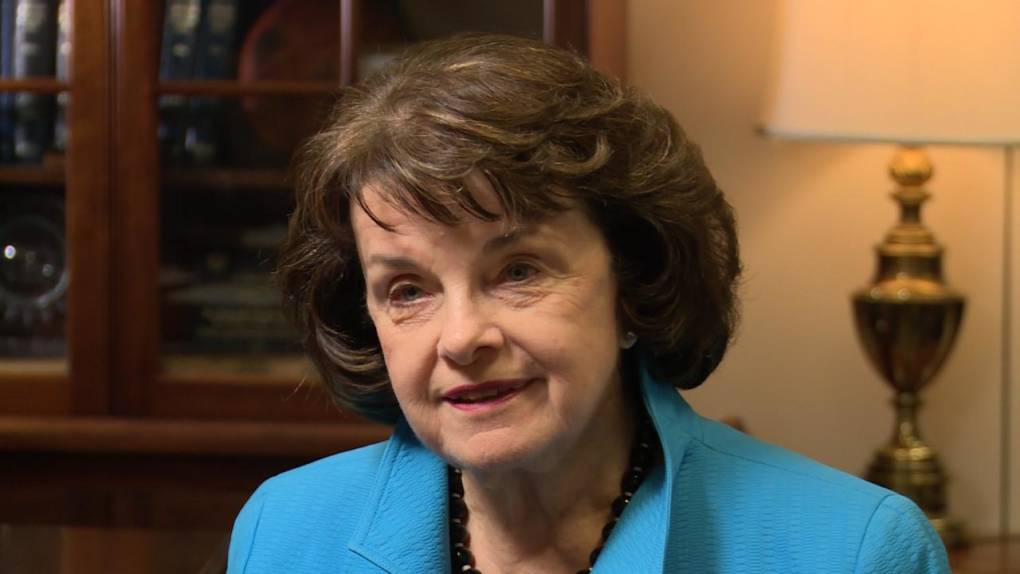
"caption": "Dianne Feinstein in her Washington, D.C., office earlier this year. ",
"description": null,
"title": "FEINSTEIN_MARQUEE",
"credit": "KQED ",
"status": "inherit",
"isLoading": false,
"fetchFailed": false
},
"news_11408714": {
"type": "attachments",
"id": "news_11408714",
"meta": {
"index": "attachments_1716263798",
"site": "news",
"id": "11408714",
"found": true
},
"parent": 11405917,
"imgSizes": {
"small": {
"file": "https://ww2.kqed.org/app/uploads/sites/10/2017/04/Yahaira-520x340.jpg",
"width": 520,
"mimeType": "image/jpeg",
"height": 340
},
"twentyfourteen-full-width": {
"file": "https://ww2.kqed.org/app/uploads/sites/10/2017/04/Yahaira-1038x576.jpg",
"width": 1038,
"mimeType": "image/jpeg",
"height": 576
},
"thumbnail": {
"file": "https://ww2.kqed.org/app/uploads/sites/10/2017/04/Yahaira-160x105.jpg",
"width": 160,
"mimeType": "image/jpeg",
"height": 105
},
"fd-sm": {
"file": "https://ww2.kqed.org/app/uploads/sites/10/2017/04/Yahaira-960x627.jpg",
"width": 960,
"mimeType": "image/jpeg",
"height": 627
},
"post-thumbnail": {
"file": "https://ww2.kqed.org/app/uploads/sites/10/2017/04/Yahaira-672x372.jpg",
"width": 672,
"mimeType": "image/jpeg",
"height": 372
},
"xsmall": {
"file": "https://ww2.kqed.org/app/uploads/sites/10/2017/04/Yahaira-375x245.jpg",
"width": 375,
"mimeType": "image/jpeg",
"height": 245
},
"kqedFullSize": {
"file": "https://ww2.kqed.org/app/uploads/sites/10/2017/04/Yahaira.jpg",
"width": 1920,
"height": 1254
},
"large": {
"file": "https://ww2.kqed.org/app/uploads/sites/10/2017/04/Yahaira-1020x666.jpg",
"width": 1020,
"mimeType": "image/jpeg",
"height": 666
},
"xlarge": {
"file": "https://ww2.kqed.org/app/uploads/sites/10/2017/04/Yahaira-1180x771.jpg",
"width": 1180,
"mimeType": "image/jpeg",
"height": 771
},
"guest-author-50": {
"file": "https://ww2.kqed.org/app/uploads/sites/10/2017/04/Yahaira-50x50.jpg",
"width": 50,
"mimeType": "image/jpeg",
"height": 50
},
"guest-author-96": {
"file": "https://ww2.kqed.org/app/uploads/sites/10/2017/04/Yahaira-96x96.jpg",
"width": 96,
"mimeType": "image/jpeg",
"height": 96
},
"medium": {
"file": "https://ww2.kqed.org/app/uploads/sites/10/2017/04/Yahaira-800x523.jpg",
"width": 800,
"mimeType": "image/jpeg",
"height": 523
},
"guest-author-64": {
"file": "https://ww2.kqed.org/app/uploads/sites/10/2017/04/Yahaira-64x64.jpg",
"width": 64,
"mimeType": "image/jpeg",
"height": 64
},
"guest-author-32": {
"file": "https://ww2.kqed.org/app/uploads/sites/10/2017/04/Yahaira-32x32.jpg",
"width": 32,
"mimeType": "image/jpeg",
"height": 32
},
"fd-lrg": {
"file": "https://ww2.kqed.org/app/uploads/sites/10/2017/04/Yahaira-1920x1254.jpg",
"width": 1920,
"mimeType": "image/jpeg",
"height": 1254
},
"fd-med": {
"file": "https://ww2.kqed.org/app/uploads/sites/10/2017/04/Yahaira-1180x771.jpg",
"width": 1180,
"mimeType": "image/jpeg",
"height": 771
},
"full-width": {
"file": "https://ww2.kqed.org/app/uploads/sites/10/2017/04/Yahaira-1920x1254.jpg",
"width": 1920,
"mimeType": "image/jpeg",
"height": 1254
},
"detail": {
"file": "https://ww2.kqed.org/app/uploads/sites/10/2017/04/Yahaira-150x150.jpg",
"width": 150,
"mimeType": "image/jpeg",
"height": 150
},
"guest-author-128": {
"file": "https://ww2.kqed.org/app/uploads/sites/10/2017/04/Yahaira-128x128.jpg",
"width": 128,
"mimeType": "image/jpeg",
"height": 128
},
"xxsmall": {
"file": "https://ww2.kqed.org/app/uploads/sites/10/2017/04/Yahaira-240x157.jpg",
"width": 240,
"mimeType": "image/jpeg",
"height": 157
}
},
"publishDate": 1492203787,
"modified": 1492203895,
"caption": "'At the end of the day, both coming out as queer and coming out as undocumented, it’s about living life on your own terms,' Yahaira Carrillo says.",
"description": "'At the end of the day, both coming out as queer and coming out as undocumented, it’s about living life on your own terms,' Yahaira Carrillo says.",
"title": "Yahaira",
"credit": "Bert Johnson/KQED",
"status": "inherit",
"isLoading": false,
"fetchFailed": false
},
"news_11410286": {
"type": "attachments",
"id": "news_11410286",
"meta": {
"index": "attachments_1716263798",
"site": "news",
"id": "11410286",
"found": true
},
"parent": 11410284,
"imgSizes": {
"small": {
"file": "https://ww2.kqed.org/app/uploads/sites/10/2017/04/C9ew14wUMAE6IKX-520x347.jpg",
"width": 520,
"mimeType": "image/jpeg",
"height": 347
},
"twentyfourteen-full-width": {
"file": "https://ww2.kqed.org/app/uploads/sites/10/2017/04/C9ew14wUMAE6IKX-1038x576.jpg",
"width": 1038,
"mimeType": "image/jpeg",
"height": 576
},
"thumbnail": {
"file": "https://ww2.kqed.org/app/uploads/sites/10/2017/04/C9ew14wUMAE6IKX-160x107.jpg",
"width": 160,
"mimeType": "image/jpeg",
"height": 107
},
"fd-sm": {
"file": "https://ww2.kqed.org/app/uploads/sites/10/2017/04/C9ew14wUMAE6IKX-960x640.jpg",
"width": 960,
"mimeType": "image/jpeg",
"height": 640
},
"post-thumbnail": {
"file": "https://ww2.kqed.org/app/uploads/sites/10/2017/04/C9ew14wUMAE6IKX-672x372.jpg",
"width": 672,
"mimeType": "image/jpeg",
"height": 372
},
"xsmall": {
"file": "https://ww2.kqed.org/app/uploads/sites/10/2017/04/C9ew14wUMAE6IKX-375x250.jpg",
"width": 375,
"mimeType": "image/jpeg",
"height": 250
},
"kqedFullSize": {
"file": "https://ww2.kqed.org/app/uploads/sites/10/2017/04/C9ew14wUMAE6IKX.jpg",
"width": 1200,
"height": 800
},
"large": {
"file": "https://ww2.kqed.org/app/uploads/sites/10/2017/04/C9ew14wUMAE6IKX-1020x680.jpg",
"width": 1020,
"mimeType": "image/jpeg",
"height": 680
},
"xlarge": {
"file": "https://ww2.kqed.org/app/uploads/sites/10/2017/04/C9ew14wUMAE6IKX-1180x787.jpg",
"width": 1180,
"mimeType": "image/jpeg",
"height": 787
},
"guest-author-50": {
"file": "https://ww2.kqed.org/app/uploads/sites/10/2017/04/C9ew14wUMAE6IKX-50x50.jpg",
"width": 50,
"mimeType": "image/jpeg",
"height": 50
},
"guest-author-96": {
"file": "https://ww2.kqed.org/app/uploads/sites/10/2017/04/C9ew14wUMAE6IKX-96x96.jpg",
"width": 96,
"mimeType": "image/jpeg",
"height": 96
},
"medium": {
"file": "https://ww2.kqed.org/app/uploads/sites/10/2017/04/C9ew14wUMAE6IKX-800x533.jpg",
"width": 800,
"mimeType": "image/jpeg",
"height": 533
},
"guest-author-64": {
"file": "https://ww2.kqed.org/app/uploads/sites/10/2017/04/C9ew14wUMAE6IKX-64x64.jpg",
"width": 64,
"mimeType": "image/jpeg",
"height": 64
},
"guest-author-32": {
"file": "https://ww2.kqed.org/app/uploads/sites/10/2017/04/C9ew14wUMAE6IKX-32x32.jpg",
"width": 32,
"mimeType": "image/jpeg",
"height": 32
},
"fd-med": {
"file": "https://ww2.kqed.org/app/uploads/sites/10/2017/04/C9ew14wUMAE6IKX-1180x787.jpg",
"width": 1180,
"mimeType": "image/jpeg",
"height": 787
},
"detail": {
"file": "https://ww2.kqed.org/app/uploads/sites/10/2017/04/C9ew14wUMAE6IKX-150x150.jpg",
"width": 150,
"mimeType": "image/jpeg",
"height": 150
},
"guest-author-128": {
"file": "https://ww2.kqed.org/app/uploads/sites/10/2017/04/C9ew14wUMAE6IKX-128x128.jpg",
"width": 128,
"mimeType": "image/jpeg",
"height": 128
},
"xxsmall": {
"file": "https://ww2.kqed.org/app/uploads/sites/10/2017/04/C9ew14wUMAE6IKX-240x160.jpg",
"width": 240,
"mimeType": "image/jpeg",
"height": 160
}
},
"publishDate": 1492288639,
"modified": 1492292833,
"caption": "A fight breaks out after pro and anti-Trump demonstrators clash in Berkeley.",
"description": null,
"title": "C9ew14wUMAE6IKX",
"credit": "John Sepulvado/KQED",
"status": "inherit",
"isLoading": false,
"fetchFailed": false
},
"news_11401793": {
"type": "attachments",
"id": "news_11401793",
"meta": {
"index": "attachments_1716263798",
"site": "news",
"id": "11401793",
"found": true
},
"parent": 11397452,
"imgSizes": {
"small": {
"file": "https://ww2.kqed.org/app/uploads/sites/10/2017/04/RS24897_Mariah-and-Kelly-qut-520x390.jpg",
"width": 520,
"mimeType": "image/jpeg",
"height": 390
},
"twentyfourteen-full-width": {
"file": "https://ww2.kqed.org/app/uploads/sites/10/2017/04/RS24897_Mariah-and-Kelly-qut-1038x576.jpg",
"width": 1038,
"mimeType": "image/jpeg",
"height": 576
},
"thumbnail": {
"file": "https://ww2.kqed.org/app/uploads/sites/10/2017/04/RS24897_Mariah-and-Kelly-qut-160x120.jpg",
"width": 160,
"mimeType": "image/jpeg",
"height": 120
},
"fd-sm": {
"file": "https://ww2.kqed.org/app/uploads/sites/10/2017/04/RS24897_Mariah-and-Kelly-qut-960x720.jpg",
"width": 960,
"mimeType": "image/jpeg",
"height": 720
},
"post-thumbnail": {
"file": "https://ww2.kqed.org/app/uploads/sites/10/2017/04/RS24897_Mariah-and-Kelly-qut-672x372.jpg",
"width": 672,
"mimeType": "image/jpeg",
"height": 372
},
"xsmall": {
"file": "https://ww2.kqed.org/app/uploads/sites/10/2017/04/RS24897_Mariah-and-Kelly-qut-375x281.jpg",
"width": 375,
"mimeType": "image/jpeg",
"height": 281
},
"kqedFullSize": {
"file": "https://ww2.kqed.org/app/uploads/sites/10/2017/04/RS24897_Mariah-and-Kelly-qut.jpg",
"width": 1920,
"height": 1440
},
"large": {
"file": "https://ww2.kqed.org/app/uploads/sites/10/2017/04/RS24897_Mariah-and-Kelly-qut-1020x765.jpg",
"width": 1020,
"mimeType": "image/jpeg",
"height": 765
},
"xlarge": {
"file": "https://ww2.kqed.org/app/uploads/sites/10/2017/04/RS24897_Mariah-and-Kelly-qut-1180x885.jpg",
"width": 1180,
"mimeType": "image/jpeg",
"height": 885
},
"guest-author-50": {
"file": "https://ww2.kqed.org/app/uploads/sites/10/2017/04/RS24897_Mariah-and-Kelly-qut-50x50.jpg",
"width": 50,
"mimeType": "image/jpeg",
"height": 50
},
"guest-author-96": {
"file": "https://ww2.kqed.org/app/uploads/sites/10/2017/04/RS24897_Mariah-and-Kelly-qut-96x96.jpg",
"width": 96,
"mimeType": "image/jpeg",
"height": 96
},
"medium": {
"file": "https://ww2.kqed.org/app/uploads/sites/10/2017/04/RS24897_Mariah-and-Kelly-qut-800x600.jpg",
"width": 800,
"mimeType": "image/jpeg",
"height": 600
},
"guest-author-64": {
"file": "https://ww2.kqed.org/app/uploads/sites/10/2017/04/RS24897_Mariah-and-Kelly-qut-64x64.jpg",
"width": 64,
"mimeType": "image/jpeg",
"height": 64
},
"guest-author-32": {
"file": "https://ww2.kqed.org/app/uploads/sites/10/2017/04/RS24897_Mariah-and-Kelly-qut-32x32.jpg",
"width": 32,
"mimeType": "image/jpeg",
"height": 32
},
"fd-lrg": {
"file": "https://ww2.kqed.org/app/uploads/sites/10/2017/04/RS24897_Mariah-and-Kelly-qut-1920x1440.jpg",
"width": 1920,
"mimeType": "image/jpeg",
"height": 1440
},
"fd-med": {
"file": "https://ww2.kqed.org/app/uploads/sites/10/2017/04/RS24897_Mariah-and-Kelly-qut-1180x885.jpg",
"width": 1180,
"mimeType": "image/jpeg",
"height": 885
},
"full-width": {
"file": "https://ww2.kqed.org/app/uploads/sites/10/2017/04/RS24897_Mariah-and-Kelly-qut-1920x1440.jpg",
"width": 1920,
"mimeType": "image/jpeg",
"height": 1440
},
"detail": {
"file": "https://ww2.kqed.org/app/uploads/sites/10/2017/04/RS24897_Mariah-and-Kelly-qut-150x150.jpg",
"width": 150,
"mimeType": "image/jpeg",
"height": 150
},
"guest-author-128": {
"file": "https://ww2.kqed.org/app/uploads/sites/10/2017/04/RS24897_Mariah-and-Kelly-qut-128x128.jpg",
"width": 128,
"mimeType": "image/jpeg",
"height": 128
},
"xxsmall": {
"file": "https://ww2.kqed.org/app/uploads/sites/10/2017/04/RS24897_Mariah-and-Kelly-qut-240x180.jpg",
"width": 240,
"mimeType": "image/jpeg",
"height": 180
}
},
"publishDate": 1491846284,
"modified": 1491846578,
"caption": "Mariah Reyes, Priya the dog and dream therapist Kelly Sullivan Walden during waking hours.",
"description": null,
"title": "RS24897_Mariah and Kelly-qut",
"credit": "Peter Gilstrap/KQED",
"status": "inherit",
"isLoading": false,
"fetchFailed": false
},
"news_11408830": {
"type": "attachments",
"id": "news_11408830",
"meta": {
"index": "attachments_1716263798",
"site": "news",
"id": "11408830",
"found": true
},
"parent": 11408633,
"imgSizes": {
"small": {
"file": "https://ww2.kqed.org/app/uploads/sites/10/2017/04/SfCityAttorneys-520x352.jpg",
"width": 520,
"mimeType": "image/jpeg",
"height": 352
},
"twentyfourteen-full-width": {
"file": "https://ww2.kqed.org/app/uploads/sites/10/2017/04/SfCityAttorneys-1038x576.jpg",
"width": 1038,
"mimeType": "image/jpeg",
"height": 576
},
"thumbnail": {
"file": "https://ww2.kqed.org/app/uploads/sites/10/2017/04/SfCityAttorneys-160x108.jpg",
"width": 160,
"mimeType": "image/jpeg",
"height": 108
},
"fd-sm": {
"file": "https://ww2.kqed.org/app/uploads/sites/10/2017/04/SfCityAttorneys-960x650.jpg",
"width": 960,
"mimeType": "image/jpeg",
"height": 650
},
"post-thumbnail": {
"file": "https://ww2.kqed.org/app/uploads/sites/10/2017/04/SfCityAttorneys-672x372.jpg",
"width": 672,
"mimeType": "image/jpeg",
"height": 372
},
"xsmall": {
"file": "https://ww2.kqed.org/app/uploads/sites/10/2017/04/SfCityAttorneys-375x254.jpg",
"width": 375,
"mimeType": "image/jpeg",
"height": 254
},
"kqedFullSize": {
"file": "https://ww2.kqed.org/app/uploads/sites/10/2017/04/SfCityAttorneys.jpg",
"width": 1920,
"height": 1300
},
"large": {
"file": "https://ww2.kqed.org/app/uploads/sites/10/2017/04/SfCityAttorneys-1020x691.jpg",
"width": 1020,
"mimeType": "image/jpeg",
"height": 691
},
"xlarge": {
"file": "https://ww2.kqed.org/app/uploads/sites/10/2017/04/SfCityAttorneys-1180x799.jpg",
"width": 1180,
"mimeType": "image/jpeg",
"height": 799
},
"guest-author-50": {
"file": "https://ww2.kqed.org/app/uploads/sites/10/2017/04/SfCityAttorneys-50x50.jpg",
"width": 50,
"mimeType": "image/jpeg",
"height": 50
},
"guest-author-96": {
"file": "https://ww2.kqed.org/app/uploads/sites/10/2017/04/SfCityAttorneys-96x96.jpg",
"width": 96,
"mimeType": "image/jpeg",
"height": 96
},
"medium": {
"file": "https://ww2.kqed.org/app/uploads/sites/10/2017/04/SfCityAttorneys-800x542.jpg",
"width": 800,
"mimeType": "image/jpeg",
"height": 542
},
"guest-author-64": {
"file": "https://ww2.kqed.org/app/uploads/sites/10/2017/04/SfCityAttorneys-64x64.jpg",
"width": 64,
"mimeType": "image/jpeg",
"height": 64
},
"guest-author-32": {
"file": "https://ww2.kqed.org/app/uploads/sites/10/2017/04/SfCityAttorneys-32x32.jpg",
"width": 32,
"mimeType": "image/jpeg",
"height": 32
},
"fd-lrg": {
"file": "https://ww2.kqed.org/app/uploads/sites/10/2017/04/SfCityAttorneys-1920x1300.jpg",
"width": 1920,
"mimeType": "image/jpeg",
"height": 1300
},
"fd-med": {
"file": "https://ww2.kqed.org/app/uploads/sites/10/2017/04/SfCityAttorneys-1180x799.jpg",
"width": 1180,
"mimeType": "image/jpeg",
"height": 799
},
"full-width": {
"file": "https://ww2.kqed.org/app/uploads/sites/10/2017/04/SfCityAttorneys-1920x1300.jpg",
"width": 1920,
"mimeType": "image/jpeg",
"height": 1300
},
"detail": {
"file": "https://ww2.kqed.org/app/uploads/sites/10/2017/04/SfCityAttorneys-150x150.jpg",
"width": 150,
"mimeType": "image/jpeg",
"height": 150
},
"guest-author-128": {
"file": "https://ww2.kqed.org/app/uploads/sites/10/2017/04/SfCityAttorneys-128x128.jpg",
"width": 128,
"mimeType": "image/jpeg",
"height": 128
},
"xxsmall": {
"file": "https://ww2.kqed.org/app/uploads/sites/10/2017/04/SfCityAttorneys-240x163.jpg",
"width": 240,
"mimeType": "image/jpeg",
"height": 163
}
},
"publishDate": 1492210278,
"modified": 1492213932,
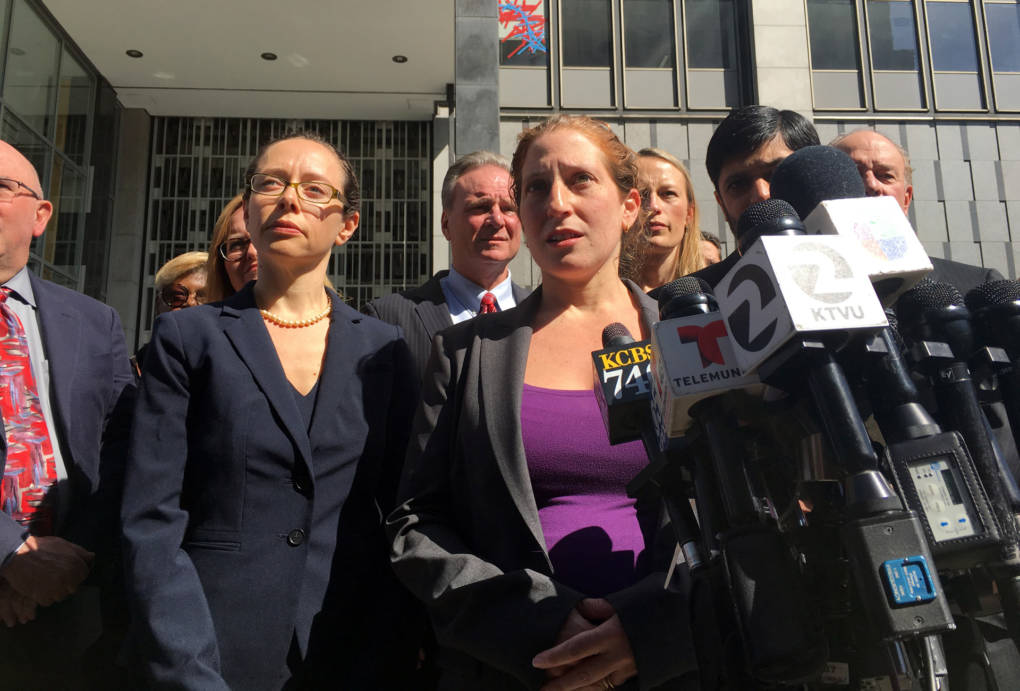
"caption": "San Francisco deputy city attorneys Mollie Lee and Sara Eisenberg seek to block President Trump's plan to defund sanctuary cities.",
"description": "San Francisco city attorneys Mollie Lee and Sara Eisenberg seek to block President Trump's plan to defund sanctuary cities.",
"title": "SfCityAttorneys",
"credit": "Julie Small/KQED",
"status": "inherit",
"isLoading": false,
"fetchFailed": false
},
"news_11397629": {
"type": "attachments",
"id": "news_11397629",
"meta": {
"index": "attachments_1716263798",
"site": "news",
"id": "11397629",
"found": true
},
"parent": 11397628,
"imgSizes": {
"small": {
"file": "https://ww2.kqed.org/app/uploads/sites/10/2017/04/SHOW-MARQUEE-520x293.jpg",
"width": 520,
"mimeType": "image/jpeg",
"height": 293
},
"twentyfourteen-full-width": {
"file": "https://ww2.kqed.org/app/uploads/sites/10/2017/04/SHOW-MARQUEE-1038x576.jpg",
"width": 1038,
"mimeType": "image/jpeg",
"height": 576
},
"thumbnail": {
"file": "https://ww2.kqed.org/app/uploads/sites/10/2017/04/SHOW-MARQUEE-160x90.jpg",
"width": 160,
"mimeType": "image/jpeg",
"height": 90
},
"fd-sm": {
"file": "https://ww2.kqed.org/app/uploads/sites/10/2017/04/SHOW-MARQUEE-960x540.jpg",
"width": 960,
"mimeType": "image/jpeg",
"height": 540
},
"post-thumbnail": {
"file": "https://ww2.kqed.org/app/uploads/sites/10/2017/04/SHOW-MARQUEE-672x372.jpg",
"width": 672,
"mimeType": "image/jpeg",
"height": 372
},
"xsmall": {
"file": "https://ww2.kqed.org/app/uploads/sites/10/2017/04/SHOW-MARQUEE-375x211.jpg",
"width": 375,
"mimeType": "image/jpeg",
"height": 211
},
"kqedFullSize": {
"file": "https://ww2.kqed.org/app/uploads/sites/10/2017/04/SHOW-MARQUEE.jpg",
"width": 1280,
"height": 720
},
"large": {
"file": "https://ww2.kqed.org/app/uploads/sites/10/2017/04/SHOW-MARQUEE-1020x574.jpg",
"width": 1020,
"mimeType": "image/jpeg",
"height": 574
},
"xlarge": {
"file": "https://ww2.kqed.org/app/uploads/sites/10/2017/04/SHOW-MARQUEE-1180x664.jpg",
"width": 1180,
"mimeType": "image/jpeg",
"height": 664
},
"guest-author-50": {
"file": "https://ww2.kqed.org/app/uploads/sites/10/2017/04/SHOW-MARQUEE-50x50.jpg",
"width": 50,
"mimeType": "image/jpeg",
"height": 50
},
"guest-author-96": {
"file": "https://ww2.kqed.org/app/uploads/sites/10/2017/04/SHOW-MARQUEE-96x96.jpg",
"width": 96,
"mimeType": "image/jpeg",
"height": 96
},
"medium": {
"file": "https://ww2.kqed.org/app/uploads/sites/10/2017/04/SHOW-MARQUEE-800x450.jpg",
"width": 800,
"mimeType": "image/jpeg",
"height": 450
},
"guest-author-64": {
"file": "https://ww2.kqed.org/app/uploads/sites/10/2017/04/SHOW-MARQUEE-64x64.jpg",
"width": 64,
"mimeType": "image/jpeg",
"height": 64
},
"guest-author-32": {
"file": "https://ww2.kqed.org/app/uploads/sites/10/2017/04/SHOW-MARQUEE-32x32.jpg",
"width": 32,
"mimeType": "image/jpeg",
"height": 32
},
"fd-med": {
"file": "https://ww2.kqed.org/app/uploads/sites/10/2017/04/SHOW-MARQUEE-1180x664.jpg",
"width": 1180,
"mimeType": "image/jpeg",
"height": 664
},
"detail": {
"file": "https://ww2.kqed.org/app/uploads/sites/10/2017/04/SHOW-MARQUEE-150x150.jpg",
"width": 150,
"mimeType": "image/jpeg",
"height": 150
},
"guest-author-128": {
"file": "https://ww2.kqed.org/app/uploads/sites/10/2017/04/SHOW-MARQUEE-128x128.jpg",
"width": 128,
"mimeType": "image/jpeg",
"height": 128
},
"xxsmall": {
"file": "https://ww2.kqed.org/app/uploads/sites/10/2017/04/SHOW-MARQUEE-240x135.jpg",
"width": 240,
"mimeType": "image/jpeg",
"height": 135
}
},
"publishDate": 1491614990,
"modified": 1491614990,
"caption": null,
"description": null,
"title": "SHOW MARQUEE",
"credit": null,
"status": "inherit",
"isLoading": false,
"fetchFailed": false
},
"news_11395677": {
"type": "attachments",
"id": "news_11395677",
"meta": {
"index": "attachments_1716263798",
"site": "news",
"id": "11395677",
"found": true
},
"parent": 11395671,
"imgSizes": {
"small": {
"file": "https://ww2.kqed.org/app/uploads/sites/10/2017/04/TwitterHQ-520x376.jpg",
"width": 520,
"mimeType": "image/jpeg",
"height": 376
},
"twentyfourteen-full-width": {
"file": "https://ww2.kqed.org/app/uploads/sites/10/2017/04/TwitterHQ-1038x576.jpg",
"width": 1038,
"mimeType": "image/jpeg",
"height": 576
},
"thumbnail": {
"file": "https://ww2.kqed.org/app/uploads/sites/10/2017/04/TwitterHQ-160x116.jpg",
"width": 160,
"mimeType": "image/jpeg",
"height": 116
},
"fd-sm": {
"file": "https://ww2.kqed.org/app/uploads/sites/10/2017/04/TwitterHQ-960x695.jpg",
"width": 960,
"mimeType": "image/jpeg",
"height": 695
},
"post-thumbnail": {
"file": "https://ww2.kqed.org/app/uploads/sites/10/2017/04/TwitterHQ-672x372.jpg",
"width": 672,
"mimeType": "image/jpeg",
"height": 372
},
"xsmall": {
"file": "https://ww2.kqed.org/app/uploads/sites/10/2017/04/TwitterHQ-375x271.jpg",
"width": 375,
"mimeType": "image/jpeg",
"height": 271
},
"kqedFullSize": {
"file": "https://ww2.kqed.org/app/uploads/sites/10/2017/04/TwitterHQ.jpg",
"width": 1920,
"height": 1389
},
"large": {
"file": "https://ww2.kqed.org/app/uploads/sites/10/2017/04/TwitterHQ-1020x738.jpg",
"width": 1020,
"mimeType": "image/jpeg",
"height": 738
},
"xlarge": {
"file": "https://ww2.kqed.org/app/uploads/sites/10/2017/04/TwitterHQ-1180x854.jpg",
"width": 1180,
"mimeType": "image/jpeg",
"height": 854
},
"guest-author-50": {
"file": "https://ww2.kqed.org/app/uploads/sites/10/2017/04/TwitterHQ-50x50.jpg",
"width": 50,
"mimeType": "image/jpeg",
"height": 50
},
"guest-author-96": {
"file": "https://ww2.kqed.org/app/uploads/sites/10/2017/04/TwitterHQ-96x96.jpg",
"width": 96,
"mimeType": "image/jpeg",
"height": 96
},
"medium": {
"file": "https://ww2.kqed.org/app/uploads/sites/10/2017/04/TwitterHQ-800x579.jpg",
"width": 800,
"mimeType": "image/jpeg",
"height": 579
},
"guest-author-64": {
"file": "https://ww2.kqed.org/app/uploads/sites/10/2017/04/TwitterHQ-64x64.jpg",
"width": 64,
"mimeType": "image/jpeg",
"height": 64
},
"guest-author-32": {
"file": "https://ww2.kqed.org/app/uploads/sites/10/2017/04/TwitterHQ-32x32.jpg",
"width": 32,
"mimeType": "image/jpeg",
"height": 32
},
"fd-lrg": {
"file": "https://ww2.kqed.org/app/uploads/sites/10/2017/04/TwitterHQ-1920x1389.jpg",
"width": 1920,
"mimeType": "image/jpeg",
"height": 1389
},
"fd-med": {
"file": "https://ww2.kqed.org/app/uploads/sites/10/2017/04/TwitterHQ-1180x854.jpg",
"width": 1180,
"mimeType": "image/jpeg",
"height": 854
},
"full-width": {
"file": "https://ww2.kqed.org/app/uploads/sites/10/2017/04/TwitterHQ-1920x1389.jpg",
"width": 1920,
"mimeType": "image/jpeg",
"height": 1389
},
"detail": {
"file": "https://ww2.kqed.org/app/uploads/sites/10/2017/04/TwitterHQ-150x150.jpg",
"width": 150,
"mimeType": "image/jpeg",
"height": 150
},
"guest-author-128": {
"file": "https://ww2.kqed.org/app/uploads/sites/10/2017/04/TwitterHQ-128x128.jpg",
"width": 128,
"mimeType": "image/jpeg",
"height": 128
},
"xxsmall": {
"file": "https://ww2.kqed.org/app/uploads/sites/10/2017/04/TwitterHQ-240x174.jpg",
"width": 240,
"mimeType": "image/jpeg",
"height": 174
}
},
"publishDate": 1491527633,
"modified": 1491527726,
"caption": "Twitter is asking a federal court to declare the Department of Homeland Security's summons “unlawful and unenforceable.”",
"description": "Twitter is asking a federal court to declare the Department of Homeland Security's summons “unlawful and unenforceable.”",
"title": "TwitterHQ",
"credit": "Justin Sullivan/Getty Images",
"status": "inherit",
"isLoading": false,
"fetchFailed": false
},
"news_11395768": {
"type": "attachments",
"id": "news_11395768",
"meta": {
"index": "attachments_1716263798",
"site": "news",
"id": "11395768",
"found": true
},
"parent": 0,
"imgSizes": {
"small": {
"file": "https://ww2.kqed.org/app/uploads/sites/10/2017/04/TrumpPresser-520x347.jpg",
"width": 520,
"mimeType": "image/jpeg",
"height": 347
},
"twentyfourteen-full-width": {
"file": "https://ww2.kqed.org/app/uploads/sites/10/2017/04/TrumpPresser-1038x576.jpg",
"width": 1038,
"mimeType": "image/jpeg",
"height": 576
},
"thumbnail": {
"file": "https://ww2.kqed.org/app/uploads/sites/10/2017/04/TrumpPresser-160x107.jpg",
"width": 160,
"mimeType": "image/jpeg",
"height": 107
},
"fd-sm": {
"file": "https://ww2.kqed.org/app/uploads/sites/10/2017/04/TrumpPresser-960x640.jpg",
"width": 960,
"mimeType": "image/jpeg",
"height": 640
},
"post-thumbnail": {
"file": "https://ww2.kqed.org/app/uploads/sites/10/2017/04/TrumpPresser-672x372.jpg",
"width": 672,
"mimeType": "image/jpeg",
"height": 372
},
"xsmall": {
"file": "https://ww2.kqed.org/app/uploads/sites/10/2017/04/TrumpPresser-375x250.jpg",
"width": 375,
"mimeType": "image/jpeg",
"height": 250
},
"kqedFullSize": {
"file": "https://ww2.kqed.org/app/uploads/sites/10/2017/04/TrumpPresser.jpg",
"width": 1920,
"height": 1280
},
"large": {
"file": "https://ww2.kqed.org/app/uploads/sites/10/2017/04/TrumpPresser-1020x680.jpg",
"width": 1020,
"mimeType": "image/jpeg",
"height": 680
},
"xlarge": {
"file": "https://ww2.kqed.org/app/uploads/sites/10/2017/04/TrumpPresser-1180x787.jpg",
"width": 1180,
"mimeType": "image/jpeg",
"height": 787
},
"guest-author-50": {
"file": "https://ww2.kqed.org/app/uploads/sites/10/2017/04/TrumpPresser-50x50.jpg",
"width": 50,
"mimeType": "image/jpeg",
"height": 50
},
"guest-author-96": {
"file": "https://ww2.kqed.org/app/uploads/sites/10/2017/04/TrumpPresser-96x96.jpg",
"width": 96,
"mimeType": "image/jpeg",
"height": 96
},
"medium": {
"file": "https://ww2.kqed.org/app/uploads/sites/10/2017/04/TrumpPresser-800x533.jpg",
"width": 800,
"mimeType": "image/jpeg",
"height": 533
},
"guest-author-64": {
"file": "https://ww2.kqed.org/app/uploads/sites/10/2017/04/TrumpPresser-64x64.jpg",
"width": 64,
"mimeType": "image/jpeg",
"height": 64
},
"guest-author-32": {
"file": "https://ww2.kqed.org/app/uploads/sites/10/2017/04/TrumpPresser-32x32.jpg",
"width": 32,
"mimeType": "image/jpeg",
"height": 32
},
"fd-lrg": {
"file": "https://ww2.kqed.org/app/uploads/sites/10/2017/04/TrumpPresser-1920x1280.jpg",
"width": 1920,
"mimeType": "image/jpeg",
"height": 1280
},
"fd-med": {
"file": "https://ww2.kqed.org/app/uploads/sites/10/2017/04/TrumpPresser-1180x787.jpg",
"width": 1180,
"mimeType": "image/jpeg",
"height": 787
},
"full-width": {
"file": "https://ww2.kqed.org/app/uploads/sites/10/2017/04/TrumpPresser-1920x1280.jpg",
"width": 1920,
"mimeType": "image/jpeg",
"height": 1280
},
"detail": {
"file": "https://ww2.kqed.org/app/uploads/sites/10/2017/04/TrumpPresser-150x150.jpg",
"width": 150,
"mimeType": "image/jpeg",
"height": 150
},
"guest-author-128": {
"file": "https://ww2.kqed.org/app/uploads/sites/10/2017/04/TrumpPresser-128x128.jpg",
"width": 128,
"mimeType": "image/jpeg",
"height": 128
},
"xxsmall": {
"file": "https://ww2.kqed.org/app/uploads/sites/10/2017/04/TrumpPresser-240x160.jpg",
"width": 240,
"mimeType": "image/jpeg",
"height": 160
}
},
"publishDate": 1491532061,
"modified": 1494895403,
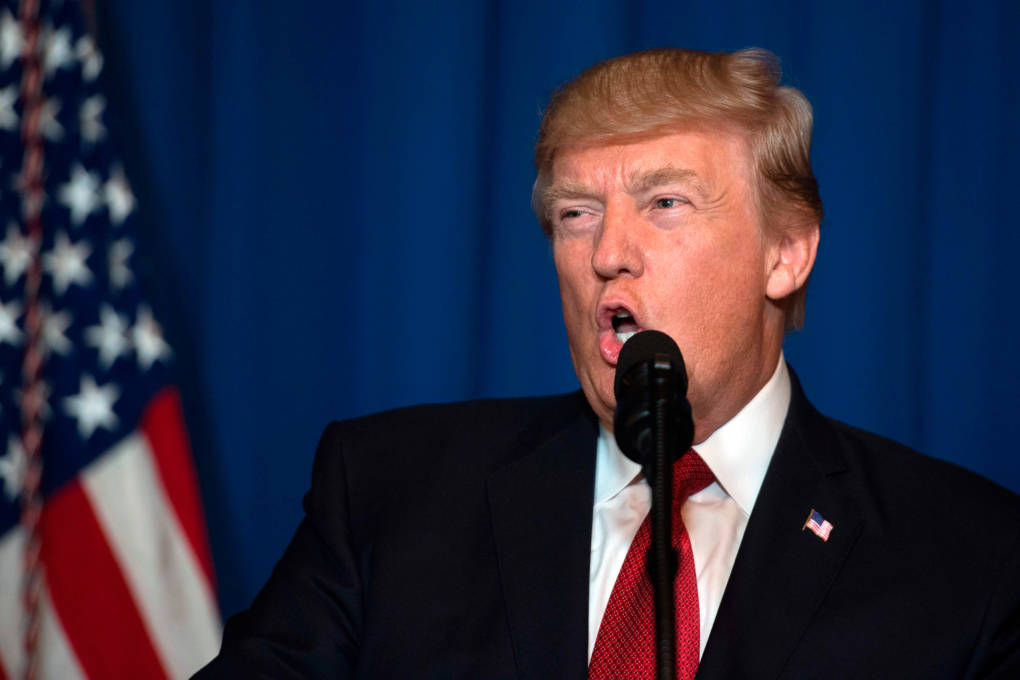
"caption": "President Trump delivers a statement following U.S. attacks on a Syrian air force base from his Mar-a-Lago estate in West Palm Beach, Florida, on April 6, 2017.",
"description": "President Donald Trump delivers a statement following U.S. attacks on a Syrian air force base from his Mar-a-Lago estate in West Palm Beach, Florida, on April 6, 2017.",
"title": "TrumpPresser",
"credit": "JIM WATSON/AFP/Getty Images",
"status": "inherit",
"isLoading": false,
"fetchFailed": false
},
"news_11395210": {
"type": "attachments",
"id": "news_11395210",
"meta": {
"index": "attachments_1716263798",
"site": "news",
"id": "11395210",
"found": true
},
"parent": 11395137,
"imgSizes": {
"small": {
"file": "https://ww2.kqed.org/app/uploads/sites/10/2017/04/GettyImages-DHS-520x340.jpg",
"width": 520,
"mimeType": "image/jpeg",
"height": 340
},
"twentyfourteen-full-width": {
"file": "https://ww2.kqed.org/app/uploads/sites/10/2017/04/GettyImages-DHS-1038x576.jpg",
"width": 1038,
"mimeType": "image/jpeg",
"height": 576
},
"thumbnail": {
"file": "https://ww2.kqed.org/app/uploads/sites/10/2017/04/GettyImages-DHS-160x104.jpg",
"width": 160,
"mimeType": "image/jpeg",
"height": 104
},
"fd-sm": {
"file": "https://ww2.kqed.org/app/uploads/sites/10/2017/04/GettyImages-DHS-960x627.jpg",
"width": 960,
"mimeType": "image/jpeg",
"height": 627
},
"post-thumbnail": {
"file": "https://ww2.kqed.org/app/uploads/sites/10/2017/04/GettyImages-DHS-672x372.jpg",
"width": 672,
"mimeType": "image/jpeg",
"height": 372
},
"xsmall": {
"file": "https://ww2.kqed.org/app/uploads/sites/10/2017/04/GettyImages-DHS-375x245.jpg",
"width": 375,
"mimeType": "image/jpeg",
"height": 245
},
"kqedFullSize": {
"file": "https://ww2.kqed.org/app/uploads/sites/10/2017/04/GettyImages-DHS-e1491511137443.jpg",
"width": 1920,
"height": 1254
},
"large": {
"file": "https://ww2.kqed.org/app/uploads/sites/10/2017/04/GettyImages-DHS-1020x666.jpg",
"width": 1020,
"mimeType": "image/jpeg",
"height": 666
},
"xlarge": {
"file": "https://ww2.kqed.org/app/uploads/sites/10/2017/04/GettyImages-DHS-1180x771.jpg",
"width": 1180,
"mimeType": "image/jpeg",
"height": 771
},
"guest-author-50": {
"file": "https://ww2.kqed.org/app/uploads/sites/10/2017/04/GettyImages-DHS-50x50.jpg",
"width": 50,
"mimeType": "image/jpeg",
"height": 50
},
"guest-author-96": {
"file": "https://ww2.kqed.org/app/uploads/sites/10/2017/04/GettyImages-DHS-96x96.jpg",
"width": 96,
"mimeType": "image/jpeg",
"height": 96
},
"medium": {
"file": "https://ww2.kqed.org/app/uploads/sites/10/2017/04/GettyImages-DHS-800x522.jpg",
"width": 800,
"mimeType": "image/jpeg",
"height": 522
},
"guest-author-64": {
"file": "https://ww2.kqed.org/app/uploads/sites/10/2017/04/GettyImages-DHS-64x64.jpg",
"width": 64,
"mimeType": "image/jpeg",
"height": 64
},
"guest-author-32": {
"file": "https://ww2.kqed.org/app/uploads/sites/10/2017/04/GettyImages-DHS-32x32.jpg",
"width": 32,
"mimeType": "image/jpeg",
"height": 32
},
"fd-lrg": {
"file": "https://ww2.kqed.org/app/uploads/sites/10/2017/04/GettyImages-DHS-1920x1254.jpg",
"width": 1920,
"mimeType": "image/jpeg",
"height": 1254
},
"fd-med": {
"file": "https://ww2.kqed.org/app/uploads/sites/10/2017/04/GettyImages-DHS-1180x771.jpg",
"width": 1180,
"mimeType": "image/jpeg",
"height": 771
},
"full-width": {
"file": "https://ww2.kqed.org/app/uploads/sites/10/2017/04/GettyImages-DHS-1920x1254.jpg",
"width": 1920,
"mimeType": "image/jpeg",
"height": 1254
},
"detail": {
"file": "https://ww2.kqed.org/app/uploads/sites/10/2017/04/GettyImages-DHS-150x150.jpg",
"width": 150,
"mimeType": "image/jpeg",
"height": 150
},
"guest-author-128": {
"file": "https://ww2.kqed.org/app/uploads/sites/10/2017/04/GettyImages-DHS-128x128.jpg",
"width": 128,
"mimeType": "image/jpeg",
"height": 128
},
"xxsmall": {
"file": "https://ww2.kqed.org/app/uploads/sites/10/2017/04/GettyImages-DHS-240x157.jpg",
"width": 240,
"mimeType": "image/jpeg",
"height": 157
}
},
"publishDate": 1491509094,
"modified": 1491518746,
"caption": "There are reports that Department of Homeland Security is seizing electronic devices of some citizens and foreigners entering the U.S. This went on during the Obama administration. too, but there’s some evidence these searches are accelerating.\n\nThis is an agent at \nDulles International Airport in Virginia.",
"description": null,
"title": "Department of Homeland Security",
"credit": "Paul J. Richards/AFP/Getty Images)",
"status": "inherit",
"isLoading": false,
"fetchFailed": false
},
"news_11395223": {
"type": "attachments",
"id": "news_11395223",
"meta": {
"index": "attachments_1716263798",
"site": "news",
"id": "11395223",
"found": true
},
"parent": 11395123,
"imgSizes": {
"small": {
"file": "https://ww2.kqed.org/app/uploads/sites/10/2017/04/Mojave-520x294.jpg",
"width": 520,
"mimeType": "image/jpeg",
"height": 294
},
"twentyfourteen-full-width": {
"file": "https://ww2.kqed.org/app/uploads/sites/10/2017/04/Mojave-1038x576.jpg",
"width": 1038,
"mimeType": "image/jpeg",
"height": 576
},
"thumbnail": {
"file": "https://ww2.kqed.org/app/uploads/sites/10/2017/04/Mojave-160x91.jpg",
"width": 160,
"mimeType": "image/jpeg",
"height": 91
},
"fd-sm": {
"file": "https://ww2.kqed.org/app/uploads/sites/10/2017/04/Mojave-960x543.jpg",
"width": 960,
"mimeType": "image/jpeg",
"height": 543
},
"post-thumbnail": {
"file": "https://ww2.kqed.org/app/uploads/sites/10/2017/04/Mojave-672x372.jpg",
"width": 672,
"mimeType": "image/jpeg",
"height": 372
},
"xsmall": {
"file": "https://ww2.kqed.org/app/uploads/sites/10/2017/04/Mojave-375x212.jpg",
"width": 375,
"mimeType": "image/jpeg",
"height": 212
},
"kqedFullSize": {
"file": "https://ww2.kqed.org/app/uploads/sites/10/2017/04/Mojave.jpg",
"width": 1920,
"height": 1086
},
"large": {
"file": "https://ww2.kqed.org/app/uploads/sites/10/2017/04/Mojave-1020x577.jpg",
"width": 1020,
"mimeType": "image/jpeg",
"height": 577
},
"xlarge": {
"file": "https://ww2.kqed.org/app/uploads/sites/10/2017/04/Mojave-1180x667.jpg",
"width": 1180,
"mimeType": "image/jpeg",
"height": 667
},
"guest-author-50": {
"file": "https://ww2.kqed.org/app/uploads/sites/10/2017/04/Mojave-50x50.jpg",
"width": 50,
"mimeType": "image/jpeg",
"height": 50
},
"guest-author-96": {
"file": "https://ww2.kqed.org/app/uploads/sites/10/2017/04/Mojave-96x96.jpg",
"width": 96,
"mimeType": "image/jpeg",
"height": 96
},
"medium": {
"file": "https://ww2.kqed.org/app/uploads/sites/10/2017/04/Mojave-800x453.jpg",
"width": 800,
"mimeType": "image/jpeg",
"height": 453
},
"guest-author-64": {
"file": "https://ww2.kqed.org/app/uploads/sites/10/2017/04/Mojave-64x64.jpg",
"width": 64,
"mimeType": "image/jpeg",
"height": 64
},
"guest-author-32": {
"file": "https://ww2.kqed.org/app/uploads/sites/10/2017/04/Mojave-32x32.jpg",
"width": 32,
"mimeType": "image/jpeg",
"height": 32
},
"fd-lrg": {
"file": "https://ww2.kqed.org/app/uploads/sites/10/2017/04/Mojave-1920x1086.jpg",
"width": 1920,
"mimeType": "image/jpeg",
"height": 1086
},
"fd-med": {
"file": "https://ww2.kqed.org/app/uploads/sites/10/2017/04/Mojave-1180x667.jpg",
"width": 1180,
"mimeType": "image/jpeg",
"height": 667
},
"full-width": {
"file": "https://ww2.kqed.org/app/uploads/sites/10/2017/04/Mojave-1920x1086.jpg",
"width": 1920,
"mimeType": "image/jpeg",
"height": 1086
},
"detail": {
"file": "https://ww2.kqed.org/app/uploads/sites/10/2017/04/Mojave-150x150.jpg",
"width": 150,
"mimeType": "image/jpeg",
"height": 150
},
"guest-author-128": {
"file": "https://ww2.kqed.org/app/uploads/sites/10/2017/04/Mojave-128x128.jpg",
"width": 128,
"mimeType": "image/jpeg",
"height": 128
},
"xxsmall": {
"file": "https://ww2.kqed.org/app/uploads/sites/10/2017/04/Mojave-240x136.jpg",
"width": 240,
"mimeType": "image/jpeg",
"height": 136
}
},
"publishDate": 1491511021,
"modified": 1491511087,
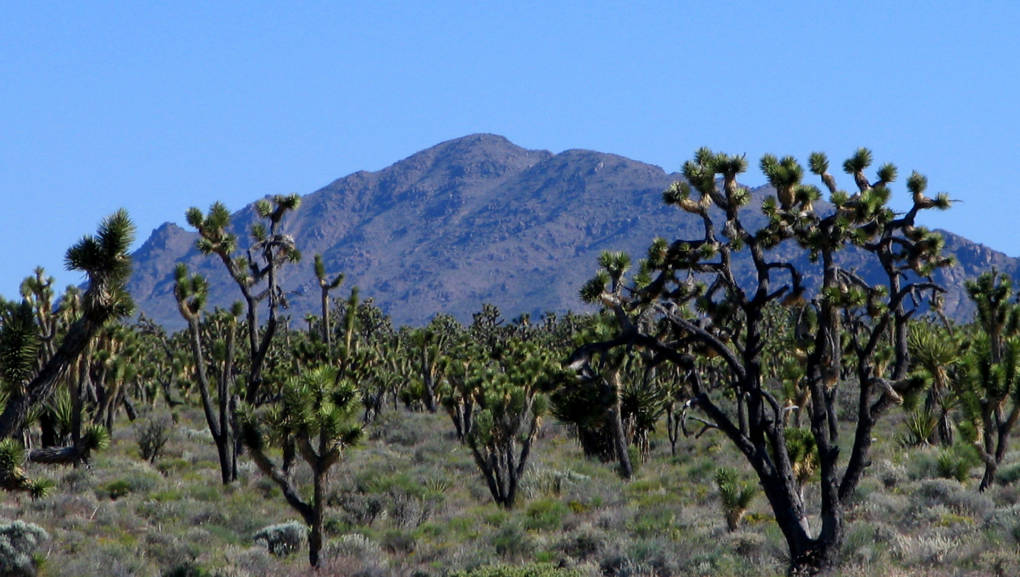
"caption": "Environmental critics say groundwater pumping could dry up desert springs that plants and wildlife need to survive, especially in Mojave National Preserve and the new Mojave Trails National Preserve.",
"description": "Environmental critics say groundwater pumping could dry up desert springs that plants and wildlife need to survive, especially in Mojave National Preserve and the new Mojave Trails National Preserve.",
"title": "Mojave",
"credit": "David Dufresne/Flickr",
"status": "inherit",
"isLoading": false,
"fetchFailed": false
},
"news_11394739": {
"type": "attachments",
"id": "news_11394739",
"meta": {
"index": "attachments_1716263798",
"site": "news",
"id": "11394739",
"found": true
},
"parent": 11394738,
"imgSizes": {
"small": {
"file": "https://ww2.kqed.org/app/uploads/sites/10/2017/04/gettyimages-657311996_wide-24fd4ebae8d176bcd1df904d185092080cb2543a-520x293.jpg",
"width": 520,
"mimeType": "image/jpeg",
"height": 293
},
"twentyfourteen-full-width": {
"file": "https://ww2.kqed.org/app/uploads/sites/10/2017/04/gettyimages-657311996_wide-24fd4ebae8d176bcd1df904d185092080cb2543a-1024x576.jpg",
"width": 1024,
"mimeType": "image/jpeg",
"height": 576
},
"thumbnail": {
"file": "https://ww2.kqed.org/app/uploads/sites/10/2017/04/gettyimages-657311996_wide-24fd4ebae8d176bcd1df904d185092080cb2543a-160x90.jpg",
"width": 160,
"mimeType": "image/jpeg",
"height": 90
},
"fd-sm": {
"file": "https://ww2.kqed.org/app/uploads/sites/10/2017/04/gettyimages-657311996_wide-24fd4ebae8d176bcd1df904d185092080cb2543a-960x540.jpg",
"width": 960,
"mimeType": "image/jpeg",
"height": 540
},
"post-thumbnail": {
"file": "https://ww2.kqed.org/app/uploads/sites/10/2017/04/gettyimages-657311996_wide-24fd4ebae8d176bcd1df904d185092080cb2543a-672x372.jpg",
"width": 672,
"mimeType": "image/jpeg",
"height": 372
},
"xsmall": {
"file": "https://ww2.kqed.org/app/uploads/sites/10/2017/04/gettyimages-657311996_wide-24fd4ebae8d176bcd1df904d185092080cb2543a-375x211.jpg",
"width": 375,
"mimeType": "image/jpeg",
"height": 211
},
"kqedFullSize": {
"file": "https://ww2.kqed.org/app/uploads/sites/10/2017/04/gettyimages-657311996_wide-24fd4ebae8d176bcd1df904d185092080cb2543a.jpg",
"width": 1024,
"height": 576
},
"large": {
"file": "https://ww2.kqed.org/app/uploads/sites/10/2017/04/gettyimages-657311996_wide-24fd4ebae8d176bcd1df904d185092080cb2543a-1020x574.jpg",
"width": 1020,
"mimeType": "image/jpeg",
"height": 574
},
"guest-author-50": {
"file": "https://ww2.kqed.org/app/uploads/sites/10/2017/04/gettyimages-657311996_wide-24fd4ebae8d176bcd1df904d185092080cb2543a-50x50.jpg",
"width": 50,
"mimeType": "image/jpeg",
"height": 50
},
"guest-author-96": {
"file": "https://ww2.kqed.org/app/uploads/sites/10/2017/04/gettyimages-657311996_wide-24fd4ebae8d176bcd1df904d185092080cb2543a-96x96.jpg",
"width": 96,
"mimeType": "image/jpeg",
"height": 96
},
"medium": {
"file": "https://ww2.kqed.org/app/uploads/sites/10/2017/04/gettyimages-657311996_wide-24fd4ebae8d176bcd1df904d185092080cb2543a-800x450.jpg",
"width": 800,
"mimeType": "image/jpeg",
"height": 450
},
"guest-author-64": {
"file": "https://ww2.kqed.org/app/uploads/sites/10/2017/04/gettyimages-657311996_wide-24fd4ebae8d176bcd1df904d185092080cb2543a-64x64.jpg",
"width": 64,
"mimeType": "image/jpeg",
"height": 64
},
"guest-author-32": {
"file": "https://ww2.kqed.org/app/uploads/sites/10/2017/04/gettyimages-657311996_wide-24fd4ebae8d176bcd1df904d185092080cb2543a-32x32.jpg",
"width": 32,
"mimeType": "image/jpeg",
"height": 32
},
"detail": {
"file": "https://ww2.kqed.org/app/uploads/sites/10/2017/04/gettyimages-657311996_wide-24fd4ebae8d176bcd1df904d185092080cb2543a-150x150.jpg",
"width": 150,
"mimeType": "image/jpeg",
"height": 150
},
"guest-author-128": {
"file": "https://ww2.kqed.org/app/uploads/sites/10/2017/04/gettyimages-657311996_wide-24fd4ebae8d176bcd1df904d185092080cb2543a-128x128.jpg",
"width": 128,
"mimeType": "image/jpeg",
"height": 128
},
"xxsmall": {
"file": "https://ww2.kqed.org/app/uploads/sites/10/2017/04/gettyimages-657311996_wide-24fd4ebae8d176bcd1df904d185092080cb2543a-240x135.jpg",
"width": 240,
"mimeType": "image/jpeg",
"height": 135
}
},
"publishDate": 1491490244,
"modified": 1491490293,
"caption": "House Intelligence Committee Chairman Devin Nunes, R-Calif., walks to the House floor on Capitol Hill last month. On Thursday, Nunes said in a statement that he was temporarily stepping aside from the panel's Russia investigation.",
"description": "House Intelligence Committee Chairman Devin Nunes, R-Calif., walks to the House floor on Capitol Hill last month. On Thursday, Nunes said in a statement that he was temporarily stepping aside from the panel's Russia investigation.",
"title": "House Intelligence Committee Chairman Devin Nunes, R-Calif., walks to the House floor on Capitol Hill last month. On Thursday, Nunes said in a statement that he was temporarily stepping aside from the panel's Russia investigation.",
"credit": "Drew Angerer/Getty Images",
"status": "inherit",
"isLoading": false,
"fetchFailed": false
},
"news_132581": {
"type": "attachments",
"id": "news_132581",
"meta": {
"index": "attachments_1716263798",
"site": "news",
"id": "132581",
"found": true
},
"parent": 132565,
"imgSizes": {
"kqedFullSize": {
"file": "https://ww2.kqed.org/app/uploads/sites/10/2014/04/newspapers.jpg",
"width": 1519,
"height": 1035
}
},
"publishDate": 1397506788,
"modified": 1491439744,
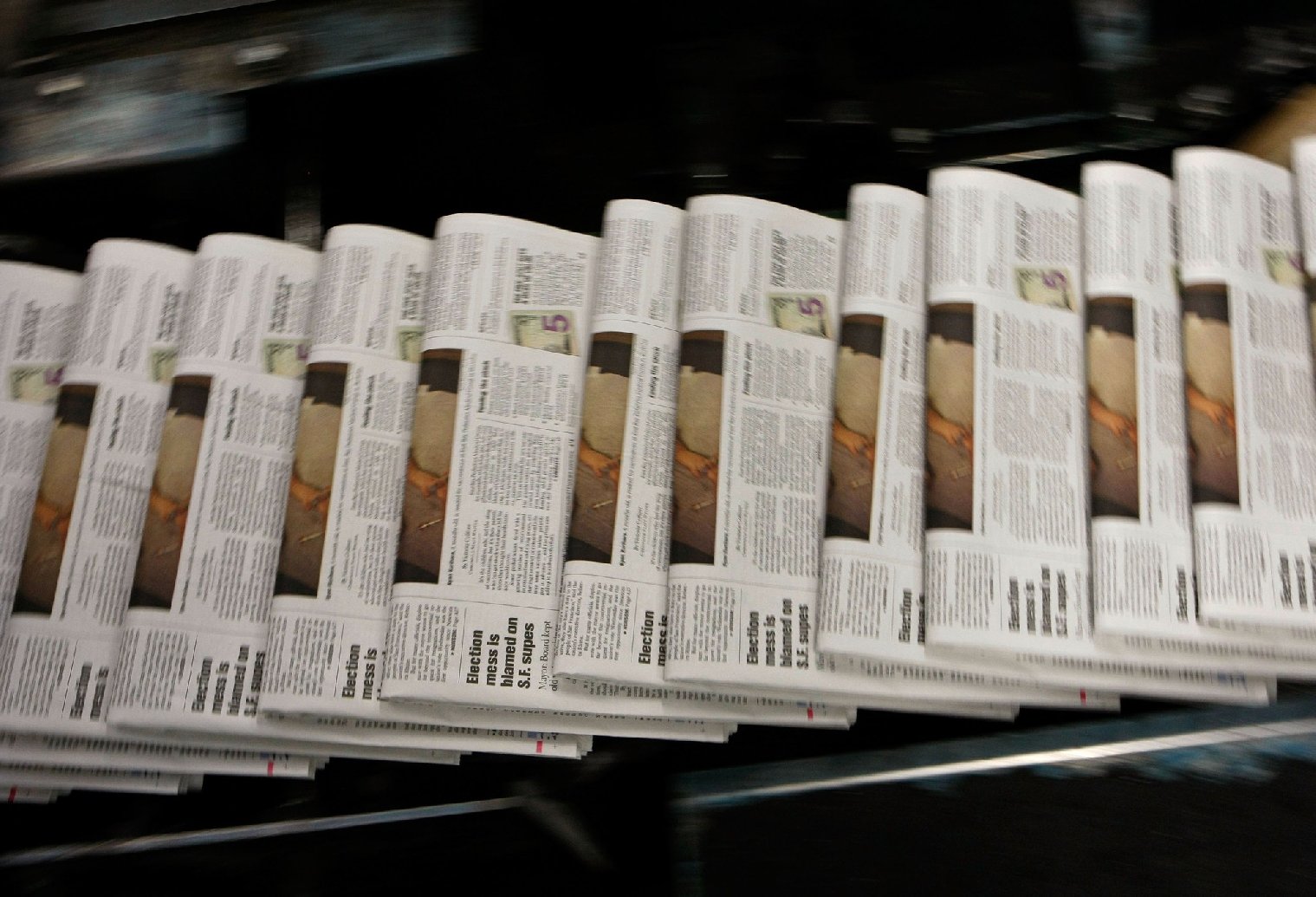
"caption": "In the survey of 1,000 California registered voters, 79 percent of Republicans have little or no faith in how journalists cover the news.",
"description": "In the survey of 1,000 California registered voters, 79 percent of Republicans have little or no faith in how journalists cover the news.",
"title": "newspapers",
"credit": "Justin Sullivan/Getty Images",
"status": "inherit",
"isLoading": false,
"fetchFailed": false
}
},
"audioPlayerReducer": {
"postId": "stream_live",
"isPaused": true,
"isPlaying": false,
"pfsActive": false,
"pledgeModalIsOpen": true,
"playerDrawerIsOpen": false,
"liveAudioPlayStartedAt": 0,
"liveAudioPlayContext": ""
},
"authorsReducer": {
"byline_news_11397452": {
"type": "authors",
"id": "byline_news_11397452",
"meta": {
"override": true
},
"slug": "byline_news_11397452",
"name": "Peter Gilstrap",
"isLoading": false
},
"byline_news_11395671": {
"type": "authors",
"id": "byline_news_11395671",
"meta": {
"override": true
},
"slug": "byline_news_11395671",
"name": "Camila Domonoske",
"isLoading": false
},
"byline_news_11395686": {
"type": "authors",
"id": "byline_news_11395686",
"meta": {
"override": true
},
"slug": "byline_news_11395686",
"name": "Tom Bowman",
"isLoading": false
},
"byline_news_11395137": {
"type": "authors",
"id": "byline_news_11395137",
"meta": {
"override": true
},
"slug": "byline_news_11395137",
"name": "\u003cstrong>\u003ca href=\"https://twitter.com/lizgannes?ref_src=twsrc%5Egoogle%7Ctwcamp%5Eserp%7Ctwgr%5Eauthor\">Liz Gannes\u003c/a>\u003c/strong> and \u003cstrong>\u003ca href\"https://ww2.kqed.org/news/author/qkim/\">Queena Sook Kim\u003c/a>\u003c/strong>",
"isLoading": false
},
"byline_news_11395123": {
"type": "authors",
"id": "byline_news_11395123",
"meta": {
"override": true
},
"slug": "byline_news_11395123",
"name": "Robert Jablon\u003cbr>Associated Press",
"isLoading": false
},
"byline_news_11394738": {
"type": "authors",
"id": "byline_news_11394738",
"meta": {
"override": true
},
"slug": "byline_news_11394738",
"name": "Merrit Kennedy",
"isLoading": false
},
"kqed": {
"type": "authors",
"id": "236",
"meta": {
"index": "authors_1716337520",
"id": "236",
"found": true
},
"name": "KQED News Staff",
"firstName": "KQED News Staff",
"lastName": null,
"slug": "kqed",
"email": "faq@kqed.org",
"display_author_email": false,
"staff_mastheads": [],
"title": null,
"bio": null,
"avatar": "https://secure.gravatar.com/avatar/ef0e801a68c4c54afa9180db14084167?s=600&d=blank&r=g",
"twitter": null,
"facebook": null,
"instagram": null,
"linkedin": null,
"sites": [
{
"site": "arts",
"roles": [
"contributor"
]
},
{
"site": "news",
"roles": [
"editor"
]
},
{
"site": "futureofyou",
"roles": [
"author"
]
}
],
"headData": {
"title": "KQED News Staff | KQED",
"description": null,
"ogImgSrc": "https://secure.gravatar.com/avatar/ef0e801a68c4c54afa9180db14084167?s=600&d=blank&r=g",
"twImgSrc": "https://secure.gravatar.com/avatar/ef0e801a68c4c54afa9180db14084167?s=600&d=blank&r=g"
},
"isLoading": false,
"link": "/author/kqed"
},
"scottshafer": {
"type": "authors",
"id": "255",
"meta": {
"index": "authors_1716337520",
"id": "255",
"found": true
},
"name": "Scott Shafer",
"firstName": "Scott",
"lastName": "Shafer",
"slug": "scottshafer",
"email": "sshafer@kqed.org",
"display_author_email": false,
"staff_mastheads": [
"news"
],
"title": "KQED Contributor",
"bio": "Scott Shafer is a senior editor with the KQED Politics and Government desk. He is co-host of Political Breakdown, the award-winning radio show and podcast with a personal take on the world of politics. Scott came to KQED in 1998 to host the statewide\u003cem> California Report\u003c/em>. Prior to that he had extended stints in politics and government\u003cem>.\u003c/em> He uses that inside experience at KQED in his, reporting, hosting and analysis for the politics desk. Scott collaborated \u003cem>Political Breakdown a\u003c/em>nd on \u003cem>The Political Mind of Jerry Brown, \u003c/em>an eight-part series about the life and extraordinary political career of the former governor. For fun, he plays water polo with the San Francisco Tsunami.",
"avatar": "https://secure.gravatar.com/avatar/a62ebae45b79d7aed1a39a0e3bf68104?s=600&d=blank&r=g",
"twitter": "scottshafer",
"bluesky": null,
"facebook": null,
"instagram": null,
"linkedin": null,
"sites": [
{
"site": "news",
"roles": [
"editor"
]
},
{
"site": "stateofhealth",
"roles": [
"author"
]
},
{
"site": "science",
"roles": [
"author"
]
},
{
"site": "forum",
"roles": [
"subscriber"
]
},
{
"site": "liveblog",
"roles": [
"author"
]
}
],
"headData": {
"title": "Scott Shafer | KQED",
"description": "KQED Contributor",
"ogImgSrc": "https://secure.gravatar.com/avatar/a62ebae45b79d7aed1a39a0e3bf68104?s=600&d=blank&r=g",
"twImgSrc": "https://secure.gravatar.com/avatar/a62ebae45b79d7aed1a39a0e3bf68104?s=600&d=blank&r=g"
},
"isLoading": false,
"link": "/author/scottshafer"
},
"zstavely": {
"type": "authors",
"id": "3225",
"meta": {
"index": "authors_1716337520",
"id": "3225",
"found": true
},
"name": "Zaidee Stavely",
"firstName": "Zaidee",
"lastName": "Stavely",
"slug": "zstavely",
"email": "zstavely@gmail.com",
"display_author_email": false,
"staff_mastheads": [],
"title": "KQED Contributor",
"bio": "Zaidee Stavely is an award-winning reporter who writes about race, equity, immigration, and education.",
"avatar": "https://secure.gravatar.com/avatar/5154b3ee56a721c916ca429372ae629c?s=600&d=blank&r=g",
"twitter": null,
"facebook": null,
"instagram": null,
"linkedin": null,
"sites": [
{
"site": "news",
"roles": [
"subscriber"
]
},
{
"site": "mindshift",
"roles": [
"contributor"
]
}
],
"headData": {
"title": "Zaidee Stavely | KQED",
"description": "KQED Contributor",
"ogImgSrc": "https://secure.gravatar.com/avatar/5154b3ee56a721c916ca429372ae629c?s=600&d=blank&r=g",
"twImgSrc": "https://secure.gravatar.com/avatar/5154b3ee56a721c916ca429372ae629c?s=600&d=blank&r=g"
},
"isLoading": false,
"link": "/author/zstavely"
},
"jsmall": {
"type": "authors",
"id": "6625",
"meta": {
"index": "authors_1716337520",
"id": "6625",
"found": true
},
"name": "Julie Small",
"firstName": "Julie",
"lastName": "Small",
"slug": "jsmall",
"email": "jsmall@kqed.org",
"display_author_email": true,
"staff_mastheads": [
"news"
],
"title": "KQED Contributor",
"bio": "Julie Small reports on criminal justice and immigration.\r\n\r\nShe was part of a team at KQED awarded a regional 2019 Edward R. Murrow award for continuing coverage of the Trump Administration's family separation policy.\r\n\r\nThe Society for Professional Journalists recognized Julie's 2018 \u003ca href=\"https://www.kqed.org/news/11636262/the-officer-tased-him-31-times-the-sheriff-called-his-death-an-accident\">reporting\u003c/a> on the San Joaquin County Sheriff's \u003ca href=\"https://www.kqed.org/news/11634689/autopsy-doctors-sheriff-overrode-death-findings-to-protect-law-enforcement\">interference\u003c/a> in death investigations with an Excellence in Journalism Award for Ongoing Coverage.\r\n\r\nJulie's\u003ca href=\"https://www.kqed.org/news/11039666/two-mentally-ill-inmates-died-one-month-in-santa-clara\"> reporting\u003c/a> with Lisa Pickoff-White on the treatment of mentally ill offenders in California jails earned a 2017 regional Edward R. Murrow Award for news reporting and an investigative reporting award from the SPJ of Northern California.\r\n\r\nBefore joining KQED, Julie covered government and politics in Sacramento for Southern California Public Radio (SCPR). Her 2010 \u003ca href=\"https://www.scpr.org/specials/prisonmedical/\">series\u003c/a> on lapses in California’s prison medical care also won a regional Edward R. Murrow Award for investigative reporting and a Golden Mic Award from the RTNDA of Southern California.\r\n\r\nJulie began her career in journalism in 2000 as the deputy foreign editor for public radio's \u003cem>Marketplace, \u003c/em>while earning her master's degree in journalism from USC’s Annenberg School of Communication.",
"avatar": "https://secure.gravatar.com/avatar/4baedf201468df97be97c2a9dd7585d0?s=600&d=blank&r=g",
"twitter": "@SmallRadio2",
"facebook": null,
"instagram": null,
"linkedin": null,
"sites": [
{
"site": "news",
"roles": [
"editor"
]
},
{
"site": "stateofhealth",
"roles": [
"author"
]
},
{
"site": "science",
"roles": [
"author"
]
}
],
"headData": {
"title": "Julie Small | KQED",
"description": "KQED Contributor",
"ogImgSrc": "https://secure.gravatar.com/avatar/4baedf201468df97be97c2a9dd7585d0?s=600&d=blank&r=g",
"twImgSrc": "https://secure.gravatar.com/avatar/4baedf201468df97be97c2a9dd7585d0?s=600&d=blank&r=g"
},
"isLoading": false,
"link": "/author/jsmall"
},
"ecruzguevarra": {
"type": "authors",
"id": "8654",
"meta": {
"index": "authors_1716337520",
"id": "8654",
"found": true
},
"name": "Ericka Cruz Guevarra",
"firstName": "Ericka",
"lastName": "Cruz Guevarra",
"slug": "ecruzguevarra",
"email": "ecruzguevarra@kqed.org",
"display_author_email": true,
"staff_mastheads": [
"news"
],
"title": "Producer, The Bay Podcast",
"bio": "Ericka Cruz Guevarra is host of \u003ca href=\"https://www.kqed.org/podcasts/thebay\">\u003cem>The Bay\u003c/em>\u003c/a> podcast at KQED. Before host, she was the show’s producer. Her work in that capacity includes a three-part reported series on policing in Vallejo, which won a 2020 excellence in journalism award from the Society of Professional Journalists. Ericka has worked as a breaking news reporter at Oregon Public Broadcasting, helped produce the Code Switch podcast, and was KQED’s inaugural Raul Ramirez Diversity Fund intern. She’s also an alumna of NPR’s Next Generation Radio program. Send her an email if you have strong feelings about whether Fairfield and Suisun City are the Bay. Ericka is represented by SAG-AFTRA.",
"avatar": "https://secure.gravatar.com/avatar/accefc1de4bafc7e234b69bcb9b6f6536c130fd84709bc3069ef11a78787e1bb?s=600&d=blank&r=g",
"twitter": "NotoriousECG",
"bluesky": null,
"facebook": null,
"instagram": null,
"linkedin": null,
"sites": [
{
"site": "arts",
"roles": [
"subscriber"
]
},
{
"site": "news",
"roles": [
"editor",
"manage_categories"
]
},
{
"site": "futureofyou",
"roles": [
"subscriber"
]
},
{
"site": "stateofhealth",
"roles": [
"subscriber"
]
},
{
"site": "science",
"roles": [
"editor"
]
},
{
"site": "forum",
"roles": [
"subscriber"
]
}
],
"headData": {
"title": "Ericka Cruz Guevarra | KQED",
"description": "Producer, The Bay Podcast",
"ogImgSrc": "https://secure.gravatar.com/avatar/accefc1de4bafc7e234b69bcb9b6f6536c130fd84709bc3069ef11a78787e1bb?s=600&d=blank&r=g",
"twImgSrc": "https://secure.gravatar.com/avatar/accefc1de4bafc7e234b69bcb9b6f6536c130fd84709bc3069ef11a78787e1bb?s=600&d=blank&r=g"
},
"isLoading": false,
"link": "/author/ecruzguevarra"
}
},
"pagesReducer": {
"news_tag_donald-trump": {
"type": "terms",
"id": "news_1323",
"meta": {
"index": "terms_1716263798",
"site": "news",
"id": "1323",
"score": 8.557382
},
"featImg": null,
"name": "Donald Trump",
"description": null,
"taxonomy": "tag",
"headData": {
"twImgId": null,
"twTitle": null,
"ogTitle": null,
"ogImgId": null,
"twDescription": null,
"description": null,
"title": "Donald Trump Archives | KQED News",
"ogDescription": null
},
"ttid": 1335,
"slug": "donald-trump",
"isLoading": false,
"title": "Donald Trump",
"pageMeta": {
"site": "news",
"WpPageTemplate": "page-topic-editorial",
"currentPage": 162
},
"blocks": [
{
"blockName": "kqed/post-list",
"attrs": {
"layout": "cardArticle2",
"query": "posts/news?tag=donald-trump",
"seeMore": false,
"paginated": true,
"page": 162
}
},
{
"blockName": "kqed/ad"
}
]
}
},
"pfsSessionReducer": {},
"postsReducer": {
"stream_live": {
"type": "live",
"id": "stream_live",
"audioUrl": "https://streams.kqed.org/kqedradio",
"title": "Live Stream",
"excerpt": "Live Stream information currently unavailable.",
"link": "/radio",
"featImg": "",
"label": {
"name": "KQED Live",
"link": "/"
}
},
"stream_kqedNewscast": {
"type": "posts",
"id": "stream_kqedNewscast",
"audioUrl": "https://www.kqed.org/.stream/anon/radio/RDnews/newscast.mp3?_=1",
"title": "KQED Newscast",
"featImg": "",
"label": {
"name": "88.5 FM",
"link": "/"
}
},
"news_11412247": {
"type": "posts",
"id": "news_11412247",
"meta": {
"index": "posts_1716263798",
"site": "news",
"id": "11412247",
"score": null,
"sort": [
1492441369000
]
},
"guestAuthors": [],
"slug": "feinsteins-town-hall-today-will-test-her-political-skills",
"title": "Feinstein's S.F. Town Hall Will Test Her Political Skills",
"publishDate": 1492441369,
"format": "standard",
"headTitle": "Feinstein’s S.F. Town Hall Will Test Her Political Skills | KQED",
"labelTerm": {
"term": 72,
"site": "news"
},
"content": "\u003cp>Given that Dianne Feinstein has been a fixture in San Francisco politics since the 1970s, you wouldn’t think a town hall meeting with California’s senior senator before a hometown crowd would matter much. But the election of Donald Trump as president has turned conventional politics upside down.\u003c/p>\n\u003cp>Since January, town hall gatherings by members of Congress, even in Republican districts, have been dominated by Democrats energized by Trump’s stunning victory and threats they perceive from his agenda on health care, immigration, the environment and more.\u003c/p>\n\u003cp>That’s why Sen. Feinstein’s free public event Monday on the city’s west side could get interesting. Feinstein doesn’t hold many question-and-answer events that are as freewheeling and potentially messy as this one. She tends to stick to sessions in controlled public policy-type settings, like recent gatherings sponsored by the San Francisco Chamber of Commerce and the Public Policy Institute of California.\u003c/p>\n\u003cp>Feinstein appears to be running for re-election to the seat she’s held since 1992, and while \u003ca href=\"https://ww2.kqed.org/news/2017/04/04/is-feinsteins-age-an-issue-many-voters-think-so/\" target=\"_blank\" rel=\"noopener\">polls\u003c/a> show her popularity remains intact, voters also express concern that she’ll be 85 years old on Election Day 2018.\u003c/p>\n\u003cp>During Feinstein’s 25 years in the U.S. Senate, she has earned status and seniority, with seats on the powerful Senate Judiciary and Intelligence committees. She has also developed a reputation for collegiality and working across the aisle, often co-sponsoring legislation with conservative senators like Richard Burr (R-NC).\u003c/p>\n\u003cp>[ad fullwidth]\u003c/p>\n\u003cp>While that has served Feinstein well in the past, it has never endeared her to the Democratic Party’s liberal base. The Bernie Sanders wing of the party is where much of the energy is now coming from, and it will be telling to see how they respond to Feinstein’s town hall presentation and answers.\u003c/p>\n\u003cp>Shortly after Monday’s event was announced, the roughly 1,000 free tickets were snatched up online. There was grumbling on Twitter from the anti-Trump activist group Indivisible San Francisco (an offshoot of the national movement) that the time (Monday, 11 a.m.) and location (the \u003ca href=\"http://www.sfscottishrite.com\" target=\"_blank\" rel=\"noopener\">Scottish Rite Masonic Center\u003c/a> at Sloat Boulevard and 19th Avenue) were inconvenient, especially for folks who work during the week.\u003c/p>\n\u003cp>However, on its \u003ca href=\"https://www.facebook.com/IndivisibleSF/\" target=\"_blank\" rel=\"noopener\">Facebook\u003c/a> page on Sunday, Indivisible announced they “may have a few extra tickets” from people who couldn’t make it. Feinstein smartly adopted Invisible SF’s suggestion for taking questions, telling attendees with comments to take a ticket when they arrive and that tickets will be randomly pulled for the Q and A.\u003c/p>\n\u003cp>Whether activists like the anti-war group \u003ca href=\"https://en.wikipedia.org/wiki/Code_Pink\" target=\"_blank\" rel=\"noopener\">Code Pink\u003c/a> abide by such an orderly protocol remains to be seen. Don’t count on it.\u003c/p>\n\u003cp>\u003c/p>\n\u003cp>Feinstein has a \u003ca href=\"https://www.eventbrite.com/e/los-angeles-town-hall-with-senator-dianne-feinstein-tickets-33596127923\" target=\"_blank\" rel=\"noopener\">second town hall \u003c/a>meeting Thursday in Los Angeles. It is sold out, too. First-term California Sen. Kamala Harris will hold a town hall on Friday in Los Angeles.\u003c/p>\n\n",
"blocks": [],
"excerpt": "Since January, town hall gatherings by members of Congress, even in Republican districts, have been dominated by Democrats energized by Trump's stunning victory",
"status": "publish",
"parent": 0,
"modified": 1721152566,
"stats": {
"hasAudio": false,
"hasVideo": false,
"hasChartOrMap": false,
"iframeSrcs": [],
"hasGoogleForm": false,
"hasGallery": false,
"hasHearkenModule": false,
"hasPolis": false,
"paragraphCount": 12,
"wordCount": 507
},
"headData": {
"title": "Feinstein's S.F. Town Hall Will Test Her Political Skills | KQED",
"description": "Since January, town hall gatherings by members of Congress, even in Republican districts, have been dominated by Democrats energized by Trump's stunning victory",
"ogTitle": "",
"ogDescription": "",
"ogImgId": "",
"twTitle": "",
"twDescription": "",
"twImgId": "",
"schema": {
"@context": "https://schema.org",
"@type": "NewsArticle",
"headline": "Feinstein's S.F. Town Hall Will Test Her Political Skills",
"datePublished": "2017-04-17T08:02:49-07:00",
"dateModified": "2024-07-16T10:56:06-07:00",
"image": "https://cdn.kqed.org/wp-content/uploads/2020/02/KQED-OG-Image@1x.png",
"isAccessibleForFree": "True",
"publisher": {
"@type": "NewsMediaOrganization",
"@id": "https://www.kqed.org/#organization",
"name": "KQED",
"logo": "https://cdn.kqed.org/wp-content/uploads/2020/02/KQED-OG-Image@1x.png",
"url": "https://www.kqed.org",
"sameAs": [
"https://www.facebook.com/KQED",
"https://twitter.com/KQED",
"https://www.instagram.com/kqed/",
"https://www.tiktok.com/@kqedofficial",
"https://www.linkedin.com/company/kqed",
"https://www.youtube.com/channel/UCeC0IOo7i1P_61zVUWbJ4nw"
]
}
}
},
"sticky": false,
"path": "/news/11412247/feinsteins-town-hall-today-will-test-her-political-skills",
"audioTrackLength": null,
"parsedContent": [
{
"type": "contentString",
"content": "\u003cdiv class=\"post-body\">\u003cp>\u003cp>Given that Dianne Feinstein has been a fixture in San Francisco politics since the 1970s, you wouldn’t think a town hall meeting with California’s senior senator before a hometown crowd would matter much. But the election of Donald Trump as president has turned conventional politics upside down.\u003c/p>\n\u003cp>Since January, town hall gatherings by members of Congress, even in Republican districts, have been dominated by Democrats energized by Trump’s stunning victory and threats they perceive from his agenda on health care, immigration, the environment and more.\u003c/p>\n\u003cp>That’s why Sen. Feinstein’s free public event Monday on the city’s west side could get interesting. Feinstein doesn’t hold many question-and-answer events that are as freewheeling and potentially messy as this one. She tends to stick to sessions in controlled public policy-type settings, like recent gatherings sponsored by the San Francisco Chamber of Commerce and the Public Policy Institute of California.\u003c/p>\n\u003cp>Feinstein appears to be running for re-election to the seat she’s held since 1992, and while \u003ca href=\"https://ww2.kqed.org/news/2017/04/04/is-feinsteins-age-an-issue-many-voters-think-so/\" target=\"_blank\" rel=\"noopener\">polls\u003c/a> show her popularity remains intact, voters also express concern that she’ll be 85 years old on Election Day 2018.\u003c/p>\n\u003cp>During Feinstein’s 25 years in the U.S. Senate, she has earned status and seniority, with seats on the powerful Senate Judiciary and Intelligence committees. She has also developed a reputation for collegiality and working across the aisle, often co-sponsoring legislation with conservative senators like Richard Burr (R-NC).\u003c/p>\n\u003cp>\u003c/p>\u003c/div>",
"attributes": {
"named": {},
"numeric": []
}
},
{
"type": "component",
"content": "",
"name": "ad",
"attributes": {
"named": {
"label": "fullwidth"
},
"numeric": [
"fullwidth"
]
}
},
{
"type": "contentString",
"content": "\u003cdiv class=\"post-body\">\u003cp>\u003c/p>\n\u003cp>While that has served Feinstein well in the past, it has never endeared her to the Democratic Party’s liberal base. The Bernie Sanders wing of the party is where much of the energy is now coming from, and it will be telling to see how they respond to Feinstein’s town hall presentation and answers.\u003c/p>\n\u003cp>Shortly after Monday’s event was announced, the roughly 1,000 free tickets were snatched up online. There was grumbling on Twitter from the anti-Trump activist group Indivisible San Francisco (an offshoot of the national movement) that the time (Monday, 11 a.m.) and location (the \u003ca href=\"http://www.sfscottishrite.com\" target=\"_blank\" rel=\"noopener\">Scottish Rite Masonic Center\u003c/a> at Sloat Boulevard and 19th Avenue) were inconvenient, especially for folks who work during the week.\u003c/p>\n\u003cp>However, on its \u003ca href=\"https://www.facebook.com/IndivisibleSF/\" target=\"_blank\" rel=\"noopener\">Facebook\u003c/a> page on Sunday, Indivisible announced they “may have a few extra tickets” from people who couldn’t make it. Feinstein smartly adopted Invisible SF’s suggestion for taking questions, telling attendees with comments to take a ticket when they arrive and that tickets will be randomly pulled for the Q and A.\u003c/p>\n\u003cp>Whether activists like the anti-war group \u003ca href=\"https://en.wikipedia.org/wiki/Code_Pink\" target=\"_blank\" rel=\"noopener\">Code Pink\u003c/a> abide by such an orderly protocol remains to be seen. Don’t count on it.\u003c/p>\n\u003cp>\u003c/p>\n\u003cp>Feinstein has a \u003ca href=\"https://www.eventbrite.com/e/los-angeles-town-hall-with-senator-dianne-feinstein-tickets-33596127923\" target=\"_blank\" rel=\"noopener\">second town hall \u003c/a>meeting Thursday in Los Angeles. It is sold out, too. First-term California Sen. Kamala Harris will hold a town hall on Friday in Los Angeles.\u003c/p>\n\n\u003c/div>\u003c/p>",
"attributes": {
"named": {},
"numeric": []
}
}
],
"link": "/news/11412247/feinsteins-town-hall-today-will-test-her-political-skills",
"authors": [
"255"
],
"programs": [
"news_6944",
"news_72"
],
"categories": [
"news_8",
"news_13"
],
"tags": [
"news_274",
"news_1323",
"news_61",
"news_17968"
],
"featImg": "news_11283662",
"label": "news_72"
},
"news_11405917": {
"type": "posts",
"id": "news_11405917",
"meta": {
"index": "posts_1716263798",
"site": "news",
"id": "11405917",
"score": null,
"sort": [
1492413325000
]
},
"parent": 0,
"labelTerm": {
"site": "news",
"term": 72
},
"blocks": [],
"publishDate": 1492413325,
"format": "standard",
"disqusTitle": "Queer and Undocumented: A Powerful Force in the Dreamer Movement",
"title": "Queer and Undocumented: A Powerful Force in the Dreamer Movement",
"headTitle": "The California Report | KQED News",
"content": "\u003cp>At her kitchen table in Oakland, Yahaira Carrillo leafs through an old photo album with faded pictures of a little curly-haired girl. The album is precious to her: She saw her baby pictures for the first time only a few years ago, when her aunt brought the album from Mexico. That's because when Carrillo crossed the border as a 7-year-old with her mom, they left almost everything behind.\u003c/p>\n\u003cp>Growing up undocumented, first in California, then in Missouri, Carrillo, now 32, was taught to always be on her best behavior.\u003c/p>\n\u003cp>\"Any sort of wrong moves could result in my parents getting deported or my getting deported, or ending up in foster care,\" Carrillo said. \"[My mom] was like, 'Always be good. We have to be model citizens, model behavior. We have to be as normal, as American, as possible, instead of raising any red flags.'\"\u003c/p>\n\u003cp>It can be a big risk for undocumented immigrants to admit they don’t have papers, especially now, when President Trump is targeting immigrants and vowing to deport them in record numbers. And yet, in the past decade, more and more young people who were brought to the U.S. as children have been doing just that -- especially those who are LGBTQ.\u003c/p>\n\u003cp>[audio src=\"http://www.kqed.org/.stream/anon/radio/tcrmag/2017/04/2017-04-14b-tcrmag.mp3\" Image=\"https://u.s.kqed.net/2017/04/14/BertProtestImg.jpg\" Title=\"Queer and Undocumented: A Powerful Force in the Dreamer Movement\" program=\"The California Report\"]\u003c/p>\n\u003cp>As Carrillo grew up, she ran into obstacles because of her immigration status. When she went to college, she didn’t qualify for financial aid, so she had to work full time to pay tuition, and it took her nine years to graduate. The \u003ca href=\"https://www.congress.gov/bill/107th-congress/senate-bill/1291\" target=\"_blank\">DREAM Act\u003c/a> (an acronym for Development, Relief, and Education for Alien Minors) would have given undocumented young people like her a path to a green card. But years after it was first introduced in 2001, the bill still hadn’t passed. So Carrillo decided to start lobbying.\u003c/p>\n\u003cp>[ad fullwidth]\u003c/p>\n\u003cp>\"We had reached a point where we had to tell our own stories, we had to speak for ourselves,\" Carrillo said, \"because it was suffocating, you know, living in this place of fear.\"\u003c/p>\n\u003cp>Suffocating — like when you're gay and in the closet. Carrillo also knew what that felt like. She came out as bisexual when she was 23.\u003c/p>\n\u003cp>\"At the end of the day, both coming out as queer and coming out as undocumented, it’s about living life on your own terms,\" Carrillo said. \"[It's about] you calling the shots about how you move about the world, and facing society head on, in your full truth, in both of those areas. And there's power in that.\"\u003c/p>\n\u003cp>[contextly_sidebar id=\"EFIDkoJ1DqthjlKMkv2c098EdOOjUzY8\"]\u003c/p>\n\u003cp>Many of the most outspoken, undocumented young activists who organized across the country for the DREAM Act are lesbian, gay, bisexual, transgender or queer. After the bill failed in Congress in 2007, they began taking a page from the in-your-face civil disobedience of AIDS and gay rights groups like \u003ca href=\"http://www.actupny.org/\" target=\"_blank\">Act Up!\u003c/a> and adopting the practice — advocated by Harvey Milk and other LGBTQ activists — of “coming out” publicly.\u003c/p>\n\u003cp>\"People need to know that queer people exist, and people need to know that undocumented people exist, and that we live next door, and that we brush our teeth, and that we floss, or don’t floss, just like everybody else,\" Carrillo said.\u003c/p>\n\u003cp>In 2010, as four \"Dreamers\" (young immigrants who were brought to the U.S. without papers as children) walked from Florida to Washington, D.C., to push for the DREAM Act, a group of undocumented youth in Chicago declared \"\u003ca href=\"http://www.iyjl.org/national-coming-out-of-the-shadows-day/\" target=\"_blank\">National Coming Out of the Shadows\u003c/a>\" month.\u003c/p>\n\u003cp>In May 2010, Carrillo and four other young people decided to put their bodies on the line, in the place they felt was most dangerous for undocumented immigrants: Arizona. Just weeks before, the state had passed \u003ca href=\"https://www.azleg.gov/legtext/49leg/2r/bills/sb1070s.pdf\" target=\"_blank\">SB 1070\u003c/a>, which made it a crime to be undocumented in the state and required police to check the immigration status of anyone arrested or detained, if police suspected they did not have government permission to be here.\u003c/p>\n\u003cfigure id=\"attachment_11408716\" class=\"wp-caption aligncenter\" style=\"max-width: 800px\">\u003cimg class=\"size-medium wp-image-11408716\" src=\"https://ww2.kqed.org/news/wp-content/uploads/sites/10/2017/04/McCainSitIn-800x1008.jpg\" alt=\"Four undocumented youth, Tania Unzueta, Lizbeth Mateo, Yahaira Carrillo, and Mohammad Abdollahi, accompanied by Raúl Alcaraz, held a sit-in in John McCain’s office in Arizona in 2010. \" width=\"800\" height=\"1008\" srcset=\"https://ww2.kqed.org/app/uploads/sites/10/2017/04/McCainSitIn.jpg 800w, https://ww2.kqed.org/app/uploads/sites/10/2017/04/McCainSitIn-160x202.jpg 160w, https://ww2.kqed.org/app/uploads/sites/10/2017/04/McCainSitIn-240x302.jpg 240w, https://ww2.kqed.org/app/uploads/sites/10/2017/04/McCainSitIn-375x473.jpg 375w, https://ww2.kqed.org/app/uploads/sites/10/2017/04/McCainSitIn-520x655.jpg 520w\" sizes=\"(max-width: 800px) 100vw, 800px\">\u003cfigcaption class=\"wp-caption-text\">Four undocumented youth, Tania Unzueta, Lizbeth Mateo, Yahaira Carrillo and Mohammad Abdollahi, accompanied by Raúl Alcaraz, held a sit-in in John McCain’s office in Arizona in 2010. \u003ccite>(Courtesy of Yahaira Carrillo)\u003c/cite>\u003c/figcaption>\u003c/figure>\n\u003cp>Carrillo and the others walked into Sen. John McCain’s office, wearing blue graduation caps and gowns. They sat on the floor, and said they would not leave until the senator agreed to co-sponsor the DREAM Act. Carrillo remembers a police officer tried to talk them out of it. He said he had a son, too, and asked them to think of their future: How would they get a job if they were arrested?\u003c/p>\n\u003cp>\"And I remember one of us saying, 'But you don’t understand. That’s the problem: that we can’t. We can't get a job,' \" Carrillo recalled.\u003c/p>\n\u003cp>They were risking everything. Four of the young people were arrested that day. Carrillo and two others were turned over to immigration authorities. They were later released but faced possible deportation.\u003c/p>\n\u003cp>At the same time, more protests were happening around the country. A queer immigrant organizer named Prerna Lal, one of the founders of a group called \u003ca href=\"http://dreamactivist.org/\" target=\"_blank\">DreamActivist\u003c/a>, helped shut down Wilshire Boulevard outside Sen. Dianne Feinstein’s office in Los Angeles.\u003c/p>\n\u003cp>\"I did what I did because I didn’t feel like there was an alternative for me, or for my friends,\" said Lal, 32. \"For far too long, we had been cast aside, marginalized. Our stories were not seen as important, our lives not important. And I was tired of living that way and I couldn’t live that way. I felt like coming out and organizing was better. If it meant being deported, so be it.\"\u003c/p>\n\u003caside class=\"pullquote alignright\">'Both coming out as queer and coming out as undocumented, it's about living life on your own terms.'\u003ccite>Yahaira Carrillo\u003c/cite>\u003c/aside>\n\u003cp>Lal and her parents came from Fiji and overstayed their visas. By the time her parents got green cards, she was over 21 and couldn't legalize her status with them. Friends suggested she could get a green card another way.\u003c/p>\n\u003cp>\"I was told many times, 'Get married! Just find a boy!' And I was like, 'Well that’s not me, that’s not who I am,\" Lal said.\u003c/p>\n\u003cp>Same-sex marriage wasn't legal at the time, but Lal says many mainstream immigrant rights organizations didn't want to address that obstacle as part of the fight for immigration reform.\u003c/p>\n\u003cp>\"We felt like we were being told, 'While your immigrant stories are great, we don’t want to hear about your sexual orientation, that’s something you do in private,' \" said Lal. \"It's kind of funny talking about that now because we have come so far.\"\u003c/p>\n\u003cp>The DREAM Act didn't pass, but the Dreamers started something. After the arrest in McCain's office, more and more people began declaring themselves \"Undocumented, unafraid and unapologetic!\" a refrain that has echoes of the chant \"We're here, we're queer, get used to it!\" of radical gay rights organizations. That summer, 21 young undocumented people were arrested while holding sit-ins on Capitol Hill. Almost half of them also identified as queer.\u003c/p>\n\u003cp>Lal says the Dreamers risking arrest and deportation caught the attention of the country … and the president. In 2012, President Barack Obama issued temporary protection from deportation for undocumented youth, or \u003ca href=\"https://www.uscis.gov/humanitarian/consideration-deferred-action-childhood-arrivals-daca\" target=\"_blank\">Deferred Action for Childhood Arrivals\u003c/a>, known by its initials as DACA.\u003c/p>\n\u003cp>\"DACA’s only in place because people fought for it to be in place,\" Lal said. \"Obama didn’t wake up one day and just decide to do it on his own.\"\u003c/p>\n\u003cp>[contextly_sidebar id=\"ZLCyTWBblPnSPt0oCqQ2sTyoQroBFeCw\"]\u003c/p>\n\u003cp>In fact, in the months before Obama's announcement, undocumented youth held sit-ins in his campaign offices, calling for an executive order to stop deportations.\u003c/p>\n\u003cp>Felicia Escobar worked in the White House as special assistant to President Obama on immigration policy, and she helped craft DACA. She says the administration had been working on the directive for months before its announcement, and was not directly affected by the sit-ins that summer. She acknowledges, however, that the president and others in his administration had been meeting with undocumented youth from the beginning of his first term in office.\u003c/p>\n\u003cp>\"The fact that Dreamers have been, you know, unafraid to come out and share their story has had a tremendous impact on the entire immigrant rights movement,\" said Escobar. \"They’re able to humanize the issue, they’re articulate, you see them, you hear them. They moved the ball forward in a really impactful way.\"\u003c/p>\n\u003cp>More than 750,000 DACA applications have been approved since the policy began in 2012. During his campaign, Donald Trump vowed to end DACA. But as president, he has backed off somewhat, saying he would deal with people who have DACA with \"great heart,\" and leave it in place, at least for now. At the same time, he's promised to increase deportations.\u003c/p>\n\u003cp>\"As of now it seems like DACA youth are safe,\" said Escobar, \"but they don’t live in a vacuum. They’re worried about their parents. They're worried about their siblings, who may not have qualified for DACA.\"\u003c/p>\n\u003cp>[contextly_sidebar id=\"daScyNAOZZnxuNvGVawHaO8vPl1IyjGA\"]\u003c/p>\n\u003cp>Lal and Carrillo now see that fear and uncertainty every day at the East Bay Community Law Center where they both work. Lal is an attorney serving undocumented students at UC Berkeley. After Trump's inauguration, Lal says the number of students seeking legal help went up by 50 percent. She says she has even had clients who have refused needed medical care because they are worried that if their family members come to see them in the hospital, they could be deported.\u003c/p>\n\u003cp>\"One of my greatest fears when Trump was elected was not that he would take DACA away, but that he would keep it and use it as a bargaining chip. And that's precisely what I see is happening,\" said Lal. \"A bargaining chip, saying, 'We'll deport everyone else, except for these young, amazing, quote-unquote children.' \"\u003c/p>\n\u003cp>Lal fought her own deportation all the way to the Supreme Court and lost, but that same court ended up granting her a path to permanent residency when it ruled that same-sex marriage is legal. That allowed her to obtain a green card through her marriage to her U.S. citizen wife. Carrillo has a visa to live and work here now, too. Both of them say they know some people wonder if, under Trump, “coming out” as undocumented is too great a risk.\u003c/p>\n\u003cp>\"And that’s real,\" said Carrillo. \"But at the end of the day we don’t want to go back to the same place we were before. Because that’s basically the same thing we were told in 2010: 'We do this for your safety. We speak for you so you can be safe.' I have no desire to go back to that. I also have no desire to tell people they’re going to be safe. If you are not undocumented, it’s not your place to tell people. It’s just like coming out as queer. You choose when you come out.\"\u003c/p>\n\u003cfigure id=\"attachment_11407603\" class=\"wp-caption aligncenter\" style=\"max-width: 800px\">\u003cimg class=\"wp-image-11407603 size-medium\" src=\"https://ww2.kqed.org/news/wp-content/uploads/sites/10/2017/04/RS24937_IMG_3682-qut-800x600.jpg\" alt='Blanca Vazquez invites undocumented immigrants to \"come out of the shadows\" at a rally in Oakland in April 2017.' width=\"800\" height=\"600\" srcset=\"https://ww2.kqed.org/app/uploads/sites/10/2017/04/RS24937_IMG_3682-qut-800x600.jpg 800w, https://ww2.kqed.org/app/uploads/sites/10/2017/04/RS24937_IMG_3682-qut-160x120.jpg 160w, https://ww2.kqed.org/app/uploads/sites/10/2017/04/RS24937_IMG_3682-qut-1020x765.jpg 1020w, https://ww2.kqed.org/app/uploads/sites/10/2017/04/RS24937_IMG_3682-qut.jpg 1920w, https://ww2.kqed.org/app/uploads/sites/10/2017/04/RS24937_IMG_3682-qut-1180x885.jpg 1180w, https://ww2.kqed.org/app/uploads/sites/10/2017/04/RS24937_IMG_3682-qut-960x720.jpg 960w, https://ww2.kqed.org/app/uploads/sites/10/2017/04/RS24937_IMG_3682-qut-240x180.jpg 240w, https://ww2.kqed.org/app/uploads/sites/10/2017/04/RS24937_IMG_3682-qut-375x281.jpg 375w, https://ww2.kqed.org/app/uploads/sites/10/2017/04/RS24937_IMG_3682-qut-520x390.jpg 520w\" sizes=\"(max-width: 800px) 100vw, 800px\">\u003cfigcaption class=\"wp-caption-text\">Blanca Vazquez, of the East Bay Immigrant Youth Coalition, invites undocumented immigrants to 'come out of the shadows' at a rally in Oakland in April 2017. \u003ccite>(Zaidee Stavely/KQED)\u003c/cite>\u003c/figcaption>\u003c/figure>\n\u003cp>Some undocumented youth and adults are still choosing to come out, and they're still using the chant \"Undocumented! Unafraid!\" at rallies and protests. Sometimes they end by shouting \"Queer, Trans, and Unashamed!\" At a recent rally outside the Alameda County Sheriff's Office in Oakland, people lined up for a turn at a microphone to \"come out of the shadows.\"\u003c/p>\n\u003cp>Blanca Vazquez, 28, helped organize the event. She said she arrived in the U.S. when she was 6 months old and applied for DACA last year, but she's still waiting for approval. Even with all the uncertainty under the Trump administration, she says she'll keep speaking out about her status. She still remembers the first time she saw someone share publicly that they were undocumented. After being told her entire life not to share her immigration status, she was shocked and remembers thinking, \"Does he know what he’s about to do? You just don’t do that. You don’t talk about this kind of thing with strangers!\"\u003c/p>\n\u003cp>[ad floatright]\u003c/p>\n\u003cp>Then, she burst into tears. In that moment, Vazquez says she also learned something: \"That my silence isolated me, and isolated everyone who was undocumented, and our isolation was not protecting us.\"\u003c/p>\n\n",
"disqusIdentifier": "11405917 https://ww2.kqed.org/news/?p=11405917",
"disqusUrl": "https://ww2.kqed.org/news/2017/04/17/queer-and-undocumented-a-powerful-force-in-the-dreamer-movement/",
"stats": {
"hasVideo": false,
"hasChartOrMap": false,
"hasAudio": true,
"hasPolis": false,
"wordCount": 2218,
"hasGoogleForm": false,
"hasGallery": false,
"hasHearkenModule": false,
"iframeSrcs": [],
"paragraphCount": 41
},
"modified": 1492219826,
"excerpt": "They took on the in-your-face civil disobedience of gay rights groups and the practice of 'coming out.'",
"headData": {
"twImgId": "",
"twTitle": "",
"ogTitle": "",
"ogImgId": "",
"twDescription": "",
"description": "They took on the in-your-face civil disobedience of gay rights groups and the practice of 'coming out.'",
"title": "Queer and Undocumented: A Powerful Force in the Dreamer Movement | KQED",
"ogDescription": "",
"schema": {
"@context": "https://schema.org",
"@type": "NewsArticle",
"headline": "Queer and Undocumented: A Powerful Force in the Dreamer Movement",
"datePublished": "2017-04-17T00:15:25-07:00",
"dateModified": "2017-04-14T18:30:26-07:00",
"image": "https://cdn.kqed.org/wp-content/uploads/2020/02/KQED-OG-Image@1x.png",
"isAccessibleForFree": "True",
"publisher": {
"@type": "NewsMediaOrganization",
"@id": "https://www.kqed.org/#organization",
"name": "KQED",
"logo": "https://cdn.kqed.org/wp-content/uploads/2020/02/KQED-OG-Image@1x.png",
"url": "https://www.kqed.org",
"sameAs": [
"https://www.facebook.com/KQED",
"https://twitter.com/KQED",
"https://www.instagram.com/kqed/",
"https://www.tiktok.com/@kqedofficial",
"https://www.linkedin.com/company/kqed",
"https://www.youtube.com/channel/UCeC0IOo7i1P_61zVUWbJ4nw"
]
}
}
},
"guestAuthors": [],
"slug": "queer-and-undocumented-a-powerful-force-in-the-dreamer-movement",
"status": "publish",
"path": "/news/11405917/queer-and-undocumented-a-powerful-force-in-the-dreamer-movement",
"audioTrackLength": null,
"parsedContent": [
{
"type": "contentString",
"content": "\u003cdiv class=\"post-body\">\u003cp>\u003cp>At her kitchen table in Oakland, Yahaira Carrillo leafs through an old photo album with faded pictures of a little curly-haired girl. The album is precious to her: She saw her baby pictures for the first time only a few years ago, when her aunt brought the album from Mexico. That's because when Carrillo crossed the border as a 7-year-old with her mom, they left almost everything behind.\u003c/p>\n\u003cp>Growing up undocumented, first in California, then in Missouri, Carrillo, now 32, was taught to always be on her best behavior.\u003c/p>\n\u003cp>\"Any sort of wrong moves could result in my parents getting deported or my getting deported, or ending up in foster care,\" Carrillo said. \"[My mom] was like, 'Always be good. We have to be model citizens, model behavior. We have to be as normal, as American, as possible, instead of raising any red flags.'\"\u003c/p>\n\u003cp>It can be a big risk for undocumented immigrants to admit they don’t have papers, especially now, when President Trump is targeting immigrants and vowing to deport them in record numbers. And yet, in the past decade, more and more young people who were brought to the U.S. as children have been doing just that -- especially those who are LGBTQ.\u003c/p>\n\u003cp>\u003c/p>\u003c/div>",
"attributes": {
"named": {},
"numeric": []
}
},
{
"type": "component",
"content": "",
"name": "audio",
"attributes": {
"named": {
"src": "http://www.kqed.org/.stream/anon/radio/tcrmag/2017/04/2017-04-14b-tcrmag.mp3",
"image": "https://u.s.kqed.net/2017/04/14/BertProtestImg.jpg",
"title": "Queer and Undocumented: A Powerful Force in the Dreamer Movement",
"program": "The California Report",
"label": ""
},
"numeric": []
}
},
{
"type": "contentString",
"content": "\u003cdiv class=\"post-body\">\u003cp>\u003c/p>\n\u003cp>As Carrillo grew up, she ran into obstacles because of her immigration status. When she went to college, she didn’t qualify for financial aid, so she had to work full time to pay tuition, and it took her nine years to graduate. The \u003ca href=\"https://www.congress.gov/bill/107th-congress/senate-bill/1291\" target=\"_blank\">DREAM Act\u003c/a> (an acronym for Development, Relief, and Education for Alien Minors) would have given undocumented young people like her a path to a green card. But years after it was first introduced in 2001, the bill still hadn’t passed. So Carrillo decided to start lobbying.\u003c/p>\n\u003cp>\u003c/p>\u003c/div>",
"attributes": {
"named": {},
"numeric": []
}
},
{
"type": "component",
"content": "",
"name": "ad",
"attributes": {
"named": {
"label": "fullwidth"
},
"numeric": [
"fullwidth"
]
}
},
{
"type": "contentString",
"content": "\u003cdiv class=\"post-body\">\u003cp>\u003c/p>\n\u003cp>\"We had reached a point where we had to tell our own stories, we had to speak for ourselves,\" Carrillo said, \"because it was suffocating, you know, living in this place of fear.\"\u003c/p>\n\u003cp>Suffocating — like when you're gay and in the closet. Carrillo also knew what that felt like. She came out as bisexual when she was 23.\u003c/p>\n\u003cp>\"At the end of the day, both coming out as queer and coming out as undocumented, it’s about living life on your own terms,\" Carrillo said. \"[It's about] you calling the shots about how you move about the world, and facing society head on, in your full truth, in both of those areas. And there's power in that.\"\u003c/p>\n\u003cp>\u003c/p>\u003cp>\u003c/p>\u003cp>\u003c/p>\n\u003cp>Many of the most outspoken, undocumented young activists who organized across the country for the DREAM Act are lesbian, gay, bisexual, transgender or queer. After the bill failed in Congress in 2007, they began taking a page from the in-your-face civil disobedience of AIDS and gay rights groups like \u003ca href=\"http://www.actupny.org/\" target=\"_blank\">Act Up!\u003c/a> and adopting the practice — advocated by Harvey Milk and other LGBTQ activists — of “coming out” publicly.\u003c/p>\n\u003cp>\"People need to know that queer people exist, and people need to know that undocumented people exist, and that we live next door, and that we brush our teeth, and that we floss, or don’t floss, just like everybody else,\" Carrillo said.\u003c/p>\n\u003cp>In 2010, as four \"Dreamers\" (young immigrants who were brought to the U.S. without papers as children) walked from Florida to Washington, D.C., to push for the DREAM Act, a group of undocumented youth in Chicago declared \"\u003ca href=\"http://www.iyjl.org/national-coming-out-of-the-shadows-day/\" target=\"_blank\">National Coming Out of the Shadows\u003c/a>\" month.\u003c/p>\n\u003cp>In May 2010, Carrillo and four other young people decided to put their bodies on the line, in the place they felt was most dangerous for undocumented immigrants: Arizona. Just weeks before, the state had passed \u003ca href=\"https://www.azleg.gov/legtext/49leg/2r/bills/sb1070s.pdf\" target=\"_blank\">SB 1070\u003c/a>, which made it a crime to be undocumented in the state and required police to check the immigration status of anyone arrested or detained, if police suspected they did not have government permission to be here.\u003c/p>\n\u003cfigure id=\"attachment_11408716\" class=\"wp-caption aligncenter\" style=\"max-width: 800px\">\u003cimg class=\"size-medium wp-image-11408716\" src=\"https://ww2.kqed.org/news/wp-content/uploads/sites/10/2017/04/McCainSitIn-800x1008.jpg\" alt=\"Four undocumented youth, Tania Unzueta, Lizbeth Mateo, Yahaira Carrillo, and Mohammad Abdollahi, accompanied by Raúl Alcaraz, held a sit-in in John McCain’s office in Arizona in 2010. \" width=\"800\" height=\"1008\" srcset=\"https://ww2.kqed.org/app/uploads/sites/10/2017/04/McCainSitIn.jpg 800w, https://ww2.kqed.org/app/uploads/sites/10/2017/04/McCainSitIn-160x202.jpg 160w, https://ww2.kqed.org/app/uploads/sites/10/2017/04/McCainSitIn-240x302.jpg 240w, https://ww2.kqed.org/app/uploads/sites/10/2017/04/McCainSitIn-375x473.jpg 375w, https://ww2.kqed.org/app/uploads/sites/10/2017/04/McCainSitIn-520x655.jpg 520w\" sizes=\"(max-width: 800px) 100vw, 800px\">\u003cfigcaption class=\"wp-caption-text\">Four undocumented youth, Tania Unzueta, Lizbeth Mateo, Yahaira Carrillo and Mohammad Abdollahi, accompanied by Raúl Alcaraz, held a sit-in in John McCain’s office in Arizona in 2010. \u003ccite>(Courtesy of Yahaira Carrillo)\u003c/cite>\u003c/figcaption>\u003c/figure>\n\u003cp>Carrillo and the others walked into Sen. John McCain’s office, wearing blue graduation caps and gowns. They sat on the floor, and said they would not leave until the senator agreed to co-sponsor the DREAM Act. Carrillo remembers a police officer tried to talk them out of it. He said he had a son, too, and asked them to think of their future: How would they get a job if they were arrested?\u003c/p>\n\u003cp>\"And I remember one of us saying, 'But you don’t understand. That’s the problem: that we can’t. We can't get a job,' \" Carrillo recalled.\u003c/p>\n\u003cp>They were risking everything. Four of the young people were arrested that day. Carrillo and two others were turned over to immigration authorities. They were later released but faced possible deportation.\u003c/p>\n\u003cp>At the same time, more protests were happening around the country. A queer immigrant organizer named Prerna Lal, one of the founders of a group called \u003ca href=\"http://dreamactivist.org/\" target=\"_blank\">DreamActivist\u003c/a>, helped shut down Wilshire Boulevard outside Sen. Dianne Feinstein’s office in Los Angeles.\u003c/p>\n\u003cp>\"I did what I did because I didn’t feel like there was an alternative for me, or for my friends,\" said Lal, 32. \"For far too long, we had been cast aside, marginalized. Our stories were not seen as important, our lives not important. And I was tired of living that way and I couldn’t live that way. I felt like coming out and organizing was better. If it meant being deported, so be it.\"\u003c/p>\n\u003caside class=\"pullquote alignright\">'Both coming out as queer and coming out as undocumented, it's about living life on your own terms.'\u003ccite>Yahaira Carrillo\u003c/cite>\u003c/aside>\n\u003cp>Lal and her parents came from Fiji and overstayed their visas. By the time her parents got green cards, she was over 21 and couldn't legalize her status with them. Friends suggested she could get a green card another way.\u003c/p>\n\u003cp>\"I was told many times, 'Get married! Just find a boy!' And I was like, 'Well that’s not me, that’s not who I am,\" Lal said.\u003c/p>\n\u003cp>Same-sex marriage wasn't legal at the time, but Lal says many mainstream immigrant rights organizations didn't want to address that obstacle as part of the fight for immigration reform.\u003c/p>\n\u003cp>\"We felt like we were being told, 'While your immigrant stories are great, we don’t want to hear about your sexual orientation, that’s something you do in private,' \" said Lal. \"It's kind of funny talking about that now because we have come so far.\"\u003c/p>\n\u003cp>The DREAM Act didn't pass, but the Dreamers started something. After the arrest in McCain's office, more and more people began declaring themselves \"Undocumented, unafraid and unapologetic!\" a refrain that has echoes of the chant \"We're here, we're queer, get used to it!\" of radical gay rights organizations. That summer, 21 young undocumented people were arrested while holding sit-ins on Capitol Hill. Almost half of them also identified as queer.\u003c/p>\n\u003cp>Lal says the Dreamers risking arrest and deportation caught the attention of the country … and the president. In 2012, President Barack Obama issued temporary protection from deportation for undocumented youth, or \u003ca href=\"https://www.uscis.gov/humanitarian/consideration-deferred-action-childhood-arrivals-daca\" target=\"_blank\">Deferred Action for Childhood Arrivals\u003c/a>, known by its initials as DACA.\u003c/p>\n\u003cp>\"DACA’s only in place because people fought for it to be in place,\" Lal said. \"Obama didn’t wake up one day and just decide to do it on his own.\"\u003c/p>\n\u003cp>\u003c/p>\u003cp>\u003c/p>\u003cp>\u003c/p>\n\u003cp>In fact, in the months before Obama's announcement, undocumented youth held sit-ins in his campaign offices, calling for an executive order to stop deportations.\u003c/p>\n\u003cp>Felicia Escobar worked in the White House as special assistant to President Obama on immigration policy, and she helped craft DACA. She says the administration had been working on the directive for months before its announcement, and was not directly affected by the sit-ins that summer. She acknowledges, however, that the president and others in his administration had been meeting with undocumented youth from the beginning of his first term in office.\u003c/p>\n\u003cp>\"The fact that Dreamers have been, you know, unafraid to come out and share their story has had a tremendous impact on the entire immigrant rights movement,\" said Escobar. \"They’re able to humanize the issue, they’re articulate, you see them, you hear them. They moved the ball forward in a really impactful way.\"\u003c/p>\n\u003cp>More than 750,000 DACA applications have been approved since the policy began in 2012. During his campaign, Donald Trump vowed to end DACA. But as president, he has backed off somewhat, saying he would deal with people who have DACA with \"great heart,\" and leave it in place, at least for now. At the same time, he's promised to increase deportations.\u003c/p>\n\u003cp>\"As of now it seems like DACA youth are safe,\" said Escobar, \"but they don’t live in a vacuum. They’re worried about their parents. They're worried about their siblings, who may not have qualified for DACA.\"\u003c/p>\n\u003cp>\u003c/p>\u003cp>\u003c/p>\u003cp>\u003c/p>\n\u003cp>Lal and Carrillo now see that fear and uncertainty every day at the East Bay Community Law Center where they both work. Lal is an attorney serving undocumented students at UC Berkeley. After Trump's inauguration, Lal says the number of students seeking legal help went up by 50 percent. She says she has even had clients who have refused needed medical care because they are worried that if their family members come to see them in the hospital, they could be deported.\u003c/p>\n\u003cp>\"One of my greatest fears when Trump was elected was not that he would take DACA away, but that he would keep it and use it as a bargaining chip. And that's precisely what I see is happening,\" said Lal. \"A bargaining chip, saying, 'We'll deport everyone else, except for these young, amazing, quote-unquote children.' \"\u003c/p>\n\u003cp>Lal fought her own deportation all the way to the Supreme Court and lost, but that same court ended up granting her a path to permanent residency when it ruled that same-sex marriage is legal. That allowed her to obtain a green card through her marriage to her U.S. citizen wife. Carrillo has a visa to live and work here now, too. Both of them say they know some people wonder if, under Trump, “coming out” as undocumented is too great a risk.\u003c/p>\n\u003cp>\"And that’s real,\" said Carrillo. \"But at the end of the day we don’t want to go back to the same place we were before. Because that’s basically the same thing we were told in 2010: 'We do this for your safety. We speak for you so you can be safe.' I have no desire to go back to that. I also have no desire to tell people they’re going to be safe. If you are not undocumented, it’s not your place to tell people. It’s just like coming out as queer. You choose when you come out.\"\u003c/p>\n\u003cfigure id=\"attachment_11407603\" class=\"wp-caption aligncenter\" style=\"max-width: 800px\">\u003cimg class=\"wp-image-11407603 size-medium\" src=\"https://ww2.kqed.org/news/wp-content/uploads/sites/10/2017/04/RS24937_IMG_3682-qut-800x600.jpg\" alt='Blanca Vazquez invites undocumented immigrants to \"come out of the shadows\" at a rally in Oakland in April 2017.' width=\"800\" height=\"600\" srcset=\"https://ww2.kqed.org/app/uploads/sites/10/2017/04/RS24937_IMG_3682-qut-800x600.jpg 800w, https://ww2.kqed.org/app/uploads/sites/10/2017/04/RS24937_IMG_3682-qut-160x120.jpg 160w, https://ww2.kqed.org/app/uploads/sites/10/2017/04/RS24937_IMG_3682-qut-1020x765.jpg 1020w, https://ww2.kqed.org/app/uploads/sites/10/2017/04/RS24937_IMG_3682-qut.jpg 1920w, https://ww2.kqed.org/app/uploads/sites/10/2017/04/RS24937_IMG_3682-qut-1180x885.jpg 1180w, https://ww2.kqed.org/app/uploads/sites/10/2017/04/RS24937_IMG_3682-qut-960x720.jpg 960w, https://ww2.kqed.org/app/uploads/sites/10/2017/04/RS24937_IMG_3682-qut-240x180.jpg 240w, https://ww2.kqed.org/app/uploads/sites/10/2017/04/RS24937_IMG_3682-qut-375x281.jpg 375w, https://ww2.kqed.org/app/uploads/sites/10/2017/04/RS24937_IMG_3682-qut-520x390.jpg 520w\" sizes=\"(max-width: 800px) 100vw, 800px\">\u003cfigcaption class=\"wp-caption-text\">Blanca Vazquez, of the East Bay Immigrant Youth Coalition, invites undocumented immigrants to 'come out of the shadows' at a rally in Oakland in April 2017. \u003ccite>(Zaidee Stavely/KQED)\u003c/cite>\u003c/figcaption>\u003c/figure>\n\u003cp>Some undocumented youth and adults are still choosing to come out, and they're still using the chant \"Undocumented! Unafraid!\" at rallies and protests. Sometimes they end by shouting \"Queer, Trans, and Unashamed!\" At a recent rally outside the Alameda County Sheriff's Office in Oakland, people lined up for a turn at a microphone to \"come out of the shadows.\"\u003c/p>\n\u003cp>Blanca Vazquez, 28, helped organize the event. She said she arrived in the U.S. when she was 6 months old and applied for DACA last year, but she's still waiting for approval. Even with all the uncertainty under the Trump administration, she says she'll keep speaking out about her status. She still remembers the first time she saw someone share publicly that they were undocumented. After being told her entire life not to share her immigration status, she was shocked and remembers thinking, \"Does he know what he’s about to do? You just don’t do that. You don’t talk about this kind of thing with strangers!\"\u003c/p>\n\u003cp>\u003c/p>\u003c/div>",
"attributes": {
"named": {},
"numeric": []
}
},
{
"type": "component",
"content": "",
"name": "ad",
"attributes": {
"named": {
"label": "floatright"
},
"numeric": [
"floatright"
]
}
},
{
"type": "contentString",
"content": "\u003cdiv class=\"post-body\">\u003cp>\u003c/p>\n\u003cp>Then, she burst into tears. In that moment, Vazquez says she also learned something: \"That my silence isolated me, and isolated everyone who was undocumented, and our isolation was not protecting us.\"\u003c/p>\n\n\u003c/div>\u003c/p>",
"attributes": {
"named": {},
"numeric": []
}
}
],
"link": "/news/11405917/queer-and-undocumented-a-powerful-force-in-the-dreamer-movement",
"authors": [
"3225"
],
"programs": [
"news_6944",
"news_72"
],
"categories": [
"news_1169",
"news_8",
"news_13"
],
"tags": [
"news_20226",
"news_1323",
"news_19542",
"news_20004",
"news_17286",
"news_17041",
"news_244"
],
"featImg": "news_11408714",
"label": "news_72"
},
"news_11410284": {
"type": "posts",
"id": "news_11410284",
"meta": {
"index": "posts_1716263798",
"site": "news",
"id": "11410284",
"score": null,
"sort": [
1492292323000
]
},
"parent": 0,
"labelTerm": {
"site": "news",
"term": 72
},
"blocks": [],
"publishDate": 1492292323,
"format": "standard",
"disqusTitle": "Injuries, Arrests in Berkeley After Rally For Trump",
"title": "Injuries, Arrests in Berkeley After Rally For Trump",
"headTitle": "The California Report | KQED News",
"content": "\u003cp>\u003cstrong>Update, 2:47 p.m., Saturday, April 15:\u003c/strong>\u003c/p>\n\u003cp>Police have arrested 13 people and say they \"anticipate more\" after violence broke out at a pro-Trump demonstration in downtown Berkeley on Saturday.\u003c/p>\n\u003cp>About 200 supporters and protesters of President Donald Trump gathered at Berkeley's Martin Luther King Jr. Civic Center Park when several people started pushing each other. Dozens of police officers in riot gear were standing nearby and quickly arrested one man.\u003c/p>\n\u003cp>Others were arrested after several fistfights broke out between gatherers for the so-called “Patriots Day” demonstration and “Antifa” counterprotest. At 1:48 p.m., police said there were a number of large fights, some property damage and numerous projectiles being thrown -- including fireworks.\u003c/p>\n\u003cblockquote class=\"twitter-tweet\" data-width=\"550\" data-dnt=\"true\">\n\u003cp lang=\"en\" dir=\"ltr\">Another flare up following two m-80s being thrown \u003ca href=\"https://twitter.com/hashtag/berkeleyprotest?src=hash&ref_src=twsrc%5Etfw\">#berkeleyprotest\u003c/a> \u003ca href=\"https://twitter.com/KQEDnews?ref_src=twsrc%5Etfw\">@KQEDnews\u003c/a> \u003ca href=\"https://t.co/ulYDTu4JlB\">pic.twitter.com/ulYDTu4JlB\u003c/a>\u003c/p>\n\u003cp>— Bert Johnson (@bertjohnsonfoto) \u003ca href=\"https://twitter.com/bertjohnsonfoto/status/853317956549328896?ref_src=twsrc%5Etfw\">April 15, 2017\u003c/a>\u003c/p>\u003c/blockquote>\n\u003cp>\u003cscript async src=\"https://platform.twitter.com/widgets.js\" charset=\"utf-8\">\u003c/script>\u003c/p>\n\u003cblockquote class=\"twitter-tweet\" data-width=\"550\" data-dnt=\"true\">\n\u003cp lang=\"en\" dir=\"ltr\">Both sides squaring off on the edge of MLK park \u003ca href=\"https://twitter.com/hashtag/berkeleyprotest?src=hash&ref_src=twsrc%5Etfw\">#berkeleyprotest\u003c/a> \u003ca href=\"https://twitter.com/KQEDnews?ref_src=twsrc%5Etfw\">@KQEDnews\u003c/a> \u003ca href=\"https://t.co/vy9aUFg1py\">pic.twitter.com/vy9aUFg1py\u003c/a>\u003c/p>\n\u003cp>— Bert Johnson (@bertjohnsonfoto) \u003ca href=\"https://twitter.com/bertjohnsonfoto/status/853326739044311040?ref_src=twsrc%5Etfw\">April 15, 2017\u003c/a>\u003c/p>\u003c/blockquote>\n\u003cp>\u003cscript async src=\"https://platform.twitter.com/widgets.js\" charset=\"utf-8\">\u003c/script>\u003c/p>\n\u003cblockquote class=\"twitter-tweet\" data-width=\"550\" data-dnt=\"true\">\n\u003cp lang=\"en\" dir=\"ltr\">\u003ca href=\"https://twitter.com/hashtag/antifa?src=hash&ref_src=twsrc%5Etfw\">#antifa\u003c/a> and \u003ca href=\"https://twitter.com/hashtag/Trump?src=hash&ref_src=twsrc%5Etfw\">#Trump\u003c/a> supporters face off across police barriers \u003ca href=\"https://twitter.com/hashtag/berkeleyprotest?src=hash&ref_src=twsrc%5Etfw\">#berkeleyprotest\u003c/a> \u003ca href=\"https://twitter.com/KQEDnews?ref_src=twsrc%5Etfw\">@KQEDnews\u003c/a> \u003ca href=\"https://t.co/t4PKCPwyMm\">pic.twitter.com/t4PKCPwyMm\u003c/a>\u003c/p>\n\u003cp>— Bert Johnson (@bertjohnsonfoto) \u003ca href=\"https://twitter.com/bertjohnsonfoto/status/853308102355042305?ref_src=twsrc%5Etfw\">April 15, 2017\u003c/a>\u003c/p>\u003c/blockquote>\n\u003cp>\u003cscript async src=\"https://platform.twitter.com/widgets.js\" charset=\"utf-8\">\u003c/script>\u003c/p>\n\u003cp>[ad fullwidth]\u003c/p>\n\u003cp>Nathan Damigo, founder of the white nationalist group Identity Evropa, said he was attending the demonstration to defend free speech, which he called \"a European value.\"\u003c/p>\n\u003cp>\"We feel it is important to be here today to ensure that people are able to speak without having violence used against them,\" he said.\u003c/p>\n\u003cblockquote class=\"twitter-tweet\" data-width=\"550\" data-dnt=\"true\">\n\u003cp lang=\"en\" dir=\"ltr\">Nathan Damigo, founder of \u003ca href=\"https://twitter.com/IdentityEvropa?ref_src=twsrc%5Etfw\">@IdentityEvropa\u003c/a> at the \u003ca href=\"https://twitter.com/hashtag/berkeleyprotest?src=hash&ref_src=twsrc%5Etfw\">#berkeleyprotest\u003c/a> \u003ca href=\"https://t.co/E4TOpH5w6D\">pic.twitter.com/E4TOpH5w6D\u003c/a>\u003c/p>\n\u003cp>— Bert Johnson (@bertjohnsonfoto) \u003ca href=\"https://twitter.com/bertjohnsonfoto/status/853307733713371136?ref_src=twsrc%5Etfw\">April 15, 2017\u003c/a>\u003c/p>\u003c/blockquote>\n\u003cp>\u003cscript async src=\"https://platform.twitter.com/widgets.js\" charset=\"utf-8\">\u003c/script>\u003c/p>\n\u003cp>Police continued to follow demonstrators closely as they left the park, taking to the streets of Berkeley. BART announced it would not stop trains at the Downtown Berkeley station, and demonstrators blocked Center Street and Shattuck Avenue.[contextly_sidebar id=\"XrSMC8jxWQcp1WdYi8JWeIobV0qw4fY9\"]\u003c/p>\n\u003cp>Berkeley banned protesters from carrying sticks, pipes, poles and \"anything else that can be used for a 'riot'\" in an effort to \"ensure the peaceful expression of free speech.\" In a statement released Friday, the city said the ban stemmed from violence at a similar demonstration in March. Berkeley police say they are still making arrests in connection with the March demonstration. Many who'd attended had come from out of town.\u003c/p>\n\u003cp>Despite the warnings, police confiscated many such items at this demonstration.\u003c/p>\n\u003cblockquote class=\"twitter-tweet\" data-width=\"550\" data-dnt=\"true\">\n\u003cp lang=\"en\" dir=\"ltr\">Berkeley police say they've removed the following items from crowds at todays demonstrations, say flags must be carried by hand, not affixed \u003ca href=\"https://t.co/s5dquAwayw\">pic.twitter.com/s5dquAwayw\u003c/a>\u003c/p>\n\u003cp>— KQED News (@KQEDnews) \u003ca href=\"https://twitter.com/KQEDnews/status/853310997485862912?ref_src=twsrc%5Etfw\">April 15, 2017\u003c/a>\u003c/p>\u003c/blockquote>\n\u003cp>\u003cscript async src=\"https://platform.twitter.com/widgets.js\" charset=\"utf-8\">\u003c/script>\u003c/p>\n\u003cp>In February, protesters threw rocks, broke windows and set fires outside UC Berkeley's student union building, where then-Breitbart News editor and provocateur Milo Yiannopoulos was set to speak. His presentation was canceled.\u003c/p>\n\u003cp>\u003ca href=\"https://twitter.com/JohnLGC/status/853318251106885632\">https://twitter.com/JohnLGC/status/853318251106885632\u003c/a>\u003c/p>\n\u003cp>\u003ca href=\"https://twitter.com/JohnLGC/status/853316034094219264\">https://twitter.com/JohnLGC/status/853316034094219264\u003c/a>\u003c/p>\n\u003cp>\u003c/p>\n\u003cp>\u003ca href=\"https://twitter.com/JohnLGC/status/853314817397891072\">https://twitter.com/JohnLGC/status/853314817397891072\u003c/a>\u003c/p>\n\n",
"disqusIdentifier": "11410284 https://ww2.kqed.org/news/?p=11410284",
"disqusUrl": "https://ww2.kqed.org/news/2017/04/15/injuries-arrests-in-berkeley-after-rally-for-trump/",
"stats": {
"hasVideo": false,
"hasChartOrMap": false,
"hasAudio": false,
"hasPolis": false,
"wordCount": 479,
"hasGoogleForm": false,
"hasGallery": false,
"hasHearkenModule": false,
"iframeSrcs": [],
"paragraphCount": 22
},
"modified": 1492476805,
"excerpt": "The rally follows a March 4 confrontation planned by several of the same groups that left several people injured and led to arrests. ",
"headData": {
"twImgId": "",
"twTitle": "",
"ogTitle": "",
"ogImgId": "",
"twDescription": "",
"description": "The rally follows a March 4 confrontation planned by several of the same groups that left several people injured and led to arrests. ",
"title": "Injuries, Arrests in Berkeley After Rally For Trump | KQED",
"ogDescription": "",
"schema": {
"@context": "https://schema.org",
"@type": "NewsArticle",
"headline": "Injuries, Arrests in Berkeley After Rally For Trump",
"datePublished": "2017-04-15T14:38:43-07:00",
"dateModified": "2017-04-17T17:53:25-07:00",
"image": "https://cdn.kqed.org/wp-content/uploads/2020/02/KQED-OG-Image@1x.png",
"isAccessibleForFree": "True",
"publisher": {
"@type": "NewsMediaOrganization",
"@id": "https://www.kqed.org/#organization",
"name": "KQED",
"logo": "https://cdn.kqed.org/wp-content/uploads/2020/02/KQED-OG-Image@1x.png",
"url": "https://www.kqed.org",
"sameAs": [
"https://www.facebook.com/KQED",
"https://twitter.com/KQED",
"https://www.instagram.com/kqed/",
"https://www.tiktok.com/@kqedofficial",
"https://www.linkedin.com/company/kqed",
"https://www.youtube.com/channel/UCeC0IOo7i1P_61zVUWbJ4nw"
]
}
}
},
"guestAuthors": [],
"slug": "injuries-arrests-in-berkeley-after-rally-for-trump",
"status": "publish",
"path": "/news/11410284/injuries-arrests-in-berkeley-after-rally-for-trump",
"audioTrackLength": null,
"parsedContent": [
{
"type": "contentString",
"content": "\u003cdiv class=\"post-body\">\u003cp>\u003cp>\u003cstrong>Update, 2:47 p.m., Saturday, April 15:\u003c/strong>\u003c/p>\n\u003cp>Police have arrested 13 people and say they \"anticipate more\" after violence broke out at a pro-Trump demonstration in downtown Berkeley on Saturday.\u003c/p>\n\u003cp>About 200 supporters and protesters of President Donald Trump gathered at Berkeley's Martin Luther King Jr. Civic Center Park when several people started pushing each other. Dozens of police officers in riot gear were standing nearby and quickly arrested one man.\u003c/p>\n\u003cp>Others were arrested after several fistfights broke out between gatherers for the so-called “Patriots Day” demonstration and “Antifa” counterprotest. At 1:48 p.m., police said there were a number of large fights, some property damage and numerous projectiles being thrown -- including fireworks.\u003c/p>\n\u003cblockquote class=\"twitter-tweet\" data-width=\"550\" data-dnt=\"true\">\n\u003cp lang=\"en\" dir=\"ltr\">Another flare up following two m-80s being thrown \u003ca href=\"https://twitter.com/hashtag/berkeleyprotest?src=hash&ref_src=twsrc%5Etfw\">#berkeleyprotest\u003c/a> \u003ca href=\"https://twitter.com/KQEDnews?ref_src=twsrc%5Etfw\">@KQEDnews\u003c/a> \u003ca href=\"https://t.co/ulYDTu4JlB\">pic.twitter.com/ulYDTu4JlB\u003c/a>\u003c/p>\n\u003cp>— Bert Johnson (@bertjohnsonfoto) \u003ca href=\"https://twitter.com/bertjohnsonfoto/status/853317956549328896?ref_src=twsrc%5Etfw\">April 15, 2017\u003c/a>\u003c/p>\u003c/blockquote>\n\u003cp>\u003cscript async src=\"https://platform.twitter.com/widgets.js\" charset=\"utf-8\">\u003c/script>\u003c/p>\n\u003cblockquote class=\"twitter-tweet\" data-width=\"550\" data-dnt=\"true\">\n\u003cp lang=\"en\" dir=\"ltr\">Both sides squaring off on the edge of MLK park \u003ca href=\"https://twitter.com/hashtag/berkeleyprotest?src=hash&ref_src=twsrc%5Etfw\">#berkeleyprotest\u003c/a> \u003ca href=\"https://twitter.com/KQEDnews?ref_src=twsrc%5Etfw\">@KQEDnews\u003c/a> \u003ca href=\"https://t.co/vy9aUFg1py\">pic.twitter.com/vy9aUFg1py\u003c/a>\u003c/p>\n\u003cp>— Bert Johnson (@bertjohnsonfoto) \u003ca href=\"https://twitter.com/bertjohnsonfoto/status/853326739044311040?ref_src=twsrc%5Etfw\">April 15, 2017\u003c/a>\u003c/p>\u003c/blockquote>\n\u003cp>\u003cscript async src=\"https://platform.twitter.com/widgets.js\" charset=\"utf-8\">\u003c/script>\u003c/p>\n\u003cblockquote class=\"twitter-tweet\" data-width=\"550\" data-dnt=\"true\">\n\u003cp lang=\"en\" dir=\"ltr\">\u003ca href=\"https://twitter.com/hashtag/antifa?src=hash&ref_src=twsrc%5Etfw\">#antifa\u003c/a> and \u003ca href=\"https://twitter.com/hashtag/Trump?src=hash&ref_src=twsrc%5Etfw\">#Trump\u003c/a> supporters face off across police barriers \u003ca href=\"https://twitter.com/hashtag/berkeleyprotest?src=hash&ref_src=twsrc%5Etfw\">#berkeleyprotest\u003c/a> \u003ca href=\"https://twitter.com/KQEDnews?ref_src=twsrc%5Etfw\">@KQEDnews\u003c/a> \u003ca href=\"https://t.co/t4PKCPwyMm\">pic.twitter.com/t4PKCPwyMm\u003c/a>\u003c/p>\n\u003cp>— Bert Johnson (@bertjohnsonfoto) \u003ca href=\"https://twitter.com/bertjohnsonfoto/status/853308102355042305?ref_src=twsrc%5Etfw\">April 15, 2017\u003c/a>\u003c/p>\u003c/blockquote>\n\u003cp>\u003cscript async src=\"https://platform.twitter.com/widgets.js\" charset=\"utf-8\">\u003c/script>\u003c/p>\n\u003cp>\u003c/p>\u003c/div>",
"attributes": {
"named": {},
"numeric": []
}
},
{
"type": "component",
"content": "",
"name": "ad",
"attributes": {
"named": {
"label": "fullwidth"
},
"numeric": [
"fullwidth"
]
}
},
{
"type": "contentString",
"content": "\u003cdiv class=\"post-body\">\u003cp>\u003c/p>\n\u003cp>Nathan Damigo, founder of the white nationalist group Identity Evropa, said he was attending the demonstration to defend free speech, which he called \"a European value.\"\u003c/p>\n\u003cp>\"We feel it is important to be here today to ensure that people are able to speak without having violence used against them,\" he said.\u003c/p>\n\u003cblockquote class=\"twitter-tweet\" data-width=\"550\" data-dnt=\"true\">\n\u003cp lang=\"en\" dir=\"ltr\">Nathan Damigo, founder of \u003ca href=\"https://twitter.com/IdentityEvropa?ref_src=twsrc%5Etfw\">@IdentityEvropa\u003c/a> at the \u003ca href=\"https://twitter.com/hashtag/berkeleyprotest?src=hash&ref_src=twsrc%5Etfw\">#berkeleyprotest\u003c/a> \u003ca href=\"https://t.co/E4TOpH5w6D\">pic.twitter.com/E4TOpH5w6D\u003c/a>\u003c/p>\n\u003cp>— Bert Johnson (@bertjohnsonfoto) \u003ca href=\"https://twitter.com/bertjohnsonfoto/status/853307733713371136?ref_src=twsrc%5Etfw\">April 15, 2017\u003c/a>\u003c/p>\u003c/blockquote>\n\u003cp>\u003cscript async src=\"https://platform.twitter.com/widgets.js\" charset=\"utf-8\">\u003c/script>\u003c/p>\n\u003cp>Police continued to follow demonstrators closely as they left the park, taking to the streets of Berkeley. BART announced it would not stop trains at the Downtown Berkeley station, and demonstrators blocked Center Street and Shattuck Avenue.\u003c/p>\u003cp>\u003c/p>\u003cp>\u003c/p>\n\u003cp>Berkeley banned protesters from carrying sticks, pipes, poles and \"anything else that can be used for a 'riot'\" in an effort to \"ensure the peaceful expression of free speech.\" In a statement released Friday, the city said the ban stemmed from violence at a similar demonstration in March. Berkeley police say they are still making arrests in connection with the March demonstration. Many who'd attended had come from out of town.\u003c/p>\n\u003cp>Despite the warnings, police confiscated many such items at this demonstration.\u003c/p>\n\u003cblockquote class=\"twitter-tweet\" data-width=\"550\" data-dnt=\"true\">\n\u003cp lang=\"en\" dir=\"ltr\">Berkeley police say they've removed the following items from crowds at todays demonstrations, say flags must be carried by hand, not affixed \u003ca href=\"https://t.co/s5dquAwayw\">pic.twitter.com/s5dquAwayw\u003c/a>\u003c/p>\n\u003cp>— KQED News (@KQEDnews) \u003ca href=\"https://twitter.com/KQEDnews/status/853310997485862912?ref_src=twsrc%5Etfw\">April 15, 2017\u003c/a>\u003c/p>\u003c/blockquote>\n\u003cp>\u003cscript async src=\"https://platform.twitter.com/widgets.js\" charset=\"utf-8\">\u003c/script>\u003c/p>\n\u003cp>In February, protesters threw rocks, broke windows and set fires outside UC Berkeley's student union building, where then-Breitbart News editor and provocateur Milo Yiannopoulos was set to speak. His presentation was canceled.\u003c/p>\n\u003cp>\u003ca href=\"https://twitter.com/JohnLGC/status/853318251106885632\">https://twitter.com/JohnLGC/status/853318251106885632\u003c/a>\u003c/p>\n\u003cp>\u003ca href=\"https://twitter.com/JohnLGC/status/853316034094219264\">https://twitter.com/JohnLGC/status/853316034094219264\u003c/a>\u003c/p>\n\u003cp>\u003c/p>\n\u003cp>\u003ca href=\"https://twitter.com/JohnLGC/status/853314817397891072\">https://twitter.com/JohnLGC/status/853314817397891072\u003c/a>\u003c/p>\n\n\u003c/div>\u003c/p>",
"attributes": {
"named": {},
"numeric": []
}
}
],
"link": "/news/11410284/injuries-arrests-in-berkeley-after-rally-for-trump",
"authors": [
"8654"
],
"programs": [
"news_6944",
"news_72"
],
"categories": [
"news_8"
],
"tags": [
"news_129",
"news_17423",
"news_1323",
"news_19542"
],
"featImg": "news_11410286",
"label": "news_72"
},
"news_11397452": {
"type": "posts",
"id": "news_11397452",
"meta": {
"index": "posts_1716263798",
"site": "news",
"id": "11397452",
"score": null,
"sort": [
1492241425000
]
},
"parent": 0,
"labelTerm": {
"site": "news",
"term": 72
},
"blocks": [],
"publishDate": 1492241425,
"format": "standard",
"disqusTitle": "Suffering From 'Trumpmares'? This L.A. Therapist Can Help",
"title": "Suffering From 'Trumpmares'? This L.A. Therapist Can Help",
"headTitle": "The California Report | KQED News",
"content": "\u003cp>Google the words “Donald Trump” and “nightmare,” and you get \u003ca href=\"https://www.google.com/#q=Donald+Trump+nightmare\">over 29 million results\u003c/a>.\u003c/p>\n\u003cp>While there are obviously those who believe that President Trump is the answer to America’s problems, there are others who feel quite the opposite -- and they’re carrying those negative thoughts and fears with them deep into slumberland.\u003c/p>\n\u003cp>A Los Angeles therapist is now treating patients dealing with what she calls \"Trumpmares.\"\u003c/p>\n\u003cp>“I am known as Dr. Dream. I’m not a doctor, I’m a hypnotherapist, but it’s just kind of a fun name to be called,” says \u003ca href=\"http://www.kellysullivanwalden.com/\">Kelly Sullivan Walden\u003c/a>. She’s written nine books on dreams, including \"Dreams and Premonitions,\" \"The Love, Sex and Relationship Dream Dictionary\" and \"It’s All In Your Dreams.\"\u003c/p>\n\u003cp>Walden has done a lot of talk shows, such as \"Dr. Oz\" and \"Ricki Lake,\" and her 17-year practice -- seeing clients privately and conducting dream workshops -- has covered pretty much whatever goes on in a person’s sleeping mind, including the intimidating presence of the newest resident of the White House.\u003c/p>\n\u003cp>[ad fullwidth]\u003c/p>\n\u003cp>“I'm hearing a lot of Trump-related dreams,” explains Walden, who says she’s heard “over 100” Trumpmares from clients. “Once I started looking I started finding so many of them, not just in the people in my world, but beyond that.”\u003c/p>\n\u003cp>[audio src=\"http://www.kqed.org/.stream/anon/radio/tcrmag/2017/04/2017-04-14c-tcrmag.mp3\" Image=\"https://ww2.kqed.org/news/wp-content/uploads/sites/10/2017/04/RS24897_Mariah-and-Kelly-qut-800x600.jpg\" Title=\"Suffering From 'Trumpmares'? This L.A. Therapist Can Help\" program=\"The California Report\"]\u003c/p>\n\u003cp>\u003ca href=\"https://twitter.com/hashtag/trumpmare\">Social media\u003c/a> and the internet provide plenty of information to back that up. Trump has appeared in dreams as a tooth-yanking dentist, a horrible math teacher, the leader of a zombie apocalypse, a ranting Uber driver and a man chasing you in Wal-Mart.\u003c/p>\n\u003cp>But the president has sparked far worse visions in the night.\u003c/p>\n\u003cp>“Sexual violation. Deportation. Dreams about Hitler, Stalin, Mussolini or other no-faced dictators treating people like they don't matter,” Walden reveals. “They kind of run the gamut. The dream that Mariah had was a violent dream and very scary, like a nightmare. Classic.\"\u003c/p>\n\u003cp>Mariah Alexis Reyes is 19, and grew up in the Highland Park section of Los Angeles. Reyes met Walden when the therapist gave a lecture at Reyes’ school in 2011. Over the years they’ve discussed many dreams, but today they’re focusing on Reyes' recent Trumpmare.\u003c/p>\n\u003cp>\"I had a dream that I was visiting the White House, and as I was walking I saw Trump and he sees me, and he stabs me in the stomach,” says Reyes softly. “And as I fall down on the ground he tells his Secret Service to get rid of me. And no one knew I died and that he was responsible. I felt so devastated because I didn't even get to say goodbye to the people that I love.”\u003c/p>\n\u003cp>Walden and Reyes analyze the dream. They dissect the dream. They assess what Trump represents to Reyes and what she can learn from it.\u003c/p>\n\u003cp>“It makes me feel like I don’t matter,” Reyes says, “like I don’t have a voice.”\u003c/p>\n\u003cp>“This dream covers so many things,” says Walden. “There's so many layers. You're dealing with your own heartbreak around the election and also, a lot of people feeling stabbed in the gut.\u003c/p>\n\u003cp>“But then I love that you’re taking it to a higher place, and what does this say about me, and how can I become a better person as a result of this dream?”\u003c/p>\n\u003cp>So apparently there’s really nothing to fear from a Trumpmare after all. But what about the vice president? Are people experiencing the frightening specter of Number Two in their nocturnal world?\u003c/p>\n\u003cp>“I haven't heard a single Pence nightmare,” Walden admits. “I imagine if Trump, if he is invited not to come back to the White House, then I think the Pence nightmares will begin.”\u003c/p>\n\u003cp>To be fair, Walden points out that not all Trump dreams are a horror show.\u003c/p>\n\u003cp>“There's a lot of Trump healing dreams,” she says. “A lot of people are trying to heal him in their dreams. Loving him, throwing flowers on him, even having sex with him to heal him. Somebody was breastfeeding him, and she said in the dream she was very maternal with him.”\u003c/p>\n\u003cp>\u003c/p>\n\u003cp>It seems that some Americans are reaching out in their nightmares, hoping, at least behind the wall of sleep, that the president can be saved. After all, we are a nation of dreamers.\u003c/p>\n\n",
"disqusIdentifier": "11397452 https://ww2.kqed.org/news/?p=11397452",
"disqusUrl": "https://ww2.kqed.org/news/2017/04/15/suffering-from-trumpmares-this-l-a-dream-therapist-can-help/",
"stats": {
"hasVideo": false,
"hasChartOrMap": false,
"hasAudio": true,
"hasPolis": false,
"wordCount": 825,
"hasGoogleForm": false,
"hasGallery": false,
"hasHearkenModule": false,
"iframeSrcs": [],
"paragraphCount": 22
},
"modified": 1492219695,
"excerpt": "Dream therapist Kelly Sullivan Walden says she’s heard 'over 100' nightmares involving Donald Trump from clients. ",
"headData": {
"twImgId": "",
"twTitle": "",
"ogTitle": "",
"ogImgId": "",
"twDescription": "",
"description": "Dream therapist Kelly Sullivan Walden says she’s heard 'over 100' nightmares involving Donald Trump from clients. ",
"title": "Suffering From 'Trumpmares'? This L.A. Therapist Can Help | KQED",
"ogDescription": "",
"schema": {
"@context": "https://schema.org",
"@type": "NewsArticle",
"headline": "Suffering From 'Trumpmares'? This L.A. Therapist Can Help",
"datePublished": "2017-04-15T00:30:25-07:00",
"dateModified": "2017-04-14T18:28:15-07:00",
"image": "https://cdn.kqed.org/wp-content/uploads/2020/02/KQED-OG-Image@1x.png",
"isAccessibleForFree": "True",
"publisher": {
"@type": "NewsMediaOrganization",
"@id": "https://www.kqed.org/#organization",
"name": "KQED",
"logo": "https://cdn.kqed.org/wp-content/uploads/2020/02/KQED-OG-Image@1x.png",
"url": "https://www.kqed.org",
"sameAs": [
"https://www.facebook.com/KQED",
"https://twitter.com/KQED",
"https://www.instagram.com/kqed/",
"https://www.tiktok.com/@kqedofficial",
"https://www.linkedin.com/company/kqed",
"https://www.youtube.com/channel/UCeC0IOo7i1P_61zVUWbJ4nw"
]
}
}
},
"guestAuthors": [],
"slug": "suffering-from-trumpmares-this-l-a-dream-therapist-can-help",
"status": "publish",
"nprByline": "Peter Gilstrap",
"path": "/news/11397452/suffering-from-trumpmares-this-l-a-dream-therapist-can-help",
"audioTrackLength": null,
"parsedContent": [
{
"type": "contentString",
"content": "\u003cdiv class=\"post-body\">\u003cp>\u003cp>Google the words “Donald Trump” and “nightmare,” and you get \u003ca href=\"https://www.google.com/#q=Donald+Trump+nightmare\">over 29 million results\u003c/a>.\u003c/p>\n\u003cp>While there are obviously those who believe that President Trump is the answer to America’s problems, there are others who feel quite the opposite -- and they’re carrying those negative thoughts and fears with them deep into slumberland.\u003c/p>\n\u003cp>A Los Angeles therapist is now treating patients dealing with what she calls \"Trumpmares.\"\u003c/p>\n\u003cp>“I am known as Dr. Dream. I’m not a doctor, I’m a hypnotherapist, but it’s just kind of a fun name to be called,” says \u003ca href=\"http://www.kellysullivanwalden.com/\">Kelly Sullivan Walden\u003c/a>. She’s written nine books on dreams, including \"Dreams and Premonitions,\" \"The Love, Sex and Relationship Dream Dictionary\" and \"It’s All In Your Dreams.\"\u003c/p>\n\u003cp>Walden has done a lot of talk shows, such as \"Dr. Oz\" and \"Ricki Lake,\" and her 17-year practice -- seeing clients privately and conducting dream workshops -- has covered pretty much whatever goes on in a person’s sleeping mind, including the intimidating presence of the newest resident of the White House.\u003c/p>\n\u003cp>\u003c/p>\u003c/div>",
"attributes": {
"named": {},
"numeric": []
}
},
{
"type": "component",
"content": "",
"name": "ad",
"attributes": {
"named": {
"label": "fullwidth"
},
"numeric": [
"fullwidth"
]
}
},
{
"type": "contentString",
"content": "\u003cdiv class=\"post-body\">\u003cp>\u003c/p>\n\u003cp>“I'm hearing a lot of Trump-related dreams,” explains Walden, who says she’s heard “over 100” Trumpmares from clients. “Once I started looking I started finding so many of them, not just in the people in my world, but beyond that.”\u003c/p>\n\u003cp>\u003c/p>\u003c/div>",
"attributes": {
"named": {},
"numeric": []
}
},
{
"type": "component",
"content": "",
"name": "audio",
"attributes": {
"named": {
"src": "http://www.kqed.org/.stream/anon/radio/tcrmag/2017/04/2017-04-14c-tcrmag.mp3",
"image": "https://ww2.kqed.org/news/wp-content/uploads/sites/10/2017/04/RS24897_Mariah-and-Kelly-qut-800x600.jpg",
"title": "Suffering From 'Trumpmares'? This L.A. Therapist Can Help",
"program": "The California Report",
"label": ""
},
"numeric": []
}
},
{
"type": "contentString",
"content": "\u003cdiv class=\"post-body\">\u003cp>\u003c/p>\n\u003cp>\u003ca href=\"https://twitter.com/hashtag/trumpmare\">Social media\u003c/a> and the internet provide plenty of information to back that up. Trump has appeared in dreams as a tooth-yanking dentist, a horrible math teacher, the leader of a zombie apocalypse, a ranting Uber driver and a man chasing you in Wal-Mart.\u003c/p>\n\u003cp>But the president has sparked far worse visions in the night.\u003c/p>\n\u003cp>“Sexual violation. Deportation. Dreams about Hitler, Stalin, Mussolini or other no-faced dictators treating people like they don't matter,” Walden reveals. “They kind of run the gamut. The dream that Mariah had was a violent dream and very scary, like a nightmare. Classic.\"\u003c/p>\n\u003cp>Mariah Alexis Reyes is 19, and grew up in the Highland Park section of Los Angeles. Reyes met Walden when the therapist gave a lecture at Reyes’ school in 2011. Over the years they’ve discussed many dreams, but today they’re focusing on Reyes' recent Trumpmare.\u003c/p>\n\u003cp>\"I had a dream that I was visiting the White House, and as I was walking I saw Trump and he sees me, and he stabs me in the stomach,” says Reyes softly. “And as I fall down on the ground he tells his Secret Service to get rid of me. And no one knew I died and that he was responsible. I felt so devastated because I didn't even get to say goodbye to the people that I love.”\u003c/p>\n\u003cp>Walden and Reyes analyze the dream. They dissect the dream. They assess what Trump represents to Reyes and what she can learn from it.\u003c/p>\n\u003cp>“It makes me feel like I don’t matter,” Reyes says, “like I don’t have a voice.”\u003c/p>\n\u003cp>“This dream covers so many things,” says Walden. “There's so many layers. You're dealing with your own heartbreak around the election and also, a lot of people feeling stabbed in the gut.\u003c/p>\n\u003cp>“But then I love that you’re taking it to a higher place, and what does this say about me, and how can I become a better person as a result of this dream?”\u003c/p>\n\u003cp>So apparently there’s really nothing to fear from a Trumpmare after all. But what about the vice president? Are people experiencing the frightening specter of Number Two in their nocturnal world?\u003c/p>\n\u003cp>“I haven't heard a single Pence nightmare,” Walden admits. “I imagine if Trump, if he is invited not to come back to the White House, then I think the Pence nightmares will begin.”\u003c/p>\n\u003cp>To be fair, Walden points out that not all Trump dreams are a horror show.\u003c/p>\n\u003cp>“There's a lot of Trump healing dreams,” she says. “A lot of people are trying to heal him in their dreams. Loving him, throwing flowers on him, even having sex with him to heal him. Somebody was breastfeeding him, and she said in the dream she was very maternal with him.”\u003c/p>\n\u003cp>\u003c/p>\n\u003cp>It seems that some Americans are reaching out in their nightmares, hoping, at least behind the wall of sleep, that the president can be saved. After all, we are a nation of dreamers.\u003c/p>\n\n\u003c/div>\u003c/p>",
"attributes": {
"named": {},
"numeric": []
}
}
],
"link": "/news/11397452/suffering-from-trumpmares-this-l-a-dream-therapist-can-help",
"authors": [
"byline_news_11397452"
],
"programs": [
"news_72"
],
"categories": [
"news_8",
"news_13"
],
"tags": [
"news_1323",
"news_2109",
"news_17286",
"news_17041",
"news_20782"
],
"featImg": "news_11401793",
"label": "news_72"
},
"news_11408633": {
"type": "posts",
"id": "news_11408633",
"meta": {
"index": "posts_1716263798",
"site": "news",
"id": "11408633",
"score": null,
"sort": [
1492212625000
]
},
"parent": 0,
"labelTerm": {
"site": "news",
"term": 72
},
"blocks": [],
"publishDate": 1492212625,
"format": "standard",
"disqusTitle": "Trump's Plan to Cut 'Sanctuary' Funds Threatens S.F., Santa Clara Counties, Judge Says",
"title": "Trump's Plan to Cut 'Sanctuary' Funds Threatens S.F., Santa Clara Counties, Judge Says",
"headTitle": "The California Report | KQED News",
"content": "\u003cp>A federal judge says San Francisco and Santa Clara counties are at risk from the Trump administration's threat to cut funding for local governments with sanctuary policies.\u003c/p>\n\u003cp>“San Francisco believes it has a target on its back,” San Francisco Deputy City Attorney Sara Eisenberg told \u003ca href=\"http://www.cand.uscourts.gov/who\" target=\"_blank\">U.S. District Judge William Orrick\u003c/a> Friday during a hearing on legal challenges to President Trump’s \u003ca href=\"https://www.whitehouse.gov/the-press-office/2017/01/25/presidential-executive-order-enhancing-public-safety-interior-united\" target=\"_blank\">executive order\u003c/a> to slash federal funds from cities, counties and states that have so-called sanctuary policies.\u003c/p>\n\u003cp>\"We know we don’t have to wait for that arrow to hit that target,\" she said.\u003c/p>\n\u003cp>Attorneys for San Francisco and Santa Clara counties brought the complaint in U.S. District Court.\u003c/p>\n\u003cp>During the hearing in San Francisco, Orrick asked the counties to respond to the federal government's main argument that the counties lack the right to challenge the order because, so far, neither has lost any federal funding.\u003c/p>\n\u003cp>[ad fullwidth]\u003c/p>\n\u003cp>“We believe that they are coming for San Francisco's funds,” Eisenberg said.\u003c/p>\n\u003cp>San Francisco receives roughly $2 billion a year in federal funds. Santa Clara County relies on $1.7 billion.\u003c/p>\n\u003cp>The counties are seeking a nationwide injunction against parts of the Jan. 25 executive order that they say threatens all of that money and puts their fiscal health at risk.\u003c/p>\n\u003cp>But the government's lawyer, Acting Assistant Attorney General Chad Readler, refuted the claims. He said the counties were interpreting the executive order \"in the broadest terms.\"\u003c/p>\n\u003cp>\u003cstrong>Executive Order 13768\u003c/strong>\u003c/p>\n\u003cp>The order states that people who enter the United States or overstay visas present “a significant threat to national security and public safety,” a threat the Trump administration asserts is heightened by jurisdictions that shield immigrants from deportation.\u003c/p>\n\u003cp>The order instructs the U.S. attorney general and the secretary of Homeland Security to identify and penalize any jurisdiction that “prevents or hinders” enforcement of U.S. immigration law.\u003c/p>\n\u003cp>Readler asserted that the only federal funds that might be cut are grants from the Department of Justice to fund local policing initiatives, and only if jurisdictions violate a federal statute that says no local authority can hinder communication between law enforcement and ICE regarding a person's immigration status.\u003c/p>\n\u003cp>Readler added that neither San Francisco nor Santa Clara had been found to violate that provision.\u003c/p>\n\u003cp>San Francisco's laws prohibit law enforcement officers from responding with ICE detainer requests and limit when to give ICE advance notice of a person's release date.\u003c/p>\n\u003cp>Santa Clara County adopted a \"civil detainer policy” in 2011 that included a provision that the county would honor detainers for serious or violent felons only if ICE would agree in writing to reimburse all costs. ICE refused, and the county stopped honoring detainer requests in October 2011.\u003c/p>\n\u003cp>Attorneys for the counties said the executive order has to be considered in the context of threats by Trump, the White House press secretary and U.S. Attorney General \u003ca href=\"https://www.c-span.org/video/?c4663754/ag-sessions-sanctuary-cities\" target=\"_blank\">Jeff Sessions\u003c/a> to punish local jurisdictions that do not respond to \u003ca href=\"https://www.ice.gov/detainer-policy\" target=\"_blank\">detainer requests\u003c/a> from ICE.\u003c/p>\n\u003cp>ICE issues these administrative warrants to get local law enforcement officials who are holding undocumented inmates in jail or prison to continue to hold them until federal agents can arrive to take them into custody.\u003c/p>\n\u003cp>Many jurisdictions, including some that do not identify as sanctuaries, \u003ca href=\"https://www.americanimmigrationcouncil.org/research/immigration-detainers-overview\" target=\"_blank\">refuse\u003c/a> to honor these requests because \u003ca href=\"https://www.lexisnexis.com/legalnewsroom/immigration/b/insidenews/archive/2014/04/17/ice-detainer-4th-amendment-violation-miranda-olivares-v-clackamas-county.aspx\" target=\"_blank\">courts\u003c/a> have found them unconstitutional.\u003c/p>\n\u003cp>Attorney John Keker, arguing for Santa Clara County, told Judge Orrick the Trump administration is using the executive order in his own words \"as a 'weapon' to deprive jurisdictions of the money they need to operate.\"\u003c/p>\n\u003cp>But Readler put that down to the \"heated political debate about immigration.\" He said, “There’s no actual enforcement action on the table or even being threatened.”\u003c/p>\n\u003cp>Orrick disagreed. The judge labeled the threat to county budgets an indisputable fact.\u003c/p>\n\u003cp>\"Is it true that every day you are owed millions of dollars by the federal government for services provided?\" Orrick asked Santa Clara County counsel James Williams.\u003c/p>\n\u003cp>Williams answered that the county spends on average $4 million to $5 million a day that it relies on the federal government to reimburse.\u003c/p>\n\u003cp>Orrick said he would issue a ruling as soon as he can.\u003c/p>\n\u003cp>\u003cstrong>Constitutionality of Cuts May Come Down to Economic Impact\u003c/strong>\u003c/p>\n\u003cp>Both county’s lawsuits cite a\u003ca href=\"http://www.scotusblog.com/case-files/cases/national-federation-of-independent-business-v-sebelius/\" target=\"_blank\"> U.S. Supreme Court decision\u003c/a> striking down part of the Affordable Care Act that would have cut all Medicaid funding for states that refused to expand the program. The move would have cut an average 10 percent of state budgets. The court said that was too coercive.\u003c/p>\n\u003cp>Justice John Roberts called the cuts “a gun to the head”\u003c/p>\n\u003cp>But in the case challenging the administration’s crackdown on sanctuary cities, UC Berkeley Law Professor John Yoo thinks the government is well within its rights.\u003c/p>\n\u003cp>\"It’s not unconstitutional for the federal government to place conditions on the use of funds, or to cut off funds altogether,\" he said.\u003c/p>\n\u003cp>\u003c/p>\n\u003cp>Yoo served in the Justice Department of President George W. Bush, and says in an earlier case out of South Dakota the Supreme Court ruled that it was OK to withhold highway funds to get state officials to raise the drinking age to 21. In that case the cuts represented a tiny share of the state budget -- less than half a percent.\u003c/p>\n\n",
"disqusIdentifier": "11408633 https://ww2.kqed.org/news/?p=11408633",
"disqusUrl": "https://ww2.kqed.org/news/2017/04/14/trumps-plan-to-cut-sanctuary-funds-threatens-s-f-santa-clara-counties-judge-says/",
"stats": {
"hasVideo": false,
"hasChartOrMap": false,
"hasAudio": false,
"hasPolis": false,
"wordCount": 902,
"hasGoogleForm": false,
"hasGallery": false,
"hasHearkenModule": false,
"iframeSrcs": [],
"paragraphCount": 33
},
"modified": 1492214722,
"excerpt": "'We believe they are coming for San Francisco’s funds,' a deputy city attorney said during a hearing on challenges to a presidential executive order to slash federal funds from 'sanctuary' cities.",
"headData": {
"twImgId": "",
"twTitle": "",
"ogTitle": "",
"ogImgId": "",
"twDescription": "",
"description": "'We believe they are coming for San Francisco’s funds,' a deputy city attorney said during a hearing on challenges to a presidential executive order to slash federal funds from 'sanctuary' cities.",
"title": "Trump's Plan to Cut 'Sanctuary' Funds Threatens S.F., Santa Clara Counties, Judge Says | KQED",
"ogDescription": "",
"schema": {
"@context": "https://schema.org",
"@type": "NewsArticle",
"headline": "Trump's Plan to Cut 'Sanctuary' Funds Threatens S.F., Santa Clara Counties, Judge Says",
"datePublished": "2017-04-14T16:30:25-07:00",
"dateModified": "2017-04-14T17:05:22-07:00",
"image": "https://cdn.kqed.org/wp-content/uploads/2020/02/KQED-OG-Image@1x.png",
"isAccessibleForFree": "True",
"publisher": {
"@type": "NewsMediaOrganization",
"@id": "https://www.kqed.org/#organization",
"name": "KQED",
"logo": "https://cdn.kqed.org/wp-content/uploads/2020/02/KQED-OG-Image@1x.png",
"url": "https://www.kqed.org",
"sameAs": [
"https://www.facebook.com/KQED",
"https://twitter.com/KQED",
"https://www.instagram.com/kqed/",
"https://www.tiktok.com/@kqedofficial",
"https://www.linkedin.com/company/kqed",
"https://www.youtube.com/channel/UCeC0IOo7i1P_61zVUWbJ4nw"
]
}
}
},
"guestAuthors": [],
"slug": "trumps-plan-to-cut-sanctuary-funds-threatens-s-f-santa-clara-counties-judge-says",
"status": "publish",
"path": "/news/11408633/trumps-plan-to-cut-sanctuary-funds-threatens-s-f-santa-clara-counties-judge-says",
"audioTrackLength": null,
"parsedContent": [
{
"type": "contentString",
"content": "\u003cdiv class=\"post-body\">\u003cp>\u003cp>A federal judge says San Francisco and Santa Clara counties are at risk from the Trump administration's threat to cut funding for local governments with sanctuary policies.\u003c/p>\n\u003cp>“San Francisco believes it has a target on its back,” San Francisco Deputy City Attorney Sara Eisenberg told \u003ca href=\"http://www.cand.uscourts.gov/who\" target=\"_blank\">U.S. District Judge William Orrick\u003c/a> Friday during a hearing on legal challenges to President Trump’s \u003ca href=\"https://www.whitehouse.gov/the-press-office/2017/01/25/presidential-executive-order-enhancing-public-safety-interior-united\" target=\"_blank\">executive order\u003c/a> to slash federal funds from cities, counties and states that have so-called sanctuary policies.\u003c/p>\n\u003cp>\"We know we don’t have to wait for that arrow to hit that target,\" she said.\u003c/p>\n\u003cp>Attorneys for San Francisco and Santa Clara counties brought the complaint in U.S. District Court.\u003c/p>\n\u003cp>During the hearing in San Francisco, Orrick asked the counties to respond to the federal government's main argument that the counties lack the right to challenge the order because, so far, neither has lost any federal funding.\u003c/p>\n\u003cp>\u003c/p>\u003c/div>",
"attributes": {
"named": {},
"numeric": []
}
},
{
"type": "component",
"content": "",
"name": "ad",
"attributes": {
"named": {
"label": "fullwidth"
},
"numeric": [
"fullwidth"
]
}
},
{
"type": "contentString",
"content": "\u003cdiv class=\"post-body\">\u003cp>\u003c/p>\n\u003cp>“We believe that they are coming for San Francisco's funds,” Eisenberg said.\u003c/p>\n\u003cp>San Francisco receives roughly $2 billion a year in federal funds. Santa Clara County relies on $1.7 billion.\u003c/p>\n\u003cp>The counties are seeking a nationwide injunction against parts of the Jan. 25 executive order that they say threatens all of that money and puts their fiscal health at risk.\u003c/p>\n\u003cp>But the government's lawyer, Acting Assistant Attorney General Chad Readler, refuted the claims. He said the counties were interpreting the executive order \"in the broadest terms.\"\u003c/p>\n\u003cp>\u003cstrong>Executive Order 13768\u003c/strong>\u003c/p>\n\u003cp>The order states that people who enter the United States or overstay visas present “a significant threat to national security and public safety,” a threat the Trump administration asserts is heightened by jurisdictions that shield immigrants from deportation.\u003c/p>\n\u003cp>The order instructs the U.S. attorney general and the secretary of Homeland Security to identify and penalize any jurisdiction that “prevents or hinders” enforcement of U.S. immigration law.\u003c/p>\n\u003cp>Readler asserted that the only federal funds that might be cut are grants from the Department of Justice to fund local policing initiatives, and only if jurisdictions violate a federal statute that says no local authority can hinder communication between law enforcement and ICE regarding a person's immigration status.\u003c/p>\n\u003cp>Readler added that neither San Francisco nor Santa Clara had been found to violate that provision.\u003c/p>\n\u003cp>San Francisco's laws prohibit law enforcement officers from responding with ICE detainer requests and limit when to give ICE advance notice of a person's release date.\u003c/p>\n\u003cp>Santa Clara County adopted a \"civil detainer policy” in 2011 that included a provision that the county would honor detainers for serious or violent felons only if ICE would agree in writing to reimburse all costs. ICE refused, and the county stopped honoring detainer requests in October 2011.\u003c/p>\n\u003cp>Attorneys for the counties said the executive order has to be considered in the context of threats by Trump, the White House press secretary and U.S. Attorney General \u003ca href=\"https://www.c-span.org/video/?c4663754/ag-sessions-sanctuary-cities\" target=\"_blank\">Jeff Sessions\u003c/a> to punish local jurisdictions that do not respond to \u003ca href=\"https://www.ice.gov/detainer-policy\" target=\"_blank\">detainer requests\u003c/a> from ICE.\u003c/p>\n\u003cp>ICE issues these administrative warrants to get local law enforcement officials who are holding undocumented inmates in jail or prison to continue to hold them until federal agents can arrive to take them into custody.\u003c/p>\n\u003cp>Many jurisdictions, including some that do not identify as sanctuaries, \u003ca href=\"https://www.americanimmigrationcouncil.org/research/immigration-detainers-overview\" target=\"_blank\">refuse\u003c/a> to honor these requests because \u003ca href=\"https://www.lexisnexis.com/legalnewsroom/immigration/b/insidenews/archive/2014/04/17/ice-detainer-4th-amendment-violation-miranda-olivares-v-clackamas-county.aspx\" target=\"_blank\">courts\u003c/a> have found them unconstitutional.\u003c/p>\n\u003cp>Attorney John Keker, arguing for Santa Clara County, told Judge Orrick the Trump administration is using the executive order in his own words \"as a 'weapon' to deprive jurisdictions of the money they need to operate.\"\u003c/p>\n\u003cp>But Readler put that down to the \"heated political debate about immigration.\" He said, “There’s no actual enforcement action on the table or even being threatened.”\u003c/p>\n\u003cp>Orrick disagreed. The judge labeled the threat to county budgets an indisputable fact.\u003c/p>\n\u003cp>\"Is it true that every day you are owed millions of dollars by the federal government for services provided?\" Orrick asked Santa Clara County counsel James Williams.\u003c/p>\n\u003cp>Williams answered that the county spends on average $4 million to $5 million a day that it relies on the federal government to reimburse.\u003c/p>\n\u003cp>Orrick said he would issue a ruling as soon as he can.\u003c/p>\n\u003cp>\u003cstrong>Constitutionality of Cuts May Come Down to Economic Impact\u003c/strong>\u003c/p>\n\u003cp>Both county’s lawsuits cite a\u003ca href=\"http://www.scotusblog.com/case-files/cases/national-federation-of-independent-business-v-sebelius/\" target=\"_blank\"> U.S. Supreme Court decision\u003c/a> striking down part of the Affordable Care Act that would have cut all Medicaid funding for states that refused to expand the program. The move would have cut an average 10 percent of state budgets. The court said that was too coercive.\u003c/p>\n\u003cp>Justice John Roberts called the cuts “a gun to the head”\u003c/p>\n\u003cp>But in the case challenging the administration’s crackdown on sanctuary cities, UC Berkeley Law Professor John Yoo thinks the government is well within its rights.\u003c/p>\n\u003cp>\"It’s not unconstitutional for the federal government to place conditions on the use of funds, or to cut off funds altogether,\" he said.\u003c/p>\n\u003cp>\u003c/p>\n\u003cp>Yoo served in the Justice Department of President George W. Bush, and says in an earlier case out of South Dakota the Supreme Court ruled that it was OK to withhold highway funds to get state officials to raise the drinking age to 21. In that case the cuts represented a tiny share of the state budget -- less than half a percent.\u003c/p>\n\n\u003c/div>\u003c/p>",
"attributes": {
"named": {},
"numeric": []
}
}
],
"link": "/news/11408633/trumps-plan-to-cut-sanctuary-funds-threatens-s-f-santa-clara-counties-judge-says",
"authors": [
"6625"
],
"programs": [
"news_6944",
"news_72"
],
"categories": [
"news_1169",
"news_8",
"news_13"
],
"tags": [
"news_17825",
"news_3716",
"news_1323",
"news_19542",
"news_20445",
"news_17286",
"news_17041",
"news_20529",
"news_1172"
],
"featImg": "news_11408830",
"label": "news_72"
},
"news_11397628": {
"type": "posts",
"id": "news_11397628",
"meta": {
"index": "posts_1716263798",
"site": "news",
"id": "11397628",
"score": null,
"sort": [
1491616578000
]
},
"guestAuthors": [],
"slug": "limits-of-presidential-power-california-infrastructure-repairs-musician-chuck-prophet-mayor-steve-ly",
"title": "Limits of Presidential Power, California Infrastructure Repairs, Musician Chuck Prophet, Mayor Steve Ly",
"publishDate": 1491616578,
"format": "video",
"headTitle": "Limits of Presidential Power, California Infrastructure Repairs, Musician Chuck Prophet, Mayor Steve Ly | KQED",
"labelTerm": {
"term": 7052,
"site": "news"
},
"content": "\u003cp>\u003cb>Limits of Presidential Power\u003c/b>\u003cbr>\nIn the wake of a U.S. missile strike against Syria, UC Berkeley law professor John Yoo discusses the limits of presidential power, the confirmation of Neil Gorsuch to the Supreme Court, and the so-called torture memos he penned during the George W. Bush administration.\u003c/p>\n\u003cp>\u003cb>California Infrastructure Repairs\u003c/b>\u003cbr>\nLate Thursday night, Sacramento lawmakers passed a $52 billion state transportation bill to repair the state’s aging roads and bridges. The money will be raised through new taxes and a hike in vehicle registration fees. Guest: KQED reporter Dan Brekke.\u003c/p>\n\u003cp>\u003cb>Elk Grove Mayor Steve Ly\u003c/b>\u003cbr>\nThe bedroom community of Elk Grove made history by electing the nation’s first Hmong-American mayor, Steve Ly. Thuy Vu sits down with Mayor Ly to discuss his personal story and what he hopes to accomplish.\u003c/p>\n\u003cp>\u003cb>Musician Chuck Prophet\u003c/b>\u003cbr>\nSan Francisco musician Chuck Prophet discusses his new album, \u003ci>Bobby Fuller Died For Your Sins\u003c/i>, which takes on topics of gentrification and police use of force. He closes the interview with a performance of a new song, “Bad Year for Rock and Roll.”\u003c/p>\n\u003cp>[ad fullwidth]\u003c/p>\u003cp>\u003c/p>\n",
"blocks": [],
"excerpt": "UC Berkeley law professor John Yoo on the limits of presidential power, state lawmakers pass massive transportation bill, and musician Chuck Prophet. ",
"status": "publish",
"parent": 0,
"modified": 1738179125,
"stats": {
"hasAudio": false,
"hasVideo": false,
"hasChartOrMap": false,
"iframeSrcs": [],
"hasGoogleForm": false,
"hasGallery": false,
"hasHearkenModule": false,
"hasPolis": false,
"paragraphCount": 6,
"wordCount": 188
},
"headData": {
"title": "Limits of Presidential Power, California Infrastructure Repairs, Musician Chuck Prophet, Mayor Steve Ly | KQED",
"description": "UC Berkeley law professor John Yoo on the limits of presidential power, state lawmakers pass massive transportation bill, and musician Chuck Prophet. ",
"ogTitle": "",
"ogDescription": "",
"ogImgId": "",
"twTitle": "",
"twDescription": "",
"twImgId": "",
"schema": {
"@context": "https://schema.org",
"@type": "NewsArticle",
"headline": "Limits of Presidential Power, California Infrastructure Repairs, Musician Chuck Prophet, Mayor Steve Ly",
"datePublished": "2017-04-07T18:56:18-07:00",
"dateModified": "2025-01-29T11:32:05-08:00",
"image": "https://cdn.kqed.org/wp-content/uploads/2020/02/KQED-OG-Image@1x.png",
"isAccessibleForFree": "True",
"publisher": {
"@type": "NewsMediaOrganization",
"@id": "https://www.kqed.org/#organization",
"name": "KQED",
"logo": "https://cdn.kqed.org/wp-content/uploads/2020/02/KQED-OG-Image@1x.png",
"url": "https://www.kqed.org",
"sameAs": [
"https://www.facebook.com/KQED",
"https://twitter.com/KQED",
"https://www.instagram.com/kqed/",
"https://www.tiktok.com/@kqedofficial",
"https://www.linkedin.com/company/kqed",
"https://www.youtube.com/channel/UCeC0IOo7i1P_61zVUWbJ4nw"
]
}
}
},
"videoEmbed": "https://youtu.be/iEbwWsrXuE4",
"sticky": false,
"path": "/news/11397628/limits-of-presidential-power-california-infrastructure-repairs-musician-chuck-prophet-mayor-steve-ly",
"audioTrackLength": null,
"parsedContent": [
{
"type": "contentString",
"content": "\u003cdiv class=\"post-body\">\u003cp>\u003cp>\u003cb>Limits of Presidential Power\u003c/b>\u003cbr>\nIn the wake of a U.S. missile strike against Syria, UC Berkeley law professor John Yoo discusses the limits of presidential power, the confirmation of Neil Gorsuch to the Supreme Court, and the so-called torture memos he penned during the George W. Bush administration.\u003c/p>\n\u003cp>\u003cb>California Infrastructure Repairs\u003c/b>\u003cbr>\nLate Thursday night, Sacramento lawmakers passed a $52 billion state transportation bill to repair the state’s aging roads and bridges. The money will be raised through new taxes and a hike in vehicle registration fees. Guest: KQED reporter Dan Brekke.\u003c/p>\n\u003cp>\u003cb>Elk Grove Mayor Steve Ly\u003c/b>\u003cbr>\nThe bedroom community of Elk Grove made history by electing the nation’s first Hmong-American mayor, Steve Ly. Thuy Vu sits down with Mayor Ly to discuss his personal story and what he hopes to accomplish.\u003c/p>\n\u003cp>\u003cb>Musician Chuck Prophet\u003c/b>\u003cbr>\nSan Francisco musician Chuck Prophet discusses his new album, \u003ci>Bobby Fuller Died For Your Sins\u003c/i>, which takes on topics of gentrification and police use of force. He closes the interview with a performance of a new song, “Bad Year for Rock and Roll.”\u003c/p>\n\u003cp>\u003c/p>\u003c/div>",
"attributes": {
"named": {},
"numeric": []
}
},
{
"type": "component",
"content": "",
"name": "ad",
"attributes": {
"named": {
"label": "fullwidth"
},
"numeric": [
"fullwidth"
]
}
},
{
"type": "contentString",
"content": "\u003cdiv class=\"post-body\">\u003cp>\u003c/p>\u003cp>\u003c/p>\n\u003c/div>\u003c/p>",
"attributes": {
"named": {},
"numeric": []
}
}
],
"link": "/news/11397628/limits-of-presidential-power-california-infrastructure-repairs-musician-chuck-prophet-mayor-steve-ly",
"authors": [
"236"
],
"programs": [
"news_7052"
],
"categories": [
"news_8",
"news_13"
],
"tags": [
"news_1323",
"news_20632",
"news_4593",
"news_19177",
"news_20562",
"news_17968",
"news_4768"
],
"featImg": "news_11397629",
"label": "news_7052"
},
"news_11395671": {
"type": "posts",
"id": "news_11395671",
"meta": {
"index": "posts_1716263798",
"site": "news",
"id": "11395671",
"score": null,
"sort": [
1491599738000
]
},
"parent": 0,
"labelTerm": {},
"blocks": [],
"publishDate": 1491599738,
"format": "standard",
"disqusTitle": "Twitter Withdraws Lawsuit After DHS Drops Demands for Alt-Account's Identity",
"title": "Twitter Withdraws Lawsuit After DHS Drops Demands for Alt-Account's Identity",
"headTitle": "The California Report | KQED News",
"content": "\u003cp>\u003cstrong>Update, 2:15 p.m., Friday:\u003c/strong>\u003cbr>\nTwitter has dropped a lawsuit against the Department of Homeland Security, saying the demand that prompted the suit -- that Twitter reveal the anonymous user behind an \"alt-gov\" account -- has been withdrawn.\u003c/p>\n\u003cp>The original lawsuit, filed by the social media giant on Thursday, alleged that DHS had demanded that Twitter reveal the user behind \"@ALT_uscis,\" an account allegedly run by current and former Citizenship and Immigration Services employees.\u003c/p>\n\u003cp>The summons threatened legal action if Twitter did not comply -- and asked Twitter not to disclose the existence of the demand. Twitter sued, exposing the summons and asking a court to declare it unenforceable.\u003c/p>\n\u003cp>\"Because the summons has now been withdrawn,\" Twitter's lawyers write in the latest filing, the company dropped the suit.\u003c/p>\n\u003cp>\u003cstrong>Original post: \u003c/strong>\u003cbr>\nTwitter is suing the Department of Homeland Security after the agency demanded to know the identity of the person behind the \"@ALT_uscis\" or \"Alt Immigration\" Twitter account, one of several \"rogue\" accounts ostensibly created by anonymous employees of the federal government.\u003c/p>\n\u003cp>[ad fullwidth]\u003c/p>\n\u003cp>The \u003ca href=\"https://www.documentcloud.org/documents/3539853-Twitter-v-DHS.html\">lawsuit from Twitter\u003c/a> alleges that DHS demanded to know the name, login information, phone number, mailing address and IP address of the user behind the account and threatened that failure to comply could lead to court actions.\u003c/p>\n\u003cp>Twitter also says DHS \"requested\" that the company not reveal the existence of the summons. Twitter did not comply with either the summons or the request for silence — instead, the company is asking a federal court to declare the summons \"unlawful and unenforceable.\"\u003c/p>\n\u003cp>The Twitter account in question is @ALT_uscis, as in \"alternative U.S. Citizenship and Immigration Services.\" It's one of a wave of accounts started in late January and early February after the Trump administration set limits on social media postings from a number of agencies.\u003c/p>\n\u003cfigure id=\"attachment_11395680\" class=\"wp-caption aligncenter\" style=\"max-width: 800px\">\u003cimg class=\"size-medium wp-image-11395680\" src=\"https://ww2.kqed.org/news/wp-content/uploads/sites/10/2017/04/AltImmig-800x291.jpg\" alt=\"A now-deleted tweet from @ALT_USCIS was included in a complaint Twitter filed against the Department of Homeland Security. Twitter says DHS tried to unmask the user behind this account, which has “expressed dissent in a range of different ways,” including this early tweet that “the author apparently believed cast doubt on the Administration’s immigration policy.” \" width=\"800\" height=\"291\" srcset=\"https://ww2.kqed.org/app/uploads/sites/10/2017/04/AltImmig.jpg 800w, https://ww2.kqed.org/app/uploads/sites/10/2017/04/AltImmig-160x58.jpg 160w, https://ww2.kqed.org/app/uploads/sites/10/2017/04/AltImmig-240x87.jpg 240w, https://ww2.kqed.org/app/uploads/sites/10/2017/04/AltImmig-375x136.jpg 375w, https://ww2.kqed.org/app/uploads/sites/10/2017/04/AltImmig-520x189.jpg 520w\" sizes=\"(max-width: 800px) 100vw, 800px\">\u003cfigcaption class=\"wp-caption-text\">A now-deleted tweet from @ALT_USCIS was included in a complaint Twitter filed against the Department of Homeland Security. Twitter says DHS tried to unmask the user behind this account, which has “expressed dissent in a range of different ways,” including this early tweet that “the author apparently believed cast doubt on the Administration’s immigration policy.” \u003ccite>(Twitter/U.S. District Court Northern District of California)\u003c/cite>\u003c/figcaption>\u003c/figure>\n\u003cp>You may remember that a Twitter account for Badlands National Park went rogue, tweeting about climate change. After that act of resistance was shut down, a number of \"alternative\" accounts — for national parks and all kinds of other government agencies — sprang up.\u003c/p>\n\u003cp>Some accounts say they are run by fans/supporters. Others claim to be run by actual government employees, which is difficult to verify. As for @ALT_uscis, The Associated Press reports that the people behind the account told the wire service they were \"employees and former employees of the agency.\"\u003c/p>\n\u003cp>[contextly_sidebar id=\"NwP8rmngKUwtaU3gBHAn6ucxwkQMJIz8\"]\u003c/p>\n\u003cp>Identifying \u003cem>which \u003c/em>employees was apparently the goal of the DHS summons, demanding Twitter produce \"all records\" associated with the account or face legal consequences.\u003c/p>\n\u003cp>Lawyers for the social media giant say that the summons was itself illegal — a violation of the First Amendment rights of @ALT_uscis as well as of Twitter itself — and unenforceable.\u003c/p>\n\u003cp>They note that @ALT_uscis was expressing dissent, criticizing immigration policies and disagreeing with other Trump administration policies. (The account's older tweets have since been deleted; some screen shots are shared in the court filing and more recent tweets follow the same trend.)\u003c/p>\n\u003cp>https://twitter.com/ALT_uscis/status/849851959913971712\u003c/p>\n\u003cp>Identifying the user \"would chill the expression of particularly valuable political speech,\" Twitter says.\u003c/p>\n\u003cp>The company says on its site it releases private user data only in case of emergency or through the \u003ca href=\"https://support.twitter.com/articles/41949#8\">proper legal processes\u003c/a>, like a court order. In the lawsuit, it says that to demand a user be unmasked, the government must demonstrate a law was violated, prove that identifying the user is the \"least restrictive\" way of investigating the offense, and make the case that it \u003cem>isn't \u003c/em>trying to suppress free speech or violate the First Amendment. (Twitter has a process for law enforcement officers seeking private information, which requires a court order, subpoena or proof of emergency.)\u003c/p>\n\u003cp>\"Defendants have not come close to making any of those showings,\" the company's lawyers write.\u003c/p>\n\u003cp>Furthermore, they say the tool DHS used to demand the information — a Customs and Border Patrol administrative summons — is only meant to allow CBP to demand information about imported merchandise. \"It is apparent that whatever investigation Defendants are conducting here does not pertain to imported merchandise,\" the complaint says.\u003c/p>\n\u003cp>As a side note, they point out that the summons was delivered on March 14, with a deadline of March 13 — that is, already in the past.\u003c/p>\n\u003cp>The larger question is one of First Amendment rights, the company maintains.\u003c/p>\n\u003cp>\"Compelled disclosure of the identities of Twitter users who have engaged in pseudonymous speech would chill their exercise of the constitutionally protected right to speak anonymously,\" Twitter's lawyers write.\u003c/p>\n\u003cp>\"A time-honored tradition of pseudonymous free speech on matters of public moment runs deep in the political life of America,\" they note elsewhere\u003c/p>\n\u003cp>NPR's Laura Sydell reports that this isn't the first time Twitter has gone to court over users' privacy.\u003c/p>\n\u003cp>\"Twitter has resisted other government attempts for information about its users, including a demand from New York prosecutors for information about an Occupy Wall Street protester in 2012,\" Laura says. \"Twitter lost that case.\"\u003c/p>\n\u003cp>Twitter and DHS both declined to comment about the new litigation. The user behind @ALT_uscis has responded, however, with several tweets.\u003c/p>\n\u003cp>https://twitter.com/ALT_uscis/status/850093177495269377\u003c/p>\n\u003cp>https://twitter.com/ALT_uscis/status/850105469494538241\u003c/p>\n\u003cp> \u003c/p>\n\u003cp>https://twitter.com/ALT_uscis/status/850097674913292288\u003c/p>\n\u003cp>\u003c/p>\n\u003cp> \u003c/p>\n\u003cdiv class=\"fullattribution\">Copyright 2017 NPR. To see more, visit http://www.npr.org/.\u003cimg src=\"https://www.google-analytics.com/__utm.gif?utmac=UA-5828686-4&utmdt=Twitter+Sues+Homeland+Security+To+Protect+Anonymity+Of+%27Alt+Immigration%27+Account&utme=8(APIKey)9(MDAxOTAwOTE4MDEyMTkxMDAzNjczZDljZA004)\">\u003c/div>\n\n",
"disqusIdentifier": "11395671 https://ww2.kqed.org/news/?p=11395671",
"disqusUrl": "https://ww2.kqed.org/news/2017/04/07/twitter-sues-homeland-security-to-protect-anonymity-of-alt-immigration-account/",
"stats": {
"hasVideo": false,
"hasChartOrMap": false,
"hasAudio": false,
"hasPolis": false,
"wordCount": 954,
"hasGoogleForm": false,
"hasGallery": false,
"hasHearkenModule": false,
"iframeSrcs": [],
"paragraphCount": 27
},
"modified": 1491616848,
"excerpt": "After the Trump administration set limits on some government Twitter accounts, anonymous 'rogue accounts' popped up. Homeland Security had demanded to know who was behind one.",
"headData": {
"twImgId": "",
"twTitle": "",
"ogTitle": "",
"ogImgId": "",
"twDescription": "",
"description": "After the Trump administration set limits on some government Twitter accounts, anonymous 'rogue accounts' popped up. Homeland Security had demanded to know who was behind one.",
"title": "Twitter Withdraws Lawsuit After DHS Drops Demands for Alt-Account's Identity | KQED",
"ogDescription": "",
"schema": {
"@context": "https://schema.org",
"@type": "NewsArticle",
"headline": "Twitter Withdraws Lawsuit After DHS Drops Demands for Alt-Account's Identity",
"datePublished": "2017-04-07T14:15:38-07:00",
"dateModified": "2017-04-07T19:00:48-07:00",
"image": "https://cdn.kqed.org/wp-content/uploads/2020/02/KQED-OG-Image@1x.png",
"isAccessibleForFree": "True",
"publisher": {
"@type": "NewsMediaOrganization",
"@id": "https://www.kqed.org/#organization",
"name": "KQED",
"logo": "https://cdn.kqed.org/wp-content/uploads/2020/02/KQED-OG-Image@1x.png",
"url": "https://www.kqed.org",
"sameAs": [
"https://www.facebook.com/KQED",
"https://twitter.com/KQED",
"https://www.instagram.com/kqed/",
"https://www.tiktok.com/@kqedofficial",
"https://www.linkedin.com/company/kqed",
"https://www.youtube.com/channel/UCeC0IOo7i1P_61zVUWbJ4nw"
]
}
}
},
"guestAuthors": [],
"slug": "twitter-sues-homeland-security-to-protect-anonymity-of-alt-immigration-account",
"status": "publish",
"sourceUrl": "http://www.npr.org/",
"nprApiLink": "http://api.npr.org/query?id=522914335&apiKey=MDAxOTAwOTE4MDEyMTkxMDAzNjczZDljZA004",
"nprByline": "Camila Domonoske",
"nprStoryDate": "Thu, 06 Apr 2017 19:22:00 -0400",
"nprLastModifiedDate": "Thu, 06 Apr 2017 20:20:21 -0400",
"nprHtmlLink": "http://www.npr.org/sections/thetwo-way/2017/04/06/522914335/twitter-sues-homeland-security-to-protect-anonymity-of-alt-immigration-account?ft=nprml&f=522914335",
"nprImageAgency": "Twitter/U.S. District Court Northern District of California",
"source": "NPR",
"nprStoryId": "522914335",
"nprRetrievedStory": "1",
"nprPubDate": "Thu, 06 Apr 2017 20:20:00 -0400",
"path": "/news/11395671/twitter-sues-homeland-security-to-protect-anonymity-of-alt-immigration-account",
"audioTrackLength": null,
"parsedContent": [
{
"type": "contentString",
"content": "\u003cdiv class=\"post-body\">\u003cp>\u003cp>\u003cstrong>Update, 2:15 p.m., Friday:\u003c/strong>\u003cbr>\nTwitter has dropped a lawsuit against the Department of Homeland Security, saying the demand that prompted the suit -- that Twitter reveal the anonymous user behind an \"alt-gov\" account -- has been withdrawn.\u003c/p>\n\u003cp>The original lawsuit, filed by the social media giant on Thursday, alleged that DHS had demanded that Twitter reveal the user behind \"@ALT_uscis,\" an account allegedly run by current and former Citizenship and Immigration Services employees.\u003c/p>\n\u003cp>The summons threatened legal action if Twitter did not comply -- and asked Twitter not to disclose the existence of the demand. Twitter sued, exposing the summons and asking a court to declare it unenforceable.\u003c/p>\n\u003cp>\"Because the summons has now been withdrawn,\" Twitter's lawyers write in the latest filing, the company dropped the suit.\u003c/p>\n\u003cp>\u003cstrong>Original post: \u003c/strong>\u003cbr>\nTwitter is suing the Department of Homeland Security after the agency demanded to know the identity of the person behind the \"@ALT_uscis\" or \"Alt Immigration\" Twitter account, one of several \"rogue\" accounts ostensibly created by anonymous employees of the federal government.\u003c/p>\n\u003cp>\u003c/p>\u003c/div>",
"attributes": {
"named": {},
"numeric": []
}
},
{
"type": "component",
"content": "",
"name": "ad",
"attributes": {
"named": {
"label": "fullwidth"
},
"numeric": [
"fullwidth"
]
}
},
{
"type": "contentString",
"content": "\u003cdiv class=\"post-body\">\u003cp>\u003c/p>\n\u003cp>The \u003ca href=\"https://www.documentcloud.org/documents/3539853-Twitter-v-DHS.html\">lawsuit from Twitter\u003c/a> alleges that DHS demanded to know the name, login information, phone number, mailing address and IP address of the user behind the account and threatened that failure to comply could lead to court actions.\u003c/p>\n\u003cp>Twitter also says DHS \"requested\" that the company not reveal the existence of the summons. Twitter did not comply with either the summons or the request for silence — instead, the company is asking a federal court to declare the summons \"unlawful and unenforceable.\"\u003c/p>\n\u003cp>The Twitter account in question is @ALT_uscis, as in \"alternative U.S. Citizenship and Immigration Services.\" It's one of a wave of accounts started in late January and early February after the Trump administration set limits on social media postings from a number of agencies.\u003c/p>\n\u003cfigure id=\"attachment_11395680\" class=\"wp-caption aligncenter\" style=\"max-width: 800px\">\u003cimg class=\"size-medium wp-image-11395680\" src=\"https://ww2.kqed.org/news/wp-content/uploads/sites/10/2017/04/AltImmig-800x291.jpg\" alt=\"A now-deleted tweet from @ALT_USCIS was included in a complaint Twitter filed against the Department of Homeland Security. Twitter says DHS tried to unmask the user behind this account, which has “expressed dissent in a range of different ways,” including this early tweet that “the author apparently believed cast doubt on the Administration’s immigration policy.” \" width=\"800\" height=\"291\" srcset=\"https://ww2.kqed.org/app/uploads/sites/10/2017/04/AltImmig.jpg 800w, https://ww2.kqed.org/app/uploads/sites/10/2017/04/AltImmig-160x58.jpg 160w, https://ww2.kqed.org/app/uploads/sites/10/2017/04/AltImmig-240x87.jpg 240w, https://ww2.kqed.org/app/uploads/sites/10/2017/04/AltImmig-375x136.jpg 375w, https://ww2.kqed.org/app/uploads/sites/10/2017/04/AltImmig-520x189.jpg 520w\" sizes=\"(max-width: 800px) 100vw, 800px\">\u003cfigcaption class=\"wp-caption-text\">A now-deleted tweet from @ALT_USCIS was included in a complaint Twitter filed against the Department of Homeland Security. Twitter says DHS tried to unmask the user behind this account, which has “expressed dissent in a range of different ways,” including this early tweet that “the author apparently believed cast doubt on the Administration’s immigration policy.” \u003ccite>(Twitter/U.S. District Court Northern District of California)\u003c/cite>\u003c/figcaption>\u003c/figure>\n\u003cp>You may remember that a Twitter account for Badlands National Park went rogue, tweeting about climate change. After that act of resistance was shut down, a number of \"alternative\" accounts — for national parks and all kinds of other government agencies — sprang up.\u003c/p>\n\u003cp>Some accounts say they are run by fans/supporters. Others claim to be run by actual government employees, which is difficult to verify. As for @ALT_uscis, The Associated Press reports that the people behind the account told the wire service they were \"employees and former employees of the agency.\"\u003c/p>\n\u003cp>\u003c/p>\u003cp>\u003c/p>\u003cp>\u003c/p>\n\u003cp>Identifying \u003cem>which \u003c/em>employees was apparently the goal of the DHS summons, demanding Twitter produce \"all records\" associated with the account or face legal consequences.\u003c/p>\n\u003cp>Lawyers for the social media giant say that the summons was itself illegal — a violation of the First Amendment rights of @ALT_uscis as well as of Twitter itself — and unenforceable.\u003c/p>\n\u003cp>They note that @ALT_uscis was expressing dissent, criticizing immigration policies and disagreeing with other Trump administration policies. (The account's older tweets have since been deleted; some screen shots are shared in the court filing and more recent tweets follow the same trend.)\u003c/p>\u003c/p>\u003c/div>",
"attributes": {
"named": {},
"numeric": []
}
},
{
"type": "component",
"content": "",
"name": "singleTwitterStatus",
"attributes": {
"named": {
"id": "849851959913971712"
},
"numeric": []
}
},
{
"type": "contentString",
"content": "\u003cdiv class=\"post-body\">\u003cp>\n\u003cp>Identifying the user \"would chill the expression of particularly valuable political speech,\" Twitter says.\u003c/p>\n\u003cp>The company says on its site it releases private user data only in case of emergency or through the \u003ca href=\"https://support.twitter.com/articles/41949#8\">proper legal processes\u003c/a>, like a court order. In the lawsuit, it says that to demand a user be unmasked, the government must demonstrate a law was violated, prove that identifying the user is the \"least restrictive\" way of investigating the offense, and make the case that it \u003cem>isn't \u003c/em>trying to suppress free speech or violate the First Amendment. (Twitter has a process for law enforcement officers seeking private information, which requires a court order, subpoena or proof of emergency.)\u003c/p>\n\u003cp>\"Defendants have not come close to making any of those showings,\" the company's lawyers write.\u003c/p>\n\u003cp>Furthermore, they say the tool DHS used to demand the information — a Customs and Border Patrol administrative summons — is only meant to allow CBP to demand information about imported merchandise. \"It is apparent that whatever investigation Defendants are conducting here does not pertain to imported merchandise,\" the complaint says.\u003c/p>\n\u003cp>As a side note, they point out that the summons was delivered on March 14, with a deadline of March 13 — that is, already in the past.\u003c/p>\n\u003cp>The larger question is one of First Amendment rights, the company maintains.\u003c/p>\n\u003cp>\"Compelled disclosure of the identities of Twitter users who have engaged in pseudonymous speech would chill their exercise of the constitutionally protected right to speak anonymously,\" Twitter's lawyers write.\u003c/p>\n\u003cp>\"A time-honored tradition of pseudonymous free speech on matters of public moment runs deep in the political life of America,\" they note elsewhere\u003c/p>\n\u003cp>NPR's Laura Sydell reports that this isn't the first time Twitter has gone to court over users' privacy.\u003c/p>\n\u003cp>\"Twitter has resisted other government attempts for information about its users, including a demand from New York prosecutors for information about an Occupy Wall Street protester in 2012,\" Laura says. \"Twitter lost that case.\"\u003c/p>\n\u003cp>Twitter and DHS both declined to comment about the new litigation. The user behind @ALT_uscis has responded, however, with several tweets.\u003c/p>\u003c/p>\u003c/div>",
"attributes": {
"named": {},
"numeric": []
}
},
{
"type": "component",
"content": "",
"name": "singleTwitterStatus",
"attributes": {
"named": {
"id": "850093177495269377"
},
"numeric": []
}
},
{
"type": "contentString",
"content": "\u003cdiv class=\"post-body\">\u003cp>\u003c/p>\u003c/div>",
"attributes": {
"named": {},
"numeric": []
}
},
{
"type": "component",
"content": "",
"name": "singleTwitterStatus",
"attributes": {
"named": {
"id": "850105469494538241"
},
"numeric": []
}
},
{
"type": "contentString",
"content": "\u003cdiv class=\"post-body\">\u003cp>\n\u003cp> \u003c/p>\u003c/p>\u003c/div>",
"attributes": {
"named": {},
"numeric": []
}
},
{
"type": "component",
"content": "",
"name": "singleTwitterStatus",
"attributes": {
"named": {
"id": "850097674913292288"
},
"numeric": []
}
},
{
"type": "contentString",
"content": "\u003cdiv class=\"post-body\">\u003cp>\n\u003cp>\u003c/p>\n\u003cp> \u003c/p>\n\u003cdiv class=\"fullattribution\">Copyright 2017 NPR. To see more, visit http://www.npr.org/.\u003cimg src=\"https://www.google-analytics.com/__utm.gif?utmac=UA-5828686-4&utmdt=Twitter+Sues+Homeland+Security+To+Protect+Anonymity+Of+%27Alt+Immigration%27+Account&utme=8(APIKey)9(MDAxOTAwOTE4MDEyMTkxMDAzNjczZDljZA004)\">\u003c/div>\n\n\u003c/div>\u003c/p>",
"attributes": {
"named": {},
"numeric": []
}
}
],
"link": "/news/11395671/twitter-sues-homeland-security-to-protect-anonymity-of-alt-immigration-account",
"authors": [
"byline_news_11395671"
],
"programs": [
"news_6944",
"news_72"
],
"categories": [
"news_1169",
"news_8",
"news_13",
"news_248"
],
"tags": [
"news_3716",
"news_1323",
"news_2125",
"news_17286",
"news_346"
],
"featImg": "news_11395677",
"label": "source_news_11395671"
},
"news_11395686": {
"type": "posts",
"id": "news_11395686",
"meta": {
"index": "posts_1716263798",
"site": "news",
"id": "11395686",
"score": null,
"sort": [
1491546600000
]
},
"parent": 0,
"labelTerm": {},
"blocks": [],
"publishDate": 1491546600,
"format": "video",
"disqusTitle": "Trump Orders Syria Airstrikes After 'Assad Choked Out the Lives' of Civilians",
"title": "Trump Orders Syria Airstrikes After 'Assad Choked Out the Lives' of Civilians",
"headTitle": "The California Report | KQED News",
"content": "\u003cp>\u003cstrong>Updated at 11:30 p.m. PST\u003c/strong>\u003c/p>\n\u003cp>President Trump has launched airstrikes in Syria in response to deadly chemical attacks allegedly ordered by the country's president, Bashar al-Assad, against his own people.\u003c/p>\n\u003cp>\"Tonight I ordered a targeted military strike on the airfield in Syria from where the chemical attack was launched,\" the president announced Thursday night from his Mar-a-Lago resort in Palm Beach, Fla., where he is meeting with Chinese President Xi Jinping. \"It is in this vital national security interest of the United States to prevent and deter the spread and use of deadly chemical weapons.\"\u003c/p>\n\u003cp>https://www.youtube.com/watch?v=4AmDeWdQqpM\u003c/p>\n\u003cp>The decision to launch airstrikes Thursday evening was a departure for Trump, who has been slow to embrace an interventionist foreign policy. The chemical attack has been seen as a \u003ca href=\"http://www.npr.org/2017/04/05/522704455/after-syria-gas-attack-world-awaits-what-kind-of-leader-trump-will-be\">key test of Trump's leadership\u003c/a> on the world stage.\u003c/p>\n\u003cp>[ad fullwidth]\u003c/p>\n\u003cp>The U.S. fired 59 Tomahawk missiles from the USS Porter and USS Ross destroyers in the Eastern Mediterranean against the Shayrat air base, where the U.S. says the planes that carried out a chemical weapons attack originated. The missiles targeted aircraft and aircraft shelters, ammunition, air defense systems and radars.\u003c/p>\n\u003cfigure id=\"attachment_11395687\" class=\"wp-caption aligncenter\" style=\"max-width: 800px\">\u003cimg src=\"https://ww2.kqed.org/news/wp-content/uploads/sites/10/2017/04/170309-n-ji086-303_custom-6532fca314463715d5061f8cf900b4a0b57ebcd4-800x533.jpg\" alt=\"The guided-missile destroyer USS Porter (DDG 78) transits the Mediterranean Sea on March 9, 2017. The United States launched dozens of Tomahawk missiles against a single site in Syria, according to a Pentagon official.\" width=\"800\" height=\"533\" class=\"size-medium wp-image-11395687\">\u003cfigcaption class=\"wp-caption-text\">The guided-missile destroyer USS Porter (DDG 78) transits the Mediterranean Sea on March 9, 2017. The United States launched dozens of Tomahawk missiles against a single site in Syria, according to a Pentagon official. \u003ccite>(Seaman Ford Williams/U.S. Navy)\u003c/cite>\u003c/figcaption>\u003c/figure>\n\u003cp>U.S. officials said planners did everything possible to avoid civilian casualties and are still doing battle damage assessment to determine the exact results of the raid.\u003c/p>\n\u003cp>\u003cstrong>Moscow says strike violates international law\u003c/strong>\u003c/p>\n\u003cp>Russia was warned in multiple conversations that this air base was going to be targeted, officials said. There were Russians at the base. Russian President Vladimir Putin has called the idea that Assad was behind the attacks simply \"groundless accusations.\"\u003c/p>\n\u003cp>Kremlin spokesman Dmitry Peskov, in his regular Friday morning briefing, said the U.S. strike constituted \"aggression against a sovereign state in violation of international law.\"\u003c/p>\n\u003cp>Peskov said Russian President Vladimir Putin believed the strike was based on a \"made-up pretext\" to distract attention from civilian deaths in Iraq, an apparent reference to U.S. airstrikes in Mosul.\u003c/p>\n\u003cp>Yet Trump said Thursday night that \"there can be no dispute that Syria used banned chemical weapons, violated its obligations under the Chemical Weapons Convention and ignored the urging of the U.N. Security Council.\" He concluded his statement by saying:\u003c/p>\n\u003cblockquote>\n\u003cp>\"Tonight I call on all civilized nations to join us in seeking to end the slaughter and bloodshed in Syria and also to end terrorism of all kinds and all types. We ask for God's wisdom as we face the challenge of our very troubled world. We pray for the lives of the wounded and for the souls of those who passed. And we hope that as long as America stands for justice, that peace and harmony will, in the end, prevail.\"\u003c/p>\n\u003c/blockquote>\n\u003cp>The chemical attacks earlier this week killed more than 100 Syrians, including many children. On Wednesday, Trump said that the attacks \"crossed a lot of lines for me\" and hinted that he might pursue some sort of military action in response.\u003c/p>\n\u003cp>Secretary of State Rex Tillerson told reporters in Florida after the president spoke that they had a \"very high level of confidence that the attacks were carried out under aircraft under the direction of [Assad's] regime\" and a \"very high confidence that the attacks involved the use of sarin nerve gas.\"\u003c/p>\n\u003cp>\u003cimg src=\"https://ww2.kqed.org/news/wp-content/uploads/sites/10/2017/04/map-syria-airstrike.png\" alt=\"map-syria-airstrike\" width=\"450\" height=\"338\" class=\"alignright size-full wp-image-11395848\" srcset=\"https://ww2.kqed.org/app/uploads/sites/10/2017/04/map-syria-airstrike.png 450w, https://ww2.kqed.org/app/uploads/sites/10/2017/04/map-syria-airstrike-160x120.png 160w, https://ww2.kqed.org/app/uploads/sites/10/2017/04/map-syria-airstrike-240x180.png 240w, https://ww2.kqed.org/app/uploads/sites/10/2017/04/map-syria-airstrike-375x282.png 375w\" sizes=\"(max-width: 450px) 100vw, 450px\">\u003c/p>\n\u003cp>White House national security adviser H.R. McMaster said at the briefing that the military planners took \"great pains\" to avoid risk to \"third country nationals at that airport — I think you read Russians from that.\"\u003c/p>\n\u003cblockquote>\n\u003cp>\"We weighed the risk associated with any military action, but we weighed that against the risk of inaction ... which is the risk of [these] continued egregious, inhumane attacks on innocent civilians with chemical weapons.\u003c/p>\n\u003cp>\"There were measures put in place to avoid hitting what we believe is a storage of sarin ... [so] that it would not be ignited and cause a hazard to civilians or anyone else.\"\u003c/p>\n\u003c/blockquote>\n\u003cp>In his initial response to the Syrian attacks on Tuesday, Trump cast blame on former President Barack Obama for failing to act enough on the situation and engaging after Assad first crossed the \"red line\" Obama drew following Assad's use of chemical weapons in 2013.\u003c/p>\n\u003cp>But, as NPR's Tamara Keith \u003ca href=\"http://www.npr.org/2017/04/04/522627064/on-the-record-president-trump-vs-private-citizen-trump-on-syria\">noted\u003c/a>, Trump himself had argued then as a private citizen that the U.S. should not become engaged in the conflict.\u003c/p>\n\u003cp>Here are the president's full remarks from Thursday night:\u003c/p>\n\u003cblockquote>\n\u003cp>\"On Tuesday Syrian President Bashar al-Assad launched a horrible chemical attack on innocent civilians using a deadly nerve agent. Assad choked out the lives of helpless men, women and children. It was a slow and brutal death for so many. Even beautiful babies were cruelly murdered at this very barbaric attack. No child of God should ever suffer such horror. Tonight I ordered a targeted military strike on the airfield in Syria from where the chemical attack was launched. It is in this vital national security interest of the United States to prevent and deter the spread and use of deadly chemical weapons. There can be no dispute that Syria used banned chemical weapons, violated its obligations under the Chemical Weapons Convention and ignored the urging of the U.N. Security Council. Numerous previous attempts at changing Assad's behavior have all failed, and failed very dramatically. As a result, the refugee crisis continues to deepen and the region continues to destabilize, threatening the United States and its allies. Tonight I call on all civilized nations to join us in seeking to end the slaughter and bloodshed in Syria and also to end terrorism of all kinds and all types. We ask for God's wisdom as we face the challenge of our very troubled world. We pray for the lives of the wounded and for the souls of those who passed. And we hope that as long as America stands for justice, that peace and harmony will, in the end, prevail. Good night and God bless America and the entire world.\"'\u003c/p>\n\u003c/blockquote>\n\u003cp>\u003cstrong>\u003c/strong>\u003c/p>\n\u003cp>\u003cstrong>Congressional reaction is mixed\u003c/strong>\u003c/p>\n\u003cp>House Intelligence Committee ranking member Adam Schiff, D-Calif., said the president needs to coordinate any future action with Congress:\u003c/p>\n\u003cblockquote>\n\u003cp>\"This strike will not hasten an end to the Assad regime, but it may deter its further use of chemical weapons. Nevertheless. this missile strike and the military action of our forces already in Syria have yet to be authorized by Congress. I will be reintroducing an authorization for use of military force against ISIS and al-Qaida when Congress returns to session. Congress cannot abdicate its responsibility any longer and should vote on any use of force not made in self-defense.\"\u003c/p>\n\u003c/blockquote>\n\u003cp>[ad floatright]\u003c/p>\n\u003cp>House Foreign Affairs Committee Chairman Ed Royce, R-Calif., agreed:\u003c/p>\n\u003cblockquote>\n\u003cp>\"Assad was warned, repeatedly, by the U.S. and the U.N. that the intentional targeting of innocent men, women and children is intolerable. Now Assad has been caught red-handed carrying out another abhorrent chemical attack, and the administration has taken a measured response. Moving ahead, the administration must work with Congress and lay out clear policy goals for Syria and the region.\"\u003c/p>\n\u003c/blockquote>\n\u003cdiv class=\"fullattribution\">Copyright 2017 NPR. To see more, visit http://www.npr.org/.\u003cimg src=\"https://www.google-analytics.com/__utm.gif?utmac=UA-5828686-4&utmdt=Trump+Orders+Syria+Airstrikes+After+%27Assad+Choked+Out+The+Lives%27+Of+Civilians&utme=8(APIKey)9(MDAxOTAwOTE4MDEyMTkxMDAzNjczZDljZA004)\">\u003c/div>\n\n",
"disqusIdentifier": "11395686 https://ww2.kqed.org/news/?p=11395686",
"disqusUrl": "https://ww2.kqed.org/news/2017/04/06/u-s-launches-airstrikes-against-syria-after-chemical-attack/",
"stats": {
"hasVideo": true,
"hasChartOrMap": false,
"hasAudio": false,
"hasPolis": false,
"wordCount": 1236,
"hasGoogleForm": false,
"hasGallery": false,
"hasHearkenModule": false,
"iframeSrcs": [],
"paragraphCount": 30
},
"modified": 1491588606,
"excerpt": "Two U.S. warships in the Eastern Mediterranean fired 59 missiles Thursday, targeting an airbase that the president said was used to launch the sarin attack this week.",
"headData": {
"twImgId": "",
"twTitle": "",
"ogTitle": "",
"ogImgId": "",
"twDescription": "",
"description": "Two U.S. warships in the Eastern Mediterranean fired 59 missiles Thursday, targeting an airbase that the president said was used to launch the sarin attack this week.",
"title": "Trump Orders Syria Airstrikes After 'Assad Choked Out the Lives' of Civilians | KQED",
"ogDescription": "",
"schema": {
"@context": "https://schema.org",
"@type": "NewsArticle",
"headline": "Trump Orders Syria Airstrikes After 'Assad Choked Out the Lives' of Civilians",
"datePublished": "2017-04-06T23:30:00-07:00",
"dateModified": "2017-04-07T11:10:06-07:00",
"image": "https://cdn.kqed.org/wp-content/uploads/2020/02/KQED-OG-Image@1x.png",
"isAccessibleForFree": "True",
"publisher": {
"@type": "NewsMediaOrganization",
"@id": "https://www.kqed.org/#organization",
"name": "KQED",
"logo": "https://cdn.kqed.org/wp-content/uploads/2020/02/KQED-OG-Image@1x.png",
"url": "https://www.kqed.org",
"sameAs": [
"https://www.facebook.com/KQED",
"https://twitter.com/KQED",
"https://www.instagram.com/kqed/",
"https://www.tiktok.com/@kqedofficial",
"https://www.linkedin.com/company/kqed",
"https://www.youtube.com/channel/UCeC0IOo7i1P_61zVUWbJ4nw"
]
}
}
},
"guestAuthors": [],
"slug": "u-s-launches-airstrikes-against-syria-after-chemical-attack",
"status": "publish",
"nprApiLink": "http://api.npr.org/query?id=522948481&apiKey=MDAxOTAwOTE4MDEyMTkxMDAzNjczZDljZA004",
"videoEmbed": "https://www.youtube.com/watch?v=yGYZHtfJEYg",
"nprStoryDate": "Thu, 06 Apr 2017 21:37:00 -0400",
"nprLastModifiedDate": "Fri, 07 Apr 2017 02:35:51 -0400",
"nprHtmlLink": "http://www.npr.org/2017/04/06/522948481/u-s-launches-airstrikes-against-syria-after-chemical-attack?ft=nprml&f=522948481",
"nprImageAgency": "U.S. Navy",
"source": "NPR",
"nprStoryId": "522948481",
"sourceUrl": "http://www.npr.org/",
"nprByline": "Tom Bowman",
"nprImageCredit": "Seaman Ford Williams",
"nprRetrievedStory": "1",
"nprPubDate": "Fri, 07 Apr 2017 02:35:00 -0400",
"path": "/news/11395686/u-s-launches-airstrikes-against-syria-after-chemical-attack",
"audioTrackLength": null,
"parsedContent": [
{
"type": "contentString",
"content": "\u003cdiv class=\"post-body\">\u003cp>\u003cp>\u003cstrong>Updated at 11:30 p.m. PST\u003c/strong>\u003c/p>\n\u003cp>President Trump has launched airstrikes in Syria in response to deadly chemical attacks allegedly ordered by the country's president, Bashar al-Assad, against his own people.\u003c/p>\n\u003cp>\"Tonight I ordered a targeted military strike on the airfield in Syria from where the chemical attack was launched,\" the president announced Thursday night from his Mar-a-Lago resort in Palm Beach, Fla., where he is meeting with Chinese President Xi Jinping. \"It is in this vital national security interest of the United States to prevent and deter the spread and use of deadly chemical weapons.\"\u003c/p>\u003c/p>\u003cp>\u003cspan class='utils-parseShortcode-shortcodes-__youtubeShortcode__embedYoutube'>\n \u003cspan class='utils-parseShortcode-shortcodes-__youtubeShortcode__embedYoutubeInside'>\n \u003ciframe\n loading='lazy'\n class='utils-parseShortcode-shortcodes-__youtubeShortcode__youtubePlayer'\n type='text/html'\n src='//www.youtube.com/embed/4AmDeWdQqpM'\n title='//www.youtube.com/embed/4AmDeWdQqpM'\n allowfullscreen='true'\n style='border:0;'>\u003c/iframe>\n \u003c/span>\n \u003c/span>\u003c/p>\u003cp>\u003cp>The decision to launch airstrikes Thursday evening was a departure for Trump, who has been slow to embrace an interventionist foreign policy. The chemical attack has been seen as a \u003ca href=\"http://www.npr.org/2017/04/05/522704455/after-syria-gas-attack-world-awaits-what-kind-of-leader-trump-will-be\">key test of Trump's leadership\u003c/a> on the world stage.\u003c/p>\n\u003cp>\u003c/p>\u003c/div>",
"attributes": {
"named": {},
"numeric": []
}
},
{
"type": "component",
"content": "",
"name": "ad",
"attributes": {
"named": {
"label": "fullwidth"
},
"numeric": [
"fullwidth"
]
}
},
{
"type": "contentString",
"content": "\u003cdiv class=\"post-body\">\u003cp>\u003c/p>\n\u003cp>The U.S. fired 59 Tomahawk missiles from the USS Porter and USS Ross destroyers in the Eastern Mediterranean against the Shayrat air base, where the U.S. says the planes that carried out a chemical weapons attack originated. The missiles targeted aircraft and aircraft shelters, ammunition, air defense systems and radars.\u003c/p>\n\u003cfigure id=\"attachment_11395687\" class=\"wp-caption aligncenter\" style=\"max-width: 800px\">\u003cimg src=\"https://ww2.kqed.org/news/wp-content/uploads/sites/10/2017/04/170309-n-ji086-303_custom-6532fca314463715d5061f8cf900b4a0b57ebcd4-800x533.jpg\" alt=\"The guided-missile destroyer USS Porter (DDG 78) transits the Mediterranean Sea on March 9, 2017. The United States launched dozens of Tomahawk missiles against a single site in Syria, according to a Pentagon official.\" width=\"800\" height=\"533\" class=\"size-medium wp-image-11395687\">\u003cfigcaption class=\"wp-caption-text\">The guided-missile destroyer USS Porter (DDG 78) transits the Mediterranean Sea on March 9, 2017. The United States launched dozens of Tomahawk missiles against a single site in Syria, according to a Pentagon official. \u003ccite>(Seaman Ford Williams/U.S. Navy)\u003c/cite>\u003c/figcaption>\u003c/figure>\n\u003cp>U.S. officials said planners did everything possible to avoid civilian casualties and are still doing battle damage assessment to determine the exact results of the raid.\u003c/p>\n\u003cp>\u003cstrong>Moscow says strike violates international law\u003c/strong>\u003c/p>\n\u003cp>Russia was warned in multiple conversations that this air base was going to be targeted, officials said. There were Russians at the base. Russian President Vladimir Putin has called the idea that Assad was behind the attacks simply \"groundless accusations.\"\u003c/p>\n\u003cp>Kremlin spokesman Dmitry Peskov, in his regular Friday morning briefing, said the U.S. strike constituted \"aggression against a sovereign state in violation of international law.\"\u003c/p>\n\u003cp>Peskov said Russian President Vladimir Putin believed the strike was based on a \"made-up pretext\" to distract attention from civilian deaths in Iraq, an apparent reference to U.S. airstrikes in Mosul.\u003c/p>\n\u003cp>Yet Trump said Thursday night that \"there can be no dispute that Syria used banned chemical weapons, violated its obligations under the Chemical Weapons Convention and ignored the urging of the U.N. Security Council.\" He concluded his statement by saying:\u003c/p>\n\u003cblockquote>\n\u003cp>\"Tonight I call on all civilized nations to join us in seeking to end the slaughter and bloodshed in Syria and also to end terrorism of all kinds and all types. We ask for God's wisdom as we face the challenge of our very troubled world. We pray for the lives of the wounded and for the souls of those who passed. And we hope that as long as America stands for justice, that peace and harmony will, in the end, prevail.\"\u003c/p>\n\u003c/blockquote>\n\u003cp>The chemical attacks earlier this week killed more than 100 Syrians, including many children. On Wednesday, Trump said that the attacks \"crossed a lot of lines for me\" and hinted that he might pursue some sort of military action in response.\u003c/p>\n\u003cp>Secretary of State Rex Tillerson told reporters in Florida after the president spoke that they had a \"very high level of confidence that the attacks were carried out under aircraft under the direction of [Assad's] regime\" and a \"very high confidence that the attacks involved the use of sarin nerve gas.\"\u003c/p>\n\u003cp>\u003cimg src=\"https://ww2.kqed.org/news/wp-content/uploads/sites/10/2017/04/map-syria-airstrike.png\" alt=\"map-syria-airstrike\" width=\"450\" height=\"338\" class=\"alignright size-full wp-image-11395848\" srcset=\"https://ww2.kqed.org/app/uploads/sites/10/2017/04/map-syria-airstrike.png 450w, https://ww2.kqed.org/app/uploads/sites/10/2017/04/map-syria-airstrike-160x120.png 160w, https://ww2.kqed.org/app/uploads/sites/10/2017/04/map-syria-airstrike-240x180.png 240w, https://ww2.kqed.org/app/uploads/sites/10/2017/04/map-syria-airstrike-375x282.png 375w\" sizes=\"(max-width: 450px) 100vw, 450px\">\u003c/p>\n\u003cp>White House national security adviser H.R. McMaster said at the briefing that the military planners took \"great pains\" to avoid risk to \"third country nationals at that airport — I think you read Russians from that.\"\u003c/p>\n\u003cblockquote>\n\u003cp>\"We weighed the risk associated with any military action, but we weighed that against the risk of inaction ... which is the risk of [these] continued egregious, inhumane attacks on innocent civilians with chemical weapons.\u003c/p>\n\u003cp>\"There were measures put in place to avoid hitting what we believe is a storage of sarin ... [so] that it would not be ignited and cause a hazard to civilians or anyone else.\"\u003c/p>\n\u003c/blockquote>\n\u003cp>In his initial response to the Syrian attacks on Tuesday, Trump cast blame on former President Barack Obama for failing to act enough on the situation and engaging after Assad first crossed the \"red line\" Obama drew following Assad's use of chemical weapons in 2013.\u003c/p>\n\u003cp>But, as NPR's Tamara Keith \u003ca href=\"http://www.npr.org/2017/04/04/522627064/on-the-record-president-trump-vs-private-citizen-trump-on-syria\">noted\u003c/a>, Trump himself had argued then as a private citizen that the U.S. should not become engaged in the conflict.\u003c/p>\n\u003cp>Here are the president's full remarks from Thursday night:\u003c/p>\n\u003cblockquote>\n\u003cp>\"On Tuesday Syrian President Bashar al-Assad launched a horrible chemical attack on innocent civilians using a deadly nerve agent. Assad choked out the lives of helpless men, women and children. It was a slow and brutal death for so many. Even beautiful babies were cruelly murdered at this very barbaric attack. No child of God should ever suffer such horror. Tonight I ordered a targeted military strike on the airfield in Syria from where the chemical attack was launched. It is in this vital national security interest of the United States to prevent and deter the spread and use of deadly chemical weapons. There can be no dispute that Syria used banned chemical weapons, violated its obligations under the Chemical Weapons Convention and ignored the urging of the U.N. Security Council. Numerous previous attempts at changing Assad's behavior have all failed, and failed very dramatically. As a result, the refugee crisis continues to deepen and the region continues to destabilize, threatening the United States and its allies. Tonight I call on all civilized nations to join us in seeking to end the slaughter and bloodshed in Syria and also to end terrorism of all kinds and all types. We ask for God's wisdom as we face the challenge of our very troubled world. We pray for the lives of the wounded and for the souls of those who passed. And we hope that as long as America stands for justice, that peace and harmony will, in the end, prevail. Good night and God bless America and the entire world.\"'\u003c/p>\n\u003c/blockquote>\n\u003cp>\u003cstrong>\u003c/strong>\u003c/p>\n\u003cp>\u003cstrong>Congressional reaction is mixed\u003c/strong>\u003c/p>\n\u003cp>House Intelligence Committee ranking member Adam Schiff, D-Calif., said the president needs to coordinate any future action with Congress:\u003c/p>\n\u003cblockquote>\n\u003cp>\"This strike will not hasten an end to the Assad regime, but it may deter its further use of chemical weapons. Nevertheless. this missile strike and the military action of our forces already in Syria have yet to be authorized by Congress. I will be reintroducing an authorization for use of military force against ISIS and al-Qaida when Congress returns to session. Congress cannot abdicate its responsibility any longer and should vote on any use of force not made in self-defense.\"\u003c/p>\n\u003c/blockquote>\n\u003cp>\u003c/p>\u003c/div>",
"attributes": {
"named": {},
"numeric": []
}
},
{
"type": "component",
"content": "",
"name": "ad",
"attributes": {
"named": {
"label": "floatright"
},
"numeric": [
"floatright"
]
}
},
{
"type": "contentString",
"content": "\u003cdiv class=\"post-body\">\u003cp>\u003c/p>\n\u003cp>House Foreign Affairs Committee Chairman Ed Royce, R-Calif., agreed:\u003c/p>\n\u003cblockquote>\n\u003cp>\"Assad was warned, repeatedly, by the U.S. and the U.N. that the intentional targeting of innocent men, women and children is intolerable. Now Assad has been caught red-handed carrying out another abhorrent chemical attack, and the administration has taken a measured response. Moving ahead, the administration must work with Congress and lay out clear policy goals for Syria and the region.\"\u003c/p>\n\u003c/blockquote>\n\u003cdiv class=\"fullattribution\">Copyright 2017 NPR. To see more, visit http://www.npr.org/.\u003cimg src=\"https://www.google-analytics.com/__utm.gif?utmac=UA-5828686-4&utmdt=Trump+Orders+Syria+Airstrikes+After+%27Assad+Choked+Out+The+Lives%27+Of+Civilians&utme=8(APIKey)9(MDAxOTAwOTE4MDEyMTkxMDAzNjczZDljZA004)\">\u003c/div>\n\n\u003c/div>\u003c/p>",
"attributes": {
"named": {},
"numeric": []
}
}
],
"link": "/news/11395686/u-s-launches-airstrikes-against-syria-after-chemical-attack",
"authors": [
"byline_news_11395686"
],
"programs": [
"news_6944",
"news_72"
],
"categories": [
"news_8",
"news_13"
],
"tags": [
"news_1323",
"news_19542",
"news_4768"
],
"affiliates": [
"news_253"
],
"featImg": "news_11395768",
"label": "source_news_11395686"
},
"news_11395137": {
"type": "posts",
"id": "news_11395137",
"meta": {
"index": "posts_1716263798",
"site": "news",
"id": "11395137",
"score": null,
"sort": [
1491519317000
]
},
"parent": 0,
"labelTerm": {
"site": "news",
"term": 72
},
"blocks": [],
"publishDate": 1491519317,
"format": "audio",
"disqusTitle": "Tech Companies Revise Employee Travel Policies in Age of Trump",
"title": "Tech Companies Revise Employee Travel Policies in Age of Trump",
"headTitle": "The California Report | KQED News",
"content": "\u003cp>If you work for \u003ca href=\"https://esharesinc.com/\" target=\"_blank\">eShares \u003c/a>and are going on a business trip abroad, you have to visit a locked closet at the startup’s offices in Palo Alto. Inside it: a safe where employees are required to deposit their work laptops and phones.\u003c/p>\n\u003cp>The company manages financial information -- like keeping track of employee stock options -- for startups that haven’t gone public. And considering the sensitive information involved, eShares customers often like to do business in person, which means traveling.\u003c/p>\n\u003cp>“We don't send our actual laptops” with employees when they travel abroad, said \u003ca href=\"https://twitter.com/erichurkman?lang=en\" target=\"_blank\">Eric Hurkman, chief technology officer\u003c/a> for eShares. “We send loaner laptops that have no information on them.”\u003c/p>\n\u003cp>After an eShares employee returns home, the company wipes the data off the computers.\u003c/p>\n\u003cp>The protocol is one that large tech companies, which deal in proprietary information, have had in place for years when sending employees to China. But now, a growing number of smaller Silicon Valley tech companies are adopting the security measures in case employees get their devices confiscated by authorities when coming home to the United States.\u003c/p>\n\u003cp>[ad fullwidth]\u003c/p>\n\u003cp>The protocol is in response to \u003ca href=\"http://www.theverge.com/2017/2/12/14583124/nasa-sidd-bikkannavar-detained-cbp-phone-search-trump-travel-ban\" target=\"_blank\">reports \u003c/a>that, under the Trump administration, the Department of Homeland Security is asking some travelers entering the U.S., including American citizens, to turn over their cellphones, laptops, email and social media passwords.\u003c/p>\n\u003cp>This went on during the Obama administration, too, but there’s some evidence these searches are accelerating, said \u003ca href=\"https://twitter.com/alexanderabdo?lang=en\" target=\"_blank\">Alex Abdo\u003c/a>, an attorney for the Knight First Amendment Institute.\u003c/p>\n\u003cp>“We definitely see indications that they are skyrocketing,” Abdo said.\u003c/p>\n\u003cp>Abdo filed a \u003ca href=\"https://foia.state.gov/Learn/FOIA.aspx\" target=\"_blank\">Freedom of Information Act\u003c/a> request to find out exactly how many stops like these have been made and the demographics of who was stopped. Last week, after the Trump administration didn’t respond, Abdo filed a lawsuit.\u003c/p>\n\u003cp>NBC News \u003ca href=\"http://www.nbcnews.com/news/us-news/american-citizens-u-s-border-agents-can-search-your-cellphone-n732746\" target=\"_blank\">did obtain data\u003c/a> from the Department of Homeland Security and reported that in February it conducted 5,000 searches of electronic devices. That’s more than all the devices searched in 2015.\u003c/p>\n\u003cp>“What troubles us most is that the government claims the authority to search the devices of anyone crossing the border without any suspicion of wrongdoing,” Abdo said. “And that last part is the critical part. They think they can search people's devices for any reason or no reason at all when they're crossing the border. And that kind of discretion historically gets abused.”\u003c/p>\n\u003cp>The Trump administration is considering making searches of electronic devices an official part of its “extreme vetting” process for every foreign traveler entering the U.S., \u003ca href=\"https://www.wsj.com/articles/trump-administration-considers-far-reaching-steps-for-extreme-vetting-1491303602\" target=\"_blank\">according to the Wall Street Journal.\u003c/a>\u003c/p>\n\u003cp>But what’s getting the attention of tech companies is that the Trump administration appears to be ratcheting up searches of U.S. citizens. That affects the tech industry, and really any company that does business in person, around the world and deals in proprietary information.\u003c/p>\n\u003cp>Sen. Ron Wyden, a Democrat representing Oregon, \u003ca href=\"https://www.wyden.senate.gov/news/press-releases/wyden-paul-polis-and-farenthold-bill-requires-warrants-to-search-americans-digital-devices-at-the-border\" target=\"_blank\">introduced a bill\u003c/a> that would require the Department of Homeland Security to get a warrant to search the devices of American citizens. The bill has received bipartisan support.\u003c/p>\n\u003cp>Of course, Silicon Valley relies heavily on noncitizens who are in the U.S. on work visas. The proposed law wouldn't apply to them.\u003c/p>\n\u003cp>\u003c/p>\n\u003cp>For his part, eShares' Hurkman isn’t taking any chances. The company implemented its new travel policy for employees about six months ago. Hurkman said the last phone call eShares wants to make to a client is this: Hey, when our employee flew back from your office, their phone was seized by border control and someone might have seen your top-secret information.\u003c/p>\n\n",
"disqusIdentifier": "11395137 https://ww2.kqed.org/news/?p=11395137",
"disqusUrl": "https://ww2.kqed.org/news/2017/04/06/tech-companies-revise-employee-travel-policies-in-age-of-trump/",
"stats": {
"hasVideo": false,
"hasChartOrMap": false,
"hasAudio": false,
"hasPolis": false,
"wordCount": 622,
"hasGoogleForm": false,
"hasGallery": false,
"hasHearkenModule": false,
"iframeSrcs": [],
"paragraphCount": 18
},
"modified": 1491521385,
"excerpt": "Protocol is in response to reports that Department of Homeland Security is asking some travelers entering the U.S., including American citizens, to turn over their cellphones, laptops, email and social media passwords.",
"headData": {
"twImgId": "",
"twTitle": "",
"ogTitle": "",
"ogImgId": "",
"twDescription": "",
"description": "Protocol is in response to reports that Department of Homeland Security is asking some travelers entering the U.S., including American citizens, to turn over their cellphones, laptops, email and social media passwords.",
"title": "Tech Companies Revise Employee Travel Policies in Age of Trump | KQED",
"ogDescription": "",
"schema": {
"@context": "https://schema.org",
"@type": "NewsArticle",
"headline": "Tech Companies Revise Employee Travel Policies in Age of Trump",
"datePublished": "2017-04-06T15:55:17-07:00",
"dateModified": "2017-04-06T16:29:45-07:00",
"image": "https://cdn.kqed.org/wp-content/uploads/2020/02/KQED-OG-Image@1x.png",
"isAccessibleForFree": "True",
"publisher": {
"@type": "NewsMediaOrganization",
"@id": "https://www.kqed.org/#organization",
"name": "KQED",
"logo": "https://cdn.kqed.org/wp-content/uploads/2020/02/KQED-OG-Image@1x.png",
"url": "https://www.kqed.org",
"sameAs": [
"https://www.facebook.com/KQED",
"https://twitter.com/KQED",
"https://www.instagram.com/kqed/",
"https://www.tiktok.com/@kqedofficial",
"https://www.linkedin.com/company/kqed",
"https://www.youtube.com/channel/UCeC0IOo7i1P_61zVUWbJ4nw"
]
}
}
},
"guestAuthors": [],
"slug": "tech-companies-revise-employee-travel-policies-in-age-of-trump",
"status": "publish",
"audioUrl": "http://www.kqed.org/.stream/anon/radio/RDnews/2017/04/H1BVisaTravelTech.mp3",
"nprByline": "\u003cstrong>\u003ca href=\"https://twitter.com/lizgannes?ref_src=twsrc%5Egoogle%7Ctwcamp%5Eserp%7Ctwgr%5Eauthor\">Liz Gannes\u003c/a>\u003c/strong> and \u003cstrong>\u003ca href\"https://ww2.kqed.org/news/author/qkim/\">Queena Sook Kim\u003c/a>\u003c/strong>",
"guestFields": "0",
"path": "/news/11395137/tech-companies-revise-employee-travel-policies-in-age-of-trump",
"audioTrackLength": null,
"parsedContent": [
{
"type": "contentString",
"content": "\u003cdiv class=\"post-body\">\u003cp>\u003cp>If you work for \u003ca href=\"https://esharesinc.com/\" target=\"_blank\">eShares \u003c/a>and are going on a business trip abroad, you have to visit a locked closet at the startup’s offices in Palo Alto. Inside it: a safe where employees are required to deposit their work laptops and phones.\u003c/p>\n\u003cp>The company manages financial information -- like keeping track of employee stock options -- for startups that haven’t gone public. And considering the sensitive information involved, eShares customers often like to do business in person, which means traveling.\u003c/p>\n\u003cp>“We don't send our actual laptops” with employees when they travel abroad, said \u003ca href=\"https://twitter.com/erichurkman?lang=en\" target=\"_blank\">Eric Hurkman, chief technology officer\u003c/a> for eShares. “We send loaner laptops that have no information on them.”\u003c/p>\n\u003cp>After an eShares employee returns home, the company wipes the data off the computers.\u003c/p>\n\u003cp>The protocol is one that large tech companies, which deal in proprietary information, have had in place for years when sending employees to China. But now, a growing number of smaller Silicon Valley tech companies are adopting the security measures in case employees get their devices confiscated by authorities when coming home to the United States.\u003c/p>\n\u003cp>\u003c/p>\u003c/div>",
"attributes": {
"named": {},
"numeric": []
}
},
{
"type": "component",
"content": "",
"name": "ad",
"attributes": {
"named": {
"label": "fullwidth"
},
"numeric": [
"fullwidth"
]
}
},
{
"type": "contentString",
"content": "\u003cdiv class=\"post-body\">\u003cp>\u003c/p>\n\u003cp>The protocol is in response to \u003ca href=\"http://www.theverge.com/2017/2/12/14583124/nasa-sidd-bikkannavar-detained-cbp-phone-search-trump-travel-ban\" target=\"_blank\">reports \u003c/a>that, under the Trump administration, the Department of Homeland Security is asking some travelers entering the U.S., including American citizens, to turn over their cellphones, laptops, email and social media passwords.\u003c/p>\n\u003cp>This went on during the Obama administration, too, but there’s some evidence these searches are accelerating, said \u003ca href=\"https://twitter.com/alexanderabdo?lang=en\" target=\"_blank\">Alex Abdo\u003c/a>, an attorney for the Knight First Amendment Institute.\u003c/p>\n\u003cp>“We definitely see indications that they are skyrocketing,” Abdo said.\u003c/p>\n\u003cp>Abdo filed a \u003ca href=\"https://foia.state.gov/Learn/FOIA.aspx\" target=\"_blank\">Freedom of Information Act\u003c/a> request to find out exactly how many stops like these have been made and the demographics of who was stopped. Last week, after the Trump administration didn’t respond, Abdo filed a lawsuit.\u003c/p>\n\u003cp>NBC News \u003ca href=\"http://www.nbcnews.com/news/us-news/american-citizens-u-s-border-agents-can-search-your-cellphone-n732746\" target=\"_blank\">did obtain data\u003c/a> from the Department of Homeland Security and reported that in February it conducted 5,000 searches of electronic devices. That’s more than all the devices searched in 2015.\u003c/p>\n\u003cp>“What troubles us most is that the government claims the authority to search the devices of anyone crossing the border without any suspicion of wrongdoing,” Abdo said. “And that last part is the critical part. They think they can search people's devices for any reason or no reason at all when they're crossing the border. And that kind of discretion historically gets abused.”\u003c/p>\n\u003cp>The Trump administration is considering making searches of electronic devices an official part of its “extreme vetting” process for every foreign traveler entering the U.S., \u003ca href=\"https://www.wsj.com/articles/trump-administration-considers-far-reaching-steps-for-extreme-vetting-1491303602\" target=\"_blank\">according to the Wall Street Journal.\u003c/a>\u003c/p>\n\u003cp>But what’s getting the attention of tech companies is that the Trump administration appears to be ratcheting up searches of U.S. citizens. That affects the tech industry, and really any company that does business in person, around the world and deals in proprietary information.\u003c/p>\n\u003cp>Sen. Ron Wyden, a Democrat representing Oregon, \u003ca href=\"https://www.wyden.senate.gov/news/press-releases/wyden-paul-polis-and-farenthold-bill-requires-warrants-to-search-americans-digital-devices-at-the-border\" target=\"_blank\">introduced a bill\u003c/a> that would require the Department of Homeland Security to get a warrant to search the devices of American citizens. The bill has received bipartisan support.\u003c/p>\n\u003cp>Of course, Silicon Valley relies heavily on noncitizens who are in the U.S. on work visas. The proposed law wouldn't apply to them.\u003c/p>\n\u003cp>\u003c/p>\n\u003cp>For his part, eShares' Hurkman isn’t taking any chances. The company implemented its new travel policy for employees about six months ago. Hurkman said the last phone call eShares wants to make to a client is this: Hey, when our employee flew back from your office, their phone was seized by border control and someone might have seen your top-secret information.\u003c/p>\n\n\u003c/div>\u003c/p>",
"attributes": {
"named": {},
"numeric": []
}
}
],
"link": "/news/11395137/tech-companies-revise-employee-travel-policies-in-age-of-trump",
"authors": [
"byline_news_11395137"
],
"programs": [
"news_6944",
"news_72"
],
"categories": [
"news_8",
"news_248"
],
"tags": [
"news_3716",
"news_1323",
"news_1855"
],
"featImg": "news_11395210",
"label": "news_72"
},
"news_11395123": {
"type": "posts",
"id": "news_11395123",
"meta": {
"index": "posts_1716263798",
"site": "news",
"id": "11395123",
"score": null,
"sort": [
1491512115000
]
},
"parent": 0,
"labelTerm": {
"site": "news",
"term": 72
},
"blocks": [],
"publishDate": 1491512115,
"format": "image",
"disqusTitle": "Trump Clears Way for Possible Mojave Desert Water Pumping",
"title": "Trump Clears Way for Possible Mojave Desert Water Pumping",
"headTitle": "The California Report | KQED News",
"content": "\u003cp>LOS ANGELES — Reversing an Obama-era policy, the Trump administration is clearing a path for a private company to pump water from beneath the Mojave Desert and sell it in Southern California.\u003c/p>\n\u003cp>The U.S. Bureau of Land Management previously ruled that Cadiz Inc. couldn't use an existing federal railroad right of way to build a 43-mile pipeline to carry water from its private Mojave wells to the Colorado River Aqueduct.\u003c/p>\n\u003cp>The decision would have forced Cadiz to go through the long and costly process of completing environmental studies for the pipeline.\u003c/p>\n\u003cp>But in a March 29 memo, the BLM revoked two previous instruction memos that provided policy guidance and underpinned that decision, effectively opening the way for a reversal.\u003c/p>\n\u003caside class=\"pullquote alignright\">'The Mojave Desert is a national treasure that belongs to the American people, not a private company.'\u003ccite>Sen. Dianne Feinstein\u003c/cite>\u003c/aside>\n\u003cp>The new policy also removes a future decision from the BLM's field office in California -- which made the 2015 ruling -- and puts it in the hands of the agency's Washington, D.C., office.\u003c/p>\n\u003cp>[ad fullwidth]\u003c/p>\n\u003cp>Environmental critics have charged that the groundwater pumping could dry up desert springs that plants and wildlife need to survive, especially in Mojave National Preserve and the new Mojave Trails National Preserve.\u003c/p>\n\u003cp>However, environmentalists have lost several state court challenges to the project.\u003c/p>\n\u003cp>[audio src=\"http://www.kqed.org/.stream/anon/radio/tcr/2017/04/2017-04-06d-tcr.mp3\" Image=\"https://u.s.kqed.net/2017/04/06/MojaveKelso.jpg\" Title=\"Trump Clears Way for Possible Mojave Desert Water Pumping\" program=\"The California Report\"]\u003c/p>\n\u003cp>Cadiz was one of only a handful of California projects that made its way onto the Trump administration priority infrastructure list. It has garnered support from local government and in Congress.\u003c/p>\n\u003cp>\"We are grateful for the bipartisan efforts to reverse this errant BLM policy,\" Cadiz CEO Scott Slater said in a statement Tuesday.\u003c/p>\n\u003cp>Slater is a water attorney affiliated with Brownstein Hyatt Farber Schreck, a law firm that runs an influential Washington lobbying operation.\u003c/p>\n\u003cp>Sen. Dianne Feinstein, who has opposed the Cadiz project for years, said the Trump administration \"has once again put corporate profits ahead of the public's interest\" and was trying to muscle through a project that would have an \"irreversible\" impact on the California desert.\u003c/p>\n\u003cp>\"The Mojave Desert is a national treasure that belongs to the American people, not a private company,\" Feinstein said, indicating she will fight the latest move.\u003c/p>\n\u003cp>She has argued that Cadiz would withdraw more water from the desert aquifer each year than could be replenished through natural sources.\u003c/p>\n\u003cp>Cadiz said Feinstein was relying on outdated data.\u003c/p>\n\u003cp>The project \"will safely and sustainably create new water for 400,000 people, has broad bipartisan community support, will generate 5,900 new jobs, and will drive nearly $1 billion in economic growth,\" its CEO said in his statement.\u003c/p>\n\u003cp>The project still needs approval from the Metropolitan Water District to use the Colorado River Aqueduct to move the water into Southern California.\u003c/p>\n\u003cp>\u003c/p>\n\u003cp>Discussions are continuing, water district spokesman Bob Muir \u003ca href=\"http://www.pe.com/articles/water-828899-boosts-desert.html\" target=\"_blank\">told the Riverside Press-Enterprise\u003c/a>.\u003c/p>\n\n",
"disqusIdentifier": "11395123 https://ww2.kqed.org/news/?p=11395123",
"disqusUrl": "https://ww2.kqed.org/news/2017/04/06/trump-clears-way-for-possible-mojave-desert-water-pumping/",
"stats": {
"hasVideo": false,
"hasChartOrMap": false,
"hasAudio": true,
"hasPolis": false,
"wordCount": 515,
"hasGoogleForm": false,
"hasGallery": false,
"hasHearkenModule": false,
"iframeSrcs": [],
"paragraphCount": 19
},
"modified": 1491516306,
"excerpt": "Reversing an Obama-era policy, the Trump administration is clearing a path for a private company to pump water from beneath the Mojave Desert and sell it in Southern California.",
"headData": {
"twImgId": "",
"twTitle": "",
"ogTitle": "",
"ogImgId": "",
"twDescription": "",
"description": "Reversing an Obama-era policy, the Trump administration is clearing a path for a private company to pump water from beneath the Mojave Desert and sell it in Southern California.",
"title": "Trump Clears Way for Possible Mojave Desert Water Pumping | KQED",
"ogDescription": "",
"schema": {
"@context": "https://schema.org",
"@type": "NewsArticle",
"headline": "Trump Clears Way for Possible Mojave Desert Water Pumping",
"datePublished": "2017-04-06T13:55:15-07:00",
"dateModified": "2017-04-06T15:05:06-07:00",
"image": "https://cdn.kqed.org/wp-content/uploads/2020/02/KQED-OG-Image@1x.png",
"isAccessibleForFree": "True",
"publisher": {
"@type": "NewsMediaOrganization",
"@id": "https://www.kqed.org/#organization",
"name": "KQED",
"logo": "https://cdn.kqed.org/wp-content/uploads/2020/02/KQED-OG-Image@1x.png",
"url": "https://www.kqed.org",
"sameAs": [
"https://www.facebook.com/KQED",
"https://twitter.com/KQED",
"https://www.instagram.com/kqed/",
"https://www.tiktok.com/@kqedofficial",
"https://www.linkedin.com/company/kqed",
"https://www.youtube.com/channel/UCeC0IOo7i1P_61zVUWbJ4nw"
]
}
}
},
"guestAuthors": [],
"slug": "trump-clears-way-for-possible-mojave-desert-water-pumping",
"status": "publish",
"nprByline": "Robert Jablon\u003cbr>Associated Press",
"path": "/news/11395123/trump-clears-way-for-possible-mojave-desert-water-pumping",
"audioTrackLength": null,
"parsedContent": [
{
"type": "contentString",
"content": "\u003cdiv class=\"post-body\">\u003cp>\u003cp>LOS ANGELES — Reversing an Obama-era policy, the Trump administration is clearing a path for a private company to pump water from beneath the Mojave Desert and sell it in Southern California.\u003c/p>\n\u003cp>The U.S. Bureau of Land Management previously ruled that Cadiz Inc. couldn't use an existing federal railroad right of way to build a 43-mile pipeline to carry water from its private Mojave wells to the Colorado River Aqueduct.\u003c/p>\n\u003cp>The decision would have forced Cadiz to go through the long and costly process of completing environmental studies for the pipeline.\u003c/p>\n\u003cp>But in a March 29 memo, the BLM revoked two previous instruction memos that provided policy guidance and underpinned that decision, effectively opening the way for a reversal.\u003c/p>\n\u003caside class=\"pullquote alignright\">'The Mojave Desert is a national treasure that belongs to the American people, not a private company.'\u003ccite>Sen. Dianne Feinstein\u003c/cite>\u003c/aside>\n\u003cp>The new policy also removes a future decision from the BLM's field office in California -- which made the 2015 ruling -- and puts it in the hands of the agency's Washington, D.C., office.\u003c/p>\n\u003cp>\u003c/p>\u003c/div>",
"attributes": {
"named": {},
"numeric": []
}
},
{
"type": "component",
"content": "",
"name": "ad",
"attributes": {
"named": {
"label": "fullwidth"
},
"numeric": [
"fullwidth"
]
}
},
{
"type": "contentString",
"content": "\u003cdiv class=\"post-body\">\u003cp>\u003c/p>\n\u003cp>Environmental critics have charged that the groundwater pumping could dry up desert springs that plants and wildlife need to survive, especially in Mojave National Preserve and the new Mojave Trails National Preserve.\u003c/p>\n\u003cp>However, environmentalists have lost several state court challenges to the project.\u003c/p>\n\u003cp>\u003c/p>\u003c/div>",
"attributes": {
"named": {},
"numeric": []
}
},
{
"type": "component",
"content": "",
"name": "audio",
"attributes": {
"named": {
"src": "http://www.kqed.org/.stream/anon/radio/tcr/2017/04/2017-04-06d-tcr.mp3",
"image": "https://u.s.kqed.net/2017/04/06/MojaveKelso.jpg",
"title": "Trump Clears Way for Possible Mojave Desert Water Pumping",
"program": "The California Report",
"label": ""
},
"numeric": []
}
},
{
"type": "contentString",
"content": "\u003cdiv class=\"post-body\">\u003cp>\u003c/p>\n\u003cp>Cadiz was one of only a handful of California projects that made its way onto the Trump administration priority infrastructure list. It has garnered support from local government and in Congress.\u003c/p>\n\u003cp>\"We are grateful for the bipartisan efforts to reverse this errant BLM policy,\" Cadiz CEO Scott Slater said in a statement Tuesday.\u003c/p>\n\u003cp>Slater is a water attorney affiliated with Brownstein Hyatt Farber Schreck, a law firm that runs an influential Washington lobbying operation.\u003c/p>\n\u003cp>Sen. Dianne Feinstein, who has opposed the Cadiz project for years, said the Trump administration \"has once again put corporate profits ahead of the public's interest\" and was trying to muscle through a project that would have an \"irreversible\" impact on the California desert.\u003c/p>\n\u003cp>\"The Mojave Desert is a national treasure that belongs to the American people, not a private company,\" Feinstein said, indicating she will fight the latest move.\u003c/p>\n\u003cp>She has argued that Cadiz would withdraw more water from the desert aquifer each year than could be replenished through natural sources.\u003c/p>\n\u003cp>Cadiz said Feinstein was relying on outdated data.\u003c/p>\n\u003cp>The project \"will safely and sustainably create new water for 400,000 people, has broad bipartisan community support, will generate 5,900 new jobs, and will drive nearly $1 billion in economic growth,\" its CEO said in his statement.\u003c/p>\n\u003cp>The project still needs approval from the Metropolitan Water District to use the Colorado River Aqueduct to move the water into Southern California.\u003c/p>\n\u003cp>\u003c/p>\n\u003cp>Discussions are continuing, water district spokesman Bob Muir \u003ca href=\"http://www.pe.com/articles/water-828899-boosts-desert.html\" target=\"_blank\">told the Riverside Press-Enterprise\u003c/a>.\u003c/p>\n\n\u003c/div>\u003c/p>",
"attributes": {
"named": {},
"numeric": []
}
}
],
"link": "/news/11395123/trump-clears-way-for-possible-mojave-desert-water-pumping",
"authors": [
"byline_news_11395123"
],
"programs": [
"news_72"
],
"categories": [
"news_19906",
"news_8",
"news_13",
"news_356"
],
"tags": [
"news_274",
"news_1323",
"news_5892",
"news_20732",
"news_17286"
],
"featImg": "news_11395223",
"label": "news_72"
},
"news_11394738": {
"type": "posts",
"id": "news_11394738",
"meta": {
"index": "posts_1716263798",
"site": "news",
"id": "11394738",
"score": null,
"sort": [
1491497700000
]
},
"parent": 0,
"labelTerm": {},
"blocks": [],
"publishDate": 1491497700,
"format": "standard",
"disqusTitle": "House Intelligence Chairman Devin Nunes to Step Aside From Russia Probe",
"title": "House Intelligence Chairman Devin Nunes to Step Aside From Russia Probe",
"headTitle": "The California Report | KQED News",
"content": "\u003cp>\u003cstrong>Updated at 12:18 p.m. ET\u003c/strong>\u003c/p>\n\u003cp>House Intelligence Chairman Devin Nunes says he is temporarily stepping aside from the committee's probe into Russian meddling in the 2016 election, as the House Ethics Committee opens an inquiry into whether he improperly disclosed classified information.\u003c/p>\n\u003cp>Nunes will continue to serve as the committee's chairman and remain involved in other matters before the panel. Rep. Mike Conaway, R-Texas, will take the lead on the Russia investigation.\u003c/p>\n\u003cp>Allegations that Nunes mishandled classified information center on a \u003ca href=\"http://www.npr.org/2017/03/22/521133929/house-intel-chair-trump-aides-swept-up-in-legal-u-s-surveillance\">controversial press conference late last month\u003c/a>, when he described intelligence that he says showed routine, legal surveillance of foreign individuals accidentally picked up conversations with or about associates of President Trump.\u003c/p>\n\u003cp>[contextly_sidebar id=\"dg5Ir8sCaeXy9WjogpGIsIWwLTWtEm4O\"]\u003c/p>\n\u003cp>After that disclosure, \u003ca href=\"http://www.democracy21.org/homepage/ethics-watchdogs-request-oce-inquiry-into-whether-rep-nunes-violated-house-ethics-rules/\">several\u003c/a> watchdog and activist organizations \u003ca href=\"https://front.moveon.org/nunes-ethics-complaint/#.WOZXQFPytTY\">filed \u003c/a>complaints with the Office of Congressional Ethics asking for an investigation into whether Nunes violated House rules.\u003c/p>\n\u003cp>[ad fullwidth]\u003c/p>\n\u003cp>Nunes calls the accusations against him \"entirely false\" and said they were filed by \"left-wing activist groups.\"\u003c/p>\n\u003cp>The Office of Congressional Ethics, or OCE, would not comment on whether it was pursing an investigation. But the House Ethics Committee — a more powerful ethics group — said in a statement it was opening a review of Nunes' actions. The committee only considers complaints filed or endorsed by House members and can recommend punishments.\u003c/p>\n\u003cp>The House Ethics Committee did not mention the complaints to the OCE in its statement. Instead, it said it is aware of \"public accusations\" that Nunes \"may have made unauthorized disclosures of classified information, in violation of House Rules, law, regulations, or other standards of conduct.\"\u003c/p>\n\u003cp>Nunes said that it was in the intelligence committee's best interests for him to hand over leadership of the probe to Conaway during the ethics panel's inquiry.\u003c/p>\n\u003cp>The allegations that Nunes mishandled classified data were prompted by his unusual press conference describing intelligence documents.\u003c/p>\n\u003cp>The House Intelligence Committee (along with other groups) is looking into Russian meddling in the election. They're also examining possible coordination between the Trump campaign and Russia. And they're asking how classified information about ties between Trump associates and Russia became public — looking into leaks, basically.\u003c/p>\n\u003cp>[contextly_sidebar id=\"u8erMcEHnRohOjAIOtSMqiVHSTyEYBdb\"]\u003c/p>\n\u003cp>In early March, President Trump accused former President Barack Obama of \"wiretapping\" Trump Tower during the campaign. No evidence has ever supported this claim, which has been denounced at the highest levels of the intelligence community.\u003c/p>\n\u003cp>The Russia investigation intersected with the president's claims on March 22, when Nunes gave that press conference and said he had seen classified data showing \"incidental collection\" of Trump associates during the transition. That's not the same as wiretapping, and would not support Trump's claims, but the president claimed it supported his allegation.\u003c/p>\n\u003cp>The incident cast a cloud over the committee's investigation, and over Nunes in particular.\u003c/p>\n\u003cp>There was widespread criticism from both parties. His sources were challenged: He went to the White House grounds to view the classified information, and some outlets have reported that his sources \u003ca href=\"https://www.nytimes.com/2017/03/30/us/politics/devin-nunes-intelligence-reports.html\">were White House officials\u003c/a>. There was outcry over how he briefed the president and the press, but did not share the data with his colleagues on the committee. There was concern that the presser showed Nunes was too entangled with Trump to properly investigate the Trump campaign.\u003c/p>\n\u003cp>And there were concerns that his public comments about classified data may have been illegal or unethical — in short, may have constituted the same kind of leak Republicans on the House Intelligence Committee had been loudly denouncing. It's those questions that appear to have prompted the ethics review and Nunes' departure from the investigation.\u003c/p>\n\u003cp>A White House spokesman told reporters Thursday that, as far as the Trump administration was concerned, \"This is an internal matter for the House.\"\u003c/p>\n\u003cp>\u003c/p>\n\u003cp>\u003cem>NPR's Peter Overby contributed to this report. \u003c/em>\u003c/p>\n\u003cdiv class=\"fullattribution\">Copyright 2017 NPR. To see more, visit http://www.npr.org/.\u003cimg src=\"https://www.google-analytics.com/__utm.gif?utmac=UA-5828686-4&utmdt=House+Intelligence+Chairman+Devin+Nunes+To+Step+Aside+From+Russia+Probe+&utme=8(APIKey)9(MDAxOTAwOTE4MDEyMTkxMDAzNjczZDljZA004)\">\u003c/div>\n\n",
"disqusIdentifier": "11394738 https://ww2.kqed.org/news/?p=11394738",
"disqusUrl": "https://ww2.kqed.org/news/2017/04/06/house-intel-chair-nunes-to-step-aside-from-russia-probe/",
"stats": {
"hasVideo": false,
"hasChartOrMap": false,
"hasAudio": false,
"hasPolis": false,
"wordCount": 650,
"hasGoogleForm": false,
"hasGallery": false,
"hasHearkenModule": false,
"iframeSrcs": [],
"paragraphCount": 22
},
"modified": 1491521006,
"excerpt": "Nunes has been accused of improperly disclosing classified information; the House Ethics Committee is opening a review. Nunes will remain as the Intelligence committee's chairman for other matters.",
"headData": {
"twImgId": "",
"twTitle": "",
"ogTitle": "",
"ogImgId": "",
"twDescription": "",
"description": "Nunes has been accused of improperly disclosing classified information; the House Ethics Committee is opening a review. Nunes will remain as the Intelligence committee's chairman for other matters.",
"title": "House Intelligence Chairman Devin Nunes to Step Aside From Russia Probe | KQED",
"ogDescription": "",
"schema": {
"@context": "https://schema.org",
"@type": "NewsArticle",
"headline": "House Intelligence Chairman Devin Nunes to Step Aside From Russia Probe",
"datePublished": "2017-04-06T09:55:00-07:00",
"dateModified": "2017-04-06T16:23:26-07:00",
"image": "https://cdn.kqed.org/wp-content/uploads/2020/02/KQED-OG-Image@1x.png",
"isAccessibleForFree": "True",
"publisher": {
"@type": "NewsMediaOrganization",
"@id": "https://www.kqed.org/#organization",
"name": "KQED",
"logo": "https://cdn.kqed.org/wp-content/uploads/2020/02/KQED-OG-Image@1x.png",
"url": "https://www.kqed.org",
"sameAs": [
"https://www.facebook.com/KQED",
"https://twitter.com/KQED",
"https://www.instagram.com/kqed/",
"https://www.tiktok.com/@kqedofficial",
"https://www.linkedin.com/company/kqed",
"https://www.youtube.com/channel/UCeC0IOo7i1P_61zVUWbJ4nw"
]
}
}
},
"guestAuthors": [],
"slug": "house-intel-chair-nunes-to-step-aside-from-russia-probe",
"status": "publish",
"nprApiLink": "http://api.npr.org/query?id=522850847&apiKey=MDAxOTAwOTE4MDEyMTkxMDAzNjczZDljZA004",
"nprByline": "Merrit Kennedy",
"nprStoryDate": "Thu, 06 Apr 2017 09:55:00 -0400",
"nprLastModifiedDate": "Thu, 06 Apr 2017 12:36:40 -0400",
"nprHtmlLink": "http://www.npr.org/sections/thetwo-way/2017/04/06/522850847/house-intelligence-chairman-devin-nunes-to-step-aside-from-russia-probe?ft=nprml&f=522850847",
"nprImageAgency": "Getty Images",
"nprImageCredit": "Drew Angerer",
"source": "NPR",
"nprStoryId": "522850847",
"nprRetrievedStory": "1",
"nprPubDate": "Thu, 06 Apr 2017 12:36:00 -0400",
"path": "/news/11394738/house-intel-chair-nunes-to-step-aside-from-russia-probe",
"audioTrackLength": null,
"parsedContent": [
{
"type": "contentString",
"content": "\u003cdiv class=\"post-body\">\u003cp>\u003cp>\u003cstrong>Updated at 12:18 p.m. ET\u003c/strong>\u003c/p>\n\u003cp>House Intelligence Chairman Devin Nunes says he is temporarily stepping aside from the committee's probe into Russian meddling in the 2016 election, as the House Ethics Committee opens an inquiry into whether he improperly disclosed classified information.\u003c/p>\n\u003cp>Nunes will continue to serve as the committee's chairman and remain involved in other matters before the panel. Rep. Mike Conaway, R-Texas, will take the lead on the Russia investigation.\u003c/p>\n\u003cp>Allegations that Nunes mishandled classified information center on a \u003ca href=\"http://www.npr.org/2017/03/22/521133929/house-intel-chair-trump-aides-swept-up-in-legal-u-s-surveillance\">controversial press conference late last month\u003c/a>, when he described intelligence that he says showed routine, legal surveillance of foreign individuals accidentally picked up conversations with or about associates of President Trump.\u003c/p>\n\u003cp>\u003c/p>\u003cp>\u003c/p>\u003cp>\u003c/p>\n\u003cp>After that disclosure, \u003ca href=\"http://www.democracy21.org/homepage/ethics-watchdogs-request-oce-inquiry-into-whether-rep-nunes-violated-house-ethics-rules/\">several\u003c/a> watchdog and activist organizations \u003ca href=\"https://front.moveon.org/nunes-ethics-complaint/#.WOZXQFPytTY\">filed \u003c/a>complaints with the Office of Congressional Ethics asking for an investigation into whether Nunes violated House rules.\u003c/p>\n\u003cp>\u003c/p>\u003c/div>",
"attributes": {
"named": {},
"numeric": []
}
},
{
"type": "component",
"content": "",
"name": "ad",
"attributes": {
"named": {
"label": "fullwidth"
},
"numeric": [
"fullwidth"
]
}
},
{
"type": "contentString",
"content": "\u003cdiv class=\"post-body\">\u003cp>\u003c/p>\n\u003cp>Nunes calls the accusations against him \"entirely false\" and said they were filed by \"left-wing activist groups.\"\u003c/p>\n\u003cp>The Office of Congressional Ethics, or OCE, would not comment on whether it was pursing an investigation. But the House Ethics Committee — a more powerful ethics group — said in a statement it was opening a review of Nunes' actions. The committee only considers complaints filed or endorsed by House members and can recommend punishments.\u003c/p>\n\u003cp>The House Ethics Committee did not mention the complaints to the OCE in its statement. Instead, it said it is aware of \"public accusations\" that Nunes \"may have made unauthorized disclosures of classified information, in violation of House Rules, law, regulations, or other standards of conduct.\"\u003c/p>\n\u003cp>Nunes said that it was in the intelligence committee's best interests for him to hand over leadership of the probe to Conaway during the ethics panel's inquiry.\u003c/p>\n\u003cp>The allegations that Nunes mishandled classified data were prompted by his unusual press conference describing intelligence documents.\u003c/p>\n\u003cp>The House Intelligence Committee (along with other groups) is looking into Russian meddling in the election. They're also examining possible coordination between the Trump campaign and Russia. And they're asking how classified information about ties between Trump associates and Russia became public — looking into leaks, basically.\u003c/p>\n\u003cp>\u003c/p>\u003cp>\u003c/p>\u003cp>\u003c/p>\n\u003cp>In early March, President Trump accused former President Barack Obama of \"wiretapping\" Trump Tower during the campaign. No evidence has ever supported this claim, which has been denounced at the highest levels of the intelligence community.\u003c/p>\n\u003cp>The Russia investigation intersected with the president's claims on March 22, when Nunes gave that press conference and said he had seen classified data showing \"incidental collection\" of Trump associates during the transition. That's not the same as wiretapping, and would not support Trump's claims, but the president claimed it supported his allegation.\u003c/p>\n\u003cp>The incident cast a cloud over the committee's investigation, and over Nunes in particular.\u003c/p>\n\u003cp>There was widespread criticism from both parties. His sources were challenged: He went to the White House grounds to view the classified information, and some outlets have reported that his sources \u003ca href=\"https://www.nytimes.com/2017/03/30/us/politics/devin-nunes-intelligence-reports.html\">were White House officials\u003c/a>. There was outcry over how he briefed the president and the press, but did not share the data with his colleagues on the committee. There was concern that the presser showed Nunes was too entangled with Trump to properly investigate the Trump campaign.\u003c/p>\n\u003cp>And there were concerns that his public comments about classified data may have been illegal or unethical — in short, may have constituted the same kind of leak Republicans on the House Intelligence Committee had been loudly denouncing. It's those questions that appear to have prompted the ethics review and Nunes' departure from the investigation.\u003c/p>\n\u003cp>A White House spokesman told reporters Thursday that, as far as the Trump administration was concerned, \"This is an internal matter for the House.\"\u003c/p>\n\u003cp>\u003c/p>\n\u003cp>\u003cem>NPR's Peter Overby contributed to this report. \u003c/em>\u003c/p>\n\u003cdiv class=\"fullattribution\">Copyright 2017 NPR. To see more, visit http://www.npr.org/.\u003cimg src=\"https://www.google-analytics.com/__utm.gif?utmac=UA-5828686-4&utmdt=House+Intelligence+Chairman+Devin+Nunes+To+Step+Aside+From+Russia+Probe+&utme=8(APIKey)9(MDAxOTAwOTE4MDEyMTkxMDAzNjczZDljZA004)\">\u003c/div>\n\n\u003c/div>\u003c/p>",
"attributes": {
"named": {},
"numeric": []
}
}
],
"link": "/news/11394738/house-intel-chair-nunes-to-step-aside-from-russia-probe",
"authors": [
"byline_news_11394738"
],
"programs": [
"news_6944",
"news_72"
],
"categories": [
"news_8",
"news_13"
],
"tags": [
"news_20597",
"news_1323",
"news_20279"
],
"featImg": "news_11394739",
"label": "source_news_11394738"
},
"news_11393593": {
"type": "posts",
"id": "news_11393593",
"meta": {
"index": "posts_1716263798",
"site": "news",
"id": "11393593",
"score": null,
"sort": [
1491483005000
]
},
"parent": 0,
"labelTerm": {
"site": "news",
"term": 72
},
"blocks": [],
"publishDate": 1491483005,
"format": "audio",
"disqusTitle": "Trust the Media? Republicans, Dems 'Living in Alternate Universes'",
"title": "Trust the Media? Republicans, Dems 'Living in Alternate Universes'",
"headTitle": "The California Report | KQED News",
"content": "\u003cp>In this age of \"fake news\" and \"alternative facts,\" it stands to reason that Republicans and Democrats view the news media differently, but a new\u003ca href=\"https://www.documentcloud.org/documents/3537017-IGS-Poll-Media.html\" target=\"_blank\"> poll \u003c/a>from \u003ca href=\"https://igs.berkeley.edu/research/berkeley-igs-poll\" target=\"_blank\">Berkeley IGS\u003c/a> shows just how large the chasm is among California voters.\u003c/p>\n\u003cp>\"Republicans and Democrats seem to be living in alternate universes,\" said poll director Mark DiCamillo.\u003c/p>\n\u003cp>\"We're seeing very huge -- 40- to 50-point differences -- between how Democrats and Republicans view the news media. It used to be you’d only get those kinds of differences on political campaigns involving Democrats versus Republicans or very partisan issues. Now it seems to be permeating the entire gamut of issues.\"\u003c/p>\n\u003cp>In the survey of 1,000 California registered voters, 79 percent of Republicans have little or no faith in how journalists cover the news, while 84 percent think coverage of President Trump has been \"too critical.\"\u003c/p>\n\u003caside class=\"pullquote alignright\">'It's a long-term problem for the country. I do think it poses threats to the health of the democracy.'\u003ccite>Mark DiCamillo\u003c/cite>\u003c/aside>\n\u003cp>That's a stark contrast with Democrats, with 75 percent saying they have a great deal or a fair amount of trust in the media. Fully 62 percent think the media have not been critical enough of the Trump administration.\u003c/p>\n\u003cp>[ad fullwidth]\u003c/p>\n\u003cp>\"The entire last election cycle and now the first 100 days of the Trump administration have created a situation of hyper-partisanship,\" DiCamillo said. \"Most of the opinions we’re obtaining now on whatever issue we're covering seem to have a very partisan tinge to them.\"\u003c/p>\n\u003cp>Republicans are also less confident than Democrats that they can discern whether political reports are reliable.\u003c/p>\n\u003cp>Of course the media landscape is far more diverse today, with everything from the New York Times and Wall Street Journal to blog posts, social media and BuzzFeed. So when you ask someone whether they trust the media, it's not entirely clear \u003cem>which\u003c/em> media they mean.\u003c/p>\n\u003cp>\"We wanted to get their views on the entire mass media, all the information they're getting about the larger world,\" DiCamillo said. \"It's likely that the internet is contributing to this hyperpartisan perspective because now you can have various sites that are tailoring to one political perspective or another.\"\u003c/p>\n\u003cp>It's nothing new for presidents, Democrat \u003cem>and\u003c/em> Republican, to complain about media coverage. But the Berkeley IGS survey comes as President Trump continues a kind of war against journalists, calling them among other things \"enemies of the people.\" On Wednesday the Los Angeles Times \u003ca href=\"http://www.latimes.com/projects/la-ed-trumps-war-on-journalism/\" target=\"_blank\">editorialized\u003c/a> about it.\u003c/p>\n\u003cp>Pollster DiCamillo says it doesn't bode well for the country.\u003c/p>\n\u003cp>\u003c/p>\n\u003cp>\"It's a long-term problem for the country,\" DiCamillo said. \"I do think it poses threats to the health of the democracy.\"\u003c/p>\n\n",
"disqusIdentifier": "11393593 https://ww2.kqed.org/news/?p=11393593",
"disqusUrl": "https://ww2.kqed.org/news/2017/04/06/trust-the-media-republicans-dems-living-in-alternate-universes/",
"stats": {
"hasVideo": false,
"hasChartOrMap": false,
"hasAudio": false,
"hasPolis": false,
"wordCount": 456,
"hasGoogleForm": false,
"hasGallery": false,
"hasHearkenModule": false,
"iframeSrcs": [],
"paragraphCount": 14
},
"modified": 1491517882,
"excerpt": "In our age of 'fake news,' how differently do Republicans and Democrats see the media? A new poll reveals a gaping chasm among California voters.",
"headData": {
"twImgId": "",
"twTitle": "",
"ogTitle": "",
"ogImgId": "",
"twDescription": "",
"description": "In our age of 'fake news,' how differently do Republicans and Democrats see the media? A new poll reveals a gaping chasm among California voters.",
"title": "Trust the Media? Republicans, Dems 'Living in Alternate Universes' | KQED",
"ogDescription": "",
"schema": {
"@context": "https://schema.org",
"@type": "NewsArticle",
"headline": "Trust the Media? Republicans, Dems 'Living in Alternate Universes'",
"datePublished": "2017-04-06T05:50:05-07:00",
"dateModified": "2017-04-06T15:31:22-07:00",
"image": "https://cdn.kqed.org/wp-content/uploads/2020/02/KQED-OG-Image@1x.png",
"isAccessibleForFree": "True",
"publisher": {
"@type": "NewsMediaOrganization",
"@id": "https://www.kqed.org/#organization",
"name": "KQED",
"logo": "https://cdn.kqed.org/wp-content/uploads/2020/02/KQED-OG-Image@1x.png",
"url": "https://www.kqed.org",
"sameAs": [
"https://www.facebook.com/KQED",
"https://twitter.com/KQED",
"https://www.instagram.com/kqed/",
"https://www.tiktok.com/@kqedofficial",
"https://www.linkedin.com/company/kqed",
"https://www.youtube.com/channel/UCeC0IOo7i1P_61zVUWbJ4nw"
]
}
}
},
"guestAuthors": [],
"slug": "trust-the-media-republicans-dems-living-in-alternate-universes",
"status": "publish",
"audioUrl": "http://www.kqed.org/.stream/anon/radio/tcr/2017/04/2017-04-06b-tcr.mp3",
"guestFields": "0",
"path": "/news/11393593/trust-the-media-republicans-dems-living-in-alternate-universes",
"audioTrackLength": null,
"parsedContent": [
{
"type": "contentString",
"content": "\u003cdiv class=\"post-body\">\u003cp>\u003cp>In this age of \"fake news\" and \"alternative facts,\" it stands to reason that Republicans and Democrats view the news media differently, but a new\u003ca href=\"https://www.documentcloud.org/documents/3537017-IGS-Poll-Media.html\" target=\"_blank\"> poll \u003c/a>from \u003ca href=\"https://igs.berkeley.edu/research/berkeley-igs-poll\" target=\"_blank\">Berkeley IGS\u003c/a> shows just how large the chasm is among California voters.\u003c/p>\n\u003cp>\"Republicans and Democrats seem to be living in alternate universes,\" said poll director Mark DiCamillo.\u003c/p>\n\u003cp>\"We're seeing very huge -- 40- to 50-point differences -- between how Democrats and Republicans view the news media. It used to be you’d only get those kinds of differences on political campaigns involving Democrats versus Republicans or very partisan issues. Now it seems to be permeating the entire gamut of issues.\"\u003c/p>\n\u003cp>In the survey of 1,000 California registered voters, 79 percent of Republicans have little or no faith in how journalists cover the news, while 84 percent think coverage of President Trump has been \"too critical.\"\u003c/p>\n\u003caside class=\"pullquote alignright\">'It's a long-term problem for the country. I do think it poses threats to the health of the democracy.'\u003ccite>Mark DiCamillo\u003c/cite>\u003c/aside>\n\u003cp>That's a stark contrast with Democrats, with 75 percent saying they have a great deal or a fair amount of trust in the media. Fully 62 percent think the media have not been critical enough of the Trump administration.\u003c/p>\n\u003cp>\u003c/p>\u003c/div>",
"attributes": {
"named": {},
"numeric": []
}
},
{
"type": "component",
"content": "",
"name": "ad",
"attributes": {
"named": {
"label": "fullwidth"
},
"numeric": [
"fullwidth"
]
}
},
{
"type": "contentString",
"content": "\u003cdiv class=\"post-body\">\u003cp>\u003c/p>\n\u003cp>\"The entire last election cycle and now the first 100 days of the Trump administration have created a situation of hyper-partisanship,\" DiCamillo said. \"Most of the opinions we’re obtaining now on whatever issue we're covering seem to have a very partisan tinge to them.\"\u003c/p>\n\u003cp>Republicans are also less confident than Democrats that they can discern whether political reports are reliable.\u003c/p>\n\u003cp>Of course the media landscape is far more diverse today, with everything from the New York Times and Wall Street Journal to blog posts, social media and BuzzFeed. So when you ask someone whether they trust the media, it's not entirely clear \u003cem>which\u003c/em> media they mean.\u003c/p>\n\u003cp>\"We wanted to get their views on the entire mass media, all the information they're getting about the larger world,\" DiCamillo said. \"It's likely that the internet is contributing to this hyperpartisan perspective because now you can have various sites that are tailoring to one political perspective or another.\"\u003c/p>\n\u003cp>It's nothing new for presidents, Democrat \u003cem>and\u003c/em> Republican, to complain about media coverage. But the Berkeley IGS survey comes as President Trump continues a kind of war against journalists, calling them among other things \"enemies of the people.\" On Wednesday the Los Angeles Times \u003ca href=\"http://www.latimes.com/projects/la-ed-trumps-war-on-journalism/\" target=\"_blank\">editorialized\u003c/a> about it.\u003c/p>\n\u003cp>Pollster DiCamillo says it doesn't bode well for the country.\u003c/p>\n\u003cp>\u003c/p>\n\u003cp>\"It's a long-term problem for the country,\" DiCamillo said. \"I do think it poses threats to the health of the democracy.\"\u003c/p>\n\n\u003c/div>\u003c/p>",
"attributes": {
"named": {},
"numeric": []
}
}
],
"link": "/news/11393593/trust-the-media-republicans-dems-living-in-alternate-universes",
"authors": [
"255"
],
"programs": [
"news_6944",
"news_72"
],
"categories": [
"news_8",
"news_13"
],
"tags": [
"news_1323",
"news_205",
"news_17286",
"news_17041"
],
"featImg": "news_132581",
"label": "news_72"
}
},
"podcastsReducer": {
"isFetching": false,
"fetchFailed": false,
"hasFetched": false,
"podcasts": {}
},
"radioProgramsReducer": {
"isFetching": false,
"fetchFailed": false,
"hasFetched": false,
"radioPrograms": {}
},
"radioSearchSegmentsReducer": {},
"programsReducer": {
"all-things-considered": {
"id": "all-things-considered",
"title": "All Things Considered",
"info": "Every weekday, \u003cem>All Things Considered\u003c/em> hosts Robert Siegel, Audie Cornish, Ari Shapiro, and Kelly McEvers present the program's trademark mix of news, interviews, commentaries, reviews, and offbeat features. Michel Martin hosts on the weekends.",
"airtime": "MON-FRI 1pm-2pm, 4:30pm-6:30pm\u003cbr />SAT-SUN 5pm-6pm",
"imageSrc": "https://cdn.kqed.org/wp-content/uploads/2024/04/All-Things-Considered-Podcast-Tile-360x360-1.jpg",
"officialWebsiteLink": "https://www.npr.org/programs/all-things-considered/",
"meta": {
"site": "news",
"source": "npr"
},
"link": "/radio/program/all-things-considered"
},
"american-suburb-podcast": {
"id": "american-suburb-podcast",
"title": "American Suburb: The Podcast",
"tagline": "The flip side of gentrification, told through one town",
"info": "Gentrification is changing cities across America, forcing people from neighborhoods they have long called home. Call them the displaced. Now those priced out of the Bay Area are looking for a better life in an unlikely place. American Suburb follows this migration to one California town along the Delta, 45 miles from San Francisco. But is this once sleepy suburb ready for them?",
"imageSrc": "https://cdn.kqed.org/wp-content/uploads/2024/04/American-Suburb-Podcast-Tile-703x703-1.jpg",
"officialWebsiteLink": "/news/series/american-suburb-podcast",
"meta": {
"site": "news",
"source": "kqed",
"order": 19
},
"link": "/news/series/american-suburb-podcast/",
"subscribe": {
"npr": "https://rpb3r.app.goo.gl/RBrW",
"apple": "https://itunes.apple.com/WebObjects/MZStore.woa/wa/viewPodcast?mt=2&id=1287748328",
"tuneIn": "https://tunein.com/radio/American-Suburb-p1086805/",
"rss": "https://ww2.kqed.org/news/series/american-suburb-podcast/feed/podcast",
"google": "https://podcasts.google.com/feed/aHR0cHM6Ly9mZWVkcy5tZWdhcGhvbmUuZm0vS1FJTkMzMDExODgxNjA5"
}
},
"baycurious": {
"id": "baycurious",
"title": "Bay Curious",
"tagline": "Exploring the Bay Area, one question at a time",
"info": "KQED’s new podcast, Bay Curious, gets to the bottom of the mysteries — both profound and peculiar — that give the Bay Area its unique identity. And we’ll do it with your help! You ask the questions. You decide what Bay Curious investigates. And you join us on the journey to find the answers.",
"imageSrc": "https://cdn.kqed.org/wp-content/uploads/2024/04/Bay-Curious-Podcast-Tile-703x703-1.jpg",
"imageAlt": "KQED Bay Curious",
"officialWebsiteLink": "/news/series/baycurious",
"meta": {
"site": "news",
"source": "kqed",
"order": 3
},
"link": "/podcasts/baycurious",
"subscribe": {
"apple": "https://podcasts.apple.com/us/podcast/bay-curious/id1172473406",
"npr": "https://www.npr.org/podcasts/500557090/bay-curious",
"rss": "https://ww2.kqed.org/news/category/bay-curious-podcast/feed/podcast",
"amazon": "https://music.amazon.com/podcasts/9a90d476-aa04-455d-9a4c-0871ed6216d4/bay-curious",
"stitcher": "https://www.stitcher.com/podcast/kqed/bay-curious",
"spotify": "https://open.spotify.com/show/6O76IdmhixfijmhTZLIJ8k"
}
},
"bbc-world-service": {
"id": "bbc-world-service",
"title": "BBC World Service",
"info": "The day's top stories from BBC News compiled twice daily in the week, once at weekends.",
"airtime": "MON-FRI 9pm-10pm, TUE-FRI 1am-2am",
"imageSrc": "https://cdn.kqed.org/wp-content/uploads/2024/04/BBC-World-Service-Podcast-Tile-360x360-1.jpg",
"officialWebsiteLink": "https://www.bbc.co.uk/sounds/play/live:bbc_world_service",
"meta": {
"site": "news",
"source": "BBC World Service"
},
"link": "/radio/program/bbc-world-service",
"subscribe": {
"apple": "https://itunes.apple.com/us/podcast/global-news-podcast/id135067274?mt=2",
"tuneIn": "https://tunein.com/radio/BBC-World-Service-p455581/",
"rss": "https://podcasts.files.bbci.co.uk/p02nq0gn.rss"
}
},
"californiareport": {
"id": "californiareport",
"title": "The California Report",
"tagline": "California, day by day",
"info": "KQED’s statewide radio news program providing daily coverage of issues, trends and public policy decisions.",
"imageSrc": "https://cdn.kqed.org/wp-content/uploads/2024/04/The-California-Report-Podcast-Tile-703x703-1.jpg",
"imageAlt": "KQED The California Report",
"officialWebsiteLink": "/californiareport",
"meta": {
"site": "news",
"source": "kqed",
"order": 8
},
"link": "/californiareport",
"subscribe": {
"apple": "https://podcasts.apple.com/us/podcast/kqeds-the-california-report/id79681292",
"amazon": "https://music.amazon.com/podcasts/26099305-72af-4542-9dde-ac1807fe36d5/kqed-s-the-california-report",
"npr": "https://www.npr.org/podcasts/432285393/the-california-report",
"stitcher": "https://www.stitcher.com/podcast/kqedfm-kqeds-the-california-report-podcast-8838",
"rss": "https://ww2.kqed.org/news/tag/tcram/feed/podcast"
}
},
"californiareportmagazine": {
"id": "californiareportmagazine",
"title": "The California Report Magazine",
"tagline": "Your state, your stories",
"info": "Every week, The California Report Magazine takes you on a road trip for the ears: to visit the places and meet the people who make California unique. The in-depth storytelling podcast from the California Report.",
"airtime": "FRI 4:30pm-5pm, 6:30pm-7pm, 11pm-11:30pm",
"imageSrc": "https://cdn.kqed.org/wp-content/uploads/2024/04/The-California-Report-Magazine-Podcast-Tile-703x703-1.jpg",
"imageAlt": "KQED The California Report Magazine",
"officialWebsiteLink": "/californiareportmagazine",
"meta": {
"site": "news",
"source": "kqed",
"order": 10
},
"link": "/californiareportmagazine",
"subscribe": {
"apple": "https://podcasts.apple.com/us/podcast/the-california-report-magazine/id1314750545",
"google": "https://podcasts.google.com/feed/aHR0cHM6Ly9mZWVkcy5tZWdhcGhvbmUuZm0vS1FJTkM3NjkwNjk1OTAz",
"npr": "https://www.npr.org/podcasts/564733126/the-california-report-magazine",
"stitcher": "https://www.stitcher.com/podcast/kqed/the-california-report-magazine",
"rss": "https://ww2.kqed.org/news/tag/tcrmag/feed/podcast"
}
},
"city-arts": {
"id": "city-arts",
"title": "City Arts & Lectures",
"info": "A one-hour radio program to hear celebrated writers, artists and thinkers address contemporary ideas and values, often discussing the creative process. Please note: tapes or transcripts are not available",
"imageSrc": "https://ww2.kqed.org/radio/wp-content/uploads/sites/50/2018/05/cityartsandlecture-300x300.jpg",
"officialWebsiteLink": "https://www.cityarts.net/",
"airtime": "SUN 1pm-2pm, TUE 10pm, WED 1am",
"meta": {
"site": "news",
"source": "City Arts & Lectures"
},
"link": "https://www.cityarts.net",
"subscribe": {
"tuneIn": "https://tunein.com/radio/City-Arts-and-Lectures-p692/",
"rss": "https://www.cityarts.net/feed/"
}
},
"closealltabs": {
"id": "closealltabs",
"title": "Close All Tabs",
"tagline": "Your irreverent guide to the trends redefining our world",
"info": "Close All Tabs breaks down how digital culture shapes our world through thoughtful insights and irreverent humor.",
"imageSrc": "https://cdn.kqed.org/wp-content/uploads/2025/02/CAT_2_Tile-scaled.jpg",
"imageAlt": "KQED Close All Tabs",
"officialWebsiteLink": "/podcasts/closealltabs",
"meta": {
"site": "news",
"source": "kqed",
"order": 1
},
"link": "/podcasts/closealltabs",
"subscribe": {
"apple": "https://podcasts.apple.com/us/podcast/close-all-tabs/id214663465",
"rss": "https://feeds.megaphone.fm/KQINC6993880386",
"amazon": "https://music.amazon.com/podcasts/92d9d4ac-67a3-4eed-b10a-fb45d45b1ef2/close-all-tabs",
"spotify": "https://open.spotify.com/show/6LAJFHnGK1pYXYzv6SIol6?si=deb0cae19813417c"
}
},
"code-switch-life-kit": {
"id": "code-switch-life-kit",
"title": "Code Switch / Life Kit",
"info": "\u003cem>Code Switch\u003c/em>, which listeners will hear in the first part of the hour, has fearless and much-needed conversations about race. Hosted by journalists of color, the show tackles the subject of race head-on, exploring how it impacts every part of society — from politics and pop culture to history, sports and more.\u003cbr />\u003cbr />\u003cem>Life Kit\u003c/em>, which will be in the second part of the hour, guides you through spaces and feelings no one prepares you for — from finances to mental health, from workplace microaggressions to imposter syndrome, from relationships to parenting. The show features experts with real world experience and shares their knowledge. Because everyone needs a little help being human.\u003cbr />\u003cbr />\u003ca href=\"https://www.npr.org/podcasts/510312/codeswitch\">\u003cem>Code Switch\u003c/em> offical site and podcast\u003c/a>\u003cbr />\u003ca href=\"https://www.npr.org/lifekit\">\u003cem>Life Kit\u003c/em> offical site and podcast\u003c/a>\u003cbr />",
"airtime": "SUN 9pm-10pm",
"imageSrc": "https://cdn.kqed.org/wp-content/uploads/2024/04/Code-Switch-Life-Kit-Podcast-Tile-360x360-1.jpg",
"meta": {
"site": "radio",
"source": "npr"
},
"link": "/radio/program/code-switch-life-kit",
"subscribe": {
"apple": "https://podcasts.apple.com/podcast/1112190608?mt=2&at=11l79Y&ct=nprdirectory",
"google": "https://podcasts.google.com/feed/aHR0cHM6Ly93d3cubnByLm9yZy9yc3MvcG9kY2FzdC5waHA_aWQ9NTEwMzEy",
"spotify": "https://open.spotify.com/show/3bExJ9JQpkwNhoHvaIIuyV",
"rss": "https://feeds.npr.org/510312/podcast.xml"
}
},
"commonwealth-club": {
"id": "commonwealth-club",
"title": "Commonwealth Club of California Podcast",
"info": "The Commonwealth Club of California is the nation's oldest and largest public affairs forum. As a non-partisan forum, The Club brings to the public airwaves diverse viewpoints on important topics. The Club's weekly radio broadcast - the oldest in the U.S., dating back to 1924 - is carried across the nation on public radio stations and is now podcasting. Our website archive features audio of our recent programs, as well as selected speeches from our long and distinguished history. This podcast feed is usually updated twice a week and is always un-edited.",
"airtime": "THU 10pm, FRI 1am",
"imageSrc": "https://cdn.kqed.org/wp-content/uploads/2024/04/Commonwealth-Club-Podcast-Tile-360x360-1.jpg",
"officialWebsiteLink": "https://www.commonwealthclub.org/podcasts",
"meta": {
"site": "news",
"source": "Commonwealth Club of California"
},
"link": "/radio/program/commonwealth-club",
"subscribe": {
"apple": "https://itunes.apple.com/us/podcast/commonwealth-club-of-california-podcast/id976334034?mt=2",
"google": "https://podcasts.google.com/feed/aHR0cDovL3d3dy5jb21tb253ZWFsdGhjbHViLm9yZy9hdWRpby9wb2RjYXN0L3dlZWtseS54bWw",
"tuneIn": "https://tunein.com/radio/Commonwealth-Club-of-California-p1060/"
}
},
"forum": {
"id": "forum",
"title": "Forum",
"tagline": "The conversation starts here",
"info": "KQED’s live call-in program discussing local, state, national and international issues, as well as in-depth interviews.",
"airtime": "MON-FRI 9am-11am, 10pm-11pm",
"imageSrc": "https://cdn.kqed.org/wp-content/uploads/2024/04/Forum-Podcast-Tile-703x703-1.jpg",
"imageAlt": "KQED Forum with Mina Kim and Alexis Madrigal",
"officialWebsiteLink": "/forum",
"meta": {
"site": "news",
"source": "kqed",
"order": 9
},
"link": "/forum",
"subscribe": {
"apple": "https://podcasts.apple.com/us/podcast/kqeds-forum/id73329719",
"google": "https://podcasts.google.com/feed/aHR0cHM6Ly9mZWVkcy5tZWdhcGhvbmUuZm0vS1FJTkM5NTU3MzgxNjMz",
"npr": "https://www.npr.org/podcasts/432307980/forum",
"stitcher": "https://www.stitcher.com/podcast/kqedfm-kqeds-forum-podcast",
"rss": "https://feeds.megaphone.fm/KQINC9557381633"
}
},
"freakonomics-radio": {
"id": "freakonomics-radio",
"title": "Freakonomics Radio",
"info": "Freakonomics Radio is a one-hour award-winning podcast and public-radio project hosted by Stephen Dubner, with co-author Steve Levitt as a regular guest. It is produced in partnership with WNYC.",
"imageSrc": "https://ww2.kqed.org/news/wp-content/uploads/sites/10/2018/05/freakonomicsRadio.png",
"officialWebsiteLink": "http://freakonomics.com/",
"airtime": "SUN 1am-2am, SAT 3pm-4pm",
"meta": {
"site": "radio",
"source": "WNYC"
},
"link": "/radio/program/freakonomics-radio",
"subscribe": {
"npr": "https://rpb3r.app.goo.gl/4s8b",
"apple": "https://itunes.apple.com/us/podcast/freakonomics-radio/id354668519",
"tuneIn": "https://tunein.com/podcasts/WNYC-Podcasts/Freakonomics-Radio-p272293/",
"rss": "https://feeds.feedburner.com/freakonomicsradio"
}
},
"fresh-air": {
"id": "fresh-air",
"title": "Fresh Air",
"info": "Hosted by Terry Gross, \u003cem>Fresh Air from WHYY\u003c/em> is the Peabody Award-winning weekday magazine of contemporary arts and issues. One of public radio's most popular programs, Fresh Air features intimate conversations with today's biggest luminaries.",
"airtime": "MON-FRI 7pm-8pm",
"imageSrc": "https://cdn.kqed.org/wp-content/uploads/2024/04/Fresh-Air-Podcast-Tile-360x360-1.jpg",
"officialWebsiteLink": "https://www.npr.org/programs/fresh-air/",
"meta": {
"site": "radio",
"source": "npr"
},
"link": "/radio/program/fresh-air",
"subscribe": {
"npr": "https://rpb3r.app.goo.gl/4s8b",
"apple": "https://itunes.apple.com/WebObjects/MZStore.woa/wa/viewPodcast?s=143441&mt=2&id=214089682&at=11l79Y&ct=nprdirectory",
"tuneIn": "https://tunein.com/radio/Fresh-Air-p17/",
"rss": "https://feeds.npr.org/381444908/podcast.xml"
}
},
"here-and-now": {
"id": "here-and-now",
"title": "Here & Now",
"info": "A live production of NPR and WBUR Boston, in collaboration with stations across the country, Here & Now reflects the fluid world of news as it's happening in the middle of the day, with timely, in-depth news, interviews and conversation. Hosted by Robin Young, Jeremy Hobson and Tonya Mosley.",
"airtime": "MON-THU 11am-12pm",
"imageSrc": "https://cdn.kqed.org/wp-content/uploads/2024/04/Here-And-Now-Podcast-Tile-360x360-1.jpg",
"officialWebsiteLink": "http://www.wbur.org/hereandnow",
"meta": {
"site": "news",
"source": "npr"
},
"link": "/radio/program/here-and-now",
"subsdcribe": {
"apple": "https://itunes.apple.com/WebObjects/MZStore.woa/wa/viewPodcast?mt=2&id=426698661",
"tuneIn": "https://tunein.com/radio/Here--Now-p211/",
"rss": "https://feeds.npr.org/510051/podcast.xml"
}
},
"hidden-brain": {
"id": "hidden-brain",
"title": "Hidden Brain",
"info": "Shankar Vedantam uses science and storytelling to reveal the unconscious patterns that drive human behavior, shape our choices and direct our relationships.",
"imageSrc": "https://ww2.kqed.org/radio/wp-content/uploads/sites/50/2018/05/hiddenbrain.jpg",
"officialWebsiteLink": "https://www.npr.org/series/423302056/hidden-brain",
"airtime": "SUN 7pm-8pm",
"meta": {
"site": "news",
"source": "NPR"
},
"link": "/radio/program/hidden-brain",
"subscribe": {
"apple": "https://itunes.apple.com/us/podcast/hidden-brain/id1028908750?mt=2",
"tuneIn": "https://tunein.com/podcasts/Science-Podcasts/Hidden-Brain-p787503/",
"rss": "https://feeds.npr.org/510308/podcast.xml"
}
},
"how-i-built-this": {
"id": "how-i-built-this",
"title": "How I Built This with Guy Raz",
"info": "Guy Raz dives into the stories behind some of the world's best known companies. How I Built This weaves a narrative journey about innovators, entrepreneurs and idealists—and the movements they built.",
"imageSrc": "https://ww2.kqed.org/news/wp-content/uploads/sites/10/2018/05/howIBuiltThis.png",
"officialWebsiteLink": "https://www.npr.org/podcasts/510313/how-i-built-this",
"airtime": "SUN 7:30pm-8pm",
"meta": {
"site": "news",
"source": "npr"
},
"link": "/radio/program/how-i-built-this",
"subscribe": {
"npr": "https://rpb3r.app.goo.gl/3zxy",
"apple": "https://itunes.apple.com/us/podcast/how-i-built-this-with-guy-raz/id1150510297?mt=2",
"tuneIn": "https://tunein.com/podcasts/Arts--Culture-Podcasts/How-I-Built-This-p910896/",
"rss": "https://feeds.npr.org/510313/podcast.xml"
}
},
"hyphenacion": {
"id": "hyphenacion",
"title": "Hyphenación",
"tagline": "Where conversation and cultura meet",
"info": "What kind of no sabo word is Hyphenación? For us, it’s about living within a hyphenation. Like being a third-gen Mexican-American from the Texas border now living that Bay Area Chicano life. Like Xorje! Each week we bring together a couple of hyphenated Latinos to talk all about personal life choices: family, careers, relationships, belonging … everything is on the table. ",
"imageSrc": "https://cdn.kqed.org/wp-content/uploads/2025/03/Hyphenacion_FinalAssets_PodcastTile.png",
"imageAlt": "KQED Hyphenación",
"officialWebsiteLink": "/podcasts/hyphenacion",
"meta": {
"site": "news",
"source": "kqed",
"order": 15
},
"link": "/podcasts/hyphenacion",
"subscribe": {
"apple": "https://podcasts.apple.com/us/podcast/hyphenaci%C3%B3n/id1191591838",
"spotify": "https://open.spotify.com/show/2p3Fifq96nw9BPcmFdIq0o?si=39209f7b25774f38",
"youtube": "https://www.youtube.com/c/kqedarts",
"amazon": "https://music.amazon.com/podcasts/6c3dd23c-93fb-4aab-97ba-1725fa6315f1/hyphenaci%C3%B3n",
"rss": "https://feeds.megaphone.fm/KQINC2275451163"
}
},
"jerrybrown": {
"id": "jerrybrown",
"title": "The Political Mind of Jerry Brown",
"tagline": "Lessons from a lifetime in politics",
"info": "The Political Mind of Jerry Brown brings listeners the wisdom of the former Governor, Mayor, and presidential candidate. Scott Shafer interviewed Brown for more than 40 hours, covering the former governor's life and half-century in the political game – and Brown has some lessons he'd like to share. ",
"imageSrc": "https://cdn.kqed.org/wp-content/uploads/2024/04/The-Political-Mind-of-Jerry-Brown-Podcast-Tile-703x703-1.jpg",
"imageAlt": "KQED The Political Mind of Jerry Brown",
"officialWebsiteLink": "/podcasts/jerrybrown",
"meta": {
"site": "news",
"source": "kqed",
"order": 18
},
"link": "/podcasts/jerrybrown",
"subscribe": {
"npr": "https://www.npr.org/podcasts/790253322/the-political-mind-of-jerry-brown",
"apple": "https://itunes.apple.com/us/podcast/id1492194549",
"rss": "https://ww2.kqed.org/news/series/jerrybrown/feed/podcast/",
"tuneIn": "http://tun.in/pjGcK",
"stitcher": "https://www.stitcher.com/podcast/kqed/the-political-mind-of-jerry-brown",
"spotify": "https://open.spotify.com/show/54C1dmuyFyKMFttY6X2j6r?si=K8SgRCoISNK6ZbjpXrX5-w",
"amazon": "https://music.amazon.com/podcasts/44420f75-3b0e-4301-ab3b-16da6b09e543/the-political-mind-of-jerry-brown"
}
},
"latino-usa": {
"id": "latino-usa",
"title": "Latino USA",
"airtime": "MON 1am-2am, SUN 6pm-7pm",
"info": "Latino USA, the radio journal of news and culture, is the only national, English-language radio program produced from a Latino perspective.",
"imageSrc": "https://ww2.kqed.org/radio/wp-content/uploads/sites/50/2018/04/latinoUsa.jpg",
"officialWebsiteLink": "http://latinousa.org/",
"meta": {
"site": "news",
"source": "npr"
},
"link": "/radio/program/latino-usa",
"subscribe": {
"npr": "https://rpb3r.app.goo.gl/xtTd",
"apple": "https://itunes.apple.com/WebObjects/MZStore.woa/wa/viewPodcast?s=143441&mt=2&id=79681317&at=11l79Y&ct=nprdirectory",
"tuneIn": "https://tunein.com/radio/Latino-USA-p621/",
"rss": "https://feeds.npr.org/510016/podcast.xml"
}
},
"marketplace": {
"id": "marketplace",
"title": "Marketplace",
"info": "Our flagship program, helmed by Kai Ryssdal, examines what the day in money delivered, through stories, conversations, newsworthy numbers and more. Updated Monday through Friday at about 3:30 p.m. PT.",
"airtime": "MON-FRI 4pm-4:30pm, MON-WED 6:30pm-7pm",
"imageSrc": "https://cdn.kqed.org/wp-content/uploads/2024/04/Marketplace-Podcast-Tile-360x360-1.jpg",
"officialWebsiteLink": "https://www.marketplace.org/",
"meta": {
"site": "news",
"source": "American Public Media"
},
"link": "/radio/program/marketplace",
"subscribe": {
"apple": "https://itunes.apple.com/WebObjects/MZStore.woa/wa/viewPodcast?s=143441&mt=2&id=201853034&at=11l79Y&ct=nprdirectory",
"tuneIn": "https://tunein.com/radio/APM-Marketplace-p88/",
"rss": "https://feeds.publicradio.org/public_feeds/marketplace-pm/rss/rss"
}
},
"masters-of-scale": {
"id": "masters-of-scale",
"title": "Masters of Scale",
"info": "Masters of Scale is an original podcast in which LinkedIn co-founder and Greylock Partner Reid Hoffman sets out to describe and prove theories that explain how great entrepreneurs take their companies from zero to a gazillion in ingenious fashion.",
"airtime": "Every other Wednesday June 12 through October 16 at 8pm (repeats Thursdays at 2am)",
"imageSrc": "https://cdn.kqed.org/wp-content/uploads/2024/04/Masters-of-Scale-Podcast-Tile-360x360-1.jpg",
"officialWebsiteLink": "https://mastersofscale.com/",
"meta": {
"site": "radio",
"source": "WaitWhat"
},
"link": "/radio/program/masters-of-scale",
"subscribe": {
"apple": "http://mastersofscale.app.link/",
"rss": "https://rss.art19.com/masters-of-scale"
}
},
"mindshift": {
"id": "mindshift",
"title": "MindShift",
"tagline": "A podcast about the future of learning and how we raise our kids",
"info": "The MindShift podcast explores the innovations in education that are shaping how kids learn. Hosts Ki Sung and Katrina Schwartz introduce listeners to educators, researchers, parents and students who are developing effective ways to improve how kids learn. We cover topics like how fed-up administrators are developing surprising tactics to deal with classroom disruptions; how listening to podcasts are helping kids develop reading skills; the consequences of overparenting; and why interdisciplinary learning can engage students on all ends of the traditional achievement spectrum. This podcast is part of the MindShift education site, a division of KQED News. KQED is an NPR/PBS member station based in San Francisco. You can also visit the MindShift website for episodes and supplemental blog posts or tweet us \u003ca href=\"https://twitter.com/MindShiftKQED\">@MindShiftKQED\u003c/a> or visit us at \u003ca href=\"/mindshift\">MindShift.KQED.org\u003c/a>",
"imageSrc": "https://cdn.kqed.org/wp-content/uploads/2024/04/Mindshift-Podcast-Tile-703x703-1.jpg",
"imageAlt": "KQED MindShift: How We Will Learn",
"officialWebsiteLink": "/mindshift/",
"meta": {
"site": "news",
"source": "kqed",
"order": 12
},
"link": "/podcasts/mindshift",
"subscribe": {
"apple": "https://podcasts.apple.com/us/podcast/mindshift-podcast/id1078765985",
"google": "https://podcasts.google.com/feed/aHR0cHM6Ly9mZWVkcy5tZWdhcGhvbmUuZm0vS1FJTkM1NzY0NjAwNDI5",
"npr": "https://www.npr.org/podcasts/464615685/mind-shift-podcast",
"stitcher": "https://www.stitcher.com/podcast/kqed/stories-teachers-share",
"spotify": "https://open.spotify.com/show/0MxSpNYZKNprFLCl7eEtyx"
}
},
"morning-edition": {
"id": "morning-edition",
"title": "Morning Edition",
"info": "\u003cem>Morning Edition\u003c/em> takes listeners around the country and the world with multi-faceted stories and commentaries every weekday. Hosts Steve Inskeep, David Greene and Rachel Martin bring you the latest breaking news and features to prepare you for the day.",
"airtime": "MON-FRI 3am-9am",
"imageSrc": "https://cdn.kqed.org/wp-content/uploads/2024/04/Morning-Edition-Podcast-Tile-360x360-1.jpg",
"officialWebsiteLink": "https://www.npr.org/programs/morning-edition/",
"meta": {
"site": "news",
"source": "npr"
},
"link": "/radio/program/morning-edition"
},
"onourwatch": {
"id": "onourwatch",
"title": "On Our Watch",
"tagline": "Deeply-reported investigative journalism",
"info": "For decades, the process for how police police themselves has been inconsistent – if not opaque. In some states, like California, these proceedings were completely hidden. After a new police transparency law unsealed scores of internal affairs files, our reporters set out to examine these cases and the shadow world of police discipline. On Our Watch brings listeners into the rooms where officers are questioned and witnesses are interrogated to find out who this system is really protecting. Is it the officers, or the public they've sworn to serve?",
"imageSrc": "https://cdn.kqed.org/wp-content/uploads/2024/04/On-Our-Watch-Podcast-Tile-703x703-1.jpg",
"imageAlt": "On Our Watch from NPR and KQED",
"officialWebsiteLink": "/podcasts/onourwatch",
"meta": {
"site": "news",
"source": "kqed",
"order": 11
},
"link": "/podcasts/onourwatch",
"subscribe": {
"apple": "https://podcasts.apple.com/podcast/id1567098962",
"google": "https://podcasts.google.com/feed/aHR0cHM6Ly9mZWVkcy5ucHIub3JnLzUxMDM2MC9wb2RjYXN0LnhtbD9zYz1nb29nbGVwb2RjYXN0cw",
"npr": "https://rpb3r.app.goo.gl/onourwatch",
"spotify": "https://open.spotify.com/show/0OLWoyizopu6tY1XiuX70x",
"tuneIn": "https://tunein.com/radio/On-Our-Watch-p1436229/",
"stitcher": "https://www.stitcher.com/show/on-our-watch",
"rss": "https://feeds.npr.org/510360/podcast.xml"
}
},
"on-the-media": {
"id": "on-the-media",
"title": "On The Media",
"info": "Our weekly podcast explores how the media 'sausage' is made, casts an incisive eye on fluctuations in the marketplace of ideas, and examines threats to the freedom of information and expression in America and abroad. For one hour a week, the show tries to lift the veil from the process of \"making media,\" especially news media, because it's through that lens that we see the world and the world sees us",
"airtime": "SUN 2pm-3pm, MON 12am-1am",
"imageSrc": "https://ww2.kqed.org/radio/wp-content/uploads/sites/50/2018/04/onTheMedia.png",
"officialWebsiteLink": "https://www.wnycstudios.org/shows/otm",
"meta": {
"site": "news",
"source": "wnyc"
},
"link": "/radio/program/on-the-media",
"subscribe": {
"apple": "https://itunes.apple.com/us/podcast/on-the-media/id73330715?mt=2",
"tuneIn": "https://tunein.com/radio/On-the-Media-p69/",
"rss": "http://feeds.wnyc.org/onthemedia"
}
},
"pbs-newshour": {
"id": "pbs-newshour",
"title": "PBS NewsHour",
"info": "Analysis, background reports and updates from the PBS NewsHour putting today's news in context.",
"airtime": "MON-FRI 3pm-4pm",
"imageSrc": "https://cdn.kqed.org/wp-content/uploads/2024/04/PBS-News-Hour-Podcast-Tile-360x360-1.jpg",
"officialWebsiteLink": "https://www.pbs.org/newshour/",
"meta": {
"site": "news",
"source": "pbs"
},
"link": "/radio/program/pbs-newshour",
"subscribe": {
"apple": "https://itunes.apple.com/us/podcast/pbs-newshour-full-show/id394432287?mt=2",
"tuneIn": "https://tunein.com/radio/PBS-NewsHour---Full-Show-p425698/",
"rss": "https://www.pbs.org/newshour/feeds/rss/podcasts/show"
}
},
"perspectives": {
"id": "perspectives",
"title": "Perspectives",
"tagline": "KQED's series of daily listener commentaries since 1991",
"info": "KQED's series of daily listener commentaries since 1991.",
"imageSrc": "https://cdn.kqed.org/wp-content/uploads/2025/01/Perspectives_Tile_Final.jpg",
"imageAlt": "KQED Perspectives",
"officialWebsiteLink": "/perspectives/",
"meta": {
"site": "radio",
"source": "kqed",
"order": 14
},
"link": "/perspectives",
"subscribe": {
"apple": "https://podcasts.apple.com/us/podcast/id73801135",
"npr": "https://www.npr.org/podcasts/432309616/perspectives",
"rss": "https://ww2.kqed.org/perspectives/category/perspectives/feed/",
"google": "https://podcasts.google.com/feed/aHR0cHM6Ly93dzIua3FlZC5vcmcvcGVyc3BlY3RpdmVzL2NhdGVnb3J5L3BlcnNwZWN0aXZlcy9mZWVkLw"
}
},
"planet-money": {
"id": "planet-money",
"title": "Planet Money",
"info": "The economy explained. Imagine you could call up a friend and say, Meet me at the bar and tell me what's going on with the economy. Now imagine that's actually a fun evening.",
"airtime": "SUN 3pm-4pm",
"imageSrc": "https://ww2.kqed.org/radio/wp-content/uploads/sites/50/2018/04/planetmoney.jpg",
"officialWebsiteLink": "https://www.npr.org/sections/money/",
"meta": {
"site": "news",
"source": "npr"
},
"link": "/radio/program/planet-money",
"subscribe": {
"npr": "https://rpb3r.app.goo.gl/M4f5",
"apple": "https://itunes.apple.com/us/podcast/planet-money/id290783428?mt=2",
"tuneIn": "https://tunein.com/podcasts/Business--Economics-Podcasts/Planet-Money-p164680/",
"rss": "https://feeds.npr.org/510289/podcast.xml"
}
},
"politicalbreakdown": {
"id": "politicalbreakdown",
"title": "Political Breakdown",
"tagline": "Politics from a personal perspective",
"info": "Political Breakdown is a new series that explores the political intersection of California and the nation. Each week hosts Scott Shafer and Marisa Lagos are joined with a new special guest to unpack politics -- with personality — and offer an insider’s glimpse at how politics happens.",
"airtime": "THU 6:30pm-7pm",
"imageSrc": "https://cdn.kqed.org/wp-content/uploads/2024/04/Political-Breakdown-2024-Podcast-Tile-703x703-1.jpg",
"imageAlt": "KQED Political Breakdown",
"officialWebsiteLink": "/podcasts/politicalbreakdown",
"meta": {
"site": "radio",
"source": "kqed",
"order": 5
},
"link": "/podcasts/politicalbreakdown",
"subscribe": {
"apple": "https://podcasts.apple.com/us/podcast/political-breakdown/id1327641087",
"amazon": "https://music.amazon.com/podcasts/e0c2d153-ad36-4c8d-901d-f1da6a724824/political-breakdown",
"npr": "https://www.npr.org/podcasts/572155894/political-breakdown",
"stitcher": "https://www.stitcher.com/podcast/kqed/political-breakdown",
"spotify": "https://open.spotify.com/show/07RVyIjIdk2WDuVehvBMoN",
"rss": "https://ww2.kqed.org/news/tag/political-breakdown/feed/podcast"
}
},
"possible": {
"id": "possible",
"title": "Possible",
"info": "Possible is hosted by entrepreneur Reid Hoffman and writer Aria Finger. Together in Possible, Hoffman and Finger lead enlightening discussions about building a brighter collective future. The show features interviews with visionary guests like Trevor Noah, Sam Altman and Janette Sadik-Khan. Possible paints an optimistic portrait of the world we can create through science, policy, business, art and our shared humanity. It asks: What if everything goes right for once? How can we get there? Each episode also includes a short fiction story generated by advanced AI GPT-4, serving as a thought-provoking springboard to speculate how humanity could leverage technology for good.",
"airtime": "SUN 2pm",
"imageSrc": "https://cdn.kqed.org/wp-content/uploads/2024/04/Possible-Podcast-Tile-360x360-1.jpg",
"officialWebsiteLink": "https://www.possible.fm/",
"meta": {
"site": "news",
"source": "Possible"
},
"link": "/radio/program/possible",
"subscribe": {
"apple": "https://podcasts.apple.com/us/podcast/possible/id1677184070",
"spotify": "https://open.spotify.com/show/730YpdUSNlMyPQwNnyjp4k"
}
},
"pri-the-world": {
"id": "pri-the-world",
"title": "PRI's The World: Latest Edition",
"info": "Each weekday, host Marco Werman and his team of producers bring you the world's most interesting stories in an hour of radio that reminds us just how small our planet really is.",
"airtime": "MON-FRI 2pm-3pm",
"imageSrc": "https://cdn.kqed.org/wp-content/uploads/2024/04/The-World-Podcast-Tile-360x360-1.jpg",
"officialWebsiteLink": "https://www.pri.org/programs/the-world",
"meta": {
"site": "news",
"source": "PRI"
},
"link": "/radio/program/pri-the-world",
"subscribe": {
"apple": "https://itunes.apple.com/us/podcast/pris-the-world-latest-edition/id278196007?mt=2",
"tuneIn": "https://tunein.com/podcasts/News--Politics-Podcasts/PRIs-The-World-p24/",
"rss": "http://feeds.feedburner.com/pri/theworld"
}
},
"radiolab": {
"id": "radiolab",
"title": "Radiolab",
"info": "A two-time Peabody Award-winner, Radiolab is an investigation told through sounds and stories, and centered around one big idea. In the Radiolab world, information sounds like music and science and culture collide. Hosted by Jad Abumrad and Robert Krulwich, the show is designed for listeners who demand skepticism, but appreciate wonder. WNYC Studios is the producer of other leading podcasts including Freakonomics Radio, Death, Sex & Money, On the Media and many more.",
"airtime": "SUN 12am-1am, SAT 2pm-3pm",
"imageSrc": "https://ww2.kqed.org/radio/wp-content/uploads/sites/50/2018/04/radiolab1400.png",
"officialWebsiteLink": "https://www.wnycstudios.org/shows/radiolab/",
"meta": {
"site": "science",
"source": "WNYC"
},
"link": "/radio/program/radiolab",
"subscribe": {
"apple": "https://itunes.apple.com/us/podcast/radiolab/id152249110?mt=2",
"tuneIn": "https://tunein.com/radio/RadioLab-p68032/",
"rss": "https://feeds.wnyc.org/radiolab"
}
},
"reveal": {
"id": "reveal",
"title": "Reveal",
"info": "Created by The Center for Investigative Reporting and PRX, Reveal is public radios first one-hour weekly radio show and podcast dedicated to investigative reporting. Credible, fact based and without a partisan agenda, Reveal combines the power and artistry of driveway moment storytelling with data-rich reporting on critically important issues. The result is stories that inform and inspire, arming our listeners with information to right injustices, hold the powerful accountable and improve lives.Reveal is hosted by Al Letson and showcases the award-winning work of CIR and newsrooms large and small across the nation. In a radio and podcast market crowded with choices, Reveal focuses on important and often surprising stories that illuminate the world for our listeners.",
"airtime": "SAT 4pm-5pm",
"imageSrc": "https://ww2.kqed.org/radio/wp-content/uploads/sites/50/2018/04/reveal300px.png",
"officialWebsiteLink": "https://www.revealnews.org/episodes/",
"meta": {
"site": "news",
"source": "npr"
},
"link": "/radio/program/reveal",
"subscribe": {
"apple": "https://itunes.apple.com/us/podcast/reveal/id886009669",
"tuneIn": "https://tunein.com/radio/Reveal-p679597/",
"rss": "http://feeds.revealradio.org/revealpodcast"
}
},
"rightnowish": {
"id": "rightnowish",
"title": "Rightnowish",
"tagline": "Art is where you find it",
"info": "Rightnowish digs into life in the Bay Area right now… ish. Journalist Pendarvis Harshaw takes us to galleries painted on the sides of liquor stores in West Oakland. We'll dance in warehouses in the Bayview, make smoothies with kids in South Berkeley, and listen to classical music in a 1984 Cutlass Supreme in Richmond. Every week, Pen talks to movers and shakers about how the Bay Area shapes what they create, and how they shape the place we call home.",
"imageSrc": "https://cdn.kqed.org/wp-content/uploads/2024/04/Rightnowish-Podcast-Tile-500x500-1.jpg",
"imageAlt": "KQED Rightnowish with Pendarvis Harshaw",
"officialWebsiteLink": "/podcasts/rightnowish",
"meta": {
"site": "arts",
"source": "kqed",
"order": 16
},
"link": "/podcasts/rightnowish",
"subscribe": {
"npr": "https://www.npr.org/podcasts/721590300/rightnowish",
"rss": "https://ww2.kqed.org/arts/programs/rightnowish/feed/podcast",
"apple": "https://podcasts.apple.com/us/podcast/rightnowish/id1482187648",
"stitcher": "https://www.stitcher.com/podcast/kqed/rightnowish",
"google": "https://podcasts.google.com/feed/aHR0cHM6Ly9mZWVkcy5tZWdhcGhvbmUuZm0vS1FJTkMxMjU5MTY3NDc4",
"spotify": "https://open.spotify.com/show/7kEJuafTzTVan7B78ttz1I"
}
},
"science-friday": {
"id": "science-friday",
"title": "Science Friday",
"info": "Science Friday is a weekly science talk show, broadcast live over public radio stations nationwide. Each week, the show focuses on science topics that are in the news and tries to bring an educated, balanced discussion to bear on the scientific issues at hand. Panels of expert guests join host Ira Flatow, a veteran science journalist, to discuss science and to take questions from listeners during the call-in portion of the program.",
"airtime": "FRI 11am-1pm",
"imageSrc": "https://cdn.kqed.org/wp-content/uploads/2024/04/Science-Friday-Podcast-Tile-360x360-1.jpg",
"officialWebsiteLink": "https://www.wnycstudios.org/shows/science-friday",
"meta": {
"site": "news",
"source": "npr"
},
"link": "/radio/program/science-friday",
"subscribe": {
"apple": "https://itunes.apple.com/WebObjects/MZStore.woa/wa/viewPodcast?s=143441&mt=2&id=73329284&at=11l79Y&ct=nprdirectory",
"tuneIn": "https://tunein.com/radio/Science-Friday-p394/",
"rss": "http://feeds.wnyc.org/science-friday"
}
},
"snap-judgment": {
"id": "snap-judgment",
"title": "Snap Judgment",
"tagline": "Real stories with killer beats",
"info": "The Snap Judgment radio show and podcast mixes real stories with killer beats to produce cinematic, dramatic radio. Snap's musical brand of storytelling dares listeners to see the world through the eyes of another. This is storytelling... with a BEAT!! Snap first aired on public radio stations nationwide in July 2010. Today, Snap Judgment airs on over 450 public radio stations and is brought to the airwaves by KQED & PRX.",
"airtime": "SAT 1pm-2pm, 9pm-10pm",
"imageSrc": "https://cdn.kqed.org/wp-content/uploads/2024/05/Snap-Judgment-Podcast-Tile-703x703-1.jpg",
"imageAlt": "KQED Snap Judgment",
"officialWebsiteLink": "https://snapjudgment.org",
"meta": {
"site": "arts",
"source": "kqed",
"order": 4
},
"link": "https://snapjudgment.org",
"subscribe": {
"apple": "https://podcasts.apple.com/us/podcast/snap-judgment/id283657561",
"npr": "https://www.npr.org/podcasts/449018144/snap-judgment",
"stitcher": "https://www.pandora.com/podcast/snap-judgment/PC:241?source=stitcher-sunset",
"spotify": "https://open.spotify.com/show/3Cct7ZWmxHNAtLgBTqjC5v",
"rss": "https://snap.feed.snapjudgment.org/"
}
},
"soldout": {
"id": "soldout",
"title": "SOLD OUT: Rethinking Housing in America",
"tagline": "A new future for housing",
"info": "Sold Out: Rethinking Housing in America",
"imageSrc": "https://cdn.kqed.org/wp-content/uploads/2024/04/Sold-Out-Podcast-Tile-703x703-1.jpg",
"imageAlt": "KQED Sold Out: Rethinking Housing in America",
"officialWebsiteLink": "/podcasts/soldout",
"meta": {
"site": "news",
"source": "kqed",
"order": 13
},
"link": "/podcasts/soldout",
"subscribe": {
"npr": "https://www.npr.org/podcasts/911586047/s-o-l-d-o-u-t-a-new-future-for-housing",
"apple": "https://podcasts.apple.com/us/podcast/introducing-sold-out-rethinking-housing-in-america/id1531354937",
"rss": "https://feeds.megaphone.fm/soldout",
"spotify": "https://open.spotify.com/show/38dTBSk2ISFoPiyYNoKn1X",
"stitcher": "https://www.stitcher.com/podcast/kqed/sold-out-rethinking-housing-in-america",
"tunein": "https://tunein.com/radio/SOLD-OUT-Rethinking-Housing-in-America-p1365871/"
}
},
"spooked": {
"id": "spooked",
"title": "Spooked",
"tagline": "True-life supernatural stories",
"info": "",
"imageSrc": "https://cdn.kqed.org/wp-content/uploads/2024/10/Spooked-Podcast-Tile-703x703-1.jpg",
"imageAlt": "KQED Spooked",
"officialWebsiteLink": "https://spookedpodcast.org/",
"meta": {
"site": "news",
"source": "kqed",
"order": 7
},
"link": "https://spookedpodcast.org/",
"subscribe": {
"apple": "https://podcasts.apple.com/us/podcast/spooked/id1279361017",
"npr": "https://www.npr.org/podcasts/549547848/snap-judgment-presents-spooked",
"spotify": "https://open.spotify.com/show/76571Rfl3m7PLJQZKQIGCT",
"rss": "https://feeds.simplecast.com/TBotaapn"
}
},
"tech-nation": {
"id": "tech-nation",
"title": "Tech Nation Radio Podcast",
"info": "Tech Nation is a weekly public radio program, hosted by Dr. Moira Gunn. Founded in 1993, it has grown from a simple interview show to a multi-faceted production, featuring conversations with noted technology and science leaders, and a weekly science and technology-related commentary.",
"airtime": "FRI 10pm",
"imageSrc": "https://cdn.kqed.org/wp-content/uploads/2024/04/Tech-Nation-Radio-Podcast-Tile-360x360-1.jpg",
"officialWebsiteLink": "http://technation.podomatic.com/",
"meta": {
"site": "science",
"source": "Tech Nation Media"
},
"link": "/radio/program/tech-nation",
"subscribe": {
"rss": "https://technation.podomatic.com/rss2.xml"
}
},
"ted-radio-hour": {
"id": "ted-radio-hour",
"title": "TED Radio Hour",
"info": "The TED Radio Hour is a journey through fascinating ideas, astonishing inventions, fresh approaches to old problems, and new ways to think and create.",
"airtime": "SUN 3pm-4pm, SAT 10pm-11pm",
"imageSrc": "https://ww2.kqed.org/radio/wp-content/uploads/sites/50/2018/04/tedRadioHour.jpg",
"officialWebsiteLink": "https://www.npr.org/programs/ted-radio-hour/?showDate=2018-06-22",
"meta": {
"site": "news",
"source": "npr"
},
"link": "/radio/program/ted-radio-hour",
"subscribe": {
"npr": "https://rpb3r.app.goo.gl/8vsS",
"apple": "https://itunes.apple.com/WebObjects/MZStore.woa/wa/viewPodcast?s=143441&mt=2&id=523121474&at=11l79Y&ct=nprdirectory",
"tuneIn": "https://tunein.com/radio/TED-Radio-Hour-p418021/",
"rss": "https://feeds.npr.org/510298/podcast.xml"
}
},
"thebay": {
"id": "thebay",
"title": "The Bay",
"tagline": "Local news to keep you rooted",
"info": "Host Devin Katayama walks you through the biggest story of the day with reporters and newsmakers.",
"imageSrc": "https://cdn.kqed.org/wp-content/uploads/2024/04/The-Bay-Podcast-Tile-703x703-1.jpg",
"imageAlt": "KQED The Bay",
"officialWebsiteLink": "/podcasts/thebay",
"meta": {
"site": "radio",
"source": "kqed",
"order": 2
},
"link": "/podcasts/thebay",
"subscribe": {
"apple": "https://podcasts.apple.com/us/podcast/the-bay/id1350043452",
"amazon": "https://music.amazon.com/podcasts/d800ea4c-7a2c-42f2-b861-edaf78a5db0b/the-bay",
"npr": "https://www.npr.org/podcasts/586725995/the-bay",
"stitcher": "https://www.stitcher.com/podcast/kqed/the-bay",
"spotify": "https://open.spotify.com/show/4BIKBKIujizLHlIlBNaAqQ",
"rss": "https://feeds.megaphone.fm/KQINC8259786327"
}
},
"thelatest": {
"id": "thelatest",
"title": "The Latest",
"tagline": "Trusted local news in real time",
"info": "",
"imageSrc": "https://cdn.kqed.org/wp-content/uploads/2025/05/The-Latest-2025-Podcast-Tile-703x703-1.jpg",
"imageAlt": "KQED The Latest",
"officialWebsiteLink": "/thelatest",
"meta": {
"site": "news",
"source": "kqed",
"order": 6
},
"link": "/thelatest",
"subscribe": {
"apple": "https://podcasts.apple.com/us/podcast/the-latest-from-kqed/id1197721799",
"npr": "https://www.npr.org/podcasts/1257949365/the-latest-from-k-q-e-d",
"spotify": "https://open.spotify.com/show/5KIIXMgM9GTi5AepwOYvIZ?si=bd3053fec7244dba",
"rss": "https://feeds.megaphone.fm/KQINC9137121918"
}
},
"theleap": {
"id": "theleap",
"title": "The Leap",
"tagline": "What if you closed your eyes, and jumped?",
"info": "Stories about people making dramatic, risky changes, told by award-winning public radio reporter Judy Campbell.",
"imageSrc": "https://cdn.kqed.org/wp-content/uploads/2024/04/The-Leap-Podcast-Tile-703x703-1.jpg",
"imageAlt": "KQED The Leap",
"officialWebsiteLink": "/podcasts/theleap",
"meta": {
"site": "news",
"source": "kqed",
"order": 17
},
"link": "/podcasts/theleap",
"subscribe": {
"apple": "https://podcasts.apple.com/us/podcast/the-leap/id1046668171",
"npr": "https://www.npr.org/podcasts/447248267/the-leap",
"stitcher": "https://www.stitcher.com/podcast/kqed/the-leap",
"spotify": "https://open.spotify.com/show/3sSlVHHzU0ytLwuGs1SD1U",
"rss": "https://ww2.kqed.org/news/programs/the-leap/feed/podcast"
}
},
"the-moth-radio-hour": {
"id": "the-moth-radio-hour",
"title": "The Moth Radio Hour",
"info": "Since its launch in 1997, The Moth has presented thousands of true stories, told live and without notes, to standing-room-only crowds worldwide. Moth storytellers stand alone, under a spotlight, with only a microphone and a roomful of strangers. The storyteller and the audience embark on a high-wire act of shared experience which is both terrifying and exhilarating. Since 2008, The Moth podcast has featured many of our favorite stories told live on Moth stages around the country. For information on all of our programs and live events, visit themoth.org.",
"airtime": "SAT 8pm-9pm and SUN 11am-12pm",
"imageSrc": "https://ww2.kqed.org/radio/wp-content/uploads/sites/50/2018/04/theMoth.jpg",
"officialWebsiteLink": "https://themoth.org/",
"meta": {
"site": "arts",
"source": "prx"
},
"link": "/radio/program/the-moth-radio-hour",
"subscribe": {
"apple": "https://itunes.apple.com/us/podcast/the-moth-podcast/id275699983?mt=2",
"tuneIn": "https://tunein.com/radio/The-Moth-p273888/",
"rss": "http://feeds.themoth.org/themothpodcast"
}
},
"the-new-yorker-radio-hour": {
"id": "the-new-yorker-radio-hour",
"title": "The New Yorker Radio Hour",
"info": "The New Yorker Radio Hour is a weekly program presented by the magazine's editor, David Remnick, and produced by WNYC Studios and The New Yorker. Each episode features a diverse mix of interviews, profiles, storytelling, and an occasional burst of humor inspired by the magazine, and shaped by its writers, artists, and editors. This isn't a radio version of a magazine, but something all its own, reflecting the rich possibilities of audio storytelling and conversation. Theme music for the show was composed and performed by Merrill Garbus of tUnE-YArDs.",
"airtime": "SAT 10am-11am",
"imageSrc": "https://cdn.kqed.org/wp-content/uploads/2024/04/The-New-Yorker-Podcast-Tile-360x360-1.jpg",
"officialWebsiteLink": "https://www.wnycstudios.org/shows/tnyradiohour",
"meta": {
"site": "arts",
"source": "WNYC"
},
"link": "/radio/program/the-new-yorker-radio-hour",
"subscribe": {
"apple": "https://itunes.apple.com/us/podcast/id1050430296",
"tuneIn": "https://tunein.com/podcasts/WNYC-Podcasts/New-Yorker-Radio-Hour-p803804/",
"rss": "https://feeds.feedburner.com/newyorkerradiohour"
}
},
"the-sam-sanders-show": {
"id": "the-sam-sanders-show",
"title": "The Sam Sanders Show",
"info": "One of public radio's most dynamic voices, Sam Sanders helped launch The NPR Politics Podcast and hosted NPR's hit show It's Been A Minute. Now, the award-winning host returns with something brand new, The Sam Sanders Show. Every week, Sam Sanders and friends dig into the culture that shapes our lives: what's driving the biggest trends, how artists really think, and even the memes you can't stop scrolling past. Sam is beloved for his way of unpacking the world and bringing you up close to fresh currents and engaging conversations. The Sam Sanders Show is smart, funny and always a good time.",
"airtime": "FRI 12-1pm AND SAT 11am-12pm",
"imageSrc": "https://cdn.kqed.org/wp-content/uploads/2025/11/The-Sam-Sanders-Show-Podcast-Tile-400x400-1.jpg",
"officialWebsiteLink": "https://www.kcrw.com/shows/the-sam-sanders-show/latest",
"meta": {
"site": "arts",
"source": "KCRW"
},
"link": "https://www.kcrw.com/shows/the-sam-sanders-show/latest",
"subscribe": {
"rss": "https://feed.cdnstream1.com/zjb/feed/download/ac/28/59/ac28594c-e1d0-4231-8728-61865cdc80e8.xml"
}
},
"the-splendid-table": {
"id": "the-splendid-table",
"title": "The Splendid Table",
"info": "\u003cem>The Splendid Table\u003c/em> hosts our nation's conversations about cooking, sustainability and food culture.",
"imageSrc": "https://cdn.kqed.org/wp-content/uploads/2024/04/The-Splendid-Table-Podcast-Tile-360x360-1.jpg",
"officialWebsiteLink": "https://www.splendidtable.org/",
"airtime": "SUN 10-11 pm",
"meta": {
"site": "radio",
"source": "npr"
},
"link": "/radio/program/the-splendid-table"
},
"this-american-life": {
"id": "this-american-life",
"title": "This American Life",
"info": "This American Life is a weekly public radio show, heard by 2.2 million people on more than 500 stations. Another 2.5 million people download the weekly podcast. It is hosted by Ira Glass, produced in collaboration with Chicago Public Media, delivered to stations by PRX The Public Radio Exchange, and has won all of the major broadcasting awards.",
"airtime": "SAT 12pm-1pm, 7pm-8pm",
"imageSrc": "https://ww2.kqed.org/radio/wp-content/uploads/sites/50/2018/04/thisAmericanLife.png",
"officialWebsiteLink": "https://www.thisamericanlife.org/",
"meta": {
"site": "news",
"source": "wbez"
},
"link": "/radio/program/this-american-life",
"subscribe": {
"apple": "https://itunes.apple.com/WebObjects/MZStore.woa/wa/viewPodcast?s=143441&mt=2&id=201671138&at=11l79Y&ct=nprdirectory",
"rss": "https://www.thisamericanlife.org/podcast/rss.xml"
}
},
"tinydeskradio": {
"id": "tinydeskradio",
"title": "Tiny Desk Radio",
"info": "We're bringing the best of Tiny Desk to the airwaves, only on public radio.",
"airtime": "SUN 8pm and SAT 9pm",
"imageSrc": "https://cdn.kqed.org/wp-content/uploads/2025/04/300x300-For-Member-Station-Logo-Tiny-Desk-Radio-@2x.png",
"officialWebsiteLink": "https://www.npr.org/series/g-s1-52030/tiny-desk-radio",
"meta": {
"site": "news",
"source": "npr"
},
"link": "/radio/program/tinydeskradio",
"subscribe": {
"rss": "https://feeds.npr.org/g-s1-52030/rss.xml"
}
},
"wait-wait-dont-tell-me": {
"id": "wait-wait-dont-tell-me",
"title": "Wait Wait... Don't Tell Me!",
"info": "Peter Sagal and Bill Kurtis host the weekly NPR News quiz show alongside some of the best and brightest news and entertainment personalities.",
"airtime": "SUN 10am-11am, SAT 11am-12pm, SAT 6pm-7pm",
"imageSrc": "https://cdn.kqed.org/wp-content/uploads/2024/04/Wait-Wait-Podcast-Tile-300x300-1.jpg",
"officialWebsiteLink": "https://www.npr.org/programs/wait-wait-dont-tell-me/",
"meta": {
"site": "news",
"source": "npr"
},
"link": "/radio/program/wait-wait-dont-tell-me",
"subscribe": {
"npr": "https://rpb3r.app.goo.gl/Xogv",
"apple": "https://itunes.apple.com/WebObjects/MZStore.woa/wa/viewPodcast?s=143441&mt=2&id=121493804&at=11l79Y&ct=nprdirectory",
"tuneIn": "https://tunein.com/radio/Wait-Wait-Dont-Tell-Me-p46/",
"rss": "https://feeds.npr.org/344098539/podcast.xml"
}
},
"weekend-edition-saturday": {
"id": "weekend-edition-saturday",
"title": "Weekend Edition Saturday",
"info": "Weekend Edition Saturday wraps up the week's news and offers a mix of analysis and features on a wide range of topics, including arts, sports, entertainment, and human interest stories. The two-hour program is hosted by NPR's Peabody Award-winning Scott Simon.",
"airtime": "SAT 5am-10am",
"imageSrc": "https://cdn.kqed.org/wp-content/uploads/2024/04/Weekend-Edition-Podcast-Tile-360x360-1.jpg",
"officialWebsiteLink": "https://www.npr.org/programs/weekend-edition-saturday/",
"meta": {
"site": "news",
"source": "npr"
},
"link": "/radio/program/weekend-edition-saturday"
},
"weekend-edition-sunday": {
"id": "weekend-edition-sunday",
"title": "Weekend Edition Sunday",
"info": "Weekend Edition Sunday features interviews with newsmakers, artists, scientists, politicians, musicians, writers, theologians and historians. The program has covered news events from Nelson Mandela's 1990 release from a South African prison to the capture of Saddam Hussein.",
"airtime": "SUN 5am-10am",
"imageSrc": "https://cdn.kqed.org/wp-content/uploads/2024/04/Weekend-Edition-Podcast-Tile-360x360-1.jpg",
"officialWebsiteLink": "https://www.npr.org/programs/weekend-edition-sunday/",
"meta": {
"site": "news",
"source": "npr"
},
"link": "/radio/program/weekend-edition-sunday"
}
},
"racesReducer": {},
"racesGenElectionReducer": {},
"racesGenElection2026Reducer": {},
"radioSchedulesReducer": {},
"listsReducer": {
"posts/news?tag=donald-trump": {
"isFetching": false,
"latestQuery": {
"from": 1932,
"size": 12
},
"vitalsOnly": false,
"totalRequested": 12,
"isLoading": false,
"isLoadingMore": true,
"total": {
"value": 2293,
"relation": "eq"
},
"items": [
"news_11412247",
"news_11405917",
"news_11410284",
"news_11397452",
"news_11408633",
"news_11397628",
"news_11395671",
"news_11395686",
"news_11395137",
"news_11395123",
"news_11394738",
"news_11393593"
],
"complete": true
}
},
"recallGuideReducer": {
"intros": {},
"policy": {},
"candidates": {}
},
"savedArticleReducer": {
"articles": [],
"status": {}
},
"newslettersReducer": {
"isFetching": false,
"fetchFailed": false,
"hasFetched": false,
"newsletters": {},
"isSubscribing": false,
"isUnsubscribing": false,
"subscribedNewsletters": {}
},
"termsReducer": {
"about": {
"name": "About",
"type": "terms",
"id": "about",
"slug": "about",
"link": "/about",
"taxonomy": "site"
},
"arts": {
"name": "Arts & Culture",
"grouping": [
"arts",
"pop",
"trulyca"
],
"description": "KQED Arts provides daily in-depth coverage of the Bay Area's music, art, film, performing arts, literature and arts news, as well as cultural commentary and criticism.",
"type": "terms",
"id": "arts",
"slug": "arts",
"link": "/arts",
"taxonomy": "site"
},
"artschool": {
"name": "Art School",
"parent": "arts",
"type": "terms",
"id": "artschool",
"slug": "artschool",
"link": "/artschool",
"taxonomy": "site"
},
"bayareabites": {
"name": "KQED food",
"grouping": [
"food",
"bayareabites",
"checkplease"
],
"parent": "food",
"type": "terms",
"id": "bayareabites",
"slug": "bayareabites",
"link": "/food",
"taxonomy": "site"
},
"bayareahiphop": {
"name": "Bay Area Hiphop",
"type": "terms",
"id": "bayareahiphop",
"slug": "bayareahiphop",
"link": "/bayareahiphop",
"taxonomy": "site"
},
"campaign21": {
"name": "Campaign 21",
"type": "terms",
"id": "campaign21",
"slug": "campaign21",
"link": "/campaign21",
"taxonomy": "site"
},
"careers": {
"name": "Careers",
"type": "terms",
"id": "careers",
"slug": "careers",
"link": "/careers",
"taxonomy": "site"
},
"checkplease": {
"name": "KQED food",
"grouping": [
"food",
"bayareabites",
"checkplease"
],
"parent": "food",
"type": "terms",
"id": "checkplease",
"slug": "checkplease",
"link": "/food",
"taxonomy": "site"
},
"education": {
"name": "Education",
"grouping": [
"education"
],
"type": "terms",
"id": "education",
"slug": "education",
"link": "/education",
"taxonomy": "site"
},
"elections": {
"name": "Elections",
"type": "terms",
"id": "elections",
"slug": "elections",
"link": "/elections",
"taxonomy": "site"
},
"events": {
"name": "Events",
"type": "terms",
"id": "events",
"slug": "events",
"link": "/events",
"taxonomy": "site"
},
"event": {
"name": "Event",
"alias": "events",
"type": "terms",
"id": "event",
"slug": "event",
"link": "/event",
"taxonomy": "site"
},
"filmschoolshorts": {
"name": "Film School Shorts",
"type": "terms",
"id": "filmschoolshorts",
"slug": "filmschoolshorts",
"link": "/filmschoolshorts",
"taxonomy": "site"
},
"food": {
"name": "KQED food",
"grouping": [
"food",
"bayareabites",
"checkplease"
],
"type": "terms",
"id": "food",
"slug": "food",
"link": "/food",
"taxonomy": "site"
},
"forum": {
"name": "Forum",
"relatedContentQuery": "posts/forum?",
"parent": "news",
"type": "terms",
"id": "forum",
"slug": "forum",
"link": "/forum",
"taxonomy": "site"
},
"futureofyou": {
"name": "Future of You",
"grouping": [
"science",
"futureofyou"
],
"parent": "science",
"type": "terms",
"id": "futureofyou",
"slug": "futureofyou",
"link": "/futureofyou",
"taxonomy": "site"
},
"jpepinheart": {
"name": "KQED food",
"relatedContentQuery": "posts/food,bayareabites,checkplease",
"parent": "food",
"type": "terms",
"id": "jpepinheart",
"slug": "jpepinheart",
"link": "/food",
"taxonomy": "site"
},
"liveblog": {
"name": "Live Blog",
"type": "terms",
"id": "liveblog",
"slug": "liveblog",
"link": "/liveblog",
"taxonomy": "site"
},
"livetv": {
"name": "Live TV",
"parent": "tv",
"type": "terms",
"id": "livetv",
"slug": "livetv",
"link": "/livetv",
"taxonomy": "site"
},
"lowdown": {
"name": "The Lowdown",
"relatedContentQuery": "posts/lowdown?",
"parent": "news",
"type": "terms",
"id": "lowdown",
"slug": "lowdown",
"link": "/lowdown",
"taxonomy": "site"
},
"mindshift": {
"name": "Mindshift",
"parent": "news",
"description": "MindShift explores the future of education by highlighting the innovative – and sometimes counterintuitive – ways educators and parents are helping all children succeed.",
"type": "terms",
"id": "mindshift",
"slug": "mindshift",
"link": "/mindshift",
"taxonomy": "site"
},
"news": {
"name": "News",
"grouping": [
"news",
"forum"
],
"type": "terms",
"id": "news",
"slug": "news",
"link": "/news",
"taxonomy": "site"
},
"newsletters": {
"name": "newsletters",
"type": "terms",
"id": "newsletters",
"slug": "newsletters",
"link": "/newsletters",
"taxonomy": "site"
},
"perspectives": {
"name": "Perspectives",
"parent": "radio",
"type": "terms",
"id": "perspectives",
"slug": "perspectives",
"link": "/perspectives",
"taxonomy": "site"
},
"podcasts": {
"name": "Podcasts",
"type": "terms",
"id": "podcasts",
"slug": "podcasts",
"link": "/podcasts",
"taxonomy": "site"
},
"pop": {
"name": "Pop",
"parent": "arts",
"type": "terms",
"id": "pop",
"slug": "pop",
"link": "/pop",
"taxonomy": "site"
},
"pressroom": {
"name": "Pressroom",
"type": "terms",
"id": "pressroom",
"slug": "pressroom",
"link": "/pressroom",
"taxonomy": "site"
},
"quest": {
"name": "Quest",
"parent": "science",
"type": "terms",
"id": "quest",
"slug": "quest",
"link": "/quest",
"taxonomy": "site"
},
"radio": {
"name": "Radio",
"grouping": [
"forum",
"perspectives"
],
"description": "Listen to KQED Public Radio – home of Forum and The California Report – on 88.5 FM in San Francisco, 89.3 FM in Sacramento, 88.3 FM in Santa Rosa and 88.1 FM in Martinez.",
"type": "terms",
"id": "radio",
"slug": "radio",
"link": "/radio",
"taxonomy": "site"
},
"root": {
"name": "KQED",
"image": "https://ww2.kqed.org/app/uploads/2020/02/KQED-OG-Image@1x.png",
"imageWidth": 1200,
"imageHeight": 630,
"headData": {
"title": "KQED | News, Radio, Podcasts, TV | Public Media for Northern California",
"description": "KQED provides public radio, television, and independent reporting on issues that matter to the Bay Area. We’re the NPR and PBS member station for Northern California."
},
"type": "terms",
"id": "root",
"slug": "root",
"link": "/root",
"taxonomy": "site"
},
"science": {
"name": "Science",
"grouping": [
"science",
"futureofyou"
],
"description": "KQED Science brings you award-winning science and environment coverage from the Bay Area and beyond.",
"type": "terms",
"id": "science",
"slug": "science",
"link": "/science",
"taxonomy": "site"
},
"stateofhealth": {
"name": "State of Health",
"parent": "science",
"type": "terms",
"id": "stateofhealth",
"slug": "stateofhealth",
"link": "/stateofhealth",
"taxonomy": "site"
},
"support": {
"name": "Support",
"type": "terms",
"id": "support",
"slug": "support",
"link": "/support",
"taxonomy": "site"
},
"thedolist": {
"name": "The Do List",
"parent": "arts",
"type": "terms",
"id": "thedolist",
"slug": "thedolist",
"link": "/thedolist",
"taxonomy": "site"
},
"trulyca": {
"name": "Truly CA",
"grouping": [
"arts",
"pop",
"trulyca"
],
"parent": "arts",
"type": "terms",
"id": "trulyca",
"slug": "trulyca",
"link": "/trulyca",
"taxonomy": "site"
},
"tv": {
"name": "TV",
"type": "terms",
"id": "tv",
"slug": "tv",
"link": "/tv",
"taxonomy": "site"
},
"voterguide": {
"name": "Voter Guide",
"parent": "elections",
"alias": "elections",
"type": "terms",
"id": "voterguide",
"slug": "voterguide",
"link": "/voterguide",
"taxonomy": "site"
},
"guiaelectoral": {
"name": "Guia Electoral",
"parent": "elections",
"alias": "elections",
"type": "terms",
"id": "guiaelectoral",
"slug": "guiaelectoral",
"link": "/guiaelectoral",
"taxonomy": "site"
},
"news_tag_donald-trump": {
"isLoading": true
},
"news_1323": {
"type": "terms",
"id": "news_1323",
"meta": {
"index": "terms_1716263798",
"site": "news",
"id": "1323",
"found": true
},
"relationships": {},
"featImg": null,
"name": "Donald Trump",
"description": null,
"taxonomy": "tag",
"headData": {
"twImgId": null,
"twTitle": null,
"ogTitle": null,
"ogImgId": null,
"twDescription": null,
"description": null,
"title": "Donald Trump Archives | KQED News",
"ogDescription": null
},
"ttid": 1335,
"slug": "donald-trump",
"isLoading": false,
"link": "/news/tag/donald-trump"
},
"source_news_11395671": {
"type": "terms",
"id": "source_news_11395671",
"meta": {
"override": true
},
"name": "NPR",
"link": "http://www.npr.org/",
"isLoading": false
},
"source_news_11395686": {
"type": "terms",
"id": "source_news_11395686",
"meta": {
"override": true
},
"name": "NPR",
"link": "http://www.npr.org/",
"isLoading": false
},
"source_news_11394738": {
"type": "terms",
"id": "source_news_11394738",
"meta": {
"override": true
},
"name": "NPR",
"isLoading": false
},
"news_6944": {
"type": "terms",
"id": "news_6944",
"meta": {
"index": "terms_1716263798",
"site": "news",
"id": "6944",
"found": true
},
"relationships": {},
"featImg": "https://ww2.kqed.org/app/uploads/sites/10/2014/10/News-Fix-Logo-Web-Banners-04.png",
"name": "News Fix",
"description": null,
"taxonomy": "program",
"headData": {
"twImgId": null,
"twTitle": null,
"ogTitle": null,
"ogImgId": null,
"twDescription": null,
"description": "The News Fix is a daily news podcast from KQED that breaks down the latest headlines and provides in-depth analysis of the stories that matter to the Bay Area.",
"title": "News Fix - Daily Dose of Bay Area News | KQED",
"ogDescription": null
},
"ttid": 6968,
"slug": "news-fix",
"isLoading": false,
"link": "/news/program/news-fix"
},
"news_72": {
"type": "terms",
"id": "news_72",
"meta": {
"index": "terms_1716263798",
"site": "news",
"id": "72",
"found": true
},
"relationships": {},
"featImg": "https://ww2.kqed.org/app/uploads/sites/10/2014/10/TCR-2-Logo-Web-Banners-03.png",
"name": "The California Report",
"description": null,
"taxonomy": "program",
"headData": {
"twImgId": null,
"twTitle": null,
"ogTitle": null,
"ogImgId": null,
"twDescription": null,
"description": null,
"title": "The California Report Archives | KQED News",
"ogDescription": null
},
"ttid": 6969,
"slug": "the-california-report",
"isLoading": false,
"link": "/news/program/the-california-report"
},
"news_8": {
"type": "terms",
"id": "news_8",
"meta": {
"index": "terms_1716263798",
"site": "news",
"id": "8",
"found": true
},
"relationships": {},
"featImg": null,
"name": "News",
"description": null,
"taxonomy": "category",
"headData": {
"twImgId": null,
"twTitle": null,
"ogTitle": null,
"ogImgId": null,
"twDescription": null,
"description": null,
"title": "News Archives | KQED News",
"ogDescription": null
},
"ttid": 8,
"slug": "news",
"isLoading": false,
"link": "/news/category/news"
},
"news_13": {
"type": "terms",
"id": "news_13",
"meta": {
"index": "terms_1716263798",
"site": "news",
"id": "13",
"found": true
},
"relationships": {},
"name": "Politics",
"slug": "politics",
"taxonomy": "category",
"description": null,
"featImg": null,
"headData": {
"title": "Politics | KQED News",
"description": null,
"ogTitle": null,
"ogDescription": null,
"ogImgId": null,
"twTitle": null,
"twDescription": null,
"twImgId": null
},
"ttid": 13,
"isLoading": false,
"link": "/news/category/politics"
},
"news_274": {
"type": "terms",
"id": "news_274",
"meta": {
"index": "terms_1716263798",
"site": "news",
"id": "274",
"found": true
},
"relationships": {},
"featImg": null,
"name": "Dianne Feinstein",
"description": null,
"taxonomy": "tag",
"headData": {
"twImgId": null,
"twTitle": null,
"ogTitle": null,
"ogImgId": null,
"twDescription": null,
"description": null,
"title": "Dianne Feinstein Archives | KQED News",
"ogDescription": null
},
"ttid": 282,
"slug": "dianne-feinstein",
"isLoading": false,
"link": "/news/tag/dianne-feinstein"
},
"news_61": {
"type": "terms",
"id": "news_61",
"meta": {
"index": "terms_1716263798",
"site": "news",
"id": "61",
"found": true
},
"relationships": {},
"name": "Kamala Harris",
"slug": "kamala-harris",
"taxonomy": "tag",
"description": "Browse all our stories on Vice President Kamala Harris, including archive coverage of her accomplishments — and controversies — during her time in Bay Area and California politics before 2020.\r\n\r\nThe Oakland-born, Berkeley-raised Harris was San Francisco district attorney from 2004–10, California attorney general from 2011–17 and United States senator for California from 2017–21. In 2020, she became the first woman, the first Black woman and the first South Asian woman to be elected to vice president.",
"featImg": null,
"headData": {
"title": "Kamala Harris Archives | KQED News",
"description": "Browse all our stories on Vice President Kamala Harris, including archive coverage of her accomplishments — and controversies — during her time in Bay Area and California politics before 2020. The Oakland-born, Berkeley-raised Harris was San Francisco district attorney from 2004–10, California attorney general from 2011–17 and United States senator for California from 2017–21. In 2020, she became the first woman, the first Black woman and the first South Asian woman to be elected to vice president.",
"ogTitle": null,
"ogDescription": null,
"ogImgId": null,
"twTitle": null,
"twDescription": null,
"twImgId": null
},
"ttid": 62,
"isLoading": false,
"link": "/news/tag/kamala-harris"
},
"news_17968": {
"type": "terms",
"id": "news_17968",
"meta": {
"index": "terms_1716263798",
"site": "news",
"id": "17968",
"found": true
},
"relationships": {},
"name": "Politics",
"slug": "politics",
"taxonomy": "tag",
"description": null,
"featImg": null,
"headData": {
"title": "Politics | KQED News",
"description": null,
"ogTitle": null,
"ogDescription": null,
"ogImgId": null,
"twTitle": null,
"twDescription": null,
"twImgId": null
},
"ttid": 18002,
"isLoading": false,
"link": "/news/tag/politics"
},
"news_1169": {
"type": "terms",
"id": "news_1169",
"meta": {
"index": "terms_1716263798",
"site": "news",
"id": "1169",
"found": true
},
"relationships": {},
"featImg": null,
"name": "Immigration",
"description": null,
"taxonomy": "category",
"headData": {
"twImgId": null,
"twTitle": null,
"ogTitle": null,
"ogImgId": null,
"twDescription": null,
"description": null,
"title": "Immigration Archives | KQED News",
"ogDescription": null
},
"ttid": 1180,
"slug": "immigration",
"isLoading": false,
"link": "/news/category/immigration"
},
"news_20226": {
"type": "terms",
"id": "news_20226",
"meta": {
"index": "terms_1716263798",
"site": "news",
"id": "20226",
"found": true
},
"relationships": {},
"featImg": null,
"name": "DACA",
"description": null,
"taxonomy": "tag",
"headData": {
"twImgId": null,
"twTitle": null,
"ogTitle": null,
"ogImgId": null,
"twDescription": null,
"description": null,
"title": "DACA Archives | KQED News",
"ogDescription": null
},
"ttid": 20243,
"slug": "daca",
"isLoading": false,
"link": "/news/tag/daca"
},
"news_19542": {
"type": "terms",
"id": "news_19542",
"meta": {
"index": "terms_1716263798",
"site": "news",
"id": "19542",
"found": true
},
"relationships": {},
"featImg": null,
"name": "featured",
"description": null,
"taxonomy": "tag",
"headData": {
"twImgId": null,
"twTitle": null,
"ogTitle": null,
"ogImgId": null,
"twDescription": null,
"description": null,
"title": "featured Archives | KQED News",
"ogDescription": null
},
"ttid": 19559,
"slug": "featured",
"isLoading": false,
"link": "/news/tag/featured"
},
"news_20004": {
"type": "terms",
"id": "news_20004",
"meta": {
"index": "terms_1716263798",
"site": "news",
"id": "20004",
"found": true
},
"relationships": {},
"featImg": null,
"name": "LGBTQ",
"description": null,
"taxonomy": "tag",
"headData": {
"twImgId": null,
"twTitle": null,
"ogTitle": null,
"ogImgId": null,
"twDescription": null,
"description": null,
"title": "LGBTQ Archives | KQED News",
"ogDescription": null
},
"ttid": 20021,
"slug": "lgbtq",
"isLoading": false,
"link": "/news/tag/lgbtq"
},
"news_17286": {
"type": "terms",
"id": "news_17286",
"meta": {
"index": "terms_1716263798",
"site": "news",
"id": "17286",
"found": true
},
"relationships": {},
"featImg": null,
"name": "tcr",
"description": null,
"taxonomy": "tag",
"headData": {
"twImgId": null,
"twTitle": null,
"ogTitle": null,
"ogImgId": null,
"twDescription": null,
"description": null,
"title": "tcr Archives | KQED News",
"ogDescription": null
},
"ttid": 17318,
"slug": "tcr",
"isLoading": false,
"link": "/news/tag/tcr"
},
"news_17041": {
"type": "terms",
"id": "news_17041",
"meta": {
"index": "terms_1716263798",
"site": "news",
"id": "17041",
"found": true
},
"relationships": {},
"featImg": null,
"name": "the-california-report-featured",
"description": null,
"taxonomy": "tag",
"headData": {
"twImgId": null,
"twTitle": null,
"ogTitle": null,
"ogImgId": null,
"twDescription": null,
"description": null,
"title": "the-california-report-featured Archives | KQED News",
"ogDescription": null
},
"ttid": 17067,
"slug": "the-california-report-featured",
"isLoading": false,
"link": "/news/tag/the-california-report-featured"
},
"news_244": {
"type": "terms",
"id": "news_244",
"meta": {
"index": "terms_1716263798",
"site": "news",
"id": "244",
"found": true
},
"relationships": {},
"featImg": null,
"name": "undocumented immigrants",
"description": null,
"taxonomy": "tag",
"headData": {
"twImgId": null,
"twTitle": null,
"ogTitle": null,
"ogImgId": null,
"twDescription": null,
"description": null,
"title": "undocumented immigrants Archives | KQED News",
"ogDescription": null
},
"ttid": 252,
"slug": "undocumented-immigrants",
"isLoading": false,
"link": "/news/tag/undocumented-immigrants"
},
"news_129": {
"type": "terms",
"id": "news_129",
"meta": {
"index": "terms_1716263798",
"site": "news",
"id": "129",
"found": true
},
"relationships": {},
"featImg": null,
"name": "Berkeley",
"description": null,
"taxonomy": "tag",
"headData": {
"twImgId": null,
"twTitle": null,
"ogTitle": null,
"ogImgId": null,
"twDescription": null,
"description": null,
"title": "Berkeley Archives | KQED News",
"ogDescription": null
},
"ttid": 133,
"slug": "berkeley",
"isLoading": false,
"link": "/news/tag/berkeley"
},
"news_17423": {
"type": "terms",
"id": "news_17423",
"meta": {
"index": "terms_1716263798",
"site": "news",
"id": "17423",
"found": true
},
"relationships": {},
"featImg": null,
"name": "Berkeley protests",
"description": null,
"taxonomy": "tag",
"headData": {
"twImgId": null,
"twTitle": null,
"ogTitle": null,
"ogImgId": null,
"twDescription": null,
"description": null,
"title": "Berkeley protests Archives | KQED News",
"ogDescription": null
},
"ttid": 17456,
"slug": "berkeley-protests",
"isLoading": false,
"link": "/news/tag/berkeley-protests"
},
"news_2109": {
"type": "terms",
"id": "news_2109",
"meta": {
"index": "terms_1716263798",
"site": "news",
"id": "2109",
"found": true
},
"relationships": {},
"featImg": null,
"name": "mental health",
"description": null,
"taxonomy": "tag",
"headData": {
"twImgId": null,
"twTitle": null,
"ogTitle": null,
"ogImgId": null,
"twDescription": null,
"description": null,
"title": "mental health Archives | KQED News",
"ogDescription": null
},
"ttid": 2124,
"slug": "mental-health",
"isLoading": false,
"link": "/news/tag/mental-health"
},
"news_20782": {
"type": "terms",
"id": "news_20782",
"meta": {
"index": "terms_1716263798",
"site": "news",
"id": "20782",
"found": true
},
"relationships": {},
"featImg": null,
"name": "therapy",
"description": null,
"taxonomy": "tag",
"headData": {
"twImgId": null,
"twTitle": null,
"ogTitle": null,
"ogImgId": null,
"twDescription": null,
"description": null,
"title": "therapy Archives | KQED News",
"ogDescription": null
},
"ttid": 20799,
"slug": "therapy",
"isLoading": false,
"link": "/news/tag/therapy"
},
"news_17825": {
"type": "terms",
"id": "news_17825",
"meta": {
"index": "terms_1716263798",
"site": "news",
"id": "17825",
"found": true
},
"relationships": {},
"featImg": null,
"name": "courts",
"description": null,
"taxonomy": "tag",
"headData": {
"twImgId": null,
"twTitle": null,
"ogTitle": null,
"ogImgId": null,
"twDescription": null,
"description": null,
"title": "courts Archives | KQED News",
"ogDescription": null
},
"ttid": 17859,
"slug": "courts",
"isLoading": false,
"link": "/news/tag/courts"
},
"news_3716": {
"type": "terms",
"id": "news_3716",
"meta": {
"index": "terms_1716263798",
"site": "news",
"id": "3716",
"found": true
},
"relationships": {},
"featImg": null,
"name": "Department of Homeland Security",
"description": null,
"taxonomy": "tag",
"headData": {
"twImgId": null,
"twTitle": null,
"ogTitle": null,
"ogImgId": null,
"twDescription": null,
"description": null,
"title": "Department of Homeland Security Archives | KQED News",
"ogDescription": null
},
"ttid": 3734,
"slug": "department-of-homeland-security",
"isLoading": false,
"link": "/news/tag/department-of-homeland-security"
},
"news_20445": {
"type": "terms",
"id": "news_20445",
"meta": {
"index": "terms_1716263798",
"site": "news",
"id": "20445",
"found": true
},
"relationships": {},
"featImg": null,
"name": "Sanctuary Cities",
"description": null,
"taxonomy": "tag",
"headData": {
"twImgId": null,
"twTitle": null,
"ogTitle": null,
"ogImgId": null,
"twDescription": null,
"description": null,
"title": "Sanctuary Cities Archives | KQED News",
"ogDescription": null
},
"ttid": 20462,
"slug": "sanctuary-cities",
"isLoading": false,
"link": "/news/tag/sanctuary-cities"
},
"news_20529": {
"type": "terms",
"id": "news_20529",
"meta": {
"index": "terms_1716263798",
"site": "news",
"id": "20529",
"found": true
},
"relationships": {},
"featImg": null,
"name": "U.S. Immigration and Customs Enforcement",
"description": null,
"taxonomy": "tag",
"headData": {
"twImgId": null,
"twTitle": null,
"ogTitle": null,
"ogImgId": null,
"twDescription": null,
"description": null,
"title": "U.S. Immigration and Customs Enforcement Archives | KQED News",
"ogDescription": null
},
"ttid": 20546,
"slug": "u-s-immigration-and-customs-enforcement",
"isLoading": false,
"link": "/news/tag/u-s-immigration-and-customs-enforcement"
},
"news_1172": {
"type": "terms",
"id": "news_1172",
"meta": {
"index": "terms_1716263798",
"site": "news",
"id": "1172",
"found": true
},
"relationships": {},
"featImg": null,
"name": "U.S. Supreme Court",
"description": null,
"taxonomy": "tag",
"headData": {
"twImgId": null,
"twTitle": null,
"ogTitle": null,
"ogImgId": null,
"twDescription": null,
"description": null,
"title": "U.S. Supreme Court Archives | KQED News",
"ogDescription": null
},
"ttid": 1183,
"slug": "u-s-supreme-court",
"isLoading": false,
"link": "/news/tag/u-s-supreme-court"
},
"news_7052": {
"type": "terms",
"id": "news_7052",
"meta": {
"index": "terms_1716263798",
"site": "news",
"id": "7052",
"found": true
},
"relationships": {
"ogImgId": {
"data": {
"type": "attachments",
"id": "news_117396"
}
}
},
"featImg": "https://ww2.kqed.org/app/uploads/sites/10/2014/10/KQED-Newsroom-Logo-Web-Banners-051.png",
"name": "KQED Newsroom",
"description": null,
"taxonomy": "program",
"headData": {
"twImgId": null,
"twTitle": null,
"ogTitle": "KQED Newsroom",
"ogImgId": "news_117396",
"twDescription": null,
"description": "KQED Newsroom airs every Friday on KQED-9",
"title": "KQED Newsroom | KQED Arts",
"ogDescription": "KQED Newsroom is our weekly show highlighting the issues that matter most to the people of Northern California."
},
"ttid": 7078,
"slug": "kqed-newsroom",
"isLoading": false,
"link": "/news/program/kqed-newsroom"
},
"news_20632": {
"type": "terms",
"id": "news_20632",
"meta": {
"index": "terms_1716263798",
"site": "news",
"id": "20632",
"found": true
},
"relationships": {},
"featImg": null,
"name": "Hmong",
"description": null,
"taxonomy": "tag",
"headData": {
"twImgId": null,
"twTitle": null,
"ogTitle": null,
"ogImgId": null,
"twDescription": null,
"description": null,
"title": "Hmong Archives | KQED News",
"ogDescription": null
},
"ttid": 20649,
"slug": "hmong",
"isLoading": false,
"link": "/news/tag/hmong"
},
"news_4593": {
"type": "terms",
"id": "news_4593",
"meta": {
"index": "terms_1716263798",
"site": "news",
"id": "4593",
"found": true
},
"relationships": {},
"featImg": null,
"name": "KQED newsroom",
"description": null,
"taxonomy": "tag",
"headData": {
"twImgId": null,
"twTitle": null,
"ogTitle": null,
"ogImgId": null,
"twDescription": null,
"description": null,
"title": "KQED newsroom Archives | KQED News",
"ogDescription": null
},
"ttid": 4612,
"slug": "newsroom-kqed",
"isLoading": false,
"link": "/news/tag/newsroom-kqed"
},
"news_19177": {
"type": "terms",
"id": "news_19177",
"meta": {
"index": "terms_1716263798",
"site": "news",
"id": "19177",
"found": true
},
"relationships": {},
"featImg": null,
"name": "kqed-newsroom-featured",
"description": null,
"taxonomy": "tag",
"headData": {
"twImgId": null,
"twTitle": null,
"ogTitle": null,
"ogImgId": null,
"twDescription": null,
"description": null,
"title": "kqed-newsroom-featured Archives | KQED News",
"ogDescription": null
},
"ttid": 19194,
"slug": "kqed-newsroom-featured",
"isLoading": false,
"link": "/news/tag/kqed-newsroom-featured"
},
"news_20562": {
"type": "terms",
"id": "news_20562",
"meta": {
"index": "terms_1716263798",
"site": "news",
"id": "20562",
"found": true
},
"relationships": {},
"featImg": null,
"name": "Marisa Lagos",
"description": null,
"taxonomy": "tag",
"headData": {
"twImgId": null,
"twTitle": null,
"ogTitle": null,
"ogImgId": null,
"twDescription": null,
"description": null,
"title": "Marisa Lagos Archives | KQED News",
"ogDescription": null
},
"ttid": 20579,
"slug": "marisa-lagos",
"isLoading": false,
"link": "/news/tag/marisa-lagos"
},
"news_4768": {
"type": "terms",
"id": "news_4768",
"meta": {
"index": "terms_1716263798",
"site": "news",
"id": "4768",
"found": true
},
"relationships": {},
"featImg": null,
"name": "Syria",
"description": null,
"taxonomy": "tag",
"headData": {
"twImgId": null,
"twTitle": null,
"ogTitle": null,
"ogImgId": null,
"twDescription": null,
"description": null,
"title": "Syria Archives | KQED News",
"ogDescription": null
},
"ttid": 4787,
"slug": "syria",
"isLoading": false,
"link": "/news/tag/syria"
},
"news_248": {
"type": "terms",
"id": "news_248",
"meta": {
"index": "terms_1716263798",
"site": "news",
"id": "248",
"found": true
},
"relationships": {},
"featImg": null,
"name": "Technology",
"description": null,
"taxonomy": "category",
"headData": {
"twImgId": null,
"twTitle": null,
"ogTitle": null,
"ogImgId": null,
"twDescription": null,
"description": null,
"title": "Technology Archives | KQED News",
"ogDescription": null
},
"ttid": 256,
"slug": "technology",
"isLoading": false,
"link": "/news/category/technology"
},
"news_2125": {
"type": "terms",
"id": "news_2125",
"meta": {
"index": "terms_1716263798",
"site": "news",
"id": "2125",
"found": true
},
"relationships": {},
"featImg": null,
"name": "online privacy",
"description": null,
"taxonomy": "tag",
"headData": {
"twImgId": null,
"twTitle": null,
"ogTitle": null,
"ogImgId": null,
"twDescription": null,
"description": null,
"title": "online privacy Archives | KQED News",
"ogDescription": null
},
"ttid": 2140,
"slug": "online-privacy",
"isLoading": false,
"link": "/news/tag/online-privacy"
},
"news_346": {
"type": "terms",
"id": "news_346",
"meta": {
"index": "terms_1716263798",
"site": "news",
"id": "346",
"found": true
},
"relationships": {},
"featImg": null,
"name": "Twitter",
"description": null,
"taxonomy": "tag",
"headData": {
"twImgId": null,
"twTitle": null,
"ogTitle": null,
"ogImgId": null,
"twDescription": null,
"description": null,
"title": "Twitter Archives | KQED News",
"ogDescription": null
},
"ttid": 354,
"slug": "twitter",
"isLoading": false,
"link": "/news/tag/twitter"
},
"news_253": {
"type": "terms",
"id": "news_253",
"meta": {
"index": "terms_1716263798",
"site": "news",
"id": "253",
"found": true
},
"relationships": {},
"featImg": null,
"name": "NPR",
"description": null,
"taxonomy": "affiliate",
"headData": {
"twImgId": null,
"twTitle": null,
"ogTitle": null,
"ogImgId": null,
"twDescription": null,
"description": "KQED is the NPR station for the Bay Area, providing award-winning news, programming, and community engagement.",
"title": "NPR Archives - Get the Latest News and Reports from California | KQED",
"ogDescription": null
},
"ttid": 7083,
"slug": "npr",
"isLoading": false,
"link": "/news/affiliate/npr"
},
"news_1855": {
"type": "terms",
"id": "news_1855",
"meta": {
"index": "terms_1716263798",
"site": "news",
"id": "1855",
"found": true
},
"relationships": {},
"featImg": null,
"name": "travel",
"description": null,
"taxonomy": "tag",
"headData": {
"twImgId": null,
"twTitle": null,
"ogTitle": null,
"ogImgId": null,
"twDescription": null,
"description": null,
"title": "travel Archives | KQED News",
"ogDescription": null
},
"ttid": 1870,
"slug": "travel",
"isLoading": false,
"link": "/news/tag/travel"
},
"news_19906": {
"type": "terms",
"id": "news_19906",
"meta": {
"index": "terms_1716263798",
"site": "news",
"id": "19906",
"found": true
},
"relationships": {},
"featImg": null,
"name": "Environment",
"description": null,
"taxonomy": "category",
"headData": {
"twImgId": null,
"twTitle": null,
"ogTitle": null,
"ogImgId": null,
"twDescription": null,
"description": null,
"title": "Environment Archives | KQED News",
"ogDescription": null
},
"ttid": 19923,
"slug": "environment",
"isLoading": false,
"link": "/news/category/environment"
},
"news_356": {
"type": "terms",
"id": "news_356",
"meta": {
"index": "terms_1716263798",
"site": "news",
"id": "356",
"found": true
},
"relationships": {},
"featImg": null,
"name": "Science",
"description": null,
"taxonomy": "category",
"headData": {
"twImgId": null,
"twTitle": null,
"ogTitle": null,
"ogImgId": null,
"twDescription": null,
"description": null,
"title": "Science Archives | KQED News",
"ogDescription": null
},
"ttid": 364,
"slug": "science",
"isLoading": false,
"link": "/news/category/science"
},
"news_5892": {
"type": "terms",
"id": "news_5892",
"meta": {
"index": "terms_1716263798",
"site": "news",
"id": "5892",
"found": true
},
"relationships": {},
"featImg": null,
"name": "groundwater",
"description": null,
"taxonomy": "tag",
"headData": {
"twImgId": null,
"twTitle": null,
"ogTitle": null,
"ogImgId": null,
"twDescription": null,
"description": null,
"title": "groundwater Archives | KQED News",
"ogDescription": null
},
"ttid": 5916,
"slug": "groundwater",
"isLoading": false,
"link": "/news/tag/groundwater"
},
"news_20732": {
"type": "terms",
"id": "news_20732",
"meta": {
"index": "terms_1716263798",
"site": "news",
"id": "20732",
"found": true
},
"relationships": {},
"featImg": null,
"name": "Mojave Desert",
"description": null,
"taxonomy": "tag",
"headData": {
"twImgId": null,
"twTitle": null,
"ogTitle": null,
"ogImgId": null,
"twDescription": null,
"description": null,
"title": "Mojave Desert Archives | KQED News",
"ogDescription": null
},
"ttid": 20749,
"slug": "mojave-desert",
"isLoading": false,
"link": "/news/tag/mojave-desert"
},
"news_20597": {
"type": "terms",
"id": "news_20597",
"meta": {
"index": "terms_1716263798",
"site": "news",
"id": "20597",
"found": true
},
"relationships": {},
"featImg": null,
"name": "Devin Nunes",
"description": null,
"taxonomy": "tag",
"headData": {
"twImgId": null,
"twTitle": null,
"ogTitle": null,
"ogImgId": null,
"twDescription": null,
"description": null,
"title": "Devin Nunes Archives | KQED News",
"ogDescription": null
},
"ttid": 20614,
"slug": "devin-nunes",
"isLoading": false,
"link": "/news/tag/devin-nunes"
},
"news_20279": {
"type": "terms",
"id": "news_20279",
"meta": {
"index": "terms_1716263798",
"site": "news",
"id": "20279",
"found": true
},
"relationships": {},
"featImg": null,
"name": "Russia",
"description": null,
"taxonomy": "tag",
"headData": {
"twImgId": null,
"twTitle": null,
"ogTitle": null,
"ogImgId": null,
"twDescription": null,
"description": null,
"title": "Russia Archives | KQED News",
"ogDescription": null
},
"ttid": 20296,
"slug": "russia",
"isLoading": false,
"link": "/news/tag/russia"
},
"news_205": {
"type": "terms",
"id": "news_205",
"meta": {
"index": "terms_1716263798",
"site": "news",
"id": "205",
"found": true
},
"relationships": {},
"featImg": null,
"name": "Media",
"description": null,
"taxonomy": "tag",
"headData": {
"twImgId": null,
"twTitle": null,
"ogTitle": null,
"ogImgId": null,
"twDescription": null,
"description": null,
"title": "Media Archives | KQED News",
"ogDescription": null
},
"ttid": 213,
"slug": "media",
"isLoading": false,
"link": "/news/tag/media"
}
},
"userPermissionsReducer": {
"wpLoggedIn": false
},
"eventsReducer": {},
"fssReducer": {},
"tvDailyScheduleReducer": {},
"tvWeeklyScheduleReducer": {},
"tvPrimetimeScheduleReducer": {},
"tvMonthlyScheduleReducer": {},
"userAccountReducer": {
"user": {
"email": null,
"emailStatus": "EMAIL_UNVALIDATED",
"loggedStatus": "LOGGED_OUT",
"loggingChecked": false,
"articles": [],
"firstName": null,
"lastName": null,
"phoneNumber": null,
"fetchingMembership": false,
"membershipError": false,
"memberships": [
{
"id": null,
"startDate": null,
"firstName": null,
"lastName": null,
"familyNumber": null,
"memberNumber": null,
"memberSince": null,
"expirationDate": null,
"pfsEligible": false,
"isSustaining": false,
"membershipLevel": "Prospect",
"membershipStatus": "Non Member",
"lastGiftDate": null,
"renewalDate": null,
"lastDonationAmount": null
}
]
},
"authModal": {
"isOpen": false,
"view": "LANDING_VIEW"
},
"error": null
},
"youthMediaReducer": {},
"checkPleaseReducer": {
"filterData": {
"region": {
"key": "Restaurant Region",
"filters": [
"Any Region"
]
},
"cuisine": {
"key": "Restaurant Cuisine",
"filters": [
"Any Cuisine"
]
}
},
"restaurantDataById": {},
"restaurantIdsSorted": [],
"error": null
},
"userAgentReducer": {
"userAgent": "Mozilla/5.0 AppleWebKit/537.36 (KHTML, like Gecko; compatible; ClaudeBot/1.0; +claudebot@anthropic.com)",
"isBot": true
},
"requestOutcomesReducer": {
"notFound": []
}
}