window.__IS_SSR__=true
window.__INITIAL_STATE__={
"attachmentsReducer": {
"audio_0": {
"type": "attachments",
"id": "audio_0",
"imgSizes": {
"kqedFullSize": {
"file": "https://ww2.kqed.org/news/wp-content/themes/KQED-unified/img/audio_bgs/background0.jpg"
}
}
},
"audio_1": {
"type": "attachments",
"id": "audio_1",
"imgSizes": {
"kqedFullSize": {
"file": "https://ww2.kqed.org/news/wp-content/themes/KQED-unified/img/audio_bgs/background1.jpg"
}
}
},
"audio_2": {
"type": "attachments",
"id": "audio_2",
"imgSizes": {
"kqedFullSize": {
"file": "https://ww2.kqed.org/news/wp-content/themes/KQED-unified/img/audio_bgs/background2.jpg"
}
}
},
"audio_3": {
"type": "attachments",
"id": "audio_3",
"imgSizes": {
"kqedFullSize": {
"file": "https://ww2.kqed.org/news/wp-content/themes/KQED-unified/img/audio_bgs/background3.jpg"
}
}
},
"audio_4": {
"type": "attachments",
"id": "audio_4",
"imgSizes": {
"kqedFullSize": {
"file": "https://ww2.kqed.org/news/wp-content/themes/KQED-unified/img/audio_bgs/background4.jpg"
}
}
},
"placeholder": {
"type": "attachments",
"id": "placeholder",
"imgSizes": {
"thumbnail": {
"file": "https://cdn.kqed.org/wp-content/uploads/2024/12/KQED-Default-Image-816638274-2000x1333-1-160x107.jpg",
"width": 160,
"height": 107,
"mimeType": "image/jpeg"
},
"medium": {
"file": "https://cdn.kqed.org/wp-content/uploads/2024/12/KQED-Default-Image-816638274-2000x1333-1-800x533.jpg",
"width": 800,
"height": 533,
"mimeType": "image/jpeg"
},
"medium_large": {
"file": "https://cdn.kqed.org/wp-content/uploads/2024/12/KQED-Default-Image-816638274-2000x1333-1-768x512.jpg",
"width": 768,
"height": 512,
"mimeType": "image/jpeg"
},
"large": {
"file": "https://cdn.kqed.org/wp-content/uploads/2024/12/KQED-Default-Image-816638274-2000x1333-1-1020x680.jpg",
"width": 1020,
"height": 680,
"mimeType": "image/jpeg"
},
"1536x1536": {
"file": "https://cdn.kqed.org/wp-content/uploads/2024/12/KQED-Default-Image-816638274-2000x1333-1-1536x1024.jpg",
"width": 1536,
"height": 1024,
"mimeType": "image/jpeg"
},
"fd-lrg": {
"file": "https://cdn.kqed.org/wp-content/uploads/2024/12/KQED-Default-Image-816638274-2000x1333-1-1536x1024.jpg",
"width": 1536,
"height": 1024,
"mimeType": "image/jpeg"
},
"fd-med": {
"file": "https://cdn.kqed.org/wp-content/uploads/2024/12/KQED-Default-Image-816638274-2000x1333-1-1020x680.jpg",
"width": 1020,
"height": 680,
"mimeType": "image/jpeg"
},
"fd-sm": {
"file": "https://cdn.kqed.org/wp-content/uploads/2024/12/KQED-Default-Image-816638274-2000x1333-1-800x533.jpg",
"width": 800,
"height": 533,
"mimeType": "image/jpeg"
},
"post-thumbnail": {
"file": "https://cdn.kqed.org/wp-content/uploads/2024/12/KQED-Default-Image-816638274-2000x1333-1-672x372.jpg",
"width": 672,
"height": 372,
"mimeType": "image/jpeg"
},
"twentyfourteen-full-width": {
"file": "https://cdn.kqed.org/wp-content/uploads/2024/12/KQED-Default-Image-816638274-2000x1333-1-1038x576.jpg",
"width": 1038,
"height": 576,
"mimeType": "image/jpeg"
},
"xxsmall": {
"file": "https://cdn.kqed.org/wp-content/uploads/2024/12/KQED-Default-Image-816638274-2000x1333-1-160x107.jpg",
"width": 160,
"height": 107,
"mimeType": "image/jpeg"
},
"xsmall": {
"file": "https://cdn.kqed.org/wp-content/uploads/2024/12/KQED-Default-Image-816638274-2000x1333-1-672x372.jpg",
"width": 672,
"height": 372,
"mimeType": "image/jpeg"
},
"small": {
"file": "https://cdn.kqed.org/wp-content/uploads/2024/12/KQED-Default-Image-816638274-2000x1333-1-672x372.jpg",
"width": 672,
"height": 372,
"mimeType": "image/jpeg"
},
"xlarge": {
"file": "https://cdn.kqed.org/wp-content/uploads/2024/12/KQED-Default-Image-816638274-2000x1333-1-1020x680.jpg",
"width": 1020,
"height": 680,
"mimeType": "image/jpeg"
},
"full-width": {
"file": "https://cdn.kqed.org/wp-content/uploads/2024/12/KQED-Default-Image-816638274-2000x1333-1-1920x1280.jpg",
"width": 1920,
"height": 1280,
"mimeType": "image/jpeg"
},
"guest-author-32": {
"file": "https://cdn.kqed.org/wp-content/uploads/2025/01/KQED-Default-Image-816638274-1333x1333-1-160x160.jpg",
"width": 32,
"height": 32,
"mimeType": "image/jpeg"
},
"guest-author-50": {
"file": "https://cdn.kqed.org/wp-content/uploads/2025/01/KQED-Default-Image-816638274-1333x1333-1-160x160.jpg",
"width": 50,
"height": 50,
"mimeType": "image/jpeg"
},
"guest-author-64": {
"file": "https://cdn.kqed.org/wp-content/uploads/2025/01/KQED-Default-Image-816638274-1333x1333-1-160x160.jpg",
"width": 64,
"height": 64,
"mimeType": "image/jpeg"
},
"guest-author-96": {
"file": "https://cdn.kqed.org/wp-content/uploads/2025/01/KQED-Default-Image-816638274-1333x1333-1-160x160.jpg",
"width": 96,
"height": 96,
"mimeType": "image/jpeg"
},
"guest-author-128": {
"file": "https://cdn.kqed.org/wp-content/uploads/2025/01/KQED-Default-Image-816638274-1333x1333-1-160x160.jpg",
"width": 128,
"height": 128,
"mimeType": "image/jpeg"
},
"detail": {
"file": "https://cdn.kqed.org/wp-content/uploads/2025/01/KQED-Default-Image-816638274-1333x1333-1-160x160.jpg",
"width": 160,
"height": 160,
"mimeType": "image/jpeg"
},
"kqedFullSize": {
"file": "https://cdn.kqed.org/wp-content/uploads/2024/12/KQED-Default-Image-816638274-2000x1333-1.jpg",
"width": 2000,
"height": 1333
}
}
},
"news_12018287": {
"type": "attachments",
"id": "news_12018287",
"meta": {
"index": "attachments_1716263798",
"site": "news",
"id": "12018287",
"found": true
},
"title": "BEARLADY_013_CAG.JPG Ann Bryant looks for and removes black bears from homes in the Lake Tahoe region, that have taken to hibernating under people's houses. For years, black bears have been part of the landscape of living near Lake Tahoe, and locals h",
"publishDate": 1734133138,
"status": "inherit",
"parent": 12018132,
"modified": 1734133489,
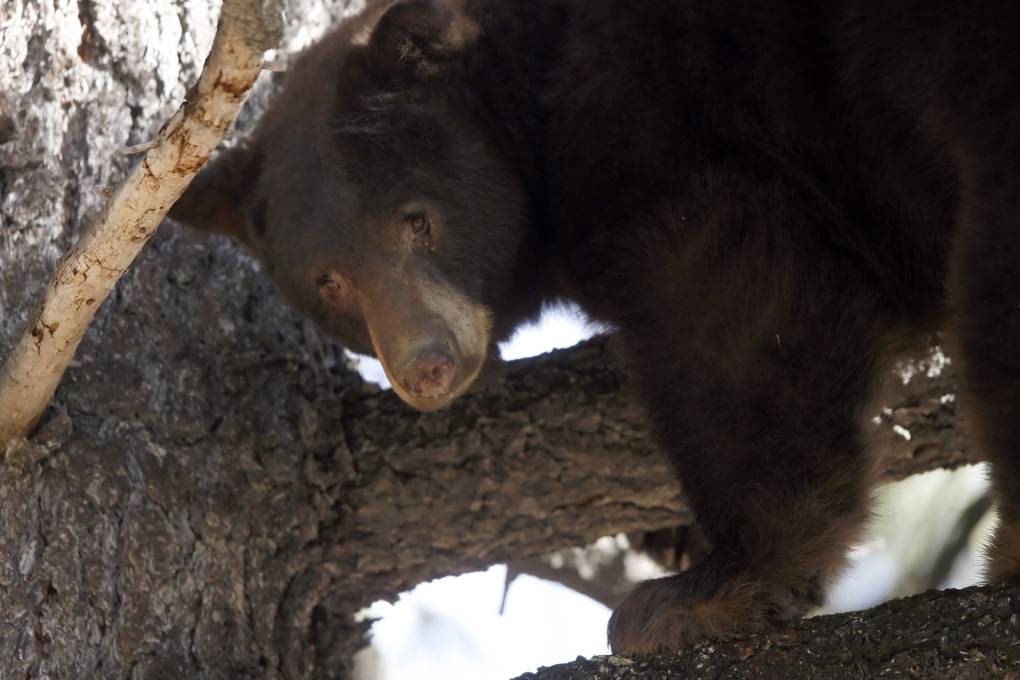
"caption": "A black bear in the Lake Tahoe region on Dec. 14, 2016. For years, black bears have been part of the landscape of living near Lake Tahoe, and locals have formed a steady relationship with the wild creatures. ",
"credit": "Carlos Avila Gonzalez/The San Francisco Chronicle via Getty Images",
"altTag": null,
"description": null,
"imgSizes": {
"medium": {
"file": "https://cdn.kqed.org/wp-content/uploads/sites/10/2024/12/BlackBearTahoeGetty-800x533.jpg",
"width": 800,
"height": 533,
"mimeType": "image/jpeg"
},
"large": {
"file": "https://cdn.kqed.org/wp-content/uploads/sites/10/2024/12/BlackBearTahoeGetty-1020x680.jpg",
"width": 1020,
"height": 680,
"mimeType": "image/jpeg"
},
"thumbnail": {
"file": "https://cdn.kqed.org/wp-content/uploads/sites/10/2024/12/BlackBearTahoeGetty-160x107.jpg",
"width": 160,
"height": 107,
"mimeType": "image/jpeg"
},
"1536x1536": {
"file": "https://cdn.kqed.org/wp-content/uploads/sites/10/2024/12/BlackBearTahoeGetty-1536x1024.jpg",
"width": 1536,
"height": 1024,
"mimeType": "image/jpeg"
},
"post-thumbnail": {
"file": "https://cdn.kqed.org/wp-content/uploads/sites/10/2024/12/BlackBearTahoeGetty-672x372.jpg",
"width": 672,
"height": 372,
"mimeType": "image/jpeg"
},
"twentyfourteen-full-width": {
"file": "https://cdn.kqed.org/wp-content/uploads/sites/10/2024/12/BlackBearTahoeGetty-1038x576.jpg",
"width": 1038,
"height": 576,
"mimeType": "image/jpeg"
},
"full-width": {
"file": "https://cdn.kqed.org/wp-content/uploads/sites/10/2024/12/BlackBearTahoeGetty-1920x1280.jpg",
"width": 1920,
"height": 1280,
"mimeType": "image/jpeg"
},
"kqedFullSize": {
"file": "https://cdn.kqed.org/wp-content/uploads/sites/10/2024/12/BlackBearTahoeGetty.jpg",
"width": 2000,
"height": 1333
}
},
"isLoading": false,
"fetchFailed": false
},
"news_12018230": {
"type": "attachments",
"id": "news_12018230",
"meta": {
"index": "attachments_1716263798",
"site": "news",
"id": "12018230",
"found": true
},
"title": "241213-PortFlood-24",
"publishDate": 1734125565,
"status": "inherit",
"parent": 0,
"modified": 1734126031,
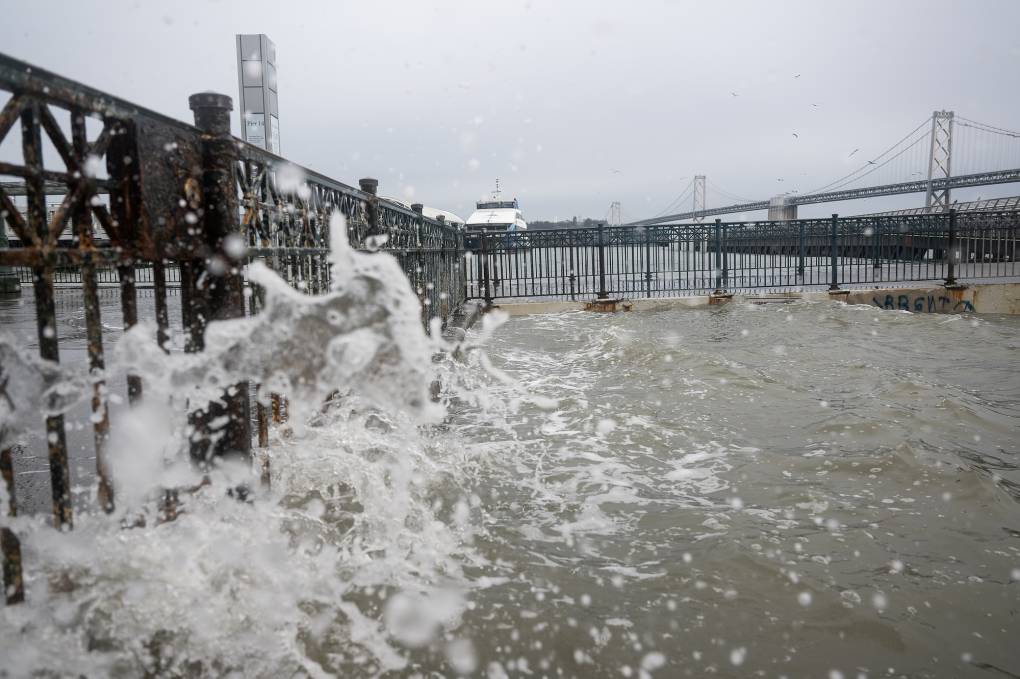
"caption": "Water flows onto the sidewalk during a high king tide at Pier 14 along the Embarcadero in San Francisco on Dec. 13, 2024.",
"credit": "Beth LaBerge/KQED",
"altTag": null,
"description": null,
"imgSizes": {
"medium": {
"file": "https://cdn.kqed.org/wp-content/uploads/sites/10/2024/12/241213-PortFlood-24-800x533.jpg",
"width": 800,
"height": 533,
"mimeType": "image/jpeg"
},
"large": {
"file": "https://cdn.kqed.org/wp-content/uploads/sites/10/2024/12/241213-PortFlood-24-1020x679.jpg",
"width": 1020,
"height": 679,
"mimeType": "image/jpeg"
},
"thumbnail": {
"file": "https://cdn.kqed.org/wp-content/uploads/sites/10/2024/12/241213-PortFlood-24-160x107.jpg",
"width": 160,
"height": 107,
"mimeType": "image/jpeg"
},
"1536x1536": {
"file": "https://cdn.kqed.org/wp-content/uploads/sites/10/2024/12/241213-PortFlood-24-1536x1023.jpg",
"width": 1536,
"height": 1023,
"mimeType": "image/jpeg"
},
"post-thumbnail": {
"file": "https://cdn.kqed.org/wp-content/uploads/sites/10/2024/12/241213-PortFlood-24-672x372.jpg",
"width": 672,
"height": 372,
"mimeType": "image/jpeg"
},
"twentyfourteen-full-width": {
"file": "https://cdn.kqed.org/wp-content/uploads/sites/10/2024/12/241213-PortFlood-24-1038x576.jpg",
"width": 1038,
"height": 576,
"mimeType": "image/jpeg"
},
"full-width": {
"file": "https://cdn.kqed.org/wp-content/uploads/sites/10/2024/12/241213-PortFlood-24-1920x1279.jpg",
"width": 1920,
"height": 1279,
"mimeType": "image/jpeg"
},
"kqedFullSize": {
"file": "https://cdn.kqed.org/wp-content/uploads/sites/10/2024/12/241213-PortFlood-24.jpg",
"width": 2000,
"height": 1332
}
},
"isLoading": false,
"fetchFailed": false
},
"news_11880116": {
"type": "attachments",
"id": "news_11880116",
"meta": {
"index": "attachments_1716263798",
"site": "news",
"id": "11880116",
"found": true
},
"parent": 11879641,
"imgSizes": {
"twentyfourteen-full-width": {
"file": "https://ww2.kqed.org/app/uploads/sites/10/2021/07/trucks-I880-1038x576.jpg",
"width": 1038,
"mimeType": "image/jpeg",
"height": 576
},
"thumbnail": {
"file": "https://ww2.kqed.org/app/uploads/sites/10/2021/07/trucks-I880-160x107.jpg",
"width": 160,
"mimeType": "image/jpeg",
"height": 107
},
"post-thumbnail": {
"file": "https://ww2.kqed.org/app/uploads/sites/10/2021/07/trucks-I880-672x372.jpg",
"width": 672,
"mimeType": "image/jpeg",
"height": 372
},
"kqedFullSize": {
"file": "https://ww2.kqed.org/app/uploads/sites/10/2021/07/trucks-I880.jpg",
"width": 1920,
"height": 1280
},
"large": {
"file": "https://ww2.kqed.org/app/uploads/sites/10/2021/07/trucks-I880-1020x680.jpg",
"width": 1020,
"mimeType": "image/jpeg",
"height": 680
},
"1536x1536": {
"file": "https://ww2.kqed.org/app/uploads/sites/10/2021/07/trucks-I880-1536x1024.jpg",
"width": 1536,
"mimeType": "image/jpeg",
"height": 1024
},
"medium": {
"file": "https://ww2.kqed.org/app/uploads/sites/10/2021/07/trucks-I880-800x533.jpg",
"width": 800,
"mimeType": "image/jpeg",
"height": 533
}
},
"publishDate": 1625164991,
"modified": 1625191904,
"caption": "Cars and trucks fill the lanes on I-80 near Berkeley on June 28, 2021. A ban against heavy trucks on I-580, another freeway running through Oakland, pushes most diesel truck traffic onto I-880.",
"description": "Cars and trucks fill the lanes on I-80 near Berkeley on June 28, 2021. A ban against heavy trucks on I-580, another freeway running through Oakland, pushes most diesel truck traffic onto I-880.",
"title": "trucks-I80",
"credit": "Joyce Tsai/KQED",
"status": "inherit",
"altTag": "Cars and trucks fill the lanes on I-80 near Berkeley on June 28, 2021. A ban against heavy trucks on I-580, another freeway running through Oakland, pushes most diesel truck traffic onto I-880.",
"isLoading": false,
"fetchFailed": false
},
"news_12001627": {
"type": "attachments",
"id": "news_12001627",
"meta": {
"index": "attachments_1716263798",
"site": "news",
"id": "12001627",
"found": true
},
"title": "Single family homes in Alameda on Jan. 12, 2023.",
"publishDate": 1724439760,
"status": "inherit",
"parent": 12001621,
"modified": 1724439788,
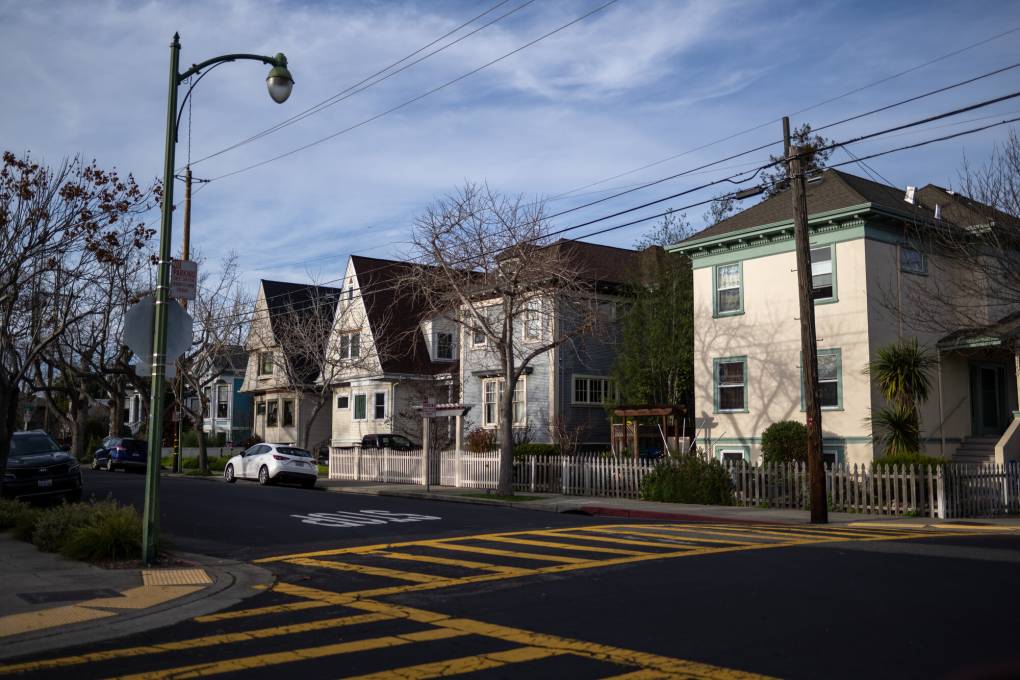
"caption": "Single-family homes in Alameda on Jan. 12, 2023.",
"credit": "Beth LaBerge/KQED",
"altTag": null,
"description": null,
"imgSizes": {
"medium": {
"file": "https://cdn.kqed.org/wp-content/uploads/sites/10/2024/08/006_KQED_AlamedaAffordableHousing_01122023_qed-800x533.jpg",
"width": 800,
"height": 533,
"mimeType": "image/jpeg"
},
"large": {
"file": "https://cdn.kqed.org/wp-content/uploads/sites/10/2024/08/006_KQED_AlamedaAffordableHousing_01122023_qed-1020x680.jpg",
"width": 1020,
"height": 680,
"mimeType": "image/jpeg"
},
"thumbnail": {
"file": "https://cdn.kqed.org/wp-content/uploads/sites/10/2024/08/006_KQED_AlamedaAffordableHousing_01122023_qed-160x107.jpg",
"width": 160,
"height": 107,
"mimeType": "image/jpeg"
},
"1536x1536": {
"file": "https://cdn.kqed.org/wp-content/uploads/sites/10/2024/08/006_KQED_AlamedaAffordableHousing_01122023_qed-1536x1024.jpg",
"width": 1536,
"height": 1024,
"mimeType": "image/jpeg"
},
"post-thumbnail": {
"file": "https://cdn.kqed.org/wp-content/uploads/sites/10/2024/08/006_KQED_AlamedaAffordableHousing_01122023_qed-672x372.jpg",
"width": 672,
"height": 372,
"mimeType": "image/jpeg"
},
"twentyfourteen-full-width": {
"file": "https://cdn.kqed.org/wp-content/uploads/sites/10/2024/08/006_KQED_AlamedaAffordableHousing_01122023_qed-1038x576.jpg",
"width": 1038,
"height": 576,
"mimeType": "image/jpeg"
},
"full-width": {
"file": "https://cdn.kqed.org/wp-content/uploads/sites/10/2024/08/006_KQED_AlamedaAffordableHousing_01122023_qed-1920x1280.jpg",
"width": 1920,
"height": 1280,
"mimeType": "image/jpeg"
},
"kqedFullSize": {
"file": "https://cdn.kqed.org/wp-content/uploads/sites/10/2024/08/006_KQED_AlamedaAffordableHousing_01122023_qed.jpg",
"width": 2000,
"height": 1333
}
},
"isLoading": false,
"fetchFailed": false
},
"news_12015608": {
"type": "attachments",
"id": "news_12015608",
"meta": {
"index": "attachments_1716263798",
"site": "news",
"id": "12015608",
"found": true
},
"title": "241122-StormHitsBayArea-21-BL",
"publishDate": 1732310382,
"status": "inherit",
"parent": 0,
"modified": 1732310412,
"caption": "A person walks their dog on Haight Street in San Francisco on Nov. 22, 2024, during a storm bringing heavy rain and strong winds to the Bay Area.",
"credit": "Beth LaBerge/KQED",
"altTag": null,
"description": null,
"imgSizes": {
"medium": {
"file": "https://cdn.kqed.org/wp-content/uploads/sites/10/2024/11/241122-StormHitsBayArea-21-BL-800x533.jpg",
"width": 800,
"height": 533,
"mimeType": "image/jpeg"
},
"large": {
"file": "https://cdn.kqed.org/wp-content/uploads/sites/10/2024/11/241122-StormHitsBayArea-21-BL-1020x680.jpg",
"width": 1020,
"height": 680,
"mimeType": "image/jpeg"
},
"thumbnail": {
"file": "https://cdn.kqed.org/wp-content/uploads/sites/10/2024/11/241122-StormHitsBayArea-21-BL-160x107.jpg",
"width": 160,
"height": 107,
"mimeType": "image/jpeg"
},
"1536x1536": {
"file": "https://cdn.kqed.org/wp-content/uploads/sites/10/2024/11/241122-StormHitsBayArea-21-BL-1536x1024.jpg",
"width": 1536,
"height": 1024,
"mimeType": "image/jpeg"
},
"post-thumbnail": {
"file": "https://cdn.kqed.org/wp-content/uploads/sites/10/2024/11/241122-StormHitsBayArea-21-BL-672x372.jpg",
"width": 672,
"height": 372,
"mimeType": "image/jpeg"
},
"twentyfourteen-full-width": {
"file": "https://cdn.kqed.org/wp-content/uploads/sites/10/2024/11/241122-StormHitsBayArea-21-BL-1038x576.jpg",
"width": 1038,
"height": 576,
"mimeType": "image/jpeg"
},
"full-width": {
"file": "https://cdn.kqed.org/wp-content/uploads/sites/10/2024/11/241122-StormHitsBayArea-21-BL-1920x1280.jpg",
"width": 1920,
"height": 1280,
"mimeType": "image/jpeg"
},
"kqedFullSize": {
"file": "https://cdn.kqed.org/wp-content/uploads/sites/10/2024/11/241122-StormHitsBayArea-21-BL.jpg",
"width": 2000,
"height": 1333
}
},
"isLoading": false,
"fetchFailed": false
},
"news_12017032": {
"type": "attachments",
"id": "news_12017032",
"meta": {
"index": "attachments_1716263798",
"site": "news",
"id": "12017032",
"found": true
},
"title": "170111_KingTide_bhs14",
"publishDate": 1733514269,
"status": "inherit",
"parent": 12016813,
"modified": 1733514313,
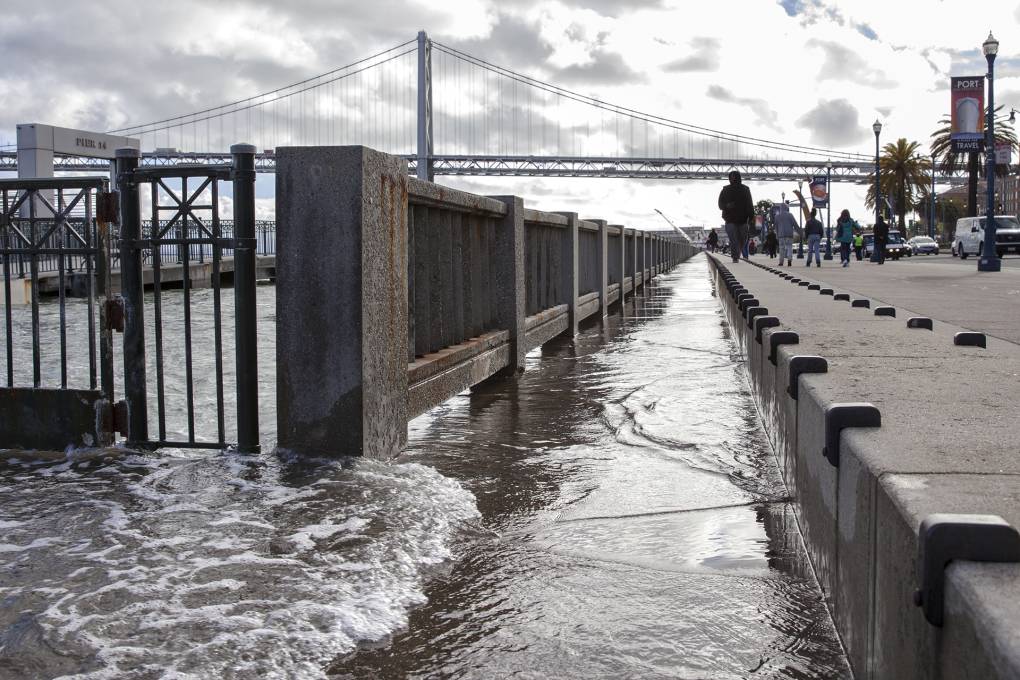
"caption": "Walkways along Pier 14 at the San Francisco Embarcadero begin to flood during the high point of a king tide on Jan. 11, 2017.",
"credit": "Brittany Hosea-Small/KQED",
"altTag": null,
"description": null,
"imgSizes": {
"medium": {
"file": "https://cdn.kqed.org/wp-content/uploads/sites/10/2024/12/170111_KingTide_bhs14-800x533.jpg",
"width": 800,
"height": 533,
"mimeType": "image/jpeg"
},
"large": {
"file": "https://cdn.kqed.org/wp-content/uploads/sites/10/2024/12/170111_KingTide_bhs14-1020x680.jpg",
"width": 1020,
"height": 680,
"mimeType": "image/jpeg"
},
"thumbnail": {
"file": "https://cdn.kqed.org/wp-content/uploads/sites/10/2024/12/170111_KingTide_bhs14-160x107.jpg",
"width": 160,
"height": 107,
"mimeType": "image/jpeg"
},
"1536x1536": {
"file": "https://cdn.kqed.org/wp-content/uploads/sites/10/2024/12/170111_KingTide_bhs14-1536x1024.jpg",
"width": 1536,
"height": 1024,
"mimeType": "image/jpeg"
},
"post-thumbnail": {
"file": "https://cdn.kqed.org/wp-content/uploads/sites/10/2024/12/170111_KingTide_bhs14-672x372.jpg",
"width": 672,
"height": 372,
"mimeType": "image/jpeg"
},
"twentyfourteen-full-width": {
"file": "https://cdn.kqed.org/wp-content/uploads/sites/10/2024/12/170111_KingTide_bhs14-1038x576.jpg",
"width": 1038,
"height": 576,
"mimeType": "image/jpeg"
},
"kqedFullSize": {
"file": "https://cdn.kqed.org/wp-content/uploads/sites/10/2024/12/170111_KingTide_bhs14.jpg",
"width": 1920,
"height": 1280
}
},
"isLoading": false,
"fetchFailed": false
},
"news_11892955": {
"type": "attachments",
"id": "news_11892955",
"meta": {
"index": "attachments_1716263798",
"site": "news",
"id": "11892955",
"found": true
},
"title": "US-AGRICULTURE-DROUGHT-CLIMATE-WITCH",
"publishDate": 1634685573,
"status": "inherit",
"parent": 11892939,
"modified": 1733351474,
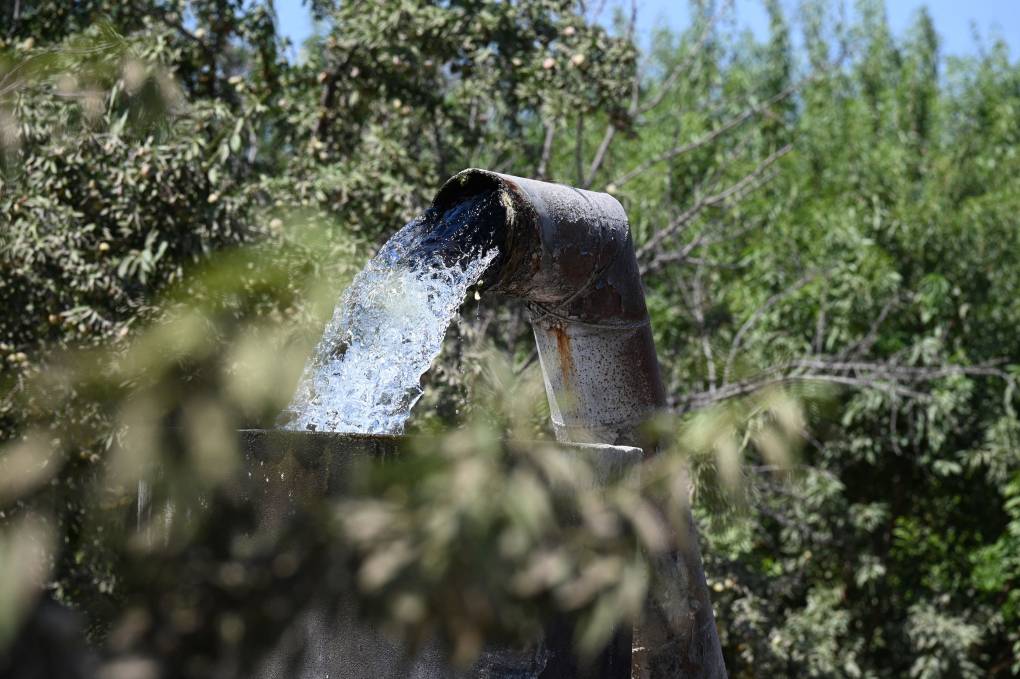
"caption": "Water pumped up from an underground well flows into a cistern on a farm in Fresno on July 24, 2021. ",
"credit": "Robyn Beck/AFP via Getty Images",
"altTag": "A metal cistern pumps a strong flow of water into a field full of green crops on a sunny day.",
"description": "Water pumped up from an underground well flows into a cistern on a farm in Fresno on July 24, 2021.",
"imgSizes": {
"medium": {
"file": "https://cdn.kqed.org/wp-content/uploads/sites/10/2021/10/GettyImages-1234437734-800x532.jpg",
"width": 800,
"height": 532,
"mimeType": "image/jpeg"
},
"large": {
"file": "https://cdn.kqed.org/wp-content/uploads/sites/10/2021/10/GettyImages-1234437734-1020x679.jpg",
"width": 1020,
"height": 679,
"mimeType": "image/jpeg"
},
"thumbnail": {
"file": "https://cdn.kqed.org/wp-content/uploads/sites/10/2021/10/GettyImages-1234437734-160x106.jpg",
"width": 160,
"height": 106,
"mimeType": "image/jpeg"
},
"1536x1536": {
"file": "https://cdn.kqed.org/wp-content/uploads/sites/10/2021/10/GettyImages-1234437734-1536x1022.jpg",
"width": 1536,
"height": 1022,
"mimeType": "image/jpeg"
},
"2048x2048": {
"file": "https://cdn.kqed.org/wp-content/uploads/sites/10/2021/10/GettyImages-1234437734-2048x1363.jpg",
"width": 2048,
"height": 1363,
"mimeType": "image/jpeg"
},
"post-thumbnail": {
"file": "https://cdn.kqed.org/wp-content/uploads/sites/10/2021/10/GettyImages-1234437734-672x372.jpg",
"width": 672,
"height": 372,
"mimeType": "image/jpeg"
},
"twentyfourteen-full-width": {
"file": "https://cdn.kqed.org/wp-content/uploads/sites/10/2021/10/GettyImages-1234437734-1038x576.jpg",
"width": 1038,
"height": 576,
"mimeType": "image/jpeg"
},
"full-width": {
"file": "https://cdn.kqed.org/wp-content/uploads/sites/10/2021/10/GettyImages-1234437734-1920x1278.jpg",
"width": 1920,
"height": 1278,
"mimeType": "image/jpeg"
},
"kqedFullSize": {
"file": "https://cdn.kqed.org/wp-content/uploads/sites/10/2021/10/GettyImages-1234437734-scaled.jpg",
"width": 2560,
"height": 1703
}
},
"isLoading": false,
"fetchFailed": false
},
"news_12015721": {
"type": "attachments",
"id": "news_12015721",
"meta": {
"index": "attachments_1716263798",
"site": "news",
"id": "12015721",
"found": true
},
"title": "20241122_NorcalStorm_GC-9_qed",
"publishDate": 1732398267,
"status": "inherit",
"parent": 12015534,
"modified": 1732398301,
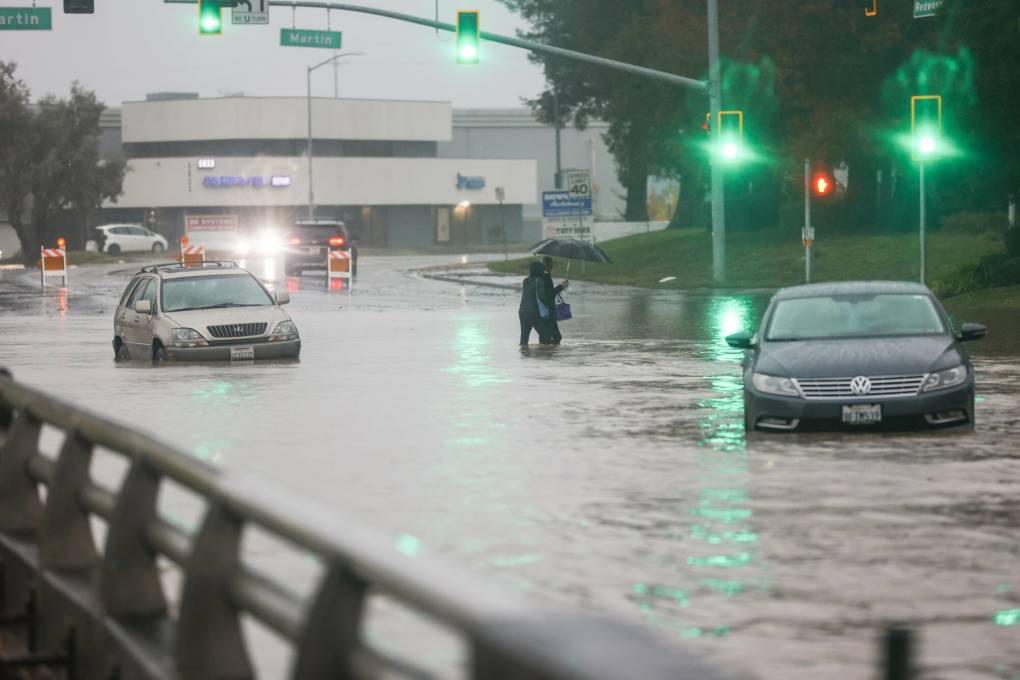
"caption": "Two cars were left stranded on Rohnert Park Expressway after heavy rainfall during an atmospheric river storm affecting the Bay Area on Nov. 22, 2024.",
"credit": "Gina Castro/KQED",
"altTag": null,
"description": null,
"imgSizes": {
"medium": {
"file": "https://cdn.kqed.org/wp-content/uploads/sites/10/2024/11/20241122_NorcalStorm_GC-9_qed-800x533.jpg",
"width": 800,
"height": 533,
"mimeType": "image/jpeg"
},
"large": {
"file": "https://cdn.kqed.org/wp-content/uploads/sites/10/2024/11/20241122_NorcalStorm_GC-9_qed-1020x680.jpg",
"width": 1020,
"height": 680,
"mimeType": "image/jpeg"
},
"thumbnail": {
"file": "https://cdn.kqed.org/wp-content/uploads/sites/10/2024/11/20241122_NorcalStorm_GC-9_qed-160x107.jpg",
"width": 160,
"height": 107,
"mimeType": "image/jpeg"
},
"1536x1536": {
"file": "https://cdn.kqed.org/wp-content/uploads/sites/10/2024/11/20241122_NorcalStorm_GC-9_qed-1536x1024.jpg",
"width": 1536,
"height": 1024,
"mimeType": "image/jpeg"
},
"post-thumbnail": {
"file": "https://cdn.kqed.org/wp-content/uploads/sites/10/2024/11/20241122_NorcalStorm_GC-9_qed-672x372.jpg",
"width": 672,
"height": 372,
"mimeType": "image/jpeg"
},
"twentyfourteen-full-width": {
"file": "https://cdn.kqed.org/wp-content/uploads/sites/10/2024/11/20241122_NorcalStorm_GC-9_qed-1038x576.jpg",
"width": 1038,
"height": 576,
"mimeType": "image/jpeg"
},
"full-width": {
"file": "https://cdn.kqed.org/wp-content/uploads/sites/10/2024/11/20241122_NorcalStorm_GC-9_qed-1920x1280.jpg",
"width": 1920,
"height": 1280,
"mimeType": "image/jpeg"
},
"kqedFullSize": {
"file": "https://cdn.kqed.org/wp-content/uploads/sites/10/2024/11/20241122_NorcalStorm_GC-9_qed.jpg",
"width": 2000,
"height": 1333
}
},
"isLoading": false,
"fetchFailed": false
},
"news_12015626": {
"type": "attachments",
"id": "news_12015626",
"meta": {
"index": "attachments_1716263798",
"site": "news",
"id": "12015626",
"found": true
},
"title": "241122-StormHitsBayArea-28-BL",
"publishDate": 1732312949,
"status": "inherit",
"parent": 0,
"modified": 1732312986,
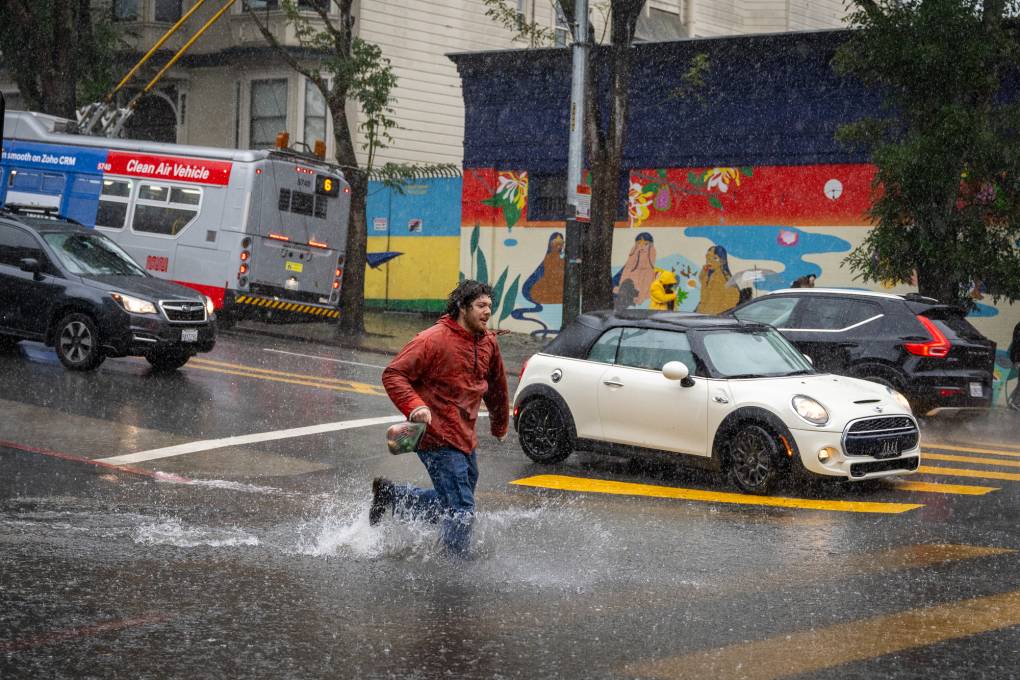
"caption": "A person runs through a flooded area in the Upper Haight neighborhood in San Francisco on Nov. 22, 2024, during a storm bringing heavy rain and strong winds to the Bay Area.",
"credit": "Beth LaBerge/KQED",
"altTag": null,
"description": null,
"imgSizes": {
"medium": {
"file": "https://cdn.kqed.org/wp-content/uploads/sites/10/2024/11/241122-StormHitsBayArea-28-BL-800x533.jpg",
"width": 800,
"height": 533,
"mimeType": "image/jpeg"
},
"large": {
"file": "https://cdn.kqed.org/wp-content/uploads/sites/10/2024/11/241122-StormHitsBayArea-28-BL-1020x680.jpg",
"width": 1020,
"height": 680,
"mimeType": "image/jpeg"
},
"thumbnail": {
"file": "https://cdn.kqed.org/wp-content/uploads/sites/10/2024/11/241122-StormHitsBayArea-28-BL-160x107.jpg",
"width": 160,
"height": 107,
"mimeType": "image/jpeg"
},
"1536x1536": {
"file": "https://cdn.kqed.org/wp-content/uploads/sites/10/2024/11/241122-StormHitsBayArea-28-BL-1536x1024.jpg",
"width": 1536,
"height": 1024,
"mimeType": "image/jpeg"
},
"post-thumbnail": {
"file": "https://cdn.kqed.org/wp-content/uploads/sites/10/2024/11/241122-StormHitsBayArea-28-BL-672x372.jpg",
"width": 672,
"height": 372,
"mimeType": "image/jpeg"
},
"twentyfourteen-full-width": {
"file": "https://cdn.kqed.org/wp-content/uploads/sites/10/2024/11/241122-StormHitsBayArea-28-BL-1038x576.jpg",
"width": 1038,
"height": 576,
"mimeType": "image/jpeg"
},
"full-width": {
"file": "https://cdn.kqed.org/wp-content/uploads/sites/10/2024/11/241122-StormHitsBayArea-28-BL-1920x1280.jpg",
"width": 1920,
"height": 1280,
"mimeType": "image/jpeg"
},
"kqedFullSize": {
"file": "https://cdn.kqed.org/wp-content/uploads/sites/10/2024/11/241122-StormHitsBayArea-28-BL.jpg",
"width": 2000,
"height": 1333
}
},
"isLoading": false,
"fetchFailed": false
},
"news_11896367": {
"type": "attachments",
"id": "news_11896367",
"meta": {
"index": "attachments_1716263798",
"site": "news",
"id": "11896367",
"found": true
},
"title": "crabs-sized",
"publishDate": 1637092483,
"status": "inherit",
"parent": 11896338,
"modified": 1732309507,
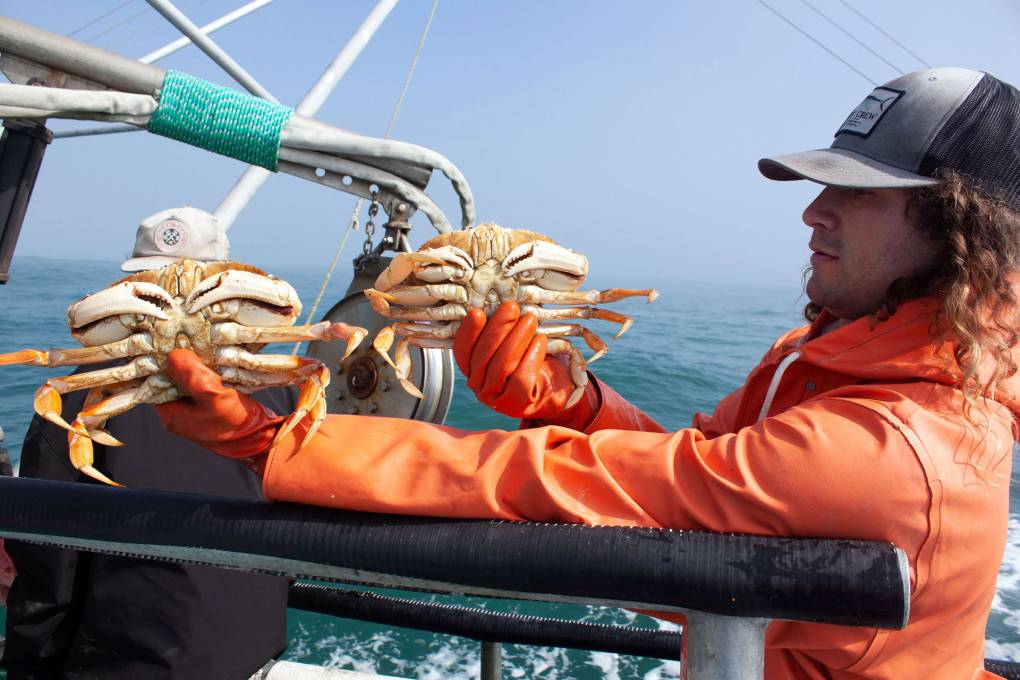
"caption": "Blair Wilmer, a crew member on Dick Ogg's boat, shows off a few of their Dungeness crab on Nov. 16, 2021.",
"credit": "Amy Mayer/KQED",
"altTag": "A man in an orange raincoat holds up two crabs.",
"description": null,
"imgSizes": {
"medium": {
"file": "https://cdn.kqed.org/wp-content/uploads/sites/10/2021/11/crabs-sized-800x533.jpg",
"width": 800,
"height": 533,
"mimeType": "image/jpeg"
},
"large": {
"file": "https://cdn.kqed.org/wp-content/uploads/sites/10/2021/11/crabs-sized-1020x680.jpg",
"width": 1020,
"height": 680,
"mimeType": "image/jpeg"
},
"thumbnail": {
"file": "https://cdn.kqed.org/wp-content/uploads/sites/10/2021/11/crabs-sized-160x107.jpg",
"width": 160,
"height": 107,
"mimeType": "image/jpeg"
},
"1536x1536": {
"file": "https://cdn.kqed.org/wp-content/uploads/sites/10/2021/11/crabs-sized-1536x1024.jpg",
"width": 1536,
"height": 1024,
"mimeType": "image/jpeg"
},
"post-thumbnail": {
"file": "https://cdn.kqed.org/wp-content/uploads/sites/10/2021/11/crabs-sized-672x372.jpg",
"width": 672,
"height": 372,
"mimeType": "image/jpeg"
},
"twentyfourteen-full-width": {
"file": "https://cdn.kqed.org/wp-content/uploads/sites/10/2021/11/crabs-sized-1038x576.jpg",
"width": 1038,
"height": 576,
"mimeType": "image/jpeg"
},
"kqedFullSize": {
"file": "https://cdn.kqed.org/wp-content/uploads/sites/10/2021/11/crabs-sized.jpg",
"width": 1920,
"height": 1280
}
},
"isLoading": false,
"fetchFailed": false
},
"news_12015357": {
"type": "attachments",
"id": "news_12015357",
"meta": {
"index": "attachments_1716263798",
"site": "news",
"id": "12015357",
"found": true
},
"title": "An inversion layer traps a low level of smog and particulates above Oakland, Calif. on Tuesday, April 23, 2019. The American Lung Association is releasing an annual report on the state of the air quality.",
"publishDate": 1732223364,
"status": "inherit",
"parent": 12015347,
"modified": 1732223405,
"caption": "An inversion layer traps a low level of smog and particulates above Oakland on April 23, 2019. ",
"credit": "Paul Chinn/San Francisco Chronicle via Getty Images",
"altTag": null,
"description": null,
"imgSizes": {
"medium": {
"file": "https://cdn.kqed.org/wp-content/uploads/sites/10/2024/11/OaklandPollutionGetty-800x541.jpg",
"width": 800,
"height": 541,
"mimeType": "image/jpeg"
},
"large": {
"file": "https://cdn.kqed.org/wp-content/uploads/sites/10/2024/11/OaklandPollutionGetty-1020x690.jpg",
"width": 1020,
"height": 690,
"mimeType": "image/jpeg"
},
"thumbnail": {
"file": "https://cdn.kqed.org/wp-content/uploads/sites/10/2024/11/OaklandPollutionGetty-160x108.jpg",
"width": 160,
"height": 108,
"mimeType": "image/jpeg"
},
"1536x1536": {
"file": "https://cdn.kqed.org/wp-content/uploads/sites/10/2024/11/OaklandPollutionGetty-1536x1039.jpg",
"width": 1536,
"height": 1039,
"mimeType": "image/jpeg"
},
"post-thumbnail": {
"file": "https://cdn.kqed.org/wp-content/uploads/sites/10/2024/11/OaklandPollutionGetty-672x372.jpg",
"width": 672,
"height": 372,
"mimeType": "image/jpeg"
},
"twentyfourteen-full-width": {
"file": "https://cdn.kqed.org/wp-content/uploads/sites/10/2024/11/OaklandPollutionGetty-1038x576.jpg",
"width": 1038,
"height": 576,
"mimeType": "image/jpeg"
},
"full-width": {
"file": "https://cdn.kqed.org/wp-content/uploads/sites/10/2024/11/OaklandPollutionGetty-1920x1299.jpg",
"width": 1920,
"height": 1299,
"mimeType": "image/jpeg"
},
"kqedFullSize": {
"file": "https://cdn.kqed.org/wp-content/uploads/sites/10/2024/11/OaklandPollutionGetty.jpg",
"width": 2000,
"height": 1353
}
},
"isLoading": false,
"fetchFailed": false
}
},
"audioPlayerReducer": {
"postId": "stream_live",
"isPaused": true,
"isPlaying": false,
"pfsActive": false,
"pledgeModalIsOpen": true,
"playerDrawerIsOpen": false,
"liveAudioPlayStartedAt": 0,
"liveAudioPlayContext": ""
},
"authorsReducer": {
"byline_news_12016674": {
"type": "authors",
"id": "byline_news_12016674",
"meta": {
"override": true
},
"slug": "byline_news_12016674",
"name": "Amy Taxin, Associated Press",
"isLoading": false
},
"lklivans": {
"type": "authors",
"id": "8648",
"meta": {
"index": "authors_1716337520",
"id": "8648",
"found": true
},
"name": "Laura Klivans",
"firstName": "Laura",
"lastName": "Klivans",
"slug": "lklivans",
"email": "lklivans@kqed.org",
"display_author_email": true,
"staff_mastheads": [
"news",
"science"
],
"title": "Reporter",
"bio": "Laura Klivans is an award-winning science reporter for KQED News, where she covers climate change with an eye on both groundbreaking progress and gaps in action. She is the former host of KQED's blockbuster video series about tiny, amazing animals, \u003cem>Deep Look\u003c/em>. Her work reaches national audiences through NPR, \u003cem>Here & Now, \u003c/em>PRI, and other major outlets. \r\n\r\nLaura’s won five Northern California Area Emmy Awards for Deep Look and First Place in the Greater Bay Area Journalism Awards for a podcast exploring how one Oakland neighborhood teamed up to reduce planet-heating pollution.\r\n\r\nBeyond her reporting, she hosts and moderates events. In the past, she taught audio storytelling at the UC Berkeley Graduate School of Journalism, led international education programs, worked with immigrants and refugees along the Thai-Burmese border, taught high schoolers sex ed, and was an actress. \r\n\r\nShe's a former UC Berkeley Human Rights Fellow, USC Center for Health Journalism's California Fellow and Coro Fellow in Public Affairs. Laura has a master’s in journalism from UC Berkeley, a master’s in education from Harvard, and an undergraduate degree from Northwestern University.\r\n\r\nShe loves trying to riddle the meaning out of vanity license plates.",
"avatar": "https://secure.gravatar.com/avatar/2d2ecd1550a494cc10ad4a503406965585902124739e775a9b3817eebf1d88be?s=600&d=blank&r=g",
"twitter": "lauraklivans",
"bluesky": null,
"facebook": null,
"instagram": null,
"linkedin": null,
"sites": [
{
"site": "news",
"roles": [
"editor"
]
},
{
"site": "stateofhealth",
"roles": [
"contributor",
"editor"
]
},
{
"site": "science",
"roles": [
"editor"
]
},
{
"site": "forum",
"roles": [
"editor"
]
}
],
"headData": {
"title": "Laura Klivans | KQED",
"description": "Reporter",
"ogImgSrc": "https://secure.gravatar.com/avatar/2d2ecd1550a494cc10ad4a503406965585902124739e775a9b3817eebf1d88be?s=600&d=blank&r=g",
"twImgSrc": "https://secure.gravatar.com/avatar/2d2ecd1550a494cc10ad4a503406965585902124739e775a9b3817eebf1d88be?s=600&d=blank&r=g"
},
"isLoading": false,
"link": "/author/lklivans"
},
"dventon": {
"type": "authors",
"id": "11088",
"meta": {
"index": "authors_1716337520",
"id": "11088",
"found": true
},
"name": "Danielle Venton",
"firstName": "Danielle",
"lastName": "Venton",
"slug": "dventon",
"email": "dventon@kqed.org",
"display_author_email": true,
"staff_mastheads": [
"science"
],
"title": "Science reporter",
"bio": "Danielle Venton is a reporter for KQED Science. She covers wildfires, space and oceans (though she is prone to sea sickness).\r\n\r\nBefore joining KQED in 2015, Danielle was a staff reporter at KRCB in Sonoma County and a freelancer. She studied science communication at UC Santa Cruz and formerly worked at CERN in Geneva, Switzerland where she wrote about computing. She lives in Sonoma County and enjoys backpacking.",
"avatar": "https://secure.gravatar.com/avatar/37b292b5c40c8d93959c4f48d73b5286f41b7abd8588277e941905a3ed4c801c?s=600&d=blank&r=g",
"twitter": "DanielleVenton",
"bluesky": null,
"facebook": null,
"instagram": null,
"linkedin": null,
"sites": [
{
"site": "arts",
"roles": [
"contributor"
]
},
{
"site": "news",
"roles": [
"editor"
]
},
{
"site": "futureofyou",
"roles": [
"editor"
]
},
{
"site": "science",
"roles": [
"editor"
]
},
{
"site": "liveblog",
"roles": [
"contributor"
]
}
],
"headData": {
"title": "Danielle Venton | KQED",
"description": "Science reporter",
"ogImgSrc": "https://secure.gravatar.com/avatar/37b292b5c40c8d93959c4f48d73b5286f41b7abd8588277e941905a3ed4c801c?s=600&d=blank&r=g",
"twImgSrc": "https://secure.gravatar.com/avatar/37b292b5c40c8d93959c4f48d73b5286f41b7abd8588277e941905a3ed4c801c?s=600&d=blank&r=g"
},
"isLoading": false,
"link": "/author/dventon"
},
"smohamad": {
"type": "authors",
"id": "11631",
"meta": {
"index": "authors_1716337520",
"id": "11631",
"found": true
},
"name": "Sarah Mohamad",
"firstName": "Sarah",
"lastName": "Mohamad",
"slug": "smohamad",
"email": "smohamad@KQED.org",
"display_author_email": true,
"staff_mastheads": [],
"title": "Engagement Producer and Reporter, KQED Science",
"bio": "Sarah Mohamad is an audience engagement reporter and producer for KQED Science. She reports on audience-focused science and environment stories and manages the team's social media, newsletter, and engagement efforts. Prior to this role, she played a key role as project manager for NSF's \u003ca href=\"https://www.kqed.org/crackingthecode\">\u003cem>Cracking the Code: Influencing Millennial Science Engagement\u003c/em> \u003c/a>audience research.",
"avatar": "https://secure.gravatar.com/avatar/e6224957cd82d015183756ddde1f928013a563d7ca2e4565f8c4de1ec64886c5?s=600&d=blank&r=g",
"twitter": "sarahkmohamad",
"bluesky": null,
"facebook": null,
"instagram": null,
"linkedin": null,
"sites": [
{
"site": "",
"roles": [
"editor"
]
},
{
"site": "arts",
"roles": [
"editor"
]
},
{
"site": "news",
"roles": [
"editor"
]
},
{
"site": "about",
"roles": [
"editor"
]
},
{
"site": "science",
"roles": [
"editor"
]
}
],
"headData": {
"title": "Sarah Mohamad | KQED",
"description": "Engagement Producer and Reporter, KQED Science",
"ogImgSrc": "https://secure.gravatar.com/avatar/e6224957cd82d015183756ddde1f928013a563d7ca2e4565f8c4de1ec64886c5?s=600&d=blank&r=g",
"twImgSrc": "https://secure.gravatar.com/avatar/e6224957cd82d015183756ddde1f928013a563d7ca2e4565f8c4de1ec64886c5?s=600&d=blank&r=g"
},
"isLoading": false,
"link": "/author/smohamad"
},
"eromero": {
"type": "authors",
"id": "11746",
"meta": {
"index": "authors_1716337520",
"id": "11746",
"found": true
},
"name": "Ezra David Romero",
"firstName": "Ezra David",
"lastName": "Romero",
"slug": "eromero",
"email": "eromero@kqed.org",
"display_author_email": true,
"staff_mastheads": [
"news",
"science"
],
"title": "Climate Reporter",
"bio": "Ezra David Romero is a climate reporter for KQED News. He covers the absence and excess of water in the Bay Area — think sea level rise, flooding and drought. For nearly a decade he’s covered how warming temperatures are altering the lives of Californians. He’s reported on farmers worried their pistachio trees aren’t getting enough sleep, families desperate for water, scientists studying dying giant sequoias, and alongside firefighters containing wildfires. His work has appeared on local stations across California and nationally on public radio shows like Morning Edition, Here and Now, All Things Considered and Science Friday. ",
"avatar": "https://secure.gravatar.com/avatar/c76404d287c10ed40224227551ac36e24352c7306f106632caf6fead76f8801f?s=600&d=blank&r=g",
"twitter": "ezraromero",
"bluesky": null,
"facebook": null,
"instagram": null,
"linkedin": null,
"sites": [
{
"site": "arts",
"roles": [
"editor"
]
},
{
"site": "news",
"roles": [
"editor"
]
},
{
"site": "science",
"roles": [
"editor"
]
},
{
"site": "liveblog",
"roles": [
"author"
]
}
],
"headData": {
"title": "Ezra David Romero | KQED",
"description": "Climate Reporter",
"ogImgSrc": "https://secure.gravatar.com/avatar/c76404d287c10ed40224227551ac36e24352c7306f106632caf6fead76f8801f?s=600&d=blank&r=g",
"twImgSrc": "https://secure.gravatar.com/avatar/c76404d287c10ed40224227551ac36e24352c7306f106632caf6fead76f8801f?s=600&d=blank&r=g"
},
"isLoading": false,
"link": "/author/eromero"
},
"jservantez": {
"type": "authors",
"id": "11909",
"meta": {
"index": "authors_1716337520",
"id": "11909",
"found": true
},
"name": "Jared Servantez",
"firstName": "Jared",
"lastName": "Servantez",
"slug": "jservantez",
"email": "jservantez@kqed.org",
"display_author_email": true,
"staff_mastheads": [
"news"
],
"title": "KQED Contributor",
"bio": "Jared Servantez is the editor of KQED's Express Desk, leading the newsroom's online breaking news operation. He most recently worked for the Los Angeles Times, where he served as a breaking news editor, the Metro Desk's night editor, and a copy editor. Jared is a graduate of the USC Annenberg School for Communication and Journalism.",
"avatar": "https://secure.gravatar.com/avatar/f0e317c67bb498c3f077f033d1cc79e62f3bc1303fa20a14e8880d31fbe7e01e?s=600&d=blank&r=g",
"twitter": "jservantez",
"bluesky": null,
"facebook": null,
"instagram": null,
"linkedin": null,
"sites": [
{
"site": "news",
"roles": [
"editor"
]
},
{
"site": "science",
"roles": [
"editor",
"author"
]
},
{
"site": "liveblog",
"roles": [
"editor"
]
}
],
"headData": {
"title": "Jared Servantez | KQED",
"description": "KQED Contributor",
"ogImgSrc": "https://secure.gravatar.com/avatar/f0e317c67bb498c3f077f033d1cc79e62f3bc1303fa20a14e8880d31fbe7e01e?s=600&d=blank&r=g",
"twImgSrc": "https://secure.gravatar.com/avatar/f0e317c67bb498c3f077f033d1cc79e62f3bc1303fa20a14e8880d31fbe7e01e?s=600&d=blank&r=g"
},
"isLoading": false,
"link": "/author/jservantez"
},
"kdebenedetti": {
"type": "authors",
"id": "11913",
"meta": {
"index": "authors_1716337520",
"id": "11913",
"found": true
},
"name": "Katie DeBenedetti",
"firstName": "Katie",
"lastName": "DeBenedetti",
"slug": "kdebenedetti",
"email": "kdebenedetti@kqed.org",
"display_author_email": false,
"staff_mastheads": [
"news",
"science"
],
"title": "KQED Contributor",
"bio": "Katie DeBenedetti is a digital reporter covering daily news for the Express Desk. Prior to joining KQED as a culture reporting intern in January 2024, she covered education and city government for the Napa Valley Register.",
"avatar": "https://secure.gravatar.com/avatar/6e31073cb8f7e4214ab03f42771d0f45?s=600&d=blank&r=g",
"twitter": null,
"facebook": null,
"instagram": null,
"linkedin": null,
"sites": [
{
"site": "news",
"roles": [
"author"
]
},
{
"site": "science",
"roles": [
"author"
]
},
{
"site": "liveblog",
"roles": [
"author"
]
}
],
"headData": {
"title": "Katie DeBenedetti | KQED",
"description": "KQED Contributor",
"ogImgSrc": "https://secure.gravatar.com/avatar/6e31073cb8f7e4214ab03f42771d0f45?s=600&d=blank&r=g",
"twImgSrc": "https://secure.gravatar.com/avatar/6e31073cb8f7e4214ab03f42771d0f45?s=600&d=blank&r=g"
},
"isLoading": false,
"link": "/author/kdebenedetti"
}
},
"pagesReducer": {
"news_tag_climate": {
"type": "terms",
"id": "news_19204",
"meta": {
"index": "terms_1716263798",
"site": "news",
"id": "19204",
"score": 7.059354
},
"featImg": null,
"name": "climate",
"description": null,
"taxonomy": "tag",
"headData": {
"twImgId": null,
"twTitle": null,
"ogTitle": null,
"ogImgId": null,
"twDescription": null,
"description": null,
"title": "climate Archives | KQED News",
"ogDescription": null
},
"ttid": 19221,
"slug": "climate",
"isLoading": false,
"title": "climate",
"pageMeta": {
"site": "news",
"WpPageTemplate": "page-topic-editorial",
"currentPage": 21
},
"blocks": [
{
"blockName": "kqed/post-list",
"attrs": {
"layout": "cardArticle2",
"query": "posts/news?tag=climate",
"seeMore": false,
"paginated": true,
"page": 21
}
},
{
"blockName": "kqed/ad"
}
]
}
},
"pfsSessionReducer": {},
"postsReducer": {
"stream_live": {
"type": "live",
"id": "stream_live",
"audioUrl": "https://streams.kqed.org/kqedradio",
"title": "Live Stream",
"excerpt": "Live Stream information currently unavailable.",
"link": "/radio",
"featImg": "",
"label": {
"name": "KQED Live",
"link": "/"
}
},
"stream_kqedNewscast": {
"type": "posts",
"id": "stream_kqedNewscast",
"audioUrl": "https://www.kqed.org/.stream/anon/radio/RDnews/newscast.mp3?_=1",
"title": "KQED Newscast",
"featImg": "",
"label": {
"name": "88.5 FM",
"link": "/"
}
},
"news_12018132": {
"type": "posts",
"id": "news_12018132",
"meta": {
"index": "posts_1716263798",
"site": "news",
"id": "12018132",
"score": null,
"sort": [
1734133648000
]
},
"guestAuthors": [],
"slug": "tahoe-bear-territory-video-crashing-into-snowboarder",
"title": "Tahoe Is Bear Territory. Exhibit A: This Video of 1 Crashing Into a Snowboarder",
"publishDate": 1734133648,
"format": "standard",
"headTitle": "Tahoe Is Bear Territory. Exhibit A: This Video of 1 Crashing Into a Snowboarder | KQED",
"labelTerm": {
"site": "news"
},
"content": "\u003cp>A \u003ca href=\"https://www.instagram.com/reel/DDWMsuAxbin/?utm_source=ig_embed&utm_campaign=loading\">recent video that went viral\u003c/a> shows a bear and a snowboarder colliding on the snowy slopes of Heavenly Mountain Resort in South \u003ca href=\"https://www.kqed.org/news/tag/lake-tahoe\">Lake Tahoe\u003c/a>. It’s a reminder that in a place like Tahoe — with warm winters, plentiful food and crowds of visitors — run-ins between humans and bears are always a possibility.\u003c/p>\n\u003cp>The whole event captured by \u003ca href=\"https://www.instagram.com/monsterbathz/\">Ekalak Lakshana\u003c/a> starts as a recording of him snowboarding with his friends, only to be interrupted by a large furry animal.\u003c/p>\n\u003cp>A few seconds into the video, a black bear emerges on Lakshana’s left as he’s snowboarding down the hill, and then the bear gallops across the slope before running into another snowboarder, Lakshana’s friend Hunter Martinez.\u003c/p>\n\u003cp>[ad fullwidth]\u003c/p>\n\u003cp>Thankfully, no one was injured during the whole ordeal. “When I saw the bear coming at me, all I could think was, ‘Today is not the day—you’re not catching me,” Lakshana told \u003ca href=\"https://www.snowboarder.com/news/bear-collides-snowboarder-lake-tahoe\">Snowboarder magazine\u003c/a>. “I’ve seen bears near the slopes before, but never one running right in the middle like this.”\u003c/p>\n\u003cp>In a statement, a representative for Heavenly noted that wildlife sightings are possible because the resort is on national forest land, but it said such “interactions between our guests and bears are infrequent, as these animals usually move along quickly.”\u003c/p>\n\u003cp>\u003c!-- iframe plugin v.4.3 wordpress.org/plugins/iframe/ -->\u003cbr>\n\u003ciframe loading=\"lazy\" src=\"https://www.instagram.com/reel/DDWMsuAxbin/embed\" width=\"500\" height=\"800\" scrolling=\"yes\" class=\"iframe-class\" frameborder=\"0\">\u003c/iframe>\u003c/p>\n\u003cp>Winter bear sightings at Heavenly — and throughout the region — are common, with similar videos recorded \u003ca href=\"https://www.abc10.com/article/life/animals/black-bear-ski-resort/103-f7abe2f8-91c3-4a15-b8de-8760e4fe20d1\">just a year ago\u003c/a> and another \u003ca href=\"https://abc7news.com/bear-lake-tahoe-caught-on-camera-slope/14321922/\">earlier this year\u003c/a>. And it’s no mystery as to why that is.\u003c/p>\n\u003cp>Lake Tahoe is home to one of the densest concentrations of black bears anywhere in the world. “It’s the best black bear habitat in North America,” said Peter Tira, public information officer with the California Department of Fish and Wildlife.\u003c/p>\n\u003cp>With more people moving into the area and tourists visiting throughout the year, sightings of black bears and human-bear interactions have also become more common, even in the winter when black bears are assumed to hibernate.\u003c/p>\n\u003cfigure id=\"attachment_12018143\" class=\"wp-caption aligncenter\" style=\"max-width: 2000px\">\u003cimg loading=\"lazy\" decoding=\"async\" class=\"size-full wp-image-12018143\" src=\"https://cdn.kqed.org/wp-content/uploads/sites/10/2024/12/SouthLakeTahoeHeavenlySkiGetty.jpg\" alt=\"\" width=\"2000\" height=\"1333\" srcset=\"https://cdn.kqed.org/wp-content/uploads/sites/10/2024/12/SouthLakeTahoeHeavenlySkiGetty.jpg 2000w, https://cdn.kqed.org/wp-content/uploads/sites/10/2024/12/SouthLakeTahoeHeavenlySkiGetty-800x533.jpg 800w, https://cdn.kqed.org/wp-content/uploads/sites/10/2024/12/SouthLakeTahoeHeavenlySkiGetty-1020x680.jpg 1020w, https://cdn.kqed.org/wp-content/uploads/sites/10/2024/12/SouthLakeTahoeHeavenlySkiGetty-160x107.jpg 160w, https://cdn.kqed.org/wp-content/uploads/sites/10/2024/12/SouthLakeTahoeHeavenlySkiGetty-1536x1024.jpg 1536w, https://cdn.kqed.org/wp-content/uploads/sites/10/2024/12/SouthLakeTahoeHeavenlySkiGetty-1920x1280.jpg 1920w\" sizes=\"auto, (max-width: 2000px) 100vw, 2000px\">\u003cfigcaption class=\"wp-caption-text\">A view of Heavenly gondola of Heavenly ski resort in South Lake Tahoe, California, on Jan. 14, 2024. \u003ccite>(Tayfun Coskun/Anadolu via Getty Images)\u003c/cite>\u003c/figcaption>\u003c/figure>\n\u003cp>Luckily for Lake Tahoe’s black bears, the warmer winter climate and an abundance of food from the human population have made it so that they don’t \u003cem>really\u003c/em> hibernate.\u003c/p>\n\u003cp>“Hibernation is nature’s response to a lack of food resources,” Tira said. “In places with warmer climates like California and other places, bears will kind of come in and out of hibernation,” he added, saying that some black bears in Lake Tahoe don’t have a biological need to hibernate due to their access to food all year round.\u003c/p>\n\u003cp>During the beginning of winter, when food is scarce and seasonal patterns change, black bears have an interrupted hibernation, or torpor, said Catherine Mendez, executive director at Lake Tahoe Wildlife Care. “So it causes them to go seek out food during warmer spells,” she said.\u003c/p>\n\u003cp>[aside postID=news_12017880 hero='https://cdn.kqed.org/wp-content/uploads/sites/10/2024/11/241122-StormHitsBayArea-21-BL-1020x680.jpg']\u003c/p>\n\u003cp>People also tend to bring snacks on the slopes that could attract bears to those areas, especially in the winter. “It’s really easy to forget what you have in your pockets if you accidentally trash on the mountain,” Mendez said.\u003c/p>\n\u003cp>In addition to the growing human population, food attractants and a warming climate, increased building and development in bear territory is also likely to cause more human-bear interactions. “Habitat encroachment within the basin is a really big issue as we develop more. We are taking up more territory for the bears,” Mendez said.\u003c/p>\n\u003cp>Black bears aren’t aggressive animals and aren’t known to be dangerous to humans. “They rarely do anything to harm a person. You’re much more likely to be killed by your neighbor’s dog,” said Ann Bryant, executive director at BEAR League, a community-based nonprofit in the Lake Tahoe Basin and Truckee areas that focuses on educating the public on how to coexist with bears.\u003c/p>\n\u003cp>“The world has become too small for every species to have its own private corner to exist. And where we’re having to now share the land, the animals have to share it with us, and we have to share it with them,” Bryant said. “And in a typical landscape like the Tahoe National Forest, where bears belong, this is where they’ve always been. We have to honor that. We have to respect that.”\u003c/p>\n\u003cp>A few tips on trying to avoid bear encounters in Tahoe are: lock your cars, don’t leave food in them, and make sure to secure your trash. You’ll want to avoid attracting them to any food or smells. Tira also advised the public to do their part to keep bears safe by driving slowly and responsibly in areas where bears might live.\u003c/p>\n\u003cp>\u003c/p>\n",
"blocks": [],
"excerpt": "Human-bear interactions in Lake Tahoe have increased over the years, even in the winter when black bears are expected to hibernate. Here’s why experts say that is. ",
"status": "publish",
"parent": 0,
"modified": 1734135681,
"stats": {
"hasAudio": false,
"hasVideo": false,
"hasChartOrMap": true,
"iframeSrcs": [
"https://www.instagram.com/reel/DDWMsuAxbin/embed"
],
"hasGoogleForm": false,
"hasGallery": false,
"hasHearkenModule": false,
"hasPolis": false,
"paragraphCount": 20,
"wordCount": 861
},
"headData": {
"title": "Tahoe Is Bear Territory. Exhibit A: This Video of 1 Crashing Into a Snowboarder | KQED",
"description": "Human-bear interactions in Lake Tahoe have increased over the years, even in the winter when black bears are expected to hibernate. Here’s why experts say that is. ",
"ogTitle": "",
"ogDescription": "",
"ogImgId": "",
"twTitle": "",
"twDescription": "",
"twImgId": "",
"schema": {
"@context": "https://schema.org",
"@type": "NewsArticle",
"headline": "Tahoe Is Bear Territory. Exhibit A: This Video of 1 Crashing Into a Snowboarder",
"datePublished": "2024-12-13T15:47:28-08:00",
"dateModified": "2024-12-13T16:21:21-08:00",
"image": "https://cdn.kqed.org/wp-content/uploads/2020/02/KQED-OG-Image@1x.png",
"isAccessibleForFree": "True",
"publisher": {
"@type": "NewsMediaOrganization",
"@id": "https://www.kqed.org/#organization",
"name": "KQED",
"logo": "https://cdn.kqed.org/wp-content/uploads/2020/02/KQED-OG-Image@1x.png",
"url": "https://www.kqed.org",
"sameAs": [
"https://www.facebook.com/KQED",
"https://twitter.com/KQED",
"https://www.instagram.com/kqed/",
"https://www.tiktok.com/@kqedofficial",
"https://www.linkedin.com/company/kqed",
"https://www.youtube.com/channel/UCeC0IOo7i1P_61zVUWbJ4nw"
]
}
}
},
"sticky": false,
"nprStoryId": "kqed-12018132",
"excludeFromSiteSearch": "Include",
"articleAge": "0",
"path": "/news/12018132/tahoe-bear-territory-video-crashing-into-snowboarder",
"audioTrackLength": null,
"parsedContent": [
{
"type": "contentString",
"content": "\u003cdiv class=\"post-body\">\u003cp>\u003cp>A \u003ca href=\"https://www.instagram.com/reel/DDWMsuAxbin/?utm_source=ig_embed&utm_campaign=loading\">recent video that went viral\u003c/a> shows a bear and a snowboarder colliding on the snowy slopes of Heavenly Mountain Resort in South \u003ca href=\"https://www.kqed.org/news/tag/lake-tahoe\">Lake Tahoe\u003c/a>. It’s a reminder that in a place like Tahoe — with warm winters, plentiful food and crowds of visitors — run-ins between humans and bears are always a possibility.\u003c/p>\n\u003cp>The whole event captured by \u003ca href=\"https://www.instagram.com/monsterbathz/\">Ekalak Lakshana\u003c/a> starts as a recording of him snowboarding with his friends, only to be interrupted by a large furry animal.\u003c/p>\n\u003cp>A few seconds into the video, a black bear emerges on Lakshana’s left as he’s snowboarding down the hill, and then the bear gallops across the slope before running into another snowboarder, Lakshana’s friend Hunter Martinez.\u003c/p>\n\u003cp>\u003c/p>\u003c/div>",
"attributes": {
"named": {},
"numeric": []
}
},
{
"type": "component",
"content": "",
"name": "ad",
"attributes": {
"named": {
"label": "fullwidth"
},
"numeric": [
"fullwidth"
]
}
},
{
"type": "contentString",
"content": "\u003cdiv class=\"post-body\">\u003cp>\u003c/p>\n\u003cp>Thankfully, no one was injured during the whole ordeal. “When I saw the bear coming at me, all I could think was, ‘Today is not the day—you’re not catching me,” Lakshana told \u003ca href=\"https://www.snowboarder.com/news/bear-collides-snowboarder-lake-tahoe\">Snowboarder magazine\u003c/a>. “I’ve seen bears near the slopes before, but never one running right in the middle like this.”\u003c/p>\n\u003cp>In a statement, a representative for Heavenly noted that wildlife sightings are possible because the resort is on national forest land, but it said such “interactions between our guests and bears are infrequent, as these animals usually move along quickly.”\u003c/p>\n\u003cp>\u003c!-- iframe plugin v.4.3 wordpress.org/plugins/iframe/ -->\u003cbr>\n\u003ciframe loading=\"lazy\" src=\"https://www.instagram.com/reel/DDWMsuAxbin/embed\" width=\"500\" height=\"800\" scrolling=\"yes\" class=\"iframe-class\" frameborder=\"0\">\u003c/iframe>\u003c/p>\n\u003cp>Winter bear sightings at Heavenly — and throughout the region — are common, with similar videos recorded \u003ca href=\"https://www.abc10.com/article/life/animals/black-bear-ski-resort/103-f7abe2f8-91c3-4a15-b8de-8760e4fe20d1\">just a year ago\u003c/a> and another \u003ca href=\"https://abc7news.com/bear-lake-tahoe-caught-on-camera-slope/14321922/\">earlier this year\u003c/a>. And it’s no mystery as to why that is.\u003c/p>\n\u003cp>Lake Tahoe is home to one of the densest concentrations of black bears anywhere in the world. “It’s the best black bear habitat in North America,” said Peter Tira, public information officer with the California Department of Fish and Wildlife.\u003c/p>\n\u003cp>With more people moving into the area and tourists visiting throughout the year, sightings of black bears and human-bear interactions have also become more common, even in the winter when black bears are assumed to hibernate.\u003c/p>\n\u003cfigure id=\"attachment_12018143\" class=\"wp-caption aligncenter\" style=\"max-width: 2000px\">\u003cimg loading=\"lazy\" decoding=\"async\" class=\"size-full wp-image-12018143\" src=\"https://cdn.kqed.org/wp-content/uploads/sites/10/2024/12/SouthLakeTahoeHeavenlySkiGetty.jpg\" alt=\"\" width=\"2000\" height=\"1333\" srcset=\"https://cdn.kqed.org/wp-content/uploads/sites/10/2024/12/SouthLakeTahoeHeavenlySkiGetty.jpg 2000w, https://cdn.kqed.org/wp-content/uploads/sites/10/2024/12/SouthLakeTahoeHeavenlySkiGetty-800x533.jpg 800w, https://cdn.kqed.org/wp-content/uploads/sites/10/2024/12/SouthLakeTahoeHeavenlySkiGetty-1020x680.jpg 1020w, https://cdn.kqed.org/wp-content/uploads/sites/10/2024/12/SouthLakeTahoeHeavenlySkiGetty-160x107.jpg 160w, https://cdn.kqed.org/wp-content/uploads/sites/10/2024/12/SouthLakeTahoeHeavenlySkiGetty-1536x1024.jpg 1536w, https://cdn.kqed.org/wp-content/uploads/sites/10/2024/12/SouthLakeTahoeHeavenlySkiGetty-1920x1280.jpg 1920w\" sizes=\"auto, (max-width: 2000px) 100vw, 2000px\">\u003cfigcaption class=\"wp-caption-text\">A view of Heavenly gondola of Heavenly ski resort in South Lake Tahoe, California, on Jan. 14, 2024. \u003ccite>(Tayfun Coskun/Anadolu via Getty Images)\u003c/cite>\u003c/figcaption>\u003c/figure>\n\u003cp>Luckily for Lake Tahoe’s black bears, the warmer winter climate and an abundance of food from the human population have made it so that they don’t \u003cem>really\u003c/em> hibernate.\u003c/p>\n\u003cp>“Hibernation is nature’s response to a lack of food resources,” Tira said. “In places with warmer climates like California and other places, bears will kind of come in and out of hibernation,” he added, saying that some black bears in Lake Tahoe don’t have a biological need to hibernate due to their access to food all year round.\u003c/p>\n\u003cp>During the beginning of winter, when food is scarce and seasonal patterns change, black bears have an interrupted hibernation, or torpor, said Catherine Mendez, executive director at Lake Tahoe Wildlife Care. “So it causes them to go seek out food during warmer spells,” she said.\u003c/p>\n\u003cp>\u003c/p>\u003c/div>",
"attributes": {
"named": {},
"numeric": []
}
},
{
"type": "component",
"content": "",
"name": "aside",
"attributes": {
"named": {
"postid": "news_12017880",
"hero": "https://cdn.kqed.org/wp-content/uploads/sites/10/2024/11/241122-StormHitsBayArea-21-BL-1020x680.jpg",
"label": ""
},
"numeric": []
}
},
{
"type": "contentString",
"content": "\u003cdiv class=\"post-body\">\u003cp>\u003c/p>\n\u003cp>People also tend to bring snacks on the slopes that could attract bears to those areas, especially in the winter. “It’s really easy to forget what you have in your pockets if you accidentally trash on the mountain,” Mendez said.\u003c/p>\n\u003cp>In addition to the growing human population, food attractants and a warming climate, increased building and development in bear territory is also likely to cause more human-bear interactions. “Habitat encroachment within the basin is a really big issue as we develop more. We are taking up more territory for the bears,” Mendez said.\u003c/p>\n\u003cp>Black bears aren’t aggressive animals and aren’t known to be dangerous to humans. “They rarely do anything to harm a person. You’re much more likely to be killed by your neighbor’s dog,” said Ann Bryant, executive director at BEAR League, a community-based nonprofit in the Lake Tahoe Basin and Truckee areas that focuses on educating the public on how to coexist with bears.\u003c/p>\n\u003cp>“The world has become too small for every species to have its own private corner to exist. And where we’re having to now share the land, the animals have to share it with us, and we have to share it with them,” Bryant said. “And in a typical landscape like the Tahoe National Forest, where bears belong, this is where they’ve always been. We have to honor that. We have to respect that.”\u003c/p>\n\u003cp>A few tips on trying to avoid bear encounters in Tahoe are: lock your cars, don’t leave food in them, and make sure to secure your trash. You’ll want to avoid attracting them to any food or smells. Tira also advised the public to do their part to keep bears safe by driving slowly and responsibly in areas where bears might live.\u003c/p>\n\u003cp>\u003c/p>\n\u003c/div>\u003c/p>",
"attributes": {
"named": {},
"numeric": []
}
}
],
"link": "/news/12018132/tahoe-bear-territory-video-crashing-into-snowboarder",
"authors": [
"11631"
],
"categories": [
"news_31795",
"news_34165",
"news_8"
],
"tags": [
"news_18132",
"news_19757",
"news_18538",
"news_19204",
"news_28199",
"news_1421"
],
"featImg": "news_12018287",
"label": "news"
},
"news_12018103": {
"type": "posts",
"id": "news_12018103",
"meta": {
"index": "posts_1716263798",
"site": "news",
"id": "12018103",
"score": null,
"sort": [
1734126391000
]
},
"guestAuthors": [],
"slug": "king-tides-foreshadow-far-wetter-future-sf-shoreline",
"title": "‘We Cannot Wait Much Longer’: King Tides Foreshadow a Far Wetter Future for SF Shoreline",
"publishDate": 1734126391,
"format": "standard",
"headTitle": "‘We Cannot Wait Much Longer’: King Tides Foreshadow a Far Wetter Future for SF Shoreline | KQED",
"labelTerm": {
"site": "news"
},
"content": "\u003cp>Every time \u003ca href=\"https://www.kqed.org/news/12017880/bay-area-braces-quadruple-threat-rain-wind-surf-king-tides\">waves from king tides\u003c/a> crash against San Francisco’s hard city edge like they did Friday, officials brace for flooding along the Embarcadero southeast of the Ferry Building. It’s a reminder that as baseline sea levels continue to rise, future floodwaters could inundate a vital part of the city’s transportation infrastructure: commuter rail lines.\u003c/p>\n\u003cp>The city is working on two solutions to cure its bayside flooding woes. The first is a shorter-term plan to raise the shoreline and \u003ca href=\"https://propellerclubnortherncalifornia.org/wp-content/uploads/WRP017_DCRP_Propeller-Club_D1.pdf\">use deployable temporary infrastructure (PDF)\u003c/a> to block water from getting into the train system. The second would take decades: rebuilding a vulnerable stretch of San Francisco’s seawall and raising structures like the Ferry Building.\u003c/p>\n\u003cp>Elaine Forbes, executive director of the Port of San Francisco, said king tides have worsened over the past decade. That makes the flood-resiliency work especially urgent.\u003c/p>\n\u003cp>[ad fullwidth]\u003c/p>\n\u003cp>“We are seeing the impacts of climate change now,” Forbes said. “We have an immediate flood problem that we have to take care of now. We’ve been lucky, but we cannot wait much longer. Time is not on our side.”\u003c/p>\n\u003cp>Today, king tides — caused by a stronger-than-normal gravitational pull when the \u003ca href=\"https://www.kqed.org/science/1955598/king-tides-are-here-why-they-happen-and-what-they-teach-us\">sun, moon and Earth align\u003c/a> — mainly cause short-term nuisance flooding. However, they foreshadow a far wetter future for the city on the bay because of sea level rise caused by human-caused climate change.\u003c/p>\n\u003cfigure id=\"attachment_12018232\" class=\"wp-caption aligncenter\" style=\"max-width: 2000px\">\u003cimg loading=\"lazy\" decoding=\"async\" class=\"size-full wp-image-12018232\" src=\"https://cdn.kqed.org/wp-content/uploads/sites/10/2024/12/241213-PortFlood-38.jpg\" alt=\"\" width=\"2000\" height=\"1332\" srcset=\"https://cdn.kqed.org/wp-content/uploads/sites/10/2024/12/241213-PortFlood-38.jpg 2000w, https://cdn.kqed.org/wp-content/uploads/sites/10/2024/12/241213-PortFlood-38-800x533.jpg 800w, https://cdn.kqed.org/wp-content/uploads/sites/10/2024/12/241213-PortFlood-38-1020x679.jpg 1020w, https://cdn.kqed.org/wp-content/uploads/sites/10/2024/12/241213-PortFlood-38-160x107.jpg 160w, https://cdn.kqed.org/wp-content/uploads/sites/10/2024/12/241213-PortFlood-38-1536x1023.jpg 1536w, https://cdn.kqed.org/wp-content/uploads/sites/10/2024/12/241213-PortFlood-38-1920x1279.jpg 1920w\" sizes=\"auto, (max-width: 2000px) 100vw, 2000px\">\u003cfigcaption class=\"wp-caption-text\">Water flows onto the sidewalk during a high king tide at Pier 14 along the Embarcadero in San Francisco on Dec. 13, 2024. \u003ccite>(Beth LaBerge/KQED)\u003c/cite>\u003c/figcaption>\u003c/figure>\n\u003cp>“King tides are a very helpful visual representation of what our shoreline is likely to look like every single day in the not very distant future,” said Annie Kohut Frankel, manager of the California King Tides Project at the California Coastal Commission. “They are a warning more than a problem yet, but hopefully, we will listen to that warning.”\u003c/p>\n\u003cp>On Friday, that warning came in the form of bay water gushing onto the sidewalk on the Embarcadero, forcing people to walk around the waves. The king tides reached around 7.36 feet in San Francisco, according to the commission, which encourages people to \u003ca href=\"https://www.coastal.ca.gov/kingtides/#:~:text=The%20next%20California%20King%20Tide,December%2013%2D15%2C%202024.&text=Sign%20up%20to%20receive%20email,the%20highest%20tides%20of%20today.\">capture and submit photos of flooding\u003c/a> this weekend. But Forbes noted that seas are projected to rise several feet by the end of the century.\u003c/p>\n\u003cp>That means every time a king tide occurs in the not-so-distant future, the impact on the city will be compounded. Plus, Forbes said the flooding could be even worse if tides occur during a flood-inducing atmospheric river or a smaller storm like the one \u003ca href=\"https://www.kqed.org/news/12017880/bay-area-braces-quadruple-threat-rain-wind-surf-king-tides\">bearing down on Northern California\u003c/a> this weekend with heavy rain, strong wind and high surf.\u003c/p>\n\u003cfigure id=\"attachment_12018231\" class=\"wp-caption aligncenter\" style=\"max-width: 2000px\">\u003cimg loading=\"lazy\" decoding=\"async\" class=\"size-full wp-image-12018231\" src=\"https://cdn.kqed.org/wp-content/uploads/sites/10/2024/12/241213-PortFlood-33.jpg\" alt=\"\" width=\"2000\" height=\"1332\" srcset=\"https://cdn.kqed.org/wp-content/uploads/sites/10/2024/12/241213-PortFlood-33.jpg 2000w, https://cdn.kqed.org/wp-content/uploads/sites/10/2024/12/241213-PortFlood-33-800x533.jpg 800w, https://cdn.kqed.org/wp-content/uploads/sites/10/2024/12/241213-PortFlood-33-1020x679.jpg 1020w, https://cdn.kqed.org/wp-content/uploads/sites/10/2024/12/241213-PortFlood-33-160x107.jpg 160w, https://cdn.kqed.org/wp-content/uploads/sites/10/2024/12/241213-PortFlood-33-1536x1023.jpg 1536w, https://cdn.kqed.org/wp-content/uploads/sites/10/2024/12/241213-PortFlood-33-1920x1279.jpg 1920w\" sizes=\"auto, (max-width: 2000px) 100vw, 2000px\">\u003cfigcaption class=\"wp-caption-text\">Water flows onto the sidewalk during a high king tide at Pier 14 along the Embarcadero in San Francisco on Dec. 13, 2024. \u003ccite>(Beth LaBerge/KQED)\u003c/cite>\u003c/figcaption>\u003c/figure>\n\u003cp>“A king tide gives us an idea of what is coming in the future,” she said. “Right now, it’s infrequent flooding, but it will become intermittent to frequent flooding over time.”\u003c/p>\n\u003cp>Since the 1880s, the Pacific Ocean has risen by about 8 inches along the West Coast, but state scientists predict more than a foot of bay rise by 2050 and more than 6 feet by the end of the century in the worst-case scenario.\u003c/p>\n\u003cp>Forbes is particularly worried about the area that floods today. To the naked eye, this area several hundred feet southeast of the Ferry Building looks like a pedestrian path and road next to the bay. But underneath the paved ground is a Muni portal, where trains enter the underground system, including BART.\u003c/p>\n\u003cfigure id=\"attachment_12018233\" class=\"wp-caption aligncenter\" style=\"max-width: 2000px\">\u003cimg loading=\"lazy\" decoding=\"async\" class=\"size-full wp-image-12018233\" src=\"https://cdn.kqed.org/wp-content/uploads/sites/10/2024/12/241213-PortFlood-82.jpg\" alt=\"\" width=\"2000\" height=\"1332\" srcset=\"https://cdn.kqed.org/wp-content/uploads/sites/10/2024/12/241213-PortFlood-82.jpg 2000w, https://cdn.kqed.org/wp-content/uploads/sites/10/2024/12/241213-PortFlood-82-800x533.jpg 800w, https://cdn.kqed.org/wp-content/uploads/sites/10/2024/12/241213-PortFlood-82-1020x679.jpg 1020w, https://cdn.kqed.org/wp-content/uploads/sites/10/2024/12/241213-PortFlood-82-160x107.jpg 160w, https://cdn.kqed.org/wp-content/uploads/sites/10/2024/12/241213-PortFlood-82-1536x1023.jpg 1536w, https://cdn.kqed.org/wp-content/uploads/sites/10/2024/12/241213-PortFlood-82-1920x1279.jpg 1920w\" sizes=\"auto, (max-width: 2000px) 100vw, 2000px\">\u003cfigcaption class=\"wp-caption-text\">People walk along the Embarcadero during a high king tide in San Francisco on Dec. 13, 2024. \u003ccite>(Beth LaBerge/KQED)\u003c/cite>\u003c/figcaption>\u003c/figure>\n\u003cp>This area is the most at-risk segment of the city’s seawall for future sea level rise. As seas rise and storms intensify, the promenade and railing could fail, and flooding could cause regular road shutdowns and damage the train system.\u003c/p>\n\u003cp>“The water would overtop and move right in and over into those tracks and down into the system,” Forbes said.\u003c/p>\n\u003cp>UC Berkeley professor Kristina Hill, a leading sea level rise scientist, said San Francisco’s current seawall is “a joke” because it was built quickly out of rubble, rocks, posts and concrete during the gold rush era.\u003c/p>\n\u003cp>[aside postID=news_12017880 hero='https://cdn.kqed.org/wp-content/uploads/sites/10/2024/11/241122-StormHitsBayArea-21-BL-1020x680.jpg']\u003c/p>\n\u003cp>“It is kind of an unusually fragile seawall for a city of this size,” she said. “There are even ships that were scuttled in it.”\u003c/p>\n\u003cp>The long-term fix from the port and the U.S. Army Corps of Engineers aims to reinvent 7.5 miles of the bayside shoreline at a cost of more than $13 billion. The draft plan for the \u003ca href=\"https://www.sfport.com/wrp/usace\">San Francisco Waterfront Flood Study\u003c/a>, released last year by the port, includes rebuilding the seawall — which would help stop water from harming the train system — and raising structures. The final report is tentatively set for public release in early 2026.\u003c/p>\n\u003cp>In the meantime, the\u003ca href=\"https://www.sfport.com/files/2023-04/Embarcadero%20Early%20Projects_Downtown%20Coastal%20Resilience_2023Q1_Update.pdf\"> Downtown Coastal Resilience Project\u003c/a> could potentially raise the shoreline and put in new protective railings and deployable structures to block water at a cost of more than $250 million.\u003c/p>\n\u003cp>Next year, the port will select a consultant to complete the concept and detailed design. Forbes said construction could start as soon as 2028, and exact renderings of what the solution could look like are yet to be created.\u003c/p>\n\u003cp>“If we do not tackle it early, we will have serious impacts on our transit systems, and that is not something we can allow,” Forbes said. “It’s critical to get the improvements in soon. We can’t wait for the big dig and allow this intermittent flooding to continue to be a risk to the city.”\u003c/p>\n\u003cp>\u003c/p>\n",
"blocks": [],
"excerpt": "King tides are once again causing flooding along San Francisco’s bayshore this week. But as rising seas promise to compound the problem, the city is planning for how to protect key infrastructure like underground trains.",
"status": "publish",
"parent": 0,
"modified": 1738793641,
"stats": {
"hasAudio": false,
"hasVideo": false,
"hasChartOrMap": false,
"iframeSrcs": [],
"hasGoogleForm": false,
"hasGallery": false,
"hasHearkenModule": false,
"hasPolis": false,
"paragraphCount": 22,
"wordCount": 1017
},
"headData": {
"title": "‘We Cannot Wait Much Longer’: King Tides Foreshadow a Far Wetter Future for SF Shoreline | KQED",
"description": "King tides are once again causing flooding along San Francisco’s bayshore this week. But as rising seas promise to compound the problem, the city is planning for how to protect key infrastructure like underground trains.",
"ogTitle": "",
"ogDescription": "",
"ogImgId": "",
"twTitle": "",
"twDescription": "",
"twImgId": "",
"schema": {
"@context": "https://schema.org",
"@type": "NewsArticle",
"headline": "‘We Cannot Wait Much Longer’: King Tides Foreshadow a Far Wetter Future for SF Shoreline",
"datePublished": "2024-12-13T13:46:31-08:00",
"dateModified": "2025-02-05T14:14:01-08:00",
"image": "https://cdn.kqed.org/wp-content/uploads/2020/02/KQED-OG-Image@1x.png",
"isAccessibleForFree": "True",
"publisher": {
"@type": "NewsMediaOrganization",
"@id": "https://www.kqed.org/#organization",
"name": "KQED",
"logo": "https://cdn.kqed.org/wp-content/uploads/2020/02/KQED-OG-Image@1x.png",
"url": "https://www.kqed.org",
"sameAs": [
"https://www.facebook.com/KQED",
"https://twitter.com/KQED",
"https://www.instagram.com/kqed/",
"https://www.tiktok.com/@kqedofficial",
"https://www.linkedin.com/company/kqed",
"https://www.youtube.com/channel/UCeC0IOo7i1P_61zVUWbJ4nw"
]
}
}
},
"sticky": false,
"nprStoryId": "kqed-12018103",
"excludeFromSiteSearch": "Include",
"articleAge": "0",
"path": "/news/12018103/king-tides-foreshadow-far-wetter-future-sf-shoreline",
"audioTrackLength": null,
"parsedContent": [
{
"type": "contentString",
"content": "\u003cdiv class=\"post-body\">\u003cp>\u003cp>Every time \u003ca href=\"https://www.kqed.org/news/12017880/bay-area-braces-quadruple-threat-rain-wind-surf-king-tides\">waves from king tides\u003c/a> crash against San Francisco’s hard city edge like they did Friday, officials brace for flooding along the Embarcadero southeast of the Ferry Building. It’s a reminder that as baseline sea levels continue to rise, future floodwaters could inundate a vital part of the city’s transportation infrastructure: commuter rail lines.\u003c/p>\n\u003cp>The city is working on two solutions to cure its bayside flooding woes. The first is a shorter-term plan to raise the shoreline and \u003ca href=\"https://propellerclubnortherncalifornia.org/wp-content/uploads/WRP017_DCRP_Propeller-Club_D1.pdf\">use deployable temporary infrastructure (PDF)\u003c/a> to block water from getting into the train system. The second would take decades: rebuilding a vulnerable stretch of San Francisco’s seawall and raising structures like the Ferry Building.\u003c/p>\n\u003cp>Elaine Forbes, executive director of the Port of San Francisco, said king tides have worsened over the past decade. That makes the flood-resiliency work especially urgent.\u003c/p>\n\u003cp>\u003c/p>\u003c/div>",
"attributes": {
"named": {},
"numeric": []
}
},
{
"type": "component",
"content": "",
"name": "ad",
"attributes": {
"named": {
"label": "fullwidth"
},
"numeric": [
"fullwidth"
]
}
},
{
"type": "contentString",
"content": "\u003cdiv class=\"post-body\">\u003cp>\u003c/p>\n\u003cp>“We are seeing the impacts of climate change now,” Forbes said. “We have an immediate flood problem that we have to take care of now. We’ve been lucky, but we cannot wait much longer. Time is not on our side.”\u003c/p>\n\u003cp>Today, king tides — caused by a stronger-than-normal gravitational pull when the \u003ca href=\"https://www.kqed.org/science/1955598/king-tides-are-here-why-they-happen-and-what-they-teach-us\">sun, moon and Earth align\u003c/a> — mainly cause short-term nuisance flooding. However, they foreshadow a far wetter future for the city on the bay because of sea level rise caused by human-caused climate change.\u003c/p>\n\u003cfigure id=\"attachment_12018232\" class=\"wp-caption aligncenter\" style=\"max-width: 2000px\">\u003cimg loading=\"lazy\" decoding=\"async\" class=\"size-full wp-image-12018232\" src=\"https://cdn.kqed.org/wp-content/uploads/sites/10/2024/12/241213-PortFlood-38.jpg\" alt=\"\" width=\"2000\" height=\"1332\" srcset=\"https://cdn.kqed.org/wp-content/uploads/sites/10/2024/12/241213-PortFlood-38.jpg 2000w, https://cdn.kqed.org/wp-content/uploads/sites/10/2024/12/241213-PortFlood-38-800x533.jpg 800w, https://cdn.kqed.org/wp-content/uploads/sites/10/2024/12/241213-PortFlood-38-1020x679.jpg 1020w, https://cdn.kqed.org/wp-content/uploads/sites/10/2024/12/241213-PortFlood-38-160x107.jpg 160w, https://cdn.kqed.org/wp-content/uploads/sites/10/2024/12/241213-PortFlood-38-1536x1023.jpg 1536w, https://cdn.kqed.org/wp-content/uploads/sites/10/2024/12/241213-PortFlood-38-1920x1279.jpg 1920w\" sizes=\"auto, (max-width: 2000px) 100vw, 2000px\">\u003cfigcaption class=\"wp-caption-text\">Water flows onto the sidewalk during a high king tide at Pier 14 along the Embarcadero in San Francisco on Dec. 13, 2024. \u003ccite>(Beth LaBerge/KQED)\u003c/cite>\u003c/figcaption>\u003c/figure>\n\u003cp>“King tides are a very helpful visual representation of what our shoreline is likely to look like every single day in the not very distant future,” said Annie Kohut Frankel, manager of the California King Tides Project at the California Coastal Commission. “They are a warning more than a problem yet, but hopefully, we will listen to that warning.”\u003c/p>\n\u003cp>On Friday, that warning came in the form of bay water gushing onto the sidewalk on the Embarcadero, forcing people to walk around the waves. The king tides reached around 7.36 feet in San Francisco, according to the commission, which encourages people to \u003ca href=\"https://www.coastal.ca.gov/kingtides/#:~:text=The%20next%20California%20King%20Tide,December%2013%2D15%2C%202024.&text=Sign%20up%20to%20receive%20email,the%20highest%20tides%20of%20today.\">capture and submit photos of flooding\u003c/a> this weekend. But Forbes noted that seas are projected to rise several feet by the end of the century.\u003c/p>\n\u003cp>That means every time a king tide occurs in the not-so-distant future, the impact on the city will be compounded. Plus, Forbes said the flooding could be even worse if tides occur during a flood-inducing atmospheric river or a smaller storm like the one \u003ca href=\"https://www.kqed.org/news/12017880/bay-area-braces-quadruple-threat-rain-wind-surf-king-tides\">bearing down on Northern California\u003c/a> this weekend with heavy rain, strong wind and high surf.\u003c/p>\n\u003cfigure id=\"attachment_12018231\" class=\"wp-caption aligncenter\" style=\"max-width: 2000px\">\u003cimg loading=\"lazy\" decoding=\"async\" class=\"size-full wp-image-12018231\" src=\"https://cdn.kqed.org/wp-content/uploads/sites/10/2024/12/241213-PortFlood-33.jpg\" alt=\"\" width=\"2000\" height=\"1332\" srcset=\"https://cdn.kqed.org/wp-content/uploads/sites/10/2024/12/241213-PortFlood-33.jpg 2000w, https://cdn.kqed.org/wp-content/uploads/sites/10/2024/12/241213-PortFlood-33-800x533.jpg 800w, https://cdn.kqed.org/wp-content/uploads/sites/10/2024/12/241213-PortFlood-33-1020x679.jpg 1020w, https://cdn.kqed.org/wp-content/uploads/sites/10/2024/12/241213-PortFlood-33-160x107.jpg 160w, https://cdn.kqed.org/wp-content/uploads/sites/10/2024/12/241213-PortFlood-33-1536x1023.jpg 1536w, https://cdn.kqed.org/wp-content/uploads/sites/10/2024/12/241213-PortFlood-33-1920x1279.jpg 1920w\" sizes=\"auto, (max-width: 2000px) 100vw, 2000px\">\u003cfigcaption class=\"wp-caption-text\">Water flows onto the sidewalk during a high king tide at Pier 14 along the Embarcadero in San Francisco on Dec. 13, 2024. \u003ccite>(Beth LaBerge/KQED)\u003c/cite>\u003c/figcaption>\u003c/figure>\n\u003cp>“A king tide gives us an idea of what is coming in the future,” she said. “Right now, it’s infrequent flooding, but it will become intermittent to frequent flooding over time.”\u003c/p>\n\u003cp>Since the 1880s, the Pacific Ocean has risen by about 8 inches along the West Coast, but state scientists predict more than a foot of bay rise by 2050 and more than 6 feet by the end of the century in the worst-case scenario.\u003c/p>\n\u003cp>Forbes is particularly worried about the area that floods today. To the naked eye, this area several hundred feet southeast of the Ferry Building looks like a pedestrian path and road next to the bay. But underneath the paved ground is a Muni portal, where trains enter the underground system, including BART.\u003c/p>\n\u003cfigure id=\"attachment_12018233\" class=\"wp-caption aligncenter\" style=\"max-width: 2000px\">\u003cimg loading=\"lazy\" decoding=\"async\" class=\"size-full wp-image-12018233\" src=\"https://cdn.kqed.org/wp-content/uploads/sites/10/2024/12/241213-PortFlood-82.jpg\" alt=\"\" width=\"2000\" height=\"1332\" srcset=\"https://cdn.kqed.org/wp-content/uploads/sites/10/2024/12/241213-PortFlood-82.jpg 2000w, https://cdn.kqed.org/wp-content/uploads/sites/10/2024/12/241213-PortFlood-82-800x533.jpg 800w, https://cdn.kqed.org/wp-content/uploads/sites/10/2024/12/241213-PortFlood-82-1020x679.jpg 1020w, https://cdn.kqed.org/wp-content/uploads/sites/10/2024/12/241213-PortFlood-82-160x107.jpg 160w, https://cdn.kqed.org/wp-content/uploads/sites/10/2024/12/241213-PortFlood-82-1536x1023.jpg 1536w, https://cdn.kqed.org/wp-content/uploads/sites/10/2024/12/241213-PortFlood-82-1920x1279.jpg 1920w\" sizes=\"auto, (max-width: 2000px) 100vw, 2000px\">\u003cfigcaption class=\"wp-caption-text\">People walk along the Embarcadero during a high king tide in San Francisco on Dec. 13, 2024. \u003ccite>(Beth LaBerge/KQED)\u003c/cite>\u003c/figcaption>\u003c/figure>\n\u003cp>This area is the most at-risk segment of the city’s seawall for future sea level rise. As seas rise and storms intensify, the promenade and railing could fail, and flooding could cause regular road shutdowns and damage the train system.\u003c/p>\n\u003cp>“The water would overtop and move right in and over into those tracks and down into the system,” Forbes said.\u003c/p>\n\u003cp>UC Berkeley professor Kristina Hill, a leading sea level rise scientist, said San Francisco’s current seawall is “a joke” because it was built quickly out of rubble, rocks, posts and concrete during the gold rush era.\u003c/p>\n\u003cp>\u003c/p>\u003c/div>",
"attributes": {
"named": {},
"numeric": []
}
},
{
"type": "component",
"content": "",
"name": "aside",
"attributes": {
"named": {
"postid": "news_12017880",
"hero": "https://cdn.kqed.org/wp-content/uploads/sites/10/2024/11/241122-StormHitsBayArea-21-BL-1020x680.jpg",
"label": ""
},
"numeric": []
}
},
{
"type": "contentString",
"content": "\u003cdiv class=\"post-body\">\u003cp>\u003c/p>\n\u003cp>“It is kind of an unusually fragile seawall for a city of this size,” she said. “There are even ships that were scuttled in it.”\u003c/p>\n\u003cp>The long-term fix from the port and the U.S. Army Corps of Engineers aims to reinvent 7.5 miles of the bayside shoreline at a cost of more than $13 billion. The draft plan for the \u003ca href=\"https://www.sfport.com/wrp/usace\">San Francisco Waterfront Flood Study\u003c/a>, released last year by the port, includes rebuilding the seawall — which would help stop water from harming the train system — and raising structures. The final report is tentatively set for public release in early 2026.\u003c/p>\n\u003cp>In the meantime, the\u003ca href=\"https://www.sfport.com/files/2023-04/Embarcadero%20Early%20Projects_Downtown%20Coastal%20Resilience_2023Q1_Update.pdf\"> Downtown Coastal Resilience Project\u003c/a> could potentially raise the shoreline and put in new protective railings and deployable structures to block water at a cost of more than $250 million.\u003c/p>\n\u003cp>Next year, the port will select a consultant to complete the concept and detailed design. Forbes said construction could start as soon as 2028, and exact renderings of what the solution could look like are yet to be created.\u003c/p>\n\u003cp>“If we do not tackle it early, we will have serious impacts on our transit systems, and that is not something we can allow,” Forbes said. “It’s critical to get the improvements in soon. We can’t wait for the big dig and allow this intermittent flooding to continue to be a risk to the city.”\u003c/p>\n\u003cp>\u003c/p>\n\u003c/div>\u003c/p>",
"attributes": {
"named": {},
"numeric": []
}
}
],
"link": "/news/12018103/king-tides-foreshadow-far-wetter-future-sf-shoreline",
"authors": [
"11746"
],
"categories": [
"news_31795",
"news_34165",
"news_8"
],
"tags": [
"news_19204",
"news_255",
"news_2674",
"news_28199",
"news_3431",
"news_38",
"news_2181"
],
"featImg": "news_12018230",
"label": "news"
},
"news_12017635": {
"type": "posts",
"id": "news_12017635",
"meta": {
"index": "posts_1716263798",
"site": "news",
"id": "12017635",
"score": null,
"sort": [
1734047870000
]
},
"guestAuthors": [],
"slug": "californias-emissions-cuts-accelerating-report-finds",
"title": "California’s Pace of Emissions Cuts Is Accelerating, Report Finds",
"publishDate": 1734047870,
"format": "standard",
"headTitle": "California’s Pace of Emissions Cuts Is Accelerating, Report Finds | KQED",
"labelTerm": {
"site": "news"
},
"content": "\u003cp>California has accelerated its pace of reducing emissions in recent years, putting the state’s \u003ca href=\"https://www.kqed.org/news/11979516/california-fails-to-meet-climate-change-mandates-and-greenhouse-emission-goals-study-finds\">aggressive climate goals\u003c/a> within grasping distance, according to a new report.\u003c/p>\n\u003cp>Still, report authors warned that some of the biggest gains are in sectors that are vulnerable to backsliding under the incoming \u003ca href=\"https://www.kqed.org/news/tag/donald-trump\">Donald Trump\u003c/a> administration. They also said California will have to accelerate the pace even further to reach the goal of cutting planet-warming emissions to 40% below 1990 levels by 2030.\u003c/p>\n\u003cp>The annual \u003ca href=\"https://greeninnovationindex.org/2024-edition/\">report\u003c/a>, published Thursday by nonprofit \u003ca href=\"https://www.next10.org/\">Next 10\u003c/a>, found that total emissions fell by 2.4% from 2021 to 2022, which is the most recent year of data assessed.\u003c/p>\n\u003cp>[ad fullwidth]\u003c/p>\n\u003cp>“California’s progress in cutting emissions is accelerating,” Next 10 founder F. Noel Perry said. “We’re seeing real-time proof that the state’s climate policies are working.”\u003c/p>\n\u003cp>In recent years, state emissions were at their lowest in 2020, when much of California came to a standstill amid COVID-19 restrictions. While 2022 numbers did not reach that low, they moved close to it and were just 0.8% higher than they were in 2020.\u003c/p>\n\u003cp>\u003cimg loading=\"lazy\" decoding=\"async\" class=\"aligncenter size-full wp-image-12018002\" src=\"https://cdn.kqed.org/wp-content/uploads/sites/10/2024/12/image.png\" alt=\"\" width=\"1378\" height=\"786\" srcset=\"https://cdn.kqed.org/wp-content/uploads/sites/10/2024/12/image.png 1378w, https://cdn.kqed.org/wp-content/uploads/sites/10/2024/12/image-800x456.png 800w, https://cdn.kqed.org/wp-content/uploads/sites/10/2024/12/image-1020x582.png 1020w, https://cdn.kqed.org/wp-content/uploads/sites/10/2024/12/image-160x91.png 160w\" sizes=\"auto, (max-width: 1378px) 100vw, 1378px\">\u003c/p>\n\u003cp>Steep cuts came \u003ca href=\"https://www.kqed.org/science/1994307/californians-are-breathing-far-less-vehicle-pollution-but-disparities-are-widening\">from the transportation sector\u003c/a>, which is the source of the majority of California’s emissions. Pollution \u003ca href=\"https://www.kqed.org/news/12017428/polluted-communities-hold-their-breath-as-companies-struggle-with-californias-diesel-truck-ban\">from heavy-duty vehicles\u003c/a> fell by 13% from 2021 to 2022, attributed to increases in vehicle fuel economy. Emissions from passenger vehicles fell by 2.4% as \u003ca href=\"https://www.kqed.org/news/12016475/despite-trumps-threats-california-doubles-down-on-electric-vehicles\">sales of electric vehicles\u003c/a> grew and fuel economy increased.\u003c/p>\n\u003cp>The energy sector also saw decreases in emissions.\u003c/p>\n\u003cp>“California continues to somehow find ways to reduce its electricity generation,” said report author Hoyu Chong. “That’s by deploying more clean and renewable energy, as well as energy efficiency policies.”\u003c/p>\n\u003cp>While emissions fell in many sectors, they rose in the commercial space. That’s mostly from potent gases used in refrigeration and air conditioning.\u003c/p>\n\u003cp>[aside postID=science_1995286 hero='https://cdn.kqed.org/wp-content/uploads/sites/35/2024/12/StanfordUniversity-1020x764.jpg']\u003c/p>\n\u003cp>The report shows that annual emissions decreased by an average of 2.5% between 2018 and 2022. That number would need to come down to 4% annually to meet California’s 2030 climate targets.\u003c/p>\n\u003cp>“We absolutely have to reduce emissions by a greater amount between now and 2030, but we’re moving in that direction,” Perry said. “When you take all the climate policies in California and see the progress that we’re making, I think we have a good shot at hitting that.”\u003c/p>\n\u003cp>Part of this calculation depends on the incoming Trump administration. The federal government sets vehicle emission standards, but the Clean Air Act allows California to put forth its own clean car rules so long as it applies for a waiver from the Environmental Protection Agency. The state expanded how many of these waivers it asked for during the Joe Biden administration.\u003c/p>\n\u003cp>California has relied on these permissions to enforce its nation-leading clean air and climate rules for decades, but Trump revoked some of these waivers in his first term, and promises to do so again in his second.\u003c/p>\n\u003cp>One waiver currently under consideration at the EPA would allow the state to mandate that all new passenger cars sold be zero-emission by 2035. Trump has said he wants to block this.\u003c/p>\n\u003cp>Gov. Gavin Newsom’s office, the California Air Resources Board and the California Energy Commission all did not reply to requests for comment on this report.\u003c/p>\n\u003cp>\u003c/p>\n",
"blocks": [],
"excerpt": "The annual emissions report also says California must increase the pace even further to reach its ambitious climate goals — and warns that the Trump administration may threaten momentum.",
"status": "publish",
"parent": 0,
"modified": 1734052193,
"stats": {
"hasAudio": false,
"hasVideo": false,
"hasChartOrMap": false,
"iframeSrcs": [],
"hasGoogleForm": false,
"hasGallery": false,
"hasHearkenModule": false,
"hasPolis": false,
"paragraphCount": 19,
"wordCount": 586
},
"headData": {
"title": "California’s Pace of Emissions Cuts Is Accelerating, Report Finds | KQED",
"description": "The annual emissions report also says California must increase the pace even further to reach its ambitious climate goals — and warns that the Trump administration may threaten momentum.",
"ogTitle": "",
"ogDescription": "",
"ogImgId": "",
"twTitle": "",
"twDescription": "",
"twImgId": "",
"schema": {
"@context": "https://schema.org",
"@type": "NewsArticle",
"headline": "California’s Pace of Emissions Cuts Is Accelerating, Report Finds",
"datePublished": "2024-12-12T15:57:50-08:00",
"dateModified": "2024-12-12T17:09:53-08:00",
"image": "https://cdn.kqed.org/wp-content/uploads/2020/02/KQED-OG-Image@1x.png",
"isAccessibleForFree": "True",
"publisher": {
"@type": "NewsMediaOrganization",
"@id": "https://www.kqed.org/#organization",
"name": "KQED",
"logo": "https://cdn.kqed.org/wp-content/uploads/2020/02/KQED-OG-Image@1x.png",
"url": "https://www.kqed.org",
"sameAs": [
"https://www.facebook.com/KQED",
"https://twitter.com/KQED",
"https://www.instagram.com/kqed/",
"https://www.tiktok.com/@kqedofficial",
"https://www.linkedin.com/company/kqed",
"https://www.youtube.com/channel/UCeC0IOo7i1P_61zVUWbJ4nw"
]
}
}
},
"sticky": false,
"nprStoryId": "kqed-12017635",
"excludeFromSiteSearch": "Include",
"articleAge": "0",
"path": "/news/12017635/californias-emissions-cuts-accelerating-report-finds",
"audioTrackLength": null,
"parsedContent": [
{
"type": "contentString",
"content": "\u003cdiv class=\"post-body\">\u003cp>\u003cp>California has accelerated its pace of reducing emissions in recent years, putting the state’s \u003ca href=\"https://www.kqed.org/news/11979516/california-fails-to-meet-climate-change-mandates-and-greenhouse-emission-goals-study-finds\">aggressive climate goals\u003c/a> within grasping distance, according to a new report.\u003c/p>\n\u003cp>Still, report authors warned that some of the biggest gains are in sectors that are vulnerable to backsliding under the incoming \u003ca href=\"https://www.kqed.org/news/tag/donald-trump\">Donald Trump\u003c/a> administration. They also said California will have to accelerate the pace even further to reach the goal of cutting planet-warming emissions to 40% below 1990 levels by 2030.\u003c/p>\n\u003cp>The annual \u003ca href=\"https://greeninnovationindex.org/2024-edition/\">report\u003c/a>, published Thursday by nonprofit \u003ca href=\"https://www.next10.org/\">Next 10\u003c/a>, found that total emissions fell by 2.4% from 2021 to 2022, which is the most recent year of data assessed.\u003c/p>\n\u003cp>\u003c/p>\u003c/div>",
"attributes": {
"named": {},
"numeric": []
}
},
{
"type": "component",
"content": "",
"name": "ad",
"attributes": {
"named": {
"label": "fullwidth"
},
"numeric": [
"fullwidth"
]
}
},
{
"type": "contentString",
"content": "\u003cdiv class=\"post-body\">\u003cp>\u003c/p>\n\u003cp>“California’s progress in cutting emissions is accelerating,” Next 10 founder F. Noel Perry said. “We’re seeing real-time proof that the state’s climate policies are working.”\u003c/p>\n\u003cp>In recent years, state emissions were at their lowest in 2020, when much of California came to a standstill amid COVID-19 restrictions. While 2022 numbers did not reach that low, they moved close to it and were just 0.8% higher than they were in 2020.\u003c/p>\n\u003cp>\u003cimg loading=\"lazy\" decoding=\"async\" class=\"aligncenter size-full wp-image-12018002\" src=\"https://cdn.kqed.org/wp-content/uploads/sites/10/2024/12/image.png\" alt=\"\" width=\"1378\" height=\"786\" srcset=\"https://cdn.kqed.org/wp-content/uploads/sites/10/2024/12/image.png 1378w, https://cdn.kqed.org/wp-content/uploads/sites/10/2024/12/image-800x456.png 800w, https://cdn.kqed.org/wp-content/uploads/sites/10/2024/12/image-1020x582.png 1020w, https://cdn.kqed.org/wp-content/uploads/sites/10/2024/12/image-160x91.png 160w\" sizes=\"auto, (max-width: 1378px) 100vw, 1378px\">\u003c/p>\n\u003cp>Steep cuts came \u003ca href=\"https://www.kqed.org/science/1994307/californians-are-breathing-far-less-vehicle-pollution-but-disparities-are-widening\">from the transportation sector\u003c/a>, which is the source of the majority of California’s emissions. Pollution \u003ca href=\"https://www.kqed.org/news/12017428/polluted-communities-hold-their-breath-as-companies-struggle-with-californias-diesel-truck-ban\">from heavy-duty vehicles\u003c/a> fell by 13% from 2021 to 2022, attributed to increases in vehicle fuel economy. Emissions from passenger vehicles fell by 2.4% as \u003ca href=\"https://www.kqed.org/news/12016475/despite-trumps-threats-california-doubles-down-on-electric-vehicles\">sales of electric vehicles\u003c/a> grew and fuel economy increased.\u003c/p>\n\u003cp>The energy sector also saw decreases in emissions.\u003c/p>\n\u003cp>“California continues to somehow find ways to reduce its electricity generation,” said report author Hoyu Chong. “That’s by deploying more clean and renewable energy, as well as energy efficiency policies.”\u003c/p>\n\u003cp>While emissions fell in many sectors, they rose in the commercial space. That’s mostly from potent gases used in refrigeration and air conditioning.\u003c/p>\n\u003cp>\u003c/p>\u003c/div>",
"attributes": {
"named": {},
"numeric": []
}
},
{
"type": "component",
"content": "",
"name": "aside",
"attributes": {
"named": {
"postid": "science_1995286",
"hero": "https://cdn.kqed.org/wp-content/uploads/sites/35/2024/12/StanfordUniversity-1020x764.jpg",
"label": ""
},
"numeric": []
}
},
{
"type": "contentString",
"content": "\u003cdiv class=\"post-body\">\u003cp>\u003c/p>\n\u003cp>The report shows that annual emissions decreased by an average of 2.5% between 2018 and 2022. That number would need to come down to 4% annually to meet California’s 2030 climate targets.\u003c/p>\n\u003cp>“We absolutely have to reduce emissions by a greater amount between now and 2030, but we’re moving in that direction,” Perry said. “When you take all the climate policies in California and see the progress that we’re making, I think we have a good shot at hitting that.”\u003c/p>\n\u003cp>Part of this calculation depends on the incoming Trump administration. The federal government sets vehicle emission standards, but the Clean Air Act allows California to put forth its own clean car rules so long as it applies for a waiver from the Environmental Protection Agency. The state expanded how many of these waivers it asked for during the Joe Biden administration.\u003c/p>\n\u003cp>California has relied on these permissions to enforce its nation-leading clean air and climate rules for decades, but Trump revoked some of these waivers in his first term, and promises to do so again in his second.\u003c/p>\n\u003cp>One waiver currently under consideration at the EPA would allow the state to mandate that all new passenger cars sold be zero-emission by 2035. Trump has said he wants to block this.\u003c/p>\n\u003cp>Gov. Gavin Newsom’s office, the California Air Resources Board and the California Energy Commission all did not reply to requests for comment on this report.\u003c/p>\n\u003cp>\u003c/p>\n\u003c/div>\u003c/p>",
"attributes": {
"named": {},
"numeric": []
}
}
],
"link": "/news/12017635/californias-emissions-cuts-accelerating-report-finds",
"authors": [
"8648"
],
"categories": [
"news_34165",
"news_8",
"news_356"
],
"tags": [
"news_18538",
"news_19204",
"news_255",
"news_1323",
"news_28199",
"news_6402",
"news_2920",
"news_3187"
],
"featImg": "news_11880116",
"label": "news"
},
"news_12017886": {
"type": "posts",
"id": "news_12017886",
"meta": {
"index": "posts_1716263798",
"site": "news",
"id": "12017886",
"score": null,
"sort": [
1734044196000
]
},
"guestAuthors": [],
"slug": "farmers-insurance-to-step-up-coverage-in-california-a-sign-tide-is-turning",
"title": "Farmers Insurance to Step Up Coverage in California, a Sign Tide Is Turning",
"publishDate": 1734044196,
"format": "standard",
"headTitle": "Farmers Insurance to Step Up Coverage in California, a Sign Tide Is Turning | KQED",
"labelTerm": {
"site": "news"
},
"content": "\u003cp>In a hopeful sign for California’s \u003ca href=\"https://www.kqed.org/science/1985175/insurance-in-california-is-changing-heres-how-it-may-affect-you\">beleaguered insurance market\u003c/a>, Farmers Insurance said this week that it would reopen some closed lines of coverage and start writing more homeowners policies.\u003c/p>\n\u003cp>Beginning Saturday, the state’s second-largest homeowners insurance carrier \u003ca href=\"https://newsroom.farmers.com/2024-12-11-Recognizing-an-Improved-Insurance-Marketplace-in-California,-Farmers-Insurance-R-to-Expand-Its-Coverage-Options-in-the-State\">said it will resume offering\u003c/a> several types of coverage that have been closed to new customers in California for more than a year, including renters and condominium insurance. It will also bump up the number of new homeowners insurance policies it accepts each month from 7,000 to 9,500.\u003c/p>\n\u003cp>Insurance experts said the move signals a reversal of the yearslong trend of insurers offering less and less coverage in California following catastrophic wildfires and spikes in inflation. It comes as insurance companies are anticipating \u003ca href=\"https://www.kqed.org/news/12014632/california-insurance-regulators-aim-ease-coverage-crisis-new-rules\">an overhaul of state regulations\u003c/a>, known as the Sustainable Insurance Strategy, to be implemented any day now.\u003c/p>\n\u003cp>[ad fullwidth]\u003c/p>\n\u003cp>Insurance broker and \u003ca href=\"https://podcasts.apple.com/us/podcast/insurance-hour-with-karl-susman/id1711713889\">podcast host\u003c/a> Karl Susman called it a “good-faith gesture on Farmers’ part” given the impending regulatory changes.\u003c/p>\n\u003cp>“I think that what we’re going to see is every other carrier start following suit,” Susman said. “And at some point — I would like to think by the middle of next year — we won’t have quotas per se at all. We’ll just have the free and open market again.”\u003c/p>\n\u003cp>As part of the new regulations, California will require insurers to increase the writing of comprehensive policies in “wildfire-distressed” areas and account for mitigation steps taken by homeowners, businesses and communities. In exchange, companies will be allowed to use forward-looking risk modeling that takes into account the effects of climate change when they are setting rates.\u003c/p>\n\u003cp>[aside postID=news_12017695 hero='https://cdn.kqed.org/wp-content/uploads/sites/10/2024/12/IMG_3372_qed-1020x680.jpg']\u003c/p>\n\u003cp>Michael Soller, a spokesperson for the California Department of Insurance, said Farmers’ move was a positive step forward and “a clear sign that our reforms are having an impact.”\u003c/p>\n\u003cp>The announcement from Farmers explicitly endorses the new regulations, which are awaiting final approval by the state Office of Administrative Law.\u003c/p>\n\u003cp>“Farmers Insurance has decided to take these steps to increase coverage availability for California consumers because we recognize that the state’s insurance marketplace has indeed improved,” Behram Dinshaw, president of personal lines for Farmers Insurance, said in a statement. “In addition, with the impending implementation of Commissioner Ricardo Lara’s Sustainable Insurance Strategy in the coming year, we want to be well-positioned to provide even more coverage options to residents in the state.”\u003c/p>\n\u003cp>Large carriers, including Allstate and State Farm, have dramatically \u003ca href=\"https://www.npr.org/2024/06/26/nx-s1-5015738/california-hopes-to-lure-insurance-companies-back-with-extreme-regulation-overhaul\">pulled back from offering new\u003c/a> or renewed coverage in California, seeking to limit their financial liability in a market with regulations they considered outdated and a threat to their bottom line.\u003c/p>\n\u003cp>After Farmers’ announcement, Susman said he’s also seeing other insurance companies slowly open up the taps and offer more coverage in California again, noting that Mercury Insurance is “aggressively writing property insurance.”\u003c/p>\n\u003cp>“And a lot of the less-known carriers that you might not recognize the names of, they’ve been writing fairly aggressively in California. They’re raising the limits of coverage that they were willing to take,” Susman said. “Maybe they were only taking coverage up to $1 million, and now they’re a million and a half or $2 million. So definitely … the tide is already turning.”\u003c/p>\n\u003cp>\u003c/p>\n",
"blocks": [],
"excerpt": "After companies spent years fleeing California’s insurance market following catastrophic wildfires and inflation, some are now offering more coverage. ",
"status": "publish",
"parent": 0,
"modified": 1734047142,
"stats": {
"hasAudio": false,
"hasVideo": false,
"hasChartOrMap": false,
"iframeSrcs": [],
"hasGoogleForm": false,
"hasGallery": false,
"hasHearkenModule": false,
"hasPolis": false,
"paragraphCount": 15,
"wordCount": 596
},
"headData": {
"title": "Farmers Insurance to Step Up Coverage in California, a Sign Tide Is Turning | KQED",
"description": "After companies spent years fleeing California’s insurance market following catastrophic wildfires and inflation, some are now offering more coverage. ",
"ogTitle": "",
"ogDescription": "",
"ogImgId": "",
"twTitle": "",
"twDescription": "",
"twImgId": "",
"schema": {
"@context": "https://schema.org",
"@type": "NewsArticle",
"headline": "Farmers Insurance to Step Up Coverage in California, a Sign Tide Is Turning",
"datePublished": "2024-12-12T14:56:36-08:00",
"dateModified": "2024-12-12T15:45:42-08:00",
"image": "https://cdn.kqed.org/wp-content/uploads/2020/02/KQED-OG-Image@1x.png",
"isAccessibleForFree": "True",
"publisher": {
"@type": "NewsMediaOrganization",
"@id": "https://www.kqed.org/#organization",
"name": "KQED",
"logo": "https://cdn.kqed.org/wp-content/uploads/2020/02/KQED-OG-Image@1x.png",
"url": "https://www.kqed.org",
"sameAs": [
"https://www.facebook.com/KQED",
"https://twitter.com/KQED",
"https://www.instagram.com/kqed/",
"https://www.tiktok.com/@kqedofficial",
"https://www.linkedin.com/company/kqed",
"https://www.youtube.com/channel/UCeC0IOo7i1P_61zVUWbJ4nw"
]
}
}
},
"sticky": false,
"nprStoryId": "kqed-12017886",
"excludeFromSiteSearch": "Include",
"articleAge": "0",
"path": "/news/12017886/farmers-insurance-to-step-up-coverage-in-california-a-sign-tide-is-turning",
"audioTrackLength": null,
"parsedContent": [
{
"type": "contentString",
"content": "\u003cdiv class=\"post-body\">\u003cp>\u003cp>In a hopeful sign for California’s \u003ca href=\"https://www.kqed.org/science/1985175/insurance-in-california-is-changing-heres-how-it-may-affect-you\">beleaguered insurance market\u003c/a>, Farmers Insurance said this week that it would reopen some closed lines of coverage and start writing more homeowners policies.\u003c/p>\n\u003cp>Beginning Saturday, the state’s second-largest homeowners insurance carrier \u003ca href=\"https://newsroom.farmers.com/2024-12-11-Recognizing-an-Improved-Insurance-Marketplace-in-California,-Farmers-Insurance-R-to-Expand-Its-Coverage-Options-in-the-State\">said it will resume offering\u003c/a> several types of coverage that have been closed to new customers in California for more than a year, including renters and condominium insurance. It will also bump up the number of new homeowners insurance policies it accepts each month from 7,000 to 9,500.\u003c/p>\n\u003cp>Insurance experts said the move signals a reversal of the yearslong trend of insurers offering less and less coverage in California following catastrophic wildfires and spikes in inflation. It comes as insurance companies are anticipating \u003ca href=\"https://www.kqed.org/news/12014632/california-insurance-regulators-aim-ease-coverage-crisis-new-rules\">an overhaul of state regulations\u003c/a>, known as the Sustainable Insurance Strategy, to be implemented any day now.\u003c/p>\n\u003cp>\u003c/p>\u003c/div>",
"attributes": {
"named": {},
"numeric": []
}
},
{
"type": "component",
"content": "",
"name": "ad",
"attributes": {
"named": {
"label": "fullwidth"
},
"numeric": [
"fullwidth"
]
}
},
{
"type": "contentString",
"content": "\u003cdiv class=\"post-body\">\u003cp>\u003c/p>\n\u003cp>Insurance broker and \u003ca href=\"https://podcasts.apple.com/us/podcast/insurance-hour-with-karl-susman/id1711713889\">podcast host\u003c/a> Karl Susman called it a “good-faith gesture on Farmers’ part” given the impending regulatory changes.\u003c/p>\n\u003cp>“I think that what we’re going to see is every other carrier start following suit,” Susman said. “And at some point — I would like to think by the middle of next year — we won’t have quotas per se at all. We’ll just have the free and open market again.”\u003c/p>\n\u003cp>As part of the new regulations, California will require insurers to increase the writing of comprehensive policies in “wildfire-distressed” areas and account for mitigation steps taken by homeowners, businesses and communities. In exchange, companies will be allowed to use forward-looking risk modeling that takes into account the effects of climate change when they are setting rates.\u003c/p>\n\u003cp>\u003c/p>\u003c/div>",
"attributes": {
"named": {},
"numeric": []
}
},
{
"type": "component",
"content": "",
"name": "aside",
"attributes": {
"named": {
"postid": "news_12017695",
"hero": "https://cdn.kqed.org/wp-content/uploads/sites/10/2024/12/IMG_3372_qed-1020x680.jpg",
"label": ""
},
"numeric": []
}
},
{
"type": "contentString",
"content": "\u003cdiv class=\"post-body\">\u003cp>\u003c/p>\n\u003cp>Michael Soller, a spokesperson for the California Department of Insurance, said Farmers’ move was a positive step forward and “a clear sign that our reforms are having an impact.”\u003c/p>\n\u003cp>The announcement from Farmers explicitly endorses the new regulations, which are awaiting final approval by the state Office of Administrative Law.\u003c/p>\n\u003cp>“Farmers Insurance has decided to take these steps to increase coverage availability for California consumers because we recognize that the state’s insurance marketplace has indeed improved,” Behram Dinshaw, president of personal lines for Farmers Insurance, said in a statement. “In addition, with the impending implementation of Commissioner Ricardo Lara’s Sustainable Insurance Strategy in the coming year, we want to be well-positioned to provide even more coverage options to residents in the state.”\u003c/p>\n\u003cp>Large carriers, including Allstate and State Farm, have dramatically \u003ca href=\"https://www.npr.org/2024/06/26/nx-s1-5015738/california-hopes-to-lure-insurance-companies-back-with-extreme-regulation-overhaul\">pulled back from offering new\u003c/a> or renewed coverage in California, seeking to limit their financial liability in a market with regulations they considered outdated and a threat to their bottom line.\u003c/p>\n\u003cp>After Farmers’ announcement, Susman said he’s also seeing other insurance companies slowly open up the taps and offer more coverage in California again, noting that Mercury Insurance is “aggressively writing property insurance.”\u003c/p>\n\u003cp>“And a lot of the less-known carriers that you might not recognize the names of, they’ve been writing fairly aggressively in California. They’re raising the limits of coverage that they were willing to take,” Susman said. “Maybe they were only taking coverage up to $1 million, and now they’re a million and a half or $2 million. So definitely … the tide is already turning.”\u003c/p>\n\u003cp>\u003c/p>\n\u003c/div>\u003c/p>",
"attributes": {
"named": {},
"numeric": []
}
}
],
"link": "/news/12017886/farmers-insurance-to-step-up-coverage-in-california-a-sign-tide-is-turning",
"authors": [
"11088"
],
"categories": [
"news_31795",
"news_6266",
"news_8"
],
"tags": [
"news_18538",
"news_19204",
"news_1775",
"news_4463"
],
"featImg": "news_12001627",
"label": "news"
},
"news_12017880": {
"type": "posts",
"id": "news_12017880",
"meta": {
"index": "posts_1716263798",
"site": "news",
"id": "12017880",
"score": null,
"sort": [
1734040856000
]
},
"guestAuthors": [],
"slug": "bay-area-braces-quadruple-threat-rain-wind-surf-king-tides",
"title": "Bay Area Braces for Quadruple Threat: Rain, Wind, Surf and King Tides",
"publishDate": 1734040856,
"format": "standard",
"headTitle": "Bay Area Braces for Quadruple Threat: Rain, Wind, Surf and King Tides | KQED",
"labelTerm": {
"site": "news"
},
"content": "\u003cp>The Bay Area is bracing for a quadfecta of environmental conditions this week — heavy rain, strong winds, high surf and \u003ca href=\"https://www.kqed.org/news/12014611/king-tide-back-bay-area-heres-what-you-can-expect#:~:text=%E2%80%9CKing%20tide%E2%80%9D%20is%20not%20a,feet%20at%205:38%20p.m.\">king tides\u003c/a> — that will create blustery conditions and potential flooding across the region.\u003c/p>\n\u003cp>“It’s like everything all at once,” said Nicole Sarment, a meteorologist with the National Weather Service’s Bay Area office.\u003c/p>\n\u003cp>After Wednesday night brought moderate rain, Sarment said the Bay Area will get a short reprieve before a larger, windy, wet storm settles over the region late Friday through Saturday.\u003c/p>\n\u003cp>[ad fullwidth]\u003c/p>\n\u003cp>Sarment foresees flooding due to heavy rain, high surf and king tides. Starting Friday, according to the weather service’s \u003ca href=\"https://forecast.weather.gov/product.php?format=ci&glossary=1&issuedby=mtr&product=afd&site=mtr&version=1\">online forecast discussion\u003c/a>, “there are going to be poor conditions everywhere, especially on the water or at the beach.”\u003c/p>\n\u003cp>“The storm door is now opening up for us,” said Rick Canepa, a meteorologist with the weather service’s Bay Area office. “We’re still in the early stages of the winter season. So it’s a bit of a tough call, but there’s plenty of potential ahead of us.”\u003c/p>\n\u003cfigure id=\"attachment_12016722\" class=\"wp-caption aligncenter\" style=\"max-width: 2000px\">\u003cimg loading=\"lazy\" decoding=\"async\" class=\"size-full wp-image-12016722\" src=\"https://cdn.kqed.org/wp-content/uploads/sites/10/2024/12/20241122_NorcalStorm_GC-15_qed.jpg\" alt=\"\" width=\"2000\" height=\"1333\" srcset=\"https://cdn.kqed.org/wp-content/uploads/sites/10/2024/12/20241122_NorcalStorm_GC-15_qed.jpg 2000w, https://cdn.kqed.org/wp-content/uploads/sites/10/2024/12/20241122_NorcalStorm_GC-15_qed-800x533.jpg 800w, https://cdn.kqed.org/wp-content/uploads/sites/10/2024/12/20241122_NorcalStorm_GC-15_qed-1020x680.jpg 1020w, https://cdn.kqed.org/wp-content/uploads/sites/10/2024/12/20241122_NorcalStorm_GC-15_qed-160x107.jpg 160w, https://cdn.kqed.org/wp-content/uploads/sites/10/2024/12/20241122_NorcalStorm_GC-15_qed-1536x1024.jpg 1536w, https://cdn.kqed.org/wp-content/uploads/sites/10/2024/12/20241122_NorcalStorm_GC-15_qed-1920x1280.jpg 1920w\" sizes=\"auto, (max-width: 2000px) 100vw, 2000px\">\u003cfigcaption class=\"wp-caption-text\">Rohnert Park Expressway flooded due to heavy rainfall during an atmospheric river storm affecting the Bay Area on Nov. 22, 2024. \u003ccite>(Gina Castro/KQED)\u003c/cite>\u003c/figcaption>\u003c/figure>\n\u003cp>Lowland parts of the region will likely receive about an inch of rain during the 24-hour storm, but the North Bay is of top concern because up to 5 inches of rain could fall at the highest elevations, Sarment said.\u003c/p>\n\u003cp>“The North Bay just got hammered with an atmospheric river a few weeks ago, so their soils are a lot more saturated,” she said.\u003c/p>\n\u003cp>Saturated soil is unable to absorb as much rainwater, leading to more runoff during a heavy storm and raising the flood risk for rivers, streams and roadways.\u003c/p>\n\u003cp>[aside postID=news_12016813 hero='https://cdn.kqed.org/wp-content/uploads/sites/10/2024/12/170111_KingTide_bhs14-1020x680.jpg']\u003c/p>\n\u003cp>A flood watch is in effect from 2 p.m. Friday through Saturday afternoon for the North Bay. Three Sonoma County waterways could flood: Laguna de Santa Rosa, the Russian River and Mark West Creek.\u003c/p>\n\u003cp>“If a thunderstorm or really heavy showers were to develop, that poses a risk for flooding,” Sarment said.\u003c/p>\n\u003cp>King tides — caused by \u003ca href=\"https://www.kqed.org/science/1955598/king-tides-are-here-why-they-happen-and-what-they-teach-us\">a stronger than normal gravitational pull\u003c/a> when the sun, moon and Earth align — could push water up the coast and bayshore with high-tide levels between \u003ca href=\"https://www.coastal.ca.gov/kingtides/participate.html#tidemap\">5 and 12 feet through Monday\u003c/a>. On top of the higher tides, the weather service has issued a high surf advisory from 1 p.m. Thursday through 4 p.m. Saturday with large breaking waves on the order of 18 to 22 feet.\u003c/p>\n\u003cp>“Because the tide overall is going to be higher, those bigger waves will be able to run up the beach farther,” Sarment said. “Overall, it’s not going to be a good weekend to go out and about.”\u003c/p>\n\u003cp>The higher tides increase flooding risk in places like San Francisco’s Embarcadero and the Mill Valley–Sausalito Bike Path in Marin County. The highest tides could reach nearly 12 feet on Saturday north of San José’s bayshore community of Alviso, according to the California King Tides Project.\u003c/p>\n\u003cp>The California Coastal Commission asks the public \u003ca href=\"https://www.coastal.ca.gov/kingtides/#:~:text=The%20next%20California%20King%20Tide,December%2013%2D15%2C%202024.&text=Sign%20up%20to%20receive%20email,the%20highest%20tides%20of%20today.\">to submit photos of waves and rising groundwater\u003c/a> during this weekend’s king tides. The images will be used by climate scientists and government officials “to validate sea level rise models and assess local vulnerabilities to erosion and flooding,” the commission wrote in a press release.\u003c/p>\n\u003cp>Conditions will improve on Sunday before a third round of rain moves through the Bay Area on Monday, but Sarment said impacts from next week’s system look minor so far.\u003c/p>\n\u003cp>There is some good news for the not-so-distant future: After next week’s storm, she said, the region will “have better weather” just in time for the Christmas holiday.\u003c/p>\n\u003cp>\u003c/p>\n",
"blocks": [],
"excerpt": "A storm hitting Northern California will bring heavy rain, strong winds and high surf into the weekend — and combined with king tides, forecasters are warning of potential flooding.",
"status": "publish",
"parent": 0,
"modified": 1738793650,
"stats": {
"hasAudio": false,
"hasVideo": false,
"hasChartOrMap": false,
"iframeSrcs": [],
"hasGoogleForm": false,
"hasGallery": false,
"hasHearkenModule": false,
"hasPolis": false,
"paragraphCount": 19,
"wordCount": 677
},
"headData": {
"title": "Bay Area Braces for Quadruple Threat: Rain, Wind, Surf and King Tides | KQED",
"description": "A storm hitting Northern California will bring heavy rain, strong winds and high surf into the weekend — and combined with king tides, forecasters are warning of potential flooding.",
"ogTitle": "",
"ogDescription": "",
"ogImgId": "",
"twTitle": "",
"twDescription": "",
"twImgId": "",
"schema": {
"@context": "https://schema.org",
"@type": "NewsArticle",
"headline": "Bay Area Braces for Quadruple Threat: Rain, Wind, Surf and King Tides",
"datePublished": "2024-12-12T14:00:56-08:00",
"dateModified": "2025-02-05T14:14:10-08:00",
"image": "https://cdn.kqed.org/wp-content/uploads/2020/02/KQED-OG-Image@1x.png",
"isAccessibleForFree": "True",
"publisher": {
"@type": "NewsMediaOrganization",
"@id": "https://www.kqed.org/#organization",
"name": "KQED",
"logo": "https://cdn.kqed.org/wp-content/uploads/2020/02/KQED-OG-Image@1x.png",
"url": "https://www.kqed.org",
"sameAs": [
"https://www.facebook.com/KQED",
"https://twitter.com/KQED",
"https://www.instagram.com/kqed/",
"https://www.tiktok.com/@kqedofficial",
"https://www.linkedin.com/company/kqed",
"https://www.youtube.com/channel/UCeC0IOo7i1P_61zVUWbJ4nw"
]
}
}
},
"sticky": false,
"nprStoryId": "kqed-12017880",
"excludeFromSiteSearch": "Include",
"articleAge": "0",
"path": "/news/12017880/bay-area-braces-quadruple-threat-rain-wind-surf-king-tides",
"audioTrackLength": null,
"parsedContent": [
{
"type": "contentString",
"content": "\u003cdiv class=\"post-body\">\u003cp>\u003cp>The Bay Area is bracing for a quadfecta of environmental conditions this week — heavy rain, strong winds, high surf and \u003ca href=\"https://www.kqed.org/news/12014611/king-tide-back-bay-area-heres-what-you-can-expect#:~:text=%E2%80%9CKing%20tide%E2%80%9D%20is%20not%20a,feet%20at%205:38%20p.m.\">king tides\u003c/a> — that will create blustery conditions and potential flooding across the region.\u003c/p>\n\u003cp>“It’s like everything all at once,” said Nicole Sarment, a meteorologist with the National Weather Service’s Bay Area office.\u003c/p>\n\u003cp>After Wednesday night brought moderate rain, Sarment said the Bay Area will get a short reprieve before a larger, windy, wet storm settles over the region late Friday through Saturday.\u003c/p>\n\u003cp>\u003c/p>\u003c/div>",
"attributes": {
"named": {},
"numeric": []
}
},
{
"type": "component",
"content": "",
"name": "ad",
"attributes": {
"named": {
"label": "fullwidth"
},
"numeric": [
"fullwidth"
]
}
},
{
"type": "contentString",
"content": "\u003cdiv class=\"post-body\">\u003cp>\u003c/p>\n\u003cp>Sarment foresees flooding due to heavy rain, high surf and king tides. Starting Friday, according to the weather service’s \u003ca href=\"https://forecast.weather.gov/product.php?format=ci&glossary=1&issuedby=mtr&product=afd&site=mtr&version=1\">online forecast discussion\u003c/a>, “there are going to be poor conditions everywhere, especially on the water or at the beach.”\u003c/p>\n\u003cp>“The storm door is now opening up for us,” said Rick Canepa, a meteorologist with the weather service’s Bay Area office. “We’re still in the early stages of the winter season. So it’s a bit of a tough call, but there’s plenty of potential ahead of us.”\u003c/p>\n\u003cfigure id=\"attachment_12016722\" class=\"wp-caption aligncenter\" style=\"max-width: 2000px\">\u003cimg loading=\"lazy\" decoding=\"async\" class=\"size-full wp-image-12016722\" src=\"https://cdn.kqed.org/wp-content/uploads/sites/10/2024/12/20241122_NorcalStorm_GC-15_qed.jpg\" alt=\"\" width=\"2000\" height=\"1333\" srcset=\"https://cdn.kqed.org/wp-content/uploads/sites/10/2024/12/20241122_NorcalStorm_GC-15_qed.jpg 2000w, https://cdn.kqed.org/wp-content/uploads/sites/10/2024/12/20241122_NorcalStorm_GC-15_qed-800x533.jpg 800w, https://cdn.kqed.org/wp-content/uploads/sites/10/2024/12/20241122_NorcalStorm_GC-15_qed-1020x680.jpg 1020w, https://cdn.kqed.org/wp-content/uploads/sites/10/2024/12/20241122_NorcalStorm_GC-15_qed-160x107.jpg 160w, https://cdn.kqed.org/wp-content/uploads/sites/10/2024/12/20241122_NorcalStorm_GC-15_qed-1536x1024.jpg 1536w, https://cdn.kqed.org/wp-content/uploads/sites/10/2024/12/20241122_NorcalStorm_GC-15_qed-1920x1280.jpg 1920w\" sizes=\"auto, (max-width: 2000px) 100vw, 2000px\">\u003cfigcaption class=\"wp-caption-text\">Rohnert Park Expressway flooded due to heavy rainfall during an atmospheric river storm affecting the Bay Area on Nov. 22, 2024. \u003ccite>(Gina Castro/KQED)\u003c/cite>\u003c/figcaption>\u003c/figure>\n\u003cp>Lowland parts of the region will likely receive about an inch of rain during the 24-hour storm, but the North Bay is of top concern because up to 5 inches of rain could fall at the highest elevations, Sarment said.\u003c/p>\n\u003cp>“The North Bay just got hammered with an atmospheric river a few weeks ago, so their soils are a lot more saturated,” she said.\u003c/p>\n\u003cp>Saturated soil is unable to absorb as much rainwater, leading to more runoff during a heavy storm and raising the flood risk for rivers, streams and roadways.\u003c/p>\n\u003cp>\u003c/p>\u003c/div>",
"attributes": {
"named": {},
"numeric": []
}
},
{
"type": "component",
"content": "",
"name": "aside",
"attributes": {
"named": {
"postid": "news_12016813",
"hero": "https://cdn.kqed.org/wp-content/uploads/sites/10/2024/12/170111_KingTide_bhs14-1020x680.jpg",
"label": ""
},
"numeric": []
}
},
{
"type": "contentString",
"content": "\u003cdiv class=\"post-body\">\u003cp>\u003c/p>\n\u003cp>A flood watch is in effect from 2 p.m. Friday through Saturday afternoon for the North Bay. Three Sonoma County waterways could flood: Laguna de Santa Rosa, the Russian River and Mark West Creek.\u003c/p>\n\u003cp>“If a thunderstorm or really heavy showers were to develop, that poses a risk for flooding,” Sarment said.\u003c/p>\n\u003cp>King tides — caused by \u003ca href=\"https://www.kqed.org/science/1955598/king-tides-are-here-why-they-happen-and-what-they-teach-us\">a stronger than normal gravitational pull\u003c/a> when the sun, moon and Earth align — could push water up the coast and bayshore with high-tide levels between \u003ca href=\"https://www.coastal.ca.gov/kingtides/participate.html#tidemap\">5 and 12 feet through Monday\u003c/a>. On top of the higher tides, the weather service has issued a high surf advisory from 1 p.m. Thursday through 4 p.m. Saturday with large breaking waves on the order of 18 to 22 feet.\u003c/p>\n\u003cp>“Because the tide overall is going to be higher, those bigger waves will be able to run up the beach farther,” Sarment said. “Overall, it’s not going to be a good weekend to go out and about.”\u003c/p>\n\u003cp>The higher tides increase flooding risk in places like San Francisco’s Embarcadero and the Mill Valley–Sausalito Bike Path in Marin County. The highest tides could reach nearly 12 feet on Saturday north of San José’s bayshore community of Alviso, according to the California King Tides Project.\u003c/p>\n\u003cp>The California Coastal Commission asks the public \u003ca href=\"https://www.coastal.ca.gov/kingtides/#:~:text=The%20next%20California%20King%20Tide,December%2013%2D15%2C%202024.&text=Sign%20up%20to%20receive%20email,the%20highest%20tides%20of%20today.\">to submit photos of waves and rising groundwater\u003c/a> during this weekend’s king tides. The images will be used by climate scientists and government officials “to validate sea level rise models and assess local vulnerabilities to erosion and flooding,” the commission wrote in a press release.\u003c/p>\n\u003cp>Conditions will improve on Sunday before a third round of rain moves through the Bay Area on Monday, but Sarment said impacts from next week’s system look minor so far.\u003c/p>\n\u003cp>There is some good news for the not-so-distant future: After next week’s storm, she said, the region will “have better weather” just in time for the Christmas holiday.\u003c/p>\n\u003cp>\u003c/p>\n\u003c/div>\u003c/p>",
"attributes": {
"named": {},
"numeric": []
}
}
],
"link": "/news/12017880/bay-area-braces-quadruple-threat-rain-wind-surf-king-tides",
"authors": [
"11746"
],
"categories": [
"news_34165",
"news_28250",
"news_8"
],
"tags": [
"news_1386",
"news_19204",
"news_27626",
"news_28199",
"news_3431",
"news_30125",
"news_38",
"news_3187",
"news_3"
],
"featImg": "news_12015608",
"label": "news"
},
"news_12016813": {
"type": "posts",
"id": "news_12016813",
"meta": {
"index": "posts_1716263798",
"site": "news",
"id": "12016813",
"score": null,
"sort": [
1733515146000
]
},
"guestAuthors": [],
"slug": "bay-area-now-has-first-ever-regional-sea-level-rise-plan",
"title": "The Bay Area Now Has Its First-Ever Regional Sea Level Rise Plan",
"publishDate": 1733515146,
"format": "standard",
"headTitle": "The Bay Area Now Has Its First-Ever Regional Sea Level Rise Plan | KQED",
"labelTerm": {
"site": "news"
},
"content": "\u003cp>In a first for the Bay Area, the region has \u003ca href=\"https://www.kqed.org/science/1994406/landmark-bay-area-regional-plan-to-combat-sea-level-rise-unveiled\">a finalized plan to protect the more than 400 miles of bayshore\u003c/a> from the chaos that sea level rise could unleash — waterlogged freeways, submerged neighborhoods, inundated airports and sunken train lines.\u003c/p>\n\u003cp>However, for the effort to succeed, more than 50 cities and counties that ring the San Francisco Bay need to get on board and follow the guidance.\u003c/p>\n\u003cp>“The plan will require more effort from the localities because more effort is required if we’re going to survive this and avoid major damage,” said Zachary Wasserman, chair of the Bay Conservation and Development Commission. “We’re all going to have to make efforts to address this very real threat.”\u003c/p>\n\u003cp>[ad fullwidth]\u003c/p>\n\u003cp>The commission voted unanimously to approve the \u003ca href=\"https://www.bayadapt.org/regional-shoreline-adaptation-plan/\">Regional Shoreline Adaptation Plan\u003c/a> Thursday evening, and it was quickly celebrated by state officials.\u003c/p>\n\u003cp>“Local agencies in the bay will now have access to the latest science and best practices they need to develop their own plans to adapt to rising sea levels,” Wade Crowfoot, California’s Natural Resources secretary, said in a statement.\u003c/p>\n\u003cfigure id=\"attachment_12016815\" class=\"wp-caption aligncenter\" style=\"max-width: 1920px\">\u003cimg loading=\"lazy\" decoding=\"async\" class=\"size-full wp-image-12016815\" src=\"https://cdn.kqed.org/wp-content/uploads/sites/10/2024/12/170111_KingTide_bhs10.jpg\" alt=\"\" width=\"1920\" height=\"1280\" srcset=\"https://cdn.kqed.org/wp-content/uploads/sites/10/2024/12/170111_KingTide_bhs10.jpg 1920w, https://cdn.kqed.org/wp-content/uploads/sites/10/2024/12/170111_KingTide_bhs10-800x533.jpg 800w, https://cdn.kqed.org/wp-content/uploads/sites/10/2024/12/170111_KingTide_bhs10-1020x680.jpg 1020w, https://cdn.kqed.org/wp-content/uploads/sites/10/2024/12/170111_KingTide_bhs10-160x107.jpg 160w, https://cdn.kqed.org/wp-content/uploads/sites/10/2024/12/170111_KingTide_bhs10-1536x1024.jpg 1536w\" sizes=\"auto, (max-width: 1920px) 100vw, 1920px\">\u003cfigcaption class=\"wp-caption-text\">Portions of San Francisco’s Embarcadero flood during a king tide on Jan. 11, 2017. \u003ccite>(Brittany Hosea-Small/KQED)\u003c/cite>\u003c/figcaption>\u003c/figure>\n\u003cp>The San Francisco Bay accounts for a third of California’s coastline, and state regulators expect it to experience “two-thirds of the state’s total economic damage from sea-level rise.” They estimate it will cost \u003ca href=\"https://mtc.ca.gov/sites/default/files/documents/2023-07/SLR_Framework_Final_Report.pdf\">$110 billion to construct all the seawalls, levees, marshes and other adaptation projects (PDF)\u003c/a> to protect the 400 miles of bay shoreline. But they believe it would cost the region far more — $230 billion — if it did nothing.\u003c/p>\n\u003cp>Since the 1880s, the Pacific Ocean has risen by about 8 inches along the West Coast, but state scientists predict more than a foot of bay rise by 2050 and more than 6 feet by the end of the century in the worst-case scenario.\u003c/p>\n\u003cp>The Bay Area is home to giant tech companies, major highways, the majority of the state’s wetlands, international airports and nearly 8 million people, but so far its planning for sea level rise has been governed by a patchwork of rules and overseen by numerous agencies and localities.\u003c/p>\n\u003cp>The nearly 200 pages of new guidance documents are meant to spur big cities like San Francisco and small towns like Tiburon on Richardson Bay to address future sea level rise by 2034. \u003ca href=\"https://www.kqed.org/science/1984830/california-mandates-coastal-cities-plan-for-future-sea-level-rise\">SB 272\u003c/a>, which California passed into law last year, requires all coastal jurisdictions to create sea level rise plans based on the best available science. But the law stops short of punishing cities that don’t comply.\u003c/p>\n\u003cfigure id=\"attachment_12017033\" class=\"wp-caption aligncenter\" style=\"max-width: 2000px\">\u003cimg loading=\"lazy\" decoding=\"async\" class=\"size-full wp-image-12017033\" src=\"https://cdn.kqed.org/wp-content/uploads/sites/10/2024/12/SeaLevel_008_qed.jpg\" alt=\"\" width=\"2000\" height=\"1333\" srcset=\"https://cdn.kqed.org/wp-content/uploads/sites/10/2024/12/SeaLevel_008_qed.jpg 2000w, https://cdn.kqed.org/wp-content/uploads/sites/10/2024/12/SeaLevel_008_qed-800x533.jpg 800w, https://cdn.kqed.org/wp-content/uploads/sites/10/2024/12/SeaLevel_008_qed-1020x680.jpg 1020w, https://cdn.kqed.org/wp-content/uploads/sites/10/2024/12/SeaLevel_008_qed-160x107.jpg 160w, https://cdn.kqed.org/wp-content/uploads/sites/10/2024/12/SeaLevel_008_qed-1536x1024.jpg 1536w, https://cdn.kqed.org/wp-content/uploads/sites/10/2024/12/SeaLevel_008_qed-1920x1280.jpg 1920w\" sizes=\"auto, (max-width: 2000px) 100vw, 2000px\">\u003cfigcaption class=\"wp-caption-text\">Lindy Lowe, the resilience program director at the Port of San Francisco, points out and explains the upcoming changes proposed outside of the Ferry Building to address sea level rise in San Francisco, on May 1, 2018. \u003ccite>(Lauren Hanussak/KQED)\u003c/cite>\u003c/figcaption>\u003c/figure>\n\u003cp>Environmental groups think the guidelines don’t go far enough to protect their interests, and business groups said the plan missed an opportunity to outline how private equity could help meet the region’s goals.\u003c/p>\n\u003cp>Some environmental advocates, including the Sierra Club’s San Francisco Bay Chapter, pushed over the last few weeks to add teeth to the guidelines and include language to enforce the plan rather than just provide direction. More than 40 local climate and environmental groups issued a statement \u003ca href=\"https://www.sierraclub.org/sf-bay-alive/joint-statement-bcdc-urging-support-robust-rsap\">urging the state agency to “strengthen the plan,”\u003c/a> and 650 residents signed a petition calling for the same. Regulators debated whether to alter the guidelines but ultimately changed very little.\u003c/p>\n\u003cp>Arthur Feinstein, who chairs the Sierra Club’s Coordinated Bay Alive Committee, said he’s disappointed that the new plan “weakened some standards” around preserving undeveloped shoreline lands and nature-based sea level rise adaptation strategies.\u003c/p>\n\u003cp>“They could have gone back and said that you must \u003cem>apply\u003c/em> these standards instead of you must \u003cem>consider\u003c/em> these standards,” Feinstein said. “That alone would change how it’s going to be implemented because it’s so much more forceful.”[aside postID=news_12009607 hero='https://cdn.kqed.org/wp-content/uploads/sites/10/2024/10/240214-CoastalCommission-50-BL_qed-1020x680.jpg']Up until the vote, regulators tweaked amendments on how cities could comply with the guidelines and not negatively impact the environment. BCDC Commissioner Andrew Gunther, who represents the Regional Water Quality Control Board, called it a “generational scale accomplishment” while acknowledging that he doesn’t “expect this document to be perfect.”\u003c/p>\n\u003cp>In several places, the commission changed wording to encourage the use of nature-based solutions and how adaptation strategies that could significantly affect resources — plans that could pollute the bay, disrupt contaminated sites or reduce surface water movement — should “to the greatest extent feasible be avoided.”\u003c/p>\n\u003cp>State regulators are attempting to set a unified path for the entire Bay Area with what they describe as “strong guidance” and “carrots.” The plan includes incentives for cities that follow the guidelines by putting them at the top of the list for project funding.\u003c/p>\n\u003cp>“The stick is rising sea levels,” Wasserman said, adding that enforcement is outside BCDC’s jurisdiction set by the Legislature. He said advocates need to bring concerns to their elected officials if they want strong enforcement or mandates.\u003c/p>\n\u003cfigure id=\"attachment_12017035\" class=\"wp-caption aligncenter\" style=\"max-width: 2000px\">\u003cimg loading=\"lazy\" decoding=\"async\" class=\"size-full wp-image-12017035\" src=\"https://cdn.kqed.org/wp-content/uploads/sites/10/2024/12/IMG_8912_Edit_qed.jpg\" alt=\"\" width=\"2000\" height=\"1333\" srcset=\"https://cdn.kqed.org/wp-content/uploads/sites/10/2024/12/IMG_8912_Edit_qed.jpg 2000w, https://cdn.kqed.org/wp-content/uploads/sites/10/2024/12/IMG_8912_Edit_qed-800x533.jpg 800w, https://cdn.kqed.org/wp-content/uploads/sites/10/2024/12/IMG_8912_Edit_qed-1020x680.jpg 1020w, https://cdn.kqed.org/wp-content/uploads/sites/10/2024/12/IMG_8912_Edit_qed-160x107.jpg 160w, https://cdn.kqed.org/wp-content/uploads/sites/10/2024/12/IMG_8912_Edit_qed-1536x1024.jpg 1536w, https://cdn.kqed.org/wp-content/uploads/sites/10/2024/12/IMG_8912_Edit_qed-1920x1280.jpg 1920w\" sizes=\"auto, (max-width: 2000px) 100vw, 2000px\">\u003cfigcaption class=\"wp-caption-text\">The wetlands of Area 4 in Newark, Alameda County, on Aug. 13, 2021. The area has been slated for residential development, but the area’s conservationists say that climate change’s rising sea levels could flood those homes over the next several decades. \u003ccite>(Joyce Tsai/KQED)\u003c/cite>\u003c/figcaption>\u003c/figure>\n\u003cp>At least one city official expressed concern that the regional plan is too complex. Danielle Mieler, the city of Alameda’s sustainability and resilience manager, said she is worried “some of the requirements are beyond what is reasonable or necessary for cities to develop a robust shoreline adaptation plan.”\u003c/p>\n\u003cp>In a letter to BCDC, five business groups, including the Bay Area Council, called the plan a major milestone for the Bay Area and thanked the state agency for providing “flexibility for local jurisdictions” by “removing prescriptive ‘must’ language” from the guidance so localities “can tailor their adaptation strategies.”\u003c/p>\n\u003cp>But the groups wrote they “remain anxious about the plan’s approach to development.” They also noted that the plan doesn’t “leverage private capital,” which they call a “missed opportunity” to fund regional change.\u003c/p>\n\u003cp>“We need more than first steps; we need big, urgent leaps to protect the region and solve our $110 billion shoreline resilience price tag, which can’t be done without historic private sector investments in our shoreline,” Adrian Covert, senior vice president of public policy for the Bay Area Council, said in a statement.\u003c/p>\n\u003cfigure id=\"attachment_12017037\" class=\"wp-caption aligncenter\" style=\"max-width: 1999px\">\u003cimg loading=\"lazy\" decoding=\"async\" class=\"size-full wp-image-12017037\" src=\"https://cdn.kqed.org/wp-content/uploads/sites/10/2024/12/SeaLevel_005_qed.jpg\" alt=\"\" width=\"1999\" height=\"1333\" srcset=\"https://cdn.kqed.org/wp-content/uploads/sites/10/2024/12/SeaLevel_005_qed.jpg 1999w, https://cdn.kqed.org/wp-content/uploads/sites/10/2024/12/SeaLevel_005_qed-800x533.jpg 800w, https://cdn.kqed.org/wp-content/uploads/sites/10/2024/12/SeaLevel_005_qed-1020x680.jpg 1020w, https://cdn.kqed.org/wp-content/uploads/sites/10/2024/12/SeaLevel_005_qed-160x107.jpg 160w, https://cdn.kqed.org/wp-content/uploads/sites/10/2024/12/SeaLevel_005_qed-1536x1024.jpg 1536w, https://cdn.kqed.org/wp-content/uploads/sites/10/2024/12/SeaLevel_005_qed-1920x1280.jpg 1920w\" sizes=\"auto, (max-width: 1999px) 100vw, 1999px\">\u003cfigcaption class=\"wp-caption-text\">A sign stating ‘slippery when wet subject to flooding and water surge’ at the Embarcadero’s seawall between the bustling city and water in San Francisco, on May 1, 2018. \u003ccite>(Lauren Hanussak/KQED)\u003c/cite>\u003c/figcaption>\u003c/figure>\n\u003cp>Wasserman pushed back on this idea and said the regional plan “is not the right place to do that.” He said the agency is pursuing a range of ways to encourage private financing and a separate study could address private equity.\u003c/p>\n\u003cp>The sprawling guidelines are meant to shepherd cities and counties as they create thorough plans for protecting shorelines. Solutions could include human-made or natural barriers to keep water out and relocating built infrastructure away from the water’s edge.\u003c/p>\n\u003cp>The agency split the new plan into eight topic areas, including ecosystem health and transit to development.[aside postID=science_1994596 hero='https://cdn.kqed.org/wp-content/uploads/sites/35/2024/10/20241002_PajaroLeveeGroundbreak_GC-32-1020x680.jpg']When cities or counties submit developmental plans, BCDC asks for vulnerability assessments for four different sea level rise scenarios ranging from just under a foot up to 6.6 feet. Each assessment should address coastal flood hazards, including tidal inundation and storm surge from a 100-year storm.\u003c/p>\n\u003cp>For the first time BCDC is requesting all local plans to consider how sea level rise will push up groundwater into communities while also examining how flooding could inundate contaminated sites. The staff made this decision after Bay Area scientists highlighted in recent years how \u003ca href=\"https://www.kqed.org/news/11938215/new-study-finds-rising-groundwater-is-a-major-bay-area-flooding-risk\">rising groundwater will affect communities decades before seas lap over shorelines\u003c/a>.\u003c/p>\n\u003cp>“We understand that it’s going to impact the way that people adapt, and we’re asking them to identify what’s vulnerable in their communities,” said Dana Brechwald, assistant planning director for climate adaptation with BCDC.\u003c/p>\n\u003cp>But cities won’t have to go at planning alone; Brechwald said the agency is gearing up for an influx of requests for help. BCDC is working with the Ocean Protection Council for grants of up to $1.5 million and said the \u003ca href=\"https://www.kqed.org/news/12012256/californias-10-billion-climate-bond-ahead-with-a-strong-lead\">recently passed state climate bond\u003c/a> could “give another influx of money into the grant program.” The noncompetitive grant program also includes technical assistance to help communities with fewer resources access funding.\u003c/p>\n\u003cp>“It’s really first come, first serve as long as you meet the requirements, and the technical assistance program is designed to help cities get to that point,” Brechwald said.\u003c/p>\n\u003cp>As for which areas need the work first, Brechwald said a BCDC analysis found hot spots in San Rafael, Corte Madera, Napa, Martinez, Suisun City, Oakland, San Francisco, San José, Mountain View, Redwood City and East Palo Alto.\u003c/p>\n\u003cp>[ad floatright]\u003c/p>\n",
"blocks": [],
"excerpt": "California state regulators approved the plan to protect the bayshore from sea level rise, but success will hinge on the buy-in of cities and counties around the Bay Area.",
"status": "publish",
"parent": 0,
"modified": 1733519284,
"stats": {
"hasAudio": false,
"hasVideo": false,
"hasChartOrMap": false,
"iframeSrcs": [],
"hasGoogleForm": false,
"hasGallery": false,
"hasHearkenModule": false,
"hasPolis": false,
"paragraphCount": 30,
"wordCount": 1629
},
"headData": {
"title": "The Bay Area Now Has Its First-Ever Regional Sea Level Rise Plan | KQED",
"description": "California state regulators approved the plan to protect the bayshore from sea level rise, but success will hinge on the buy-in of cities and counties around the Bay Area.",
"ogTitle": "",
"ogDescription": "",
"ogImgId": "",
"twTitle": "",
"twDescription": "",
"twImgId": "",
"schema": {
"@context": "https://schema.org",
"@type": "NewsArticle",
"headline": "The Bay Area Now Has Its First-Ever Regional Sea Level Rise Plan",
"datePublished": "2024-12-06T11:59:06-08:00",
"dateModified": "2024-12-06T13:08:04-08:00",
"image": "https://cdn.kqed.org/wp-content/uploads/2020/02/KQED-OG-Image@1x.png",
"isAccessibleForFree": "True",
"publisher": {
"@type": "NewsMediaOrganization",
"@id": "https://www.kqed.org/#organization",
"name": "KQED",
"logo": "https://cdn.kqed.org/wp-content/uploads/2020/02/KQED-OG-Image@1x.png",
"url": "https://www.kqed.org",
"sameAs": [
"https://www.facebook.com/KQED",
"https://twitter.com/KQED",
"https://www.instagram.com/kqed/",
"https://www.tiktok.com/@kqedofficial",
"https://www.linkedin.com/company/kqed",
"https://www.youtube.com/channel/UCeC0IOo7i1P_61zVUWbJ4nw"
]
}
}
},
"sticky": false,
"nprStoryId": "kqed-12016813",
"excludeFromSiteSearch": "Include",
"articleAge": "0",
"path": "/news/12016813/bay-area-now-has-first-ever-regional-sea-level-rise-plan",
"audioTrackLength": null,
"parsedContent": [
{
"type": "contentString",
"content": "\u003cdiv class=\"post-body\">\u003cp>\u003cp>In a first for the Bay Area, the region has \u003ca href=\"https://www.kqed.org/science/1994406/landmark-bay-area-regional-plan-to-combat-sea-level-rise-unveiled\">a finalized plan to protect the more than 400 miles of bayshore\u003c/a> from the chaos that sea level rise could unleash — waterlogged freeways, submerged neighborhoods, inundated airports and sunken train lines.\u003c/p>\n\u003cp>However, for the effort to succeed, more than 50 cities and counties that ring the San Francisco Bay need to get on board and follow the guidance.\u003c/p>\n\u003cp>“The plan will require more effort from the localities because more effort is required if we’re going to survive this and avoid major damage,” said Zachary Wasserman, chair of the Bay Conservation and Development Commission. “We’re all going to have to make efforts to address this very real threat.”\u003c/p>\n\u003cp>\u003c/p>\u003c/div>",
"attributes": {
"named": {},
"numeric": []
}
},
{
"type": "component",
"content": "",
"name": "ad",
"attributes": {
"named": {
"label": "fullwidth"
},
"numeric": [
"fullwidth"
]
}
},
{
"type": "contentString",
"content": "\u003cdiv class=\"post-body\">\u003cp>\u003c/p>\n\u003cp>The commission voted unanimously to approve the \u003ca href=\"https://www.bayadapt.org/regional-shoreline-adaptation-plan/\">Regional Shoreline Adaptation Plan\u003c/a> Thursday evening, and it was quickly celebrated by state officials.\u003c/p>\n\u003cp>“Local agencies in the bay will now have access to the latest science and best practices they need to develop their own plans to adapt to rising sea levels,” Wade Crowfoot, California’s Natural Resources secretary, said in a statement.\u003c/p>\n\u003cfigure id=\"attachment_12016815\" class=\"wp-caption aligncenter\" style=\"max-width: 1920px\">\u003cimg loading=\"lazy\" decoding=\"async\" class=\"size-full wp-image-12016815\" src=\"https://cdn.kqed.org/wp-content/uploads/sites/10/2024/12/170111_KingTide_bhs10.jpg\" alt=\"\" width=\"1920\" height=\"1280\" srcset=\"https://cdn.kqed.org/wp-content/uploads/sites/10/2024/12/170111_KingTide_bhs10.jpg 1920w, https://cdn.kqed.org/wp-content/uploads/sites/10/2024/12/170111_KingTide_bhs10-800x533.jpg 800w, https://cdn.kqed.org/wp-content/uploads/sites/10/2024/12/170111_KingTide_bhs10-1020x680.jpg 1020w, https://cdn.kqed.org/wp-content/uploads/sites/10/2024/12/170111_KingTide_bhs10-160x107.jpg 160w, https://cdn.kqed.org/wp-content/uploads/sites/10/2024/12/170111_KingTide_bhs10-1536x1024.jpg 1536w\" sizes=\"auto, (max-width: 1920px) 100vw, 1920px\">\u003cfigcaption class=\"wp-caption-text\">Portions of San Francisco’s Embarcadero flood during a king tide on Jan. 11, 2017. \u003ccite>(Brittany Hosea-Small/KQED)\u003c/cite>\u003c/figcaption>\u003c/figure>\n\u003cp>The San Francisco Bay accounts for a third of California’s coastline, and state regulators expect it to experience “two-thirds of the state’s total economic damage from sea-level rise.” They estimate it will cost \u003ca href=\"https://mtc.ca.gov/sites/default/files/documents/2023-07/SLR_Framework_Final_Report.pdf\">$110 billion to construct all the seawalls, levees, marshes and other adaptation projects (PDF)\u003c/a> to protect the 400 miles of bay shoreline. But they believe it would cost the region far more — $230 billion — if it did nothing.\u003c/p>\n\u003cp>Since the 1880s, the Pacific Ocean has risen by about 8 inches along the West Coast, but state scientists predict more than a foot of bay rise by 2050 and more than 6 feet by the end of the century in the worst-case scenario.\u003c/p>\n\u003cp>The Bay Area is home to giant tech companies, major highways, the majority of the state’s wetlands, international airports and nearly 8 million people, but so far its planning for sea level rise has been governed by a patchwork of rules and overseen by numerous agencies and localities.\u003c/p>\n\u003cp>The nearly 200 pages of new guidance documents are meant to spur big cities like San Francisco and small towns like Tiburon on Richardson Bay to address future sea level rise by 2034. \u003ca href=\"https://www.kqed.org/science/1984830/california-mandates-coastal-cities-plan-for-future-sea-level-rise\">SB 272\u003c/a>, which California passed into law last year, requires all coastal jurisdictions to create sea level rise plans based on the best available science. But the law stops short of punishing cities that don’t comply.\u003c/p>\n\u003cfigure id=\"attachment_12017033\" class=\"wp-caption aligncenter\" style=\"max-width: 2000px\">\u003cimg loading=\"lazy\" decoding=\"async\" class=\"size-full wp-image-12017033\" src=\"https://cdn.kqed.org/wp-content/uploads/sites/10/2024/12/SeaLevel_008_qed.jpg\" alt=\"\" width=\"2000\" height=\"1333\" srcset=\"https://cdn.kqed.org/wp-content/uploads/sites/10/2024/12/SeaLevel_008_qed.jpg 2000w, https://cdn.kqed.org/wp-content/uploads/sites/10/2024/12/SeaLevel_008_qed-800x533.jpg 800w, https://cdn.kqed.org/wp-content/uploads/sites/10/2024/12/SeaLevel_008_qed-1020x680.jpg 1020w, https://cdn.kqed.org/wp-content/uploads/sites/10/2024/12/SeaLevel_008_qed-160x107.jpg 160w, https://cdn.kqed.org/wp-content/uploads/sites/10/2024/12/SeaLevel_008_qed-1536x1024.jpg 1536w, https://cdn.kqed.org/wp-content/uploads/sites/10/2024/12/SeaLevel_008_qed-1920x1280.jpg 1920w\" sizes=\"auto, (max-width: 2000px) 100vw, 2000px\">\u003cfigcaption class=\"wp-caption-text\">Lindy Lowe, the resilience program director at the Port of San Francisco, points out and explains the upcoming changes proposed outside of the Ferry Building to address sea level rise in San Francisco, on May 1, 2018. \u003ccite>(Lauren Hanussak/KQED)\u003c/cite>\u003c/figcaption>\u003c/figure>\n\u003cp>Environmental groups think the guidelines don’t go far enough to protect their interests, and business groups said the plan missed an opportunity to outline how private equity could help meet the region’s goals.\u003c/p>\n\u003cp>Some environmental advocates, including the Sierra Club’s San Francisco Bay Chapter, pushed over the last few weeks to add teeth to the guidelines and include language to enforce the plan rather than just provide direction. More than 40 local climate and environmental groups issued a statement \u003ca href=\"https://www.sierraclub.org/sf-bay-alive/joint-statement-bcdc-urging-support-robust-rsap\">urging the state agency to “strengthen the plan,”\u003c/a> and 650 residents signed a petition calling for the same. Regulators debated whether to alter the guidelines but ultimately changed very little.\u003c/p>\n\u003cp>Arthur Feinstein, who chairs the Sierra Club’s Coordinated Bay Alive Committee, said he’s disappointed that the new plan “weakened some standards” around preserving undeveloped shoreline lands and nature-based sea level rise adaptation strategies.\u003c/p>\n\u003cp>“They could have gone back and said that you must \u003cem>apply\u003c/em> these standards instead of you must \u003cem>consider\u003c/em> these standards,” Feinstein said. “That alone would change how it’s going to be implemented because it’s so much more forceful.”\u003c/p>\u003c/div>",
"attributes": {
"named": {},
"numeric": []
}
},
{
"type": "component",
"content": "",
"name": "aside",
"attributes": {
"named": {
"postid": "news_12009607",
"hero": "https://cdn.kqed.org/wp-content/uploads/sites/10/2024/10/240214-CoastalCommission-50-BL_qed-1020x680.jpg",
"label": ""
},
"numeric": []
}
},
{
"type": "contentString",
"content": "\u003cdiv class=\"post-body\">\u003cp>Up until the vote, regulators tweaked amendments on how cities could comply with the guidelines and not negatively impact the environment. BCDC Commissioner Andrew Gunther, who represents the Regional Water Quality Control Board, called it a “generational scale accomplishment” while acknowledging that he doesn’t “expect this document to be perfect.”\u003c/p>\n\u003cp>In several places, the commission changed wording to encourage the use of nature-based solutions and how adaptation strategies that could significantly affect resources — plans that could pollute the bay, disrupt contaminated sites or reduce surface water movement — should “to the greatest extent feasible be avoided.”\u003c/p>\n\u003cp>State regulators are attempting to set a unified path for the entire Bay Area with what they describe as “strong guidance” and “carrots.” The plan includes incentives for cities that follow the guidelines by putting them at the top of the list for project funding.\u003c/p>\n\u003cp>“The stick is rising sea levels,” Wasserman said, adding that enforcement is outside BCDC’s jurisdiction set by the Legislature. He said advocates need to bring concerns to their elected officials if they want strong enforcement or mandates.\u003c/p>\n\u003cfigure id=\"attachment_12017035\" class=\"wp-caption aligncenter\" style=\"max-width: 2000px\">\u003cimg loading=\"lazy\" decoding=\"async\" class=\"size-full wp-image-12017035\" src=\"https://cdn.kqed.org/wp-content/uploads/sites/10/2024/12/IMG_8912_Edit_qed.jpg\" alt=\"\" width=\"2000\" height=\"1333\" srcset=\"https://cdn.kqed.org/wp-content/uploads/sites/10/2024/12/IMG_8912_Edit_qed.jpg 2000w, https://cdn.kqed.org/wp-content/uploads/sites/10/2024/12/IMG_8912_Edit_qed-800x533.jpg 800w, https://cdn.kqed.org/wp-content/uploads/sites/10/2024/12/IMG_8912_Edit_qed-1020x680.jpg 1020w, https://cdn.kqed.org/wp-content/uploads/sites/10/2024/12/IMG_8912_Edit_qed-160x107.jpg 160w, https://cdn.kqed.org/wp-content/uploads/sites/10/2024/12/IMG_8912_Edit_qed-1536x1024.jpg 1536w, https://cdn.kqed.org/wp-content/uploads/sites/10/2024/12/IMG_8912_Edit_qed-1920x1280.jpg 1920w\" sizes=\"auto, (max-width: 2000px) 100vw, 2000px\">\u003cfigcaption class=\"wp-caption-text\">The wetlands of Area 4 in Newark, Alameda County, on Aug. 13, 2021. The area has been slated for residential development, but the area’s conservationists say that climate change’s rising sea levels could flood those homes over the next several decades. \u003ccite>(Joyce Tsai/KQED)\u003c/cite>\u003c/figcaption>\u003c/figure>\n\u003cp>At least one city official expressed concern that the regional plan is too complex. Danielle Mieler, the city of Alameda’s sustainability and resilience manager, said she is worried “some of the requirements are beyond what is reasonable or necessary for cities to develop a robust shoreline adaptation plan.”\u003c/p>\n\u003cp>In a letter to BCDC, five business groups, including the Bay Area Council, called the plan a major milestone for the Bay Area and thanked the state agency for providing “flexibility for local jurisdictions” by “removing prescriptive ‘must’ language” from the guidance so localities “can tailor their adaptation strategies.”\u003c/p>\n\u003cp>But the groups wrote they “remain anxious about the plan’s approach to development.” They also noted that the plan doesn’t “leverage private capital,” which they call a “missed opportunity” to fund regional change.\u003c/p>\n\u003cp>“We need more than first steps; we need big, urgent leaps to protect the region and solve our $110 billion shoreline resilience price tag, which can’t be done without historic private sector investments in our shoreline,” Adrian Covert, senior vice president of public policy for the Bay Area Council, said in a statement.\u003c/p>\n\u003cfigure id=\"attachment_12017037\" class=\"wp-caption aligncenter\" style=\"max-width: 1999px\">\u003cimg loading=\"lazy\" decoding=\"async\" class=\"size-full wp-image-12017037\" src=\"https://cdn.kqed.org/wp-content/uploads/sites/10/2024/12/SeaLevel_005_qed.jpg\" alt=\"\" width=\"1999\" height=\"1333\" srcset=\"https://cdn.kqed.org/wp-content/uploads/sites/10/2024/12/SeaLevel_005_qed.jpg 1999w, https://cdn.kqed.org/wp-content/uploads/sites/10/2024/12/SeaLevel_005_qed-800x533.jpg 800w, https://cdn.kqed.org/wp-content/uploads/sites/10/2024/12/SeaLevel_005_qed-1020x680.jpg 1020w, https://cdn.kqed.org/wp-content/uploads/sites/10/2024/12/SeaLevel_005_qed-160x107.jpg 160w, https://cdn.kqed.org/wp-content/uploads/sites/10/2024/12/SeaLevel_005_qed-1536x1024.jpg 1536w, https://cdn.kqed.org/wp-content/uploads/sites/10/2024/12/SeaLevel_005_qed-1920x1280.jpg 1920w\" sizes=\"auto, (max-width: 1999px) 100vw, 1999px\">\u003cfigcaption class=\"wp-caption-text\">A sign stating ‘slippery when wet subject to flooding and water surge’ at the Embarcadero’s seawall between the bustling city and water in San Francisco, on May 1, 2018. \u003ccite>(Lauren Hanussak/KQED)\u003c/cite>\u003c/figcaption>\u003c/figure>\n\u003cp>Wasserman pushed back on this idea and said the regional plan “is not the right place to do that.” He said the agency is pursuing a range of ways to encourage private financing and a separate study could address private equity.\u003c/p>\n\u003cp>The sprawling guidelines are meant to shepherd cities and counties as they create thorough plans for protecting shorelines. Solutions could include human-made or natural barriers to keep water out and relocating built infrastructure away from the water’s edge.\u003c/p>\n\u003cp>The agency split the new plan into eight topic areas, including ecosystem health and transit to development.\u003c/p>\u003c/div>",
"attributes": {
"named": {},
"numeric": []
}
},
{
"type": "component",
"content": "",
"name": "aside",
"attributes": {
"named": {
"postid": "science_1994596",
"hero": "https://cdn.kqed.org/wp-content/uploads/sites/35/2024/10/20241002_PajaroLeveeGroundbreak_GC-32-1020x680.jpg",
"label": ""
},
"numeric": []
}
},
{
"type": "contentString",
"content": "\u003cdiv class=\"post-body\">\u003cp>When cities or counties submit developmental plans, BCDC asks for vulnerability assessments for four different sea level rise scenarios ranging from just under a foot up to 6.6 feet. Each assessment should address coastal flood hazards, including tidal inundation and storm surge from a 100-year storm.\u003c/p>\n\u003cp>For the first time BCDC is requesting all local plans to consider how sea level rise will push up groundwater into communities while also examining how flooding could inundate contaminated sites. The staff made this decision after Bay Area scientists highlighted in recent years how \u003ca href=\"https://www.kqed.org/news/11938215/new-study-finds-rising-groundwater-is-a-major-bay-area-flooding-risk\">rising groundwater will affect communities decades before seas lap over shorelines\u003c/a>.\u003c/p>\n\u003cp>“We understand that it’s going to impact the way that people adapt, and we’re asking them to identify what’s vulnerable in their communities,” said Dana Brechwald, assistant planning director for climate adaptation with BCDC.\u003c/p>\n\u003cp>But cities won’t have to go at planning alone; Brechwald said the agency is gearing up for an influx of requests for help. BCDC is working with the Ocean Protection Council for grants of up to $1.5 million and said the \u003ca href=\"https://www.kqed.org/news/12012256/californias-10-billion-climate-bond-ahead-with-a-strong-lead\">recently passed state climate bond\u003c/a> could “give another influx of money into the grant program.” The noncompetitive grant program also includes technical assistance to help communities with fewer resources access funding.\u003c/p>\n\u003cp>“It’s really first come, first serve as long as you meet the requirements, and the technical assistance program is designed to help cities get to that point,” Brechwald said.\u003c/p>\n\u003cp>As for which areas need the work first, Brechwald said a BCDC analysis found hot spots in San Rafael, Corte Madera, Napa, Martinez, Suisun City, Oakland, San Francisco, San José, Mountain View, Redwood City and East Palo Alto.\u003c/p>\n\u003cp>\u003c/p>\u003c/div>",
"attributes": {
"named": {},
"numeric": []
}
},
{
"type": "component",
"content": "",
"name": "ad",
"attributes": {
"named": {
"label": "floatright"
},
"numeric": [
"floatright"
]
}
},
{
"type": "contentString",
"content": "\u003cdiv class=\"post-body\">\u003cp>\u003c/p>\n\u003c/div>\u003c/p>",
"attributes": {
"named": {},
"numeric": []
}
}
],
"link": "/news/12016813/bay-area-now-has-first-ever-regional-sea-level-rise-plan",
"authors": [
"11746"
],
"categories": [
"news_31795",
"news_34165",
"news_8",
"news_356"
],
"tags": [
"news_1386",
"news_19204",
"news_255",
"news_27626",
"news_28199",
"news_38",
"news_2181"
],
"featImg": "news_12017032",
"label": "news"
},
"news_12016674": {
"type": "posts",
"id": "news_12016674",
"meta": {
"index": "posts_1716263798",
"site": "news",
"id": "12016674",
"score": null,
"sort": [
1733355012000
]
},
"guestAuthors": [],
"slug": "will-trump-deliver-more-water-to-californias-fields-farmers-hope-so",
"title": "Will Trump Deliver More Water to California's Fields? Farmers Hope So",
"publishDate": 1733355012,
"format": "standard",
"headTitle": "Will Trump Deliver More Water to California’s Fields? Farmers Hope So | KQED",
"labelTerm": {
"site": "news"
},
"content": "\u003cp>Since winning the election, President-elect Donald Trump has been talking about immigration, border security and government efficiency.\u003c/p>\n\u003cp>But in California farm country, his comments about water are also getting top attention.\u003c/p>\n\u003cp>The Golden State grows three-quarters of the country’s fruits and nuts and more than a third of its vegetables, largely thanks to a complex network of dams and canals that funnel water to the state’s fertile Central Valley.\u003c/p>\n\u003cp>In recent years, farmers have faced more limits on how much water they can access from this network because of environmental concerns, as well as on how much groundwater they can pump after years of overuse and drought.\u003c/p>\n\u003cp>Now, farmers are hoping the second Trump administration will ensure more stable water flows to their fields from the federally managed Central Valley Project and a plan for future water supplies. Trump recently posted on his Truth Social platform a criticism of the “rerouting of MILLIONS OF GALLONS OF WATER A DAY FROM THE NORTH OUT INTO THE PACIFIC OCEAN, rather than using it, free of charge, for the towns, cities, & farms dotted all throughout California.”\u003c/p>\n\u003cp>[ad fullwidth]\u003c/p>\n\u003cp>[aside label='Related Coverage' tag='farming']\u003c/p>\n\u003cp>“It is the number one issue,” said Jason Phillips, chief executive of the Friant Water Authority, which represents more than a dozen irrigation districts serving a large swath of the crop-rich valley. “You only need labor, and you only need the products and the equipment and everything else to grow food if you have water.”\u003c/p>\n\u003cp>California relies on water supplies from the Central Valley Project and the state-run State Water Project. The federal project provides 5 million acre-feet of water to farms each year and 600,000 acre-feet to cities, as well as water to maintain water quality in the Sacramento-San Joaquin Delta, which provides critical habitat to fish and wildlife.\u003c/p>\n\u003cp>During the prior Trump administration, government officials issued rules to allow for a greater flow of water to California farms.\u003c/p>\n\u003cp>Environmental groups blasted the move. The Biden administration pushed back on those decisions and has been working on new rules aimed at balancing farming with protections for endangered wildlife such as the delta smelt, a tiny fish that is an indicator of the health of California’s waterways, and Chinook salmon.\u003c/p>\n\u003cp>In recent years, California farmers said federal water allocations have been more limited than they feel is necessary after two years of ample rain boosted the state’s reservoirs. The state previously grappled with a yearslong drought that in 2022 saw the driest January-to-March period in at least a century, with scientists saying weather whiplash will likely become more common as the planet warms.\u003c/p>\n\u003cfigure id=\"attachment_11996553\" class=\"wp-caption alignnone\" style=\"max-width: 2000px\">\u003ca href=\"https://cdn.kqed.org/wp-content/uploads/sites/10/2024/07/20240604_CaliforniaForeverFarms_GC-24_qed.jpg\">\u003cimg loading=\"lazy\" decoding=\"async\" class=\"wp-image-11996553 size-full\" src=\"https://cdn.kqed.org/wp-content/uploads/sites/10/2024/07/20240604_CaliforniaForeverFarms_GC-24_qed.jpg\" alt=\"\" width=\"2000\" height=\"1333\" srcset=\"https://cdn.kqed.org/wp-content/uploads/sites/10/2024/07/20240604_CaliforniaForeverFarms_GC-24_qed.jpg 2000w, https://cdn.kqed.org/wp-content/uploads/sites/10/2024/07/20240604_CaliforniaForeverFarms_GC-24_qed-800x533.jpg 800w, https://cdn.kqed.org/wp-content/uploads/sites/10/2024/07/20240604_CaliforniaForeverFarms_GC-24_qed-1020x680.jpg 1020w, https://cdn.kqed.org/wp-content/uploads/sites/10/2024/07/20240604_CaliforniaForeverFarms_GC-24_qed-160x107.jpg 160w, https://cdn.kqed.org/wp-content/uploads/sites/10/2024/07/20240604_CaliforniaForeverFarms_GC-24_qed-1536x1024.jpg 1536w, https://cdn.kqed.org/wp-content/uploads/sites/10/2024/07/20240604_CaliforniaForeverFarms_GC-24_qed-1920x1280.jpg 1920w\" sizes=\"auto, (max-width: 2000px) 100vw, 2000px\">\u003c/a>\u003cfigcaption class=\"wp-caption-text\">Rows of olive trees at Soul Food Farm in Vacaville on June 4, 2024. \u003ccite>(Gina Castro/KQED)\u003c/cite>\u003c/figcaption>\u003c/figure>\n\u003cp>That is a big concern of environmentalists and commercial fishermen, who want to see less water diverted to agriculture and more flowing to the delta. Salmon fishing has been banned off the California coast for the past two years because of dwindling stocks, and critics say Trump’s prior decisions to move water away from salmon-spawning areas are to blame.\u003c/p>\n\u003cp>“They delivered all the cold water behind Shasta Dam. It literally cooked the baby salmon before they were hatched,” said Barry Nelson, policy advisor to the Golden State Salmon Association, a nonprofit focused on restoring California salmon. “Math is a brutal master, and we’ve hit physical limits on the amount of water we can take from the Bay delta, and the sign of that is the collapse of the ecosystem.”\u003c/p>\n\u003cp>Democratic California Gov. Gavin Newsom, a long-time Trump critic, recently called on California lawmakers to gear up ahead of another Trump presidency to safeguard the state’s progressive policies.\u003c/p>\n\u003cp>Environmental advocates, however, contend that Newsom has not done enough to improve the situation in the delta for fish and wildlife. During Trump’s prior administration, Newsom opposed his rules for water flows, filing a legal challenge, but since then put forth his own rules, which Jon Rosenfield, San Francisco Baykeeper’s science director, said “were never that much different.”\u003c/p>\n\u003cp>Competing demands on California’s water have led to numerous battles over who gets how much. Advocates for fishermen, environmental interests and farmers all say more must be done to shore up future water supplies. But what that looks like depends on who is asked, with proposed solutions spanning from more conservation to expanding water storage to technological upgrades.\u003c/p>\n\u003cp>Aubrey Bettencourt, who oversaw the Department of Interior water policy during the prior Trump administration, said she would like to see the system updated to respond to swings in climate rather than setting water releases based on the calendar. One of the issues, she said, is not how much water you get but knowing how much water you will get.\u003c/p>\n\u003cp>“It makes it very hard to plan not just as a farmer but as a city manager,” she said. “I would expect an emphasis on restoring operational certainty.”\u003c/p>\n\u003cp>The incoming Trump administration has discussed a series of economic policies that could also affect agriculture, including tariffs that could wind up affecting some exports and push up input costs for growers, according to a recent Rabobank report.\u003c/p>\n\u003cp>But when it comes to water, many farmers in California are hopeful.\u003c/p>\n\u003cp>Daniel Errotabere, a third-generation farmer and previous Westlands Water District president whose family grows tomatoes, garlic and almonds, is among them. As California ramps up limits on groundwater pumping, it is even more important to ensure a stable flow of surface water to grow the food the country is counting on, he said. Farmers have had to fallow fields and often don’t plant as much as they could because of water uncertainty, he said.\u003c/p>\n\u003cp>\u003c/p>\n\u003cp>“If electricity was delivered this way, there’d be a revolt,” Errotabere said. “This is not any way to operate resources.”\u003c/p>\n\n",
"blocks": [],
"excerpt": "California farmers say they're facing more limits on how much water they can access because of environmental concerns and hope a second Trump administration will ensure more stable water flows to their fields.",
"status": "publish",
"parent": 0,
"modified": 1738096060,
"stats": {
"hasAudio": false,
"hasVideo": false,
"hasChartOrMap": false,
"iframeSrcs": [],
"hasGoogleForm": false,
"hasGallery": false,
"hasHearkenModule": false,
"hasPolis": false,
"paragraphCount": 24,
"wordCount": 1014
},
"headData": {
"title": "Will Trump Deliver More Water to California's Fields? Farmers Hope So | KQED",
"description": "California farmers say they're facing more limits on how much water they can access because of environmental concerns and hope a second Trump administration will ensure more stable water flows to their fields.",
"ogTitle": "",
"ogDescription": "",
"ogImgId": "",
"twTitle": "",
"twDescription": "",
"twImgId": "",
"schema": {
"@context": "https://schema.org",
"@type": "NewsArticle",
"headline": "Will Trump Deliver More Water to California's Fields? Farmers Hope So",
"datePublished": "2024-12-04T15:30:12-08:00",
"dateModified": "2025-01-28T12:27:40-08:00",
"image": "https://cdn.kqed.org/wp-content/uploads/2020/02/KQED-OG-Image@1x.png",
"isAccessibleForFree": "True",
"publisher": {
"@type": "NewsMediaOrganization",
"@id": "https://www.kqed.org/#organization",
"name": "KQED",
"logo": "https://cdn.kqed.org/wp-content/uploads/2020/02/KQED-OG-Image@1x.png",
"url": "https://www.kqed.org",
"sameAs": [
"https://www.facebook.com/KQED",
"https://twitter.com/KQED",
"https://www.instagram.com/kqed/",
"https://www.tiktok.com/@kqedofficial",
"https://www.linkedin.com/company/kqed",
"https://www.youtube.com/channel/UCeC0IOo7i1P_61zVUWbJ4nw"
]
}
}
},
"sticky": false,
"nprByline": "Amy Taxin, Associated Press",
"excludeFromSiteSearch": "Include",
"showOnAuthorArchivePages": "No",
"articleAge": "0",
"path": "/news/12016674/will-trump-deliver-more-water-to-californias-fields-farmers-hope-so",
"audioTrackLength": null,
"parsedContent": [
{
"type": "contentString",
"content": "\u003cdiv class=\"post-body\">\u003cp>\u003cp>Since winning the election, President-elect Donald Trump has been talking about immigration, border security and government efficiency.\u003c/p>\n\u003cp>But in California farm country, his comments about water are also getting top attention.\u003c/p>\n\u003cp>The Golden State grows three-quarters of the country’s fruits and nuts and more than a third of its vegetables, largely thanks to a complex network of dams and canals that funnel water to the state’s fertile Central Valley.\u003c/p>\n\u003cp>In recent years, farmers have faced more limits on how much water they can access from this network because of environmental concerns, as well as on how much groundwater they can pump after years of overuse and drought.\u003c/p>\n\u003cp>Now, farmers are hoping the second Trump administration will ensure more stable water flows to their fields from the federally managed Central Valley Project and a plan for future water supplies. Trump recently posted on his Truth Social platform a criticism of the “rerouting of MILLIONS OF GALLONS OF WATER A DAY FROM THE NORTH OUT INTO THE PACIFIC OCEAN, rather than using it, free of charge, for the towns, cities, & farms dotted all throughout California.”\u003c/p>\n\u003cp>\u003c/p>\u003c/div>",
"attributes": {
"named": {},
"numeric": []
}
},
{
"type": "component",
"content": "",
"name": "ad",
"attributes": {
"named": {
"label": "fullwidth"
},
"numeric": [
"fullwidth"
]
}
},
{
"type": "contentString",
"content": "\u003cdiv class=\"post-body\">\u003cp>\u003c/p>\n\u003cp>\u003c/p>\u003c/div>",
"attributes": {
"named": {},
"numeric": []
}
},
{
"type": "component",
"content": "",
"name": "aside",
"attributes": {
"named": {
"label": "Related Coverage ",
"tag": "farming"
},
"numeric": []
}
},
{
"type": "contentString",
"content": "\u003cdiv class=\"post-body\">\u003cp>\u003c/p>\n\u003cp>“It is the number one issue,” said Jason Phillips, chief executive of the Friant Water Authority, which represents more than a dozen irrigation districts serving a large swath of the crop-rich valley. “You only need labor, and you only need the products and the equipment and everything else to grow food if you have water.”\u003c/p>\n\u003cp>California relies on water supplies from the Central Valley Project and the state-run State Water Project. The federal project provides 5 million acre-feet of water to farms each year and 600,000 acre-feet to cities, as well as water to maintain water quality in the Sacramento-San Joaquin Delta, which provides critical habitat to fish and wildlife.\u003c/p>\n\u003cp>During the prior Trump administration, government officials issued rules to allow for a greater flow of water to California farms.\u003c/p>\n\u003cp>Environmental groups blasted the move. The Biden administration pushed back on those decisions and has been working on new rules aimed at balancing farming with protections for endangered wildlife such as the delta smelt, a tiny fish that is an indicator of the health of California’s waterways, and Chinook salmon.\u003c/p>\n\u003cp>In recent years, California farmers said federal water allocations have been more limited than they feel is necessary after two years of ample rain boosted the state’s reservoirs. The state previously grappled with a yearslong drought that in 2022 saw the driest January-to-March period in at least a century, with scientists saying weather whiplash will likely become more common as the planet warms.\u003c/p>\n\u003cfigure id=\"attachment_11996553\" class=\"wp-caption alignnone\" style=\"max-width: 2000px\">\u003ca href=\"https://cdn.kqed.org/wp-content/uploads/sites/10/2024/07/20240604_CaliforniaForeverFarms_GC-24_qed.jpg\">\u003cimg loading=\"lazy\" decoding=\"async\" class=\"wp-image-11996553 size-full\" src=\"https://cdn.kqed.org/wp-content/uploads/sites/10/2024/07/20240604_CaliforniaForeverFarms_GC-24_qed.jpg\" alt=\"\" width=\"2000\" height=\"1333\" srcset=\"https://cdn.kqed.org/wp-content/uploads/sites/10/2024/07/20240604_CaliforniaForeverFarms_GC-24_qed.jpg 2000w, https://cdn.kqed.org/wp-content/uploads/sites/10/2024/07/20240604_CaliforniaForeverFarms_GC-24_qed-800x533.jpg 800w, https://cdn.kqed.org/wp-content/uploads/sites/10/2024/07/20240604_CaliforniaForeverFarms_GC-24_qed-1020x680.jpg 1020w, https://cdn.kqed.org/wp-content/uploads/sites/10/2024/07/20240604_CaliforniaForeverFarms_GC-24_qed-160x107.jpg 160w, https://cdn.kqed.org/wp-content/uploads/sites/10/2024/07/20240604_CaliforniaForeverFarms_GC-24_qed-1536x1024.jpg 1536w, https://cdn.kqed.org/wp-content/uploads/sites/10/2024/07/20240604_CaliforniaForeverFarms_GC-24_qed-1920x1280.jpg 1920w\" sizes=\"auto, (max-width: 2000px) 100vw, 2000px\">\u003c/a>\u003cfigcaption class=\"wp-caption-text\">Rows of olive trees at Soul Food Farm in Vacaville on June 4, 2024. \u003ccite>(Gina Castro/KQED)\u003c/cite>\u003c/figcaption>\u003c/figure>\n\u003cp>That is a big concern of environmentalists and commercial fishermen, who want to see less water diverted to agriculture and more flowing to the delta. Salmon fishing has been banned off the California coast for the past two years because of dwindling stocks, and critics say Trump’s prior decisions to move water away from salmon-spawning areas are to blame.\u003c/p>\n\u003cp>“They delivered all the cold water behind Shasta Dam. It literally cooked the baby salmon before they were hatched,” said Barry Nelson, policy advisor to the Golden State Salmon Association, a nonprofit focused on restoring California salmon. “Math is a brutal master, and we’ve hit physical limits on the amount of water we can take from the Bay delta, and the sign of that is the collapse of the ecosystem.”\u003c/p>\n\u003cp>Democratic California Gov. Gavin Newsom, a long-time Trump critic, recently called on California lawmakers to gear up ahead of another Trump presidency to safeguard the state’s progressive policies.\u003c/p>\n\u003cp>Environmental advocates, however, contend that Newsom has not done enough to improve the situation in the delta for fish and wildlife. During Trump’s prior administration, Newsom opposed his rules for water flows, filing a legal challenge, but since then put forth his own rules, which Jon Rosenfield, San Francisco Baykeeper’s science director, said “were never that much different.”\u003c/p>\n\u003cp>Competing demands on California’s water have led to numerous battles over who gets how much. Advocates for fishermen, environmental interests and farmers all say more must be done to shore up future water supplies. But what that looks like depends on who is asked, with proposed solutions spanning from more conservation to expanding water storage to technological upgrades.\u003c/p>\n\u003cp>Aubrey Bettencourt, who oversaw the Department of Interior water policy during the prior Trump administration, said she would like to see the system updated to respond to swings in climate rather than setting water releases based on the calendar. One of the issues, she said, is not how much water you get but knowing how much water you will get.\u003c/p>\n\u003cp>“It makes it very hard to plan not just as a farmer but as a city manager,” she said. “I would expect an emphasis on restoring operational certainty.”\u003c/p>\n\u003cp>The incoming Trump administration has discussed a series of economic policies that could also affect agriculture, including tariffs that could wind up affecting some exports and push up input costs for growers, according to a recent Rabobank report.\u003c/p>\n\u003cp>But when it comes to water, many farmers in California are hopeful.\u003c/p>\n\u003cp>Daniel Errotabere, a third-generation farmer and previous Westlands Water District president whose family grows tomatoes, garlic and almonds, is among them. As California ramps up limits on groundwater pumping, it is even more important to ensure a stable flow of surface water to grow the food the country is counting on, he said. Farmers have had to fallow fields and often don’t plant as much as they could because of water uncertainty, he said.\u003c/p>\n\u003cp>\u003c/p>\n\u003cp>“If electricity was delivered this way, there’d be a revolt,” Errotabere said. “This is not any way to operate resources.”\u003c/p>\n\n\u003c/div>\u003c/p>",
"attributes": {
"named": {},
"numeric": []
}
}
],
"link": "/news/12016674/will-trump-deliver-more-water-to-californias-fields-farmers-hope-so",
"authors": [
"byline_news_12016674"
],
"categories": [
"news_8"
],
"tags": [
"news_31711",
"news_18538",
"news_19204",
"news_255",
"news_1323",
"news_20023",
"news_18163",
"news_34683",
"news_5892"
],
"featImg": "news_11892955",
"label": "news"
},
"news_12016676": {
"type": "posts",
"id": "news_12016676",
"meta": {
"index": "posts_1716263798",
"site": "news",
"id": "12016676",
"score": null,
"sort": [
1733353756000
]
},
"guestAuthors": [],
"slug": "intense-california-storm-caused-2-6-million-damage-sonoma-county",
"title": "Intense California Storm Caused $2.6 Million in Damage to Sonoma County",
"publishDate": 1733353756,
"format": "standard",
"headTitle": "Intense California Storm Caused $2.6 Million in Damage to Sonoma County | KQED",
"labelTerm": {
"site": "news"
},
"content": "\u003cp>Facing more than $2 million in damage from last month’s atmospheric river, \u003ca href=\"https://www.kqed.org/news/tag/sonoma-county\">Sonoma County\u003c/a> supervisors passed a local emergency proclamation this week to help cover the costs.\u003c/p>\n\u003cp>Late November’s \u003ca href=\"https://www.kqed.org/news/12015534/bay-area-record-breaking-rainfall-deluge-surprises-forecasters\">record-breaking storm\u003c/a> took areas of the county off-guard, pushing the Russian River watershed from very dry to flood stage within days.\u003c/p>\n\u003cp>Heavy rains and winds triggered landslides, toppled trees, cut power and damaged roads. Some of those roads are crucial evacuation routes, and the erosion and danger could worsen if they’re not fixed before more storms hit this season.\u003c/p>\n\u003cp>[ad fullwidth]\u003c/p>\n\u003cp>The damage to roads, cities and communities was $2.6 million, according to the county. The \u003ca href=\"https://sonoma-county.legistar.com/LegislationDetail.aspx?ID=7036523&GUID=2E174BF8-88EB-4C44-97A3-4F4A4A0EF13E\">local emergency proclamation, which was\u003c/a> approved unanimously by the Board of Supervisors on Tuesday, allows the county to pursue state and federal funds to help cover repair costs.\u003c/p>\n\u003cp>The county will also be able to sidestep the lengthier contracting and bidding process that is standard for road repairs.\u003c/p>\n\u003cfigure id=\"attachment_12016722\" class=\"wp-caption aligncenter\" style=\"max-width: 2000px\">\u003cimg loading=\"lazy\" decoding=\"async\" class=\"size-full wp-image-12016722\" src=\"https://cdn.kqed.org/wp-content/uploads/sites/10/2024/12/20241122_NorcalStorm_GC-15_qed.jpg\" alt=\"\" width=\"2000\" height=\"1333\" srcset=\"https://cdn.kqed.org/wp-content/uploads/sites/10/2024/12/20241122_NorcalStorm_GC-15_qed.jpg 2000w, https://cdn.kqed.org/wp-content/uploads/sites/10/2024/12/20241122_NorcalStorm_GC-15_qed-800x533.jpg 800w, https://cdn.kqed.org/wp-content/uploads/sites/10/2024/12/20241122_NorcalStorm_GC-15_qed-1020x680.jpg 1020w, https://cdn.kqed.org/wp-content/uploads/sites/10/2024/12/20241122_NorcalStorm_GC-15_qed-160x107.jpg 160w, https://cdn.kqed.org/wp-content/uploads/sites/10/2024/12/20241122_NorcalStorm_GC-15_qed-1536x1024.jpg 1536w, https://cdn.kqed.org/wp-content/uploads/sites/10/2024/12/20241122_NorcalStorm_GC-15_qed-1920x1280.jpg 1920w\" sizes=\"(max-width: 2000px) 100vw, 2000px\">\u003cfigcaption class=\"wp-caption-text\">Rohnert Park Expressway flooded due to heavy rainfall during an atmospheric river storm affecting the Bay Area on Nov. 22, 2024. \u003ccite>(Gina Castro/KQED)\u003c/cite>\u003c/figcaption>\u003c/figure>\n\u003cp>Starting Nov. 20, the intense atmospheric river storm poured as much as a foot and a half of rain on parts of Sonoma County, including over 13 inches measured at the Charles M. Schulz–Sonoma County Airport. The rainfall \u003ca href=\"https://www.kqed.org/news/12015534/bay-area-record-breaking-rainfall-deluge-surprises-forecasters\">surpassed weather records\u003c/a> and was a 1-in-1,000-year event, according to weather officials.\u003c/p>\n\u003cp>[aside postID=news_12005034 hero='https://cdn.kqed.org/wp-content/uploads/sites/10/2023/11/Coffey-Park-Insurance-1020x705.jpg']\u003c/p>\n\u003cp>Two people died during the storm. On Monday, the Sonoma County Sheriff’s Office identified them as Jeffrey Fox, 82, of Guerneville and William Fowler, 64, of Santa Rosa.\u003c/p>\n\u003cp>Fox was found dead in a car submerged in floodwaters in Guerneville. Fowler’s body was recovered from Piner Creek, but police said his death does not appear to be storm-related, and they do not suspect foul play.\u003c/p>\n\u003cp>The emergency proclamation comes on the heels of criticisms from some in the community who said Sonoma County’s Department of Emergency Management caused confusion and delay in failing to adequately warn about the storm’s dangers.\u003c/p>\n\u003cp>Emergency officials said they were following official forecasts from the National Oceanic and Atmospheric Administration and the National Weather Service. The intensity of the storm at its peak was stronger than initially forecast.\u003c/p>\n\u003cp>\u003cem>KQED’s \u003c/em>\u003ca href=\"https://www.kqed.org/author/shossaini\">\u003cem>Sara Hossaini\u003c/em>\u003c/a>\u003cem> contributed to this report.\u003c/em>\u003c/p>\n\u003cp>\u003c/p>\n",
"blocks": [],
"excerpt": "Sonoma County supervisors passed a local emergency proclamation to help cover repair costs after last month’s atmospheric river.",
"status": "publish",
"parent": 0,
"modified": 1733354985,
"stats": {
"hasAudio": false,
"hasVideo": false,
"hasChartOrMap": false,
"iframeSrcs": [],
"hasGoogleForm": false,
"hasGallery": false,
"hasHearkenModule": false,
"hasPolis": false,
"paragraphCount": 14,
"wordCount": 413
},
"headData": {
"title": "Intense California Storm Caused $2.6 Million in Damage to Sonoma County | KQED",
"description": "Sonoma County supervisors passed a local emergency proclamation to help cover repair costs after last month’s atmospheric river.",
"ogTitle": "",
"ogDescription": "",
"ogImgId": "",
"twTitle": "",
"twDescription": "",
"twImgId": "",
"schema": {
"@context": "https://schema.org",
"@type": "NewsArticle",
"headline": "Intense California Storm Caused $2.6 Million in Damage to Sonoma County",
"datePublished": "2024-12-04T15:09:16-08:00",
"dateModified": "2024-12-04T15:29:45-08:00",
"image": "https://cdn.kqed.org/wp-content/uploads/2020/02/KQED-OG-Image@1x.png",
"isAccessibleForFree": "True",
"publisher": {
"@type": "NewsMediaOrganization",
"@id": "https://www.kqed.org/#organization",
"name": "KQED",
"logo": "https://cdn.kqed.org/wp-content/uploads/2020/02/KQED-OG-Image@1x.png",
"url": "https://www.kqed.org",
"sameAs": [
"https://www.facebook.com/KQED",
"https://twitter.com/KQED",
"https://www.instagram.com/kqed/",
"https://www.tiktok.com/@kqedofficial",
"https://www.linkedin.com/company/kqed",
"https://www.youtube.com/channel/UCeC0IOo7i1P_61zVUWbJ4nw"
]
}
}
},
"sticky": false,
"nprStoryId": "kqed-12016676",
"excludeFromSiteSearch": "Include",
"articleAge": "0",
"path": "/news/12016676/intense-california-storm-caused-2-6-million-damage-sonoma-county",
"audioTrackLength": null,
"parsedContent": [
{
"type": "contentString",
"content": "\u003cdiv class=\"post-body\">\u003cp>\u003cp>Facing more than $2 million in damage from last month’s atmospheric river, \u003ca href=\"https://www.kqed.org/news/tag/sonoma-county\">Sonoma County\u003c/a> supervisors passed a local emergency proclamation this week to help cover the costs.\u003c/p>\n\u003cp>Late November’s \u003ca href=\"https://www.kqed.org/news/12015534/bay-area-record-breaking-rainfall-deluge-surprises-forecasters\">record-breaking storm\u003c/a> took areas of the county off-guard, pushing the Russian River watershed from very dry to flood stage within days.\u003c/p>\n\u003cp>Heavy rains and winds triggered landslides, toppled trees, cut power and damaged roads. Some of those roads are crucial evacuation routes, and the erosion and danger could worsen if they’re not fixed before more storms hit this season.\u003c/p>\n\u003cp>\u003c/p>\u003c/div>",
"attributes": {
"named": {},
"numeric": []
}
},
{
"type": "component",
"content": "",
"name": "ad",
"attributes": {
"named": {
"label": "fullwidth"
},
"numeric": [
"fullwidth"
]
}
},
{
"type": "contentString",
"content": "\u003cdiv class=\"post-body\">\u003cp>\u003c/p>\n\u003cp>The damage to roads, cities and communities was $2.6 million, according to the county. The \u003ca href=\"https://sonoma-county.legistar.com/LegislationDetail.aspx?ID=7036523&GUID=2E174BF8-88EB-4C44-97A3-4F4A4A0EF13E\">local emergency proclamation, which was\u003c/a> approved unanimously by the Board of Supervisors on Tuesday, allows the county to pursue state and federal funds to help cover repair costs.\u003c/p>\n\u003cp>The county will also be able to sidestep the lengthier contracting and bidding process that is standard for road repairs.\u003c/p>\n\u003cfigure id=\"attachment_12016722\" class=\"wp-caption aligncenter\" style=\"max-width: 2000px\">\u003cimg loading=\"lazy\" decoding=\"async\" class=\"size-full wp-image-12016722\" src=\"https://cdn.kqed.org/wp-content/uploads/sites/10/2024/12/20241122_NorcalStorm_GC-15_qed.jpg\" alt=\"\" width=\"2000\" height=\"1333\" srcset=\"https://cdn.kqed.org/wp-content/uploads/sites/10/2024/12/20241122_NorcalStorm_GC-15_qed.jpg 2000w, https://cdn.kqed.org/wp-content/uploads/sites/10/2024/12/20241122_NorcalStorm_GC-15_qed-800x533.jpg 800w, https://cdn.kqed.org/wp-content/uploads/sites/10/2024/12/20241122_NorcalStorm_GC-15_qed-1020x680.jpg 1020w, https://cdn.kqed.org/wp-content/uploads/sites/10/2024/12/20241122_NorcalStorm_GC-15_qed-160x107.jpg 160w, https://cdn.kqed.org/wp-content/uploads/sites/10/2024/12/20241122_NorcalStorm_GC-15_qed-1536x1024.jpg 1536w, https://cdn.kqed.org/wp-content/uploads/sites/10/2024/12/20241122_NorcalStorm_GC-15_qed-1920x1280.jpg 1920w\" sizes=\"(max-width: 2000px) 100vw, 2000px\">\u003cfigcaption class=\"wp-caption-text\">Rohnert Park Expressway flooded due to heavy rainfall during an atmospheric river storm affecting the Bay Area on Nov. 22, 2024. \u003ccite>(Gina Castro/KQED)\u003c/cite>\u003c/figcaption>\u003c/figure>\n\u003cp>Starting Nov. 20, the intense atmospheric river storm poured as much as a foot and a half of rain on parts of Sonoma County, including over 13 inches measured at the Charles M. Schulz–Sonoma County Airport. The rainfall \u003ca href=\"https://www.kqed.org/news/12015534/bay-area-record-breaking-rainfall-deluge-surprises-forecasters\">surpassed weather records\u003c/a> and was a 1-in-1,000-year event, according to weather officials.\u003c/p>\n\u003cp>\u003c/p>\u003c/div>",
"attributes": {
"named": {},
"numeric": []
}
},
{
"type": "component",
"content": "",
"name": "aside",
"attributes": {
"named": {
"postid": "news_12005034",
"hero": "https://cdn.kqed.org/wp-content/uploads/sites/10/2023/11/Coffey-Park-Insurance-1020x705.jpg",
"label": ""
},
"numeric": []
}
},
{
"type": "contentString",
"content": "\u003cdiv class=\"post-body\">\u003cp>\u003c/p>\n\u003cp>Two people died during the storm. On Monday, the Sonoma County Sheriff’s Office identified them as Jeffrey Fox, 82, of Guerneville and William Fowler, 64, of Santa Rosa.\u003c/p>\n\u003cp>Fox was found dead in a car submerged in floodwaters in Guerneville. Fowler’s body was recovered from Piner Creek, but police said his death does not appear to be storm-related, and they do not suspect foul play.\u003c/p>\n\u003cp>The emergency proclamation comes on the heels of criticisms from some in the community who said Sonoma County’s Department of Emergency Management caused confusion and delay in failing to adequately warn about the storm’s dangers.\u003c/p>\n\u003cp>Emergency officials said they were following official forecasts from the National Oceanic and Atmospheric Administration and the National Weather Service. The intensity of the storm at its peak was stronger than initially forecast.\u003c/p>\n\u003cp>\u003cem>KQED’s \u003c/em>\u003ca href=\"https://www.kqed.org/author/shossaini\">\u003cem>Sara Hossaini\u003c/em>\u003c/a>\u003cem> contributed to this report.\u003c/em>\u003c/p>\n\u003cp>\u003c/p>\n\u003c/div>\u003c/p>",
"attributes": {
"named": {},
"numeric": []
}
}
],
"link": "/news/12016676/intense-california-storm-caused-2-6-million-damage-sonoma-county",
"authors": [
"11088"
],
"categories": [
"news_31795",
"news_34165",
"news_8"
],
"tags": [
"news_19204",
"news_28199",
"news_6615",
"news_30125",
"news_21766",
"news_4981",
"news_3"
],
"featImg": "news_12015721",
"label": "news"
},
"news_12015754": {
"type": "posts",
"id": "news_12015754",
"meta": {
"index": "posts_1716263798",
"site": "news",
"id": "12015754",
"score": null,
"sort": [
1732562149000
]
},
"guestAuthors": [],
"slug": "more-bay-area-rain-could-spell-a-wet-thanksgiving-after-record-breaking-storm",
"title": "More Bay Area Rain Could Spell a Wet Thanksgiving After Record-Breaking Storm",
"publishDate": 1732562149,
"format": "standard",
"headTitle": "More Bay Area Rain Could Spell a Wet Thanksgiving After Record-Breaking Storm | KQED",
"labelTerm": {
"site": "news"
},
"content": "\u003cp>After \u003ca href=\"https://www.kqed.org/news/12015534/bay-area-record-breaking-rainfall-deluge-surprises-forecasters\">record-breaking rain\u003c/a> last week, another atmospheric river is set to hit California on Monday, bringing a chance of rain to the Bay Area every day until Thanksgiving.\u003c/p>\n\u003cp>This time, the storm will be focused on the Central Coast, and rainfall will be much less significant than last week’s deluge, according to National Weather Service meteorologist Rick Canepa.\u003c/p>\n\u003cp>The top-end forecast for the San Francisco Peninsula is only about half an inch of rain and 2 inches in the North Bay, while the Central Coast could see up to 4 inches through Tuesday night. Canepa said the heaviest rainfall is expected to hit the Santa Cruz Mountains and south through Big Sur and San Luis Obispo.\u003c/p>\n\u003cp>[ad fullwidth]\u003c/p>\n\u003cp>“There’ll be a little bit greater rain rates in the mountains, but it’s not terribly moderate or heavy like what we saw last week,” he told KQED.\u003c/p>\n\u003cp>The Sierra Nevada could see up to 6 inches of snowpack in the mountains higher than 5,500 feet by Tuesday and up to 3 inches around the base and lower elevation areas.\u003c/p>\n\u003cfigure id=\"attachment_11977888\" class=\"wp-caption aligncenter\" style=\"max-width: 1024px\">\u003cimg loading=\"lazy\" decoding=\"async\" class=\"wp-image-11977888 size-full\" src=\"https://cdn.kqed.org/wp-content/uploads/sites/10/2024/03/GettyImages-2053478673.jpg\" alt=\"\" width=\"1024\" height=\"723\" srcset=\"https://cdn.kqed.org/wp-content/uploads/sites/10/2024/03/GettyImages-2053478673.jpg 1024w, https://cdn.kqed.org/wp-content/uploads/sites/10/2024/03/GettyImages-2053478673-800x565.jpg 800w, https://cdn.kqed.org/wp-content/uploads/sites/10/2024/03/GettyImages-2053478673-1020x720.jpg 1020w, https://cdn.kqed.org/wp-content/uploads/sites/10/2024/03/GettyImages-2053478673-160x113.jpg 160w\" sizes=\"(max-width: 1024px) 100vw, 1024px\">\u003cfigcaption class=\"wp-caption-text\">Employee Juan Manuel clears snow from in front of Bar of America in downtown Truckee, Nevada County, on Saturday, March 2, 2024. By Tuesday, the Sierra Nevada could accumulate up to 6 inches of snow at elevations above 5,500 feet, with up to 3 inches expected at lower elevations and around the base. \u003ccite>(Jane Tyska/Digital First Media/East Bay Times via Getty Images)\u003c/cite>\u003c/figcaption>\u003c/figure>\n\u003cp>Showers should taper off Wednesday morning across the Bay Area, but forecasters warn that turkey trotters could get wet. The NWS is estimating a 15% to 30% chance of rain on Thursday — though it’s possible those chances will diminish.\u003c/p>\n\u003cp>It’s more likely that there’ll be light rain on Friday before drier weather sweeps in through the end of the month and into December.\u003c/p>\n\u003cp>The latest storm comes on the heels of a much larger \u003ca href=\"https://www.kqed.org/science/1935067/rivers-in-the-sky-what-you-need-to-know-about-atmospheric-river-storms\">atmospheric river\u003c/a> that hit the Bay Area in two waves last week. Originally forecast to be lighter, the second wave of the storm dropped record-breaking rain on the North Bay and shot San Francisco far past its average annual rainfall on Friday. Hundreds of flights out of San Francisco International Airport were delayed or canceled. Flooding occurred across the city, and two lanes of Highway 101 and Interstate 280 were even closed down.\u003c/p>\n\u003cp>[aside postID=news_12015527 hero='https://cdn.kqed.org/wp-content/uploads/sites/10/2021/11/crabs-sized-1020x680.jpg']\u003c/p>\n\u003cp>In North Bay, which took the brunt of the storm, mountainous areas got more than 20 inches of rain, while about a foot fell in downtown Santa Rosa — \u003ca href=\"https://x.com/nwsbayarea/status/1860380861675503931?s=46&t=8L9OHVE58oUXKjH2wCBDtA\">making it a 1,000-year event\u003c/a>, according to the NWS.\u003c/p>\n\u003cp>After early rains saturated the soil and filled creeks, significant flooding hit Sonoma County on Thursday and Friday. At least 30 roads were closed Thursday due to flooding or downed power lines. All lanes of Highway 121 had to be closed for hours on Friday, and water pooled on Santa Rosa streets.\u003c/p>\n\u003cp>Floodwater trapped one person in a car, while 150 people had to shelter in place at a Santa Rosa medical center and Hampton Inn when floodwaters cut off access to the buildings, according to Santa Rosa Fire Department division chief Paul Lowenthal.\u003c/p>\n\u003cp>Sonoma County has recorded two deaths that could be related to the storm. Around noon on Saturday, police discovered a person in a submerged car in Guerneville near Highway 116, where a flood warning was in effect.\u003c/p>\n\u003cp>The Santa Rosa Police Department also said it recovered a 60-year-old man’s body in Piner Creek at Guerneville Road. Santa Rosa spokesperson Patti Seffens said that the city hadn’t confirmed the circumstances surrounding the death since there were no witnesses to say how the man got into the creek, though the water was at a very high level. She told KQED that she was waiting on more information from the county coroner before declaring any storm-related deaths.\u003c/p>\n\u003cp>Neither victim has been identified.\u003c/p>\n\u003cp>\u003cem>KQED’s \u003ca href=\"https://www.kqed.org/author/shossaini\">Sara Hossaini\u003c/a> contributed to this report.\u003c/em>\u003c/p>\n\u003cp>\u003c/p>\n",
"blocks": [],
"excerpt": "Another atmospheric river is set to hit California, but it will be focused on the Central Coast, and rainfall will be much lighter than last week.",
"status": "publish",
"parent": 0,
"modified": 1732562779,
"stats": {
"hasAudio": false,
"hasVideo": false,
"hasChartOrMap": false,
"iframeSrcs": [],
"hasGoogleForm": false,
"hasGallery": false,
"hasHearkenModule": false,
"hasPolis": false,
"paragraphCount": 18,
"wordCount": 696
},
"headData": {
"title": "More Bay Area Rain Could Spell a Wet Thanksgiving After Record-Breaking Storm | KQED",
"description": "Another atmospheric river is set to hit California, but it will be focused on the Central Coast, and rainfall will be much lighter than last week.",
"ogTitle": "",
"ogDescription": "",
"ogImgId": "",
"twTitle": "",
"twDescription": "",
"twImgId": "",
"schema": {
"@context": "https://schema.org",
"@type": "NewsArticle",
"headline": "More Bay Area Rain Could Spell a Wet Thanksgiving After Record-Breaking Storm",
"datePublished": "2024-11-25T11:15:49-08:00",
"dateModified": "2024-11-25T11:26:19-08:00",
"image": "https://cdn.kqed.org/wp-content/uploads/2020/02/KQED-OG-Image@1x.png",
"isAccessibleForFree": "True",
"publisher": {
"@type": "NewsMediaOrganization",
"@id": "https://www.kqed.org/#organization",
"name": "KQED",
"logo": "https://cdn.kqed.org/wp-content/uploads/2020/02/KQED-OG-Image@1x.png",
"url": "https://www.kqed.org",
"sameAs": [
"https://www.facebook.com/KQED",
"https://twitter.com/KQED",
"https://www.instagram.com/kqed/",
"https://www.tiktok.com/@kqedofficial",
"https://www.linkedin.com/company/kqed",
"https://www.youtube.com/channel/UCeC0IOo7i1P_61zVUWbJ4nw"
]
}
}
},
"sticky": false,
"nprStoryId": "kqed-12015754",
"excludeFromSiteSearch": "Include",
"articleAge": "0",
"path": "/news/12015754/more-bay-area-rain-could-spell-a-wet-thanksgiving-after-record-breaking-storm",
"audioTrackLength": null,
"parsedContent": [
{
"type": "contentString",
"content": "\u003cdiv class=\"post-body\">\u003cp>\u003cp>After \u003ca href=\"https://www.kqed.org/news/12015534/bay-area-record-breaking-rainfall-deluge-surprises-forecasters\">record-breaking rain\u003c/a> last week, another atmospheric river is set to hit California on Monday, bringing a chance of rain to the Bay Area every day until Thanksgiving.\u003c/p>\n\u003cp>This time, the storm will be focused on the Central Coast, and rainfall will be much less significant than last week’s deluge, according to National Weather Service meteorologist Rick Canepa.\u003c/p>\n\u003cp>The top-end forecast for the San Francisco Peninsula is only about half an inch of rain and 2 inches in the North Bay, while the Central Coast could see up to 4 inches through Tuesday night. Canepa said the heaviest rainfall is expected to hit the Santa Cruz Mountains and south through Big Sur and San Luis Obispo.\u003c/p>\n\u003cp>\u003c/p>\u003c/div>",
"attributes": {
"named": {},
"numeric": []
}
},
{
"type": "component",
"content": "",
"name": "ad",
"attributes": {
"named": {
"label": "fullwidth"
},
"numeric": [
"fullwidth"
]
}
},
{
"type": "contentString",
"content": "\u003cdiv class=\"post-body\">\u003cp>\u003c/p>\n\u003cp>“There’ll be a little bit greater rain rates in the mountains, but it’s not terribly moderate or heavy like what we saw last week,” he told KQED.\u003c/p>\n\u003cp>The Sierra Nevada could see up to 6 inches of snowpack in the mountains higher than 5,500 feet by Tuesday and up to 3 inches around the base and lower elevation areas.\u003c/p>\n\u003cfigure id=\"attachment_11977888\" class=\"wp-caption aligncenter\" style=\"max-width: 1024px\">\u003cimg loading=\"lazy\" decoding=\"async\" class=\"wp-image-11977888 size-full\" src=\"https://cdn.kqed.org/wp-content/uploads/sites/10/2024/03/GettyImages-2053478673.jpg\" alt=\"\" width=\"1024\" height=\"723\" srcset=\"https://cdn.kqed.org/wp-content/uploads/sites/10/2024/03/GettyImages-2053478673.jpg 1024w, https://cdn.kqed.org/wp-content/uploads/sites/10/2024/03/GettyImages-2053478673-800x565.jpg 800w, https://cdn.kqed.org/wp-content/uploads/sites/10/2024/03/GettyImages-2053478673-1020x720.jpg 1020w, https://cdn.kqed.org/wp-content/uploads/sites/10/2024/03/GettyImages-2053478673-160x113.jpg 160w\" sizes=\"(max-width: 1024px) 100vw, 1024px\">\u003cfigcaption class=\"wp-caption-text\">Employee Juan Manuel clears snow from in front of Bar of America in downtown Truckee, Nevada County, on Saturday, March 2, 2024. By Tuesday, the Sierra Nevada could accumulate up to 6 inches of snow at elevations above 5,500 feet, with up to 3 inches expected at lower elevations and around the base. \u003ccite>(Jane Tyska/Digital First Media/East Bay Times via Getty Images)\u003c/cite>\u003c/figcaption>\u003c/figure>\n\u003cp>Showers should taper off Wednesday morning across the Bay Area, but forecasters warn that turkey trotters could get wet. The NWS is estimating a 15% to 30% chance of rain on Thursday — though it’s possible those chances will diminish.\u003c/p>\n\u003cp>It’s more likely that there’ll be light rain on Friday before drier weather sweeps in through the end of the month and into December.\u003c/p>\n\u003cp>The latest storm comes on the heels of a much larger \u003ca href=\"https://www.kqed.org/science/1935067/rivers-in-the-sky-what-you-need-to-know-about-atmospheric-river-storms\">atmospheric river\u003c/a> that hit the Bay Area in two waves last week. Originally forecast to be lighter, the second wave of the storm dropped record-breaking rain on the North Bay and shot San Francisco far past its average annual rainfall on Friday. Hundreds of flights out of San Francisco International Airport were delayed or canceled. Flooding occurred across the city, and two lanes of Highway 101 and Interstate 280 were even closed down.\u003c/p>\n\u003cp>\u003c/p>\u003c/div>",
"attributes": {
"named": {},
"numeric": []
}
},
{
"type": "component",
"content": "",
"name": "aside",
"attributes": {
"named": {
"postid": "news_12015527",
"hero": "https://cdn.kqed.org/wp-content/uploads/sites/10/2021/11/crabs-sized-1020x680.jpg",
"label": ""
},
"numeric": []
}
},
{
"type": "contentString",
"content": "\u003cdiv class=\"post-body\">\u003cp>\u003c/p>\n\u003cp>In North Bay, which took the brunt of the storm, mountainous areas got more than 20 inches of rain, while about a foot fell in downtown Santa Rosa — \u003ca href=\"https://x.com/nwsbayarea/status/1860380861675503931?s=46&t=8L9OHVE58oUXKjH2wCBDtA\">making it a 1,000-year event\u003c/a>, according to the NWS.\u003c/p>\n\u003cp>After early rains saturated the soil and filled creeks, significant flooding hit Sonoma County on Thursday and Friday. At least 30 roads were closed Thursday due to flooding or downed power lines. All lanes of Highway 121 had to be closed for hours on Friday, and water pooled on Santa Rosa streets.\u003c/p>\n\u003cp>Floodwater trapped one person in a car, while 150 people had to shelter in place at a Santa Rosa medical center and Hampton Inn when floodwaters cut off access to the buildings, according to Santa Rosa Fire Department division chief Paul Lowenthal.\u003c/p>\n\u003cp>Sonoma County has recorded two deaths that could be related to the storm. Around noon on Saturday, police discovered a person in a submerged car in Guerneville near Highway 116, where a flood warning was in effect.\u003c/p>\n\u003cp>The Santa Rosa Police Department also said it recovered a 60-year-old man’s body in Piner Creek at Guerneville Road. Santa Rosa spokesperson Patti Seffens said that the city hadn’t confirmed the circumstances surrounding the death since there were no witnesses to say how the man got into the creek, though the water was at a very high level. She told KQED that she was waiting on more information from the county coroner before declaring any storm-related deaths.\u003c/p>\n\u003cp>Neither victim has been identified.\u003c/p>\n\u003cp>\u003cem>KQED’s \u003ca href=\"https://www.kqed.org/author/shossaini\">Sara Hossaini\u003c/a> contributed to this report.\u003c/em>\u003c/p>\n\u003cp>\u003c/p>\n\u003c/div>\u003c/p>",
"attributes": {
"named": {},
"numeric": []
}
}
],
"link": "/news/12015754/more-bay-area-rain-could-spell-a-wet-thanksgiving-after-record-breaking-storm",
"authors": [
"11913"
],
"categories": [
"news_34165",
"news_8",
"news_356"
],
"tags": [
"news_20061",
"news_1386",
"news_19204",
"news_255",
"news_28199",
"news_3431",
"news_30125",
"news_3958"
],
"featImg": "news_12015626",
"label": "news"
},
"news_12015534": {
"type": "posts",
"id": "news_12015534",
"meta": {
"index": "posts_1716263798",
"site": "news",
"id": "12015534",
"score": null,
"sort": [
1732397444000
]
},
"guestAuthors": [],
"slug": "bay-area-record-breaking-rainfall-deluge-surprises-forecasters",
"title": "2 Dead in Sonoma County Following Record-Breaking Storm",
"publishDate": 1732397444,
"format": "standard",
"headTitle": "2 Dead in Sonoma County Following Record-Breaking Storm | KQED",
"labelTerm": {
"site": "news"
},
"content": "\u003cp>\u003cstrong>Update, 5:15 p.m. Saturday:\u003c/strong> Two people have died in Sonoma County following the record-breaking storm that’s now making its way out of the region.\u003c/p>\n\u003cp>The Sonoma County Sheriff’s office said it discovered a person in a submerged car in Guerneville near Highway 116 around noon Saturday.\u003c/p>\n\u003cp>A flood warning remains in effect for the Russian River near Guerneville.\u003c/p>\n\u003cp>The Santa Rosa police department said it recovered a 60-year-old man’s body in Piner Creek at Guerneville Road.\u003c/p>\n\u003cp>“Piner Creek, at that area, in fact all creeks in Santa Rosa, were extremely high and have been experiencing flooding during this storm,” said Sergeant Patricia Steffens with the Santa Rosa Police Department.\u003c/p>\n\u003cp>The police department could not confirm the circumstances surrounding the death, but said it is investigating whether nearby flooding was related.\u003c/p>\n\u003cp>[ad fullwidth]\u003c/p>\n\u003cp>\u003cstrong>Update, 1 p.m. Saturday: \u003c/strong>The\u003ca href=\"https://ggweather.com/seasonal_rain.htm\"> record-breaking stormy weather\u003c/a> has started to leave the Bay Area, with the worst of it over, according to National Weather Service meteorologist Ryan Walbrun.\u003c/p>\n\u003cp>“The main moisture plume has welled south and east of the region,” Walbrun told KQED. “None of the rain that’s falling today or the next couple days is going to be associated with any type of atmospheric river, just a more typical type of weather system that we’d be expecting for the beginning of winter.”\u003c/p>\n\u003cp>Weather officials say the storm was a \u003ca href=\"https://x.com/NWSBayArea/status/1860380861675503931\">one-in-a-thousand-year event\u003c/a> in parts of the North Bay, including downtown Santa Rosa, which received nearly a foot and a half of rain over three days.\u003c/p>\n\u003cp>More rain is expected starting Sunday and heading into Monday, with steady but “beneficial” rain expected, said Walbrun with the NWS.\u003c/p>\n\u003cp>“The system looks to be much weaker than the atmospheric river that we just had,” Walbrun said.\u003c/p>\n\u003cp>Meanwhile, a flood advisory is in\u003ca href=\"https://twitter.com/NWSBayArea/status/1860398067553566803\"> place for the East Bay\u003c/a> until 1:45 p.m. Saturday, with minor flooding expected, including of highways and underpasses.\u003c/p>\n\u003cp>https://twitter.com/NWSBayArea/status/1860393132590006716\u003c/p>\n\u003cp>\u003cstrong>Original story, 4:59 p.m. Friday:\u003c/strong> Flash flooding was reported in San Francisco and parts of San Mateo County on Friday afternoon as the Bay Area was lashed by a third day of heavy rain and strong winds from the second \u003ca href=\"https://www.kqed.org/news/12015275/another-strong-storm-to-slam-california-raising-flood-risk-in-north-bay\">atmospheric river\u003c/a> to hit this week.\u003c/p>\n\u003cp>Flash flooding was reported in San Francisco and parts of San Mateo County on Friday afternoon as the Bay Area was lashed by a third day of heavy rain and strong winds from the second \u003ca href=\"https://www.kqed.org/news/12015275/another-strong-storm-to-slam-california-raising-flood-risk-in-north-bay\">atmospheric river\u003c/a> to hit this week.\u003c/p>\n\u003cp>The National Weather Service issued a flash flood warning for northwestern San Mateo County — including Daly City, Broadmoor and Pacifica — until 5 p.m. In the East Bay,\u003ca href=\"https://x.com/NWSFlashFlood/status/1860095722013806833\"> flash flood warnings\u003c/a> are in effect from San Pablo south to Hayward and Castro Valley until this evening. An earlier warning for San Francisco was reduced to \u003ca href=\"https://x.com/NWSBayArea/status/1860113598502297745\">a watch\u003c/a> after the rain there backed off around 4 p.m.\u003c/p>\n\u003cp>The alerts came as a stronger band of the storm moved south over San Francisco and the Bay Area, driving up rainfall rates along the way.\u003c/p>\n\u003cp>On northbound Highway 101 at Interstate 280, the fourth and fifth lanes were \u003ca href=\"https://x.com/CHPSanFrancisco/status/1860088117195100655\">blocked by flooding\u003c/a>, the California Highway Patrol said at 2:30 p.m. It was not clear when they would reopen.\u003c/p>\n\u003cp>By Friday afternoon, nearly 500 flights had been delayed and more than 60 canceled at San Francisco International Airport, the most in the U.S., \u003ca href=\"https://www.flightaware.com/live/cancelled/today/KSFO\">according to FlightAware\u003c/a>.\u003c/p>\n\u003cp>In the North Bay, multiple days of heavy rain have saturated soils and swelled waterways, raising flood dangers. The CHP reported flooding on Highway 121 in Sonoma County, closing all lanes.\u003c/p>\n\u003cp>The intense rain over Sonoma County pushed several creeks to their maximum, flooding streets across Santa Rosa. Officials said floodwaters trapped a person in a car in front of a Starbucks, and 150 people sheltered in place at a Santa Rosa medical center and Hampton Inn when floodwaters cut off access to the buildings, said Paul Lowenthal, division chief fire marshal for the Santa Rosa Fire Department.\u003c/p>\n\u003cp>“We had a report of several vehicles potentially floating away under the volume of water,” Lowenthal said. “They were essentially stranded because of floodwaters. No one was able to leave those facilities.\u003c/p>\n\u003cp>With more than 20 inches of rain falling in Sonoma County mountains, forecasters are also watching a half dozen streams and the Russian River approach flood stages. A flood advisory is in effect for Sonoma County through Saturday afternoon.\u003c/p>\n\u003cp>“We weren’t expecting that since it’s November,” said Dylan Flynn, a lead meteorologist with the National Weather Service’s Bay Area office. “It’s rising incredibly fast. If this had happened in February, it would have been catastrophic since the river started so empty. But it could get worse if the rain overperforms today.”\u003c/p>\n\u003cp>The first storm dropped nearly a foot of rain on Santa Rosa, and Friday’s atmospheric river could break records in the city “by a lot,” Flynn said. Santa Rosa is nearing an all-time mark for the most rain in three days since record-keeping there began in 1902.\u003c/p>\n\u003cfigure id=\"attachment_12015604\" class=\"wp-caption aligncenter\" style=\"max-width: 2000px\">\u003cimg loading=\"lazy\" decoding=\"async\" class=\"size-full wp-image-12015604\" src=\"https://cdn.kqed.org/wp-content/uploads/sites/10/2024/11/241122-StormHitsBayArea-06-BL.jpg\" alt=\"\" width=\"2000\" height=\"1333\" srcset=\"https://cdn.kqed.org/wp-content/uploads/sites/10/2024/11/241122-StormHitsBayArea-06-BL.jpg 2000w, https://cdn.kqed.org/wp-content/uploads/sites/10/2024/11/241122-StormHitsBayArea-06-BL-800x533.jpg 800w, https://cdn.kqed.org/wp-content/uploads/sites/10/2024/11/241122-StormHitsBayArea-06-BL-1020x680.jpg 1020w, https://cdn.kqed.org/wp-content/uploads/sites/10/2024/11/241122-StormHitsBayArea-06-BL-160x107.jpg 160w, https://cdn.kqed.org/wp-content/uploads/sites/10/2024/11/241122-StormHitsBayArea-06-BL-1536x1024.jpg 1536w, https://cdn.kqed.org/wp-content/uploads/sites/10/2024/11/241122-StormHitsBayArea-06-BL-1920x1280.jpg 1920w\" sizes=\"(max-width: 2000px) 100vw, 2000px\">\u003cfigcaption class=\"wp-caption-text\">A sign says, ‘Possible Flooding’ in Marin City on Nov. 22, 2024, during a storm bringing heavy rain and strong winds to the Bay Area. \u003ccite>(Beth LaBerge/KQED)\u003c/cite>\u003c/figcaption>\u003c/figure>\n\u003cp>Mountain communities like Occidental, west of Sebastopol, have already received more than 21 inches of rain. Nearly 20 inches of rain has soaked Venado, north of Guerneville.\u003c/p>\n\u003cp>UCLA climate scientist Daniel Swain said the first major rainfall of the year has already become the Santa Rosa area’s wettest rain event over two days.\u003c/p>\n\u003cp>“This is not in Venado or the coastal hills where we get these double-digit totals every winter,” he said. “This is in the flatlands of the valley in Santa Rosa proper, having about 12 inches of rain in a 48-hour period, and it’s still pouring at the moment.”\u003c/p>\n\u003cp>[aside postID=science_1935067 hero='https://cdn.kqed.org/wp-content/uploads/sites/35/2019/01/ARstormcurrent-672x372.gif']\u003c/p>\n\u003cp>Swain said Friday that the rain totals in Santa Rosa for Thursday looked like the storm could be a 100- to 200-year event. Since rainfall will continue to add up on Friday, he said the two-day totals could veer into the 500-year event territory.\u003c/p>\n\u003cp>Flynn said the rainfall totals are a first for Sonoma County in over 100 years. “This amount of rain doesn’t compare to the historical record,” he said. “We haven’t seen this much rain focused in the North Bay for a long time.”\u003c/p>\n\u003cp>The North Bay could get up to 3 more inches of rain on Friday before starting to “thankfully finally dry out,” Flynn said. Two smaller systems are expected to bring scattered showers across the Bay Area into early next week, though.\u003c/p>\n\u003cp>While atmospheric rivers are normal for California and have “always happened,” Flynn said, human-caused climate change — brought on by the burning of fossil fuels globally — is “raising the benchmark” and adding more “moisture to the atmosphere.”\u003c/p>\n\u003cfigure id=\"attachment_12015609\" class=\"wp-caption aligncenter\" style=\"max-width: 2000px\">\u003cimg loading=\"lazy\" decoding=\"async\" class=\"size-full wp-image-12015609\" src=\"https://cdn.kqed.org/wp-content/uploads/sites/10/2024/11/241122-StormHitsBayArea-25-BL.jpg\" alt=\"\" width=\"2000\" height=\"1333\" srcset=\"https://cdn.kqed.org/wp-content/uploads/sites/10/2024/11/241122-StormHitsBayArea-25-BL.jpg 2000w, https://cdn.kqed.org/wp-content/uploads/sites/10/2024/11/241122-StormHitsBayArea-25-BL-800x533.jpg 800w, https://cdn.kqed.org/wp-content/uploads/sites/10/2024/11/241122-StormHitsBayArea-25-BL-1020x680.jpg 1020w, https://cdn.kqed.org/wp-content/uploads/sites/10/2024/11/241122-StormHitsBayArea-25-BL-160x107.jpg 160w, https://cdn.kqed.org/wp-content/uploads/sites/10/2024/11/241122-StormHitsBayArea-25-BL-1536x1024.jpg 1536w, https://cdn.kqed.org/wp-content/uploads/sites/10/2024/11/241122-StormHitsBayArea-25-BL-1920x1280.jpg 1920w\" sizes=\"(max-width: 2000px) 100vw, 2000px\">\u003cfigcaption class=\"wp-caption-text\">A person walks on Haight Street in the rain in San Francisco on Nov. 22, 2024, during a storm bringing heavy rain and strong winds to the Bay Area. \u003ccite>(Beth LaBerge/KQED)\u003c/cite>\u003c/figcaption>\u003c/figure>\n\u003cp>“I can’t tell you what we would have gotten from the storm without climate change, but just know that on average, on the whole, it kind of sets that floor just a little bit higher for these types of atmospheric rivers,” he said.\u003c/p>\n\u003cp>As the storm triggers wind advisories stretching from the North Bay to Monterey County, tree companies across Sonoma County are receiving an influx of calls for downed limbs on houses, crushed cars and smashed fences.\u003c/p>\n\u003cp>William Slater, owner of Slater’s Professional Tree Care, said his crews handled many calls on Thursday. On Friday morning, he was on his way to a Santa Rosa home where a eucalyptus tree snapped and potentially crushed the house.\u003c/p>\n\u003cp>“A huge 100-year-old oak tree fell across somebody’s driveway, and the client was trapped in his house,” he said. “With this amount of consistent rain, it’s definitely causing damage to homes and the local natural habitat.”\u003c/p>\n\u003cp>Brad Sherwood, assistant general manager for Sonoma Water, lives in a neighborhood near the flooded area of Santa Rosa.\u003c/p>\n\u003cfigure id=\"attachment_12015605\" class=\"wp-caption aligncenter\" style=\"max-width: 2000px\">\u003cimg loading=\"lazy\" decoding=\"async\" class=\"size-full wp-image-12015605\" src=\"https://cdn.kqed.org/wp-content/uploads/sites/10/2024/11/241122-StormHitsBayArea-10-BL.jpg\" alt=\"\" width=\"2000\" height=\"1333\" srcset=\"https://cdn.kqed.org/wp-content/uploads/sites/10/2024/11/241122-StormHitsBayArea-10-BL.jpg 2000w, https://cdn.kqed.org/wp-content/uploads/sites/10/2024/11/241122-StormHitsBayArea-10-BL-800x533.jpg 800w, https://cdn.kqed.org/wp-content/uploads/sites/10/2024/11/241122-StormHitsBayArea-10-BL-1020x680.jpg 1020w, https://cdn.kqed.org/wp-content/uploads/sites/10/2024/11/241122-StormHitsBayArea-10-BL-160x107.jpg 160w, https://cdn.kqed.org/wp-content/uploads/sites/10/2024/11/241122-StormHitsBayArea-10-BL-1536x1024.jpg 1536w, https://cdn.kqed.org/wp-content/uploads/sites/10/2024/11/241122-StormHitsBayArea-10-BL-1920x1280.jpg 1920w\" sizes=\"(max-width: 2000px) 100vw, 2000px\">\u003cfigcaption class=\"wp-caption-text\">(From left) Matthew Macale, Jasmin Macaraeg, and Keizha Macale take photos at the Vista Point overlook near Golden Gate Bridge north of San Francisco on Nov. 22, 2024. \u003ccite>(Beth LaBerge/KQED)\u003c/cite>\u003c/figcaption>\u003c/figure>\n\u003cp>“The whole cul-de-sac and the parking lot was a pond,” he said. “It was totally unexpected. I have never seen that area flood like that.”\u003c/p>\n\u003cp>After four hours, people were able to leave the area once the water receded.\u003c/p>\n\u003cp>At least 30 roads were closed Thursday due to flooding or downed power lines. Only one street was closed as of 9 a.m. Friday, Lowenthal said.\u003c/p>\n\u003cp>[aside postID=news_12015125 hero='https://cdn.kqed.org/wp-content/uploads/sites/10/2024/11/241119-SFHomelessArrests-02-BL-1020x680.jpg']\u003c/p>\n\u003cp>However, with several more inches of rain on the way, Lowenthal said he expects overflowing creeks and nuisance flooding across the city on Friday.\u003c/p>\n\u003cp>“With us getting roughly 10 to 11 inches of rain just in the last 48 hours, it’s not going to take much for those creeks and streams to rapidly rise once again and lead to a lot of ponding and nuisance flooding,” he said.\u003c/p>\n\u003cp>From a water supply perspective, Sherwood said the two early season storms benefit the North Bay. Over the last two days, the first storm added more than 16,000 acre-feet of water to Lake Sonoma.\u003c/p>\n\u003cp>“That’s incredible and pretty much unheard of for this particular time of year,” he said. “Right now, our reservoirs are in prime condition to hold a lot of this water\u003cem>.”\u003c/em>\u003c/p>\n\u003cp>Sherwood is looking forward to a lull in the rain after this weekend but said he is hoping this isn’t a “one and done storm system. We do need the continued precipitation through January, February and March.”\u003c/p>\n\u003cp>It’s still too early to know if the early-season rain is an indication of a wet winter, and Sherwood said his agency will keep as much water in reservoirs as possible. He noted some past winters that had big storms in November and December, “then the spigot was turned off by Mother Nature, and then a three-year drought started.”\u003c/p>\n\u003cp>\u003cem>KQED’s Billy Cruz and Juan Carlos Lara contributed reporting to this story.\u003c/em>\u003c/p>\n\u003cp>[ad floatright]\u003c/p>\n",
"blocks": [],
"excerpt": "Two bodies were found in Sonoma County in the aftermath of the record-breaking atmospheric river that brought heavy rains and strong winds to the Bay Area.",
"status": "publish",
"parent": 0,
"modified": 1732491102,
"stats": {
"hasAudio": false,
"hasVideo": false,
"hasChartOrMap": false,
"iframeSrcs": [],
"hasGoogleForm": false,
"hasGallery": false,
"hasHearkenModule": false,
"hasPolis": false,
"paragraphCount": 50,
"wordCount": 1839
},
"headData": {
"title": "2 Dead in Sonoma County Following Record-Breaking Storm | KQED",
"description": "Two bodies were found in Sonoma County in the aftermath of the record-breaking atmospheric river that brought heavy rains and strong winds to the Bay Area.",
"ogTitle": "",
"ogDescription": "",
"ogImgId": "",
"twTitle": "",
"twDescription": "",
"twImgId": "",
"schema": {
"@context": "https://schema.org",
"@type": "NewsArticle",
"headline": "2 Dead in Sonoma County Following Record-Breaking Storm",
"datePublished": "2024-11-23T13:30:44-08:00",
"dateModified": "2024-11-24T15:31:42-08:00",
"image": "https://cdn.kqed.org/wp-content/uploads/2020/02/KQED-OG-Image@1x.png",
"isAccessibleForFree": "True",
"publisher": {
"@type": "NewsMediaOrganization",
"@id": "https://www.kqed.org/#organization",
"name": "KQED",
"logo": "https://cdn.kqed.org/wp-content/uploads/2020/02/KQED-OG-Image@1x.png",
"url": "https://www.kqed.org",
"sameAs": [
"https://www.facebook.com/KQED",
"https://twitter.com/KQED",
"https://www.instagram.com/kqed/",
"https://www.tiktok.com/@kqedofficial",
"https://www.linkedin.com/company/kqed",
"https://www.youtube.com/channel/UCeC0IOo7i1P_61zVUWbJ4nw"
]
}
}
},
"sticky": false,
"nprStoryId": "kqed-12015534",
"excludeFromSiteSearch": "Include",
"articleAge": "0",
"path": "/news/12015534/bay-area-record-breaking-rainfall-deluge-surprises-forecasters",
"audioTrackLength": null,
"parsedContent": [
{
"type": "contentString",
"content": "\u003cdiv class=\"post-body\">\u003cp>\u003cp>\u003cstrong>Update, 5:15 p.m. Saturday:\u003c/strong> Two people have died in Sonoma County following the record-breaking storm that’s now making its way out of the region.\u003c/p>\n\u003cp>The Sonoma County Sheriff’s office said it discovered a person in a submerged car in Guerneville near Highway 116 around noon Saturday.\u003c/p>\n\u003cp>A flood warning remains in effect for the Russian River near Guerneville.\u003c/p>\n\u003cp>The Santa Rosa police department said it recovered a 60-year-old man’s body in Piner Creek at Guerneville Road.\u003c/p>\n\u003cp>“Piner Creek, at that area, in fact all creeks in Santa Rosa, were extremely high and have been experiencing flooding during this storm,” said Sergeant Patricia Steffens with the Santa Rosa Police Department.\u003c/p>\n\u003cp>The police department could not confirm the circumstances surrounding the death, but said it is investigating whether nearby flooding was related.\u003c/p>\n\u003cp>\u003c/p>\u003c/div>",
"attributes": {
"named": {},
"numeric": []
}
},
{
"type": "component",
"content": "",
"name": "ad",
"attributes": {
"named": {
"label": "fullwidth"
},
"numeric": [
"fullwidth"
]
}
},
{
"type": "contentString",
"content": "\u003cdiv class=\"post-body\">\u003cp>\u003c/p>\n\u003cp>\u003cstrong>Update, 1 p.m. Saturday: \u003c/strong>The\u003ca href=\"https://ggweather.com/seasonal_rain.htm\"> record-breaking stormy weather\u003c/a> has started to leave the Bay Area, with the worst of it over, according to National Weather Service meteorologist Ryan Walbrun.\u003c/p>\n\u003cp>“The main moisture plume has welled south and east of the region,” Walbrun told KQED. “None of the rain that’s falling today or the next couple days is going to be associated with any type of atmospheric river, just a more typical type of weather system that we’d be expecting for the beginning of winter.”\u003c/p>\n\u003cp>Weather officials say the storm was a \u003ca href=\"https://x.com/NWSBayArea/status/1860380861675503931\">one-in-a-thousand-year event\u003c/a> in parts of the North Bay, including downtown Santa Rosa, which received nearly a foot and a half of rain over three days.\u003c/p>\n\u003cp>More rain is expected starting Sunday and heading into Monday, with steady but “beneficial” rain expected, said Walbrun with the NWS.\u003c/p>\n\u003cp>“The system looks to be much weaker than the atmospheric river that we just had,” Walbrun said.\u003c/p>\n\u003cp>Meanwhile, a flood advisory is in\u003ca href=\"https://twitter.com/NWSBayArea/status/1860398067553566803\"> place for the East Bay\u003c/a> until 1:45 p.m. Saturday, with minor flooding expected, including of highways and underpasses.\u003c/p>\u003c/p>\u003c/div>",
"attributes": {
"named": {},
"numeric": []
}
},
{
"type": "component",
"content": "",
"name": "singleTwitterStatus",
"attributes": {
"named": {
"id": "1860393132590006716"
},
"numeric": []
}
},
{
"type": "contentString",
"content": "\u003cdiv class=\"post-body\">\u003cp>\n\u003cp>\u003cstrong>Original story, 4:59 p.m. Friday:\u003c/strong> Flash flooding was reported in San Francisco and parts of San Mateo County on Friday afternoon as the Bay Area was lashed by a third day of heavy rain and strong winds from the second \u003ca href=\"https://www.kqed.org/news/12015275/another-strong-storm-to-slam-california-raising-flood-risk-in-north-bay\">atmospheric river\u003c/a> to hit this week.\u003c/p>\n\u003cp>Flash flooding was reported in San Francisco and parts of San Mateo County on Friday afternoon as the Bay Area was lashed by a third day of heavy rain and strong winds from the second \u003ca href=\"https://www.kqed.org/news/12015275/another-strong-storm-to-slam-california-raising-flood-risk-in-north-bay\">atmospheric river\u003c/a> to hit this week.\u003c/p>\n\u003cp>The National Weather Service issued a flash flood warning for northwestern San Mateo County — including Daly City, Broadmoor and Pacifica — until 5 p.m. In the East Bay,\u003ca href=\"https://x.com/NWSFlashFlood/status/1860095722013806833\"> flash flood warnings\u003c/a> are in effect from San Pablo south to Hayward and Castro Valley until this evening. An earlier warning for San Francisco was reduced to \u003ca href=\"https://x.com/NWSBayArea/status/1860113598502297745\">a watch\u003c/a> after the rain there backed off around 4 p.m.\u003c/p>\n\u003cp>The alerts came as a stronger band of the storm moved south over San Francisco and the Bay Area, driving up rainfall rates along the way.\u003c/p>\n\u003cp>On northbound Highway 101 at Interstate 280, the fourth and fifth lanes were \u003ca href=\"https://x.com/CHPSanFrancisco/status/1860088117195100655\">blocked by flooding\u003c/a>, the California Highway Patrol said at 2:30 p.m. It was not clear when they would reopen.\u003c/p>\n\u003cp>By Friday afternoon, nearly 500 flights had been delayed and more than 60 canceled at San Francisco International Airport, the most in the U.S., \u003ca href=\"https://www.flightaware.com/live/cancelled/today/KSFO\">according to FlightAware\u003c/a>.\u003c/p>\n\u003cp>In the North Bay, multiple days of heavy rain have saturated soils and swelled waterways, raising flood dangers. The CHP reported flooding on Highway 121 in Sonoma County, closing all lanes.\u003c/p>\n\u003cp>The intense rain over Sonoma County pushed several creeks to their maximum, flooding streets across Santa Rosa. Officials said floodwaters trapped a person in a car in front of a Starbucks, and 150 people sheltered in place at a Santa Rosa medical center and Hampton Inn when floodwaters cut off access to the buildings, said Paul Lowenthal, division chief fire marshal for the Santa Rosa Fire Department.\u003c/p>\n\u003cp>“We had a report of several vehicles potentially floating away under the volume of water,” Lowenthal said. “They were essentially stranded because of floodwaters. No one was able to leave those facilities.\u003c/p>\n\u003cp>With more than 20 inches of rain falling in Sonoma County mountains, forecasters are also watching a half dozen streams and the Russian River approach flood stages. A flood advisory is in effect for Sonoma County through Saturday afternoon.\u003c/p>\n\u003cp>“We weren’t expecting that since it’s November,” said Dylan Flynn, a lead meteorologist with the National Weather Service’s Bay Area office. “It’s rising incredibly fast. If this had happened in February, it would have been catastrophic since the river started so empty. But it could get worse if the rain overperforms today.”\u003c/p>\n\u003cp>The first storm dropped nearly a foot of rain on Santa Rosa, and Friday’s atmospheric river could break records in the city “by a lot,” Flynn said. Santa Rosa is nearing an all-time mark for the most rain in three days since record-keeping there began in 1902.\u003c/p>\n\u003cfigure id=\"attachment_12015604\" class=\"wp-caption aligncenter\" style=\"max-width: 2000px\">\u003cimg loading=\"lazy\" decoding=\"async\" class=\"size-full wp-image-12015604\" src=\"https://cdn.kqed.org/wp-content/uploads/sites/10/2024/11/241122-StormHitsBayArea-06-BL.jpg\" alt=\"\" width=\"2000\" height=\"1333\" srcset=\"https://cdn.kqed.org/wp-content/uploads/sites/10/2024/11/241122-StormHitsBayArea-06-BL.jpg 2000w, https://cdn.kqed.org/wp-content/uploads/sites/10/2024/11/241122-StormHitsBayArea-06-BL-800x533.jpg 800w, https://cdn.kqed.org/wp-content/uploads/sites/10/2024/11/241122-StormHitsBayArea-06-BL-1020x680.jpg 1020w, https://cdn.kqed.org/wp-content/uploads/sites/10/2024/11/241122-StormHitsBayArea-06-BL-160x107.jpg 160w, https://cdn.kqed.org/wp-content/uploads/sites/10/2024/11/241122-StormHitsBayArea-06-BL-1536x1024.jpg 1536w, https://cdn.kqed.org/wp-content/uploads/sites/10/2024/11/241122-StormHitsBayArea-06-BL-1920x1280.jpg 1920w\" sizes=\"(max-width: 2000px) 100vw, 2000px\">\u003cfigcaption class=\"wp-caption-text\">A sign says, ‘Possible Flooding’ in Marin City on Nov. 22, 2024, during a storm bringing heavy rain and strong winds to the Bay Area. \u003ccite>(Beth LaBerge/KQED)\u003c/cite>\u003c/figcaption>\u003c/figure>\n\u003cp>Mountain communities like Occidental, west of Sebastopol, have already received more than 21 inches of rain. Nearly 20 inches of rain has soaked Venado, north of Guerneville.\u003c/p>\n\u003cp>UCLA climate scientist Daniel Swain said the first major rainfall of the year has already become the Santa Rosa area’s wettest rain event over two days.\u003c/p>\n\u003cp>“This is not in Venado or the coastal hills where we get these double-digit totals every winter,” he said. “This is in the flatlands of the valley in Santa Rosa proper, having about 12 inches of rain in a 48-hour period, and it’s still pouring at the moment.”\u003c/p>\n\u003cp>\u003c/p>\u003c/div>",
"attributes": {
"named": {},
"numeric": []
}
},
{
"type": "component",
"content": "",
"name": "aside",
"attributes": {
"named": {
"postid": "science_1935067",
"hero": "https://cdn.kqed.org/wp-content/uploads/sites/35/2019/01/ARstormcurrent-672x372.gif",
"label": ""
},
"numeric": []
}
},
{
"type": "contentString",
"content": "\u003cdiv class=\"post-body\">\u003cp>\u003c/p>\n\u003cp>Swain said Friday that the rain totals in Santa Rosa for Thursday looked like the storm could be a 100- to 200-year event. Since rainfall will continue to add up on Friday, he said the two-day totals could veer into the 500-year event territory.\u003c/p>\n\u003cp>Flynn said the rainfall totals are a first for Sonoma County in over 100 years. “This amount of rain doesn’t compare to the historical record,” he said. “We haven’t seen this much rain focused in the North Bay for a long time.”\u003c/p>\n\u003cp>The North Bay could get up to 3 more inches of rain on Friday before starting to “thankfully finally dry out,” Flynn said. Two smaller systems are expected to bring scattered showers across the Bay Area into early next week, though.\u003c/p>\n\u003cp>While atmospheric rivers are normal for California and have “always happened,” Flynn said, human-caused climate change — brought on by the burning of fossil fuels globally — is “raising the benchmark” and adding more “moisture to the atmosphere.”\u003c/p>\n\u003cfigure id=\"attachment_12015609\" class=\"wp-caption aligncenter\" style=\"max-width: 2000px\">\u003cimg loading=\"lazy\" decoding=\"async\" class=\"size-full wp-image-12015609\" src=\"https://cdn.kqed.org/wp-content/uploads/sites/10/2024/11/241122-StormHitsBayArea-25-BL.jpg\" alt=\"\" width=\"2000\" height=\"1333\" srcset=\"https://cdn.kqed.org/wp-content/uploads/sites/10/2024/11/241122-StormHitsBayArea-25-BL.jpg 2000w, https://cdn.kqed.org/wp-content/uploads/sites/10/2024/11/241122-StormHitsBayArea-25-BL-800x533.jpg 800w, https://cdn.kqed.org/wp-content/uploads/sites/10/2024/11/241122-StormHitsBayArea-25-BL-1020x680.jpg 1020w, https://cdn.kqed.org/wp-content/uploads/sites/10/2024/11/241122-StormHitsBayArea-25-BL-160x107.jpg 160w, https://cdn.kqed.org/wp-content/uploads/sites/10/2024/11/241122-StormHitsBayArea-25-BL-1536x1024.jpg 1536w, https://cdn.kqed.org/wp-content/uploads/sites/10/2024/11/241122-StormHitsBayArea-25-BL-1920x1280.jpg 1920w\" sizes=\"(max-width: 2000px) 100vw, 2000px\">\u003cfigcaption class=\"wp-caption-text\">A person walks on Haight Street in the rain in San Francisco on Nov. 22, 2024, during a storm bringing heavy rain and strong winds to the Bay Area. \u003ccite>(Beth LaBerge/KQED)\u003c/cite>\u003c/figcaption>\u003c/figure>\n\u003cp>“I can’t tell you what we would have gotten from the storm without climate change, but just know that on average, on the whole, it kind of sets that floor just a little bit higher for these types of atmospheric rivers,” he said.\u003c/p>\n\u003cp>As the storm triggers wind advisories stretching from the North Bay to Monterey County, tree companies across Sonoma County are receiving an influx of calls for downed limbs on houses, crushed cars and smashed fences.\u003c/p>\n\u003cp>William Slater, owner of Slater’s Professional Tree Care, said his crews handled many calls on Thursday. On Friday morning, he was on his way to a Santa Rosa home where a eucalyptus tree snapped and potentially crushed the house.\u003c/p>\n\u003cp>“A huge 100-year-old oak tree fell across somebody’s driveway, and the client was trapped in his house,” he said. “With this amount of consistent rain, it’s definitely causing damage to homes and the local natural habitat.”\u003c/p>\n\u003cp>Brad Sherwood, assistant general manager for Sonoma Water, lives in a neighborhood near the flooded area of Santa Rosa.\u003c/p>\n\u003cfigure id=\"attachment_12015605\" class=\"wp-caption aligncenter\" style=\"max-width: 2000px\">\u003cimg loading=\"lazy\" decoding=\"async\" class=\"size-full wp-image-12015605\" src=\"https://cdn.kqed.org/wp-content/uploads/sites/10/2024/11/241122-StormHitsBayArea-10-BL.jpg\" alt=\"\" width=\"2000\" height=\"1333\" srcset=\"https://cdn.kqed.org/wp-content/uploads/sites/10/2024/11/241122-StormHitsBayArea-10-BL.jpg 2000w, https://cdn.kqed.org/wp-content/uploads/sites/10/2024/11/241122-StormHitsBayArea-10-BL-800x533.jpg 800w, https://cdn.kqed.org/wp-content/uploads/sites/10/2024/11/241122-StormHitsBayArea-10-BL-1020x680.jpg 1020w, https://cdn.kqed.org/wp-content/uploads/sites/10/2024/11/241122-StormHitsBayArea-10-BL-160x107.jpg 160w, https://cdn.kqed.org/wp-content/uploads/sites/10/2024/11/241122-StormHitsBayArea-10-BL-1536x1024.jpg 1536w, https://cdn.kqed.org/wp-content/uploads/sites/10/2024/11/241122-StormHitsBayArea-10-BL-1920x1280.jpg 1920w\" sizes=\"(max-width: 2000px) 100vw, 2000px\">\u003cfigcaption class=\"wp-caption-text\">(From left) Matthew Macale, Jasmin Macaraeg, and Keizha Macale take photos at the Vista Point overlook near Golden Gate Bridge north of San Francisco on Nov. 22, 2024. \u003ccite>(Beth LaBerge/KQED)\u003c/cite>\u003c/figcaption>\u003c/figure>\n\u003cp>“The whole cul-de-sac and the parking lot was a pond,” he said. “It was totally unexpected. I have never seen that area flood like that.”\u003c/p>\n\u003cp>After four hours, people were able to leave the area once the water receded.\u003c/p>\n\u003cp>At least 30 roads were closed Thursday due to flooding or downed power lines. Only one street was closed as of 9 a.m. Friday, Lowenthal said.\u003c/p>\n\u003cp>\u003c/p>\u003c/div>",
"attributes": {
"named": {},
"numeric": []
}
},
{
"type": "component",
"content": "",
"name": "aside",
"attributes": {
"named": {
"postid": "news_12015125",
"hero": "https://cdn.kqed.org/wp-content/uploads/sites/10/2024/11/241119-SFHomelessArrests-02-BL-1020x680.jpg",
"label": ""
},
"numeric": []
}
},
{
"type": "contentString",
"content": "\u003cdiv class=\"post-body\">\u003cp>\u003c/p>\n\u003cp>However, with several more inches of rain on the way, Lowenthal said he expects overflowing creeks and nuisance flooding across the city on Friday.\u003c/p>\n\u003cp>“With us getting roughly 10 to 11 inches of rain just in the last 48 hours, it’s not going to take much for those creeks and streams to rapidly rise once again and lead to a lot of ponding and nuisance flooding,” he said.\u003c/p>\n\u003cp>From a water supply perspective, Sherwood said the two early season storms benefit the North Bay. Over the last two days, the first storm added more than 16,000 acre-feet of water to Lake Sonoma.\u003c/p>\n\u003cp>“That’s incredible and pretty much unheard of for this particular time of year,” he said. “Right now, our reservoirs are in prime condition to hold a lot of this water\u003cem>.”\u003c/em>\u003c/p>\n\u003cp>Sherwood is looking forward to a lull in the rain after this weekend but said he is hoping this isn’t a “one and done storm system. We do need the continued precipitation through January, February and March.”\u003c/p>\n\u003cp>It’s still too early to know if the early-season rain is an indication of a wet winter, and Sherwood said his agency will keep as much water in reservoirs as possible. He noted some past winters that had big storms in November and December, “then the spigot was turned off by Mother Nature, and then a three-year drought started.”\u003c/p>\n\u003cp>\u003cem>KQED’s Billy Cruz and Juan Carlos Lara contributed reporting to this story.\u003c/em>\u003c/p>\n\u003cp>\u003c/p>\u003c/div>",
"attributes": {
"named": {},
"numeric": []
}
},
{
"type": "component",
"content": "",
"name": "ad",
"attributes": {
"named": {
"label": "floatright"
},
"numeric": [
"floatright"
]
}
},
{
"type": "contentString",
"content": "\u003cdiv class=\"post-body\">\u003cp>\u003c/p>\n\u003c/div>\u003c/p>",
"attributes": {
"named": {},
"numeric": []
}
}
],
"link": "/news/12015534/bay-area-record-breaking-rainfall-deluge-surprises-forecasters",
"authors": [
"11746",
"11909"
],
"categories": [
"news_31795",
"news_34165",
"news_8"
],
"tags": [
"news_19204",
"news_3187",
"news_3"
],
"featImg": "news_12015721",
"label": "news"
},
"news_12015527": {
"type": "posts",
"id": "news_12015527",
"meta": {
"index": "posts_1716263798",
"site": "news",
"id": "12015527",
"score": null,
"sort": [
1732309288000
]
},
"guestAuthors": [],
"slug": "californias-dungeness-crab-season-delayed-again-could-open-holidays",
"title": "California’s Dungeness Crab Season Delayed Again, But Could Open in Time for Holidays",
"publishDate": 1732309288,
"format": "standard",
"headTitle": "California’s Dungeness Crab Season Delayed Again, But Could Open in Time for Holidays | KQED",
"labelTerm": {
"site": "news"
},
"content": "\u003cp>California Department of Fish and Wildlife officials have delayed the commercial \u003ca href=\"https://www.kqed.org/arts/13924803/dungeness-crab-season-bay-area-kqed-forum-rocky-rivera\">Dungeness crab\u003c/a> season statewide for the second time this year and extended a ban on recreational use of certain traps.\u003c/p>\n\u003cp>There’s still a chance the commercial season for Bay Area crabbers could open earlier than the past few years, though, just in time for holiday dinners. Officials said they plan to reevaluate the region’s waters, which had been scheduled to open on Dec. 1, early next month.\u003c/p>\n\u003cp>The restrictions are due to increased whale populations and their entanglement in crabbing gear. If the whales have finished passing through on their way south to winter breeding grounds, the Department of Fish and Wildlife said it could open the commercial season — and lift the recreational restrictions — statewide on Dec. 15.\u003c/p>\n\u003cp>[ad fullwidth]\u003c/p>\n\u003cp>The Dungeness crab season has been delayed six years in a row as humpback and blue whale populations \u003ca href=\"https://www.kqed.org/news/12002077/whale-sightings-surge-around-the-bay-area-stirring-up-a-frenzy-on-facebook\">have increased\u003c/a> across the state. These whales can get trapped in crabbing gear, causing injuries and even death. In 2020, California implemented rules aimed at protecting these populations, which have led to repeated delays and early closures of the crabbing season.\u003c/p>\n\u003cp>The Department of Fish and Wildlife said that this year, there had been a high number of entanglements, including four that involved the commercial fishery.\u003c/p>\n\u003cp>[aside postID=science_1995228 hero='https://cdn.kqed.org/wp-content/uploads/sites/35/2024/11/ap23031858418007-1020x680.jpeg']\u003c/p>\n\u003cp>“These delays are saving humpback whales’ lives and protecting their wellbeing,” said Ben Grundy, an oceans campaigner at the Center for Biological Diversity. “Trying to swim, feed and raise young while dragging gear is absolutely brutal for these endangered whales, and we can’t keep letting entanglements happen.”\u003c/p>\n\u003cp>The two northernmost fishing regions in California had been scheduled to open earlier, on Nov. 15, but were delayed because of the abundance of whales as well as high levels of domoic acid, which can be dangerous to ingest in some crabs there.\u003c/p>\n\u003cp>The rest of the state’s season had been set to open on Dec. 1, but it will remain closed until at least mid-December.\u003c/p>\n\u003cp>Wildlife officials also announced an extension to a preexisting restriction on crab traps used for recreational fishing. The recreational season opened on Nov. 2, with the caveat that traditional traps couldn’t be used along the Central Coast.\u003c/p>\n\u003cp>“Recreational take of Dungeness crab by other methods, including hoop nets and crab snares, is not affected by the temporary trap restriction in these areas,” the statement said.\u003c/p>\n\u003cp>\u003c/p>\n",
"blocks": [],
"excerpt": "The delays are meant to protect migrating whale populations. California Department of Fish and Wildlife officials will reevaluate the region’s waters early next month.",
"status": "publish",
"parent": 0,
"modified": 1732310499,
"stats": {
"hasAudio": false,
"hasVideo": false,
"hasChartOrMap": false,
"iframeSrcs": [],
"hasGoogleForm": false,
"hasGallery": false,
"hasHearkenModule": false,
"hasPolis": false,
"paragraphCount": 13,
"wordCount": 431
},
"headData": {
"title": "California’s Dungeness Crab Season Delayed Again, But Could Open in Time for Holidays | KQED",
"description": "The delays are meant to protect migrating whale populations. California Department of Fish and Wildlife officials will reevaluate the region’s waters early next month.",
"ogTitle": "",
"ogDescription": "",
"ogImgId": "",
"twTitle": "",
"twDescription": "",
"twImgId": "",
"schema": {
"@context": "https://schema.org",
"@type": "NewsArticle",
"headline": "California’s Dungeness Crab Season Delayed Again, But Could Open in Time for Holidays",
"datePublished": "2024-11-22T13:01:28-08:00",
"dateModified": "2024-11-22T13:21:39-08:00",
"image": "https://cdn.kqed.org/wp-content/uploads/2020/02/KQED-OG-Image@1x.png",
"isAccessibleForFree": "True",
"publisher": {
"@type": "NewsMediaOrganization",
"@id": "https://www.kqed.org/#organization",
"name": "KQED",
"logo": "https://cdn.kqed.org/wp-content/uploads/2020/02/KQED-OG-Image@1x.png",
"url": "https://www.kqed.org",
"sameAs": [
"https://www.facebook.com/KQED",
"https://twitter.com/KQED",
"https://www.instagram.com/kqed/",
"https://www.tiktok.com/@kqedofficial",
"https://www.linkedin.com/company/kqed",
"https://www.youtube.com/channel/UCeC0IOo7i1P_61zVUWbJ4nw"
]
}
}
},
"sticky": false,
"nprStoryId": "kqed-12015527",
"excludeFromSiteSearch": "Include",
"articleAge": "0",
"path": "/news/12015527/californias-dungeness-crab-season-delayed-again-could-open-holidays",
"audioTrackLength": null,
"parsedContent": [
{
"type": "contentString",
"content": "\u003cdiv class=\"post-body\">\u003cp>\u003cp>California Department of Fish and Wildlife officials have delayed the commercial \u003ca href=\"https://www.kqed.org/arts/13924803/dungeness-crab-season-bay-area-kqed-forum-rocky-rivera\">Dungeness crab\u003c/a> season statewide for the second time this year and extended a ban on recreational use of certain traps.\u003c/p>\n\u003cp>There’s still a chance the commercial season for Bay Area crabbers could open earlier than the past few years, though, just in time for holiday dinners. Officials said they plan to reevaluate the region’s waters, which had been scheduled to open on Dec. 1, early next month.\u003c/p>\n\u003cp>The restrictions are due to increased whale populations and their entanglement in crabbing gear. If the whales have finished passing through on their way south to winter breeding grounds, the Department of Fish and Wildlife said it could open the commercial season — and lift the recreational restrictions — statewide on Dec. 15.\u003c/p>\n\u003cp>\u003c/p>\u003c/div>",
"attributes": {
"named": {},
"numeric": []
}
},
{
"type": "component",
"content": "",
"name": "ad",
"attributes": {
"named": {
"label": "fullwidth"
},
"numeric": [
"fullwidth"
]
}
},
{
"type": "contentString",
"content": "\u003cdiv class=\"post-body\">\u003cp>\u003c/p>\n\u003cp>The Dungeness crab season has been delayed six years in a row as humpback and blue whale populations \u003ca href=\"https://www.kqed.org/news/12002077/whale-sightings-surge-around-the-bay-area-stirring-up-a-frenzy-on-facebook\">have increased\u003c/a> across the state. These whales can get trapped in crabbing gear, causing injuries and even death. In 2020, California implemented rules aimed at protecting these populations, which have led to repeated delays and early closures of the crabbing season.\u003c/p>\n\u003cp>The Department of Fish and Wildlife said that this year, there had been a high number of entanglements, including four that involved the commercial fishery.\u003c/p>\n\u003cp>\u003c/p>\u003c/div>",
"attributes": {
"named": {},
"numeric": []
}
},
{
"type": "component",
"content": "",
"name": "aside",
"attributes": {
"named": {
"postid": "science_1995228",
"hero": "https://cdn.kqed.org/wp-content/uploads/sites/35/2024/11/ap23031858418007-1020x680.jpeg",
"label": ""
},
"numeric": []
}
},
{
"type": "contentString",
"content": "\u003cdiv class=\"post-body\">\u003cp>\u003c/p>\n\u003cp>“These delays are saving humpback whales’ lives and protecting their wellbeing,” said Ben Grundy, an oceans campaigner at the Center for Biological Diversity. “Trying to swim, feed and raise young while dragging gear is absolutely brutal for these endangered whales, and we can’t keep letting entanglements happen.”\u003c/p>\n\u003cp>The two northernmost fishing regions in California had been scheduled to open earlier, on Nov. 15, but were delayed because of the abundance of whales as well as high levels of domoic acid, which can be dangerous to ingest in some crabs there.\u003c/p>\n\u003cp>The rest of the state’s season had been set to open on Dec. 1, but it will remain closed until at least mid-December.\u003c/p>\n\u003cp>Wildlife officials also announced an extension to a preexisting restriction on crab traps used for recreational fishing. The recreational season opened on Nov. 2, with the caveat that traditional traps couldn’t be used along the Central Coast.\u003c/p>\n\u003cp>“Recreational take of Dungeness crab by other methods, including hoop nets and crab snares, is not affected by the temporary trap restriction in these areas,” the statement said.\u003c/p>\n\u003cp>\u003c/p>\n\u003c/div>\u003c/p>",
"attributes": {
"named": {},
"numeric": []
}
}
],
"link": "/news/12015527/californias-dungeness-crab-season-delayed-again-could-open-holidays",
"authors": [
"11913"
],
"categories": [
"news_34165",
"news_28250",
"news_8"
],
"tags": [
"news_19204",
"news_255",
"news_19172",
"news_28199",
"news_20138",
"news_38"
],
"featImg": "news_11896367",
"label": "news"
},
"news_12015347": {
"type": "posts",
"id": "news_12015347",
"meta": {
"index": "posts_1716263798",
"site": "news",
"id": "12015347",
"score": null,
"sort": [
1732276857000
]
},
"guestAuthors": [],
"slug": "east-oakland-foundry-operator-to-pay-274000-fine-for-harmful-emissions-leaks",
"title": "East Oakland Foundry Operator to Pay $274,000 Fine for Harmful Emissions Leaks",
"publishDate": 1732276857,
"format": "standard",
"headTitle": "East Oakland Foundry Operator to Pay $274,000 Fine for Harmful Emissions Leaks | KQED",
"labelTerm": {
"site": "news"
},
"content": "\u003cp>The U.S. Environmental Protection Agency has settled with a shuttered \u003ca href=\"https://www.kqed.org/news/tag/bay-area\">Bay Area\u003c/a> metal foundry over multiple violations of the Clean Air Act.\u003c/p>\n\u003cp>The EPA alleged that AB&I, which operated an iron foundry in East Oakland for more than 100 years, failed to monitor its emissions and released dangerous particulate matter into the surrounding community.\u003c/p>\n\u003cp>AB&I, a subsidiary of parent company McWane Inc., was fined $274,000 for breaching its operating permit and exceeding federal emissions standards on at least five occasions between 2018-2020.\u003c/p>\n\u003cp>“Excess and untested air emissions from facilities like this have caused harm to our East Bay communities,” EPA Regional Administrator Martha Guzman said, adding that the agency would continue to identify and fine facilities that don’t comply with federal laws.\u003c/p>\n\u003cp>[ad fullwidth]\u003c/p>\n\u003cp>According to the EPA, AB&I did not monitor and record leaking particulate matter, which can cause serious health problems if inhaled, for almost a year.\u003c/p>\n\u003cp>The foundry emitted excessive particulate matter in December 2018 and January 2019 while testing air filters that were supposed to remove those harmful particles, and AB&I failed to install air quality monitors that met compliance requirements in at least three instances.\u003c/p>\n\u003cp>In 2021, AB&I and McWane were sued by Communities for a Better Environment, an environmental nonprofit. Then, in 2022, Attorney General \u003ca href=\"https://www.kqed.org/news/tag/rob-bonta\">Rob Bonta\u003c/a> filed a lawsuit on behalf of the state. In July, Bonta and the group announced a $2.5 million settlement with McWane over \u003ca href=\"https://oag.ca.gov/news/press-releases/attorney-general-bonta-files-lawsuit-against-east-oakland-metal-foundry-over\">dangerous carcinogen emissions\u003c/a>.\u003c/p>\n\u003cp>Bonta said the emissions disproportionately affected residents of color and low-income people, who make up the majority of the East Oakland neighborhood where AB&I operated.\u003c/p>\n\u003cp>Ten schools were located within a mile of the foundry, including two elementary schools less than half a mile away.\u003c/p>\n\u003cp>McWane, \u003cspan style=\"font-weight: 400\">which closed the foundry in 2022,\u003c/span> did not immediately respond to KQED’s request for comment.\u003c/p>\n\u003cp>\u003c/p>\n",
"blocks": [],
"excerpt": "The U.S. Environmental Protection Agency alleged that AB&I failed to monitor its emissions and released dangerous particulate matter into the surrounding East Bay community.\r\n",
"status": "publish",
"parent": 0,
"modified": 1732300863,
"stats": {
"hasAudio": false,
"hasVideo": false,
"hasChartOrMap": false,
"iframeSrcs": [],
"hasGoogleForm": false,
"hasGallery": false,
"hasHearkenModule": false,
"hasPolis": false,
"paragraphCount": 12,
"wordCount": 322
},
"headData": {
"title": "East Oakland Foundry Operator to Pay $274,000 Fine for Harmful Emissions Leaks | KQED",
"description": "The U.S. Environmental Protection Agency alleged that AB&I failed to monitor its emissions and released dangerous particulate matter into the surrounding East Bay community.\r\n",
"ogTitle": "",
"ogDescription": "",
"ogImgId": "",
"twTitle": "",
"twDescription": "",
"twImgId": "",
"schema": {
"@context": "https://schema.org",
"@type": "NewsArticle",
"headline": "East Oakland Foundry Operator to Pay $274,000 Fine for Harmful Emissions Leaks",
"datePublished": "2024-11-22T04:00:57-08:00",
"dateModified": "2024-11-22T10:41:03-08:00",
"image": "https://cdn.kqed.org/wp-content/uploads/2020/02/KQED-OG-Image@1x.png",
"isAccessibleForFree": "True",
"publisher": {
"@type": "NewsMediaOrganization",
"@id": "https://www.kqed.org/#organization",
"name": "KQED",
"logo": "https://cdn.kqed.org/wp-content/uploads/2020/02/KQED-OG-Image@1x.png",
"url": "https://www.kqed.org",
"sameAs": [
"https://www.facebook.com/KQED",
"https://twitter.com/KQED",
"https://www.instagram.com/kqed/",
"https://www.tiktok.com/@kqedofficial",
"https://www.linkedin.com/company/kqed",
"https://www.youtube.com/channel/UCeC0IOo7i1P_61zVUWbJ4nw"
]
}
}
},
"sticky": false,
"nprStoryId": "kqed-12015347",
"excludeFromSiteSearch": "Include",
"articleAge": "0",
"path": "/news/12015347/east-oakland-foundry-operator-to-pay-274000-fine-for-harmful-emissions-leaks",
"audioTrackLength": null,
"parsedContent": [
{
"type": "contentString",
"content": "\u003cdiv class=\"post-body\">\u003cp>\u003cp>The U.S. Environmental Protection Agency has settled with a shuttered \u003ca href=\"https://www.kqed.org/news/tag/bay-area\">Bay Area\u003c/a> metal foundry over multiple violations of the Clean Air Act.\u003c/p>\n\u003cp>The EPA alleged that AB&I, which operated an iron foundry in East Oakland for more than 100 years, failed to monitor its emissions and released dangerous particulate matter into the surrounding community.\u003c/p>\n\u003cp>AB&I, a subsidiary of parent company McWane Inc., was fined $274,000 for breaching its operating permit and exceeding federal emissions standards on at least five occasions between 2018-2020.\u003c/p>\n\u003cp>“Excess and untested air emissions from facilities like this have caused harm to our East Bay communities,” EPA Regional Administrator Martha Guzman said, adding that the agency would continue to identify and fine facilities that don’t comply with federal laws.\u003c/p>\n\u003cp>\u003c/p>\u003c/div>",
"attributes": {
"named": {},
"numeric": []
}
},
{
"type": "component",
"content": "",
"name": "ad",
"attributes": {
"named": {
"label": "fullwidth"
},
"numeric": [
"fullwidth"
]
}
},
{
"type": "contentString",
"content": "\u003cdiv class=\"post-body\">\u003cp>\u003c/p>\n\u003cp>According to the EPA, AB&I did not monitor and record leaking particulate matter, which can cause serious health problems if inhaled, for almost a year.\u003c/p>\n\u003cp>The foundry emitted excessive particulate matter in December 2018 and January 2019 while testing air filters that were supposed to remove those harmful particles, and AB&I failed to install air quality monitors that met compliance requirements in at least three instances.\u003c/p>\n\u003cp>In 2021, AB&I and McWane were sued by Communities for a Better Environment, an environmental nonprofit. Then, in 2022, Attorney General \u003ca href=\"https://www.kqed.org/news/tag/rob-bonta\">Rob Bonta\u003c/a> filed a lawsuit on behalf of the state. In July, Bonta and the group announced a $2.5 million settlement with McWane over \u003ca href=\"https://oag.ca.gov/news/press-releases/attorney-general-bonta-files-lawsuit-against-east-oakland-metal-foundry-over\">dangerous carcinogen emissions\u003c/a>.\u003c/p>\n\u003cp>Bonta said the emissions disproportionately affected residents of color and low-income people, who make up the majority of the East Oakland neighborhood where AB&I operated.\u003c/p>\n\u003cp>Ten schools were located within a mile of the foundry, including two elementary schools less than half a mile away.\u003c/p>\n\u003cp>McWane, \u003cspan style=\"font-weight: 400\">which closed the foundry in 2022,\u003c/span> did not immediately respond to KQED’s request for comment.\u003c/p>\n\u003cp>\u003c/p>\n\u003c/div>\u003c/p>",
"attributes": {
"named": {},
"numeric": []
}
}
],
"link": "/news/12015347/east-oakland-foundry-operator-to-pay-274000-fine-for-harmful-emissions-leaks",
"authors": [
"11913"
],
"categories": [
"news_34165",
"news_19906",
"news_8"
],
"tags": [
"news_19204",
"news_31830",
"news_21506",
"news_34054"
],
"featImg": "news_12015357",
"label": "news"
}
},
"podcastsReducer": {
"isFetching": false,
"fetchFailed": false,
"hasFetched": false,
"podcasts": {}
},
"radioProgramsReducer": {
"isFetching": false,
"fetchFailed": false,
"hasFetched": false,
"radioPrograms": {}
},
"radioSearchSegmentsReducer": {},
"programsReducer": {
"all-things-considered": {
"id": "all-things-considered",
"title": "All Things Considered",
"info": "Every weekday, \u003cem>All Things Considered\u003c/em> hosts Robert Siegel, Audie Cornish, Ari Shapiro, and Kelly McEvers present the program's trademark mix of news, interviews, commentaries, reviews, and offbeat features. Michel Martin hosts on the weekends.",
"airtime": "MON-FRI 1pm-2pm, 4:30pm-6:30pm\u003cbr />SAT-SUN 5pm-6pm",
"imageSrc": "https://cdn.kqed.org/wp-content/uploads/2024/04/All-Things-Considered-Podcast-Tile-360x360-1.jpg",
"officialWebsiteLink": "https://www.npr.org/programs/all-things-considered/",
"meta": {
"site": "news",
"source": "npr"
},
"link": "/radio/program/all-things-considered"
},
"american-suburb-podcast": {
"id": "american-suburb-podcast",
"title": "American Suburb: The Podcast",
"tagline": "The flip side of gentrification, told through one town",
"info": "Gentrification is changing cities across America, forcing people from neighborhoods they have long called home. Call them the displaced. Now those priced out of the Bay Area are looking for a better life in an unlikely place. American Suburb follows this migration to one California town along the Delta, 45 miles from San Francisco. But is this once sleepy suburb ready for them?",
"imageSrc": "https://cdn.kqed.org/wp-content/uploads/2024/04/American-Suburb-Podcast-Tile-703x703-1.jpg",
"officialWebsiteLink": "/news/series/american-suburb-podcast",
"meta": {
"site": "news",
"source": "kqed",
"order": 19
},
"link": "/news/series/american-suburb-podcast/",
"subscribe": {
"npr": "https://rpb3r.app.goo.gl/RBrW",
"apple": "https://itunes.apple.com/WebObjects/MZStore.woa/wa/viewPodcast?mt=2&id=1287748328",
"tuneIn": "https://tunein.com/radio/American-Suburb-p1086805/",
"rss": "https://ww2.kqed.org/news/series/american-suburb-podcast/feed/podcast",
"google": "https://podcasts.google.com/feed/aHR0cHM6Ly9mZWVkcy5tZWdhcGhvbmUuZm0vS1FJTkMzMDExODgxNjA5"
}
},
"baycurious": {
"id": "baycurious",
"title": "Bay Curious",
"tagline": "Exploring the Bay Area, one question at a time",
"info": "KQED’s new podcast, Bay Curious, gets to the bottom of the mysteries — both profound and peculiar — that give the Bay Area its unique identity. And we’ll do it with your help! You ask the questions. You decide what Bay Curious investigates. And you join us on the journey to find the answers.",
"imageSrc": "https://cdn.kqed.org/wp-content/uploads/2024/04/Bay-Curious-Podcast-Tile-703x703-1.jpg",
"imageAlt": "KQED Bay Curious",
"officialWebsiteLink": "/news/series/baycurious",
"meta": {
"site": "news",
"source": "kqed",
"order": 3
},
"link": "/podcasts/baycurious",
"subscribe": {
"apple": "https://podcasts.apple.com/us/podcast/bay-curious/id1172473406",
"npr": "https://www.npr.org/podcasts/500557090/bay-curious",
"rss": "https://ww2.kqed.org/news/category/bay-curious-podcast/feed/podcast",
"amazon": "https://music.amazon.com/podcasts/9a90d476-aa04-455d-9a4c-0871ed6216d4/bay-curious",
"stitcher": "https://www.stitcher.com/podcast/kqed/bay-curious",
"spotify": "https://open.spotify.com/show/6O76IdmhixfijmhTZLIJ8k"
}
},
"bbc-world-service": {
"id": "bbc-world-service",
"title": "BBC World Service",
"info": "The day's top stories from BBC News compiled twice daily in the week, once at weekends.",
"airtime": "MON-FRI 9pm-10pm, TUE-FRI 1am-2am",
"imageSrc": "https://cdn.kqed.org/wp-content/uploads/2024/04/BBC-World-Service-Podcast-Tile-360x360-1.jpg",
"officialWebsiteLink": "https://www.bbc.co.uk/sounds/play/live:bbc_world_service",
"meta": {
"site": "news",
"source": "BBC World Service"
},
"link": "/radio/program/bbc-world-service",
"subscribe": {
"apple": "https://itunes.apple.com/us/podcast/global-news-podcast/id135067274?mt=2",
"tuneIn": "https://tunein.com/radio/BBC-World-Service-p455581/",
"rss": "https://podcasts.files.bbci.co.uk/p02nq0gn.rss"
}
},
"californiareport": {
"id": "californiareport",
"title": "The California Report",
"tagline": "California, day by day",
"info": "KQED’s statewide radio news program providing daily coverage of issues, trends and public policy decisions.",
"imageSrc": "https://cdn.kqed.org/wp-content/uploads/2024/04/The-California-Report-Podcast-Tile-703x703-1.jpg",
"imageAlt": "KQED The California Report",
"officialWebsiteLink": "/californiareport",
"meta": {
"site": "news",
"source": "kqed",
"order": 8
},
"link": "/californiareport",
"subscribe": {
"apple": "https://podcasts.apple.com/us/podcast/kqeds-the-california-report/id79681292",
"amazon": "https://music.amazon.com/podcasts/26099305-72af-4542-9dde-ac1807fe36d5/kqed-s-the-california-report",
"npr": "https://www.npr.org/podcasts/432285393/the-california-report",
"stitcher": "https://www.stitcher.com/podcast/kqedfm-kqeds-the-california-report-podcast-8838",
"rss": "https://ww2.kqed.org/news/tag/tcram/feed/podcast"
}
},
"californiareportmagazine": {
"id": "californiareportmagazine",
"title": "The California Report Magazine",
"tagline": "Your state, your stories",
"info": "Every week, The California Report Magazine takes you on a road trip for the ears: to visit the places and meet the people who make California unique. The in-depth storytelling podcast from the California Report.",
"airtime": "FRI 4:30pm-5pm, 6:30pm-7pm, 11pm-11:30pm",
"imageSrc": "https://cdn.kqed.org/wp-content/uploads/2024/04/The-California-Report-Magazine-Podcast-Tile-703x703-1.jpg",
"imageAlt": "KQED The California Report Magazine",
"officialWebsiteLink": "/californiareportmagazine",
"meta": {
"site": "news",
"source": "kqed",
"order": 10
},
"link": "/californiareportmagazine",
"subscribe": {
"apple": "https://podcasts.apple.com/us/podcast/the-california-report-magazine/id1314750545",
"google": "https://podcasts.google.com/feed/aHR0cHM6Ly9mZWVkcy5tZWdhcGhvbmUuZm0vS1FJTkM3NjkwNjk1OTAz",
"npr": "https://www.npr.org/podcasts/564733126/the-california-report-magazine",
"stitcher": "https://www.stitcher.com/podcast/kqed/the-california-report-magazine",
"rss": "https://ww2.kqed.org/news/tag/tcrmag/feed/podcast"
}
},
"city-arts": {
"id": "city-arts",
"title": "City Arts & Lectures",
"info": "A one-hour radio program to hear celebrated writers, artists and thinkers address contemporary ideas and values, often discussing the creative process. Please note: tapes or transcripts are not available",
"imageSrc": "https://ww2.kqed.org/radio/wp-content/uploads/sites/50/2018/05/cityartsandlecture-300x300.jpg",
"officialWebsiteLink": "https://www.cityarts.net/",
"airtime": "SUN 1pm-2pm, TUE 10pm, WED 1am",
"meta": {
"site": "news",
"source": "City Arts & Lectures"
},
"link": "https://www.cityarts.net",
"subscribe": {
"tuneIn": "https://tunein.com/radio/City-Arts-and-Lectures-p692/",
"rss": "https://www.cityarts.net/feed/"
}
},
"closealltabs": {
"id": "closealltabs",
"title": "Close All Tabs",
"tagline": "Your irreverent guide to the trends redefining our world",
"info": "Close All Tabs breaks down how digital culture shapes our world through thoughtful insights and irreverent humor.",
"imageSrc": "https://cdn.kqed.org/wp-content/uploads/2025/02/CAT_2_Tile-scaled.jpg",
"imageAlt": "KQED Close All Tabs",
"officialWebsiteLink": "/podcasts/closealltabs",
"meta": {
"site": "news",
"source": "kqed",
"order": 1
},
"link": "/podcasts/closealltabs",
"subscribe": {
"apple": "https://podcasts.apple.com/us/podcast/close-all-tabs/id214663465",
"rss": "https://feeds.megaphone.fm/KQINC6993880386",
"amazon": "https://music.amazon.com/podcasts/92d9d4ac-67a3-4eed-b10a-fb45d45b1ef2/close-all-tabs",
"spotify": "https://open.spotify.com/show/6LAJFHnGK1pYXYzv6SIol6?si=deb0cae19813417c"
}
},
"code-switch-life-kit": {
"id": "code-switch-life-kit",
"title": "Code Switch / Life Kit",
"info": "\u003cem>Code Switch\u003c/em>, which listeners will hear in the first part of the hour, has fearless and much-needed conversations about race. Hosted by journalists of color, the show tackles the subject of race head-on, exploring how it impacts every part of society — from politics and pop culture to history, sports and more.\u003cbr />\u003cbr />\u003cem>Life Kit\u003c/em>, which will be in the second part of the hour, guides you through spaces and feelings no one prepares you for — from finances to mental health, from workplace microaggressions to imposter syndrome, from relationships to parenting. The show features experts with real world experience and shares their knowledge. Because everyone needs a little help being human.\u003cbr />\u003cbr />\u003ca href=\"https://www.npr.org/podcasts/510312/codeswitch\">\u003cem>Code Switch\u003c/em> offical site and podcast\u003c/a>\u003cbr />\u003ca href=\"https://www.npr.org/lifekit\">\u003cem>Life Kit\u003c/em> offical site and podcast\u003c/a>\u003cbr />",
"airtime": "SUN 9pm-10pm",
"imageSrc": "https://cdn.kqed.org/wp-content/uploads/2024/04/Code-Switch-Life-Kit-Podcast-Tile-360x360-1.jpg",
"meta": {
"site": "radio",
"source": "npr"
},
"link": "/radio/program/code-switch-life-kit",
"subscribe": {
"apple": "https://podcasts.apple.com/podcast/1112190608?mt=2&at=11l79Y&ct=nprdirectory",
"google": "https://podcasts.google.com/feed/aHR0cHM6Ly93d3cubnByLm9yZy9yc3MvcG9kY2FzdC5waHA_aWQ9NTEwMzEy",
"spotify": "https://open.spotify.com/show/3bExJ9JQpkwNhoHvaIIuyV",
"rss": "https://feeds.npr.org/510312/podcast.xml"
}
},
"commonwealth-club": {
"id": "commonwealth-club",
"title": "Commonwealth Club of California Podcast",
"info": "The Commonwealth Club of California is the nation's oldest and largest public affairs forum. As a non-partisan forum, The Club brings to the public airwaves diverse viewpoints on important topics. The Club's weekly radio broadcast - the oldest in the U.S., dating back to 1924 - is carried across the nation on public radio stations and is now podcasting. Our website archive features audio of our recent programs, as well as selected speeches from our long and distinguished history. This podcast feed is usually updated twice a week and is always un-edited.",
"airtime": "THU 10pm, FRI 1am",
"imageSrc": "https://cdn.kqed.org/wp-content/uploads/2024/04/Commonwealth-Club-Podcast-Tile-360x360-1.jpg",
"officialWebsiteLink": "https://www.commonwealthclub.org/podcasts",
"meta": {
"site": "news",
"source": "Commonwealth Club of California"
},
"link": "/radio/program/commonwealth-club",
"subscribe": {
"apple": "https://itunes.apple.com/us/podcast/commonwealth-club-of-california-podcast/id976334034?mt=2",
"google": "https://podcasts.google.com/feed/aHR0cDovL3d3dy5jb21tb253ZWFsdGhjbHViLm9yZy9hdWRpby9wb2RjYXN0L3dlZWtseS54bWw",
"tuneIn": "https://tunein.com/radio/Commonwealth-Club-of-California-p1060/"
}
},
"forum": {
"id": "forum",
"title": "Forum",
"tagline": "The conversation starts here",
"info": "KQED’s live call-in program discussing local, state, national and international issues, as well as in-depth interviews.",
"airtime": "MON-FRI 9am-11am, 10pm-11pm",
"imageSrc": "https://cdn.kqed.org/wp-content/uploads/2024/04/Forum-Podcast-Tile-703x703-1.jpg",
"imageAlt": "KQED Forum with Mina Kim and Alexis Madrigal",
"officialWebsiteLink": "/forum",
"meta": {
"site": "news",
"source": "kqed",
"order": 9
},
"link": "/forum",
"subscribe": {
"apple": "https://podcasts.apple.com/us/podcast/kqeds-forum/id73329719",
"google": "https://podcasts.google.com/feed/aHR0cHM6Ly9mZWVkcy5tZWdhcGhvbmUuZm0vS1FJTkM5NTU3MzgxNjMz",
"npr": "https://www.npr.org/podcasts/432307980/forum",
"stitcher": "https://www.stitcher.com/podcast/kqedfm-kqeds-forum-podcast",
"rss": "https://feeds.megaphone.fm/KQINC9557381633"
}
},
"freakonomics-radio": {
"id": "freakonomics-radio",
"title": "Freakonomics Radio",
"info": "Freakonomics Radio is a one-hour award-winning podcast and public-radio project hosted by Stephen Dubner, with co-author Steve Levitt as a regular guest. It is produced in partnership with WNYC.",
"imageSrc": "https://ww2.kqed.org/news/wp-content/uploads/sites/10/2018/05/freakonomicsRadio.png",
"officialWebsiteLink": "http://freakonomics.com/",
"airtime": "SUN 1am-2am, SAT 3pm-4pm",
"meta": {
"site": "radio",
"source": "WNYC"
},
"link": "/radio/program/freakonomics-radio",
"subscribe": {
"npr": "https://rpb3r.app.goo.gl/4s8b",
"apple": "https://itunes.apple.com/us/podcast/freakonomics-radio/id354668519",
"tuneIn": "https://tunein.com/podcasts/WNYC-Podcasts/Freakonomics-Radio-p272293/",
"rss": "https://feeds.feedburner.com/freakonomicsradio"
}
},
"fresh-air": {
"id": "fresh-air",
"title": "Fresh Air",
"info": "Hosted by Terry Gross, \u003cem>Fresh Air from WHYY\u003c/em> is the Peabody Award-winning weekday magazine of contemporary arts and issues. One of public radio's most popular programs, Fresh Air features intimate conversations with today's biggest luminaries.",
"airtime": "MON-FRI 7pm-8pm",
"imageSrc": "https://cdn.kqed.org/wp-content/uploads/2024/04/Fresh-Air-Podcast-Tile-360x360-1.jpg",
"officialWebsiteLink": "https://www.npr.org/programs/fresh-air/",
"meta": {
"site": "radio",
"source": "npr"
},
"link": "/radio/program/fresh-air",
"subscribe": {
"npr": "https://rpb3r.app.goo.gl/4s8b",
"apple": "https://itunes.apple.com/WebObjects/MZStore.woa/wa/viewPodcast?s=143441&mt=2&id=214089682&at=11l79Y&ct=nprdirectory",
"tuneIn": "https://tunein.com/radio/Fresh-Air-p17/",
"rss": "https://feeds.npr.org/381444908/podcast.xml"
}
},
"here-and-now": {
"id": "here-and-now",
"title": "Here & Now",
"info": "A live production of NPR and WBUR Boston, in collaboration with stations across the country, Here & Now reflects the fluid world of news as it's happening in the middle of the day, with timely, in-depth news, interviews and conversation. Hosted by Robin Young, Jeremy Hobson and Tonya Mosley.",
"airtime": "MON-THU 11am-12pm",
"imageSrc": "https://cdn.kqed.org/wp-content/uploads/2024/04/Here-And-Now-Podcast-Tile-360x360-1.jpg",
"officialWebsiteLink": "http://www.wbur.org/hereandnow",
"meta": {
"site": "news",
"source": "npr"
},
"link": "/radio/program/here-and-now",
"subsdcribe": {
"apple": "https://itunes.apple.com/WebObjects/MZStore.woa/wa/viewPodcast?mt=2&id=426698661",
"tuneIn": "https://tunein.com/radio/Here--Now-p211/",
"rss": "https://feeds.npr.org/510051/podcast.xml"
}
},
"hidden-brain": {
"id": "hidden-brain",
"title": "Hidden Brain",
"info": "Shankar Vedantam uses science and storytelling to reveal the unconscious patterns that drive human behavior, shape our choices and direct our relationships.",
"imageSrc": "https://ww2.kqed.org/radio/wp-content/uploads/sites/50/2018/05/hiddenbrain.jpg",
"officialWebsiteLink": "https://www.npr.org/series/423302056/hidden-brain",
"airtime": "SUN 7pm-8pm",
"meta": {
"site": "news",
"source": "NPR"
},
"link": "/radio/program/hidden-brain",
"subscribe": {
"apple": "https://itunes.apple.com/us/podcast/hidden-brain/id1028908750?mt=2",
"tuneIn": "https://tunein.com/podcasts/Science-Podcasts/Hidden-Brain-p787503/",
"rss": "https://feeds.npr.org/510308/podcast.xml"
}
},
"how-i-built-this": {
"id": "how-i-built-this",
"title": "How I Built This with Guy Raz",
"info": "Guy Raz dives into the stories behind some of the world's best known companies. How I Built This weaves a narrative journey about innovators, entrepreneurs and idealists—and the movements they built.",
"imageSrc": "https://ww2.kqed.org/news/wp-content/uploads/sites/10/2018/05/howIBuiltThis.png",
"officialWebsiteLink": "https://www.npr.org/podcasts/510313/how-i-built-this",
"airtime": "SUN 7:30pm-8pm",
"meta": {
"site": "news",
"source": "npr"
},
"link": "/radio/program/how-i-built-this",
"subscribe": {
"npr": "https://rpb3r.app.goo.gl/3zxy",
"apple": "https://itunes.apple.com/us/podcast/how-i-built-this-with-guy-raz/id1150510297?mt=2",
"tuneIn": "https://tunein.com/podcasts/Arts--Culture-Podcasts/How-I-Built-This-p910896/",
"rss": "https://feeds.npr.org/510313/podcast.xml"
}
},
"hyphenacion": {
"id": "hyphenacion",
"title": "Hyphenación",
"tagline": "Where conversation and cultura meet",
"info": "What kind of no sabo word is Hyphenación? For us, it’s about living within a hyphenation. Like being a third-gen Mexican-American from the Texas border now living that Bay Area Chicano life. Like Xorje! Each week we bring together a couple of hyphenated Latinos to talk all about personal life choices: family, careers, relationships, belonging … everything is on the table. ",
"imageSrc": "https://cdn.kqed.org/wp-content/uploads/2025/03/Hyphenacion_FinalAssets_PodcastTile.png",
"imageAlt": "KQED Hyphenación",
"officialWebsiteLink": "/podcasts/hyphenacion",
"meta": {
"site": "news",
"source": "kqed",
"order": 15
},
"link": "/podcasts/hyphenacion",
"subscribe": {
"apple": "https://podcasts.apple.com/us/podcast/hyphenaci%C3%B3n/id1191591838",
"spotify": "https://open.spotify.com/show/2p3Fifq96nw9BPcmFdIq0o?si=39209f7b25774f38",
"youtube": "https://www.youtube.com/c/kqedarts",
"amazon": "https://music.amazon.com/podcasts/6c3dd23c-93fb-4aab-97ba-1725fa6315f1/hyphenaci%C3%B3n",
"rss": "https://feeds.megaphone.fm/KQINC2275451163"
}
},
"jerrybrown": {
"id": "jerrybrown",
"title": "The Political Mind of Jerry Brown",
"tagline": "Lessons from a lifetime in politics",
"info": "The Political Mind of Jerry Brown brings listeners the wisdom of the former Governor, Mayor, and presidential candidate. Scott Shafer interviewed Brown for more than 40 hours, covering the former governor's life and half-century in the political game – and Brown has some lessons he'd like to share. ",
"imageSrc": "https://cdn.kqed.org/wp-content/uploads/2024/04/The-Political-Mind-of-Jerry-Brown-Podcast-Tile-703x703-1.jpg",
"imageAlt": "KQED The Political Mind of Jerry Brown",
"officialWebsiteLink": "/podcasts/jerrybrown",
"meta": {
"site": "news",
"source": "kqed",
"order": 18
},
"link": "/podcasts/jerrybrown",
"subscribe": {
"npr": "https://www.npr.org/podcasts/790253322/the-political-mind-of-jerry-brown",
"apple": "https://itunes.apple.com/us/podcast/id1492194549",
"rss": "https://ww2.kqed.org/news/series/jerrybrown/feed/podcast/",
"tuneIn": "http://tun.in/pjGcK",
"stitcher": "https://www.stitcher.com/podcast/kqed/the-political-mind-of-jerry-brown",
"spotify": "https://open.spotify.com/show/54C1dmuyFyKMFttY6X2j6r?si=K8SgRCoISNK6ZbjpXrX5-w",
"amazon": "https://music.amazon.com/podcasts/44420f75-3b0e-4301-ab3b-16da6b09e543/the-political-mind-of-jerry-brown"
}
},
"latino-usa": {
"id": "latino-usa",
"title": "Latino USA",
"airtime": "MON 1am-2am, SUN 6pm-7pm",
"info": "Latino USA, the radio journal of news and culture, is the only national, English-language radio program produced from a Latino perspective.",
"imageSrc": "https://ww2.kqed.org/radio/wp-content/uploads/sites/50/2018/04/latinoUsa.jpg",
"officialWebsiteLink": "http://latinousa.org/",
"meta": {
"site": "news",
"source": "npr"
},
"link": "/radio/program/latino-usa",
"subscribe": {
"npr": "https://rpb3r.app.goo.gl/xtTd",
"apple": "https://itunes.apple.com/WebObjects/MZStore.woa/wa/viewPodcast?s=143441&mt=2&id=79681317&at=11l79Y&ct=nprdirectory",
"tuneIn": "https://tunein.com/radio/Latino-USA-p621/",
"rss": "https://feeds.npr.org/510016/podcast.xml"
}
},
"marketplace": {
"id": "marketplace",
"title": "Marketplace",
"info": "Our flagship program, helmed by Kai Ryssdal, examines what the day in money delivered, through stories, conversations, newsworthy numbers and more. Updated Monday through Friday at about 3:30 p.m. PT.",
"airtime": "MON-FRI 4pm-4:30pm, MON-WED 6:30pm-7pm",
"imageSrc": "https://cdn.kqed.org/wp-content/uploads/2024/04/Marketplace-Podcast-Tile-360x360-1.jpg",
"officialWebsiteLink": "https://www.marketplace.org/",
"meta": {
"site": "news",
"source": "American Public Media"
},
"link": "/radio/program/marketplace",
"subscribe": {
"apple": "https://itunes.apple.com/WebObjects/MZStore.woa/wa/viewPodcast?s=143441&mt=2&id=201853034&at=11l79Y&ct=nprdirectory",
"tuneIn": "https://tunein.com/radio/APM-Marketplace-p88/",
"rss": "https://feeds.publicradio.org/public_feeds/marketplace-pm/rss/rss"
}
},
"masters-of-scale": {
"id": "masters-of-scale",
"title": "Masters of Scale",
"info": "Masters of Scale is an original podcast in which LinkedIn co-founder and Greylock Partner Reid Hoffman sets out to describe and prove theories that explain how great entrepreneurs take their companies from zero to a gazillion in ingenious fashion.",
"airtime": "Every other Wednesday June 12 through October 16 at 8pm (repeats Thursdays at 2am)",
"imageSrc": "https://cdn.kqed.org/wp-content/uploads/2024/04/Masters-of-Scale-Podcast-Tile-360x360-1.jpg",
"officialWebsiteLink": "https://mastersofscale.com/",
"meta": {
"site": "radio",
"source": "WaitWhat"
},
"link": "/radio/program/masters-of-scale",
"subscribe": {
"apple": "http://mastersofscale.app.link/",
"rss": "https://rss.art19.com/masters-of-scale"
}
},
"mindshift": {
"id": "mindshift",
"title": "MindShift",
"tagline": "A podcast about the future of learning and how we raise our kids",
"info": "The MindShift podcast explores the innovations in education that are shaping how kids learn. Hosts Ki Sung and Katrina Schwartz introduce listeners to educators, researchers, parents and students who are developing effective ways to improve how kids learn. We cover topics like how fed-up administrators are developing surprising tactics to deal with classroom disruptions; how listening to podcasts are helping kids develop reading skills; the consequences of overparenting; and why interdisciplinary learning can engage students on all ends of the traditional achievement spectrum. This podcast is part of the MindShift education site, a division of KQED News. KQED is an NPR/PBS member station based in San Francisco. You can also visit the MindShift website for episodes and supplemental blog posts or tweet us \u003ca href=\"https://twitter.com/MindShiftKQED\">@MindShiftKQED\u003c/a> or visit us at \u003ca href=\"/mindshift\">MindShift.KQED.org\u003c/a>",
"imageSrc": "https://cdn.kqed.org/wp-content/uploads/2024/04/Mindshift-Podcast-Tile-703x703-1.jpg",
"imageAlt": "KQED MindShift: How We Will Learn",
"officialWebsiteLink": "/mindshift/",
"meta": {
"site": "news",
"source": "kqed",
"order": 12
},
"link": "/podcasts/mindshift",
"subscribe": {
"apple": "https://podcasts.apple.com/us/podcast/mindshift-podcast/id1078765985",
"google": "https://podcasts.google.com/feed/aHR0cHM6Ly9mZWVkcy5tZWdhcGhvbmUuZm0vS1FJTkM1NzY0NjAwNDI5",
"npr": "https://www.npr.org/podcasts/464615685/mind-shift-podcast",
"stitcher": "https://www.stitcher.com/podcast/kqed/stories-teachers-share",
"spotify": "https://open.spotify.com/show/0MxSpNYZKNprFLCl7eEtyx"
}
},
"morning-edition": {
"id": "morning-edition",
"title": "Morning Edition",
"info": "\u003cem>Morning Edition\u003c/em> takes listeners around the country and the world with multi-faceted stories and commentaries every weekday. Hosts Steve Inskeep, David Greene and Rachel Martin bring you the latest breaking news and features to prepare you for the day.",
"airtime": "MON-FRI 3am-9am",
"imageSrc": "https://cdn.kqed.org/wp-content/uploads/2024/04/Morning-Edition-Podcast-Tile-360x360-1.jpg",
"officialWebsiteLink": "https://www.npr.org/programs/morning-edition/",
"meta": {
"site": "news",
"source": "npr"
},
"link": "/radio/program/morning-edition"
},
"onourwatch": {
"id": "onourwatch",
"title": "On Our Watch",
"tagline": "Deeply-reported investigative journalism",
"info": "For decades, the process for how police police themselves has been inconsistent – if not opaque. In some states, like California, these proceedings were completely hidden. After a new police transparency law unsealed scores of internal affairs files, our reporters set out to examine these cases and the shadow world of police discipline. On Our Watch brings listeners into the rooms where officers are questioned and witnesses are interrogated to find out who this system is really protecting. Is it the officers, or the public they've sworn to serve?",
"imageSrc": "https://cdn.kqed.org/wp-content/uploads/2024/04/On-Our-Watch-Podcast-Tile-703x703-1.jpg",
"imageAlt": "On Our Watch from NPR and KQED",
"officialWebsiteLink": "/podcasts/onourwatch",
"meta": {
"site": "news",
"source": "kqed",
"order": 11
},
"link": "/podcasts/onourwatch",
"subscribe": {
"apple": "https://podcasts.apple.com/podcast/id1567098962",
"google": "https://podcasts.google.com/feed/aHR0cHM6Ly9mZWVkcy5ucHIub3JnLzUxMDM2MC9wb2RjYXN0LnhtbD9zYz1nb29nbGVwb2RjYXN0cw",
"npr": "https://rpb3r.app.goo.gl/onourwatch",
"spotify": "https://open.spotify.com/show/0OLWoyizopu6tY1XiuX70x",
"tuneIn": "https://tunein.com/radio/On-Our-Watch-p1436229/",
"stitcher": "https://www.stitcher.com/show/on-our-watch",
"rss": "https://feeds.npr.org/510360/podcast.xml"
}
},
"on-the-media": {
"id": "on-the-media",
"title": "On The Media",
"info": "Our weekly podcast explores how the media 'sausage' is made, casts an incisive eye on fluctuations in the marketplace of ideas, and examines threats to the freedom of information and expression in America and abroad. For one hour a week, the show tries to lift the veil from the process of \"making media,\" especially news media, because it's through that lens that we see the world and the world sees us",
"airtime": "SUN 2pm-3pm, MON 12am-1am",
"imageSrc": "https://ww2.kqed.org/radio/wp-content/uploads/sites/50/2018/04/onTheMedia.png",
"officialWebsiteLink": "https://www.wnycstudios.org/shows/otm",
"meta": {
"site": "news",
"source": "wnyc"
},
"link": "/radio/program/on-the-media",
"subscribe": {
"apple": "https://itunes.apple.com/us/podcast/on-the-media/id73330715?mt=2",
"tuneIn": "https://tunein.com/radio/On-the-Media-p69/",
"rss": "http://feeds.wnyc.org/onthemedia"
}
},
"pbs-newshour": {
"id": "pbs-newshour",
"title": "PBS NewsHour",
"info": "Analysis, background reports and updates from the PBS NewsHour putting today's news in context.",
"airtime": "MON-FRI 3pm-4pm",
"imageSrc": "https://cdn.kqed.org/wp-content/uploads/2024/04/PBS-News-Hour-Podcast-Tile-360x360-1.jpg",
"officialWebsiteLink": "https://www.pbs.org/newshour/",
"meta": {
"site": "news",
"source": "pbs"
},
"link": "/radio/program/pbs-newshour",
"subscribe": {
"apple": "https://itunes.apple.com/us/podcast/pbs-newshour-full-show/id394432287?mt=2",
"tuneIn": "https://tunein.com/radio/PBS-NewsHour---Full-Show-p425698/",
"rss": "https://www.pbs.org/newshour/feeds/rss/podcasts/show"
}
},
"perspectives": {
"id": "perspectives",
"title": "Perspectives",
"tagline": "KQED's series of daily listener commentaries since 1991",
"info": "KQED's series of daily listener commentaries since 1991.",
"imageSrc": "https://cdn.kqed.org/wp-content/uploads/2025/01/Perspectives_Tile_Final.jpg",
"imageAlt": "KQED Perspectives",
"officialWebsiteLink": "/perspectives/",
"meta": {
"site": "radio",
"source": "kqed",
"order": 14
},
"link": "/perspectives",
"subscribe": {
"apple": "https://podcasts.apple.com/us/podcast/id73801135",
"npr": "https://www.npr.org/podcasts/432309616/perspectives",
"rss": "https://ww2.kqed.org/perspectives/category/perspectives/feed/",
"google": "https://podcasts.google.com/feed/aHR0cHM6Ly93dzIua3FlZC5vcmcvcGVyc3BlY3RpdmVzL2NhdGVnb3J5L3BlcnNwZWN0aXZlcy9mZWVkLw"
}
},
"planet-money": {
"id": "planet-money",
"title": "Planet Money",
"info": "The economy explained. Imagine you could call up a friend and say, Meet me at the bar and tell me what's going on with the economy. Now imagine that's actually a fun evening.",
"airtime": "SUN 3pm-4pm",
"imageSrc": "https://ww2.kqed.org/radio/wp-content/uploads/sites/50/2018/04/planetmoney.jpg",
"officialWebsiteLink": "https://www.npr.org/sections/money/",
"meta": {
"site": "news",
"source": "npr"
},
"link": "/radio/program/planet-money",
"subscribe": {
"npr": "https://rpb3r.app.goo.gl/M4f5",
"apple": "https://itunes.apple.com/us/podcast/planet-money/id290783428?mt=2",
"tuneIn": "https://tunein.com/podcasts/Business--Economics-Podcasts/Planet-Money-p164680/",
"rss": "https://feeds.npr.org/510289/podcast.xml"
}
},
"politicalbreakdown": {
"id": "politicalbreakdown",
"title": "Political Breakdown",
"tagline": "Politics from a personal perspective",
"info": "Political Breakdown is a new series that explores the political intersection of California and the nation. Each week hosts Scott Shafer and Marisa Lagos are joined with a new special guest to unpack politics -- with personality — and offer an insider’s glimpse at how politics happens.",
"airtime": "THU 6:30pm-7pm",
"imageSrc": "https://cdn.kqed.org/wp-content/uploads/2024/04/Political-Breakdown-2024-Podcast-Tile-703x703-1.jpg",
"imageAlt": "KQED Political Breakdown",
"officialWebsiteLink": "/podcasts/politicalbreakdown",
"meta": {
"site": "radio",
"source": "kqed",
"order": 5
},
"link": "/podcasts/politicalbreakdown",
"subscribe": {
"apple": "https://podcasts.apple.com/us/podcast/political-breakdown/id1327641087",
"amazon": "https://music.amazon.com/podcasts/e0c2d153-ad36-4c8d-901d-f1da6a724824/political-breakdown",
"npr": "https://www.npr.org/podcasts/572155894/political-breakdown",
"stitcher": "https://www.stitcher.com/podcast/kqed/political-breakdown",
"spotify": "https://open.spotify.com/show/07RVyIjIdk2WDuVehvBMoN",
"rss": "https://ww2.kqed.org/news/tag/political-breakdown/feed/podcast"
}
},
"possible": {
"id": "possible",
"title": "Possible",
"info": "Possible is hosted by entrepreneur Reid Hoffman and writer Aria Finger. Together in Possible, Hoffman and Finger lead enlightening discussions about building a brighter collective future. The show features interviews with visionary guests like Trevor Noah, Sam Altman and Janette Sadik-Khan. Possible paints an optimistic portrait of the world we can create through science, policy, business, art and our shared humanity. It asks: What if everything goes right for once? How can we get there? Each episode also includes a short fiction story generated by advanced AI GPT-4, serving as a thought-provoking springboard to speculate how humanity could leverage technology for good.",
"airtime": "SUN 2pm",
"imageSrc": "https://cdn.kqed.org/wp-content/uploads/2024/04/Possible-Podcast-Tile-360x360-1.jpg",
"officialWebsiteLink": "https://www.possible.fm/",
"meta": {
"site": "news",
"source": "Possible"
},
"link": "/radio/program/possible",
"subscribe": {
"apple": "https://podcasts.apple.com/us/podcast/possible/id1677184070",
"spotify": "https://open.spotify.com/show/730YpdUSNlMyPQwNnyjp4k"
}
},
"pri-the-world": {
"id": "pri-the-world",
"title": "PRI's The World: Latest Edition",
"info": "Each weekday, host Marco Werman and his team of producers bring you the world's most interesting stories in an hour of radio that reminds us just how small our planet really is.",
"airtime": "MON-FRI 2pm-3pm",
"imageSrc": "https://cdn.kqed.org/wp-content/uploads/2024/04/The-World-Podcast-Tile-360x360-1.jpg",
"officialWebsiteLink": "https://www.pri.org/programs/the-world",
"meta": {
"site": "news",
"source": "PRI"
},
"link": "/radio/program/pri-the-world",
"subscribe": {
"apple": "https://itunes.apple.com/us/podcast/pris-the-world-latest-edition/id278196007?mt=2",
"tuneIn": "https://tunein.com/podcasts/News--Politics-Podcasts/PRIs-The-World-p24/",
"rss": "http://feeds.feedburner.com/pri/theworld"
}
},
"radiolab": {
"id": "radiolab",
"title": "Radiolab",
"info": "A two-time Peabody Award-winner, Radiolab is an investigation told through sounds and stories, and centered around one big idea. In the Radiolab world, information sounds like music and science and culture collide. Hosted by Jad Abumrad and Robert Krulwich, the show is designed for listeners who demand skepticism, but appreciate wonder. WNYC Studios is the producer of other leading podcasts including Freakonomics Radio, Death, Sex & Money, On the Media and many more.",
"airtime": "SUN 12am-1am, SAT 2pm-3pm",
"imageSrc": "https://ww2.kqed.org/radio/wp-content/uploads/sites/50/2018/04/radiolab1400.png",
"officialWebsiteLink": "https://www.wnycstudios.org/shows/radiolab/",
"meta": {
"site": "science",
"source": "WNYC"
},
"link": "/radio/program/radiolab",
"subscribe": {
"apple": "https://itunes.apple.com/us/podcast/radiolab/id152249110?mt=2",
"tuneIn": "https://tunein.com/radio/RadioLab-p68032/",
"rss": "https://feeds.wnyc.org/radiolab"
}
},
"reveal": {
"id": "reveal",
"title": "Reveal",
"info": "Created by The Center for Investigative Reporting and PRX, Reveal is public radios first one-hour weekly radio show and podcast dedicated to investigative reporting. Credible, fact based and without a partisan agenda, Reveal combines the power and artistry of driveway moment storytelling with data-rich reporting on critically important issues. The result is stories that inform and inspire, arming our listeners with information to right injustices, hold the powerful accountable and improve lives.Reveal is hosted by Al Letson and showcases the award-winning work of CIR and newsrooms large and small across the nation. In a radio and podcast market crowded with choices, Reveal focuses on important and often surprising stories that illuminate the world for our listeners.",
"airtime": "SAT 4pm-5pm",
"imageSrc": "https://ww2.kqed.org/radio/wp-content/uploads/sites/50/2018/04/reveal300px.png",
"officialWebsiteLink": "https://www.revealnews.org/episodes/",
"meta": {
"site": "news",
"source": "npr"
},
"link": "/radio/program/reveal",
"subscribe": {
"apple": "https://itunes.apple.com/us/podcast/reveal/id886009669",
"tuneIn": "https://tunein.com/radio/Reveal-p679597/",
"rss": "http://feeds.revealradio.org/revealpodcast"
}
},
"rightnowish": {
"id": "rightnowish",
"title": "Rightnowish",
"tagline": "Art is where you find it",
"info": "Rightnowish digs into life in the Bay Area right now… ish. Journalist Pendarvis Harshaw takes us to galleries painted on the sides of liquor stores in West Oakland. We'll dance in warehouses in the Bayview, make smoothies with kids in South Berkeley, and listen to classical music in a 1984 Cutlass Supreme in Richmond. Every week, Pen talks to movers and shakers about how the Bay Area shapes what they create, and how they shape the place we call home.",
"imageSrc": "https://cdn.kqed.org/wp-content/uploads/2024/04/Rightnowish-Podcast-Tile-500x500-1.jpg",
"imageAlt": "KQED Rightnowish with Pendarvis Harshaw",
"officialWebsiteLink": "/podcasts/rightnowish",
"meta": {
"site": "arts",
"source": "kqed",
"order": 16
},
"link": "/podcasts/rightnowish",
"subscribe": {
"npr": "https://www.npr.org/podcasts/721590300/rightnowish",
"rss": "https://ww2.kqed.org/arts/programs/rightnowish/feed/podcast",
"apple": "https://podcasts.apple.com/us/podcast/rightnowish/id1482187648",
"stitcher": "https://www.stitcher.com/podcast/kqed/rightnowish",
"google": "https://podcasts.google.com/feed/aHR0cHM6Ly9mZWVkcy5tZWdhcGhvbmUuZm0vS1FJTkMxMjU5MTY3NDc4",
"spotify": "https://open.spotify.com/show/7kEJuafTzTVan7B78ttz1I"
}
},
"science-friday": {
"id": "science-friday",
"title": "Science Friday",
"info": "Science Friday is a weekly science talk show, broadcast live over public radio stations nationwide. Each week, the show focuses on science topics that are in the news and tries to bring an educated, balanced discussion to bear on the scientific issues at hand. Panels of expert guests join host Ira Flatow, a veteran science journalist, to discuss science and to take questions from listeners during the call-in portion of the program.",
"airtime": "FRI 11am-1pm",
"imageSrc": "https://cdn.kqed.org/wp-content/uploads/2024/04/Science-Friday-Podcast-Tile-360x360-1.jpg",
"officialWebsiteLink": "https://www.wnycstudios.org/shows/science-friday",
"meta": {
"site": "news",
"source": "npr"
},
"link": "/radio/program/science-friday",
"subscribe": {
"apple": "https://itunes.apple.com/WebObjects/MZStore.woa/wa/viewPodcast?s=143441&mt=2&id=73329284&at=11l79Y&ct=nprdirectory",
"tuneIn": "https://tunein.com/radio/Science-Friday-p394/",
"rss": "http://feeds.wnyc.org/science-friday"
}
},
"snap-judgment": {
"id": "snap-judgment",
"title": "Snap Judgment",
"tagline": "Real stories with killer beats",
"info": "The Snap Judgment radio show and podcast mixes real stories with killer beats to produce cinematic, dramatic radio. Snap's musical brand of storytelling dares listeners to see the world through the eyes of another. This is storytelling... with a BEAT!! Snap first aired on public radio stations nationwide in July 2010. Today, Snap Judgment airs on over 450 public radio stations and is brought to the airwaves by KQED & PRX.",
"airtime": "SAT 1pm-2pm, 9pm-10pm",
"imageSrc": "https://cdn.kqed.org/wp-content/uploads/2024/05/Snap-Judgment-Podcast-Tile-703x703-1.jpg",
"imageAlt": "KQED Snap Judgment",
"officialWebsiteLink": "https://snapjudgment.org",
"meta": {
"site": "arts",
"source": "kqed",
"order": 4
},
"link": "https://snapjudgment.org",
"subscribe": {
"apple": "https://podcasts.apple.com/us/podcast/snap-judgment/id283657561",
"npr": "https://www.npr.org/podcasts/449018144/snap-judgment",
"stitcher": "https://www.pandora.com/podcast/snap-judgment/PC:241?source=stitcher-sunset",
"spotify": "https://open.spotify.com/show/3Cct7ZWmxHNAtLgBTqjC5v",
"rss": "https://snap.feed.snapjudgment.org/"
}
},
"soldout": {
"id": "soldout",
"title": "SOLD OUT: Rethinking Housing in America",
"tagline": "A new future for housing",
"info": "Sold Out: Rethinking Housing in America",
"imageSrc": "https://cdn.kqed.org/wp-content/uploads/2024/04/Sold-Out-Podcast-Tile-703x703-1.jpg",
"imageAlt": "KQED Sold Out: Rethinking Housing in America",
"officialWebsiteLink": "/podcasts/soldout",
"meta": {
"site": "news",
"source": "kqed",
"order": 13
},
"link": "/podcasts/soldout",
"subscribe": {
"npr": "https://www.npr.org/podcasts/911586047/s-o-l-d-o-u-t-a-new-future-for-housing",
"apple": "https://podcasts.apple.com/us/podcast/introducing-sold-out-rethinking-housing-in-america/id1531354937",
"rss": "https://feeds.megaphone.fm/soldout",
"spotify": "https://open.spotify.com/show/38dTBSk2ISFoPiyYNoKn1X",
"stitcher": "https://www.stitcher.com/podcast/kqed/sold-out-rethinking-housing-in-america",
"tunein": "https://tunein.com/radio/SOLD-OUT-Rethinking-Housing-in-America-p1365871/"
}
},
"spooked": {
"id": "spooked",
"title": "Spooked",
"tagline": "True-life supernatural stories",
"info": "",
"imageSrc": "https://cdn.kqed.org/wp-content/uploads/2024/10/Spooked-Podcast-Tile-703x703-1.jpg",
"imageAlt": "KQED Spooked",
"officialWebsiteLink": "https://spookedpodcast.org/",
"meta": {
"site": "news",
"source": "kqed",
"order": 7
},
"link": "https://spookedpodcast.org/",
"subscribe": {
"apple": "https://podcasts.apple.com/us/podcast/spooked/id1279361017",
"npr": "https://www.npr.org/podcasts/549547848/snap-judgment-presents-spooked",
"spotify": "https://open.spotify.com/show/76571Rfl3m7PLJQZKQIGCT",
"rss": "https://feeds.simplecast.com/TBotaapn"
}
},
"tech-nation": {
"id": "tech-nation",
"title": "Tech Nation Radio Podcast",
"info": "Tech Nation is a weekly public radio program, hosted by Dr. Moira Gunn. Founded in 1993, it has grown from a simple interview show to a multi-faceted production, featuring conversations with noted technology and science leaders, and a weekly science and technology-related commentary.",
"airtime": "FRI 10pm",
"imageSrc": "https://cdn.kqed.org/wp-content/uploads/2024/04/Tech-Nation-Radio-Podcast-Tile-360x360-1.jpg",
"officialWebsiteLink": "http://technation.podomatic.com/",
"meta": {
"site": "science",
"source": "Tech Nation Media"
},
"link": "/radio/program/tech-nation",
"subscribe": {
"rss": "https://technation.podomatic.com/rss2.xml"
}
},
"ted-radio-hour": {
"id": "ted-radio-hour",
"title": "TED Radio Hour",
"info": "The TED Radio Hour is a journey through fascinating ideas, astonishing inventions, fresh approaches to old problems, and new ways to think and create.",
"airtime": "SUN 3pm-4pm, SAT 10pm-11pm",
"imageSrc": "https://ww2.kqed.org/radio/wp-content/uploads/sites/50/2018/04/tedRadioHour.jpg",
"officialWebsiteLink": "https://www.npr.org/programs/ted-radio-hour/?showDate=2018-06-22",
"meta": {
"site": "news",
"source": "npr"
},
"link": "/radio/program/ted-radio-hour",
"subscribe": {
"npr": "https://rpb3r.app.goo.gl/8vsS",
"apple": "https://itunes.apple.com/WebObjects/MZStore.woa/wa/viewPodcast?s=143441&mt=2&id=523121474&at=11l79Y&ct=nprdirectory",
"tuneIn": "https://tunein.com/radio/TED-Radio-Hour-p418021/",
"rss": "https://feeds.npr.org/510298/podcast.xml"
}
},
"thebay": {
"id": "thebay",
"title": "The Bay",
"tagline": "Local news to keep you rooted",
"info": "Host Devin Katayama walks you through the biggest story of the day with reporters and newsmakers.",
"imageSrc": "https://cdn.kqed.org/wp-content/uploads/2024/04/The-Bay-Podcast-Tile-703x703-1.jpg",
"imageAlt": "KQED The Bay",
"officialWebsiteLink": "/podcasts/thebay",
"meta": {
"site": "radio",
"source": "kqed",
"order": 2
},
"link": "/podcasts/thebay",
"subscribe": {
"apple": "https://podcasts.apple.com/us/podcast/the-bay/id1350043452",
"amazon": "https://music.amazon.com/podcasts/d800ea4c-7a2c-42f2-b861-edaf78a5db0b/the-bay",
"npr": "https://www.npr.org/podcasts/586725995/the-bay",
"stitcher": "https://www.stitcher.com/podcast/kqed/the-bay",
"spotify": "https://open.spotify.com/show/4BIKBKIujizLHlIlBNaAqQ",
"rss": "https://feeds.megaphone.fm/KQINC8259786327"
}
},
"thelatest": {
"id": "thelatest",
"title": "The Latest",
"tagline": "Trusted local news in real time",
"info": "",
"imageSrc": "https://cdn.kqed.org/wp-content/uploads/2025/05/The-Latest-2025-Podcast-Tile-703x703-1.jpg",
"imageAlt": "KQED The Latest",
"officialWebsiteLink": "/thelatest",
"meta": {
"site": "news",
"source": "kqed",
"order": 6
},
"link": "/thelatest",
"subscribe": {
"apple": "https://podcasts.apple.com/us/podcast/the-latest-from-kqed/id1197721799",
"npr": "https://www.npr.org/podcasts/1257949365/the-latest-from-k-q-e-d",
"spotify": "https://open.spotify.com/show/5KIIXMgM9GTi5AepwOYvIZ?si=bd3053fec7244dba",
"rss": "https://feeds.megaphone.fm/KQINC9137121918"
}
},
"theleap": {
"id": "theleap",
"title": "The Leap",
"tagline": "What if you closed your eyes, and jumped?",
"info": "Stories about people making dramatic, risky changes, told by award-winning public radio reporter Judy Campbell.",
"imageSrc": "https://cdn.kqed.org/wp-content/uploads/2024/04/The-Leap-Podcast-Tile-703x703-1.jpg",
"imageAlt": "KQED The Leap",
"officialWebsiteLink": "/podcasts/theleap",
"meta": {
"site": "news",
"source": "kqed",
"order": 17
},
"link": "/podcasts/theleap",
"subscribe": {
"apple": "https://podcasts.apple.com/us/podcast/the-leap/id1046668171",
"npr": "https://www.npr.org/podcasts/447248267/the-leap",
"stitcher": "https://www.stitcher.com/podcast/kqed/the-leap",
"spotify": "https://open.spotify.com/show/3sSlVHHzU0ytLwuGs1SD1U",
"rss": "https://ww2.kqed.org/news/programs/the-leap/feed/podcast"
}
},
"the-moth-radio-hour": {
"id": "the-moth-radio-hour",
"title": "The Moth Radio Hour",
"info": "Since its launch in 1997, The Moth has presented thousands of true stories, told live and without notes, to standing-room-only crowds worldwide. Moth storytellers stand alone, under a spotlight, with only a microphone and a roomful of strangers. The storyteller and the audience embark on a high-wire act of shared experience which is both terrifying and exhilarating. Since 2008, The Moth podcast has featured many of our favorite stories told live on Moth stages around the country. For information on all of our programs and live events, visit themoth.org.",
"airtime": "SAT 8pm-9pm and SUN 11am-12pm",
"imageSrc": "https://ww2.kqed.org/radio/wp-content/uploads/sites/50/2018/04/theMoth.jpg",
"officialWebsiteLink": "https://themoth.org/",
"meta": {
"site": "arts",
"source": "prx"
},
"link": "/radio/program/the-moth-radio-hour",
"subscribe": {
"apple": "https://itunes.apple.com/us/podcast/the-moth-podcast/id275699983?mt=2",
"tuneIn": "https://tunein.com/radio/The-Moth-p273888/",
"rss": "http://feeds.themoth.org/themothpodcast"
}
},
"the-new-yorker-radio-hour": {
"id": "the-new-yorker-radio-hour",
"title": "The New Yorker Radio Hour",
"info": "The New Yorker Radio Hour is a weekly program presented by the magazine's editor, David Remnick, and produced by WNYC Studios and The New Yorker. Each episode features a diverse mix of interviews, profiles, storytelling, and an occasional burst of humor inspired by the magazine, and shaped by its writers, artists, and editors. This isn't a radio version of a magazine, but something all its own, reflecting the rich possibilities of audio storytelling and conversation. Theme music for the show was composed and performed by Merrill Garbus of tUnE-YArDs.",
"airtime": "SAT 10am-11am",
"imageSrc": "https://cdn.kqed.org/wp-content/uploads/2024/04/The-New-Yorker-Podcast-Tile-360x360-1.jpg",
"officialWebsiteLink": "https://www.wnycstudios.org/shows/tnyradiohour",
"meta": {
"site": "arts",
"source": "WNYC"
},
"link": "/radio/program/the-new-yorker-radio-hour",
"subscribe": {
"apple": "https://itunes.apple.com/us/podcast/id1050430296",
"tuneIn": "https://tunein.com/podcasts/WNYC-Podcasts/New-Yorker-Radio-Hour-p803804/",
"rss": "https://feeds.feedburner.com/newyorkerradiohour"
}
},
"the-sam-sanders-show": {
"id": "the-sam-sanders-show",
"title": "The Sam Sanders Show",
"info": "One of public radio's most dynamic voices, Sam Sanders helped launch The NPR Politics Podcast and hosted NPR's hit show It's Been A Minute. Now, the award-winning host returns with something brand new, The Sam Sanders Show. Every week, Sam Sanders and friends dig into the culture that shapes our lives: what's driving the biggest trends, how artists really think, and even the memes you can't stop scrolling past. Sam is beloved for his way of unpacking the world and bringing you up close to fresh currents and engaging conversations. The Sam Sanders Show is smart, funny and always a good time.",
"airtime": "FRI 12-1pm AND SAT 11am-12pm",
"imageSrc": "https://cdn.kqed.org/wp-content/uploads/2025/11/The-Sam-Sanders-Show-Podcast-Tile-400x400-1.jpg",
"officialWebsiteLink": "https://www.kcrw.com/shows/the-sam-sanders-show/latest",
"meta": {
"site": "arts",
"source": "KCRW"
},
"link": "https://www.kcrw.com/shows/the-sam-sanders-show/latest",
"subscribe": {
"rss": "https://feed.cdnstream1.com/zjb/feed/download/ac/28/59/ac28594c-e1d0-4231-8728-61865cdc80e8.xml"
}
},
"the-splendid-table": {
"id": "the-splendid-table",
"title": "The Splendid Table",
"info": "\u003cem>The Splendid Table\u003c/em> hosts our nation's conversations about cooking, sustainability and food culture.",
"imageSrc": "https://cdn.kqed.org/wp-content/uploads/2024/04/The-Splendid-Table-Podcast-Tile-360x360-1.jpg",
"officialWebsiteLink": "https://www.splendidtable.org/",
"airtime": "SUN 10-11 pm",
"meta": {
"site": "radio",
"source": "npr"
},
"link": "/radio/program/the-splendid-table"
},
"this-american-life": {
"id": "this-american-life",
"title": "This American Life",
"info": "This American Life is a weekly public radio show, heard by 2.2 million people on more than 500 stations. Another 2.5 million people download the weekly podcast. It is hosted by Ira Glass, produced in collaboration with Chicago Public Media, delivered to stations by PRX The Public Radio Exchange, and has won all of the major broadcasting awards.",
"airtime": "SAT 12pm-1pm, 7pm-8pm",
"imageSrc": "https://ww2.kqed.org/radio/wp-content/uploads/sites/50/2018/04/thisAmericanLife.png",
"officialWebsiteLink": "https://www.thisamericanlife.org/",
"meta": {
"site": "news",
"source": "wbez"
},
"link": "/radio/program/this-american-life",
"subscribe": {
"apple": "https://itunes.apple.com/WebObjects/MZStore.woa/wa/viewPodcast?s=143441&mt=2&id=201671138&at=11l79Y&ct=nprdirectory",
"rss": "https://www.thisamericanlife.org/podcast/rss.xml"
}
},
"tinydeskradio": {
"id": "tinydeskradio",
"title": "Tiny Desk Radio",
"info": "We're bringing the best of Tiny Desk to the airwaves, only on public radio.",
"airtime": "SUN 8pm and SAT 9pm",
"imageSrc": "https://cdn.kqed.org/wp-content/uploads/2025/04/300x300-For-Member-Station-Logo-Tiny-Desk-Radio-@2x.png",
"officialWebsiteLink": "https://www.npr.org/series/g-s1-52030/tiny-desk-radio",
"meta": {
"site": "news",
"source": "npr"
},
"link": "/radio/program/tinydeskradio",
"subscribe": {
"rss": "https://feeds.npr.org/g-s1-52030/rss.xml"
}
},
"wait-wait-dont-tell-me": {
"id": "wait-wait-dont-tell-me",
"title": "Wait Wait... Don't Tell Me!",
"info": "Peter Sagal and Bill Kurtis host the weekly NPR News quiz show alongside some of the best and brightest news and entertainment personalities.",
"airtime": "SUN 10am-11am, SAT 11am-12pm, SAT 6pm-7pm",
"imageSrc": "https://cdn.kqed.org/wp-content/uploads/2024/04/Wait-Wait-Podcast-Tile-300x300-1.jpg",
"officialWebsiteLink": "https://www.npr.org/programs/wait-wait-dont-tell-me/",
"meta": {
"site": "news",
"source": "npr"
},
"link": "/radio/program/wait-wait-dont-tell-me",
"subscribe": {
"npr": "https://rpb3r.app.goo.gl/Xogv",
"apple": "https://itunes.apple.com/WebObjects/MZStore.woa/wa/viewPodcast?s=143441&mt=2&id=121493804&at=11l79Y&ct=nprdirectory",
"tuneIn": "https://tunein.com/radio/Wait-Wait-Dont-Tell-Me-p46/",
"rss": "https://feeds.npr.org/344098539/podcast.xml"
}
},
"weekend-edition-saturday": {
"id": "weekend-edition-saturday",
"title": "Weekend Edition Saturday",
"info": "Weekend Edition Saturday wraps up the week's news and offers a mix of analysis and features on a wide range of topics, including arts, sports, entertainment, and human interest stories. The two-hour program is hosted by NPR's Peabody Award-winning Scott Simon.",
"airtime": "SAT 5am-10am",
"imageSrc": "https://cdn.kqed.org/wp-content/uploads/2024/04/Weekend-Edition-Podcast-Tile-360x360-1.jpg",
"officialWebsiteLink": "https://www.npr.org/programs/weekend-edition-saturday/",
"meta": {
"site": "news",
"source": "npr"
},
"link": "/radio/program/weekend-edition-saturday"
},
"weekend-edition-sunday": {
"id": "weekend-edition-sunday",
"title": "Weekend Edition Sunday",
"info": "Weekend Edition Sunday features interviews with newsmakers, artists, scientists, politicians, musicians, writers, theologians and historians. The program has covered news events from Nelson Mandela's 1990 release from a South African prison to the capture of Saddam Hussein.",
"airtime": "SUN 5am-10am",
"imageSrc": "https://cdn.kqed.org/wp-content/uploads/2024/04/Weekend-Edition-Podcast-Tile-360x360-1.jpg",
"officialWebsiteLink": "https://www.npr.org/programs/weekend-edition-sunday/",
"meta": {
"site": "news",
"source": "npr"
},
"link": "/radio/program/weekend-edition-sunday"
}
},
"racesReducer": {},
"racesGenElectionReducer": {},
"racesGenElection2026Reducer": {},
"radioSchedulesReducer": {},
"listsReducer": {
"posts/news?tag=climate": {
"isFetching": false,
"latestQuery": {
"from": 240,
"size": 12
},
"vitalsOnly": false,
"totalRequested": 12,
"isLoading": false,
"isLoadingMore": true,
"total": {
"value": 362,
"relation": "eq"
},
"items": [
"news_12018132",
"news_12018103",
"news_12017635",
"news_12017886",
"news_12017880",
"news_12016813",
"news_12016674",
"news_12016676",
"news_12015754",
"news_12015534",
"news_12015527",
"news_12015347"
],
"complete": true
}
},
"recallGuideReducer": {
"intros": {},
"policy": {},
"candidates": {}
},
"savedArticleReducer": {
"articles": [],
"status": {}
},
"newslettersReducer": {
"isFetching": false,
"fetchFailed": false,
"hasFetched": false,
"newsletters": {},
"isSubscribing": false,
"isUnsubscribing": false,
"subscribedNewsletters": {}
},
"termsReducer": {
"about": {
"name": "About",
"type": "terms",
"id": "about",
"slug": "about",
"link": "/about",
"taxonomy": "site"
},
"arts": {
"name": "Arts & Culture",
"grouping": [
"arts",
"pop",
"trulyca"
],
"description": "KQED Arts provides daily in-depth coverage of the Bay Area's music, art, film, performing arts, literature and arts news, as well as cultural commentary and criticism.",
"type": "terms",
"id": "arts",
"slug": "arts",
"link": "/arts",
"taxonomy": "site"
},
"artschool": {
"name": "Art School",
"parent": "arts",
"type": "terms",
"id": "artschool",
"slug": "artschool",
"link": "/artschool",
"taxonomy": "site"
},
"bayareabites": {
"name": "KQED food",
"grouping": [
"food",
"bayareabites",
"checkplease"
],
"parent": "food",
"type": "terms",
"id": "bayareabites",
"slug": "bayareabites",
"link": "/food",
"taxonomy": "site"
},
"bayareahiphop": {
"name": "Bay Area Hiphop",
"type": "terms",
"id": "bayareahiphop",
"slug": "bayareahiphop",
"link": "/bayareahiphop",
"taxonomy": "site"
},
"campaign21": {
"name": "Campaign 21",
"type": "terms",
"id": "campaign21",
"slug": "campaign21",
"link": "/campaign21",
"taxonomy": "site"
},
"careers": {
"name": "Careers",
"type": "terms",
"id": "careers",
"slug": "careers",
"link": "/careers",
"taxonomy": "site"
},
"checkplease": {
"name": "KQED food",
"grouping": [
"food",
"bayareabites",
"checkplease"
],
"parent": "food",
"type": "terms",
"id": "checkplease",
"slug": "checkplease",
"link": "/food",
"taxonomy": "site"
},
"education": {
"name": "Education",
"grouping": [
"education"
],
"type": "terms",
"id": "education",
"slug": "education",
"link": "/education",
"taxonomy": "site"
},
"elections": {
"name": "Elections",
"type": "terms",
"id": "elections",
"slug": "elections",
"link": "/elections",
"taxonomy": "site"
},
"events": {
"name": "Events",
"type": "terms",
"id": "events",
"slug": "events",
"link": "/events",
"taxonomy": "site"
},
"event": {
"name": "Event",
"alias": "events",
"type": "terms",
"id": "event",
"slug": "event",
"link": "/event",
"taxonomy": "site"
},
"filmschoolshorts": {
"name": "Film School Shorts",
"type": "terms",
"id": "filmschoolshorts",
"slug": "filmschoolshorts",
"link": "/filmschoolshorts",
"taxonomy": "site"
},
"food": {
"name": "KQED food",
"grouping": [
"food",
"bayareabites",
"checkplease"
],
"type": "terms",
"id": "food",
"slug": "food",
"link": "/food",
"taxonomy": "site"
},
"forum": {
"name": "Forum",
"relatedContentQuery": "posts/forum?",
"parent": "news",
"type": "terms",
"id": "forum",
"slug": "forum",
"link": "/forum",
"taxonomy": "site"
},
"futureofyou": {
"name": "Future of You",
"grouping": [
"science",
"futureofyou"
],
"parent": "science",
"type": "terms",
"id": "futureofyou",
"slug": "futureofyou",
"link": "/futureofyou",
"taxonomy": "site"
},
"jpepinheart": {
"name": "KQED food",
"relatedContentQuery": "posts/food,bayareabites,checkplease",
"parent": "food",
"type": "terms",
"id": "jpepinheart",
"slug": "jpepinheart",
"link": "/food",
"taxonomy": "site"
},
"liveblog": {
"name": "Live Blog",
"type": "terms",
"id": "liveblog",
"slug": "liveblog",
"link": "/liveblog",
"taxonomy": "site"
},
"livetv": {
"name": "Live TV",
"parent": "tv",
"type": "terms",
"id": "livetv",
"slug": "livetv",
"link": "/livetv",
"taxonomy": "site"
},
"lowdown": {
"name": "The Lowdown",
"relatedContentQuery": "posts/lowdown?",
"parent": "news",
"type": "terms",
"id": "lowdown",
"slug": "lowdown",
"link": "/lowdown",
"taxonomy": "site"
},
"mindshift": {
"name": "Mindshift",
"parent": "news",
"description": "MindShift explores the future of education by highlighting the innovative – and sometimes counterintuitive – ways educators and parents are helping all children succeed.",
"type": "terms",
"id": "mindshift",
"slug": "mindshift",
"link": "/mindshift",
"taxonomy": "site"
},
"news": {
"name": "News",
"grouping": [
"news",
"forum"
],
"type": "terms",
"id": "news",
"slug": "news",
"link": "/news",
"taxonomy": "site"
},
"newsletters": {
"name": "newsletters",
"type": "terms",
"id": "newsletters",
"slug": "newsletters",
"link": "/newsletters",
"taxonomy": "site"
},
"perspectives": {
"name": "Perspectives",
"parent": "radio",
"type": "terms",
"id": "perspectives",
"slug": "perspectives",
"link": "/perspectives",
"taxonomy": "site"
},
"podcasts": {
"name": "Podcasts",
"type": "terms",
"id": "podcasts",
"slug": "podcasts",
"link": "/podcasts",
"taxonomy": "site"
},
"pop": {
"name": "Pop",
"parent": "arts",
"type": "terms",
"id": "pop",
"slug": "pop",
"link": "/pop",
"taxonomy": "site"
},
"pressroom": {
"name": "Pressroom",
"type": "terms",
"id": "pressroom",
"slug": "pressroom",
"link": "/pressroom",
"taxonomy": "site"
},
"quest": {
"name": "Quest",
"parent": "science",
"type": "terms",
"id": "quest",
"slug": "quest",
"link": "/quest",
"taxonomy": "site"
},
"radio": {
"name": "Radio",
"grouping": [
"forum",
"perspectives"
],
"description": "Listen to KQED Public Radio – home of Forum and The California Report – on 88.5 FM in San Francisco, 89.3 FM in Sacramento, 88.3 FM in Santa Rosa and 88.1 FM in Martinez.",
"type": "terms",
"id": "radio",
"slug": "radio",
"link": "/radio",
"taxonomy": "site"
},
"root": {
"name": "KQED",
"image": "https://ww2.kqed.org/app/uploads/2020/02/KQED-OG-Image@1x.png",
"imageWidth": 1200,
"imageHeight": 630,
"headData": {
"title": "KQED | News, Radio, Podcasts, TV | Public Media for Northern California",
"description": "KQED provides public radio, television, and independent reporting on issues that matter to the Bay Area. We’re the NPR and PBS member station for Northern California."
},
"type": "terms",
"id": "root",
"slug": "root",
"link": "/root",
"taxonomy": "site"
},
"science": {
"name": "Science",
"grouping": [
"science",
"futureofyou"
],
"description": "KQED Science brings you award-winning science and environment coverage from the Bay Area and beyond.",
"type": "terms",
"id": "science",
"slug": "science",
"link": "/science",
"taxonomy": "site"
},
"stateofhealth": {
"name": "State of Health",
"parent": "science",
"type": "terms",
"id": "stateofhealth",
"slug": "stateofhealth",
"link": "/stateofhealth",
"taxonomy": "site"
},
"support": {
"name": "Support",
"type": "terms",
"id": "support",
"slug": "support",
"link": "/support",
"taxonomy": "site"
},
"thedolist": {
"name": "The Do List",
"parent": "arts",
"type": "terms",
"id": "thedolist",
"slug": "thedolist",
"link": "/thedolist",
"taxonomy": "site"
},
"trulyca": {
"name": "Truly CA",
"grouping": [
"arts",
"pop",
"trulyca"
],
"parent": "arts",
"type": "terms",
"id": "trulyca",
"slug": "trulyca",
"link": "/trulyca",
"taxonomy": "site"
},
"tv": {
"name": "TV",
"type": "terms",
"id": "tv",
"slug": "tv",
"link": "/tv",
"taxonomy": "site"
},
"voterguide": {
"name": "Voter Guide",
"parent": "elections",
"alias": "elections",
"type": "terms",
"id": "voterguide",
"slug": "voterguide",
"link": "/voterguide",
"taxonomy": "site"
},
"guiaelectoral": {
"name": "Guia Electoral",
"parent": "elections",
"alias": "elections",
"type": "terms",
"id": "guiaelectoral",
"slug": "guiaelectoral",
"link": "/guiaelectoral",
"taxonomy": "site"
},
"news_tag_climate": {
"isLoading": true
},
"news_19204": {
"type": "terms",
"id": "news_19204",
"meta": {
"index": "terms_1716263798",
"site": "news",
"id": "19204",
"found": true
},
"relationships": {},
"featImg": null,
"name": "climate",
"description": null,
"taxonomy": "tag",
"headData": {
"twImgId": null,
"twTitle": null,
"ogTitle": null,
"ogImgId": null,
"twDescription": null,
"description": null,
"title": "climate Archives | KQED News",
"ogDescription": null
},
"ttid": 19221,
"slug": "climate",
"isLoading": false,
"link": "/news/tag/climate"
},
"news_31795": {
"type": "terms",
"id": "news_31795",
"meta": {
"index": "terms_1716263798",
"site": "news",
"id": "31795",
"found": true
},
"relationships": {},
"featImg": null,
"name": "California",
"description": null,
"taxonomy": "category",
"headData": {
"twImgId": null,
"twTitle": null,
"ogTitle": null,
"ogImgId": null,
"twDescription": null,
"description": null,
"title": "California Archives | KQED News",
"ogDescription": null
},
"ttid": 31812,
"slug": "california",
"isLoading": false,
"link": "/news/category/california"
},
"news_34165": {
"type": "terms",
"id": "news_34165",
"meta": {
"index": "terms_1716263798",
"site": "news",
"id": "34165",
"found": true
},
"relationships": {},
"name": "Climate",
"slug": "climate",
"taxonomy": "category",
"description": null,
"featImg": null,
"headData": {
"title": "Climate Archives | KQED News",
"description": null,
"ogTitle": null,
"ogDescription": null,
"ogImgId": null,
"twTitle": null,
"twDescription": null,
"twImgId": null
},
"ttid": 34182,
"isLoading": false,
"link": "/news/category/climate"
},
"news_8": {
"type": "terms",
"id": "news_8",
"meta": {
"index": "terms_1716263798",
"site": "news",
"id": "8",
"found": true
},
"relationships": {},
"featImg": null,
"name": "News",
"description": null,
"taxonomy": "category",
"headData": {
"twImgId": null,
"twTitle": null,
"ogTitle": null,
"ogImgId": null,
"twDescription": null,
"description": null,
"title": "News Archives | KQED News",
"ogDescription": null
},
"ttid": 8,
"slug": "news",
"isLoading": false,
"link": "/news/category/news"
},
"news_18132": {
"type": "terms",
"id": "news_18132",
"meta": {
"index": "terms_1716263798",
"site": "news",
"id": "18132",
"found": true
},
"relationships": {},
"featImg": null,
"name": "animals",
"description": null,
"taxonomy": "tag",
"headData": {
"twImgId": null,
"twTitle": null,
"ogTitle": null,
"ogImgId": null,
"twDescription": null,
"description": null,
"title": "animals Archives | KQED News",
"ogDescription": null
},
"ttid": 18166,
"slug": "animals",
"isLoading": false,
"link": "/news/tag/animals"
},
"news_19757": {
"type": "terms",
"id": "news_19757",
"meta": {
"index": "terms_1716263798",
"site": "news",
"id": "19757",
"found": true
},
"relationships": {},
"featImg": null,
"name": "bears",
"description": null,
"taxonomy": "tag",
"headData": {
"twImgId": null,
"twTitle": null,
"ogTitle": null,
"ogImgId": null,
"twDescription": null,
"description": null,
"title": "bears Archives | KQED News",
"ogDescription": null
},
"ttid": 19774,
"slug": "bears",
"isLoading": false,
"link": "/news/tag/bears"
},
"news_18538": {
"type": "terms",
"id": "news_18538",
"meta": {
"index": "terms_1716263798",
"site": "news",
"id": "18538",
"found": true
},
"relationships": {},
"featImg": null,
"name": "California",
"description": null,
"taxonomy": "tag",
"headData": {
"twImgId": null,
"twTitle": null,
"ogTitle": null,
"ogImgId": null,
"twDescription": null,
"description": null,
"title": "California Archives | KQED News",
"ogDescription": null
},
"ttid": 31,
"slug": "california",
"isLoading": false,
"link": "/news/tag/california"
},
"news_28199": {
"type": "terms",
"id": "news_28199",
"meta": {
"index": "terms_1716263798",
"site": "news",
"id": "28199",
"found": true
},
"relationships": {},
"featImg": null,
"name": "featured-science",
"description": null,
"taxonomy": "tag",
"headData": {
"twImgId": null,
"twTitle": null,
"ogTitle": null,
"ogImgId": null,
"twDescription": null,
"description": null,
"title": "featured-science Archives | KQED News",
"ogDescription": null
},
"ttid": 28216,
"slug": "featured-science",
"isLoading": false,
"link": "/news/tag/featured-science"
},
"news_1421": {
"type": "terms",
"id": "news_1421",
"meta": {
"index": "terms_1716263798",
"site": "news",
"id": "1421",
"found": true
},
"relationships": {},
"featImg": null,
"name": "wildlife",
"description": null,
"taxonomy": "tag",
"headData": {
"twImgId": null,
"twTitle": null,
"ogTitle": null,
"ogImgId": null,
"twDescription": null,
"description": null,
"title": "wildlife Archives | KQED News",
"ogDescription": null
},
"ttid": 1433,
"slug": "wildlife",
"isLoading": false,
"link": "/news/tag/wildlife"
},
"news_33738": {
"type": "terms",
"id": "news_33738",
"meta": {
"index": "terms_1716263798",
"site": "news",
"id": "33738",
"found": true
},
"relationships": {},
"featImg": null,
"name": "California",
"description": null,
"taxonomy": "interest",
"headData": {
"twImgId": null,
"twTitle": null,
"ogTitle": null,
"ogImgId": null,
"twDescription": null,
"description": null,
"title": "California Archives | KQED News",
"ogDescription": null
},
"ttid": 33755,
"slug": "california",
"isLoading": false,
"link": "/news/interest/california"
},
"news_33750": {
"type": "terms",
"id": "news_33750",
"meta": {
"index": "terms_1716263798",
"site": "news",
"id": "33750",
"found": true
},
"relationships": {},
"featImg": null,
"name": "Climate",
"description": null,
"taxonomy": "interest",
"headData": {
"twImgId": null,
"twTitle": null,
"ogTitle": null,
"ogImgId": null,
"twDescription": null,
"description": null,
"title": "Climate Archives | KQED News",
"ogDescription": null
},
"ttid": 33767,
"slug": "climate",
"isLoading": false,
"link": "/news/interest/climate"
},
"news_33733": {
"type": "terms",
"id": "news_33733",
"meta": {
"index": "terms_1716263798",
"site": "news",
"id": "33733",
"found": true
},
"relationships": {},
"featImg": null,
"name": "News",
"description": null,
"taxonomy": "interest",
"headData": {
"twImgId": null,
"twTitle": null,
"ogTitle": null,
"ogImgId": null,
"twDescription": null,
"description": null,
"title": "News Archives | KQED News",
"ogDescription": null
},
"ttid": 33750,
"slug": "news",
"isLoading": false,
"link": "/news/interest/news"
},
"news_255": {
"type": "terms",
"id": "news_255",
"meta": {
"index": "terms_1716263798",
"site": "news",
"id": "255",
"found": true
},
"relationships": {},
"featImg": null,
"name": "climate change",
"description": null,
"taxonomy": "tag",
"headData": {
"twImgId": null,
"twTitle": null,
"ogTitle": null,
"ogImgId": null,
"twDescription": null,
"description": null,
"title": "climate change Archives | KQED News",
"ogDescription": null
},
"ttid": 263,
"slug": "climate-change",
"isLoading": false,
"link": "/news/tag/climate-change"
},
"news_2674": {
"type": "terms",
"id": "news_2674",
"meta": {
"index": "terms_1716263798",
"site": "news",
"id": "2674",
"found": true
},
"relationships": {},
"featImg": null,
"name": "Embarcadero",
"description": null,
"taxonomy": "tag",
"headData": {
"twImgId": null,
"twTitle": null,
"ogTitle": null,
"ogImgId": null,
"twDescription": null,
"description": null,
"title": "Embarcadero Archives | KQED News",
"ogDescription": null
},
"ttid": 2691,
"slug": "embarcadero",
"isLoading": false,
"link": "/news/tag/embarcadero"
},
"news_3431": {
"type": "terms",
"id": "news_3431",
"meta": {
"index": "terms_1716263798",
"site": "news",
"id": "3431",
"found": true
},
"relationships": {},
"name": "Flooding",
"slug": "flooding",
"taxonomy": "tag",
"description": null,
"featImg": null,
"headData": {
"title": "Flooding | KQED News",
"description": null,
"ogTitle": null,
"ogDescription": null,
"ogImgId": null,
"twTitle": null,
"twDescription": null,
"twImgId": null
},
"ttid": 3449,
"isLoading": false,
"link": "/news/tag/flooding"
},
"news_38": {
"type": "terms",
"id": "news_38",
"meta": {
"index": "terms_1716263798",
"site": "news",
"id": "38",
"found": true
},
"relationships": {},
"featImg": null,
"name": "San Francisco",
"description": null,
"taxonomy": "tag",
"headData": {
"twImgId": null,
"twTitle": null,
"ogTitle": null,
"ogImgId": null,
"twDescription": null,
"description": null,
"title": "San Francisco Archives | KQED News",
"ogDescription": null
},
"ttid": 58,
"slug": "san-francisco",
"isLoading": false,
"link": "/news/tag/san-francisco"
},
"news_2181": {
"type": "terms",
"id": "news_2181",
"meta": {
"index": "terms_1716263798",
"site": "news",
"id": "2181",
"found": true
},
"relationships": {},
"featImg": null,
"name": "sea-level rise",
"description": null,
"taxonomy": "tag",
"headData": {
"twImgId": null,
"twTitle": null,
"ogTitle": null,
"ogImgId": null,
"twDescription": null,
"description": null,
"title": "sea-level rise Archives | KQED News",
"ogDescription": null
},
"ttid": 2196,
"slug": "sea-level-rise",
"isLoading": false,
"link": "/news/tag/sea-level-rise"
},
"news_33729": {
"type": "terms",
"id": "news_33729",
"meta": {
"index": "terms_1716263798",
"site": "news",
"id": "33729",
"found": true
},
"relationships": {},
"featImg": null,
"name": "San Francisco",
"description": null,
"taxonomy": "interest",
"headData": {
"twImgId": null,
"twTitle": null,
"ogTitle": null,
"ogImgId": null,
"twDescription": null,
"description": null,
"title": "San Francisco Archives | KQED News",
"ogDescription": null
},
"ttid": 33746,
"slug": "san-francisco",
"isLoading": false,
"link": "/news/interest/san-francisco"
},
"news_356": {
"type": "terms",
"id": "news_356",
"meta": {
"index": "terms_1716263798",
"site": "news",
"id": "356",
"found": true
},
"relationships": {},
"featImg": null,
"name": "Science",
"description": null,
"taxonomy": "category",
"headData": {
"twImgId": null,
"twTitle": null,
"ogTitle": null,
"ogImgId": null,
"twDescription": null,
"description": null,
"title": "Science Archives | KQED News",
"ogDescription": null
},
"ttid": 364,
"slug": "science",
"isLoading": false,
"link": "/news/category/science"
},
"news_1323": {
"type": "terms",
"id": "news_1323",
"meta": {
"index": "terms_1716263798",
"site": "news",
"id": "1323",
"found": true
},
"relationships": {},
"featImg": null,
"name": "Donald Trump",
"description": null,
"taxonomy": "tag",
"headData": {
"twImgId": null,
"twTitle": null,
"ogTitle": null,
"ogImgId": null,
"twDescription": null,
"description": null,
"title": "Donald Trump Archives | KQED News",
"ogDescription": null
},
"ttid": 1335,
"slug": "donald-trump",
"isLoading": false,
"link": "/news/tag/donald-trump"
},
"news_6402": {
"type": "terms",
"id": "news_6402",
"meta": {
"index": "terms_1716263798",
"site": "news",
"id": "6402",
"found": true
},
"relationships": {},
"featImg": null,
"name": "greenhouse emissions",
"description": null,
"taxonomy": "tag",
"headData": {
"twImgId": null,
"twTitle": null,
"ogTitle": null,
"ogImgId": null,
"twDescription": null,
"description": null,
"title": "greenhouse emissions Archives | KQED News",
"ogDescription": null
},
"ttid": 6426,
"slug": "greenhouse-emissions",
"isLoading": false,
"link": "/news/tag/greenhouse-emissions"
},
"news_2920": {
"type": "terms",
"id": "news_2920",
"meta": {
"index": "terms_1716263798",
"site": "news",
"id": "2920",
"found": true
},
"relationships": {},
"featImg": null,
"name": "pollution",
"description": null,
"taxonomy": "tag",
"headData": {
"twImgId": null,
"twTitle": null,
"ogTitle": null,
"ogImgId": null,
"twDescription": null,
"description": null,
"title": "pollution Archives | KQED News",
"ogDescription": null
},
"ttid": 2938,
"slug": "pollution",
"isLoading": false,
"link": "/news/tag/pollution"
},
"news_3187": {
"type": "terms",
"id": "news_3187",
"meta": {
"index": "terms_1716263798",
"site": "news",
"id": "3187",
"found": true
},
"relationships": {},
"featImg": null,
"name": "science",
"description": null,
"taxonomy": "tag",
"headData": {
"twImgId": null,
"twTitle": null,
"ogTitle": null,
"ogImgId": null,
"twDescription": null,
"description": null,
"title": "science Archives | KQED News",
"ogDescription": null
},
"ttid": 3205,
"slug": "science-2",
"isLoading": false,
"link": "/news/tag/science-2"
},
"news_33737": {
"type": "terms",
"id": "news_33737",
"meta": {
"index": "terms_1716263798",
"site": "news",
"id": "33737",
"found": true
},
"relationships": {},
"featImg": null,
"name": "Science",
"description": null,
"taxonomy": "interest",
"headData": {
"twImgId": null,
"twTitle": null,
"ogTitle": null,
"ogImgId": null,
"twDescription": null,
"description": null,
"title": "Science Archives | KQED News",
"ogDescription": null
},
"ttid": 33754,
"slug": "science",
"isLoading": false,
"link": "/news/interest/science"
},
"news_6266": {
"type": "terms",
"id": "news_6266",
"meta": {
"index": "terms_1716263798",
"site": "news",
"id": "6266",
"found": true
},
"relationships": {},
"featImg": null,
"name": "Housing",
"description": null,
"taxonomy": "category",
"headData": {
"twImgId": null,
"twTitle": null,
"ogTitle": null,
"ogImgId": null,
"twDescription": null,
"description": null,
"title": "Housing Archives | KQED News",
"ogDescription": null
},
"ttid": 6290,
"slug": "housing",
"isLoading": false,
"link": "/news/category/housing"
},
"news_1775": {
"type": "terms",
"id": "news_1775",
"meta": {
"index": "terms_1716263798",
"site": "news",
"id": "1775",
"found": true
},
"relationships": {},
"featImg": null,
"name": "housing",
"description": null,
"taxonomy": "tag",
"headData": {
"twImgId": null,
"twTitle": null,
"ogTitle": null,
"ogImgId": null,
"twDescription": null,
"description": null,
"title": "housing Archives | KQED News",
"ogDescription": null
},
"ttid": 1790,
"slug": "housing",
"isLoading": false,
"link": "/news/tag/housing"
},
"news_4463": {
"type": "terms",
"id": "news_4463",
"meta": {
"index": "terms_1716263798",
"site": "news",
"id": "4463",
"found": true
},
"relationships": {},
"featImg": null,
"name": "wildfires",
"description": null,
"taxonomy": "tag",
"headData": {
"twImgId": null,
"twTitle": null,
"ogTitle": null,
"ogImgId": null,
"twDescription": null,
"description": null,
"title": "wildfires Archives | KQED News",
"ogDescription": null
},
"ttid": 4482,
"slug": "wildfires",
"isLoading": false,
"link": "/news/tag/wildfires"
},
"news_33739": {
"type": "terms",
"id": "news_33739",
"meta": {
"index": "terms_1716263798",
"site": "news",
"id": "33739",
"found": true
},
"relationships": {},
"featImg": null,
"name": "Housing",
"description": null,
"taxonomy": "interest",
"headData": {
"twImgId": null,
"twTitle": null,
"ogTitle": null,
"ogImgId": null,
"twDescription": null,
"description": null,
"title": "Housing Archives | KQED News",
"ogDescription": null
},
"ttid": 33756,
"slug": "housing",
"isLoading": false,
"link": "/news/interest/housing"
},
"news_28250": {
"type": "terms",
"id": "news_28250",
"meta": {
"index": "terms_1716263798",
"site": "news",
"id": "28250",
"found": true
},
"relationships": {},
"featImg": null,
"name": "Local",
"description": null,
"taxonomy": "category",
"headData": {
"twImgId": null,
"twTitle": null,
"ogTitle": null,
"ogImgId": null,
"twDescription": null,
"description": null,
"title": "Local Archives | KQED News",
"ogDescription": null
},
"ttid": 28267,
"slug": "local",
"isLoading": false,
"link": "/news/category/local"
},
"news_1386": {
"type": "terms",
"id": "news_1386",
"meta": {
"index": "terms_1716263798",
"site": "news",
"id": "1386",
"found": true
},
"relationships": {},
"featImg": null,
"name": "Bay Area",
"description": null,
"taxonomy": "tag",
"headData": {
"twImgId": null,
"twTitle": null,
"ogTitle": null,
"ogImgId": null,
"twDescription": null,
"description": null,
"title": "Bay Area Archives | KQED News",
"ogDescription": null
},
"ttid": 1398,
"slug": "bay-area",
"isLoading": false,
"link": "/news/tag/bay-area"
},
"news_27626": {
"type": "terms",
"id": "news_27626",
"meta": {
"index": "terms_1716263798",
"site": "news",
"id": "27626",
"found": true
},
"relationships": {},
"featImg": null,
"name": "featured-news",
"description": null,
"taxonomy": "tag",
"headData": {
"twImgId": null,
"twTitle": null,
"ogTitle": null,
"ogImgId": null,
"twDescription": null,
"description": null,
"title": "featured-news Archives | KQED News",
"ogDescription": null
},
"ttid": 27643,
"slug": "featured-news",
"isLoading": false,
"link": "/news/tag/featured-news"
},
"news_30125": {
"type": "terms",
"id": "news_30125",
"meta": {
"index": "terms_1716263798",
"site": "news",
"id": "30125",
"found": true
},
"relationships": {},
"featImg": null,
"name": "rain storm",
"description": null,
"taxonomy": "tag",
"headData": {
"twImgId": null,
"twTitle": null,
"ogTitle": null,
"ogImgId": null,
"twDescription": null,
"description": null,
"title": "rain storm Archives | KQED News",
"ogDescription": null
},
"ttid": 30142,
"slug": "rain-storm",
"isLoading": false,
"link": "/news/tag/rain-storm"
},
"news_3": {
"type": "terms",
"id": "news_3",
"meta": {
"index": "terms_1716263798",
"site": "news",
"id": "3",
"found": true
},
"relationships": {},
"featImg": null,
"name": "weather",
"description": null,
"taxonomy": "tag",
"headData": {
"twImgId": null,
"twTitle": null,
"ogTitle": null,
"ogImgId": null,
"twDescription": null,
"description": null,
"title": "weather Archives | KQED News",
"ogDescription": null
},
"ttid": 3,
"slug": "weather",
"isLoading": false,
"link": "/news/tag/weather"
},
"news_31711": {
"type": "terms",
"id": "news_31711",
"meta": {
"index": "terms_1716263798",
"site": "news",
"id": "31711",
"found": true
},
"relationships": {},
"name": "#water",
"slug": "water",
"taxonomy": "tag",
"description": null,
"featImg": null,
"headData": {
"title": "#water | KQED News",
"description": null,
"ogTitle": null,
"ogDescription": null,
"ogImgId": null,
"twTitle": null,
"twDescription": null,
"twImgId": null
},
"ttid": 31728,
"isLoading": false,
"link": "/news/tag/water"
},
"news_20023": {
"type": "terms",
"id": "news_20023",
"meta": {
"index": "terms_1716263798",
"site": "news",
"id": "20023",
"found": true
},
"relationships": {},
"featImg": null,
"name": "environment",
"description": null,
"taxonomy": "tag",
"headData": {
"twImgId": null,
"twTitle": null,
"ogTitle": null,
"ogImgId": null,
"twDescription": null,
"description": null,
"title": "environment Archives | KQED News",
"ogDescription": null
},
"ttid": 20040,
"slug": "environment",
"isLoading": false,
"link": "/news/tag/environment"
},
"news_18163": {
"type": "terms",
"id": "news_18163",
"meta": {
"index": "terms_1716263798",
"site": "news",
"id": "18163",
"found": true
},
"relationships": {},
"featImg": null,
"name": "Farmers",
"description": null,
"taxonomy": "tag",
"headData": {
"twImgId": null,
"twTitle": null,
"ogTitle": null,
"ogImgId": null,
"twDescription": null,
"description": null,
"title": "Farmers Archives | KQED News",
"ogDescription": null
},
"ttid": 18197,
"slug": "farmers",
"isLoading": false,
"link": "/news/tag/farmers"
},
"news_34683": {
"type": "terms",
"id": "news_34683",
"meta": {
"index": "terms_1716263798",
"site": "news",
"id": "34683",
"found": true
},
"relationships": {},
"name": "farming",
"slug": "farming",
"taxonomy": "tag",
"description": null,
"featImg": null,
"headData": {
"title": "farming | KQED News",
"description": null,
"ogTitle": null,
"ogDescription": null,
"ogImgId": null,
"twTitle": null,
"twDescription": null,
"twImgId": null
},
"ttid": 34700,
"isLoading": false,
"link": "/news/tag/farming"
},
"news_5892": {
"type": "terms",
"id": "news_5892",
"meta": {
"index": "terms_1716263798",
"site": "news",
"id": "5892",
"found": true
},
"relationships": {},
"featImg": null,
"name": "groundwater",
"description": null,
"taxonomy": "tag",
"headData": {
"twImgId": null,
"twTitle": null,
"ogTitle": null,
"ogImgId": null,
"twDescription": null,
"description": null,
"title": "groundwater Archives | KQED News",
"ogDescription": null
},
"ttid": 5916,
"slug": "groundwater",
"isLoading": false,
"link": "/news/tag/groundwater"
},
"news_6615": {
"type": "terms",
"id": "news_6615",
"meta": {
"index": "terms_1716263798",
"site": "news",
"id": "6615",
"found": true
},
"relationships": {},
"featImg": null,
"name": "North Bay",
"description": null,
"taxonomy": "tag",
"headData": {
"twImgId": null,
"twTitle": null,
"ogTitle": null,
"ogImgId": null,
"twDescription": null,
"description": null,
"title": "North Bay Archives | KQED News",
"ogDescription": null
},
"ttid": 6639,
"slug": "north-bay",
"isLoading": false,
"link": "/news/tag/north-bay"
},
"news_21766": {
"type": "terms",
"id": "news_21766",
"meta": {
"index": "terms_1716263798",
"site": "news",
"id": "21766",
"found": true
},
"relationships": {},
"featImg": null,
"name": "Sonoma",
"description": null,
"taxonomy": "tag",
"headData": {
"twImgId": null,
"twTitle": null,
"ogTitle": null,
"ogImgId": null,
"twDescription": null,
"description": null,
"title": "Sonoma Archives | KQED News",
"ogDescription": null
},
"ttid": 21783,
"slug": "sonoma",
"isLoading": false,
"link": "/news/tag/sonoma"
},
"news_4981": {
"type": "terms",
"id": "news_4981",
"meta": {
"index": "terms_1716263798",
"site": "news",
"id": "4981",
"found": true
},
"relationships": {},
"featImg": null,
"name": "Sonoma County",
"description": null,
"taxonomy": "tag",
"headData": {
"twImgId": null,
"twTitle": null,
"ogTitle": null,
"ogImgId": null,
"twDescription": null,
"description": null,
"title": "Sonoma County Archives | KQED News",
"ogDescription": null
},
"ttid": 5000,
"slug": "sonoma-county",
"isLoading": false,
"link": "/news/tag/sonoma-county"
},
"news_33743": {
"type": "terms",
"id": "news_33743",
"meta": {
"index": "terms_1716263798",
"site": "news",
"id": "33743",
"found": true
},
"relationships": {},
"featImg": null,
"name": "North Bay",
"description": null,
"taxonomy": "interest",
"headData": {
"twImgId": null,
"twTitle": null,
"ogTitle": null,
"ogImgId": null,
"twDescription": null,
"description": null,
"title": "North Bay Archives | KQED News",
"ogDescription": null
},
"ttid": 33760,
"slug": "north-bay",
"isLoading": false,
"link": "/news/interest/north-bay"
},
"news_20061": {
"type": "terms",
"id": "news_20061",
"meta": {
"index": "terms_1716263798",
"site": "news",
"id": "20061",
"found": true
},
"relationships": {},
"featImg": null,
"name": "Atmospheric River",
"description": null,
"taxonomy": "tag",
"headData": {
"twImgId": null,
"twTitle": null,
"ogTitle": null,
"ogImgId": null,
"twDescription": null,
"description": null,
"title": "Atmospheric River Archives | KQED News",
"ogDescription": null
},
"ttid": 20078,
"slug": "atmospheric-river",
"isLoading": false,
"link": "/news/tag/atmospheric-river"
},
"news_3958": {
"type": "terms",
"id": "news_3958",
"meta": {
"index": "terms_1716263798",
"site": "news",
"id": "3958",
"found": true
},
"relationships": {},
"featImg": null,
"name": "rainfall",
"description": null,
"taxonomy": "tag",
"headData": {
"twImgId": null,
"twTitle": null,
"ogTitle": null,
"ogImgId": null,
"twDescription": null,
"description": null,
"title": "rainfall Archives | KQED News",
"ogDescription": null
},
"ttid": 3977,
"slug": "rainfall",
"isLoading": false,
"link": "/news/tag/rainfall"
},
"news_19172": {
"type": "terms",
"id": "news_19172",
"meta": {
"index": "terms_1716263798",
"site": "news",
"id": "19172",
"found": true
},
"relationships": {},
"featImg": null,
"name": "Dungeness crab",
"description": null,
"taxonomy": "tag",
"headData": {
"twImgId": null,
"twTitle": null,
"ogTitle": null,
"ogImgId": null,
"twDescription": null,
"description": null,
"title": "Dungeness crab Archives | KQED News",
"ogDescription": null
},
"ttid": 19189,
"slug": "dungeness-crab",
"isLoading": false,
"link": "/news/tag/dungeness-crab"
},
"news_20138": {
"type": "terms",
"id": "news_20138",
"meta": {
"index": "terms_1716263798",
"site": "news",
"id": "20138",
"found": true
},
"relationships": {},
"featImg": null,
"name": "holidays",
"description": null,
"taxonomy": "tag",
"headData": {
"twImgId": null,
"twTitle": null,
"ogTitle": null,
"ogImgId": null,
"twDescription": null,
"description": null,
"title": "holidays Archives | KQED News",
"ogDescription": null
},
"ttid": 20155,
"slug": "holidays",
"isLoading": false,
"link": "/news/tag/holidays"
},
"news_19906": {
"type": "terms",
"id": "news_19906",
"meta": {
"index": "terms_1716263798",
"site": "news",
"id": "19906",
"found": true
},
"relationships": {},
"featImg": null,
"name": "Environment",
"description": null,
"taxonomy": "category",
"headData": {
"twImgId": null,
"twTitle": null,
"ogTitle": null,
"ogImgId": null,
"twDescription": null,
"description": null,
"title": "Environment Archives | KQED News",
"ogDescription": null
},
"ttid": 19923,
"slug": "environment",
"isLoading": false,
"link": "/news/category/environment"
},
"news_31830": {
"type": "terms",
"id": "news_31830",
"meta": {
"index": "terms_1716263798",
"site": "news",
"id": "31830",
"found": true
},
"relationships": {},
"featImg": null,
"name": "environmental pollution",
"description": null,
"taxonomy": "tag",
"headData": {
"twImgId": null,
"twTitle": null,
"ogTitle": null,
"ogImgId": null,
"twDescription": null,
"description": null,
"title": "environmental pollution Archives | KQED News",
"ogDescription": null
},
"ttid": 31847,
"slug": "environmental-pollution",
"isLoading": false,
"link": "/news/tag/environmental-pollution"
},
"news_21506": {
"type": "terms",
"id": "news_21506",
"meta": {
"index": "terms_1716263798",
"site": "news",
"id": "21506",
"found": true
},
"relationships": {},
"featImg": null,
"name": "Environmental Protection Agency",
"description": null,
"taxonomy": "tag",
"headData": {
"twImgId": null,
"twTitle": null,
"ogTitle": null,
"ogImgId": null,
"twDescription": null,
"description": null,
"title": "Environmental Protection Agency Archives | KQED News",
"ogDescription": null
},
"ttid": 21523,
"slug": "environmental-protection-agency",
"isLoading": false,
"link": "/news/tag/environmental-protection-agency"
},
"news_34054": {
"type": "terms",
"id": "news_34054",
"meta": {
"index": "terms_1716263798",
"site": "news",
"id": "34054",
"found": true
},
"relationships": {},
"featImg": null,
"name": "oakland",
"description": null,
"taxonomy": "tag",
"headData": {
"twImgId": null,
"twTitle": null,
"ogTitle": null,
"ogImgId": null,
"twDescription": null,
"description": null,
"title": "oakland Archives | KQED News",
"ogDescription": null
},
"ttid": 34071,
"slug": "oakland",
"isLoading": false,
"link": "/news/tag/oakland"
},
"news_33741": {
"type": "terms",
"id": "news_33741",
"meta": {
"index": "terms_1716263798",
"site": "news",
"id": "33741",
"found": true
},
"relationships": {},
"featImg": null,
"name": "East Bay",
"description": null,
"taxonomy": "interest",
"headData": {
"twImgId": null,
"twTitle": null,
"ogTitle": null,
"ogImgId": null,
"twDescription": null,
"description": null,
"title": "East Bay Archives | KQED News",
"ogDescription": null
},
"ttid": 33758,
"slug": "east-bay",
"isLoading": false,
"link": "/news/interest/east-bay"
}
},
"userPermissionsReducer": {
"wpLoggedIn": false
},
"eventsReducer": {},
"fssReducer": {},
"tvDailyScheduleReducer": {},
"tvWeeklyScheduleReducer": {},
"tvPrimetimeScheduleReducer": {},
"tvMonthlyScheduleReducer": {},
"userAccountReducer": {
"user": {
"email": null,
"emailStatus": "EMAIL_UNVALIDATED",
"loggedStatus": "LOGGED_OUT",
"loggingChecked": false,
"articles": [],
"firstName": null,
"lastName": null,
"phoneNumber": null,
"fetchingMembership": false,
"membershipError": false,
"memberships": [
{
"id": null,
"startDate": null,
"firstName": null,
"lastName": null,
"familyNumber": null,
"memberNumber": null,
"memberSince": null,
"expirationDate": null,
"pfsEligible": false,
"isSustaining": false,
"membershipLevel": "Prospect",
"membershipStatus": "Non Member",
"lastGiftDate": null,
"renewalDate": null,
"lastDonationAmount": null
}
]
},
"authModal": {
"isOpen": false,
"view": "LANDING_VIEW"
},
"error": null
},
"youthMediaReducer": {},
"checkPleaseReducer": {
"filterData": {
"region": {
"key": "Restaurant Region",
"filters": [
"Any Region"
]
},
"cuisine": {
"key": "Restaurant Cuisine",
"filters": [
"Any Cuisine"
]
}
},
"restaurantDataById": {},
"restaurantIdsSorted": [],
"error": null
},
"userAgentReducer": {
"userAgent": "Mozilla/5.0 AppleWebKit/537.36 (KHTML, like Gecko; compatible; ClaudeBot/1.0; +claudebot@anthropic.com)",
"isBot": true
},
"requestOutcomesReducer": {
"notFound": []
}
}