window.__IS_SSR__=true
window.__INITIAL_STATE__={
"attachmentsReducer": {
"audio_0": {
"type": "attachments",
"id": "audio_0",
"imgSizes": {
"kqedFullSize": {
"file": "https://ww2.kqed.org/news/wp-content/themes/KQED-unified/img/audio_bgs/background0.jpg"
}
}
},
"audio_1": {
"type": "attachments",
"id": "audio_1",
"imgSizes": {
"kqedFullSize": {
"file": "https://ww2.kqed.org/news/wp-content/themes/KQED-unified/img/audio_bgs/background1.jpg"
}
}
},
"audio_2": {
"type": "attachments",
"id": "audio_2",
"imgSizes": {
"kqedFullSize": {
"file": "https://ww2.kqed.org/news/wp-content/themes/KQED-unified/img/audio_bgs/background2.jpg"
}
}
},
"audio_3": {
"type": "attachments",
"id": "audio_3",
"imgSizes": {
"kqedFullSize": {
"file": "https://ww2.kqed.org/news/wp-content/themes/KQED-unified/img/audio_bgs/background3.jpg"
}
}
},
"audio_4": {
"type": "attachments",
"id": "audio_4",
"imgSizes": {
"kqedFullSize": {
"file": "https://ww2.kqed.org/news/wp-content/themes/KQED-unified/img/audio_bgs/background4.jpg"
}
}
},
"placeholder": {
"type": "attachments",
"id": "placeholder",
"imgSizes": {
"thumbnail": {
"file": "https://cdn.kqed.org/wp-content/uploads/2024/12/KQED-Default-Image-816638274-2000x1333-1-160x107.jpg",
"width": 160,
"height": 107,
"mimeType": "image/jpeg"
},
"medium": {
"file": "https://cdn.kqed.org/wp-content/uploads/2024/12/KQED-Default-Image-816638274-2000x1333-1-800x533.jpg",
"width": 800,
"height": 533,
"mimeType": "image/jpeg"
},
"medium_large": {
"file": "https://cdn.kqed.org/wp-content/uploads/2024/12/KQED-Default-Image-816638274-2000x1333-1-768x512.jpg",
"width": 768,
"height": 512,
"mimeType": "image/jpeg"
},
"large": {
"file": "https://cdn.kqed.org/wp-content/uploads/2024/12/KQED-Default-Image-816638274-2000x1333-1-1020x680.jpg",
"width": 1020,
"height": 680,
"mimeType": "image/jpeg"
},
"1536x1536": {
"file": "https://cdn.kqed.org/wp-content/uploads/2024/12/KQED-Default-Image-816638274-2000x1333-1-1536x1024.jpg",
"width": 1536,
"height": 1024,
"mimeType": "image/jpeg"
},
"fd-lrg": {
"file": "https://cdn.kqed.org/wp-content/uploads/2024/12/KQED-Default-Image-816638274-2000x1333-1-1536x1024.jpg",
"width": 1536,
"height": 1024,
"mimeType": "image/jpeg"
},
"fd-med": {
"file": "https://cdn.kqed.org/wp-content/uploads/2024/12/KQED-Default-Image-816638274-2000x1333-1-1020x680.jpg",
"width": 1020,
"height": 680,
"mimeType": "image/jpeg"
},
"fd-sm": {
"file": "https://cdn.kqed.org/wp-content/uploads/2024/12/KQED-Default-Image-816638274-2000x1333-1-800x533.jpg",
"width": 800,
"height": 533,
"mimeType": "image/jpeg"
},
"post-thumbnail": {
"file": "https://cdn.kqed.org/wp-content/uploads/2024/12/KQED-Default-Image-816638274-2000x1333-1-672x372.jpg",
"width": 672,
"height": 372,
"mimeType": "image/jpeg"
},
"twentyfourteen-full-width": {
"file": "https://cdn.kqed.org/wp-content/uploads/2024/12/KQED-Default-Image-816638274-2000x1333-1-1038x576.jpg",
"width": 1038,
"height": 576,
"mimeType": "image/jpeg"
},
"xxsmall": {
"file": "https://cdn.kqed.org/wp-content/uploads/2024/12/KQED-Default-Image-816638274-2000x1333-1-160x107.jpg",
"width": 160,
"height": 107,
"mimeType": "image/jpeg"
},
"xsmall": {
"file": "https://cdn.kqed.org/wp-content/uploads/2024/12/KQED-Default-Image-816638274-2000x1333-1-672x372.jpg",
"width": 672,
"height": 372,
"mimeType": "image/jpeg"
},
"small": {
"file": "https://cdn.kqed.org/wp-content/uploads/2024/12/KQED-Default-Image-816638274-2000x1333-1-672x372.jpg",
"width": 672,
"height": 372,
"mimeType": "image/jpeg"
},
"xlarge": {
"file": "https://cdn.kqed.org/wp-content/uploads/2024/12/KQED-Default-Image-816638274-2000x1333-1-1020x680.jpg",
"width": 1020,
"height": 680,
"mimeType": "image/jpeg"
},
"full-width": {
"file": "https://cdn.kqed.org/wp-content/uploads/2024/12/KQED-Default-Image-816638274-2000x1333-1-1920x1280.jpg",
"width": 1920,
"height": 1280,
"mimeType": "image/jpeg"
},
"guest-author-32": {
"file": "https://cdn.kqed.org/wp-content/uploads/2025/01/KQED-Default-Image-816638274-1333x1333-1-160x160.jpg",
"width": 32,
"height": 32,
"mimeType": "image/jpeg"
},
"guest-author-50": {
"file": "https://cdn.kqed.org/wp-content/uploads/2025/01/KQED-Default-Image-816638274-1333x1333-1-160x160.jpg",
"width": 50,
"height": 50,
"mimeType": "image/jpeg"
},
"guest-author-64": {
"file": "https://cdn.kqed.org/wp-content/uploads/2025/01/KQED-Default-Image-816638274-1333x1333-1-160x160.jpg",
"width": 64,
"height": 64,
"mimeType": "image/jpeg"
},
"guest-author-96": {
"file": "https://cdn.kqed.org/wp-content/uploads/2025/01/KQED-Default-Image-816638274-1333x1333-1-160x160.jpg",
"width": 96,
"height": 96,
"mimeType": "image/jpeg"
},
"guest-author-128": {
"file": "https://cdn.kqed.org/wp-content/uploads/2025/01/KQED-Default-Image-816638274-1333x1333-1-160x160.jpg",
"width": 128,
"height": 128,
"mimeType": "image/jpeg"
},
"detail": {
"file": "https://cdn.kqed.org/wp-content/uploads/2025/01/KQED-Default-Image-816638274-1333x1333-1-160x160.jpg",
"width": 160,
"height": 160,
"mimeType": "image/jpeg"
},
"kqedFullSize": {
"file": "https://cdn.kqed.org/wp-content/uploads/2024/12/KQED-Default-Image-816638274-2000x1333-1.jpg",
"width": 2000,
"height": 1333
}
}
},
"news_11650626": {
"type": "attachments",
"id": "news_11650626",
"meta": {
"index": "attachments_1716263798",
"site": "news",
"id": "11650626",
"found": true
},
"parent": 11650625,
"imgSizes": {
"small": {
"file": "https://ww2.kqed.org/app/uploads/sites/10/2018/02/NR517_SHOW-MARQUEE_blue-520x293.jpg",
"width": 520,
"mimeType": "image/jpeg",
"height": 293
},
"twentyfourteen-full-width": {
"file": "https://ww2.kqed.org/app/uploads/sites/10/2018/02/NR517_SHOW-MARQUEE_blue-1038x576.jpg",
"width": 1038,
"mimeType": "image/jpeg",
"height": 576
},
"thumbnail": {
"file": "https://ww2.kqed.org/app/uploads/sites/10/2018/02/NR517_SHOW-MARQUEE_blue-160x90.jpg",
"width": 160,
"mimeType": "image/jpeg",
"height": 90
},
"fd-sm": {
"file": "https://ww2.kqed.org/app/uploads/sites/10/2018/02/NR517_SHOW-MARQUEE_blue-960x540.jpg",
"width": 960,
"mimeType": "image/jpeg",
"height": 540
},
"post-thumbnail": {
"file": "https://ww2.kqed.org/app/uploads/sites/10/2018/02/NR517_SHOW-MARQUEE_blue-672x372.jpg",
"width": 672,
"mimeType": "image/jpeg",
"height": 372
},
"xsmall": {
"file": "https://ww2.kqed.org/app/uploads/sites/10/2018/02/NR517_SHOW-MARQUEE_blue-375x211.jpg",
"width": 375,
"mimeType": "image/jpeg",
"height": 211
},
"kqedFullSize": {
"file": "https://ww2.kqed.org/app/uploads/sites/10/2018/02/NR517_SHOW-MARQUEE_blue.jpg",
"width": 1280,
"height": 720
},
"large": {
"file": "https://ww2.kqed.org/app/uploads/sites/10/2018/02/NR517_SHOW-MARQUEE_blue-1020x574.jpg",
"width": 1020,
"mimeType": "image/jpeg",
"height": 574
},
"xlarge": {
"file": "https://ww2.kqed.org/app/uploads/sites/10/2018/02/NR517_SHOW-MARQUEE_blue-1180x664.jpg",
"width": 1180,
"mimeType": "image/jpeg",
"height": 664
},
"guest-author-50": {
"file": "https://ww2.kqed.org/app/uploads/sites/10/2018/02/NR517_SHOW-MARQUEE_blue-50x50.jpg",
"width": 50,
"mimeType": "image/jpeg",
"height": 50
},
"guest-author-96": {
"file": "https://ww2.kqed.org/app/uploads/sites/10/2018/02/NR517_SHOW-MARQUEE_blue-96x96.jpg",
"width": 96,
"mimeType": "image/jpeg",
"height": 96
},
"medium": {
"file": "https://ww2.kqed.org/app/uploads/sites/10/2018/02/NR517_SHOW-MARQUEE_blue-800x450.jpg",
"width": 800,
"mimeType": "image/jpeg",
"height": 450
},
"guest-author-64": {
"file": "https://ww2.kqed.org/app/uploads/sites/10/2018/02/NR517_SHOW-MARQUEE_blue-64x64.jpg",
"width": 64,
"mimeType": "image/jpeg",
"height": 64
},
"guest-author-32": {
"file": "https://ww2.kqed.org/app/uploads/sites/10/2018/02/NR517_SHOW-MARQUEE_blue-32x32.jpg",
"width": 32,
"mimeType": "image/jpeg",
"height": 32
},
"fd-med": {
"file": "https://ww2.kqed.org/app/uploads/sites/10/2018/02/NR517_SHOW-MARQUEE_blue-1180x664.jpg",
"width": 1180,
"mimeType": "image/jpeg",
"height": 664
},
"detail": {
"file": "https://ww2.kqed.org/app/uploads/sites/10/2018/02/NR517_SHOW-MARQUEE_blue-150x150.jpg",
"width": 150,
"mimeType": "image/jpeg",
"height": 150
},
"guest-author-128": {
"file": "https://ww2.kqed.org/app/uploads/sites/10/2018/02/NR517_SHOW-MARQUEE_blue-128x128.jpg",
"width": 128,
"mimeType": "image/jpeg",
"height": 128
},
"xxsmall": {
"file": "https://ww2.kqed.org/app/uploads/sites/10/2018/02/NR517_SHOW-MARQUEE_blue-240x135.jpg",
"width": 240,
"mimeType": "image/jpeg",
"height": 135
}
},
"publishDate": 1518824775,
"modified": 1518824775,
"caption": null,
"description": null,
"title": "NR517_SHOW MARQUEE_blue",
"credit": null,
"status": "inherit",
"isLoading": false,
"fetchFailed": false
},
"news_11649528": {
"type": "attachments",
"id": "news_11649528",
"meta": {
"index": "attachments_1716263798",
"site": "news",
"id": "11649528",
"found": true
},
"parent": 11649524,
"imgSizes": {
"small": {
"file": "https://ww2.kqed.org/app/uploads/sites/10/2018/02/PotShopLine-520x324.jpg",
"width": 520,
"mimeType": "image/jpeg",
"height": 324
},
"twentyfourteen-full-width": {
"file": "https://ww2.kqed.org/app/uploads/sites/10/2018/02/PotShopLine-1038x576.jpg",
"width": 1038,
"mimeType": "image/jpeg",
"height": 576
},
"thumbnail": {
"file": "https://ww2.kqed.org/app/uploads/sites/10/2018/02/PotShopLine-160x100.jpg",
"width": 160,
"mimeType": "image/jpeg",
"height": 100
},
"fd-sm": {
"file": "https://ww2.kqed.org/app/uploads/sites/10/2018/02/PotShopLine-960x598.jpg",
"width": 960,
"mimeType": "image/jpeg",
"height": 598
},
"post-thumbnail": {
"file": "https://ww2.kqed.org/app/uploads/sites/10/2018/02/PotShopLine-672x372.jpg",
"width": 672,
"mimeType": "image/jpeg",
"height": 372
},
"xsmall": {
"file": "https://ww2.kqed.org/app/uploads/sites/10/2018/02/PotShopLine-375x233.jpg",
"width": 375,
"mimeType": "image/jpeg",
"height": 233
},
"kqedFullSize": {
"file": "https://ww2.kqed.org/app/uploads/sites/10/2018/02/PotShopLine.jpg",
"width": 1920,
"height": 1195
},
"large": {
"file": "https://ww2.kqed.org/app/uploads/sites/10/2018/02/PotShopLine-1020x635.jpg",
"width": 1020,
"mimeType": "image/jpeg",
"height": 635
},
"xlarge": {
"file": "https://ww2.kqed.org/app/uploads/sites/10/2018/02/PotShopLine-1180x734.jpg",
"width": 1180,
"mimeType": "image/jpeg",
"height": 734
},
"guest-author-50": {
"file": "https://ww2.kqed.org/app/uploads/sites/10/2018/02/PotShopLine-50x50.jpg",
"width": 50,
"mimeType": "image/jpeg",
"height": 50
},
"guest-author-96": {
"file": "https://ww2.kqed.org/app/uploads/sites/10/2018/02/PotShopLine-96x96.jpg",
"width": 96,
"mimeType": "image/jpeg",
"height": 96
},
"medium": {
"file": "https://ww2.kqed.org/app/uploads/sites/10/2018/02/PotShopLine-800x498.jpg",
"width": 800,
"mimeType": "image/jpeg",
"height": 498
},
"guest-author-64": {
"file": "https://ww2.kqed.org/app/uploads/sites/10/2018/02/PotShopLine-64x64.jpg",
"width": 64,
"mimeType": "image/jpeg",
"height": 64
},
"guest-author-32": {
"file": "https://ww2.kqed.org/app/uploads/sites/10/2018/02/PotShopLine-32x32.jpg",
"width": 32,
"mimeType": "image/jpeg",
"height": 32
},
"fd-lrg": {
"file": "https://ww2.kqed.org/app/uploads/sites/10/2018/02/PotShopLine-1920x1195.jpg",
"width": 1920,
"mimeType": "image/jpeg",
"height": 1195
},
"fd-med": {
"file": "https://ww2.kqed.org/app/uploads/sites/10/2018/02/PotShopLine-1180x734.jpg",
"width": 1180,
"mimeType": "image/jpeg",
"height": 734
},
"full-width": {
"file": "https://ww2.kqed.org/app/uploads/sites/10/2018/02/PotShopLine-1920x1195.jpg",
"width": 1920,
"mimeType": "image/jpeg",
"height": 1195
},
"detail": {
"file": "https://ww2.kqed.org/app/uploads/sites/10/2018/02/PotShopLine-150x150.jpg",
"width": 150,
"mimeType": "image/jpeg",
"height": 150
},
"guest-author-128": {
"file": "https://ww2.kqed.org/app/uploads/sites/10/2018/02/PotShopLine-128x128.jpg",
"width": 128,
"mimeType": "image/jpeg",
"height": 128
},
"xxsmall": {
"file": "https://ww2.kqed.org/app/uploads/sites/10/2018/02/PotShopLine-240x149.jpg",
"width": 240,
"mimeType": "image/jpeg",
"height": 149
}
},
"publishDate": 1518466655,
"modified": 1518466713,
"caption": "People stand in line to get into one of the two Los Angeles area pot shops that began selling marijuana for recreational use on January 2, 2018.",
"description": "People stand in line to get into one of the two Los Angeles area pot shops that began selling marijuana for recreational use on January 2, 2018.",
"title": "PotShopLine",
"credit": "David McNew/Getty Images",
"status": "inherit",
"isLoading": false,
"fetchFailed": false
},
"news_11649389": {
"type": "attachments",
"id": "news_11649389",
"meta": {
"index": "attachments_1716263798",
"site": "news",
"id": "11649389",
"found": true
},
"parent": 11649379,
"imgSizes": {
"small": {
"file": "https://ww2.kqed.org/app/uploads/sites/10/2018/02/Image-uploaded-from-iOS-14-e1518383678367-520x390.jpg",
"width": 520,
"mimeType": "image/jpeg",
"height": 390
},
"twentyfourteen-full-width": {
"file": "https://ww2.kqed.org/app/uploads/sites/10/2018/02/Image-uploaded-from-iOS-14-e1518383678367-1038x576.jpg",
"width": 1038,
"mimeType": "image/jpeg",
"height": 576
},
"thumbnail": {
"file": "https://ww2.kqed.org/app/uploads/sites/10/2018/02/Image-uploaded-from-iOS-14-e1518383678367-160x120.jpg",
"width": 160,
"mimeType": "image/jpeg",
"height": 120
},
"fd-sm": {
"file": "https://ww2.kqed.org/app/uploads/sites/10/2018/02/Image-uploaded-from-iOS-14-e1518383678367-960x720.jpg",
"width": 960,
"mimeType": "image/jpeg",
"height": 720
},
"post-thumbnail": {
"file": "https://ww2.kqed.org/app/uploads/sites/10/2018/02/Image-uploaded-from-iOS-14-e1518383678367-672x372.jpg",
"width": 672,
"mimeType": "image/jpeg",
"height": 372
},
"xsmall": {
"file": "https://ww2.kqed.org/app/uploads/sites/10/2018/02/Image-uploaded-from-iOS-14-e1518383678367-375x281.jpg",
"width": 375,
"mimeType": "image/jpeg",
"height": 281
},
"kqedFullSize": {
"file": "https://ww2.kqed.org/app/uploads/sites/10/2018/02/Image-uploaded-from-iOS-14-e1518383678367.jpg",
"width": 4032,
"height": 3024
},
"large": {
"file": "https://ww2.kqed.org/app/uploads/sites/10/2018/02/Image-uploaded-from-iOS-14-e1518383678367-1020x765.jpg",
"width": 1020,
"mimeType": "image/jpeg",
"height": 765
},
"xlarge": {
"file": "https://ww2.kqed.org/app/uploads/sites/10/2018/02/Image-uploaded-from-iOS-14-e1518383678367-1180x885.jpg",
"width": 1180,
"mimeType": "image/jpeg",
"height": 885
},
"guest-author-50": {
"file": "https://ww2.kqed.org/app/uploads/sites/10/2018/02/Image-uploaded-from-iOS-14-e1518383678367-50x50.jpg",
"width": 50,
"mimeType": "image/jpeg",
"height": 50
},
"guest-author-96": {
"file": "https://ww2.kqed.org/app/uploads/sites/10/2018/02/Image-uploaded-from-iOS-14-e1518383678367-96x96.jpg",
"width": 96,
"mimeType": "image/jpeg",
"height": 96
},
"medium": {
"file": "https://ww2.kqed.org/app/uploads/sites/10/2018/02/Image-uploaded-from-iOS-14-e1518383678367-800x600.jpg",
"width": 800,
"mimeType": "image/jpeg",
"height": 600
},
"guest-author-64": {
"file": "https://ww2.kqed.org/app/uploads/sites/10/2018/02/Image-uploaded-from-iOS-14-e1518383678367-64x64.jpg",
"width": 64,
"mimeType": "image/jpeg",
"height": 64
},
"guest-author-32": {
"file": "https://ww2.kqed.org/app/uploads/sites/10/2018/02/Image-uploaded-from-iOS-14-e1518383678367-32x32.jpg",
"width": 32,
"mimeType": "image/jpeg",
"height": 32
},
"fd-lrg": {
"file": "https://ww2.kqed.org/app/uploads/sites/10/2018/02/Image-uploaded-from-iOS-14-e1518383678367-1920x1440.jpg",
"width": 1920,
"mimeType": "image/jpeg",
"height": 1440
},
"fd-med": {
"file": "https://ww2.kqed.org/app/uploads/sites/10/2018/02/Image-uploaded-from-iOS-14-e1518383678367-1180x885.jpg",
"width": 1180,
"mimeType": "image/jpeg",
"height": 885
},
"full-width": {
"file": "https://ww2.kqed.org/app/uploads/sites/10/2018/02/Image-uploaded-from-iOS-14-e1518383678367-1920x1440.jpg",
"width": 1920,
"mimeType": "image/jpeg",
"height": 1440
},
"detail": {
"file": "https://ww2.kqed.org/app/uploads/sites/10/2018/02/Image-uploaded-from-iOS-14-e1518383678367-150x150.jpg",
"width": 150,
"mimeType": "image/jpeg",
"height": 150
},
"guest-author-128": {
"file": "https://ww2.kqed.org/app/uploads/sites/10/2018/02/Image-uploaded-from-iOS-14-e1518383678367-128x128.jpg",
"width": 128,
"mimeType": "image/jpeg",
"height": 128
},
"xxsmall": {
"file": "https://ww2.kqed.org/app/uploads/sites/10/2018/02/Image-uploaded-from-iOS-14-e1518383678367-240x180.jpg",
"width": 240,
"mimeType": "image/jpeg",
"height": 180
}
},
"publishDate": 1518383510,
"modified": 1615578112,
"caption": "Custom products, like these Smokies Toke Couture tins to hold pre-rolled joints, got the interest of Nicole Becker, who is currently engaged and planning her wedding. ",
"description": "Custom products, like these tins to hold pre-rolled joints, got the interest of Nicole Becker, who is currently engaged and planning her wedding. ",
"title": "Image uploaded from iOS (14)",
"credit": "Alyssa Jeong Perry/KQED",
"status": "inherit",
"altTag": "Custom products, like these Smokies Toke Couture tins to hold pre-rolled joints, got the interest of Nicole Becker, who is currently engaged and planning her wedding.",
"isLoading": false,
"fetchFailed": false
},
"news_11647331": {
"type": "attachments",
"id": "news_11647331",
"meta": {
"index": "attachments_1716263798",
"site": "news",
"id": "11647331",
"found": true
},
"parent": 11647259,
"imgSizes": {
"small": {
"file": "https://ww2.kqed.org/app/uploads/sites/10/2018/01/reefer-file-20180116-53317-13dl23o-520x256.jpg",
"width": 520,
"mimeType": "image/jpeg",
"height": 256
},
"twentyfourteen-full-width": {
"file": "https://ww2.kqed.org/app/uploads/sites/10/2018/01/reefer-file-20180116-53317-13dl23o-1038x576.jpg",
"width": 1038,
"mimeType": "image/jpeg",
"height": 576
},
"thumbnail": {
"file": "https://ww2.kqed.org/app/uploads/sites/10/2018/01/reefer-file-20180116-53317-13dl23o-160x79.jpg",
"width": 160,
"mimeType": "image/jpeg",
"height": 79
},
"fd-sm": {
"file": "https://ww2.kqed.org/app/uploads/sites/10/2018/01/reefer-file-20180116-53317-13dl23o-960x473.jpg",
"width": 960,
"mimeType": "image/jpeg",
"height": 473
},
"post-thumbnail": {
"file": "https://ww2.kqed.org/app/uploads/sites/10/2018/01/reefer-file-20180116-53317-13dl23o-672x372.jpg",
"width": 672,
"mimeType": "image/jpeg",
"height": 372
},
"xsmall": {
"file": "https://ww2.kqed.org/app/uploads/sites/10/2018/01/reefer-file-20180116-53317-13dl23o-375x185.jpg",
"width": 375,
"mimeType": "image/jpeg",
"height": 185
},
"kqedFullSize": {
"file": "https://ww2.kqed.org/app/uploads/sites/10/2018/01/reefer-file-20180116-53317-13dl23o.jpg",
"width": 1356,
"height": 668
},
"large": {
"file": "https://ww2.kqed.org/app/uploads/sites/10/2018/01/reefer-file-20180116-53317-13dl23o-1020x502.jpg",
"width": 1020,
"mimeType": "image/jpeg",
"height": 502
},
"xlarge": {
"file": "https://ww2.kqed.org/app/uploads/sites/10/2018/01/reefer-file-20180116-53317-13dl23o-1180x581.jpg",
"width": 1180,
"mimeType": "image/jpeg",
"height": 581
},
"guest-author-50": {
"file": "https://ww2.kqed.org/app/uploads/sites/10/2018/01/reefer-file-20180116-53317-13dl23o-50x50.jpg",
"width": 50,
"mimeType": "image/jpeg",
"height": 50
},
"guest-author-96": {
"file": "https://ww2.kqed.org/app/uploads/sites/10/2018/01/reefer-file-20180116-53317-13dl23o-96x96.jpg",
"width": 96,
"mimeType": "image/jpeg",
"height": 96
},
"medium": {
"file": "https://ww2.kqed.org/app/uploads/sites/10/2018/01/reefer-file-20180116-53317-13dl23o-800x394.jpg",
"width": 800,
"mimeType": "image/jpeg",
"height": 394
},
"guest-author-64": {
"file": "https://ww2.kqed.org/app/uploads/sites/10/2018/01/reefer-file-20180116-53317-13dl23o-64x64.jpg",
"width": 64,
"mimeType": "image/jpeg",
"height": 64
},
"guest-author-32": {
"file": "https://ww2.kqed.org/app/uploads/sites/10/2018/01/reefer-file-20180116-53317-13dl23o-32x32.jpg",
"width": 32,
"mimeType": "image/jpeg",
"height": 32
},
"fd-med": {
"file": "https://ww2.kqed.org/app/uploads/sites/10/2018/01/reefer-file-20180116-53317-13dl23o-1180x581.jpg",
"width": 1180,
"mimeType": "image/jpeg",
"height": 581
},
"detail": {
"file": "https://ww2.kqed.org/app/uploads/sites/10/2018/01/reefer-file-20180116-53317-13dl23o-150x150.jpg",
"width": 150,
"mimeType": "image/jpeg",
"height": 150
},
"guest-author-128": {
"file": "https://ww2.kqed.org/app/uploads/sites/10/2018/01/reefer-file-20180116-53317-13dl23o-128x128.jpg",
"width": 128,
"mimeType": "image/jpeg",
"height": 128
},
"xxsmall": {
"file": "https://ww2.kqed.org/app/uploads/sites/10/2018/01/reefer-file-20180116-53317-13dl23o-240x118.jpg",
"width": 240,
"mimeType": "image/jpeg",
"height": 118
}
},
"publishDate": 1517435313,
"modified": 1517626412,
"caption": "A still from the 1936 propaganda film ‘Reefer Madness.’",
"description": "A still from the 1936 propaganda film ‘Reefer Madness.’",
"title": "reefer-file-20180116-53317-13dl23o",
"credit": "\u003ca class=\"source\" href=\"https://en.wikipedia.org/wiki/File:ReeferMadness_13.jpg\">Wikimedia Commons\u003c/a>",
"status": "inherit",
"isLoading": false,
"fetchFailed": false
},
"news_11638148": {
"type": "attachments",
"id": "news_11638148",
"meta": {
"index": "attachments_1716263798",
"site": "news",
"id": "11638148",
"found": true
},
"parent": 11637989,
"imgSizes": {
"small": {
"file": "https://ww2.kqed.org/app/uploads/sites/10/2017/12/RS28657_GettyImages-91997121-qut-1-520x347.jpg",
"width": 520,
"mimeType": "image/jpeg",
"height": 347
},
"twentyfourteen-full-width": {
"file": "https://ww2.kqed.org/app/uploads/sites/10/2017/12/RS28657_GettyImages-91997121-qut-1-1038x576.jpg",
"width": 1038,
"mimeType": "image/jpeg",
"height": 576
},
"thumbnail": {
"file": "https://ww2.kqed.org/app/uploads/sites/10/2017/12/RS28657_GettyImages-91997121-qut-1-160x107.jpg",
"width": 160,
"mimeType": "image/jpeg",
"height": 107
},
"fd-sm": {
"file": "https://ww2.kqed.org/app/uploads/sites/10/2017/12/RS28657_GettyImages-91997121-qut-1-960x640.jpg",
"width": 960,
"mimeType": "image/jpeg",
"height": 640
},
"post-thumbnail": {
"file": "https://ww2.kqed.org/app/uploads/sites/10/2017/12/RS28657_GettyImages-91997121-qut-1-672x372.jpg",
"width": 672,
"mimeType": "image/jpeg",
"height": 372
},
"xsmall": {
"file": "https://ww2.kqed.org/app/uploads/sites/10/2017/12/RS28657_GettyImages-91997121-qut-1-375x250.jpg",
"width": 375,
"mimeType": "image/jpeg",
"height": 250
},
"kqedFullSize": {
"file": "https://ww2.kqed.org/app/uploads/sites/10/2017/12/RS28657_GettyImages-91997121-qut-1.jpg",
"width": 1920,
"height": 1280
},
"large": {
"file": "https://ww2.kqed.org/app/uploads/sites/10/2017/12/RS28657_GettyImages-91997121-qut-1-1020x680.jpg",
"width": 1020,
"mimeType": "image/jpeg",
"height": 680
},
"xlarge": {
"file": "https://ww2.kqed.org/app/uploads/sites/10/2017/12/RS28657_GettyImages-91997121-qut-1-1180x787.jpg",
"width": 1180,
"mimeType": "image/jpeg",
"height": 787
},
"guest-author-50": {
"file": "https://ww2.kqed.org/app/uploads/sites/10/2017/12/RS28657_GettyImages-91997121-qut-1-50x50.jpg",
"width": 50,
"mimeType": "image/jpeg",
"height": 50
},
"guest-author-96": {
"file": "https://ww2.kqed.org/app/uploads/sites/10/2017/12/RS28657_GettyImages-91997121-qut-1-96x96.jpg",
"width": 96,
"mimeType": "image/jpeg",
"height": 96
},
"medium": {
"file": "https://ww2.kqed.org/app/uploads/sites/10/2017/12/RS28657_GettyImages-91997121-qut-1-800x533.jpg",
"width": 800,
"mimeType": "image/jpeg",
"height": 533
},
"guest-author-64": {
"file": "https://ww2.kqed.org/app/uploads/sites/10/2017/12/RS28657_GettyImages-91997121-qut-1-64x64.jpg",
"width": 64,
"mimeType": "image/jpeg",
"height": 64
},
"guest-author-32": {
"file": "https://ww2.kqed.org/app/uploads/sites/10/2017/12/RS28657_GettyImages-91997121-qut-1-32x32.jpg",
"width": 32,
"mimeType": "image/jpeg",
"height": 32
},
"fd-lrg": {
"file": "https://ww2.kqed.org/app/uploads/sites/10/2017/12/RS28657_GettyImages-91997121-qut-1-1920x1280.jpg",
"width": 1920,
"mimeType": "image/jpeg",
"height": 1280
},
"fd-med": {
"file": "https://ww2.kqed.org/app/uploads/sites/10/2017/12/RS28657_GettyImages-91997121-qut-1-1180x787.jpg",
"width": 1180,
"mimeType": "image/jpeg",
"height": 787
},
"full-width": {
"file": "https://ww2.kqed.org/app/uploads/sites/10/2017/12/RS28657_GettyImages-91997121-qut-1-1920x1280.jpg",
"width": 1920,
"mimeType": "image/jpeg",
"height": 1280
},
"detail": {
"file": "https://ww2.kqed.org/app/uploads/sites/10/2017/12/RS28657_GettyImages-91997121-qut-1-150x150.jpg",
"width": 150,
"mimeType": "image/jpeg",
"height": 150
},
"guest-author-128": {
"file": "https://ww2.kqed.org/app/uploads/sites/10/2017/12/RS28657_GettyImages-91997121-qut-1-128x128.jpg",
"width": 128,
"mimeType": "image/jpeg",
"height": 128
},
"xxsmall": {
"file": "https://ww2.kqed.org/app/uploads/sites/10/2017/12/RS28657_GettyImages-91997121-qut-1-240x160.jpg",
"width": 240,
"mimeType": "image/jpeg",
"height": 160
}
},
"publishDate": 1513699686,
"modified": 1515197536,
"caption": "On Jan. 1 California will become the largest state to allow adults 21 and older to buy cannabis at licensed retailers.",
"description": "On Jan. 1 California will become the largest state to allow adults 21 and older to buy cannabis at licensed retailers.",
"title": "Obama Admin. Unveils New Policy Easing Medical Marijuana Prosecutions",
"credit": "David McNew/Getty Images",
"status": "inherit",
"isLoading": false,
"fetchFailed": false
},
"news_11638260": {
"type": "attachments",
"id": "news_11638260",
"meta": {
"index": "attachments_1716263798",
"site": "news",
"id": "11638260",
"found": true
},
"parent": 11638236,
"imgSizes": {
"small": {
"file": "https://ww2.kqed.org/app/uploads/sites/10/2017/12/IMG_9173-e1513722430606-520x440.jpg",
"width": 520,
"mimeType": "image/jpeg",
"height": 440
},
"twentyfourteen-full-width": {
"file": "https://ww2.kqed.org/app/uploads/sites/10/2017/12/IMG_9173-e1513722430606-1038x576.jpg",
"width": 1038,
"mimeType": "image/jpeg",
"height": 576
},
"thumbnail": {
"file": "https://ww2.kqed.org/app/uploads/sites/10/2017/12/IMG_9173-e1513722430606-160x136.jpg",
"width": 160,
"mimeType": "image/jpeg",
"height": 136
},
"fd-sm": {
"file": "https://ww2.kqed.org/app/uploads/sites/10/2017/12/IMG_9173-e1513722430606-960x813.jpg",
"width": 960,
"mimeType": "image/jpeg",
"height": 813
},
"post-thumbnail": {
"file": "https://ww2.kqed.org/app/uploads/sites/10/2017/12/IMG_9173-e1513722430606-672x372.jpg",
"width": 672,
"mimeType": "image/jpeg",
"height": 372
},
"xsmall": {
"file": "https://ww2.kqed.org/app/uploads/sites/10/2017/12/IMG_9173-e1513722430606-375x318.jpg",
"width": 375,
"mimeType": "image/jpeg",
"height": 318
},
"kqedFullSize": {
"file": "https://ww2.kqed.org/app/uploads/sites/10/2017/12/IMG_9173-e1513722602100.jpg",
"width": 1920,
"height": 1626
},
"large": {
"file": "https://ww2.kqed.org/app/uploads/sites/10/2017/12/IMG_9173-e1513722430606-1020x864.jpg",
"width": 1020,
"mimeType": "image/jpeg",
"height": 864
},
"xlarge": {
"file": "https://ww2.kqed.org/app/uploads/sites/10/2017/12/IMG_9173-e1513722430606-1180x1000.jpg",
"width": 1180,
"mimeType": "image/jpeg",
"height": 1000
},
"guest-author-50": {
"file": "https://ww2.kqed.org/app/uploads/sites/10/2017/12/IMG_9173-e1513722430606-50x50.jpg",
"width": 50,
"mimeType": "image/jpeg",
"height": 50
},
"guest-author-96": {
"file": "https://ww2.kqed.org/app/uploads/sites/10/2017/12/IMG_9173-e1513722430606-96x96.jpg",
"width": 96,
"mimeType": "image/jpeg",
"height": 96
},
"medium": {
"file": "https://ww2.kqed.org/app/uploads/sites/10/2017/12/IMG_9173-e1513722430606-800x678.jpg",
"width": 800,
"mimeType": "image/jpeg",
"height": 678
},
"guest-author-64": {
"file": "https://ww2.kqed.org/app/uploads/sites/10/2017/12/IMG_9173-e1513722430606-64x64.jpg",
"width": 64,
"mimeType": "image/jpeg",
"height": 64
},
"guest-author-32": {
"file": "https://ww2.kqed.org/app/uploads/sites/10/2017/12/IMG_9173-e1513722430606-32x32.jpg",
"width": 32,
"mimeType": "image/jpeg",
"height": 32
},
"fd-lrg": {
"file": "https://ww2.kqed.org/app/uploads/sites/10/2017/12/IMG_9173-e1513722430606-1920x1626.jpg",
"width": 1920,
"mimeType": "image/jpeg",
"height": 1626
},
"fd-med": {
"file": "https://ww2.kqed.org/app/uploads/sites/10/2017/12/IMG_9173-e1513722430606-1180x1000.jpg",
"width": 1180,
"mimeType": "image/jpeg",
"height": 1000
},
"full-width": {
"file": "https://ww2.kqed.org/app/uploads/sites/10/2017/12/IMG_9173-e1513722430606-1920x1626.jpg",
"width": 1920,
"mimeType": "image/jpeg",
"height": 1626
},
"detail": {
"file": "https://ww2.kqed.org/app/uploads/sites/10/2017/12/IMG_9173-e1513722430606-150x150.jpg",
"width": 150,
"mimeType": "image/jpeg",
"height": 150
},
"guest-author-128": {
"file": "https://ww2.kqed.org/app/uploads/sites/10/2017/12/IMG_9173-e1513722430606-128x128.jpg",
"width": 128,
"mimeType": "image/jpeg",
"height": 128
},
"xxsmall": {
"file": "https://ww2.kqed.org/app/uploads/sites/10/2017/12/IMG_9173-e1513722430606-240x203.jpg",
"width": 240,
"mimeType": "image/jpeg",
"height": 203
}
},
"publishDate": 1513722309,
"modified": 1513893026,
"caption": "Steve DeAngelo, executive director of Harborside and president of The ArcView Group, a cannabis investor network. \n\n",
"description": null,
"title": "Steve DeAngelo-Harborside",
"credit": "Brian Watt/KQED",
"status": "inherit",
"isLoading": false,
"fetchFailed": false
},
"news_11638141": {
"type": "attachments",
"id": "news_11638141",
"meta": {
"index": "attachments_1716263798",
"site": "news",
"id": "11638141",
"found": true
},
"parent": 11637989,
"imgSizes": {
"small": {
"file": "https://ww2.kqed.org/app/uploads/sites/10/2017/12/RS28661_Mike-Lynn-of-Hound-Labs-qut-520x294.jpg",
"width": 520,
"mimeType": "image/jpeg",
"height": 294
},
"twentyfourteen-full-width": {
"file": "https://ww2.kqed.org/app/uploads/sites/10/2017/12/RS28661_Mike-Lynn-of-Hound-Labs-qut-1038x576.jpg",
"width": 1038,
"mimeType": "image/jpeg",
"height": 576
},
"thumbnail": {
"file": "https://ww2.kqed.org/app/uploads/sites/10/2017/12/RS28661_Mike-Lynn-of-Hound-Labs-qut-160x91.jpg",
"width": 160,
"mimeType": "image/jpeg",
"height": 91
},
"fd-sm": {
"file": "https://ww2.kqed.org/app/uploads/sites/10/2017/12/RS28661_Mike-Lynn-of-Hound-Labs-qut-960x543.jpg",
"width": 960,
"mimeType": "image/jpeg",
"height": 543
},
"post-thumbnail": {
"file": "https://ww2.kqed.org/app/uploads/sites/10/2017/12/RS28661_Mike-Lynn-of-Hound-Labs-qut-672x372.jpg",
"width": 672,
"mimeType": "image/jpeg",
"height": 372
},
"xsmall": {
"file": "https://ww2.kqed.org/app/uploads/sites/10/2017/12/RS28661_Mike-Lynn-of-Hound-Labs-qut-375x212.jpg",
"width": 375,
"mimeType": "image/jpeg",
"height": 212
},
"kqedFullSize": {
"file": "https://ww2.kqed.org/app/uploads/sites/10/2017/12/RS28661_Mike-Lynn-of-Hound-Labs-qut.jpg",
"width": 1920,
"height": 1086
},
"large": {
"file": "https://ww2.kqed.org/app/uploads/sites/10/2017/12/RS28661_Mike-Lynn-of-Hound-Labs-qut-1020x577.jpg",
"width": 1020,
"mimeType": "image/jpeg",
"height": 577
},
"xlarge": {
"file": "https://ww2.kqed.org/app/uploads/sites/10/2017/12/RS28661_Mike-Lynn-of-Hound-Labs-qut-1180x667.jpg",
"width": 1180,
"mimeType": "image/jpeg",
"height": 667
},
"guest-author-50": {
"file": "https://ww2.kqed.org/app/uploads/sites/10/2017/12/RS28661_Mike-Lynn-of-Hound-Labs-qut-50x50.jpg",
"width": 50,
"mimeType": "image/jpeg",
"height": 50
},
"guest-author-96": {
"file": "https://ww2.kqed.org/app/uploads/sites/10/2017/12/RS28661_Mike-Lynn-of-Hound-Labs-qut-96x96.jpg",
"width": 96,
"mimeType": "image/jpeg",
"height": 96
},
"medium": {
"file": "https://ww2.kqed.org/app/uploads/sites/10/2017/12/RS28661_Mike-Lynn-of-Hound-Labs-qut-800x453.jpg",
"width": 800,
"mimeType": "image/jpeg",
"height": 453
},
"guest-author-64": {
"file": "https://ww2.kqed.org/app/uploads/sites/10/2017/12/RS28661_Mike-Lynn-of-Hound-Labs-qut-64x64.jpg",
"width": 64,
"mimeType": "image/jpeg",
"height": 64
},
"guest-author-32": {
"file": "https://ww2.kqed.org/app/uploads/sites/10/2017/12/RS28661_Mike-Lynn-of-Hound-Labs-qut-32x32.jpg",
"width": 32,
"mimeType": "image/jpeg",
"height": 32
},
"fd-lrg": {
"file": "https://ww2.kqed.org/app/uploads/sites/10/2017/12/RS28661_Mike-Lynn-of-Hound-Labs-qut-1920x1086.jpg",
"width": 1920,
"mimeType": "image/jpeg",
"height": 1086
},
"fd-med": {
"file": "https://ww2.kqed.org/app/uploads/sites/10/2017/12/RS28661_Mike-Lynn-of-Hound-Labs-qut-1180x667.jpg",
"width": 1180,
"mimeType": "image/jpeg",
"height": 667
},
"full-width": {
"file": "https://ww2.kqed.org/app/uploads/sites/10/2017/12/RS28661_Mike-Lynn-of-Hound-Labs-qut-1920x1086.jpg",
"width": 1920,
"mimeType": "image/jpeg",
"height": 1086
},
"detail": {
"file": "https://ww2.kqed.org/app/uploads/sites/10/2017/12/RS28661_Mike-Lynn-of-Hound-Labs-qut-150x150.jpg",
"width": 150,
"mimeType": "image/jpeg",
"height": 150
},
"guest-author-128": {
"file": "https://ww2.kqed.org/app/uploads/sites/10/2017/12/RS28661_Mike-Lynn-of-Hound-Labs-qut-128x128.jpg",
"width": 128,
"mimeType": "image/jpeg",
"height": 128
},
"xxsmall": {
"file": "https://ww2.kqed.org/app/uploads/sites/10/2017/12/RS28661_Mike-Lynn-of-Hound-Labs-qut-240x136.jpg",
"width": 240,
"mimeType": "image/jpeg",
"height": 136
}
},
"publishDate": 1513698859,
"modified": 1513698898,
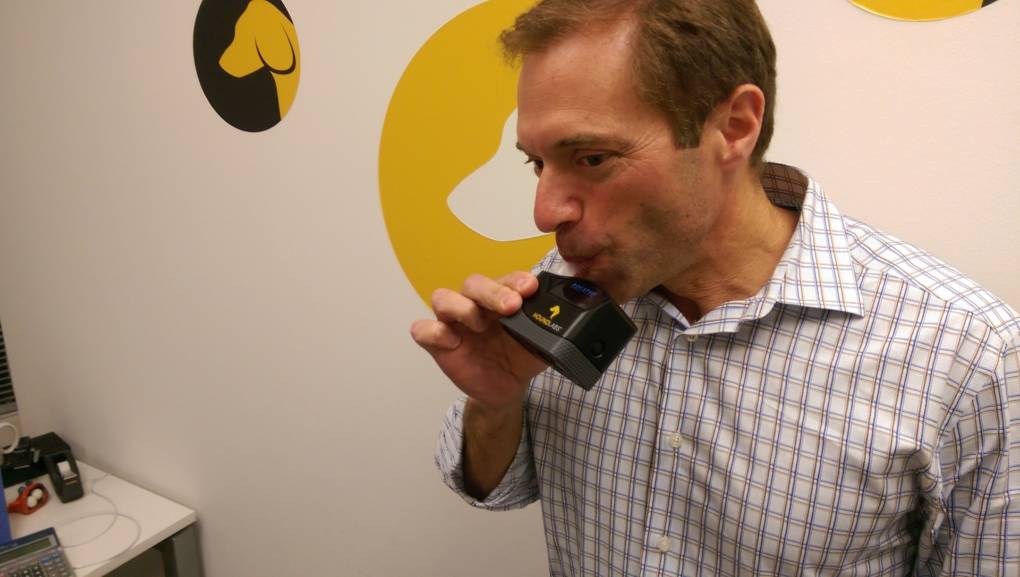
"caption": "Mike Lynn, CEO of Hound Labs in Oakland, which plans to sell a marijuana breathalyzer to law enforcement agencies next year.",
"description": "Mike Lynn, CEO of Hound Labs in Oakland, which plans to sell a marijuana breathalyzer to law enforcement agencies next year.",
"title": "RS28661_Mike Lynn of Hound Labs-qut",
"credit": "Eli Wirtschafter/KQED",
"status": "inherit",
"isLoading": false,
"fetchFailed": false
},
"news_11638104": {
"type": "attachments",
"id": "news_11638104",
"meta": {
"index": "attachments_1716263798",
"site": "news",
"id": "11638104",
"found": true
},
"parent": 11638056,
"imgSizes": {
"small": {
"file": "https://ww2.kqed.org/app/uploads/sites/10/2017/12/RS28657_GettyImages-91997121-qut-520x347.jpg",
"width": 520,
"mimeType": "image/jpeg",
"height": 347
},
"twentyfourteen-full-width": {
"file": "https://ww2.kqed.org/app/uploads/sites/10/2017/12/RS28657_GettyImages-91997121-qut-1038x576.jpg",
"width": 1038,
"mimeType": "image/jpeg",
"height": 576
},
"thumbnail": {
"file": "https://ww2.kqed.org/app/uploads/sites/10/2017/12/RS28657_GettyImages-91997121-qut-160x107.jpg",
"width": 160,
"mimeType": "image/jpeg",
"height": 107
},
"fd-sm": {
"file": "https://ww2.kqed.org/app/uploads/sites/10/2017/12/RS28657_GettyImages-91997121-qut-960x640.jpg",
"width": 960,
"mimeType": "image/jpeg",
"height": 640
},
"post-thumbnail": {
"file": "https://ww2.kqed.org/app/uploads/sites/10/2017/12/RS28657_GettyImages-91997121-qut-672x372.jpg",
"width": 672,
"mimeType": "image/jpeg",
"height": 372
},
"xsmall": {
"file": "https://ww2.kqed.org/app/uploads/sites/10/2017/12/RS28657_GettyImages-91997121-qut-375x250.jpg",
"width": 375,
"mimeType": "image/jpeg",
"height": 250
},
"kqedFullSize": {
"file": "https://ww2.kqed.org/app/uploads/sites/10/2017/12/RS28657_GettyImages-91997121-qut.jpg",
"width": 1920,
"height": 1280
},
"large": {
"file": "https://ww2.kqed.org/app/uploads/sites/10/2017/12/RS28657_GettyImages-91997121-qut-1020x680.jpg",
"width": 1020,
"mimeType": "image/jpeg",
"height": 680
},
"xlarge": {
"file": "https://ww2.kqed.org/app/uploads/sites/10/2017/12/RS28657_GettyImages-91997121-qut-1180x787.jpg",
"width": 1180,
"mimeType": "image/jpeg",
"height": 787
},
"guest-author-50": {
"file": "https://ww2.kqed.org/app/uploads/sites/10/2017/12/RS28657_GettyImages-91997121-qut-50x50.jpg",
"width": 50,
"mimeType": "image/jpeg",
"height": 50
},
"guest-author-96": {
"file": "https://ww2.kqed.org/app/uploads/sites/10/2017/12/RS28657_GettyImages-91997121-qut-96x96.jpg",
"width": 96,
"mimeType": "image/jpeg",
"height": 96
},
"medium": {
"file": "https://ww2.kqed.org/app/uploads/sites/10/2017/12/RS28657_GettyImages-91997121-qut-800x533.jpg",
"width": 800,
"mimeType": "image/jpeg",
"height": 533
},
"guest-author-64": {
"file": "https://ww2.kqed.org/app/uploads/sites/10/2017/12/RS28657_GettyImages-91997121-qut-64x64.jpg",
"width": 64,
"mimeType": "image/jpeg",
"height": 64
},
"guest-author-32": {
"file": "https://ww2.kqed.org/app/uploads/sites/10/2017/12/RS28657_GettyImages-91997121-qut-32x32.jpg",
"width": 32,
"mimeType": "image/jpeg",
"height": 32
},
"fd-lrg": {
"file": "https://ww2.kqed.org/app/uploads/sites/10/2017/12/RS28657_GettyImages-91997121-qut-1920x1280.jpg",
"width": 1920,
"mimeType": "image/jpeg",
"height": 1280
},
"fd-med": {
"file": "https://ww2.kqed.org/app/uploads/sites/10/2017/12/RS28657_GettyImages-91997121-qut-1180x787.jpg",
"width": 1180,
"mimeType": "image/jpeg",
"height": 787
},
"full-width": {
"file": "https://ww2.kqed.org/app/uploads/sites/10/2017/12/RS28657_GettyImages-91997121-qut-1920x1280.jpg",
"width": 1920,
"mimeType": "image/jpeg",
"height": 1280
},
"detail": {
"file": "https://ww2.kqed.org/app/uploads/sites/10/2017/12/RS28657_GettyImages-91997121-qut-150x150.jpg",
"width": 150,
"mimeType": "image/jpeg",
"height": 150
},
"guest-author-128": {
"file": "https://ww2.kqed.org/app/uploads/sites/10/2017/12/RS28657_GettyImages-91997121-qut-128x128.jpg",
"width": 128,
"mimeType": "image/jpeg",
"height": 128
},
"xxsmall": {
"file": "https://ww2.kqed.org/app/uploads/sites/10/2017/12/RS28657_GettyImages-91997121-qut-240x160.jpg",
"width": 240,
"mimeType": "image/jpeg",
"height": 160
}
},
"publishDate": 1513651061,
"modified": 1513651185,
"caption": "Starting on Jan. 1, 2018, adults 21 years and older will be able to buy and sell recreational marijuana in California.",
"description": "Starting on Jan. 1, 2018, adults 21 years and older will be able to buy and sell recreational marijuana in California.",
"title": "Obama Admin. Unveils New Policy Easing Medical Marijuana Prosecutions",
"credit": "David McNew/Getty Images",
"status": "inherit",
"isLoading": false,
"fetchFailed": false
},
"news_11633503": {
"type": "attachments",
"id": "news_11633503",
"meta": {
"index": "attachments_1716263798",
"site": "news",
"id": "11633503",
"found": true
},
"parent": 11633490,
"imgSizes": {
"small": {
"file": "https://ww2.kqed.org/app/uploads/sites/10/2017/11/POT-PREVIEW-I-520x366.jpg",
"width": 520,
"mimeType": "image/jpeg",
"height": 366
},
"twentyfourteen-full-width": {
"file": "https://ww2.kqed.org/app/uploads/sites/10/2017/11/POT-PREVIEW-I-1038x576.jpg",
"width": 1038,
"mimeType": "image/jpeg",
"height": 576
},
"thumbnail": {
"file": "https://ww2.kqed.org/app/uploads/sites/10/2017/11/POT-PREVIEW-I-160x113.jpg",
"width": 160,
"mimeType": "image/jpeg",
"height": 113
},
"fd-sm": {
"file": "https://ww2.kqed.org/app/uploads/sites/10/2017/11/POT-PREVIEW-I-960x676.jpg",
"width": 960,
"mimeType": "image/jpeg",
"height": 676
},
"post-thumbnail": {
"file": "https://ww2.kqed.org/app/uploads/sites/10/2017/11/POT-PREVIEW-I-672x372.jpg",
"width": 672,
"mimeType": "image/jpeg",
"height": 372
},
"xsmall": {
"file": "https://ww2.kqed.org/app/uploads/sites/10/2017/11/POT-PREVIEW-I-375x264.jpg",
"width": 375,
"mimeType": "image/jpeg",
"height": 264
},
"kqedFullSize": {
"file": "https://ww2.kqed.org/app/uploads/sites/10/2017/11/POT-PREVIEW-I.jpg",
"width": 1420,
"height": 1000
},
"large": {
"file": "https://ww2.kqed.org/app/uploads/sites/10/2017/11/POT-PREVIEW-I-1020x718.jpg",
"width": 1020,
"mimeType": "image/jpeg",
"height": 718
},
"xlarge": {
"file": "https://ww2.kqed.org/app/uploads/sites/10/2017/11/POT-PREVIEW-I-1180x831.jpg",
"width": 1180,
"mimeType": "image/jpeg",
"height": 831
},
"guest-author-50": {
"file": "https://ww2.kqed.org/app/uploads/sites/10/2017/11/POT-PREVIEW-I-50x50.jpg",
"width": 50,
"mimeType": "image/jpeg",
"height": 50
},
"guest-author-96": {
"file": "https://ww2.kqed.org/app/uploads/sites/10/2017/11/POT-PREVIEW-I-96x96.jpg",
"width": 96,
"mimeType": "image/jpeg",
"height": 96
},
"medium": {
"file": "https://ww2.kqed.org/app/uploads/sites/10/2017/11/POT-PREVIEW-I-800x563.jpg",
"width": 800,
"mimeType": "image/jpeg",
"height": 563
},
"guest-author-64": {
"file": "https://ww2.kqed.org/app/uploads/sites/10/2017/11/POT-PREVIEW-I-64x64.jpg",
"width": 64,
"mimeType": "image/jpeg",
"height": 64
},
"guest-author-32": {
"file": "https://ww2.kqed.org/app/uploads/sites/10/2017/11/POT-PREVIEW-I-32x32.jpg",
"width": 32,
"mimeType": "image/jpeg",
"height": 32
},
"fd-med": {
"file": "https://ww2.kqed.org/app/uploads/sites/10/2017/11/POT-PREVIEW-I-1180x831.jpg",
"width": 1180,
"mimeType": "image/jpeg",
"height": 831
},
"detail": {
"file": "https://ww2.kqed.org/app/uploads/sites/10/2017/11/POT-PREVIEW-I-150x150.jpg",
"width": 150,
"mimeType": "image/jpeg",
"height": 150
},
"guest-author-128": {
"file": "https://ww2.kqed.org/app/uploads/sites/10/2017/11/POT-PREVIEW-I-128x128.jpg",
"width": 128,
"mimeType": "image/jpeg",
"height": 128
},
"xxsmall": {
"file": "https://ww2.kqed.org/app/uploads/sites/10/2017/11/POT-PREVIEW-I-240x169.jpg",
"width": 240,
"mimeType": "image/jpeg",
"height": 169
}
},
"publishDate": 1511828503,
"modified": 1511911561,
"caption": "Marijuana plants being cultivated in Las Vegas by L.A.-based growing consultant David Holmes.",
"description": "Marijuana plants being cultivated in Las Vegas by L.A. based growing consultant David Holmes.",
"title": "POT PREVIEW I",
"credit": "Steven Cuevas/KQED",
"status": "inherit",
"isLoading": false,
"fetchFailed": false
},
"news_11615282": {
"type": "attachments",
"id": "news_11615282",
"meta": {
"index": "attachments_1716263798",
"site": "news",
"id": "11615282",
"found": true
},
"parent": 11615278,
"imgSizes": {
"small": {
"file": "https://ww2.kqed.org/app/uploads/sites/10/2017/09/cannabis-crossroads-520x293.jpg",
"width": 520,
"mimeType": "image/jpeg",
"height": 293
},
"twentyfourteen-full-width": {
"file": "https://ww2.kqed.org/app/uploads/sites/10/2017/09/cannabis-crossroads-1038x576.jpg",
"width": 1038,
"mimeType": "image/jpeg",
"height": 576
},
"thumbnail": {
"file": "https://ww2.kqed.org/app/uploads/sites/10/2017/09/cannabis-crossroads-160x90.jpg",
"width": 160,
"mimeType": "image/jpeg",
"height": 90
},
"fd-sm": {
"file": "https://ww2.kqed.org/app/uploads/sites/10/2017/09/cannabis-crossroads-960x540.jpg",
"width": 960,
"mimeType": "image/jpeg",
"height": 540
},
"post-thumbnail": {
"file": "https://ww2.kqed.org/app/uploads/sites/10/2017/09/cannabis-crossroads-672x372.jpg",
"width": 672,
"mimeType": "image/jpeg",
"height": 372
},
"xsmall": {
"file": "https://ww2.kqed.org/app/uploads/sites/10/2017/09/cannabis-crossroads-375x211.jpg",
"width": 375,
"mimeType": "image/jpeg",
"height": 211
},
"kqedFullSize": {
"file": "https://ww2.kqed.org/app/uploads/sites/10/2017/09/cannabis-crossroads.jpg",
"width": 1280,
"height": 720
},
"large": {
"file": "https://ww2.kqed.org/app/uploads/sites/10/2017/09/cannabis-crossroads-1020x574.jpg",
"width": 1020,
"mimeType": "image/jpeg",
"height": 574
},
"xlarge": {
"file": "https://ww2.kqed.org/app/uploads/sites/10/2017/09/cannabis-crossroads-1180x664.jpg",
"width": 1180,
"mimeType": "image/jpeg",
"height": 664
},
"guest-author-50": {
"file": "https://ww2.kqed.org/app/uploads/sites/10/2017/09/cannabis-crossroads-50x50.jpg",
"width": 50,
"mimeType": "image/jpeg",
"height": 50
},
"guest-author-96": {
"file": "https://ww2.kqed.org/app/uploads/sites/10/2017/09/cannabis-crossroads-96x96.jpg",
"width": 96,
"mimeType": "image/jpeg",
"height": 96
},
"medium": {
"file": "https://ww2.kqed.org/app/uploads/sites/10/2017/09/cannabis-crossroads-800x450.jpg",
"width": 800,
"mimeType": "image/jpeg",
"height": 450
},
"guest-author-64": {
"file": "https://ww2.kqed.org/app/uploads/sites/10/2017/09/cannabis-crossroads-64x64.jpg",
"width": 64,
"mimeType": "image/jpeg",
"height": 64
},
"guest-author-32": {
"file": "https://ww2.kqed.org/app/uploads/sites/10/2017/09/cannabis-crossroads-32x32.jpg",
"width": 32,
"mimeType": "image/jpeg",
"height": 32
},
"fd-med": {
"file": "https://ww2.kqed.org/app/uploads/sites/10/2017/09/cannabis-crossroads-1180x664.jpg",
"width": 1180,
"mimeType": "image/jpeg",
"height": 664
},
"detail": {
"file": "https://ww2.kqed.org/app/uploads/sites/10/2017/09/cannabis-crossroads-150x150.jpg",
"width": 150,
"mimeType": "image/jpeg",
"height": 150
},
"guest-author-128": {
"file": "https://ww2.kqed.org/app/uploads/sites/10/2017/09/cannabis-crossroads-128x128.jpg",
"width": 128,
"mimeType": "image/jpeg",
"height": 128
},
"xxsmall": {
"file": "https://ww2.kqed.org/app/uploads/sites/10/2017/09/cannabis-crossroads-240x135.jpg",
"width": 240,
"mimeType": "image/jpeg",
"height": 135
}
},
"publishDate": 1504299449,
"modified": 1504299449,
"caption": null,
"description": null,
"title": "cannabis crossroads",
"credit": null,
"status": "inherit",
"isLoading": false,
"fetchFailed": false
},
"news_11606183": {
"type": "attachments",
"id": "news_11606183",
"meta": {
"index": "attachments_1716263798",
"site": "news",
"id": "11606183",
"found": true
},
"parent": 11604622,
"imgSizes": {
"small": {
"file": "https://ww2.kqed.org/app/uploads/sites/10/2017/08/PotScale-520x327.jpg",
"width": 520,
"mimeType": "image/jpeg",
"height": 327
},
"twentyfourteen-full-width": {
"file": "https://ww2.kqed.org/app/uploads/sites/10/2017/08/PotScale-1038x576.jpg",
"width": 1038,
"mimeType": "image/jpeg",
"height": 576
},
"thumbnail": {
"file": "https://ww2.kqed.org/app/uploads/sites/10/2017/08/PotScale-160x101.jpg",
"width": 160,
"mimeType": "image/jpeg",
"height": 101
},
"fd-sm": {
"file": "https://ww2.kqed.org/app/uploads/sites/10/2017/08/PotScale-960x605.jpg",
"width": 960,
"mimeType": "image/jpeg",
"height": 605
},
"post-thumbnail": {
"file": "https://ww2.kqed.org/app/uploads/sites/10/2017/08/PotScale-672x372.jpg",
"width": 672,
"mimeType": "image/jpeg",
"height": 372
},
"xsmall": {
"file": "https://ww2.kqed.org/app/uploads/sites/10/2017/08/PotScale-375x236.jpg",
"width": 375,
"mimeType": "image/jpeg",
"height": 236
},
"kqedFullSize": {
"file": "https://ww2.kqed.org/app/uploads/sites/10/2017/08/PotScale.jpg",
"width": 1920,
"height": 1209
},
"large": {
"file": "https://ww2.kqed.org/app/uploads/sites/10/2017/08/PotScale-1020x642.jpg",
"width": 1020,
"mimeType": "image/jpeg",
"height": 642
},
"xlarge": {
"file": "https://ww2.kqed.org/app/uploads/sites/10/2017/08/PotScale-1180x743.jpg",
"width": 1180,
"mimeType": "image/jpeg",
"height": 743
},
"guest-author-50": {
"file": "https://ww2.kqed.org/app/uploads/sites/10/2017/08/PotScale-50x50.jpg",
"width": 50,
"mimeType": "image/jpeg",
"height": 50
},
"guest-author-96": {
"file": "https://ww2.kqed.org/app/uploads/sites/10/2017/08/PotScale-96x96.jpg",
"width": 96,
"mimeType": "image/jpeg",
"height": 96
},
"medium": {
"file": "https://ww2.kqed.org/app/uploads/sites/10/2017/08/PotScale-800x504.jpg",
"width": 800,
"mimeType": "image/jpeg",
"height": 504
},
"guest-author-64": {
"file": "https://ww2.kqed.org/app/uploads/sites/10/2017/08/PotScale-64x64.jpg",
"width": 64,
"mimeType": "image/jpeg",
"height": 64
},
"guest-author-32": {
"file": "https://ww2.kqed.org/app/uploads/sites/10/2017/08/PotScale-32x32.jpg",
"width": 32,
"mimeType": "image/jpeg",
"height": 32
},
"fd-lrg": {
"file": "https://ww2.kqed.org/app/uploads/sites/10/2017/08/PotScale-1920x1209.jpg",
"width": 1920,
"mimeType": "image/jpeg",
"height": 1209
},
"fd-med": {
"file": "https://ww2.kqed.org/app/uploads/sites/10/2017/08/PotScale-1180x743.jpg",
"width": 1180,
"mimeType": "image/jpeg",
"height": 743
},
"full-width": {
"file": "https://ww2.kqed.org/app/uploads/sites/10/2017/08/PotScale-1920x1209.jpg",
"width": 1920,
"mimeType": "image/jpeg",
"height": 1209
},
"detail": {
"file": "https://ww2.kqed.org/app/uploads/sites/10/2017/08/PotScale-150x150.jpg",
"width": 150,
"mimeType": "image/jpeg",
"height": 150
},
"guest-author-128": {
"file": "https://ww2.kqed.org/app/uploads/sites/10/2017/08/PotScale-128x128.jpg",
"width": 128,
"mimeType": "image/jpeg",
"height": 128
},
"xxsmall": {
"file": "https://ww2.kqed.org/app/uploads/sites/10/2017/08/PotScale-240x151.jpg",
"width": 240,
"mimeType": "image/jpeg",
"height": 151
}
},
"publishDate": 1501613390,
"modified": 1501613474,
"caption": "A vendor weighs buds for medical marijuana patients in Los Angeles.",
"description": "A vendor weighs buds for medical marijuana patients in Los Angeles.",
"title": "PotScale",
"credit": "FREDERIC J. BROWN/AFP/Getty Images",
"status": "inherit",
"isLoading": false,
"fetchFailed": false
},
"news_11522918": {
"type": "attachments",
"id": "news_11522918",
"meta": {
"index": "attachments_1716263798",
"site": "news",
"id": "11522918",
"found": true
},
"parent": 11522548,
"imgSizes": {
"small": {
"file": "https://ww2.kqed.org/app/uploads/sites/10/2017/06/GettyImages-99037655-520x351.jpg",
"width": 520,
"mimeType": "image/jpeg",
"height": 351
},
"twentyfourteen-full-width": {
"file": "https://ww2.kqed.org/app/uploads/sites/10/2017/06/GettyImages-99037655-1038x576.jpg",
"width": 1038,
"mimeType": "image/jpeg",
"height": 576
},
"thumbnail": {
"file": "https://ww2.kqed.org/app/uploads/sites/10/2017/06/GettyImages-99037655-160x108.jpg",
"width": 160,
"mimeType": "image/jpeg",
"height": 108
},
"fd-sm": {
"file": "https://ww2.kqed.org/app/uploads/sites/10/2017/06/GettyImages-99037655-960x648.jpg",
"width": 960,
"mimeType": "image/jpeg",
"height": 648
},
"post-thumbnail": {
"file": "https://ww2.kqed.org/app/uploads/sites/10/2017/06/GettyImages-99037655-672x372.jpg",
"width": 672,
"mimeType": "image/jpeg",
"height": 372
},
"xsmall": {
"file": "https://ww2.kqed.org/app/uploads/sites/10/2017/06/GettyImages-99037655-375x253.jpg",
"width": 375,
"mimeType": "image/jpeg",
"height": 253
},
"kqedFullSize": {
"file": "https://ww2.kqed.org/app/uploads/sites/10/2017/06/GettyImages-99037655-e1498002228796.jpg",
"width": 1920,
"height": 1295
},
"large": {
"file": "https://ww2.kqed.org/app/uploads/sites/10/2017/06/GettyImages-99037655-1020x688.jpg",
"width": 1020,
"mimeType": "image/jpeg",
"height": 688
},
"xlarge": {
"file": "https://ww2.kqed.org/app/uploads/sites/10/2017/06/GettyImages-99037655-1180x796.jpg",
"width": 1180,
"mimeType": "image/jpeg",
"height": 796
},
"guest-author-50": {
"file": "https://ww2.kqed.org/app/uploads/sites/10/2017/06/GettyImages-99037655-50x50.jpg",
"width": 50,
"mimeType": "image/jpeg",
"height": 50
},
"guest-author-96": {
"file": "https://ww2.kqed.org/app/uploads/sites/10/2017/06/GettyImages-99037655-96x96.jpg",
"width": 96,
"mimeType": "image/jpeg",
"height": 96
},
"medium": {
"file": "https://ww2.kqed.org/app/uploads/sites/10/2017/06/GettyImages-99037655-800x540.jpg",
"width": 800,
"mimeType": "image/jpeg",
"height": 540
},
"guest-author-64": {
"file": "https://ww2.kqed.org/app/uploads/sites/10/2017/06/GettyImages-99037655-64x64.jpg",
"width": 64,
"mimeType": "image/jpeg",
"height": 64
},
"guest-author-32": {
"file": "https://ww2.kqed.org/app/uploads/sites/10/2017/06/GettyImages-99037655-32x32.jpg",
"width": 32,
"mimeType": "image/jpeg",
"height": 32
},
"fd-lrg": {
"file": "https://ww2.kqed.org/app/uploads/sites/10/2017/06/GettyImages-99037655-1920x1295.jpg",
"width": 1920,
"mimeType": "image/jpeg",
"height": 1295
},
"fd-med": {
"file": "https://ww2.kqed.org/app/uploads/sites/10/2017/06/GettyImages-99037655-1180x796.jpg",
"width": 1180,
"mimeType": "image/jpeg",
"height": 796
},
"full-width": {
"file": "https://ww2.kqed.org/app/uploads/sites/10/2017/06/GettyImages-99037655-1920x1295.jpg",
"width": 1920,
"mimeType": "image/jpeg",
"height": 1295
},
"detail": {
"file": "https://ww2.kqed.org/app/uploads/sites/10/2017/06/GettyImages-99037655-150x150.jpg",
"width": 150,
"mimeType": "image/jpeg",
"height": 150
},
"guest-author-128": {
"file": "https://ww2.kqed.org/app/uploads/sites/10/2017/06/GettyImages-99037655-128x128.jpg",
"width": 128,
"mimeType": "image/jpeg",
"height": 128
},
"xxsmall": {
"file": "https://ww2.kqed.org/app/uploads/sites/10/2017/06/GettyImages-99037655-240x162.jpg",
"width": 240,
"mimeType": "image/jpeg",
"height": 162
}
},
"publishDate": 1498002205,
"modified": 1498002380,
"caption": "Jars full of marijuana at a Los Angeles dispensary.",
"description": null,
"title": "Over 400 Marijuana Stores Ordered To Close As City Regulates Industry",
"credit": "Kevork Djansezian/Getty Images",
"status": "inherit",
"isLoading": false,
"fetchFailed": false
}
},
"audioPlayerReducer": {
"postId": "stream_live",
"isPaused": true,
"isPlaying": false,
"pfsActive": false,
"pledgeModalIsOpen": true,
"playerDrawerIsOpen": false,
"liveAudioPlayStartedAt": 0,
"liveAudioPlayContext": ""
},
"authorsReducer": {
"byline_news_11649524": {
"type": "authors",
"id": "byline_news_11649524",
"meta": {
"override": true
},
"slug": "byline_news_11649524",
"name": "\u003cstrong>\u003ca href=\"http://www.scpr.org/about/people/staff/jill-replogle\">Jill Replogle\u003c/a>\u003c/strong>",
"isLoading": false
},
"byline_news_11647259": {
"type": "authors",
"id": "byline_news_11647259",
"meta": {
"override": true
},
"slug": "byline_news_11647259",
"name": "\u003cstrong>\u003ca href=\"https://theconversation.com/profiles/miriam-boeri-144873\">Miriam Boeri\u003c/a>, \u003c/strong>\u003cbr />\u003cem>Bentley University, for \u003ca href=\"https://theconversation.com\">The Conversation\u003c/a>\u003c/em>",
"isLoading": false
},
"kqed": {
"type": "authors",
"id": "236",
"meta": {
"index": "authors_1716337520",
"id": "236",
"found": true
},
"name": "KQED News Staff",
"firstName": "KQED News Staff",
"lastName": null,
"slug": "kqed",
"email": "faq@kqed.org",
"display_author_email": false,
"staff_mastheads": [],
"title": null,
"bio": null,
"avatar": "https://secure.gravatar.com/avatar/ef0e801a68c4c54afa9180db14084167?s=600&d=blank&r=g",
"twitter": null,
"facebook": null,
"instagram": null,
"linkedin": null,
"sites": [
{
"site": "arts",
"roles": [
"contributor"
]
},
{
"site": "news",
"roles": [
"editor"
]
},
{
"site": "futureofyou",
"roles": [
"author"
]
}
],
"headData": {
"title": "KQED News Staff | KQED",
"description": null,
"ogImgSrc": "https://secure.gravatar.com/avatar/ef0e801a68c4c54afa9180db14084167?s=600&d=blank&r=g",
"twImgSrc": "https://secure.gravatar.com/avatar/ef0e801a68c4c54afa9180db14084167?s=600&d=blank&r=g"
},
"isLoading": false,
"link": "/author/kqed"
},
"scuevas": {
"type": "authors",
"id": "2600",
"meta": {
"index": "authors_1716337520",
"id": "2600",
"found": true
},
"name": "Steven Cuevas",
"firstName": "Steven",
"lastName": "Cuevas",
"slug": "scuevas",
"email": "scuevas@kqed.org",
"display_author_email": false,
"staff_mastheads": [],
"title": "KQED Contributor",
"bio": "Steven is a former Los Angeles bureau chief for The California Report.\r\n\r\nHe reports on an array of issues across the Southland, from immigration and regional politics to religion, the performing arts and pop culture.\r\n\r\nPrior to joining KQED in 2012, Steven covered Inland southern California for KPCC in Pasadena. He also helped establish the first newsroom at \u003ca href=\"http://kut.org/\">KUT\u003c/a> in Austin, Texas where he was a general assignment reporter.\r\n\r\nSteven has received numerous awards for his reporting including an RTNDA Edward R. Murrow Award for investigative reporting in addition to awards from the LA Press Club, the Associated Press and the Society for Professional Journalists.\r\n\r\nSteven grew up in and around San Francisco and now lives in Pasadena just a short jog from the foot of the San Gabriel Mountains.",
"avatar": "https://secure.gravatar.com/avatar/2d253580794f8e026100fae05cfabbbd4889b4fe15146146cacb82a01974c538?s=600&d=blank&r=g",
"twitter": null,
"bluesky": null,
"facebook": null,
"instagram": null,
"linkedin": null,
"sites": [
{
"site": "news",
"roles": [
"subscriber"
]
}
],
"headData": {
"title": "Steven Cuevas | KQED",
"description": "KQED Contributor",
"ogImgSrc": "https://secure.gravatar.com/avatar/2d253580794f8e026100fae05cfabbbd4889b4fe15146146cacb82a01974c538?s=600&d=blank&r=g",
"twImgSrc": "https://secure.gravatar.com/avatar/2d253580794f8e026100fae05cfabbbd4889b4fe15146146cacb82a01974c538?s=600&d=blank&r=g"
},
"isLoading": false,
"link": "/author/scuevas"
},
"mlagos": {
"type": "authors",
"id": "3239",
"meta": {
"index": "authors_1716337520",
"id": "3239",
"found": true
},
"name": "Marisa Lagos",
"firstName": "Marisa",
"lastName": "Lagos",
"slug": "mlagos",
"email": "mlagos@kqed.org",
"display_author_email": false,
"staff_mastheads": [
"news"
],
"title": "KQED Contributor",
"bio": "Marisa Lagos is a correspondent for KQED’s California Politics and Government Desk and co-hosts the award-winning show and podcast, Political Breakdown. At KQED, Lagos also conducts reporting, analysis and investigations into state, local and national politics for radio, TV, online and onstage. In 2022, she and co-host, Scott Shafer, moderated the only gubernatorial debate in California. In 2020, the \u003ci>Washington Post\u003c/i> named her one of the top political journalists in California; she was nominated for a Peabody and won several other awards for her work investigating the 2017 California wildfires. She has worked at the \u003ci>San Francisco Chronicle\u003c/i>, \u003ci>San Francisco Examiner\u003c/i> and \u003ci>Los Angeles Times\u003c/i>. A UC Santa Barbara graduate, she lives in San Francisco with her two sons and husband.",
"avatar": "https://secure.gravatar.com/avatar/a261a0d3696fc066871ef96b85b5e7d2?s=600&d=blank&r=g",
"twitter": "@mlagos",
"facebook": null,
"instagram": null,
"linkedin": null,
"sites": [
{
"site": "arts",
"roles": [
"author"
]
},
{
"site": "news",
"roles": [
"editor"
]
},
{
"site": "science",
"roles": [
"editor"
]
},
{
"site": "forum",
"roles": [
"author"
]
},
{
"site": "liveblog",
"roles": [
"author"
]
}
],
"headData": {
"title": "Marisa Lagos | KQED",
"description": "KQED Contributor",
"ogImgSrc": "https://secure.gravatar.com/avatar/a261a0d3696fc066871ef96b85b5e7d2?s=600&d=blank&r=g",
"twImgSrc": "https://secure.gravatar.com/avatar/a261a0d3696fc066871ef96b85b5e7d2?s=600&d=blank&r=g"
},
"isLoading": false,
"link": "/author/mlagos"
},
"jplaczek": {
"type": "authors",
"id": "8606",
"meta": {
"index": "authors_1716337520",
"id": "8606",
"found": true
},
"name": "Jessica Placzek",
"firstName": "Jessica",
"lastName": "Placzek",
"slug": "jplaczek",
"email": "jessicalplaczek@gmail.com",
"display_author_email": false,
"staff_mastheads": [
"news"
],
"title": "KQED Contributor",
"bio": "Jessica Placzek is a former senior editor of podcasts at KQED where she served as the editorial lead of the podcast department. She worked with shows like MindShift, Rightnowish, Consider This, SOLD OUT, Bay Curious and The Bay. She’s also been a reporter and audio producer at KQED, KPFA, and KALW. She taught audio production to men incarcerated at California State Prison Solano and edited pieces they produced for the Uncuffed podcast through KALW. In 2018 she co-hosted and produced the third season of Raw Material for SFMOMA. In New Orleans she wrote for the Nola Defender. Her work has also appeared on Marketplace, All Things Considered, The California Report, and Vice. You can find more at jessicaplaczek.com",
"avatar": "https://secure.gravatar.com/avatar/5ead103b5880f672eceb84ce75eecd1b4b6f74a47edc457684a73ad5b8b158e9?s=600&d=blank&r=g",
"twitter": null,
"bluesky": null,
"facebook": null,
"instagram": null,
"linkedin": null,
"sites": [
{
"site": "arts",
"roles": [
"subscriber"
]
},
{
"site": "news",
"roles": [
"subscriber"
]
},
{
"site": "stateofhealth",
"roles": [
"editor"
]
},
{
"site": "forum",
"roles": [
"editor"
]
}
],
"headData": {
"title": "Jessica Placzek | KQED",
"description": "KQED Contributor",
"ogImgSrc": "https://secure.gravatar.com/avatar/5ead103b5880f672eceb84ce75eecd1b4b6f74a47edc457684a73ad5b8b158e9?s=600&d=blank&r=g",
"twImgSrc": "https://secure.gravatar.com/avatar/5ead103b5880f672eceb84ce75eecd1b4b6f74a47edc457684a73ad5b8b158e9?s=600&d=blank&r=g"
},
"isLoading": false,
"link": "/author/jplaczek"
},
"korr": {
"type": "authors",
"id": "11200",
"meta": {
"index": "authors_1716337520",
"id": "11200",
"found": true
},
"name": "Katie Orr",
"firstName": "Katie",
"lastName": "Orr",
"slug": "korr",
"email": "korr@kqed.org",
"display_author_email": false,
"staff_mastheads": [],
"title": "KQED Contributor",
"bio": "Katie Orr was a Sacramento-based reporter for KQED's Politics and Government Desk, covering the state Capitol and a variety of issues including women in politics, voting and elections and legislation. Prior to joining KQED in 2016, Katie was state government reporter for Capital Public Radio in Sacramento. She's also worked for KPBS in San Diego, where she covered City Hall.\r\n\r\nKatie received her masters degree in political science from San Diego State University and holds a Bachelors degree in broadcast journalism from Arizona State University.\r\n\r\nIn 2015 Katie won a national Clarion Award for a series of stories she did on women in California politics. She's been honored by the Society for Professional Journalists and, in 2013, was named by \u003cem>The Washington Post\u003c/em> as one of the country's top state Capitol reporters. She's also reported for the award-winning documentary series \u003cem>The View from Here \u003c/em>and was part of the team that won national PRNDI and Gabriel Awards in 2015. She lives in Sacramento with her husband. Twitter: @1KatieOrr",
"avatar": "https://secure.gravatar.com/avatar/41a40b25845adc78f50808670860449e?s=600&d=blank&r=g",
"twitter": "1katieorr",
"facebook": null,
"instagram": null,
"linkedin": null,
"sites": [
{
"site": "news",
"roles": [
"subscriber"
]
},
{
"site": "stateofhealth",
"roles": [
"author"
]
},
{
"site": "forum",
"roles": [
"author"
]
}
],
"headData": {
"title": "Katie Orr | KQED",
"description": "KQED Contributor",
"ogImgSrc": "https://secure.gravatar.com/avatar/41a40b25845adc78f50808670860449e?s=600&d=blank&r=g",
"twImgSrc": "https://secure.gravatar.com/avatar/41a40b25845adc78f50808670860449e?s=600&d=blank&r=g"
},
"isLoading": false,
"link": "/author/korr"
},
"bwatt": {
"type": "authors",
"id": "11238",
"meta": {
"index": "authors_1716337520",
"id": "11238",
"found": true
},
"name": "Brian Watt",
"firstName": "Brian",
"lastName": "Watt",
"slug": "bwatt",
"email": "bwatt@KQED.org",
"display_author_email": false,
"staff_mastheads": [
"news"
],
"title": "Morning News Anchor",
"bio": "Brian Watt is KQED's morning radio news anchor. He joined the KQED News team in April of 2016. Prior to that, he worked as a Reporter for KPCC in Los Angeles and a producer at \u003cem>Marketplace.\u003c/em>\r\n\r\nDuring eight years at KPCC, Brian covered business and economics, and his work won several awards. In 2008, he won the Los Angeles Press Club’s first-place award for Business and Financial Reporting, Broadcast. He’s also received honorable mention and been first runner up for the Press Club’s Radio Journalist of the Year. He won two Golden Mike awards from the Radio and TV News Association of Southern California.\r\n\r\nBrian holds degrees in theater from Yale University and the Sorbonne, and has worked as an actor in France, Italy, Brazil, Hungary and . . . Hollywood. He appeared in a few television shows, including \u003cem>The West Wing, Judging Amy\u003c/em> and \u003cem>The District.\u003c/em>\r\n\r\nEmail: bwatt@KQED.org Twitter: @RadioBWatt",
"avatar": "https://secure.gravatar.com/avatar/55393ff57ed34e2be773ba4789dd6a19?s=600&d=blank&r=g",
"twitter": "@RadioBWatt",
"facebook": null,
"instagram": null,
"linkedin": null,
"sites": [
{
"site": "arts",
"roles": [
"contributor"
]
},
{
"site": "news",
"roles": [
"editor"
]
}
],
"headData": {
"title": "Brian Watt | KQED",
"description": "Morning News Anchor",
"ogImgSrc": "https://secure.gravatar.com/avatar/55393ff57ed34e2be773ba4789dd6a19?s=600&d=blank&r=g",
"twImgSrc": "https://secure.gravatar.com/avatar/55393ff57ed34e2be773ba4789dd6a19?s=600&d=blank&r=g"
},
"isLoading": false,
"link": "/author/bwatt"
},
"ewirtschafter": {
"type": "authors",
"id": "11259",
"meta": {
"index": "authors_1716337520",
"id": "11259",
"found": true
},
"name": "Eli Wirtschafter",
"firstName": "Eli",
"lastName": "Wirtschafter",
"slug": "ewirtschafter",
"email": "ewirtschafter@KQED.org",
"display_author_email": false,
"staff_mastheads": [],
"title": "KQED Contributor",
"bio": "Eli Wirtschafter is a freelance reporter and producer focusing on transportation, art, and activism. He previously interned with \u003cem>The California Report\u003c/em> and KQED Local News\u003cem>.\u003c/em> Eli is also KALW's transportation reporter, and a graduate of KALW's \u003ca href=\"http://kalw.org/post/enrollment-now-open-kalws-audio-academy#stream/0\" target=\"_blank\" rel=\"noopener noreferrer\">Audio Academy.\u003c/a> Eli's work has been heard on NPR, Here & Now, and BackStory. Find him on Twitter at \u003ca href=\"https://twitter.com/RadioEli\" target=\"_blank\" rel=\"noopener noreferrer\">@RadioEli\u003c/a>.",
"avatar": "https://secure.gravatar.com/avatar/dd6917a8f3309e9659ae1da5ffc10865559102003d58d9f077ca49c7f7ca792e?s=600&d=blank&r=g",
"twitter": "RadioEli",
"bluesky": null,
"facebook": null,
"instagram": null,
"linkedin": null,
"sites": [
{
"site": "arts",
"roles": [
"subscriber"
]
},
{
"site": "news",
"roles": [
"author"
]
},
{
"site": "science",
"roles": [
"author"
]
}
],
"headData": {
"title": "Eli Wirtschafter | KQED",
"description": "KQED Contributor",
"ogImgSrc": "https://secure.gravatar.com/avatar/dd6917a8f3309e9659ae1da5ffc10865559102003d58d9f077ca49c7f7ca792e?s=600&d=blank&r=g",
"twImgSrc": "https://secure.gravatar.com/avatar/dd6917a8f3309e9659ae1da5ffc10865559102003d58d9f077ca49c7f7ca792e?s=600&d=blank&r=g"
},
"isLoading": false,
"link": "/author/ewirtschafter"
},
"rlevi": {
"type": "authors",
"id": "11260",
"meta": {
"index": "authors_1716337520",
"id": "11260",
"found": true
},
"name": "Ryan Levi",
"firstName": "Ryan",
"lastName": "Levi",
"slug": "rlevi",
"email": "rlevi@KQED.org",
"display_author_email": false,
"staff_mastheads": [],
"title": "KQED Contributor",
"bio": "Ryan Levi was a reporter and podcast producer at KQED News from 2016-2019. He worked on \u003ca href=\"https://www.kqed.org/news/series/baycurious\">Bay Curious\u003c/a>, \u003ca href=\"https://www.kqed.org/news/tag/the-bay/\">The Bay, \u003c/a>and \u003ca href=\"https://podcasts.apple.com/us/podcast/the-california-report-magazine/id1314750545\">The California Report Magazine\u003c/a>, as well as hosting and producing the weekly \u003ca href=\"https://www.kqed.org/news/program/qedup/\">Q'ed Up podcast. \u003c/a>He also helped inaugurate KQED's weekend news coverage in 2017 as one of two original digital producers. Ryan holds degrees in multimedia journalism and Spanish from the University of Missouri.",
"avatar": "https://secure.gravatar.com/avatar/4cb2ddd028ac8807d1adf09609c5555d?s=600&d=blank&r=g",
"twitter": "ryan_levi",
"facebook": null,
"instagram": null,
"linkedin": null,
"sites": [
{
"site": "arts",
"roles": [
"editor"
]
},
{
"site": "news",
"roles": [
"subscriber"
]
},
{
"site": "stateofhealth",
"roles": [
"editor"
]
},
{
"site": "science",
"roles": [
"editor"
]
},
{
"site": "forum",
"roles": [
"administrator"
]
},
{
"site": "perspectives",
"roles": [
"administrator"
]
}
],
"headData": {
"title": "Ryan Levi | KQED",
"description": "KQED Contributor",
"ogImgSrc": "https://secure.gravatar.com/avatar/4cb2ddd028ac8807d1adf09609c5555d?s=600&d=blank&r=g",
"twImgSrc": "https://secure.gravatar.com/avatar/4cb2ddd028ac8807d1adf09609c5555d?s=600&d=blank&r=g"
},
"isLoading": false,
"link": "/author/rlevi"
},
"ajperry": {
"type": "authors",
"id": "11334",
"meta": {
"index": "authors_1716337520",
"id": "11334",
"found": true
},
"name": "Alyssa Jeong Perry",
"firstName": "Alyssa",
"lastName": "Perry",
"slug": "ajperry",
"email": "AlyssaPerry@KQED.org",
"display_author_email": false,
"staff_mastheads": [],
"title": "KQED Contributor",
"bio": "Alyssa Jeong Perry is a on-call reporter at KQED. She's had stories air on NPR and WBUR's \u003cem>Here & Now,\u003c/em> PRI's The World and WNYC's \u003cem>The Takeaway.\u003c/em> And her written stories have been published in \u003cem>The Guardian \u003c/em>and \u003cem>The Nation. \u003c/em> For her reporting on immigration, Alyssa was honored as a 2015 Ford Foundation fellow through International Center for Journalists and a 2016 Mark Felt fellow with the UC Berkeley's Investigative Reporting Program. She's also interned at \u003cem>Oregon Public Broadcasting \u003c/em>and has her masters in journalism from the UC Berkeley. Before diving deep into journalism, she lived in Korea for almost four years and traveled extensively through Central America and Asia.",
"avatar": "https://secure.gravatar.com/avatar/8601b3e2995177110a6b5beb3aaea2f3?s=600&d=blank&r=g",
"twitter": "alyssajperry",
"facebook": null,
"instagram": null,
"linkedin": null,
"sites": [
{
"site": "news",
"roles": [
"author"
]
}
],
"headData": {
"title": "Alyssa Jeong Perry | KQED",
"description": "KQED Contributor",
"ogImgSrc": "https://secure.gravatar.com/avatar/8601b3e2995177110a6b5beb3aaea2f3?s=600&d=blank&r=g",
"twImgSrc": "https://secure.gravatar.com/avatar/8601b3e2995177110a6b5beb3aaea2f3?s=600&d=blank&r=g"
},
"isLoading": false,
"link": "/author/ajperry"
},
"bhernandez": {
"type": "authors",
"id": "11359",
"meta": {
"index": "authors_1716337520",
"id": "11359",
"found": true
},
"name": "Bianca Hernandez",
"firstName": "Bianca",
"lastName": "Hernandez",
"slug": "bhernandez",
"email": "bhernandez@kqed.org",
"display_author_email": false,
"staff_mastheads": [],
"title": "KQED Contributor",
"bio": "Bianca Hernandez is a former Interactive Producer for KQED. She has produced at KGPE, KSEE24 and Sierra Magazine. In 2011 she received an undergraduate degree in Journalism and Anthropology from CSU, Chico . She earned a Master's from the University of Southern California in 2013, where she completed a documentary on teenage farmworkers. She is an avid Jane Austen fan and takes lightsaber combat class for fun.",
"avatar": "https://secure.gravatar.com/avatar/75b3424851e2f9fa131f2cb6a051aeac?s=600&d=blank&r=g",
"twitter": "bookhoarding",
"facebook": null,
"instagram": null,
"linkedin": null,
"sites": [
{
"site": "arts",
"roles": []
},
{
"site": "news",
"roles": []
},
{
"site": "science",
"roles": []
},
{
"site": "forum",
"roles": []
}
],
"headData": {
"title": "Bianca Hernandez | KQED",
"description": "KQED Contributor",
"ogImgSrc": "https://secure.gravatar.com/avatar/75b3424851e2f9fa131f2cb6a051aeac?s=600&d=blank&r=g",
"twImgSrc": "https://secure.gravatar.com/avatar/75b3424851e2f9fa131f2cb6a051aeac?s=600&d=blank&r=g"
},
"isLoading": false,
"link": "/author/bhernandez"
}
},
"pagesReducer": {
"news_tag_cannabis": {
"type": "terms",
"id": "news_19963",
"meta": {
"index": "terms_1716263798",
"site": "news",
"id": "19963",
"score": 8.670027
},
"featImg": null,
"name": "Cannabis",
"description": null,
"taxonomy": "tag",
"headData": {
"twImgId": null,
"twTitle": null,
"ogTitle": null,
"ogImgId": null,
"twDescription": null,
"description": null,
"title": "Cannabis Archives | KQED News",
"ogDescription": null
},
"ttid": 19980,
"slug": "cannabis",
"isLoading": false,
"title": "Cannabis",
"pageMeta": {
"site": "news",
"WpPageTemplate": "page-topic-editorial",
"currentPage": 7
},
"blocks": [
{
"blockName": "kqed/post-list",
"attrs": {
"layout": "cardArticle2",
"query": "posts/news?tag=cannabis",
"seeMore": false,
"paginated": true,
"page": 7
}
},
{
"blockName": "kqed/ad"
}
]
}
},
"pfsSessionReducer": {},
"postsReducer": {
"stream_live": {
"type": "live",
"id": "stream_live",
"audioUrl": "https://streams.kqed.org/kqedradio",
"title": "Live Stream",
"excerpt": "Live Stream information currently unavailable.",
"link": "/radio",
"featImg": "",
"label": {
"name": "KQED Live",
"link": "/"
}
},
"stream_kqedNewscast": {
"type": "posts",
"id": "stream_kqedNewscast",
"audioUrl": "https://www.kqed.org/.stream/anon/radio/RDnews/newscast.mp3?_=1",
"title": "KQED Newscast",
"featImg": "",
"label": {
"name": "88.5 FM",
"link": "/"
}
},
"news_11650625": {
"type": "posts",
"id": "news_11650625",
"meta": {
"index": "posts_1716263798",
"site": "news",
"id": "11650625",
"score": null,
"sort": [
1518832522000
]
},
"parent": 0,
"labelTerm": {
"site": "news",
"term": 7052
},
"blocks": [],
"publishDate": 1518832522,
"format": "video",
"disqusTitle": "School Safety, Cannabis Sanctuary, Mayor Tom Butt, Betty Reid Soskin",
"title": "School Safety, Cannabis Sanctuary, Mayor Tom Butt, Betty Reid Soskin",
"headTitle": "KQED Newsroom | KQED News",
"content": "\u003cp>\u003cb>School Safety \u003c/b>\u003cbr>\n\u003cspan style=\"font-weight: 400\">The horrific school shooting in Parkland, Florida, earlier this week is reverberating throughout the nation. While Congress remains unable to restrict high-powered assault rifles that have been used in recent mass shootings, the tragedy in Florida is prompting educators in California to examine how best to keep students safe. \u003c/span>\u003c/p>\n\u003cp>\u003cspan style=\"font-weight: 400\">Guest: Jill Tucker, Education Writer, \u003c/span>\u003ci>\u003cspan style=\"font-weight: 400\">San Francisco Chronicle\u003c/span>\u003c/i>\u003c/p>\n\u003cp>\u003cb>A Sanctuary City for Cannabis \u003c/b>\u003cbr>\n\u003cspan style=\"font-weight: 400\">On Tuesday, the Berkeley City Council voted unanimously to designate itself \u003ca href=\"https://www.jessearreguin.com/press-releases/2018/2/14/city-of-berkeley-becomes-first-in-the-us-to-grant-sanctuary-to-cannabis-users-businesses-and-landlords\" target=\"_blank\" rel=\"noopener\">a sanctuary city for recreational cannabis\u003c/a>. Mayor Jesse Arreguin said the move was in response to threats of a crackdown by Attorney General Jeff Sessions against states that have legalized marijuana. Across the bay, San Francisco is hoping a new equity permit program will help redress the impact of the war on drugs against communities of color by easing their entry into the lucrative cannabis industry.\u003c/span>\u003c/p>\n\u003cp>\u003cspan style=\"font-weight: 400\">Guest: David Downs, Cannabis Editor, \u003c/span>\u003ci>\u003cspan style=\"font-weight: 400\">San Francisco Chronicle\u003c/span>\u003c/i>\u003c/p>\n\u003cp>\u003cb>Richmond Mayor Tom Butt\u003c/b>\u003cbr>\n\u003cspan style=\"font-weight: 400\">Tom Butt has been mayor of Richmond since 2014. The East Bay city boasts 32 miles of waterfront along San Francisco Bay and is home to a Chevron refinery employing 1,200 people. Last month, Richmond joined other California cities and counties in suing oil producers, including Chevron, for actions they allege harm the environment and public health. Mayor Butt, who is running for re-election this year, is also trying to combat homicides in the city and attract economic investment to Richmond. \u003c/span>\u003c/p>\n\u003cp>[ad fullwidth]\u003c/p>\n\u003cp>\u003cspan style=\"font-weight: 400\">Guest: Mayor Tom Butt, City of Richmond\u003c/span>\u003c/p>\n\u003cp>\u003cb>Betty Reid Soskin on “Sign My Name to Freedom” \u003c/b>\u003cbr>\n\u003cspan style=\"font-weight: 400\">Betty Reid Soskin has seen a lot in her 96 years. During World War II, Soskin worked as a file clerk helping African-American workers. She was active in the civil rights struggle and founded a record store in Berkeley that still stands today. Currently she’s the oldest full-time national park ranger and works at the Rosie the Riveter World War II Home Front National Historical Park in Richmond, where she helps visitors understand the contributions of women and African-Americans to the war effort. Her new book, \u003c/span>\u003ci>\u003cspan style=\"font-weight: 400\">\u003ca href=\"https://www.hayhouse.com/sign-my-name-to-freedom-ebook\" target=\"_blank\" rel=\"noopener\">Sign My Name to Freedom\u003c/a>,\u003c/span>\u003c/i>\u003cspan style=\"font-weight: 400\"> chronicles her remarkable life. \u003c/span>\u003c/p>\n\u003cp>\u003c/p>\n\u003cp>\u003cspan style=\"font-weight: 400\">Guest: Betty Reid Soskin, Author, \u003c/span>\u003ci>\u003cspan style=\"font-weight: 400\">Sign My Name to Freedom \u003c/span>\u003c/i>\u003c/p>\n\n",
"disqusIdentifier": "11650625 https://ww2.kqed.org/news/?p=11650625",
"disqusUrl": "https://ww2.kqed.org/news/2018/02/16/school-safety-cannabis-sanctuary-mayor-tom-butt-betty-reid-soskin/",
"stats": {
"hasVideo": false,
"hasChartOrMap": false,
"hasAudio": false,
"hasPolis": false,
"wordCount": 367,
"hasGoogleForm": false,
"hasGallery": false,
"hasHearkenModule": false,
"iframeSrcs": [],
"paragraphCount": 10
},
"modified": 1518832672,
"excerpt": "Keeping students safe, Berkeley becomes a sanctuary city for pot, Richmond Mayor Tom Butt and a 96-year-old park ranger's remarkable life.\r\n",
"headData": {
"twImgId": "",
"twTitle": "",
"ogTitle": "",
"ogImgId": "",
"twDescription": "",
"description": "Keeping students safe, Berkeley becomes a sanctuary city for pot, Richmond Mayor Tom Butt and a 96-year-old park ranger's remarkable life.\r\n",
"title": "School Safety, Cannabis Sanctuary, Mayor Tom Butt, Betty Reid Soskin | KQED",
"ogDescription": "",
"schema": {
"@context": "https://schema.org",
"@type": "NewsArticle",
"headline": "School Safety, Cannabis Sanctuary, Mayor Tom Butt, Betty Reid Soskin",
"datePublished": "2018-02-16T17:55:22-08:00",
"dateModified": "2018-02-16T17:57:52-08:00",
"image": "https://cdn.kqed.org/wp-content/uploads/2020/02/KQED-OG-Image@1x.png",
"isAccessibleForFree": "True",
"publisher": {
"@type": "NewsMediaOrganization",
"@id": "https://www.kqed.org/#organization",
"name": "KQED",
"logo": "https://cdn.kqed.org/wp-content/uploads/2020/02/KQED-OG-Image@1x.png",
"url": "https://www.kqed.org",
"sameAs": [
"https://www.facebook.com/KQED",
"https://twitter.com/KQED",
"https://www.instagram.com/kqed/",
"https://www.tiktok.com/@kqedofficial",
"https://www.linkedin.com/company/kqed",
"https://www.youtube.com/channel/UCeC0IOo7i1P_61zVUWbJ4nw"
]
}
}
},
"guestAuthors": [],
"slug": "school-safety-cannabis-sanctuary-mayor-tom-butt-betty-reid-soskin",
"status": "publish",
"videoEmbed": "https://youtu.be/gGrk6_ZPmvU",
"path": "/news/11650625/school-safety-cannabis-sanctuary-mayor-tom-butt-betty-reid-soskin",
"audioTrackLength": null,
"parsedContent": [
{
"type": "contentString",
"content": "\u003cdiv class=\"post-body\">\u003cp>\u003cp>\u003cb>School Safety \u003c/b>\u003cbr>\n\u003cspan style=\"font-weight: 400\">The horrific school shooting in Parkland, Florida, earlier this week is reverberating throughout the nation. While Congress remains unable to restrict high-powered assault rifles that have been used in recent mass shootings, the tragedy in Florida is prompting educators in California to examine how best to keep students safe. \u003c/span>\u003c/p>\n\u003cp>\u003cspan style=\"font-weight: 400\">Guest: Jill Tucker, Education Writer, \u003c/span>\u003ci>\u003cspan style=\"font-weight: 400\">San Francisco Chronicle\u003c/span>\u003c/i>\u003c/p>\n\u003cp>\u003cb>A Sanctuary City for Cannabis \u003c/b>\u003cbr>\n\u003cspan style=\"font-weight: 400\">On Tuesday, the Berkeley City Council voted unanimously to designate itself \u003ca href=\"https://www.jessearreguin.com/press-releases/2018/2/14/city-of-berkeley-becomes-first-in-the-us-to-grant-sanctuary-to-cannabis-users-businesses-and-landlords\" target=\"_blank\" rel=\"noopener\">a sanctuary city for recreational cannabis\u003c/a>. Mayor Jesse Arreguin said the move was in response to threats of a crackdown by Attorney General Jeff Sessions against states that have legalized marijuana. Across the bay, San Francisco is hoping a new equity permit program will help redress the impact of the war on drugs against communities of color by easing their entry into the lucrative cannabis industry.\u003c/span>\u003c/p>\n\u003cp>\u003cspan style=\"font-weight: 400\">Guest: David Downs, Cannabis Editor, \u003c/span>\u003ci>\u003cspan style=\"font-weight: 400\">San Francisco Chronicle\u003c/span>\u003c/i>\u003c/p>\n\u003cp>\u003cb>Richmond Mayor Tom Butt\u003c/b>\u003cbr>\n\u003cspan style=\"font-weight: 400\">Tom Butt has been mayor of Richmond since 2014. The East Bay city boasts 32 miles of waterfront along San Francisco Bay and is home to a Chevron refinery employing 1,200 people. Last month, Richmond joined other California cities and counties in suing oil producers, including Chevron, for actions they allege harm the environment and public health. Mayor Butt, who is running for re-election this year, is also trying to combat homicides in the city and attract economic investment to Richmond. \u003c/span>\u003c/p>\n\u003cp>\u003c/p>\u003c/div>",
"attributes": {
"named": {},
"numeric": []
}
},
{
"type": "component",
"content": "",
"name": "ad",
"attributes": {
"named": {
"label": "fullwidth"
},
"numeric": [
"fullwidth"
]
}
},
{
"type": "contentString",
"content": "\u003cdiv class=\"post-body\">\u003cp>\u003c/p>\n\u003cp>\u003cspan style=\"font-weight: 400\">Guest: Mayor Tom Butt, City of Richmond\u003c/span>\u003c/p>\n\u003cp>\u003cb>Betty Reid Soskin on “Sign My Name to Freedom” \u003c/b>\u003cbr>\n\u003cspan style=\"font-weight: 400\">Betty Reid Soskin has seen a lot in her 96 years. During World War II, Soskin worked as a file clerk helping African-American workers. She was active in the civil rights struggle and founded a record store in Berkeley that still stands today. Currently she’s the oldest full-time national park ranger and works at the Rosie the Riveter World War II Home Front National Historical Park in Richmond, where she helps visitors understand the contributions of women and African-Americans to the war effort. Her new book, \u003c/span>\u003ci>\u003cspan style=\"font-weight: 400\">\u003ca href=\"https://www.hayhouse.com/sign-my-name-to-freedom-ebook\" target=\"_blank\" rel=\"noopener\">Sign My Name to Freedom\u003c/a>,\u003c/span>\u003c/i>\u003cspan style=\"font-weight: 400\"> chronicles her remarkable life. \u003c/span>\u003c/p>\n\u003cp>\u003c/p>\n\u003cp>\u003cspan style=\"font-weight: 400\">Guest: Betty Reid Soskin, Author, \u003c/span>\u003ci>\u003cspan style=\"font-weight: 400\">Sign My Name to Freedom \u003c/span>\u003c/i>\u003c/p>\n\n\u003c/div>\u003c/p>",
"attributes": {
"named": {},
"numeric": []
}
}
],
"link": "/news/11650625/school-safety-cannabis-sanctuary-mayor-tom-butt-betty-reid-soskin",
"authors": [
"236"
],
"programs": [
"news_7052"
],
"categories": [
"news_18540",
"news_8",
"news_13"
],
"tags": [
"news_129",
"news_22600",
"news_19963",
"news_4593",
"news_19177",
"news_579",
"news_18775",
"news_22602",
"news_1102"
],
"featImg": "news_11650626",
"label": "news_7052"
},
"news_11649524": {
"type": "posts",
"id": "news_11649524",
"meta": {
"index": "posts_1716263798",
"site": "news",
"id": "11649524",
"score": null,
"sort": [
1518467141000
]
},
"guestAuthors": [],
"slug": "can-cannabis-save-us-from-the-opioid-crisis",
"title": "Can Cannabis Save Us From the Opioid Crisis?",
"publishDate": 1518467141,
"format": "image",
"headTitle": "Can Cannabis Save Us From the Opioid Crisis? | KQED",
"labelTerm": {},
"content": "\u003cp>Have California’s medical marijuana dispensaries helped ease the state’s opioid crisis? Several studies have found lower rates of opioid-related overdoses in states that have legalized marijuana for medical purposes.\u003c/p>\n\u003cp>Now, a \u003ca href=\"https://www.sciencedirect.com/science/article/pii/S0167629617311852\" target=\"_blank\" rel=\"noopener\">new study\u003c/a> published in the Journal of Health Economics suggests states that have made it easiest for patients to buy medical marijuana — primarily via dispensaries — have seen the greatest impact on opioid overdose deaths. The study was co-authored by researchers from UC Irvine and the RAND Corporation.\u003c/p>\n\u003cp>“Dispensaries need to be open and operating to see the effect,” the RAND Corporation’s Rosalie Pacula, one of the study’s authors, said at a recent conference sponsored by UC Irvine’s new Center for the Study of Cannabis. “Market size matters.”\u003c/p>\n\u003cp>Still, Pacula cautioned that changing state marijuana laws and the evolving nature of the opioid crisis make it difficult to formulate solid conclusions. Plus, she said, the long-term health impacts of using marijuana — especially today’s potent and varied derivatives — are unknown.\u003c/p>\n\u003cp>“We need more information and longer time periods in order to see what the longer term effects are,” she said.\u003c/p>\n\u003cp>[ad fullwidth]\u003c/p>\n\u003cp>[contextly_sidebar id=”zTQSRlpZPtePsCFg0rvRptnIgE6Cjksn”]\u003c/p>\n\u003cp>A 2017 \u003ca href=\"http://www8.nationalacademies.org/onpinews/newsitem.aspx?RecordID=24625\" target=\"_blank\" rel=\"noopener\">report\u003c/a> from the National Academies of Sciences, Engineering, and Medicine confirmed marijuana’s usefulness in reducing pain. And many patients have reported needing fewer prescription painkillers after starting on medical marijuana.\u003c/p>\n\u003cp>Still, experts said cannabis won’t solve the opioid crisis.\u003c/p>\n\u003cp>“Is it going to be a cure? I don’t think so,” Igor Grant, director of UC San Diego’s \u003ca href=\"https://www.cmcr.ucsd.edu/\" target=\"_blank\" rel=\"noopener\">Center for Medicinal Cannabis Research\u003c/a>, said.\u003c/p>\n\u003cp>For one thing, only some opioid addicts use the drug for pain; many use it to get high.\u003c/p>\n\u003cp>\u003ca href=\"https://profiles.stanford.edu/keith-humphreys\" target=\"_blank\" rel=\"noopener\">Keith Humphreys\u003c/a>, who studies addiction and drug policy at Stanford University, agreed.\u003c/p>\n\u003cp>“Many people use opioids and cannabis and one doesn’t necessarily make them stop the other,” he said.\u003c/p>\n\u003cp>[contextly_sidebar id=”EM2mCfPAFhr5BwoZjQUqu56sFqh2GPAn”]\u003c/p>\n\u003cp>But Humphreys said we need more granular research.\u003c/p>\n\u003cp>“The only way to figure out whether it works is to study individuals, not states.”\u003c/p>\n\u003cp>It’s extremely difficult to study cannabis in the U.S. because of federal restrictions. And until recently, the government only allowed researchers to use cannabis grown at the University of Mississippi.\u003c/p>\n\u003cp>Humphreys and Grant said they were hopeful about the potential for more and better research in the near future.\u003c/p>\n\u003cp>California’s new recreational marijuana laws include a commitment to give state universities $2 million annually for medical cannabis research.\u003c/p>\n\u003cp>\u003c/p>\n\u003cp>“It’s sort of a fertile time,” Humphreys said. “If we can get the regulatory environment right such that people can do the science without it being incredibly cumbersome and incredibly expensive, it’s potentially quite exciting.”\u003c/p>\n\n",
"blocks": [],
"excerpt": "Several studies have found lower rates of opioid-related overdoses in states that have legalized marijuana for medical purposes.",
"status": "publish",
"parent": 0,
"modified": 1737658272,
"stats": {
"hasAudio": false,
"hasVideo": false,
"hasChartOrMap": false,
"iframeSrcs": [],
"hasGoogleForm": false,
"hasGallery": false,
"hasHearkenModule": false,
"hasPolis": false,
"paragraphCount": 21,
"wordCount": 497
},
"headData": {
"title": "Can Cannabis Save Us From the Opioid Crisis? | KQED",
"description": "Several studies have found lower rates of opioid-related overdoses in states that have legalized marijuana for medical purposes.",
"ogTitle": "",
"ogDescription": "",
"ogImgId": "",
"twTitle": "",
"twDescription": "",
"twImgId": "",
"schema": {
"@context": "https://schema.org",
"@type": "NewsArticle",
"headline": "Can Cannabis Save Us From the Opioid Crisis?",
"datePublished": "2018-02-12T12:25:41-08:00",
"dateModified": "2025-01-23T10:51:12-08:00",
"image": "https://cdn.kqed.org/wp-content/uploads/2020/02/KQED-OG-Image@1x.png",
"isAccessibleForFree": "True",
"publisher": {
"@type": "NewsMediaOrganization",
"@id": "https://www.kqed.org/#organization",
"name": "KQED",
"logo": "https://cdn.kqed.org/wp-content/uploads/2020/02/KQED-OG-Image@1x.png",
"url": "https://www.kqed.org",
"sameAs": [
"https://www.facebook.com/KQED",
"https://twitter.com/KQED",
"https://www.instagram.com/kqed/",
"https://www.tiktok.com/@kqedofficial",
"https://www.linkedin.com/company/kqed",
"https://www.youtube.com/channel/UCeC0IOo7i1P_61zVUWbJ4nw"
]
}
}
},
"source": "KPCC",
"sourceUrl": "http://www.scpr.org/",
"sticky": false,
"nprByline": "\u003cstrong>\u003ca href=\"http://www.scpr.org/about/people/staff/jill-replogle\">Jill Replogle\u003c/a>\u003c/strong>",
"path": "/news/11649524/can-cannabis-save-us-from-the-opioid-crisis",
"audioTrackLength": null,
"parsedContent": [
{
"type": "contentString",
"content": "\u003cdiv class=\"post-body\">\u003cp>\u003cp>Have California’s medical marijuana dispensaries helped ease the state’s opioid crisis? Several studies have found lower rates of opioid-related overdoses in states that have legalized marijuana for medical purposes.\u003c/p>\n\u003cp>Now, a \u003ca href=\"https://www.sciencedirect.com/science/article/pii/S0167629617311852\" target=\"_blank\" rel=\"noopener\">new study\u003c/a> published in the Journal of Health Economics suggests states that have made it easiest for patients to buy medical marijuana — primarily via dispensaries — have seen the greatest impact on opioid overdose deaths. The study was co-authored by researchers from UC Irvine and the RAND Corporation.\u003c/p>\n\u003cp>“Dispensaries need to be open and operating to see the effect,” the RAND Corporation’s Rosalie Pacula, one of the study’s authors, said at a recent conference sponsored by UC Irvine’s new Center for the Study of Cannabis. “Market size matters.”\u003c/p>\n\u003cp>Still, Pacula cautioned that changing state marijuana laws and the evolving nature of the opioid crisis make it difficult to formulate solid conclusions. Plus, she said, the long-term health impacts of using marijuana — especially today’s potent and varied derivatives — are unknown.\u003c/p>\n\u003cp>“We need more information and longer time periods in order to see what the longer term effects are,” she said.\u003c/p>\n\u003cp>\u003c/p>\u003c/div>",
"attributes": {
"named": {},
"numeric": []
}
},
{
"type": "component",
"content": "",
"name": "ad",
"attributes": {
"named": {
"label": "fullwidth"
},
"numeric": [
"fullwidth"
]
}
},
{
"type": "contentString",
"content": "\u003cdiv class=\"post-body\">\u003cp>\u003c/p>\n\u003cp>\u003c/p>\u003cp>\u003c/p>\u003cp>\u003c/p>\n\u003cp>A 2017 \u003ca href=\"http://www8.nationalacademies.org/onpinews/newsitem.aspx?RecordID=24625\" target=\"_blank\" rel=\"noopener\">report\u003c/a> from the National Academies of Sciences, Engineering, and Medicine confirmed marijuana’s usefulness in reducing pain. And many patients have reported needing fewer prescription painkillers after starting on medical marijuana.\u003c/p>\n\u003cp>Still, experts said cannabis won’t solve the opioid crisis.\u003c/p>\n\u003cp>“Is it going to be a cure? I don’t think so,” Igor Grant, director of UC San Diego’s \u003ca href=\"https://www.cmcr.ucsd.edu/\" target=\"_blank\" rel=\"noopener\">Center for Medicinal Cannabis Research\u003c/a>, said.\u003c/p>\n\u003cp>For one thing, only some opioid addicts use the drug for pain; many use it to get high.\u003c/p>\n\u003cp>\u003ca href=\"https://profiles.stanford.edu/keith-humphreys\" target=\"_blank\" rel=\"noopener\">Keith Humphreys\u003c/a>, who studies addiction and drug policy at Stanford University, agreed.\u003c/p>\n\u003cp>“Many people use opioids and cannabis and one doesn’t necessarily make them stop the other,” he said.\u003c/p>\n\u003cp>\u003c/p>\u003cp>\u003c/p>\u003cp>\u003c/p>\n\u003cp>But Humphreys said we need more granular research.\u003c/p>\n\u003cp>“The only way to figure out whether it works is to study individuals, not states.”\u003c/p>\n\u003cp>It’s extremely difficult to study cannabis in the U.S. because of federal restrictions. And until recently, the government only allowed researchers to use cannabis grown at the University of Mississippi.\u003c/p>\n\u003cp>Humphreys and Grant said they were hopeful about the potential for more and better research in the near future.\u003c/p>\n\u003cp>California’s new recreational marijuana laws include a commitment to give state universities $2 million annually for medical cannabis research.\u003c/p>\n\u003cp>\u003c/p>\n\u003cp>“It’s sort of a fertile time,” Humphreys said. “If we can get the regulatory environment right such that people can do the science without it being incredibly cumbersome and incredibly expensive, it’s potentially quite exciting.”\u003c/p>\n\n\u003c/div>\u003c/p>",
"attributes": {
"named": {},
"numeric": []
}
}
],
"link": "/news/11649524/can-cannabis-save-us-from-the-opioid-crisis",
"authors": [
"byline_news_11649524"
],
"programs": [
"news_6944",
"news_72"
],
"categories": [
"news_457",
"news_8",
"news_33520",
"news_13"
],
"tags": [
"news_19963",
"news_102",
"news_22774",
"news_17286"
],
"affiliates": [
"news_7055"
],
"featImg": "news_11649528",
"label": "source_news_11649524"
},
"news_11649379": {
"type": "posts",
"id": "news_11649379",
"meta": {
"index": "posts_1716263798",
"site": "news",
"id": "11649379",
"score": null,
"sort": [
1518395873000
]
},
"parent": 0,
"labelTerm": {
"site": "news",
"term": 6944
},
"blocks": [],
"publishDate": 1518395873,
"format": "standard",
"disqusTitle": "PHOTOS: Are Pot-Themed Weddings Soon to be in High Demand?",
"title": "PHOTOS: Are Pot-Themed Weddings Soon to be in High Demand?",
"headTitle": "News Fix | KQED News",
"content": "\u003cp>From cannabis cake decorations to custom joint tins, discerning brides and grooms can now infuse their weddings with pot.\u003c/p>\n\u003cp>The \u003ca href=\"https://www.cannabisweddingexpo.com/\" target=\"_blank\" rel=\"noopener noreferrer\">2nd Annual Cannabis Wedding Expo\u003c/a> took place in San Francisco Sunday, bringing together industry professionals and potential clients. Now that recreational pot sales \u003ca href=\"https://ww2.kqed.org/news/2017/12/21/everything-you-want-to-know-about-legal-weed-in-california-2/\" target=\"_blank\" rel=\"noopener noreferrer\">are legal\u003c/a> in much of California, \u003ca href=\"https://ww2.kqed.org/news/2018/01/06/legal-adult-use-pot-sales-finally-begin-in-san-francisco/\" target=\"_blank\" rel=\"noopener noreferrer\">including San Francisco\u003c/a>, the variety of products on the market has expanded. [contextly_sidebar id=\"zhe63cFCH3JXbRVdDb9AjMxa1GOOQ2rT\"]\u003c/p>\n\u003cp>With rolling trays, banners and snacks, there are a lot of options for people looking to take a new spin on wedding traditions.\u003c/p>\n\u003cp>“There were a lot of party favors I’m interested in,” said Nicole Becker, who is planning her August wedding. \"There are a lot of cute tins with writing on it that you can put pre-rolls in.”\u003c/p>\n\u003cp>Commercial legalization is barely a month old in California, but vendors say it's already having an impact on the wedding planning industry.\u003c/p>\n\u003cp>[ad fullwidth]\u003c/p>\n\u003cp>\"I’m definitely getting a lot of interest since legalization,\" said Grace Kajimura, an event planner who has experience setting up edibles bar. She says she's already booked two weddings this year with cannabis elements.\u003c/p>\n\u003cp>Arabella McCreary owns and operates Pink Turtle Shoppe in Tracy. She says she's seen an increase in wedding orders for cookies and ice cream sandwiches infused with cannabidiol (CBD) and THC in the last month.\u003c/p>\n\u003cp>\u003c/p>\n\u003cp>\"There has been a lot of interest and a lot of inquiries in the past month of people who are really interested in having it because it’s a little more open and accepted,\" McCreary said.\u003c/p>\n\u003cfigure id=\"attachment_11649382\" class=\"wp-caption aligncenter\" style=\"max-width: 800px\">\u003ca href=\"https://ww2.kqed.org/news/wp-content/uploads/sites/10/2018/02/Image-uploaded-from-iOS-10-e1518383739243.jpg\">\u003cimg class=\"size-medium wp-image-11649382\" src=\"https://ww2.kqed.org/news/wp-content/uploads/sites/10/2018/02/Image-uploaded-from-iOS-10-800x600.jpg\" alt=\"The Cannabis Wedding Expo took place San Francisco Sunday, highlighting the multitude of customizable options now on the market. Arabella McCreary of Pink Turtle Shoppe says she’s seen an increase in cannabidiol, or CBD, infused cookies and ice cream sandwich orders for weddings.\" width=\"800\" height=\"600\">\u003c/a>\u003cfigcaption class=\"wp-caption-text\">The Cannabis Wedding Expo took place San Francisco Sunday, highlighting the multitude of customizable options now on the market. Arabella McCreary of Pink Turtle Shoppe says she’s seen an increase in cannabidiol, or CBD, infused cookies and ice cream sandwich orders for weddings. \u003ccite>(Alyssa Jeong Perry/KQED)\u003c/cite>\u003c/figcaption>\u003c/figure>\n\u003cfigure id=\"attachment_11649383\" class=\"wp-caption aligncenter\" style=\"max-width: 800px\">\u003cimg class=\"size-medium wp-image-11649383\" src=\"https://ww2.kqed.org/news/wp-content/uploads/sites/10/2018/02/Image-uploaded-from-iOS-9-800x600.jpg\" alt=\"Antique vases are repurposed into bongs, making a unique centerpiece for tables. Jamie McCormick, with My Bud Vase, says there has been a spike in sales. \" width=\"800\" height=\"600\" srcset=\"https://ww2.kqed.org/app/uploads/sites/10/2018/02/Image-uploaded-from-iOS-9-800x600.jpg 800w, https://ww2.kqed.org/app/uploads/sites/10/2018/02/Image-uploaded-from-iOS-9-160x120.jpg 160w, https://ww2.kqed.org/app/uploads/sites/10/2018/02/Image-uploaded-from-iOS-9-1020x765.jpg 1020w, https://ww2.kqed.org/app/uploads/sites/10/2018/02/Image-uploaded-from-iOS-9-1920x1440.jpg 1920w, https://ww2.kqed.org/app/uploads/sites/10/2018/02/Image-uploaded-from-iOS-9-1180x885.jpg 1180w, https://ww2.kqed.org/app/uploads/sites/10/2018/02/Image-uploaded-from-iOS-9-960x720.jpg 960w, https://ww2.kqed.org/app/uploads/sites/10/2018/02/Image-uploaded-from-iOS-9-240x180.jpg 240w, https://ww2.kqed.org/app/uploads/sites/10/2018/02/Image-uploaded-from-iOS-9-375x281.jpg 375w, https://ww2.kqed.org/app/uploads/sites/10/2018/02/Image-uploaded-from-iOS-9-520x390.jpg 520w\" sizes=\"(max-width: 800px) 100vw, 800px\">\u003cfigcaption class=\"wp-caption-text\">Antique vases are repurposed into bongs, making a unique centerpiece for tables. Jamie McCormick, with My Bud Vase, says there has been a spike in sales. \u003ccite>(Alyssa Jeong Perry/KQED)\u003c/cite>\u003c/figcaption>\u003c/figure>\n\u003cfigure id=\"attachment_11649384\" class=\"wp-caption aligncenter\" style=\"max-width: 800px\">\u003cimg class=\"size-medium wp-image-11649384\" src=\"https://ww2.kqed.org/news/wp-content/uploads/sites/10/2018/02/Image-uploaded-from-iOS-8-800x600.jpg\" alt=\"Traditional decorations, like banners, get a new twist at the Cannabis Wedding Expo. \" width=\"800\" height=\"600\" srcset=\"https://ww2.kqed.org/app/uploads/sites/10/2018/02/Image-uploaded-from-iOS-8-800x600.jpg 800w, https://ww2.kqed.org/app/uploads/sites/10/2018/02/Image-uploaded-from-iOS-8-160x120.jpg 160w, https://ww2.kqed.org/app/uploads/sites/10/2018/02/Image-uploaded-from-iOS-8-1020x765.jpg 1020w, https://ww2.kqed.org/app/uploads/sites/10/2018/02/Image-uploaded-from-iOS-8-1920x1440.jpg 1920w, https://ww2.kqed.org/app/uploads/sites/10/2018/02/Image-uploaded-from-iOS-8-1180x885.jpg 1180w, https://ww2.kqed.org/app/uploads/sites/10/2018/02/Image-uploaded-from-iOS-8-960x720.jpg 960w, https://ww2.kqed.org/app/uploads/sites/10/2018/02/Image-uploaded-from-iOS-8-240x180.jpg 240w, https://ww2.kqed.org/app/uploads/sites/10/2018/02/Image-uploaded-from-iOS-8-375x281.jpg 375w, https://ww2.kqed.org/app/uploads/sites/10/2018/02/Image-uploaded-from-iOS-8-520x390.jpg 520w\" sizes=\"(max-width: 800px) 100vw, 800px\">\u003cfigcaption class=\"wp-caption-text\">Traditional decorations, like banners, get a new twist at the Cannabis Wedding Expo. \u003ccite>(Alyssa Jeong Perry/KQED)\u003c/cite>\u003c/figcaption>\u003c/figure>\n\u003cfigure id=\"attachment_11649390\" class=\"wp-caption aligncenter\" style=\"max-width: 800px\">\u003cimg class=\"size-medium wp-image-11649390\" src=\"https://ww2.kqed.org/news/wp-content/uploads/sites/10/2018/02/Image-uploaded-from-iOS-15-800x1067.jpg\" alt=\"Creative takes on incorporating marijuana into the big day weren't limited to edibles and paraphernalia. Cannabis bud wedding cake decorations were on display.\" width=\"800\" height=\"1067\" srcset=\"https://ww2.kqed.org/app/uploads/sites/10/2018/02/Image-uploaded-from-iOS-15-800x1067.jpg 800w, https://ww2.kqed.org/app/uploads/sites/10/2018/02/Image-uploaded-from-iOS-15-160x213.jpg 160w, https://ww2.kqed.org/app/uploads/sites/10/2018/02/Image-uploaded-from-iOS-15-1020x1360.jpg 1020w, https://ww2.kqed.org/app/uploads/sites/10/2018/02/Image-uploaded-from-iOS-15-1920x2560.jpg 1920w, https://ww2.kqed.org/app/uploads/sites/10/2018/02/Image-uploaded-from-iOS-15-1180x1573.jpg 1180w, https://ww2.kqed.org/app/uploads/sites/10/2018/02/Image-uploaded-from-iOS-15-960x1280.jpg 960w, https://ww2.kqed.org/app/uploads/sites/10/2018/02/Image-uploaded-from-iOS-15-240x320.jpg 240w, https://ww2.kqed.org/app/uploads/sites/10/2018/02/Image-uploaded-from-iOS-15-375x500.jpg 375w, https://ww2.kqed.org/app/uploads/sites/10/2018/02/Image-uploaded-from-iOS-15-520x693.jpg 520w\" sizes=\"(max-width: 800px) 100vw, 800px\">\u003cfigcaption class=\"wp-caption-text\">Creative takes on incorporating marijuana into the big day weren't limited to edibles and paraphernalia. Cannabis bud wedding cake decorations were on display. \u003ccite>(Alyssa Jeong Perry/KQED)\u003c/cite>\u003c/figcaption>\u003c/figure>\n\u003cfigure id=\"attachment_11649385\" class=\"wp-caption aligncenter\" style=\"max-width: 800px\">\u003cimg class=\"size-medium wp-image-11649385\" src=\"https://ww2.kqed.org/news/wp-content/uploads/sites/10/2018/02/Image-uploaded-from-iOS-7-800x600.jpg\" alt=\"A sample cannabis-themed table setting at the Cannabis Wedding Expo. From edibles to the plates people will eat off of, vendors offered a myriad array of products. \" width=\"800\" height=\"600\" srcset=\"https://ww2.kqed.org/app/uploads/sites/10/2018/02/Image-uploaded-from-iOS-7-800x600.jpg 800w, https://ww2.kqed.org/app/uploads/sites/10/2018/02/Image-uploaded-from-iOS-7-160x120.jpg 160w, https://ww2.kqed.org/app/uploads/sites/10/2018/02/Image-uploaded-from-iOS-7-1020x765.jpg 1020w, https://ww2.kqed.org/app/uploads/sites/10/2018/02/Image-uploaded-from-iOS-7-1920x1440.jpg 1920w, https://ww2.kqed.org/app/uploads/sites/10/2018/02/Image-uploaded-from-iOS-7-1180x885.jpg 1180w, https://ww2.kqed.org/app/uploads/sites/10/2018/02/Image-uploaded-from-iOS-7-960x720.jpg 960w, https://ww2.kqed.org/app/uploads/sites/10/2018/02/Image-uploaded-from-iOS-7-240x180.jpg 240w, https://ww2.kqed.org/app/uploads/sites/10/2018/02/Image-uploaded-from-iOS-7-375x281.jpg 375w, https://ww2.kqed.org/app/uploads/sites/10/2018/02/Image-uploaded-from-iOS-7-520x390.jpg 520w\" sizes=\"(max-width: 800px) 100vw, 800px\">\u003cfigcaption class=\"wp-caption-text\">A sample cannabis-themed table setting at the Cannabis Wedding Expo. From edibles to the plates people will eat off of, vendors offered myriad products for a pot-themed wedding. \u003ccite>(Alyssa Jeong Perry/KQED)\u003c/cite>\u003c/figcaption>\u003c/figure>\n\n",
"disqusIdentifier": "11649379 https://ww2.kqed.org/news/?p=11649379",
"disqusUrl": "https://ww2.kqed.org/news/2018/02/11/photos-are-pot-themed-weddings-soon-to-be-in-high-demand/",
"stats": {
"hasVideo": false,
"hasChartOrMap": false,
"hasAudio": false,
"hasPolis": false,
"wordCount": 422,
"hasGoogleForm": false,
"hasGallery": false,
"hasHearkenModule": false,
"iframeSrcs": [],
"paragraphCount": 10
},
"modified": 1615578258,
"excerpt": "Commercial legalization means cannabis is getting incorporated into weddings in new and interesting ways. ",
"headData": {
"twImgId": "",
"twTitle": "",
"ogTitle": "",
"ogImgId": "",
"twDescription": "",
"description": "Commercial legalization means cannabis is getting incorporated into weddings in new and interesting ways. ",
"title": "PHOTOS: Are Pot-Themed Weddings Soon to be in High Demand? | KQED",
"ogDescription": "",
"schema": {
"@context": "https://schema.org",
"@type": "NewsArticle",
"headline": "PHOTOS: Are Pot-Themed Weddings Soon to be in High Demand?",
"datePublished": "2018-02-11T16:37:53-08:00",
"dateModified": "2021-03-12T11:44:18-08:00",
"image": "https://cdn.kqed.org/wp-content/uploads/2020/02/KQED-OG-Image@1x.png",
"isAccessibleForFree": "True",
"publisher": {
"@type": "NewsMediaOrganization",
"@id": "https://www.kqed.org/#organization",
"name": "KQED",
"logo": "https://cdn.kqed.org/wp-content/uploads/2020/02/KQED-OG-Image@1x.png",
"url": "https://www.kqed.org",
"sameAs": [
"https://www.facebook.com/KQED",
"https://twitter.com/KQED",
"https://www.instagram.com/kqed/",
"https://www.tiktok.com/@kqedofficial",
"https://www.linkedin.com/company/kqed",
"https://www.youtube.com/channel/UCeC0IOo7i1P_61zVUWbJ4nw"
]
}
}
},
"guestAuthors": [],
"slug": "photos-are-pot-themed-weddings-soon-to-be-in-high-demand",
"status": "publish",
"path": "/news/11649379/photos-are-pot-themed-weddings-soon-to-be-in-high-demand",
"audioTrackLength": null,
"parsedContent": [
{
"type": "contentString",
"content": "\u003cdiv class=\"post-body\">\u003cp>\u003cp>From cannabis cake decorations to custom joint tins, discerning brides and grooms can now infuse their weddings with pot.\u003c/p>\n\u003cp>The \u003ca href=\"https://www.cannabisweddingexpo.com/\" target=\"_blank\" rel=\"noopener noreferrer\">2nd Annual Cannabis Wedding Expo\u003c/a> took place in San Francisco Sunday, bringing together industry professionals and potential clients. Now that recreational pot sales \u003ca href=\"https://ww2.kqed.org/news/2017/12/21/everything-you-want-to-know-about-legal-weed-in-california-2/\" target=\"_blank\" rel=\"noopener noreferrer\">are legal\u003c/a> in much of California, \u003ca href=\"https://ww2.kqed.org/news/2018/01/06/legal-adult-use-pot-sales-finally-begin-in-san-francisco/\" target=\"_blank\" rel=\"noopener noreferrer\">including San Francisco\u003c/a>, the variety of products on the market has expanded. \u003c/p>\u003cp>\u003c/p>\u003cp>\u003c/p>\n\u003cp>With rolling trays, banners and snacks, there are a lot of options for people looking to take a new spin on wedding traditions.\u003c/p>\n\u003cp>“There were a lot of party favors I’m interested in,” said Nicole Becker, who is planning her August wedding. \"There are a lot of cute tins with writing on it that you can put pre-rolls in.”\u003c/p>\n\u003cp>Commercial legalization is barely a month old in California, but vendors say it's already having an impact on the wedding planning industry.\u003c/p>\n\u003cp>\u003c/p>\u003c/div>",
"attributes": {
"named": {},
"numeric": []
}
},
{
"type": "component",
"content": "",
"name": "ad",
"attributes": {
"named": {
"label": "fullwidth"
},
"numeric": [
"fullwidth"
]
}
},
{
"type": "contentString",
"content": "\u003cdiv class=\"post-body\">\u003cp>\u003c/p>\n\u003cp>\"I’m definitely getting a lot of interest since legalization,\" said Grace Kajimura, an event planner who has experience setting up edibles bar. She says she's already booked two weddings this year with cannabis elements.\u003c/p>\n\u003cp>Arabella McCreary owns and operates Pink Turtle Shoppe in Tracy. She says she's seen an increase in wedding orders for cookies and ice cream sandwiches infused with cannabidiol (CBD) and THC in the last month.\u003c/p>\n\u003cp>\u003c/p>\n\u003cp>\"There has been a lot of interest and a lot of inquiries in the past month of people who are really interested in having it because it’s a little more open and accepted,\" McCreary said.\u003c/p>\n\u003cfigure id=\"attachment_11649382\" class=\"wp-caption aligncenter\" style=\"max-width: 800px\">\u003ca href=\"https://ww2.kqed.org/news/wp-content/uploads/sites/10/2018/02/Image-uploaded-from-iOS-10-e1518383739243.jpg\">\u003cimg class=\"size-medium wp-image-11649382\" src=\"https://ww2.kqed.org/news/wp-content/uploads/sites/10/2018/02/Image-uploaded-from-iOS-10-800x600.jpg\" alt=\"The Cannabis Wedding Expo took place San Francisco Sunday, highlighting the multitude of customizable options now on the market. Arabella McCreary of Pink Turtle Shoppe says she’s seen an increase in cannabidiol, or CBD, infused cookies and ice cream sandwich orders for weddings.\" width=\"800\" height=\"600\">\u003c/a>\u003cfigcaption class=\"wp-caption-text\">The Cannabis Wedding Expo took place San Francisco Sunday, highlighting the multitude of customizable options now on the market. Arabella McCreary of Pink Turtle Shoppe says she’s seen an increase in cannabidiol, or CBD, infused cookies and ice cream sandwich orders for weddings. \u003ccite>(Alyssa Jeong Perry/KQED)\u003c/cite>\u003c/figcaption>\u003c/figure>\n\u003cfigure id=\"attachment_11649383\" class=\"wp-caption aligncenter\" style=\"max-width: 800px\">\u003cimg class=\"size-medium wp-image-11649383\" src=\"https://ww2.kqed.org/news/wp-content/uploads/sites/10/2018/02/Image-uploaded-from-iOS-9-800x600.jpg\" alt=\"Antique vases are repurposed into bongs, making a unique centerpiece for tables. Jamie McCormick, with My Bud Vase, says there has been a spike in sales. \" width=\"800\" height=\"600\" srcset=\"https://ww2.kqed.org/app/uploads/sites/10/2018/02/Image-uploaded-from-iOS-9-800x600.jpg 800w, https://ww2.kqed.org/app/uploads/sites/10/2018/02/Image-uploaded-from-iOS-9-160x120.jpg 160w, https://ww2.kqed.org/app/uploads/sites/10/2018/02/Image-uploaded-from-iOS-9-1020x765.jpg 1020w, https://ww2.kqed.org/app/uploads/sites/10/2018/02/Image-uploaded-from-iOS-9-1920x1440.jpg 1920w, https://ww2.kqed.org/app/uploads/sites/10/2018/02/Image-uploaded-from-iOS-9-1180x885.jpg 1180w, https://ww2.kqed.org/app/uploads/sites/10/2018/02/Image-uploaded-from-iOS-9-960x720.jpg 960w, https://ww2.kqed.org/app/uploads/sites/10/2018/02/Image-uploaded-from-iOS-9-240x180.jpg 240w, https://ww2.kqed.org/app/uploads/sites/10/2018/02/Image-uploaded-from-iOS-9-375x281.jpg 375w, https://ww2.kqed.org/app/uploads/sites/10/2018/02/Image-uploaded-from-iOS-9-520x390.jpg 520w\" sizes=\"(max-width: 800px) 100vw, 800px\">\u003cfigcaption class=\"wp-caption-text\">Antique vases are repurposed into bongs, making a unique centerpiece for tables. Jamie McCormick, with My Bud Vase, says there has been a spike in sales. \u003ccite>(Alyssa Jeong Perry/KQED)\u003c/cite>\u003c/figcaption>\u003c/figure>\n\u003cfigure id=\"attachment_11649384\" class=\"wp-caption aligncenter\" style=\"max-width: 800px\">\u003cimg class=\"size-medium wp-image-11649384\" src=\"https://ww2.kqed.org/news/wp-content/uploads/sites/10/2018/02/Image-uploaded-from-iOS-8-800x600.jpg\" alt=\"Traditional decorations, like banners, get a new twist at the Cannabis Wedding Expo. \" width=\"800\" height=\"600\" srcset=\"https://ww2.kqed.org/app/uploads/sites/10/2018/02/Image-uploaded-from-iOS-8-800x600.jpg 800w, https://ww2.kqed.org/app/uploads/sites/10/2018/02/Image-uploaded-from-iOS-8-160x120.jpg 160w, https://ww2.kqed.org/app/uploads/sites/10/2018/02/Image-uploaded-from-iOS-8-1020x765.jpg 1020w, https://ww2.kqed.org/app/uploads/sites/10/2018/02/Image-uploaded-from-iOS-8-1920x1440.jpg 1920w, https://ww2.kqed.org/app/uploads/sites/10/2018/02/Image-uploaded-from-iOS-8-1180x885.jpg 1180w, https://ww2.kqed.org/app/uploads/sites/10/2018/02/Image-uploaded-from-iOS-8-960x720.jpg 960w, https://ww2.kqed.org/app/uploads/sites/10/2018/02/Image-uploaded-from-iOS-8-240x180.jpg 240w, https://ww2.kqed.org/app/uploads/sites/10/2018/02/Image-uploaded-from-iOS-8-375x281.jpg 375w, https://ww2.kqed.org/app/uploads/sites/10/2018/02/Image-uploaded-from-iOS-8-520x390.jpg 520w\" sizes=\"(max-width: 800px) 100vw, 800px\">\u003cfigcaption class=\"wp-caption-text\">Traditional decorations, like banners, get a new twist at the Cannabis Wedding Expo. \u003ccite>(Alyssa Jeong Perry/KQED)\u003c/cite>\u003c/figcaption>\u003c/figure>\n\u003cfigure id=\"attachment_11649390\" class=\"wp-caption aligncenter\" style=\"max-width: 800px\">\u003cimg class=\"size-medium wp-image-11649390\" src=\"https://ww2.kqed.org/news/wp-content/uploads/sites/10/2018/02/Image-uploaded-from-iOS-15-800x1067.jpg\" alt=\"Creative takes on incorporating marijuana into the big day weren't limited to edibles and paraphernalia. Cannabis bud wedding cake decorations were on display.\" width=\"800\" height=\"1067\" srcset=\"https://ww2.kqed.org/app/uploads/sites/10/2018/02/Image-uploaded-from-iOS-15-800x1067.jpg 800w, https://ww2.kqed.org/app/uploads/sites/10/2018/02/Image-uploaded-from-iOS-15-160x213.jpg 160w, https://ww2.kqed.org/app/uploads/sites/10/2018/02/Image-uploaded-from-iOS-15-1020x1360.jpg 1020w, https://ww2.kqed.org/app/uploads/sites/10/2018/02/Image-uploaded-from-iOS-15-1920x2560.jpg 1920w, https://ww2.kqed.org/app/uploads/sites/10/2018/02/Image-uploaded-from-iOS-15-1180x1573.jpg 1180w, https://ww2.kqed.org/app/uploads/sites/10/2018/02/Image-uploaded-from-iOS-15-960x1280.jpg 960w, https://ww2.kqed.org/app/uploads/sites/10/2018/02/Image-uploaded-from-iOS-15-240x320.jpg 240w, https://ww2.kqed.org/app/uploads/sites/10/2018/02/Image-uploaded-from-iOS-15-375x500.jpg 375w, https://ww2.kqed.org/app/uploads/sites/10/2018/02/Image-uploaded-from-iOS-15-520x693.jpg 520w\" sizes=\"(max-width: 800px) 100vw, 800px\">\u003cfigcaption class=\"wp-caption-text\">Creative takes on incorporating marijuana into the big day weren't limited to edibles and paraphernalia. Cannabis bud wedding cake decorations were on display. \u003ccite>(Alyssa Jeong Perry/KQED)\u003c/cite>\u003c/figcaption>\u003c/figure>\n\u003cfigure id=\"attachment_11649385\" class=\"wp-caption aligncenter\" style=\"max-width: 800px\">\u003cimg class=\"size-medium wp-image-11649385\" src=\"https://ww2.kqed.org/news/wp-content/uploads/sites/10/2018/02/Image-uploaded-from-iOS-7-800x600.jpg\" alt=\"A sample cannabis-themed table setting at the Cannabis Wedding Expo. From edibles to the plates people will eat off of, vendors offered a myriad array of products. \" width=\"800\" height=\"600\" srcset=\"https://ww2.kqed.org/app/uploads/sites/10/2018/02/Image-uploaded-from-iOS-7-800x600.jpg 800w, https://ww2.kqed.org/app/uploads/sites/10/2018/02/Image-uploaded-from-iOS-7-160x120.jpg 160w, https://ww2.kqed.org/app/uploads/sites/10/2018/02/Image-uploaded-from-iOS-7-1020x765.jpg 1020w, https://ww2.kqed.org/app/uploads/sites/10/2018/02/Image-uploaded-from-iOS-7-1920x1440.jpg 1920w, https://ww2.kqed.org/app/uploads/sites/10/2018/02/Image-uploaded-from-iOS-7-1180x885.jpg 1180w, https://ww2.kqed.org/app/uploads/sites/10/2018/02/Image-uploaded-from-iOS-7-960x720.jpg 960w, https://ww2.kqed.org/app/uploads/sites/10/2018/02/Image-uploaded-from-iOS-7-240x180.jpg 240w, https://ww2.kqed.org/app/uploads/sites/10/2018/02/Image-uploaded-from-iOS-7-375x281.jpg 375w, https://ww2.kqed.org/app/uploads/sites/10/2018/02/Image-uploaded-from-iOS-7-520x390.jpg 520w\" sizes=\"(max-width: 800px) 100vw, 800px\">\u003cfigcaption class=\"wp-caption-text\">A sample cannabis-themed table setting at the Cannabis Wedding Expo. From edibles to the plates people will eat off of, vendors offered myriad products for a pot-themed wedding. \u003ccite>(Alyssa Jeong Perry/KQED)\u003c/cite>\u003c/figcaption>\u003c/figure>\n\n\u003c/div>\u003c/p>",
"attributes": {
"named": {},
"numeric": []
}
}
],
"link": "/news/11649379/photos-are-pot-themed-weddings-soon-to-be-in-high-demand",
"authors": [
"11359",
"11334"
],
"programs": [
"news_6944"
],
"categories": [
"news_223",
"news_8"
],
"tags": [
"news_19963",
"news_102"
],
"featImg": "news_11649389",
"label": "news_6944"
},
"news_11647259": {
"type": "posts",
"id": "news_11647259",
"meta": {
"index": "posts_1716263798",
"site": "news",
"id": "11647259",
"score": null,
"sort": [
1517626777000
]
},
"parent": 0,
"labelTerm": {
"site": "news",
"term": 72
},
"blocks": [],
"publishDate": 1517626777,
"format": "standard",
"disqusTitle": "Re-Criminalizing Cannabis is Worse Than 1930s 'Reefer Madness'",
"title": "Re-Criminalizing Cannabis is Worse Than 1930s 'Reefer Madness'",
"headTitle": "The California Report | KQED News",
"content": "\u003cp>In the 1930s, parents across the U.S. were panicked. A new film, “Reefer Madness,” suggested that evil marijuana dealers lurked in public schools, waiting to entice their children into a life of crime and degeneracy.\u003c/p>\n\u003cp>The propaganda film captured the essence of the anti-marijuana campaign started by Harry Anslinger, a government employee eager to make a name for himself after Prohibition ended. Ansligner’s campaign demonized marijuana as \u003ca href=\"https://www.pearson.com/us/higher-education/program/Inciardi-War-on-Drugs-IV-The-Continuing-Saga-of-the-Mysteries-and-Miseries-of-Intoxication-Addiction-Crime-and-Public-Policy-4th-Edition/PGM294306.html\" target=\"_blank\" rel=\"noopener\">a dangerous drug\u003c/a>, playing on the racist attitudes of white Americans in the early 20th century and stoking fears of marijuana as an “assassin of youth.”\u003c/p>\n\u003cp>Over the decades, there’s been a general trend toward greater social acceptance of marijuana by a more educated society, seeing the \u003ca href=\"https://www.aclu.org/issues/mass-incarceration/smart-justice/war-marijuana-black-and-white\" target=\"_blank\" rel=\"noopener\">harm caused\u003c/a> by the prohibition of marijuana. But then, on Jan. 4, Attorney General Jeff Sessions rescinded \u003ca href=\"https://www.justice.gov/opa/pr/justice-department-announces-update-marijuana-enforcement-policy\" target=\"_blank\" rel=\"noopener\">an Obama-era memorandum\u003c/a> suggesting federal agents should let states regulate control of marijuana and focus their efforts on other drugs.\u003c/p>\n\u003cp>Re-criminalizing marijuana in light of current research findings, including \u003ca href=\"https://www.ucpress.edu/book.php?isbn=9780520293472\" target=\"_blank\" rel=\"noopener\">my own research of more than 15 years\u003c/a>, makes Sessions’ proposed crackdown on legal marijuana look worse than reefer madness.\u003c/p>\n\u003cp>Researchers like myself, who regularly talk with people who are actively using hard drugs, know that legal cannabis can actually \u003ca href=\"http://harmreduction.org/about-us/principles-of-harm-reduction/\" target=\"_blank\" rel=\"noopener\">reduce the harmful effects\u003c/a> of other drugs.\u003c/p>\n\u003cp>[ad fullwidth]\u003c/p>\n\u003cp>https://www.youtube.com/embed/sbjHOBJzhb0\u003c/p>\n\u003ch2>Reefer madness\u003c/h2>\n\u003cp>Re-criminalizing marijuana is a decision that makes little sense unless we consider the motives. History can shed some light here.\u003c/p>\n\u003cp>Media mogul William Randolph Hearst supported \u003ca href=\"http://dx.doi.org/10.1080/01639625.1984.9967643\" target=\"_blank\" rel=\"noopener\">the criminalization of marijuana\u003c/a>, in part because Hearst’s paper-producing companies were being replaced by hemp. Likewise, DuPont’s investment in nylon was threatened by hemp products.\u003c/p>\n\u003cp>Anslinger’s tactics included \u003ca href=\"https://www.vanderbilt.edu/ctp/The_New_Jim_Crow.pdf\" target=\"_blank\" rel=\"noopener\">racist accusations\u003c/a> linking marijuana to Mexican immigrants. His campaign included stories of urban black men who enticed young white women to become sex-crazed and instantly addicted to marijuana.\u003c/p>\n\u003cp>Anslinger’s campaign succeeded beyond his aims. His fearmongering was based more on fiction than on facts, but it made him head of the Bureau of Narcotics for 30 years. The social construction of cannabis as one of the most dangerous drugs was completed in 1970, when marijuana was classified as \u003ca href=\"https://www.dea.gov/druginfo/ds.shtml\" target=\"_blank\" rel=\"noopener\">a Schedule I drug\u003c/a> under the Controlled Substances Act, meaning it had high potential for abuse and no acceptable medical use.\u003c/p>\n\u003cp>Almost 50 years later, the classification remains and Anslinger’s views endure among many policymakers and Americans.\u003c/p>\n\u003ch2>Spurious relationships\u003c/h2>\n\u003cp>Today, marijuana critics often cite studies that show a connection between marijuana use and a host of negative outcomes, like use of harder drugs, criminality and lower IQ. Anslinger used the same tactics to incite fear.\u003c/p>\n\u003cp>But a correlation does not mean a causation. Some of these studies used flawed scientific methods or relied on false assumptions.\u003c/p>\n\u003cfigure id=\"attachment_11647333\" class=\"wp-caption alignleft\" style=\"max-width: 1000px\">\u003cimg class=\"wp-image-11647333 size-full\" src=\"https://ww2.kqed.org/news/wp-content/uploads/sites/10/2018/01/reefer2-file-20180112-101514-1knb8dw.jpg\" alt=\"Antique advertisement warning about dangers of marijuana\" width=\"1000\" height=\"737\" srcset=\"https://ww2.kqed.org/app/uploads/sites/10/2018/01/reefer2-file-20180112-101514-1knb8dw.jpg 1000w, https://ww2.kqed.org/app/uploads/sites/10/2018/01/reefer2-file-20180112-101514-1knb8dw-160x118.jpg 160w, https://ww2.kqed.org/app/uploads/sites/10/2018/01/reefer2-file-20180112-101514-1knb8dw-800x590.jpg 800w, https://ww2.kqed.org/app/uploads/sites/10/2018/01/reefer2-file-20180112-101514-1knb8dw-960x708.jpg 960w, https://ww2.kqed.org/app/uploads/sites/10/2018/01/reefer2-file-20180112-101514-1knb8dw-240x177.jpg 240w, https://ww2.kqed.org/app/uploads/sites/10/2018/01/reefer2-file-20180112-101514-1knb8dw-375x276.jpg 375w, https://ww2.kqed.org/app/uploads/sites/10/2018/01/reefer2-file-20180112-101514-1knb8dw-520x383.jpg 520w\" sizes=\"(max-width: 1000px) 100vw, 1000px\">\u003cfigcaption class=\"wp-caption-text\">A 1935 U.S. government advertisement warning about dangers associated with marijuana. \u003ccite>(\u003ca href=\"https://origins.osu.edu/article/43/images\">origins.osu.edu\u003c/a>)\u003c/cite>\u003c/figcaption>\u003c/figure>\n\u003cp>One popular myth, which started in Ansligner’s campaign and continues today, is that marijuana is a gateway to heroin and other opioids. Despite \u003ca href=\"https://dx.doi.org/10.1046/j.1360-0443.2002.00280.x\" target=\"_blank\" rel=\"noopener\">research dispelling this as a causal connection\u003c/a>, opponents of marijuana legalization continue to call marijuana a \u003ca href=\"https://theconversation.com/why-are-politicians-still-referring-to-marijuana-as-a-gateway-drug-39348\" target=\"_blank\" rel=\"noopener\">“gateway drug.” \u003c/a>Studies on the brains of long-term marijuana users suggested a link between marijuana use and lower IQ. But later investigation showed that low IQ might actually be caused by smaller orbitofrontal cortices in the brains of children. Children with smaller prefrontal cortices are significantly \u003ca href=\"http://www.businessinsider.fr/us/long-term-marijuana-use-effects-on-the-brain-2014-11/\" target=\"_blank\" rel=\"noopener\">more likely to start using marijuana early in life\u003c/a> than those with larger prefrontal cortices.\u003c/p>\n\u003cp>One well-designed study that looked at marijuana use and brain development on adolescent twins over 10 years found no measurable link between \u003ca href=\"http://www.sciencemag.org/news/2016/01/twins-study-finds-no-evidence-marijuana-lowers-iq-teens\" target=\"_blank\" rel=\"noopener\">marijuana use and lower IQ\u003c/a>.\u003c/p>\n\u003cp>In a review of \u003ca href=\"https://medicalmarijuana.procon.org/view.resource.php?resourceID=000884\" target=\"_blank\" rel=\"noopener\">60 studies on medical marijuana\u003c/a>, over 63 percent found positive effects for debilitating diseases – such as multiple sclerosis, bipolar disorder, Parkinson’s disease and pain – while less than 8 percent found negative health effects.\u003c/p>\n\u003cp>The most harmful effect of criminalizing marijuana may not be its restriction on medical uses, but its devastating cost to American society, which experienced a \u003ca href=\"http://www.politifact.com/truth-o-meter/statements/2016/jul/10/cory-booker/how-war-drugs-affected-incarceration-rates/\" target=\"_blank\" rel=\"noopener\">500 percent increase in incarceration due to the war on drugs\u003c/a>.\u003c/p>\n\u003ch2>The Portugal Experiment\u003c/h2>\n\u003cp>The tragedy in this policy is that decriminalizing drugs has shown to lower drug use – not increase it.\u003c/p>\n\u003cp>In 2000, Portugal had one of the \u003ca href=\"https://www.theguardian.com/news/2017/dec/05/portugals-radical-drugs-policy-is-working-why-hasnt-the-world-copied-it\" target=\"_blank\" rel=\"noopener\">worst drug problems in Europe\u003c/a>. Then, in 2001, a new drug policy decriminalized all drugs. Drug control was taken out of the criminal justice system and put under the Ministry of Health.\u003c/p>\n\u003cp>\u003ca href=\"https://www.cato.org/publications/white-paper/drug-decriminalization-portugal-lessons-creating-fair-successful-drug-policies\" target=\"_blank\" rel=\"noopener\">Five years after Portugal’s decriminalization\u003c/a>, drug use by young people was down. Teenagers between the ages of 16 and 18, for example, were 27.6 percent less likely to use drugs. What’s more, the number of people going to treatment went up, while drug-related deaths decreased.\u003c/p>\n\u003cp>Fifteen years later, Portugal still had lower rates of heroin and cocaine seizures, and \u003ca href=\"http://hdl.handle.net/10419/170879\" target=\"_blank\" rel=\"noopener\">lower rates of drug-related deaths\u003c/a>, compared to the rest of Europe. Cannabis use in Portugal is now the lowest among all European countries. Moreover, Portugal’s policy change contributed to a reduced number of drug addicts with HIV.\u003c/p>\n\u003cp>The “Portugal Experiment” shows what happens when we take an honest look at a serious societal drug issue. Taking a tactic used by Anslinger, opponents of marijuana legalization claim it will lead to more use by young people. However, in states that legalized medical marijuana, \u003ca href=\"https://doi.org/10.1080/08897077.2017.1389801\" target=\"_blank\" rel=\"noopener\">use by young people\u003c/a> did not increase or even went down. Recent data show that use of marijuana by teens decreased even in states that \u003ca href=\"https://www.washingtonpost.com/news/wonk/wp/2016/12/21/one-of-the-greatest-fears-about-legalizing-marijuana-has-so-far-failed-to-happen/\" target=\"_blank\" rel=\"noopener\">legalized marijuana for recreational use\u003c/a>.\u003c/p>\n\u003cp>As the U.S. battles an \u003ca href=\"https://theconversation.com/the-opioid-epidemic-in-6-charts-81601\" target=\"_blank\" rel=\"noopener\">opioid epidemic\u003c/a>, states where marijuana is legal have seen \u003ca href=\"http://www.nber.org/papers/w21345\" target=\"_blank\" rel=\"noopener\">fewer deaths from opioid overdose\u003c/a>.\u003c/p>\n\u003cp>More studies are finding medical marijuana patients were using marijuana as \u003ca href=\"http://dx.doi.org/10.1016/j.drugpo.2017.01.011\" target=\"_blank\" rel=\"noopener\">a substitute for pain pills\u003c/a>. After a medical marijuana law was passed, \u003ca href=\"https://doi.org/10.1377/hlthaff.2015.1661\" target=\"_blank\" rel=\"noopener\">use of prescription medication\u003c/a> for which marijuana could serve as a clinical alternative fell significantly.\u003c/p>\n\u003cp>Faced with a deadly opioid epidemic, more of the medical establishment is beginning to acknowledge the potential of marijuana as a \u003ca href=\"http://doi.org/10.1001/jama.2016.13677\" target=\"_blank\" rel=\"noopener\">safer therapy for pain than opioids\u003c/a>.\u003c/p>\n\u003ch2>Listening to those who are suffering\u003c/h2>\n\u003cp>In \u003ca href=\"http://clcjbooks.rutgers.edu/books/women-on-ice/\" target=\"_blank\" rel=\"noopener\">my own field research\u003c/a>, I’ve conducted hundreds of interviews with people who used heroin, cocaine, methamphetamine and other really dangerous drugs. Most of them used drugs to address \u003ca href=\"https://www.ucpress.edu/book.php?isbn=9780520293472\" target=\"_blank\" rel=\"noopener\">social isolation, and emotional or physical pain, which led to addiction\u003c/a>. They often told me that they used marijuana to help them stop using more problematic drugs or to reduce the side effects of withdrawing.\u003c/p>\n\u003cp>“In a lot of ways, that was my sanity,” said \u003ca href=\"https://www.ncbi.nlm.nih.gov/pmc/articles/PMC4283845/\" target=\"_blank\" rel=\"noopener\">a young man\u003c/a> who had stopped all drugs but cannabis.\u003c/p>\n\u003cp>Marijuana became \u003ca href=\"https://doi.org/10.3109/16066359.2011.566654\" target=\"_blank\" rel=\"noopener\">a gateway out\u003c/a> of heroin, cocaine, crack and other more deadly drugs.\u003c/p>\n\u003cp>While the Institute of Medicine released a report in 1999 suggesting the development of \u003ca href=\"https://doi.org/10.3928/00485713-20170424-01\" target=\"_blank\" rel=\"noopener\">medically useful cannabinoid-based drugs\u003c/a>, the American Medical Association has largely ignored or dismissed subsequent studies on the benefits of cannabis.\u003c/p>\n\u003cp>Today, \u003ca href=\"http://www.governing.com/gov-data/state-marijuana-laws-map-medical-recreational.html\" target=\"_blank\" rel=\"noopener\">in many states\u003c/a>, people can use marijuana to treat illnesses and pain, reduce withdrawal symptoms and combat cravings for more addictive drugs. They can also choose to use cannabis oil or a variety of \u003ca href=\"https://doi.org/10.1177/0022042615580991\" target=\"_blank\" rel=\"noopener\">healthier ways than smoking for consuming cannabis\u003c/a>. This freedom may be jeopardized by a return to criminal marijuana.\u003c/p>\n\u003ch2>Worse than ‘Reefer Madness’\u003c/h2>\n\u003cp>Almost a century after Anslinger’s campaign, “Reefer Madness” is \u003ca href=\"http://www.collegian.psu.edu/archives/article_54e46818-95d2-5f18-83b8-8e312714f832.html\" target=\"_blank\" rel=\"noopener\">mocked in the media\u003c/a> for its flagrant propaganda, and Anslinger’s influence on drug policy \u003ca href=\"https://www.cbsnews.com/news/harry-anslinger-the-man-behind-the-marijuana-ban/\" target=\"_blank\" rel=\"noopener\">is shown as an example of government corruption\u003c/a>. The ignorance and naiveté of “Reefer Madness” is seen as a bygone era.\u003c/p>\n\u003cp>So we have to ask, what kind of people want to re-criminalize cannabis today? What are their motives? Who profits from continuing to incarcerate people for using marijuana? Whose power will be diminished when a drug that has so many health benefits is provided without a prescription? \u003cimg src=\"https://counter.theconversation.com/content/89821/count.gif?distributor=republish-lightbox-basic\" alt=\"The Conversation\" width=\"1\" height=\"1\">\u003c/p>\n\u003cp>[ad floatright]\u003c/p>\n\u003cp>\u003cem>\u003ca href=\"https://theconversation.com/profiles/miriam-boeri-144873\" target=\"_blank\" rel=\"noopener\">Miriam Boeri\u003c/a> is Associate Professor of Sociology at Bentley University. This article was originally published on \u003ca href=\"http://theconversation.com\" target=\"_blank\" rel=\"noopener\">The Conversation\u003c/a>\u003c/em>.\u003c/p>\n\n",
"disqusIdentifier": "11647259 https://ww2.kqed.org/news/?p=11647259",
"disqusUrl": "https://ww2.kqed.org/news/2018/02/02/re-criminalizing-cannabis-is-worse-than-1930s-reefer-madness/",
"stats": {
"hasVideo": true,
"hasChartOrMap": false,
"hasAudio": false,
"hasPolis": false,
"wordCount": 1348,
"hasGoogleForm": false,
"hasGallery": false,
"hasHearkenModule": false,
"iframeSrcs": [],
"paragraphCount": 34
},
"modified": 1517626788,
"excerpt": "Attorney General Jeff Sessions decision to rescind an Obama-era memorandum suggesting states regulate the control of marijuana is leading to a re-criminalization of the drug.",
"headData": {
"twImgId": "",
"twTitle": "",
"ogTitle": "",
"ogImgId": "",
"twDescription": "",
"description": "Attorney General Jeff Sessions decision to rescind an Obama-era memorandum suggesting states regulate the control of marijuana is leading to a re-criminalization of the drug.",
"title": "Re-Criminalizing Cannabis is Worse Than 1930s 'Reefer Madness' | KQED",
"ogDescription": "",
"schema": {
"@context": "https://schema.org",
"@type": "NewsArticle",
"headline": "Re-Criminalizing Cannabis is Worse Than 1930s 'Reefer Madness'",
"datePublished": "2018-02-02T18:59:37-08:00",
"dateModified": "2018-02-02T18:59:48-08:00",
"image": "https://cdn.kqed.org/wp-content/uploads/2020/02/KQED-OG-Image@1x.png",
"isAccessibleForFree": "True",
"publisher": {
"@type": "NewsMediaOrganization",
"@id": "https://www.kqed.org/#organization",
"name": "KQED",
"logo": "https://cdn.kqed.org/wp-content/uploads/2020/02/KQED-OG-Image@1x.png",
"url": "https://www.kqed.org",
"sameAs": [
"https://www.facebook.com/KQED",
"https://twitter.com/KQED",
"https://www.instagram.com/kqed/",
"https://www.tiktok.com/@kqedofficial",
"https://www.linkedin.com/company/kqed",
"https://www.youtube.com/channel/UCeC0IOo7i1P_61zVUWbJ4nw"
]
}
}
},
"guestAuthors": [],
"slug": "re-criminalizing-cannabis-is-worse-than-1930s-reefer-madness",
"status": "publish",
"nprByline": "\u003cstrong>\u003ca href=\"https://theconversation.com/profiles/miriam-boeri-144873\">Miriam Boeri\u003c/a>, \u003c/strong>\u003cbr />\u003cem>Bentley University, for \u003ca href=\"https://theconversation.com\">The Conversation\u003c/a>\u003c/em>",
"path": "/news/11647259/re-criminalizing-cannabis-is-worse-than-1930s-reefer-madness",
"audioTrackLength": null,
"parsedContent": [
{
"type": "contentString",
"content": "\u003cdiv class=\"post-body\">\u003cp>\u003cp>In the 1930s, parents across the U.S. were panicked. A new film, “Reefer Madness,” suggested that evil marijuana dealers lurked in public schools, waiting to entice their children into a life of crime and degeneracy.\u003c/p>\n\u003cp>The propaganda film captured the essence of the anti-marijuana campaign started by Harry Anslinger, a government employee eager to make a name for himself after Prohibition ended. Ansligner’s campaign demonized marijuana as \u003ca href=\"https://www.pearson.com/us/higher-education/program/Inciardi-War-on-Drugs-IV-The-Continuing-Saga-of-the-Mysteries-and-Miseries-of-Intoxication-Addiction-Crime-and-Public-Policy-4th-Edition/PGM294306.html\" target=\"_blank\" rel=\"noopener\">a dangerous drug\u003c/a>, playing on the racist attitudes of white Americans in the early 20th century and stoking fears of marijuana as an “assassin of youth.”\u003c/p>\n\u003cp>Over the decades, there’s been a general trend toward greater social acceptance of marijuana by a more educated society, seeing the \u003ca href=\"https://www.aclu.org/issues/mass-incarceration/smart-justice/war-marijuana-black-and-white\" target=\"_blank\" rel=\"noopener\">harm caused\u003c/a> by the prohibition of marijuana. But then, on Jan. 4, Attorney General Jeff Sessions rescinded \u003ca href=\"https://www.justice.gov/opa/pr/justice-department-announces-update-marijuana-enforcement-policy\" target=\"_blank\" rel=\"noopener\">an Obama-era memorandum\u003c/a> suggesting federal agents should let states regulate control of marijuana and focus their efforts on other drugs.\u003c/p>\n\u003cp>Re-criminalizing marijuana in light of current research findings, including \u003ca href=\"https://www.ucpress.edu/book.php?isbn=9780520293472\" target=\"_blank\" rel=\"noopener\">my own research of more than 15 years\u003c/a>, makes Sessions’ proposed crackdown on legal marijuana look worse than reefer madness.\u003c/p>\n\u003cp>Researchers like myself, who regularly talk with people who are actively using hard drugs, know that legal cannabis can actually \u003ca href=\"http://harmreduction.org/about-us/principles-of-harm-reduction/\" target=\"_blank\" rel=\"noopener\">reduce the harmful effects\u003c/a> of other drugs.\u003c/p>\n\u003cp>\u003c/p>\u003c/div>",
"attributes": {
"named": {},
"numeric": []
}
},
{
"type": "component",
"content": "",
"name": "ad",
"attributes": {
"named": {
"label": "fullwidth"
},
"numeric": [
"fullwidth"
]
}
},
{
"type": "contentString",
"content": "\u003cdiv class=\"post-body\">\u003cp>\u003c/p>\u003c/p>\u003cp>\u003cspan class='utils-parseShortcode-shortcodes-__youtubeShortcode__embedYoutube'>\n \u003cspan class='utils-parseShortcode-shortcodes-__youtubeShortcode__embedYoutubeInside'>\n \u003ciframe\n loading='lazy'\n class='utils-parseShortcode-shortcodes-__youtubeShortcode__youtubePlayer'\n type='text/html'\n src='//www.youtube.com/embed/sbjHOBJzhb0'\n title='//www.youtube.com/embed/sbjHOBJzhb0'\n allowfullscreen='true'\n style='border:0;'>\u003c/iframe>\n \u003c/span>\n \u003c/span>\u003c/p>\u003cp>\u003ch2>Reefer madness\u003c/h2>\n\u003cp>Re-criminalizing marijuana is a decision that makes little sense unless we consider the motives. History can shed some light here.\u003c/p>\n\u003cp>Media mogul William Randolph Hearst supported \u003ca href=\"http://dx.doi.org/10.1080/01639625.1984.9967643\" target=\"_blank\" rel=\"noopener\">the criminalization of marijuana\u003c/a>, in part because Hearst’s paper-producing companies were being replaced by hemp. Likewise, DuPont’s investment in nylon was threatened by hemp products.\u003c/p>\n\u003cp>Anslinger’s tactics included \u003ca href=\"https://www.vanderbilt.edu/ctp/The_New_Jim_Crow.pdf\" target=\"_blank\" rel=\"noopener\">racist accusations\u003c/a> linking marijuana to Mexican immigrants. His campaign included stories of urban black men who enticed young white women to become sex-crazed and instantly addicted to marijuana.\u003c/p>\n\u003cp>Anslinger’s campaign succeeded beyond his aims. His fearmongering was based more on fiction than on facts, but it made him head of the Bureau of Narcotics for 30 years. The social construction of cannabis as one of the most dangerous drugs was completed in 1970, when marijuana was classified as \u003ca href=\"https://www.dea.gov/druginfo/ds.shtml\" target=\"_blank\" rel=\"noopener\">a Schedule I drug\u003c/a> under the Controlled Substances Act, meaning it had high potential for abuse and no acceptable medical use.\u003c/p>\n\u003cp>Almost 50 years later, the classification remains and Anslinger’s views endure among many policymakers and Americans.\u003c/p>\n\u003ch2>Spurious relationships\u003c/h2>\n\u003cp>Today, marijuana critics often cite studies that show a connection between marijuana use and a host of negative outcomes, like use of harder drugs, criminality and lower IQ. Anslinger used the same tactics to incite fear.\u003c/p>\n\u003cp>But a correlation does not mean a causation. Some of these studies used flawed scientific methods or relied on false assumptions.\u003c/p>\n\u003cfigure id=\"attachment_11647333\" class=\"wp-caption alignleft\" style=\"max-width: 1000px\">\u003cimg class=\"wp-image-11647333 size-full\" src=\"https://ww2.kqed.org/news/wp-content/uploads/sites/10/2018/01/reefer2-file-20180112-101514-1knb8dw.jpg\" alt=\"Antique advertisement warning about dangers of marijuana\" width=\"1000\" height=\"737\" srcset=\"https://ww2.kqed.org/app/uploads/sites/10/2018/01/reefer2-file-20180112-101514-1knb8dw.jpg 1000w, https://ww2.kqed.org/app/uploads/sites/10/2018/01/reefer2-file-20180112-101514-1knb8dw-160x118.jpg 160w, https://ww2.kqed.org/app/uploads/sites/10/2018/01/reefer2-file-20180112-101514-1knb8dw-800x590.jpg 800w, https://ww2.kqed.org/app/uploads/sites/10/2018/01/reefer2-file-20180112-101514-1knb8dw-960x708.jpg 960w, https://ww2.kqed.org/app/uploads/sites/10/2018/01/reefer2-file-20180112-101514-1knb8dw-240x177.jpg 240w, https://ww2.kqed.org/app/uploads/sites/10/2018/01/reefer2-file-20180112-101514-1knb8dw-375x276.jpg 375w, https://ww2.kqed.org/app/uploads/sites/10/2018/01/reefer2-file-20180112-101514-1knb8dw-520x383.jpg 520w\" sizes=\"(max-width: 1000px) 100vw, 1000px\">\u003cfigcaption class=\"wp-caption-text\">A 1935 U.S. government advertisement warning about dangers associated with marijuana. \u003ccite>(\u003ca href=\"https://origins.osu.edu/article/43/images\">origins.osu.edu\u003c/a>)\u003c/cite>\u003c/figcaption>\u003c/figure>\n\u003cp>One popular myth, which started in Ansligner’s campaign and continues today, is that marijuana is a gateway to heroin and other opioids. Despite \u003ca href=\"https://dx.doi.org/10.1046/j.1360-0443.2002.00280.x\" target=\"_blank\" rel=\"noopener\">research dispelling this as a causal connection\u003c/a>, opponents of marijuana legalization continue to call marijuana a \u003ca href=\"https://theconversation.com/why-are-politicians-still-referring-to-marijuana-as-a-gateway-drug-39348\" target=\"_blank\" rel=\"noopener\">“gateway drug.” \u003c/a>Studies on the brains of long-term marijuana users suggested a link between marijuana use and lower IQ. But later investigation showed that low IQ might actually be caused by smaller orbitofrontal cortices in the brains of children. Children with smaller prefrontal cortices are significantly \u003ca href=\"http://www.businessinsider.fr/us/long-term-marijuana-use-effects-on-the-brain-2014-11/\" target=\"_blank\" rel=\"noopener\">more likely to start using marijuana early in life\u003c/a> than those with larger prefrontal cortices.\u003c/p>\n\u003cp>One well-designed study that looked at marijuana use and brain development on adolescent twins over 10 years found no measurable link between \u003ca href=\"http://www.sciencemag.org/news/2016/01/twins-study-finds-no-evidence-marijuana-lowers-iq-teens\" target=\"_blank\" rel=\"noopener\">marijuana use and lower IQ\u003c/a>.\u003c/p>\n\u003cp>In a review of \u003ca href=\"https://medicalmarijuana.procon.org/view.resource.php?resourceID=000884\" target=\"_blank\" rel=\"noopener\">60 studies on medical marijuana\u003c/a>, over 63 percent found positive effects for debilitating diseases – such as multiple sclerosis, bipolar disorder, Parkinson’s disease and pain – while less than 8 percent found negative health effects.\u003c/p>\n\u003cp>The most harmful effect of criminalizing marijuana may not be its restriction on medical uses, but its devastating cost to American society, which experienced a \u003ca href=\"http://www.politifact.com/truth-o-meter/statements/2016/jul/10/cory-booker/how-war-drugs-affected-incarceration-rates/\" target=\"_blank\" rel=\"noopener\">500 percent increase in incarceration due to the war on drugs\u003c/a>.\u003c/p>\n\u003ch2>The Portugal Experiment\u003c/h2>\n\u003cp>The tragedy in this policy is that decriminalizing drugs has shown to lower drug use – not increase it.\u003c/p>\n\u003cp>In 2000, Portugal had one of the \u003ca href=\"https://www.theguardian.com/news/2017/dec/05/portugals-radical-drugs-policy-is-working-why-hasnt-the-world-copied-it\" target=\"_blank\" rel=\"noopener\">worst drug problems in Europe\u003c/a>. Then, in 2001, a new drug policy decriminalized all drugs. Drug control was taken out of the criminal justice system and put under the Ministry of Health.\u003c/p>\n\u003cp>\u003ca href=\"https://www.cato.org/publications/white-paper/drug-decriminalization-portugal-lessons-creating-fair-successful-drug-policies\" target=\"_blank\" rel=\"noopener\">Five years after Portugal’s decriminalization\u003c/a>, drug use by young people was down. Teenagers between the ages of 16 and 18, for example, were 27.6 percent less likely to use drugs. What’s more, the number of people going to treatment went up, while drug-related deaths decreased.\u003c/p>\n\u003cp>Fifteen years later, Portugal still had lower rates of heroin and cocaine seizures, and \u003ca href=\"http://hdl.handle.net/10419/170879\" target=\"_blank\" rel=\"noopener\">lower rates of drug-related deaths\u003c/a>, compared to the rest of Europe. Cannabis use in Portugal is now the lowest among all European countries. Moreover, Portugal’s policy change contributed to a reduced number of drug addicts with HIV.\u003c/p>\n\u003cp>The “Portugal Experiment” shows what happens when we take an honest look at a serious societal drug issue. Taking a tactic used by Anslinger, opponents of marijuana legalization claim it will lead to more use by young people. However, in states that legalized medical marijuana, \u003ca href=\"https://doi.org/10.1080/08897077.2017.1389801\" target=\"_blank\" rel=\"noopener\">use by young people\u003c/a> did not increase or even went down. Recent data show that use of marijuana by teens decreased even in states that \u003ca href=\"https://www.washingtonpost.com/news/wonk/wp/2016/12/21/one-of-the-greatest-fears-about-legalizing-marijuana-has-so-far-failed-to-happen/\" target=\"_blank\" rel=\"noopener\">legalized marijuana for recreational use\u003c/a>.\u003c/p>\n\u003cp>As the U.S. battles an \u003ca href=\"https://theconversation.com/the-opioid-epidemic-in-6-charts-81601\" target=\"_blank\" rel=\"noopener\">opioid epidemic\u003c/a>, states where marijuana is legal have seen \u003ca href=\"http://www.nber.org/papers/w21345\" target=\"_blank\" rel=\"noopener\">fewer deaths from opioid overdose\u003c/a>.\u003c/p>\n\u003cp>More studies are finding medical marijuana patients were using marijuana as \u003ca href=\"http://dx.doi.org/10.1016/j.drugpo.2017.01.011\" target=\"_blank\" rel=\"noopener\">a substitute for pain pills\u003c/a>. After a medical marijuana law was passed, \u003ca href=\"https://doi.org/10.1377/hlthaff.2015.1661\" target=\"_blank\" rel=\"noopener\">use of prescription medication\u003c/a> for which marijuana could serve as a clinical alternative fell significantly.\u003c/p>\n\u003cp>Faced with a deadly opioid epidemic, more of the medical establishment is beginning to acknowledge the potential of marijuana as a \u003ca href=\"http://doi.org/10.1001/jama.2016.13677\" target=\"_blank\" rel=\"noopener\">safer therapy for pain than opioids\u003c/a>.\u003c/p>\n\u003ch2>Listening to those who are suffering\u003c/h2>\n\u003cp>In \u003ca href=\"http://clcjbooks.rutgers.edu/books/women-on-ice/\" target=\"_blank\" rel=\"noopener\">my own field research\u003c/a>, I’ve conducted hundreds of interviews with people who used heroin, cocaine, methamphetamine and other really dangerous drugs. Most of them used drugs to address \u003ca href=\"https://www.ucpress.edu/book.php?isbn=9780520293472\" target=\"_blank\" rel=\"noopener\">social isolation, and emotional or physical pain, which led to addiction\u003c/a>. They often told me that they used marijuana to help them stop using more problematic drugs or to reduce the side effects of withdrawing.\u003c/p>\n\u003cp>“In a lot of ways, that was my sanity,” said \u003ca href=\"https://www.ncbi.nlm.nih.gov/pmc/articles/PMC4283845/\" target=\"_blank\" rel=\"noopener\">a young man\u003c/a> who had stopped all drugs but cannabis.\u003c/p>\n\u003cp>Marijuana became \u003ca href=\"https://doi.org/10.3109/16066359.2011.566654\" target=\"_blank\" rel=\"noopener\">a gateway out\u003c/a> of heroin, cocaine, crack and other more deadly drugs.\u003c/p>\n\u003cp>While the Institute of Medicine released a report in 1999 suggesting the development of \u003ca href=\"https://doi.org/10.3928/00485713-20170424-01\" target=\"_blank\" rel=\"noopener\">medically useful cannabinoid-based drugs\u003c/a>, the American Medical Association has largely ignored or dismissed subsequent studies on the benefits of cannabis.\u003c/p>\n\u003cp>Today, \u003ca href=\"http://www.governing.com/gov-data/state-marijuana-laws-map-medical-recreational.html\" target=\"_blank\" rel=\"noopener\">in many states\u003c/a>, people can use marijuana to treat illnesses and pain, reduce withdrawal symptoms and combat cravings for more addictive drugs. They can also choose to use cannabis oil or a variety of \u003ca href=\"https://doi.org/10.1177/0022042615580991\" target=\"_blank\" rel=\"noopener\">healthier ways than smoking for consuming cannabis\u003c/a>. This freedom may be jeopardized by a return to criminal marijuana.\u003c/p>\n\u003ch2>Worse than ‘Reefer Madness’\u003c/h2>\n\u003cp>Almost a century after Anslinger’s campaign, “Reefer Madness” is \u003ca href=\"http://www.collegian.psu.edu/archives/article_54e46818-95d2-5f18-83b8-8e312714f832.html\" target=\"_blank\" rel=\"noopener\">mocked in the media\u003c/a> for its flagrant propaganda, and Anslinger’s influence on drug policy \u003ca href=\"https://www.cbsnews.com/news/harry-anslinger-the-man-behind-the-marijuana-ban/\" target=\"_blank\" rel=\"noopener\">is shown as an example of government corruption\u003c/a>. The ignorance and naiveté of “Reefer Madness” is seen as a bygone era.\u003c/p>\n\u003cp>So we have to ask, what kind of people want to re-criminalize cannabis today? What are their motives? Who profits from continuing to incarcerate people for using marijuana? Whose power will be diminished when a drug that has so many health benefits is provided without a prescription? \u003cimg src=\"https://counter.theconversation.com/content/89821/count.gif?distributor=republish-lightbox-basic\" alt=\"The Conversation\" width=\"1\" height=\"1\">\u003c/p>\n\u003cp>\u003c/p>\u003c/div>",
"attributes": {
"named": {},
"numeric": []
}
},
{
"type": "component",
"content": "",
"name": "ad",
"attributes": {
"named": {
"label": "floatright"
},
"numeric": [
"floatright"
]
}
},
{
"type": "contentString",
"content": "\u003cdiv class=\"post-body\">\u003cp>\u003c/p>\n\u003cp>\u003cem>\u003ca href=\"https://theconversation.com/profiles/miriam-boeri-144873\" target=\"_blank\" rel=\"noopener\">Miriam Boeri\u003c/a> is Associate Professor of Sociology at Bentley University. This article was originally published on \u003ca href=\"http://theconversation.com\" target=\"_blank\" rel=\"noopener\">The Conversation\u003c/a>\u003c/em>.\u003c/p>\n\n\u003c/div>\u003c/p>",
"attributes": {
"named": {},
"numeric": []
}
}
],
"link": "/news/11647259/re-criminalizing-cannabis-is-worse-than-1930s-reefer-madness",
"authors": [
"byline_news_11647259"
],
"programs": [
"news_6944",
"news_72"
],
"categories": [
"news_6188",
"news_8"
],
"tags": [
"news_19963",
"news_20377",
"news_18584",
"news_17286"
],
"featImg": "news_11647331",
"label": "news_72"
},
"news_11639042": {
"type": "posts",
"id": "news_11639042",
"meta": {
"index": "posts_1716263798",
"site": "news",
"id": "11639042",
"score": null,
"sort": [
1514500141000
]
},
"parent": 0,
"labelTerm": {
"site": "news",
"term": 72
},
"blocks": [],
"publishDate": 1514500141,
"format": "standard",
"disqusTitle": "State's Top Marijuana Regulator Has a Big Job in Runup to Legal Sales",
"title": "State's Top Marijuana Regulator Has a Big Job in Runup to Legal Sales",
"headTitle": "The California Report | KQED News",
"content": "\u003cp>On Jan. 1 California will become the sixth state, and the largest, to allow adults 21 and older to \u003ca href=\"https://ballotpedia.org/California_Proposition_64,_Marijuana_Legalization_(2016)\" target=\"_blank\" rel=\"noopener\">buy cannabis\u003c/a> at licensed retailers.\u003c/p>\n\u003cp>\u003ca href=\"http://www.latimes.com/nation/politics/trailguide/la-na-election-day-2016-proposition-64-marijuana-1478281845-htmlstory.html\" target=\"_blank\" rel=\"noopener\">Voters passed Proposition 64\u003c/a> in November 2016, and the state has been rushing to get regulations in place. State licensing started in December.\u003c/p>\n\u003cp>\u003ca href=\"http://www.latimes.com/business/la-fi-marijuana-qa-20171225-story.html\" target=\"_blank\" rel=\"noopener\">Lori Ajax\u003c/a> is chief of California’s \u003ca href=\"http://www.bcc.ca.gov/\" target=\"_blank\" rel=\"noopener\">Bureau of Cannabis Control\u003c/a>, which is taking the lead on developing marijuana regulations. The state has the final say on who is licensed to grow, manufacture, sell, test and distribute cannabis products. While California isn’t the first state to legalize marijuana, Ajax says it presents unique challenges.\u003c/p>\n\u003cp>“Just the sheer size and geographics of this state makes it a little bit more complicated,\" she says. \"And also having to deal with so many different cities and counties.”\u003c/p>\n\u003cp>At least one astute observer of California's cannabis industry thinks the state is doing pretty well so far. David Downs runs \u003ca href=\"http://www.greenstate.com/\" target=\"_blank\" rel=\"noopener\">Greenstate.com\u003c/a> for the San Francisco Chronicle. He’s also the newspaper’s cannabis editor.\u003c/p>\n\u003cp>[ad fullwidth]\u003c/p>\n\u003cp>\"I gotta say the state is kind of slaying it right now,\" he says. \"They’re doing an amazing job.\"\u003c/p>\n\u003cp>Downs says the state wasn’t obligated to begin issuing licenses until January.\u003c/p>\n\u003cp>“The Bureau of Cannabis Control started issuing those licenses mid-December,\" he says. \"And that kind of took everybody by surprise.\"\u003c/p>\n\u003cp>Where you live in California will determine how big a change you'll see come New Year’s Day. That’s because the law allows individual municipalities to either license or ban cannabis businesses, and a number of California cities are taking a wait-and-see approach.\u003c/p>\n\u003cp>Tim Cromartie is with the \u003ca href=\"https://www.cacities.org/\" target=\"_blank\" rel=\"noopener\">League of California Cities\u003c/a>. He says communities are all over the map. Some allow cultivation, but not retail. Others will allow cannabis delivery operations, but not storefronts.\u003c/p>\n\u003cp>“Generally I think it’s true that the coastal cities are more inclined to allow some form of at least one or two of the licensed activities,\" he says. \"And as you get further inland, folks are more likely to embrace bans.”\u003c/p>\n\u003cp>Some of those bans might disappear if tax revenue starts coming in as projected. The industry is expected to bring in billions in tax dollars every year.\u003c/p>\n\u003cp>The profit potential is drawing a lot of new entrepreneurs as well. Chris Russell is with a financial management firm that caters specifically to pot businesses. It’s called \u003ca href=\"https://www.californiacannabiscpa.com/\" target=\"_blank\" rel=\"noopener\">California Cannabis CPA\u003c/a>. He says that since marijuana is still against federal law, most banks won’t work with businesses. That means the industry largely runs on cash.\u003c/p>\n\u003cp>“If you understand as an operator that you brought in $10,000 in sales on a given day, and you’re only showing $9,000 of it cash, well, you better figure out where that is and who’s got their hands on it,” Russell says.\u003c/p>\n\u003cp>Under the Obama administration, the U.S. Department of Justice generally took a hands-off approach to states legalizing marijuana. It’s not yet clear whether President Trump’s DOJ will step up enforcement. Still, Russell says rather than being worried about federal pot shop raids, business owners should be more concerned about the IRS.\u003c/p>\n\u003cp>“Staying current on tax compliance and tax law is going to be very important for our operators,\" Russell says. \"Since we’re already in a gray area, if you will, with the federal government, the last thing you want to do is run afoul of some tax law.”\u003c/p>\n\u003cp>And there will be a lot of taxes to consider. There’s a state excise tax, a cultivation tax, sales and business taxes. That could add up to \u003ca href=\"https://www.washingtonpost.com/news/post-nation/wp/2017/10/30/high-taxes-could-drive-up-marijuana-prices-and-bolster-the-black-market-in-california-analysis-says/?utm_term=.b7d059cbd313\" target=\"_blank\" rel=\"noopener\">45 percent in some parts of the state\u003c/a>. The tax rates are so high there’s some concern customers will just stick with the black market. Hezekiah Allen of the \u003ca href=\"http://www.calgrowersassociation.org/\" target=\"_blank\" rel=\"noopener\">California Growers Association\u003c/a> says that means the vitality of legal recreational pot isn’t guaranteed.\u003c/p>\n\u003cp>“There’s tens of thousands of businesses currently operating,\" Allen says. \"And the success of the program is really going to depend on how well the state can either attract those businesses to participate and comply with the regulations or enforce and get rid of the folks who aren’t complying.”\u003c/p>\n\u003cp>\u003c/p>\n\u003cp>State officials don’t expect illegal pot sales to go away overnight, but say that eventually the regulated market will become the norm.\u003c/p>\n\n",
"disqusIdentifier": "11639042 https://ww2.kqed.org/news/?p=11639042",
"disqusUrl": "https://ww2.kqed.org/news/2017/12/28/states-top-marijuana-regulator-has-a-big-job-in-runup-to-legal-sales/",
"stats": {
"hasVideo": false,
"hasChartOrMap": false,
"hasAudio": false,
"hasPolis": false,
"wordCount": 762,
"hasGoogleForm": false,
"hasGallery": false,
"hasHearkenModule": false,
"iframeSrcs": [],
"paragraphCount": 21
},
"modified": 1515200106,
"excerpt": "Now that California has embraced recreational adult use of marijuana, the state has to figure out how to regulate it.",
"headData": {
"twImgId": "",
"twTitle": "",
"ogTitle": "",
"ogImgId": "",
"twDescription": "",
"description": "Now that California has embraced recreational adult use of marijuana, the state has to figure out how to regulate it.",
"title": "State's Top Marijuana Regulator Has a Big Job in Runup to Legal Sales | KQED",
"ogDescription": "",
"schema": {
"@context": "https://schema.org",
"@type": "NewsArticle",
"headline": "State's Top Marijuana Regulator Has a Big Job in Runup to Legal Sales",
"datePublished": "2017-12-28T14:29:01-08:00",
"dateModified": "2018-01-05T16:55:06-08:00",
"image": "https://cdn.kqed.org/wp-content/uploads/2020/02/KQED-OG-Image@1x.png",
"isAccessibleForFree": "True",
"publisher": {
"@type": "NewsMediaOrganization",
"@id": "https://www.kqed.org/#organization",
"name": "KQED",
"logo": "https://cdn.kqed.org/wp-content/uploads/2020/02/KQED-OG-Image@1x.png",
"url": "https://www.kqed.org",
"sameAs": [
"https://www.facebook.com/KQED",
"https://twitter.com/KQED",
"https://www.instagram.com/kqed/",
"https://www.tiktok.com/@kqedofficial",
"https://www.linkedin.com/company/kqed",
"https://www.youtube.com/channel/UCeC0IOo7i1P_61zVUWbJ4nw"
]
}
}
},
"guestAuthors": [],
"slug": "states-top-marijuana-regulator-has-a-big-job-in-runup-to-legal-sales",
"status": "publish",
"path": "/news/11639042/states-top-marijuana-regulator-has-a-big-job-in-runup-to-legal-sales",
"audioTrackLength": null,
"parsedContent": [
{
"type": "contentString",
"content": "\u003cdiv class=\"post-body\">\u003cp>\u003cp>On Jan. 1 California will become the sixth state, and the largest, to allow adults 21 and older to \u003ca href=\"https://ballotpedia.org/California_Proposition_64,_Marijuana_Legalization_(2016)\" target=\"_blank\" rel=\"noopener\">buy cannabis\u003c/a> at licensed retailers.\u003c/p>\n\u003cp>\u003ca href=\"http://www.latimes.com/nation/politics/trailguide/la-na-election-day-2016-proposition-64-marijuana-1478281845-htmlstory.html\" target=\"_blank\" rel=\"noopener\">Voters passed Proposition 64\u003c/a> in November 2016, and the state has been rushing to get regulations in place. State licensing started in December.\u003c/p>\n\u003cp>\u003ca href=\"http://www.latimes.com/business/la-fi-marijuana-qa-20171225-story.html\" target=\"_blank\" rel=\"noopener\">Lori Ajax\u003c/a> is chief of California’s \u003ca href=\"http://www.bcc.ca.gov/\" target=\"_blank\" rel=\"noopener\">Bureau of Cannabis Control\u003c/a>, which is taking the lead on developing marijuana regulations. The state has the final say on who is licensed to grow, manufacture, sell, test and distribute cannabis products. While California isn’t the first state to legalize marijuana, Ajax says it presents unique challenges.\u003c/p>\n\u003cp>“Just the sheer size and geographics of this state makes it a little bit more complicated,\" she says. \"And also having to deal with so many different cities and counties.”\u003c/p>\n\u003cp>At least one astute observer of California's cannabis industry thinks the state is doing pretty well so far. David Downs runs \u003ca href=\"http://www.greenstate.com/\" target=\"_blank\" rel=\"noopener\">Greenstate.com\u003c/a> for the San Francisco Chronicle. He’s also the newspaper’s cannabis editor.\u003c/p>\n\u003cp>\u003c/p>\u003c/div>",
"attributes": {
"named": {},
"numeric": []
}
},
{
"type": "component",
"content": "",
"name": "ad",
"attributes": {
"named": {
"label": "fullwidth"
},
"numeric": [
"fullwidth"
]
}
},
{
"type": "contentString",
"content": "\u003cdiv class=\"post-body\">\u003cp>\u003c/p>\n\u003cp>\"I gotta say the state is kind of slaying it right now,\" he says. \"They’re doing an amazing job.\"\u003c/p>\n\u003cp>Downs says the state wasn’t obligated to begin issuing licenses until January.\u003c/p>\n\u003cp>“The Bureau of Cannabis Control started issuing those licenses mid-December,\" he says. \"And that kind of took everybody by surprise.\"\u003c/p>\n\u003cp>Where you live in California will determine how big a change you'll see come New Year’s Day. That’s because the law allows individual municipalities to either license or ban cannabis businesses, and a number of California cities are taking a wait-and-see approach.\u003c/p>\n\u003cp>Tim Cromartie is with the \u003ca href=\"https://www.cacities.org/\" target=\"_blank\" rel=\"noopener\">League of California Cities\u003c/a>. He says communities are all over the map. Some allow cultivation, but not retail. Others will allow cannabis delivery operations, but not storefronts.\u003c/p>\n\u003cp>“Generally I think it’s true that the coastal cities are more inclined to allow some form of at least one or two of the licensed activities,\" he says. \"And as you get further inland, folks are more likely to embrace bans.”\u003c/p>\n\u003cp>Some of those bans might disappear if tax revenue starts coming in as projected. The industry is expected to bring in billions in tax dollars every year.\u003c/p>\n\u003cp>The profit potential is drawing a lot of new entrepreneurs as well. Chris Russell is with a financial management firm that caters specifically to pot businesses. It’s called \u003ca href=\"https://www.californiacannabiscpa.com/\" target=\"_blank\" rel=\"noopener\">California Cannabis CPA\u003c/a>. He says that since marijuana is still against federal law, most banks won’t work with businesses. That means the industry largely runs on cash.\u003c/p>\n\u003cp>“If you understand as an operator that you brought in $10,000 in sales on a given day, and you’re only showing $9,000 of it cash, well, you better figure out where that is and who’s got their hands on it,” Russell says.\u003c/p>\n\u003cp>Under the Obama administration, the U.S. Department of Justice generally took a hands-off approach to states legalizing marijuana. It’s not yet clear whether President Trump’s DOJ will step up enforcement. Still, Russell says rather than being worried about federal pot shop raids, business owners should be more concerned about the IRS.\u003c/p>\n\u003cp>“Staying current on tax compliance and tax law is going to be very important for our operators,\" Russell says. \"Since we’re already in a gray area, if you will, with the federal government, the last thing you want to do is run afoul of some tax law.”\u003c/p>\n\u003cp>And there will be a lot of taxes to consider. There’s a state excise tax, a cultivation tax, sales and business taxes. That could add up to \u003ca href=\"https://www.washingtonpost.com/news/post-nation/wp/2017/10/30/high-taxes-could-drive-up-marijuana-prices-and-bolster-the-black-market-in-california-analysis-says/?utm_term=.b7d059cbd313\" target=\"_blank\" rel=\"noopener\">45 percent in some parts of the state\u003c/a>. The tax rates are so high there’s some concern customers will just stick with the black market. Hezekiah Allen of the \u003ca href=\"http://www.calgrowersassociation.org/\" target=\"_blank\" rel=\"noopener\">California Growers Association\u003c/a> says that means the vitality of legal recreational pot isn’t guaranteed.\u003c/p>\n\u003cp>“There’s tens of thousands of businesses currently operating,\" Allen says. \"And the success of the program is really going to depend on how well the state can either attract those businesses to participate and comply with the regulations or enforce and get rid of the folks who aren’t complying.”\u003c/p>\n\u003cp>\u003c/p>\n\u003cp>State officials don’t expect illegal pot sales to go away overnight, but say that eventually the regulated market will become the norm.\u003c/p>\n\n\u003c/div>\u003c/p>",
"attributes": {
"named": {},
"numeric": []
}
}
],
"link": "/news/11639042/states-top-marijuana-regulator-has-a-big-job-in-runup-to-legal-sales",
"authors": [
"11200"
],
"programs": [
"news_6944",
"news_72"
],
"categories": [
"news_1758",
"news_6188",
"news_8",
"news_13"
],
"tags": [
"news_19963",
"news_102",
"news_19895",
"news_17286"
],
"featImg": "news_11638148",
"label": "news_72"
},
"news_11638236": {
"type": "posts",
"id": "news_11638236",
"meta": {
"index": "posts_1716263798",
"site": "news",
"id": "11638236",
"score": null,
"sort": [
1513898790000
]
},
"guestAuthors": [],
"slug": "harborsides-cannabis-pioneer-primed-for-new-customers",
"title": "Harborside's Cannabis Pioneer Primed for New Customers",
"publishDate": 1513898790,
"format": "standard",
"headTitle": "Harborside’s Cannabis Pioneer Primed for New Customers | KQED",
"labelTerm": {
"term": 72,
"site": "news"
},
"content": "\u003cp>Proponents of legal cannabis are definitely ready to celebrate this New Year’s. Starting Jan. 1, adult lovers of the plant will be able to start buying it in licensed retail outlets.\u003c/p>\n\u003cp>You can count among them Steve DeAngelo. He has long been a pioneer in the cannabis industry, though he couldn’t have guessed how things would turn out when he bought his first “nickel bag” of weed at age 14.\u003c/p>\n\u003cp>“I rolled it into six joints. I sold each joint for a dollar,” he recalled. “I made $1 profit, a 20 percent margin on that transaction. I did it again until I could buy a whole ounce of cannabis. The ounces turned into pounds and the pounds turned into … well … lots bigger quantities than that.”\u003c/p>\n\u003cp>[audio src=\"https://www.kqed.org/.stream/anon/radio/RDnews/2017/12/WattHarborside2way.mp3\" title=\"Harborside's Cannabis Pioneer Primed for New Customers\" program=\"KQED News\" image=\"https://ww2.kqed.org/news/wp-content/uploads/sites/10/2017/12/RS25526_GettyImages-542220918-qut.jpg\"]\u003c/p>\n\u003cp>DeAngelo is now the executive director of \u003ca href=\"https://www.shopharborside.com/\" target=\"_blank\" rel=\"noopener\">Harborside\u003c/a> — one of the Bay Area’s largest medical cannabis dispensaries, with facilities in Oakland and San Jose. He’s also co-founder and president of \u003ca href=\"https://arcviewgroup.com/\" target=\"_blank\" rel=\"noopener\">The ArcView Group\u003c/a>, a cannabis investment network. A year ago, shortly after California voters passed \u003ca href=\"https://ballotpedia.org/California_Proposition_64,_Marijuana_Legalization_(2016)\" target=\"_blank\" rel=\"noopener\">Proposition 64\u003c/a> and legalized recreational marijuana use for adults, ArcView and \u003ca href=\"https://newfrontierdata.com/annualreport2017/\" target=\"_blank\" rel=\"noopener\">New Frontier Data\u003c/a> estimated California’s legal marijuana market would reach $7.6 billion by 2020.\u003c/p>\n\u003cp>[ad fullwidth]\u003c/p>\n\u003cp>The vibe at Harborside’s facility on Oakland’s Embarcadero is a cross between nature museum and Apple Store. Its storeroom is big and open, with lots of light, lots of wood and lots of plants.\u003c/p>\n\u003cp>With his signature braided ponytails, DeAngelo chats up what he calls “my phenomenal, super knowledgeable, ultra-friendly, smiling staff,” as well as the security crew outside that makes sure nobody enters without a medical marijuana card.\u003c/p>\n\u003cp>“We’ve been open for 11 years and not one incident,” DeAngelo said. He explained that security has been important because marijuana has been a cash business. Cannabis is still illegal under federal law and there are restrictions on the use of credit cards. “We have a high-value product. We have a lot of people coming in and out.”\u003c/p>\n\u003cp>Come Jan. 1, that medical marijuana card won’t really be necessary for entry here. Only an ID proving you’re 21 years old will be required.\u003c/p>\n\u003cp>“It will be a day of joy and celebration for millions and millions of people,” DeAngelo said. “Every single dispensary in the state of California that is able to serve adults is going to have lines around the block because there is a huge pent-up desire among people to be able to purchase cannabis legally.”\u003c/p>\n\u003cp>Harborside is preparing for this significant change. An \u003ca href=\"https://www.shopharborside.com/adult-use-regs.html\">FAQ page\u003c/a> tells visitors to its site that on Jan. 1, the Oakland location will be open at 6 a.m., with the first 100 in line receiving gifts and prizes. DeAngelo talked about a “try-it-before-you-buy-it” offer he’s ready to make to “customers,” whom until now he has called “patients.”\u003c/p>\n\u003cp>But as an industry insider, DeAngelo knows of other oncoming changes he believes many people — and local governments — aren’t ready for.\u003c/p>\n\u003cp>“This change is going to be pretty traumatic and disruptive for the existing cannabis industry,” he warned. “There are a lot of new requirements that many people, especially small growers, aren’t really even aware of.”\u003c/p>\n\u003cp>The most \u003ca href=\"https://ww2.kqed.org/news/2017/10/29/confusion-coming-with-state-marijuana-regulations/\">confusion\u003c/a> will surround licenses for growers, distributors and sellers, he said. DeAngelo pointed out that before sellers or dispensaries can apply for a state license to serve adult users, they must have a license issued from their local jurisdiction, and many local jurisdictions haven’t issued those licenses yet.\u003c/p>\n\u003cp>“We estimate that only 30 percent of jurisdictions are going to be ready to allow adults to come into dispensaries legally on Jan. 1,” he said.\u003c/p>\n\u003cp>A significant change the cannabis consumer should brace for: taxes. Since California is legalizing marijuana, it’s natural the state will take its cut. The state levy will be 15 percent, but local governments are piling on, too. Medical cannabis patients will be able to get some \u003ca href=\"https://www.boe.ca.gov/news/2016/92-16-G.htm\" target=\"_blank\" rel=\"noopener\">exemptions\u003c/a> from sales taxes, but they will need a medical marijuana identification card issued by the California Department of Public Health, not just a doctor’s note.\u003c/p>\n\u003cp>\u003c/p>\n\u003cp>Harborside is currently offering discounts on products and doesn’t fail to point this out. One of the first banners on its website admonishes customers to “STOCK UP BEFORE TAXES GO UP.”\u003c/p>\n\n",
"blocks": [],
"excerpt": "The sale of recreational marijuana is set to become legal on Jan. 1.",
"status": "publish",
"parent": 0,
"modified": 1726009279,
"stats": {
"hasAudio": true,
"hasVideo": false,
"hasChartOrMap": false,
"iframeSrcs": [],
"hasGoogleForm": false,
"hasGallery": false,
"hasHearkenModule": false,
"hasPolis": false,
"paragraphCount": 18,
"wordCount": 829
},
"headData": {
"title": "Harborside's Cannabis Pioneer Primed for New Customers | KQED",
"description": "The sale of recreational marijuana is set to become legal on Jan. 1.",
"ogTitle": "",
"ogDescription": "",
"ogImgId": "",
"twTitle": "",
"twDescription": "",
"twImgId": "",
"schema": {
"@context": "https://schema.org",
"@type": "NewsArticle",
"headline": "Harborside's Cannabis Pioneer Primed for New Customers",
"datePublished": "2017-12-21T15:26:30-08:00",
"dateModified": "2024-09-10T16:01:19-07:00",
"image": "https://cdn.kqed.org/wp-content/uploads/2020/02/KQED-OG-Image@1x.png",
"isAccessibleForFree": "True",
"publisher": {
"@type": "NewsMediaOrganization",
"@id": "https://www.kqed.org/#organization",
"name": "KQED",
"logo": "https://cdn.kqed.org/wp-content/uploads/2020/02/KQED-OG-Image@1x.png",
"url": "https://www.kqed.org",
"sameAs": [
"https://www.facebook.com/KQED",
"https://twitter.com/KQED",
"https://www.instagram.com/kqed/",
"https://www.tiktok.com/@kqedofficial",
"https://www.linkedin.com/company/kqed",
"https://www.youtube.com/channel/UCeC0IOo7i1P_61zVUWbJ4nw"
]
}
}
},
"sticky": false,
"path": "/news/11638236/harborsides-cannabis-pioneer-primed-for-new-customers",
"audioUrl": "https://www.kqed.org/.stream/anon/radio/RDnews/2017/12/WattHarborside2way.mp3",
"audioDuration": null,
"audioTrackLength": null,
"parsedContent": [
{
"type": "contentString",
"content": "\u003cdiv class=\"post-body\">\u003cp>\u003cp>Proponents of legal cannabis are definitely ready to celebrate this New Year’s. Starting Jan. 1, adult lovers of the plant will be able to start buying it in licensed retail outlets.\u003c/p>\n\u003cp>You can count among them Steve DeAngelo. He has long been a pioneer in the cannabis industry, though he couldn’t have guessed how things would turn out when he bought his first “nickel bag” of weed at age 14.\u003c/p>\n\u003cp>“I rolled it into six joints. I sold each joint for a dollar,” he recalled. “I made $1 profit, a 20 percent margin on that transaction. I did it again until I could buy a whole ounce of cannabis. The ounces turned into pounds and the pounds turned into … well … lots bigger quantities than that.”\u003c/p>\n\u003cp>\u003c/p>\u003c/div>",
"attributes": {
"named": {},
"numeric": []
}
},
{
"type": "component",
"content": "",
"name": "audio",
"attributes": {
"named": {
"src": "https://www.kqed.org/.stream/anon/radio/RDnews/2017/12/WattHarborside2way.mp3",
"title": "Harborside's Cannabis Pioneer Primed for New Customers",
"program": "KQED News",
"image": "https://ww2.kqed.org/news/wp-content/uploads/sites/10/2017/12/RS25526_GettyImages-542220918-qut.jpg",
"label": ""
},
"numeric": []
}
},
{
"type": "contentString",
"content": "\u003cdiv class=\"post-body\">\u003cp>\u003c/p>\n\u003cp>DeAngelo is now the executive director of \u003ca href=\"https://www.shopharborside.com/\" target=\"_blank\" rel=\"noopener\">Harborside\u003c/a> — one of the Bay Area’s largest medical cannabis dispensaries, with facilities in Oakland and San Jose. He’s also co-founder and president of \u003ca href=\"https://arcviewgroup.com/\" target=\"_blank\" rel=\"noopener\">The ArcView Group\u003c/a>, a cannabis investment network. A year ago, shortly after California voters passed \u003ca href=\"https://ballotpedia.org/California_Proposition_64,_Marijuana_Legalization_(2016)\" target=\"_blank\" rel=\"noopener\">Proposition 64\u003c/a> and legalized recreational marijuana use for adults, ArcView and \u003ca href=\"https://newfrontierdata.com/annualreport2017/\" target=\"_blank\" rel=\"noopener\">New Frontier Data\u003c/a> estimated California’s legal marijuana market would reach $7.6 billion by 2020.\u003c/p>\n\u003cp>\u003c/p>\u003c/div>",
"attributes": {
"named": {},
"numeric": []
}
},
{
"type": "component",
"content": "",
"name": "ad",
"attributes": {
"named": {
"label": "fullwidth"
},
"numeric": [
"fullwidth"
]
}
},
{
"type": "contentString",
"content": "\u003cdiv class=\"post-body\">\u003cp>\u003c/p>\n\u003cp>The vibe at Harborside’s facility on Oakland’s Embarcadero is a cross between nature museum and Apple Store. Its storeroom is big and open, with lots of light, lots of wood and lots of plants.\u003c/p>\n\u003cp>With his signature braided ponytails, DeAngelo chats up what he calls “my phenomenal, super knowledgeable, ultra-friendly, smiling staff,” as well as the security crew outside that makes sure nobody enters without a medical marijuana card.\u003c/p>\n\u003cp>“We’ve been open for 11 years and not one incident,” DeAngelo said. He explained that security has been important because marijuana has been a cash business. Cannabis is still illegal under federal law and there are restrictions on the use of credit cards. “We have a high-value product. We have a lot of people coming in and out.”\u003c/p>\n\u003cp>Come Jan. 1, that medical marijuana card won’t really be necessary for entry here. Only an ID proving you’re 21 years old will be required.\u003c/p>\n\u003cp>“It will be a day of joy and celebration for millions and millions of people,” DeAngelo said. “Every single dispensary in the state of California that is able to serve adults is going to have lines around the block because there is a huge pent-up desire among people to be able to purchase cannabis legally.”\u003c/p>\n\u003cp>Harborside is preparing for this significant change. An \u003ca href=\"https://www.shopharborside.com/adult-use-regs.html\">FAQ page\u003c/a> tells visitors to its site that on Jan. 1, the Oakland location will be open at 6 a.m., with the first 100 in line receiving gifts and prizes. DeAngelo talked about a “try-it-before-you-buy-it” offer he’s ready to make to “customers,” whom until now he has called “patients.”\u003c/p>\n\u003cp>But as an industry insider, DeAngelo knows of other oncoming changes he believes many people — and local governments — aren’t ready for.\u003c/p>\n\u003cp>“This change is going to be pretty traumatic and disruptive for the existing cannabis industry,” he warned. “There are a lot of new requirements that many people, especially small growers, aren’t really even aware of.”\u003c/p>\n\u003cp>The most \u003ca href=\"https://ww2.kqed.org/news/2017/10/29/confusion-coming-with-state-marijuana-regulations/\">confusion\u003c/a> will surround licenses for growers, distributors and sellers, he said. DeAngelo pointed out that before sellers or dispensaries can apply for a state license to serve adult users, they must have a license issued from their local jurisdiction, and many local jurisdictions haven’t issued those licenses yet.\u003c/p>\n\u003cp>“We estimate that only 30 percent of jurisdictions are going to be ready to allow adults to come into dispensaries legally on Jan. 1,” he said.\u003c/p>\n\u003cp>A significant change the cannabis consumer should brace for: taxes. Since California is legalizing marijuana, it’s natural the state will take its cut. The state levy will be 15 percent, but local governments are piling on, too. Medical cannabis patients will be able to get some \u003ca href=\"https://www.boe.ca.gov/news/2016/92-16-G.htm\" target=\"_blank\" rel=\"noopener\">exemptions\u003c/a> from sales taxes, but they will need a medical marijuana identification card issued by the California Department of Public Health, not just a doctor’s note.\u003c/p>\n\u003cp>\u003c/p>\n\u003cp>Harborside is currently offering discounts on products and doesn’t fail to point this out. One of the first banners on its website admonishes customers to “STOCK UP BEFORE TAXES GO UP.”\u003c/p>\n\n\u003c/div>\u003c/p>",
"attributes": {
"named": {},
"numeric": []
}
}
],
"link": "/news/11638236/harborsides-cannabis-pioneer-primed-for-new-customers",
"authors": [
"11238"
],
"programs": [
"news_6944",
"news_72"
],
"categories": [
"news_457",
"news_8"
],
"tags": [
"news_19963",
"news_18543",
"news_102",
"news_5279",
"news_431"
],
"featImg": "news_11638260",
"label": "news_72"
},
"news_11637989": {
"type": "posts",
"id": "news_11637989",
"meta": {
"index": "posts_1716263798",
"site": "news",
"id": "11637989",
"score": null,
"sort": [
1513845010000
]
},
"guestAuthors": [],
"slug": "how-much-marijuana-is-too-much-to-drive",
"title": "How Much Marijuana Is Too Much to Drive?",
"publishDate": 1513845010,
"format": "audio",
"headTitle": "How Much Marijuana Is Too Much to Drive? | KQED",
"labelTerm": {},
"content": "\u003cp>\u003cem>Adults can now legally buy recreational cannabis in California, but there’s no standard for how much marijuana you can have in your system and get behind the wheel. The law simply says you can’t drive while impaired. So is it possible to test if someone is too high to drive?\u003c/em>\u003c/p>\n\u003cp>Meg Schwarzman used to bike through the intersection of Bancroft and Fulton in Berkeley almost every day. Then last February, she was in a crash that almost killed her.\u003c/p>\n\u003cp>She had an 11-month-old baby at home, and she was being an especially careful biker. She was wearing a dayglo green jacket and a new helmet over her curly hair.\u003c/p>\n\u003cp>[baycuriouspodcastinfo]\u003c/p>\n\u003cp>Schwarzman says she reached the intersection, when a driver “ran over me from behind, trapping me under the car, and dragging me 60 feet across the intersection.”\u003c/p>\n\u003cp>[ad fullwidth]\u003c/p>\n\u003cp>The driver was a medical cannabis user. He told police he had smoked shortly before getting in the car.\u003c/p>\n\u003cp>“He actually was high enough he didn’t know he’d hit me,” says Schwarzman.\u003c/p>\n\u003cfigure id=\"attachment_11638140\" class=\"wp-caption aligncenter\" style=\"max-width: 800px\">\u003ca href=\"https://ww2.kqed.org/news/wp-content/uploads/sites/10/2017/12/RS28662_imag3038-qut.jpg\">\u003cimg loading=\"lazy\" decoding=\"async\" class=\"size-medium wp-image-11638140\" src=\"https://ww2.kqed.org/news/wp-content/uploads/sites/10/2017/12/RS28662_imag3038-qut-800x453.jpg\" alt=\"\" width=\"800\" height=\"453\" srcset=\"https://cdn.kqed.org/wp-content/uploads/sites/10/2017/12/RS28662_imag3038-qut-800x453.jpg 800w, https://cdn.kqed.org/wp-content/uploads/sites/10/2017/12/RS28662_imag3038-qut-160x91.jpg 160w, https://cdn.kqed.org/wp-content/uploads/sites/10/2017/12/RS28662_imag3038-qut-1020x577.jpg 1020w, https://cdn.kqed.org/wp-content/uploads/sites/10/2017/12/RS28662_imag3038-qut.jpg 1920w, https://cdn.kqed.org/wp-content/uploads/sites/10/2017/12/RS28662_imag3038-qut-1180x667.jpg 1180w, https://cdn.kqed.org/wp-content/uploads/sites/10/2017/12/RS28662_imag3038-qut-960x543.jpg 960w, https://cdn.kqed.org/wp-content/uploads/sites/10/2017/12/RS28662_imag3038-qut-240x136.jpg 240w, https://cdn.kqed.org/wp-content/uploads/sites/10/2017/12/RS28662_imag3038-qut-375x212.jpg 375w, https://cdn.kqed.org/wp-content/uploads/sites/10/2017/12/RS28662_imag3038-qut-520x294.jpg 520w\" sizes=\"(max-width: 800px) 100vw, 800px\">\u003c/a>\u003cfigcaption class=\"wp-caption-text\">Meg Schwarzman stands at the Berkeley intersection where she was hit by a medical cannabis user, which now features more protections for bikers. \u003ccite>(Eli Wirtschafter/KQED)\u003c/cite>\u003c/figcaption>\u003c/figure>\n\u003cp>Firefighters pulled her out from under the car just in time to save her life. She had 20 broken ribs, two collapsed lungs, a lacerated liver, and fractures in her pelvis and her skull.\u003c/p>\n\u003cp>“They’d called in the fatal accident investigation team,” she recounts. “They didn’t expect me to survive.”\u003c/p>\n\u003cp>Schwarzman recovered completely, apart from some serious scars. But she’s worried that as marijuana is legalized, there will be more stoned drivers on the road.\u003c/p>\n\u003cp>“We have some deterrence with alcohol in that we have breathalyzer tests and legal consequences,” says Schwarzman. “There are legal consequences for driving high also, but there aren’t good tests for it.”\u003c/p>\n\u003ch2>Why a Blood Test for Marijuana Isn’t so Simple\u003c/h2>\n\u003caside class=\"alignright\">\n\u003ch3>More Answers About Legal Weed\u003c/h3>\n\u003cp>\u003ca href=\"https://ww2.kqed.org/news/wp-content/uploads/sites/10/2017/12/RS28657_GettyImages-91997121-qut-1.jpg\">\u003cimg loading=\"lazy\" decoding=\"async\" class=\"aligncenter size-medium wp-image-11638148\" src=\"https://ww2.kqed.org/news/wp-content/uploads/sites/10/2017/12/RS28657_GettyImages-91997121-qut-1-800x533.jpg\" alt=\"\" width=\"800\" height=\"533\" srcset=\"https://cdn.kqed.org/wp-content/uploads/sites/10/2017/12/RS28657_GettyImages-91997121-qut-1-800x533.jpg 800w, https://cdn.kqed.org/wp-content/uploads/sites/10/2017/12/RS28657_GettyImages-91997121-qut-1-160x107.jpg 160w, https://cdn.kqed.org/wp-content/uploads/sites/10/2017/12/RS28657_GettyImages-91997121-qut-1-1020x680.jpg 1020w, https://cdn.kqed.org/wp-content/uploads/sites/10/2017/12/RS28657_GettyImages-91997121-qut-1.jpg 1920w, https://cdn.kqed.org/wp-content/uploads/sites/10/2017/12/RS28657_GettyImages-91997121-qut-1-1180x787.jpg 1180w, https://cdn.kqed.org/wp-content/uploads/sites/10/2017/12/RS28657_GettyImages-91997121-qut-1-960x640.jpg 960w, https://cdn.kqed.org/wp-content/uploads/sites/10/2017/12/RS28657_GettyImages-91997121-qut-1-240x160.jpg 240w, https://cdn.kqed.org/wp-content/uploads/sites/10/2017/12/RS28657_GettyImages-91997121-qut-1-375x250.jpg 375w, https://cdn.kqed.org/wp-content/uploads/sites/10/2017/12/RS28657_GettyImages-91997121-qut-1-520x347.jpg 520w\" sizes=\"(max-width: 800px) 100vw, 800px\">\u003c/a>\u003cbr>\n\u003cstrong>Where will recreational marijuana be available on Jan. 1?\u003c/strong> Not all cities have decided to allow adult-use marijuana in their backyard, and even those that have may not have all the necessary licensing and permitting ready on Jan. 1. See where and when you’ll be able to buy in our \u003ca href=\"https://ww2.kqed.org/news/2017/12/21/everything-you-want-to-know-about-legal-weed-in-california-2/#Jan1\" target=\"_blank\" rel=\"noopener\">special pot show.\u003c/a>\u003c/p>\n\u003c/aside>\n\u003cp>In California, the consequences for driving drunk and driving high are the same. But while there’s a clear blood limit for alcohol, there’s no such standard for marijuana.\u003c/p>\n\u003cp>“Marijuana is very different than alcohol,” says Jolene Forman, a lawyer with the Drug Policy Alliance. With alcohol, impairment links strongly with the amount you’ve had to drink, depending on your weight and gender.\u003c/p>\n\u003cp>When you drink a glass of wine, the alcohol shows up in your blood and your brain at the same time. As its effects wear off, alcohol disappears from your brain, and your blood, too.\u003c/p>\n\u003cp>“Marijuana works totally differently, where it can stay in your blood for days, and even weeks, after you’ve consumed it,” says Forman.\u003c/p>\n\u003cp>In addition, THC, the psychoactive chemical in marijuana, can affect people very differently. So measuring THC has not been proved to be a reliable measurement of someone’s driving ability.\u003c/p>\n\u003ch2>California’s Subjective DUI Laws\u003c/h2>\n\u003cp>On average, marijuana does impair driving skills for most people, especially 20 to 40 minutes after smoking. But measuring THC isn’t a good way to tell how much worse.\u003c/p>\n\u003cp>The lack of scientific evidence didn’t stop Washington and Colorado from setting a THC limit for drivers. But California went the other way. Here, there’s no numerical limit on THC.\u003c/p>\n\u003cp>Instead, the law says you can’t drive under the influence of any drug — period. It’s also illegal to consume cannabis while driving or riding in a vehicle.\u003c/p>\n\u003caside class=\"alignleft\">\n\u003ch3>More Answers About Legal Weed\u003c/h3>\n\u003cp>\u003ca href=\"https://ww2.kqed.org/news/wp-content/uploads/sites/10/2017/12/RS28659_GettyImages-53228593-qut.jpg\">\u003cimg loading=\"lazy\" decoding=\"async\" class=\"size-medium wp-image-11638102\" src=\"https://ww2.kqed.org/news/wp-content/uploads/sites/10/2017/12/RS28659_GettyImages-53228593-qut-800x522.jpg\" alt=\"\" width=\"800\" height=\"522\" srcset=\"https://cdn.kqed.org/wp-content/uploads/sites/10/2017/12/RS28659_GettyImages-53228593-qut-800x522.jpg 800w, https://cdn.kqed.org/wp-content/uploads/sites/10/2017/12/RS28659_GettyImages-53228593-qut-160x104.jpg 160w, https://cdn.kqed.org/wp-content/uploads/sites/10/2017/12/RS28659_GettyImages-53228593-qut-1020x666.jpg 1020w, https://cdn.kqed.org/wp-content/uploads/sites/10/2017/12/RS28659_GettyImages-53228593-qut.jpg 1920w, https://cdn.kqed.org/wp-content/uploads/sites/10/2017/12/RS28659_GettyImages-53228593-qut-1180x770.jpg 1180w, https://cdn.kqed.org/wp-content/uploads/sites/10/2017/12/RS28659_GettyImages-53228593-qut-960x627.jpg 960w, https://cdn.kqed.org/wp-content/uploads/sites/10/2017/12/RS28659_GettyImages-53228593-qut-240x157.jpg 240w, https://cdn.kqed.org/wp-content/uploads/sites/10/2017/12/RS28659_GettyImages-53228593-qut-375x245.jpg 375w, https://cdn.kqed.org/wp-content/uploads/sites/10/2017/12/RS28659_GettyImages-53228593-qut-520x339.jpg 520w\" sizes=\"(max-width: 800px) 100vw, 800px\">\u003c/a>\u003cbr>\n\u003cstrong>What changes for people with medical marijuana cards?\u003c/strong> Will these cards become obsolete now that legal marijuana sales aren’t just for medicinal use? Short answer: No. Learn more in our \u003ca href=\"https://ww2.kqed.org/news/2017/12/21/everything-you-want-to-know-about-legal-weed-in-california-2/#MedicalCard\" target=\"_blank\" rel=\"noopener\">special pot show.\u003c/a>\u003c/p>\n\u003c/aside>\n\u003cp>In California, a marijuana DUI conviction depends on things an officer observes, such as the smell of marijuana in the car, or a physical sobriety test like those given to drivers who may be drunk.\u003c/p>\n\u003cp>Some officers are trained to identify specific signs of marijuana use, like dilated pupils. Sgt. Jennifer Tate, a drug recognition expert with the Berkeley Police Department, says the physical tests have gotten better over the years.\u003c/p>\n\u003cp>“We don’t need a better test,” says Tate. “If people are impaired, we can tell.”\u003c/p>\n\u003cp>But Andrea Roth, a law professor at UC Berkeley, says those physical tests are relatively subjective, relying on the judgment of the officer. Because of that, she says there’s potential for racial bias in how they’re enforced. Cops already pull over black and Latino drivers at higher rates. Roth says an objective test could help prevent innocent drivers from getting DUIs.\u003c/p>\n\u003cp>“There’s less risk of racial bias at the point of determining if someone is intoxicated if there’s a machine measurable result,” says Roth.\u003c/p>\n\u003cp>As marijuana becomes legal, there’s growing demand for an objective test that really works.\u003c/p>\n\u003cp>“The holy grail will be to find … some scientifically robust way to determine level of intoxication,” says Roth.\u003c/p>\n\u003caside class=\"alignright\">\n\u003ch3>More Answers About Legal Weed\u003c/h3>\n\u003cp>\u003ca href=\"https://ww2.kqed.org/news/wp-content/uploads/sites/10/2017/12/RS28261_GettyImages-805212194-qut.jpg\">\u003cimg loading=\"lazy\" decoding=\"async\" class=\"size-medium wp-image-11634659\" src=\"https://ww2.kqed.org/news/wp-content/uploads/sites/10/2017/12/RS28261_GettyImages-805212194-qut-800x438.jpg\" width=\"800\" height=\"438\">\u003c/a>\u003cbr>\n\u003cstrong>Where will the taxes go?\u003c/strong> Money was a big incentive for the state to legalize recreational marijuana, with state analysts saying it could add up to $1 billion annually to state coffers. Find out where that money will go in our \u003ca href=\"https://ww2.kqed.org/news/2017/12/21/everything-you-want-to-know-about-legal-weed-in-california-2/#Taxes\" target=\"_blank\" rel=\"noopener\">special pot show.\u003c/a>\u003c/p>\n\u003c/aside>\n\u003ch2>An Oakland-Grown Marijuana Breathalyzer\u003c/h2>\n\u003cp>Several companies are chasing after that holy grail. One of them, called Hound Labs, is headquartered in downtown Oakland, right in the heart of the new cannabis economy.\u003c/p>\n\u003cp>Mike Lynn is a trained ER doctor turned entrepreneur. But his company, unlike some of its neighbors, doesn’t make cannabis chocolates or THC lollipops. Lynn is co-founder and CEO of Hound Labs, which makes a breathalyzer for marijuana.\u003c/p>\n\u003cp>Lynn says the breathalyzer actually measures both THC and alcohol. The two substances together have a stronger effect on drivers than either one alone.\u003cbr>\n[baycuriousbug]\u003cbr>\nThe device looks a bit like a black plastic tape dispenser, with a tube sticking out. If you blow through it at the right rate, it beeps.\u003c/p>\n\u003cp>Although THC lingers in blood for days or weeks, Lynn says THC disappears from breath after a few hours. Even in those hours right after smoking, THC in breath comes in tiny concentrations. It’s hard to detect, and there isn’t much research on it published yet. But Lynn says the Hound Labs device can measure it.\u003c/p>\n\u003cp>Lynn says “nobody really knows” why THC stays in breath only a few hours. But because of this short time span, users with THC in their breath “have used pot very, very recently and [are] much more likely to be impaired.”\u003c/p>\n\u003caside class=\"alignright\">\n\u003ch3>More Answers About Legal Weed\u003c/h3>\n\u003cp>\u003ca href=\"https://ww2.kqed.org/news/wp-content/uploads/sites/10/2017/12/RS28656_GettyImages-91997107-qut.jpg\">\u003cimg loading=\"lazy\" decoding=\"async\" class=\"size-medium wp-image-11638103\" src=\"https://ww2.kqed.org/news/wp-content/uploads/sites/10/2017/12/RS28656_GettyImages-91997107-qut-800x533.jpg\" alt=\"\" width=\"800\" height=\"533\" srcset=\"https://cdn.kqed.org/wp-content/uploads/sites/10/2017/12/RS28656_GettyImages-91997107-qut-800x533.jpg 800w, https://cdn.kqed.org/wp-content/uploads/sites/10/2017/12/RS28656_GettyImages-91997107-qut-160x107.jpg 160w, https://cdn.kqed.org/wp-content/uploads/sites/10/2017/12/RS28656_GettyImages-91997107-qut-1020x680.jpg 1020w, https://cdn.kqed.org/wp-content/uploads/sites/10/2017/12/RS28656_GettyImages-91997107-qut.jpg 1920w, https://cdn.kqed.org/wp-content/uploads/sites/10/2017/12/RS28656_GettyImages-91997107-qut-1180x787.jpg 1180w, https://cdn.kqed.org/wp-content/uploads/sites/10/2017/12/RS28656_GettyImages-91997107-qut-960x640.jpg 960w, https://cdn.kqed.org/wp-content/uploads/sites/10/2017/12/RS28656_GettyImages-91997107-qut-240x160.jpg 240w, https://cdn.kqed.org/wp-content/uploads/sites/10/2017/12/RS28656_GettyImages-91997107-qut-375x250.jpg 375w, https://cdn.kqed.org/wp-content/uploads/sites/10/2017/12/RS28656_GettyImages-91997107-qut-520x347.jpg 520w\" sizes=\"(max-width: 800px) 100vw, 800px\">\u003c/a>\u003cbr>\n\u003cstrong>Will companies still drug test for marijuana?\u003c/strong> You might think that with recreational marijuana now legal, it would be treated like alcohol or nicotine by employers. Not quite. Learn how legal weed could affect your job in our \u003ca href=\"https://ww2.kqed.org/news/2017/12/21/everything-you-want-to-know-about-legal-weed-in-california-2/#Jobs\" target=\"_blank\" rel=\"noopener\">special pot show.\u003c/a>\u003c/p>\n\u003c/aside>\n\u003cp>So although the Hound Labs test doesn’t prove someone is truly impaired, Lynn says it could serve as evidence someone used cannabis recently.\u003c/p>\n\u003cp>Hound Labs hopes to sell the breathalyzer to police departments starting this year, including to some in the Bay Area and elsewhere in California. The company would not disclose which departments, citing confidentiality agreements. Lynn says his company is contacted by agencies from all over the world.\u003c/p>\n\u003cp>“Everybody’s dealing with the same issue,” he says.\u003c/p>\n\u003cp>A marijuana breathalyzer could mean big business.\u003c/p>\n\u003cp>Hound Labs says it has raised about $14 million, including $8.1 million from the elite Silicon Valley fund Benchmark.\u003c/p>\n\u003ch2>Yes, There’s an App For That\u003c/h2>\n\u003cp>Not everyone buys into the breathalyzer idea.\u003c/p>\n\u003cp>Dale Gieringer, director of California NORML, says a breath test “will be no more effective than the ineffectual blood tests and urine tests and oral swab tests that they’ve got now.”\u003c/p>\n\u003caside class=\"alignleft\">\n\u003ch3>More Answers About Legal Weed\u003c/h3>\n\u003cp>\u003ca href=\"https://ww2.kqed.org/news/wp-content/uploads/sites/10/2017/12/RS28660_271028312_7615dd2224_b-qut.jpg\">\u003cimg loading=\"lazy\" decoding=\"async\" class=\"size-medium wp-image-11638108\" src=\"https://ww2.kqed.org/news/wp-content/uploads/sites/10/2017/12/RS28660_271028312_7615dd2224_b-qut-800x600.jpg\" alt=\"\" width=\"800\" height=\"600\" srcset=\"https://cdn.kqed.org/wp-content/uploads/sites/10/2017/12/RS28660_271028312_7615dd2224_b-qut-800x600.jpg 800w, https://cdn.kqed.org/wp-content/uploads/sites/10/2017/12/RS28660_271028312_7615dd2224_b-qut-160x120.jpg 160w, https://cdn.kqed.org/wp-content/uploads/sites/10/2017/12/RS28660_271028312_7615dd2224_b-qut-1020x765.jpg 1020w, https://cdn.kqed.org/wp-content/uploads/sites/10/2017/12/RS28660_271028312_7615dd2224_b-qut-960x720.jpg 960w, https://cdn.kqed.org/wp-content/uploads/sites/10/2017/12/RS28660_271028312_7615dd2224_b-qut-240x180.jpg 240w, https://cdn.kqed.org/wp-content/uploads/sites/10/2017/12/RS28660_271028312_7615dd2224_b-qut-375x281.jpg 375w, https://cdn.kqed.org/wp-content/uploads/sites/10/2017/12/RS28660_271028312_7615dd2224_b-qut-520x390.jpg 520w, https://cdn.kqed.org/wp-content/uploads/sites/10/2017/12/RS28660_271028312_7615dd2224_b-qut.jpg 1024w\" sizes=\"(max-width: 800px) 100vw, 800px\">\u003c/a>\u003cbr>\n\u003cstrong>Why does the law prohibit marijuana products with seafood?\u003c/strong> Cannabis-infused edibles might soon be legal, but you won’t be able to find weed in everything. Learn what foods can and can’t include cannabis in our \u003ca href=\"https://ww2.kqed.org/news/2017/12/21/everything-you-want-to-know-about-legal-weed-in-california-2/#Seafood\" target=\"_blank\" rel=\"noopener\">special pot show.\u003c/a>\u003c/p>\n\u003c/aside>\n\u003cp>Gieringer says the important thing in setting a DUI law is how risky someone’s behavior is. And marijuana, he says, just isn’t that big an increased risk — “less than the risk of having two other people in the car with you, not to mention the risk of being a driver under 25 or being a male driver.”\u003c/p>\n\u003cp>Exactly how marijuana stacks up against those other risks is disputed by different studies. But most research shows marijuana having only a small effect on driving.\u003c/p>\n\u003cp>Gieringer says for marijuana — or any drug — we need a way to measure if you’re really safe to drive, not just if there’s a chemical in your system.\u003c/p>\n\u003cp>Gieringer has an app in his pocket designed to do just that. It’s called “My Canary.” It asks him to remember a series of numbers, and then do a balancing test.\u003c/p>\n\u003cfigure id=\"attachment_11638139\" class=\"wp-caption aligncenter\" style=\"max-width: 800px\">\u003ca href=\"https://ww2.kqed.org/news/wp-content/uploads/sites/10/2017/12/RS28664_imag3008-qut.jpg\">\u003cimg loading=\"lazy\" decoding=\"async\" class=\"size-medium wp-image-11638139\" src=\"https://ww2.kqed.org/news/wp-content/uploads/sites/10/2017/12/RS28664_imag3008-qut-800x453.jpg\" alt=\"\" width=\"800\" height=\"453\" srcset=\"https://cdn.kqed.org/wp-content/uploads/sites/10/2017/12/RS28664_imag3008-qut-800x453.jpg 800w, https://cdn.kqed.org/wp-content/uploads/sites/10/2017/12/RS28664_imag3008-qut-160x91.jpg 160w, https://cdn.kqed.org/wp-content/uploads/sites/10/2017/12/RS28664_imag3008-qut-1020x577.jpg 1020w, https://cdn.kqed.org/wp-content/uploads/sites/10/2017/12/RS28664_imag3008-qut.jpg 1920w, https://cdn.kqed.org/wp-content/uploads/sites/10/2017/12/RS28664_imag3008-qut-1180x667.jpg 1180w, https://cdn.kqed.org/wp-content/uploads/sites/10/2017/12/RS28664_imag3008-qut-960x543.jpg 960w, https://cdn.kqed.org/wp-content/uploads/sites/10/2017/12/RS28664_imag3008-qut-240x136.jpg 240w, https://cdn.kqed.org/wp-content/uploads/sites/10/2017/12/RS28664_imag3008-qut-375x212.jpg 375w, https://cdn.kqed.org/wp-content/uploads/sites/10/2017/12/RS28664_imag3008-qut-520x294.jpg 520w\" sizes=\"(max-width: 800px) 100vw, 800px\">\u003c/a>\u003cfigcaption class=\"wp-caption-text\">Dale Gieringer, the head of California NORML, uses a sobriety-testing app called My Canary. \u003ccite>(Eli Wirtschafter/KQED)\u003c/cite>\u003c/figcaption>\u003c/figure>\n\u003cp>Gieringer is on a statewide Highway Patrol task force that will suggest policies for drug DUIs. He says apps like this one could give a more fair assessment of whether someone is impaired, no matter what they’ve used. Apps could help people measure their own impairment before they get on the road.\u003c/p>\n\u003cp>Meg Schwarzman, who was hit by a stoned driver, says we need not just better testing, but also better public awareness.\u003c/p>\n\u003cp>She says there has been such a “cultural shift” because of our growing acceptance of the benefits of medical marijuana, that we now “may be losing sight of some of the places that we actually have to be really cautious about it.”\u003c/p>\n\u003cp>\u003cem>A version of this story originally aired on KALW’s “\u003ca href=\"http://kalw.org/post/no-uniform-test-marijuana-duis-legalization-nears#stream/0\" target=\"_blank\" rel=\"noopener\">Crosscurrents\u003c/a>.”\u003c/em>\u003c/p>\n\u003cp>[ad floatright]\u003c/p>\n\u003cp>[baycuriousquestion]\u003c/p>\n\n",
"blocks": [],
"excerpt": "Measuring impairment from marijuana is more complicated than testing alcohol intoxication.",
"status": "publish",
"parent": 0,
"modified": 1721113287,
"stats": {
"hasAudio": false,
"hasVideo": false,
"hasChartOrMap": false,
"iframeSrcs": [],
"hasGoogleForm": false,
"hasGallery": false,
"hasHearkenModule": true,
"hasPolis": false,
"paragraphCount": 54,
"wordCount": 1785
},
"headData": {
"title": "How Much Marijuana Is Too Much to Drive? | KQED",
"description": "Measuring impairment from marijuana is more complicated than testing alcohol intoxication.",
"ogTitle": "",
"ogDescription": "",
"ogImgId": "",
"twTitle": "",
"twDescription": "",
"twImgId": "",
"schema": {
"@context": "https://schema.org",
"@type": "NewsArticle",
"headline": "How Much Marijuana Is Too Much to Drive?",
"datePublished": "2017-12-21T00:30:10-08:00",
"dateModified": "2024-07-16T00:01:27-07:00",
"image": "https://cdn.kqed.org/wp-content/uploads/2020/02/KQED-OG-Image@1x.png",
"isAccessibleForFree": "True",
"publisher": {
"@type": "NewsMediaOrganization",
"@id": "https://www.kqed.org/#organization",
"name": "KQED",
"logo": "https://cdn.kqed.org/wp-content/uploads/2020/02/KQED-OG-Image@1x.png",
"url": "https://www.kqed.org",
"sameAs": [
"https://www.facebook.com/KQED",
"https://twitter.com/KQED",
"https://www.instagram.com/kqed/",
"https://www.tiktok.com/@kqedofficial",
"https://www.linkedin.com/company/kqed",
"https://www.youtube.com/channel/UCeC0IOo7i1P_61zVUWbJ4nw"
]
}
}
},
"source": "Bay Curious",
"audioUrl": "https://www.kqed.org/.stream/anon/radio/bay-curious/2017/12/WeedShow.mp3",
"sticky": false,
"path": "/news/11637989/how-much-marijuana-is-too-much-to-drive",
"audioTrackLength": null,
"parsedContent": [
{
"type": "contentString",
"content": "\u003cdiv class=\"post-body\">\u003cp>\u003cp>\u003cem>Adults can now legally buy recreational cannabis in California, but there’s no standard for how much marijuana you can have in your system and get behind the wheel. The law simply says you can’t drive while impaired. So is it possible to test if someone is too high to drive?\u003c/em>\u003c/p>\n\u003cp>Meg Schwarzman used to bike through the intersection of Bancroft and Fulton in Berkeley almost every day. Then last February, she was in a crash that almost killed her.\u003c/p>\n\u003cp>She had an 11-month-old baby at home, and she was being an especially careful biker. She was wearing a dayglo green jacket and a new helmet over her curly hair.\u003c/p>\n\u003cp>\u003c/p>\u003cp>\u003caside class=\"alignleft utils-parseShortcode-shortcodes-__bayCuriousPodcastShortcode__bayCurious\">\u003cimg src=https://cdn.kqed.org/wp-content/uploads/2023/02/bayCuriousLogo.png alt=\"Bay Curious Podcast\" loading=\"lazy\" />\n \u003ca href=\"/news/series/baycurious\">Bay Curious\u003c/a> is a podcast that answers your questions about the Bay Area.\n Subscribe on \u003ca href=\"https://itunes.apple.com/us/podcast/bay-curious/id1172473406\" target=\"_blank\" rel=\"noopener noreferrer\">Apple Podcasts\u003c/a>,\n \u003ca href=\"http://www.npr.org/podcasts/500557090/bay-curious\" target=\"_blank\" rel=\"noopener noreferrer\">NPR One\u003c/a> or your favorite podcast platform.\u003c/aside>\u003c/p>\u003cp>\u003c/p>\n\u003cp>Schwarzman says she reached the intersection, when a driver “ran over me from behind, trapping me under the car, and dragging me 60 feet across the intersection.”\u003c/p>\n\u003cp>\u003c/p>\u003c/div>",
"attributes": {
"named": {},
"numeric": []
}
},
{
"type": "component",
"content": "",
"name": "ad",
"attributes": {
"named": {
"label": "fullwidth"
},
"numeric": [
"fullwidth"
]
}
},
{
"type": "contentString",
"content": "\u003cdiv class=\"post-body\">\u003cp>\u003c/p>\n\u003cp>The driver was a medical cannabis user. He told police he had smoked shortly before getting in the car.\u003c/p>\n\u003cp>“He actually was high enough he didn’t know he’d hit me,” says Schwarzman.\u003c/p>\n\u003cfigure id=\"attachment_11638140\" class=\"wp-caption aligncenter\" style=\"max-width: 800px\">\u003ca href=\"https://ww2.kqed.org/news/wp-content/uploads/sites/10/2017/12/RS28662_imag3038-qut.jpg\">\u003cimg loading=\"lazy\" decoding=\"async\" class=\"size-medium wp-image-11638140\" src=\"https://ww2.kqed.org/news/wp-content/uploads/sites/10/2017/12/RS28662_imag3038-qut-800x453.jpg\" alt=\"\" width=\"800\" height=\"453\" srcset=\"https://cdn.kqed.org/wp-content/uploads/sites/10/2017/12/RS28662_imag3038-qut-800x453.jpg 800w, https://cdn.kqed.org/wp-content/uploads/sites/10/2017/12/RS28662_imag3038-qut-160x91.jpg 160w, https://cdn.kqed.org/wp-content/uploads/sites/10/2017/12/RS28662_imag3038-qut-1020x577.jpg 1020w, https://cdn.kqed.org/wp-content/uploads/sites/10/2017/12/RS28662_imag3038-qut.jpg 1920w, https://cdn.kqed.org/wp-content/uploads/sites/10/2017/12/RS28662_imag3038-qut-1180x667.jpg 1180w, https://cdn.kqed.org/wp-content/uploads/sites/10/2017/12/RS28662_imag3038-qut-960x543.jpg 960w, https://cdn.kqed.org/wp-content/uploads/sites/10/2017/12/RS28662_imag3038-qut-240x136.jpg 240w, https://cdn.kqed.org/wp-content/uploads/sites/10/2017/12/RS28662_imag3038-qut-375x212.jpg 375w, https://cdn.kqed.org/wp-content/uploads/sites/10/2017/12/RS28662_imag3038-qut-520x294.jpg 520w\" sizes=\"(max-width: 800px) 100vw, 800px\">\u003c/a>\u003cfigcaption class=\"wp-caption-text\">Meg Schwarzman stands at the Berkeley intersection where she was hit by a medical cannabis user, which now features more protections for bikers. \u003ccite>(Eli Wirtschafter/KQED)\u003c/cite>\u003c/figcaption>\u003c/figure>\n\u003cp>Firefighters pulled her out from under the car just in time to save her life. She had 20 broken ribs, two collapsed lungs, a lacerated liver, and fractures in her pelvis and her skull.\u003c/p>\n\u003cp>“They’d called in the fatal accident investigation team,” she recounts. “They didn’t expect me to survive.”\u003c/p>\n\u003cp>Schwarzman recovered completely, apart from some serious scars. But she’s worried that as marijuana is legalized, there will be more stoned drivers on the road.\u003c/p>\n\u003cp>“We have some deterrence with alcohol in that we have breathalyzer tests and legal consequences,” says Schwarzman. “There are legal consequences for driving high also, but there aren’t good tests for it.”\u003c/p>\n\u003ch2>Why a Blood Test for Marijuana Isn’t so Simple\u003c/h2>\n\u003caside class=\"alignright\">\n\u003ch3>More Answers About Legal Weed\u003c/h3>\n\u003cp>\u003ca href=\"https://ww2.kqed.org/news/wp-content/uploads/sites/10/2017/12/RS28657_GettyImages-91997121-qut-1.jpg\">\u003cimg loading=\"lazy\" decoding=\"async\" class=\"aligncenter size-medium wp-image-11638148\" src=\"https://ww2.kqed.org/news/wp-content/uploads/sites/10/2017/12/RS28657_GettyImages-91997121-qut-1-800x533.jpg\" alt=\"\" width=\"800\" height=\"533\" srcset=\"https://cdn.kqed.org/wp-content/uploads/sites/10/2017/12/RS28657_GettyImages-91997121-qut-1-800x533.jpg 800w, https://cdn.kqed.org/wp-content/uploads/sites/10/2017/12/RS28657_GettyImages-91997121-qut-1-160x107.jpg 160w, https://cdn.kqed.org/wp-content/uploads/sites/10/2017/12/RS28657_GettyImages-91997121-qut-1-1020x680.jpg 1020w, https://cdn.kqed.org/wp-content/uploads/sites/10/2017/12/RS28657_GettyImages-91997121-qut-1.jpg 1920w, https://cdn.kqed.org/wp-content/uploads/sites/10/2017/12/RS28657_GettyImages-91997121-qut-1-1180x787.jpg 1180w, https://cdn.kqed.org/wp-content/uploads/sites/10/2017/12/RS28657_GettyImages-91997121-qut-1-960x640.jpg 960w, https://cdn.kqed.org/wp-content/uploads/sites/10/2017/12/RS28657_GettyImages-91997121-qut-1-240x160.jpg 240w, https://cdn.kqed.org/wp-content/uploads/sites/10/2017/12/RS28657_GettyImages-91997121-qut-1-375x250.jpg 375w, https://cdn.kqed.org/wp-content/uploads/sites/10/2017/12/RS28657_GettyImages-91997121-qut-1-520x347.jpg 520w\" sizes=\"(max-width: 800px) 100vw, 800px\">\u003c/a>\u003cbr>\n\u003cstrong>Where will recreational marijuana be available on Jan. 1?\u003c/strong> Not all cities have decided to allow adult-use marijuana in their backyard, and even those that have may not have all the necessary licensing and permitting ready on Jan. 1. See where and when you’ll be able to buy in our \u003ca href=\"https://ww2.kqed.org/news/2017/12/21/everything-you-want-to-know-about-legal-weed-in-california-2/#Jan1\" target=\"_blank\" rel=\"noopener\">special pot show.\u003c/a>\u003c/p>\n\u003c/aside>\n\u003cp>In California, the consequences for driving drunk and driving high are the same. But while there’s a clear blood limit for alcohol, there’s no such standard for marijuana.\u003c/p>\n\u003cp>“Marijuana is very different than alcohol,” says Jolene Forman, a lawyer with the Drug Policy Alliance. With alcohol, impairment links strongly with the amount you’ve had to drink, depending on your weight and gender.\u003c/p>\n\u003cp>When you drink a glass of wine, the alcohol shows up in your blood and your brain at the same time. As its effects wear off, alcohol disappears from your brain, and your blood, too.\u003c/p>\n\u003cp>“Marijuana works totally differently, where it can stay in your blood for days, and even weeks, after you’ve consumed it,” says Forman.\u003c/p>\n\u003cp>In addition, THC, the psychoactive chemical in marijuana, can affect people very differently. So measuring THC has not been proved to be a reliable measurement of someone’s driving ability.\u003c/p>\n\u003ch2>California’s Subjective DUI Laws\u003c/h2>\n\u003cp>On average, marijuana does impair driving skills for most people, especially 20 to 40 minutes after smoking. But measuring THC isn’t a good way to tell how much worse.\u003c/p>\n\u003cp>The lack of scientific evidence didn’t stop Washington and Colorado from setting a THC limit for drivers. But California went the other way. Here, there’s no numerical limit on THC.\u003c/p>\n\u003cp>Instead, the law says you can’t drive under the influence of any drug — period. It’s also illegal to consume cannabis while driving or riding in a vehicle.\u003c/p>\n\u003caside class=\"alignleft\">\n\u003ch3>More Answers About Legal Weed\u003c/h3>\n\u003cp>\u003ca href=\"https://ww2.kqed.org/news/wp-content/uploads/sites/10/2017/12/RS28659_GettyImages-53228593-qut.jpg\">\u003cimg loading=\"lazy\" decoding=\"async\" class=\"size-medium wp-image-11638102\" src=\"https://ww2.kqed.org/news/wp-content/uploads/sites/10/2017/12/RS28659_GettyImages-53228593-qut-800x522.jpg\" alt=\"\" width=\"800\" height=\"522\" srcset=\"https://cdn.kqed.org/wp-content/uploads/sites/10/2017/12/RS28659_GettyImages-53228593-qut-800x522.jpg 800w, https://cdn.kqed.org/wp-content/uploads/sites/10/2017/12/RS28659_GettyImages-53228593-qut-160x104.jpg 160w, https://cdn.kqed.org/wp-content/uploads/sites/10/2017/12/RS28659_GettyImages-53228593-qut-1020x666.jpg 1020w, https://cdn.kqed.org/wp-content/uploads/sites/10/2017/12/RS28659_GettyImages-53228593-qut.jpg 1920w, https://cdn.kqed.org/wp-content/uploads/sites/10/2017/12/RS28659_GettyImages-53228593-qut-1180x770.jpg 1180w, https://cdn.kqed.org/wp-content/uploads/sites/10/2017/12/RS28659_GettyImages-53228593-qut-960x627.jpg 960w, https://cdn.kqed.org/wp-content/uploads/sites/10/2017/12/RS28659_GettyImages-53228593-qut-240x157.jpg 240w, https://cdn.kqed.org/wp-content/uploads/sites/10/2017/12/RS28659_GettyImages-53228593-qut-375x245.jpg 375w, https://cdn.kqed.org/wp-content/uploads/sites/10/2017/12/RS28659_GettyImages-53228593-qut-520x339.jpg 520w\" sizes=\"(max-width: 800px) 100vw, 800px\">\u003c/a>\u003cbr>\n\u003cstrong>What changes for people with medical marijuana cards?\u003c/strong> Will these cards become obsolete now that legal marijuana sales aren’t just for medicinal use? Short answer: No. Learn more in our \u003ca href=\"https://ww2.kqed.org/news/2017/12/21/everything-you-want-to-know-about-legal-weed-in-california-2/#MedicalCard\" target=\"_blank\" rel=\"noopener\">special pot show.\u003c/a>\u003c/p>\n\u003c/aside>\n\u003cp>In California, a marijuana DUI conviction depends on things an officer observes, such as the smell of marijuana in the car, or a physical sobriety test like those given to drivers who may be drunk.\u003c/p>\n\u003cp>Some officers are trained to identify specific signs of marijuana use, like dilated pupils. Sgt. Jennifer Tate, a drug recognition expert with the Berkeley Police Department, says the physical tests have gotten better over the years.\u003c/p>\n\u003cp>“We don’t need a better test,” says Tate. “If people are impaired, we can tell.”\u003c/p>\n\u003cp>But Andrea Roth, a law professor at UC Berkeley, says those physical tests are relatively subjective, relying on the judgment of the officer. Because of that, she says there’s potential for racial bias in how they’re enforced. Cops already pull over black and Latino drivers at higher rates. Roth says an objective test could help prevent innocent drivers from getting DUIs.\u003c/p>\n\u003cp>“There’s less risk of racial bias at the point of determining if someone is intoxicated if there’s a machine measurable result,” says Roth.\u003c/p>\n\u003cp>As marijuana becomes legal, there’s growing demand for an objective test that really works.\u003c/p>\n\u003cp>“The holy grail will be to find … some scientifically robust way to determine level of intoxication,” says Roth.\u003c/p>\n\u003caside class=\"alignright\">\n\u003ch3>More Answers About Legal Weed\u003c/h3>\n\u003cp>\u003ca href=\"https://ww2.kqed.org/news/wp-content/uploads/sites/10/2017/12/RS28261_GettyImages-805212194-qut.jpg\">\u003cimg loading=\"lazy\" decoding=\"async\" class=\"size-medium wp-image-11634659\" src=\"https://ww2.kqed.org/news/wp-content/uploads/sites/10/2017/12/RS28261_GettyImages-805212194-qut-800x438.jpg\" width=\"800\" height=\"438\">\u003c/a>\u003cbr>\n\u003cstrong>Where will the taxes go?\u003c/strong> Money was a big incentive for the state to legalize recreational marijuana, with state analysts saying it could add up to $1 billion annually to state coffers. Find out where that money will go in our \u003ca href=\"https://ww2.kqed.org/news/2017/12/21/everything-you-want-to-know-about-legal-weed-in-california-2/#Taxes\" target=\"_blank\" rel=\"noopener\">special pot show.\u003c/a>\u003c/p>\n\u003c/aside>\n\u003ch2>An Oakland-Grown Marijuana Breathalyzer\u003c/h2>\n\u003cp>Several companies are chasing after that holy grail. One of them, called Hound Labs, is headquartered in downtown Oakland, right in the heart of the new cannabis economy.\u003c/p>\n\u003cp>Mike Lynn is a trained ER doctor turned entrepreneur. But his company, unlike some of its neighbors, doesn’t make cannabis chocolates or THC lollipops. Lynn is co-founder and CEO of Hound Labs, which makes a breathalyzer for marijuana.\u003c/p>\n\u003cp>Lynn says the breathalyzer actually measures both THC and alcohol. The two substances together have a stronger effect on drivers than either one alone.\u003cbr>\n\u003c/p>\u003cp>\u003caside class=\"alignleft utils-parseShortcode-shortcodes-__bayCuriousPodcastShortcode__bayCurious\">\u003cimg src=https://cdn.kqed.org/wp-content/uploads/2023/02/bayCuriousLogo.png alt=\"Bay Curious Podcast\" loading=\"lazy\" />\n What do you wonder about the Bay Area, its culture or people that you want KQED to investigate?\n \u003ca href=\"/news/series/baycurious\">Ask Bay Curious.\u003c/a>\u003c/aside>\u003c/p>\u003cp>\u003cbr>\nThe device looks a bit like a black plastic tape dispenser, with a tube sticking out. If you blow through it at the right rate, it beeps.\u003c/p>\n\u003cp>Although THC lingers in blood for days or weeks, Lynn says THC disappears from breath after a few hours. Even in those hours right after smoking, THC in breath comes in tiny concentrations. It’s hard to detect, and there isn’t much research on it published yet. But Lynn says the Hound Labs device can measure it.\u003c/p>\n\u003cp>Lynn says “nobody really knows” why THC stays in breath only a few hours. But because of this short time span, users with THC in their breath “have used pot very, very recently and [are] much more likely to be impaired.”\u003c/p>\n\u003caside class=\"alignright\">\n\u003ch3>More Answers About Legal Weed\u003c/h3>\n\u003cp>\u003ca href=\"https://ww2.kqed.org/news/wp-content/uploads/sites/10/2017/12/RS28656_GettyImages-91997107-qut.jpg\">\u003cimg loading=\"lazy\" decoding=\"async\" class=\"size-medium wp-image-11638103\" src=\"https://ww2.kqed.org/news/wp-content/uploads/sites/10/2017/12/RS28656_GettyImages-91997107-qut-800x533.jpg\" alt=\"\" width=\"800\" height=\"533\" srcset=\"https://cdn.kqed.org/wp-content/uploads/sites/10/2017/12/RS28656_GettyImages-91997107-qut-800x533.jpg 800w, https://cdn.kqed.org/wp-content/uploads/sites/10/2017/12/RS28656_GettyImages-91997107-qut-160x107.jpg 160w, https://cdn.kqed.org/wp-content/uploads/sites/10/2017/12/RS28656_GettyImages-91997107-qut-1020x680.jpg 1020w, https://cdn.kqed.org/wp-content/uploads/sites/10/2017/12/RS28656_GettyImages-91997107-qut.jpg 1920w, https://cdn.kqed.org/wp-content/uploads/sites/10/2017/12/RS28656_GettyImages-91997107-qut-1180x787.jpg 1180w, https://cdn.kqed.org/wp-content/uploads/sites/10/2017/12/RS28656_GettyImages-91997107-qut-960x640.jpg 960w, https://cdn.kqed.org/wp-content/uploads/sites/10/2017/12/RS28656_GettyImages-91997107-qut-240x160.jpg 240w, https://cdn.kqed.org/wp-content/uploads/sites/10/2017/12/RS28656_GettyImages-91997107-qut-375x250.jpg 375w, https://cdn.kqed.org/wp-content/uploads/sites/10/2017/12/RS28656_GettyImages-91997107-qut-520x347.jpg 520w\" sizes=\"(max-width: 800px) 100vw, 800px\">\u003c/a>\u003cbr>\n\u003cstrong>Will companies still drug test for marijuana?\u003c/strong> You might think that with recreational marijuana now legal, it would be treated like alcohol or nicotine by employers. Not quite. Learn how legal weed could affect your job in our \u003ca href=\"https://ww2.kqed.org/news/2017/12/21/everything-you-want-to-know-about-legal-weed-in-california-2/#Jobs\" target=\"_blank\" rel=\"noopener\">special pot show.\u003c/a>\u003c/p>\n\u003c/aside>\n\u003cp>So although the Hound Labs test doesn’t prove someone is truly impaired, Lynn says it could serve as evidence someone used cannabis recently.\u003c/p>\n\u003cp>Hound Labs hopes to sell the breathalyzer to police departments starting this year, including to some in the Bay Area and elsewhere in California. The company would not disclose which departments, citing confidentiality agreements. Lynn says his company is contacted by agencies from all over the world.\u003c/p>\n\u003cp>“Everybody’s dealing with the same issue,” he says.\u003c/p>\n\u003cp>A marijuana breathalyzer could mean big business.\u003c/p>\n\u003cp>Hound Labs says it has raised about $14 million, including $8.1 million from the elite Silicon Valley fund Benchmark.\u003c/p>\n\u003ch2>Yes, There’s an App For That\u003c/h2>\n\u003cp>Not everyone buys into the breathalyzer idea.\u003c/p>\n\u003cp>Dale Gieringer, director of California NORML, says a breath test “will be no more effective than the ineffectual blood tests and urine tests and oral swab tests that they’ve got now.”\u003c/p>\n\u003caside class=\"alignleft\">\n\u003ch3>More Answers About Legal Weed\u003c/h3>\n\u003cp>\u003ca href=\"https://ww2.kqed.org/news/wp-content/uploads/sites/10/2017/12/RS28660_271028312_7615dd2224_b-qut.jpg\">\u003cimg loading=\"lazy\" decoding=\"async\" class=\"size-medium wp-image-11638108\" src=\"https://ww2.kqed.org/news/wp-content/uploads/sites/10/2017/12/RS28660_271028312_7615dd2224_b-qut-800x600.jpg\" alt=\"\" width=\"800\" height=\"600\" srcset=\"https://cdn.kqed.org/wp-content/uploads/sites/10/2017/12/RS28660_271028312_7615dd2224_b-qut-800x600.jpg 800w, https://cdn.kqed.org/wp-content/uploads/sites/10/2017/12/RS28660_271028312_7615dd2224_b-qut-160x120.jpg 160w, https://cdn.kqed.org/wp-content/uploads/sites/10/2017/12/RS28660_271028312_7615dd2224_b-qut-1020x765.jpg 1020w, https://cdn.kqed.org/wp-content/uploads/sites/10/2017/12/RS28660_271028312_7615dd2224_b-qut-960x720.jpg 960w, https://cdn.kqed.org/wp-content/uploads/sites/10/2017/12/RS28660_271028312_7615dd2224_b-qut-240x180.jpg 240w, https://cdn.kqed.org/wp-content/uploads/sites/10/2017/12/RS28660_271028312_7615dd2224_b-qut-375x281.jpg 375w, https://cdn.kqed.org/wp-content/uploads/sites/10/2017/12/RS28660_271028312_7615dd2224_b-qut-520x390.jpg 520w, https://cdn.kqed.org/wp-content/uploads/sites/10/2017/12/RS28660_271028312_7615dd2224_b-qut.jpg 1024w\" sizes=\"(max-width: 800px) 100vw, 800px\">\u003c/a>\u003cbr>\n\u003cstrong>Why does the law prohibit marijuana products with seafood?\u003c/strong> Cannabis-infused edibles might soon be legal, but you won’t be able to find weed in everything. Learn what foods can and can’t include cannabis in our \u003ca href=\"https://ww2.kqed.org/news/2017/12/21/everything-you-want-to-know-about-legal-weed-in-california-2/#Seafood\" target=\"_blank\" rel=\"noopener\">special pot show.\u003c/a>\u003c/p>\n\u003c/aside>\n\u003cp>Gieringer says the important thing in setting a DUI law is how risky someone’s behavior is. And marijuana, he says, just isn’t that big an increased risk — “less than the risk of having two other people in the car with you, not to mention the risk of being a driver under 25 or being a male driver.”\u003c/p>\n\u003cp>Exactly how marijuana stacks up against those other risks is disputed by different studies. But most research shows marijuana having only a small effect on driving.\u003c/p>\n\u003cp>Gieringer says for marijuana — or any drug — we need a way to measure if you’re really safe to drive, not just if there’s a chemical in your system.\u003c/p>\n\u003cp>Gieringer has an app in his pocket designed to do just that. It’s called “My Canary.” It asks him to remember a series of numbers, and then do a balancing test.\u003c/p>\n\u003cfigure id=\"attachment_11638139\" class=\"wp-caption aligncenter\" style=\"max-width: 800px\">\u003ca href=\"https://ww2.kqed.org/news/wp-content/uploads/sites/10/2017/12/RS28664_imag3008-qut.jpg\">\u003cimg loading=\"lazy\" decoding=\"async\" class=\"size-medium wp-image-11638139\" src=\"https://ww2.kqed.org/news/wp-content/uploads/sites/10/2017/12/RS28664_imag3008-qut-800x453.jpg\" alt=\"\" width=\"800\" height=\"453\" srcset=\"https://cdn.kqed.org/wp-content/uploads/sites/10/2017/12/RS28664_imag3008-qut-800x453.jpg 800w, https://cdn.kqed.org/wp-content/uploads/sites/10/2017/12/RS28664_imag3008-qut-160x91.jpg 160w, https://cdn.kqed.org/wp-content/uploads/sites/10/2017/12/RS28664_imag3008-qut-1020x577.jpg 1020w, https://cdn.kqed.org/wp-content/uploads/sites/10/2017/12/RS28664_imag3008-qut.jpg 1920w, https://cdn.kqed.org/wp-content/uploads/sites/10/2017/12/RS28664_imag3008-qut-1180x667.jpg 1180w, https://cdn.kqed.org/wp-content/uploads/sites/10/2017/12/RS28664_imag3008-qut-960x543.jpg 960w, https://cdn.kqed.org/wp-content/uploads/sites/10/2017/12/RS28664_imag3008-qut-240x136.jpg 240w, https://cdn.kqed.org/wp-content/uploads/sites/10/2017/12/RS28664_imag3008-qut-375x212.jpg 375w, https://cdn.kqed.org/wp-content/uploads/sites/10/2017/12/RS28664_imag3008-qut-520x294.jpg 520w\" sizes=\"(max-width: 800px) 100vw, 800px\">\u003c/a>\u003cfigcaption class=\"wp-caption-text\">Dale Gieringer, the head of California NORML, uses a sobriety-testing app called My Canary. \u003ccite>(Eli Wirtschafter/KQED)\u003c/cite>\u003c/figcaption>\u003c/figure>\n\u003cp>Gieringer is on a statewide Highway Patrol task force that will suggest policies for drug DUIs. He says apps like this one could give a more fair assessment of whether someone is impaired, no matter what they’ve used. Apps could help people measure their own impairment before they get on the road.\u003c/p>\n\u003cp>Meg Schwarzman, who was hit by a stoned driver, says we need not just better testing, but also better public awareness.\u003c/p>\n\u003cp>She says there has been such a “cultural shift” because of our growing acceptance of the benefits of medical marijuana, that we now “may be losing sight of some of the places that we actually have to be really cautious about it.”\u003c/p>\n\u003cp>\u003cem>A version of this story originally aired on KALW’s “\u003ca href=\"http://kalw.org/post/no-uniform-test-marijuana-duis-legalization-nears#stream/0\" target=\"_blank\" rel=\"noopener\">Crosscurrents\u003c/a>.”\u003c/em>\u003c/p>\n\u003cp>\u003c/p>\u003c/div>",
"attributes": {
"named": {},
"numeric": []
}
},
{
"type": "component",
"content": "",
"name": "ad",
"attributes": {
"named": {
"label": "floatright"
},
"numeric": [
"floatright"
]
}
},
{
"type": "contentString",
"content": "\u003cdiv class=\"post-body\">\u003cp>\u003c/p>\n\u003cp>\u003c/p>\u003c/div>",
"attributes": {
"named": {},
"numeric": []
}
},
{
"type": "component",
"content": "",
"name": "baycuriousquestion",
"attributes": {
"named": {
"label": ""
},
"numeric": []
}
},
{
"type": "contentString",
"content": "\u003cdiv class=\"post-body\">\u003cp>\u003c/p>\n\n\u003c/div>\u003c/p>",
"attributes": {
"named": {},
"numeric": []
}
}
],
"link": "/news/11637989/how-much-marijuana-is-too-much-to-drive",
"authors": [
"11259"
],
"programs": [
"news_6944",
"news_33523"
],
"series": [
"news_17986"
],
"categories": [
"news_8",
"news_33520"
],
"tags": [
"news_19963",
"news_102",
"news_18584",
"news_20089"
],
"featImg": "news_11638141",
"label": "source_news_11637989"
},
"news_11638056": {
"type": "posts",
"id": "news_11638056",
"meta": {
"index": "posts_1716263798",
"site": "news",
"id": "11638056",
"score": null,
"sort": [
1513843296000
]
},
"parent": 0,
"labelTerm": {},
"blocks": [],
"publishDate": 1513843296,
"format": "audio",
"title": "Everything You Want to Know About Legal Weed in California",
"headTitle": "Everything You Want to Know About Legal Weed in California | KQED",
"content": "\u003cp>\u003cem>On Jan. 1, it will become legal for adults 21 and older to buy and sell recreational marijuana in California. In anticipation, Bay Curious is answering a bunch of your questions about commercially available marijuana.\u003c/em>\u003cbr>\n\u003ca id=\"Jan1\">\u003c/a>\u003c/p>\n\u003ch2>Where will I be able to buy recreational marijuana on Jan. 1?\u003c/h2>\n\u003cp>[baycuriouspodcastinfo]\u003cbr>\nProposition 64, the ballot initiative that legalized recreational marijuana in 2016, gave cities and counties the power to decide whether adult-use marijuana could be available in their areas. A number of municipalities have banned recreational sales. For those who have approved it, they still need to work out their own regulations and licensing processes — meaning that some places won’t be ready to roll out right away.\u003c/p>\n\u003cp>Here’s what you can expect in the state’s 10 biggest cities:\u003c/p>\n\u003cp>\u003cstrong>Green light:\u003c/strong>\u003c/p>\n\u003cul>\n\u003cli>San Jose: 16 currently registered medical dispensaries will be allowed to sell recreationally on Jan. 1.\u003c/li>\n\u003cli>Oakland: Any of the city’s licensed medical dispensaries will be able to sell recreationally on Jan. 1 with the proper state license.\u003c/li>\n\u003cli>San Diego: 15 existing medical dispensaries and two new businesses are approved to sell recreationally on Jan. 1 with the proper state license.\u003c/li>\n\u003cli>Sacramento: Any of the 30 existing medical dispensaries that complete permitting requirements will be able to sell recreationally on Jan. 1.\u003c/li>\n\u003c/ul>\n\u003cp>\u003cstrong>Yellow light:\u003c/strong>\u003c/p>\n\u003cul>\n\u003cli>San Francisco: Businesses with necessary licenses can start operating on Jan. 6.\u003c/li>\n\u003cli>Santa Rosa: The City Council passed final regulations this week, and businesses are expected to be able to start operating on Jan. 19.\u003c/li>\n\u003cli>Los Angeles: Existing medical dispensaries will be able to start applying for adult use licenses on Jan. 1.\u003c/li>\n\u003c/ul>\n\u003cp>\u003cstrong>Red light:\u003c/strong>\u003c/p>\n\u003cul>\n\u003cli>Long Beach: A 180-day temporary ban on adult-use sales went into effect on Nov. 14. City officials are working on legislation that would allow for recreational sales by June 2018.\u003c/li>\n\u003cli>Bakersfield: The City Council banned all commercial cannabis activities.\u003c/li>\n\u003cli>Anaheim: The City Council banned all commercial cannabis activities.\u003c/li>\n\u003c/ul>\n\u003cp> \u003c/p>\n\u003ch2>Will jobs that drug-test employees still screen for marijuana after it’s been legalized?\u003c/h2>\n\u003cfigure id=\"attachment_11638103\" class=\"wp-caption aligncenter\" style=\"max-width: 800px\">\u003ca href=\"https://ww2.kqed.org/news/wp-content/uploads/sites/10/2017/12/RS28656_GettyImages-91997107-qut.jpg\">\u003cimg decoding=\"async\" loading=\"lazy\" class=\"size-medium wp-image-11638103\" src=\"https://ww2.kqed.org/news/wp-content/uploads/sites/10/2017/12/RS28656_GettyImages-91997107-qut-800x533.jpg\" alt=\"\" width=\"800\" height=\"533\" srcset=\"https://ww2.kqed.org/app/uploads/sites/10/2017/12/RS28656_GettyImages-91997107-qut-800x533.jpg 800w, https://ww2.kqed.org/app/uploads/sites/10/2017/12/RS28656_GettyImages-91997107-qut-160x107.jpg 160w, https://ww2.kqed.org/app/uploads/sites/10/2017/12/RS28656_GettyImages-91997107-qut-1020x680.jpg 1020w, https://ww2.kqed.org/app/uploads/sites/10/2017/12/RS28656_GettyImages-91997107-qut.jpg 1920w, https://ww2.kqed.org/app/uploads/sites/10/2017/12/RS28656_GettyImages-91997107-qut-1180x787.jpg 1180w, https://ww2.kqed.org/app/uploads/sites/10/2017/12/RS28656_GettyImages-91997107-qut-960x640.jpg 960w, https://ww2.kqed.org/app/uploads/sites/10/2017/12/RS28656_GettyImages-91997107-qut-240x160.jpg 240w, https://ww2.kqed.org/app/uploads/sites/10/2017/12/RS28656_GettyImages-91997107-qut-375x250.jpg 375w, https://ww2.kqed.org/app/uploads/sites/10/2017/12/RS28656_GettyImages-91997107-qut-520x347.jpg 520w\" sizes=\"(max-width: 800px) 100vw, 800px\">\u003c/a>\u003cfigcaption class=\"wp-caption-text\">Even though it is legal for adults 21 and older to use marijuana, that doesn’t mean employers can’t ban their employees from doing so. \u003ccite>(David McNew/Getty Images)\u003c/cite>\u003c/figcaption>\u003c/figure>\n\u003cp>Yes. Part of Proposition 64 specifically amends the state’s health and safety code, making it clear that employers can still ban their employees from using marijuana:\u003c/p>\n\u003cblockquote>\u003cp>The rights and obligations of public and private employers to maintain a drug and alcohol free workplace or require an employer to permit or accommodate the use, consumption, possession, transfer, display, transportation, sale, or growth of cannabis in the workplace, or affect the ability of employers to have policies prohibiting the use of cannabis by employees and prospective employees, or prevent employers from complying with state or federal law.\u003c/p>\u003c/blockquote>\n\u003cp>Before Proposition 64, the \u003ca href=\"http://www.latimes.com/local/la-me-marijuana25jan25-story.html\">California Supreme Court upheld\u003c/a> the right of companies to fire employees for using physician-recommended marijuana even when they are not working, so recreational users aren’t likely to get any better treatment.\u003c/p>\n\u003cp>[ad fullwidth]\u003c/p>\n\u003cp>But there’s nothing that says companies have to drug-test, and many in California don’t. So check with your employer.\u003cbr>\n\u003ca id=\"MedicalCard\">\u003c/a>\u003c/p>\n\u003ch2>I have a medical card from the department of public health. What changes for me?\u003c/h2>\n\u003cfigure id=\"attachment_11638102\" class=\"wp-caption alignright\" style=\"max-width: 800px\">\u003ca href=\"https://ww2.kqed.org/news/wp-content/uploads/sites/10/2017/12/RS28659_GettyImages-53228593-qut.jpg\">\u003cimg decoding=\"async\" loading=\"lazy\" class=\"size-medium wp-image-11638102\" src=\"https://ww2.kqed.org/news/wp-content/uploads/sites/10/2017/12/RS28659_GettyImages-53228593-qut-800x522.jpg\" alt=\"\" width=\"800\" height=\"522\" srcset=\"https://ww2.kqed.org/app/uploads/sites/10/2017/12/RS28659_GettyImages-53228593-qut-800x522.jpg 800w, https://ww2.kqed.org/app/uploads/sites/10/2017/12/RS28659_GettyImages-53228593-qut-160x104.jpg 160w, https://ww2.kqed.org/app/uploads/sites/10/2017/12/RS28659_GettyImages-53228593-qut-1020x666.jpg 1020w, https://ww2.kqed.org/app/uploads/sites/10/2017/12/RS28659_GettyImages-53228593-qut.jpg 1920w, https://ww2.kqed.org/app/uploads/sites/10/2017/12/RS28659_GettyImages-53228593-qut-1180x770.jpg 1180w, https://ww2.kqed.org/app/uploads/sites/10/2017/12/RS28659_GettyImages-53228593-qut-960x627.jpg 960w, https://ww2.kqed.org/app/uploads/sites/10/2017/12/RS28659_GettyImages-53228593-qut-240x157.jpg 240w, https://ww2.kqed.org/app/uploads/sites/10/2017/12/RS28659_GettyImages-53228593-qut-375x245.jpg 375w, https://ww2.kqed.org/app/uploads/sites/10/2017/12/RS28659_GettyImages-53228593-qut-520x339.jpg 520w\" sizes=\"(max-width: 800px) 100vw, 800px\">\u003c/a>\u003cfigcaption class=\"wp-caption-text\">You don’t need a medical marijuana card to buy weed anymore, but it could save you some money. \u003ccite>(Justin Sullivan/Getty Images)\u003c/cite>\u003c/figcaption>\u003c/figure>\n\u003cp>If you walk into a dispensary, you’ll notice some changes. Cannabis products will have to go through much more testing to ensure there are no harmful pesticides and that the edibles have an even distribution of THC. After Jan. 1, there will be a grace period where untested products can still be sold, but they must be labeled.\u003c/p>\n\u003cp>The potency levels of edibles will also be capped, according to Greg Zeman, an associate editor at Cannabis Now Magazine. Some edibles currently contain as much as 1,000 milligrams per bar, but edibles sold in adult-use dispensaries will have to be capped at total strength of no more than 100 milligrams of THC and divided into clearly identifiable servings of no more than 10 milligrams in strength each.\u003c/p>\n\u003cp>However, state-approved medical cards will give patients a break from paying some state taxes, and while recreational users have a possession limit of 1 ounce of dried flowers or 8 grams of concentrate, card holders can exceed that limit. For weed neophytes, an ounce could make roughly 30 joints.\u003cbr>\n\u003ca id=\"Taxes\">\u003c/a>\u003c/p>\n\u003ch2>Where will the taxes go?\u003c/h2>\n\u003cp>Money was a big incentive for the state to legalize recreational marijuana. State analysts have said legalization could add up to $1 billion annually to the state coffers.\u003c/p>\n\u003cp>Taxes from recreational marijuana sales will primarily go toward law enforcement programs, youth education programs and environmental causes, according to Alex Traverso, spokesman for the state’s Bureau of Cannabis Control.\u003c/p>\n\u003cp>Traverso says the enforcement funds are necessary because, “if the goal of regulation is to diminish the black market, you have to take a percentage of those tax revenues and put them into enforcement and get people to come online.”\u003c/p>\n\u003cp>The state has set aside funds for the scientific study of marijuana and to see how regulations are working.\u003cbr>\n[baycuriousbug]\u003cbr>\nAnother fund has been set up that will collect $50 million a year by 2023 to fund a suite of social and medical programs with an emphasis on mental health and job placement for at-risk individuals. Zeman says that this fund could help communities that have been hurt by the war on drugs.\u003c/p>\n\u003ch2>Is there any scientific standard for how much marijuana is too much to drive on?\u003c/h2>\n\u003cp>No. In California, the consequences for driving drunk and driving high are the same. But while there’s a clear blood limit for alcohol, there’s no such standard for marijuana.\u003c/p>\n\u003cp>“Marijuana is very different than alcohol,” says Jolene Forman, a lawyer with the Drug Policy Alliance. With alcohol, impairment links strongly with the amount you’ve had to drink, depending on your weight and gender, and disappears from your blood. But, according to Forman, marijuana can stay in your blood for weeks sometimes after you’ve consumed it, and THC can affect people very differently, making measuring THC not a very reliable measurement of someone’s driving ability.\u003c/p>\n\u003cfigure id=\"attachment_11638141\" class=\"wp-caption aligncenter\" style=\"max-width: 800px\">\u003ca href=\"https://ww2.kqed.org/news/wp-content/uploads/sites/10/2017/12/RS28661_Mike-Lynn-of-Hound-Labs-qut.jpg\">\u003cimg decoding=\"async\" loading=\"lazy\" class=\"size-medium wp-image-11638141\" src=\"https://ww2.kqed.org/news/wp-content/uploads/sites/10/2017/12/RS28661_Mike-Lynn-of-Hound-Labs-qut-800x453.jpg\" alt=\"\" width=\"800\" height=\"453\" srcset=\"https://ww2.kqed.org/app/uploads/sites/10/2017/12/RS28661_Mike-Lynn-of-Hound-Labs-qut-800x453.jpg 800w, https://ww2.kqed.org/app/uploads/sites/10/2017/12/RS28661_Mike-Lynn-of-Hound-Labs-qut-160x91.jpg 160w, https://ww2.kqed.org/app/uploads/sites/10/2017/12/RS28661_Mike-Lynn-of-Hound-Labs-qut-1020x577.jpg 1020w, https://ww2.kqed.org/app/uploads/sites/10/2017/12/RS28661_Mike-Lynn-of-Hound-Labs-qut.jpg 1920w, https://ww2.kqed.org/app/uploads/sites/10/2017/12/RS28661_Mike-Lynn-of-Hound-Labs-qut-1180x667.jpg 1180w, https://ww2.kqed.org/app/uploads/sites/10/2017/12/RS28661_Mike-Lynn-of-Hound-Labs-qut-960x543.jpg 960w, https://ww2.kqed.org/app/uploads/sites/10/2017/12/RS28661_Mike-Lynn-of-Hound-Labs-qut-240x136.jpg 240w, https://ww2.kqed.org/app/uploads/sites/10/2017/12/RS28661_Mike-Lynn-of-Hound-Labs-qut-375x212.jpg 375w, https://ww2.kqed.org/app/uploads/sites/10/2017/12/RS28661_Mike-Lynn-of-Hound-Labs-qut-520x294.jpg 520w\" sizes=\"(max-width: 800px) 100vw, 800px\">\u003c/a>\u003cfigcaption class=\"wp-caption-text\">Mike Lynn, CEO of Hound Labs in Oakland, which plans to sell a marijuana breathalyzer to law enforcement agencies next year. \u003ccite>(Eli Wirtschafter/KQED)\u003c/cite>\u003c/figcaption>\u003c/figure>\n\u003cp>On average, marijuana does impair driving skills for most people, especially 20 to 40 minutes after smoking, but measuring THC isn’t a good indicator of impairment.\u003c/p>\n\u003cp>This didn’t stop Washington and Colorado from setting a THC limit for drivers, but California doesn’t set a numerical limit on THC. Instead, the law says you can’t drive under the influence of any drug — period. It’s also illegal to consume cannabis while driving or riding in a vehicle.\u003c/p>\n\u003cp>Since a THC blood test won’t work, a marijuana DUI conviction in California depends on things an officer observes, such as the smell of marijuana in the car or a physical sobriety test like those given to drivers who may be drunk.\u003c/p>\n\u003cp>To learn more about California’s marijuana driving laws, including an Oakland-developed breathalyzer for marijuana, \u003ca href=\"https://ww2.kqed.org/news/2017/12/21/how-much-marijuana-is-too-much-to-drive\" target=\"_blank\" rel=\"noopener\">click here\u003c/a>.\u003c/p>\n\u003ch2>What about equity programs?\u003c/h2>\n\u003cp>The war on drugs disproportionately affected people of color. While black people and white people smoke weed at similar rates, black people have been almost four times as likely to be arrested for marijuana-related charges.\u003c/p>\n\u003cp>With the “green rush” knocking at California’s door, cities such as Oakland, San Francisco and Los Angeles are looking at ways to help affected communities by creating cannabis equity programs.\u003c/p>\n\u003cp>To learn more about those programs and if they will work, check out \u003ca href=\"https://ww2.kqed.org/news/2017/11/21/as-weed-is-legalized-are-marijuana-reparations-possible/\" target=\"_blank\" rel=\"noopener\">this episode\u003c/a> of the KQED podcast “Q’ed Up.”\u003cbr>\n\u003ca id=\"Seafood\">\u003c/a>\u003c/p>\n\u003ch2>Why does the law prohibit marijuana products with seafood?\u003c/h2>\n\u003cfigure id=\"attachment_11638108\" class=\"wp-caption aligncenter\" style=\"max-width: 800px\">\u003ca href=\"https://ww2.kqed.org/news/wp-content/uploads/sites/10/2017/12/RS28660_271028312_7615dd2224_b-qut.jpg\">\u003cimg decoding=\"async\" loading=\"lazy\" class=\"size-medium wp-image-11638108\" src=\"https://ww2.kqed.org/news/wp-content/uploads/sites/10/2017/12/RS28660_271028312_7615dd2224_b-qut-800x600.jpg\" alt=\"\" width=\"800\" height=\"600\" srcset=\"https://ww2.kqed.org/app/uploads/sites/10/2017/12/RS28660_271028312_7615dd2224_b-qut-800x600.jpg 800w, https://ww2.kqed.org/app/uploads/sites/10/2017/12/RS28660_271028312_7615dd2224_b-qut-160x120.jpg 160w, https://ww2.kqed.org/app/uploads/sites/10/2017/12/RS28660_271028312_7615dd2224_b-qut-1020x765.jpg 1020w, https://ww2.kqed.org/app/uploads/sites/10/2017/12/RS28660_271028312_7615dd2224_b-qut-960x720.jpg 960w, https://ww2.kqed.org/app/uploads/sites/10/2017/12/RS28660_271028312_7615dd2224_b-qut-240x180.jpg 240w, https://ww2.kqed.org/app/uploads/sites/10/2017/12/RS28660_271028312_7615dd2224_b-qut-375x281.jpg 375w, https://ww2.kqed.org/app/uploads/sites/10/2017/12/RS28660_271028312_7615dd2224_b-qut-520x390.jpg 520w, https://ww2.kqed.org/app/uploads/sites/10/2017/12/RS28660_271028312_7615dd2224_b-qut.jpg 1024w\" sizes=\"(max-width: 800px) 100vw, 800px\">\u003c/a>\u003cfigcaption class=\"wp-caption-text\">This crab can hold a joint, but don’t expect to find any cannabis-infused seafood. \u003ccite>(Alexandr Kurbanov/Flickr)\u003c/cite>\u003c/figcaption>\u003c/figure>\n\u003cp>There are several types of products that cannot be manufactured with cannabis, including:\u003c/p>\n\u003cul>\n\u003cli>Alcoholic beverages\u003c/li>\n\u003cli>“Any cannabis product that must be held at or below 41 degrees Fahrenheit to keep it safe for human consumption, including, but not limited to, cream or custard-filled pies; pies or pastries which consist in whole or in part of milk or milk products, eggs, or synthetic fillings; or meat-filled pies or pastries.”\u003c/li>\n\u003cli>Dairy products of any kind, except butter\u003c/li>\n\u003cli>Seafood products of any kind\u003c/li>\n\u003cli>“Any cannabis product in the shape of a human being, either realistic or caricature, animal, insect, or fruit”\u003c/li>\n\u003c/ul>\n\u003cp>Seafood in particular is banned because officials in the Department of Public Health are worried about food poisoning. This means no weed shrimp, no weed tilapia and no weed crab. Sorry.\u003c/p>\n\u003cp>[ad floatright]\u003c/p>\n\u003cp>[baycuriousquestion]\u003c/p>\n\n",
"stats": {
"hasVideo": false,
"hasChartOrMap": false,
"hasAudio": false,
"hasPolis": false,
"wordCount": 1509,
"hasGoogleForm": false,
"hasGallery": false,
"hasHearkenModule": true,
"iframeSrcs": [],
"paragraphCount": 31
},
"modified": 1700597319,
"excerpt": "Bay Curious answers your questions about legal weed in California.",
"headData": {
"twImgId": "",
"twTitle": "",
"ogTitle": "",
"ogImgId": "",
"twDescription": "",
"description": "Bay Curious answers your questions about legal weed in California.",
"title": "Everything You Want to Know About Legal Weed in California | KQED",
"ogDescription": "",
"schema": {
"@context": "https://schema.org",
"@type": "NewsArticle",
"headline": "Everything You Want to Know About Legal Weed in California",
"datePublished": "2017-12-21T00:01:36-08:00",
"dateModified": "2023-11-21T12:08:39-08:00",
"image": "https://cdn.kqed.org/wp-content/uploads/2020/02/KQED-OG-Image@1x.png",
"isAccessibleForFree": "True",
"publisher": {
"@type": "NewsMediaOrganization",
"@id": "https://www.kqed.org/#organization",
"name": "KQED",
"logo": "https://cdn.kqed.org/wp-content/uploads/2020/02/KQED-OG-Image@1x.png",
"url": "https://www.kqed.org",
"sameAs": [
"https://www.facebook.com/KQED",
"https://twitter.com/KQED",
"https://www.instagram.com/kqed/",
"https://www.tiktok.com/@kqedofficial",
"https://www.linkedin.com/company/kqed",
"https://www.youtube.com/channel/UCeC0IOo7i1P_61zVUWbJ4nw"
]
}
}
},
"guestAuthors": [],
"slug": "everything-you-want-to-know-about-legal-weed-in-california-2",
"status": "publish",
"audioUrl": "https://www.kqed.org/.stream/anon/radio/bay-curious/2017/12/WeedShow.mp3",
"source": "Bay Curious",
"path": "/news/11638056/everything-you-want-to-know-about-legal-weed-in-california-2",
"audioDuration": 874000,
"audioTrackLength": null,
"parsedContent": [
{
"type": "contentString",
"content": "\u003cdiv class=\"post-body\">\u003cp>\u003cp>\u003cem>On Jan. 1, it will become legal for adults 21 and older to buy and sell recreational marijuana in California. In anticipation, Bay Curious is answering a bunch of your questions about commercially available marijuana.\u003c/em>\u003cbr>\n\u003ca id=\"Jan1\">\u003c/a>\u003c/p>\n\u003ch2>Where will I be able to buy recreational marijuana on Jan. 1?\u003c/h2>\n\u003cp>\u003c/p>\u003cp>\u003caside class=\"alignleft utils-parseShortcode-shortcodes-__bayCuriousPodcastShortcode__bayCurious\">\u003cimg src=https://cdn.kqed.org/wp-content/uploads/2023/02/bayCuriousLogo.png alt=\"Bay Curious Podcast\" loading=\"lazy\" />\n \u003ca href=\"/news/series/baycurious\">Bay Curious\u003c/a> is a podcast that answers your questions about the Bay Area.\n Subscribe on \u003ca href=\"https://itunes.apple.com/us/podcast/bay-curious/id1172473406\" target=\"_blank\" rel=\"noopener noreferrer\">Apple Podcasts\u003c/a>,\n \u003ca href=\"http://www.npr.org/podcasts/500557090/bay-curious\" target=\"_blank\" rel=\"noopener noreferrer\">NPR One\u003c/a> or your favorite podcast platform.\u003c/aside>\u003c/p>\u003cp>\u003cbr>\nProposition 64, the ballot initiative that legalized recreational marijuana in 2016, gave cities and counties the power to decide whether adult-use marijuana could be available in their areas. A number of municipalities have banned recreational sales. For those who have approved it, they still need to work out their own regulations and licensing processes — meaning that some places won’t be ready to roll out right away.\u003c/p>\n\u003cp>Here’s what you can expect in the state’s 10 biggest cities:\u003c/p>\n\u003cp>\u003cstrong>Green light:\u003c/strong>\u003c/p>\n\u003cul>\n\u003cli>San Jose: 16 currently registered medical dispensaries will be allowed to sell recreationally on Jan. 1.\u003c/li>\n\u003cli>Oakland: Any of the city’s licensed medical dispensaries will be able to sell recreationally on Jan. 1 with the proper state license.\u003c/li>\n\u003cli>San Diego: 15 existing medical dispensaries and two new businesses are approved to sell recreationally on Jan. 1 with the proper state license.\u003c/li>\n\u003cli>Sacramento: Any of the 30 existing medical dispensaries that complete permitting requirements will be able to sell recreationally on Jan. 1.\u003c/li>\n\u003c/ul>\n\u003cp>\u003cstrong>Yellow light:\u003c/strong>\u003c/p>\n\u003cul>\n\u003cli>San Francisco: Businesses with necessary licenses can start operating on Jan. 6.\u003c/li>\n\u003cli>Santa Rosa: The City Council passed final regulations this week, and businesses are expected to be able to start operating on Jan. 19.\u003c/li>\n\u003cli>Los Angeles: Existing medical dispensaries will be able to start applying for adult use licenses on Jan. 1.\u003c/li>\n\u003c/ul>\n\u003cp>\u003cstrong>Red light:\u003c/strong>\u003c/p>\n\u003cul>\n\u003cli>Long Beach: A 180-day temporary ban on adult-use sales went into effect on Nov. 14. City officials are working on legislation that would allow for recreational sales by June 2018.\u003c/li>\n\u003cli>Bakersfield: The City Council banned all commercial cannabis activities.\u003c/li>\n\u003cli>Anaheim: The City Council banned all commercial cannabis activities.\u003c/li>\n\u003c/ul>\n\u003cp> \u003c/p>\n\u003ch2>Will jobs that drug-test employees still screen for marijuana after it’s been legalized?\u003c/h2>\n\u003cfigure id=\"attachment_11638103\" class=\"wp-caption aligncenter\" style=\"max-width: 800px\">\u003ca href=\"https://ww2.kqed.org/news/wp-content/uploads/sites/10/2017/12/RS28656_GettyImages-91997107-qut.jpg\">\u003cimg decoding=\"async\" loading=\"lazy\" class=\"size-medium wp-image-11638103\" src=\"https://ww2.kqed.org/news/wp-content/uploads/sites/10/2017/12/RS28656_GettyImages-91997107-qut-800x533.jpg\" alt=\"\" width=\"800\" height=\"533\" srcset=\"https://ww2.kqed.org/app/uploads/sites/10/2017/12/RS28656_GettyImages-91997107-qut-800x533.jpg 800w, https://ww2.kqed.org/app/uploads/sites/10/2017/12/RS28656_GettyImages-91997107-qut-160x107.jpg 160w, https://ww2.kqed.org/app/uploads/sites/10/2017/12/RS28656_GettyImages-91997107-qut-1020x680.jpg 1020w, https://ww2.kqed.org/app/uploads/sites/10/2017/12/RS28656_GettyImages-91997107-qut.jpg 1920w, https://ww2.kqed.org/app/uploads/sites/10/2017/12/RS28656_GettyImages-91997107-qut-1180x787.jpg 1180w, https://ww2.kqed.org/app/uploads/sites/10/2017/12/RS28656_GettyImages-91997107-qut-960x640.jpg 960w, https://ww2.kqed.org/app/uploads/sites/10/2017/12/RS28656_GettyImages-91997107-qut-240x160.jpg 240w, https://ww2.kqed.org/app/uploads/sites/10/2017/12/RS28656_GettyImages-91997107-qut-375x250.jpg 375w, https://ww2.kqed.org/app/uploads/sites/10/2017/12/RS28656_GettyImages-91997107-qut-520x347.jpg 520w\" sizes=\"(max-width: 800px) 100vw, 800px\">\u003c/a>\u003cfigcaption class=\"wp-caption-text\">Even though it is legal for adults 21 and older to use marijuana, that doesn’t mean employers can’t ban their employees from doing so. \u003ccite>(David McNew/Getty Images)\u003c/cite>\u003c/figcaption>\u003c/figure>\n\u003cp>Yes. Part of Proposition 64 specifically amends the state’s health and safety code, making it clear that employers can still ban their employees from using marijuana:\u003c/p>\n\u003cblockquote>\u003cp>The rights and obligations of public and private employers to maintain a drug and alcohol free workplace or require an employer to permit or accommodate the use, consumption, possession, transfer, display, transportation, sale, or growth of cannabis in the workplace, or affect the ability of employers to have policies prohibiting the use of cannabis by employees and prospective employees, or prevent employers from complying with state or federal law.\u003c/p>\u003c/blockquote>\n\u003cp>Before Proposition 64, the \u003ca href=\"http://www.latimes.com/local/la-me-marijuana25jan25-story.html\">California Supreme Court upheld\u003c/a> the right of companies to fire employees for using physician-recommended marijuana even when they are not working, so recreational users aren’t likely to get any better treatment.\u003c/p>\n\u003cp>\u003c/p>\u003c/div>",
"attributes": {
"named": {},
"numeric": []
}
},
{
"type": "component",
"content": "",
"name": "ad",
"attributes": {
"named": {
"label": "fullwidth"
},
"numeric": [
"fullwidth"
]
}
},
{
"type": "contentString",
"content": "\u003cdiv class=\"post-body\">\u003cp>\u003c/p>\n\u003cp>But there’s nothing that says companies have to drug-test, and many in California don’t. So check with your employer.\u003cbr>\n\u003ca id=\"MedicalCard\">\u003c/a>\u003c/p>\n\u003ch2>I have a medical card from the department of public health. What changes for me?\u003c/h2>\n\u003cfigure id=\"attachment_11638102\" class=\"wp-caption alignright\" style=\"max-width: 800px\">\u003ca href=\"https://ww2.kqed.org/news/wp-content/uploads/sites/10/2017/12/RS28659_GettyImages-53228593-qut.jpg\">\u003cimg decoding=\"async\" loading=\"lazy\" class=\"size-medium wp-image-11638102\" src=\"https://ww2.kqed.org/news/wp-content/uploads/sites/10/2017/12/RS28659_GettyImages-53228593-qut-800x522.jpg\" alt=\"\" width=\"800\" height=\"522\" srcset=\"https://ww2.kqed.org/app/uploads/sites/10/2017/12/RS28659_GettyImages-53228593-qut-800x522.jpg 800w, https://ww2.kqed.org/app/uploads/sites/10/2017/12/RS28659_GettyImages-53228593-qut-160x104.jpg 160w, https://ww2.kqed.org/app/uploads/sites/10/2017/12/RS28659_GettyImages-53228593-qut-1020x666.jpg 1020w, https://ww2.kqed.org/app/uploads/sites/10/2017/12/RS28659_GettyImages-53228593-qut.jpg 1920w, https://ww2.kqed.org/app/uploads/sites/10/2017/12/RS28659_GettyImages-53228593-qut-1180x770.jpg 1180w, https://ww2.kqed.org/app/uploads/sites/10/2017/12/RS28659_GettyImages-53228593-qut-960x627.jpg 960w, https://ww2.kqed.org/app/uploads/sites/10/2017/12/RS28659_GettyImages-53228593-qut-240x157.jpg 240w, https://ww2.kqed.org/app/uploads/sites/10/2017/12/RS28659_GettyImages-53228593-qut-375x245.jpg 375w, https://ww2.kqed.org/app/uploads/sites/10/2017/12/RS28659_GettyImages-53228593-qut-520x339.jpg 520w\" sizes=\"(max-width: 800px) 100vw, 800px\">\u003c/a>\u003cfigcaption class=\"wp-caption-text\">You don’t need a medical marijuana card to buy weed anymore, but it could save you some money. \u003ccite>(Justin Sullivan/Getty Images)\u003c/cite>\u003c/figcaption>\u003c/figure>\n\u003cp>If you walk into a dispensary, you’ll notice some changes. Cannabis products will have to go through much more testing to ensure there are no harmful pesticides and that the edibles have an even distribution of THC. After Jan. 1, there will be a grace period where untested products can still be sold, but they must be labeled.\u003c/p>\n\u003cp>The potency levels of edibles will also be capped, according to Greg Zeman, an associate editor at Cannabis Now Magazine. Some edibles currently contain as much as 1,000 milligrams per bar, but edibles sold in adult-use dispensaries will have to be capped at total strength of no more than 100 milligrams of THC and divided into clearly identifiable servings of no more than 10 milligrams in strength each.\u003c/p>\n\u003cp>However, state-approved medical cards will give patients a break from paying some state taxes, and while recreational users have a possession limit of 1 ounce of dried flowers or 8 grams of concentrate, card holders can exceed that limit. For weed neophytes, an ounce could make roughly 30 joints.\u003cbr>\n\u003ca id=\"Taxes\">\u003c/a>\u003c/p>\n\u003ch2>Where will the taxes go?\u003c/h2>\n\u003cp>Money was a big incentive for the state to legalize recreational marijuana. State analysts have said legalization could add up to $1 billion annually to the state coffers.\u003c/p>\n\u003cp>Taxes from recreational marijuana sales will primarily go toward law enforcement programs, youth education programs and environmental causes, according to Alex Traverso, spokesman for the state’s Bureau of Cannabis Control.\u003c/p>\n\u003cp>Traverso says the enforcement funds are necessary because, “if the goal of regulation is to diminish the black market, you have to take a percentage of those tax revenues and put them into enforcement and get people to come online.”\u003c/p>\n\u003cp>The state has set aside funds for the scientific study of marijuana and to see how regulations are working.\u003cbr>\n\u003c/p>\u003cp>\u003caside class=\"alignleft utils-parseShortcode-shortcodes-__bayCuriousPodcastShortcode__bayCurious\">\u003cimg src=https://cdn.kqed.org/wp-content/uploads/2023/02/bayCuriousLogo.png alt=\"Bay Curious Podcast\" loading=\"lazy\" />\n What do you wonder about the Bay Area, its culture or people that you want KQED to investigate?\n \u003ca href=\"/news/series/baycurious\">Ask Bay Curious.\u003c/a>\u003c/aside>\u003c/p>\u003cp>\u003cbr>\nAnother fund has been set up that will collect $50 million a year by 2023 to fund a suite of social and medical programs with an emphasis on mental health and job placement for at-risk individuals. Zeman says that this fund could help communities that have been hurt by the war on drugs.\u003c/p>\n\u003ch2>Is there any scientific standard for how much marijuana is too much to drive on?\u003c/h2>\n\u003cp>No. In California, the consequences for driving drunk and driving high are the same. But while there’s a clear blood limit for alcohol, there’s no such standard for marijuana.\u003c/p>\n\u003cp>“Marijuana is very different than alcohol,” says Jolene Forman, a lawyer with the Drug Policy Alliance. With alcohol, impairment links strongly with the amount you’ve had to drink, depending on your weight and gender, and disappears from your blood. But, according to Forman, marijuana can stay in your blood for weeks sometimes after you’ve consumed it, and THC can affect people very differently, making measuring THC not a very reliable measurement of someone’s driving ability.\u003c/p>\n\u003cfigure id=\"attachment_11638141\" class=\"wp-caption aligncenter\" style=\"max-width: 800px\">\u003ca href=\"https://ww2.kqed.org/news/wp-content/uploads/sites/10/2017/12/RS28661_Mike-Lynn-of-Hound-Labs-qut.jpg\">\u003cimg decoding=\"async\" loading=\"lazy\" class=\"size-medium wp-image-11638141\" src=\"https://ww2.kqed.org/news/wp-content/uploads/sites/10/2017/12/RS28661_Mike-Lynn-of-Hound-Labs-qut-800x453.jpg\" alt=\"\" width=\"800\" height=\"453\" srcset=\"https://ww2.kqed.org/app/uploads/sites/10/2017/12/RS28661_Mike-Lynn-of-Hound-Labs-qut-800x453.jpg 800w, https://ww2.kqed.org/app/uploads/sites/10/2017/12/RS28661_Mike-Lynn-of-Hound-Labs-qut-160x91.jpg 160w, https://ww2.kqed.org/app/uploads/sites/10/2017/12/RS28661_Mike-Lynn-of-Hound-Labs-qut-1020x577.jpg 1020w, https://ww2.kqed.org/app/uploads/sites/10/2017/12/RS28661_Mike-Lynn-of-Hound-Labs-qut.jpg 1920w, https://ww2.kqed.org/app/uploads/sites/10/2017/12/RS28661_Mike-Lynn-of-Hound-Labs-qut-1180x667.jpg 1180w, https://ww2.kqed.org/app/uploads/sites/10/2017/12/RS28661_Mike-Lynn-of-Hound-Labs-qut-960x543.jpg 960w, https://ww2.kqed.org/app/uploads/sites/10/2017/12/RS28661_Mike-Lynn-of-Hound-Labs-qut-240x136.jpg 240w, https://ww2.kqed.org/app/uploads/sites/10/2017/12/RS28661_Mike-Lynn-of-Hound-Labs-qut-375x212.jpg 375w, https://ww2.kqed.org/app/uploads/sites/10/2017/12/RS28661_Mike-Lynn-of-Hound-Labs-qut-520x294.jpg 520w\" sizes=\"(max-width: 800px) 100vw, 800px\">\u003c/a>\u003cfigcaption class=\"wp-caption-text\">Mike Lynn, CEO of Hound Labs in Oakland, which plans to sell a marijuana breathalyzer to law enforcement agencies next year. \u003ccite>(Eli Wirtschafter/KQED)\u003c/cite>\u003c/figcaption>\u003c/figure>\n\u003cp>On average, marijuana does impair driving skills for most people, especially 20 to 40 minutes after smoking, but measuring THC isn’t a good indicator of impairment.\u003c/p>\n\u003cp>This didn’t stop Washington and Colorado from setting a THC limit for drivers, but California doesn’t set a numerical limit on THC. Instead, the law says you can’t drive under the influence of any drug — period. It’s also illegal to consume cannabis while driving or riding in a vehicle.\u003c/p>\n\u003cp>Since a THC blood test won’t work, a marijuana DUI conviction in California depends on things an officer observes, such as the smell of marijuana in the car or a physical sobriety test like those given to drivers who may be drunk.\u003c/p>\n\u003cp>To learn more about California’s marijuana driving laws, including an Oakland-developed breathalyzer for marijuana, \u003ca href=\"https://ww2.kqed.org/news/2017/12/21/how-much-marijuana-is-too-much-to-drive\" target=\"_blank\" rel=\"noopener\">click here\u003c/a>.\u003c/p>\n\u003ch2>What about equity programs?\u003c/h2>\n\u003cp>The war on drugs disproportionately affected people of color. While black people and white people smoke weed at similar rates, black people have been almost four times as likely to be arrested for marijuana-related charges.\u003c/p>\n\u003cp>With the “green rush” knocking at California’s door, cities such as Oakland, San Francisco and Los Angeles are looking at ways to help affected communities by creating cannabis equity programs.\u003c/p>\n\u003cp>To learn more about those programs and if they will work, check out \u003ca href=\"https://ww2.kqed.org/news/2017/11/21/as-weed-is-legalized-are-marijuana-reparations-possible/\" target=\"_blank\" rel=\"noopener\">this episode\u003c/a> of the KQED podcast “Q’ed Up.”\u003cbr>\n\u003ca id=\"Seafood\">\u003c/a>\u003c/p>\n\u003ch2>Why does the law prohibit marijuana products with seafood?\u003c/h2>\n\u003cfigure id=\"attachment_11638108\" class=\"wp-caption aligncenter\" style=\"max-width: 800px\">\u003ca href=\"https://ww2.kqed.org/news/wp-content/uploads/sites/10/2017/12/RS28660_271028312_7615dd2224_b-qut.jpg\">\u003cimg decoding=\"async\" loading=\"lazy\" class=\"size-medium wp-image-11638108\" src=\"https://ww2.kqed.org/news/wp-content/uploads/sites/10/2017/12/RS28660_271028312_7615dd2224_b-qut-800x600.jpg\" alt=\"\" width=\"800\" height=\"600\" srcset=\"https://ww2.kqed.org/app/uploads/sites/10/2017/12/RS28660_271028312_7615dd2224_b-qut-800x600.jpg 800w, https://ww2.kqed.org/app/uploads/sites/10/2017/12/RS28660_271028312_7615dd2224_b-qut-160x120.jpg 160w, https://ww2.kqed.org/app/uploads/sites/10/2017/12/RS28660_271028312_7615dd2224_b-qut-1020x765.jpg 1020w, https://ww2.kqed.org/app/uploads/sites/10/2017/12/RS28660_271028312_7615dd2224_b-qut-960x720.jpg 960w, https://ww2.kqed.org/app/uploads/sites/10/2017/12/RS28660_271028312_7615dd2224_b-qut-240x180.jpg 240w, https://ww2.kqed.org/app/uploads/sites/10/2017/12/RS28660_271028312_7615dd2224_b-qut-375x281.jpg 375w, https://ww2.kqed.org/app/uploads/sites/10/2017/12/RS28660_271028312_7615dd2224_b-qut-520x390.jpg 520w, https://ww2.kqed.org/app/uploads/sites/10/2017/12/RS28660_271028312_7615dd2224_b-qut.jpg 1024w\" sizes=\"(max-width: 800px) 100vw, 800px\">\u003c/a>\u003cfigcaption class=\"wp-caption-text\">This crab can hold a joint, but don’t expect to find any cannabis-infused seafood. \u003ccite>(Alexandr Kurbanov/Flickr)\u003c/cite>\u003c/figcaption>\u003c/figure>\n\u003cp>There are several types of products that cannot be manufactured with cannabis, including:\u003c/p>\n\u003cul>\n\u003cli>Alcoholic beverages\u003c/li>\n\u003cli>“Any cannabis product that must be held at or below 41 degrees Fahrenheit to keep it safe for human consumption, including, but not limited to, cream or custard-filled pies; pies or pastries which consist in whole or in part of milk or milk products, eggs, or synthetic fillings; or meat-filled pies or pastries.”\u003c/li>\n\u003cli>Dairy products of any kind, except butter\u003c/li>\n\u003cli>Seafood products of any kind\u003c/li>\n\u003cli>“Any cannabis product in the shape of a human being, either realistic or caricature, animal, insect, or fruit”\u003c/li>\n\u003c/ul>\n\u003cp>Seafood in particular is banned because officials in the Department of Public Health are worried about food poisoning. This means no weed shrimp, no weed tilapia and no weed crab. Sorry.\u003c/p>\n\u003cp>\u003c/p>\u003c/div>",
"attributes": {
"named": {},
"numeric": []
}
},
{
"type": "component",
"content": "",
"name": "ad",
"attributes": {
"named": {
"label": "floatright"
},
"numeric": [
"floatright"
]
}
},
{
"type": "contentString",
"content": "\u003cdiv class=\"post-body\">\u003cp>\u003c/p>\n\u003cp>\u003c/p>\u003c/div>",
"attributes": {
"named": {},
"numeric": []
}
},
{
"type": "component",
"content": "",
"name": "baycuriousquestion",
"attributes": {
"named": {
"label": ""
},
"numeric": []
}
},
{
"type": "contentString",
"content": "\u003cdiv class=\"post-body\">\u003cp>\u003c/p>\n\n\u003c/div>\u003c/p>",
"attributes": {
"named": {},
"numeric": []
}
}
],
"link": "/news/11638056/everything-you-want-to-know-about-legal-weed-in-california-2",
"authors": [
"8606",
"11260",
"11259"
],
"programs": [
"news_6944",
"news_72",
"news_33523"
],
"series": [
"news_17986"
],
"categories": [
"news_8",
"news_33520"
],
"tags": [
"news_19963",
"news_102",
"news_17041"
],
"featImg": "news_11638104",
"label": "source_news_11638056"
},
"news_11633490": {
"type": "posts",
"id": "news_11633490",
"meta": {
"index": "posts_1716263798",
"site": "news",
"id": "11633490",
"score": null,
"sort": [
1511982051000
]
},
"parent": 0,
"labelTerm": {
"site": "news",
"term": 72
},
"blocks": [],
"publishDate": 1511982051,
"format": "audio",
"disqusTitle": "L.A. Debates Restricting Cannabis Businesses Near Parks, Schools",
"title": "L.A. Debates Restricting Cannabis Businesses Near Parks, Schools",
"headTitle": "The California Report | KQED News",
"content": "\u003cp>\u003ci>Updated Nov. 29, 2017 10:45 a.m.\u003c/i>\u003c/p>\n\u003cp>With just over a month to go before recreational cannabis becomes legal in California, Los Angeles is preparing to establish new rules for regulating sellers, growers and users.\u003c/p>\n\u003cp>Marijuana businesses could not be too close to schools or parks, and existing medical marijuana dispensaries would get priority for licensing, under a set of \u003ca href=\"http://clkrep.lacity.org/onlinedocs/2014/14-0366-S4_rpt_PLAN_02-16-2017.pdf\">provisions\u003c/a> debated by the \u003ca href=\"http://ens.lacity.org/clk/councilagendas/clkcouncilagendas3116746_11282017.html\">Los Angeles City Council\u003c/a> on Tuesday.\u003c/p>\n\u003cp>The news rules aim to cover everything from where retailers can sell and where growers can grow, to smaller stuff like odors and loitering.\u003c/p>\n\u003cp>[contextly_sidebar id=\"KLYDq8f8nGub2qSRht75MNLgqPm7Z7Vw\"]\u003c/p>\n\u003cp>Mike O’Gara, who lives in the Burbank area, opposes a rule allowing people who have been convicted of assault, rape and other violent crimes to get into the L.A. pot market -- as long as it’s been at least 10 years since their conviction.\u003c/p>\n\u003cp>[ad fullwidth]\u003c/p>\n\u003cp>\"I don’t understand how we could even think for a minute that anyone convicted of any of these types of heinous felonies should be in the business with the city of Los Angeles,\" said O'Gara at Tuesday's hearing. \"This is a business that the federal government still believes is a criminal activity.\"\u003c/p>\n\u003cp>A big part of L.A.’s pot regulation plan is a \"social equity\" component, an effort to encourage minority entrepreneurship in parts of the city that have historically had a disproportionately high number of non-felony pot arrests.\u003c/p>\n\u003cp>It's something not everyone might understand, said Donnie Anderson of South L.A.\u003c/p>\n\u003cp>“If you haven’t come from our communities ... you haven’t been oppressed by the people who sent people (with) nonviolent felonies (to jail),\" said Anderson. \"They should be allowed to own and operate in this industry. This is about people who continue to be hurt by the failed policies of the United States.”\u003c/p>\n\u003cp>The city forecasts upward of $100 million a year in tax revenue from the legal cannabis industry.\u003c/p>\n\u003cp>The proposed regulatory framework would allow for about 200 new licensed retailers. That’s on top of the roughly 200 already selling medical pot now. It also provides room for hundreds more \"microbusiness\" growers and sellers of boutique marijuana products like oils and edibles.\u003c/p>\n\u003cp>Kat Packer, of the recently formed L.A. Department of Cannabis Regulation, addressed worries over a large number of dispensaries currently operating under the radar without a license, or who may fail to comply with updated state and local rules that will kick in come January.\u003c/p>\n\u003cp>\"And I know that the LAPD is in the process right now trying to put more officers on the street. If these folks aren’t willing to transition to a regulated framework, you have to shut down,\" said Packer.\u003c/p>\n\u003cp>Still up for debate are separate rules for how to regulate the imbibing of marijuana on the premises of a licensed seller. That will be taken up by the council at a later date.\u003c/p>\n\u003cp>[contextly_sidebar id=\"Tntey1BVv9wiBZPr7y58vJr9ELEq5gni\"]\u003c/p>\n\u003cp>\u003c/p>\n\u003cp>Here are some additional highlights of the guidelines under consideration:\u003c/p>\n\u003cul>\n\u003cli>Give priority licensing to existing medical marijuana dispensaries operating with a valid business tax registration certificate in compliance with the city’s limited immunity and tax rules.\u003c/li>\n\u003cli>Establish \"grandfather\" provisions that allow existing medical marijuana dispensaries to continue operating in their current location.\u003c/li>\n\u003cli>Prohibit individuals convicted of violating any state or local law involving violent crimes, sex trafficking, rape and other crimes from commercial cannabis activity for at least 10 years from the date of conviction.\u003c/li>\n\u003cli>Require retailers to utilize electronic age verification to determine the age of any individual attempting to purchase cannabis goods.\u003c/li>\n\u003cli>Prohibit marijuana businesses with on-site sales from operating within 800 feet of another cannabis retailer or from a school, public park or substance abuse recovery or treatment facility.\u003c/li>\n\u003cli>Establish a 600-foot buffer from schools for all non-retail marijuana businesses, including non-retail delivery services.\u003c/li>\n\u003cli>Dedicate a portion of the Community Reinvestment Fund to benefit youth programs in neighborhoods most impacted by prior cannabis regulations.\u003c/li>\n\u003cli>\n\u003c/ul>\n\n",
"disqusIdentifier": "11633490 https://ww2.kqed.org/news/?p=11633490",
"disqusUrl": "https://ww2.kqed.org/news/2017/11/29/l-a-debates-restricting-cannabis-businesses-near-parks-schools/",
"stats": {
"hasVideo": false,
"hasChartOrMap": false,
"hasAudio": false,
"hasPolis": false,
"wordCount": 685,
"hasGoogleForm": false,
"hasGallery": false,
"hasHearkenModule": false,
"iframeSrcs": [],
"paragraphCount": 19
},
"modified": 1511995810,
"excerpt": "With just over a month to go before recreational cannabis becomes legal in California, Los Angeles is preparing to establish some new rules.",
"headData": {
"twImgId": "",
"twTitle": "",
"ogTitle": "",
"ogImgId": "",
"twDescription": "",
"description": "With just over a month to go before recreational cannabis becomes legal in California, Los Angeles is preparing to establish some new rules.",
"title": "L.A. Debates Restricting Cannabis Businesses Near Parks, Schools | KQED",
"ogDescription": "",
"schema": {
"@context": "https://schema.org",
"@type": "NewsArticle",
"headline": "L.A. Debates Restricting Cannabis Businesses Near Parks, Schools",
"datePublished": "2017-11-29T11:00:51-08:00",
"dateModified": "2017-11-29T14:50:10-08:00",
"image": "https://cdn.kqed.org/wp-content/uploads/2020/02/KQED-OG-Image@1x.png",
"isAccessibleForFree": "True",
"publisher": {
"@type": "NewsMediaOrganization",
"@id": "https://www.kqed.org/#organization",
"name": "KQED",
"logo": "https://cdn.kqed.org/wp-content/uploads/2020/02/KQED-OG-Image@1x.png",
"url": "https://www.kqed.org",
"sameAs": [
"https://www.facebook.com/KQED",
"https://twitter.com/KQED",
"https://www.instagram.com/kqed/",
"https://www.tiktok.com/@kqedofficial",
"https://www.linkedin.com/company/kqed",
"https://www.youtube.com/channel/UCeC0IOo7i1P_61zVUWbJ4nw"
]
}
}
},
"guestAuthors": [],
"slug": "l-a-debates-restricting-cannabis-businesses-near-parks-schools",
"status": "publish",
"audioUrl": "https://www.kqed.org/.stream/anon/radio/tcr/2017/11/MarijuanaRegsCuevas.mp3",
"path": "/news/11633490/l-a-debates-restricting-cannabis-businesses-near-parks-schools",
"audioDuration": 157000,
"audioTrackLength": null,
"parsedContent": [
{
"type": "contentString",
"content": "\u003cdiv class=\"post-body\">\u003cp>\u003cp>\u003ci>Updated Nov. 29, 2017 10:45 a.m.\u003c/i>\u003c/p>\n\u003cp>With just over a month to go before recreational cannabis becomes legal in California, Los Angeles is preparing to establish new rules for regulating sellers, growers and users.\u003c/p>\n\u003cp>Marijuana businesses could not be too close to schools or parks, and existing medical marijuana dispensaries would get priority for licensing, under a set of \u003ca href=\"http://clkrep.lacity.org/onlinedocs/2014/14-0366-S4_rpt_PLAN_02-16-2017.pdf\">provisions\u003c/a> debated by the \u003ca href=\"http://ens.lacity.org/clk/councilagendas/clkcouncilagendas3116746_11282017.html\">Los Angeles City Council\u003c/a> on Tuesday.\u003c/p>\n\u003cp>The news rules aim to cover everything from where retailers can sell and where growers can grow, to smaller stuff like odors and loitering.\u003c/p>\n\u003cp>\u003c/p>\u003cp>\u003c/p>\u003cp>\u003c/p>\n\u003cp>Mike O’Gara, who lives in the Burbank area, opposes a rule allowing people who have been convicted of assault, rape and other violent crimes to get into the L.A. pot market -- as long as it’s been at least 10 years since their conviction.\u003c/p>\n\u003cp>\u003c/p>\u003c/div>",
"attributes": {
"named": {},
"numeric": []
}
},
{
"type": "component",
"content": "",
"name": "ad",
"attributes": {
"named": {
"label": "fullwidth"
},
"numeric": [
"fullwidth"
]
}
},
{
"type": "contentString",
"content": "\u003cdiv class=\"post-body\">\u003cp>\u003c/p>\n\u003cp>\"I don’t understand how we could even think for a minute that anyone convicted of any of these types of heinous felonies should be in the business with the city of Los Angeles,\" said O'Gara at Tuesday's hearing. \"This is a business that the federal government still believes is a criminal activity.\"\u003c/p>\n\u003cp>A big part of L.A.’s pot regulation plan is a \"social equity\" component, an effort to encourage minority entrepreneurship in parts of the city that have historically had a disproportionately high number of non-felony pot arrests.\u003c/p>\n\u003cp>It's something not everyone might understand, said Donnie Anderson of South L.A.\u003c/p>\n\u003cp>“If you haven’t come from our communities ... you haven’t been oppressed by the people who sent people (with) nonviolent felonies (to jail),\" said Anderson. \"They should be allowed to own and operate in this industry. This is about people who continue to be hurt by the failed policies of the United States.”\u003c/p>\n\u003cp>The city forecasts upward of $100 million a year in tax revenue from the legal cannabis industry.\u003c/p>\n\u003cp>The proposed regulatory framework would allow for about 200 new licensed retailers. That’s on top of the roughly 200 already selling medical pot now. It also provides room for hundreds more \"microbusiness\" growers and sellers of boutique marijuana products like oils and edibles.\u003c/p>\n\u003cp>Kat Packer, of the recently formed L.A. Department of Cannabis Regulation, addressed worries over a large number of dispensaries currently operating under the radar without a license, or who may fail to comply with updated state and local rules that will kick in come January.\u003c/p>\n\u003cp>\"And I know that the LAPD is in the process right now trying to put more officers on the street. If these folks aren’t willing to transition to a regulated framework, you have to shut down,\" said Packer.\u003c/p>\n\u003cp>Still up for debate are separate rules for how to regulate the imbibing of marijuana on the premises of a licensed seller. That will be taken up by the council at a later date.\u003c/p>\n\u003cp>\u003c/p>\u003cp>\u003c/p>\u003cp>\u003c/p>\n\u003cp>\u003c/p>\n\u003cp>Here are some additional highlights of the guidelines under consideration:\u003c/p>\n\u003cul>\n\u003cli>Give priority licensing to existing medical marijuana dispensaries operating with a valid business tax registration certificate in compliance with the city’s limited immunity and tax rules.\u003c/li>\n\u003cli>Establish \"grandfather\" provisions that allow existing medical marijuana dispensaries to continue operating in their current location.\u003c/li>\n\u003cli>Prohibit individuals convicted of violating any state or local law involving violent crimes, sex trafficking, rape and other crimes from commercial cannabis activity for at least 10 years from the date of conviction.\u003c/li>\n\u003cli>Require retailers to utilize electronic age verification to determine the age of any individual attempting to purchase cannabis goods.\u003c/li>\n\u003cli>Prohibit marijuana businesses with on-site sales from operating within 800 feet of another cannabis retailer or from a school, public park or substance abuse recovery or treatment facility.\u003c/li>\n\u003cli>Establish a 600-foot buffer from schools for all non-retail marijuana businesses, including non-retail delivery services.\u003c/li>\n\u003cli>Dedicate a portion of the Community Reinvestment Fund to benefit youth programs in neighborhoods most impacted by prior cannabis regulations.\u003c/li>\n\u003cli>\n\u003c/ul>\n\n\u003c/div>\u003c/p>",
"attributes": {
"named": {},
"numeric": []
}
}
],
"link": "/news/11633490/l-a-debates-restricting-cannabis-businesses-near-parks-schools",
"authors": [
"2600"
],
"programs": [
"news_72"
],
"categories": [
"news_6188",
"news_8"
],
"tags": [
"news_19963",
"news_4",
"news_102",
"news_17286"
],
"featImg": "news_11633503",
"label": "news_72"
},
"news_11615278": {
"type": "posts",
"id": "news_11615278",
"meta": {
"index": "posts_1716263798",
"site": "news",
"id": "11615278",
"score": null,
"sort": [
1504301135000
]
},
"guestAuthors": [],
"slug": "kqed-newsroom-special-cannabis-at-a-crossroads",
"title": "Cannabis at a Crossroads: a KQED Newsroom Special",
"publishDate": 1504301135,
"format": "video",
"headTitle": "Cannabis at a Crossroads: a KQED Newsroom Special | KQED",
"labelTerm": {
"term": 7052,
"site": "news"
},
"content": "\u003cp>From the green hills of California’s largest cannabis cultivation region to the top shelf of one of the state’s oldest medical marijuana dispensaries, \u003cem>Cannabis at a Crossroads \u003c/em>takes an in-depth look at a rapidly changing, billion-dollar industry that’s poised to grow even larger.\u003c/p>\n\u003cp>In January, the market for recreational marijuana will launch in California, allowing adults 21 and over to purchase up to an ounce of the drug without a prescription. But concerns and questions abound as state officials scramble to create a new system to regulate recreational and medical cannabis, while entrepreneurs struggle to innovate and invest in a space governed by a patchwork of local and state policies. At stake for consumers and producers alike is whether cannabis can be kept out of the black market — where most of it currently ends up.\u003c/p>\n\u003cp>We go inside the Green Door Dispensary in San Francisco to see how they’re preparing for a new wave of customers and hear from a vendor about the risks and rewards of trying to operate legitimately as cannabis fully exits prohibition.\u003c/p>\n\u003cp>In Humboldt County, we hear from farmers, entrepreneurs and law enforcement officers about the challenges they face: from the environmental impact of growing marijuana to maintaining high-quality standards, to tracking and tracing where it ends up.\u003c/p>\n\u003cp>A panel of experts also joins us in studio:\u003c/p>\n\u003cul>\n\u003cli>David Downs, Cannabis Editor, \u003cem>San Francisco Chronicle\u003c/em>\u003c/li>\n\u003cli>Christian Groh, Partner, Privateer Holdings\u003c/li>\n\u003cli>Alison Malsbury, Attorney, Harris Bricken\u003c/li>\n\u003c/ul>\n\u003cp>[ad fullwidth]\u003c/p>\u003cp>\u003c/p>\n",
"blocks": [],
"excerpt": "Cannabis at a Crossroads takes an in-depth look at a rapidly changing, billion-dollar industry.",
"status": "publish",
"parent": 0,
"modified": 1721151450,
"stats": {
"hasAudio": false,
"hasVideo": false,
"hasChartOrMap": false,
"iframeSrcs": [],
"hasGoogleForm": false,
"hasGallery": false,
"hasHearkenModule": false,
"hasPolis": false,
"paragraphCount": 7,
"wordCount": 252
},
"headData": {
"title": "Cannabis at a Crossroads: a KQED Newsroom Special | KQED",
"description": "Cannabis at a Crossroads takes an in-depth look at a rapidly changing, billion-dollar industry.",
"ogTitle": "",
"ogDescription": "",
"ogImgId": "",
"twTitle": "",
"twDescription": "",
"twImgId": "",
"schema": {
"@context": "https://schema.org",
"@type": "NewsArticle",
"headline": "Cannabis at a Crossroads: a KQED Newsroom Special",
"datePublished": "2017-09-01T14:25:35-07:00",
"dateModified": "2024-07-16T10:37:30-07:00",
"image": "https://cdn.kqed.org/wp-content/uploads/2020/02/KQED-OG-Image@1x.png",
"isAccessibleForFree": "True",
"publisher": {
"@type": "NewsMediaOrganization",
"@id": "https://www.kqed.org/#organization",
"name": "KQED",
"logo": "https://cdn.kqed.org/wp-content/uploads/2020/02/KQED-OG-Image@1x.png",
"url": "https://www.kqed.org",
"sameAs": [
"https://www.facebook.com/KQED",
"https://twitter.com/KQED",
"https://www.instagram.com/kqed/",
"https://www.tiktok.com/@kqedofficial",
"https://www.linkedin.com/company/kqed",
"https://www.youtube.com/channel/UCeC0IOo7i1P_61zVUWbJ4nw"
]
}
}
},
"videoEmbed": "https://youtu.be/67HA71JmgQk",
"sticky": false,
"path": "/news/11615278/kqed-newsroom-special-cannabis-at-a-crossroads",
"audioTrackLength": null,
"parsedContent": [
{
"type": "contentString",
"content": "\u003cdiv class=\"post-body\">\u003cp>\u003cp>From the green hills of California’s largest cannabis cultivation region to the top shelf of one of the state’s oldest medical marijuana dispensaries, \u003cem>Cannabis at a Crossroads \u003c/em>takes an in-depth look at a rapidly changing, billion-dollar industry that’s poised to grow even larger.\u003c/p>\n\u003cp>In January, the market for recreational marijuana will launch in California, allowing adults 21 and over to purchase up to an ounce of the drug without a prescription. But concerns and questions abound as state officials scramble to create a new system to regulate recreational and medical cannabis, while entrepreneurs struggle to innovate and invest in a space governed by a patchwork of local and state policies. At stake for consumers and producers alike is whether cannabis can be kept out of the black market — where most of it currently ends up.\u003c/p>\n\u003cp>We go inside the Green Door Dispensary in San Francisco to see how they’re preparing for a new wave of customers and hear from a vendor about the risks and rewards of trying to operate legitimately as cannabis fully exits prohibition.\u003c/p>\n\u003cp>In Humboldt County, we hear from farmers, entrepreneurs and law enforcement officers about the challenges they face: from the environmental impact of growing marijuana to maintaining high-quality standards, to tracking and tracing where it ends up.\u003c/p>\n\u003cp>A panel of experts also joins us in studio:\u003c/p>\n\u003cul>\n\u003cli>David Downs, Cannabis Editor, \u003cem>San Francisco Chronicle\u003c/em>\u003c/li>\n\u003cli>Christian Groh, Partner, Privateer Holdings\u003c/li>\n\u003cli>Alison Malsbury, Attorney, Harris Bricken\u003c/li>\n\u003c/ul>\n\u003cp>\u003c/p>\u003c/div>",
"attributes": {
"named": {},
"numeric": []
}
},
{
"type": "component",
"content": "",
"name": "ad",
"attributes": {
"named": {
"label": "fullwidth"
},
"numeric": [
"fullwidth"
]
}
},
{
"type": "contentString",
"content": "\u003cdiv class=\"post-body\">\u003cp>\u003c/p>\u003cp>\u003c/p>\n\u003c/div>\u003c/p>",
"attributes": {
"named": {},
"numeric": []
}
}
],
"link": "/news/11615278/kqed-newsroom-special-cannabis-at-a-crossroads",
"authors": [
"236"
],
"programs": [
"news_7052"
],
"categories": [
"news_19906",
"news_457",
"news_6188",
"news_13",
"news_356"
],
"tags": [
"news_18538",
"news_19963",
"news_5923",
"news_4593",
"news_20297",
"news_19177",
"news_102",
"news_5279",
"news_18584",
"news_17968",
"news_20089",
"news_38"
],
"featImg": "news_11615282",
"label": "news_7052"
},
"news_11604622": {
"type": "posts",
"id": "news_11604622",
"meta": {
"index": "posts_1716263798",
"site": "news",
"id": "11604622",
"score": null,
"sort": [
1501613978000
]
},
"guestAuthors": [],
"slug": "l-a-councilman-says-pot-industry-needs-a-bank-and-city-could-provide-one",
"title": "L.A. Councilman Says Pot Industry Needs a Bank, and City Could Provide One",
"publishDate": 1501613978,
"format": "audio",
"headTitle": "L.A. Councilman Says Pot Industry Needs a Bank, and City Could Provide One | KQED",
"labelTerm": {
"term": 72,
"site": "news"
},
"content": "\u003cp>When L.A. City Council President Herb Wesson pitched the idea of a Bank of Los Angeles last week, he singled out the city’s growing pot industry as one that could really benefit.\u003c/p>\n\u003cp>“Do you know we got people that are going to go home tonight that got a million dollars in cash buried in the backyard, and a million buried in the walls?” asked Wesson.\u003c/p>\n\u003cp>“We have to make this industry work.”\u003c/p>\n\u003cp>Even though pot is now legal in California, it’s still illegal under federal law. And since banks are federally regulated, they have to abstain from the marijuana business. So legal marijuana growers and retailers operate in a largely cash-based economy.\u003c/p>\n\u003cp>“They’re basically forcing these business to commit money-laundering,” said Susan Soares, executive director of the marijuana advocacy group \u003ca href=\"http://www.cannabisawarenessresearcheconomics.org/\" target=\"_blank\" rel=\"noopener noreferrer\">C.A.R.E.\u003c/a>\u003c/p>\n\u003cp>[ad fullwidth]\u003c/p>\n\u003cp>“Because sleeping with your money under your mattress is only half the equation. How do you spend that money? You end up commingling funds or set up all kinds of entities and play the shell game,” said Soares.\u003c/p>\n\u003cfigure id=\"attachment_11606180\" class=\"wp-caption aligncenter\" style=\"max-width: 800px\">\u003cimg loading=\"lazy\" decoding=\"async\" class=\"wp-image-11606180 size-medium\" src=\"https://ww2.kqed.org/news/wp-content/uploads/sites/10/2017/08/HerbWesson-800x518.jpg\" alt=\"L.A. City Council President Herb Wesson\" width=\"800\" height=\"518\" srcset=\"https://cdn.kqed.org/wp-content/uploads/sites/10/2017/08/HerbWesson-800x518.jpg 800w, https://cdn.kqed.org/wp-content/uploads/sites/10/2017/08/HerbWesson-160x104.jpg 160w, https://cdn.kqed.org/wp-content/uploads/sites/10/2017/08/HerbWesson-1020x661.jpg 1020w, https://cdn.kqed.org/wp-content/uploads/sites/10/2017/08/HerbWesson.jpg 1920w, https://cdn.kqed.org/wp-content/uploads/sites/10/2017/08/HerbWesson-1180x765.jpg 1180w, https://cdn.kqed.org/wp-content/uploads/sites/10/2017/08/HerbWesson-960x622.jpg 960w, https://cdn.kqed.org/wp-content/uploads/sites/10/2017/08/HerbWesson-240x156.jpg 240w, https://cdn.kqed.org/wp-content/uploads/sites/10/2017/08/HerbWesson-375x243.jpg 375w, https://cdn.kqed.org/wp-content/uploads/sites/10/2017/08/HerbWesson-520x337.jpg 520w\" sizes=\"auto, (max-width: 800px) 100vw, 800px\">\u003cfigcaption class=\"wp-caption-text\">When L.A. City Council President Herb Wesson pitched the idea of a Bank of Los Angeles, he singled out the city’s growing pot industry as one that could benefit. \u003ccite>(Ken James/Getty Images)\u003c/cite>\u003c/figcaption>\u003c/figure>\n\u003cp>There’s yet to be a city or state in the U.S. to create an independent banking system designed to accommodate the legal pot industry, though Colorado lawmakers endorsed so-called cannabis credit co-ops that would work kind of like credit unions.\u003c/p>\n\u003cp>San Francisco and Oakland are exploring the creation of locally controlled banks. As in those cities, L.A.’s would also focus on areas of the local economy outside of marijuana.\u003c/p>\n\u003cp>Skeptics like Jack Humphreville say a locally controlled bank sounds like a good idea on paper. But in reality he believes it’s fraught with a host of challenges and potential conflicts for city leaders.\u003c/p>\n\u003cp>Humphreville keeps an eye on city politics through his blog \u003ca href=\"http://www.citywatchla.com/index.php/contributors/1644-jack-humphreville\" target=\"_blank\" rel=\"noopener noreferrer\">City Watch LA\u003c/a>.\u003c/p>\n\u003cp>“There’s a lot of regulation. You need money, and you need management,” said Humphreville.\u003c/p>\n\u003cp>“Will (officials) use this as a honey pot, will they be giving loans to all their friends who don’t deserve credit?” he wondered.\u003c/p>\n\u003cp>\u003c/p>\n\u003cp>An L.A. budget committee led by Councilman Paul Kerkorian is working through those details and is expected to report back to the City Council in the coming weeks.\u003c/p>\n\n",
"blocks": [],
"excerpt": "L.A. is one of several California cities hoping to help cannabis industry move away from a cash-only economy.",
"status": "publish",
"parent": 0,
"modified": 1740181491,
"stats": {
"hasAudio": false,
"hasVideo": false,
"hasChartOrMap": false,
"iframeSrcs": [],
"hasGoogleForm": false,
"hasGallery": false,
"hasHearkenModule": false,
"hasPolis": false,
"paragraphCount": 15,
"wordCount": 427
},
"headData": {
"title": "L.A. Councilman Says Pot Industry Needs a Bank, and City Could Provide One | KQED",
"description": "L.A. is one of several California cities hoping to help cannabis industry move away from a cash-only economy.",
"ogTitle": "",
"ogDescription": "",
"ogImgId": "",
"twTitle": "",
"twDescription": "",
"twImgId": "",
"schema": {
"@context": "https://schema.org",
"@type": "NewsArticle",
"headline": "L.A. Councilman Says Pot Industry Needs a Bank, and City Could Provide One",
"datePublished": "2017-08-01T11:59:38-07:00",
"dateModified": "2025-02-21T15:44:51-08:00",
"image": "https://cdn.kqed.org/wp-content/uploads/2020/02/KQED-OG-Image@1x.png",
"isAccessibleForFree": "True",
"publisher": {
"@type": "NewsMediaOrganization",
"@id": "https://www.kqed.org/#organization",
"name": "KQED",
"logo": "https://cdn.kqed.org/wp-content/uploads/2020/02/KQED-OG-Image@1x.png",
"url": "https://www.kqed.org",
"sameAs": [
"https://www.facebook.com/KQED",
"https://twitter.com/KQED",
"https://www.instagram.com/kqed/",
"https://www.tiktok.com/@kqedofficial",
"https://www.linkedin.com/company/kqed",
"https://www.youtube.com/channel/UCeC0IOo7i1P_61zVUWbJ4nw"
]
}
}
},
"audioUrl": "http://www.kqed.org/.stream/anon/radio/tcr/2017/08/CuevasPotBank.mp3",
"guestFields": "0",
"sticky": false,
"path": "/news/11604622/l-a-councilman-says-pot-industry-needs-a-bank-and-city-could-provide-one",
"audioTrackLength": null,
"parsedContent": [
{
"type": "contentString",
"content": "\u003cdiv class=\"post-body\">\u003cp>\u003cp>When L.A. City Council President Herb Wesson pitched the idea of a Bank of Los Angeles last week, he singled out the city’s growing pot industry as one that could really benefit.\u003c/p>\n\u003cp>“Do you know we got people that are going to go home tonight that got a million dollars in cash buried in the backyard, and a million buried in the walls?” asked Wesson.\u003c/p>\n\u003cp>“We have to make this industry work.”\u003c/p>\n\u003cp>Even though pot is now legal in California, it’s still illegal under federal law. And since banks are federally regulated, they have to abstain from the marijuana business. So legal marijuana growers and retailers operate in a largely cash-based economy.\u003c/p>\n\u003cp>“They’re basically forcing these business to commit money-laundering,” said Susan Soares, executive director of the marijuana advocacy group \u003ca href=\"http://www.cannabisawarenessresearcheconomics.org/\" target=\"_blank\" rel=\"noopener noreferrer\">C.A.R.E.\u003c/a>\u003c/p>\n\u003cp>\u003c/p>\u003c/div>",
"attributes": {
"named": {},
"numeric": []
}
},
{
"type": "component",
"content": "",
"name": "ad",
"attributes": {
"named": {
"label": "fullwidth"
},
"numeric": [
"fullwidth"
]
}
},
{
"type": "contentString",
"content": "\u003cdiv class=\"post-body\">\u003cp>\u003c/p>\n\u003cp>“Because sleeping with your money under your mattress is only half the equation. How do you spend that money? You end up commingling funds or set up all kinds of entities and play the shell game,” said Soares.\u003c/p>\n\u003cfigure id=\"attachment_11606180\" class=\"wp-caption aligncenter\" style=\"max-width: 800px\">\u003cimg loading=\"lazy\" decoding=\"async\" class=\"wp-image-11606180 size-medium\" src=\"https://ww2.kqed.org/news/wp-content/uploads/sites/10/2017/08/HerbWesson-800x518.jpg\" alt=\"L.A. City Council President Herb Wesson\" width=\"800\" height=\"518\" srcset=\"https://cdn.kqed.org/wp-content/uploads/sites/10/2017/08/HerbWesson-800x518.jpg 800w, https://cdn.kqed.org/wp-content/uploads/sites/10/2017/08/HerbWesson-160x104.jpg 160w, https://cdn.kqed.org/wp-content/uploads/sites/10/2017/08/HerbWesson-1020x661.jpg 1020w, https://cdn.kqed.org/wp-content/uploads/sites/10/2017/08/HerbWesson.jpg 1920w, https://cdn.kqed.org/wp-content/uploads/sites/10/2017/08/HerbWesson-1180x765.jpg 1180w, https://cdn.kqed.org/wp-content/uploads/sites/10/2017/08/HerbWesson-960x622.jpg 960w, https://cdn.kqed.org/wp-content/uploads/sites/10/2017/08/HerbWesson-240x156.jpg 240w, https://cdn.kqed.org/wp-content/uploads/sites/10/2017/08/HerbWesson-375x243.jpg 375w, https://cdn.kqed.org/wp-content/uploads/sites/10/2017/08/HerbWesson-520x337.jpg 520w\" sizes=\"auto, (max-width: 800px) 100vw, 800px\">\u003cfigcaption class=\"wp-caption-text\">When L.A. City Council President Herb Wesson pitched the idea of a Bank of Los Angeles, he singled out the city’s growing pot industry as one that could benefit. \u003ccite>(Ken James/Getty Images)\u003c/cite>\u003c/figcaption>\u003c/figure>\n\u003cp>There’s yet to be a city or state in the U.S. to create an independent banking system designed to accommodate the legal pot industry, though Colorado lawmakers endorsed so-called cannabis credit co-ops that would work kind of like credit unions.\u003c/p>\n\u003cp>San Francisco and Oakland are exploring the creation of locally controlled banks. As in those cities, L.A.’s would also focus on areas of the local economy outside of marijuana.\u003c/p>\n\u003cp>Skeptics like Jack Humphreville say a locally controlled bank sounds like a good idea on paper. But in reality he believes it’s fraught with a host of challenges and potential conflicts for city leaders.\u003c/p>\n\u003cp>Humphreville keeps an eye on city politics through his blog \u003ca href=\"http://www.citywatchla.com/index.php/contributors/1644-jack-humphreville\" target=\"_blank\" rel=\"noopener noreferrer\">City Watch LA\u003c/a>.\u003c/p>\n\u003cp>“There’s a lot of regulation. You need money, and you need management,” said Humphreville.\u003c/p>\n\u003cp>“Will (officials) use this as a honey pot, will they be giving loans to all their friends who don’t deserve credit?” he wondered.\u003c/p>\n\u003cp>\u003c/p>\n\u003cp>An L.A. budget committee led by Councilman Paul Kerkorian is working through those details and is expected to report back to the City Council in the coming weeks.\u003c/p>\n\n\u003c/div>\u003c/p>",
"attributes": {
"named": {},
"numeric": []
}
}
],
"link": "/news/11604622/l-a-councilman-says-pot-industry-needs-a-bank-and-city-could-provide-one",
"authors": [
"2600"
],
"programs": [
"news_6944",
"news_72"
],
"categories": [
"news_1758",
"news_6188",
"news_8",
"news_33520"
],
"tags": [
"news_69",
"news_19963",
"news_4",
"news_102",
"news_17286"
],
"featImg": "news_11606183",
"label": "news_72"
},
"news_11522548": {
"type": "posts",
"id": "news_11522548",
"meta": {
"index": "posts_1716263798",
"site": "news",
"id": "11522548",
"score": null,
"sort": [
1498002399000
]
},
"parent": 0,
"labelTerm": {
"site": "news",
"term": 72
},
"blocks": [],
"publishDate": 1498002399,
"format": "standard",
"disqusTitle": "Legal Weed: It Really is Coming Soon to a Store Near You",
"title": "Legal Weed: It Really is Coming Soon to a Store Near You",
"headTitle": "The California Report | KQED News",
"content": "\u003cp>Seven months after Californians voted to legalize and tax recreational marijuana, state leaders are moving full speed ahead with a \u003ca href=\"https://ww2.kqed.org/news/2017/05/05/growing-or-selling-pot-california-has-some-new-rules-for-you/\" target=\"_blank\">system to oversee the cultivation, distribution and sales of cannabis\u003c/a> -- rules that have to be in place, under law, by January.\u003c/p>\n\u003cp>Many key details of how California will make that happen were included in a \u003ca href=\"http://leginfo.legislature.ca.gov/faces/billTextClient.xhtml?bill_id=201720180SB94\" target=\"_blank\">bill\u003c/a> that was part of last week's state budget deal and is now on Governor Jerry Brown's desk. They range from the mundane, such as changing all references in state law from \"marijuana\" to \"cannabis\"; to serious issues, such as giving the California Highway Patrol $3 million to train drug recognition experts; to the more light hearted, such as setting up a legal appellation -- or origin -- labeling process for weed, like wine currently has.\u003c/p>\n\u003cp>In total, the bill establishes a single set of laws overseeing cannabis in California, reconciling previous laws governing medical marijuana with Proposition 64, the 2016 ballot measure that legalized recreational marijuana use and sales for people over the age of 21.\u003c/p>\n\u003cp>\"We are preparing to take one of the largest agricultural crops, a $7 billion industry, out of the dark and into the light,\" said state Sen. \u003ca href=\"http://sd02.senate.ca.gov/\" target=\"_blank\">Mike McGuire\u003c/a>, D-Healdsburg. He represents the epicenter of cannabis production, the Emerald Triangle -- including Humboldt, Mendocino and Trinity counties -- and has been one of the key players in hashing out details of cannabis laws in recent years.\u003c/p>\n\u003cp>[contextly_sidebar id=\"z9oeh0USFXA3O3RwyQrXfS55lehl84l5\"]\u003c/p>\n\u003cp>\"We are building this airplane while we are flying it, coming out of the era of prohibition,\" McGuire said. \"It's no easy feat, and the state of California and every agency involved is in full-court-press mode to get the rules and regulations implemented.\"\u003c/p>\n\u003cp>[ad fullwidth]\u003c/p>\n\u003cp>The bill includes details on how businesses can operate once commercial cultivation and sales are legal next year. (Under Prop. 64, marijuana was legal for adults to grow and use immediately, but commercial enterprises were not allowed to start until next year.)\u003c/p>\n\u003cp>It sets out agricultural rules, tax collection and remittance procedure and testing and packaging requirements for commercial marijuana. It also sets rules and guidance for state agencies involved in regulating marijuana. It would prohibit open containers of cannabis in cars, let medical and recreational marijuana be sold at the same shop, and allow for delivery sales.\u003c/p>\n\u003cp>It could also result in some cannabis businesses being unionized.\u003c/p>\n\u003cp>McGuire said the bill additionally offers protections that are important to his district: It sets out environmental rules aimed at protecting California watersheds and forests from negative impacts of pot farming, and it gives small growers a path forward.\u003c/p>\n\u003cp>\"I was very concerned that small family farmers, particularly in Northern California, were going to be pushed out of the market by what many call the Walmarts of weed,\" he said. \"I believe that this budget bill went a long way to ensure that small cannabis farmers will thrive in the Golden State for years to come.\"\u003c/p>\n\u003cp>[contextly_sidebar id=\"1rVVFiXb97iad0aajiqLCIVtEHBPRsPn\"]\u003c/p>\n\u003cp>The bill would allow small farmers to team up and join cooperatives, which could make their businesses more viable. It would also make it easier for those niche growers to set themselves apart by requiring truth-in-labeling so growers cannot lie about where their weed was grown and by creating a process for an organic designation and cannabis appellations -- like the wine industry has -- that will be overseen by the California Department of Food and Agriculture.\u003c/p>\n\u003cp>McGuire says California benefitted from lessons learned in other states that adopted legalization first, including not spending money the state has yet to collect. In a decade, he said, the state expects to net about $1 billion a year in cannabis-related taxes. But next year, legislators are not counting on a single penny.\u003c/p>\n\u003cp>In part, said McGuire, that's because it's still unclear when the state will be ready to physically collect taxes from cannabis businesses.\u003c/p>\n\u003cp>\"The state has yet to purchase tax collection software,\" he said. \"I anticipate the tax collection system will not be fully functional until mid 2018 or fall 2018. ... We need patience and I think California has to be clear about what deadlines we are going to hit and what deadlines we are going to miss.\"\u003c/p>\n\u003cp>\u003c/p>\n\u003cp>But under Prop. 64, the state has to start issuing permits to grow and sell cannabis on Jan. 2 -- even if it can't tax those sales yet.\u003c/p>\n\n",
"disqusIdentifier": "11522548 https://ww2.kqed.org/news/?p=11522548",
"disqusUrl": "https://ww2.kqed.org/news/2017/06/20/legal-weed-it-really-is-coming-soon-to-a-store-near-you/",
"stats": {
"hasVideo": false,
"hasChartOrMap": false,
"hasAudio": false,
"hasPolis": false,
"wordCount": 749,
"hasGoogleForm": false,
"hasGallery": false,
"hasHearkenModule": false,
"iframeSrcs": [],
"paragraphCount": 19
},
"modified": 1498009137,
"excerpt": "California lawmakers approved a bill that will set out the rules for growing and selling recreational marijuana, starting in January.",
"headData": {
"twImgId": "",
"twTitle": "",
"ogTitle": "",
"ogImgId": "",
"twDescription": "",
"description": "California lawmakers approved a bill that will set out the rules for growing and selling recreational marijuana, starting in January.",
"title": "Legal Weed: It Really is Coming Soon to a Store Near You | KQED",
"ogDescription": "",
"schema": {
"@context": "https://schema.org",
"@type": "NewsArticle",
"headline": "Legal Weed: It Really is Coming Soon to a Store Near You",
"datePublished": "2017-06-20T16:46:39-07:00",
"dateModified": "2017-06-20T18:38:57-07:00",
"image": "https://cdn.kqed.org/wp-content/uploads/2020/02/KQED-OG-Image@1x.png",
"isAccessibleForFree": "True",
"publisher": {
"@type": "NewsMediaOrganization",
"@id": "https://www.kqed.org/#organization",
"name": "KQED",
"logo": "https://cdn.kqed.org/wp-content/uploads/2020/02/KQED-OG-Image@1x.png",
"url": "https://www.kqed.org",
"sameAs": [
"https://www.facebook.com/KQED",
"https://twitter.com/KQED",
"https://www.instagram.com/kqed/",
"https://www.tiktok.com/@kqedofficial",
"https://www.linkedin.com/company/kqed",
"https://www.youtube.com/channel/UCeC0IOo7i1P_61zVUWbJ4nw"
]
}
}
},
"guestAuthors": [],
"slug": "legal-weed-it-really-is-coming-soon-to-a-store-near-you",
"status": "publish",
"path": "/news/11522548/legal-weed-it-really-is-coming-soon-to-a-store-near-you",
"audioTrackLength": null,
"parsedContent": [
{
"type": "contentString",
"content": "\u003cdiv class=\"post-body\">\u003cp>\u003cp>Seven months after Californians voted to legalize and tax recreational marijuana, state leaders are moving full speed ahead with a \u003ca href=\"https://ww2.kqed.org/news/2017/05/05/growing-or-selling-pot-california-has-some-new-rules-for-you/\" target=\"_blank\">system to oversee the cultivation, distribution and sales of cannabis\u003c/a> -- rules that have to be in place, under law, by January.\u003c/p>\n\u003cp>Many key details of how California will make that happen were included in a \u003ca href=\"http://leginfo.legislature.ca.gov/faces/billTextClient.xhtml?bill_id=201720180SB94\" target=\"_blank\">bill\u003c/a> that was part of last week's state budget deal and is now on Governor Jerry Brown's desk. They range from the mundane, such as changing all references in state law from \"marijuana\" to \"cannabis\"; to serious issues, such as giving the California Highway Patrol $3 million to train drug recognition experts; to the more light hearted, such as setting up a legal appellation -- or origin -- labeling process for weed, like wine currently has.\u003c/p>\n\u003cp>In total, the bill establishes a single set of laws overseeing cannabis in California, reconciling previous laws governing medical marijuana with Proposition 64, the 2016 ballot measure that legalized recreational marijuana use and sales for people over the age of 21.\u003c/p>\n\u003cp>\"We are preparing to take one of the largest agricultural crops, a $7 billion industry, out of the dark and into the light,\" said state Sen. \u003ca href=\"http://sd02.senate.ca.gov/\" target=\"_blank\">Mike McGuire\u003c/a>, D-Healdsburg. He represents the epicenter of cannabis production, the Emerald Triangle -- including Humboldt, Mendocino and Trinity counties -- and has been one of the key players in hashing out details of cannabis laws in recent years.\u003c/p>\n\u003cp>\u003c/p>\u003cp>\u003c/p>\u003cp>\u003c/p>\n\u003cp>\"We are building this airplane while we are flying it, coming out of the era of prohibition,\" McGuire said. \"It's no easy feat, and the state of California and every agency involved is in full-court-press mode to get the rules and regulations implemented.\"\u003c/p>\n\u003cp>\u003c/p>\u003c/div>",
"attributes": {
"named": {},
"numeric": []
}
},
{
"type": "component",
"content": "",
"name": "ad",
"attributes": {
"named": {
"label": "fullwidth"
},
"numeric": [
"fullwidth"
]
}
},
{
"type": "contentString",
"content": "\u003cdiv class=\"post-body\">\u003cp>\u003c/p>\n\u003cp>The bill includes details on how businesses can operate once commercial cultivation and sales are legal next year. (Under Prop. 64, marijuana was legal for adults to grow and use immediately, but commercial enterprises were not allowed to start until next year.)\u003c/p>\n\u003cp>It sets out agricultural rules, tax collection and remittance procedure and testing and packaging requirements for commercial marijuana. It also sets rules and guidance for state agencies involved in regulating marijuana. It would prohibit open containers of cannabis in cars, let medical and recreational marijuana be sold at the same shop, and allow for delivery sales.\u003c/p>\n\u003cp>It could also result in some cannabis businesses being unionized.\u003c/p>\n\u003cp>McGuire said the bill additionally offers protections that are important to his district: It sets out environmental rules aimed at protecting California watersheds and forests from negative impacts of pot farming, and it gives small growers a path forward.\u003c/p>\n\u003cp>\"I was very concerned that small family farmers, particularly in Northern California, were going to be pushed out of the market by what many call the Walmarts of weed,\" he said. \"I believe that this budget bill went a long way to ensure that small cannabis farmers will thrive in the Golden State for years to come.\"\u003c/p>\n\u003cp>\u003c/p>\u003cp>\u003c/p>\u003cp>\u003c/p>\n\u003cp>The bill would allow small farmers to team up and join cooperatives, which could make their businesses more viable. It would also make it easier for those niche growers to set themselves apart by requiring truth-in-labeling so growers cannot lie about where their weed was grown and by creating a process for an organic designation and cannabis appellations -- like the wine industry has -- that will be overseen by the California Department of Food and Agriculture.\u003c/p>\n\u003cp>McGuire says California benefitted from lessons learned in other states that adopted legalization first, including not spending money the state has yet to collect. In a decade, he said, the state expects to net about $1 billion a year in cannabis-related taxes. But next year, legislators are not counting on a single penny.\u003c/p>\n\u003cp>In part, said McGuire, that's because it's still unclear when the state will be ready to physically collect taxes from cannabis businesses.\u003c/p>\n\u003cp>\"The state has yet to purchase tax collection software,\" he said. \"I anticipate the tax collection system will not be fully functional until mid 2018 or fall 2018. ... We need patience and I think California has to be clear about what deadlines we are going to hit and what deadlines we are going to miss.\"\u003c/p>\n\u003cp>\u003c/p>\n\u003cp>But under Prop. 64, the state has to start issuing permits to grow and sell cannabis on Jan. 2 -- even if it can't tax those sales yet.\u003c/p>\n\n\u003c/div>\u003c/p>",
"attributes": {
"named": {},
"numeric": []
}
}
],
"link": "/news/11522548/legal-weed-it-really-is-coming-soon-to-a-store-near-you",
"authors": [
"3239"
],
"programs": [
"news_6944",
"news_72"
],
"categories": [
"news_1758",
"news_8"
],
"tags": [
"news_19963",
"news_102",
"news_19895",
"news_70",
"news_17041"
],
"featImg": "news_11522918",
"label": "news_72"
}
},
"podcastsReducer": {
"isFetching": false,
"fetchFailed": false,
"hasFetched": false,
"podcasts": {}
},
"radioProgramsReducer": {
"isFetching": false,
"fetchFailed": false,
"hasFetched": false,
"radioPrograms": {}
},
"radioSearchSegmentsReducer": {},
"programsReducer": {
"all-things-considered": {
"id": "all-things-considered",
"title": "All Things Considered",
"info": "Every weekday, \u003cem>All Things Considered\u003c/em> hosts Robert Siegel, Audie Cornish, Ari Shapiro, and Kelly McEvers present the program's trademark mix of news, interviews, commentaries, reviews, and offbeat features. Michel Martin hosts on the weekends.",
"airtime": "MON-FRI 1pm-2pm, 4:30pm-6:30pm\u003cbr />SAT-SUN 5pm-6pm",
"imageSrc": "https://cdn.kqed.org/wp-content/uploads/2024/04/All-Things-Considered-Podcast-Tile-360x360-1.jpg",
"officialWebsiteLink": "https://www.npr.org/programs/all-things-considered/",
"meta": {
"site": "news",
"source": "npr"
},
"link": "/radio/program/all-things-considered"
},
"american-suburb-podcast": {
"id": "american-suburb-podcast",
"title": "American Suburb: The Podcast",
"tagline": "The flip side of gentrification, told through one town",
"info": "Gentrification is changing cities across America, forcing people from neighborhoods they have long called home. Call them the displaced. Now those priced out of the Bay Area are looking for a better life in an unlikely place. American Suburb follows this migration to one California town along the Delta, 45 miles from San Francisco. But is this once sleepy suburb ready for them?",
"imageSrc": "https://cdn.kqed.org/wp-content/uploads/2024/04/American-Suburb-Podcast-Tile-703x703-1.jpg",
"officialWebsiteLink": "/news/series/american-suburb-podcast",
"meta": {
"site": "news",
"source": "kqed",
"order": 19
},
"link": "/news/series/american-suburb-podcast/",
"subscribe": {
"npr": "https://rpb3r.app.goo.gl/RBrW",
"apple": "https://itunes.apple.com/WebObjects/MZStore.woa/wa/viewPodcast?mt=2&id=1287748328",
"tuneIn": "https://tunein.com/radio/American-Suburb-p1086805/",
"rss": "https://ww2.kqed.org/news/series/american-suburb-podcast/feed/podcast",
"google": "https://podcasts.google.com/feed/aHR0cHM6Ly9mZWVkcy5tZWdhcGhvbmUuZm0vS1FJTkMzMDExODgxNjA5"
}
},
"baycurious": {
"id": "baycurious",
"title": "Bay Curious",
"tagline": "Exploring the Bay Area, one question at a time",
"info": "KQED’s new podcast, Bay Curious, gets to the bottom of the mysteries — both profound and peculiar — that give the Bay Area its unique identity. And we’ll do it with your help! You ask the questions. You decide what Bay Curious investigates. And you join us on the journey to find the answers.",
"imageSrc": "https://cdn.kqed.org/wp-content/uploads/2024/04/Bay-Curious-Podcast-Tile-703x703-1.jpg",
"imageAlt": "KQED Bay Curious",
"officialWebsiteLink": "/news/series/baycurious",
"meta": {
"site": "news",
"source": "kqed",
"order": 3
},
"link": "/podcasts/baycurious",
"subscribe": {
"apple": "https://podcasts.apple.com/us/podcast/bay-curious/id1172473406",
"npr": "https://www.npr.org/podcasts/500557090/bay-curious",
"rss": "https://ww2.kqed.org/news/category/bay-curious-podcast/feed/podcast",
"amazon": "https://music.amazon.com/podcasts/9a90d476-aa04-455d-9a4c-0871ed6216d4/bay-curious",
"stitcher": "https://www.stitcher.com/podcast/kqed/bay-curious",
"spotify": "https://open.spotify.com/show/6O76IdmhixfijmhTZLIJ8k"
}
},
"bbc-world-service": {
"id": "bbc-world-service",
"title": "BBC World Service",
"info": "The day's top stories from BBC News compiled twice daily in the week, once at weekends.",
"airtime": "MON-FRI 9pm-10pm, TUE-FRI 1am-2am",
"imageSrc": "https://cdn.kqed.org/wp-content/uploads/2024/04/BBC-World-Service-Podcast-Tile-360x360-1.jpg",
"officialWebsiteLink": "https://www.bbc.co.uk/sounds/play/live:bbc_world_service",
"meta": {
"site": "news",
"source": "BBC World Service"
},
"link": "/radio/program/bbc-world-service",
"subscribe": {
"apple": "https://itunes.apple.com/us/podcast/global-news-podcast/id135067274?mt=2",
"tuneIn": "https://tunein.com/radio/BBC-World-Service-p455581/",
"rss": "https://podcasts.files.bbci.co.uk/p02nq0gn.rss"
}
},
"californiareport": {
"id": "californiareport",
"title": "The California Report",
"tagline": "California, day by day",
"info": "KQED’s statewide radio news program providing daily coverage of issues, trends and public policy decisions.",
"imageSrc": "https://cdn.kqed.org/wp-content/uploads/2024/04/The-California-Report-Podcast-Tile-703x703-1.jpg",
"imageAlt": "KQED The California Report",
"officialWebsiteLink": "/californiareport",
"meta": {
"site": "news",
"source": "kqed",
"order": 8
},
"link": "/californiareport",
"subscribe": {
"apple": "https://podcasts.apple.com/us/podcast/kqeds-the-california-report/id79681292",
"amazon": "https://music.amazon.com/podcasts/26099305-72af-4542-9dde-ac1807fe36d5/kqed-s-the-california-report",
"npr": "https://www.npr.org/podcasts/432285393/the-california-report",
"stitcher": "https://www.stitcher.com/podcast/kqedfm-kqeds-the-california-report-podcast-8838",
"rss": "https://ww2.kqed.org/news/tag/tcram/feed/podcast"
}
},
"californiareportmagazine": {
"id": "californiareportmagazine",
"title": "The California Report Magazine",
"tagline": "Your state, your stories",
"info": "Every week, The California Report Magazine takes you on a road trip for the ears: to visit the places and meet the people who make California unique. The in-depth storytelling podcast from the California Report.",
"airtime": "FRI 4:30pm-5pm, 6:30pm-7pm, 11pm-11:30pm",
"imageSrc": "https://cdn.kqed.org/wp-content/uploads/2024/04/The-California-Report-Magazine-Podcast-Tile-703x703-1.jpg",
"imageAlt": "KQED The California Report Magazine",
"officialWebsiteLink": "/californiareportmagazine",
"meta": {
"site": "news",
"source": "kqed",
"order": 10
},
"link": "/californiareportmagazine",
"subscribe": {
"apple": "https://podcasts.apple.com/us/podcast/the-california-report-magazine/id1314750545",
"google": "https://podcasts.google.com/feed/aHR0cHM6Ly9mZWVkcy5tZWdhcGhvbmUuZm0vS1FJTkM3NjkwNjk1OTAz",
"npr": "https://www.npr.org/podcasts/564733126/the-california-report-magazine",
"stitcher": "https://www.stitcher.com/podcast/kqed/the-california-report-magazine",
"rss": "https://ww2.kqed.org/news/tag/tcrmag/feed/podcast"
}
},
"city-arts": {
"id": "city-arts",
"title": "City Arts & Lectures",
"info": "A one-hour radio program to hear celebrated writers, artists and thinkers address contemporary ideas and values, often discussing the creative process. Please note: tapes or transcripts are not available",
"imageSrc": "https://ww2.kqed.org/radio/wp-content/uploads/sites/50/2018/05/cityartsandlecture-300x300.jpg",
"officialWebsiteLink": "https://www.cityarts.net/",
"airtime": "SUN 1pm-2pm, TUE 10pm, WED 1am",
"meta": {
"site": "news",
"source": "City Arts & Lectures"
},
"link": "https://www.cityarts.net",
"subscribe": {
"tuneIn": "https://tunein.com/radio/City-Arts-and-Lectures-p692/",
"rss": "https://www.cityarts.net/feed/"
}
},
"closealltabs": {
"id": "closealltabs",
"title": "Close All Tabs",
"tagline": "Your irreverent guide to the trends redefining our world",
"info": "Close All Tabs breaks down how digital culture shapes our world through thoughtful insights and irreverent humor.",
"imageSrc": "https://cdn.kqed.org/wp-content/uploads/2025/02/CAT_2_Tile-scaled.jpg",
"imageAlt": "KQED Close All Tabs",
"officialWebsiteLink": "/podcasts/closealltabs",
"meta": {
"site": "news",
"source": "kqed",
"order": 1
},
"link": "/podcasts/closealltabs",
"subscribe": {
"apple": "https://podcasts.apple.com/us/podcast/close-all-tabs/id214663465",
"rss": "https://feeds.megaphone.fm/KQINC6993880386",
"amazon": "https://music.amazon.com/podcasts/92d9d4ac-67a3-4eed-b10a-fb45d45b1ef2/close-all-tabs",
"spotify": "https://open.spotify.com/show/6LAJFHnGK1pYXYzv6SIol6?si=deb0cae19813417c"
}
},
"code-switch-life-kit": {
"id": "code-switch-life-kit",
"title": "Code Switch / Life Kit",
"info": "\u003cem>Code Switch\u003c/em>, which listeners will hear in the first part of the hour, has fearless and much-needed conversations about race. Hosted by journalists of color, the show tackles the subject of race head-on, exploring how it impacts every part of society — from politics and pop culture to history, sports and more.\u003cbr />\u003cbr />\u003cem>Life Kit\u003c/em>, which will be in the second part of the hour, guides you through spaces and feelings no one prepares you for — from finances to mental health, from workplace microaggressions to imposter syndrome, from relationships to parenting. The show features experts with real world experience and shares their knowledge. Because everyone needs a little help being human.\u003cbr />\u003cbr />\u003ca href=\"https://www.npr.org/podcasts/510312/codeswitch\">\u003cem>Code Switch\u003c/em> offical site and podcast\u003c/a>\u003cbr />\u003ca href=\"https://www.npr.org/lifekit\">\u003cem>Life Kit\u003c/em> offical site and podcast\u003c/a>\u003cbr />",
"airtime": "SUN 9pm-10pm",
"imageSrc": "https://cdn.kqed.org/wp-content/uploads/2024/04/Code-Switch-Life-Kit-Podcast-Tile-360x360-1.jpg",
"meta": {
"site": "radio",
"source": "npr"
},
"link": "/radio/program/code-switch-life-kit",
"subscribe": {
"apple": "https://podcasts.apple.com/podcast/1112190608?mt=2&at=11l79Y&ct=nprdirectory",
"google": "https://podcasts.google.com/feed/aHR0cHM6Ly93d3cubnByLm9yZy9yc3MvcG9kY2FzdC5waHA_aWQ9NTEwMzEy",
"spotify": "https://open.spotify.com/show/3bExJ9JQpkwNhoHvaIIuyV",
"rss": "https://feeds.npr.org/510312/podcast.xml"
}
},
"commonwealth-club": {
"id": "commonwealth-club",
"title": "Commonwealth Club of California Podcast",
"info": "The Commonwealth Club of California is the nation's oldest and largest public affairs forum. As a non-partisan forum, The Club brings to the public airwaves diverse viewpoints on important topics. The Club's weekly radio broadcast - the oldest in the U.S., dating back to 1924 - is carried across the nation on public radio stations and is now podcasting. Our website archive features audio of our recent programs, as well as selected speeches from our long and distinguished history. This podcast feed is usually updated twice a week and is always un-edited.",
"airtime": "THU 10pm, FRI 1am",
"imageSrc": "https://cdn.kqed.org/wp-content/uploads/2024/04/Commonwealth-Club-Podcast-Tile-360x360-1.jpg",
"officialWebsiteLink": "https://www.commonwealthclub.org/podcasts",
"meta": {
"site": "news",
"source": "Commonwealth Club of California"
},
"link": "/radio/program/commonwealth-club",
"subscribe": {
"apple": "https://itunes.apple.com/us/podcast/commonwealth-club-of-california-podcast/id976334034?mt=2",
"google": "https://podcasts.google.com/feed/aHR0cDovL3d3dy5jb21tb253ZWFsdGhjbHViLm9yZy9hdWRpby9wb2RjYXN0L3dlZWtseS54bWw",
"tuneIn": "https://tunein.com/radio/Commonwealth-Club-of-California-p1060/"
}
},
"forum": {
"id": "forum",
"title": "Forum",
"tagline": "The conversation starts here",
"info": "KQED’s live call-in program discussing local, state, national and international issues, as well as in-depth interviews.",
"airtime": "MON-FRI 9am-11am, 10pm-11pm",
"imageSrc": "https://cdn.kqed.org/wp-content/uploads/2024/04/Forum-Podcast-Tile-703x703-1.jpg",
"imageAlt": "KQED Forum with Mina Kim and Alexis Madrigal",
"officialWebsiteLink": "/forum",
"meta": {
"site": "news",
"source": "kqed",
"order": 9
},
"link": "/forum",
"subscribe": {
"apple": "https://podcasts.apple.com/us/podcast/kqeds-forum/id73329719",
"google": "https://podcasts.google.com/feed/aHR0cHM6Ly9mZWVkcy5tZWdhcGhvbmUuZm0vS1FJTkM5NTU3MzgxNjMz",
"npr": "https://www.npr.org/podcasts/432307980/forum",
"stitcher": "https://www.stitcher.com/podcast/kqedfm-kqeds-forum-podcast",
"rss": "https://feeds.megaphone.fm/KQINC9557381633"
}
},
"freakonomics-radio": {
"id": "freakonomics-radio",
"title": "Freakonomics Radio",
"info": "Freakonomics Radio is a one-hour award-winning podcast and public-radio project hosted by Stephen Dubner, with co-author Steve Levitt as a regular guest. It is produced in partnership with WNYC.",
"imageSrc": "https://ww2.kqed.org/news/wp-content/uploads/sites/10/2018/05/freakonomicsRadio.png",
"officialWebsiteLink": "http://freakonomics.com/",
"airtime": "SUN 1am-2am, SAT 3pm-4pm",
"meta": {
"site": "radio",
"source": "WNYC"
},
"link": "/radio/program/freakonomics-radio",
"subscribe": {
"npr": "https://rpb3r.app.goo.gl/4s8b",
"apple": "https://itunes.apple.com/us/podcast/freakonomics-radio/id354668519",
"tuneIn": "https://tunein.com/podcasts/WNYC-Podcasts/Freakonomics-Radio-p272293/",
"rss": "https://feeds.feedburner.com/freakonomicsradio"
}
},
"fresh-air": {
"id": "fresh-air",
"title": "Fresh Air",
"info": "Hosted by Terry Gross, \u003cem>Fresh Air from WHYY\u003c/em> is the Peabody Award-winning weekday magazine of contemporary arts and issues. One of public radio's most popular programs, Fresh Air features intimate conversations with today's biggest luminaries.",
"airtime": "MON-FRI 7pm-8pm",
"imageSrc": "https://cdn.kqed.org/wp-content/uploads/2024/04/Fresh-Air-Podcast-Tile-360x360-1.jpg",
"officialWebsiteLink": "https://www.npr.org/programs/fresh-air/",
"meta": {
"site": "radio",
"source": "npr"
},
"link": "/radio/program/fresh-air",
"subscribe": {
"npr": "https://rpb3r.app.goo.gl/4s8b",
"apple": "https://itunes.apple.com/WebObjects/MZStore.woa/wa/viewPodcast?s=143441&mt=2&id=214089682&at=11l79Y&ct=nprdirectory",
"tuneIn": "https://tunein.com/radio/Fresh-Air-p17/",
"rss": "https://feeds.npr.org/381444908/podcast.xml"
}
},
"here-and-now": {
"id": "here-and-now",
"title": "Here & Now",
"info": "A live production of NPR and WBUR Boston, in collaboration with stations across the country, Here & Now reflects the fluid world of news as it's happening in the middle of the day, with timely, in-depth news, interviews and conversation. Hosted by Robin Young, Jeremy Hobson and Tonya Mosley.",
"airtime": "MON-THU 11am-12pm",
"imageSrc": "https://cdn.kqed.org/wp-content/uploads/2024/04/Here-And-Now-Podcast-Tile-360x360-1.jpg",
"officialWebsiteLink": "http://www.wbur.org/hereandnow",
"meta": {
"site": "news",
"source": "npr"
},
"link": "/radio/program/here-and-now",
"subsdcribe": {
"apple": "https://itunes.apple.com/WebObjects/MZStore.woa/wa/viewPodcast?mt=2&id=426698661",
"tuneIn": "https://tunein.com/radio/Here--Now-p211/",
"rss": "https://feeds.npr.org/510051/podcast.xml"
}
},
"hidden-brain": {
"id": "hidden-brain",
"title": "Hidden Brain",
"info": "Shankar Vedantam uses science and storytelling to reveal the unconscious patterns that drive human behavior, shape our choices and direct our relationships.",
"imageSrc": "https://ww2.kqed.org/radio/wp-content/uploads/sites/50/2018/05/hiddenbrain.jpg",
"officialWebsiteLink": "https://www.npr.org/series/423302056/hidden-brain",
"airtime": "SUN 7pm-8pm",
"meta": {
"site": "news",
"source": "NPR"
},
"link": "/radio/program/hidden-brain",
"subscribe": {
"apple": "https://itunes.apple.com/us/podcast/hidden-brain/id1028908750?mt=2",
"tuneIn": "https://tunein.com/podcasts/Science-Podcasts/Hidden-Brain-p787503/",
"rss": "https://feeds.npr.org/510308/podcast.xml"
}
},
"how-i-built-this": {
"id": "how-i-built-this",
"title": "How I Built This with Guy Raz",
"info": "Guy Raz dives into the stories behind some of the world's best known companies. How I Built This weaves a narrative journey about innovators, entrepreneurs and idealists—and the movements they built.",
"imageSrc": "https://ww2.kqed.org/news/wp-content/uploads/sites/10/2018/05/howIBuiltThis.png",
"officialWebsiteLink": "https://www.npr.org/podcasts/510313/how-i-built-this",
"airtime": "SUN 7:30pm-8pm",
"meta": {
"site": "news",
"source": "npr"
},
"link": "/radio/program/how-i-built-this",
"subscribe": {
"npr": "https://rpb3r.app.goo.gl/3zxy",
"apple": "https://itunes.apple.com/us/podcast/how-i-built-this-with-guy-raz/id1150510297?mt=2",
"tuneIn": "https://tunein.com/podcasts/Arts--Culture-Podcasts/How-I-Built-This-p910896/",
"rss": "https://feeds.npr.org/510313/podcast.xml"
}
},
"hyphenacion": {
"id": "hyphenacion",
"title": "Hyphenación",
"tagline": "Where conversation and cultura meet",
"info": "What kind of no sabo word is Hyphenación? For us, it’s about living within a hyphenation. Like being a third-gen Mexican-American from the Texas border now living that Bay Area Chicano life. Like Xorje! Each week we bring together a couple of hyphenated Latinos to talk all about personal life choices: family, careers, relationships, belonging … everything is on the table. ",
"imageSrc": "https://cdn.kqed.org/wp-content/uploads/2025/03/Hyphenacion_FinalAssets_PodcastTile.png",
"imageAlt": "KQED Hyphenación",
"officialWebsiteLink": "/podcasts/hyphenacion",
"meta": {
"site": "news",
"source": "kqed",
"order": 15
},
"link": "/podcasts/hyphenacion",
"subscribe": {
"apple": "https://podcasts.apple.com/us/podcast/hyphenaci%C3%B3n/id1191591838",
"spotify": "https://open.spotify.com/show/2p3Fifq96nw9BPcmFdIq0o?si=39209f7b25774f38",
"youtube": "https://www.youtube.com/c/kqedarts",
"amazon": "https://music.amazon.com/podcasts/6c3dd23c-93fb-4aab-97ba-1725fa6315f1/hyphenaci%C3%B3n",
"rss": "https://feeds.megaphone.fm/KQINC2275451163"
}
},
"jerrybrown": {
"id": "jerrybrown",
"title": "The Political Mind of Jerry Brown",
"tagline": "Lessons from a lifetime in politics",
"info": "The Political Mind of Jerry Brown brings listeners the wisdom of the former Governor, Mayor, and presidential candidate. Scott Shafer interviewed Brown for more than 40 hours, covering the former governor's life and half-century in the political game – and Brown has some lessons he'd like to share. ",
"imageSrc": "https://cdn.kqed.org/wp-content/uploads/2024/04/The-Political-Mind-of-Jerry-Brown-Podcast-Tile-703x703-1.jpg",
"imageAlt": "KQED The Political Mind of Jerry Brown",
"officialWebsiteLink": "/podcasts/jerrybrown",
"meta": {
"site": "news",
"source": "kqed",
"order": 18
},
"link": "/podcasts/jerrybrown",
"subscribe": {
"npr": "https://www.npr.org/podcasts/790253322/the-political-mind-of-jerry-brown",
"apple": "https://itunes.apple.com/us/podcast/id1492194549",
"rss": "https://ww2.kqed.org/news/series/jerrybrown/feed/podcast/",
"tuneIn": "http://tun.in/pjGcK",
"stitcher": "https://www.stitcher.com/podcast/kqed/the-political-mind-of-jerry-brown",
"spotify": "https://open.spotify.com/show/54C1dmuyFyKMFttY6X2j6r?si=K8SgRCoISNK6ZbjpXrX5-w",
"amazon": "https://music.amazon.com/podcasts/44420f75-3b0e-4301-ab3b-16da6b09e543/the-political-mind-of-jerry-brown"
}
},
"latino-usa": {
"id": "latino-usa",
"title": "Latino USA",
"airtime": "MON 1am-2am, SUN 6pm-7pm",
"info": "Latino USA, the radio journal of news and culture, is the only national, English-language radio program produced from a Latino perspective.",
"imageSrc": "https://ww2.kqed.org/radio/wp-content/uploads/sites/50/2018/04/latinoUsa.jpg",
"officialWebsiteLink": "http://latinousa.org/",
"meta": {
"site": "news",
"source": "npr"
},
"link": "/radio/program/latino-usa",
"subscribe": {
"npr": "https://rpb3r.app.goo.gl/xtTd",
"apple": "https://itunes.apple.com/WebObjects/MZStore.woa/wa/viewPodcast?s=143441&mt=2&id=79681317&at=11l79Y&ct=nprdirectory",
"tuneIn": "https://tunein.com/radio/Latino-USA-p621/",
"rss": "https://feeds.npr.org/510016/podcast.xml"
}
},
"marketplace": {
"id": "marketplace",
"title": "Marketplace",
"info": "Our flagship program, helmed by Kai Ryssdal, examines what the day in money delivered, through stories, conversations, newsworthy numbers and more. Updated Monday through Friday at about 3:30 p.m. PT.",
"airtime": "MON-FRI 4pm-4:30pm, MON-WED 6:30pm-7pm",
"imageSrc": "https://cdn.kqed.org/wp-content/uploads/2024/04/Marketplace-Podcast-Tile-360x360-1.jpg",
"officialWebsiteLink": "https://www.marketplace.org/",
"meta": {
"site": "news",
"source": "American Public Media"
},
"link": "/radio/program/marketplace",
"subscribe": {
"apple": "https://itunes.apple.com/WebObjects/MZStore.woa/wa/viewPodcast?s=143441&mt=2&id=201853034&at=11l79Y&ct=nprdirectory",
"tuneIn": "https://tunein.com/radio/APM-Marketplace-p88/",
"rss": "https://feeds.publicradio.org/public_feeds/marketplace-pm/rss/rss"
}
},
"masters-of-scale": {
"id": "masters-of-scale",
"title": "Masters of Scale",
"info": "Masters of Scale is an original podcast in which LinkedIn co-founder and Greylock Partner Reid Hoffman sets out to describe and prove theories that explain how great entrepreneurs take their companies from zero to a gazillion in ingenious fashion.",
"airtime": "Every other Wednesday June 12 through October 16 at 8pm (repeats Thursdays at 2am)",
"imageSrc": "https://cdn.kqed.org/wp-content/uploads/2024/04/Masters-of-Scale-Podcast-Tile-360x360-1.jpg",
"officialWebsiteLink": "https://mastersofscale.com/",
"meta": {
"site": "radio",
"source": "WaitWhat"
},
"link": "/radio/program/masters-of-scale",
"subscribe": {
"apple": "http://mastersofscale.app.link/",
"rss": "https://rss.art19.com/masters-of-scale"
}
},
"mindshift": {
"id": "mindshift",
"title": "MindShift",
"tagline": "A podcast about the future of learning and how we raise our kids",
"info": "The MindShift podcast explores the innovations in education that are shaping how kids learn. Hosts Ki Sung and Katrina Schwartz introduce listeners to educators, researchers, parents and students who are developing effective ways to improve how kids learn. We cover topics like how fed-up administrators are developing surprising tactics to deal with classroom disruptions; how listening to podcasts are helping kids develop reading skills; the consequences of overparenting; and why interdisciplinary learning can engage students on all ends of the traditional achievement spectrum. This podcast is part of the MindShift education site, a division of KQED News. KQED is an NPR/PBS member station based in San Francisco. You can also visit the MindShift website for episodes and supplemental blog posts or tweet us \u003ca href=\"https://twitter.com/MindShiftKQED\">@MindShiftKQED\u003c/a> or visit us at \u003ca href=\"/mindshift\">MindShift.KQED.org\u003c/a>",
"imageSrc": "https://cdn.kqed.org/wp-content/uploads/2024/04/Mindshift-Podcast-Tile-703x703-1.jpg",
"imageAlt": "KQED MindShift: How We Will Learn",
"officialWebsiteLink": "/mindshift/",
"meta": {
"site": "news",
"source": "kqed",
"order": 12
},
"link": "/podcasts/mindshift",
"subscribe": {
"apple": "https://podcasts.apple.com/us/podcast/mindshift-podcast/id1078765985",
"google": "https://podcasts.google.com/feed/aHR0cHM6Ly9mZWVkcy5tZWdhcGhvbmUuZm0vS1FJTkM1NzY0NjAwNDI5",
"npr": "https://www.npr.org/podcasts/464615685/mind-shift-podcast",
"stitcher": "https://www.stitcher.com/podcast/kqed/stories-teachers-share",
"spotify": "https://open.spotify.com/show/0MxSpNYZKNprFLCl7eEtyx"
}
},
"morning-edition": {
"id": "morning-edition",
"title": "Morning Edition",
"info": "\u003cem>Morning Edition\u003c/em> takes listeners around the country and the world with multi-faceted stories and commentaries every weekday. Hosts Steve Inskeep, David Greene and Rachel Martin bring you the latest breaking news and features to prepare you for the day.",
"airtime": "MON-FRI 3am-9am",
"imageSrc": "https://cdn.kqed.org/wp-content/uploads/2024/04/Morning-Edition-Podcast-Tile-360x360-1.jpg",
"officialWebsiteLink": "https://www.npr.org/programs/morning-edition/",
"meta": {
"site": "news",
"source": "npr"
},
"link": "/radio/program/morning-edition"
},
"onourwatch": {
"id": "onourwatch",
"title": "On Our Watch",
"tagline": "Deeply-reported investigative journalism",
"info": "For decades, the process for how police police themselves has been inconsistent – if not opaque. In some states, like California, these proceedings were completely hidden. After a new police transparency law unsealed scores of internal affairs files, our reporters set out to examine these cases and the shadow world of police discipline. On Our Watch brings listeners into the rooms where officers are questioned and witnesses are interrogated to find out who this system is really protecting. Is it the officers, or the public they've sworn to serve?",
"imageSrc": "https://cdn.kqed.org/wp-content/uploads/2024/04/On-Our-Watch-Podcast-Tile-703x703-1.jpg",
"imageAlt": "On Our Watch from NPR and KQED",
"officialWebsiteLink": "/podcasts/onourwatch",
"meta": {
"site": "news",
"source": "kqed",
"order": 11
},
"link": "/podcasts/onourwatch",
"subscribe": {
"apple": "https://podcasts.apple.com/podcast/id1567098962",
"google": "https://podcasts.google.com/feed/aHR0cHM6Ly9mZWVkcy5ucHIub3JnLzUxMDM2MC9wb2RjYXN0LnhtbD9zYz1nb29nbGVwb2RjYXN0cw",
"npr": "https://rpb3r.app.goo.gl/onourwatch",
"spotify": "https://open.spotify.com/show/0OLWoyizopu6tY1XiuX70x",
"tuneIn": "https://tunein.com/radio/On-Our-Watch-p1436229/",
"stitcher": "https://www.stitcher.com/show/on-our-watch",
"rss": "https://feeds.npr.org/510360/podcast.xml"
}
},
"on-the-media": {
"id": "on-the-media",
"title": "On The Media",
"info": "Our weekly podcast explores how the media 'sausage' is made, casts an incisive eye on fluctuations in the marketplace of ideas, and examines threats to the freedom of information and expression in America and abroad. For one hour a week, the show tries to lift the veil from the process of \"making media,\" especially news media, because it's through that lens that we see the world and the world sees us",
"airtime": "SUN 2pm-3pm, MON 12am-1am",
"imageSrc": "https://ww2.kqed.org/radio/wp-content/uploads/sites/50/2018/04/onTheMedia.png",
"officialWebsiteLink": "https://www.wnycstudios.org/shows/otm",
"meta": {
"site": "news",
"source": "wnyc"
},
"link": "/radio/program/on-the-media",
"subscribe": {
"apple": "https://itunes.apple.com/us/podcast/on-the-media/id73330715?mt=2",
"tuneIn": "https://tunein.com/radio/On-the-Media-p69/",
"rss": "http://feeds.wnyc.org/onthemedia"
}
},
"pbs-newshour": {
"id": "pbs-newshour",
"title": "PBS NewsHour",
"info": "Analysis, background reports and updates from the PBS NewsHour putting today's news in context.",
"airtime": "MON-FRI 3pm-4pm",
"imageSrc": "https://cdn.kqed.org/wp-content/uploads/2024/04/PBS-News-Hour-Podcast-Tile-360x360-1.jpg",
"officialWebsiteLink": "https://www.pbs.org/newshour/",
"meta": {
"site": "news",
"source": "pbs"
},
"link": "/radio/program/pbs-newshour",
"subscribe": {
"apple": "https://itunes.apple.com/us/podcast/pbs-newshour-full-show/id394432287?mt=2",
"tuneIn": "https://tunein.com/radio/PBS-NewsHour---Full-Show-p425698/",
"rss": "https://www.pbs.org/newshour/feeds/rss/podcasts/show"
}
},
"perspectives": {
"id": "perspectives",
"title": "Perspectives",
"tagline": "KQED's series of daily listener commentaries since 1991",
"info": "KQED's series of daily listener commentaries since 1991.",
"imageSrc": "https://cdn.kqed.org/wp-content/uploads/2025/01/Perspectives_Tile_Final.jpg",
"imageAlt": "KQED Perspectives",
"officialWebsiteLink": "/perspectives/",
"meta": {
"site": "radio",
"source": "kqed",
"order": 14
},
"link": "/perspectives",
"subscribe": {
"apple": "https://podcasts.apple.com/us/podcast/id73801135",
"npr": "https://www.npr.org/podcasts/432309616/perspectives",
"rss": "https://ww2.kqed.org/perspectives/category/perspectives/feed/",
"google": "https://podcasts.google.com/feed/aHR0cHM6Ly93dzIua3FlZC5vcmcvcGVyc3BlY3RpdmVzL2NhdGVnb3J5L3BlcnNwZWN0aXZlcy9mZWVkLw"
}
},
"planet-money": {
"id": "planet-money",
"title": "Planet Money",
"info": "The economy explained. Imagine you could call up a friend and say, Meet me at the bar and tell me what's going on with the economy. Now imagine that's actually a fun evening.",
"airtime": "SUN 3pm-4pm",
"imageSrc": "https://ww2.kqed.org/radio/wp-content/uploads/sites/50/2018/04/planetmoney.jpg",
"officialWebsiteLink": "https://www.npr.org/sections/money/",
"meta": {
"site": "news",
"source": "npr"
},
"link": "/radio/program/planet-money",
"subscribe": {
"npr": "https://rpb3r.app.goo.gl/M4f5",
"apple": "https://itunes.apple.com/us/podcast/planet-money/id290783428?mt=2",
"tuneIn": "https://tunein.com/podcasts/Business--Economics-Podcasts/Planet-Money-p164680/",
"rss": "https://feeds.npr.org/510289/podcast.xml"
}
},
"politicalbreakdown": {
"id": "politicalbreakdown",
"title": "Political Breakdown",
"tagline": "Politics from a personal perspective",
"info": "Political Breakdown is a new series that explores the political intersection of California and the nation. Each week hosts Scott Shafer and Marisa Lagos are joined with a new special guest to unpack politics -- with personality — and offer an insider’s glimpse at how politics happens.",
"airtime": "THU 6:30pm-7pm",
"imageSrc": "https://cdn.kqed.org/wp-content/uploads/2024/04/Political-Breakdown-2024-Podcast-Tile-703x703-1.jpg",
"imageAlt": "KQED Political Breakdown",
"officialWebsiteLink": "/podcasts/politicalbreakdown",
"meta": {
"site": "radio",
"source": "kqed",
"order": 5
},
"link": "/podcasts/politicalbreakdown",
"subscribe": {
"apple": "https://podcasts.apple.com/us/podcast/political-breakdown/id1327641087",
"amazon": "https://music.amazon.com/podcasts/e0c2d153-ad36-4c8d-901d-f1da6a724824/political-breakdown",
"npr": "https://www.npr.org/podcasts/572155894/political-breakdown",
"stitcher": "https://www.stitcher.com/podcast/kqed/political-breakdown",
"spotify": "https://open.spotify.com/show/07RVyIjIdk2WDuVehvBMoN",
"rss": "https://ww2.kqed.org/news/tag/political-breakdown/feed/podcast"
}
},
"possible": {
"id": "possible",
"title": "Possible",
"info": "Possible is hosted by entrepreneur Reid Hoffman and writer Aria Finger. Together in Possible, Hoffman and Finger lead enlightening discussions about building a brighter collective future. The show features interviews with visionary guests like Trevor Noah, Sam Altman and Janette Sadik-Khan. Possible paints an optimistic portrait of the world we can create through science, policy, business, art and our shared humanity. It asks: What if everything goes right for once? How can we get there? Each episode also includes a short fiction story generated by advanced AI GPT-4, serving as a thought-provoking springboard to speculate how humanity could leverage technology for good.",
"airtime": "SUN 2pm",
"imageSrc": "https://cdn.kqed.org/wp-content/uploads/2024/04/Possible-Podcast-Tile-360x360-1.jpg",
"officialWebsiteLink": "https://www.possible.fm/",
"meta": {
"site": "news",
"source": "Possible"
},
"link": "/radio/program/possible",
"subscribe": {
"apple": "https://podcasts.apple.com/us/podcast/possible/id1677184070",
"spotify": "https://open.spotify.com/show/730YpdUSNlMyPQwNnyjp4k"
}
},
"pri-the-world": {
"id": "pri-the-world",
"title": "PRI's The World: Latest Edition",
"info": "Each weekday, host Marco Werman and his team of producers bring you the world's most interesting stories in an hour of radio that reminds us just how small our planet really is.",
"airtime": "MON-FRI 2pm-3pm",
"imageSrc": "https://cdn.kqed.org/wp-content/uploads/2024/04/The-World-Podcast-Tile-360x360-1.jpg",
"officialWebsiteLink": "https://www.pri.org/programs/the-world",
"meta": {
"site": "news",
"source": "PRI"
},
"link": "/radio/program/pri-the-world",
"subscribe": {
"apple": "https://itunes.apple.com/us/podcast/pris-the-world-latest-edition/id278196007?mt=2",
"tuneIn": "https://tunein.com/podcasts/News--Politics-Podcasts/PRIs-The-World-p24/",
"rss": "http://feeds.feedburner.com/pri/theworld"
}
},
"radiolab": {
"id": "radiolab",
"title": "Radiolab",
"info": "A two-time Peabody Award-winner, Radiolab is an investigation told through sounds and stories, and centered around one big idea. In the Radiolab world, information sounds like music and science and culture collide. Hosted by Jad Abumrad and Robert Krulwich, the show is designed for listeners who demand skepticism, but appreciate wonder. WNYC Studios is the producer of other leading podcasts including Freakonomics Radio, Death, Sex & Money, On the Media and many more.",
"airtime": "SUN 12am-1am, SAT 2pm-3pm",
"imageSrc": "https://ww2.kqed.org/radio/wp-content/uploads/sites/50/2018/04/radiolab1400.png",
"officialWebsiteLink": "https://www.wnycstudios.org/shows/radiolab/",
"meta": {
"site": "science",
"source": "WNYC"
},
"link": "/radio/program/radiolab",
"subscribe": {
"apple": "https://itunes.apple.com/us/podcast/radiolab/id152249110?mt=2",
"tuneIn": "https://tunein.com/radio/RadioLab-p68032/",
"rss": "https://feeds.wnyc.org/radiolab"
}
},
"reveal": {
"id": "reveal",
"title": "Reveal",
"info": "Created by The Center for Investigative Reporting and PRX, Reveal is public radios first one-hour weekly radio show and podcast dedicated to investigative reporting. Credible, fact based and without a partisan agenda, Reveal combines the power and artistry of driveway moment storytelling with data-rich reporting on critically important issues. The result is stories that inform and inspire, arming our listeners with information to right injustices, hold the powerful accountable and improve lives.Reveal is hosted by Al Letson and showcases the award-winning work of CIR and newsrooms large and small across the nation. In a radio and podcast market crowded with choices, Reveal focuses on important and often surprising stories that illuminate the world for our listeners.",
"airtime": "SAT 4pm-5pm",
"imageSrc": "https://ww2.kqed.org/radio/wp-content/uploads/sites/50/2018/04/reveal300px.png",
"officialWebsiteLink": "https://www.revealnews.org/episodes/",
"meta": {
"site": "news",
"source": "npr"
},
"link": "/radio/program/reveal",
"subscribe": {
"apple": "https://itunes.apple.com/us/podcast/reveal/id886009669",
"tuneIn": "https://tunein.com/radio/Reveal-p679597/",
"rss": "http://feeds.revealradio.org/revealpodcast"
}
},
"rightnowish": {
"id": "rightnowish",
"title": "Rightnowish",
"tagline": "Art is where you find it",
"info": "Rightnowish digs into life in the Bay Area right now… ish. Journalist Pendarvis Harshaw takes us to galleries painted on the sides of liquor stores in West Oakland. We'll dance in warehouses in the Bayview, make smoothies with kids in South Berkeley, and listen to classical music in a 1984 Cutlass Supreme in Richmond. Every week, Pen talks to movers and shakers about how the Bay Area shapes what they create, and how they shape the place we call home.",
"imageSrc": "https://cdn.kqed.org/wp-content/uploads/2024/04/Rightnowish-Podcast-Tile-500x500-1.jpg",
"imageAlt": "KQED Rightnowish with Pendarvis Harshaw",
"officialWebsiteLink": "/podcasts/rightnowish",
"meta": {
"site": "arts",
"source": "kqed",
"order": 16
},
"link": "/podcasts/rightnowish",
"subscribe": {
"npr": "https://www.npr.org/podcasts/721590300/rightnowish",
"rss": "https://ww2.kqed.org/arts/programs/rightnowish/feed/podcast",
"apple": "https://podcasts.apple.com/us/podcast/rightnowish/id1482187648",
"stitcher": "https://www.stitcher.com/podcast/kqed/rightnowish",
"google": "https://podcasts.google.com/feed/aHR0cHM6Ly9mZWVkcy5tZWdhcGhvbmUuZm0vS1FJTkMxMjU5MTY3NDc4",
"spotify": "https://open.spotify.com/show/7kEJuafTzTVan7B78ttz1I"
}
},
"science-friday": {
"id": "science-friday",
"title": "Science Friday",
"info": "Science Friday is a weekly science talk show, broadcast live over public radio stations nationwide. Each week, the show focuses on science topics that are in the news and tries to bring an educated, balanced discussion to bear on the scientific issues at hand. Panels of expert guests join host Ira Flatow, a veteran science journalist, to discuss science and to take questions from listeners during the call-in portion of the program.",
"airtime": "FRI 11am-1pm",
"imageSrc": "https://cdn.kqed.org/wp-content/uploads/2024/04/Science-Friday-Podcast-Tile-360x360-1.jpg",
"officialWebsiteLink": "https://www.wnycstudios.org/shows/science-friday",
"meta": {
"site": "news",
"source": "npr"
},
"link": "/radio/program/science-friday",
"subscribe": {
"apple": "https://itunes.apple.com/WebObjects/MZStore.woa/wa/viewPodcast?s=143441&mt=2&id=73329284&at=11l79Y&ct=nprdirectory",
"tuneIn": "https://tunein.com/radio/Science-Friday-p394/",
"rss": "http://feeds.wnyc.org/science-friday"
}
},
"snap-judgment": {
"id": "snap-judgment",
"title": "Snap Judgment",
"tagline": "Real stories with killer beats",
"info": "The Snap Judgment radio show and podcast mixes real stories with killer beats to produce cinematic, dramatic radio. Snap's musical brand of storytelling dares listeners to see the world through the eyes of another. This is storytelling... with a BEAT!! Snap first aired on public radio stations nationwide in July 2010. Today, Snap Judgment airs on over 450 public radio stations and is brought to the airwaves by KQED & PRX.",
"airtime": "SAT 1pm-2pm, 9pm-10pm",
"imageSrc": "https://cdn.kqed.org/wp-content/uploads/2024/05/Snap-Judgment-Podcast-Tile-703x703-1.jpg",
"imageAlt": "KQED Snap Judgment",
"officialWebsiteLink": "https://snapjudgment.org",
"meta": {
"site": "arts",
"source": "kqed",
"order": 4
},
"link": "https://snapjudgment.org",
"subscribe": {
"apple": "https://podcasts.apple.com/us/podcast/snap-judgment/id283657561",
"npr": "https://www.npr.org/podcasts/449018144/snap-judgment",
"stitcher": "https://www.pandora.com/podcast/snap-judgment/PC:241?source=stitcher-sunset",
"spotify": "https://open.spotify.com/show/3Cct7ZWmxHNAtLgBTqjC5v",
"rss": "https://snap.feed.snapjudgment.org/"
}
},
"soldout": {
"id": "soldout",
"title": "SOLD OUT: Rethinking Housing in America",
"tagline": "A new future for housing",
"info": "Sold Out: Rethinking Housing in America",
"imageSrc": "https://cdn.kqed.org/wp-content/uploads/2024/04/Sold-Out-Podcast-Tile-703x703-1.jpg",
"imageAlt": "KQED Sold Out: Rethinking Housing in America",
"officialWebsiteLink": "/podcasts/soldout",
"meta": {
"site": "news",
"source": "kqed",
"order": 13
},
"link": "/podcasts/soldout",
"subscribe": {
"npr": "https://www.npr.org/podcasts/911586047/s-o-l-d-o-u-t-a-new-future-for-housing",
"apple": "https://podcasts.apple.com/us/podcast/introducing-sold-out-rethinking-housing-in-america/id1531354937",
"rss": "https://feeds.megaphone.fm/soldout",
"spotify": "https://open.spotify.com/show/38dTBSk2ISFoPiyYNoKn1X",
"stitcher": "https://www.stitcher.com/podcast/kqed/sold-out-rethinking-housing-in-america",
"tunein": "https://tunein.com/radio/SOLD-OUT-Rethinking-Housing-in-America-p1365871/"
}
},
"spooked": {
"id": "spooked",
"title": "Spooked",
"tagline": "True-life supernatural stories",
"info": "",
"imageSrc": "https://cdn.kqed.org/wp-content/uploads/2024/10/Spooked-Podcast-Tile-703x703-1.jpg",
"imageAlt": "KQED Spooked",
"officialWebsiteLink": "https://spookedpodcast.org/",
"meta": {
"site": "news",
"source": "kqed",
"order": 7
},
"link": "https://spookedpodcast.org/",
"subscribe": {
"apple": "https://podcasts.apple.com/us/podcast/spooked/id1279361017",
"npr": "https://www.npr.org/podcasts/549547848/snap-judgment-presents-spooked",
"spotify": "https://open.spotify.com/show/76571Rfl3m7PLJQZKQIGCT",
"rss": "https://feeds.simplecast.com/TBotaapn"
}
},
"tech-nation": {
"id": "tech-nation",
"title": "Tech Nation Radio Podcast",
"info": "Tech Nation is a weekly public radio program, hosted by Dr. Moira Gunn. Founded in 1993, it has grown from a simple interview show to a multi-faceted production, featuring conversations with noted technology and science leaders, and a weekly science and technology-related commentary.",
"airtime": "FRI 10pm",
"imageSrc": "https://cdn.kqed.org/wp-content/uploads/2024/04/Tech-Nation-Radio-Podcast-Tile-360x360-1.jpg",
"officialWebsiteLink": "http://technation.podomatic.com/",
"meta": {
"site": "science",
"source": "Tech Nation Media"
},
"link": "/radio/program/tech-nation",
"subscribe": {
"rss": "https://technation.podomatic.com/rss2.xml"
}
},
"ted-radio-hour": {
"id": "ted-radio-hour",
"title": "TED Radio Hour",
"info": "The TED Radio Hour is a journey through fascinating ideas, astonishing inventions, fresh approaches to old problems, and new ways to think and create.",
"airtime": "SUN 3pm-4pm, SAT 10pm-11pm",
"imageSrc": "https://ww2.kqed.org/radio/wp-content/uploads/sites/50/2018/04/tedRadioHour.jpg",
"officialWebsiteLink": "https://www.npr.org/programs/ted-radio-hour/?showDate=2018-06-22",
"meta": {
"site": "news",
"source": "npr"
},
"link": "/radio/program/ted-radio-hour",
"subscribe": {
"npr": "https://rpb3r.app.goo.gl/8vsS",
"apple": "https://itunes.apple.com/WebObjects/MZStore.woa/wa/viewPodcast?s=143441&mt=2&id=523121474&at=11l79Y&ct=nprdirectory",
"tuneIn": "https://tunein.com/radio/TED-Radio-Hour-p418021/",
"rss": "https://feeds.npr.org/510298/podcast.xml"
}
},
"thebay": {
"id": "thebay",
"title": "The Bay",
"tagline": "Local news to keep you rooted",
"info": "Host Devin Katayama walks you through the biggest story of the day with reporters and newsmakers.",
"imageSrc": "https://cdn.kqed.org/wp-content/uploads/2024/04/The-Bay-Podcast-Tile-703x703-1.jpg",
"imageAlt": "KQED The Bay",
"officialWebsiteLink": "/podcasts/thebay",
"meta": {
"site": "radio",
"source": "kqed",
"order": 2
},
"link": "/podcasts/thebay",
"subscribe": {
"apple": "https://podcasts.apple.com/us/podcast/the-bay/id1350043452",
"amazon": "https://music.amazon.com/podcasts/d800ea4c-7a2c-42f2-b861-edaf78a5db0b/the-bay",
"npr": "https://www.npr.org/podcasts/586725995/the-bay",
"stitcher": "https://www.stitcher.com/podcast/kqed/the-bay",
"spotify": "https://open.spotify.com/show/4BIKBKIujizLHlIlBNaAqQ",
"rss": "https://feeds.megaphone.fm/KQINC8259786327"
}
},
"thelatest": {
"id": "thelatest",
"title": "The Latest",
"tagline": "Trusted local news in real time",
"info": "",
"imageSrc": "https://cdn.kqed.org/wp-content/uploads/2025/05/The-Latest-2025-Podcast-Tile-703x703-1.jpg",
"imageAlt": "KQED The Latest",
"officialWebsiteLink": "/thelatest",
"meta": {
"site": "news",
"source": "kqed",
"order": 6
},
"link": "/thelatest",
"subscribe": {
"apple": "https://podcasts.apple.com/us/podcast/the-latest-from-kqed/id1197721799",
"npr": "https://www.npr.org/podcasts/1257949365/the-latest-from-k-q-e-d",
"spotify": "https://open.spotify.com/show/5KIIXMgM9GTi5AepwOYvIZ?si=bd3053fec7244dba",
"rss": "https://feeds.megaphone.fm/KQINC9137121918"
}
},
"theleap": {
"id": "theleap",
"title": "The Leap",
"tagline": "What if you closed your eyes, and jumped?",
"info": "Stories about people making dramatic, risky changes, told by award-winning public radio reporter Judy Campbell.",
"imageSrc": "https://cdn.kqed.org/wp-content/uploads/2024/04/The-Leap-Podcast-Tile-703x703-1.jpg",
"imageAlt": "KQED The Leap",
"officialWebsiteLink": "/podcasts/theleap",
"meta": {
"site": "news",
"source": "kqed",
"order": 17
},
"link": "/podcasts/theleap",
"subscribe": {
"apple": "https://podcasts.apple.com/us/podcast/the-leap/id1046668171",
"npr": "https://www.npr.org/podcasts/447248267/the-leap",
"stitcher": "https://www.stitcher.com/podcast/kqed/the-leap",
"spotify": "https://open.spotify.com/show/3sSlVHHzU0ytLwuGs1SD1U",
"rss": "https://ww2.kqed.org/news/programs/the-leap/feed/podcast"
}
},
"the-moth-radio-hour": {
"id": "the-moth-radio-hour",
"title": "The Moth Radio Hour",
"info": "Since its launch in 1997, The Moth has presented thousands of true stories, told live and without notes, to standing-room-only crowds worldwide. Moth storytellers stand alone, under a spotlight, with only a microphone and a roomful of strangers. The storyteller and the audience embark on a high-wire act of shared experience which is both terrifying and exhilarating. Since 2008, The Moth podcast has featured many of our favorite stories told live on Moth stages around the country. For information on all of our programs and live events, visit themoth.org.",
"airtime": "SAT 8pm-9pm and SUN 11am-12pm",
"imageSrc": "https://ww2.kqed.org/radio/wp-content/uploads/sites/50/2018/04/theMoth.jpg",
"officialWebsiteLink": "https://themoth.org/",
"meta": {
"site": "arts",
"source": "prx"
},
"link": "/radio/program/the-moth-radio-hour",
"subscribe": {
"apple": "https://itunes.apple.com/us/podcast/the-moth-podcast/id275699983?mt=2",
"tuneIn": "https://tunein.com/radio/The-Moth-p273888/",
"rss": "http://feeds.themoth.org/themothpodcast"
}
},
"the-new-yorker-radio-hour": {
"id": "the-new-yorker-radio-hour",
"title": "The New Yorker Radio Hour",
"info": "The New Yorker Radio Hour is a weekly program presented by the magazine's editor, David Remnick, and produced by WNYC Studios and The New Yorker. Each episode features a diverse mix of interviews, profiles, storytelling, and an occasional burst of humor inspired by the magazine, and shaped by its writers, artists, and editors. This isn't a radio version of a magazine, but something all its own, reflecting the rich possibilities of audio storytelling and conversation. Theme music for the show was composed and performed by Merrill Garbus of tUnE-YArDs.",
"airtime": "SAT 10am-11am",
"imageSrc": "https://cdn.kqed.org/wp-content/uploads/2024/04/The-New-Yorker-Podcast-Tile-360x360-1.jpg",
"officialWebsiteLink": "https://www.wnycstudios.org/shows/tnyradiohour",
"meta": {
"site": "arts",
"source": "WNYC"
},
"link": "/radio/program/the-new-yorker-radio-hour",
"subscribe": {
"apple": "https://itunes.apple.com/us/podcast/id1050430296",
"tuneIn": "https://tunein.com/podcasts/WNYC-Podcasts/New-Yorker-Radio-Hour-p803804/",
"rss": "https://feeds.feedburner.com/newyorkerradiohour"
}
},
"the-sam-sanders-show": {
"id": "the-sam-sanders-show",
"title": "The Sam Sanders Show",
"info": "One of public radio's most dynamic voices, Sam Sanders helped launch The NPR Politics Podcast and hosted NPR's hit show It's Been A Minute. Now, the award-winning host returns with something brand new, The Sam Sanders Show. Every week, Sam Sanders and friends dig into the culture that shapes our lives: what's driving the biggest trends, how artists really think, and even the memes you can't stop scrolling past. Sam is beloved for his way of unpacking the world and bringing you up close to fresh currents and engaging conversations. The Sam Sanders Show is smart, funny and always a good time.",
"airtime": "FRI 12-1pm AND SAT 11am-12pm",
"imageSrc": "https://cdn.kqed.org/wp-content/uploads/2025/11/The-Sam-Sanders-Show-Podcast-Tile-400x400-1.jpg",
"officialWebsiteLink": "https://www.kcrw.com/shows/the-sam-sanders-show/latest",
"meta": {
"site": "arts",
"source": "KCRW"
},
"link": "https://www.kcrw.com/shows/the-sam-sanders-show/latest",
"subscribe": {
"rss": "https://feed.cdnstream1.com/zjb/feed/download/ac/28/59/ac28594c-e1d0-4231-8728-61865cdc80e8.xml"
}
},
"the-splendid-table": {
"id": "the-splendid-table",
"title": "The Splendid Table",
"info": "\u003cem>The Splendid Table\u003c/em> hosts our nation's conversations about cooking, sustainability and food culture.",
"imageSrc": "https://cdn.kqed.org/wp-content/uploads/2024/04/The-Splendid-Table-Podcast-Tile-360x360-1.jpg",
"officialWebsiteLink": "https://www.splendidtable.org/",
"airtime": "SUN 10-11 pm",
"meta": {
"site": "radio",
"source": "npr"
},
"link": "/radio/program/the-splendid-table"
},
"this-american-life": {
"id": "this-american-life",
"title": "This American Life",
"info": "This American Life is a weekly public radio show, heard by 2.2 million people on more than 500 stations. Another 2.5 million people download the weekly podcast. It is hosted by Ira Glass, produced in collaboration with Chicago Public Media, delivered to stations by PRX The Public Radio Exchange, and has won all of the major broadcasting awards.",
"airtime": "SAT 12pm-1pm, 7pm-8pm",
"imageSrc": "https://ww2.kqed.org/radio/wp-content/uploads/sites/50/2018/04/thisAmericanLife.png",
"officialWebsiteLink": "https://www.thisamericanlife.org/",
"meta": {
"site": "news",
"source": "wbez"
},
"link": "/radio/program/this-american-life",
"subscribe": {
"apple": "https://itunes.apple.com/WebObjects/MZStore.woa/wa/viewPodcast?s=143441&mt=2&id=201671138&at=11l79Y&ct=nprdirectory",
"rss": "https://www.thisamericanlife.org/podcast/rss.xml"
}
},
"tinydeskradio": {
"id": "tinydeskradio",
"title": "Tiny Desk Radio",
"info": "We're bringing the best of Tiny Desk to the airwaves, only on public radio.",
"airtime": "SUN 8pm and SAT 9pm",
"imageSrc": "https://cdn.kqed.org/wp-content/uploads/2025/04/300x300-For-Member-Station-Logo-Tiny-Desk-Radio-@2x.png",
"officialWebsiteLink": "https://www.npr.org/series/g-s1-52030/tiny-desk-radio",
"meta": {
"site": "news",
"source": "npr"
},
"link": "/radio/program/tinydeskradio",
"subscribe": {
"rss": "https://feeds.npr.org/g-s1-52030/rss.xml"
}
},
"wait-wait-dont-tell-me": {
"id": "wait-wait-dont-tell-me",
"title": "Wait Wait... Don't Tell Me!",
"info": "Peter Sagal and Bill Kurtis host the weekly NPR News quiz show alongside some of the best and brightest news and entertainment personalities.",
"airtime": "SUN 10am-11am, SAT 11am-12pm, SAT 6pm-7pm",
"imageSrc": "https://cdn.kqed.org/wp-content/uploads/2024/04/Wait-Wait-Podcast-Tile-300x300-1.jpg",
"officialWebsiteLink": "https://www.npr.org/programs/wait-wait-dont-tell-me/",
"meta": {
"site": "news",
"source": "npr"
},
"link": "/radio/program/wait-wait-dont-tell-me",
"subscribe": {
"npr": "https://rpb3r.app.goo.gl/Xogv",
"apple": "https://itunes.apple.com/WebObjects/MZStore.woa/wa/viewPodcast?s=143441&mt=2&id=121493804&at=11l79Y&ct=nprdirectory",
"tuneIn": "https://tunein.com/radio/Wait-Wait-Dont-Tell-Me-p46/",
"rss": "https://feeds.npr.org/344098539/podcast.xml"
}
},
"weekend-edition-saturday": {
"id": "weekend-edition-saturday",
"title": "Weekend Edition Saturday",
"info": "Weekend Edition Saturday wraps up the week's news and offers a mix of analysis and features on a wide range of topics, including arts, sports, entertainment, and human interest stories. The two-hour program is hosted by NPR's Peabody Award-winning Scott Simon.",
"airtime": "SAT 5am-10am",
"imageSrc": "https://cdn.kqed.org/wp-content/uploads/2024/04/Weekend-Edition-Podcast-Tile-360x360-1.jpg",
"officialWebsiteLink": "https://www.npr.org/programs/weekend-edition-saturday/",
"meta": {
"site": "news",
"source": "npr"
},
"link": "/radio/program/weekend-edition-saturday"
},
"weekend-edition-sunday": {
"id": "weekend-edition-sunday",
"title": "Weekend Edition Sunday",
"info": "Weekend Edition Sunday features interviews with newsmakers, artists, scientists, politicians, musicians, writers, theologians and historians. The program has covered news events from Nelson Mandela's 1990 release from a South African prison to the capture of Saddam Hussein.",
"airtime": "SUN 5am-10am",
"imageSrc": "https://cdn.kqed.org/wp-content/uploads/2024/04/Weekend-Edition-Podcast-Tile-360x360-1.jpg",
"officialWebsiteLink": "https://www.npr.org/programs/weekend-edition-sunday/",
"meta": {
"site": "news",
"source": "npr"
},
"link": "/radio/program/weekend-edition-sunday"
}
},
"racesReducer": {},
"racesGenElectionReducer": {},
"racesGenElection2026Reducer": {},
"racesGenElection2026PresidentialReducer": {},
"radioSchedulesReducer": {},
"listsReducer": {
"posts/news?tag=cannabis": {
"isFetching": false,
"latestQuery": {
"from": 72,
"size": 12
},
"vitalsOnly": false,
"totalRequested": 12,
"isLoading": false,
"isLoadingMore": true,
"total": {
"value": 91,
"relation": "eq"
},
"items": [
"news_11650625",
"news_11649524",
"news_11649379",
"news_11647259",
"news_11639042",
"news_11638236",
"news_11637989",
"news_11638056",
"news_11633490",
"news_11615278",
"news_11604622",
"news_11522548"
],
"complete": true
}
},
"recallGuideReducer": {
"intros": {},
"policy": {},
"candidates": {}
},
"savedArticleReducer": {
"articles": [],
"status": {}
},
"newslettersReducer": {
"isFetching": false,
"fetchFailed": false,
"hasFetched": false,
"newsletters": {},
"isSubscribing": false,
"isUnsubscribing": false,
"subscribedNewsletters": {}
},
"termsReducer": {
"about": {
"name": "About",
"type": "terms",
"id": "about",
"slug": "about",
"link": "/about",
"taxonomy": "site"
},
"arts": {
"name": "Arts & Culture",
"grouping": [
"arts",
"pop",
"trulyca"
],
"description": "KQED Arts provides daily in-depth coverage of the Bay Area's music, art, film, performing arts, literature and arts news, as well as cultural commentary and criticism.",
"type": "terms",
"id": "arts",
"slug": "arts",
"link": "/arts",
"taxonomy": "site"
},
"artschool": {
"name": "Art School",
"parent": "arts",
"type": "terms",
"id": "artschool",
"slug": "artschool",
"link": "/artschool",
"taxonomy": "site"
},
"bayareabites": {
"name": "KQED food",
"grouping": [
"food",
"bayareabites",
"checkplease"
],
"parent": "food",
"type": "terms",
"id": "bayareabites",
"slug": "bayareabites",
"link": "/food",
"taxonomy": "site"
},
"bayareahiphop": {
"name": "Bay Area Hiphop",
"type": "terms",
"id": "bayareahiphop",
"slug": "bayareahiphop",
"link": "/bayareahiphop",
"taxonomy": "site"
},
"campaign21": {
"name": "Campaign 21",
"type": "terms",
"id": "campaign21",
"slug": "campaign21",
"link": "/campaign21",
"taxonomy": "site"
},
"careers": {
"name": "Careers",
"type": "terms",
"id": "careers",
"slug": "careers",
"link": "/careers",
"taxonomy": "site"
},
"checkplease": {
"name": "KQED food",
"grouping": [
"food",
"bayareabites",
"checkplease"
],
"parent": "food",
"type": "terms",
"id": "checkplease",
"slug": "checkplease",
"link": "/food",
"taxonomy": "site"
},
"education": {
"name": "Education",
"grouping": [
"education"
],
"type": "terms",
"id": "education",
"slug": "education",
"link": "/education",
"taxonomy": "site"
},
"elections": {
"name": "Elections",
"type": "terms",
"id": "elections",
"slug": "elections",
"link": "/elections",
"taxonomy": "site"
},
"events": {
"name": "Events",
"type": "terms",
"id": "events",
"slug": "events",
"link": "/events",
"taxonomy": "site"
},
"event": {
"name": "Event",
"alias": "events",
"type": "terms",
"id": "event",
"slug": "event",
"link": "/event",
"taxonomy": "site"
},
"filmschoolshorts": {
"name": "Film School Shorts",
"type": "terms",
"id": "filmschoolshorts",
"slug": "filmschoolshorts",
"link": "/filmschoolshorts",
"taxonomy": "site"
},
"food": {
"name": "KQED food",
"grouping": [
"food",
"bayareabites",
"checkplease"
],
"type": "terms",
"id": "food",
"slug": "food",
"link": "/food",
"taxonomy": "site"
},
"forum": {
"name": "Forum",
"relatedContentQuery": "posts/forum?",
"parent": "news",
"type": "terms",
"id": "forum",
"slug": "forum",
"link": "/forum",
"taxonomy": "site"
},
"futureofyou": {
"name": "Future of You",
"grouping": [
"science",
"futureofyou"
],
"parent": "science",
"type": "terms",
"id": "futureofyou",
"slug": "futureofyou",
"link": "/futureofyou",
"taxonomy": "site"
},
"jpepinheart": {
"name": "KQED food",
"relatedContentQuery": "posts/food,bayareabites,checkplease",
"parent": "food",
"type": "terms",
"id": "jpepinheart",
"slug": "jpepinheart",
"link": "/food",
"taxonomy": "site"
},
"liveblog": {
"name": "Live Blog",
"type": "terms",
"id": "liveblog",
"slug": "liveblog",
"link": "/liveblog",
"taxonomy": "site"
},
"livetv": {
"name": "Live TV",
"parent": "tv",
"type": "terms",
"id": "livetv",
"slug": "livetv",
"link": "/livetv",
"taxonomy": "site"
},
"lowdown": {
"name": "The Lowdown",
"relatedContentQuery": "posts/lowdown?",
"parent": "news",
"type": "terms",
"id": "lowdown",
"slug": "lowdown",
"link": "/lowdown",
"taxonomy": "site"
},
"mindshift": {
"name": "Mindshift",
"parent": "news",
"description": "MindShift explores the future of education by highlighting the innovative – and sometimes counterintuitive – ways educators and parents are helping all children succeed.",
"type": "terms",
"id": "mindshift",
"slug": "mindshift",
"link": "/mindshift",
"taxonomy": "site"
},
"news": {
"name": "News",
"grouping": [
"news",
"forum"
],
"type": "terms",
"id": "news",
"slug": "news",
"link": "/news",
"taxonomy": "site"
},
"newsletters": {
"name": "newsletters",
"type": "terms",
"id": "newsletters",
"slug": "newsletters",
"link": "/newsletters",
"taxonomy": "site"
},
"perspectives": {
"name": "Perspectives",
"parent": "radio",
"type": "terms",
"id": "perspectives",
"slug": "perspectives",
"link": "/perspectives",
"taxonomy": "site"
},
"podcasts": {
"name": "Podcasts",
"type": "terms",
"id": "podcasts",
"slug": "podcasts",
"link": "/podcasts",
"taxonomy": "site"
},
"pop": {
"name": "Pop",
"parent": "arts",
"type": "terms",
"id": "pop",
"slug": "pop",
"link": "/pop",
"taxonomy": "site"
},
"pressroom": {
"name": "Pressroom",
"type": "terms",
"id": "pressroom",
"slug": "pressroom",
"link": "/pressroom",
"taxonomy": "site"
},
"quest": {
"name": "Quest",
"parent": "science",
"type": "terms",
"id": "quest",
"slug": "quest",
"link": "/quest",
"taxonomy": "site"
},
"radio": {
"name": "Radio",
"grouping": [
"forum",
"perspectives"
],
"description": "Listen to KQED Public Radio – home of Forum and The California Report – on 88.5 FM in San Francisco, 89.3 FM in Sacramento, 88.3 FM in Santa Rosa and 88.1 FM in Martinez.",
"type": "terms",
"id": "radio",
"slug": "radio",
"link": "/radio",
"taxonomy": "site"
},
"root": {
"name": "KQED",
"image": "https://ww2.kqed.org/app/uploads/2020/02/KQED-OG-Image@1x.png",
"imageWidth": 1200,
"imageHeight": 630,
"headData": {
"title": "KQED | News, Radio, Podcasts, TV | Public Media for Northern California",
"description": "KQED provides public radio, television, and independent reporting on issues that matter to the Bay Area. We’re the NPR and PBS member station for Northern California."
},
"type": "terms",
"id": "root",
"slug": "root",
"link": "/root",
"taxonomy": "site"
},
"science": {
"name": "Science",
"grouping": [
"science",
"futureofyou"
],
"description": "KQED Science brings you award-winning science and environment coverage from the Bay Area and beyond.",
"type": "terms",
"id": "science",
"slug": "science",
"link": "/science",
"taxonomy": "site"
},
"stateofhealth": {
"name": "State of Health",
"parent": "science",
"type": "terms",
"id": "stateofhealth",
"slug": "stateofhealth",
"link": "/stateofhealth",
"taxonomy": "site"
},
"support": {
"name": "Support",
"type": "terms",
"id": "support",
"slug": "support",
"link": "/support",
"taxonomy": "site"
},
"thedolist": {
"name": "The Do List",
"parent": "arts",
"type": "terms",
"id": "thedolist",
"slug": "thedolist",
"link": "/thedolist",
"taxonomy": "site"
},
"trulyca": {
"name": "Truly CA",
"grouping": [
"arts",
"pop",
"trulyca"
],
"parent": "arts",
"type": "terms",
"id": "trulyca",
"slug": "trulyca",
"link": "/trulyca",
"taxonomy": "site"
},
"tv": {
"name": "TV",
"type": "terms",
"id": "tv",
"slug": "tv",
"link": "/tv",
"taxonomy": "site"
},
"voterguide": {
"name": "Voter Guide",
"parent": "elections",
"alias": "elections",
"type": "terms",
"id": "voterguide",
"slug": "voterguide",
"link": "/voterguide",
"taxonomy": "site"
},
"guiaelectoral": {
"name": "Guia Electoral",
"parent": "elections",
"alias": "elections",
"type": "terms",
"id": "guiaelectoral",
"slug": "guiaelectoral",
"link": "/guiaelectoral",
"taxonomy": "site"
},
"news_tag_cannabis": {
"isLoading": true
},
"news_19963": {
"type": "terms",
"id": "news_19963",
"meta": {
"index": "terms_1716263798",
"site": "news",
"id": "19963",
"found": true
},
"relationships": {},
"featImg": null,
"name": "Cannabis",
"description": null,
"taxonomy": "tag",
"headData": {
"twImgId": null,
"twTitle": null,
"ogTitle": null,
"ogImgId": null,
"twDescription": null,
"description": null,
"title": "Cannabis Archives | KQED News",
"ogDescription": null
},
"ttid": 19980,
"slug": "cannabis",
"isLoading": false,
"link": "/news/tag/cannabis"
},
"source_news_11649524": {
"type": "terms",
"id": "source_news_11649524",
"meta": {
"override": true
},
"name": "KPCC",
"link": "http://www.scpr.org/",
"isLoading": false
},
"source_news_11637989": {
"type": "terms",
"id": "source_news_11637989",
"meta": {
"override": true
},
"name": "Bay Curious",
"isLoading": false
},
"source_news_11638056": {
"type": "terms",
"id": "source_news_11638056",
"meta": {
"override": true
},
"name": "Bay Curious",
"isLoading": false
},
"news_7052": {
"type": "terms",
"id": "news_7052",
"meta": {
"index": "terms_1716263798",
"site": "news",
"id": "7052",
"found": true
},
"relationships": {
"ogImgId": {
"data": {
"type": "attachments",
"id": "news_117396"
}
}
},
"featImg": "https://ww2.kqed.org/app/uploads/sites/10/2014/10/KQED-Newsroom-Logo-Web-Banners-051.png",
"name": "KQED Newsroom",
"description": null,
"taxonomy": "program",
"headData": {
"twImgId": null,
"twTitle": null,
"ogTitle": "KQED Newsroom",
"ogImgId": "news_117396",
"twDescription": null,
"description": "KQED Newsroom airs every Friday on KQED-9",
"title": "KQED Newsroom | KQED Arts",
"ogDescription": "KQED Newsroom is our weekly show highlighting the issues that matter most to the people of Northern California."
},
"ttid": 7078,
"slug": "kqed-newsroom",
"isLoading": false,
"link": "/news/program/kqed-newsroom"
},
"news_18540": {
"type": "terms",
"id": "news_18540",
"meta": {
"index": "terms_1716263798",
"site": "news",
"id": "18540",
"found": true
},
"relationships": {},
"featImg": null,
"name": "Education",
"description": null,
"taxonomy": "category",
"headData": {
"twImgId": null,
"twTitle": null,
"ogTitle": null,
"ogImgId": null,
"twDescription": null,
"description": null,
"title": "Education Archives | KQED News",
"ogDescription": null
},
"ttid": 2595,
"slug": "education",
"isLoading": false,
"link": "/news/category/education"
},
"news_8": {
"type": "terms",
"id": "news_8",
"meta": {
"index": "terms_1716263798",
"site": "news",
"id": "8",
"found": true
},
"relationships": {},
"featImg": null,
"name": "News",
"description": null,
"taxonomy": "category",
"headData": {
"twImgId": null,
"twTitle": null,
"ogTitle": null,
"ogImgId": null,
"twDescription": null,
"description": null,
"title": "News Archives | KQED News",
"ogDescription": null
},
"ttid": 8,
"slug": "news",
"isLoading": false,
"link": "/news/category/news"
},
"news_13": {
"type": "terms",
"id": "news_13",
"meta": {
"index": "terms_1716263798",
"site": "news",
"id": "13",
"found": true
},
"relationships": {},
"name": "Politics",
"slug": "politics",
"taxonomy": "category",
"description": null,
"featImg": null,
"headData": {
"title": "Politics | KQED News",
"description": null,
"ogTitle": null,
"ogDescription": null,
"ogImgId": null,
"twTitle": null,
"twDescription": null,
"twImgId": null
},
"ttid": 13,
"isLoading": false,
"link": "/news/category/politics"
},
"news_129": {
"type": "terms",
"id": "news_129",
"meta": {
"index": "terms_1716263798",
"site": "news",
"id": "129",
"found": true
},
"relationships": {},
"featImg": null,
"name": "Berkeley",
"description": null,
"taxonomy": "tag",
"headData": {
"twImgId": null,
"twTitle": null,
"ogTitle": null,
"ogImgId": null,
"twDescription": null,
"description": null,
"title": "Berkeley Archives | KQED News",
"ogDescription": null
},
"ttid": 133,
"slug": "berkeley",
"isLoading": false,
"link": "/news/tag/berkeley"
},
"news_22600": {
"type": "terms",
"id": "news_22600",
"meta": {
"index": "terms_1716263798",
"site": "news",
"id": "22600",
"found": true
},
"relationships": {},
"featImg": null,
"name": "Betty Reid Soskin",
"description": null,
"taxonomy": "tag",
"headData": {
"twImgId": null,
"twTitle": null,
"ogTitle": null,
"ogImgId": null,
"twDescription": null,
"description": null,
"title": "Betty Reid Soskin Archives | KQED News",
"ogDescription": null
},
"ttid": 22617,
"slug": "betty-reid-soskin",
"isLoading": false,
"link": "/news/tag/betty-reid-soskin"
},
"news_4593": {
"type": "terms",
"id": "news_4593",
"meta": {
"index": "terms_1716263798",
"site": "news",
"id": "4593",
"found": true
},
"relationships": {},
"featImg": null,
"name": "KQED newsroom",
"description": null,
"taxonomy": "tag",
"headData": {
"twImgId": null,
"twTitle": null,
"ogTitle": null,
"ogImgId": null,
"twDescription": null,
"description": null,
"title": "KQED newsroom Archives | KQED News",
"ogDescription": null
},
"ttid": 4612,
"slug": "newsroom-kqed",
"isLoading": false,
"link": "/news/tag/newsroom-kqed"
},
"news_19177": {
"type": "terms",
"id": "news_19177",
"meta": {
"index": "terms_1716263798",
"site": "news",
"id": "19177",
"found": true
},
"relationships": {},
"featImg": null,
"name": "kqed-newsroom-featured",
"description": null,
"taxonomy": "tag",
"headData": {
"twImgId": null,
"twTitle": null,
"ogTitle": null,
"ogImgId": null,
"twDescription": null,
"description": null,
"title": "kqed-newsroom-featured Archives | KQED News",
"ogDescription": null
},
"ttid": 19194,
"slug": "kqed-newsroom-featured",
"isLoading": false,
"link": "/news/tag/kqed-newsroom-featured"
},
"news_579": {
"type": "terms",
"id": "news_579",
"meta": {
"index": "terms_1716263798",
"site": "news",
"id": "579",
"found": true
},
"relationships": {},
"featImg": null,
"name": "Richmond",
"description": null,
"taxonomy": "tag",
"headData": {
"twImgId": null,
"twTitle": null,
"ogTitle": null,
"ogImgId": null,
"twDescription": null,
"description": null,
"title": "Richmond Archives | KQED News",
"ogDescription": null
},
"ttid": 2717,
"slug": "richmond",
"isLoading": false,
"link": "/news/tag/richmond"
},
"news_18775": {
"type": "terms",
"id": "news_18775",
"meta": {
"index": "terms_1716263798",
"site": "news",
"id": "18775",
"found": true
},
"relationships": {},
"featImg": null,
"name": "sanctuary city",
"description": null,
"taxonomy": "tag",
"headData": {
"twImgId": null,
"twTitle": null,
"ogTitle": null,
"ogImgId": null,
"twDescription": null,
"description": null,
"title": "sanctuary city Archives | KQED News",
"ogDescription": null
},
"ttid": 18792,
"slug": "sanctuary-city",
"isLoading": false,
"link": "/news/tag/sanctuary-city"
},
"news_22602": {
"type": "terms",
"id": "news_22602",
"meta": {
"index": "terms_1716263798",
"site": "news",
"id": "22602",
"found": true
},
"relationships": {},
"featImg": null,
"name": "school",
"description": null,
"taxonomy": "tag",
"headData": {
"twImgId": null,
"twTitle": null,
"ogTitle": null,
"ogImgId": null,
"twDescription": null,
"description": null,
"title": "school Archives | KQED News",
"ogDescription": null
},
"ttid": 22619,
"slug": "school",
"isLoading": false,
"link": "/news/tag/school"
},
"news_1102": {
"type": "terms",
"id": "news_1102",
"meta": {
"index": "terms_1716263798",
"site": "news",
"id": "1102",
"found": true
},
"relationships": {},
"featImg": null,
"name": "shooting",
"description": null,
"taxonomy": "tag",
"headData": {
"twImgId": null,
"twTitle": null,
"ogTitle": null,
"ogImgId": null,
"twDescription": null,
"description": null,
"title": "shooting Archives | KQED News",
"ogDescription": null
},
"ttid": 1113,
"slug": "shooting",
"isLoading": false,
"link": "/news/tag/shooting"
},
"news_6944": {
"type": "terms",
"id": "news_6944",
"meta": {
"index": "terms_1716263798",
"site": "news",
"id": "6944",
"found": true
},
"relationships": {},
"featImg": "https://ww2.kqed.org/app/uploads/sites/10/2014/10/News-Fix-Logo-Web-Banners-04.png",
"name": "News Fix",
"description": null,
"taxonomy": "program",
"headData": {
"twImgId": null,
"twTitle": null,
"ogTitle": null,
"ogImgId": null,
"twDescription": null,
"description": "The News Fix is a daily news podcast from KQED that breaks down the latest headlines and provides in-depth analysis of the stories that matter to the Bay Area.",
"title": "News Fix - Daily Dose of Bay Area News | KQED",
"ogDescription": null
},
"ttid": 6968,
"slug": "news-fix",
"isLoading": false,
"link": "/news/program/news-fix"
},
"news_72": {
"type": "terms",
"id": "news_72",
"meta": {
"index": "terms_1716263798",
"site": "news",
"id": "72",
"found": true
},
"relationships": {},
"featImg": "https://ww2.kqed.org/app/uploads/sites/10/2014/10/TCR-2-Logo-Web-Banners-03.png",
"name": "The California Report",
"description": null,
"taxonomy": "program",
"headData": {
"twImgId": null,
"twTitle": null,
"ogTitle": null,
"ogImgId": null,
"twDescription": null,
"description": null,
"title": "The California Report Archives | KQED News",
"ogDescription": null
},
"ttid": 6969,
"slug": "the-california-report",
"isLoading": false,
"link": "/news/program/the-california-report"
},
"news_457": {
"type": "terms",
"id": "news_457",
"meta": {
"index": "terms_1716263798",
"site": "news",
"id": "457",
"found": true
},
"relationships": {},
"featImg": null,
"name": "Health",
"description": null,
"taxonomy": "category",
"headData": {
"twImgId": null,
"twTitle": null,
"ogTitle": null,
"ogImgId": null,
"twDescription": null,
"description": null,
"title": "Health Archives | KQED News",
"ogDescription": null
},
"ttid": 16998,
"slug": "health",
"isLoading": false,
"link": "/news/category/health"
},
"news_33520": {
"type": "terms",
"id": "news_33520",
"meta": {
"index": "terms_1716263798",
"site": "news",
"id": "33520",
"found": true
},
"relationships": {},
"featImg": null,
"name": "Podcast",
"description": null,
"taxonomy": "category",
"headData": {
"twImgId": null,
"twTitle": null,
"ogTitle": null,
"ogImgId": null,
"twDescription": null,
"description": null,
"title": "Podcast Archives | KQED News",
"ogDescription": null
},
"ttid": 33537,
"slug": "podcast",
"isLoading": false,
"link": "/news/category/podcast"
},
"news_102": {
"type": "terms",
"id": "news_102",
"meta": {
"index": "terms_1716263798",
"site": "news",
"id": "102",
"found": true
},
"relationships": {},
"featImg": null,
"name": "marijuana",
"description": null,
"taxonomy": "tag",
"headData": {
"twImgId": null,
"twTitle": null,
"ogTitle": null,
"ogImgId": null,
"twDescription": null,
"description": null,
"title": "marijuana Archives | KQED News",
"ogDescription": null
},
"ttid": 106,
"slug": "marijuana",
"isLoading": false,
"link": "/news/tag/marijuana"
},
"news_22774": {
"type": "terms",
"id": "news_22774",
"meta": {
"index": "terms_1716263798",
"site": "news",
"id": "22774",
"found": true
},
"relationships": {},
"featImg": null,
"name": "opioids",
"description": null,
"taxonomy": "tag",
"headData": {
"twImgId": null,
"twTitle": null,
"ogTitle": null,
"ogImgId": null,
"twDescription": null,
"description": null,
"title": "opioids Archives | KQED News",
"ogDescription": null
},
"ttid": 22791,
"slug": "opioids",
"isLoading": false,
"link": "/news/tag/opioids"
},
"news_17286": {
"type": "terms",
"id": "news_17286",
"meta": {
"index": "terms_1716263798",
"site": "news",
"id": "17286",
"found": true
},
"relationships": {},
"featImg": null,
"name": "tcr",
"description": null,
"taxonomy": "tag",
"headData": {
"twImgId": null,
"twTitle": null,
"ogTitle": null,
"ogImgId": null,
"twDescription": null,
"description": null,
"title": "tcr Archives | KQED News",
"ogDescription": null
},
"ttid": 17318,
"slug": "tcr",
"isLoading": false,
"link": "/news/tag/tcr"
},
"news_7055": {
"type": "terms",
"id": "news_7055",
"meta": {
"index": "terms_1716263798",
"site": "news",
"id": "7055",
"found": true
},
"relationships": {},
"featImg": null,
"name": "KPCC",
"description": null,
"taxonomy": "affiliate",
"headData": {
"twImgId": null,
"twTitle": null,
"ogTitle": null,
"ogImgId": null,
"twDescription": null,
"description": null,
"title": "KPCC Archives | KQED Arts",
"ogDescription": null
},
"ttid": 7082,
"slug": "kpcc",
"isLoading": false,
"link": "/news/affiliate/kpcc"
},
"news_223": {
"type": "terms",
"id": "news_223",
"meta": {
"index": "terms_1716263798",
"site": "news",
"id": "223",
"found": true
},
"relationships": {},
"featImg": null,
"name": "Arts and Culture",
"description": null,
"taxonomy": "category",
"headData": {
"twImgId": null,
"twTitle": null,
"ogTitle": null,
"ogImgId": null,
"twDescription": null,
"description": null,
"title": "Arts and Culture Archives | KQED News",
"ogDescription": null
},
"ttid": 231,
"slug": "arts-and-culture",
"isLoading": false,
"link": "/news/category/arts-and-culture"
},
"news_6188": {
"type": "terms",
"id": "news_6188",
"meta": {
"index": "terms_1716263798",
"site": "news",
"id": "6188",
"found": true
},
"relationships": {},
"featImg": null,
"name": "Law and Justice",
"description": null,
"taxonomy": "category",
"headData": {
"twImgId": null,
"twTitle": null,
"ogTitle": null,
"ogImgId": null,
"twDescription": null,
"description": null,
"title": "Law and Justice Archives | KQED News",
"ogDescription": null
},
"ttid": 6212,
"slug": "law-and-justice",
"isLoading": false,
"link": "/news/category/law-and-justice"
},
"news_20377": {
"type": "terms",
"id": "news_20377",
"meta": {
"index": "terms_1716263798",
"site": "news",
"id": "20377",
"found": true
},
"relationships": {},
"featImg": null,
"name": "jeff sessions",
"description": null,
"taxonomy": "tag",
"headData": {
"twImgId": null,
"twTitle": null,
"ogTitle": null,
"ogImgId": null,
"twDescription": null,
"description": null,
"title": "jeff sessions Archives | KQED News",
"ogDescription": null
},
"ttid": 20394,
"slug": "jeff-sessions",
"isLoading": false,
"link": "/news/tag/jeff-sessions"
},
"news_18584": {
"type": "terms",
"id": "news_18584",
"meta": {
"index": "terms_1716263798",
"site": "news",
"id": "18584",
"found": true
},
"relationships": {},
"featImg": null,
"name": "marijuana legalization",
"description": null,
"taxonomy": "tag",
"headData": {
"twImgId": null,
"twTitle": null,
"ogTitle": null,
"ogImgId": null,
"twDescription": null,
"description": null,
"title": "marijuana legalization Archives | KQED News",
"ogDescription": null
},
"ttid": 18601,
"slug": "marijuana-legalization",
"isLoading": false,
"link": "/news/tag/marijuana-legalization"
},
"news_1758": {
"type": "terms",
"id": "news_1758",
"meta": {
"index": "terms_1716263798",
"site": "news",
"id": "1758",
"found": true
},
"relationships": {},
"featImg": null,
"name": "Economy",
"description": null,
"taxonomy": "category",
"headData": {
"twImgId": null,
"twTitle": null,
"ogTitle": null,
"ogImgId": null,
"twDescription": null,
"description": "Full coverage of the economy",
"title": "Economy Archives | KQED News",
"ogDescription": null
},
"ttid": 2648,
"slug": "economy",
"isLoading": false,
"link": "/news/category/economy"
},
"news_19895": {
"type": "terms",
"id": "news_19895",
"meta": {
"index": "terms_1716263798",
"site": "news",
"id": "19895",
"found": true
},
"relationships": {},
"featImg": null,
"name": "Proposition 64",
"description": null,
"taxonomy": "tag",
"headData": {
"twImgId": null,
"twTitle": null,
"ogTitle": null,
"ogImgId": null,
"twDescription": null,
"description": null,
"title": "Proposition 64 Archives | KQED News",
"ogDescription": null
},
"ttid": 19912,
"slug": "proposition-64",
"isLoading": false,
"link": "/news/tag/proposition-64"
},
"news_18543": {
"type": "terms",
"id": "news_18543",
"meta": {
"index": "terms_1716263798",
"site": "news",
"id": "18543",
"found": true
},
"relationships": {},
"featImg": null,
"name": "Health",
"description": null,
"taxonomy": "tag",
"headData": {
"twImgId": null,
"twTitle": null,
"ogTitle": null,
"ogImgId": null,
"twDescription": null,
"description": null,
"title": "Health Archives | KQED News",
"ogDescription": null
},
"ttid": 466,
"slug": "health",
"isLoading": false,
"link": "/news/tag/health"
},
"news_5279": {
"type": "terms",
"id": "news_5279",
"meta": {
"index": "terms_1716263798",
"site": "news",
"id": "5279",
"found": true
},
"relationships": {},
"featImg": null,
"name": "marijuana dispensaries",
"description": null,
"taxonomy": "tag",
"headData": {
"twImgId": null,
"twTitle": null,
"ogTitle": null,
"ogImgId": null,
"twDescription": null,
"description": null,
"title": "marijuana dispensaries Archives | KQED News",
"ogDescription": null
},
"ttid": 5301,
"slug": "marijuana-dispensaries",
"isLoading": false,
"link": "/news/tag/marijuana-dispensaries"
},
"news_431": {
"type": "terms",
"id": "news_431",
"meta": {
"index": "terms_1716263798",
"site": "news",
"id": "431",
"found": true
},
"relationships": {},
"featImg": null,
"name": "medical marijuana",
"description": null,
"taxonomy": "tag",
"headData": {
"twImgId": null,
"twTitle": null,
"ogTitle": null,
"ogImgId": null,
"twDescription": null,
"description": null,
"title": "medical marijuana Archives | KQED News",
"ogDescription": null
},
"ttid": 440,
"slug": "medical-marijuana",
"isLoading": false,
"link": "/news/tag/medical-marijuana"
},
"news_33523": {
"type": "terms",
"id": "news_33523",
"meta": {
"index": "terms_1716263798",
"site": "news",
"id": "33523",
"found": true
},
"relationships": {},
"featImg": null,
"name": "Bay Curious",
"description": null,
"taxonomy": "program",
"headData": {
"twImgId": null,
"twTitle": null,
"ogTitle": null,
"ogImgId": null,
"twDescription": null,
"description": null,
"title": "Bay Curious Archives | KQED News",
"ogDescription": null
},
"ttid": 33540,
"slug": "bay-curious",
"isLoading": false,
"link": "/news/program/bay-curious"
},
"news_17986": {
"type": "terms",
"id": "news_17986",
"meta": {
"index": "terms_1716263798",
"site": "news",
"id": "17986",
"found": true
},
"relationships": {},
"featImg": "https://ww2.kqed.org/app/uploads/sites/10/2016/11/BayCuriousLogoFinal01-e1493662037229.png",
"name": "Bay Curious",
"description": "\u003ch2>A podcast exploring the Bay Area one question at a time\u003c/h2>\r\n\r\n\u003caside>\r\n\u003cdiv style=\"width: 100%; padding-right: 20px;\">\r\n\r\nKQED’s \u003cstrong>Bay Curious\u003c/strong> gets to the bottom of the mysteries — both profound and peculiar — that give the Bay Area its unique identity. And we’ll do it with your help! You ask the questions. You decide what Bay Curious investigates. And you join us on the journey to find the answers.\r\n\u003cbr />\r\n\u003cspan class=\"alignleft\">\u003ca href=\"https://itunes.apple.com/us/podcast/id1172473406\">\u003cimg width=\"75px\" src=\"https://ww2.kqed.org/news/wp-content/uploads/sites/10/2016/11/DownloadOniTunes_100x100.png\">\u003c/a> \u003ca href=\"https://goo.gl/app/playmusic?ibi=com.google.PlayMusic&isi=691797987&ius=googleplaymusic&link=https://play.google.com/music/m/Ipi2mc5aqfen4nr2daayiziiyuy?t%3DBay_Curious\">\u003cimg width=\"75px\" src=\"https://ww2.kqed.org/news/wp-content/uploads/sites/10/2016/11/Google_Play_100x100.png\">\u003c/a>\u003c/span>\u003c/div>\r\n\u003c/aside> \r\n\u003ch2>What's your question?\u003c/h2>\r\n\u003cdiv id=\"huxq6\" class=\"curiosity-module\" data-pym-src=\"//modules.wearehearken.com/kqed/curiosity_modules/133\">\u003c/div>\r\n\u003cscript src=\"//assets.wearehearken.com/production/thirdparty/p.m.js\">\u003c/script>\r\n\u003ch2>Bay Curious monthly newsletter\u003c/h2>\r\nWe're launching it soon! \u003ca href=\"https://docs.google.com/forms/d/e/1FAIpQLSdEtzbyNbSQkRHCCAkKhoGiAl3Bd0zWxhk0ZseJ1KH_o_ZDjQ/viewform\" target=\"_blank\">Sign up\u003c/a> so you don't miss it when it drops.\r\n",
"taxonomy": "series",
"headData": {
"twImgId": null,
"twTitle": null,
"ogTitle": null,
"ogImgId": null,
"twDescription": null,
"description": "A podcast exploring the Bay Area one question at a time KQED’s Bay Curious gets to the bottom of the mysteries — both profound and peculiar — that give the Bay Area its unique identity. And we’ll do it with your help! You ask the questions. You decide what Bay Curious investigates. And you join us on the journey to find the answers. What's your question? Bay Curious monthly newsletter We're launching it soon! Sign up so you don't miss it when it drops.",
"title": "Bay Curious Archives | KQED News",
"ogDescription": null
},
"ttid": 18020,
"slug": "baycurious",
"isLoading": false,
"link": "/news/series/baycurious"
},
"news_20089": {
"type": "terms",
"id": "news_20089",
"meta": {
"index": "terms_1716263798",
"site": "news",
"id": "20089",
"found": true
},
"relationships": {},
"featImg": null,
"name": "recreational marijuana",
"description": null,
"taxonomy": "tag",
"headData": {
"twImgId": null,
"twTitle": null,
"ogTitle": null,
"ogImgId": null,
"twDescription": null,
"description": null,
"title": "recreational marijuana Archives | KQED News",
"ogDescription": null
},
"ttid": 20106,
"slug": "recreational-marijuana",
"isLoading": false,
"link": "/news/tag/recreational-marijuana"
},
"news_17041": {
"type": "terms",
"id": "news_17041",
"meta": {
"index": "terms_1716263798",
"site": "news",
"id": "17041",
"found": true
},
"relationships": {},
"featImg": null,
"name": "the-california-report-featured",
"description": null,
"taxonomy": "tag",
"headData": {
"twImgId": null,
"twTitle": null,
"ogTitle": null,
"ogImgId": null,
"twDescription": null,
"description": null,
"title": "the-california-report-featured Archives | KQED News",
"ogDescription": null
},
"ttid": 17067,
"slug": "the-california-report-featured",
"isLoading": false,
"link": "/news/tag/the-california-report-featured"
},
"news_4": {
"type": "terms",
"id": "news_4",
"meta": {
"index": "terms_1716263798",
"site": "news",
"id": "4",
"found": true
},
"relationships": {},
"featImg": null,
"name": "los angeles",
"description": null,
"taxonomy": "tag",
"headData": {
"twImgId": null,
"twTitle": null,
"ogTitle": null,
"ogImgId": null,
"twDescription": null,
"description": null,
"title": "los angeles Archives | KQED News",
"ogDescription": null
},
"ttid": 4,
"slug": "los-angeles",
"isLoading": false,
"link": "/news/tag/los-angeles"
},
"news_19906": {
"type": "terms",
"id": "news_19906",
"meta": {
"index": "terms_1716263798",
"site": "news",
"id": "19906",
"found": true
},
"relationships": {},
"featImg": null,
"name": "Environment",
"description": null,
"taxonomy": "category",
"headData": {
"twImgId": null,
"twTitle": null,
"ogTitle": null,
"ogImgId": null,
"twDescription": null,
"description": null,
"title": "Environment Archives | KQED News",
"ogDescription": null
},
"ttid": 19923,
"slug": "environment",
"isLoading": false,
"link": "/news/category/environment"
},
"news_356": {
"type": "terms",
"id": "news_356",
"meta": {
"index": "terms_1716263798",
"site": "news",
"id": "356",
"found": true
},
"relationships": {},
"featImg": null,
"name": "Science",
"description": null,
"taxonomy": "category",
"headData": {
"twImgId": null,
"twTitle": null,
"ogTitle": null,
"ogImgId": null,
"twDescription": null,
"description": null,
"title": "Science Archives | KQED News",
"ogDescription": null
},
"ttid": 364,
"slug": "science",
"isLoading": false,
"link": "/news/category/science"
},
"news_18538": {
"type": "terms",
"id": "news_18538",
"meta": {
"index": "terms_1716263798",
"site": "news",
"id": "18538",
"found": true
},
"relationships": {},
"featImg": null,
"name": "California",
"description": null,
"taxonomy": "tag",
"headData": {
"twImgId": null,
"twTitle": null,
"ogTitle": null,
"ogImgId": null,
"twDescription": null,
"description": null,
"title": "California Archives | KQED News",
"ogDescription": null
},
"ttid": 31,
"slug": "california",
"isLoading": false,
"link": "/news/tag/california"
},
"news_5923": {
"type": "terms",
"id": "news_5923",
"meta": {
"index": "terms_1716263798",
"site": "news",
"id": "5923",
"found": true
},
"relationships": {},
"featImg": null,
"name": "Humboldt County",
"description": null,
"taxonomy": "tag",
"headData": {
"twImgId": null,
"twTitle": null,
"ogTitle": null,
"ogImgId": null,
"twDescription": null,
"description": null,
"title": "Humboldt County Archives | KQED News",
"ogDescription": null
},
"ttid": 5947,
"slug": "humboldt-county",
"isLoading": false,
"link": "/news/tag/humboldt-county"
},
"news_20297": {
"type": "terms",
"id": "news_20297",
"meta": {
"index": "terms_1716263798",
"site": "news",
"id": "20297",
"found": true
},
"relationships": {},
"featImg": "https://ww2.kqed.org/app/uploads/sites/10/2014/10/KQED-Newsroom-Logo-Web-Banners-051.png",
"name": "KQED Newsroom Full Episodes",
"description": null,
"taxonomy": "tag",
"headData": {
"twImgId": null,
"twTitle": null,
"ogTitle": null,
"ogImgId": null,
"twDescription": null,
"description": null,
"title": "KQED Newsroom Full Episodes Archives | KQED News",
"ogDescription": null
},
"ttid": 20314,
"slug": "kqed-newsroom-episode",
"isLoading": false,
"link": "/news/tag/kqed-newsroom-episode"
},
"news_17968": {
"type": "terms",
"id": "news_17968",
"meta": {
"index": "terms_1716263798",
"site": "news",
"id": "17968",
"found": true
},
"relationships": {},
"name": "Politics",
"slug": "politics",
"taxonomy": "tag",
"description": null,
"featImg": null,
"headData": {
"title": "Politics | KQED News",
"description": null,
"ogTitle": null,
"ogDescription": null,
"ogImgId": null,
"twTitle": null,
"twDescription": null,
"twImgId": null
},
"ttid": 18002,
"isLoading": false,
"link": "/news/tag/politics"
},
"news_38": {
"type": "terms",
"id": "news_38",
"meta": {
"index": "terms_1716263798",
"site": "news",
"id": "38",
"found": true
},
"relationships": {},
"featImg": null,
"name": "San Francisco",
"description": null,
"taxonomy": "tag",
"headData": {
"twImgId": null,
"twTitle": null,
"ogTitle": null,
"ogImgId": null,
"twDescription": null,
"description": null,
"title": "San Francisco Archives | KQED News",
"ogDescription": null
},
"ttid": 58,
"slug": "san-francisco",
"isLoading": false,
"link": "/news/tag/san-francisco"
},
"news_69": {
"type": "terms",
"id": "news_69",
"meta": {
"index": "terms_1716263798",
"site": "news",
"id": "69",
"found": true
},
"relationships": {},
"name": "Banks",
"slug": "banks",
"taxonomy": "tag",
"description": null,
"featImg": null,
"headData": {
"title": "Banks | KQED News",
"description": null,
"ogTitle": null,
"ogDescription": null,
"ogImgId": null,
"twTitle": null,
"twDescription": null,
"twImgId": null
},
"ttid": 70,
"isLoading": false,
"link": "/news/tag/banks"
},
"news_70": {
"type": "terms",
"id": "news_70",
"meta": {
"index": "terms_1716263798",
"site": "news",
"id": "70",
"found": true
},
"relationships": {},
"featImg": null,
"name": "state budget",
"description": null,
"taxonomy": "tag",
"headData": {
"twImgId": null,
"twTitle": null,
"ogTitle": null,
"ogImgId": null,
"twDescription": null,
"description": null,
"title": "state budget Archives | KQED News",
"ogDescription": null
},
"ttid": 71,
"slug": "state-budget",
"isLoading": false,
"link": "/news/tag/state-budget"
}
},
"userPermissionsReducer": {
"wpLoggedIn": false
},
"eventsReducer": {},
"fssReducer": {},
"tvDailyScheduleReducer": {},
"tvWeeklyScheduleReducer": {},
"tvPrimetimeScheduleReducer": {},
"tvMonthlyScheduleReducer": {},
"userAccountReducer": {
"user": {
"email": null,
"emailStatus": "EMAIL_UNVALIDATED",
"loggedStatus": "LOGGED_OUT",
"loggingChecked": false,
"articles": [],
"firstName": null,
"lastName": null,
"phoneNumber": null,
"fetchingMembership": false,
"membershipError": false,
"memberships": [
{
"id": null,
"startDate": null,
"firstName": null,
"lastName": null,
"familyNumber": null,
"memberNumber": null,
"memberSince": null,
"expirationDate": null,
"pfsEligible": false,
"isSustaining": false,
"membershipLevel": "Prospect",
"membershipStatus": "Non Member",
"lastGiftDate": null,
"renewalDate": null,
"lastDonationAmount": null
}
]
},
"authModal": {
"isOpen": false,
"view": "LANDING_VIEW"
},
"error": null
},
"youthMediaReducer": {},
"checkPleaseReducer": {
"filterData": {
"region": {
"key": "Restaurant Region",
"filters": [
"Any Region"
]
},
"cuisine": {
"key": "Restaurant Cuisine",
"filters": [
"Any Cuisine"
]
}
},
"restaurantDataById": {},
"restaurantIdsSorted": [],
"error": null
},
"userAgentReducer": {
"userAgent": "Mozilla/5.0 AppleWebKit/537.36 (KHTML, like Gecko; compatible; ClaudeBot/1.0; +claudebot@anthropic.com)",
"isBot": true
},
"requestOutcomesReducer": {
"notFound": []
}
}