window.__IS_SSR__=true
window.__INITIAL_STATE__={
"attachmentsReducer": {
"audio_0": {
"type": "attachments",
"id": "audio_0",
"imgSizes": {
"kqedFullSize": {
"file": "https://ww2.kqed.org/news/wp-content/themes/KQED-unified/img/audio_bgs/background0.jpg"
}
}
},
"audio_1": {
"type": "attachments",
"id": "audio_1",
"imgSizes": {
"kqedFullSize": {
"file": "https://ww2.kqed.org/news/wp-content/themes/KQED-unified/img/audio_bgs/background1.jpg"
}
}
},
"audio_2": {
"type": "attachments",
"id": "audio_2",
"imgSizes": {
"kqedFullSize": {
"file": "https://ww2.kqed.org/news/wp-content/themes/KQED-unified/img/audio_bgs/background2.jpg"
}
}
},
"audio_3": {
"type": "attachments",
"id": "audio_3",
"imgSizes": {
"kqedFullSize": {
"file": "https://ww2.kqed.org/news/wp-content/themes/KQED-unified/img/audio_bgs/background3.jpg"
}
}
},
"audio_4": {
"type": "attachments",
"id": "audio_4",
"imgSizes": {
"kqedFullSize": {
"file": "https://ww2.kqed.org/news/wp-content/themes/KQED-unified/img/audio_bgs/background4.jpg"
}
}
},
"placeholder": {
"type": "attachments",
"id": "placeholder",
"imgSizes": {
"thumbnail": {
"file": "https://cdn.kqed.org/wp-content/uploads/2024/12/KQED-Default-Image-816638274-2000x1333-1-160x107.jpg",
"width": 160,
"height": 107,
"mimeType": "image/jpeg"
},
"medium": {
"file": "https://cdn.kqed.org/wp-content/uploads/2024/12/KQED-Default-Image-816638274-2000x1333-1-800x533.jpg",
"width": 800,
"height": 533,
"mimeType": "image/jpeg"
},
"medium_large": {
"file": "https://cdn.kqed.org/wp-content/uploads/2024/12/KQED-Default-Image-816638274-2000x1333-1-768x512.jpg",
"width": 768,
"height": 512,
"mimeType": "image/jpeg"
},
"large": {
"file": "https://cdn.kqed.org/wp-content/uploads/2024/12/KQED-Default-Image-816638274-2000x1333-1-1020x680.jpg",
"width": 1020,
"height": 680,
"mimeType": "image/jpeg"
},
"1536x1536": {
"file": "https://cdn.kqed.org/wp-content/uploads/2024/12/KQED-Default-Image-816638274-2000x1333-1-1536x1024.jpg",
"width": 1536,
"height": 1024,
"mimeType": "image/jpeg"
},
"fd-lrg": {
"file": "https://cdn.kqed.org/wp-content/uploads/2024/12/KQED-Default-Image-816638274-2000x1333-1-1536x1024.jpg",
"width": 1536,
"height": 1024,
"mimeType": "image/jpeg"
},
"fd-med": {
"file": "https://cdn.kqed.org/wp-content/uploads/2024/12/KQED-Default-Image-816638274-2000x1333-1-1020x680.jpg",
"width": 1020,
"height": 680,
"mimeType": "image/jpeg"
},
"fd-sm": {
"file": "https://cdn.kqed.org/wp-content/uploads/2024/12/KQED-Default-Image-816638274-2000x1333-1-800x533.jpg",
"width": 800,
"height": 533,
"mimeType": "image/jpeg"
},
"post-thumbnail": {
"file": "https://cdn.kqed.org/wp-content/uploads/2024/12/KQED-Default-Image-816638274-2000x1333-1-672x372.jpg",
"width": 672,
"height": 372,
"mimeType": "image/jpeg"
},
"twentyfourteen-full-width": {
"file": "https://cdn.kqed.org/wp-content/uploads/2024/12/KQED-Default-Image-816638274-2000x1333-1-1038x576.jpg",
"width": 1038,
"height": 576,
"mimeType": "image/jpeg"
},
"xxsmall": {
"file": "https://cdn.kqed.org/wp-content/uploads/2024/12/KQED-Default-Image-816638274-2000x1333-1-160x107.jpg",
"width": 160,
"height": 107,
"mimeType": "image/jpeg"
},
"xsmall": {
"file": "https://cdn.kqed.org/wp-content/uploads/2024/12/KQED-Default-Image-816638274-2000x1333-1-672x372.jpg",
"width": 672,
"height": 372,
"mimeType": "image/jpeg"
},
"small": {
"file": "https://cdn.kqed.org/wp-content/uploads/2024/12/KQED-Default-Image-816638274-2000x1333-1-672x372.jpg",
"width": 672,
"height": 372,
"mimeType": "image/jpeg"
},
"xlarge": {
"file": "https://cdn.kqed.org/wp-content/uploads/2024/12/KQED-Default-Image-816638274-2000x1333-1-1020x680.jpg",
"width": 1020,
"height": 680,
"mimeType": "image/jpeg"
},
"full-width": {
"file": "https://cdn.kqed.org/wp-content/uploads/2024/12/KQED-Default-Image-816638274-2000x1333-1-1920x1280.jpg",
"width": 1920,
"height": 1280,
"mimeType": "image/jpeg"
},
"guest-author-32": {
"file": "https://cdn.kqed.org/wp-content/uploads/2025/01/KQED-Default-Image-816638274-1333x1333-1-160x160.jpg",
"width": 32,
"height": 32,
"mimeType": "image/jpeg"
},
"guest-author-50": {
"file": "https://cdn.kqed.org/wp-content/uploads/2025/01/KQED-Default-Image-816638274-1333x1333-1-160x160.jpg",
"width": 50,
"height": 50,
"mimeType": "image/jpeg"
},
"guest-author-64": {
"file": "https://cdn.kqed.org/wp-content/uploads/2025/01/KQED-Default-Image-816638274-1333x1333-1-160x160.jpg",
"width": 64,
"height": 64,
"mimeType": "image/jpeg"
},
"guest-author-96": {
"file": "https://cdn.kqed.org/wp-content/uploads/2025/01/KQED-Default-Image-816638274-1333x1333-1-160x160.jpg",
"width": 96,
"height": 96,
"mimeType": "image/jpeg"
},
"guest-author-128": {
"file": "https://cdn.kqed.org/wp-content/uploads/2025/01/KQED-Default-Image-816638274-1333x1333-1-160x160.jpg",
"width": 128,
"height": 128,
"mimeType": "image/jpeg"
},
"detail": {
"file": "https://cdn.kqed.org/wp-content/uploads/2025/01/KQED-Default-Image-816638274-1333x1333-1-160x160.jpg",
"width": 160,
"height": 160,
"mimeType": "image/jpeg"
},
"kqedFullSize": {
"file": "https://cdn.kqed.org/wp-content/uploads/2024/12/KQED-Default-Image-816638274-2000x1333-1.jpg",
"width": 2000,
"height": 1333
}
}
},
"news_11744400": {
"type": "attachments",
"id": "news_11744400",
"meta": {
"index": "attachments_1716263798",
"site": "news",
"id": "11744400",
"found": true
},
"parent": 11744321,
"imgSizes": {
"twentyfourteen-full-width": {
"file": "https://ww2.kqed.org/app/uploads/sites/10/2019/05/RS33848_couple_GettyImages-1060720780-qut-1038x576.jpg",
"width": 1038,
"mimeType": "image/jpeg",
"height": 576
},
"thumbnail": {
"file": "https://ww2.kqed.org/app/uploads/sites/10/2019/05/RS33848_couple_GettyImages-1060720780-qut-160x103.jpg",
"width": 160,
"mimeType": "image/jpeg",
"height": 103
},
"post-thumbnail": {
"file": "https://ww2.kqed.org/app/uploads/sites/10/2019/05/RS33848_couple_GettyImages-1060720780-qut-672x372.jpg",
"width": 672,
"mimeType": "image/jpeg",
"height": 372
},
"kqedFullSize": {
"file": "https://ww2.kqed.org/app/uploads/sites/10/2019/05/RS33848_couple_GettyImages-1060720780-qut.jpg",
"width": 1920,
"height": 1233
},
"large": {
"file": "https://ww2.kqed.org/app/uploads/sites/10/2019/05/RS33848_couple_GettyImages-1060720780-qut-1020x655.jpg",
"width": 1020,
"mimeType": "image/jpeg",
"height": 655
},
"complete_open_graph": {
"file": "https://ww2.kqed.org/app/uploads/sites/10/2019/05/RS33848_couple_GettyImages-1060720780-qut-1200x771.jpg",
"width": 1200,
"mimeType": "image/jpeg",
"height": 771
},
"full-width": {
"file": "https://ww2.kqed.org/app/uploads/sites/10/2019/05/RS33848_couple_GettyImages-1060720780-qut-1920x1233.jpg",
"width": 1920,
"mimeType": "image/jpeg",
"height": 1233
},
"medium": {
"file": "https://ww2.kqed.org/app/uploads/sites/10/2019/05/RS33848_couple_GettyImages-1060720780-qut-800x514.jpg",
"width": 800,
"mimeType": "image/jpeg",
"height": 514
}
},
"publishDate": 1556755958,
"modified": 1556758839,
"caption": "Chris and Nancy Brown embrace while looking over the remains of their burned residence after the Camp Fire tore through the Butte County town of Paradise last November.",
"description": null,
"title": "RS33848_couple_GettyImages-1060720780-qut",
"credit": "Josh Edelson/AFP-Getty Images",
"status": "inherit",
"isLoading": false,
"fetchFailed": false
},
"news_11743368": {
"type": "attachments",
"id": "news_11743368",
"meta": {
"index": "attachments_1716263798",
"site": "news",
"id": "11743368",
"found": true
},
"parent": 11743364,
"imgSizes": {
"twentyfourteen-full-width": {
"file": "https://ww2.kqed.org/app/uploads/sites/10/2019/04/RS33837_GettyImages-1060031024-qut-1038x576.jpg",
"width": 1038,
"mimeType": "image/jpeg",
"height": 576
},
"thumbnail": {
"file": "https://ww2.kqed.org/app/uploads/sites/10/2019/04/RS33837_GettyImages-1060031024-qut-160x106.jpg",
"width": 160,
"mimeType": "image/jpeg",
"height": 106
},
"post-thumbnail": {
"file": "https://ww2.kqed.org/app/uploads/sites/10/2019/04/RS33837_GettyImages-1060031024-qut-672x372.jpg",
"width": 672,
"mimeType": "image/jpeg",
"height": 372
},
"kqedFullSize": {
"file": "https://ww2.kqed.org/app/uploads/sites/10/2019/04/RS33837_GettyImages-1060031024-qut.jpg",
"width": 1920,
"height": 1270
},
"large": {
"file": "https://ww2.kqed.org/app/uploads/sites/10/2019/04/RS33837_GettyImages-1060031024-qut-1020x675.jpg",
"width": 1020,
"mimeType": "image/jpeg",
"height": 675
},
"complete_open_graph": {
"file": "https://ww2.kqed.org/app/uploads/sites/10/2019/04/RS33837_GettyImages-1060031024-qut-1200x794.jpg",
"width": 1200,
"mimeType": "image/jpeg",
"height": 794
},
"full-width": {
"file": "https://ww2.kqed.org/app/uploads/sites/10/2019/04/RS33837_GettyImages-1060031024-qut-1920x1270.jpg",
"width": 1920,
"mimeType": "image/jpeg",
"height": 1270
},
"medium": {
"file": "https://ww2.kqed.org/app/uploads/sites/10/2019/04/RS33837_GettyImages-1060031024-qut-800x529.jpg",
"width": 800,
"mimeType": "image/jpeg",
"height": 529
}
},
"publishDate": 1556404660,
"modified": 1556404700,
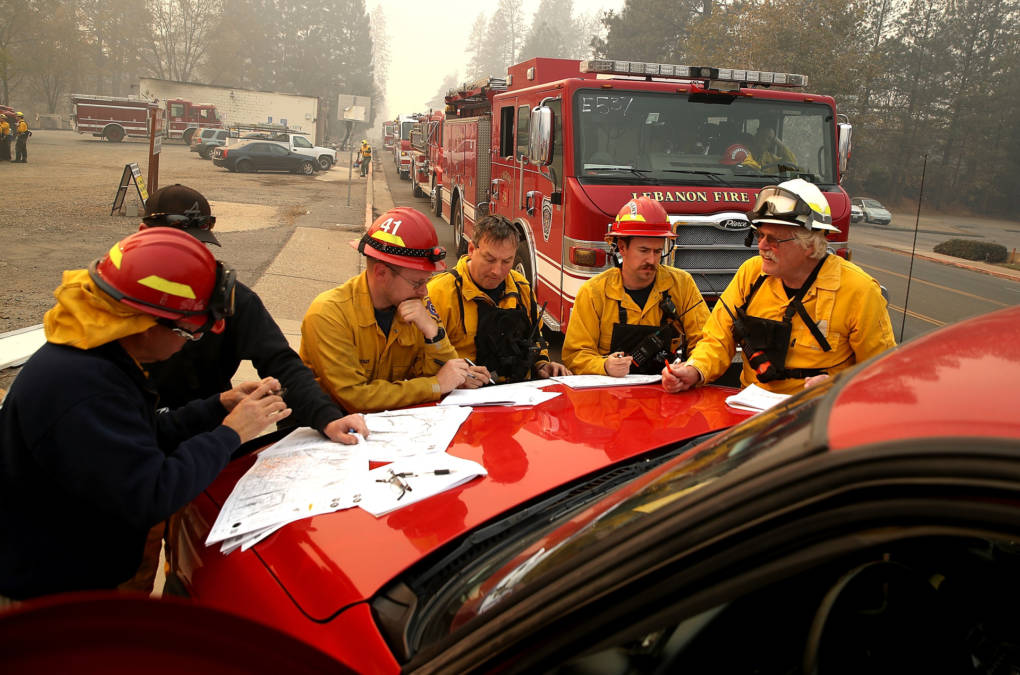
"caption": "Firefighters hold a morning meeting as they battled the Camp Fire.",
"description": "Firefighters hold a morning meeting as they battled the Camp Fire.",
"title": "Rapidly-Spreading Wildfire In California's Butte County Prompts Evacuations",
"credit": "Justin Sullivan/Getty Images",
"status": "inherit",
"isLoading": false,
"fetchFailed": false
},
"news_11743359": {
"type": "attachments",
"id": "news_11743359",
"meta": {
"index": "attachments_1716263798",
"site": "news",
"id": "11743359",
"found": true
},
"parent": 11743347,
"imgSizes": {
"twentyfourteen-full-width": {
"file": "https://ww2.kqed.org/app/uploads/sites/10/2019/04/RS33764_GettyImages-1059345696-qut-1-1038x576.jpg",
"width": 1038,
"mimeType": "image/jpeg",
"height": 576
},
"thumbnail": {
"file": "https://ww2.kqed.org/app/uploads/sites/10/2019/04/RS33764_GettyImages-1059345696-qut-1-160x106.jpg",
"width": 160,
"mimeType": "image/jpeg",
"height": 106
},
"post-thumbnail": {
"file": "https://ww2.kqed.org/app/uploads/sites/10/2019/04/RS33764_GettyImages-1059345696-qut-1-672x372.jpg",
"width": 672,
"mimeType": "image/jpeg",
"height": 372
},
"kqedFullSize": {
"file": "https://ww2.kqed.org/app/uploads/sites/10/2019/04/RS33764_GettyImages-1059345696-qut-1.jpg",
"width": 1920,
"height": 1273
},
"large": {
"file": "https://ww2.kqed.org/app/uploads/sites/10/2019/04/RS33764_GettyImages-1059345696-qut-1-1020x676.jpg",
"width": 1020,
"mimeType": "image/jpeg",
"height": 676
},
"complete_open_graph": {
"file": "https://ww2.kqed.org/app/uploads/sites/10/2019/04/RS33764_GettyImages-1059345696-qut-1-1200x796.jpg",
"width": 1200,
"mimeType": "image/jpeg",
"height": 796
},
"full-width": {
"file": "https://ww2.kqed.org/app/uploads/sites/10/2019/04/RS33764_GettyImages-1059345696-qut-1-1920x1273.jpg",
"width": 1920,
"mimeType": "image/jpeg",
"height": 1273
},
"medium": {
"file": "https://ww2.kqed.org/app/uploads/sites/10/2019/04/RS33764_GettyImages-1059345696-qut-1-800x530.jpg",
"width": 800,
"mimeType": "image/jpeg",
"height": 530
}
},
"publishDate": 1556402836,
"modified": 1556581418,
"caption": "A home burns during the Camp Fire in Paradise, California.",
"description": "A home burns during the Camp fire in Paradise.",
"title": "US-FIRE-WEATHER",
"credit": "JOSH EDELSON/AFP/Getty Images",
"status": "inherit",
"isLoading": false,
"fetchFailed": false
},
"news_11742295": {
"type": "attachments",
"id": "news_11742295",
"meta": {
"index": "attachments_1716263798",
"site": "news",
"id": "11742295",
"found": true
},
"parent": 11742290,
"imgSizes": {
"twentyfourteen-full-width": {
"file": "https://ww2.kqed.org/app/uploads/sites/10/2019/04/arrival_042319_final-1038x576.jpg",
"width": 1038,
"mimeType": "image/jpeg",
"height": 576
},
"thumbnail": {
"file": "https://ww2.kqed.org/app/uploads/sites/10/2019/04/arrival_042319_final-160x96.jpg",
"width": 160,
"mimeType": "image/jpeg",
"height": 96
},
"post-thumbnail": {
"file": "https://ww2.kqed.org/app/uploads/sites/10/2019/04/arrival_042319_final-672x372.jpg",
"width": 672,
"mimeType": "image/jpeg",
"height": 372
},
"kqedFullSize": {
"file": "https://ww2.kqed.org/app/uploads/sites/10/2019/04/arrival_042319_final.jpg",
"width": 1920,
"height": 1157
},
"large": {
"file": "https://ww2.kqed.org/app/uploads/sites/10/2019/04/arrival_042319_final-1020x615.jpg",
"width": 1020,
"mimeType": "image/jpeg",
"height": 615
},
"complete_open_graph": {
"file": "https://ww2.kqed.org/app/uploads/sites/10/2019/04/arrival_042319_final-1200x723.jpg",
"width": 1200,
"mimeType": "image/jpeg",
"height": 723
},
"full-width": {
"file": "https://ww2.kqed.org/app/uploads/sites/10/2019/04/arrival_042319_final-1920x1157.jpg",
"width": 1920,
"mimeType": "image/jpeg",
"height": 1157
},
"medium": {
"file": "https://ww2.kqed.org/app/uploads/sites/10/2019/04/arrival_042319_final-800x482.jpg",
"width": 800,
"mimeType": "image/jpeg",
"height": 482
}
},
"publishDate": 1556059072,
"modified": 1556059111,
"caption": null,
"description": null,
"title": "arrival_042319_final",
"credit": null,
"status": "inherit",
"isLoading": false,
"fetchFailed": false
},
"news_11742332": {
"type": "attachments",
"id": "news_11742332",
"meta": {
"index": "attachments_1716263798",
"site": "news",
"id": "11742332",
"found": true
},
"parent": 11742053,
"imgSizes": {
"twentyfourteen-full-width": {
"file": "https://ww2.kqed.org/app/uploads/sites/10/2019/04/fema-mobile-home-units-camp-fire-qut-1038x576.jpg",
"width": 1038,
"mimeType": "image/jpeg",
"height": 576
},
"thumbnail": {
"file": "https://ww2.kqed.org/app/uploads/sites/10/2019/04/fema-mobile-home-units-camp-fire-qut-160x100.jpg",
"width": 160,
"mimeType": "image/jpeg",
"height": 100
},
"post-thumbnail": {
"file": "https://ww2.kqed.org/app/uploads/sites/10/2019/04/fema-mobile-home-units-camp-fire-qut-672x372.jpg",
"width": 672,
"mimeType": "image/jpeg",
"height": 372
},
"kqedFullSize": {
"file": "https://ww2.kqed.org/app/uploads/sites/10/2019/04/fema-mobile-home-units-camp-fire-qut.jpg",
"width": 1920,
"height": 1201
},
"large": {
"file": "https://ww2.kqed.org/app/uploads/sites/10/2019/04/fema-mobile-home-units-camp-fire-qut-1020x638.jpg",
"width": 1020,
"mimeType": "image/jpeg",
"height": 638
},
"complete_open_graph": {
"file": "https://ww2.kqed.org/app/uploads/sites/10/2019/04/fema-mobile-home-units-camp-fire-qut-1200x751.jpg",
"width": 1200,
"mimeType": "image/jpeg",
"height": 751
},
"full-width": {
"file": "https://ww2.kqed.org/app/uploads/sites/10/2019/04/fema-mobile-home-units-camp-fire-qut-1920x1201.jpg",
"width": 1920,
"mimeType": "image/jpeg",
"height": 1201
},
"medium": {
"file": "https://ww2.kqed.org/app/uploads/sites/10/2019/04/fema-mobile-home-units-camp-fire-qut-800x500.jpg",
"width": 800,
"mimeType": "image/jpeg",
"height": 500
}
},
"publishDate": 1556065175,
"modified": 1556065608,
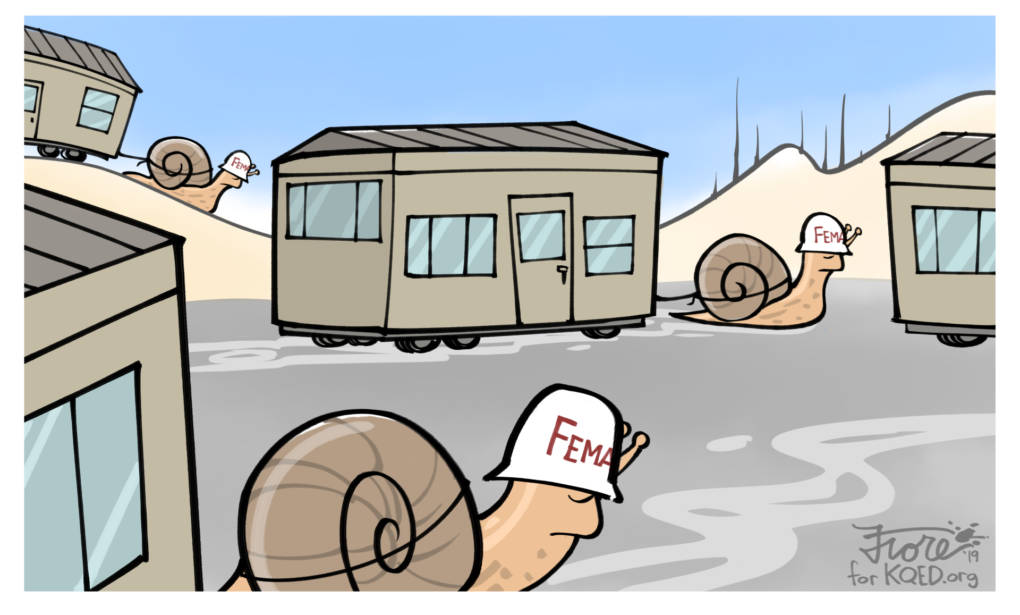
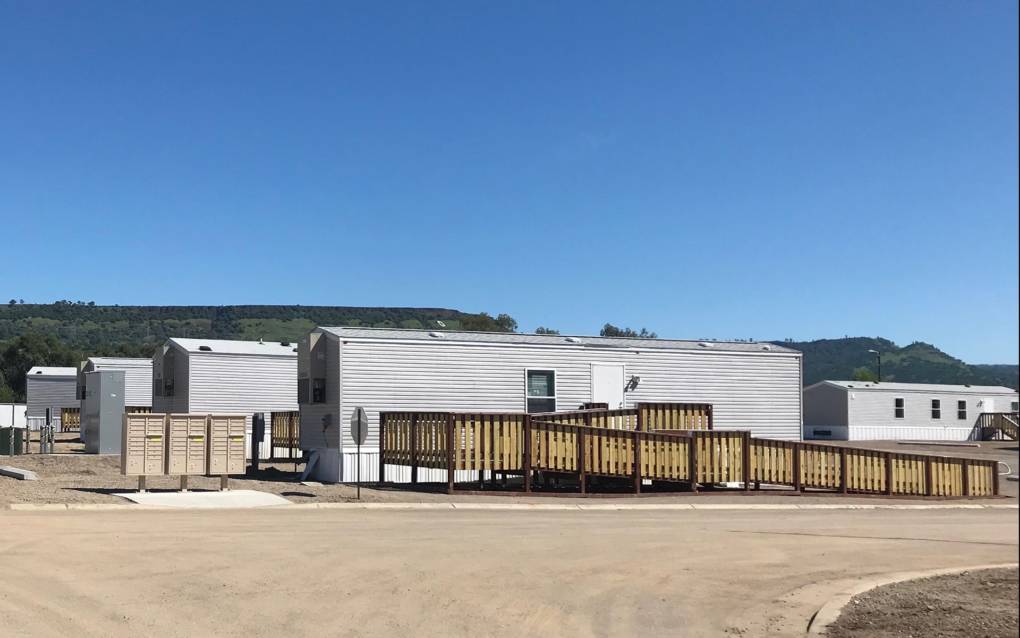
"caption": "Nearly six months after the Camp Fire erupted, FEMA is getting ready to open its first mobile home park for survivors of the blaze amid criticism that the agency didn’t bring in housing support more quickly. Pictured: Rosewood Estates in Oroville on April 18, 2019.",
"description": "Nearly six months after the Camp Fire erupted, FEMA is getting ready to open its first mobile home park for survivors of the blaze amid criticism that the agency didn’t bring in housing support more quickly. Pictured: Rosewood Estates in Oroville on April 18, 2019.",
"title": "fema mobile home units camp fire-qut",
"credit": "Polly Stryker/KQED",
"status": "inherit",
"isLoading": false,
"fetchFailed": false
},
"news_11740554": {
"type": "attachments",
"id": "news_11740554",
"meta": {
"index": "attachments_1716263798",
"site": "news",
"id": "11740554",
"found": true
},
"parent": 11740551,
"imgSizes": {
"apple_news_ca_landscape_5_5": {
"file": "https://ww2.kqed.org/app/uploads/sites/10/2019/04/image-from-ios-c28efabf821a669060dea77453fcfbf2b6ce5473-1-1044x783.jpg",
"width": 1044,
"mimeType": "image/jpeg",
"height": 783
},
"apple_news_ca_square_4_0": {
"file": "https://ww2.kqed.org/app/uploads/sites/10/2019/04/image-from-ios-c28efabf821a669060dea77453fcfbf2b6ce5473-1-470x470.jpg",
"width": 470,
"mimeType": "image/jpeg",
"height": 470
},
"twentyfourteen-full-width": {
"file": "https://ww2.kqed.org/app/uploads/sites/10/2019/04/image-from-ios-c28efabf821a669060dea77453fcfbf2b6ce5473-1-1038x576.jpg",
"width": 1038,
"mimeType": "image/jpeg",
"height": 576
},
"thumbnail": {
"file": "https://ww2.kqed.org/app/uploads/sites/10/2019/04/image-from-ios-c28efabf821a669060dea77453fcfbf2b6ce5473-1-160x120.jpg",
"width": 160,
"mimeType": "image/jpeg",
"height": 120
},
"post-thumbnail": {
"file": "https://ww2.kqed.org/app/uploads/sites/10/2019/04/image-from-ios-c28efabf821a669060dea77453fcfbf2b6ce5473-1-672x372.jpg",
"width": 672,
"mimeType": "image/jpeg",
"height": 372
},
"kqedFullSize": {
"file": "https://ww2.kqed.org/app/uploads/sites/10/2019/04/image-from-ios-c28efabf821a669060dea77453fcfbf2b6ce5473-1-e1555441996250.jpg",
"width": 1920,
"height": 1440
},
"apple_news_ca_landscape_4_7": {
"file": "https://ww2.kqed.org/app/uploads/sites/10/2019/04/image-from-ios-c28efabf821a669060dea77453fcfbf2b6ce5473-1-632x474.jpg",
"width": 632,
"mimeType": "image/jpeg",
"height": 474
},
"large": {
"file": "https://ww2.kqed.org/app/uploads/sites/10/2019/04/image-from-ios-c28efabf821a669060dea77453fcfbf2b6ce5473-1-1020x765.jpg",
"width": 1020,
"mimeType": "image/jpeg",
"height": 765
},
"complete_open_graph": {
"file": "https://ww2.kqed.org/app/uploads/sites/10/2019/04/image-from-ios-c28efabf821a669060dea77453fcfbf2b6ce5473-1-1200x900.jpg",
"width": 1200,
"mimeType": "image/jpeg",
"height": 900
},
"apple_news_ca_landscape_4_0": {
"file": "https://ww2.kqed.org/app/uploads/sites/10/2019/04/image-from-ios-c28efabf821a669060dea77453fcfbf2b6ce5473-1-536x402.jpg",
"width": 536,
"mimeType": "image/jpeg",
"height": 402
},
"apple_news_ca_portrait_12_9": {
"file": "https://ww2.kqed.org/app/uploads/sites/10/2019/04/image-from-ios-c28efabf821a669060dea77453fcfbf2b6ce5473-1-1122x1496.jpg",
"width": 1122,
"mimeType": "image/jpeg",
"height": 1496
},
"medium": {
"file": "https://ww2.kqed.org/app/uploads/sites/10/2019/04/image-from-ios-c28efabf821a669060dea77453fcfbf2b6ce5473-1-800x600.jpg",
"width": 800,
"mimeType": "image/jpeg",
"height": 600
},
"apple_news_ca_portrait_4_0": {
"file": "https://ww2.kqed.org/app/uploads/sites/10/2019/04/image-from-ios-c28efabf821a669060dea77453fcfbf2b6ce5473-1-354x472.jpg",
"width": 354,
"mimeType": "image/jpeg",
"height": 472
},
"apple_news_ca_portrait_9_7": {
"file": "https://ww2.kqed.org/app/uploads/sites/10/2019/04/image-from-ios-c28efabf821a669060dea77453fcfbf2b6ce5473-1-840x1120.jpg",
"width": 840,
"mimeType": "image/jpeg",
"height": 1120
},
"apple_news_ca_landscape_12_9": {
"file": "https://ww2.kqed.org/app/uploads/sites/10/2019/04/image-from-ios-c28efabf821a669060dea77453fcfbf2b6ce5473-1-1832x1374.jpg",
"width": 1832,
"mimeType": "image/jpeg",
"height": 1374
},
"apple_news_ca_square_9_7": {
"file": "https://ww2.kqed.org/app/uploads/sites/10/2019/04/image-from-ios-c28efabf821a669060dea77453fcfbf2b6ce5473-1-1104x1104.jpg",
"width": 1104,
"mimeType": "image/jpeg",
"height": 1104
},
"apple_news_ca_portrait_4_7": {
"file": "https://ww2.kqed.org/app/uploads/sites/10/2019/04/image-from-ios-c28efabf821a669060dea77453fcfbf2b6ce5473-1-414x552.jpg",
"width": 414,
"mimeType": "image/jpeg",
"height": 552
},
"apple_news_ca_square_12_9": {
"file": "https://ww2.kqed.org/app/uploads/sites/10/2019/04/image-from-ios-c28efabf821a669060dea77453fcfbf2b6ce5473-1-1472x1472.jpg",
"width": 1472,
"mimeType": "image/jpeg",
"height": 1472
},
"apple_news_ca_portrait_5_5": {
"file": "https://ww2.kqed.org/app/uploads/sites/10/2019/04/image-from-ios-c28efabf821a669060dea77453fcfbf2b6ce5473-1-687x916.jpg",
"width": 687,
"mimeType": "image/jpeg",
"height": 916
},
"full-width": {
"file": "https://ww2.kqed.org/app/uploads/sites/10/2019/04/image-from-ios-c28efabf821a669060dea77453fcfbf2b6ce5473-1-1920x1440.jpg",
"width": 1920,
"mimeType": "image/jpeg",
"height": 1440
},
"apple_news_ca_square_4_7": {
"file": "https://ww2.kqed.org/app/uploads/sites/10/2019/04/image-from-ios-c28efabf821a669060dea77453fcfbf2b6ce5473-1-550x550.jpg",
"width": 550,
"mimeType": "image/jpeg",
"height": 550
},
"apple_news_ca_landscape_9_7": {
"file": "https://ww2.kqed.org/app/uploads/sites/10/2019/04/image-from-ios-c28efabf821a669060dea77453fcfbf2b6ce5473-1-1376x1032.jpg",
"width": 1376,
"mimeType": "image/jpeg",
"height": 1032
},
"apple_news_ca_square_5_5": {
"file": "https://ww2.kqed.org/app/uploads/sites/10/2019/04/image-from-ios-c28efabf821a669060dea77453fcfbf2b6ce5473-1-912x912.jpg",
"width": 912,
"mimeType": "image/jpeg",
"height": 912
}
},
"publishDate": 1555440898,
"modified": 1555442480,
"caption": "Pat Zinn’s home survived the Camp Fire. The 79-year-old moved back a few months ago despite warnings that the water supply could be contaminated.",
"description": "Pat Zinn’s home survived the Camp Fire. The 79-year-old moved back a few months ago despite warnings that the water supply could be contaminated. She says her goldfish survived the fire and are still thriving in the water coming through the tap.",
"title": "Pat Zinn's home survived the Camp Fire. She moved back in a few months ago despite warnings that the water supply could be contaminated. She says her goldfish survived the fire and are still thriving in the water coming through the taps.",
"credit": "Kirk Siegler/NPR",
"status": "inherit",
"isLoading": false,
"fetchFailed": false
},
"news_11734557": {
"type": "attachments",
"id": "news_11734557",
"meta": {
"index": "attachments_1716263798",
"site": "news",
"id": "11734557",
"found": true
},
"parent": 11734407,
"imgSizes": {
"post-thumbnail": {
"file": "https://ww2.kqed.org/app/uploads/sites/10/2019/03/PGE-Transmission-Line-Camp-Fire-1-672x372.jpg",
"width": 672,
"mimeType": "image/jpeg",
"height": 372
},
"kqedFullSize": {
"file": "https://ww2.kqed.org/app/uploads/sites/10/2019/03/PGE-Transmission-Line-Camp-Fire-1.jpg",
"width": 1920,
"height": 1278
},
"guest-author-50": {
"file": "https://ww2.kqed.org/app/uploads/sites/10/2019/03/PGE-Transmission-Line-Camp-Fire-1-50x50.jpg",
"width": 50,
"mimeType": "image/jpeg",
"height": 50
},
"guest-author-96": {
"file": "https://ww2.kqed.org/app/uploads/sites/10/2019/03/PGE-Transmission-Line-Camp-Fire-1-96x96.jpg",
"width": 96,
"mimeType": "image/jpeg",
"height": 96
},
"apple_news_ca_portrait_12_9": {
"file": "https://ww2.kqed.org/app/uploads/sites/10/2019/03/PGE-Transmission-Line-Camp-Fire-1-1122x1278.jpg",
"width": 1122,
"mimeType": "image/jpeg",
"height": 1278
},
"medium": {
"file": "https://ww2.kqed.org/app/uploads/sites/10/2019/03/PGE-Transmission-Line-Camp-Fire-1-800x533.jpg",
"width": 800,
"mimeType": "image/jpeg",
"height": 533
},
"guest-author-32": {
"file": "https://ww2.kqed.org/app/uploads/sites/10/2019/03/PGE-Transmission-Line-Camp-Fire-1-32x32.jpg",
"width": 32,
"mimeType": "image/jpeg",
"height": 32
},
"apple_news_ca_portrait_9_7": {
"file": "https://ww2.kqed.org/app/uploads/sites/10/2019/03/PGE-Transmission-Line-Camp-Fire-1-840x1120.jpg",
"width": 840,
"mimeType": "image/jpeg",
"height": 1120
},
"apple_news_ca_square_9_7": {
"file": "https://ww2.kqed.org/app/uploads/sites/10/2019/03/PGE-Transmission-Line-Camp-Fire-1-1104x1104.jpg",
"width": 1104,
"mimeType": "image/jpeg",
"height": 1104
},
"apple_news_ca_portrait_4_7": {
"file": "https://ww2.kqed.org/app/uploads/sites/10/2019/03/PGE-Transmission-Line-Camp-Fire-1-414x552.jpg",
"width": 414,
"mimeType": "image/jpeg",
"height": 552
},
"apple_news_ca_square_12_9": {
"file": "https://ww2.kqed.org/app/uploads/sites/10/2019/03/PGE-Transmission-Line-Camp-Fire-1-1472x1278.jpg",
"width": 1472,
"mimeType": "image/jpeg",
"height": 1278
},
"apple_news_ca_portrait_5_5": {
"file": "https://ww2.kqed.org/app/uploads/sites/10/2019/03/PGE-Transmission-Line-Camp-Fire-1-687x916.jpg",
"width": 687,
"mimeType": "image/jpeg",
"height": 916
},
"apple_news_ca_square_4_7": {
"file": "https://ww2.kqed.org/app/uploads/sites/10/2019/03/PGE-Transmission-Line-Camp-Fire-1-550x550.jpg",
"width": 550,
"mimeType": "image/jpeg",
"height": 550
},
"apple_news_ca_square_5_5": {
"file": "https://ww2.kqed.org/app/uploads/sites/10/2019/03/PGE-Transmission-Line-Camp-Fire-1-912x912.jpg",
"width": 912,
"mimeType": "image/jpeg",
"height": 912
},
"apple_news_ca_landscape_5_5": {
"file": "https://ww2.kqed.org/app/uploads/sites/10/2019/03/PGE-Transmission-Line-Camp-Fire-1-1044x783.jpg",
"width": 1044,
"mimeType": "image/jpeg",
"height": 783
},
"apple_news_ca_square_4_0": {
"file": "https://ww2.kqed.org/app/uploads/sites/10/2019/03/PGE-Transmission-Line-Camp-Fire-1-470x470.jpg",
"width": 470,
"mimeType": "image/jpeg",
"height": 470
},
"twentyfourteen-full-width": {
"file": "https://ww2.kqed.org/app/uploads/sites/10/2019/03/PGE-Transmission-Line-Camp-Fire-1-1038x576.jpg",
"width": 1038,
"mimeType": "image/jpeg",
"height": 576
},
"thumbnail": {
"file": "https://ww2.kqed.org/app/uploads/sites/10/2019/03/PGE-Transmission-Line-Camp-Fire-1-160x107.jpg",
"width": 160,
"mimeType": "image/jpeg",
"height": 107
},
"apple_news_ca_landscape_4_7": {
"file": "https://ww2.kqed.org/app/uploads/sites/10/2019/03/PGE-Transmission-Line-Camp-Fire-1-632x474.jpg",
"width": 632,
"mimeType": "image/jpeg",
"height": 474
},
"large": {
"file": "https://ww2.kqed.org/app/uploads/sites/10/2019/03/PGE-Transmission-Line-Camp-Fire-1-1020x679.jpg",
"width": 1020,
"mimeType": "image/jpeg",
"height": 679
},
"complete_open_graph": {
"file": "https://ww2.kqed.org/app/uploads/sites/10/2019/03/PGE-Transmission-Line-Camp-Fire-1-1200x799.jpg",
"width": 1200,
"mimeType": "image/jpeg",
"height": 799
},
"apple_news_ca_landscape_4_0": {
"file": "https://ww2.kqed.org/app/uploads/sites/10/2019/03/PGE-Transmission-Line-Camp-Fire-1-536x402.jpg",
"width": 536,
"mimeType": "image/jpeg",
"height": 402
},
"guest-author-64": {
"file": "https://ww2.kqed.org/app/uploads/sites/10/2019/03/PGE-Transmission-Line-Camp-Fire-1-64x64.jpg",
"width": 64,
"mimeType": "image/jpeg",
"height": 64
},
"apple_news_ca_portrait_4_0": {
"file": "https://ww2.kqed.org/app/uploads/sites/10/2019/03/PGE-Transmission-Line-Camp-Fire-1-354x472.jpg",
"width": 354,
"mimeType": "image/jpeg",
"height": 472
},
"apple_news_ca_landscape_12_9": {
"file": "https://ww2.kqed.org/app/uploads/sites/10/2019/03/PGE-Transmission-Line-Camp-Fire-1-1832x1278.jpg",
"width": 1832,
"mimeType": "image/jpeg",
"height": 1278
},
"full-width": {
"file": "https://ww2.kqed.org/app/uploads/sites/10/2019/03/PGE-Transmission-Line-Camp-Fire-1-1920x1278.jpg",
"width": 1920,
"mimeType": "image/jpeg",
"height": 1278
},
"guest-author-128": {
"file": "https://ww2.kqed.org/app/uploads/sites/10/2019/03/PGE-Transmission-Line-Camp-Fire-1-128x128.jpg",
"width": 128,
"mimeType": "image/jpeg",
"height": 128
},
"apple_news_ca_landscape_9_7": {
"file": "https://ww2.kqed.org/app/uploads/sites/10/2019/03/PGE-Transmission-Line-Camp-Fire-1-1376x1032.jpg",
"width": 1376,
"mimeType": "image/jpeg",
"height": 1032
}
},
"publishDate": 1553213166,
"modified": 1553213313,
"caption": "PG&E transmission line towers on the Caribou-Palermo line are seen adjacent to the Feather River in Butte County, close to the spot where officials say the Camp Fire began. In February, PG&E said it's \"probable\" that its equipment caused the blaze, the deadliest and most destructive in modern California history.",
"description": "PG&E transmission line towers on the Caribou-Palermo line are seen adjacent to the Feather River in Butte County, close to the spot where officials say the Camp Fire began. In February, PG&E said it's \"probable\" that its equipment caused the blaze, the deadliest and most destructive in modern California history.",
"title": "US-FIRE-CALIFORNIA-CAMP FIRE",
"credit": "Josh Edelson/AFP-Getty Images",
"status": "inherit",
"isLoading": false,
"fetchFailed": false
},
"news_11729843": {
"type": "attachments",
"id": "news_11729843",
"meta": {
"index": "attachments_1716263798",
"site": "news",
"id": "11729843",
"found": true
},
"parent": 11729842,
"imgSizes": {
"twentyfourteen-full-width": {
"file": "https://ww2.kqed.org/app/uploads/sites/10/2019/02/ap_19059619022857-e2fd6abb4847e963cf667419f433ac708ad26be4-1038x576.jpg",
"width": 1038,
"mimeType": "image/jpeg",
"height": 576
},
"thumbnail": {
"file": "https://ww2.kqed.org/app/uploads/sites/10/2019/02/ap_19059619022857-e2fd6abb4847e963cf667419f433ac708ad26be4-160x120.jpg",
"width": 160,
"mimeType": "image/jpeg",
"height": 120
},
"post-thumbnail": {
"file": "https://ww2.kqed.org/app/uploads/sites/10/2019/02/ap_19059619022857-e2fd6abb4847e963cf667419f433ac708ad26be4-672x372.jpg",
"width": 672,
"mimeType": "image/jpeg",
"height": 372
},
"kqedFullSize": {
"file": "https://ww2.kqed.org/app/uploads/sites/10/2019/02/ap_19059619022857-e2fd6abb4847e963cf667419f433ac708ad26be4-e1551400206532.jpg",
"width": 1920,
"height": 1440
},
"large": {
"file": "https://ww2.kqed.org/app/uploads/sites/10/2019/02/ap_19059619022857-e2fd6abb4847e963cf667419f433ac708ad26be4-1020x765.jpg",
"width": 1020,
"mimeType": "image/jpeg",
"height": 765
},
"complete_open_graph": {
"file": "https://ww2.kqed.org/app/uploads/sites/10/2019/02/ap_19059619022857-e2fd6abb4847e963cf667419f433ac708ad26be4-1200x900.jpg",
"width": 1200,
"mimeType": "image/jpeg",
"height": 900
},
"guest-author-50": {
"file": "https://ww2.kqed.org/app/uploads/sites/10/2019/02/ap_19059619022857-e2fd6abb4847e963cf667419f433ac708ad26be4-50x50.jpg",
"width": 50,
"mimeType": "image/jpeg",
"height": 50
},
"guest-author-96": {
"file": "https://ww2.kqed.org/app/uploads/sites/10/2019/02/ap_19059619022857-e2fd6abb4847e963cf667419f433ac708ad26be4-96x96.jpg",
"width": 96,
"mimeType": "image/jpeg",
"height": 96
},
"medium": {
"file": "https://ww2.kqed.org/app/uploads/sites/10/2019/02/ap_19059619022857-e2fd6abb4847e963cf667419f433ac708ad26be4-800x600.jpg",
"width": 800,
"mimeType": "image/jpeg",
"height": 600
},
"guest-author-64": {
"file": "https://ww2.kqed.org/app/uploads/sites/10/2019/02/ap_19059619022857-e2fd6abb4847e963cf667419f433ac708ad26be4-64x64.jpg",
"width": 64,
"mimeType": "image/jpeg",
"height": 64
},
"guest-author-32": {
"file": "https://ww2.kqed.org/app/uploads/sites/10/2019/02/ap_19059619022857-e2fd6abb4847e963cf667419f433ac708ad26be4-32x32.jpg",
"width": 32,
"mimeType": "image/jpeg",
"height": 32
},
"full-width": {
"file": "https://ww2.kqed.org/app/uploads/sites/10/2019/02/ap_19059619022857-e2fd6abb4847e963cf667419f433ac708ad26be4-1920x1440.jpg",
"width": 1920,
"mimeType": "image/jpeg",
"height": 1440
},
"guest-author-128": {
"file": "https://ww2.kqed.org/app/uploads/sites/10/2019/02/ap_19059619022857-e2fd6abb4847e963cf667419f433ac708ad26be4-128x128.jpg",
"width": 128,
"mimeType": "image/jpeg",
"height": 128
}
},
"publishDate": 1551399818,
"modified": 1554857336,
"caption": "A vehicle rests in front of a home leveled by the Camp Fire in Paradise, in a photo from December. Pacific Gas & Electric has said it's 'probable' investigators will conclude its equipment ignited the November 2018 catastrophe.",
"description": "A vehicle rests in front of a home leveled by the Camp Fire in Paradise, in a photo from December. Pacific Gas & Electric says its equipment may have ignited the 2018 fire.",
"title": "A vehicle rests in front of a home leveled by the Camp Fire in Paradise, Calif., in a photo from December. Pacific Gas & Electric says its equipment may have ignited the 2018 fire.",
"credit": "Noah Berger/AP",
"status": "inherit",
"isLoading": false,
"fetchFailed": false
},
"news_11734235": {
"type": "attachments",
"id": "news_11734235",
"meta": {
"index": "attachments_1716263798",
"site": "news",
"id": "11734235",
"found": true
},
"parent": 11734234,
"imgSizes": {
"post-thumbnail": {
"file": "https://ww2.kqed.org/app/uploads/sites/10/2019/03/anderson_wide-d1f97d4e1345aa2bb3bee40c2e1769d060b668d4-672x372.jpg",
"width": 672,
"mimeType": "image/jpeg",
"height": 372
},
"kqedFullSize": {
"file": "https://ww2.kqed.org/app/uploads/sites/10/2019/03/anderson_wide-d1f97d4e1345aa2bb3bee40c2e1769d060b668d4-e1553112608908.jpg",
"width": 1920,
"height": 1082
},
"guest-author-50": {
"file": "https://ww2.kqed.org/app/uploads/sites/10/2019/03/anderson_wide-d1f97d4e1345aa2bb3bee40c2e1769d060b668d4-50x50.jpg",
"width": 50,
"mimeType": "image/jpeg",
"height": 50
},
"guest-author-96": {
"file": "https://ww2.kqed.org/app/uploads/sites/10/2019/03/anderson_wide-d1f97d4e1345aa2bb3bee40c2e1769d060b668d4-96x96.jpg",
"width": 96,
"mimeType": "image/jpeg",
"height": 96
},
"apple_news_ca_portrait_12_9": {
"file": "https://ww2.kqed.org/app/uploads/sites/10/2019/03/anderson_wide-d1f97d4e1345aa2bb3bee40c2e1769d060b668d4-1122x1496.jpg",
"width": 1122,
"mimeType": "image/jpeg",
"height": 1496
},
"medium": {
"file": "https://ww2.kqed.org/app/uploads/sites/10/2019/03/anderson_wide-d1f97d4e1345aa2bb3bee40c2e1769d060b668d4-800x451.jpg",
"width": 800,
"mimeType": "image/jpeg",
"height": 451
},
"guest-author-32": {
"file": "https://ww2.kqed.org/app/uploads/sites/10/2019/03/anderson_wide-d1f97d4e1345aa2bb3bee40c2e1769d060b668d4-32x32.jpg",
"width": 32,
"mimeType": "image/jpeg",
"height": 32
},
"apple_news_ca_portrait_9_7": {
"file": "https://ww2.kqed.org/app/uploads/sites/10/2019/03/anderson_wide-d1f97d4e1345aa2bb3bee40c2e1769d060b668d4-840x1120.jpg",
"width": 840,
"mimeType": "image/jpeg",
"height": 1120
},
"apple_news_ca_square_9_7": {
"file": "https://ww2.kqed.org/app/uploads/sites/10/2019/03/anderson_wide-d1f97d4e1345aa2bb3bee40c2e1769d060b668d4-1104x1104.jpg",
"width": 1104,
"mimeType": "image/jpeg",
"height": 1104
},
"apple_news_ca_portrait_4_7": {
"file": "https://ww2.kqed.org/app/uploads/sites/10/2019/03/anderson_wide-d1f97d4e1345aa2bb3bee40c2e1769d060b668d4-414x552.jpg",
"width": 414,
"mimeType": "image/jpeg",
"height": 552
},
"apple_news_ca_square_12_9": {
"file": "https://ww2.kqed.org/app/uploads/sites/10/2019/03/anderson_wide-d1f97d4e1345aa2bb3bee40c2e1769d060b668d4-1472x1472.jpg",
"width": 1472,
"mimeType": "image/jpeg",
"height": 1472
},
"apple_news_ca_portrait_5_5": {
"file": "https://ww2.kqed.org/app/uploads/sites/10/2019/03/anderson_wide-d1f97d4e1345aa2bb3bee40c2e1769d060b668d4-687x916.jpg",
"width": 687,
"mimeType": "image/jpeg",
"height": 916
},
"apple_news_ca_square_4_7": {
"file": "https://ww2.kqed.org/app/uploads/sites/10/2019/03/anderson_wide-d1f97d4e1345aa2bb3bee40c2e1769d060b668d4-550x550.jpg",
"width": 550,
"mimeType": "image/jpeg",
"height": 550
},
"apple_news_ca_square_5_5": {
"file": "https://ww2.kqed.org/app/uploads/sites/10/2019/03/anderson_wide-d1f97d4e1345aa2bb3bee40c2e1769d060b668d4-912x912.jpg",
"width": 912,
"mimeType": "image/jpeg",
"height": 912
},
"apple_news_ca_landscape_5_5": {
"file": "https://ww2.kqed.org/app/uploads/sites/10/2019/03/anderson_wide-d1f97d4e1345aa2bb3bee40c2e1769d060b668d4-1044x783.jpg",
"width": 1044,
"mimeType": "image/jpeg",
"height": 783
},
"apple_news_ca_square_4_0": {
"file": "https://ww2.kqed.org/app/uploads/sites/10/2019/03/anderson_wide-d1f97d4e1345aa2bb3bee40c2e1769d060b668d4-470x470.jpg",
"width": 470,
"mimeType": "image/jpeg",
"height": 470
},
"twentyfourteen-full-width": {
"file": "https://ww2.kqed.org/app/uploads/sites/10/2019/03/anderson_wide-d1f97d4e1345aa2bb3bee40c2e1769d060b668d4-1038x576.jpg",
"width": 1038,
"mimeType": "image/jpeg",
"height": 576
},
"thumbnail": {
"file": "https://ww2.kqed.org/app/uploads/sites/10/2019/03/anderson_wide-d1f97d4e1345aa2bb3bee40c2e1769d060b668d4-160x90.jpg",
"width": 160,
"mimeType": "image/jpeg",
"height": 90
},
"apple_news_ca_landscape_4_7": {
"file": "https://ww2.kqed.org/app/uploads/sites/10/2019/03/anderson_wide-d1f97d4e1345aa2bb3bee40c2e1769d060b668d4-632x474.jpg",
"width": 632,
"mimeType": "image/jpeg",
"height": 474
},
"large": {
"file": "https://ww2.kqed.org/app/uploads/sites/10/2019/03/anderson_wide-d1f97d4e1345aa2bb3bee40c2e1769d060b668d4-1020x575.jpg",
"width": 1020,
"mimeType": "image/jpeg",
"height": 575
},
"complete_open_graph": {
"file": "https://ww2.kqed.org/app/uploads/sites/10/2019/03/anderson_wide-d1f97d4e1345aa2bb3bee40c2e1769d060b668d4-1200x676.jpg",
"width": 1200,
"mimeType": "image/jpeg",
"height": 676
},
"apple_news_ca_landscape_4_0": {
"file": "https://ww2.kqed.org/app/uploads/sites/10/2019/03/anderson_wide-d1f97d4e1345aa2bb3bee40c2e1769d060b668d4-536x402.jpg",
"width": 536,
"mimeType": "image/jpeg",
"height": 402
},
"guest-author-64": {
"file": "https://ww2.kqed.org/app/uploads/sites/10/2019/03/anderson_wide-d1f97d4e1345aa2bb3bee40c2e1769d060b668d4-64x64.jpg",
"width": 64,
"mimeType": "image/jpeg",
"height": 64
},
"apple_news_ca_portrait_4_0": {
"file": "https://ww2.kqed.org/app/uploads/sites/10/2019/03/anderson_wide-d1f97d4e1345aa2bb3bee40c2e1769d060b668d4-354x472.jpg",
"width": 354,
"mimeType": "image/jpeg",
"height": 472
},
"apple_news_ca_landscape_12_9": {
"file": "https://ww2.kqed.org/app/uploads/sites/10/2019/03/anderson_wide-d1f97d4e1345aa2bb3bee40c2e1769d060b668d4-1832x1374.jpg",
"width": 1832,
"mimeType": "image/jpeg",
"height": 1374
},
"full-width": {
"file": "https://ww2.kqed.org/app/uploads/sites/10/2019/03/anderson_wide-d1f97d4e1345aa2bb3bee40c2e1769d060b668d4-1920x1082.jpg",
"width": 1920,
"mimeType": "image/jpeg",
"height": 1082
},
"guest-author-128": {
"file": "https://ww2.kqed.org/app/uploads/sites/10/2019/03/anderson_wide-d1f97d4e1345aa2bb3bee40c2e1769d060b668d4-128x128.jpg",
"width": 128,
"mimeType": "image/jpeg",
"height": 128
},
"apple_news_ca_landscape_9_7": {
"file": "https://ww2.kqed.org/app/uploads/sites/10/2019/03/anderson_wide-d1f97d4e1345aa2bb3bee40c2e1769d060b668d4-1376x1032.jpg",
"width": 1376,
"mimeType": "image/jpeg",
"height": 1032
}
},
"publishDate": 1553112336,
"modified": 1553112599,
"caption": "David Anderson is a property owner and builder in Paradise. He expects the housing market to eventually come back after the Camp Fire burned nearly 90 percent of the town to the ground.",
"description": "David Anderson is a property owner and builder in Paradise. He expects the housing market to eventually come back after the Camp Fire burned nearly 90 percent of the town to the ground.",
"title": "David Anderson is a property owner and builder in Paradise, Calif. He expects the housing market to eventually come back after the Camp Fire burned nearly 90 percent of the town to the ground.",
"credit": "Marc Albert/North State Public Radio",
"status": "inherit",
"isLoading": false,
"fetchFailed": false
},
"news_11731316": {
"type": "attachments",
"id": "news_11731316",
"meta": {
"index": "attachments_1716263798",
"site": "news",
"id": "11731316",
"found": true
},
"parent": 11731315,
"imgSizes": {
"twentyfourteen-full-width": {
"file": "https://ww2.kqed.org/app/uploads/sites/10/2019/03/20190222_reimaginingparadise_jh_018_wide-f0695c493d8e68a3d7e26229f2e2f13959a7972d-1038x576.jpg",
"width": 1038,
"mimeType": "image/jpeg",
"height": 576
},
"thumbnail": {
"file": "https://ww2.kqed.org/app/uploads/sites/10/2019/03/20190222_reimaginingparadise_jh_018_wide-f0695c493d8e68a3d7e26229f2e2f13959a7972d-160x90.jpg",
"width": 160,
"mimeType": "image/jpeg",
"height": 90
},
"post-thumbnail": {
"file": "https://ww2.kqed.org/app/uploads/sites/10/2019/03/20190222_reimaginingparadise_jh_018_wide-f0695c493d8e68a3d7e26229f2e2f13959a7972d-672x372.jpg",
"width": 672,
"mimeType": "image/jpeg",
"height": 372
},
"kqedFullSize": {
"file": "https://ww2.kqed.org/app/uploads/sites/10/2019/03/20190222_reimaginingparadise_jh_018_wide-f0695c493d8e68a3d7e26229f2e2f13959a7972d.jpg",
"width": 1884,
"height": 1061
},
"large": {
"file": "https://ww2.kqed.org/app/uploads/sites/10/2019/03/20190222_reimaginingparadise_jh_018_wide-f0695c493d8e68a3d7e26229f2e2f13959a7972d-1020x574.jpg",
"width": 1020,
"mimeType": "image/jpeg",
"height": 574
},
"complete_open_graph": {
"file": "https://ww2.kqed.org/app/uploads/sites/10/2019/03/20190222_reimaginingparadise_jh_018_wide-f0695c493d8e68a3d7e26229f2e2f13959a7972d-1200x676.jpg",
"width": 1200,
"mimeType": "image/jpeg",
"height": 676
},
"guest-author-50": {
"file": "https://ww2.kqed.org/app/uploads/sites/10/2019/03/20190222_reimaginingparadise_jh_018_wide-f0695c493d8e68a3d7e26229f2e2f13959a7972d-50x50.jpg",
"width": 50,
"mimeType": "image/jpeg",
"height": 50
},
"guest-author-96": {
"file": "https://ww2.kqed.org/app/uploads/sites/10/2019/03/20190222_reimaginingparadise_jh_018_wide-f0695c493d8e68a3d7e26229f2e2f13959a7972d-96x96.jpg",
"width": 96,
"mimeType": "image/jpeg",
"height": 96
},
"medium": {
"file": "https://ww2.kqed.org/app/uploads/sites/10/2019/03/20190222_reimaginingparadise_jh_018_wide-f0695c493d8e68a3d7e26229f2e2f13959a7972d-800x451.jpg",
"width": 800,
"mimeType": "image/jpeg",
"height": 451
},
"guest-author-64": {
"file": "https://ww2.kqed.org/app/uploads/sites/10/2019/03/20190222_reimaginingparadise_jh_018_wide-f0695c493d8e68a3d7e26229f2e2f13959a7972d-64x64.jpg",
"width": 64,
"mimeType": "image/jpeg",
"height": 64
},
"guest-author-32": {
"file": "https://ww2.kqed.org/app/uploads/sites/10/2019/03/20190222_reimaginingparadise_jh_018_wide-f0695c493d8e68a3d7e26229f2e2f13959a7972d-32x32.jpg",
"width": 32,
"mimeType": "image/jpeg",
"height": 32
},
"guest-author-128": {
"file": "https://ww2.kqed.org/app/uploads/sites/10/2019/03/20190222_reimaginingparadise_jh_018_wide-f0695c493d8e68a3d7e26229f2e2f13959a7972d-128x128.jpg",
"width": 128,
"mimeType": "image/jpeg",
"height": 128
}
},
"publishDate": 1551987893,
"modified": 1551988194,
"caption": "Cal Poly Architecture Students focused on the idea of (re)imagining and (re)building Paradise, Calif. with models, renderings, and updated concepts to present during a community forum in Chico, Calif.",
"description": "Cal Poly Architecture Students focused on the idea of (re)imagining and (re)building Paradise, Calif. with models, renderings, and updated concepts to present during a community forum in Chico, Calif.",
"title": "Cal Poly Architecture Students focused on the idea of (re)imagining and (re)building Paradise, Calif. with models, renderings, and updated concepts to present during a community forum in Chico, Calif.",
"credit": "Jason Halley/CSU Chico",
"status": "inherit",
"isLoading": false,
"fetchFailed": false
},
"news_11728688": {
"type": "attachments",
"id": "news_11728688",
"meta": {
"index": "attachments_1716263798",
"site": "news",
"id": "11728688",
"found": true
},
"parent": 11728545,
"imgSizes": {
"twentyfourteen-full-width": {
"file": "https://ww2.kqed.org/app/uploads/sites/10/2019/02/paradise-sign-1038x576.jpg",
"width": 1038,
"mimeType": "image/jpeg",
"height": 576
},
"thumbnail": {
"file": "https://ww2.kqed.org/app/uploads/sites/10/2019/02/paradise-sign-160x107.jpg",
"width": 160,
"mimeType": "image/jpeg",
"height": 107
},
"post-thumbnail": {
"file": "https://ww2.kqed.org/app/uploads/sites/10/2019/02/paradise-sign-672x372.jpg",
"width": 672,
"mimeType": "image/jpeg",
"height": 372
},
"kqedFullSize": {
"file": "https://ww2.kqed.org/app/uploads/sites/10/2019/02/paradise-sign.jpg",
"width": 2048,
"height": 1365
},
"large": {
"file": "https://ww2.kqed.org/app/uploads/sites/10/2019/02/paradise-sign-1020x680.jpg",
"width": 1020,
"mimeType": "image/jpeg",
"height": 680
},
"complete_open_graph": {
"file": "https://ww2.kqed.org/app/uploads/sites/10/2019/02/paradise-sign-1200x800.jpg",
"width": 1200,
"mimeType": "image/jpeg",
"height": 800
},
"guest-author-50": {
"file": "https://ww2.kqed.org/app/uploads/sites/10/2019/02/paradise-sign-50x50.jpg",
"width": 50,
"mimeType": "image/jpeg",
"height": 50
},
"guest-author-96": {
"file": "https://ww2.kqed.org/app/uploads/sites/10/2019/02/paradise-sign-96x96.jpg",
"width": 96,
"mimeType": "image/jpeg",
"height": 96
},
"medium": {
"file": "https://ww2.kqed.org/app/uploads/sites/10/2019/02/paradise-sign-800x533.jpg",
"width": 800,
"mimeType": "image/jpeg",
"height": 533
},
"guest-author-64": {
"file": "https://ww2.kqed.org/app/uploads/sites/10/2019/02/paradise-sign-64x64.jpg",
"width": 64,
"mimeType": "image/jpeg",
"height": 64
},
"guest-author-32": {
"file": "https://ww2.kqed.org/app/uploads/sites/10/2019/02/paradise-sign-32x32.jpg",
"width": 32,
"mimeType": "image/jpeg",
"height": 32
},
"full-width": {
"file": "https://ww2.kqed.org/app/uploads/sites/10/2019/02/paradise-sign-1920x1280.jpg",
"width": 1920,
"mimeType": "image/jpeg",
"height": 1280
},
"detail": {
"file": "https://ww2.kqed.org/app/uploads/sites/10/2019/02/paradise-sign-150x150.jpg",
"width": 150,
"mimeType": "image/jpeg",
"height": 150
},
"guest-author-128": {
"file": "https://ww2.kqed.org/app/uploads/sites/10/2019/02/paradise-sign-128x128.jpg",
"width": 128,
"mimeType": "image/jpeg",
"height": 128
}
},
"publishDate": 1551060936,
"modified": 1551062066,
"caption": "A makeshift sign welcoming drivers to Paradise sits along Skyway.",
"description": null,
"title": "paradise sign",
"credit": "Jeremy Siegel/KQED",
"status": "inherit",
"isLoading": false,
"fetchFailed": false
}
},
"audioPlayerReducer": {
"postId": "stream_live",
"isPaused": true,
"isPlaying": false,
"pfsActive": false,
"pledgeModalIsOpen": true,
"playerDrawerIsOpen": false,
"liveAudioPlayStartedAt": 0,
"liveAudioPlayContext": ""
},
"authorsReducer": {
"byline_news_11743364": {
"type": "authors",
"id": "byline_news_11743364",
"meta": {
"override": true
},
"slug": "byline_news_11743364",
"name": "Evan Wyloge\u003cbr>\u003cstrong>Palm Springs Desert Sun\u003c/strong>",
"isLoading": false
},
"byline_news_11743347": {
"type": "authors",
"id": "byline_news_11743347",
"meta": {
"override": true
},
"slug": "byline_news_11743347",
"name": "Megan Diskin\u003cbr>\u003cstrong>Ventura County Star\u003c/strong>;\u003cbr>Evan Wyloge\u003cbr>\u003cstrong>Palm Springs Desert Sun\u003c/strong>",
"isLoading": false
},
"byline_news_11740551": {
"type": "authors",
"id": "byline_news_11740551",
"meta": {
"override": true
},
"slug": "byline_news_11740551",
"name": "Kirk Siegler",
"isLoading": false
},
"byline_news_11734234": {
"type": "authors",
"id": "byline_news_11734234",
"meta": {
"override": true
},
"slug": "byline_news_11734234",
"name": "Marc Albert",
"isLoading": false
},
"byline_news_11731315": {
"type": "authors",
"id": "byline_news_11731315",
"meta": {
"override": true
},
"slug": "byline_news_11731315",
"name": "Kirk Siegler",
"isLoading": false
},
"byline_news_11729842": {
"type": "authors",
"id": "byline_news_11729842",
"meta": {
"override": true
},
"slug": "byline_news_11729842",
"name": "Francesca Paris",
"isLoading": false
},
"danbrekke": {
"type": "authors",
"id": "222",
"meta": {
"index": "authors_1716337520",
"id": "222",
"found": true
},
"name": "Dan Brekke",
"firstName": "Dan",
"lastName": "Brekke",
"slug": "danbrekke",
"email": "dbrekke@kqed.org",
"display_author_email": true,
"staff_mastheads": [
"news",
"science"
],
"title": "KQED Editor and Reporter",
"bio": "Dan Brekke is a reporter and editor for KQED News, responsible for coverage of topics ranging from California water issues to the Bay Area's transportation challenges. In a newsroom career that began in Chicago in 1972, Dan has worked for \u003cem>The San Francisco Examiner,\u003c/em> Wired and TechTV and has been published in The New York Times, The New York Times Magazine, Business 2.0, Salon and elsewhere.\r\n\r\nSince joining KQED in 2007, Dan has reported, edited and produced both radio and online features and breaking news pieces. He has shared as both editor and reporter in four Society of Professional Journalists Norcal Excellence in Journalism awards and one Edward R. Murrow regional award. He was chosen for a spring 2017 residency at the Mesa Refuge to advance his research on California salmon.\r\n\r\nEmail Dan at: \u003ca href=\"mailto:dbrekke@kqed.org\">dbrekke@kqed.org\u003c/a>\r\n\r\n\u003cstrong>Twitter:\u003c/strong> \u003ca href=\"https://twitter.com/danbrekke\" rel=\"noopener noreferrer\">twitter.com/danbrekke\u003c/a>\r\n\u003cstrong>Facebook:\u003c/strong> \u003ca href=\"https://www.facebook.com/danbrekke\" rel=\"noopener noreferrer\">www.facebook.com/danbrekke\u003c/a>\r\n\u003cstrong>LinkedIn:\u003c/strong> \u003ca href=\"https://www.linkedin.com/in/danbrekke\" rel=\"noopener noreferrer\">www.linkedin.com/in/danbrekke\u003c/a>",
"avatar": "https://secure.gravatar.com/avatar/c8126230345efca3f7aa89b1a402be45?s=600&d=mm&r=g",
"twitter": "danbrekke",
"facebook": null,
"instagram": "https://www.instagram.com/dan.brekke/",
"linkedin": "https://www.linkedin.com/in/danbrekke/",
"sites": [
{
"site": "news",
"roles": [
"administrator",
"create_posts"
]
},
{
"site": "stateofhealth",
"roles": [
"editor"
]
},
{
"site": "science",
"roles": [
"editor"
]
},
{
"site": "quest",
"roles": [
"contributor"
]
},
{
"site": "food",
"roles": [
"contributor"
]
},
{
"site": "forum",
"roles": [
"contributor"
]
},
{
"site": "liveblog",
"roles": [
"editor"
]
}
],
"headData": {
"title": "Dan Brekke | KQED",
"description": "KQED Editor and Reporter",
"ogImgSrc": "https://secure.gravatar.com/avatar/c8126230345efca3f7aa89b1a402be45?s=600&d=mm&r=g",
"twImgSrc": "https://secure.gravatar.com/avatar/c8126230345efca3f7aa89b1a402be45?s=600&d=mm&r=g"
},
"isLoading": false,
"link": "/author/danbrekke"
},
"pollystryker": {
"type": "authors",
"id": "250",
"meta": {
"index": "authors_1716337520",
"id": "250",
"found": true
},
"name": "Polly Stryker",
"firstName": "Polly",
"lastName": "Stryker",
"slug": "pollystryker",
"email": "pstryker@kqed.org",
"display_author_email": false,
"staff_mastheads": [
"science"
],
"title": "Editor",
"bio": "Polly Stryker is a former editor for KQED's Science desk. She and reporter/host Rachael Myrow produced the KQED podcast, \u003ca href=\"http://www.npr.org/podcasts/448072249/love-in-the-digital-age\">Love in the Digital Age\u003c/a>.\r\n\r\nPolly has worked for a variety of news and public affairs programs, including most recently as editor of \u003cem>The California Report\u003c/em>. She also edited \u003ca href=\"https://ww2.kqed.org/news/programs/the-california-report\" target=\"_blank\" rel=\"noopener noreferrer\">\u003cem>The California Report'\u003c/em>s\u003c/a> \u003ca href=\"http://www.californiareport.org/healthdialogues/\" target=\"_blank\" rel=\"noopener noreferrer\">“Health Dialogues.”\u003c/a> Before that, she was a producer on \u003cem>\u003ca href=\"http://www.scpr.org/programs/airtalk/\" target=\"_blank\" rel=\"noopener noreferrer\">AirTalk\u003c/a>\u003c/em> with Larry Mantle on \u003ca href=\"http://www.scpr.org/\" target=\"_blank\" rel=\"noopener noreferrer\">KPCC\u003c/a> radio, and \u003cem>\u003ca href=\"http://www.kpbs.org/news/midday-edition/\">These Days\u003c/a>\u003c/em> on KPBS. Polly’s work has won awards from the Radio and Television News Directors Association of Northern California, the Society of Professional Journalists (Southern California and Northern California chapters), the Radio and Television News Association. She's also won a Taste Award.\r\n\r\nShe considers herself to be a citizen of the world, having grown up in Cairo before coming to the United States. Polly speaks Arabic and can say, \"I’d like a martini, please\" in Swahili.",
"avatar": "https://secure.gravatar.com/avatar/5012854a99868cb15a517a876d88f736?s=600&d=blank&r=g",
"twitter": null,
"facebook": null,
"instagram": null,
"linkedin": null,
"sites": [
{
"site": "",
"roles": [
"editor"
]
},
{
"site": "arts",
"roles": [
"administrator"
]
},
{
"site": "news",
"roles": [
"subscriber"
]
},
{
"site": "stateofhealth",
"roles": [
"author"
]
},
{
"site": "science",
"roles": [
"editor"
]
},
{
"site": "forum",
"roles": [
"editor"
]
}
],
"headData": {
"title": "Polly Stryker | KQED",
"description": "Editor",
"ogImgSrc": "https://secure.gravatar.com/avatar/5012854a99868cb15a517a876d88f736?s=600&d=blank&r=g",
"twImgSrc": "https://secure.gravatar.com/avatar/5012854a99868cb15a517a876d88f736?s=600&d=blank&r=g"
},
"isLoading": false,
"link": "/author/pollystryker"
},
"markfiore": {
"type": "authors",
"id": "3236",
"meta": {
"index": "authors_1716337520",
"id": "3236",
"found": true
},
"name": "Mark Fiore",
"firstName": "Mark",
"lastName": "Fiore",
"slug": "markfiore",
"email": "mark@markfiore.com",
"display_author_email": false,
"staff_mastheads": [
"news"
],
"title": "KQED News Cartoonist",
"bio": "\u003ca href=\"http://www.MarkFiore.com\">MarkFiore.com\u003c/a> | \u003ca href=\"https://twitter.com/markfiore\">Follow on Twitter\u003c/a> | \u003ca href=\"https://www.facebook.com/pages/Mark-Fiore-Animated-Political-Cartoons/94451707396?ref=bookmarks\">Facebook\u003c/a> | \u003ca href=\"mailto:mark@markfiore.com\">email\u003c/a>\r\n\r\nPulitzer Prize-winner, Mark Fiore, who the Wall Street Journal has called “the undisputed guru of the form,” creates animated political cartoons in San Francisco, where his work has been featured regularly on the San Francisco Chronicle’s web site, SFGate.com. His work has appeared on Newsweek.com, Slate.com, CBSNews.com, MotherJones.com, DailyKos.com and NPR’s web site. Fiore’s political animation has appeared on CNN, Frontline, Bill Moyers Journal, Salon.com and cable and broadcast outlets across the globe.\r\n\r\nBeginning his professional life by drawing traditional political cartoons for newspapers, Fiore’s work appeared in publications ranging from the Washington Post to the Los Angeles Times. In the late 1990s, he began to experiment with animating political cartoons and, after a short stint at the San Jose Mercury News as their staff cartoonist, Fiore devoted all his energies to animation.\r\nGrowing up in California, Fiore also spent a good portion of his life in the backwoods of Idaho. It was this combination that shaped him politically. Mark majored in political science at Colorado College, where, in a perfect send-off for a cartoonist, he received his diploma in 1991 as commencement speaker Dick Cheney smiled approvingly.\r\nMark Fiore was awarded the Pulitzer Prize for political cartooning in 2010, a Robert F. Kennedy Journalism Award in 2004 and has twice received an Online Journalism Award for commentary from the Online News Association (2002, 2008). Fiore has received two awards for his work in new media from the National Cartoonists Society (2001, 2002), and in 2006 received The James Madison Freedom of Information Award from The Society of Professional Journalists.",
"avatar": "https://secure.gravatar.com/avatar/fc4e2a612b15b67bad0c6f0e1db4ca9b?s=600&d=blank&r=g",
"twitter": "MarkFiore",
"facebook": null,
"instagram": "https://www.instagram.com/markfiore/?hl=en",
"linkedin": null,
"sites": [
{
"site": "arts",
"roles": [
"contributor"
]
},
{
"site": "news",
"roles": [
"editor"
]
},
{
"site": "futureofyou",
"roles": [
"editor"
]
},
{
"site": "science",
"roles": [
"editor"
]
}
],
"headData": {
"title": "Mark Fiore | KQED",
"description": "KQED News Cartoonist",
"ogImgSrc": "https://secure.gravatar.com/avatar/fc4e2a612b15b67bad0c6f0e1db4ca9b?s=600&d=blank&r=g",
"twImgSrc": "https://secure.gravatar.com/avatar/fc4e2a612b15b67bad0c6f0e1db4ca9b?s=600&d=blank&r=g"
},
"isLoading": false,
"link": "/author/markfiore"
},
"mlagos": {
"type": "authors",
"id": "3239",
"meta": {
"index": "authors_1716337520",
"id": "3239",
"found": true
},
"name": "Marisa Lagos",
"firstName": "Marisa",
"lastName": "Lagos",
"slug": "mlagos",
"email": "mlagos@kqed.org",
"display_author_email": false,
"staff_mastheads": [
"news"
],
"title": "KQED Contributor",
"bio": "Marisa Lagos is a correspondent for KQED’s California Politics and Government Desk and co-hosts the award-winning show and podcast, Political Breakdown. At KQED, Lagos also conducts reporting, analysis and investigations into state, local and national politics for radio, TV, online and onstage. In 2022, she and co-host, Scott Shafer, moderated the only gubernatorial debate in California. In 2020, the \u003ci>Washington Post\u003c/i> named her one of the top political journalists in California; she was nominated for a Peabody and won several other awards for her work investigating the 2017 California wildfires. She has worked at the \u003ci>San Francisco Chronicle\u003c/i>, \u003ci>San Francisco Examiner\u003c/i> and \u003ci>Los Angeles Times\u003c/i>. A UC Santa Barbara graduate, she lives in San Francisco with her two sons and husband.",
"avatar": "https://secure.gravatar.com/avatar/a261a0d3696fc066871ef96b85b5e7d2?s=600&d=blank&r=g",
"twitter": "@mlagos",
"facebook": null,
"instagram": null,
"linkedin": null,
"sites": [
{
"site": "arts",
"roles": [
"author"
]
},
{
"site": "news",
"roles": [
"editor"
]
},
{
"site": "science",
"roles": [
"editor"
]
},
{
"site": "forum",
"roles": [
"author"
]
},
{
"site": "liveblog",
"roles": [
"author"
]
}
],
"headData": {
"title": "Marisa Lagos | KQED",
"description": "KQED Contributor",
"ogImgSrc": "https://secure.gravatar.com/avatar/a261a0d3696fc066871ef96b85b5e7d2?s=600&d=blank&r=g",
"twImgSrc": "https://secure.gravatar.com/avatar/a261a0d3696fc066871ef96b85b5e7d2?s=600&d=blank&r=g"
},
"isLoading": false,
"link": "/author/mlagos"
},
"jeremysiegel": {
"type": "authors",
"id": "11258",
"meta": {
"index": "authors_1716337520",
"id": "11258",
"found": true
},
"name": "Jeremy Siegel",
"firstName": "Jeremy",
"lastName": "Siegel",
"slug": "jeremysiegel",
"email": "jsiegel@kqed.org",
"display_author_email": false,
"staff_mastheads": [],
"title": "KQED Contributor",
"bio": "Jeremy Siegel is is the weekend afternoon news anchor for KQED. His reporting can be heard on KQED News, Morning Edition, All Things Considered and The California Report. Jeremy's coverage of the Camp Fire in Butte County won the 2019 Society of Professional Journalists, Northern California Chapter, Excellence in Journalism Award for Breaking News. Jeremy grew up in Cincinnati, Ohio, and graduated from UC Berkeley.",
"avatar": "https://secure.gravatar.com/avatar/3921a64ceb9ed5d0ba47d9ae9782f1ab?s=600&d=blank&r=g",
"twitter": "jersiegel",
"facebook": null,
"instagram": null,
"linkedin": null,
"sites": [
{
"site": "arts",
"roles": []
},
{
"site": "news",
"roles": [
"subscriber"
]
},
{
"site": "science",
"roles": []
}
],
"headData": {
"title": "Jeremy Siegel | KQED",
"description": "KQED Contributor",
"ogImgSrc": "https://secure.gravatar.com/avatar/3921a64ceb9ed5d0ba47d9ae9782f1ab?s=600&d=blank&r=g",
"twImgSrc": "https://secure.gravatar.com/avatar/3921a64ceb9ed5d0ba47d9ae9782f1ab?s=600&d=blank&r=g"
},
"isLoading": false,
"link": "/author/jeremysiegel"
}
},
"pagesReducer": {
"news_tag_camp-fire": {
"type": "terms",
"id": "news_24483",
"meta": {
"index": "terms_1716263798",
"site": "news",
"id": "24483",
"score": 9.30474
},
"featImg": null,
"name": "Camp Fire",
"description": null,
"taxonomy": "tag",
"headData": {
"twImgId": null,
"twTitle": null,
"ogTitle": null,
"ogImgId": null,
"twDescription": null,
"description": null,
"title": "Camp Fire Archives | KQED News",
"ogDescription": null
},
"ttid": 24500,
"slug": "camp-fire",
"isLoading": false,
"title": "Camp Fire",
"pageMeta": {
"site": "news",
"WpPageTemplate": "page-topic-editorial",
"currentPage": 7
},
"blocks": [
{
"blockName": "kqed/post-list",
"attrs": {
"layout": "cardArticle2",
"query": "posts/news?tag=camp-fire",
"seeMore": false,
"paginated": true,
"page": 7
}
},
{
"blockName": "kqed/ad"
}
]
}
},
"pfsSessionReducer": {},
"postsReducer": {
"stream_live": {
"type": "live",
"id": "stream_live",
"audioUrl": "https://streams.kqed.org/kqedradio",
"title": "Live Stream",
"excerpt": "Live Stream information currently unavailable.",
"link": "/radio",
"featImg": "",
"label": {
"name": "KQED Live",
"link": "/"
}
},
"stream_kqedNewscast": {
"type": "posts",
"id": "stream_kqedNewscast",
"audioUrl": "https://www.kqed.org/.stream/anon/radio/RDnews/newscast.mp3?_=1",
"title": "KQED Newscast",
"featImg": "",
"label": {
"name": "88.5 FM",
"link": "/"
}
},
"news_11744321": {
"type": "posts",
"id": "news_11744321",
"meta": {
"index": "posts_1716263798",
"site": "news",
"id": "11744321",
"score": null,
"sort": [
1556758996000
]
},
"guestAuthors": [],
"slug": "pge-proposes-105-million-fund-for-victims-of-2017-18-fires",
"title": "PG&E Proposes $105 Million Fund for Victims of 2017-18 Fires",
"publishDate": 1556758996,
"format": "standard",
"headTitle": "PG&E Proposes $105 Million Fund for Victims of 2017-18 Fires | KQED",
"labelTerm": {
"term": 72,
"site": "news"
},
"content": "\u003cp>Facing lawsuits in courtrooms across Northern California for its role in disastrous wildfires in 2017 and 2018, PG&E says it wants to create a $105 million fund to help fire victims with housing or other living expenses. \u003c/p>\n\u003cp>In \u003ca href=\"https://assets.documentcloud.org/documents/5985616/PG-E-Wildfire-Assistance-Program.pdf\" rel=\"noopener\" target=\"_blank\">a motion\u003c/a> filed in federal bankruptcy court Wednesday, the utility wrote that while lawsuits over the blazes could take years to play out in court, “many of those who lost their homes in the 2017 and 2018 fires continue to struggle to find affordable housing” and that many victims are either uninsured or will soon exhaust living expenses provided under their insurance coverage.\u003c/p>\n\u003cp>[aside label=\"More PG&E Coverage\" tag=\"pge\"]\u003c/p>\n\u003cp>PG&E, which filed for Chapter 11 protection in January in large part because of potential wildfire liabilities, is asking the bankruptcy court for permission to create the $105 million fund.\u003c/p>\n\u003cp>The exact eligibility requirements for who can tap the fund will have to be sorted out by a third-party fund administrator. But in the motion, the utility wrote that people who are most in need — such as those still living in tents — will have priority.\u003c/p>\n\u003cp>“We are committed to resolving the claims of wildfire victims fairly and expeditiously as part of our reorganization,” PG&E said in a written statement after filing the motion. “We also recognize that there are victims of the 2017 and 2018 wildfires in immediate need. They are our friends, family and neighbors and we feel strongly that the right thing to do is to help them in this time of need.”\u003c/p>\n\u003cp>If approved by the court, the money could come at a critical time for victims who are insured: Most insurance policies only offer living expenses for one to two years, so many fire survivors will see their payments dry up this fall.\u003c/p>\n\u003cp>[ad fullwidth]\u003c/p>\n\u003cp>Patrick McCallum, who lost his home in the 2017 fires and has been lobbying for wildfire victims in the state Capitol, said attorneys for victims had asked for a larger assistance fund — $250 million.\u003c/p>\n\u003cp>But, McCallum said, the important thing is getting resources to victims fast.\u003c/p>\n\u003cp>“At this point what’s important is to get the money out quickly,” he said, noting that many victims of the 2017 fires will be in “dire straits” if their insurance money runs out in the fall — but that those displaced by last November’s Camp Fire victims even worse off. \u003c/p>\n\u003cp>“The really horrific situation is in Butte County, where Camp Fire victims are living in tents and trailers,” McCallum said.\u003c/p>\n\u003cp>\u003c/p>\n",
"blocks": [],
"excerpt": "PG&E is proposing a fund to help pay living expenses for wildfire victims who are running out of insurance money or were not insured. ",
"status": "publish",
"parent": 0,
"modified": 1722634380,
"stats": {
"hasAudio": false,
"hasVideo": false,
"hasChartOrMap": false,
"iframeSrcs": [],
"hasGoogleForm": false,
"hasGallery": false,
"hasHearkenModule": false,
"hasPolis": false,
"paragraphCount": 13,
"wordCount": 443
},
"headData": {
"title": "PG&E Proposes $105 Million Fund for Victims of 2017-18 Fires | KQED",
"description": "PG&E is proposing a fund to help pay living expenses for wildfire victims who are running out of insurance money or were not insured. ",
"ogTitle": "",
"ogDescription": "",
"ogImgId": "",
"twTitle": "",
"twDescription": "",
"twImgId": "",
"schema": {
"@context": "https://schema.org",
"@type": "NewsArticle",
"headline": "PG&E Proposes $105 Million Fund for Victims of 2017-18 Fires",
"datePublished": "2019-05-01T18:03:16-07:00",
"dateModified": "2024-08-02T14:33:00-07:00",
"image": "https://cdn.kqed.org/wp-content/uploads/2020/02/KQED-OG-Image@1x.png",
"isAccessibleForFree": "True",
"publisher": {
"@type": "NewsMediaOrganization",
"@id": "https://www.kqed.org/#organization",
"name": "KQED",
"logo": "https://cdn.kqed.org/wp-content/uploads/2020/02/KQED-OG-Image@1x.png",
"url": "https://www.kqed.org",
"sameAs": [
"https://www.facebook.com/KQED",
"https://twitter.com/KQED",
"https://www.instagram.com/kqed/",
"https://www.tiktok.com/@kqedofficial",
"https://www.linkedin.com/company/kqed",
"https://www.youtube.com/channel/UCeC0IOo7i1P_61zVUWbJ4nw"
]
}
}
},
"sticky": false,
"path": "/news/11744321/pge-proposes-105-million-fund-for-victims-of-2017-18-fires",
"audioTrackLength": null,
"parsedContent": [
{
"type": "contentString",
"content": "\u003cdiv class=\"post-body\">\u003cp>\u003cp>Facing lawsuits in courtrooms across Northern California for its role in disastrous wildfires in 2017 and 2018, PG&E says it wants to create a $105 million fund to help fire victims with housing or other living expenses. \u003c/p>\n\u003cp>In \u003ca href=\"https://assets.documentcloud.org/documents/5985616/PG-E-Wildfire-Assistance-Program.pdf\" rel=\"noopener\" target=\"_blank\">a motion\u003c/a> filed in federal bankruptcy court Wednesday, the utility wrote that while lawsuits over the blazes could take years to play out in court, “many of those who lost their homes in the 2017 and 2018 fires continue to struggle to find affordable housing” and that many victims are either uninsured or will soon exhaust living expenses provided under their insurance coverage.\u003c/p>\n\u003cp>\u003c/p>\u003c/div>",
"attributes": {
"named": {},
"numeric": []
}
},
{
"type": "component",
"content": "",
"name": "aside",
"attributes": {
"named": {
"label": "More PG&E Coverage ",
"tag": "pge"
},
"numeric": []
}
},
{
"type": "contentString",
"content": "\u003cdiv class=\"post-body\">\u003cp>\u003c/p>\n\u003cp>PG&E, which filed for Chapter 11 protection in January in large part because of potential wildfire liabilities, is asking the bankruptcy court for permission to create the $105 million fund.\u003c/p>\n\u003cp>The exact eligibility requirements for who can tap the fund will have to be sorted out by a third-party fund administrator. But in the motion, the utility wrote that people who are most in need — such as those still living in tents — will have priority.\u003c/p>\n\u003cp>“We are committed to resolving the claims of wildfire victims fairly and expeditiously as part of our reorganization,” PG&E said in a written statement after filing the motion. “We also recognize that there are victims of the 2017 and 2018 wildfires in immediate need. They are our friends, family and neighbors and we feel strongly that the right thing to do is to help them in this time of need.”\u003c/p>\n\u003cp>If approved by the court, the money could come at a critical time for victims who are insured: Most insurance policies only offer living expenses for one to two years, so many fire survivors will see their payments dry up this fall.\u003c/p>\n\u003cp>\u003c/p>\u003c/div>",
"attributes": {
"named": {},
"numeric": []
}
},
{
"type": "component",
"content": "",
"name": "ad",
"attributes": {
"named": {
"label": "fullwidth"
},
"numeric": [
"fullwidth"
]
}
},
{
"type": "contentString",
"content": "\u003cdiv class=\"post-body\">\u003cp>\u003c/p>\n\u003cp>Patrick McCallum, who lost his home in the 2017 fires and has been lobbying for wildfire victims in the state Capitol, said attorneys for victims had asked for a larger assistance fund — $250 million.\u003c/p>\n\u003cp>But, McCallum said, the important thing is getting resources to victims fast.\u003c/p>\n\u003cp>“At this point what’s important is to get the money out quickly,” he said, noting that many victims of the 2017 fires will be in “dire straits” if their insurance money runs out in the fall — but that those displaced by last November’s Camp Fire victims even worse off. \u003c/p>\n\u003cp>“The really horrific situation is in Butte County, where Camp Fire victims are living in tents and trailers,” McCallum said.\u003c/p>\n\u003cp>\u003c/p>\n\u003c/div>\u003c/p>",
"attributes": {
"named": {},
"numeric": []
}
}
],
"link": "/news/11744321/pge-proposes-105-million-fund-for-victims-of-2017-18-fires",
"authors": [
"3239"
],
"programs": [
"news_72"
],
"categories": [
"news_19906",
"news_6188",
"news_8",
"news_13",
"news_356"
],
"tags": [
"news_24483",
"news_140",
"news_24802",
"news_4463"
],
"featImg": "news_11744400",
"label": "news_72"
},
"news_11743364": {
"type": "posts",
"id": "news_11743364",
"meta": {
"index": "posts_1716263798",
"site": "news",
"id": "11743364",
"score": null,
"sort": [
1556457985000
]
},
"guestAuthors": [],
"slug": "how-we-analyzed-californias-wildfire-evacuation-routes",
"title": "How We Analyzed California's Wildfire Evacuation Routes",
"publishDate": 1556457985,
"format": "standard",
"headTitle": "How We Analyzed California’s Wildfire Evacuation Routes | KQED",
"labelTerm": {},
"content": "\u003cp>\u003cem>‘Destined to Burn’ is a collaborative story package by journalists from USA TODAY Network-California, McClatchy, Media News and The Associated Press.\u003c/em>\u003c/p>\n\u003cp>How many roads are enough to get out?\u003c/p>\n\u003cp>That’s the question we wondered after watching tragedy unfold in Paradise last year during the \u003ca href=\"https://www.kqed.org/news/tag/camp-fire\" target=\"_blank\" rel=\"noopener\">Camp Fire\u003c/a>.\u003c/p>\n\u003cp>Paradise had five two-lane roads and one four-lane road leading out of town. But the fire forced officials to close three of those routes, further clogging the remaining roads.\u003c/p>\n\u003cp>Did Paradise have an unusually high ratio of residents to \u003ca href=\"https://www.kqed.org/news/11743347/california-towns-at-risk-from-fires-often-have-few-ways-out\" target=\"_blank\" rel=\"noopener\">escape routes\u003c/a>? Or were other California communities in a similar situation?\u003c/p>\n\u003cp>[ad fullwidth]\u003c/p>\n\u003cp>A USA Today-California Network analysis of California communities and \u003ca href=\"https://apnews.com/4eb3806b4c5c448f985646d91ce03c20\" target=\"_blank\" rel=\"noopener\">evacuation routes\u003c/a> shows that some areas in the state are far outside the norm when it comes to the number of lanes of roadway available for the size of the population.\u003c/p>\n\u003cp>This is a shorthand method of evaluating the efficacy of egress routes, according to emergency planning experts.\u003c/p>\n\u003cp>To evaluate exit routes for Californians living in areas at risk of a fire-related evacuation, \u003ca href=\"https://apnews.com/bba93f2197404969a0d4a3fa59f659ae\" target=\"_blank\" rel=\"noopener\">we combined and analyzed data\u003c/a> from the U.S. Census Bureau, Cal Fire and OpenStreetMap.\u003c/p>\n\u003cp>We took 2010 census block-level populations, combined with Cal Fire’s “Fire Hazard Severity Zone” maps, and aggregated those to zip codes, then applied more current population estimates. Next, we spatially joined those areas with the fire risk map. That provided a current population risk breakdown for each zip code, based on area and estimated population.\u003c/p>\n\u003cp>We added OpenStreetMap data to each zip code, so we could see which roads cross into or out of the area. Combining the zip code population and fire risk data with the standard number of lanes for every major roadway allowed us to come up with a set of zip codes that have the greatest number of people living in the highest-risk areas and hypothetically trying to use the fewest number of lanes to leave in any direction or to areas at less risk for fire.\u003c/p>\n\u003cp>What does this tell us?\u003c/p>\n\u003cp>In short, the analysis gives an estimate of how many people there are for every lane of major road leaving an area.\u003c/p>\n\u003cp>When we looked at all zip codes in California that have people living in a very high fire risk zone, we found, on average, 134 residents living in the riskiest areas for each lane of traffic going either direction.\u003c/p>\n\u003cp>Only one out of 20 zip codes has more than 313 people living in the \u003ca href=\"https://apnews.com/636bf8b628d847a0b6826d907c396152\" target=\"_blank\" rel=\"noopener\">riskiest areas\u003c/a> for each lane of traffic. Paradise had more than 1,000, putting it in the worst 1%. But some areas, such as Oak Park in Ventura County, South \u003ca href=\"https://apnews.com/bf00185ed887421388358ed8145fe423\" target=\"_blank\" rel=\"noopener\">Lake Tahoe\u003c/a> in El Dorado County or the Palos Verdes Peninsula in Los Angeles County, have two, three or even five times the number of people living in the highest-risk zones, per lane of major roadway out, compared to Paradise.\u003c/p>\n\u003cp>___\u003c/p>\n\u003cp>Here are the zip codes the our analysis identified as being roughly within the worst 1% in the state when it comes to population-to-evacuation-route ratios:\u003c/p>\n\u003cp>\u003cstrong>Southern California\u003c/strong>\u003c/p>\n\u003cp>90042: Highland Park and Eagle Rock in Los Angeles County\u003c/p>\n\u003cp>90272: Pacific Palisades in Los Angeles County\u003c/p>\n\u003cp>90274: Rolling Hills in Los Angeles County\u003c/p>\n\u003cp>90275: Rancho Palos Verdes in Los Angeles County\u003c/p>\n\u003cp>91935: Jamul and surrounding areas in San Diego County\u003c/p>\n\u003cp>92065: Ramona and surrounding areas in San Diego County\u003c/p>\n\u003cp>92131: Scripps Ranch in San Diego County\u003c/p>\n\u003cp>91320: From Newbury Park to Dos Vientos Ranch in western Thousand Oaks in Ventura County\u003c/p>\n\u003cp>91377: Oak Park, an unincorporated community in Ventura County\u003c/p>\n\u003cp>93021: Moorpark in Ventura County\u003c/p>\n\u003cp>92548: Homeland and areas northwest of Homeland in Riverside County\u003c/p>\n\u003cp>92584: Menifee in Riverside County\u003c/p>\n\u003cp>92314: Big Bear, Minnelusa and Sugarloaf (92386) in San Bernardino County\u003c/p>\n\u003cp>\u003cstrong>Central California\u003c/strong>\u003c/p>\n\u003cp>93924: Carmel Valley and Jamesburg in Monterey County\u003c/p>\n\u003cp>\u003cstrong>Northern California\u003c/strong>\u003c/p>\n\u003cp>95954: Magalia in Butte County\u003c/p>\n\u003cp>95969: Paradise in Butte County\u003c/p>\n\u003cp>96150: South Lake Tahoe and surrounding areas in El Dorado County\u003c/p>\n\u003cp>95634: Georgetown and surrounding areas in El Dorado County\u003c/p>\n\u003cp>94508: Angwin in Napa County\u003c/p>\n\u003cp>94708: Cragmont, Kensington and La Loma Park in northeastern Berkeley in Alameda County\u003c/p>\n\u003cp>95422: Clearlake in Lake County\u003c/p>\n\u003cp>95451: Kelseyville in Lake County\u003c/p>\n\u003cp>95631: Foresthill and surrounding areas in Placer County\u003c/p>\n\u003cp>\u003c/p>\n\u003cp>95666: Pioneer, Barton and Buckhorn in Amador County\u003c/p>\n\n",
"blocks": [],
"excerpt": "There are, on average, 134 residents living in the riskiest areas for each lane of traffic going either direction.",
"status": "publish",
"parent": 0,
"modified": 1721120919,
"stats": {
"hasAudio": false,
"hasVideo": false,
"hasChartOrMap": false,
"iframeSrcs": [],
"hasGoogleForm": false,
"hasGallery": false,
"hasHearkenModule": false,
"hasPolis": false,
"paragraphCount": 45,
"wordCount": 732
},
"headData": {
"title": "How We Analyzed California's Wildfire Evacuation Routes | KQED",
"description": "There are, on average, 134 residents living in the riskiest areas for each lane of traffic going either direction.",
"ogTitle": "",
"ogDescription": "",
"ogImgId": "",
"twTitle": "",
"twDescription": "",
"twImgId": "",
"schema": {
"@context": "https://schema.org",
"@type": "NewsArticle",
"headline": "How We Analyzed California's Wildfire Evacuation Routes",
"datePublished": "2019-04-28T06:26:25-07:00",
"dateModified": "2024-07-16T02:08:39-07:00",
"image": "https://cdn.kqed.org/wp-content/uploads/2020/02/KQED-OG-Image@1x.png",
"isAccessibleForFree": "True",
"publisher": {
"@type": "NewsMediaOrganization",
"@id": "https://www.kqed.org/#organization",
"name": "KQED",
"logo": "https://cdn.kqed.org/wp-content/uploads/2020/02/KQED-OG-Image@1x.png",
"url": "https://www.kqed.org",
"sameAs": [
"https://www.facebook.com/KQED",
"https://twitter.com/KQED",
"https://www.instagram.com/kqed/",
"https://www.tiktok.com/@kqedofficial",
"https://www.linkedin.com/company/kqed",
"https://www.youtube.com/channel/UCeC0IOo7i1P_61zVUWbJ4nw"
]
}
}
},
"source": "Associated Press",
"sticky": false,
"nprByline": "Evan Wyloge\u003cbr>\u003cstrong>Palm Springs Desert Sun\u003c/strong>",
"path": "/news/11743364/how-we-analyzed-californias-wildfire-evacuation-routes",
"audioTrackLength": null,
"parsedContent": [
{
"type": "contentString",
"content": "\u003cdiv class=\"post-body\">\u003cp>\u003cp>\u003cem>‘Destined to Burn’ is a collaborative story package by journalists from USA TODAY Network-California, McClatchy, Media News and The Associated Press.\u003c/em>\u003c/p>\n\u003cp>How many roads are enough to get out?\u003c/p>\n\u003cp>That’s the question we wondered after watching tragedy unfold in Paradise last year during the \u003ca href=\"https://www.kqed.org/news/tag/camp-fire\" target=\"_blank\" rel=\"noopener\">Camp Fire\u003c/a>.\u003c/p>\n\u003cp>Paradise had five two-lane roads and one four-lane road leading out of town. But the fire forced officials to close three of those routes, further clogging the remaining roads.\u003c/p>\n\u003cp>Did Paradise have an unusually high ratio of residents to \u003ca href=\"https://www.kqed.org/news/11743347/california-towns-at-risk-from-fires-often-have-few-ways-out\" target=\"_blank\" rel=\"noopener\">escape routes\u003c/a>? Or were other California communities in a similar situation?\u003c/p>\n\u003cp>\u003c/p>\u003c/div>",
"attributes": {
"named": {},
"numeric": []
}
},
{
"type": "component",
"content": "",
"name": "ad",
"attributes": {
"named": {
"label": "fullwidth"
},
"numeric": [
"fullwidth"
]
}
},
{
"type": "contentString",
"content": "\u003cdiv class=\"post-body\">\u003cp>\u003c/p>\n\u003cp>A USA Today-California Network analysis of California communities and \u003ca href=\"https://apnews.com/4eb3806b4c5c448f985646d91ce03c20\" target=\"_blank\" rel=\"noopener\">evacuation routes\u003c/a> shows that some areas in the state are far outside the norm when it comes to the number of lanes of roadway available for the size of the population.\u003c/p>\n\u003cp>This is a shorthand method of evaluating the efficacy of egress routes, according to emergency planning experts.\u003c/p>\n\u003cp>To evaluate exit routes for Californians living in areas at risk of a fire-related evacuation, \u003ca href=\"https://apnews.com/bba93f2197404969a0d4a3fa59f659ae\" target=\"_blank\" rel=\"noopener\">we combined and analyzed data\u003c/a> from the U.S. Census Bureau, Cal Fire and OpenStreetMap.\u003c/p>\n\u003cp>We took 2010 census block-level populations, combined with Cal Fire’s “Fire Hazard Severity Zone” maps, and aggregated those to zip codes, then applied more current population estimates. Next, we spatially joined those areas with the fire risk map. That provided a current population risk breakdown for each zip code, based on area and estimated population.\u003c/p>\n\u003cp>We added OpenStreetMap data to each zip code, so we could see which roads cross into or out of the area. Combining the zip code population and fire risk data with the standard number of lanes for every major roadway allowed us to come up with a set of zip codes that have the greatest number of people living in the highest-risk areas and hypothetically trying to use the fewest number of lanes to leave in any direction or to areas at less risk for fire.\u003c/p>\n\u003cp>What does this tell us?\u003c/p>\n\u003cp>In short, the analysis gives an estimate of how many people there are for every lane of major road leaving an area.\u003c/p>\n\u003cp>When we looked at all zip codes in California that have people living in a very high fire risk zone, we found, on average, 134 residents living in the riskiest areas for each lane of traffic going either direction.\u003c/p>\n\u003cp>Only one out of 20 zip codes has more than 313 people living in the \u003ca href=\"https://apnews.com/636bf8b628d847a0b6826d907c396152\" target=\"_blank\" rel=\"noopener\">riskiest areas\u003c/a> for each lane of traffic. Paradise had more than 1,000, putting it in the worst 1%. But some areas, such as Oak Park in Ventura County, South \u003ca href=\"https://apnews.com/bf00185ed887421388358ed8145fe423\" target=\"_blank\" rel=\"noopener\">Lake Tahoe\u003c/a> in El Dorado County or the Palos Verdes Peninsula in Los Angeles County, have two, three or even five times the number of people living in the highest-risk zones, per lane of major roadway out, compared to Paradise.\u003c/p>\n\u003cp>___\u003c/p>\n\u003cp>Here are the zip codes the our analysis identified as being roughly within the worst 1% in the state when it comes to population-to-evacuation-route ratios:\u003c/p>\n\u003cp>\u003cstrong>Southern California\u003c/strong>\u003c/p>\n\u003cp>90042: Highland Park and Eagle Rock in Los Angeles County\u003c/p>\n\u003cp>90272: Pacific Palisades in Los Angeles County\u003c/p>\n\u003cp>90274: Rolling Hills in Los Angeles County\u003c/p>\n\u003cp>90275: Rancho Palos Verdes in Los Angeles County\u003c/p>\n\u003cp>91935: Jamul and surrounding areas in San Diego County\u003c/p>\n\u003cp>92065: Ramona and surrounding areas in San Diego County\u003c/p>\n\u003cp>92131: Scripps Ranch in San Diego County\u003c/p>\n\u003cp>91320: From Newbury Park to Dos Vientos Ranch in western Thousand Oaks in Ventura County\u003c/p>\n\u003cp>91377: Oak Park, an unincorporated community in Ventura County\u003c/p>\n\u003cp>93021: Moorpark in Ventura County\u003c/p>\n\u003cp>92548: Homeland and areas northwest of Homeland in Riverside County\u003c/p>\n\u003cp>92584: Menifee in Riverside County\u003c/p>\n\u003cp>92314: Big Bear, Minnelusa and Sugarloaf (92386) in San Bernardino County\u003c/p>\n\u003cp>\u003cstrong>Central California\u003c/strong>\u003c/p>\n\u003cp>93924: Carmel Valley and Jamesburg in Monterey County\u003c/p>\n\u003cp>\u003cstrong>Northern California\u003c/strong>\u003c/p>\n\u003cp>95954: Magalia in Butte County\u003c/p>\n\u003cp>95969: Paradise in Butte County\u003c/p>\n\u003cp>96150: South Lake Tahoe and surrounding areas in El Dorado County\u003c/p>\n\u003cp>95634: Georgetown and surrounding areas in El Dorado County\u003c/p>\n\u003cp>94508: Angwin in Napa County\u003c/p>\n\u003cp>94708: Cragmont, Kensington and La Loma Park in northeastern Berkeley in Alameda County\u003c/p>\n\u003cp>95422: Clearlake in Lake County\u003c/p>\n\u003cp>95451: Kelseyville in Lake County\u003c/p>\n\u003cp>95631: Foresthill and surrounding areas in Placer County\u003c/p>\n\u003cp>\u003c/p>\n\u003cp>95666: Pioneer, Barton and Buckhorn in Amador County\u003c/p>\n\n\u003c/div>\u003c/p>",
"attributes": {
"named": {},
"numeric": []
}
}
],
"link": "/news/11743364/how-we-analyzed-californias-wildfire-evacuation-routes",
"authors": [
"byline_news_11743364"
],
"programs": [
"news_72"
],
"categories": [
"news_19906",
"news_8"
],
"tags": [
"news_24483",
"news_20534",
"news_4463"
],
"featImg": "news_11743368",
"label": "source_news_11743364"
},
"news_11743347": {
"type": "posts",
"id": "news_11743347",
"meta": {
"index": "posts_1716263798",
"site": "news",
"id": "11743347",
"score": null,
"sort": [
1556457966000
]
},
"guestAuthors": [],
"slug": "california-towns-at-risk-from-fires-often-have-few-ways-out",
"title": "California Towns at Risk From Fires Often Have Few Ways Out",
"publishDate": 1556457966,
"format": "image",
"headTitle": "California Towns at Risk From Fires Often Have Few Ways Out | KQED",
"labelTerm": {},
"content": "\u003cp>Californians got a deadly wake-up call when more than 27,000 Paradise residents trying to escape \u003ca href=\"https://www.kqed.org/news/tag/camp-fire\" target=\"_blank\" rel=\"noopener\">the Camp Fire\u003c/a> got caught in a nightmare traffic jam. The November 2018 catastrophe illuminated the grim reality that road systems throughout the state are not designed to handle a sudden evacuation.\u003c/p>\n\u003cp>Now a new \u003ca href=\"https://www.kqed.org/news/11743364\" target=\"_blank\" rel=\"noopener\">USA TODAY Network-California analysis\u003c/a> reveals the extent to which a fundamental problem in Paradise — too few escape lanes for too many people in vehicles — applies to other cities and neighborhoods at great risk of wildfire across the state.\u003c/p>\n\u003cp>[aside postID=\"news_11711175,news_11706065\" label=\"What Happened in Paradise\"]\u003cbr>\nAbout 350,000 Californians live in areas that have both the highest wildfire risk designation, and either the same number or fewer exit routes per person as Paradise. From the mountains, lakes and forests of Northern California to the San Diego suburbs, some residents in the most fire-prone areas have far fewer evacuation routes than the vast majority of the state.\u003c/p>\n\u003cp>The ratio of people to exit routes doesn’t account for all the complexities of an actual evacuation, experts say, but it does serve as a shorthand for evaluating evacuation efficacy.\u003c/p>\n\u003cp>In the Gold Rush town of Sonora, about 3½ hours southeast of Paradise, Karl Rodefer worries as the next dry season approaches.\u003c/p>\n\u003cp>“If that happens here, we’re going to have the same kinds of issues,” said Rodefer, a Tuolumne County supervisor. “There’s a lot of anxiety in the foothills now because of the Camp Fire.”\u003c/p>\n\u003cp>[ad fullwidth]\u003c/p>\n\u003cp>Both Sonora and Paradise are isolated communities with few roads leading into and out of town.\u003c/p>\n\u003cp>In Los Angeles County, an area already known for gridlock, the city of Glendale straddles the Verdugo Mountains with neighborhoods, schools and hiking trails carved into its base. The city’s 2008 emergency plan identified them as potential brush fire zones.\u003c/p>\n\u003cp>The roads can be narrow and some communities have only one way in and out. The plan notes that these conditions could make evacuation and emergency response difficult, but years of construction and development have made any kind of road widening “physically impossible” in those areas, city spokesman Dan Bell said.\u003c/p>\n\u003cp>The city’s police and fire agencies have conducted outreach in these communities and are strict about defensible space around homes. There’s also a new targeted alert system.\u003c/p>\n\u003cp>“I think the only concern is people not evacuating when we ask them to evacuate,” he said.\u003c/p>\n\u003cp>Plus, Bell said, the area hasn’t seen a major wildfire in some time.\u003c/p>\n\u003cfigure id=\"attachment_11743360\" class=\"wp-caption aligncenter\" style=\"max-width: 1920px\">\u003ca href=\"https://ww2.kqed.org/news/wp-content/uploads/sites/10/2019/04/RS27223_GettyImages-859436442-qut.jpg\">\u003cimg loading=\"lazy\" decoding=\"async\" class=\"wp-image-11743360 size-full\" src=\"https://ww2.kqed.org/news/wp-content/uploads/sites/10/2019/04/RS27223_GettyImages-859436442-qut.jpg\" alt=\"\" width=\"1920\" height=\"1280\" srcset=\"https://cdn.kqed.org/wp-content/uploads/sites/10/2019/04/RS27223_GettyImages-859436442-qut.jpg 1920w, https://cdn.kqed.org/wp-content/uploads/sites/10/2019/04/RS27223_GettyImages-859436442-qut-160x107.jpg 160w, https://cdn.kqed.org/wp-content/uploads/sites/10/2019/04/RS27223_GettyImages-859436442-qut-800x533.jpg 800w, https://cdn.kqed.org/wp-content/uploads/sites/10/2019/04/RS27223_GettyImages-859436442-qut-1020x680.jpg 1020w, https://cdn.kqed.org/wp-content/uploads/sites/10/2019/04/RS27223_GettyImages-859436442-qut-1200x800.jpg 1200w\" sizes=\"(max-width: 1920px) 100vw, 1920px\">\u003c/a>\u003cfigcaption class=\"wp-caption-text\">A resident rushes to save his home as an out-of-control wildfire moves through Glen Ellen. \u003ccite>(Justin Sullivan/Getty Images)\u003c/cite>\u003c/figcaption>\u003c/figure>\n\u003cp>But it’s the big one that worries Glendale resident James Ward, 62. For 32 years he’s lived in Chevy Chase Canyon, a community of 1,600 homes in a cleft of the San Rafael Hills, which the city has also identified as a potential brush fire zone.\u003c/p>\n\u003cp>There are only two-lane roads that run through the canyon, with a single access point for many streets and only a few main arteries that let people out. But some neighbors don’t know all the ways out, Ward said.\u003c/p>\n\u003cp>“If 80% or 60% of the people thought the only way was Chevy Chase (Drive) and all the emergency vehicles were coming up, yes that’s gonna be an issue,” Ward said.\u003c/p>\n\u003cp>[pullquote align=\"left\" citation=\"Tom Cova, wildfire evacuations expert\"]“We’re gonna see a lot of bad things happen, I think … before we do something for communities.”[/pullquote]\u003ca href=\"https://apnews.com/4eb3806b4c5c448f985646d91ce03c20\" target=\"_blank\" rel=\"noopener\">Evacuation routes\u003c/a> came up at an annual community meeting in March with the police and fire departments because residents saw the tragedy in Paradise and had the same fears, Ward said. The co-president of the Chevy Chase Estates Association said the public safety officials acknowledged their fears, but “their message was: Be aware of your surroundings and if we ask you to leave, leave.”\u003c/p>\n\u003cp>California officially adopted fire code standards for roads in the 1990s, although they had been used in some areas for decades before that. They set rules for things like grades, road surfaces, passing areas, signage on dead-ends and “critical” secondary access to any subdivision, said Daniel Berlant, assistant deputy director with Cal Fire’s Office of the State Fire Marshal.\u003c/p>\n\u003cp>But most of the road systems that California communities like Glendale rely on were built before the widespread use of the standards.\u003c/p>\n\u003cp>There are also building codes that regulate room capacity and emergency exits, said wildfire evacuations expert Tom Cova. The same consideration should be applied to road infrastructure in communities, he said.\u003c/p>\n\u003cp>“We’re gonna see a lot of bad things happen, I think … before we do something for communities that we did for buildings,” said Cova, director of the University of Utah’s Center for Natural and Technological Hazards.\u003c/p>\n\u003cp>Still, Cova and other experts see road capacity as just one element of a healthy evacuation system. Timely evacuation orders, residents’ willingness to obey them, traffic pinch points at intersections beyond the community and many other factors can also be a matter of life and death.\u003c/p>\n\u003cp>And road capacities can be sufficient, Cova said, if evacuations are gradual or limited. It’s when everyone tries to leave at once that escape routes are quickly overwhelmed.\u003c/p>\n\u003ch2>‘There Were Just So Many People’\u003c/h2>\n\u003cp>Malibu transplant Kassidy Jones, 40, said that’s exactly what happened when he and his family fled their home in the city’s Corral Canyon neighborhood the morning of Nov. 9. As \u003ca href=\"https://www.kqed.org/news/tag/woolsey-fire\" target=\"_blank\" rel=\"noopener\">the Woolsey Fire\u003c/a> bore down, they packed two cars full of belongings and drove south down the windy, two-lane road to scenic Pacific Coast Highway. At the bottom of the canyon, they found bumper-to-bumper traffic.\u003c/p>\n\u003cp>“I don’t think there’s really another way out, especially because the fire was coming down the mountain,” Jones said. “There were just so many people. PCH can’t handle it.”\u003c/p>\n\u003cp>Work brought the Texas native to Los Angeles, but he never liked the city much. That’s why he moved his family to the remote neighborhood where his backyard met the sprawling canyon and gave him a glimpse of the Pacific Ocean.\u003c/p>\n\u003cp>Now there he was, stuck in traffic. He couldn’t go north. The flames were coming from that direction — just like in previous fires. Plus, north of Jones, the canyon road eventually empties into a network of hiking trails.\u003c/p>\n\u003cp>https://twitter.com/LASDHQ/status/1061073827021578240\u003c/p>\n\u003cp>At the bottom of the canyon, it took 20 minutes to even turn onto the highway, Jones said. He parked one of the vehicles along PCH and planned to leave it there, figuring the fire wouldn’t spread that far. There, Jones rejoined his wife and their children, ages 6 and 8.\u003c/p>\n\u003cp>The kids became restless as the family’s car crept along the highway for two hours to go just 2 miles. Finally, they stopped at a park to stretch their legs, go to the bathroom and have some snacks.\u003c/p>\n\u003cp>They watched as the towering smoke plume from the Woolsey Fire changed direction.\u003c/p>\n\u003cp>“Before it was flowing west, then it went south. Our neighborhood was on the eastern edge of where the fire went. Unfortunately, it got our house,” Jones said.\u003c/p>\n\u003ch2>Where Drivers Could Overwhelm Evacuation Routes\u003c/h2>\n\u003cp>For others like Jones, who choose to live in places prone to fire, whether in remote parts of rural California or in the “urban-wildland interface” that buffers California’s rugged wilderness and dense cities, a similar situation could await.\u003c/p>\n\u003cp>A \u003ca href=\"https://apnews.com/bba93f2197404969a0d4a3fa59f659ae\" target=\"_blank\" rel=\"noopener\">USA TODAY Network-California analysis of populations, fire risk zones and roadways\u003c/a> shows roughly one out of every 100 ZIP codes in California has a population-to-evacuation-route ratio that is near to or worse than that of Paradise and its neighbor, Magalia.\u003c/p>\n\u003cp>[pullquote align=\"left\" citation=\"Jim Drennan, South Lake Tahoe Fire Department Battalion Chief \"]“There’s no earthly way you’re moving the entire vacation population out of the basin all at once.”[/pullquote]Near the top of the list is South Lake Tahoe. The town is relatively isolated, with only a few thoroughfares to facilitate emergency access for firefighting resources.\u003c/p>\n\u003cp>There, the number of people living in the “very high fire hazard safety zone” per roadway lanes out is almost three times the number for Paradise.\u003c/p>\n\u003cp>Interim South Lake Tahoe Fire Department Battalion Chief Jim Drennan said he wasn’t surprised to find out his community is in \u003ca href=\"https://apnews.com/bf00185ed887421388358ed8145fe423\" target=\"_blank\" rel=\"noopener\">one of the most precarious fire evacuation locations in the state\u003c/a>, given the small number of roads in and out of the Tahoe Basin.\u003c/p>\n\u003cp>Drennan said that since Paradise burned, he hears the same question from people on a nearly daily basis: What are they going to do if a major fire breaks out? Evacuation plans fall primarily to police, he said, but his fire department is one of several agencies trying to plan for what feels like a looming threat. The fire department and other public safety agencies in the area are “on super high alert,” he said.\u003c/p>\n\u003cp>“The mindset here is: There’s no earthly way you’re moving the entire vacation population out of the basin all at once,” Drennan said. “If you have just one quirk, you’re going to end up with a lot of people stuck on the roads.”\u003c/p>\n\u003cp>The previous fire chief there wrote in a 2018 op-ed that it’s not a question of “if” but “when” a major fire will hit the area, and he pointed out the limited evacuation routes as a major concern.\u003c/p>\n\u003cp>Police, fire and city officials held a public meeting April 25, specifically to discuss fire preparedness and evacuation planning, partly in response to the anxiety many have expressed to him and others, Drennan said.\u003c/p>\n\u003cfigure id=\"attachment_11743357\" class=\"wp-caption aligncenter\" style=\"max-width: 1920px\">\u003ca href=\"https://ww2.kqed.org/news/wp-content/uploads/sites/10/2019/04/RS34317_Camp-Fire-aerials_1204-1-qut.jpg\">\u003cimg loading=\"lazy\" decoding=\"async\" class=\"size-full wp-image-11743357\" src=\"https://ww2.kqed.org/news/wp-content/uploads/sites/10/2019/04/RS34317_Camp-Fire-aerials_1204-1-qut.jpg\" alt=\"\" width=\"1920\" height=\"1280\" srcset=\"https://cdn.kqed.org/wp-content/uploads/sites/10/2019/04/RS34317_Camp-Fire-aerials_1204-1-qut.jpg 1920w, https://cdn.kqed.org/wp-content/uploads/sites/10/2019/04/RS34317_Camp-Fire-aerials_1204-1-qut-160x107.jpg 160w, https://cdn.kqed.org/wp-content/uploads/sites/10/2019/04/RS34317_Camp-Fire-aerials_1204-1-qut-800x533.jpg 800w, https://cdn.kqed.org/wp-content/uploads/sites/10/2019/04/RS34317_Camp-Fire-aerials_1204-1-qut-1020x680.jpg 1020w, https://cdn.kqed.org/wp-content/uploads/sites/10/2019/04/RS34317_Camp-Fire-aerials_1204-1-qut-1200x800.jpg 1200w\" sizes=\"(max-width: 1920px) 100vw, 1920px\">\u003c/a>\u003cfigcaption class=\"wp-caption-text\">An aerial view at the edge of the Camp Fire one month later. \u003ccite>(Adam Grossberg/KQED)\u003c/cite>\u003c/figcaption>\u003c/figure>\n\u003cp>The analysis identified some places in California where fires have already combined with jammed roadways, killing drivers attempting to flee. Paradise and its neighbor, Magalia, were among the areas identified as a populous area with limited routes out, and 2018’s Camp Fire proved the point. There, city and county officials had planned on having motorists evacuate using five two-lane roads and one four-lane road leading out of town. But fire forced officials to close three of those routes, further clogging the remaining roads, Paradise Mayor Jody Jones said.\u003c/p>\n\u003cp>The Cedar Fire, which burned 273,000 acres across the hills of northeastern San Diego in 2003, claimed 10 people trying to flee the blaze in their cars. That fire lashed the densely populated Scripps Ranch area, which has a limited number of roadways that lead to less fire-prone areas.\u003c/p>\n\u003ch2>Undeterred\u003c/h2>\n\u003cp>Many Californians clearly understand the risks. They’ve lived through wildfire evacuations, or have watched others. But that’s not enough to pry them from the places they love.\u003c/p>\n\u003cp>Greg Meneshian, 53, is one. He’s rebuilding the Bell Canyon home destroyed last year by the Woolsey Fire. There’s only one access point in his neighborhood of 750.\u003c/p>\n\u003cp>Meneshian moved to the gated, equestrian-oriented community just west of the bustling San Fernando Valley about five years ago. The sense of community he felt the night he evacuated, he said, is just more reason for him and his two daughters, 10 and 12, to stay.\u003c/p>\n\u003cp>Looking northwest from his driveway on the night of Nov. 8 he could see flames in the canyon. He and his neighbors met on the street in front of his home trying to figure out what they should do, Meneshian said.\u003c/p>\n\u003cp>“They were looking to me for answers as if I lived through this before,” Meneshian said. But he was in disbelief.\u003c/p>\n\u003cp>He woke up the girls and told them to pack a bag for a week. The power had been flickering on and off, and Meneshian knew that meant it was time to go.\u003c/p>\n\u003cp>Unlike Jones, whose wife had gotten an evacuation alert, Meneshian left before anyone told him to.\u003c/p>\n\u003cp>It was dark and smoky with nothing but the pockets of fire visible in the canyon, Meneshian said. Vehicles raced down his hilly street.\u003c/p>\n\u003cp>“It was really a scramble for our lives,” Meneshian said.\u003c/p>\n\u003cp>He’d find out the next day his home was destroyed.\u003c/p>\n\u003cp>But the self-proclaimed “nostalgic guy” likes the sense of togetherness in Bell Canyon, where the closest store is 30 minutes away so sometimes borrowing from a neighbor is usually the better bet.\u003c/p>\n\u003cp>The limited escape routes, he thinks, are just something to be aware of: “It’s probably a deterrent for some people (moving) in,” he said. “But it shouldn’t be.”\u003c/p>\n\u003ch2>‘You Have to Make These Investments’\u003c/h2>\n\u003cp>Before Paradise burned, there were already signs of problems with evacuation routes during major wildfires, said Assemblywoman Laura Friedman, whose district includes Glendale.\u003c/p>\n\u003cp>The 2017 \u003ca href=\"https://www.kqed.org/news/tag/tubbs-fire\" target=\"_blank\" rel=\"noopener\">Tubbs Fire\u003c/a> in Santa Rosa, which killed 22 people and destroyed more than 5,600 structures, raised alarms.\u003c/p>\n\u003cp>[aside postID=\"news_11654027\"]Afterward, Friedman and her staff talked with academics about the lessons learned, and she introduced Assembly Bill 2911, which then-Gov. Jerry Brown signed into law in 2018. Among other things, AB 2911 requires that subdivisions with only one exit route, located in very high hazard zones for wildfire, undergo an assessment. The bill calls for developing safety recommendations.\u003c/p>\n\u003cp>State fire officials should begin the surveys around July 1, 2021, and continue every five years after.\u003c/p>\n\u003cp>Friedman’s bill is likely to have an impact back in her district. In Glendale’s 2008 emergency plan, bold, capitalized letters call attention to the Oakmont Woods and Whiting Woods communities and their single-access roads. Both are within the state’s very high hazard zone.\u003c/p>\n\u003cp>“Any city that has those conditions could benefit, and certainly it could be a legislative wake-up call to not only identify these areas but (to signal that) you have to make these investments to make the cities safer,” Friedman said.\u003c/p>\n\u003cp>Friedman hopes for more state funding for the assessments. She sees reason for optimism in Gov. Gavin Newsom’s declaration of a state of emergency ahead of the traditional wildfire season.\u003c/p>\n\u003cp>While there’s no unified approach to dealing with California’s wildfire evacuation problem, Friedman’s bill calling for assessments to begin two years from now is not the only potential improvement underway.\u003c/p>\n\u003cp>In March, Newsom fast-tracked 35 priority projects to remove years of dry, built-up vegetation and create fuel breaks for emergency routes. Those follow an effort by Caltrans since 2016 to remove dead and dying trees from state roadways.\u003c/p>\n\u003cfigure id=\"attachment_11743358\" class=\"wp-caption aligncenter\" style=\"max-width: 1920px\">\u003ca href=\"https://ww2.kqed.org/news/wp-content/uploads/sites/10/2019/04/RS33843_Image-from-iOS-1-qut.jpg\">\u003cimg loading=\"lazy\" decoding=\"async\" class=\"size-full wp-image-11743358\" src=\"https://ww2.kqed.org/news/wp-content/uploads/sites/10/2019/04/RS33843_Image-from-iOS-1-qut.jpg\" alt=\"\" width=\"1920\" height=\"1440\" srcset=\"https://cdn.kqed.org/wp-content/uploads/sites/10/2019/04/RS33843_Image-from-iOS-1-qut.jpg 1920w, https://cdn.kqed.org/wp-content/uploads/sites/10/2019/04/RS33843_Image-from-iOS-1-qut-160x120.jpg 160w, https://cdn.kqed.org/wp-content/uploads/sites/10/2019/04/RS33843_Image-from-iOS-1-qut-800x600.jpg 800w, https://cdn.kqed.org/wp-content/uploads/sites/10/2019/04/RS33843_Image-from-iOS-1-qut-1020x765.jpg 1020w, https://cdn.kqed.org/wp-content/uploads/sites/10/2019/04/RS33843_Image-from-iOS-1-qut-1200x900.jpg 1200w\" sizes=\"(max-width: 1920px) 100vw, 1920px\">\u003c/a>\u003cfigcaption class=\"wp-caption-text\">Cars abandoned on the side of the road during the evacuation of Paradise. \u003ccite>(Sonja Hutson/KQED)\u003c/cite>\u003c/figcaption>\u003c/figure>\n\u003ch2>More Than Just Lanes\u003c/h2>\n\u003cp>Cova, the wildfire evacuations expert, said 25 years ago he became preoccupied with the idea that road congestion was the problem. But through his research he also learned it’s more complicated.\u003c/p>\n\u003cp>The direction the roads let out is also important. In most fire-prone areas officials know what historically contributes to large wildfires, such as Santa Ana or Diablo winds, and can plan to build roads in a direction those gusts are unlikely to push the fire, Cova said.\u003c/p>\n\u003cp>During an emergency, Cova said traffic routing and control makes a big difference. That can be especially important at the points where evacuation routes hit other roads. The Malibu example, where so many roads empty onto PCH, is apt.\u003c/p>\n\u003cp>[aside postID=\"news_11622223\"]The road issues are important because so many other human factors may decrease the amount of time people have to evacuate, he said.\u003c/p>\n\u003cp>“What really causes the problem is when you have too many people leaving in too little a time,” Cova said.\u003c/p>\n\u003cp>It can take officials a while to order evacuations. And residents often hesitate, contemplating whether they should leave, and then take time packing.\u003c/p>\n\u003cp>Back in Malibu, Jones’ wife got an evacuation alert on her phone at 6 a.m. Sheriff’s officials came around on a loudspeaker at 7 a.m. It was around 8 a.m. when Jones actually left.\u003c/p>\n\u003cp>To speed things up, Cova encourages residents to have a \u003ca href=\"https://www.kqed.org/news/11622223/heres-what-you-should-have-in-your-emergency-bag\" target=\"_blank\" rel=\"noopener\">go bag\u003c/a> with medications, important paperwork, photographs and other irreplaceable items. And they should have a plan to round up pets, since critical time can be lost chasing dogs and locating cats.\u003c/p>\n\u003cp>“Being prepared to leave at a moment’s notice is a good idea,” Cova said.\u003c/p>\n\u003cp>___\u003c/p>\n\u003cp>\u003cem>‘Destined to Burn’ is a collaborative story package by journalists from USA TODAY Network-California, McClatchy, Media News and The Associated Press.\u003c/em>\u003c/p>\n\u003cp>\u003cem>Damon Arthur of the Redding Record Searchlight contributed to this report.\u003c/em>\u003c/p>\n\u003cp>[ad floatright]\u003c/p>\n",
"blocks": [],
"excerpt": "About 350,000 Californians live in areas that have both the highest wildfire risk designation, and either the same number or fewer exit routes per person as Paradise.",
"status": "publish",
"parent": 0,
"modified": 1721120923,
"stats": {
"hasAudio": false,
"hasVideo": false,
"hasChartOrMap": false,
"iframeSrcs": [],
"hasGoogleForm": false,
"hasGallery": false,
"hasHearkenModule": false,
"hasPolis": false,
"paragraphCount": 76,
"wordCount": 2900
},
"headData": {
"title": "California Towns at Risk From Fires Often Have Few Ways Out | KQED",
"description": "About 350,000 Californians live in areas that have both the highest wildfire risk designation, and either the same number or fewer exit routes per person as Paradise.",
"ogTitle": "",
"ogDescription": "",
"ogImgId": "",
"twTitle": "",
"twDescription": "",
"twImgId": "",
"schema": {
"@context": "https://schema.org",
"@type": "NewsArticle",
"headline": "California Towns at Risk From Fires Often Have Few Ways Out",
"datePublished": "2019-04-28T06:26:06-07:00",
"dateModified": "2024-07-16T02:08:43-07:00",
"image": "https://cdn.kqed.org/wp-content/uploads/2020/02/KQED-OG-Image@1x.png",
"isAccessibleForFree": "True",
"publisher": {
"@type": "NewsMediaOrganization",
"@id": "https://www.kqed.org/#organization",
"name": "KQED",
"logo": "https://cdn.kqed.org/wp-content/uploads/2020/02/KQED-OG-Image@1x.png",
"url": "https://www.kqed.org",
"sameAs": [
"https://www.facebook.com/KQED",
"https://twitter.com/KQED",
"https://www.instagram.com/kqed/",
"https://www.tiktok.com/@kqedofficial",
"https://www.linkedin.com/company/kqed",
"https://www.youtube.com/channel/UCeC0IOo7i1P_61zVUWbJ4nw"
]
}
}
},
"source": "Associated Press",
"sticky": false,
"nprByline": "Megan Diskin\u003cbr>\u003cstrong>Ventura County Star\u003c/strong>;\u003cbr>Evan Wyloge\u003cbr>\u003cstrong>Palm Springs Desert Sun\u003c/strong>",
"path": "/news/11743347/california-towns-at-risk-from-fires-often-have-few-ways-out",
"audioTrackLength": null,
"parsedContent": [
{
"type": "contentString",
"content": "\u003cdiv class=\"post-body\">\u003cp>\u003cp>Californians got a deadly wake-up call when more than 27,000 Paradise residents trying to escape \u003ca href=\"https://www.kqed.org/news/tag/camp-fire\" target=\"_blank\" rel=\"noopener\">the Camp Fire\u003c/a> got caught in a nightmare traffic jam. The November 2018 catastrophe illuminated the grim reality that road systems throughout the state are not designed to handle a sudden evacuation.\u003c/p>\n\u003cp>Now a new \u003ca href=\"https://www.kqed.org/news/11743364\" target=\"_blank\" rel=\"noopener\">USA TODAY Network-California analysis\u003c/a> reveals the extent to which a fundamental problem in Paradise — too few escape lanes for too many people in vehicles — applies to other cities and neighborhoods at great risk of wildfire across the state.\u003c/p>\n\u003cp>\u003c/p>\u003c/div>",
"attributes": {
"named": {},
"numeric": []
}
},
{
"type": "component",
"content": "",
"name": "aside",
"attributes": {
"named": {
"postid": "news_11711175,news_11706065",
"label": "What Happened in Paradise "
},
"numeric": []
}
},
{
"type": "contentString",
"content": "\u003cdiv class=\"post-body\">\u003cp>\u003cbr>\nAbout 350,000 Californians live in areas that have both the highest wildfire risk designation, and either the same number or fewer exit routes per person as Paradise. From the mountains, lakes and forests of Northern California to the San Diego suburbs, some residents in the most fire-prone areas have far fewer evacuation routes than the vast majority of the state.\u003c/p>\n\u003cp>The ratio of people to exit routes doesn’t account for all the complexities of an actual evacuation, experts say, but it does serve as a shorthand for evaluating evacuation efficacy.\u003c/p>\n\u003cp>In the Gold Rush town of Sonora, about 3½ hours southeast of Paradise, Karl Rodefer worries as the next dry season approaches.\u003c/p>\n\u003cp>“If that happens here, we’re going to have the same kinds of issues,” said Rodefer, a Tuolumne County supervisor. “There’s a lot of anxiety in the foothills now because of the Camp Fire.”\u003c/p>\n\u003cp>\u003c/p>\u003c/div>",
"attributes": {
"named": {},
"numeric": []
}
},
{
"type": "component",
"content": "",
"name": "ad",
"attributes": {
"named": {
"label": "fullwidth"
},
"numeric": [
"fullwidth"
]
}
},
{
"type": "contentString",
"content": "\u003cdiv class=\"post-body\">\u003cp>\u003c/p>\n\u003cp>Both Sonora and Paradise are isolated communities with few roads leading into and out of town.\u003c/p>\n\u003cp>In Los Angeles County, an area already known for gridlock, the city of Glendale straddles the Verdugo Mountains with neighborhoods, schools and hiking trails carved into its base. The city’s 2008 emergency plan identified them as potential brush fire zones.\u003c/p>\n\u003cp>The roads can be narrow and some communities have only one way in and out. The plan notes that these conditions could make evacuation and emergency response difficult, but years of construction and development have made any kind of road widening “physically impossible” in those areas, city spokesman Dan Bell said.\u003c/p>\n\u003cp>The city’s police and fire agencies have conducted outreach in these communities and are strict about defensible space around homes. There’s also a new targeted alert system.\u003c/p>\n\u003cp>“I think the only concern is people not evacuating when we ask them to evacuate,” he said.\u003c/p>\n\u003cp>Plus, Bell said, the area hasn’t seen a major wildfire in some time.\u003c/p>\n\u003cfigure id=\"attachment_11743360\" class=\"wp-caption aligncenter\" style=\"max-width: 1920px\">\u003ca href=\"https://ww2.kqed.org/news/wp-content/uploads/sites/10/2019/04/RS27223_GettyImages-859436442-qut.jpg\">\u003cimg loading=\"lazy\" decoding=\"async\" class=\"wp-image-11743360 size-full\" src=\"https://ww2.kqed.org/news/wp-content/uploads/sites/10/2019/04/RS27223_GettyImages-859436442-qut.jpg\" alt=\"\" width=\"1920\" height=\"1280\" srcset=\"https://cdn.kqed.org/wp-content/uploads/sites/10/2019/04/RS27223_GettyImages-859436442-qut.jpg 1920w, https://cdn.kqed.org/wp-content/uploads/sites/10/2019/04/RS27223_GettyImages-859436442-qut-160x107.jpg 160w, https://cdn.kqed.org/wp-content/uploads/sites/10/2019/04/RS27223_GettyImages-859436442-qut-800x533.jpg 800w, https://cdn.kqed.org/wp-content/uploads/sites/10/2019/04/RS27223_GettyImages-859436442-qut-1020x680.jpg 1020w, https://cdn.kqed.org/wp-content/uploads/sites/10/2019/04/RS27223_GettyImages-859436442-qut-1200x800.jpg 1200w\" sizes=\"(max-width: 1920px) 100vw, 1920px\">\u003c/a>\u003cfigcaption class=\"wp-caption-text\">A resident rushes to save his home as an out-of-control wildfire moves through Glen Ellen. \u003ccite>(Justin Sullivan/Getty Images)\u003c/cite>\u003c/figcaption>\u003c/figure>\n\u003cp>But it’s the big one that worries Glendale resident James Ward, 62. For 32 years he’s lived in Chevy Chase Canyon, a community of 1,600 homes in a cleft of the San Rafael Hills, which the city has also identified as a potential brush fire zone.\u003c/p>\n\u003cp>There are only two-lane roads that run through the canyon, with a single access point for many streets and only a few main arteries that let people out. But some neighbors don’t know all the ways out, Ward said.\u003c/p>\n\u003cp>“If 80% or 60% of the people thought the only way was Chevy Chase (Drive) and all the emergency vehicles were coming up, yes that’s gonna be an issue,” Ward said.\u003c/p>\n\u003cp>\u003c/p>\u003c/div>",
"attributes": {
"named": {},
"numeric": []
}
},
{
"type": "component",
"content": "“We’re gonna see a lot of bad things happen, I think … before we do something for communities.”",
"name": "pullquote",
"attributes": {
"named": {
"align": "left",
"citation": "Tom Cova, wildfire evacuations expert",
"label": ""
},
"numeric": []
}
},
{
"type": "contentString",
"content": "\u003cdiv class=\"post-body\">\u003cp>\u003ca href=\"https://apnews.com/4eb3806b4c5c448f985646d91ce03c20\" target=\"_blank\" rel=\"noopener\">Evacuation routes\u003c/a> came up at an annual community meeting in March with the police and fire departments because residents saw the tragedy in Paradise and had the same fears, Ward said. The co-president of the Chevy Chase Estates Association said the public safety officials acknowledged their fears, but “their message was: Be aware of your surroundings and if we ask you to leave, leave.”\u003c/p>\n\u003cp>California officially adopted fire code standards for roads in the 1990s, although they had been used in some areas for decades before that. They set rules for things like grades, road surfaces, passing areas, signage on dead-ends and “critical” secondary access to any subdivision, said Daniel Berlant, assistant deputy director with Cal Fire’s Office of the State Fire Marshal.\u003c/p>\n\u003cp>But most of the road systems that California communities like Glendale rely on were built before the widespread use of the standards.\u003c/p>\n\u003cp>There are also building codes that regulate room capacity and emergency exits, said wildfire evacuations expert Tom Cova. The same consideration should be applied to road infrastructure in communities, he said.\u003c/p>\n\u003cp>“We’re gonna see a lot of bad things happen, I think … before we do something for communities that we did for buildings,” said Cova, director of the University of Utah’s Center for Natural and Technological Hazards.\u003c/p>\n\u003cp>Still, Cova and other experts see road capacity as just one element of a healthy evacuation system. Timely evacuation orders, residents’ willingness to obey them, traffic pinch points at intersections beyond the community and many other factors can also be a matter of life and death.\u003c/p>\n\u003cp>And road capacities can be sufficient, Cova said, if evacuations are gradual or limited. It’s when everyone tries to leave at once that escape routes are quickly overwhelmed.\u003c/p>\n\u003ch2>‘There Were Just So Many People’\u003c/h2>\n\u003cp>Malibu transplant Kassidy Jones, 40, said that’s exactly what happened when he and his family fled their home in the city’s Corral Canyon neighborhood the morning of Nov. 9. As \u003ca href=\"https://www.kqed.org/news/tag/woolsey-fire\" target=\"_blank\" rel=\"noopener\">the Woolsey Fire\u003c/a> bore down, they packed two cars full of belongings and drove south down the windy, two-lane road to scenic Pacific Coast Highway. At the bottom of the canyon, they found bumper-to-bumper traffic.\u003c/p>\n\u003cp>“I don’t think there’s really another way out, especially because the fire was coming down the mountain,” Jones said. “There were just so many people. PCH can’t handle it.”\u003c/p>\n\u003cp>Work brought the Texas native to Los Angeles, but he never liked the city much. That’s why he moved his family to the remote neighborhood where his backyard met the sprawling canyon and gave him a glimpse of the Pacific Ocean.\u003c/p>\n\u003cp>Now there he was, stuck in traffic. He couldn’t go north. The flames were coming from that direction — just like in previous fires. Plus, north of Jones, the canyon road eventually empties into a network of hiking trails.\u003c/p>\u003c/p>\u003c/div>",
"attributes": {
"named": {},
"numeric": []
}
},
{
"type": "component",
"content": "",
"name": "singleTwitterStatus",
"attributes": {
"named": {
"id": "1061073827021578240"
},
"numeric": []
}
},
{
"type": "contentString",
"content": "\u003cdiv class=\"post-body\">\u003cp>\n\u003cp>At the bottom of the canyon, it took 20 minutes to even turn onto the highway, Jones said. He parked one of the vehicles along PCH and planned to leave it there, figuring the fire wouldn’t spread that far. There, Jones rejoined his wife and their children, ages 6 and 8.\u003c/p>\n\u003cp>The kids became restless as the family’s car crept along the highway for two hours to go just 2 miles. Finally, they stopped at a park to stretch their legs, go to the bathroom and have some snacks.\u003c/p>\n\u003cp>They watched as the towering smoke plume from the Woolsey Fire changed direction.\u003c/p>\n\u003cp>“Before it was flowing west, then it went south. Our neighborhood was on the eastern edge of where the fire went. Unfortunately, it got our house,” Jones said.\u003c/p>\n\u003ch2>Where Drivers Could Overwhelm Evacuation Routes\u003c/h2>\n\u003cp>For others like Jones, who choose to live in places prone to fire, whether in remote parts of rural California or in the “urban-wildland interface” that buffers California’s rugged wilderness and dense cities, a similar situation could await.\u003c/p>\n\u003cp>A \u003ca href=\"https://apnews.com/bba93f2197404969a0d4a3fa59f659ae\" target=\"_blank\" rel=\"noopener\">USA TODAY Network-California analysis of populations, fire risk zones and roadways\u003c/a> shows roughly one out of every 100 ZIP codes in California has a population-to-evacuation-route ratio that is near to or worse than that of Paradise and its neighbor, Magalia.\u003c/p>\n\u003cp>\u003c/p>\u003c/div>",
"attributes": {
"named": {},
"numeric": []
}
},
{
"type": "component",
"content": "“There’s no earthly way you’re moving the entire vacation population out of the basin all at once.”",
"name": "pullquote",
"attributes": {
"named": {
"align": "left",
"citation": "Jim Drennan, South Lake Tahoe Fire Department Battalion Chief ",
"label": ""
},
"numeric": []
}
},
{
"type": "contentString",
"content": "\u003cdiv class=\"post-body\">\u003cp>Near the top of the list is South Lake Tahoe. The town is relatively isolated, with only a few thoroughfares to facilitate emergency access for firefighting resources.\u003c/p>\n\u003cp>There, the number of people living in the “very high fire hazard safety zone” per roadway lanes out is almost three times the number for Paradise.\u003c/p>\n\u003cp>Interim South Lake Tahoe Fire Department Battalion Chief Jim Drennan said he wasn’t surprised to find out his community is in \u003ca href=\"https://apnews.com/bf00185ed887421388358ed8145fe423\" target=\"_blank\" rel=\"noopener\">one of the most precarious fire evacuation locations in the state\u003c/a>, given the small number of roads in and out of the Tahoe Basin.\u003c/p>\n\u003cp>Drennan said that since Paradise burned, he hears the same question from people on a nearly daily basis: What are they going to do if a major fire breaks out? Evacuation plans fall primarily to police, he said, but his fire department is one of several agencies trying to plan for what feels like a looming threat. The fire department and other public safety agencies in the area are “on super high alert,” he said.\u003c/p>\n\u003cp>“The mindset here is: There’s no earthly way you’re moving the entire vacation population out of the basin all at once,” Drennan said. “If you have just one quirk, you’re going to end up with a lot of people stuck on the roads.”\u003c/p>\n\u003cp>The previous fire chief there wrote in a 2018 op-ed that it’s not a question of “if” but “when” a major fire will hit the area, and he pointed out the limited evacuation routes as a major concern.\u003c/p>\n\u003cp>Police, fire and city officials held a public meeting April 25, specifically to discuss fire preparedness and evacuation planning, partly in response to the anxiety many have expressed to him and others, Drennan said.\u003c/p>\n\u003cfigure id=\"attachment_11743357\" class=\"wp-caption aligncenter\" style=\"max-width: 1920px\">\u003ca href=\"https://ww2.kqed.org/news/wp-content/uploads/sites/10/2019/04/RS34317_Camp-Fire-aerials_1204-1-qut.jpg\">\u003cimg loading=\"lazy\" decoding=\"async\" class=\"size-full wp-image-11743357\" src=\"https://ww2.kqed.org/news/wp-content/uploads/sites/10/2019/04/RS34317_Camp-Fire-aerials_1204-1-qut.jpg\" alt=\"\" width=\"1920\" height=\"1280\" srcset=\"https://cdn.kqed.org/wp-content/uploads/sites/10/2019/04/RS34317_Camp-Fire-aerials_1204-1-qut.jpg 1920w, https://cdn.kqed.org/wp-content/uploads/sites/10/2019/04/RS34317_Camp-Fire-aerials_1204-1-qut-160x107.jpg 160w, https://cdn.kqed.org/wp-content/uploads/sites/10/2019/04/RS34317_Camp-Fire-aerials_1204-1-qut-800x533.jpg 800w, https://cdn.kqed.org/wp-content/uploads/sites/10/2019/04/RS34317_Camp-Fire-aerials_1204-1-qut-1020x680.jpg 1020w, https://cdn.kqed.org/wp-content/uploads/sites/10/2019/04/RS34317_Camp-Fire-aerials_1204-1-qut-1200x800.jpg 1200w\" sizes=\"(max-width: 1920px) 100vw, 1920px\">\u003c/a>\u003cfigcaption class=\"wp-caption-text\">An aerial view at the edge of the Camp Fire one month later. \u003ccite>(Adam Grossberg/KQED)\u003c/cite>\u003c/figcaption>\u003c/figure>\n\u003cp>The analysis identified some places in California where fires have already combined with jammed roadways, killing drivers attempting to flee. Paradise and its neighbor, Magalia, were among the areas identified as a populous area with limited routes out, and 2018’s Camp Fire proved the point. There, city and county officials had planned on having motorists evacuate using five two-lane roads and one four-lane road leading out of town. But fire forced officials to close three of those routes, further clogging the remaining roads, Paradise Mayor Jody Jones said.\u003c/p>\n\u003cp>The Cedar Fire, which burned 273,000 acres across the hills of northeastern San Diego in 2003, claimed 10 people trying to flee the blaze in their cars. That fire lashed the densely populated Scripps Ranch area, which has a limited number of roadways that lead to less fire-prone areas.\u003c/p>\n\u003ch2>Undeterred\u003c/h2>\n\u003cp>Many Californians clearly understand the risks. They’ve lived through wildfire evacuations, or have watched others. But that’s not enough to pry them from the places they love.\u003c/p>\n\u003cp>Greg Meneshian, 53, is one. He’s rebuilding the Bell Canyon home destroyed last year by the Woolsey Fire. There’s only one access point in his neighborhood of 750.\u003c/p>\n\u003cp>Meneshian moved to the gated, equestrian-oriented community just west of the bustling San Fernando Valley about five years ago. The sense of community he felt the night he evacuated, he said, is just more reason for him and his two daughters, 10 and 12, to stay.\u003c/p>\n\u003cp>Looking northwest from his driveway on the night of Nov. 8 he could see flames in the canyon. He and his neighbors met on the street in front of his home trying to figure out what they should do, Meneshian said.\u003c/p>\n\u003cp>“They were looking to me for answers as if I lived through this before,” Meneshian said. But he was in disbelief.\u003c/p>\n\u003cp>He woke up the girls and told them to pack a bag for a week. The power had been flickering on and off, and Meneshian knew that meant it was time to go.\u003c/p>\n\u003cp>Unlike Jones, whose wife had gotten an evacuation alert, Meneshian left before anyone told him to.\u003c/p>\n\u003cp>It was dark and smoky with nothing but the pockets of fire visible in the canyon, Meneshian said. Vehicles raced down his hilly street.\u003c/p>\n\u003cp>“It was really a scramble for our lives,” Meneshian said.\u003c/p>\n\u003cp>He’d find out the next day his home was destroyed.\u003c/p>\n\u003cp>But the self-proclaimed “nostalgic guy” likes the sense of togetherness in Bell Canyon, where the closest store is 30 minutes away so sometimes borrowing from a neighbor is usually the better bet.\u003c/p>\n\u003cp>The limited escape routes, he thinks, are just something to be aware of: “It’s probably a deterrent for some people (moving) in,” he said. “But it shouldn’t be.”\u003c/p>\n\u003ch2>‘You Have to Make These Investments’\u003c/h2>\n\u003cp>Before Paradise burned, there were already signs of problems with evacuation routes during major wildfires, said Assemblywoman Laura Friedman, whose district includes Glendale.\u003c/p>\n\u003cp>The 2017 \u003ca href=\"https://www.kqed.org/news/tag/tubbs-fire\" target=\"_blank\" rel=\"noopener\">Tubbs Fire\u003c/a> in Santa Rosa, which killed 22 people and destroyed more than 5,600 structures, raised alarms.\u003c/p>\n\u003cp>\u003c/p>\u003c/div>",
"attributes": {
"named": {},
"numeric": []
}
},
{
"type": "component",
"content": "",
"name": "aside",
"attributes": {
"named": {
"postid": "news_11654027",
"label": ""
},
"numeric": []
}
},
{
"type": "contentString",
"content": "\u003cdiv class=\"post-body\">\u003cp>Afterward, Friedman and her staff talked with academics about the lessons learned, and she introduced Assembly Bill 2911, which then-Gov. Jerry Brown signed into law in 2018. Among other things, AB 2911 requires that subdivisions with only one exit route, located in very high hazard zones for wildfire, undergo an assessment. The bill calls for developing safety recommendations.\u003c/p>\n\u003cp>State fire officials should begin the surveys around July 1, 2021, and continue every five years after.\u003c/p>\n\u003cp>Friedman’s bill is likely to have an impact back in her district. In Glendale’s 2008 emergency plan, bold, capitalized letters call attention to the Oakmont Woods and Whiting Woods communities and their single-access roads. Both are within the state’s very high hazard zone.\u003c/p>\n\u003cp>“Any city that has those conditions could benefit, and certainly it could be a legislative wake-up call to not only identify these areas but (to signal that) you have to make these investments to make the cities safer,” Friedman said.\u003c/p>\n\u003cp>Friedman hopes for more state funding for the assessments. She sees reason for optimism in Gov. Gavin Newsom’s declaration of a state of emergency ahead of the traditional wildfire season.\u003c/p>\n\u003cp>While there’s no unified approach to dealing with California’s wildfire evacuation problem, Friedman’s bill calling for assessments to begin two years from now is not the only potential improvement underway.\u003c/p>\n\u003cp>In March, Newsom fast-tracked 35 priority projects to remove years of dry, built-up vegetation and create fuel breaks for emergency routes. Those follow an effort by Caltrans since 2016 to remove dead and dying trees from state roadways.\u003c/p>\n\u003cfigure id=\"attachment_11743358\" class=\"wp-caption aligncenter\" style=\"max-width: 1920px\">\u003ca href=\"https://ww2.kqed.org/news/wp-content/uploads/sites/10/2019/04/RS33843_Image-from-iOS-1-qut.jpg\">\u003cimg loading=\"lazy\" decoding=\"async\" class=\"size-full wp-image-11743358\" src=\"https://ww2.kqed.org/news/wp-content/uploads/sites/10/2019/04/RS33843_Image-from-iOS-1-qut.jpg\" alt=\"\" width=\"1920\" height=\"1440\" srcset=\"https://cdn.kqed.org/wp-content/uploads/sites/10/2019/04/RS33843_Image-from-iOS-1-qut.jpg 1920w, https://cdn.kqed.org/wp-content/uploads/sites/10/2019/04/RS33843_Image-from-iOS-1-qut-160x120.jpg 160w, https://cdn.kqed.org/wp-content/uploads/sites/10/2019/04/RS33843_Image-from-iOS-1-qut-800x600.jpg 800w, https://cdn.kqed.org/wp-content/uploads/sites/10/2019/04/RS33843_Image-from-iOS-1-qut-1020x765.jpg 1020w, https://cdn.kqed.org/wp-content/uploads/sites/10/2019/04/RS33843_Image-from-iOS-1-qut-1200x900.jpg 1200w\" sizes=\"(max-width: 1920px) 100vw, 1920px\">\u003c/a>\u003cfigcaption class=\"wp-caption-text\">Cars abandoned on the side of the road during the evacuation of Paradise. \u003ccite>(Sonja Hutson/KQED)\u003c/cite>\u003c/figcaption>\u003c/figure>\n\u003ch2>More Than Just Lanes\u003c/h2>\n\u003cp>Cova, the wildfire evacuations expert, said 25 years ago he became preoccupied with the idea that road congestion was the problem. But through his research he also learned it’s more complicated.\u003c/p>\n\u003cp>The direction the roads let out is also important. In most fire-prone areas officials know what historically contributes to large wildfires, such as Santa Ana or Diablo winds, and can plan to build roads in a direction those gusts are unlikely to push the fire, Cova said.\u003c/p>\n\u003cp>During an emergency, Cova said traffic routing and control makes a big difference. That can be especially important at the points where evacuation routes hit other roads. The Malibu example, where so many roads empty onto PCH, is apt.\u003c/p>\n\u003cp>\u003c/p>\u003c/div>",
"attributes": {
"named": {},
"numeric": []
}
},
{
"type": "component",
"content": "",
"name": "aside",
"attributes": {
"named": {
"postid": "news_11622223",
"label": ""
},
"numeric": []
}
},
{
"type": "contentString",
"content": "\u003cdiv class=\"post-body\">\u003cp>The road issues are important because so many other human factors may decrease the amount of time people have to evacuate, he said.\u003c/p>\n\u003cp>“What really causes the problem is when you have too many people leaving in too little a time,” Cova said.\u003c/p>\n\u003cp>It can take officials a while to order evacuations. And residents often hesitate, contemplating whether they should leave, and then take time packing.\u003c/p>\n\u003cp>Back in Malibu, Jones’ wife got an evacuation alert on her phone at 6 a.m. Sheriff’s officials came around on a loudspeaker at 7 a.m. It was around 8 a.m. when Jones actually left.\u003c/p>\n\u003cp>To speed things up, Cova encourages residents to have a \u003ca href=\"https://www.kqed.org/news/11622223/heres-what-you-should-have-in-your-emergency-bag\" target=\"_blank\" rel=\"noopener\">go bag\u003c/a> with medications, important paperwork, photographs and other irreplaceable items. And they should have a plan to round up pets, since critical time can be lost chasing dogs and locating cats.\u003c/p>\n\u003cp>“Being prepared to leave at a moment’s notice is a good idea,” Cova said.\u003c/p>\n\u003cp>___\u003c/p>\n\u003cp>\u003cem>‘Destined to Burn’ is a collaborative story package by journalists from USA TODAY Network-California, McClatchy, Media News and The Associated Press.\u003c/em>\u003c/p>\n\u003cp>\u003cem>Damon Arthur of the Redding Record Searchlight contributed to this report.\u003c/em>\u003c/p>\n\u003cp>\u003c/p>\u003c/div>",
"attributes": {
"named": {},
"numeric": []
}
},
{
"type": "component",
"content": "",
"name": "ad",
"attributes": {
"named": {
"label": "floatright"
},
"numeric": [
"floatright"
]
}
},
{
"type": "contentString",
"content": "\u003cdiv class=\"post-body\">\u003cp>\u003c/p>\n\u003c/div>\u003c/p>",
"attributes": {
"named": {},
"numeric": []
}
}
],
"link": "/news/11743347/california-towns-at-risk-from-fires-often-have-few-ways-out",
"authors": [
"byline_news_11743347"
],
"programs": [
"news_72"
],
"categories": [
"news_19906",
"news_8",
"news_1397"
],
"tags": [
"news_24483",
"news_25347",
"news_4463"
],
"featImg": "news_11743359",
"label": "source_news_11743347"
},
"news_11742290": {
"type": "posts",
"id": "news_11742290",
"meta": {
"index": "posts_1716263798",
"site": "news",
"id": "11742290",
"score": null,
"sort": [
1556068416000
]
},
"guestAuthors": [],
"slug": "meanwhile-6-months-after-the-camp-fire",
"title": "Meanwhile, 6 Months After the Camp Fire . . .",
"publishDate": 1556068416,
"format": "standard",
"headTitle": "Meanwhile, 6 Months After the Camp Fire . . . | KQED",
"labelTerm": {
"term": 18515,
"site": "news"
},
"content": "\u003cp>Six months after the Camp Fire, the Federal Emergency Management Agency is \u003ca href=\"https://www.kqed.org/news/11742053/fema-prepares-first-mobile-home-park-nearly-six-months-after-the-camp-fire\" rel=\"noopener\" target=\"_blank\">preparing to open\u003c/a> the first mobile home park built for survivors of the deadliest and most destructive blaze in modern California history.\u003c/p>\n\u003cp>FEMA has \u003ca href=\"https://www.kqed.org/news/11707591/plenty-of-emergency-shelters-but-no-temporary-housing-yet-as-butte-county-braces-for-rain\" target=\"_blank\" rel=\"noopener\">faced criticism\u003c/a> following last year’s fire season for how slowly the agency has brought in trailers and mobile homes.\u003c/p>\n\u003cp>Around 700 units of temporary housing for people displaced by the Camp Fire are planned for four as-yet-unfinished mobile home parks.\u003c/p>\n\u003cp>At this rate, it may take as long to get the FEMA trailer parks up and running as the year and a half time frame the agency says people will be temporarily housed.\u003c/p>\n\u003cp>[ad fullwidth]\u003c/p>\u003cp>\u003c/p>\n",
"blocks": [],
"excerpt": "FEMA is finally preparing to open the first mobile home park built for survivors of the deadliest and most destructive blaze in modern California history.",
"status": "publish",
"parent": 0,
"modified": 1722632651,
"stats": {
"hasAudio": false,
"hasVideo": false,
"hasChartOrMap": false,
"iframeSrcs": [],
"hasGoogleForm": false,
"hasGallery": false,
"hasHearkenModule": false,
"hasPolis": false,
"paragraphCount": 6,
"wordCount": 115
},
"headData": {
"title": "Meanwhile, 6 Months After the Camp Fire . . . | KQED",
"description": "FEMA is finally preparing to open the first mobile home park built for survivors of the deadliest and most destructive blaze in modern California history.",
"ogTitle": "",
"ogDescription": "",
"ogImgId": "",
"twTitle": "",
"twDescription": "",
"twImgId": "",
"schema": {
"@context": "https://schema.org",
"@type": "NewsArticle",
"headline": "Meanwhile, 6 Months After the Camp Fire . . .",
"datePublished": "2019-04-23T18:13:36-07:00",
"dateModified": "2024-08-02T14:04:11-07:00",
"image": "https://cdn.kqed.org/wp-content/uploads/2020/02/KQED-OG-Image@1x.png",
"isAccessibleForFree": "True",
"publisher": {
"@type": "NewsMediaOrganization",
"@id": "https://www.kqed.org/#organization",
"name": "KQED",
"logo": "https://cdn.kqed.org/wp-content/uploads/2020/02/KQED-OG-Image@1x.png",
"url": "https://www.kqed.org",
"sameAs": [
"https://www.facebook.com/KQED",
"https://twitter.com/KQED",
"https://www.instagram.com/kqed/",
"https://www.tiktok.com/@kqedofficial",
"https://www.linkedin.com/company/kqed",
"https://www.youtube.com/channel/UCeC0IOo7i1P_61zVUWbJ4nw"
]
}
}
},
"sticky": false,
"path": "/news/11742290/meanwhile-6-months-after-the-camp-fire",
"audioTrackLength": null,
"parsedContent": [
{
"type": "contentString",
"content": "\u003cdiv class=\"post-body\">\u003cp>\u003cp>Six months after the Camp Fire, the Federal Emergency Management Agency is \u003ca href=\"https://www.kqed.org/news/11742053/fema-prepares-first-mobile-home-park-nearly-six-months-after-the-camp-fire\" rel=\"noopener\" target=\"_blank\">preparing to open\u003c/a> the first mobile home park built for survivors of the deadliest and most destructive blaze in modern California history.\u003c/p>\n\u003cp>FEMA has \u003ca href=\"https://www.kqed.org/news/11707591/plenty-of-emergency-shelters-but-no-temporary-housing-yet-as-butte-county-braces-for-rain\" target=\"_blank\" rel=\"noopener\">faced criticism\u003c/a> following last year’s fire season for how slowly the agency has brought in trailers and mobile homes.\u003c/p>\n\u003cp>Around 700 units of temporary housing for people displaced by the Camp Fire are planned for four as-yet-unfinished mobile home parks.\u003c/p>\n\u003cp>At this rate, it may take as long to get the FEMA trailer parks up and running as the year and a half time frame the agency says people will be temporarily housed.\u003c/p>\n\u003cp>\u003c/p>\u003c/div>",
"attributes": {
"named": {},
"numeric": []
}
},
{
"type": "component",
"content": "",
"name": "ad",
"attributes": {
"named": {
"label": "fullwidth"
},
"numeric": [
"fullwidth"
]
}
},
{
"type": "contentString",
"content": "\u003cdiv class=\"post-body\">\u003cp>\u003c/p>\u003cp>\u003c/p>\n\u003c/div>\u003c/p>",
"attributes": {
"named": {},
"numeric": []
}
}
],
"link": "/news/11742290/meanwhile-6-months-after-the-camp-fire",
"authors": [
"3236"
],
"series": [
"news_18515"
],
"categories": [
"news_19906",
"news_6266",
"news_8",
"news_13"
],
"tags": [
"news_24483",
"news_21917",
"news_20949",
"news_20536",
"news_22753",
"news_4463"
],
"featImg": "news_11742295",
"label": "news_18515"
},
"news_11742053": {
"type": "posts",
"id": "news_11742053",
"meta": {
"index": "posts_1716263798",
"site": "news",
"id": "11742053",
"score": null,
"sort": [
1556068344000
]
},
"parent": 0,
"labelTerm": {
"site": "news",
"term": 72
},
"blocks": [],
"publishDate": 1556068344,
"format": "standard",
"disqusTitle": "FEMA Prepares First Mobile Home Park, Nearly Six Months After the Camp Fire",
"title": "FEMA Prepares First Mobile Home Park, Nearly Six Months After the Camp Fire",
"headTitle": "The California Report | KQED News",
"content": "\u003cp>Nearly six months after the Camp Fire erupted, FEMA is getting ready to open its first mobile home park for survivors of the blaze amid criticism that the agency didn’t bring in housing support more quickly.\u003c/p>\n\u003cp>[aside tag='camp-fire' label='Coverage of the Camp Fire']\u003c/p>\n\u003cp>The state's most destructive wildfire broke out just before dawn Nov. 8, burning nearly 14,000 homes in the communities of Paradise, Magalia and Concow, and killing 85 people. The blaze's destruction worsened an already difficult housing crisis in and around the nearby city of Chico: Butte County had some 2,000 homeless, \u003ca href=\"https://www.kqed.org/news/11727080/tiny-homes-for-homeless-get-the-go-ahead-in-the-wake-of-camp-fire\" target=\"_blank\" rel=\"noopener\">NPR reported\u003c/a>, and many survivors were left scrambling for housing, with some crashing in Chico and others staying in \u003ca href=\"https://www.kqed.org/news/11723656/camp-fire-survivors-must-leave-their-properties-where-will-they-go\" target=\"_blank\" rel=\"noopener\">tents or RVs\u003c/a> on their scorched properties.\u003c/p>\n\u003cp>FEMA said Thursday it’s preparing to open the first of four mobile home parks devoted to Camp Fire survivors in the next few weeks; the agency plans for around 700 mobiles homes eventually. FEMA said last week that nearly 1,000 people need temporary housing in RVs and mobile homes.\u003c/p>\n\u003cp>The first mobile home park, Rosewood Estates in Oroville, the units has 40 homes with one-, two- and three-bedroom units. On the inside, they're spare — with a couch, bed and a dresser. On the outside, workers cut lumber with buzz saws, drive Bobcats around and move lumber, all while country music plays in the background.\u003c/p>\n\u003cp>[ad fullwidth]\u003c/p>\n\u003cp>People can live in the housing for up to 18 months.\u003c/p>\n\u003cp>Building out sites for mobile homes involves several state and local agencies, permissions, inspections and permits, said FEMA spokesman Michael Peacock in responding to criticism about how long it has taken the agency to bring in temporary housing for fire survivors.\u003c/p>\n\u003cp>\"We are working as fast as we possibly can to provide shelter to those survivors,\" he said.\u003c/p>\n\u003cp>\u003c/p>\n\u003cp>FEMA offers various types of housing aid, like trailers and rental assistance. Currently, FEMA is providing more than 7,400 people impacted by the Camp Fire with rental aid and offering temporary housing to some 260 families, according to agency data.\u003c/p>\n\n",
"disqusIdentifier": "11742053 https://ww2.kqed.org/news/?p=11742053",
"disqusUrl": "https://ww2.kqed.org/news/2019/04/23/fema-prepares-first-mobile-home-park-nearly-six-months-after-the-camp-fire/",
"stats": {
"hasVideo": false,
"hasChartOrMap": false,
"hasAudio": false,
"hasPolis": false,
"wordCount": 351,
"hasGoogleForm": false,
"hasGallery": false,
"hasHearkenModule": false,
"iframeSrcs": [],
"paragraphCount": 11
},
"modified": 1556110978,
"excerpt": "The blaze's destruction worsened an already difficult housing crisis in the area and many survivors were left scrambling for housing.",
"headData": {
"twImgId": "",
"twTitle": "",
"ogTitle": "",
"ogImgId": "",
"twDescription": "",
"description": "The blaze's destruction worsened an already difficult housing crisis in the area and many survivors were left scrambling for housing.",
"title": "FEMA Prepares First Mobile Home Park, Nearly Six Months After the Camp Fire | KQED",
"ogDescription": "",
"schema": {
"@context": "https://schema.org",
"@type": "NewsArticle",
"headline": "FEMA Prepares First Mobile Home Park, Nearly Six Months After the Camp Fire",
"datePublished": "2019-04-23T18:12:24-07:00",
"dateModified": "2019-04-24T06:02:58-07:00",
"image": "https://cdn.kqed.org/wp-content/uploads/2020/02/KQED-OG-Image@1x.png",
"isAccessibleForFree": "True",
"publisher": {
"@type": "NewsMediaOrganization",
"@id": "https://www.kqed.org/#organization",
"name": "KQED",
"logo": "https://cdn.kqed.org/wp-content/uploads/2020/02/KQED-OG-Image@1x.png",
"url": "https://www.kqed.org",
"sameAs": [
"https://www.facebook.com/KQED",
"https://twitter.com/KQED",
"https://www.instagram.com/kqed/",
"https://www.tiktok.com/@kqedofficial",
"https://www.linkedin.com/company/kqed",
"https://www.youtube.com/channel/UCeC0IOo7i1P_61zVUWbJ4nw"
]
}
}
},
"guestAuthors": [],
"slug": "fema-prepares-first-mobile-home-park-nearly-six-months-after-the-camp-fire",
"status": "publish",
"audioUrl": "https://www.kqed.org/.stream/anon/radio/tcr/2019/04/StrykerFEMATrailers.mp3",
"audioTrackLength": 117,
"path": "/news/11742053/fema-prepares-first-mobile-home-park-nearly-six-months-after-the-camp-fire",
"audioDuration": 117000,
"parsedContent": [
{
"type": "contentString",
"content": "\u003cdiv class=\"post-body\">\u003cp>\u003cp>Nearly six months after the Camp Fire erupted, FEMA is getting ready to open its first mobile home park for survivors of the blaze amid criticism that the agency didn’t bring in housing support more quickly.\u003c/p>\n\u003cp>\u003c/p>\u003c/div>",
"attributes": {
"named": {},
"numeric": []
}
},
{
"type": "component",
"content": "",
"name": "aside",
"attributes": {
"named": {
"tag": "camp-fire",
"label": "Coverage of the Camp Fire "
},
"numeric": []
}
},
{
"type": "contentString",
"content": "\u003cdiv class=\"post-body\">\u003cp>\u003c/p>\n\u003cp>The state's most destructive wildfire broke out just before dawn Nov. 8, burning nearly 14,000 homes in the communities of Paradise, Magalia and Concow, and killing 85 people. The blaze's destruction worsened an already difficult housing crisis in and around the nearby city of Chico: Butte County had some 2,000 homeless, \u003ca href=\"https://www.kqed.org/news/11727080/tiny-homes-for-homeless-get-the-go-ahead-in-the-wake-of-camp-fire\" target=\"_blank\" rel=\"noopener\">NPR reported\u003c/a>, and many survivors were left scrambling for housing, with some crashing in Chico and others staying in \u003ca href=\"https://www.kqed.org/news/11723656/camp-fire-survivors-must-leave-their-properties-where-will-they-go\" target=\"_blank\" rel=\"noopener\">tents or RVs\u003c/a> on their scorched properties.\u003c/p>\n\u003cp>FEMA said Thursday it’s preparing to open the first of four mobile home parks devoted to Camp Fire survivors in the next few weeks; the agency plans for around 700 mobiles homes eventually. FEMA said last week that nearly 1,000 people need temporary housing in RVs and mobile homes.\u003c/p>\n\u003cp>The first mobile home park, Rosewood Estates in Oroville, the units has 40 homes with one-, two- and three-bedroom units. On the inside, they're spare — with a couch, bed and a dresser. On the outside, workers cut lumber with buzz saws, drive Bobcats around and move lumber, all while country music plays in the background.\u003c/p>\n\u003cp>\u003c/p>\u003c/div>",
"attributes": {
"named": {},
"numeric": []
}
},
{
"type": "component",
"content": "",
"name": "ad",
"attributes": {
"named": {
"label": "fullwidth"
},
"numeric": [
"fullwidth"
]
}
},
{
"type": "contentString",
"content": "\u003cdiv class=\"post-body\">\u003cp>\u003c/p>\n\u003cp>People can live in the housing for up to 18 months.\u003c/p>\n\u003cp>Building out sites for mobile homes involves several state and local agencies, permissions, inspections and permits, said FEMA spokesman Michael Peacock in responding to criticism about how long it has taken the agency to bring in temporary housing for fire survivors.\u003c/p>\n\u003cp>\"We are working as fast as we possibly can to provide shelter to those survivors,\" he said.\u003c/p>\n\u003cp>\u003c/p>\n\u003cp>FEMA offers various types of housing aid, like trailers and rental assistance. Currently, FEMA is providing more than 7,400 people impacted by the Camp Fire with rental aid and offering temporary housing to some 260 families, according to agency data.\u003c/p>\n\n\u003c/div>\u003c/p>",
"attributes": {
"named": {},
"numeric": []
}
}
],
"link": "/news/11742053/fema-prepares-first-mobile-home-park-nearly-six-months-after-the-camp-fire",
"authors": [
"250"
],
"programs": [
"news_72"
],
"categories": [
"news_6266",
"news_8",
"news_13",
"news_356"
],
"tags": [
"news_24483",
"news_21917",
"news_4652",
"news_20536",
"news_17041"
],
"featImg": "news_11742332",
"label": "news_72"
},
"news_11740551": {
"type": "posts",
"id": "news_11740551",
"meta": {
"index": "posts_1716263798",
"site": "news",
"id": "11740551",
"score": null,
"sort": [
1555442625000
]
},
"guestAuthors": [],
"slug": "despite-contaminated-water-paradise-residents-are-moving-back",
"title": "Despite Warnings of Contaminated Water, Some Paradise Residents Are Moving Back",
"publishDate": 1555442625,
"format": "standard",
"headTitle": "Despite Warnings of Contaminated Water, Some Paradise Residents Are Moving Back | KQED",
"labelTerm": {},
"content": "\u003cp>Six months after the deadliest and most destructive wildfire in California history, the town of Paradise remains a disaster zone. Only 6 percent of the debris from last November’s Camp Fire has been hauled away. Burned-out skeletons of cars, piles of toxic rubble and blackened old-growth pine trees can still be seen everywhere.\u003c/p>\n\u003cp>[aside label=\"Related Stories\" tag=\"paradise\"]\u003c/p>\n\u003cp>Before the wildfire, the population of Paradise was about 26,000. Today, it’s in the hundreds.\u003c/p>\n\u003cp>The extent of the latest crisis unfolding in Paradise is yet unknown: The deadly fire may also have contaminated up to 173 miles of pipeline in the town’s water system with cancer-causing benzene and other volatile organic compounds, or VOCs. Preliminary results have shown contamination in about a third of the lines tested, though only about 2 percent of the entire system has been sampled.\u003c/p>\n\u003cp>Still, the water crisis is just the latest setback that has called into question whether the town is ready to reopen.\u003c/p>\n\u003cp>And some have had no choice but to move back.\u003c/p>\n\u003cp>“As soon as the house was cleaned, our insurance company told us that we had to come home,” says Paradise resident Kyla Awalt.\u003c/p>\n\u003cp>Awalt’s home off Bille Road is the only one still eerily standing in the rubble of what used to be her neighborhood. Her family had planned to move back, eventually. In January, though, they were notified that their “additional living expenses” had run out. But there was still no potable water in town then, nor is there today.\u003c/p>\n\u003cp>They considered selling. But how do you put a home on the market if it doesn’t have any water?\u003c/p>\n\u003cp>“You can’t,” Awalt says. “That’s part of the inspection process.”\u003c/p>\n\u003cp>So they bought a huge water tank, out of pocket, for $6,500. It’s sitting beneath the shade of an old walnut tree along the fence line of her property. On the other side of the fence is the rubble of what used to be her neighbor’s home. There are piles of debris and a couple of mangled, burnt lawn mowers waiting to be hauled away.\u003c/p>\n\u003cp>The Awalts spend $250 to fill the water tank every few weeks. It’s expensive, but it offers peace of mind.\u003c/p>\n\u003cp>“It’s kind of up to the homeowner,” Awalt says. “It’s on them to figure it out.”\u003c/p>\n\u003cp>Before the Camp Fire, Paradise was known as a bedroom community as well as an affordable haven for retirees. Much of the population tended to skew lower income, and the idea that they’re now being left to fend for themselves is alarming to experts like Andrew Whelton.\u003c/p>\n\u003cp>“That’s not protecting public health,” says Whelton, a civil engineer who built his career advising the U.S. military on how to restore water infrastructure after disasters. “That’s not what we’re supposed to be doing with a population that has gone under trauma like this; we’re supposed to help them.”\u003c/p>\n\u003cp>Whelton, now at Purdue University, has recently been consulting with the town’s primary water supplier, the Paradise Irrigation District. The utility is trying to pinpoint the source of the contamination, whether it’s from burnt plastic pipes and meters or from the toxic waste from burnt structures that was flushed into the town’s water pipes. Much of the town’s housing stock was older and didn’t have back-flow protection.\u003c/p>\n\u003cp>“The scale of the recovery effort and the testing that’s needed in my experience here will be unprecedented,” Whelton says.\u003c/p>\n\u003cp>It’s likely unprecedented, but it’s also a warning to other cities in high-risk wildfire zones.\u003c/p>\n\u003cp>The district’s manager, Kevin Phillips, says his staff is overwhelmed.\u003c/p>\n\u003cp>“There is no playbook for a wildfire that destroys a town and you have a depressurization of a system that creates contamination,” Phillips says.\u003c/p>\n\u003cp>There are 10,500 service lines in the district’s system, which was built in the 1950s and already had a reputation of being outdated and haphazardly designed. Phillips says the plan is to prioritize testing in neighborhoods where homes are still standing and to shut down and isolate the contaminated places.\u003c/p>\n\u003cp>The system will take years to fix. The testing alone could take more than two years.\u003c/p>\n\u003cp>“We feel like we are under the microscope of the nation right now, that we are going to be the reason why the town doesn’t rebuild. … If there’s no water, there’s no town,” Phillips says.\u003c/p>\n\u003cp>But Phillips says they won’t do anything hastily that would jeopardize public health. As more people try to move back, the utility hopes to buy and deliver tanks with potable water — a program that will hopefully begin later this month. But no one knows yet who will pay for that.\u003c/p>\n\u003cp>Whelton worries that means folks living here will continue to be exposed to yet unknown risks.\u003c/p>\n\u003cfigure id=\"attachment_11740560\" class=\"wp-caption alignnone\" style=\"max-width: 1600px\">\u003ca href=\"https://ww2.kqed.org/news/wp-content/uploads/sites/10/2019/04/image-from-ios-1-_wide-82709c7e83ee2caeab6037da94ec88628604786e-s1600-c85.jpg\">\u003cimg loading=\"lazy\" decoding=\"async\" class=\"size-full wp-image-11740560\" src=\"https://ww2.kqed.org/news/wp-content/uploads/sites/10/2019/04/image-from-ios-1-_wide-82709c7e83ee2caeab6037da94ec88628604786e-s1600-c85.jpg\" alt=\"\" width=\"1600\" height=\"899\" srcset=\"https://cdn.kqed.org/wp-content/uploads/sites/10/2019/04/image-from-ios-1-_wide-82709c7e83ee2caeab6037da94ec88628604786e-s1600-c85.jpg 1600w, https://cdn.kqed.org/wp-content/uploads/sites/10/2019/04/image-from-ios-1-_wide-82709c7e83ee2caeab6037da94ec88628604786e-s1600-c85-160x90.jpg 160w, https://cdn.kqed.org/wp-content/uploads/sites/10/2019/04/image-from-ios-1-_wide-82709c7e83ee2caeab6037da94ec88628604786e-s1600-c85-800x450.jpg 800w, https://cdn.kqed.org/wp-content/uploads/sites/10/2019/04/image-from-ios-1-_wide-82709c7e83ee2caeab6037da94ec88628604786e-s1600-c85-1020x573.jpg 1020w, https://cdn.kqed.org/wp-content/uploads/sites/10/2019/04/image-from-ios-1-_wide-82709c7e83ee2caeab6037da94ec88628604786e-s1600-c85-1200x674.jpg 1200w\" sizes=\"(max-width: 1600px) 100vw, 1600px\">\u003c/a>\u003cfigcaption class=\"wp-caption-text\">Paradise Irrigation District manager Kevin Phillips shows a sample of the town’s water pipes, which were frequently woven between underground root systems that were likely burned during the fire. \u003ccite>(Kirk Siegler/NPR)\u003c/cite>\u003c/figcaption>\u003c/figure>\n\u003cp>“In a disaster of this scale, that is one of the takeaways here,” he says. “In the absence of any credible authority providing help to a population, they will do what it takes to survive.”\u003c/p>\n\u003cp>For now, there are strict warnings that people moving back in should not drink or even boil the water, let alone use it for any household activity unless it has been tested. Whelton says some residents are buying water filtration systems that aren’t proven to be safe enough to handle the high VOC readings, or they’re relying on a single-point-in-time test for contaminants.\u003c/p>\n\u003cp>Pat Zinn, 79, whose home of four decades was spared, got her water tested three months ago. It showed the all clear.\u003c/p>\n\u003cp>“They did say it could change so I should have it retested, but it’s $100 every time you have it tested, so I guess I’m gambling,” Zinn says.\u003c/p>\n\u003cp>[ad fullwidth]\u003c/p>\n\u003cp>Zinn is drinking bottled water, but she’s using tap water for most everything else.\u003c/p>\n\u003cp>“Something’s going to get me one of these days anyway,” Zinn says. “So I’m not really that concerned about it.”\u003c/p>\n\u003cp>She chuckles as she tries to make light of the latest setback in front of her town’s recovery. She’s mostly concerned about Paradise’s survival, which she says hinges on its water crisis being solved.\u003c/p>\n\u003cp>“That’s the big thing,” she says. “If we don’t have that taken care of the town is going to die.”\u003c/p>\n\u003cdiv class=\"fullattribution\">Copyright 2019 NPR. To see more, visit https://www.npr.org.\u003cimg decoding=\"async\" src=\"https://www.google-analytics.com/__utm.gif?utmac=UA-5828686-4&utmdt=Paradise%2C+Calif.%2C+Water+Is+Contaminated+But+Residents+Are+Moving+Back+Anyway&utme=8(APIKey)9(MDAxOTAwOTE4MDEyMTkxMDAzNjczZDljZA004)\">\u003c/div>\n\u003cp>[ad floatright]\u003c/p>\n",
"blocks": [],
"excerpt": "Despite public health warnings about benzene contamination in the town's water supply, some Paradise residents say they have no choice but to return.",
"status": "publish",
"parent": 0,
"modified": 1722632657,
"stats": {
"hasAudio": false,
"hasVideo": false,
"hasChartOrMap": false,
"iframeSrcs": [],
"hasGoogleForm": false,
"hasGallery": false,
"hasHearkenModule": false,
"hasPolis": false,
"paragraphCount": 35,
"wordCount": 1201
},
"headData": {
"title": "Despite Warnings of Contaminated Water, Some Paradise Residents Are Moving Back | KQED",
"description": "Despite public health warnings about benzene contamination in the town's water supply, some Paradise residents say they have no choice but to return.",
"ogTitle": "",
"ogDescription": "",
"ogImgId": "",
"twTitle": "",
"twDescription": "",
"twImgId": "",
"schema": {
"@context": "https://schema.org",
"@type": "NewsArticle",
"headline": "Despite Warnings of Contaminated Water, Some Paradise Residents Are Moving Back",
"datePublished": "2019-04-16T12:23:45-07:00",
"dateModified": "2024-08-02T14:04:17-07:00",
"image": "https://cdn.kqed.org/wp-content/uploads/2020/02/KQED-OG-Image@1x.png",
"isAccessibleForFree": "True",
"publisher": {
"@type": "NewsMediaOrganization",
"@id": "https://www.kqed.org/#organization",
"name": "KQED",
"logo": "https://cdn.kqed.org/wp-content/uploads/2020/02/KQED-OG-Image@1x.png",
"url": "https://www.kqed.org",
"sameAs": [
"https://www.facebook.com/KQED",
"https://twitter.com/KQED",
"https://www.instagram.com/kqed/",
"https://www.tiktok.com/@kqedofficial",
"https://www.linkedin.com/company/kqed",
"https://www.youtube.com/channel/UCeC0IOo7i1P_61zVUWbJ4nw"
]
}
}
},
"source": "NPR",
"sourceUrl": "https://www.npr.org",
"sticky": false,
"nprImageCredit": "Kirk Siegler",
"nprByline": "Kirk Siegler",
"nprImageAgency": "NPR",
"nprStoryId": "713430751",
"nprApiLink": "http://api.npr.org/query?id=713430751&apiKey=MDAxOTAwOTE4MDEyMTkxMDAzNjczZDljZA004",
"nprHtmlLink": "https://www.npr.org/2019/04/16/713430751/paradise-calif-water-is-contaminated-but-residents-are-moving-back-anyway?ft=nprml&f=713430751",
"nprRetrievedStory": "1",
"nprPubDate": "Tue, 16 Apr 2019 12:49:00 -0400",
"nprStoryDate": "Tue, 16 Apr 2019 11:36:35 -0400",
"nprLastModifiedDate": "Tue, 16 Apr 2019 12:49:48 -0400",
"path": "/news/11740551/despite-contaminated-water-paradise-residents-are-moving-back",
"audioTrackLength": null,
"parsedContent": [
{
"type": "contentString",
"content": "\u003cdiv class=\"post-body\">\u003cp>\u003cp>Six months after the deadliest and most destructive wildfire in California history, the town of Paradise remains a disaster zone. Only 6 percent of the debris from last November’s Camp Fire has been hauled away. Burned-out skeletons of cars, piles of toxic rubble and blackened old-growth pine trees can still be seen everywhere.\u003c/p>\n\u003cp>\u003c/p>\u003c/div>",
"attributes": {
"named": {},
"numeric": []
}
},
{
"type": "component",
"content": "",
"name": "aside",
"attributes": {
"named": {
"label": "Related Stories ",
"tag": "paradise"
},
"numeric": []
}
},
{
"type": "contentString",
"content": "\u003cdiv class=\"post-body\">\u003cp>\u003c/p>\n\u003cp>Before the wildfire, the population of Paradise was about 26,000. Today, it’s in the hundreds.\u003c/p>\n\u003cp>The extent of the latest crisis unfolding in Paradise is yet unknown: The deadly fire may also have contaminated up to 173 miles of pipeline in the town’s water system with cancer-causing benzene and other volatile organic compounds, or VOCs. Preliminary results have shown contamination in about a third of the lines tested, though only about 2 percent of the entire system has been sampled.\u003c/p>\n\u003cp>Still, the water crisis is just the latest setback that has called into question whether the town is ready to reopen.\u003c/p>\n\u003cp>And some have had no choice but to move back.\u003c/p>\n\u003cp>“As soon as the house was cleaned, our insurance company told us that we had to come home,” says Paradise resident Kyla Awalt.\u003c/p>\n\u003cp>Awalt’s home off Bille Road is the only one still eerily standing in the rubble of what used to be her neighborhood. Her family had planned to move back, eventually. In January, though, they were notified that their “additional living expenses” had run out. But there was still no potable water in town then, nor is there today.\u003c/p>\n\u003cp>They considered selling. But how do you put a home on the market if it doesn’t have any water?\u003c/p>\n\u003cp>“You can’t,” Awalt says. “That’s part of the inspection process.”\u003c/p>\n\u003cp>So they bought a huge water tank, out of pocket, for $6,500. It’s sitting beneath the shade of an old walnut tree along the fence line of her property. On the other side of the fence is the rubble of what used to be her neighbor’s home. There are piles of debris and a couple of mangled, burnt lawn mowers waiting to be hauled away.\u003c/p>\n\u003cp>The Awalts spend $250 to fill the water tank every few weeks. It’s expensive, but it offers peace of mind.\u003c/p>\n\u003cp>“It’s kind of up to the homeowner,” Awalt says. “It’s on them to figure it out.”\u003c/p>\n\u003cp>Before the Camp Fire, Paradise was known as a bedroom community as well as an affordable haven for retirees. Much of the population tended to skew lower income, and the idea that they’re now being left to fend for themselves is alarming to experts like Andrew Whelton.\u003c/p>\n\u003cp>“That’s not protecting public health,” says Whelton, a civil engineer who built his career advising the U.S. military on how to restore water infrastructure after disasters. “That’s not what we’re supposed to be doing with a population that has gone under trauma like this; we’re supposed to help them.”\u003c/p>\n\u003cp>Whelton, now at Purdue University, has recently been consulting with the town’s primary water supplier, the Paradise Irrigation District. The utility is trying to pinpoint the source of the contamination, whether it’s from burnt plastic pipes and meters or from the toxic waste from burnt structures that was flushed into the town’s water pipes. Much of the town’s housing stock was older and didn’t have back-flow protection.\u003c/p>\n\u003cp>“The scale of the recovery effort and the testing that’s needed in my experience here will be unprecedented,” Whelton says.\u003c/p>\n\u003cp>It’s likely unprecedented, but it’s also a warning to other cities in high-risk wildfire zones.\u003c/p>\n\u003cp>The district’s manager, Kevin Phillips, says his staff is overwhelmed.\u003c/p>\n\u003cp>“There is no playbook for a wildfire that destroys a town and you have a depressurization of a system that creates contamination,” Phillips says.\u003c/p>\n\u003cp>There are 10,500 service lines in the district’s system, which was built in the 1950s and already had a reputation of being outdated and haphazardly designed. Phillips says the plan is to prioritize testing in neighborhoods where homes are still standing and to shut down and isolate the contaminated places.\u003c/p>\n\u003cp>The system will take years to fix. The testing alone could take more than two years.\u003c/p>\n\u003cp>“We feel like we are under the microscope of the nation right now, that we are going to be the reason why the town doesn’t rebuild. … If there’s no water, there’s no town,” Phillips says.\u003c/p>\n\u003cp>But Phillips says they won’t do anything hastily that would jeopardize public health. As more people try to move back, the utility hopes to buy and deliver tanks with potable water — a program that will hopefully begin later this month. But no one knows yet who will pay for that.\u003c/p>\n\u003cp>Whelton worries that means folks living here will continue to be exposed to yet unknown risks.\u003c/p>\n\u003cfigure id=\"attachment_11740560\" class=\"wp-caption alignnone\" style=\"max-width: 1600px\">\u003ca href=\"https://ww2.kqed.org/news/wp-content/uploads/sites/10/2019/04/image-from-ios-1-_wide-82709c7e83ee2caeab6037da94ec88628604786e-s1600-c85.jpg\">\u003cimg loading=\"lazy\" decoding=\"async\" class=\"size-full wp-image-11740560\" src=\"https://ww2.kqed.org/news/wp-content/uploads/sites/10/2019/04/image-from-ios-1-_wide-82709c7e83ee2caeab6037da94ec88628604786e-s1600-c85.jpg\" alt=\"\" width=\"1600\" height=\"899\" srcset=\"https://cdn.kqed.org/wp-content/uploads/sites/10/2019/04/image-from-ios-1-_wide-82709c7e83ee2caeab6037da94ec88628604786e-s1600-c85.jpg 1600w, https://cdn.kqed.org/wp-content/uploads/sites/10/2019/04/image-from-ios-1-_wide-82709c7e83ee2caeab6037da94ec88628604786e-s1600-c85-160x90.jpg 160w, https://cdn.kqed.org/wp-content/uploads/sites/10/2019/04/image-from-ios-1-_wide-82709c7e83ee2caeab6037da94ec88628604786e-s1600-c85-800x450.jpg 800w, https://cdn.kqed.org/wp-content/uploads/sites/10/2019/04/image-from-ios-1-_wide-82709c7e83ee2caeab6037da94ec88628604786e-s1600-c85-1020x573.jpg 1020w, https://cdn.kqed.org/wp-content/uploads/sites/10/2019/04/image-from-ios-1-_wide-82709c7e83ee2caeab6037da94ec88628604786e-s1600-c85-1200x674.jpg 1200w\" sizes=\"(max-width: 1600px) 100vw, 1600px\">\u003c/a>\u003cfigcaption class=\"wp-caption-text\">Paradise Irrigation District manager Kevin Phillips shows a sample of the town’s water pipes, which were frequently woven between underground root systems that were likely burned during the fire. \u003ccite>(Kirk Siegler/NPR)\u003c/cite>\u003c/figcaption>\u003c/figure>\n\u003cp>“In a disaster of this scale, that is one of the takeaways here,” he says. “In the absence of any credible authority providing help to a population, they will do what it takes to survive.”\u003c/p>\n\u003cp>For now, there are strict warnings that people moving back in should not drink or even boil the water, let alone use it for any household activity unless it has been tested. Whelton says some residents are buying water filtration systems that aren’t proven to be safe enough to handle the high VOC readings, or they’re relying on a single-point-in-time test for contaminants.\u003c/p>\n\u003cp>Pat Zinn, 79, whose home of four decades was spared, got her water tested three months ago. It showed the all clear.\u003c/p>\n\u003cp>“They did say it could change so I should have it retested, but it’s $100 every time you have it tested, so I guess I’m gambling,” Zinn says.\u003c/p>\n\u003cp>\u003c/p>\u003c/div>",
"attributes": {
"named": {},
"numeric": []
}
},
{
"type": "component",
"content": "",
"name": "ad",
"attributes": {
"named": {
"label": "fullwidth"
},
"numeric": [
"fullwidth"
]
}
},
{
"type": "contentString",
"content": "\u003cdiv class=\"post-body\">\u003cp>\u003c/p>\n\u003cp>Zinn is drinking bottled water, but she’s using tap water for most everything else.\u003c/p>\n\u003cp>“Something’s going to get me one of these days anyway,” Zinn says. “So I’m not really that concerned about it.”\u003c/p>\n\u003cp>She chuckles as she tries to make light of the latest setback in front of her town’s recovery. She’s mostly concerned about Paradise’s survival, which she says hinges on its water crisis being solved.\u003c/p>\n\u003cp>“That’s the big thing,” she says. “If we don’t have that taken care of the town is going to die.”\u003c/p>\n\u003cdiv class=\"fullattribution\">Copyright 2019 NPR. To see more, visit https://www.npr.org.\u003cimg decoding=\"async\" src=\"https://www.google-analytics.com/__utm.gif?utmac=UA-5828686-4&utmdt=Paradise%2C+Calif.%2C+Water+Is+Contaminated+But+Residents+Are+Moving+Back+Anyway&utme=8(APIKey)9(MDAxOTAwOTE4MDEyMTkxMDAzNjczZDljZA004)\">\u003c/div>\n\u003cp>\u003c/p>\u003c/div>",
"attributes": {
"named": {},
"numeric": []
}
},
{
"type": "component",
"content": "",
"name": "ad",
"attributes": {
"named": {
"label": "floatright"
},
"numeric": [
"floatright"
]
}
},
{
"type": "contentString",
"content": "\u003cdiv class=\"post-body\">\u003cp>\u003c/p>\n\u003c/div>\u003c/p>",
"attributes": {
"named": {},
"numeric": []
}
}
],
"link": "/news/11740551/despite-contaminated-water-paradise-residents-are-moving-back",
"authors": [
"byline_news_11740551"
],
"programs": [
"news_72"
],
"categories": [
"news_19906",
"news_24114",
"news_457",
"news_6266",
"news_8"
],
"tags": [
"news_24483",
"news_22753",
"news_19960",
"news_4463"
],
"affiliates": [
"news_253"
],
"featImg": "news_11740554",
"label": "source_news_11740551"
},
"news_11739166": {
"type": "posts",
"id": "news_11739166",
"meta": {
"index": "posts_1716263798",
"site": "news",
"id": "11739166",
"score": null,
"sort": [
1554939013000
]
},
"guestAuthors": [],
"slug": "utility-expert-electricity-rates-will-skyrocket-if-california-doesnt-curb-wildfires",
"title": "Utility Expert: Electricity Rates Will Skyrocket If California Doesn't Curb Wildfires",
"publishDate": 1554939013,
"format": "image",
"headTitle": "Utility Expert: Electricity Rates Will Skyrocket If California Doesn’t Curb Wildfires | KQED",
"labelTerm": {
"term": 72,
"site": "news"
},
"content": "\u003cp>PG&E customers would see their rates double nearly overnight if devastating utility-caused wildfires continue to sweep through California as they have the past two years, a UC Berkeley utility expert warned Wednesday.\u003c/p>\n\u003cp>But it’s not just PG&E customers who could face skyrocketing rates. In a two-page memo prepared for Gov. Gavin Newsom’s office, Steven Weissman — a former administrative law judge at the California Public Utilities Commission — said that without “fundamental changes to law or industry structure,” and assuming that wildfires continue at recent levels, the average electricity customer statewide would experience a 50 percent rate hike in the first year alone.\u003c/p>\n\u003cp>[pullquote size=\"small\" align=”right” citation=\"Steven Weissman, UC Berkeley\"]‘As the utility borrows more and more money, it puts itself in a position where it’s going to be perceived as being too risky to invest in. And so it’s not a sustainable process.’[/pullquote]\u003c/p>\n\u003cp>That’s not the only potential consequence, he wrote. If electricity rates skyrocket, he said, California’s ambitious goals to reduce greenhouse gas emissions would be threatened, as would the adoption of electric vehicles; businesses would suffer; and electric service would become less reliable even as rates climbed.\u003c/p>\n\u003cp>In an interview, Weissman said while \u003ca href=\"https://www.kqed.org/news/11734407/who-should-pay-for-wildfire-liability-so-utilities-dont-go-bankrupt\">much of the focus\u003c/a> in Sacramento this year is around stabilizing the three major investor-owned utilities — PG&E, San Diego Gas and Electric and Southern California Edison — the state also needs to plan for the longer term by tackling the underlying problem of preventing and mitigating fires.\u003c/p>\n\u003cp>PG&E \u003ca href=\"https://www.kqed.org/news/tag/pge\" target=\"_blank\" rel=\"noopener\">filed for bankruptcy protection\u003c/a> in January, and the other two utilities saw their bond ratings downgraded in recent months, leading to fears that they could be just one fire away from bankruptcy as well.\u003c/p>\n\u003cp>[ad fullwidth]\u003c/p>\n\u003cp>“We don’t know for certain that there will be fires as catastrophic as the 2018 fires and 2017 fires every year, but we certainly are seeing a pattern developing that ought to be raising a tremendous amount of concern,” Weissman said.\u003c/p>\n\u003cp>“And to me, the answer really lies in more aggressively and comprehensively working to reduce the intensity of the wildfires that are inevitable — and that’s going to, I think, require a top-down managed approach by the state in coordination with local governments.”\u003c/p>\n\u003cp>[documentcloud url=\"https://www.documentcloud.org/documents/5816568-Weissman-Wildfires-Memo.html\" responsive=true]\u003c/p>\n\u003cp>Last year, state lawmakers approved a bill that will let utilities issue bonds to pay for the cost of the 2017 fires — and pass those costs along to ratepayers. But Weissman wrote that mechanism is not sustainable if fires continue, since debt is paid off over time and since utilities historically rely on debt to invest in infrastructure.\u003c/p>\n\u003cp>“As the utility borrows more and more money, it puts itself in a position where it’s going to be perceived as being too risky to invest in. And so it’s not a sustainable process,” he said. “So that means if the utility is going to be recovering costs at all, it’s going to have to do it directly, year in and year out, rather than hoping to spread out the cost over 10 or 20 years per fire.”\u003c/p>\n\u003cp>[aside postID=news_11734407,news_11738956,news_11736188,news_11732765 label='Utilities and Wildfires']\u003c/p>\n\u003cp>There would be other unintended consequences of a drastic increase in utility rates, Weissman added.\u003c/p>\n\u003cp>Californians are used to extremely reliable electricity — but if rates rose because of ongoing, massive fire costs, utilities would be under pressure to cut other costs, he said.\u003c/p>\n\u003cp>“And I think it’s quite likely that over time, that will lead to reductions in some of the other things that help keep service reliable for people,” he said.\u003c/p>\n\u003cp>“The number of service technicians available, the ability to respond as quickly and as wonderfully as utilities currently do when there is a major catastrophe or a major outage. Maybe even the timing of the replacement of key equipment. But certainly it will be very tempting to reduce the amount of money that’s just spent on overall maintenance, and all those things over time will erode the reliability of service.”\u003c/p>\n\u003cp>Weissman, a lecturer at UC Berkeley’s Goldman School of Public Policy and former adviser to two CPUC commissioners, said he based his findings on a study of CPUC rate cases, revenue reports from the utilities and historical patterns “in order to understand what the implications would be for increases of the scope and magnitude that seemed to be inevitable if we continue with this pattern.”\u003c/p>\n\u003cp>Weissman’s report, which was requested by the governor’s office, illustrates \u003ca href=\"https://www.kqed.org/news/11718683/pge-bankruptcy-filing-poses-big-questions-challenges-for-gov-newsom\">the huge challenges ahead for Gov. Newsom and lawmakers\u003c/a>.\u003c/p>\n\u003cp>Newsom — who took office just weeks before PG&E’s bankruptcy filing — is expected to unveil \u003ca href=\"https://www.kqed.org/news/11738770/sneak-peek-newsom-looks-to-balance-fire-victims-wall-street\">a more comprehensive report\u003c/a> on Friday outlining possible ways forward.\u003c/p>\n\u003cp>\u003c/p>\n",
"blocks": [],
"excerpt": "UC Berkeley expert predicts doubling of rates for PG&E customers and a 50 percent increase statewide if state doesn't curb future wildfires.",
"status": "publish",
"parent": 0,
"modified": 1722634388,
"stats": {
"hasAudio": false,
"hasVideo": false,
"hasChartOrMap": false,
"iframeSrcs": [],
"hasGoogleForm": false,
"hasGallery": false,
"hasHearkenModule": false,
"hasPolis": false,
"paragraphCount": 21,
"wordCount": 856
},
"headData": {
"title": "Utility Expert: Electricity Rates Will Skyrocket If California Doesn't Curb Wildfires | KQED",
"description": "UC Berkeley expert predicts doubling of rates for PG&E customers and a 50 percent increase statewide if state doesn't curb future wildfires.",
"ogTitle": "",
"ogDescription": "",
"ogImgId": "",
"twTitle": "",
"twDescription": "",
"twImgId": "",
"schema": {
"@context": "https://schema.org",
"@type": "NewsArticle",
"headline": "Utility Expert: Electricity Rates Will Skyrocket If California Doesn't Curb Wildfires",
"datePublished": "2019-04-10T16:30:13-07:00",
"dateModified": "2024-08-02T14:33:08-07:00",
"image": "https://cdn.kqed.org/wp-content/uploads/2020/02/KQED-OG-Image@1x.png",
"isAccessibleForFree": "True",
"publisher": {
"@type": "NewsMediaOrganization",
"@id": "https://www.kqed.org/#organization",
"name": "KQED",
"logo": "https://cdn.kqed.org/wp-content/uploads/2020/02/KQED-OG-Image@1x.png",
"url": "https://www.kqed.org",
"sameAs": [
"https://www.facebook.com/KQED",
"https://twitter.com/KQED",
"https://www.instagram.com/kqed/",
"https://www.tiktok.com/@kqedofficial",
"https://www.linkedin.com/company/kqed",
"https://www.youtube.com/channel/UCeC0IOo7i1P_61zVUWbJ4nw"
]
}
}
},
"audioUrl": "https://www.kqed.org/.stream/anon/radio/tcr/2019/04/UtilityRatesLagostcram190411.mp3",
"sticky": false,
"audioTrackLength": 88,
"path": "/news/11739166/utility-expert-electricity-rates-will-skyrocket-if-california-doesnt-curb-wildfires",
"audioDuration": 88000,
"parsedContent": [
{
"type": "contentString",
"content": "\u003cdiv class=\"post-body\">\u003cp>\u003cp>PG&E customers would see their rates double nearly overnight if devastating utility-caused wildfires continue to sweep through California as they have the past two years, a UC Berkeley utility expert warned Wednesday.\u003c/p>\n\u003cp>But it’s not just PG&E customers who could face skyrocketing rates. In a two-page memo prepared for Gov. Gavin Newsom’s office, Steven Weissman — a former administrative law judge at the California Public Utilities Commission — said that without “fundamental changes to law or industry structure,” and assuming that wildfires continue at recent levels, the average electricity customer statewide would experience a 50 percent rate hike in the first year alone.\u003c/p>\n\u003cp>\u003c/p>\u003c/div>",
"attributes": {
"named": {},
"numeric": []
}
},
{
"type": "component",
"content": "‘As the utility borrows more and more money, it puts itself in a position where it’s going to be perceived as being too risky to invest in. And so it’s not a sustainable process.’",
"name": "pullquote",
"attributes": {
"named": {
"size": "small",
"align": "”right”",
"citation": "Steven Weissman, UC Berkeley",
"label": ""
},
"numeric": []
}
},
{
"type": "contentString",
"content": "\u003cdiv class=\"post-body\">\u003cp>\u003c/p>\n\u003cp>That’s not the only potential consequence, he wrote. If electricity rates skyrocket, he said, California’s ambitious goals to reduce greenhouse gas emissions would be threatened, as would the adoption of electric vehicles; businesses would suffer; and electric service would become less reliable even as rates climbed.\u003c/p>\n\u003cp>In an interview, Weissman said while \u003ca href=\"https://www.kqed.org/news/11734407/who-should-pay-for-wildfire-liability-so-utilities-dont-go-bankrupt\">much of the focus\u003c/a> in Sacramento this year is around stabilizing the three major investor-owned utilities — PG&E, San Diego Gas and Electric and Southern California Edison — the state also needs to plan for the longer term by tackling the underlying problem of preventing and mitigating fires.\u003c/p>\n\u003cp>PG&E \u003ca href=\"https://www.kqed.org/news/tag/pge\" target=\"_blank\" rel=\"noopener\">filed for bankruptcy protection\u003c/a> in January, and the other two utilities saw their bond ratings downgraded in recent months, leading to fears that they could be just one fire away from bankruptcy as well.\u003c/p>\n\u003cp>\u003c/p>\u003c/div>",
"attributes": {
"named": {},
"numeric": []
}
},
{
"type": "component",
"content": "",
"name": "ad",
"attributes": {
"named": {
"label": "fullwidth"
},
"numeric": [
"fullwidth"
]
}
},
{
"type": "contentString",
"content": "\u003cdiv class=\"post-body\">\u003cp>\u003c/p>\n\u003cp>“We don’t know for certain that there will be fires as catastrophic as the 2018 fires and 2017 fires every year, but we certainly are seeing a pattern developing that ought to be raising a tremendous amount of concern,” Weissman said.\u003c/p>\n\u003cp>“And to me, the answer really lies in more aggressively and comprehensively working to reduce the intensity of the wildfires that are inevitable — and that’s going to, I think, require a top-down managed approach by the state in coordination with local governments.”\u003c/p>\n\u003cp>\u003c/p>\u003c/div>",
"attributes": {
"named": {},
"numeric": []
}
},
{
"type": "component",
"content": "",
"name": "documentcloud",
"attributes": {
"named": {
"url": "https://www.documentcloud.org/documents/5816568-Weissman-Wildfires-Memo.html",
"responsive": "true",
"label": ""
},
"numeric": []
}
},
{
"type": "contentString",
"content": "\u003cdiv class=\"post-body\">\u003cp>\u003c/p>\n\u003cp>Last year, state lawmakers approved a bill that will let utilities issue bonds to pay for the cost of the 2017 fires — and pass those costs along to ratepayers. But Weissman wrote that mechanism is not sustainable if fires continue, since debt is paid off over time and since utilities historically rely on debt to invest in infrastructure.\u003c/p>\n\u003cp>“As the utility borrows more and more money, it puts itself in a position where it’s going to be perceived as being too risky to invest in. And so it’s not a sustainable process,” he said. “So that means if the utility is going to be recovering costs at all, it’s going to have to do it directly, year in and year out, rather than hoping to spread out the cost over 10 or 20 years per fire.”\u003c/p>\n\u003cp>\u003c/p>\u003c/div>",
"attributes": {
"named": {},
"numeric": []
}
},
{
"type": "component",
"content": "",
"name": "aside",
"attributes": {
"named": {
"postid": "news_11734407,news_11738956,news_11736188,news_11732765",
"label": "Utilities and Wildfires "
},
"numeric": []
}
},
{
"type": "contentString",
"content": "\u003cdiv class=\"post-body\">\u003cp>\u003c/p>\n\u003cp>There would be other unintended consequences of a drastic increase in utility rates, Weissman added.\u003c/p>\n\u003cp>Californians are used to extremely reliable electricity — but if rates rose because of ongoing, massive fire costs, utilities would be under pressure to cut other costs, he said.\u003c/p>\n\u003cp>“And I think it’s quite likely that over time, that will lead to reductions in some of the other things that help keep service reliable for people,” he said.\u003c/p>\n\u003cp>“The number of service technicians available, the ability to respond as quickly and as wonderfully as utilities currently do when there is a major catastrophe or a major outage. Maybe even the timing of the replacement of key equipment. But certainly it will be very tempting to reduce the amount of money that’s just spent on overall maintenance, and all those things over time will erode the reliability of service.”\u003c/p>\n\u003cp>Weissman, a lecturer at UC Berkeley’s Goldman School of Public Policy and former adviser to two CPUC commissioners, said he based his findings on a study of CPUC rate cases, revenue reports from the utilities and historical patterns “in order to understand what the implications would be for increases of the scope and magnitude that seemed to be inevitable if we continue with this pattern.”\u003c/p>\n\u003cp>Weissman’s report, which was requested by the governor’s office, illustrates \u003ca href=\"https://www.kqed.org/news/11718683/pge-bankruptcy-filing-poses-big-questions-challenges-for-gov-newsom\">the huge challenges ahead for Gov. Newsom and lawmakers\u003c/a>.\u003c/p>\n\u003cp>Newsom — who took office just weeks before PG&E’s bankruptcy filing — is expected to unveil \u003ca href=\"https://www.kqed.org/news/11738770/sneak-peek-newsom-looks-to-balance-fire-victims-wall-street\">a more comprehensive report\u003c/a> on Friday outlining possible ways forward.\u003c/p>\n\u003cp>\u003c/p>\n\u003c/div>\u003c/p>",
"attributes": {
"named": {},
"numeric": []
}
}
],
"link": "/news/11739166/utility-expert-electricity-rates-will-skyrocket-if-california-doesnt-curb-wildfires",
"authors": [
"3239"
],
"programs": [
"news_72"
],
"categories": [
"news_1758",
"news_19906",
"news_8",
"news_13",
"news_356"
],
"tags": [
"news_2704",
"news_1066",
"news_24483",
"news_19542",
"news_16",
"news_140",
"news_24802",
"news_17041",
"news_23900",
"news_4463"
],
"featImg": "news_11734557",
"label": "news_72"
},
"news_11738956": {
"type": "posts",
"id": "news_11738956",
"meta": {
"index": "posts_1716263798",
"site": "news",
"id": "11738956",
"score": null,
"sort": [
1554857993000
]
},
"parent": 0,
"labelTerm": {
"site": "news",
"term": 72
},
"blocks": [],
"publishDate": 1554857993,
"format": "standard",
"disqusTitle": "PG&E Target of Grand Jury Probe for Role in Camp Fire, Victims' Lawyer Says",
"title": "PG&E Target of Grand Jury Probe for Role in Camp Fire, Victims' Lawyer Says",
"headTitle": "The California Report | KQED News",
"content": "\u003cp>Already enmeshed in a tangle of legal cases arising from recent wildfires and the 2010 San Bruno natural gas pipeline explosion, PG&E is now said to be the subject of a new criminal investigation in Butte County arising from last November's Camp Fire.\u003c/p>\n\u003cp>Dario de Ghetaldi, a lawyer representing victims of a series of wildfire and pipeline incidents involving PG&E, told U.S. Bankruptcy Court Judge Dennis Montali in San Francisco on Tuesday that a Butte County grand jury is looking into whether the utility broke the law in connection with the start of the devastating blaze.\u003c/p>\n\u003cp>De Ghetaldi made his courtroom disclosure as Montali considered a PG&E motion to allow it to spend $235 million on employee bonuses this year as it works its way through bankruptcy proceedings. Montali put off a ruling on the request until later this month.\u003c/p>\n\u003cp>\"It (the grand jury proceeding) is something that I know and something I thought this bankruptcy judge should know about,\" de Ghetaldi said in a brief interview after court. \"So I said it. You would not believe -- I do not believe -- how many people have emailed or called me to find out more.\"\u003c/p>\n\u003cp>But he said he could offer no further details about the proceeding and did not know how far it has progressed.\u003c/p>\n\u003cp>[ad fullwidth]\u003c/p>\n\u003cp>Butte County District Attorney Mike Ramsey said he could not comment on de Ghetaldi's statements, citing laws governing grand jury secrecy.\u003c/p>\n\u003cp>In a statement, PG&E said, \"We have been open and transparent since the Camp Fire occurred and have been proactive in supplying information about our infrastructure to the CPUC, Cal Fire and the Butte County district attorney.\"\u003c/p>\n\u003cp>The Camp Fire broke out just before dawn Nov. 8, burned nearly 14,000 homes in the communities of Paradise, Magalia and Concow, and killed 85 people.\u003c/p>\n\u003cp>Cal Fire has been investigating PG&E's role in starting the inferno since the day after it erupted -- a probe that is continuing, said agency spokesman Capt. Scott McLean on Tuesday.\u003c/p>\n\u003cp>PG&E flagged its potential role in the fire when it \u003ca href=\"https://www.kqed.org/news/11705306/pge-transmission-line-may-be-tied-to-disastrous-butte-county-fire\" target=\"_blank\" rel=\"noopener\">filed a report\u003c/a> saying it had experienced a problem on a high-voltage transmission line at about the same time and place the blaze began.\u003c/p>\n\u003cp>PG&E has since \u003ca href=\"https://www.kqed.org/news/11729842/pge-says-its-equipment-likely-caused-camp-fire-as-investigation-continues\" target=\"_blank\" rel=\"noopener\">acknowledged\u003c/a> that it is \"probable\" that investigators will determine that its equipment caused the fire.\u003c/p>\n\u003cp>Last December, U.S. District Court Judge William Alsup, who is overseeing PG&E's probation for the company's felony conviction related to the 2010 San Bruno gas pipeline disaster, asked the office of the state attorney general to weigh in on the company's potential criminal liability for fires it may have started.\u003c/p>\n\u003cp>Alsup said he wanted to know \"the extent to which, if at all, the reckless operation or maintenance of PG&E power lines would constitute a crime under California law.\"\u003c/p>\n\u003cp>The attorney general's office replied that PG&E's criminal liability would depend on just how reckless the company was found to be. If the company's operations, maintenance or safety practices were shown to be so deficient that the company was acting in disregard for human life, the AG's office said, it could face murder charges.\u003c/p>\n\u003cp>Alsup ruled in January that PG&E had violated its probation in the pipeline case by failing to notify court officials it was under criminal investigation for a Butte County fire that broke out in October 2017. The company \u003ca href=\"https://www.kqed.org/news/11711342/pge-may-have-dodged-probation-violation-by-striking-deal-with-butte-county\" target=\"_blank\" rel=\"noopener\">settled that case\u003c/a> with District Attorney Ramsey for $1.5 million in October 2018 -- just a month before the start of the Camp Fire.\u003c/p>\n\u003cp>In addition to the criminal cases, PG&E has faced hundreds of lawsuits from thousands of individual plaintiffs stemming from fires in 2015, 2017 and 2018.\u003c/p>\n\u003cp>\u003c/p>\n\u003cp>Many of the earlier cases have been settled. But those from the last two devastating fire seasons -- including actions filed in the wake of the Northern California fire siege of October 2017 -- are on hold during the company's Chapter 11 bankruptcy proceedings.\u003c/p>\n\n",
"disqusIdentifier": "11738956 https://ww2.kqed.org/news/?p=11738956",
"disqusUrl": "https://ww2.kqed.org/news/2019/04/09/pge-target-of-grand-jury-probe-for-role-in-camp-fire-victims-lawyer-says/",
"stats": {
"hasVideo": false,
"hasChartOrMap": false,
"hasAudio": false,
"hasPolis": false,
"wordCount": 683,
"hasGoogleForm": false,
"hasGallery": false,
"hasHearkenModule": false,
"iframeSrcs": [],
"paragraphCount": 19
},
"modified": 1554938658,
"excerpt": "Attorney tells bankruptcy judge that Butte County panel is looking into whether utility committed crimes in connection with devastating blaze. ",
"headData": {
"twImgId": "",
"twTitle": "",
"ogTitle": "",
"ogImgId": "",
"twDescription": "",
"description": "Attorney tells bankruptcy judge that Butte County panel is looking into whether utility committed crimes in connection with devastating blaze. ",
"title": "PG&E Target of Grand Jury Probe for Role in Camp Fire, Victims' Lawyer Says | KQED",
"ogDescription": "",
"schema": {
"@context": "https://schema.org",
"@type": "NewsArticle",
"headline": "PG&E Target of Grand Jury Probe for Role in Camp Fire, Victims' Lawyer Says",
"datePublished": "2019-04-09T17:59:53-07:00",
"dateModified": "2019-04-10T16:24:18-07:00",
"image": "https://cdn.kqed.org/wp-content/uploads/2020/02/KQED-OG-Image@1x.png",
"isAccessibleForFree": "True",
"publisher": {
"@type": "NewsMediaOrganization",
"@id": "https://www.kqed.org/#organization",
"name": "KQED",
"logo": "https://cdn.kqed.org/wp-content/uploads/2020/02/KQED-OG-Image@1x.png",
"url": "https://www.kqed.org",
"sameAs": [
"https://www.facebook.com/KQED",
"https://twitter.com/KQED",
"https://www.instagram.com/kqed/",
"https://www.tiktok.com/@kqedofficial",
"https://www.linkedin.com/company/kqed",
"https://www.youtube.com/channel/UCeC0IOo7i1P_61zVUWbJ4nw"
]
}
}
},
"guestAuthors": [],
"slug": "pge-target-of-grand-jury-probe-for-role-in-camp-fire-victims-lawyer-says",
"status": "publish",
"path": "/news/11738956/pge-target-of-grand-jury-probe-for-role-in-camp-fire-victims-lawyer-says",
"audioTrackLength": null,
"parsedContent": [
{
"type": "contentString",
"content": "\u003cdiv class=\"post-body\">\u003cp>\u003cp>Already enmeshed in a tangle of legal cases arising from recent wildfires and the 2010 San Bruno natural gas pipeline explosion, PG&E is now said to be the subject of a new criminal investigation in Butte County arising from last November's Camp Fire.\u003c/p>\n\u003cp>Dario de Ghetaldi, a lawyer representing victims of a series of wildfire and pipeline incidents involving PG&E, told U.S. Bankruptcy Court Judge Dennis Montali in San Francisco on Tuesday that a Butte County grand jury is looking into whether the utility broke the law in connection with the start of the devastating blaze.\u003c/p>\n\u003cp>De Ghetaldi made his courtroom disclosure as Montali considered a PG&E motion to allow it to spend $235 million on employee bonuses this year as it works its way through bankruptcy proceedings. Montali put off a ruling on the request until later this month.\u003c/p>\n\u003cp>\"It (the grand jury proceeding) is something that I know and something I thought this bankruptcy judge should know about,\" de Ghetaldi said in a brief interview after court. \"So I said it. You would not believe -- I do not believe -- how many people have emailed or called me to find out more.\"\u003c/p>\n\u003cp>But he said he could offer no further details about the proceeding and did not know how far it has progressed.\u003c/p>\n\u003cp>\u003c/p>\u003c/div>",
"attributes": {
"named": {},
"numeric": []
}
},
{
"type": "component",
"content": "",
"name": "ad",
"attributes": {
"named": {
"label": "fullwidth"
},
"numeric": [
"fullwidth"
]
}
},
{
"type": "contentString",
"content": "\u003cdiv class=\"post-body\">\u003cp>\u003c/p>\n\u003cp>Butte County District Attorney Mike Ramsey said he could not comment on de Ghetaldi's statements, citing laws governing grand jury secrecy.\u003c/p>\n\u003cp>In a statement, PG&E said, \"We have been open and transparent since the Camp Fire occurred and have been proactive in supplying information about our infrastructure to the CPUC, Cal Fire and the Butte County district attorney.\"\u003c/p>\n\u003cp>The Camp Fire broke out just before dawn Nov. 8, burned nearly 14,000 homes in the communities of Paradise, Magalia and Concow, and killed 85 people.\u003c/p>\n\u003cp>Cal Fire has been investigating PG&E's role in starting the inferno since the day after it erupted -- a probe that is continuing, said agency spokesman Capt. Scott McLean on Tuesday.\u003c/p>\n\u003cp>PG&E flagged its potential role in the fire when it \u003ca href=\"https://www.kqed.org/news/11705306/pge-transmission-line-may-be-tied-to-disastrous-butte-county-fire\" target=\"_blank\" rel=\"noopener\">filed a report\u003c/a> saying it had experienced a problem on a high-voltage transmission line at about the same time and place the blaze began.\u003c/p>\n\u003cp>PG&E has since \u003ca href=\"https://www.kqed.org/news/11729842/pge-says-its-equipment-likely-caused-camp-fire-as-investigation-continues\" target=\"_blank\" rel=\"noopener\">acknowledged\u003c/a> that it is \"probable\" that investigators will determine that its equipment caused the fire.\u003c/p>\n\u003cp>Last December, U.S. District Court Judge William Alsup, who is overseeing PG&E's probation for the company's felony conviction related to the 2010 San Bruno gas pipeline disaster, asked the office of the state attorney general to weigh in on the company's potential criminal liability for fires it may have started.\u003c/p>\n\u003cp>Alsup said he wanted to know \"the extent to which, if at all, the reckless operation or maintenance of PG&E power lines would constitute a crime under California law.\"\u003c/p>\n\u003cp>The attorney general's office replied that PG&E's criminal liability would depend on just how reckless the company was found to be. If the company's operations, maintenance or safety practices were shown to be so deficient that the company was acting in disregard for human life, the AG's office said, it could face murder charges.\u003c/p>\n\u003cp>Alsup ruled in January that PG&E had violated its probation in the pipeline case by failing to notify court officials it was under criminal investigation for a Butte County fire that broke out in October 2017. The company \u003ca href=\"https://www.kqed.org/news/11711342/pge-may-have-dodged-probation-violation-by-striking-deal-with-butte-county\" target=\"_blank\" rel=\"noopener\">settled that case\u003c/a> with District Attorney Ramsey for $1.5 million in October 2018 -- just a month before the start of the Camp Fire.\u003c/p>\n\u003cp>In addition to the criminal cases, PG&E has faced hundreds of lawsuits from thousands of individual plaintiffs stemming from fires in 2015, 2017 and 2018.\u003c/p>\n\u003cp>\u003c/p>\n\u003cp>Many of the earlier cases have been settled. But those from the last two devastating fire seasons -- including actions filed in the wake of the Northern California fire siege of October 2017 -- are on hold during the company's Chapter 11 bankruptcy proceedings.\u003c/p>\n\n\u003c/div>\u003c/p>",
"attributes": {
"named": {},
"numeric": []
}
}
],
"link": "/news/11738956/pge-target-of-grand-jury-probe-for-role-in-camp-fire-victims-lawyer-says",
"authors": [
"222"
],
"programs": [
"news_72"
],
"categories": [
"news_6188",
"news_8"
],
"tags": [
"news_22754",
"news_24483",
"news_140",
"news_4463"
],
"featImg": "news_11729843",
"label": "news_72"
},
"news_11734234": {
"type": "posts",
"id": "news_11734234",
"meta": {
"index": "posts_1716263798",
"site": "news",
"id": "11734234",
"score": null,
"sort": [
1553114006000
]
},
"parent": 0,
"labelTerm": {},
"blocks": [],
"publishDate": 1553114006,
"format": "standard",
"disqusTitle": "Rebuilding Paradise, One New Home at a Time",
"title": "Rebuilding Paradise, One New Home at a Time",
"headTitle": "The California Report | KQED News",
"content": "\u003cp>In the Sierra Nevada foothills of Butte County, the town of Paradise was almost completely destroyed by last fall's \u003ca href=\"https://www.kqed.org/news/tag/camp-fire\" target=\"_blank\" rel=\"noopener\">Camp Fire\u003c/a>. But sprinkled across the ruins, there are now a few signs of life as homeowners and contractors begin the rebuilding process.\u003c/p>\n\u003cp>[pullquote size=\"small\" align=”right” citation=\"David Anderson, Paradise property owner and builder\"]'I'm looking beyond the first year... I just see this being one of the more modern communities in our state.'[/pullquote]\u003c/p>\n\u003cp>Jim and Colleen Corner's place looks like a post-apocalyptic homestead. The neighborhood's been depopulated. Block after block of ruins. Torched vehicles. Hulking pines, many dead, have yet to topple.\u003c/p>\n\u003cp>At the apex of a semi-circular driveway, translucent, linebacker-sized plastic tanks hold precious drinking water. The Corner's two-story home since 1975 exists now only in memories and photographs.\u003c/p>\n\u003cp>According to Jim Corner, after the fire any second thoughts about coming back and rebuilding passed quickly.\u003c/p>\n\u003cp>\"I doubted, you know, right after it happened. And I asked Colleen, 'What do you want to do?' and she said, 'No, no doubt,' she didn't even hesitate, she wants to come back, and I said, 'OK, that's it.' \"\u003c/p>\n\u003cp>Then, he said, they moved quickly. \"Within 2½ weeks, we had plans at the architect, and that's why we're kind of first. Because it was like, we're just pushing to go.\"\u003c/p>\n\u003cp>[aside label=\"After the Camp Fire\" tag=\"camp-fire\"]\u003c/p>\n\u003cp>Colleen interjected, \"When we could first come back up the hill, he was already started on plans. I called PG&E and asked for a temporary power pole, they said, 'Well, we're going to take applications,' I said, \"OK, I'm applying!' \"\u003c/p>\n\u003cp>Now they have a power pole, and the trash service and mail service have returned. \"[We're just] waiting on the paper boy,\" Colleen laughed.\u003c/p>\n\u003cp>Though they make it sound easy, the Corners are at a bit of an advantage. Jim is in a related trade — he's an estimator for an abatement company and knows a thing or two about swinging a hammer. They've remodeled their home four or five times over the decades.\u003c/p>\n\u003cp>The two nevertheless find mirth in their personal saga. Jim is entering his 70s with two prosthetic knees, and explains that they were in escrow on a one-story home elsewhere, mainly to ditch the stairs in their two-story home, but ended up backing out.\u003c/p>\n\u003cp>\"And then the fire happened, so, we will build a single story,\" he laughed. \"Watch what you ask for, right?\"\u003c/p>\n\u003cfigure id=\"attachment_11734236\" class=\"wp-caption aligncenter\" style=\"max-width: 800px\">\u003cimg class=\"size-medium wp-image-11734236\" src=\"https://ww2.kqed.org/news/wp-content/uploads/sites/10/2019/03/house-picture_wide-28817a226c3e7c55c37a2c5210cfc7df65b89357-800x450.jpg\" alt=\"Jim and Colleen Corner show a photo of their two-story house that used to sit on their lot.\" width=\"800\" height=\"450\">\u003cfigcaption class=\"wp-caption-text\">Jim and Colleen Corner show a photo of their two-story house that used to sit on their lot. \u003ccite>(Marc Albert/North State Public Radio)\u003c/cite>\u003c/figcaption>\u003c/figure>\n\u003cp>About 3½ miles away, David Anderson is surrounded by planks of freshly hewn Douglas fir. A property owner and builder with Anderson Brothers Corp., he and his crew were finishing up framing a home that they got permitted back in January.\u003c/p>\n\u003cp>Like the Corners, Anderson is a believer. He knows the town will come back. The devastation won't last forever. And the stigma associated with the deadliest wildfire in state history won't scare off buyers forever, Anderson said.\u003c/p>\n\u003cp>\"I mean for the next year, yes, that's going to be an issue, with all the burnt trees and burnt structures and the debris. But I'm looking beyond the first year. ... I just see this being one of the more modern communities in our state.\"\u003c/p>\n\u003cp>[ad fullwidth]\u003c/p>\n\u003cp>As a self-financed small builder, Anderson said his company has been building on the ridge since the early 1980s. He said he expects some changes to the town, with a larger proportion of younger families. He said fiber optic cable is being installed, making the town viable for telecommuters.\u003c/p>\n\u003cp>Primarily though, he said development restrictions in the valley will drive housing demand in Paradise.\u003c/p>\n\u003cp>\"Chico does not have enough physical space to support enough people that work in Chico, and so Paradise is needed as a bedroom community. Paradise is all set up, it has the infrastructure, everything is here, just have to rebuild it.\"\u003c/p>\n\u003cfigure id=\"attachment_11734241\" class=\"wp-caption aligncenter\" style=\"max-width: 800px\">\u003cimg class=\"size-medium wp-image-11734241\" src=\"https://ww2.kqed.org/news/wp-content/uploads/sites/10/2019/03/paradise-home-219d28d621df3972459d90c6f31f4572ce92e200-s1600-c85-800x600.jpg\" alt=\"Jim and Colleen Corner standing on the lot where their two-story house burned down in November's Camp Fire. They are already starting to re-build.\" width=\"800\" height=\"600\" srcset=\"https://ww2.kqed.org/app/uploads/sites/10/2019/03/paradise-home-219d28d621df3972459d90c6f31f4572ce92e200-s1600-c85-800x600.jpg 800w, https://ww2.kqed.org/app/uploads/sites/10/2019/03/paradise-home-219d28d621df3972459d90c6f31f4572ce92e200-s1600-c85-160x120.jpg 160w, https://ww2.kqed.org/app/uploads/sites/10/2019/03/paradise-home-219d28d621df3972459d90c6f31f4572ce92e200-s1600-c85-1020x764.jpg 1020w, https://ww2.kqed.org/app/uploads/sites/10/2019/03/paradise-home-219d28d621df3972459d90c6f31f4572ce92e200-s1600-c85-1200x899.jpg 1200w, https://ww2.kqed.org/app/uploads/sites/10/2019/03/paradise-home-219d28d621df3972459d90c6f31f4572ce92e200-s1600-c85-1376x1032.jpg 1376w, https://ww2.kqed.org/app/uploads/sites/10/2019/03/paradise-home-219d28d621df3972459d90c6f31f4572ce92e200-s1600-c85-1044x783.jpg 1044w, https://ww2.kqed.org/app/uploads/sites/10/2019/03/paradise-home-219d28d621df3972459d90c6f31f4572ce92e200-s1600-c85-632x474.jpg 632w, https://ww2.kqed.org/app/uploads/sites/10/2019/03/paradise-home-219d28d621df3972459d90c6f31f4572ce92e200-s1600-c85-536x402.jpg 536w, https://ww2.kqed.org/app/uploads/sites/10/2019/03/paradise-home-219d28d621df3972459d90c6f31f4572ce92e200-s1600-c85.jpg 1600w\" sizes=\"(max-width: 800px) 100vw, 800px\">\u003cfigcaption class=\"wp-caption-text\">Jim and Colleen Corner standing on the lot where their two-story house burned down in November's Camp Fire. They are already starting to rebuild. \u003ccite>(Marc Albert/North State Public Radio)\u003c/cite>\u003c/figcaption>\u003c/figure>\n\u003cp>Jim Corner also senses big changes coming to Paradise. He thinks the town will re-emerge, but with fewer people. The funky and cheap dwellings of the past were lost, and building codes preclude their re-creation.\u003c/p>\n\u003cp>\"There was a lot of 100-year-old shacks,\" he said. \"There was no building department here until 25 years ago. So, there were basically, literally chicken shacks turned into houses. There was mobile homes from 1960, little single-wides sitting around and lots of debris in the yards and I think that type of, this is going to turn into more of a suburbia.\"\u003c/p>\n\u003cp>He said the loss of so much older housing — much of it paid off — leaves little doubt that purchase prices and rents will be higher than in the past, possibly beyond the reach of many.\u003c/p>\n\u003cp>\u003c!-- iframe plugin v.4.3 wordpress.org/plugins/iframe/ -->\u003cbr>\n\u003ciframe src=\"https://www.npr.org/player/embed/704124239/705021510\" width=\"100%\" height=\"290\" frameborder=\"0\" scrolling=\"no\" title=\"NPR embedded audio player\" class=\"iframe-class\">\u003c/iframe>\u003c/p>\n\u003cp>\"You know, rents here were $800 a month for a two- or three- bedroom house, right? That's gone. There'll be no more of that, so you're going to have more homeowners, less renters ... way less,\" he said.\u003c/p>\n\u003cp>Aside from themselves and their granddaughter, there are few other signs of life at the Corners' homestead. Nevertheless, the couple is hugely optimistic. Corner said the loss of his forested canopy will enable the couple to install solar panels and plant fruit trees.\u003c/p>\n\u003cp>Outside the window of their RV, an ornamental plum that somehow survived has burst into bloom, and its flowers are all the more cherished. Asked about scheduling the construction, Colleen says they're planning a housewarming party on her birthday, this fall.\u003c/p>\n\u003cp>Copyright 2019 North State Public Radio. To see more, visit \u003ca href=\"http://mynspr.org/\" target=\"_blank\" rel=\"noopener\">North State Public Radio\u003c/a>.\u003cimg src=\"https://www.google-analytics.com/__utm.gif?utmac=UA-5828686-4&utmdt=Rebuilding+Paradise%2C+One+New+Home+At+A+Time&utme=8(APIKey)9(MDAxOTAwOTE4MDEyMTkxMDAzNjczZDljZA004)\">\u003c/p>\n\u003cp>\u003c/p>\n",
"disqusIdentifier": "11734234 https://ww2.kqed.org/news/?p=11734234",
"disqusUrl": "https://ww2.kqed.org/news/2019/03/20/rebuilding-paradise-one-new-home-at-a-time/",
"stats": {
"hasVideo": false,
"hasChartOrMap": false,
"hasAudio": false,
"hasPolis": false,
"wordCount": 1004,
"hasGoogleForm": false,
"hasGallery": false,
"hasHearkenModule": false,
"iframeSrcs": [],
"paragraphCount": 29
},
"modified": 1553205823,
"excerpt": "While many doubt the wisdom of rebuilding in a fire zone, the first building permits have been issued as the town of Paradise begins to recover from the devastating Camp Fire of last November.",
"headData": {
"twImgId": "",
"twTitle": "",
"ogTitle": "",
"ogImgId": "",
"twDescription": "",
"description": "While many doubt the wisdom of rebuilding in a fire zone, the first building permits have been issued as the town of Paradise begins to recover from the devastating Camp Fire of last November.",
"title": "Rebuilding Paradise, One New Home at a Time | KQED",
"ogDescription": "",
"schema": {
"@context": "https://schema.org",
"@type": "NewsArticle",
"headline": "Rebuilding Paradise, One New Home at a Time",
"datePublished": "2019-03-20T13:33:26-07:00",
"dateModified": "2019-03-21T15:03:43-07:00",
"image": "https://cdn.kqed.org/wp-content/uploads/2020/02/KQED-OG-Image@1x.png",
"isAccessibleForFree": "True",
"publisher": {
"@type": "NewsMediaOrganization",
"@id": "https://www.kqed.org/#organization",
"name": "KQED",
"logo": "https://cdn.kqed.org/wp-content/uploads/2020/02/KQED-OG-Image@1x.png",
"url": "https://www.kqed.org",
"sameAs": [
"https://www.facebook.com/KQED",
"https://twitter.com/KQED",
"https://www.instagram.com/kqed/",
"https://www.tiktok.com/@kqedofficial",
"https://www.linkedin.com/company/kqed",
"https://www.youtube.com/channel/UCeC0IOo7i1P_61zVUWbJ4nw"
]
}
}
},
"guestAuthors": [],
"slug": "rebuilding-paradise-one-new-home-at-a-time",
"status": "publish",
"sourceUrl": "https://www.npr.org/",
"nprByline": "Marc Albert",
"nprImageAgency": "North State Public Radio",
"nprImageCredit": "Marc Albert",
"source": "NPR",
"path": "/news/11734234/rebuilding-paradise-one-new-home-at-a-time",
"audioTrackLength": null,
"parsedContent": [
{
"type": "contentString",
"content": "\u003cdiv class=\"post-body\">\u003cp>\u003cp>In the Sierra Nevada foothills of Butte County, the town of Paradise was almost completely destroyed by last fall's \u003ca href=\"https://www.kqed.org/news/tag/camp-fire\" target=\"_blank\" rel=\"noopener\">Camp Fire\u003c/a>. But sprinkled across the ruins, there are now a few signs of life as homeowners and contractors begin the rebuilding process.\u003c/p>\n\u003cp>\u003c/p>\u003c/div>",
"attributes": {
"named": {},
"numeric": []
}
},
{
"type": "component",
"content": "'I'm looking beyond the first year... I just see this being one of the more modern communities in our state.'",
"name": "pullquote",
"attributes": {
"named": {
"size": "small",
"align": "”right”",
"citation": "David Anderson, Paradise property owner and builder",
"label": ""
},
"numeric": []
}
},
{
"type": "contentString",
"content": "\u003cdiv class=\"post-body\">\u003cp>\u003c/p>\n\u003cp>Jim and Colleen Corner's place looks like a post-apocalyptic homestead. The neighborhood's been depopulated. Block after block of ruins. Torched vehicles. Hulking pines, many dead, have yet to topple.\u003c/p>\n\u003cp>At the apex of a semi-circular driveway, translucent, linebacker-sized plastic tanks hold precious drinking water. The Corner's two-story home since 1975 exists now only in memories and photographs.\u003c/p>\n\u003cp>According to Jim Corner, after the fire any second thoughts about coming back and rebuilding passed quickly.\u003c/p>\n\u003cp>\"I doubted, you know, right after it happened. And I asked Colleen, 'What do you want to do?' and she said, 'No, no doubt,' she didn't even hesitate, she wants to come back, and I said, 'OK, that's it.' \"\u003c/p>\n\u003cp>Then, he said, they moved quickly. \"Within 2½ weeks, we had plans at the architect, and that's why we're kind of first. Because it was like, we're just pushing to go.\"\u003c/p>\n\u003cp>\u003c/p>\u003c/div>",
"attributes": {
"named": {},
"numeric": []
}
},
{
"type": "component",
"content": "",
"name": "aside",
"attributes": {
"named": {
"label": "After the Camp Fire ",
"tag": "camp-fire"
},
"numeric": []
}
},
{
"type": "contentString",
"content": "\u003cdiv class=\"post-body\">\u003cp>\u003c/p>\n\u003cp>Colleen interjected, \"When we could first come back up the hill, he was already started on plans. I called PG&E and asked for a temporary power pole, they said, 'Well, we're going to take applications,' I said, \"OK, I'm applying!' \"\u003c/p>\n\u003cp>Now they have a power pole, and the trash service and mail service have returned. \"[We're just] waiting on the paper boy,\" Colleen laughed.\u003c/p>\n\u003cp>Though they make it sound easy, the Corners are at a bit of an advantage. Jim is in a related trade — he's an estimator for an abatement company and knows a thing or two about swinging a hammer. They've remodeled their home four or five times over the decades.\u003c/p>\n\u003cp>The two nevertheless find mirth in their personal saga. Jim is entering his 70s with two prosthetic knees, and explains that they were in escrow on a one-story home elsewhere, mainly to ditch the stairs in their two-story home, but ended up backing out.\u003c/p>\n\u003cp>\"And then the fire happened, so, we will build a single story,\" he laughed. \"Watch what you ask for, right?\"\u003c/p>\n\u003cfigure id=\"attachment_11734236\" class=\"wp-caption aligncenter\" style=\"max-width: 800px\">\u003cimg class=\"size-medium wp-image-11734236\" src=\"https://ww2.kqed.org/news/wp-content/uploads/sites/10/2019/03/house-picture_wide-28817a226c3e7c55c37a2c5210cfc7df65b89357-800x450.jpg\" alt=\"Jim and Colleen Corner show a photo of their two-story house that used to sit on their lot.\" width=\"800\" height=\"450\">\u003cfigcaption class=\"wp-caption-text\">Jim and Colleen Corner show a photo of their two-story house that used to sit on their lot. \u003ccite>(Marc Albert/North State Public Radio)\u003c/cite>\u003c/figcaption>\u003c/figure>\n\u003cp>About 3½ miles away, David Anderson is surrounded by planks of freshly hewn Douglas fir. A property owner and builder with Anderson Brothers Corp., he and his crew were finishing up framing a home that they got permitted back in January.\u003c/p>\n\u003cp>Like the Corners, Anderson is a believer. He knows the town will come back. The devastation won't last forever. And the stigma associated with the deadliest wildfire in state history won't scare off buyers forever, Anderson said.\u003c/p>\n\u003cp>\"I mean for the next year, yes, that's going to be an issue, with all the burnt trees and burnt structures and the debris. But I'm looking beyond the first year. ... I just see this being one of the more modern communities in our state.\"\u003c/p>\n\u003cp>\u003c/p>\u003c/div>",
"attributes": {
"named": {},
"numeric": []
}
},
{
"type": "component",
"content": "",
"name": "ad",
"attributes": {
"named": {
"label": "fullwidth"
},
"numeric": [
"fullwidth"
]
}
},
{
"type": "contentString",
"content": "\u003cdiv class=\"post-body\">\u003cp>\u003c/p>\n\u003cp>As a self-financed small builder, Anderson said his company has been building on the ridge since the early 1980s. He said he expects some changes to the town, with a larger proportion of younger families. He said fiber optic cable is being installed, making the town viable for telecommuters.\u003c/p>\n\u003cp>Primarily though, he said development restrictions in the valley will drive housing demand in Paradise.\u003c/p>\n\u003cp>\"Chico does not have enough physical space to support enough people that work in Chico, and so Paradise is needed as a bedroom community. Paradise is all set up, it has the infrastructure, everything is here, just have to rebuild it.\"\u003c/p>\n\u003cfigure id=\"attachment_11734241\" class=\"wp-caption aligncenter\" style=\"max-width: 800px\">\u003cimg class=\"size-medium wp-image-11734241\" src=\"https://ww2.kqed.org/news/wp-content/uploads/sites/10/2019/03/paradise-home-219d28d621df3972459d90c6f31f4572ce92e200-s1600-c85-800x600.jpg\" alt=\"Jim and Colleen Corner standing on the lot where their two-story house burned down in November's Camp Fire. They are already starting to re-build.\" width=\"800\" height=\"600\" srcset=\"https://ww2.kqed.org/app/uploads/sites/10/2019/03/paradise-home-219d28d621df3972459d90c6f31f4572ce92e200-s1600-c85-800x600.jpg 800w, https://ww2.kqed.org/app/uploads/sites/10/2019/03/paradise-home-219d28d621df3972459d90c6f31f4572ce92e200-s1600-c85-160x120.jpg 160w, https://ww2.kqed.org/app/uploads/sites/10/2019/03/paradise-home-219d28d621df3972459d90c6f31f4572ce92e200-s1600-c85-1020x764.jpg 1020w, https://ww2.kqed.org/app/uploads/sites/10/2019/03/paradise-home-219d28d621df3972459d90c6f31f4572ce92e200-s1600-c85-1200x899.jpg 1200w, https://ww2.kqed.org/app/uploads/sites/10/2019/03/paradise-home-219d28d621df3972459d90c6f31f4572ce92e200-s1600-c85-1376x1032.jpg 1376w, https://ww2.kqed.org/app/uploads/sites/10/2019/03/paradise-home-219d28d621df3972459d90c6f31f4572ce92e200-s1600-c85-1044x783.jpg 1044w, https://ww2.kqed.org/app/uploads/sites/10/2019/03/paradise-home-219d28d621df3972459d90c6f31f4572ce92e200-s1600-c85-632x474.jpg 632w, https://ww2.kqed.org/app/uploads/sites/10/2019/03/paradise-home-219d28d621df3972459d90c6f31f4572ce92e200-s1600-c85-536x402.jpg 536w, https://ww2.kqed.org/app/uploads/sites/10/2019/03/paradise-home-219d28d621df3972459d90c6f31f4572ce92e200-s1600-c85.jpg 1600w\" sizes=\"(max-width: 800px) 100vw, 800px\">\u003cfigcaption class=\"wp-caption-text\">Jim and Colleen Corner standing on the lot where their two-story house burned down in November's Camp Fire. They are already starting to rebuild. \u003ccite>(Marc Albert/North State Public Radio)\u003c/cite>\u003c/figcaption>\u003c/figure>\n\u003cp>Jim Corner also senses big changes coming to Paradise. He thinks the town will re-emerge, but with fewer people. The funky and cheap dwellings of the past were lost, and building codes preclude their re-creation.\u003c/p>\n\u003cp>\"There was a lot of 100-year-old shacks,\" he said. \"There was no building department here until 25 years ago. So, there were basically, literally chicken shacks turned into houses. There was mobile homes from 1960, little single-wides sitting around and lots of debris in the yards and I think that type of, this is going to turn into more of a suburbia.\"\u003c/p>\n\u003cp>He said the loss of so much older housing — much of it paid off — leaves little doubt that purchase prices and rents will be higher than in the past, possibly beyond the reach of many.\u003c/p>\n\u003cp>\u003c!-- iframe plugin v.4.3 wordpress.org/plugins/iframe/ -->\u003cbr>\n\u003ciframe src=\"https://www.npr.org/player/embed/704124239/705021510\" width=\"100%\" height=\"290\" frameborder=\"0\" scrolling=\"no\" title=\"NPR embedded audio player\" class=\"iframe-class\">\u003c/iframe>\u003c/p>\n\u003cp>\"You know, rents here were $800 a month for a two- or three- bedroom house, right? That's gone. There'll be no more of that, so you're going to have more homeowners, less renters ... way less,\" he said.\u003c/p>\n\u003cp>Aside from themselves and their granddaughter, there are few other signs of life at the Corners' homestead. Nevertheless, the couple is hugely optimistic. Corner said the loss of his forested canopy will enable the couple to install solar panels and plant fruit trees.\u003c/p>\n\u003cp>Outside the window of their RV, an ornamental plum that somehow survived has burst into bloom, and its flowers are all the more cherished. Asked about scheduling the construction, Colleen says they're planning a housewarming party on her birthday, this fall.\u003c/p>\n\u003cp>Copyright 2019 North State Public Radio. To see more, visit \u003ca href=\"http://mynspr.org/\" target=\"_blank\" rel=\"noopener\">North State Public Radio\u003c/a>.\u003cimg src=\"https://www.google-analytics.com/__utm.gif?utmac=UA-5828686-4&utmdt=Rebuilding+Paradise%2C+One+New+Home+At+A+Time&utme=8(APIKey)9(MDAxOTAwOTE4MDEyMTkxMDAzNjczZDljZA004)\">\u003c/p>\n\u003cp>\u003c/p>\n\u003c/div>\u003c/p>",
"attributes": {
"named": {},
"numeric": []
}
}
],
"link": "/news/11734234/rebuilding-paradise-one-new-home-at-a-time",
"authors": [
"byline_news_11734234"
],
"programs": [
"news_72"
],
"categories": [
"news_1758",
"news_19906",
"news_6266",
"news_8"
],
"tags": [
"news_24483",
"news_22753",
"news_4463"
],
"affiliates": [
"news_253"
],
"featImg": "news_11734235",
"label": "source_news_11734234"
},
"news_11731315": {
"type": "posts",
"id": "news_11731315",
"meta": {
"index": "posts_1716263798",
"site": "news",
"id": "11731315",
"score": null,
"sort": [
1551990439000
]
},
"guestAuthors": [],
"slug": "re-imagining-paradise-making-plans-to-rebuild-a-town-destroyed-by-wildfire",
"title": "'Re-Imagining Paradise' — Making Plans to Rebuild a Town Destroyed by Wildfire",
"publishDate": 1551990439,
"format": "standard",
"headTitle": "‘Re-Imagining Paradise’ — Making Plans to Rebuild a Town Destroyed by Wildfire | KQED",
"labelTerm": {},
"content": "\u003cp>Last fall’s \u003ca href=\"https://www.kqed.org/news/tag/camp-fire/\" rel=\"noopener\" target=\"_blank\">Camp Fire\u003c/a> — the deadliest and most destructive wildfire in modern California history — has brought renewed questions about whether towns in high-risk areas like Paradise should even be rebuilt.\u003c/p>\n\u003cp>Barry Long tried to squash those immediately recently, as he kicked off a crowded town hall meeting at the Paradise Alliance Church.\u003c/p>\n\u003cp>“One of the first questions we get is, ‘are they really going to rebuild Paradise?’,” Long said. “And we say that’s not a question, [the city] council made an immediate decision [that] we’re going to rebuild Paradise.”\u003c/p>\n\u003cp>[pullquote size=\"medium\" align=”right” citation=\"Cathe Wood, Paradise resident\"]‘We have a great opportunity up here for a complete reset.’[/pullquote]\u003c/p>\n\u003cp>That was met by a resounding applause from a large crowd of anxious Paradise residents. Long’s firm, Urban Design Associates, was hired by the town council to develop a long-term recovery plan for Paradise. They’ve begun holding meetings — the latest scheduled for March 19 — discussing with residents how they think their town should be rebuilt. \u003c/p>\n\u003cp>[ad fullwidth]\u003c/p>\n\u003cp>Many people have had to leave Paradise after about 90 percent of the town — almost 19,000 structures — burned to the ground last November in the Camp Fire, which also claimed 85 lives. But for the few who do remain and are eager to begin rebuilding, Long sought to give them reassurances: you can’t just abandon a community that’s been a fixture in the Sierra Nevada foothills since the the 1800s, he said. \u003c/p>\n\u003cp>“It took 140 years to build Paradise and obviously things did survive, like the church here,” Long said. \u003c/p>\n\u003cp>Urban Design Associates also consulted for the state of Louisiana after Hurricane Katrina. And that’s what this still unfolding crisis is starting to be likened to: a rural Katrina. One big parallel emerging so far is anxiety over gentrification. Once Paradise is rebuilt, there’s resounding agreement it will have much tougher, fire-safe building codes. And that won’t be cheap.\u003c/p>\n\u003cp>“We just need affordable living and our home back,” said Cathe Wood.\u003c/p>\n\u003cfigure id=\"attachment_11731317\" class=\"wp-caption aligncenter\" style=\"max-width: 800px\">\u003cimg loading=\"lazy\" decoding=\"async\" src=\"https://ww2.kqed.org/news/wp-content/uploads/sites/10/2019/03/image-from-ios-7-ba10d2c97008e4f7315d853a2810731814e70c75-800x600.jpg\" alt=\"Paradise Mayor Jody Jones talks with anxious constituents at a recent town hall meeting at Paradise Alliance Church about rebuilding their town, destroyed in last fall's Camp Fire.\" width=\"800\" height=\"600\" class=\"size-medium wp-image-11731317\">\u003cfigcaption class=\"wp-caption-text\">Paradise Mayor Jody Jones talks with anxious constituents at a recent town hall meeting at Paradise Alliance Church about rebuilding their town, destroyed in last fall’s Camp Fire. \u003ccite>(Kirk Siegler/NPR)\u003c/cite>\u003c/figcaption>\u003c/figure>\n\u003ch3>Anxiety Over Gentrification \u003c/h3>\n\u003cp>Wood has lived in Paradise for 30 years. She’s planning to rebuild, but is still applying for permits and dealing with insurance claims. For now anyway, her job is still in Paradise. She works at an accounting firm that didn’t burn. Her home and her family weren’t so lucky. \u003c/p>\n\u003cp>“I lost everything,” Wood said. “All my family members are homeless, scattered throughout California, I just want to come home.” \u003c/p>\n\u003cp>Paradise was a haven for retirees and others who couldn’t afford the city or just wanted to live in the country. Like a lot of western towns, it grew too quickly — without a lot of planning and scant zoning. Mobile home parks, tract houses, fast food restaurants were packed into overgrown forests. \u003c/p>\n\u003cp>[aside label=\"Paradise, After the Camp Fire\" tag=\"paradise\"]\u003c/p>\n\u003cp>Cathe Wood hopes something good will come out of all this. \u003c/p>\n\u003cp>“We have a great opportunity up here for a complete reset,” she said. \u003c/p>\n\u003ch3>A Complete Reset, But Will it Be Affordable?\u003c/h3>\n\u003cp>“Paradise is not going to be the same as it was,” said Jody Jones, the town’s mayor.\u003c/p>\n\u003cp>As the recovery process moves forward, Jones and other town officials insist they’re trying to balance rebuilding smarter while also not mandating expensive changes. But they’ve never done this before and they’re learning as they go.\u003c/p>\n\u003cp>“I don’t know that I can give any assurances it’s not going to be gentrified,” Jones said. “Because in some sense of the word what people mean by that is new, and everything we build is going to be new, it’s going to be different.”\u003c/p>\n\u003cp>The good news is Paradise has time to get it right. The scale of this disaster is enormous, even just cleaning it up and removing all the hazardous debris could take more than a year. So it’s not as if the town can just be repopulated and rebuilt immediately as it was. \u003c/p>\n\u003cp>The cleanup only began in earnest a couple weeks ago. \u003c/p>\n\u003ch3>Thinking Big\u003c/h3>\n\u003cp>At another forum in nearby Chico, a group of third-year architecture students from Cal Poly San Luis Obispo may have some answers. \u003c/p>\n\u003cp>They’ve put up poster boards showing architectural renderings of energy efficient, and “fire-wise” municipal buildings. There are proposed, newly redesigned, wider street grids for safer evacuations. And neighborhoods are drawn with more cleared out, open space between smaller, modern and up to code homes.\u003c/p>\n\u003cfigure id=\"attachment_11731318\" class=\"wp-caption aligncenter\" style=\"max-width: 800px\">\u003cimg loading=\"lazy\" decoding=\"async\" src=\"https://ww2.kqed.org/news/wp-content/uploads/sites/10/2019/03/image-from-ios-8-_sq-a11d05925eea1aa5ee08ac1d67eb32f37e8e55dd-800x800.jpg\" alt=\"Third-year architecture student Alessandro Zanghi is proposing a new vocational college in Paradise, to train carpenters, plumbers and other trades that will be in high demand as the foothills town looks to rebuild.\" width=\"800\" height=\"800\" class=\"size-medium wp-image-11731318\">\u003cfigcaption class=\"wp-caption-text\">Third-year architecture student Alessandro Zanghi is proposing a new vocational college in Paradise, to train carpenters, plumbers and other trades that will be in high demand as the foothills town looks to rebuild. \u003ccite>(Kirk Siegler/NPR)\u003c/cite>\u003c/figcaption>\u003c/figure>\n\u003cp>A few curious members of the public mingled around the presentation talking to students who said their models were still a work in progress.\u003c/p>\n\u003cp>“We’re trying to figure out a different way to rearrange the town so that it better suits the inhabitants and brings new people to Paradise” said Allessandro Zanghi. \u003c/p>\n\u003cp>They’re calling it a “re-imagined Paradise.” The class typically consults for underserved communities. And when the Camp Fire happened, the curriculum was re-designed to cater to Paradise and surrounding burnt-out towns. \u003c/p>\n\u003cp>For Zanghi, it’s been a challenge trying to redesign proposals that preserve Paradise’s rural character. But he said it’s a misnomer that rebuilding or redeveloping a mountain community like this will result in a more expensive town.\u003c/p>\n\u003cp>“It’s really important to have architecture be more than just luxury high rises,” Zanghi said. “It should be things that help a community grow and flourish.” \u003c/p>\n\u003cp>Affordability and gentrification are some of the more heated topics emerging so far in the town’s preliminary discussions. At some cantankerous city council meetings, fire survivors have argued with officials over whether they could put campers on burnt-out properties and how FEMA resources will be allocated. \u003c/p>\n\u003cp>The students’ instructor, Stacey White, said those are tough conversations that have to happen. But what’s going on here is separate. These kids can take the time to take a 30,000 foot view of the rebuilding project and hopefully inspire a little hope for the community amid all the other setbacks. \u003c/p>\n\u003cp>“But [these] students have an ability to step back and think, ‘what if we did this right?’,” White said. “They’re focused on affordability, resiliency and permanence; really investing in the place so we don’t relive this again in ten years.” \u003c/p>\n\u003cp>[ad floatright]\u003c/p>\n\u003cp>Her class will soon hand over their plans to the town. After four long months of stress and anxiety in this community, the students hope the crisis can also be looked at as an opportunity for Paradise, and they want to help. \u003c/p>\n\u003cdiv class=\"fullattribution\">Copyright 2019 NPR. To see more, visit https://www.npr.org.\u003cimg decoding=\"async\" src=\"https://www.google-analytics.com/__utm.gif?utmac=UA-5828686-4&utmdt=%27Re-Imagining+Paradise%27+%E2%80%94+Making+Plans+To+Rebuild+A+Town+Destroyed+By+Wildfire&utme=8(APIKey)9(MDAxOTAwOTE4MDEyMTkxMDAzNjczZDljZA004)\">\u003c/div>\n\n",
"blocks": [],
"excerpt": "Residents of Paradise are being given reassurances that their town — completely destroyed by last fall's Camp Fire — will be rebuilt. But will the new town be too expensive for many?",
"status": "publish",
"parent": 0,
"modified": 1721115662,
"stats": {
"hasAudio": false,
"hasVideo": false,
"hasChartOrMap": false,
"iframeSrcs": [],
"hasGoogleForm": false,
"hasGallery": false,
"hasHearkenModule": false,
"hasPolis": false,
"paragraphCount": 33,
"wordCount": 1257
},
"headData": {
"title": "'Re-Imagining Paradise' — Making Plans to Rebuild a Town Destroyed by Wildfire | KQED",
"description": "Residents of Paradise are being given reassurances that their town — completely destroyed by last fall's Camp Fire — will be rebuilt. But will the new town be too expensive for many?",
"ogTitle": "",
"ogDescription": "",
"ogImgId": "",
"twTitle": "",
"twDescription": "",
"twImgId": "",
"schema": {
"@context": "https://schema.org",
"@type": "NewsArticle",
"headline": "'Re-Imagining Paradise' — Making Plans to Rebuild a Town Destroyed by Wildfire",
"datePublished": "2019-03-07T12:27:19-08:00",
"dateModified": "2024-07-16T00:41:02-07:00",
"image": "https://cdn.kqed.org/wp-content/uploads/2020/02/KQED-OG-Image@1x.png",
"isAccessibleForFree": "True",
"publisher": {
"@type": "NewsMediaOrganization",
"@id": "https://www.kqed.org/#organization",
"name": "KQED",
"logo": "https://cdn.kqed.org/wp-content/uploads/2020/02/KQED-OG-Image@1x.png",
"url": "https://www.kqed.org",
"sameAs": [
"https://www.facebook.com/KQED",
"https://twitter.com/KQED",
"https://www.instagram.com/kqed/",
"https://www.tiktok.com/@kqedofficial",
"https://www.linkedin.com/company/kqed",
"https://www.youtube.com/channel/UCeC0IOo7i1P_61zVUWbJ4nw"
]
}
}
},
"source": "NPR",
"sourceUrl": "https://www.npr.org/",
"sticky": false,
"nprByline": "Kirk Siegler",
"nprImageAgency": "Jason Halley, CSU Chico",
"nprStoryId": "700825538",
"nprApiLink": "http://api.npr.org/query?id=700825538&apiKey=MDAxOTAwOTE4MDEyMTkxMDAzNjczZDljZA004",
"nprHtmlLink": "https://www.npr.org/2019/03/07/700825538/re-imagining-paradise-making-plans-to-rebuild-a-town-destroyed-by-wildfire?ft=nprml&f=700825538",
"nprRetrievedStory": "1",
"nprPubDate": "Thu, 07 Mar 2019 09:29:00 -0500",
"nprStoryDate": "Thu, 07 Mar 2019 09:29:18 -0500",
"nprLastModifiedDate": "Thu, 07 Mar 2019 10:11:59 -0500",
"path": "/news/11731315/re-imagining-paradise-making-plans-to-rebuild-a-town-destroyed-by-wildfire",
"audioTrackLength": null,
"parsedContent": [
{
"type": "contentString",
"content": "\u003cdiv class=\"post-body\">\u003cp>\u003cp>Last fall’s \u003ca href=\"https://www.kqed.org/news/tag/camp-fire/\" rel=\"noopener\" target=\"_blank\">Camp Fire\u003c/a> — the deadliest and most destructive wildfire in modern California history — has brought renewed questions about whether towns in high-risk areas like Paradise should even be rebuilt.\u003c/p>\n\u003cp>Barry Long tried to squash those immediately recently, as he kicked off a crowded town hall meeting at the Paradise Alliance Church.\u003c/p>\n\u003cp>“One of the first questions we get is, ‘are they really going to rebuild Paradise?’,” Long said. “And we say that’s not a question, [the city] council made an immediate decision [that] we’re going to rebuild Paradise.”\u003c/p>\n\u003cp>\u003c/p>\u003c/div>",
"attributes": {
"named": {},
"numeric": []
}
},
{
"type": "component",
"content": "‘We have a great opportunity up here for a complete reset.’",
"name": "pullquote",
"attributes": {
"named": {
"size": "medium",
"align": "”right”",
"citation": "Cathe Wood, Paradise resident",
"label": ""
},
"numeric": []
}
},
{
"type": "contentString",
"content": "\u003cdiv class=\"post-body\">\u003cp>\u003c/p>\n\u003cp>That was met by a resounding applause from a large crowd of anxious Paradise residents. Long’s firm, Urban Design Associates, was hired by the town council to develop a long-term recovery plan for Paradise. They’ve begun holding meetings — the latest scheduled for March 19 — discussing with residents how they think their town should be rebuilt. \u003c/p>\n\u003cp>\u003c/p>\u003c/div>",
"attributes": {
"named": {},
"numeric": []
}
},
{
"type": "component",
"content": "",
"name": "ad",
"attributes": {
"named": {
"label": "fullwidth"
},
"numeric": [
"fullwidth"
]
}
},
{
"type": "contentString",
"content": "\u003cdiv class=\"post-body\">\u003cp>\u003c/p>\n\u003cp>Many people have had to leave Paradise after about 90 percent of the town — almost 19,000 structures — burned to the ground last November in the Camp Fire, which also claimed 85 lives. But for the few who do remain and are eager to begin rebuilding, Long sought to give them reassurances: you can’t just abandon a community that’s been a fixture in the Sierra Nevada foothills since the the 1800s, he said. \u003c/p>\n\u003cp>“It took 140 years to build Paradise and obviously things did survive, like the church here,” Long said. \u003c/p>\n\u003cp>Urban Design Associates also consulted for the state of Louisiana after Hurricane Katrina. And that’s what this still unfolding crisis is starting to be likened to: a rural Katrina. One big parallel emerging so far is anxiety over gentrification. Once Paradise is rebuilt, there’s resounding agreement it will have much tougher, fire-safe building codes. And that won’t be cheap.\u003c/p>\n\u003cp>“We just need affordable living and our home back,” said Cathe Wood.\u003c/p>\n\u003cfigure id=\"attachment_11731317\" class=\"wp-caption aligncenter\" style=\"max-width: 800px\">\u003cimg loading=\"lazy\" decoding=\"async\" src=\"https://ww2.kqed.org/news/wp-content/uploads/sites/10/2019/03/image-from-ios-7-ba10d2c97008e4f7315d853a2810731814e70c75-800x600.jpg\" alt=\"Paradise Mayor Jody Jones talks with anxious constituents at a recent town hall meeting at Paradise Alliance Church about rebuilding their town, destroyed in last fall's Camp Fire.\" width=\"800\" height=\"600\" class=\"size-medium wp-image-11731317\">\u003cfigcaption class=\"wp-caption-text\">Paradise Mayor Jody Jones talks with anxious constituents at a recent town hall meeting at Paradise Alliance Church about rebuilding their town, destroyed in last fall’s Camp Fire. \u003ccite>(Kirk Siegler/NPR)\u003c/cite>\u003c/figcaption>\u003c/figure>\n\u003ch3>Anxiety Over Gentrification \u003c/h3>\n\u003cp>Wood has lived in Paradise for 30 years. She’s planning to rebuild, but is still applying for permits and dealing with insurance claims. For now anyway, her job is still in Paradise. She works at an accounting firm that didn’t burn. Her home and her family weren’t so lucky. \u003c/p>\n\u003cp>“I lost everything,” Wood said. “All my family members are homeless, scattered throughout California, I just want to come home.” \u003c/p>\n\u003cp>Paradise was a haven for retirees and others who couldn’t afford the city or just wanted to live in the country. Like a lot of western towns, it grew too quickly — without a lot of planning and scant zoning. Mobile home parks, tract houses, fast food restaurants were packed into overgrown forests. \u003c/p>\n\u003cp>\u003c/p>\u003c/div>",
"attributes": {
"named": {},
"numeric": []
}
},
{
"type": "component",
"content": "",
"name": "aside",
"attributes": {
"named": {
"label": "Paradise, After the Camp Fire ",
"tag": "paradise"
},
"numeric": []
}
},
{
"type": "contentString",
"content": "\u003cdiv class=\"post-body\">\u003cp>\u003c/p>\n\u003cp>Cathe Wood hopes something good will come out of all this. \u003c/p>\n\u003cp>“We have a great opportunity up here for a complete reset,” she said. \u003c/p>\n\u003ch3>A Complete Reset, But Will it Be Affordable?\u003c/h3>\n\u003cp>“Paradise is not going to be the same as it was,” said Jody Jones, the town’s mayor.\u003c/p>\n\u003cp>As the recovery process moves forward, Jones and other town officials insist they’re trying to balance rebuilding smarter while also not mandating expensive changes. But they’ve never done this before and they’re learning as they go.\u003c/p>\n\u003cp>“I don’t know that I can give any assurances it’s not going to be gentrified,” Jones said. “Because in some sense of the word what people mean by that is new, and everything we build is going to be new, it’s going to be different.”\u003c/p>\n\u003cp>The good news is Paradise has time to get it right. The scale of this disaster is enormous, even just cleaning it up and removing all the hazardous debris could take more than a year. So it’s not as if the town can just be repopulated and rebuilt immediately as it was. \u003c/p>\n\u003cp>The cleanup only began in earnest a couple weeks ago. \u003c/p>\n\u003ch3>Thinking Big\u003c/h3>\n\u003cp>At another forum in nearby Chico, a group of third-year architecture students from Cal Poly San Luis Obispo may have some answers. \u003c/p>\n\u003cp>They’ve put up poster boards showing architectural renderings of energy efficient, and “fire-wise” municipal buildings. There are proposed, newly redesigned, wider street grids for safer evacuations. And neighborhoods are drawn with more cleared out, open space between smaller, modern and up to code homes.\u003c/p>\n\u003cfigure id=\"attachment_11731318\" class=\"wp-caption aligncenter\" style=\"max-width: 800px\">\u003cimg loading=\"lazy\" decoding=\"async\" src=\"https://ww2.kqed.org/news/wp-content/uploads/sites/10/2019/03/image-from-ios-8-_sq-a11d05925eea1aa5ee08ac1d67eb32f37e8e55dd-800x800.jpg\" alt=\"Third-year architecture student Alessandro Zanghi is proposing a new vocational college in Paradise, to train carpenters, plumbers and other trades that will be in high demand as the foothills town looks to rebuild.\" width=\"800\" height=\"800\" class=\"size-medium wp-image-11731318\">\u003cfigcaption class=\"wp-caption-text\">Third-year architecture student Alessandro Zanghi is proposing a new vocational college in Paradise, to train carpenters, plumbers and other trades that will be in high demand as the foothills town looks to rebuild. \u003ccite>(Kirk Siegler/NPR)\u003c/cite>\u003c/figcaption>\u003c/figure>\n\u003cp>A few curious members of the public mingled around the presentation talking to students who said their models were still a work in progress.\u003c/p>\n\u003cp>“We’re trying to figure out a different way to rearrange the town so that it better suits the inhabitants and brings new people to Paradise” said Allessandro Zanghi. \u003c/p>\n\u003cp>They’re calling it a “re-imagined Paradise.” The class typically consults for underserved communities. And when the Camp Fire happened, the curriculum was re-designed to cater to Paradise and surrounding burnt-out towns. \u003c/p>\n\u003cp>For Zanghi, it’s been a challenge trying to redesign proposals that preserve Paradise’s rural character. But he said it’s a misnomer that rebuilding or redeveloping a mountain community like this will result in a more expensive town.\u003c/p>\n\u003cp>“It’s really important to have architecture be more than just luxury high rises,” Zanghi said. “It should be things that help a community grow and flourish.” \u003c/p>\n\u003cp>Affordability and gentrification are some of the more heated topics emerging so far in the town’s preliminary discussions. At some cantankerous city council meetings, fire survivors have argued with officials over whether they could put campers on burnt-out properties and how FEMA resources will be allocated. \u003c/p>\n\u003cp>The students’ instructor, Stacey White, said those are tough conversations that have to happen. But what’s going on here is separate. These kids can take the time to take a 30,000 foot view of the rebuilding project and hopefully inspire a little hope for the community amid all the other setbacks. \u003c/p>\n\u003cp>“But [these] students have an ability to step back and think, ‘what if we did this right?’,” White said. “They’re focused on affordability, resiliency and permanence; really investing in the place so we don’t relive this again in ten years.” \u003c/p>\n\u003cp>\u003c/p>\u003c/div>",
"attributes": {
"named": {},
"numeric": []
}
},
{
"type": "component",
"content": "",
"name": "ad",
"attributes": {
"named": {
"label": "floatright"
},
"numeric": [
"floatright"
]
}
},
{
"type": "contentString",
"content": "\u003cdiv class=\"post-body\">\u003cp>\u003c/p>\n\u003cp>Her class will soon hand over their plans to the town. After four long months of stress and anxiety in this community, the students hope the crisis can also be looked at as an opportunity for Paradise, and they want to help. \u003c/p>\n\u003cdiv class=\"fullattribution\">Copyright 2019 NPR. To see more, visit https://www.npr.org.\u003cimg decoding=\"async\" src=\"https://www.google-analytics.com/__utm.gif?utmac=UA-5828686-4&utmdt=%27Re-Imagining+Paradise%27+%E2%80%94+Making+Plans+To+Rebuild+A+Town+Destroyed+By+Wildfire&utme=8(APIKey)9(MDAxOTAwOTE4MDEyMTkxMDAzNjczZDljZA004)\">\u003c/div>\n\n\u003c/div>\u003c/p>",
"attributes": {
"named": {},
"numeric": []
}
}
],
"link": "/news/11731315/re-imagining-paradise-making-plans-to-rebuild-a-town-destroyed-by-wildfire",
"authors": [
"byline_news_11731315"
],
"programs": [
"news_72"
],
"categories": [
"news_19906",
"news_6266",
"news_8",
"news_356"
],
"tags": [
"news_3921",
"news_24805",
"news_24483",
"news_24512",
"news_20013",
"news_21358",
"news_22753",
"news_4463"
],
"featImg": "news_11731316",
"label": "source_news_11731315"
},
"news_11729842": {
"type": "posts",
"id": "news_11729842",
"meta": {
"index": "posts_1716263798",
"site": "news",
"id": "11729842",
"score": null,
"sort": [
1551404452000
]
},
"parent": 0,
"labelTerm": {},
"blocks": [],
"publishDate": 1551404452,
"format": "image",
"disqusTitle": "PG&E Says Its Equipment Likely Caused Camp Fire, as Investigation Continues",
"title": "PG&E Says Its Equipment Likely Caused Camp Fire, as Investigation Continues",
"headTitle": "The California Report | KQED News",
"content": "\u003cp>Pacific Gas and Electric says it's \"probable\" that its equipment caused the Camp Fire, the deadliest and most destructive wildfire in modern California history.\u003c/p>\n\u003cp>Cal Fire has not yet finished its investigation into PG&E's culpability in last November's fire that \u003ca href=\"https://www.kqed.org/news/11710884/list-of-those-who-died-in-butte-county-paradise-camp-fire\" target=\"_blank\" rel=\"noopener\">killed 85 people \u003c/a>and destroyed about 14,000 structures, displacing tens of thousands of people and destroying the town of Paradise. However, the state's largest utility, which filed for bankruptcy last month, \u003ca href=\"http://investor.pgecorp.com/m/#/Press_Releases/5e86dbc1-f267-43fa-a79b-9978389a4d0c\">said Thursday\u003c/a> it expects the investigation will find that its damaged infrastructure sparked the fire.\u003c/p>\n\u003cp>[aside label=\"Pacific Gas and Electric in Court\" tag=\"pge\"]\u003c/p>\n\u003cp>The company \u003ca href=\"https://www.kqed.org/news/11721866/pge-bankruptcy-chapter-11-timeline?gclid=CjwKCAiAqt7jBRAcEiwAof2uK71ADMJpbbcC8jMbmzrCofkQvGVuwpGdO8nmWV_VAJJMV79VcEnoRxoCQEwQAvD_BwE\">faces billions of dollars in potential liabilities\u003c/a> and nearly two dozen lawsuits from victims of the Camp Fire, including \u003ca href=\"https://www.npr.org/2019/01/04/677832387/devastating-wildfires-force-californias-largest-utility-to-plan-sale-of-gas-asse\">allegations\u003c/a> of poor equipment maintenance. One lawsuit claims that the utility prioritized advertising spending over fire and public safety.\u003c/p>\n\u003cp>PG&E \u003ca href=\"https://www.kqed.org/news/tag/pge/\">filed for bankruptcy\u003c/a> in January because of potential legal liabilities from two years of devastating wildfires in the state, including the Camp Fire. The company, which has seen its stock prices plunge since the Nov. 8 wildfire in Butte County, says it plans to include a $10.5 billion pretax charge related to Camp Fire claims in its fourth-quarter earnings.\u003c/p>\n\u003cp>In its statement Thursday, the utility pointed to damage on a tower near where the Camp Fire broke out, which it \u003ca href=\"https://www.chicoer.com/2018/12/13/camp-fire-pge-notifies-state-regulators-that-key-electrical-tower-had-damage-before-the-deadly-blaze/\">had previously reported\u003c/a> to state regulators, as the fire's likely origin.\u003c/p>\n\u003cp>[ad fullwidth]\u003c/p>\n\u003cp>The fire started around 6:30 a.m. near the tower, which is on the Caribou-Palermo transmission line, according to the California Department of Forestry and Fire Protection.\u003c/p>\n\u003cp>PG&E also said in the statement that its Big Bend circuit experienced an outage at 6:45 a.m. Employees \"observed damage to the pole and equipment and downed wires\" at a location that Cal Fire has identified as another potential ignition point, according to the company. But the company said it has not determined whether that site was a \"probable\" source of the fire.\u003c/p>\n\u003cp>[aside label=\"After the Camp Fire\" tag=\"camp-fire\"]\u003c/p>\n\u003cp>California Attorney General Xavier Becerra said in \u003ca href=\"https://www.latimes.com/local/lanow/la-me-ln-pge-prosecution-charges-20181230-story.html\">a court filing \u003c/a>in December that PG&E could face criminal charges — including failing to keep power lines clear of trees or vegetation, recklessly starting a forest fire and murder — if the state finds the utility liable in any of the recent deadly wildfires, \u003ca href=\"https://www.latimes.com/local/lanow/la-me-ln-pge-prosecution-charges-20181230-story.html\">The Los Angeles Times reported.\u003c/a>\u003c/p>\n\u003cp>A previous investigation by the state found that PG&E was \u003ca href=\"https://www.npr.org/2019/01/24/688394549/california-investigation-finds-pg-e-blameless-in-massive-2017-wine-region-wildfi\">not responsible\u003c/a> for the 2017 Tubbs Fire in Sonoma County that killed 22 people.\u003c/p>\n\u003cdiv class=\"fullattribution\">Copyright 2019 NPR. To see more, visit https://www.npr.org.\u003cimg src=\"https://www.google-analytics.com/__utm.gif?utmac=UA-5828686-4&utmdt=PG%26E+Says+Its+Equipment+Likely+Caused+Camp+Fire%2C+As+Investigation+Continues&utme=8(APIKey)9(MDAxOTAwOTE4MDEyMTkxMDAzNjczZDljZA004)\">\u003c/div>\n\u003cp>\u003c/p>\n",
"disqusIdentifier": "11729842 https://ww2.kqed.org/news/?p=11729842",
"disqusUrl": "https://ww2.kqed.org/news/2019/02/28/pge-says-its-equipment-likely-caused-camp-fire-as-investigation-continues/",
"stats": {
"hasVideo": false,
"hasChartOrMap": false,
"hasAudio": false,
"hasPolis": false,
"wordCount": 443,
"hasGoogleForm": false,
"hasGallery": false,
"hasHearkenModule": false,
"iframeSrcs": [],
"paragraphCount": 13
},
"modified": 1551470980,
"excerpt": "The California utility expects state investigators will find its damaged equipment started last November's fire, which killed 85 people and destroyed the town of Paradise.",
"headData": {
"twImgId": "",
"twTitle": "",
"ogTitle": "",
"ogImgId": "",
"twDescription": "",
"description": "The California utility expects state investigators will find its damaged equipment started last November's fire, which killed 85 people and destroyed the town of Paradise.",
"title": "PG&E Says Its Equipment Likely Caused Camp Fire, as Investigation Continues | KQED",
"ogDescription": "",
"schema": {
"@context": "https://schema.org",
"@type": "NewsArticle",
"headline": "PG&E Says Its Equipment Likely Caused Camp Fire, as Investigation Continues",
"datePublished": "2019-02-28T17:40:52-08:00",
"dateModified": "2019-03-01T12:09:40-08:00",
"image": "https://cdn.kqed.org/wp-content/uploads/2020/02/KQED-OG-Image@1x.png",
"isAccessibleForFree": "True",
"publisher": {
"@type": "NewsMediaOrganization",
"@id": "https://www.kqed.org/#organization",
"name": "KQED",
"logo": "https://cdn.kqed.org/wp-content/uploads/2020/02/KQED-OG-Image@1x.png",
"url": "https://www.kqed.org",
"sameAs": [
"https://www.facebook.com/KQED",
"https://twitter.com/KQED",
"https://www.instagram.com/kqed/",
"https://www.tiktok.com/@kqedofficial",
"https://www.linkedin.com/company/kqed",
"https://www.youtube.com/channel/UCeC0IOo7i1P_61zVUWbJ4nw"
]
}
}
},
"guestAuthors": [],
"slug": "pge-says-its-equipment-likely-caused-camp-fire-as-investigation-continues",
"status": "publish",
"nprApiLink": "http://api.npr.org/query?id=699026147&apiKey=MDAxOTAwOTE4MDEyMTkxMDAzNjczZDljZA004",
"nprStoryDate": "Thu, 28 Feb 2019 15:02:19 -0500",
"nprLastModifiedDate": "Thu, 28 Feb 2019 15:06:57 -0500",
"nprHtmlLink": "https://www.npr.org/2019/02/28/699026147/pg-e-says-its-equipment-likely-caused-camp-fire-as-investigation-continues?ft=nprml&f=699026147",
"nprImageAgency": "AP",
"source": "NPR",
"nprStoryId": "699026147",
"sourceUrl": "https://www.npr.org/",
"audioUrl": "https://www.kqed.org/.stream/anon/radio/tcr/2019/03/PGEFaultBrekketcram190301.mp3",
"nprByline": "Francesca Paris",
"audioTrackLength": 84,
"nprImageCredit": "Noah Berger",
"nprRetrievedStory": "1",
"nprPubDate": "Thu, 28 Feb 2019 15:06:00 -0500",
"path": "/news/11729842/pge-says-its-equipment-likely-caused-camp-fire-as-investigation-continues",
"audioDuration": 84000,
"parsedContent": [
{
"type": "contentString",
"content": "\u003cdiv class=\"post-body\">\u003cp>\u003cp>Pacific Gas and Electric says it's \"probable\" that its equipment caused the Camp Fire, the deadliest and most destructive wildfire in modern California history.\u003c/p>\n\u003cp>Cal Fire has not yet finished its investigation into PG&E's culpability in last November's fire that \u003ca href=\"https://www.kqed.org/news/11710884/list-of-those-who-died-in-butte-county-paradise-camp-fire\" target=\"_blank\" rel=\"noopener\">killed 85 people \u003c/a>and destroyed about 14,000 structures, displacing tens of thousands of people and destroying the town of Paradise. However, the state's largest utility, which filed for bankruptcy last month, \u003ca href=\"http://investor.pgecorp.com/m/#/Press_Releases/5e86dbc1-f267-43fa-a79b-9978389a4d0c\">said Thursday\u003c/a> it expects the investigation will find that its damaged infrastructure sparked the fire.\u003c/p>\n\u003cp>\u003c/p>\u003c/div>",
"attributes": {
"named": {},
"numeric": []
}
},
{
"type": "component",
"content": "",
"name": "aside",
"attributes": {
"named": {
"label": "Pacific Gas and Electric in Court ",
"tag": "pge"
},
"numeric": []
}
},
{
"type": "contentString",
"content": "\u003cdiv class=\"post-body\">\u003cp>\u003c/p>\n\u003cp>The company \u003ca href=\"https://www.kqed.org/news/11721866/pge-bankruptcy-chapter-11-timeline?gclid=CjwKCAiAqt7jBRAcEiwAof2uK71ADMJpbbcC8jMbmzrCofkQvGVuwpGdO8nmWV_VAJJMV79VcEnoRxoCQEwQAvD_BwE\">faces billions of dollars in potential liabilities\u003c/a> and nearly two dozen lawsuits from victims of the Camp Fire, including \u003ca href=\"https://www.npr.org/2019/01/04/677832387/devastating-wildfires-force-californias-largest-utility-to-plan-sale-of-gas-asse\">allegations\u003c/a> of poor equipment maintenance. One lawsuit claims that the utility prioritized advertising spending over fire and public safety.\u003c/p>\n\u003cp>PG&E \u003ca href=\"https://www.kqed.org/news/tag/pge/\">filed for bankruptcy\u003c/a> in January because of potential legal liabilities from two years of devastating wildfires in the state, including the Camp Fire. The company, which has seen its stock prices plunge since the Nov. 8 wildfire in Butte County, says it plans to include a $10.5 billion pretax charge related to Camp Fire claims in its fourth-quarter earnings.\u003c/p>\n\u003cp>In its statement Thursday, the utility pointed to damage on a tower near where the Camp Fire broke out, which it \u003ca href=\"https://www.chicoer.com/2018/12/13/camp-fire-pge-notifies-state-regulators-that-key-electrical-tower-had-damage-before-the-deadly-blaze/\">had previously reported\u003c/a> to state regulators, as the fire's likely origin.\u003c/p>\n\u003cp>\u003c/p>\u003c/div>",
"attributes": {
"named": {},
"numeric": []
}
},
{
"type": "component",
"content": "",
"name": "ad",
"attributes": {
"named": {
"label": "fullwidth"
},
"numeric": [
"fullwidth"
]
}
},
{
"type": "contentString",
"content": "\u003cdiv class=\"post-body\">\u003cp>\u003c/p>\n\u003cp>The fire started around 6:30 a.m. near the tower, which is on the Caribou-Palermo transmission line, according to the California Department of Forestry and Fire Protection.\u003c/p>\n\u003cp>PG&E also said in the statement that its Big Bend circuit experienced an outage at 6:45 a.m. Employees \"observed damage to the pole and equipment and downed wires\" at a location that Cal Fire has identified as another potential ignition point, according to the company. But the company said it has not determined whether that site was a \"probable\" source of the fire.\u003c/p>\n\u003cp>\u003c/p>\u003c/div>",
"attributes": {
"named": {},
"numeric": []
}
},
{
"type": "component",
"content": "",
"name": "aside",
"attributes": {
"named": {
"label": "After the Camp Fire ",
"tag": "camp-fire"
},
"numeric": []
}
},
{
"type": "contentString",
"content": "\u003cdiv class=\"post-body\">\u003cp>\u003c/p>\n\u003cp>California Attorney General Xavier Becerra said in \u003ca href=\"https://www.latimes.com/local/lanow/la-me-ln-pge-prosecution-charges-20181230-story.html\">a court filing \u003c/a>in December that PG&E could face criminal charges — including failing to keep power lines clear of trees or vegetation, recklessly starting a forest fire and murder — if the state finds the utility liable in any of the recent deadly wildfires, \u003ca href=\"https://www.latimes.com/local/lanow/la-me-ln-pge-prosecution-charges-20181230-story.html\">The Los Angeles Times reported.\u003c/a>\u003c/p>\n\u003cp>A previous investigation by the state found that PG&E was \u003ca href=\"https://www.npr.org/2019/01/24/688394549/california-investigation-finds-pg-e-blameless-in-massive-2017-wine-region-wildfi\">not responsible\u003c/a> for the 2017 Tubbs Fire in Sonoma County that killed 22 people.\u003c/p>\n\u003cdiv class=\"fullattribution\">Copyright 2019 NPR. To see more, visit https://www.npr.org.\u003cimg src=\"https://www.google-analytics.com/__utm.gif?utmac=UA-5828686-4&utmdt=PG%26E+Says+Its+Equipment+Likely+Caused+Camp+Fire%2C+As+Investigation+Continues&utme=8(APIKey)9(MDAxOTAwOTE4MDEyMTkxMDAzNjczZDljZA004)\">\u003c/div>\n\u003cp>\u003c/p>\n\u003c/div>\u003c/p>",
"attributes": {
"named": {},
"numeric": []
}
}
],
"link": "/news/11729842/pge-says-its-equipment-likely-caused-camp-fire-as-investigation-continues",
"authors": [
"byline_news_11729842"
],
"programs": [
"news_72"
],
"categories": [
"news_19906",
"news_6188",
"news_8"
],
"tags": [
"news_6383",
"news_24483",
"news_19179",
"news_22753",
"news_140",
"news_24802",
"news_17041",
"news_4463"
],
"affiliates": [
"news_253"
],
"featImg": "news_11729843",
"label": "source_news_11729842"
},
"news_11728545": {
"type": "posts",
"id": "news_11728545",
"meta": {
"index": "posts_1716263798",
"site": "news",
"id": "11728545",
"score": null,
"sort": [
1551112779000
]
},
"parent": 0,
"labelTerm": {
"site": "news",
"term": 72
},
"blocks": [],
"publishDate": 1551112779,
"format": "image",
"disqusTitle": "Architecture Students Reimagine Paradise in Aftermath of Camp Fire",
"title": "Architecture Students Reimagine Paradise in Aftermath of Camp Fire",
"headTitle": "The California Report | KQED News",
"content": "\u003cp>A group of architecture students from Cal Poly-San Luis Obispo are back at the drawing board after presenting their plans for a reimagined Paradise at CSU Chico on Friday.\u003c/p>\n\u003cp>The students have been putting their heads together for the past few months to help residents of the Butte County town rebuild after it was almost completely \u003ca href=\"https://www.kqed.org/news/11705243/california-wildfires-what-you-need-to-know\" target=\"_blank\" rel=\"noopener\">destroyed by the Camp Fire in November\u003c/a>, by creating detailed plans for essential buildings in Paradise, such as libraries and courthouses.\u003c/p>\n\u003cp>\"Cost is definitely important, but safety is more important, especially in a place that has the tendency to burn,\" said Cal Poly junior Katherine Young, who is working on a redesign of Paradise's town hall that includes fire-resistant materials.\u003c/p>\n\u003cp>The students initially visited Butte County in January to get input from former residents of Paradise about what makes them love the town. That trip inspired a number of new ideas, including an open-air recreation center for youth and mixed-use housing and retail buildings.\u003c/p>\n\u003cfigure id=\"attachment_11728687\" class=\"wp-caption aligncenter\" style=\"max-width: 800px\">\u003cimg class=\"size-medium wp-image-11728687\" src=\"https://ww2.kqed.org/news/wp-content/uploads/sites/10/2019/02/mixed-use-housing-and-retail-800x600.jpg\" alt=\"\" width=\"800\" height=\"600\" srcset=\"https://ww2.kqed.org/app/uploads/sites/10/2019/02/mixed-use-housing-and-retail-800x600.jpg 800w, https://ww2.kqed.org/app/uploads/sites/10/2019/02/mixed-use-housing-and-retail-160x120.jpg 160w, https://ww2.kqed.org/app/uploads/sites/10/2019/02/mixed-use-housing-and-retail-1020x765.jpg 1020w, https://ww2.kqed.org/app/uploads/sites/10/2019/02/mixed-use-housing-and-retail-1200x900.jpg 1200w, https://ww2.kqed.org/app/uploads/sites/10/2019/02/mixed-use-housing-and-retail-1920x1440.jpg 1920w, https://ww2.kqed.org/app/uploads/sites/10/2019/02/mixed-use-housing-and-retail.jpg 2048w\" sizes=\"(max-width: 800px) 100vw, 800px\">\u003cfigcaption class=\"wp-caption-text\">Cal Poly student Elisabeth Frizzell stands in front of her plans for a downtown Paradise that includes mixed-use housing and retail buildings. \u003ccite>(Jeremy Siegel/KQED)\u003c/cite>\u003c/figcaption>\u003c/figure>\n\u003cp>\"These students work really hard on these projects for six months,\" said Cal Poly architecture professor Stacey White, who teaches the studio class behind the redesign effort.\u003c/p>\n\u003cp>[ad fullwidth]\u003c/p>\n\u003cp>White said after Friday's community forum that the 36 student projects will be narrowed down to 20, which students will work together on to turn into detailed designs. They will then return to Butte County in April to present their completed plans to residents.\u003c/p>\n\u003cp>\"Everything they do is open-sourced, so it's available to everybody at no cost,\" White said. \"There is a lot of very technical information that can then be leveraged into whatever the town thinks is most appropriate.\"\u003c/p>\n\u003cp>It's unlikely that Paradise officials would take the student plans and run with them, but because the concepts are free, detailed and community oriented, they can be helpful for things like grant applications or individual development projects, White said.\u003c/p>\n\u003cfigure id=\"attachment_11728690\" class=\"wp-caption aligncenter\" style=\"max-width: 800px\">\u003cimg class=\"size-medium wp-image-11728690\" src=\"https://ww2.kqed.org/news/wp-content/uploads/sites/10/2019/02/Patrick-Cole-800x600.jpg\" alt=\"\" width=\"800\" height=\"600\" srcset=\"https://ww2.kqed.org/app/uploads/sites/10/2019/02/Patrick-Cole-800x600.jpg 800w, https://ww2.kqed.org/app/uploads/sites/10/2019/02/Patrick-Cole-160x120.jpg 160w, https://ww2.kqed.org/app/uploads/sites/10/2019/02/Patrick-Cole-1020x765.jpg 1020w, https://ww2.kqed.org/app/uploads/sites/10/2019/02/Patrick-Cole-1200x900.jpg 1200w, https://ww2.kqed.org/app/uploads/sites/10/2019/02/Patrick-Cole-1920x1440.jpg 1920w, https://ww2.kqed.org/app/uploads/sites/10/2019/02/Patrick-Cole.jpg 2048w\" sizes=\"(max-width: 800px) 100vw, 800px\">\u003cfigcaption class=\"wp-caption-text\">Former Paradise resident Patrick Cole talks with a Cal Poly student about her redesign concept. \u003ccite>(Jeremy Siegel/KQED)\u003c/cite>\u003c/figcaption>\u003c/figure>\n\u003cp>Former Paradise resident and current Chico State student Patrick Cole — who was among the community members who went to the forum to check out the design plans and give input — said he hopes that when Paradise is rebuilt, it maintains a balance between new buildings and the area's rugged, natural beauty.\u003c/p>\n\u003cp>\"Every morning I'd walk outside and there was big 100-foot trees,\" he said, remembering his time in the town that sits along a canyon ridge. \"And I'd be like, this is such a beautiful place. And even though it was hot during the summers, the shade of the trees would keep it pretty cool.\"\u003c/p>\n\u003cp>For Kerry Kennedy, who was born and raised in Paradise and now lives in Chico, the concepts are a source of optimism.\u003c/p>\n\u003cp>\"It's heartbreaking to see and feel what the community is going through, but I really feel it's a really amazing opportunity to kind of reinvent the wheel,\" he said.\u003c/p>\n\u003cfigure id=\"attachment_11728693\" class=\"wp-caption aligncenter\" style=\"max-width: 800px\">\u003cimg class=\"size-medium wp-image-11728693\" src=\"https://ww2.kqed.org/news/wp-content/uploads/sites/10/2019/02/kerry-kennedy-800x600.jpg\" alt=\"\" width=\"800\" height=\"600\" srcset=\"https://ww2.kqed.org/app/uploads/sites/10/2019/02/kerry-kennedy-800x600.jpg 800w, https://ww2.kqed.org/app/uploads/sites/10/2019/02/kerry-kennedy-160x120.jpg 160w, https://ww2.kqed.org/app/uploads/sites/10/2019/02/kerry-kennedy-1020x765.jpg 1020w, https://ww2.kqed.org/app/uploads/sites/10/2019/02/kerry-kennedy-1200x900.jpg 1200w, https://ww2.kqed.org/app/uploads/sites/10/2019/02/kerry-kennedy-1920x1440.jpg 1920w, https://ww2.kqed.org/app/uploads/sites/10/2019/02/kerry-kennedy.jpg 2048w\" sizes=\"(max-width: 800px) 100vw, 800px\">\u003cfigcaption class=\"wp-caption-text\">Kerry Kennedy was born and raised in Paradise. \u003ccite>(Jeremy Siegel/KQED)\u003c/cite>\u003c/figcaption>\u003c/figure>\n\u003cp>Kennedy said he hopes redesign plans will include sustainable and fire-resistant materials. \"We really have to think more intelligently about the way we are building and the way we are consuming,\" he said. \"It's tragic, but there's a lot of opportunity.\"\u003c/p>\n\u003cp>\u003c/p>\n\u003cp>Regardless of what a new Paradise looks like, Kennedy added, he thinks the spirit of the town — the community, the passion for independence and the outdoors — will always be there. And seeing a room full of ideas for what it could be gives him hope.\u003c/p>\n\n",
"disqusIdentifier": "11728545 https://ww2.kqed.org/news/?p=11728545",
"disqusUrl": "https://ww2.kqed.org/news/2019/02/25/architecture-students-reimagine-paradise-in-aftermath-of-camp-fire/",
"stats": {
"hasVideo": false,
"hasChartOrMap": false,
"hasAudio": false,
"hasPolis": false,
"wordCount": 627,
"hasGoogleForm": false,
"hasGallery": false,
"hasHearkenModule": false,
"iframeSrcs": [],
"paragraphCount": 16
},
"modified": 1551142060,
"excerpt": "The students are creating detailed plans for essential buildings in Paradise, such as libraries and courthouses.",
"headData": {
"twImgId": "",
"twTitle": "",
"ogTitle": "",
"ogImgId": "",
"twDescription": "",
"description": "The students are creating detailed plans for essential buildings in Paradise, such as libraries and courthouses.",
"title": "Architecture Students Reimagine Paradise in Aftermath of Camp Fire | KQED",
"ogDescription": "",
"schema": {
"@context": "https://schema.org",
"@type": "NewsArticle",
"headline": "Architecture Students Reimagine Paradise in Aftermath of Camp Fire",
"datePublished": "2019-02-25T08:39:39-08:00",
"dateModified": "2019-02-25T16:47:40-08:00",
"image": "https://cdn.kqed.org/wp-content/uploads/2020/02/KQED-OG-Image@1x.png",
"isAccessibleForFree": "True",
"publisher": {
"@type": "NewsMediaOrganization",
"@id": "https://www.kqed.org/#organization",
"name": "KQED",
"logo": "https://cdn.kqed.org/wp-content/uploads/2020/02/KQED-OG-Image@1x.png",
"url": "https://www.kqed.org",
"sameAs": [
"https://www.facebook.com/KQED",
"https://twitter.com/KQED",
"https://www.instagram.com/kqed/",
"https://www.tiktok.com/@kqedofficial",
"https://www.linkedin.com/company/kqed",
"https://www.youtube.com/channel/UCeC0IOo7i1P_61zVUWbJ4nw"
]
}
}
},
"guestAuthors": [],
"slug": "architecture-students-reimagine-paradise-in-aftermath-of-camp-fire",
"status": "publish",
"audioTrackLength": 179,
"path": "/news/11728545/architecture-students-reimagine-paradise-in-aftermath-of-camp-fire",
"audioUrl": "https://www.kqed.org/.stream/anon/radio/tcr/2019/02/SiegelRedesigningParadise.mp3",
"audioDuration": 197000,
"parsedContent": [
{
"type": "contentString",
"content": "\u003cdiv class=\"post-body\">\u003cp>\u003cp>A group of architecture students from Cal Poly-San Luis Obispo are back at the drawing board after presenting their plans for a reimagined Paradise at CSU Chico on Friday.\u003c/p>\n\u003cp>The students have been putting their heads together for the past few months to help residents of the Butte County town rebuild after it was almost completely \u003ca href=\"https://www.kqed.org/news/11705243/california-wildfires-what-you-need-to-know\" target=\"_blank\" rel=\"noopener\">destroyed by the Camp Fire in November\u003c/a>, by creating detailed plans for essential buildings in Paradise, such as libraries and courthouses.\u003c/p>\n\u003cp>\"Cost is definitely important, but safety is more important, especially in a place that has the tendency to burn,\" said Cal Poly junior Katherine Young, who is working on a redesign of Paradise's town hall that includes fire-resistant materials.\u003c/p>\n\u003cp>The students initially visited Butte County in January to get input from former residents of Paradise about what makes them love the town. That trip inspired a number of new ideas, including an open-air recreation center for youth and mixed-use housing and retail buildings.\u003c/p>\n\u003cfigure id=\"attachment_11728687\" class=\"wp-caption aligncenter\" style=\"max-width: 800px\">\u003cimg class=\"size-medium wp-image-11728687\" src=\"https://ww2.kqed.org/news/wp-content/uploads/sites/10/2019/02/mixed-use-housing-and-retail-800x600.jpg\" alt=\"\" width=\"800\" height=\"600\" srcset=\"https://ww2.kqed.org/app/uploads/sites/10/2019/02/mixed-use-housing-and-retail-800x600.jpg 800w, https://ww2.kqed.org/app/uploads/sites/10/2019/02/mixed-use-housing-and-retail-160x120.jpg 160w, https://ww2.kqed.org/app/uploads/sites/10/2019/02/mixed-use-housing-and-retail-1020x765.jpg 1020w, https://ww2.kqed.org/app/uploads/sites/10/2019/02/mixed-use-housing-and-retail-1200x900.jpg 1200w, https://ww2.kqed.org/app/uploads/sites/10/2019/02/mixed-use-housing-and-retail-1920x1440.jpg 1920w, https://ww2.kqed.org/app/uploads/sites/10/2019/02/mixed-use-housing-and-retail.jpg 2048w\" sizes=\"(max-width: 800px) 100vw, 800px\">\u003cfigcaption class=\"wp-caption-text\">Cal Poly student Elisabeth Frizzell stands in front of her plans for a downtown Paradise that includes mixed-use housing and retail buildings. \u003ccite>(Jeremy Siegel/KQED)\u003c/cite>\u003c/figcaption>\u003c/figure>\n\u003cp>\"These students work really hard on these projects for six months,\" said Cal Poly architecture professor Stacey White, who teaches the studio class behind the redesign effort.\u003c/p>\n\u003cp>\u003c/p>\u003c/div>",
"attributes": {
"named": {},
"numeric": []
}
},
{
"type": "component",
"content": "",
"name": "ad",
"attributes": {
"named": {
"label": "fullwidth"
},
"numeric": [
"fullwidth"
]
}
},
{
"type": "contentString",
"content": "\u003cdiv class=\"post-body\">\u003cp>\u003c/p>\n\u003cp>White said after Friday's community forum that the 36 student projects will be narrowed down to 20, which students will work together on to turn into detailed designs. They will then return to Butte County in April to present their completed plans to residents.\u003c/p>\n\u003cp>\"Everything they do is open-sourced, so it's available to everybody at no cost,\" White said. \"There is a lot of very technical information that can then be leveraged into whatever the town thinks is most appropriate.\"\u003c/p>\n\u003cp>It's unlikely that Paradise officials would take the student plans and run with them, but because the concepts are free, detailed and community oriented, they can be helpful for things like grant applications or individual development projects, White said.\u003c/p>\n\u003cfigure id=\"attachment_11728690\" class=\"wp-caption aligncenter\" style=\"max-width: 800px\">\u003cimg class=\"size-medium wp-image-11728690\" src=\"https://ww2.kqed.org/news/wp-content/uploads/sites/10/2019/02/Patrick-Cole-800x600.jpg\" alt=\"\" width=\"800\" height=\"600\" srcset=\"https://ww2.kqed.org/app/uploads/sites/10/2019/02/Patrick-Cole-800x600.jpg 800w, https://ww2.kqed.org/app/uploads/sites/10/2019/02/Patrick-Cole-160x120.jpg 160w, https://ww2.kqed.org/app/uploads/sites/10/2019/02/Patrick-Cole-1020x765.jpg 1020w, https://ww2.kqed.org/app/uploads/sites/10/2019/02/Patrick-Cole-1200x900.jpg 1200w, https://ww2.kqed.org/app/uploads/sites/10/2019/02/Patrick-Cole-1920x1440.jpg 1920w, https://ww2.kqed.org/app/uploads/sites/10/2019/02/Patrick-Cole.jpg 2048w\" sizes=\"(max-width: 800px) 100vw, 800px\">\u003cfigcaption class=\"wp-caption-text\">Former Paradise resident Patrick Cole talks with a Cal Poly student about her redesign concept. \u003ccite>(Jeremy Siegel/KQED)\u003c/cite>\u003c/figcaption>\u003c/figure>\n\u003cp>Former Paradise resident and current Chico State student Patrick Cole — who was among the community members who went to the forum to check out the design plans and give input — said he hopes that when Paradise is rebuilt, it maintains a balance between new buildings and the area's rugged, natural beauty.\u003c/p>\n\u003cp>\"Every morning I'd walk outside and there was big 100-foot trees,\" he said, remembering his time in the town that sits along a canyon ridge. \"And I'd be like, this is such a beautiful place. And even though it was hot during the summers, the shade of the trees would keep it pretty cool.\"\u003c/p>\n\u003cp>For Kerry Kennedy, who was born and raised in Paradise and now lives in Chico, the concepts are a source of optimism.\u003c/p>\n\u003cp>\"It's heartbreaking to see and feel what the community is going through, but I really feel it's a really amazing opportunity to kind of reinvent the wheel,\" he said.\u003c/p>\n\u003cfigure id=\"attachment_11728693\" class=\"wp-caption aligncenter\" style=\"max-width: 800px\">\u003cimg class=\"size-medium wp-image-11728693\" src=\"https://ww2.kqed.org/news/wp-content/uploads/sites/10/2019/02/kerry-kennedy-800x600.jpg\" alt=\"\" width=\"800\" height=\"600\" srcset=\"https://ww2.kqed.org/app/uploads/sites/10/2019/02/kerry-kennedy-800x600.jpg 800w, https://ww2.kqed.org/app/uploads/sites/10/2019/02/kerry-kennedy-160x120.jpg 160w, https://ww2.kqed.org/app/uploads/sites/10/2019/02/kerry-kennedy-1020x765.jpg 1020w, https://ww2.kqed.org/app/uploads/sites/10/2019/02/kerry-kennedy-1200x900.jpg 1200w, https://ww2.kqed.org/app/uploads/sites/10/2019/02/kerry-kennedy-1920x1440.jpg 1920w, https://ww2.kqed.org/app/uploads/sites/10/2019/02/kerry-kennedy.jpg 2048w\" sizes=\"(max-width: 800px) 100vw, 800px\">\u003cfigcaption class=\"wp-caption-text\">Kerry Kennedy was born and raised in Paradise. \u003ccite>(Jeremy Siegel/KQED)\u003c/cite>\u003c/figcaption>\u003c/figure>\n\u003cp>Kennedy said he hopes redesign plans will include sustainable and fire-resistant materials. \"We really have to think more intelligently about the way we are building and the way we are consuming,\" he said. \"It's tragic, but there's a lot of opportunity.\"\u003c/p>\n\u003cp>\u003c/p>\n\u003cp>Regardless of what a new Paradise looks like, Kennedy added, he thinks the spirit of the town — the community, the passion for independence and the outdoors — will always be there. And seeing a room full of ideas for what it could be gives him hope.\u003c/p>\n\n\u003c/div>\u003c/p>",
"attributes": {
"named": {},
"numeric": []
}
}
],
"link": "/news/11728545/architecture-students-reimagine-paradise-in-aftermath-of-camp-fire",
"authors": [
"11258"
],
"programs": [
"news_72"
],
"categories": [
"news_19906",
"news_6266",
"news_8"
],
"tags": [
"news_22754",
"news_24483",
"news_22753",
"news_17041",
"news_4463"
],
"featImg": "news_11728688",
"label": "news_72"
}
},
"podcastsReducer": {
"isFetching": false,
"fetchFailed": false,
"hasFetched": false,
"podcasts": {}
},
"radioProgramsReducer": {
"isFetching": false,
"fetchFailed": false,
"hasFetched": false,
"radioPrograms": {}
},
"radioSearchSegmentsReducer": {},
"programsReducer": {
"all-things-considered": {
"id": "all-things-considered",
"title": "All Things Considered",
"info": "Every weekday, \u003cem>All Things Considered\u003c/em> hosts Robert Siegel, Audie Cornish, Ari Shapiro, and Kelly McEvers present the program's trademark mix of news, interviews, commentaries, reviews, and offbeat features. Michel Martin hosts on the weekends.",
"airtime": "MON-FRI 1pm-2pm, 4:30pm-6:30pm\u003cbr />SAT-SUN 5pm-6pm",
"imageSrc": "https://cdn.kqed.org/wp-content/uploads/2024/04/All-Things-Considered-Podcast-Tile-360x360-1.jpg",
"officialWebsiteLink": "https://www.npr.org/programs/all-things-considered/",
"meta": {
"site": "news",
"source": "npr"
},
"link": "/radio/program/all-things-considered"
},
"american-suburb-podcast": {
"id": "american-suburb-podcast",
"title": "American Suburb: The Podcast",
"tagline": "The flip side of gentrification, told through one town",
"info": "Gentrification is changing cities across America, forcing people from neighborhoods they have long called home. Call them the displaced. Now those priced out of the Bay Area are looking for a better life in an unlikely place. American Suburb follows this migration to one California town along the Delta, 45 miles from San Francisco. But is this once sleepy suburb ready for them?",
"imageSrc": "https://cdn.kqed.org/wp-content/uploads/2024/04/American-Suburb-Podcast-Tile-703x703-1.jpg",
"officialWebsiteLink": "/news/series/american-suburb-podcast",
"meta": {
"site": "news",
"source": "kqed",
"order": 19
},
"link": "/news/series/american-suburb-podcast/",
"subscribe": {
"npr": "https://rpb3r.app.goo.gl/RBrW",
"apple": "https://itunes.apple.com/WebObjects/MZStore.woa/wa/viewPodcast?mt=2&id=1287748328",
"tuneIn": "https://tunein.com/radio/American-Suburb-p1086805/",
"rss": "https://ww2.kqed.org/news/series/american-suburb-podcast/feed/podcast",
"google": "https://podcasts.google.com/feed/aHR0cHM6Ly9mZWVkcy5tZWdhcGhvbmUuZm0vS1FJTkMzMDExODgxNjA5"
}
},
"baycurious": {
"id": "baycurious",
"title": "Bay Curious",
"tagline": "Exploring the Bay Area, one question at a time",
"info": "KQED’s new podcast, Bay Curious, gets to the bottom of the mysteries — both profound and peculiar — that give the Bay Area its unique identity. And we’ll do it with your help! You ask the questions. You decide what Bay Curious investigates. And you join us on the journey to find the answers.",
"imageSrc": "https://cdn.kqed.org/wp-content/uploads/2024/04/Bay-Curious-Podcast-Tile-703x703-1.jpg",
"imageAlt": "KQED Bay Curious",
"officialWebsiteLink": "/news/series/baycurious",
"meta": {
"site": "news",
"source": "kqed",
"order": 3
},
"link": "/podcasts/baycurious",
"subscribe": {
"apple": "https://podcasts.apple.com/us/podcast/bay-curious/id1172473406",
"npr": "https://www.npr.org/podcasts/500557090/bay-curious",
"rss": "https://ww2.kqed.org/news/category/bay-curious-podcast/feed/podcast",
"amazon": "https://music.amazon.com/podcasts/9a90d476-aa04-455d-9a4c-0871ed6216d4/bay-curious",
"stitcher": "https://www.stitcher.com/podcast/kqed/bay-curious",
"spotify": "https://open.spotify.com/show/6O76IdmhixfijmhTZLIJ8k"
}
},
"bbc-world-service": {
"id": "bbc-world-service",
"title": "BBC World Service",
"info": "The day's top stories from BBC News compiled twice daily in the week, once at weekends.",
"airtime": "MON-FRI 9pm-10pm, TUE-FRI 1am-2am",
"imageSrc": "https://cdn.kqed.org/wp-content/uploads/2024/04/BBC-World-Service-Podcast-Tile-360x360-1.jpg",
"officialWebsiteLink": "https://www.bbc.co.uk/sounds/play/live:bbc_world_service",
"meta": {
"site": "news",
"source": "BBC World Service"
},
"link": "/radio/program/bbc-world-service",
"subscribe": {
"apple": "https://itunes.apple.com/us/podcast/global-news-podcast/id135067274?mt=2",
"tuneIn": "https://tunein.com/radio/BBC-World-Service-p455581/",
"rss": "https://podcasts.files.bbci.co.uk/p02nq0gn.rss"
}
},
"californiareport": {
"id": "californiareport",
"title": "The California Report",
"tagline": "California, day by day",
"info": "KQED’s statewide radio news program providing daily coverage of issues, trends and public policy decisions.",
"imageSrc": "https://cdn.kqed.org/wp-content/uploads/2024/04/The-California-Report-Podcast-Tile-703x703-1.jpg",
"imageAlt": "KQED The California Report",
"officialWebsiteLink": "/californiareport",
"meta": {
"site": "news",
"source": "kqed",
"order": 8
},
"link": "/californiareport",
"subscribe": {
"apple": "https://podcasts.apple.com/us/podcast/kqeds-the-california-report/id79681292",
"amazon": "https://music.amazon.com/podcasts/26099305-72af-4542-9dde-ac1807fe36d5/kqed-s-the-california-report",
"npr": "https://www.npr.org/podcasts/432285393/the-california-report",
"stitcher": "https://www.stitcher.com/podcast/kqedfm-kqeds-the-california-report-podcast-8838",
"rss": "https://ww2.kqed.org/news/tag/tcram/feed/podcast"
}
},
"californiareportmagazine": {
"id": "californiareportmagazine",
"title": "The California Report Magazine",
"tagline": "Your state, your stories",
"info": "Every week, The California Report Magazine takes you on a road trip for the ears: to visit the places and meet the people who make California unique. The in-depth storytelling podcast from the California Report.",
"airtime": "FRI 4:30pm-5pm, 6:30pm-7pm, 11pm-11:30pm",
"imageSrc": "https://cdn.kqed.org/wp-content/uploads/2024/04/The-California-Report-Magazine-Podcast-Tile-703x703-1.jpg",
"imageAlt": "KQED The California Report Magazine",
"officialWebsiteLink": "/californiareportmagazine",
"meta": {
"site": "news",
"source": "kqed",
"order": 10
},
"link": "/californiareportmagazine",
"subscribe": {
"apple": "https://podcasts.apple.com/us/podcast/the-california-report-magazine/id1314750545",
"google": "https://podcasts.google.com/feed/aHR0cHM6Ly9mZWVkcy5tZWdhcGhvbmUuZm0vS1FJTkM3NjkwNjk1OTAz",
"npr": "https://www.npr.org/podcasts/564733126/the-california-report-magazine",
"stitcher": "https://www.stitcher.com/podcast/kqed/the-california-report-magazine",
"rss": "https://ww2.kqed.org/news/tag/tcrmag/feed/podcast"
}
},
"city-arts": {
"id": "city-arts",
"title": "City Arts & Lectures",
"info": "A one-hour radio program to hear celebrated writers, artists and thinkers address contemporary ideas and values, often discussing the creative process. Please note: tapes or transcripts are not available",
"imageSrc": "https://ww2.kqed.org/radio/wp-content/uploads/sites/50/2018/05/cityartsandlecture-300x300.jpg",
"officialWebsiteLink": "https://www.cityarts.net/",
"airtime": "SUN 1pm-2pm, TUE 10pm, WED 1am",
"meta": {
"site": "news",
"source": "City Arts & Lectures"
},
"link": "https://www.cityarts.net",
"subscribe": {
"tuneIn": "https://tunein.com/radio/City-Arts-and-Lectures-p692/",
"rss": "https://www.cityarts.net/feed/"
}
},
"closealltabs": {
"id": "closealltabs",
"title": "Close All Tabs",
"tagline": "Your irreverent guide to the trends redefining our world",
"info": "Close All Tabs breaks down how digital culture shapes our world through thoughtful insights and irreverent humor.",
"imageSrc": "https://cdn.kqed.org/wp-content/uploads/2025/02/CAT_2_Tile-scaled.jpg",
"imageAlt": "KQED Close All Tabs",
"officialWebsiteLink": "/podcasts/closealltabs",
"meta": {
"site": "news",
"source": "kqed",
"order": 1
},
"link": "/podcasts/closealltabs",
"subscribe": {
"apple": "https://podcasts.apple.com/us/podcast/close-all-tabs/id214663465",
"rss": "https://feeds.megaphone.fm/KQINC6993880386",
"amazon": "https://music.amazon.com/podcasts/92d9d4ac-67a3-4eed-b10a-fb45d45b1ef2/close-all-tabs",
"spotify": "https://open.spotify.com/show/6LAJFHnGK1pYXYzv6SIol6?si=deb0cae19813417c"
}
},
"code-switch-life-kit": {
"id": "code-switch-life-kit",
"title": "Code Switch / Life Kit",
"info": "\u003cem>Code Switch\u003c/em>, which listeners will hear in the first part of the hour, has fearless and much-needed conversations about race. Hosted by journalists of color, the show tackles the subject of race head-on, exploring how it impacts every part of society — from politics and pop culture to history, sports and more.\u003cbr />\u003cbr />\u003cem>Life Kit\u003c/em>, which will be in the second part of the hour, guides you through spaces and feelings no one prepares you for — from finances to mental health, from workplace microaggressions to imposter syndrome, from relationships to parenting. The show features experts with real world experience and shares their knowledge. Because everyone needs a little help being human.\u003cbr />\u003cbr />\u003ca href=\"https://www.npr.org/podcasts/510312/codeswitch\">\u003cem>Code Switch\u003c/em> offical site and podcast\u003c/a>\u003cbr />\u003ca href=\"https://www.npr.org/lifekit\">\u003cem>Life Kit\u003c/em> offical site and podcast\u003c/a>\u003cbr />",
"airtime": "SUN 9pm-10pm",
"imageSrc": "https://cdn.kqed.org/wp-content/uploads/2024/04/Code-Switch-Life-Kit-Podcast-Tile-360x360-1.jpg",
"meta": {
"site": "radio",
"source": "npr"
},
"link": "/radio/program/code-switch-life-kit",
"subscribe": {
"apple": "https://podcasts.apple.com/podcast/1112190608?mt=2&at=11l79Y&ct=nprdirectory",
"google": "https://podcasts.google.com/feed/aHR0cHM6Ly93d3cubnByLm9yZy9yc3MvcG9kY2FzdC5waHA_aWQ9NTEwMzEy",
"spotify": "https://open.spotify.com/show/3bExJ9JQpkwNhoHvaIIuyV",
"rss": "https://feeds.npr.org/510312/podcast.xml"
}
},
"commonwealth-club": {
"id": "commonwealth-club",
"title": "Commonwealth Club of California Podcast",
"info": "The Commonwealth Club of California is the nation's oldest and largest public affairs forum. As a non-partisan forum, The Club brings to the public airwaves diverse viewpoints on important topics. The Club's weekly radio broadcast - the oldest in the U.S., dating back to 1924 - is carried across the nation on public radio stations and is now podcasting. Our website archive features audio of our recent programs, as well as selected speeches from our long and distinguished history. This podcast feed is usually updated twice a week and is always un-edited.",
"airtime": "THU 10pm, FRI 1am",
"imageSrc": "https://cdn.kqed.org/wp-content/uploads/2024/04/Commonwealth-Club-Podcast-Tile-360x360-1.jpg",
"officialWebsiteLink": "https://www.commonwealthclub.org/podcasts",
"meta": {
"site": "news",
"source": "Commonwealth Club of California"
},
"link": "/radio/program/commonwealth-club",
"subscribe": {
"apple": "https://itunes.apple.com/us/podcast/commonwealth-club-of-california-podcast/id976334034?mt=2",
"google": "https://podcasts.google.com/feed/aHR0cDovL3d3dy5jb21tb253ZWFsdGhjbHViLm9yZy9hdWRpby9wb2RjYXN0L3dlZWtseS54bWw",
"tuneIn": "https://tunein.com/radio/Commonwealth-Club-of-California-p1060/"
}
},
"forum": {
"id": "forum",
"title": "Forum",
"tagline": "The conversation starts here",
"info": "KQED’s live call-in program discussing local, state, national and international issues, as well as in-depth interviews.",
"airtime": "MON-FRI 9am-11am, 10pm-11pm",
"imageSrc": "https://cdn.kqed.org/wp-content/uploads/2024/04/Forum-Podcast-Tile-703x703-1.jpg",
"imageAlt": "KQED Forum with Mina Kim and Alexis Madrigal",
"officialWebsiteLink": "/forum",
"meta": {
"site": "news",
"source": "kqed",
"order": 9
},
"link": "/forum",
"subscribe": {
"apple": "https://podcasts.apple.com/us/podcast/kqeds-forum/id73329719",
"google": "https://podcasts.google.com/feed/aHR0cHM6Ly9mZWVkcy5tZWdhcGhvbmUuZm0vS1FJTkM5NTU3MzgxNjMz",
"npr": "https://www.npr.org/podcasts/432307980/forum",
"stitcher": "https://www.stitcher.com/podcast/kqedfm-kqeds-forum-podcast",
"rss": "https://feeds.megaphone.fm/KQINC9557381633"
}
},
"freakonomics-radio": {
"id": "freakonomics-radio",
"title": "Freakonomics Radio",
"info": "Freakonomics Radio is a one-hour award-winning podcast and public-radio project hosted by Stephen Dubner, with co-author Steve Levitt as a regular guest. It is produced in partnership with WNYC.",
"imageSrc": "https://ww2.kqed.org/news/wp-content/uploads/sites/10/2018/05/freakonomicsRadio.png",
"officialWebsiteLink": "http://freakonomics.com/",
"airtime": "SUN 1am-2am, SAT 3pm-4pm",
"meta": {
"site": "radio",
"source": "WNYC"
},
"link": "/radio/program/freakonomics-radio",
"subscribe": {
"npr": "https://rpb3r.app.goo.gl/4s8b",
"apple": "https://itunes.apple.com/us/podcast/freakonomics-radio/id354668519",
"tuneIn": "https://tunein.com/podcasts/WNYC-Podcasts/Freakonomics-Radio-p272293/",
"rss": "https://feeds.feedburner.com/freakonomicsradio"
}
},
"fresh-air": {
"id": "fresh-air",
"title": "Fresh Air",
"info": "Hosted by Terry Gross, \u003cem>Fresh Air from WHYY\u003c/em> is the Peabody Award-winning weekday magazine of contemporary arts and issues. One of public radio's most popular programs, Fresh Air features intimate conversations with today's biggest luminaries.",
"airtime": "MON-FRI 7pm-8pm",
"imageSrc": "https://cdn.kqed.org/wp-content/uploads/2024/04/Fresh-Air-Podcast-Tile-360x360-1.jpg",
"officialWebsiteLink": "https://www.npr.org/programs/fresh-air/",
"meta": {
"site": "radio",
"source": "npr"
},
"link": "/radio/program/fresh-air",
"subscribe": {
"npr": "https://rpb3r.app.goo.gl/4s8b",
"apple": "https://itunes.apple.com/WebObjects/MZStore.woa/wa/viewPodcast?s=143441&mt=2&id=214089682&at=11l79Y&ct=nprdirectory",
"tuneIn": "https://tunein.com/radio/Fresh-Air-p17/",
"rss": "https://feeds.npr.org/381444908/podcast.xml"
}
},
"here-and-now": {
"id": "here-and-now",
"title": "Here & Now",
"info": "A live production of NPR and WBUR Boston, in collaboration with stations across the country, Here & Now reflects the fluid world of news as it's happening in the middle of the day, with timely, in-depth news, interviews and conversation. Hosted by Robin Young, Jeremy Hobson and Tonya Mosley.",
"airtime": "MON-THU 11am-12pm",
"imageSrc": "https://cdn.kqed.org/wp-content/uploads/2024/04/Here-And-Now-Podcast-Tile-360x360-1.jpg",
"officialWebsiteLink": "http://www.wbur.org/hereandnow",
"meta": {
"site": "news",
"source": "npr"
},
"link": "/radio/program/here-and-now",
"subsdcribe": {
"apple": "https://itunes.apple.com/WebObjects/MZStore.woa/wa/viewPodcast?mt=2&id=426698661",
"tuneIn": "https://tunein.com/radio/Here--Now-p211/",
"rss": "https://feeds.npr.org/510051/podcast.xml"
}
},
"hidden-brain": {
"id": "hidden-brain",
"title": "Hidden Brain",
"info": "Shankar Vedantam uses science and storytelling to reveal the unconscious patterns that drive human behavior, shape our choices and direct our relationships.",
"imageSrc": "https://ww2.kqed.org/radio/wp-content/uploads/sites/50/2018/05/hiddenbrain.jpg",
"officialWebsiteLink": "https://www.npr.org/series/423302056/hidden-brain",
"airtime": "SUN 7pm-8pm",
"meta": {
"site": "news",
"source": "NPR"
},
"link": "/radio/program/hidden-brain",
"subscribe": {
"apple": "https://itunes.apple.com/us/podcast/hidden-brain/id1028908750?mt=2",
"tuneIn": "https://tunein.com/podcasts/Science-Podcasts/Hidden-Brain-p787503/",
"rss": "https://feeds.npr.org/510308/podcast.xml"
}
},
"how-i-built-this": {
"id": "how-i-built-this",
"title": "How I Built This with Guy Raz",
"info": "Guy Raz dives into the stories behind some of the world's best known companies. How I Built This weaves a narrative journey about innovators, entrepreneurs and idealists—and the movements they built.",
"imageSrc": "https://ww2.kqed.org/news/wp-content/uploads/sites/10/2018/05/howIBuiltThis.png",
"officialWebsiteLink": "https://www.npr.org/podcasts/510313/how-i-built-this",
"airtime": "SUN 7:30pm-8pm",
"meta": {
"site": "news",
"source": "npr"
},
"link": "/radio/program/how-i-built-this",
"subscribe": {
"npr": "https://rpb3r.app.goo.gl/3zxy",
"apple": "https://itunes.apple.com/us/podcast/how-i-built-this-with-guy-raz/id1150510297?mt=2",
"tuneIn": "https://tunein.com/podcasts/Arts--Culture-Podcasts/How-I-Built-This-p910896/",
"rss": "https://feeds.npr.org/510313/podcast.xml"
}
},
"hyphenacion": {
"id": "hyphenacion",
"title": "Hyphenación",
"tagline": "Where conversation and cultura meet",
"info": "What kind of no sabo word is Hyphenación? For us, it’s about living within a hyphenation. Like being a third-gen Mexican-American from the Texas border now living that Bay Area Chicano life. Like Xorje! Each week we bring together a couple of hyphenated Latinos to talk all about personal life choices: family, careers, relationships, belonging … everything is on the table. ",
"imageSrc": "https://cdn.kqed.org/wp-content/uploads/2025/03/Hyphenacion_FinalAssets_PodcastTile.png",
"imageAlt": "KQED Hyphenación",
"officialWebsiteLink": "/podcasts/hyphenacion",
"meta": {
"site": "news",
"source": "kqed",
"order": 15
},
"link": "/podcasts/hyphenacion",
"subscribe": {
"apple": "https://podcasts.apple.com/us/podcast/hyphenaci%C3%B3n/id1191591838",
"spotify": "https://open.spotify.com/show/2p3Fifq96nw9BPcmFdIq0o?si=39209f7b25774f38",
"youtube": "https://www.youtube.com/c/kqedarts",
"amazon": "https://music.amazon.com/podcasts/6c3dd23c-93fb-4aab-97ba-1725fa6315f1/hyphenaci%C3%B3n",
"rss": "https://feeds.megaphone.fm/KQINC2275451163"
}
},
"jerrybrown": {
"id": "jerrybrown",
"title": "The Political Mind of Jerry Brown",
"tagline": "Lessons from a lifetime in politics",
"info": "The Political Mind of Jerry Brown brings listeners the wisdom of the former Governor, Mayor, and presidential candidate. Scott Shafer interviewed Brown for more than 40 hours, covering the former governor's life and half-century in the political game – and Brown has some lessons he'd like to share. ",
"imageSrc": "https://cdn.kqed.org/wp-content/uploads/2024/04/The-Political-Mind-of-Jerry-Brown-Podcast-Tile-703x703-1.jpg",
"imageAlt": "KQED The Political Mind of Jerry Brown",
"officialWebsiteLink": "/podcasts/jerrybrown",
"meta": {
"site": "news",
"source": "kqed",
"order": 18
},
"link": "/podcasts/jerrybrown",
"subscribe": {
"npr": "https://www.npr.org/podcasts/790253322/the-political-mind-of-jerry-brown",
"apple": "https://itunes.apple.com/us/podcast/id1492194549",
"rss": "https://ww2.kqed.org/news/series/jerrybrown/feed/podcast/",
"tuneIn": "http://tun.in/pjGcK",
"stitcher": "https://www.stitcher.com/podcast/kqed/the-political-mind-of-jerry-brown",
"spotify": "https://open.spotify.com/show/54C1dmuyFyKMFttY6X2j6r?si=K8SgRCoISNK6ZbjpXrX5-w",
"amazon": "https://music.amazon.com/podcasts/44420f75-3b0e-4301-ab3b-16da6b09e543/the-political-mind-of-jerry-brown"
}
},
"latino-usa": {
"id": "latino-usa",
"title": "Latino USA",
"airtime": "MON 1am-2am, SUN 6pm-7pm",
"info": "Latino USA, the radio journal of news and culture, is the only national, English-language radio program produced from a Latino perspective.",
"imageSrc": "https://ww2.kqed.org/radio/wp-content/uploads/sites/50/2018/04/latinoUsa.jpg",
"officialWebsiteLink": "http://latinousa.org/",
"meta": {
"site": "news",
"source": "npr"
},
"link": "/radio/program/latino-usa",
"subscribe": {
"npr": "https://rpb3r.app.goo.gl/xtTd",
"apple": "https://itunes.apple.com/WebObjects/MZStore.woa/wa/viewPodcast?s=143441&mt=2&id=79681317&at=11l79Y&ct=nprdirectory",
"tuneIn": "https://tunein.com/radio/Latino-USA-p621/",
"rss": "https://feeds.npr.org/510016/podcast.xml"
}
},
"marketplace": {
"id": "marketplace",
"title": "Marketplace",
"info": "Our flagship program, helmed by Kai Ryssdal, examines what the day in money delivered, through stories, conversations, newsworthy numbers and more. Updated Monday through Friday at about 3:30 p.m. PT.",
"airtime": "MON-FRI 4pm-4:30pm, MON-WED 6:30pm-7pm",
"imageSrc": "https://cdn.kqed.org/wp-content/uploads/2024/04/Marketplace-Podcast-Tile-360x360-1.jpg",
"officialWebsiteLink": "https://www.marketplace.org/",
"meta": {
"site": "news",
"source": "American Public Media"
},
"link": "/radio/program/marketplace",
"subscribe": {
"apple": "https://itunes.apple.com/WebObjects/MZStore.woa/wa/viewPodcast?s=143441&mt=2&id=201853034&at=11l79Y&ct=nprdirectory",
"tuneIn": "https://tunein.com/radio/APM-Marketplace-p88/",
"rss": "https://feeds.publicradio.org/public_feeds/marketplace-pm/rss/rss"
}
},
"masters-of-scale": {
"id": "masters-of-scale",
"title": "Masters of Scale",
"info": "Masters of Scale is an original podcast in which LinkedIn co-founder and Greylock Partner Reid Hoffman sets out to describe and prove theories that explain how great entrepreneurs take their companies from zero to a gazillion in ingenious fashion.",
"airtime": "Every other Wednesday June 12 through October 16 at 8pm (repeats Thursdays at 2am)",
"imageSrc": "https://cdn.kqed.org/wp-content/uploads/2024/04/Masters-of-Scale-Podcast-Tile-360x360-1.jpg",
"officialWebsiteLink": "https://mastersofscale.com/",
"meta": {
"site": "radio",
"source": "WaitWhat"
},
"link": "/radio/program/masters-of-scale",
"subscribe": {
"apple": "http://mastersofscale.app.link/",
"rss": "https://rss.art19.com/masters-of-scale"
}
},
"mindshift": {
"id": "mindshift",
"title": "MindShift",
"tagline": "A podcast about the future of learning and how we raise our kids",
"info": "The MindShift podcast explores the innovations in education that are shaping how kids learn. Hosts Ki Sung and Katrina Schwartz introduce listeners to educators, researchers, parents and students who are developing effective ways to improve how kids learn. We cover topics like how fed-up administrators are developing surprising tactics to deal with classroom disruptions; how listening to podcasts are helping kids develop reading skills; the consequences of overparenting; and why interdisciplinary learning can engage students on all ends of the traditional achievement spectrum. This podcast is part of the MindShift education site, a division of KQED News. KQED is an NPR/PBS member station based in San Francisco. You can also visit the MindShift website for episodes and supplemental blog posts or tweet us \u003ca href=\"https://twitter.com/MindShiftKQED\">@MindShiftKQED\u003c/a> or visit us at \u003ca href=\"/mindshift\">MindShift.KQED.org\u003c/a>",
"imageSrc": "https://cdn.kqed.org/wp-content/uploads/2024/04/Mindshift-Podcast-Tile-703x703-1.jpg",
"imageAlt": "KQED MindShift: How We Will Learn",
"officialWebsiteLink": "/mindshift/",
"meta": {
"site": "news",
"source": "kqed",
"order": 12
},
"link": "/podcasts/mindshift",
"subscribe": {
"apple": "https://podcasts.apple.com/us/podcast/mindshift-podcast/id1078765985",
"google": "https://podcasts.google.com/feed/aHR0cHM6Ly9mZWVkcy5tZWdhcGhvbmUuZm0vS1FJTkM1NzY0NjAwNDI5",
"npr": "https://www.npr.org/podcasts/464615685/mind-shift-podcast",
"stitcher": "https://www.stitcher.com/podcast/kqed/stories-teachers-share",
"spotify": "https://open.spotify.com/show/0MxSpNYZKNprFLCl7eEtyx"
}
},
"morning-edition": {
"id": "morning-edition",
"title": "Morning Edition",
"info": "\u003cem>Morning Edition\u003c/em> takes listeners around the country and the world with multi-faceted stories and commentaries every weekday. Hosts Steve Inskeep, David Greene and Rachel Martin bring you the latest breaking news and features to prepare you for the day.",
"airtime": "MON-FRI 3am-9am",
"imageSrc": "https://cdn.kqed.org/wp-content/uploads/2024/04/Morning-Edition-Podcast-Tile-360x360-1.jpg",
"officialWebsiteLink": "https://www.npr.org/programs/morning-edition/",
"meta": {
"site": "news",
"source": "npr"
},
"link": "/radio/program/morning-edition"
},
"onourwatch": {
"id": "onourwatch",
"title": "On Our Watch",
"tagline": "Deeply-reported investigative journalism",
"info": "For decades, the process for how police police themselves has been inconsistent – if not opaque. In some states, like California, these proceedings were completely hidden. After a new police transparency law unsealed scores of internal affairs files, our reporters set out to examine these cases and the shadow world of police discipline. On Our Watch brings listeners into the rooms where officers are questioned and witnesses are interrogated to find out who this system is really protecting. Is it the officers, or the public they've sworn to serve?",
"imageSrc": "https://cdn.kqed.org/wp-content/uploads/2024/04/On-Our-Watch-Podcast-Tile-703x703-1.jpg",
"imageAlt": "On Our Watch from NPR and KQED",
"officialWebsiteLink": "/podcasts/onourwatch",
"meta": {
"site": "news",
"source": "kqed",
"order": 11
},
"link": "/podcasts/onourwatch",
"subscribe": {
"apple": "https://podcasts.apple.com/podcast/id1567098962",
"google": "https://podcasts.google.com/feed/aHR0cHM6Ly9mZWVkcy5ucHIub3JnLzUxMDM2MC9wb2RjYXN0LnhtbD9zYz1nb29nbGVwb2RjYXN0cw",
"npr": "https://rpb3r.app.goo.gl/onourwatch",
"spotify": "https://open.spotify.com/show/0OLWoyizopu6tY1XiuX70x",
"tuneIn": "https://tunein.com/radio/On-Our-Watch-p1436229/",
"stitcher": "https://www.stitcher.com/show/on-our-watch",
"rss": "https://feeds.npr.org/510360/podcast.xml"
}
},
"on-the-media": {
"id": "on-the-media",
"title": "On The Media",
"info": "Our weekly podcast explores how the media 'sausage' is made, casts an incisive eye on fluctuations in the marketplace of ideas, and examines threats to the freedom of information and expression in America and abroad. For one hour a week, the show tries to lift the veil from the process of \"making media,\" especially news media, because it's through that lens that we see the world and the world sees us",
"airtime": "SUN 2pm-3pm, MON 12am-1am",
"imageSrc": "https://ww2.kqed.org/radio/wp-content/uploads/sites/50/2018/04/onTheMedia.png",
"officialWebsiteLink": "https://www.wnycstudios.org/shows/otm",
"meta": {
"site": "news",
"source": "wnyc"
},
"link": "/radio/program/on-the-media",
"subscribe": {
"apple": "https://itunes.apple.com/us/podcast/on-the-media/id73330715?mt=2",
"tuneIn": "https://tunein.com/radio/On-the-Media-p69/",
"rss": "http://feeds.wnyc.org/onthemedia"
}
},
"pbs-newshour": {
"id": "pbs-newshour",
"title": "PBS NewsHour",
"info": "Analysis, background reports and updates from the PBS NewsHour putting today's news in context.",
"airtime": "MON-FRI 3pm-4pm",
"imageSrc": "https://cdn.kqed.org/wp-content/uploads/2024/04/PBS-News-Hour-Podcast-Tile-360x360-1.jpg",
"officialWebsiteLink": "https://www.pbs.org/newshour/",
"meta": {
"site": "news",
"source": "pbs"
},
"link": "/radio/program/pbs-newshour",
"subscribe": {
"apple": "https://itunes.apple.com/us/podcast/pbs-newshour-full-show/id394432287?mt=2",
"tuneIn": "https://tunein.com/radio/PBS-NewsHour---Full-Show-p425698/",
"rss": "https://www.pbs.org/newshour/feeds/rss/podcasts/show"
}
},
"perspectives": {
"id": "perspectives",
"title": "Perspectives",
"tagline": "KQED's series of daily listener commentaries since 1991",
"info": "KQED's series of daily listener commentaries since 1991.",
"imageSrc": "https://cdn.kqed.org/wp-content/uploads/2025/01/Perspectives_Tile_Final.jpg",
"imageAlt": "KQED Perspectives",
"officialWebsiteLink": "/perspectives/",
"meta": {
"site": "radio",
"source": "kqed",
"order": 14
},
"link": "/perspectives",
"subscribe": {
"apple": "https://podcasts.apple.com/us/podcast/id73801135",
"npr": "https://www.npr.org/podcasts/432309616/perspectives",
"rss": "https://ww2.kqed.org/perspectives/category/perspectives/feed/",
"google": "https://podcasts.google.com/feed/aHR0cHM6Ly93dzIua3FlZC5vcmcvcGVyc3BlY3RpdmVzL2NhdGVnb3J5L3BlcnNwZWN0aXZlcy9mZWVkLw"
}
},
"planet-money": {
"id": "planet-money",
"title": "Planet Money",
"info": "The economy explained. Imagine you could call up a friend and say, Meet me at the bar and tell me what's going on with the economy. Now imagine that's actually a fun evening.",
"airtime": "SUN 3pm-4pm",
"imageSrc": "https://ww2.kqed.org/radio/wp-content/uploads/sites/50/2018/04/planetmoney.jpg",
"officialWebsiteLink": "https://www.npr.org/sections/money/",
"meta": {
"site": "news",
"source": "npr"
},
"link": "/radio/program/planet-money",
"subscribe": {
"npr": "https://rpb3r.app.goo.gl/M4f5",
"apple": "https://itunes.apple.com/us/podcast/planet-money/id290783428?mt=2",
"tuneIn": "https://tunein.com/podcasts/Business--Economics-Podcasts/Planet-Money-p164680/",
"rss": "https://feeds.npr.org/510289/podcast.xml"
}
},
"politicalbreakdown": {
"id": "politicalbreakdown",
"title": "Political Breakdown",
"tagline": "Politics from a personal perspective",
"info": "Political Breakdown is a new series that explores the political intersection of California and the nation. Each week hosts Scott Shafer and Marisa Lagos are joined with a new special guest to unpack politics -- with personality — and offer an insider’s glimpse at how politics happens.",
"airtime": "THU 6:30pm-7pm",
"imageSrc": "https://cdn.kqed.org/wp-content/uploads/2024/04/Political-Breakdown-2024-Podcast-Tile-703x703-1.jpg",
"imageAlt": "KQED Political Breakdown",
"officialWebsiteLink": "/podcasts/politicalbreakdown",
"meta": {
"site": "radio",
"source": "kqed",
"order": 5
},
"link": "/podcasts/politicalbreakdown",
"subscribe": {
"apple": "https://podcasts.apple.com/us/podcast/political-breakdown/id1327641087",
"amazon": "https://music.amazon.com/podcasts/e0c2d153-ad36-4c8d-901d-f1da6a724824/political-breakdown",
"npr": "https://www.npr.org/podcasts/572155894/political-breakdown",
"stitcher": "https://www.stitcher.com/podcast/kqed/political-breakdown",
"spotify": "https://open.spotify.com/show/07RVyIjIdk2WDuVehvBMoN",
"rss": "https://ww2.kqed.org/news/tag/political-breakdown/feed/podcast"
}
},
"possible": {
"id": "possible",
"title": "Possible",
"info": "Possible is hosted by entrepreneur Reid Hoffman and writer Aria Finger. Together in Possible, Hoffman and Finger lead enlightening discussions about building a brighter collective future. The show features interviews with visionary guests like Trevor Noah, Sam Altman and Janette Sadik-Khan. Possible paints an optimistic portrait of the world we can create through science, policy, business, art and our shared humanity. It asks: What if everything goes right for once? How can we get there? Each episode also includes a short fiction story generated by advanced AI GPT-4, serving as a thought-provoking springboard to speculate how humanity could leverage technology for good.",
"airtime": "SUN 2pm",
"imageSrc": "https://cdn.kqed.org/wp-content/uploads/2024/04/Possible-Podcast-Tile-360x360-1.jpg",
"officialWebsiteLink": "https://www.possible.fm/",
"meta": {
"site": "news",
"source": "Possible"
},
"link": "/radio/program/possible",
"subscribe": {
"apple": "https://podcasts.apple.com/us/podcast/possible/id1677184070",
"spotify": "https://open.spotify.com/show/730YpdUSNlMyPQwNnyjp4k"
}
},
"pri-the-world": {
"id": "pri-the-world",
"title": "PRI's The World: Latest Edition",
"info": "Each weekday, host Marco Werman and his team of producers bring you the world's most interesting stories in an hour of radio that reminds us just how small our planet really is.",
"airtime": "MON-FRI 2pm-3pm",
"imageSrc": "https://cdn.kqed.org/wp-content/uploads/2024/04/The-World-Podcast-Tile-360x360-1.jpg",
"officialWebsiteLink": "https://www.pri.org/programs/the-world",
"meta": {
"site": "news",
"source": "PRI"
},
"link": "/radio/program/pri-the-world",
"subscribe": {
"apple": "https://itunes.apple.com/us/podcast/pris-the-world-latest-edition/id278196007?mt=2",
"tuneIn": "https://tunein.com/podcasts/News--Politics-Podcasts/PRIs-The-World-p24/",
"rss": "http://feeds.feedburner.com/pri/theworld"
}
},
"radiolab": {
"id": "radiolab",
"title": "Radiolab",
"info": "A two-time Peabody Award-winner, Radiolab is an investigation told through sounds and stories, and centered around one big idea. In the Radiolab world, information sounds like music and science and culture collide. Hosted by Jad Abumrad and Robert Krulwich, the show is designed for listeners who demand skepticism, but appreciate wonder. WNYC Studios is the producer of other leading podcasts including Freakonomics Radio, Death, Sex & Money, On the Media and many more.",
"airtime": "SUN 12am-1am, SAT 2pm-3pm",
"imageSrc": "https://ww2.kqed.org/radio/wp-content/uploads/sites/50/2018/04/radiolab1400.png",
"officialWebsiteLink": "https://www.wnycstudios.org/shows/radiolab/",
"meta": {
"site": "science",
"source": "WNYC"
},
"link": "/radio/program/radiolab",
"subscribe": {
"apple": "https://itunes.apple.com/us/podcast/radiolab/id152249110?mt=2",
"tuneIn": "https://tunein.com/radio/RadioLab-p68032/",
"rss": "https://feeds.wnyc.org/radiolab"
}
},
"reveal": {
"id": "reveal",
"title": "Reveal",
"info": "Created by The Center for Investigative Reporting and PRX, Reveal is public radios first one-hour weekly radio show and podcast dedicated to investigative reporting. Credible, fact based and without a partisan agenda, Reveal combines the power and artistry of driveway moment storytelling with data-rich reporting on critically important issues. The result is stories that inform and inspire, arming our listeners with information to right injustices, hold the powerful accountable and improve lives.Reveal is hosted by Al Letson and showcases the award-winning work of CIR and newsrooms large and small across the nation. In a radio and podcast market crowded with choices, Reveal focuses on important and often surprising stories that illuminate the world for our listeners.",
"airtime": "SAT 4pm-5pm",
"imageSrc": "https://ww2.kqed.org/radio/wp-content/uploads/sites/50/2018/04/reveal300px.png",
"officialWebsiteLink": "https://www.revealnews.org/episodes/",
"meta": {
"site": "news",
"source": "npr"
},
"link": "/radio/program/reveal",
"subscribe": {
"apple": "https://itunes.apple.com/us/podcast/reveal/id886009669",
"tuneIn": "https://tunein.com/radio/Reveal-p679597/",
"rss": "http://feeds.revealradio.org/revealpodcast"
}
},
"rightnowish": {
"id": "rightnowish",
"title": "Rightnowish",
"tagline": "Art is where you find it",
"info": "Rightnowish digs into life in the Bay Area right now… ish. Journalist Pendarvis Harshaw takes us to galleries painted on the sides of liquor stores in West Oakland. We'll dance in warehouses in the Bayview, make smoothies with kids in South Berkeley, and listen to classical music in a 1984 Cutlass Supreme in Richmond. Every week, Pen talks to movers and shakers about how the Bay Area shapes what they create, and how they shape the place we call home.",
"imageSrc": "https://cdn.kqed.org/wp-content/uploads/2024/04/Rightnowish-Podcast-Tile-500x500-1.jpg",
"imageAlt": "KQED Rightnowish with Pendarvis Harshaw",
"officialWebsiteLink": "/podcasts/rightnowish",
"meta": {
"site": "arts",
"source": "kqed",
"order": 16
},
"link": "/podcasts/rightnowish",
"subscribe": {
"npr": "https://www.npr.org/podcasts/721590300/rightnowish",
"rss": "https://ww2.kqed.org/arts/programs/rightnowish/feed/podcast",
"apple": "https://podcasts.apple.com/us/podcast/rightnowish/id1482187648",
"stitcher": "https://www.stitcher.com/podcast/kqed/rightnowish",
"google": "https://podcasts.google.com/feed/aHR0cHM6Ly9mZWVkcy5tZWdhcGhvbmUuZm0vS1FJTkMxMjU5MTY3NDc4",
"spotify": "https://open.spotify.com/show/7kEJuafTzTVan7B78ttz1I"
}
},
"science-friday": {
"id": "science-friday",
"title": "Science Friday",
"info": "Science Friday is a weekly science talk show, broadcast live over public radio stations nationwide. Each week, the show focuses on science topics that are in the news and tries to bring an educated, balanced discussion to bear on the scientific issues at hand. Panels of expert guests join host Ira Flatow, a veteran science journalist, to discuss science and to take questions from listeners during the call-in portion of the program.",
"airtime": "FRI 11am-1pm",
"imageSrc": "https://cdn.kqed.org/wp-content/uploads/2024/04/Science-Friday-Podcast-Tile-360x360-1.jpg",
"officialWebsiteLink": "https://www.wnycstudios.org/shows/science-friday",
"meta": {
"site": "news",
"source": "npr"
},
"link": "/radio/program/science-friday",
"subscribe": {
"apple": "https://itunes.apple.com/WebObjects/MZStore.woa/wa/viewPodcast?s=143441&mt=2&id=73329284&at=11l79Y&ct=nprdirectory",
"tuneIn": "https://tunein.com/radio/Science-Friday-p394/",
"rss": "http://feeds.wnyc.org/science-friday"
}
},
"snap-judgment": {
"id": "snap-judgment",
"title": "Snap Judgment",
"tagline": "Real stories with killer beats",
"info": "The Snap Judgment radio show and podcast mixes real stories with killer beats to produce cinematic, dramatic radio. Snap's musical brand of storytelling dares listeners to see the world through the eyes of another. This is storytelling... with a BEAT!! Snap first aired on public radio stations nationwide in July 2010. Today, Snap Judgment airs on over 450 public radio stations and is brought to the airwaves by KQED & PRX.",
"airtime": "SAT 1pm-2pm, 9pm-10pm",
"imageSrc": "https://cdn.kqed.org/wp-content/uploads/2024/05/Snap-Judgment-Podcast-Tile-703x703-1.jpg",
"imageAlt": "KQED Snap Judgment",
"officialWebsiteLink": "https://snapjudgment.org",
"meta": {
"site": "arts",
"source": "kqed",
"order": 4
},
"link": "https://snapjudgment.org",
"subscribe": {
"apple": "https://podcasts.apple.com/us/podcast/snap-judgment/id283657561",
"npr": "https://www.npr.org/podcasts/449018144/snap-judgment",
"stitcher": "https://www.pandora.com/podcast/snap-judgment/PC:241?source=stitcher-sunset",
"spotify": "https://open.spotify.com/show/3Cct7ZWmxHNAtLgBTqjC5v",
"rss": "https://snap.feed.snapjudgment.org/"
}
},
"soldout": {
"id": "soldout",
"title": "SOLD OUT: Rethinking Housing in America",
"tagline": "A new future for housing",
"info": "Sold Out: Rethinking Housing in America",
"imageSrc": "https://cdn.kqed.org/wp-content/uploads/2024/04/Sold-Out-Podcast-Tile-703x703-1.jpg",
"imageAlt": "KQED Sold Out: Rethinking Housing in America",
"officialWebsiteLink": "/podcasts/soldout",
"meta": {
"site": "news",
"source": "kqed",
"order": 13
},
"link": "/podcasts/soldout",
"subscribe": {
"npr": "https://www.npr.org/podcasts/911586047/s-o-l-d-o-u-t-a-new-future-for-housing",
"apple": "https://podcasts.apple.com/us/podcast/introducing-sold-out-rethinking-housing-in-america/id1531354937",
"rss": "https://feeds.megaphone.fm/soldout",
"spotify": "https://open.spotify.com/show/38dTBSk2ISFoPiyYNoKn1X",
"stitcher": "https://www.stitcher.com/podcast/kqed/sold-out-rethinking-housing-in-america",
"tunein": "https://tunein.com/radio/SOLD-OUT-Rethinking-Housing-in-America-p1365871/"
}
},
"spooked": {
"id": "spooked",
"title": "Spooked",
"tagline": "True-life supernatural stories",
"info": "",
"imageSrc": "https://cdn.kqed.org/wp-content/uploads/2024/10/Spooked-Podcast-Tile-703x703-1.jpg",
"imageAlt": "KQED Spooked",
"officialWebsiteLink": "https://spookedpodcast.org/",
"meta": {
"site": "news",
"source": "kqed",
"order": 7
},
"link": "https://spookedpodcast.org/",
"subscribe": {
"apple": "https://podcasts.apple.com/us/podcast/spooked/id1279361017",
"npr": "https://www.npr.org/podcasts/549547848/snap-judgment-presents-spooked",
"spotify": "https://open.spotify.com/show/76571Rfl3m7PLJQZKQIGCT",
"rss": "https://feeds.simplecast.com/TBotaapn"
}
},
"tech-nation": {
"id": "tech-nation",
"title": "Tech Nation Radio Podcast",
"info": "Tech Nation is a weekly public radio program, hosted by Dr. Moira Gunn. Founded in 1993, it has grown from a simple interview show to a multi-faceted production, featuring conversations with noted technology and science leaders, and a weekly science and technology-related commentary.",
"airtime": "FRI 10pm",
"imageSrc": "https://cdn.kqed.org/wp-content/uploads/2024/04/Tech-Nation-Radio-Podcast-Tile-360x360-1.jpg",
"officialWebsiteLink": "http://technation.podomatic.com/",
"meta": {
"site": "science",
"source": "Tech Nation Media"
},
"link": "/radio/program/tech-nation",
"subscribe": {
"rss": "https://technation.podomatic.com/rss2.xml"
}
},
"ted-radio-hour": {
"id": "ted-radio-hour",
"title": "TED Radio Hour",
"info": "The TED Radio Hour is a journey through fascinating ideas, astonishing inventions, fresh approaches to old problems, and new ways to think and create.",
"airtime": "SUN 3pm-4pm, SAT 10pm-11pm",
"imageSrc": "https://ww2.kqed.org/radio/wp-content/uploads/sites/50/2018/04/tedRadioHour.jpg",
"officialWebsiteLink": "https://www.npr.org/programs/ted-radio-hour/?showDate=2018-06-22",
"meta": {
"site": "news",
"source": "npr"
},
"link": "/radio/program/ted-radio-hour",
"subscribe": {
"npr": "https://rpb3r.app.goo.gl/8vsS",
"apple": "https://itunes.apple.com/WebObjects/MZStore.woa/wa/viewPodcast?s=143441&mt=2&id=523121474&at=11l79Y&ct=nprdirectory",
"tuneIn": "https://tunein.com/radio/TED-Radio-Hour-p418021/",
"rss": "https://feeds.npr.org/510298/podcast.xml"
}
},
"thebay": {
"id": "thebay",
"title": "The Bay",
"tagline": "Local news to keep you rooted",
"info": "Host Devin Katayama walks you through the biggest story of the day with reporters and newsmakers.",
"imageSrc": "https://cdn.kqed.org/wp-content/uploads/2024/04/The-Bay-Podcast-Tile-703x703-1.jpg",
"imageAlt": "KQED The Bay",
"officialWebsiteLink": "/podcasts/thebay",
"meta": {
"site": "radio",
"source": "kqed",
"order": 2
},
"link": "/podcasts/thebay",
"subscribe": {
"apple": "https://podcasts.apple.com/us/podcast/the-bay/id1350043452",
"amazon": "https://music.amazon.com/podcasts/d800ea4c-7a2c-42f2-b861-edaf78a5db0b/the-bay",
"npr": "https://www.npr.org/podcasts/586725995/the-bay",
"stitcher": "https://www.stitcher.com/podcast/kqed/the-bay",
"spotify": "https://open.spotify.com/show/4BIKBKIujizLHlIlBNaAqQ",
"rss": "https://feeds.megaphone.fm/KQINC8259786327"
}
},
"thelatest": {
"id": "thelatest",
"title": "The Latest",
"tagline": "Trusted local news in real time",
"info": "",
"imageSrc": "https://cdn.kqed.org/wp-content/uploads/2025/05/The-Latest-2025-Podcast-Tile-703x703-1.jpg",
"imageAlt": "KQED The Latest",
"officialWebsiteLink": "/thelatest",
"meta": {
"site": "news",
"source": "kqed",
"order": 6
},
"link": "/thelatest",
"subscribe": {
"apple": "https://podcasts.apple.com/us/podcast/the-latest-from-kqed/id1197721799",
"npr": "https://www.npr.org/podcasts/1257949365/the-latest-from-k-q-e-d",
"spotify": "https://open.spotify.com/show/5KIIXMgM9GTi5AepwOYvIZ?si=bd3053fec7244dba",
"rss": "https://feeds.megaphone.fm/KQINC9137121918"
}
},
"theleap": {
"id": "theleap",
"title": "The Leap",
"tagline": "What if you closed your eyes, and jumped?",
"info": "Stories about people making dramatic, risky changes, told by award-winning public radio reporter Judy Campbell.",
"imageSrc": "https://cdn.kqed.org/wp-content/uploads/2024/04/The-Leap-Podcast-Tile-703x703-1.jpg",
"imageAlt": "KQED The Leap",
"officialWebsiteLink": "/podcasts/theleap",
"meta": {
"site": "news",
"source": "kqed",
"order": 17
},
"link": "/podcasts/theleap",
"subscribe": {
"apple": "https://podcasts.apple.com/us/podcast/the-leap/id1046668171",
"npr": "https://www.npr.org/podcasts/447248267/the-leap",
"stitcher": "https://www.stitcher.com/podcast/kqed/the-leap",
"spotify": "https://open.spotify.com/show/3sSlVHHzU0ytLwuGs1SD1U",
"rss": "https://ww2.kqed.org/news/programs/the-leap/feed/podcast"
}
},
"the-moth-radio-hour": {
"id": "the-moth-radio-hour",
"title": "The Moth Radio Hour",
"info": "Since its launch in 1997, The Moth has presented thousands of true stories, told live and without notes, to standing-room-only crowds worldwide. Moth storytellers stand alone, under a spotlight, with only a microphone and a roomful of strangers. The storyteller and the audience embark on a high-wire act of shared experience which is both terrifying and exhilarating. Since 2008, The Moth podcast has featured many of our favorite stories told live on Moth stages around the country. For information on all of our programs and live events, visit themoth.org.",
"airtime": "SAT 8pm-9pm and SUN 11am-12pm",
"imageSrc": "https://ww2.kqed.org/radio/wp-content/uploads/sites/50/2018/04/theMoth.jpg",
"officialWebsiteLink": "https://themoth.org/",
"meta": {
"site": "arts",
"source": "prx"
},
"link": "/radio/program/the-moth-radio-hour",
"subscribe": {
"apple": "https://itunes.apple.com/us/podcast/the-moth-podcast/id275699983?mt=2",
"tuneIn": "https://tunein.com/radio/The-Moth-p273888/",
"rss": "http://feeds.themoth.org/themothpodcast"
}
},
"the-new-yorker-radio-hour": {
"id": "the-new-yorker-radio-hour",
"title": "The New Yorker Radio Hour",
"info": "The New Yorker Radio Hour is a weekly program presented by the magazine's editor, David Remnick, and produced by WNYC Studios and The New Yorker. Each episode features a diverse mix of interviews, profiles, storytelling, and an occasional burst of humor inspired by the magazine, and shaped by its writers, artists, and editors. This isn't a radio version of a magazine, but something all its own, reflecting the rich possibilities of audio storytelling and conversation. Theme music for the show was composed and performed by Merrill Garbus of tUnE-YArDs.",
"airtime": "SAT 10am-11am",
"imageSrc": "https://cdn.kqed.org/wp-content/uploads/2024/04/The-New-Yorker-Podcast-Tile-360x360-1.jpg",
"officialWebsiteLink": "https://www.wnycstudios.org/shows/tnyradiohour",
"meta": {
"site": "arts",
"source": "WNYC"
},
"link": "/radio/program/the-new-yorker-radio-hour",
"subscribe": {
"apple": "https://itunes.apple.com/us/podcast/id1050430296",
"tuneIn": "https://tunein.com/podcasts/WNYC-Podcasts/New-Yorker-Radio-Hour-p803804/",
"rss": "https://feeds.feedburner.com/newyorkerradiohour"
}
},
"the-sam-sanders-show": {
"id": "the-sam-sanders-show",
"title": "The Sam Sanders Show",
"info": "One of public radio's most dynamic voices, Sam Sanders helped launch The NPR Politics Podcast and hosted NPR's hit show It's Been A Minute. Now, the award-winning host returns with something brand new, The Sam Sanders Show. Every week, Sam Sanders and friends dig into the culture that shapes our lives: what's driving the biggest trends, how artists really think, and even the memes you can't stop scrolling past. Sam is beloved for his way of unpacking the world and bringing you up close to fresh currents and engaging conversations. The Sam Sanders Show is smart, funny and always a good time.",
"airtime": "FRI 12-1pm AND SAT 11am-12pm",
"imageSrc": "https://cdn.kqed.org/wp-content/uploads/2025/11/The-Sam-Sanders-Show-Podcast-Tile-400x400-1.jpg",
"officialWebsiteLink": "https://www.kcrw.com/shows/the-sam-sanders-show/latest",
"meta": {
"site": "arts",
"source": "KCRW"
},
"link": "https://www.kcrw.com/shows/the-sam-sanders-show/latest",
"subscribe": {
"rss": "https://feed.cdnstream1.com/zjb/feed/download/ac/28/59/ac28594c-e1d0-4231-8728-61865cdc80e8.xml"
}
},
"the-splendid-table": {
"id": "the-splendid-table",
"title": "The Splendid Table",
"info": "\u003cem>The Splendid Table\u003c/em> hosts our nation's conversations about cooking, sustainability and food culture.",
"imageSrc": "https://cdn.kqed.org/wp-content/uploads/2024/04/The-Splendid-Table-Podcast-Tile-360x360-1.jpg",
"officialWebsiteLink": "https://www.splendidtable.org/",
"airtime": "SUN 10-11 pm",
"meta": {
"site": "radio",
"source": "npr"
},
"link": "/radio/program/the-splendid-table"
},
"this-american-life": {
"id": "this-american-life",
"title": "This American Life",
"info": "This American Life is a weekly public radio show, heard by 2.2 million people on more than 500 stations. Another 2.5 million people download the weekly podcast. It is hosted by Ira Glass, produced in collaboration with Chicago Public Media, delivered to stations by PRX The Public Radio Exchange, and has won all of the major broadcasting awards.",
"airtime": "SAT 12pm-1pm, 7pm-8pm",
"imageSrc": "https://ww2.kqed.org/radio/wp-content/uploads/sites/50/2018/04/thisAmericanLife.png",
"officialWebsiteLink": "https://www.thisamericanlife.org/",
"meta": {
"site": "news",
"source": "wbez"
},
"link": "/radio/program/this-american-life",
"subscribe": {
"apple": "https://itunes.apple.com/WebObjects/MZStore.woa/wa/viewPodcast?s=143441&mt=2&id=201671138&at=11l79Y&ct=nprdirectory",
"rss": "https://www.thisamericanlife.org/podcast/rss.xml"
}
},
"tinydeskradio": {
"id": "tinydeskradio",
"title": "Tiny Desk Radio",
"info": "We're bringing the best of Tiny Desk to the airwaves, only on public radio.",
"airtime": "SUN 8pm and SAT 9pm",
"imageSrc": "https://cdn.kqed.org/wp-content/uploads/2025/04/300x300-For-Member-Station-Logo-Tiny-Desk-Radio-@2x.png",
"officialWebsiteLink": "https://www.npr.org/series/g-s1-52030/tiny-desk-radio",
"meta": {
"site": "news",
"source": "npr"
},
"link": "/radio/program/tinydeskradio",
"subscribe": {
"rss": "https://feeds.npr.org/g-s1-52030/rss.xml"
}
},
"wait-wait-dont-tell-me": {
"id": "wait-wait-dont-tell-me",
"title": "Wait Wait... Don't Tell Me!",
"info": "Peter Sagal and Bill Kurtis host the weekly NPR News quiz show alongside some of the best and brightest news and entertainment personalities.",
"airtime": "SUN 10am-11am, SAT 11am-12pm, SAT 6pm-7pm",
"imageSrc": "https://cdn.kqed.org/wp-content/uploads/2024/04/Wait-Wait-Podcast-Tile-300x300-1.jpg",
"officialWebsiteLink": "https://www.npr.org/programs/wait-wait-dont-tell-me/",
"meta": {
"site": "news",
"source": "npr"
},
"link": "/radio/program/wait-wait-dont-tell-me",
"subscribe": {
"npr": "https://rpb3r.app.goo.gl/Xogv",
"apple": "https://itunes.apple.com/WebObjects/MZStore.woa/wa/viewPodcast?s=143441&mt=2&id=121493804&at=11l79Y&ct=nprdirectory",
"tuneIn": "https://tunein.com/radio/Wait-Wait-Dont-Tell-Me-p46/",
"rss": "https://feeds.npr.org/344098539/podcast.xml"
}
},
"weekend-edition-saturday": {
"id": "weekend-edition-saturday",
"title": "Weekend Edition Saturday",
"info": "Weekend Edition Saturday wraps up the week's news and offers a mix of analysis and features on a wide range of topics, including arts, sports, entertainment, and human interest stories. The two-hour program is hosted by NPR's Peabody Award-winning Scott Simon.",
"airtime": "SAT 5am-10am",
"imageSrc": "https://cdn.kqed.org/wp-content/uploads/2024/04/Weekend-Edition-Podcast-Tile-360x360-1.jpg",
"officialWebsiteLink": "https://www.npr.org/programs/weekend-edition-saturday/",
"meta": {
"site": "news",
"source": "npr"
},
"link": "/radio/program/weekend-edition-saturday"
},
"weekend-edition-sunday": {
"id": "weekend-edition-sunday",
"title": "Weekend Edition Sunday",
"info": "Weekend Edition Sunday features interviews with newsmakers, artists, scientists, politicians, musicians, writers, theologians and historians. The program has covered news events from Nelson Mandela's 1990 release from a South African prison to the capture of Saddam Hussein.",
"airtime": "SUN 5am-10am",
"imageSrc": "https://cdn.kqed.org/wp-content/uploads/2024/04/Weekend-Edition-Podcast-Tile-360x360-1.jpg",
"officialWebsiteLink": "https://www.npr.org/programs/weekend-edition-sunday/",
"meta": {
"site": "news",
"source": "npr"
},
"link": "/radio/program/weekend-edition-sunday"
}
},
"racesReducer": {},
"racesGenElectionReducer": {},
"racesGenElection2026Reducer": {},
"radioSchedulesReducer": {},
"listsReducer": {
"posts/news?tag=camp-fire": {
"isFetching": false,
"latestQuery": {
"from": 72,
"size": 12
},
"vitalsOnly": false,
"totalRequested": 12,
"isLoading": false,
"isLoadingMore": true,
"total": {
"value": 208,
"relation": "eq"
},
"items": [
"news_11744321",
"news_11743364",
"news_11743347",
"news_11742290",
"news_11742053",
"news_11740551",
"news_11739166",
"news_11738956",
"news_11734234",
"news_11731315",
"news_11729842",
"news_11728545"
],
"complete": true
}
},
"recallGuideReducer": {
"intros": {},
"policy": {},
"candidates": {}
},
"savedArticleReducer": {
"articles": [],
"status": {}
},
"newslettersReducer": {
"isFetching": false,
"fetchFailed": false,
"hasFetched": false,
"newsletters": {},
"isSubscribing": false,
"isUnsubscribing": false,
"subscribedNewsletters": {}
},
"termsReducer": {
"about": {
"name": "About",
"type": "terms",
"id": "about",
"slug": "about",
"link": "/about",
"taxonomy": "site"
},
"arts": {
"name": "Arts & Culture",
"grouping": [
"arts",
"pop",
"trulyca"
],
"description": "KQED Arts provides daily in-depth coverage of the Bay Area's music, art, film, performing arts, literature and arts news, as well as cultural commentary and criticism.",
"type": "terms",
"id": "arts",
"slug": "arts",
"link": "/arts",
"taxonomy": "site"
},
"artschool": {
"name": "Art School",
"parent": "arts",
"type": "terms",
"id": "artschool",
"slug": "artschool",
"link": "/artschool",
"taxonomy": "site"
},
"bayareabites": {
"name": "KQED food",
"grouping": [
"food",
"bayareabites",
"checkplease"
],
"parent": "food",
"type": "terms",
"id": "bayareabites",
"slug": "bayareabites",
"link": "/food",
"taxonomy": "site"
},
"bayareahiphop": {
"name": "Bay Area Hiphop",
"type": "terms",
"id": "bayareahiphop",
"slug": "bayareahiphop",
"link": "/bayareahiphop",
"taxonomy": "site"
},
"campaign21": {
"name": "Campaign 21",
"type": "terms",
"id": "campaign21",
"slug": "campaign21",
"link": "/campaign21",
"taxonomy": "site"
},
"careers": {
"name": "Careers",
"type": "terms",
"id": "careers",
"slug": "careers",
"link": "/careers",
"taxonomy": "site"
},
"checkplease": {
"name": "KQED food",
"grouping": [
"food",
"bayareabites",
"checkplease"
],
"parent": "food",
"type": "terms",
"id": "checkplease",
"slug": "checkplease",
"link": "/food",
"taxonomy": "site"
},
"education": {
"name": "Education",
"grouping": [
"education"
],
"type": "terms",
"id": "education",
"slug": "education",
"link": "/education",
"taxonomy": "site"
},
"elections": {
"name": "Elections",
"type": "terms",
"id": "elections",
"slug": "elections",
"link": "/elections",
"taxonomy": "site"
},
"events": {
"name": "Events",
"type": "terms",
"id": "events",
"slug": "events",
"link": "/events",
"taxonomy": "site"
},
"event": {
"name": "Event",
"alias": "events",
"type": "terms",
"id": "event",
"slug": "event",
"link": "/event",
"taxonomy": "site"
},
"filmschoolshorts": {
"name": "Film School Shorts",
"type": "terms",
"id": "filmschoolshorts",
"slug": "filmschoolshorts",
"link": "/filmschoolshorts",
"taxonomy": "site"
},
"food": {
"name": "KQED food",
"grouping": [
"food",
"bayareabites",
"checkplease"
],
"type": "terms",
"id": "food",
"slug": "food",
"link": "/food",
"taxonomy": "site"
},
"forum": {
"name": "Forum",
"relatedContentQuery": "posts/forum?",
"parent": "news",
"type": "terms",
"id": "forum",
"slug": "forum",
"link": "/forum",
"taxonomy": "site"
},
"futureofyou": {
"name": "Future of You",
"grouping": [
"science",
"futureofyou"
],
"parent": "science",
"type": "terms",
"id": "futureofyou",
"slug": "futureofyou",
"link": "/futureofyou",
"taxonomy": "site"
},
"jpepinheart": {
"name": "KQED food",
"relatedContentQuery": "posts/food,bayareabites,checkplease",
"parent": "food",
"type": "terms",
"id": "jpepinheart",
"slug": "jpepinheart",
"link": "/food",
"taxonomy": "site"
},
"liveblog": {
"name": "Live Blog",
"type": "terms",
"id": "liveblog",
"slug": "liveblog",
"link": "/liveblog",
"taxonomy": "site"
},
"livetv": {
"name": "Live TV",
"parent": "tv",
"type": "terms",
"id": "livetv",
"slug": "livetv",
"link": "/livetv",
"taxonomy": "site"
},
"lowdown": {
"name": "The Lowdown",
"relatedContentQuery": "posts/lowdown?",
"parent": "news",
"type": "terms",
"id": "lowdown",
"slug": "lowdown",
"link": "/lowdown",
"taxonomy": "site"
},
"mindshift": {
"name": "Mindshift",
"parent": "news",
"description": "MindShift explores the future of education by highlighting the innovative – and sometimes counterintuitive – ways educators and parents are helping all children succeed.",
"type": "terms",
"id": "mindshift",
"slug": "mindshift",
"link": "/mindshift",
"taxonomy": "site"
},
"news": {
"name": "News",
"grouping": [
"news",
"forum"
],
"type": "terms",
"id": "news",
"slug": "news",
"link": "/news",
"taxonomy": "site"
},
"newsletters": {
"name": "newsletters",
"type": "terms",
"id": "newsletters",
"slug": "newsletters",
"link": "/newsletters",
"taxonomy": "site"
},
"perspectives": {
"name": "Perspectives",
"parent": "radio",
"type": "terms",
"id": "perspectives",
"slug": "perspectives",
"link": "/perspectives",
"taxonomy": "site"
},
"podcasts": {
"name": "Podcasts",
"type": "terms",
"id": "podcasts",
"slug": "podcasts",
"link": "/podcasts",
"taxonomy": "site"
},
"pop": {
"name": "Pop",
"parent": "arts",
"type": "terms",
"id": "pop",
"slug": "pop",
"link": "/pop",
"taxonomy": "site"
},
"pressroom": {
"name": "Pressroom",
"type": "terms",
"id": "pressroom",
"slug": "pressroom",
"link": "/pressroom",
"taxonomy": "site"
},
"quest": {
"name": "Quest",
"parent": "science",
"type": "terms",
"id": "quest",
"slug": "quest",
"link": "/quest",
"taxonomy": "site"
},
"radio": {
"name": "Radio",
"grouping": [
"forum",
"perspectives"
],
"description": "Listen to KQED Public Radio – home of Forum and The California Report – on 88.5 FM in San Francisco, 89.3 FM in Sacramento, 88.3 FM in Santa Rosa and 88.1 FM in Martinez.",
"type": "terms",
"id": "radio",
"slug": "radio",
"link": "/radio",
"taxonomy": "site"
},
"root": {
"name": "KQED",
"image": "https://ww2.kqed.org/app/uploads/2020/02/KQED-OG-Image@1x.png",
"imageWidth": 1200,
"imageHeight": 630,
"headData": {
"title": "KQED | News, Radio, Podcasts, TV | Public Media for Northern California",
"description": "KQED provides public radio, television, and independent reporting on issues that matter to the Bay Area. We’re the NPR and PBS member station for Northern California."
},
"type": "terms",
"id": "root",
"slug": "root",
"link": "/root",
"taxonomy": "site"
},
"science": {
"name": "Science",
"grouping": [
"science",
"futureofyou"
],
"description": "KQED Science brings you award-winning science and environment coverage from the Bay Area and beyond.",
"type": "terms",
"id": "science",
"slug": "science",
"link": "/science",
"taxonomy": "site"
},
"stateofhealth": {
"name": "State of Health",
"parent": "science",
"type": "terms",
"id": "stateofhealth",
"slug": "stateofhealth",
"link": "/stateofhealth",
"taxonomy": "site"
},
"support": {
"name": "Support",
"type": "terms",
"id": "support",
"slug": "support",
"link": "/support",
"taxonomy": "site"
},
"thedolist": {
"name": "The Do List",
"parent": "arts",
"type": "terms",
"id": "thedolist",
"slug": "thedolist",
"link": "/thedolist",
"taxonomy": "site"
},
"trulyca": {
"name": "Truly CA",
"grouping": [
"arts",
"pop",
"trulyca"
],
"parent": "arts",
"type": "terms",
"id": "trulyca",
"slug": "trulyca",
"link": "/trulyca",
"taxonomy": "site"
},
"tv": {
"name": "TV",
"type": "terms",
"id": "tv",
"slug": "tv",
"link": "/tv",
"taxonomy": "site"
},
"voterguide": {
"name": "Voter Guide",
"parent": "elections",
"alias": "elections",
"type": "terms",
"id": "voterguide",
"slug": "voterguide",
"link": "/voterguide",
"taxonomy": "site"
},
"guiaelectoral": {
"name": "Guia Electoral",
"parent": "elections",
"alias": "elections",
"type": "terms",
"id": "guiaelectoral",
"slug": "guiaelectoral",
"link": "/guiaelectoral",
"taxonomy": "site"
},
"news_tag_camp-fire": {
"isLoading": true
},
"news_24483": {
"type": "terms",
"id": "news_24483",
"meta": {
"index": "terms_1716263798",
"site": "news",
"id": "24483",
"found": true
},
"relationships": {},
"featImg": null,
"name": "Camp Fire",
"description": null,
"taxonomy": "tag",
"headData": {
"twImgId": null,
"twTitle": null,
"ogTitle": null,
"ogImgId": null,
"twDescription": null,
"description": null,
"title": "Camp Fire Archives | KQED News",
"ogDescription": null
},
"ttid": 24500,
"slug": "camp-fire",
"isLoading": false,
"link": "/news/tag/camp-fire"
},
"source_news_11743364": {
"type": "terms",
"id": "source_news_11743364",
"meta": {
"override": true
},
"name": "Associated Press",
"isLoading": false
},
"source_news_11743347": {
"type": "terms",
"id": "source_news_11743347",
"meta": {
"override": true
},
"name": "Associated Press",
"isLoading": false
},
"source_news_11740551": {
"type": "terms",
"id": "source_news_11740551",
"meta": {
"override": true
},
"name": "NPR",
"link": "https://www.npr.org",
"isLoading": false
},
"source_news_11734234": {
"type": "terms",
"id": "source_news_11734234",
"meta": {
"override": true
},
"name": "NPR",
"link": "https://www.npr.org/",
"isLoading": false
},
"source_news_11731315": {
"type": "terms",
"id": "source_news_11731315",
"meta": {
"override": true
},
"name": "NPR",
"link": "https://www.npr.org/",
"isLoading": false
},
"source_news_11729842": {
"type": "terms",
"id": "source_news_11729842",
"meta": {
"override": true
},
"name": "NPR",
"link": "https://www.npr.org/",
"isLoading": false
},
"news_72": {
"type": "terms",
"id": "news_72",
"meta": {
"index": "terms_1716263798",
"site": "news",
"id": "72",
"found": true
},
"relationships": {},
"featImg": "https://ww2.kqed.org/app/uploads/sites/10/2014/10/TCR-2-Logo-Web-Banners-03.png",
"name": "The California Report",
"description": null,
"taxonomy": "program",
"headData": {
"twImgId": null,
"twTitle": null,
"ogTitle": null,
"ogImgId": null,
"twDescription": null,
"description": null,
"title": "The California Report Archives | KQED News",
"ogDescription": null
},
"ttid": 6969,
"slug": "the-california-report",
"isLoading": false,
"link": "/news/program/the-california-report"
},
"news_19906": {
"type": "terms",
"id": "news_19906",
"meta": {
"index": "terms_1716263798",
"site": "news",
"id": "19906",
"found": true
},
"relationships": {},
"featImg": null,
"name": "Environment",
"description": null,
"taxonomy": "category",
"headData": {
"twImgId": null,
"twTitle": null,
"ogTitle": null,
"ogImgId": null,
"twDescription": null,
"description": null,
"title": "Environment Archives | KQED News",
"ogDescription": null
},
"ttid": 19923,
"slug": "environment",
"isLoading": false,
"link": "/news/category/environment"
},
"news_6188": {
"type": "terms",
"id": "news_6188",
"meta": {
"index": "terms_1716263798",
"site": "news",
"id": "6188",
"found": true
},
"relationships": {},
"featImg": null,
"name": "Law and Justice",
"description": null,
"taxonomy": "category",
"headData": {
"twImgId": null,
"twTitle": null,
"ogTitle": null,
"ogImgId": null,
"twDescription": null,
"description": null,
"title": "Law and Justice Archives | KQED News",
"ogDescription": null
},
"ttid": 6212,
"slug": "law-and-justice",
"isLoading": false,
"link": "/news/category/law-and-justice"
},
"news_8": {
"type": "terms",
"id": "news_8",
"meta": {
"index": "terms_1716263798",
"site": "news",
"id": "8",
"found": true
},
"relationships": {},
"featImg": null,
"name": "News",
"description": null,
"taxonomy": "category",
"headData": {
"twImgId": null,
"twTitle": null,
"ogTitle": null,
"ogImgId": null,
"twDescription": null,
"description": null,
"title": "News Archives | KQED News",
"ogDescription": null
},
"ttid": 8,
"slug": "news",
"isLoading": false,
"link": "/news/category/news"
},
"news_13": {
"type": "terms",
"id": "news_13",
"meta": {
"index": "terms_1716263798",
"site": "news",
"id": "13",
"found": true
},
"relationships": {},
"name": "Politics",
"slug": "politics",
"taxonomy": "category",
"description": null,
"featImg": null,
"headData": {
"title": "Politics | KQED News",
"description": null,
"ogTitle": null,
"ogDescription": null,
"ogImgId": null,
"twTitle": null,
"twDescription": null,
"twImgId": null
},
"ttid": 13,
"isLoading": false,
"link": "/news/category/politics"
},
"news_356": {
"type": "terms",
"id": "news_356",
"meta": {
"index": "terms_1716263798",
"site": "news",
"id": "356",
"found": true
},
"relationships": {},
"featImg": null,
"name": "Science",
"description": null,
"taxonomy": "category",
"headData": {
"twImgId": null,
"twTitle": null,
"ogTitle": null,
"ogImgId": null,
"twDescription": null,
"description": null,
"title": "Science Archives | KQED News",
"ogDescription": null
},
"ttid": 364,
"slug": "science",
"isLoading": false,
"link": "/news/category/science"
},
"news_140": {
"type": "terms",
"id": "news_140",
"meta": {
"index": "terms_1716263798",
"site": "news",
"id": "140",
"found": true
},
"relationships": {},
"featImg": null,
"name": "PG&E",
"description": null,
"taxonomy": "tag",
"headData": {
"twImgId": null,
"twTitle": null,
"ogTitle": null,
"ogImgId": null,
"twDescription": null,
"description": null,
"title": "PG&E Archives | KQED News",
"ogDescription": null
},
"ttid": 144,
"slug": "pge",
"isLoading": false,
"link": "/news/tag/pge"
},
"news_24802": {
"type": "terms",
"id": "news_24802",
"meta": {
"index": "terms_1716263798",
"site": "news",
"id": "24802",
"found": true
},
"relationships": {},
"featImg": null,
"name": "PG&E bankruptcy",
"description": null,
"taxonomy": "tag",
"headData": {
"twImgId": null,
"twTitle": null,
"ogTitle": null,
"ogImgId": null,
"twDescription": null,
"description": null,
"title": "PG&E bankruptcy Archives | KQED News",
"ogDescription": null
},
"ttid": 24819,
"slug": "pge-bankruptcy",
"isLoading": false,
"link": "/news/tag/pge-bankruptcy"
},
"news_4463": {
"type": "terms",
"id": "news_4463",
"meta": {
"index": "terms_1716263798",
"site": "news",
"id": "4463",
"found": true
},
"relationships": {},
"featImg": null,
"name": "wildfires",
"description": null,
"taxonomy": "tag",
"headData": {
"twImgId": null,
"twTitle": null,
"ogTitle": null,
"ogImgId": null,
"twDescription": null,
"description": null,
"title": "wildfires Archives | KQED News",
"ogDescription": null
},
"ttid": 4482,
"slug": "wildfires",
"isLoading": false,
"link": "/news/tag/wildfires"
},
"news_20534": {
"type": "terms",
"id": "news_20534",
"meta": {
"index": "terms_1716263798",
"site": "news",
"id": "20534",
"found": true
},
"relationships": {},
"featImg": null,
"name": "evacuations",
"description": null,
"taxonomy": "tag",
"headData": {
"twImgId": null,
"twTitle": null,
"ogTitle": null,
"ogImgId": null,
"twDescription": null,
"description": null,
"title": "evacuations Archives | KQED News",
"ogDescription": null
},
"ttid": 20551,
"slug": "evacuations",
"isLoading": false,
"link": "/news/tag/evacuations"
},
"news_1397": {
"type": "terms",
"id": "news_1397",
"meta": {
"index": "terms_1716263798",
"site": "news",
"id": "1397",
"found": true
},
"relationships": {},
"featImg": null,
"name": "Transportation",
"description": null,
"taxonomy": "category",
"headData": {
"twImgId": null,
"twTitle": null,
"ogTitle": null,
"ogImgId": null,
"twDescription": null,
"description": null,
"title": "Transportation Archives | KQED News",
"ogDescription": null
},
"ttid": 1409,
"slug": "transportation",
"isLoading": false,
"link": "/news/category/transportation"
},
"news_25347": {
"type": "terms",
"id": "news_25347",
"meta": {
"index": "terms_1716263798",
"site": "news",
"id": "25347",
"found": true
},
"relationships": {},
"featImg": null,
"name": "wildfire evacuation",
"description": null,
"taxonomy": "tag",
"headData": {
"twImgId": null,
"twTitle": null,
"ogTitle": null,
"ogImgId": null,
"twDescription": null,
"description": null,
"title": "wildfire evacuation Archives | KQED News",
"ogDescription": null
},
"ttid": 25364,
"slug": "wildfire-evacuation",
"isLoading": false,
"link": "/news/tag/wildfire-evacuation"
},
"news_18515": {
"type": "terms",
"id": "news_18515",
"meta": {
"index": "terms_1716263798",
"site": "news",
"id": "18515",
"found": true
},
"relationships": {},
"featImg": "https://ww2.kqed.org/app/uploads/sites/10/2015/09/DrawnBayHeader.jpg",
"name": "Mark Fiore: Drawn to the Bay",
"description": "\"Mark Fiore: Drawn to the Bay\" is a look at the Bay Area through the eyes of a longtime local cartoonist. Sometimes current, sometimes quirky, always interesting and engaging, you can find Drawn to the Bay here and on KQED’s Facebook, Twitter and Instagram feeds Monday through Friday. Mark Fiore is a Pulitzer Prize-winning political animator and cartoonist who hatched in California before the Intertubes were even invented.\r\n",
"taxonomy": "series",
"headData": {
"twImgId": null,
"twTitle": null,
"ogTitle": null,
"ogImgId": null,
"twDescription": null,
"description": "\"Mark Fiore: Drawn to the Bay\" is a look at the Bay Area through the eyes of a longtime local cartoonist. Sometimes current, sometimes quirky, always interesting and engaging, you can find Drawn to the Bay here and on KQED’s Facebook, Twitter and Instagram feeds Monday through Friday. Mark Fiore is a Pulitzer Prize-winning political animator and cartoonist who hatched in California before the Intertubes were even invented.",
"title": "Mark Fiore: Drawn to the Bay Archives | KQED News",
"ogDescription": null
},
"ttid": 18549,
"slug": "mark-fiore-drawn-to-the-bay",
"isLoading": false,
"link": "/news/series/mark-fiore-drawn-to-the-bay"
},
"news_6266": {
"type": "terms",
"id": "news_6266",
"meta": {
"index": "terms_1716263798",
"site": "news",
"id": "6266",
"found": true
},
"relationships": {},
"featImg": null,
"name": "Housing",
"description": null,
"taxonomy": "category",
"headData": {
"twImgId": null,
"twTitle": null,
"ogTitle": null,
"ogImgId": null,
"twDescription": null,
"description": null,
"title": "Housing Archives | KQED News",
"ogDescription": null
},
"ttid": 6290,
"slug": "housing",
"isLoading": false,
"link": "/news/category/housing"
},
"news_21917": {
"type": "terms",
"id": "news_21917",
"meta": {
"index": "terms_1716263798",
"site": "news",
"id": "21917",
"found": true
},
"relationships": {},
"featImg": null,
"name": "FEMA",
"description": null,
"taxonomy": "tag",
"headData": {
"twImgId": null,
"twTitle": null,
"ogTitle": null,
"ogImgId": null,
"twDescription": null,
"description": null,
"title": "FEMA Archives | KQED News",
"ogDescription": null
},
"ttid": 21934,
"slug": "fema",
"isLoading": false,
"link": "/news/tag/fema"
},
"news_20949": {
"type": "terms",
"id": "news_20949",
"meta": {
"index": "terms_1716263798",
"site": "news",
"id": "20949",
"found": true
},
"relationships": {},
"featImg": null,
"name": "mark-fiore-drawn-to-the-bay-featured",
"description": null,
"taxonomy": "tag",
"headData": {
"twImgId": null,
"twTitle": null,
"ogTitle": null,
"ogImgId": null,
"twDescription": null,
"description": null,
"title": "mark-fiore-drawn-to-the-bay-featured Archives | KQED News",
"ogDescription": null
},
"ttid": 20966,
"slug": "mark-fiore-drawn-to-the-bay-featured",
"isLoading": false,
"link": "/news/tag/mark-fiore-drawn-to-the-bay-featured"
},
"news_20536": {
"type": "terms",
"id": "news_20536",
"meta": {
"index": "terms_1716263798",
"site": "news",
"id": "20536",
"found": true
},
"relationships": {},
"featImg": null,
"name": "oroville",
"description": null,
"taxonomy": "tag",
"headData": {
"twImgId": null,
"twTitle": null,
"ogTitle": null,
"ogImgId": null,
"twDescription": null,
"description": null,
"title": "oroville Archives | KQED News",
"ogDescription": null
},
"ttid": 20553,
"slug": "oroville",
"isLoading": false,
"link": "/news/tag/oroville"
},
"news_22753": {
"type": "terms",
"id": "news_22753",
"meta": {
"index": "terms_1716263798",
"site": "news",
"id": "22753",
"found": true
},
"relationships": {},
"featImg": null,
"name": "Paradise",
"description": null,
"taxonomy": "tag",
"headData": {
"twImgId": null,
"twTitle": null,
"ogTitle": null,
"ogImgId": null,
"twDescription": null,
"description": null,
"title": "Paradise Archives | KQED News",
"ogDescription": null
},
"ttid": 22770,
"slug": "paradise",
"isLoading": false,
"link": "/news/tag/paradise"
},
"news_4652": {
"type": "terms",
"id": "news_4652",
"meta": {
"index": "terms_1716263798",
"site": "news",
"id": "4652",
"found": true
},
"relationships": {},
"featImg": null,
"name": "mobile homes",
"description": null,
"taxonomy": "tag",
"headData": {
"twImgId": null,
"twTitle": null,
"ogTitle": null,
"ogImgId": null,
"twDescription": null,
"description": null,
"title": "mobile homes Archives | KQED News",
"ogDescription": null
},
"ttid": 4671,
"slug": "mobile-homes",
"isLoading": false,
"link": "/news/tag/mobile-homes"
},
"news_17041": {
"type": "terms",
"id": "news_17041",
"meta": {
"index": "terms_1716263798",
"site": "news",
"id": "17041",
"found": true
},
"relationships": {},
"featImg": null,
"name": "the-california-report-featured",
"description": null,
"taxonomy": "tag",
"headData": {
"twImgId": null,
"twTitle": null,
"ogTitle": null,
"ogImgId": null,
"twDescription": null,
"description": null,
"title": "the-california-report-featured Archives | KQED News",
"ogDescription": null
},
"ttid": 17067,
"slug": "the-california-report-featured",
"isLoading": false,
"link": "/news/tag/the-california-report-featured"
},
"news_24114": {
"type": "terms",
"id": "news_24114",
"meta": {
"index": "terms_1716263798",
"site": "news",
"id": "24114",
"found": true
},
"relationships": {},
"featImg": null,
"name": "Food",
"description": null,
"taxonomy": "category",
"headData": {
"twImgId": null,
"twTitle": null,
"ogTitle": null,
"ogImgId": null,
"twDescription": null,
"description": null,
"title": "Food Archives | KQED News",
"ogDescription": null
},
"ttid": 24131,
"slug": "food",
"isLoading": false,
"link": "/news/category/food"
},
"news_457": {
"type": "terms",
"id": "news_457",
"meta": {
"index": "terms_1716263798",
"site": "news",
"id": "457",
"found": true
},
"relationships": {},
"featImg": null,
"name": "Health",
"description": null,
"taxonomy": "category",
"headData": {
"twImgId": null,
"twTitle": null,
"ogTitle": null,
"ogImgId": null,
"twDescription": null,
"description": null,
"title": "Health Archives | KQED News",
"ogDescription": null
},
"ttid": 16998,
"slug": "health",
"isLoading": false,
"link": "/news/category/health"
},
"news_19960": {
"type": "terms",
"id": "news_19960",
"meta": {
"index": "terms_1716263798",
"site": "news",
"id": "19960",
"found": true
},
"relationships": {},
"featImg": null,
"name": "public health",
"description": null,
"taxonomy": "tag",
"headData": {
"twImgId": null,
"twTitle": null,
"ogTitle": null,
"ogImgId": null,
"twDescription": null,
"description": null,
"title": "public health Archives | KQED News",
"ogDescription": null
},
"ttid": 19977,
"slug": "public-health",
"isLoading": false,
"link": "/news/tag/public-health"
},
"news_253": {
"type": "terms",
"id": "news_253",
"meta": {
"index": "terms_1716263798",
"site": "news",
"id": "253",
"found": true
},
"relationships": {},
"featImg": null,
"name": "NPR",
"description": null,
"taxonomy": "affiliate",
"headData": {
"twImgId": null,
"twTitle": null,
"ogTitle": null,
"ogImgId": null,
"twDescription": null,
"description": "KQED is the NPR station for the Bay Area, providing award-winning news, programming, and community engagement.",
"title": "NPR Archives - Get the Latest News and Reports from California | KQED",
"ogDescription": null
},
"ttid": 7083,
"slug": "npr",
"isLoading": false,
"link": "/news/affiliate/npr"
},
"news_1758": {
"type": "terms",
"id": "news_1758",
"meta": {
"index": "terms_1716263798",
"site": "news",
"id": "1758",
"found": true
},
"relationships": {},
"featImg": null,
"name": "Economy",
"description": null,
"taxonomy": "category",
"headData": {
"twImgId": null,
"twTitle": null,
"ogTitle": null,
"ogImgId": null,
"twDescription": null,
"description": "Full coverage of the economy",
"title": "Economy Archives | KQED News",
"ogDescription": null
},
"ttid": 2648,
"slug": "economy",
"isLoading": false,
"link": "/news/category/economy"
},
"news_2704": {
"type": "terms",
"id": "news_2704",
"meta": {
"index": "terms_1716263798",
"site": "news",
"id": "2704",
"found": true
},
"relationships": {},
"featImg": null,
"name": "California Legislature",
"description": null,
"taxonomy": "tag",
"headData": {
"twImgId": null,
"twTitle": null,
"ogTitle": null,
"ogImgId": null,
"twDescription": null,
"description": null,
"title": "California Legislature Archives | KQED News",
"ogDescription": null
},
"ttid": 2722,
"slug": "california-legislature",
"isLoading": false,
"link": "/news/tag/california-legislature"
},
"news_1066": {
"type": "terms",
"id": "news_1066",
"meta": {
"index": "terms_1716263798",
"site": "news",
"id": "1066",
"found": true
},
"relationships": {},
"featImg": null,
"name": "California Public Utilities Commission",
"description": null,
"taxonomy": "tag",
"headData": {
"twImgId": null,
"twTitle": null,
"ogTitle": null,
"ogImgId": null,
"twDescription": null,
"description": null,
"title": "California Public Utilities Commission Archives | KQED News",
"ogDescription": null
},
"ttid": 1077,
"slug": "california-public-utilities-commission",
"isLoading": false,
"link": "/news/tag/california-public-utilities-commission"
},
"news_19542": {
"type": "terms",
"id": "news_19542",
"meta": {
"index": "terms_1716263798",
"site": "news",
"id": "19542",
"found": true
},
"relationships": {},
"featImg": null,
"name": "featured",
"description": null,
"taxonomy": "tag",
"headData": {
"twImgId": null,
"twTitle": null,
"ogTitle": null,
"ogImgId": null,
"twDescription": null,
"description": null,
"title": "featured Archives | KQED News",
"ogDescription": null
},
"ttid": 19559,
"slug": "featured",
"isLoading": false,
"link": "/news/tag/featured"
},
"news_16": {
"type": "terms",
"id": "news_16",
"meta": {
"index": "terms_1716263798",
"site": "news",
"id": "16",
"found": true
},
"relationships": {},
"featImg": null,
"name": "Gavin Newsom",
"description": null,
"taxonomy": "tag",
"headData": {
"twImgId": null,
"twTitle": null,
"ogTitle": null,
"ogImgId": null,
"twDescription": null,
"description": null,
"title": "Gavin Newsom Archives | KQED News",
"ogDescription": null
},
"ttid": 16,
"slug": "gavin-newsom",
"isLoading": false,
"link": "/news/tag/gavin-newsom"
},
"news_23900": {
"type": "terms",
"id": "news_23900",
"meta": {
"index": "terms_1716263798",
"site": "news",
"id": "23900",
"found": true
},
"relationships": {},
"featImg": null,
"name": "utilities",
"description": null,
"taxonomy": "tag",
"headData": {
"twImgId": null,
"twTitle": null,
"ogTitle": null,
"ogImgId": null,
"twDescription": null,
"description": null,
"title": "utilities Archives | KQED News",
"ogDescription": null
},
"ttid": 23917,
"slug": "utilities",
"isLoading": false,
"link": "/news/tag/utilities"
},
"news_22754": {
"type": "terms",
"id": "news_22754",
"meta": {
"index": "terms_1716263798",
"site": "news",
"id": "22754",
"found": true
},
"relationships": {},
"featImg": null,
"name": "Butte County",
"description": null,
"taxonomy": "tag",
"headData": {
"twImgId": null,
"twTitle": null,
"ogTitle": null,
"ogImgId": null,
"twDescription": null,
"description": null,
"title": "Butte County Archives | KQED News",
"ogDescription": null
},
"ttid": 22771,
"slug": "butte-county",
"isLoading": false,
"link": "/news/tag/butte-county"
},
"news_3921": {
"type": "terms",
"id": "news_3921",
"meta": {
"index": "terms_1716263798",
"site": "news",
"id": "3921",
"found": true
},
"relationships": {},
"featImg": null,
"name": "affordable housing",
"description": null,
"taxonomy": "tag",
"headData": {
"twImgId": null,
"twTitle": null,
"ogTitle": null,
"ogImgId": null,
"twDescription": null,
"description": null,
"title": "affordable housing Archives | KQED News",
"ogDescription": null
},
"ttid": 3940,
"slug": "affordable-housing",
"isLoading": false,
"link": "/news/tag/affordable-housing"
},
"news_24805": {
"type": "terms",
"id": "news_24805",
"meta": {
"index": "terms_1716263798",
"site": "news",
"id": "24805",
"found": true
},
"relationships": {},
"featImg": null,
"name": "affordable housing crisis",
"description": null,
"taxonomy": "tag",
"headData": {
"twImgId": null,
"twTitle": null,
"ogTitle": null,
"ogImgId": null,
"twDescription": null,
"description": null,
"title": "affordable housing crisis Archives | KQED News",
"ogDescription": null
},
"ttid": 24822,
"slug": "affordable-housing-crisis",
"isLoading": false,
"link": "/news/tag/affordable-housing-crisis"
},
"news_24512": {
"type": "terms",
"id": "news_24512",
"meta": {
"index": "terms_1716263798",
"site": "news",
"id": "24512",
"found": true
},
"relationships": {},
"featImg": null,
"name": "chico",
"description": null,
"taxonomy": "tag",
"headData": {
"twImgId": null,
"twTitle": null,
"ogTitle": null,
"ogImgId": null,
"twDescription": null,
"description": null,
"title": "chico Archives | KQED News",
"ogDescription": null
},
"ttid": 24529,
"slug": "chico",
"isLoading": false,
"link": "/news/tag/chico"
},
"news_20013": {
"type": "terms",
"id": "news_20013",
"meta": {
"index": "terms_1716263798",
"site": "news",
"id": "20013",
"found": true
},
"relationships": {},
"featImg": null,
"name": "education",
"description": null,
"taxonomy": "tag",
"headData": {
"twImgId": null,
"twTitle": null,
"ogTitle": null,
"ogImgId": null,
"twDescription": null,
"description": null,
"title": "education Archives | KQED News",
"ogDescription": null
},
"ttid": 20030,
"slug": "education",
"isLoading": false,
"link": "/news/tag/education"
},
"news_21358": {
"type": "terms",
"id": "news_21358",
"meta": {
"index": "terms_1716263798",
"site": "news",
"id": "21358",
"found": true
},
"relationships": {},
"featImg": null,
"name": "housing crisis",
"description": null,
"taxonomy": "tag",
"headData": {
"twImgId": null,
"twTitle": null,
"ogTitle": null,
"ogImgId": null,
"twDescription": null,
"description": null,
"title": "housing crisis Archives | KQED News",
"ogDescription": null
},
"ttid": 21375,
"slug": "housing-crisis",
"isLoading": false,
"link": "/news/tag/housing-crisis"
},
"news_6383": {
"type": "terms",
"id": "news_6383",
"meta": {
"index": "terms_1716263798",
"site": "news",
"id": "6383",
"found": true
},
"relationships": {},
"featImg": null,
"name": "Cal Fire",
"description": null,
"taxonomy": "tag",
"headData": {
"twImgId": null,
"twTitle": null,
"ogTitle": null,
"ogImgId": null,
"twDescription": null,
"description": null,
"title": "Cal Fire Archives | KQED News",
"ogDescription": null
},
"ttid": 6407,
"slug": "cal-fire",
"isLoading": false,
"link": "/news/tag/cal-fire"
},
"news_19179": {
"type": "terms",
"id": "news_19179",
"meta": {
"index": "terms_1716263798",
"site": "news",
"id": "19179",
"found": true
},
"relationships": {},
"featImg": null,
"name": "CPUC",
"description": null,
"taxonomy": "tag",
"headData": {
"twImgId": null,
"twTitle": null,
"ogTitle": null,
"ogImgId": null,
"twDescription": null,
"description": null,
"title": "CPUC Archives | KQED News",
"ogDescription": null
},
"ttid": 19196,
"slug": "cpuc",
"isLoading": false,
"link": "/news/tag/cpuc"
}
},
"userPermissionsReducer": {
"wpLoggedIn": false
},
"eventsReducer": {},
"fssReducer": {},
"tvDailyScheduleReducer": {},
"tvWeeklyScheduleReducer": {},
"tvPrimetimeScheduleReducer": {},
"tvMonthlyScheduleReducer": {},
"userAccountReducer": {
"user": {
"email": null,
"emailStatus": "EMAIL_UNVALIDATED",
"loggedStatus": "LOGGED_OUT",
"loggingChecked": false,
"articles": [],
"firstName": null,
"lastName": null,
"phoneNumber": null,
"fetchingMembership": false,
"membershipError": false,
"memberships": [
{
"id": null,
"startDate": null,
"firstName": null,
"lastName": null,
"familyNumber": null,
"memberNumber": null,
"memberSince": null,
"expirationDate": null,
"pfsEligible": false,
"isSustaining": false,
"membershipLevel": "Prospect",
"membershipStatus": "Non Member",
"lastGiftDate": null,
"renewalDate": null,
"lastDonationAmount": null
}
]
},
"authModal": {
"isOpen": false,
"view": "LANDING_VIEW"
},
"error": null
},
"youthMediaReducer": {},
"checkPleaseReducer": {
"filterData": {
"region": {
"key": "Restaurant Region",
"filters": [
"Any Region"
]
},
"cuisine": {
"key": "Restaurant Cuisine",
"filters": [
"Any Cuisine"
]
}
},
"restaurantDataById": {},
"restaurantIdsSorted": [],
"error": null
},
"userAgentReducer": {
"userAgent": "Mozilla/5.0 AppleWebKit/537.36 (KHTML, like Gecko; compatible; ClaudeBot/1.0; +claudebot@anthropic.com)",
"isBot": true
},
"requestOutcomesReducer": {
"notFound": []
}
}