window.__IS_SSR__=true
window.__INITIAL_STATE__={
"attachmentsReducer": {
"audio_0": {
"type": "attachments",
"id": "audio_0",
"imgSizes": {
"kqedFullSize": {
"file": "https://ww2.kqed.org/news/wp-content/themes/KQED-unified/img/audio_bgs/background0.jpg"
}
}
},
"audio_1": {
"type": "attachments",
"id": "audio_1",
"imgSizes": {
"kqedFullSize": {
"file": "https://ww2.kqed.org/news/wp-content/themes/KQED-unified/img/audio_bgs/background1.jpg"
}
}
},
"audio_2": {
"type": "attachments",
"id": "audio_2",
"imgSizes": {
"kqedFullSize": {
"file": "https://ww2.kqed.org/news/wp-content/themes/KQED-unified/img/audio_bgs/background2.jpg"
}
}
},
"audio_3": {
"type": "attachments",
"id": "audio_3",
"imgSizes": {
"kqedFullSize": {
"file": "https://ww2.kqed.org/news/wp-content/themes/KQED-unified/img/audio_bgs/background3.jpg"
}
}
},
"audio_4": {
"type": "attachments",
"id": "audio_4",
"imgSizes": {
"kqedFullSize": {
"file": "https://ww2.kqed.org/news/wp-content/themes/KQED-unified/img/audio_bgs/background4.jpg"
}
}
},
"placeholder": {
"type": "attachments",
"id": "placeholder",
"imgSizes": {
"thumbnail": {
"file": "https://cdn.kqed.org/wp-content/uploads/2024/12/KQED-Default-Image-816638274-2000x1333-1-160x107.jpg",
"width": 160,
"height": 107,
"mimeType": "image/jpeg"
},
"medium": {
"file": "https://cdn.kqed.org/wp-content/uploads/2024/12/KQED-Default-Image-816638274-2000x1333-1-800x533.jpg",
"width": 800,
"height": 533,
"mimeType": "image/jpeg"
},
"medium_large": {
"file": "https://cdn.kqed.org/wp-content/uploads/2024/12/KQED-Default-Image-816638274-2000x1333-1-768x512.jpg",
"width": 768,
"height": 512,
"mimeType": "image/jpeg"
},
"large": {
"file": "https://cdn.kqed.org/wp-content/uploads/2024/12/KQED-Default-Image-816638274-2000x1333-1-1020x680.jpg",
"width": 1020,
"height": 680,
"mimeType": "image/jpeg"
},
"1536x1536": {
"file": "https://cdn.kqed.org/wp-content/uploads/2024/12/KQED-Default-Image-816638274-2000x1333-1-1536x1024.jpg",
"width": 1536,
"height": 1024,
"mimeType": "image/jpeg"
},
"fd-lrg": {
"file": "https://cdn.kqed.org/wp-content/uploads/2024/12/KQED-Default-Image-816638274-2000x1333-1-1536x1024.jpg",
"width": 1536,
"height": 1024,
"mimeType": "image/jpeg"
},
"fd-med": {
"file": "https://cdn.kqed.org/wp-content/uploads/2024/12/KQED-Default-Image-816638274-2000x1333-1-1020x680.jpg",
"width": 1020,
"height": 680,
"mimeType": "image/jpeg"
},
"fd-sm": {
"file": "https://cdn.kqed.org/wp-content/uploads/2024/12/KQED-Default-Image-816638274-2000x1333-1-800x533.jpg",
"width": 800,
"height": 533,
"mimeType": "image/jpeg"
},
"post-thumbnail": {
"file": "https://cdn.kqed.org/wp-content/uploads/2024/12/KQED-Default-Image-816638274-2000x1333-1-672x372.jpg",
"width": 672,
"height": 372,
"mimeType": "image/jpeg"
},
"twentyfourteen-full-width": {
"file": "https://cdn.kqed.org/wp-content/uploads/2024/12/KQED-Default-Image-816638274-2000x1333-1-1038x576.jpg",
"width": 1038,
"height": 576,
"mimeType": "image/jpeg"
},
"xxsmall": {
"file": "https://cdn.kqed.org/wp-content/uploads/2024/12/KQED-Default-Image-816638274-2000x1333-1-160x107.jpg",
"width": 160,
"height": 107,
"mimeType": "image/jpeg"
},
"xsmall": {
"file": "https://cdn.kqed.org/wp-content/uploads/2024/12/KQED-Default-Image-816638274-2000x1333-1-672x372.jpg",
"width": 672,
"height": 372,
"mimeType": "image/jpeg"
},
"small": {
"file": "https://cdn.kqed.org/wp-content/uploads/2024/12/KQED-Default-Image-816638274-2000x1333-1-672x372.jpg",
"width": 672,
"height": 372,
"mimeType": "image/jpeg"
},
"xlarge": {
"file": "https://cdn.kqed.org/wp-content/uploads/2024/12/KQED-Default-Image-816638274-2000x1333-1-1020x680.jpg",
"width": 1020,
"height": 680,
"mimeType": "image/jpeg"
},
"full-width": {
"file": "https://cdn.kqed.org/wp-content/uploads/2024/12/KQED-Default-Image-816638274-2000x1333-1-1920x1280.jpg",
"width": 1920,
"height": 1280,
"mimeType": "image/jpeg"
},
"guest-author-32": {
"file": "https://cdn.kqed.org/wp-content/uploads/2025/01/KQED-Default-Image-816638274-1333x1333-1-160x160.jpg",
"width": 32,
"height": 32,
"mimeType": "image/jpeg"
},
"guest-author-50": {
"file": "https://cdn.kqed.org/wp-content/uploads/2025/01/KQED-Default-Image-816638274-1333x1333-1-160x160.jpg",
"width": 50,
"height": 50,
"mimeType": "image/jpeg"
},
"guest-author-64": {
"file": "https://cdn.kqed.org/wp-content/uploads/2025/01/KQED-Default-Image-816638274-1333x1333-1-160x160.jpg",
"width": 64,
"height": 64,
"mimeType": "image/jpeg"
},
"guest-author-96": {
"file": "https://cdn.kqed.org/wp-content/uploads/2025/01/KQED-Default-Image-816638274-1333x1333-1-160x160.jpg",
"width": 96,
"height": 96,
"mimeType": "image/jpeg"
},
"guest-author-128": {
"file": "https://cdn.kqed.org/wp-content/uploads/2025/01/KQED-Default-Image-816638274-1333x1333-1-160x160.jpg",
"width": 128,
"height": 128,
"mimeType": "image/jpeg"
},
"detail": {
"file": "https://cdn.kqed.org/wp-content/uploads/2025/01/KQED-Default-Image-816638274-1333x1333-1-160x160.jpg",
"width": 160,
"height": 160,
"mimeType": "image/jpeg"
},
"kqedFullSize": {
"file": "https://cdn.kqed.org/wp-content/uploads/2024/12/KQED-Default-Image-816638274-2000x1333-1.jpg",
"width": 2000,
"height": 1333
}
}
},
"news_11625555": {
"type": "attachments",
"id": "news_11625555",
"meta": {
"index": "attachments_1716263798",
"site": "news",
"id": "11625555",
"found": true
},
"parent": 11625541,
"imgSizes": {
"small": {
"file": "https://ww2.kqed.org/app/uploads/sites/10/2017/10/DeLeon-520x346.jpg",
"width": 520,
"mimeType": "image/jpeg",
"height": 346
},
"twentyfourteen-full-width": {
"file": "https://ww2.kqed.org/app/uploads/sites/10/2017/10/DeLeon-1038x576.jpg",
"width": 1038,
"mimeType": "image/jpeg",
"height": 576
},
"thumbnail": {
"file": "https://ww2.kqed.org/app/uploads/sites/10/2017/10/DeLeon-160x106.jpg",
"width": 160,
"mimeType": "image/jpeg",
"height": 106
},
"fd-sm": {
"file": "https://ww2.kqed.org/app/uploads/sites/10/2017/10/DeLeon-960x638.jpg",
"width": 960,
"mimeType": "image/jpeg",
"height": 638
},
"post-thumbnail": {
"file": "https://ww2.kqed.org/app/uploads/sites/10/2017/10/DeLeon-672x372.jpg",
"width": 672,
"mimeType": "image/jpeg",
"height": 372
},
"xsmall": {
"file": "https://ww2.kqed.org/app/uploads/sites/10/2017/10/DeLeon-375x249.jpg",
"width": 375,
"mimeType": "image/jpeg",
"height": 249
},
"kqedFullSize": {
"file": "https://ww2.kqed.org/app/uploads/sites/10/2017/10/DeLeon.jpg",
"width": 1920,
"height": 1276
},
"large": {
"file": "https://ww2.kqed.org/app/uploads/sites/10/2017/10/DeLeon-1020x678.jpg",
"width": 1020,
"mimeType": "image/jpeg",
"height": 678
},
"xlarge": {
"file": "https://ww2.kqed.org/app/uploads/sites/10/2017/10/DeLeon-1180x784.jpg",
"width": 1180,
"mimeType": "image/jpeg",
"height": 784
},
"guest-author-50": {
"file": "https://ww2.kqed.org/app/uploads/sites/10/2017/10/DeLeon-50x50.jpg",
"width": 50,
"mimeType": "image/jpeg",
"height": 50
},
"guest-author-96": {
"file": "https://ww2.kqed.org/app/uploads/sites/10/2017/10/DeLeon-96x96.jpg",
"width": 96,
"mimeType": "image/jpeg",
"height": 96
},
"medium": {
"file": "https://ww2.kqed.org/app/uploads/sites/10/2017/10/DeLeon-800x532.jpg",
"width": 800,
"mimeType": "image/jpeg",
"height": 532
},
"guest-author-64": {
"file": "https://ww2.kqed.org/app/uploads/sites/10/2017/10/DeLeon-64x64.jpg",
"width": 64,
"mimeType": "image/jpeg",
"height": 64
},
"guest-author-32": {
"file": "https://ww2.kqed.org/app/uploads/sites/10/2017/10/DeLeon-32x32.jpg",
"width": 32,
"mimeType": "image/jpeg",
"height": 32
},
"fd-lrg": {
"file": "https://ww2.kqed.org/app/uploads/sites/10/2017/10/DeLeon-1920x1276.jpg",
"width": 1920,
"mimeType": "image/jpeg",
"height": 1276
},
"fd-med": {
"file": "https://ww2.kqed.org/app/uploads/sites/10/2017/10/DeLeon-1180x784.jpg",
"width": 1180,
"mimeType": "image/jpeg",
"height": 784
},
"full-width": {
"file": "https://ww2.kqed.org/app/uploads/sites/10/2017/10/DeLeon-1920x1276.jpg",
"width": 1920,
"mimeType": "image/jpeg",
"height": 1276
},
"detail": {
"file": "https://ww2.kqed.org/app/uploads/sites/10/2017/10/DeLeon-150x150.jpg",
"width": 150,
"mimeType": "image/jpeg",
"height": 150
},
"guest-author-128": {
"file": "https://ww2.kqed.org/app/uploads/sites/10/2017/10/DeLeon-128x128.jpg",
"width": 128,
"mimeType": "image/jpeg",
"height": 128
},
"xxsmall": {
"file": "https://ww2.kqed.org/app/uploads/sites/10/2017/10/DeLeon-240x160.jpg",
"width": 240,
"mimeType": "image/jpeg",
"height": 160
}
},
"publishDate": 1508803857,
"modified": 1508803927,
"caption": "State Senate leader Kevin de León says everyone deserves a workplace free of harassment and sexual misbehavior.",
"description": "State Senate leader Kevin de León says everyone deserves a workplace free of harassment and sexual misbehavior.",
"title": "DeLeon",
"credit": "Bert Johnson/KQED",
"status": "inherit",
"isLoading": false,
"fetchFailed": false
},
"news_11615436": {
"type": "attachments",
"id": "news_11615436",
"meta": {
"index": "attachments_1716263798",
"site": "news",
"id": "11615436",
"found": true
},
"parent": 11615223,
"imgSizes": {
"small": {
"file": "https://ww2.kqed.org/app/uploads/sites/10/2017/09/CapitolSac-520x323.jpg",
"width": 520,
"mimeType": "image/jpeg",
"height": 323
},
"twentyfourteen-full-width": {
"file": "https://ww2.kqed.org/app/uploads/sites/10/2017/09/CapitolSac-1038x576.jpg",
"width": 1038,
"mimeType": "image/jpeg",
"height": 576
},
"thumbnail": {
"file": "https://ww2.kqed.org/app/uploads/sites/10/2017/09/CapitolSac-160x99.jpg",
"width": 160,
"mimeType": "image/jpeg",
"height": 99
},
"fd-sm": {
"file": "https://ww2.kqed.org/app/uploads/sites/10/2017/09/CapitolSac-960x597.jpg",
"width": 960,
"mimeType": "image/jpeg",
"height": 597
},
"post-thumbnail": {
"file": "https://ww2.kqed.org/app/uploads/sites/10/2017/09/CapitolSac-672x372.jpg",
"width": 672,
"mimeType": "image/jpeg",
"height": 372
},
"xsmall": {
"file": "https://ww2.kqed.org/app/uploads/sites/10/2017/09/CapitolSac-375x233.jpg",
"width": 375,
"mimeType": "image/jpeg",
"height": 233
},
"kqedFullSize": {
"file": "https://ww2.kqed.org/app/uploads/sites/10/2017/09/CapitolSac.jpg",
"width": 1920,
"height": 1193
},
"large": {
"file": "https://ww2.kqed.org/app/uploads/sites/10/2017/09/CapitolSac-1020x634.jpg",
"width": 1020,
"mimeType": "image/jpeg",
"height": 634
},
"xlarge": {
"file": "https://ww2.kqed.org/app/uploads/sites/10/2017/09/CapitolSac-1180x733.jpg",
"width": 1180,
"mimeType": "image/jpeg",
"height": 733
},
"guest-author-50": {
"file": "https://ww2.kqed.org/app/uploads/sites/10/2017/09/CapitolSac-50x50.jpg",
"width": 50,
"mimeType": "image/jpeg",
"height": 50
},
"guest-author-96": {
"file": "https://ww2.kqed.org/app/uploads/sites/10/2017/09/CapitolSac-96x96.jpg",
"width": 96,
"mimeType": "image/jpeg",
"height": 96
},
"medium": {
"file": "https://ww2.kqed.org/app/uploads/sites/10/2017/09/CapitolSac-800x497.jpg",
"width": 800,
"mimeType": "image/jpeg",
"height": 497
},
"guest-author-64": {
"file": "https://ww2.kqed.org/app/uploads/sites/10/2017/09/CapitolSac-64x64.jpg",
"width": 64,
"mimeType": "image/jpeg",
"height": 64
},
"guest-author-32": {
"file": "https://ww2.kqed.org/app/uploads/sites/10/2017/09/CapitolSac-32x32.jpg",
"width": 32,
"mimeType": "image/jpeg",
"height": 32
},
"fd-lrg": {
"file": "https://ww2.kqed.org/app/uploads/sites/10/2017/09/CapitolSac-1920x1193.jpg",
"width": 1920,
"mimeType": "image/jpeg",
"height": 1193
},
"fd-med": {
"file": "https://ww2.kqed.org/app/uploads/sites/10/2017/09/CapitolSac-1180x733.jpg",
"width": 1180,
"mimeType": "image/jpeg",
"height": 733
},
"full-width": {
"file": "https://ww2.kqed.org/app/uploads/sites/10/2017/09/CapitolSac-1920x1193.jpg",
"width": 1920,
"mimeType": "image/jpeg",
"height": 1193
},
"detail": {
"file": "https://ww2.kqed.org/app/uploads/sites/10/2017/09/CapitolSac-150x150.jpg",
"width": 150,
"mimeType": "image/jpeg",
"height": 150
},
"guest-author-128": {
"file": "https://ww2.kqed.org/app/uploads/sites/10/2017/09/CapitolSac-128x128.jpg",
"width": 128,
"mimeType": "image/jpeg",
"height": 128
},
"xxsmall": {
"file": "https://ww2.kqed.org/app/uploads/sites/10/2017/09/CapitolSac-240x149.jpg",
"width": 240,
"mimeType": "image/jpeg",
"height": 149
}
},
"publishDate": 1504311838,
"modified": 1504311866,
"caption": "The state Capitol in Sacramento.",
"description": "The state Capitol in Sacramento.",
"title": "CapitolSac",
"credit": "Getty Images",
"status": "inherit",
"isLoading": false,
"fetchFailed": false
},
"news_11595591": {
"type": "attachments",
"id": "news_11595591",
"meta": {
"index": "attachments_1716263798",
"site": "news",
"id": "11595591",
"found": true
},
"parent": 11595532,
"imgSizes": {
"small": {
"file": "https://ww2.kqed.org/app/uploads/sites/10/2017/07/InjectionSite-520x333.jpg",
"width": 520,
"mimeType": "image/jpeg",
"height": 333
},
"twentyfourteen-full-width": {
"file": "https://ww2.kqed.org/app/uploads/sites/10/2017/07/InjectionSite-1038x576.jpg",
"width": 1038,
"mimeType": "image/jpeg",
"height": 576
},
"thumbnail": {
"file": "https://ww2.kqed.org/app/uploads/sites/10/2017/07/InjectionSite-160x102.jpg",
"width": 160,
"mimeType": "image/jpeg",
"height": 102
},
"fd-sm": {
"file": "https://ww2.kqed.org/app/uploads/sites/10/2017/07/InjectionSite-960x614.jpg",
"width": 960,
"mimeType": "image/jpeg",
"height": 614
},
"post-thumbnail": {
"file": "https://ww2.kqed.org/app/uploads/sites/10/2017/07/InjectionSite-672x372.jpg",
"width": 672,
"mimeType": "image/jpeg",
"height": 372
},
"xsmall": {
"file": "https://ww2.kqed.org/app/uploads/sites/10/2017/07/InjectionSite-375x240.jpg",
"width": 375,
"mimeType": "image/jpeg",
"height": 240
},
"kqedFullSize": {
"file": "https://ww2.kqed.org/app/uploads/sites/10/2017/07/InjectionSite.jpg",
"width": 1920,
"height": 1228
},
"large": {
"file": "https://ww2.kqed.org/app/uploads/sites/10/2017/07/InjectionSite-1020x652.jpg",
"width": 1020,
"mimeType": "image/jpeg",
"height": 652
},
"xlarge": {
"file": "https://ww2.kqed.org/app/uploads/sites/10/2017/07/InjectionSite-1180x755.jpg",
"width": 1180,
"mimeType": "image/jpeg",
"height": 755
},
"guest-author-50": {
"file": "https://ww2.kqed.org/app/uploads/sites/10/2017/07/InjectionSite-50x50.jpg",
"width": 50,
"mimeType": "image/jpeg",
"height": 50
},
"guest-author-96": {
"file": "https://ww2.kqed.org/app/uploads/sites/10/2017/07/InjectionSite-96x96.jpg",
"width": 96,
"mimeType": "image/jpeg",
"height": 96
},
"medium": {
"file": "https://ww2.kqed.org/app/uploads/sites/10/2017/07/InjectionSite-800x512.jpg",
"width": 800,
"mimeType": "image/jpeg",
"height": 512
},
"guest-author-64": {
"file": "https://ww2.kqed.org/app/uploads/sites/10/2017/07/InjectionSite-64x64.jpg",
"width": 64,
"mimeType": "image/jpeg",
"height": 64
},
"guest-author-32": {
"file": "https://ww2.kqed.org/app/uploads/sites/10/2017/07/InjectionSite-32x32.jpg",
"width": 32,
"mimeType": "image/jpeg",
"height": 32
},
"fd-lrg": {
"file": "https://ww2.kqed.org/app/uploads/sites/10/2017/07/InjectionSite-1920x1228.jpg",
"width": 1920,
"mimeType": "image/jpeg",
"height": 1228
},
"fd-med": {
"file": "https://ww2.kqed.org/app/uploads/sites/10/2017/07/InjectionSite-1180x755.jpg",
"width": 1180,
"mimeType": "image/jpeg",
"height": 755
},
"full-width": {
"file": "https://ww2.kqed.org/app/uploads/sites/10/2017/07/InjectionSite-1920x1228.jpg",
"width": 1920,
"mimeType": "image/jpeg",
"height": 1228
},
"detail": {
"file": "https://ww2.kqed.org/app/uploads/sites/10/2017/07/InjectionSite-150x150.jpg",
"width": 150,
"mimeType": "image/jpeg",
"height": 150
},
"guest-author-128": {
"file": "https://ww2.kqed.org/app/uploads/sites/10/2017/07/InjectionSite-128x128.jpg",
"width": 128,
"mimeType": "image/jpeg",
"height": 128
},
"xxsmall": {
"file": "https://ww2.kqed.org/app/uploads/sites/10/2017/07/InjectionSite-240x154.jpg",
"width": 240,
"mimeType": "image/jpeg",
"height": 154
}
},
"publishDate": 1501117202,
"modified": 1501117227,
"caption": null,
"description": null,
"title": "InjectionSite",
"credit": "Urban Seed Education via Flickr",
"status": "inherit",
"isLoading": false,
"fetchFailed": false
},
"news_11489888": {
"type": "attachments",
"id": "news_11489888",
"meta": {
"index": "attachments_1716263798",
"site": "news",
"id": "11489888",
"found": true
},
"parent": 11489497,
"imgSizes": {
"small": {
"file": "https://ww2.kqed.org/app/uploads/sites/10/2017/06/RS25439_20170515_StateCapitol_Assemblymember_DavidChiu_credit_BertJohnson-1-qut-520x347.jpg",
"width": 520,
"mimeType": "image/jpeg",
"height": 347
},
"twentyfourteen-full-width": {
"file": "https://ww2.kqed.org/app/uploads/sites/10/2017/06/RS25439_20170515_StateCapitol_Assemblymember_DavidChiu_credit_BertJohnson-1-qut-1038x576.jpg",
"width": 1038,
"mimeType": "image/jpeg",
"height": 576
},
"thumbnail": {
"file": "https://ww2.kqed.org/app/uploads/sites/10/2017/06/RS25439_20170515_StateCapitol_Assemblymember_DavidChiu_credit_BertJohnson-1-qut-160x107.jpg",
"width": 160,
"mimeType": "image/jpeg",
"height": 107
},
"fd-sm": {
"file": "https://ww2.kqed.org/app/uploads/sites/10/2017/06/RS25439_20170515_StateCapitol_Assemblymember_DavidChiu_credit_BertJohnson-1-qut-960x640.jpg",
"width": 960,
"mimeType": "image/jpeg",
"height": 640
},
"post-thumbnail": {
"file": "https://ww2.kqed.org/app/uploads/sites/10/2017/06/RS25439_20170515_StateCapitol_Assemblymember_DavidChiu_credit_BertJohnson-1-qut-672x372.jpg",
"width": 672,
"mimeType": "image/jpeg",
"height": 372
},
"xsmall": {
"file": "https://ww2.kqed.org/app/uploads/sites/10/2017/06/RS25439_20170515_StateCapitol_Assemblymember_DavidChiu_credit_BertJohnson-1-qut-375x250.jpg",
"width": 375,
"mimeType": "image/jpeg",
"height": 250
},
"kqedFullSize": {
"file": "https://ww2.kqed.org/app/uploads/sites/10/2017/06/RS25439_20170515_StateCapitol_Assemblymember_DavidChiu_credit_BertJohnson-1-qut.jpg",
"width": 1920,
"height": 1280
},
"large": {
"file": "https://ww2.kqed.org/app/uploads/sites/10/2017/06/RS25439_20170515_StateCapitol_Assemblymember_DavidChiu_credit_BertJohnson-1-qut-1020x680.jpg",
"width": 1020,
"mimeType": "image/jpeg",
"height": 680
},
"xlarge": {
"file": "https://ww2.kqed.org/app/uploads/sites/10/2017/06/RS25439_20170515_StateCapitol_Assemblymember_DavidChiu_credit_BertJohnson-1-qut-1180x787.jpg",
"width": 1180,
"mimeType": "image/jpeg",
"height": 787
},
"guest-author-50": {
"file": "https://ww2.kqed.org/app/uploads/sites/10/2017/06/RS25439_20170515_StateCapitol_Assemblymember_DavidChiu_credit_BertJohnson-1-qut-50x50.jpg",
"width": 50,
"mimeType": "image/jpeg",
"height": 50
},
"guest-author-96": {
"file": "https://ww2.kqed.org/app/uploads/sites/10/2017/06/RS25439_20170515_StateCapitol_Assemblymember_DavidChiu_credit_BertJohnson-1-qut-96x96.jpg",
"width": 96,
"mimeType": "image/jpeg",
"height": 96
},
"medium": {
"file": "https://ww2.kqed.org/app/uploads/sites/10/2017/06/RS25439_20170515_StateCapitol_Assemblymember_DavidChiu_credit_BertJohnson-1-qut-800x533.jpg",
"width": 800,
"mimeType": "image/jpeg",
"height": 533
},
"guest-author-64": {
"file": "https://ww2.kqed.org/app/uploads/sites/10/2017/06/RS25439_20170515_StateCapitol_Assemblymember_DavidChiu_credit_BertJohnson-1-qut-64x64.jpg",
"width": 64,
"mimeType": "image/jpeg",
"height": 64
},
"guest-author-32": {
"file": "https://ww2.kqed.org/app/uploads/sites/10/2017/06/RS25439_20170515_StateCapitol_Assemblymember_DavidChiu_credit_BertJohnson-1-qut-32x32.jpg",
"width": 32,
"mimeType": "image/jpeg",
"height": 32
},
"fd-lrg": {
"file": "https://ww2.kqed.org/app/uploads/sites/10/2017/06/RS25439_20170515_StateCapitol_Assemblymember_DavidChiu_credit_BertJohnson-1-qut-1920x1280.jpg",
"width": 1920,
"mimeType": "image/jpeg",
"height": 1280
},
"fd-med": {
"file": "https://ww2.kqed.org/app/uploads/sites/10/2017/06/RS25439_20170515_StateCapitol_Assemblymember_DavidChiu_credit_BertJohnson-1-qut-1180x787.jpg",
"width": 1180,
"mimeType": "image/jpeg",
"height": 787
},
"full-width": {
"file": "https://ww2.kqed.org/app/uploads/sites/10/2017/06/RS25439_20170515_StateCapitol_Assemblymember_DavidChiu_credit_BertJohnson-1-qut-1920x1280.jpg",
"width": 1920,
"mimeType": "image/jpeg",
"height": 1280
},
"detail": {
"file": "https://ww2.kqed.org/app/uploads/sites/10/2017/06/RS25439_20170515_StateCapitol_Assemblymember_DavidChiu_credit_BertJohnson-1-qut-150x150.jpg",
"width": 150,
"mimeType": "image/jpeg",
"height": 150
},
"guest-author-128": {
"file": "https://ww2.kqed.org/app/uploads/sites/10/2017/06/RS25439_20170515_StateCapitol_Assemblymember_DavidChiu_credit_BertJohnson-1-qut-128x128.jpg",
"width": 128,
"mimeType": "image/jpeg",
"height": 128
},
"xxsmall": {
"file": "https://ww2.kqed.org/app/uploads/sites/10/2017/06/RS25439_20170515_StateCapitol_Assemblymember_DavidChiu_credit_BertJohnson-1-qut-240x160.jpg",
"width": 240,
"mimeType": "image/jpeg",
"height": 160
}
},
"publishDate": 1496373999,
"modified": 1598990800,
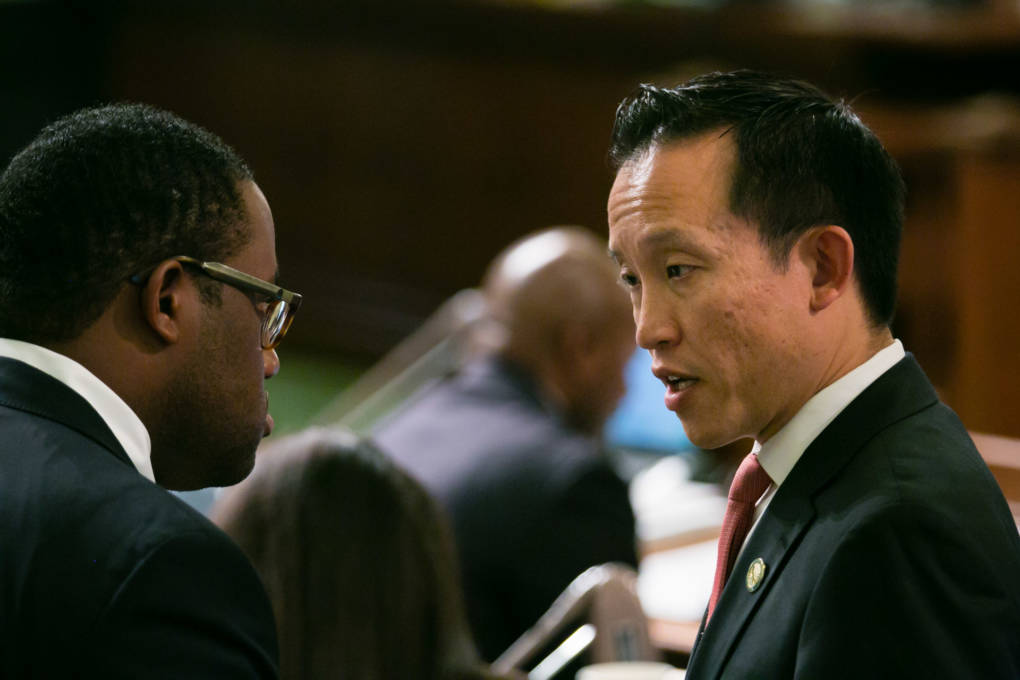
"caption": "Assemblyman David Chiu, D-San Francisco, (right) authored a state bill that would ban evictions for missing rent across California.",
"description": null,
"title": "David Chiu",
"credit": "Bert Johnson/KQED",
"status": "inherit",
"isLoading": false,
"fetchFailed": false
},
"news_11055524": {
"type": "attachments",
"id": "news_11055524",
"meta": {
"index": "attachments_1716263798",
"site": "news",
"id": "11055524",
"found": true
},
"parent": 11055436,
"imgSizes": {
"twentyfourteen-full-width": {
"file": "https://ww2.kqed.org/app/uploads/sites/10/2016/08/RS20811_hernandez-qut-1038x576.jpg",
"width": 1038,
"mimeType": "image/jpeg",
"height": 576
},
"thumbnail": {
"file": "https://ww2.kqed.org/app/uploads/sites/10/2016/08/RS20811_hernandez-qut-400x286.jpg",
"width": 400,
"mimeType": "image/jpeg",
"height": 286
},
"fd-sm": {
"file": "https://ww2.kqed.org/app/uploads/sites/10/2016/08/RS20811_hernandez-qut-960x685.jpg",
"width": 960,
"mimeType": "image/jpeg",
"height": 685
},
"post-thumbnail": {
"file": "https://ww2.kqed.org/app/uploads/sites/10/2016/08/RS20811_hernandez-qut-672x372.jpg",
"width": 672,
"mimeType": "image/jpeg",
"height": 372
},
"kqedFullSize": {
"file": "https://ww2.kqed.org/app/uploads/sites/10/2016/08/RS20811_hernandez-qut.jpg",
"width": 1076,
"height": 768
},
"guest-author-50": {
"file": "https://ww2.kqed.org/app/uploads/sites/10/2016/08/RS20811_hernandez-qut-50x50.jpg",
"width": 50,
"mimeType": "image/jpeg",
"height": 50
},
"guest-author-96": {
"file": "https://ww2.kqed.org/app/uploads/sites/10/2016/08/RS20811_hernandez-qut-96x96.jpg",
"width": 96,
"mimeType": "image/jpeg",
"height": 96
},
"medium": {
"file": "https://ww2.kqed.org/app/uploads/sites/10/2016/08/RS20811_hernandez-qut-800x571.jpg",
"width": 800,
"mimeType": "image/jpeg",
"height": 571
},
"guest-author-64": {
"file": "https://ww2.kqed.org/app/uploads/sites/10/2016/08/RS20811_hernandez-qut-64x64.jpg",
"width": 64,
"mimeType": "image/jpeg",
"height": 64
},
"guest-author-32": {
"file": "https://ww2.kqed.org/app/uploads/sites/10/2016/08/RS20811_hernandez-qut-32x32.jpg",
"width": 32,
"mimeType": "image/jpeg",
"height": 32
},
"jmtc-small-thumb": {
"file": "https://ww2.kqed.org/app/uploads/sites/10/2016/08/RS20811_hernandez-qut-280x150.jpg",
"width": 280,
"mimeType": "image/jpeg",
"height": 150
},
"detail": {
"file": "https://ww2.kqed.org/app/uploads/sites/10/2016/08/RS20811_hernandez-qut-150x150.jpg",
"width": 150,
"mimeType": "image/jpeg",
"height": 150
},
"guest-author-128": {
"file": "https://ww2.kqed.org/app/uploads/sites/10/2016/08/RS20811_hernandez-qut-128x128.jpg",
"width": 128,
"mimeType": "image/jpeg",
"height": 128
}
},
"publishDate": 1471646014,
"modified": 1471646303,
"caption": "Democratic Assemblyman Roger Hernandez.",
"description": null,
"title": "RS20811_hernandez-qut",
"credit": "File Photo/Courtesy of Roger Hernandez",
"status": "inherit",
"isLoading": false,
"fetchFailed": false
},
"news_10829282": {
"type": "attachments",
"id": "news_10829282",
"meta": {
"index": "attachments_1716263798",
"site": "news",
"id": "10829282",
"found": true
},
"parent": 10829221,
"imgSizes": {
"twentyfourteen-full-width": {
"file": "https://ww2.kqed.org/app/uploads/sites/10/2016/01/Rendon_Speaker-Vote-003-01-11-16-1920-1038x576.jpg",
"width": 1038,
"mimeType": "image/jpeg",
"height": 576
},
"thumbnail": {
"file": "https://ww2.kqed.org/app/uploads/sites/10/2016/01/Rendon_Speaker-Vote-003-01-11-16-1920-400x286.jpg",
"width": 400,
"mimeType": "image/jpeg",
"height": 286
},
"fd-sm": {
"file": "https://ww2.kqed.org/app/uploads/sites/10/2016/01/Rendon_Speaker-Vote-003-01-11-16-1920-960x686.jpg",
"width": 960,
"mimeType": "image/jpeg",
"height": 686
},
"post-thumbnail": {
"file": "https://ww2.kqed.org/app/uploads/sites/10/2016/01/Rendon_Speaker-Vote-003-01-11-16-1920-672x372.jpg",
"width": 672,
"mimeType": "image/jpeg",
"height": 372
},
"kqedFullSize": {
"file": "https://ww2.kqed.org/app/uploads/sites/10/2016/01/Rendon_Speaker-Vote-003-01-11-16-1920.jpg",
"width": 1920,
"height": 1371
},
"large": {
"file": "https://ww2.kqed.org/app/uploads/sites/10/2016/01/Rendon_Speaker-Vote-003-01-11-16-1920-1440x1028.jpg",
"width": 1440,
"mimeType": "image/jpeg",
"height": 1028
},
"guest-author-96": {
"file": "https://ww2.kqed.org/app/uploads/sites/10/2016/01/Rendon_Speaker-Vote-003-01-11-16-1920-96x96.jpg",
"width": 96,
"mimeType": "image/jpeg",
"height": 96
},
"medium": {
"file": "https://ww2.kqed.org/app/uploads/sites/10/2016/01/Rendon_Speaker-Vote-003-01-11-16-1920-800x571.jpg",
"width": 800,
"mimeType": "image/jpeg",
"height": 571
},
"guest-author-64": {
"file": "https://ww2.kqed.org/app/uploads/sites/10/2016/01/Rendon_Speaker-Vote-003-01-11-16-1920-64x64.jpg",
"width": 64,
"mimeType": "image/jpeg",
"height": 64
},
"guest-author-32": {
"file": "https://ww2.kqed.org/app/uploads/sites/10/2016/01/Rendon_Speaker-Vote-003-01-11-16-1920-32x32.jpg",
"width": 32,
"mimeType": "image/jpeg",
"height": 32
},
"jmtc-small-thumb": {
"file": "https://ww2.kqed.org/app/uploads/sites/10/2016/01/Rendon_Speaker-Vote-003-01-11-16-1920-280x150.jpg",
"width": 280,
"mimeType": "image/jpeg",
"height": 150
},
"fd-lrg": {
"file": "https://ww2.kqed.org/app/uploads/sites/10/2016/01/Rendon_Speaker-Vote-003-01-11-16-1920-1920x1371.jpg",
"width": 1920,
"mimeType": "image/jpeg",
"height": 1371
},
"fd-med": {
"file": "https://ww2.kqed.org/app/uploads/sites/10/2016/01/Rendon_Speaker-Vote-003-01-11-16-1920-1180x843.jpg",
"width": 1180,
"mimeType": "image/jpeg",
"height": 843
},
"detail": {
"file": "https://ww2.kqed.org/app/uploads/sites/10/2016/01/Rendon_Speaker-Vote-003-01-11-16-1920-75x75.jpg",
"width": 75,
"mimeType": "image/jpeg",
"height": 75
},
"medium_large": {
"file": "https://ww2.kqed.org/app/uploads/sites/10/2016/01/Rendon_Speaker-Vote-003-01-11-16-1920-768x548.jpg",
"width": 768,
"mimeType": "image/jpeg",
"height": 548
},
"guest-author-128": {
"file": "https://ww2.kqed.org/app/uploads/sites/10/2016/01/Rendon_Speaker-Vote-003-01-11-16-1920-128x128.jpg",
"width": 128,
"mimeType": "image/jpeg",
"height": 128
}
},
"publishDate": 1452557985,
"modified": 1452562062,
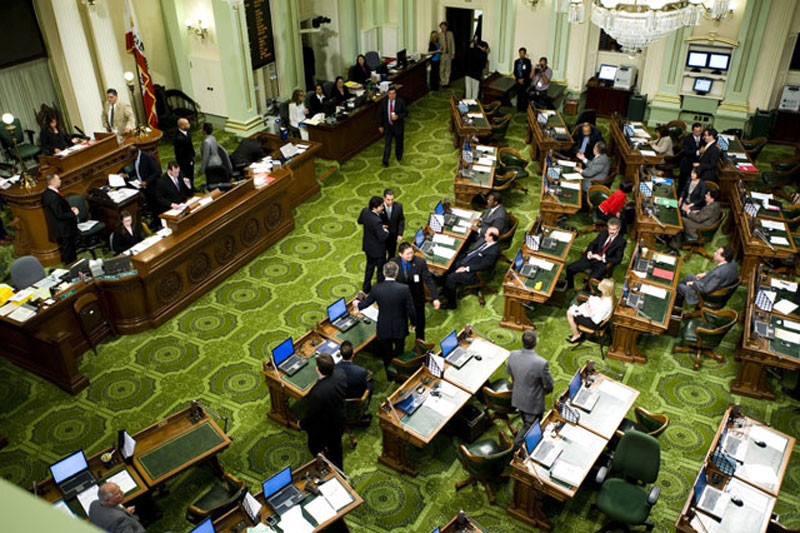
"caption": "Assemblyman Anthony Rendon speaks on the Assembly floor after being elected speaker on Monday, Jan. 11, 2016.",
"description": "Assemblymember Anthony Rendon speaks on the Assembly floor after being elected speaker on Monday, January 11, 2016.",
"title": "Rendon_Speaker Vote 003 01-11-16 1920",
"credit": "Jeff Walters/Assembly Democratic Caucus",
"status": "inherit",
"isLoading": false,
"fetchFailed": false
},
"news_10494033": {
"type": "attachments",
"id": "news_10494033",
"meta": {
"index": "attachments_1716263798",
"site": "news",
"id": "10494033",
"found": true
},
"parent": 10491177,
"imgSizes": {
"thumbnail": {
"file": "https://ww2.kqed.org/app/uploads/sites/10/2015/04/assembly-gatto-400x267.jpg",
"width": 400,
"mimeType": "image/jpeg",
"height": 267
},
"fd-sm": {
"file": "https://ww2.kqed.org/app/uploads/sites/10/2015/04/assembly-gatto-320x213.jpg",
"width": 320,
"mimeType": "image/jpeg",
"height": 213
},
"post-thumbnail": {
"file": "https://ww2.kqed.org/app/uploads/sites/10/2015/04/assembly-gatto-672x372.jpg",
"width": 672,
"mimeType": "image/jpeg",
"height": 372
},
"kqedFullSize": {
"file": "https://ww2.kqed.org/app/uploads/sites/10/2015/04/assembly-gatto.jpg",
"width": 800,
"height": 533
},
"fd-med": {
"file": "https://ww2.kqed.org/app/uploads/sites/10/2015/04/assembly-gatto-768x512.jpg",
"width": 768,
"mimeType": "image/jpeg",
"height": 512
},
"guest-author-96": {
"file": "https://ww2.kqed.org/app/uploads/sites/10/2015/04/assembly-gatto-96x96.jpg",
"width": 96,
"mimeType": "image/jpeg",
"height": 96
},
"medium": {
"file": "https://ww2.kqed.org/app/uploads/sites/10/2015/04/assembly-gatto-800x533.jpg",
"width": 800,
"mimeType": "image/jpeg",
"height": 533
},
"guest-author-64": {
"file": "https://ww2.kqed.org/app/uploads/sites/10/2015/04/assembly-gatto-64x64.jpg",
"width": 64,
"mimeType": "image/jpeg",
"height": 64
},
"detail": {
"file": "https://ww2.kqed.org/app/uploads/sites/10/2015/04/assembly-gatto-75x75.jpg",
"width": 75,
"mimeType": "image/jpeg",
"height": 75
},
"guest-author-32": {
"file": "https://ww2.kqed.org/app/uploads/sites/10/2015/04/assembly-gatto-32x32.jpg",
"width": 32,
"mimeType": "image/jpeg",
"height": 32
},
"guest-author-128": {
"file": "https://ww2.kqed.org/app/uploads/sites/10/2015/04/assembly-gatto-128x128.jpg",
"width": 128,
"mimeType": "image/jpeg",
"height": 128
}
},
"publishDate": 1429313843,
"modified": 1429314079,
"caption": "Assemblyman Mike Gatto was sworn in on June 10, 2010. Since then he's raised $5,762,242.83.",
"description": "Assemblymember Mike Gatto was sworn in on June 10, 2010. Since then he's raised $5,762,242.83.",
"title": "assembly-gatto",
"credit": "Courtesy the California Assembly",
"status": "inherit",
"isLoading": false,
"fetchFailed": false
},
"news_135818": {
"type": "attachments",
"id": "news_135818",
"meta": {
"index": "attachments_1716263798",
"site": "news",
"id": "135818",
"found": true
},
"parent": 135777,
"imgSizes": {
"kqedFullSize": {
"file": "https://ww2.kqed.org/app/uploads/sites/10/2014/05/atkins-ofc.jpg",
"width": 640,
"height": 426
}
},
"publishDate": 1399940817,
"modified": 1399940817,
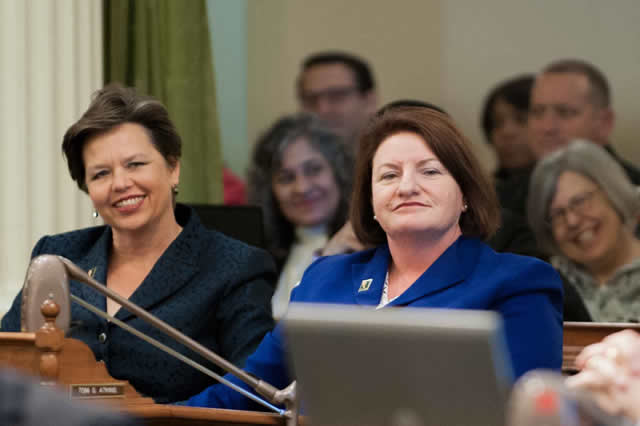
"caption": "Courtesy of Speaker Toni Atkins (right).",
"description": null,
"title": "atkins-ofc",
"credit": null,
"status": "inherit",
"isLoading": false,
"fetchFailed": false
}
},
"audioPlayerReducer": {
"postId": "stream_live",
"isPaused": true,
"isPlaying": false,
"pfsActive": false,
"pledgeModalIsOpen": true,
"playerDrawerIsOpen": false,
"liveAudioPlayStartedAt": 0,
"liveAudioPlayContext": ""
},
"authorsReducer": {
"byline_news_11595532": {
"type": "authors",
"id": "byline_news_11595532",
"meta": {
"override": true
},
"slug": "byline_news_11595532",
"name": "\u003cstrong>\u003ca href=\"https://calmatters.org/articles/author/laurel-rosenhall/\">Laurel Rosenhall\u003c/a>\u003c/strong>",
"isLoading": false
},
"jbrooks": {
"type": "authors",
"id": "80",
"meta": {
"index": "authors_1716337520",
"id": "80",
"found": true
},
"name": "Jon Brooks",
"firstName": "Jon",
"lastName": "Brooks",
"slug": "jbrooks",
"email": "jbrooks@kqed.org",
"display_author_email": true,
"staff_mastheads": [
"science"
],
"title": "Digital Editor",
"bio": "Jon Brooks is a former Digital Editor for KQED Science. He is the former editor of KQED’s daily news blog, News Fix. In 2014, he won a California Journalism Award for his coverage of ride services like Uber and Lyft and the taxi industry. A veteran blogger, he previously worked for Yahoo! in various news writing and editing roles. Jon is also a playwright whose work has been produced in San Francisco, New York, Italy, and around the U.S. He has written about film for his own blog and studied film at Boston University.",
"avatar": "https://secure.gravatar.com/avatar/98887f7ed1c876ed414d4c915e969584?s=600&d=blank&r=g",
"twitter": "jbrooksfoy",
"facebook": null,
"instagram": null,
"linkedin": null,
"sites": [
{
"site": "arts",
"roles": [
"Contributor",
"editor"
]
},
{
"site": "news",
"roles": [
"author"
]
},
{
"site": "futureofyou",
"roles": [
"administrator"
]
},
{
"site": "mindshift",
"roles": [
"editor"
]
},
{
"site": "stateofhealth",
"roles": [
"editor"
]
},
{
"site": "science",
"roles": [
"administrator"
]
},
{
"site": "quest",
"roles": [
"editor"
]
}
],
"headData": {
"title": "Jon Brooks | KQED",
"description": "Digital Editor",
"ogImgSrc": "https://secure.gravatar.com/avatar/98887f7ed1c876ed414d4c915e969584?s=600&d=blank&r=g",
"twImgSrc": "https://secure.gravatar.com/avatar/98887f7ed1c876ed414d4c915e969584?s=600&d=blank&r=g"
},
"isLoading": false,
"link": "/author/jbrooks"
},
"gmarzorati": {
"type": "authors",
"id": "227",
"meta": {
"index": "authors_1716337520",
"id": "227",
"found": true
},
"name": "Guy Marzorati",
"firstName": "Guy",
"lastName": "Marzorati",
"slug": "gmarzorati",
"email": "gmarzorati@KQED.org",
"display_author_email": true,
"staff_mastheads": [
"news"
],
"title": "Correspondent",
"bio": "Guy Marzorati is a correspondent on KQED's California Politics and Government Desk, based in San Jose. A graduate of Santa Clara University, Guy joined KQED in 2013. He reports on state and local politics and produces KQED's digital voter guide.",
"avatar": "https://secure.gravatar.com/avatar/e7038b8dbfd55b104369b76b1cd0b9de?s=600&d=blank&r=g",
"twitter": "guymarzorati",
"facebook": null,
"instagram": null,
"linkedin": null,
"sites": [
{
"site": "",
"roles": [
"editor"
]
},
{
"site": "news",
"roles": [
"editor"
]
},
{
"site": "science",
"roles": [
"editor"
]
},
{
"site": "forum",
"roles": [
"editor"
]
},
{
"site": "elections",
"roles": [
"editor"
]
},
{
"site": "liveblog",
"roles": [
"editor"
]
}
],
"headData": {
"title": "Guy Marzorati | KQED",
"description": "Correspondent",
"ogImgSrc": "https://secure.gravatar.com/avatar/e7038b8dbfd55b104369b76b1cd0b9de?s=600&d=blank&r=g",
"twImgSrc": "https://secure.gravatar.com/avatar/e7038b8dbfd55b104369b76b1cd0b9de?s=600&d=blank&r=g"
},
"isLoading": false,
"link": "/author/gmarzorati"
},
"jmyers": {
"type": "authors",
"id": "232",
"meta": {
"index": "authors_1716337520",
"id": "232",
"found": true
},
"name": "John Myers",
"firstName": "John",
"lastName": "Myers",
"slug": "jmyers",
"email": "jmyers@kqed.org",
"display_author_email": false,
"staff_mastheads": [],
"title": null,
"bio": "John Myers is Senior Editor of KQED's new California Politics and Government Desk. A veteran of almost two decades of political coverage, he was KQED's longest serving statehouse bureau chief and recently was political editor for Sacramento's ABC affiliate, News10 (KXTV). John was moderator of the only 2014 gubernatorial debate, and was named by \u003cem>The Washington Post\u003c/em> to two \"Best Of\" lists: the 2015 list of top state politics reporters and 2014's list of America's most influential statehouse reporters.",
"avatar": "https://secure.gravatar.com/avatar/c0ac98482caf0b8229a792662b38722a?s=600&d=blank&r=g",
"twitter": "johnmyers",
"facebook": null,
"instagram": null,
"linkedin": null,
"sites": [
{
"site": "news",
"roles": [
"subscriber"
]
}
],
"headData": {
"title": "John Myers | KQED",
"description": null,
"ogImgSrc": "https://secure.gravatar.com/avatar/c0ac98482caf0b8229a792662b38722a?s=600&d=blank&r=g",
"twImgSrc": "https://secure.gravatar.com/avatar/c0ac98482caf0b8229a792662b38722a?s=600&d=blank&r=g"
},
"isLoading": false,
"link": "/author/jmyers"
},
"kqed": {
"type": "authors",
"id": "236",
"meta": {
"index": "authors_1716337520",
"id": "236",
"found": true
},
"name": "KQED News Staff",
"firstName": "KQED News Staff",
"lastName": null,
"slug": "kqed",
"email": "faq@kqed.org",
"display_author_email": false,
"staff_mastheads": [],
"title": null,
"bio": null,
"avatar": "https://secure.gravatar.com/avatar/ef0e801a68c4c54afa9180db14084167?s=600&d=blank&r=g",
"twitter": null,
"facebook": null,
"instagram": null,
"linkedin": null,
"sites": [
{
"site": "arts",
"roles": [
"contributor"
]
},
{
"site": "news",
"roles": [
"editor"
]
},
{
"site": "futureofyou",
"roles": [
"author"
]
}
],
"headData": {
"title": "KQED News Staff | KQED",
"description": null,
"ogImgSrc": "https://secure.gravatar.com/avatar/ef0e801a68c4c54afa9180db14084167?s=600&d=blank&r=g",
"twImgSrc": "https://secure.gravatar.com/avatar/ef0e801a68c4c54afa9180db14084167?s=600&d=blank&r=g"
},
"isLoading": false,
"link": "/author/kqed"
},
"sdetrow": {
"type": "authors",
"id": "256",
"meta": {
"index": "authors_1716337520",
"id": "256",
"found": true
},
"name": "Scott Detrow",
"firstName": "Scott",
"lastName": "Detrow",
"slug": "sdetrow",
"email": "sdetrow@kqed.org",
"display_author_email": false,
"staff_mastheads": [],
"title": null,
"bio": "Sacramento bureau chief Scott Detrow covers state government, politics and policy for KQED News and its statewide news program, The California Report.",
"avatar": "https://secure.gravatar.com/avatar/3271d0c151ba26452e3417f5ac251c30?s=600&d=blank&r=g",
"twitter": null,
"facebook": null,
"instagram": null,
"linkedin": null,
"sites": [
{
"site": "news",
"roles": [
"subscriber"
]
},
{
"site": "science",
"roles": [
"subscriber"
]
}
],
"headData": {
"title": "Scott Detrow | KQED",
"description": null,
"ogImgSrc": "https://secure.gravatar.com/avatar/3271d0c151ba26452e3417f5ac251c30?s=600&d=blank&r=g",
"twImgSrc": "https://secure.gravatar.com/avatar/3271d0c151ba26452e3417f5ac251c30?s=600&d=blank&r=g"
},
"isLoading": false,
"link": "/author/sdetrow"
},
"mlagos": {
"type": "authors",
"id": "3239",
"meta": {
"index": "authors_1716337520",
"id": "3239",
"found": true
},
"name": "Marisa Lagos",
"firstName": "Marisa",
"lastName": "Lagos",
"slug": "mlagos",
"email": "mlagos@kqed.org",
"display_author_email": false,
"staff_mastheads": [
"news"
],
"title": "KQED Contributor",
"bio": "Marisa Lagos is a correspondent for KQED’s California Politics and Government Desk and co-hosts the award-winning show and podcast, Political Breakdown. At KQED, Lagos also conducts reporting, analysis and investigations into state, local and national politics for radio, TV, online and onstage. In 2022, she and co-host, Scott Shafer, moderated the only gubernatorial debate in California. In 2020, the \u003ci>Washington Post\u003c/i> named her one of the top political journalists in California; she was nominated for a Peabody and won several other awards for her work investigating the 2017 California wildfires. She has worked at the \u003ci>San Francisco Chronicle\u003c/i>, \u003ci>San Francisco Examiner\u003c/i> and \u003ci>Los Angeles Times\u003c/i>. A UC Santa Barbara graduate, she lives in San Francisco with her two sons and husband.",
"avatar": "https://secure.gravatar.com/avatar/a261a0d3696fc066871ef96b85b5e7d2?s=600&d=blank&r=g",
"twitter": "@mlagos",
"facebook": null,
"instagram": null,
"linkedin": null,
"sites": [
{
"site": "arts",
"roles": [
"author"
]
},
{
"site": "news",
"roles": [
"editor"
]
},
{
"site": "science",
"roles": [
"editor"
]
},
{
"site": "forum",
"roles": [
"author"
]
},
{
"site": "liveblog",
"roles": [
"author"
]
}
],
"headData": {
"title": "Marisa Lagos | KQED",
"description": "KQED Contributor",
"ogImgSrc": "https://secure.gravatar.com/avatar/a261a0d3696fc066871ef96b85b5e7d2?s=600&d=blank&r=g",
"twImgSrc": "https://secure.gravatar.com/avatar/a261a0d3696fc066871ef96b85b5e7d2?s=600&d=blank&r=g"
},
"isLoading": false,
"link": "/author/mlagos"
},
"korr": {
"type": "authors",
"id": "11200",
"meta": {
"index": "authors_1716337520",
"id": "11200",
"found": true
},
"name": "Katie Orr",
"firstName": "Katie",
"lastName": "Orr",
"slug": "korr",
"email": "korr@kqed.org",
"display_author_email": false,
"staff_mastheads": [],
"title": "KQED Contributor",
"bio": "Katie Orr was a Sacramento-based reporter for KQED's Politics and Government Desk, covering the state Capitol and a variety of issues including women in politics, voting and elections and legislation. Prior to joining KQED in 2016, Katie was state government reporter for Capital Public Radio in Sacramento. She's also worked for KPBS in San Diego, where she covered City Hall.\r\n\r\nKatie received her masters degree in political science from San Diego State University and holds a Bachelors degree in broadcast journalism from Arizona State University.\r\n\r\nIn 2015 Katie won a national Clarion Award for a series of stories she did on women in California politics. She's been honored by the Society for Professional Journalists and, in 2013, was named by \u003cem>The Washington Post\u003c/em> as one of the country's top state Capitol reporters. She's also reported for the award-winning documentary series \u003cem>The View from Here \u003c/em>and was part of the team that won national PRNDI and Gabriel Awards in 2015. She lives in Sacramento with her husband. Twitter: @1KatieOrr",
"avatar": "https://secure.gravatar.com/avatar/41a40b25845adc78f50808670860449e?s=600&d=blank&r=g",
"twitter": "1katieorr",
"facebook": null,
"instagram": null,
"linkedin": null,
"sites": [
{
"site": "news",
"roles": [
"subscriber"
]
},
{
"site": "stateofhealth",
"roles": [
"author"
]
},
{
"site": "forum",
"roles": [
"author"
]
}
],
"headData": {
"title": "Katie Orr | KQED",
"description": "KQED Contributor",
"ogImgSrc": "https://secure.gravatar.com/avatar/41a40b25845adc78f50808670860449e?s=600&d=blank&r=g",
"twImgSrc": "https://secure.gravatar.com/avatar/41a40b25845adc78f50808670860449e?s=600&d=blank&r=g"
},
"isLoading": false,
"link": "/author/korr"
}
},
"pagesReducer": {
"news_tag_california-assembly": {
"type": "terms",
"id": "news_913",
"meta": {
"index": "terms_1716263798",
"site": "news",
"id": "913",
"score": 10.403414
},
"featImg": null,
"name": "California Assembly",
"description": null,
"taxonomy": "tag",
"headData": {
"twImgId": null,
"twTitle": null,
"ogTitle": null,
"ogImgId": null,
"twDescription": null,
"description": null,
"title": "California Assembly Archives | KQED News",
"ogDescription": null
},
"ttid": 923,
"slug": "california-assembly",
"isLoading": false,
"title": "California Assembly",
"pageMeta": {
"site": "news",
"WpPageTemplate": "page-topic-editorial",
"currentPage": 4
},
"blocks": [
{
"blockName": "kqed/post-list",
"attrs": {
"layout": "cardArticle2",
"query": "posts/news?tag=california-assembly",
"seeMore": false,
"paginated": true,
"page": 4
}
},
{
"blockName": "kqed/ad"
}
]
}
},
"pfsSessionReducer": {},
"postsReducer": {
"stream_live": {
"type": "live",
"id": "stream_live",
"audioUrl": "https://streams.kqed.org/kqedradio",
"title": "Live Stream",
"excerpt": "Live Stream information currently unavailable.",
"link": "/radio",
"featImg": "",
"label": {
"name": "KQED Live",
"link": "/"
}
},
"stream_kqedNewscast": {
"type": "posts",
"id": "stream_kqedNewscast",
"audioUrl": "https://www.kqed.org/.stream/anon/radio/RDnews/newscast.mp3?_=1",
"title": "KQED Newscast",
"featImg": "",
"label": {
"name": "88.5 FM",
"link": "/"
}
},
"news_11625541": {
"type": "posts",
"id": "news_11625541",
"meta": {
"index": "posts_1716263798",
"site": "news",
"id": "11625541",
"score": null,
"sort": [
1508804318000
]
},
"parent": 0,
"labelTerm": {
"site": "news",
"term": 72
},
"blocks": [],
"publishDate": 1508804318,
"format": "standard",
"disqusTitle": "State Senate Hires Outside Firms to Investigate Sexual Harassment",
"title": "State Senate Hires Outside Firms to Investigate Sexual Harassment",
"headTitle": "The California Report | KQED News",
"content": "\u003cp>The leader of the California Senate announced Monday he has hired an independent law firm to look into allegations of sexual harassment and assault.\u003c/p>\n\u003cp>An outside human resources firm was also hired to review the Senate’s policies on harassment, discrimination and retaliation. In a statement, Senate leader Kevin de León says everyone deserves a workplace free of harassment and sexual misbehavior.\u003c/p>\n\u003cp>[audio src=\"https://www.kqed.org/.stream/anon/radio/tcr/2017/10/SacramentoHarassmentOrr.mp3\" Image=\"https://ww2.kqed.org/news/wp-content/uploads/sites/10/2017/10/DeLeon-800x532.jpg\" Title=\"State Senate Hires Outside Firms to Investigate Sexual Harassment\" program=\"The California Report\"]\u003c/p>\n\u003cp>More than 300 women working in politics have now signed a letter condemning a \u003ca href=\"https://www.wesaidenough.com/\">culture of sexual harassment\u003c/a>, and in some cases assault, in Sacramento. The women have declined to name the men involved.\u003c/p>\n\u003cp>Adama Iwu, senior director of state and local government relations for Visa, was one of the women behind the letter. Iwu says while she’s glad the Senate is taking action, she questions whether it’s part of the problem.\u003c/p>\n\u003cp>[ad fullwidth]\u003c/p>\n\u003cp>“This is basically a self-investigation,\" she says. \"That’s tricky, and that’s risky for women who’ve already said they don’t want to come out.”\u003c/p>\n\u003cp>[contextly_sidebar id=\"feAqNQIBJ1mJxh8kkaVVlUe0Up1yMLAB\"]\u003c/p>\n\u003cp>The hierarchical structure of the Capitol seems to provide little incentive for women to take action when there’s a problem.\u003c/p>\n\u003cp>Attorney Mary-Alice Coleman says she has spoken with many women about possible harassment claims around the Capitol over the years. But she’s only been involved with litigation for three. She says the power dynamics prove too intimidating for most women.\u003c/p>\n\u003cp>“If an Assembly member or a senator is involved, that complicates the accountability a hundred fold,\" she says. \"And it makes the situation much more difficult and perilous for the victims.”\u003c/p>\n\u003cp>And women don’t seem to be reaching out to their HR departments either. Debra Gravert is the chief administrative officer of the state Assembly, which oversees about 1.200 employees. She says the Assembly investigated three sexual harassment claims last year.\u003c/p>\n\u003cp>“But then you have this letter that says it’s prevalent. So it doesn’t equal what we we’ve seen,\" she says. \"It’s frustrating and disheartening.”\u003c/p>\n\u003cp>\u003c/p>\n\u003cp>Still, Gravert says she believes the Assembly has a good process in place for responding to the complaints it does receive.\u003c/p>\n\n",
"disqusIdentifier": "11625541 https://ww2.kqed.org/news/?p=11625541",
"disqusUrl": "https://ww2.kqed.org/news/2017/10/23/state-senate-hires-outside-firms-to-investigate-sexual-harassment/",
"stats": {
"hasVideo": false,
"hasChartOrMap": false,
"hasAudio": true,
"hasPolis": false,
"wordCount": 420,
"hasGoogleForm": false,
"hasGallery": false,
"hasHearkenModule": false,
"iframeSrcs": [],
"paragraphCount": 14
},
"modified": 1508870757,
"excerpt": "Fallout continues at the state Capitol over claims of sexual harassment within Sacramento's political circles.",
"headData": {
"twImgId": "",
"twTitle": "",
"ogTitle": "",
"ogImgId": "",
"twDescription": "",
"description": "Fallout continues at the state Capitol over claims of sexual harassment within Sacramento's political circles.",
"title": "State Senate Hires Outside Firms to Investigate Sexual Harassment | KQED",
"ogDescription": "",
"schema": {
"@context": "https://schema.org",
"@type": "NewsArticle",
"headline": "State Senate Hires Outside Firms to Investigate Sexual Harassment",
"datePublished": "2017-10-23T17:18:38-07:00",
"dateModified": "2017-10-24T11:45:57-07:00",
"image": "https://cdn.kqed.org/wp-content/uploads/2020/02/KQED-OG-Image@1x.png",
"isAccessibleForFree": "True",
"publisher": {
"@type": "NewsMediaOrganization",
"@id": "https://www.kqed.org/#organization",
"name": "KQED",
"logo": "https://cdn.kqed.org/wp-content/uploads/2020/02/KQED-OG-Image@1x.png",
"url": "https://www.kqed.org",
"sameAs": [
"https://www.facebook.com/KQED",
"https://twitter.com/KQED",
"https://www.instagram.com/kqed/",
"https://www.tiktok.com/@kqedofficial",
"https://www.linkedin.com/company/kqed",
"https://www.youtube.com/channel/UCeC0IOo7i1P_61zVUWbJ4nw"
]
}
}
},
"guestAuthors": [],
"slug": "state-senate-hires-outside-firms-to-investigate-sexual-harassment",
"status": "publish",
"path": "/news/11625541/state-senate-hires-outside-firms-to-investigate-sexual-harassment",
"audioUrl": "https://www.kqed.org/.stream/anon/radio/tcr/2017/10/SacramentoHarassmentOrr.mp3",
"audioDuration": 172000,
"audioTrackLength": null,
"parsedContent": [
{
"type": "contentString",
"content": "\u003cdiv class=\"post-body\">\u003cp>\u003cp>The leader of the California Senate announced Monday he has hired an independent law firm to look into allegations of sexual harassment and assault.\u003c/p>\n\u003cp>An outside human resources firm was also hired to review the Senate’s policies on harassment, discrimination and retaliation. In a statement, Senate leader Kevin de León says everyone deserves a workplace free of harassment and sexual misbehavior.\u003c/p>\n\u003cp>\u003c/p>\u003c/div>",
"attributes": {
"named": {},
"numeric": []
}
},
{
"type": "component",
"content": "",
"name": "audio",
"attributes": {
"named": {
"src": "https://www.kqed.org/.stream/anon/radio/tcr/2017/10/SacramentoHarassmentOrr.mp3",
"image": "https://ww2.kqed.org/news/wp-content/uploads/sites/10/2017/10/DeLeon-800x532.jpg",
"title": "State Senate Hires Outside Firms to Investigate Sexual Harassment",
"program": "The California Report",
"label": ""
},
"numeric": []
}
},
{
"type": "contentString",
"content": "\u003cdiv class=\"post-body\">\u003cp>\u003c/p>\n\u003cp>More than 300 women working in politics have now signed a letter condemning a \u003ca href=\"https://www.wesaidenough.com/\">culture of sexual harassment\u003c/a>, and in some cases assault, in Sacramento. The women have declined to name the men involved.\u003c/p>\n\u003cp>Adama Iwu, senior director of state and local government relations for Visa, was one of the women behind the letter. Iwu says while she’s glad the Senate is taking action, she questions whether it’s part of the problem.\u003c/p>\n\u003cp>\u003c/p>\u003c/div>",
"attributes": {
"named": {},
"numeric": []
}
},
{
"type": "component",
"content": "",
"name": "ad",
"attributes": {
"named": {
"label": "fullwidth"
},
"numeric": [
"fullwidth"
]
}
},
{
"type": "contentString",
"content": "\u003cdiv class=\"post-body\">\u003cp>\u003c/p>\n\u003cp>“This is basically a self-investigation,\" she says. \"That’s tricky, and that’s risky for women who’ve already said they don’t want to come out.”\u003c/p>\n\u003cp>\u003c/p>\u003cp>\u003c/p>\u003cp>\u003c/p>\n\u003cp>The hierarchical structure of the Capitol seems to provide little incentive for women to take action when there’s a problem.\u003c/p>\n\u003cp>Attorney Mary-Alice Coleman says she has spoken with many women about possible harassment claims around the Capitol over the years. But she’s only been involved with litigation for three. She says the power dynamics prove too intimidating for most women.\u003c/p>\n\u003cp>“If an Assembly member or a senator is involved, that complicates the accountability a hundred fold,\" she says. \"And it makes the situation much more difficult and perilous for the victims.”\u003c/p>\n\u003cp>And women don’t seem to be reaching out to their HR departments either. Debra Gravert is the chief administrative officer of the state Assembly, which oversees about 1.200 employees. She says the Assembly investigated three sexual harassment claims last year.\u003c/p>\n\u003cp>“But then you have this letter that says it’s prevalent. So it doesn’t equal what we we’ve seen,\" she says. \"It’s frustrating and disheartening.”\u003c/p>\n\u003cp>\u003c/p>\n\u003cp>Still, Gravert says she believes the Assembly has a good process in place for responding to the complaints it does receive.\u003c/p>\n\n\u003c/div>\u003c/p>",
"attributes": {
"named": {},
"numeric": []
}
}
],
"link": "/news/11625541/state-senate-hires-outside-firms-to-investigate-sexual-harassment",
"authors": [
"11200"
],
"programs": [
"news_6944",
"news_72"
],
"categories": [
"news_6188",
"news_8",
"news_13"
],
"tags": [
"news_913",
"news_914",
"news_18391",
"news_21804",
"news_2838",
"news_17286",
"news_17041"
],
"featImg": "news_11625555",
"label": "news_72"
},
"news_11615223": {
"type": "posts",
"id": "news_11615223",
"meta": {
"index": "posts_1716263798",
"site": "news",
"id": "11615223",
"score": null,
"sort": [
1504312623000
]
},
"parent": 0,
"labelTerm": {
"site": "news",
"term": 72
},
"blocks": [],
"publishDate": 1504312623,
"format": "image",
"disqusTitle": "Closely Watched Bills Killed by Legislative Spending Committees",
"title": "Closely Watched Bills Killed by Legislative Spending Committees",
"headTitle": "The California Report | KQED News",
"content": "\u003cp>Facing a deadline to send spending bills to the floor of the Senate and Assembly, powerful legislative committees quickly and quietly shelved a number of notable bills on Friday.\u003c/p>\n\u003cp>The Senate and Assembly appropriations committees voted Friday to advance hundreds of bills, but other measures -- including efforts to halt a controversial groundwater project in the Mojave Desert and block new offshore oil pipelines -- were killed.\u003c/p>\n\u003cp>The appropriations committees, which do not release vote counts for bills that are given the death sentence of \"held in committee,\" also drastically watered down some measures, and delayed others for further discussion until January.\u003c/p>\n\u003cp>The opaque process is an easy way for legislative leaders to kill or change bills they’re unhappy with.\u003c/p>\n\u003cp>Here's a rundown of some key bills killed or changed during Friday's hearings:\u003c/p>\n\u003ch3>SB 17: Prescription Drug Price Transparency\u003c/h3>\n\u003cp>This \u003ca href=\"http://leginfo.legislature.ca.gov/faces/billNavClient.xhtml?bill_id=201720180SB17\" target=\"_blank\" rel=\"noopener noreferrer\">controversial bill\u003c/a> would require drug companies to provide more information about prescription drug prices. Last year, a similar measure was \u003ca href=\"https://www.statnews.com/pharmalot/2016/08/17/california-drug-prices-transparency/\" target=\"_blank\" rel=\"noopener noreferrer\">changed so significantly that its author walked away.\u003c/a> But this time, Sen. Ed Hernandez, D-West Covina, said he's happy with the tweaks made by the Assembly Appropriations Committee, which included pushing the reporting requirements back a year, to 2019.\u003c/p>\n\u003cp>[ad fullwidth]\u003c/p>\n\u003cp>“Californians expect their government to do more to control health care costs, and drug companies shouldn’t be immune from this effort,\" Hernandez said in a written statement. \"Big Pharma continues to operate in the shadows, raising drug prices without any advanced notice or justification. We deserve better. SB 17 is a positive step forward to bring sunshine and transparency to Big Pharma’s practices.\"\u003c/p>\n\u003ch3>SB 21: Written Policy for Surveillance Technology\u003c/h3>\n\u003cp>This \u003ca href=\"http://leginfo.legislature.ca.gov/faces/billNavClient.xhtml?bill_id=201720180SB21\" target=\"_blank\" rel=\"noopener noreferrer\">bill would have required \u003c/a>law enforcement agencies in California to create a written policy for any surveillance technology the agency uses. San Mateo Sen. Jerry Hill said he’s surprised it was killed, noting the bill simply asked police departments to make clear their rules for rapidly developing technologies, including body cameras, GPS systems and software for tracking social media.\u003c/p>\n\u003cp>\"The conclusion I came to was that they are developing this technology faster than I can write legislation, so let’s have one overriding policy and law that would require new technology to go through this same procedure so that the public has the right and opportunity to become involved in the conversation,\" Hill said after the hearing.\u003c/p>\n\u003ch3>SB 188: Prohibiting Offshore Pipelines\u003c/h3>\n\u003cp>A \u003ca href=\"http://leginfo.legislature.ca.gov/faces/billNavClient.xhtml?bill_id=201720180SB188\" target=\"_blank\" rel=\"noopener noreferrer\">bill introduced in response\u003c/a> to President Trump’s executive order to \u003ca href=\"http://www.mercurynews.com/2017/04/28/new-oil-drilling-off-california-coast-trump-signs-order-seeking-to-expand-drilling/\" target=\"_blank\" rel=\"noopener noreferrer\">open the door to oil drilling off the California coast\u003c/a> won't move forward.\u003c/p>\n\u003cp>Santa Barbara Sen. Hannah-Beth Jackson’s bill wouldn't have prevented the federal government from approving drilling -- but it would have made it harder for companies to get the oil by prohibiting the state from approving new pipelines in its offshore waters.\u003c/p>\n\u003ch3>SB 384: Extending Alcohol Sales Until 4 a.m.\u003c/h3>\n\u003cp>\u003ca href=\"https://leginfo.legislature.ca.gov/faces/billNavClient.xhtml?bill_id=201720180SB384\" target=\"_blank\" rel=\"noopener noreferrer\">A bill\u003c/a> to let local communities permit alcohol sales until 4 a.m. wasn’t killed, but was changed beyond recognition: The Assembly Appropriations Committee amended San Francisco Sen. Scott Wiener’s bill to call for a study of the issue.\u003c/p>\n\u003cp>Wiener reacted angrily, saying it’s “embarrassing” that nightlife must shut down at 2 a.m. in California. \"There's no need to study anything. There's nothing radical about letting local communities decide for themselves whether to let their bars and nightclubs go later. It's embarrassing that California shuts down its nightlife so early.\"\u003c/p>\n\u003ch3>SB 623: Safe and Affordable Drinking Water Fund\u003c/h3>\n\u003cp>A bipartisan \u003ca href=\"http://leginfo.legislature.ca.gov/faces/billNavClient.xhtml?bill_id=201720180SB623\" target=\"_blank\" rel=\"noopener noreferrer\">bill\u003c/a> to create an annual fund to pay for upgrades to water systems in more than 300 communities that don’t have safe drinking water won't move forward this year, but will be considered in 2018.\u003c/p>\n\u003cp>Santa Cruz Sen. Bill Monning’s proposal would be paid for by adding fees -- averaging $1 a month -- to water bills statewide. Assembly Appropriations Chair Lorena Gonzalez, D-San Diego, called it important legislation in announcing it will become a two-year bill.\u003c/p>\n\u003cfigure id=\"attachment_11615255\" class=\"wp-caption aligncenter\" style=\"max-width: 800px\">\u003cimg class=\"size-medium wp-image-11615255\" src=\"https://ww2.kqed.org/news/wp-content/uploads/sites/10/2017/09/RS25443_20170515_StateCapitol_Assemblymember_LorenaGonzalezFletcher_credit_BertJohnson-1-qut-800x533.jpg\" alt=\"Assemblywoman Lorena Gonzalez, D-San Diego, chairs the powerful Assembly appropriations committee.\" width=\"800\" height=\"533\" srcset=\"https://ww2.kqed.org/app/uploads/sites/10/2017/09/RS25443_20170515_StateCapitol_Assemblymember_LorenaGonzalezFletcher_credit_BertJohnson-1-qut-800x533.jpg 800w, https://ww2.kqed.org/app/uploads/sites/10/2017/09/RS25443_20170515_StateCapitol_Assemblymember_LorenaGonzalezFletcher_credit_BertJohnson-1-qut-160x107.jpg 160w, https://ww2.kqed.org/app/uploads/sites/10/2017/09/RS25443_20170515_StateCapitol_Assemblymember_LorenaGonzalezFletcher_credit_BertJohnson-1-qut-1020x680.jpg 1020w, https://ww2.kqed.org/app/uploads/sites/10/2017/09/RS25443_20170515_StateCapitol_Assemblymember_LorenaGonzalezFletcher_credit_BertJohnson-1-qut.jpg 1920w, https://ww2.kqed.org/app/uploads/sites/10/2017/09/RS25443_20170515_StateCapitol_Assemblymember_LorenaGonzalezFletcher_credit_BertJohnson-1-qut-1180x787.jpg 1180w, https://ww2.kqed.org/app/uploads/sites/10/2017/09/RS25443_20170515_StateCapitol_Assemblymember_LorenaGonzalezFletcher_credit_BertJohnson-1-qut-960x640.jpg 960w, https://ww2.kqed.org/app/uploads/sites/10/2017/09/RS25443_20170515_StateCapitol_Assemblymember_LorenaGonzalezFletcher_credit_BertJohnson-1-qut-240x160.jpg 240w, https://ww2.kqed.org/app/uploads/sites/10/2017/09/RS25443_20170515_StateCapitol_Assemblymember_LorenaGonzalezFletcher_credit_BertJohnson-1-qut-375x250.jpg 375w, https://ww2.kqed.org/app/uploads/sites/10/2017/09/RS25443_20170515_StateCapitol_Assemblymember_LorenaGonzalezFletcher_credit_BertJohnson-1-qut-520x347.jpg 520w\" sizes=\"(max-width: 800px) 100vw, 800px\">\u003cfigcaption class=\"wp-caption-text\">Assemblywoman Lorena Gonzalez, D-San Diego, chairs the powerful Assembly appropriations committee. \u003ccite>(Bert Johnson/KQED)\u003c/cite>\u003c/figcaption>\u003c/figure>\n\u003ch3>AB 943: Making it Harder for Voters to Block Developments\u003c/h3>\n\u003cp>The Senate Appropriations Committee killed \u003ca href=\"https://leginfo.legislature.ca.gov/faces/billNavClient.xhtml?bill_id=201720180AB943\" target=\"_blank\" rel=\"noopener noreferrer\">this legislation \u003c/a>from Assemblyman Miguel Santiago, D-Los Angeles, which would have required a 55 percent vote to approve local measures seeking to block certain developments.\u003c/p>\n\u003cp>It was inspired by \u003ca href=\"https://ballotpedia.org/Los_Angeles,_California,_Changes_to_Laws_Governing_the_General_Plan_and_Development,_Measure_S_(March_2017)\" target=\"_blank\" rel=\"noopener noreferrer\">Measure S in Los Angeles\u003c/a>, a city measure to freeze development that overwhelmingly failed at the ballot box. The proposal was scaled down throughout the year, and \u003ca href=\"https://ww2.kqed.org/news/2017/07/11/rift-in-san-francisco-over-bill-to-make-it-harder-for-voters-to-block-developments/\" target=\"_blank\" rel=\"noopener noreferrer\">faced opposition\u003c/a> from some Democrats.\u003c/p>\n\u003ch3>AB 1000: Blocking Mojave Desert Groundwater Extraction\u003c/h3>\n\u003cp>State Assemblywoman Laura Friedman (D-Glendale) sought to block the proposed \u003ca href=\"https://ww2.kqed.org/news/2017/04/06/trump-clears-way-for-possible-mojave-desert-water-pumping/\" target=\"_blank\" rel=\"noopener noreferrer\">Cadiz water project\u003c/a> in the Mojave Desert with this \u003ca href=\"https://leginfo.legislature.ca.gov/faces/billNavClient.xhtml?bill_id=201720180AB1000\" target=\"_blank\" rel=\"noopener noreferrer\">bill\u003c/a>, which was killed on Friday. The local Santa Margarita water district argued that groundwater extraction project had already gone through enough review. The legislation had drawn support from Sen. Dianne Feinstein and Gov. Jerry Brown.\u003c/p>\n\u003cp>“I’m deeply disappointed that the state legislature is actively blocking a bill to prevent Cadiz—one of the Trump administration’s pet projects—from destroying the Mojave Desert,\" Feinstein said in \u003ca href=\"https://www.feinstein.senate.gov/public/index.cfm/press-releases?ID=3FF2E6BE-C524-47AF-A0FE-2BFBC5ED2AE1\" target=\"_blank\" rel=\"noopener noreferrer\">a statement\u003c/a>.\u003c/p>\n\u003ch3>AB 1250: Adding Requirements for County Contractors\u003c/h3>\n\u003cp>A bill fought tooth and nail by Republicans in the state Legislature, this \u003ca href=\"https://leginfo.legislature.ca.gov/faces/billNavClient.xhtml?bill_id=201720180AB1250\" target=\"_blank\" rel=\"noopener noreferrer\">legislation\u003c/a> from Assemblyman Reggie Jones-Sawyer, D-Los Angeles, would have added requirements for companies hoping to contract services for California counties. The Senate Appropriations Committee said it would hold the bill over for further consideration next year.\u003c/p>\n\u003cp>\u003c/p>\n\u003cp>\"As it stands, the bill is a special interest power grab that would hurt the vulnerable, nonprofits and small businesses by severely restricting public/private partnerships at the county level,\" said Sen. Republican Leader Pat Bates, R-Laguna Niguel, in a statement.\u003c/p>\n\n",
"disqusIdentifier": "11615223 https://ww2.kqed.org/news/?p=11615223",
"disqusUrl": "https://ww2.kqed.org/news/2017/09/01/closely-watched-bills-killed-by-legislative-spending-committees/",
"stats": {
"hasVideo": false,
"hasChartOrMap": false,
"hasAudio": false,
"hasPolis": false,
"wordCount": 988,
"hasGoogleForm": false,
"hasGallery": false,
"hasHearkenModule": false,
"iframeSrcs": [],
"paragraphCount": 23
},
"modified": 1504313961,
"excerpt": "Among the bills killed are measures that would have blocked new offshore pipelines, required more prescription drug price transparency and created a water system upgrade fund for underserved communities.",
"headData": {
"twImgId": "",
"twTitle": "",
"ogTitle": "",
"ogImgId": "",
"twDescription": "",
"description": "Among the bills killed are measures that would have blocked new offshore pipelines, required more prescription drug price transparency and created a water system upgrade fund for underserved communities.",
"title": "Closely Watched Bills Killed by Legislative Spending Committees | KQED",
"ogDescription": "",
"schema": {
"@context": "https://schema.org",
"@type": "NewsArticle",
"headline": "Closely Watched Bills Killed by Legislative Spending Committees",
"datePublished": "2017-09-01T17:37:03-07:00",
"dateModified": "2017-09-01T17:59:21-07:00",
"image": "https://cdn.kqed.org/wp-content/uploads/2020/02/KQED-OG-Image@1x.png",
"isAccessibleForFree": "True",
"publisher": {
"@type": "NewsMediaOrganization",
"@id": "https://www.kqed.org/#organization",
"name": "KQED",
"logo": "https://cdn.kqed.org/wp-content/uploads/2020/02/KQED-OG-Image@1x.png",
"url": "https://www.kqed.org",
"sameAs": [
"https://www.facebook.com/KQED",
"https://twitter.com/KQED",
"https://www.instagram.com/kqed/",
"https://www.tiktok.com/@kqedofficial",
"https://www.linkedin.com/company/kqed",
"https://www.youtube.com/channel/UCeC0IOo7i1P_61zVUWbJ4nw"
]
}
}
},
"guestAuthors": [],
"slug": "closely-watched-bills-killed-by-legislative-spending-committees",
"status": "publish",
"path": "/news/11615223/closely-watched-bills-killed-by-legislative-spending-committees",
"audioTrackLength": null,
"parsedContent": [
{
"type": "contentString",
"content": "\u003cdiv class=\"post-body\">\u003cp>\u003cp>Facing a deadline to send spending bills to the floor of the Senate and Assembly, powerful legislative committees quickly and quietly shelved a number of notable bills on Friday.\u003c/p>\n\u003cp>The Senate and Assembly appropriations committees voted Friday to advance hundreds of bills, but other measures -- including efforts to halt a controversial groundwater project in the Mojave Desert and block new offshore oil pipelines -- were killed.\u003c/p>\n\u003cp>The appropriations committees, which do not release vote counts for bills that are given the death sentence of \"held in committee,\" also drastically watered down some measures, and delayed others for further discussion until January.\u003c/p>\n\u003cp>The opaque process is an easy way for legislative leaders to kill or change bills they’re unhappy with.\u003c/p>\n\u003cp>Here's a rundown of some key bills killed or changed during Friday's hearings:\u003c/p>\n\u003ch3>SB 17: Prescription Drug Price Transparency\u003c/h3>\n\u003cp>This \u003ca href=\"http://leginfo.legislature.ca.gov/faces/billNavClient.xhtml?bill_id=201720180SB17\" target=\"_blank\" rel=\"noopener noreferrer\">controversial bill\u003c/a> would require drug companies to provide more information about prescription drug prices. Last year, a similar measure was \u003ca href=\"https://www.statnews.com/pharmalot/2016/08/17/california-drug-prices-transparency/\" target=\"_blank\" rel=\"noopener noreferrer\">changed so significantly that its author walked away.\u003c/a> But this time, Sen. Ed Hernandez, D-West Covina, said he's happy with the tweaks made by the Assembly Appropriations Committee, which included pushing the reporting requirements back a year, to 2019.\u003c/p>\n\u003cp>\u003c/p>\u003c/div>",
"attributes": {
"named": {},
"numeric": []
}
},
{
"type": "component",
"content": "",
"name": "ad",
"attributes": {
"named": {
"label": "fullwidth"
},
"numeric": [
"fullwidth"
]
}
},
{
"type": "contentString",
"content": "\u003cdiv class=\"post-body\">\u003cp>\u003c/p>\n\u003cp>“Californians expect their government to do more to control health care costs, and drug companies shouldn’t be immune from this effort,\" Hernandez said in a written statement. \"Big Pharma continues to operate in the shadows, raising drug prices without any advanced notice or justification. We deserve better. SB 17 is a positive step forward to bring sunshine and transparency to Big Pharma’s practices.\"\u003c/p>\n\u003ch3>SB 21: Written Policy for Surveillance Technology\u003c/h3>\n\u003cp>This \u003ca href=\"http://leginfo.legislature.ca.gov/faces/billNavClient.xhtml?bill_id=201720180SB21\" target=\"_blank\" rel=\"noopener noreferrer\">bill would have required \u003c/a>law enforcement agencies in California to create a written policy for any surveillance technology the agency uses. San Mateo Sen. Jerry Hill said he’s surprised it was killed, noting the bill simply asked police departments to make clear their rules for rapidly developing technologies, including body cameras, GPS systems and software for tracking social media.\u003c/p>\n\u003cp>\"The conclusion I came to was that they are developing this technology faster than I can write legislation, so let’s have one overriding policy and law that would require new technology to go through this same procedure so that the public has the right and opportunity to become involved in the conversation,\" Hill said after the hearing.\u003c/p>\n\u003ch3>SB 188: Prohibiting Offshore Pipelines\u003c/h3>\n\u003cp>A \u003ca href=\"http://leginfo.legislature.ca.gov/faces/billNavClient.xhtml?bill_id=201720180SB188\" target=\"_blank\" rel=\"noopener noreferrer\">bill introduced in response\u003c/a> to President Trump’s executive order to \u003ca href=\"http://www.mercurynews.com/2017/04/28/new-oil-drilling-off-california-coast-trump-signs-order-seeking-to-expand-drilling/\" target=\"_blank\" rel=\"noopener noreferrer\">open the door to oil drilling off the California coast\u003c/a> won't move forward.\u003c/p>\n\u003cp>Santa Barbara Sen. Hannah-Beth Jackson’s bill wouldn't have prevented the federal government from approving drilling -- but it would have made it harder for companies to get the oil by prohibiting the state from approving new pipelines in its offshore waters.\u003c/p>\n\u003ch3>SB 384: Extending Alcohol Sales Until 4 a.m.\u003c/h3>\n\u003cp>\u003ca href=\"https://leginfo.legislature.ca.gov/faces/billNavClient.xhtml?bill_id=201720180SB384\" target=\"_blank\" rel=\"noopener noreferrer\">A bill\u003c/a> to let local communities permit alcohol sales until 4 a.m. wasn’t killed, but was changed beyond recognition: The Assembly Appropriations Committee amended San Francisco Sen. Scott Wiener’s bill to call for a study of the issue.\u003c/p>\n\u003cp>Wiener reacted angrily, saying it’s “embarrassing” that nightlife must shut down at 2 a.m. in California. \"There's no need to study anything. There's nothing radical about letting local communities decide for themselves whether to let their bars and nightclubs go later. It's embarrassing that California shuts down its nightlife so early.\"\u003c/p>\n\u003ch3>SB 623: Safe and Affordable Drinking Water Fund\u003c/h3>\n\u003cp>A bipartisan \u003ca href=\"http://leginfo.legislature.ca.gov/faces/billNavClient.xhtml?bill_id=201720180SB623\" target=\"_blank\" rel=\"noopener noreferrer\">bill\u003c/a> to create an annual fund to pay for upgrades to water systems in more than 300 communities that don’t have safe drinking water won't move forward this year, but will be considered in 2018.\u003c/p>\n\u003cp>Santa Cruz Sen. Bill Monning’s proposal would be paid for by adding fees -- averaging $1 a month -- to water bills statewide. Assembly Appropriations Chair Lorena Gonzalez, D-San Diego, called it important legislation in announcing it will become a two-year bill.\u003c/p>\n\u003cfigure id=\"attachment_11615255\" class=\"wp-caption aligncenter\" style=\"max-width: 800px\">\u003cimg class=\"size-medium wp-image-11615255\" src=\"https://ww2.kqed.org/news/wp-content/uploads/sites/10/2017/09/RS25443_20170515_StateCapitol_Assemblymember_LorenaGonzalezFletcher_credit_BertJohnson-1-qut-800x533.jpg\" alt=\"Assemblywoman Lorena Gonzalez, D-San Diego, chairs the powerful Assembly appropriations committee.\" width=\"800\" height=\"533\" srcset=\"https://ww2.kqed.org/app/uploads/sites/10/2017/09/RS25443_20170515_StateCapitol_Assemblymember_LorenaGonzalezFletcher_credit_BertJohnson-1-qut-800x533.jpg 800w, https://ww2.kqed.org/app/uploads/sites/10/2017/09/RS25443_20170515_StateCapitol_Assemblymember_LorenaGonzalezFletcher_credit_BertJohnson-1-qut-160x107.jpg 160w, https://ww2.kqed.org/app/uploads/sites/10/2017/09/RS25443_20170515_StateCapitol_Assemblymember_LorenaGonzalezFletcher_credit_BertJohnson-1-qut-1020x680.jpg 1020w, https://ww2.kqed.org/app/uploads/sites/10/2017/09/RS25443_20170515_StateCapitol_Assemblymember_LorenaGonzalezFletcher_credit_BertJohnson-1-qut.jpg 1920w, https://ww2.kqed.org/app/uploads/sites/10/2017/09/RS25443_20170515_StateCapitol_Assemblymember_LorenaGonzalezFletcher_credit_BertJohnson-1-qut-1180x787.jpg 1180w, https://ww2.kqed.org/app/uploads/sites/10/2017/09/RS25443_20170515_StateCapitol_Assemblymember_LorenaGonzalezFletcher_credit_BertJohnson-1-qut-960x640.jpg 960w, https://ww2.kqed.org/app/uploads/sites/10/2017/09/RS25443_20170515_StateCapitol_Assemblymember_LorenaGonzalezFletcher_credit_BertJohnson-1-qut-240x160.jpg 240w, https://ww2.kqed.org/app/uploads/sites/10/2017/09/RS25443_20170515_StateCapitol_Assemblymember_LorenaGonzalezFletcher_credit_BertJohnson-1-qut-375x250.jpg 375w, https://ww2.kqed.org/app/uploads/sites/10/2017/09/RS25443_20170515_StateCapitol_Assemblymember_LorenaGonzalezFletcher_credit_BertJohnson-1-qut-520x347.jpg 520w\" sizes=\"(max-width: 800px) 100vw, 800px\">\u003cfigcaption class=\"wp-caption-text\">Assemblywoman Lorena Gonzalez, D-San Diego, chairs the powerful Assembly appropriations committee. \u003ccite>(Bert Johnson/KQED)\u003c/cite>\u003c/figcaption>\u003c/figure>\n\u003ch3>AB 943: Making it Harder for Voters to Block Developments\u003c/h3>\n\u003cp>The Senate Appropriations Committee killed \u003ca href=\"https://leginfo.legislature.ca.gov/faces/billNavClient.xhtml?bill_id=201720180AB943\" target=\"_blank\" rel=\"noopener noreferrer\">this legislation \u003c/a>from Assemblyman Miguel Santiago, D-Los Angeles, which would have required a 55 percent vote to approve local measures seeking to block certain developments.\u003c/p>\n\u003cp>It was inspired by \u003ca href=\"https://ballotpedia.org/Los_Angeles,_California,_Changes_to_Laws_Governing_the_General_Plan_and_Development,_Measure_S_(March_2017)\" target=\"_blank\" rel=\"noopener noreferrer\">Measure S in Los Angeles\u003c/a>, a city measure to freeze development that overwhelmingly failed at the ballot box. The proposal was scaled down throughout the year, and \u003ca href=\"https://ww2.kqed.org/news/2017/07/11/rift-in-san-francisco-over-bill-to-make-it-harder-for-voters-to-block-developments/\" target=\"_blank\" rel=\"noopener noreferrer\">faced opposition\u003c/a> from some Democrats.\u003c/p>\n\u003ch3>AB 1000: Blocking Mojave Desert Groundwater Extraction\u003c/h3>\n\u003cp>State Assemblywoman Laura Friedman (D-Glendale) sought to block the proposed \u003ca href=\"https://ww2.kqed.org/news/2017/04/06/trump-clears-way-for-possible-mojave-desert-water-pumping/\" target=\"_blank\" rel=\"noopener noreferrer\">Cadiz water project\u003c/a> in the Mojave Desert with this \u003ca href=\"https://leginfo.legislature.ca.gov/faces/billNavClient.xhtml?bill_id=201720180AB1000\" target=\"_blank\" rel=\"noopener noreferrer\">bill\u003c/a>, which was killed on Friday. The local Santa Margarita water district argued that groundwater extraction project had already gone through enough review. The legislation had drawn support from Sen. Dianne Feinstein and Gov. Jerry Brown.\u003c/p>\n\u003cp>“I’m deeply disappointed that the state legislature is actively blocking a bill to prevent Cadiz—one of the Trump administration’s pet projects—from destroying the Mojave Desert,\" Feinstein said in \u003ca href=\"https://www.feinstein.senate.gov/public/index.cfm/press-releases?ID=3FF2E6BE-C524-47AF-A0FE-2BFBC5ED2AE1\" target=\"_blank\" rel=\"noopener noreferrer\">a statement\u003c/a>.\u003c/p>\n\u003ch3>AB 1250: Adding Requirements for County Contractors\u003c/h3>\n\u003cp>A bill fought tooth and nail by Republicans in the state Legislature, this \u003ca href=\"https://leginfo.legislature.ca.gov/faces/billNavClient.xhtml?bill_id=201720180AB1250\" target=\"_blank\" rel=\"noopener noreferrer\">legislation\u003c/a> from Assemblyman Reggie Jones-Sawyer, D-Los Angeles, would have added requirements for companies hoping to contract services for California counties. The Senate Appropriations Committee said it would hold the bill over for further consideration next year.\u003c/p>\n\u003cp>\u003c/p>\n\u003cp>\"As it stands, the bill is a special interest power grab that would hurt the vulnerable, nonprofits and small businesses by severely restricting public/private partnerships at the county level,\" said Sen. Republican Leader Pat Bates, R-Laguna Niguel, in a statement.\u003c/p>\n\n\u003c/div>\u003c/p>",
"attributes": {
"named": {},
"numeric": []
}
}
],
"link": "/news/11615223/closely-watched-bills-killed-by-legislative-spending-committees",
"authors": [
"227",
"3239"
],
"programs": [
"news_6944",
"news_72"
],
"categories": [
"news_8",
"news_13"
],
"tags": [
"news_913",
"news_2704",
"news_914",
"news_2960",
"news_17286",
"news_17041"
],
"featImg": "news_11615436",
"label": "news_72"
},
"news_11595532": {
"type": "posts",
"id": "news_11595532",
"meta": {
"index": "posts_1716263798",
"site": "news",
"id": "11595532",
"score": null,
"sort": [
1501140611000
]
},
"parent": 0,
"labelTerm": {},
"blocks": [],
"publishDate": 1501140611,
"format": "image",
"disqusTitle": "Spurred by Drug Deaths, Legislature Advances Idea of Supervised Injection Sites",
"title": "Spurred by Drug Deaths, Legislature Advances Idea of Supervised Injection Sites",
"headTitle": "The California Report | KQED News",
"content": "\u003cp>Many California communities could open centers inviting addicts to shoot up hard drugs under a little-noticed bill that has cleared the state Assembly and now awaits a vote on the Senate floor. The goal is to reduce deaths.\u003c/p>\n\u003cp>Here’s how the concept—modeled after a supervised \u003ca href=\"http://www.communityinsite.ca/video.html\">drug injection facility\u003c/a> in Vancouver, Canada—works: A user walks into a government-run clinic with some heroin in his pocket. He’s greeted by a nurse who directs him to wash his hands before offering an array of clean needles. He sits down at a sterile booth, rolls up a sleeve and shoots up. As the high sinks in, he makes his way to a chill-out room for a cup of coffee or juice. There, staff watch for signs of overdose, prepared to administer life-saving medication if needed.\u003c/p>\n\u003cp>Nothing like this exists in the United States.\u003c/p>\n\u003cp>\u003ca href=\"http://leginfo.legislature.ca.gov/faces/billVotesClient.xhtml?bill_id=201720180AB186\">Assembly Bill 186\u003c/a> would make California the first state in the nation to permit illegal drug use in designated places—and would set up a conflict with federal law, which not only forbids the use of illicit drugs but also prohibits owning or renting buildings for the purpose of consuming them.\u003c/p>\n\u003cp>It’s a radical response to the \u003ca href=\"https://www.nytimes.com/interactive/2017/06/05/upshot/opioid-epidemic-drug-overdose-deaths-are-rising-faster-than-ever.html\">growing scourge\u003c/a> of addiction and overdose that has swept the United States. Nationwide, overdoses kill more people than guns or car crashes. In \u003ca href=\"https://pdop.shinyapps.io/ODdash_v1/\">California\u003c/a>, 4,571 people died from drug overdoses in 2015, a 33 percent increase over the prior decade.\u003c/p>\n\u003cfigure id=\"attachment_11595597\" class=\"wp-caption aligncenter\" style=\"max-width: 800px\">\u003cimg class=\"wp-image-11595597 size-medium\" src=\"https://ww2.kqed.org/news/wp-content/uploads/sites/10/2017/07/SusanEggman-800x694.jpg\" alt=\"Assemblywoman Susan Eggman\" width=\"800\" height=\"694\" srcset=\"https://ww2.kqed.org/app/uploads/sites/10/2017/07/SusanEggman-800x694.jpg 800w, https://ww2.kqed.org/app/uploads/sites/10/2017/07/SusanEggman-160x139.jpg 160w, https://ww2.kqed.org/app/uploads/sites/10/2017/07/SusanEggman-1020x885.jpg 1020w, https://ww2.kqed.org/app/uploads/sites/10/2017/07/SusanEggman.jpg 1920w, https://ww2.kqed.org/app/uploads/sites/10/2017/07/SusanEggman-1180x1023.jpg 1180w, https://ww2.kqed.org/app/uploads/sites/10/2017/07/SusanEggman-960x833.jpg 960w, https://ww2.kqed.org/app/uploads/sites/10/2017/07/SusanEggman-240x208.jpg 240w, https://ww2.kqed.org/app/uploads/sites/10/2017/07/SusanEggman-375x325.jpg 375w, https://ww2.kqed.org/app/uploads/sites/10/2017/07/SusanEggman-520x451.jpg 520w\" sizes=\"(max-width: 800px) 100vw, 800px\">\u003cfigcaption class=\"wp-caption-text\">Assemblywoman Susan Eggman \u003ccite>(Steve Yeater/CALmatters)\u003c/cite>\u003c/figcaption>\u003c/figure>\n\u003cp>“We have an opioid epidemic. We have a public health crisis,” said Assemblywoman Susan Eggman, the Stockton Democrat who is carrying the bill and once worked as a drug treatment counselor.\u003c/p>\n\u003cp>[ad fullwidth]\u003c/p>\n\u003cp>“We have traditionally treated addiction as a criminal issue and that has failed. We need to treat it as the public health issue that it is.”\u003c/p>\n\u003cp>Her bill would allow eight counties—Alameda, Fresno, Humboldt, Los Angeles, Mendocino, San Francisco, San Joaquin and Santa Cruz—and the cities within them, to approve supervised drug injection programs. The facilities would have to provide clean needles, and be staffed with health care workers offering first aid to prevent overdose and referrals to detox for addicts who want to quit. Visitors to the clinic would have to bring their own drugs, and they would be shielded from criminal charges for using at the site.\u003c/p>\n\u003cp>Though law enforcement widely opposes the approach, it has gained growing support in the medical field.\u003c/p>\n\u003cp>https://infogram.com/drug_overdose_deaths_in_california\u003c/p>\n\u003cp>Research published in \u003ca href=\"http://www.thelancet.com/journals/lancet/article/PIIS0140-6736(10)62353-7/abstract\">the Lancet\u003c/a> medical journal shows that overdose deaths decreased by 35 percent in the neighborhood surrounding the Vancouver injection clinic, and by 9 percent in the city overall. The \u003ca href=\"http://www.nejm.org/doi/full/10.1056/NEJMp1613651\">New England Journal of Medicine\u003c/a> recently published an article by a substance abuse specialist who teaches at Harvard’s medical school, making the case that supervised injection saves lives and improves health. The \u003ca href=\"https://www.ama-assn.org/ama-wants-new-approaches-combat-synthetic-and-injectable-drugs\">American Medical Association\u003c/a>, the official voice of the nation’s doctors, voted in June to support the development of pilot projects where addicts can use their own intravenous drugs under medical supervision.\u003c/p>\n\u003cp>“Studies from other countries have shown that supervised injection facilities reduce the number of overdose deaths, reduce transmission rates of infectious disease, and increase the number of individuals initiating treatment for substance use disorders without increasing drug trafficking or crime in the areas where the facilities are located,” the American Medical Association said in announcing its support.\u003c/p>\n\u003cp>Law enforcement groups argue the centers would become crime magnets that would normalize hard drugs rather than helping addicts kick them.\u003c/p>\n\u003cp>The California bill “does not have any robust effort to get addicts into treatment,” said John Lovell, a lobbyist for the California Narcotic Officers’ Association and the Association for Los Angeles Deputy Sheriffs.\u003c/p>\n\u003cp>“Instead it simply accepts that they will come to the county-operated shooting gallery, shoot up and then leave with all of the other consequences.”\u003c/p>\n\u003cfigure id=\"attachment_11595605\" class=\"wp-caption aligncenter\" style=\"max-width: 800px\">\u003cimg class=\"size-medium wp-image-11595605\" src=\"https://ww2.kqed.org/news/wp-content/uploads/sites/10/2017/07/InjectSite-800x480.jpg\" alt=\"A scene from a video shared by Insite, a drug users’ injection facility in Vancouver, Canada, that is serving as a model for California’s proposal.\" width=\"800\" height=\"480\" srcset=\"https://ww2.kqed.org/app/uploads/sites/10/2017/07/InjectSite-800x480.jpg 800w, https://ww2.kqed.org/app/uploads/sites/10/2017/07/InjectSite-160x96.jpg 160w, https://ww2.kqed.org/app/uploads/sites/10/2017/07/InjectSite-1020x613.jpg 1020w, https://ww2.kqed.org/app/uploads/sites/10/2017/07/InjectSite.jpg 1920w, https://ww2.kqed.org/app/uploads/sites/10/2017/07/InjectSite-1180x709.jpg 1180w, https://ww2.kqed.org/app/uploads/sites/10/2017/07/InjectSite-960x577.jpg 960w, https://ww2.kqed.org/app/uploads/sites/10/2017/07/InjectSite-240x144.jpg 240w, https://ww2.kqed.org/app/uploads/sites/10/2017/07/InjectSite-375x225.jpg 375w, https://ww2.kqed.org/app/uploads/sites/10/2017/07/InjectSite-520x312.jpg 520w\" sizes=\"(max-width: 800px) 100vw, 800px\">\u003cfigcaption class=\"wp-caption-text\">A scene from a video shared by Insite, a drug users’ injection facility in Vancouver, Canada, that is serving as a model for California’s proposal.\u003c/figcaption>\u003c/figure>\n\u003cp>Critics raise questions about liability if a drug user dies or hurts someone after leaving an injection clinic, and they say creating them would be unfair to neighborhoods already suffering from poverty and crime. A coalition of inner-city churches that works closely with law enforcement on anti-drug policies is also fighting the bill.\u003c/p>\n\u003cp>“The drug dealers will stand around understanding that … those that are coming out of these safe houses are not going to treatment, but they're going to be looking for more drugs,” said Ron Allen, a Sacramento bishop who heads the International Faith-Based Coalition and described himself in a hearing as a former crack addict.\u003c/p>\n\u003cp>Opposition from law enforcement is usually a potent force in the state Capitol, so it’s surprising that Eggman’s bill has advanced as far as it has. A similar bill last year failed in its first committee. But this year, the bill eked out of the Assembly with the bare number of votes needed and has already passed two committees in the Senate.\u003c/p>\n\u003cp>The bill is sponsored by the Drug Policy Alliance, an advocacy group that works to decriminalize drugs and is funded largely by billionaire \u003ca href=\"https://www.forbes.com/sites/chloesorvino/2014/10/02/an-inside-look-at-the-biggest-drug-reformer-in-the-country-george-soros/#595c87651e29\">George Soros\u003c/a>. The group has pushed, thus far unsuccessfully, for \u003ca href=\"http://www.drugpolicy.org/news/issue/28\">similar legislation\u003c/a> in New York, Maryland, Massachusetts and Vermont. Officials \u003ca href=\"http://www.seattletimes.com/seattle-news/crime/seattle-king-county-move-to-create-2-injection-sites-for-drug-users/\">in Seattle\u003c/a> have announced that they want to open a supervised injection program, but they are up against \u003ca href=\"http://www.seattletimes.com/seattle-news/politics/initiative-proposed-to-ban-heroin-safe-injection-sites-in-king-county/\">local\u003c/a> and \u003ca href=\"http://www.seattletimes.com/seattle-news/politics/gop-state-lawmaker-wants-to-ban-safe-injection-sites-for-drug-users/\">state\u003c/a> efforts to ban them.\u003c/p>\n\u003cp>https://infogram.com/drug_overdose_death_rate_by_county\u003c/p>\n\u003cp>San Francisco is deep into discussions about opening an injection center. Its Board of Supervisors has put together a “Safe Injection Services” \u003ca href=\"https://www.sfdph.org/dph/comupg/knowlcol/SISTaskForce/default.asp\">task force\u003c/a> under its Department of Public Health that is holding public meetings and developing recommendations. The San Francisco Chronicle \u003ca href=\"http://www.sfchronicle.com/news/article/Safe-injection-sites-offer-hope-in-scourge-of-11087892.php\">reported\u003c/a> that city workers in March cleaned up an average of 430 syringes a day.\u003c/p>\n\u003cp>“People are shooting up on the street, in people’s doorsteps, in children’s playgrounds,” said Democratic Sen. Scott Wiener of San Francisco, a co-author of AB 186. “Anything we can do to reduce the open, public shooting up that we see, we should go in that direction.”\u003c/p>\n\u003cp>Republican Sen. Jeff Stone of Temecula, who voted against the bill in committee, warned that the idea would put local governments in stark conflict with the Trump administration. Attorney General Jeff Sessions has expressed zero tolerance for marijuana use—much less more potent illegal drugs—although he hasn’t yet directed a crackdown against states such as California that have legalized pot.\u003c/p>\n\u003cp>“Whether we like or don't like the present administration,” Stone said, “I think their reaction to recreational marijuana is going to be much different than recreational heroin, and having safe zones for that.”\u003c/p>\n\u003cp>After the Vancouver program opened in 2003, Canada’s national government sued to try to shut it down. Ultimately the Canadian Supreme Court in 2011 \u003ca href=\"https://www.theglobeandmail.com/news/british-columbia/supreme-court-ruling-opens-doors-to-drug-injection-clinics-across-canada/article4182250/\">ordered\u003c/a> the federal government to stop interfering with the clinic because it had proved beneficial to drug users and the broader community.\u003c/p>\n\u003cp>Gov. Jerry Brown rarely weighs in on bills before they hit his desk, and his office declined to comment on this one.\u003c/p>\n\u003cp>[ad floatright]\u003c/p>\n\u003cp>\u003ca href=\"http://calmatters.org/\">\u003cem>CALmatters.org\u003c/em>\u003c/a>\u003cem> is a nonprofit, nonpartisan media venture explaining California policies and politics.\u003c/em>\u003c/p>\n\n",
"disqusIdentifier": "11595532 https://ww2.kqed.org/news/?p=11595532",
"disqusUrl": "https://ww2.kqed.org/news/2017/07/27/spurred-by-drug-deaths-legislature-advances-idea-of-supervised-injection-sites/",
"stats": {
"hasVideo": false,
"hasChartOrMap": false,
"hasAudio": false,
"hasPolis": false,
"wordCount": 1252,
"hasGoogleForm": false,
"hasGallery": false,
"hasHearkenModule": false,
"iframeSrcs": [],
"paragraphCount": 27
},
"modified": 1501201193,
"excerpt": "It’s a radical response to the growing scourge of addiction and overdose that’s swept the U.S. -- and it would set up a big conflict with federal government.",
"headData": {
"twImgId": "",
"twTitle": "",
"ogTitle": "",
"ogImgId": "",
"twDescription": "",
"description": "It’s a radical response to the growing scourge of addiction and overdose that’s swept the U.S. -- and it would set up a big conflict with federal government.",
"title": "Spurred by Drug Deaths, Legislature Advances Idea of Supervised Injection Sites | KQED",
"ogDescription": "",
"schema": {
"@context": "https://schema.org",
"@type": "NewsArticle",
"headline": "Spurred by Drug Deaths, Legislature Advances Idea of Supervised Injection Sites",
"datePublished": "2017-07-27T00:30:11-07:00",
"dateModified": "2017-07-27T17:19:53-07:00",
"image": "https://cdn.kqed.org/wp-content/uploads/2020/02/KQED-OG-Image@1x.png",
"isAccessibleForFree": "True",
"publisher": {
"@type": "NewsMediaOrganization",
"@id": "https://www.kqed.org/#organization",
"name": "KQED",
"logo": "https://cdn.kqed.org/wp-content/uploads/2020/02/KQED-OG-Image@1x.png",
"url": "https://www.kqed.org",
"sameAs": [
"https://www.facebook.com/KQED",
"https://twitter.com/KQED",
"https://www.instagram.com/kqed/",
"https://www.tiktok.com/@kqedofficial",
"https://www.linkedin.com/company/kqed",
"https://www.youtube.com/channel/UCeC0IOo7i1P_61zVUWbJ4nw"
]
}
}
},
"guestAuthors": [],
"slug": "spurred-by-drug-deaths-legislature-advances-idea-of-supervised-injection-sites",
"status": "publish",
"sourceUrl": "https://calmatters.org/",
"nprByline": "\u003cstrong>\u003ca href=\"https://calmatters.org/articles/author/laurel-rosenhall/\">Laurel Rosenhall\u003c/a>\u003c/strong>",
"source": "CALmatters",
"path": "/news/11595532/spurred-by-drug-deaths-legislature-advances-idea-of-supervised-injection-sites",
"audioTrackLength": null,
"parsedContent": [
{
"type": "contentString",
"content": "\u003cdiv class=\"post-body\">\u003cp>\u003cp>Many California communities could open centers inviting addicts to shoot up hard drugs under a little-noticed bill that has cleared the state Assembly and now awaits a vote on the Senate floor. The goal is to reduce deaths.\u003c/p>\n\u003cp>Here’s how the concept—modeled after a supervised \u003ca href=\"http://www.communityinsite.ca/video.html\">drug injection facility\u003c/a> in Vancouver, Canada—works: A user walks into a government-run clinic with some heroin in his pocket. He’s greeted by a nurse who directs him to wash his hands before offering an array of clean needles. He sits down at a sterile booth, rolls up a sleeve and shoots up. As the high sinks in, he makes his way to a chill-out room for a cup of coffee or juice. There, staff watch for signs of overdose, prepared to administer life-saving medication if needed.\u003c/p>\n\u003cp>Nothing like this exists in the United States.\u003c/p>\n\u003cp>\u003ca href=\"http://leginfo.legislature.ca.gov/faces/billVotesClient.xhtml?bill_id=201720180AB186\">Assembly Bill 186\u003c/a> would make California the first state in the nation to permit illegal drug use in designated places—and would set up a conflict with federal law, which not only forbids the use of illicit drugs but also prohibits owning or renting buildings for the purpose of consuming them.\u003c/p>\n\u003cp>It’s a radical response to the \u003ca href=\"https://www.nytimes.com/interactive/2017/06/05/upshot/opioid-epidemic-drug-overdose-deaths-are-rising-faster-than-ever.html\">growing scourge\u003c/a> of addiction and overdose that has swept the United States. Nationwide, overdoses kill more people than guns or car crashes. In \u003ca href=\"https://pdop.shinyapps.io/ODdash_v1/\">California\u003c/a>, 4,571 people died from drug overdoses in 2015, a 33 percent increase over the prior decade.\u003c/p>\n\u003cfigure id=\"attachment_11595597\" class=\"wp-caption aligncenter\" style=\"max-width: 800px\">\u003cimg class=\"wp-image-11595597 size-medium\" src=\"https://ww2.kqed.org/news/wp-content/uploads/sites/10/2017/07/SusanEggman-800x694.jpg\" alt=\"Assemblywoman Susan Eggman\" width=\"800\" height=\"694\" srcset=\"https://ww2.kqed.org/app/uploads/sites/10/2017/07/SusanEggman-800x694.jpg 800w, https://ww2.kqed.org/app/uploads/sites/10/2017/07/SusanEggman-160x139.jpg 160w, https://ww2.kqed.org/app/uploads/sites/10/2017/07/SusanEggman-1020x885.jpg 1020w, https://ww2.kqed.org/app/uploads/sites/10/2017/07/SusanEggman.jpg 1920w, https://ww2.kqed.org/app/uploads/sites/10/2017/07/SusanEggman-1180x1023.jpg 1180w, https://ww2.kqed.org/app/uploads/sites/10/2017/07/SusanEggman-960x833.jpg 960w, https://ww2.kqed.org/app/uploads/sites/10/2017/07/SusanEggman-240x208.jpg 240w, https://ww2.kqed.org/app/uploads/sites/10/2017/07/SusanEggman-375x325.jpg 375w, https://ww2.kqed.org/app/uploads/sites/10/2017/07/SusanEggman-520x451.jpg 520w\" sizes=\"(max-width: 800px) 100vw, 800px\">\u003cfigcaption class=\"wp-caption-text\">Assemblywoman Susan Eggman \u003ccite>(Steve Yeater/CALmatters)\u003c/cite>\u003c/figcaption>\u003c/figure>\n\u003cp>“We have an opioid epidemic. We have a public health crisis,” said Assemblywoman Susan Eggman, the Stockton Democrat who is carrying the bill and once worked as a drug treatment counselor.\u003c/p>\n\u003cp>\u003c/p>\u003c/div>",
"attributes": {
"named": {},
"numeric": []
}
},
{
"type": "component",
"content": "",
"name": "ad",
"attributes": {
"named": {
"label": "fullwidth"
},
"numeric": [
"fullwidth"
]
}
},
{
"type": "contentString",
"content": "\u003cdiv class=\"post-body\">\u003cp>\u003c/p>\n\u003cp>“We have traditionally treated addiction as a criminal issue and that has failed. We need to treat it as the public health issue that it is.”\u003c/p>\n\u003cp>Her bill would allow eight counties—Alameda, Fresno, Humboldt, Los Angeles, Mendocino, San Francisco, San Joaquin and Santa Cruz—and the cities within them, to approve supervised drug injection programs. The facilities would have to provide clean needles, and be staffed with health care workers offering first aid to prevent overdose and referrals to detox for addicts who want to quit. Visitors to the clinic would have to bring their own drugs, and they would be shielded from criminal charges for using at the site.\u003c/p>\n\u003cp>Though law enforcement widely opposes the approach, it has gained growing support in the medical field.\u003c/p>\n\u003cp>https://infogram.com/drug_overdose_deaths_in_california\u003c/p>\n\u003cp>Research published in \u003ca href=\"http://www.thelancet.com/journals/lancet/article/PIIS0140-6736(10)62353-7/abstract\">the Lancet\u003c/a> medical journal shows that overdose deaths decreased by 35 percent in the neighborhood surrounding the Vancouver injection clinic, and by 9 percent in the city overall. The \u003ca href=\"http://www.nejm.org/doi/full/10.1056/NEJMp1613651\">New England Journal of Medicine\u003c/a> recently published an article by a substance abuse specialist who teaches at Harvard’s medical school, making the case that supervised injection saves lives and improves health. The \u003ca href=\"https://www.ama-assn.org/ama-wants-new-approaches-combat-synthetic-and-injectable-drugs\">American Medical Association\u003c/a>, the official voice of the nation’s doctors, voted in June to support the development of pilot projects where addicts can use their own intravenous drugs under medical supervision.\u003c/p>\n\u003cp>“Studies from other countries have shown that supervised injection facilities reduce the number of overdose deaths, reduce transmission rates of infectious disease, and increase the number of individuals initiating treatment for substance use disorders without increasing drug trafficking or crime in the areas where the facilities are located,” the American Medical Association said in announcing its support.\u003c/p>\n\u003cp>Law enforcement groups argue the centers would become crime magnets that would normalize hard drugs rather than helping addicts kick them.\u003c/p>\n\u003cp>The California bill “does not have any robust effort to get addicts into treatment,” said John Lovell, a lobbyist for the California Narcotic Officers’ Association and the Association for Los Angeles Deputy Sheriffs.\u003c/p>\n\u003cp>“Instead it simply accepts that they will come to the county-operated shooting gallery, shoot up and then leave with all of the other consequences.”\u003c/p>\n\u003cfigure id=\"attachment_11595605\" class=\"wp-caption aligncenter\" style=\"max-width: 800px\">\u003cimg class=\"size-medium wp-image-11595605\" src=\"https://ww2.kqed.org/news/wp-content/uploads/sites/10/2017/07/InjectSite-800x480.jpg\" alt=\"A scene from a video shared by Insite, a drug users’ injection facility in Vancouver, Canada, that is serving as a model for California’s proposal.\" width=\"800\" height=\"480\" srcset=\"https://ww2.kqed.org/app/uploads/sites/10/2017/07/InjectSite-800x480.jpg 800w, https://ww2.kqed.org/app/uploads/sites/10/2017/07/InjectSite-160x96.jpg 160w, https://ww2.kqed.org/app/uploads/sites/10/2017/07/InjectSite-1020x613.jpg 1020w, https://ww2.kqed.org/app/uploads/sites/10/2017/07/InjectSite.jpg 1920w, https://ww2.kqed.org/app/uploads/sites/10/2017/07/InjectSite-1180x709.jpg 1180w, https://ww2.kqed.org/app/uploads/sites/10/2017/07/InjectSite-960x577.jpg 960w, https://ww2.kqed.org/app/uploads/sites/10/2017/07/InjectSite-240x144.jpg 240w, https://ww2.kqed.org/app/uploads/sites/10/2017/07/InjectSite-375x225.jpg 375w, https://ww2.kqed.org/app/uploads/sites/10/2017/07/InjectSite-520x312.jpg 520w\" sizes=\"(max-width: 800px) 100vw, 800px\">\u003cfigcaption class=\"wp-caption-text\">A scene from a video shared by Insite, a drug users’ injection facility in Vancouver, Canada, that is serving as a model for California’s proposal.\u003c/figcaption>\u003c/figure>\n\u003cp>Critics raise questions about liability if a drug user dies or hurts someone after leaving an injection clinic, and they say creating them would be unfair to neighborhoods already suffering from poverty and crime. A coalition of inner-city churches that works closely with law enforcement on anti-drug policies is also fighting the bill.\u003c/p>\n\u003cp>“The drug dealers will stand around understanding that … those that are coming out of these safe houses are not going to treatment, but they're going to be looking for more drugs,” said Ron Allen, a Sacramento bishop who heads the International Faith-Based Coalition and described himself in a hearing as a former crack addict.\u003c/p>\n\u003cp>Opposition from law enforcement is usually a potent force in the state Capitol, so it’s surprising that Eggman’s bill has advanced as far as it has. A similar bill last year failed in its first committee. But this year, the bill eked out of the Assembly with the bare number of votes needed and has already passed two committees in the Senate.\u003c/p>\n\u003cp>The bill is sponsored by the Drug Policy Alliance, an advocacy group that works to decriminalize drugs and is funded largely by billionaire \u003ca href=\"https://www.forbes.com/sites/chloesorvino/2014/10/02/an-inside-look-at-the-biggest-drug-reformer-in-the-country-george-soros/#595c87651e29\">George Soros\u003c/a>. The group has pushed, thus far unsuccessfully, for \u003ca href=\"http://www.drugpolicy.org/news/issue/28\">similar legislation\u003c/a> in New York, Maryland, Massachusetts and Vermont. Officials \u003ca href=\"http://www.seattletimes.com/seattle-news/crime/seattle-king-county-move-to-create-2-injection-sites-for-drug-users/\">in Seattle\u003c/a> have announced that they want to open a supervised injection program, but they are up against \u003ca href=\"http://www.seattletimes.com/seattle-news/politics/initiative-proposed-to-ban-heroin-safe-injection-sites-in-king-county/\">local\u003c/a> and \u003ca href=\"http://www.seattletimes.com/seattle-news/politics/gop-state-lawmaker-wants-to-ban-safe-injection-sites-for-drug-users/\">state\u003c/a> efforts to ban them.\u003c/p>\n\u003cp>https://infogram.com/drug_overdose_death_rate_by_county\u003c/p>\n\u003cp>San Francisco is deep into discussions about opening an injection center. Its Board of Supervisors has put together a “Safe Injection Services” \u003ca href=\"https://www.sfdph.org/dph/comupg/knowlcol/SISTaskForce/default.asp\">task force\u003c/a> under its Department of Public Health that is holding public meetings and developing recommendations. The San Francisco Chronicle \u003ca href=\"http://www.sfchronicle.com/news/article/Safe-injection-sites-offer-hope-in-scourge-of-11087892.php\">reported\u003c/a> that city workers in March cleaned up an average of 430 syringes a day.\u003c/p>\n\u003cp>“People are shooting up on the street, in people’s doorsteps, in children’s playgrounds,” said Democratic Sen. Scott Wiener of San Francisco, a co-author of AB 186. “Anything we can do to reduce the open, public shooting up that we see, we should go in that direction.”\u003c/p>\n\u003cp>Republican Sen. Jeff Stone of Temecula, who voted against the bill in committee, warned that the idea would put local governments in stark conflict with the Trump administration. Attorney General Jeff Sessions has expressed zero tolerance for marijuana use—much less more potent illegal drugs—although he hasn’t yet directed a crackdown against states such as California that have legalized pot.\u003c/p>\n\u003cp>“Whether we like or don't like the present administration,” Stone said, “I think their reaction to recreational marijuana is going to be much different than recreational heroin, and having safe zones for that.”\u003c/p>\n\u003cp>After the Vancouver program opened in 2003, Canada’s national government sued to try to shut it down. Ultimately the Canadian Supreme Court in 2011 \u003ca href=\"https://www.theglobeandmail.com/news/british-columbia/supreme-court-ruling-opens-doors-to-drug-injection-clinics-across-canada/article4182250/\">ordered\u003c/a> the federal government to stop interfering with the clinic because it had proved beneficial to drug users and the broader community.\u003c/p>\n\u003cp>Gov. Jerry Brown rarely weighs in on bills before they hit his desk, and his office declined to comment on this one.\u003c/p>\n\u003cp>\u003c/p>\u003c/div>",
"attributes": {
"named": {},
"numeric": []
}
},
{
"type": "component",
"content": "",
"name": "ad",
"attributes": {
"named": {
"label": "floatright"
},
"numeric": [
"floatright"
]
}
},
{
"type": "contentString",
"content": "\u003cdiv class=\"post-body\">\u003cp>\u003c/p>\n\u003cp>\u003ca href=\"http://calmatters.org/\">\u003cem>CALmatters.org\u003c/em>\u003c/a>\u003cem> is a nonprofit, nonpartisan media venture explaining California policies and politics.\u003c/em>\u003c/p>\n\n\u003c/div>\u003c/p>",
"attributes": {
"named": {},
"numeric": []
}
}
],
"link": "/news/11595532/spurred-by-drug-deaths-legislature-advances-idea-of-supervised-injection-sites",
"authors": [
"byline_news_11595532"
],
"programs": [
"news_6944",
"news_72"
],
"categories": [
"news_457",
"news_8",
"news_13"
],
"tags": [
"news_913",
"news_2587",
"news_17286",
"news_17041"
],
"affiliates": [
"news_18481"
],
"featImg": "news_11595591",
"label": "source_news_11595532"
},
"news_11489497": {
"type": "posts",
"id": "news_11489497",
"meta": {
"index": "posts_1716263798",
"site": "news",
"id": "11489497",
"score": null,
"sort": [
1496380997000
]
},
"parent": 0,
"labelTerm": {
"site": "news",
"term": 72
},
"blocks": [],
"publishDate": 1496380997,
"format": "audio",
"disqusTitle": "Legislature Approves Bills to Address California's Housing Crisis",
"title": "Legislature Approves Bills to Address California's Housing Crisis",
"headTitle": "The California Report | KQED News",
"content": "\u003cp>Responding to a severe shortage of housing in the state, California lawmakers passed legislation Thursday to boost production and ease approval of housing at the local level.\u003c/p>\n\u003cp>In a series of bipartisan votes, the Senate and Assembly approved legislation that would streamline the permitting of some housing developments, present voters with a $3 billion bond to fund affordable housing and build supportive housing for the state's homeless population.\u003c/p>\n\u003cp>The legislation addressed two sides of the housing policy coin: Funding to increase housing development and access, and reforms to make it harder to block new projects.\u003c/p>\n\u003cp>\"California’s expensive housing market has a disproportionate impact on the middle class and working poor,\" said Sen. Jim Beall (D-San Jose), the author of \u003ca href=\"http://leginfo.legislature.ca.gov/faces/billNavClient.xhtml?bill_id=201720180SB3\">Senate Bill 3\u003c/a>, the housing bond.\u003c/p>\n\u003cp>[contextly_sidebar id=\"xAqO7iF1x5WLYMGXP2mJk4oAsrSp0PIA\"]\u003c/p>\n\u003cp>If approved by the Assembly and signed by Gov. Jerry Brown, the bond measure would go before voters in the November 2018 election. The billions would be invested in existing state housing programs, with the hope of offsetting the costs that typically dissuade builders from constructing below-market-rate units.\u003c/p>\n\u003cp>[ad fullwidth]\u003c/p>\n\u003cp>The measure received multiple Republican votes, though some GOP senators worried about adding to the state's \"wall of debt.\" Voters in November approved a \u003ca href=\"https://ballotpedia.org/California_Proposition_51,_Public_School_Facility_Bonds_(2016)\">$9 billion bond\u003c/a> for school construction, and lawmakers have \u003ca href=\"http://sd24.senate.ca.gov/news/2017-05-30-senate-approves-water-infrastructure-parks-bond-measure\">advanced\u003c/a> a number of \u003ca href=\"http://leginfo.legislature.ca.gov/faces/billNavClient.xhtml?bill_id=201720180SB701\">bond proposals\u003c/a> so far this year.\u003c/p>\n\u003cp>\"Can California afford yet another general obligation bond?\" asked Sen. John Moorlach (R-Irvine). \"I would suggest we cannot.\"\u003c/p>\n\u003cp>The Assembly approved a measure by David Chiu (D-San Francisco) to give rental assistance to chronically homeless Californians. Proponents say that housing the homeless will drive down other public costs.\u003c/p>\n\u003cp>[contextly_sidebar id=\"VE8IJXYnQhxmHHF6aPhlbNa05CLaiLS1\"]\u003c/p>\n\u003cp>\"Today we spent countless dollars after someone is on the street on emergency rooms and other very expensive health care services,\" Chiu said.\u003c/p>\n\u003cp>The fate of that measure, \u003ca href=\"https://leginfo.legislature.ca.gov/faces/billTextClient.xhtml?bill_id=201720180AB74\">Assembly Bill 74\u003c/a>, could be decided in the budget process through negotiations between the governor and lawmakers. An identical measure was \u003ca href=\"https://www.gov.ca.gov/docs/AB_2821_Veto_Message.pdf\">vetoed\u003c/a> by Gov. Brown last year, who argued the program should come with a new funding source. Assembly Democrats set aside $90 million of general fund money in their budget proposal for the program, but it's unclear if the Senate and governor will go along with that idea.\u003c/p>\n\u003ch3>Rule Changes to Encourage Housing Production\u003c/h3>\n\u003cp>Legislators carrying the housing funding bills acknowledged that new money must be paired with major revisions to the approval process of local developments.\u003c/p>\n\u003cp>\"This bond on its own will not solve our deep housing crisis,\" said Beall. \"We must continue to work on the reforms.\"\u003c/p>\n\u003cp>Those reforms include making it more difficult for housing projects to be blocked at the local level.\u003c/p>\n\u003cp>\u003ca href=\"http://leginfo.legislature.ca.gov/faces/billNavClient.xhtml?bill_id=201720180SB35\">Senate Bill 35\u003c/a>, from Sen. Scott Wiener (D-San Francisco), would allow housing developments to be approved without public hearings and reviews under the California Environmental Quality Act. The developments must be located in areas that have failed to meet statewide housing goals and still would require local oversight.\u003c/p>\n\u003cp>\"Local control is about how you meet your housing goals, not whether you meet your housing goals,\" said Wiener.\u003c/p>\n\u003cp>Chiu had his own streamlining legislation pass the Assembly. \u003ca href=\"http://leginfo.legislature.ca.gov/faces/billNavClient.xhtml?bill_id=201720180AB73\">AB 73\u003c/a> would allow cities or counties to create special \"districts\" where developments could be more easily approved.\u003c/p>\n\u003cp>\u003c/p>\n\u003cp>\"This opt-in incentive approach would encourage localities to do the right thing and build the housing that our state desperately needs,\" Chiu said.\u003c/p>\n\n",
"disqusIdentifier": "11489497 https://ww2.kqed.org/news/?p=11489497",
"disqusUrl": "https://ww2.kqed.org/news/2017/06/01/legislature-approves-bills-to-address-californias-housing-crisis/",
"stats": {
"hasVideo": false,
"hasChartOrMap": false,
"hasAudio": false,
"hasPolis": false,
"wordCount": 574,
"hasGoogleForm": false,
"hasGallery": false,
"hasHearkenModule": false,
"iframeSrcs": [],
"paragraphCount": 21
},
"modified": 1496612837,
"excerpt": "The state Senate and Assembly approved bills to fund and streamline housing development.",
"headData": {
"twImgId": "",
"twTitle": "",
"ogTitle": "",
"ogImgId": "",
"twDescription": "",
"description": "The state Senate and Assembly approved bills to fund and streamline housing development.",
"title": "Legislature Approves Bills to Address California's Housing Crisis | KQED",
"ogDescription": "",
"schema": {
"@context": "https://schema.org",
"@type": "NewsArticle",
"headline": "Legislature Approves Bills to Address California's Housing Crisis",
"datePublished": "2017-06-01T22:23:17-07:00",
"dateModified": "2017-06-04T14:47:17-07:00",
"image": "https://cdn.kqed.org/wp-content/uploads/2020/02/KQED-OG-Image@1x.png",
"isAccessibleForFree": "True",
"publisher": {
"@type": "NewsMediaOrganization",
"@id": "https://www.kqed.org/#organization",
"name": "KQED",
"logo": "https://cdn.kqed.org/wp-content/uploads/2020/02/KQED-OG-Image@1x.png",
"url": "https://www.kqed.org",
"sameAs": [
"https://www.facebook.com/KQED",
"https://twitter.com/KQED",
"https://www.instagram.com/kqed/",
"https://www.tiktok.com/@kqedofficial",
"https://www.linkedin.com/company/kqed",
"https://www.youtube.com/channel/UCeC0IOo7i1P_61zVUWbJ4nw"
]
}
}
},
"guestAuthors": [],
"slug": "legislature-approves-bills-to-address-californias-housing-crisis",
"status": "publish",
"audioUrl": "http://www.kqed.org/.stream/anon/radio/tcr/2017/06/2017-06-02c-tcr.mp3",
"guestFields": "0",
"path": "/news/11489497/legislature-approves-bills-to-address-californias-housing-crisis",
"audioTrackLength": null,
"parsedContent": [
{
"type": "contentString",
"content": "\u003cdiv class=\"post-body\">\u003cp>\u003cp>Responding to a severe shortage of housing in the state, California lawmakers passed legislation Thursday to boost production and ease approval of housing at the local level.\u003c/p>\n\u003cp>In a series of bipartisan votes, the Senate and Assembly approved legislation that would streamline the permitting of some housing developments, present voters with a $3 billion bond to fund affordable housing and build supportive housing for the state's homeless population.\u003c/p>\n\u003cp>The legislation addressed two sides of the housing policy coin: Funding to increase housing development and access, and reforms to make it harder to block new projects.\u003c/p>\n\u003cp>\"California’s expensive housing market has a disproportionate impact on the middle class and working poor,\" said Sen. Jim Beall (D-San Jose), the author of \u003ca href=\"http://leginfo.legislature.ca.gov/faces/billNavClient.xhtml?bill_id=201720180SB3\">Senate Bill 3\u003c/a>, the housing bond.\u003c/p>\n\u003cp>\u003c/p>\u003cp>\u003c/p>\u003cp>\u003c/p>\n\u003cp>If approved by the Assembly and signed by Gov. Jerry Brown, the bond measure would go before voters in the November 2018 election. The billions would be invested in existing state housing programs, with the hope of offsetting the costs that typically dissuade builders from constructing below-market-rate units.\u003c/p>\n\u003cp>\u003c/p>\u003c/div>",
"attributes": {
"named": {},
"numeric": []
}
},
{
"type": "component",
"content": "",
"name": "ad",
"attributes": {
"named": {
"label": "fullwidth"
},
"numeric": [
"fullwidth"
]
}
},
{
"type": "contentString",
"content": "\u003cdiv class=\"post-body\">\u003cp>\u003c/p>\n\u003cp>The measure received multiple Republican votes, though some GOP senators worried about adding to the state's \"wall of debt.\" Voters in November approved a \u003ca href=\"https://ballotpedia.org/California_Proposition_51,_Public_School_Facility_Bonds_(2016)\">$9 billion bond\u003c/a> for school construction, and lawmakers have \u003ca href=\"http://sd24.senate.ca.gov/news/2017-05-30-senate-approves-water-infrastructure-parks-bond-measure\">advanced\u003c/a> a number of \u003ca href=\"http://leginfo.legislature.ca.gov/faces/billNavClient.xhtml?bill_id=201720180SB701\">bond proposals\u003c/a> so far this year.\u003c/p>\n\u003cp>\"Can California afford yet another general obligation bond?\" asked Sen. John Moorlach (R-Irvine). \"I would suggest we cannot.\"\u003c/p>\n\u003cp>The Assembly approved a measure by David Chiu (D-San Francisco) to give rental assistance to chronically homeless Californians. Proponents say that housing the homeless will drive down other public costs.\u003c/p>\n\u003cp>\u003c/p>\u003cp>\u003c/p>\u003cp>\u003c/p>\n\u003cp>\"Today we spent countless dollars after someone is on the street on emergency rooms and other very expensive health care services,\" Chiu said.\u003c/p>\n\u003cp>The fate of that measure, \u003ca href=\"https://leginfo.legislature.ca.gov/faces/billTextClient.xhtml?bill_id=201720180AB74\">Assembly Bill 74\u003c/a>, could be decided in the budget process through negotiations between the governor and lawmakers. An identical measure was \u003ca href=\"https://www.gov.ca.gov/docs/AB_2821_Veto_Message.pdf\">vetoed\u003c/a> by Gov. Brown last year, who argued the program should come with a new funding source. Assembly Democrats set aside $90 million of general fund money in their budget proposal for the program, but it's unclear if the Senate and governor will go along with that idea.\u003c/p>\n\u003ch3>Rule Changes to Encourage Housing Production\u003c/h3>\n\u003cp>Legislators carrying the housing funding bills acknowledged that new money must be paired with major revisions to the approval process of local developments.\u003c/p>\n\u003cp>\"This bond on its own will not solve our deep housing crisis,\" said Beall. \"We must continue to work on the reforms.\"\u003c/p>\n\u003cp>Those reforms include making it more difficult for housing projects to be blocked at the local level.\u003c/p>\n\u003cp>\u003ca href=\"http://leginfo.legislature.ca.gov/faces/billNavClient.xhtml?bill_id=201720180SB35\">Senate Bill 35\u003c/a>, from Sen. Scott Wiener (D-San Francisco), would allow housing developments to be approved without public hearings and reviews under the California Environmental Quality Act. The developments must be located in areas that have failed to meet statewide housing goals and still would require local oversight.\u003c/p>\n\u003cp>\"Local control is about how you meet your housing goals, not whether you meet your housing goals,\" said Wiener.\u003c/p>\n\u003cp>Chiu had his own streamlining legislation pass the Assembly. \u003ca href=\"http://leginfo.legislature.ca.gov/faces/billNavClient.xhtml?bill_id=201720180AB73\">AB 73\u003c/a> would allow cities or counties to create special \"districts\" where developments could be more easily approved.\u003c/p>\n\u003cp>\u003c/p>\n\u003cp>\"This opt-in incentive approach would encourage localities to do the right thing and build the housing that our state desperately needs,\" Chiu said.\u003c/p>\n\n\u003c/div>\u003c/p>",
"attributes": {
"named": {},
"numeric": []
}
}
],
"link": "/news/11489497/legislature-approves-bills-to-address-californias-housing-crisis",
"authors": [
"227"
],
"programs": [
"news_72"
],
"categories": [
"news_6266",
"news_8",
"news_13"
],
"tags": [
"news_3921",
"news_913",
"news_2960",
"news_17286"
],
"featImg": "news_11489888",
"label": "news_72"
},
"news_11055436": {
"type": "posts",
"id": "news_11055436",
"meta": {
"index": "posts_1716263798",
"site": "news",
"id": "11055436",
"score": null,
"sort": [
1471650437000
]
},
"parent": 0,
"labelTerm": {
"site": "news",
"term": 72
},
"blocks": [],
"publishDate": 1471650437,
"format": "standard",
"disqusTitle": "He's Back: Assemblyman Accused of Domestic Abuse Makes Surprise Return",
"title": "He's Back: Assemblyman Accused of Domestic Abuse Makes Surprise Return",
"headTitle": "The California Report | KQED News",
"content": "\u003cp>A southern California assemblyman punished by Democratic leaders over accusations of domestic abuse made an unexpected and feisty return to the state capitol Friday.\u003c/p>\n\u003cp>In a lively exchange with reporters in his office, Roger Hernandez (D-Baldwin Park) said high blood pressure kept him away from work.\u003c/p>\n\u003cp>It is a stressful time for Hernandez. In July a judge granted Hernandez's ex-wife a restraining order following her accusations he abused her during their marriage. He was then removed from his Assembly committees and stripped of his labor committee chairmanship. His campaign for Congress has also floundered.\u003c/p>\n\u003cp>In a wide-ranging interview, Hernandez said he believes the judge was wrong to grant the restraining order and strongly denied the allegations against him.\u003c/p>\n\u003cp>\"I want to be really clear, domestic violence, in my opinion, is the worst thing,\" he said. \"To me it's right at par with murder, child abuse.\"\u003c/p>\n\u003cp>[ad fullwidth]\u003c/p>\n\u003cp>And Hernandez rejected claims his personal life led him to \u003ca href=\"https://ww2.kqed.org/news/2016/06/22/effort-to-expand-parental-leave-law-stalls-in-assembly-committee/\" target=\"_blank\">kill a bill\u003c/a> that had come before the labor committee while he was the chair. The measure would extend parental leave to more workers in California.\u003c/p>\n\u003cp>Its author, Senator Hannah-Beth Jackson (D-Santa Barbara), called on Hernandez to take a leave of absence last spring while his court case was pending. Hernandez said he opposed the bill because of potential conflicts with federal law, not for political reasons. And he denied his position as chair gave him any extra influence over the legislation.\u003c/p>\n\u003cp>\"Five out of the seven members of the labor committee didn't support it. So you tell me how Roger Hernandez makes up five people,\" he said. \"That doesn't work. I don't control the vote of people in this Legislature.\"\u003c/p>\n\u003cp>The bill has since \u003ca href=\"http://leginfo.legislature.ca.gov/faces/billNavClient.xhtml?bill_id=201520160SB654\" target=\"_blank\">been revived\u003c/a>.\u003c/p>\n\u003cp>\u003c/p>\n\u003cp>Hernandez terms out of his Assembly seat this year. Though he has not technically withdrawn from his Congressional race, Hernandez says he does not have the fight in him to move forward. He says, for now, his focus will be on his health and vindicating himself of the abuse charges against him.\u003c/p>\n\n",
"disqusIdentifier": "11055436 http://ww2.kqed.org/news/?p=11055436",
"disqusUrl": "https://ww2.kqed.org/news/2016/08/19/hes-back-assemblyman-accused-of-domestic-abuse-makes-surprise-return/",
"stats": {
"hasVideo": false,
"hasChartOrMap": false,
"hasAudio": false,
"hasPolis": false,
"wordCount": 360,
"hasGoogleForm": false,
"hasGallery": false,
"hasHearkenModule": false,
"iframeSrcs": [],
"paragraphCount": 12
},
"modified": 1471652443,
"excerpt": "Assemblyman Roger Hernandez returned to work Friday following allegations of domestic abuse and a medical leave.",
"headData": {
"twImgId": "",
"twTitle": "",
"ogTitle": "",
"ogImgId": "",
"twDescription": "",
"description": "Assemblyman Roger Hernandez returned to work Friday following allegations of domestic abuse and a medical leave.",
"title": "He's Back: Assemblyman Accused of Domestic Abuse Makes Surprise Return | KQED",
"ogDescription": "",
"schema": {
"@context": "https://schema.org",
"@type": "NewsArticle",
"headline": "He's Back: Assemblyman Accused of Domestic Abuse Makes Surprise Return",
"datePublished": "2016-08-19T16:47:17-07:00",
"dateModified": "2016-08-19T17:20:43-07:00",
"image": "https://cdn.kqed.org/wp-content/uploads/2020/02/KQED-OG-Image@1x.png",
"isAccessibleForFree": "True",
"publisher": {
"@type": "NewsMediaOrganization",
"@id": "https://www.kqed.org/#organization",
"name": "KQED",
"logo": "https://cdn.kqed.org/wp-content/uploads/2020/02/KQED-OG-Image@1x.png",
"url": "https://www.kqed.org",
"sameAs": [
"https://www.facebook.com/KQED",
"https://twitter.com/KQED",
"https://www.instagram.com/kqed/",
"https://www.tiktok.com/@kqedofficial",
"https://www.linkedin.com/company/kqed",
"https://www.youtube.com/channel/UCeC0IOo7i1P_61zVUWbJ4nw"
]
}
}
},
"guestAuthors": [],
"slug": "hes-back-assemblyman-accused-of-domestic-abuse-makes-surprise-return",
"status": "publish",
"path": "/news/11055436/hes-back-assemblyman-accused-of-domestic-abuse-makes-surprise-return",
"audioTrackLength": null,
"parsedContent": [
{
"type": "contentString",
"content": "\u003cdiv class=\"post-body\">\u003cp>\u003cp>A southern California assemblyman punished by Democratic leaders over accusations of domestic abuse made an unexpected and feisty return to the state capitol Friday.\u003c/p>\n\u003cp>In a lively exchange with reporters in his office, Roger Hernandez (D-Baldwin Park) said high blood pressure kept him away from work.\u003c/p>\n\u003cp>It is a stressful time for Hernandez. In July a judge granted Hernandez's ex-wife a restraining order following her accusations he abused her during their marriage. He was then removed from his Assembly committees and stripped of his labor committee chairmanship. His campaign for Congress has also floundered.\u003c/p>\n\u003cp>In a wide-ranging interview, Hernandez said he believes the judge was wrong to grant the restraining order and strongly denied the allegations against him.\u003c/p>\n\u003cp>\"I want to be really clear, domestic violence, in my opinion, is the worst thing,\" he said. \"To me it's right at par with murder, child abuse.\"\u003c/p>\n\u003cp>\u003c/p>\u003c/div>",
"attributes": {
"named": {},
"numeric": []
}
},
{
"type": "component",
"content": "",
"name": "ad",
"attributes": {
"named": {
"label": "fullwidth"
},
"numeric": [
"fullwidth"
]
}
},
{
"type": "contentString",
"content": "\u003cdiv class=\"post-body\">\u003cp>\u003c/p>\n\u003cp>And Hernandez rejected claims his personal life led him to \u003ca href=\"https://ww2.kqed.org/news/2016/06/22/effort-to-expand-parental-leave-law-stalls-in-assembly-committee/\" target=\"_blank\">kill a bill\u003c/a> that had come before the labor committee while he was the chair. The measure would extend parental leave to more workers in California.\u003c/p>\n\u003cp>Its author, Senator Hannah-Beth Jackson (D-Santa Barbara), called on Hernandez to take a leave of absence last spring while his court case was pending. Hernandez said he opposed the bill because of potential conflicts with federal law, not for political reasons. And he denied his position as chair gave him any extra influence over the legislation.\u003c/p>\n\u003cp>\"Five out of the seven members of the labor committee didn't support it. So you tell me how Roger Hernandez makes up five people,\" he said. \"That doesn't work. I don't control the vote of people in this Legislature.\"\u003c/p>\n\u003cp>The bill has since \u003ca href=\"http://leginfo.legislature.ca.gov/faces/billNavClient.xhtml?bill_id=201520160SB654\" target=\"_blank\">been revived\u003c/a>.\u003c/p>\n\u003cp>\u003c/p>\n\u003cp>Hernandez terms out of his Assembly seat this year. Though he has not technically withdrawn from his Congressional race, Hernandez says he does not have the fight in him to move forward. He says, for now, his focus will be on his health and vindicating himself of the abuse charges against him.\u003c/p>\n\n\u003c/div>\u003c/p>",
"attributes": {
"named": {},
"numeric": []
}
}
],
"link": "/news/11055436/hes-back-assemblyman-accused-of-domestic-abuse-makes-surprise-return",
"authors": [
"11200"
],
"programs": [
"news_6944",
"news_72"
],
"categories": [
"news_1758",
"news_8",
"news_13"
],
"tags": [
"news_913",
"news_1852",
"news_17286"
],
"featImg": "news_11055524",
"label": "news_72"
},
"news_10829221": {
"type": "posts",
"id": "news_10829221",
"meta": {
"index": "posts_1716263798",
"site": "news",
"id": "10829221",
"score": null,
"sort": [
1452561312000
]
},
"parent": 0,
"labelTerm": {
"site": "news",
"term": 72
},
"blocks": [],
"publishDate": 1452561312,
"format": "standard",
"disqusTitle": "Assembly Elects L.A. Democrat as New Speaker",
"title": "Assembly Elects L.A. Democrat as New Speaker",
"headTitle": "The California Report | KQED News",
"content": "\u003cp>The California State Assembly has formally chosen a new leader. Los Angeles Democrat \u003ca href=\"http://asmdc.org/members/a63/\" target=\"_blank\">Anthony Rendon \u003c/a>was elected Assembly speaker on Monday. He'll be sworn in come March.\u003c/p>\n\u003cp>Rendon takes over at a time when \u003ca href=\"http://ww2.kqed.org/news/Democrats-strip-oil-goal-from-climate-legislation\" target=\"_blank\">moderate Democrats\u003c/a> have been flexing their muscles in the Assembly. But Rendon, a more liberal Democrat, says there’s space there for everyone.\u003c/p>\n\u003cp>“We’ve always been a big-tent party,\" he says. \"We’re inclusive of a lot of folks from a lot of different geographies and a lot of different ideologies. I don’t expect that that will change at all.”\u003c/p>\n\u003cp>During a speech to the Assembly, Rendon said the work will start right away as lawmakers begin negotiations over the budget.\u003c/p>\n\u003cp>\"I look forward to representing the will of this house throughout the budget process,\" he said.\u003c/p>\n\u003cp>[ad fullwidth]\u003c/p>\n\u003cp>The \"will\" of the Assembly may be different, depending on which member you speak with. But today both political parties expressed a desire for unity. Chad Mayes, the newly selected leader of the Assembly Republicans, chose to second Rendon's nomination. He said Rendon's election marks the start of a new era.\u003c/p>\n\u003cp>\"I challenge the majority party to join me by setting an aspirational and bipartisan tone for how we should run this house,\" said the Yucca Valley legislator. \"Members, today, let's agree to agree.\"\u003c/p>\n\u003cp>\u003c/p>\n\u003cp>Rendon is replacing San Diego Democrat Toni Atkins, who is terming out of the Assembly.\u003c/p>\n\n",
"disqusIdentifier": "10829221 http://ww2.kqed.org/news/?p=10829221",
"disqusUrl": "https://ww2.kqed.org/news/2016/01/11/assembly-elects-l-a-democrat-as-new-speaker/",
"stats": {
"hasVideo": false,
"hasChartOrMap": false,
"hasAudio": false,
"hasPolis": false,
"wordCount": 252,
"hasGoogleForm": false,
"hasGallery": false,
"hasHearkenModule": false,
"iframeSrcs": [],
"paragraphCount": 10
},
"modified": 1452562213,
"excerpt": "Anthony Rendon: 'We’ve always been a big-tent party. ... I don’t expect that that will change at all.'",
"headData": {
"twImgId": "",
"twTitle": "",
"ogTitle": "",
"ogImgId": "",
"twDescription": "",
"description": "Anthony Rendon: 'We’ve always been a big-tent party. ... I don’t expect that that will change at all.'",
"title": "Assembly Elects L.A. Democrat as New Speaker | KQED",
"ogDescription": "",
"schema": {
"@context": "https://schema.org",
"@type": "NewsArticle",
"headline": "Assembly Elects L.A. Democrat as New Speaker",
"datePublished": "2016-01-11T17:15:12-08:00",
"dateModified": "2016-01-11T17:30:13-08:00",
"image": "https://cdn.kqed.org/wp-content/uploads/2020/02/KQED-OG-Image@1x.png",
"isAccessibleForFree": "True",
"publisher": {
"@type": "NewsMediaOrganization",
"@id": "https://www.kqed.org/#organization",
"name": "KQED",
"logo": "https://cdn.kqed.org/wp-content/uploads/2020/02/KQED-OG-Image@1x.png",
"url": "https://www.kqed.org",
"sameAs": [
"https://www.facebook.com/KQED",
"https://twitter.com/KQED",
"https://www.instagram.com/kqed/",
"https://www.tiktok.com/@kqedofficial",
"https://www.linkedin.com/company/kqed",
"https://www.youtube.com/channel/UCeC0IOo7i1P_61zVUWbJ4nw"
]
}
}
},
"guestAuthors": [],
"slug": "assembly-elects-l-a-democrat-as-new-speaker",
"status": "publish",
"nprStoryId": "462727693",
"path": "/news/10829221/assembly-elects-l-a-democrat-as-new-speaker",
"audioTrackLength": null,
"parsedContent": [
{
"type": "contentString",
"content": "\u003cdiv class=\"post-body\">\u003cp>\u003cp>The California State Assembly has formally chosen a new leader. Los Angeles Democrat \u003ca href=\"http://asmdc.org/members/a63/\" target=\"_blank\">Anthony Rendon \u003c/a>was elected Assembly speaker on Monday. He'll be sworn in come March.\u003c/p>\n\u003cp>Rendon takes over at a time when \u003ca href=\"http://ww2.kqed.org/news/Democrats-strip-oil-goal-from-climate-legislation\" target=\"_blank\">moderate Democrats\u003c/a> have been flexing their muscles in the Assembly. But Rendon, a more liberal Democrat, says there’s space there for everyone.\u003c/p>\n\u003cp>“We’ve always been a big-tent party,\" he says. \"We’re inclusive of a lot of folks from a lot of different geographies and a lot of different ideologies. I don’t expect that that will change at all.”\u003c/p>\n\u003cp>During a speech to the Assembly, Rendon said the work will start right away as lawmakers begin negotiations over the budget.\u003c/p>\n\u003cp>\"I look forward to representing the will of this house throughout the budget process,\" he said.\u003c/p>\n\u003cp>\u003c/p>\u003c/div>",
"attributes": {
"named": {},
"numeric": []
}
},
{
"type": "component",
"content": "",
"name": "ad",
"attributes": {
"named": {
"label": "fullwidth"
},
"numeric": [
"fullwidth"
]
}
},
{
"type": "contentString",
"content": "\u003cdiv class=\"post-body\">\u003cp>\u003c/p>\n\u003cp>The \"will\" of the Assembly may be different, depending on which member you speak with. But today both political parties expressed a desire for unity. Chad Mayes, the newly selected leader of the Assembly Republicans, chose to second Rendon's nomination. He said Rendon's election marks the start of a new era.\u003c/p>\n\u003cp>\"I challenge the majority party to join me by setting an aspirational and bipartisan tone for how we should run this house,\" said the Yucca Valley legislator. \"Members, today, let's agree to agree.\"\u003c/p>\n\u003cp>\u003c/p>\n\u003cp>Rendon is replacing San Diego Democrat Toni Atkins, who is terming out of the Assembly.\u003c/p>\n\n\u003c/div>\u003c/p>",
"attributes": {
"named": {},
"numeric": []
}
}
],
"link": "/news/10829221/assembly-elects-l-a-democrat-as-new-speaker",
"authors": [
"11200"
],
"programs": [
"news_6944",
"news_72"
],
"categories": [
"news_8",
"news_13"
],
"tags": [
"news_913",
"news_17286"
],
"featImg": "news_10829282",
"label": "news_72"
},
"news_10491177": {
"type": "posts",
"id": "news_10491177",
"meta": {
"index": "posts_1716263798",
"site": "news",
"id": "10491177",
"score": null,
"sort": [
1429513275000
]
},
"guestAuthors": [],
"slug": "money-shapes-power-of-capitol-committees",
"title": "Money Shapes Power of Capitol Committees",
"publishDate": 1429513275,
"format": "standard",
"headTitle": "Money Shapes Power of Capitol Committees | KQED",
"labelTerm": {
"term": 7051,
"site": "news"
},
"content": "\u003cp>Assemblyman \u003ca href=\"http://asmdc.org/members/a45/\">Matthew Dababneh\u003c/a> had some compelling reasons for wanting to chair the state Assembly’s Banking and Finance Committee.\u003c/p>\n\u003cp>The San Fernando Valley Democrat worked for \u003ca href=\"http://sherman.house.gov/\">U.S. Rep. Brad Sherman (D-Sherman Oaks)\u003c/a>, a senior member of the House Financial Services Committee, for nearly a decade, including during the recent recession as Sherman \u003ca href=\"http://sherman.house.gov/media-center/opinion-editorials/regulating-wall-streets-abuses\">tackled Wall Street and credit rating reform\u003c/a>. Improving financial literacy in the congressional district was also a key issue during Dababneh’s time as Sherman’s district chief of staff.\u003c/p>\n\u003caside class=\"pullquote alignleft\">‘Here’s why you need to raise money: You raise money and then the party takes it.’ \u003ccite>Former Assemblyman Tom Ammiano\u003c/cite>\u003c/aside>\n\u003cp>“I was really drawn because of experience and personal interest to serve on the Banking and Finance Committee,” Dababneh said. “For me, my (committee) requests were based on my experience, subject matter I thought was most relevant to my district, where my interests lie and wanting to focus my attention on some of the policies I want to pursue.”\u003c/p>\n\u003cp>There’s something besides expertise, however, that sets Dababneh apart from most of his Democratic colleagues in the state Assembly: his impressive fundraising prowess, which he’s used in part to help other Democrats get elected.\u003c/p>\n\u003cp>[soundcloud url=”https://api.soundcloud.com/tracks/201697827″ params=”color=ff5500&auto_play=false&hide_related=false&show_comments=true&show_user=true&show_reposts=false” width=”100%” height=”166″ iframe=”true” /]\u003c/p>\n\u003cp>A KQED and Maplight.org analysis of data, along with interviews with current and former lawmakers, shows that the most powerful committee chairs in the state Assembly share a knack for prolific fundraising and a propensity to funnel this money to the Democratic Party and other Democrats running for office. Our analysis looked at campaign finance contributions from when each current member entered office through the end of 2014.\u003c/p>\n\u003caside class=\"aligncenter noborder\">\n\u003c!-- iframe plugin v.4.3 wordpress.org/plugins/iframe/ -->\u003cbr>\n\u003ciframe loading=\"lazy\" src=\"https://docs.google.com/spreadsheets/d/1Gd6KHpKOv6nXDPbeYkpM6u_2SgXOC4O28SJtW_brVV0/pubchart?oid=1139646740&format=interactive\" width=\"800\" height=\"400\" scrolling=\"yes\" class=\"iframe-class\" frameborder=\"0\">\u003c/iframe>\u003cbr>\nData from California Secretary of State and MapLight.org (Lisa Pickoff-White/KQED)\u003c/aside>\n\u003cp>Generosity is clearly not the only consideration for Assembly speakers when they are assigning committees — but former Assemblyman Tom Ammiano said it “absolutely” is a key factor.\u003c/p>\n\u003cp>[ad fullwidth]\u003c/p>\n\u003cp>The San Francisco Democrat said he was often asked why he needed to raise money when he was running virtually unopposed.\u003c/p>\n\u003caside class=\"pullquote alignright\">‘Sometimes the folks who are the most successful fundraisers are also the most successful at being aggressive in a number of areas.’ \u003ccite>Former Assembly Speaker John Pérez\u003c/cite>\u003c/aside>\n\u003cp>“Here’s why you need to raise money: You raise money and then the party takes it. They are very nice about that, and they take it and you are able also, because you don’t give it all to the party. You are able to help candidates you like,” he said. “And a chairmanship will usually come with that — not necessarily … the final say is between a member and the speaker, and there are other political obligations that speaker might have.”\u003c/p>\n\u003cp>Dababneh questioned whether the Banking and Finance Committee chairmanship is even really a “juice” committee, as they are \u003ca href=\"http://articles.latimes.com/1988-10-30/local/me-788_1_insurance-committee\" target=\"_blank\" rel=\"noopener\">historically known\u003c/a> in Sacramento. He noted he was taken off the Governmental Organization Committee — a committee often seen as a fundraising bonanza because it regulates gambling, alcohol and tobacco — when he became Banking’s leader.\u003c/p>\n\u003cp>But \u003ca href=\"http://abnk.assembly.ca.gov/\">Banking and Finance\u003c/a>, along with \u003ca href=\"http://agov.assembly.ca.gov/\">Governmental Organization\u003c/a>, \u003ca href=\"http://ains.assembly.ca.gov/\">Insurance\u003c/a>, \u003ca href=\"http://apro.assembly.ca.gov/\">Appropriations\u003c/a>, \u003ca href=\"http://ahea.assembly.ca.gov/\">Health\u003c/a>, \u003ca href=\"http://autl.assembly.ca.gov/\">Utilities and Commerce\u003c/a> and \u003ca href=\"http://abp.assembly.ca.gov/\">Business and Professions\u003c/a> are typically seen as the most powerful committees in the Assembly because they oversee legislation that impacts the state’s most influential — and monied — industries and interests.\u003c/p>\n\u003cp>For the purpose of this analysis, we also included a newly created committee, \u003ca href=\"http://privacycp.assembly.ca.gov/\" target=\"_blank\" rel=\"noopener\">Privacy and Consumer Protection\u003c/a>, which stands to wield an enormous amount of power in years to come.\u003c/p>\n\u003cp>A review of campaign finance data through the end of 2014 from the entire state Assembly Democratic Caucus revealed:\u003c/p>\n\u003cul>\n\u003cli>Over their time in office, the current chairs of those eight committees raised nearly $20 million combined — on average, $847,000 more each than the rest of Democrats in the Assembly. Only two of those chairs, Asssemblywoman \u003ca href=\"http://asmdc.org/members/a14/\">Susan Bonilla\u003c/a> (D-Concord) and Assemblyman \u003ca href=\"http://asmdc.org/members/a43/\">Mike Gatto\u003c/a> (D-Glendale), have been in office longer than two years.\u003c/li>\n\u003cli>Those chairs also funneled a total of $3.4 million to other campaigns over the past five years, with $1.9 million of it going straight to the California Democratic Party.\u003c/li>\n\u003cli>The biggest contributors were Gatto, who has funneled more than $630,000 to other Democrats since 2010; and Utilities and Commerce chair \u003ca href=\"http://asmdc.org/members/a63/\">Assemblyman Anthony Rendon \u003c/a> (D-Lakewood), who spread around an impressive $641,000 in just three years.\u003c/li>\n\u003cli>Dababneh has been in office only since late 2013, but has proved to be a more prolific fundraiser on an annual basis than any other lawmaker besides Gatto. Dababneh raised an average of more than $840,000 a year; Gatto has brought in more than $1.1 million annually on average.\u003c/li>\n\u003cli>The average amount “juice” chairs gave away was $435,116 during their time in office, nearly twice as much as the rest of the Assembly Democratic Caucus, whose members contributed an average of $239,627.\u003c/li>\n\u003cli>Both Bonilla and Gatto saw big bumps in fundraising after they were named chairs of juice committees.\u003c/li>\n\u003cli>All of the chairs managed to dramatically increase their annual fundraising after being elected — some, including Health chair \u003ca href=\"http://asmdc.org/members/a18/\">Rob Bonta\u003c/a>, D-Oakland, and Insurance chair \u003ca href=\"http://asmdc.org/members/a69/\">Tom Daly\u003c/a>, D-Anaheim, doubled their fundraising between their first and second terms.\u003c/li>\n\u003c/ul>\n\u003caside class=\"aligncenter noborder\">\n\u003c!-- iframe plugin v.4.3 wordpress.org/plugins/iframe/ -->\u003cbr>\n\u003ciframe loading=\"lazy\" src=\"https://docs.google.com/spreadsheets/d/1Gd6KHpKOv6nXDPbeYkpM6u_2SgXOC4O28SJtW_brVV0/pubchart?oid=268275437&format=interactive\" width=\"800\" height=\"400\" scrolling=\"yes\" class=\"iframe-class\" frameborder=\"0\">\u003c/iframe>\u003cbr>\nData from California Secretary of State and MapLight.org (Lisa Pickoff-White/KQED)\u003c/aside>\n\u003cp>\u003cstrong>The Rise of Party Politics\u003c/strong>\u003c/p>\n\u003cp>In the past, the assumption has been that chairs of juice committees excel at fundraising largely because the powerful interest groups they are regulating want access and influence over the lawmakers.\u003c/p>\n\u003cp>But our analysis didn’t find overwhelming connections between chairs’ campaign contributions and the businesses they regulate.\u003c/p>\n\u003cp>Public employee unions and unions representing the building trades were the top two donors to nearly every committee chair. Other big donors included: the real estate and development industry; Indian tribes; public safety unions; and the medical and dental industries.\u003c/p>\n\u003cp>[contextly_sidebar id=”UGUE8TRgs8Uwf9C8oAwHiZNmCsBH48Dg”]\u003c/p>\n\u003cp>San Francisco State political scientist Jason McDaniel said caucus leaders reward generosity to other Democrats because term limits and campaign finance laws have curbed the power of individual politicians and made the party more important.\u003c/p>\n\u003cp>“I don’t think it’s a quid pro quo. Look at it this way — who would you trust more? This is a team, a team effort, is how they think about it,” he said. “And if you are on a team and someone is out for their own stats, like in basketball if you give them the ball and they never pass the ball — I think that’s how leadership sees these kind of things.”\u003c/p>\n\u003cp>It’s a question of “who can we trust more, not who can raise more money and has better connections to the big money industries,” McDaniel said.\u003c/p>\n\u003caside class=\"pullquote alignleft\">‘Who would you trust more? This is a team, a team effort is how they think about it.’ \u003ccite>Political scientist Jason McDaniel\u003c/cite>\u003c/aside>\n\u003cp>There are exceptions to the rule. Assemblyman\u003ca href=\"http://asmdc.org/members/a21/\" target=\"_blank\" rel=\"noopener\"> Adam Gray\u003c/a> (D-Merced) chairs the powerful Assembly Governmental Organization Committee. But Gray actually took way more from the party than he gave during a tough re-election battle.\u003c/p>\n\u003cp>And Gatto, who raised more than any other lawmaker in the Assembly, lost his plum position as head of the Appropriations Committee last year to Assemblyman \u003ca href=\"http://asmdc.org/members/a51/\" target=\"_blank\" rel=\"noopener\">Jimmy Gomez\u003c/a> (D-Echo Park).\u003c/p>\n\u003cp>The new Assembly Privacy committee still stands to wield influence, but not nearly as much as Appropriations, which is where many bills live or die.\u003c/p>\n\u003cp>“It’s been explained to me that I am the No. 1 fundraiser for the Democratic Party in the history of Assembly, yet I lost my chairmanship — so that’s either tremendous disloyalty on the part of the speaker or lack of correlation with money and chairmanships,” Gatto said.\u003c/p>\n\u003cp>Former Assembly Speaker John Pérez, who was termed out last year, said he considered a range of things when deciding who to name to leadership roles, including their desires, policy expertise, temperament and leadership skills.\u003c/p>\n\u003cp>“There’s absolutely never been a litmus test that I have seen” for fundraising, Pérez said.\u003c/p>\n\u003cp>But he said the same skills that make someone a successful legislator are usually found in strong fundraisers.\u003c/p>\n\u003cp>[ad floatright]\u003c/p>\n\u003cp>“Sometimes the folks who are the most successful fundraisers are also the most successful at being aggressive in a number of areas, so sometimes it’s a skill set that people have in common,” he said. “But it’s not a dispositive skill set.”\u003c/p>\n\n",
"blocks": [],
"excerpt": "KQED analysis shows links between powerful positions and how much legislators give to other Democrats.",
"status": "publish",
"parent": 0,
"modified": 1728426887,
"stats": {
"hasAudio": false,
"hasVideo": false,
"hasChartOrMap": true,
"iframeSrcs": [
"https://docs.google.com/spreadsheets/d/1Gd6KHpKOv6nXDPbeYkpM6u_2SgXOC4O28SJtW_brVV0/pubchart"
],
"hasGoogleForm": false,
"hasGallery": false,
"hasHearkenModule": false,
"hasPolis": false,
"paragraphCount": 31,
"wordCount": 1540
},
"headData": {
"title": "Money Shapes Power of Capitol Committees | KQED",
"description": "KQED analysis shows links between powerful positions and how much legislators give to other Democrats.",
"ogTitle": "",
"ogDescription": "",
"ogImgId": "",
"twTitle": "",
"twDescription": "",
"twImgId": "",
"schema": {
"@context": "https://schema.org",
"@type": "NewsArticle",
"headline": "Money Shapes Power of Capitol Committees",
"datePublished": "2015-04-20T00:01:15-07:00",
"dateModified": "2024-10-08T15:34:47-07:00",
"image": "https://cdn.kqed.org/wp-content/uploads/2020/02/KQED-OG-Image@1x.png",
"isAccessibleForFree": "True",
"publisher": {
"@type": "NewsMediaOrganization",
"@id": "https://www.kqed.org/#organization",
"name": "KQED",
"logo": "https://cdn.kqed.org/wp-content/uploads/2020/02/KQED-OG-Image@1x.png",
"url": "https://www.kqed.org",
"sameAs": [
"https://www.facebook.com/KQED",
"https://twitter.com/KQED",
"https://www.instagram.com/kqed/",
"https://www.tiktok.com/@kqedofficial",
"https://www.linkedin.com/company/kqed",
"https://www.youtube.com/channel/UCeC0IOo7i1P_61zVUWbJ4nw"
]
}
}
},
"sticky": false,
"customPermalink": "2015/04/20/links-between-contributions-and-chairmanships/",
"path": "/news/10491177/money-shapes-power-of-capitol-committees",
"audioTrackLength": null,
"parsedContent": [
{
"type": "contentString",
"content": "\u003cdiv class=\"post-body\">\u003cp>\u003cp>Assemblyman \u003ca href=\"http://asmdc.org/members/a45/\">Matthew Dababneh\u003c/a> had some compelling reasons for wanting to chair the state Assembly’s Banking and Finance Committee.\u003c/p>\n\u003cp>The San Fernando Valley Democrat worked for \u003ca href=\"http://sherman.house.gov/\">U.S. Rep. Brad Sherman (D-Sherman Oaks)\u003c/a>, a senior member of the House Financial Services Committee, for nearly a decade, including during the recent recession as Sherman \u003ca href=\"http://sherman.house.gov/media-center/opinion-editorials/regulating-wall-streets-abuses\">tackled Wall Street and credit rating reform\u003c/a>. Improving financial literacy in the congressional district was also a key issue during Dababneh’s time as Sherman’s district chief of staff.\u003c/p>\n\u003caside class=\"pullquote alignleft\">‘Here’s why you need to raise money: You raise money and then the party takes it.’ \u003ccite>Former Assemblyman Tom Ammiano\u003c/cite>\u003c/aside>\n\u003cp>“I was really drawn because of experience and personal interest to serve on the Banking and Finance Committee,” Dababneh said. “For me, my (committee) requests were based on my experience, subject matter I thought was most relevant to my district, where my interests lie and wanting to focus my attention on some of the policies I want to pursue.”\u003c/p>\n\u003cp>There’s something besides expertise, however, that sets Dababneh apart from most of his Democratic colleagues in the state Assembly: his impressive fundraising prowess, which he’s used in part to help other Democrats get elected.\u003c/p>\n\u003cp>\u003c/p>\u003cp>\u003cdiv class='utils-parseShortcode-shortcodes-__shortcodes__shortcodeWrapper'>\n \u003ciframe width='”100%”' height='”166″'\n scrolling='no' frameborder='no'\n src='https://w.soundcloud.com/player/?url=”https://api.soundcloud.com/tracks/201697827″&visual=true&”color=ff5500&auto_play=false&hide_related=false&show_comments=true&show_user=true&show_reposts=false”'\n title='”https://api.soundcloud.com/tracks/201697827″'>\n \u003c/iframe>\n \u003c/div>\u003c/p>\u003cp>\u003c/p>\n\u003cp>A KQED and Maplight.org analysis of data, along with interviews with current and former lawmakers, shows that the most powerful committee chairs in the state Assembly share a knack for prolific fundraising and a propensity to funnel this money to the Democratic Party and other Democrats running for office. Our analysis looked at campaign finance contributions from when each current member entered office through the end of 2014.\u003c/p>\n\u003caside class=\"aligncenter noborder\">\n\u003c!-- iframe plugin v.4.3 wordpress.org/plugins/iframe/ -->\u003cbr>\n\u003ciframe loading=\"lazy\" src=\"https://docs.google.com/spreadsheets/d/1Gd6KHpKOv6nXDPbeYkpM6u_2SgXOC4O28SJtW_brVV0/pubchart?oid=1139646740&format=interactive\" width=\"800\" height=\"400\" scrolling=\"yes\" class=\"iframe-class\" frameborder=\"0\">\u003c/iframe>\u003cbr>\nData from California Secretary of State and MapLight.org (Lisa Pickoff-White/KQED)\u003c/aside>\n\u003cp>Generosity is clearly not the only consideration for Assembly speakers when they are assigning committees — but former Assemblyman Tom Ammiano said it “absolutely” is a key factor.\u003c/p>\n\u003cp>\u003c/p>\u003c/div>",
"attributes": {
"named": {},
"numeric": []
}
},
{
"type": "component",
"content": "",
"name": "ad",
"attributes": {
"named": {
"label": "fullwidth"
},
"numeric": [
"fullwidth"
]
}
},
{
"type": "contentString",
"content": "\u003cdiv class=\"post-body\">\u003cp>\u003c/p>\n\u003cp>The San Francisco Democrat said he was often asked why he needed to raise money when he was running virtually unopposed.\u003c/p>\n\u003caside class=\"pullquote alignright\">‘Sometimes the folks who are the most successful fundraisers are also the most successful at being aggressive in a number of areas.’ \u003ccite>Former Assembly Speaker John Pérez\u003c/cite>\u003c/aside>\n\u003cp>“Here’s why you need to raise money: You raise money and then the party takes it. They are very nice about that, and they take it and you are able also, because you don’t give it all to the party. You are able to help candidates you like,” he said. “And a chairmanship will usually come with that — not necessarily … the final say is between a member and the speaker, and there are other political obligations that speaker might have.”\u003c/p>\n\u003cp>Dababneh questioned whether the Banking and Finance Committee chairmanship is even really a “juice” committee, as they are \u003ca href=\"http://articles.latimes.com/1988-10-30/local/me-788_1_insurance-committee\" target=\"_blank\" rel=\"noopener\">historically known\u003c/a> in Sacramento. He noted he was taken off the Governmental Organization Committee — a committee often seen as a fundraising bonanza because it regulates gambling, alcohol and tobacco — when he became Banking’s leader.\u003c/p>\n\u003cp>But \u003ca href=\"http://abnk.assembly.ca.gov/\">Banking and Finance\u003c/a>, along with \u003ca href=\"http://agov.assembly.ca.gov/\">Governmental Organization\u003c/a>, \u003ca href=\"http://ains.assembly.ca.gov/\">Insurance\u003c/a>, \u003ca href=\"http://apro.assembly.ca.gov/\">Appropriations\u003c/a>, \u003ca href=\"http://ahea.assembly.ca.gov/\">Health\u003c/a>, \u003ca href=\"http://autl.assembly.ca.gov/\">Utilities and Commerce\u003c/a> and \u003ca href=\"http://abp.assembly.ca.gov/\">Business and Professions\u003c/a> are typically seen as the most powerful committees in the Assembly because they oversee legislation that impacts the state’s most influential — and monied — industries and interests.\u003c/p>\n\u003cp>For the purpose of this analysis, we also included a newly created committee, \u003ca href=\"http://privacycp.assembly.ca.gov/\" target=\"_blank\" rel=\"noopener\">Privacy and Consumer Protection\u003c/a>, which stands to wield an enormous amount of power in years to come.\u003c/p>\n\u003cp>A review of campaign finance data through the end of 2014 from the entire state Assembly Democratic Caucus revealed:\u003c/p>\n\u003cul>\n\u003cli>Over their time in office, the current chairs of those eight committees raised nearly $20 million combined — on average, $847,000 more each than the rest of Democrats in the Assembly. Only two of those chairs, Asssemblywoman \u003ca href=\"http://asmdc.org/members/a14/\">Susan Bonilla\u003c/a> (D-Concord) and Assemblyman \u003ca href=\"http://asmdc.org/members/a43/\">Mike Gatto\u003c/a> (D-Glendale), have been in office longer than two years.\u003c/li>\n\u003cli>Those chairs also funneled a total of $3.4 million to other campaigns over the past five years, with $1.9 million of it going straight to the California Democratic Party.\u003c/li>\n\u003cli>The biggest contributors were Gatto, who has funneled more than $630,000 to other Democrats since 2010; and Utilities and Commerce chair \u003ca href=\"http://asmdc.org/members/a63/\">Assemblyman Anthony Rendon \u003c/a> (D-Lakewood), who spread around an impressive $641,000 in just three years.\u003c/li>\n\u003cli>Dababneh has been in office only since late 2013, but has proved to be a more prolific fundraiser on an annual basis than any other lawmaker besides Gatto. Dababneh raised an average of more than $840,000 a year; Gatto has brought in more than $1.1 million annually on average.\u003c/li>\n\u003cli>The average amount “juice” chairs gave away was $435,116 during their time in office, nearly twice as much as the rest of the Assembly Democratic Caucus, whose members contributed an average of $239,627.\u003c/li>\n\u003cli>Both Bonilla and Gatto saw big bumps in fundraising after they were named chairs of juice committees.\u003c/li>\n\u003cli>All of the chairs managed to dramatically increase their annual fundraising after being elected — some, including Health chair \u003ca href=\"http://asmdc.org/members/a18/\">Rob Bonta\u003c/a>, D-Oakland, and Insurance chair \u003ca href=\"http://asmdc.org/members/a69/\">Tom Daly\u003c/a>, D-Anaheim, doubled their fundraising between their first and second terms.\u003c/li>\n\u003c/ul>\n\u003caside class=\"aligncenter noborder\">\n\u003c!-- iframe plugin v.4.3 wordpress.org/plugins/iframe/ -->\u003cbr>\n\u003ciframe loading=\"lazy\" src=\"https://docs.google.com/spreadsheets/d/1Gd6KHpKOv6nXDPbeYkpM6u_2SgXOC4O28SJtW_brVV0/pubchart?oid=268275437&format=interactive\" width=\"800\" height=\"400\" scrolling=\"yes\" class=\"iframe-class\" frameborder=\"0\">\u003c/iframe>\u003cbr>\nData from California Secretary of State and MapLight.org (Lisa Pickoff-White/KQED)\u003c/aside>\n\u003cp>\u003cstrong>The Rise of Party Politics\u003c/strong>\u003c/p>\n\u003cp>In the past, the assumption has been that chairs of juice committees excel at fundraising largely because the powerful interest groups they are regulating want access and influence over the lawmakers.\u003c/p>\n\u003cp>But our analysis didn’t find overwhelming connections between chairs’ campaign contributions and the businesses they regulate.\u003c/p>\n\u003cp>Public employee unions and unions representing the building trades were the top two donors to nearly every committee chair. Other big donors included: the real estate and development industry; Indian tribes; public safety unions; and the medical and dental industries.\u003c/p>\n\u003cp>\u003c/p>\u003cp>\u003c/p>\u003cp>\u003c/p>\n\u003cp>San Francisco State political scientist Jason McDaniel said caucus leaders reward generosity to other Democrats because term limits and campaign finance laws have curbed the power of individual politicians and made the party more important.\u003c/p>\n\u003cp>“I don’t think it’s a quid pro quo. Look at it this way — who would you trust more? This is a team, a team effort, is how they think about it,” he said. “And if you are on a team and someone is out for their own stats, like in basketball if you give them the ball and they never pass the ball — I think that’s how leadership sees these kind of things.”\u003c/p>\n\u003cp>It’s a question of “who can we trust more, not who can raise more money and has better connections to the big money industries,” McDaniel said.\u003c/p>\n\u003caside class=\"pullquote alignleft\">‘Who would you trust more? This is a team, a team effort is how they think about it.’ \u003ccite>Political scientist Jason McDaniel\u003c/cite>\u003c/aside>\n\u003cp>There are exceptions to the rule. Assemblyman\u003ca href=\"http://asmdc.org/members/a21/\" target=\"_blank\" rel=\"noopener\"> Adam Gray\u003c/a> (D-Merced) chairs the powerful Assembly Governmental Organization Committee. But Gray actually took way more from the party than he gave during a tough re-election battle.\u003c/p>\n\u003cp>And Gatto, who raised more than any other lawmaker in the Assembly, lost his plum position as head of the Appropriations Committee last year to Assemblyman \u003ca href=\"http://asmdc.org/members/a51/\" target=\"_blank\" rel=\"noopener\">Jimmy Gomez\u003c/a> (D-Echo Park).\u003c/p>\n\u003cp>The new Assembly Privacy committee still stands to wield influence, but not nearly as much as Appropriations, which is where many bills live or die.\u003c/p>\n\u003cp>“It’s been explained to me that I am the No. 1 fundraiser for the Democratic Party in the history of Assembly, yet I lost my chairmanship — so that’s either tremendous disloyalty on the part of the speaker or lack of correlation with money and chairmanships,” Gatto said.\u003c/p>\n\u003cp>Former Assembly Speaker John Pérez, who was termed out last year, said he considered a range of things when deciding who to name to leadership roles, including their desires, policy expertise, temperament and leadership skills.\u003c/p>\n\u003cp>“There’s absolutely never been a litmus test that I have seen” for fundraising, Pérez said.\u003c/p>\n\u003cp>But he said the same skills that make someone a successful legislator are usually found in strong fundraisers.\u003c/p>\n\u003cp>\u003c/p>\u003c/div>",
"attributes": {
"named": {},
"numeric": []
}
},
{
"type": "component",
"content": "",
"name": "ad",
"attributes": {
"named": {
"label": "floatright"
},
"numeric": [
"floatright"
]
}
},
{
"type": "contentString",
"content": "\u003cdiv class=\"post-body\">\u003cp>\u003c/p>\n\u003cp>“Sometimes the folks who are the most successful fundraisers are also the most successful at being aggressive in a number of areas, so sometimes it’s a skill set that people have in common,” he said. “But it’s not a dispositive skill set.”\u003c/p>\n\n\u003c/div>\u003c/p>",
"attributes": {
"named": {},
"numeric": []
}
}
],
"link": "/news/10491177/money-shapes-power-of-capitol-committees",
"authors": [
"3239"
],
"programs": [
"news_72",
"news_7051"
],
"series": [
"news_17955"
],
"categories": [
"news_8",
"news_33520",
"news_13"
],
"tags": [
"news_913",
"news_17599",
"news_17968",
"news_17286"
],
"featImg": "news_10494033",
"label": "news_7051"
},
"news_135777": {
"type": "posts",
"id": "news_135777",
"meta": {
"index": "posts_1716263798",
"site": "news",
"id": "135777",
"score": null,
"sort": [
1399968010000
]
},
"parent": 0,
"labelTerm": {
"site": "news",
"term": 6944
},
"blocks": [],
"publishDate": 1399968010,
"format": "aside",
"disqusTitle": "A New Assembly Speaker Now, Bigger Changes In 2016",
"title": "A New Assembly Speaker Now, Bigger Changes In 2016",
"headTitle": "News Fix | KQED News",
"content": "\u003cfigure id=\"attachment_135818\" class=\"wp-caption alignleft\" style=\"max-width: 640px\">\u003ca href=\"http://ww2.kqed.org/news/wp-content/uploads/sites/10/2014/05/atkins-ofc.jpg\">\u003cimg class=\"wp-image-135818 size-full\" src=\"http://ww2.kqed.org/news/wp-content/uploads/sites/10/2014/05/atkins-ofc.jpg\" alt=\"atkins-ofc\" width=\"640\" height=\"426\">\u003c/a>\u003cfigcaption class=\"wp-caption-text\">Toni Atkins, right, was inaugurated as speaker of the state Assembly Monday. Her spouse, Jennifer LeSar, is beside her. (Photo courtesy of Atkins' office)\u003c/figcaption>\u003c/figure>\n\u003cp>A new era under the state Capitol dome began Monday with the inauguration of Assembly Speaker Toni Atkins (D-San Diego). But, in truth, it's more the beginning of the end for a different era ... a major one in California politics.\u003c/p>\n\u003cp>The soon-to-end era began almost exactly 19 years ago after the elevation of only the third woman to lead the Legislature's lower house — coincidentally, with the selection of the first woman to be speaker, \u003ca href=\"http://en.wikipedia.org/wiki/Doris_Allen_(politician)\" target=\"_blank\">Doris Allen\u003c/a>.\u003c/p>\n\u003cp>On June 5, 1995, Allen became the first Republican speaker in almost a quarter century and the successor to the legendary speaker, Willie Brown. Voters approved \u003ca href=\"http://ballotpedia.org/California_Term_Limits,_Proposition_140_(1990)\" target=\"_blank\">Proposition 140 in 1990\u003c/a> — a system of term limits that capped service in the Assembly to six years and service in the state Senate to eight years. It was a political campaign crafted by Prop 140's proponents around the idea of booting Willie Brown from power.\u003c/p>\n\u003cp>But the wily San Francisco Democrat had one more ace up his sleeve: hand pick a Republican successor, Doris Allen, a stand-in who would allow him to retain his private power even with a new public face on Assembly leadership.\u003c/p>\n\u003cp>And so Allen, an Orange County Republican assemblywoman, left her GOP colleagues in the dark to cut a secret deal with Brown — who was scrambling to keep some of his own power and that of his fellow Democrats after the \u003ca href=\"http://bancroft.berkeley.edu/ROHO/projects/debt/1994midtermelection.html\" target=\"_blank\">1994 GOP electoral tsunami\u003c/a>.\u003c/p>\n\u003cp>[ad fullwidth]\u003c/p>\n\u003cp>\"By stepping aside as speaker and letting Allen take over,\" wrote journalist James Richardson in \u003ca href=\"http://www.amazon.com/Willie-Brown-Biography-James-Richardson/dp/0520213157\" target=\"_blank\">a seminal biography of Willie Brown\u003c/a>, \"he prevented the Republican caucus from naming its own speaker and writing its own rules. In effect, Willie Brown was still controlling the shots.\"\u003c/p>\n\u003cp>Allen's speakership lasted all of 105 days, with Republicans wresting control from Brown and Democrats through much of the years 1995 and 1996.\u003c/p>\n\u003cp>But back to 2014: The ascension of Doris Allen was the beginning of the era of short-time Assembly speakers, one that now ends with Toni Atkins. The San Diego Democrat was first elected to the Assembly in 2010 and must leave office no later than the fall of 2016.\u003c/p>\n\u003cp>How much turnover has there been in the last two decades? Consider this: Atkins is the eleventh speaker since that fateful June day in 1995. By contrast, in the previous 34 years, only five assemblymembers had held the title of speaker.\u003c/p>\n\u003cp>And so when Speaker Atkins was handed the gavel on Monday afternoon, you could almost hear the clock starting to tick. She'll have just about two years to make her mark on \u003ca href=\"http://asmdc.org/speaker/news-room/press-releases/speaker-toni-atkins-inaugurated-in-capitol\" target=\"_blank\">issues she laid out in Monday's inaugural speech\u003c/a>, from veterans aid to affordable housing.\u003c/p>\n\u003cp>Atkins knows she must prioritize.\u003c/p>\n\u003cp>\"I don't think I can go all over the place,\" Atkins said at a news conference after the swearing-in ceremony.\u003c/p>\n\u003cp>And Atkins may have very little time before the jockeying begins for who will come next. And here's where she symbolizes a major political shift.\u003c/p>\n\u003cp>The freshman class of assemblymembers elected in 2012, the largest class in more than a generation, is also the first to serve under the relaxed term limits approved by voters that June. \u003ca href=\"http://ballotpedia.org/California_Proposition_28,_Change_in_Term_Limits_(June_2012)\" target=\"_blank\">Proposition 28\u003c/a> allows new legislators, if re-elected by their constituents, to serve up to 12 years in a single house of the Legislature. That's double the length of service anyone has had in the Assembly for more than a decade.\u003c/p>\n\u003cp>As such, the next speaker of the Assembly will almost undoubtedly be able to serve for eight years or longer. That would be longer than the legendary \u003ca href=\"http://www.nytimes.com/1987/08/06/obituaries/jesse-unruh-a-california-political-power-dies.html\" target=\"_blank\">Jesse Unruh\u003c/a> held the post in the '60s, and second only in state history to Willie Brown.\u003c/p>\n\u003cp>Atkins knows that will mean major changes in governing, changes already well underway as the 2012 class seems to be introducing fewer bills, searches for some renewed sense of bipartisanship, and is less enamored with running for vacant seats in other places (the state Senate, mainly) than their predecessors.\u003c/p>\n\u003cp>\"There will be, I think, some culture shifts,\" the speaker said at Monday's news conference.\u003c/p>\n\u003cp>And as she was feted by colleagues with glowing floor speeches during her swearing-in ceremony, it was hard to not notice that the first person who spoke was a freshman — Assemblymember Jimmy Gomez, (D-Los Angeles), who already has had his name bandied about as — one day — possibly taking a shot at lining up the votes to become speaker.\u003c/p>\n\u003cp>\u003c/p>\n\u003cp>\u003cem>CORRECTION: An earlier version of this posting incorrectly identified another legislator some have seen as leadership material, Assemblymember Das Williams (D-Santa Barbara), as a freshman. Williams was first elected in 2010.\u003c/em>\u003c/p>\n\n",
"disqusIdentifier": "135777 http://ww2.kqed.org/news/?p=135777",
"disqusUrl": "https://ww2.kqed.org/news/2014/05/13/a-new-assembly-speaker-now-bigger-changes-in-2016/",
"stats": {
"hasVideo": false,
"hasChartOrMap": false,
"hasAudio": false,
"hasPolis": false,
"wordCount": 811,
"hasGoogleForm": false,
"hasGallery": false,
"hasHearkenModule": false,
"iframeSrcs": [],
"paragraphCount": 21
},
"modified": 1400026697,
"excerpt": "Toni Atkins, who will have to give up the office in 2016, laid out her priorities in today's speech.",
"headData": {
"twImgId": "",
"twTitle": "",
"ogTitle": "",
"ogImgId": "",
"twDescription": "",
"description": "Toni Atkins, who will have to give up the office in 2016, laid out her priorities in today's speech.",
"title": "A New Assembly Speaker Now, Bigger Changes In 2016 | KQED",
"ogDescription": "",
"schema": {
"@context": "https://schema.org",
"@type": "NewsArticle",
"headline": "A New Assembly Speaker Now, Bigger Changes In 2016",
"datePublished": "2014-05-13T01:00:10-07:00",
"dateModified": "2014-05-13T17:18:17-07:00",
"image": "https://cdn.kqed.org/wp-content/uploads/2020/02/KQED-OG-Image@1x.png",
"isAccessibleForFree": "True",
"publisher": {
"@type": "NewsMediaOrganization",
"@id": "https://www.kqed.org/#organization",
"name": "KQED",
"logo": "https://cdn.kqed.org/wp-content/uploads/2020/02/KQED-OG-Image@1x.png",
"url": "https://www.kqed.org",
"sameAs": [
"https://www.facebook.com/KQED",
"https://twitter.com/KQED",
"https://www.instagram.com/kqed/",
"https://www.tiktok.com/@kqedofficial",
"https://www.linkedin.com/company/kqed",
"https://www.youtube.com/channel/UCeC0IOo7i1P_61zVUWbJ4nw"
]
}
}
},
"guestAuthors": [],
"slug": "a-new-assembly-speaker-now-bigger-changes-in-2016",
"status": "publish",
"customPermalink": "new+Assembly+speaker+is+the+last+of+her+kind/",
"path": "/news/135777/a-new-assembly-speaker-now-bigger-changes-in-2016",
"audioTrackLength": null,
"parsedContent": [
{
"type": "contentString",
"content": "\u003cdiv class=\"post-body\">\u003cp>\u003cfigure id=\"attachment_135818\" class=\"wp-caption alignleft\" style=\"max-width: 640px\">\u003ca href=\"http://ww2.kqed.org/news/wp-content/uploads/sites/10/2014/05/atkins-ofc.jpg\">\u003cimg class=\"wp-image-135818 size-full\" src=\"http://ww2.kqed.org/news/wp-content/uploads/sites/10/2014/05/atkins-ofc.jpg\" alt=\"atkins-ofc\" width=\"640\" height=\"426\">\u003c/a>\u003cfigcaption class=\"wp-caption-text\">Toni Atkins, right, was inaugurated as speaker of the state Assembly Monday. Her spouse, Jennifer LeSar, is beside her. (Photo courtesy of Atkins' office)\u003c/figcaption>\u003c/figure>\n\u003cp>A new era under the state Capitol dome began Monday with the inauguration of Assembly Speaker Toni Atkins (D-San Diego). But, in truth, it's more the beginning of the end for a different era ... a major one in California politics.\u003c/p>\n\u003cp>The soon-to-end era began almost exactly 19 years ago after the elevation of only the third woman to lead the Legislature's lower house — coincidentally, with the selection of the first woman to be speaker, \u003ca href=\"http://en.wikipedia.org/wiki/Doris_Allen_(politician)\" target=\"_blank\">Doris Allen\u003c/a>.\u003c/p>\n\u003cp>On June 5, 1995, Allen became the first Republican speaker in almost a quarter century and the successor to the legendary speaker, Willie Brown. Voters approved \u003ca href=\"http://ballotpedia.org/California_Term_Limits,_Proposition_140_(1990)\" target=\"_blank\">Proposition 140 in 1990\u003c/a> — a system of term limits that capped service in the Assembly to six years and service in the state Senate to eight years. It was a political campaign crafted by Prop 140's proponents around the idea of booting Willie Brown from power.\u003c/p>\n\u003cp>But the wily San Francisco Democrat had one more ace up his sleeve: hand pick a Republican successor, Doris Allen, a stand-in who would allow him to retain his private power even with a new public face on Assembly leadership.\u003c/p>\n\u003cp>And so Allen, an Orange County Republican assemblywoman, left her GOP colleagues in the dark to cut a secret deal with Brown — who was scrambling to keep some of his own power and that of his fellow Democrats after the \u003ca href=\"http://bancroft.berkeley.edu/ROHO/projects/debt/1994midtermelection.html\" target=\"_blank\">1994 GOP electoral tsunami\u003c/a>.\u003c/p>\n\u003cp>\u003c/p>\u003c/div>",
"attributes": {
"named": {},
"numeric": []
}
},
{
"type": "component",
"content": "",
"name": "ad",
"attributes": {
"named": {
"label": "fullwidth"
},
"numeric": [
"fullwidth"
]
}
},
{
"type": "contentString",
"content": "\u003cdiv class=\"post-body\">\u003cp>\u003c/p>\n\u003cp>\"By stepping aside as speaker and letting Allen take over,\" wrote journalist James Richardson in \u003ca href=\"http://www.amazon.com/Willie-Brown-Biography-James-Richardson/dp/0520213157\" target=\"_blank\">a seminal biography of Willie Brown\u003c/a>, \"he prevented the Republican caucus from naming its own speaker and writing its own rules. In effect, Willie Brown was still controlling the shots.\"\u003c/p>\n\u003cp>Allen's speakership lasted all of 105 days, with Republicans wresting control from Brown and Democrats through much of the years 1995 and 1996.\u003c/p>\n\u003cp>But back to 2014: The ascension of Doris Allen was the beginning of the era of short-time Assembly speakers, one that now ends with Toni Atkins. The San Diego Democrat was first elected to the Assembly in 2010 and must leave office no later than the fall of 2016.\u003c/p>\n\u003cp>How much turnover has there been in the last two decades? Consider this: Atkins is the eleventh speaker since that fateful June day in 1995. By contrast, in the previous 34 years, only five assemblymembers had held the title of speaker.\u003c/p>\n\u003cp>And so when Speaker Atkins was handed the gavel on Monday afternoon, you could almost hear the clock starting to tick. She'll have just about two years to make her mark on \u003ca href=\"http://asmdc.org/speaker/news-room/press-releases/speaker-toni-atkins-inaugurated-in-capitol\" target=\"_blank\">issues she laid out in Monday's inaugural speech\u003c/a>, from veterans aid to affordable housing.\u003c/p>\n\u003cp>Atkins knows she must prioritize.\u003c/p>\n\u003cp>\"I don't think I can go all over the place,\" Atkins said at a news conference after the swearing-in ceremony.\u003c/p>\n\u003cp>And Atkins may have very little time before the jockeying begins for who will come next. And here's where she symbolizes a major political shift.\u003c/p>\n\u003cp>The freshman class of assemblymembers elected in 2012, the largest class in more than a generation, is also the first to serve under the relaxed term limits approved by voters that June. \u003ca href=\"http://ballotpedia.org/California_Proposition_28,_Change_in_Term_Limits_(June_2012)\" target=\"_blank\">Proposition 28\u003c/a> allows new legislators, if re-elected by their constituents, to serve up to 12 years in a single house of the Legislature. That's double the length of service anyone has had in the Assembly for more than a decade.\u003c/p>\n\u003cp>As such, the next speaker of the Assembly will almost undoubtedly be able to serve for eight years or longer. That would be longer than the legendary \u003ca href=\"http://www.nytimes.com/1987/08/06/obituaries/jesse-unruh-a-california-political-power-dies.html\" target=\"_blank\">Jesse Unruh\u003c/a> held the post in the '60s, and second only in state history to Willie Brown.\u003c/p>\n\u003cp>Atkins knows that will mean major changes in governing, changes already well underway as the 2012 class seems to be introducing fewer bills, searches for some renewed sense of bipartisanship, and is less enamored with running for vacant seats in other places (the state Senate, mainly) than their predecessors.\u003c/p>\n\u003cp>\"There will be, I think, some culture shifts,\" the speaker said at Monday's news conference.\u003c/p>\n\u003cp>And as she was feted by colleagues with glowing floor speeches during her swearing-in ceremony, it was hard to not notice that the first person who spoke was a freshman — Assemblymember Jimmy Gomez, (D-Los Angeles), who already has had his name bandied about as — one day — possibly taking a shot at lining up the votes to become speaker.\u003c/p>\n\u003cp>\u003c/p>\n\u003cp>\u003cem>CORRECTION: An earlier version of this posting incorrectly identified another legislator some have seen as leadership material, Assemblymember Das Williams (D-Santa Barbara), as a freshman. Williams was first elected in 2010.\u003c/em>\u003c/p>\n\n\u003c/div>\u003c/p>",
"attributes": {
"named": {},
"numeric": []
}
}
],
"link": "/news/135777/a-new-assembly-speaker-now-bigger-changes-in-2016",
"authors": [
"232"
],
"programs": [
"news_6944"
],
"categories": [
"news_8",
"news_13"
],
"tags": [
"news_913",
"news_95",
"news_6299",
"news_5986",
"news_125"
],
"featImg": "news_135818",
"label": "news_6944"
},
"news_97171": {
"type": "posts",
"id": "news_97171",
"meta": {
"index": "posts_1716263798",
"site": "news",
"id": "97171",
"score": null,
"sort": [
1368622827000
]
},
"parent": 0,
"labelTerm": {
"site": "news",
"term": 6944
},
"blocks": [],
"publishDate": 1368622827,
"format": "aside",
"disqusTitle": "California Assembly Speaker Pérez Handed Most Powerful Assignments to Biggest Fundraisers",
"title": "California Assembly Speaker Pérez Handed Most Powerful Assignments to Biggest Fundraisers",
"headTitle": "News Fix | KQED News",
"content": "\u003cp>\u003cstrong>By Lance Williams and Agustin Armendariz, \u003c/strong>\u003ca href=\"http://cironline.org/\" target=\"_blank\">Center for Investigative Reporting\u003c/a>\u003c/p>\n\u003cp>In May 2012 and again in June, Speaker John A. Pérez wrote memos to Democrats in the California Assembly. He wanted millions in campaign cash to win a handful of key races.\u003c/p>\n\u003cfigure id=\"attachment_97179\" class=\"wp-caption alignleft\" style=\"max-width: 300px\">\u003ca href=\"http://ww2.kqed.org/news/wp-content/uploads/sites/10/2013/05/Speaker_081.jpg\">\u003cimg class=\"size-medium wp-image-97179 \" src=\"http://ww2.kqed.org/news/wp-content/uploads/sites/10/2013/05/Speaker_081-300x200.jpg\" alt=\"Speaker_08(1)\" width=\"300\" height=\"200\">\u003c/a>\u003cfigcaption class=\"wp-caption-text\">California Assembly Speaker John A. Pérez (Max Whittaker /Center for Investigative Reporting)\u003c/figcaption>\u003c/figure>\n\u003cp>At stake, Pérez wrote, was their party’s control of the Assembly – and, as it turned out, the perks and power enjoyed by the lawmakers themselves.\u003c/p>\n\u003cp>“It is critical that we band together to maximize our financial resources,” the burly Los Angeles legislative leader wrote in the memos, copies of which were obtained by the Center for Investigative Reporting.\u003c/p>\n\u003cp>The lawmakers gave Pérez what he wanted, state campaign finance records show.\u003c/p>\n\u003cp>[ad fullwidth]\u003c/p>\n\u003cp>Exploiting loopholes in a law enacted to stanch the flow of big money in state politics, the Assembly Democrats pumped $5.8 million into the campaigns Pérez designated, a CIR data analysis shows. The infusion of cash helped the Democrats win a supermajority in the Capitol: two-thirds control of the Legislature for the first time since 1883.\u003c/p>\n\u003cp>The system also paid off for the speaker’s biggest fundraisers in the Assembly.\u003c/p>\n\u003cp>According to the data, Pérez gave lawmakers who raised the most money the best assignments in the new Legislature – posts on the speaker’s leadership team and seats on the powerful “juice committees.” \u003c!--more-->These\u003cstrong> \u003c/strong>are seven of the Assembly’s 30 standing policy committees. They control bills affecting the financial bottom line for the Capitol’s wealthiest interest groups: from banks, insurance companies and public utilities to casinos, racetracks and liquor distributors. For lawmakers who serve on them, the committees are a source of political campaign “juice”: abundant donations.\u003c/p>\n\u003cp>Pérez spokesman John Vigna said the speaker makes legislative assignments based on merits, not money.\u003c/p>\n\u003cp>“There is absolutely no connection, zero connection, between Speaker Pérez’s leadership selections and any political considerations, including fundraising,” he said. \u003c!--more-->\u003c/p>\n\u003cp>“Speaker Pérez chooses his leadership team based on their ability to serve the people of California” and nothing else, Vigna added.\u003c/p>\n\u003cp>CIR’s analysis of more than 38,000 contributions to Assembly Democrats in the 2011-12 campaign shows a link between donations to the speaker’s\u003cstrong> \u003c/strong>targeted races and a lawmaker’s prospects for important legislative assignments.\u003c/p>\n\u003cp>\u003cstrong>\u003c/strong>Among the findings:\u003c/p>\n\u003cul>\n\u003cli>The mega-donors to Pérez’s targets – three lawmakers who gave more than $250,000 – obtained\u003cstrong> \u003c/strong>positions of power. Each was named to either a leadership post or chairmanship of a juice committee, along with a seat on at least one juice committee.\u003c/li>\n\u003c/ul>\n\u003cul>\n\u003cli>Lawmakers who gave more than $150,000 were likely to get multiple important posts. All 18 got one juice committee seat, and 16 got a leadership post, chairmanship of a juice committee or a seat on a second juice committee.\u003c/li>\n\u003c/ul>\n\u003cul>\n\u003cli>Lawmakers who gave less got less. Donors who contributed less than $150,000 stood a 13 percent chance of heading a juice committee or joining the leadership. No lawmaker who gave less than $40,000 was named chairman of a juice committee.\u003c/li>\n\u003c/ul>\n\u003cp>California’s Assembly speakers, Democrat and Republican alike, long have courted the state’s monied interests, seeking campaign funds to win or maintain power in the Legislature. Despite efforts to break this cycle, most speakers also have given political allies leadership posts, committee assignments and other perks.\u003c/p>\n\u003cp>The Pérez memos and the pattern of donations that followed them provide new insights into how those dynamics played out in the 2012 campaign.\u003c/p>\n\u003cp>\u003cstrong>\u003c/strong>Phillip Ung, policy advocate for the political reform group California Common Cause, said CIR’s findings are reason for concern.\u003cstrong>\u003c/strong>\u003c/p>\n\u003cp>\u003cstrong>\u003c/strong>“This system of campaign finance buying leadership on committees” has nothing to do with good government, he said.\u003c/p>\n\u003cp>“When voters see someone is chair of a committee, their expectation is that person is there because that person is a policy expert, not because they bought that chair,” Ung said.\u003c/p>\n\u003cp>Pérez, 43, is a former labor union official who was elected speaker in 2009. Even in an era of term limits – Pérez must leave the Assembly next year – he has emerged as one of California’s most powerful officials.\u003c/p>\n\u003cp>As the memos make clear, Pérez as speaker has made fundraising a priority. But raising money is complicated by Proposition 34, a campaign finance law passed by voters in 2000 to limit the influence of big money on state elections. Today, the law caps donations in legislative races at $3,900 per donor but allows unlimited donations to state political parties.\u003c/p>\n\u003cp>Pérez’s memos – one concerning the June primary, the other the general election – spell out his strategy for sidestepping the $3,900 donation cap and directing millions in contributions to key campaigns.\u003c/p>\n\u003cp>In the documents, Pérez sought $127,900 from each of the 52 Democrats in the Assembly at the time. The breakdown: $3,900 apiece in each of five targeted primary races and $3,900 more in each of six races targeted in the November campaign; $65,000 for the state party’s “candidate support fund,” split between the primary and general elections; and $20,000 for Gov. Jerry Brown’s tax hike measure.\u003c/p>\n\u003cp>\u003cstrong>\u003c/strong>Pérez told the lawmakers not to send the money directly to the campaigns. Instead, “for proper tracking,” they were told to deliver the money to an office the speaker\u003cstrong> \u003c/strong>maintains near the Capitol.\u003c/p>\n\u003cp>In the end, the Democrats gave more money than the speaker had requested. Republicans lost in all the races Pérez targeted, and Democrats wound up with 55 seats in the 80-seat Assembly – one seat more than needed for a two-thirds majority.\u003c/p>\n\u003cp>\u003cstrong>Reaping benefits \u003c/strong>\u003c/p>\n\u003cp>\u003cstrong>\u003c/strong>Meanwhile, as Pérez doled out legislative assignments between August and January, those who gave the most money reaped larger benefits, CIR’s analysis indicates.\u003c/p>\n\u003cp>The Assembly’s top donor, Toni Atkins of San Diego, gave $282,000 to the targeted races, records show. She was named Assembly majority floor leader – next to the speaker, the top leadership post. In addition to naming her majority leader, Pérez kept Atkins on the Health Committee, a juice committee on which she had served in the previous term.\u003c/p>\n\u003cp>Henry Perea of Fresno, a Pérez loyalist who gave a total of $277,000, was named chairman of the committee that oversees the insurance industry. He retained seats on two other juice committees as well.\u003c/p>\n\u003cp>\u003cstrong>\u003c/strong>Pérez’s No. 3 donor, Mike Gatto of Los Angeles, gave $258,000 to the targeted races. The speaker promoted him to be chairman of the most powerful juice committee, the Appropriations Committee, with jurisdiction over fiscal bills. Gatto also kept his seat on another juice committee.\u003c/p>\n\u003cp>\u003cstrong>\u003c/strong>Gatto declined to comment, referring a query to the speaker. Atkins and Perea didn’t respond to requests for comment.\u003c/p>\n\u003cp>CIR’s analysis shows that $150,000 was a cutoff of sorts. Most lawmakers who donated more than $150,000 to the speaker’s targeted races obtained important committee assignments or leadership posts.\u003c/p>\n\u003cp>Including the three mega-donors, 18 lawmakers broke the $150,000 threshold. Pérez named six of them to head juice committees. Five more got leadership posts, and another five got two or more juice committee assignments.\u003c/p>\n\u003cp>Roger Hernández of West Covina, who donated $185,000, wound up with seats on three juice committees. He was Pérez’s majority whip, but the speaker replaced him after he became embroiled in scandal involving an ex-girlfriend. Hernández didn’t respond to interview requests.\u003c/p>\n\u003cp>Pérez named two major donors to leadership posts even though they were incoming freshman assemblymen and thus had no Capitol experience.\u003c/p>\n\u003cp>Former Pasadena City Council member Chris Holden, who donated $199,000 to Pérez’s targets, was named majority whip, replacing Hernández, and was put on two juice committees. In a statement, Holden said he believed he was named whip because of his long service in local government.\u003c/p>\n\u003cp>Environmental activist Anthony Rendon of South Gate, near Los Angeles, who gave $191,000, was named assistant majority floor leader and appointed to the Utilities and Commerce Committee. Pérez later removed Rendon from the leadership and made him chairman of the Committee on Water, Parks and Wildlife, which is not considered a juice committee. Rendon asked for that assignment, spokesman Bill Wong said, largely because of water issues in his district.\u003c/p>\n\u003cp>For lawmakers who steered less than $150,000 to the speaker, prospects were leaner, the analysis shows.\u003c/p>\n\u003cp>Eighteen lawmakers gave between $40,000 and $150,000. Of those, two were named to leadership positions, and one became chairman of a juice committee.\u003c/p>\n\u003cp>Prospects were poorest for lawmakers who gave less than $40,000. None of this group of 18 lawmakers was named to head a juice committee, and two were named to leadership posts.\u003cstrong> \u003c/strong>\u003c/p>\n\u003cp>\u003cstrong>\u003c/strong>The experience of Assemblywoman Mariko Yamada of Davis was noteworthy.\u003c/p>\n\u003cp>Yamada donated $9,600 to the targeted races, the least of any incumbent Assembly Democrat. When Pérez parceled out leadership posts and slots on the juice committees, Yamada was passed over.\u003c/p>\n\u003cp>Instead, the former social worker was reappointed as chairwoman of the Assembly’s low-profile Committee on Aging and Long-Term Care. She didn’t respond to requests for comment.\u003c/p>\n\u003cp>\u003cem>This story was edited by Amy Pyle and copy edited by Nikki Frick and Christine Lee.\u003c/em>\u003c/p>\n\u003cp>[ad floatright]\u003c/p>\n\u003cp>\u003cstrong>The independent, nonprofit Center for Investigative Reporting is the country’s largest investigative reporting team. For more, visit \u003c/strong>\u003ca href=\"http://www.californiawatch.org\">\u003cstrong>www.cironline.org\u003c/strong>\u003c/a>\u003cstrong>. The reporters can be reached at \u003c/strong>\u003ca href=\"mailto:lwilliams@cironline.org\">\u003cstrong>lwilliams@cironline.org\u003c/strong>\u003c/a>\u003cstrong> and \u003ca href=\"mailto:lwilliams@cironline.org\">\u003cstrong>aarmendariz@cironline.org\u003c/strong>\u003c/a>\u003c/strong>.\u003c/p>\n\n",
"disqusIdentifier": "97171 http://ww2.kqed.org/news/?p=97171",
"disqusUrl": "https://ww2.kqed.org/news/2013/05/15/california-speaker-perez-gave-most-powerful-assignments-to-biggest-fundraisers/",
"stats": {
"hasVideo": false,
"hasChartOrMap": false,
"hasAudio": false,
"hasPolis": false,
"wordCount": 1690,
"hasGoogleForm": false,
"hasGallery": false,
"hasHearkenModule": false,
"iframeSrcs": [],
"paragraphCount": 46
},
"modified": 1368622837,
"excerpt": null,
"headData": {
"twImgId": "",
"twTitle": "",
"ogTitle": "",
"ogImgId": "",
"twDescription": "",
"description": "By Lance Williams and Agustin Armendariz, Center for Investigative Reporting In May 2012 and again in June, Speaker John A. Pérez wrote memos to Democrats in the California Assembly. He wanted millions in campaign cash to win a handful of key races. At stake, Pérez wrote, was their party’s control of the Assembly – and,",
"title": "California Assembly Speaker Pérez Handed Most Powerful Assignments to Biggest Fundraisers | KQED",
"ogDescription": "",
"schema": {
"@context": "https://schema.org",
"@type": "NewsArticle",
"headline": "California Assembly Speaker Pérez Handed Most Powerful Assignments to Biggest Fundraisers",
"datePublished": "2013-05-15T06:00:27-07:00",
"dateModified": "2013-05-15T06:00:37-07:00",
"image": "https://cdn.kqed.org/wp-content/uploads/2020/02/KQED-OG-Image@1x.png",
"isAccessibleForFree": "True",
"publisher": {
"@type": "NewsMediaOrganization",
"@id": "https://www.kqed.org/#organization",
"name": "KQED",
"logo": "https://cdn.kqed.org/wp-content/uploads/2020/02/KQED-OG-Image@1x.png",
"url": "https://www.kqed.org",
"sameAs": [
"https://www.facebook.com/KQED",
"https://twitter.com/KQED",
"https://www.instagram.com/kqed/",
"https://www.tiktok.com/@kqedofficial",
"https://www.linkedin.com/company/kqed",
"https://www.youtube.com/channel/UCeC0IOo7i1P_61zVUWbJ4nw"
]
}
}
},
"guestAuthors": [],
"slug": "california-speaker-perez-gave-most-powerful-assignments-to-biggest-fundraisers",
"status": "publish",
"customPermalink": "2013/05/14/speaker-perez-campaign-donation-story/",
"path": "/news/97171/california-speaker-perez-gave-most-powerful-assignments-to-biggest-fundraisers",
"audioTrackLength": null,
"parsedContent": [
{
"type": "contentString",
"content": "\u003cdiv class=\"post-body\">\u003cp>\u003cp>\u003cstrong>By Lance Williams and Agustin Armendariz, \u003c/strong>\u003ca href=\"http://cironline.org/\" target=\"_blank\">Center for Investigative Reporting\u003c/a>\u003c/p>\n\u003cp>In May 2012 and again in June, Speaker John A. Pérez wrote memos to Democrats in the California Assembly. He wanted millions in campaign cash to win a handful of key races.\u003c/p>\n\u003cfigure id=\"attachment_97179\" class=\"wp-caption alignleft\" style=\"max-width: 300px\">\u003ca href=\"http://ww2.kqed.org/news/wp-content/uploads/sites/10/2013/05/Speaker_081.jpg\">\u003cimg class=\"size-medium wp-image-97179 \" src=\"http://ww2.kqed.org/news/wp-content/uploads/sites/10/2013/05/Speaker_081-300x200.jpg\" alt=\"Speaker_08(1)\" width=\"300\" height=\"200\">\u003c/a>\u003cfigcaption class=\"wp-caption-text\">California Assembly Speaker John A. Pérez (Max Whittaker /Center for Investigative Reporting)\u003c/figcaption>\u003c/figure>\n\u003cp>At stake, Pérez wrote, was their party’s control of the Assembly – and, as it turned out, the perks and power enjoyed by the lawmakers themselves.\u003c/p>\n\u003cp>“It is critical that we band together to maximize our financial resources,” the burly Los Angeles legislative leader wrote in the memos, copies of which were obtained by the Center for Investigative Reporting.\u003c/p>\n\u003cp>The lawmakers gave Pérez what he wanted, state campaign finance records show.\u003c/p>\n\u003cp>\u003c/p>\u003c/div>",
"attributes": {
"named": {},
"numeric": []
}
},
{
"type": "component",
"content": "",
"name": "ad",
"attributes": {
"named": {
"label": "fullwidth"
},
"numeric": [
"fullwidth"
]
}
},
{
"type": "contentString",
"content": "\u003cdiv class=\"post-body\">\u003cp>\u003c/p>\n\u003cp>Exploiting loopholes in a law enacted to stanch the flow of big money in state politics, the Assembly Democrats pumped $5.8 million into the campaigns Pérez designated, a CIR data analysis shows. The infusion of cash helped the Democrats win a supermajority in the Capitol: two-thirds control of the Legislature for the first time since 1883.\u003c/p>\n\u003cp>The system also paid off for the speaker’s biggest fundraisers in the Assembly.\u003c/p>\n\u003cp>According to the data, Pérez gave lawmakers who raised the most money the best assignments in the new Legislature – posts on the speaker’s leadership team and seats on the powerful “juice committees.” \u003c!--more-->These\u003cstrong> \u003c/strong>are seven of the Assembly’s 30 standing policy committees. They control bills affecting the financial bottom line for the Capitol’s wealthiest interest groups: from banks, insurance companies and public utilities to casinos, racetracks and liquor distributors. For lawmakers who serve on them, the committees are a source of political campaign “juice”: abundant donations.\u003c/p>\n\u003cp>Pérez spokesman John Vigna said the speaker makes legislative assignments based on merits, not money.\u003c/p>\n\u003cp>“There is absolutely no connection, zero connection, between Speaker Pérez’s leadership selections and any political considerations, including fundraising,” he said. \u003c!--more-->\u003c/p>\n\u003cp>“Speaker Pérez chooses his leadership team based on their ability to serve the people of California” and nothing else, Vigna added.\u003c/p>\n\u003cp>CIR’s analysis of more than 38,000 contributions to Assembly Democrats in the 2011-12 campaign shows a link between donations to the speaker’s\u003cstrong> \u003c/strong>targeted races and a lawmaker’s prospects for important legislative assignments.\u003c/p>\n\u003cp>\u003cstrong>\u003c/strong>Among the findings:\u003c/p>\n\u003cul>\n\u003cli>The mega-donors to Pérez’s targets – three lawmakers who gave more than $250,000 – obtained\u003cstrong> \u003c/strong>positions of power. Each was named to either a leadership post or chairmanship of a juice committee, along with a seat on at least one juice committee.\u003c/li>\n\u003c/ul>\n\u003cul>\n\u003cli>Lawmakers who gave more than $150,000 were likely to get multiple important posts. All 18 got one juice committee seat, and 16 got a leadership post, chairmanship of a juice committee or a seat on a second juice committee.\u003c/li>\n\u003c/ul>\n\u003cul>\n\u003cli>Lawmakers who gave less got less. Donors who contributed less than $150,000 stood a 13 percent chance of heading a juice committee or joining the leadership. No lawmaker who gave less than $40,000 was named chairman of a juice committee.\u003c/li>\n\u003c/ul>\n\u003cp>California’s Assembly speakers, Democrat and Republican alike, long have courted the state’s monied interests, seeking campaign funds to win or maintain power in the Legislature. Despite efforts to break this cycle, most speakers also have given political allies leadership posts, committee assignments and other perks.\u003c/p>\n\u003cp>The Pérez memos and the pattern of donations that followed them provide new insights into how those dynamics played out in the 2012 campaign.\u003c/p>\n\u003cp>\u003cstrong>\u003c/strong>Phillip Ung, policy advocate for the political reform group California Common Cause, said CIR’s findings are reason for concern.\u003cstrong>\u003c/strong>\u003c/p>\n\u003cp>\u003cstrong>\u003c/strong>“This system of campaign finance buying leadership on committees” has nothing to do with good government, he said.\u003c/p>\n\u003cp>“When voters see someone is chair of a committee, their expectation is that person is there because that person is a policy expert, not because they bought that chair,” Ung said.\u003c/p>\n\u003cp>Pérez, 43, is a former labor union official who was elected speaker in 2009. Even in an era of term limits – Pérez must leave the Assembly next year – he has emerged as one of California’s most powerful officials.\u003c/p>\n\u003cp>As the memos make clear, Pérez as speaker has made fundraising a priority. But raising money is complicated by Proposition 34, a campaign finance law passed by voters in 2000 to limit the influence of big money on state elections. Today, the law caps donations in legislative races at $3,900 per donor but allows unlimited donations to state political parties.\u003c/p>\n\u003cp>Pérez’s memos – one concerning the June primary, the other the general election – spell out his strategy for sidestepping the $3,900 donation cap and directing millions in contributions to key campaigns.\u003c/p>\n\u003cp>In the documents, Pérez sought $127,900 from each of the 52 Democrats in the Assembly at the time. The breakdown: $3,900 apiece in each of five targeted primary races and $3,900 more in each of six races targeted in the November campaign; $65,000 for the state party’s “candidate support fund,” split between the primary and general elections; and $20,000 for Gov. Jerry Brown’s tax hike measure.\u003c/p>\n\u003cp>\u003cstrong>\u003c/strong>Pérez told the lawmakers not to send the money directly to the campaigns. Instead, “for proper tracking,” they were told to deliver the money to an office the speaker\u003cstrong> \u003c/strong>maintains near the Capitol.\u003c/p>\n\u003cp>In the end, the Democrats gave more money than the speaker had requested. Republicans lost in all the races Pérez targeted, and Democrats wound up with 55 seats in the 80-seat Assembly – one seat more than needed for a two-thirds majority.\u003c/p>\n\u003cp>\u003cstrong>Reaping benefits \u003c/strong>\u003c/p>\n\u003cp>\u003cstrong>\u003c/strong>Meanwhile, as Pérez doled out legislative assignments between August and January, those who gave the most money reaped larger benefits, CIR’s analysis indicates.\u003c/p>\n\u003cp>The Assembly’s top donor, Toni Atkins of San Diego, gave $282,000 to the targeted races, records show. She was named Assembly majority floor leader – next to the speaker, the top leadership post. In addition to naming her majority leader, Pérez kept Atkins on the Health Committee, a juice committee on which she had served in the previous term.\u003c/p>\n\u003cp>Henry Perea of Fresno, a Pérez loyalist who gave a total of $277,000, was named chairman of the committee that oversees the insurance industry. He retained seats on two other juice committees as well.\u003c/p>\n\u003cp>\u003cstrong>\u003c/strong>Pérez’s No. 3 donor, Mike Gatto of Los Angeles, gave $258,000 to the targeted races. The speaker promoted him to be chairman of the most powerful juice committee, the Appropriations Committee, with jurisdiction over fiscal bills. Gatto also kept his seat on another juice committee.\u003c/p>\n\u003cp>\u003cstrong>\u003c/strong>Gatto declined to comment, referring a query to the speaker. Atkins and Perea didn’t respond to requests for comment.\u003c/p>\n\u003cp>CIR’s analysis shows that $150,000 was a cutoff of sorts. Most lawmakers who donated more than $150,000 to the speaker’s targeted races obtained important committee assignments or leadership posts.\u003c/p>\n\u003cp>Including the three mega-donors, 18 lawmakers broke the $150,000 threshold. Pérez named six of them to head juice committees. Five more got leadership posts, and another five got two or more juice committee assignments.\u003c/p>\n\u003cp>Roger Hernández of West Covina, who donated $185,000, wound up with seats on three juice committees. He was Pérez’s majority whip, but the speaker replaced him after he became embroiled in scandal involving an ex-girlfriend. Hernández didn’t respond to interview requests.\u003c/p>\n\u003cp>Pérez named two major donors to leadership posts even though they were incoming freshman assemblymen and thus had no Capitol experience.\u003c/p>\n\u003cp>Former Pasadena City Council member Chris Holden, who donated $199,000 to Pérez’s targets, was named majority whip, replacing Hernández, and was put on two juice committees. In a statement, Holden said he believed he was named whip because of his long service in local government.\u003c/p>\n\u003cp>Environmental activist Anthony Rendon of South Gate, near Los Angeles, who gave $191,000, was named assistant majority floor leader and appointed to the Utilities and Commerce Committee. Pérez later removed Rendon from the leadership and made him chairman of the Committee on Water, Parks and Wildlife, which is not considered a juice committee. Rendon asked for that assignment, spokesman Bill Wong said, largely because of water issues in his district.\u003c/p>\n\u003cp>For lawmakers who steered less than $150,000 to the speaker, prospects were leaner, the analysis shows.\u003c/p>\n\u003cp>Eighteen lawmakers gave between $40,000 and $150,000. Of those, two were named to leadership positions, and one became chairman of a juice committee.\u003c/p>\n\u003cp>Prospects were poorest for lawmakers who gave less than $40,000. None of this group of 18 lawmakers was named to head a juice committee, and two were named to leadership posts.\u003cstrong> \u003c/strong>\u003c/p>\n\u003cp>\u003cstrong>\u003c/strong>The experience of Assemblywoman Mariko Yamada of Davis was noteworthy.\u003c/p>\n\u003cp>Yamada donated $9,600 to the targeted races, the least of any incumbent Assembly Democrat. When Pérez parceled out leadership posts and slots on the juice committees, Yamada was passed over.\u003c/p>\n\u003cp>Instead, the former social worker was reappointed as chairwoman of the Assembly’s low-profile Committee on Aging and Long-Term Care. She didn’t respond to requests for comment.\u003c/p>\n\u003cp>\u003cem>This story was edited by Amy Pyle and copy edited by Nikki Frick and Christine Lee.\u003c/em>\u003c/p>\n\u003cp>\u003c/p>\u003c/div>",
"attributes": {
"named": {},
"numeric": []
}
},
{
"type": "component",
"content": "",
"name": "ad",
"attributes": {
"named": {
"label": "floatright"
},
"numeric": [
"floatright"
]
}
},
{
"type": "contentString",
"content": "\u003cdiv class=\"post-body\">\u003cp>\u003c/p>\n\u003cp>\u003cstrong>The independent, nonprofit Center for Investigative Reporting is the country’s largest investigative reporting team. For more, visit \u003c/strong>\u003ca href=\"http://www.californiawatch.org\">\u003cstrong>www.cironline.org\u003c/strong>\u003c/a>\u003cstrong>. The reporters can be reached at \u003c/strong>\u003ca href=\"mailto:lwilliams@cironline.org\">\u003cstrong>lwilliams@cironline.org\u003c/strong>\u003c/a>\u003cstrong> and \u003ca href=\"mailto:lwilliams@cironline.org\">\u003cstrong>aarmendariz@cironline.org\u003c/strong>\u003c/a>\u003c/strong>.\u003c/p>\n\n\u003c/div>\u003c/p>",
"attributes": {
"named": {},
"numeric": []
}
}
],
"link": "/news/97171/california-speaker-perez-gave-most-powerful-assignments-to-biggest-fundraisers",
"authors": [
"236"
],
"programs": [
"news_6944"
],
"tags": [
"news_913",
"news_152",
"news_1052",
"news_71"
],
"label": "news_6944"
},
"news_93133": {
"type": "posts",
"id": "news_93133",
"meta": {
"index": "posts_1716263798",
"site": "news",
"id": "93133",
"score": null,
"sort": [
1364942868000
]
},
"parent": 0,
"labelTerm": {
"site": "news",
"term": 6944
},
"blocks": [],
"publishDate": 1364942868,
"format": "aside",
"disqusTitle": "Ammunition Registration Bill Clears California Assembly Committee",
"title": "Ammunition Registration Bill Clears California Assembly Committee",
"headTitle": "News Fix | KQED News",
"content": "\u003cp>California already boasts some of the toughest gun-control measures in the nation: assault weapon and high-capacity magazine bans in addition to mandatory 10-day waiting periods, gun purchasing limits and background checks at gun shows.\u003c/p>\n\u003cfigure id=\"attachment_93157\" class=\"wp-caption alignleft\" style=\"max-width: 300px\">\u003ca href=\"http://ww2.kqed.org/news/2013/04/02/ammunition-registration-bill-clears-california-assembly-committee/gun-wikipedia-commons/\" rel=\"attachment wp-att-93157\">\u003cimg class=\"size-medium wp-image-93157\" src=\"http://ww2.kqed.org/news/wp-content/uploads/sites/10/2013/04/Gun-wikipedia-commons-300x225.jpg\" alt=\"(Wikipedia Commons)\" width=\"300\" height=\"225\">\u003c/a>\u003cfigcaption class=\"wp-caption-text\">(Wikipedia Commons)\u003c/figcaption>\u003c/figure>\n\u003cp>But as states such as \u003ca href=\"http://www.timesunion.com/local/article/Gun-lawsuit-invokes-Constitution-4375079.php\">New York\u003c/a>, \u003ca href=\"http://www.denverpost.com/breakingnews/ci_22831085/colorado-gov-hickenlooper-signs-key-gun-control-bills\">Colorado\u003c/a> and \u003ca href=\"http://www.cnn.com/2013/04/02/us/connecticut-gun-law-overhaul/index.html\">Connecticut\u003c/a> have reacted to the December 2012 Newtown shootings by passing firearms limits rivaling California’s, Democrats in Sacramento are pushing to tighten Golden State gun restrictions even more.\u003c/p>\n\u003cp>One of the more controversial bills introduced this year is Assemblywoman Nancy Skinner’s \u003ca href=\"http://leginfo.legislature.ca.gov/faces/billTextClient.xhtml?bill_id=201320140AB48&search_keywords=firearms\">AB 48\u003c/a>, which would require every dealer selling ammunition in California to register with the state and create a database of ammunition purchases. The Assembly’s Public Safety Committee approved the measure Tuesday morning.\u003c/p>\n\u003cp>“When you want to buy a gun, you have to buy it from a licensed dealer,” the Contra Costa County Democrat argued before the vote. “You show ID, the record of the sale is kept. And you’re checked against a database so if you happen to be in the category of prohibited persons, you’re prevented from buying a gun.”\u003c/p>\n\u003cp>\u003c!--more-->\u003c/p>\n\u003cp>[ad fullwidth]\u003c/p>\n\u003cp>Skinner said the next logical step is to create a database for ammunition. “You would not be prevented from buying bullets. … There’s no waiting period. You can successfully buy the bullets. But if you happen to be on [the Department of Justice’s database of people prohibited from buying firearms], then local law enforcement or DOJ can intervene.”\u003c/p>\n\u003cp>The measure would also bar the sale of equipment designed to alter guns so they can hold more than 10 ammunition rounds, and automatically alert police when a person purchases more than 3,000 rounds of ammunition within a five-day window.\u003c/p>\n\u003cp>Rather than opposing the bill’s data-collection aspects, the Gun Owners of California and other firearms rights groups honed in on the measure’s technical language when they testified against the legislation.\u003c/p>\n\u003cp>Pointing out wording barring the “transferring” or “furnishing” of ammunition without a license, Gun Owners of California Executive Director Sam Paredes warned that AB 48 would make it illegal for a parent to hand a bullet to his or her child at a firing range. “The Boy Scouts wouldn’t be able to have hunter safety instruction or shooting merit badges,” he said. “No organization would be able to transfer firearms ammunition to a user, so they could legally use it.”\u003c/p>\n\u003cp>\u003c/p>\n\u003cp>Skinner said she’s happy to change the legislation’s language, but voiced skepticism the technical changes would lead the Gun Owners of California, National Rifle Association or similar groups to back her bill.\u003c/p>\n\n",
"disqusIdentifier": "93133 http://ww2.kqed.org/news/?p=93133",
"disqusUrl": "https://ww2.kqed.org/news/2013/04/02/ammunition-registration-bill-clears-california-assembly-committee/",
"stats": {
"hasVideo": false,
"hasChartOrMap": false,
"hasAudio": false,
"hasPolis": false,
"wordCount": 466,
"hasGoogleForm": false,
"hasGallery": false,
"hasHearkenModule": false,
"iframeSrcs": [],
"paragraphCount": 12
},
"modified": 1365006022,
"excerpt": null,
"headData": {
"twImgId": "",
"twTitle": "",
"ogTitle": "",
"ogImgId": "",
"twDescription": "",
"description": "California already boasts some of the toughest gun-control measures in the nation: assault weapon and high-capacity magazine bans in addition to mandatory 10-day waiting periods, gun purchasing limits and background checks at gun shows. But as states such as New York, Colorado and Connecticut have reacted to the December 2012 Newtown shootings by passing firearms limits",
"title": "Ammunition Registration Bill Clears California Assembly Committee | KQED",
"ogDescription": "",
"schema": {
"@context": "https://schema.org",
"@type": "NewsArticle",
"headline": "Ammunition Registration Bill Clears California Assembly Committee",
"datePublished": "2013-04-02T15:47:48-07:00",
"dateModified": "2013-04-03T09:20:22-07:00",
"image": "https://cdn.kqed.org/wp-content/uploads/2020/02/KQED-OG-Image@1x.png",
"isAccessibleForFree": "True",
"publisher": {
"@type": "NewsMediaOrganization",
"@id": "https://www.kqed.org/#organization",
"name": "KQED",
"logo": "https://cdn.kqed.org/wp-content/uploads/2020/02/KQED-OG-Image@1x.png",
"url": "https://www.kqed.org",
"sameAs": [
"https://www.facebook.com/KQED",
"https://twitter.com/KQED",
"https://www.instagram.com/kqed/",
"https://www.tiktok.com/@kqedofficial",
"https://www.linkedin.com/company/kqed",
"https://www.youtube.com/channel/UCeC0IOo7i1P_61zVUWbJ4nw"
]
}
}
},
"guestAuthors": [],
"slug": "ammunition-registration-bill-clears-california-assembly-committee",
"status": "publish",
"path": "/news/93133/ammunition-registration-bill-clears-california-assembly-committee",
"audioTrackLength": null,
"parsedContent": [
{
"type": "contentString",
"content": "\u003cdiv class=\"post-body\">\u003cp>\u003cp>California already boasts some of the toughest gun-control measures in the nation: assault weapon and high-capacity magazine bans in addition to mandatory 10-day waiting periods, gun purchasing limits and background checks at gun shows.\u003c/p>\n\u003cfigure id=\"attachment_93157\" class=\"wp-caption alignleft\" style=\"max-width: 300px\">\u003ca href=\"http://ww2.kqed.org/news/2013/04/02/ammunition-registration-bill-clears-california-assembly-committee/gun-wikipedia-commons/\" rel=\"attachment wp-att-93157\">\u003cimg class=\"size-medium wp-image-93157\" src=\"http://ww2.kqed.org/news/wp-content/uploads/sites/10/2013/04/Gun-wikipedia-commons-300x225.jpg\" alt=\"(Wikipedia Commons)\" width=\"300\" height=\"225\">\u003c/a>\u003cfigcaption class=\"wp-caption-text\">(Wikipedia Commons)\u003c/figcaption>\u003c/figure>\n\u003cp>But as states such as \u003ca href=\"http://www.timesunion.com/local/article/Gun-lawsuit-invokes-Constitution-4375079.php\">New York\u003c/a>, \u003ca href=\"http://www.denverpost.com/breakingnews/ci_22831085/colorado-gov-hickenlooper-signs-key-gun-control-bills\">Colorado\u003c/a> and \u003ca href=\"http://www.cnn.com/2013/04/02/us/connecticut-gun-law-overhaul/index.html\">Connecticut\u003c/a> have reacted to the December 2012 Newtown shootings by passing firearms limits rivaling California’s, Democrats in Sacramento are pushing to tighten Golden State gun restrictions even more.\u003c/p>\n\u003cp>One of the more controversial bills introduced this year is Assemblywoman Nancy Skinner’s \u003ca href=\"http://leginfo.legislature.ca.gov/faces/billTextClient.xhtml?bill_id=201320140AB48&search_keywords=firearms\">AB 48\u003c/a>, which would require every dealer selling ammunition in California to register with the state and create a database of ammunition purchases. The Assembly’s Public Safety Committee approved the measure Tuesday morning.\u003c/p>\n\u003cp>“When you want to buy a gun, you have to buy it from a licensed dealer,” the Contra Costa County Democrat argued before the vote. “You show ID, the record of the sale is kept. And you’re checked against a database so if you happen to be in the category of prohibited persons, you’re prevented from buying a gun.”\u003c/p>\n\u003cp>\u003c!--more-->\u003c/p>\n\u003cp>\u003c/p>\u003c/div>",
"attributes": {
"named": {},
"numeric": []
}
},
{
"type": "component",
"content": "",
"name": "ad",
"attributes": {
"named": {
"label": "fullwidth"
},
"numeric": [
"fullwidth"
]
}
},
{
"type": "contentString",
"content": "\u003cdiv class=\"post-body\">\u003cp>\u003c/p>\n\u003cp>Skinner said the next logical step is to create a database for ammunition. “You would not be prevented from buying bullets. … There’s no waiting period. You can successfully buy the bullets. But if you happen to be on [the Department of Justice’s database of people prohibited from buying firearms], then local law enforcement or DOJ can intervene.”\u003c/p>\n\u003cp>The measure would also bar the sale of equipment designed to alter guns so they can hold more than 10 ammunition rounds, and automatically alert police when a person purchases more than 3,000 rounds of ammunition within a five-day window.\u003c/p>\n\u003cp>Rather than opposing the bill’s data-collection aspects, the Gun Owners of California and other firearms rights groups honed in on the measure’s technical language when they testified against the legislation.\u003c/p>\n\u003cp>Pointing out wording barring the “transferring” or “furnishing” of ammunition without a license, Gun Owners of California Executive Director Sam Paredes warned that AB 48 would make it illegal for a parent to hand a bullet to his or her child at a firing range. “The Boy Scouts wouldn’t be able to have hunter safety instruction or shooting merit badges,” he said. “No organization would be able to transfer firearms ammunition to a user, so they could legally use it.”\u003c/p>\n\u003cp>\u003c/p>\n\u003cp>Skinner said she’s happy to change the legislation’s language, but voiced skepticism the technical changes would lead the Gun Owners of California, National Rifle Association or similar groups to back her bill.\u003c/p>\n\n\u003c/div>\u003c/p>",
"attributes": {
"named": {},
"numeric": []
}
}
],
"link": "/news/93133/ammunition-registration-bill-clears-california-assembly-committee",
"authors": [
"256"
],
"programs": [
"news_6944"
],
"categories": [
"news_13"
],
"tags": [
"news_913",
"news_2795",
"news_2804",
"news_3673",
"news_95"
],
"label": "news_6944"
},
"news_79321": {
"type": "posts",
"id": "news_79321",
"meta": {
"index": "posts_1716263798",
"site": "news",
"id": "79321",
"score": null,
"sort": [
1351898587000
]
},
"parent": 0,
"labelTerm": {
"site": "news",
"term": 6944
},
"blocks": [],
"publishDate": 1351898587,
"format": "aside",
"disqusTitle": "Bay Area Assemblymembers Tell Us Why They Change Their Votes (After a Bill Has Already Passed or Failed)",
"title": "Bay Area Assemblymembers Tell Us Why They Change Their Votes (After a Bill Has Already Passed or Failed)",
"headTitle": "News Fix | KQED News",
"content": "\u003cp>\u003cem>by Laird Harrison and Jon Brooks\u003c/em>\u003c/p>\n\u003cfigure id=\"attachment_78900\" class=\"wp-caption alignright\" style=\"max-width: 195px\">\u003ca href=\"http://ww2.kqed.org/news/wp-content/uploads/sites/10/2012/10/capitolFront.jpg\">\u003cimg class=\"size-full wp-image-78900\" title=\"capitolFront\" src=\"http://ww2.kqed.org/news/wp-content/uploads/sites/10/2012/10/capitolFront.jpg\" alt=\"\" width=\"195\" height=\"130\">\u003c/a>\u003cfigcaption class=\"wp-caption-text\">Capitol building\u003c/figcaption>\u003c/figure>\n\u003cp>Of all the stuff we've covered here at News Fix these past couple of years, only two stories have really prompted an actual state of incredulity among the people to whom we relate the crux of the matter for the first time.\u003c/p>\n\u003cp>The first involved the Berkeley Police Department \u003ca href=\"http://ww2.kqed.org/news/jp/berkeley-police-chief-on-10-officers-searching-for-sons-iphone-not-some-kind-of-preferential-treatment/\">sending 10 officers to search for the Police Chief's stolen iPhone\u003c/a>. The second are the findings from the long \u003cstrong>\u003ca href=\"http://ww2.kqed.org/news/2012/10/24/calif-lawmakers-altered-their-votes-5000-times-after-bills-passed-or-failed/\">Associated Press report\u003c/a>\u003c/strong> by Hannah Dreier and Juliet Williams we posted last week. Their investigation discovered that California Assembly members add or even change their votes on legislation \u003cem>after\u003c/em> it's already passed or failed on the floor -- about 5,000 times this session, in fact.\u003c/p>\n\u003cp>Who knew?\u003c/p>\n\u003cp>From the AP investigation:\u003c/p>\n\u003cblockquote>\u003cp>The analysis, based on the AP's own tracking of every Assembly vote cast in 2012, revealed a number of patterns, including:\u003c/p>\n\u003cp>— Lawmakers running for a new seat in November were the most likely to switch their votes. Of the top 15 vote changers, 11 are seeking a new office outside of the Assembly. Of the 15 lawmakers who switched votes least often, 11 plan to stay put, although every member of the Assembly must run for their seats again this year.\u003c/p>\n\u003cp>— Lawmakers regularly changed their votes on bills dealing with powerful lobbies or hot-button social issues. Among the bills that generated the most action after-the-fact were AB1963, which would have required the state to look into extending the sales tax to services, and AB1166, which would have prevented schools from including students' test scores on their ID cards and was supported by teachers unions.\u003c/p>\n\u003cp>—Republicans, the minority party in both houses of the Legislature, switched their votes at more than twice the rate as Democrats. GOP lawmakers accounted for about 65 percent of the 220 vote switches, although they make up just 35 percent of the Assembly.\u003c/p>\u003c/blockquote>\n\u003cp>\u003c!--more-->As AP reports, it's perfectly legal for lawmakers to avail themselves of this procedure as often as they want, although they can't switch their vote if it would affect whether a bill passes or fails.\u003c/p>\n\u003cp>[ad fullwidth]\u003c/p>\n\u003cp>There's no way for the general public to gain access to this information without undertaking the kind of investigative work Dreier and Williams did. Dreier told us the entire effort took nine months.\u003c/p>\n\u003cp>\"Vote changes are technically public,\" she said. \"They're made either at a computer or spoken aloud on the floor, [and] then they're logged onto a daily file. So to figure out how often your lawmaker is changing, you'd have to go through every daily file for the entire session.\"\u003c/p>\n\u003cp>Which is what the two reporters did, entering each vote change by hand. \"It was incredibly time-consuming,\" she said. \"I think that's probably a big part of why nobody's tried to go through these changes in a comprehensive way before.\"\u003c/p>\n\u003cp>\u003cstrong>Missed votes\u003c/strong>\u003c/p>\n\u003cp>When you look at the \u003ca href=\"http://ww2.kqed.org/news/2012/10/24/calif-lawmakers-altered-their-votes-5000-times-after-bills-passed-or-failed/#list\">database released by AP\u003c/a> in conjunction with the story, some Bay Area lawmakers -- Jared Huffman, \u003ca href=\"http://ww2.kqed.org/news/2012/11/02/bay-area-assemblymembers-tell-us-why-they-change-their-votes-after-a-bill-passes-or-fails/#skinner\">Nancy Skinner\u003c/a>, \u003ca href=\"http://ww2.kqed.org/news/2012/11/02/bay-area-assemblymembers-tell-us-why-they-change-their-votes-after-a-bill-passes-or-fails/#ammiano\">Tom Ammiano\u003c/a> and \u003ca href=\"http://ww2.kqed.org/news/2012/11/02/bay-area-assemblymembers-tell-us-why-they-change-their-votes-after-a-bill-passes-or-fails#hayashi\">Mary Hayashi\u003c/a> -- stick out for one reason or another.\u003c/p>\n\u003cp>For instance, the North Bay's Huffman, now running for a seat in the House of Representatives, \"changed his vote 144 times, more than twice the average rate,\" according to Dreier and Williams. All of Huffman's changes were \"adds,\" meaning he went from officially \"not voting\" to either a \"yes\" or \"no\" -- after the vote was over.\u003c/p>\n\u003cp>So we asked Assemblymember Huffman, you know… what's up with that?\u003c/p>\n\u003cp>Huffman said he feels the AP article conflates \"changes\" with \"adds.\"\u003c/p>\n\u003cp>\"There's a big difference between a vote that is added on late after the roll is closed...because a legislator might be literally coming back from the bathroom or might have been in a meeting off the floor, and a vote that's actually changed after it's cast one way or another,\" he told us. \"In fact, [I had] zero vote changes this year; I almost never change my vote – the only time I've done it has been probably less than five times in six years where a mistake was made.\"\u003c/p>\n\u003cp>But why all the missed votes, creating a need to \"add on\" later?\u003c/p>\n\u003cp>\"Many of them [were] because I was busy doing legislative work, in some cases having multiple hearings going on in different committees while the floor session was pending, and I had to complete my hearings, run down to the floor and add on my votes. There's nothing unusual about that.\"\u003c/p>\n\u003cp>Huffman said holding simultaneous committee meetings and floor votes is a big problem and should be changed. \"Assembly scheduling is a mess,\" he said. \"Often, especially during deadline times, all of [these committee meetings] can be happening concurrent with the floor session. Members are running around in an incredible fire drill and then rushing down to the floor to quickly cast their votes before session is gaveled down.\"\u003c/p>\n\u003cp>Our old pal and colleague John Myers, now the political editor at \u003ca href=\"http://www.news10.net/common/elections/default.aspx\">KXTV News 10 Sacramento\u003c/a> and a longtime reporter assigned to the Legislature, told us he did think there were \"too many bills with too little time for legislators to process them and weigh in,\" and that resulted in clerical or procedural errors that necessitate changed votes later.\u003c/p>\n\u003cp>Hannah Dreier said scheduling conflicts contribute to the slew of Assembly \"adds\" in general. But she noted that there are lawmakers who manage to \"juggle their responsibilities off the floor with the votes that they have to take as legislators. For example, the Assembly Speaker John Pérez missed only six votes and he arguably has more responsibilities than any other lawmaker in the Assembly. Bill Monning is another example; he chairs the Health committee, which is a very important committee in the Legislature, and he missed only seven votes, then added on.\"\u003c/p>\n\u003cp>\u003cstrong>Yes to No and No to Yes\u003c/strong>\u003c/p>\n\u003cp>Assemblymember Huffman makes a clear distinction between adding on to a vote and actually changing it. He thinks the rule allowing changes should be reconsidered.\u003c/p>\n\u003cp>\"Where I think there begins something we should be concerned about is when this becomes a pattern,\" he said. \"Where votes are withheld or routinely changed. And there are colleagues who do that. There are some political advantages, some people think, to leveraging their vote that way.\"\u003c/p>\n\u003cp>Hannah Dreier said there is definitely a political element to some vote-switching. \"It seems like a lot of lawmakers use the process to avoid taking political risks. To avoid voting yes on legislation that fails or voting yes on legislation that doesn’t have true bipartisan support, or to take their votes off of legislation that is controversial and doesn't need their vote to pass.\u003c/p>\n\u003cp>\"We talked to experts who say that lawmakers use this practice to appease lobbyists who are there looking at the bill, while also pleasing their constituents who will be only looking at the final votes. One professor told me that lawmakers will tell lobbyists that they won't be the deciding vote on a bill. But if a bill passes they will then add their vote on.\"\u003c/p>\n\u003cp>Dreier said that while lawmakers would not admit to her that they changed votes for political reasons, some acknowledged they will switch after hearing from constituents. From the original AP report:\u003c/p>\n\u003cblockquote>\u003cp>Beth Gaines (R-Rocklin)...blamed the pervasiveness of mobile technology for her vote switches.\u003c/p>\n\u003cp>\"Now we have cellphones, we're able to communicate with our district and with our staff as the bills are being navigated through,\" she said. \"I can get text messages from my staff saying someone called in.\"\u003c/p>\n\u003cp>The Rocklin Republican switched votes nine times last year, usually to reflect a more conservative stance... Sometimes you do flip-flop, but it's because people from your district are calling and saying, 'Wait a minute, that could really hurt my businesses,'\" she said.\u003c/p>\u003c/blockquote>\n\u003cp>\u003ca name=\"skinner\">\u003c/a>\u003cbr>\n\u003cstrong>Switching to \"Not Voting\"\u003c/strong>\u003c/p>\n\u003cp>Excluding \"adds,\" East Bay Assemblymember Nancy Skinner switched her votes seven times in the period analyzed by the Associated Press, at the high end of the scale. What's interesting about her changes is that they all went from either a yes or no to \"not voting.\"\u003c/p>\n\u003cp>KQED's Caitlin Esch asked Skinner both why legislators would go on record as \"not voting\" and why they would switch their vote to that final status after initially voting yes or no.\u003c/p>\n\u003cp>\"Everyone has different reasons\" for not voting, she said. \"In a way, I think for some of us, not voting is our ability to say either we don't think this policy was cooked right, either positively or negatively... It's the old 'none of the above.'\"\u003c/p>\n\u003cp>Skinner noted there is no provision in the Assembly to \"abstain\" on a vote, and \"not voting\" is the equivalent.\u003c/p>\n\u003cp>As to why someone would initially record a yes or no then switch to not voting after the fact, Skinner said it was often a matter of courtesy to bill authors who have the votes necessary to pass a particular piece of legislation that is held up for procedural reasons due to the lack of a quorum.\u003c/p>\n\u003cp>\"You're saying to the author, 'I know there's not enough people on the floor yet, [but] you've showed me you have the commitment to pass, so I'm giving you this courtesy. But I'm going to have the right to take myself off because I don’t think the bill's cooked yet.\"\u003c/p>\n\u003cp>John Myers again, this time on the notion of \"courtesy\" as a rationale for legislators shifting votes. Without addressing any particular lawmakers' changes, he said:\u003c/p>\n\u003cblockquote>\u003cp>Should a lawmaker be able to weigh in on an issue, even if they had a scheduling conflict? Perhaps. Should a lawmaker be able to change their vote if he or she got confused and pushed the wrong button? Perhaps. But the line between courtesy and controversy seems to be getting pushed further and further. There are undoubtedly assemblymembers using courtesy as a way to avoid taking a potentially unpopular stand.\u003c/p>\n\u003cp>[Vote switching] also not the only questionable use of legislative courtesy practices. There is also the practice of members who vote in place of someone not sitting at his or her desk – officially frowned on, but something that does happen. Or there are assemblymembers who sit at their seats and refuse to vote, in political parlance, ‘taking a walk’ or ‘laying off’ a bill rather than doing what they were sent to Sacramento to do.\"\u003c/p>\u003c/blockquote>\n\u003cp>\u003ca name=\"ammiano\">\u003c/a>\u003c/p>\n\u003cp>\u003cstrong>Two more from the Bay Area\u003c/strong>\u003c/p>\n\u003cp>San Francisco Assemblymember Tom Ammiano changed his vote from a yes to a no or vice versa nine times, the fourth highest total in the Assembly in that particular category, according to AP's data.\u003c/p>\n\u003cp>Assemblymember Ammiano did not want to talk to us about the issue; spokesperson Carlos Alcala from his office said \"his vote adds and changes are in line with the norm for the Legislature and there's a variety of legitimate reasons that that happens. His constituents know where he stands and his vote changes are not about trying to [hide] anything.\"\u003cbr>\n\u003ca name=\"hayashi\">\u003c/a>\u003cbr>\nAnd Assemblymember Mary Hayashi (D-Hayward), AP noted in its report, \"altered her vote more than any other member of the Assembly. She failed to vote on legislation 291 times and then changed the record afterward to reflect a \"yes\" vote nearly every time.\"\u003c/p>\n\u003cp>Assemblymember Hayashi's office didn't return our call, but AP talked to her chief consultant, Ross Warren, who would only say, \"She's always recorded a vote. She's never missed a day of work.\"\u003c/p>\n\u003cp>\u003cstrong>Big story?\u003c/strong>\u003c/p>\n\u003cp>So is this a big deal or not? We'll give the last word to John Myers, who says that what is basically a legislative amenity is no longer really practical in this day and age, when any potential \"gotcha\" is probably going to come to fruition:\u003c/p>\n\u003cblockquote>\u003cp>This is one of those “it’s no big deal until it’s a big deal” practices in the Assembly.... These practices get a lot more scrutiny in this digital era, where everything lawmakers do can be seen or heard pretty instantly. But legislative protocol is still very \"old school,\" and the existence of these practices seem to largely reflect a genteel time that’s long since gone.\u003c/p>\u003c/blockquote>\n\u003cp>[ad floatright]\u003c/p>\n\u003cp>Government watchdog groups like Common Cause, you won't be surpised to learn, are \u003ca href=\"http://www.mercurynews.com/breaking-news/ci_21855007/groups-seek-reform-legislative-vote-changing\">calling for the practice of vote-changing to be reformed\u003c/a>.\u003c/p>\n\n",
"disqusIdentifier": "79321 http://ww2.kqed.org/news/?p=79321",
"disqusUrl": "https://ww2.kqed.org/news/2012/11/02/bay-area-assemblymembers-tell-us-why-they-change-their-votes-after-a-bill-passes-or-fails/",
"stats": {
"hasVideo": false,
"hasChartOrMap": false,
"hasAudio": false,
"hasPolis": false,
"wordCount": 2110,
"hasGoogleForm": false,
"hasGallery": false,
"hasHearkenModule": false,
"iframeSrcs": [],
"paragraphCount": 54
},
"modified": 1352145629,
"excerpt": null,
"headData": {
"twImgId": "",
"twTitle": "",
"ogTitle": "",
"ogImgId": "",
"twDescription": "",
"description": "by Laird Harrison and Jon Brooks Of all the stuff we've covered here at News Fix these past couple of years, only two stories have really prompted an actual state of incredulity among the people to whom we relate the crux of the matter for the first time. The first involved the Berkeley Police Department",
"title": "Bay Area Assemblymembers Tell Us Why They Change Their Votes (After a Bill Has Already Passed or Failed) | KQED",
"ogDescription": "",
"schema": {
"@context": "https://schema.org",
"@type": "NewsArticle",
"headline": "Bay Area Assemblymembers Tell Us Why They Change Their Votes (After a Bill Has Already Passed or Failed)",
"datePublished": "2012-11-02T16:23:07-07:00",
"dateModified": "2012-11-05T12:00:29-08:00",
"image": "https://cdn.kqed.org/wp-content/uploads/2020/02/KQED-OG-Image@1x.png",
"isAccessibleForFree": "True",
"publisher": {
"@type": "NewsMediaOrganization",
"@id": "https://www.kqed.org/#organization",
"name": "KQED",
"logo": "https://cdn.kqed.org/wp-content/uploads/2020/02/KQED-OG-Image@1x.png",
"url": "https://www.kqed.org",
"sameAs": [
"https://www.facebook.com/KQED",
"https://twitter.com/KQED",
"https://www.instagram.com/kqed/",
"https://www.tiktok.com/@kqedofficial",
"https://www.linkedin.com/company/kqed",
"https://www.youtube.com/channel/UCeC0IOo7i1P_61zVUWbJ4nw"
]
}
}
},
"guestAuthors": [],
"slug": "bay-area-assemblymembers-tell-us-why-they-change-their-votes-after-a-bill-passes-or-fails",
"status": "publish",
"path": "/news/79321/bay-area-assemblymembers-tell-us-why-they-change-their-votes-after-a-bill-passes-or-fails",
"audioTrackLength": null,
"parsedContent": [
{
"type": "contentString",
"content": "\u003cdiv class=\"post-body\">\u003cp>\u003cp>\u003cem>by Laird Harrison and Jon Brooks\u003c/em>\u003c/p>\n\u003cfigure id=\"attachment_78900\" class=\"wp-caption alignright\" style=\"max-width: 195px\">\u003ca href=\"http://ww2.kqed.org/news/wp-content/uploads/sites/10/2012/10/capitolFront.jpg\">\u003cimg class=\"size-full wp-image-78900\" title=\"capitolFront\" src=\"http://ww2.kqed.org/news/wp-content/uploads/sites/10/2012/10/capitolFront.jpg\" alt=\"\" width=\"195\" height=\"130\">\u003c/a>\u003cfigcaption class=\"wp-caption-text\">Capitol building\u003c/figcaption>\u003c/figure>\n\u003cp>Of all the stuff we've covered here at News Fix these past couple of years, only two stories have really prompted an actual state of incredulity among the people to whom we relate the crux of the matter for the first time.\u003c/p>\n\u003cp>The first involved the Berkeley Police Department \u003ca href=\"http://ww2.kqed.org/news/jp/berkeley-police-chief-on-10-officers-searching-for-sons-iphone-not-some-kind-of-preferential-treatment/\">sending 10 officers to search for the Police Chief's stolen iPhone\u003c/a>. The second are the findings from the long \u003cstrong>\u003ca href=\"http://ww2.kqed.org/news/2012/10/24/calif-lawmakers-altered-their-votes-5000-times-after-bills-passed-or-failed/\">Associated Press report\u003c/a>\u003c/strong> by Hannah Dreier and Juliet Williams we posted last week. Their investigation discovered that California Assembly members add or even change their votes on legislation \u003cem>after\u003c/em> it's already passed or failed on the floor -- about 5,000 times this session, in fact.\u003c/p>\n\u003cp>Who knew?\u003c/p>\n\u003cp>From the AP investigation:\u003c/p>\n\u003cblockquote>\u003cp>The analysis, based on the AP's own tracking of every Assembly vote cast in 2012, revealed a number of patterns, including:\u003c/p>\n\u003cp>— Lawmakers running for a new seat in November were the most likely to switch their votes. Of the top 15 vote changers, 11 are seeking a new office outside of the Assembly. Of the 15 lawmakers who switched votes least often, 11 plan to stay put, although every member of the Assembly must run for their seats again this year.\u003c/p>\n\u003cp>— Lawmakers regularly changed their votes on bills dealing with powerful lobbies or hot-button social issues. Among the bills that generated the most action after-the-fact were AB1963, which would have required the state to look into extending the sales tax to services, and AB1166, which would have prevented schools from including students' test scores on their ID cards and was supported by teachers unions.\u003c/p>\n\u003cp>—Republicans, the minority party in both houses of the Legislature, switched their votes at more than twice the rate as Democrats. GOP lawmakers accounted for about 65 percent of the 220 vote switches, although they make up just 35 percent of the Assembly.\u003c/p>\u003c/blockquote>\n\u003cp>\u003c!--more-->As AP reports, it's perfectly legal for lawmakers to avail themselves of this procedure as often as they want, although they can't switch their vote if it would affect whether a bill passes or fails.\u003c/p>\n\u003cp>\u003c/p>\u003c/div>",
"attributes": {
"named": {},
"numeric": []
}
},
{
"type": "component",
"content": "",
"name": "ad",
"attributes": {
"named": {
"label": "fullwidth"
},
"numeric": [
"fullwidth"
]
}
},
{
"type": "contentString",
"content": "\u003cdiv class=\"post-body\">\u003cp>\u003c/p>\n\u003cp>There's no way for the general public to gain access to this information without undertaking the kind of investigative work Dreier and Williams did. Dreier told us the entire effort took nine months.\u003c/p>\n\u003cp>\"Vote changes are technically public,\" she said. \"They're made either at a computer or spoken aloud on the floor, [and] then they're logged onto a daily file. So to figure out how often your lawmaker is changing, you'd have to go through every daily file for the entire session.\"\u003c/p>\n\u003cp>Which is what the two reporters did, entering each vote change by hand. \"It was incredibly time-consuming,\" she said. \"I think that's probably a big part of why nobody's tried to go through these changes in a comprehensive way before.\"\u003c/p>\n\u003cp>\u003cstrong>Missed votes\u003c/strong>\u003c/p>\n\u003cp>When you look at the \u003ca href=\"http://ww2.kqed.org/news/2012/10/24/calif-lawmakers-altered-their-votes-5000-times-after-bills-passed-or-failed/#list\">database released by AP\u003c/a> in conjunction with the story, some Bay Area lawmakers -- Jared Huffman, \u003ca href=\"http://ww2.kqed.org/news/2012/11/02/bay-area-assemblymembers-tell-us-why-they-change-their-votes-after-a-bill-passes-or-fails/#skinner\">Nancy Skinner\u003c/a>, \u003ca href=\"http://ww2.kqed.org/news/2012/11/02/bay-area-assemblymembers-tell-us-why-they-change-their-votes-after-a-bill-passes-or-fails/#ammiano\">Tom Ammiano\u003c/a> and \u003ca href=\"http://ww2.kqed.org/news/2012/11/02/bay-area-assemblymembers-tell-us-why-they-change-their-votes-after-a-bill-passes-or-fails#hayashi\">Mary Hayashi\u003c/a> -- stick out for one reason or another.\u003c/p>\n\u003cp>For instance, the North Bay's Huffman, now running for a seat in the House of Representatives, \"changed his vote 144 times, more than twice the average rate,\" according to Dreier and Williams. All of Huffman's changes were \"adds,\" meaning he went from officially \"not voting\" to either a \"yes\" or \"no\" -- after the vote was over.\u003c/p>\n\u003cp>So we asked Assemblymember Huffman, you know… what's up with that?\u003c/p>\n\u003cp>Huffman said he feels the AP article conflates \"changes\" with \"adds.\"\u003c/p>\n\u003cp>\"There's a big difference between a vote that is added on late after the roll is closed...because a legislator might be literally coming back from the bathroom or might have been in a meeting off the floor, and a vote that's actually changed after it's cast one way or another,\" he told us. \"In fact, [I had] zero vote changes this year; I almost never change my vote – the only time I've done it has been probably less than five times in six years where a mistake was made.\"\u003c/p>\n\u003cp>But why all the missed votes, creating a need to \"add on\" later?\u003c/p>\n\u003cp>\"Many of them [were] because I was busy doing legislative work, in some cases having multiple hearings going on in different committees while the floor session was pending, and I had to complete my hearings, run down to the floor and add on my votes. There's nothing unusual about that.\"\u003c/p>\n\u003cp>Huffman said holding simultaneous committee meetings and floor votes is a big problem and should be changed. \"Assembly scheduling is a mess,\" he said. \"Often, especially during deadline times, all of [these committee meetings] can be happening concurrent with the floor session. Members are running around in an incredible fire drill and then rushing down to the floor to quickly cast their votes before session is gaveled down.\"\u003c/p>\n\u003cp>Our old pal and colleague John Myers, now the political editor at \u003ca href=\"http://www.news10.net/common/elections/default.aspx\">KXTV News 10 Sacramento\u003c/a> and a longtime reporter assigned to the Legislature, told us he did think there were \"too many bills with too little time for legislators to process them and weigh in,\" and that resulted in clerical or procedural errors that necessitate changed votes later.\u003c/p>\n\u003cp>Hannah Dreier said scheduling conflicts contribute to the slew of Assembly \"adds\" in general. But she noted that there are lawmakers who manage to \"juggle their responsibilities off the floor with the votes that they have to take as legislators. For example, the Assembly Speaker John Pérez missed only six votes and he arguably has more responsibilities than any other lawmaker in the Assembly. Bill Monning is another example; he chairs the Health committee, which is a very important committee in the Legislature, and he missed only seven votes, then added on.\"\u003c/p>\n\u003cp>\u003cstrong>Yes to No and No to Yes\u003c/strong>\u003c/p>\n\u003cp>Assemblymember Huffman makes a clear distinction between adding on to a vote and actually changing it. He thinks the rule allowing changes should be reconsidered.\u003c/p>\n\u003cp>\"Where I think there begins something we should be concerned about is when this becomes a pattern,\" he said. \"Where votes are withheld or routinely changed. And there are colleagues who do that. There are some political advantages, some people think, to leveraging their vote that way.\"\u003c/p>\n\u003cp>Hannah Dreier said there is definitely a political element to some vote-switching. \"It seems like a lot of lawmakers use the process to avoid taking political risks. To avoid voting yes on legislation that fails or voting yes on legislation that doesn’t have true bipartisan support, or to take their votes off of legislation that is controversial and doesn't need their vote to pass.\u003c/p>\n\u003cp>\"We talked to experts who say that lawmakers use this practice to appease lobbyists who are there looking at the bill, while also pleasing their constituents who will be only looking at the final votes. One professor told me that lawmakers will tell lobbyists that they won't be the deciding vote on a bill. But if a bill passes they will then add their vote on.\"\u003c/p>\n\u003cp>Dreier said that while lawmakers would not admit to her that they changed votes for political reasons, some acknowledged they will switch after hearing from constituents. From the original AP report:\u003c/p>\n\u003cblockquote>\u003cp>Beth Gaines (R-Rocklin)...blamed the pervasiveness of mobile technology for her vote switches.\u003c/p>\n\u003cp>\"Now we have cellphones, we're able to communicate with our district and with our staff as the bills are being navigated through,\" she said. \"I can get text messages from my staff saying someone called in.\"\u003c/p>\n\u003cp>The Rocklin Republican switched votes nine times last year, usually to reflect a more conservative stance... Sometimes you do flip-flop, but it's because people from your district are calling and saying, 'Wait a minute, that could really hurt my businesses,'\" she said.\u003c/p>\u003c/blockquote>\n\u003cp>\u003ca name=\"skinner\">\u003c/a>\u003cbr>\n\u003cstrong>Switching to \"Not Voting\"\u003c/strong>\u003c/p>\n\u003cp>Excluding \"adds,\" East Bay Assemblymember Nancy Skinner switched her votes seven times in the period analyzed by the Associated Press, at the high end of the scale. What's interesting about her changes is that they all went from either a yes or no to \"not voting.\"\u003c/p>\n\u003cp>KQED's Caitlin Esch asked Skinner both why legislators would go on record as \"not voting\" and why they would switch their vote to that final status after initially voting yes or no.\u003c/p>\n\u003cp>\"Everyone has different reasons\" for not voting, she said. \"In a way, I think for some of us, not voting is our ability to say either we don't think this policy was cooked right, either positively or negatively... It's the old 'none of the above.'\"\u003c/p>\n\u003cp>Skinner noted there is no provision in the Assembly to \"abstain\" on a vote, and \"not voting\" is the equivalent.\u003c/p>\n\u003cp>As to why someone would initially record a yes or no then switch to not voting after the fact, Skinner said it was often a matter of courtesy to bill authors who have the votes necessary to pass a particular piece of legislation that is held up for procedural reasons due to the lack of a quorum.\u003c/p>\n\u003cp>\"You're saying to the author, 'I know there's not enough people on the floor yet, [but] you've showed me you have the commitment to pass, so I'm giving you this courtesy. But I'm going to have the right to take myself off because I don’t think the bill's cooked yet.\"\u003c/p>\n\u003cp>John Myers again, this time on the notion of \"courtesy\" as a rationale for legislators shifting votes. Without addressing any particular lawmakers' changes, he said:\u003c/p>\n\u003cblockquote>\u003cp>Should a lawmaker be able to weigh in on an issue, even if they had a scheduling conflict? Perhaps. Should a lawmaker be able to change their vote if he or she got confused and pushed the wrong button? Perhaps. But the line between courtesy and controversy seems to be getting pushed further and further. There are undoubtedly assemblymembers using courtesy as a way to avoid taking a potentially unpopular stand.\u003c/p>\n\u003cp>[Vote switching] also not the only questionable use of legislative courtesy practices. There is also the practice of members who vote in place of someone not sitting at his or her desk – officially frowned on, but something that does happen. Or there are assemblymembers who sit at their seats and refuse to vote, in political parlance, ‘taking a walk’ or ‘laying off’ a bill rather than doing what they were sent to Sacramento to do.\"\u003c/p>\u003c/blockquote>\n\u003cp>\u003ca name=\"ammiano\">\u003c/a>\u003c/p>\n\u003cp>\u003cstrong>Two more from the Bay Area\u003c/strong>\u003c/p>\n\u003cp>San Francisco Assemblymember Tom Ammiano changed his vote from a yes to a no or vice versa nine times, the fourth highest total in the Assembly in that particular category, according to AP's data.\u003c/p>\n\u003cp>Assemblymember Ammiano did not want to talk to us about the issue; spokesperson Carlos Alcala from his office said \"his vote adds and changes are in line with the norm for the Legislature and there's a variety of legitimate reasons that that happens. His constituents know where he stands and his vote changes are not about trying to [hide] anything.\"\u003cbr>\n\u003ca name=\"hayashi\">\u003c/a>\u003cbr>\nAnd Assemblymember Mary Hayashi (D-Hayward), AP noted in its report, \"altered her vote more than any other member of the Assembly. She failed to vote on legislation 291 times and then changed the record afterward to reflect a \"yes\" vote nearly every time.\"\u003c/p>\n\u003cp>Assemblymember Hayashi's office didn't return our call, but AP talked to her chief consultant, Ross Warren, who would only say, \"She's always recorded a vote. She's never missed a day of work.\"\u003c/p>\n\u003cp>\u003cstrong>Big story?\u003c/strong>\u003c/p>\n\u003cp>So is this a big deal or not? We'll give the last word to John Myers, who says that what is basically a legislative amenity is no longer really practical in this day and age, when any potential \"gotcha\" is probably going to come to fruition:\u003c/p>\n\u003cblockquote>\u003cp>This is one of those “it’s no big deal until it’s a big deal” practices in the Assembly.... These practices get a lot more scrutiny in this digital era, where everything lawmakers do can be seen or heard pretty instantly. But legislative protocol is still very \"old school,\" and the existence of these practices seem to largely reflect a genteel time that’s long since gone.\u003c/p>\u003c/blockquote>\n\u003cp>\u003c/p>\u003c/div>",
"attributes": {
"named": {},
"numeric": []
}
},
{
"type": "component",
"content": "",
"name": "ad",
"attributes": {
"named": {
"label": "floatright"
},
"numeric": [
"floatright"
]
}
},
{
"type": "contentString",
"content": "\u003cdiv class=\"post-body\">\u003cp>\u003c/p>\n\u003cp>Government watchdog groups like Common Cause, you won't be surpised to learn, are \u003ca href=\"http://www.mercurynews.com/breaking-news/ci_21855007/groups-seek-reform-legislative-vote-changing\">calling for the practice of vote-changing to be reformed\u003c/a>.\u003c/p>\n\n\u003c/div>\u003c/p>",
"attributes": {
"named": {},
"numeric": []
}
}
],
"link": "/news/79321/bay-area-assemblymembers-tell-us-why-they-change-their-votes-after-a-bill-passes-or-fails",
"authors": [
"236"
],
"programs": [
"news_6944"
],
"categories": [
"news_13"
],
"tags": [
"news_913",
"news_152"
],
"label": "news_6944"
},
"news_20333": {
"type": "posts",
"id": "news_20333",
"meta": {
"index": "posts_1716263798",
"site": "news",
"id": "20333",
"score": null,
"sort": [
1300390936000
]
},
"parent": 0,
"labelTerm": {
"site": "news",
"term": 6944
},
"blocks": [],
"publishDate": 1300390936,
"format": "aside",
"title": "Live: Assembly and Senate Floor Sessions on California Budget",
"headTitle": "Live: Assembly and Senate Floor Sessions on California Budget | KQED",
"content": "\u003cp>\u003ca href=\"http://ww2.kqed.org/news/wp-content/uploads/sites/10/2011/03/CaliforniaBear.jpg\">\u003cimg decoding=\"async\" loading=\"lazy\" src=\"http://ww2.kqed.org/news/wp-content/uploads/sites/10/2011/03/CaliforniaBear-300x200.jpg\" alt=\"\" title=\"CaliforniaBear\" width=\"225\" height=\"150\" class=\"alignright size-medium wp-image-20339\">\u003c/a>\u003c/p>\n\u003cp>\u003cstrong>Watch live\u003c/strong>\u003c/p>\n\u003cul>\n\u003cli>\u003ca href=\"http://www.calchannel.com/channel/live/3\">\u003cstrong>Assembly Floor Session\u003c/strong>\u003c/a>\u003c/li>\n\u003cli>\u003ca href=\"http://www.calchannel.com/channel/live/1\">\u003cstrong>Senate Floor Session\u003c/strong>\u003c/a>\n\u003c/li>\u003c/ul>\n\u003cp>KQED’s John Myers is tweeting live from the proceedings:\u003c/p>\n\u003cp>For a report on yesterday’s votes, read Myers’ \u003ca href=\"http://blogs.kqed.org/capitalnotes/2011/03/16/brown-cajoles-gop-demurs/\">\u003cstrong>post\u003c/strong>\u003c/a> at Capital Notes.\u003c/p>\n\u003cp>[ad fullwidth]\u003c/p>\u003cp>\u003c/p>\n",
"stats": {
"hasVideo": false,
"hasChartOrMap": false,
"hasAudio": false,
"hasPolis": false,
"wordCount": 36,
"hasGoogleForm": false,
"hasGallery": false,
"hasHearkenModule": false,
"iframeSrcs": [],
"paragraphCount": 6
},
"modified": 1685495122,
"excerpt": null,
"headData": {
"twImgId": "",
"twTitle": "",
"ogTitle": "",
"ogImgId": "",
"twDescription": "",
"description": "Watch live Assembly Floor Session Senate Floor Session KQED's John Myers is tweeting live from the proceedings: For a report on yesterday's votes, read Myers' post at Capital Notes.",
"title": "Live: Assembly and Senate Floor Sessions on California Budget | KQED",
"ogDescription": "",
"schema": {
"@context": "https://schema.org",
"@type": "NewsArticle",
"headline": "Live: Assembly and Senate Floor Sessions on California Budget",
"datePublished": "2011-03-17T12:42:16-07:00",
"dateModified": "2023-05-30T18:05:22-07:00",
"image": "https://cdn.kqed.org/wp-content/uploads/2020/02/KQED-OG-Image@1x.png",
"isAccessibleForFree": "True",
"publisher": {
"@type": "NewsMediaOrganization",
"@id": "https://www.kqed.org/#organization",
"name": "KQED",
"logo": "https://cdn.kqed.org/wp-content/uploads/2020/02/KQED-OG-Image@1x.png",
"url": "https://www.kqed.org",
"sameAs": [
"https://www.facebook.com/KQED",
"https://twitter.com/KQED",
"https://www.instagram.com/kqed/",
"https://www.tiktok.com/@kqedofficial",
"https://www.linkedin.com/company/kqed",
"https://www.youtube.com/channel/UCeC0IOo7i1P_61zVUWbJ4nw"
]
}
}
},
"guestAuthors": [],
"slug": "california-budget-votes",
"status": "publish",
"templateType": "standard",
"excludeFromSiteSearch": "Include",
"featuredImageType": "standard",
"articleAge": "0",
"path": "/news/20333/california-budget-votes",
"audioTrackLength": null,
"parsedContent": [
{
"type": "contentString",
"content": "\u003cdiv class=\"post-body\">\u003cp>\u003cp>\u003ca href=\"http://ww2.kqed.org/news/wp-content/uploads/sites/10/2011/03/CaliforniaBear.jpg\">\u003cimg decoding=\"async\" loading=\"lazy\" src=\"http://ww2.kqed.org/news/wp-content/uploads/sites/10/2011/03/CaliforniaBear-300x200.jpg\" alt=\"\" title=\"CaliforniaBear\" width=\"225\" height=\"150\" class=\"alignright size-medium wp-image-20339\">\u003c/a>\u003c/p>\n\u003cp>\u003cstrong>Watch live\u003c/strong>\u003c/p>\n\u003cul>\n\u003cli>\u003ca href=\"http://www.calchannel.com/channel/live/3\">\u003cstrong>Assembly Floor Session\u003c/strong>\u003c/a>\u003c/li>\n\u003cli>\u003ca href=\"http://www.calchannel.com/channel/live/1\">\u003cstrong>Senate Floor Session\u003c/strong>\u003c/a>\n\u003c/li>\u003c/ul>\n\u003cp>KQED’s John Myers is tweeting live from the proceedings:\u003c/p>\n\u003cp>For a report on yesterday’s votes, read Myers’ \u003ca href=\"http://blogs.kqed.org/capitalnotes/2011/03/16/brown-cajoles-gop-demurs/\">\u003cstrong>post\u003c/strong>\u003c/a> at Capital Notes.\u003c/p>\n\u003cp>\u003c/p>\u003c/div>",
"attributes": {
"named": {},
"numeric": []
}
},
{
"type": "component",
"content": "",
"name": "ad",
"attributes": {
"named": {
"label": "fullwidth"
},
"numeric": [
"fullwidth"
]
}
},
{
"type": "contentString",
"content": "\u003cdiv class=\"post-body\">\u003cp>\u003c/p>\u003cp>\u003c/p>\n\u003c/div>\u003c/p>",
"attributes": {
"named": {},
"numeric": []
}
}
],
"link": "/news/20333/california-budget-votes",
"authors": [
"80"
],
"programs": [
"news_6944"
],
"categories": [
"news_13"
],
"tags": [
"news_913",
"news_914",
"news_30",
"news_70"
],
"label": "news_6944"
}
},
"podcastsReducer": {
"isFetching": false,
"fetchFailed": false,
"hasFetched": false,
"podcasts": {}
},
"radioProgramsReducer": {
"isFetching": false,
"fetchFailed": false,
"hasFetched": false,
"radioPrograms": {}
},
"radioSearchSegmentsReducer": {},
"programsReducer": {
"all-things-considered": {
"id": "all-things-considered",
"title": "All Things Considered",
"info": "Every weekday, \u003cem>All Things Considered\u003c/em> hosts Robert Siegel, Audie Cornish, Ari Shapiro, and Kelly McEvers present the program's trademark mix of news, interviews, commentaries, reviews, and offbeat features. Michel Martin hosts on the weekends.",
"airtime": "MON-FRI 1pm-2pm, 4:30pm-6:30pm\u003cbr />SAT-SUN 5pm-6pm",
"imageSrc": "https://cdn.kqed.org/wp-content/uploads/2024/04/All-Things-Considered-Podcast-Tile-360x360-1.jpg",
"officialWebsiteLink": "https://www.npr.org/programs/all-things-considered/",
"meta": {
"site": "news",
"source": "npr"
},
"link": "/radio/program/all-things-considered"
},
"american-suburb-podcast": {
"id": "american-suburb-podcast",
"title": "American Suburb: The Podcast",
"tagline": "The flip side of gentrification, told through one town",
"info": "Gentrification is changing cities across America, forcing people from neighborhoods they have long called home. Call them the displaced. Now those priced out of the Bay Area are looking for a better life in an unlikely place. American Suburb follows this migration to one California town along the Delta, 45 miles from San Francisco. But is this once sleepy suburb ready for them?",
"imageSrc": "https://cdn.kqed.org/wp-content/uploads/2024/04/American-Suburb-Podcast-Tile-703x703-1.jpg",
"officialWebsiteLink": "/news/series/american-suburb-podcast",
"meta": {
"site": "news",
"source": "kqed",
"order": 19
},
"link": "/news/series/american-suburb-podcast/",
"subscribe": {
"npr": "https://rpb3r.app.goo.gl/RBrW",
"apple": "https://itunes.apple.com/WebObjects/MZStore.woa/wa/viewPodcast?mt=2&id=1287748328",
"tuneIn": "https://tunein.com/radio/American-Suburb-p1086805/",
"rss": "https://ww2.kqed.org/news/series/american-suburb-podcast/feed/podcast",
"google": "https://podcasts.google.com/feed/aHR0cHM6Ly9mZWVkcy5tZWdhcGhvbmUuZm0vS1FJTkMzMDExODgxNjA5"
}
},
"baycurious": {
"id": "baycurious",
"title": "Bay Curious",
"tagline": "Exploring the Bay Area, one question at a time",
"info": "KQED’s new podcast, Bay Curious, gets to the bottom of the mysteries — both profound and peculiar — that give the Bay Area its unique identity. And we’ll do it with your help! You ask the questions. You decide what Bay Curious investigates. And you join us on the journey to find the answers.",
"imageSrc": "https://cdn.kqed.org/wp-content/uploads/2024/04/Bay-Curious-Podcast-Tile-703x703-1.jpg",
"imageAlt": "KQED Bay Curious",
"officialWebsiteLink": "/news/series/baycurious",
"meta": {
"site": "news",
"source": "kqed",
"order": 3
},
"link": "/podcasts/baycurious",
"subscribe": {
"apple": "https://podcasts.apple.com/us/podcast/bay-curious/id1172473406",
"npr": "https://www.npr.org/podcasts/500557090/bay-curious",
"rss": "https://ww2.kqed.org/news/category/bay-curious-podcast/feed/podcast",
"amazon": "https://music.amazon.com/podcasts/9a90d476-aa04-455d-9a4c-0871ed6216d4/bay-curious",
"stitcher": "https://www.stitcher.com/podcast/kqed/bay-curious",
"spotify": "https://open.spotify.com/show/6O76IdmhixfijmhTZLIJ8k"
}
},
"bbc-world-service": {
"id": "bbc-world-service",
"title": "BBC World Service",
"info": "The day's top stories from BBC News compiled twice daily in the week, once at weekends.",
"airtime": "MON-FRI 9pm-10pm, TUE-FRI 1am-2am",
"imageSrc": "https://cdn.kqed.org/wp-content/uploads/2024/04/BBC-World-Service-Podcast-Tile-360x360-1.jpg",
"officialWebsiteLink": "https://www.bbc.co.uk/sounds/play/live:bbc_world_service",
"meta": {
"site": "news",
"source": "BBC World Service"
},
"link": "/radio/program/bbc-world-service",
"subscribe": {
"apple": "https://itunes.apple.com/us/podcast/global-news-podcast/id135067274?mt=2",
"tuneIn": "https://tunein.com/radio/BBC-World-Service-p455581/",
"rss": "https://podcasts.files.bbci.co.uk/p02nq0gn.rss"
}
},
"californiareport": {
"id": "californiareport",
"title": "The California Report",
"tagline": "California, day by day",
"info": "KQED’s statewide radio news program providing daily coverage of issues, trends and public policy decisions.",
"imageSrc": "https://cdn.kqed.org/wp-content/uploads/2024/04/The-California-Report-Podcast-Tile-703x703-1.jpg",
"imageAlt": "KQED The California Report",
"officialWebsiteLink": "/californiareport",
"meta": {
"site": "news",
"source": "kqed",
"order": 8
},
"link": "/californiareport",
"subscribe": {
"apple": "https://podcasts.apple.com/us/podcast/kqeds-the-california-report/id79681292",
"amazon": "https://music.amazon.com/podcasts/26099305-72af-4542-9dde-ac1807fe36d5/kqed-s-the-california-report",
"npr": "https://www.npr.org/podcasts/432285393/the-california-report",
"stitcher": "https://www.stitcher.com/podcast/kqedfm-kqeds-the-california-report-podcast-8838",
"rss": "https://ww2.kqed.org/news/tag/tcram/feed/podcast"
}
},
"californiareportmagazine": {
"id": "californiareportmagazine",
"title": "The California Report Magazine",
"tagline": "Your state, your stories",
"info": "Every week, The California Report Magazine takes you on a road trip for the ears: to visit the places and meet the people who make California unique. The in-depth storytelling podcast from the California Report.",
"airtime": "FRI 4:30pm-5pm, 6:30pm-7pm, 11pm-11:30pm",
"imageSrc": "https://cdn.kqed.org/wp-content/uploads/2024/04/The-California-Report-Magazine-Podcast-Tile-703x703-1.jpg",
"imageAlt": "KQED The California Report Magazine",
"officialWebsiteLink": "/californiareportmagazine",
"meta": {
"site": "news",
"source": "kqed",
"order": 10
},
"link": "/californiareportmagazine",
"subscribe": {
"apple": "https://podcasts.apple.com/us/podcast/the-california-report-magazine/id1314750545",
"google": "https://podcasts.google.com/feed/aHR0cHM6Ly9mZWVkcy5tZWdhcGhvbmUuZm0vS1FJTkM3NjkwNjk1OTAz",
"npr": "https://www.npr.org/podcasts/564733126/the-california-report-magazine",
"stitcher": "https://www.stitcher.com/podcast/kqed/the-california-report-magazine",
"rss": "https://ww2.kqed.org/news/tag/tcrmag/feed/podcast"
}
},
"city-arts": {
"id": "city-arts",
"title": "City Arts & Lectures",
"info": "A one-hour radio program to hear celebrated writers, artists and thinkers address contemporary ideas and values, often discussing the creative process. Please note: tapes or transcripts are not available",
"imageSrc": "https://ww2.kqed.org/radio/wp-content/uploads/sites/50/2018/05/cityartsandlecture-300x300.jpg",
"officialWebsiteLink": "https://www.cityarts.net/",
"airtime": "SUN 1pm-2pm, TUE 10pm, WED 1am",
"meta": {
"site": "news",
"source": "City Arts & Lectures"
},
"link": "https://www.cityarts.net",
"subscribe": {
"tuneIn": "https://tunein.com/radio/City-Arts-and-Lectures-p692/",
"rss": "https://www.cityarts.net/feed/"
}
},
"closealltabs": {
"id": "closealltabs",
"title": "Close All Tabs",
"tagline": "Your irreverent guide to the trends redefining our world",
"info": "Close All Tabs breaks down how digital culture shapes our world through thoughtful insights and irreverent humor.",
"imageSrc": "https://cdn.kqed.org/wp-content/uploads/2025/02/CAT_2_Tile-scaled.jpg",
"imageAlt": "KQED Close All Tabs",
"officialWebsiteLink": "/podcasts/closealltabs",
"meta": {
"site": "news",
"source": "kqed",
"order": 1
},
"link": "/podcasts/closealltabs",
"subscribe": {
"apple": "https://podcasts.apple.com/us/podcast/close-all-tabs/id214663465",
"rss": "https://feeds.megaphone.fm/KQINC6993880386",
"amazon": "https://music.amazon.com/podcasts/92d9d4ac-67a3-4eed-b10a-fb45d45b1ef2/close-all-tabs",
"spotify": "https://open.spotify.com/show/6LAJFHnGK1pYXYzv6SIol6?si=deb0cae19813417c"
}
},
"code-switch-life-kit": {
"id": "code-switch-life-kit",
"title": "Code Switch / Life Kit",
"info": "\u003cem>Code Switch\u003c/em>, which listeners will hear in the first part of the hour, has fearless and much-needed conversations about race. Hosted by journalists of color, the show tackles the subject of race head-on, exploring how it impacts every part of society — from politics and pop culture to history, sports and more.\u003cbr />\u003cbr />\u003cem>Life Kit\u003c/em>, which will be in the second part of the hour, guides you through spaces and feelings no one prepares you for — from finances to mental health, from workplace microaggressions to imposter syndrome, from relationships to parenting. The show features experts with real world experience and shares their knowledge. Because everyone needs a little help being human.\u003cbr />\u003cbr />\u003ca href=\"https://www.npr.org/podcasts/510312/codeswitch\">\u003cem>Code Switch\u003c/em> offical site and podcast\u003c/a>\u003cbr />\u003ca href=\"https://www.npr.org/lifekit\">\u003cem>Life Kit\u003c/em> offical site and podcast\u003c/a>\u003cbr />",
"airtime": "SUN 9pm-10pm",
"imageSrc": "https://cdn.kqed.org/wp-content/uploads/2024/04/Code-Switch-Life-Kit-Podcast-Tile-360x360-1.jpg",
"meta": {
"site": "radio",
"source": "npr"
},
"link": "/radio/program/code-switch-life-kit",
"subscribe": {
"apple": "https://podcasts.apple.com/podcast/1112190608?mt=2&at=11l79Y&ct=nprdirectory",
"google": "https://podcasts.google.com/feed/aHR0cHM6Ly93d3cubnByLm9yZy9yc3MvcG9kY2FzdC5waHA_aWQ9NTEwMzEy",
"spotify": "https://open.spotify.com/show/3bExJ9JQpkwNhoHvaIIuyV",
"rss": "https://feeds.npr.org/510312/podcast.xml"
}
},
"commonwealth-club": {
"id": "commonwealth-club",
"title": "Commonwealth Club of California Podcast",
"info": "The Commonwealth Club of California is the nation's oldest and largest public affairs forum. As a non-partisan forum, The Club brings to the public airwaves diverse viewpoints on important topics. The Club's weekly radio broadcast - the oldest in the U.S., dating back to 1924 - is carried across the nation on public radio stations and is now podcasting. Our website archive features audio of our recent programs, as well as selected speeches from our long and distinguished history. This podcast feed is usually updated twice a week and is always un-edited.",
"airtime": "THU 10pm, FRI 1am",
"imageSrc": "https://cdn.kqed.org/wp-content/uploads/2024/04/Commonwealth-Club-Podcast-Tile-360x360-1.jpg",
"officialWebsiteLink": "https://www.commonwealthclub.org/podcasts",
"meta": {
"site": "news",
"source": "Commonwealth Club of California"
},
"link": "/radio/program/commonwealth-club",
"subscribe": {
"apple": "https://itunes.apple.com/us/podcast/commonwealth-club-of-california-podcast/id976334034?mt=2",
"google": "https://podcasts.google.com/feed/aHR0cDovL3d3dy5jb21tb253ZWFsdGhjbHViLm9yZy9hdWRpby9wb2RjYXN0L3dlZWtseS54bWw",
"tuneIn": "https://tunein.com/radio/Commonwealth-Club-of-California-p1060/"
}
},
"forum": {
"id": "forum",
"title": "Forum",
"tagline": "The conversation starts here",
"info": "KQED’s live call-in program discussing local, state, national and international issues, as well as in-depth interviews.",
"airtime": "MON-FRI 9am-11am, 10pm-11pm",
"imageSrc": "https://cdn.kqed.org/wp-content/uploads/2024/04/Forum-Podcast-Tile-703x703-1.jpg",
"imageAlt": "KQED Forum with Mina Kim and Alexis Madrigal",
"officialWebsiteLink": "/forum",
"meta": {
"site": "news",
"source": "kqed",
"order": 9
},
"link": "/forum",
"subscribe": {
"apple": "https://podcasts.apple.com/us/podcast/kqeds-forum/id73329719",
"google": "https://podcasts.google.com/feed/aHR0cHM6Ly9mZWVkcy5tZWdhcGhvbmUuZm0vS1FJTkM5NTU3MzgxNjMz",
"npr": "https://www.npr.org/podcasts/432307980/forum",
"stitcher": "https://www.stitcher.com/podcast/kqedfm-kqeds-forum-podcast",
"rss": "https://feeds.megaphone.fm/KQINC9557381633"
}
},
"freakonomics-radio": {
"id": "freakonomics-radio",
"title": "Freakonomics Radio",
"info": "Freakonomics Radio is a one-hour award-winning podcast and public-radio project hosted by Stephen Dubner, with co-author Steve Levitt as a regular guest. It is produced in partnership with WNYC.",
"imageSrc": "https://ww2.kqed.org/news/wp-content/uploads/sites/10/2018/05/freakonomicsRadio.png",
"officialWebsiteLink": "http://freakonomics.com/",
"airtime": "SUN 1am-2am, SAT 3pm-4pm",
"meta": {
"site": "radio",
"source": "WNYC"
},
"link": "/radio/program/freakonomics-radio",
"subscribe": {
"npr": "https://rpb3r.app.goo.gl/4s8b",
"apple": "https://itunes.apple.com/us/podcast/freakonomics-radio/id354668519",
"tuneIn": "https://tunein.com/podcasts/WNYC-Podcasts/Freakonomics-Radio-p272293/",
"rss": "https://feeds.feedburner.com/freakonomicsradio"
}
},
"fresh-air": {
"id": "fresh-air",
"title": "Fresh Air",
"info": "Hosted by Terry Gross, \u003cem>Fresh Air from WHYY\u003c/em> is the Peabody Award-winning weekday magazine of contemporary arts and issues. One of public radio's most popular programs, Fresh Air features intimate conversations with today's biggest luminaries.",
"airtime": "MON-FRI 7pm-8pm",
"imageSrc": "https://cdn.kqed.org/wp-content/uploads/2024/04/Fresh-Air-Podcast-Tile-360x360-1.jpg",
"officialWebsiteLink": "https://www.npr.org/programs/fresh-air/",
"meta": {
"site": "radio",
"source": "npr"
},
"link": "/radio/program/fresh-air",
"subscribe": {
"npr": "https://rpb3r.app.goo.gl/4s8b",
"apple": "https://itunes.apple.com/WebObjects/MZStore.woa/wa/viewPodcast?s=143441&mt=2&id=214089682&at=11l79Y&ct=nprdirectory",
"tuneIn": "https://tunein.com/radio/Fresh-Air-p17/",
"rss": "https://feeds.npr.org/381444908/podcast.xml"
}
},
"here-and-now": {
"id": "here-and-now",
"title": "Here & Now",
"info": "A live production of NPR and WBUR Boston, in collaboration with stations across the country, Here & Now reflects the fluid world of news as it's happening in the middle of the day, with timely, in-depth news, interviews and conversation. Hosted by Robin Young, Jeremy Hobson and Tonya Mosley.",
"airtime": "MON-THU 11am-12pm",
"imageSrc": "https://cdn.kqed.org/wp-content/uploads/2024/04/Here-And-Now-Podcast-Tile-360x360-1.jpg",
"officialWebsiteLink": "http://www.wbur.org/hereandnow",
"meta": {
"site": "news",
"source": "npr"
},
"link": "/radio/program/here-and-now",
"subsdcribe": {
"apple": "https://itunes.apple.com/WebObjects/MZStore.woa/wa/viewPodcast?mt=2&id=426698661",
"tuneIn": "https://tunein.com/radio/Here--Now-p211/",
"rss": "https://feeds.npr.org/510051/podcast.xml"
}
},
"hidden-brain": {
"id": "hidden-brain",
"title": "Hidden Brain",
"info": "Shankar Vedantam uses science and storytelling to reveal the unconscious patterns that drive human behavior, shape our choices and direct our relationships.",
"imageSrc": "https://ww2.kqed.org/radio/wp-content/uploads/sites/50/2018/05/hiddenbrain.jpg",
"officialWebsiteLink": "https://www.npr.org/series/423302056/hidden-brain",
"airtime": "SUN 7pm-8pm",
"meta": {
"site": "news",
"source": "NPR"
},
"link": "/radio/program/hidden-brain",
"subscribe": {
"apple": "https://itunes.apple.com/us/podcast/hidden-brain/id1028908750?mt=2",
"tuneIn": "https://tunein.com/podcasts/Science-Podcasts/Hidden-Brain-p787503/",
"rss": "https://feeds.npr.org/510308/podcast.xml"
}
},
"how-i-built-this": {
"id": "how-i-built-this",
"title": "How I Built This with Guy Raz",
"info": "Guy Raz dives into the stories behind some of the world's best known companies. How I Built This weaves a narrative journey about innovators, entrepreneurs and idealists—and the movements they built.",
"imageSrc": "https://ww2.kqed.org/news/wp-content/uploads/sites/10/2018/05/howIBuiltThis.png",
"officialWebsiteLink": "https://www.npr.org/podcasts/510313/how-i-built-this",
"airtime": "SUN 7:30pm-8pm",
"meta": {
"site": "news",
"source": "npr"
},
"link": "/radio/program/how-i-built-this",
"subscribe": {
"npr": "https://rpb3r.app.goo.gl/3zxy",
"apple": "https://itunes.apple.com/us/podcast/how-i-built-this-with-guy-raz/id1150510297?mt=2",
"tuneIn": "https://tunein.com/podcasts/Arts--Culture-Podcasts/How-I-Built-This-p910896/",
"rss": "https://feeds.npr.org/510313/podcast.xml"
}
},
"hyphenacion": {
"id": "hyphenacion",
"title": "Hyphenación",
"tagline": "Where conversation and cultura meet",
"info": "What kind of no sabo word is Hyphenación? For us, it’s about living within a hyphenation. Like being a third-gen Mexican-American from the Texas border now living that Bay Area Chicano life. Like Xorje! Each week we bring together a couple of hyphenated Latinos to talk all about personal life choices: family, careers, relationships, belonging … everything is on the table. ",
"imageSrc": "https://cdn.kqed.org/wp-content/uploads/2025/03/Hyphenacion_FinalAssets_PodcastTile.png",
"imageAlt": "KQED Hyphenación",
"officialWebsiteLink": "/podcasts/hyphenacion",
"meta": {
"site": "news",
"source": "kqed",
"order": 15
},
"link": "/podcasts/hyphenacion",
"subscribe": {
"apple": "https://podcasts.apple.com/us/podcast/hyphenaci%C3%B3n/id1191591838",
"spotify": "https://open.spotify.com/show/2p3Fifq96nw9BPcmFdIq0o?si=39209f7b25774f38",
"youtube": "https://www.youtube.com/c/kqedarts",
"amazon": "https://music.amazon.com/podcasts/6c3dd23c-93fb-4aab-97ba-1725fa6315f1/hyphenaci%C3%B3n",
"rss": "https://feeds.megaphone.fm/KQINC2275451163"
}
},
"jerrybrown": {
"id": "jerrybrown",
"title": "The Political Mind of Jerry Brown",
"tagline": "Lessons from a lifetime in politics",
"info": "The Political Mind of Jerry Brown brings listeners the wisdom of the former Governor, Mayor, and presidential candidate. Scott Shafer interviewed Brown for more than 40 hours, covering the former governor's life and half-century in the political game – and Brown has some lessons he'd like to share. ",
"imageSrc": "https://cdn.kqed.org/wp-content/uploads/2024/04/The-Political-Mind-of-Jerry-Brown-Podcast-Tile-703x703-1.jpg",
"imageAlt": "KQED The Political Mind of Jerry Brown",
"officialWebsiteLink": "/podcasts/jerrybrown",
"meta": {
"site": "news",
"source": "kqed",
"order": 18
},
"link": "/podcasts/jerrybrown",
"subscribe": {
"npr": "https://www.npr.org/podcasts/790253322/the-political-mind-of-jerry-brown",
"apple": "https://itunes.apple.com/us/podcast/id1492194549",
"rss": "https://ww2.kqed.org/news/series/jerrybrown/feed/podcast/",
"tuneIn": "http://tun.in/pjGcK",
"stitcher": "https://www.stitcher.com/podcast/kqed/the-political-mind-of-jerry-brown",
"spotify": "https://open.spotify.com/show/54C1dmuyFyKMFttY6X2j6r?si=K8SgRCoISNK6ZbjpXrX5-w",
"amazon": "https://music.amazon.com/podcasts/44420f75-3b0e-4301-ab3b-16da6b09e543/the-political-mind-of-jerry-brown"
}
},
"latino-usa": {
"id": "latino-usa",
"title": "Latino USA",
"airtime": "MON 1am-2am, SUN 6pm-7pm",
"info": "Latino USA, the radio journal of news and culture, is the only national, English-language radio program produced from a Latino perspective.",
"imageSrc": "https://ww2.kqed.org/radio/wp-content/uploads/sites/50/2018/04/latinoUsa.jpg",
"officialWebsiteLink": "http://latinousa.org/",
"meta": {
"site": "news",
"source": "npr"
},
"link": "/radio/program/latino-usa",
"subscribe": {
"npr": "https://rpb3r.app.goo.gl/xtTd",
"apple": "https://itunes.apple.com/WebObjects/MZStore.woa/wa/viewPodcast?s=143441&mt=2&id=79681317&at=11l79Y&ct=nprdirectory",
"tuneIn": "https://tunein.com/radio/Latino-USA-p621/",
"rss": "https://feeds.npr.org/510016/podcast.xml"
}
},
"marketplace": {
"id": "marketplace",
"title": "Marketplace",
"info": "Our flagship program, helmed by Kai Ryssdal, examines what the day in money delivered, through stories, conversations, newsworthy numbers and more. Updated Monday through Friday at about 3:30 p.m. PT.",
"airtime": "MON-FRI 4pm-4:30pm, MON-WED 6:30pm-7pm",
"imageSrc": "https://cdn.kqed.org/wp-content/uploads/2024/04/Marketplace-Podcast-Tile-360x360-1.jpg",
"officialWebsiteLink": "https://www.marketplace.org/",
"meta": {
"site": "news",
"source": "American Public Media"
},
"link": "/radio/program/marketplace",
"subscribe": {
"apple": "https://itunes.apple.com/WebObjects/MZStore.woa/wa/viewPodcast?s=143441&mt=2&id=201853034&at=11l79Y&ct=nprdirectory",
"tuneIn": "https://tunein.com/radio/APM-Marketplace-p88/",
"rss": "https://feeds.publicradio.org/public_feeds/marketplace-pm/rss/rss"
}
},
"masters-of-scale": {
"id": "masters-of-scale",
"title": "Masters of Scale",
"info": "Masters of Scale is an original podcast in which LinkedIn co-founder and Greylock Partner Reid Hoffman sets out to describe and prove theories that explain how great entrepreneurs take their companies from zero to a gazillion in ingenious fashion.",
"airtime": "Every other Wednesday June 12 through October 16 at 8pm (repeats Thursdays at 2am)",
"imageSrc": "https://cdn.kqed.org/wp-content/uploads/2024/04/Masters-of-Scale-Podcast-Tile-360x360-1.jpg",
"officialWebsiteLink": "https://mastersofscale.com/",
"meta": {
"site": "radio",
"source": "WaitWhat"
},
"link": "/radio/program/masters-of-scale",
"subscribe": {
"apple": "http://mastersofscale.app.link/",
"rss": "https://rss.art19.com/masters-of-scale"
}
},
"mindshift": {
"id": "mindshift",
"title": "MindShift",
"tagline": "A podcast about the future of learning and how we raise our kids",
"info": "The MindShift podcast explores the innovations in education that are shaping how kids learn. Hosts Ki Sung and Katrina Schwartz introduce listeners to educators, researchers, parents and students who are developing effective ways to improve how kids learn. We cover topics like how fed-up administrators are developing surprising tactics to deal with classroom disruptions; how listening to podcasts are helping kids develop reading skills; the consequences of overparenting; and why interdisciplinary learning can engage students on all ends of the traditional achievement spectrum. This podcast is part of the MindShift education site, a division of KQED News. KQED is an NPR/PBS member station based in San Francisco. You can also visit the MindShift website for episodes and supplemental blog posts or tweet us \u003ca href=\"https://twitter.com/MindShiftKQED\">@MindShiftKQED\u003c/a> or visit us at \u003ca href=\"/mindshift\">MindShift.KQED.org\u003c/a>",
"imageSrc": "https://cdn.kqed.org/wp-content/uploads/2024/04/Mindshift-Podcast-Tile-703x703-1.jpg",
"imageAlt": "KQED MindShift: How We Will Learn",
"officialWebsiteLink": "/mindshift/",
"meta": {
"site": "news",
"source": "kqed",
"order": 12
},
"link": "/podcasts/mindshift",
"subscribe": {
"apple": "https://podcasts.apple.com/us/podcast/mindshift-podcast/id1078765985",
"google": "https://podcasts.google.com/feed/aHR0cHM6Ly9mZWVkcy5tZWdhcGhvbmUuZm0vS1FJTkM1NzY0NjAwNDI5",
"npr": "https://www.npr.org/podcasts/464615685/mind-shift-podcast",
"stitcher": "https://www.stitcher.com/podcast/kqed/stories-teachers-share",
"spotify": "https://open.spotify.com/show/0MxSpNYZKNprFLCl7eEtyx"
}
},
"morning-edition": {
"id": "morning-edition",
"title": "Morning Edition",
"info": "\u003cem>Morning Edition\u003c/em> takes listeners around the country and the world with multi-faceted stories and commentaries every weekday. Hosts Steve Inskeep, David Greene and Rachel Martin bring you the latest breaking news and features to prepare you for the day.",
"airtime": "MON-FRI 3am-9am",
"imageSrc": "https://cdn.kqed.org/wp-content/uploads/2024/04/Morning-Edition-Podcast-Tile-360x360-1.jpg",
"officialWebsiteLink": "https://www.npr.org/programs/morning-edition/",
"meta": {
"site": "news",
"source": "npr"
},
"link": "/radio/program/morning-edition"
},
"onourwatch": {
"id": "onourwatch",
"title": "On Our Watch",
"tagline": "Deeply-reported investigative journalism",
"info": "For decades, the process for how police police themselves has been inconsistent – if not opaque. In some states, like California, these proceedings were completely hidden. After a new police transparency law unsealed scores of internal affairs files, our reporters set out to examine these cases and the shadow world of police discipline. On Our Watch brings listeners into the rooms where officers are questioned and witnesses are interrogated to find out who this system is really protecting. Is it the officers, or the public they've sworn to serve?",
"imageSrc": "https://cdn.kqed.org/wp-content/uploads/2024/04/On-Our-Watch-Podcast-Tile-703x703-1.jpg",
"imageAlt": "On Our Watch from NPR and KQED",
"officialWebsiteLink": "/podcasts/onourwatch",
"meta": {
"site": "news",
"source": "kqed",
"order": 11
},
"link": "/podcasts/onourwatch",
"subscribe": {
"apple": "https://podcasts.apple.com/podcast/id1567098962",
"google": "https://podcasts.google.com/feed/aHR0cHM6Ly9mZWVkcy5ucHIub3JnLzUxMDM2MC9wb2RjYXN0LnhtbD9zYz1nb29nbGVwb2RjYXN0cw",
"npr": "https://rpb3r.app.goo.gl/onourwatch",
"spotify": "https://open.spotify.com/show/0OLWoyizopu6tY1XiuX70x",
"tuneIn": "https://tunein.com/radio/On-Our-Watch-p1436229/",
"stitcher": "https://www.stitcher.com/show/on-our-watch",
"rss": "https://feeds.npr.org/510360/podcast.xml"
}
},
"on-the-media": {
"id": "on-the-media",
"title": "On The Media",
"info": "Our weekly podcast explores how the media 'sausage' is made, casts an incisive eye on fluctuations in the marketplace of ideas, and examines threats to the freedom of information and expression in America and abroad. For one hour a week, the show tries to lift the veil from the process of \"making media,\" especially news media, because it's through that lens that we see the world and the world sees us",
"airtime": "SUN 2pm-3pm, MON 12am-1am",
"imageSrc": "https://ww2.kqed.org/radio/wp-content/uploads/sites/50/2018/04/onTheMedia.png",
"officialWebsiteLink": "https://www.wnycstudios.org/shows/otm",
"meta": {
"site": "news",
"source": "wnyc"
},
"link": "/radio/program/on-the-media",
"subscribe": {
"apple": "https://itunes.apple.com/us/podcast/on-the-media/id73330715?mt=2",
"tuneIn": "https://tunein.com/radio/On-the-Media-p69/",
"rss": "http://feeds.wnyc.org/onthemedia"
}
},
"pbs-newshour": {
"id": "pbs-newshour",
"title": "PBS NewsHour",
"info": "Analysis, background reports and updates from the PBS NewsHour putting today's news in context.",
"airtime": "MON-FRI 3pm-4pm",
"imageSrc": "https://cdn.kqed.org/wp-content/uploads/2024/04/PBS-News-Hour-Podcast-Tile-360x360-1.jpg",
"officialWebsiteLink": "https://www.pbs.org/newshour/",
"meta": {
"site": "news",
"source": "pbs"
},
"link": "/radio/program/pbs-newshour",
"subscribe": {
"apple": "https://itunes.apple.com/us/podcast/pbs-newshour-full-show/id394432287?mt=2",
"tuneIn": "https://tunein.com/radio/PBS-NewsHour---Full-Show-p425698/",
"rss": "https://www.pbs.org/newshour/feeds/rss/podcasts/show"
}
},
"perspectives": {
"id": "perspectives",
"title": "Perspectives",
"tagline": "KQED's series of daily listener commentaries since 1991",
"info": "KQED's series of daily listener commentaries since 1991.",
"imageSrc": "https://cdn.kqed.org/wp-content/uploads/2025/01/Perspectives_Tile_Final.jpg",
"imageAlt": "KQED Perspectives",
"officialWebsiteLink": "/perspectives/",
"meta": {
"site": "radio",
"source": "kqed",
"order": 14
},
"link": "/perspectives",
"subscribe": {
"apple": "https://podcasts.apple.com/us/podcast/id73801135",
"npr": "https://www.npr.org/podcasts/432309616/perspectives",
"rss": "https://ww2.kqed.org/perspectives/category/perspectives/feed/",
"google": "https://podcasts.google.com/feed/aHR0cHM6Ly93dzIua3FlZC5vcmcvcGVyc3BlY3RpdmVzL2NhdGVnb3J5L3BlcnNwZWN0aXZlcy9mZWVkLw"
}
},
"planet-money": {
"id": "planet-money",
"title": "Planet Money",
"info": "The economy explained. Imagine you could call up a friend and say, Meet me at the bar and tell me what's going on with the economy. Now imagine that's actually a fun evening.",
"airtime": "SUN 3pm-4pm",
"imageSrc": "https://ww2.kqed.org/radio/wp-content/uploads/sites/50/2018/04/planetmoney.jpg",
"officialWebsiteLink": "https://www.npr.org/sections/money/",
"meta": {
"site": "news",
"source": "npr"
},
"link": "/radio/program/planet-money",
"subscribe": {
"npr": "https://rpb3r.app.goo.gl/M4f5",
"apple": "https://itunes.apple.com/us/podcast/planet-money/id290783428?mt=2",
"tuneIn": "https://tunein.com/podcasts/Business--Economics-Podcasts/Planet-Money-p164680/",
"rss": "https://feeds.npr.org/510289/podcast.xml"
}
},
"politicalbreakdown": {
"id": "politicalbreakdown",
"title": "Political Breakdown",
"tagline": "Politics from a personal perspective",
"info": "Political Breakdown is a new series that explores the political intersection of California and the nation. Each week hosts Scott Shafer and Marisa Lagos are joined with a new special guest to unpack politics -- with personality — and offer an insider’s glimpse at how politics happens.",
"airtime": "THU 6:30pm-7pm",
"imageSrc": "https://cdn.kqed.org/wp-content/uploads/2024/04/Political-Breakdown-2024-Podcast-Tile-703x703-1.jpg",
"imageAlt": "KQED Political Breakdown",
"officialWebsiteLink": "/podcasts/politicalbreakdown",
"meta": {
"site": "radio",
"source": "kqed",
"order": 5
},
"link": "/podcasts/politicalbreakdown",
"subscribe": {
"apple": "https://podcasts.apple.com/us/podcast/political-breakdown/id1327641087",
"amazon": "https://music.amazon.com/podcasts/e0c2d153-ad36-4c8d-901d-f1da6a724824/political-breakdown",
"npr": "https://www.npr.org/podcasts/572155894/political-breakdown",
"stitcher": "https://www.stitcher.com/podcast/kqed/political-breakdown",
"spotify": "https://open.spotify.com/show/07RVyIjIdk2WDuVehvBMoN",
"rss": "https://ww2.kqed.org/news/tag/political-breakdown/feed/podcast"
}
},
"possible": {
"id": "possible",
"title": "Possible",
"info": "Possible is hosted by entrepreneur Reid Hoffman and writer Aria Finger. Together in Possible, Hoffman and Finger lead enlightening discussions about building a brighter collective future. The show features interviews with visionary guests like Trevor Noah, Sam Altman and Janette Sadik-Khan. Possible paints an optimistic portrait of the world we can create through science, policy, business, art and our shared humanity. It asks: What if everything goes right for once? How can we get there? Each episode also includes a short fiction story generated by advanced AI GPT-4, serving as a thought-provoking springboard to speculate how humanity could leverage technology for good.",
"airtime": "SUN 2pm",
"imageSrc": "https://cdn.kqed.org/wp-content/uploads/2024/04/Possible-Podcast-Tile-360x360-1.jpg",
"officialWebsiteLink": "https://www.possible.fm/",
"meta": {
"site": "news",
"source": "Possible"
},
"link": "/radio/program/possible",
"subscribe": {
"apple": "https://podcasts.apple.com/us/podcast/possible/id1677184070",
"spotify": "https://open.spotify.com/show/730YpdUSNlMyPQwNnyjp4k"
}
},
"pri-the-world": {
"id": "pri-the-world",
"title": "PRI's The World: Latest Edition",
"info": "Each weekday, host Marco Werman and his team of producers bring you the world's most interesting stories in an hour of radio that reminds us just how small our planet really is.",
"airtime": "MON-FRI 2pm-3pm",
"imageSrc": "https://cdn.kqed.org/wp-content/uploads/2024/04/The-World-Podcast-Tile-360x360-1.jpg",
"officialWebsiteLink": "https://www.pri.org/programs/the-world",
"meta": {
"site": "news",
"source": "PRI"
},
"link": "/radio/program/pri-the-world",
"subscribe": {
"apple": "https://itunes.apple.com/us/podcast/pris-the-world-latest-edition/id278196007?mt=2",
"tuneIn": "https://tunein.com/podcasts/News--Politics-Podcasts/PRIs-The-World-p24/",
"rss": "http://feeds.feedburner.com/pri/theworld"
}
},
"radiolab": {
"id": "radiolab",
"title": "Radiolab",
"info": "A two-time Peabody Award-winner, Radiolab is an investigation told through sounds and stories, and centered around one big idea. In the Radiolab world, information sounds like music and science and culture collide. Hosted by Jad Abumrad and Robert Krulwich, the show is designed for listeners who demand skepticism, but appreciate wonder. WNYC Studios is the producer of other leading podcasts including Freakonomics Radio, Death, Sex & Money, On the Media and many more.",
"airtime": "SUN 12am-1am, SAT 2pm-3pm",
"imageSrc": "https://ww2.kqed.org/radio/wp-content/uploads/sites/50/2018/04/radiolab1400.png",
"officialWebsiteLink": "https://www.wnycstudios.org/shows/radiolab/",
"meta": {
"site": "science",
"source": "WNYC"
},
"link": "/radio/program/radiolab",
"subscribe": {
"apple": "https://itunes.apple.com/us/podcast/radiolab/id152249110?mt=2",
"tuneIn": "https://tunein.com/radio/RadioLab-p68032/",
"rss": "https://feeds.wnyc.org/radiolab"
}
},
"reveal": {
"id": "reveal",
"title": "Reveal",
"info": "Created by The Center for Investigative Reporting and PRX, Reveal is public radios first one-hour weekly radio show and podcast dedicated to investigative reporting. Credible, fact based and without a partisan agenda, Reveal combines the power and artistry of driveway moment storytelling with data-rich reporting on critically important issues. The result is stories that inform and inspire, arming our listeners with information to right injustices, hold the powerful accountable and improve lives.Reveal is hosted by Al Letson and showcases the award-winning work of CIR and newsrooms large and small across the nation. In a radio and podcast market crowded with choices, Reveal focuses on important and often surprising stories that illuminate the world for our listeners.",
"airtime": "SAT 4pm-5pm",
"imageSrc": "https://ww2.kqed.org/radio/wp-content/uploads/sites/50/2018/04/reveal300px.png",
"officialWebsiteLink": "https://www.revealnews.org/episodes/",
"meta": {
"site": "news",
"source": "npr"
},
"link": "/radio/program/reveal",
"subscribe": {
"apple": "https://itunes.apple.com/us/podcast/reveal/id886009669",
"tuneIn": "https://tunein.com/radio/Reveal-p679597/",
"rss": "http://feeds.revealradio.org/revealpodcast"
}
},
"rightnowish": {
"id": "rightnowish",
"title": "Rightnowish",
"tagline": "Art is where you find it",
"info": "Rightnowish digs into life in the Bay Area right now… ish. Journalist Pendarvis Harshaw takes us to galleries painted on the sides of liquor stores in West Oakland. We'll dance in warehouses in the Bayview, make smoothies with kids in South Berkeley, and listen to classical music in a 1984 Cutlass Supreme in Richmond. Every week, Pen talks to movers and shakers about how the Bay Area shapes what they create, and how they shape the place we call home.",
"imageSrc": "https://cdn.kqed.org/wp-content/uploads/2024/04/Rightnowish-Podcast-Tile-500x500-1.jpg",
"imageAlt": "KQED Rightnowish with Pendarvis Harshaw",
"officialWebsiteLink": "/podcasts/rightnowish",
"meta": {
"site": "arts",
"source": "kqed",
"order": 16
},
"link": "/podcasts/rightnowish",
"subscribe": {
"npr": "https://www.npr.org/podcasts/721590300/rightnowish",
"rss": "https://ww2.kqed.org/arts/programs/rightnowish/feed/podcast",
"apple": "https://podcasts.apple.com/us/podcast/rightnowish/id1482187648",
"stitcher": "https://www.stitcher.com/podcast/kqed/rightnowish",
"google": "https://podcasts.google.com/feed/aHR0cHM6Ly9mZWVkcy5tZWdhcGhvbmUuZm0vS1FJTkMxMjU5MTY3NDc4",
"spotify": "https://open.spotify.com/show/7kEJuafTzTVan7B78ttz1I"
}
},
"science-friday": {
"id": "science-friday",
"title": "Science Friday",
"info": "Science Friday is a weekly science talk show, broadcast live over public radio stations nationwide. Each week, the show focuses on science topics that are in the news and tries to bring an educated, balanced discussion to bear on the scientific issues at hand. Panels of expert guests join host Ira Flatow, a veteran science journalist, to discuss science and to take questions from listeners during the call-in portion of the program.",
"airtime": "FRI 11am-1pm",
"imageSrc": "https://cdn.kqed.org/wp-content/uploads/2024/04/Science-Friday-Podcast-Tile-360x360-1.jpg",
"officialWebsiteLink": "https://www.wnycstudios.org/shows/science-friday",
"meta": {
"site": "news",
"source": "npr"
},
"link": "/radio/program/science-friday",
"subscribe": {
"apple": "https://itunes.apple.com/WebObjects/MZStore.woa/wa/viewPodcast?s=143441&mt=2&id=73329284&at=11l79Y&ct=nprdirectory",
"tuneIn": "https://tunein.com/radio/Science-Friday-p394/",
"rss": "http://feeds.wnyc.org/science-friday"
}
},
"snap-judgment": {
"id": "snap-judgment",
"title": "Snap Judgment",
"tagline": "Real stories with killer beats",
"info": "The Snap Judgment radio show and podcast mixes real stories with killer beats to produce cinematic, dramatic radio. Snap's musical brand of storytelling dares listeners to see the world through the eyes of another. This is storytelling... with a BEAT!! Snap first aired on public radio stations nationwide in July 2010. Today, Snap Judgment airs on over 450 public radio stations and is brought to the airwaves by KQED & PRX.",
"airtime": "SAT 1pm-2pm, 9pm-10pm",
"imageSrc": "https://cdn.kqed.org/wp-content/uploads/2024/05/Snap-Judgment-Podcast-Tile-703x703-1.jpg",
"imageAlt": "KQED Snap Judgment",
"officialWebsiteLink": "https://snapjudgment.org",
"meta": {
"site": "arts",
"source": "kqed",
"order": 4
},
"link": "https://snapjudgment.org",
"subscribe": {
"apple": "https://podcasts.apple.com/us/podcast/snap-judgment/id283657561",
"npr": "https://www.npr.org/podcasts/449018144/snap-judgment",
"stitcher": "https://www.pandora.com/podcast/snap-judgment/PC:241?source=stitcher-sunset",
"spotify": "https://open.spotify.com/show/3Cct7ZWmxHNAtLgBTqjC5v",
"rss": "https://snap.feed.snapjudgment.org/"
}
},
"soldout": {
"id": "soldout",
"title": "SOLD OUT: Rethinking Housing in America",
"tagline": "A new future for housing",
"info": "Sold Out: Rethinking Housing in America",
"imageSrc": "https://cdn.kqed.org/wp-content/uploads/2024/04/Sold-Out-Podcast-Tile-703x703-1.jpg",
"imageAlt": "KQED Sold Out: Rethinking Housing in America",
"officialWebsiteLink": "/podcasts/soldout",
"meta": {
"site": "news",
"source": "kqed",
"order": 13
},
"link": "/podcasts/soldout",
"subscribe": {
"npr": "https://www.npr.org/podcasts/911586047/s-o-l-d-o-u-t-a-new-future-for-housing",
"apple": "https://podcasts.apple.com/us/podcast/introducing-sold-out-rethinking-housing-in-america/id1531354937",
"rss": "https://feeds.megaphone.fm/soldout",
"spotify": "https://open.spotify.com/show/38dTBSk2ISFoPiyYNoKn1X",
"stitcher": "https://www.stitcher.com/podcast/kqed/sold-out-rethinking-housing-in-america",
"tunein": "https://tunein.com/radio/SOLD-OUT-Rethinking-Housing-in-America-p1365871/"
}
},
"spooked": {
"id": "spooked",
"title": "Spooked",
"tagline": "True-life supernatural stories",
"info": "",
"imageSrc": "https://cdn.kqed.org/wp-content/uploads/2024/10/Spooked-Podcast-Tile-703x703-1.jpg",
"imageAlt": "KQED Spooked",
"officialWebsiteLink": "https://spookedpodcast.org/",
"meta": {
"site": "news",
"source": "kqed",
"order": 7
},
"link": "https://spookedpodcast.org/",
"subscribe": {
"apple": "https://podcasts.apple.com/us/podcast/spooked/id1279361017",
"npr": "https://www.npr.org/podcasts/549547848/snap-judgment-presents-spooked",
"spotify": "https://open.spotify.com/show/76571Rfl3m7PLJQZKQIGCT",
"rss": "https://feeds.simplecast.com/TBotaapn"
}
},
"tech-nation": {
"id": "tech-nation",
"title": "Tech Nation Radio Podcast",
"info": "Tech Nation is a weekly public radio program, hosted by Dr. Moira Gunn. Founded in 1993, it has grown from a simple interview show to a multi-faceted production, featuring conversations with noted technology and science leaders, and a weekly science and technology-related commentary.",
"airtime": "FRI 10pm",
"imageSrc": "https://cdn.kqed.org/wp-content/uploads/2024/04/Tech-Nation-Radio-Podcast-Tile-360x360-1.jpg",
"officialWebsiteLink": "http://technation.podomatic.com/",
"meta": {
"site": "science",
"source": "Tech Nation Media"
},
"link": "/radio/program/tech-nation",
"subscribe": {
"rss": "https://technation.podomatic.com/rss2.xml"
}
},
"ted-radio-hour": {
"id": "ted-radio-hour",
"title": "TED Radio Hour",
"info": "The TED Radio Hour is a journey through fascinating ideas, astonishing inventions, fresh approaches to old problems, and new ways to think and create.",
"airtime": "SUN 3pm-4pm, SAT 10pm-11pm",
"imageSrc": "https://ww2.kqed.org/radio/wp-content/uploads/sites/50/2018/04/tedRadioHour.jpg",
"officialWebsiteLink": "https://www.npr.org/programs/ted-radio-hour/?showDate=2018-06-22",
"meta": {
"site": "news",
"source": "npr"
},
"link": "/radio/program/ted-radio-hour",
"subscribe": {
"npr": "https://rpb3r.app.goo.gl/8vsS",
"apple": "https://itunes.apple.com/WebObjects/MZStore.woa/wa/viewPodcast?s=143441&mt=2&id=523121474&at=11l79Y&ct=nprdirectory",
"tuneIn": "https://tunein.com/radio/TED-Radio-Hour-p418021/",
"rss": "https://feeds.npr.org/510298/podcast.xml"
}
},
"thebay": {
"id": "thebay",
"title": "The Bay",
"tagline": "Local news to keep you rooted",
"info": "Host Devin Katayama walks you through the biggest story of the day with reporters and newsmakers.",
"imageSrc": "https://cdn.kqed.org/wp-content/uploads/2024/04/The-Bay-Podcast-Tile-703x703-1.jpg",
"imageAlt": "KQED The Bay",
"officialWebsiteLink": "/podcasts/thebay",
"meta": {
"site": "radio",
"source": "kqed",
"order": 2
},
"link": "/podcasts/thebay",
"subscribe": {
"apple": "https://podcasts.apple.com/us/podcast/the-bay/id1350043452",
"amazon": "https://music.amazon.com/podcasts/d800ea4c-7a2c-42f2-b861-edaf78a5db0b/the-bay",
"npr": "https://www.npr.org/podcasts/586725995/the-bay",
"stitcher": "https://www.stitcher.com/podcast/kqed/the-bay",
"spotify": "https://open.spotify.com/show/4BIKBKIujizLHlIlBNaAqQ",
"rss": "https://feeds.megaphone.fm/KQINC8259786327"
}
},
"thelatest": {
"id": "thelatest",
"title": "The Latest",
"tagline": "Trusted local news in real time",
"info": "",
"imageSrc": "https://cdn.kqed.org/wp-content/uploads/2025/05/The-Latest-2025-Podcast-Tile-703x703-1.jpg",
"imageAlt": "KQED The Latest",
"officialWebsiteLink": "/thelatest",
"meta": {
"site": "news",
"source": "kqed",
"order": 6
},
"link": "/thelatest",
"subscribe": {
"apple": "https://podcasts.apple.com/us/podcast/the-latest-from-kqed/id1197721799",
"npr": "https://www.npr.org/podcasts/1257949365/the-latest-from-k-q-e-d",
"spotify": "https://open.spotify.com/show/5KIIXMgM9GTi5AepwOYvIZ?si=bd3053fec7244dba",
"rss": "https://feeds.megaphone.fm/KQINC9137121918"
}
},
"theleap": {
"id": "theleap",
"title": "The Leap",
"tagline": "What if you closed your eyes, and jumped?",
"info": "Stories about people making dramatic, risky changes, told by award-winning public radio reporter Judy Campbell.",
"imageSrc": "https://cdn.kqed.org/wp-content/uploads/2024/04/The-Leap-Podcast-Tile-703x703-1.jpg",
"imageAlt": "KQED The Leap",
"officialWebsiteLink": "/podcasts/theleap",
"meta": {
"site": "news",
"source": "kqed",
"order": 17
},
"link": "/podcasts/theleap",
"subscribe": {
"apple": "https://podcasts.apple.com/us/podcast/the-leap/id1046668171",
"npr": "https://www.npr.org/podcasts/447248267/the-leap",
"stitcher": "https://www.stitcher.com/podcast/kqed/the-leap",
"spotify": "https://open.spotify.com/show/3sSlVHHzU0ytLwuGs1SD1U",
"rss": "https://ww2.kqed.org/news/programs/the-leap/feed/podcast"
}
},
"the-moth-radio-hour": {
"id": "the-moth-radio-hour",
"title": "The Moth Radio Hour",
"info": "Since its launch in 1997, The Moth has presented thousands of true stories, told live and without notes, to standing-room-only crowds worldwide. Moth storytellers stand alone, under a spotlight, with only a microphone and a roomful of strangers. The storyteller and the audience embark on a high-wire act of shared experience which is both terrifying and exhilarating. Since 2008, The Moth podcast has featured many of our favorite stories told live on Moth stages around the country. For information on all of our programs and live events, visit themoth.org.",
"airtime": "SAT 8pm-9pm and SUN 11am-12pm",
"imageSrc": "https://ww2.kqed.org/radio/wp-content/uploads/sites/50/2018/04/theMoth.jpg",
"officialWebsiteLink": "https://themoth.org/",
"meta": {
"site": "arts",
"source": "prx"
},
"link": "/radio/program/the-moth-radio-hour",
"subscribe": {
"apple": "https://itunes.apple.com/us/podcast/the-moth-podcast/id275699983?mt=2",
"tuneIn": "https://tunein.com/radio/The-Moth-p273888/",
"rss": "http://feeds.themoth.org/themothpodcast"
}
},
"the-new-yorker-radio-hour": {
"id": "the-new-yorker-radio-hour",
"title": "The New Yorker Radio Hour",
"info": "The New Yorker Radio Hour is a weekly program presented by the magazine's editor, David Remnick, and produced by WNYC Studios and The New Yorker. Each episode features a diverse mix of interviews, profiles, storytelling, and an occasional burst of humor inspired by the magazine, and shaped by its writers, artists, and editors. This isn't a radio version of a magazine, but something all its own, reflecting the rich possibilities of audio storytelling and conversation. Theme music for the show was composed and performed by Merrill Garbus of tUnE-YArDs.",
"airtime": "SAT 10am-11am",
"imageSrc": "https://cdn.kqed.org/wp-content/uploads/2024/04/The-New-Yorker-Podcast-Tile-360x360-1.jpg",
"officialWebsiteLink": "https://www.wnycstudios.org/shows/tnyradiohour",
"meta": {
"site": "arts",
"source": "WNYC"
},
"link": "/radio/program/the-new-yorker-radio-hour",
"subscribe": {
"apple": "https://itunes.apple.com/us/podcast/id1050430296",
"tuneIn": "https://tunein.com/podcasts/WNYC-Podcasts/New-Yorker-Radio-Hour-p803804/",
"rss": "https://feeds.feedburner.com/newyorkerradiohour"
}
},
"the-sam-sanders-show": {
"id": "the-sam-sanders-show",
"title": "The Sam Sanders Show",
"info": "One of public radio's most dynamic voices, Sam Sanders helped launch The NPR Politics Podcast and hosted NPR's hit show It's Been A Minute. Now, the award-winning host returns with something brand new, The Sam Sanders Show. Every week, Sam Sanders and friends dig into the culture that shapes our lives: what's driving the biggest trends, how artists really think, and even the memes you can't stop scrolling past. Sam is beloved for his way of unpacking the world and bringing you up close to fresh currents and engaging conversations. The Sam Sanders Show is smart, funny and always a good time.",
"airtime": "FRI 12-1pm AND SAT 11am-12pm",
"imageSrc": "https://cdn.kqed.org/wp-content/uploads/2025/11/The-Sam-Sanders-Show-Podcast-Tile-400x400-1.jpg",
"officialWebsiteLink": "https://www.kcrw.com/shows/the-sam-sanders-show/latest",
"meta": {
"site": "arts",
"source": "KCRW"
},
"link": "https://www.kcrw.com/shows/the-sam-sanders-show/latest",
"subscribe": {
"rss": "https://feed.cdnstream1.com/zjb/feed/download/ac/28/59/ac28594c-e1d0-4231-8728-61865cdc80e8.xml"
}
},
"the-splendid-table": {
"id": "the-splendid-table",
"title": "The Splendid Table",
"info": "\u003cem>The Splendid Table\u003c/em> hosts our nation's conversations about cooking, sustainability and food culture.",
"imageSrc": "https://cdn.kqed.org/wp-content/uploads/2024/04/The-Splendid-Table-Podcast-Tile-360x360-1.jpg",
"officialWebsiteLink": "https://www.splendidtable.org/",
"airtime": "SUN 10-11 pm",
"meta": {
"site": "radio",
"source": "npr"
},
"link": "/radio/program/the-splendid-table"
},
"this-american-life": {
"id": "this-american-life",
"title": "This American Life",
"info": "This American Life is a weekly public radio show, heard by 2.2 million people on more than 500 stations. Another 2.5 million people download the weekly podcast. It is hosted by Ira Glass, produced in collaboration with Chicago Public Media, delivered to stations by PRX The Public Radio Exchange, and has won all of the major broadcasting awards.",
"airtime": "SAT 12pm-1pm, 7pm-8pm",
"imageSrc": "https://ww2.kqed.org/radio/wp-content/uploads/sites/50/2018/04/thisAmericanLife.png",
"officialWebsiteLink": "https://www.thisamericanlife.org/",
"meta": {
"site": "news",
"source": "wbez"
},
"link": "/radio/program/this-american-life",
"subscribe": {
"apple": "https://itunes.apple.com/WebObjects/MZStore.woa/wa/viewPodcast?s=143441&mt=2&id=201671138&at=11l79Y&ct=nprdirectory",
"rss": "https://www.thisamericanlife.org/podcast/rss.xml"
}
},
"tinydeskradio": {
"id": "tinydeskradio",
"title": "Tiny Desk Radio",
"info": "We're bringing the best of Tiny Desk to the airwaves, only on public radio.",
"airtime": "SUN 8pm and SAT 9pm",
"imageSrc": "https://cdn.kqed.org/wp-content/uploads/2025/04/300x300-For-Member-Station-Logo-Tiny-Desk-Radio-@2x.png",
"officialWebsiteLink": "https://www.npr.org/series/g-s1-52030/tiny-desk-radio",
"meta": {
"site": "news",
"source": "npr"
},
"link": "/radio/program/tinydeskradio",
"subscribe": {
"rss": "https://feeds.npr.org/g-s1-52030/rss.xml"
}
},
"wait-wait-dont-tell-me": {
"id": "wait-wait-dont-tell-me",
"title": "Wait Wait... Don't Tell Me!",
"info": "Peter Sagal and Bill Kurtis host the weekly NPR News quiz show alongside some of the best and brightest news and entertainment personalities.",
"airtime": "SUN 10am-11am, SAT 11am-12pm, SAT 6pm-7pm",
"imageSrc": "https://cdn.kqed.org/wp-content/uploads/2024/04/Wait-Wait-Podcast-Tile-300x300-1.jpg",
"officialWebsiteLink": "https://www.npr.org/programs/wait-wait-dont-tell-me/",
"meta": {
"site": "news",
"source": "npr"
},
"link": "/radio/program/wait-wait-dont-tell-me",
"subscribe": {
"npr": "https://rpb3r.app.goo.gl/Xogv",
"apple": "https://itunes.apple.com/WebObjects/MZStore.woa/wa/viewPodcast?s=143441&mt=2&id=121493804&at=11l79Y&ct=nprdirectory",
"tuneIn": "https://tunein.com/radio/Wait-Wait-Dont-Tell-Me-p46/",
"rss": "https://feeds.npr.org/344098539/podcast.xml"
}
},
"weekend-edition-saturday": {
"id": "weekend-edition-saturday",
"title": "Weekend Edition Saturday",
"info": "Weekend Edition Saturday wraps up the week's news and offers a mix of analysis and features on a wide range of topics, including arts, sports, entertainment, and human interest stories. The two-hour program is hosted by NPR's Peabody Award-winning Scott Simon.",
"airtime": "SAT 5am-10am",
"imageSrc": "https://cdn.kqed.org/wp-content/uploads/2024/04/Weekend-Edition-Podcast-Tile-360x360-1.jpg",
"officialWebsiteLink": "https://www.npr.org/programs/weekend-edition-saturday/",
"meta": {
"site": "news",
"source": "npr"
},
"link": "/radio/program/weekend-edition-saturday"
},
"weekend-edition-sunday": {
"id": "weekend-edition-sunday",
"title": "Weekend Edition Sunday",
"info": "Weekend Edition Sunday features interviews with newsmakers, artists, scientists, politicians, musicians, writers, theologians and historians. The program has covered news events from Nelson Mandela's 1990 release from a South African prison to the capture of Saddam Hussein.",
"airtime": "SUN 5am-10am",
"imageSrc": "https://cdn.kqed.org/wp-content/uploads/2024/04/Weekend-Edition-Podcast-Tile-360x360-1.jpg",
"officialWebsiteLink": "https://www.npr.org/programs/weekend-edition-sunday/",
"meta": {
"site": "news",
"source": "npr"
},
"link": "/radio/program/weekend-edition-sunday"
}
},
"racesReducer": {},
"racesGenElectionReducer": {},
"racesGenElection2026Reducer": {},
"radioSchedulesReducer": {},
"listsReducer": {
"posts/news?tag=california-assembly": {
"isFetching": false,
"latestQuery": {
"from": 36,
"size": 12
},
"vitalsOnly": false,
"totalRequested": 12,
"isLoading": false,
"isLoadingMore": true,
"total": {
"value": 49,
"relation": "eq"
},
"items": [
"news_11625541",
"news_11615223",
"news_11595532",
"news_11489497",
"news_11055436",
"news_10829221",
"news_10491177",
"news_135777",
"news_97171",
"news_93133",
"news_79321",
"news_20333"
],
"complete": true
}
},
"recallGuideReducer": {
"intros": {},
"policy": {},
"candidates": {}
},
"savedArticleReducer": {
"articles": [],
"status": {}
},
"newslettersReducer": {
"isFetching": false,
"fetchFailed": false,
"hasFetched": false,
"newsletters": {},
"isSubscribing": false,
"isUnsubscribing": false,
"subscribedNewsletters": {}
},
"termsReducer": {
"about": {
"name": "About",
"type": "terms",
"id": "about",
"slug": "about",
"link": "/about",
"taxonomy": "site"
},
"arts": {
"name": "Arts & Culture",
"grouping": [
"arts",
"pop",
"trulyca"
],
"description": "KQED Arts provides daily in-depth coverage of the Bay Area's music, art, film, performing arts, literature and arts news, as well as cultural commentary and criticism.",
"type": "terms",
"id": "arts",
"slug": "arts",
"link": "/arts",
"taxonomy": "site"
},
"artschool": {
"name": "Art School",
"parent": "arts",
"type": "terms",
"id": "artschool",
"slug": "artschool",
"link": "/artschool",
"taxonomy": "site"
},
"bayareabites": {
"name": "KQED food",
"grouping": [
"food",
"bayareabites",
"checkplease"
],
"parent": "food",
"type": "terms",
"id": "bayareabites",
"slug": "bayareabites",
"link": "/food",
"taxonomy": "site"
},
"bayareahiphop": {
"name": "Bay Area Hiphop",
"type": "terms",
"id": "bayareahiphop",
"slug": "bayareahiphop",
"link": "/bayareahiphop",
"taxonomy": "site"
},
"campaign21": {
"name": "Campaign 21",
"type": "terms",
"id": "campaign21",
"slug": "campaign21",
"link": "/campaign21",
"taxonomy": "site"
},
"careers": {
"name": "Careers",
"type": "terms",
"id": "careers",
"slug": "careers",
"link": "/careers",
"taxonomy": "site"
},
"checkplease": {
"name": "KQED food",
"grouping": [
"food",
"bayareabites",
"checkplease"
],
"parent": "food",
"type": "terms",
"id": "checkplease",
"slug": "checkplease",
"link": "/food",
"taxonomy": "site"
},
"education": {
"name": "Education",
"grouping": [
"education"
],
"type": "terms",
"id": "education",
"slug": "education",
"link": "/education",
"taxonomy": "site"
},
"elections": {
"name": "Elections",
"type": "terms",
"id": "elections",
"slug": "elections",
"link": "/elections",
"taxonomy": "site"
},
"events": {
"name": "Events",
"type": "terms",
"id": "events",
"slug": "events",
"link": "/events",
"taxonomy": "site"
},
"event": {
"name": "Event",
"alias": "events",
"type": "terms",
"id": "event",
"slug": "event",
"link": "/event",
"taxonomy": "site"
},
"filmschoolshorts": {
"name": "Film School Shorts",
"type": "terms",
"id": "filmschoolshorts",
"slug": "filmschoolshorts",
"link": "/filmschoolshorts",
"taxonomy": "site"
},
"food": {
"name": "KQED food",
"grouping": [
"food",
"bayareabites",
"checkplease"
],
"type": "terms",
"id": "food",
"slug": "food",
"link": "/food",
"taxonomy": "site"
},
"forum": {
"name": "Forum",
"relatedContentQuery": "posts/forum?",
"parent": "news",
"type": "terms",
"id": "forum",
"slug": "forum",
"link": "/forum",
"taxonomy": "site"
},
"futureofyou": {
"name": "Future of You",
"grouping": [
"science",
"futureofyou"
],
"parent": "science",
"type": "terms",
"id": "futureofyou",
"slug": "futureofyou",
"link": "/futureofyou",
"taxonomy": "site"
},
"jpepinheart": {
"name": "KQED food",
"relatedContentQuery": "posts/food,bayareabites,checkplease",
"parent": "food",
"type": "terms",
"id": "jpepinheart",
"slug": "jpepinheart",
"link": "/food",
"taxonomy": "site"
},
"liveblog": {
"name": "Live Blog",
"type": "terms",
"id": "liveblog",
"slug": "liveblog",
"link": "/liveblog",
"taxonomy": "site"
},
"livetv": {
"name": "Live TV",
"parent": "tv",
"type": "terms",
"id": "livetv",
"slug": "livetv",
"link": "/livetv",
"taxonomy": "site"
},
"lowdown": {
"name": "The Lowdown",
"relatedContentQuery": "posts/lowdown?",
"parent": "news",
"type": "terms",
"id": "lowdown",
"slug": "lowdown",
"link": "/lowdown",
"taxonomy": "site"
},
"mindshift": {
"name": "Mindshift",
"parent": "news",
"description": "MindShift explores the future of education by highlighting the innovative – and sometimes counterintuitive – ways educators and parents are helping all children succeed.",
"type": "terms",
"id": "mindshift",
"slug": "mindshift",
"link": "/mindshift",
"taxonomy": "site"
},
"news": {
"name": "News",
"grouping": [
"news",
"forum"
],
"type": "terms",
"id": "news",
"slug": "news",
"link": "/news",
"taxonomy": "site"
},
"newsletters": {
"name": "newsletters",
"type": "terms",
"id": "newsletters",
"slug": "newsletters",
"link": "/newsletters",
"taxonomy": "site"
},
"perspectives": {
"name": "Perspectives",
"parent": "radio",
"type": "terms",
"id": "perspectives",
"slug": "perspectives",
"link": "/perspectives",
"taxonomy": "site"
},
"podcasts": {
"name": "Podcasts",
"type": "terms",
"id": "podcasts",
"slug": "podcasts",
"link": "/podcasts",
"taxonomy": "site"
},
"pop": {
"name": "Pop",
"parent": "arts",
"type": "terms",
"id": "pop",
"slug": "pop",
"link": "/pop",
"taxonomy": "site"
},
"pressroom": {
"name": "Pressroom",
"type": "terms",
"id": "pressroom",
"slug": "pressroom",
"link": "/pressroom",
"taxonomy": "site"
},
"quest": {
"name": "Quest",
"parent": "science",
"type": "terms",
"id": "quest",
"slug": "quest",
"link": "/quest",
"taxonomy": "site"
},
"radio": {
"name": "Radio",
"grouping": [
"forum",
"perspectives"
],
"description": "Listen to KQED Public Radio – home of Forum and The California Report – on 88.5 FM in San Francisco, 89.3 FM in Sacramento, 88.3 FM in Santa Rosa and 88.1 FM in Martinez.",
"type": "terms",
"id": "radio",
"slug": "radio",
"link": "/radio",
"taxonomy": "site"
},
"root": {
"name": "KQED",
"image": "https://ww2.kqed.org/app/uploads/2020/02/KQED-OG-Image@1x.png",
"imageWidth": 1200,
"imageHeight": 630,
"headData": {
"title": "KQED | News, Radio, Podcasts, TV | Public Media for Northern California",
"description": "KQED provides public radio, television, and independent reporting on issues that matter to the Bay Area. We’re the NPR and PBS member station for Northern California."
},
"type": "terms",
"id": "root",
"slug": "root",
"link": "/root",
"taxonomy": "site"
},
"science": {
"name": "Science",
"grouping": [
"science",
"futureofyou"
],
"description": "KQED Science brings you award-winning science and environment coverage from the Bay Area and beyond.",
"type": "terms",
"id": "science",
"slug": "science",
"link": "/science",
"taxonomy": "site"
},
"stateofhealth": {
"name": "State of Health",
"parent": "science",
"type": "terms",
"id": "stateofhealth",
"slug": "stateofhealth",
"link": "/stateofhealth",
"taxonomy": "site"
},
"support": {
"name": "Support",
"type": "terms",
"id": "support",
"slug": "support",
"link": "/support",
"taxonomy": "site"
},
"thedolist": {
"name": "The Do List",
"parent": "arts",
"type": "terms",
"id": "thedolist",
"slug": "thedolist",
"link": "/thedolist",
"taxonomy": "site"
},
"trulyca": {
"name": "Truly CA",
"grouping": [
"arts",
"pop",
"trulyca"
],
"parent": "arts",
"type": "terms",
"id": "trulyca",
"slug": "trulyca",
"link": "/trulyca",
"taxonomy": "site"
},
"tv": {
"name": "TV",
"type": "terms",
"id": "tv",
"slug": "tv",
"link": "/tv",
"taxonomy": "site"
},
"voterguide": {
"name": "Voter Guide",
"parent": "elections",
"alias": "elections",
"type": "terms",
"id": "voterguide",
"slug": "voterguide",
"link": "/voterguide",
"taxonomy": "site"
},
"guiaelectoral": {
"name": "Guia Electoral",
"parent": "elections",
"alias": "elections",
"type": "terms",
"id": "guiaelectoral",
"slug": "guiaelectoral",
"link": "/guiaelectoral",
"taxonomy": "site"
},
"news_tag_california-assembly": {
"isLoading": true
},
"news_913": {
"type": "terms",
"id": "news_913",
"meta": {
"index": "terms_1716263798",
"site": "news",
"id": "913",
"found": true
},
"relationships": {},
"featImg": null,
"name": "California Assembly",
"description": null,
"taxonomy": "tag",
"headData": {
"twImgId": null,
"twTitle": null,
"ogTitle": null,
"ogImgId": null,
"twDescription": null,
"description": null,
"title": "California Assembly Archives | KQED News",
"ogDescription": null
},
"ttid": 923,
"slug": "california-assembly",
"isLoading": false,
"link": "/news/tag/california-assembly"
},
"source_news_11595532": {
"type": "terms",
"id": "source_news_11595532",
"meta": {
"override": true
},
"name": "CALmatters",
"link": "https://calmatters.org/",
"isLoading": false
},
"news_6944": {
"type": "terms",
"id": "news_6944",
"meta": {
"index": "terms_1716263798",
"site": "news",
"id": "6944",
"found": true
},
"relationships": {},
"featImg": "https://ww2.kqed.org/app/uploads/sites/10/2014/10/News-Fix-Logo-Web-Banners-04.png",
"name": "News Fix",
"description": null,
"taxonomy": "program",
"headData": {
"twImgId": null,
"twTitle": null,
"ogTitle": null,
"ogImgId": null,
"twDescription": null,
"description": "The News Fix is a daily news podcast from KQED that breaks down the latest headlines and provides in-depth analysis of the stories that matter to the Bay Area.",
"title": "News Fix - Daily Dose of Bay Area News | KQED",
"ogDescription": null
},
"ttid": 6968,
"slug": "news-fix",
"isLoading": false,
"link": "/news/program/news-fix"
},
"news_72": {
"type": "terms",
"id": "news_72",
"meta": {
"index": "terms_1716263798",
"site": "news",
"id": "72",
"found": true
},
"relationships": {},
"featImg": "https://ww2.kqed.org/app/uploads/sites/10/2014/10/TCR-2-Logo-Web-Banners-03.png",
"name": "The California Report",
"description": null,
"taxonomy": "program",
"headData": {
"twImgId": null,
"twTitle": null,
"ogTitle": null,
"ogImgId": null,
"twDescription": null,
"description": null,
"title": "The California Report Archives | KQED News",
"ogDescription": null
},
"ttid": 6969,
"slug": "the-california-report",
"isLoading": false,
"link": "/news/program/the-california-report"
},
"news_6188": {
"type": "terms",
"id": "news_6188",
"meta": {
"index": "terms_1716263798",
"site": "news",
"id": "6188",
"found": true
},
"relationships": {},
"featImg": null,
"name": "Law and Justice",
"description": null,
"taxonomy": "category",
"headData": {
"twImgId": null,
"twTitle": null,
"ogTitle": null,
"ogImgId": null,
"twDescription": null,
"description": null,
"title": "Law and Justice Archives | KQED News",
"ogDescription": null
},
"ttid": 6212,
"slug": "law-and-justice",
"isLoading": false,
"link": "/news/category/law-and-justice"
},
"news_8": {
"type": "terms",
"id": "news_8",
"meta": {
"index": "terms_1716263798",
"site": "news",
"id": "8",
"found": true
},
"relationships": {},
"featImg": null,
"name": "News",
"description": null,
"taxonomy": "category",
"headData": {
"twImgId": null,
"twTitle": null,
"ogTitle": null,
"ogImgId": null,
"twDescription": null,
"description": null,
"title": "News Archives | KQED News",
"ogDescription": null
},
"ttid": 8,
"slug": "news",
"isLoading": false,
"link": "/news/category/news"
},
"news_13": {
"type": "terms",
"id": "news_13",
"meta": {
"index": "terms_1716263798",
"site": "news",
"id": "13",
"found": true
},
"relationships": {},
"name": "Politics",
"slug": "politics",
"taxonomy": "category",
"description": null,
"featImg": null,
"headData": {
"title": "Politics | KQED News",
"description": null,
"ogTitle": null,
"ogDescription": null,
"ogImgId": null,
"twTitle": null,
"twDescription": null,
"twImgId": null
},
"ttid": 13,
"isLoading": false,
"link": "/news/category/politics"
},
"news_914": {
"type": "terms",
"id": "news_914",
"meta": {
"index": "terms_1716263798",
"site": "news",
"id": "914",
"found": true
},
"relationships": {},
"featImg": null,
"name": "California Senate",
"description": null,
"taxonomy": "tag",
"headData": {
"twImgId": null,
"twTitle": null,
"ogTitle": null,
"ogImgId": null,
"twDescription": null,
"description": null,
"title": "California Senate Archives | KQED News",
"ogDescription": null
},
"ttid": 924,
"slug": "california-senate",
"isLoading": false,
"link": "/news/tag/california-senate"
},
"news_18391": {
"type": "terms",
"id": "news_18391",
"meta": {
"index": "terms_1716263798",
"site": "news",
"id": "18391",
"found": true
},
"relationships": {},
"featImg": null,
"name": "Kevin de Leon",
"description": null,
"taxonomy": "tag",
"headData": {
"twImgId": null,
"twTitle": null,
"ogTitle": null,
"ogImgId": null,
"twDescription": null,
"description": null,
"title": "Kevin de Leon Archives | KQED News",
"ogDescription": null
},
"ttid": 18425,
"slug": "kevin-de-leon",
"isLoading": false,
"link": "/news/tag/kevin-de-leon"
},
"news_21804": {
"type": "terms",
"id": "news_21804",
"meta": {
"index": "terms_1716263798",
"site": "news",
"id": "21804",
"found": true
},
"relationships": {},
"featImg": null,
"name": "MeToo",
"description": null,
"taxonomy": "tag",
"headData": {
"twImgId": null,
"twTitle": null,
"ogTitle": null,
"ogImgId": null,
"twDescription": null,
"description": null,
"title": "MeToo Archives | KQED News",
"ogDescription": null
},
"ttid": 21821,
"slug": "metoo",
"isLoading": false,
"link": "/news/tag/metoo"
},
"news_2838": {
"type": "terms",
"id": "news_2838",
"meta": {
"index": "terms_1716263798",
"site": "news",
"id": "2838",
"found": true
},
"relationships": {},
"featImg": null,
"name": "sexual harassment",
"description": null,
"taxonomy": "tag",
"headData": {
"twImgId": null,
"twTitle": null,
"ogTitle": null,
"ogImgId": null,
"twDescription": null,
"description": null,
"title": "sexual harassment Archives | KQED News",
"ogDescription": null
},
"ttid": 2856,
"slug": "sexual-harassment",
"isLoading": false,
"link": "/news/tag/sexual-harassment"
},
"news_17286": {
"type": "terms",
"id": "news_17286",
"meta": {
"index": "terms_1716263798",
"site": "news",
"id": "17286",
"found": true
},
"relationships": {},
"featImg": null,
"name": "tcr",
"description": null,
"taxonomy": "tag",
"headData": {
"twImgId": null,
"twTitle": null,
"ogTitle": null,
"ogImgId": null,
"twDescription": null,
"description": null,
"title": "tcr Archives | KQED News",
"ogDescription": null
},
"ttid": 17318,
"slug": "tcr",
"isLoading": false,
"link": "/news/tag/tcr"
},
"news_17041": {
"type": "terms",
"id": "news_17041",
"meta": {
"index": "terms_1716263798",
"site": "news",
"id": "17041",
"found": true
},
"relationships": {},
"featImg": null,
"name": "the-california-report-featured",
"description": null,
"taxonomy": "tag",
"headData": {
"twImgId": null,
"twTitle": null,
"ogTitle": null,
"ogImgId": null,
"twDescription": null,
"description": null,
"title": "the-california-report-featured Archives | KQED News",
"ogDescription": null
},
"ttid": 17067,
"slug": "the-california-report-featured",
"isLoading": false,
"link": "/news/tag/the-california-report-featured"
},
"news_2704": {
"type": "terms",
"id": "news_2704",
"meta": {
"index": "terms_1716263798",
"site": "news",
"id": "2704",
"found": true
},
"relationships": {},
"featImg": null,
"name": "California Legislature",
"description": null,
"taxonomy": "tag",
"headData": {
"twImgId": null,
"twTitle": null,
"ogTitle": null,
"ogImgId": null,
"twDescription": null,
"description": null,
"title": "California Legislature Archives | KQED News",
"ogDescription": null
},
"ttid": 2722,
"slug": "california-legislature",
"isLoading": false,
"link": "/news/tag/california-legislature"
},
"news_2960": {
"type": "terms",
"id": "news_2960",
"meta": {
"index": "terms_1716263798",
"site": "news",
"id": "2960",
"found": true
},
"relationships": {},
"featImg": null,
"name": "legislation",
"description": null,
"taxonomy": "tag",
"headData": {
"twImgId": null,
"twTitle": null,
"ogTitle": null,
"ogImgId": null,
"twDescription": null,
"description": null,
"title": "legislation Archives | KQED News",
"ogDescription": null
},
"ttid": 2978,
"slug": "legislation",
"isLoading": false,
"link": "/news/tag/legislation"
},
"news_457": {
"type": "terms",
"id": "news_457",
"meta": {
"index": "terms_1716263798",
"site": "news",
"id": "457",
"found": true
},
"relationships": {},
"featImg": null,
"name": "Health",
"description": null,
"taxonomy": "category",
"headData": {
"twImgId": null,
"twTitle": null,
"ogTitle": null,
"ogImgId": null,
"twDescription": null,
"description": null,
"title": "Health Archives | KQED News",
"ogDescription": null
},
"ttid": 16998,
"slug": "health",
"isLoading": false,
"link": "/news/category/health"
},
"news_2587": {
"type": "terms",
"id": "news_2587",
"meta": {
"index": "terms_1716263798",
"site": "news",
"id": "2587",
"found": true
},
"relationships": {},
"featImg": null,
"name": "drugs",
"description": null,
"taxonomy": "tag",
"headData": {
"twImgId": null,
"twTitle": null,
"ogTitle": null,
"ogImgId": null,
"twDescription": null,
"description": null,
"title": "drugs Archives | KQED News",
"ogDescription": null
},
"ttid": 2603,
"slug": "drugs",
"isLoading": false,
"link": "/news/tag/drugs"
},
"news_18481": {
"type": "terms",
"id": "news_18481",
"meta": {
"index": "terms_1716263798",
"site": "news",
"id": "18481",
"found": true
},
"relationships": {},
"featImg": null,
"name": "CALmatters",
"description": null,
"taxonomy": "affiliate",
"headData": {
"twImgId": null,
"twTitle": null,
"ogTitle": null,
"ogImgId": null,
"twDescription": null,
"description": null,
"title": "CALmatters Archives | KQED Arts",
"ogDescription": null
},
"ttid": 18515,
"slug": "calmatters",
"isLoading": false,
"link": "/news/affiliate/calmatters"
},
"news_6266": {
"type": "terms",
"id": "news_6266",
"meta": {
"index": "terms_1716263798",
"site": "news",
"id": "6266",
"found": true
},
"relationships": {},
"featImg": null,
"name": "Housing",
"description": null,
"taxonomy": "category",
"headData": {
"twImgId": null,
"twTitle": null,
"ogTitle": null,
"ogImgId": null,
"twDescription": null,
"description": null,
"title": "Housing Archives | KQED News",
"ogDescription": null
},
"ttid": 6290,
"slug": "housing",
"isLoading": false,
"link": "/news/category/housing"
},
"news_3921": {
"type": "terms",
"id": "news_3921",
"meta": {
"index": "terms_1716263798",
"site": "news",
"id": "3921",
"found": true
},
"relationships": {},
"featImg": null,
"name": "affordable housing",
"description": null,
"taxonomy": "tag",
"headData": {
"twImgId": null,
"twTitle": null,
"ogTitle": null,
"ogImgId": null,
"twDescription": null,
"description": null,
"title": "affordable housing Archives | KQED News",
"ogDescription": null
},
"ttid": 3940,
"slug": "affordable-housing",
"isLoading": false,
"link": "/news/tag/affordable-housing"
},
"news_1758": {
"type": "terms",
"id": "news_1758",
"meta": {
"index": "terms_1716263798",
"site": "news",
"id": "1758",
"found": true
},
"relationships": {},
"featImg": null,
"name": "Economy",
"description": null,
"taxonomy": "category",
"headData": {
"twImgId": null,
"twTitle": null,
"ogTitle": null,
"ogImgId": null,
"twDescription": null,
"description": "Full coverage of the economy",
"title": "Economy Archives | KQED News",
"ogDescription": null
},
"ttid": 2648,
"slug": "economy",
"isLoading": false,
"link": "/news/category/economy"
},
"news_1852": {
"type": "terms",
"id": "news_1852",
"meta": {
"index": "terms_1716263798",
"site": "news",
"id": "1852",
"found": true
},
"relationships": {},
"featImg": null,
"name": "legislature",
"description": null,
"taxonomy": "tag",
"headData": {
"twImgId": null,
"twTitle": null,
"ogTitle": null,
"ogImgId": null,
"twDescription": null,
"description": null,
"title": "legislature Archives | KQED News",
"ogDescription": null
},
"ttid": 1867,
"slug": "legislature",
"isLoading": false,
"link": "/news/tag/legislature"
},
"news_7051": {
"type": "terms",
"id": "news_7051",
"meta": {
"index": "terms_1716263798",
"site": "news",
"id": "7051",
"found": true
},
"relationships": {},
"featImg": "https://ww2.kqed.org/app/uploads/sites/10/2014/10/Faultlines-2.png",
"name": "FaultLines",
"description": null,
"taxonomy": "program",
"headData": {
"twImgId": null,
"twTitle": null,
"ogTitle": null,
"ogImgId": null,
"twDescription": null,
"description": null,
"title": "FaultLines Archives | KQED News",
"ogDescription": null
},
"ttid": 7077,
"slug": "faultlines",
"isLoading": false,
"link": "/news/program/faultlines"
},
"news_17955": {
"type": "terms",
"id": "news_17955",
"meta": {
"index": "terms_1716263798",
"site": "news",
"id": "17955",
"found": true
},
"relationships": {},
"featImg": "https://ww2.kqed.org/app/uploads/sites/10/2015/04/political_muscle_logo001.gif",
"name": "Political Muscle",
"description": "A 2015 project examining the role of political influence in California government.",
"taxonomy": "series",
"headData": {
"twImgId": null,
"twTitle": null,
"ogTitle": null,
"ogImgId": null,
"twDescription": null,
"description": "A 2015 project examining the role of political influence in California government.",
"title": "Political Muscle Archives | KQED News",
"ogDescription": null
},
"ttid": 17989,
"slug": "political-muscle",
"isLoading": false,
"link": "/news/series/political-muscle"
},
"news_33520": {
"type": "terms",
"id": "news_33520",
"meta": {
"index": "terms_1716263798",
"site": "news",
"id": "33520",
"found": true
},
"relationships": {},
"featImg": null,
"name": "Podcast",
"description": null,
"taxonomy": "category",
"headData": {
"twImgId": null,
"twTitle": null,
"ogTitle": null,
"ogImgId": null,
"twDescription": null,
"description": null,
"title": "Podcast Archives | KQED News",
"ogDescription": null
},
"ttid": 33537,
"slug": "podcast",
"isLoading": false,
"link": "/news/category/podcast"
},
"news_17599": {
"type": "terms",
"id": "news_17599",
"meta": {
"index": "terms_1716263798",
"site": "news",
"id": "17599",
"found": true
},
"relationships": {},
"featImg": null,
"name": "faultlines-featured",
"description": null,
"taxonomy": "tag",
"headData": {
"twImgId": null,
"twTitle": null,
"ogTitle": null,
"ogImgId": null,
"twDescription": null,
"description": null,
"title": "faultlines-featured Archives | KQED News",
"ogDescription": null
},
"ttid": 17633,
"slug": "faultlines-featured",
"isLoading": false,
"link": "/news/tag/faultlines-featured"
},
"news_17968": {
"type": "terms",
"id": "news_17968",
"meta": {
"index": "terms_1716263798",
"site": "news",
"id": "17968",
"found": true
},
"relationships": {},
"name": "Politics",
"slug": "politics",
"taxonomy": "tag",
"description": null,
"featImg": null,
"headData": {
"title": "Politics | KQED News",
"description": null,
"ogTitle": null,
"ogDescription": null,
"ogImgId": null,
"twTitle": null,
"twDescription": null,
"twImgId": null
},
"ttid": 18002,
"isLoading": false,
"link": "/news/tag/politics"
},
"news_95": {
"type": "terms",
"id": "news_95",
"meta": {
"index": "terms_1716263798",
"site": "news",
"id": "95",
"found": true
},
"relationships": {},
"featImg": null,
"name": "Sacramento",
"description": null,
"taxonomy": "tag",
"headData": {
"twImgId": null,
"twTitle": null,
"ogTitle": null,
"ogImgId": null,
"twDescription": null,
"description": null,
"title": "Sacramento Archives | KQED News",
"ogDescription": null
},
"ttid": 411,
"slug": "sacramento",
"isLoading": false,
"link": "/news/tag/sacramento"
},
"news_6299": {
"type": "terms",
"id": "news_6299",
"meta": {
"index": "terms_1716263798",
"site": "news",
"id": "6299",
"found": true
},
"relationships": {},
"name": "Term Limits",
"slug": "term-limits",
"taxonomy": "tag",
"description": null,
"featImg": null,
"headData": {
"title": "Term Limits | KQED News",
"description": null,
"ogTitle": null,
"ogDescription": null,
"ogImgId": null,
"twTitle": null,
"twDescription": null,
"twImgId": null,
"metaRobotsNoIndex": "noindex"
},
"ttid": 6323,
"isLoading": false,
"link": "/news/tag/term-limits"
},
"news_5986": {
"type": "terms",
"id": "news_5986",
"meta": {
"index": "terms_1716263798",
"site": "news",
"id": "5986",
"found": true
},
"relationships": {},
"featImg": null,
"name": "Toni Atkins",
"description": null,
"taxonomy": "tag",
"headData": {
"twImgId": null,
"twTitle": null,
"ogTitle": null,
"ogImgId": null,
"twDescription": null,
"description": null,
"title": "Toni Atkins Archives | KQED News",
"ogDescription": null
},
"ttid": 6010,
"slug": "toni-atkins",
"isLoading": false,
"link": "/news/tag/toni-atkins"
},
"news_125": {
"type": "terms",
"id": "news_125",
"meta": {
"index": "terms_1716263798",
"site": "news",
"id": "125",
"found": true
},
"relationships": {},
"featImg": null,
"name": "Willie Brown",
"description": null,
"taxonomy": "tag",
"headData": {
"twImgId": null,
"twTitle": null,
"ogTitle": null,
"ogImgId": null,
"twDescription": null,
"description": null,
"title": "Willie Brown Archives | KQED News",
"ogDescription": null
},
"ttid": 129,
"slug": "willie-brown",
"isLoading": false,
"link": "/news/tag/willie-brown"
},
"news_152": {
"type": "terms",
"id": "news_152",
"meta": {
"index": "terms_1716263798",
"site": "news",
"id": "152",
"found": true
},
"relationships": {},
"featImg": null,
"name": "Government",
"description": null,
"taxonomy": "tag",
"headData": {
"twImgId": null,
"twTitle": null,
"ogTitle": null,
"ogImgId": null,
"twDescription": null,
"description": null,
"title": "Government Archives | KQED News",
"ogDescription": null
},
"ttid": 159,
"slug": "government",
"isLoading": false,
"link": "/news/tag/government"
},
"news_1052": {
"type": "terms",
"id": "news_1052",
"meta": {
"index": "terms_1716263798",
"site": "news",
"id": "1052",
"found": true
},
"relationships": {},
"featImg": null,
"name": "John Perez",
"description": null,
"taxonomy": "tag",
"headData": {
"twImgId": null,
"twTitle": null,
"ogTitle": null,
"ogImgId": null,
"twDescription": null,
"description": null,
"title": "John Perez Archives | KQED News",
"ogDescription": null
},
"ttid": 1063,
"slug": "john-perez",
"isLoading": false,
"link": "/news/tag/john-perez"
},
"news_71": {
"type": "terms",
"id": "news_71",
"meta": {
"index": "terms_1716263798",
"site": "news",
"id": "71",
"found": true
},
"relationships": {},
"featImg": null,
"name": "State Budget",
"description": null,
"taxonomy": "tag",
"headData": {
"twImgId": null,
"twTitle": null,
"ogTitle": null,
"ogImgId": null,
"twDescription": null,
"description": null,
"title": "State Budget Archives | KQED News",
"ogDescription": null
},
"ttid": 72,
"slug": "state-budget-2",
"isLoading": false,
"link": "/news/tag/state-budget-2"
},
"news_2795": {
"type": "terms",
"id": "news_2795",
"meta": {
"index": "terms_1716263798",
"site": "news",
"id": "2795",
"found": true
},
"relationships": {},
"featImg": null,
"name": "gun control",
"description": null,
"taxonomy": "tag",
"headData": {
"twImgId": null,
"twTitle": null,
"ogTitle": null,
"ogImgId": null,
"twDescription": null,
"description": null,
"title": "gun control Archives | KQED News",
"ogDescription": null
},
"ttid": 2813,
"slug": "gun-control",
"isLoading": false,
"link": "/news/tag/gun-control"
},
"news_2804": {
"type": "terms",
"id": "news_2804",
"meta": {
"index": "terms_1716263798",
"site": "news",
"id": "2804",
"found": true
},
"relationships": {},
"featImg": null,
"name": "Gun Owners of America",
"description": null,
"taxonomy": "tag",
"headData": {
"twImgId": null,
"twTitle": null,
"ogTitle": null,
"ogImgId": null,
"twDescription": null,
"description": null,
"title": "Gun Owners of America Archives | KQED News",
"ogDescription": null
},
"ttid": 2822,
"slug": "gun-owners-of-america",
"isLoading": false,
"link": "/news/tag/gun-owners-of-america"
},
"news_3673": {
"type": "terms",
"id": "news_3673",
"meta": {
"index": "terms_1716263798",
"site": "news",
"id": "3673",
"found": true
},
"relationships": {},
"featImg": null,
"name": "Nancy Skinner",
"description": null,
"taxonomy": "tag",
"headData": {
"twImgId": null,
"twTitle": null,
"ogTitle": null,
"ogImgId": null,
"twDescription": null,
"description": null,
"title": "Nancy Skinner Archives | KQED News",
"ogDescription": null
},
"ttid": 3691,
"slug": "nancy-skinner",
"isLoading": false,
"link": "/news/tag/nancy-skinner"
},
"news_30": {
"type": "terms",
"id": "news_30",
"meta": {
"index": "terms_1716263798",
"site": "news",
"id": "30",
"found": true
},
"relationships": {},
"featImg": null,
"name": "Jerry Brown",
"description": null,
"taxonomy": "tag",
"headData": {
"twImgId": null,
"twTitle": null,
"ogTitle": null,
"ogImgId": null,
"twDescription": null,
"description": null,
"title": "Jerry Brown Archives | KQED News",
"ogDescription": null
},
"ttid": 30,
"slug": "jerry-brown",
"isLoading": false,
"link": "/news/tag/jerry-brown"
},
"news_70": {
"type": "terms",
"id": "news_70",
"meta": {
"index": "terms_1716263798",
"site": "news",
"id": "70",
"found": true
},
"relationships": {},
"featImg": null,
"name": "state budget",
"description": null,
"taxonomy": "tag",
"headData": {
"twImgId": null,
"twTitle": null,
"ogTitle": null,
"ogImgId": null,
"twDescription": null,
"description": null,
"title": "state budget Archives | KQED News",
"ogDescription": null
},
"ttid": 71,
"slug": "state-budget",
"isLoading": false,
"link": "/news/tag/state-budget"
}
},
"userPermissionsReducer": {
"wpLoggedIn": false
},
"eventsReducer": {},
"fssReducer": {},
"tvDailyScheduleReducer": {},
"tvWeeklyScheduleReducer": {},
"tvPrimetimeScheduleReducer": {},
"tvMonthlyScheduleReducer": {},
"userAccountReducer": {
"user": {
"email": null,
"emailStatus": "EMAIL_UNVALIDATED",
"loggedStatus": "LOGGED_OUT",
"loggingChecked": false,
"articles": [],
"firstName": null,
"lastName": null,
"phoneNumber": null,
"fetchingMembership": false,
"membershipError": false,
"memberships": [
{
"id": null,
"startDate": null,
"firstName": null,
"lastName": null,
"familyNumber": null,
"memberNumber": null,
"memberSince": null,
"expirationDate": null,
"pfsEligible": false,
"isSustaining": false,
"membershipLevel": "Prospect",
"membershipStatus": "Non Member",
"lastGiftDate": null,
"renewalDate": null,
"lastDonationAmount": null
}
]
},
"authModal": {
"isOpen": false,
"view": "LANDING_VIEW"
},
"error": null
},
"youthMediaReducer": {},
"checkPleaseReducer": {
"filterData": {
"region": {
"key": "Restaurant Region",
"filters": [
"Any Region"
]
},
"cuisine": {
"key": "Restaurant Cuisine",
"filters": [
"Any Cuisine"
]
}
},
"restaurantDataById": {},
"restaurantIdsSorted": [],
"error": null
},
"userAgentReducer": {
"userAgent": "Mozilla/5.0 AppleWebKit/537.36 (KHTML, like Gecko; compatible; ClaudeBot/1.0; +claudebot@anthropic.com)",
"isBot": true
},
"requestOutcomesReducer": {
"notFound": []
}
}